Central Vietnam: Phong Nha's Caves, Imperial Hue and Hoi An
6 DAYS12 placesby WaTrips
Phong Nha and Paradise caves, the Vinh Moc tunnels, Hue's Imperial City and tombs, the Hai Van Pass, Hoi An, My Son and Ba Na Hills.
Central Vietnam holds the country's history and some of its greatest natural wonders. Explore Phong Nha Cave by boat and walk deep into Paradise Cave, then see the Vinh Moc tunnels where villagers lived through the bombing. Spend two days in Hue among the Imperial City, Thien Mu Pagoda and the royal tombs, ride the Hai Van Pass, and stroll Hoi An's old town at lantern time. Finish at the Cham temples of My Son and the Golden Bridge on Ba Na Hills. February to May is pleasant; autumn brings typhoons.
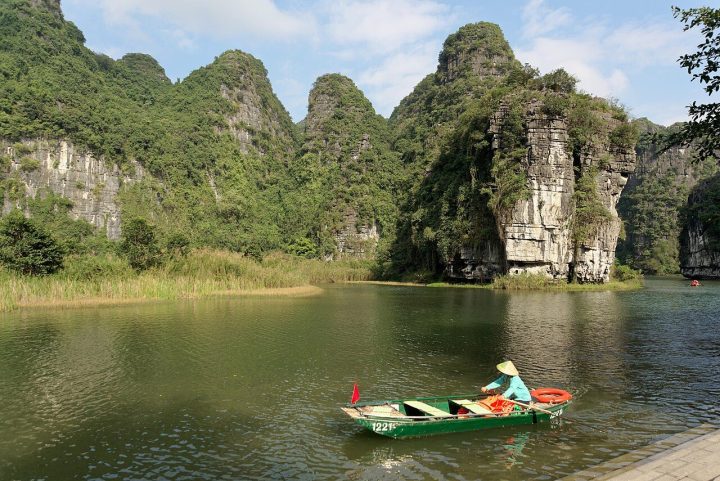
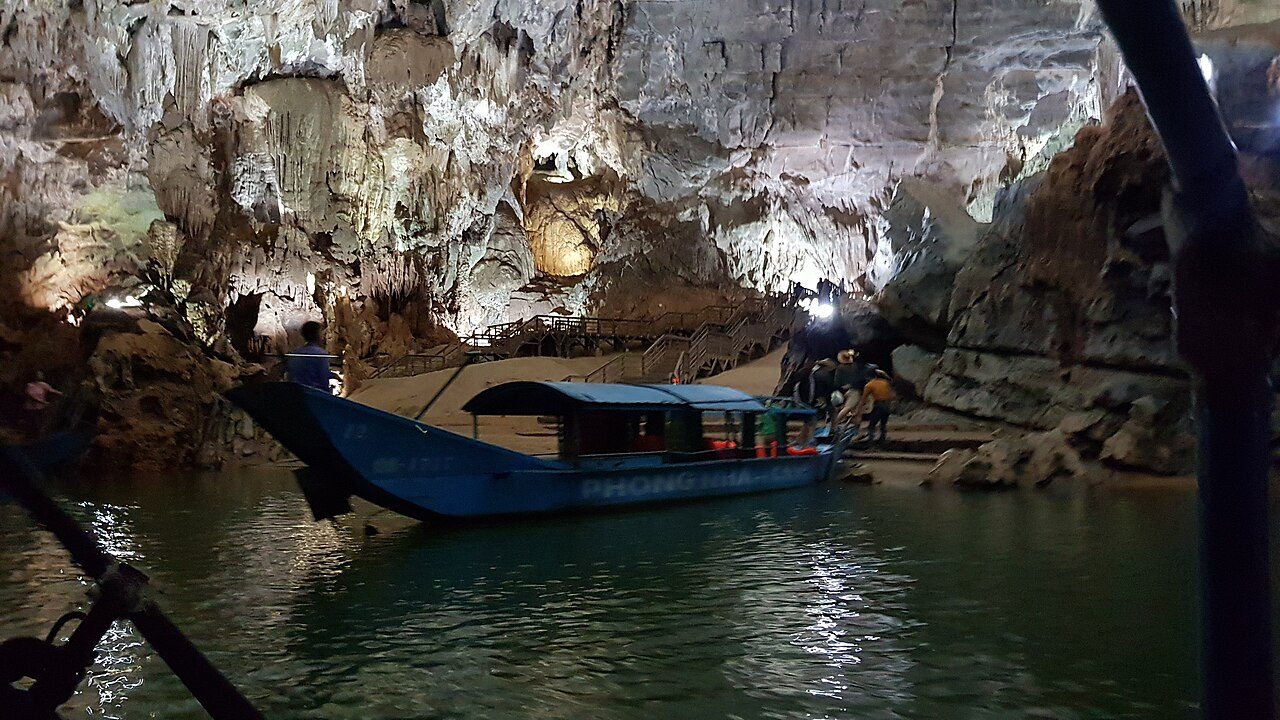
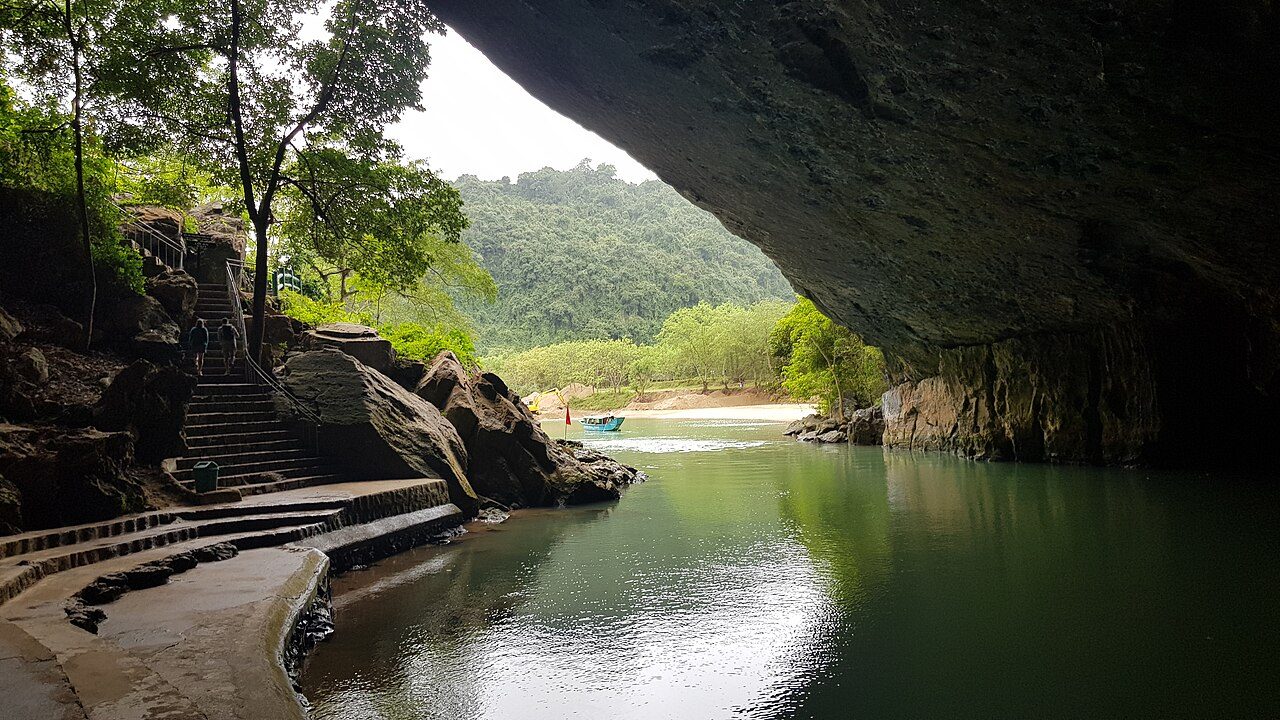
Phong Nha Cave is the river cave that gave its name to Phong Nha-Ke Bang National Park, a UNESCO World Heritage Site. Visitors travel by boat along the Son River and then glide into the cave, where an underground river passes beautiful rock formations. Part of the visit is on foot along dry chambers. Boats leave from the Phong Nha village wharf, and the trip takes about two hours.
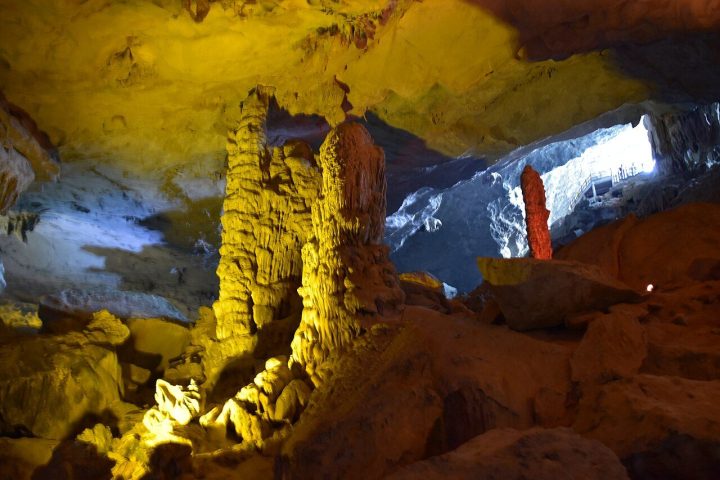
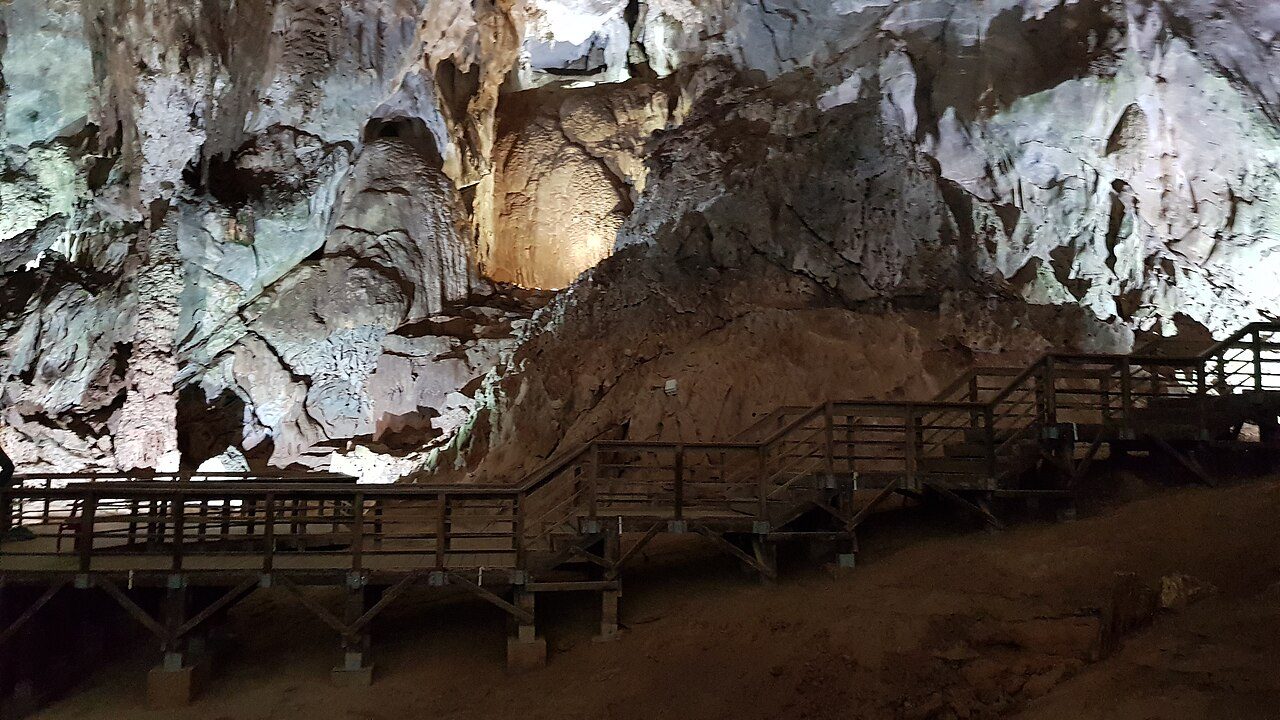
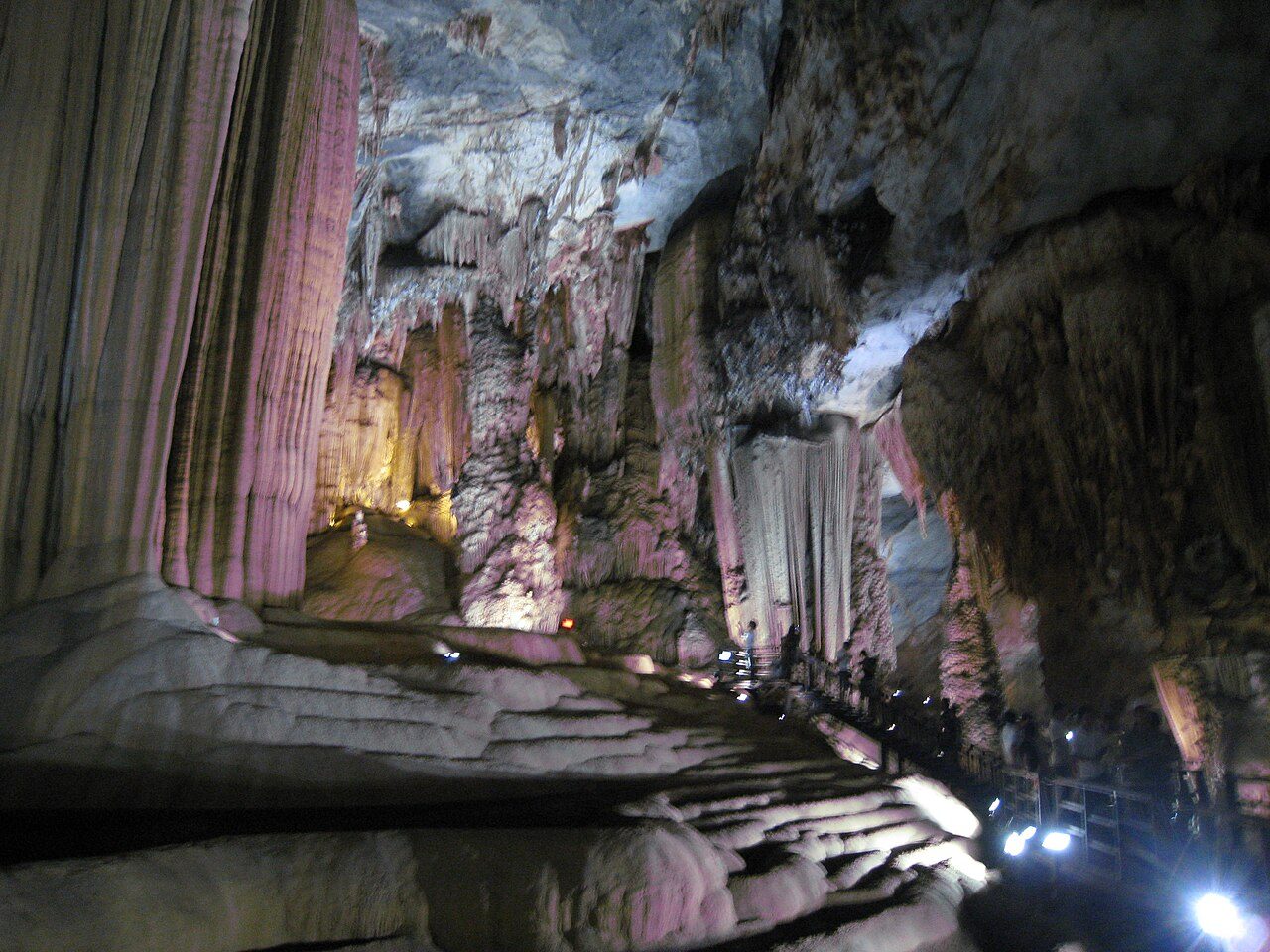
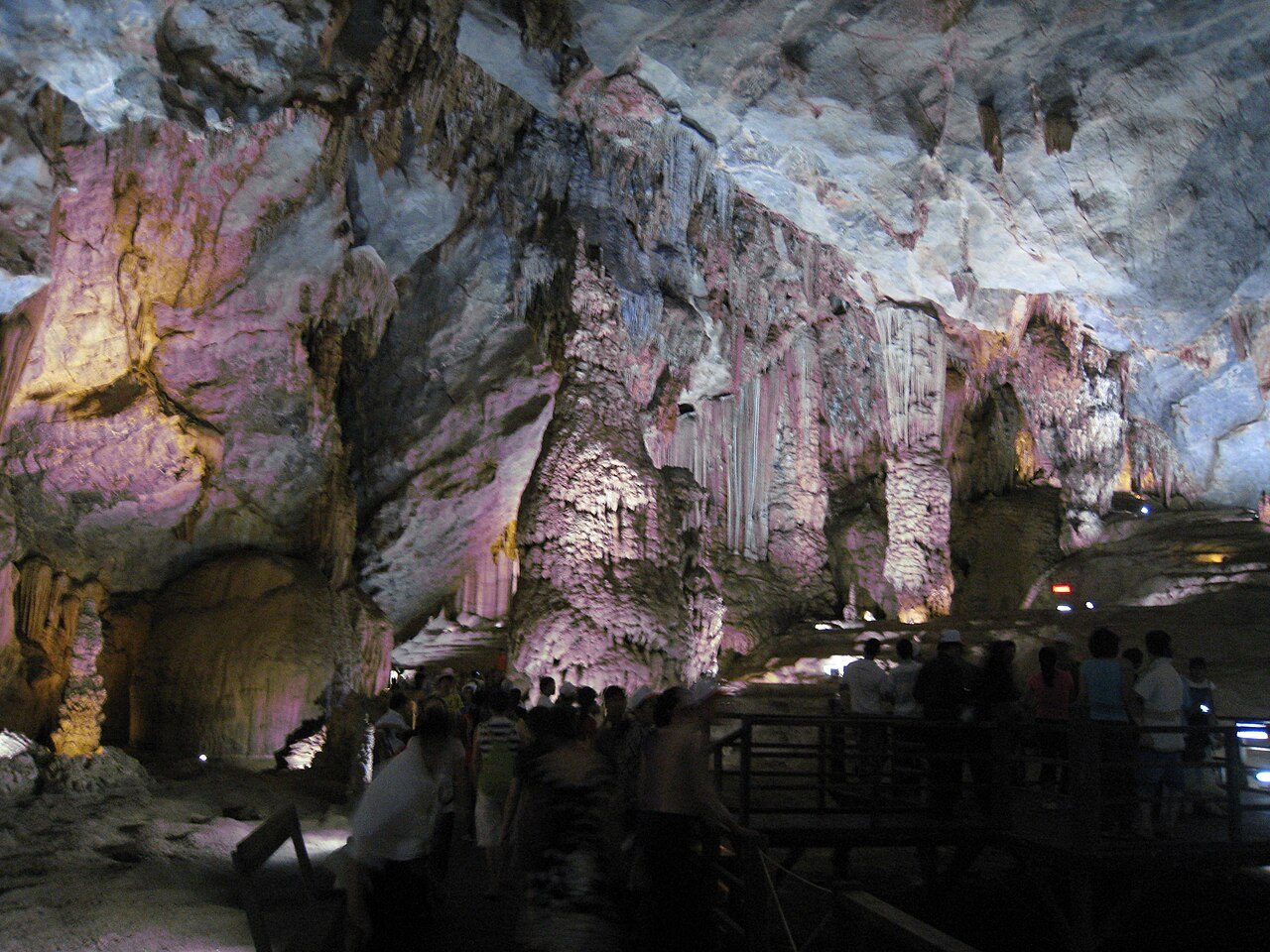
Paradise Cave stretches for about 31 kilometres through the limestone of Phong Nha-Ke Bang, and the first kilometre is open to visitors on a wooden boardwalk. The chambers are enormous and filled with white stalactites, stalagmites and flowstones lit to show their scale. The cave is reached by a short walk and stairway through the forest. Go early to enjoy it before groups arrive.
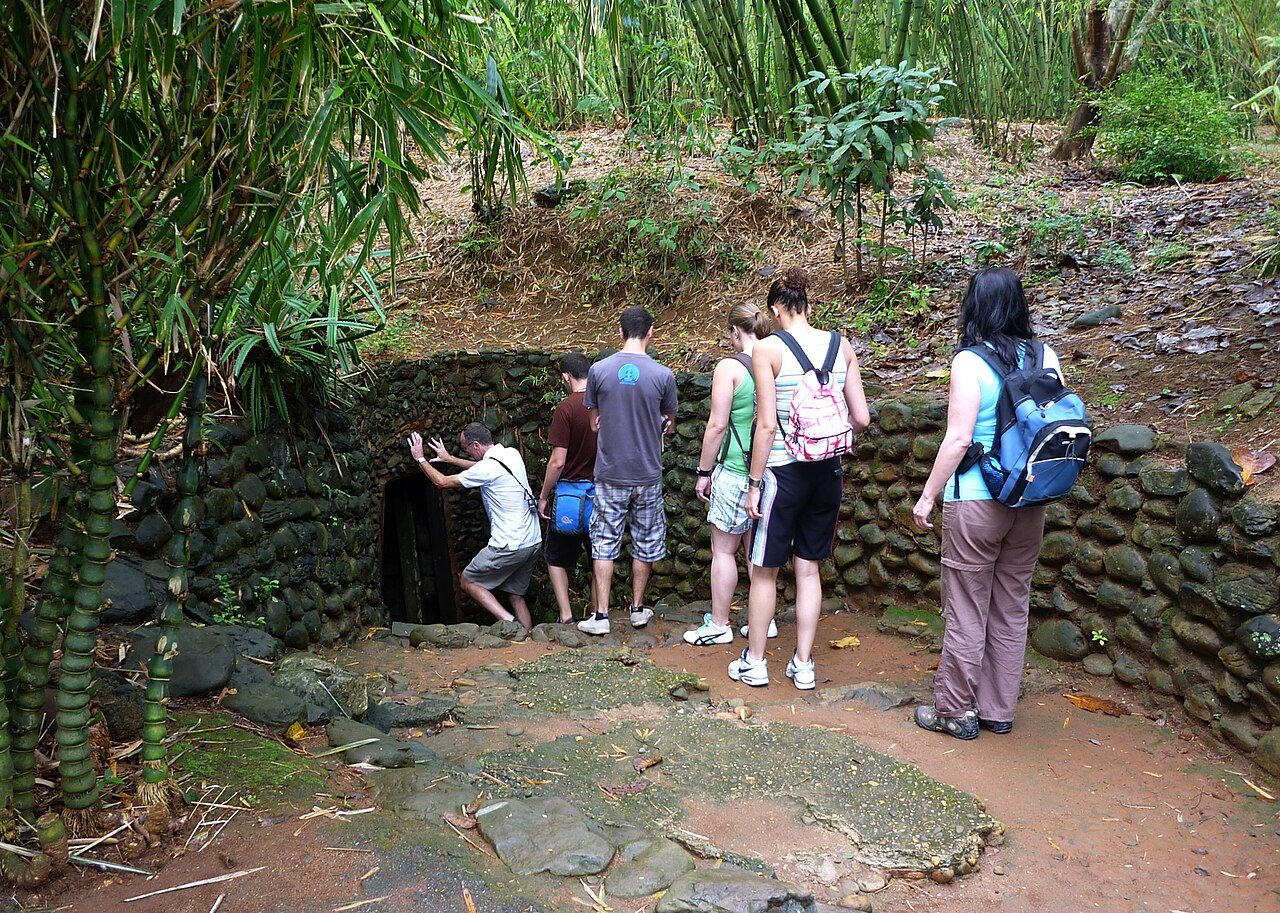
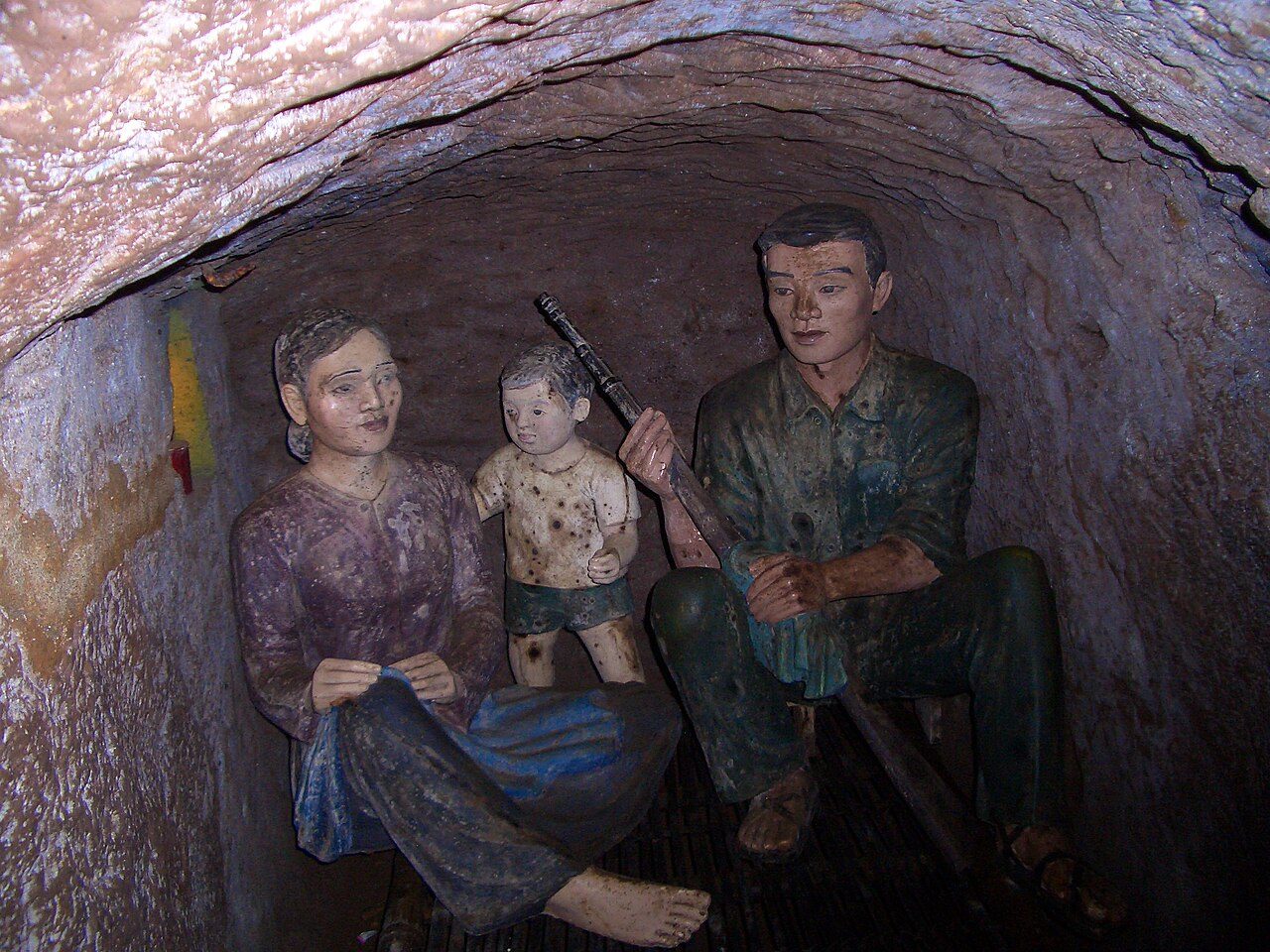
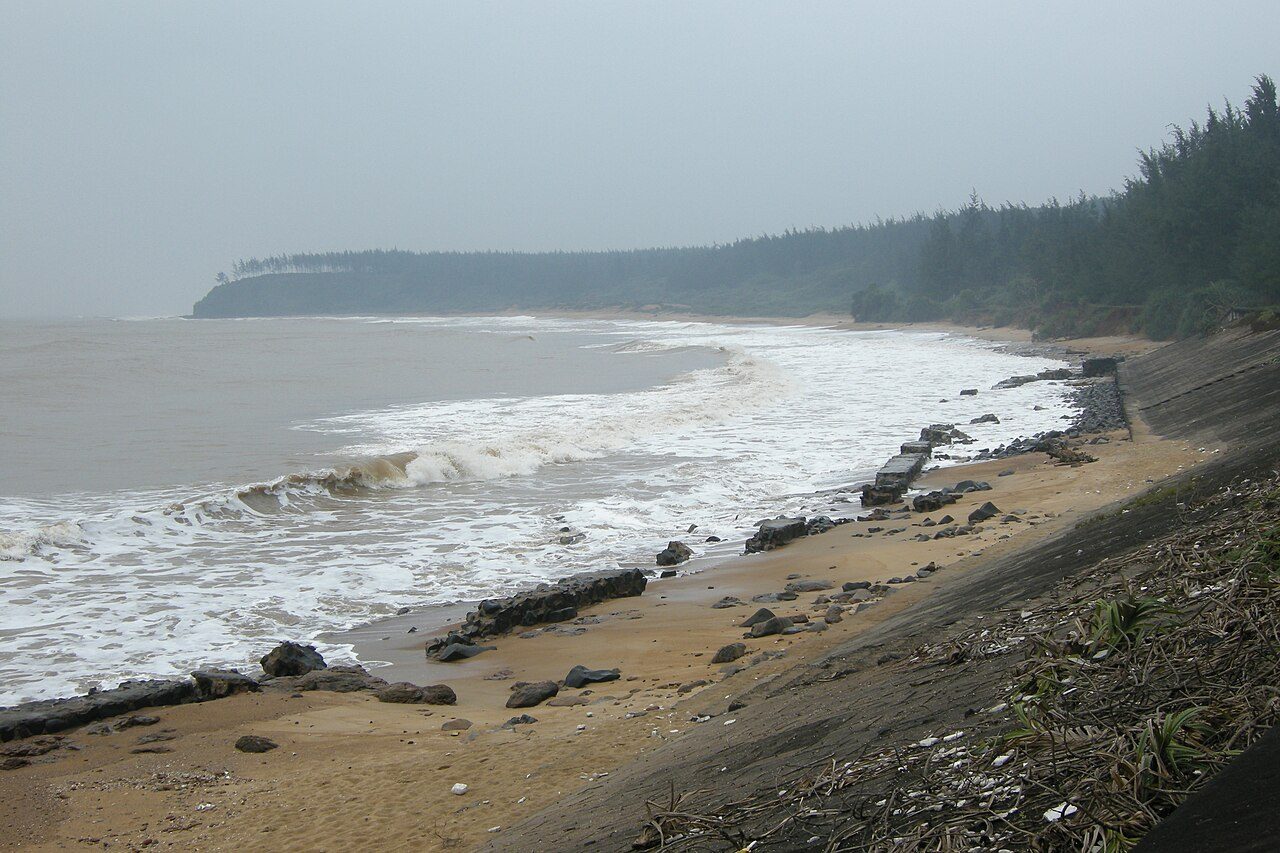
The Vinh Moc Tunnels were dug by villagers during the Vietnam War to shelter from heavy bombing near the Demilitarised Zone. Whole families lived underground in this three-level network, which included rooms, wells and even a maternity room. Many visitors find them more spacious and authentic than the tunnels near Saigon. A small museum explains the history, and exits open onto the sea.
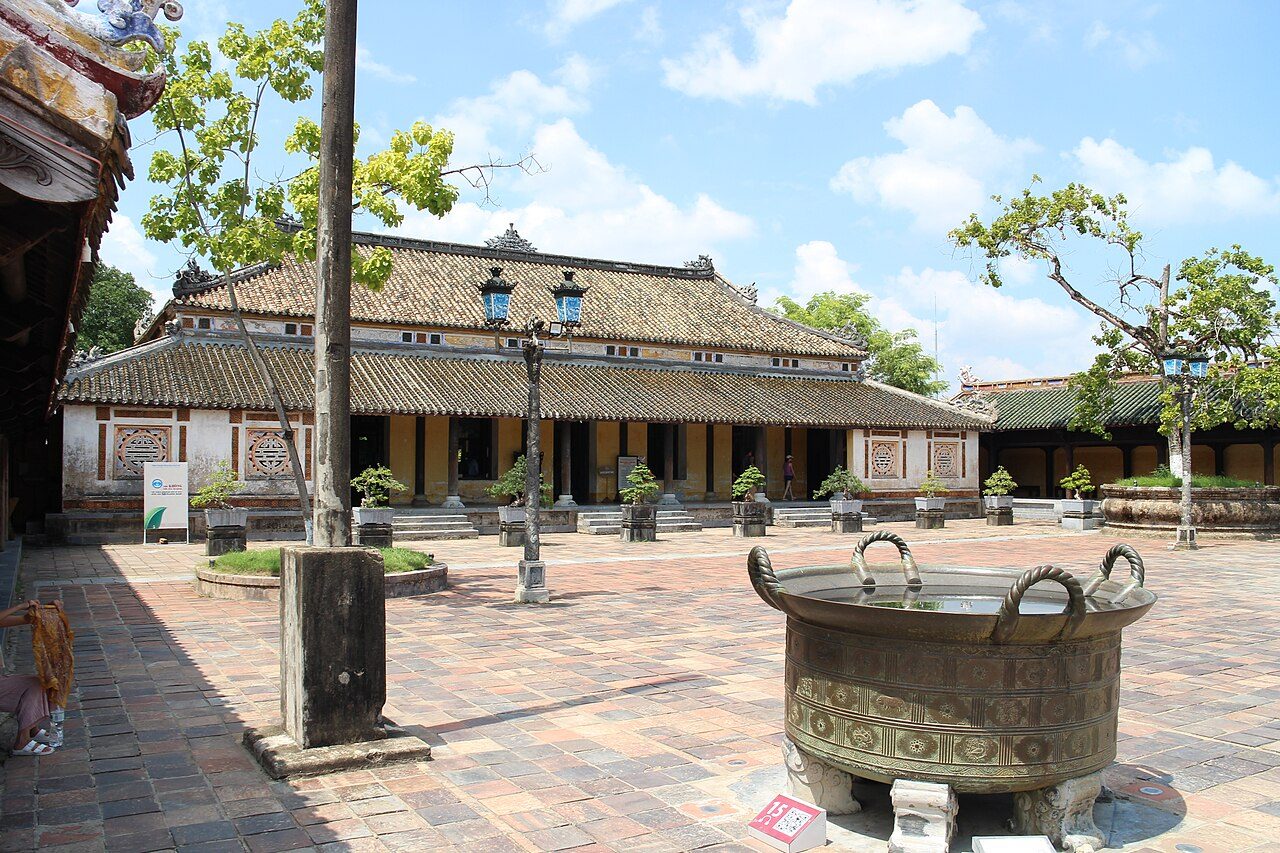
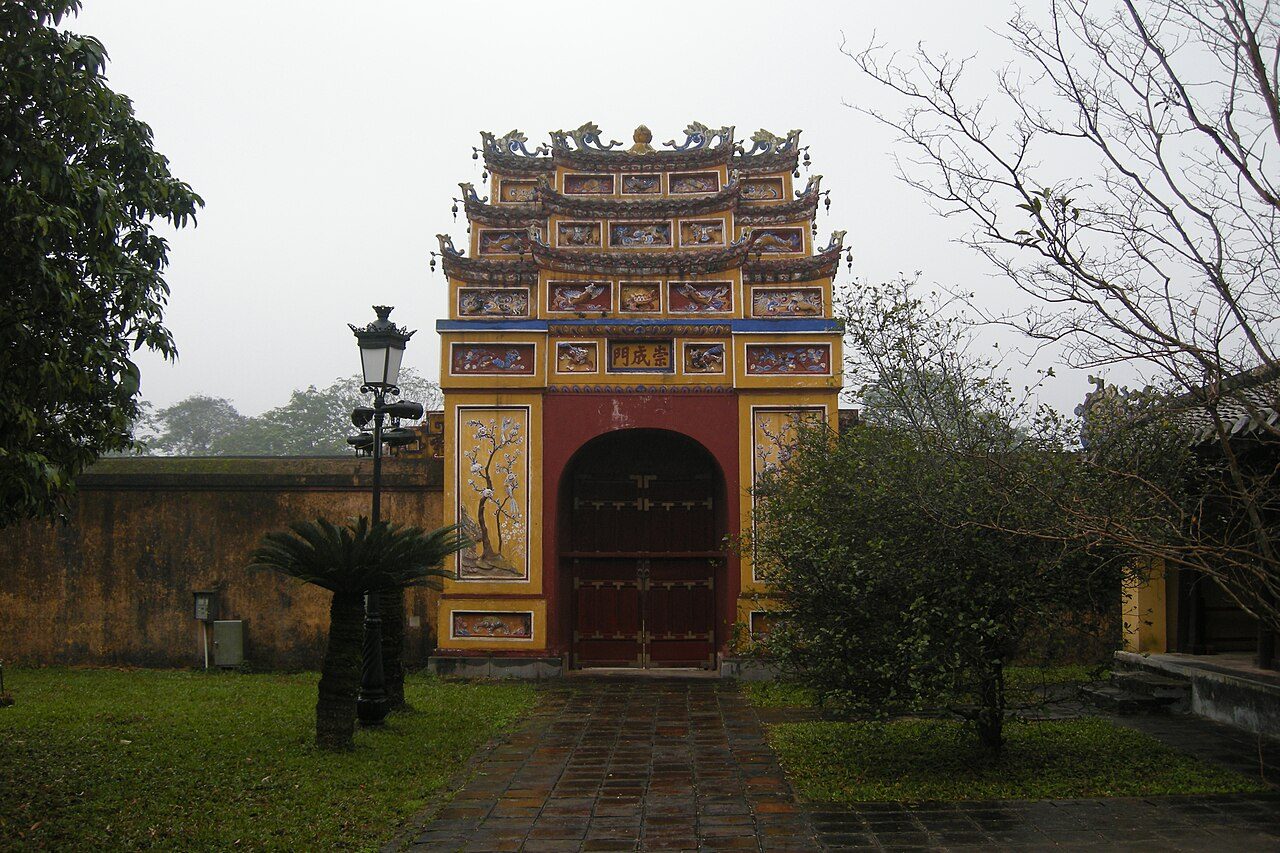
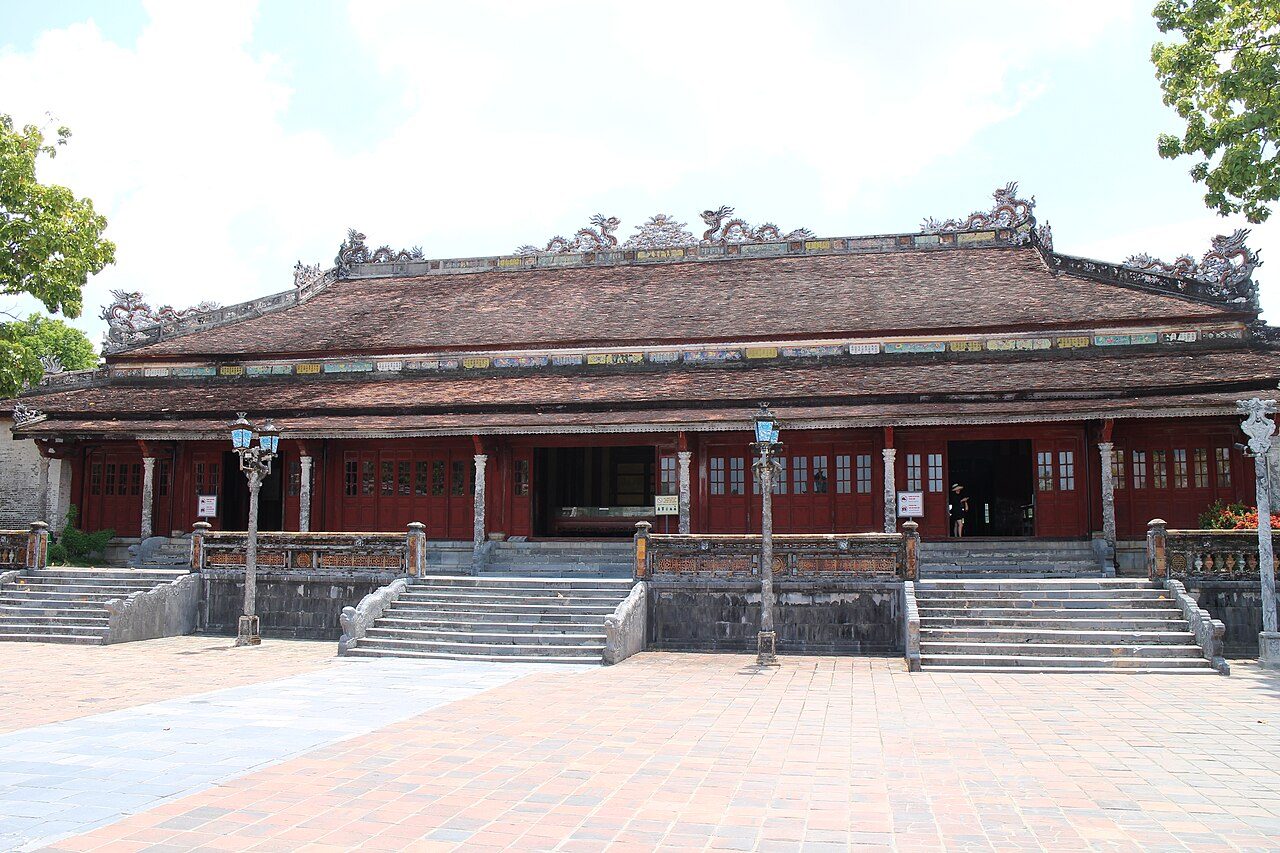
The Imperial City of Hue was the seat of the Nguyen dynasty, Vietnam's last ruling family, from 1802 to 1945. Visitors enter through the grand Ngo Mon or Meridian Gate and explore throne halls, temples, gardens and restored pavilions within the Citadel walls. Much was damaged during the wars, and restoration continues. It is part of the UNESCO-listed Complex of Hue Monuments; allow half a day.
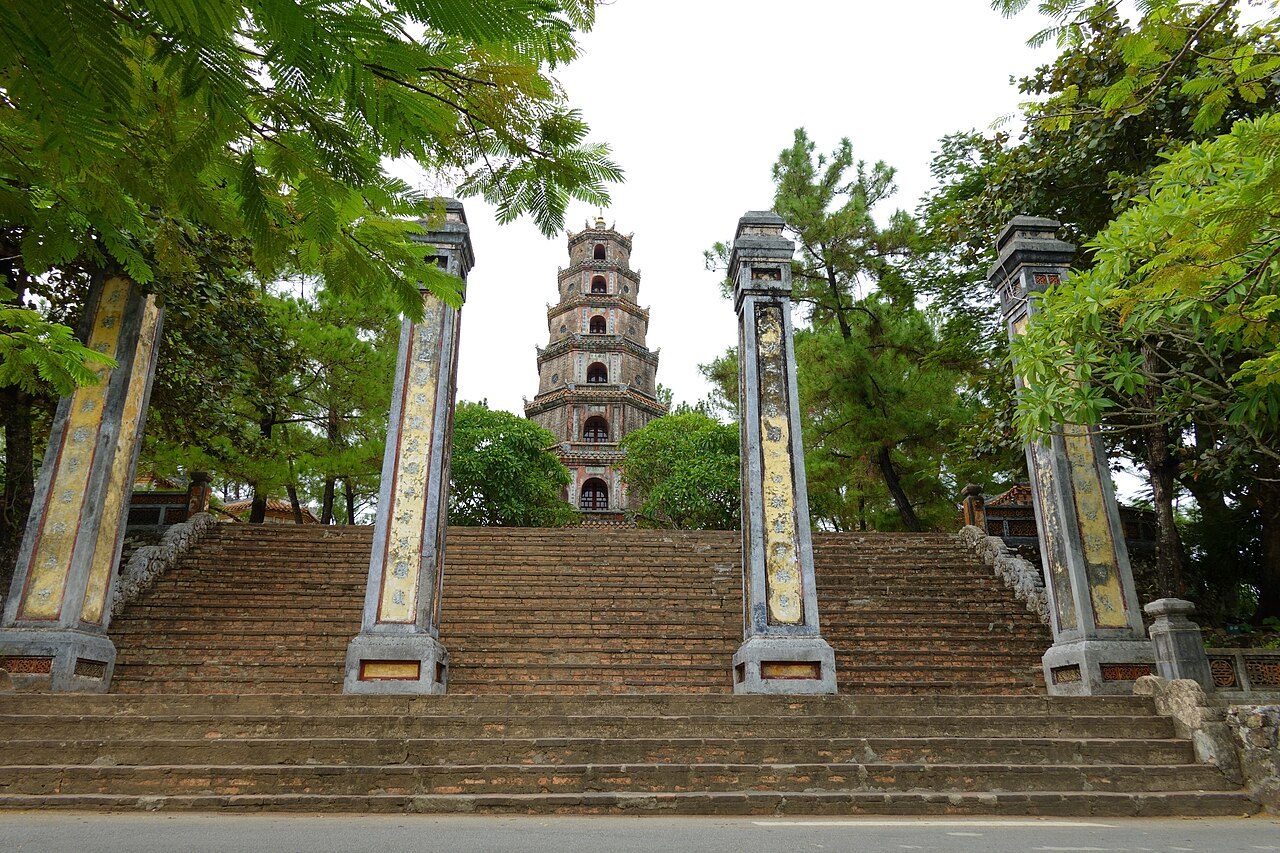
Thien Mu Pagoda stands on a hill above the Perfume River and is one of the most recognisable symbols of Hue. Its seven-storey octagonal Phuoc Duyen tower was added in 1844. The grounds hold a giant bell, a stele on a marble turtle and the car that carried monk Thich Quang Duc to Saigon in 1963. Many visitors arrive by dragon boat along the river.
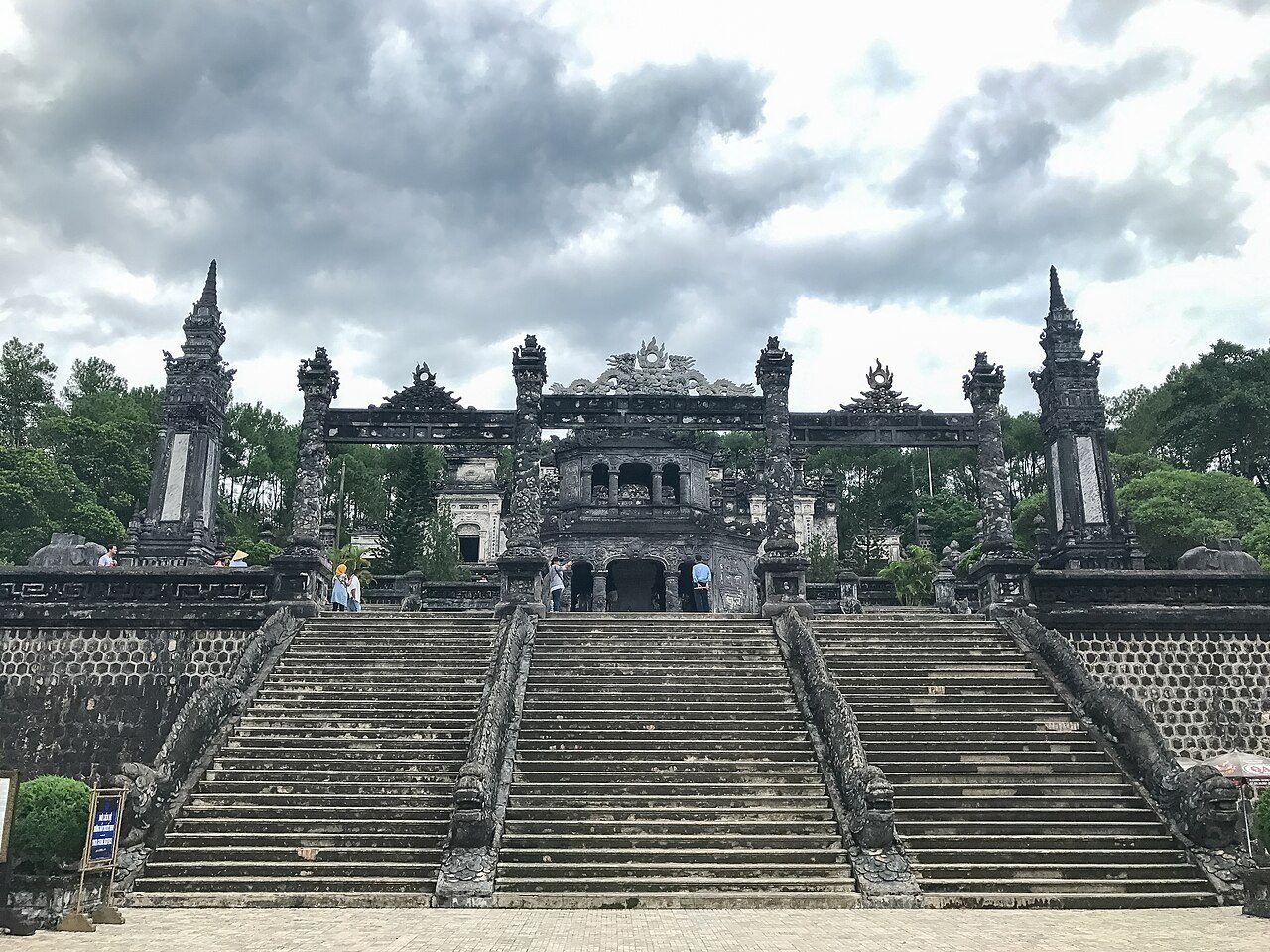
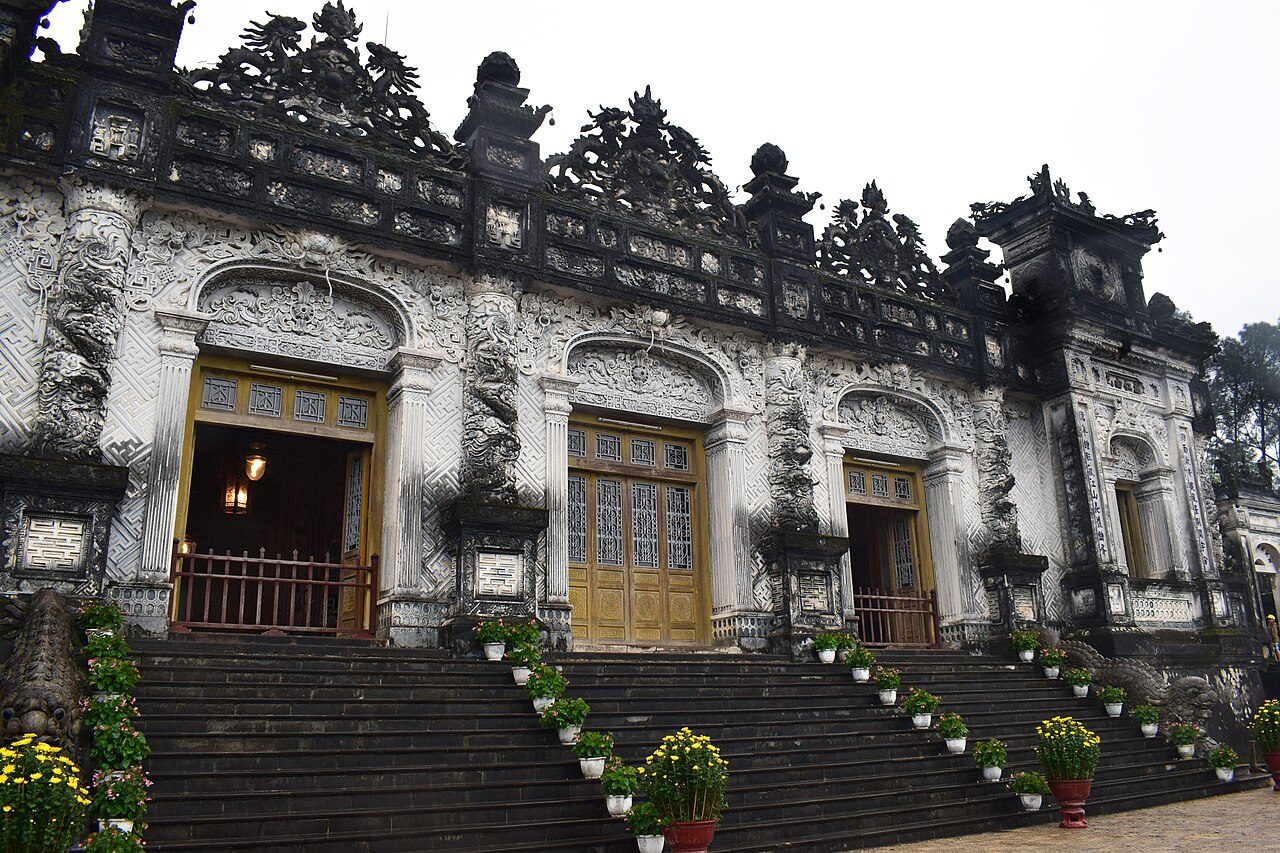
The Tomb of Khai Dinh is the last and most ornate of the royal tombs of Hue, built for the twelfth Nguyen emperor. It mixes Vietnamese tradition with European influences, using concrete, iron and dark stone. Inside, the Thien Dinh palace is covered with dazzling mosaics of ceramic and glass. A steep stairway with dragon balustrades leads up the hillside, so wear comfortable shoes.
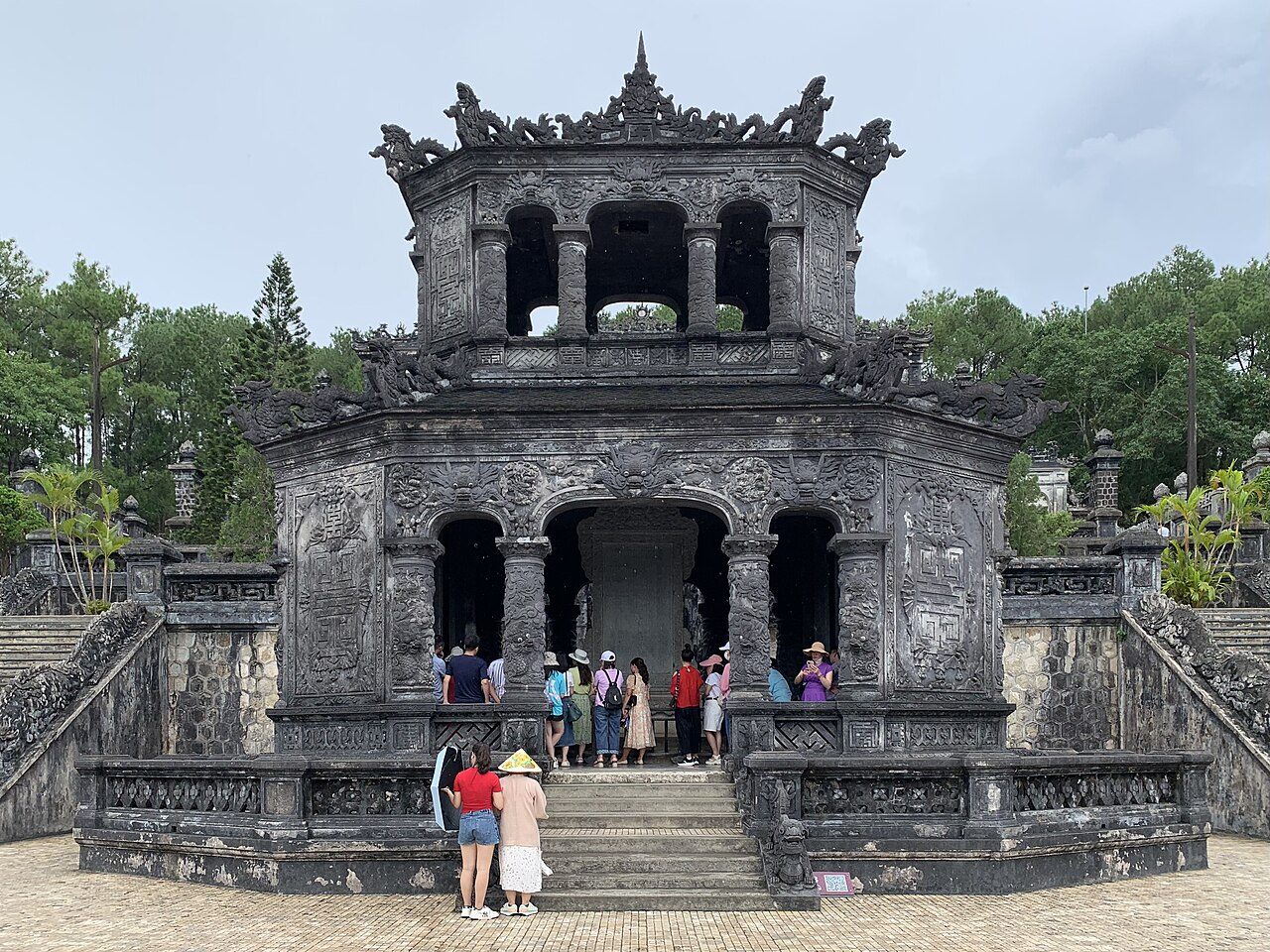
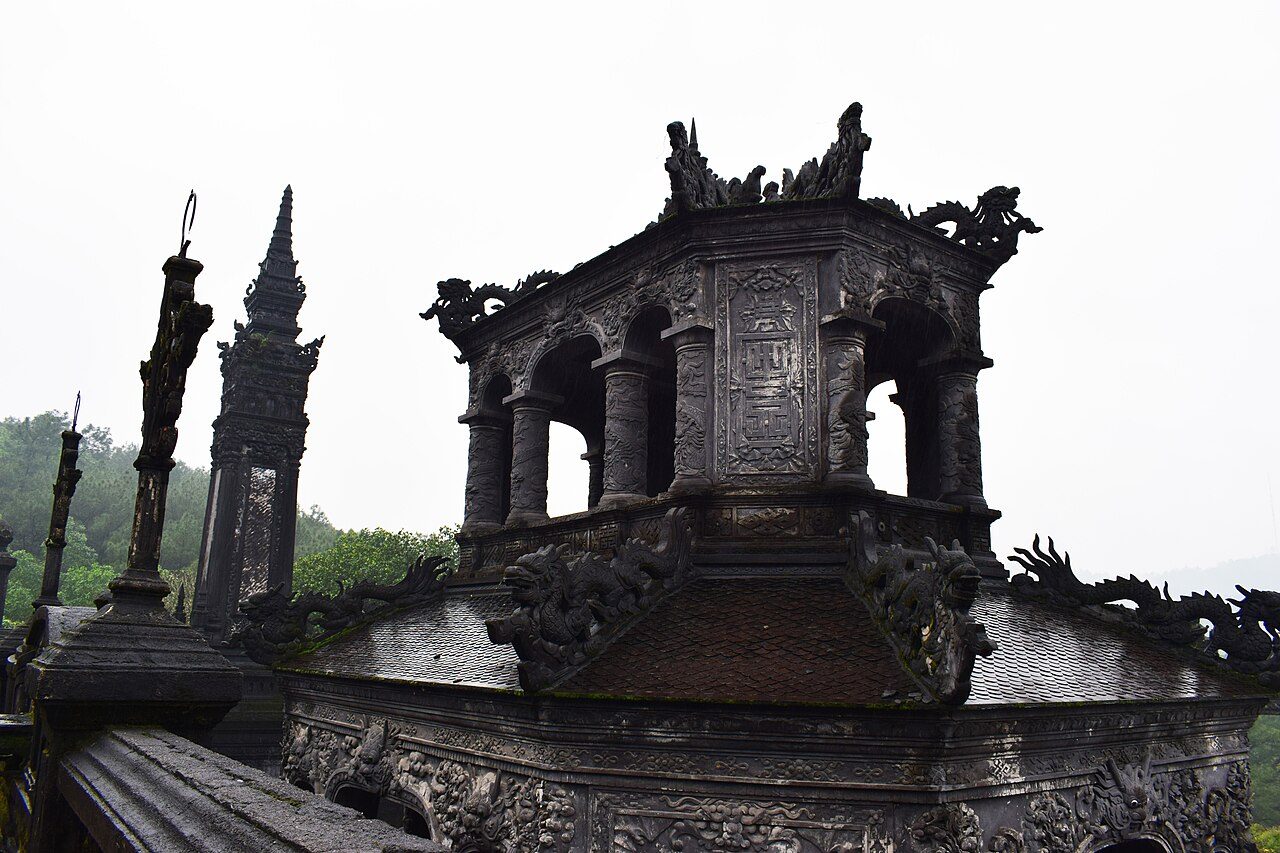
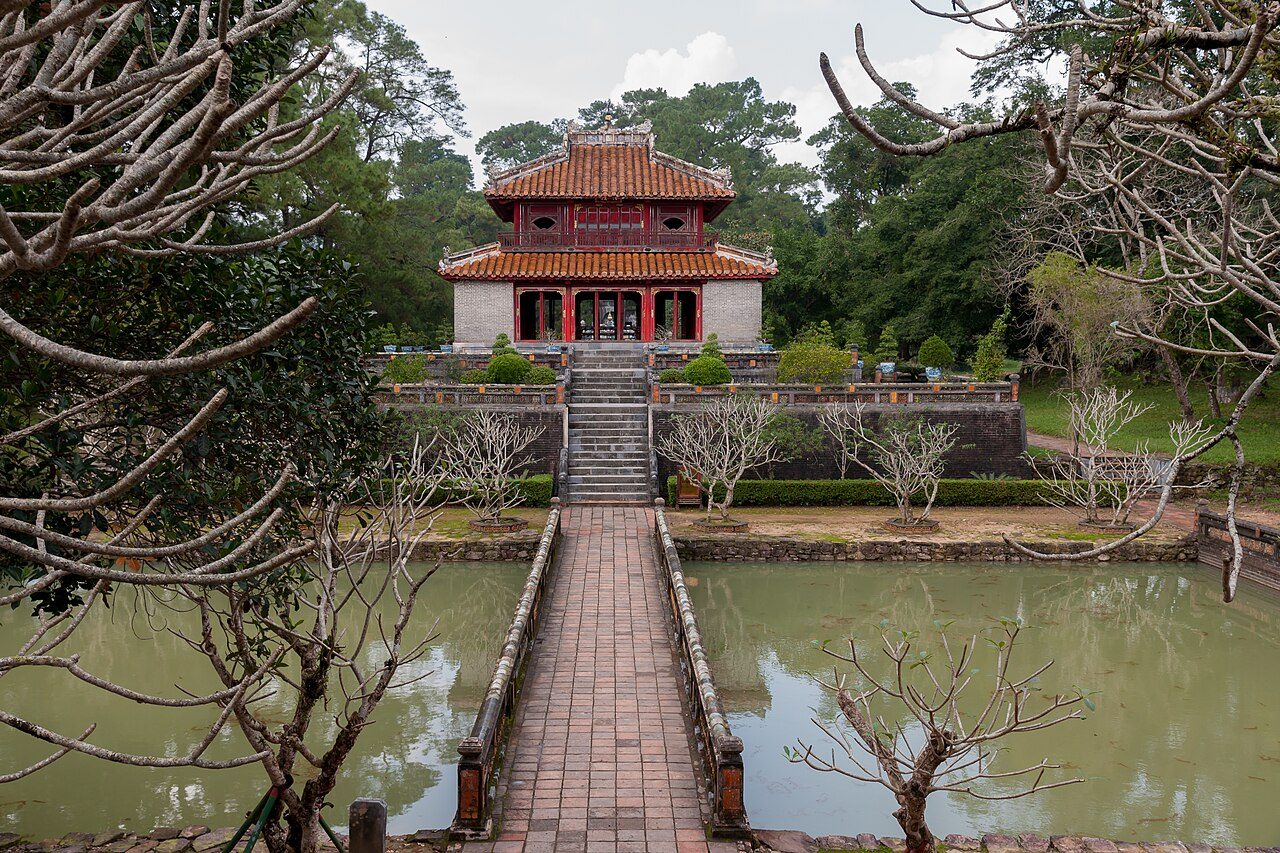
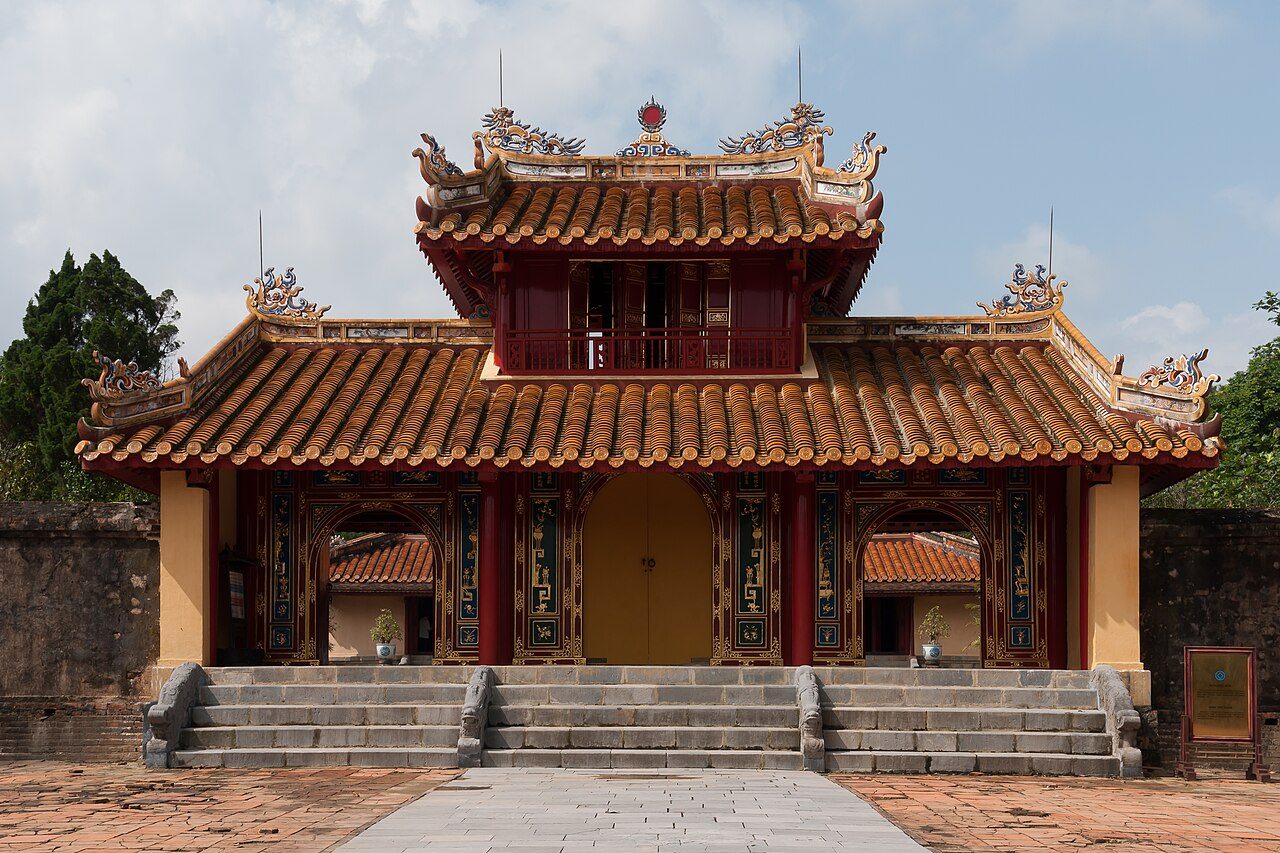
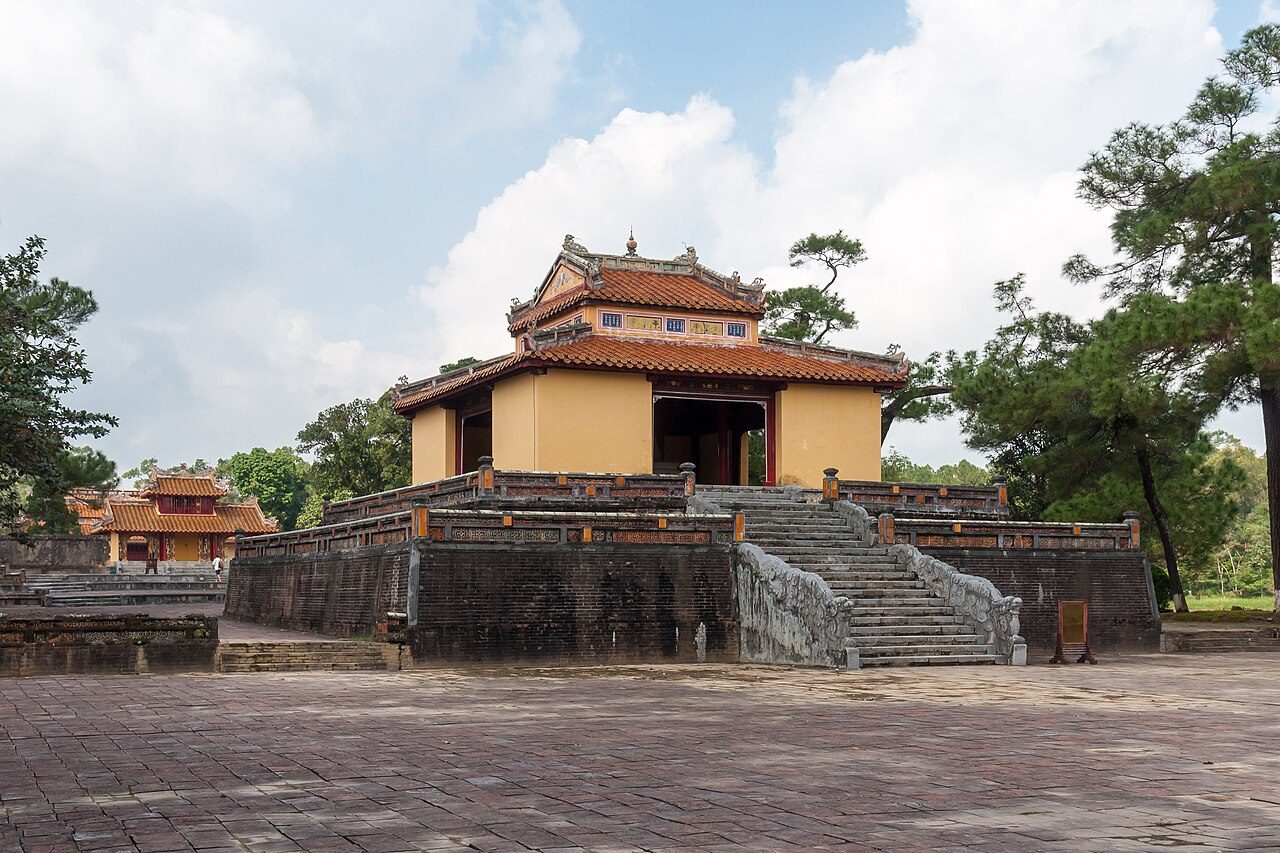
The Tomb of Minh Mang is one of the most harmonious of the Nguyen royal tombs, laid out along a long axis among lakes and pine forests. Visitors walk through courtyards with stone mandarins, a stele pavilion, temples and bridges to the burial mound. Its balance of architecture and nature reflects the classic ideals of the period. Late afternoon light is especially lovely on the lakes.
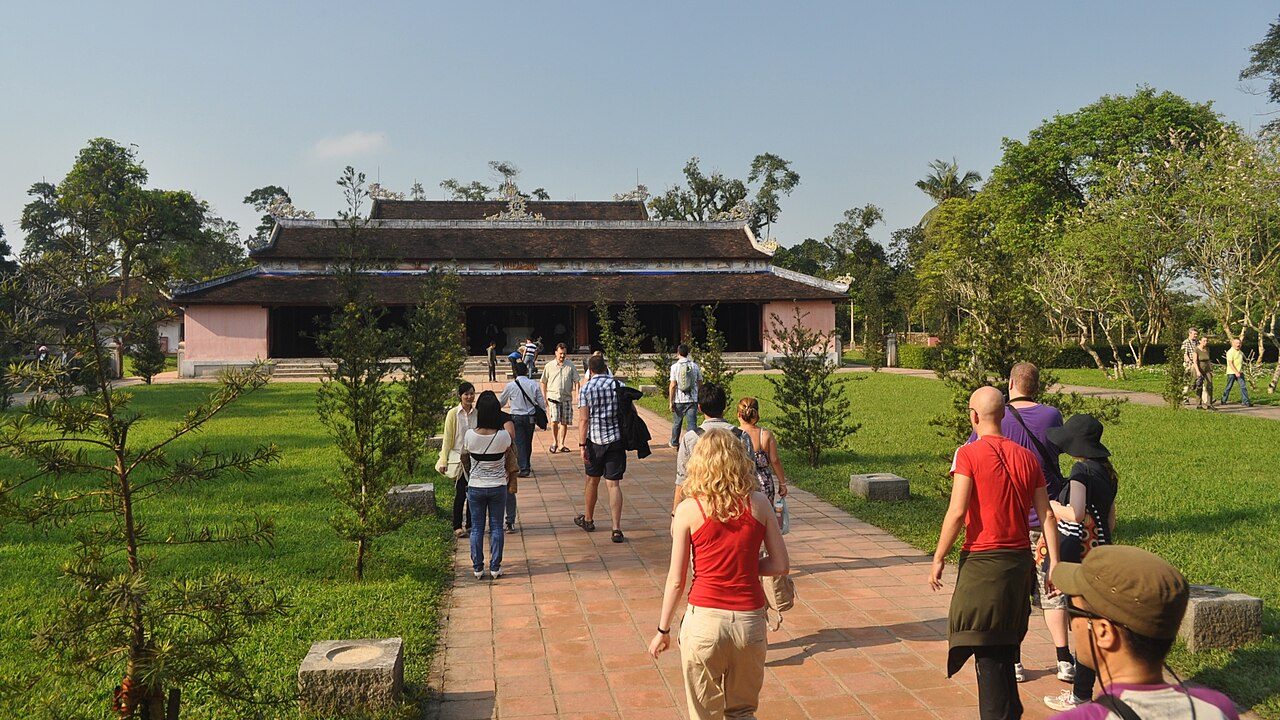
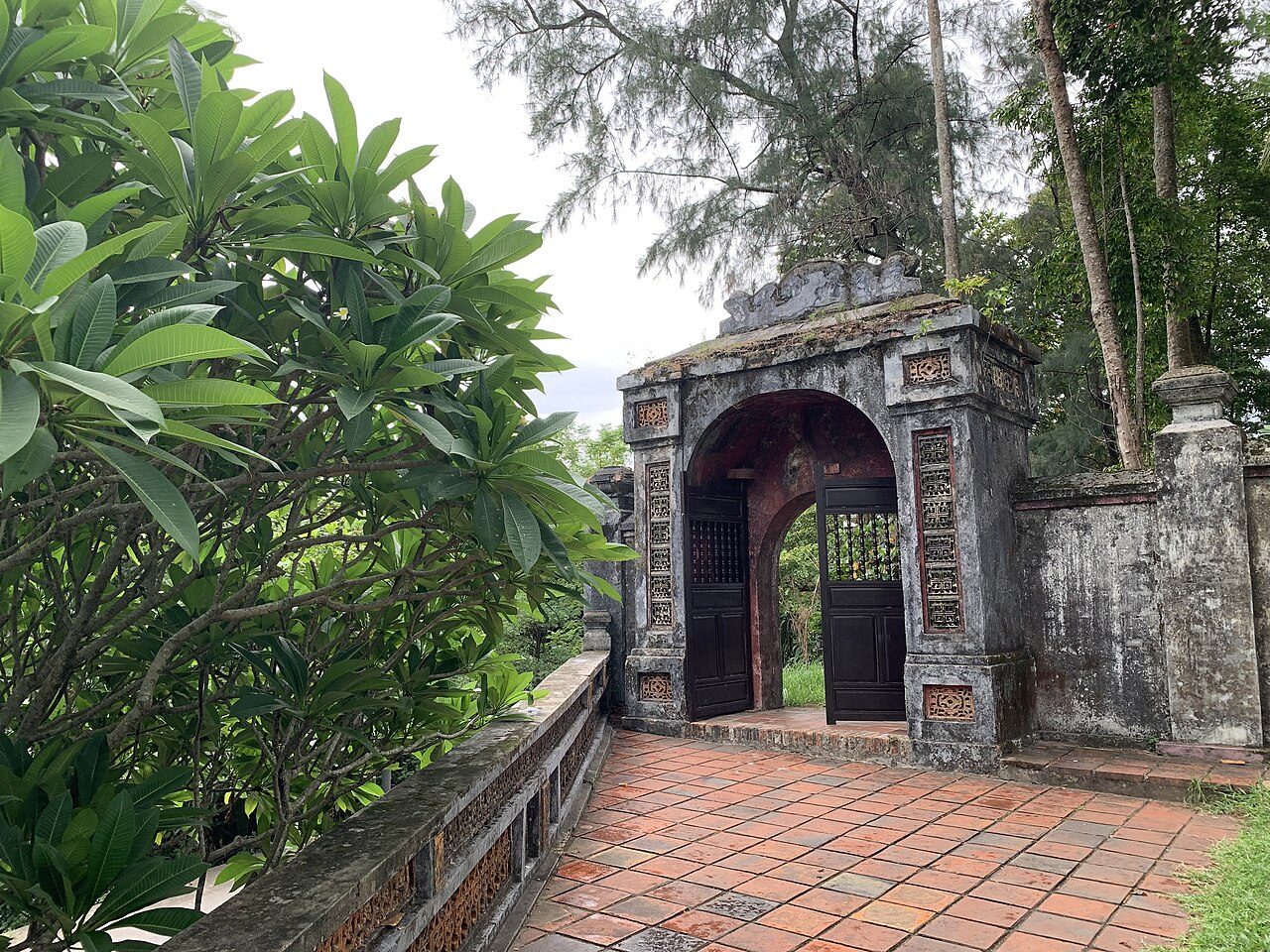
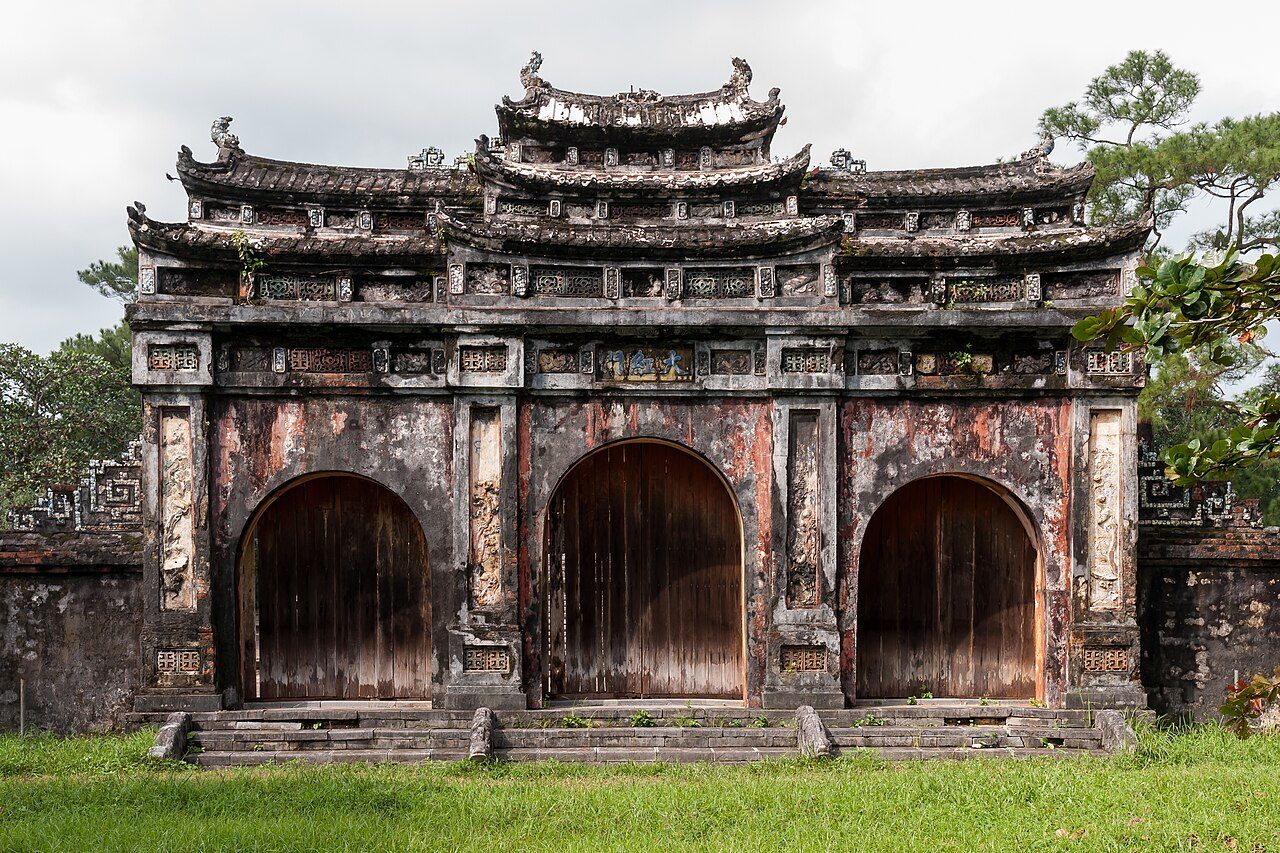
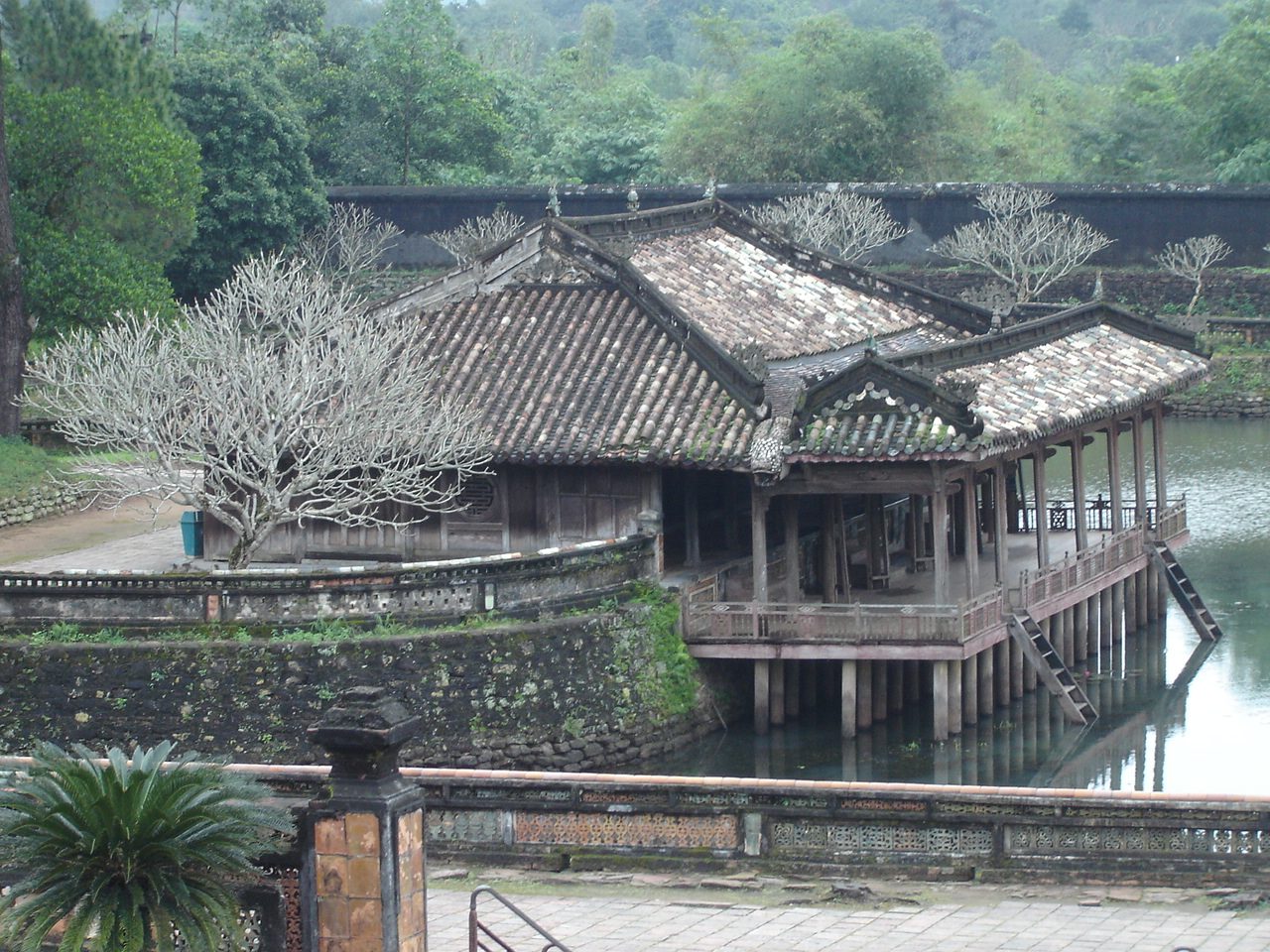
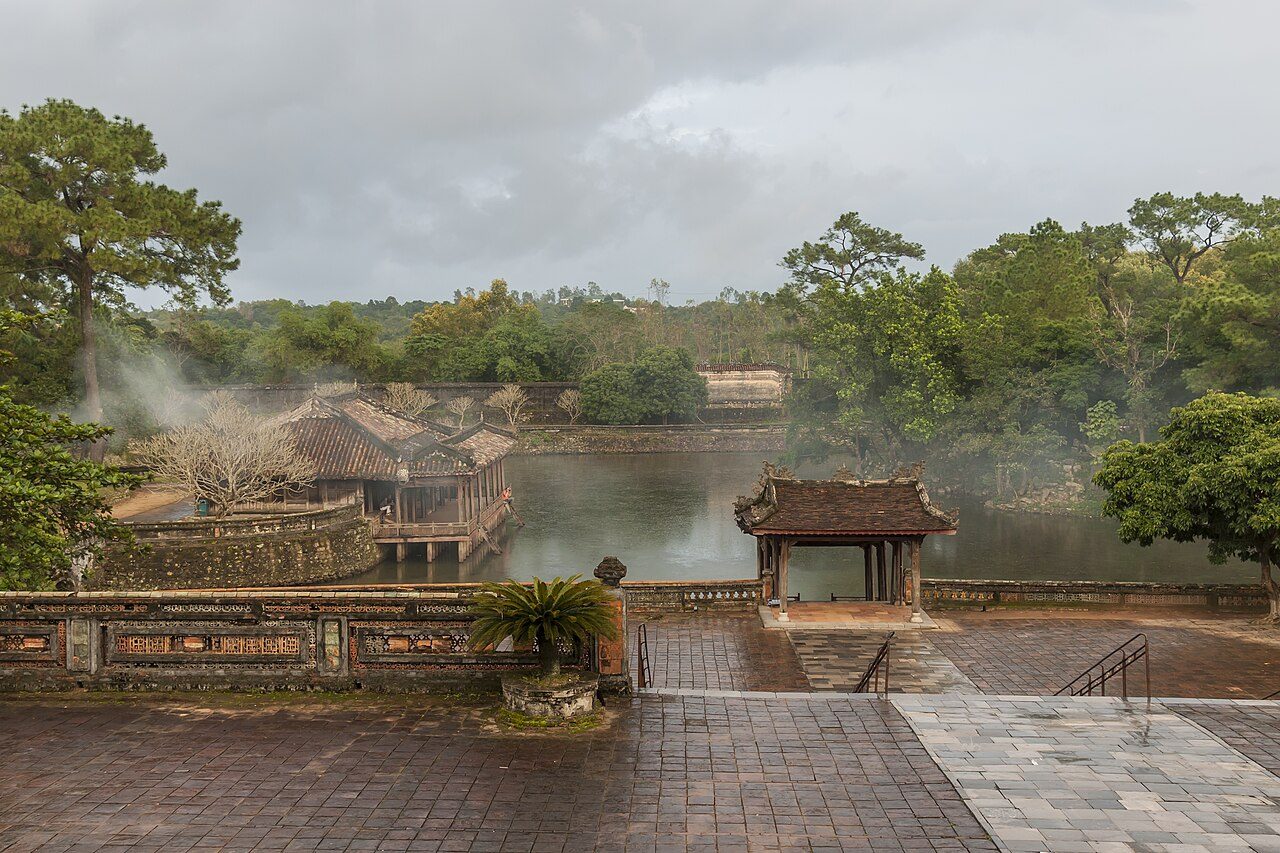
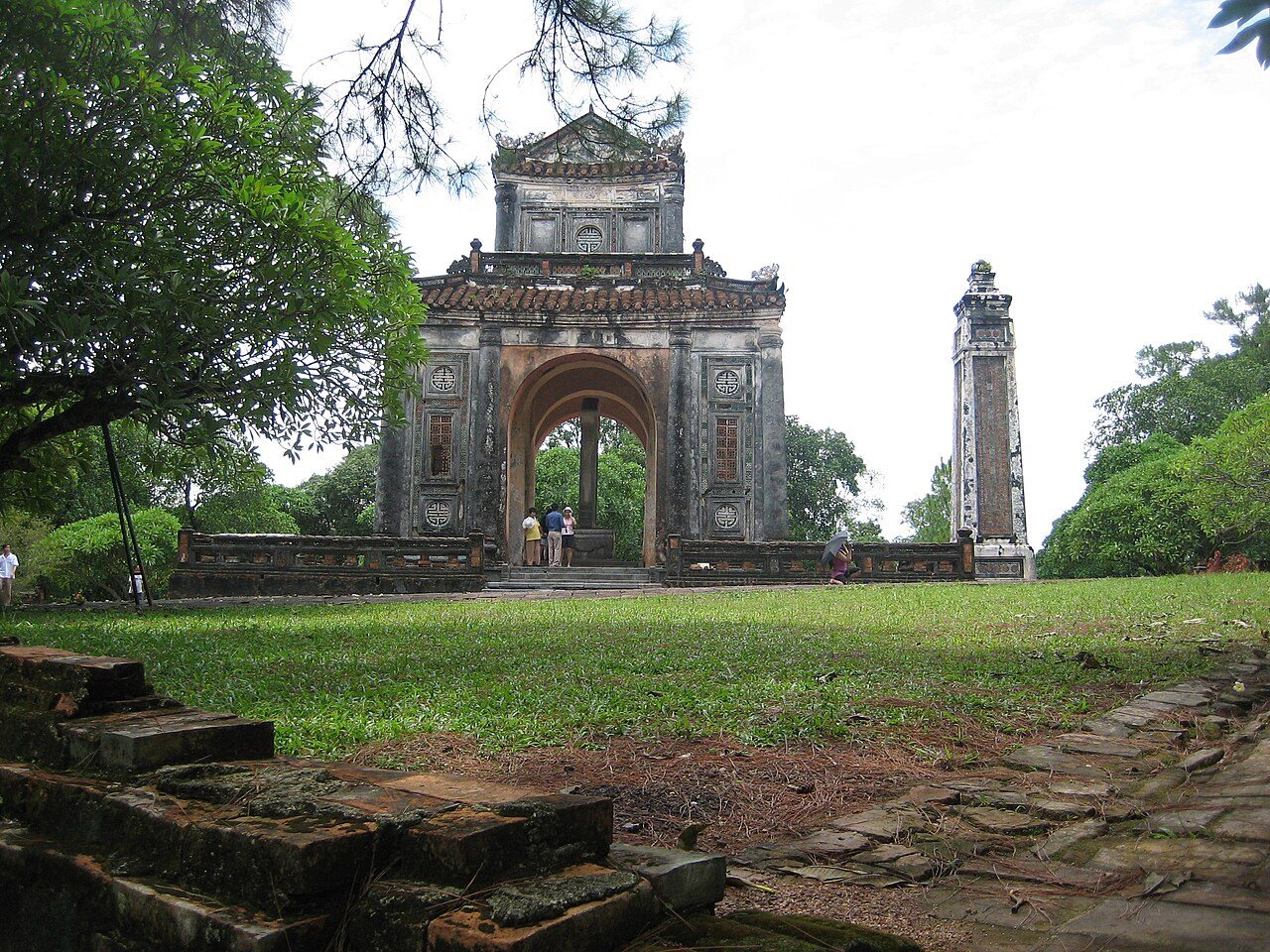
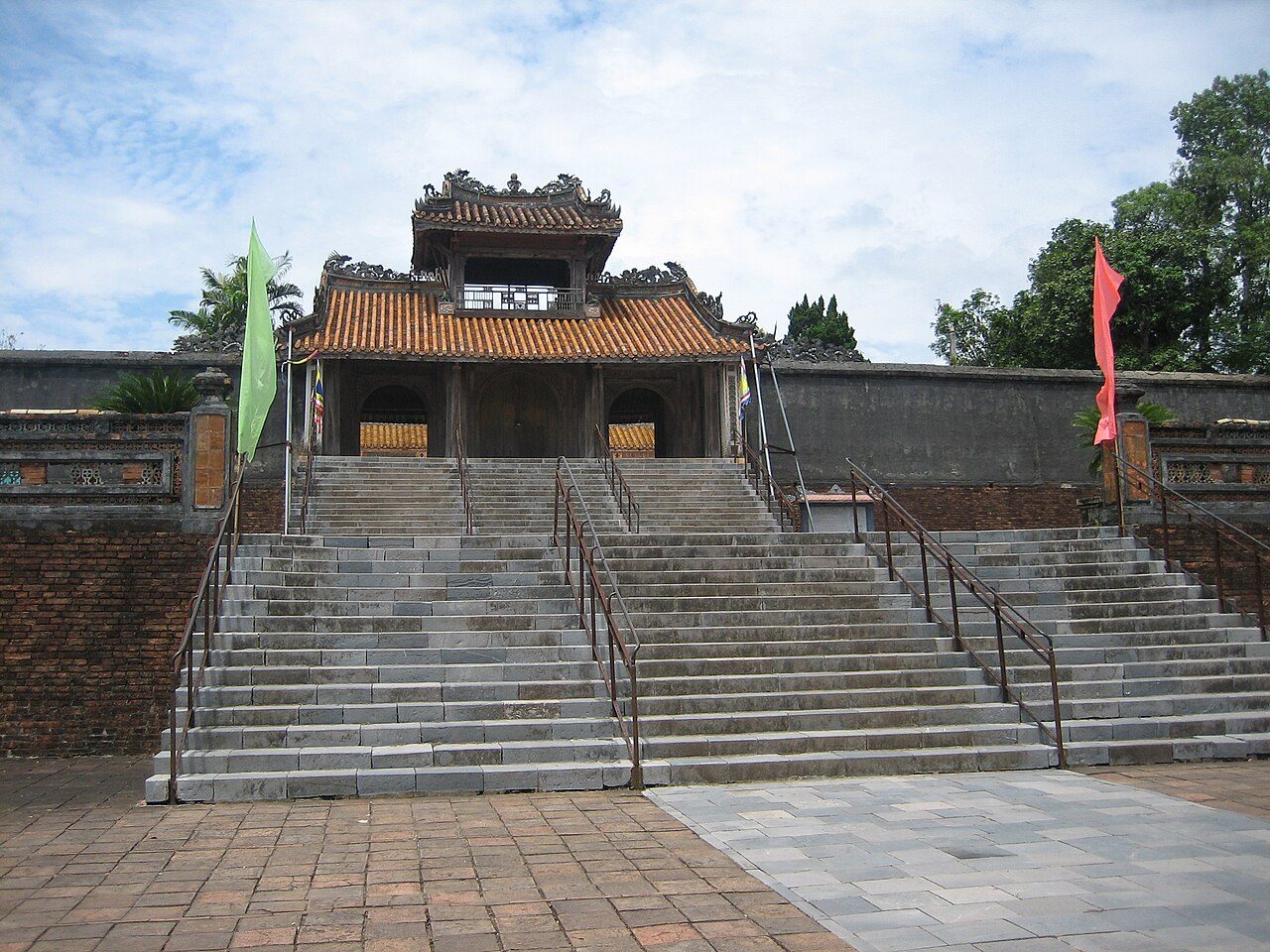
The Tomb of Tu Duc was designed as a peaceful retreat where the emperor came to write poetry and rest long before his death. Pavilions stand beside a lotus lake, and wooden halls, a theatre and the stele pavilion are set among frangipani and pine trees. It is among the most romantic of the Hue tombs. Visit in the morning when the gardens are cool and calm.
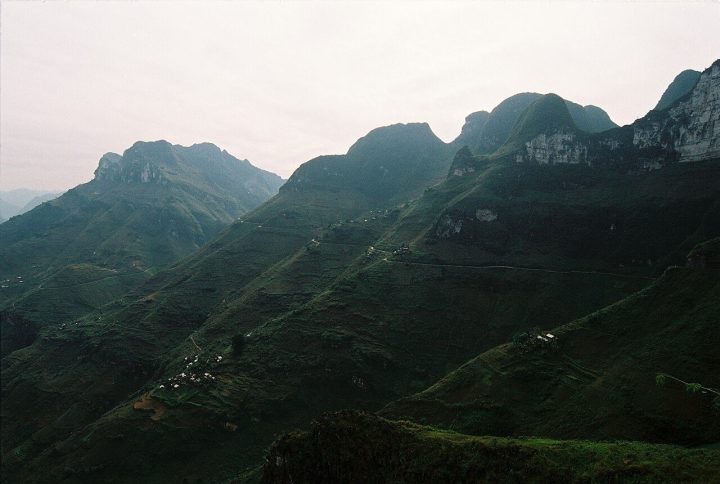
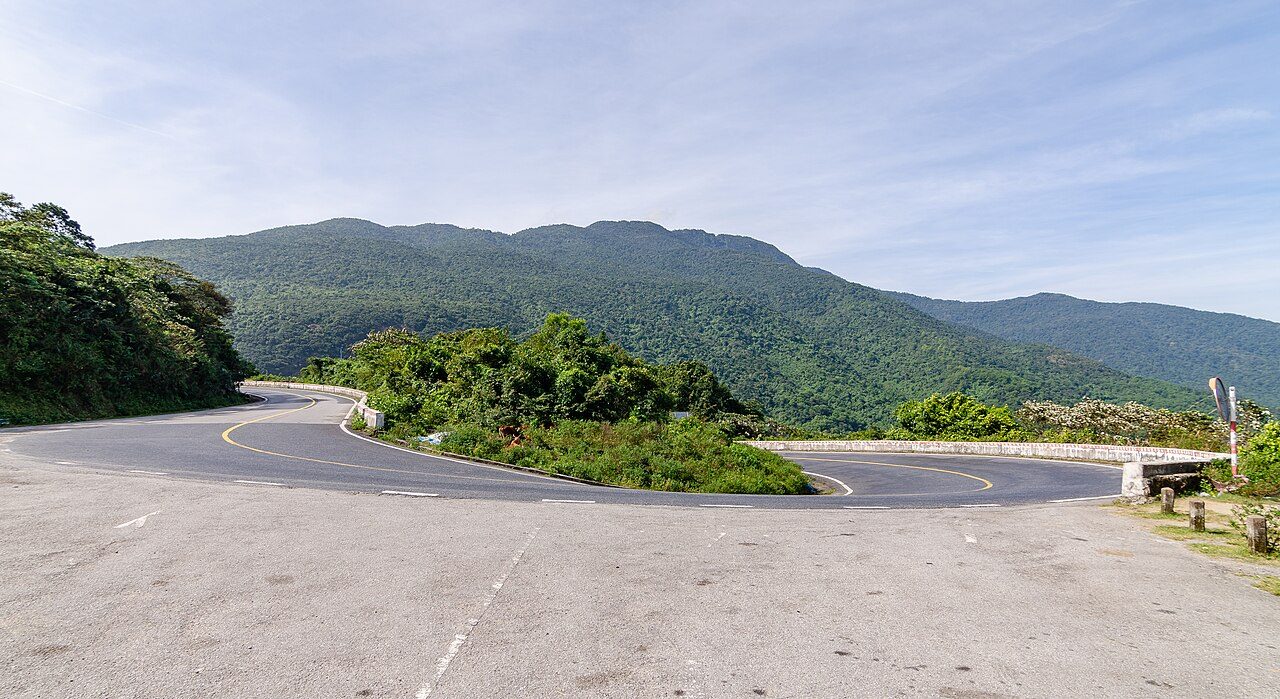
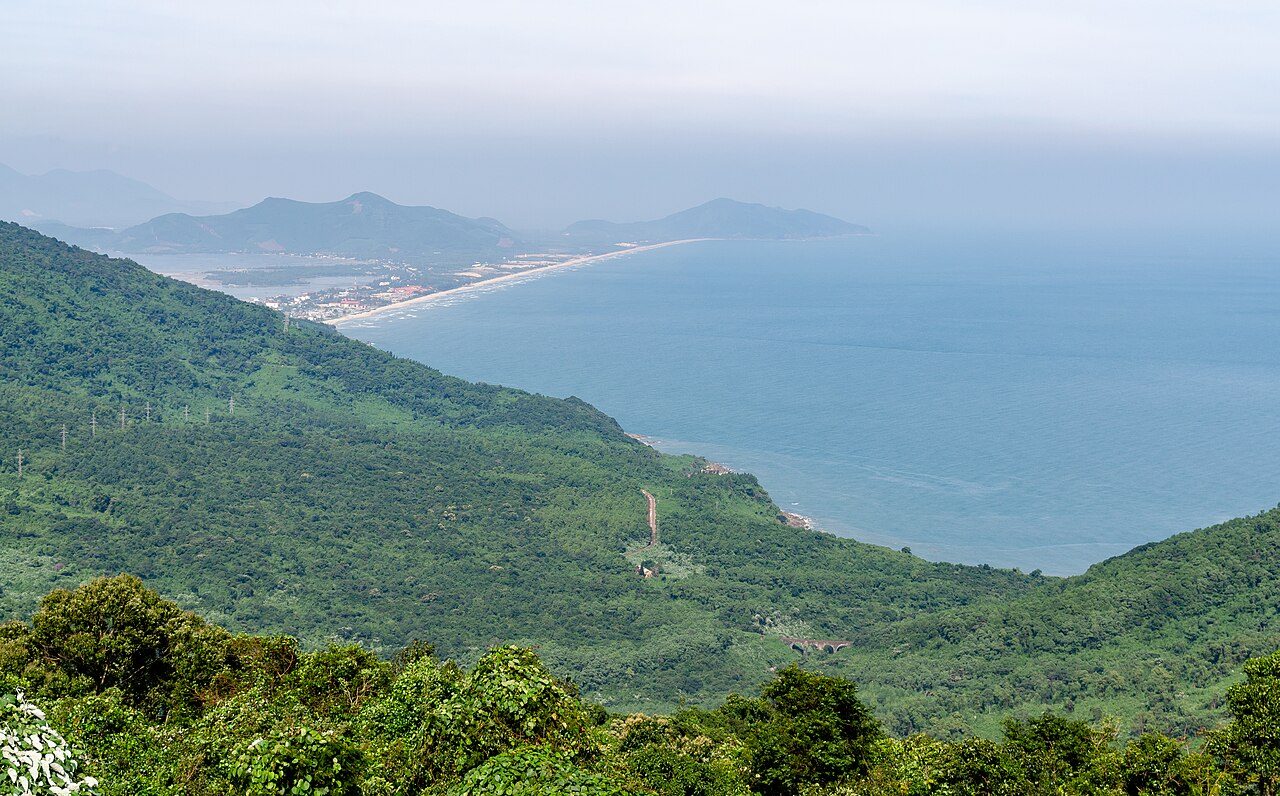
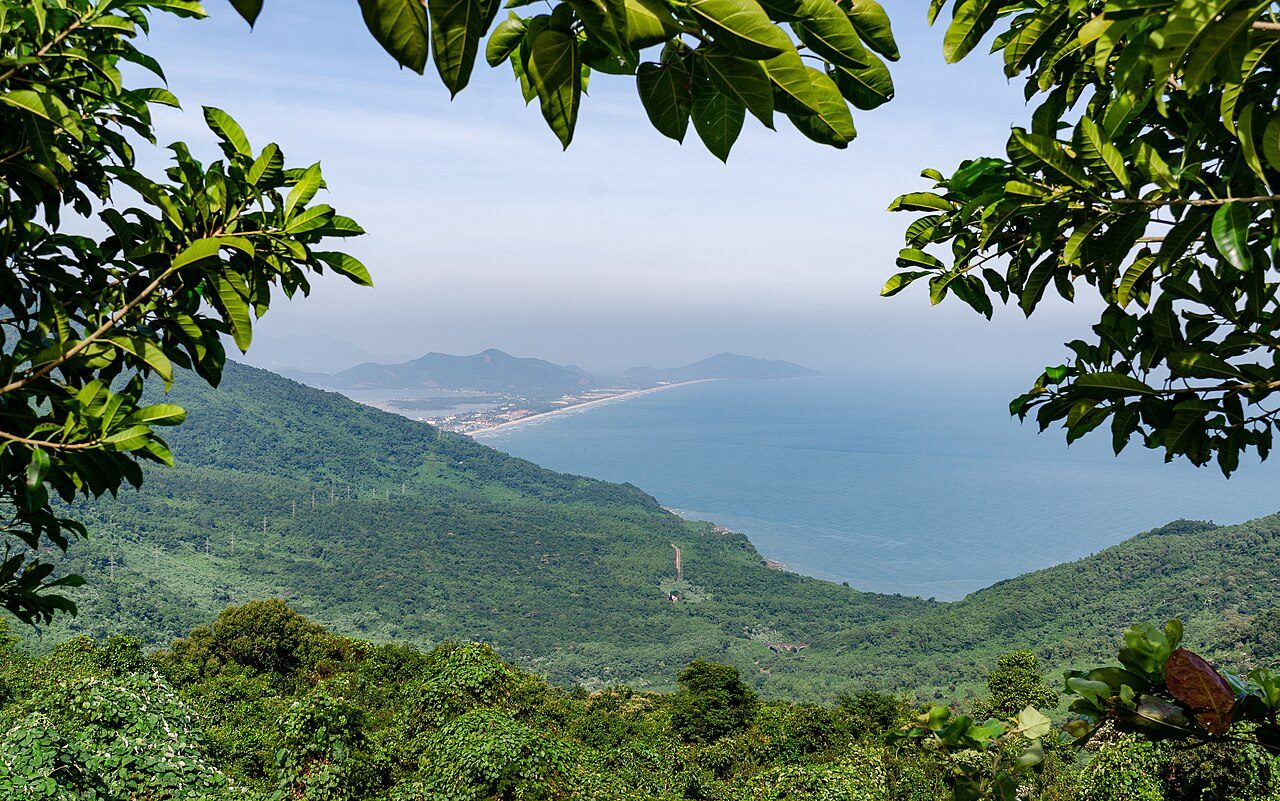
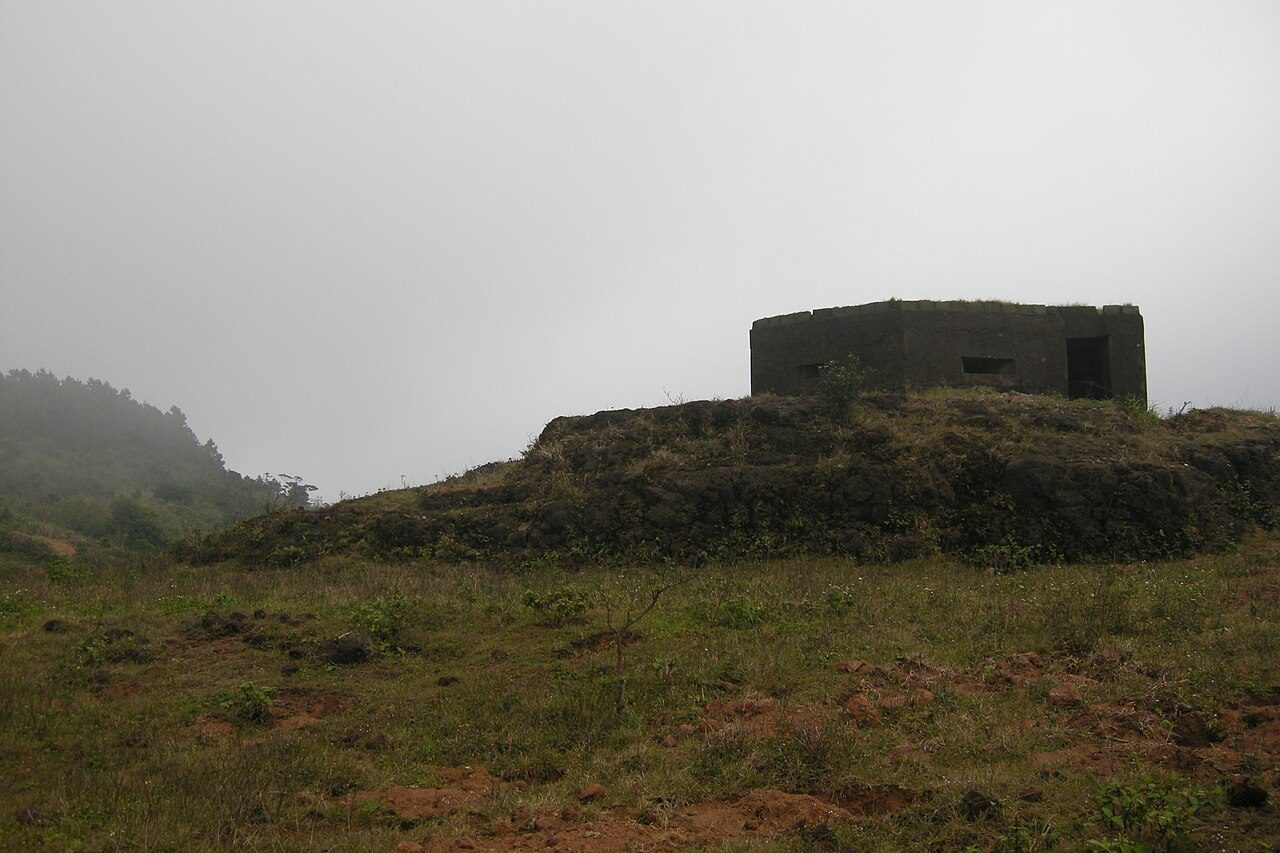
Hai Van Pass winds over a spur of the Truong Son mountains between Da Nang and Hue. Its name means ocean cloud pass, after the mists that often cover the summit. At the top stand the ruins of an old fortified gate and bunkers, with views down to Lang Co lagoon and the Da Nang coastline. The ride is popular by motorbike, car or jeep from either side.
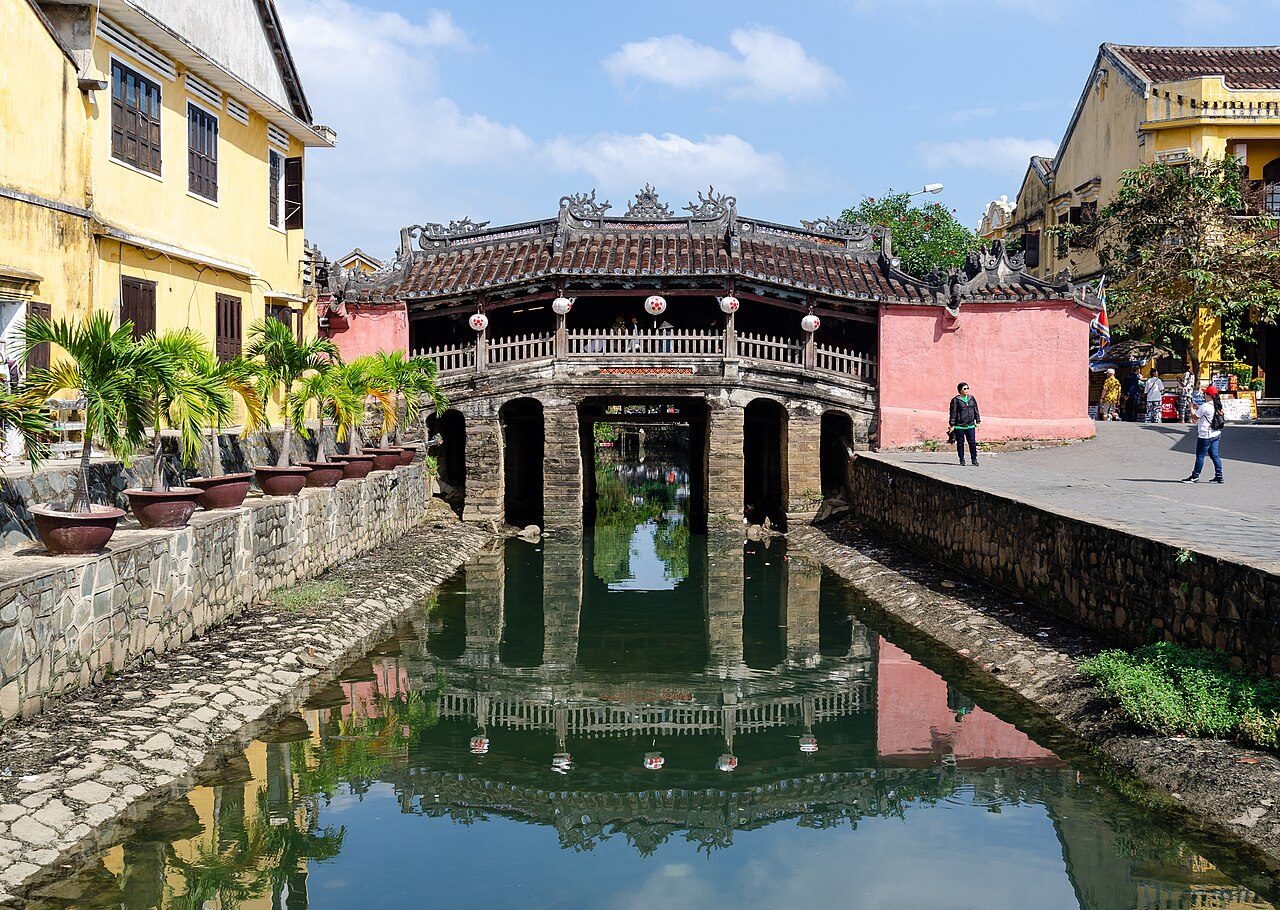
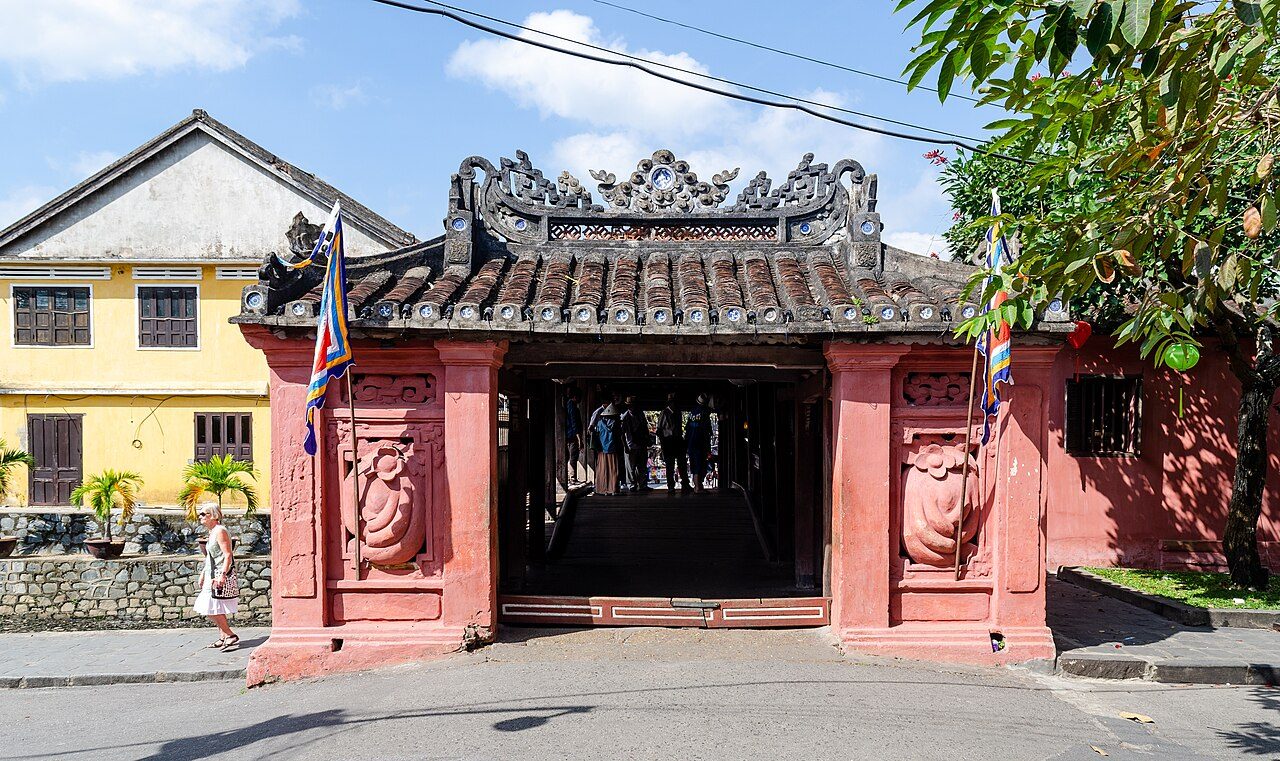
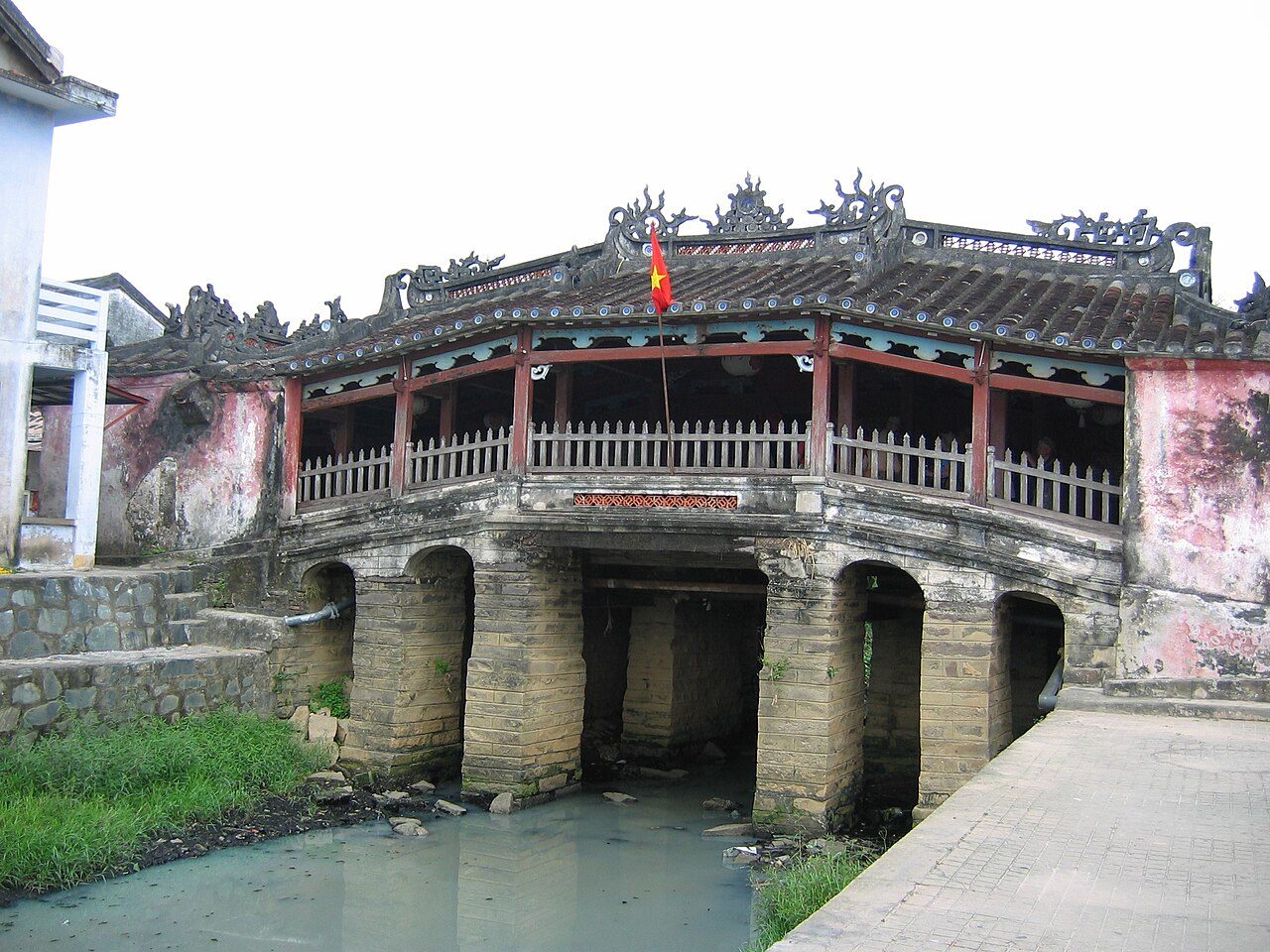
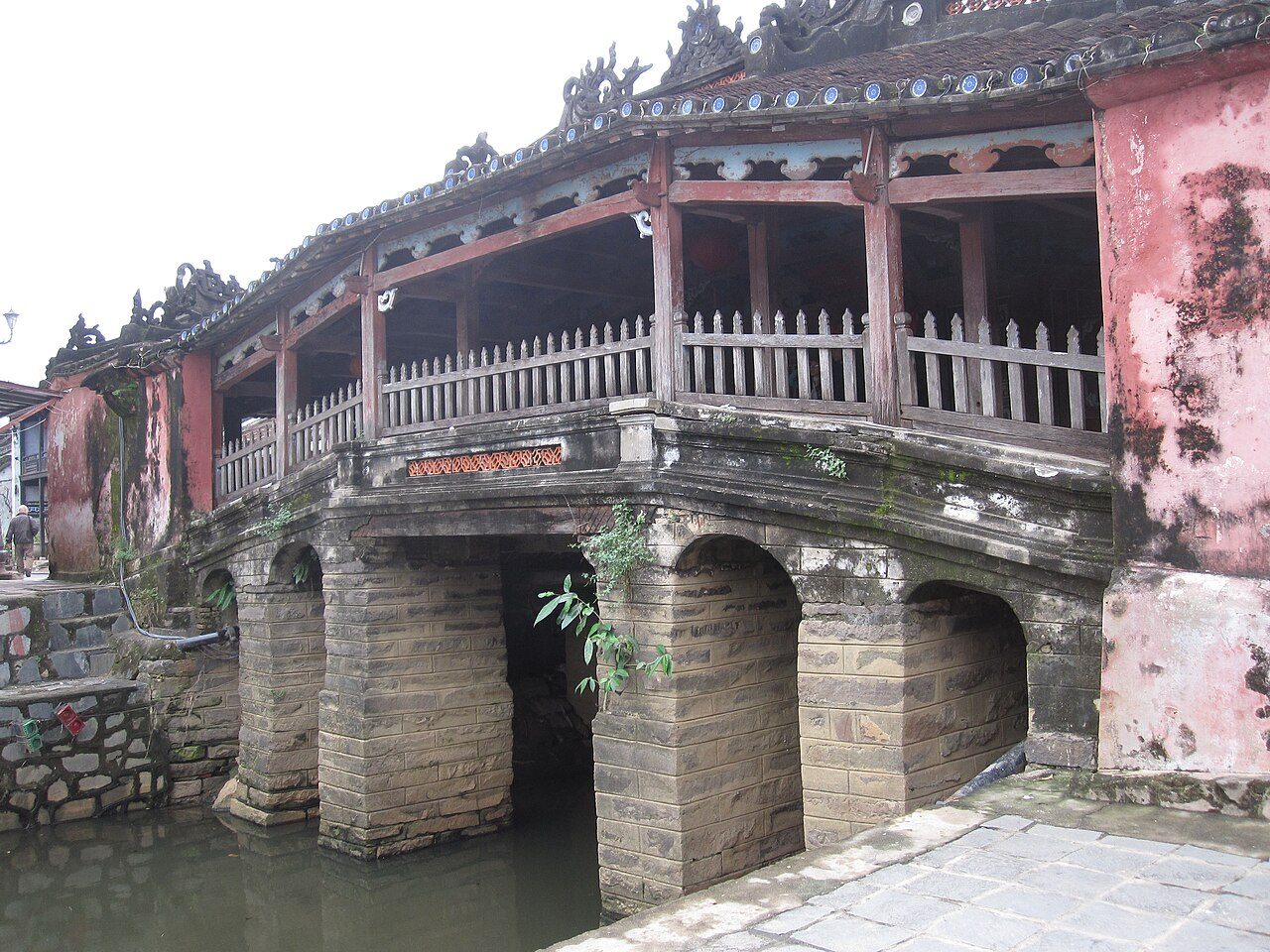
The Japanese Covered Bridge is the symbol of Hoi An's Ancient Town, a UNESCO World Heritage Site. It was built by the Japanese trading community, traditionally dated to the early 1600s, and has a small temple attached on one side. It linked the Japanese and Chinese quarters of the old port. Visit at night when the town is lit with silk lanterns, or early morning to avoid crowds.
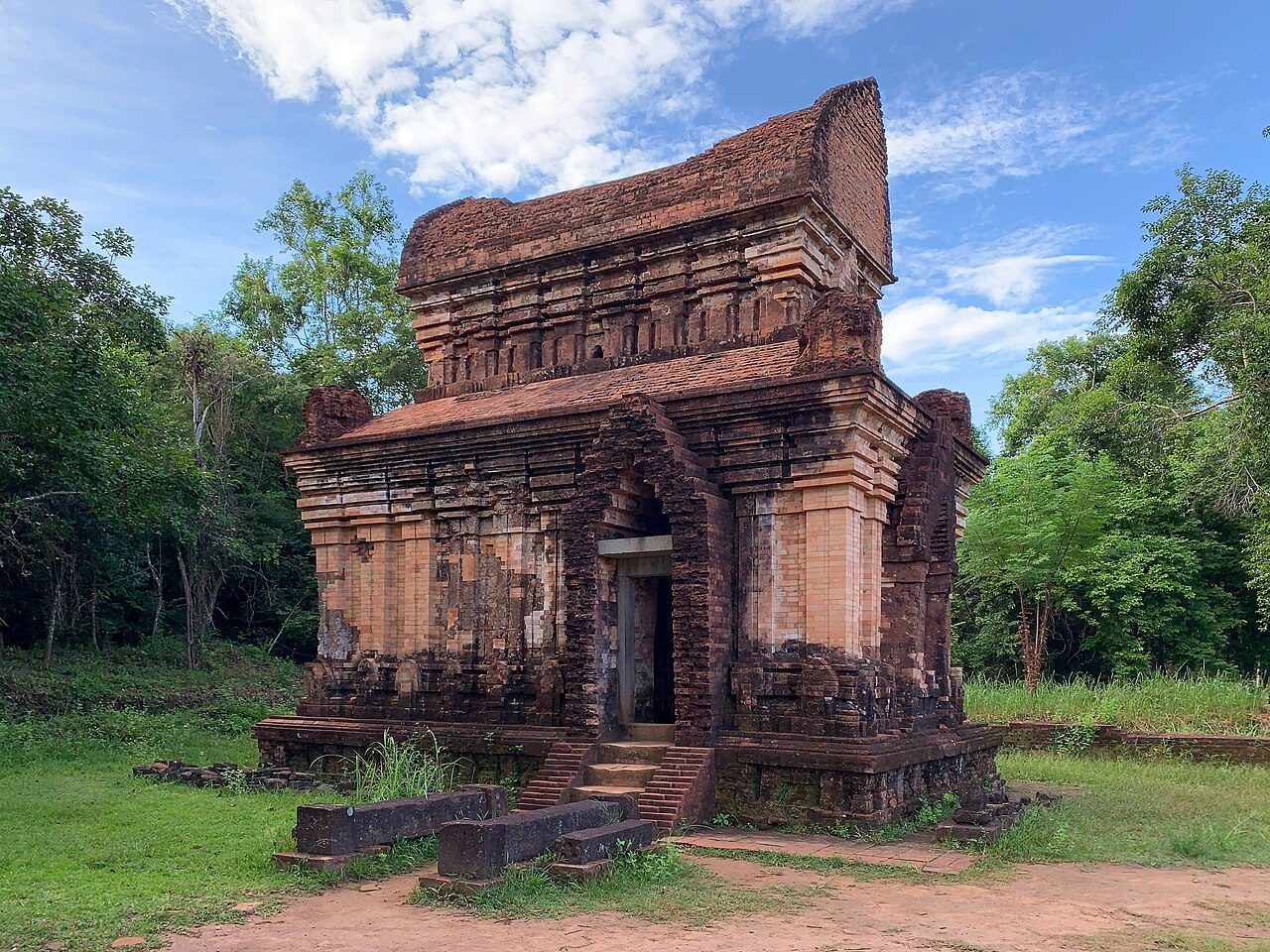
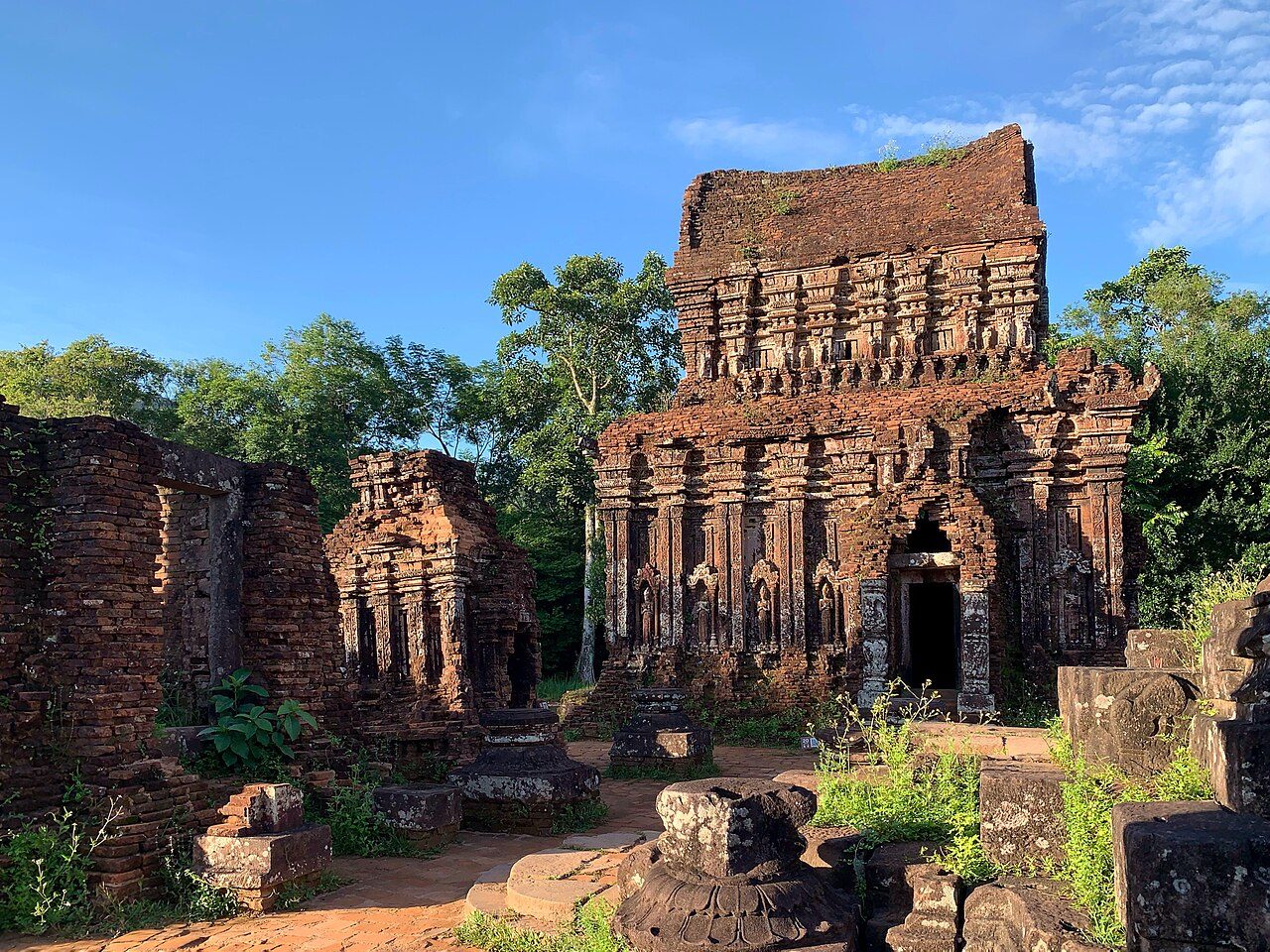
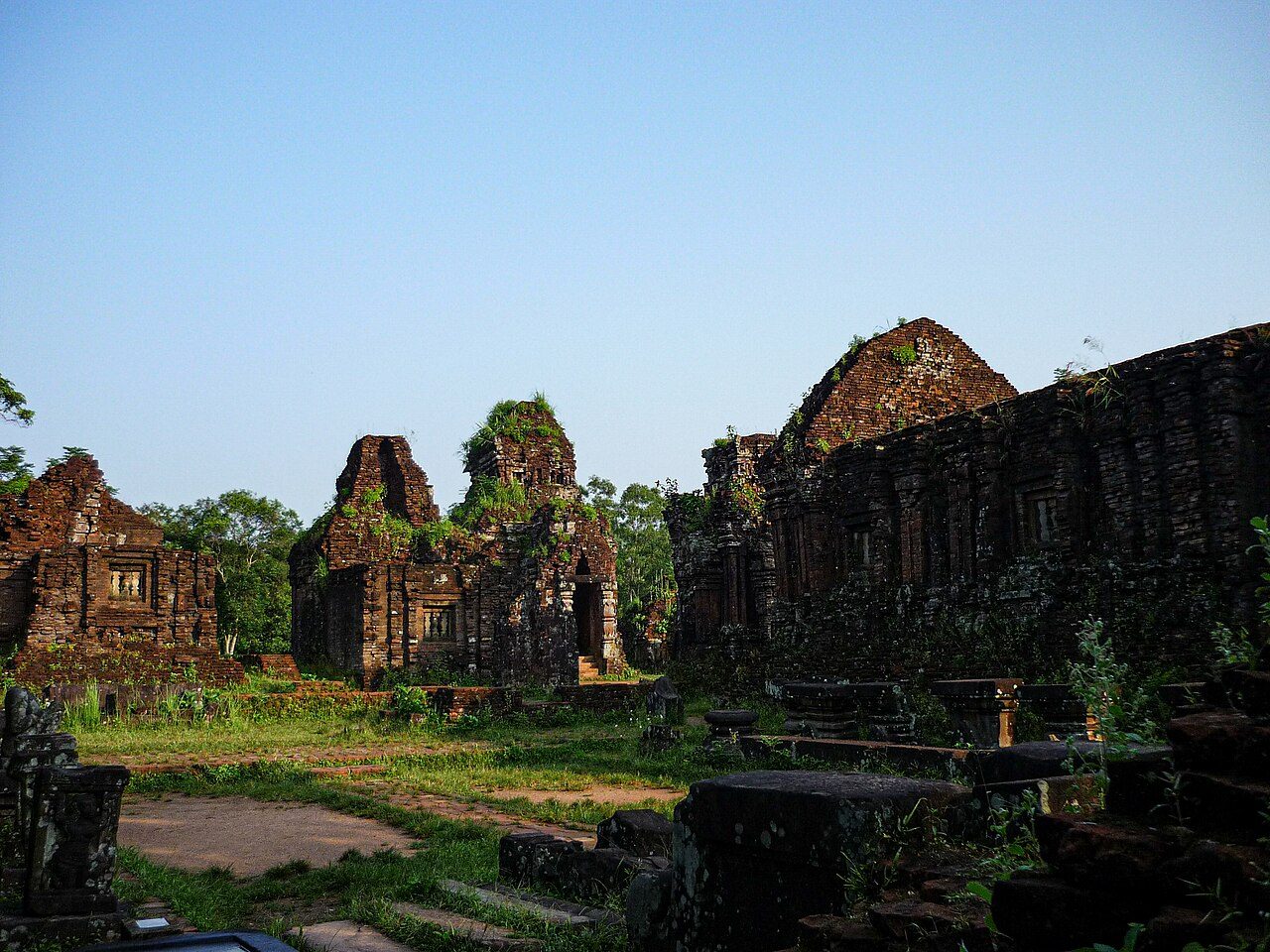
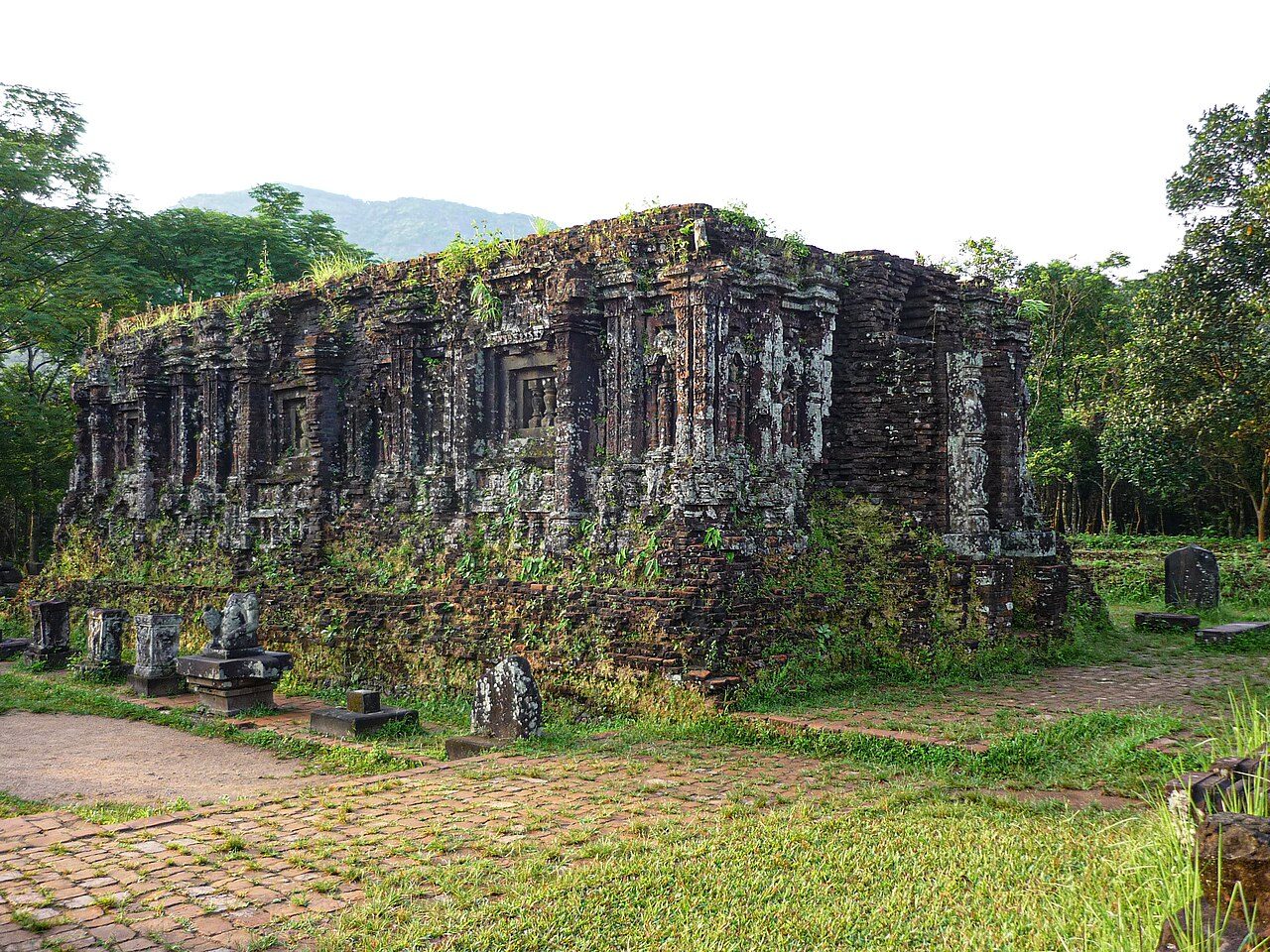
My Son Sanctuary is a group of ruined Hindu temples built by the Champa kingdom between the 4th and 13th centuries. The red brick towers stand in a green valley surrounded by mountains and are dedicated mainly to the god Shiva. Many were damaged during the Vietnam War, but the remaining carvings are impressive. Go early in the morning to beat the heat and see the valley in mist.
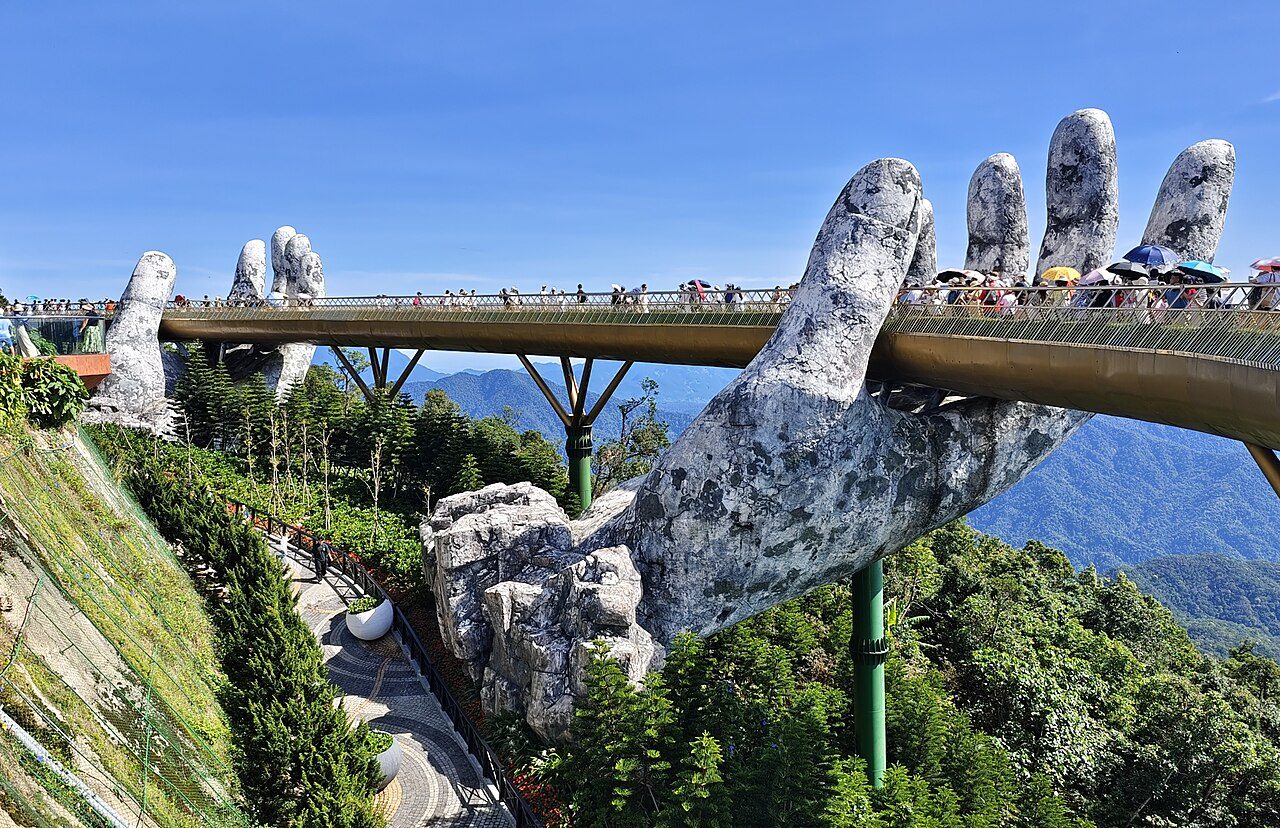
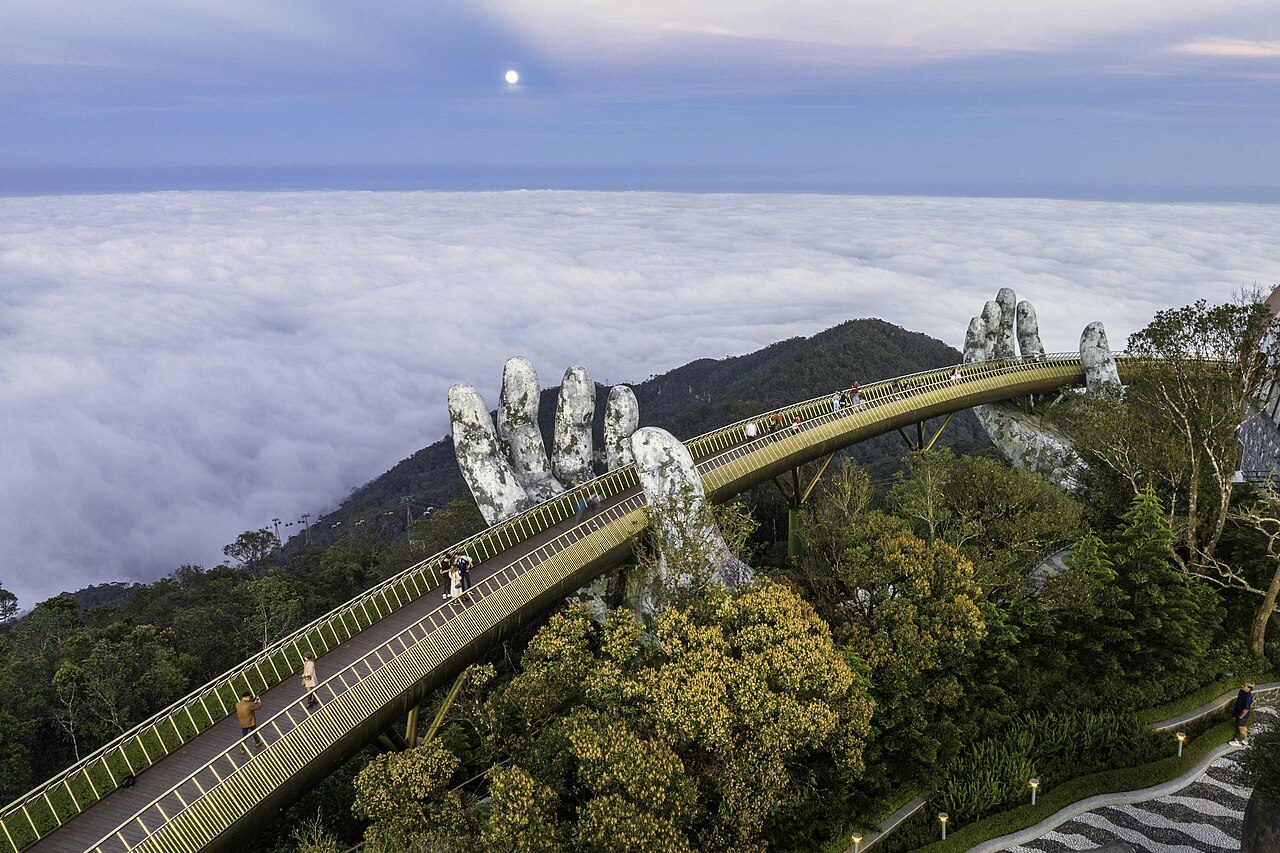
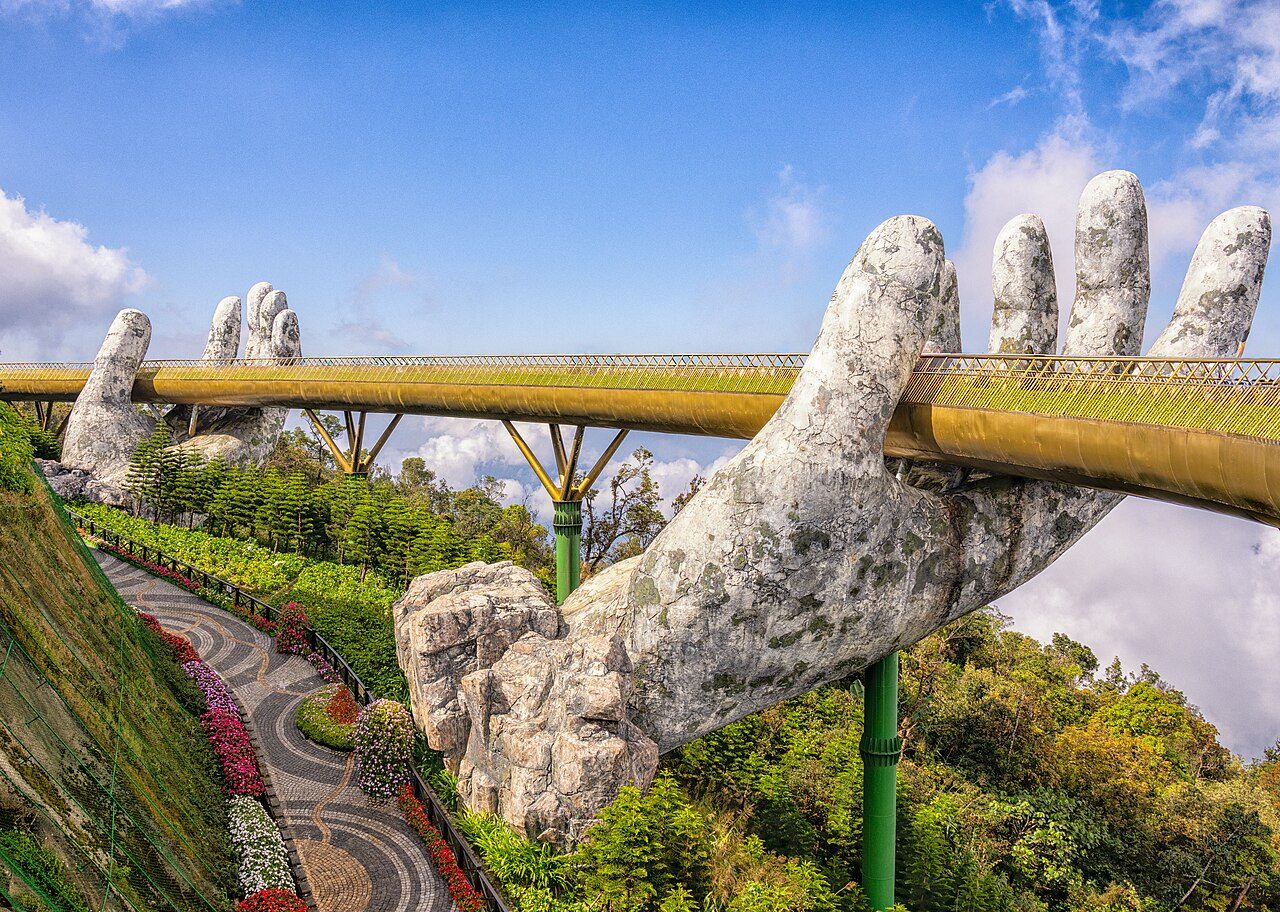
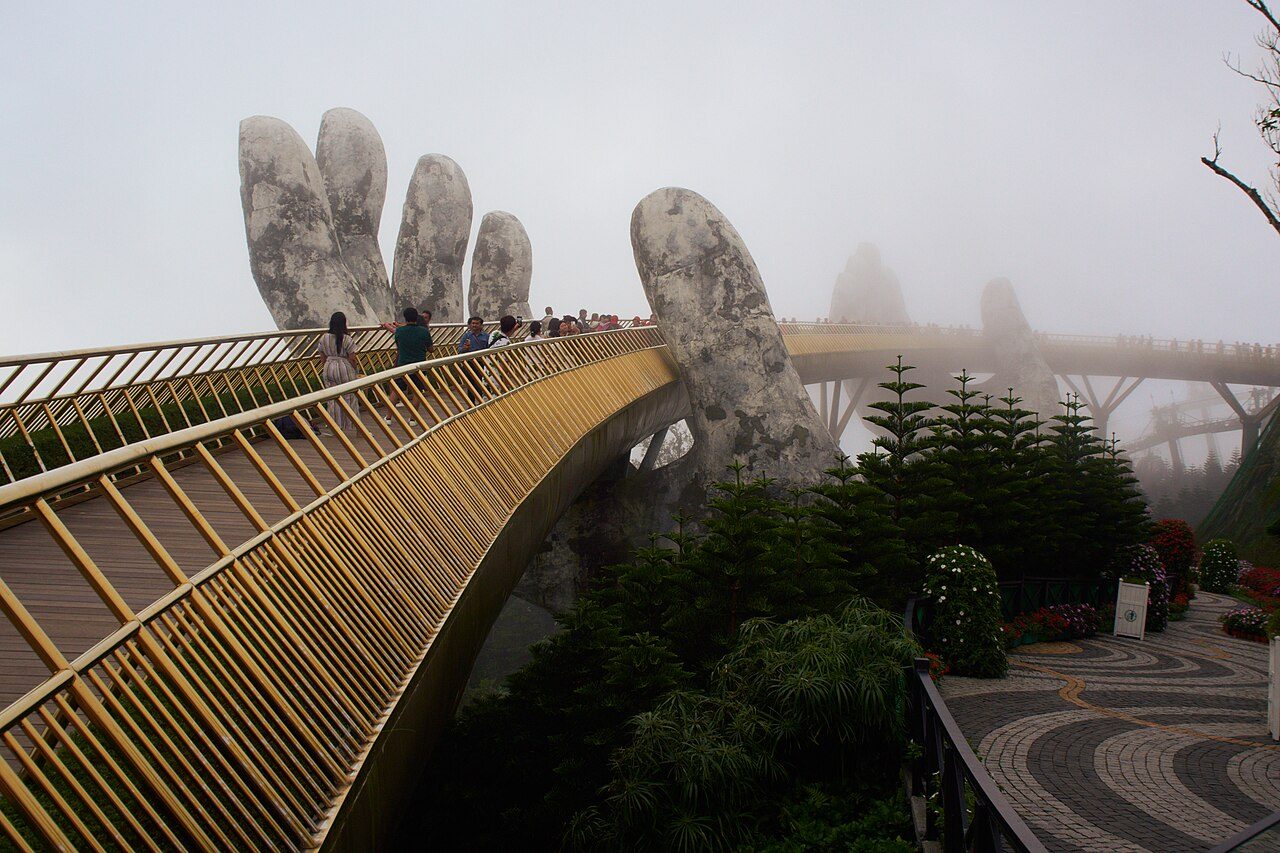
The Golden Bridge in the Ba Na Hills appears to be held up by two giant stone hands rising from the forest. Opened in 2018, the curved walkway has become one of Vietnam's most photographed sights. It is part of the Sun World Ba Na Hills resort, reached by a long cable car from the foothills. Arrive early for clearer views before clouds and crowds build up.
Best weather: Feb – JunHeavy rain: Sep – Dec
Seasons from 20 years of NASA POWER climate data.
Was this trip blog helpful?
0
0
Ready to follow this route?
Copy all 12 stops into your trip plans in the app.
 WaTrips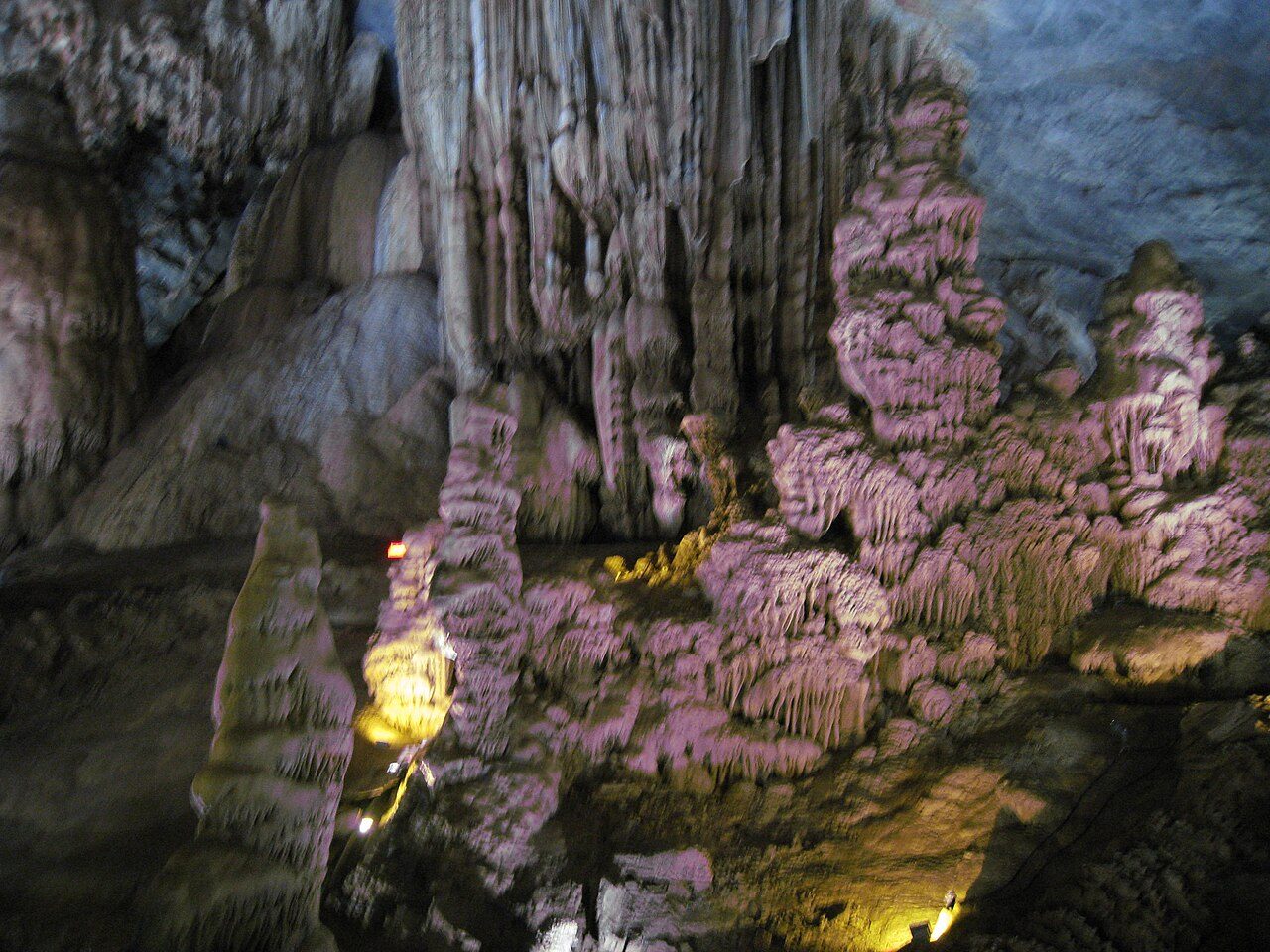



 BikesBooking
 Localrent
 Airalo
 Tiqets