Tarn Taran Sahib and Harike, Kapurthala's palace and mosque, Jalandhar, Virasat-e-Khalsa and Anandpur Sahib, Sirhind and Patiala.
This route crosses Punjab from west to east. Day one visits Tarn Taran Sahib and its huge sarovar, then the birds of Harike Wetland. Day two is Kapurthala, with its French-style Jagatjit Palace and Moorish Mosque, and Jalandhar's Devi Talab Mandir and the Mughal Nurmahal Sarai. Day three goes to Anandpur Sahib for the Virasat-e-Khalsa museum and Takht Sri Kesgarh Sahib. Day four visits Fatehgarh Sahib and the Rauza Sharif at Sirhind, then ends in Patiala at the Sheesh Mahal, Gurdwara Dukh Nivaran Sahib and Bahadurgarh Fort. October to March is best.
01
STOP 1 OF 14
Tarn Taran Sahib
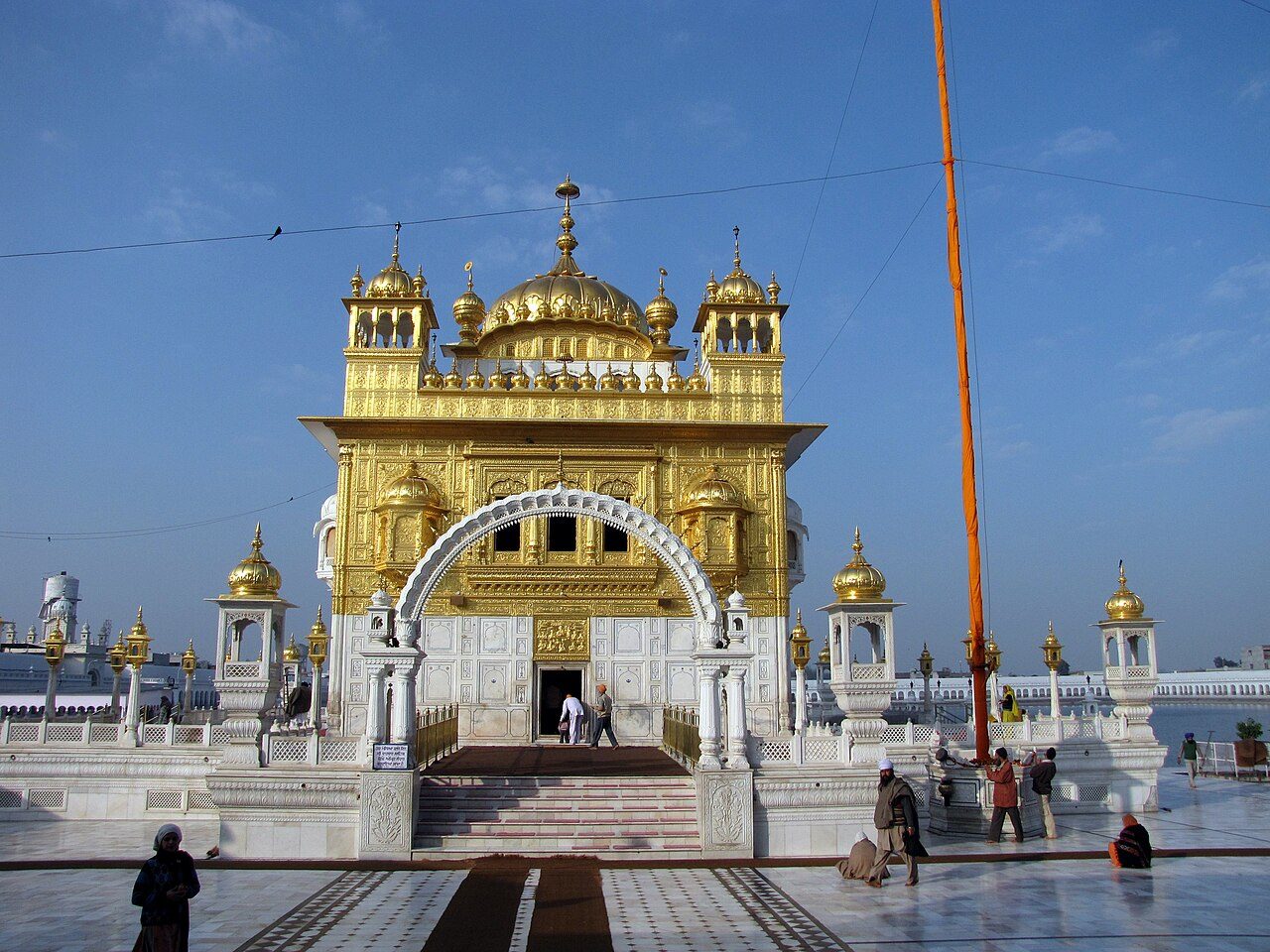
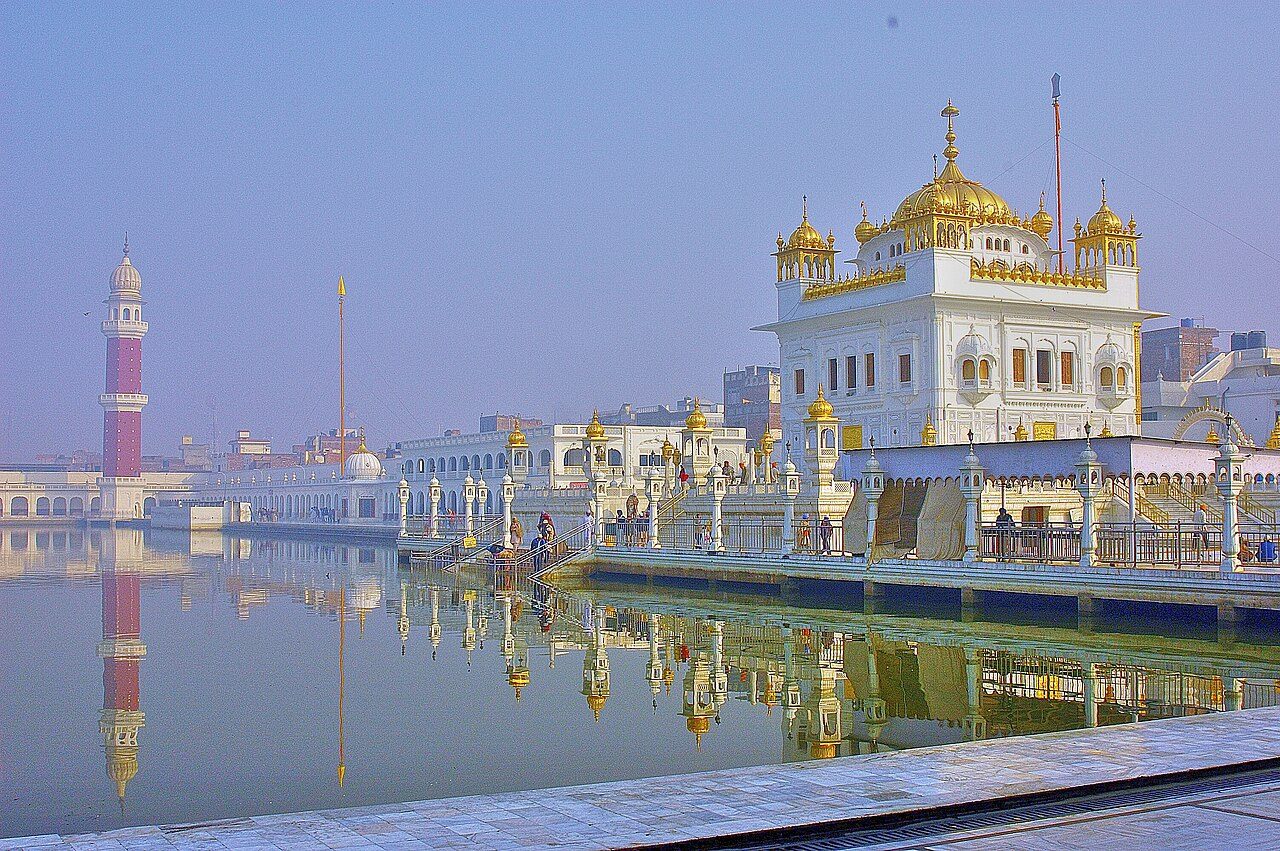
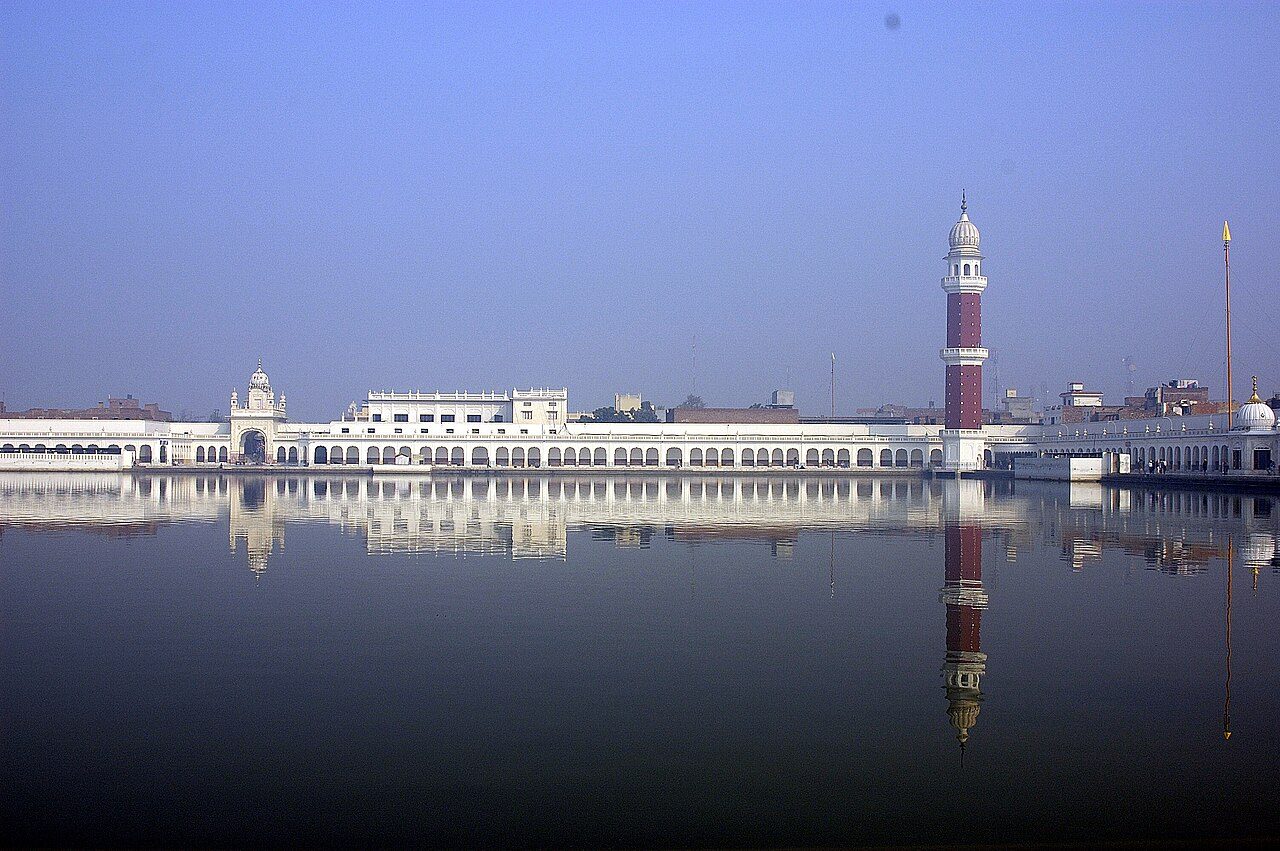
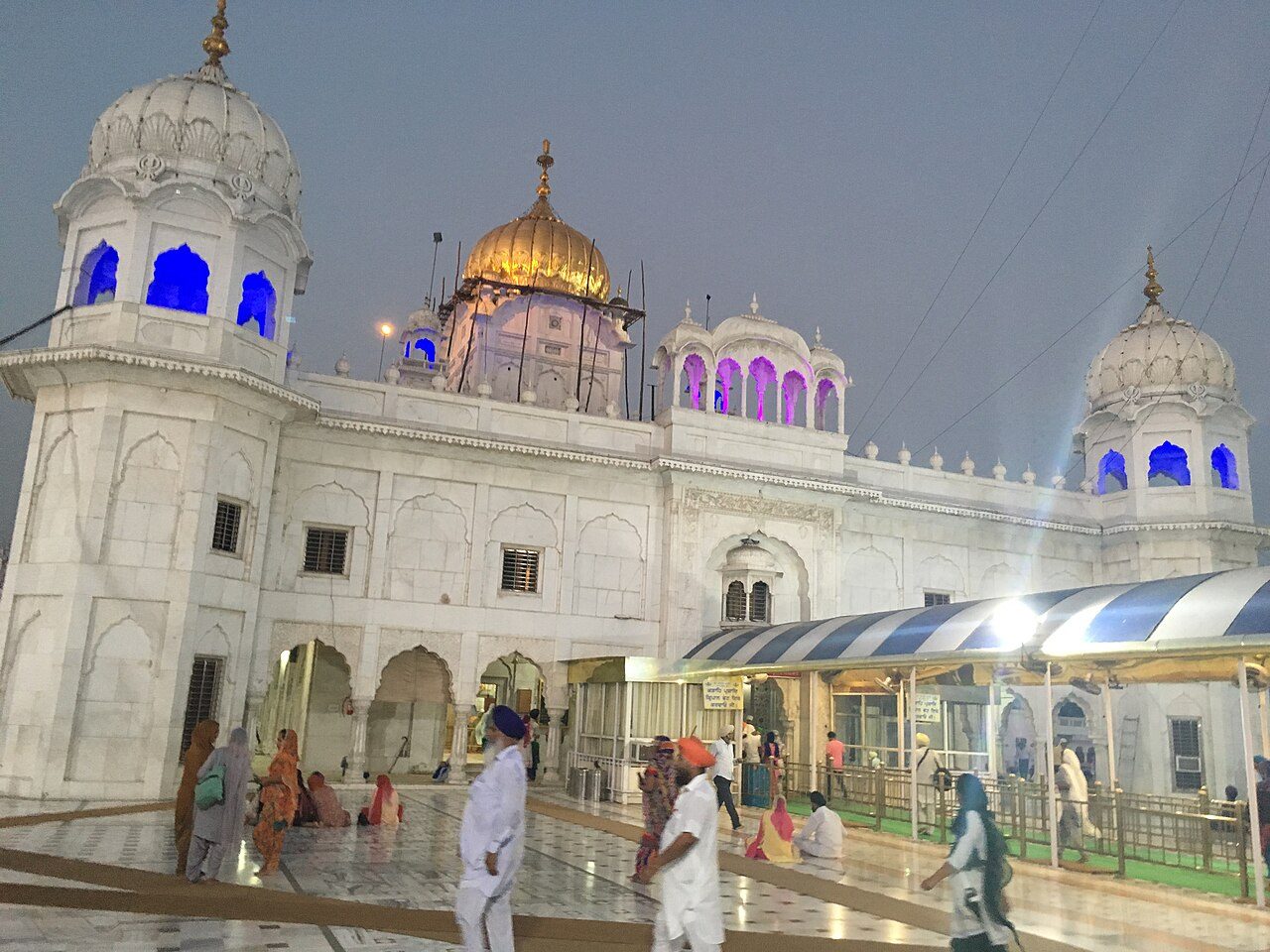
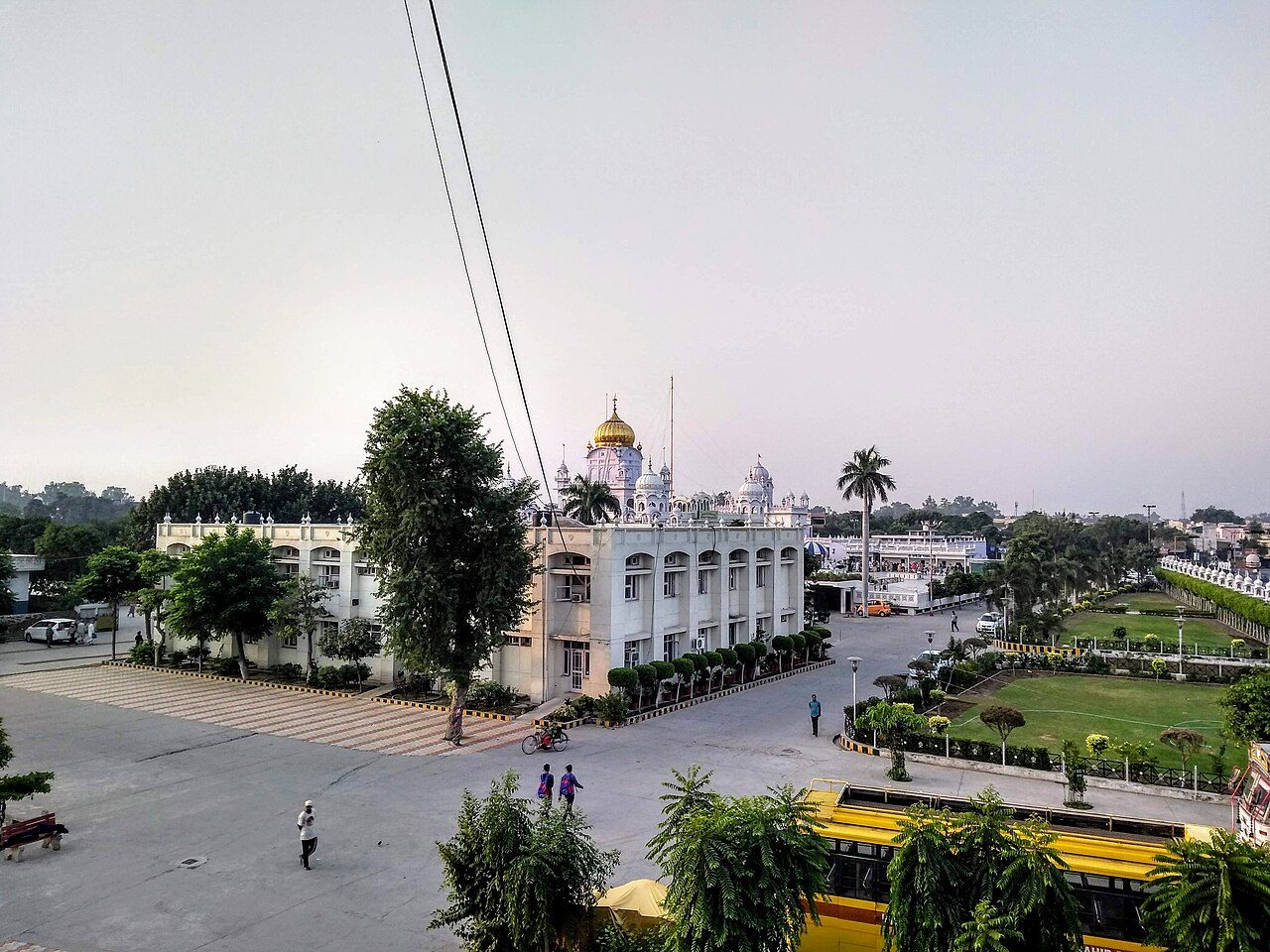
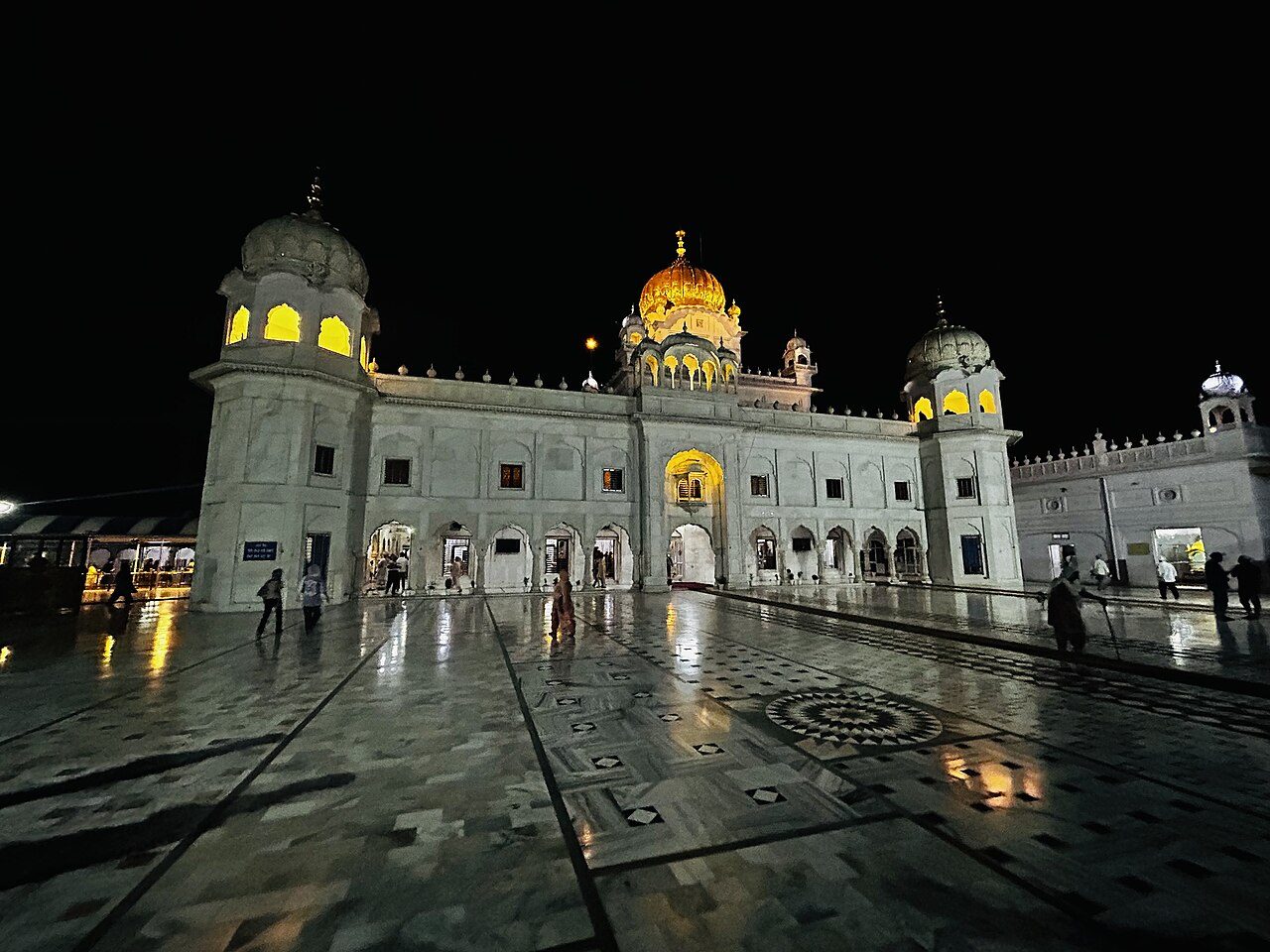
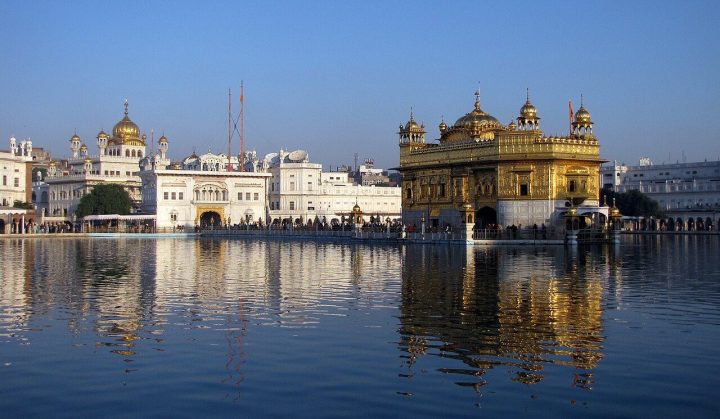
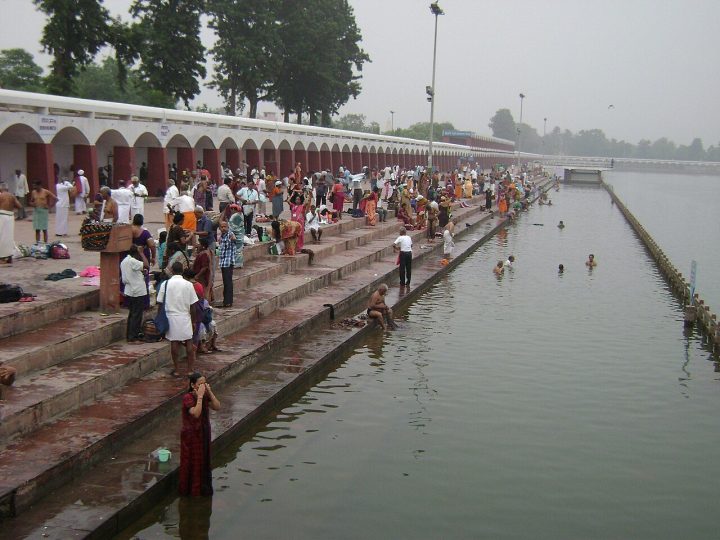
Gurdwara Sri Tarn Taran Sahib was founded in 1590 by Guru Arjan Dev, the fifth Sikh Guru. Its sarovar is the largest of any gurdwara, and the three-storey shrine with a gilded dome stands at one corner. The water is traditionally believed to have healing powers. A large gathering takes place on every new-moon night. It lies about 25 km south of Amritsar.
02
STOP 2 OF 14
Harike Wetland
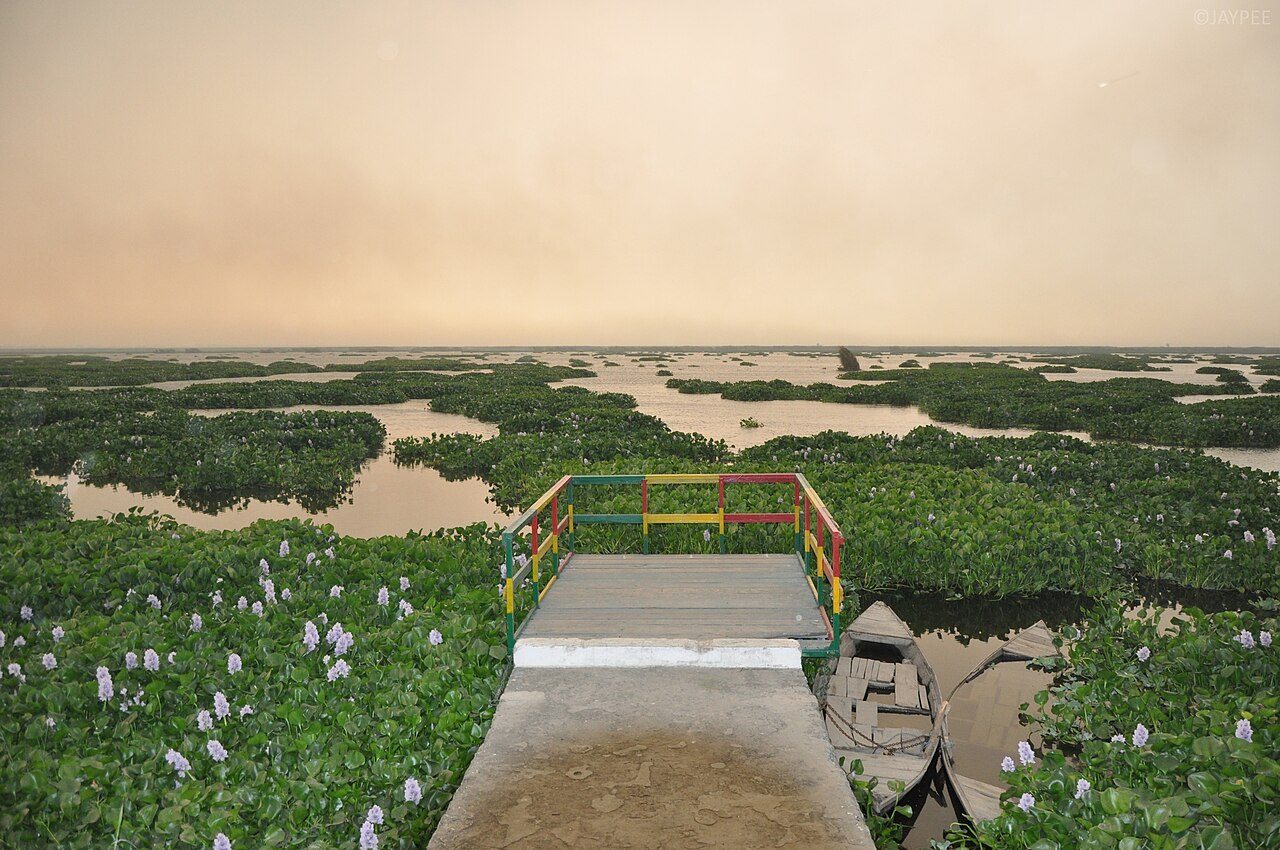
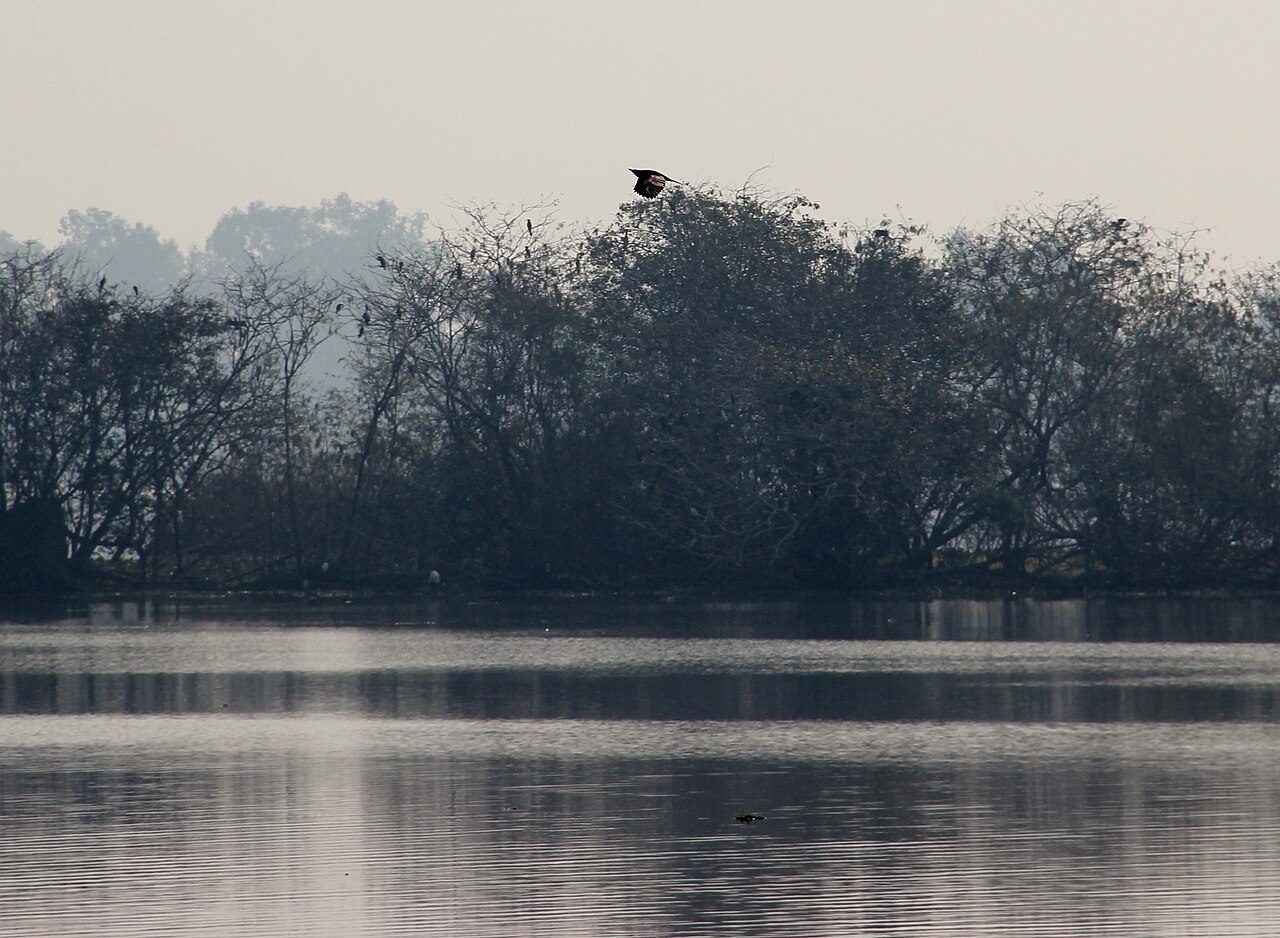
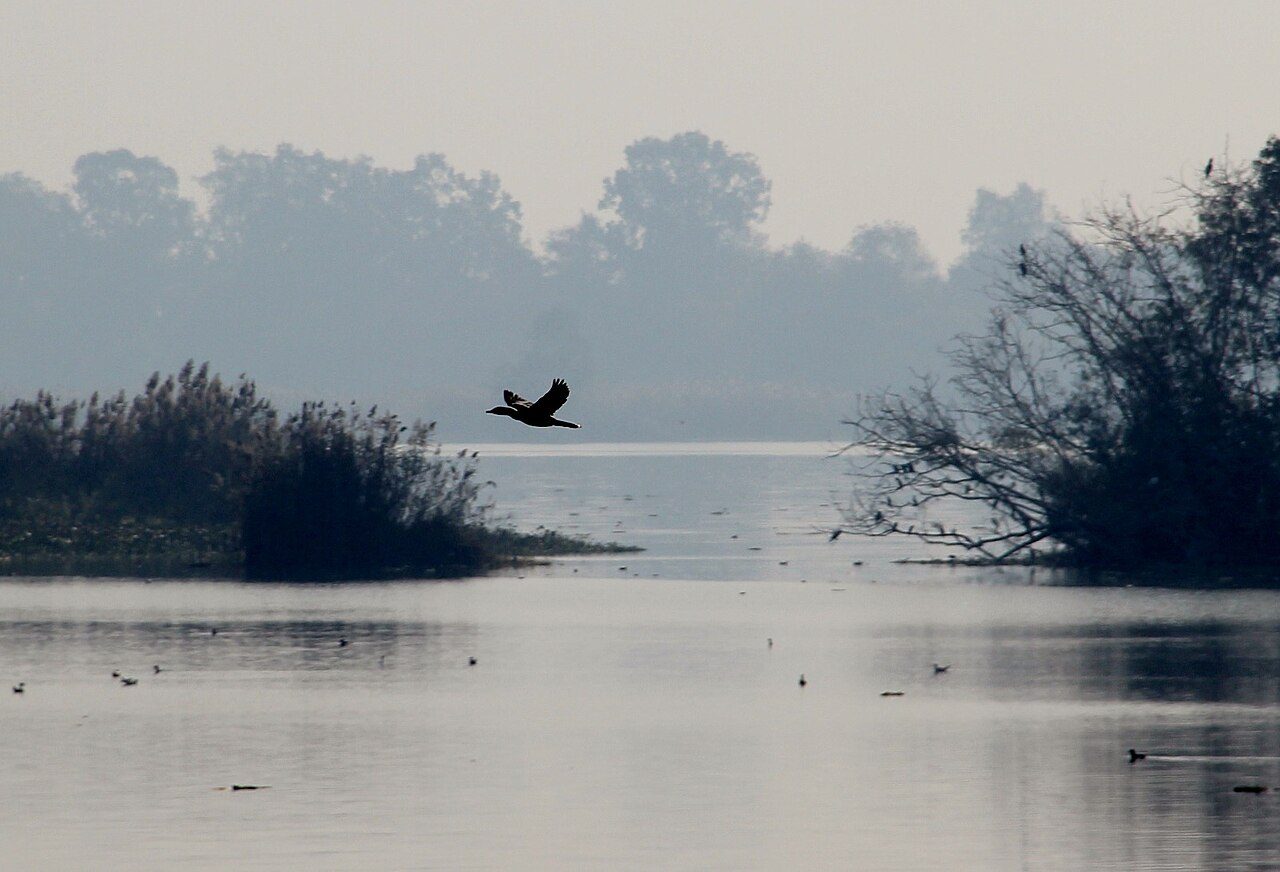
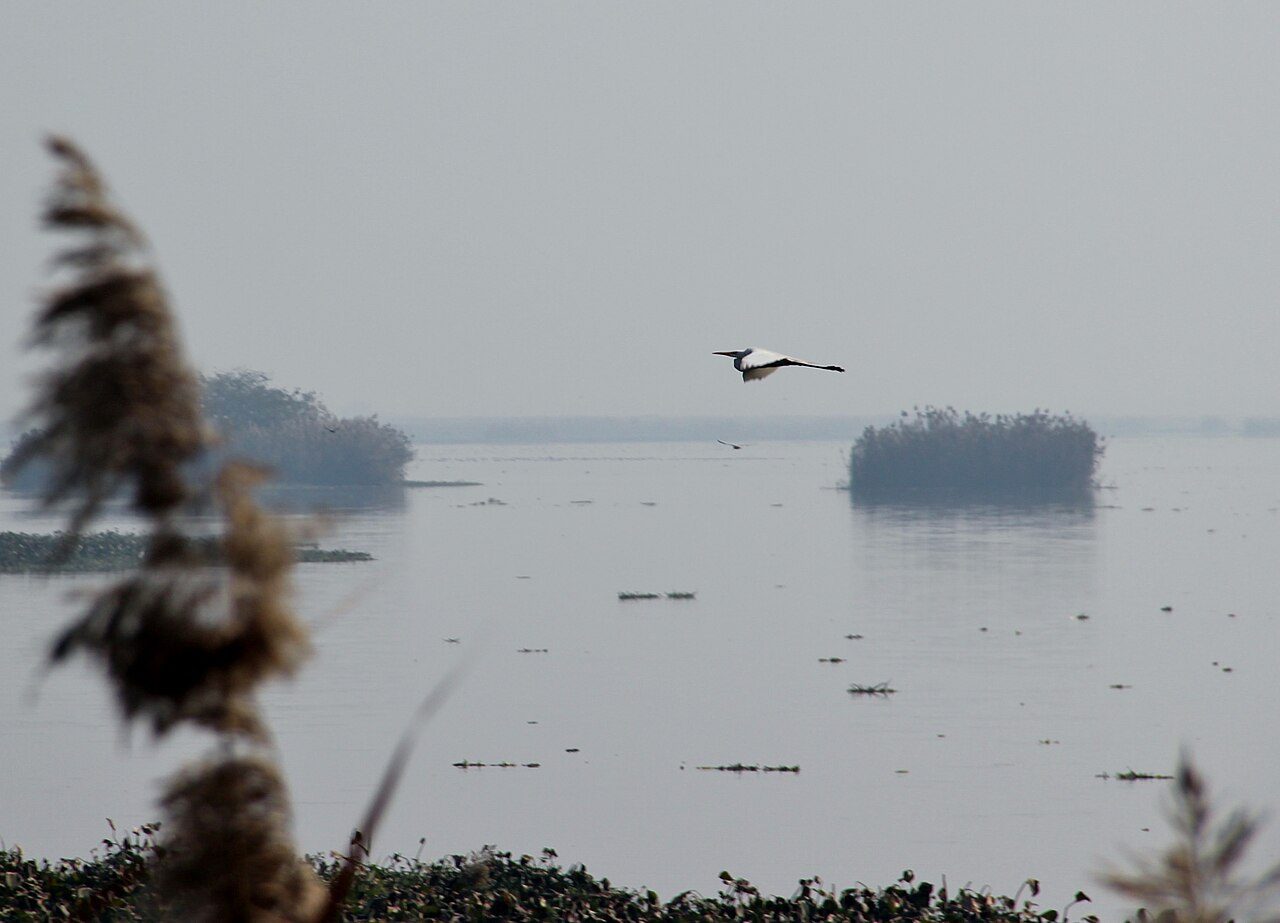
Harike Wetland, at the confluence of the Beas and Sutlej rivers, was created by a barrage built in the 1950s and is the largest wetland in northern India, a Ramsar site. In winter it attracts huge numbers of migratory ducks, geese and waders from Central Asia and Siberia, and the endangered Indus river dolphin has been recorded here. November to February is the season.
03
STOP 3 OF 14
Jagatjit Palace
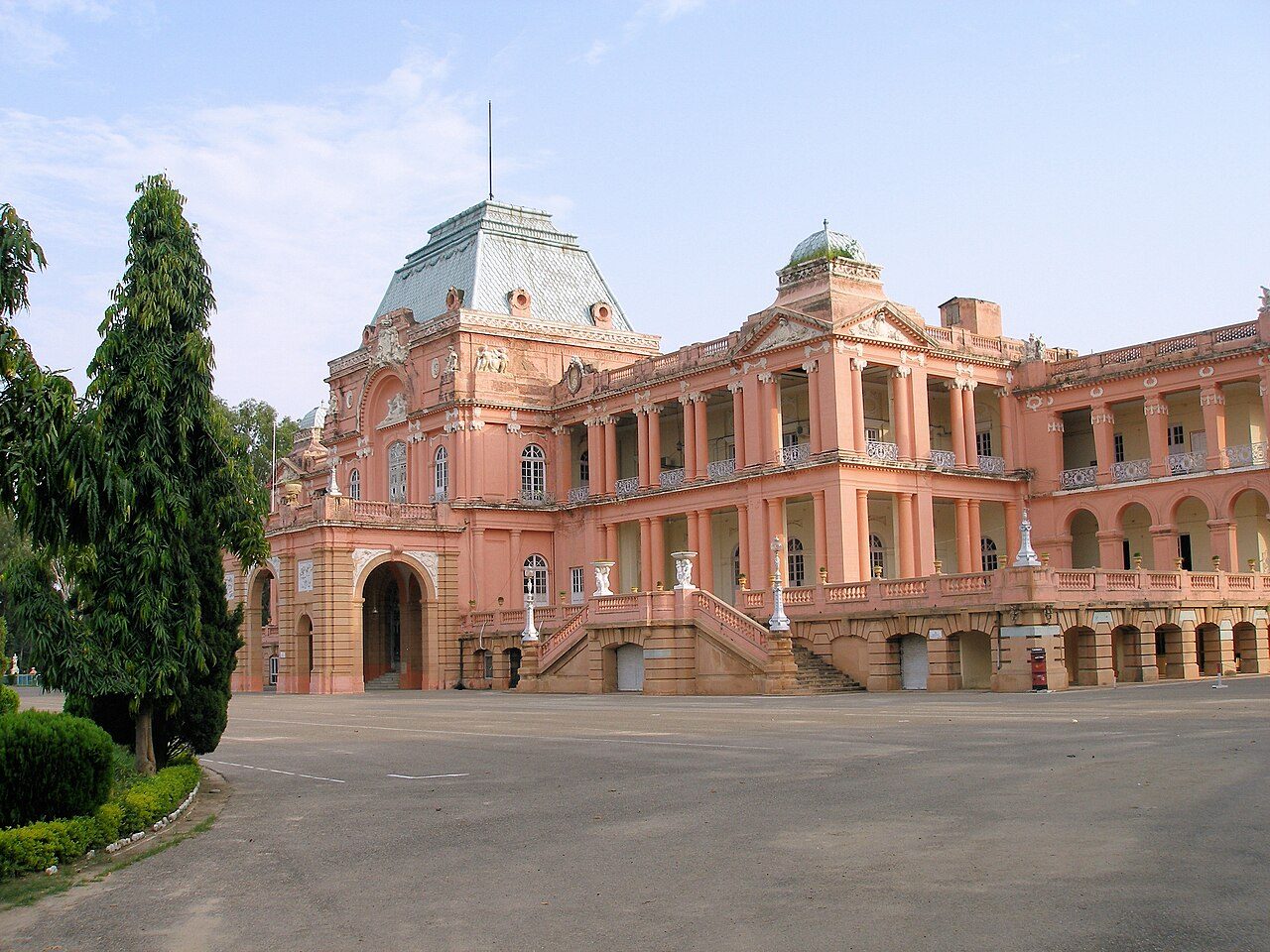
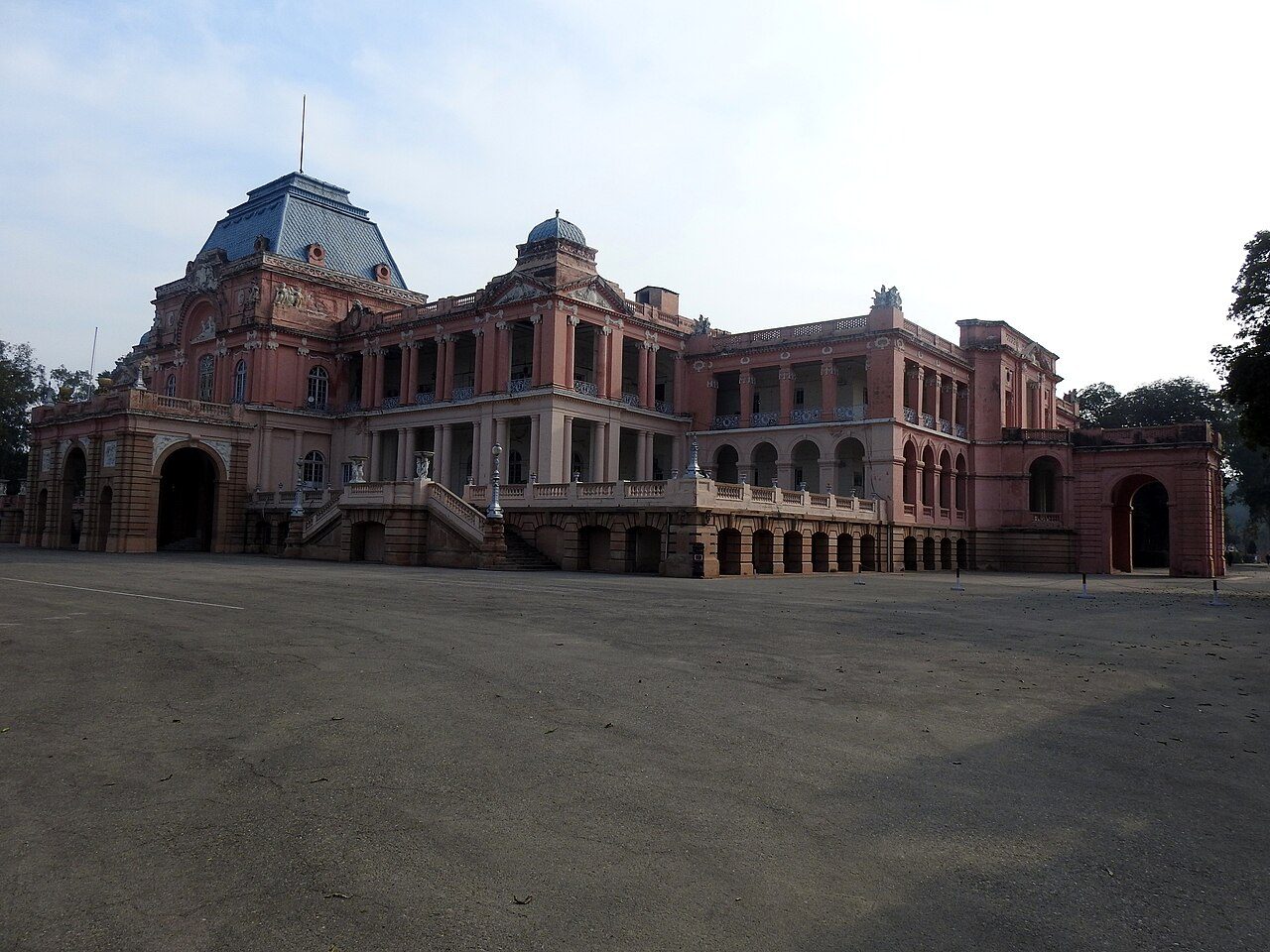
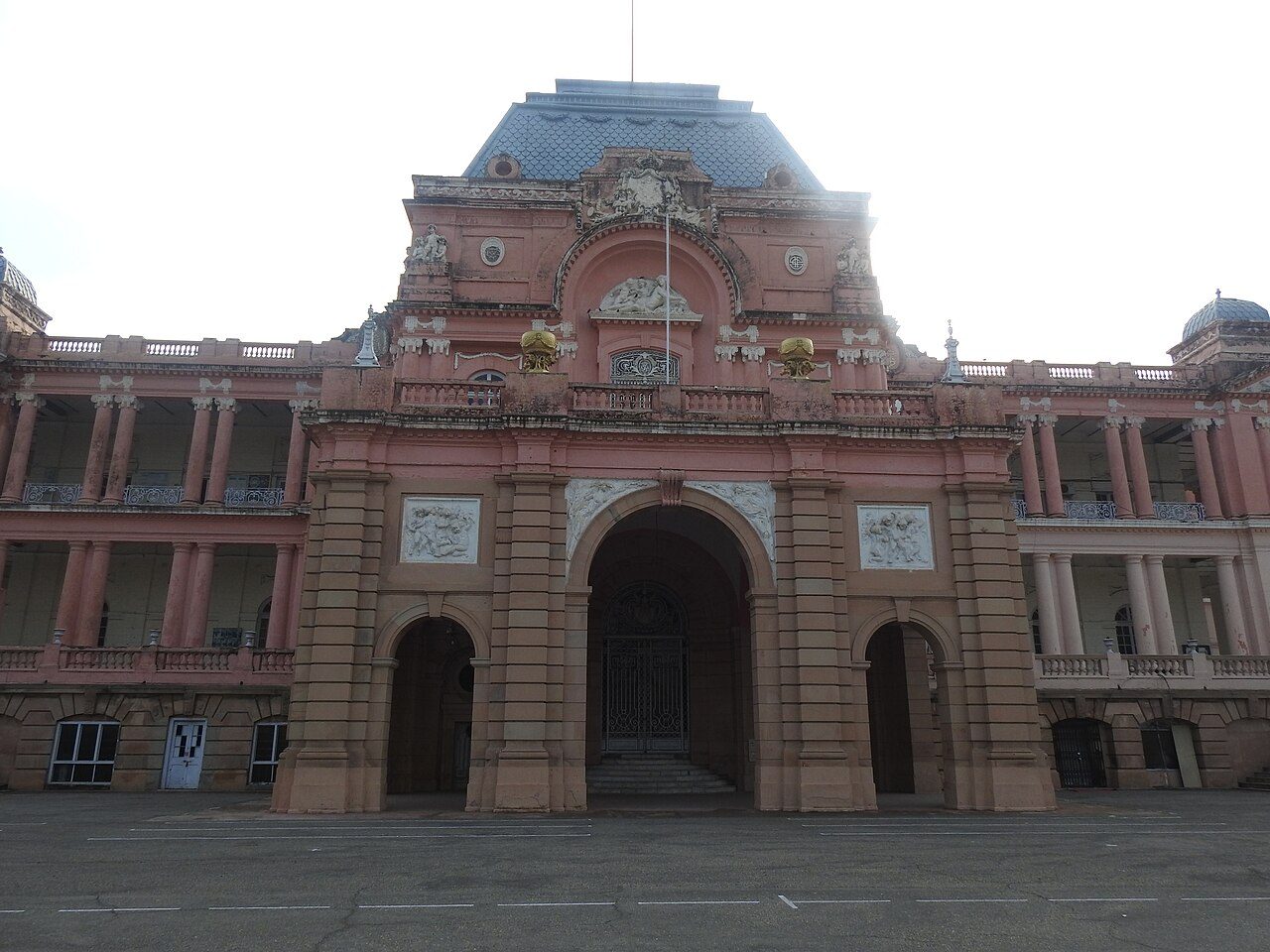
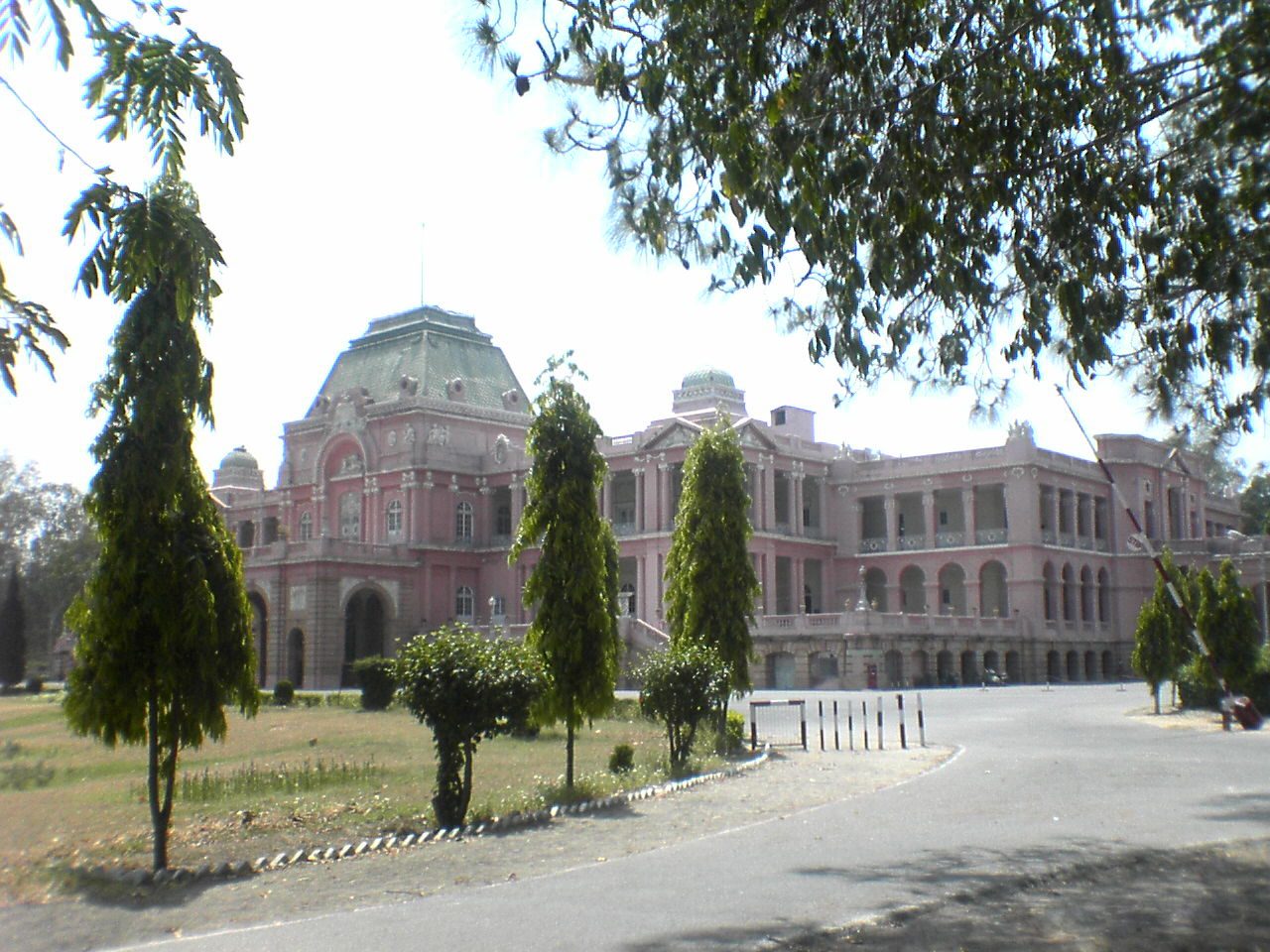
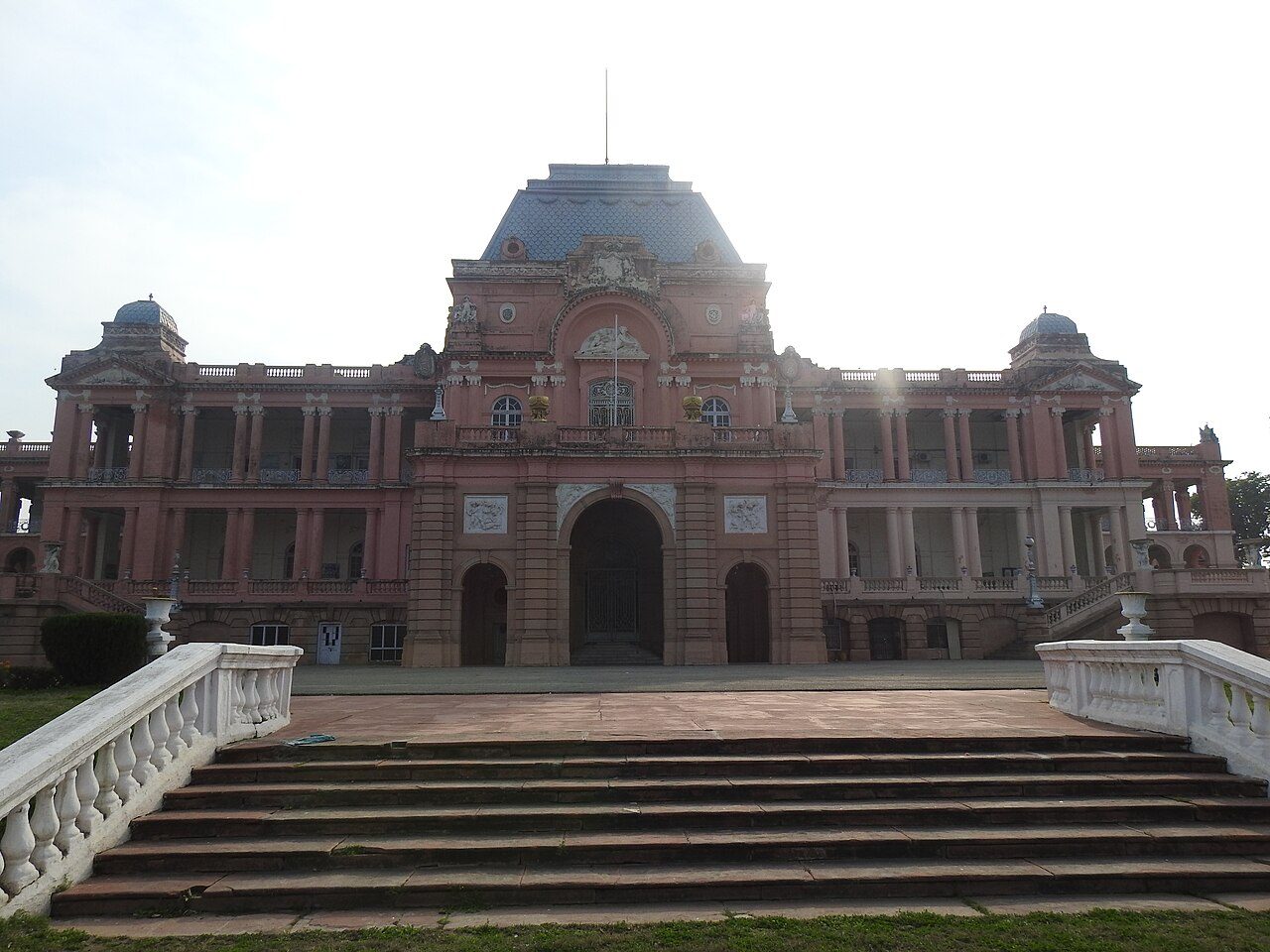
Jagatjit Palace in Kapurthala was built in the first decade of the 20th century for Maharaja Jagatjit Singh, a ruler famous for his love of France. Designed by a French architect, it is modelled on Versailles and Fontainebleau, with a mansard roof, painted ceilings and a grand durbar hall. Since 1961 it has housed the Sainik School, so visits are limited to the exterior or need permission.
04
STOP 4 OF 14
Moorish Mosque Kapurthala
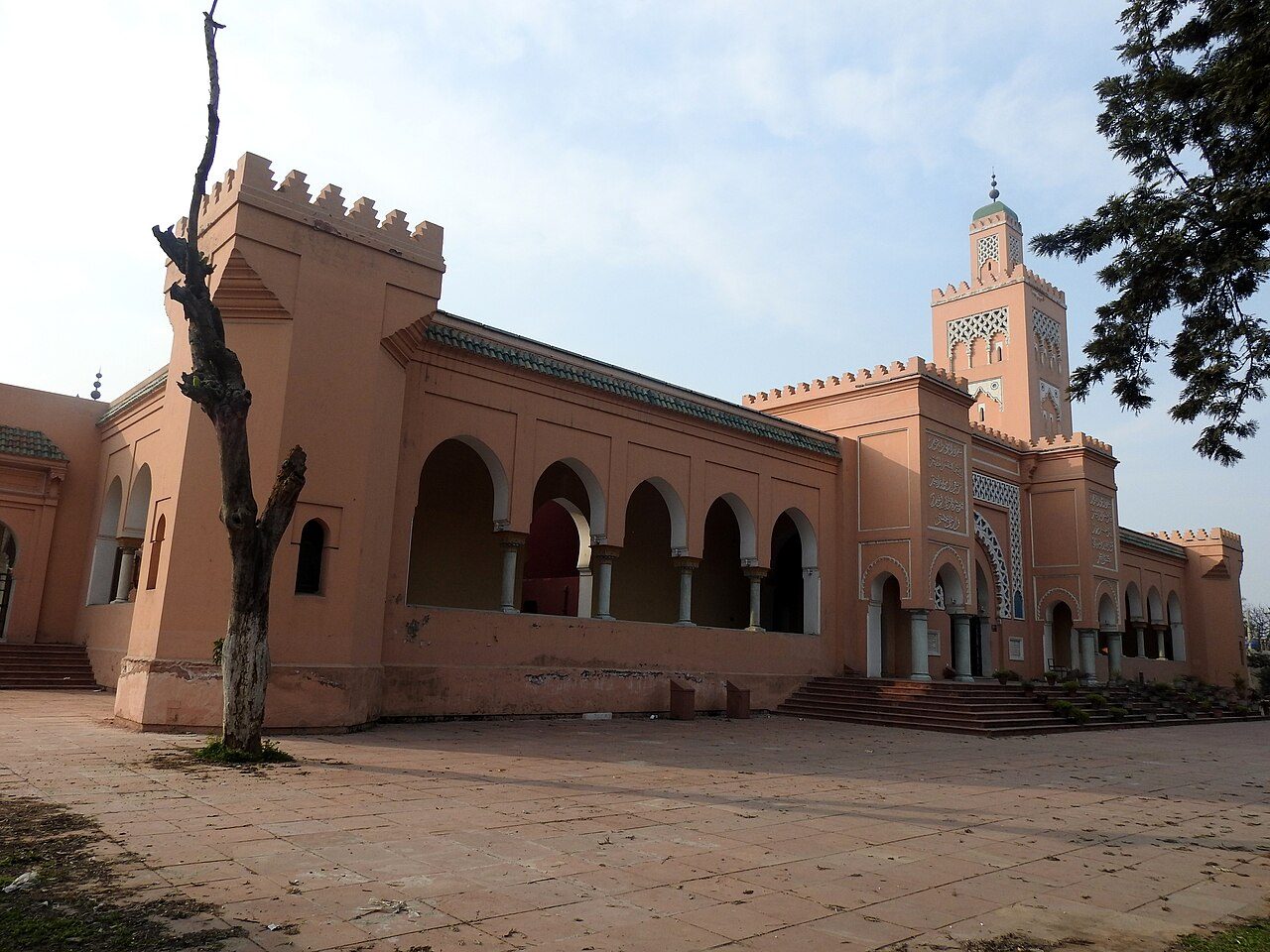
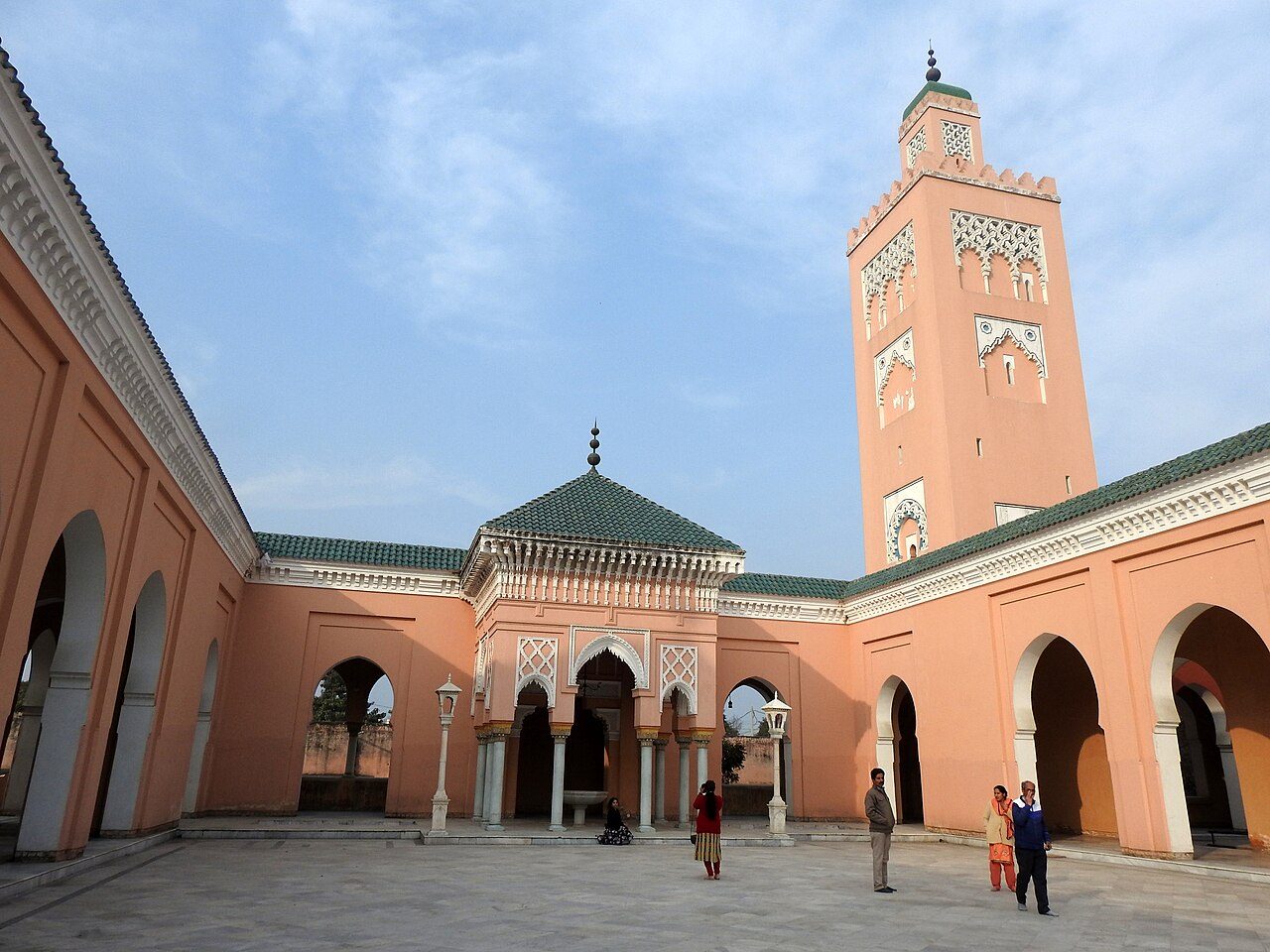
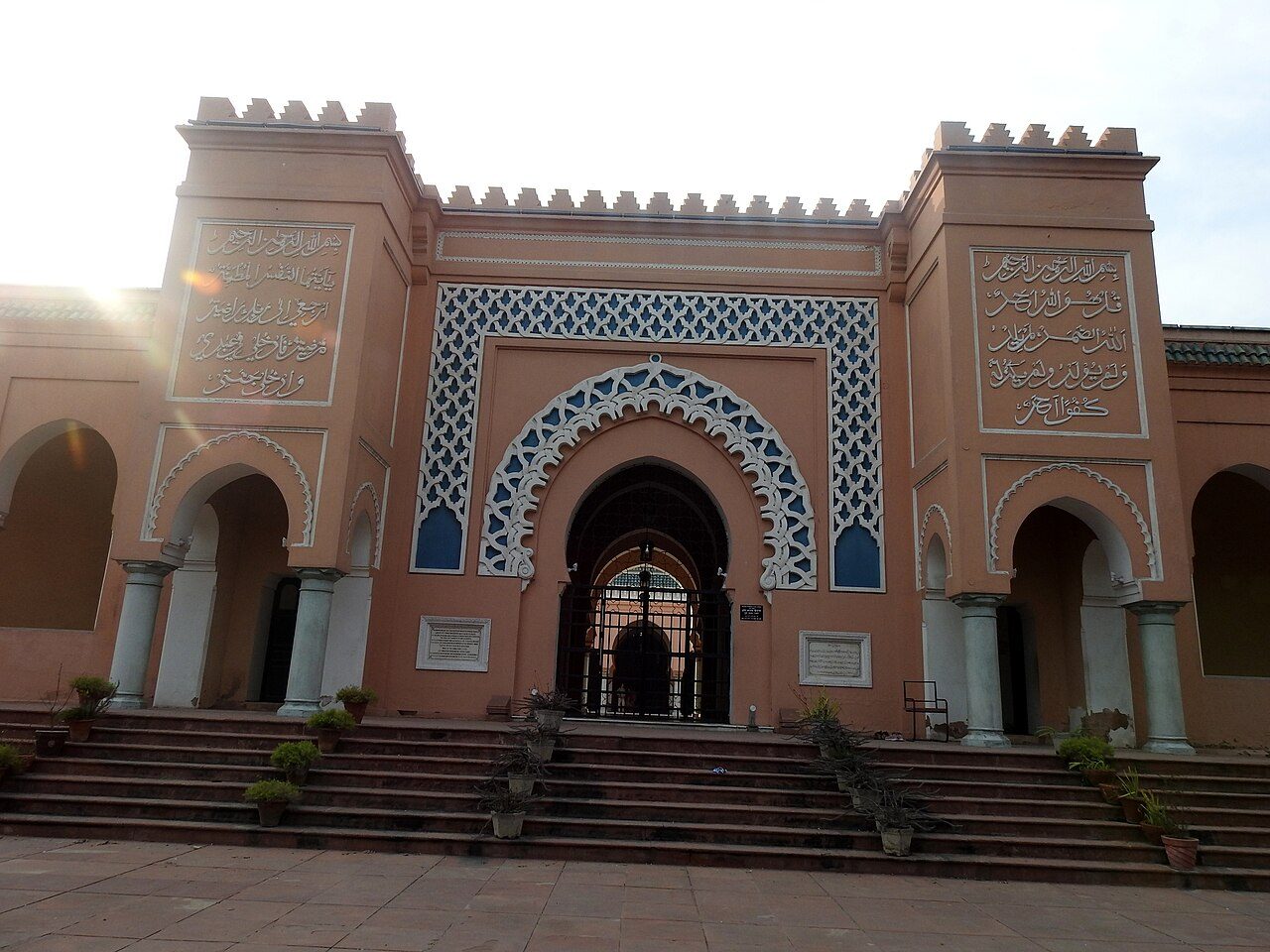
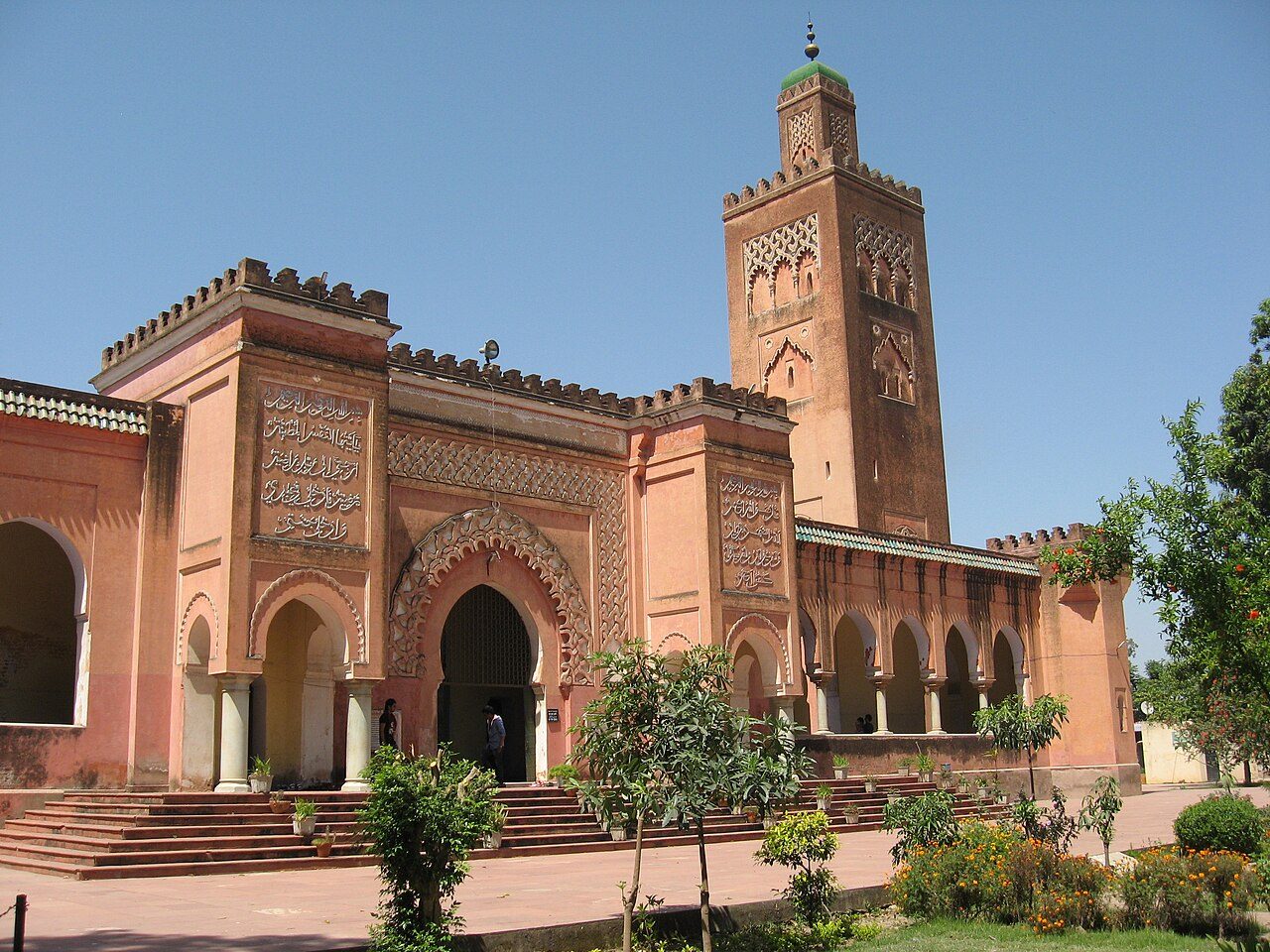
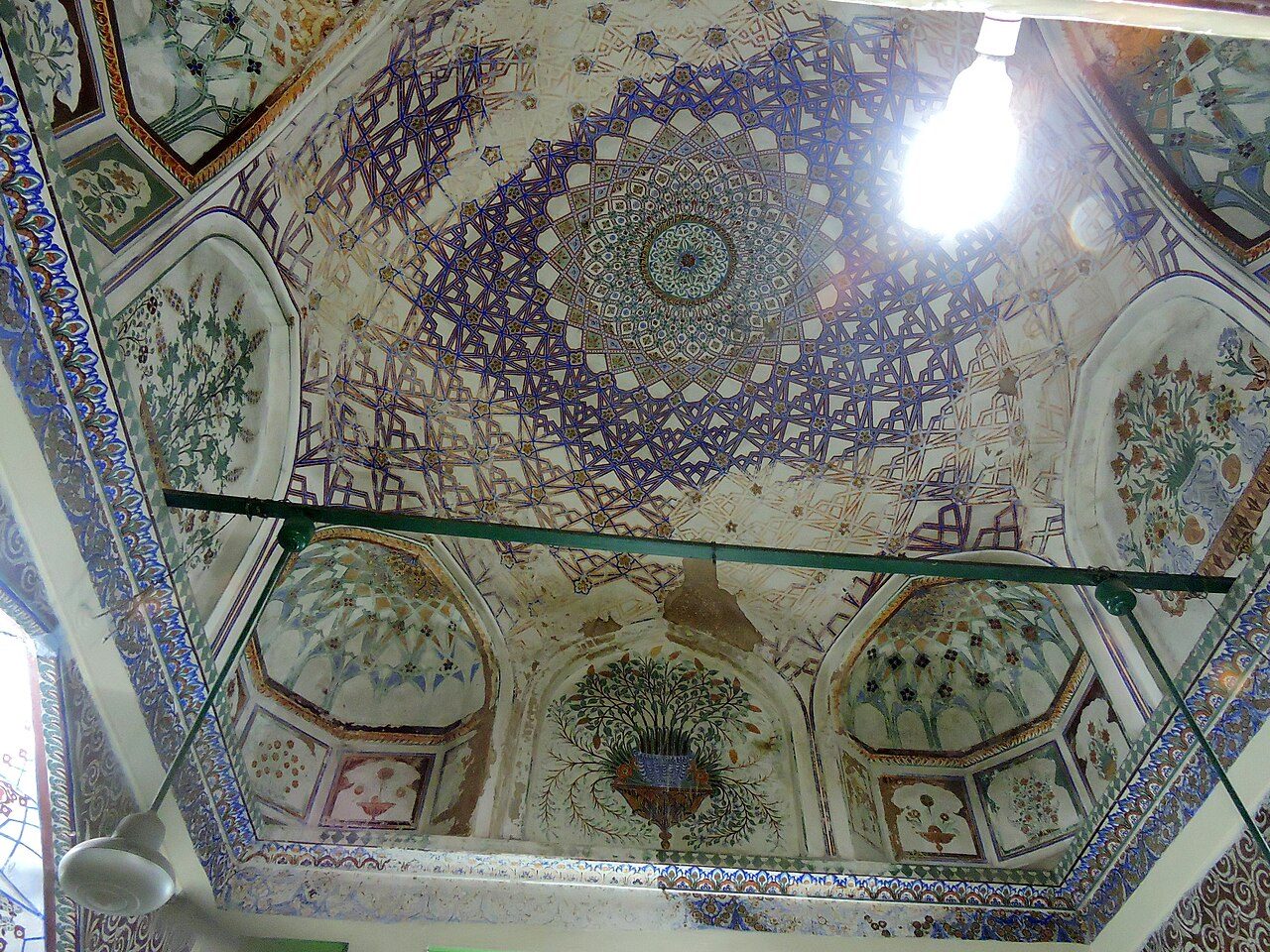
The Moorish Mosque in Kapurthala was commissioned by Maharaja Jagatjit Singh and completed in 1930. Designed by a French architect, it is modelled on the Koutoubia Mosque of Marrakesh, with a tall square minaret, horseshoe arches and a large marble courtyard. The inner dome was painted by artists from Lahore. It is a protected national monument.
05
STOP 5 OF 14
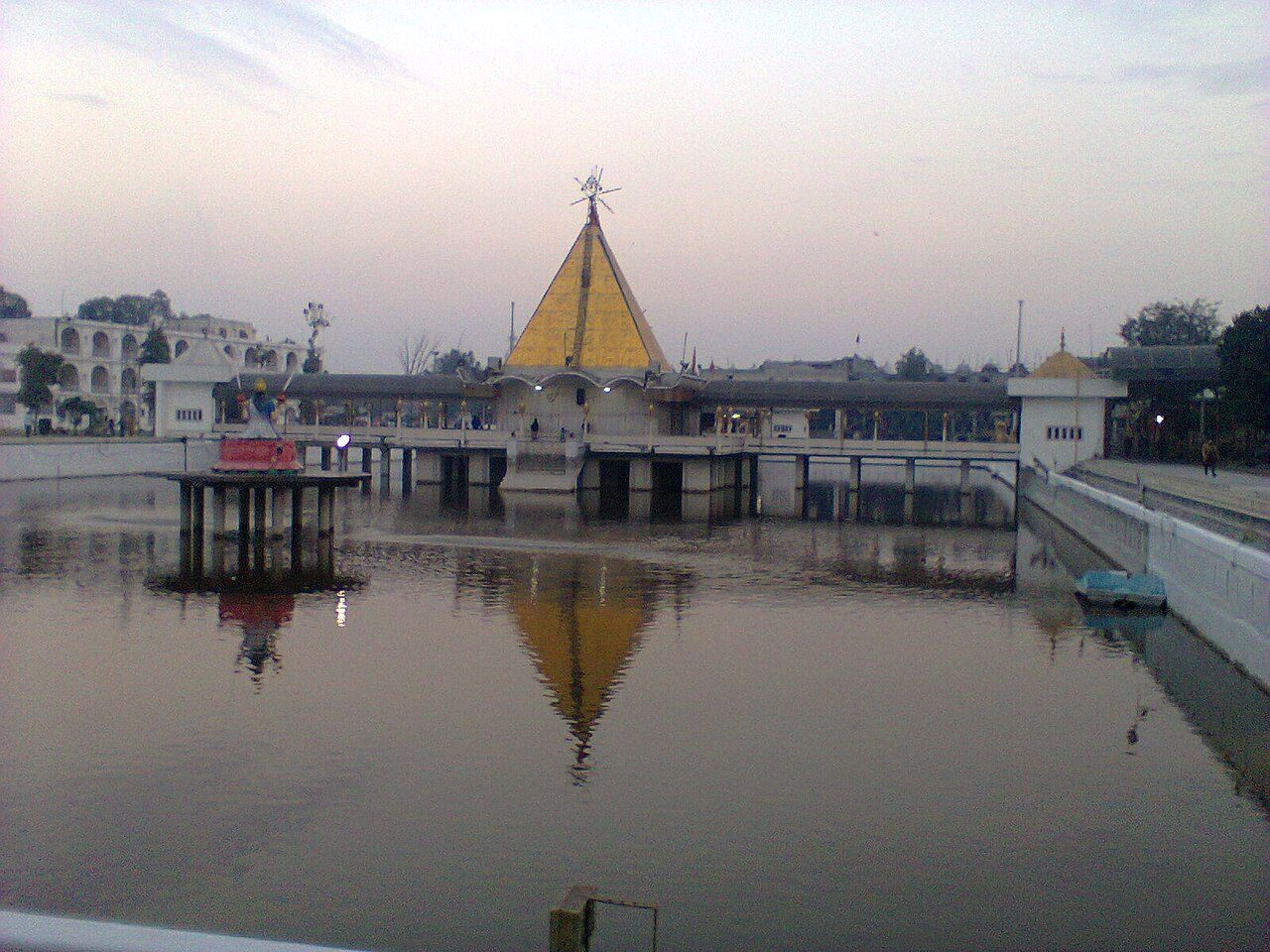
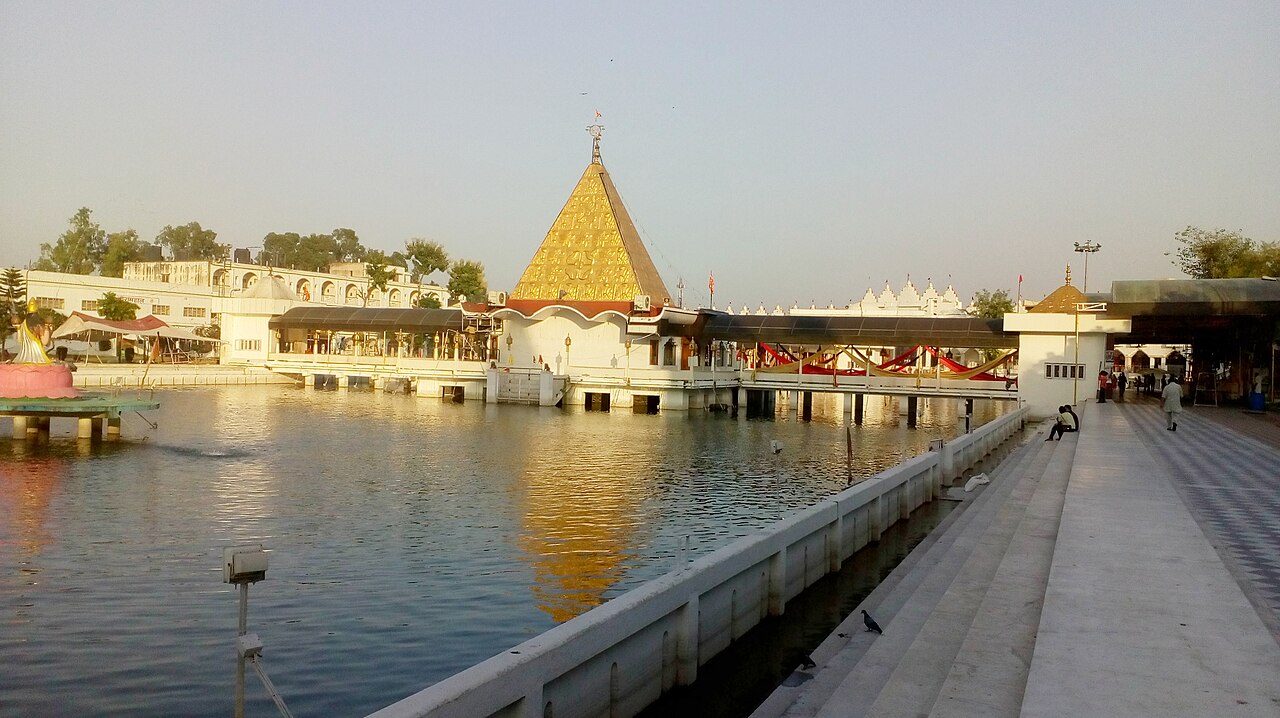
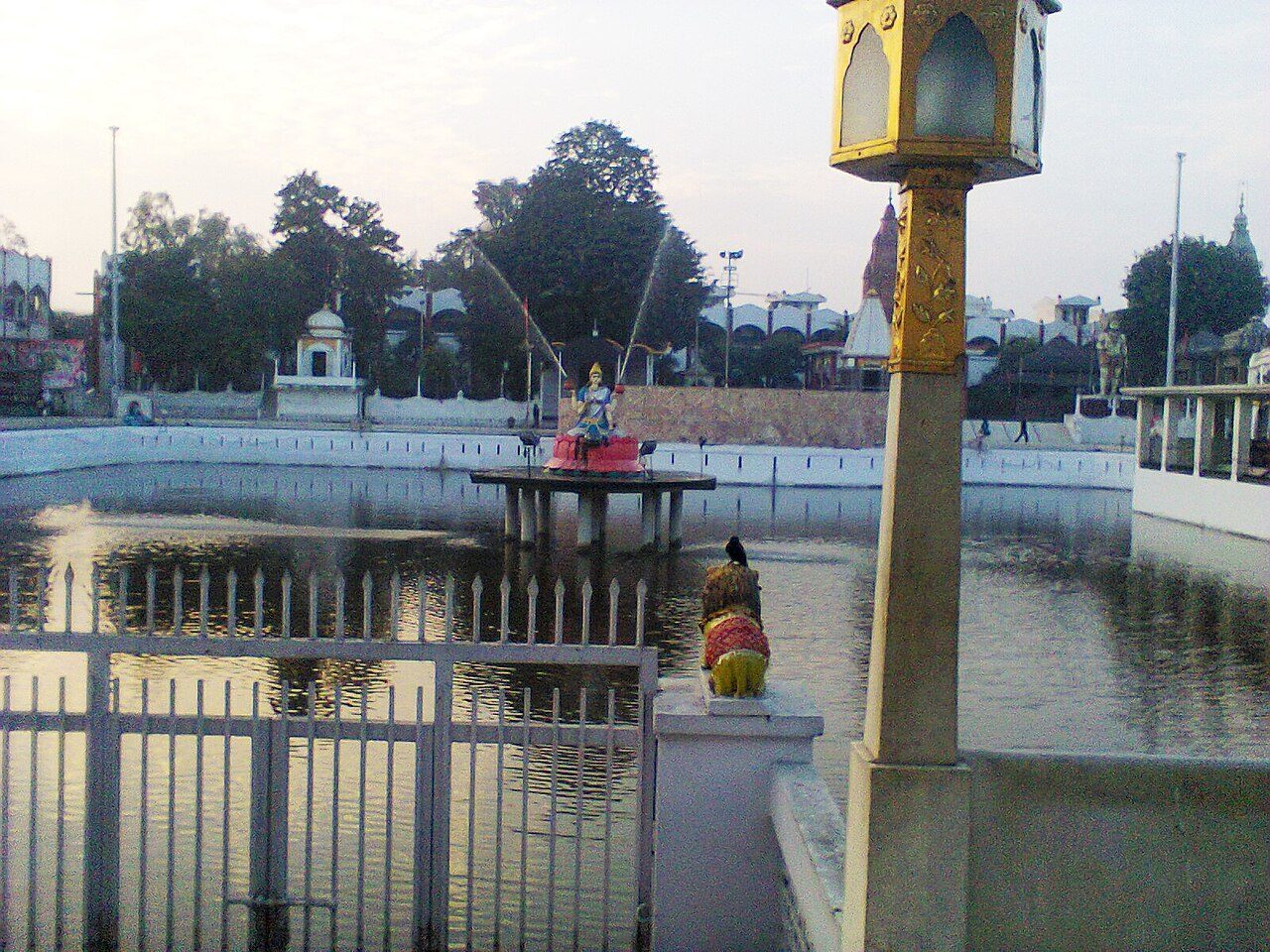
Devi Talab Mandir
Devi Talab Mandir in Jalandhar is an old temple to Durga beside a sacred tank said to be about 200 years old, and is counted among the Shakti Peethas. The complex has been extensively rebuilt, with a shrine in the middle of the tank and a model of the Amarnath cave. It hosts the Harballabh Sangeet Sammelan, one of the oldest classical music festivals in India, each December.
06
STOP 6 OF 14
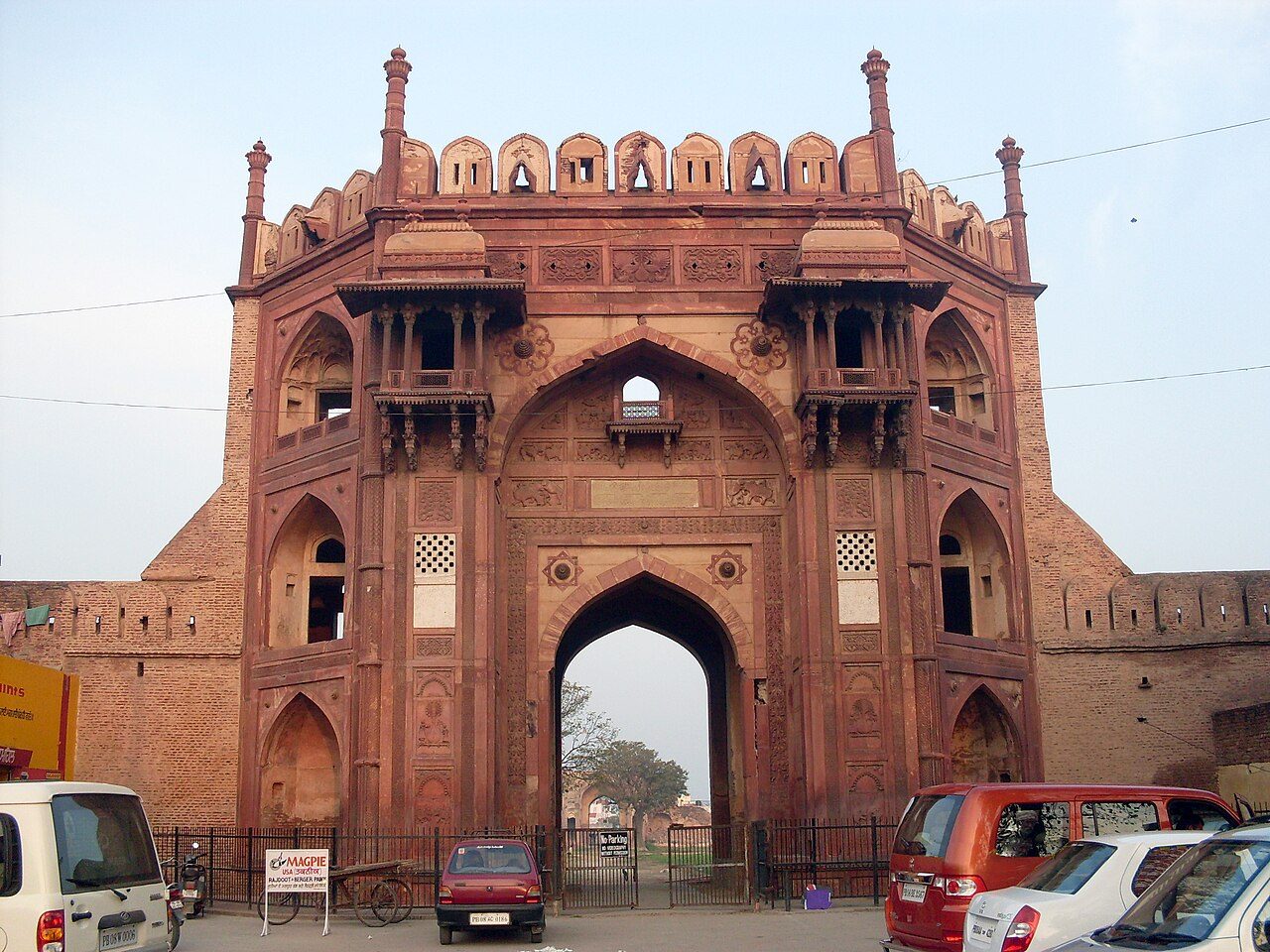
Nurmahal Sarai
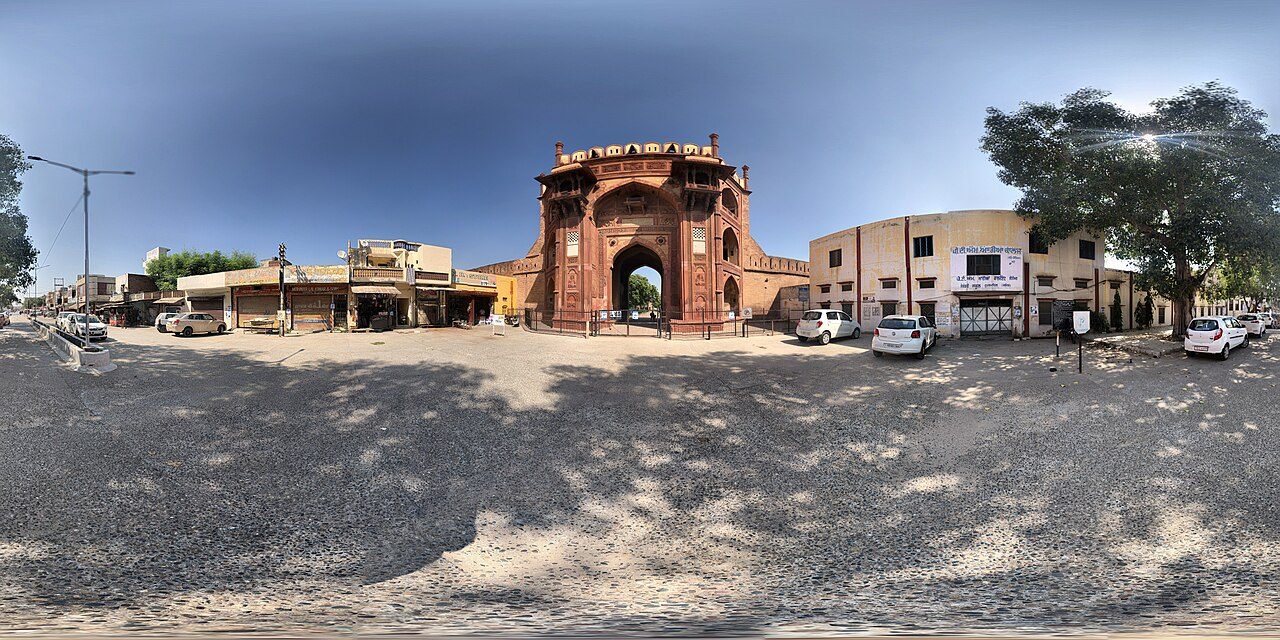
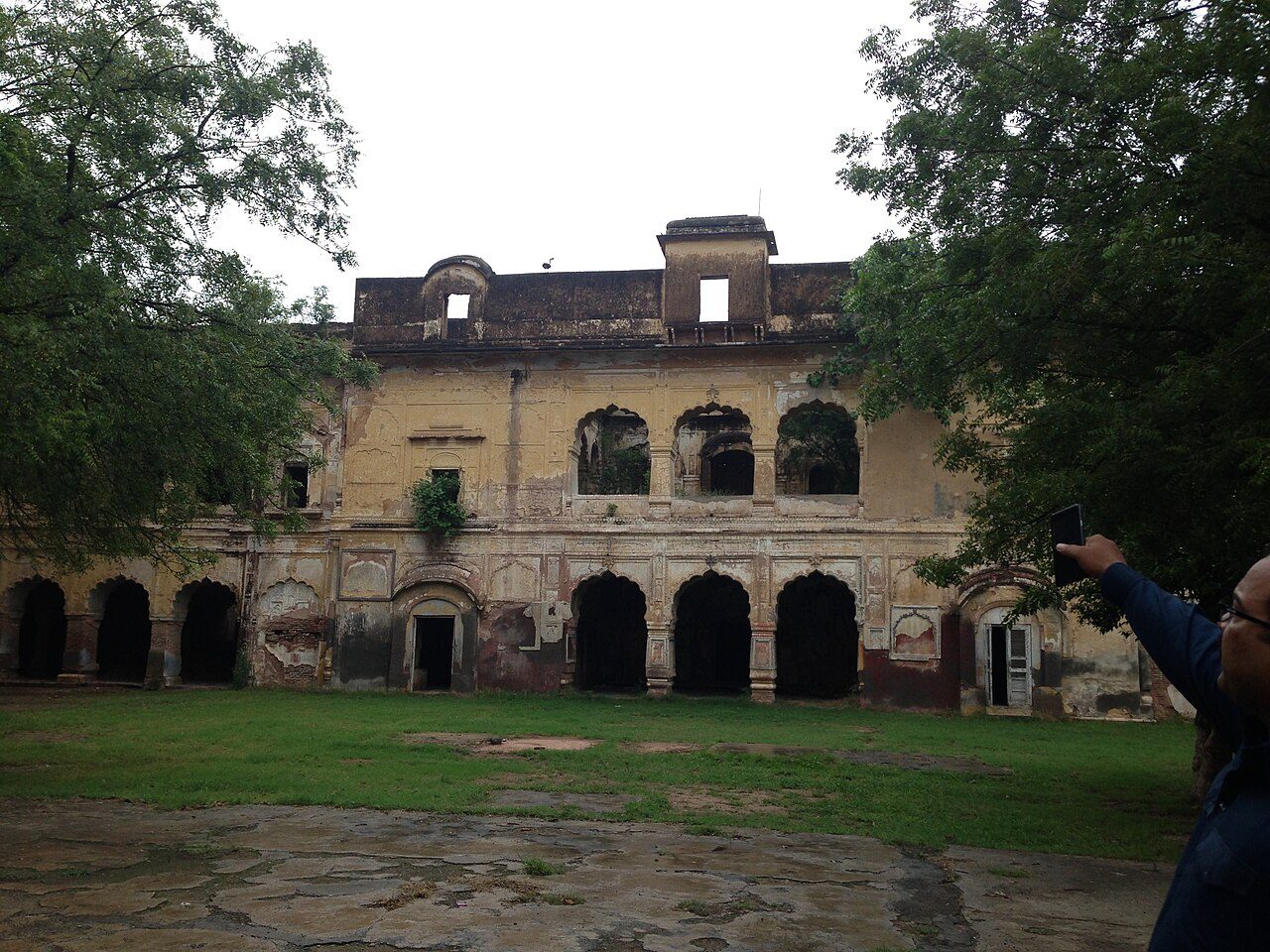
The Sarai at Nurmahal is a Mughal caravanserai built around 1618 on the orders of Empress Nur Jahan, who is said to have spent her childhood here. Its western gateway of red sandstone is richly carved with animals, birds and floral panels. Rows of cells for travellers surround a large courtyard with a mosque and a well. It is a protected monument in the centre of the small town.
07
STOP 7 OF 14
Virasat-e-Khalsa
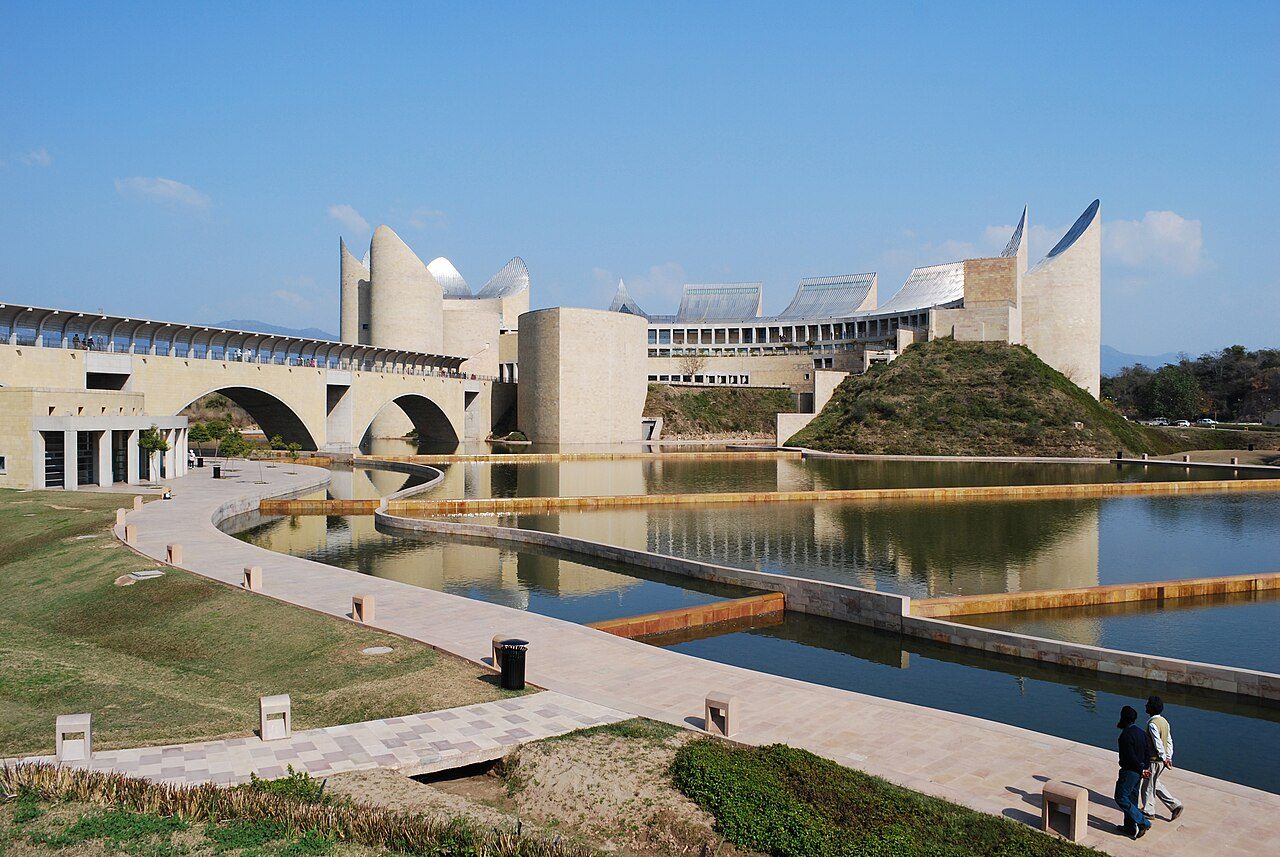
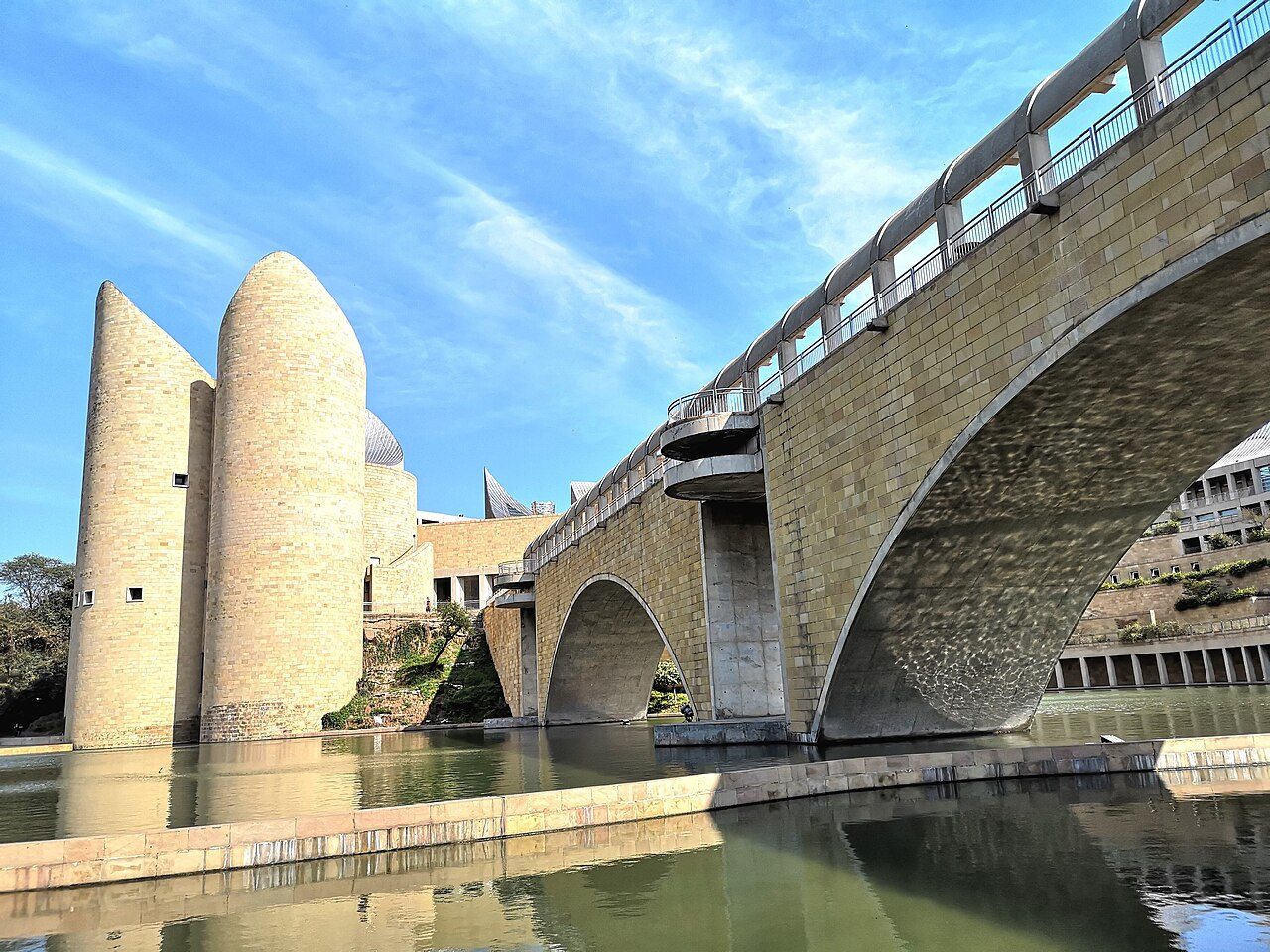
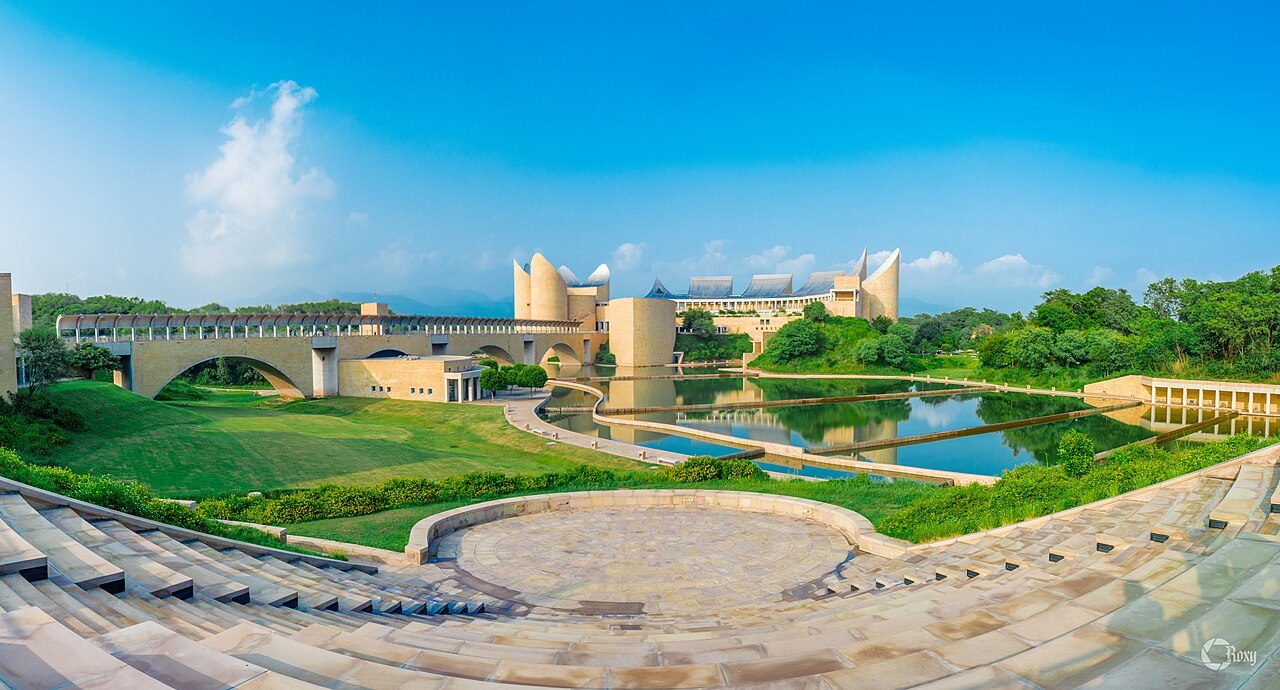
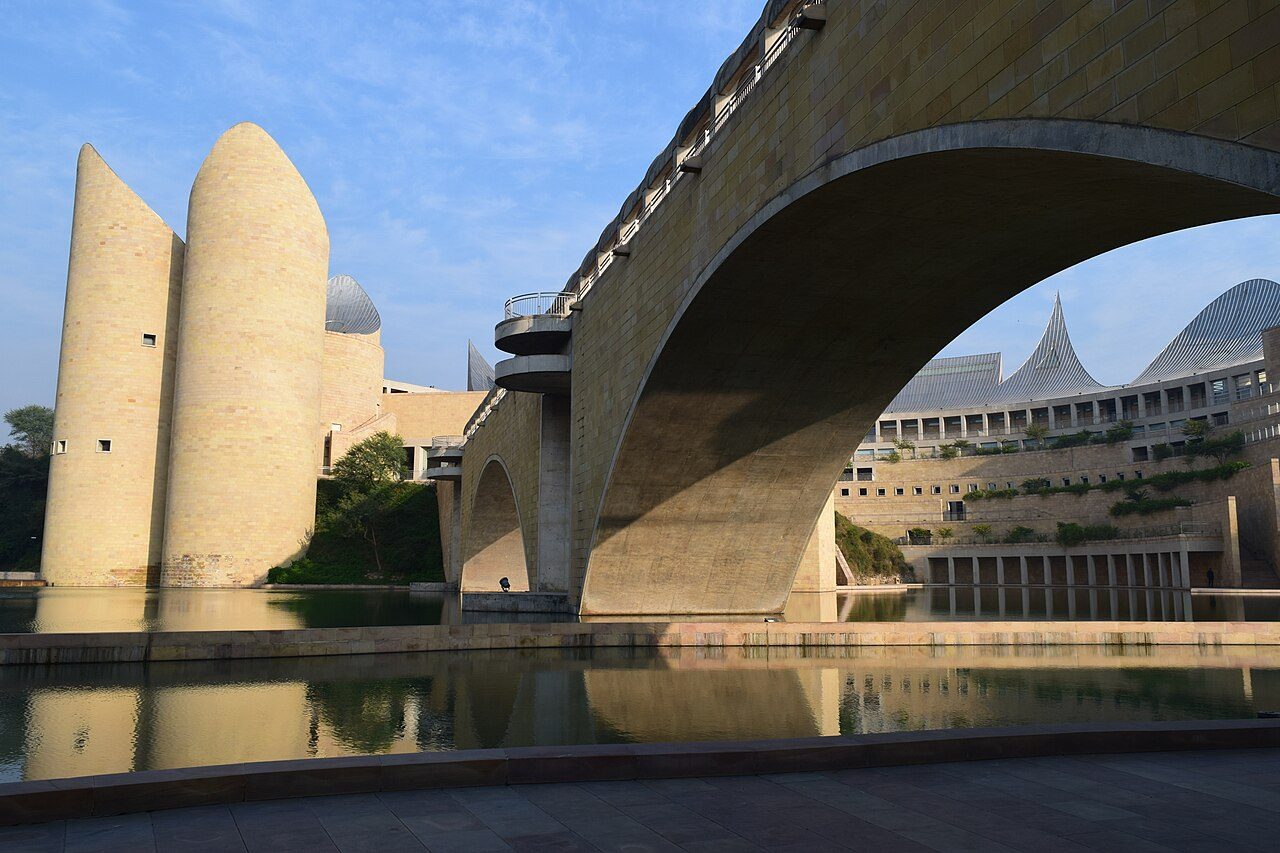
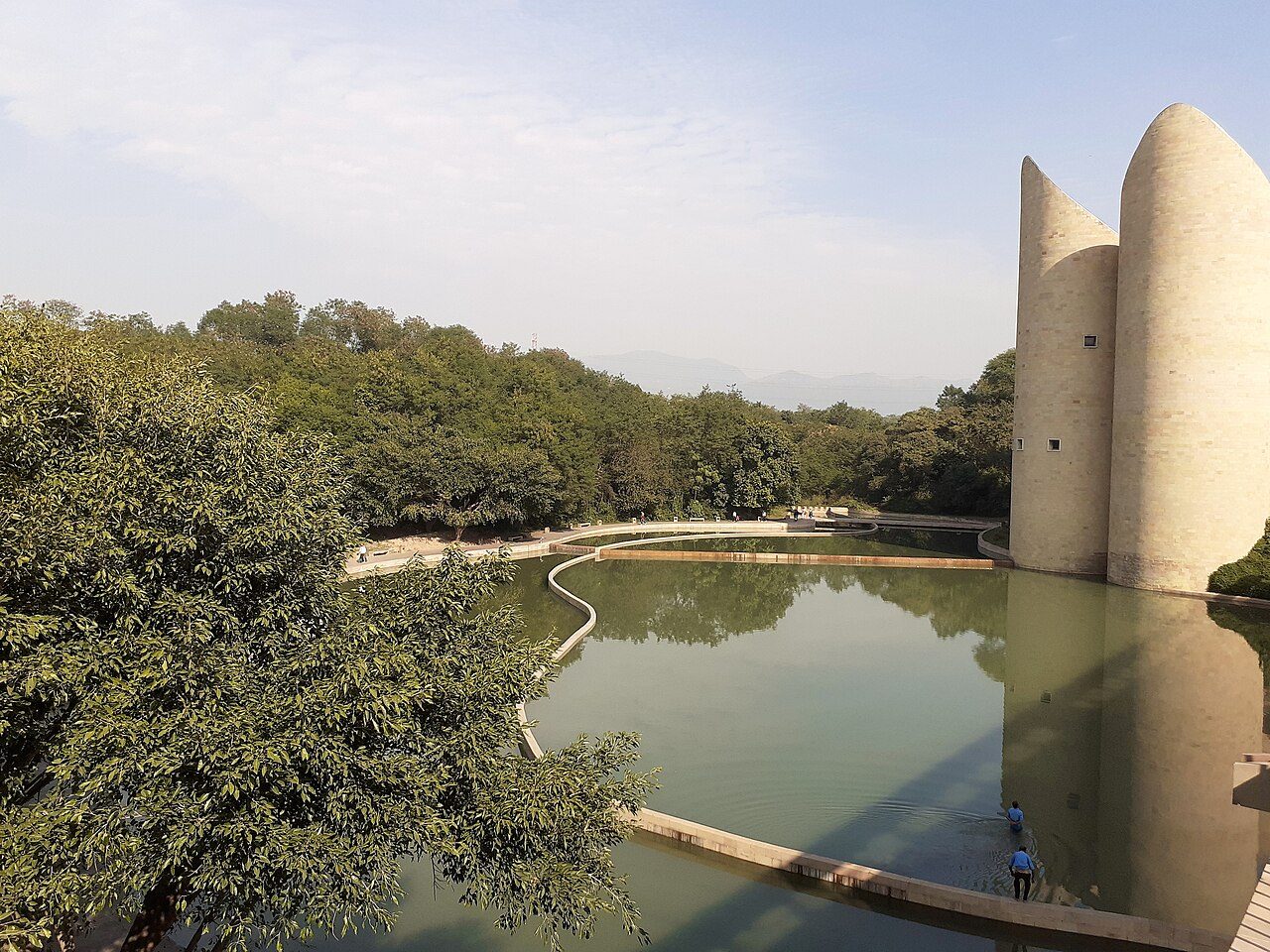
Virasat-e-Khalsa at Anandpur Sahib is a museum of Sikh history and culture designed by the architect Moshe Safdie and opened in 2011. Its two clusters of sandstone towers with curved steel roofs are joined by a bridge over a reflecting pool. Inside, galleries use large murals, sound and light to trace five centuries of the faith. It is closed on Mondays.
08
STOP 8 OF 14
Takht Sri Kesgarh Sahib
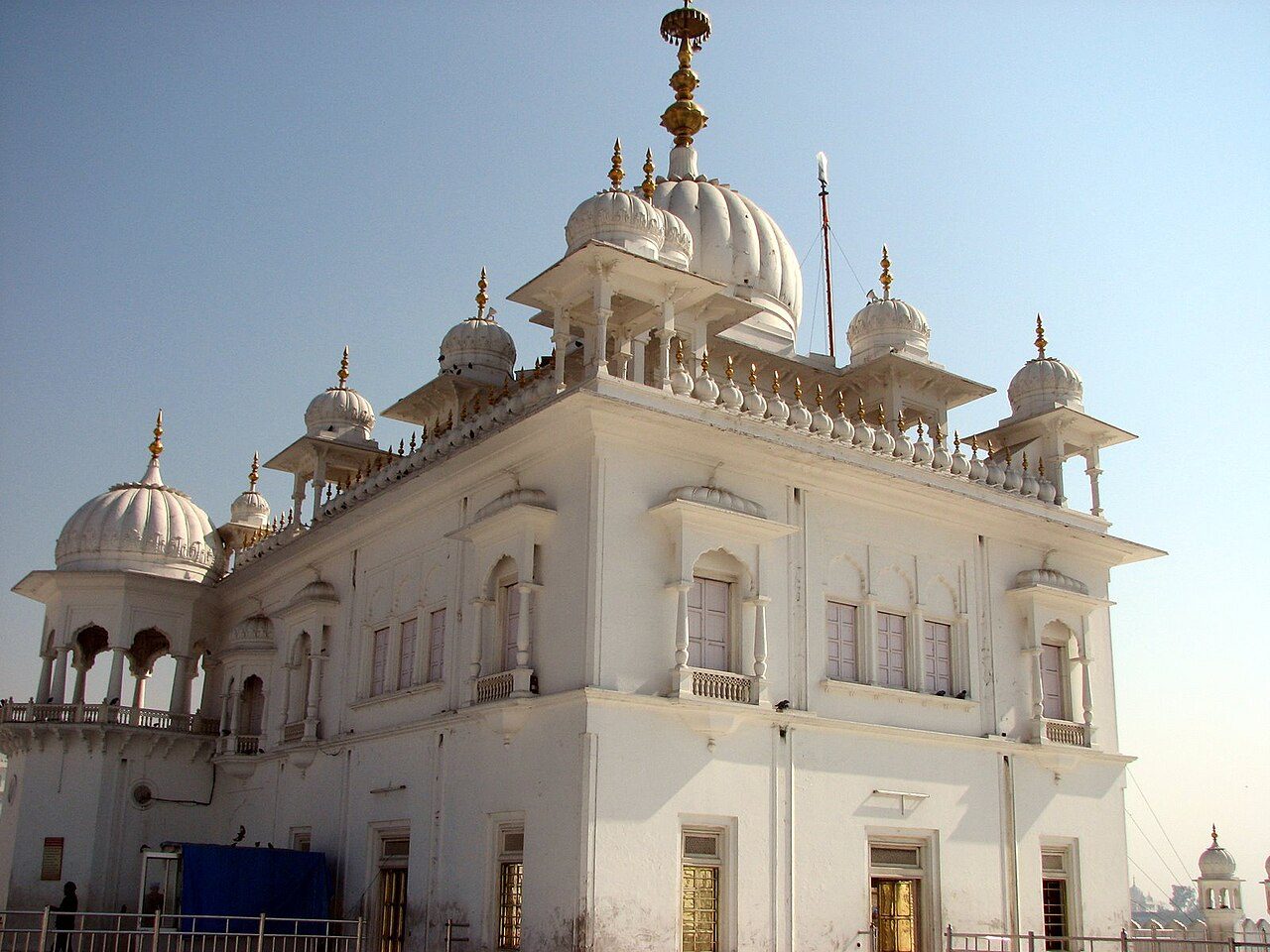
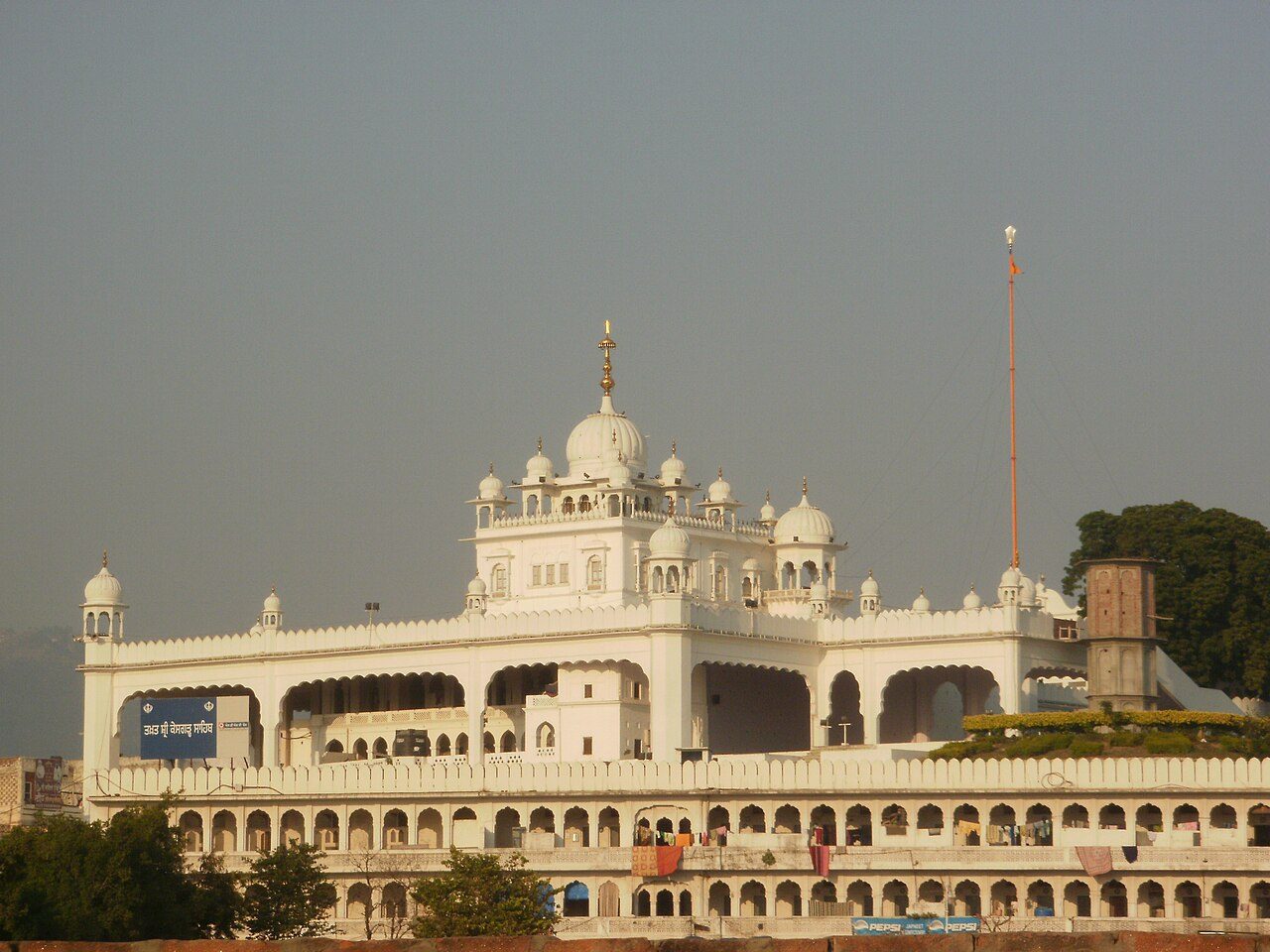
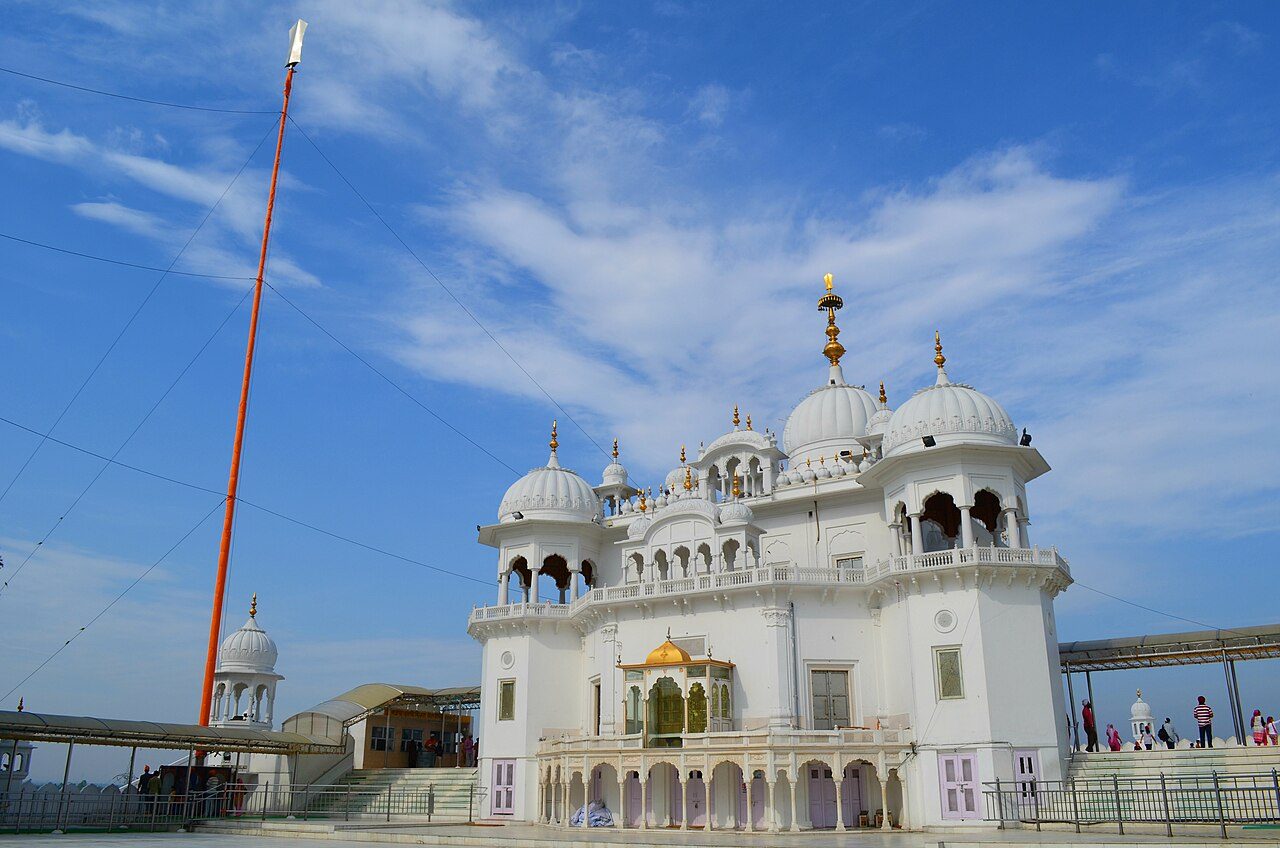
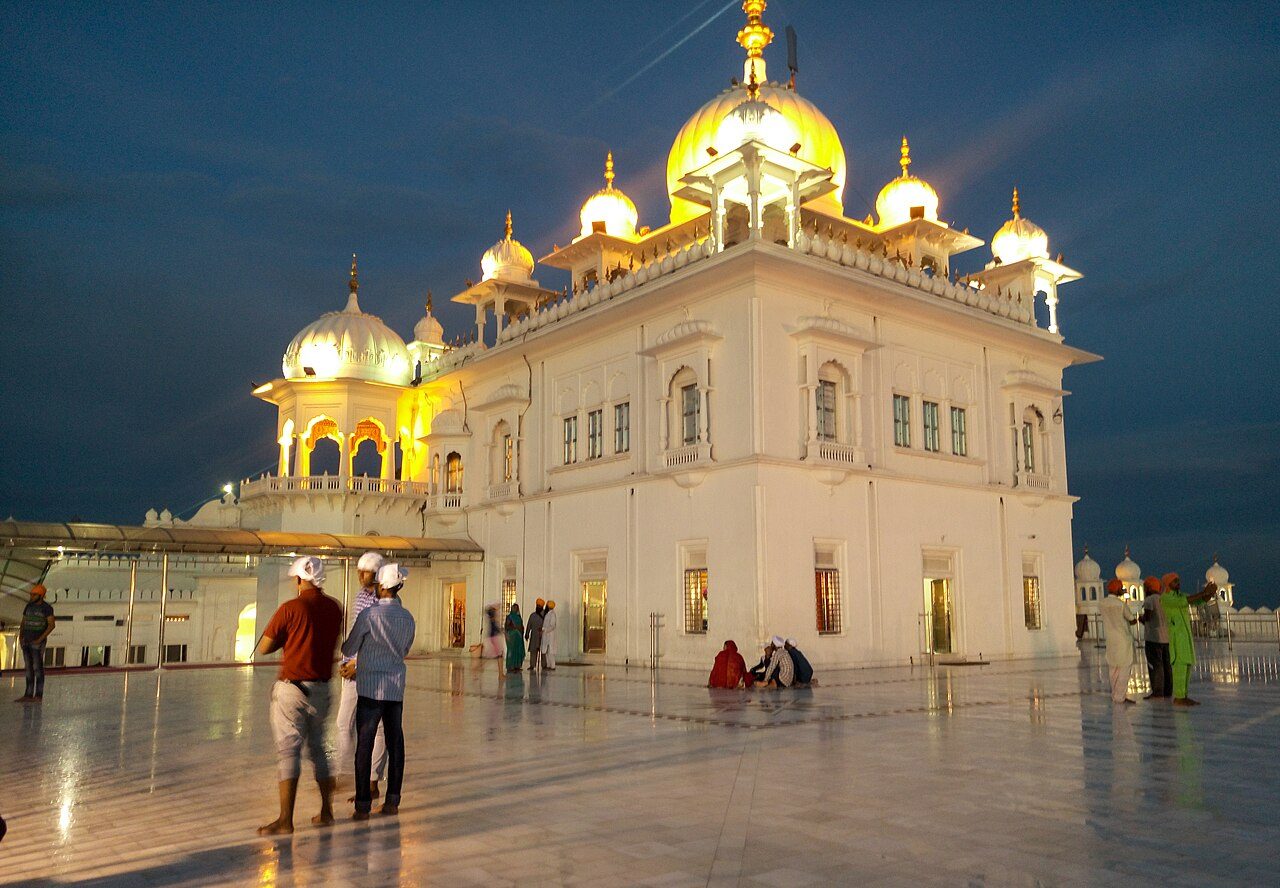
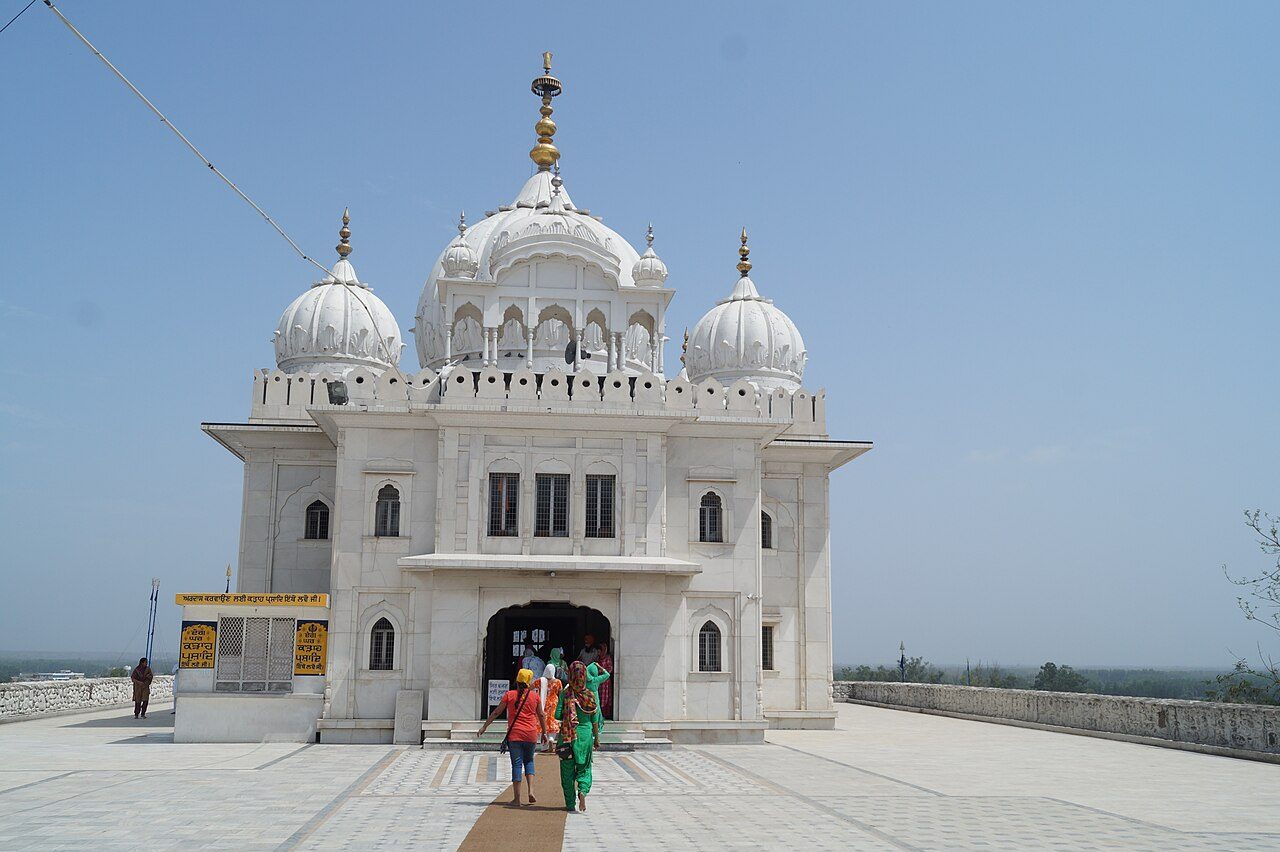
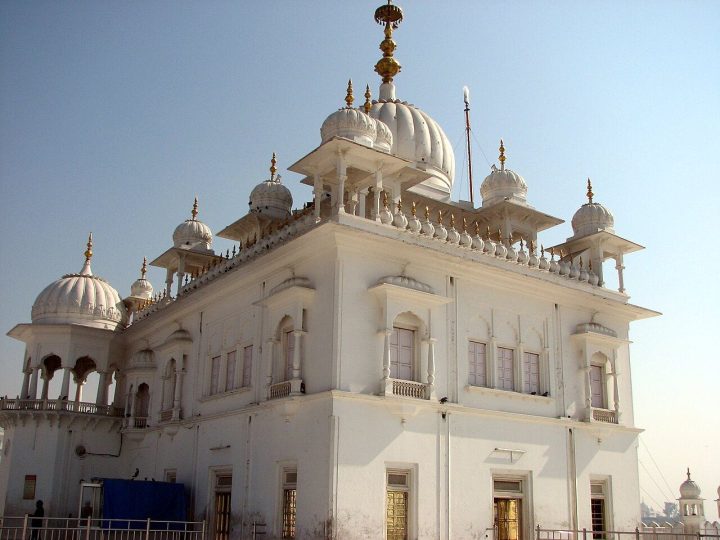
Takht Sri Kesgarh Sahib at Anandpur Sahib is one of the five seats of authority of the Sikh faith. It marks the place where Guru Gobind Singh founded the Khalsa on Baisakhi day in 1699. Weapons used by the Guru are displayed in the sanctum. The white hilltop shrine is the centre of the Hola Mohalla festival each March, when Nihang warriors stage mock battles.
09
STOP 9 OF 14
Gurdwara Fatehgarh Sahib
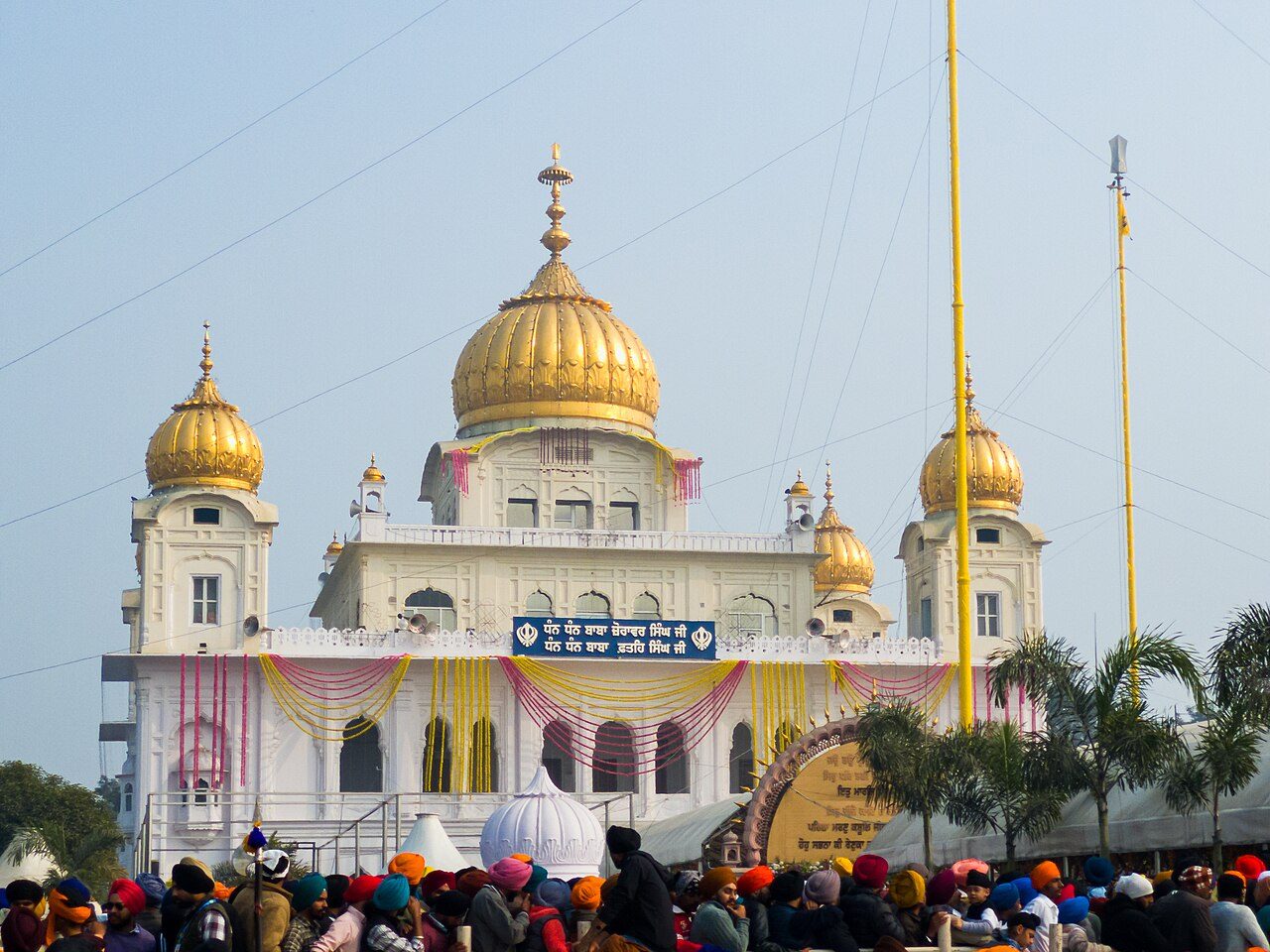
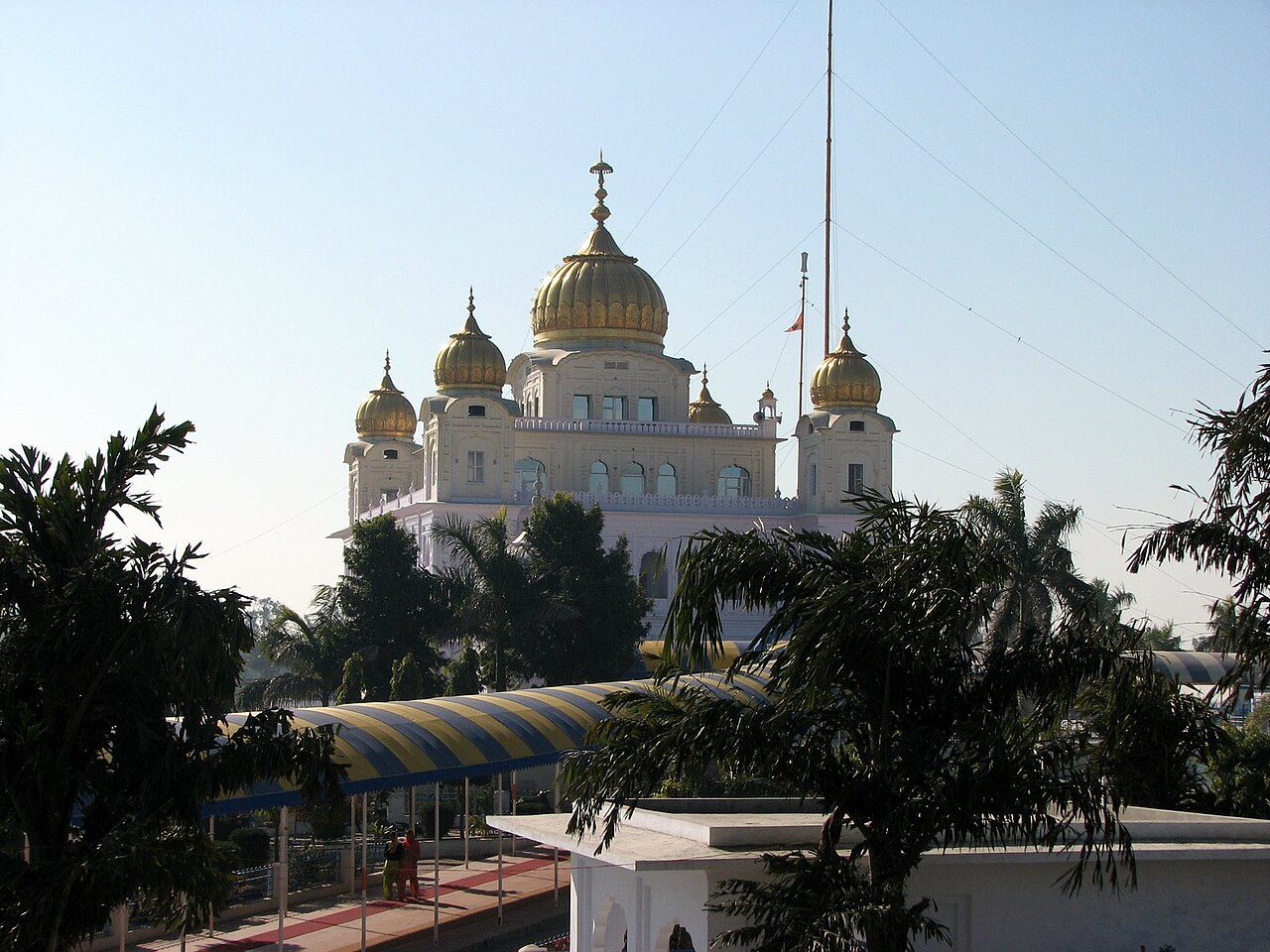
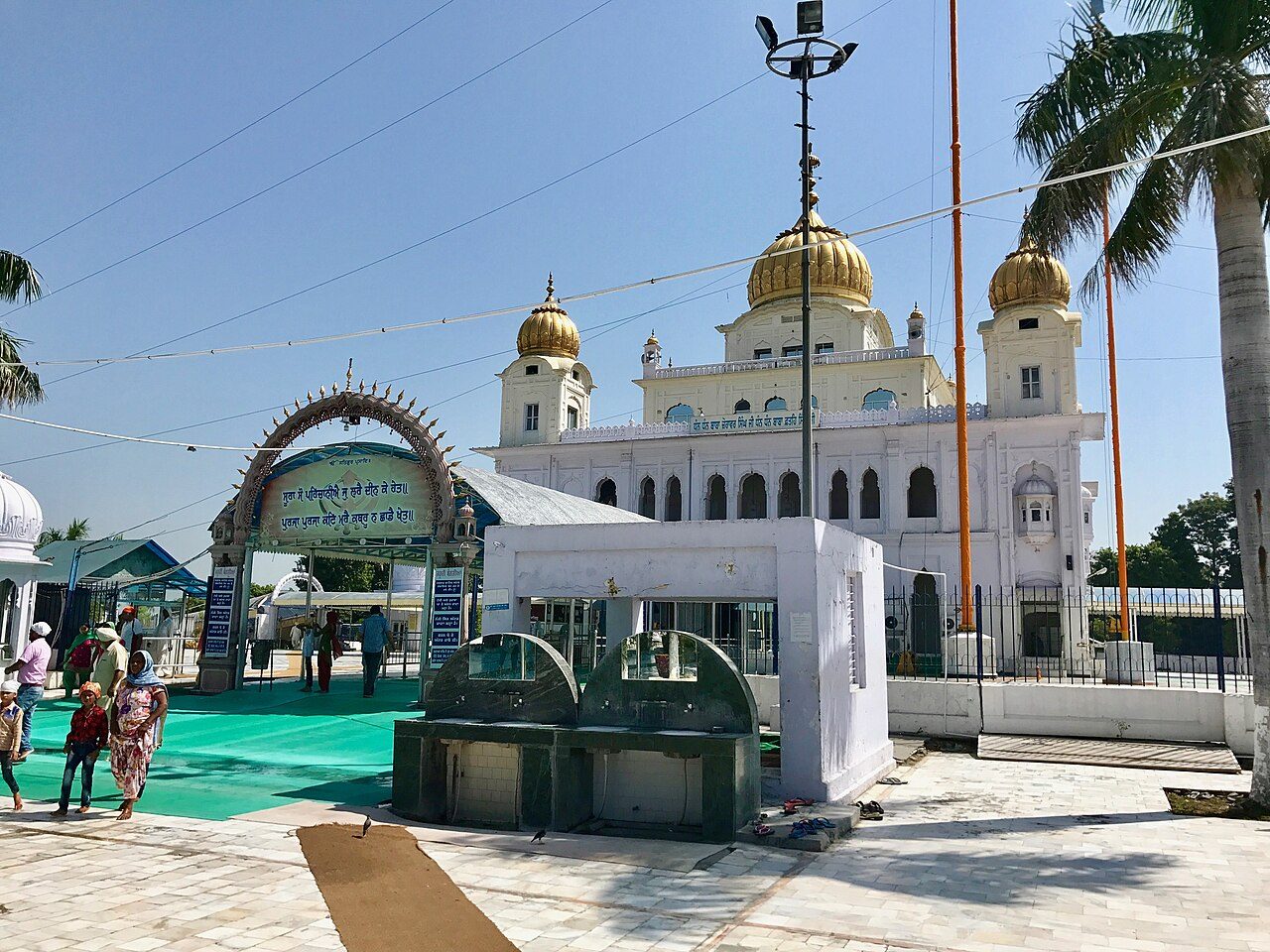
Gurdwara Fatehgarh Sahib at Sirhind marks the place where the two younger sons of Guru Gobind Singh, aged nine and six, were bricked alive in 1705 for refusing to give up their faith. The wall is preserved in an underground chamber. The large white complex also includes the tower where they and their grandmother were held. The Shaheedi Jor Mela in late December draws vast crowds.
10
STOP 10 OF 14
Aam Khas Bagh
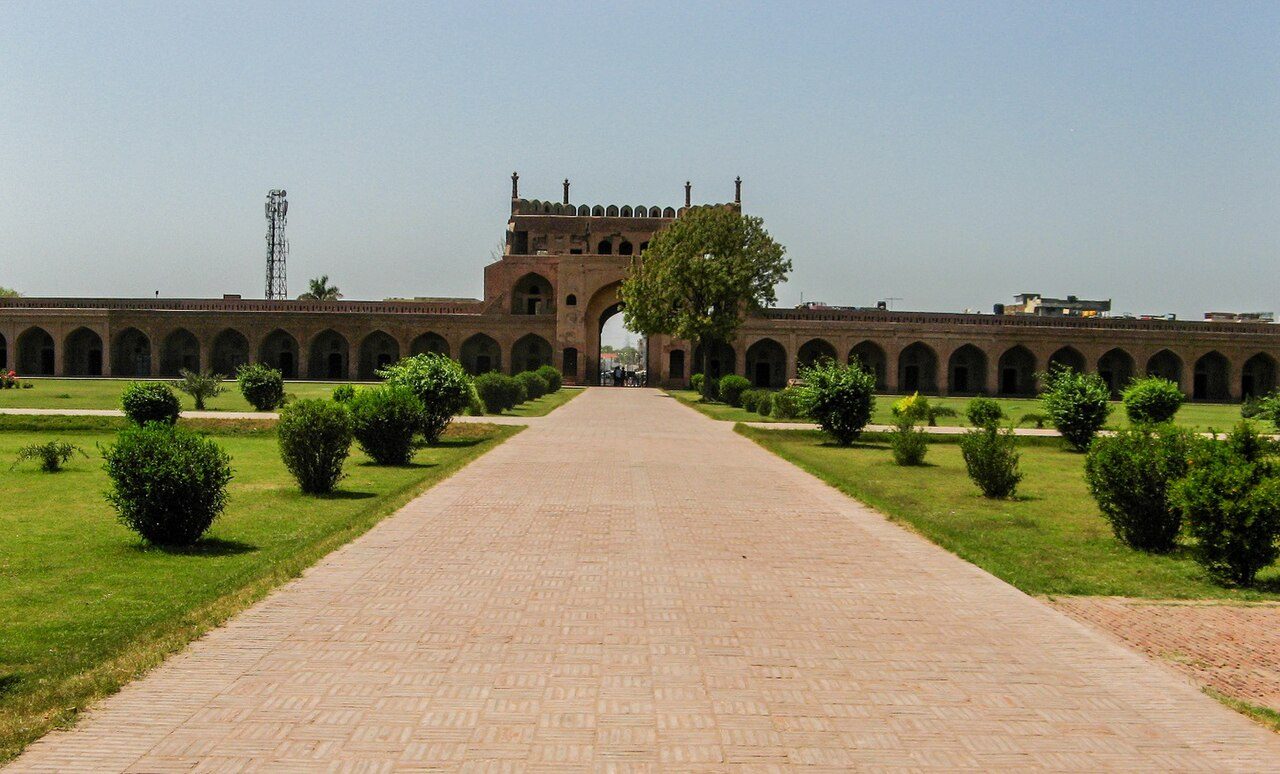
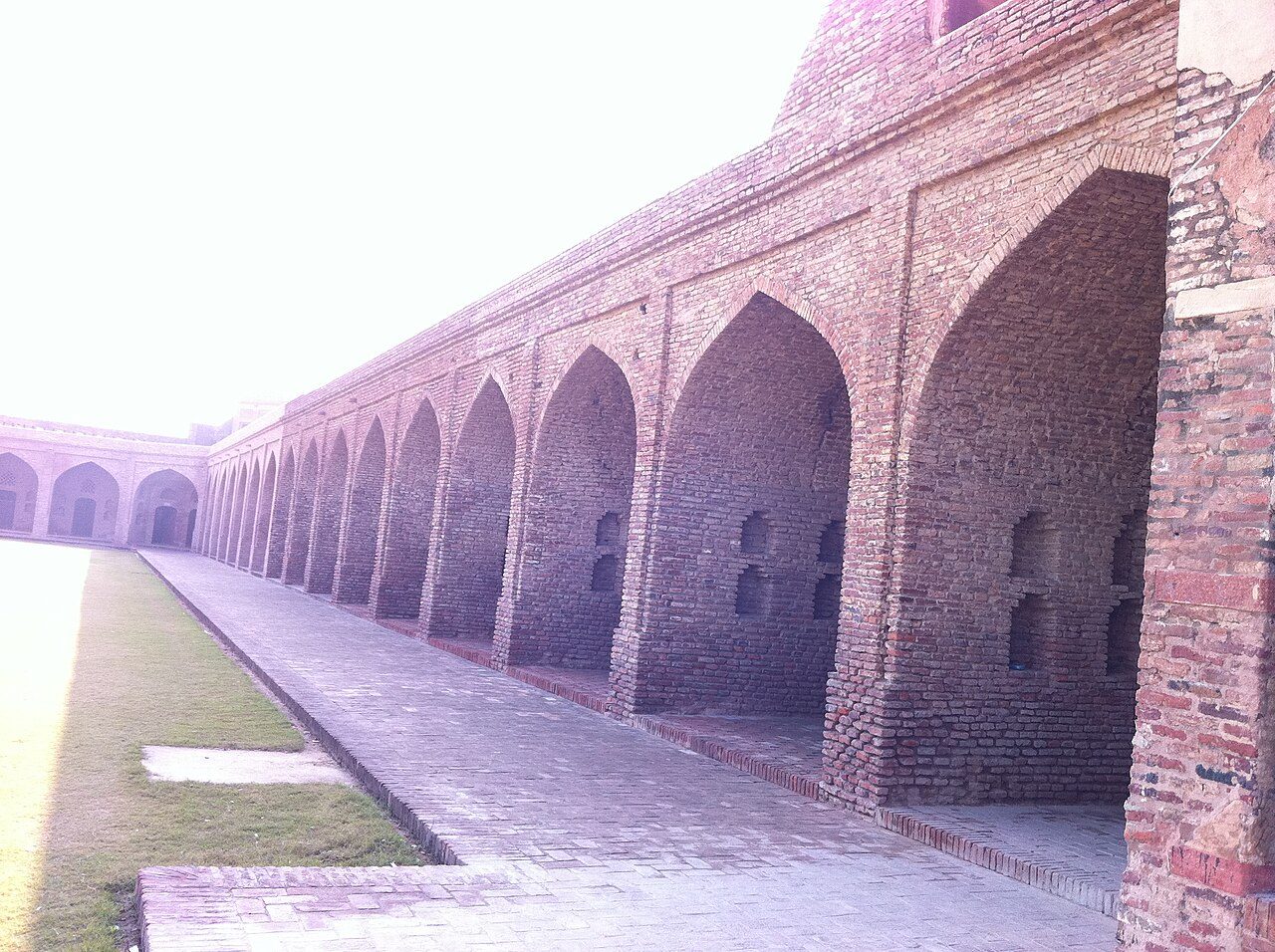
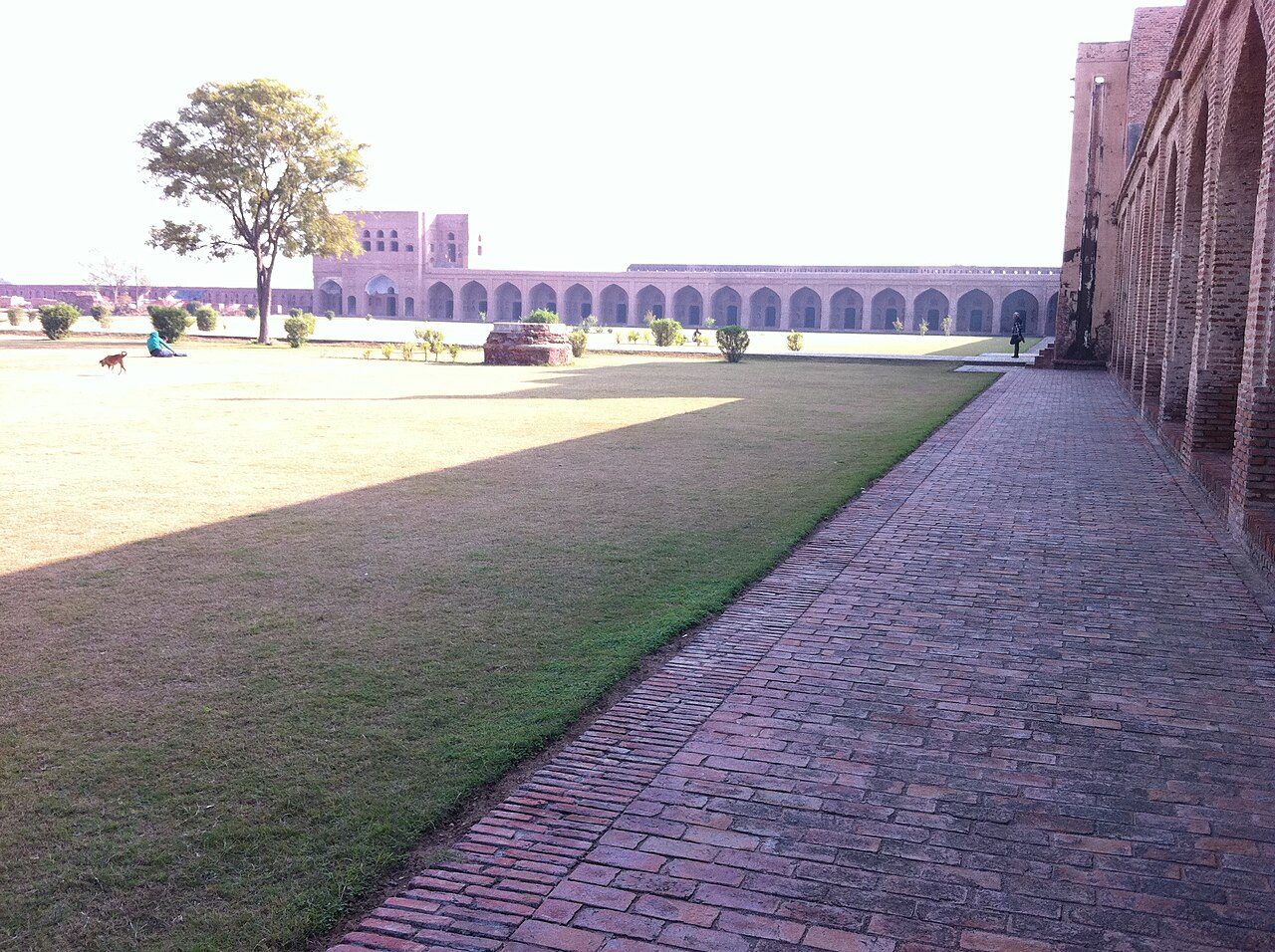
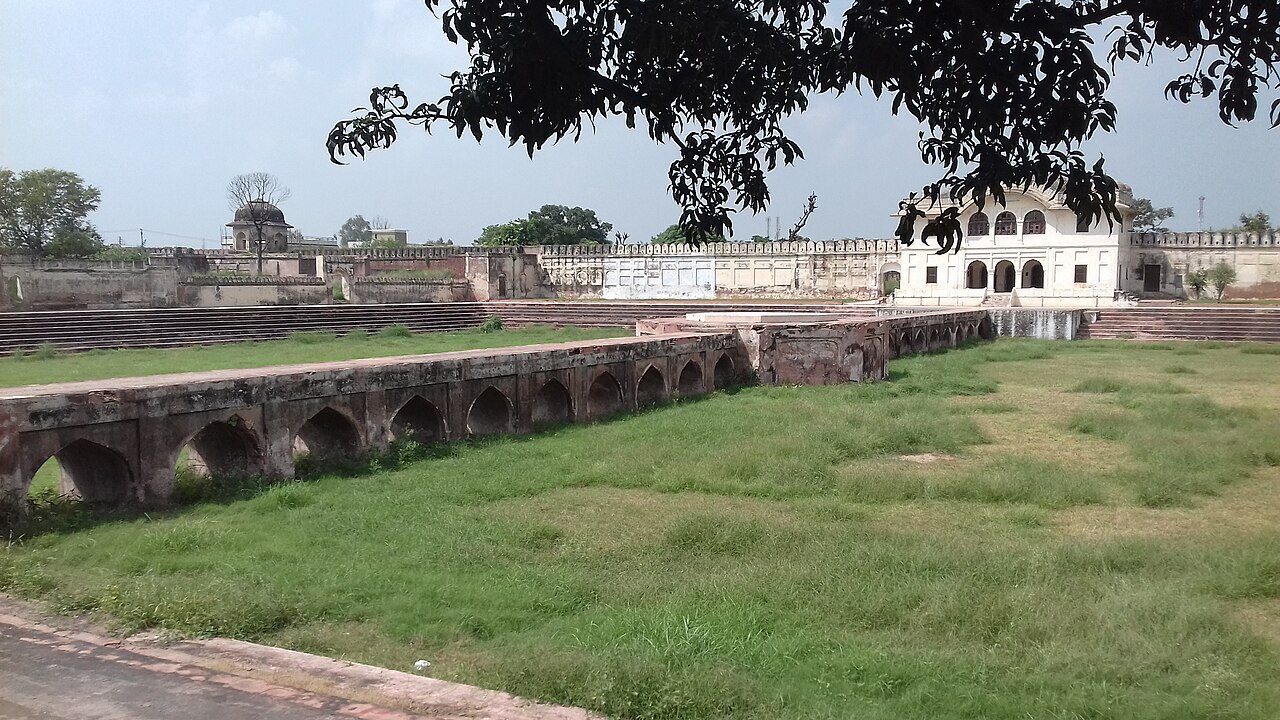
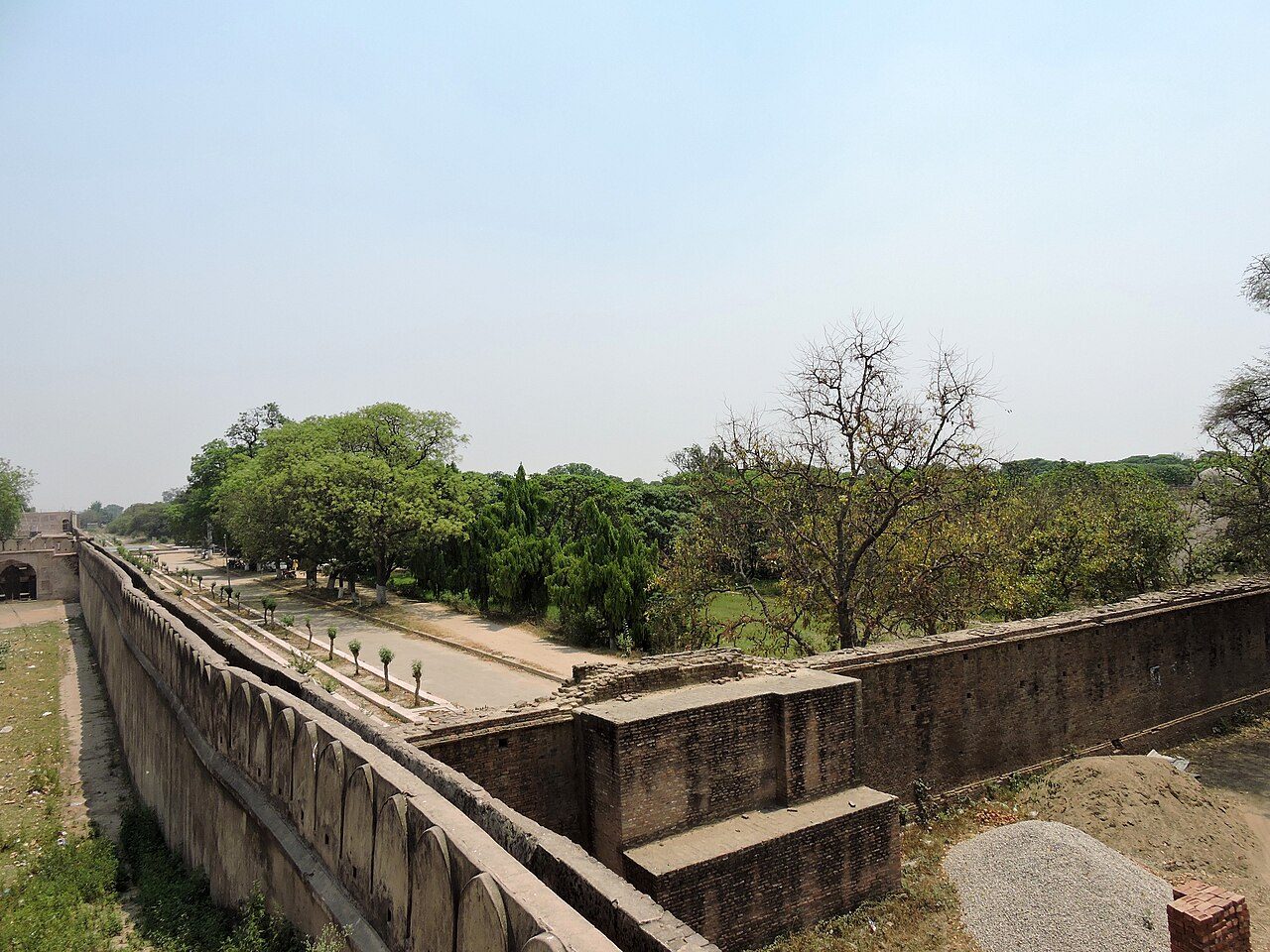
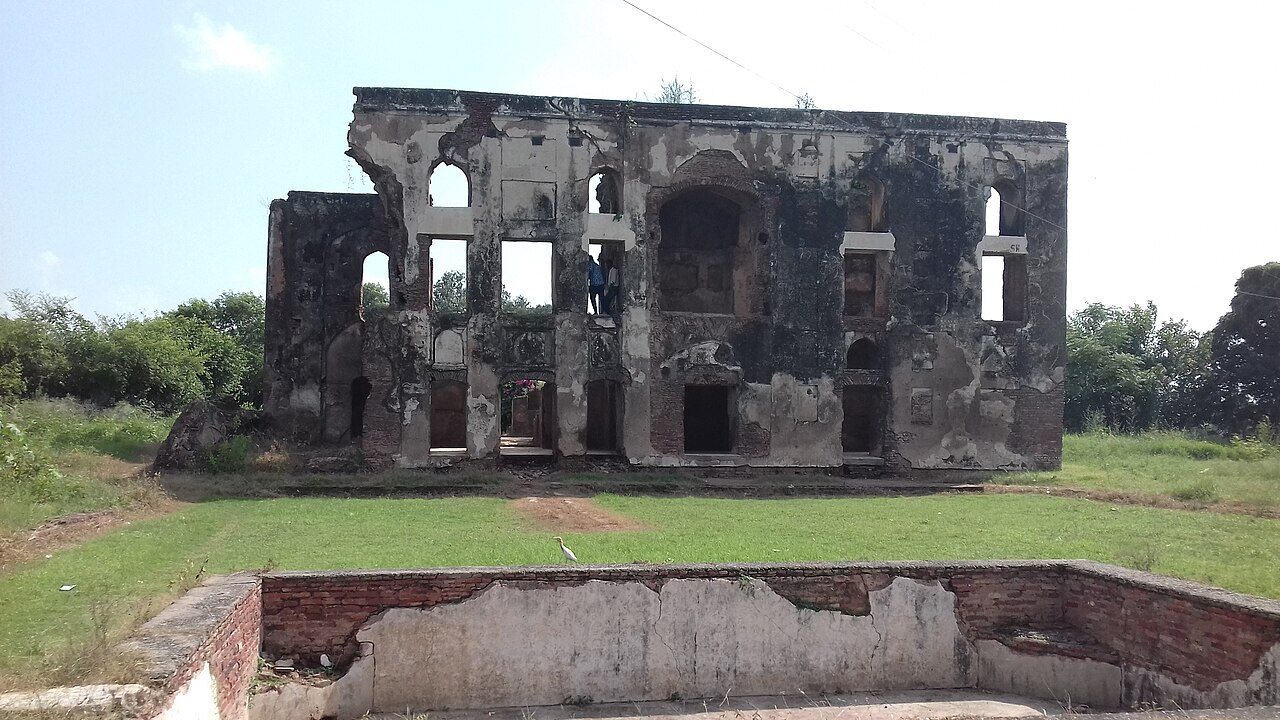
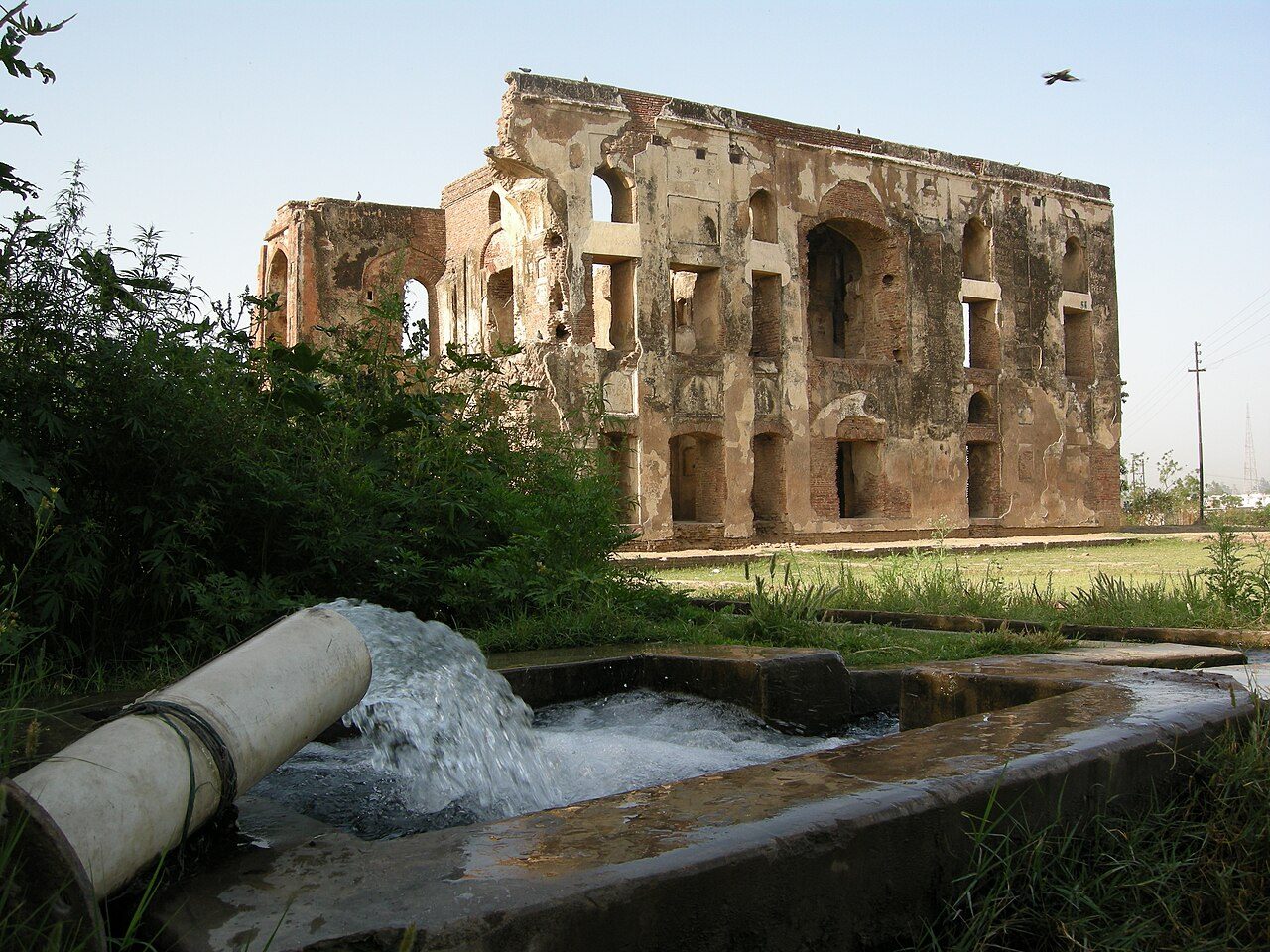
Aam Khas Bagh at Sirhind was a Mughal highway inn and garden on the road between Delhi and Lahore, begun under Akbar and enlarged by Jahangir and Shah Jahan. It had separate areas for the public and for royalty, hence its name. Ruined palaces, a hammam, tanks and an ingenious water-cooled chamber survive among the lawns. A light-and-sound show is held on some evenings.
11
STOP 11 OF 14
Rauza Sharif Sirhind
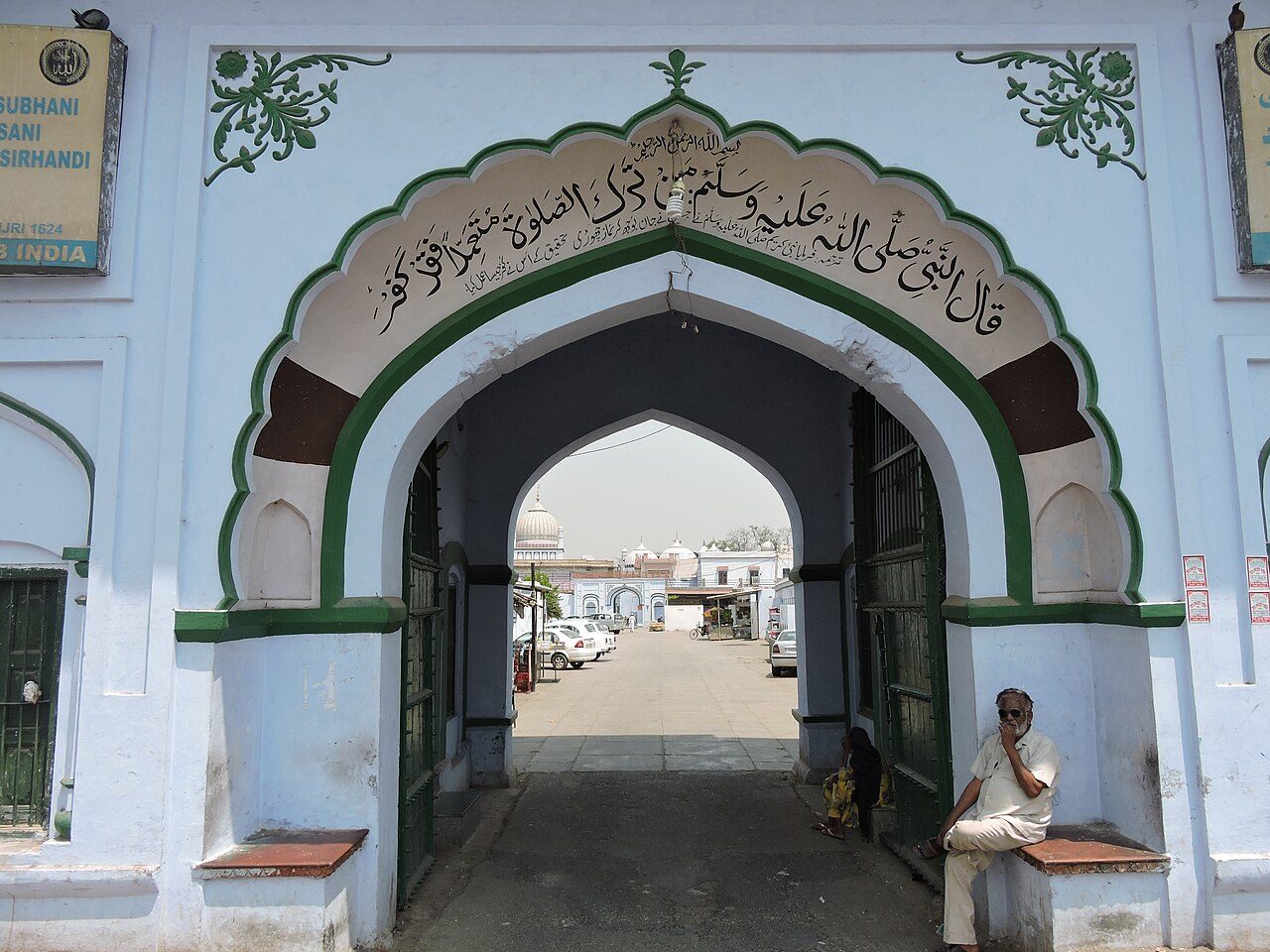
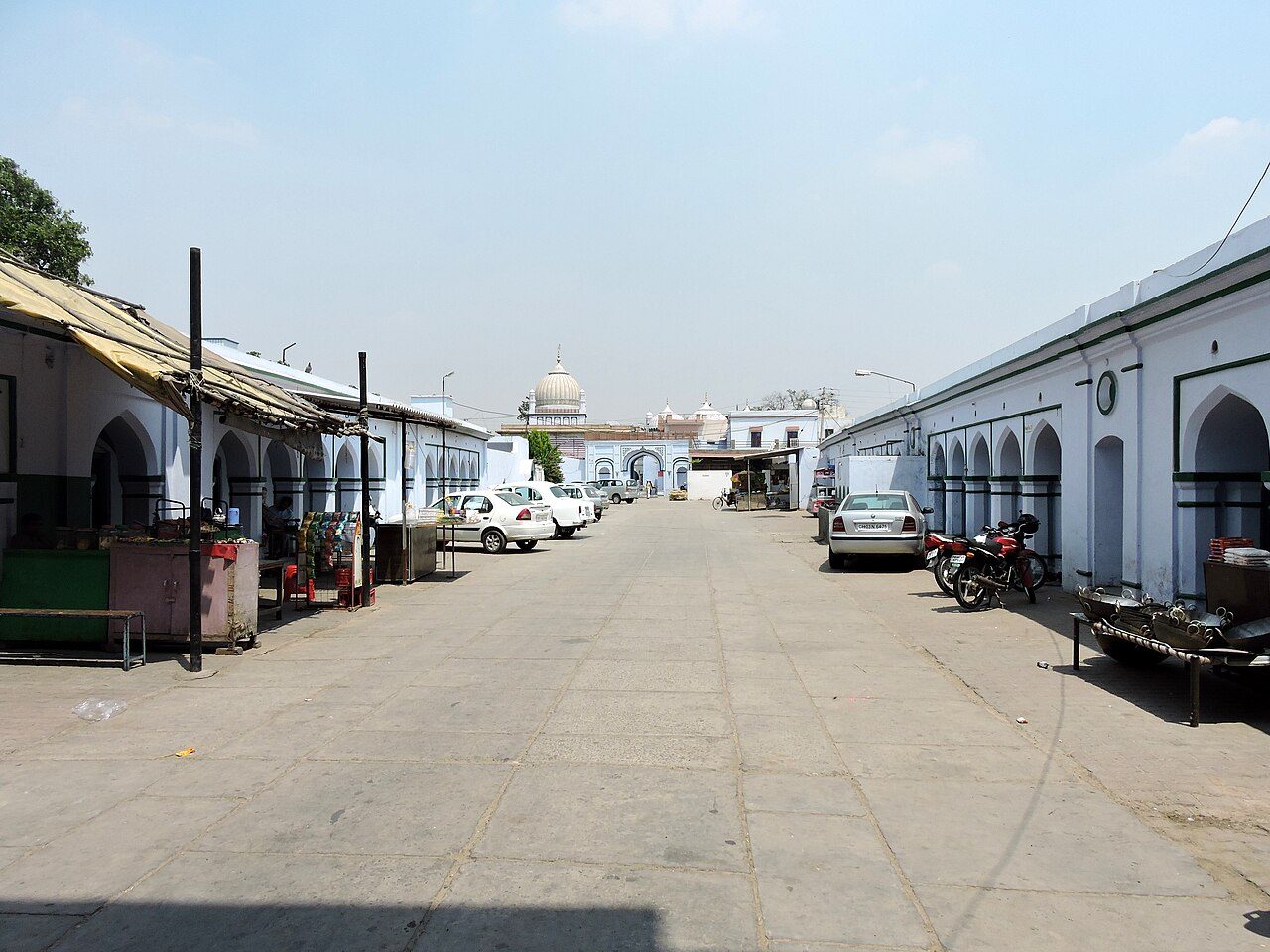
Rauza Sharif at Sirhind is the shrine of Shaikh Ahmad Sirhindi, known as Mujaddid Alf Sani, a 16th- and 17th-century reformer of great influence in Sunni Islam. The domed mausoleum stands in a compound with the tombs of his sons and of two Afghan rulers. Pilgrims come from across South and Central Asia for the annual Urs. It lies a short walk from Gurdwara Fatehgarh Sahib.
12
STOP 12 OF 14
Sheesh Mahal Patiala
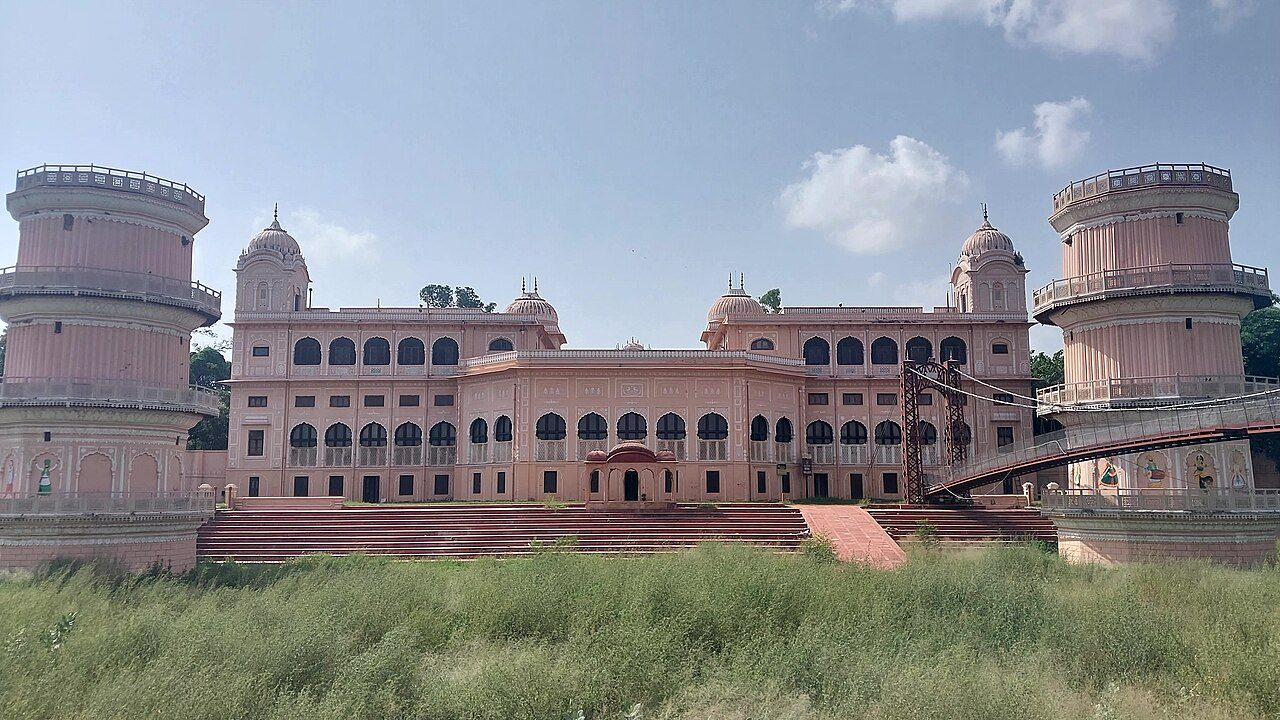
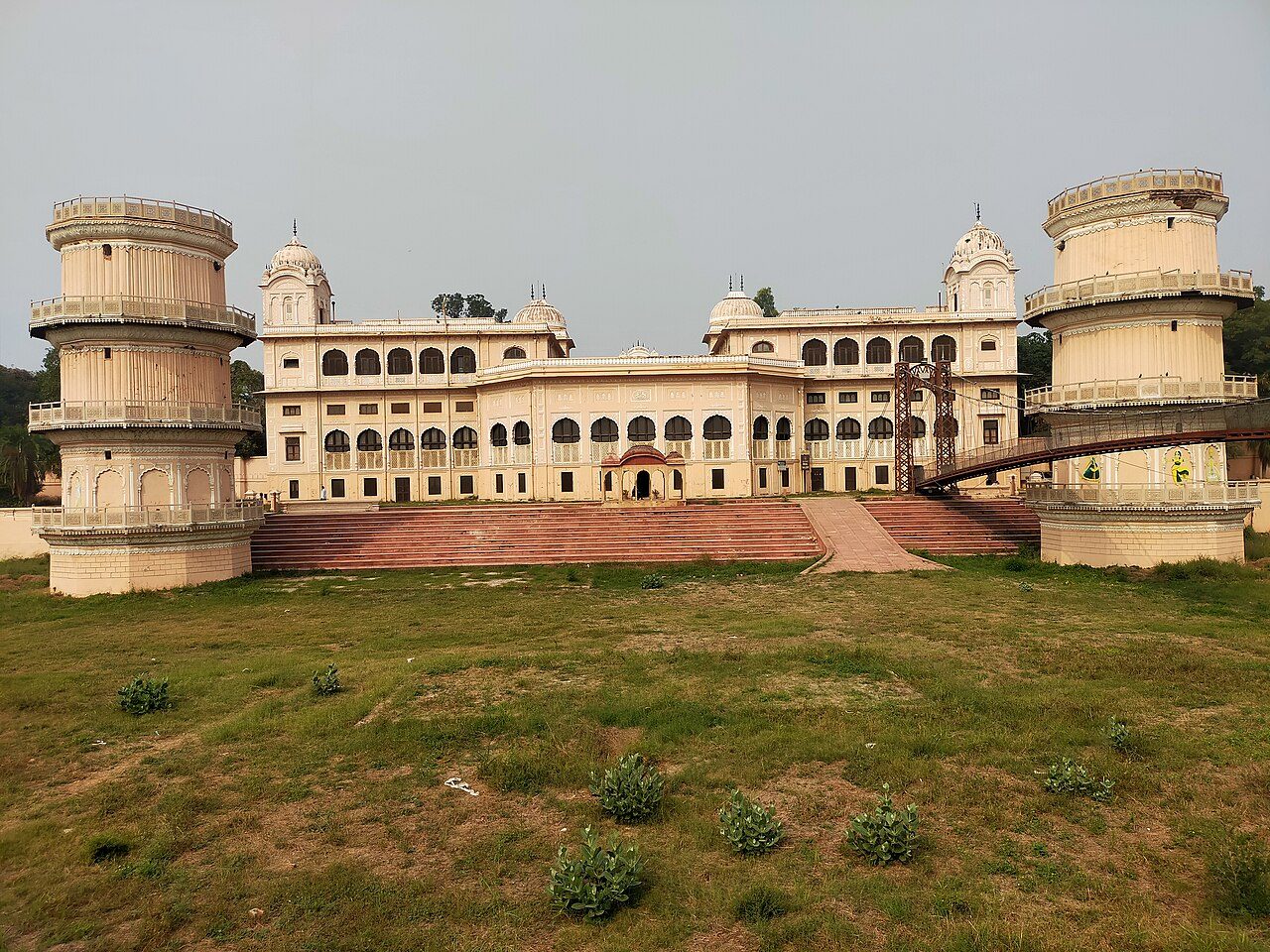
The Sheesh Mahal in Patiala was built in the 1840s by Maharaja Narinder Singh as part of the Old Moti Bagh Palace. Its rooms are covered with mirror work and with murals by artists from Kangra and Rajasthan illustrating poetry and legend. A lake with a suspension bridge lies in front. The building houses a museum and a notable collection of medals from around the world.
13
STOP 13 OF 14
Gurdwara Dukh Nivaran Sahib
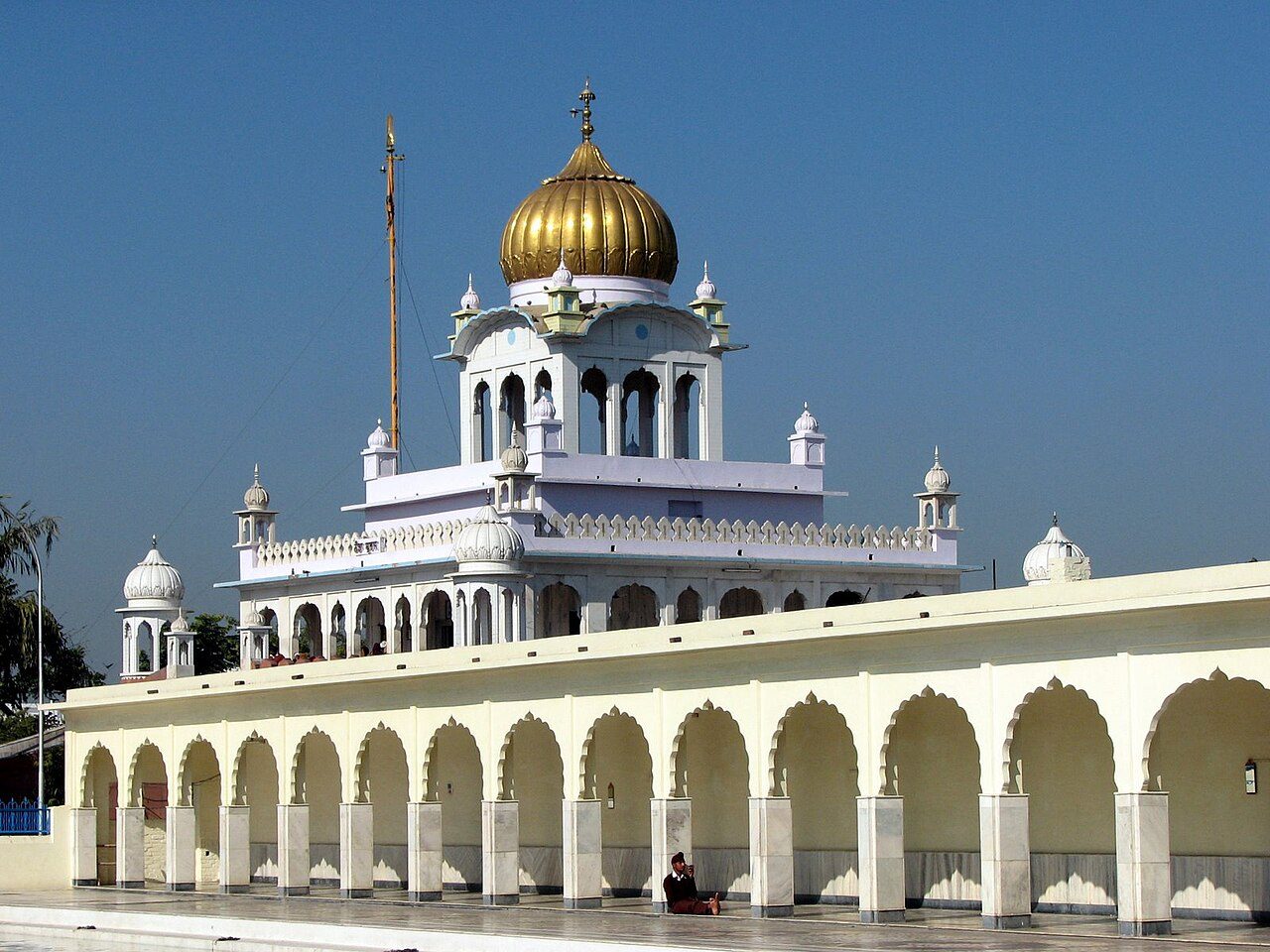
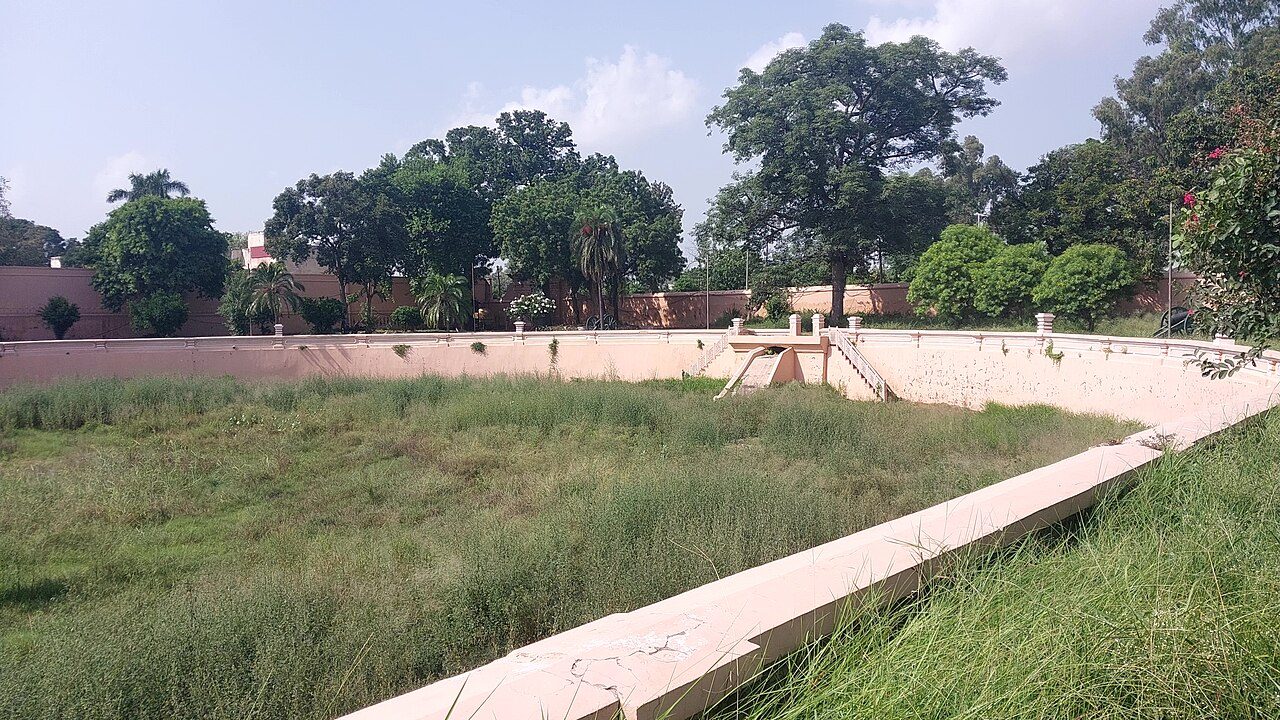
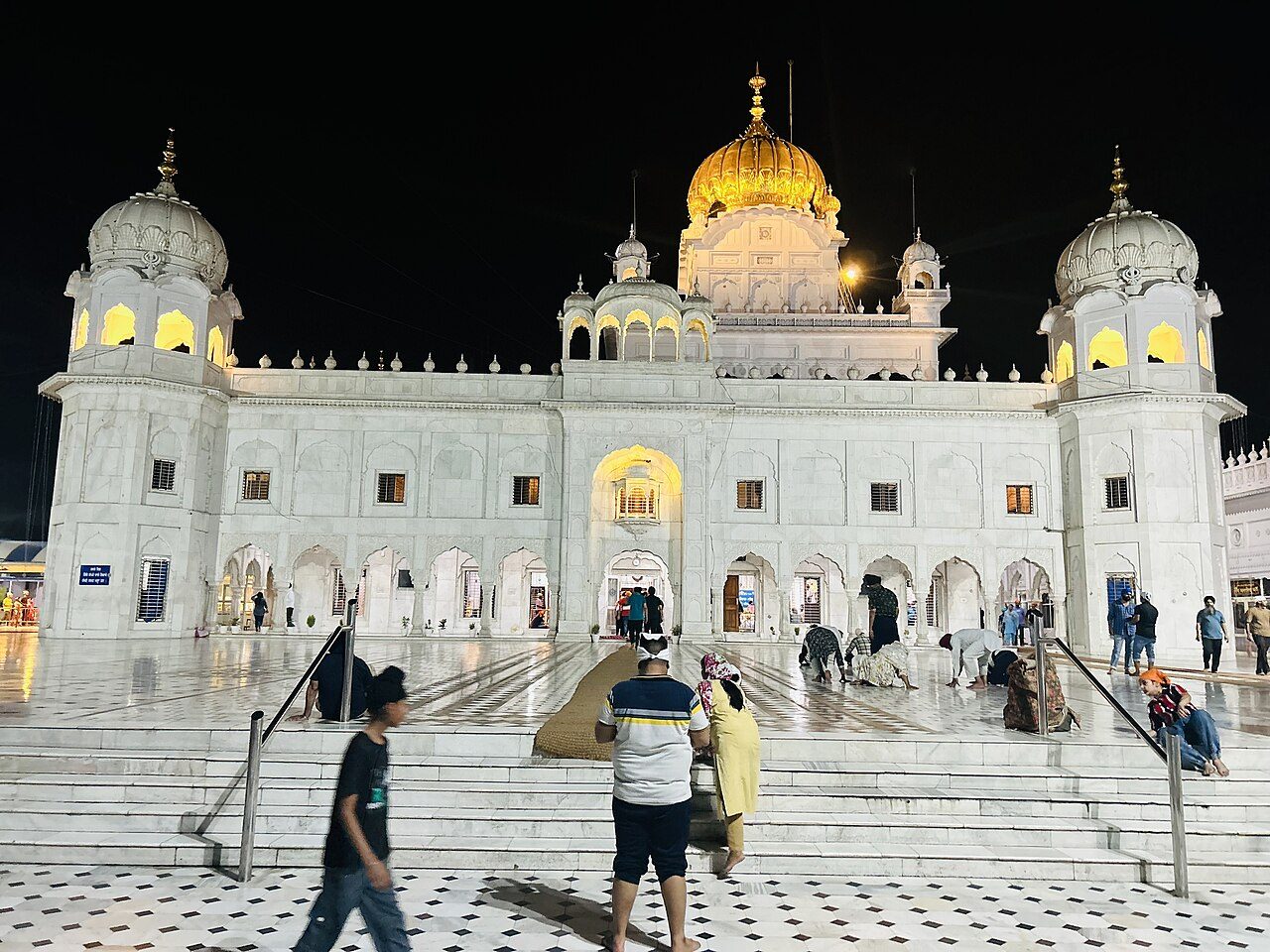
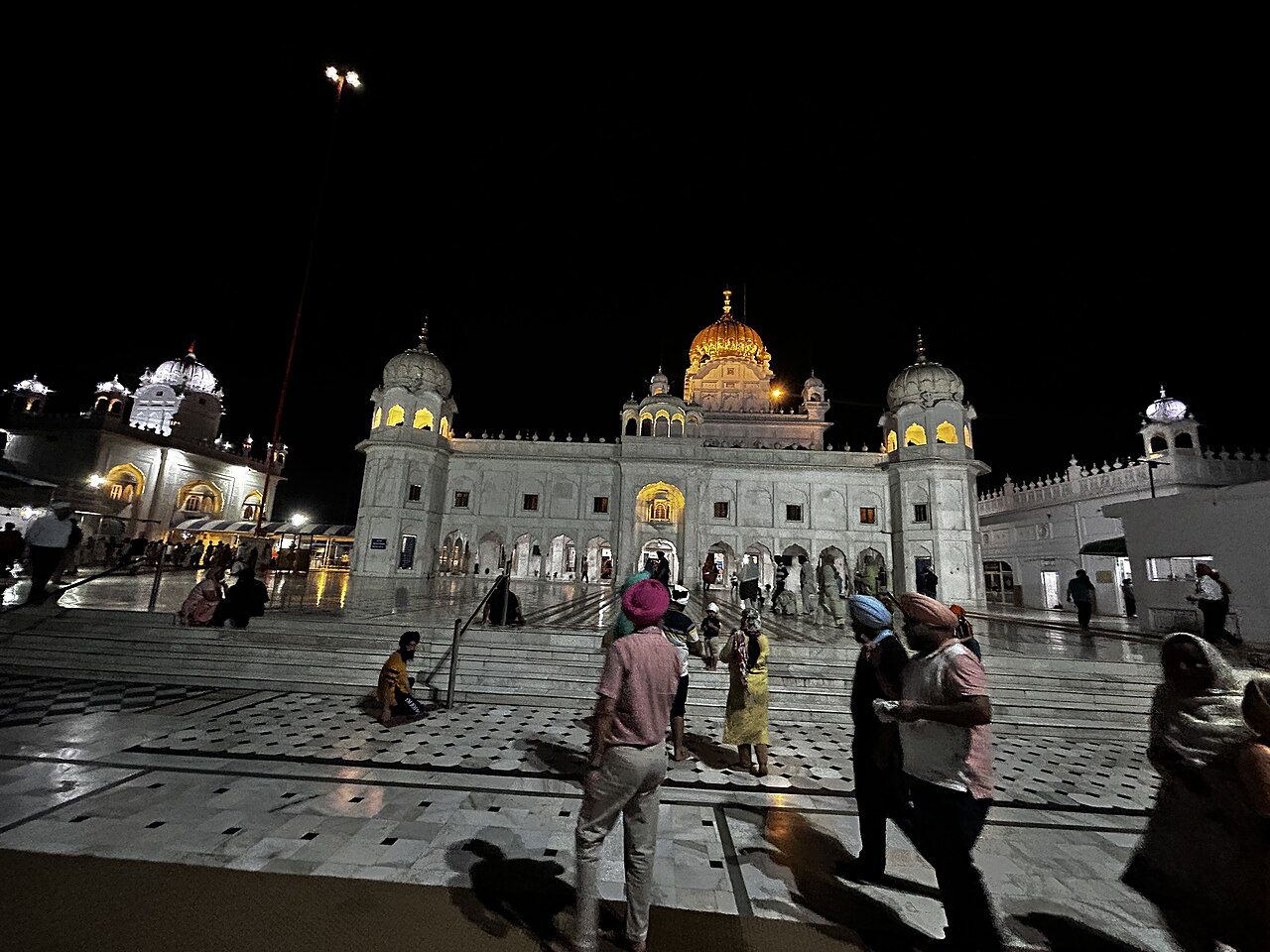
Gurdwara Dukh Nivaran Sahib in Patiala stands on the spot visited by Guru Tegh Bahadur, the ninth Sikh Guru, who is said to have rid the village of illness; its name means 'remover of suffering'. Devotees believe that bathing in the adjoining sarovar cures ailments. The white marble shrine is busiest on the fifth day after each new moon.
14
STOP 14 OF 14 · LAST STOP
Bahadurgarh Fort Patiala
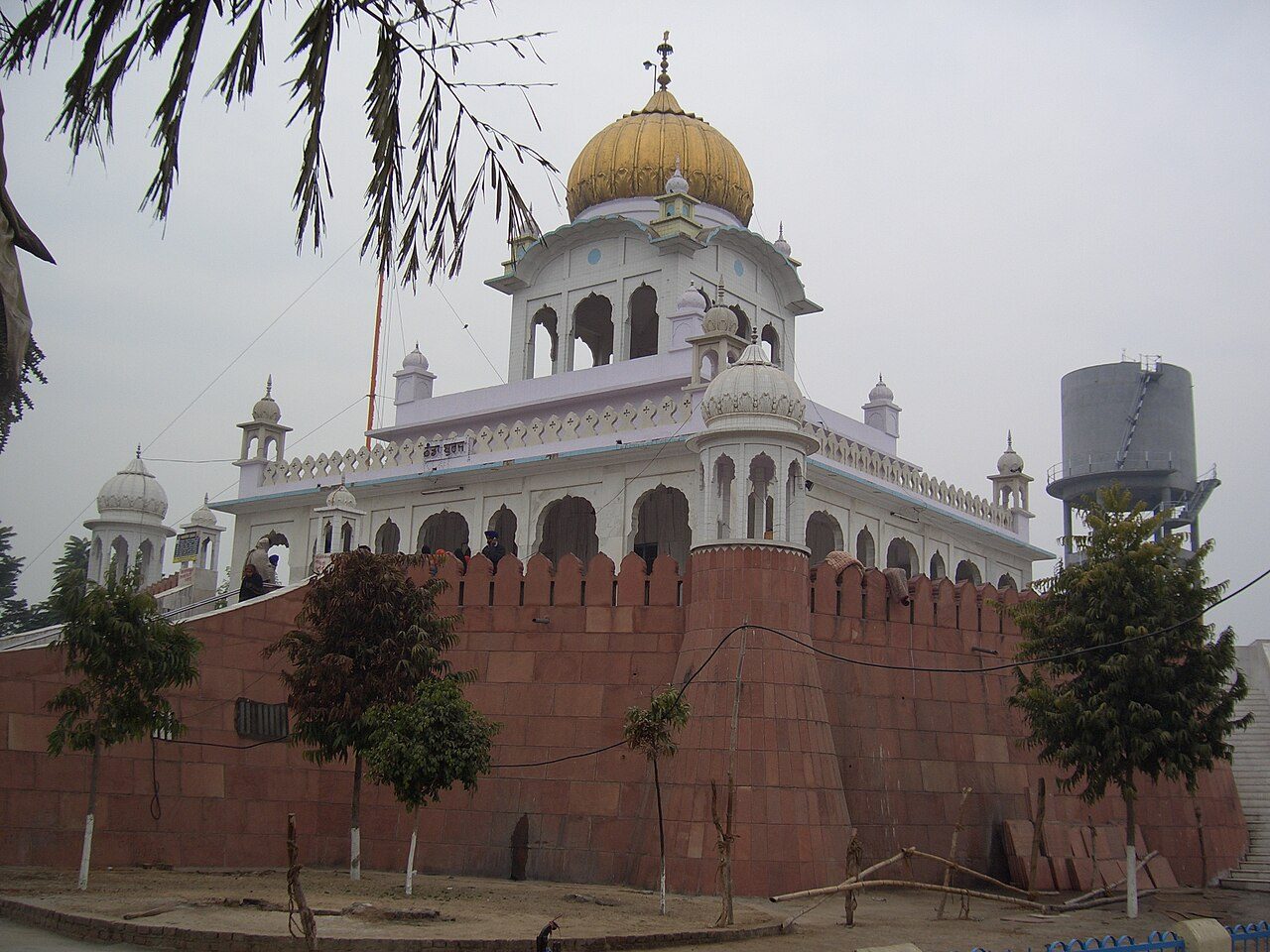
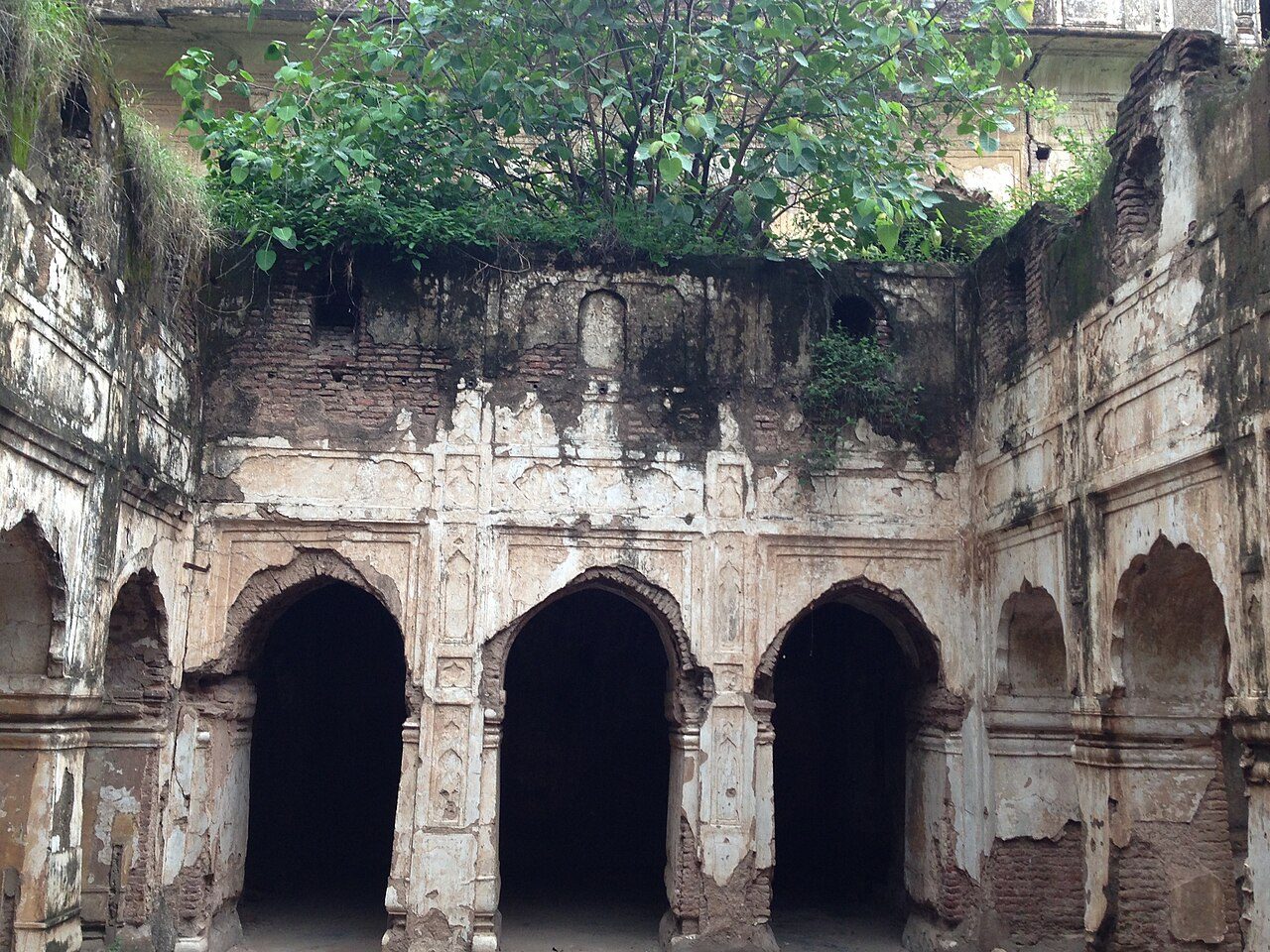
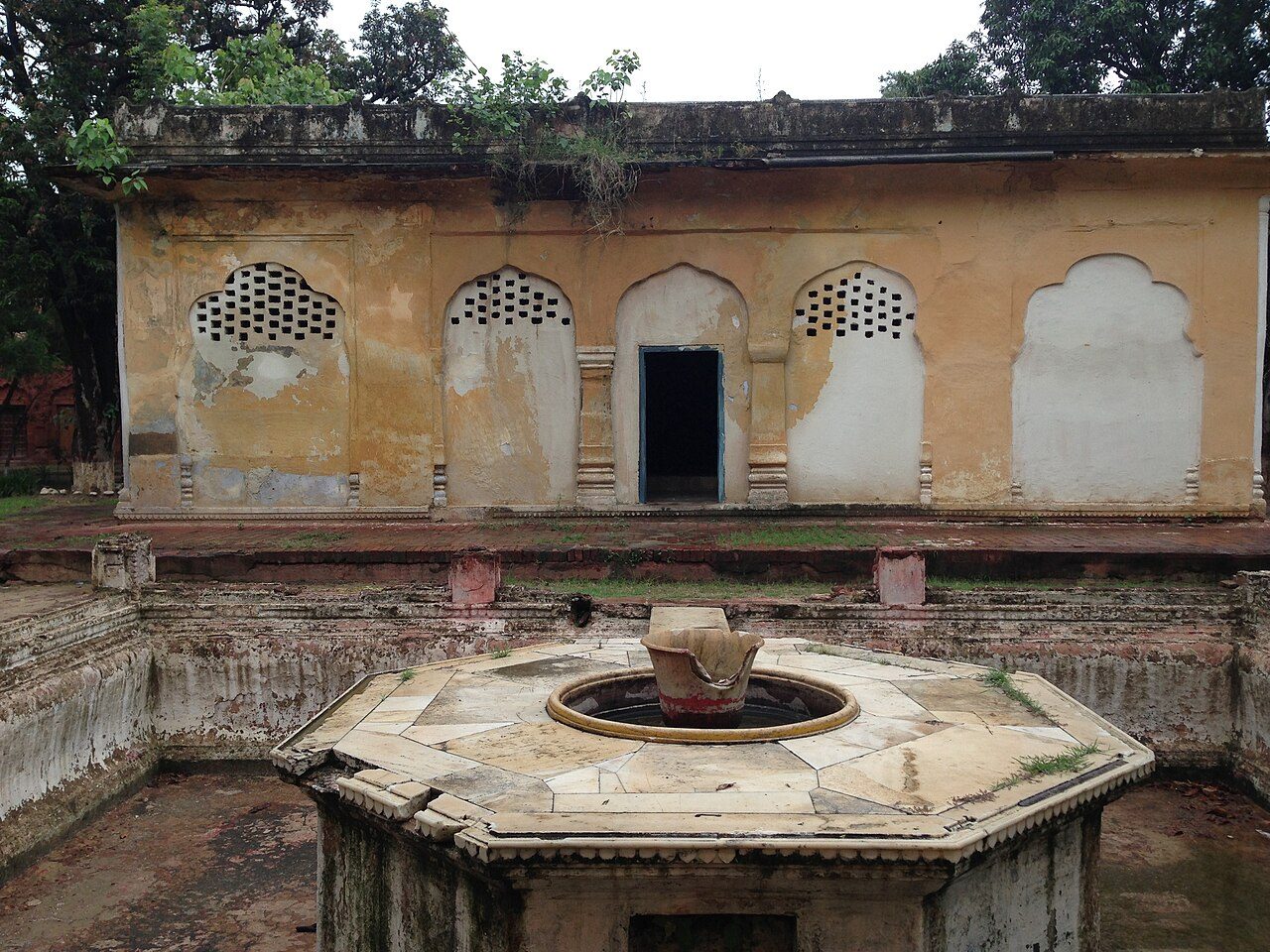
Bahadurgarh Fort, a few kilometres from Patiala, was first built in the 17th century by Nawab Saif Khan and rebuilt in the 1830s by Maharaja Karam Singh, who named it after Guru Tegh Bahadur. Two circular ramparts and a moat enclose an old mosque and a gurdwara. Part of the fort is used as a police training centre, so access to some areas is restricted.
Seasons from 20 years of NASA POWER climate data.
 WaTrips