The Kargil War Memorial, the Suru valley and Rangdum, over Pensi La to Karsha, and the trek to Phugtal.
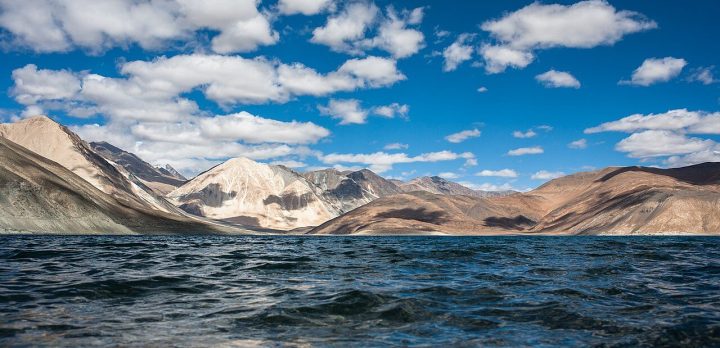
Zanskar is one of the remotest valleys in India. Day one visits the Kargil War Memorial at Drass. Day two follows the Suru valley below the Nun Kun peaks to Rangdum Monastery on its hill. Day three crosses Pensi La into Zanskar and climbs to Karsha Monastery above Padum. Day four is the trek to Phugtal, a monastery built into a cliff cave above the river. The road is usually open only from June to September; carry fuel, food and cash, as facilities are basic.
01
STOP 1 OF 4
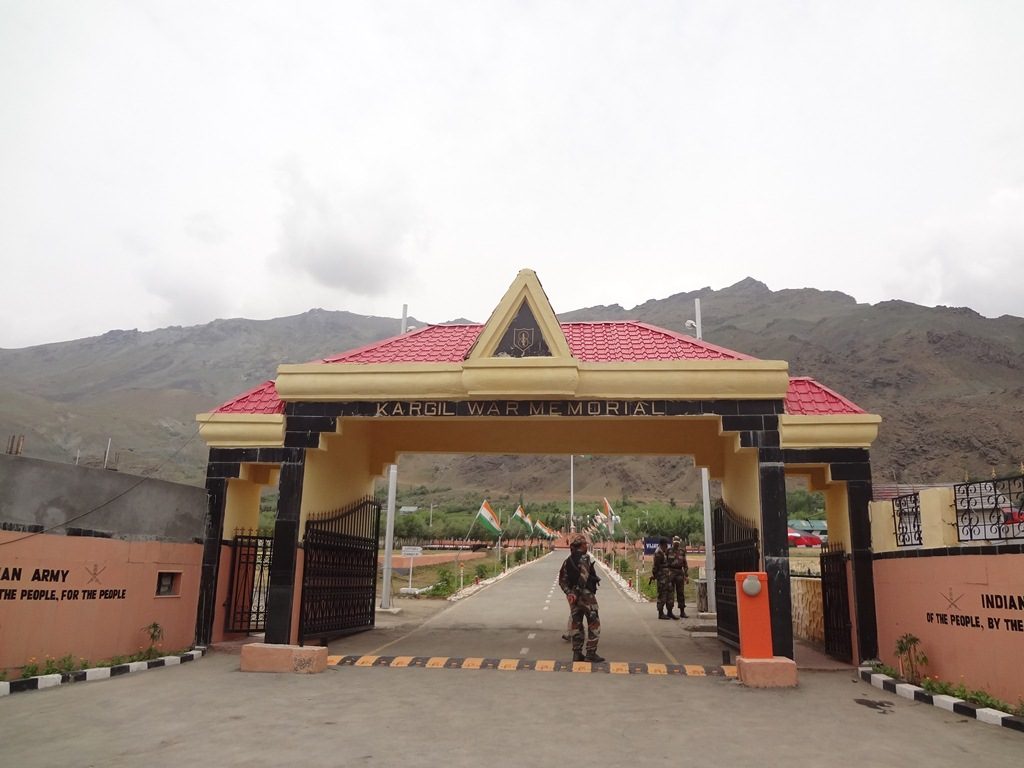
Kargil War Memorial
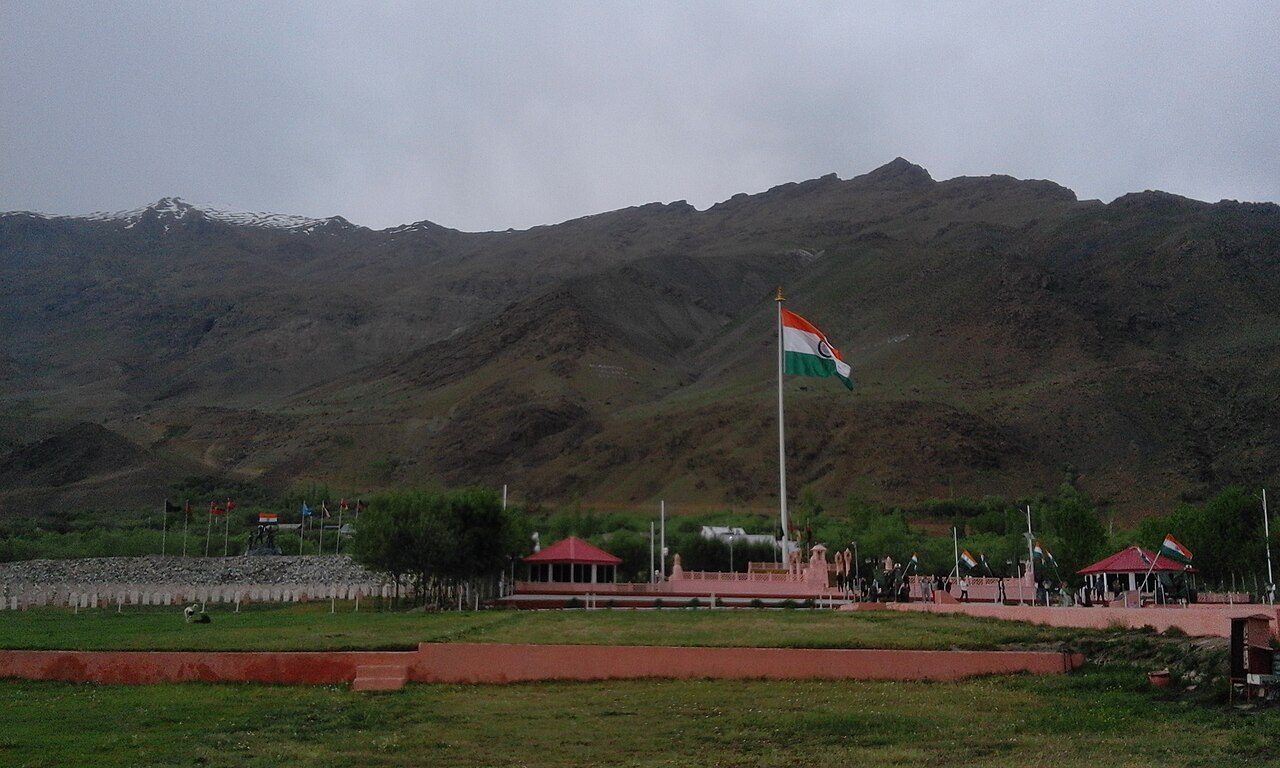
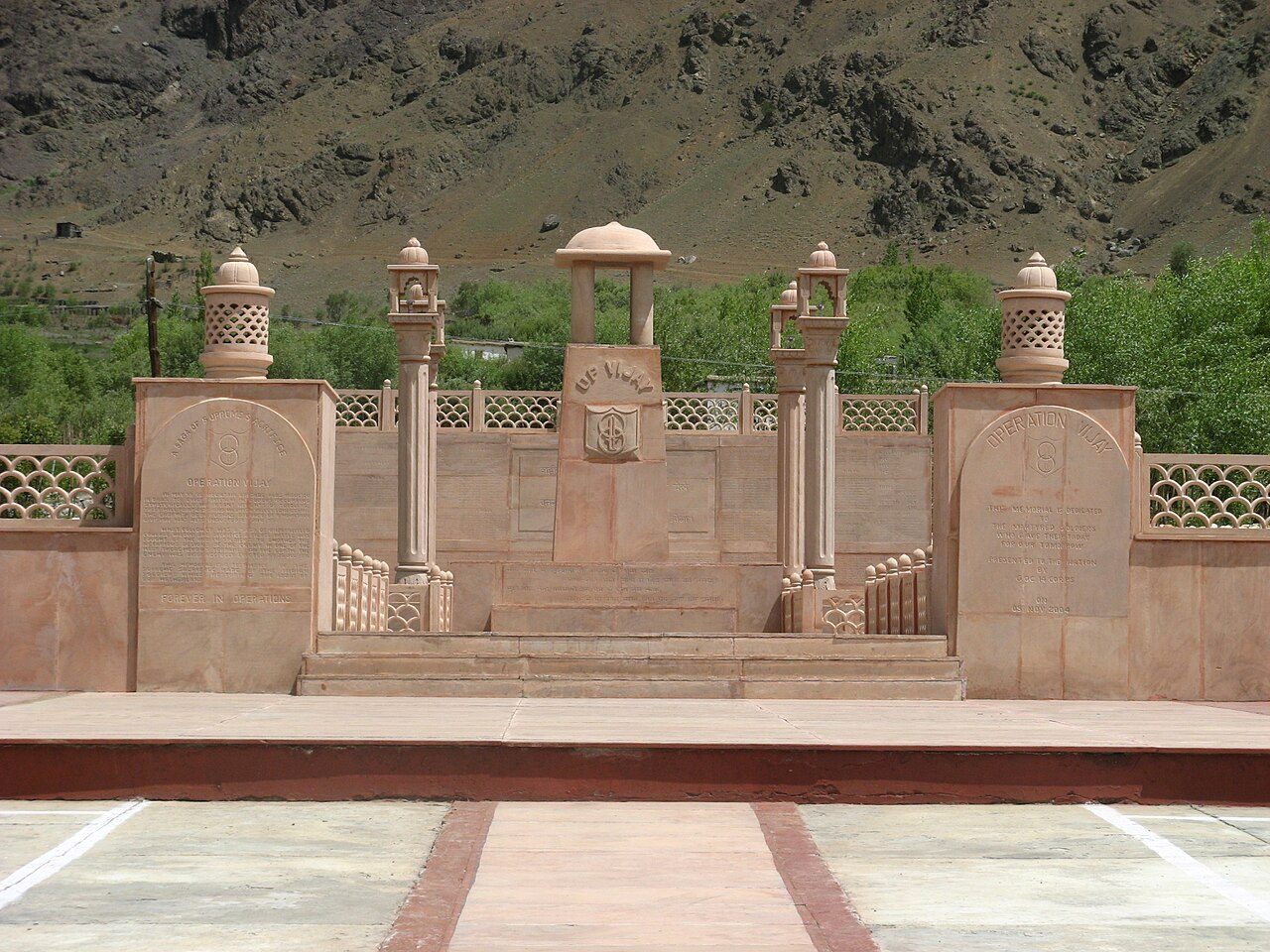
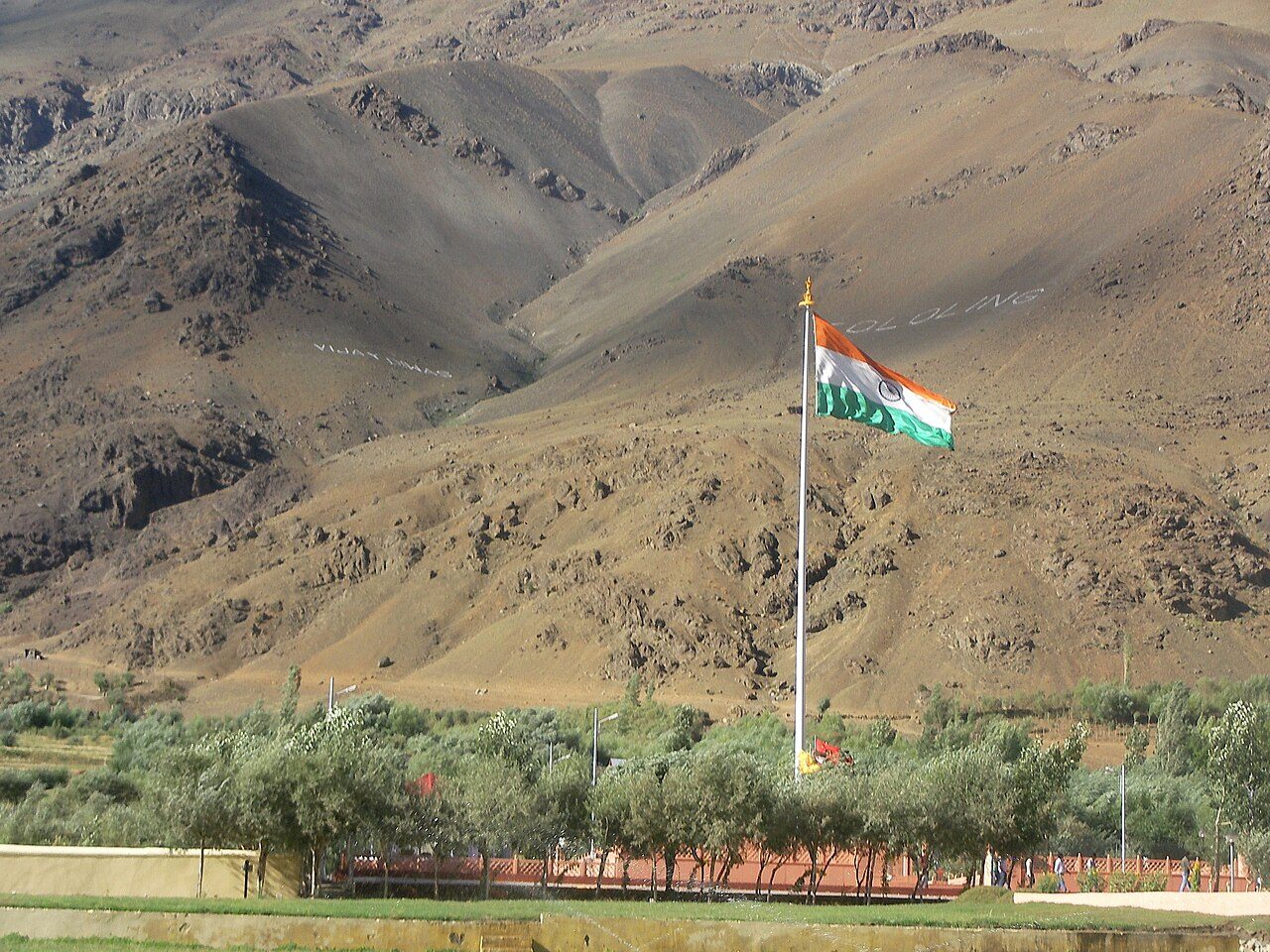
The Kargil War Memorial at Drass was built by the Indian Army to honour the soldiers who died in the 1999 conflict. A pink sandstone wall bears their names, an eternal flame burns before it, and a large national flag flies with Tololing ridge and Tiger Hill visible behind. A small museum displays photographs and captured weapons. Drass is among the coldest inhabited places in India.
02
STOP 2 OF 4
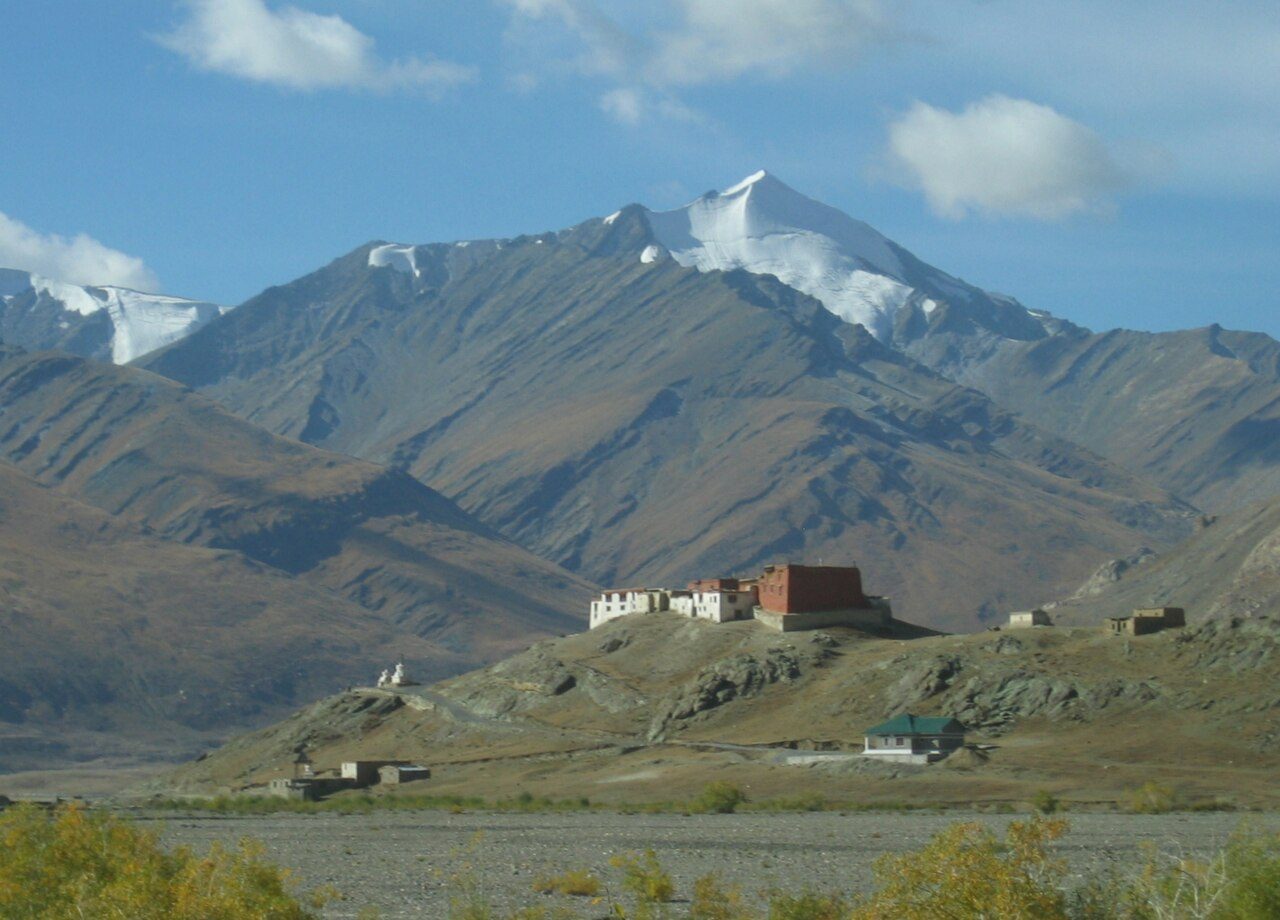
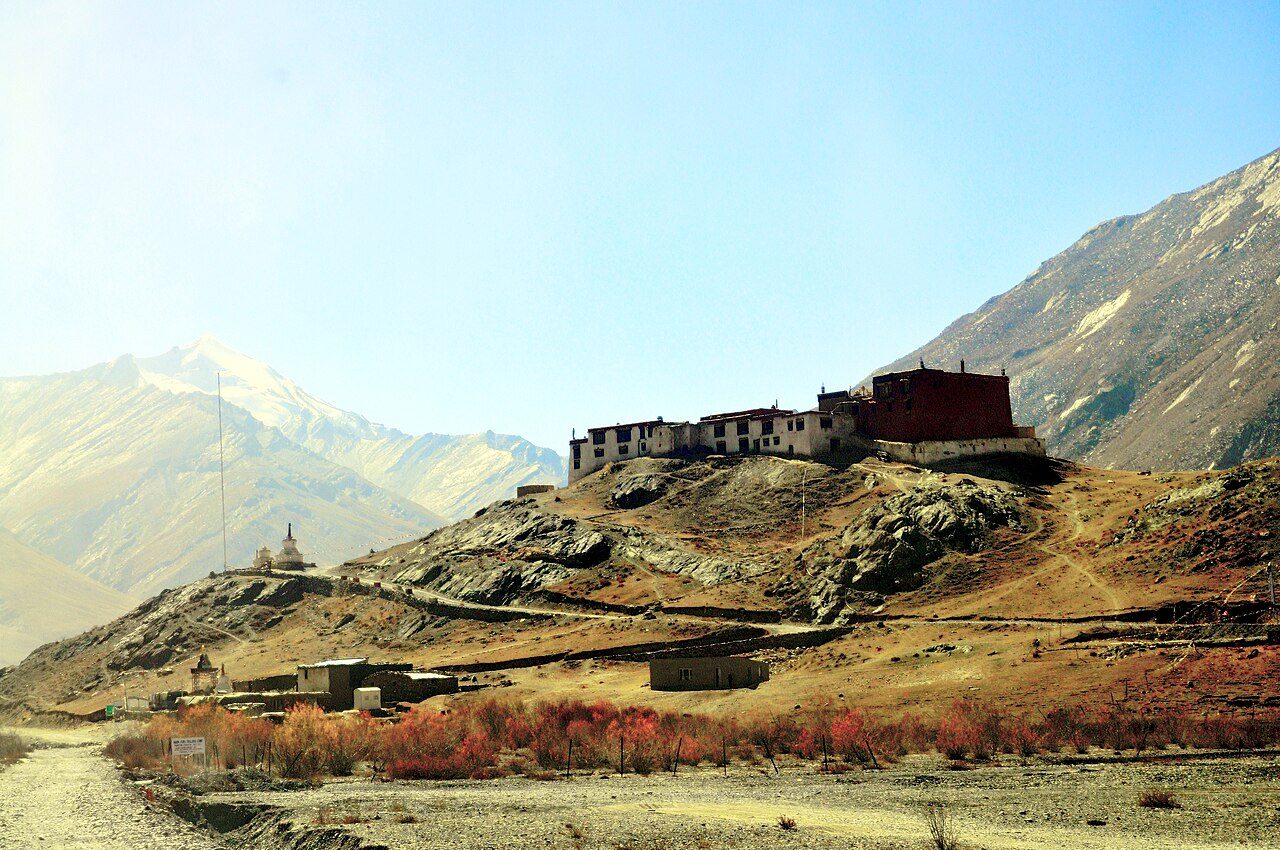
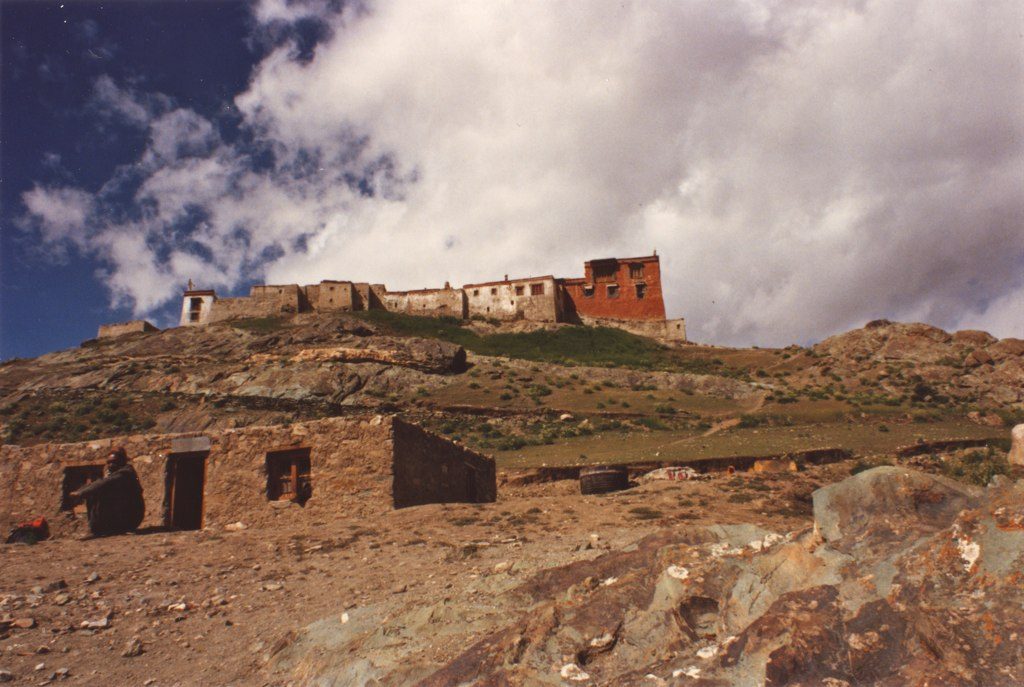
Rangdum Monastery
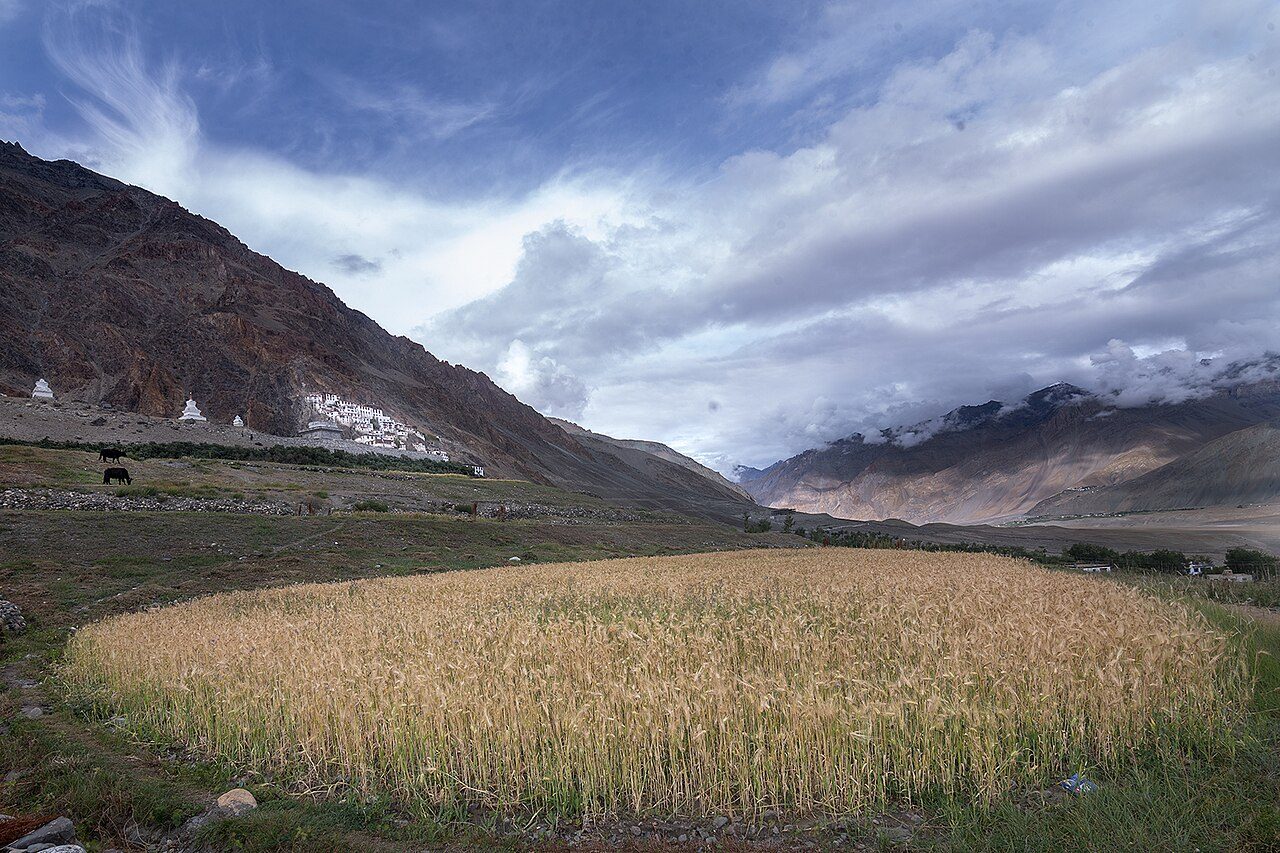
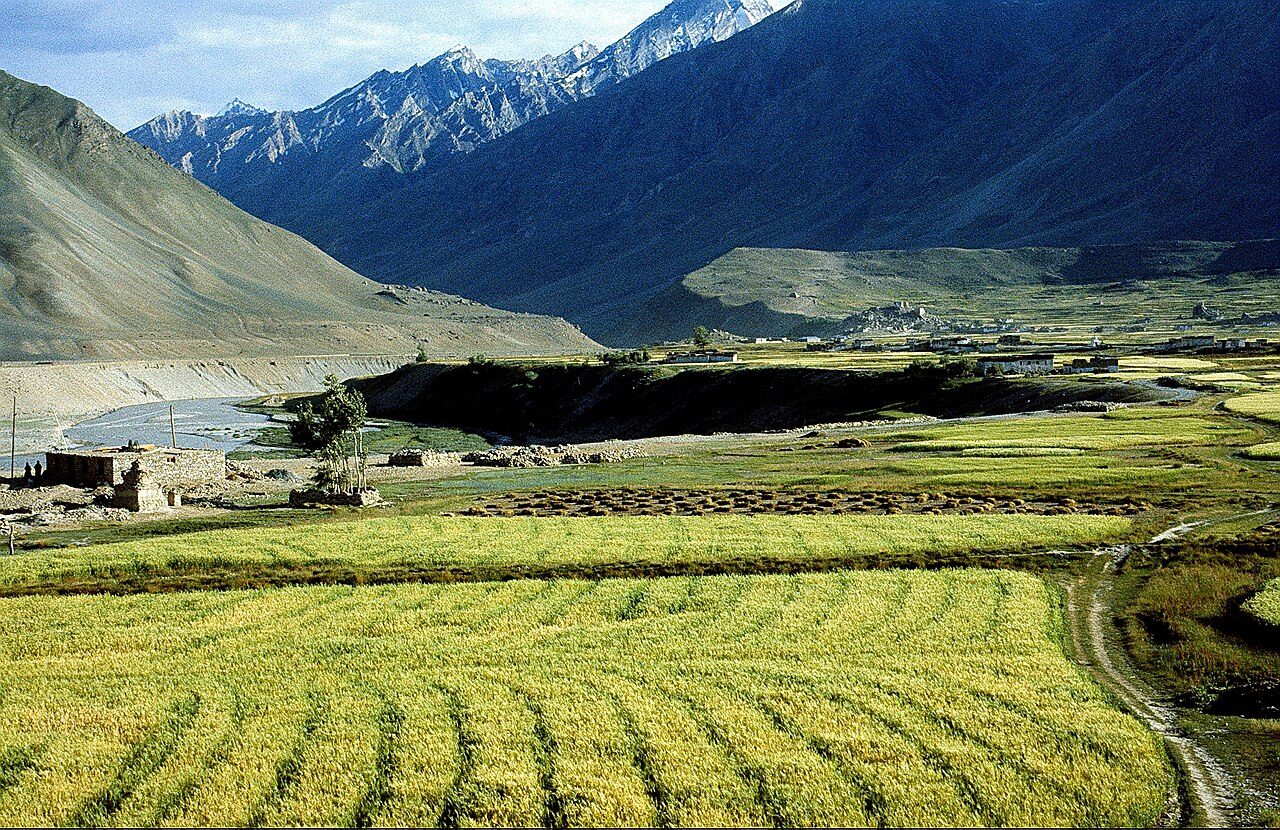
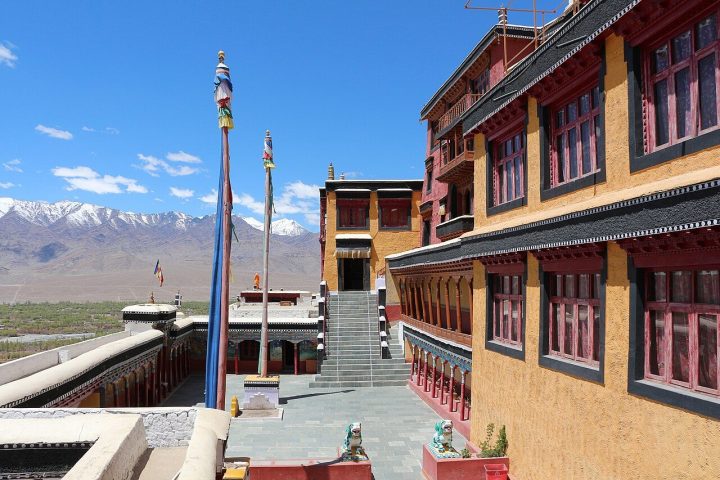
Rangdum Monastery stands on a small hill in the middle of a wide, flat valley at about 4,000 metres, on the rough road between Kargil and Zanskar. Founded in the 18th century, it belongs to the Gelug school. Glaciers and jagged peaks surround the lonely site, and the twin summits of Nun and Kun are seen on the way.
03
STOP 3 OF 4
Karsha Monastery
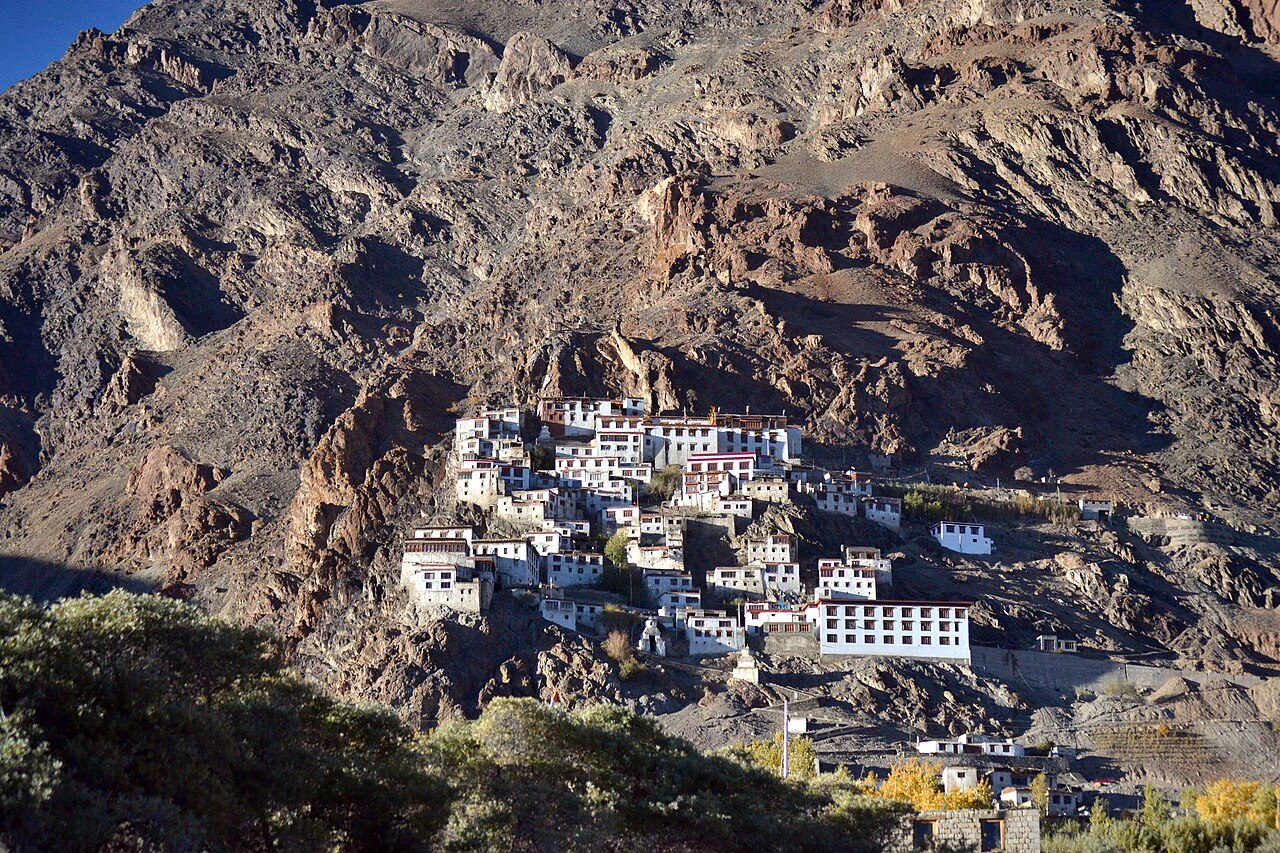
Karsha is the largest monastery in Zanskar, a mass of whitewashed buildings stacked up a steep hillside across the river from Padum. It belongs to the Gelug school and houses about a hundred monks. Its temples contain old murals and the relics of a revered teacher. The Gustor festival with masked dances is held in summer.
04
STOP 4 OF 4 · LAST STOP
Phugtal Monastery
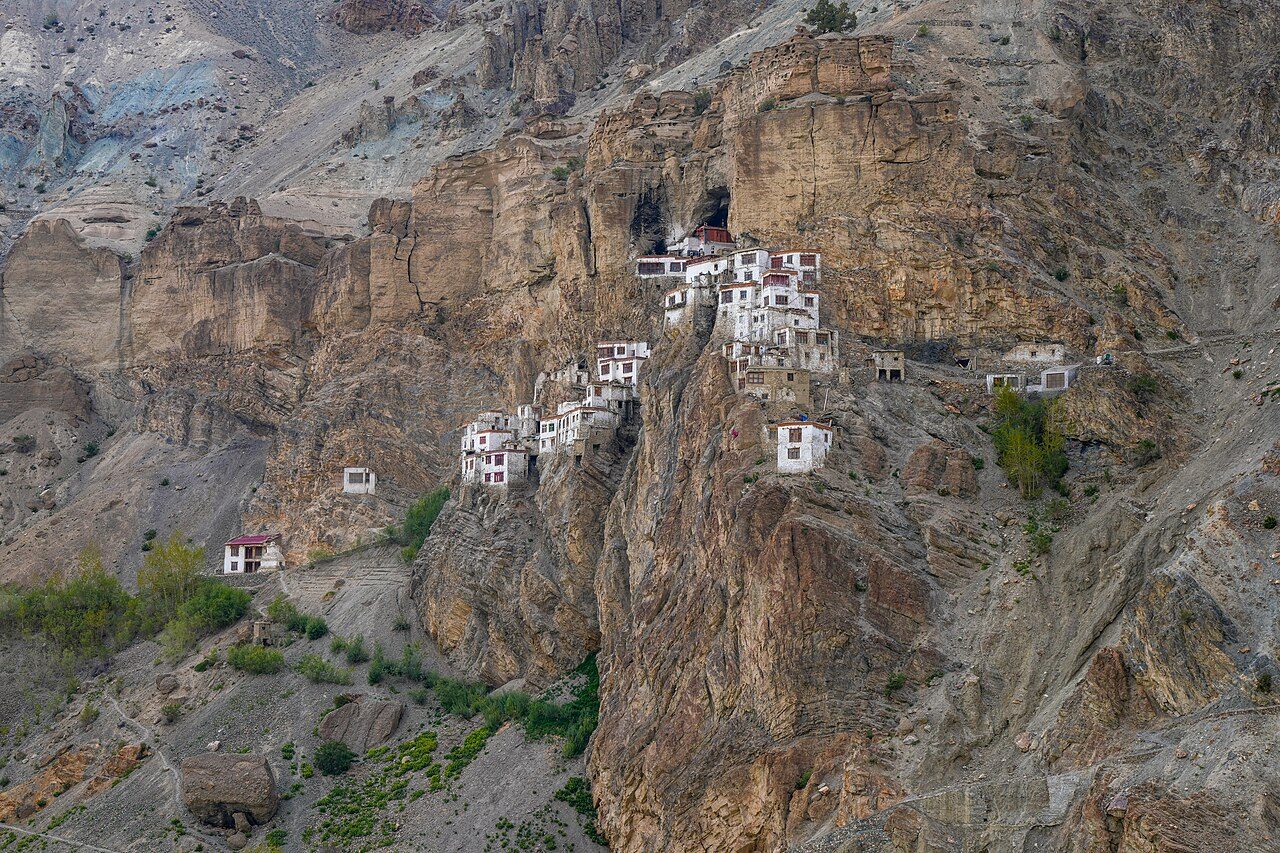
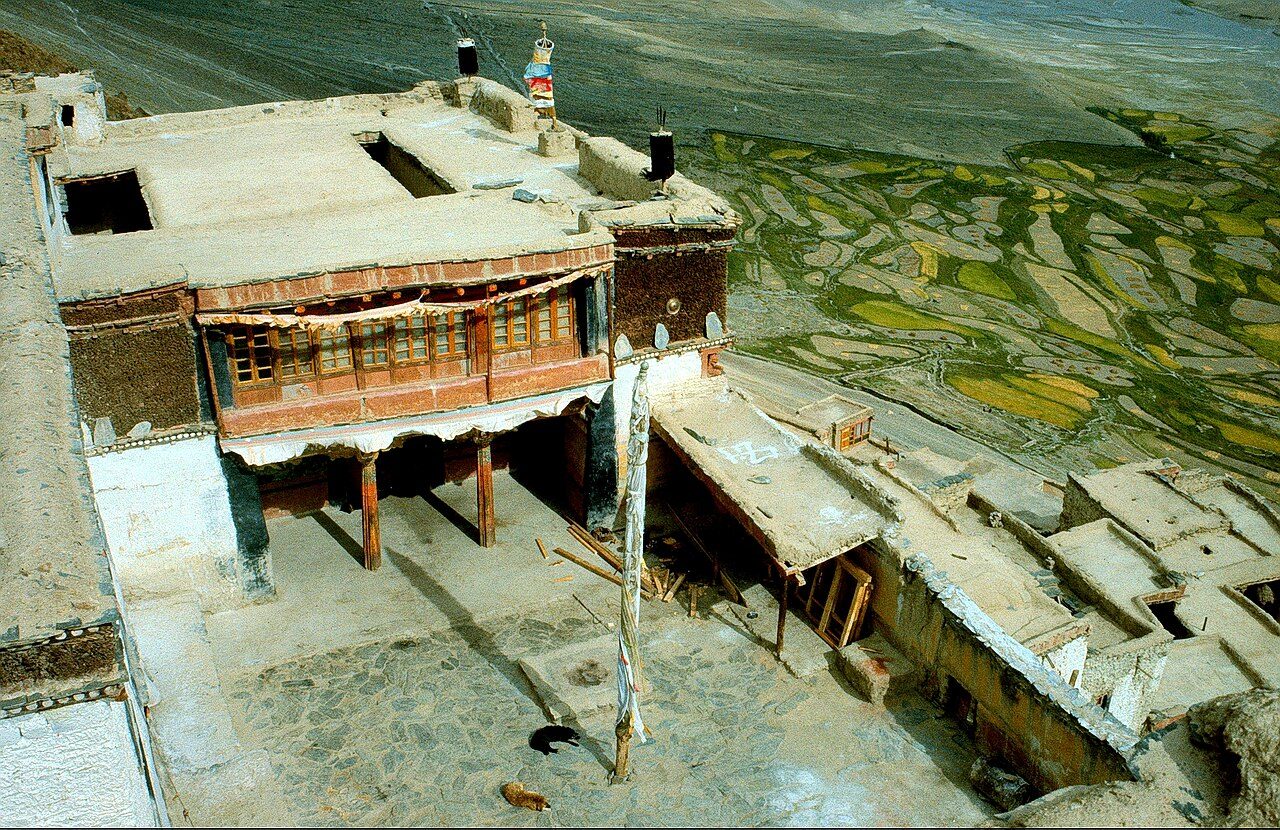
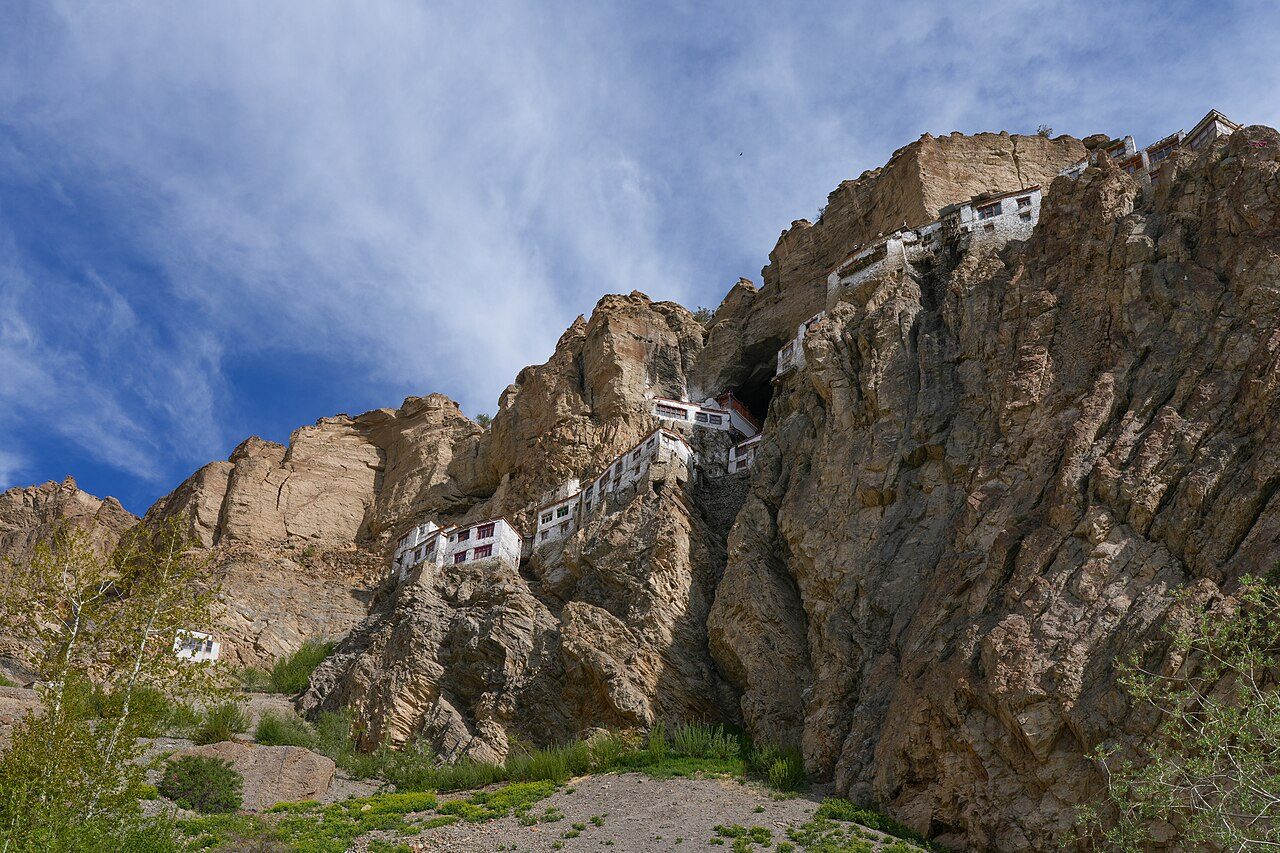
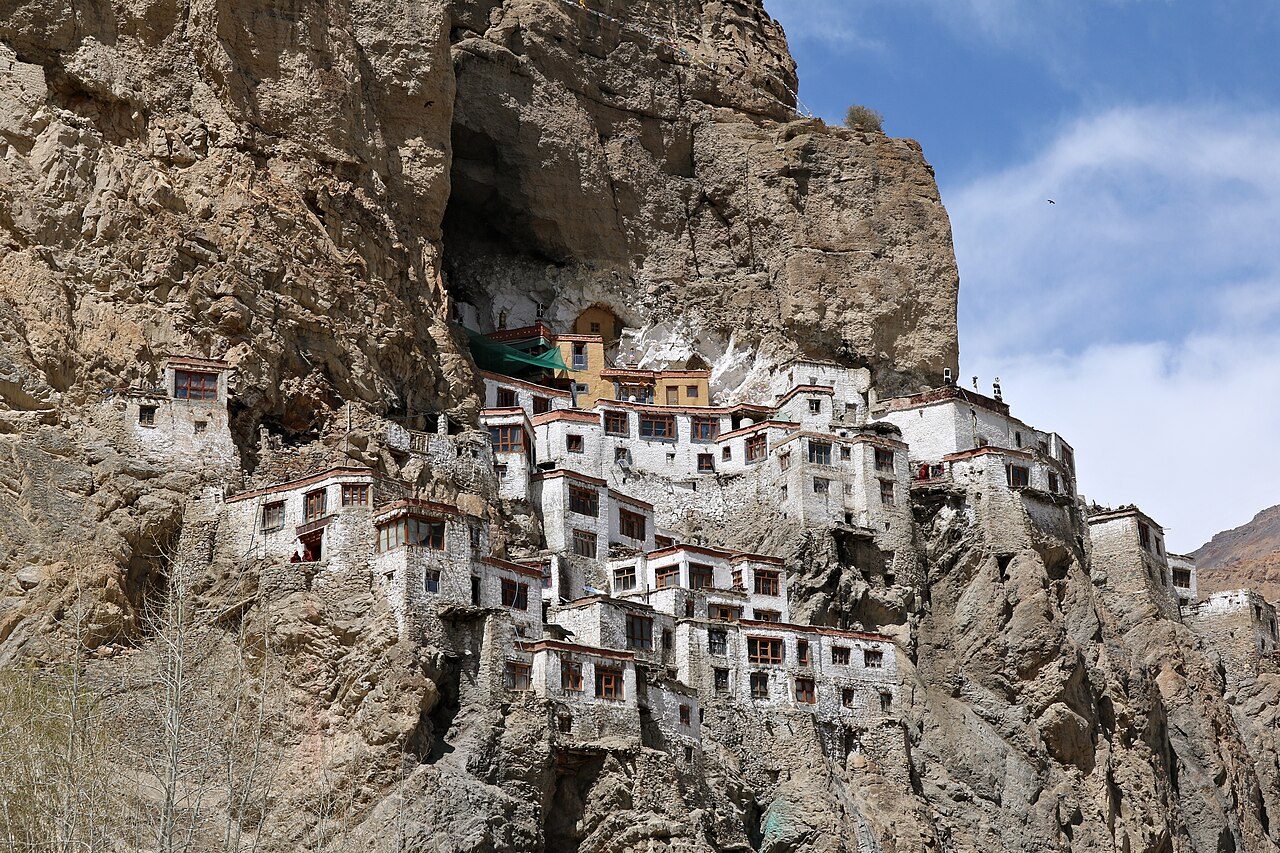
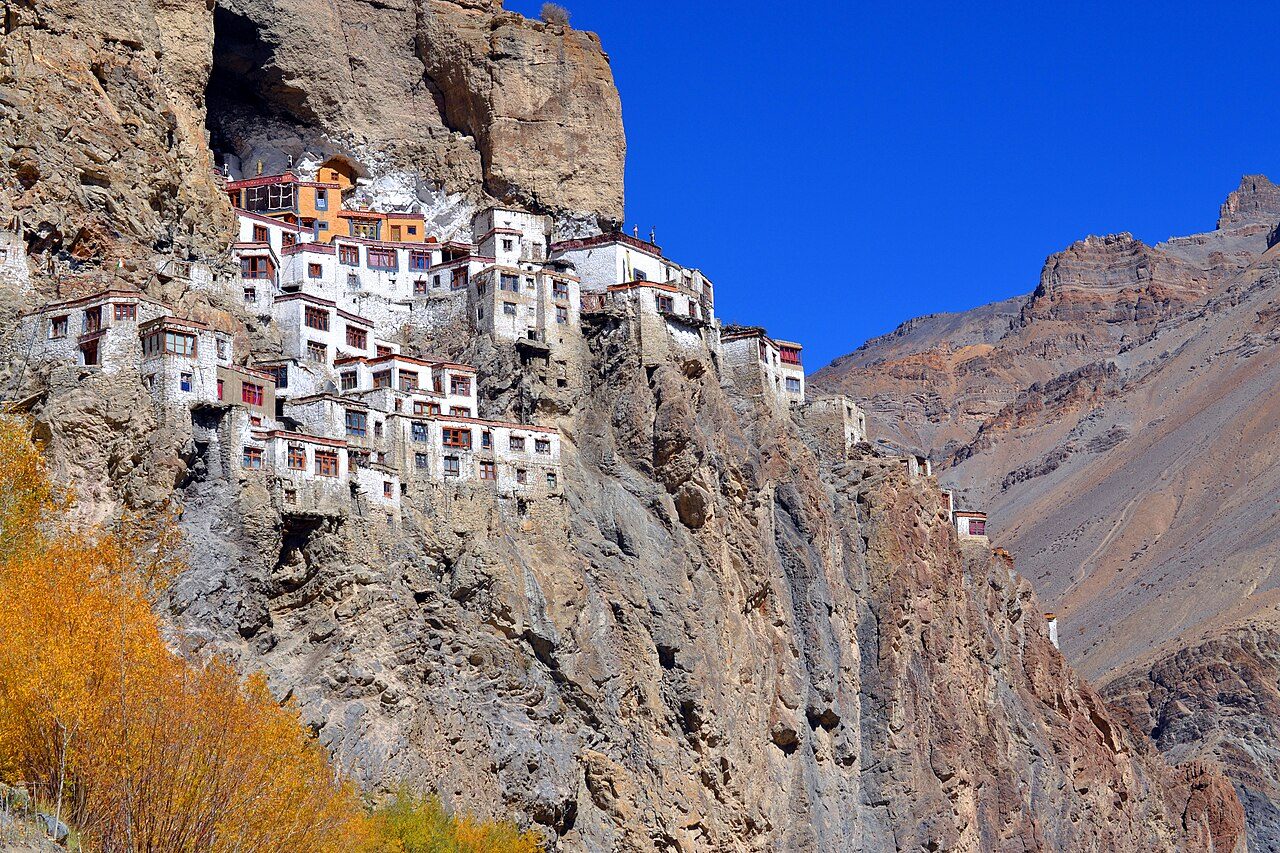
Phugtal Monastery is built into the mouth of a huge cave on a cliff above the Tsarap River in a remote corner of Zanskar. Founded in the 15th century, it looks like a honeycomb of white cells spilling down the rock. It can be reached only on foot, by a trek of a day or more from the nearest road. About seventy monks live here.
Seasons from 20 years of NASA POWER climate data.
 WaTrips