The Golden Temple and its langar, Jallianwala Bagh, the Partition Museum and Durgiana Temple, Gobindgarh Fort, Ram Bagh and the Wagah ceremony.
Amritsar is Punjab's spiritual and historic heart. Day one starts at the Golden Temple at dawn, eats at its free langar, which serves tens of thousands of people a day, and visits Jallianwala Bagh, the Partition Museum and the Durgiana Temple. Day two explores Gobindgarh Fort, the Ram Bagh garden and palace museum, and the grand Khalsa College, then drives to the Wagah border for the evening Beating Retreat ceremony. Cover your head and remove your shoes at the gurdwaras. October to March is the most comfortable time.
01
STOP 1 OF 8
Golden Temple
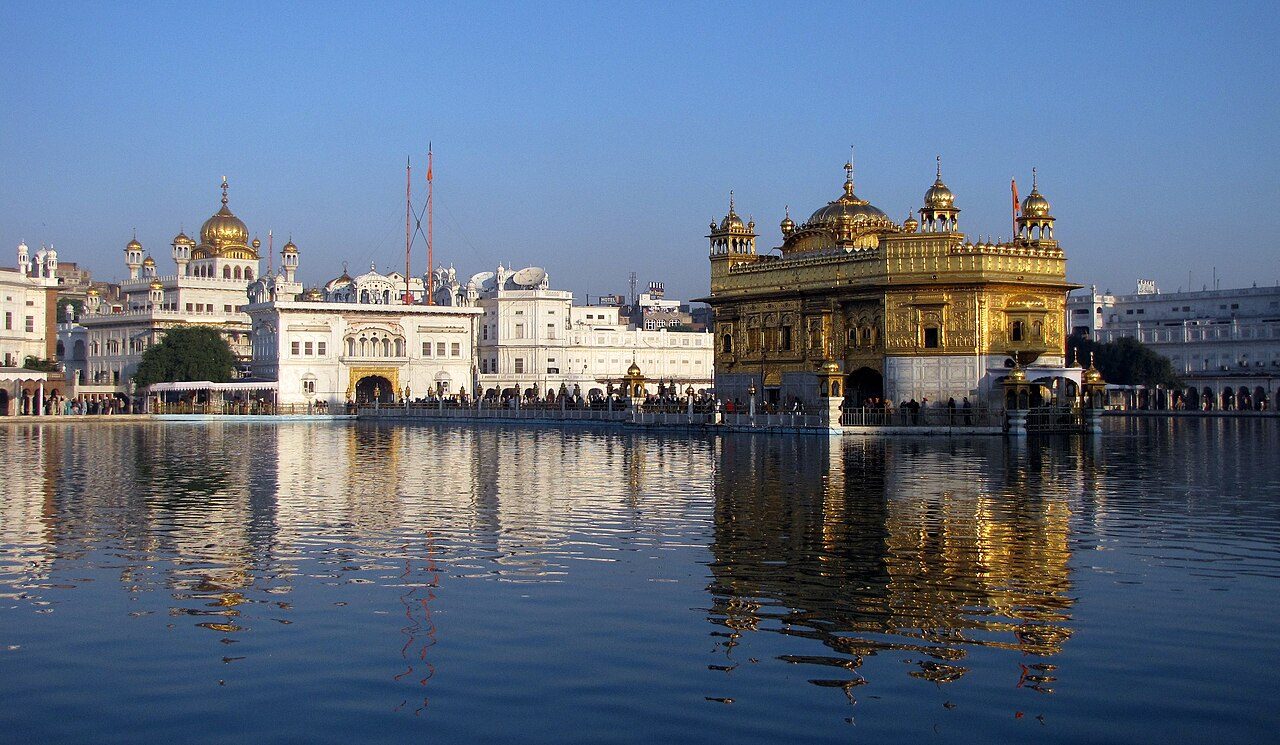
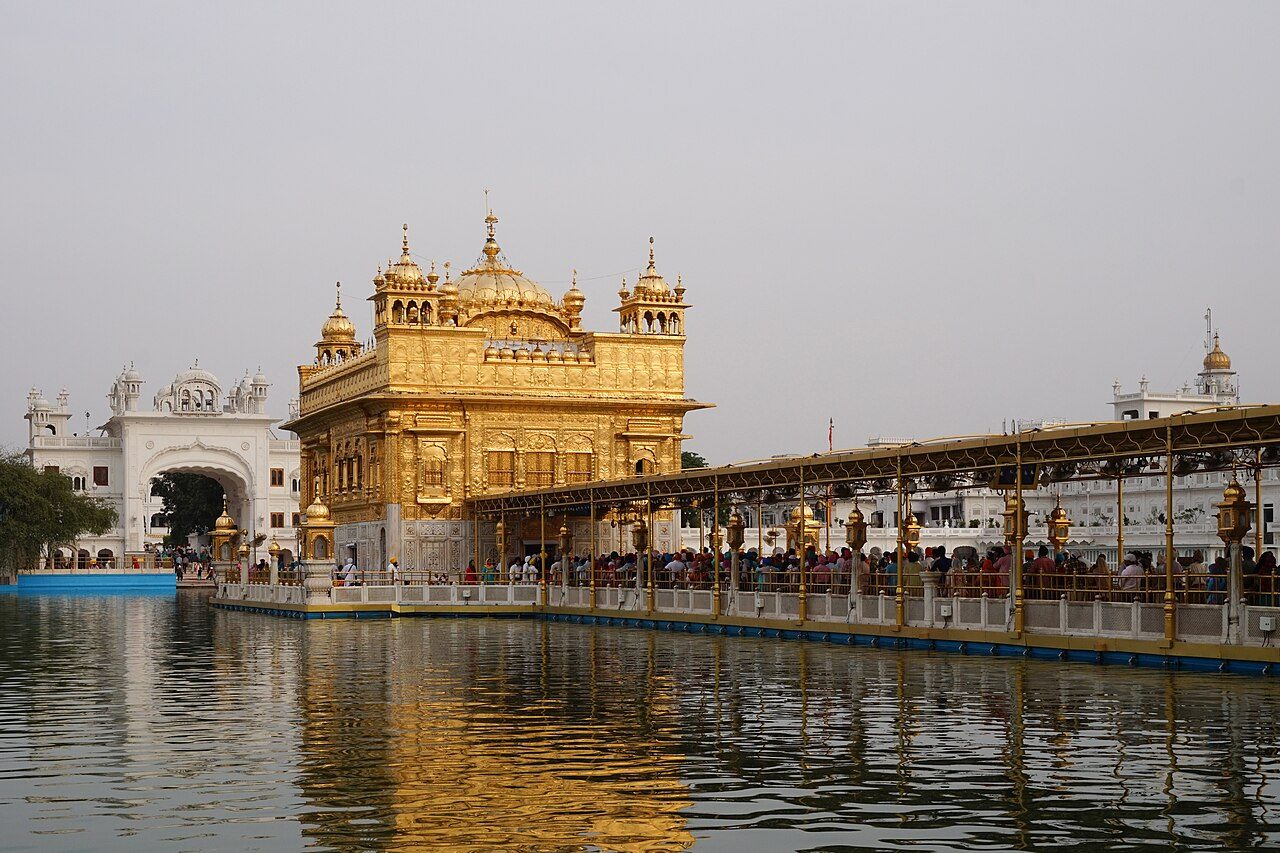
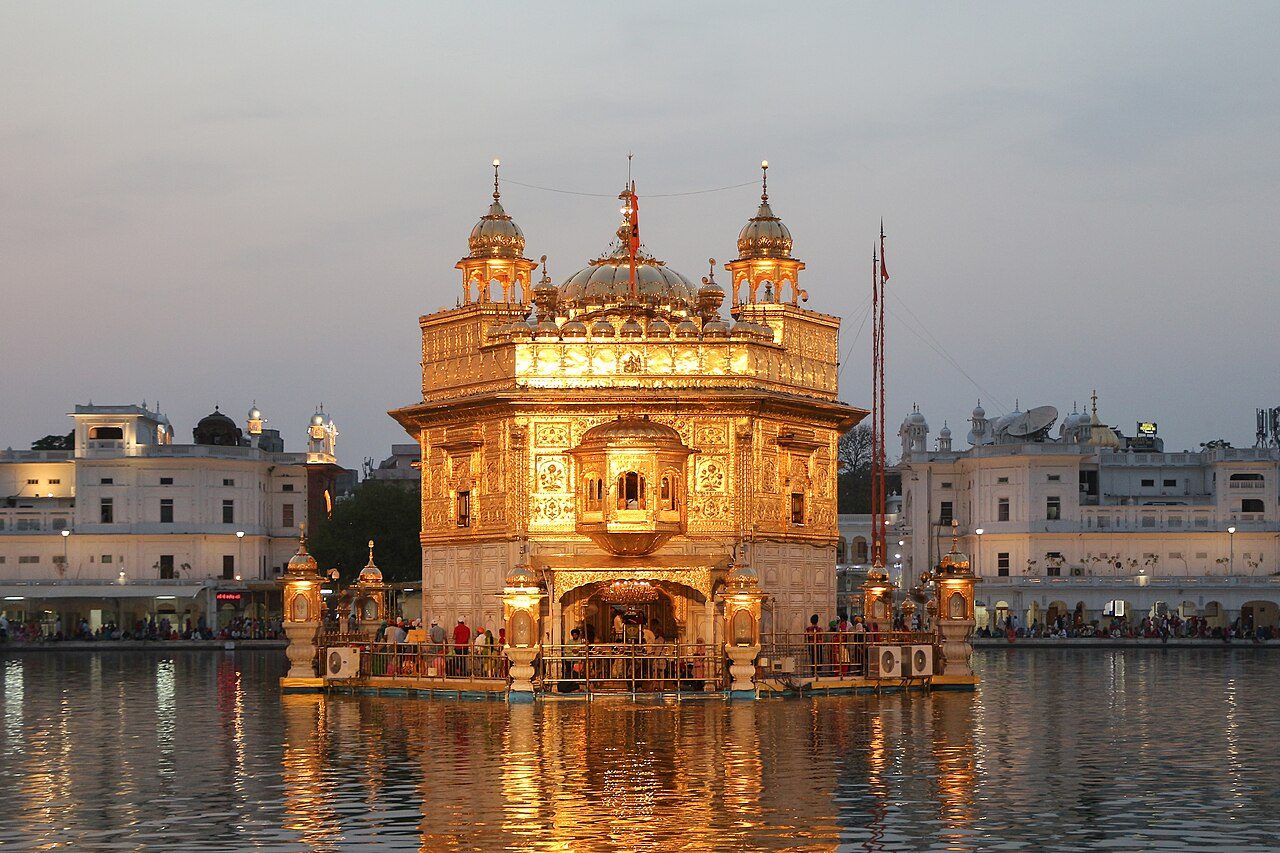
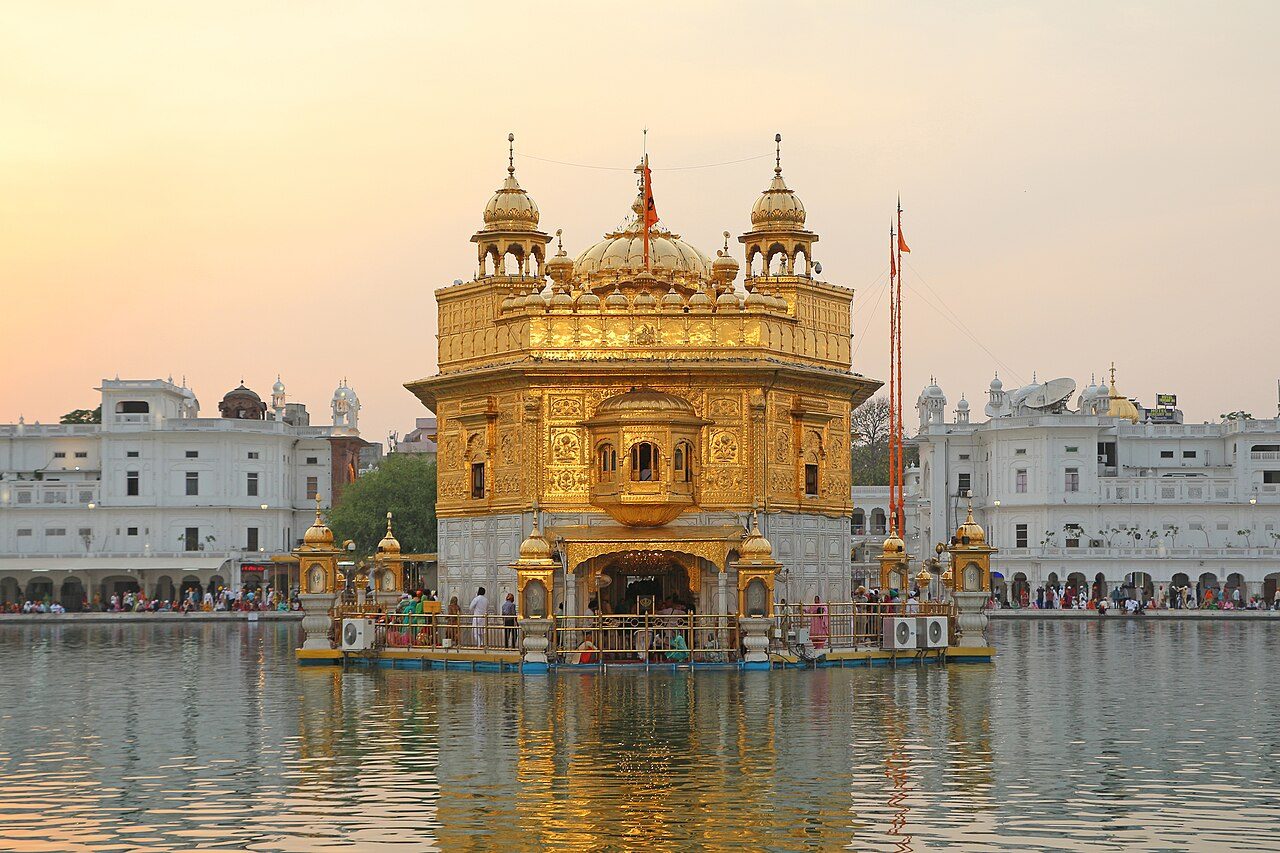
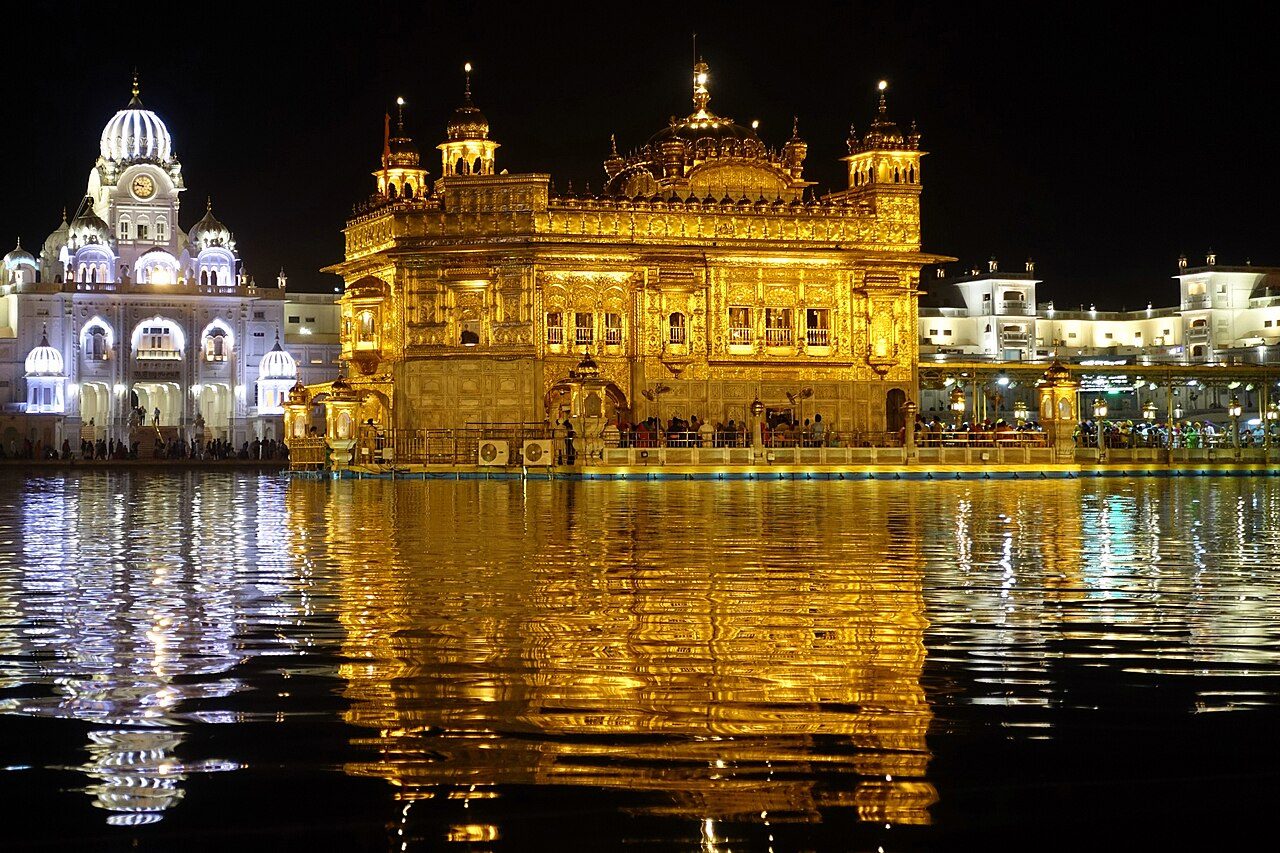
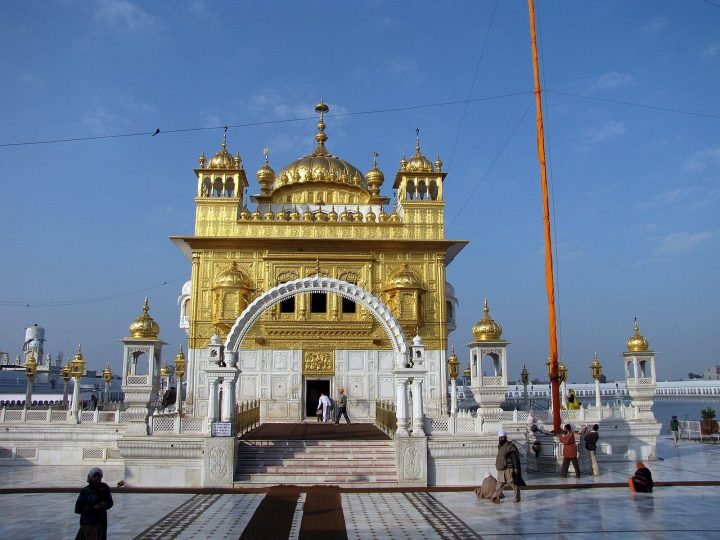
The Golden Temple, or Sri Harmandir Sahib, is the holiest shrine of Sikhism. The gilded sanctum, completed in its present form in the early 19th century under Maharaja Ranjit Singh, stands in the middle of the Amrit Sarovar, the pool that gives Amritsar its name, and is reached by a marble causeway. Everyone is welcome; cover your head and remove your shoes. The free community kitchen feeds tens of thousands of people daily.
02
STOP 2 OF 8
Jallianwala Bagh
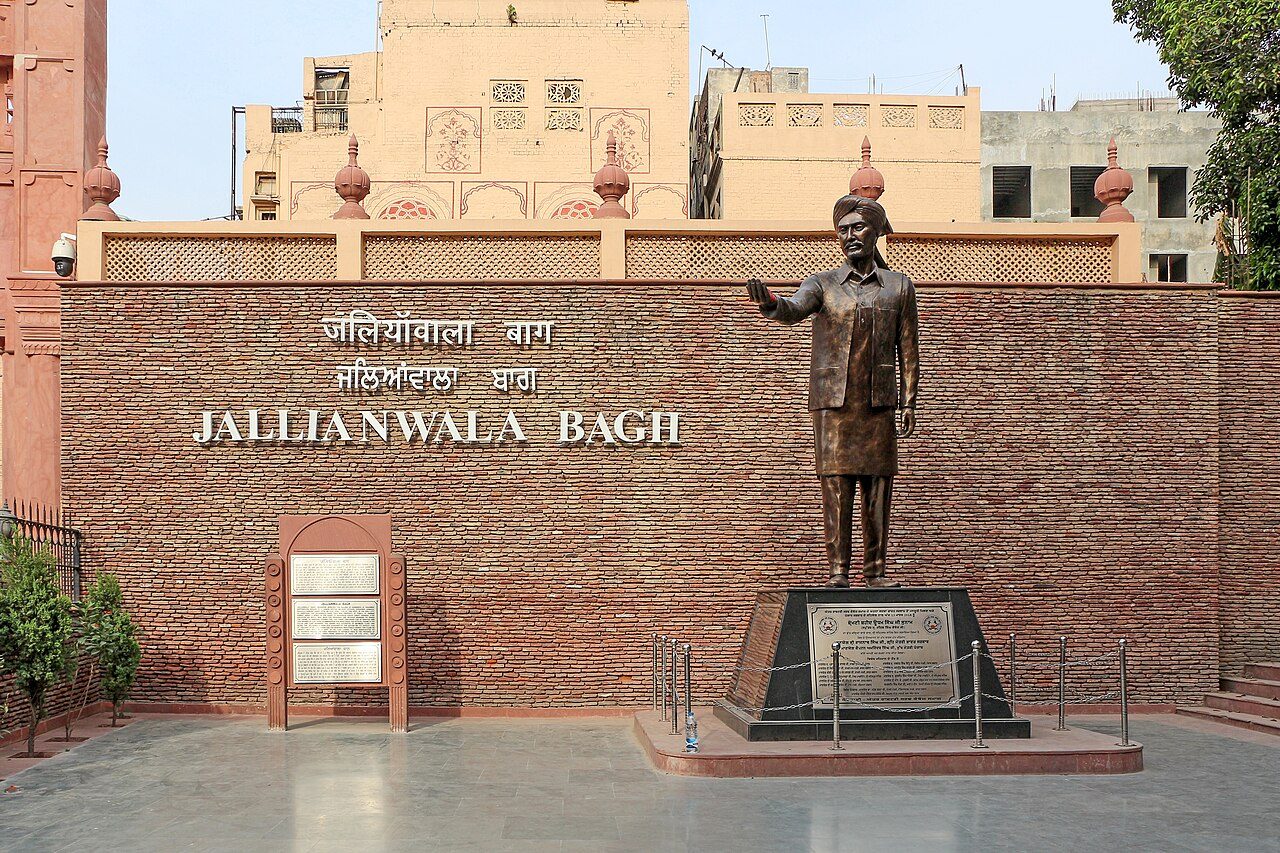
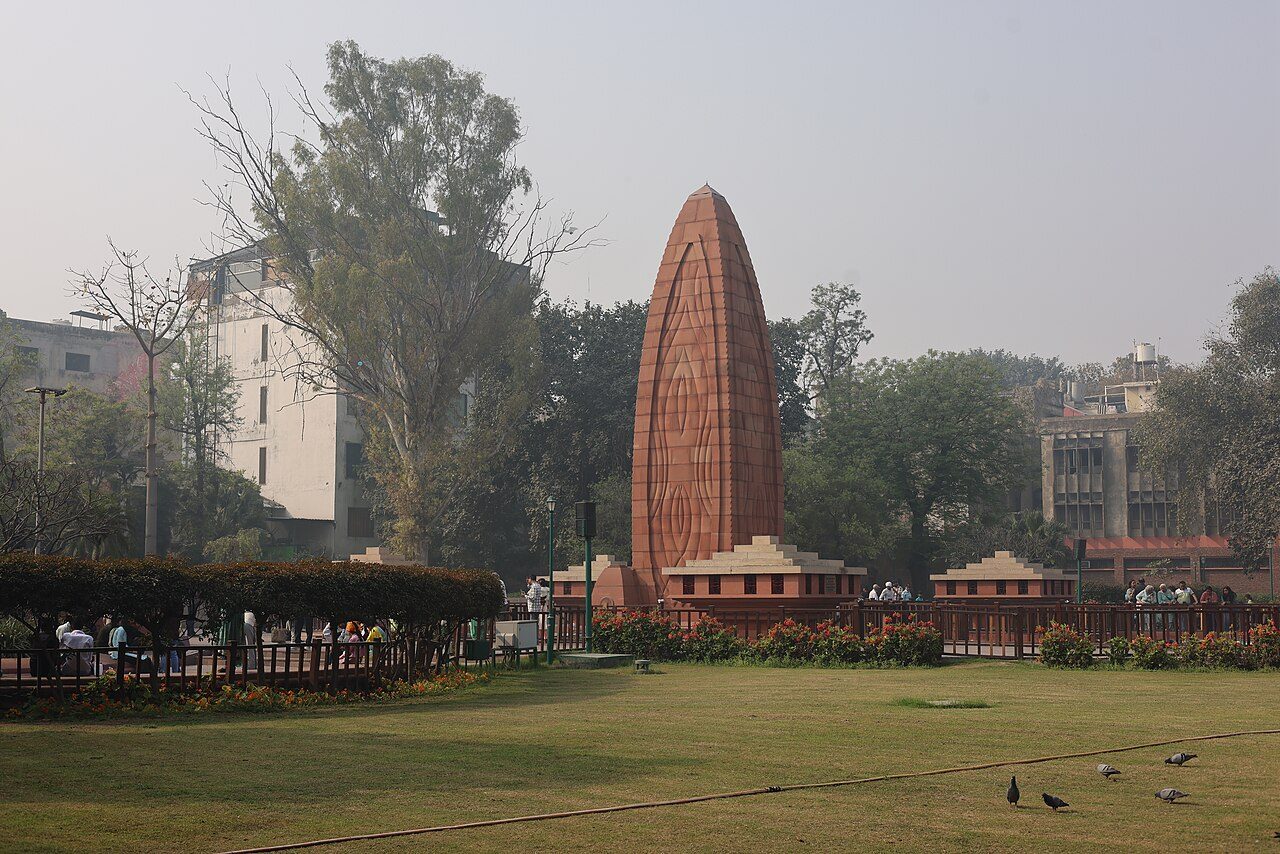
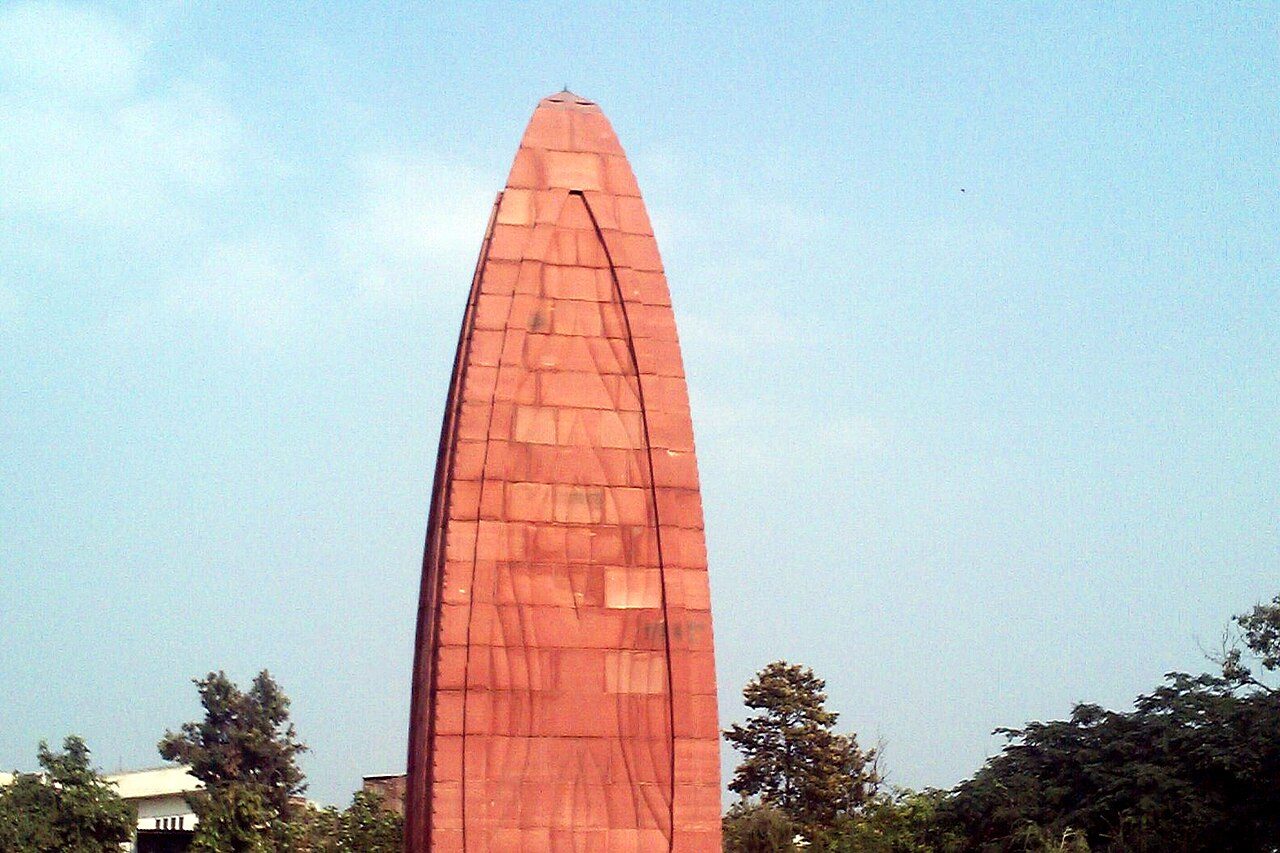
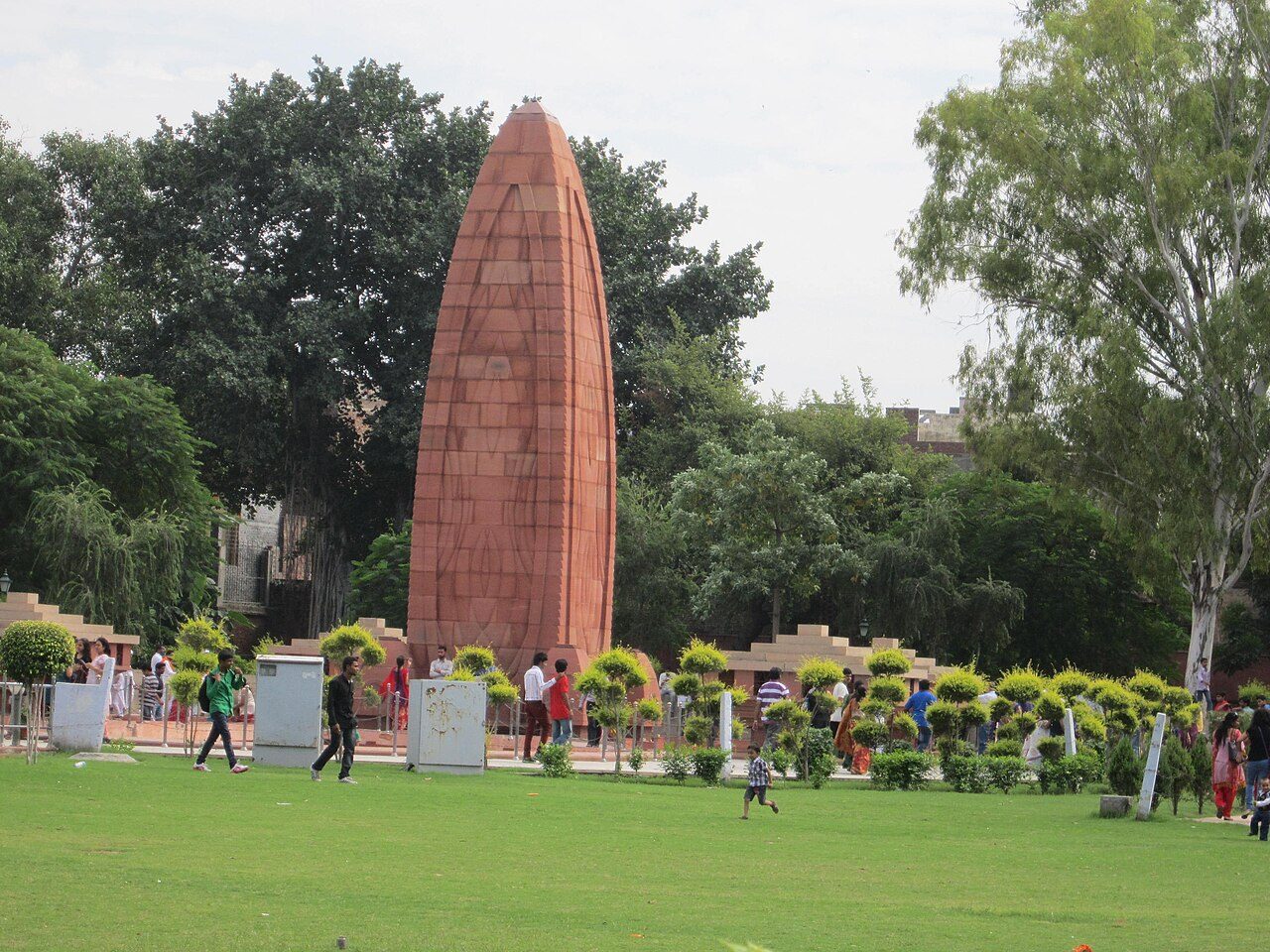
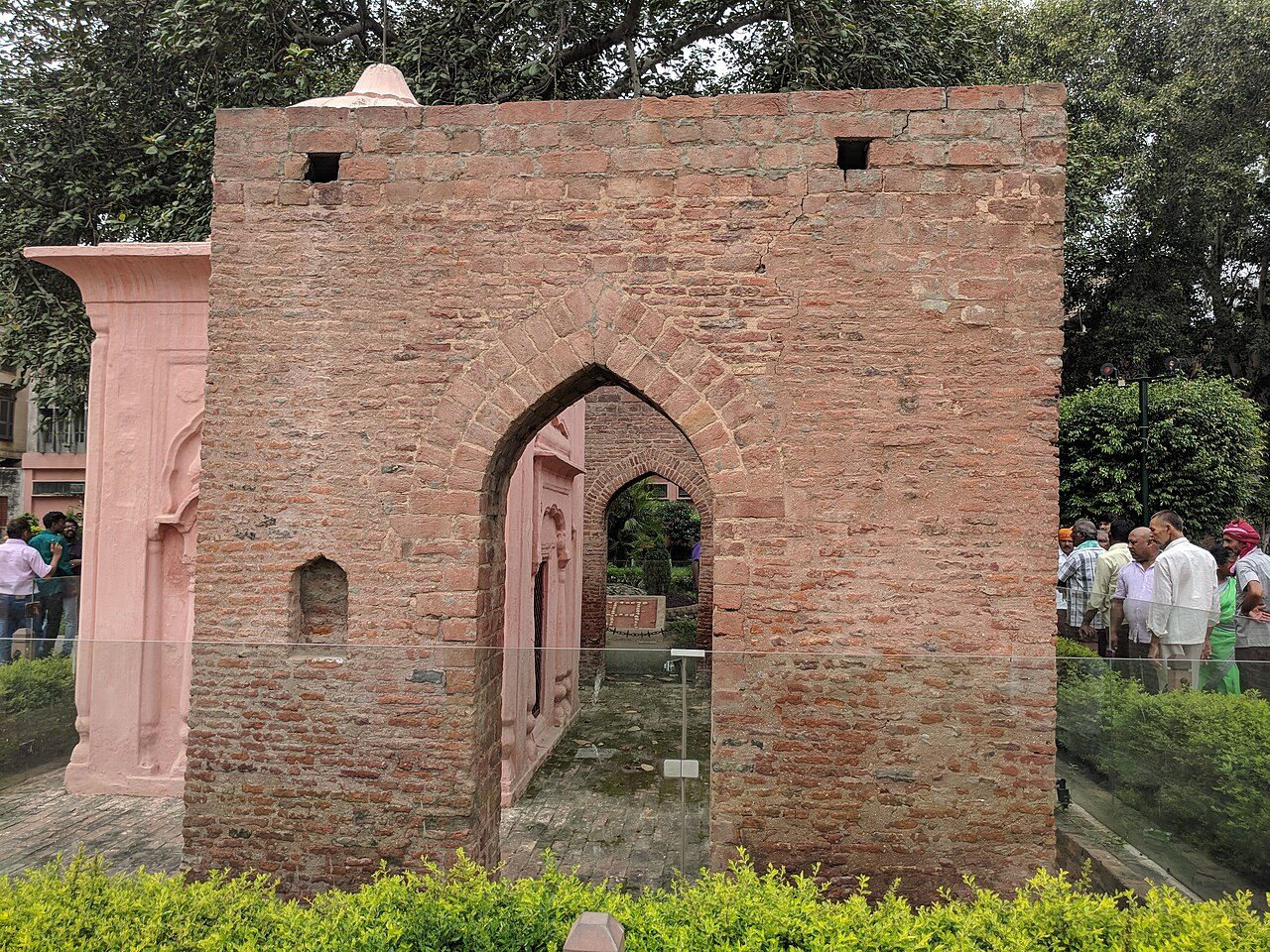
Jallianwala Bagh is the walled garden in Amritsar where, on 13 April 1919, troops under General Dyer fired on an unarmed gathering, killing hundreds. It is now a national memorial. Bullet marks are preserved on the walls, the well into which people jumped is enclosed, and a flame-shaped monument stands at the centre. A gallery tells the story. It is a few minutes' walk from the Golden Temple.
03
STOP 3 OF 8
Partition Museum
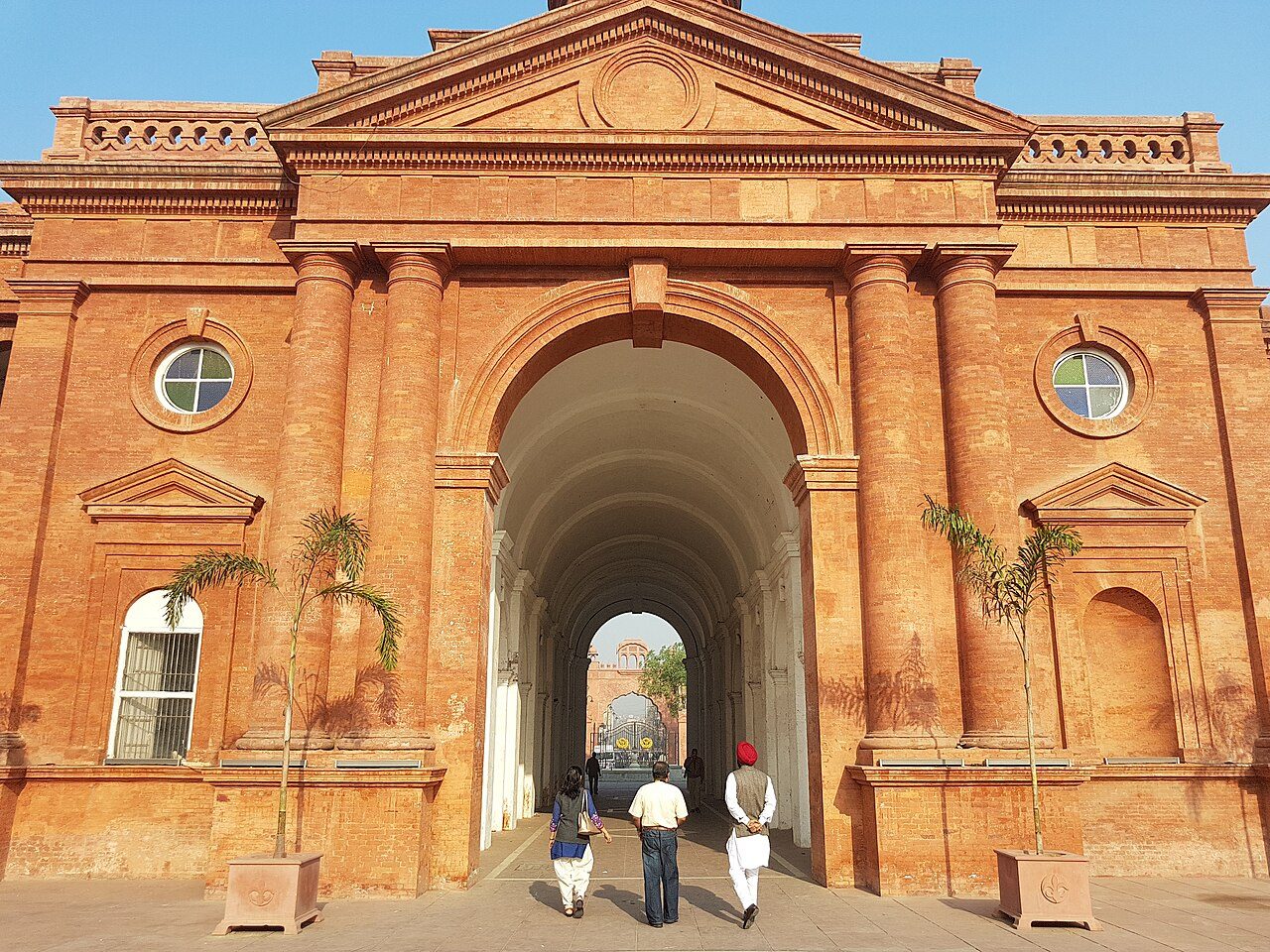
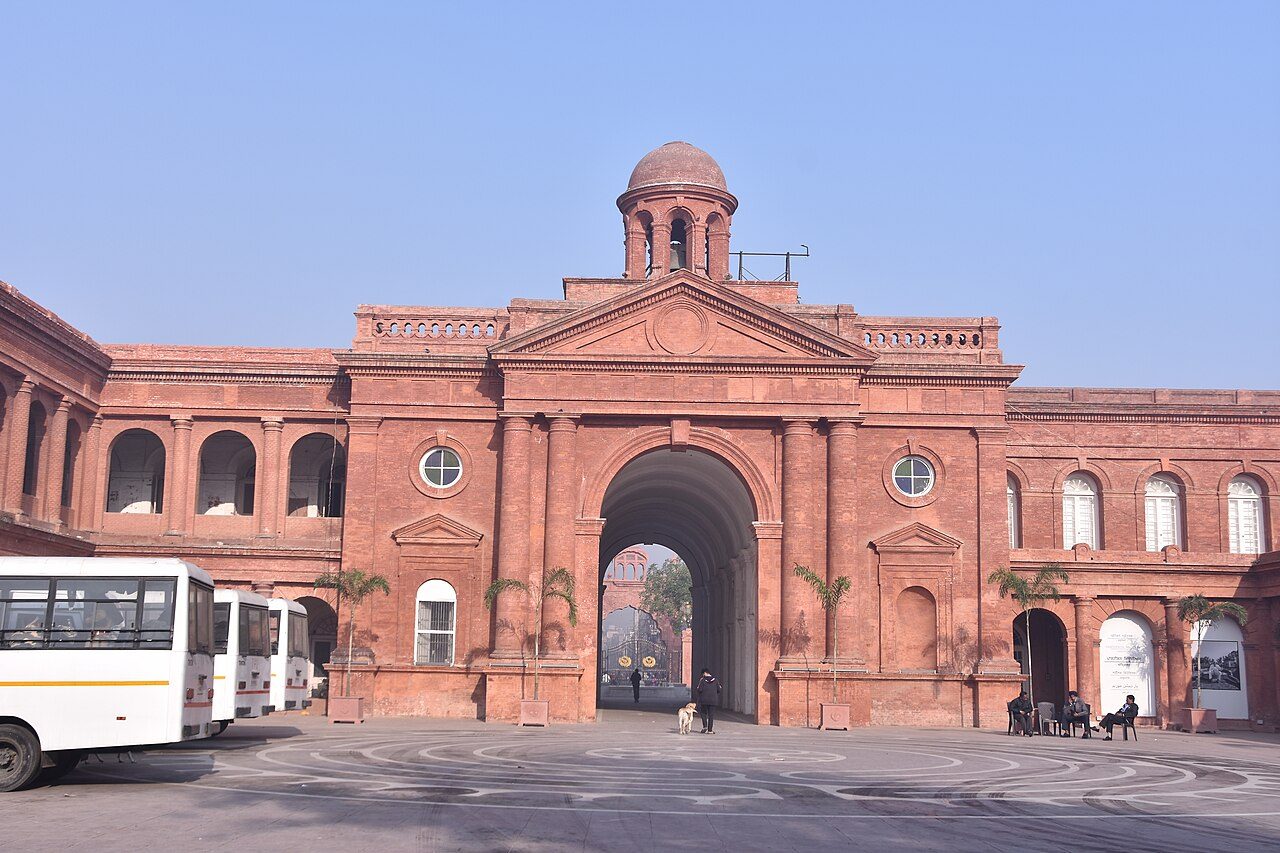
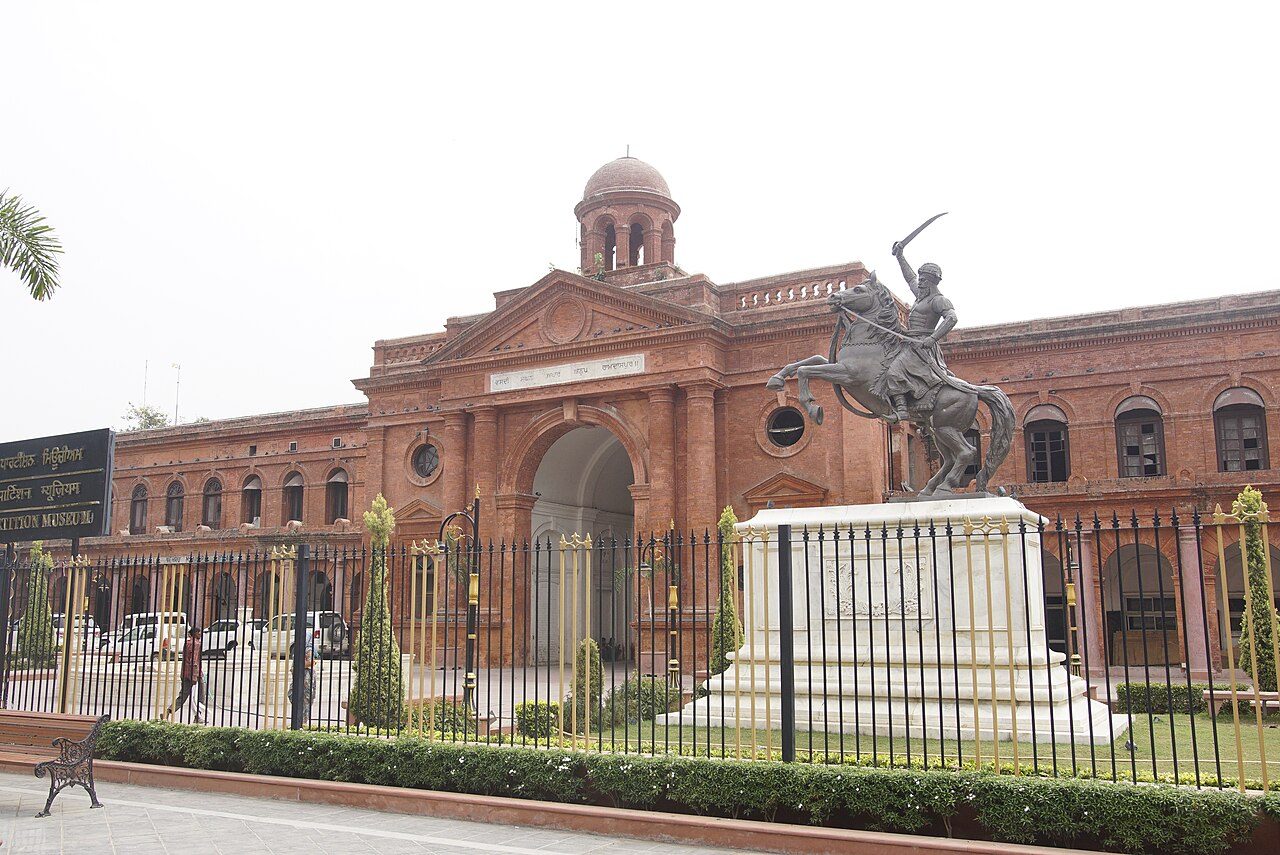
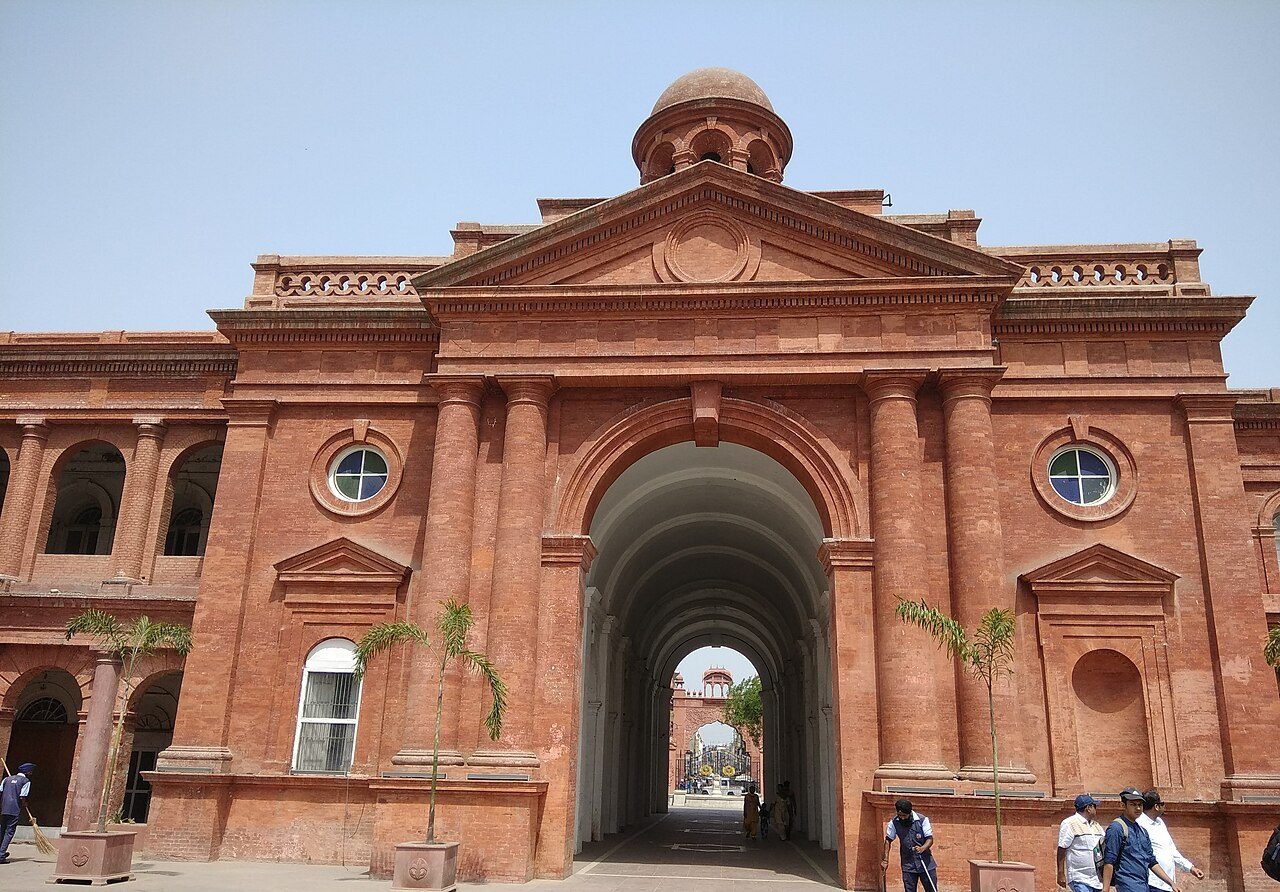
The Partition Museum, in Amritsar's restored Town Hall, is the first museum devoted to the Partition of 1947, when the division of British India displaced millions. Its galleries use refugees' belongings, letters, photographs, newspaper pages and recorded testimonies to tell the story from the freedom movement to resettlement. It lies on the heritage street leading to the Golden Temple and is closed on Mondays.
04
STOP 4 OF 8
Durgiana Temple
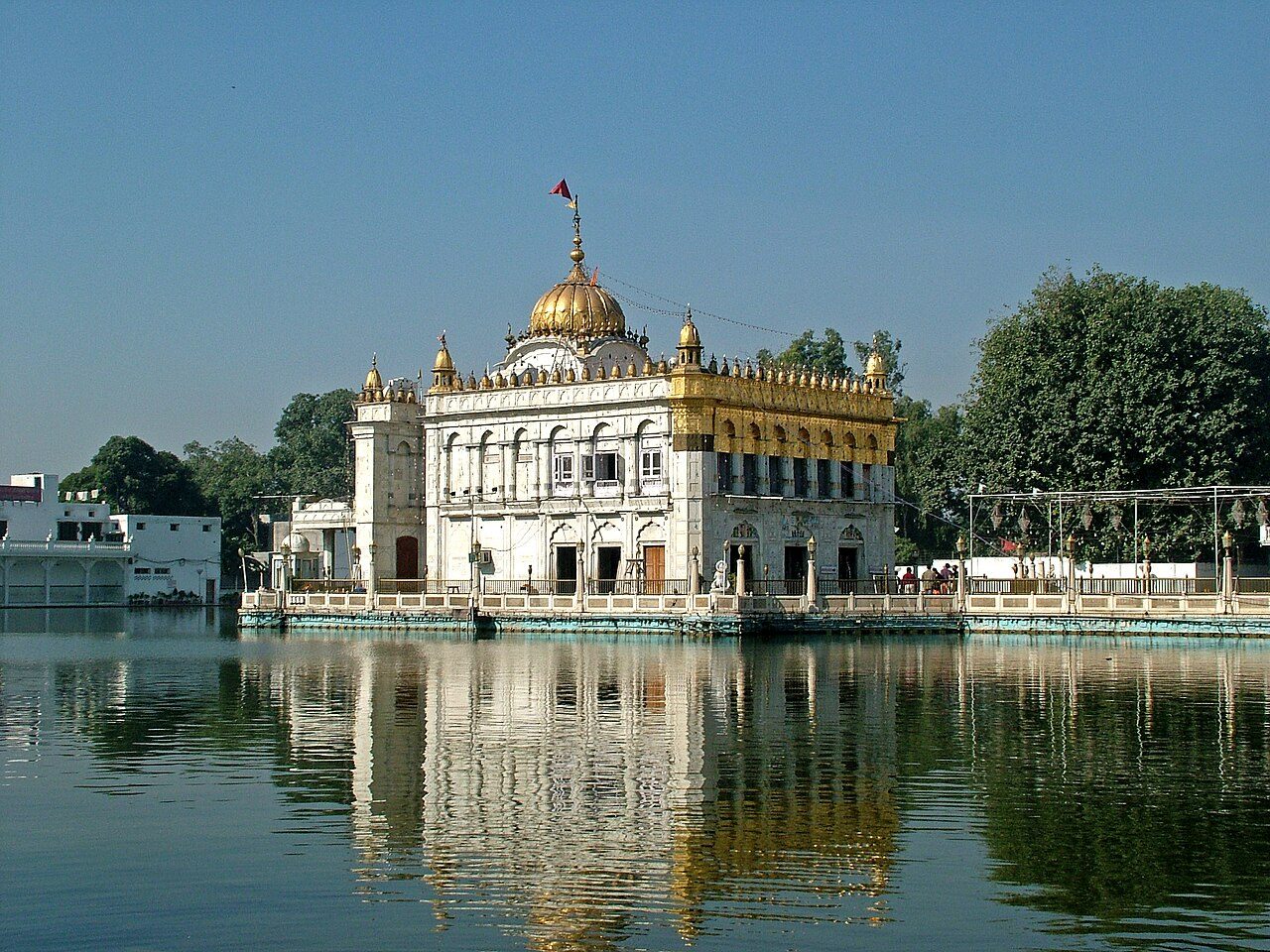
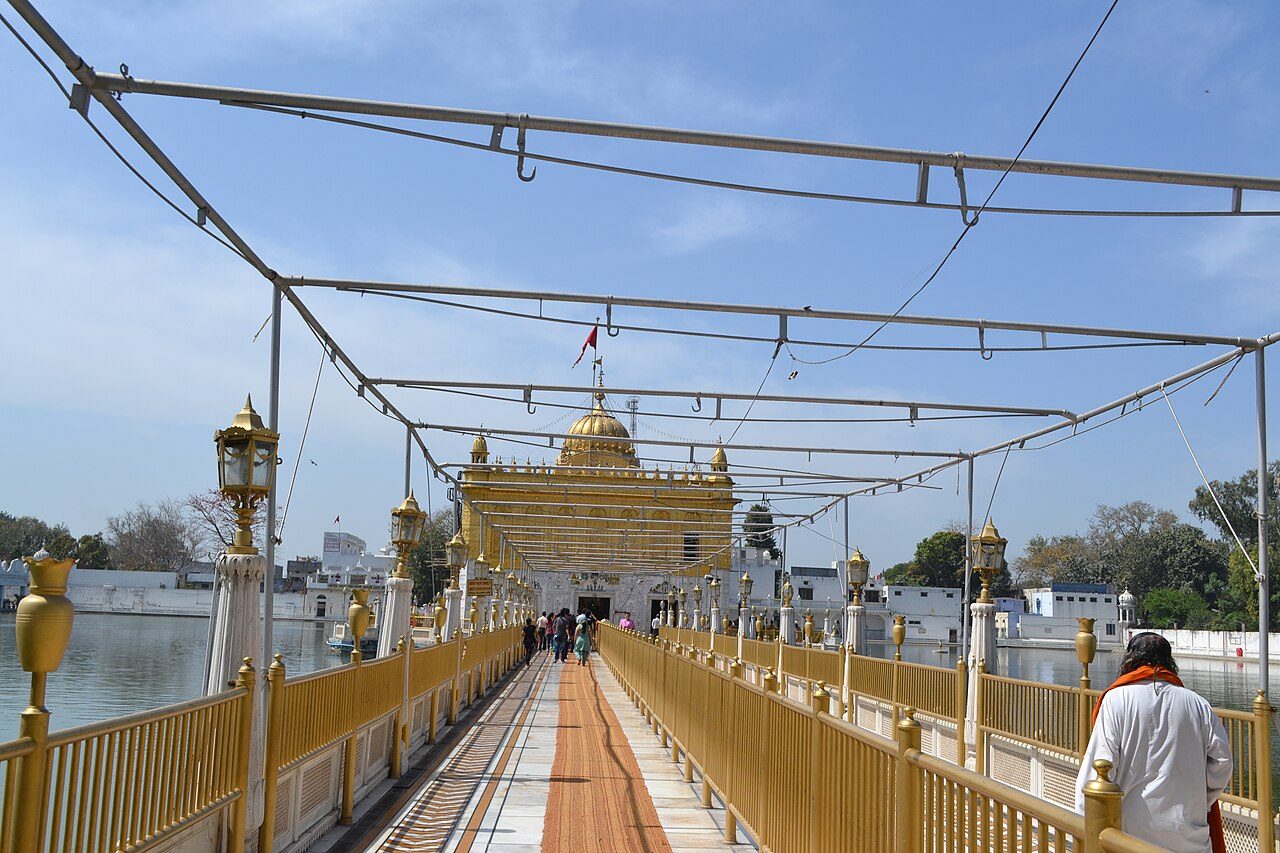
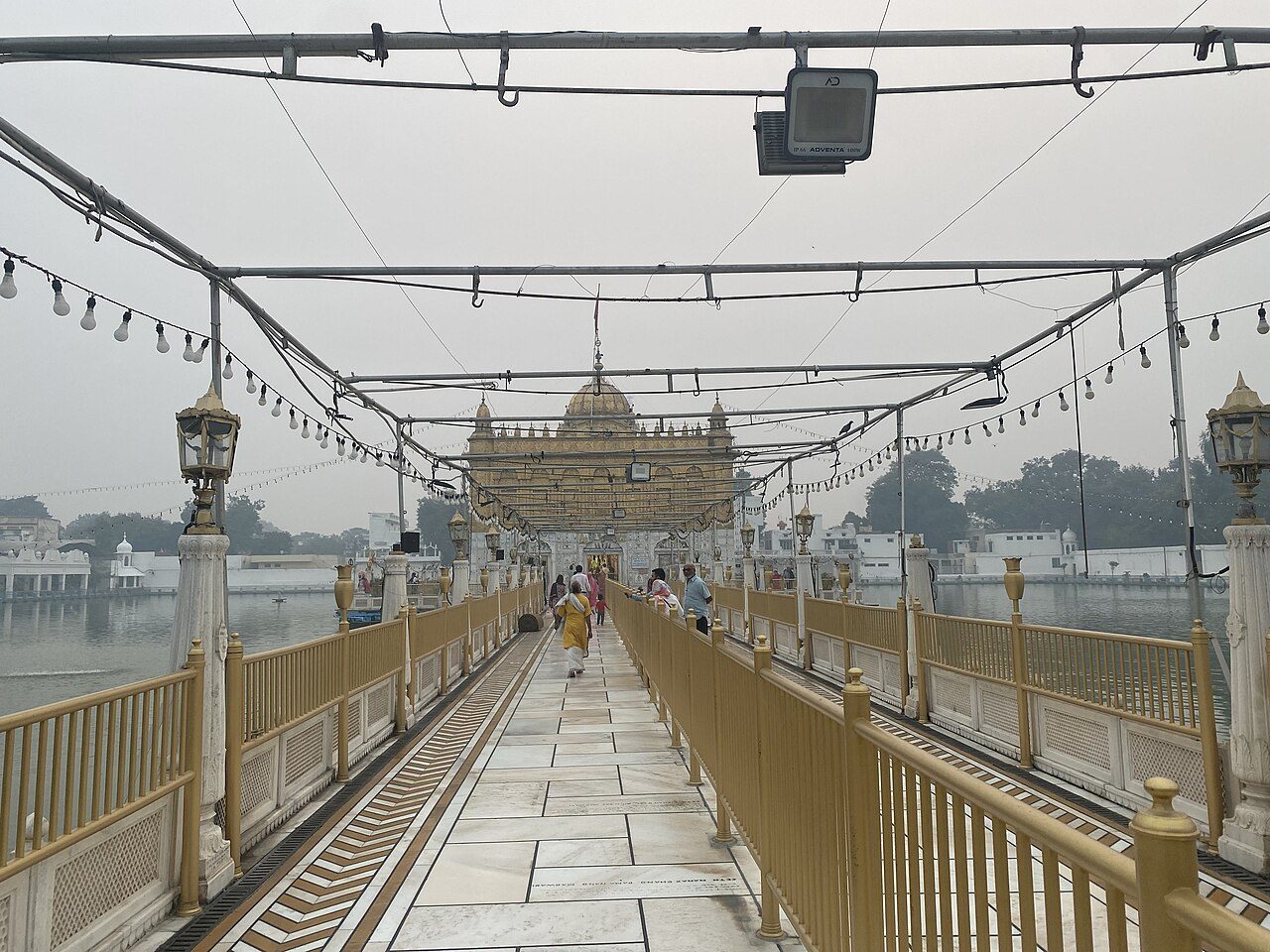
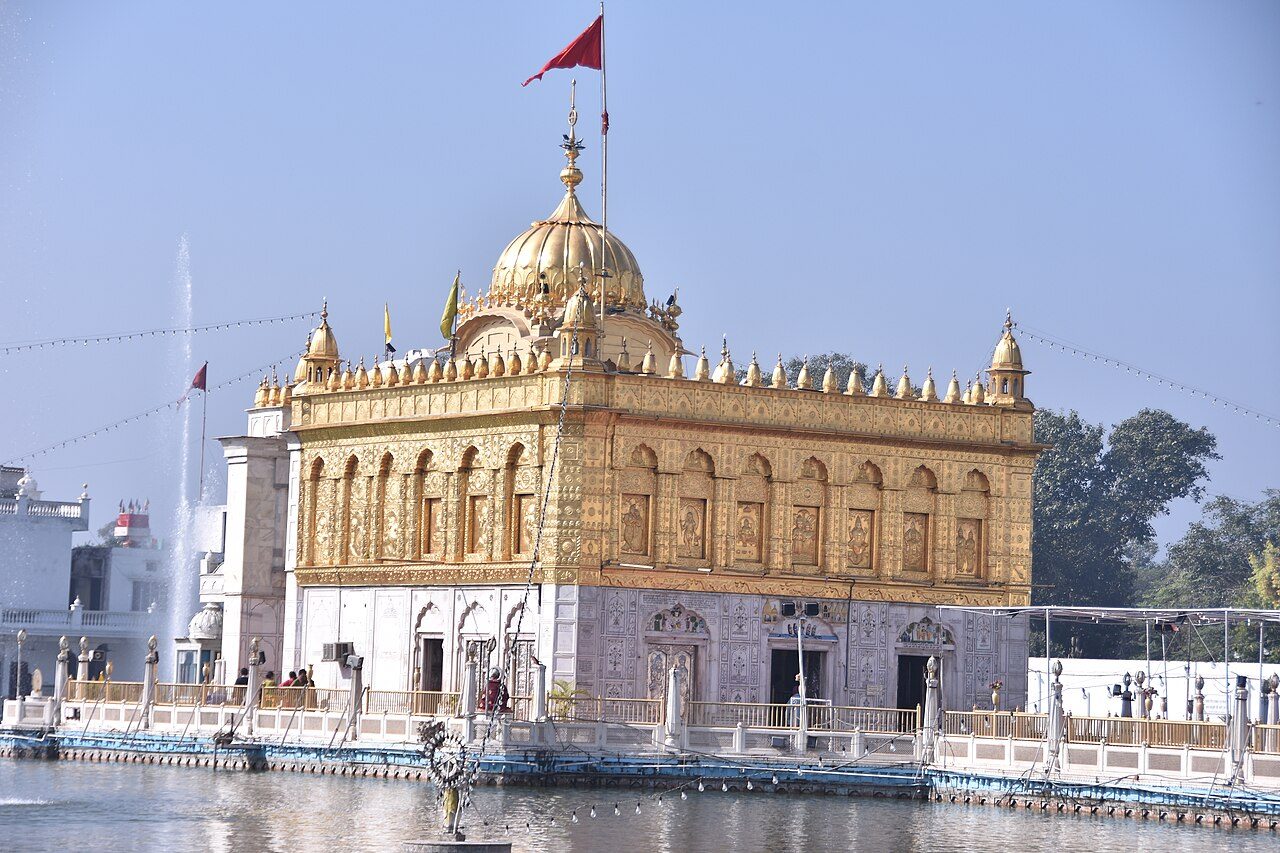
The Durgiana Temple in Amritsar was built in the 1920s and deliberately resembles the Golden Temple: a gilded shrine in the middle of a sacred tank, reached by a causeway. It is dedicated to Durga and also houses Lakshmi Narayan, and is known for its finely worked silver doors. It is especially lively at Dussehra, Janmashtami and Diwali.
05
STOP 5 OF 8
Gobindgarh Fort
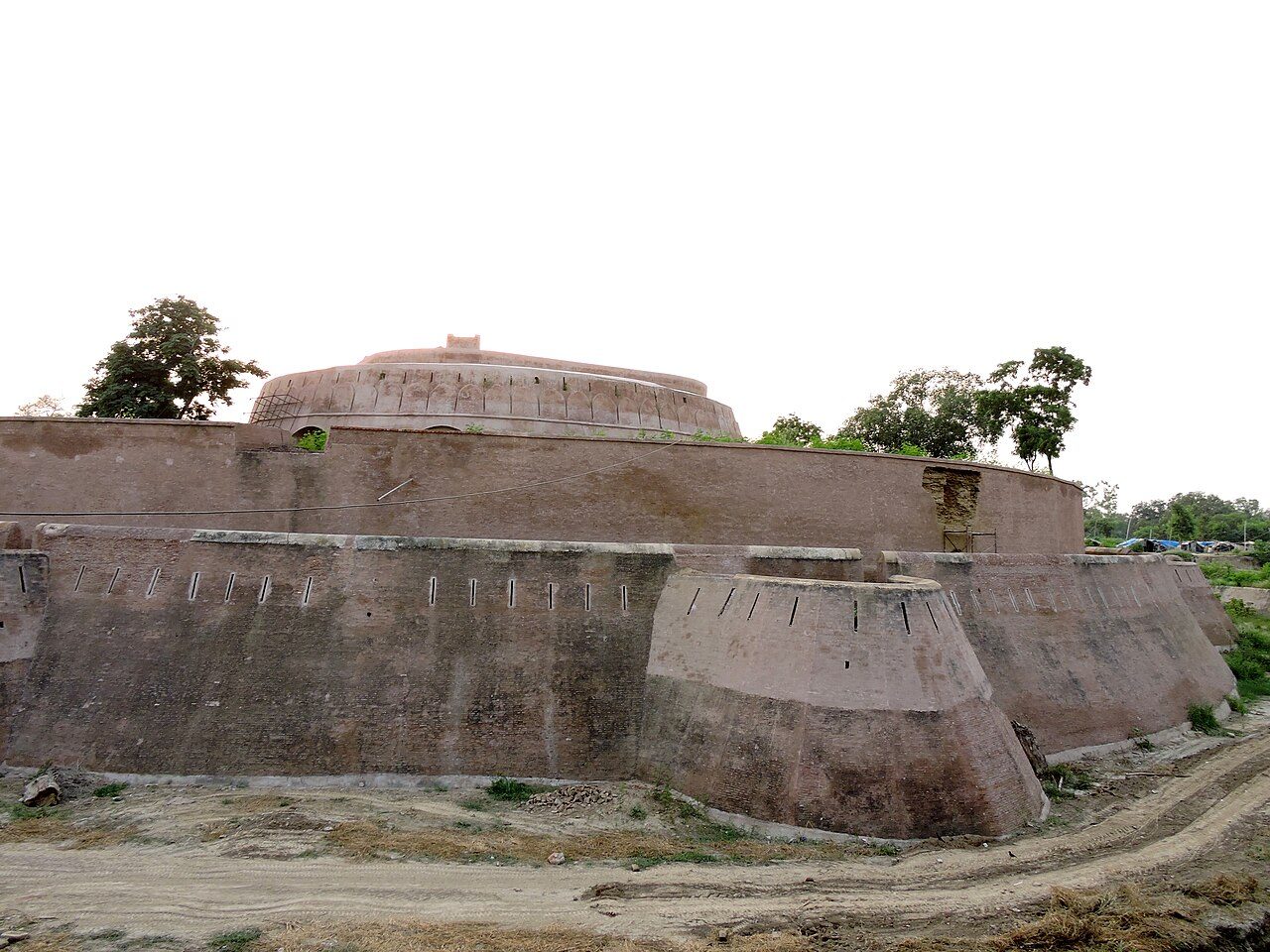
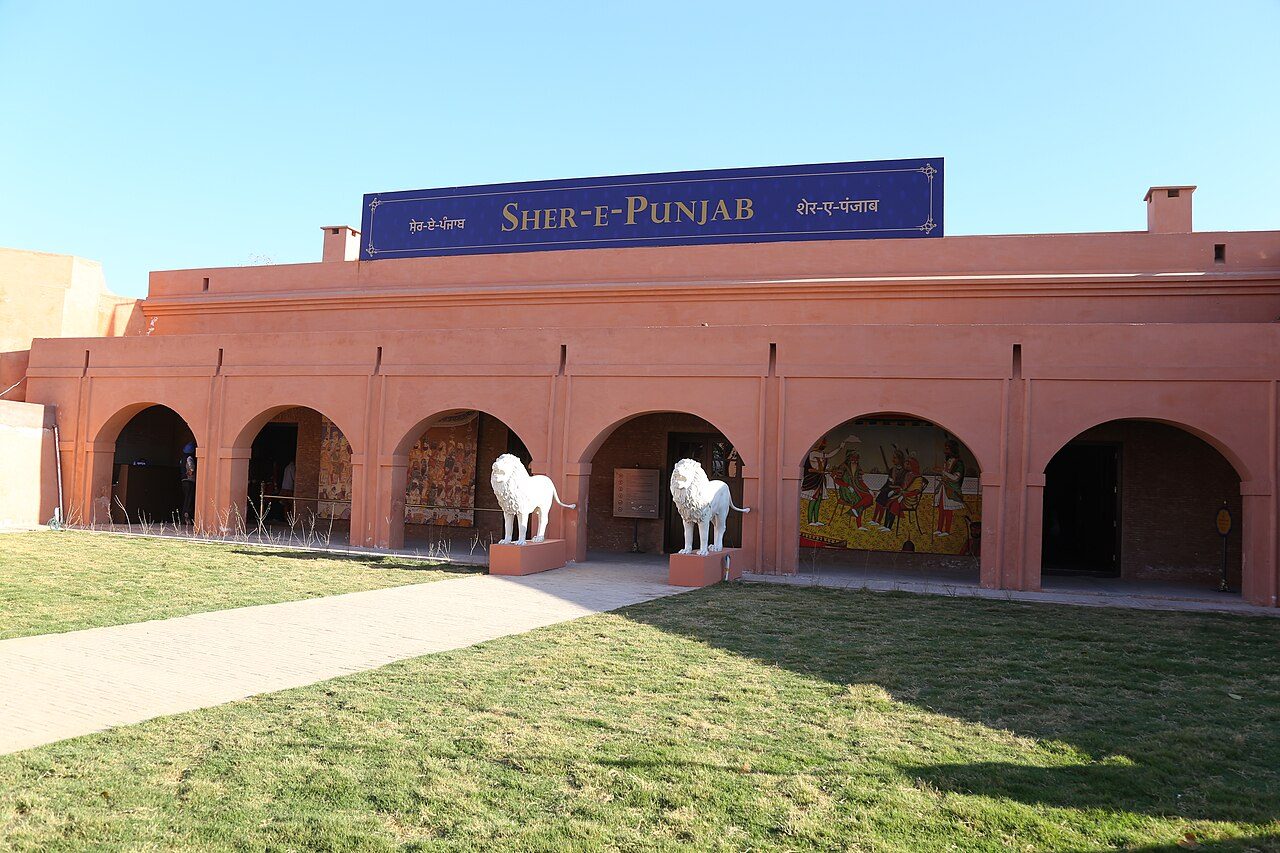
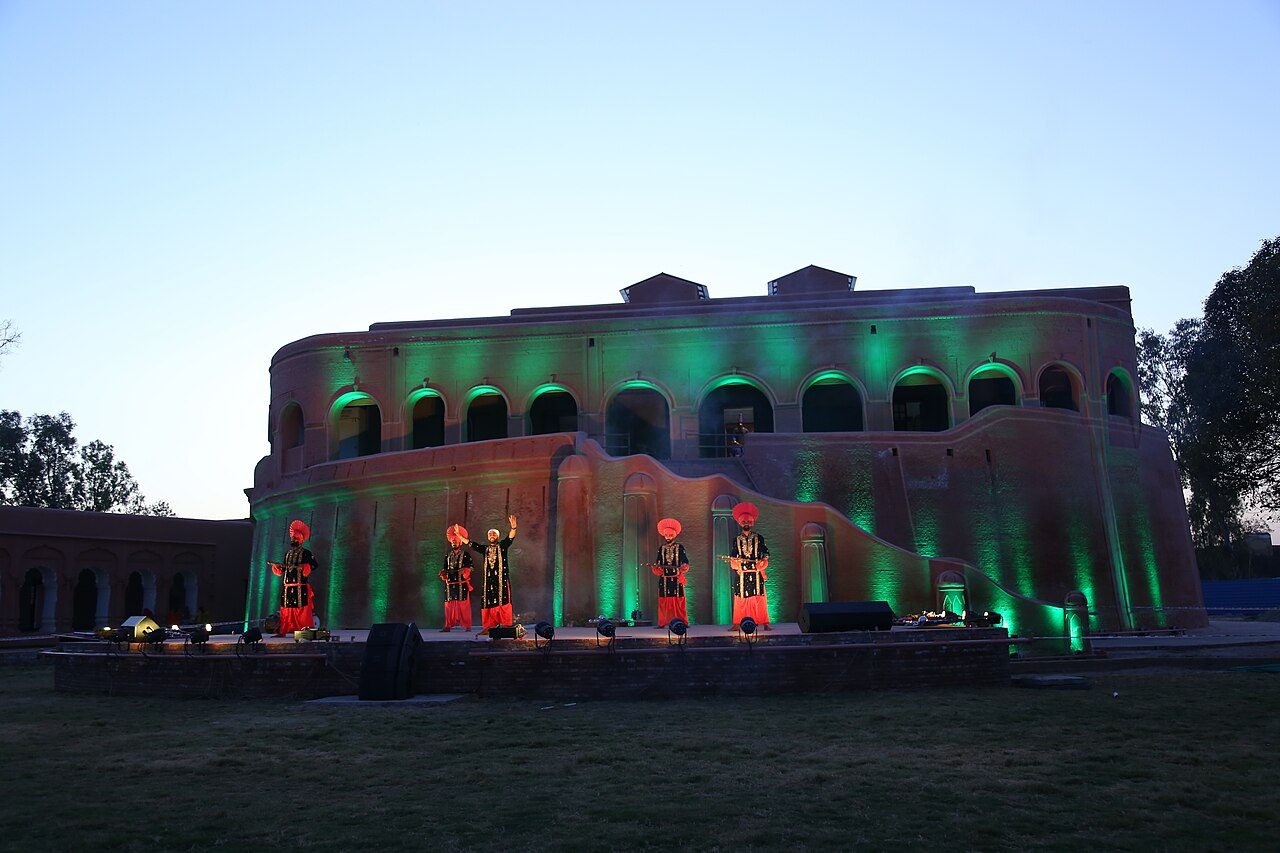
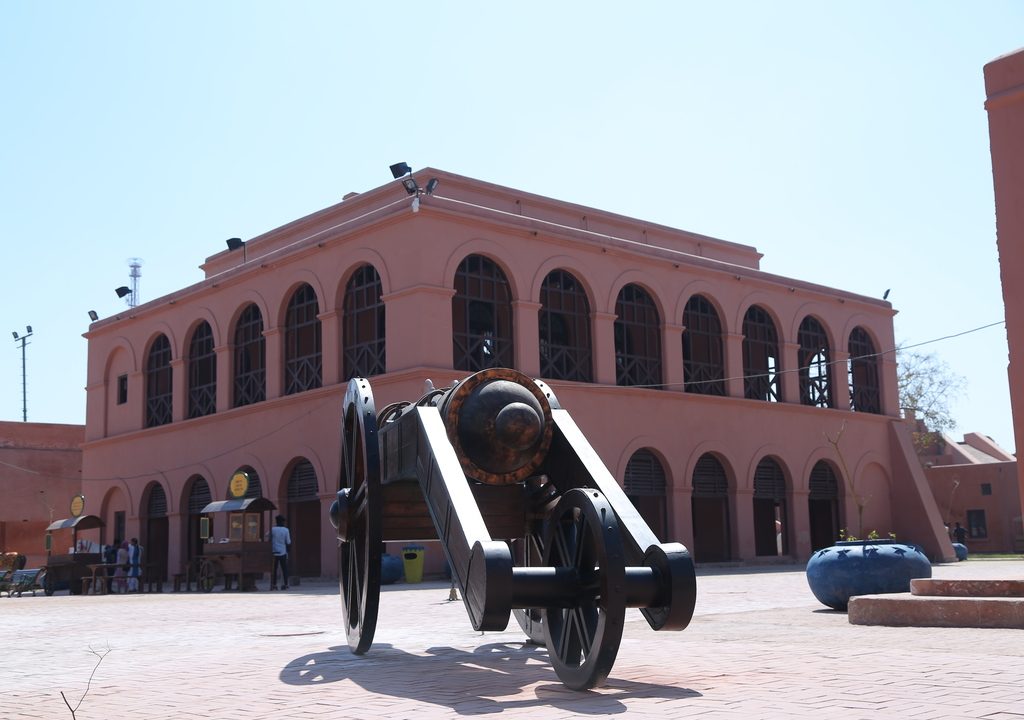
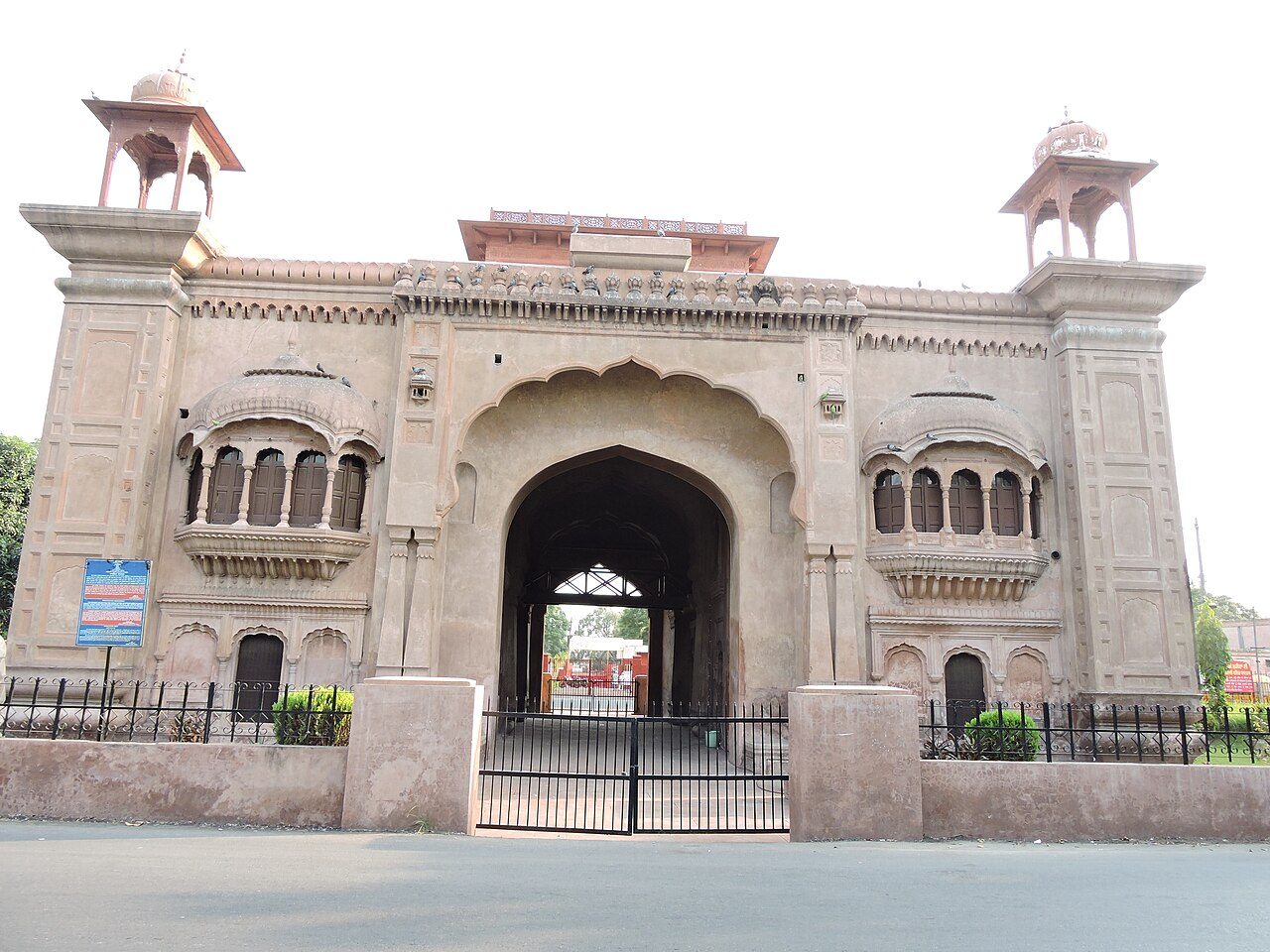
Gobindgarh Fort began as a mud fort of the Bhangi chiefs and was rebuilt in brick and lime by Maharaja Ranjit Singh in the early 19th century, who kept his treasury here. After long use by the army it opened to the public in 2017 as a heritage park, with museums of arms and coins, a light-and-sound show projected on the walls, folk performances and food stalls.
06
STOP 6 OF 8
Ram Bagh Amritsar
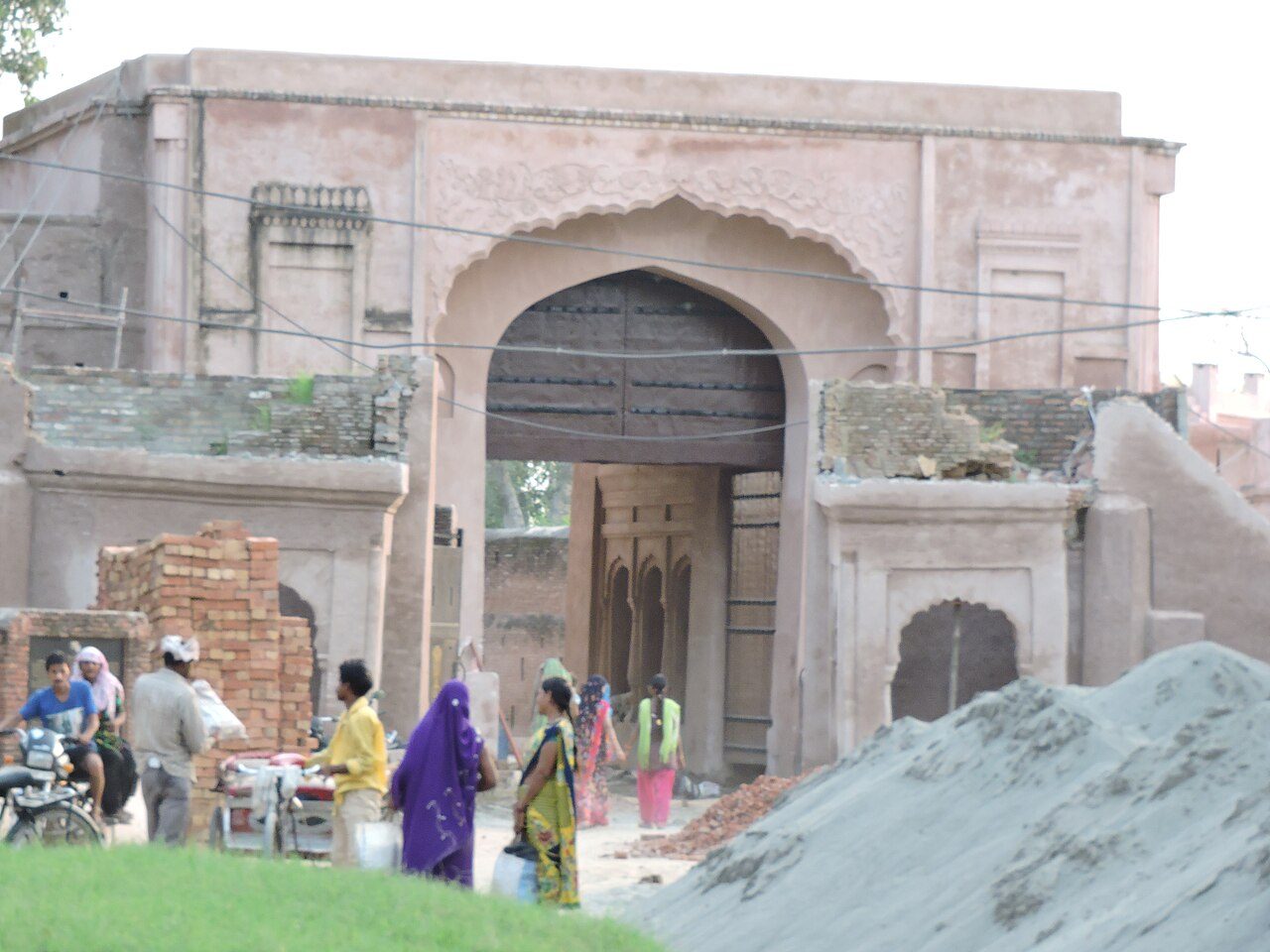
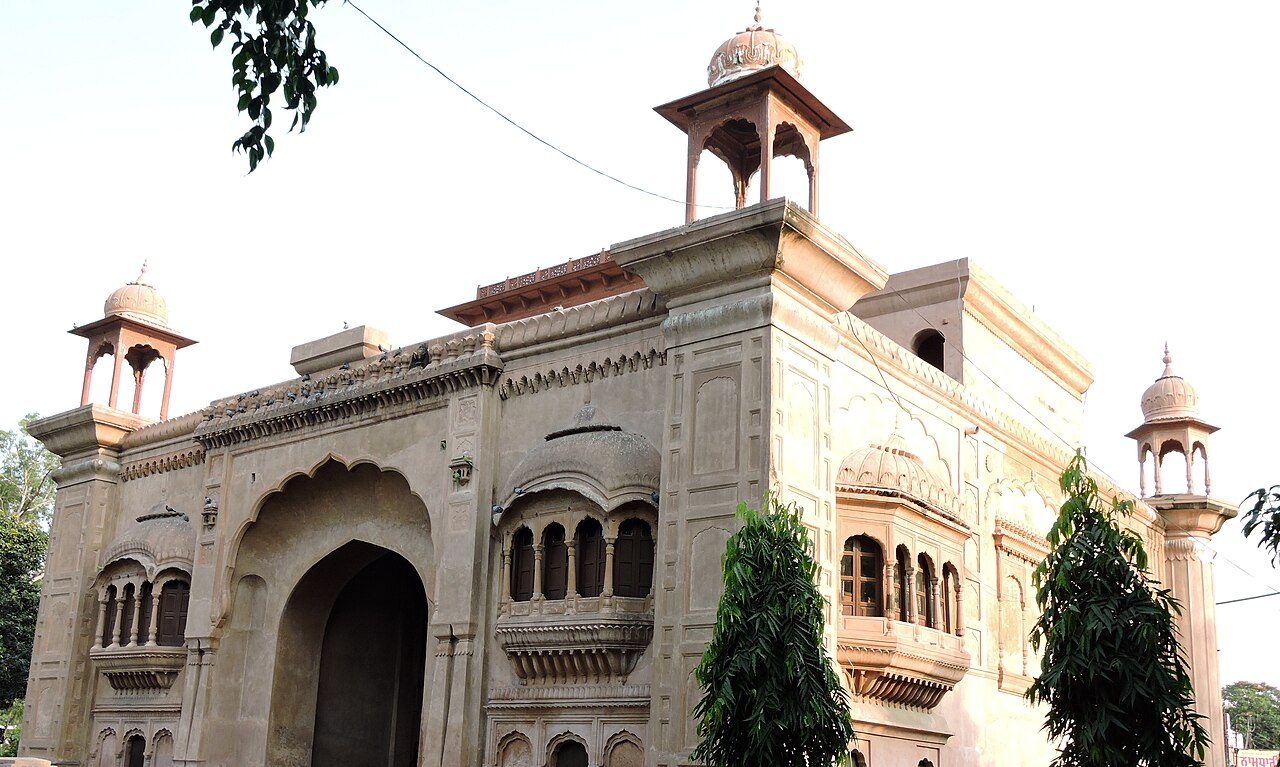
Ram Bagh is the garden laid out by Maharaja Ranjit Singh in Amritsar and named after Guru Ram Das. His summer palace at its centre has been restored and holds a museum of weapons, coins, paintings and manuscripts from the Sikh kingdom. The garden's original gateways survive, and a separate panorama building depicts the Maharaja's battles with life-size figures.
07
STOP 7 OF 8
Khalsa College Amritsar
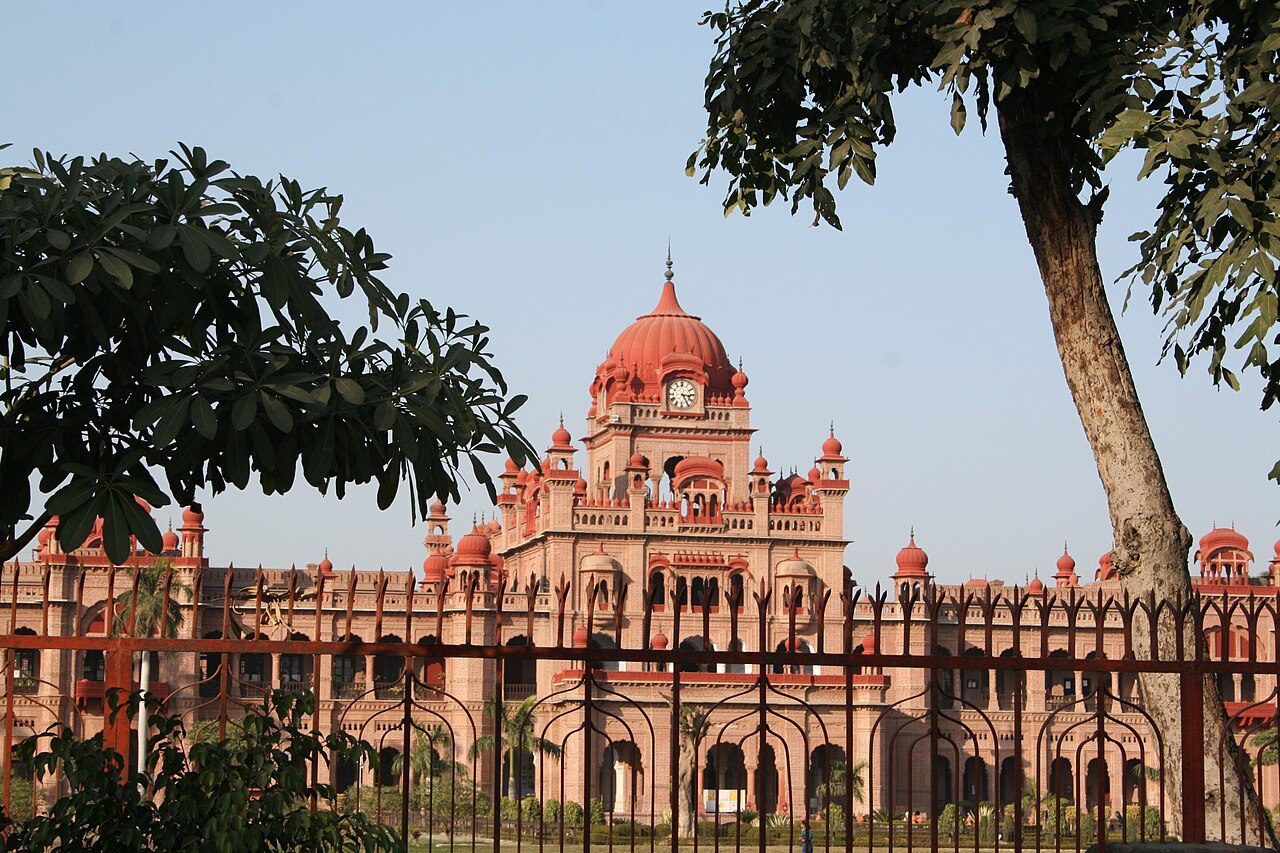
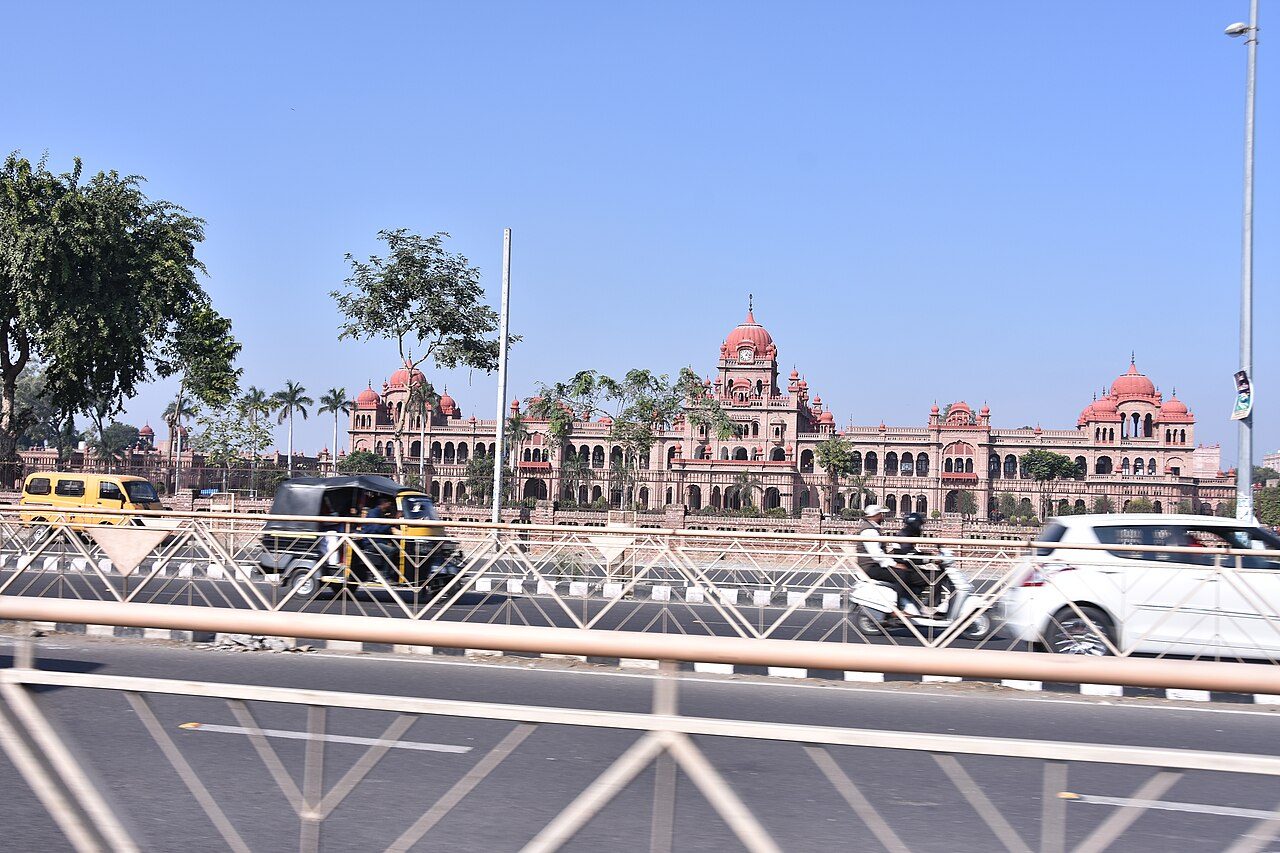
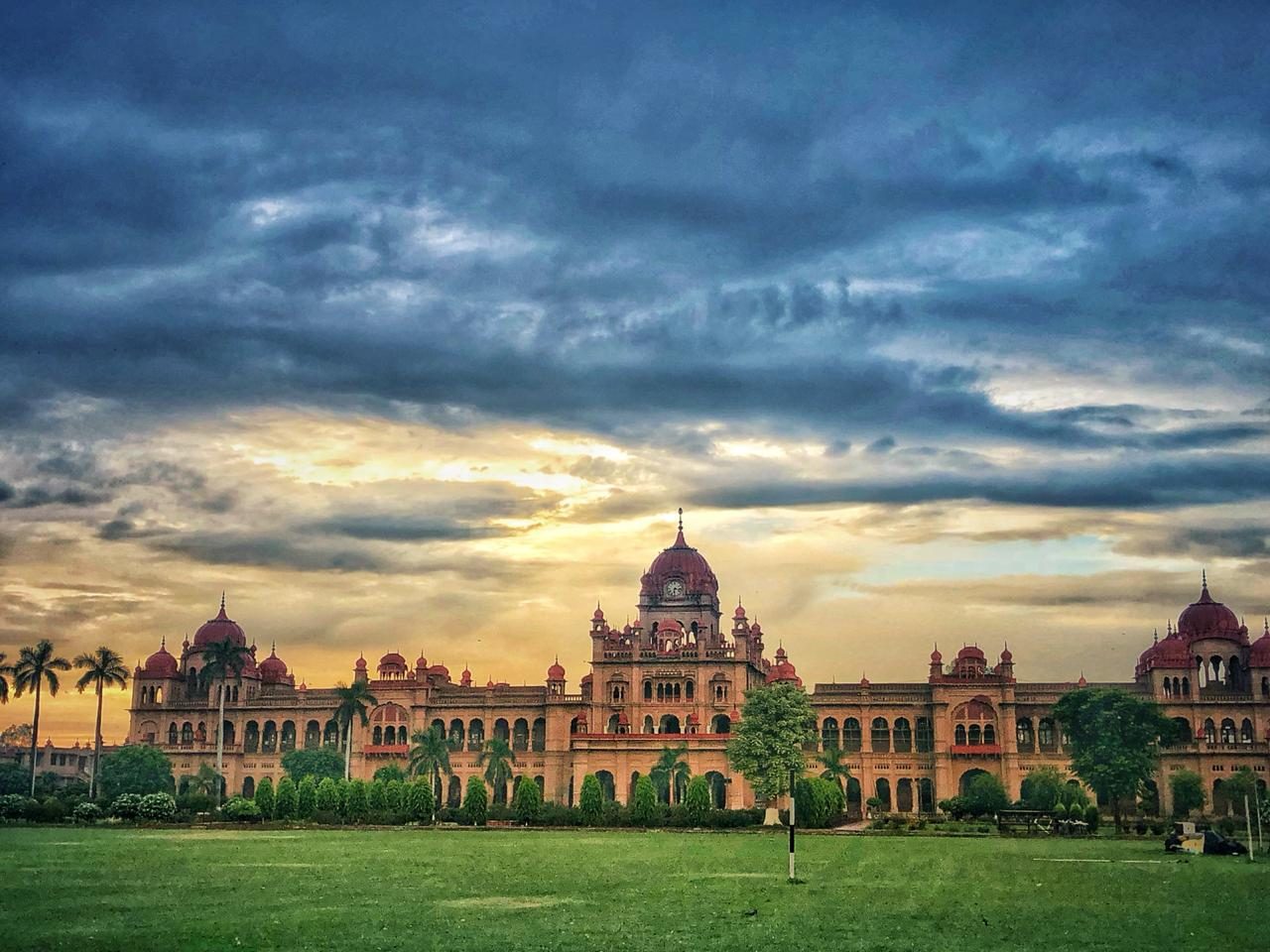
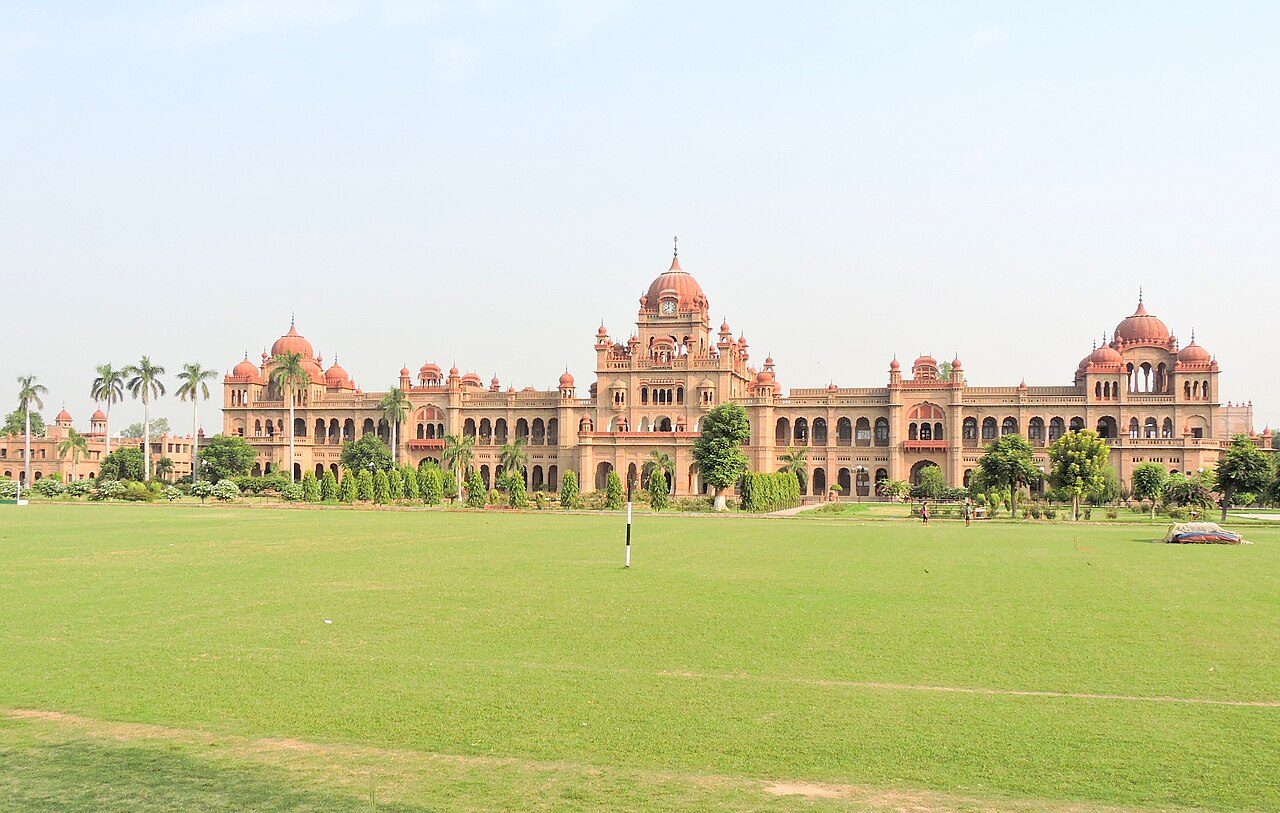
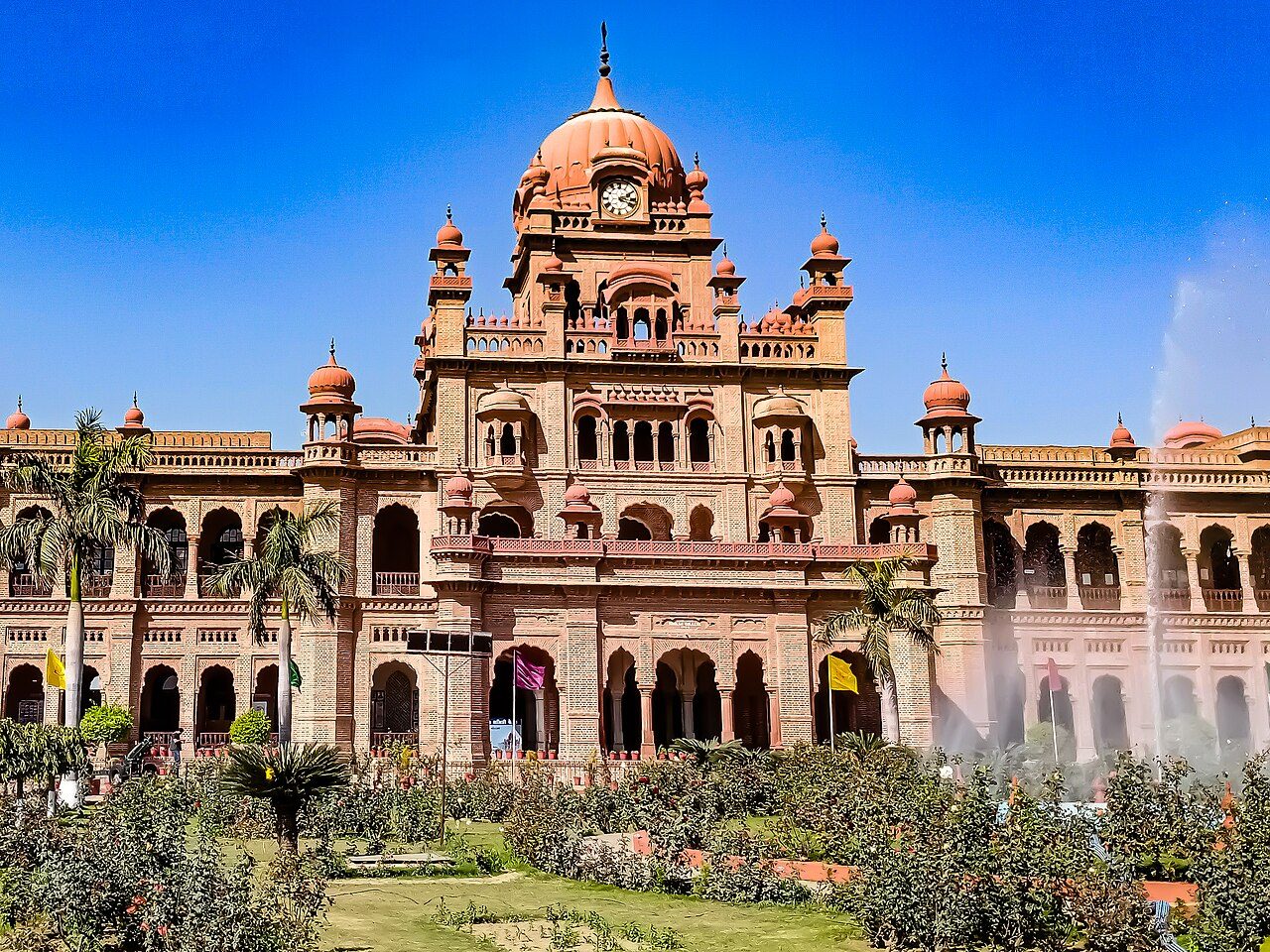
Khalsa College in Amritsar, founded in 1892, is one of the best-known historic educational institutions of Punjab. Its main building, designed by Bhai Ram Singh, is a grand red-brick example of Indo-Saracenic architecture with domes, arches and pavilions blending Sikh, Mughal and Victorian styles. It stands in a large campus on the Grand Trunk Road and appears in many films.
08
STOP 8 OF 8 · LAST STOP
Wagah Border
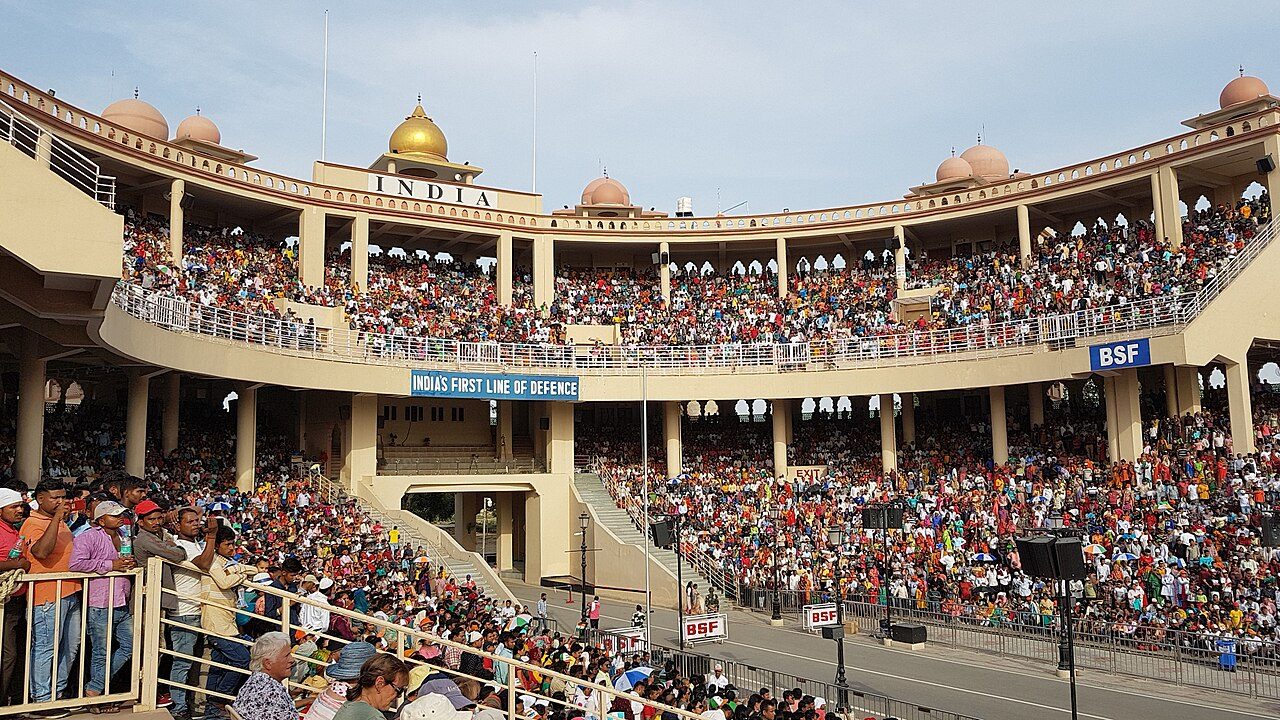
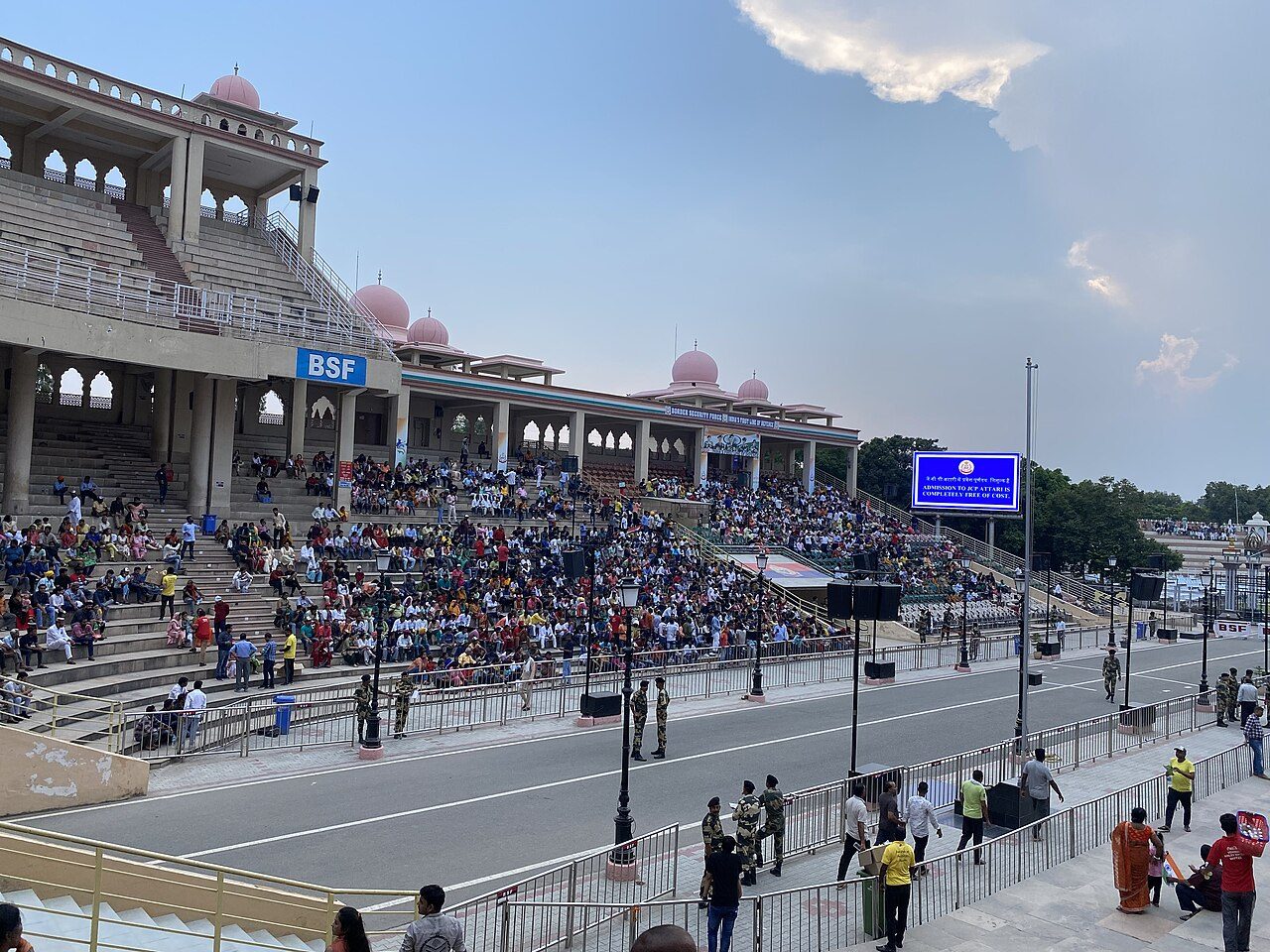
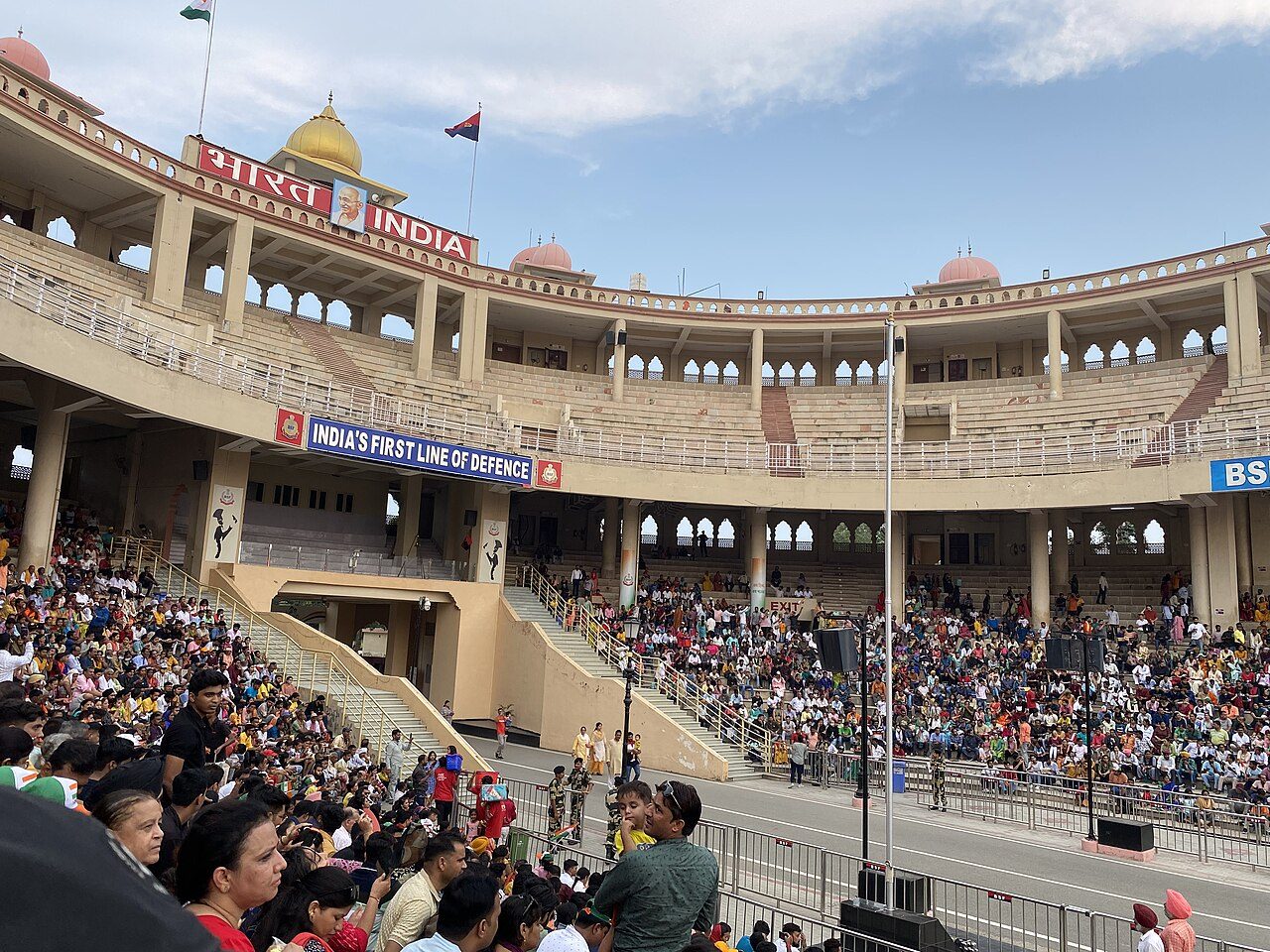
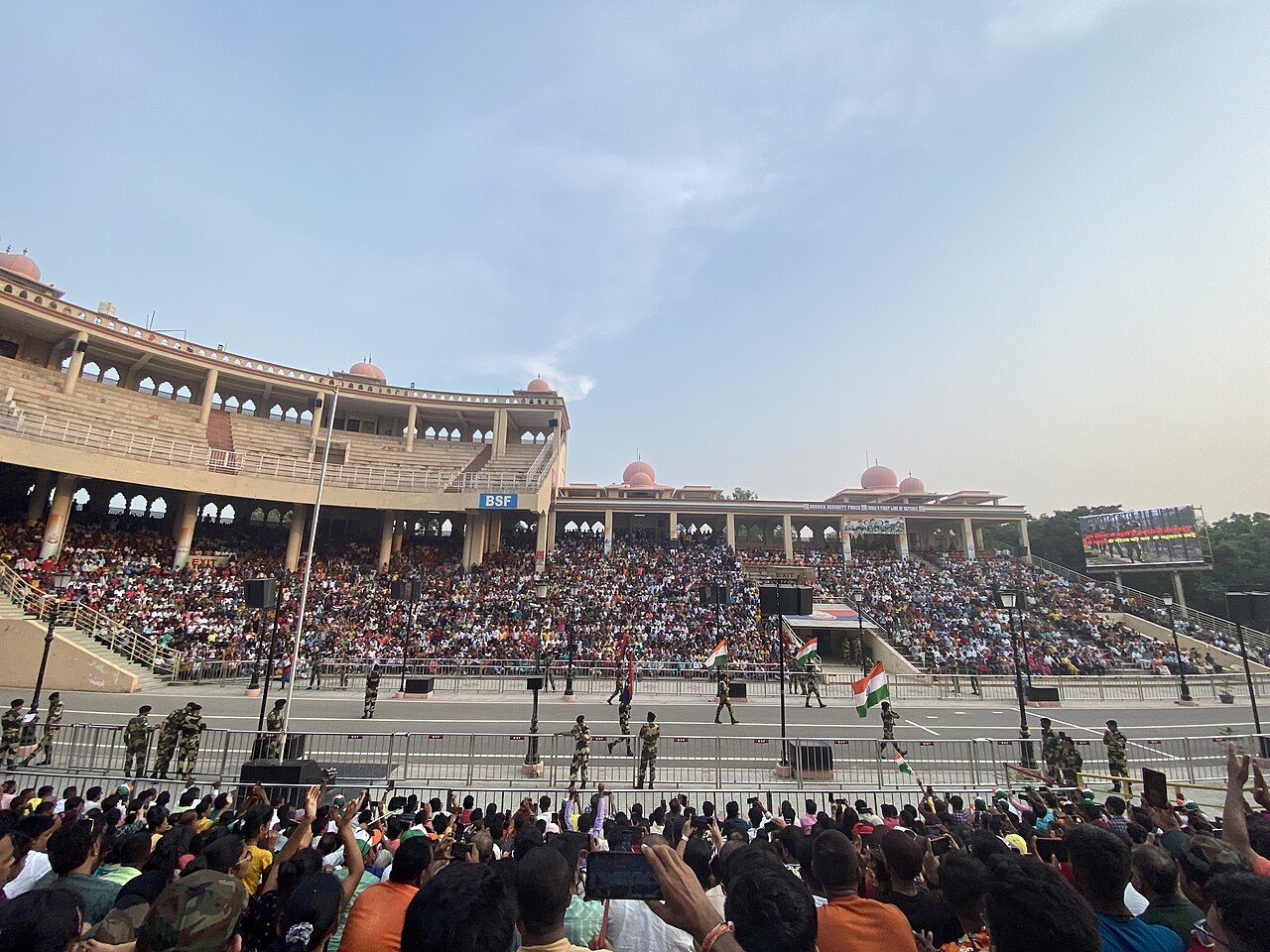
The Attari-Wagah border, about 30 km from Amritsar, is the main road crossing between India and Pakistan. Every evening before sunset soldiers of both countries perform the Beating Retreat ceremony, a choreographed display of high kicks and gate slamming that ends with the lowering of the flags. Crowds fill the stands and cheer. Arrive at least an hour early for a seat; large bags are not allowed.
Seasons from 20 years of NASA POWER climate data.
 WaTrips