The Rock Garden, Sukhna Lake and the Capitol Complex, Chandigarh's gardens and museums, Pinjore Gardens and Morni Hills.
Chandigarh was planned by Le Corbusier, and its modernist buildings are a UNESCO World Heritage Site. Day one covers Nek Chand's Rock Garden, built from scrap and broken ceramics, Sukhna Lake and the Capitol Complex with the Open Hand monument. Day two visits the Rose Garden, the Government Museum, the Le Corbusier Centre and the Japanese Garden, then crosses to Panchkula for the Mughal gardens at Pinjore, the Cactus Garden and Gurudwara Nada Sahib. Day three climbs to Morni Hills, Haryana's only hill station. October to March and spring are best.
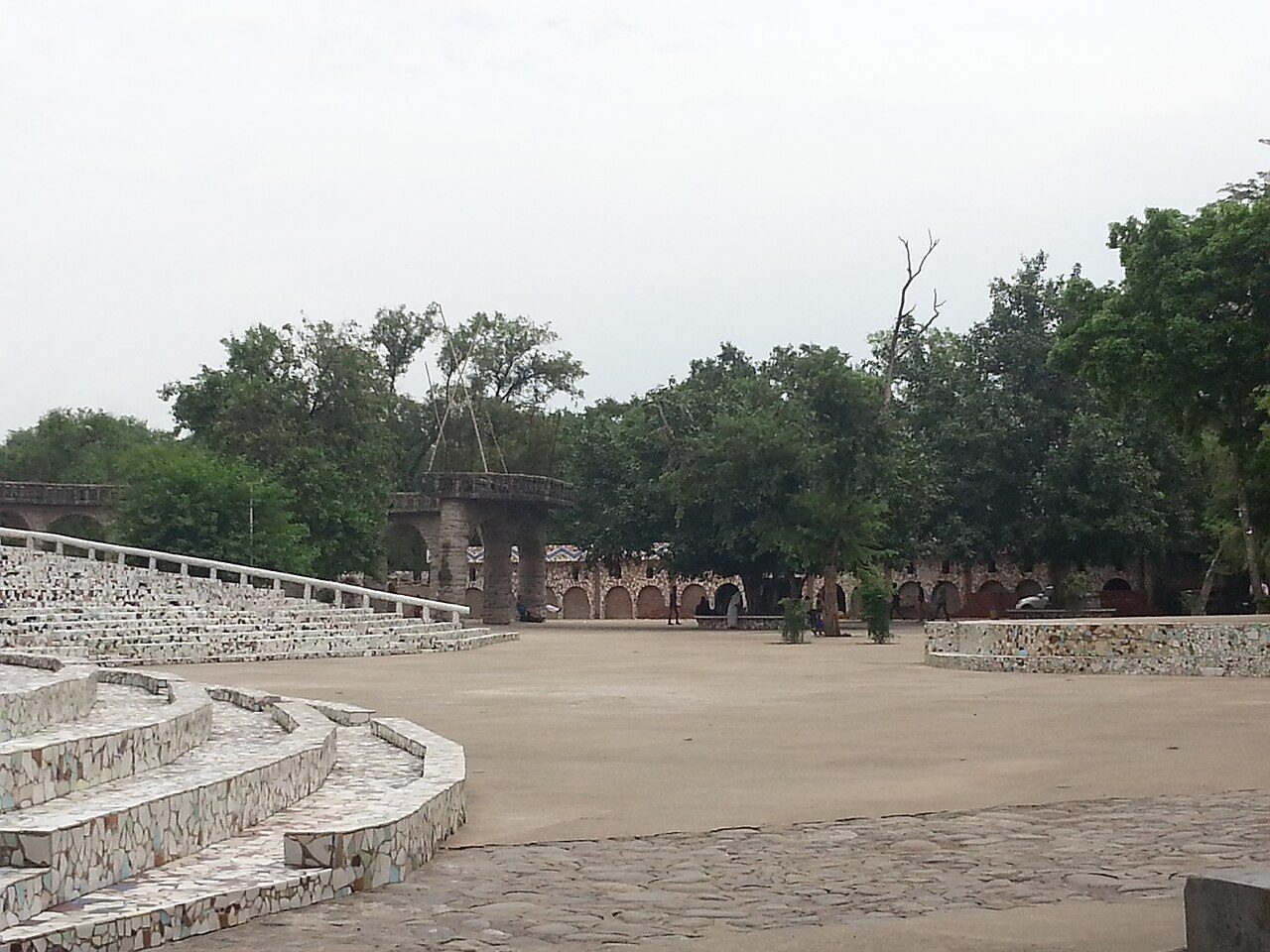
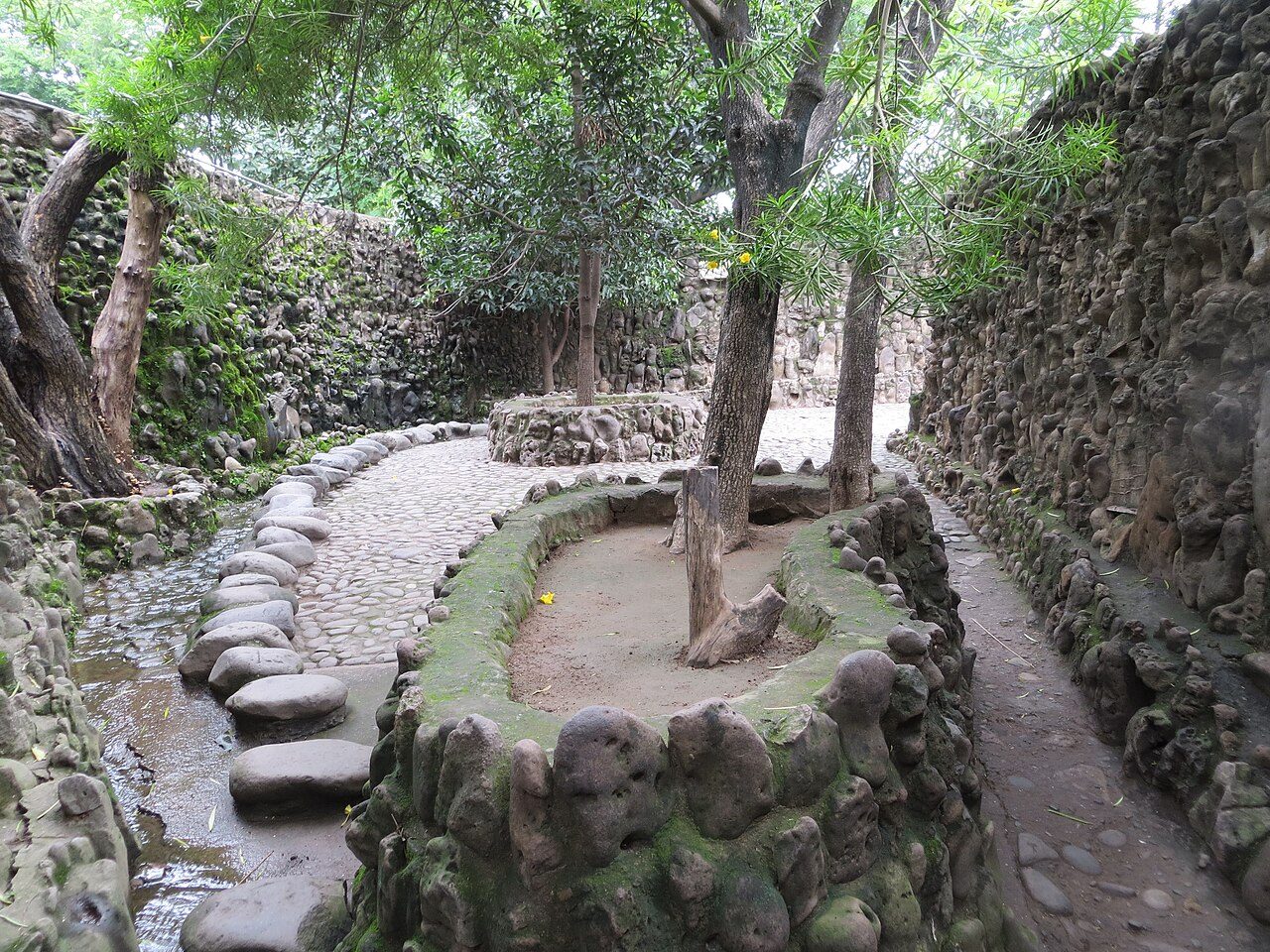
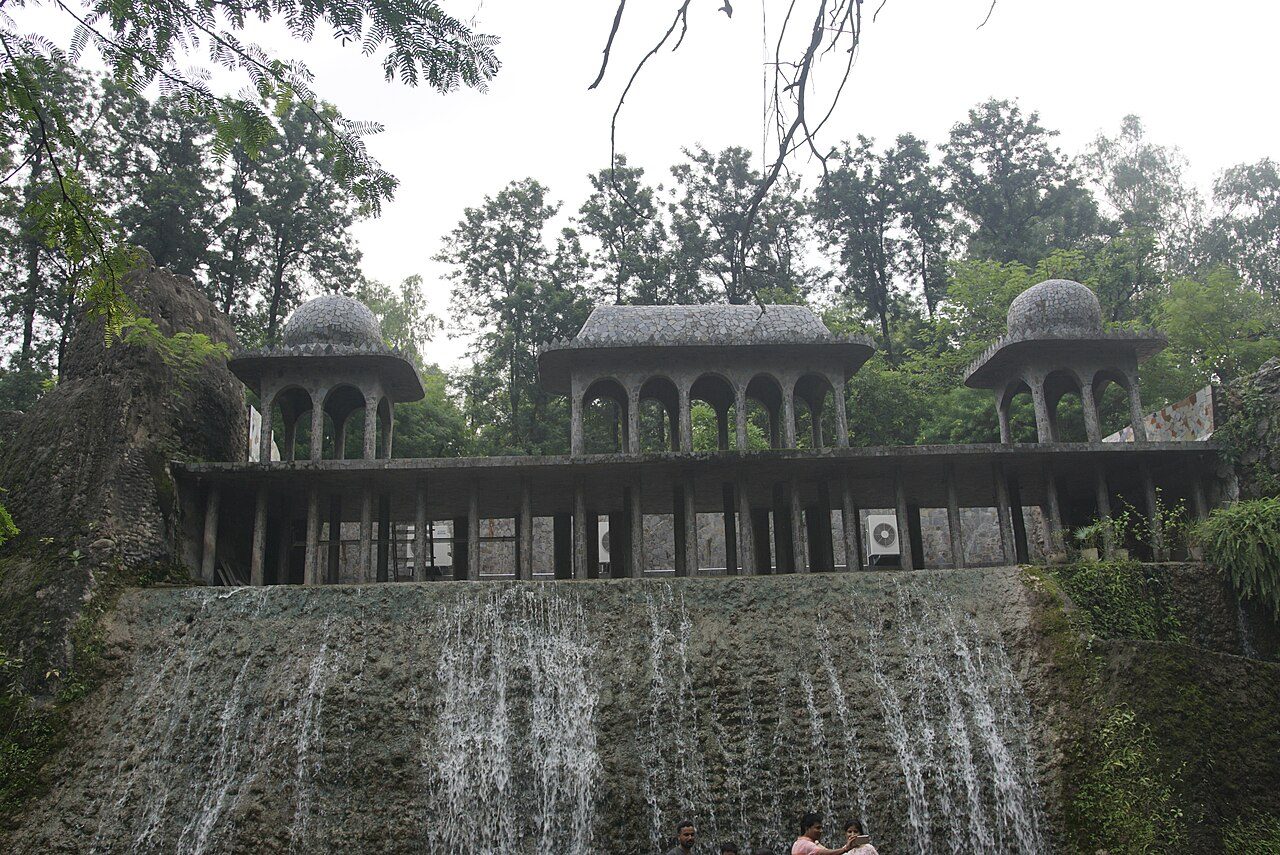
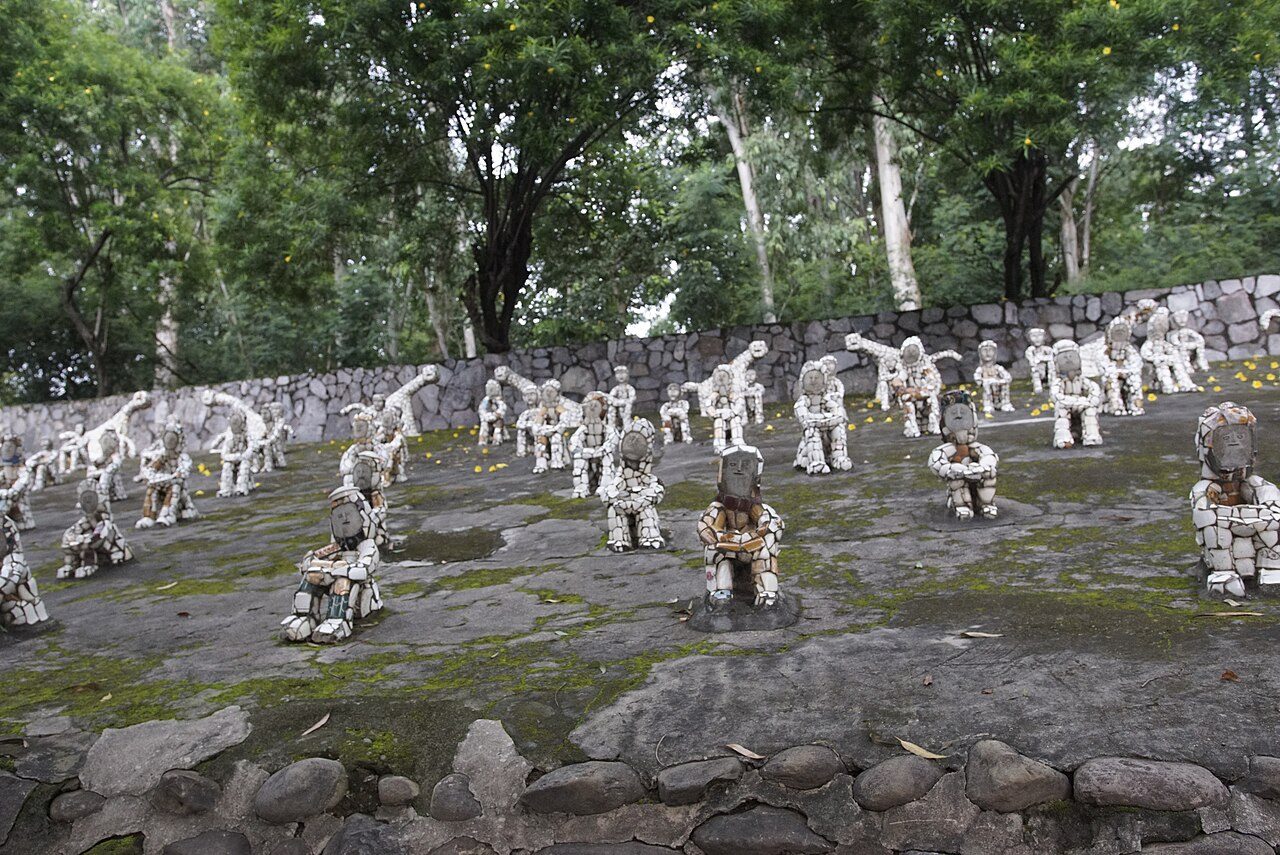
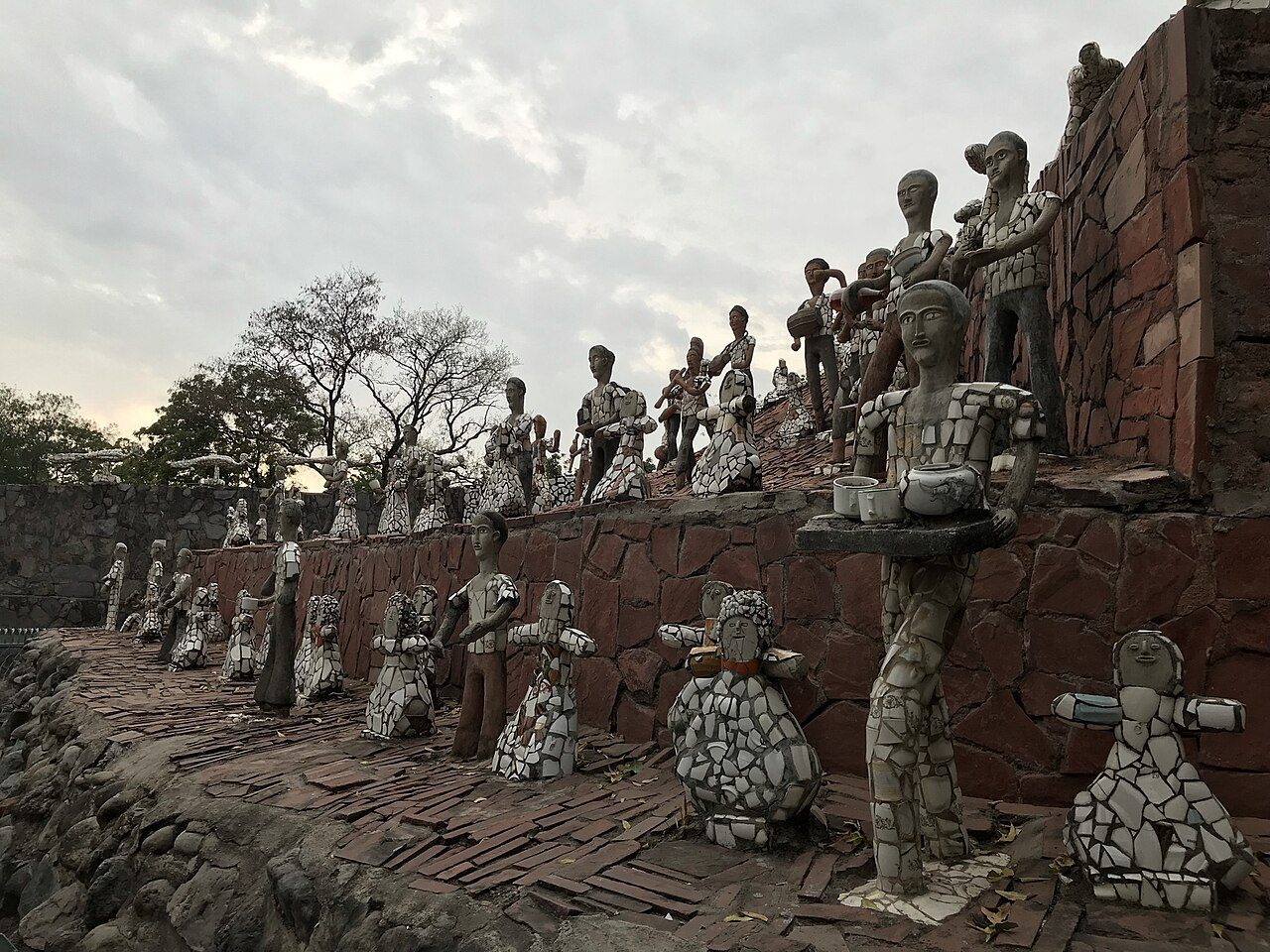
The Rock Garden of Chandigarh was built in secret from the 1950s by Nek Chand, a road inspector, out of industrial and household waste and rocks gathered from the hills. Discovered by the authorities years later, it was preserved and expanded. Today it covers a large area with thousands of figures of people and animals, waterfalls, arches and courtyards linked by narrow passages.
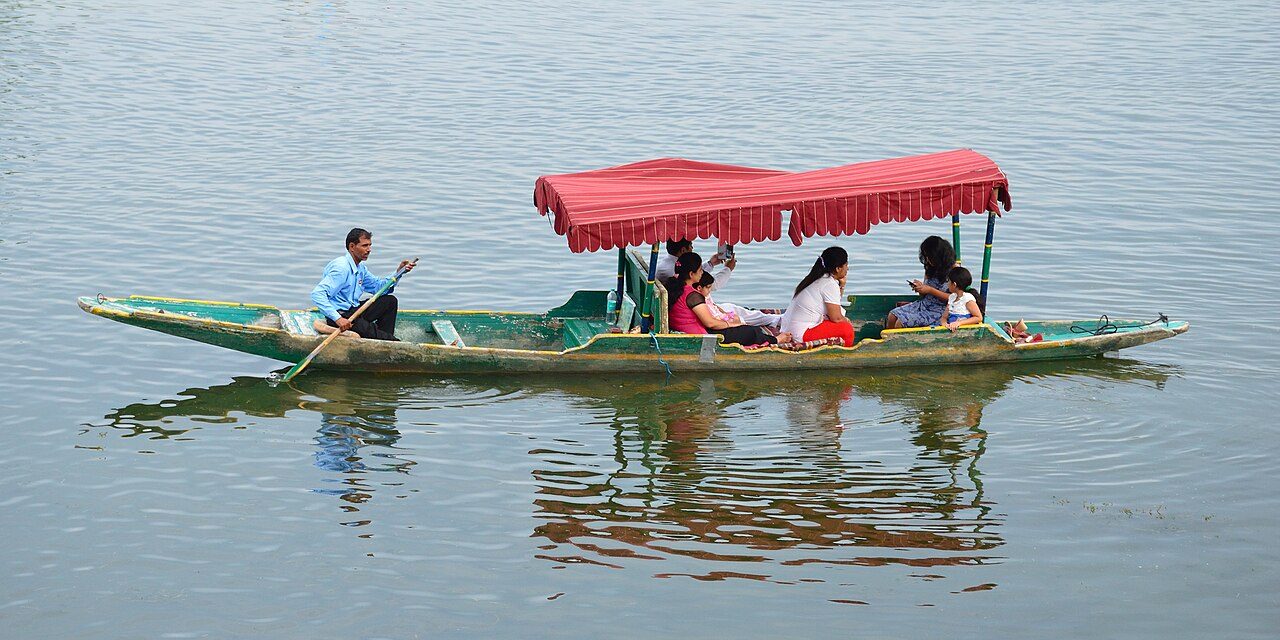
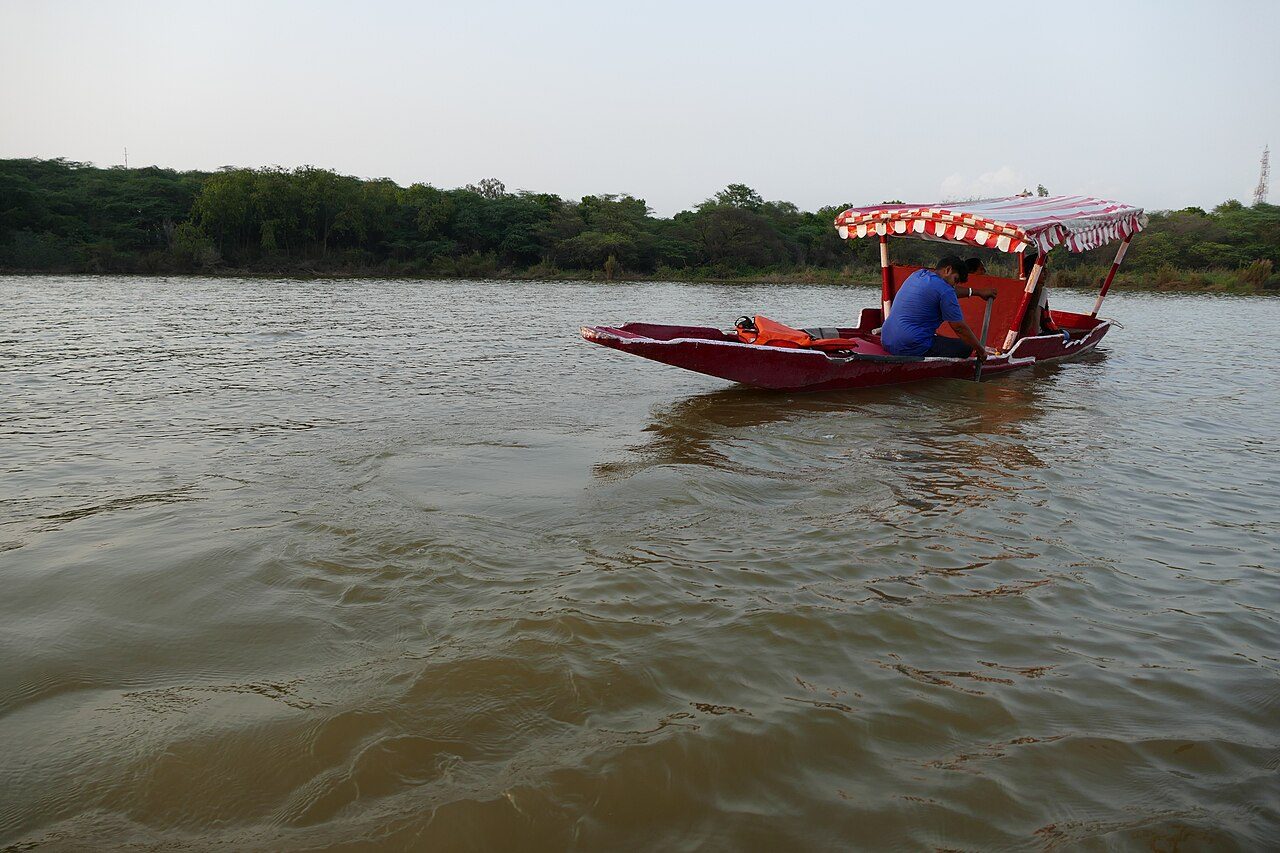
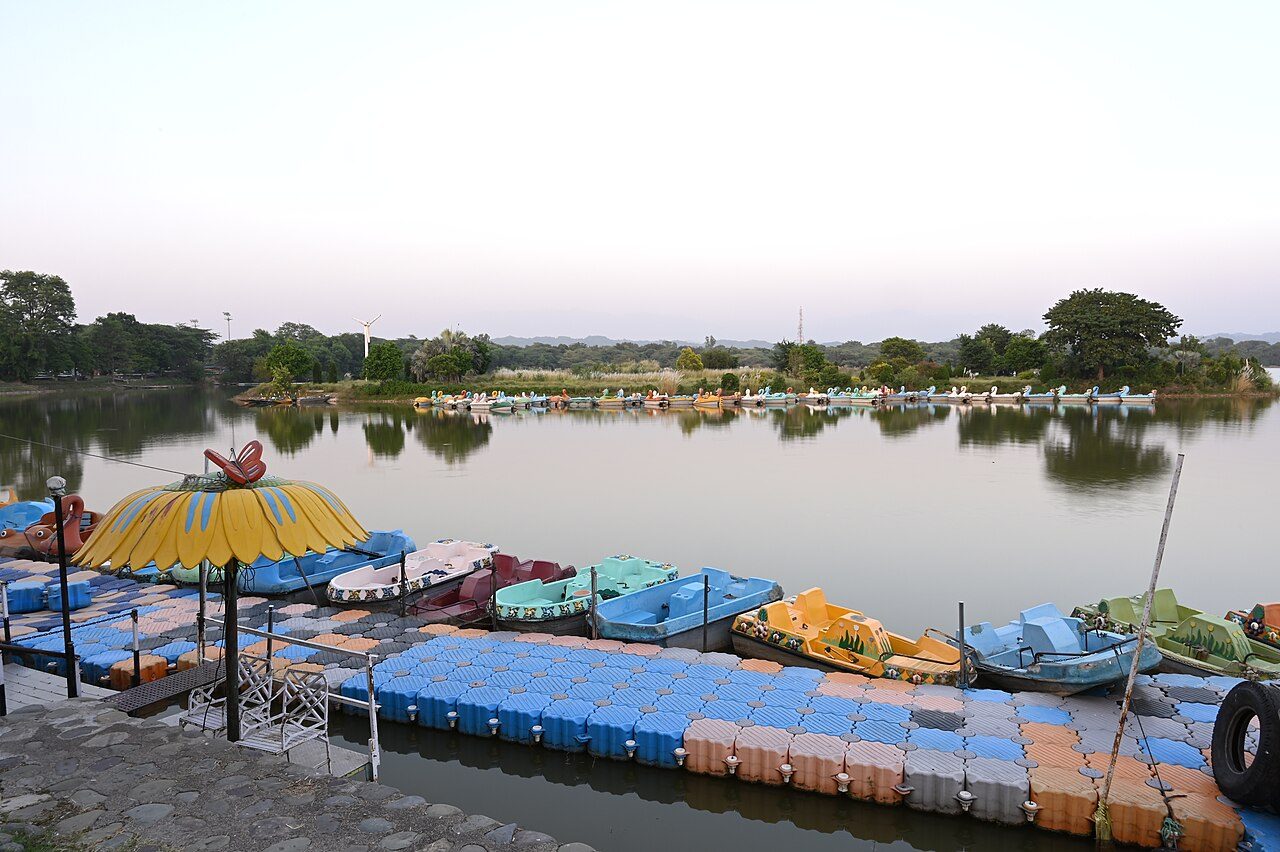
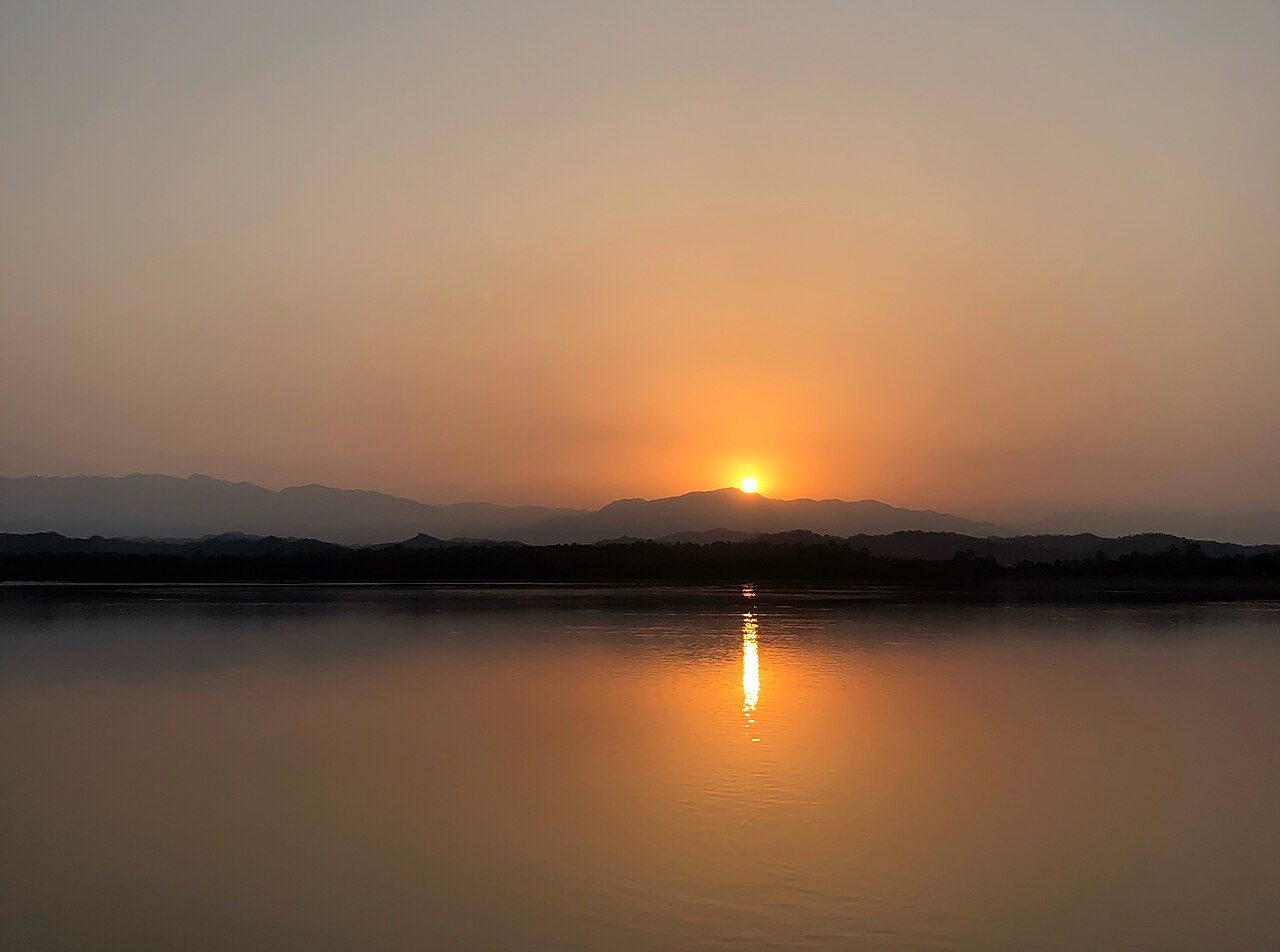
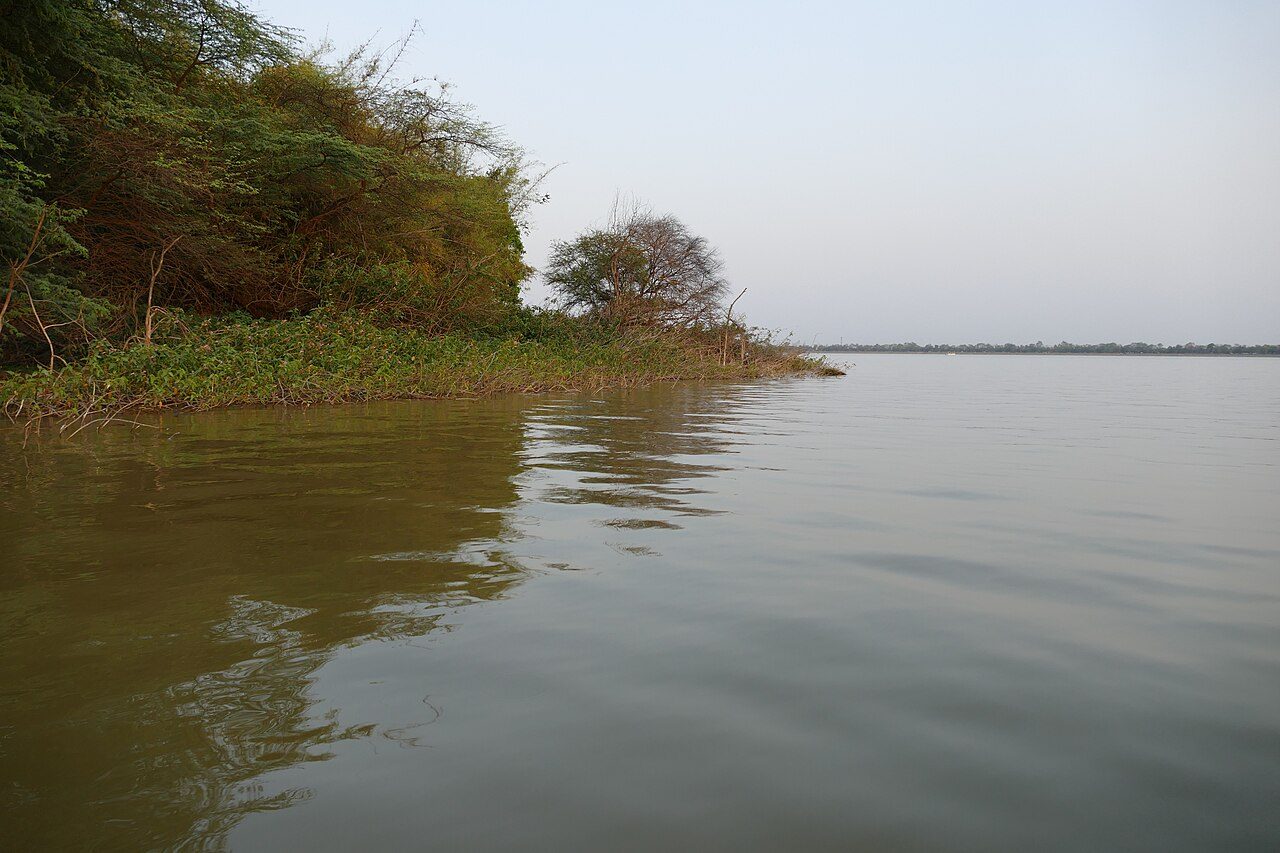
Sukhna Lake is an artificial lake at the foot of the Shivalik hills, created in 1958 by damming a seasonal stream as part of Le Corbusier's plan for Chandigarh. A long promenade along its bank is the city's favourite place for morning walks and sunsets. Pedal boats and rowing boats can be hired, and motor boats are banned to keep it quiet. Migratory birds visit in winter.
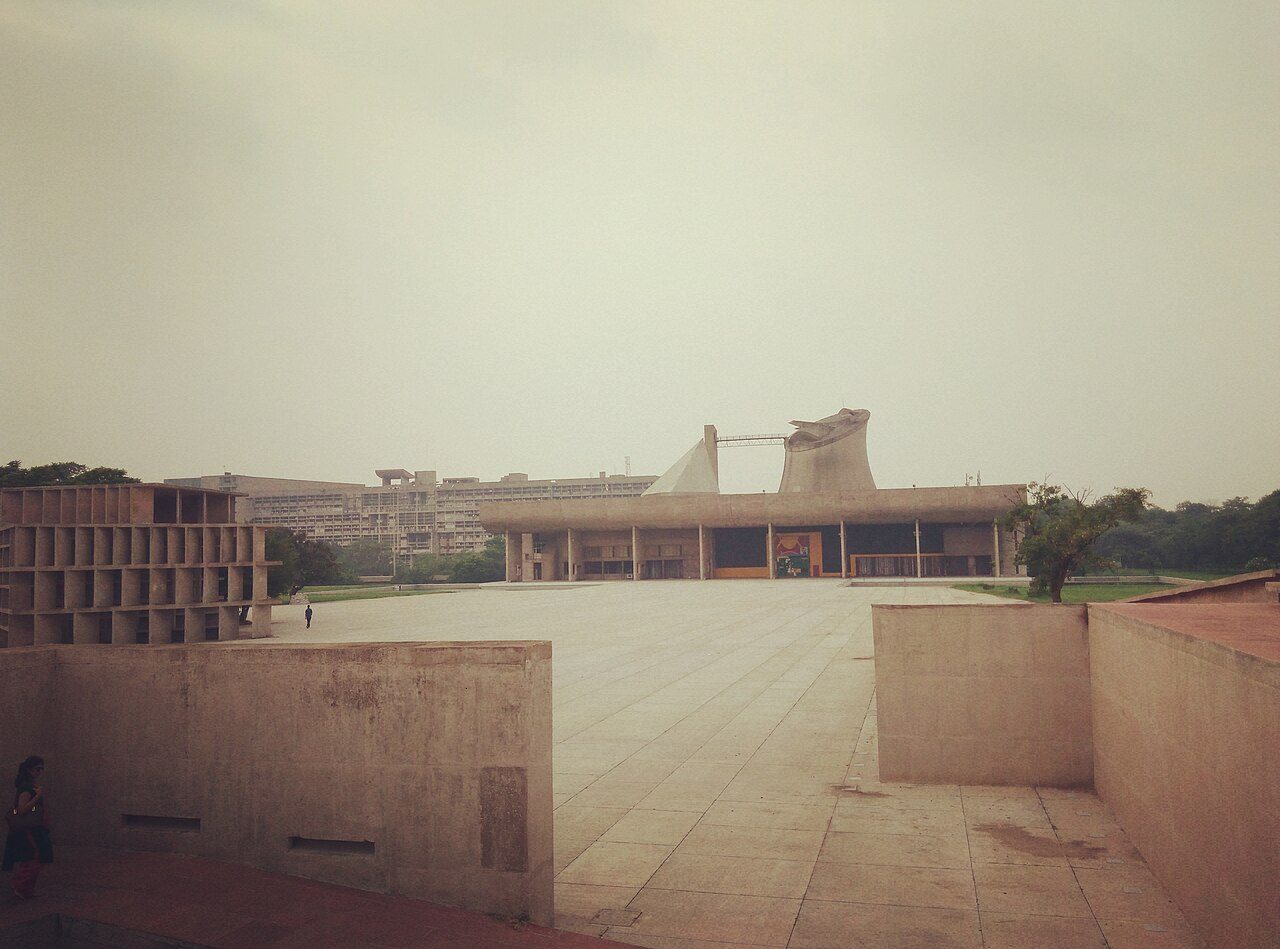
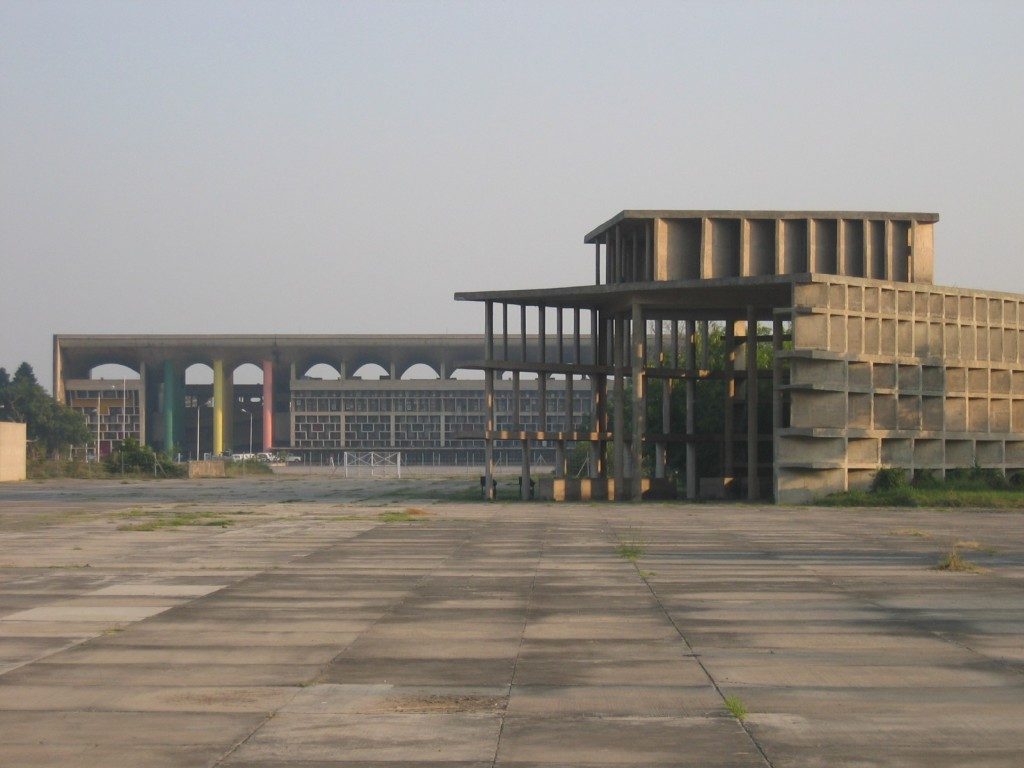
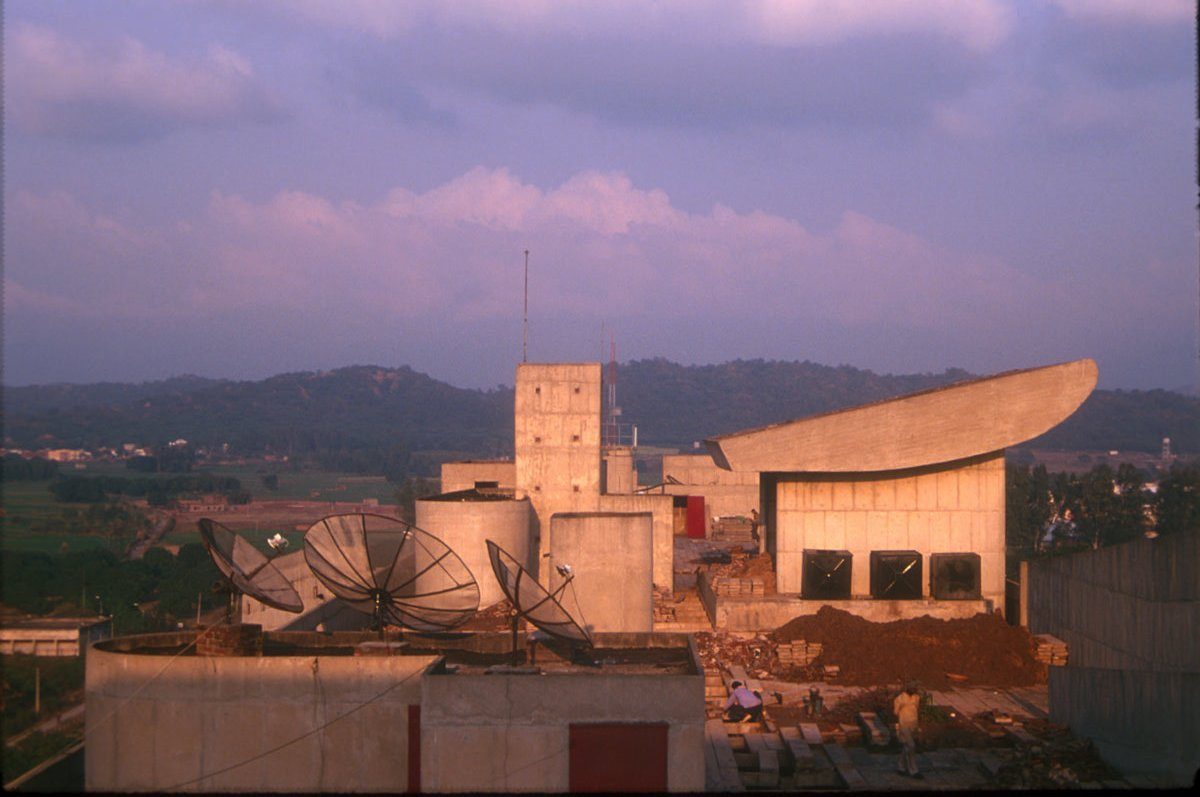
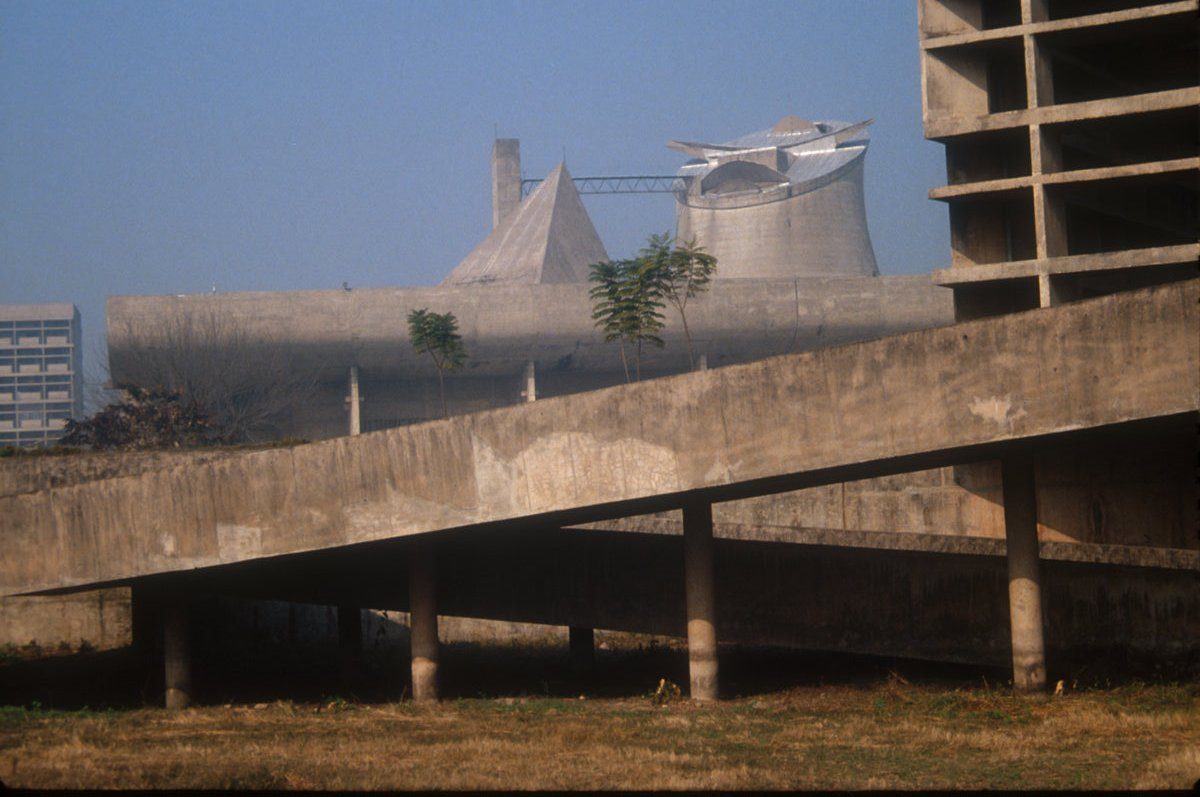
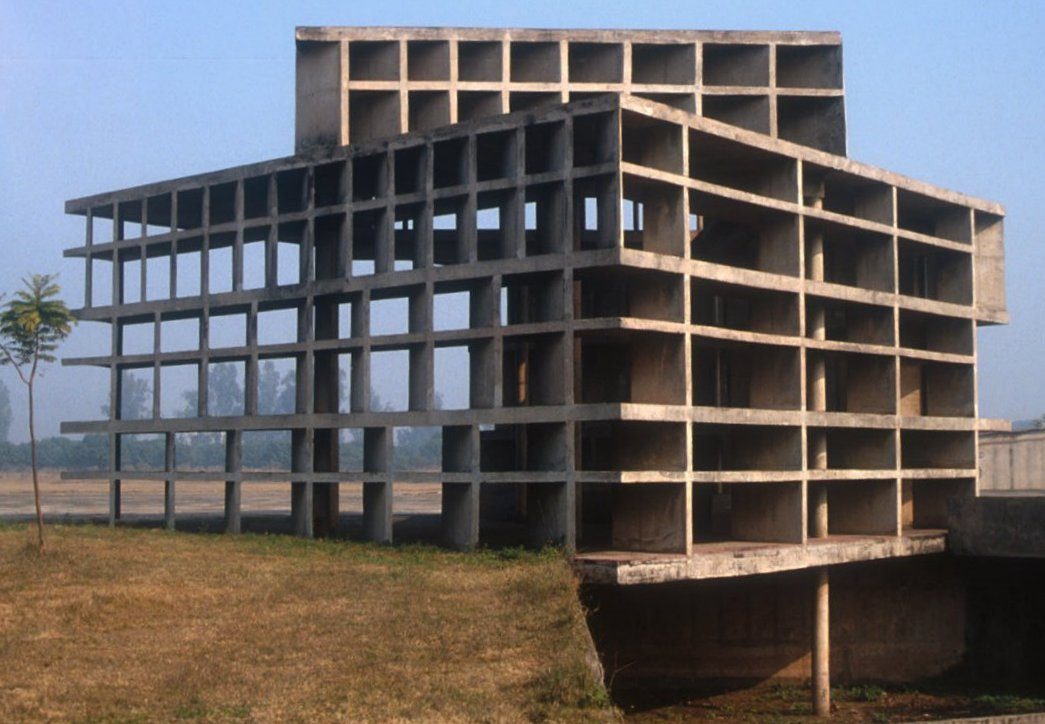
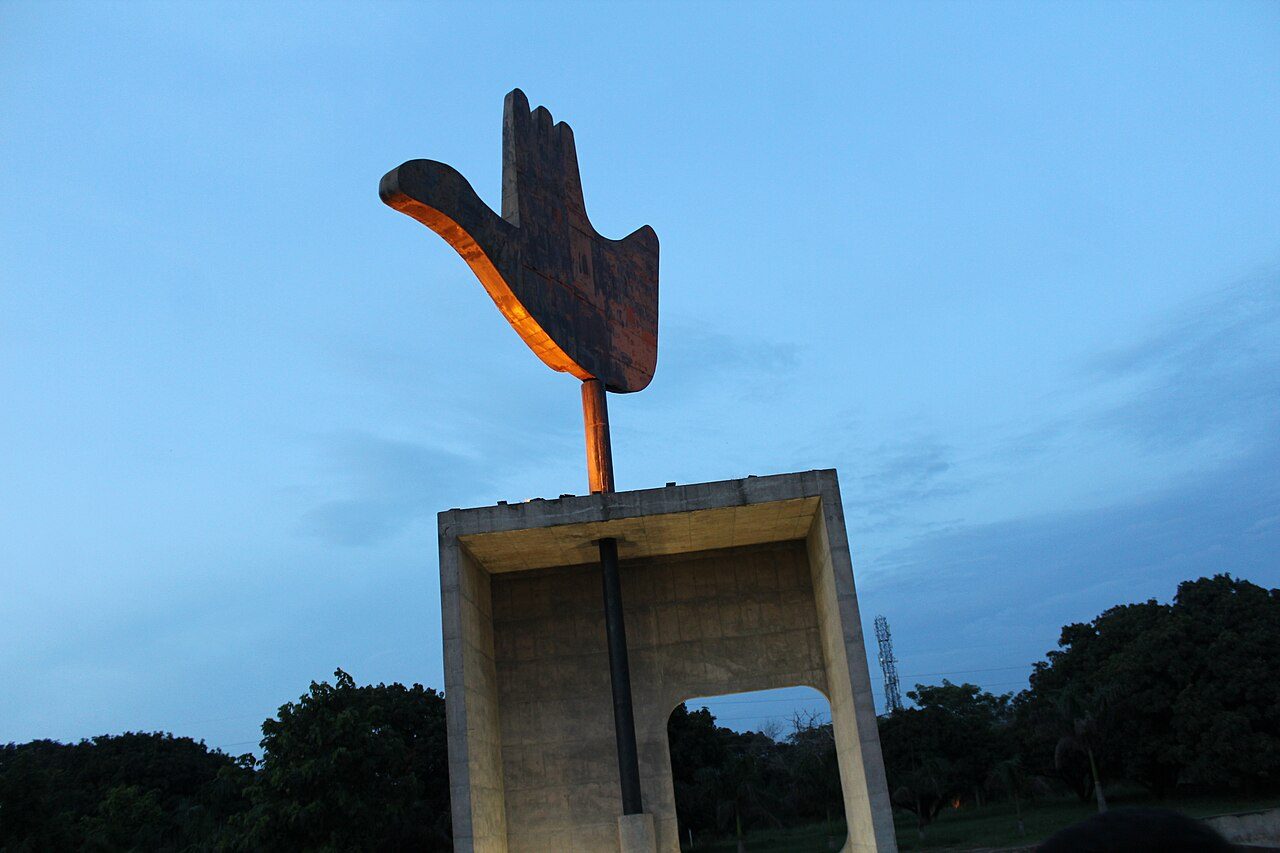
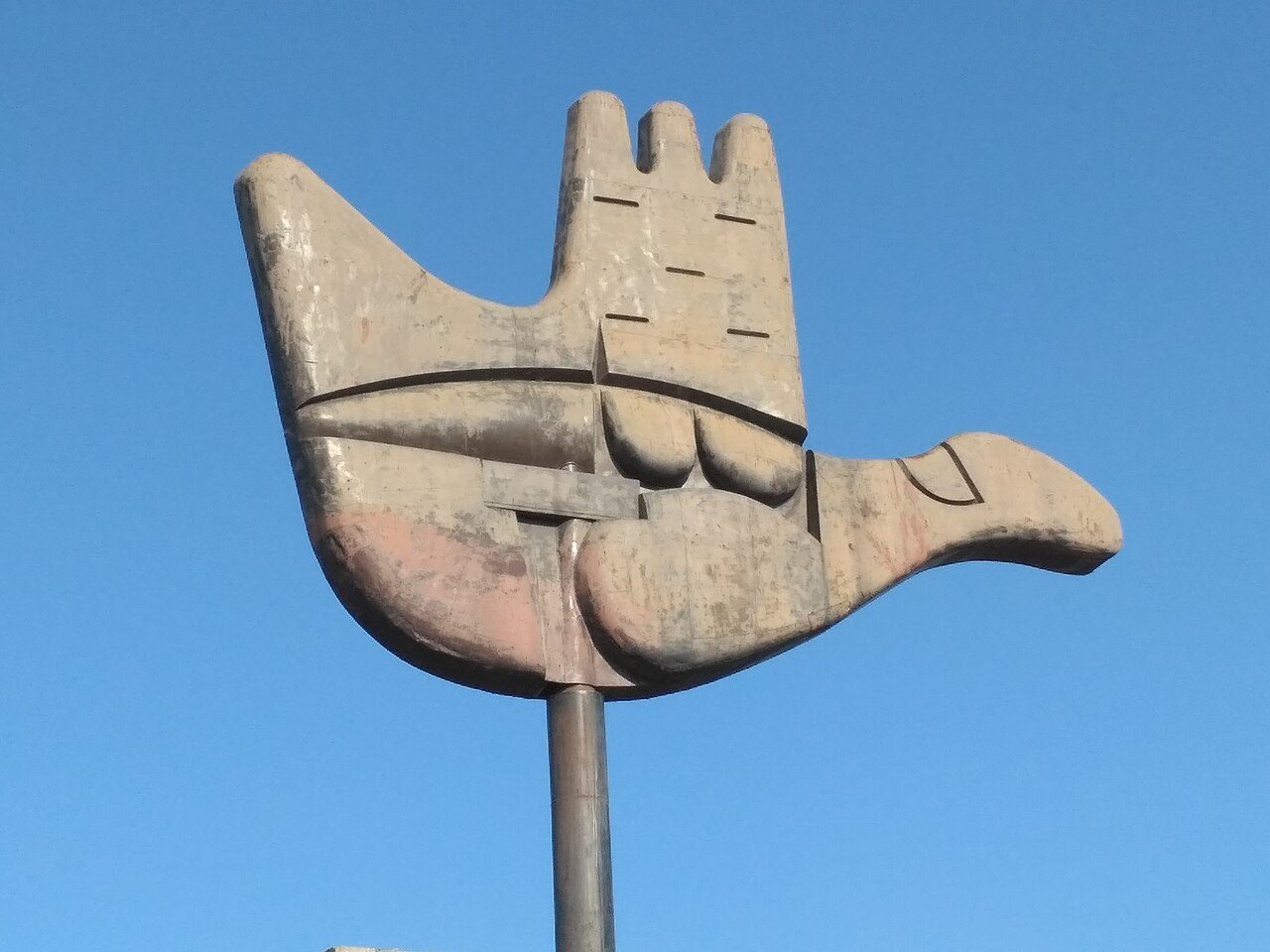
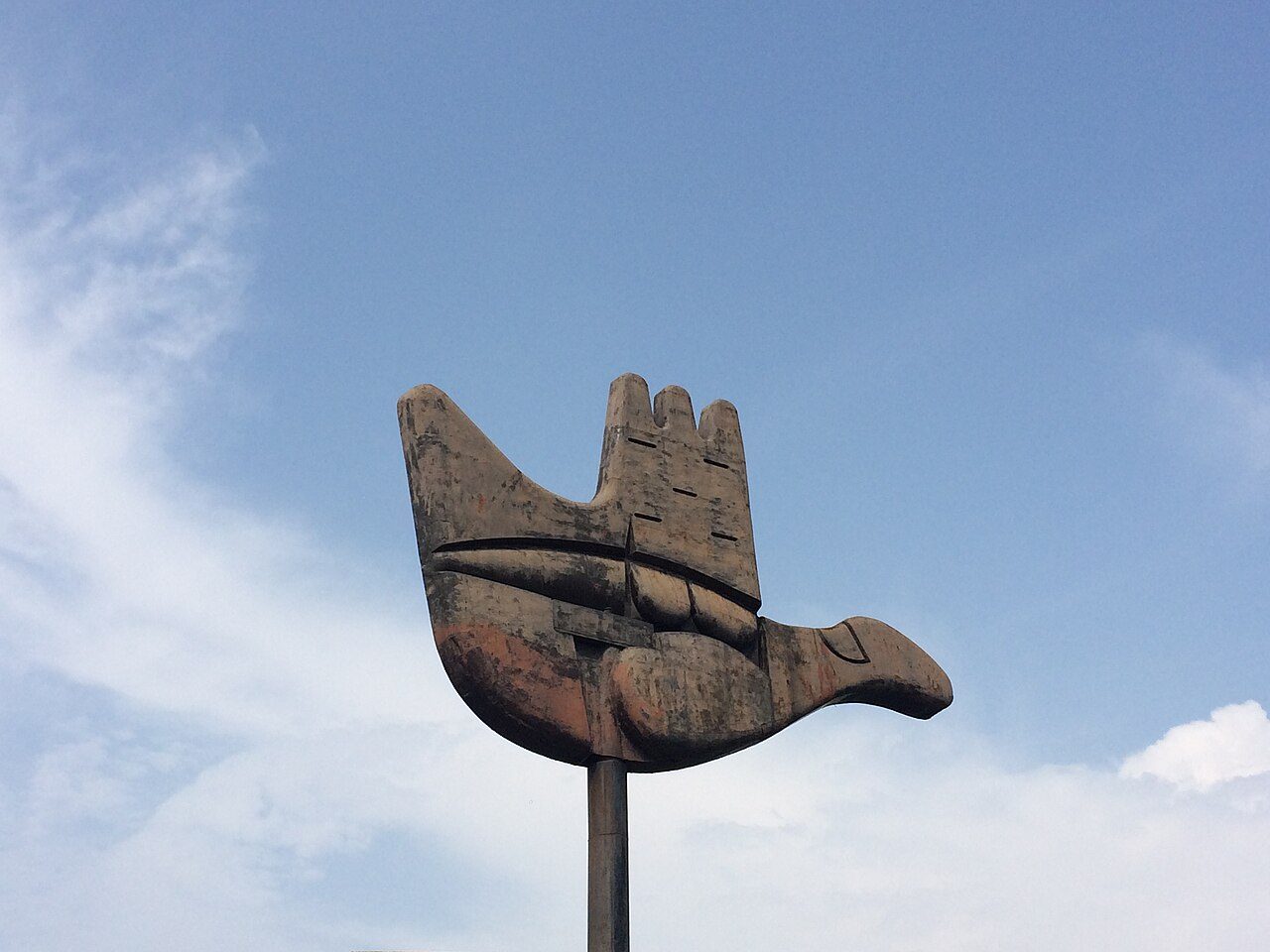
The Capitol Complex is the governmental heart of Chandigarh and Le Corbusier's most important work in India, inscribed as a UNESCO World Heritage Site in 2016. Three monumental concrete buildings, the Secretariat, the Legislative Assembly and the High Court, face one another across a vast plaza, with the Tower of Shadows and Open Hand between. Free guided tours start from the tourist centre; carry photo ID.
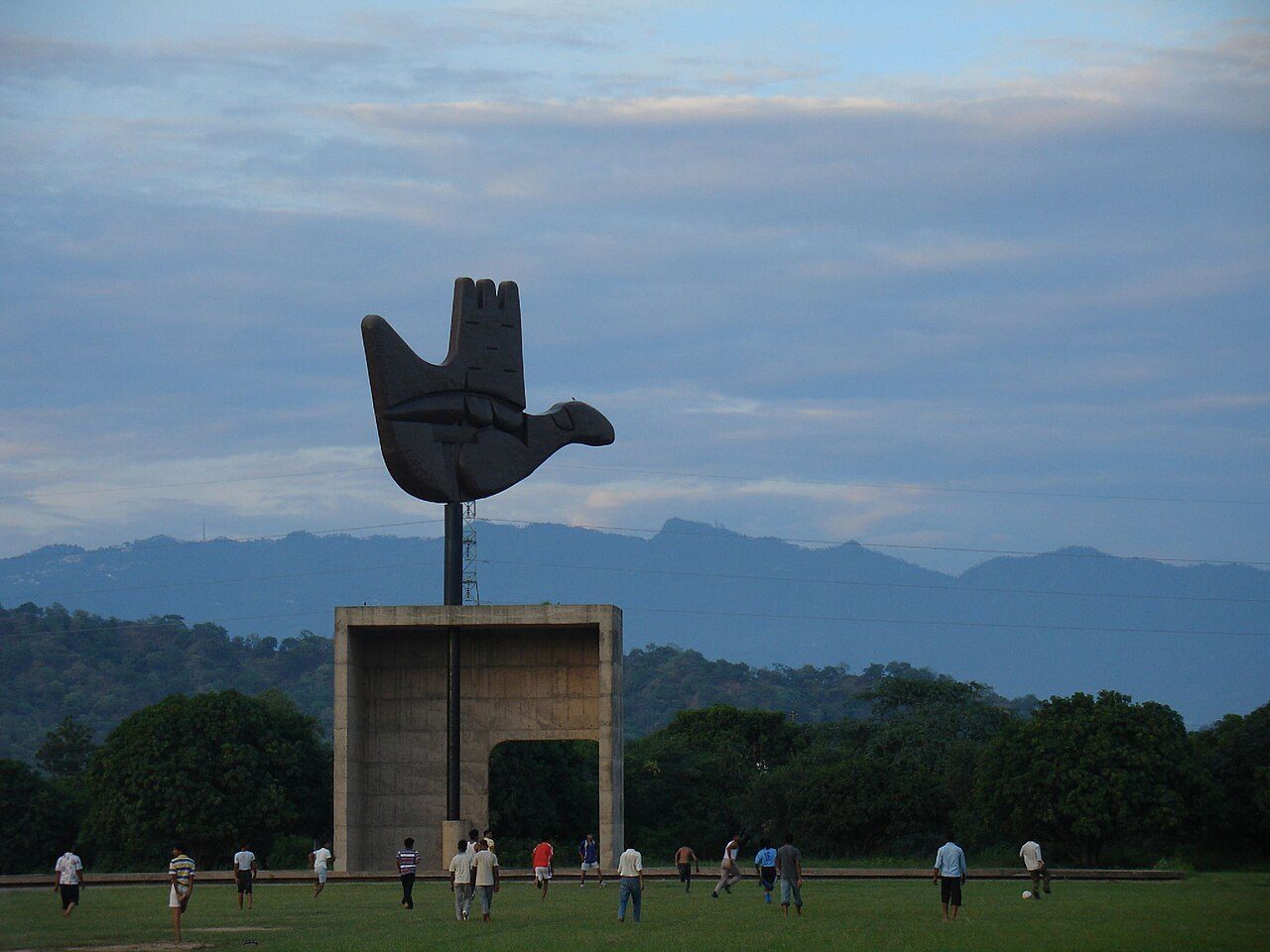
The Open Hand Monument, designed by Le Corbusier, is the emblem of Chandigarh. The metal sculpture, about 26 metres high, turns in the wind like a weather vane and stands for 'the hand to give and the hand to take; peace and prosperity, and the unity of mankind'. It stands in a sunken plaza in the Capitol Complex. Entry to the complex is by guided tour with photo ID.
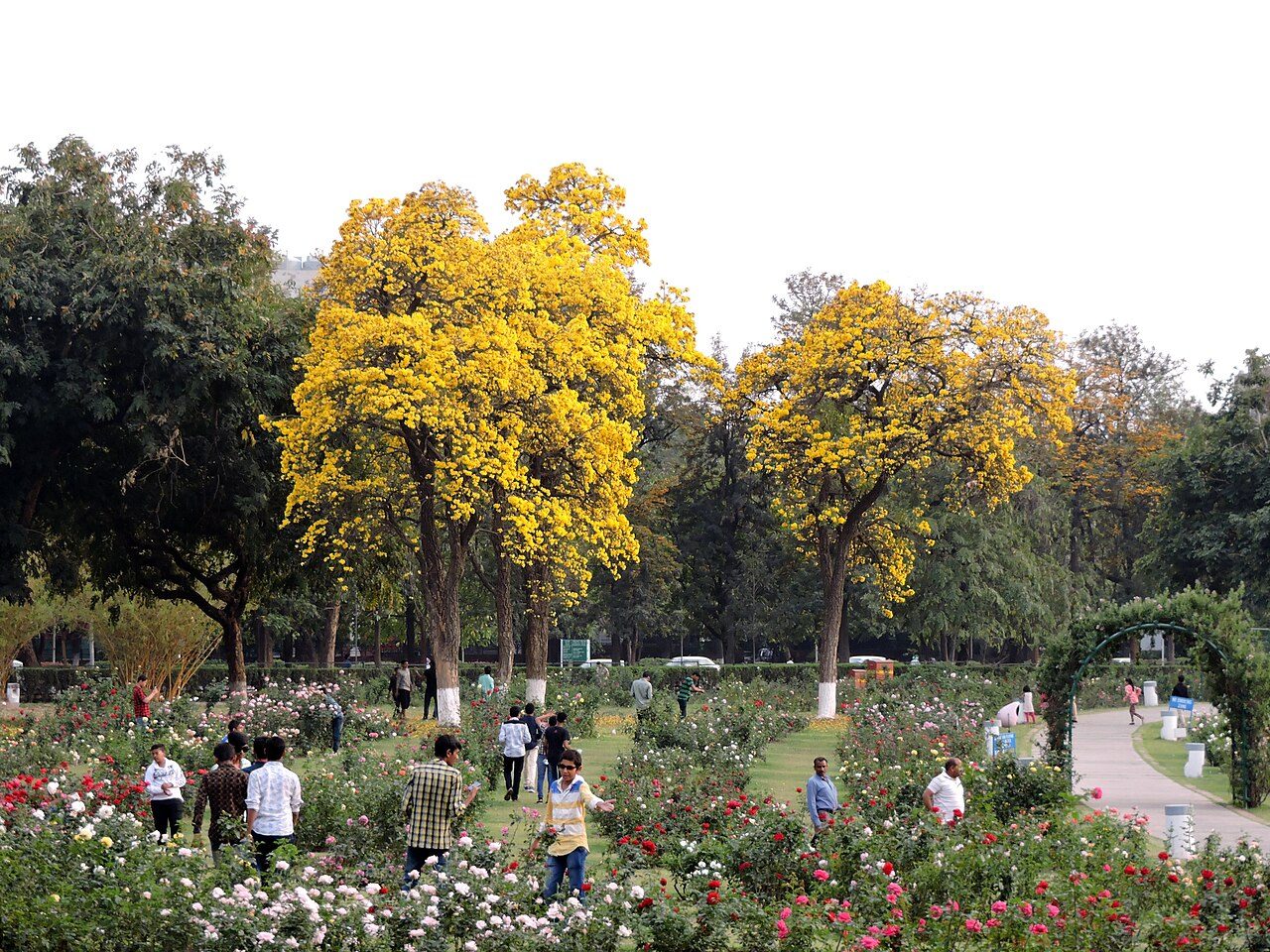
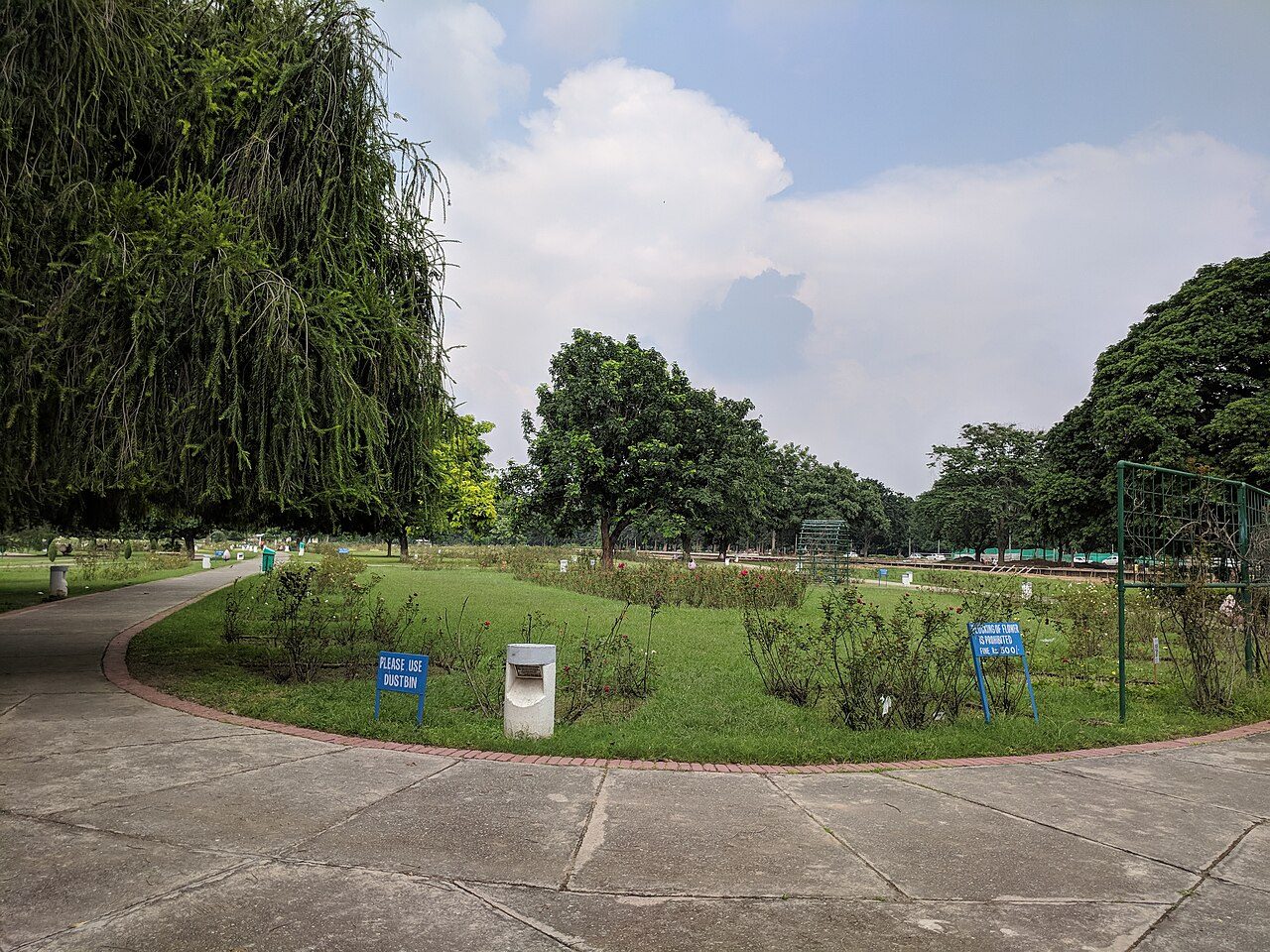
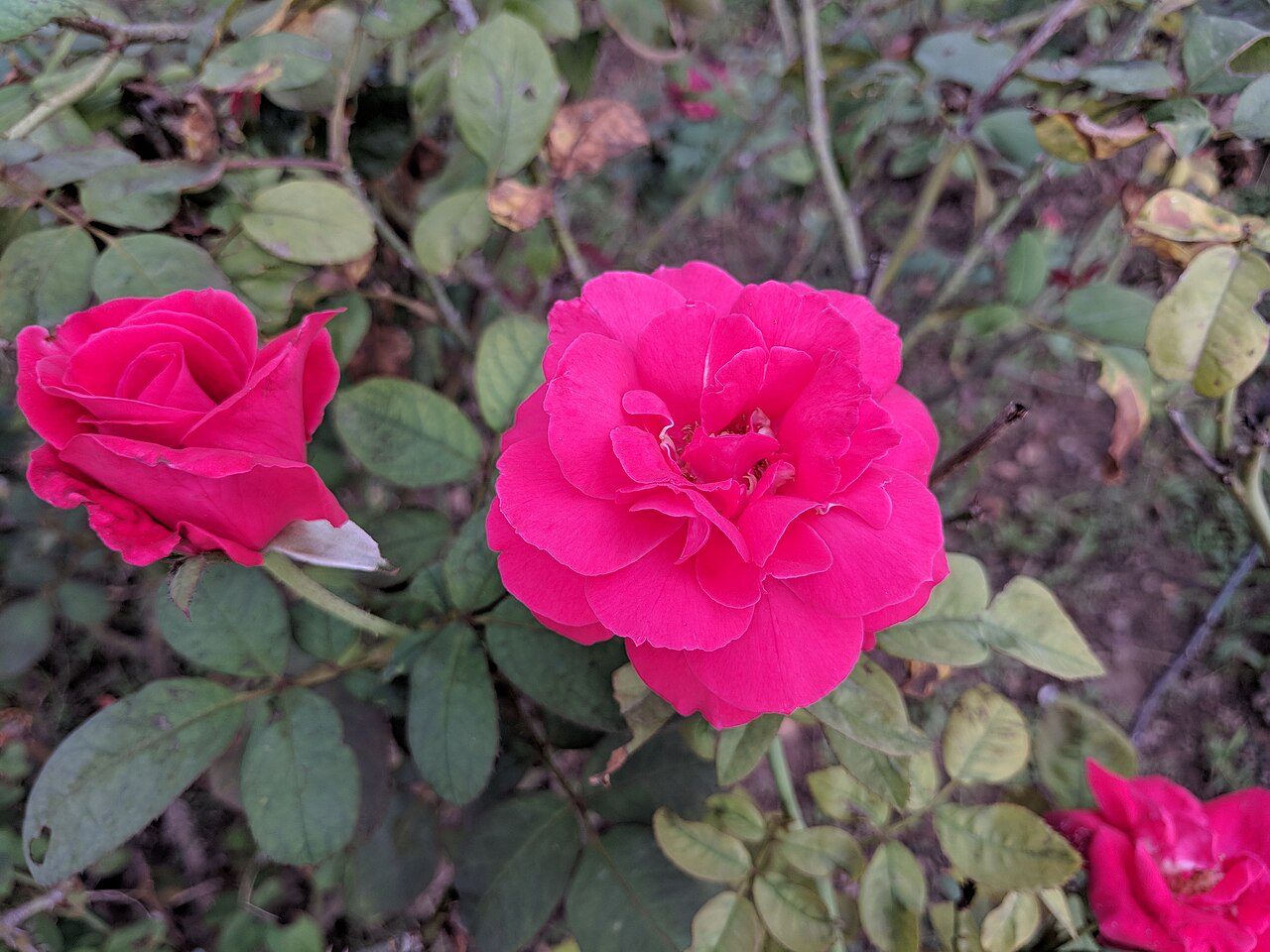
The Zakir Hussain Rose Garden in Sector 16 is among the largest rose gardens in Asia, laid out in 1967 and named after a former President of India. It has well over a thousand varieties of roses along with medicinal trees, fountains and lawns. The Rose Festival each February is one of Chandigarh's main events. February and March are the peak flowering months.
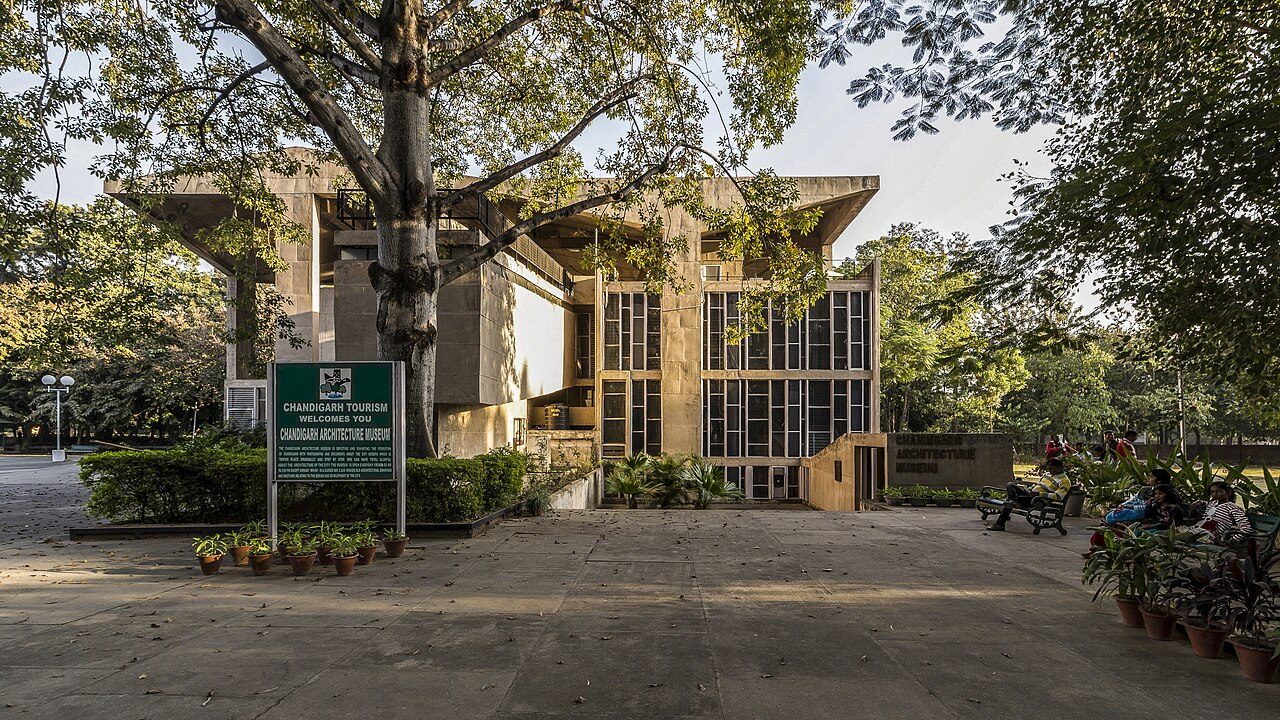
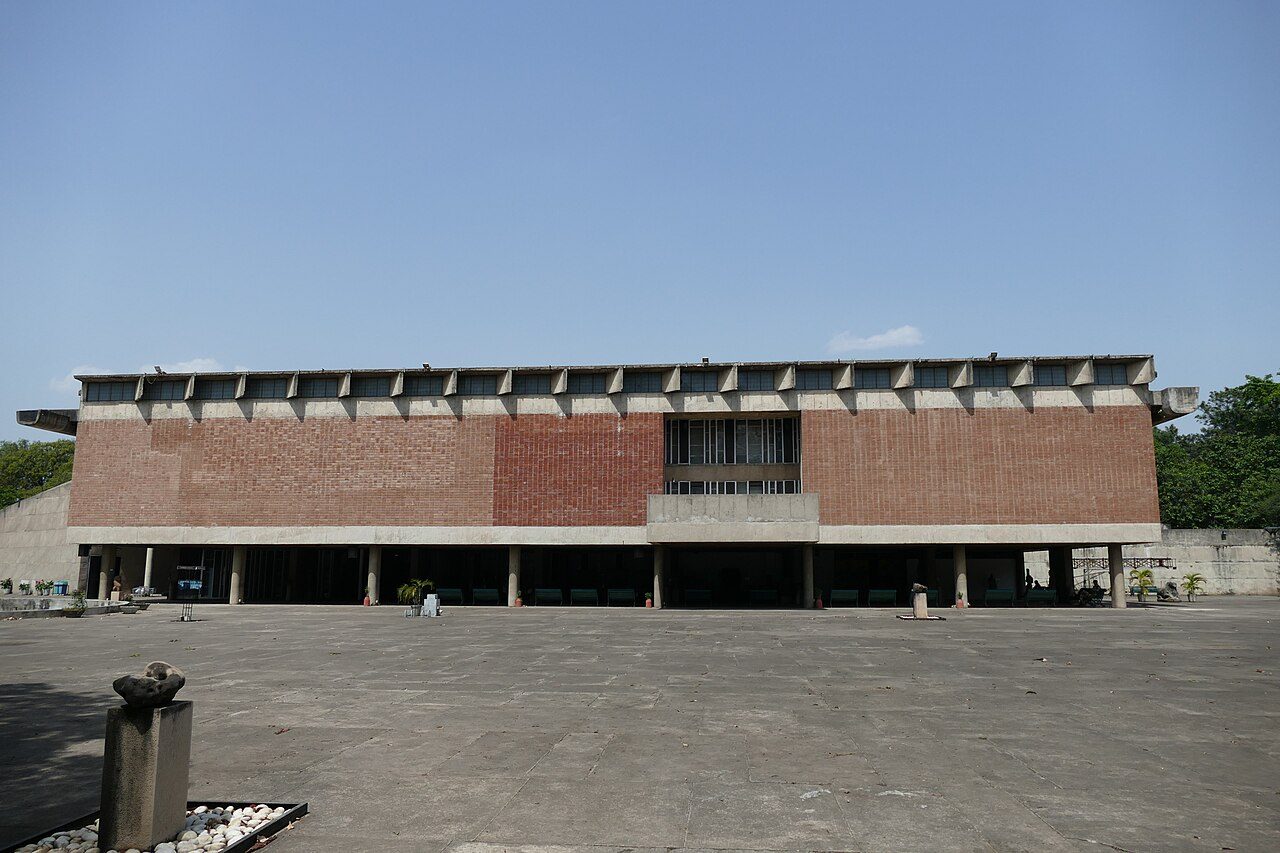
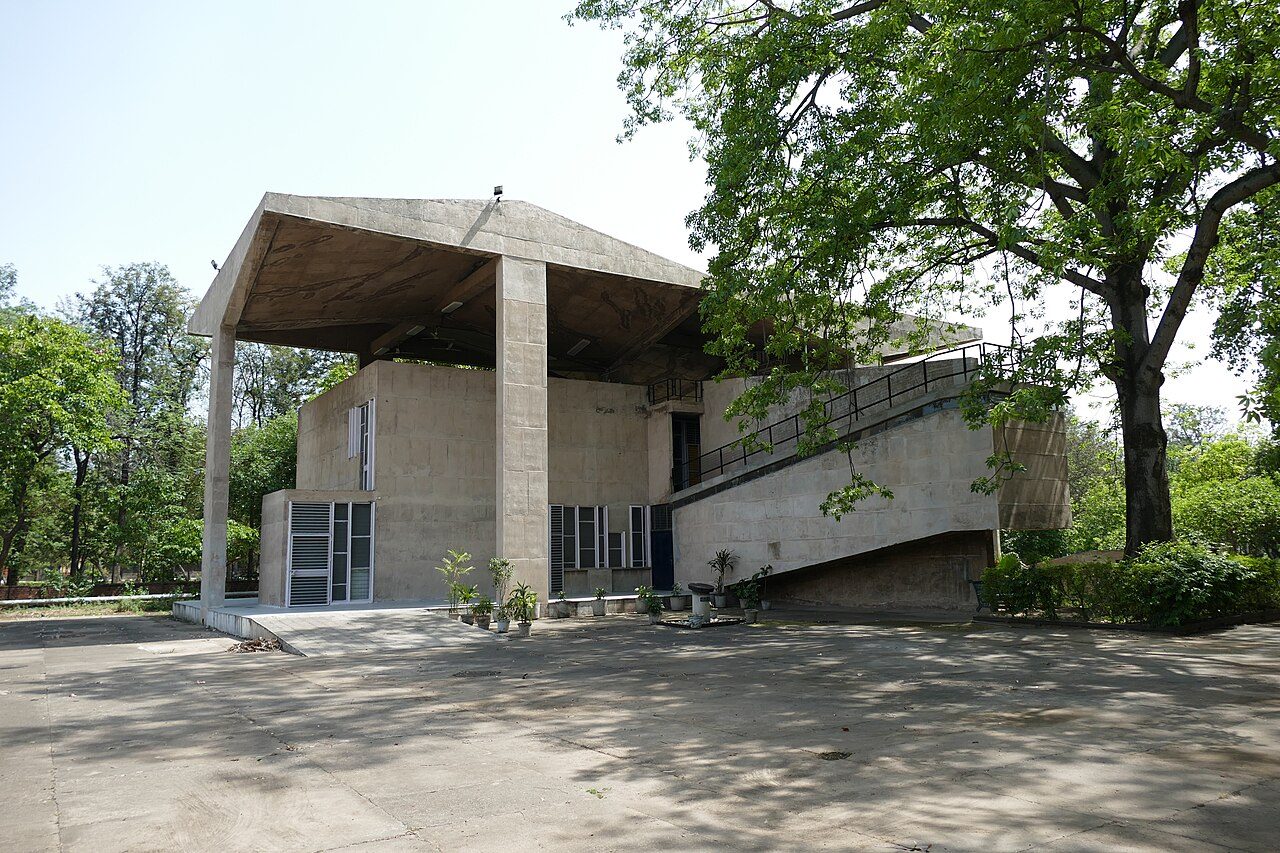
The Government Museum and Art Gallery in Sector 10 holds the share of the Lahore Museum's collection that came to India after Partition. It is known for Gandhara Buddhist sculpture and for Pahari and Rajasthani miniature paintings. The building, designed by Le Corbusier, is itself an attraction, with natural history and architecture museums alongside. It is closed on Mondays.
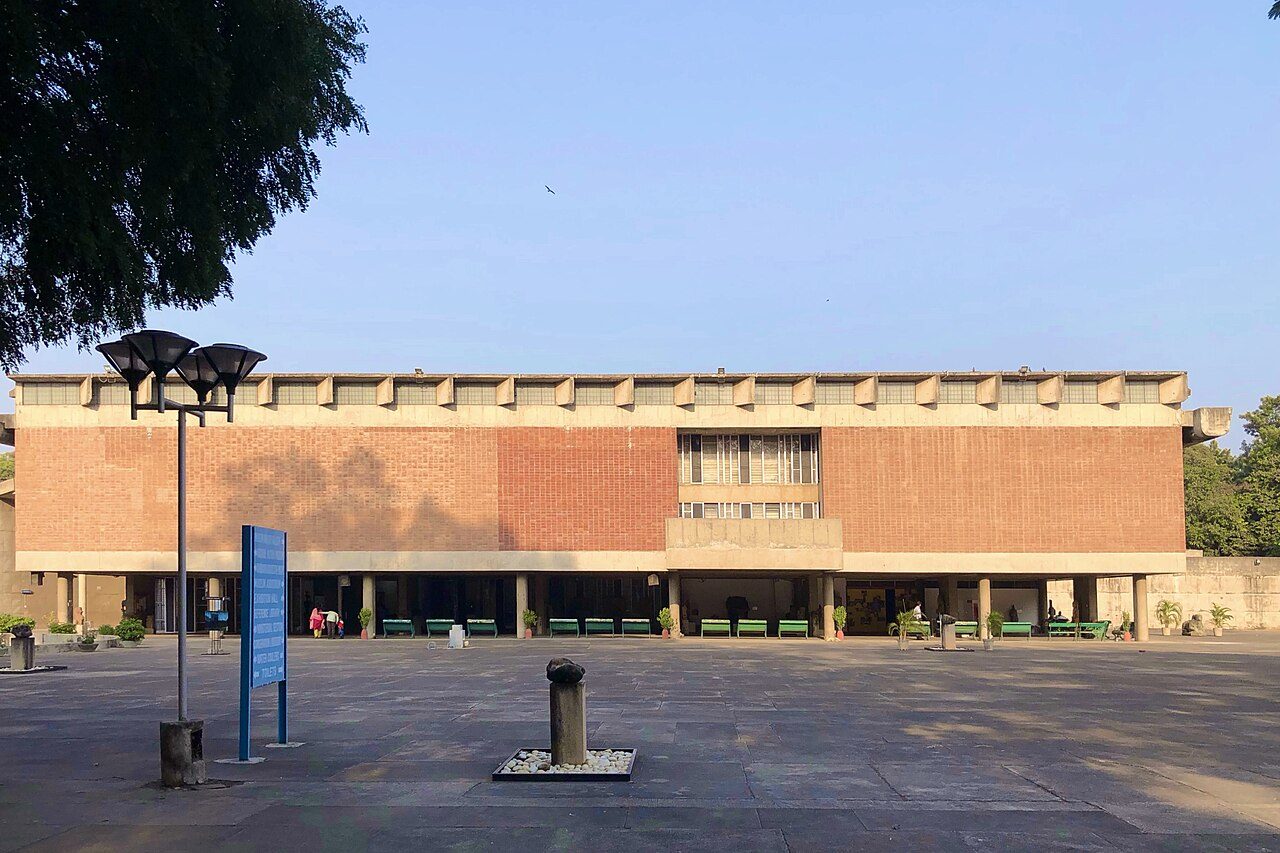
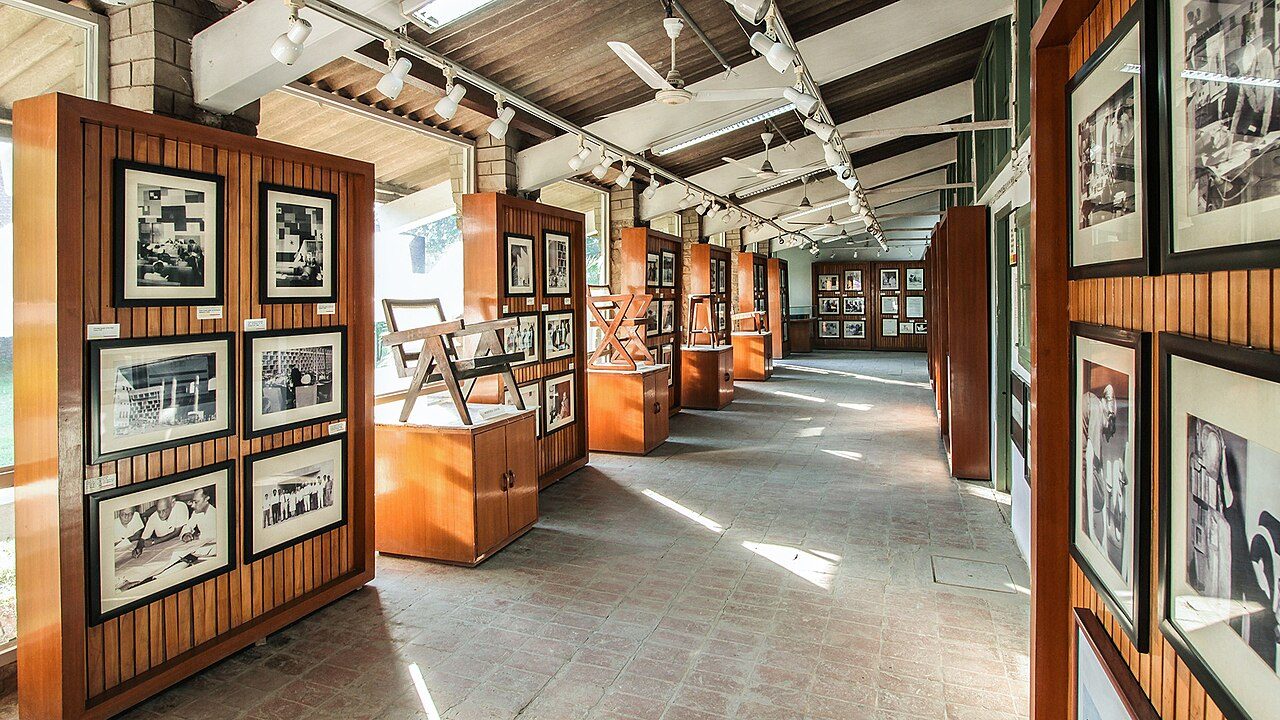
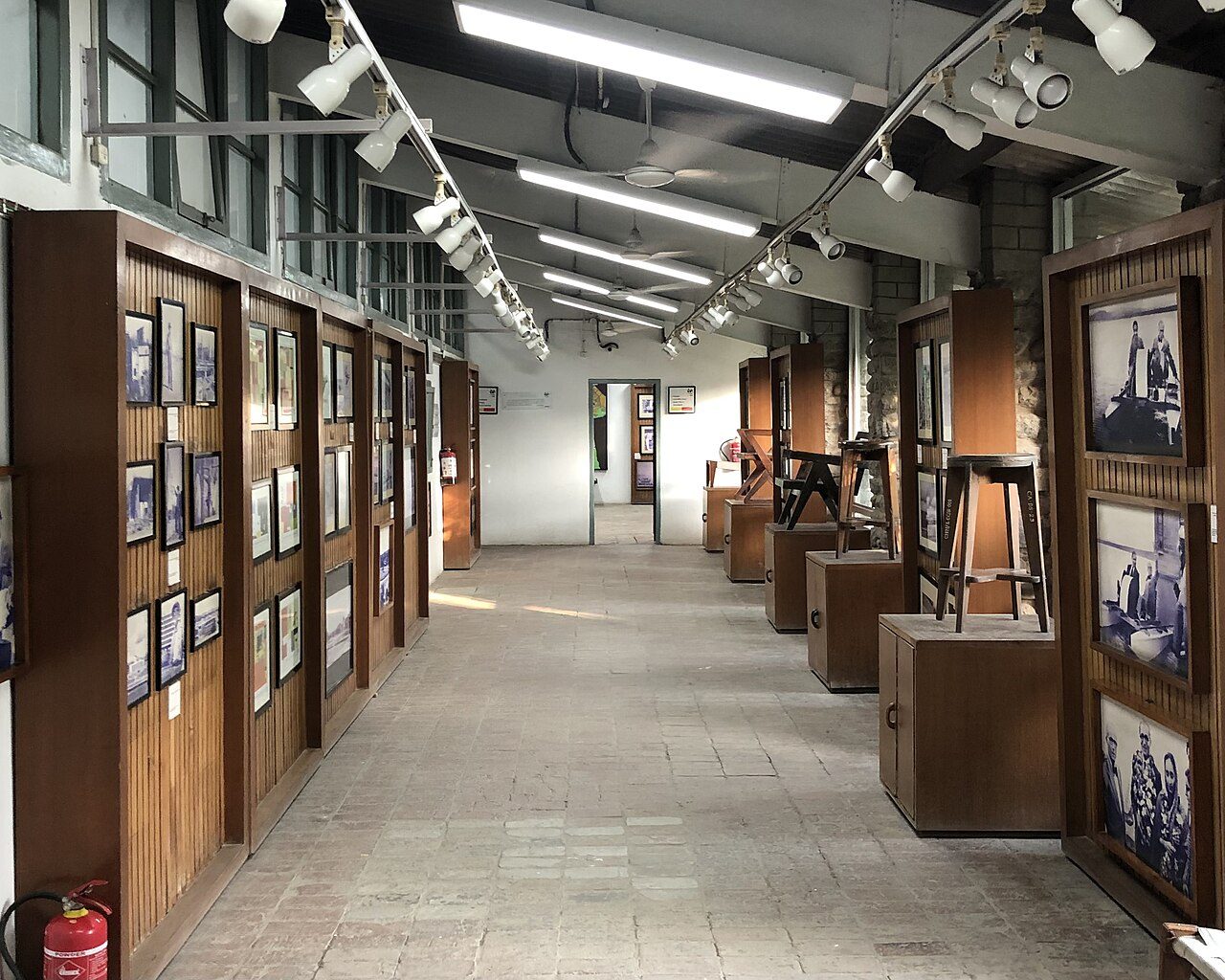
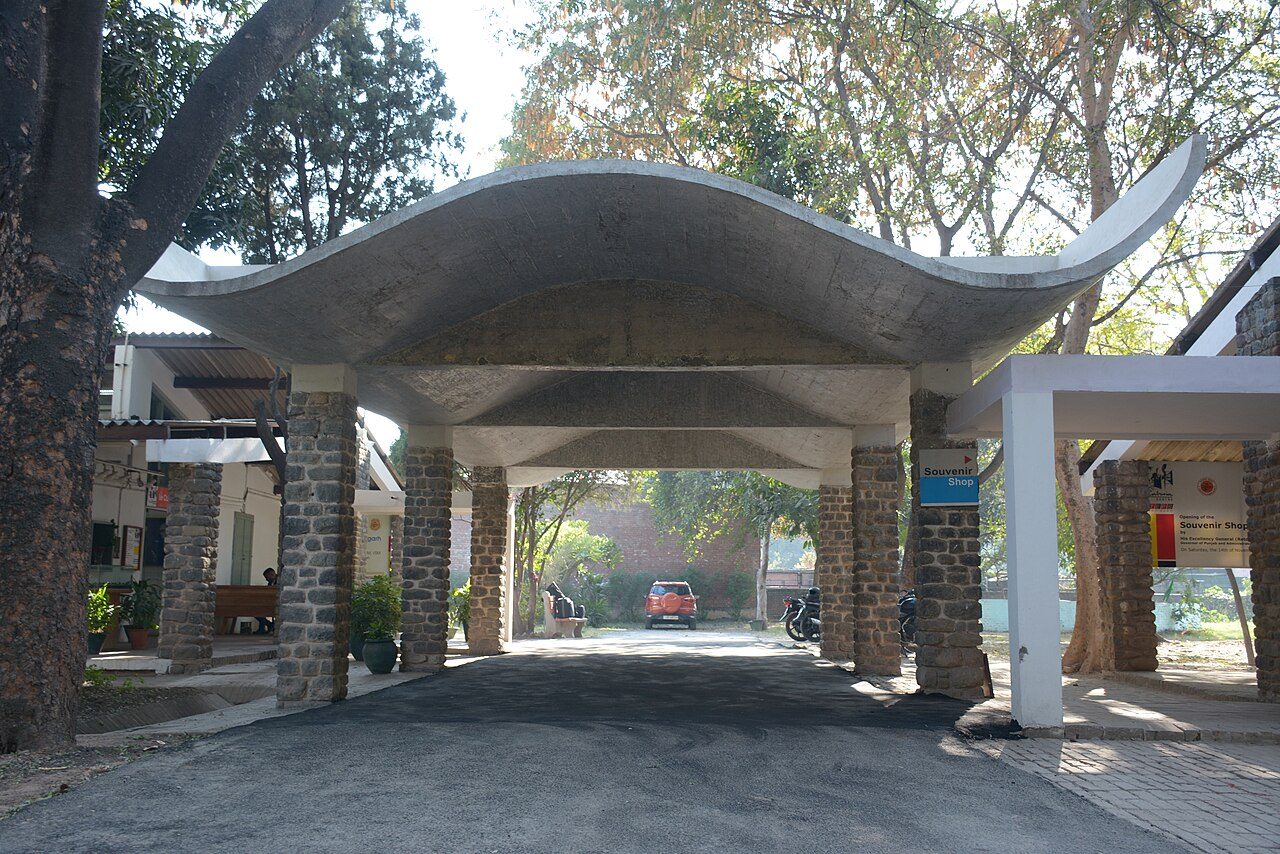
The Le Corbusier Centre in Sector 19 occupies the old architects' office from which Le Corbusier and his team planned Chandigarh in the 1950s. The simple brick building now displays original drawings, plans, models, letters, photographs and furniture relating to the making of the city. It is a good first stop for anyone interested in Chandigarh's design. Closed on Mondays.
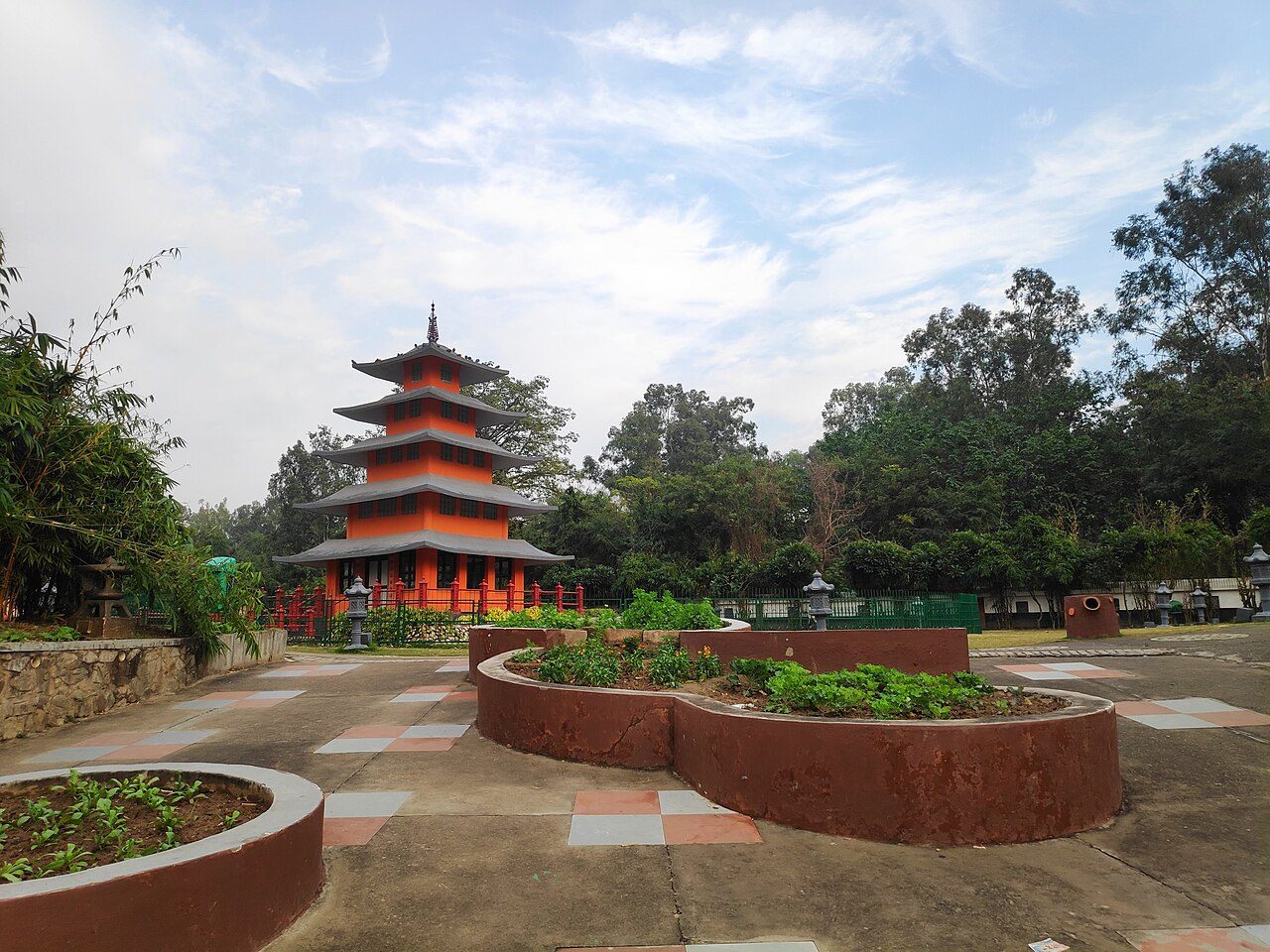
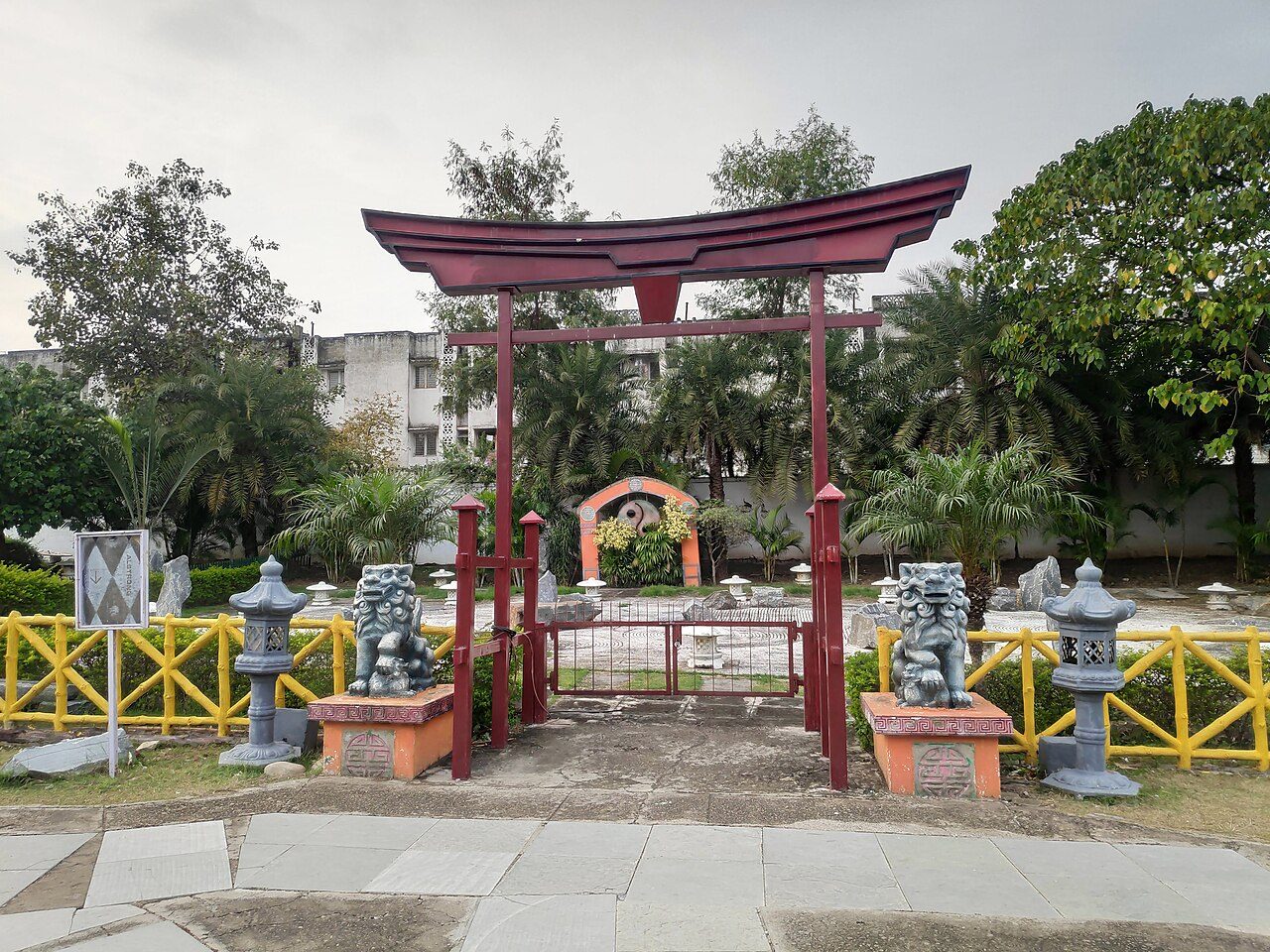
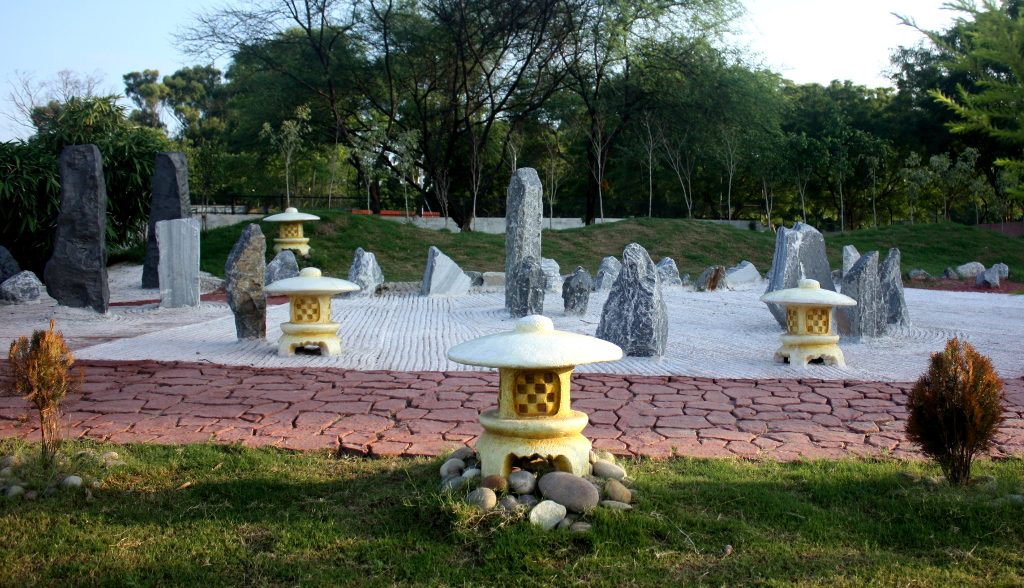
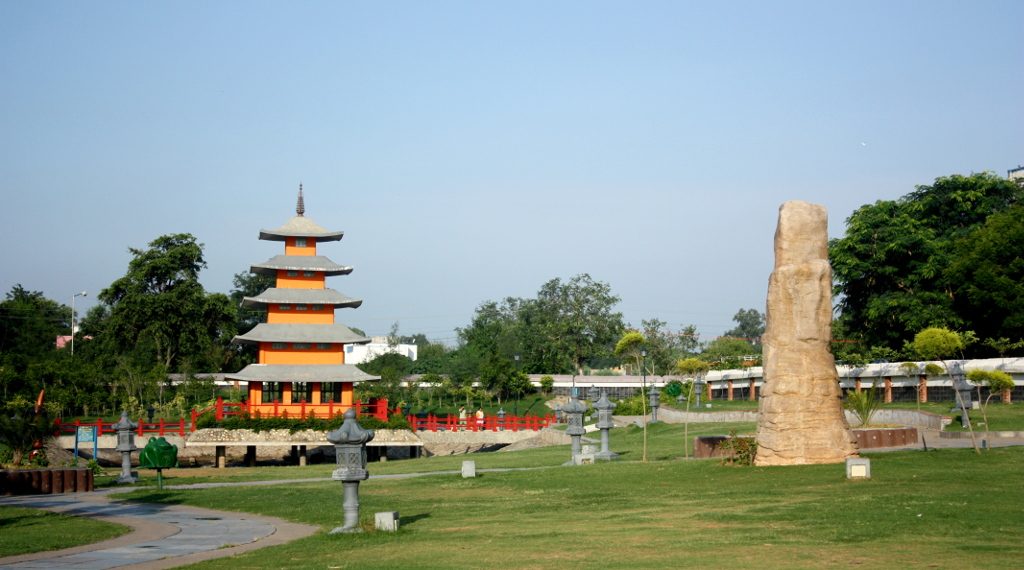
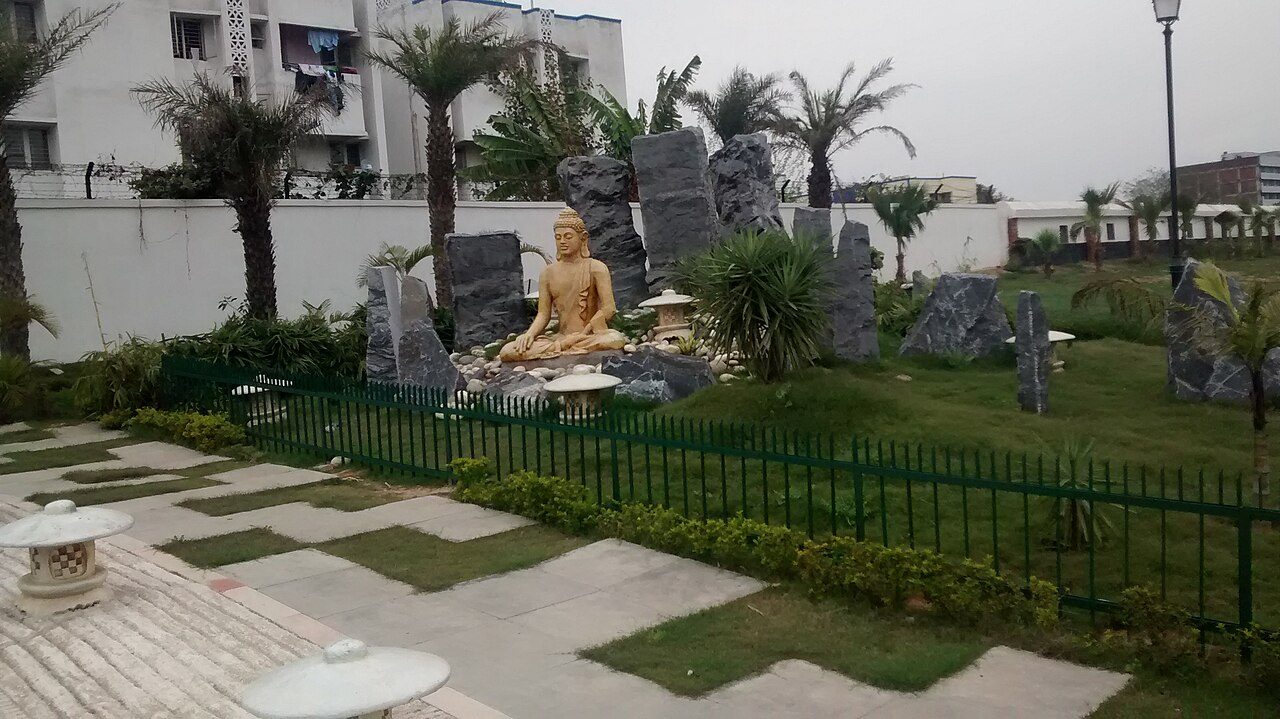
The Japanese Garden in Sector 31 is one of Chandigarh's newer parks, opened in 2014. It is laid out in two parts linked by a decorated underpass and features pagoda towers, water bodies, a meditation centre, stone lanterns, a Buddha statue and golden bamboo. Paved paths and lighting make it popular for evening walks.
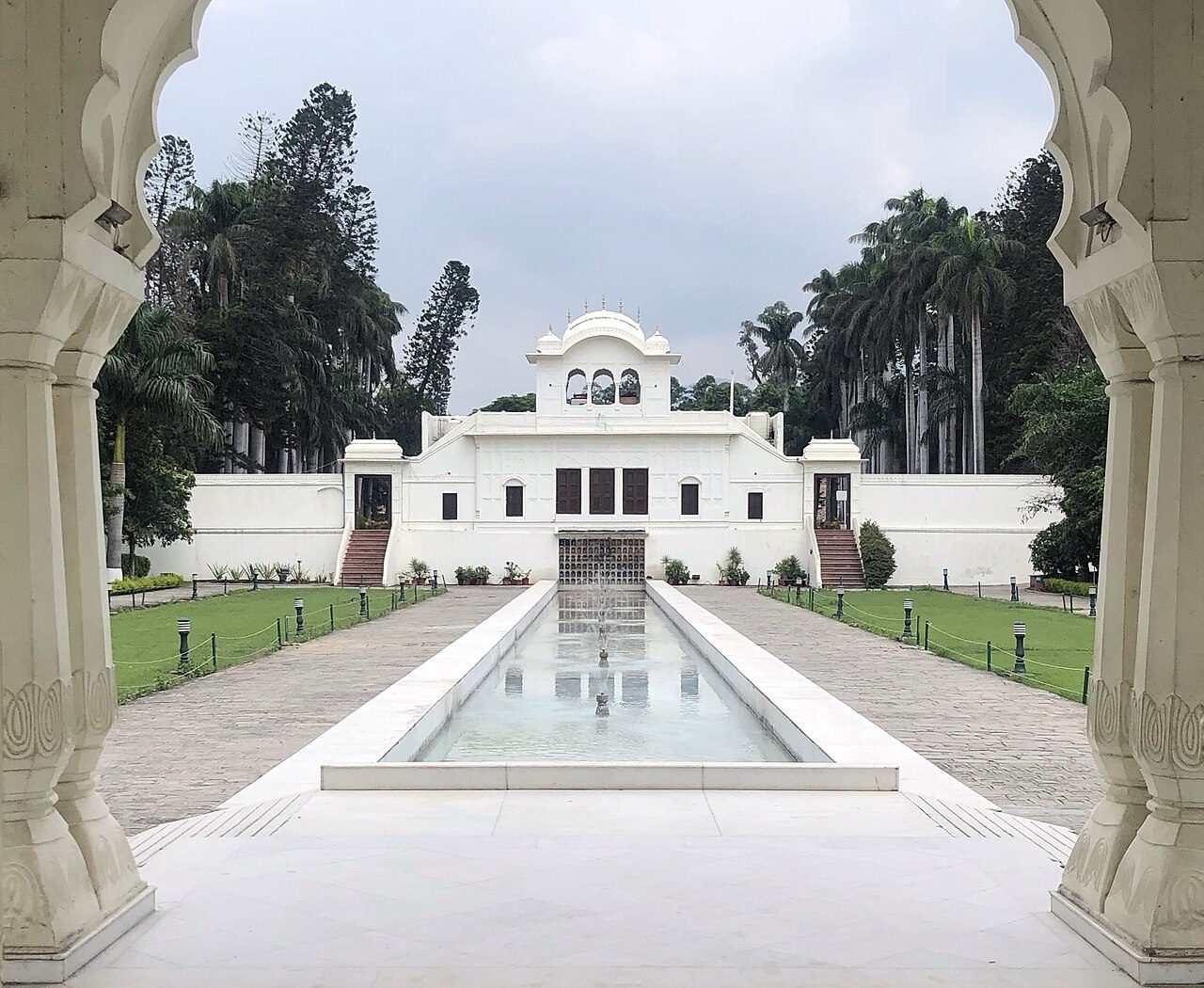
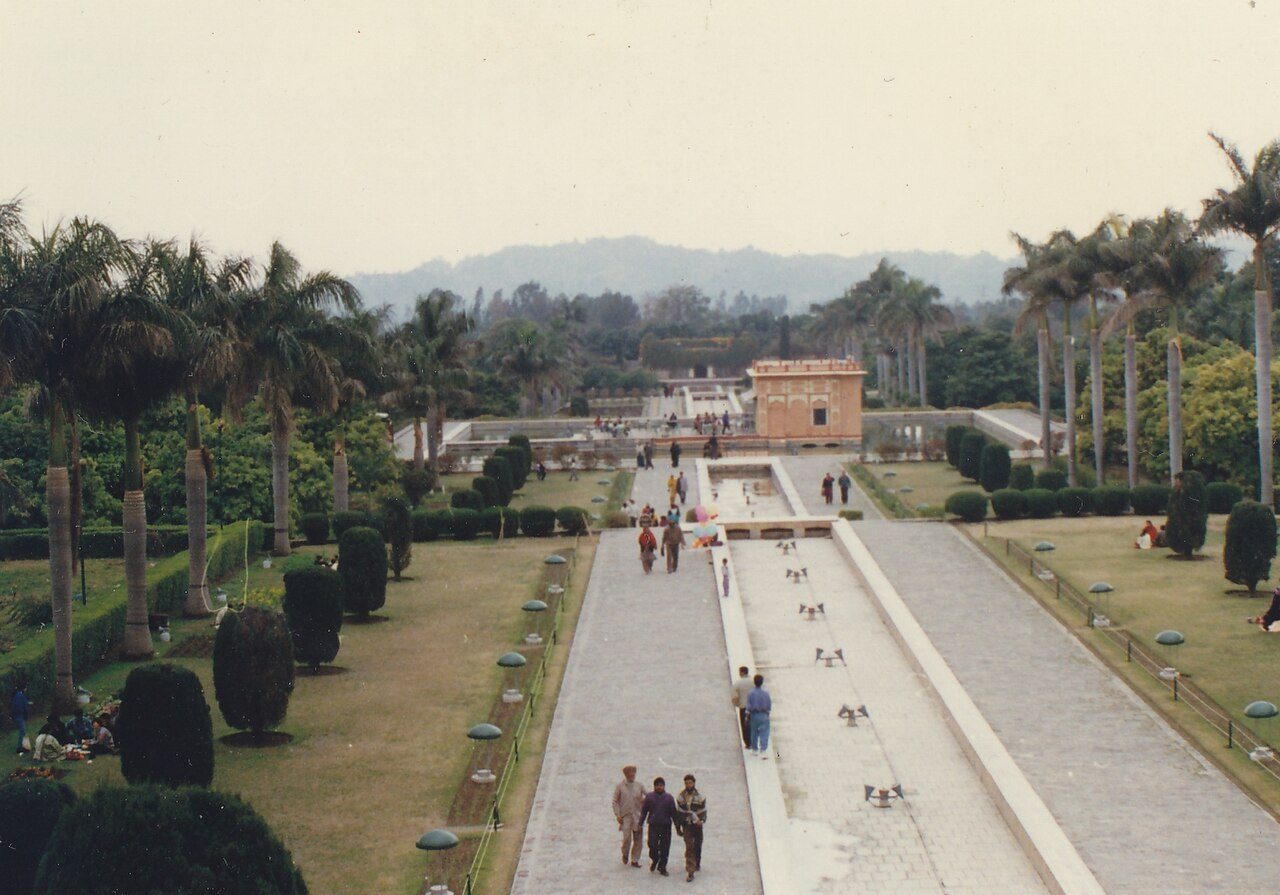
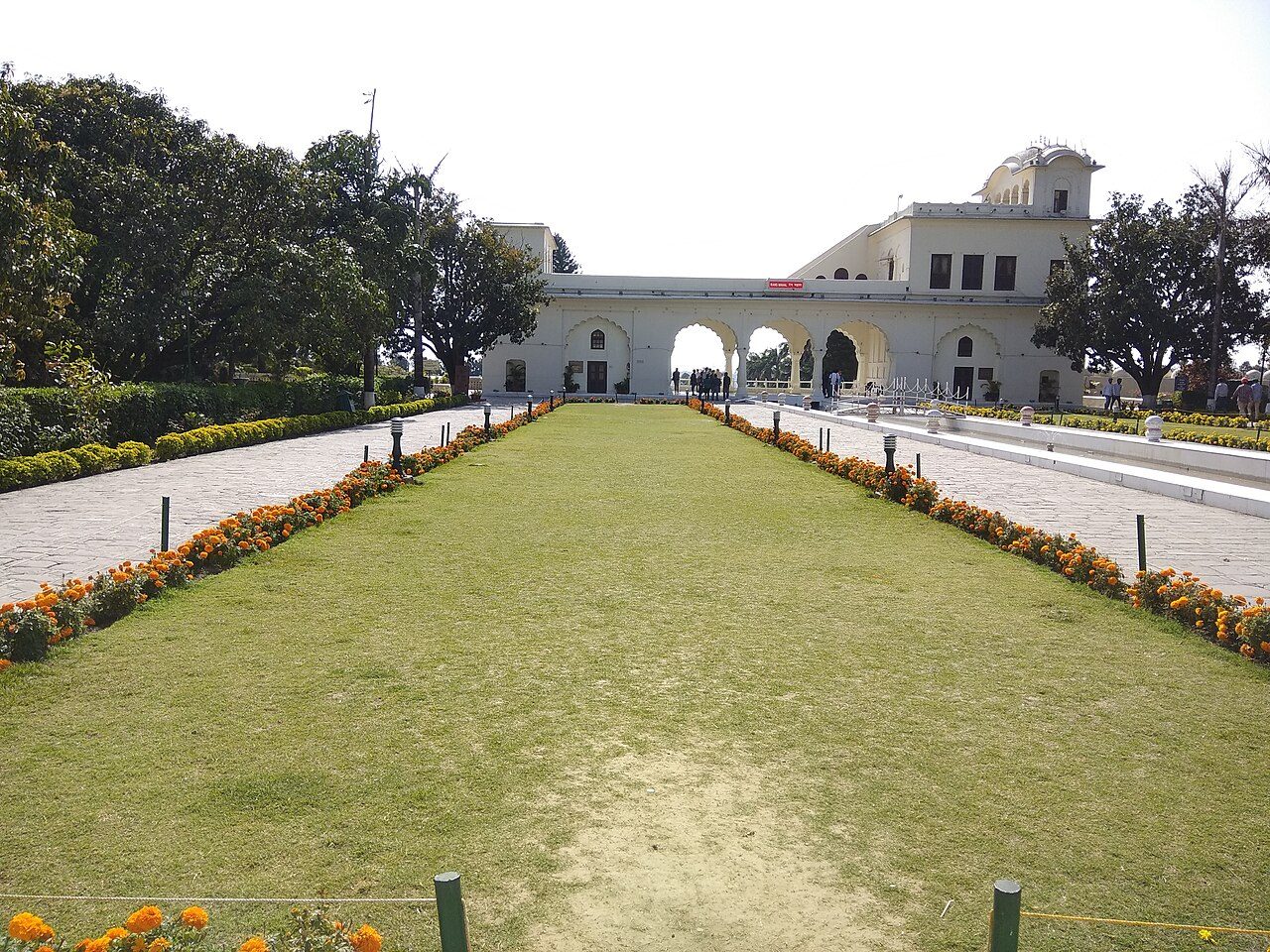
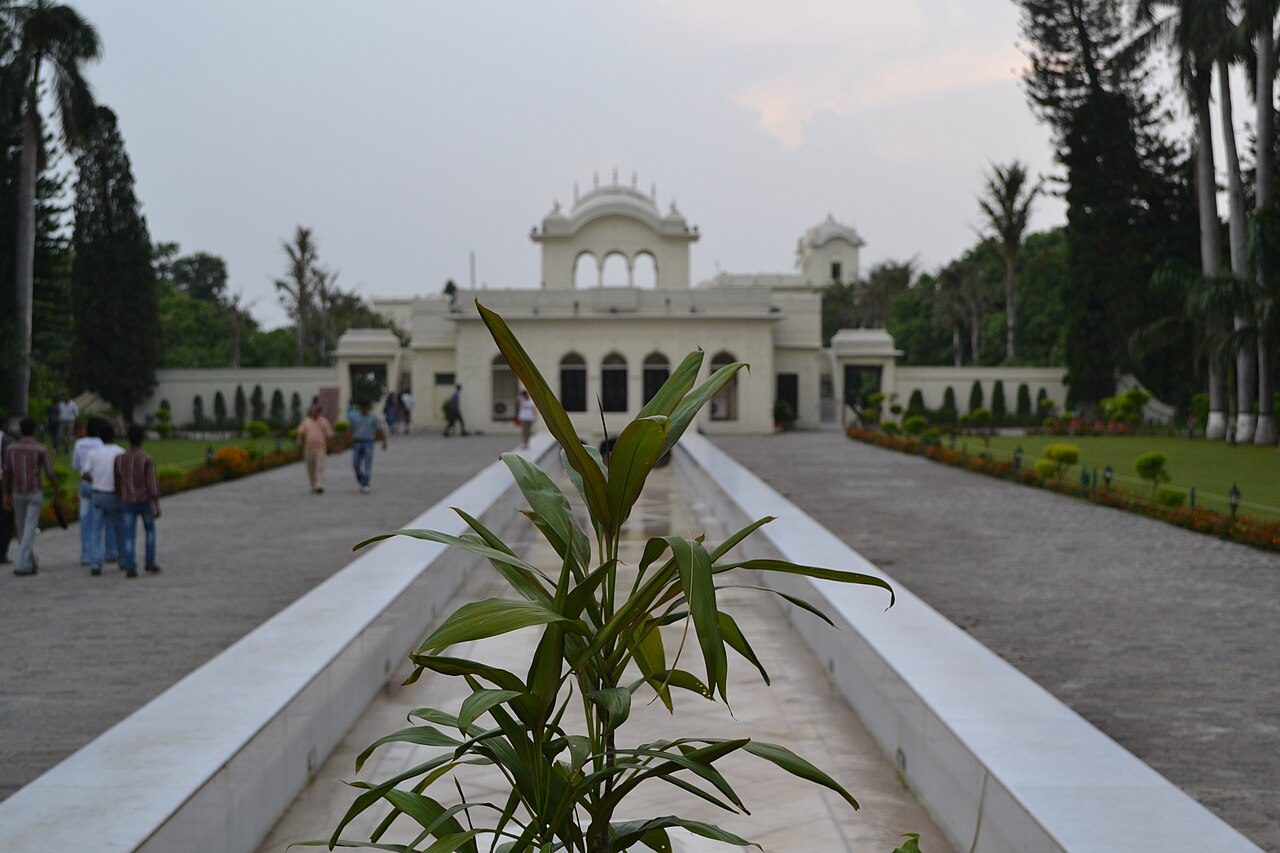
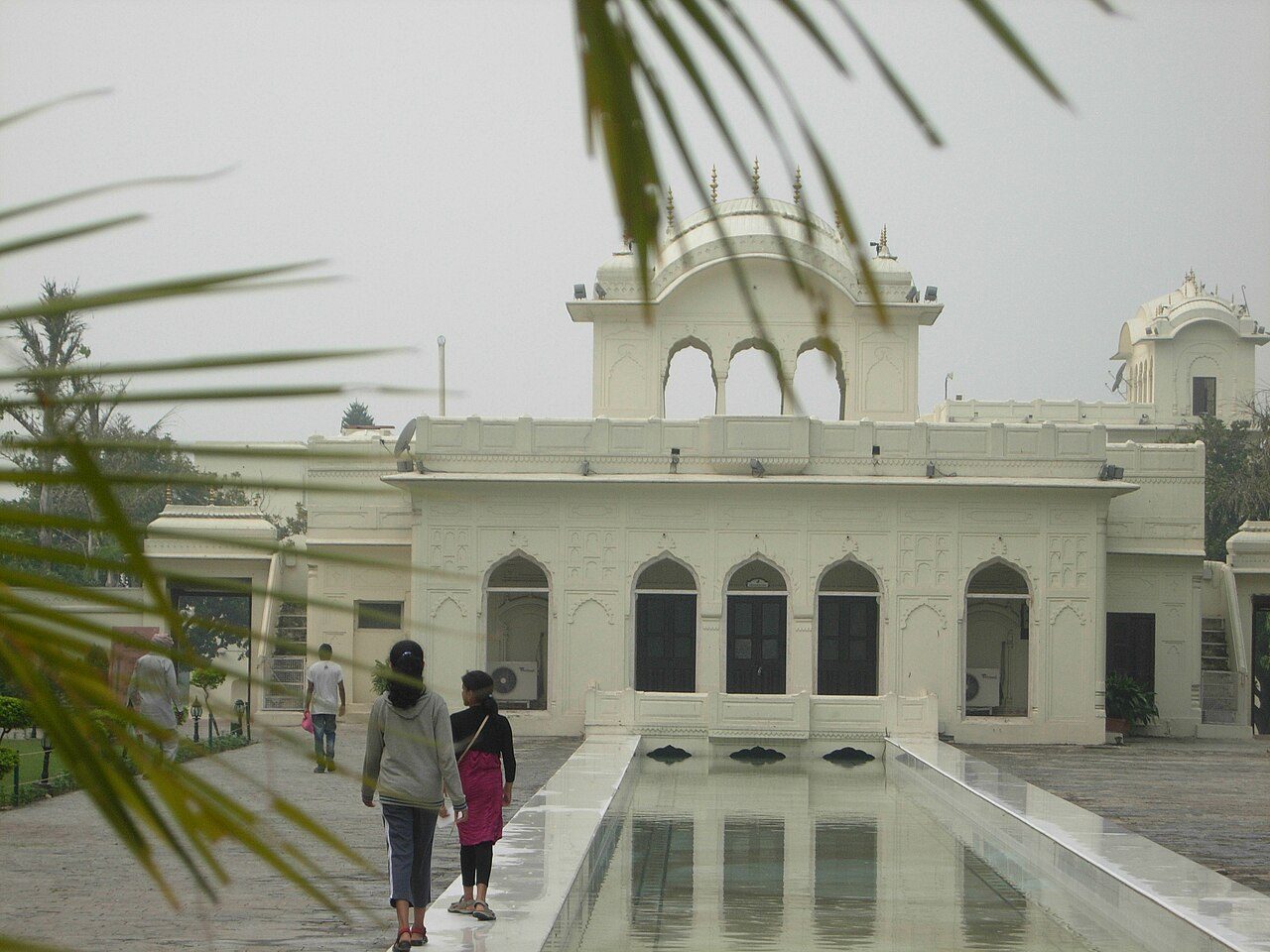
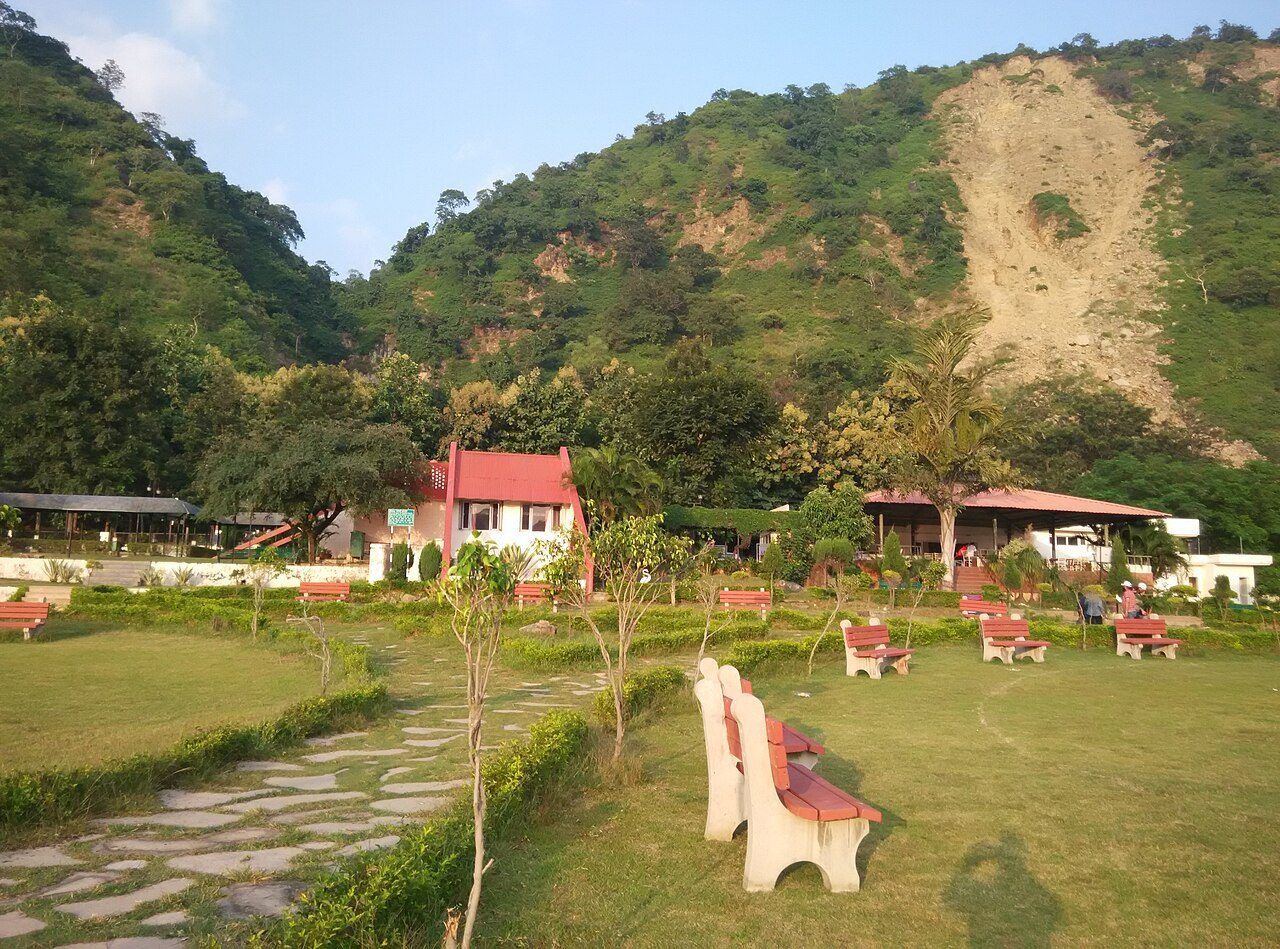
Pinjore Gardens, also called Yadavindra Gardens, is a 17th-century Mughal garden at the foot of the Shivalik hills, laid out by Nawab Fidai Khan, foster brother of Aurangzeb. It descends in seven terraces with a central water channel, fountains and pavilions, among them the Sheesh Mahal and Rang Mahal. It is illuminated in the evening and hosts a mango festival and a heritage festival each year.
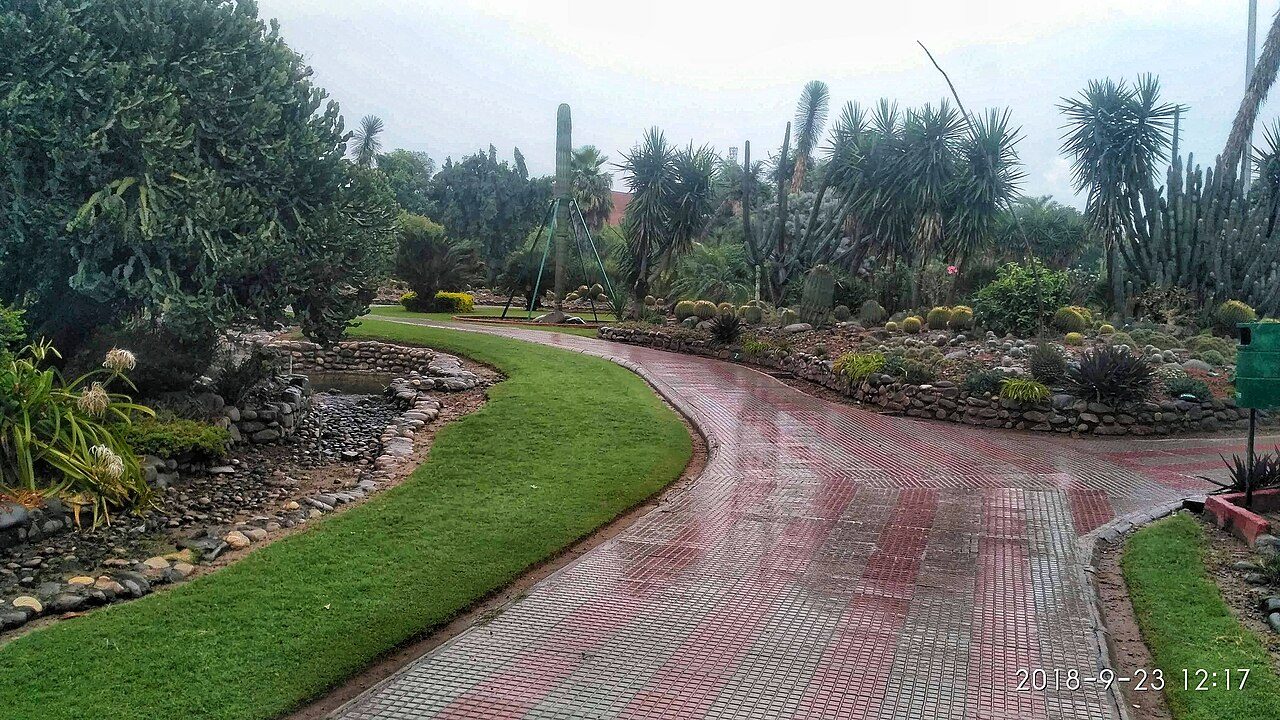
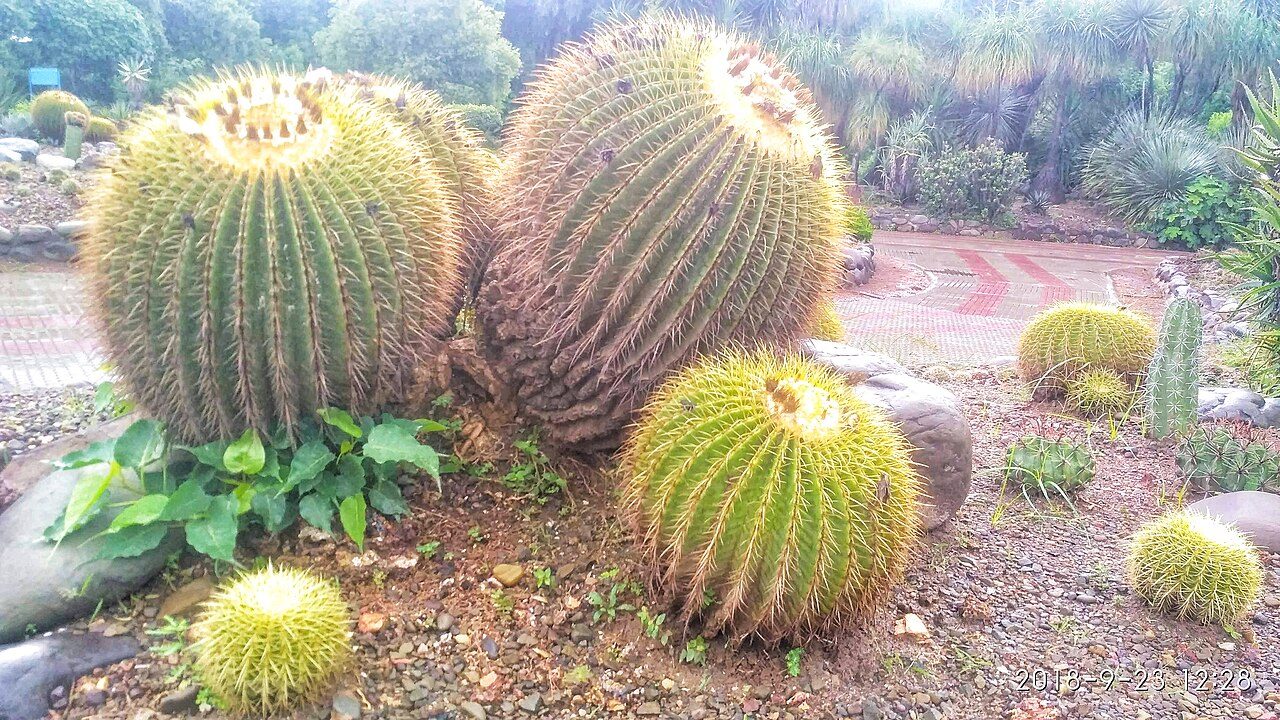
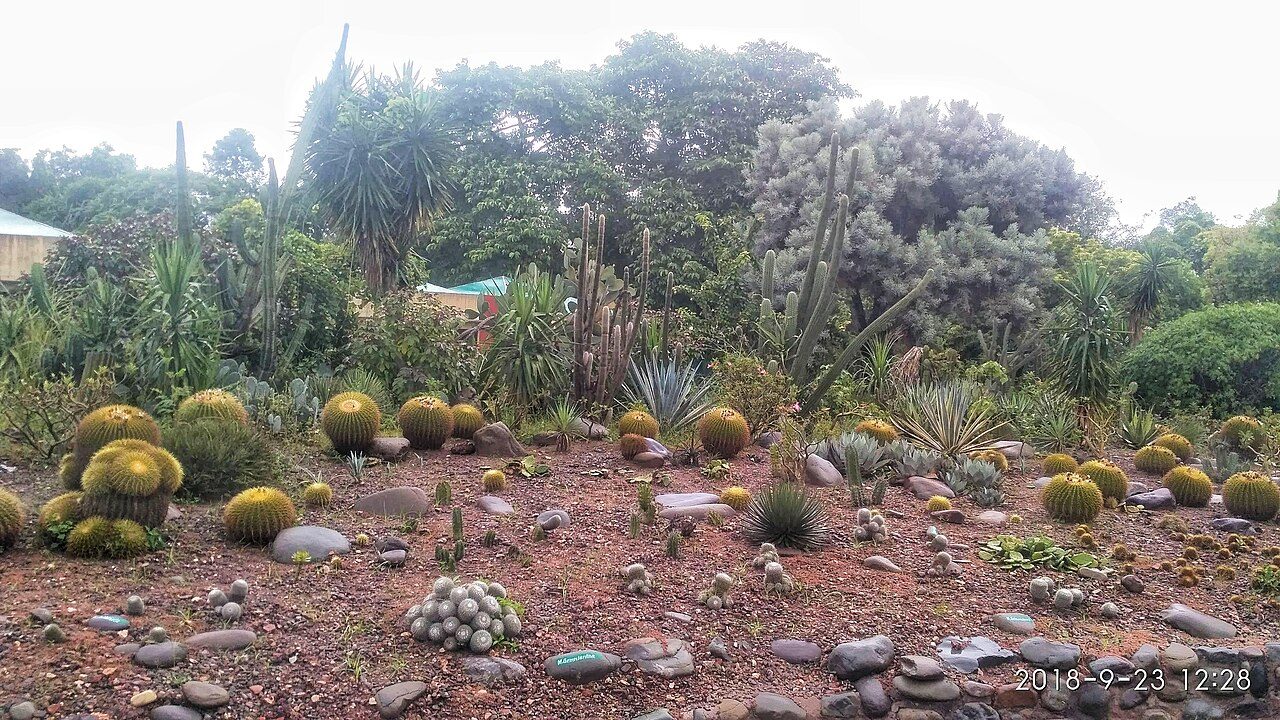
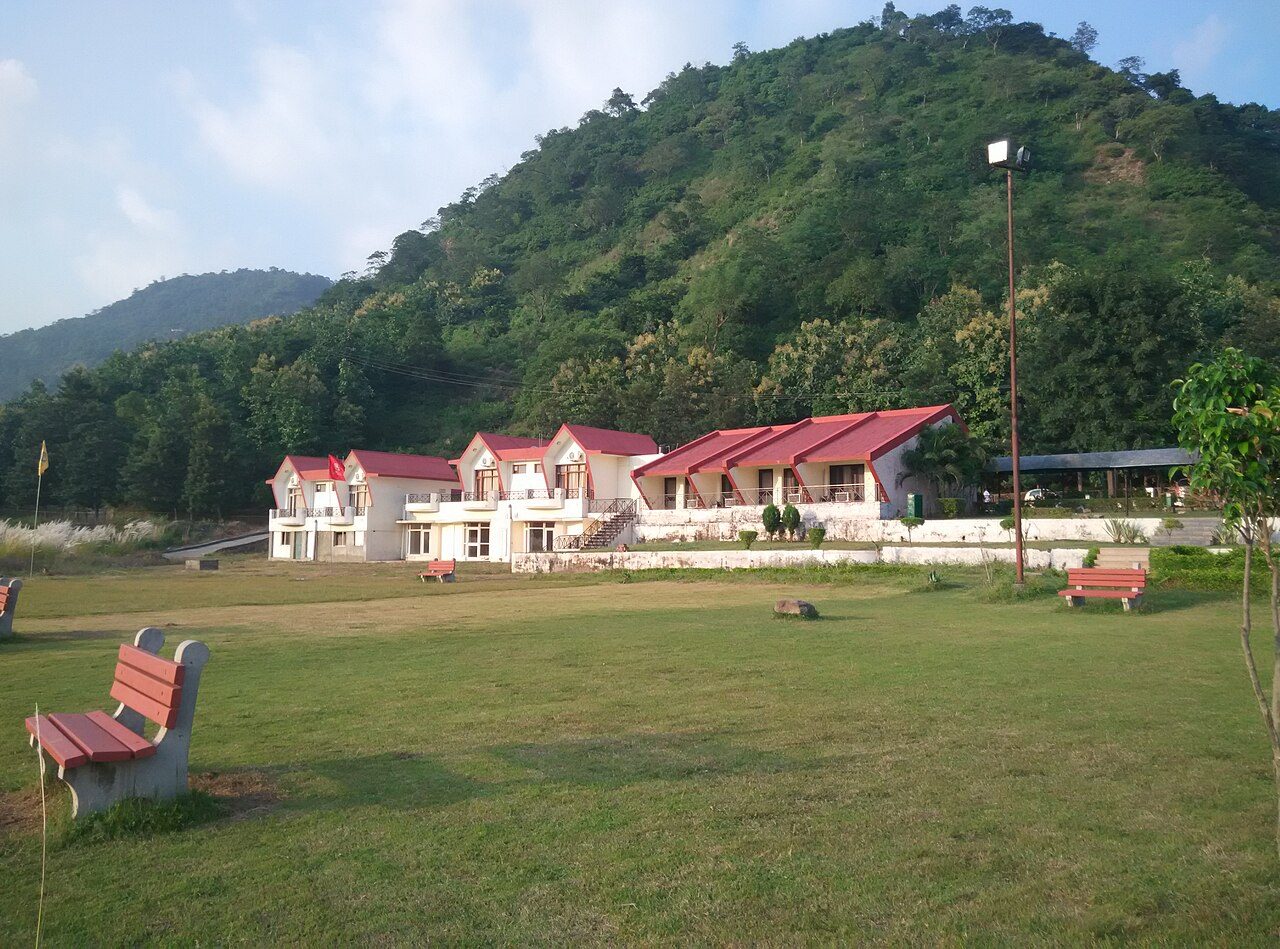
The National Cactus and Succulent Botanical Garden in Panchkula, established in 1987, is one of the largest gardens of its kind in Asia. Spread over several acres, it holds a few thousand species of cacti and succulents from India and abroad, including rare and endangered ones, with glasshouses for delicate specimens. It is at its best in spring.
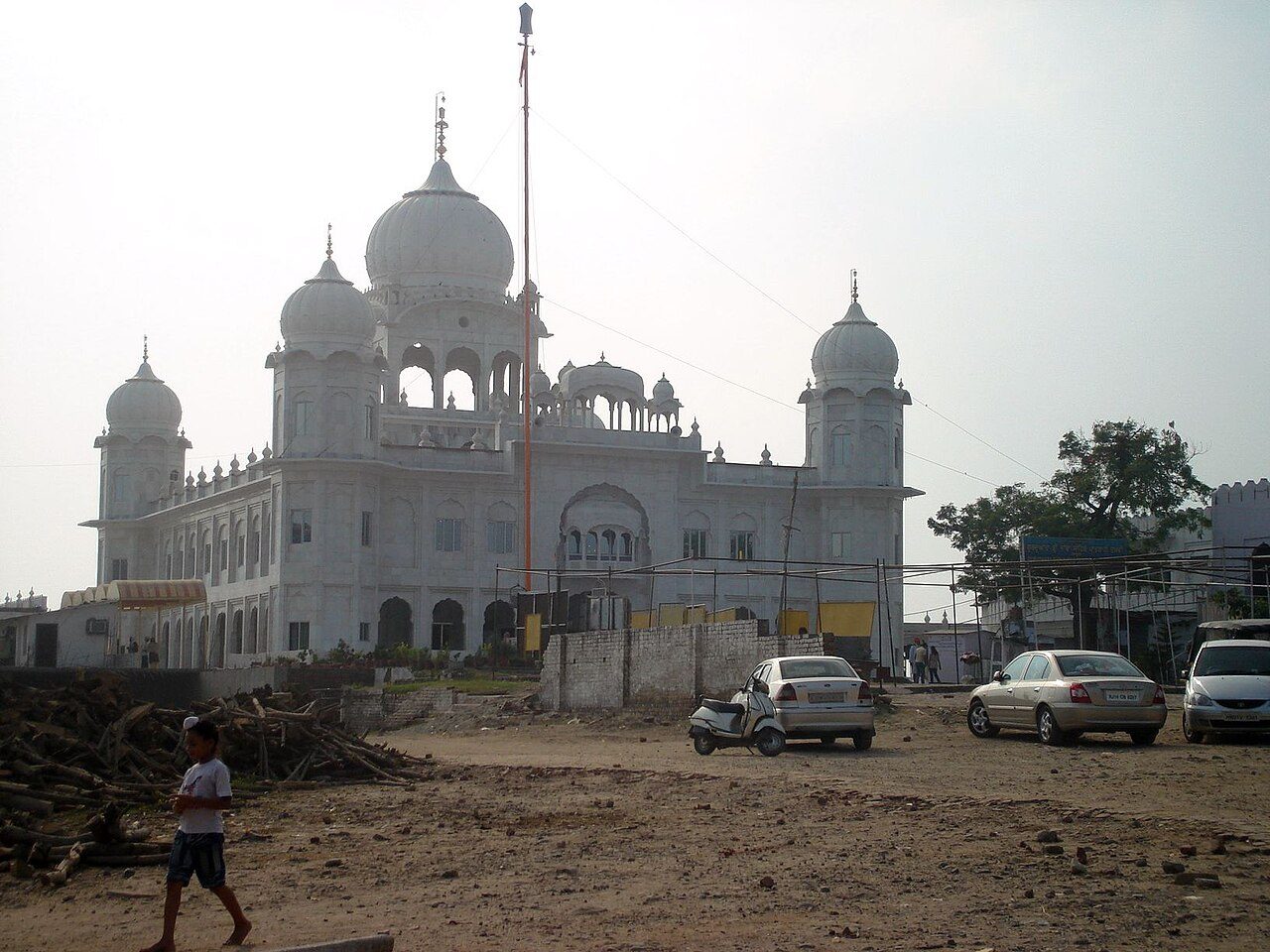
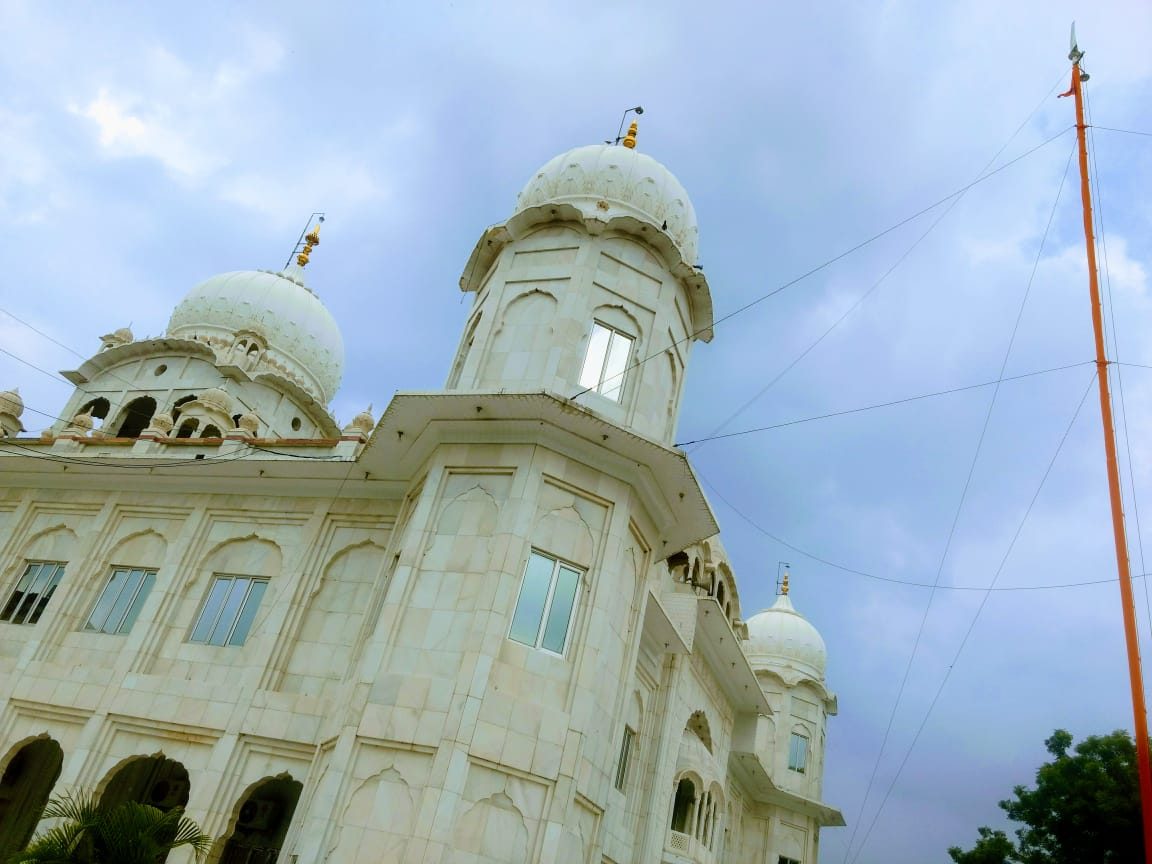
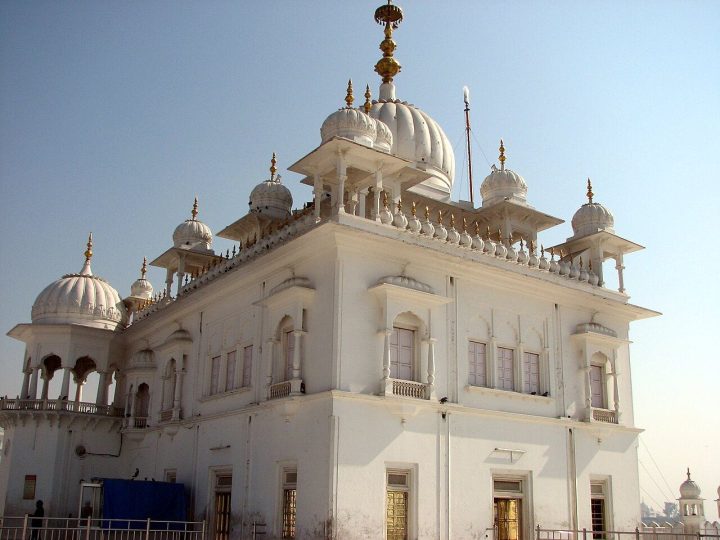
Gurudwara Nada Sahib stands on the bank of the Ghaggar River at Panchkula. Guru Gobind Singh halted here in 1688 while travelling from Paonta Sahib to Anandpur Sahib after the battle of Bhangani, and was welcomed by a villager named Nadu Shah, after whom the place is named. The full-moon day of each month draws large gatherings.
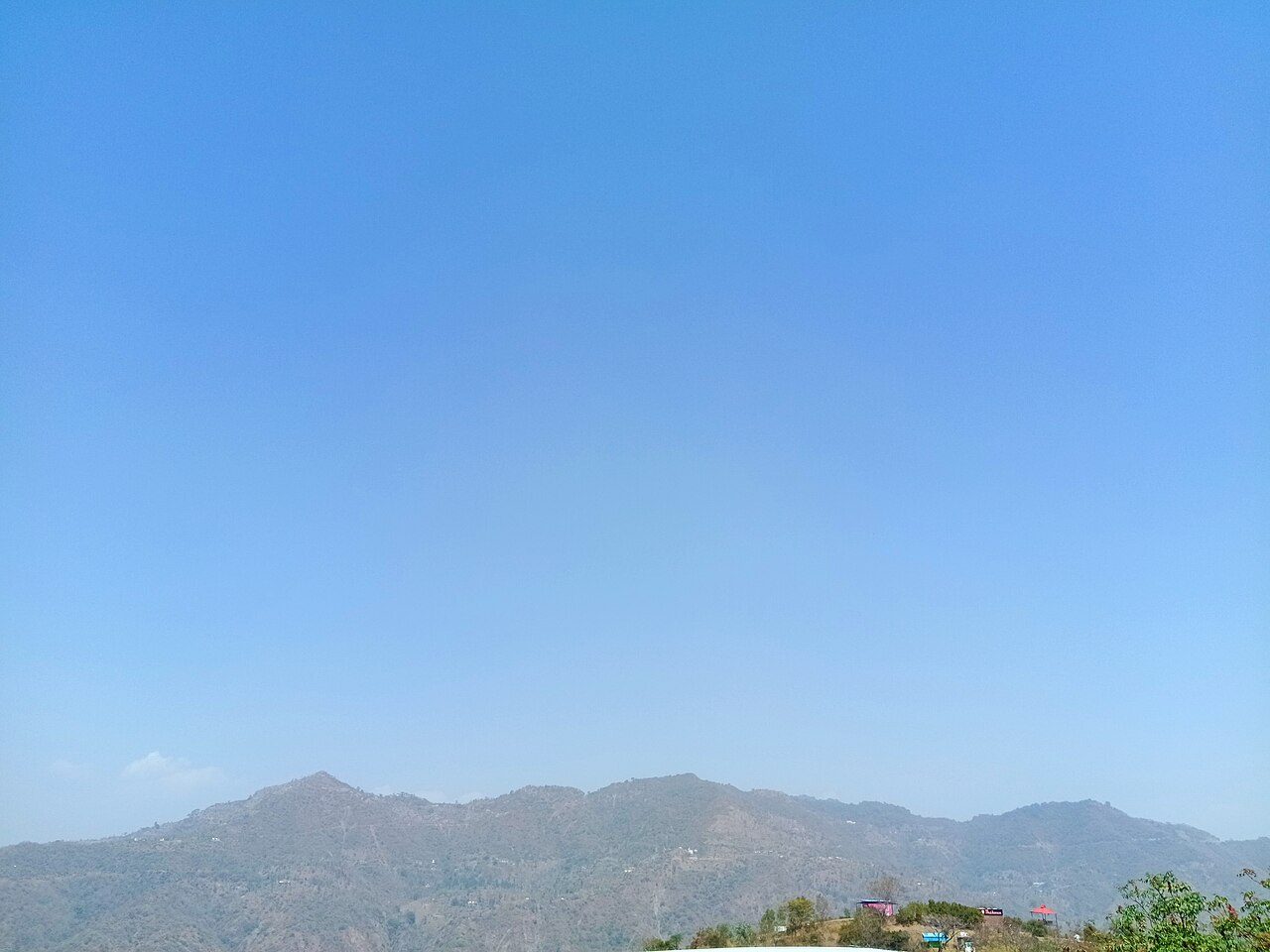
The Morni Hills are the only hill station in Haryana, an offshoot of the Shivalik range rising to about 1,200 metres. Pine-covered ridges, an old fort and two small lakes at Tikkar Taal, where boating is available, are the main sights. The hills are popular for short treks, birdwatching and weekend drives from Chandigarh, about 45 km away.
Best weather: Oct – FebHeavy rain: Jul – Aug
Seasons from 20 years of NASA POWER climate data.
Was this trip blog helpful?
0
0
Ready to follow this route?
Copy all 12 stops into your trip plans in the app.
 WaTrips