West and South Sikkim in 4 Days: Ravangla, Namchi, Pelling and Yuksom
4 DAYS11 placesby WaTrips
Temi Tea Garden, the Buddha Park and Ralang, Samdruptse and Char Dham, Pemayangtse and Rabdentse, Khecheopalri, Yuksom and Tashiding.
Southern and western Sikkim are gentler and greener than the north. Day one visits Temi, Sikkim's only tea estate, the Buddha Park at Ravangla and Ralang Monastery. Day two sees the giant Padmasambhava statue at Samdruptse and the Char Dham complex at Namchi. Day three is Pelling: Pemayangtse Monastery, the ruins of the old capital at Rabdentse and the Chenrezig skywalk. Day four visits the sacred Khecheopalri Lake, the coronation throne at Yuksom where Sikkim's first king was crowned, and Tashiding Monastery. March to May and October to December are best.
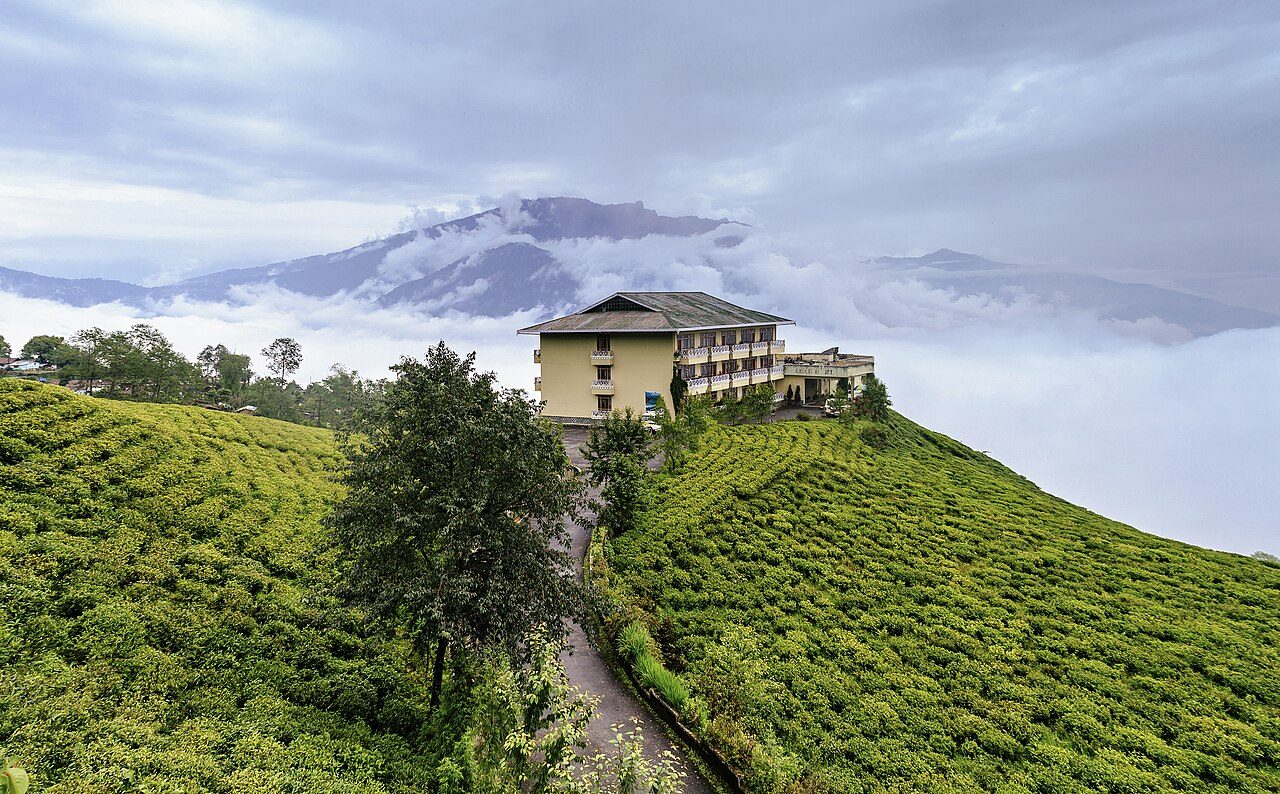
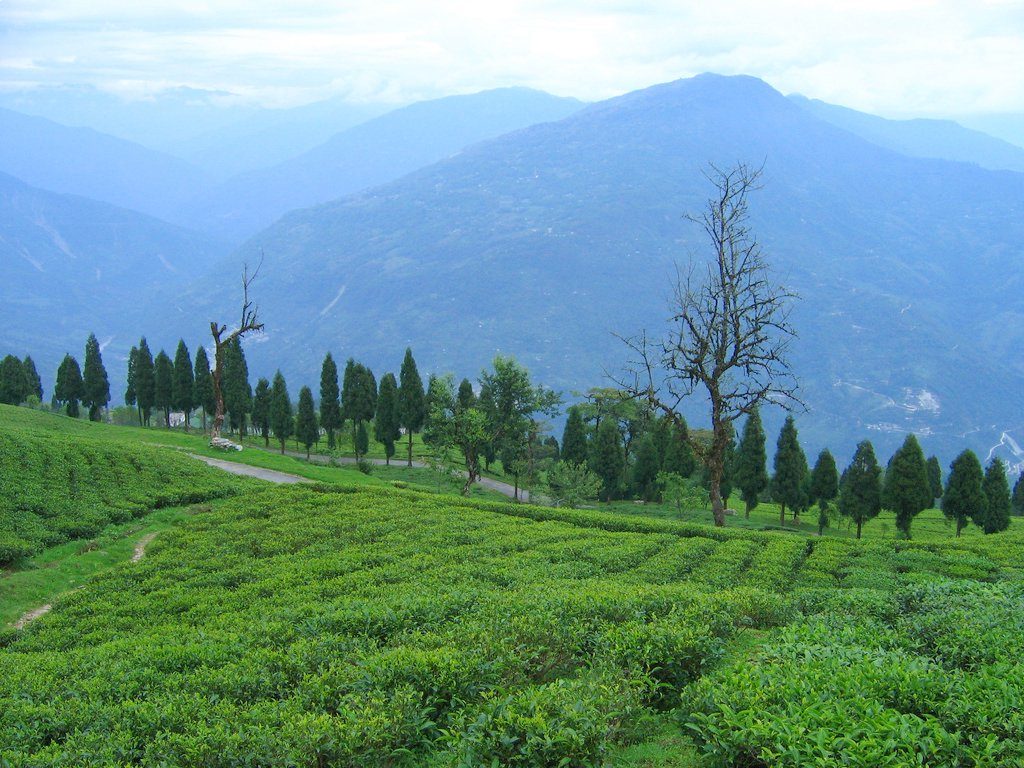
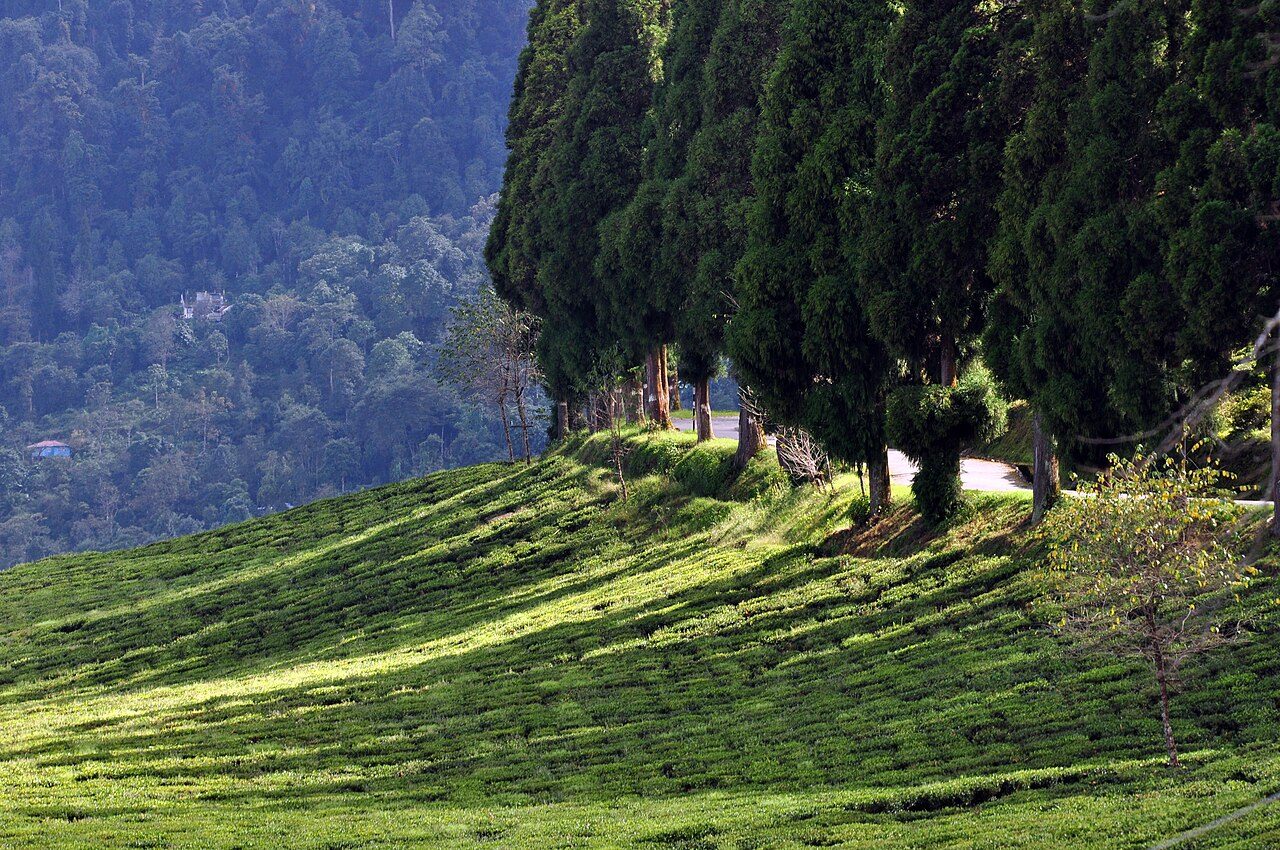
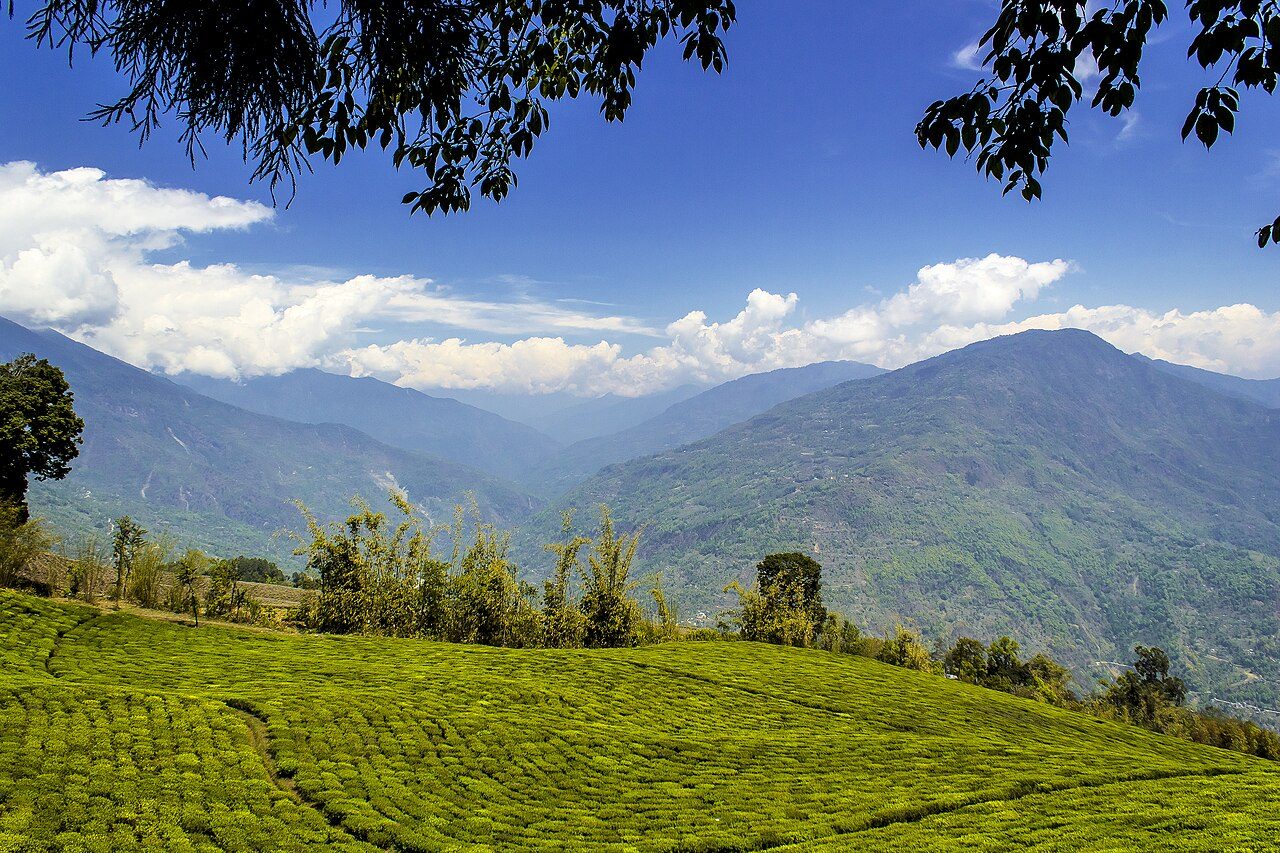
Temi is the only tea estate in Sikkim, established in 1969 on steep slopes below Tendong Hill. Its organic teas are highly regarded. A road winds down through the manicured bushes, lined with cherry trees that blossom in November, with Kangchenjunga on the horizon. Visitors can walk in the garden and visit the factory.
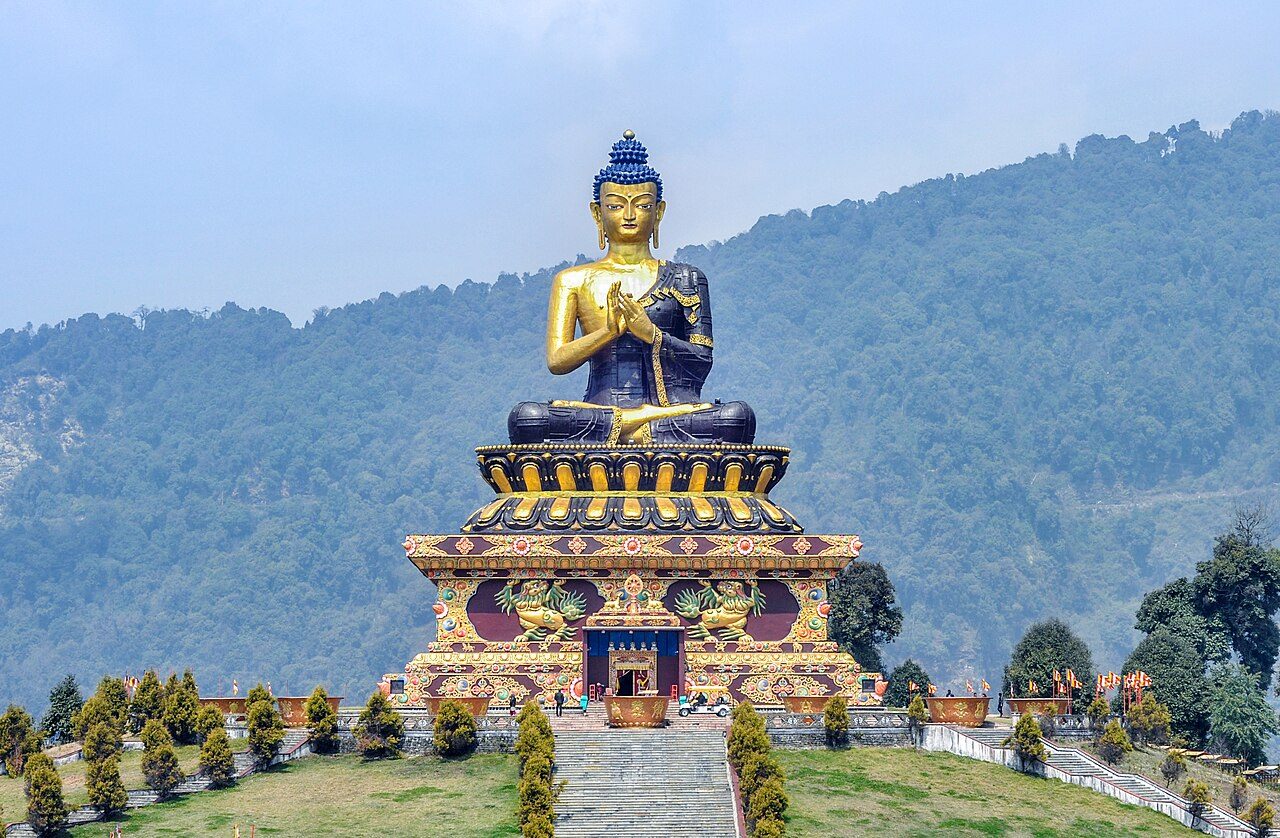
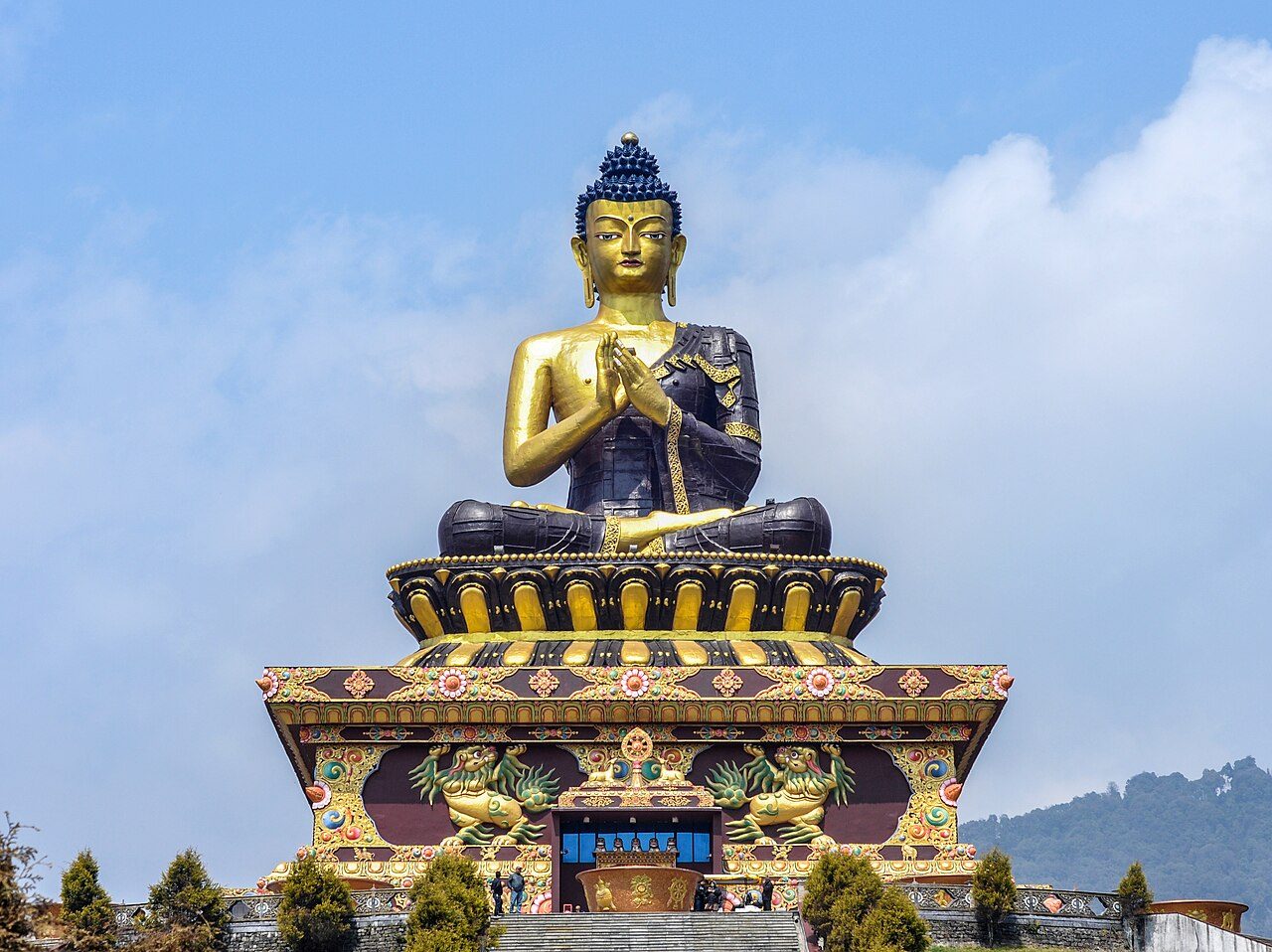
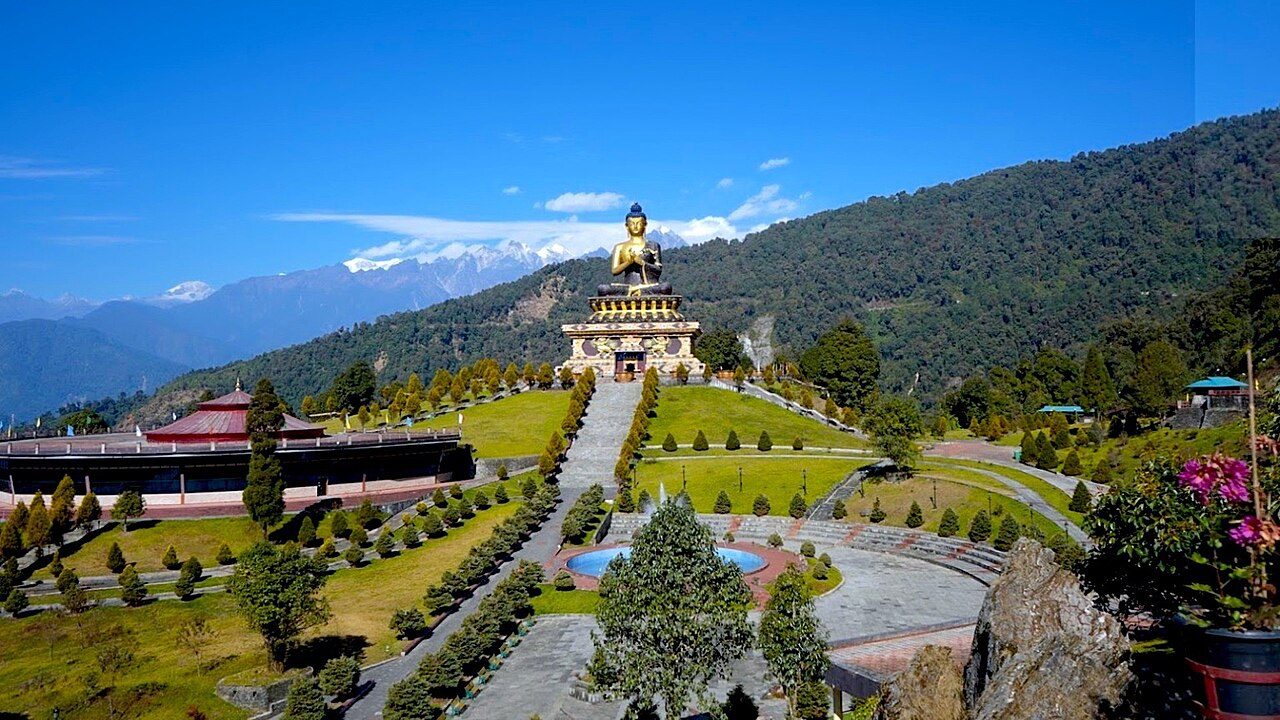
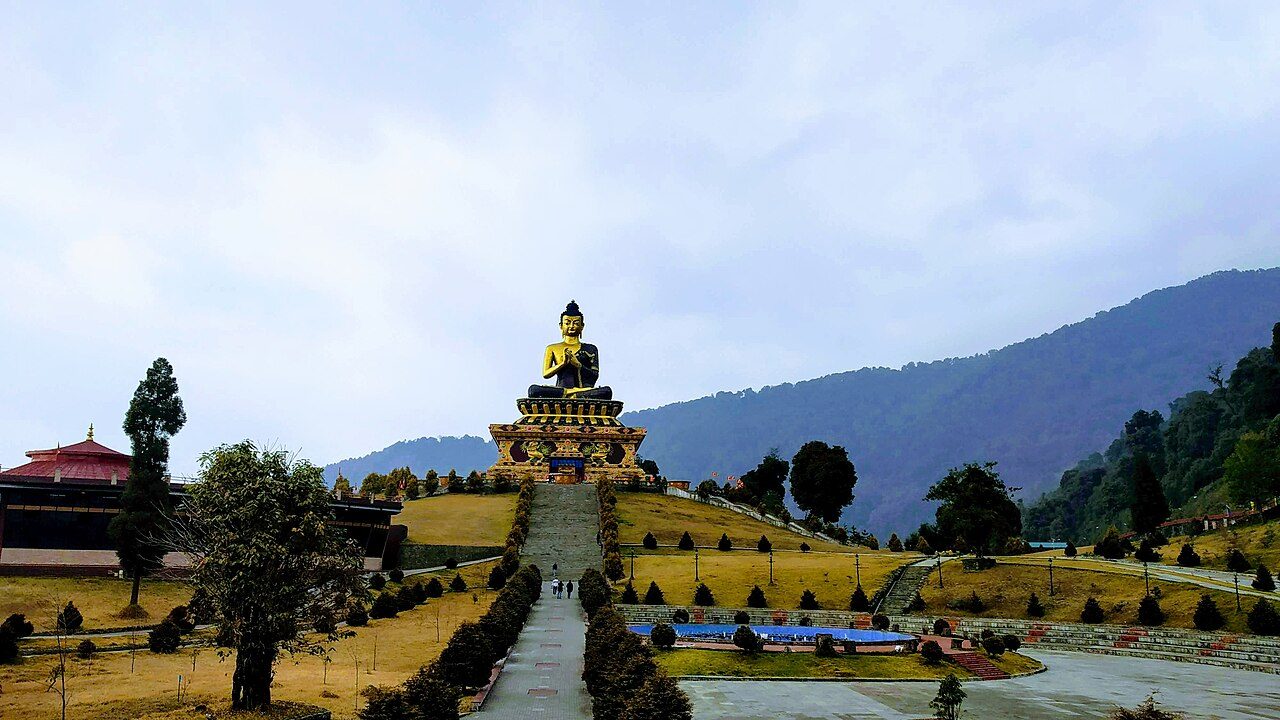
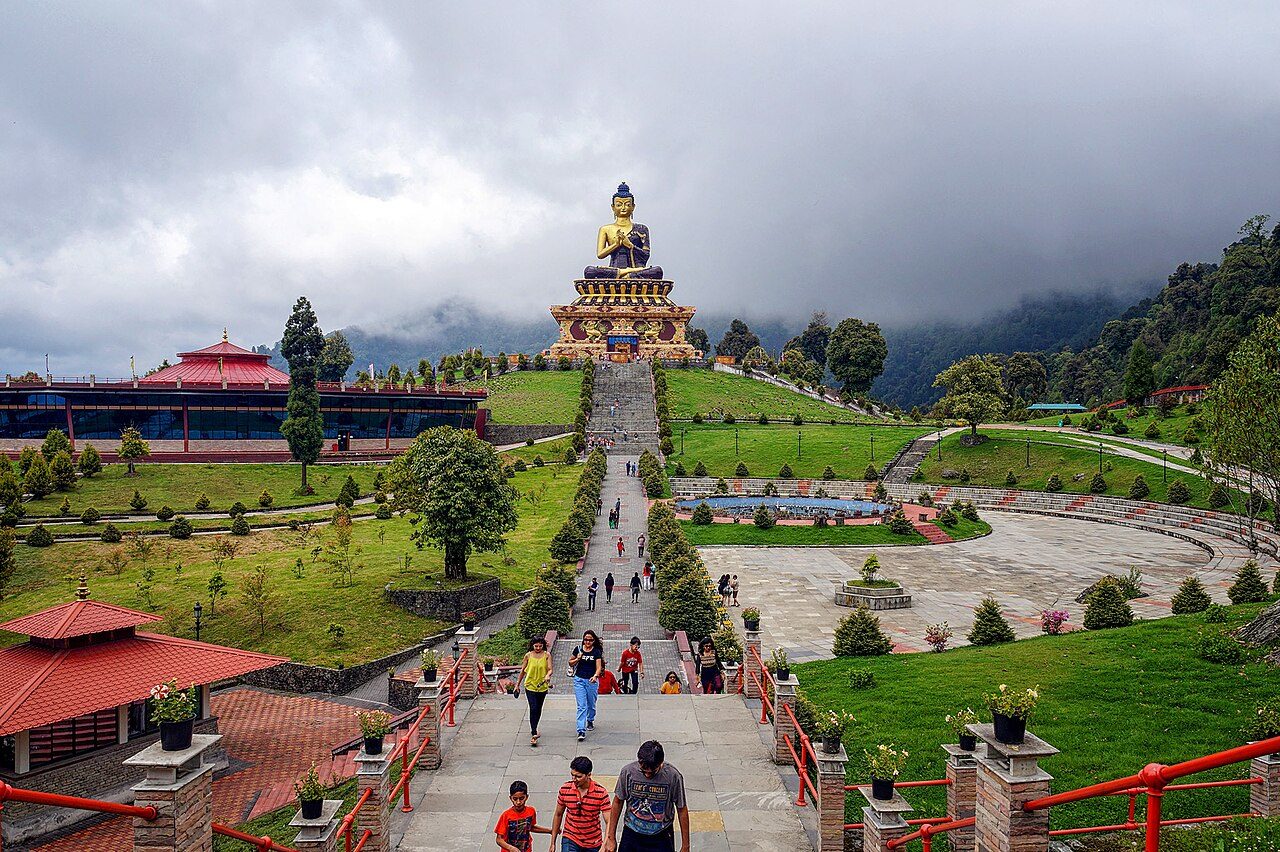
Buddha Park, or Tathagata Tsal, at Ravangla was opened in 2013 to mark the 2,550th birth anniversary of the Buddha. A seated statue of Shakyamuni about 40 metres high rises above landscaped gardens, with a museum and meditation hall inside its base. The park faces the snow peaks of the Kangchenjunga range.
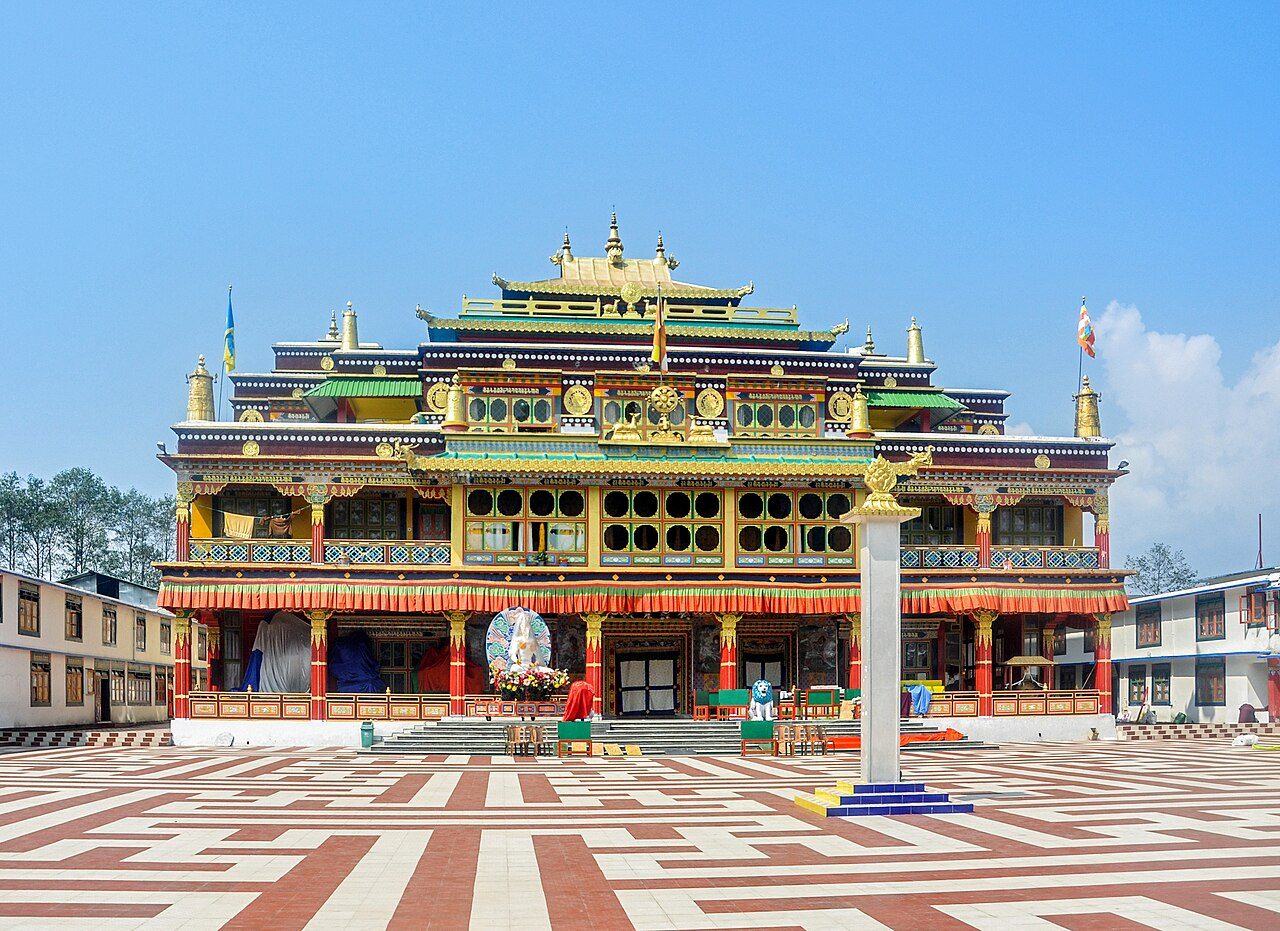
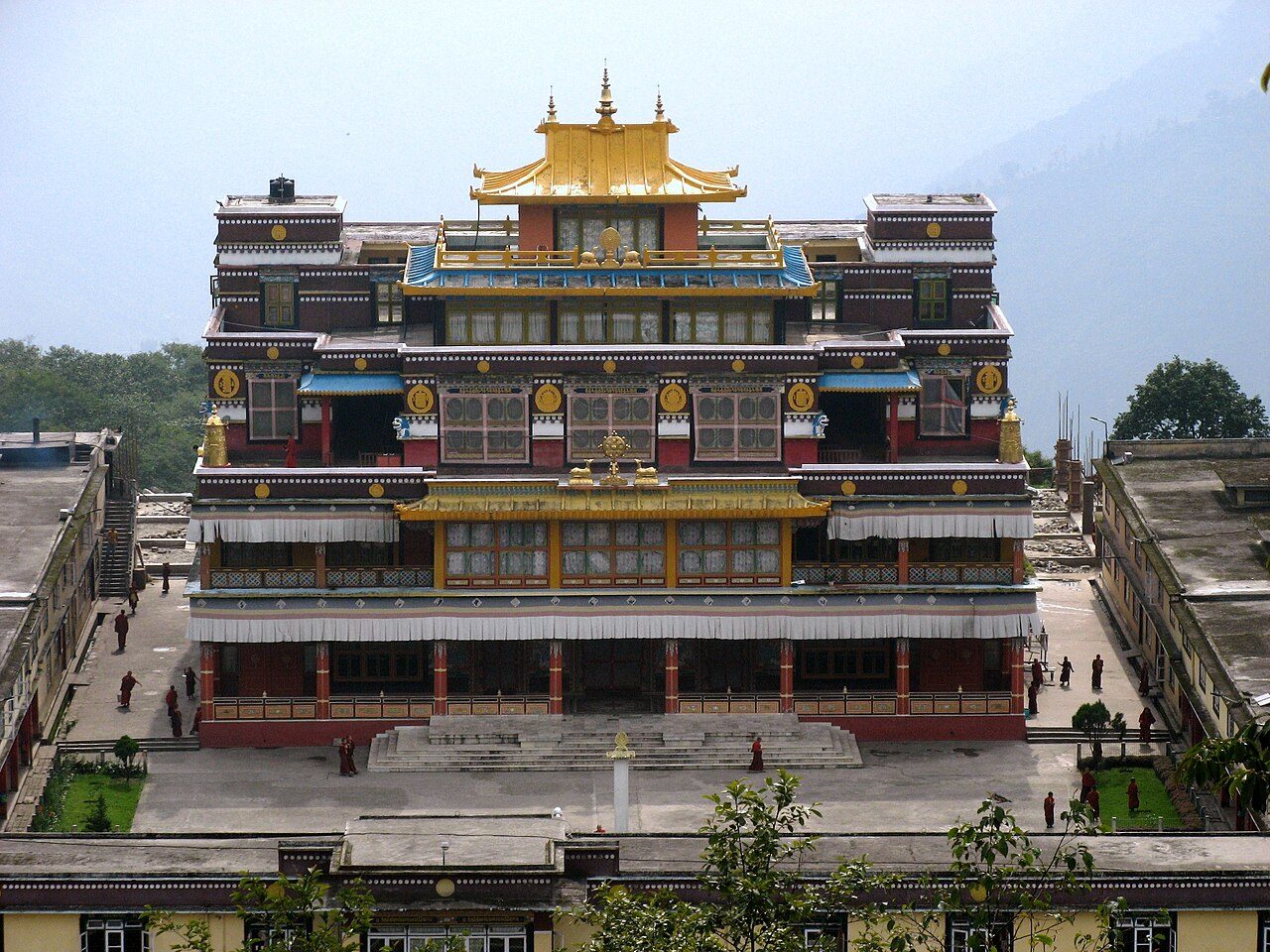
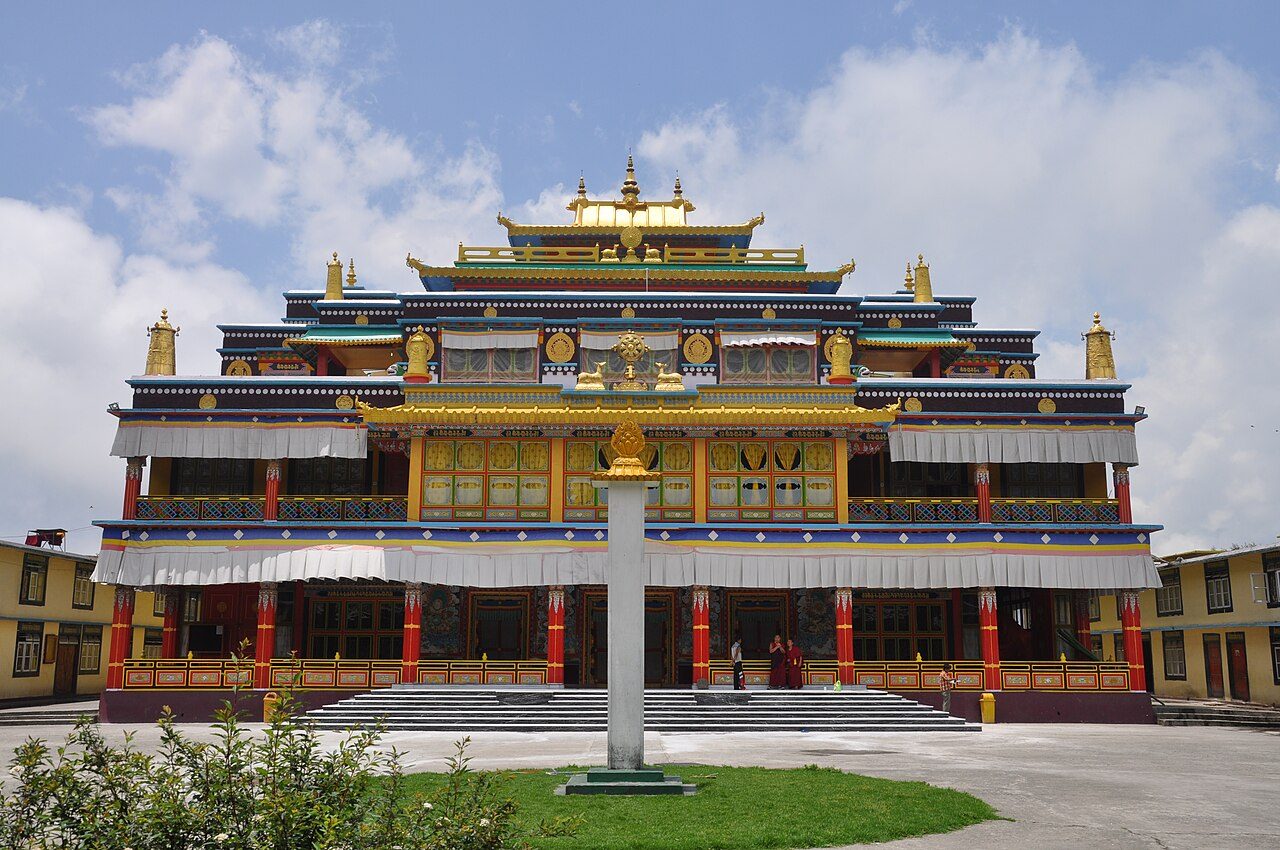
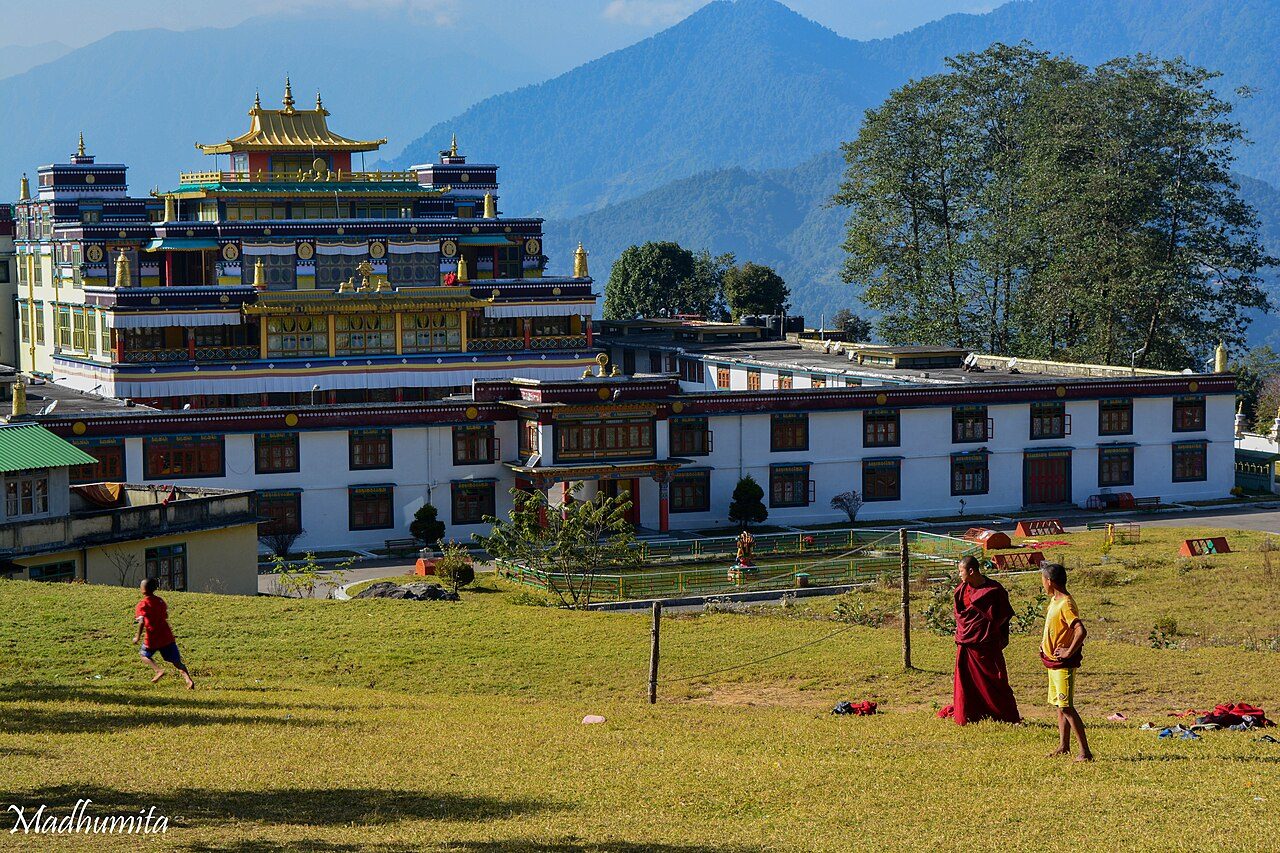
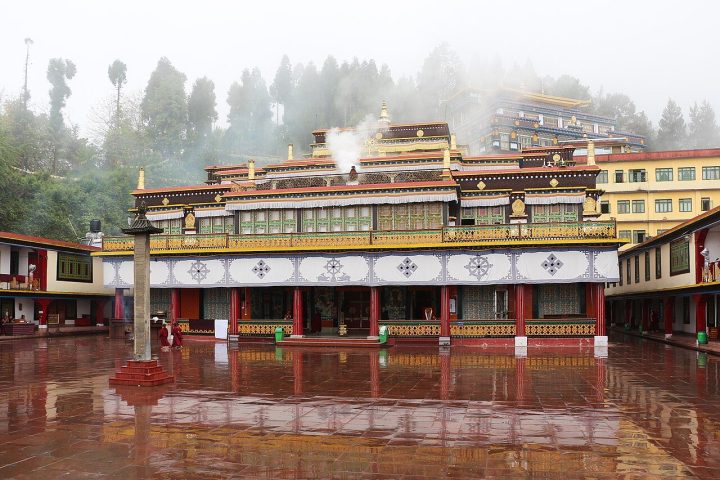
Ralang Monastery, near Ravangla, belongs to the Kagyu order. The old monastery dates from the 18th century, and the large new Palchen Choeling was completed in 1995 in Tibetan style. It has an extensive collection of paintings and thangkas. The Pang Lhabsol festival and the masked Kagyed dances are held here.
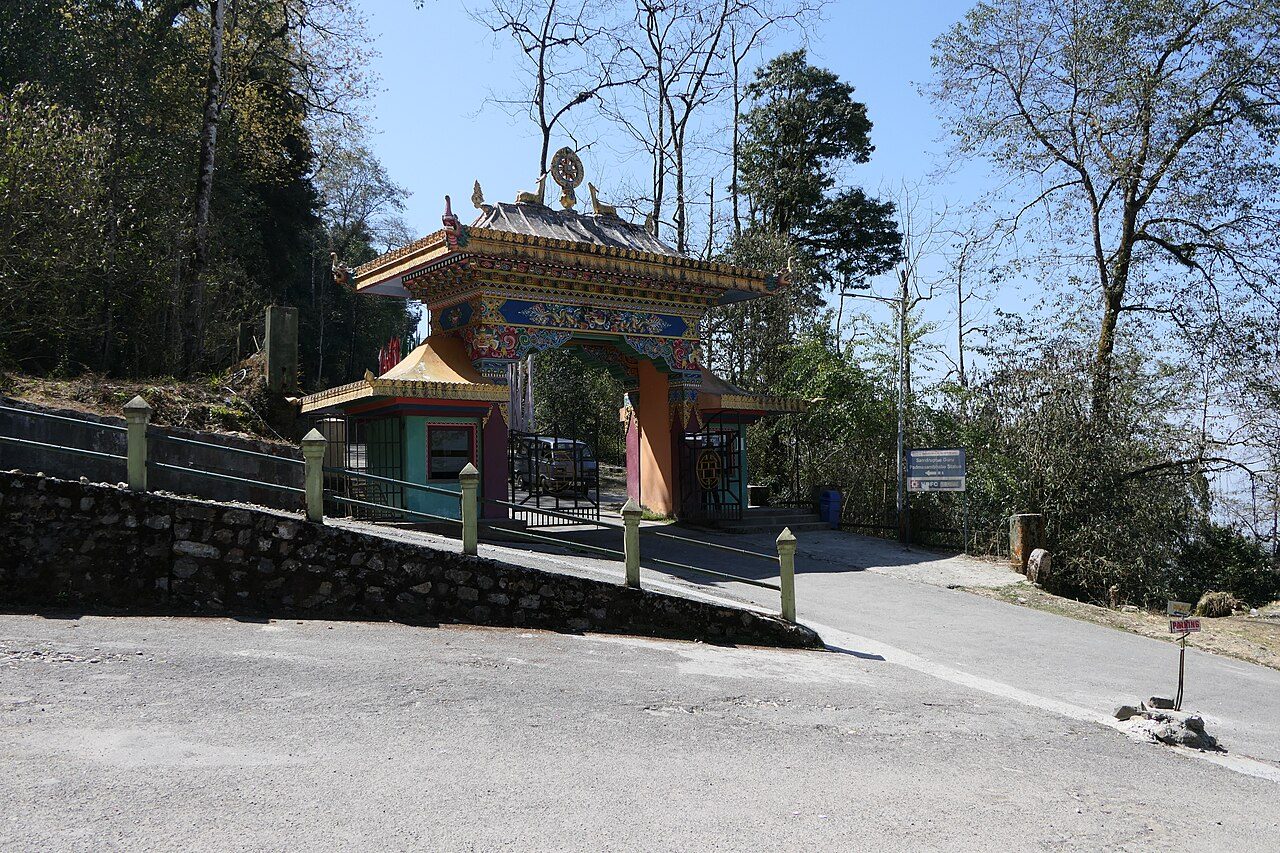
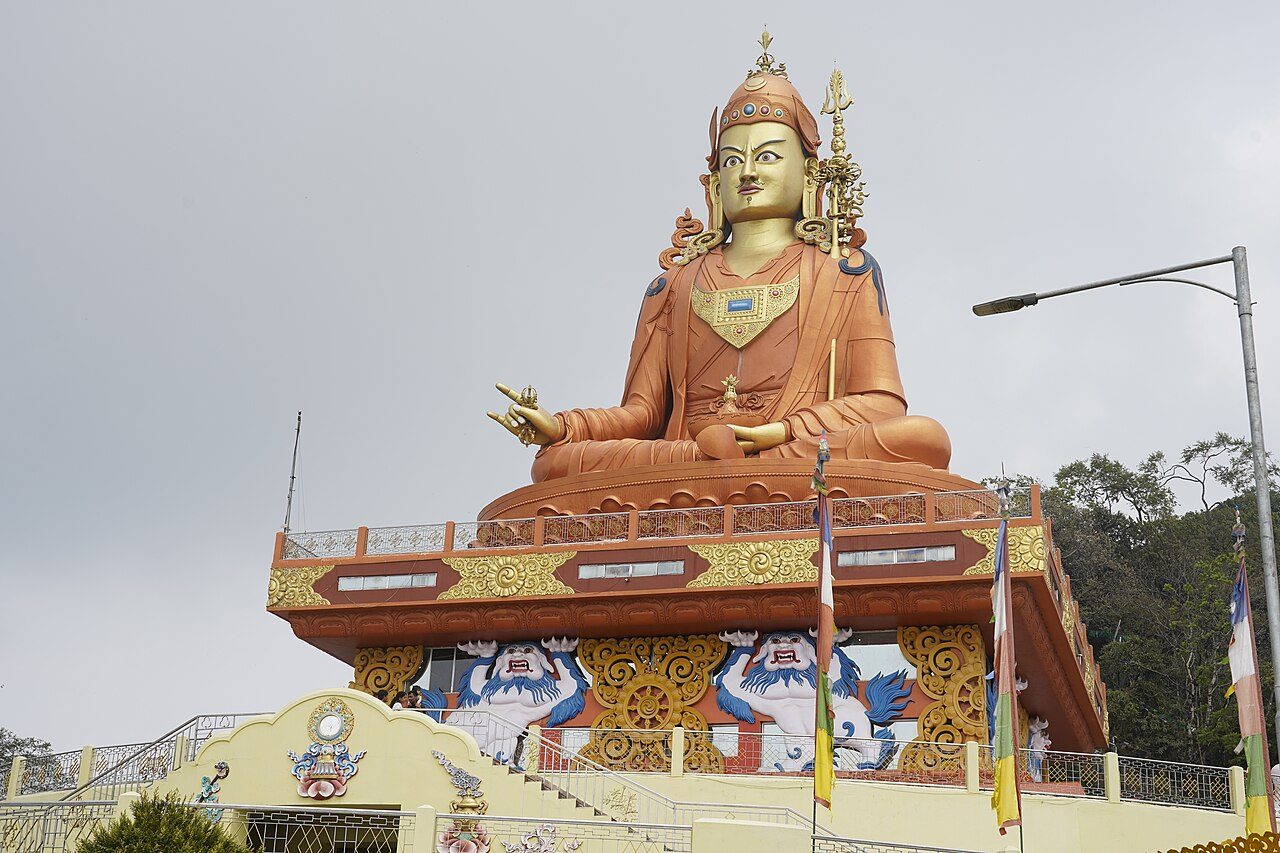
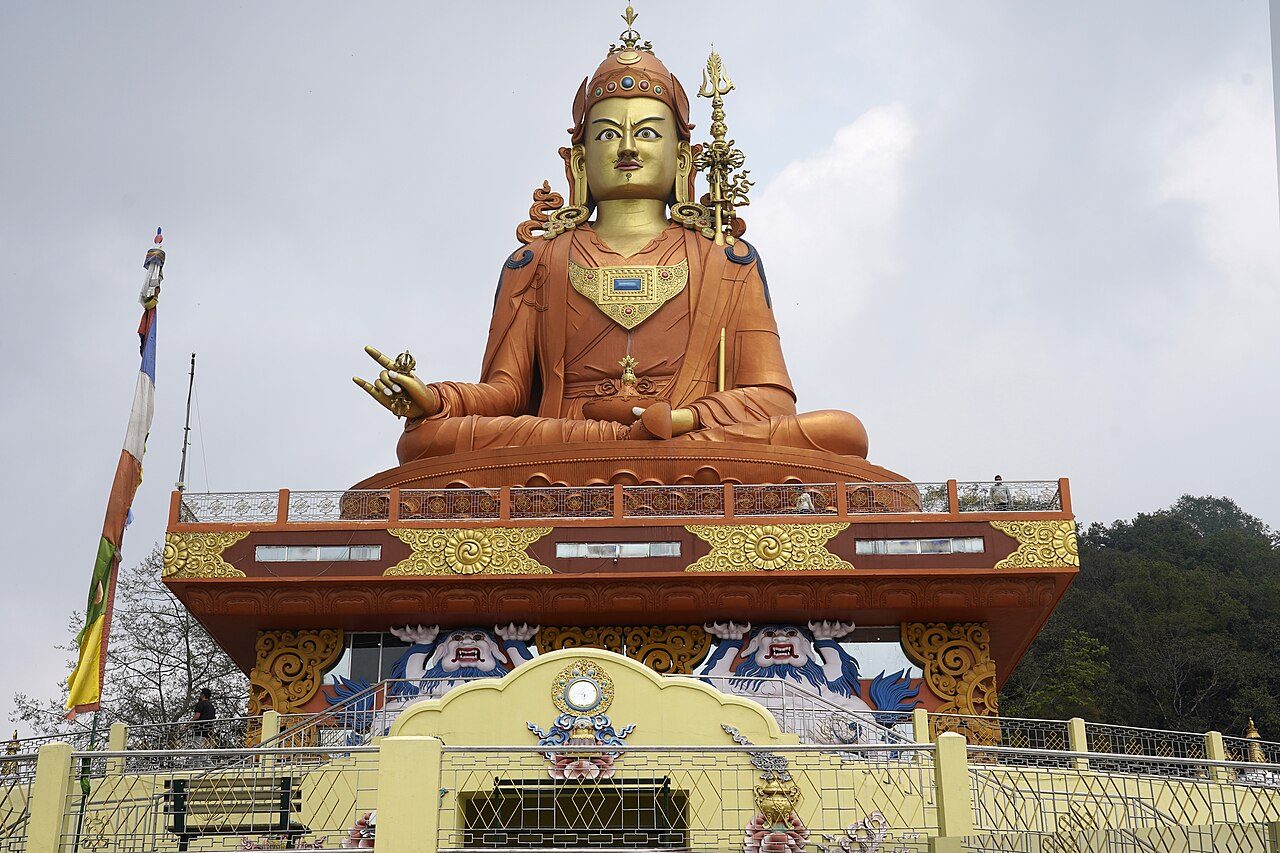
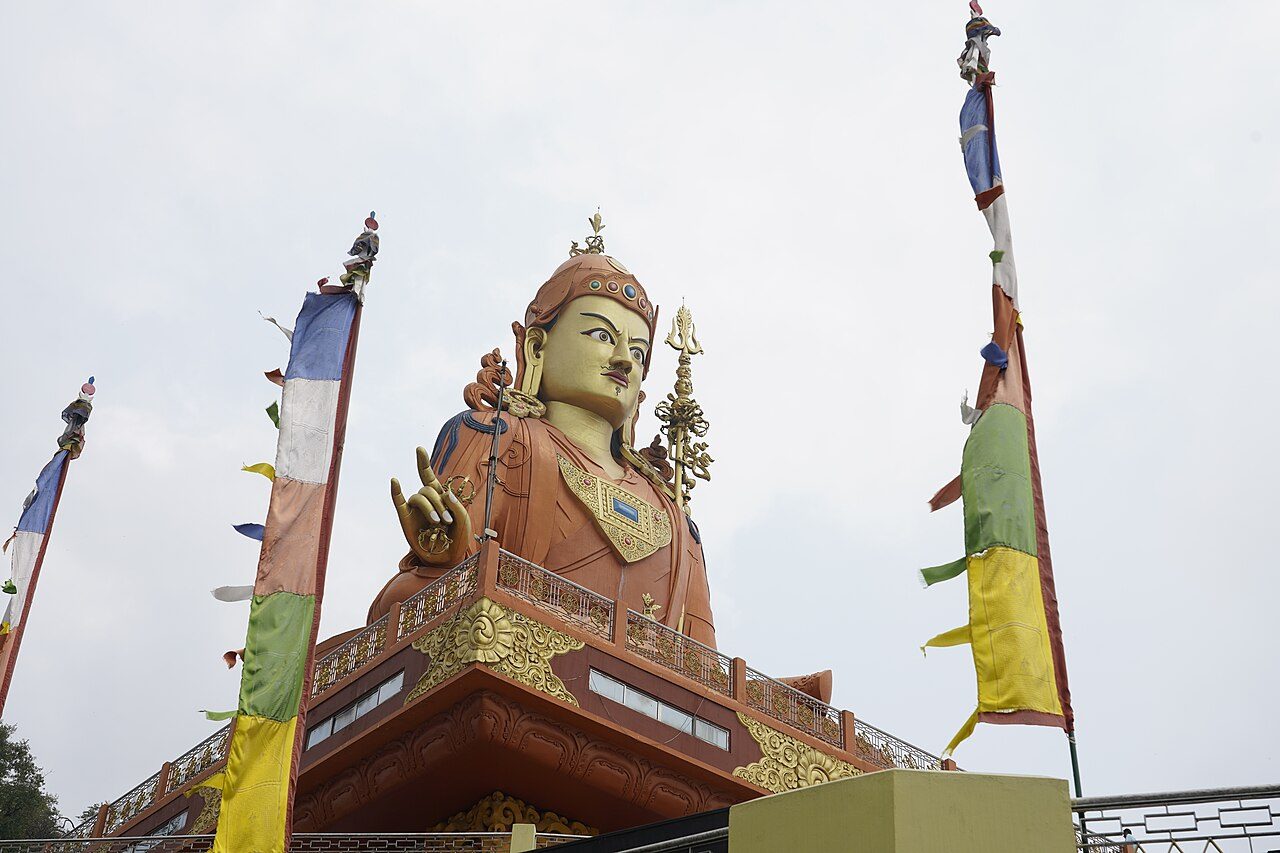
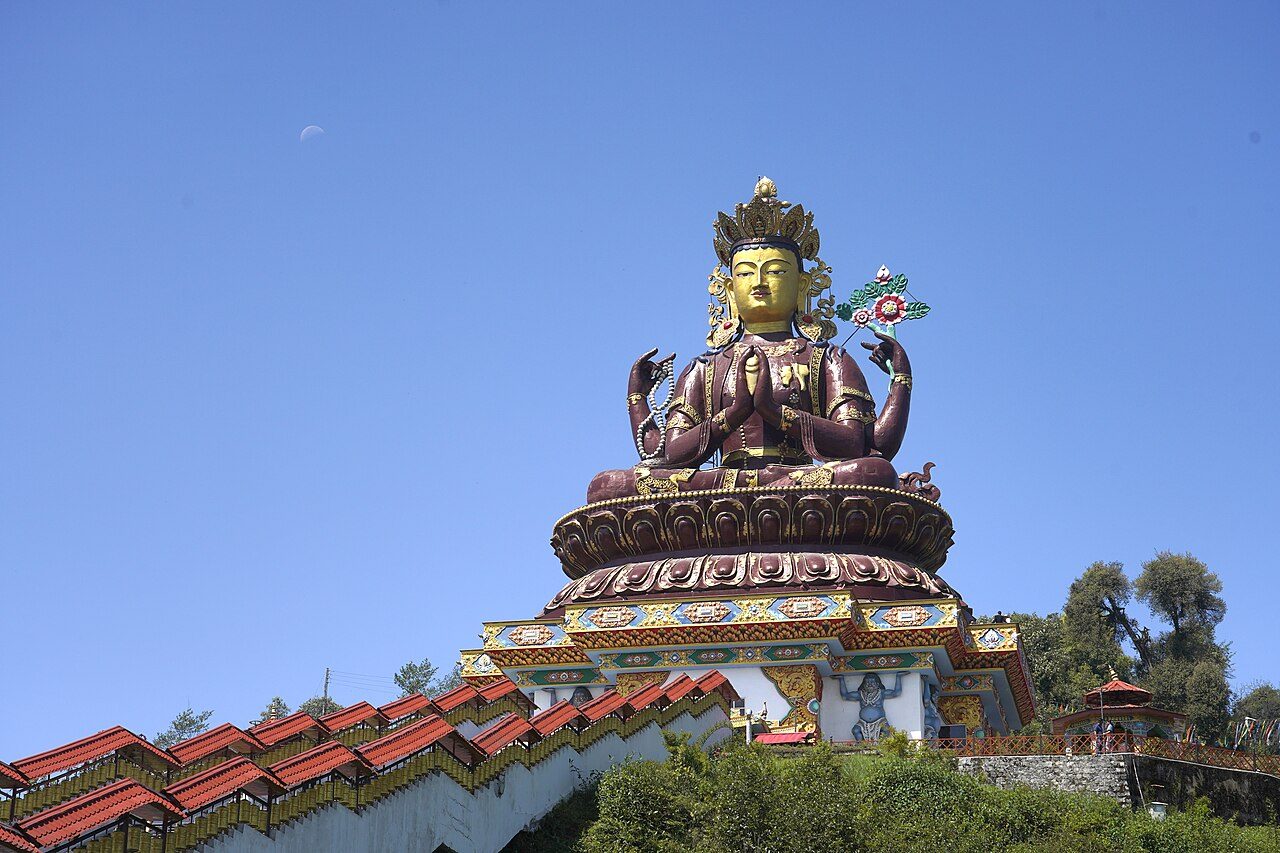
Samdruptse, the 'wish-fulfilling hill', stands above Namchi at about 2,130 metres. On its summit sits a statue of Guru Padmasambhava, patron saint of Sikkim, about 36 metres high and painted in shimmering copper and gold. Completed in 2004, it can be seen from far across the valley. The site looks out to Kangchenjunga and Darjeeling.
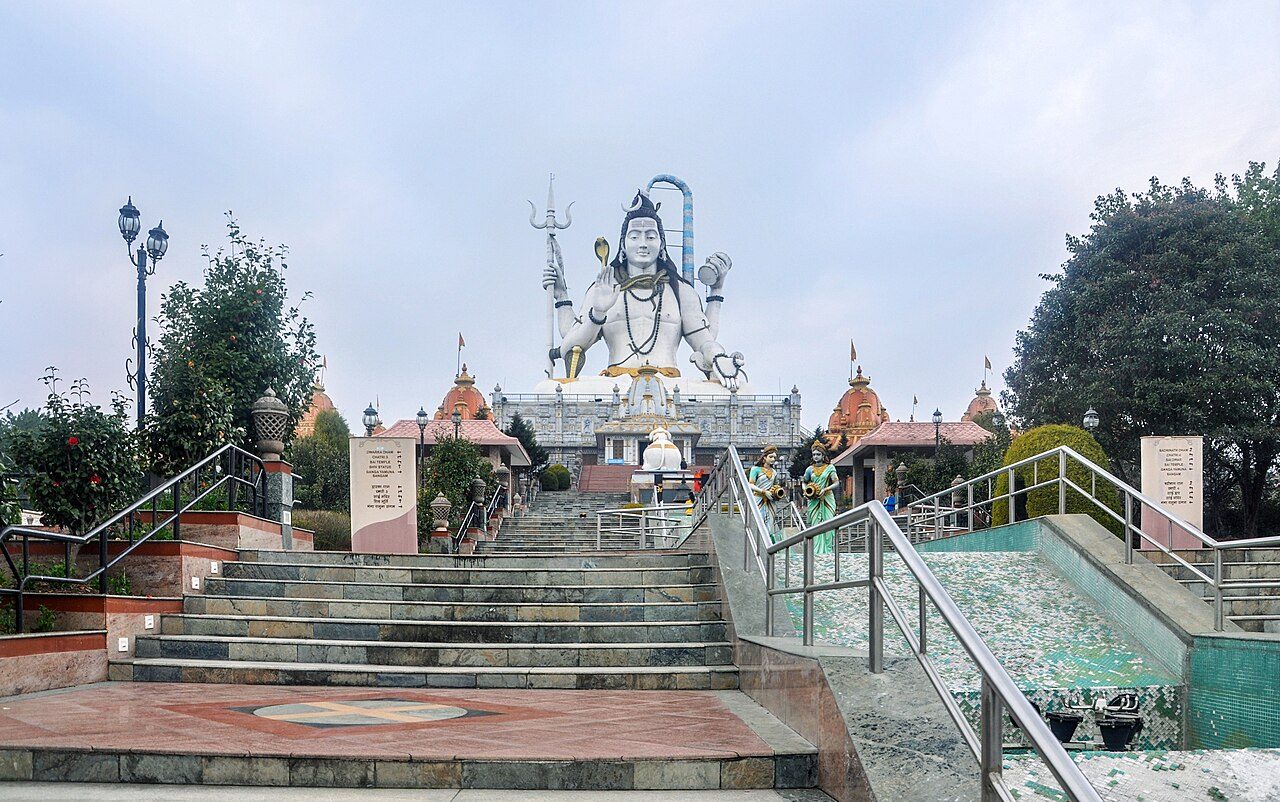
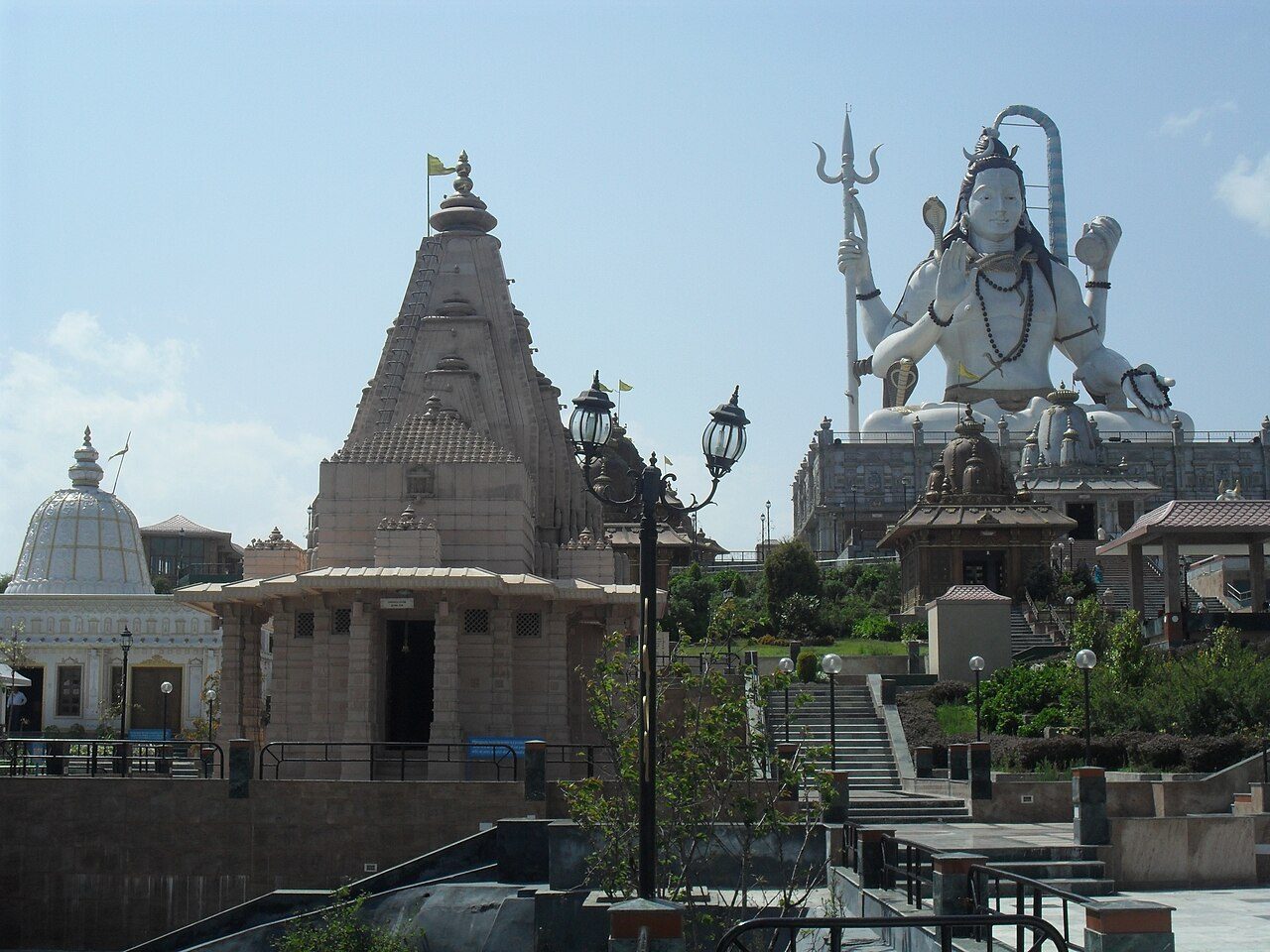
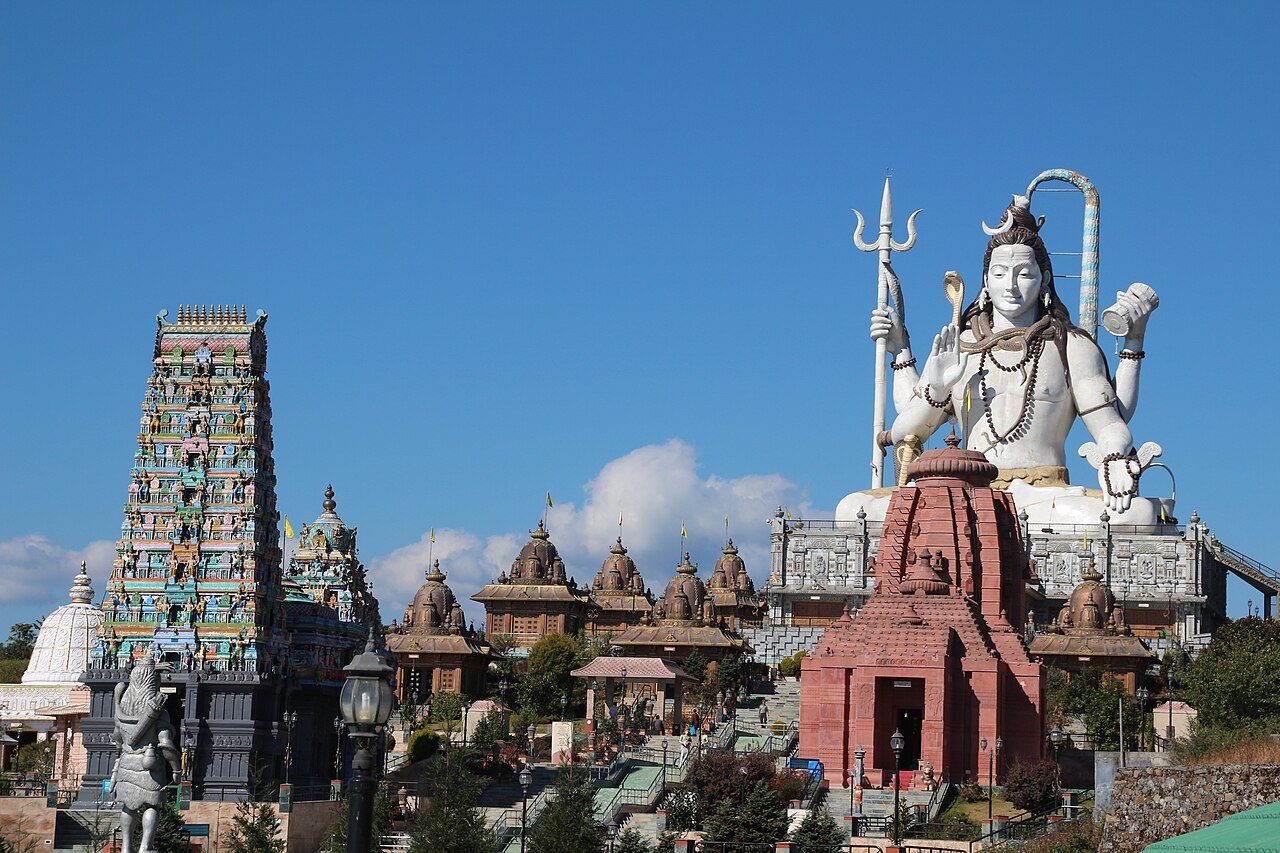
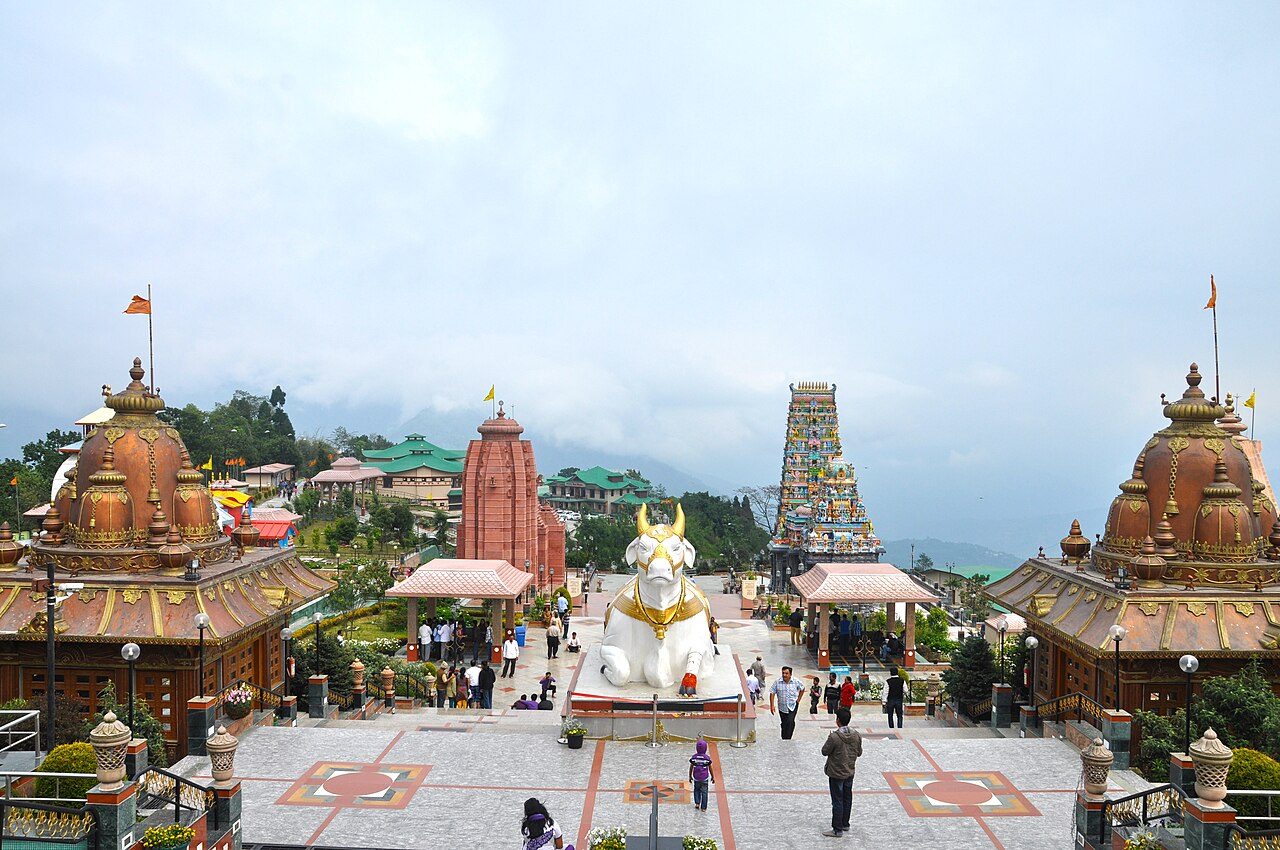
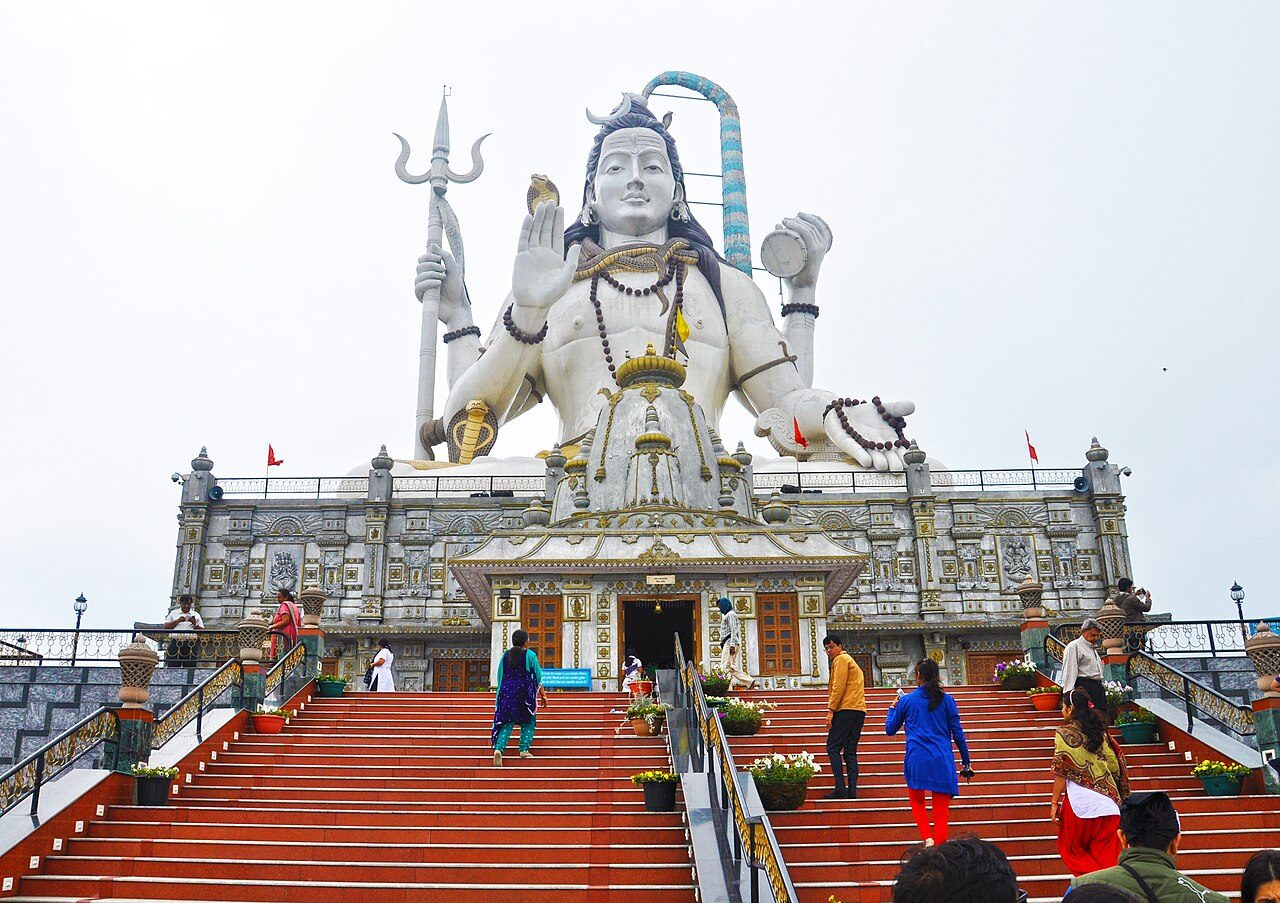
Siddhesvara Dham, known as Char Dham, is a pilgrimage complex on Solophok hill near Namchi, opened in 2011. A statue of Shiva about 33 metres high sits above replicas of the twelve jyotirlingas and of the four great dhams of India: Badrinath, Jagannath, Dwarka and Rameswaram. The hilltop has wide views of south Sikkim.
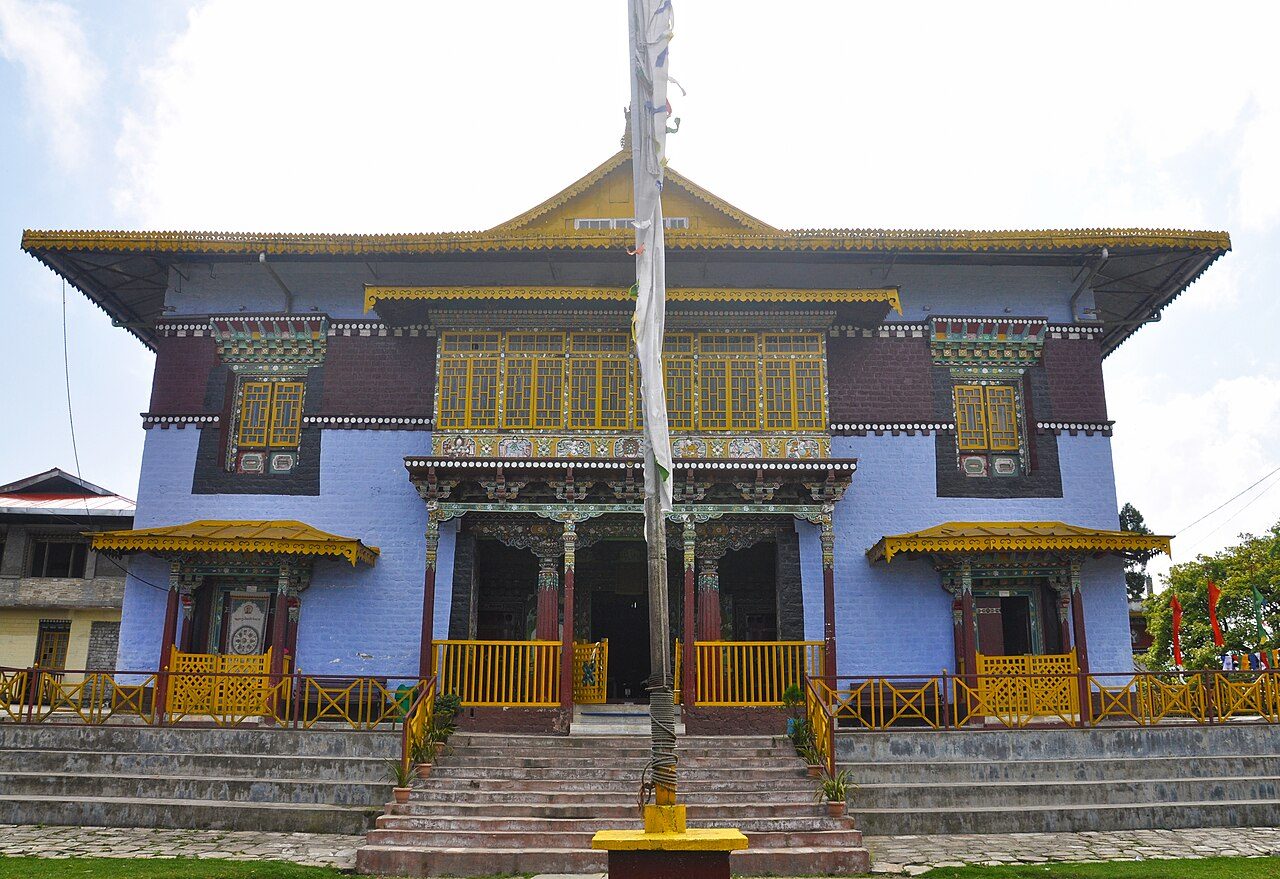
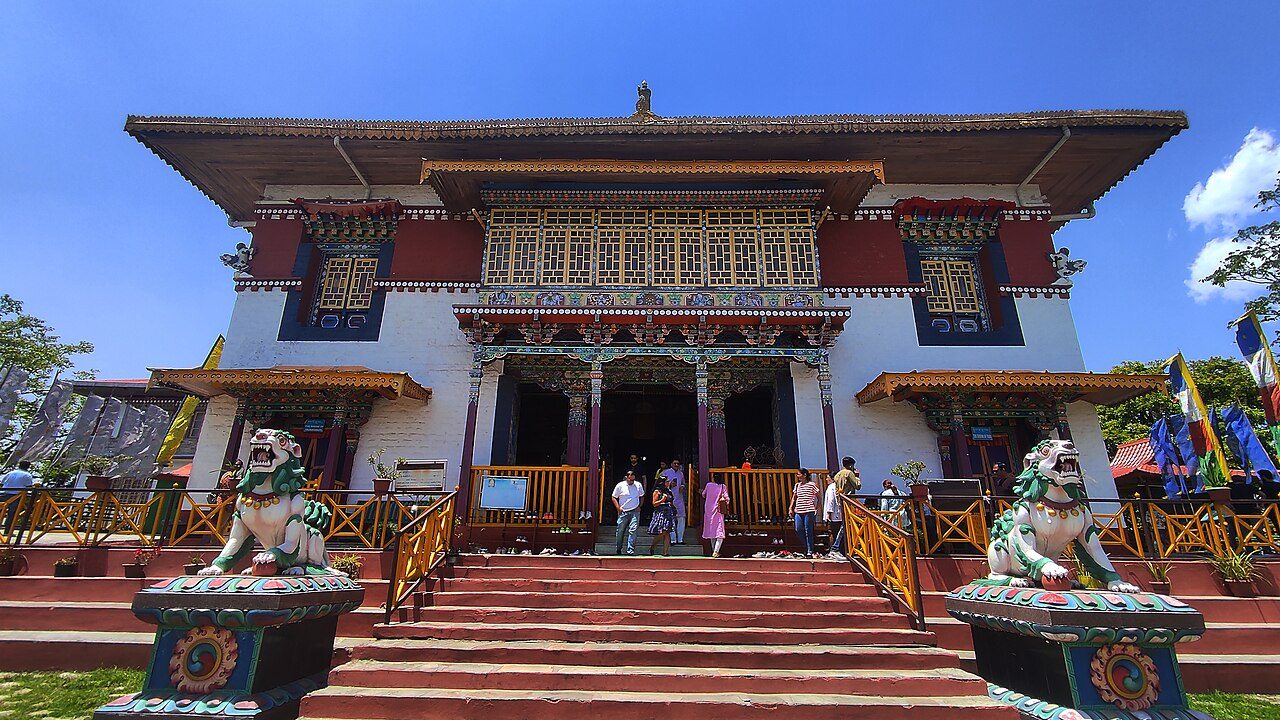
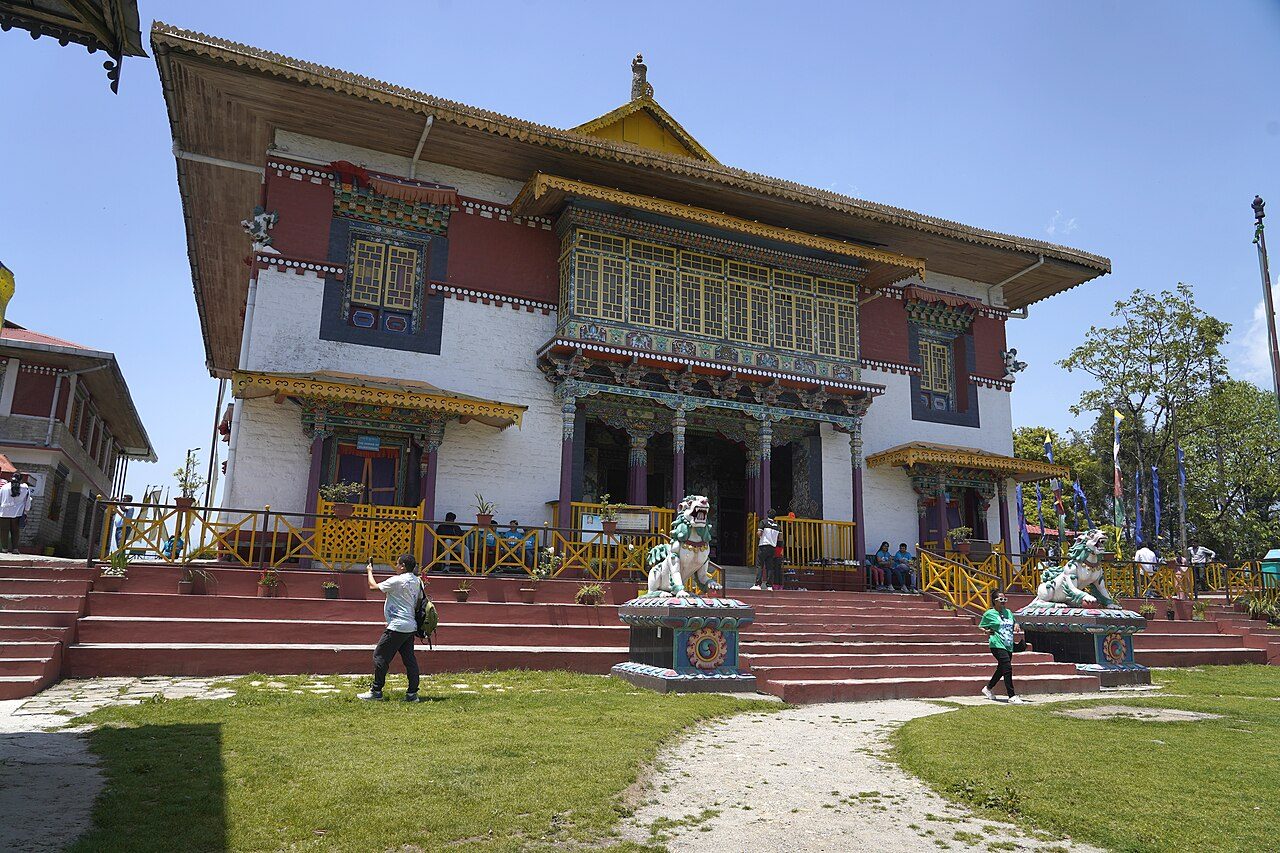
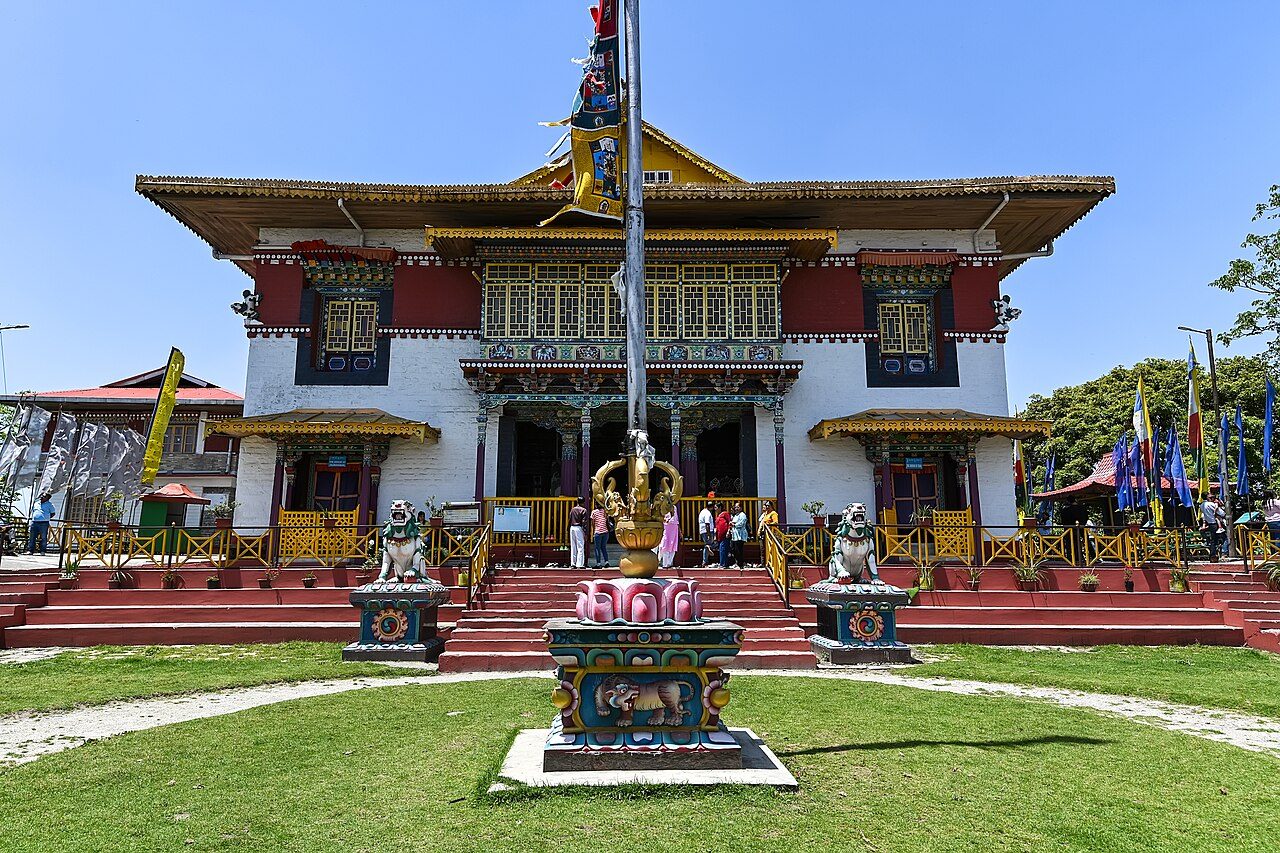
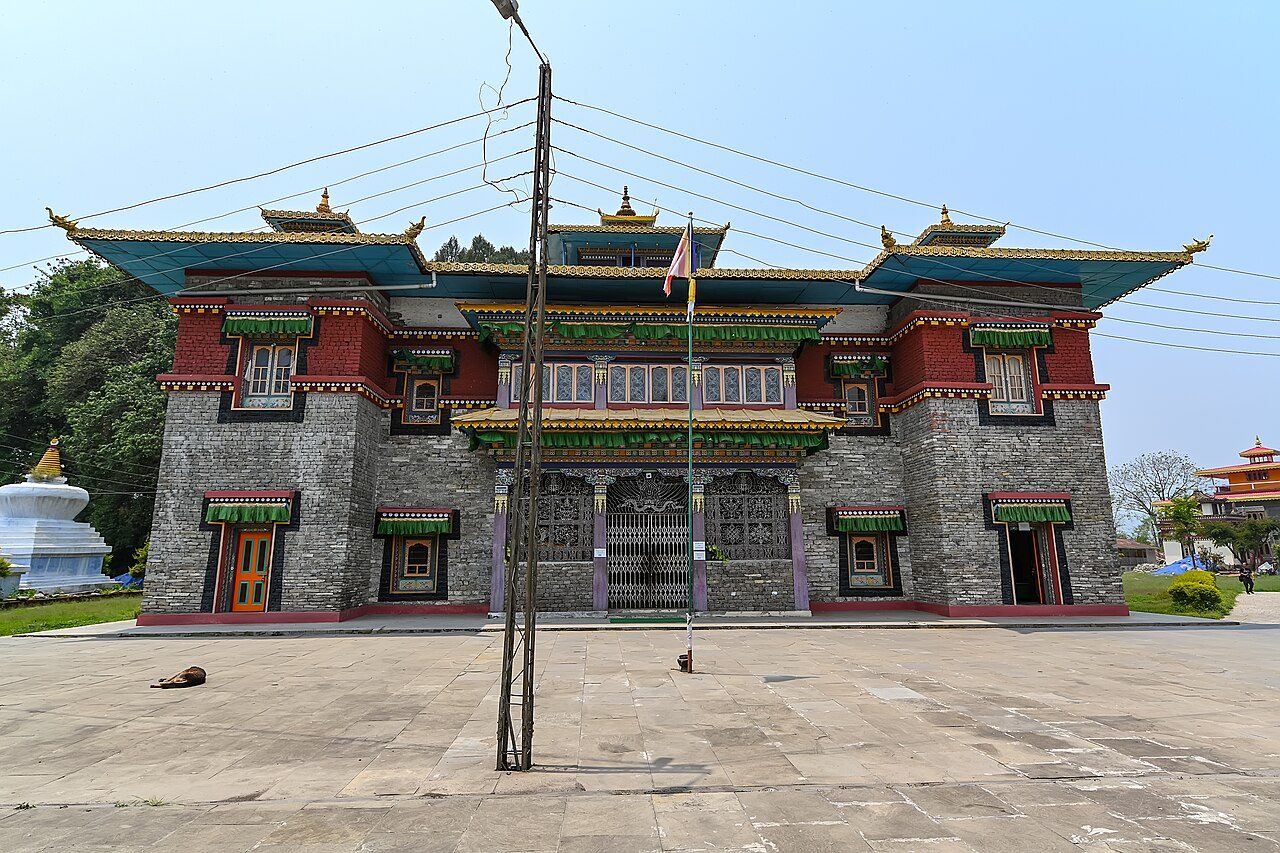
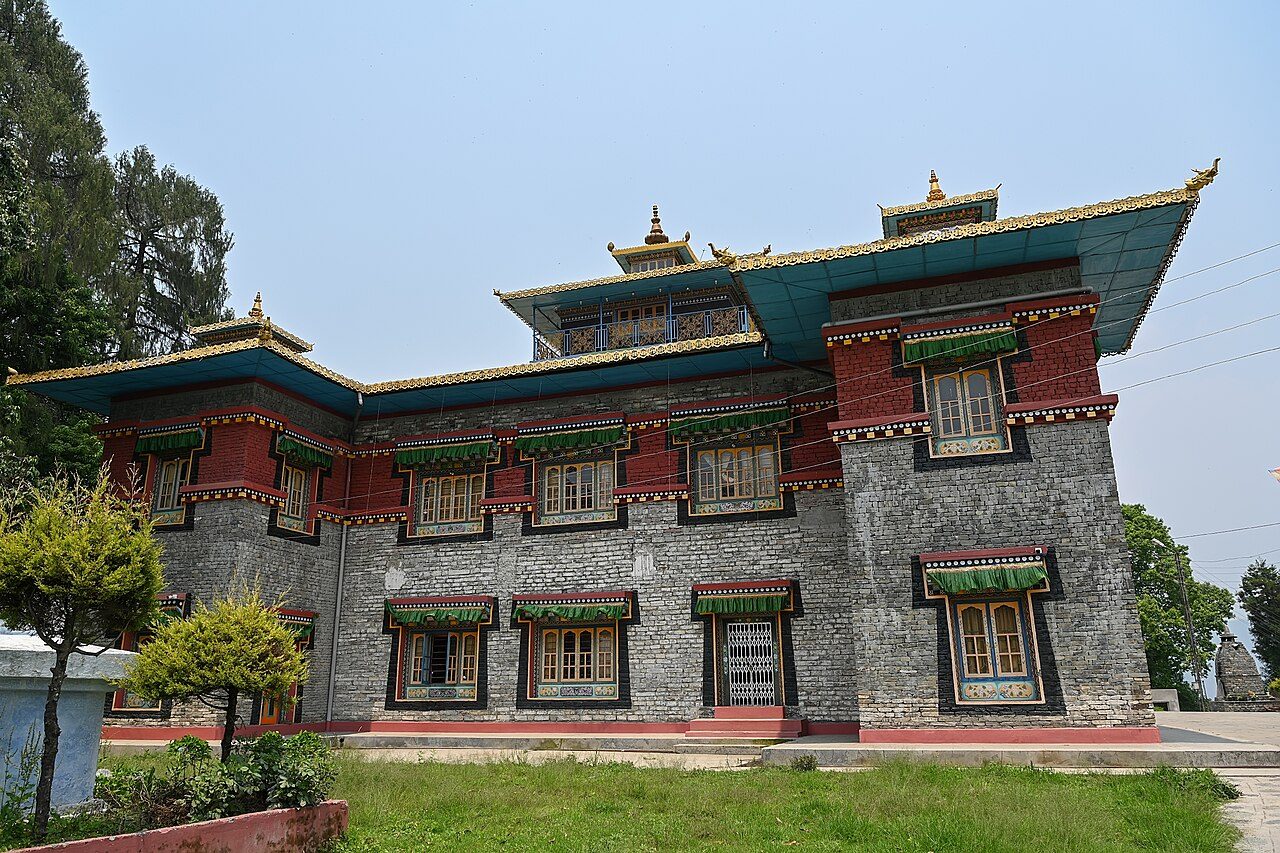
Pemayangtse, founded in 1705, is one of the oldest and most important monasteries in Sikkim, head of the Nyingma order in the state. Its monks were traditionally of pure Tibetan lineage and performed the royal rites. The top floor holds a seven-tiered painted wooden model of Guru Rinpoche's heavenly palace. It stands on a hilltop just outside Pelling.
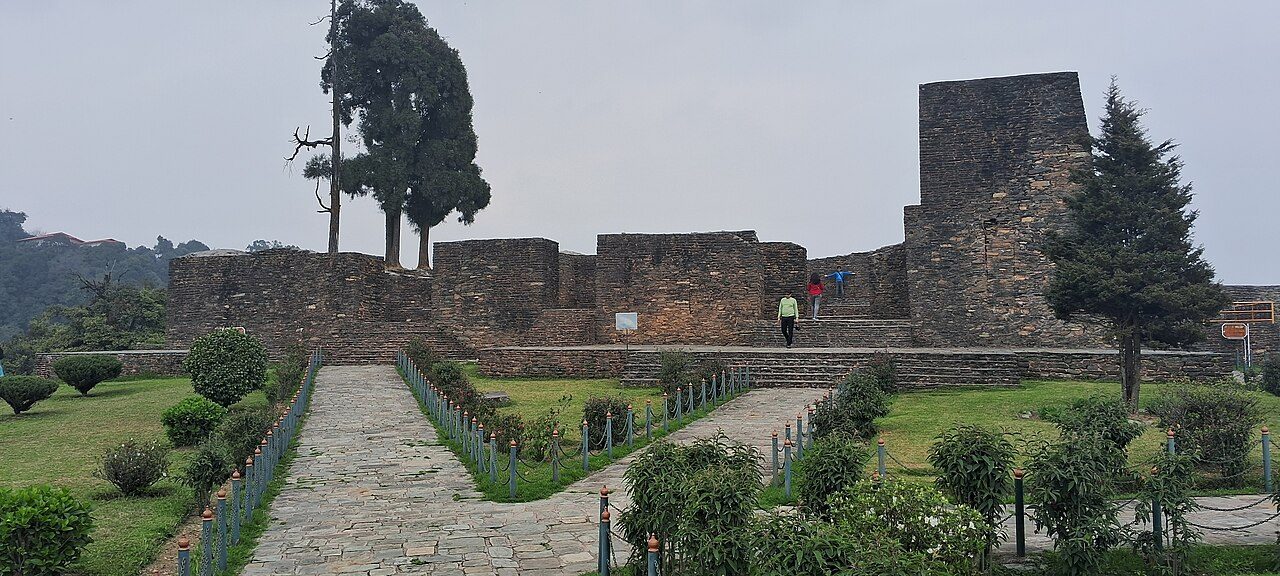
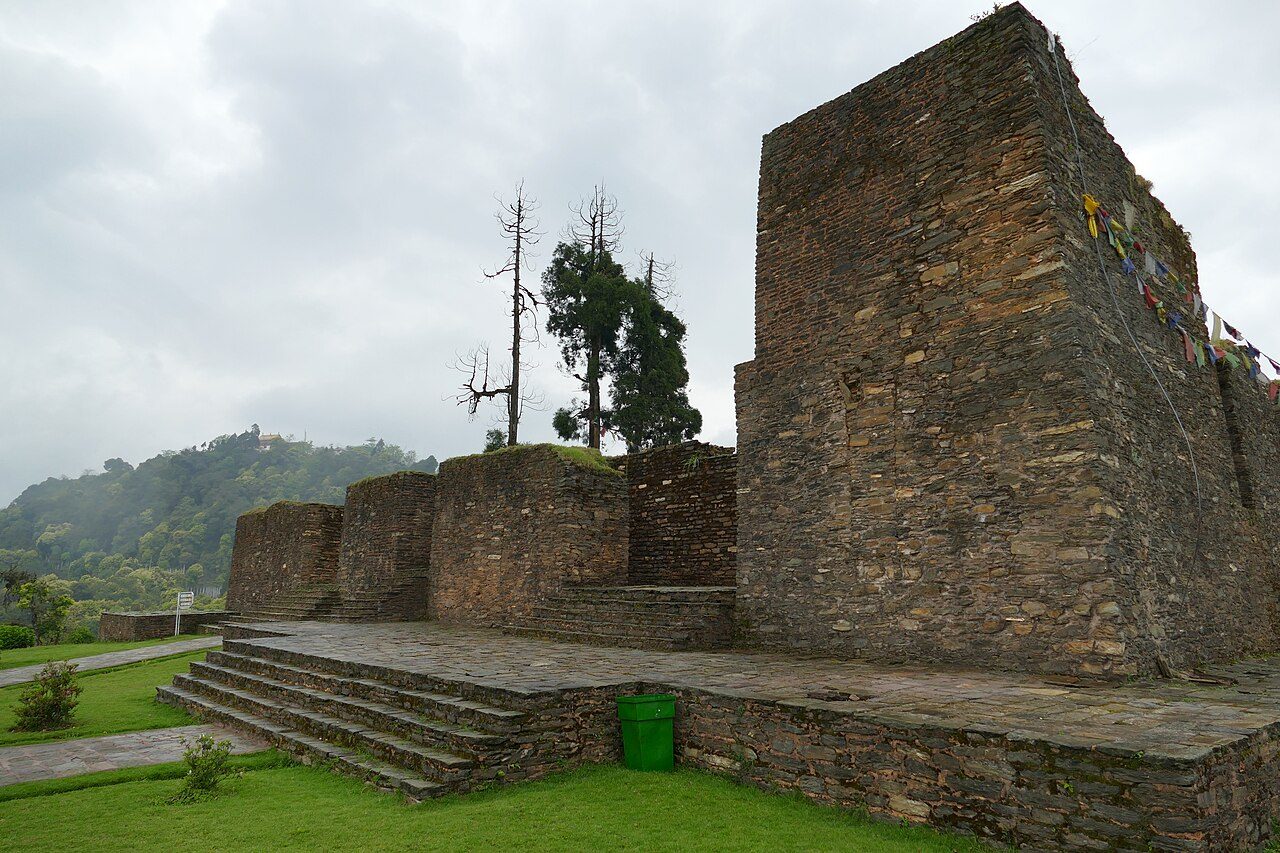
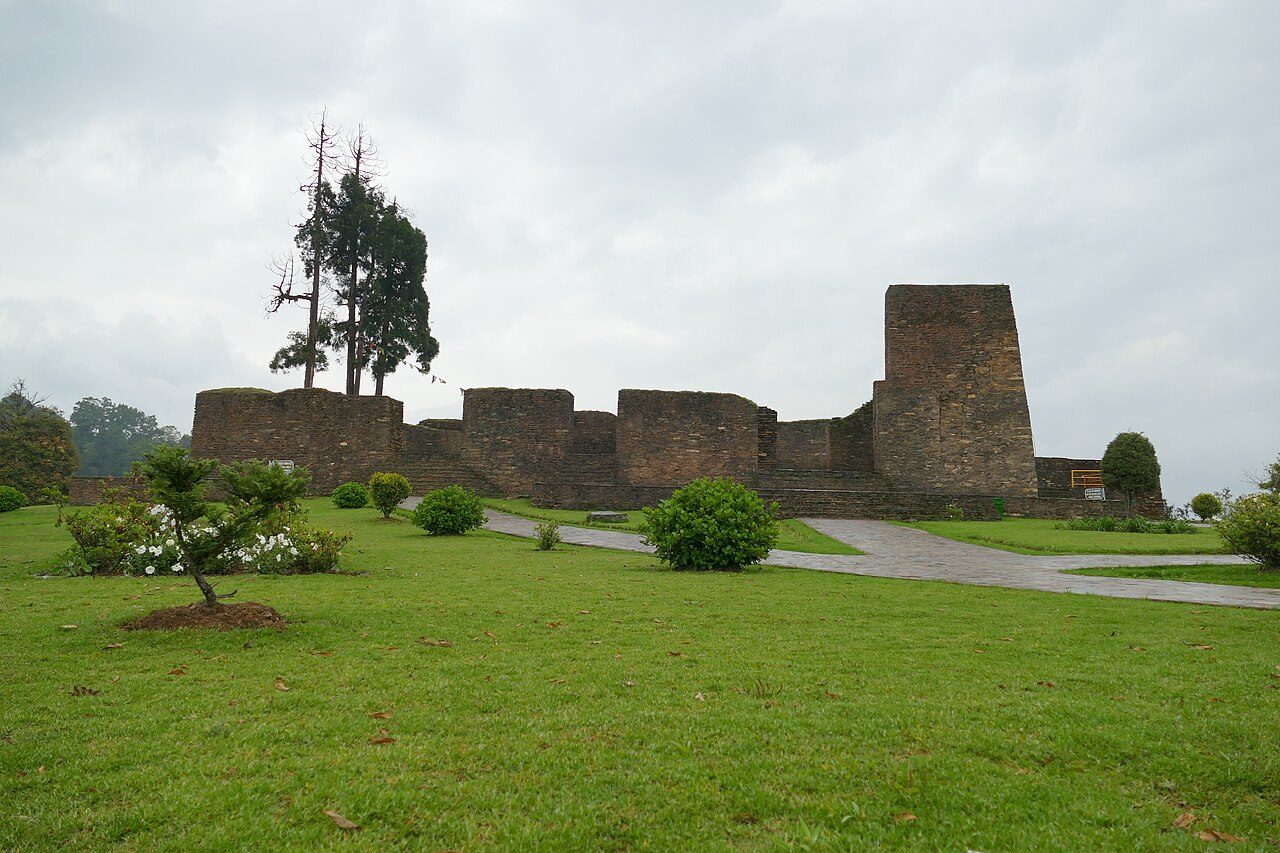
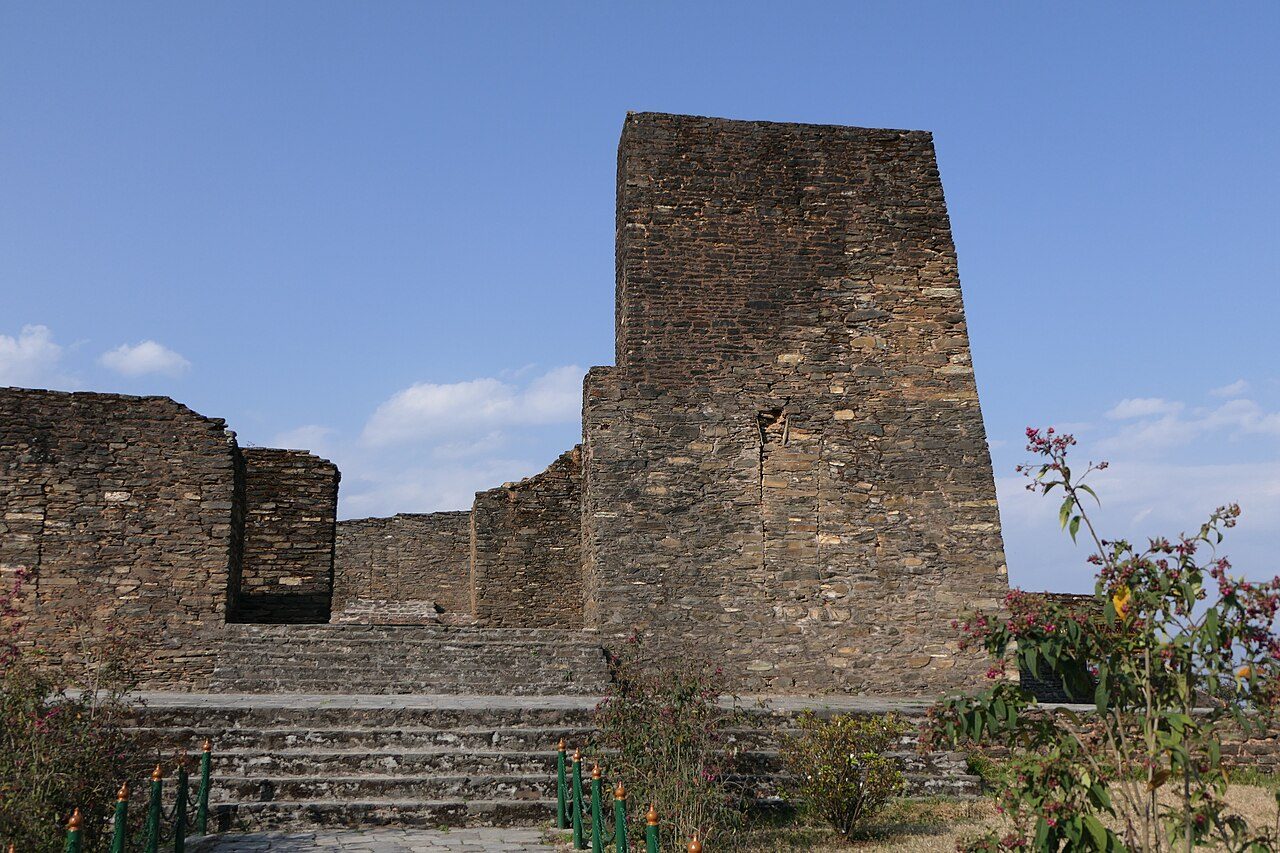
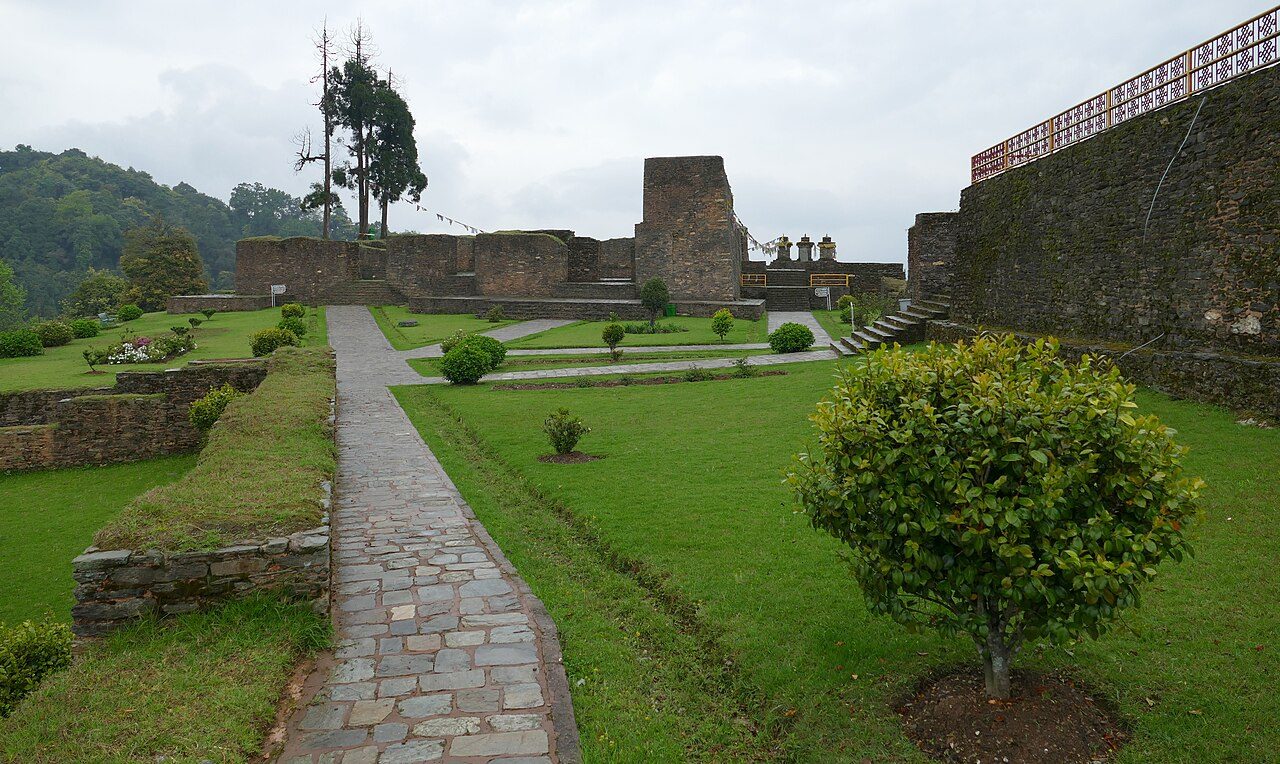
Rabdentse was the second capital of the kingdom of Sikkim, from 1670 until it was destroyed by a Gurkha invasion in the 18th century. The ruins of the palace and three chortens stand on a forested ridge near Pelling, reached by a walk of about fifteen minutes through chestnut woods. The site looks across to Pemayangtse and Kangchenjunga.
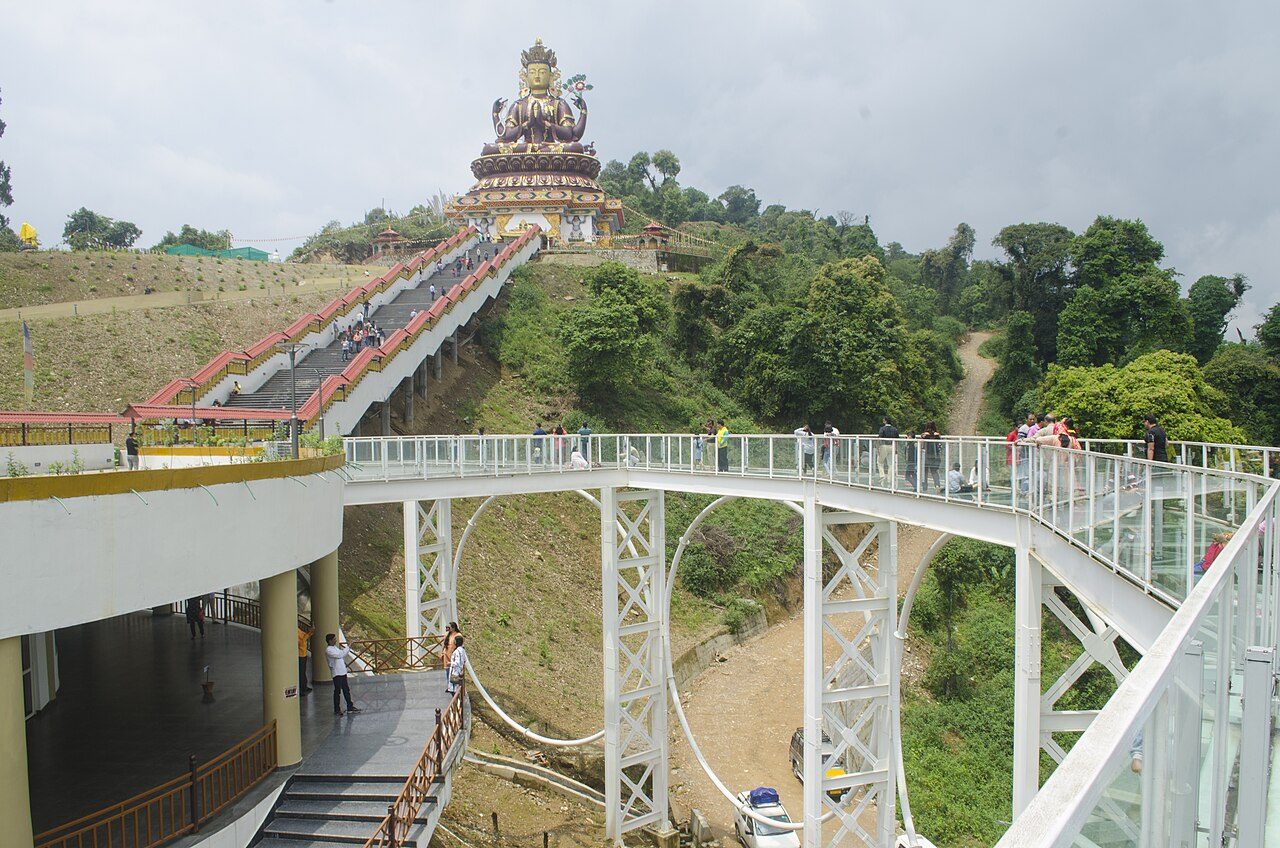
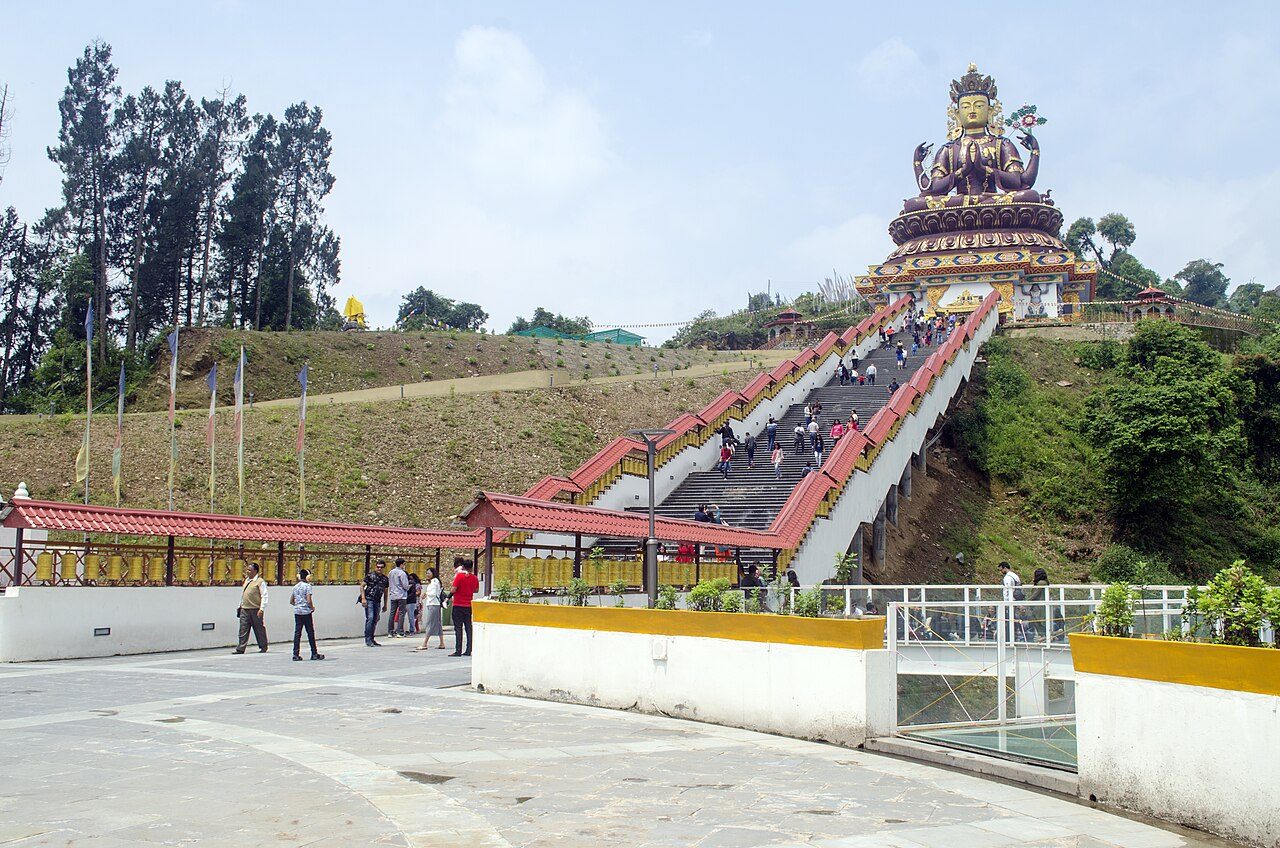
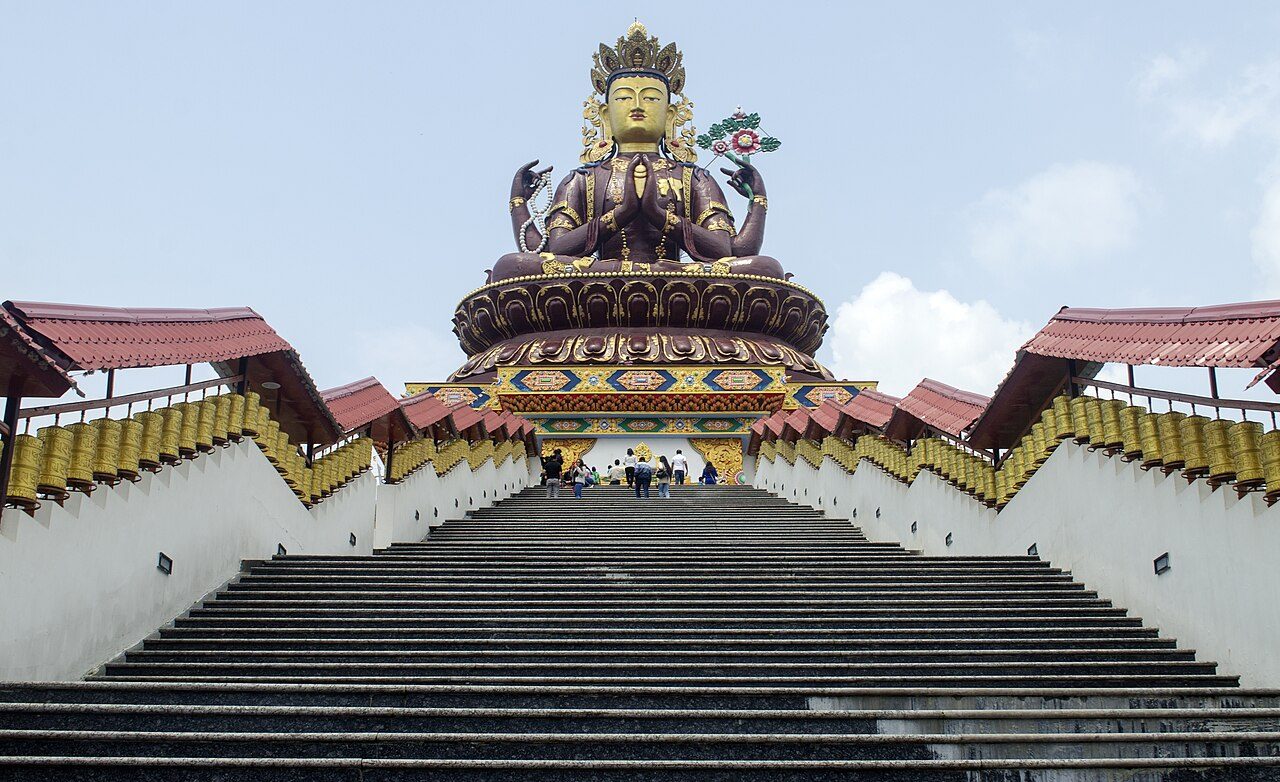
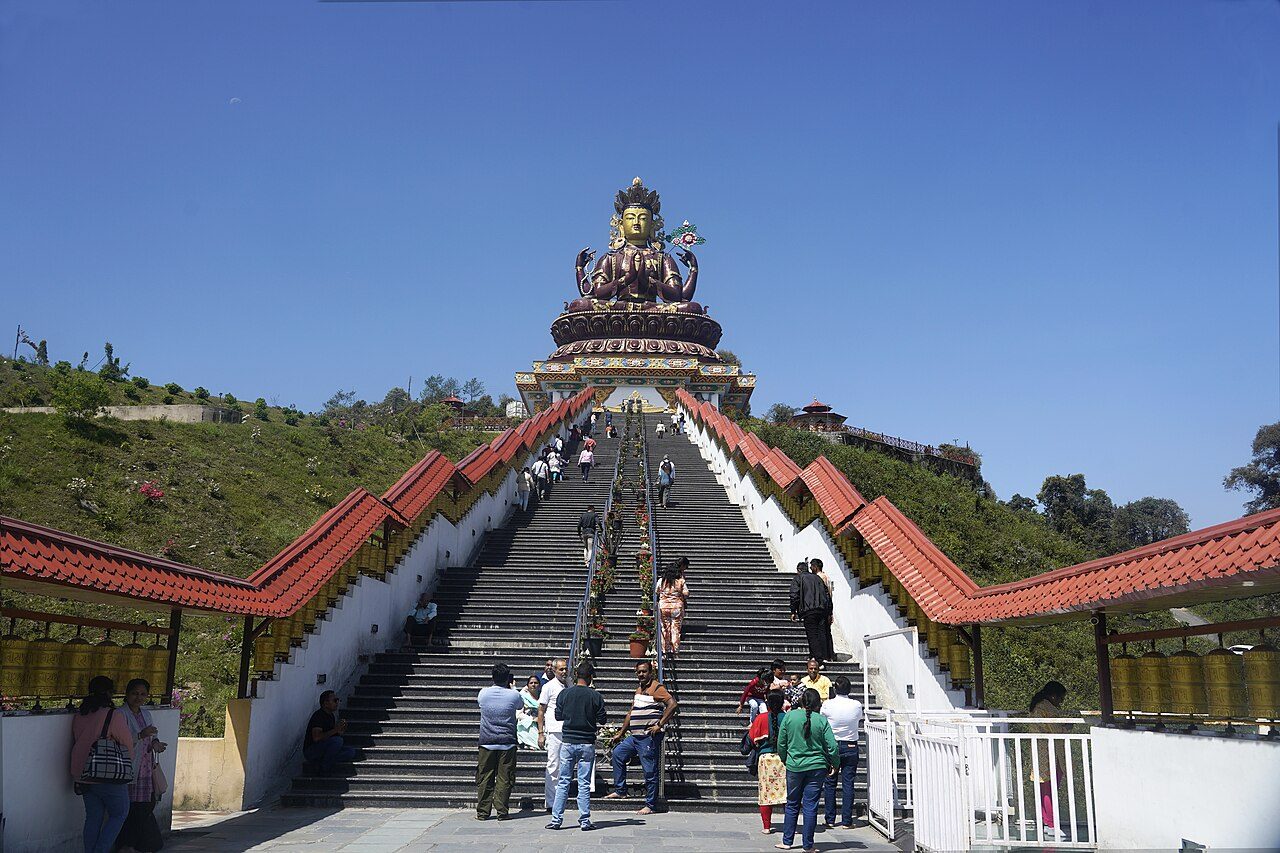
The Chenrezig statue at Sangachoeling, above Pelling, is about 42 metres tall and was inaugurated in 2018. It depicts Avalokiteshvara, the bodhisattva of compassion. Beside it is a glass-floored skywalk, the first in India, which leads to the steps up to the statue. The site looks out over the hills of west Sikkim to Kangchenjunga.
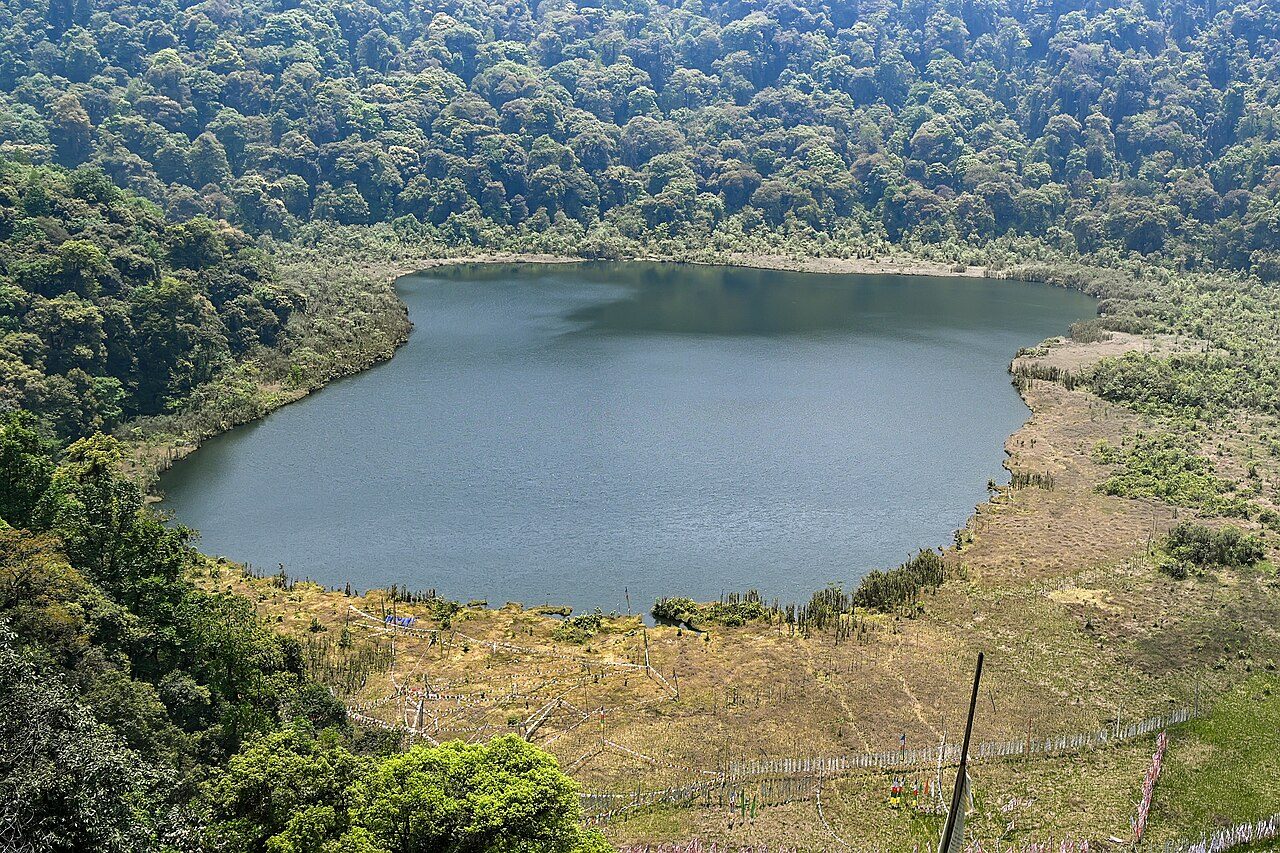
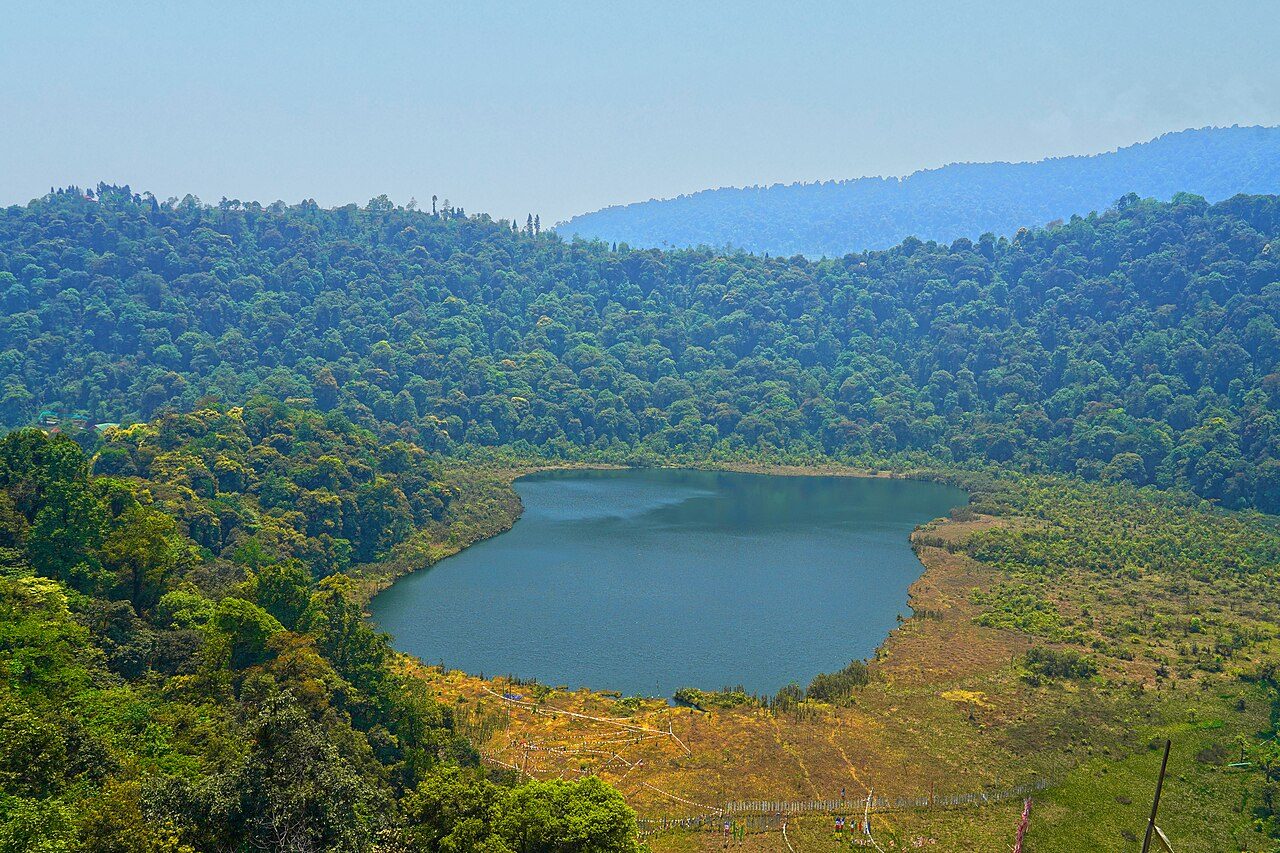
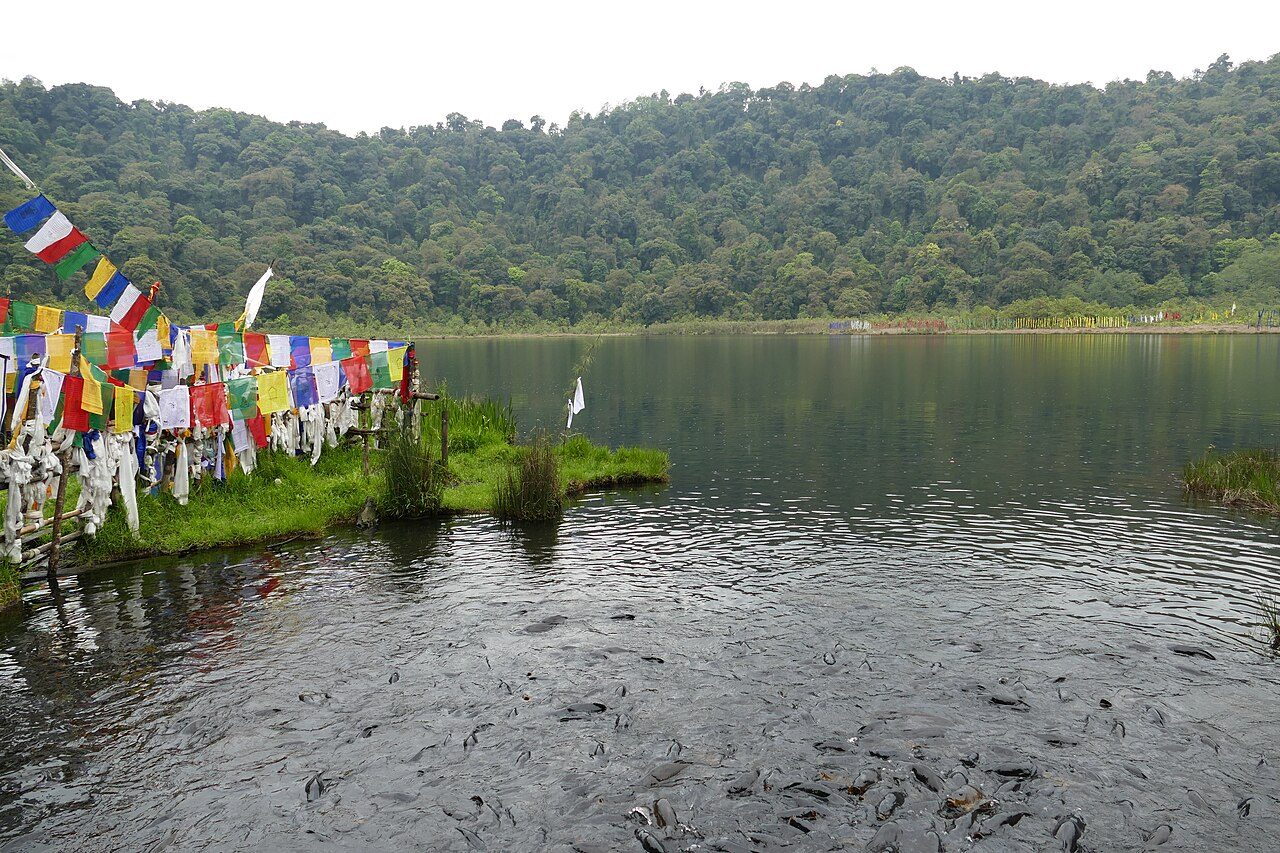
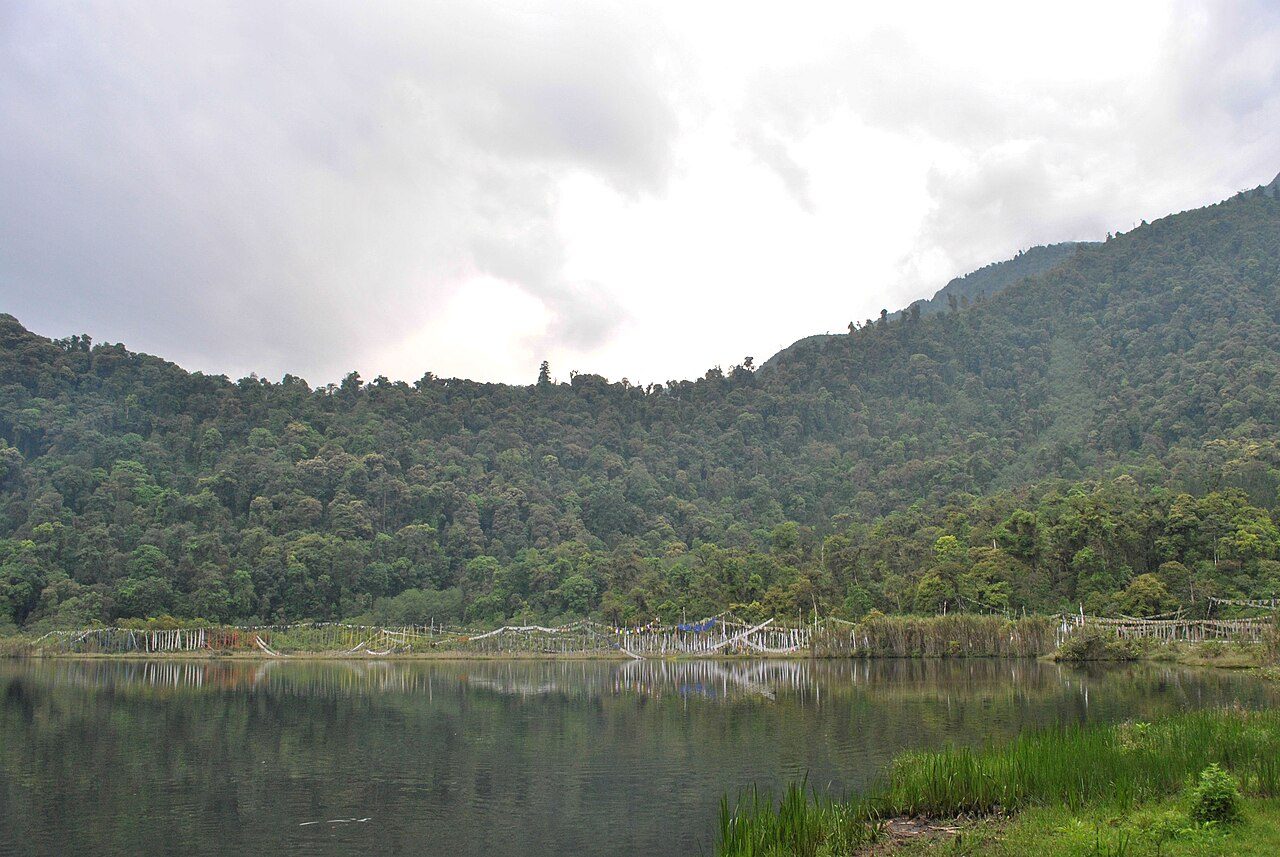
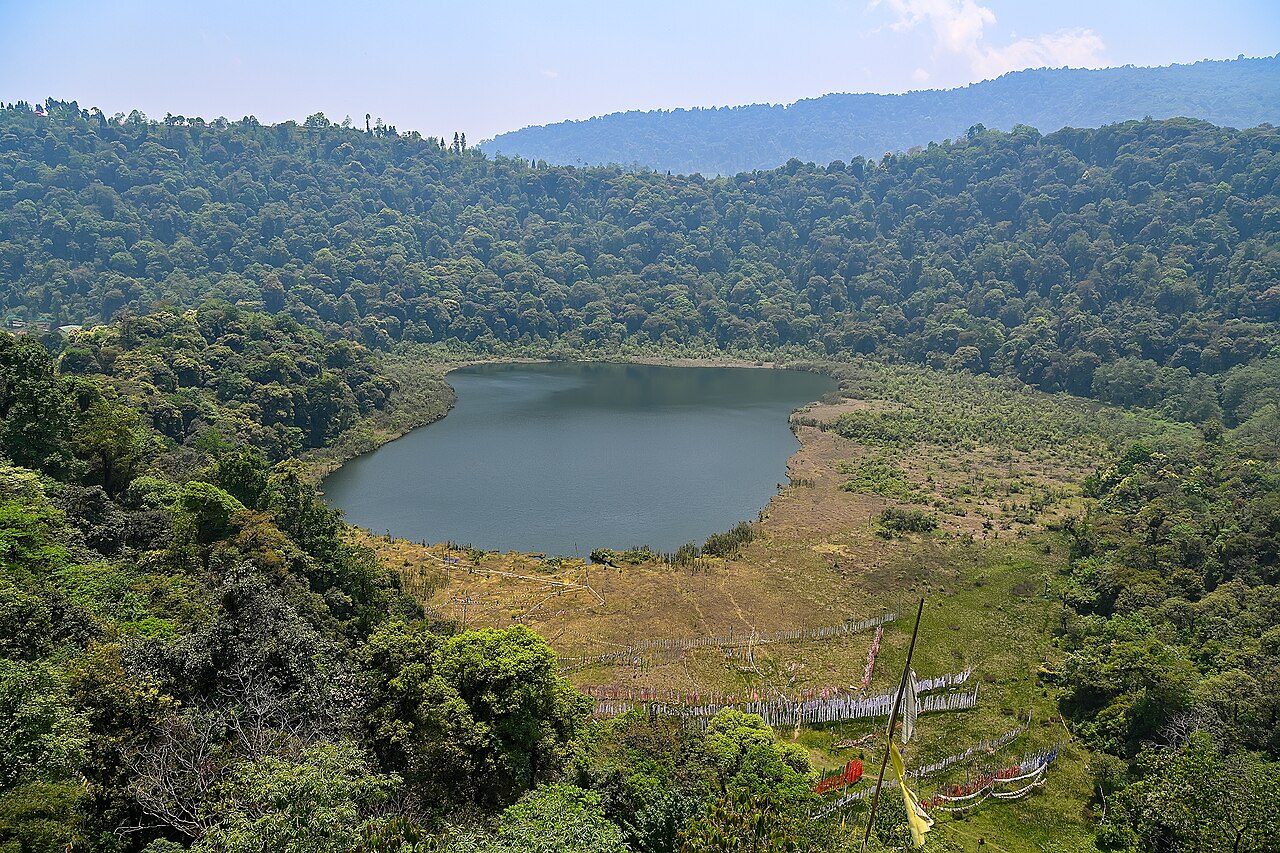
Khecheopalri is a lake sacred to both Buddhists and Hindus, hidden in forest about 30 km from Pelling. It is known as the wishing lake. Local belief holds that birds remove any leaf that falls on its surface. A short path lined with prayer wheels and flags leads to a jetty, where silence is expected. A festival is held here in March.
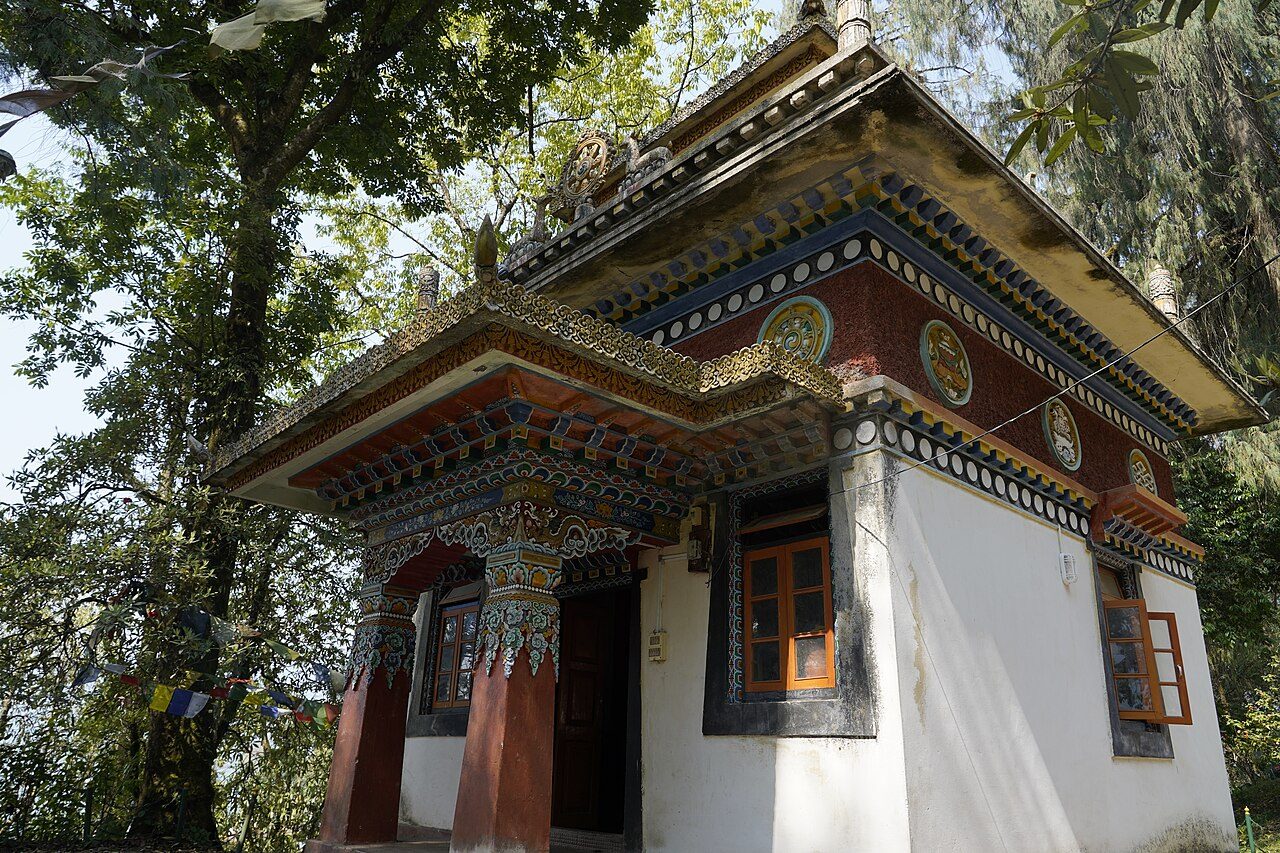
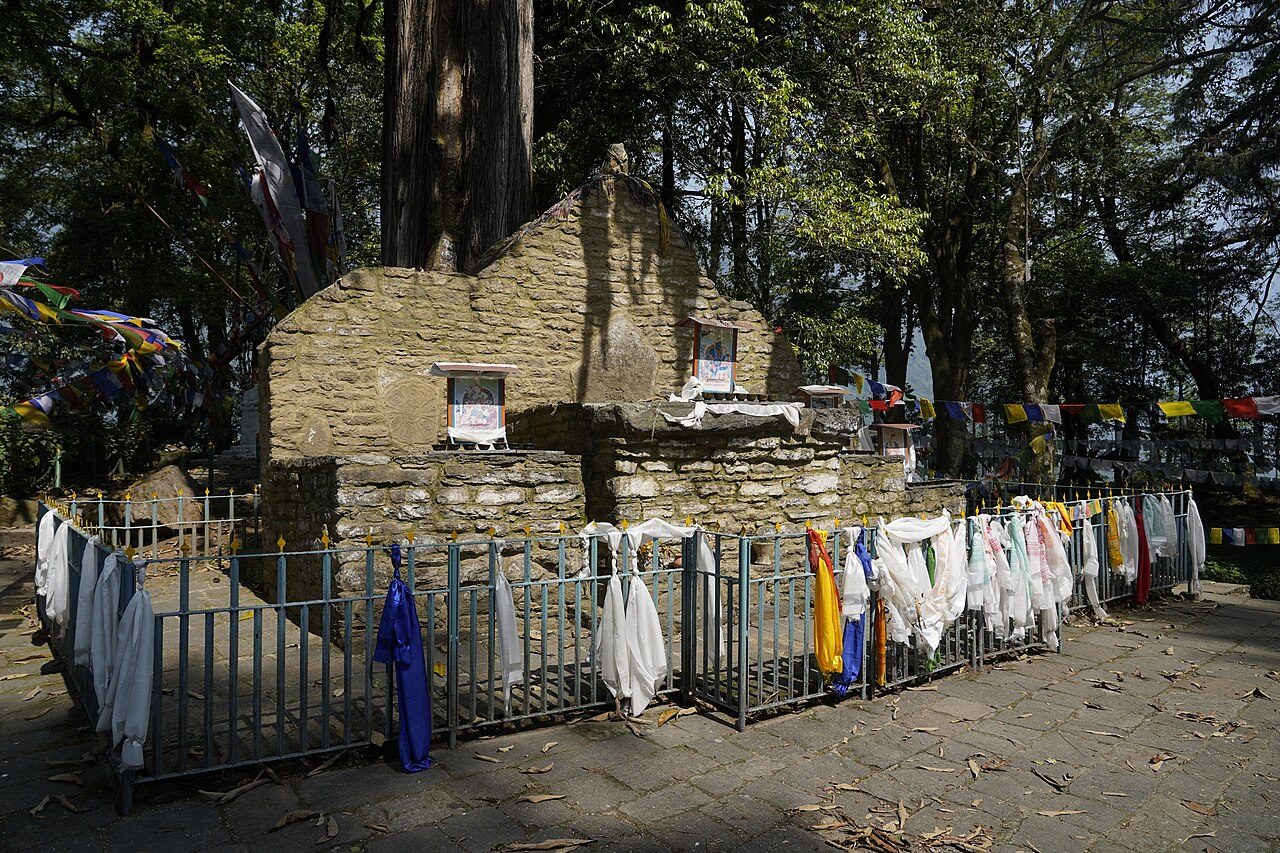
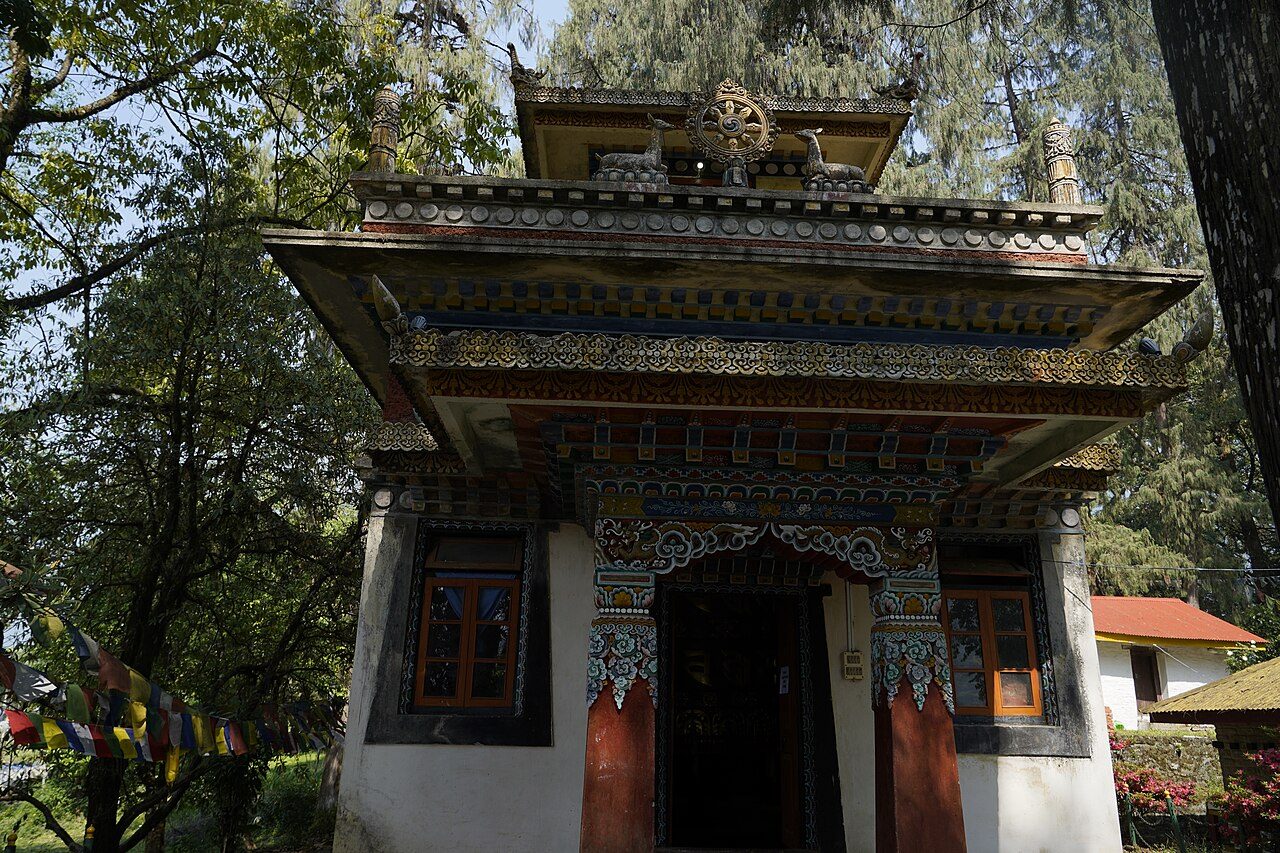
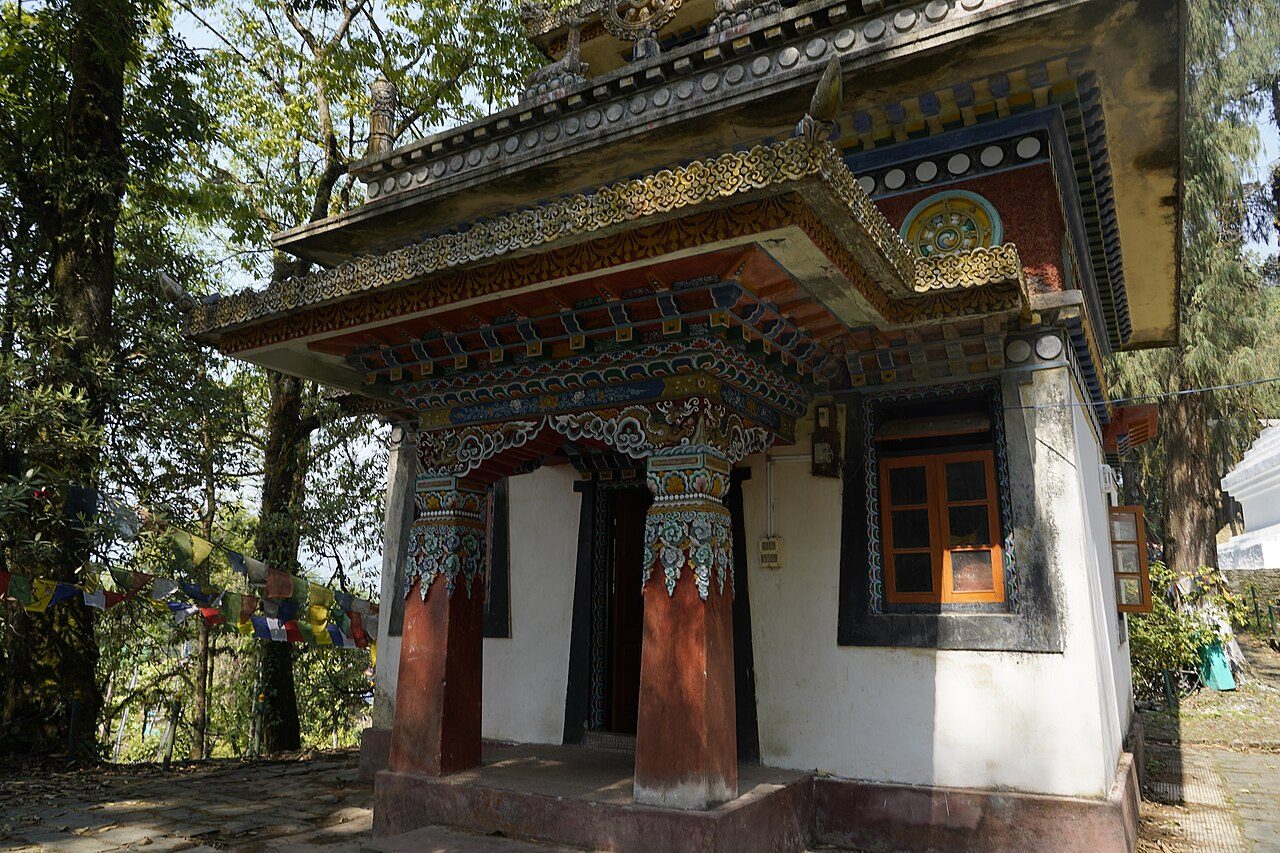
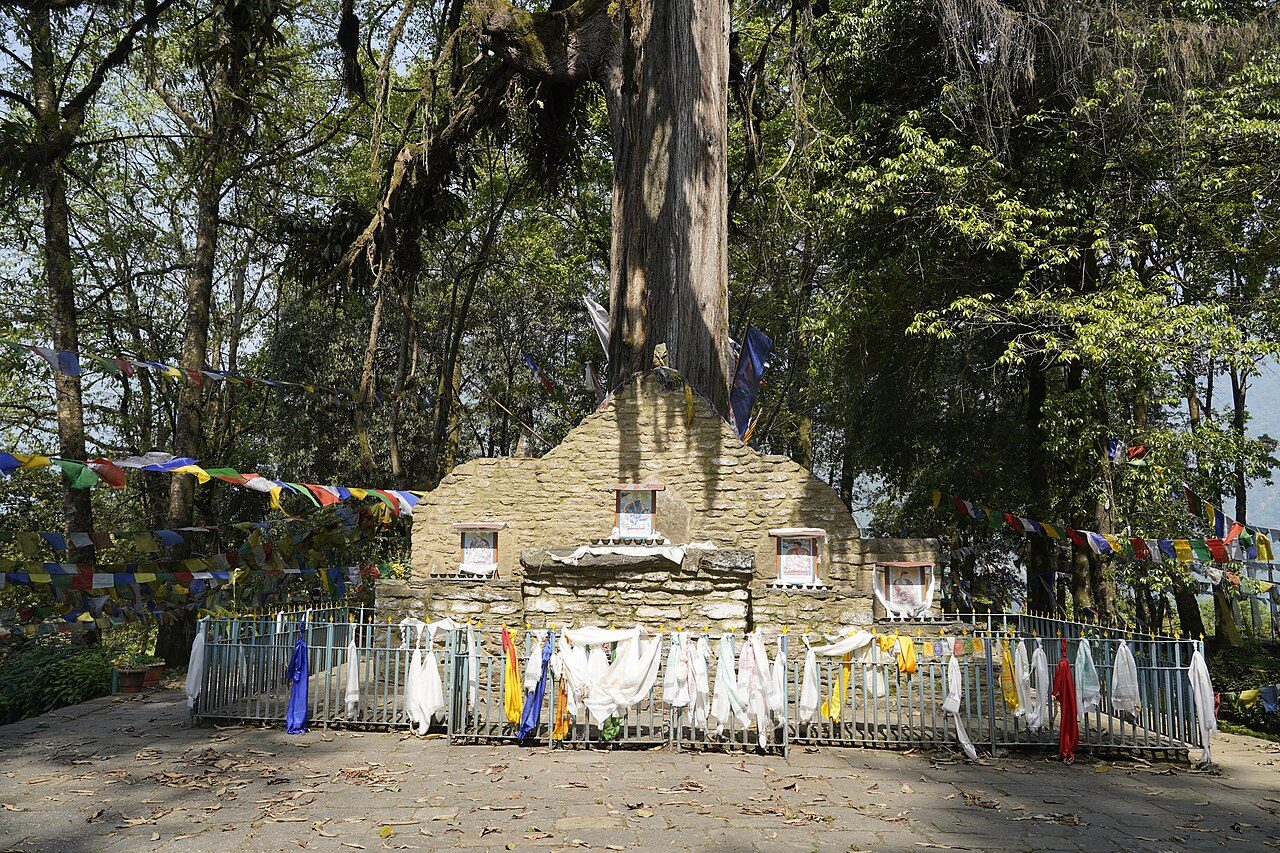
Yuksom was the first capital of Sikkim. Here in 1642 three lamas crowned Phuntsog Namgyal as the first Chogyal, or king. The stone coronation throne, shaded by an old pine, a chorten and a footprint in the rock are preserved at Norbugang. The village is also the trailhead for the trek to Dzongri and Goecha La.
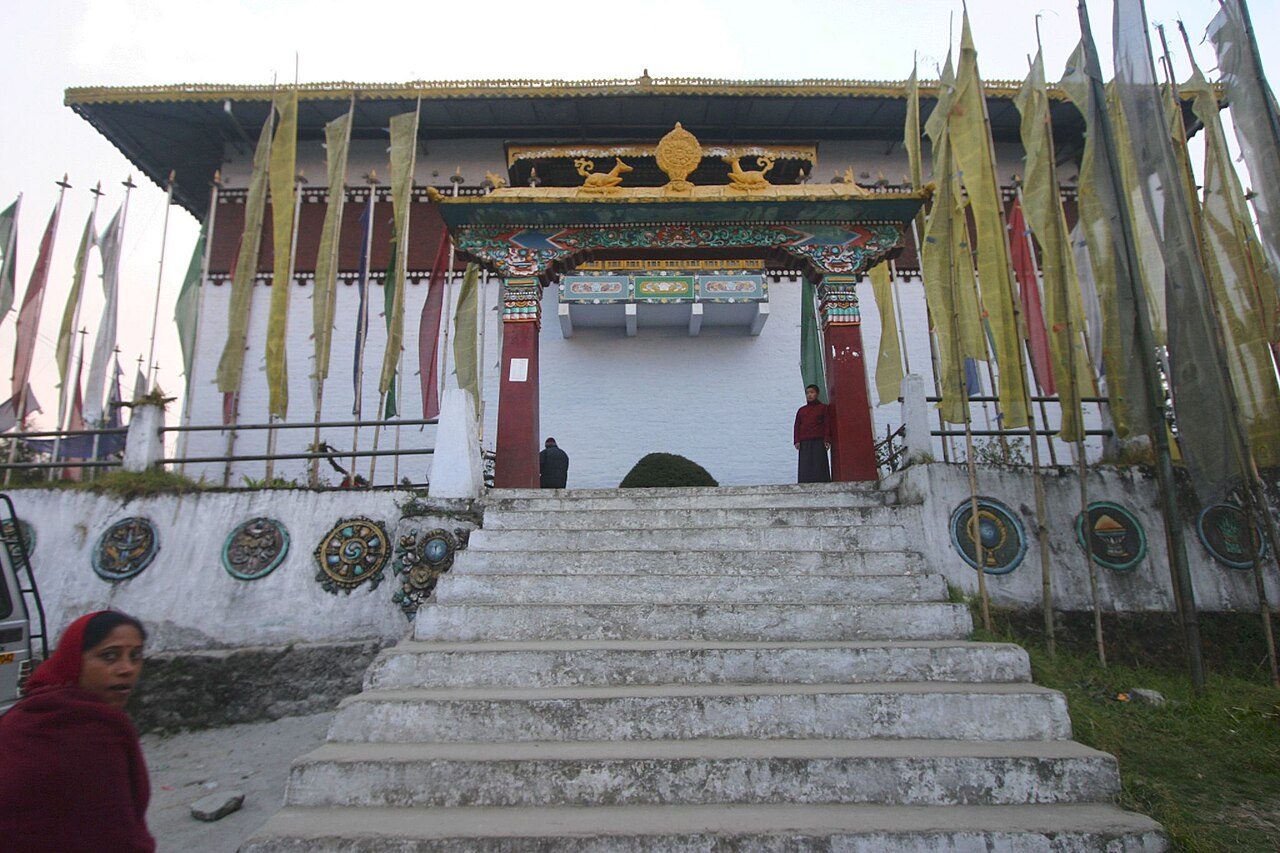
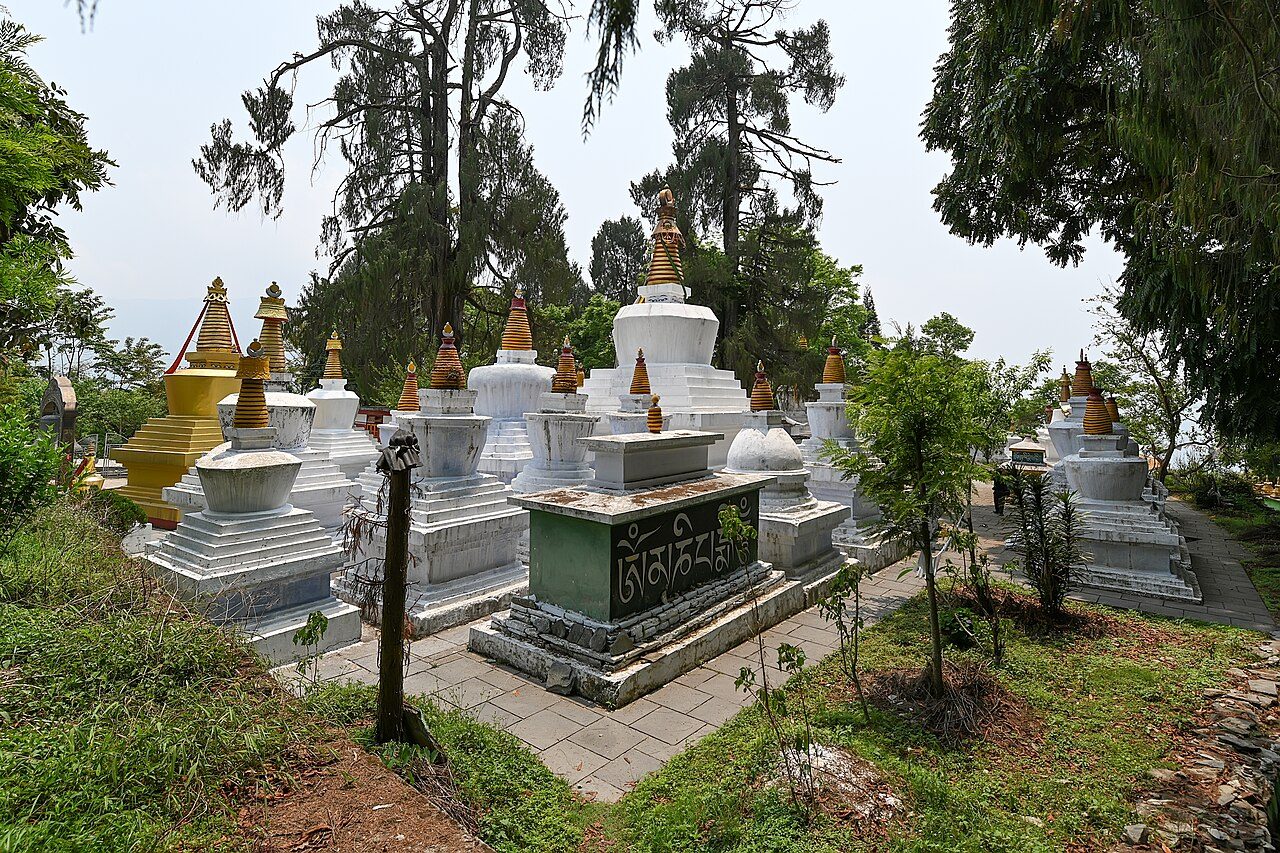
Tashiding Monastery, founded in 1717, stands on a heart-shaped hill between the Rathong and Rangit rivers. It is considered the holiest monastery in Sikkim; merely seeing it is said to cleanse sin. The compound has many chortens and stones carved with mantras. The Bumchu festival each spring, when a sealed pot of holy water is opened, draws pilgrims from across the region.
Best weather: Nov – MarHeavy rain: Jul
Seasons from 20 years of NASA POWER climate data.
Was this trip blog helpful?
0
0
Ready to follow this route?
Copy all 11 stops into your trip plans in the app.
 WaTrips