Chhattisgarh's Temple Trail in 4 Days: Rajim, Sirpur, Ratanpur and Bhoramdeo
4 DAYS7 placesby WaTrips
The Raipur museum and Rajim, Sirpur's Laxman temple, Ratanpur, Tala and Malhar, then Bhoramdeo.
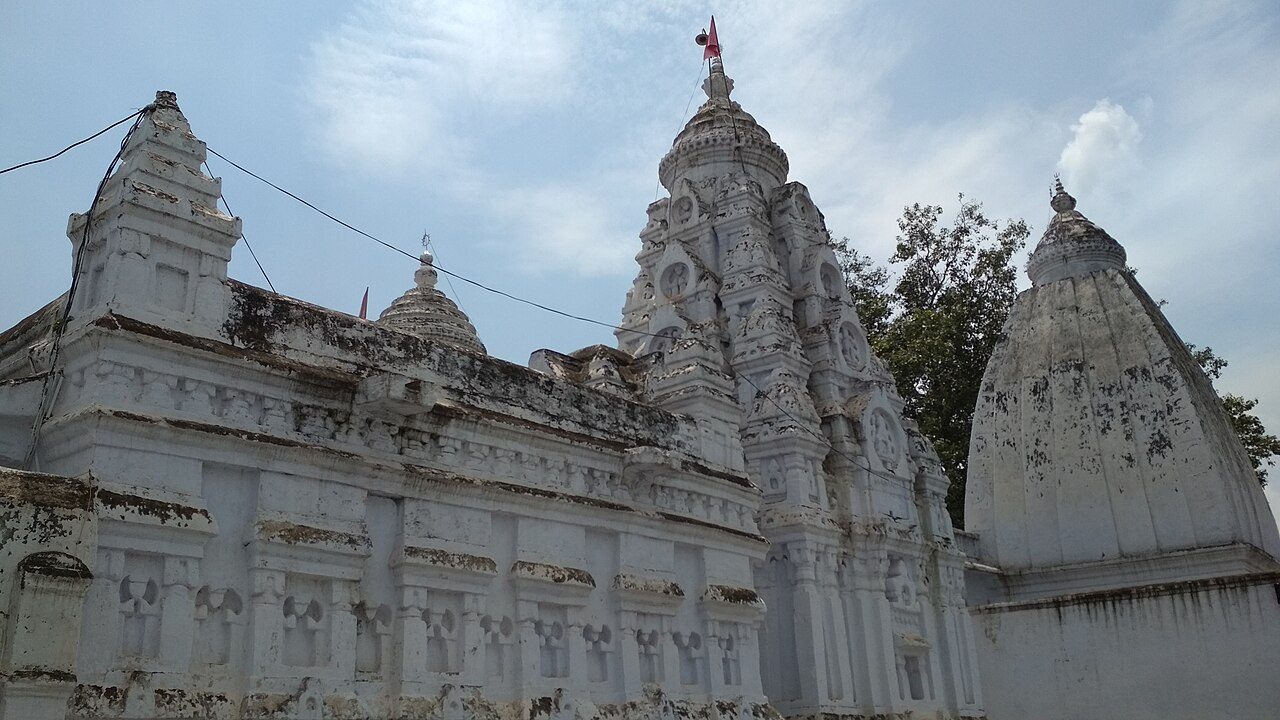
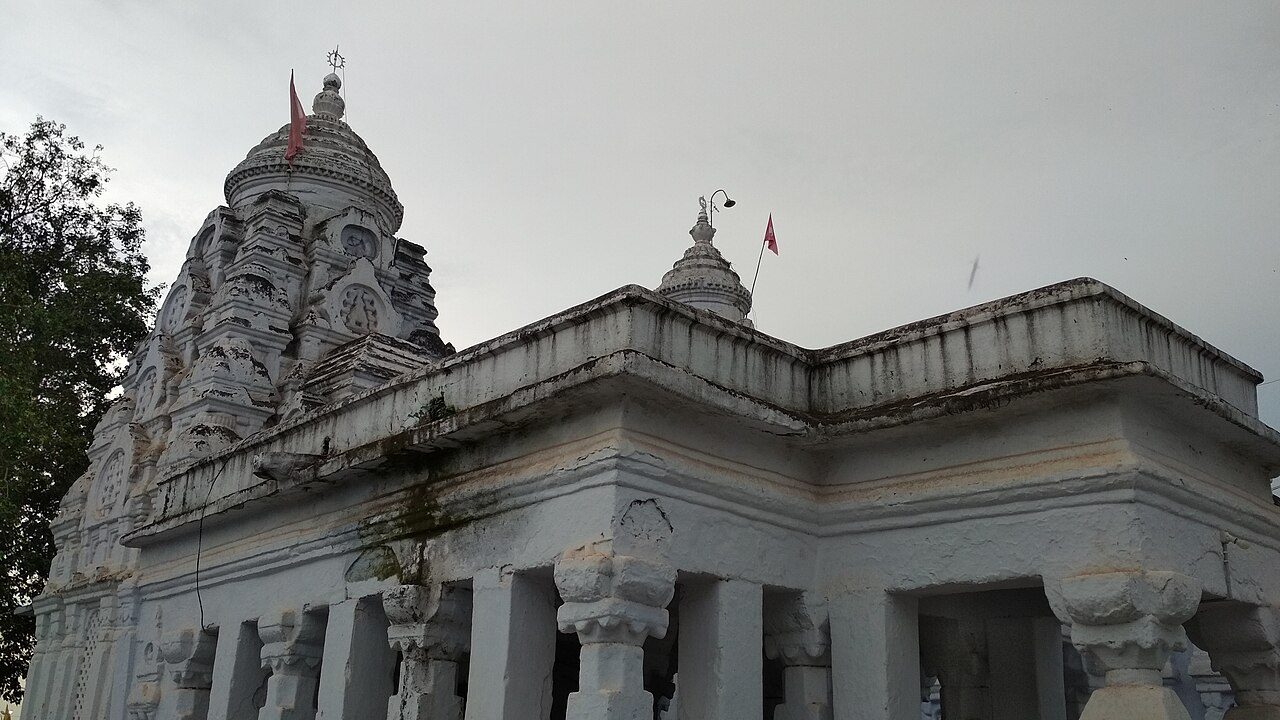
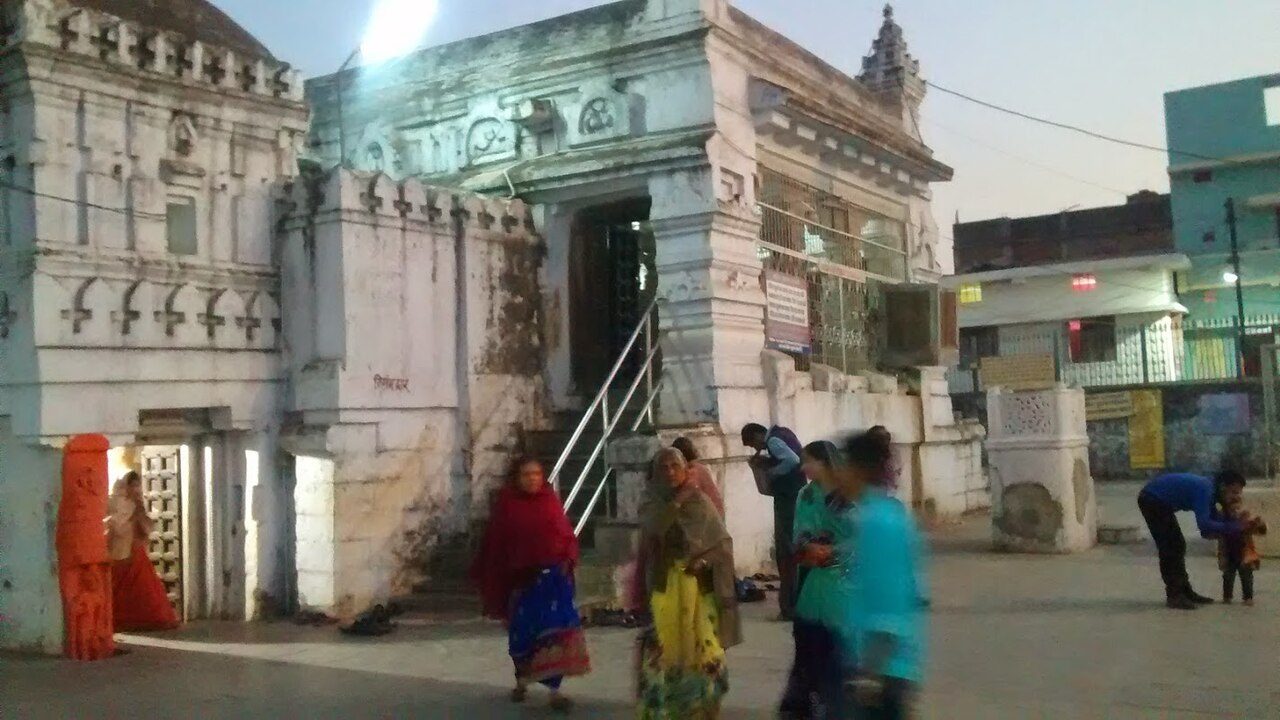
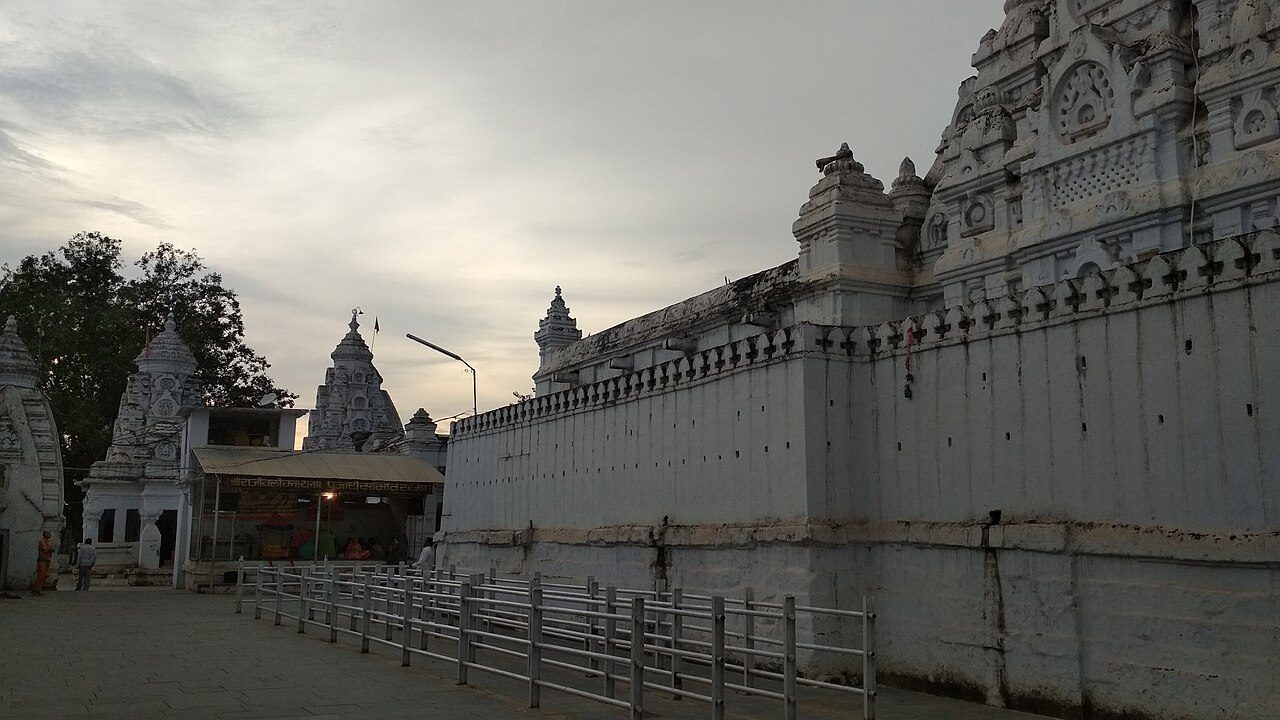
Chhattisgarh's temples are among central India's best-kept secrets. Day one starts at the Mahant Ghasidas Museum in Raipur and visits the Rajiv Lochan temple at Rajim, where three rivers meet. Day two is Sirpur and its brick Laxman temple. Day three visits Ratanpur's Mahamaya temple, the unusual Devrani-Jethani temples at Tala and the Pataleshwar temple at Malhar. Day four ends at Bhoramdeo, known as the Khajuraho of Chhattisgarh for its carvings. October to March is best.
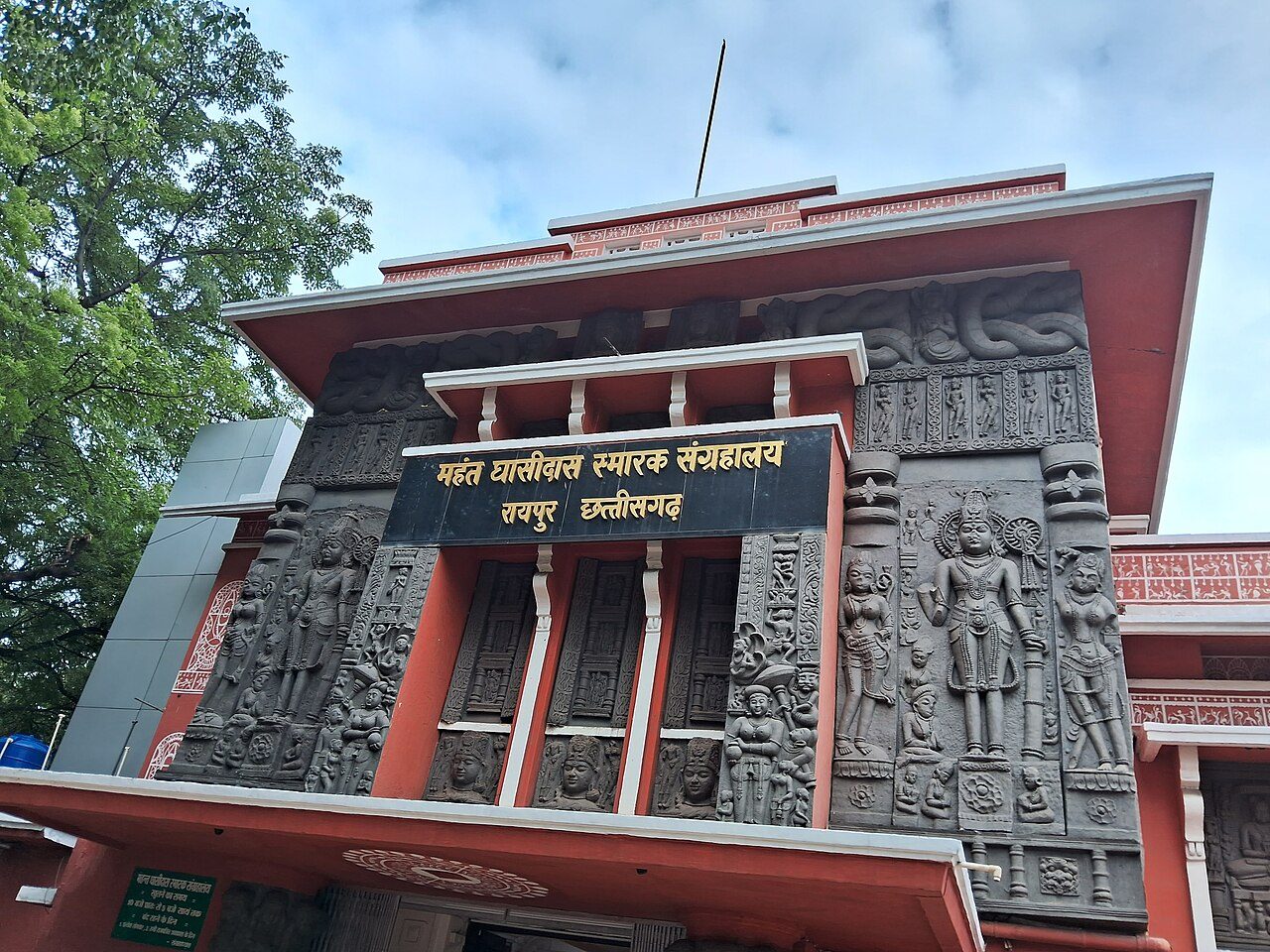
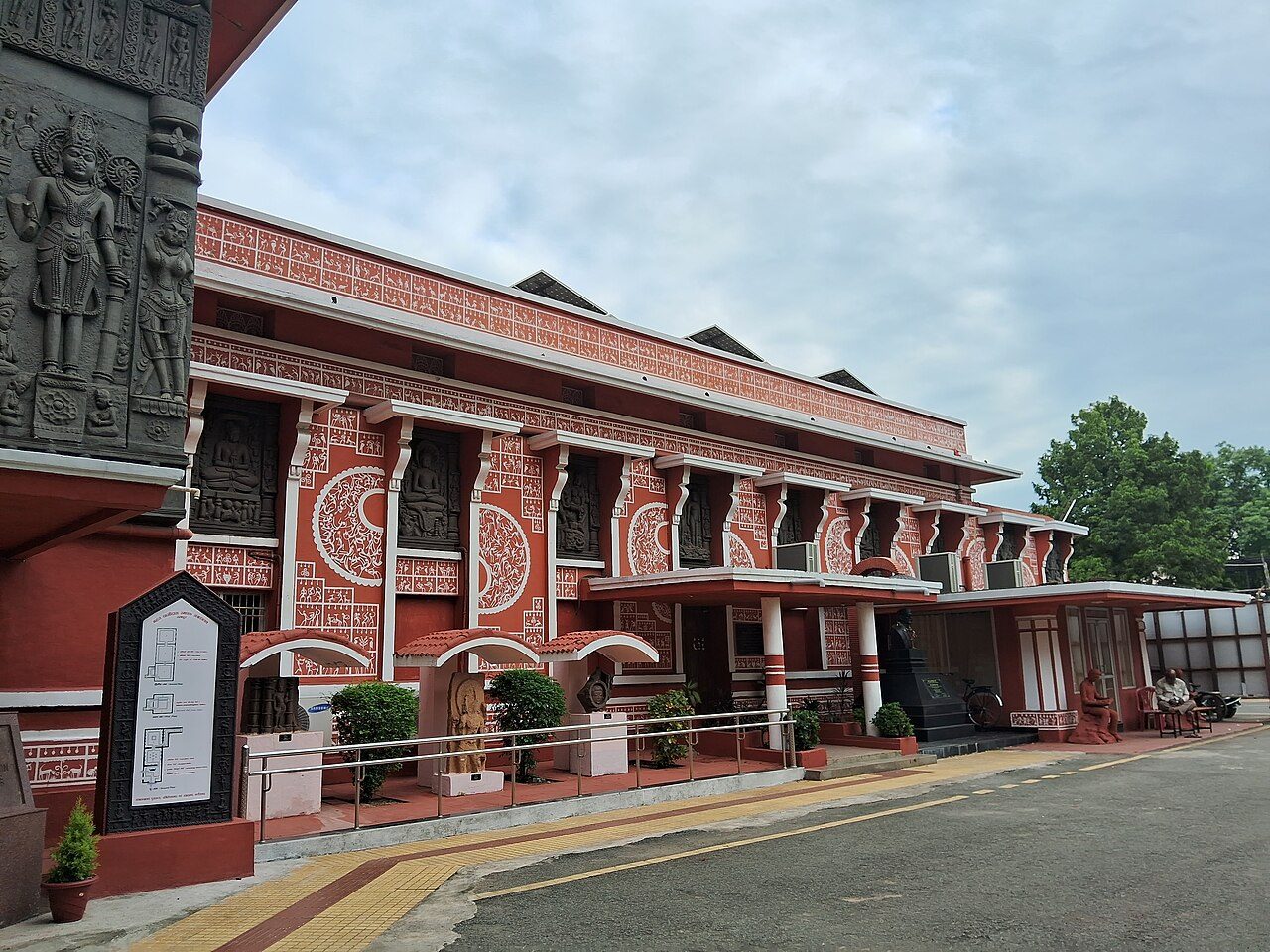
The Mahant Ghasidas Memorial Museum in Raipur was founded in 1875 by Raja Mahant Ghasidas of Rajnandgaon and is among the oldest museums in India. Its galleries display archaeological finds, inscriptions, sculptures, coins, tribal ornaments and arms, natural history specimens and crafts from across Chhattisgarh. It is closed on Mondays.
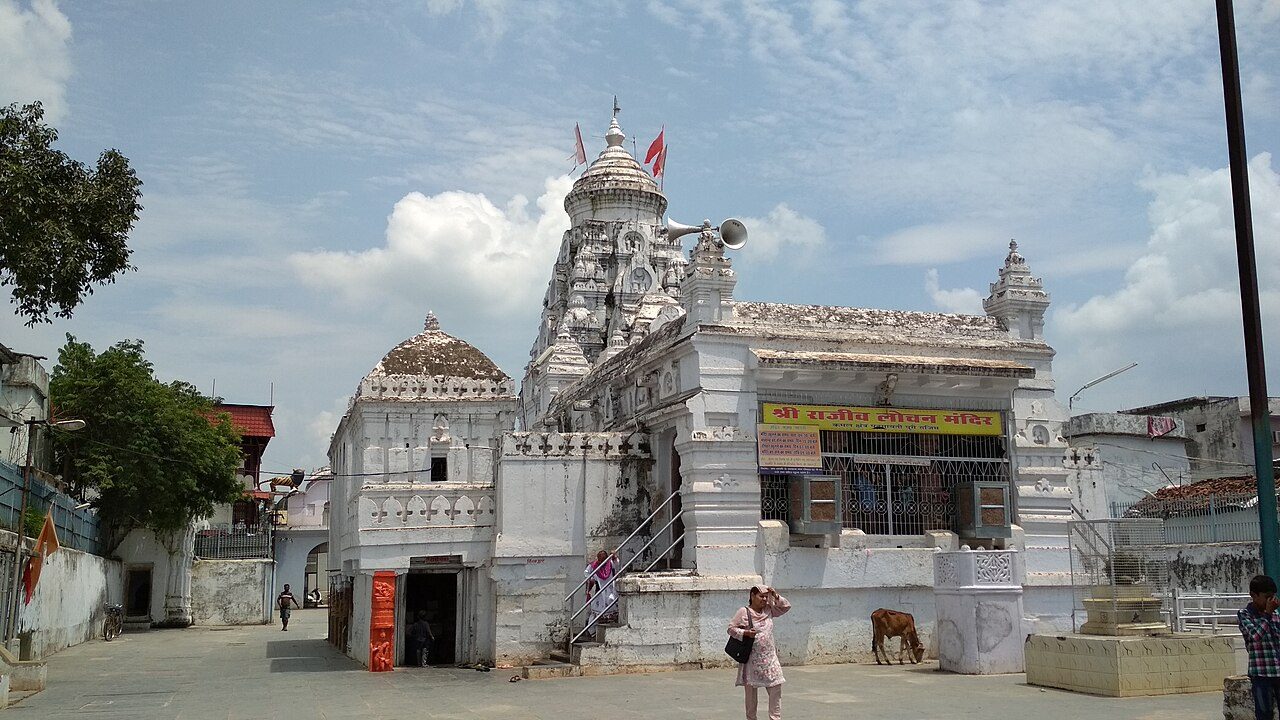
Rajim, at the confluence of the Mahanadi, Pairi and Sondur rivers, is called the 'Prayag of Chhattisgarh'. Its Rajiv Lochan Temple, dedicated to Vishnu and dating from about the 8th century, has twelve carved pillars and four subsidiary shrines. The Kuleshwar temple stands on a rock in the river. The Rajim Kumbh fair is held from Magha Purnima to Shivaratri.
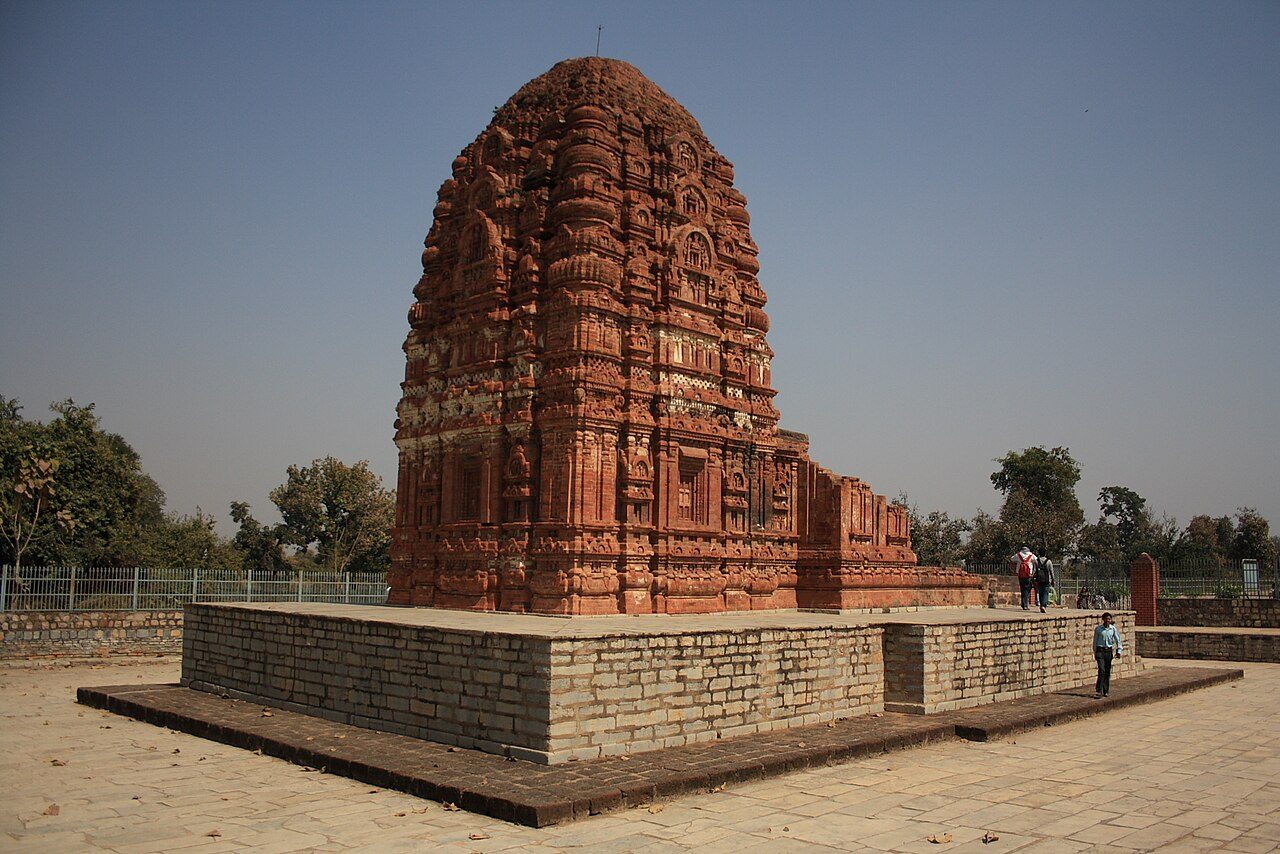
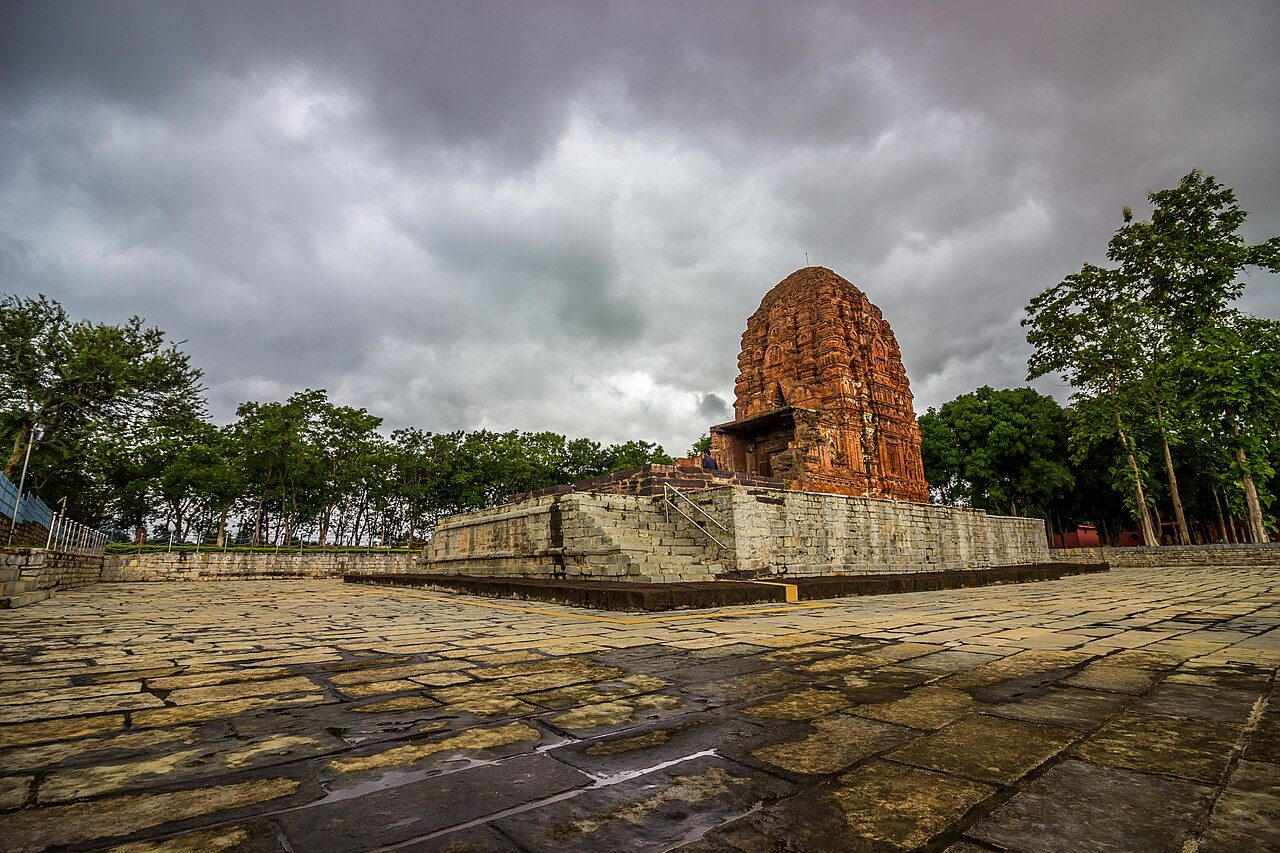
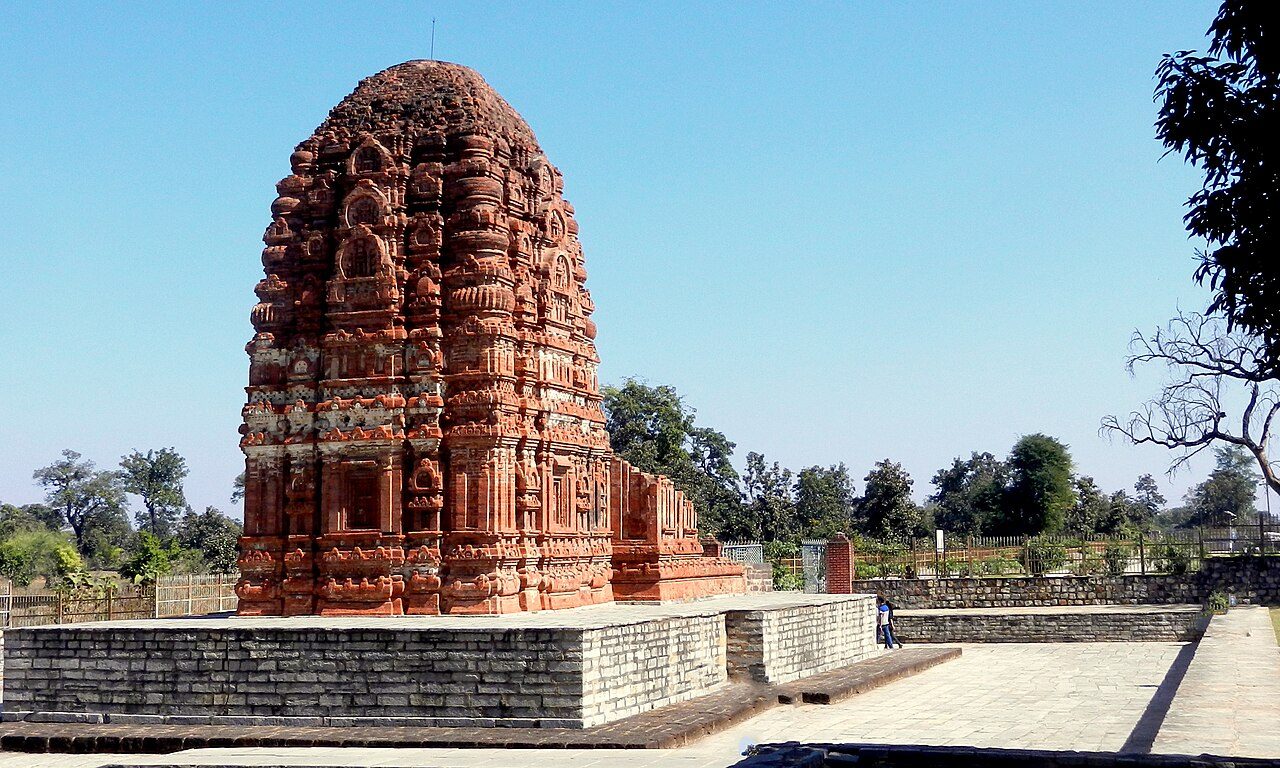
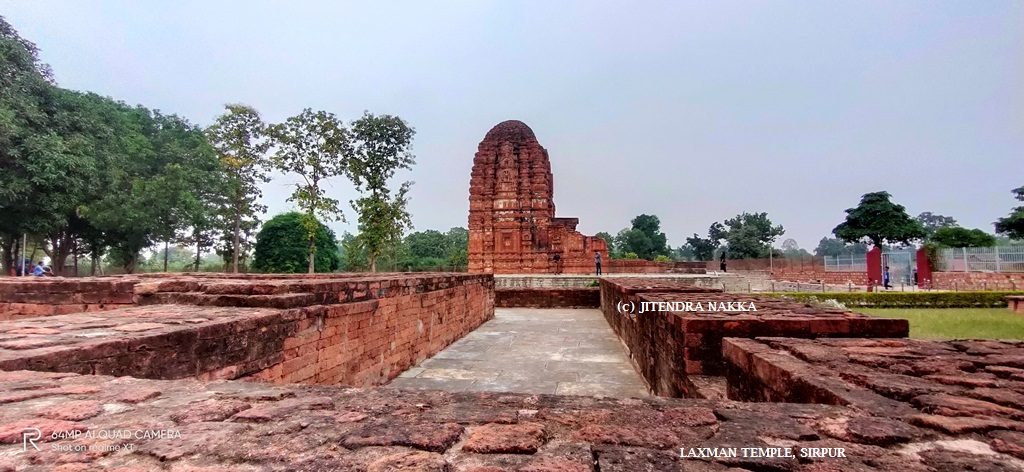
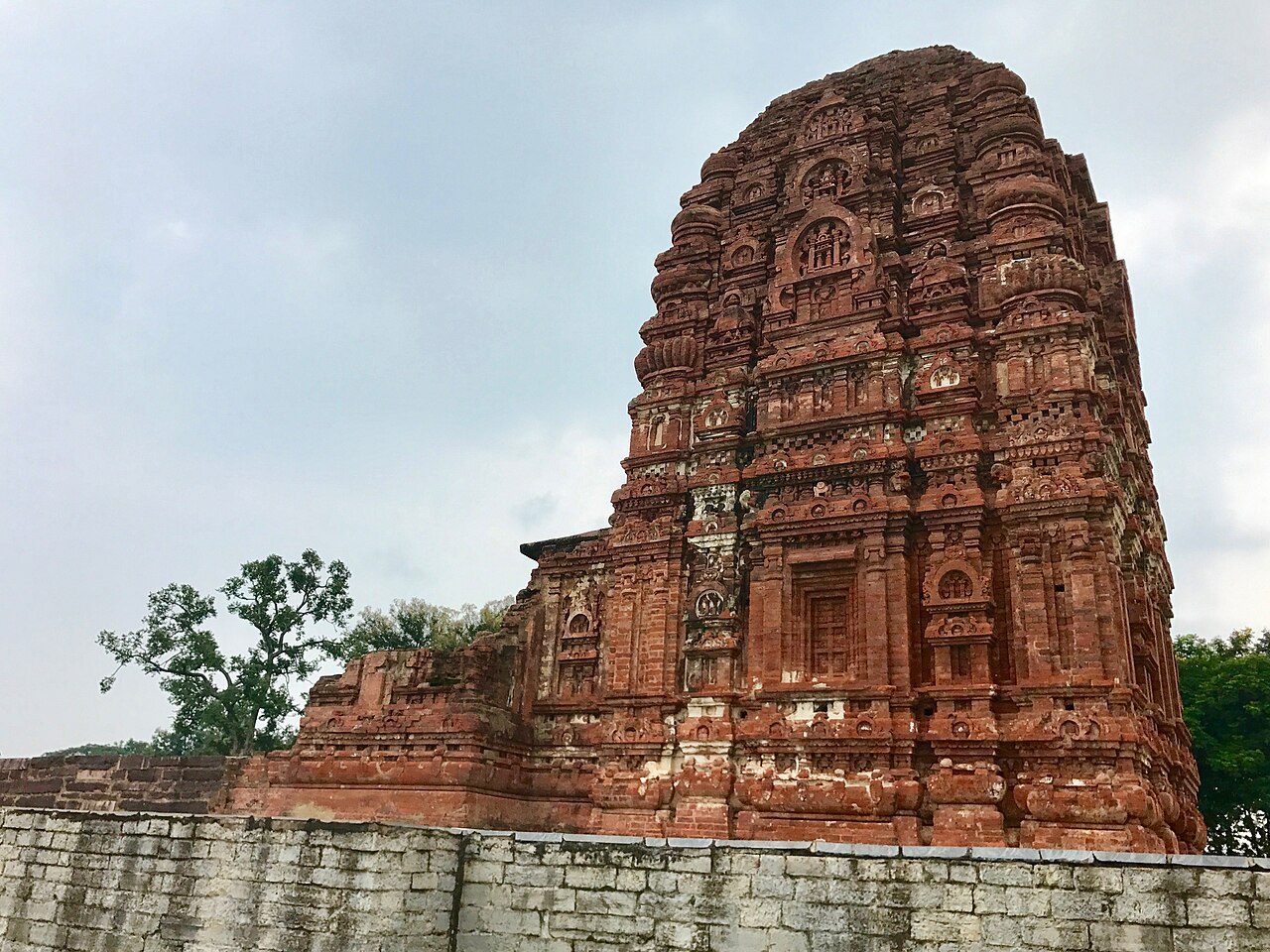
The Laxman Temple at Sirpur, built in the 7th century, is one of the finest brick temples in India. Its tower and finely carved stone doorway, showing Vishnu reclining on the serpent, are remarkably preserved. Sirpur, on the Mahanadi, was the capital of Dakshina Kosala and a major Buddhist centre; excavated monasteries and temples lie all around.
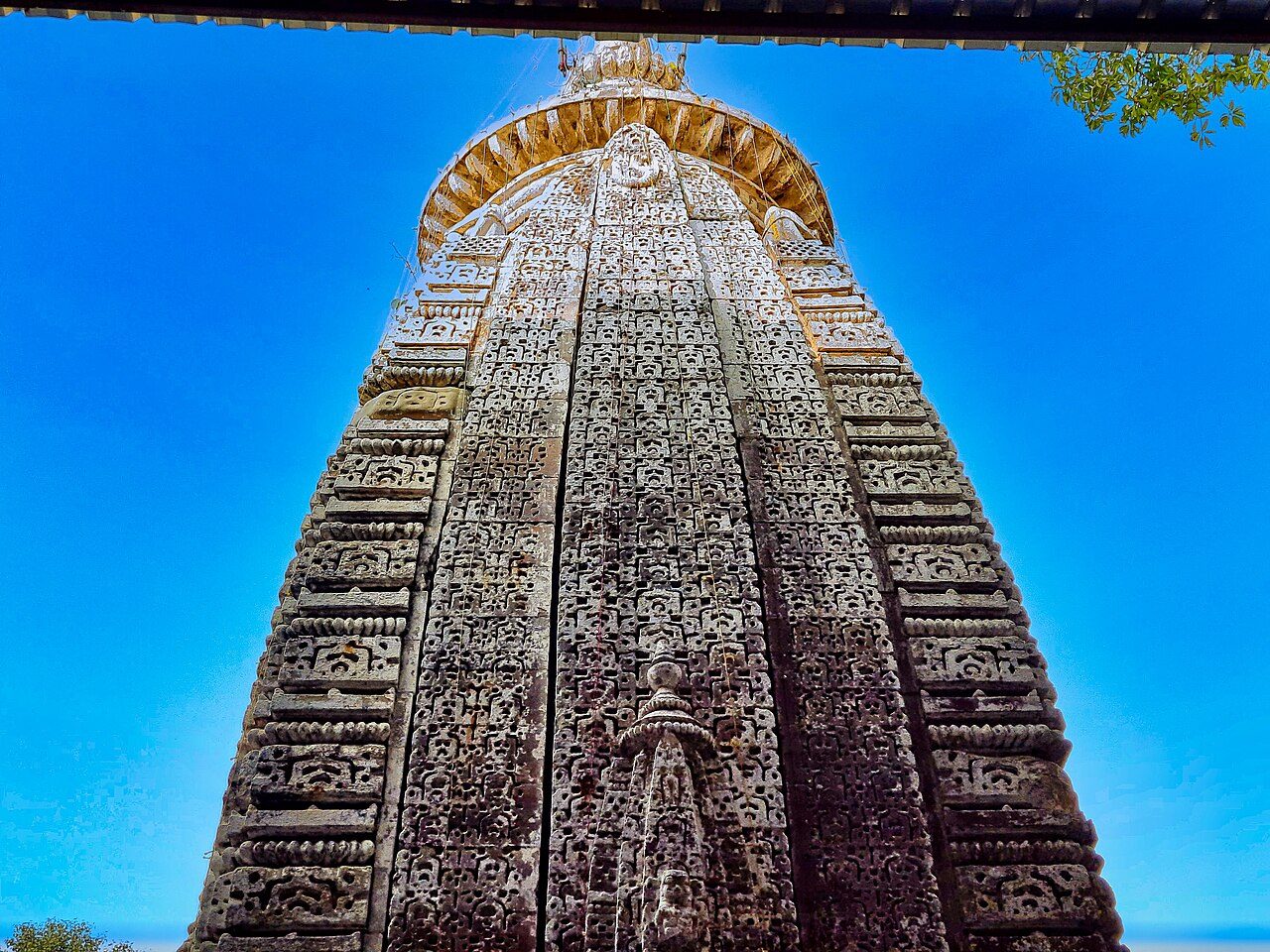
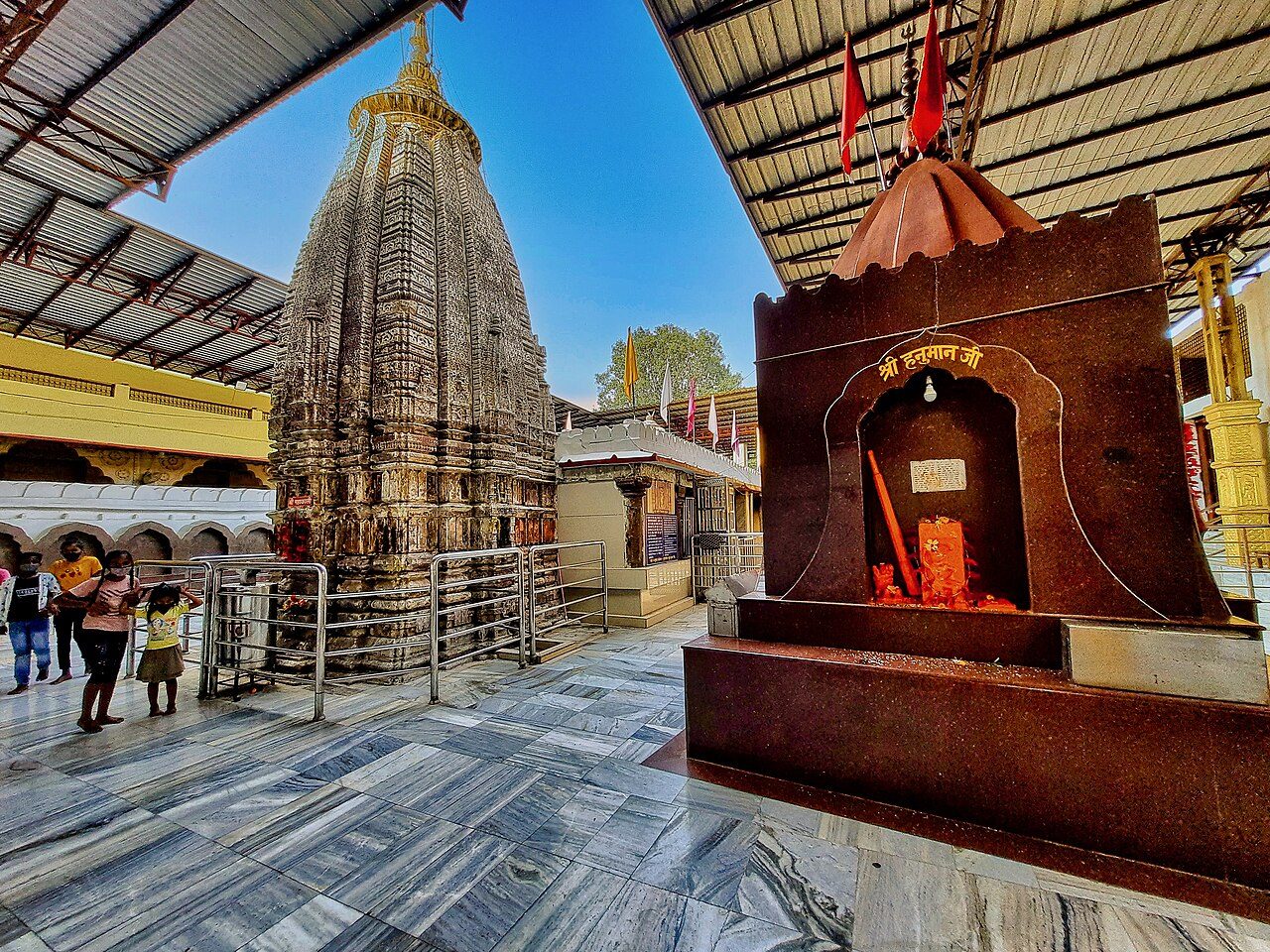
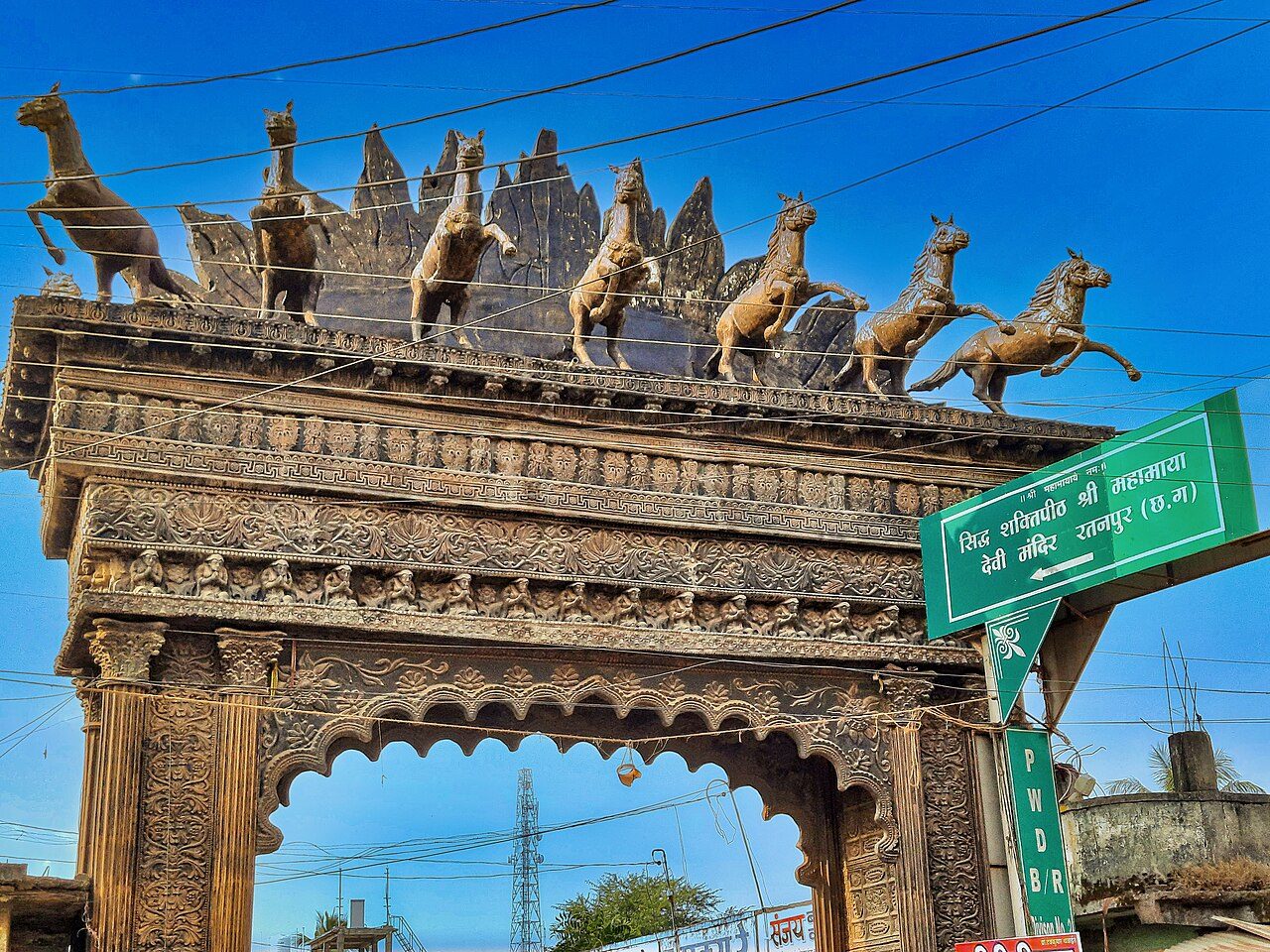
The Mahamaya Temple at Ratanpur was built in the 11th century by King Ratnadeva of the Kalachuri dynasty, whose capital this was. Dedicated to a dual form of Lakshmi and Saraswati, it is counted among the Shakti Peethas. The temple stands beside a tank in a town full of old ponds and ruins. Thousands of lamps are lit here at Navratri.
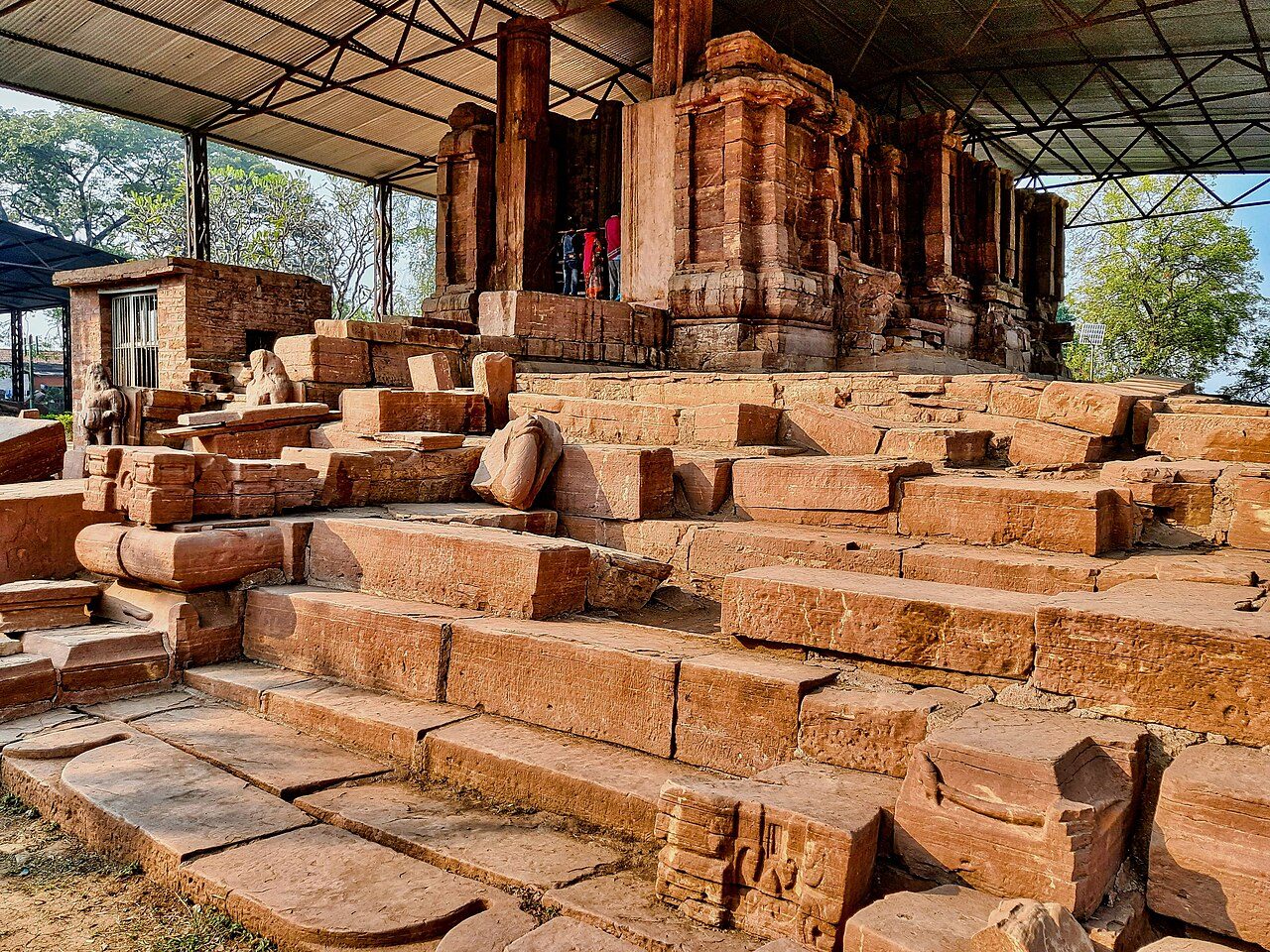
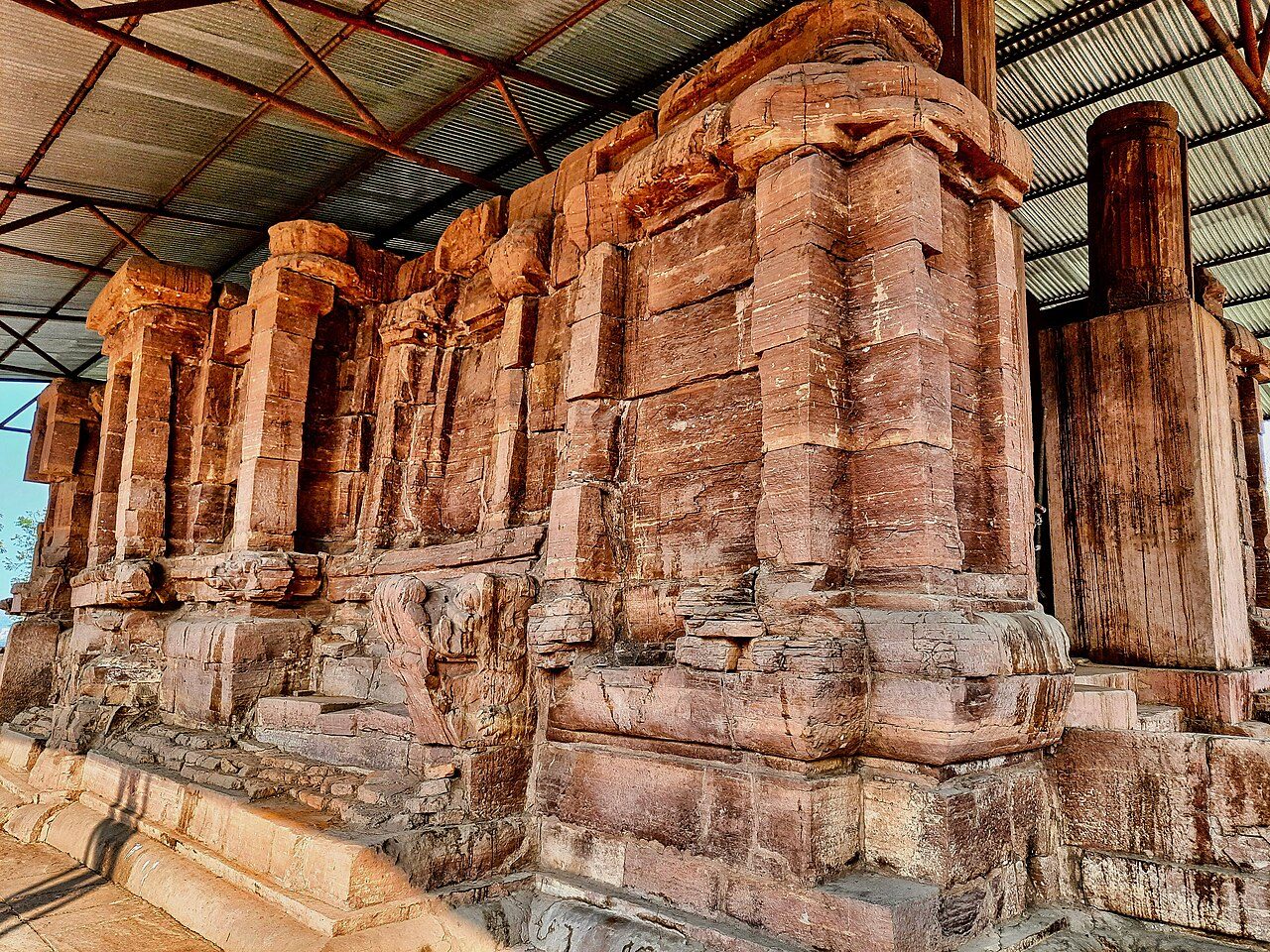
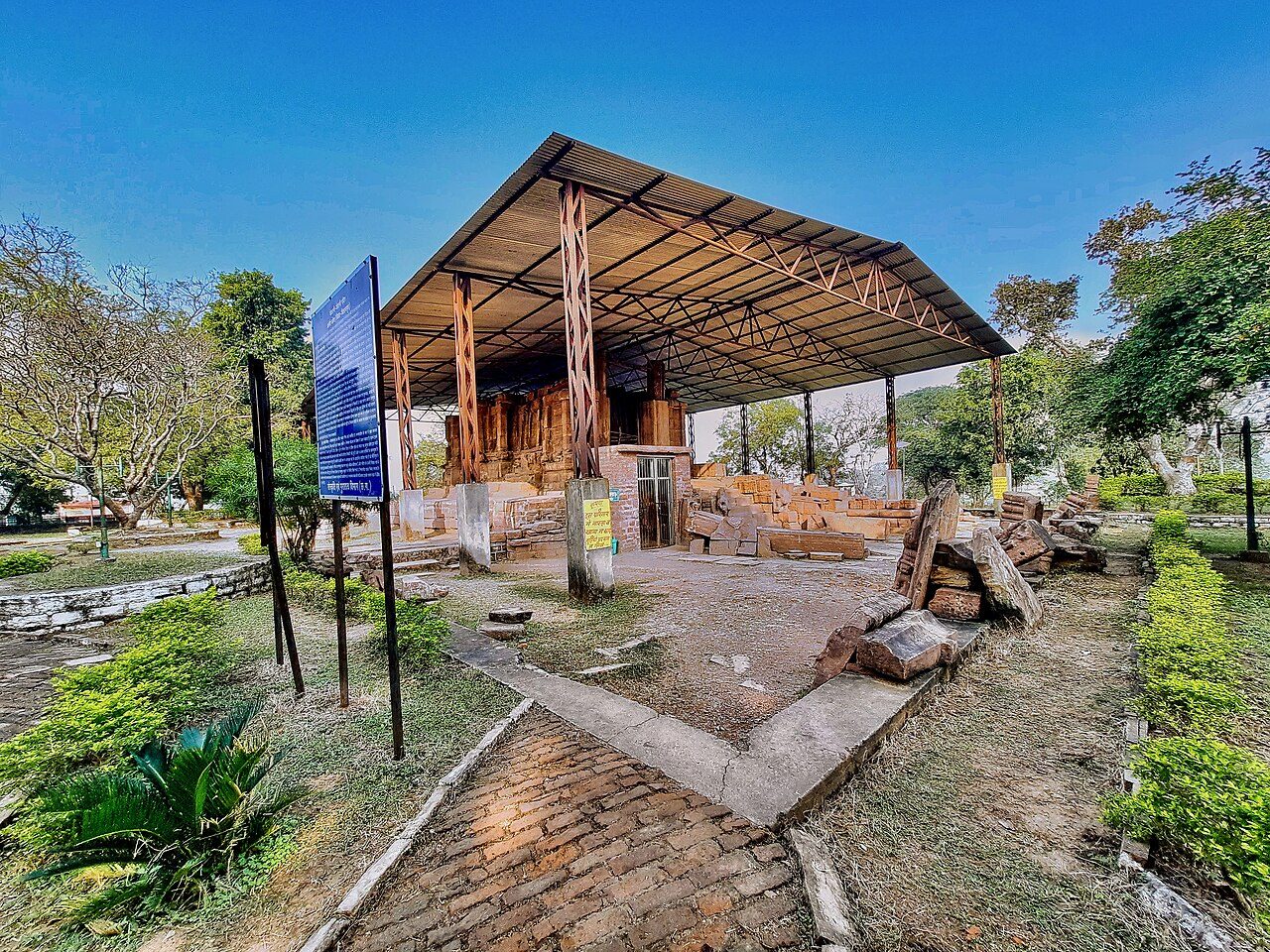
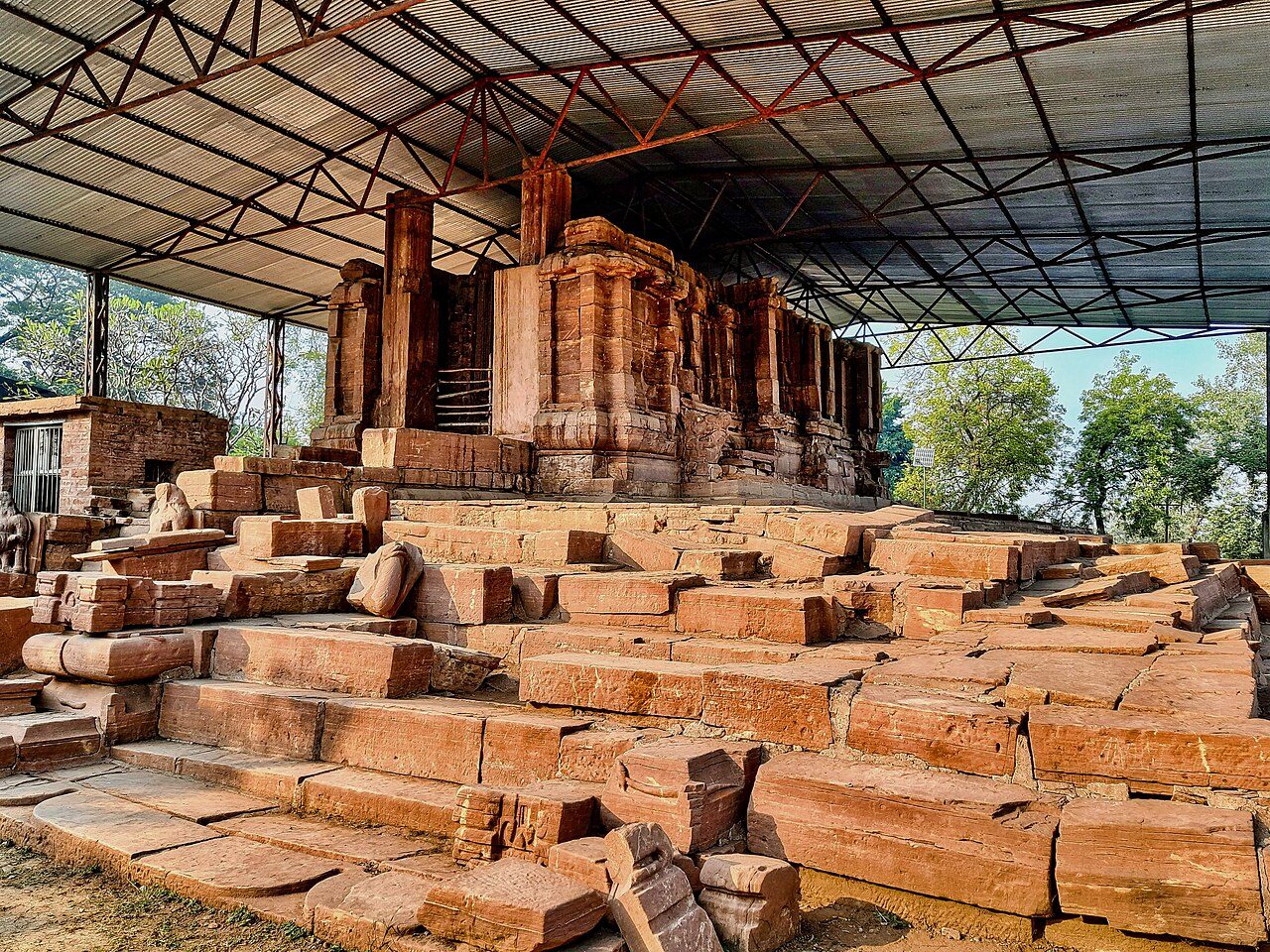
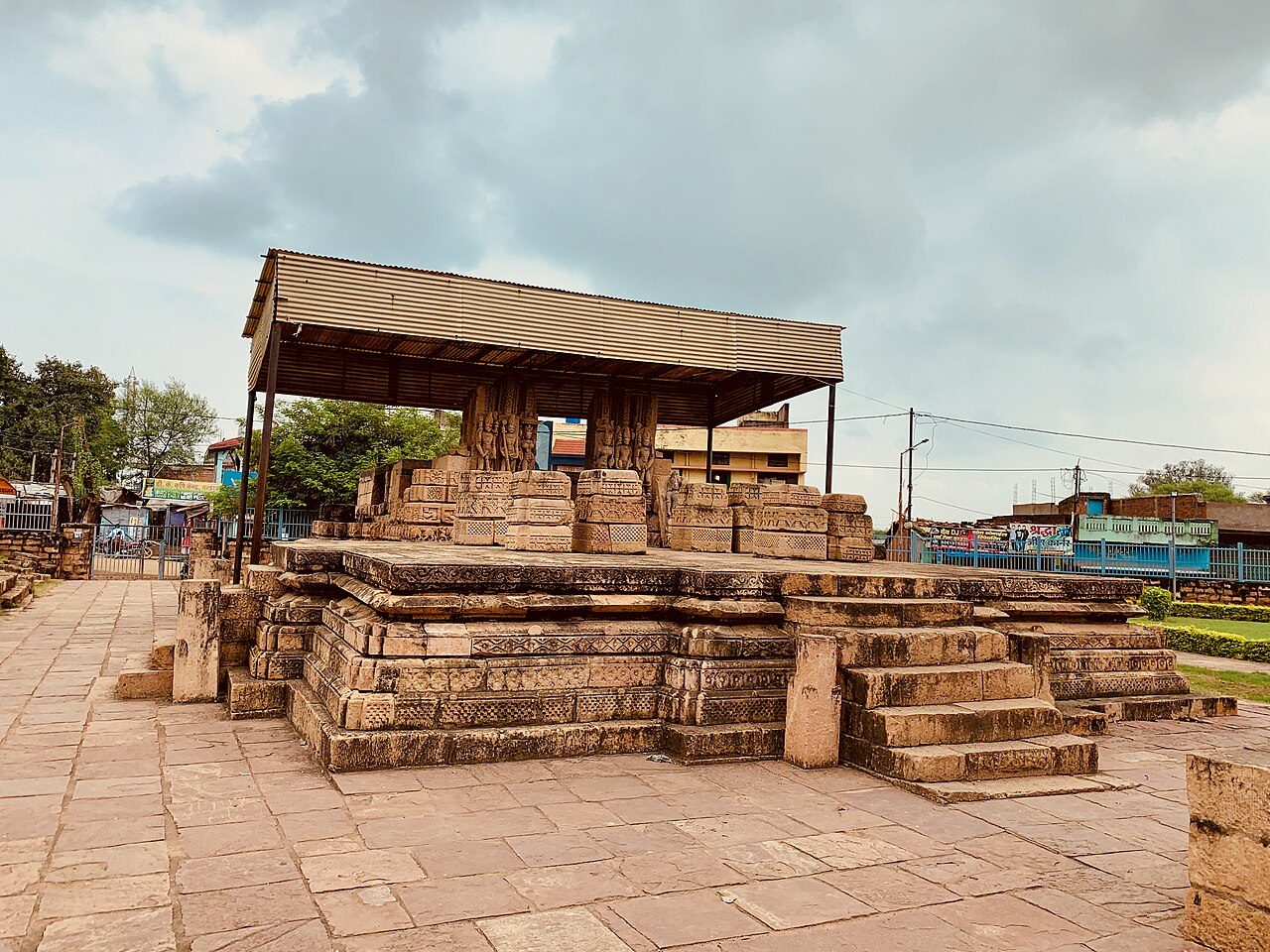
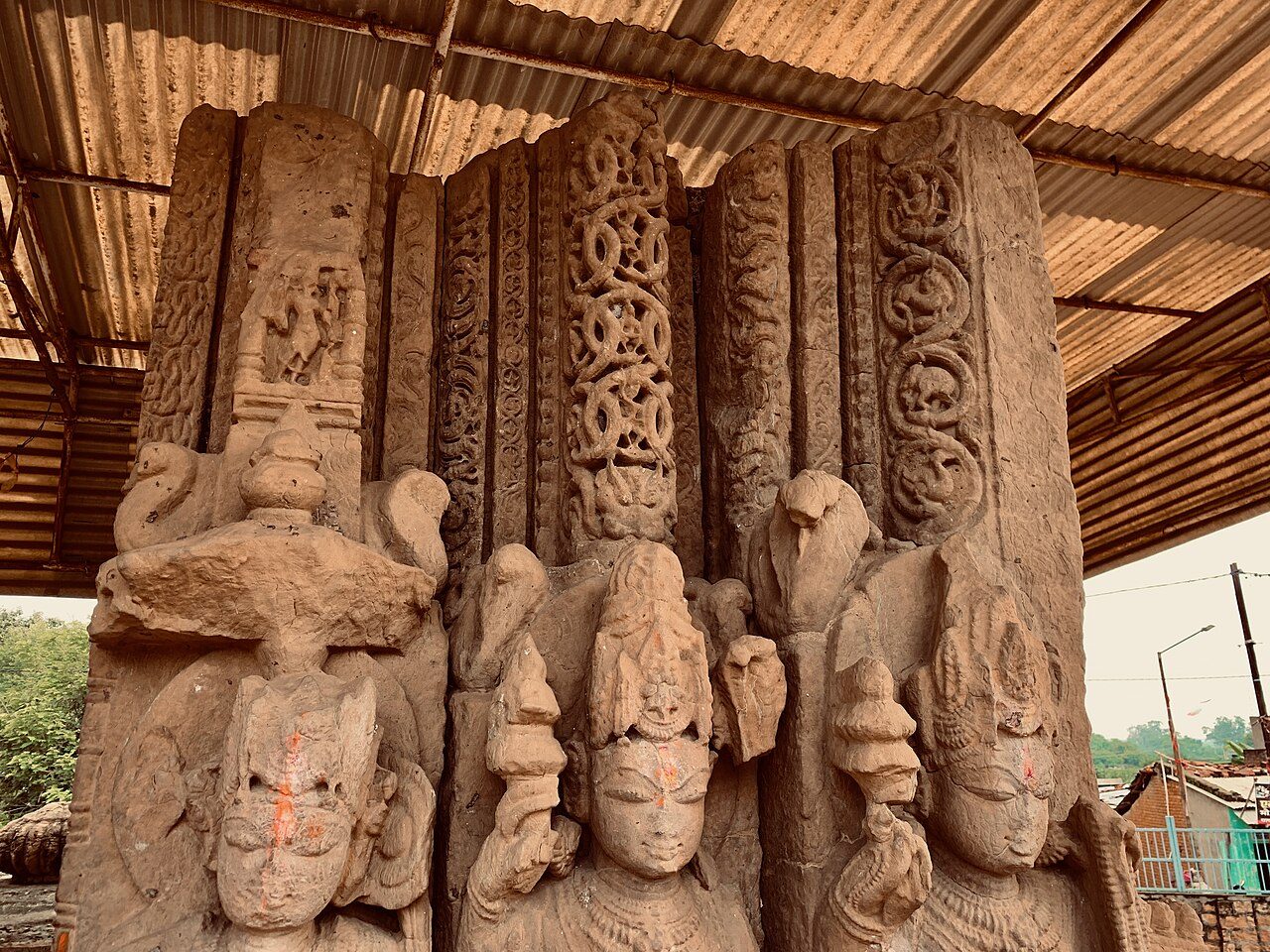
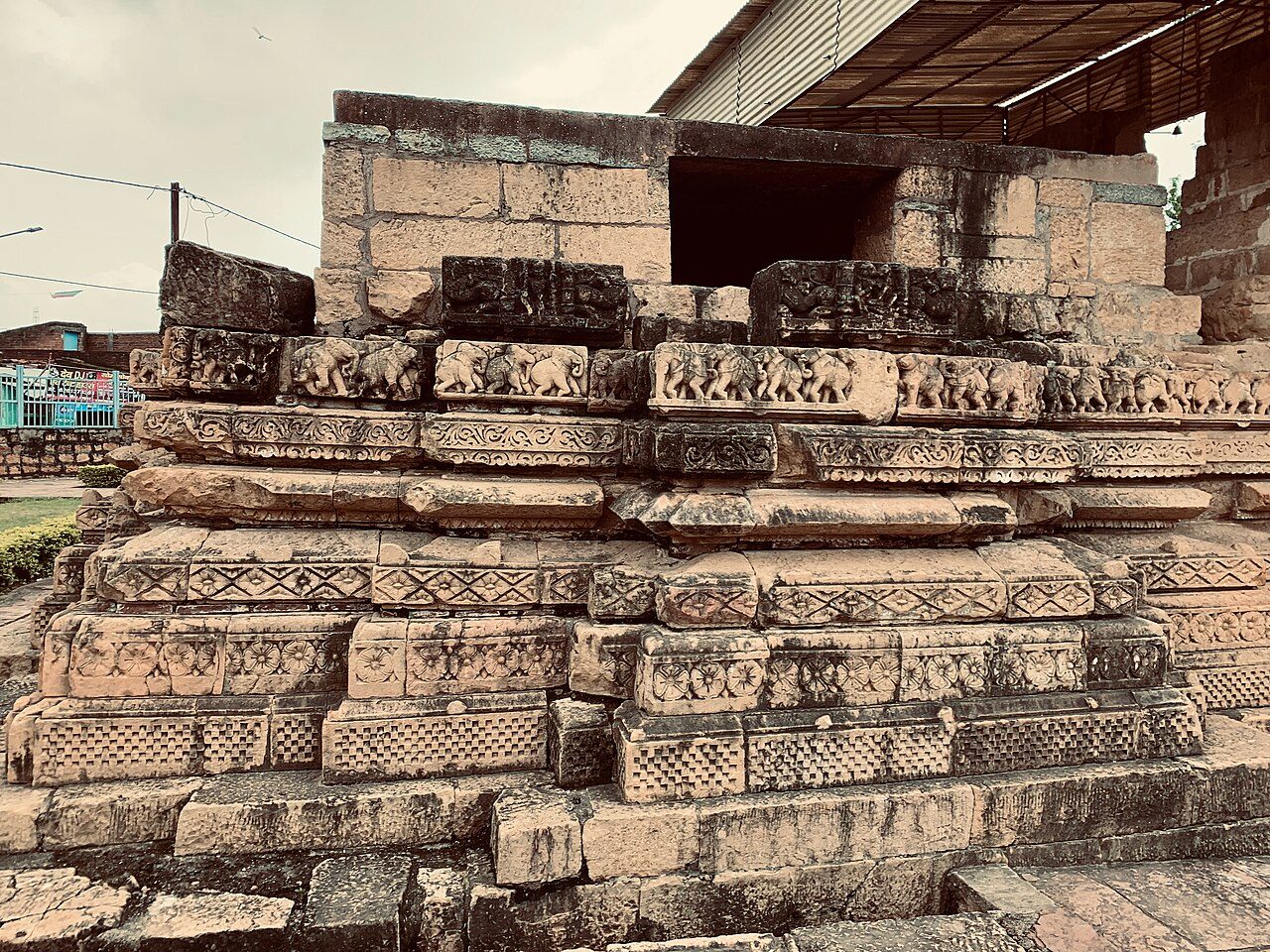
The twin Devrani and Jethani temples at Tala, on the Maniyari River, date from the 5th or 6th century and are among the earliest stone temples in Chhattisgarh. The Devrani temple has a richly carved doorway. Excavation here uncovered the unique Rudra Shiva, a figure over two metres tall whose body is composed of animals and human heads.
Malhar, about 30 km from Bilaspur, is an ancient fortified town with remains spanning more than a thousand years. The Pataleshwar Kedar temple of the 10th to 12th centuries has a sunken sanctum and a finely carved doorway; the Dindeshwari and Deur temples are nearby. A small museum holds sculptures found locally, including a very early image of Vishnu.
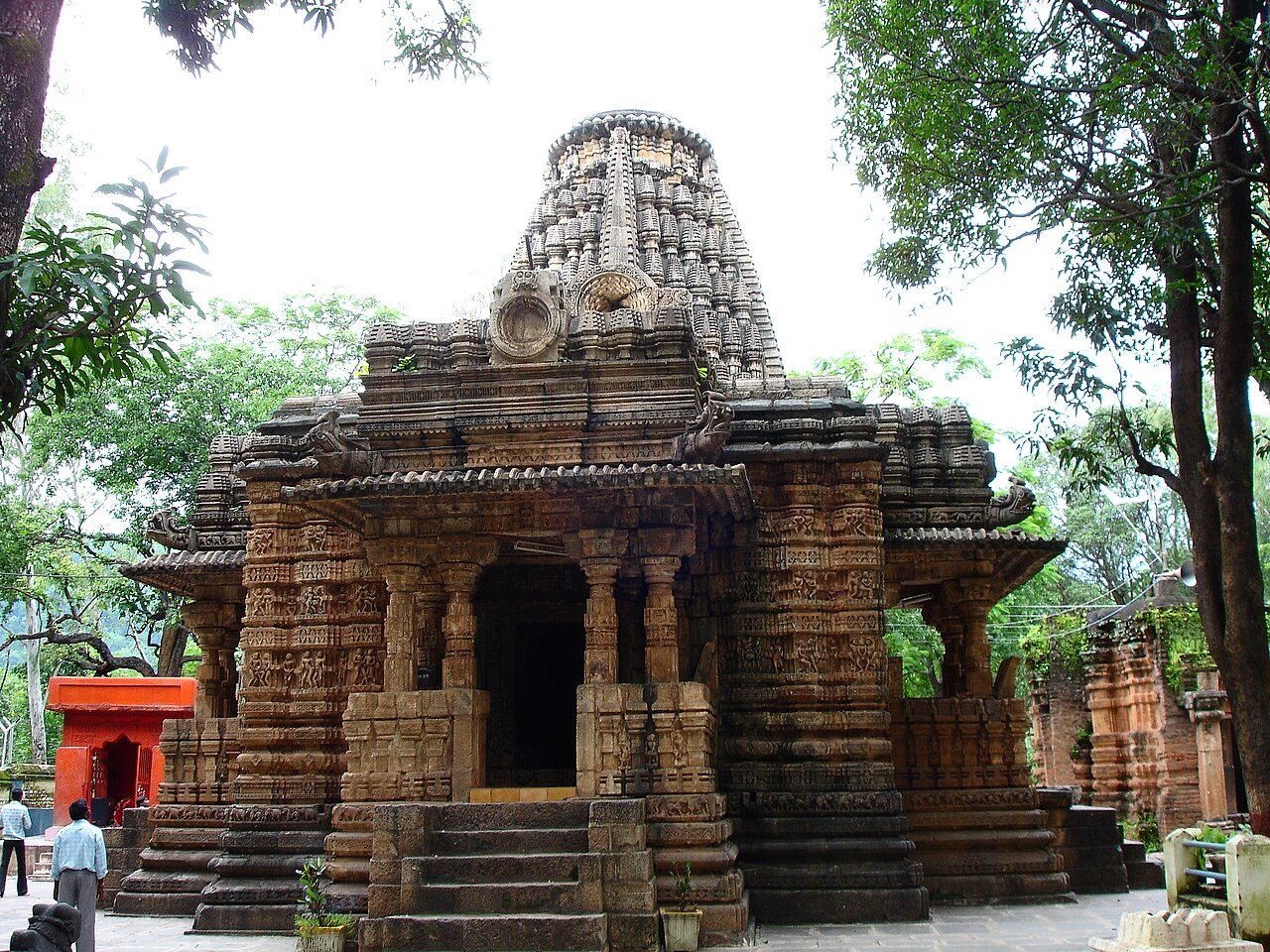
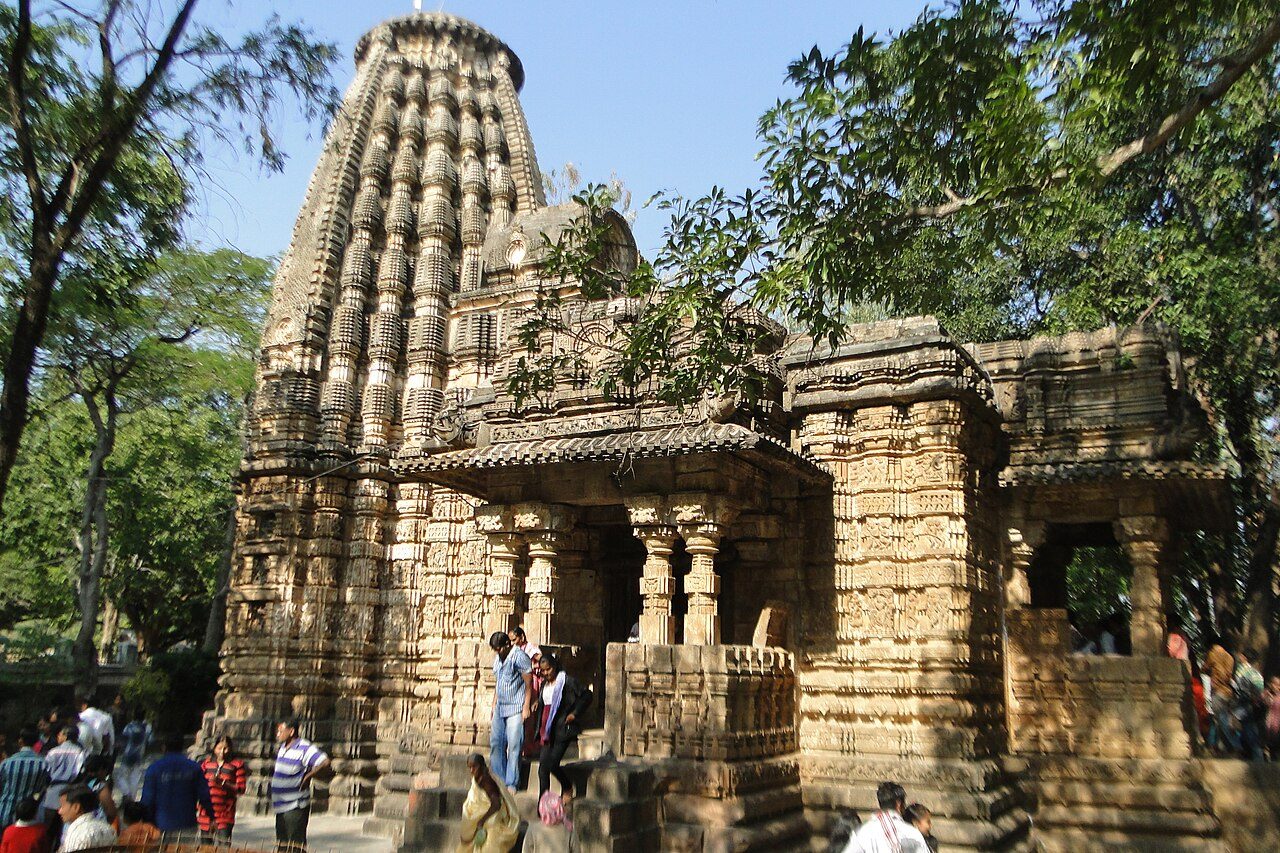
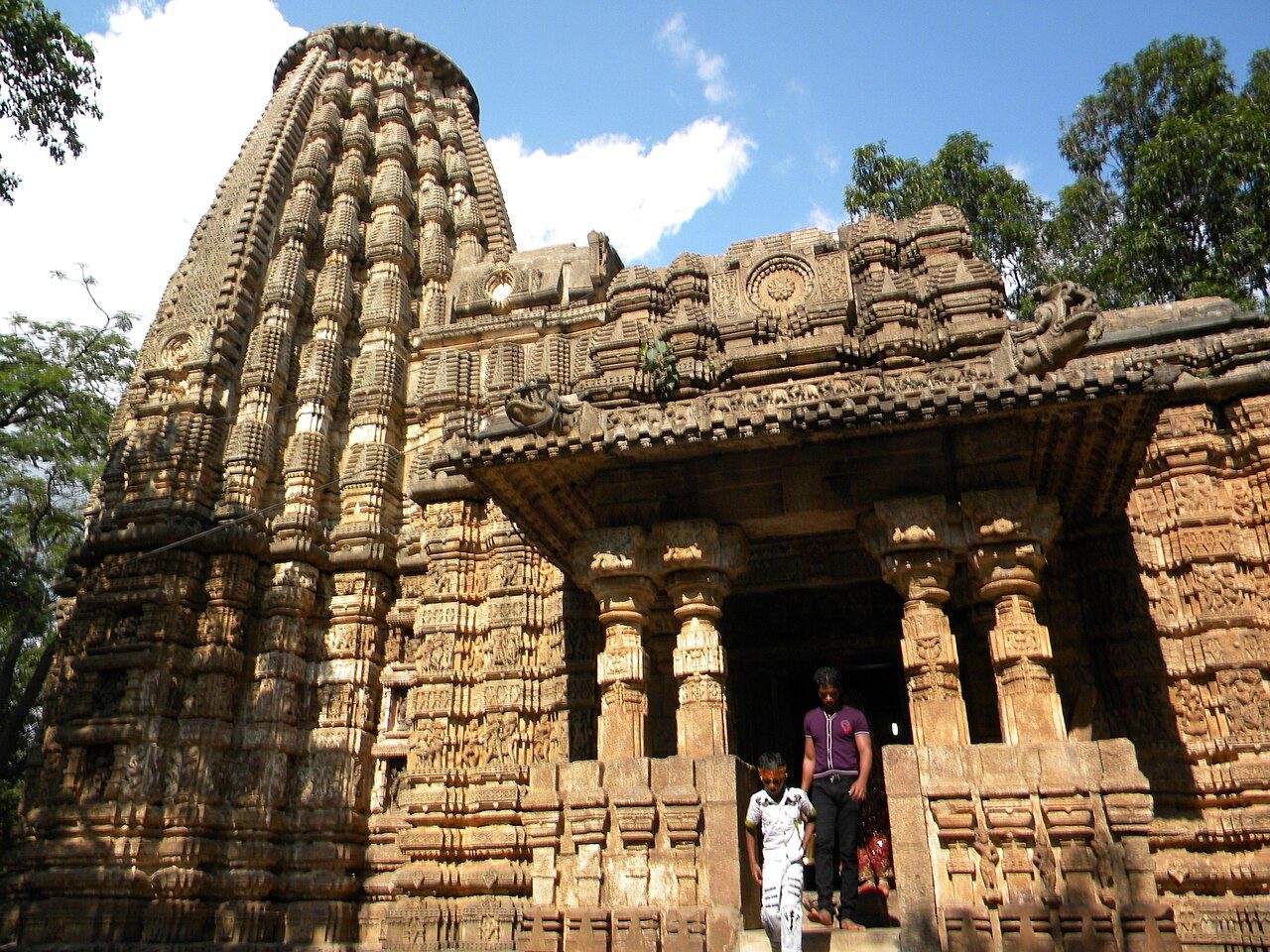
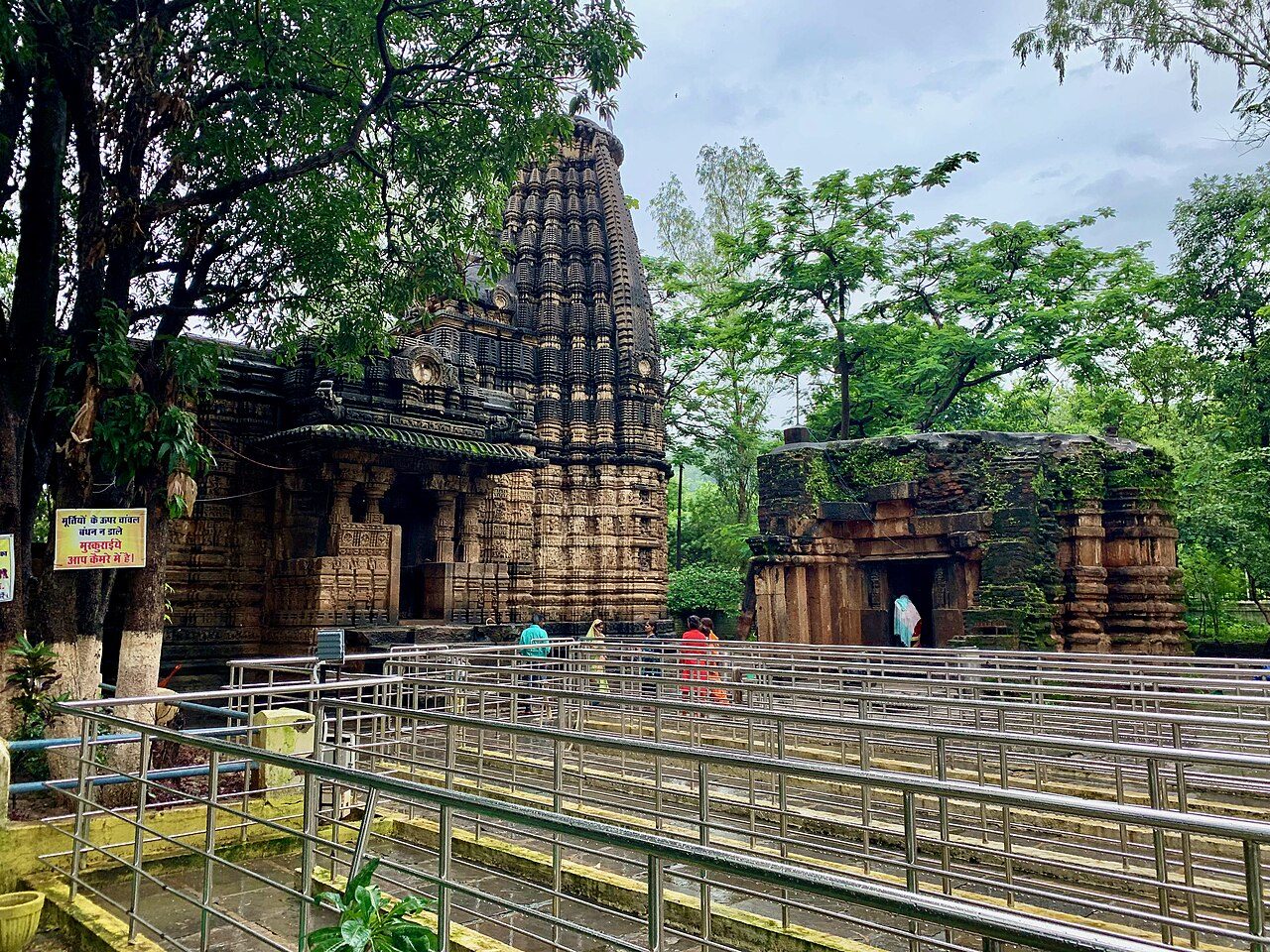
Bhoramdeo Temple, in the Maikal hills near Kawardha, was built in the 11th century by the Nagvanshi kings and is known as the 'Khajuraho of Chhattisgarh' for the erotic sculpture on its outer walls. Dedicated to Shiva, the stone temple stands beside a lake with forested hills behind. Two smaller old temples, Madwa Mahal and Cherki Mahal, are close by.
 WaTrips