Gangtok in 4 Days: Monasteries, Tsomgo Lake and Nathu La
4 DAYS12 placesby WaTrips
MG Marg, Enchey and the Tibetology institute, Tsomgo Lake, Nathu La and Baba Mandir, Rumtek and Ranka, Ganesh Tok and Hanuman Tok.
Gangtok is a tidy hill capital with Kanchenjunga on the horizon. Day one walks the car-free MG Marg and visits Enchey Monastery, the Namgyal Institute of Tibetology and the Do Drul Chorten. Day two climbs to the glacial Tsomgo Lake, Nathu La on the old trade route to Tibet, and Baba Harbhajan Singh Mandir; this needs a permit arranged through a local operator. Day three visits Rumtek, Ranka Monastery and Banjhakri Falls, and day four the viewpoints of Ganesh Tok and Hanuman Tok. March to May and October to December are the clearest months.
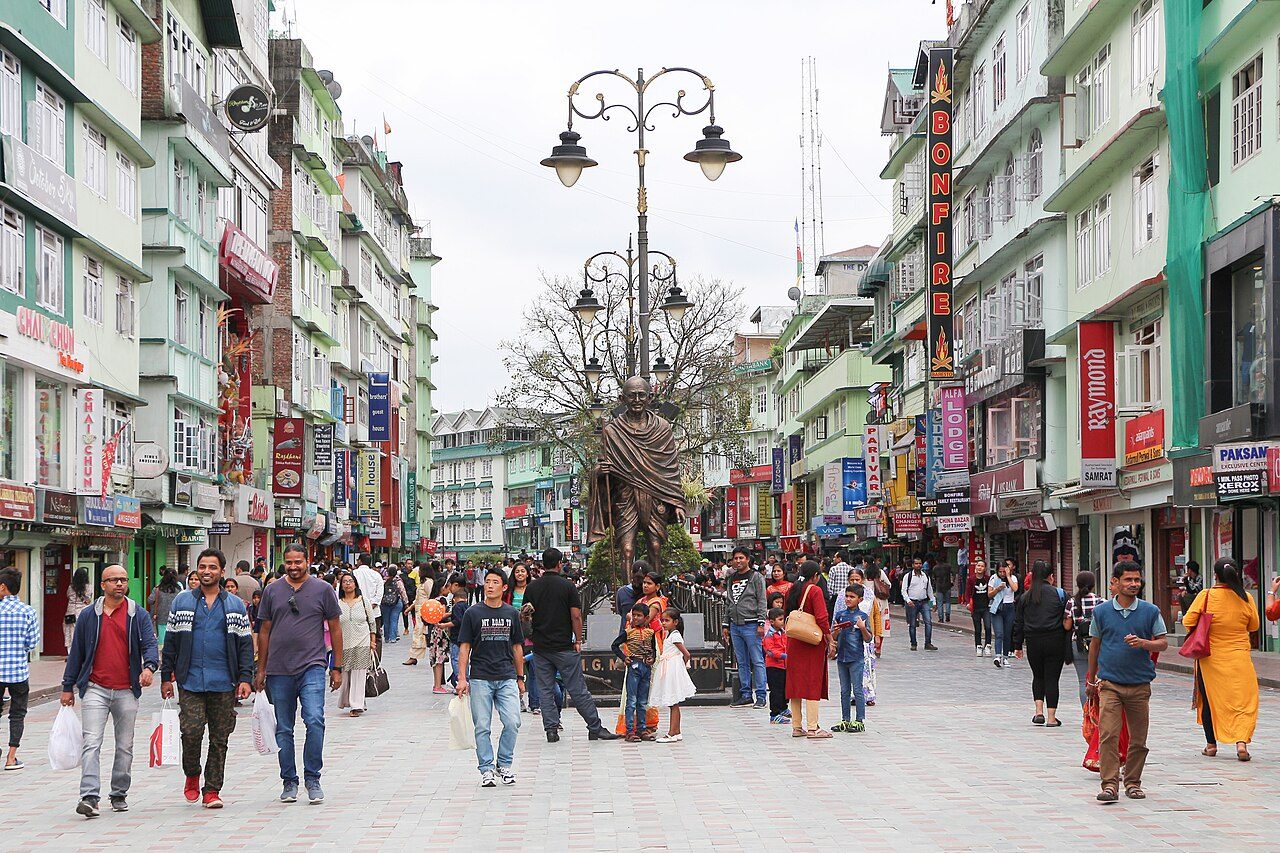
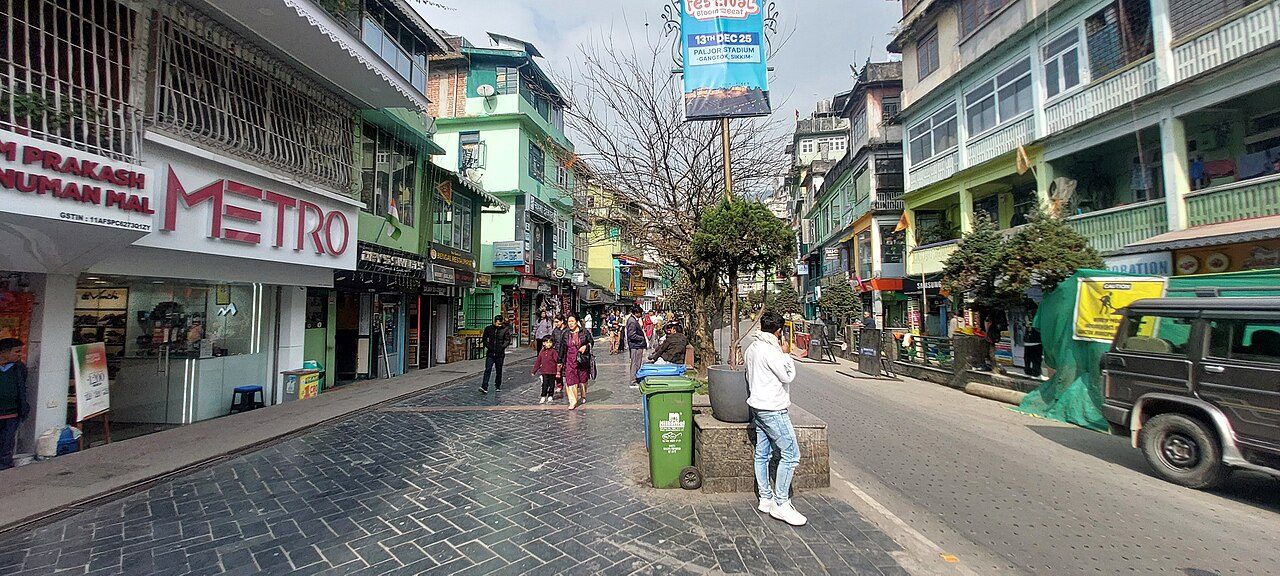
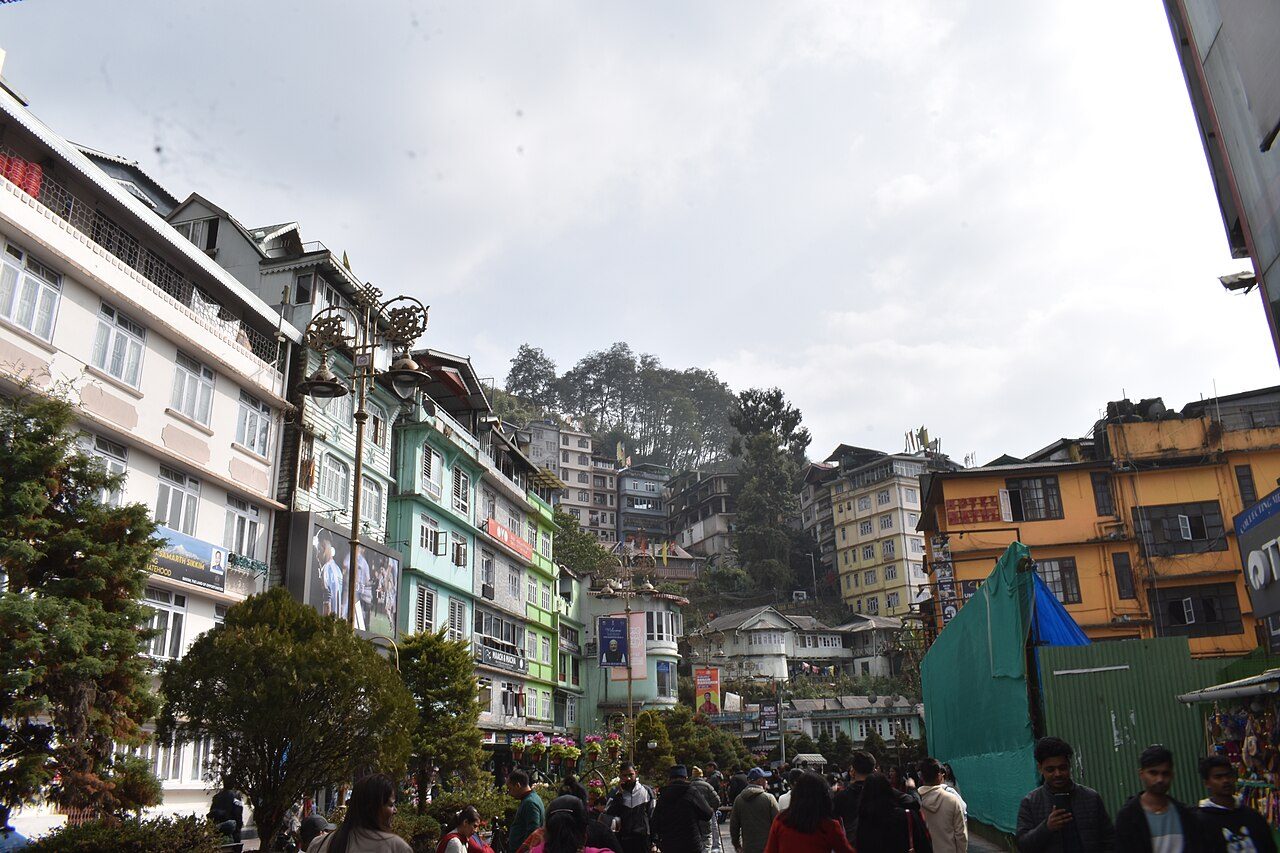
MG Marg is the main street and social centre of Gangtok, a long pedestrian-only boulevard paved with tiles and lined with benches, flower beds and old-style lamp posts. Shops, restaurants, bakeries and hotels fill the buildings on both sides. It is litter-free and smoke-free, and at its liveliest in the evening and during the winter food and culture festival.
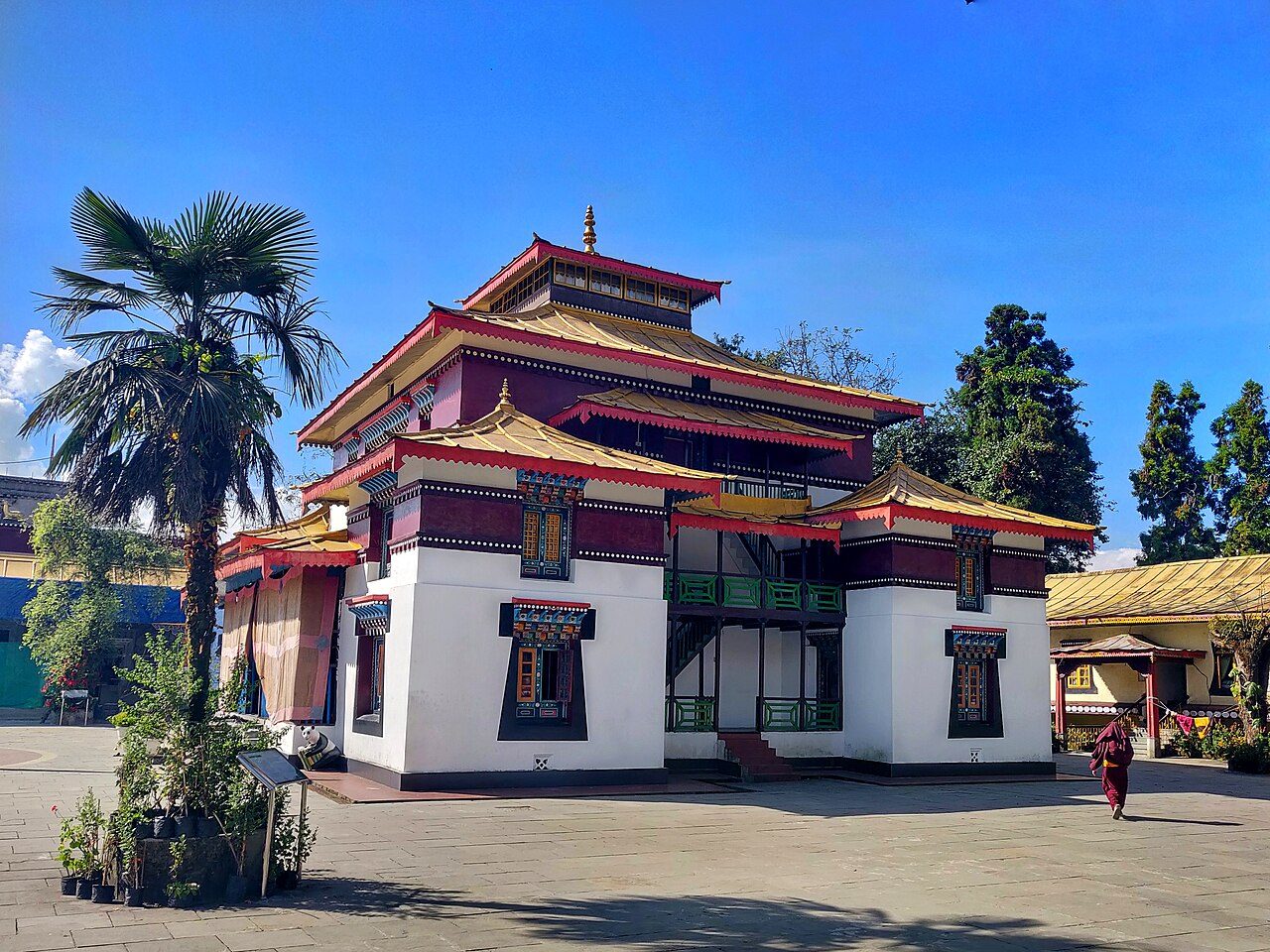
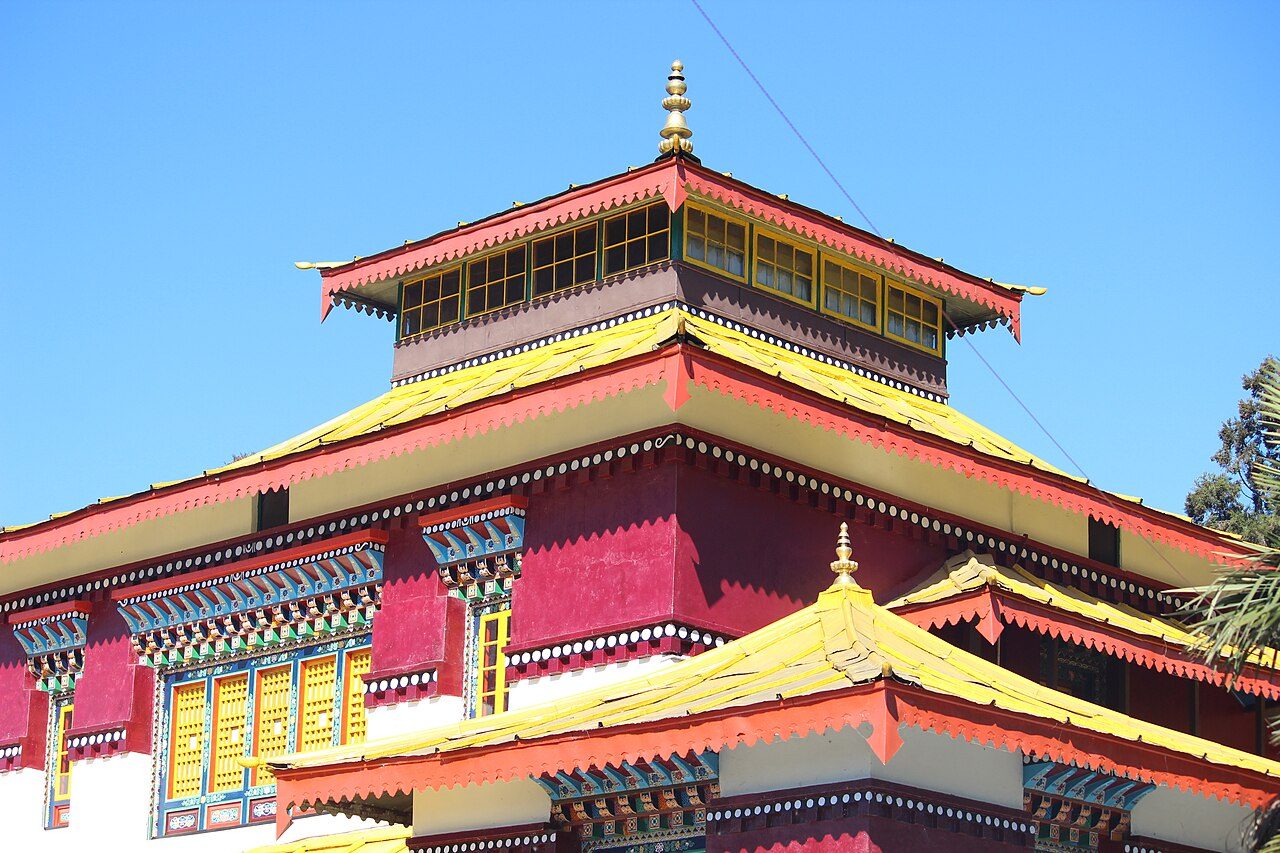
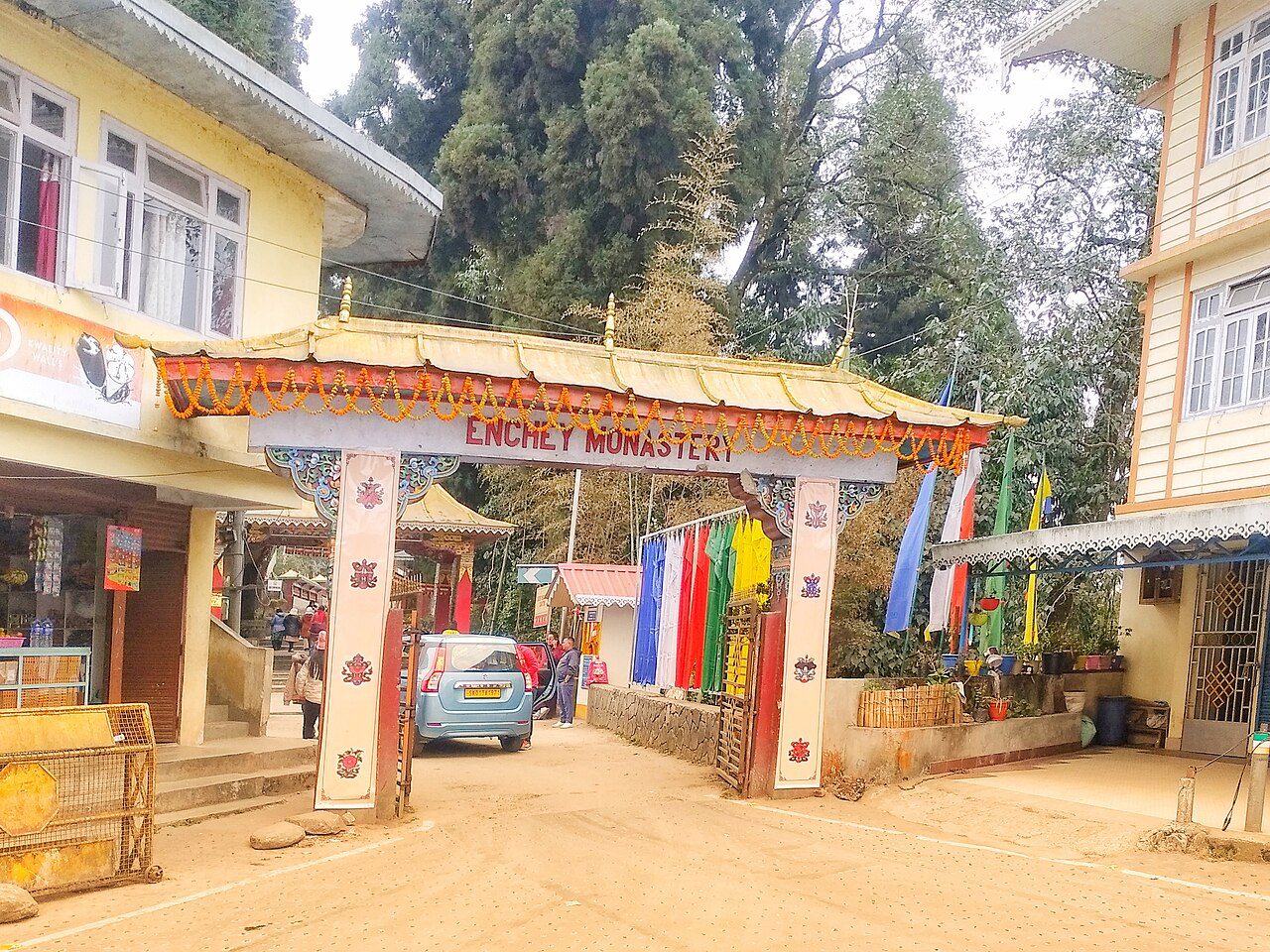
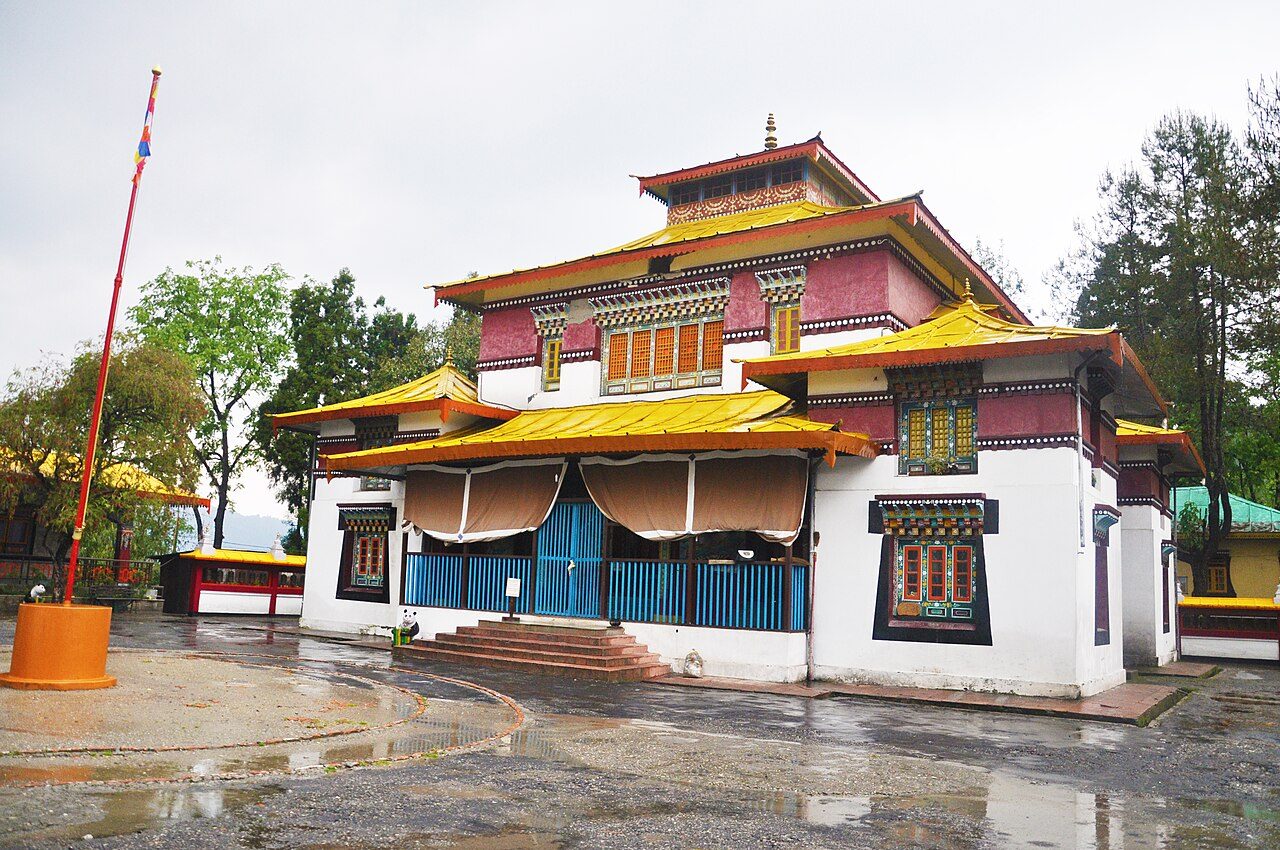
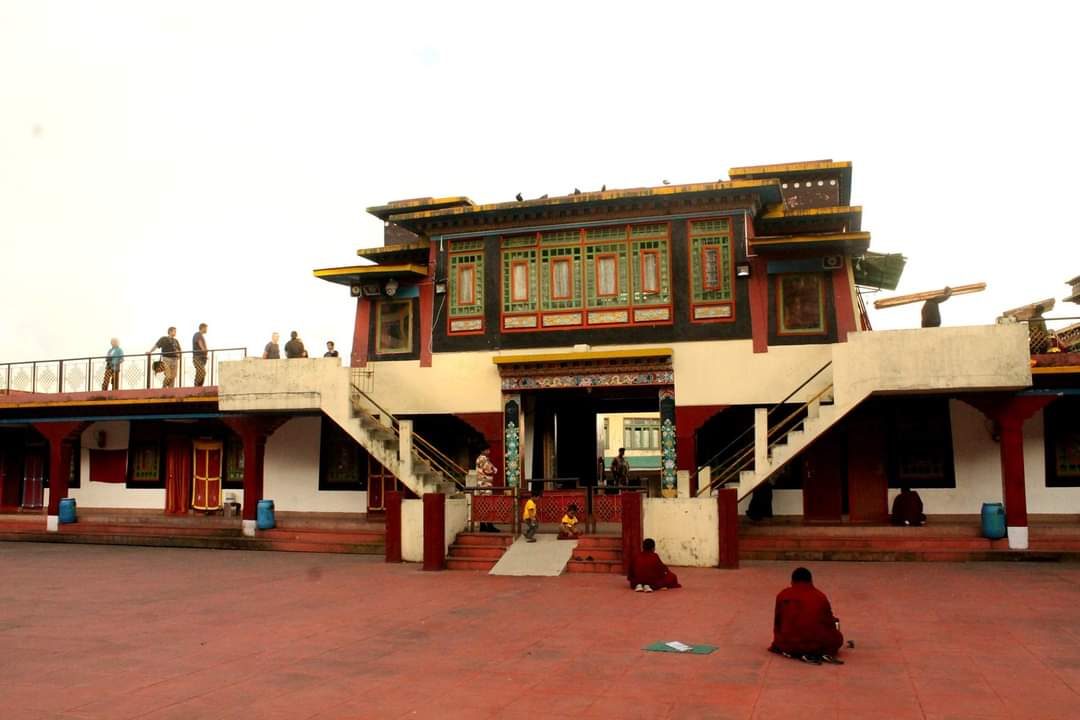
Enchey Monastery stands on a ridge above Gangtok, on a site blessed, according to tradition, by a tantric master who could fly. The present pagoda-style building dates from 1909 and belongs to the Nyingma order. It holds images of the Buddha, Loketeswara and Guru Padmasambhava. Masked chaam dances are performed here each winter.
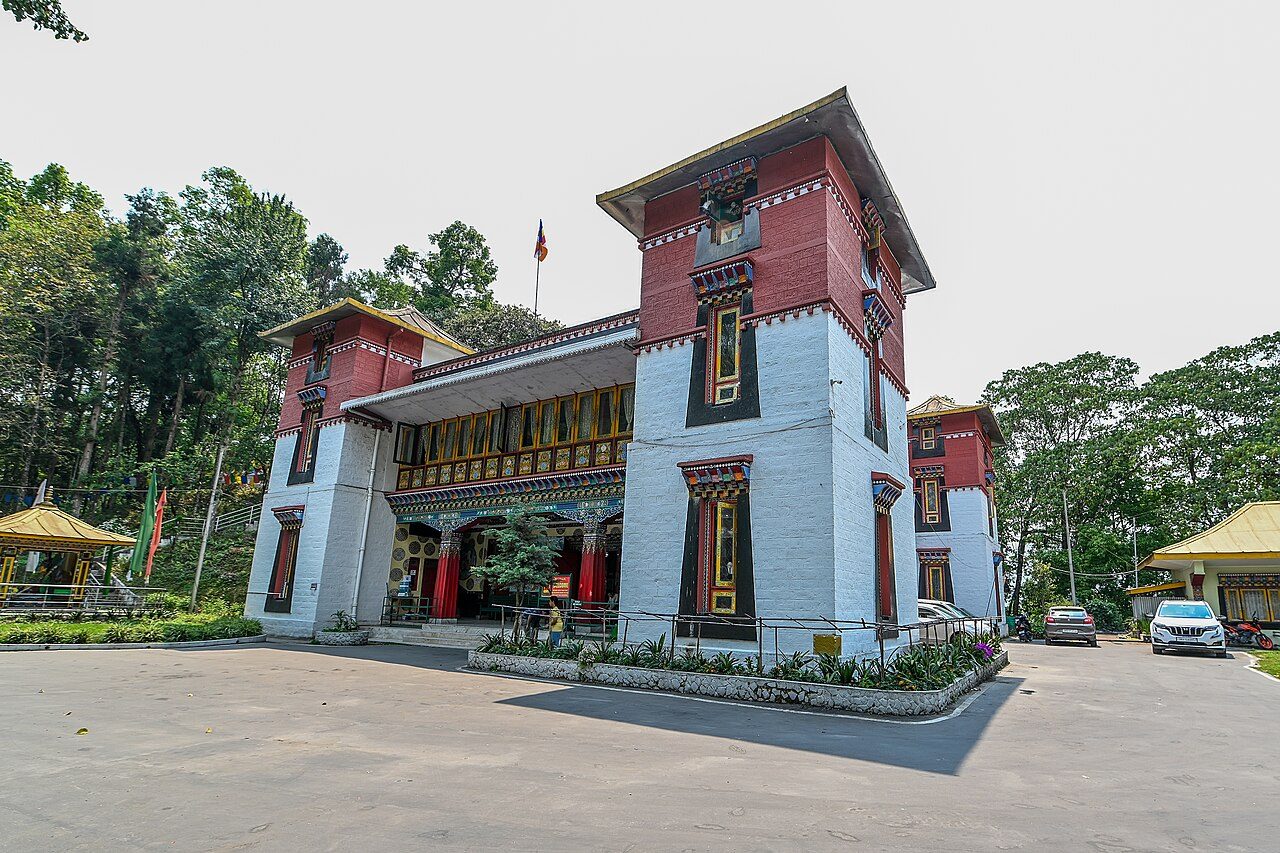
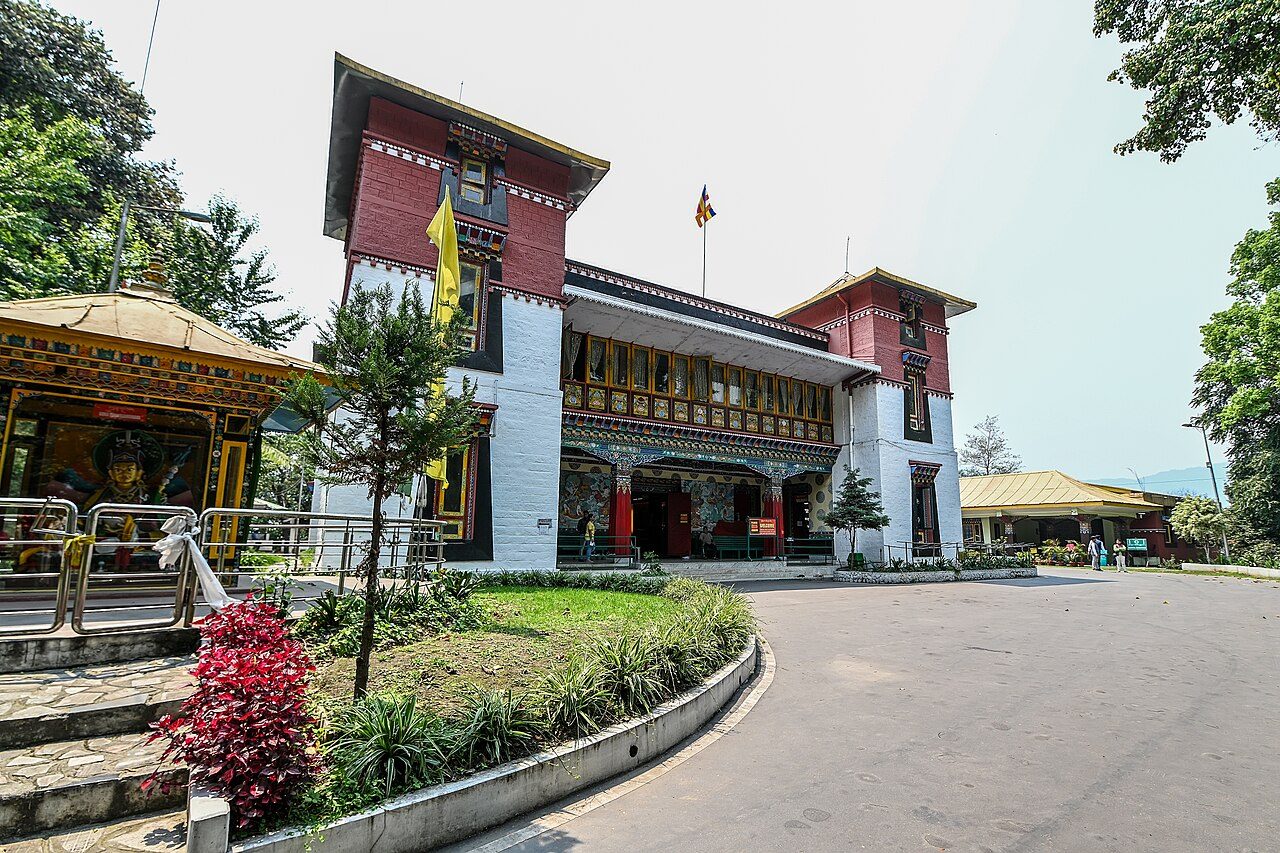
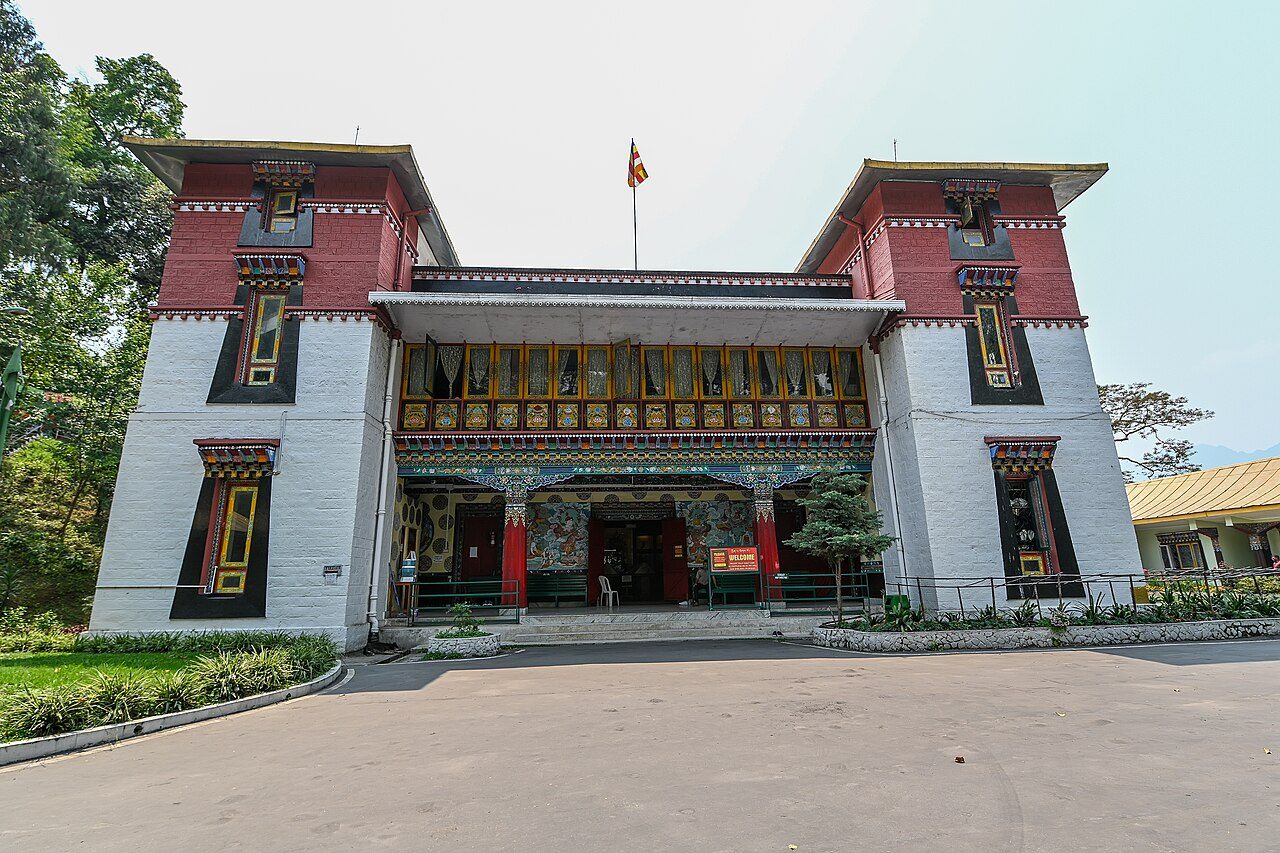
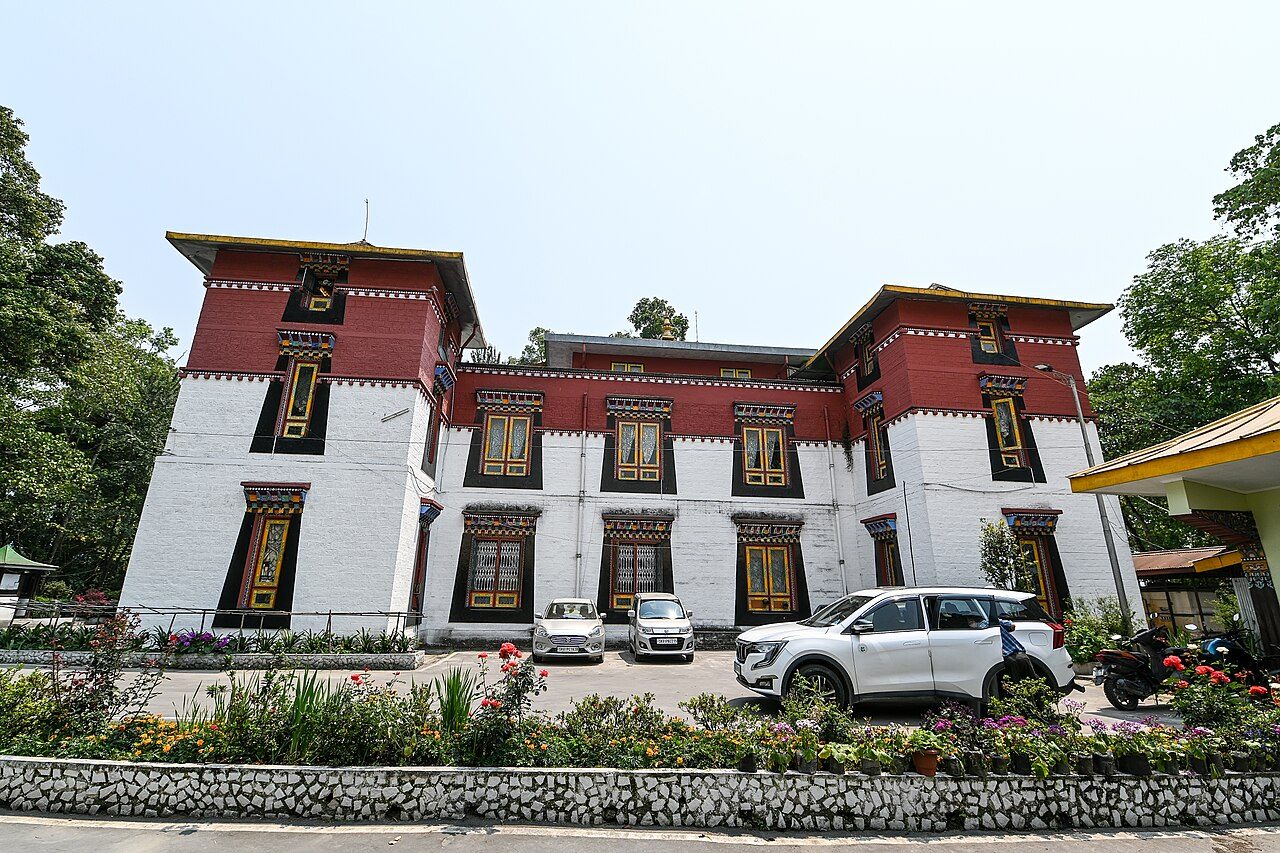
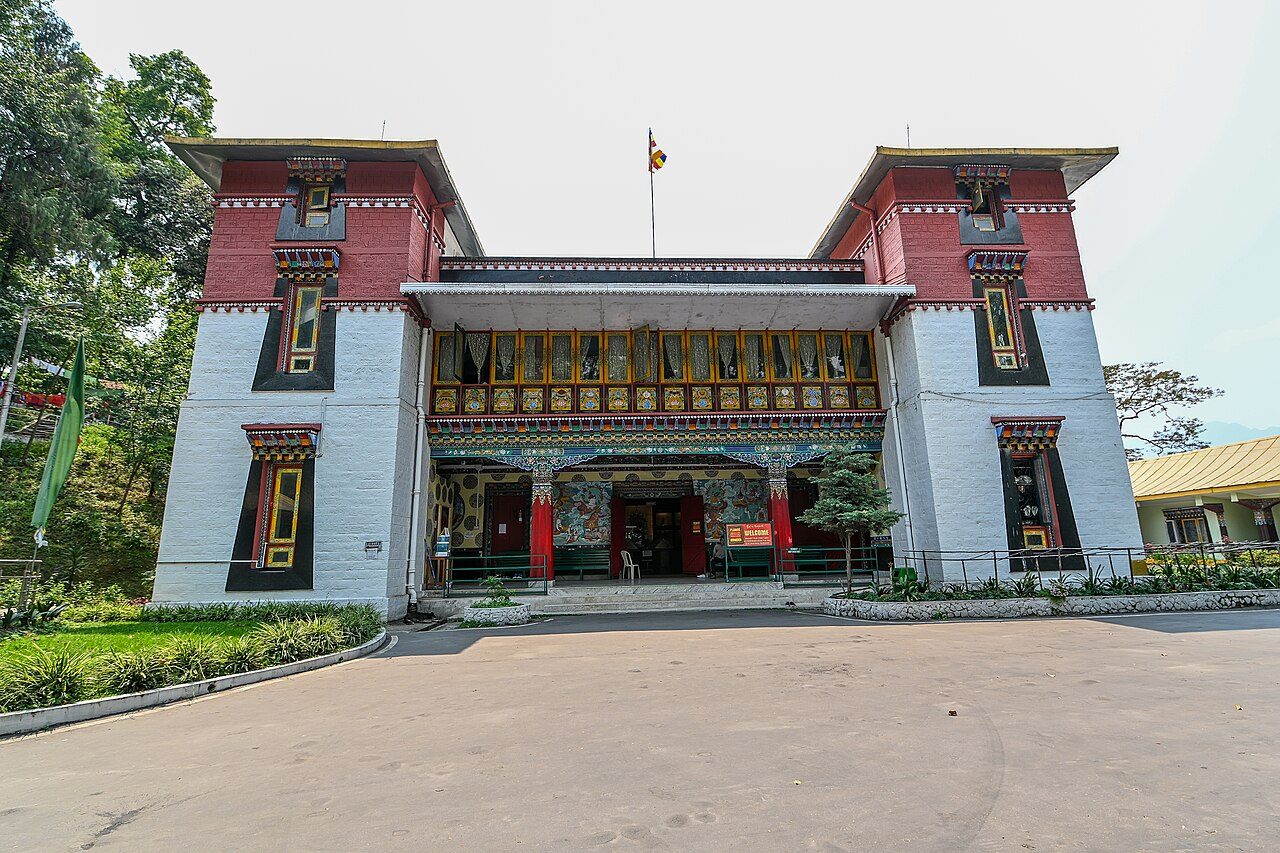
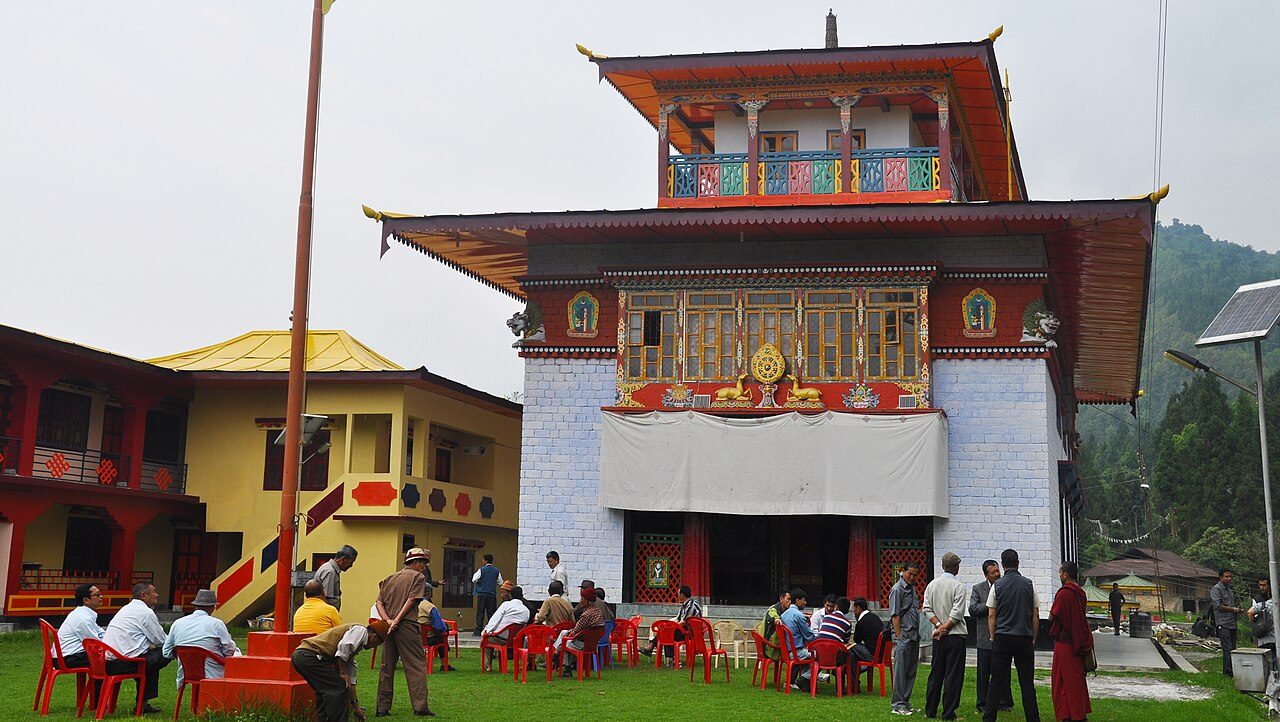
The Namgyal Institute of Tibetology in Gangtok, opened in 1958, is a leading centre for the study of Tibetan Buddhism and culture. Its building, in traditional Tibetan style, houses a museum of rare thangkas, statues, ritual objects and manuscripts in Tibetan, Sanskrit and Lepcha. It is set in a small forest of oak and magnolia. Closed on Sundays.
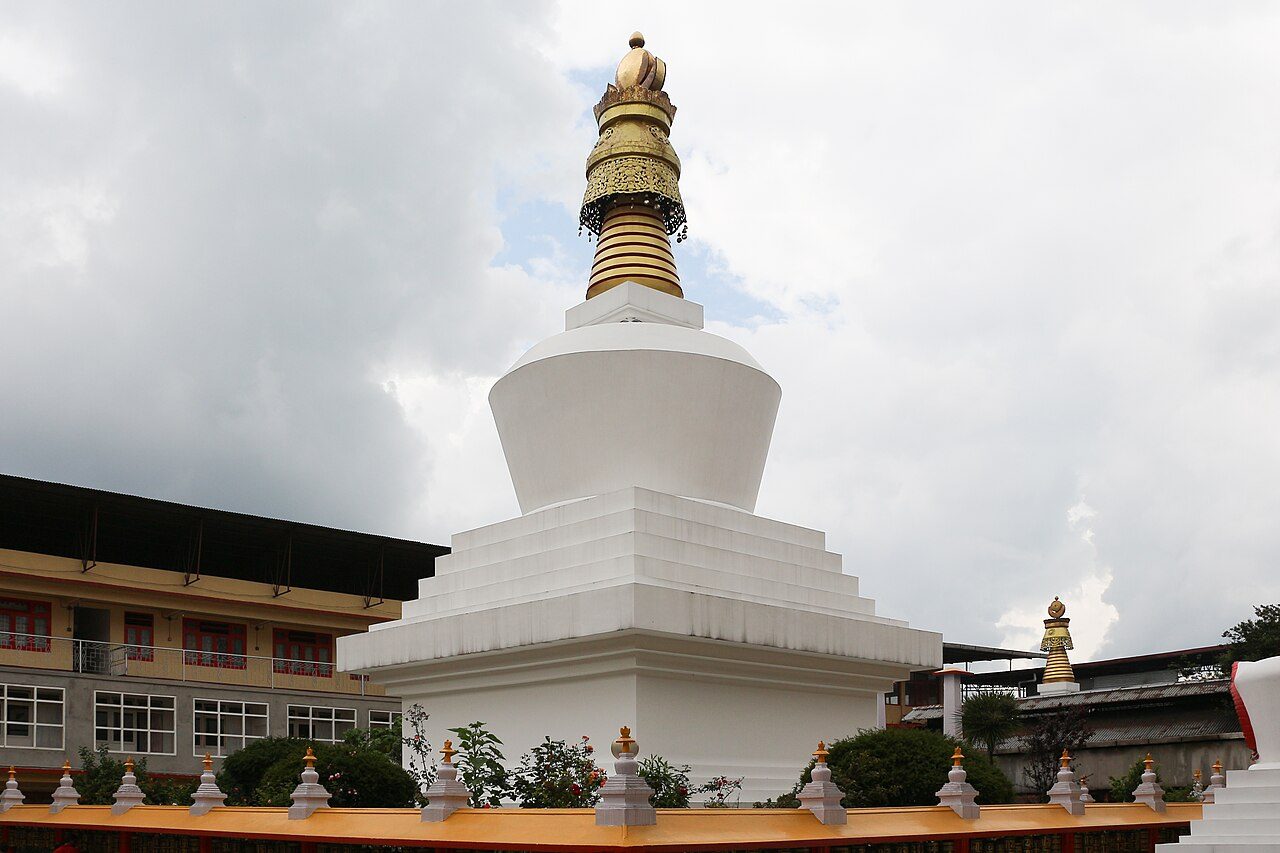
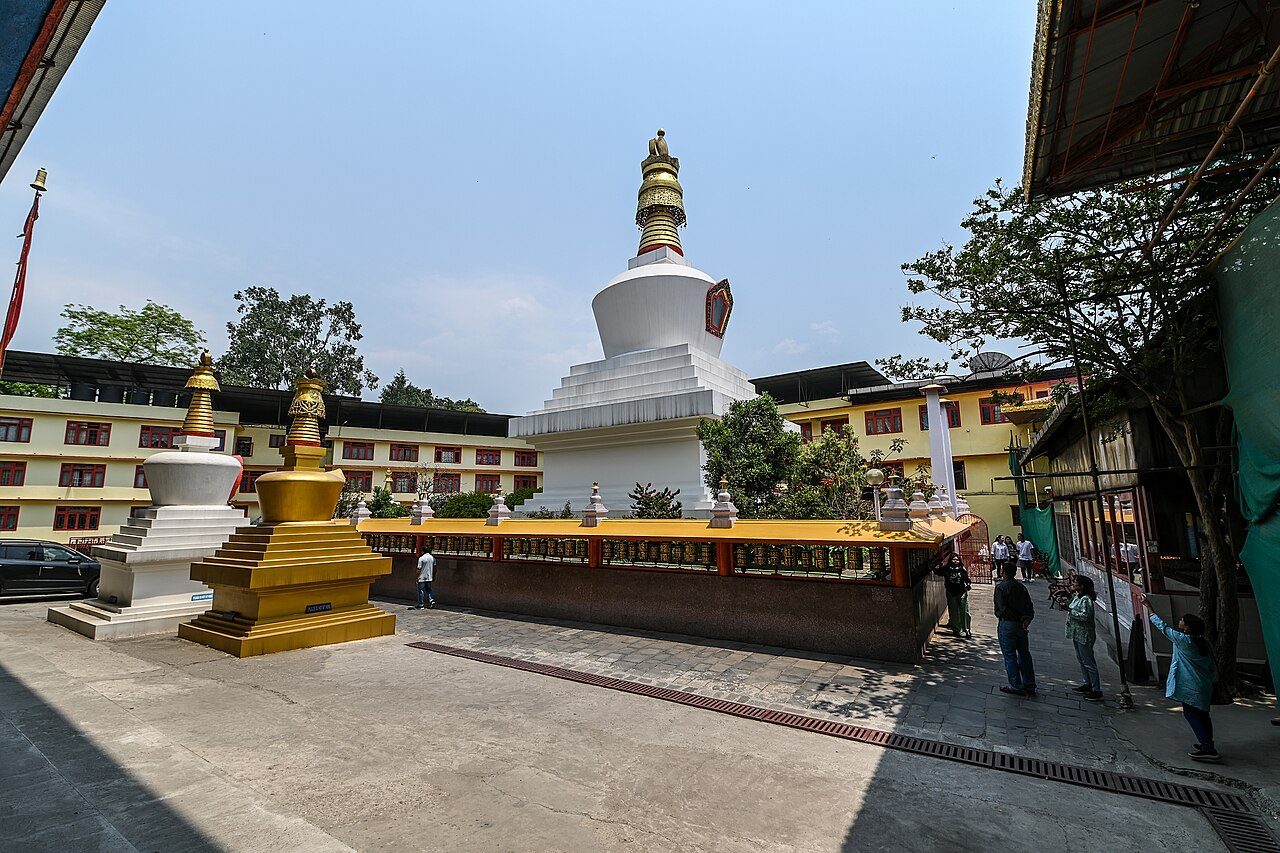
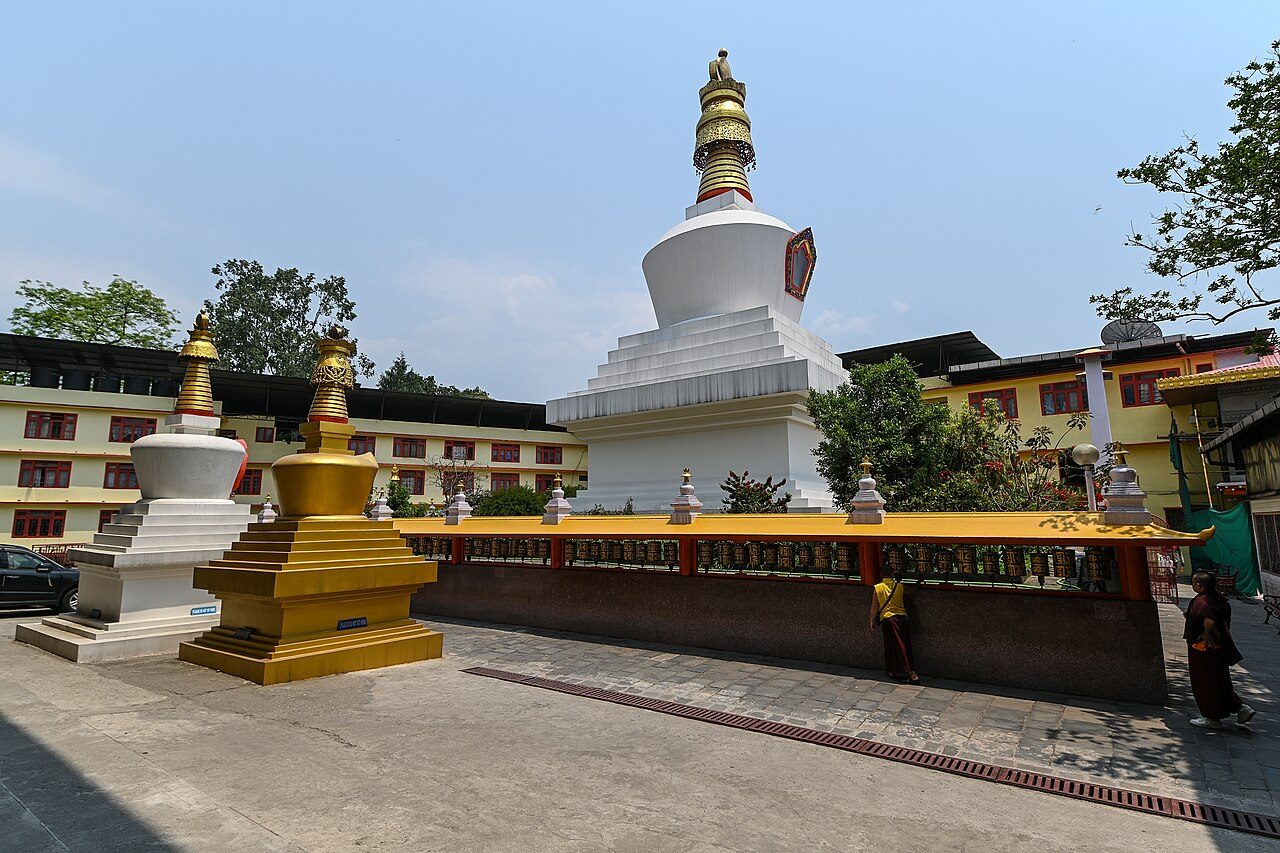
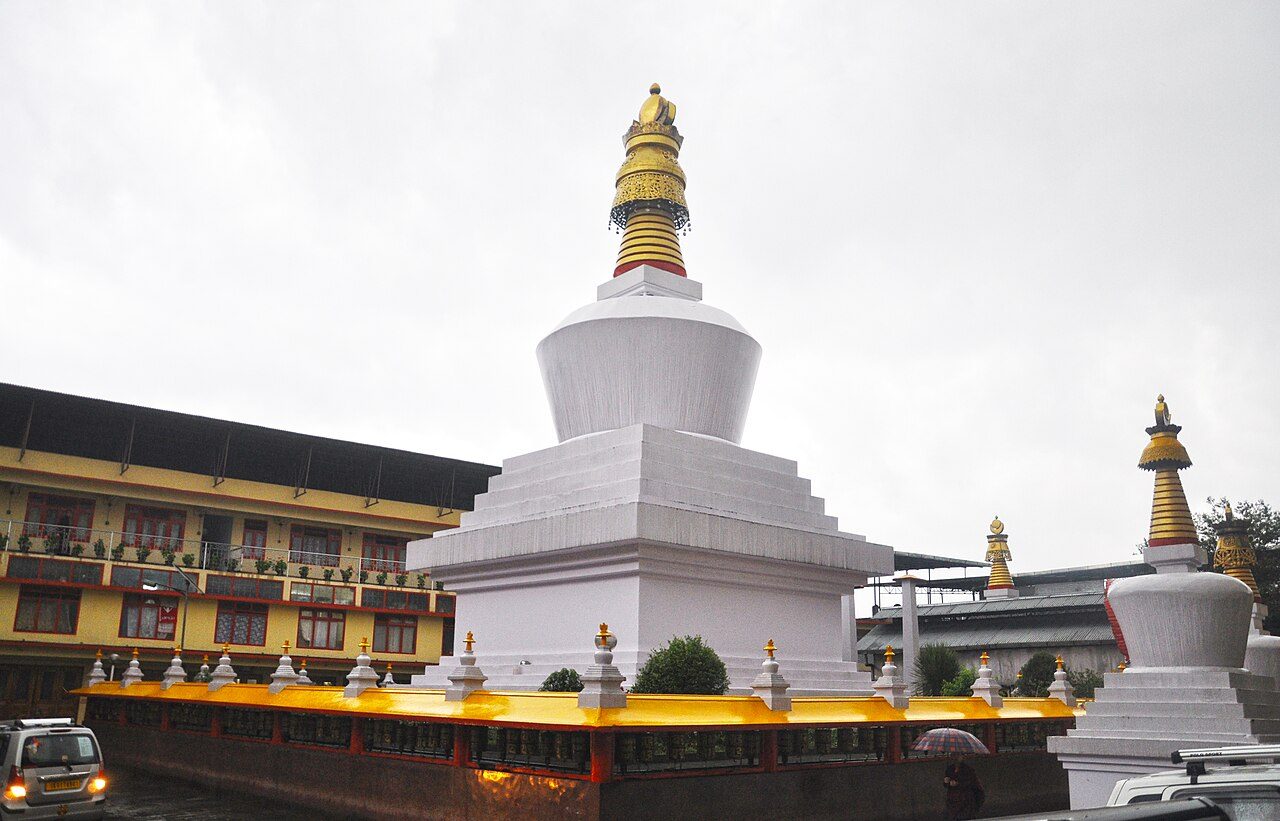
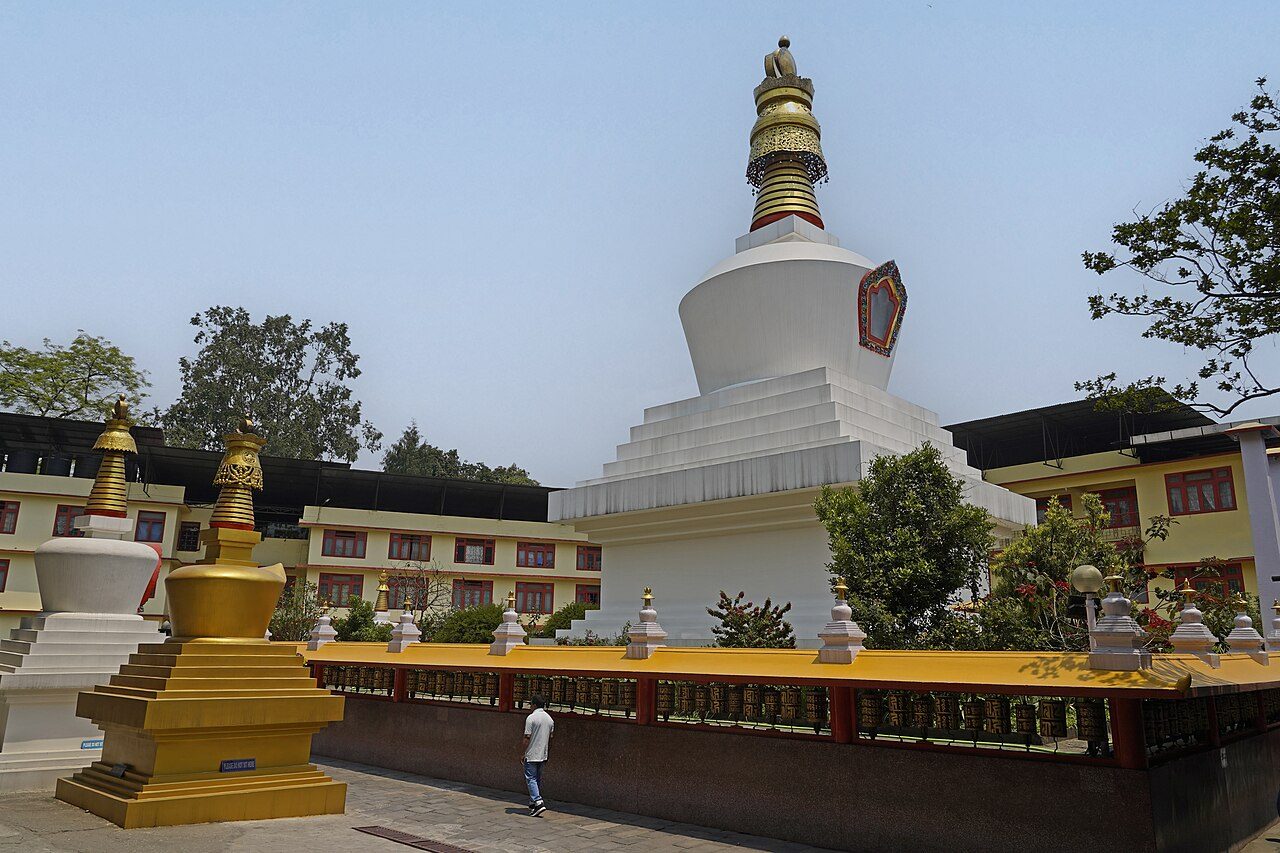
Do Drul Chorten is the most important stupa in Sikkim, built in 1945 by Trulshik Rinpoche, head of the Nyingma order. The white stupa with a gilded spire is surrounded by 108 prayer wheels and contains sacred relics and texts. Two large statues of Guru Padmasambhava stand beside it. It is a short walk from the Institute of Tibetology.
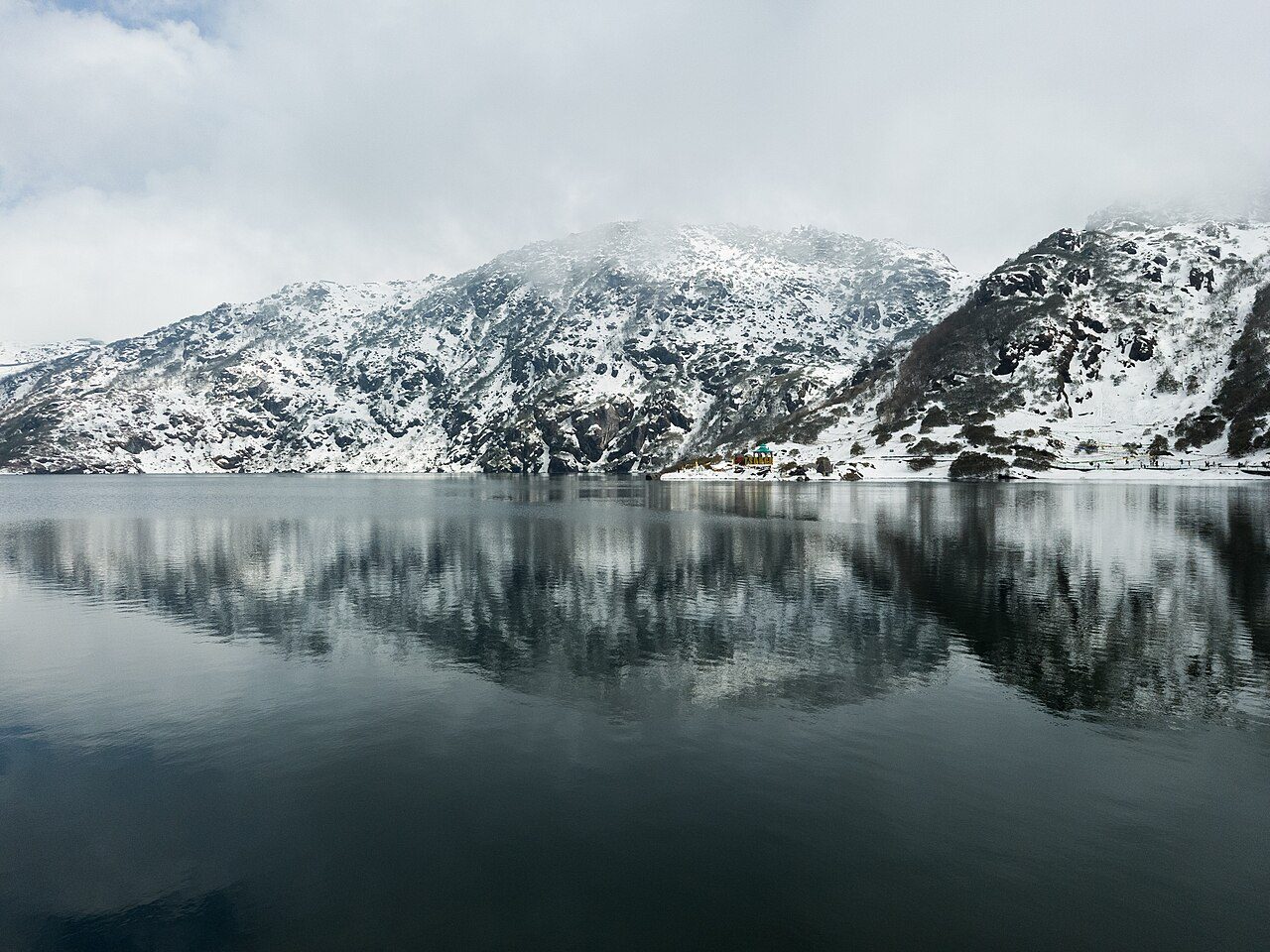
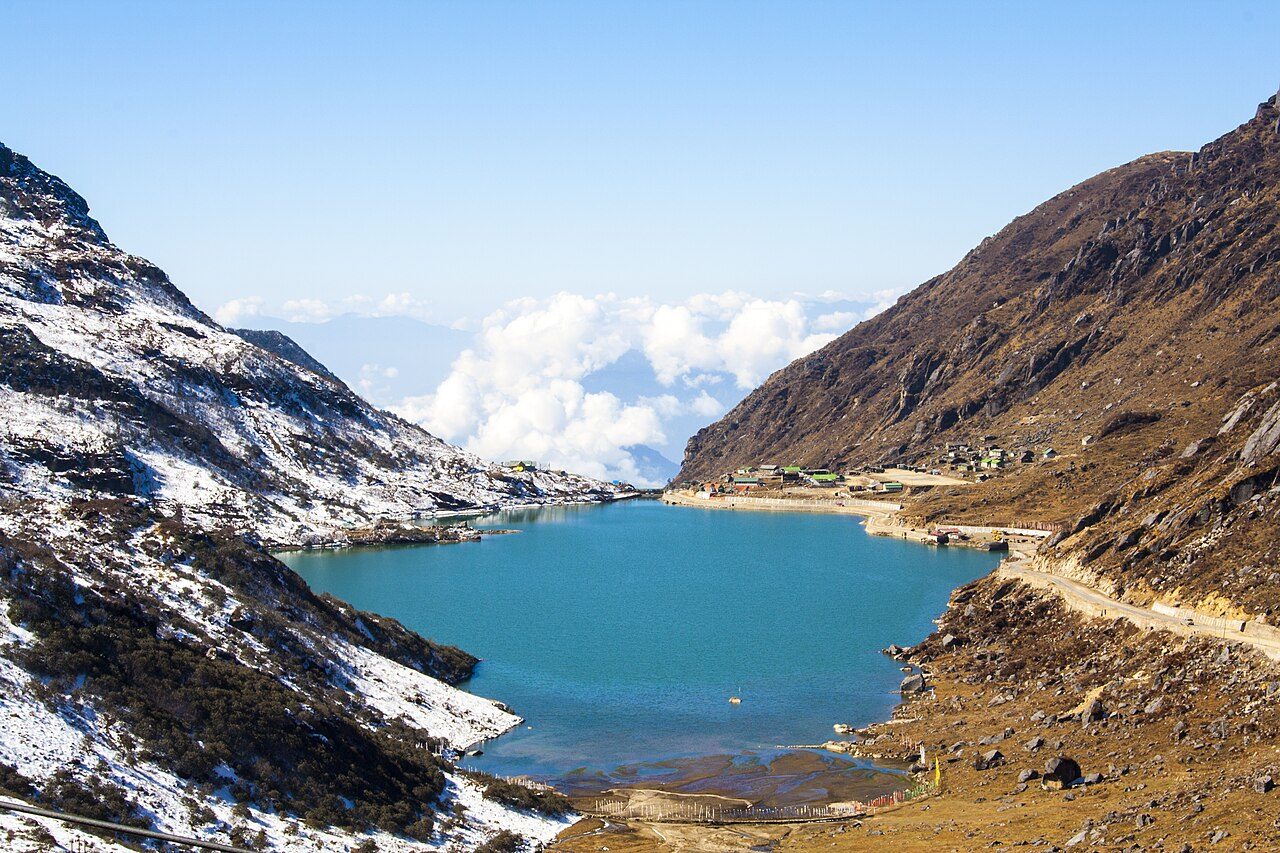
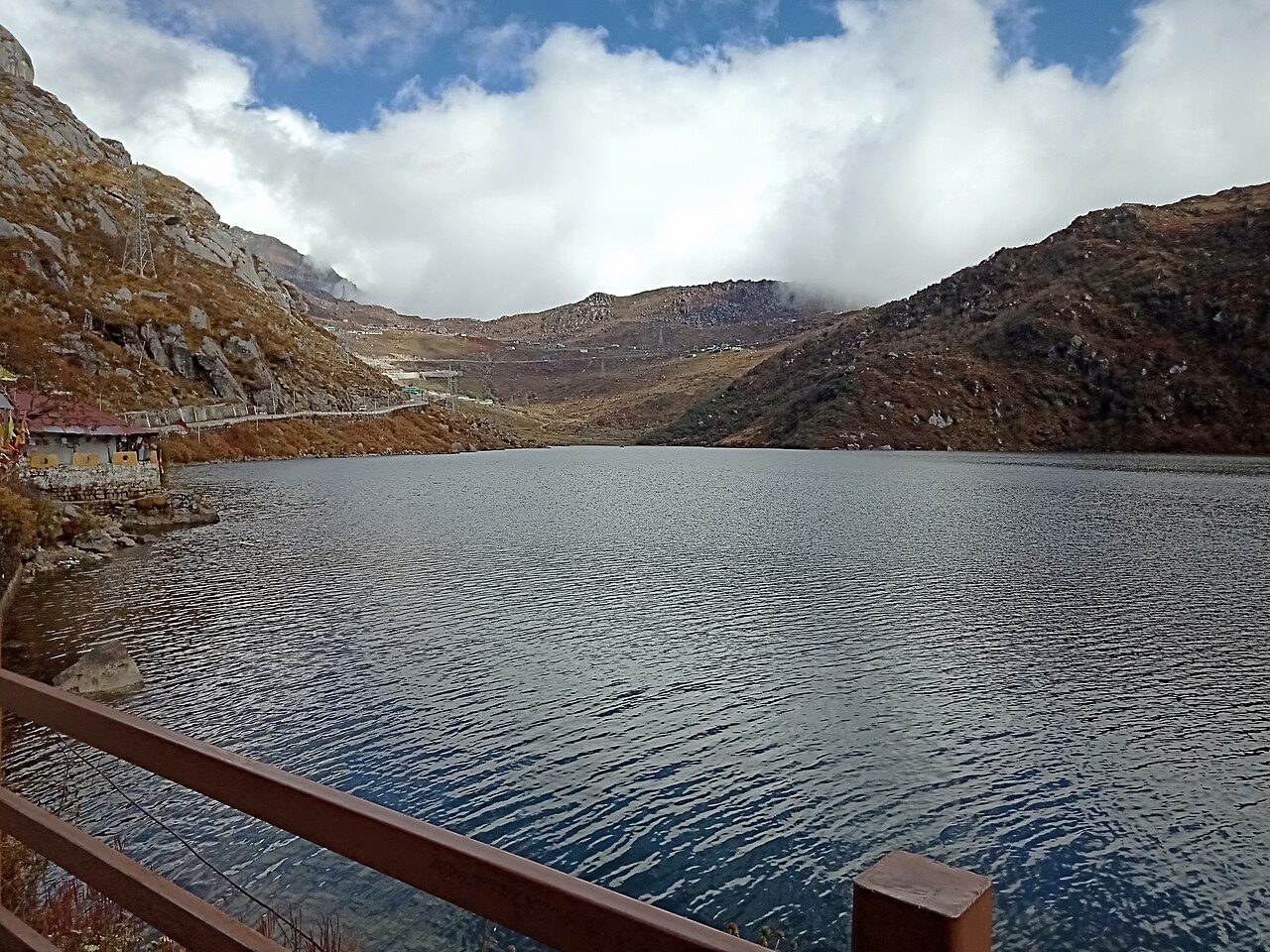
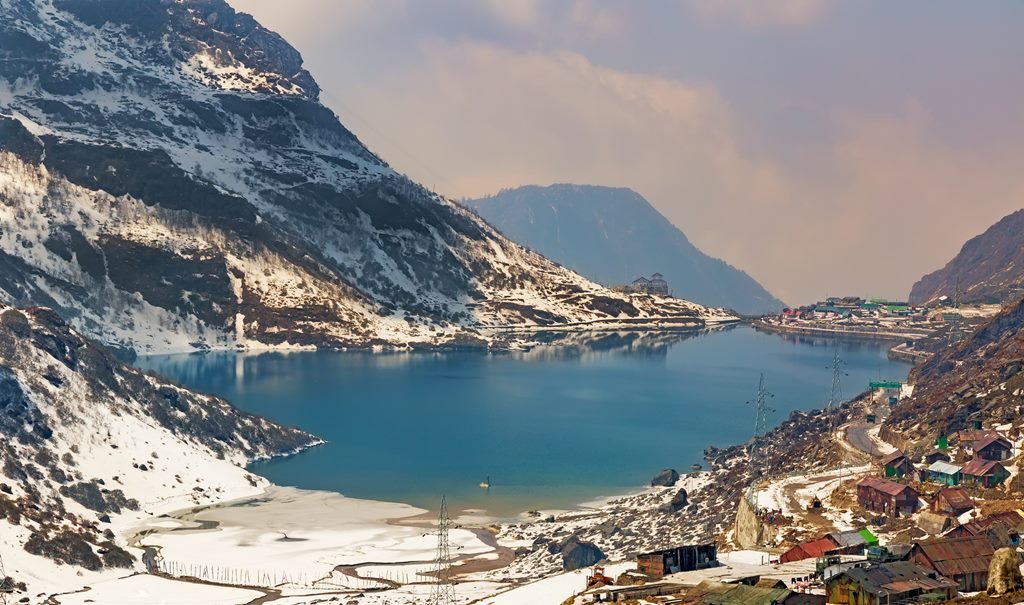
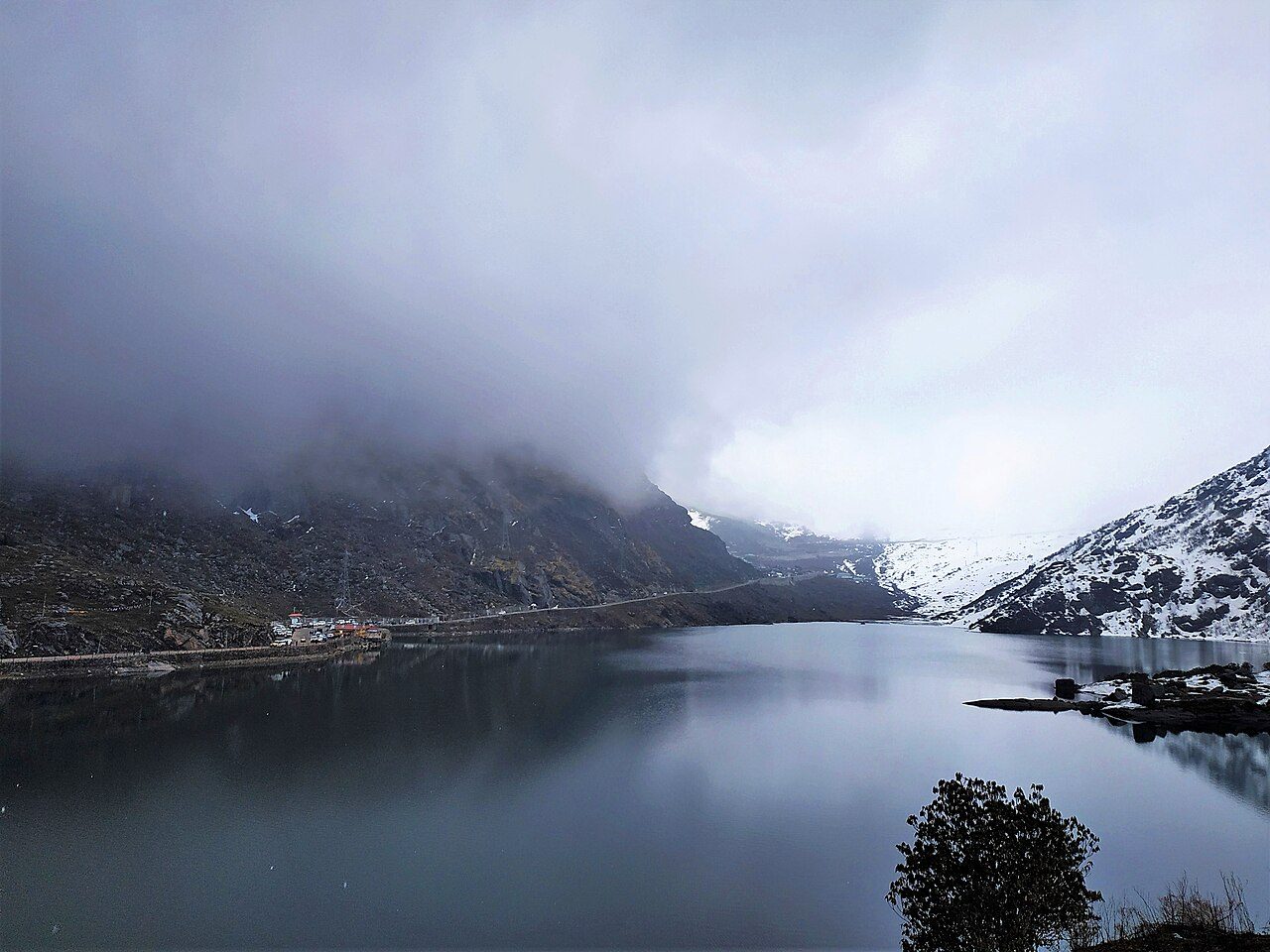
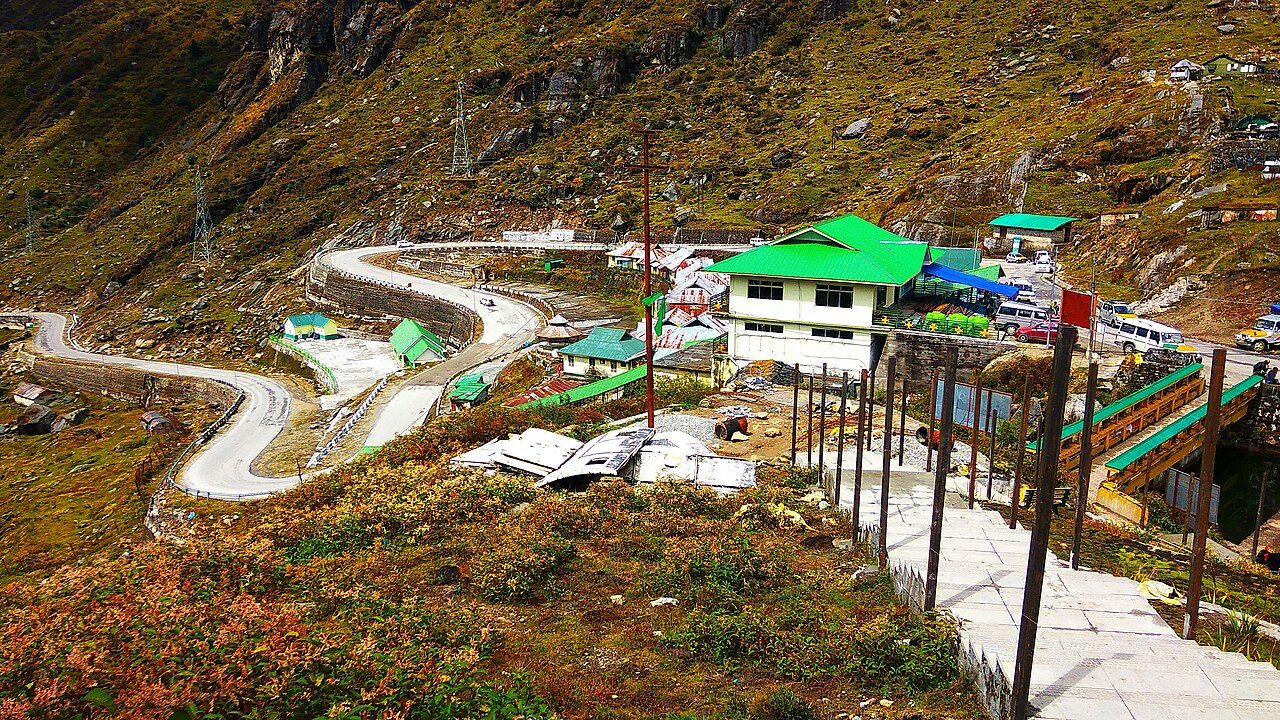
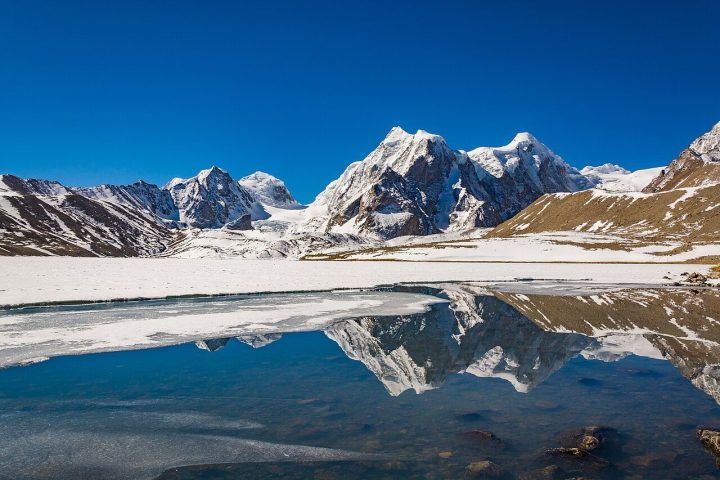
Tsomgo, or Changu, Lake lies at about 3,750 metres on the road from Gangtok to Nathu La. The oval glacial lake is frozen in winter and edged with rhododendrons and primulas in late spring. Yaks decorated with bells give rides along the shore, and a ropeway climbs the slope above. A protected-area permit is needed, arranged through tour operators.
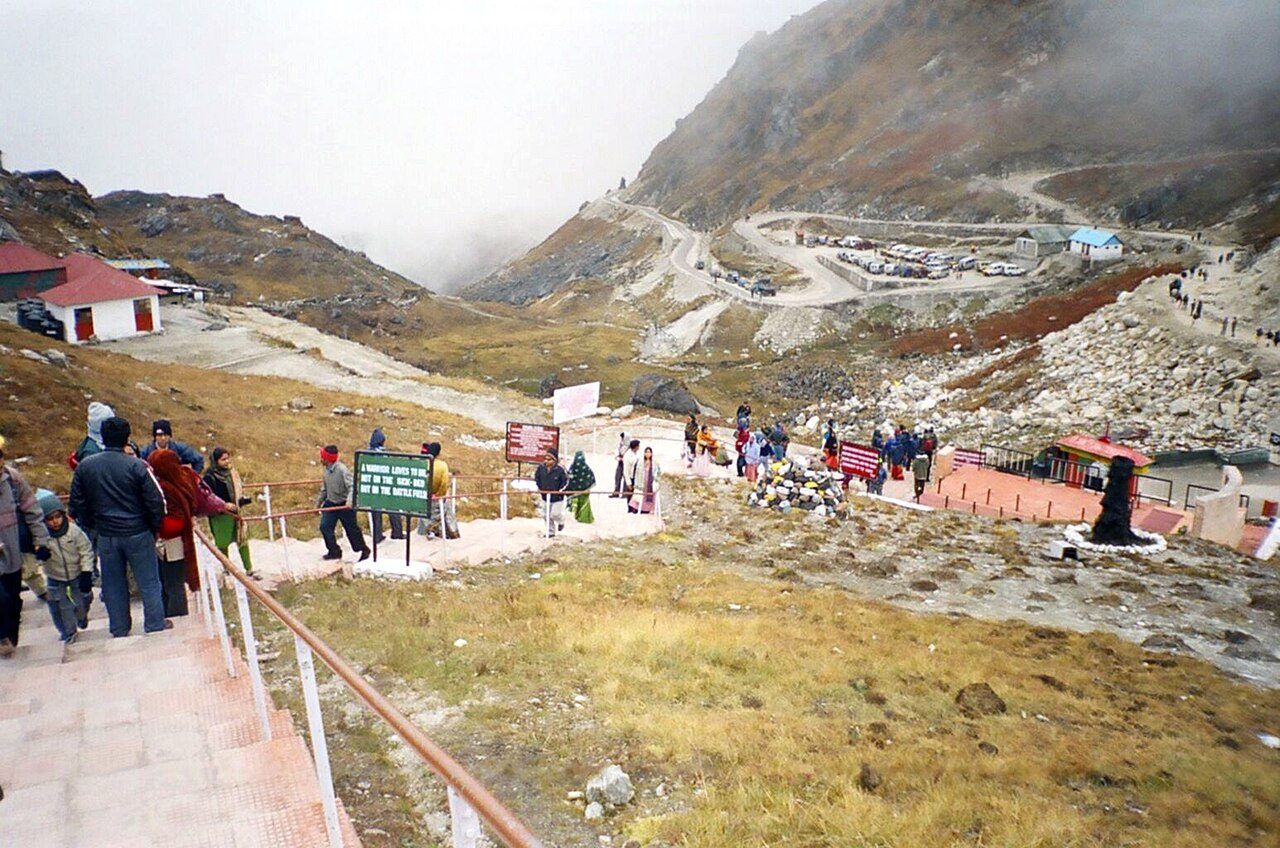
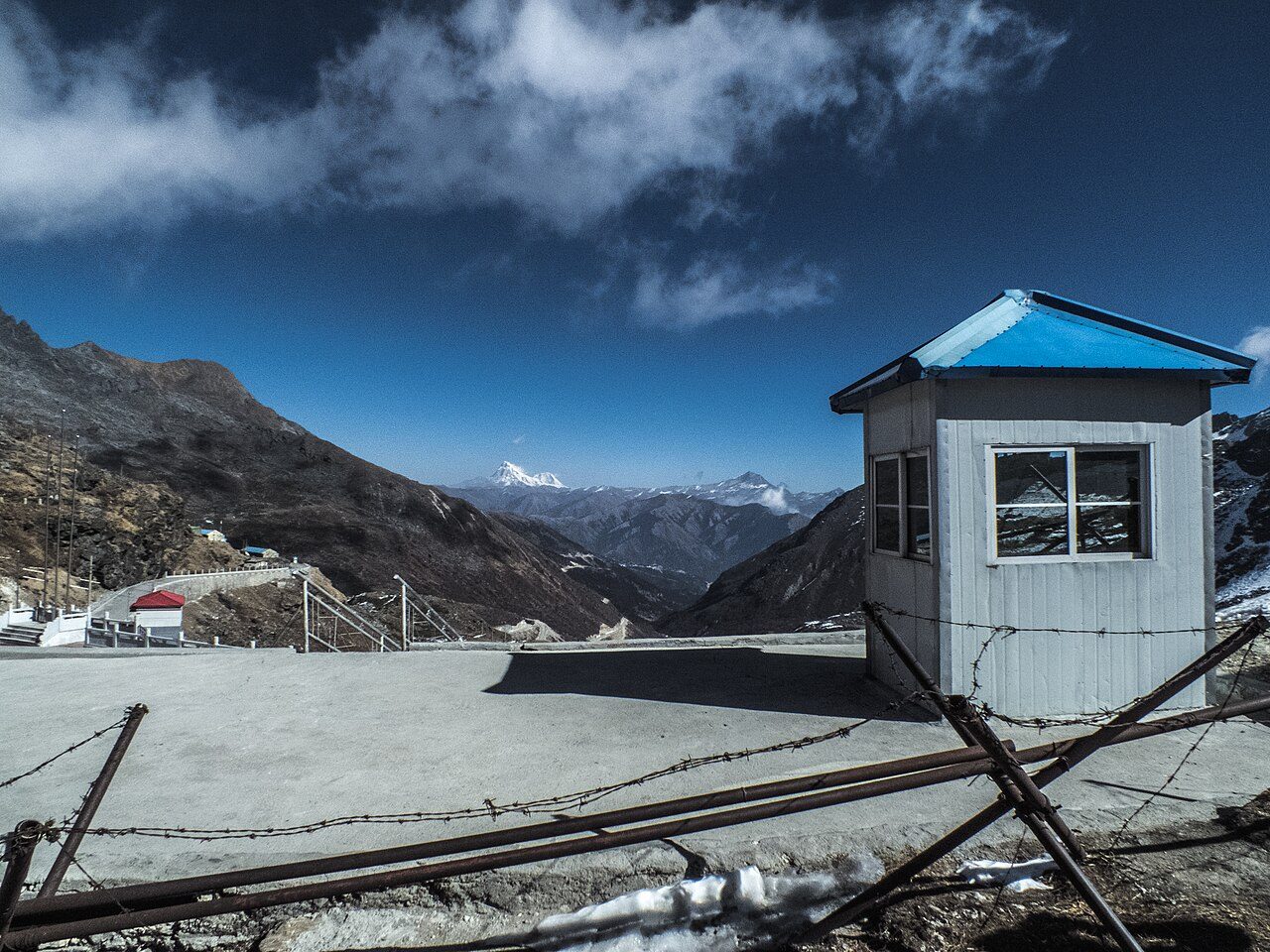
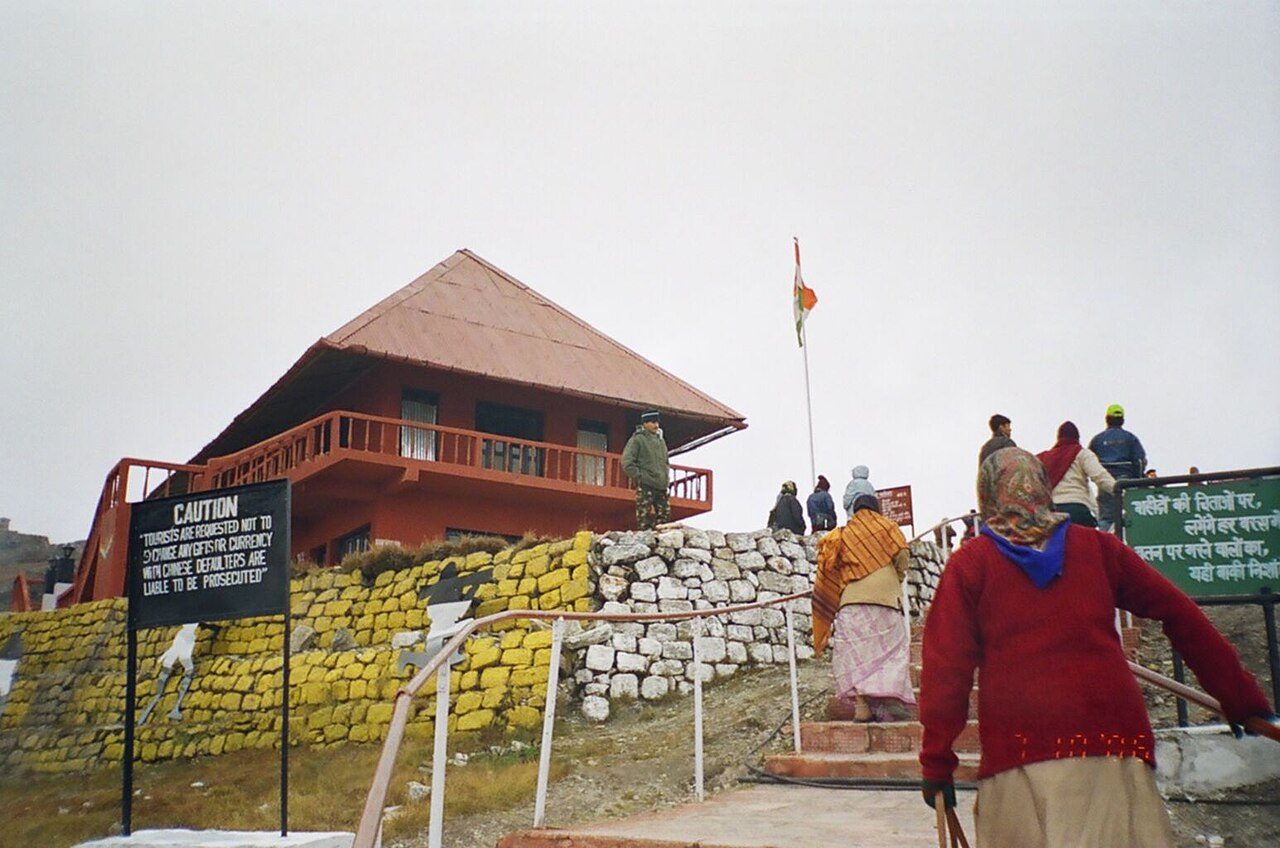
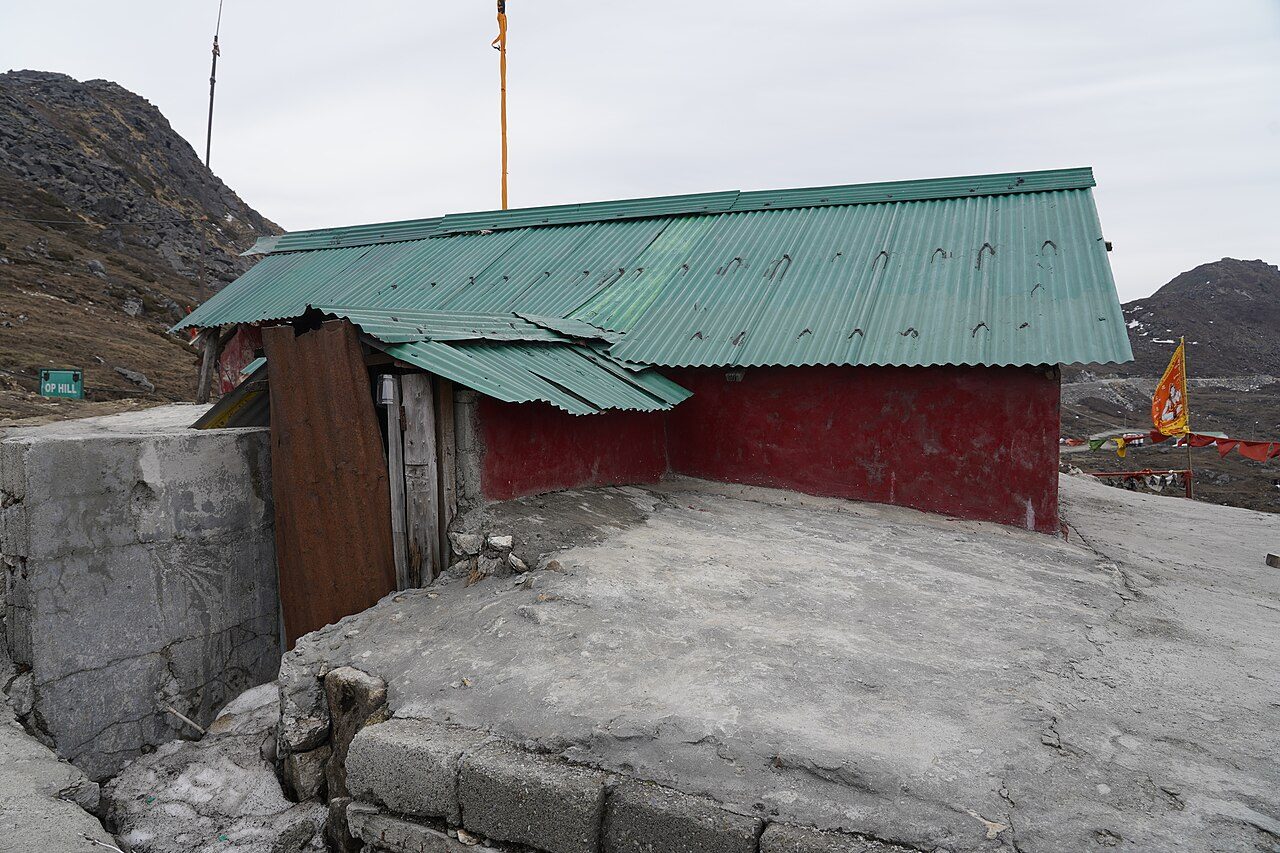
Nathu La, at about 4,310 metres, is a pass on the old Silk Route between Sikkim and Tibet and one of the few open border crossings between India and China. Visitors climb a few steps to the fence where soldiers of both countries stand guard. Only Indian citizens are allowed, with a permit arranged a day ahead. It is closed on Mondays and Tuesdays.
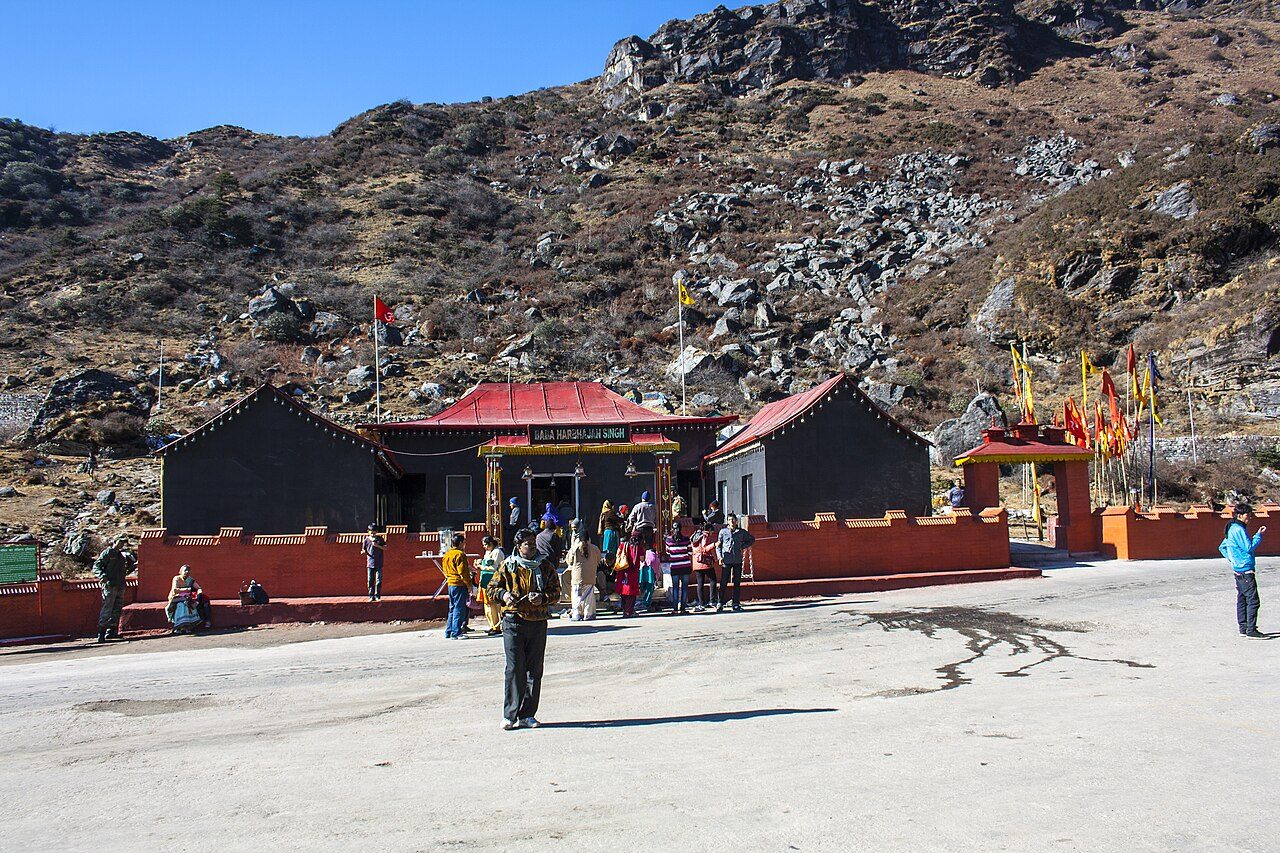
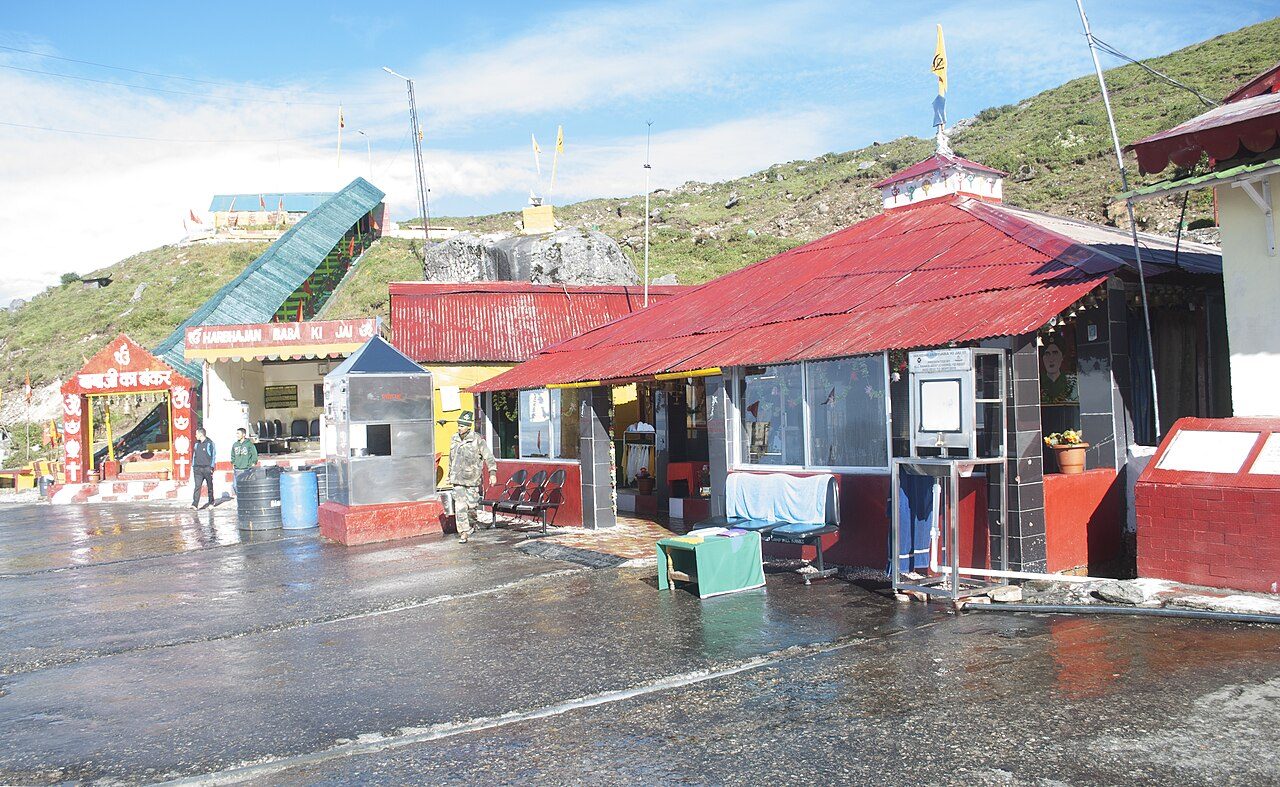
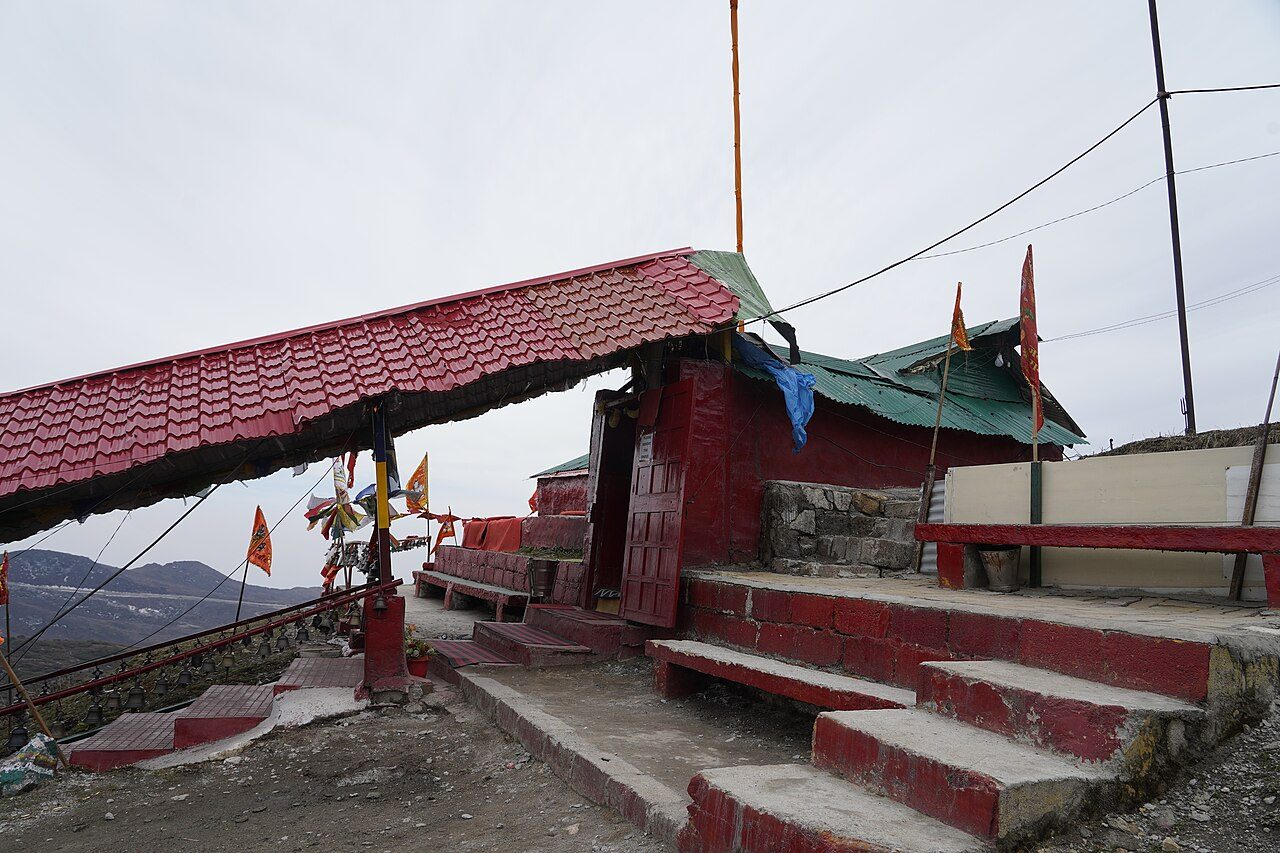
Baba Mandir is a shrine to Harbhajan Singh, a soldier of the Indian Army who died near Nathu La in 1968 and is believed by troops to protect the border still. His uniform, bed and boots are kept as if for his use. The shrine most visitors see stands on the road between Tsomgo Lake and Nathu La.
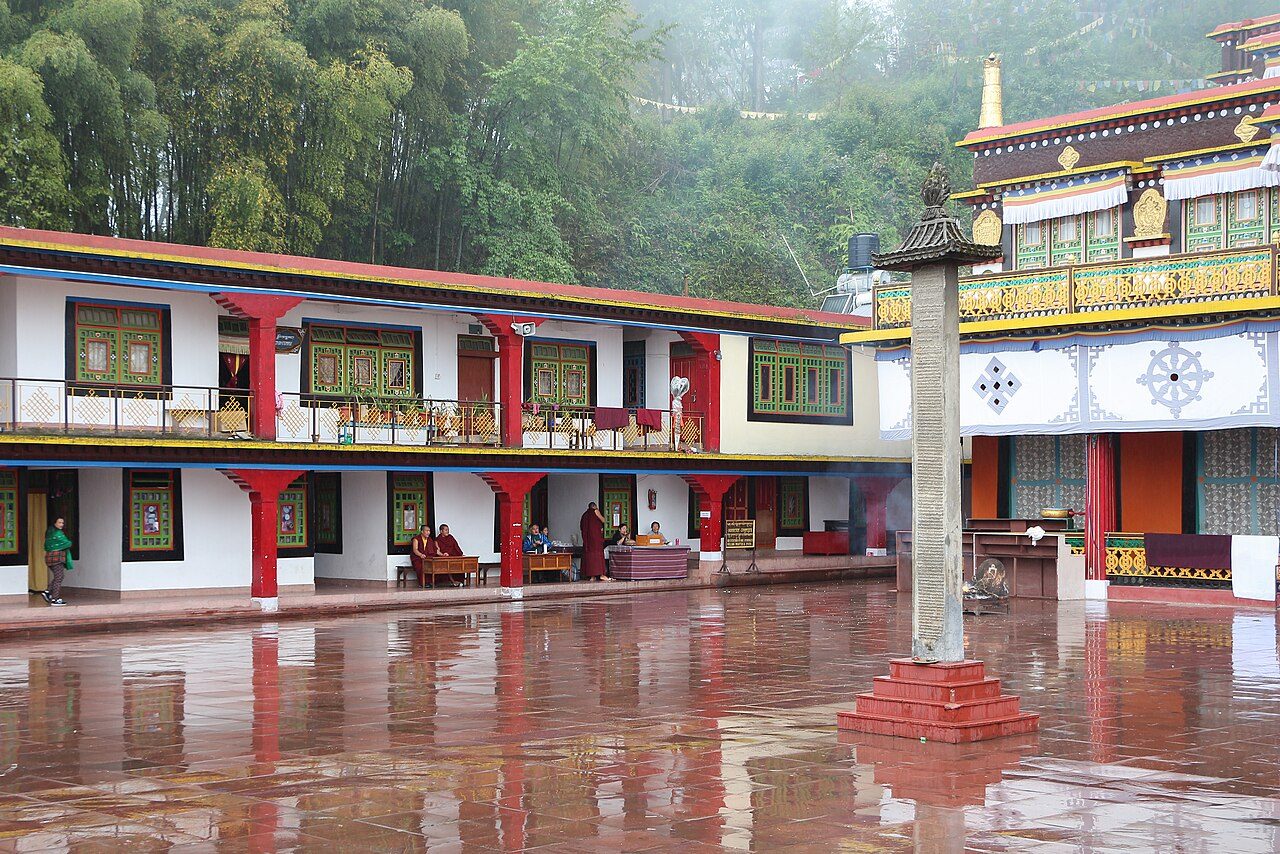
Rumtek Monastery, 24 km from Gangtok, is the largest monastery in Sikkim and the seat in exile of the Karmapa, head of the Karma Kagyu school of Tibetan Buddhism. Rebuilt in the 1960s by the 16th Karmapa on the model of Tsurphu in Tibet, it has a richly painted main temple, a golden stupa holding his relics and a monastic college.
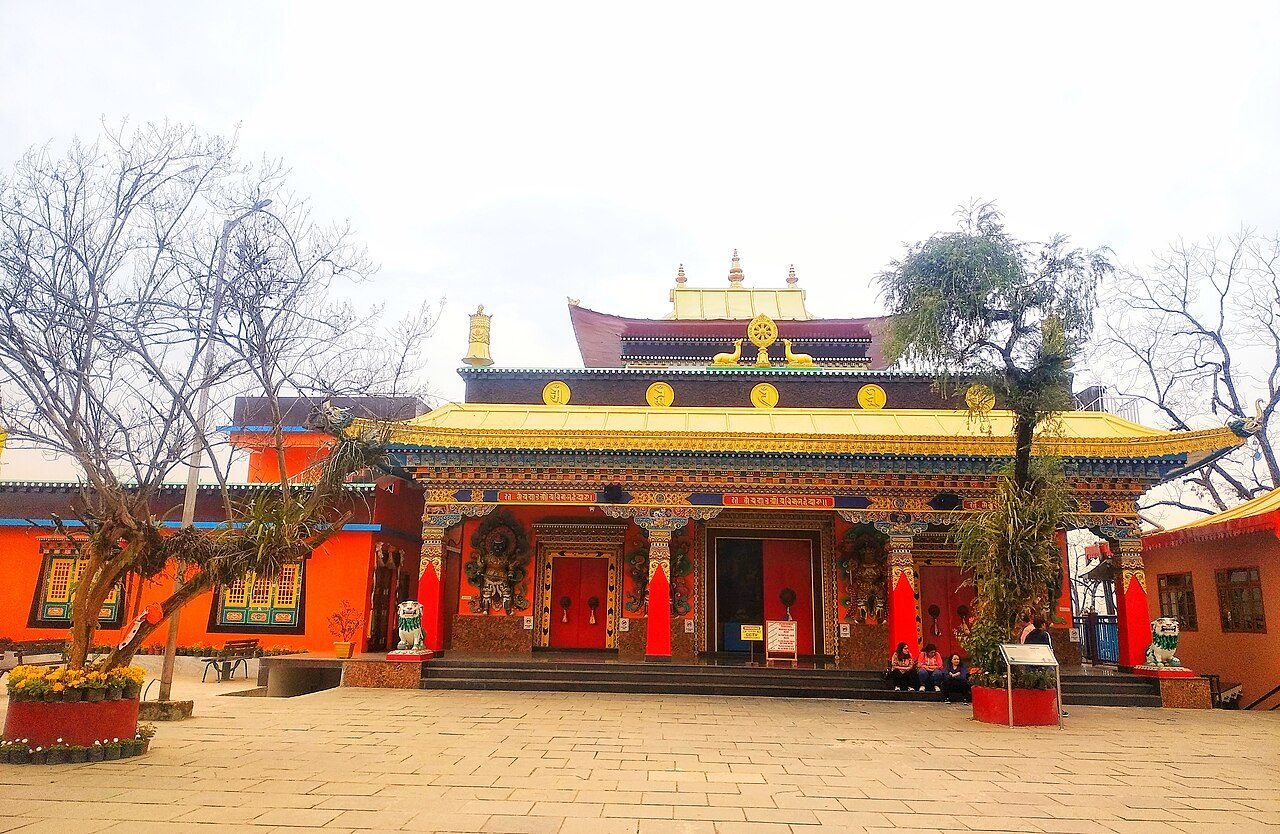
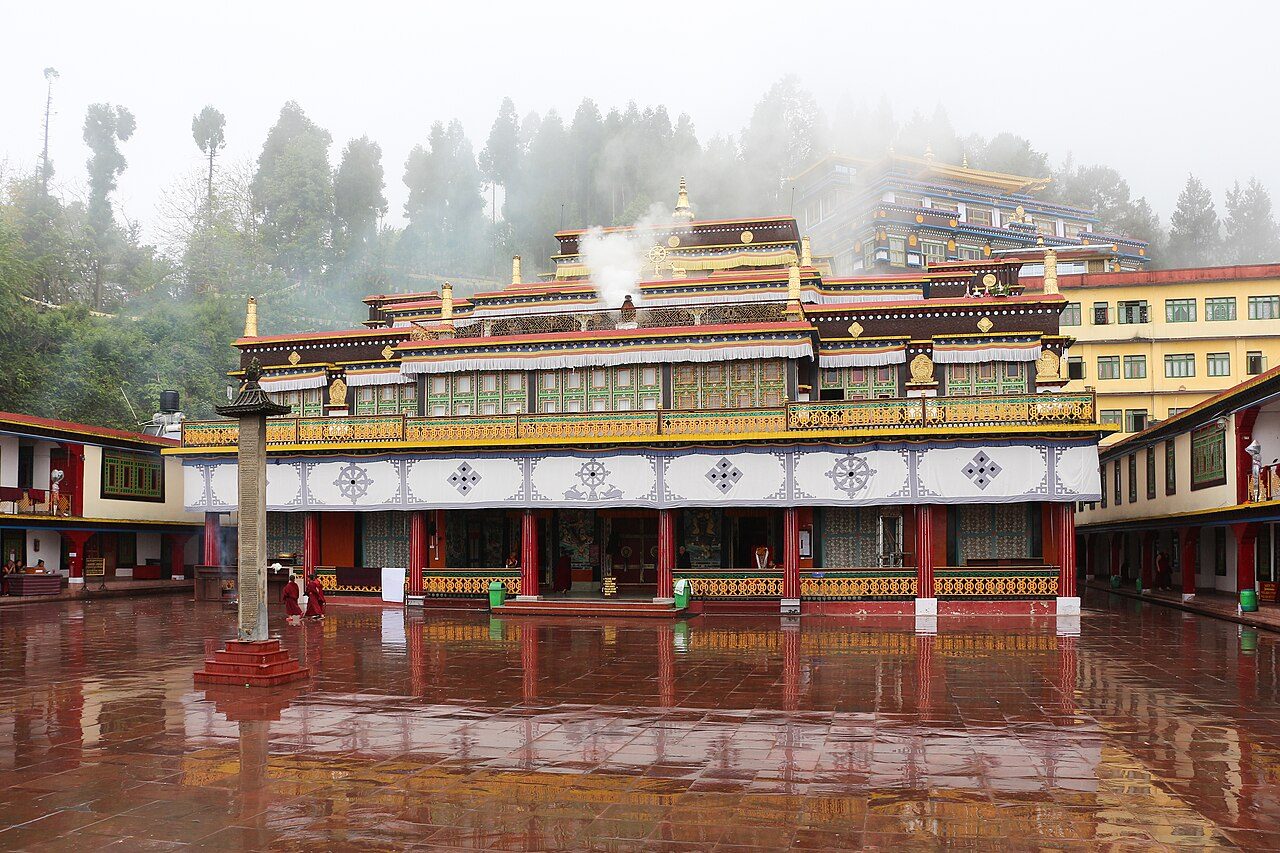
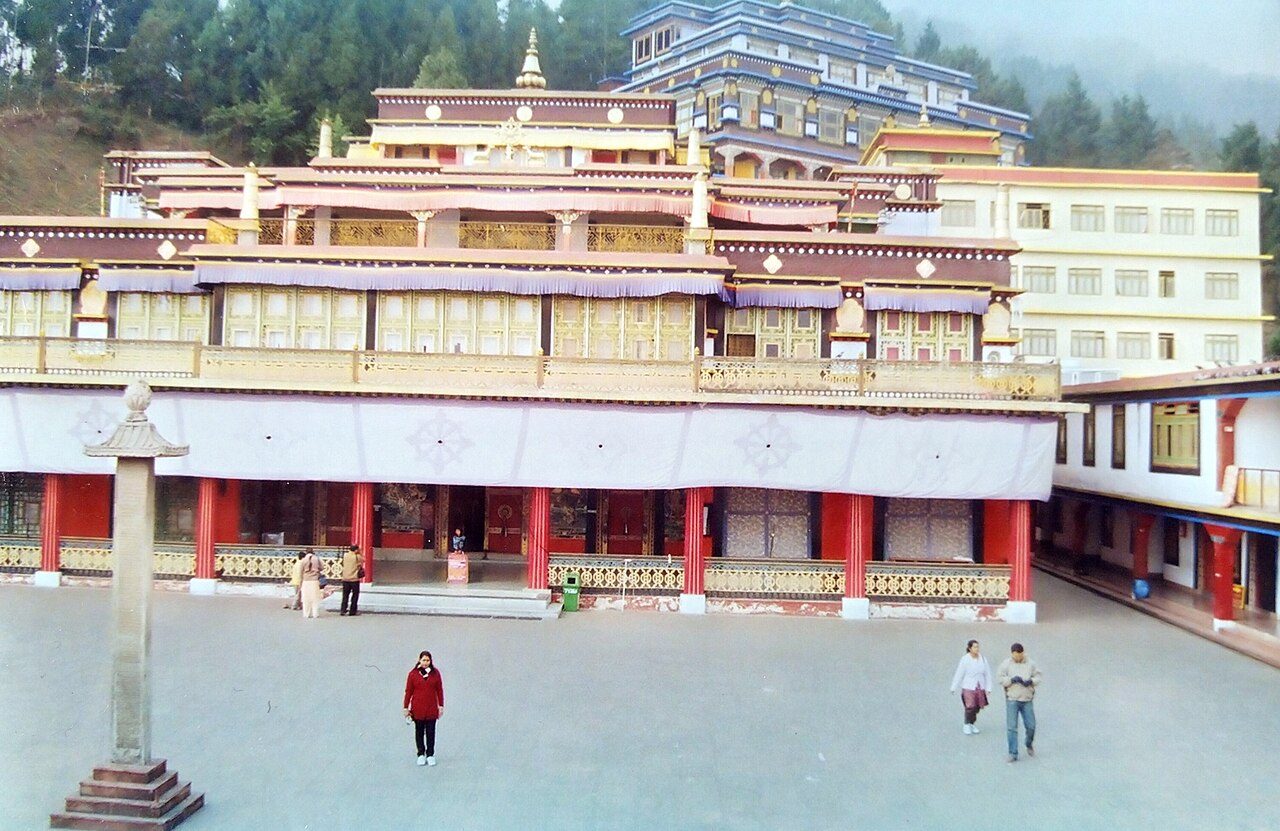
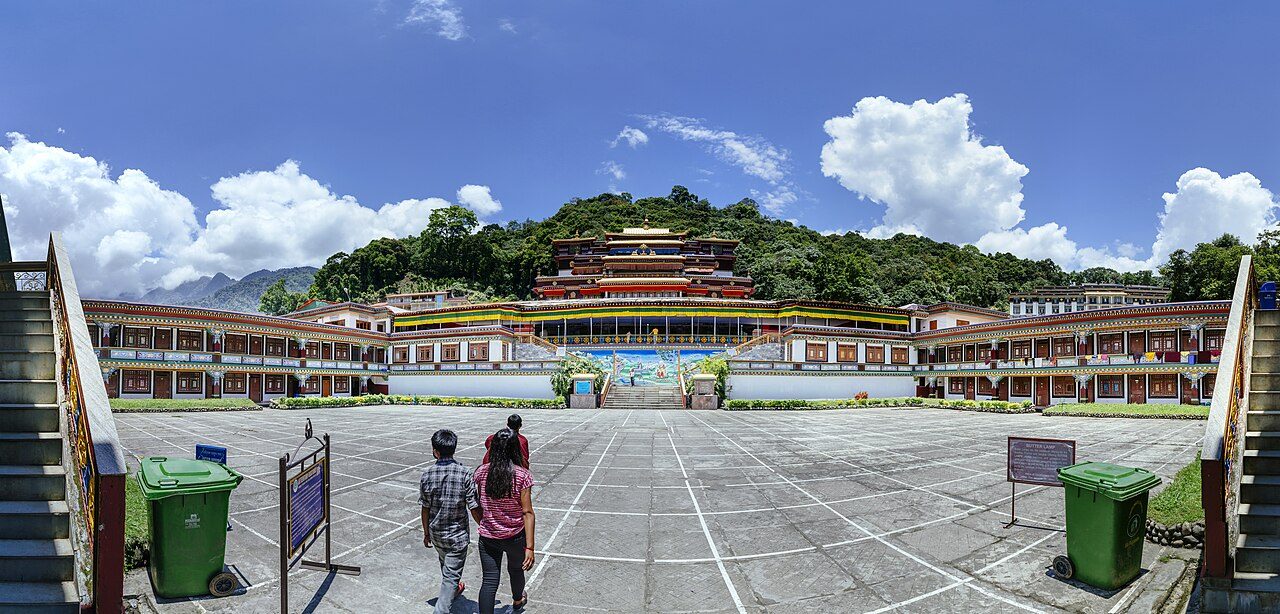
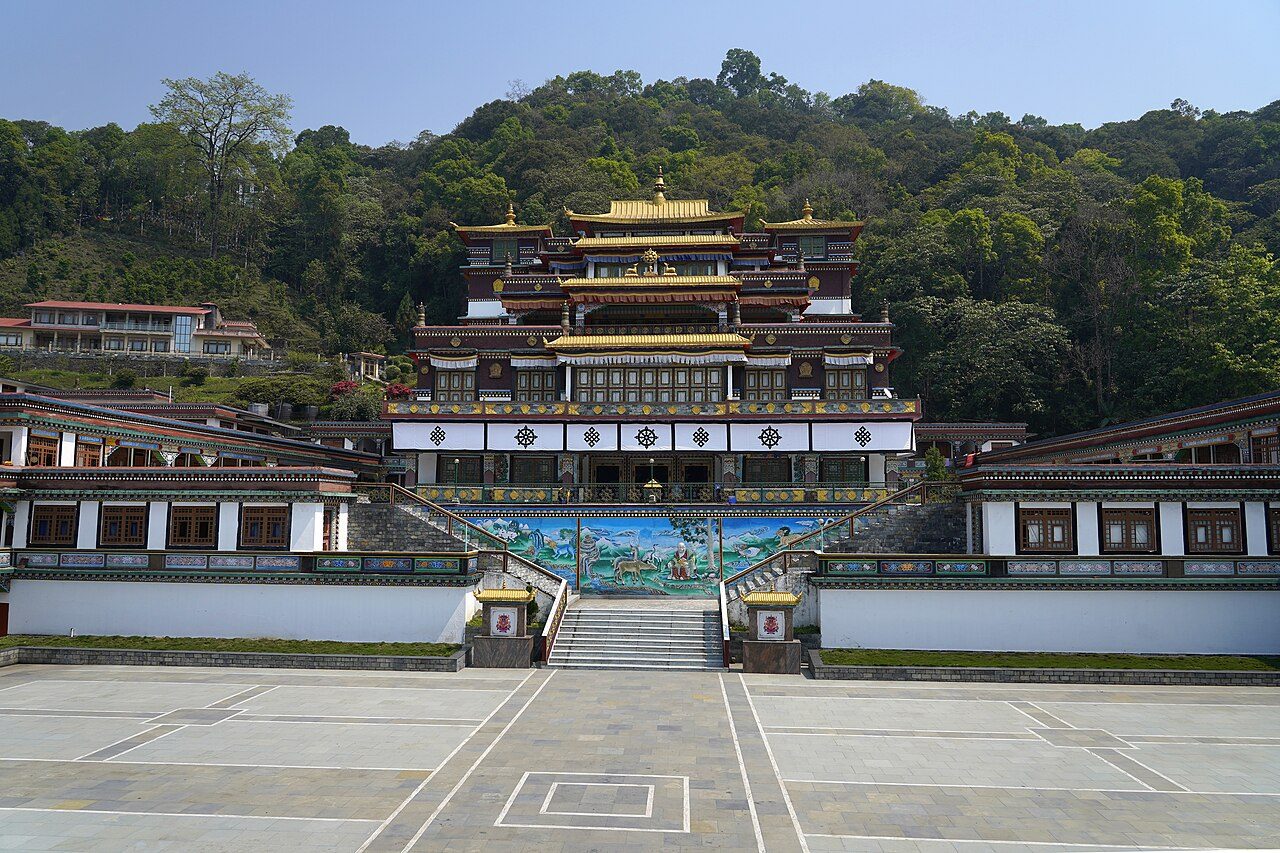
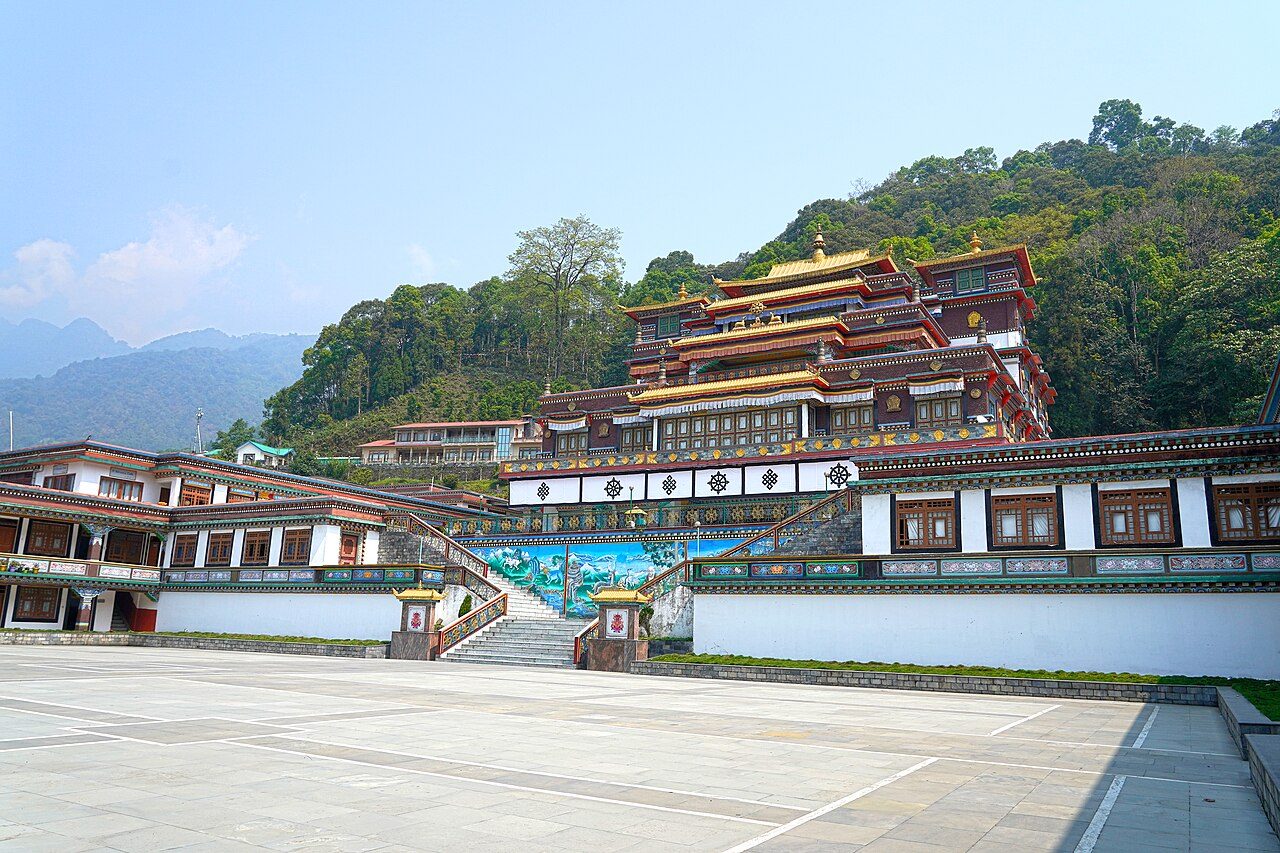
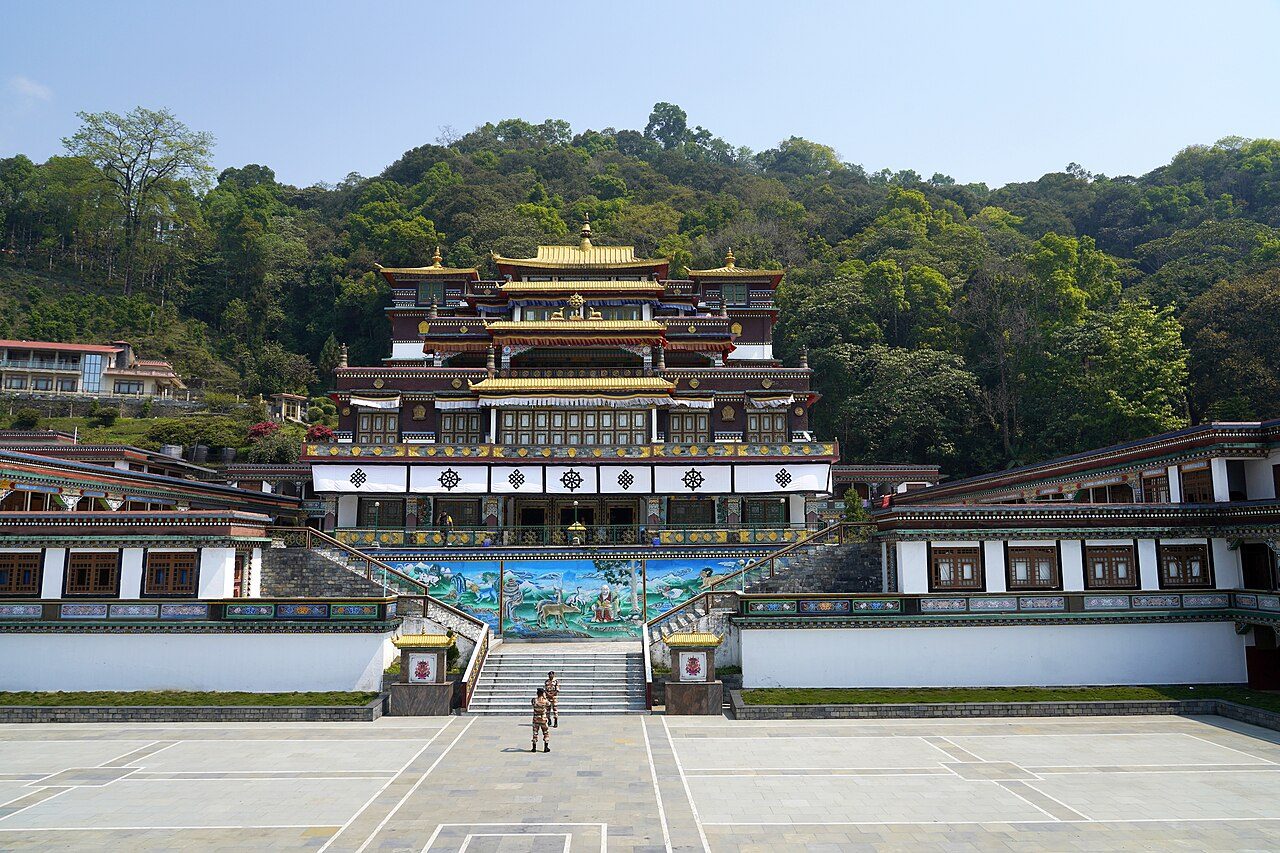
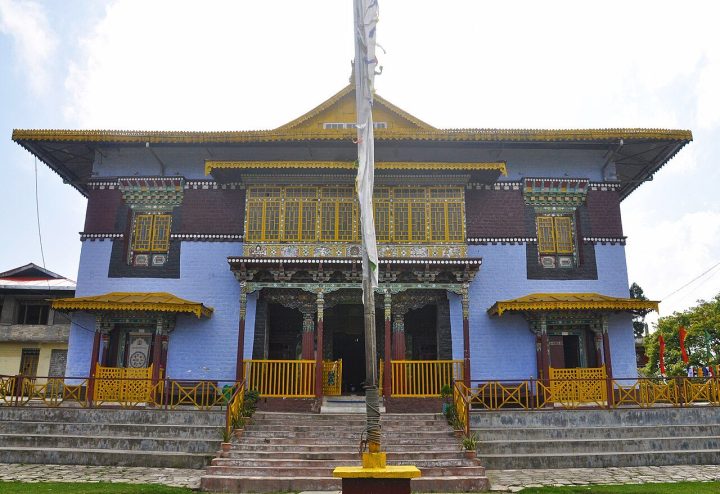
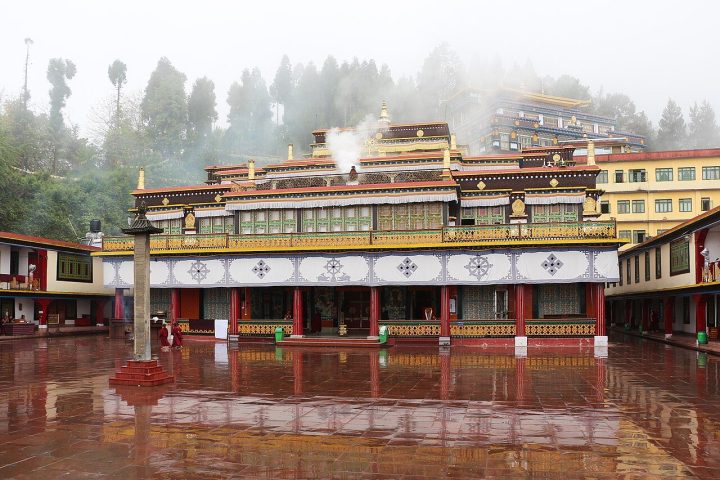
Lingdum Monastery at Ranka, about 20 km from Gangtok, is a large modern monastery of the Zurmang Kagyu lineage, completed in 1999. Its main temple faces a wide courtyard ringed by monks' quarters, with forested hills behind. Inside is a tall statue of the Buddha. Young monks can often be seen chanting or debating in the afternoon.
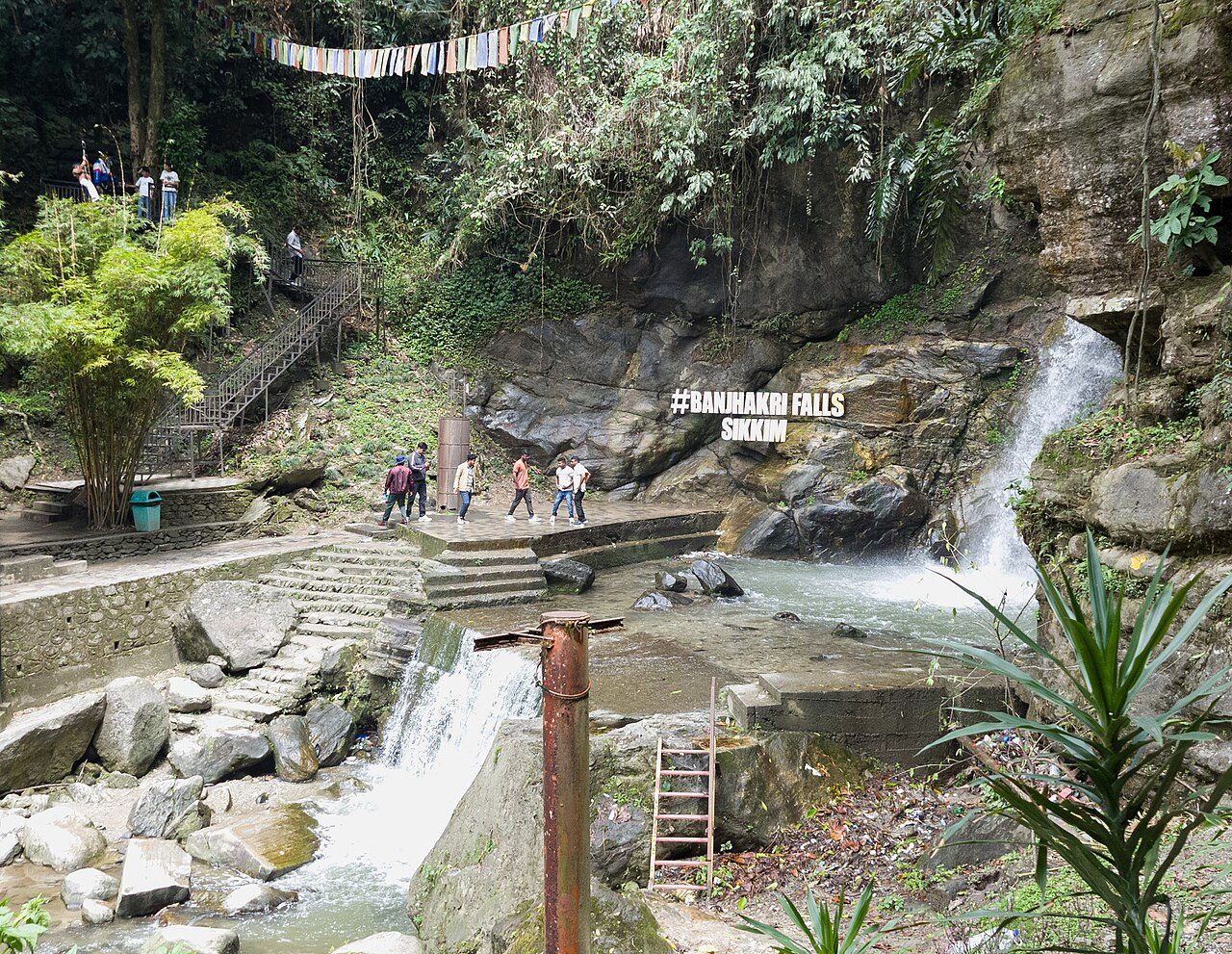
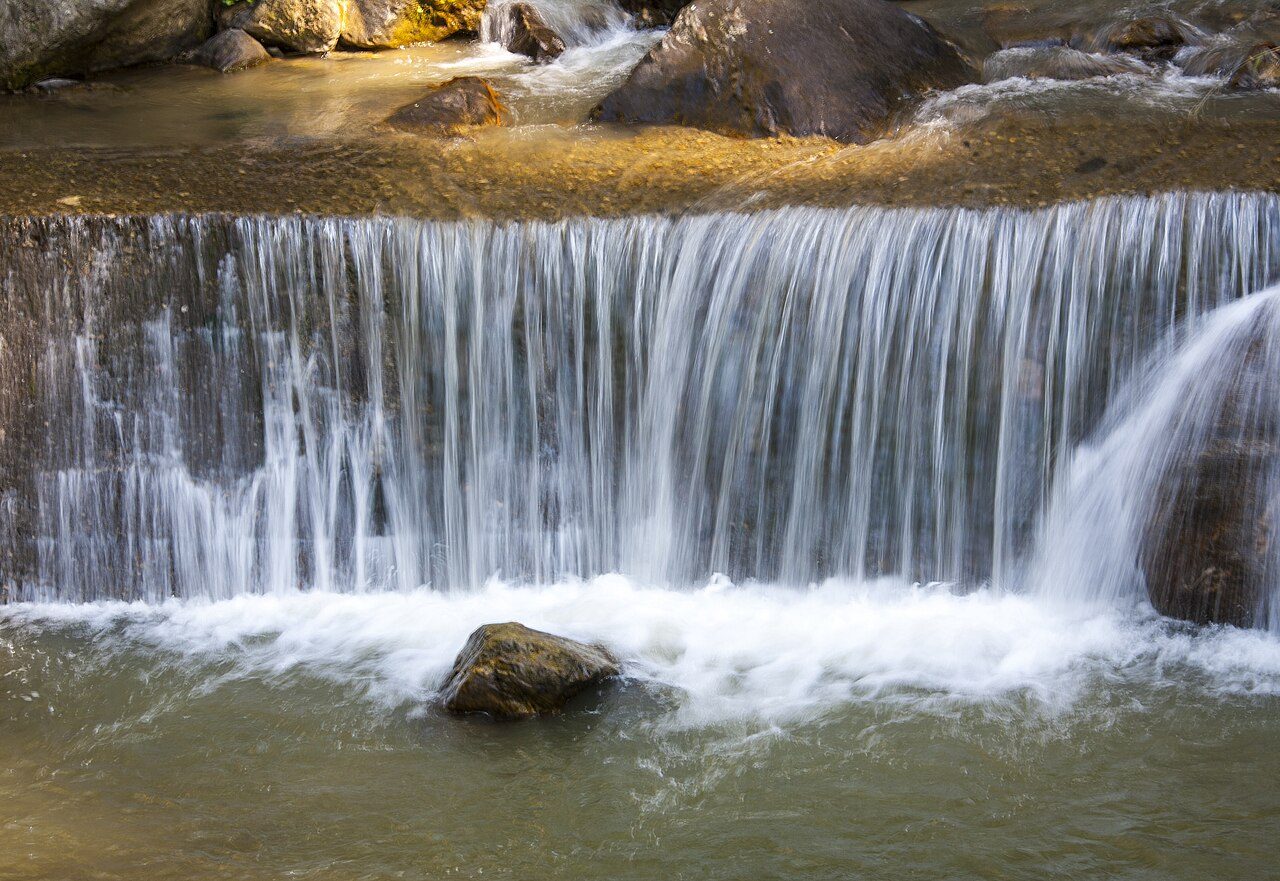
Banjhakri Falls is a waterfall in a landscaped energy park a few kilometres from Gangtok. The park is themed on the Ban Jhakri, the forest shaman of Sikkimese folklore, with statues depicting healing rituals. Paths, footbridges and gazebos lead around the stream, and the fall drops about 30 metres down a rock face.
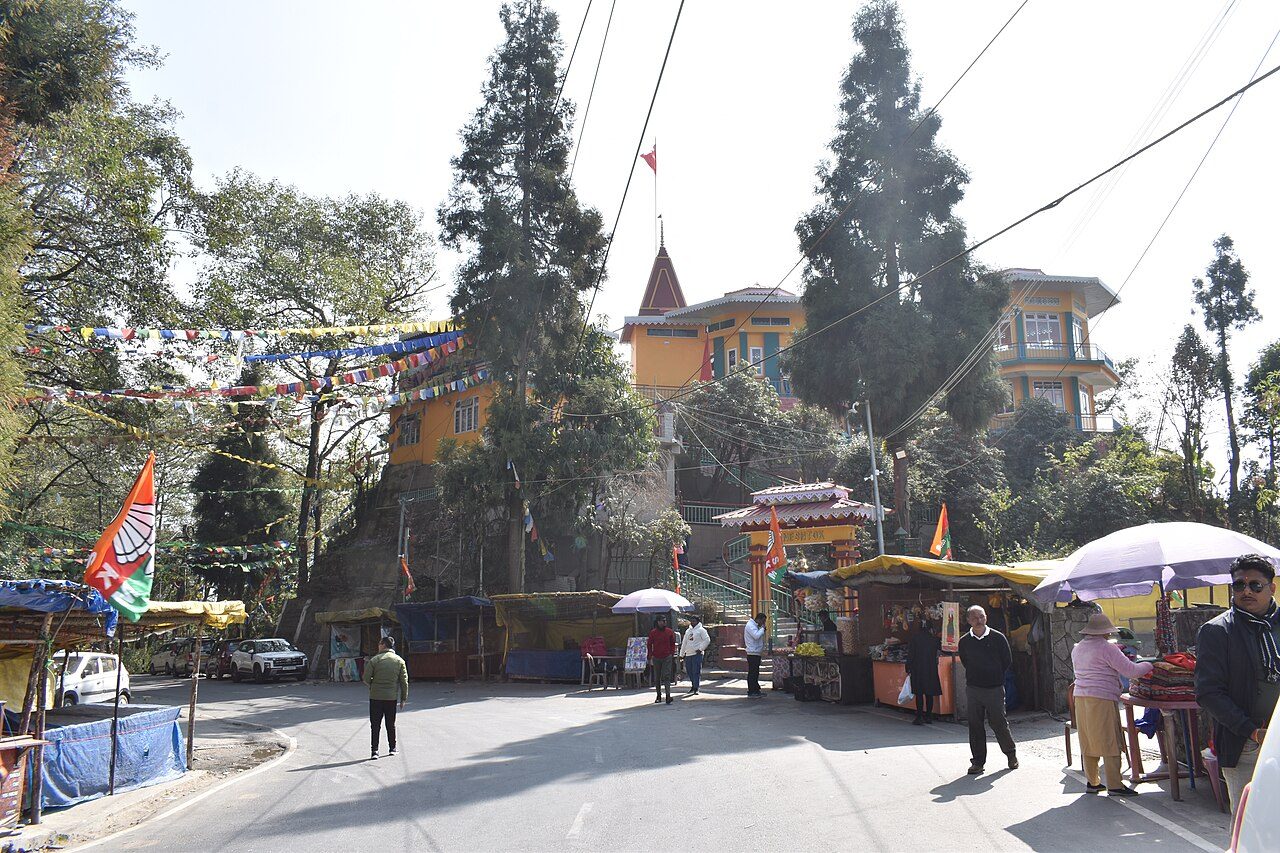
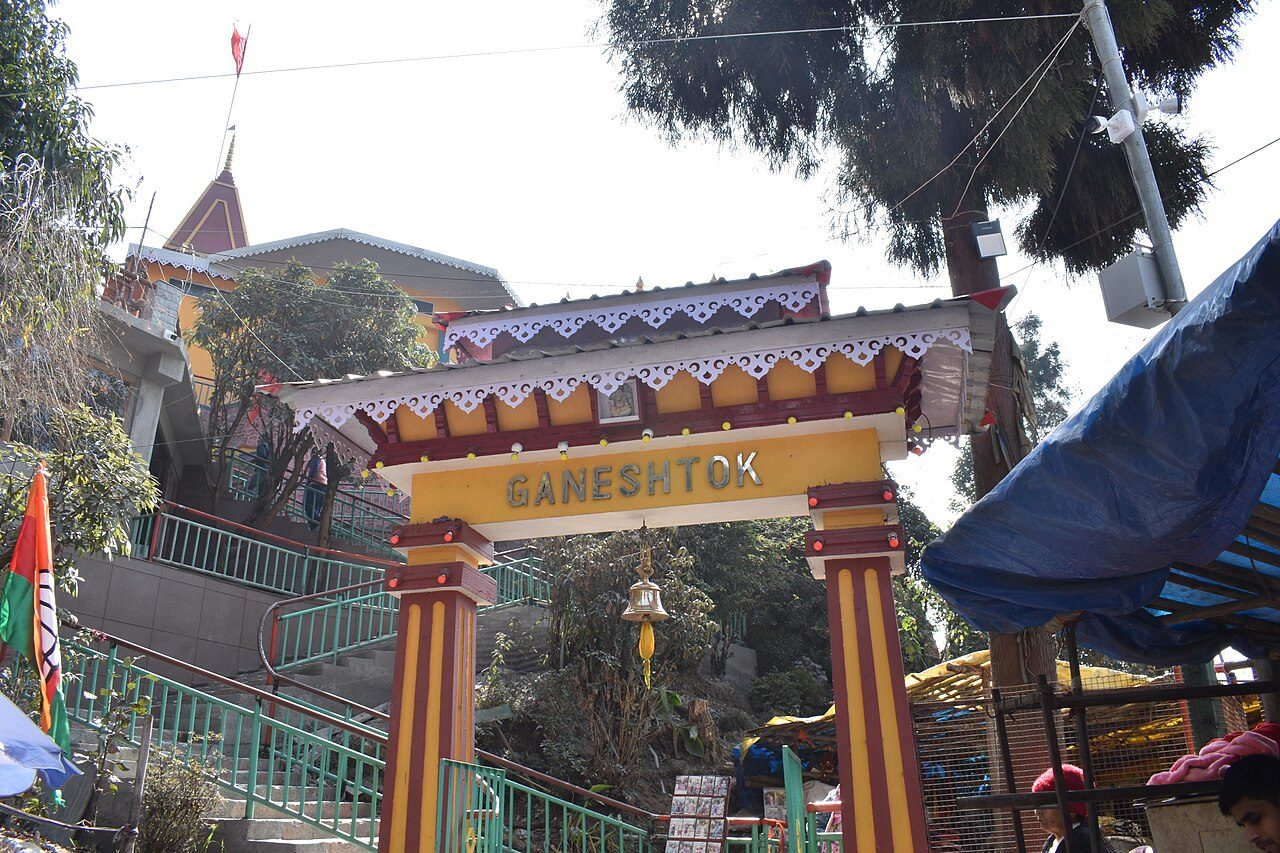
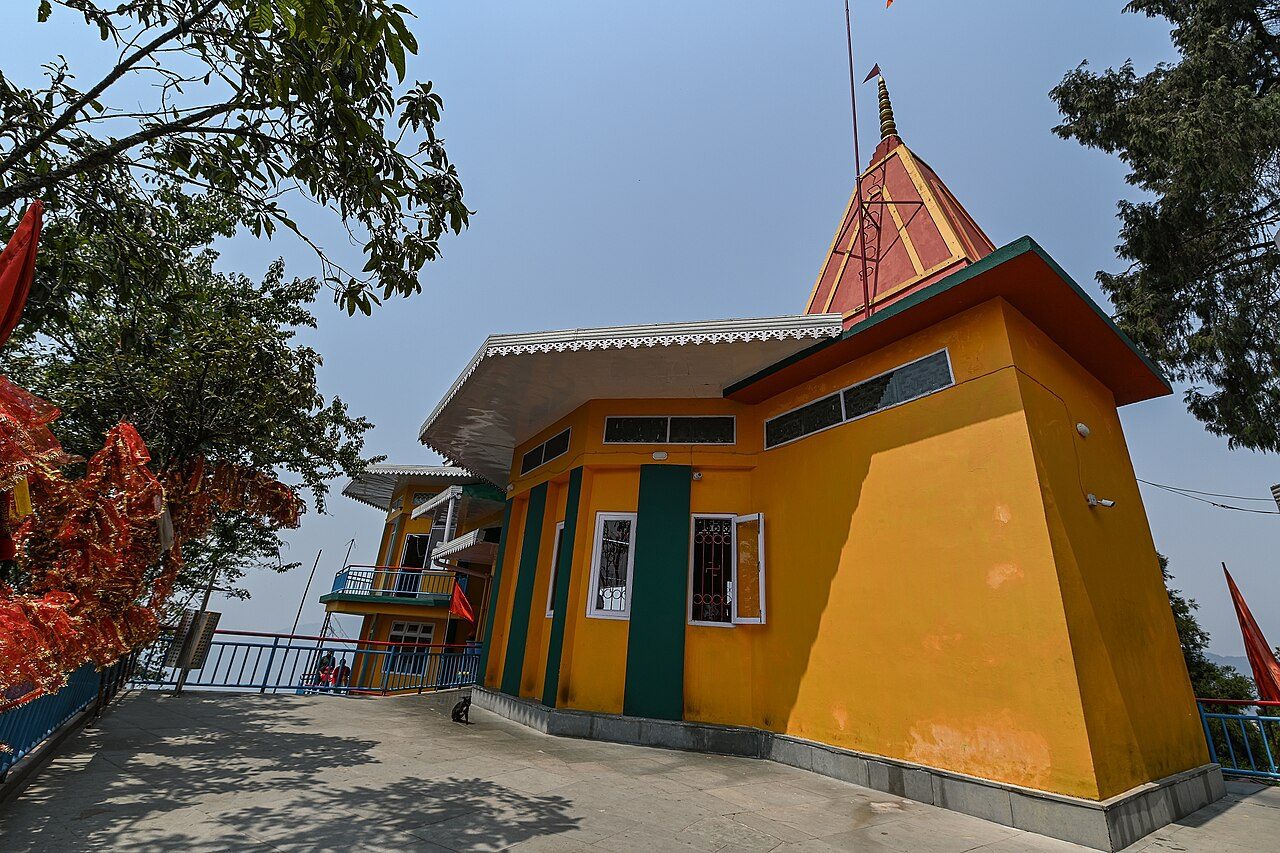
Ganesh Tok is a small temple to Ganesha on a hill about seven kilometres from Gangtok, at around 1,980 metres. The shrine is so small that only one person can enter at a time. Its circular balcony and viewing lounge give a broad view of Gangtok and, in clear weather, Kangchenjunga. Prayer flags line the road up.
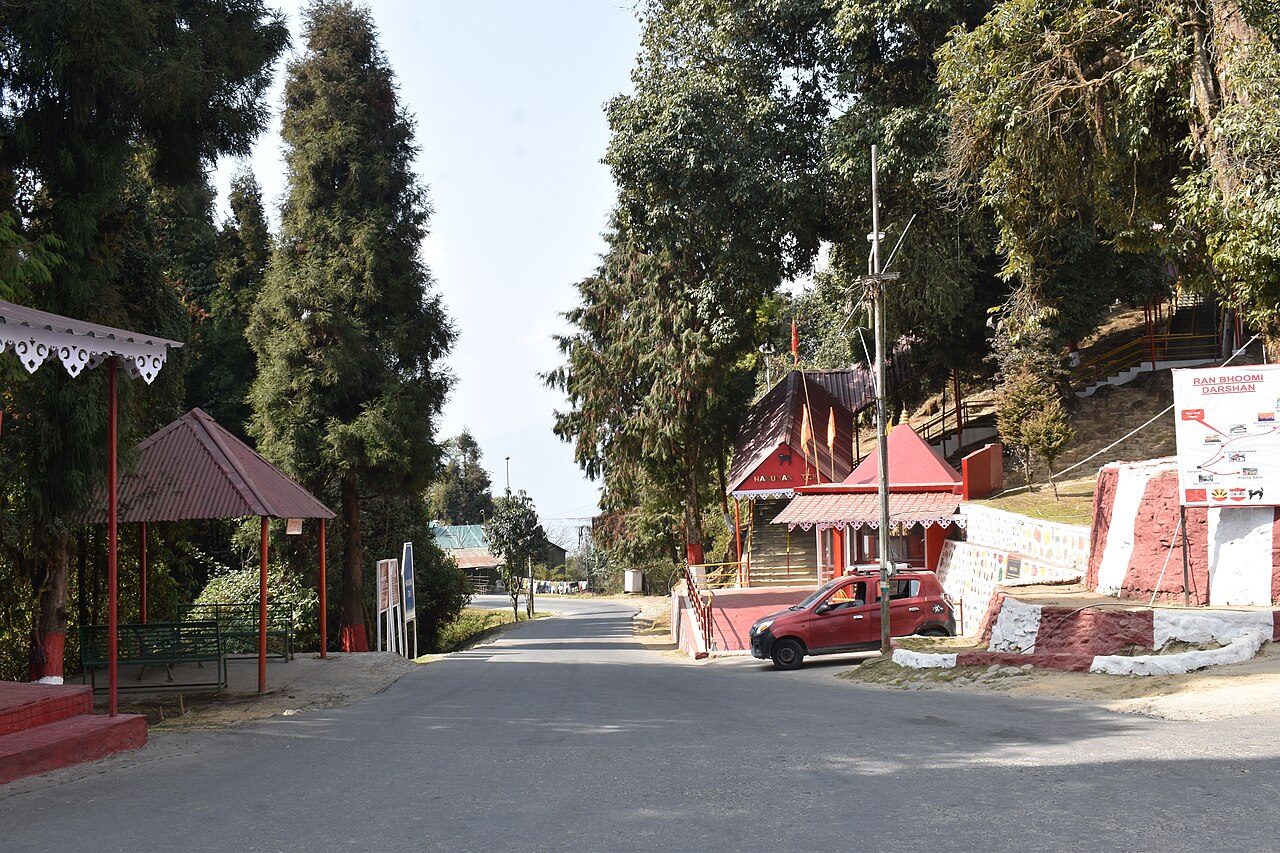
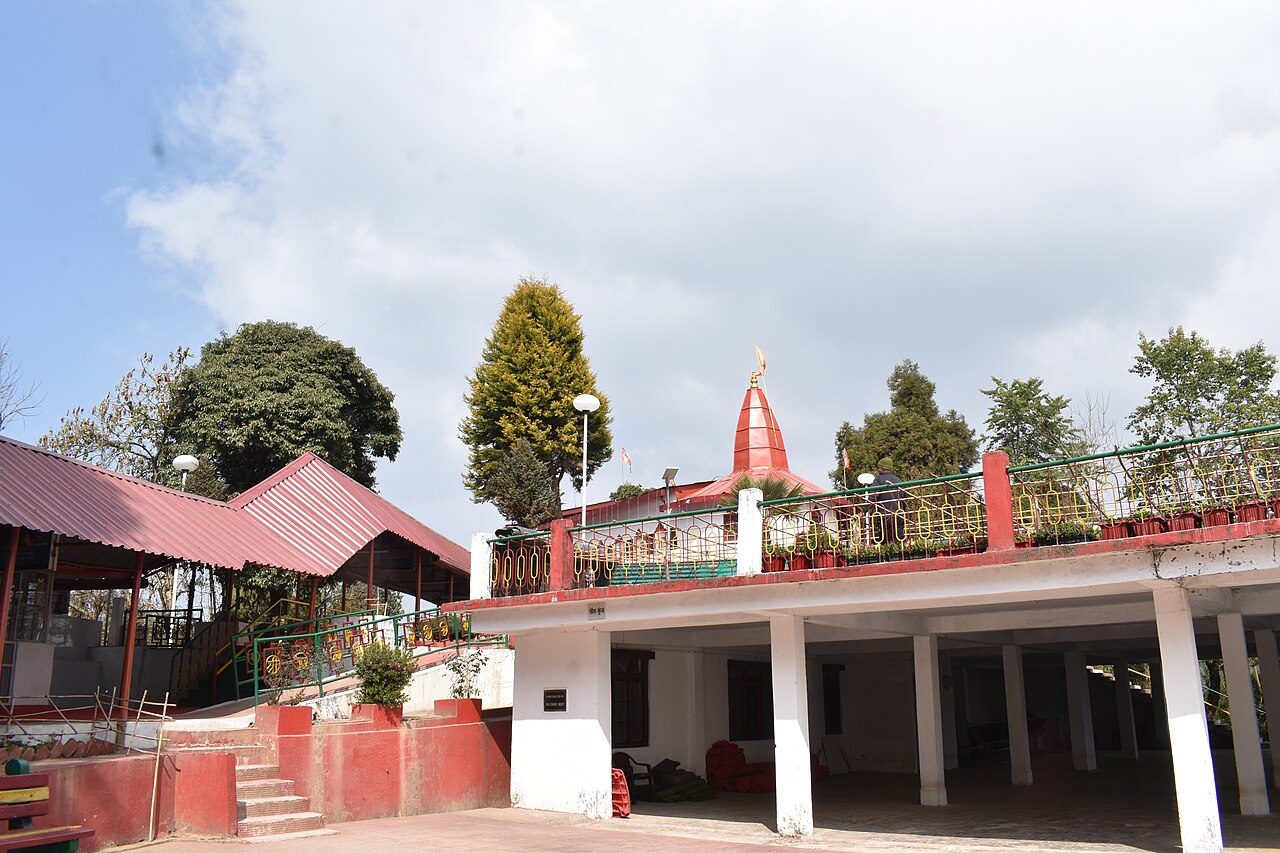
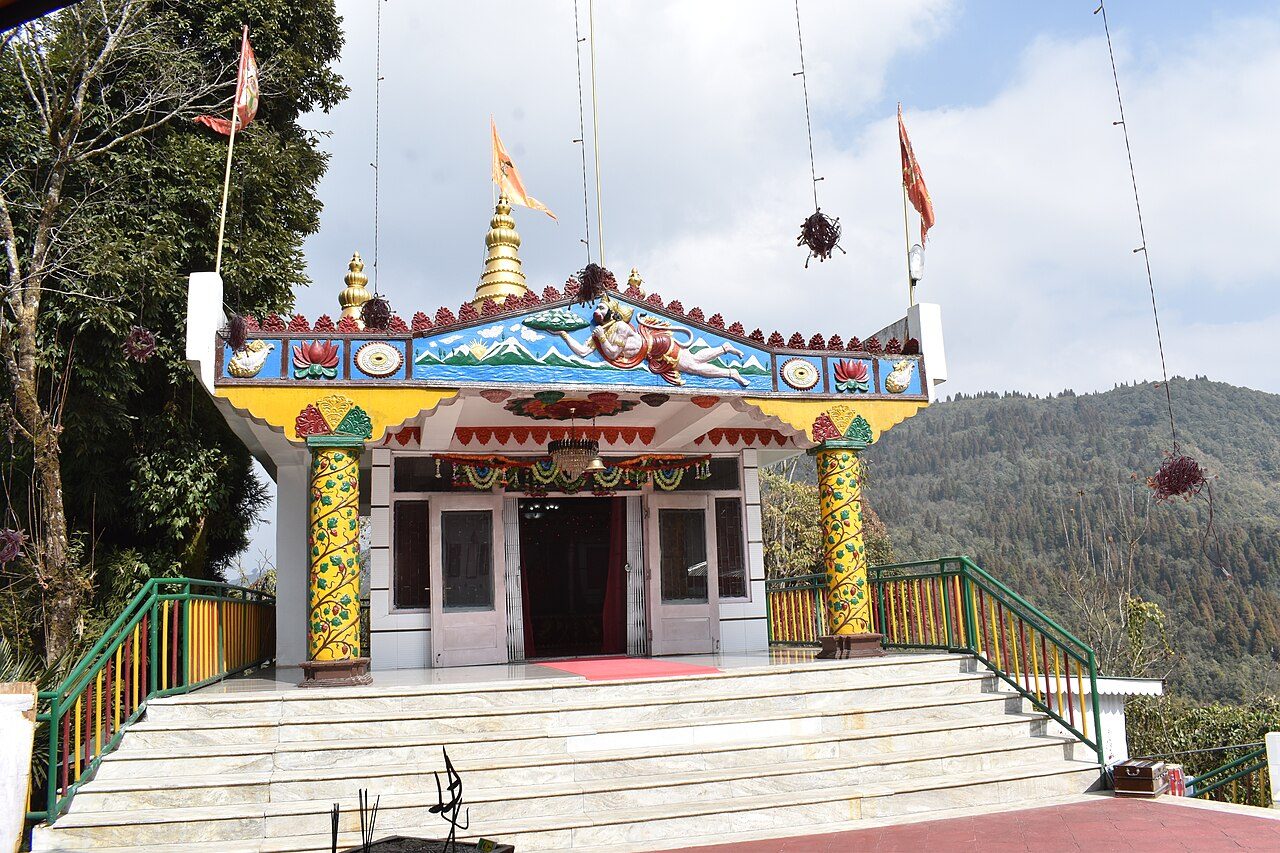
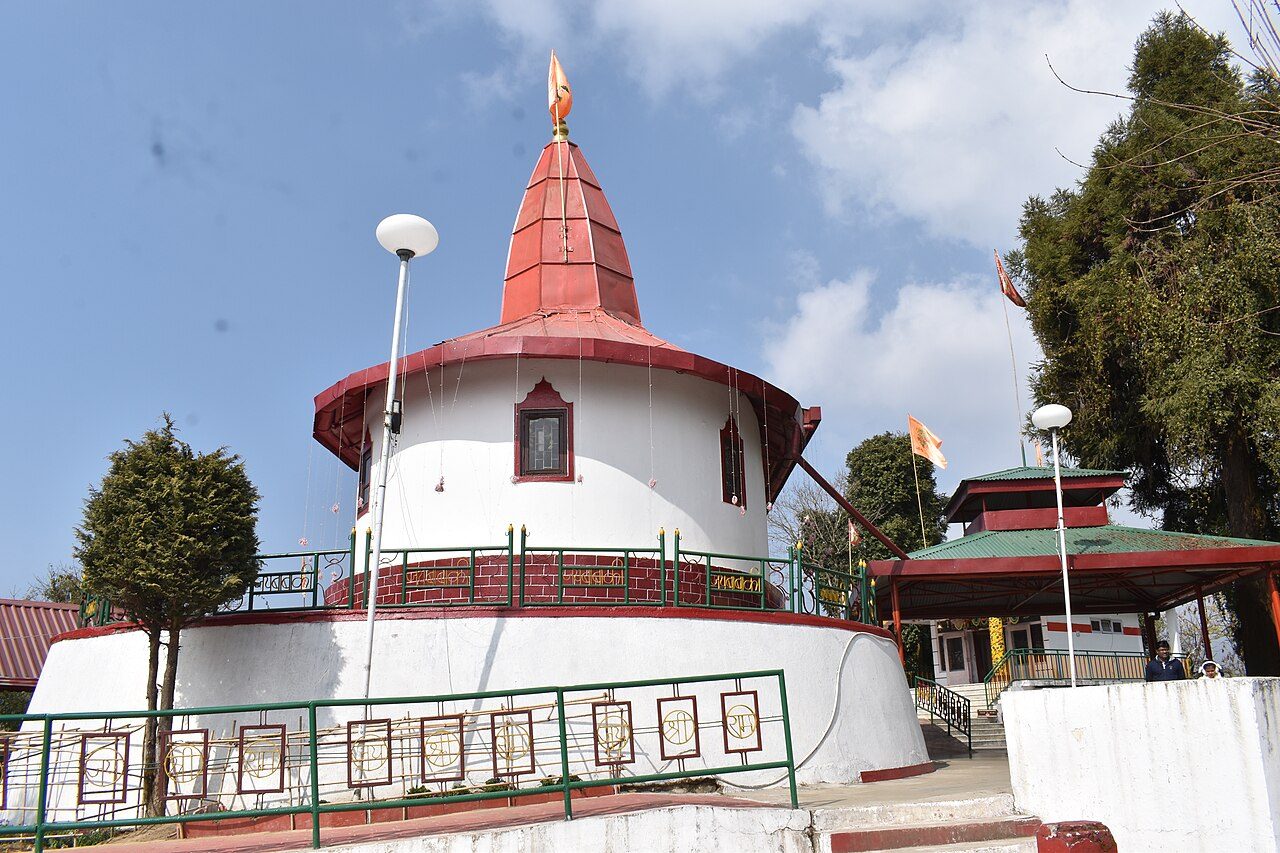
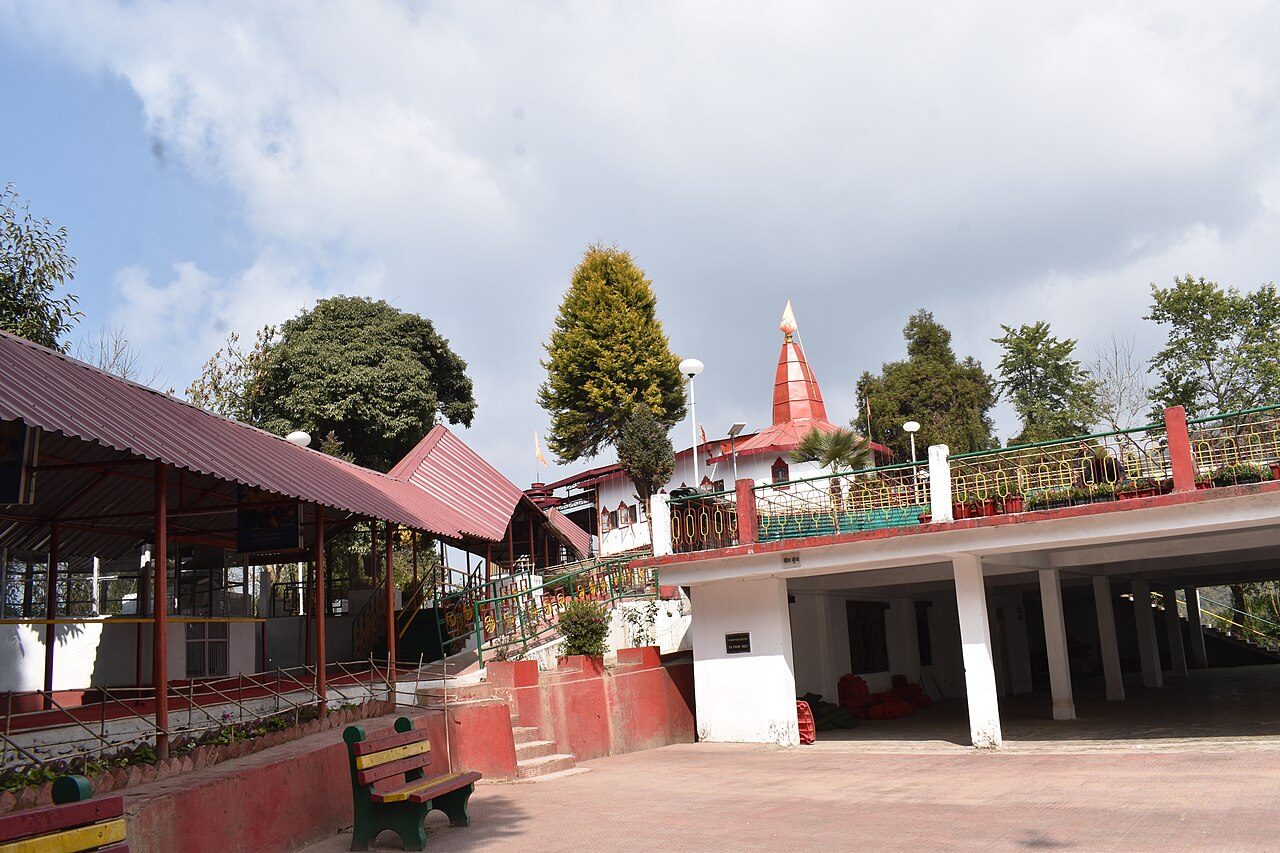
Hanuman Tok is a temple to Hanuman on a hill about 11 km from Gangtok, at roughly 2,200 metres. Legend says the god rested here while carrying the Sanjeevani mountain to Lanka. The temple is maintained by the Indian Army and is notably clean and quiet. Its terrace offers one of the finest views of the Kangchenjunga range near Gangtok.
Best weather: Oct – NovHeavy rain: Jul
Seasons from 20 years of NASA POWER climate data.
Was this trip blog helpful?
0
0
Ready to follow this route?
Copy all 12 stops into your trip plans in the app.
 WaTrips