Leh Palace and Shanti Stupa, the Hall of Fame and Magnetic Hill, Khardung La and Nubra, Turtuk, Pangong Tso, the Indus monasteries and Tso Moriri.
Ladakh is high, dry and unforgettable, and the first rule is to acclimatise. Day one is rest in Leh with gentle visits to Leh Palace, Shanti Stupa and the bazaar. Day two covers the Hall of Fame, Gurudwara Pathar Sahib, Magnetic Hill and the Indus–Zanskar confluence. Day three crosses Khardung La to Nubra for Diskit Monastery and the camels at Hunder, and day four goes on to the Balti village of Turtuk. Day five reaches Pangong Tso, day six visits Thiksey, Shey, Stakna and Hemis, and day seven is a trip to Tso Moriri. You need Inner Line Permits; June to September is the main season.
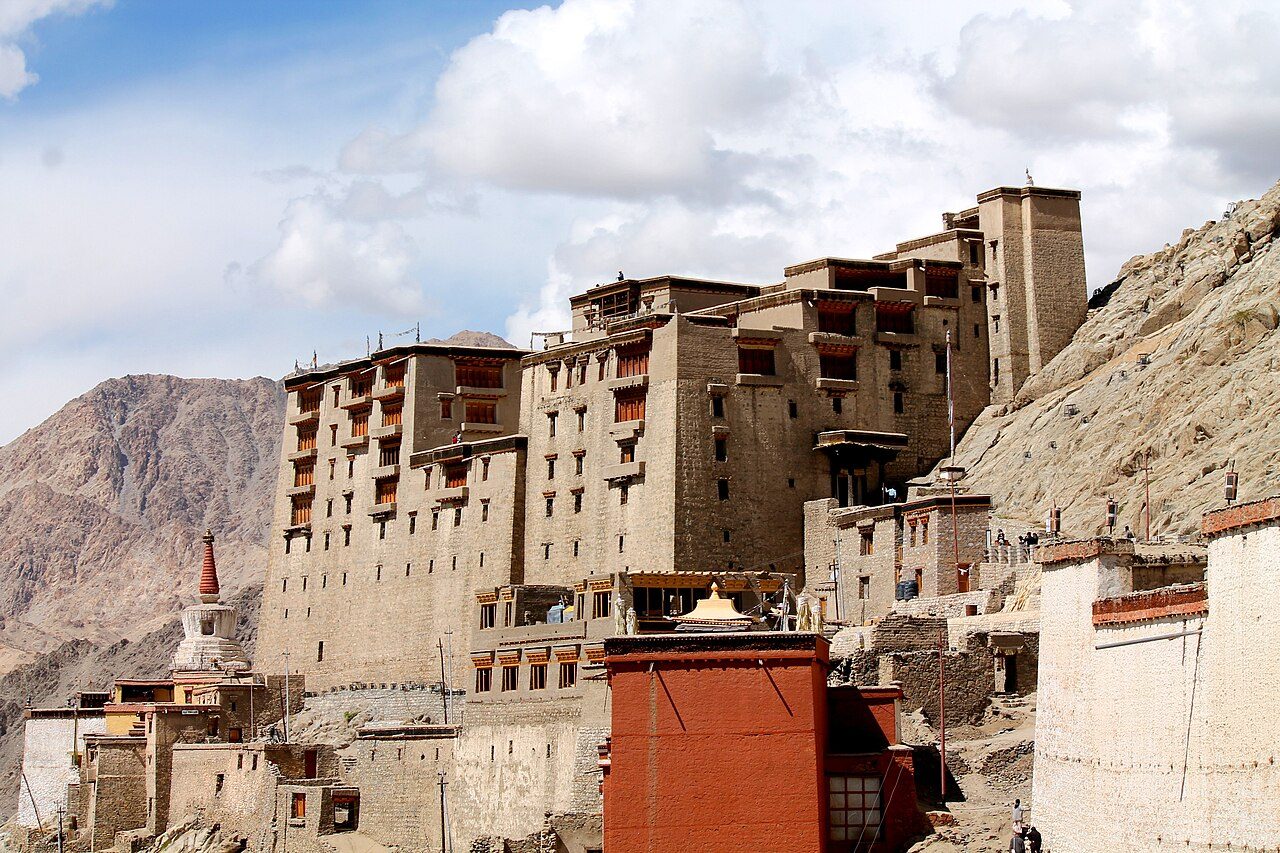
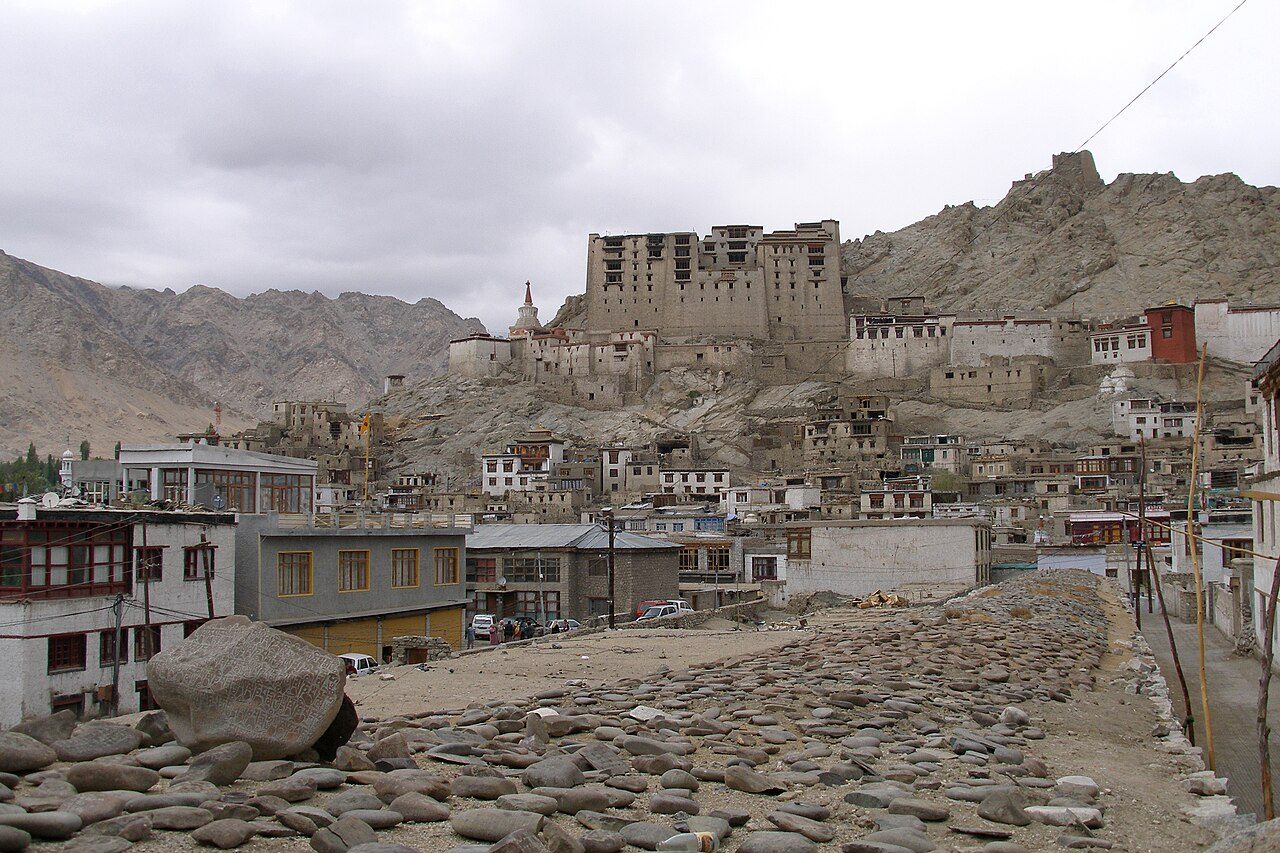
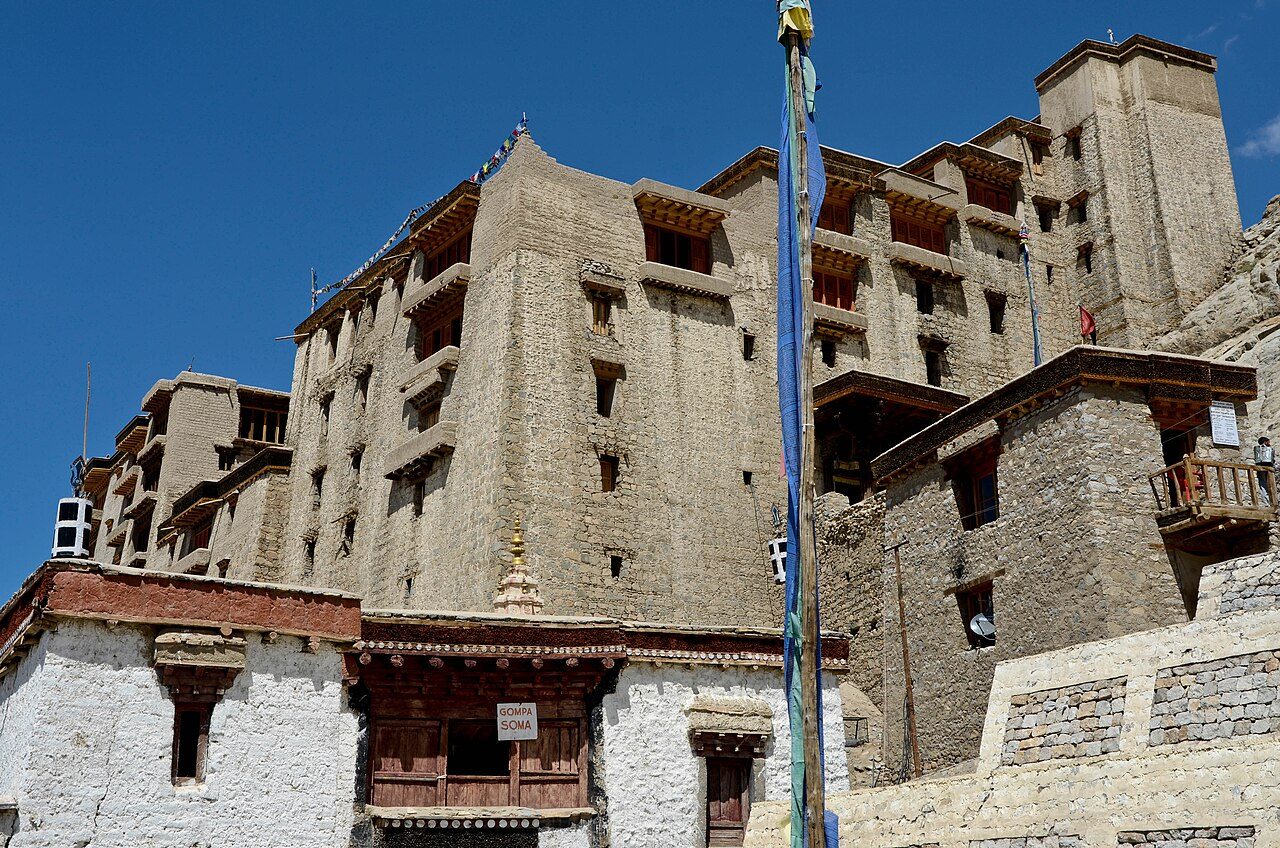
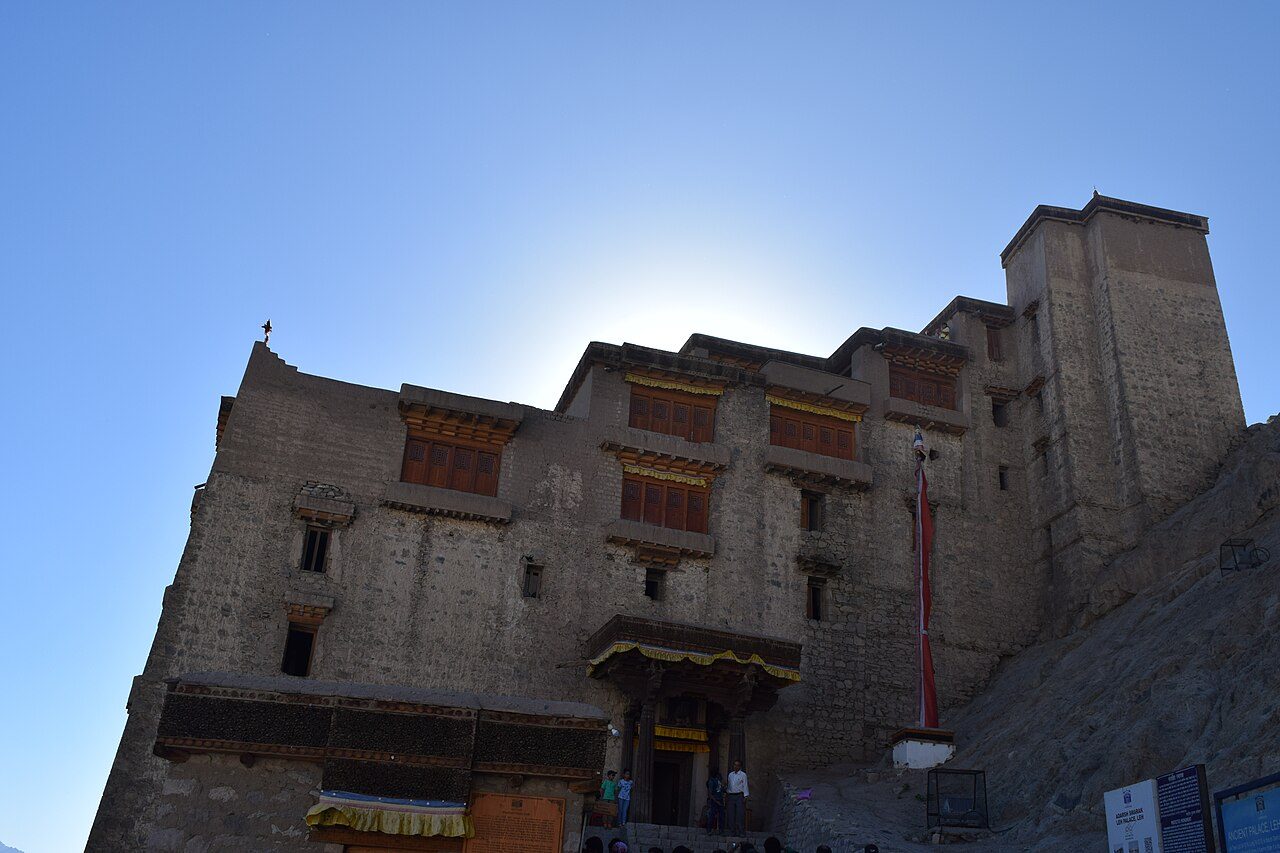
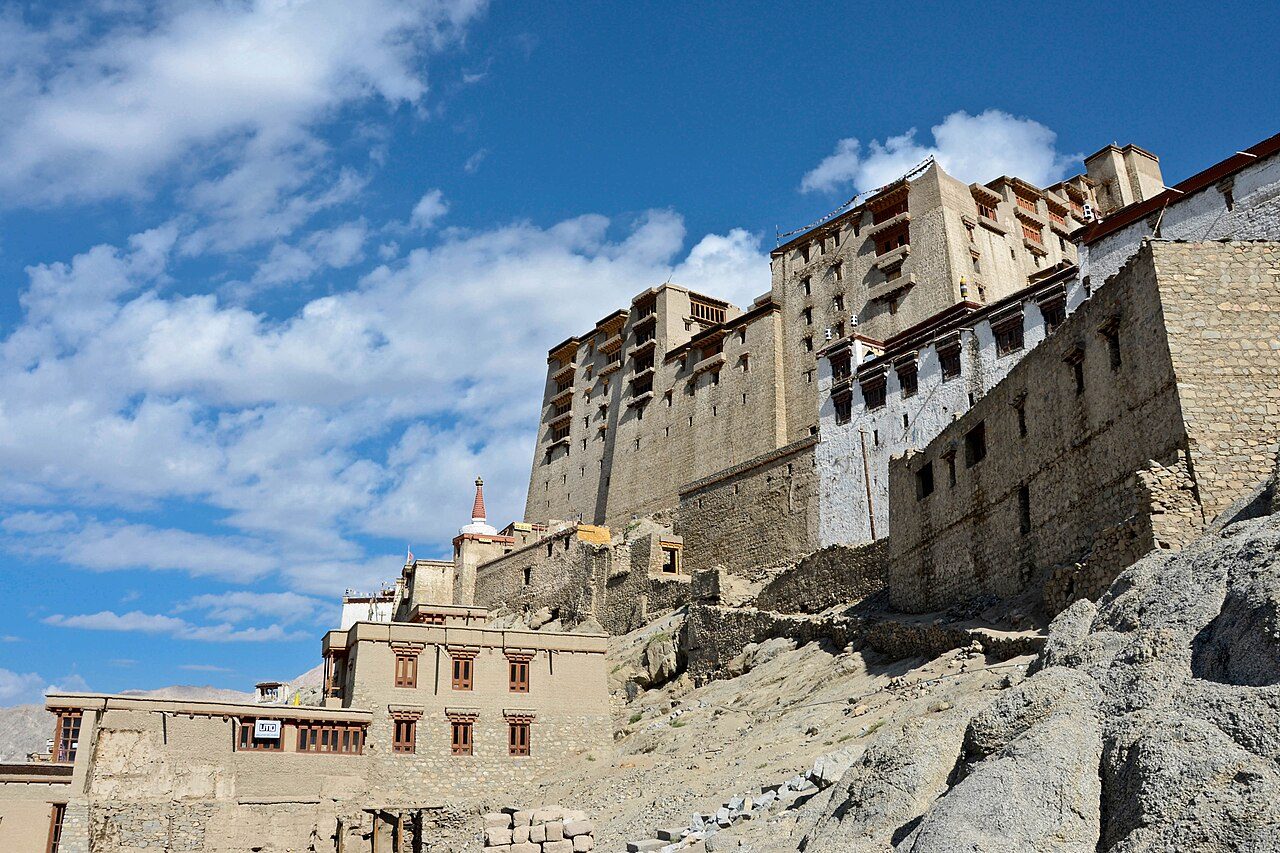
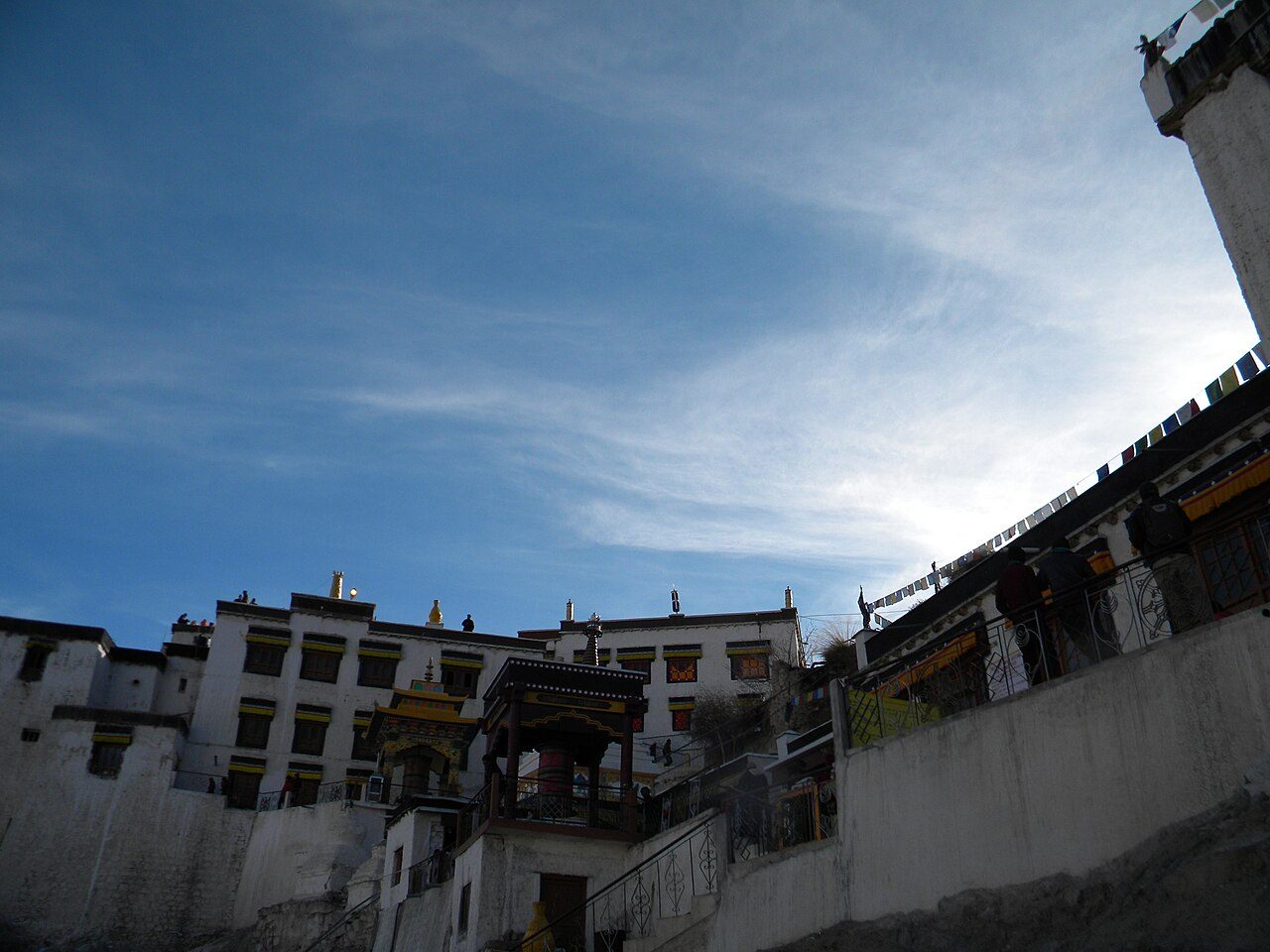
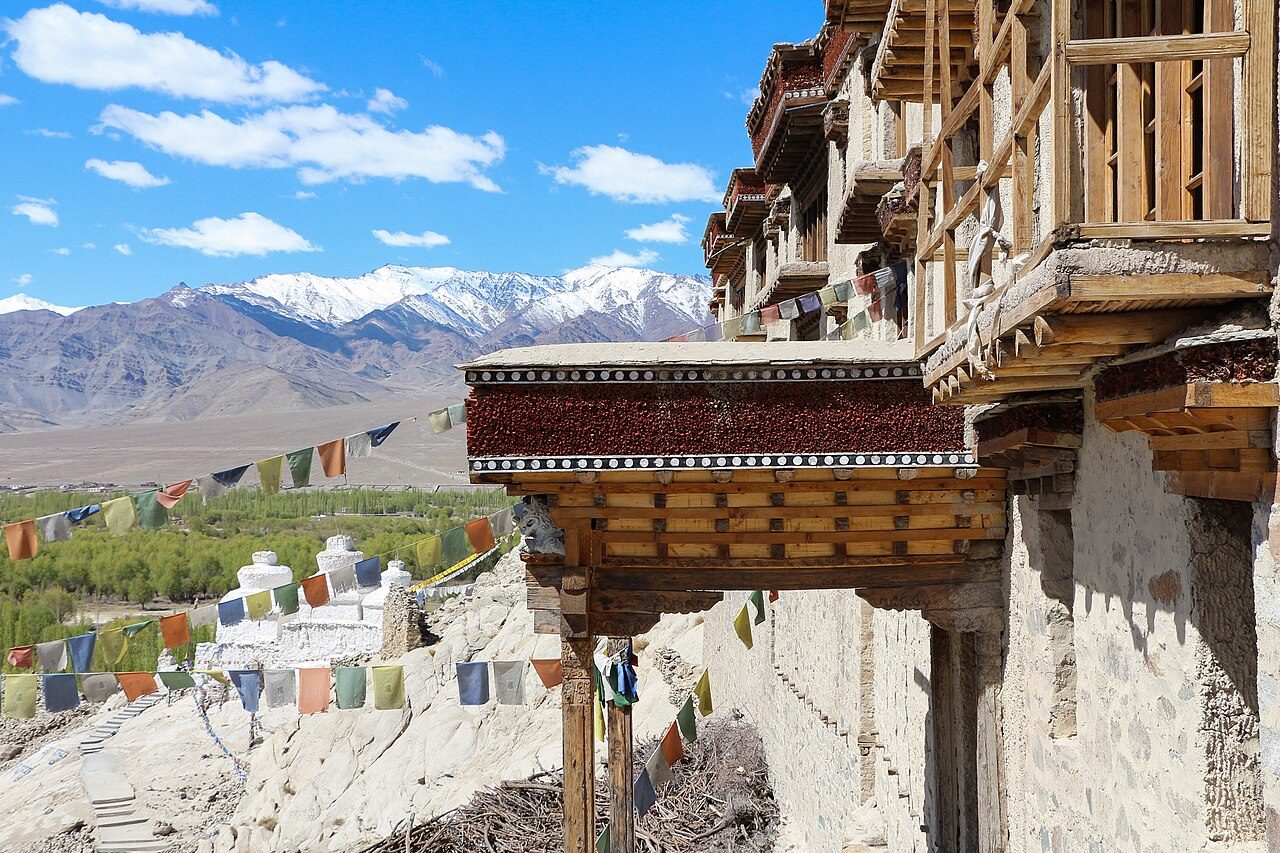
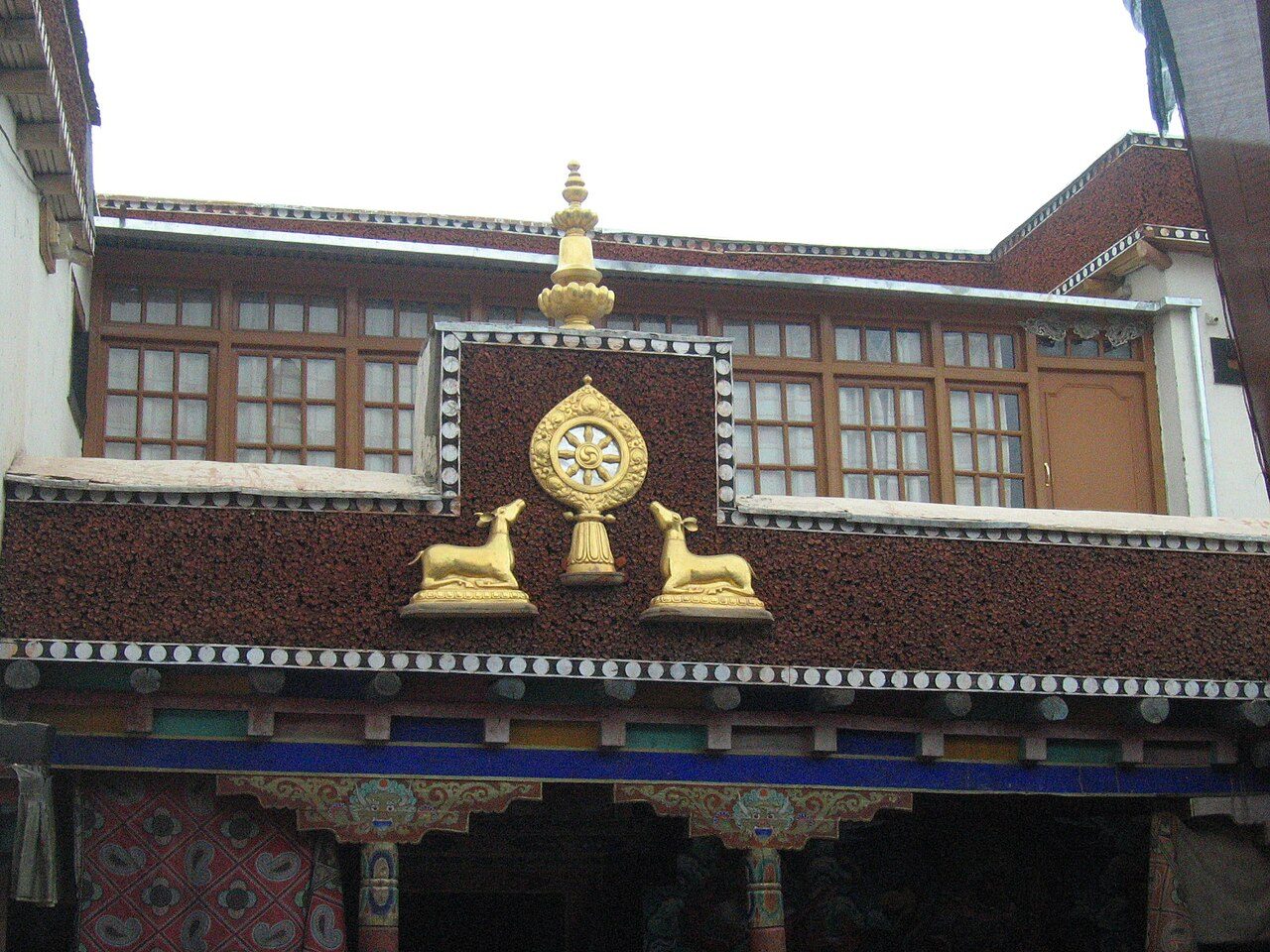
Leh Palace was built in the early 17th century by King Sengge Namgyal and is often compared with the Potala in Lhasa. Nine storeys high, it rises above the old town of Leh in stone, mud and timber. The royal family left in the 19th century, and the Archaeological Survey has been restoring it. The roof gives a fine view over Leh to the Stok range.
02
STOP 2 OF 19
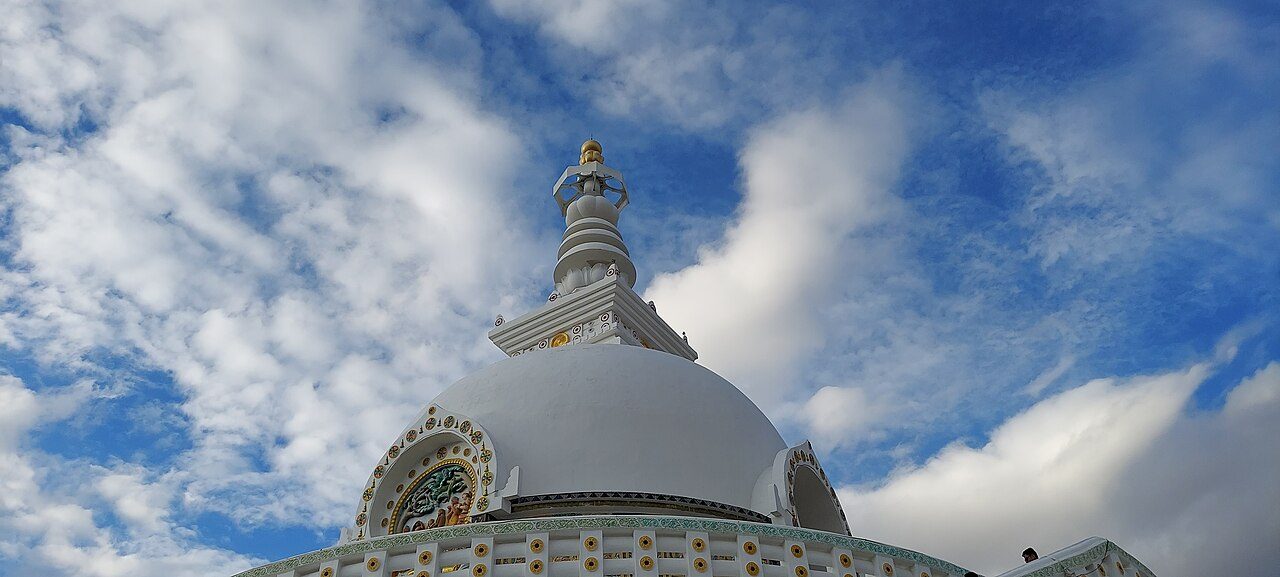
Shanti Stupa Leh
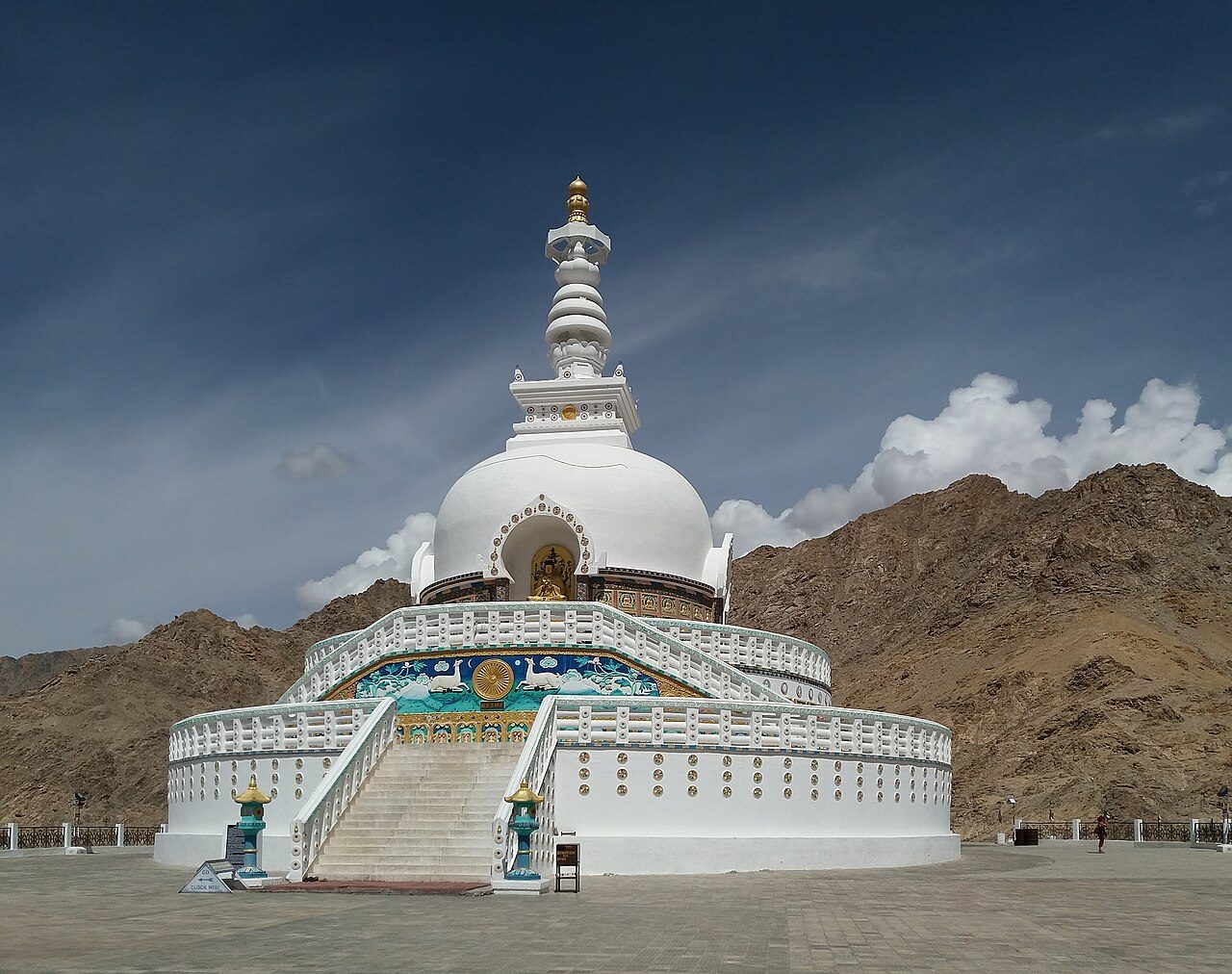
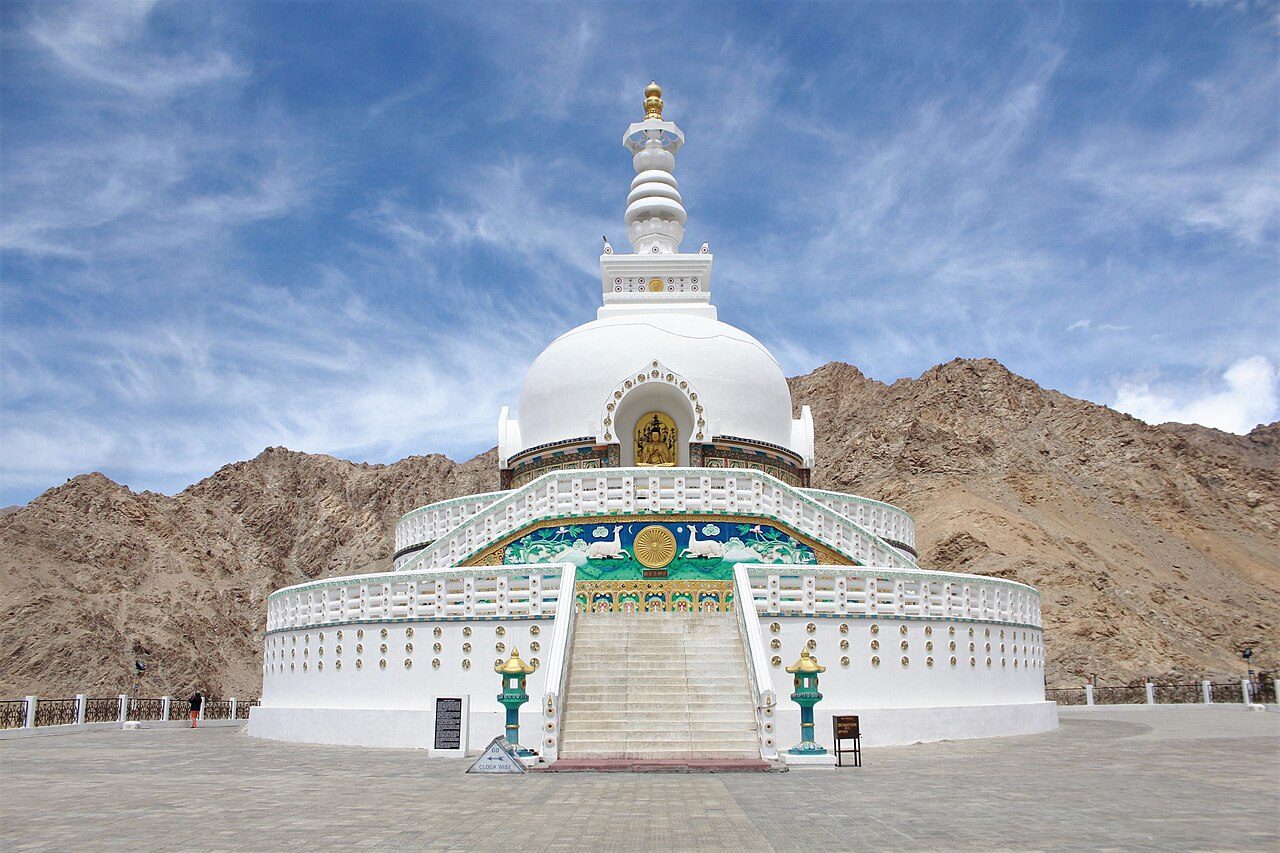
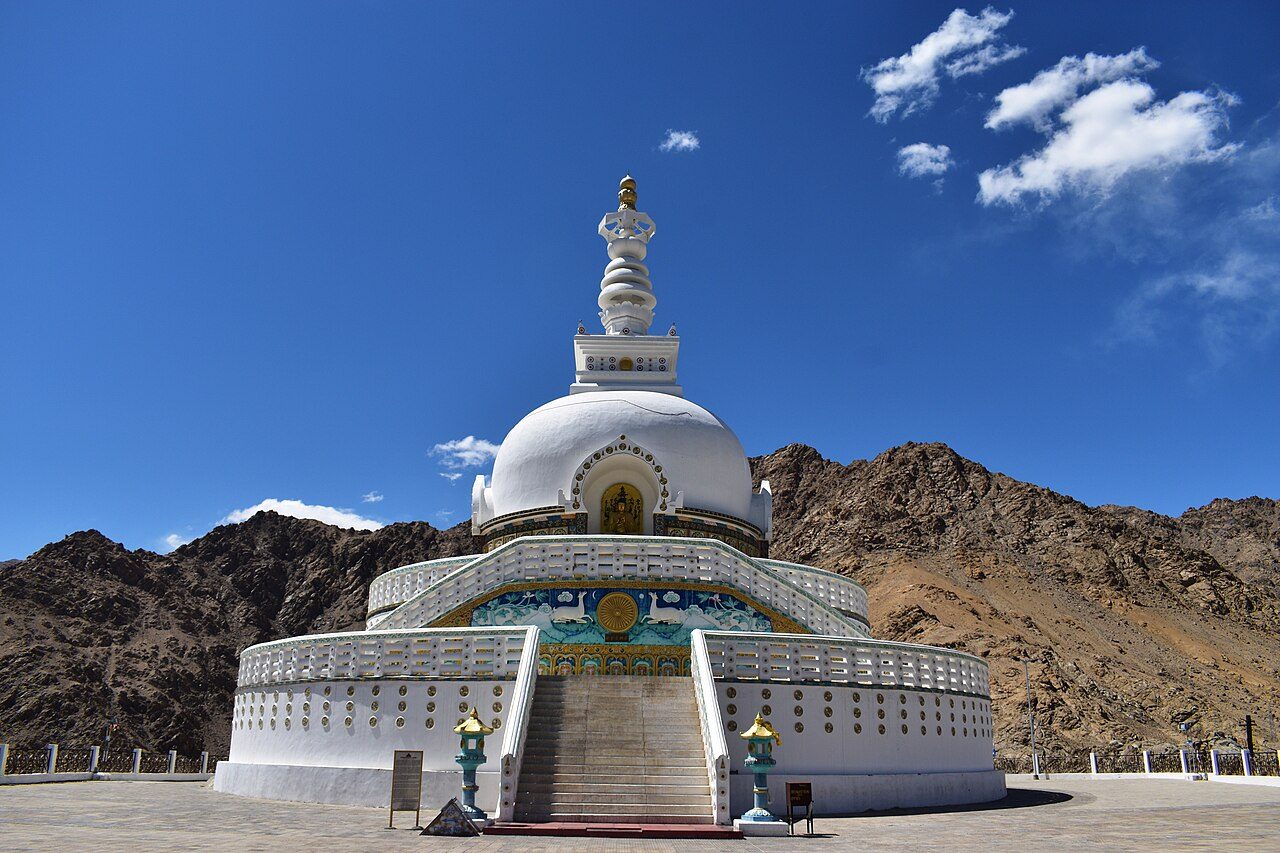
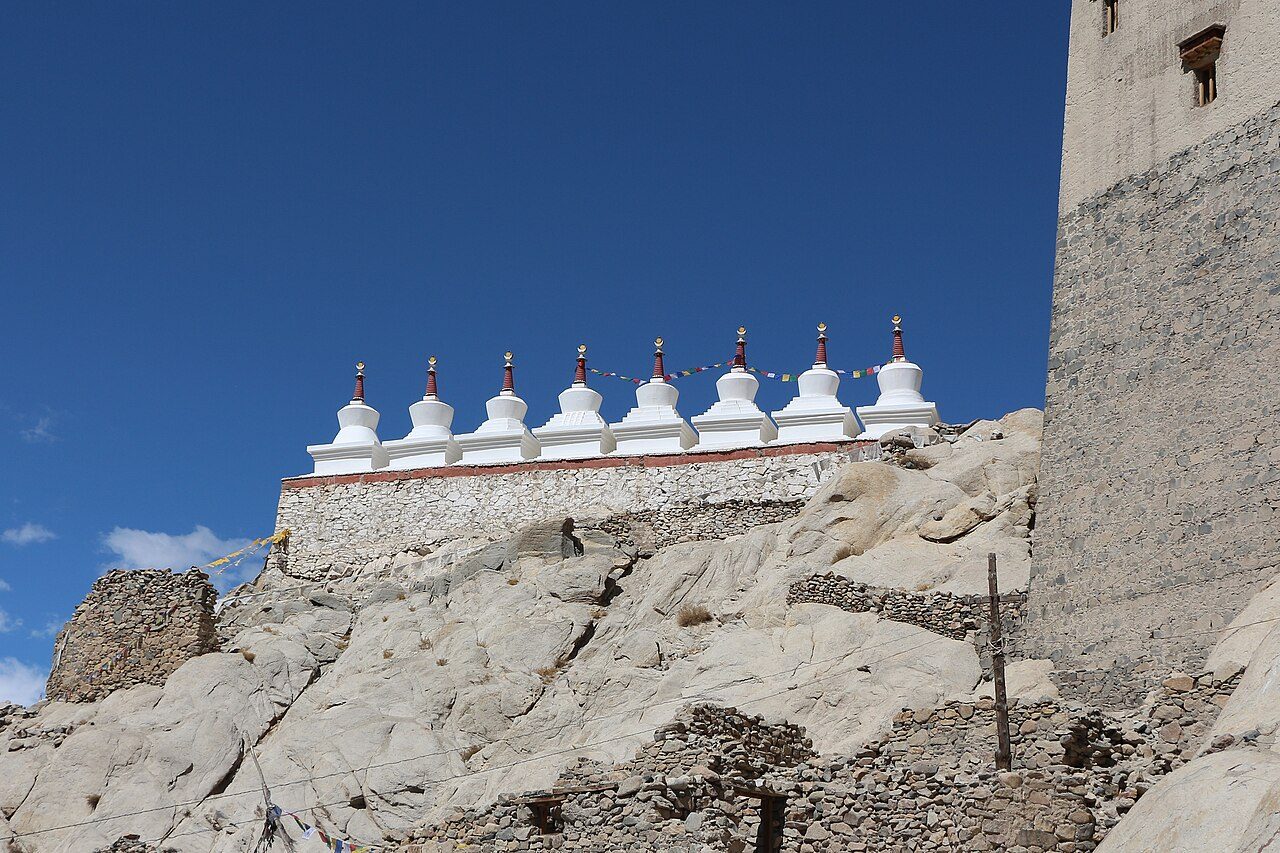
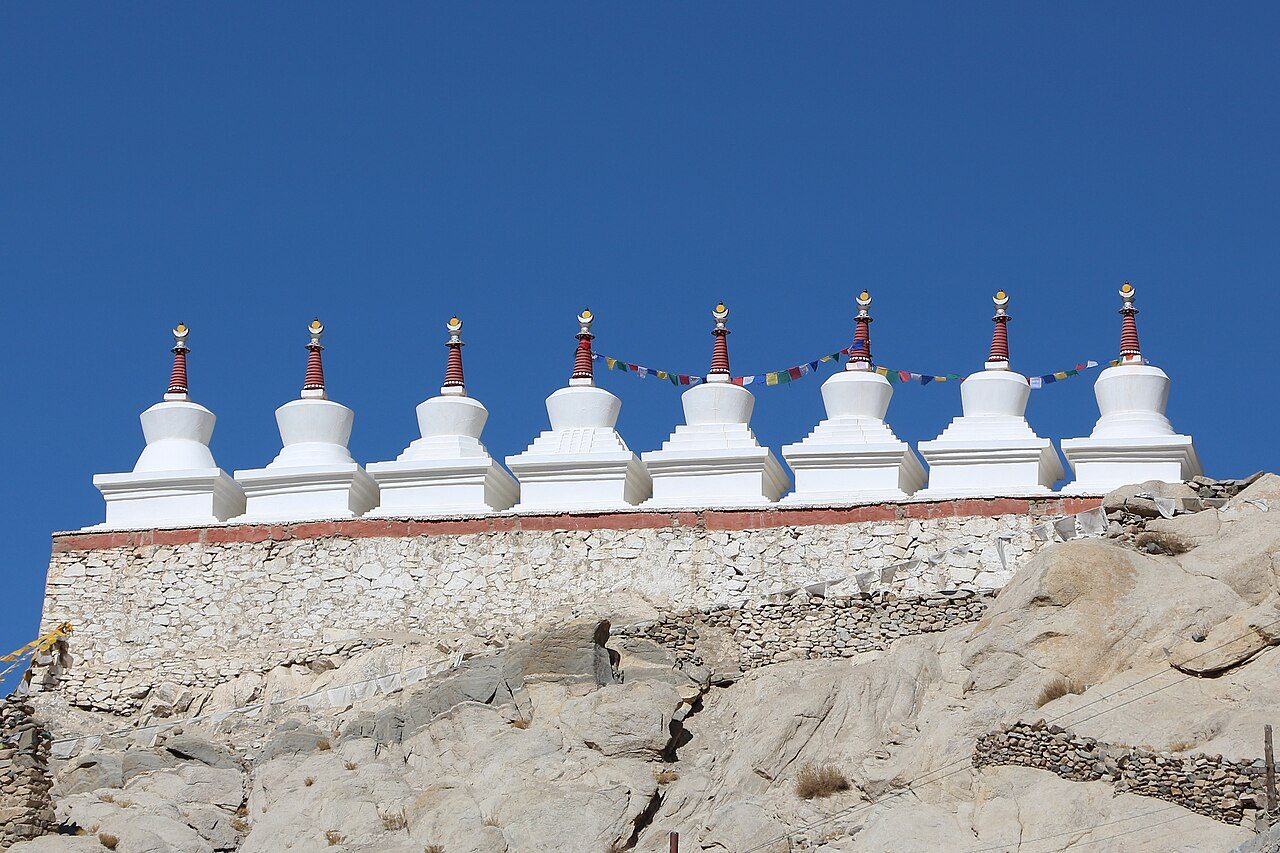
The Shanti Stupa is a white-domed Buddhist monument on a hilltop above Leh, built in 1991 by a Japanese Buddhist order together with Ladakhi Buddhists to promote world peace. Reliefs around the dome show the life of the Buddha. A road and a flight of about 500 steps lead up. It is best visited at sunrise or sunset for the view over Leh.
03
STOP 3 OF 19
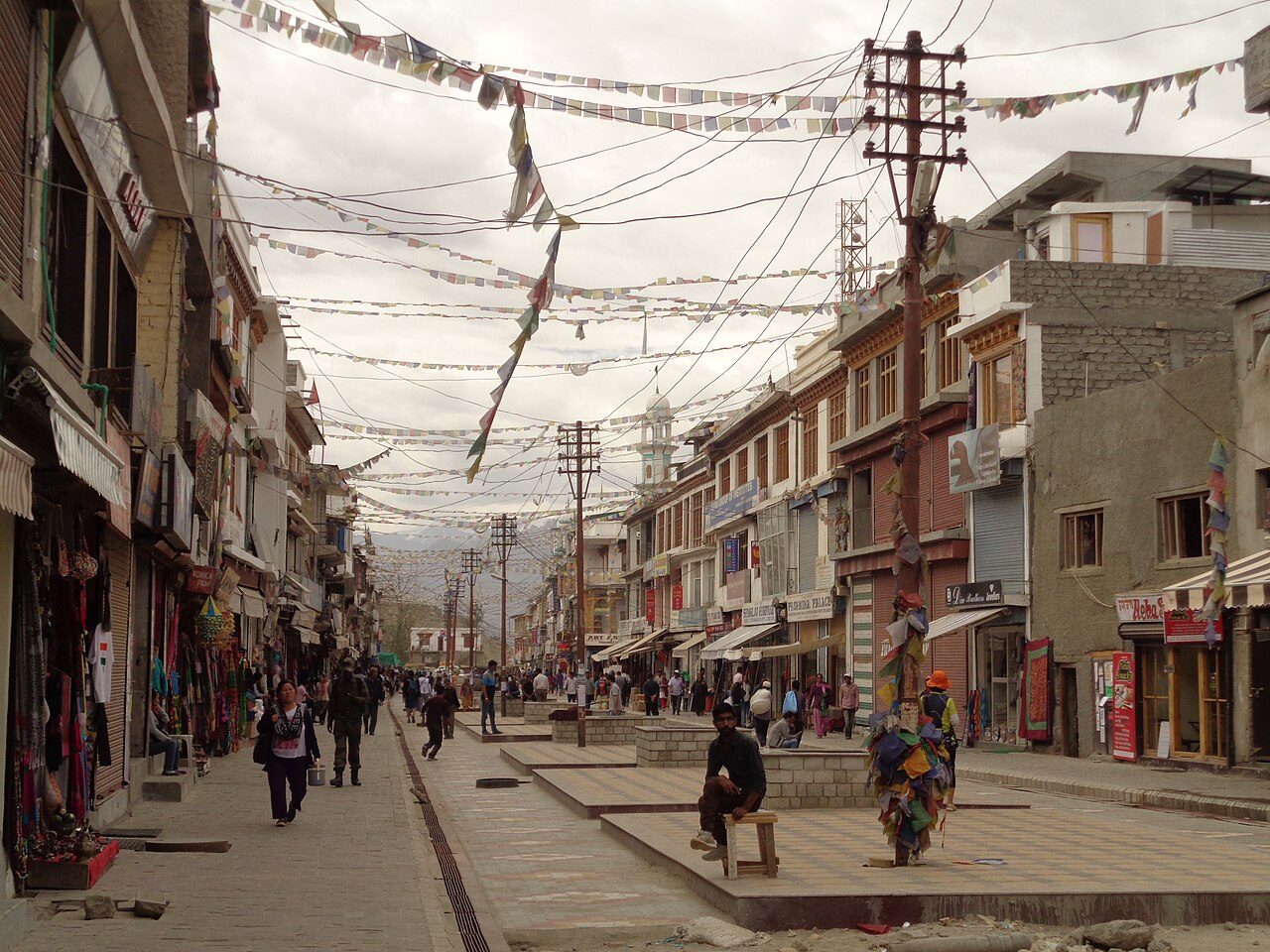
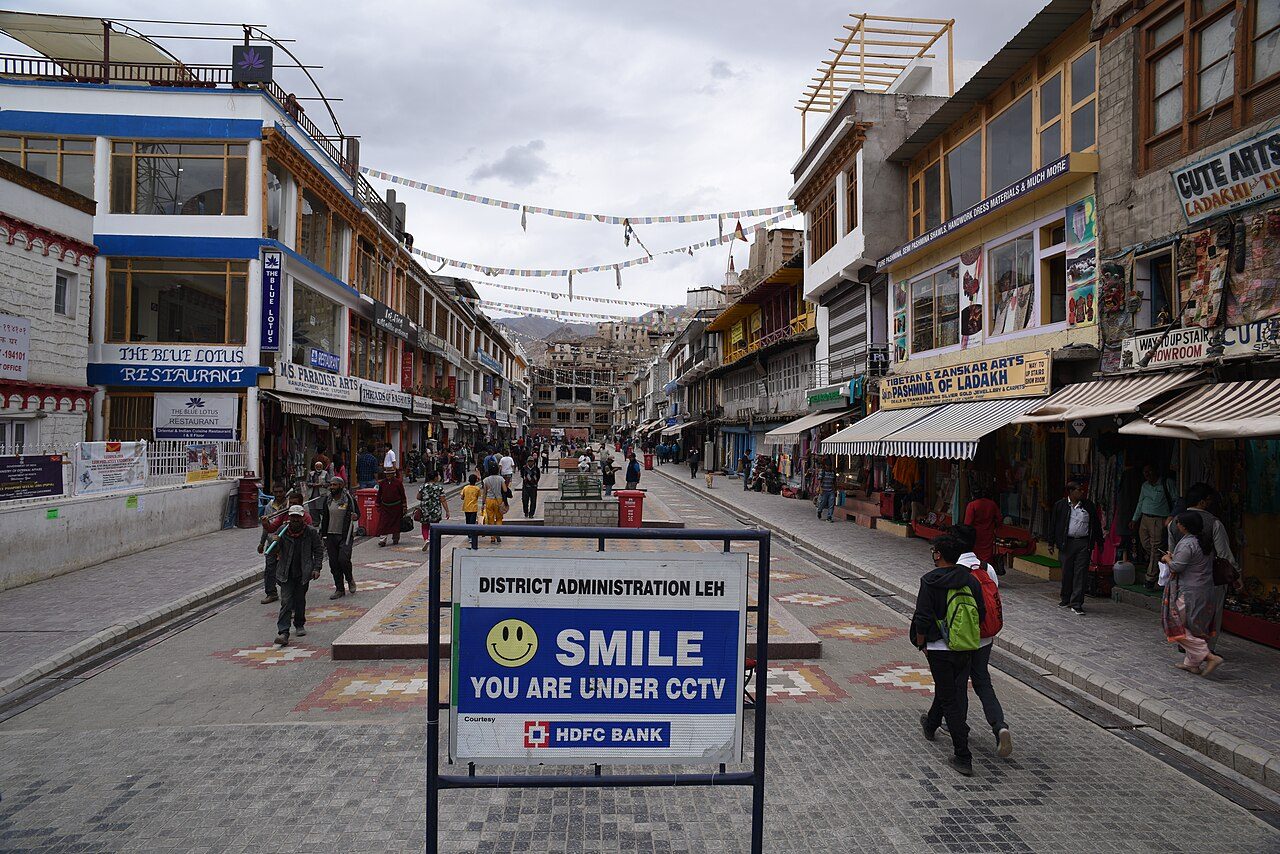
Leh Main Bazaar
Leh's Main Bazaar is the broad central street of the old town, running below the palace and mosque. Recently pedestrianised and repaved, it is lined with shops selling pashmina, turquoise, prayer wheels and dried apricots, and Ladakhi women sell vegetables from the pavement. Lanes lead off to the Tibetan markets and the old town.
04
STOP 4 OF 19
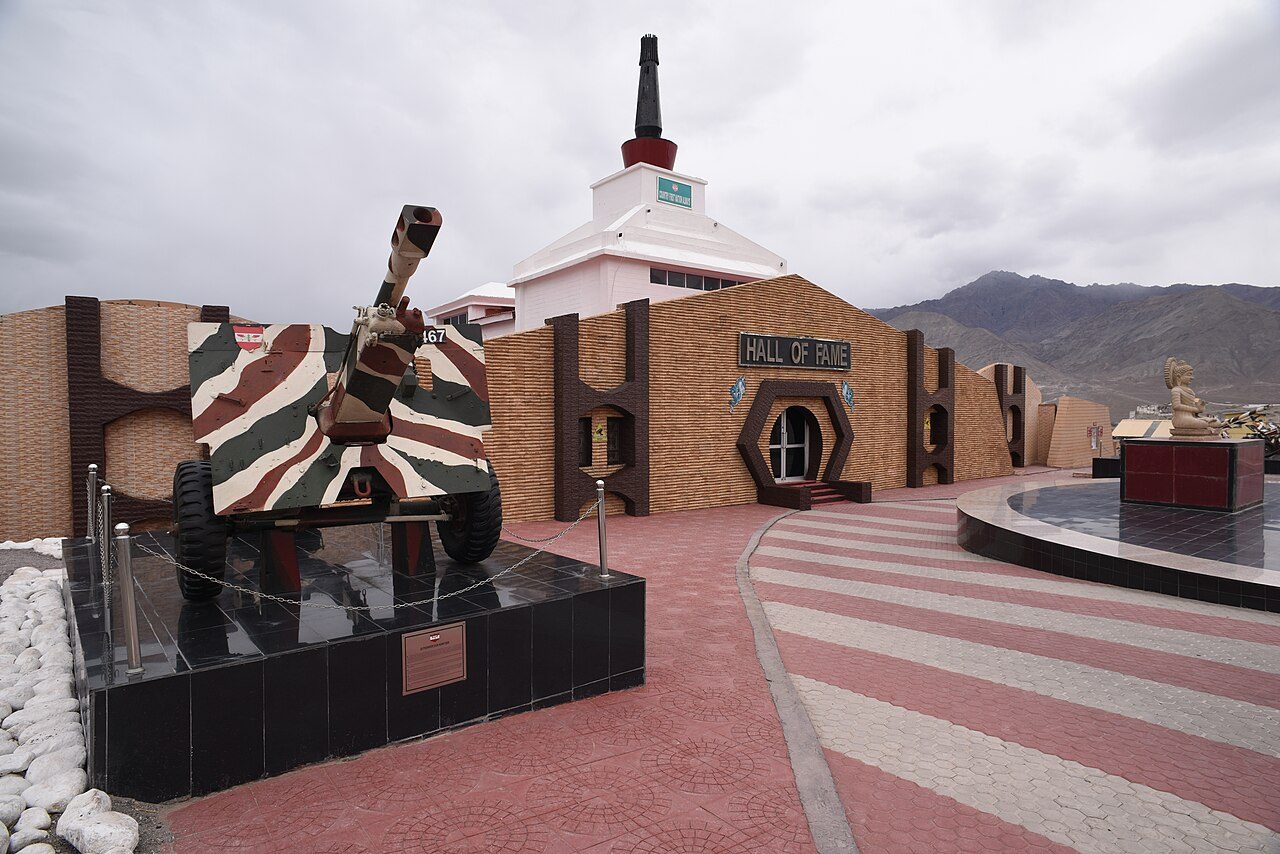
Hall of Fame Leh
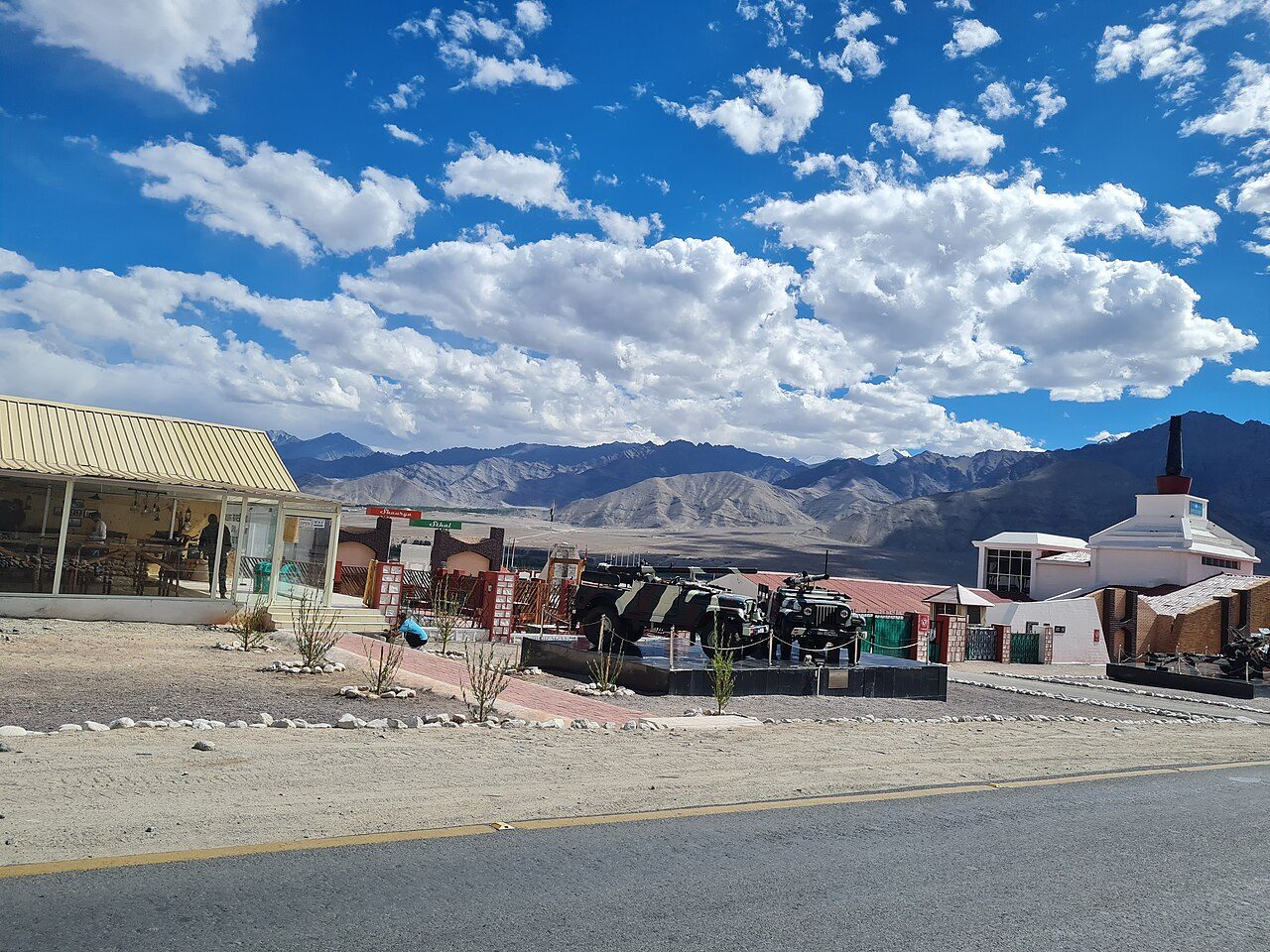
The Hall of Fame near Leh airport is a museum built and run by the Indian Army in memory of soldiers who died in the wars with Pakistan. Displays cover the Kargil conflict, the Siachen Glacier with its extreme-cold clothing and equipment, captured weapons, and the history and culture of Ladakh. A war memorial and an evening light-and-sound show are in the grounds.
05
STOP 5 OF 19
Gurudwara Pathar Sahib
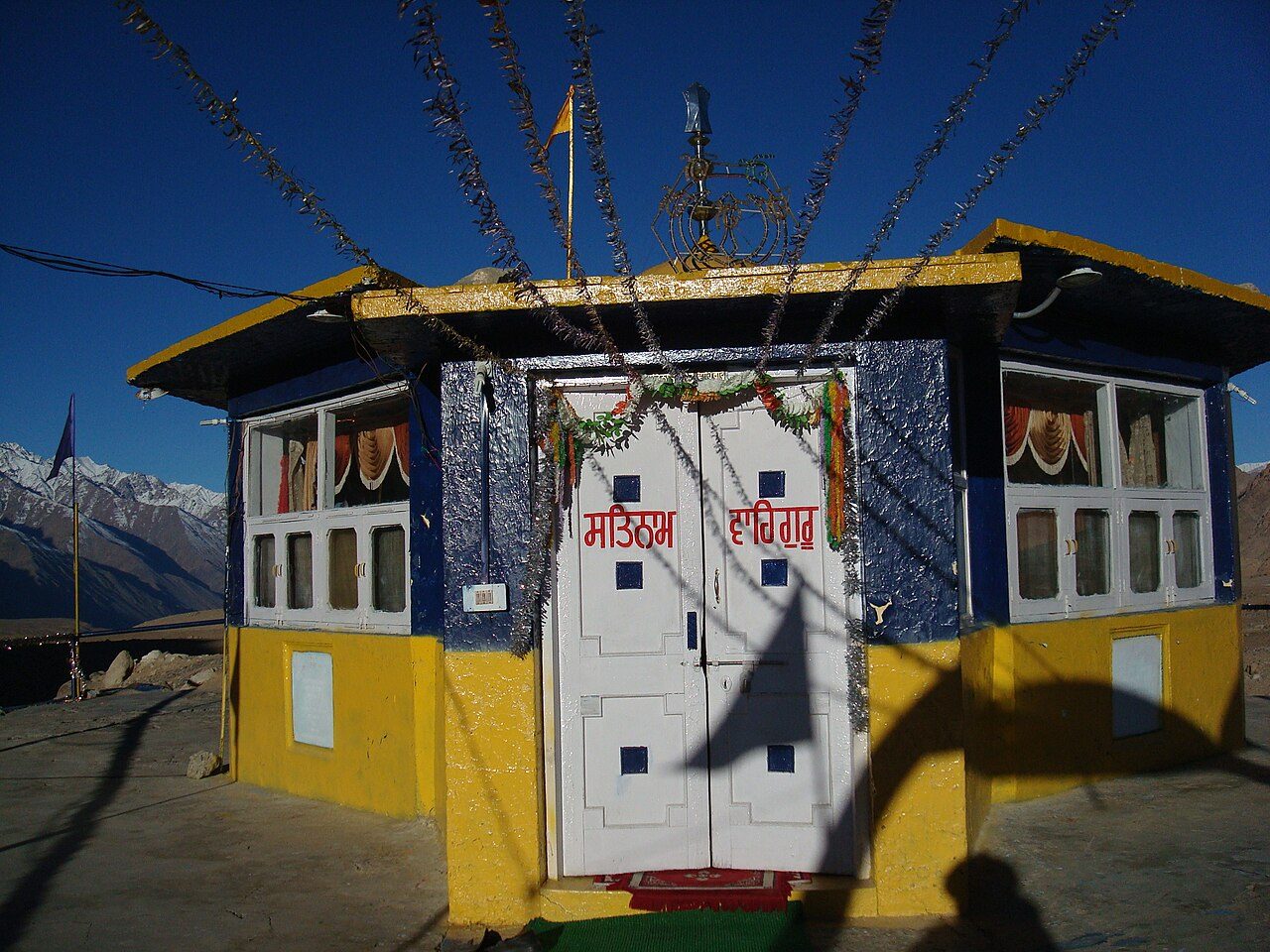
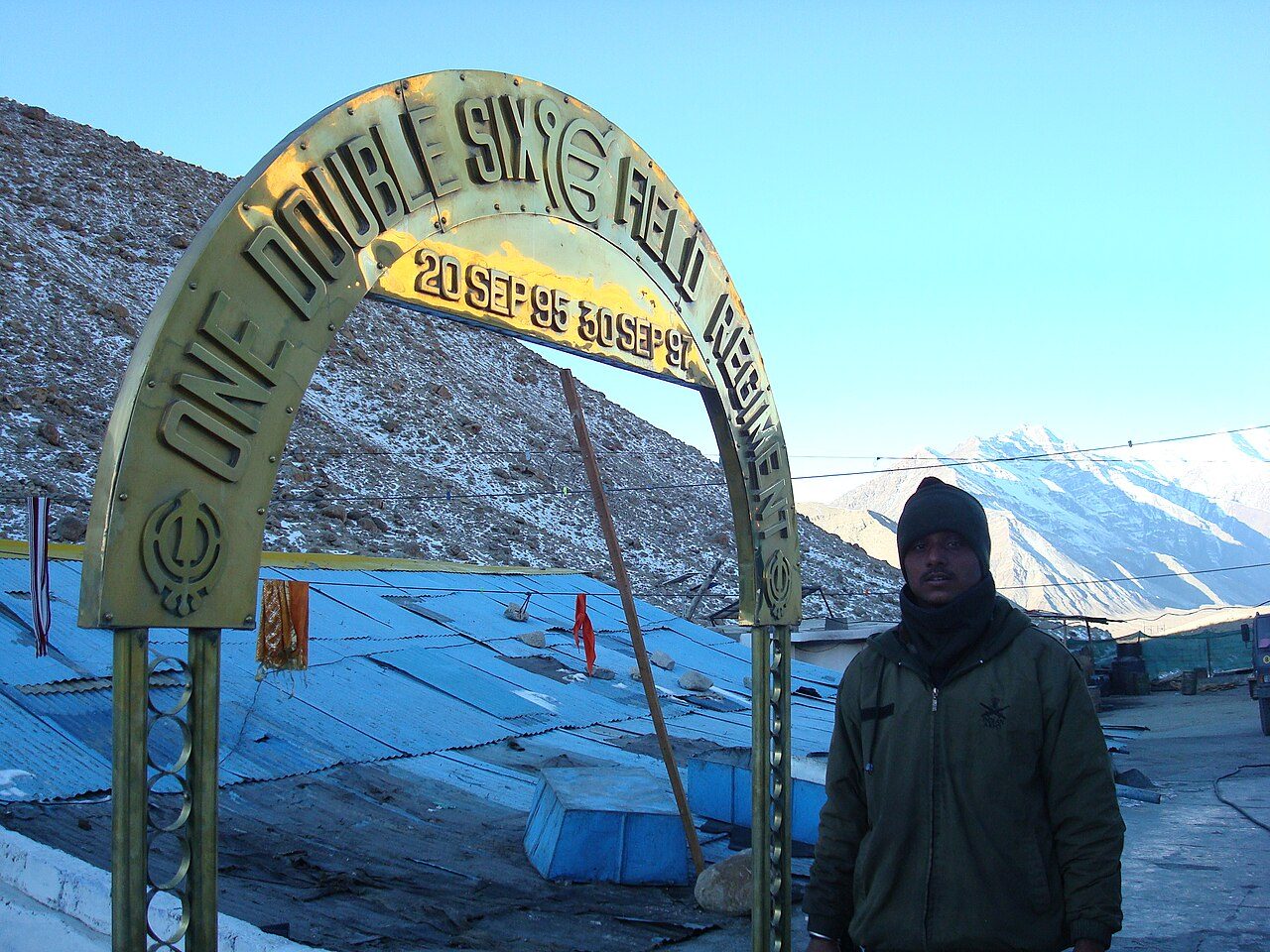
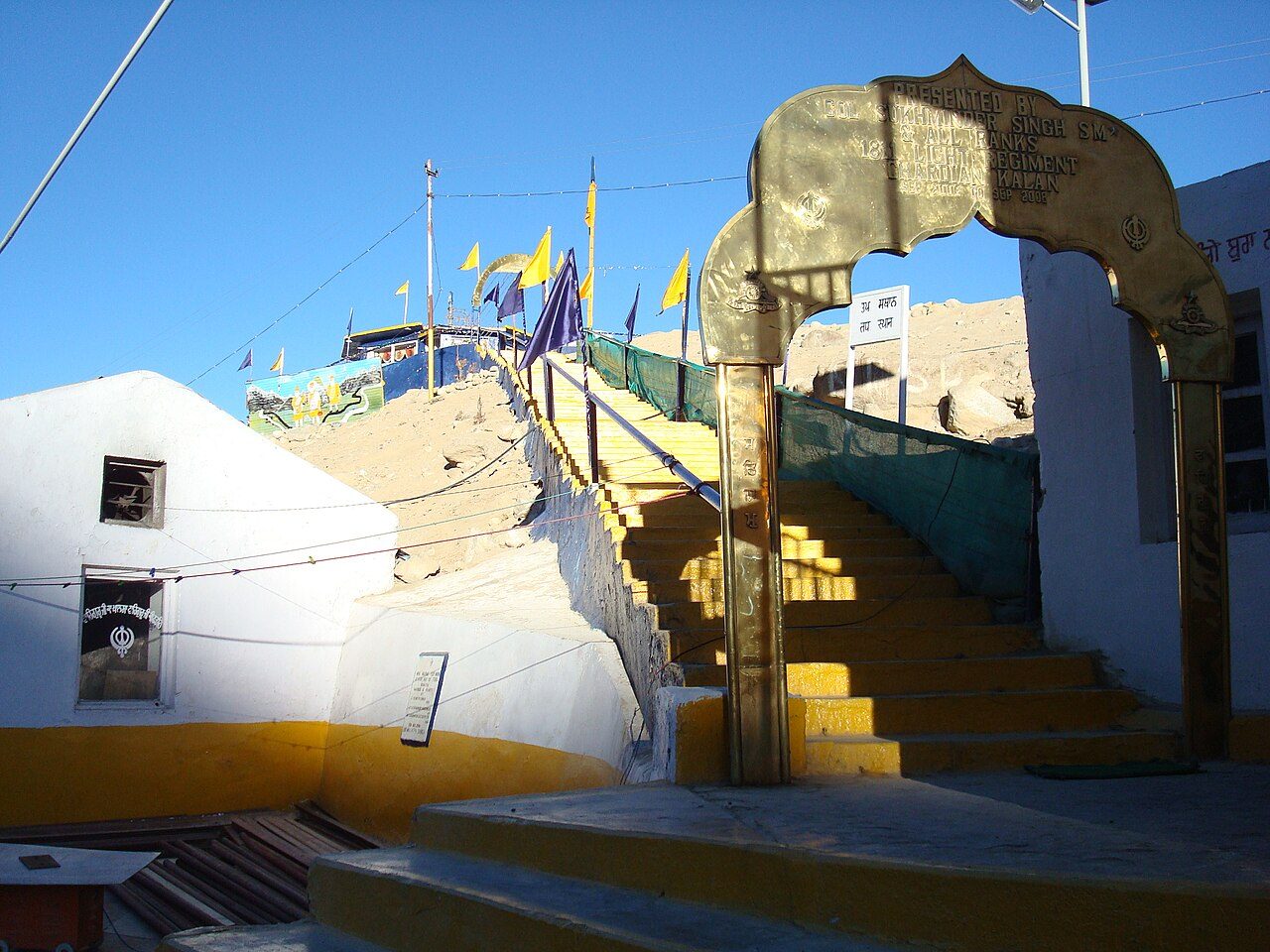
Gurudwara Pathar Sahib stands on the Leh-Kargil road, about 25 km from Leh. It commemorates a visit by Guru Nanak, founder of Sikhism. According to tradition a demon rolled a boulder down on him as he meditated, but the rock softened like wax and took the imprint of his body. The boulder is enshrined inside. The gurdwara is maintained by the Indian Army.
06
STOP 6 OF 19
Magnetic Hill Ladakh
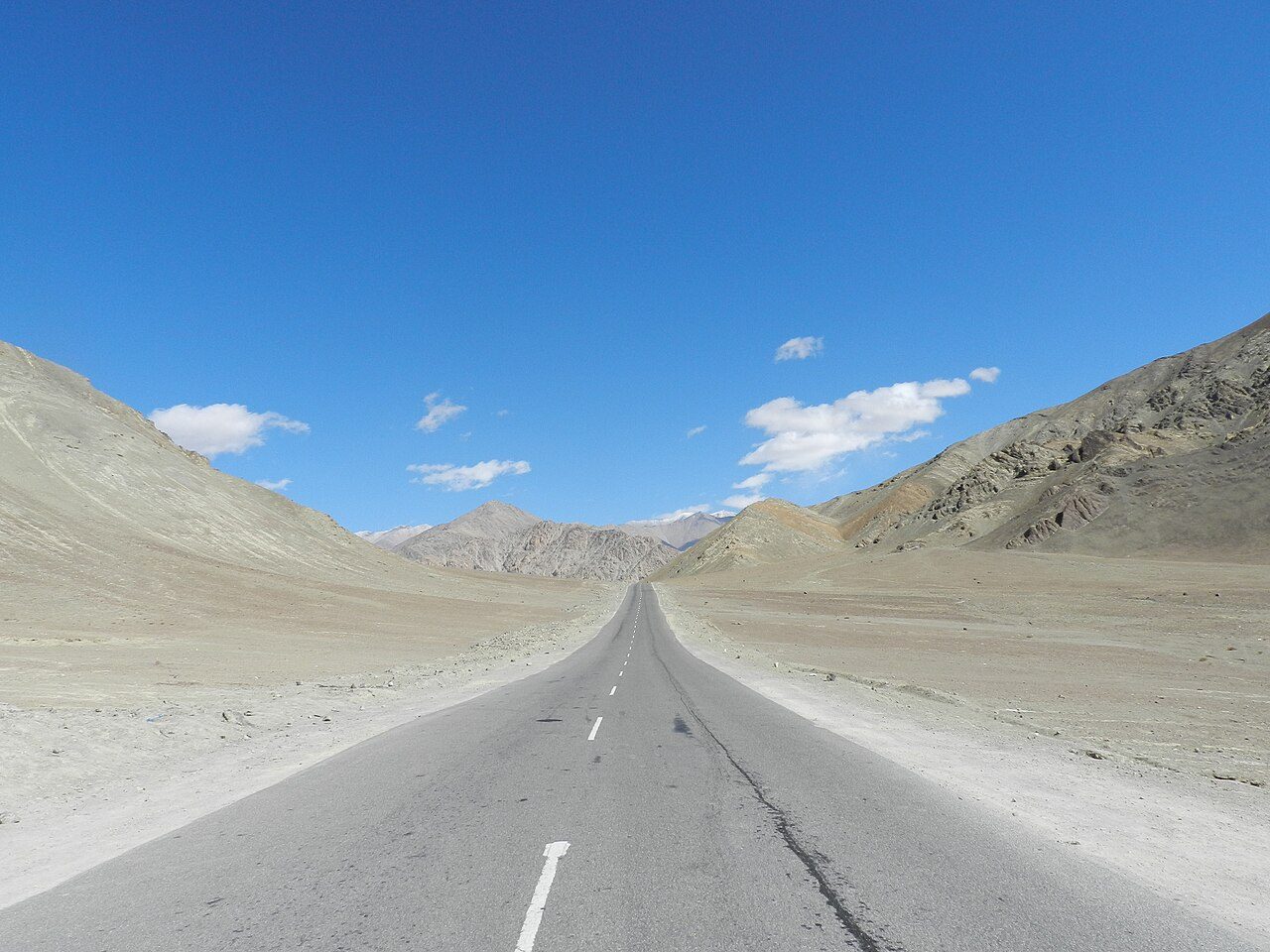
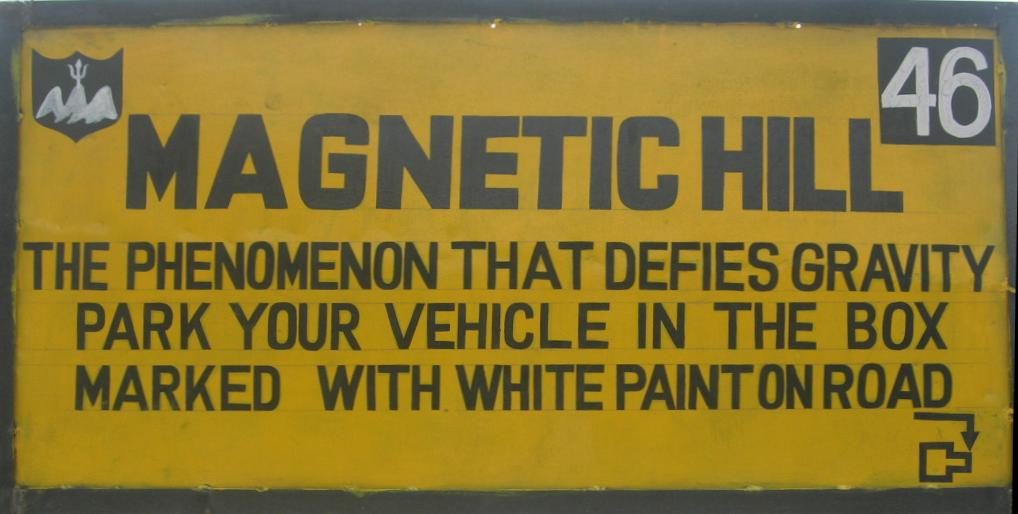
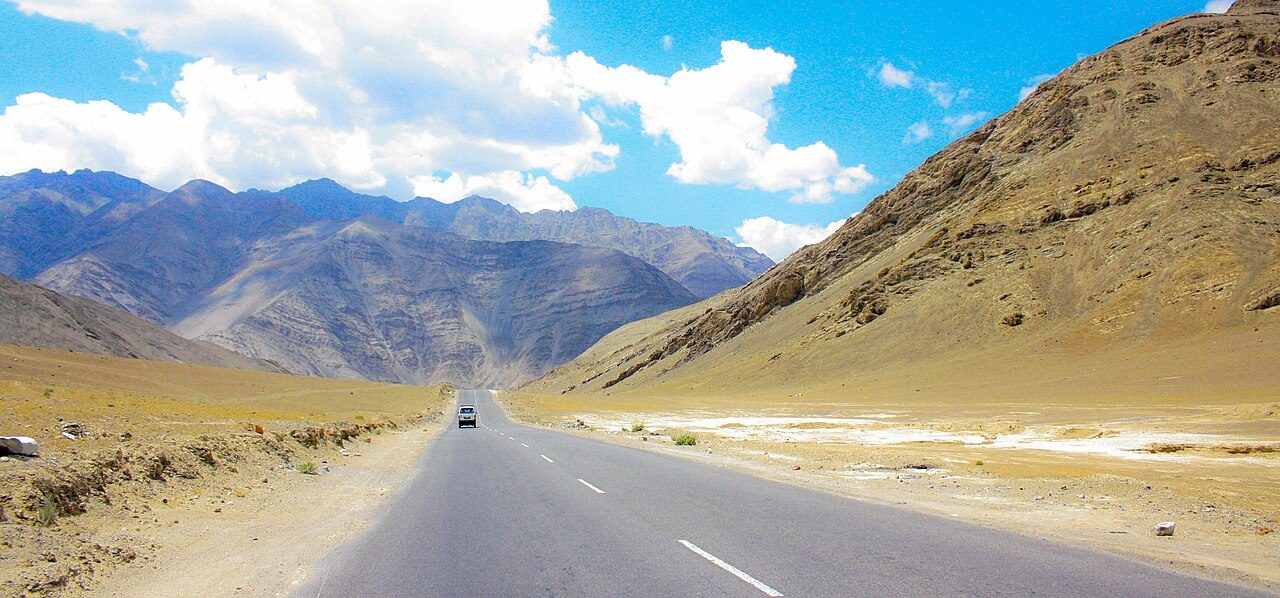
Magnetic Hill is a stretch of the Leh-Srinagar highway about 30 km from Leh where the layout of the surrounding slopes creates an optical illusion: a car left in neutral appears to roll uphill. A signboard marks the spot where drivers stop to try it. The bare, wide landscape around it is striking in its own right.
07
STOP 7 OF 19
Indus Zanskar Confluence
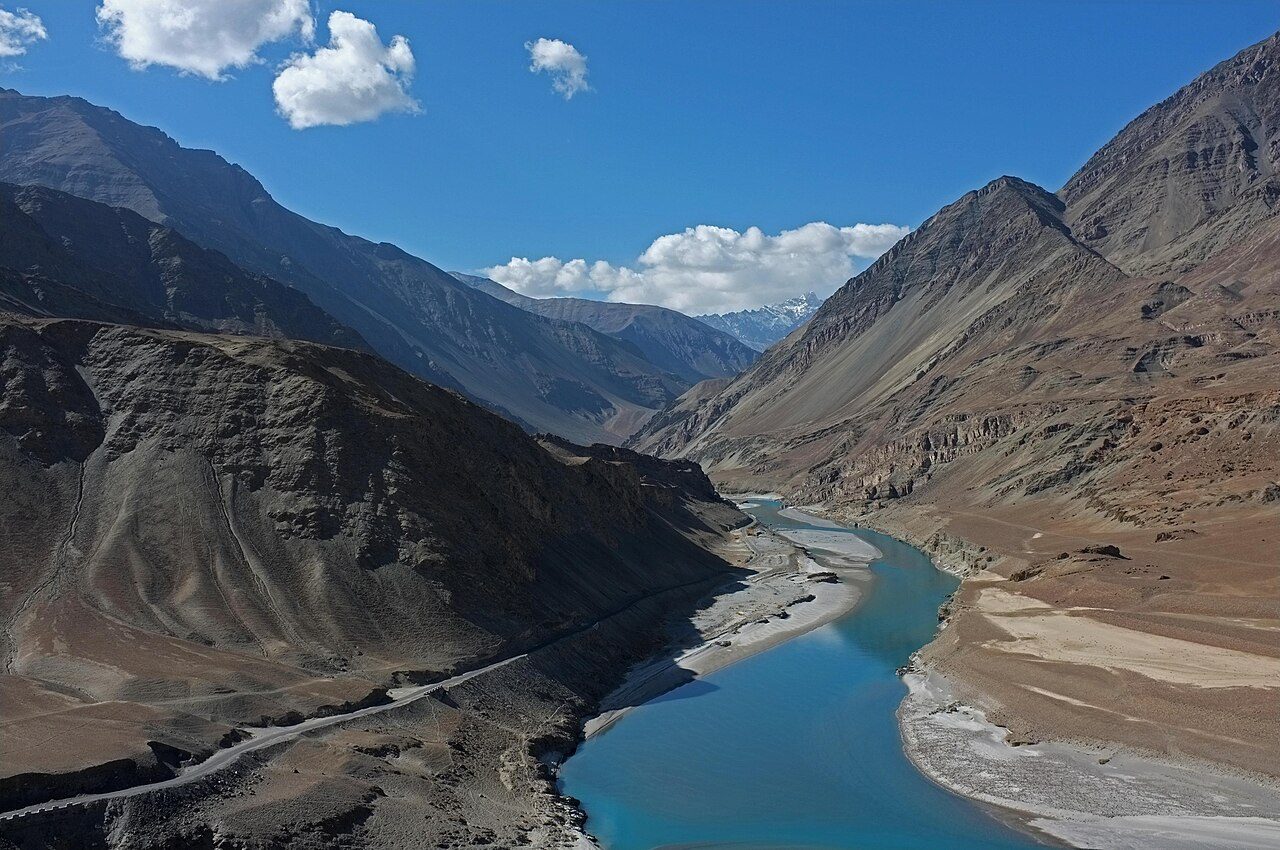
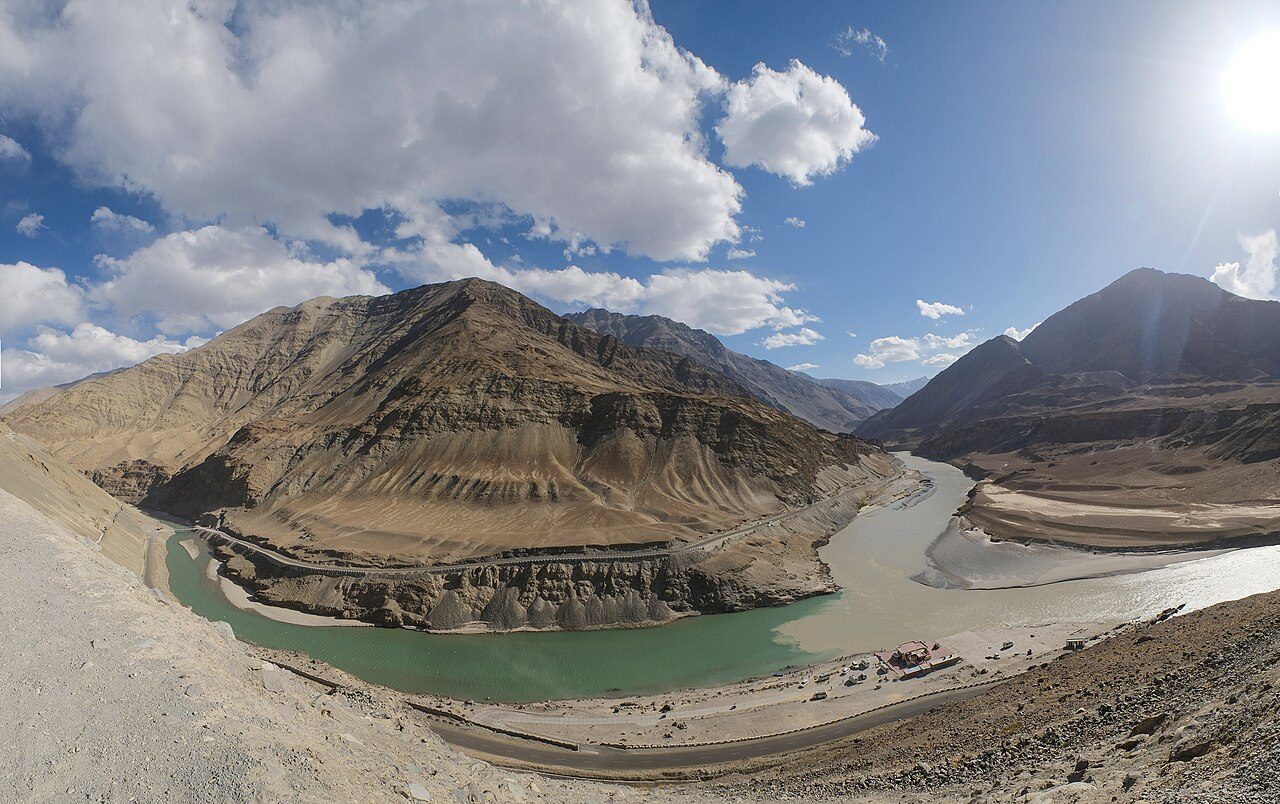
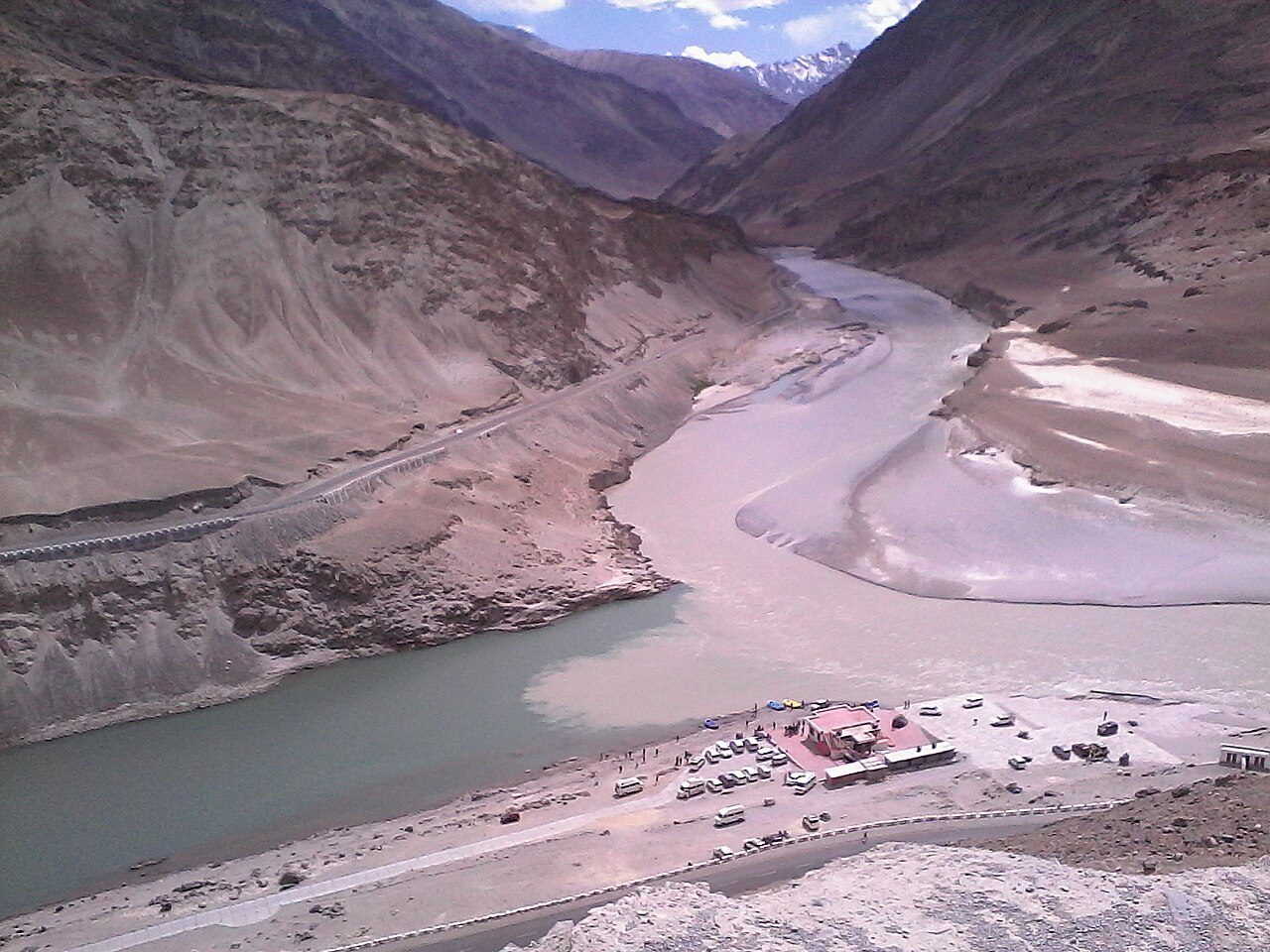
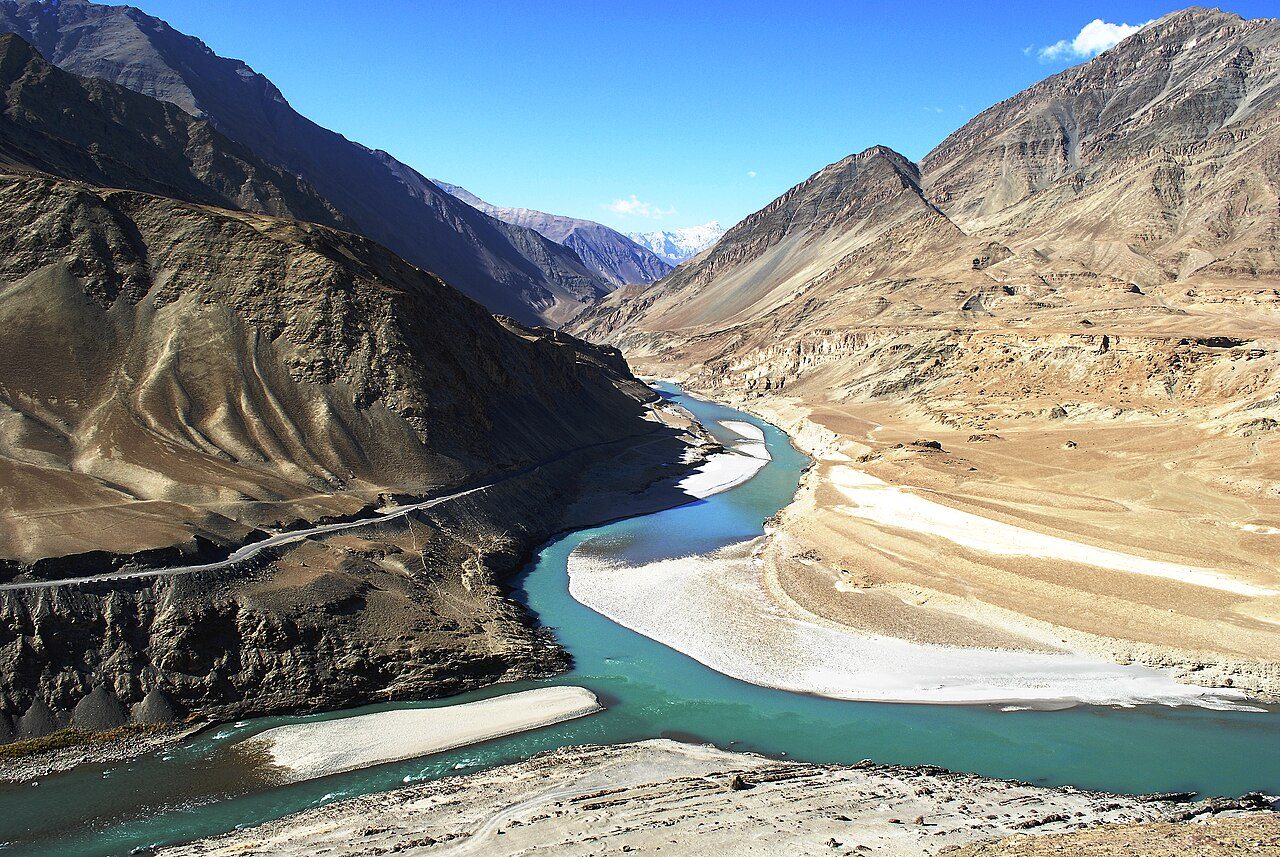
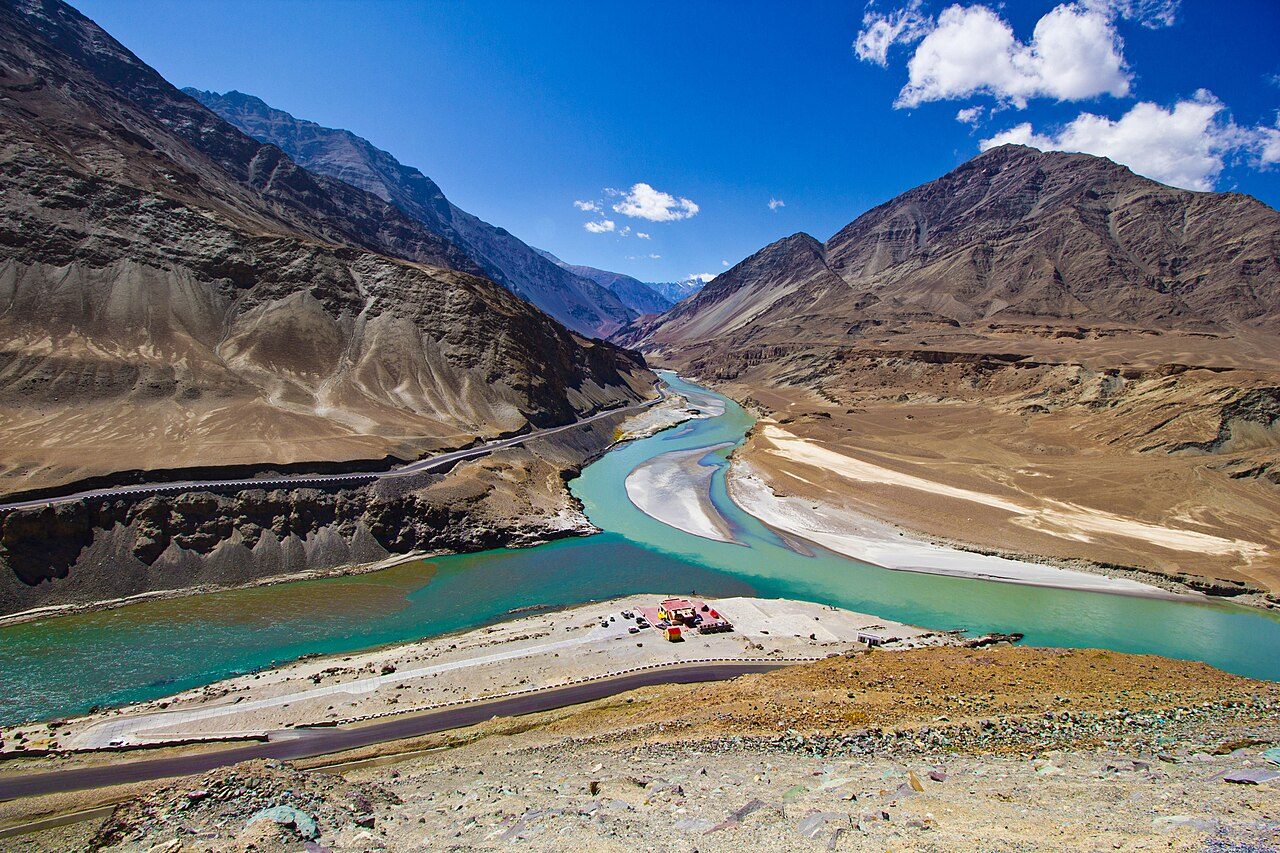
Near the village of Nimmu, 35 km from Leh, the Zanskar River flows into the Indus. The two rivers differ in colour, the Indus often clear blue-green and the Zanskar muddy, and can be seen running side by side from the viewpoint on the highway above. In summer rafting trips end here; in winter the Zanskar freezes.
08
STOP 8 OF 19
Spituk Monastery
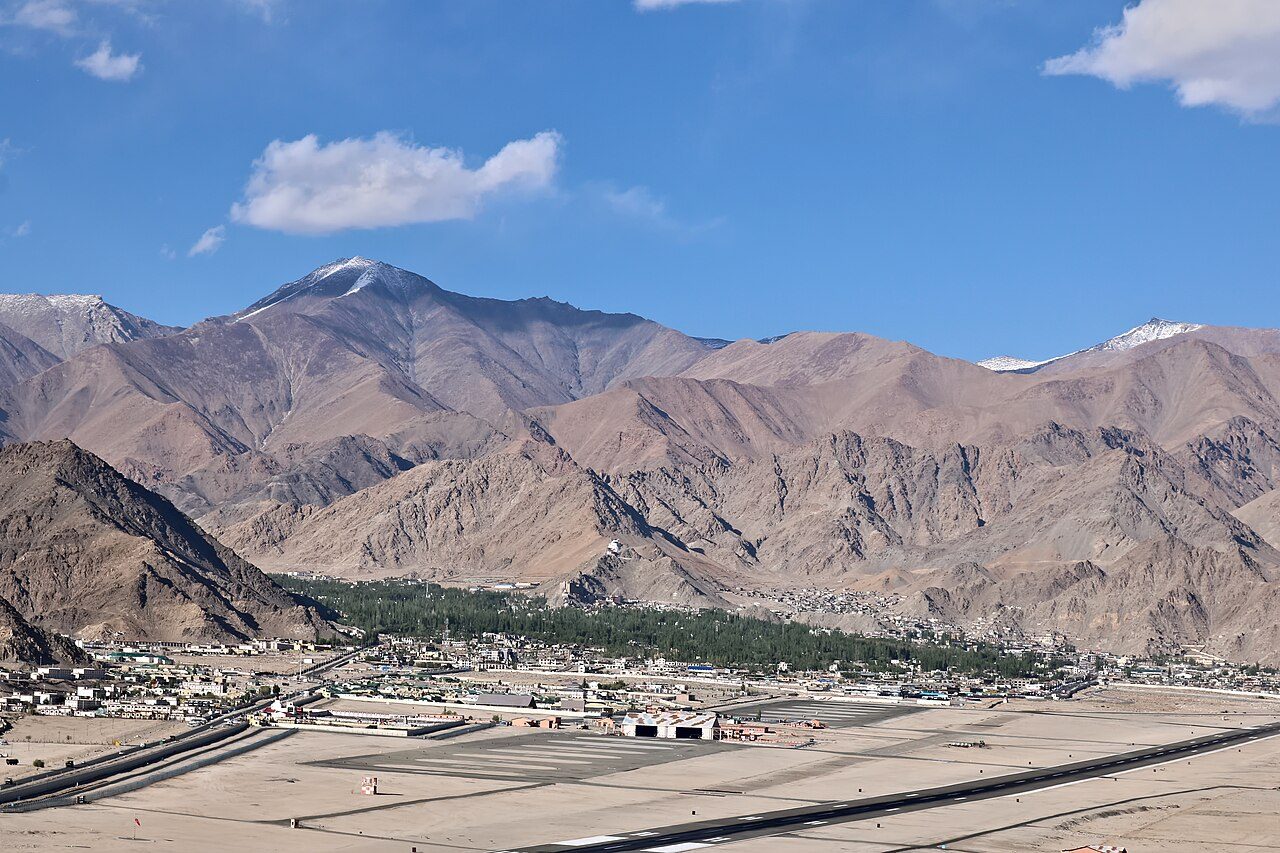
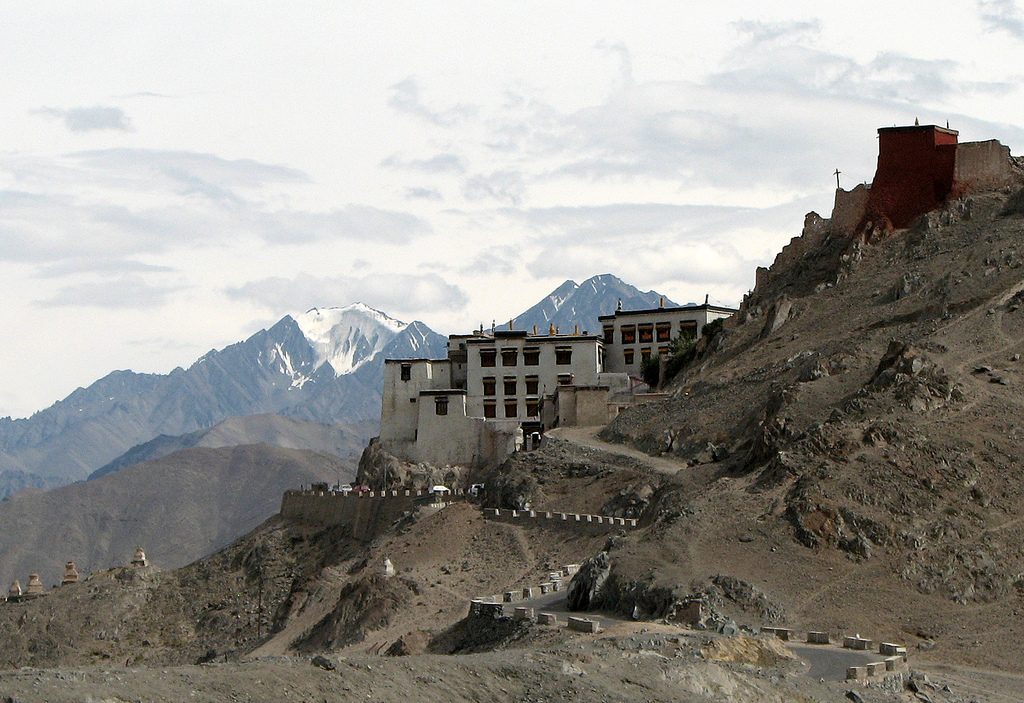
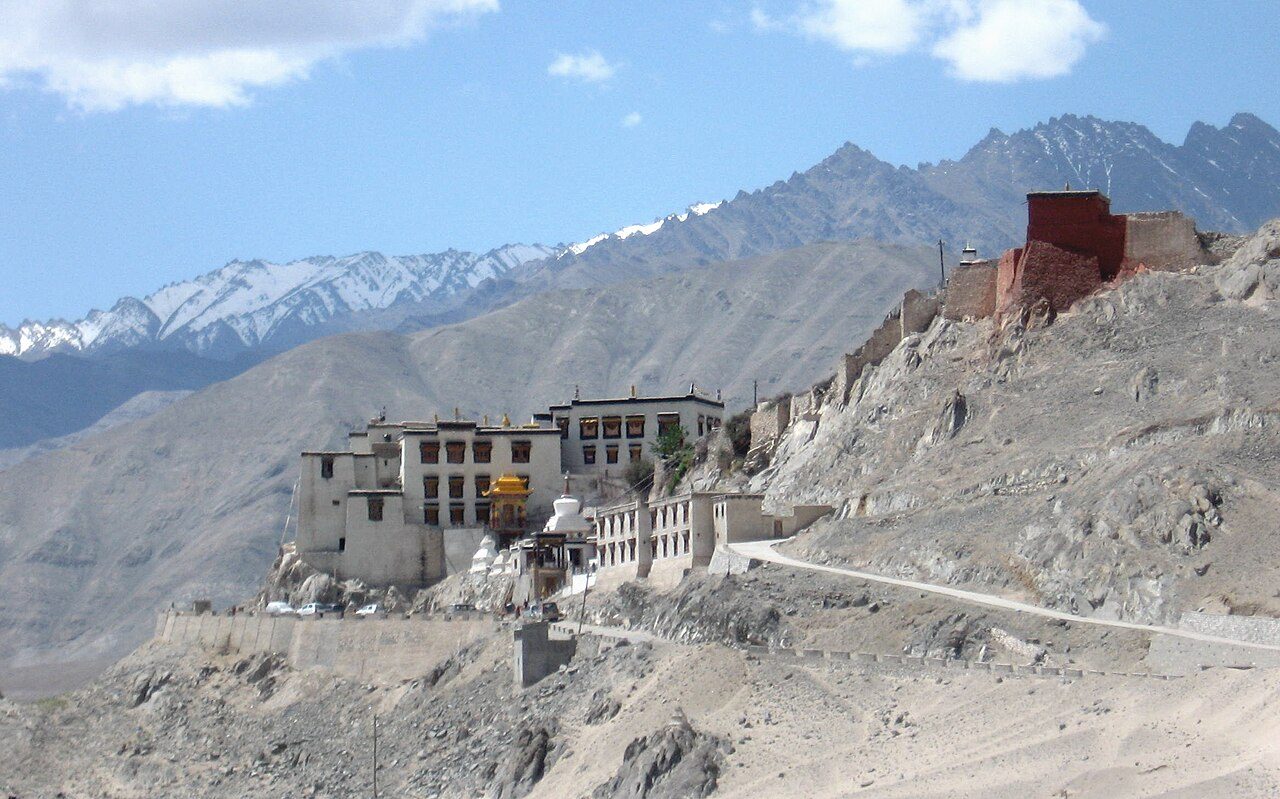
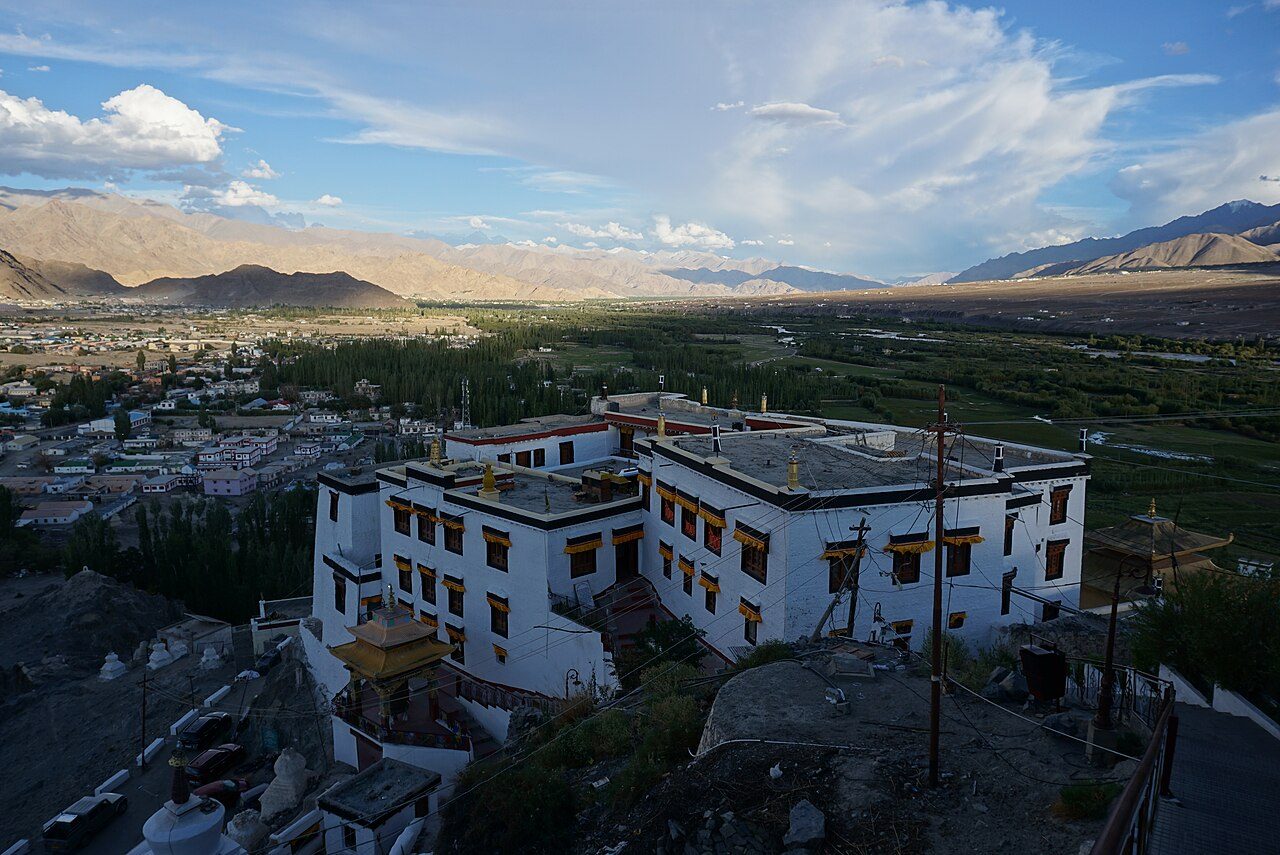
Spituk Monastery stands on a rock outcrop above the Indus, eight kilometres from Leh beside the airport. Founded in the 11th century, it belongs to the Gelug school and has about a hundred monks. A temple to the goddess Kali at the top holds fierce masked images unveiled only during the Gustor festival in January. The terrace overlooks the runway and river.
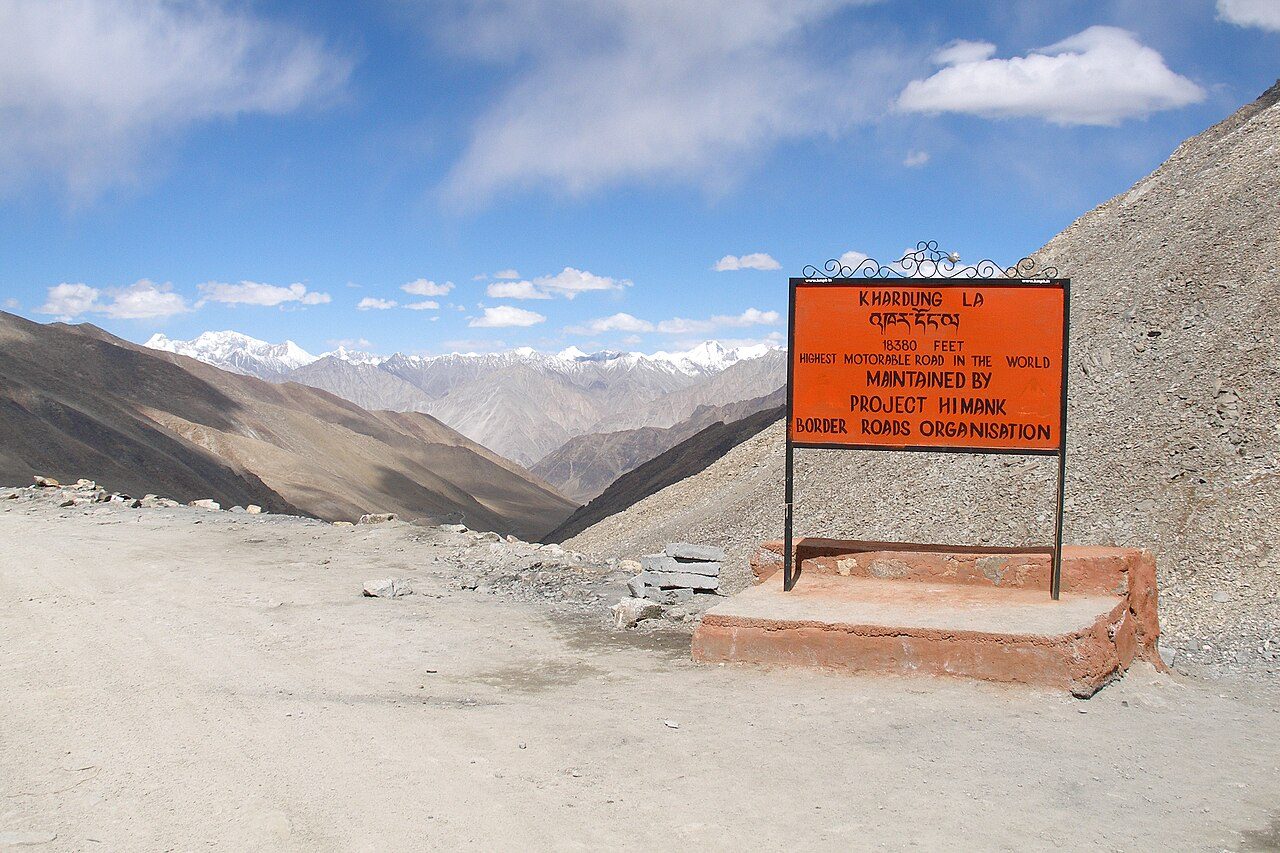
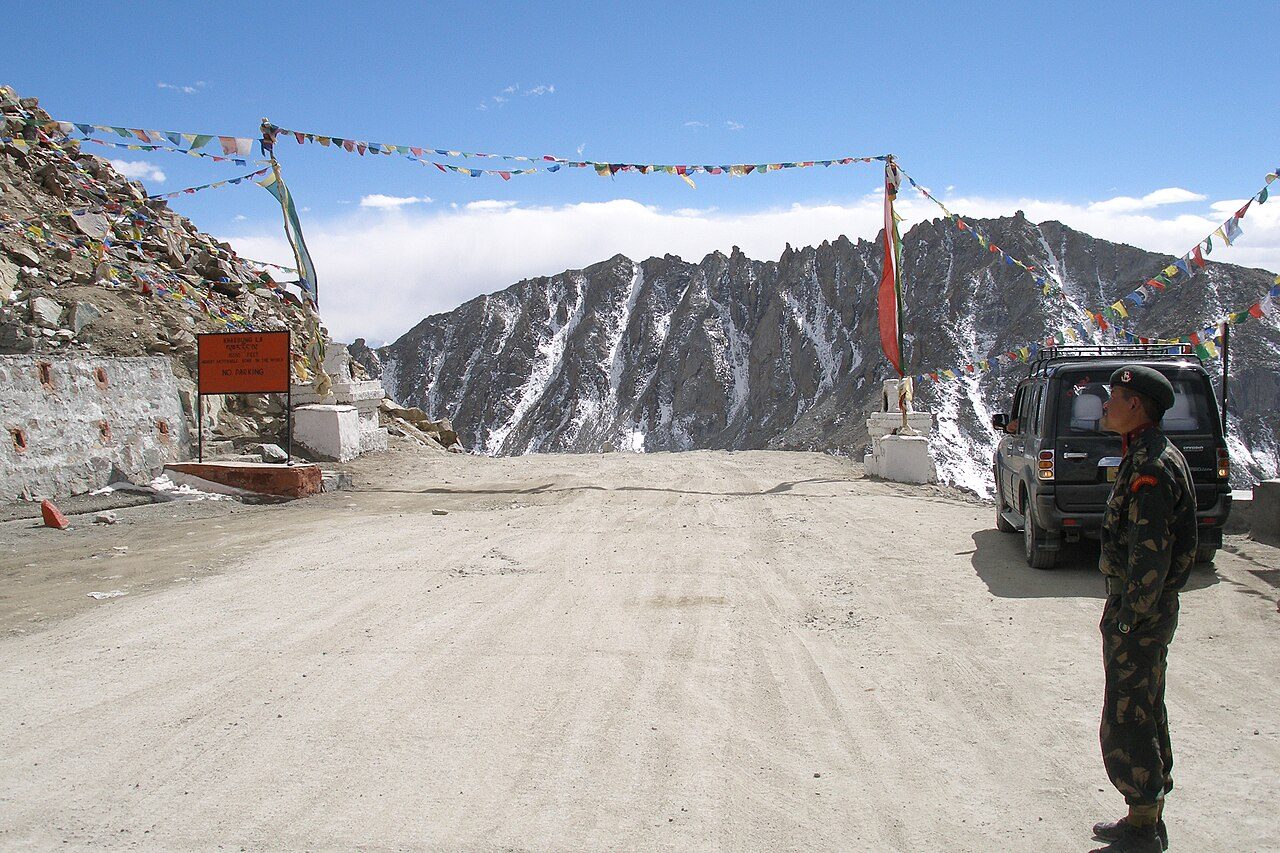
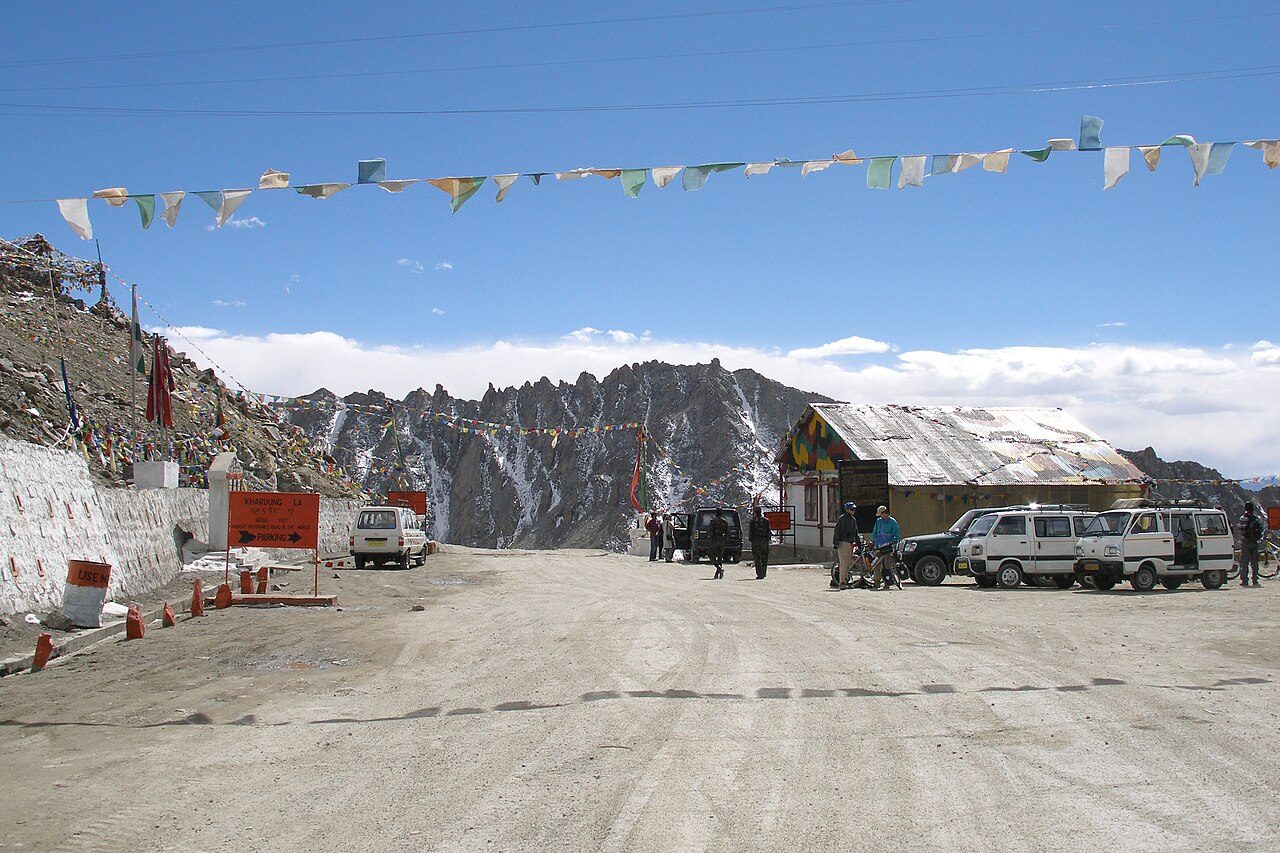
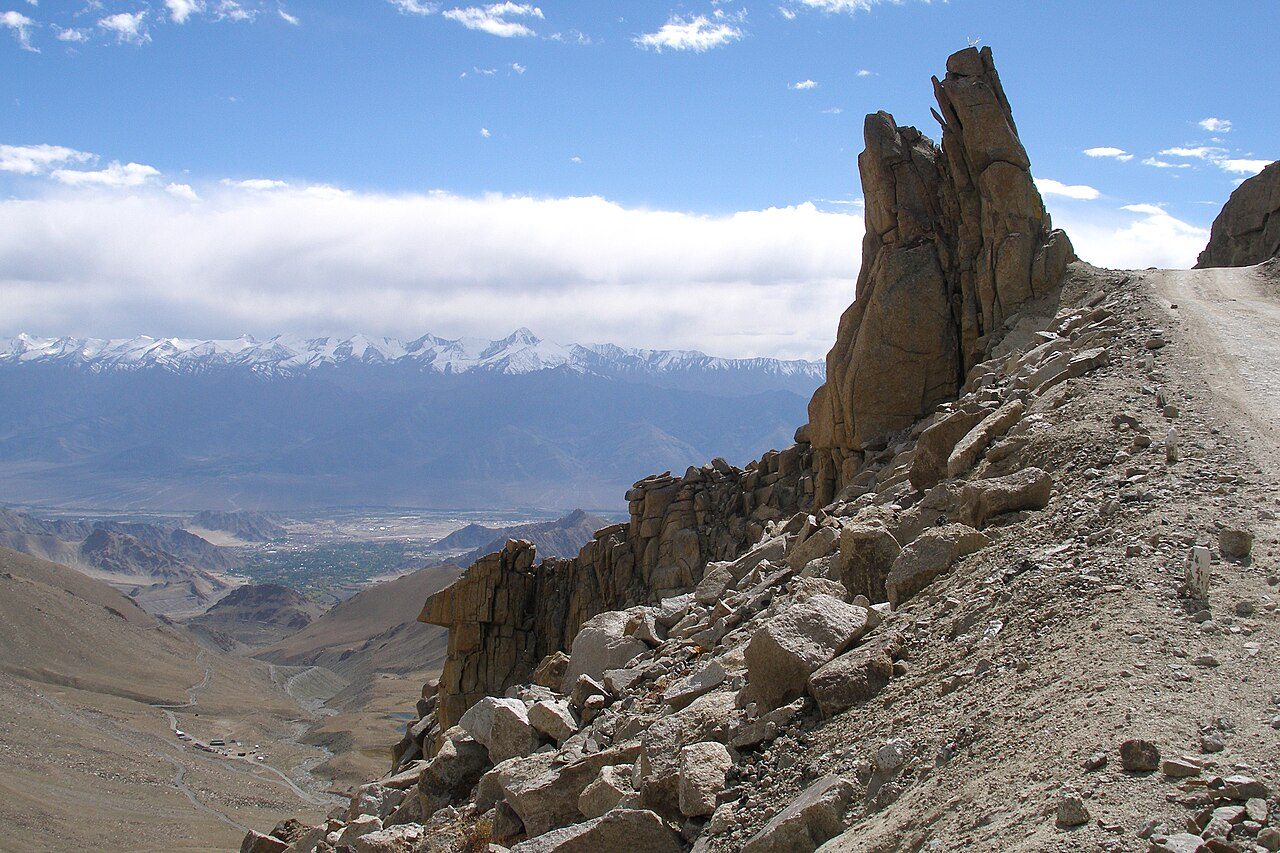
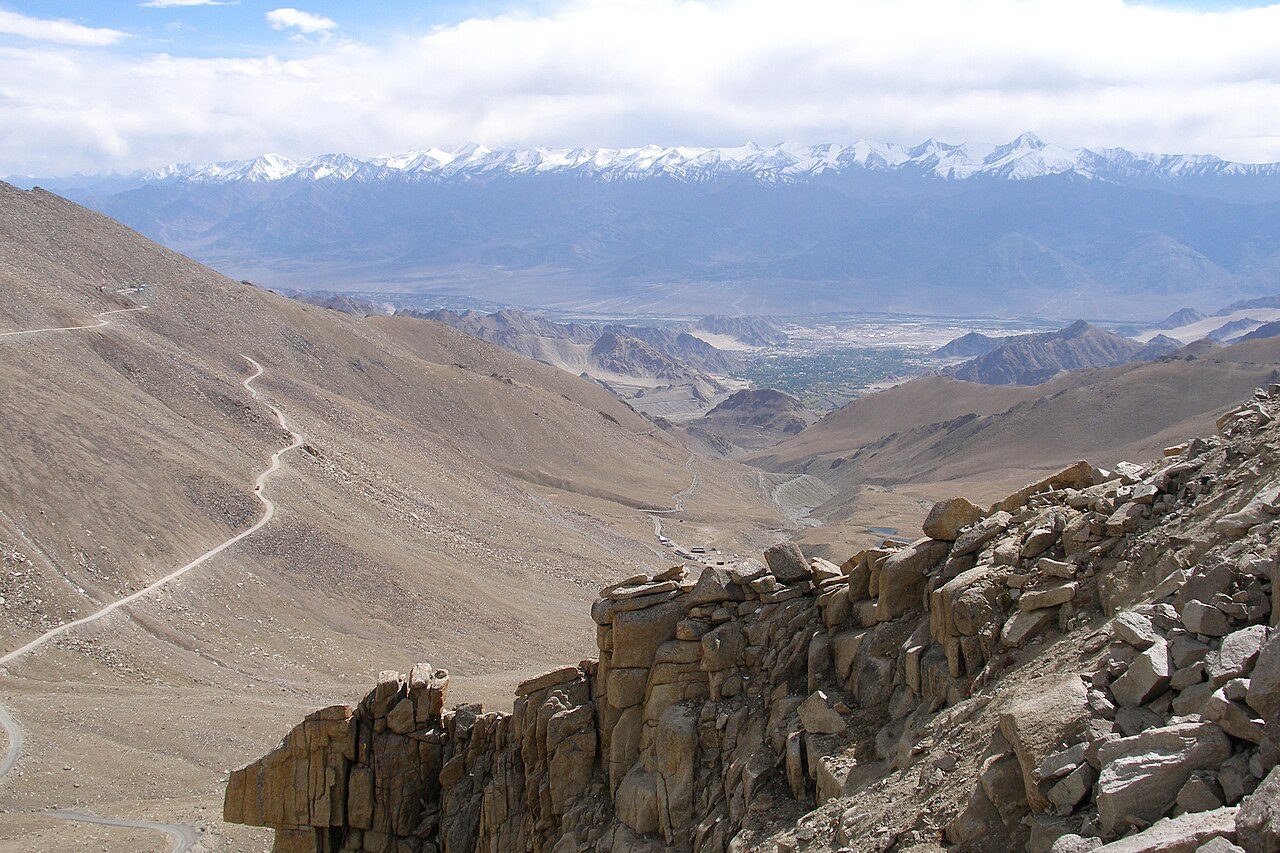
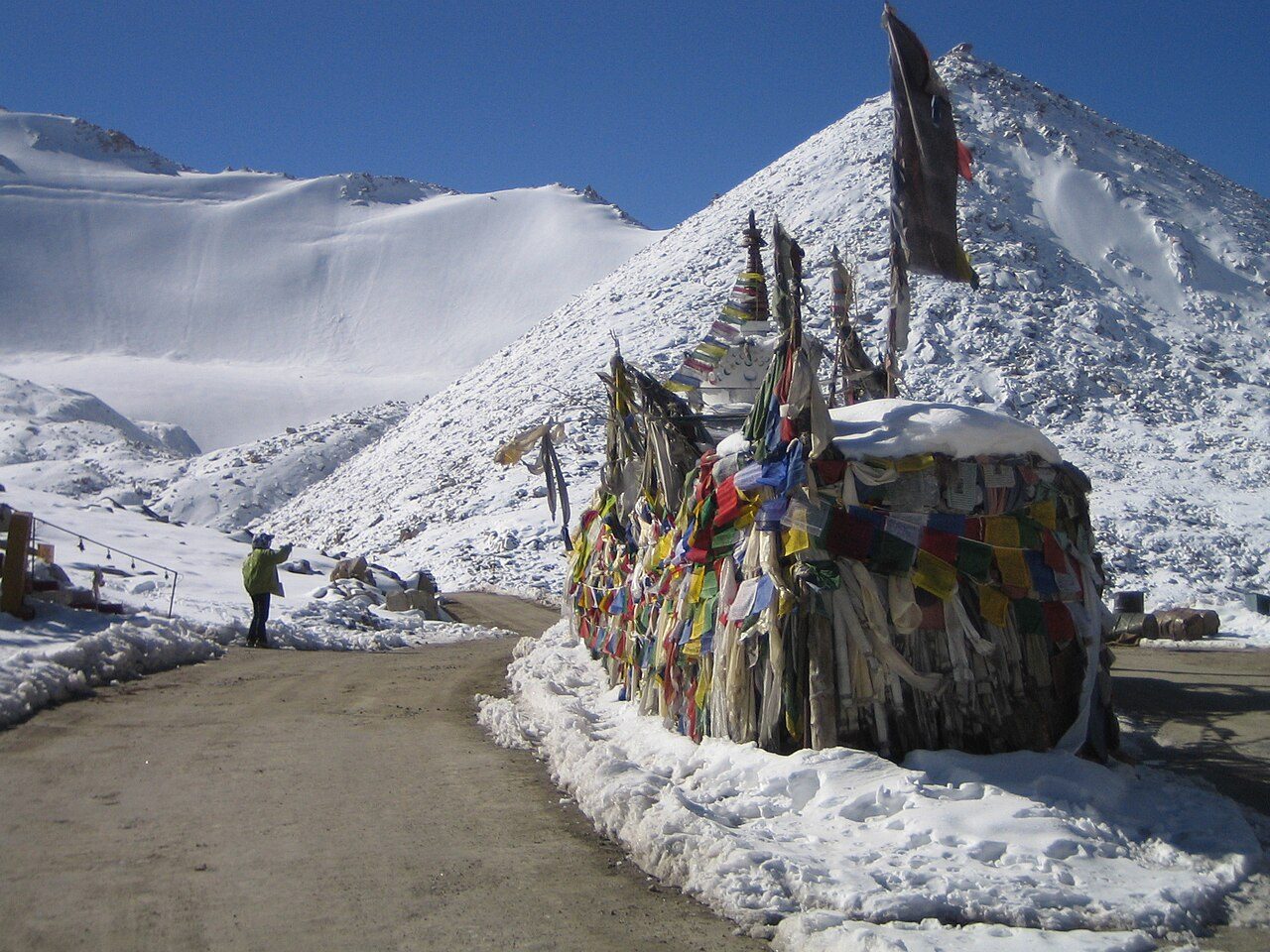
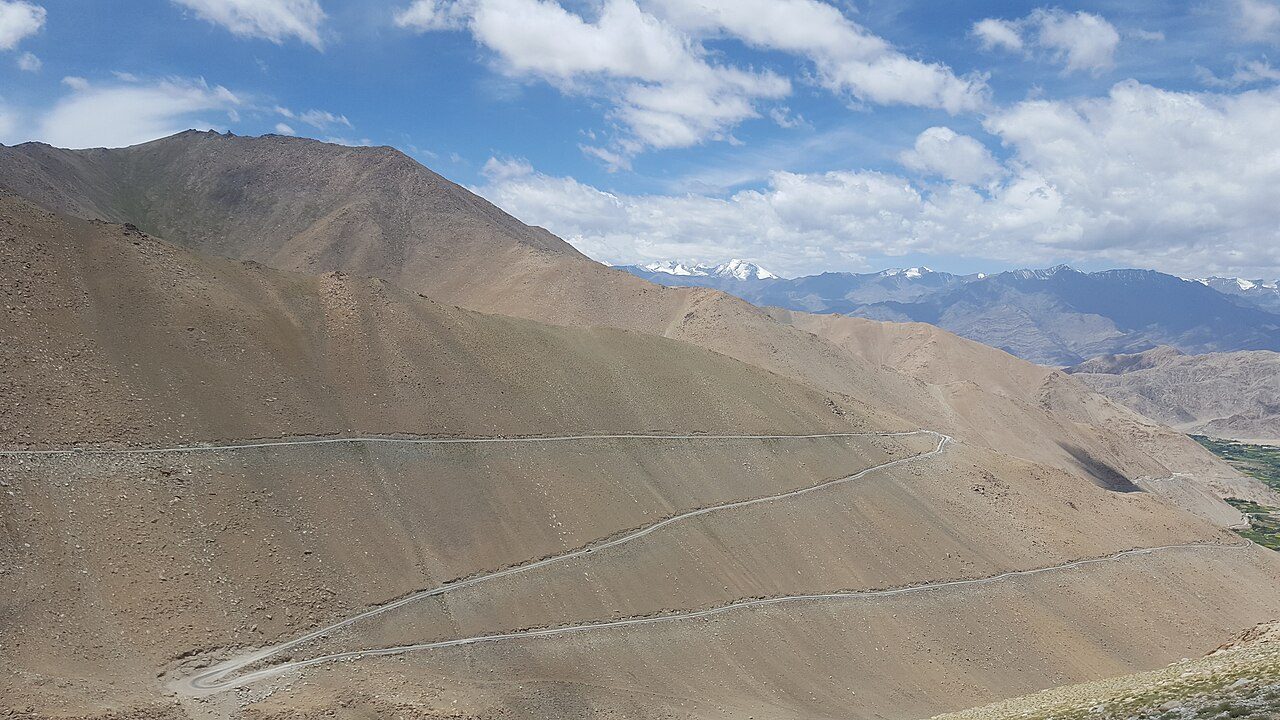
Khardung La, at about 5,360 metres, is the pass on the road from Leh to the Nubra and Shyok valleys and one of the highest motorable passes in the world. Prayer flags, a small temple and an army cafe mark the top. The air is very thin, so stops should be kept short. It lies 39 km from Leh and needs an Inner Line Permit.
10
STOP 10 OF 19
Diskit Monastery
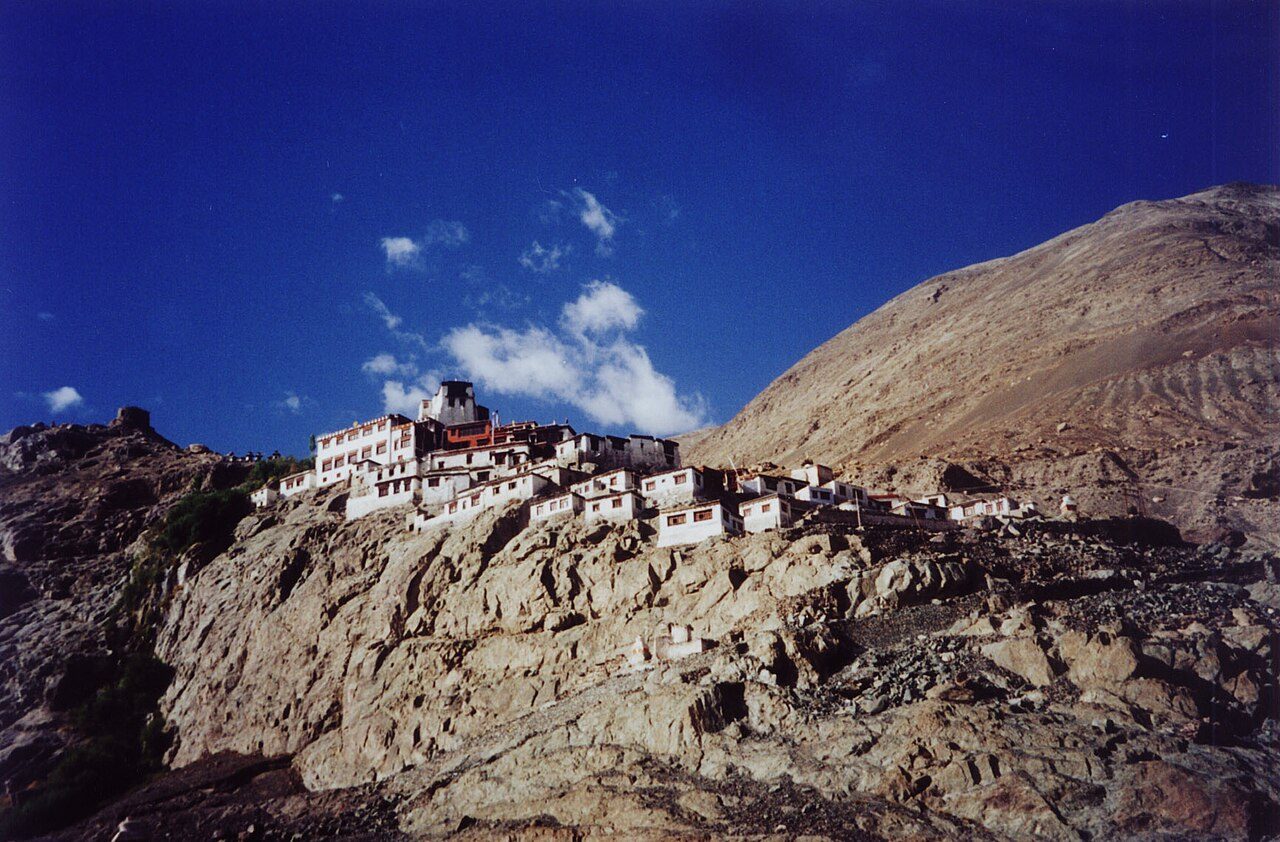
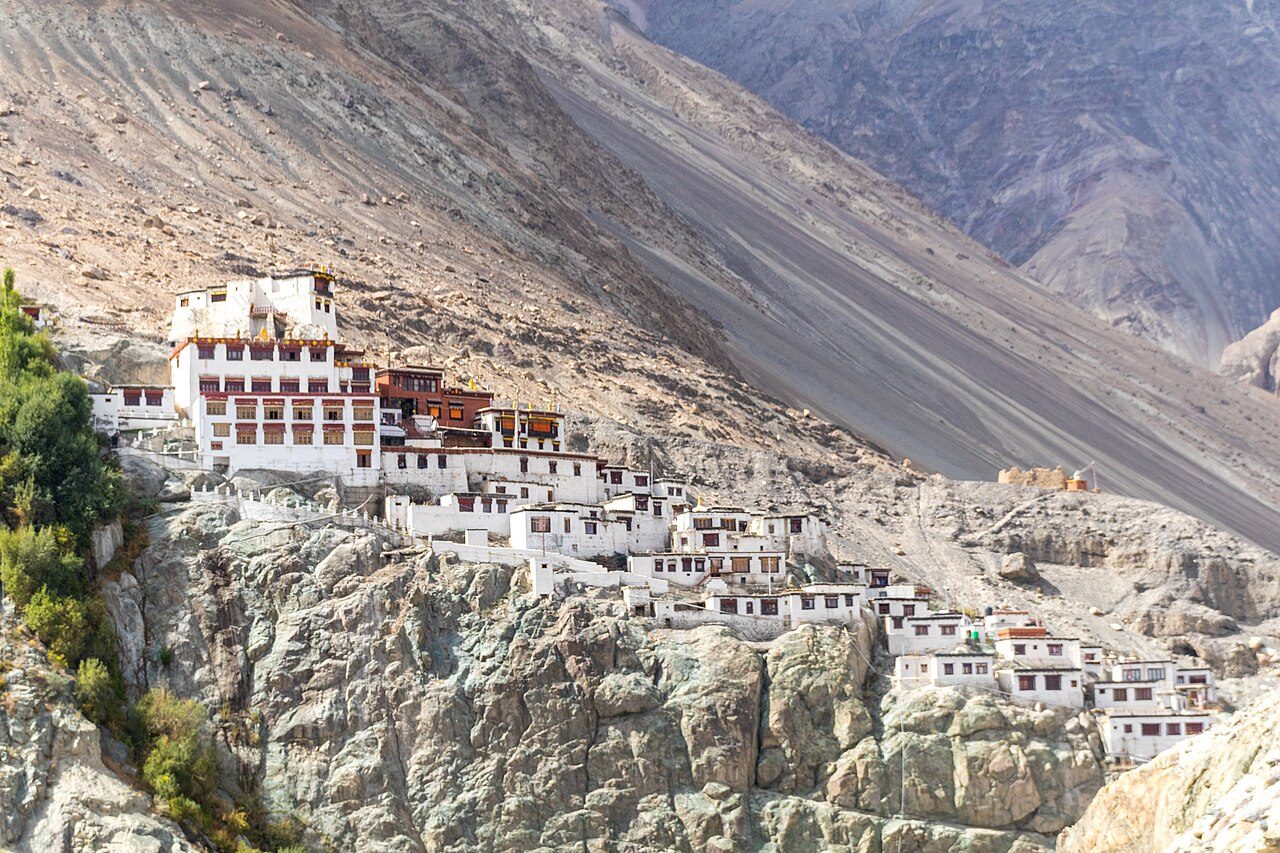
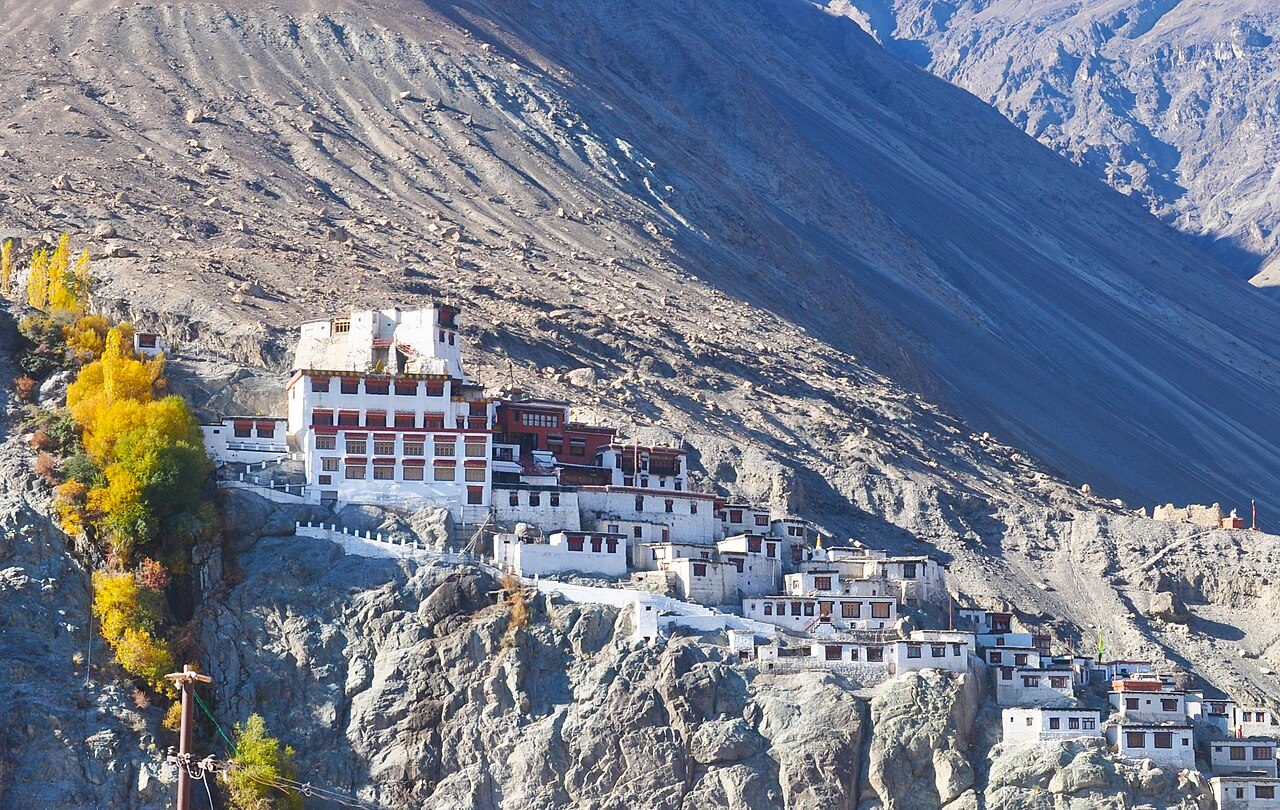
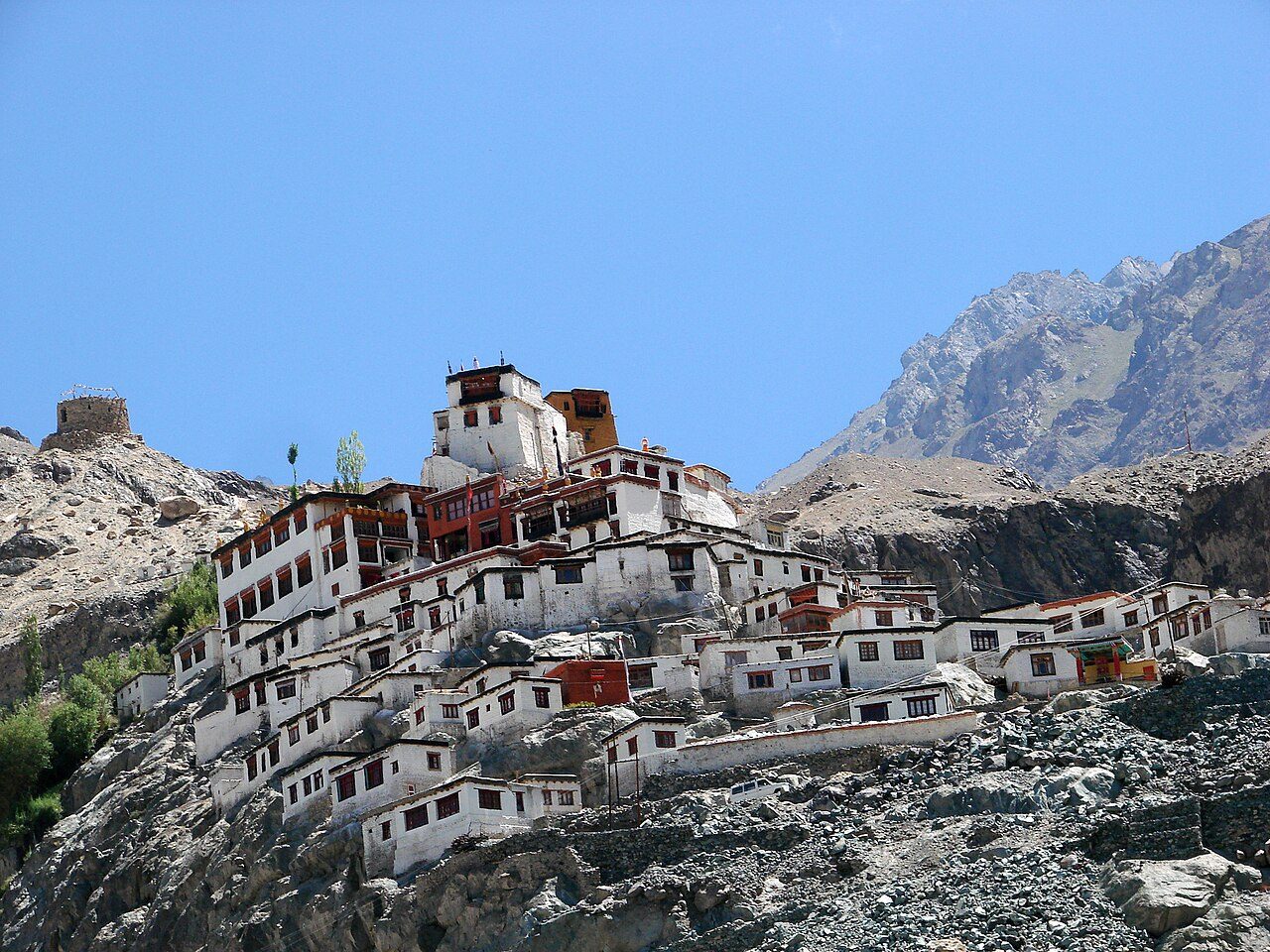
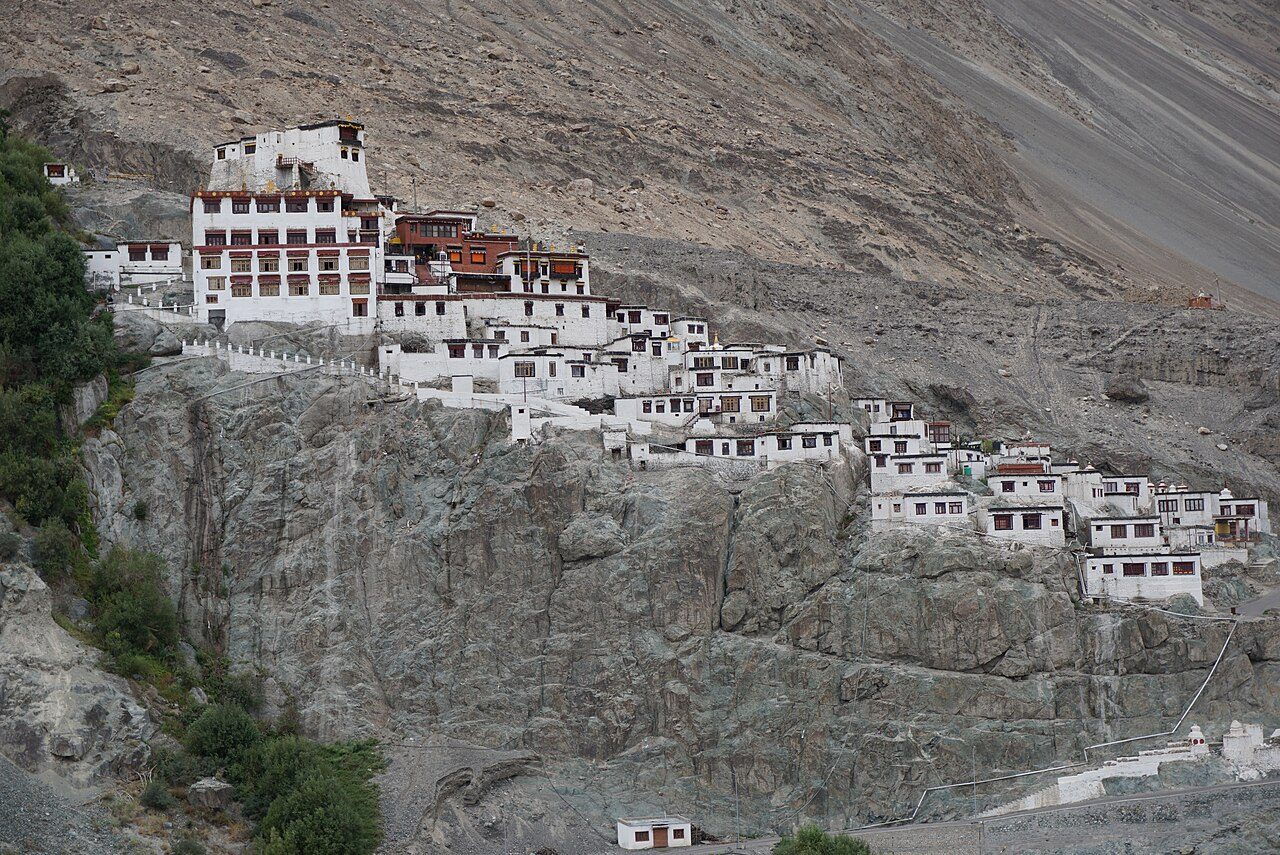
Diskit Monastery is the oldest and largest monastery in the Nubra valley, founded in the 14th century and belonging to the Gelug school. It clings to a hillside above the Shyok River. Just below it, a statue of Maitreya Buddha about 32 metres tall, inaugurated in 2010, faces down the valley. The prayer hall has old murals and a large drum.
11
STOP 11 OF 19
Hunder Sand Dunes
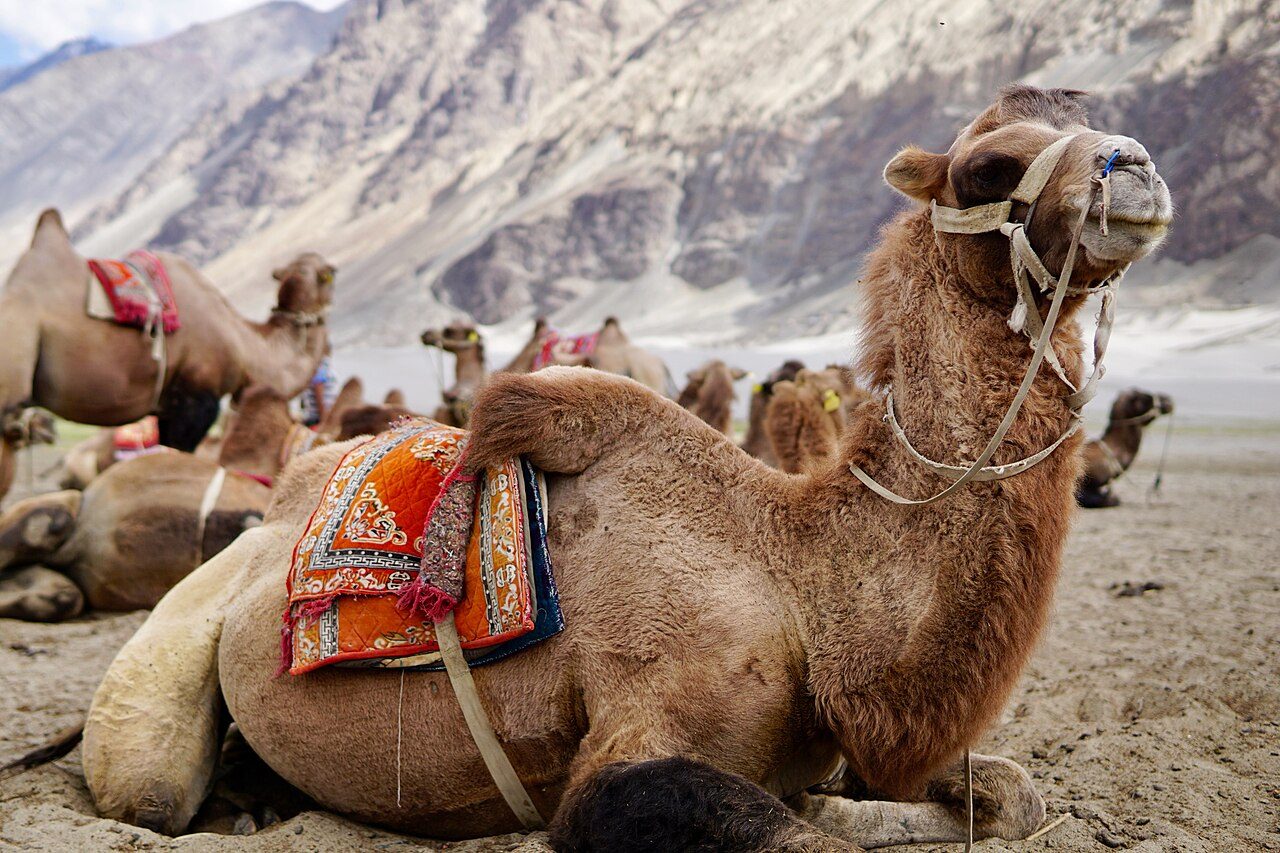
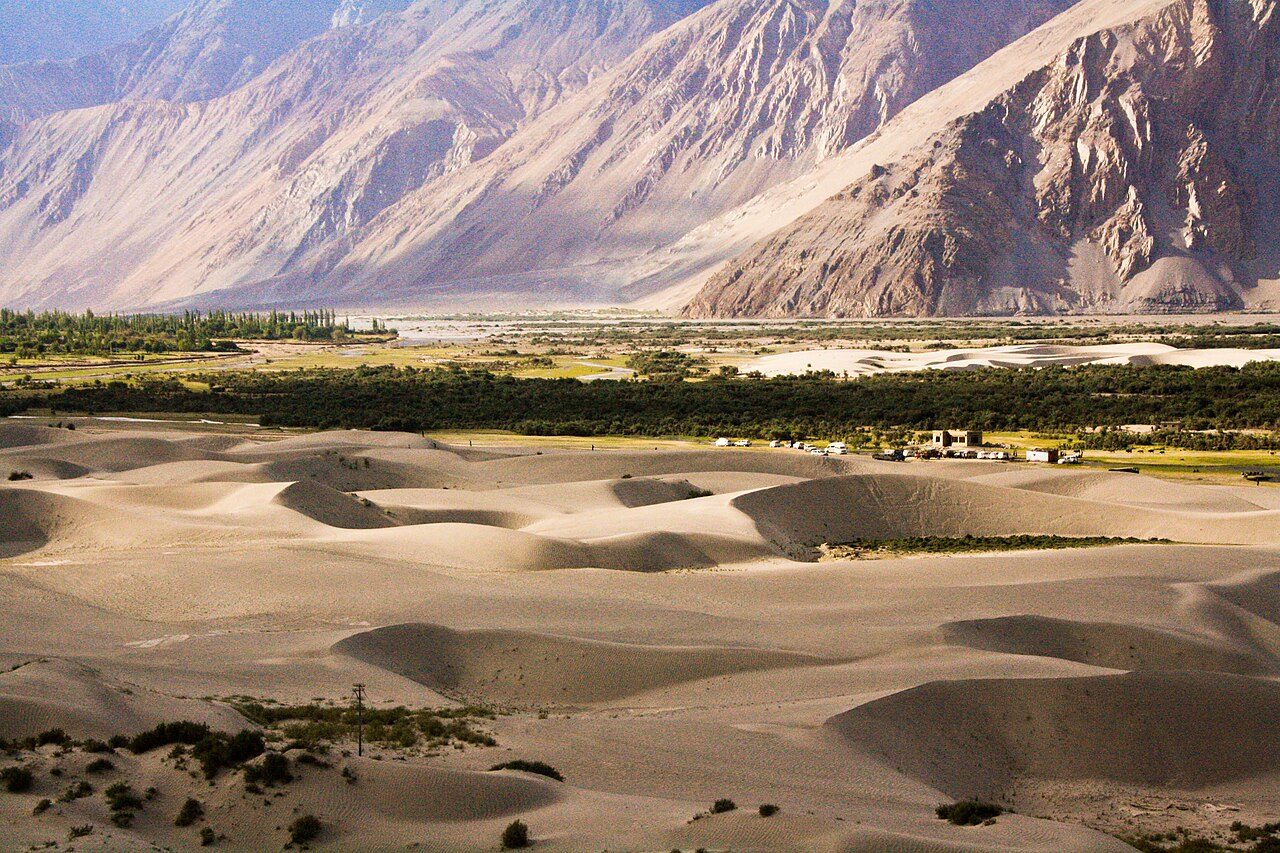
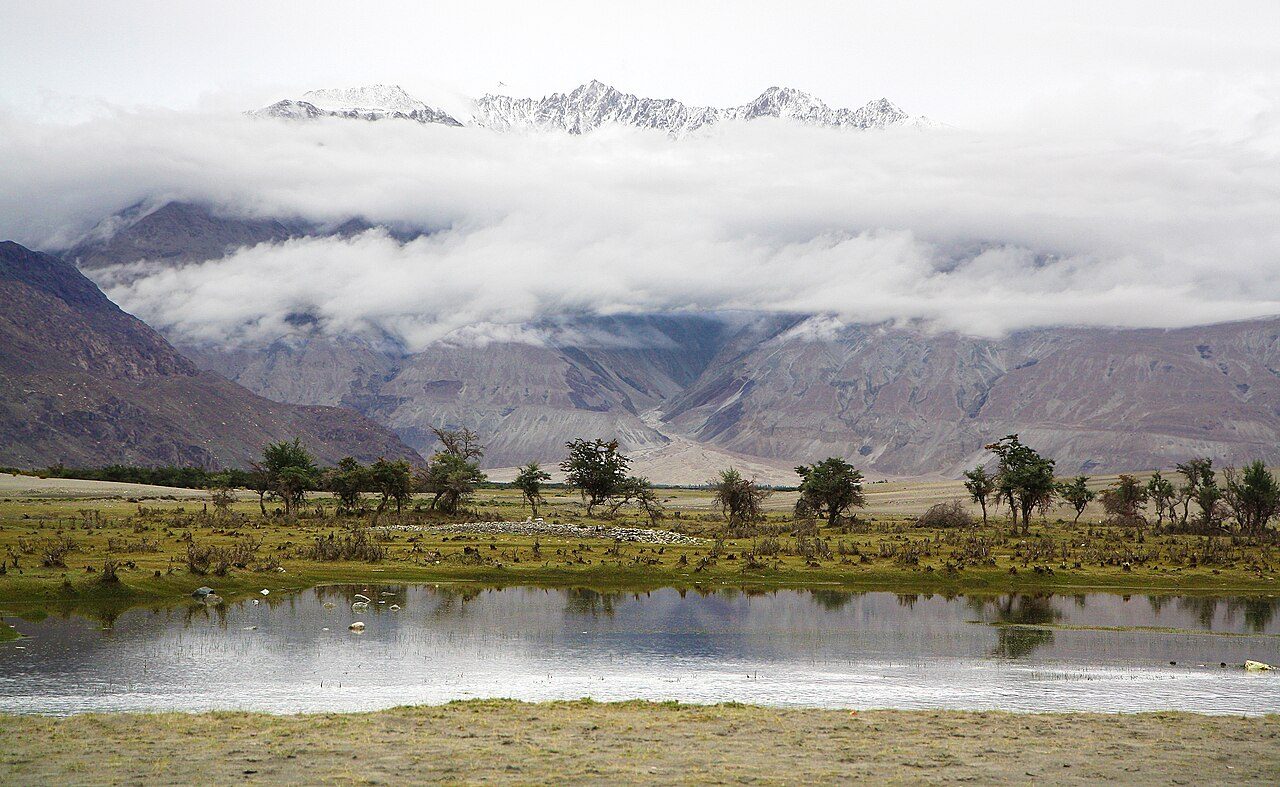
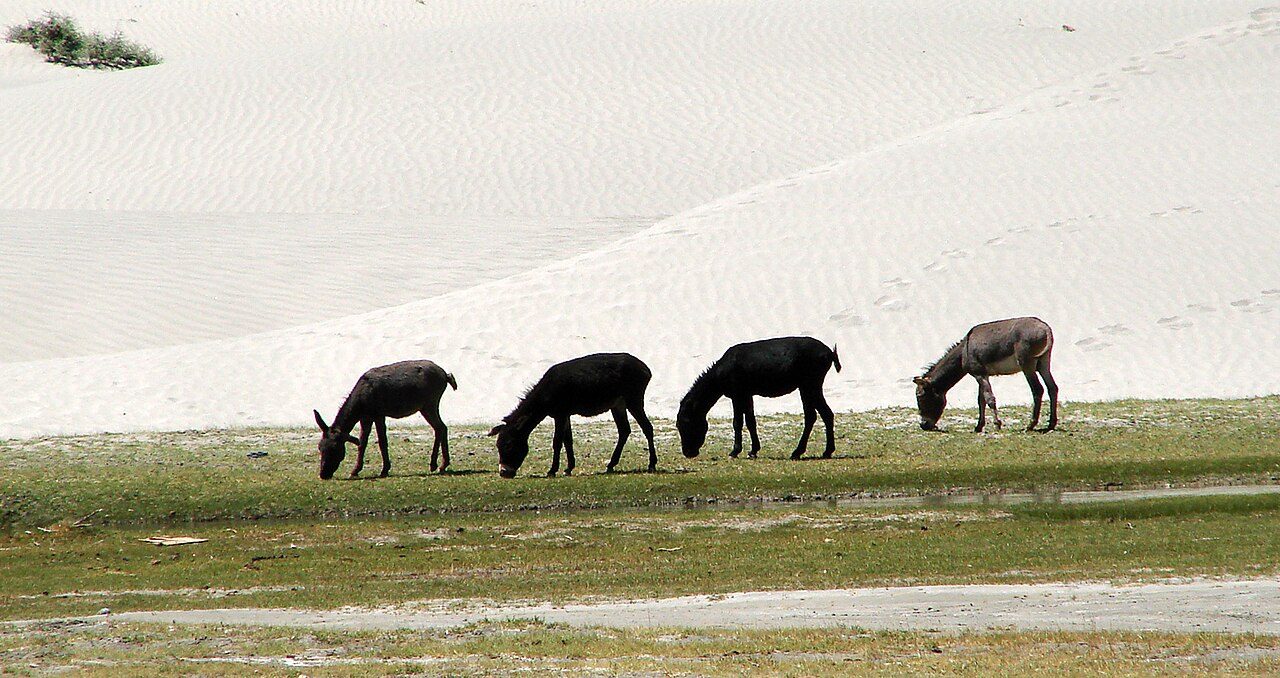
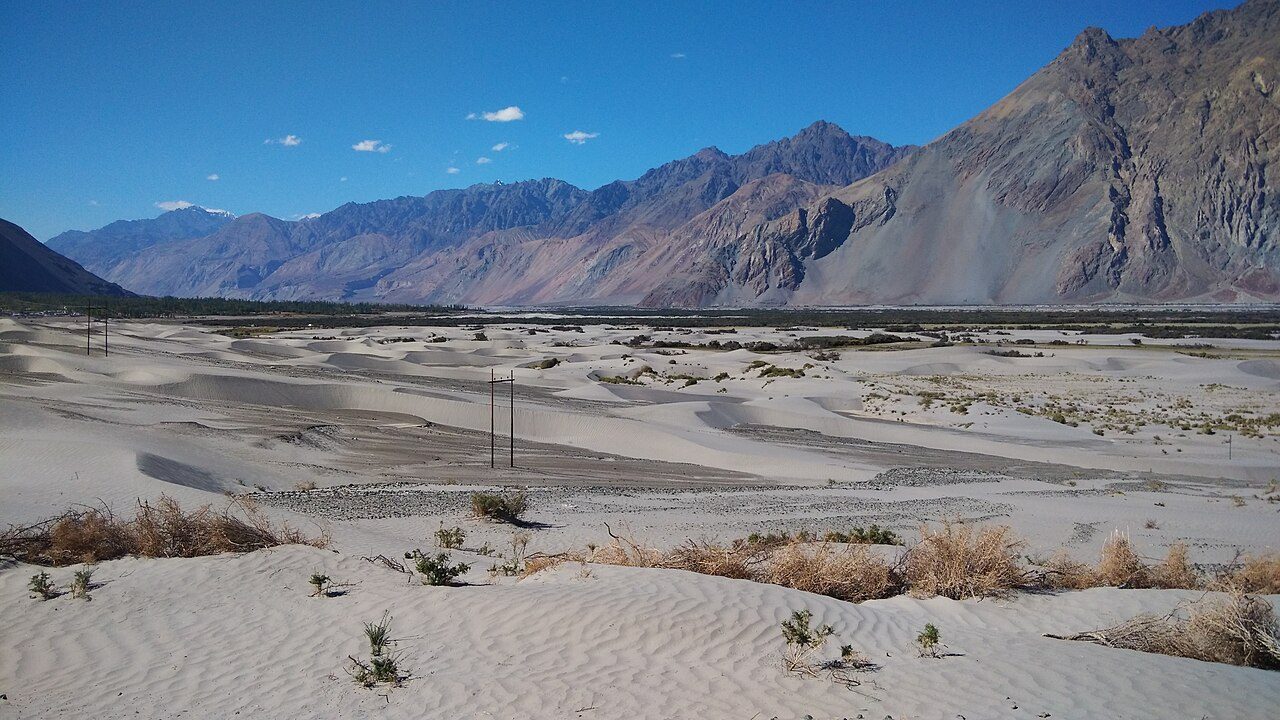
The sand dunes at Hunder lie in the Nubra valley between Diskit and Hunder village, at about 3,000 metres. Rolling pale dunes with a stream running through them and snow peaks all around make an unusual landscape. Double-humped Bactrian camels, descendants of those used on the Silk Route, carry visitors on short rides in the late afternoon.
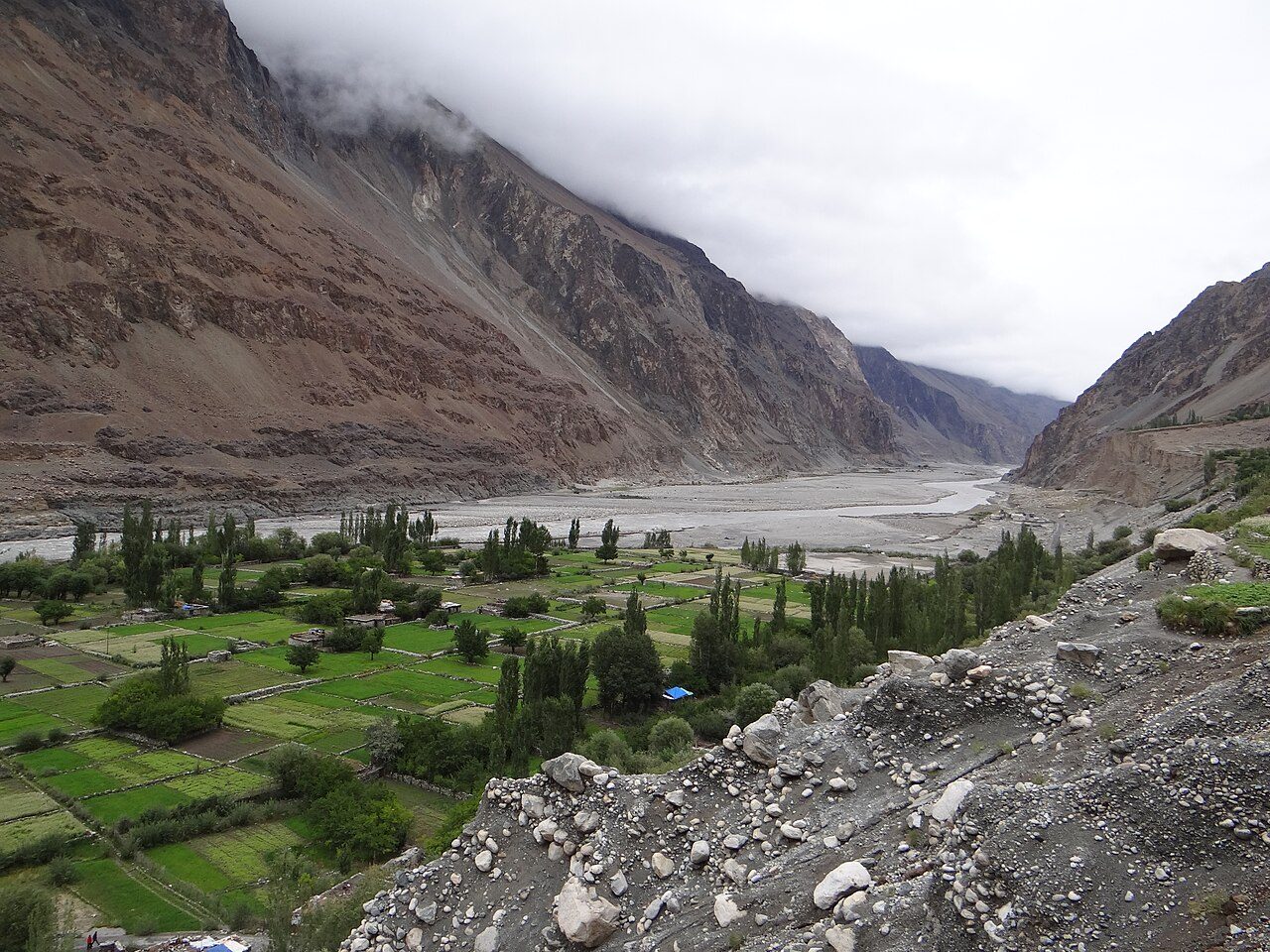
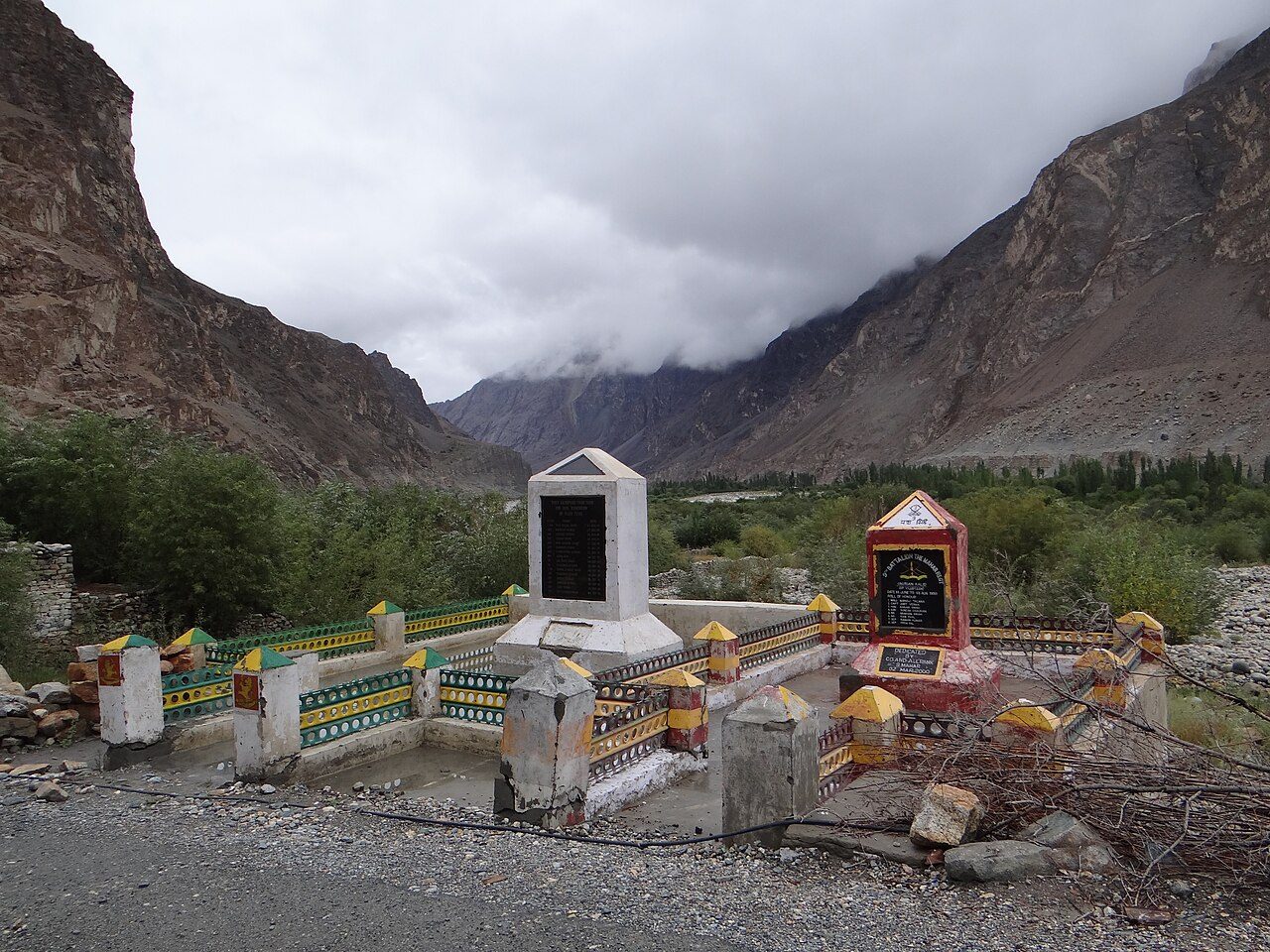
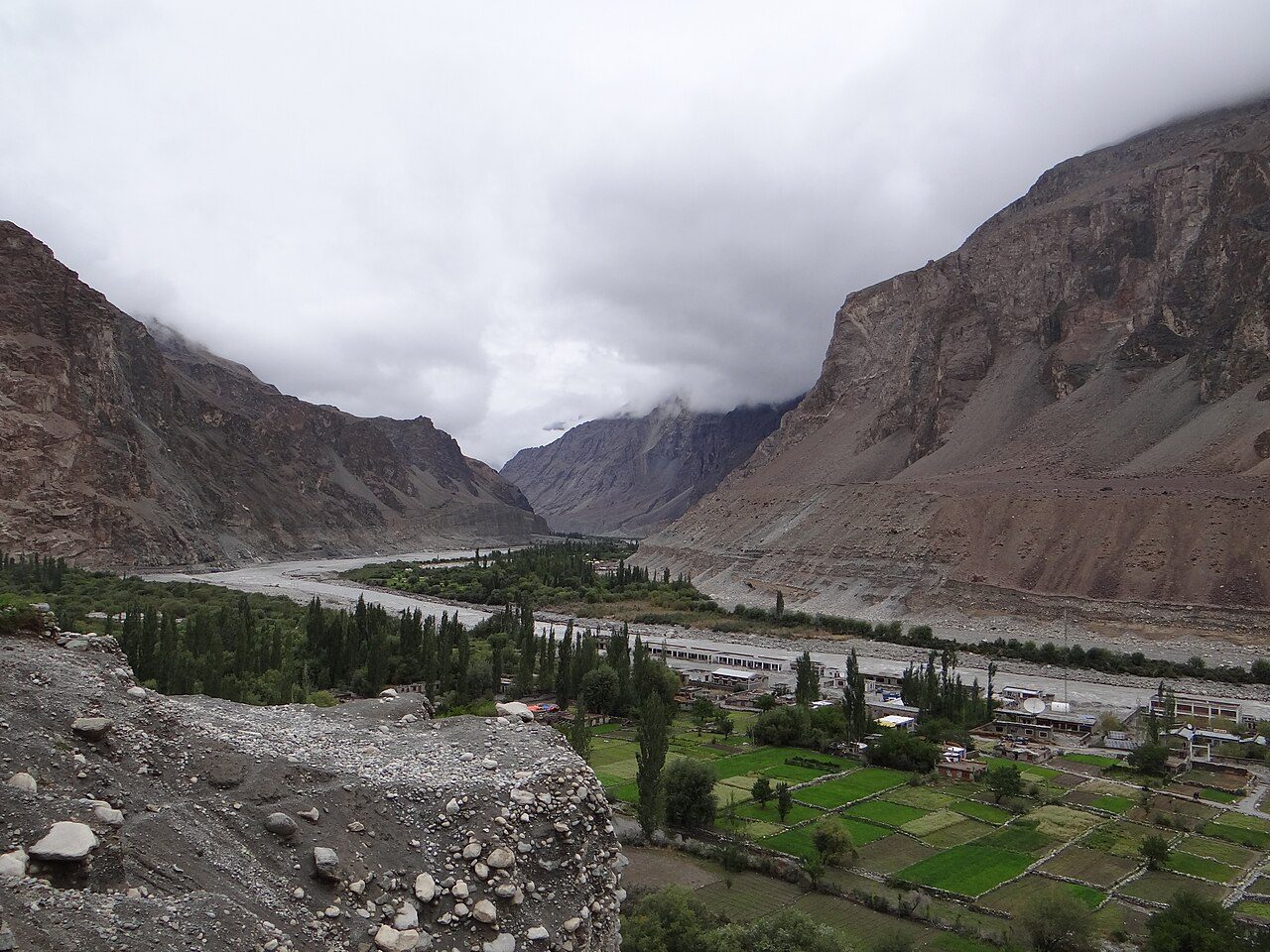
Turtuk is a village on the Shyok River at the far end of the Nubra valley, close to the Line of Control. It was part of Baltistan under Pakistan until 1971 and opened to tourists only in 2010. Its Balti people grow apricots and buckwheat among stone houses and water channels. The village has an old mosque and a small royal house museum.
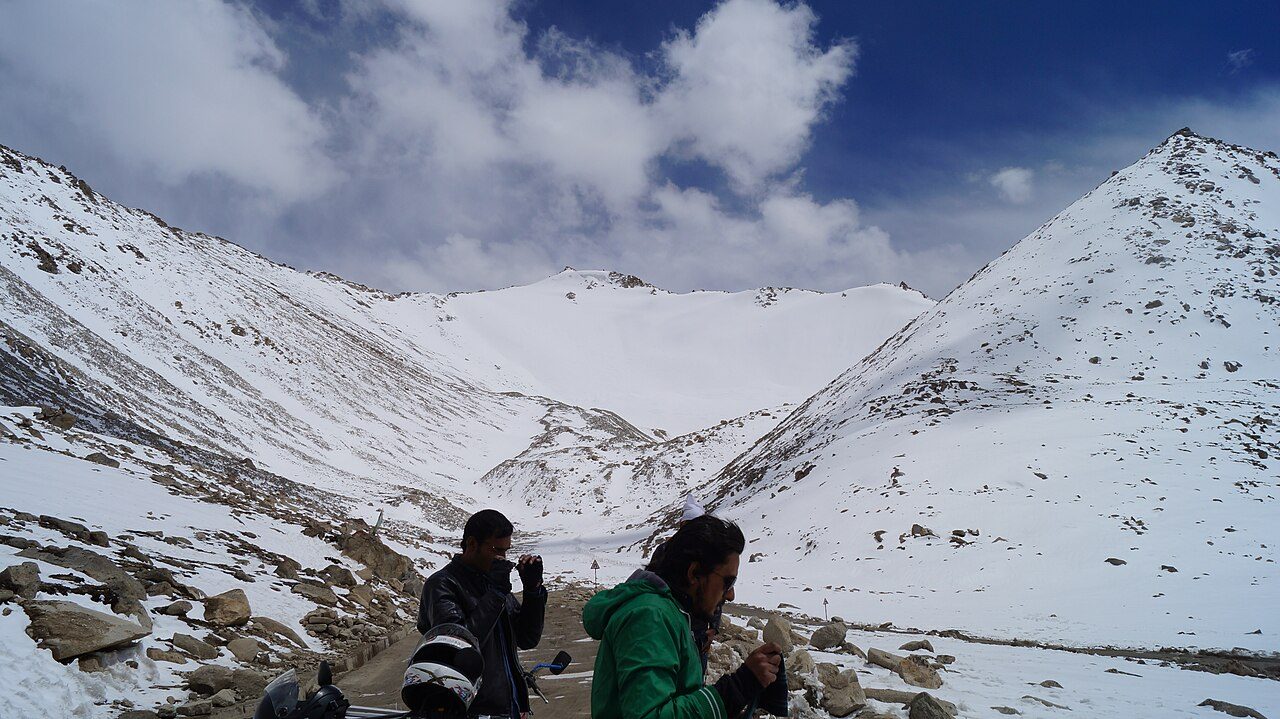
Chang La, at about 5,360 metres, is the high pass on the road from Leh to Pangong Tso. It is named after a holy man, Changla Baba, to whom a small temple at the top is dedicated. The army maintains the road and offers tea to travellers. Snow can fall in any month, and the thin air makes a long halt unwise.
14
STOP 14 OF 19
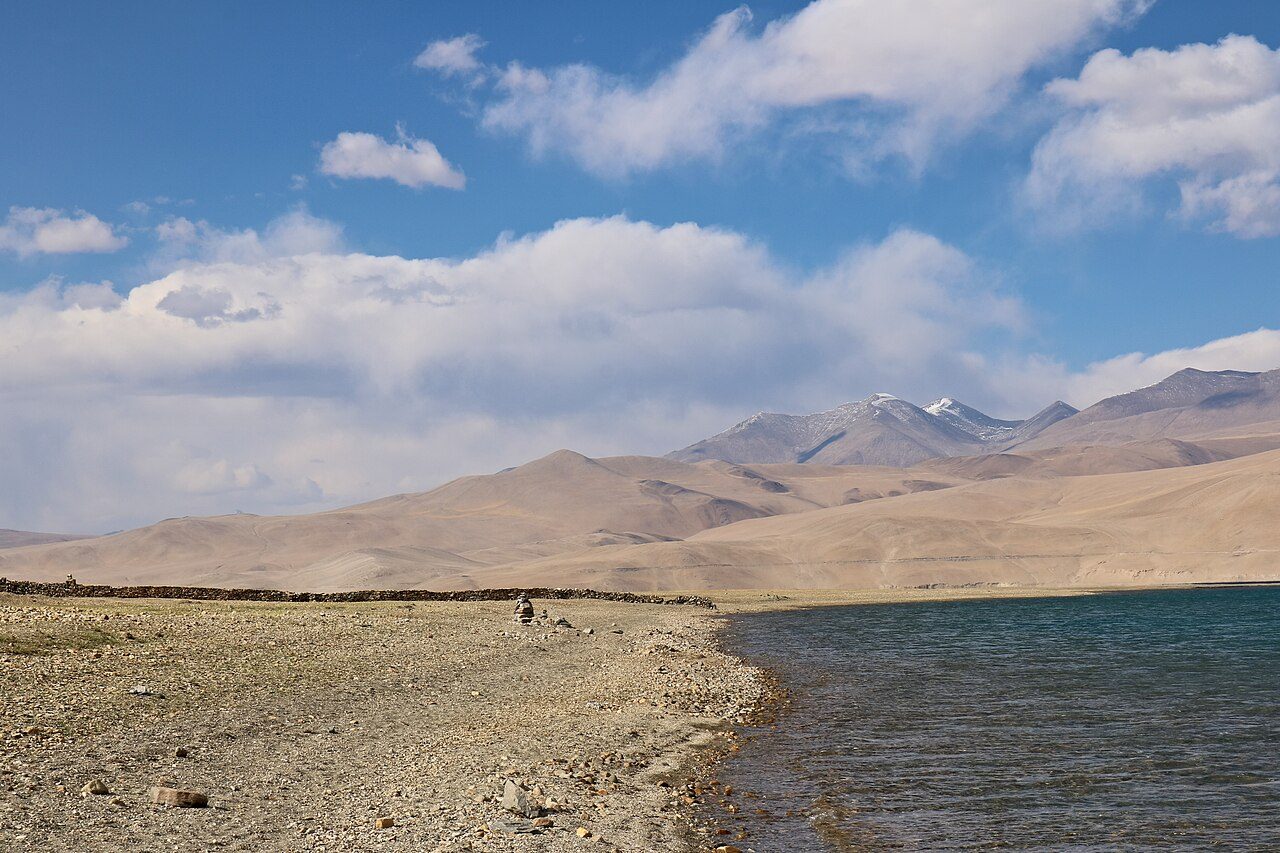
Pangong Tso
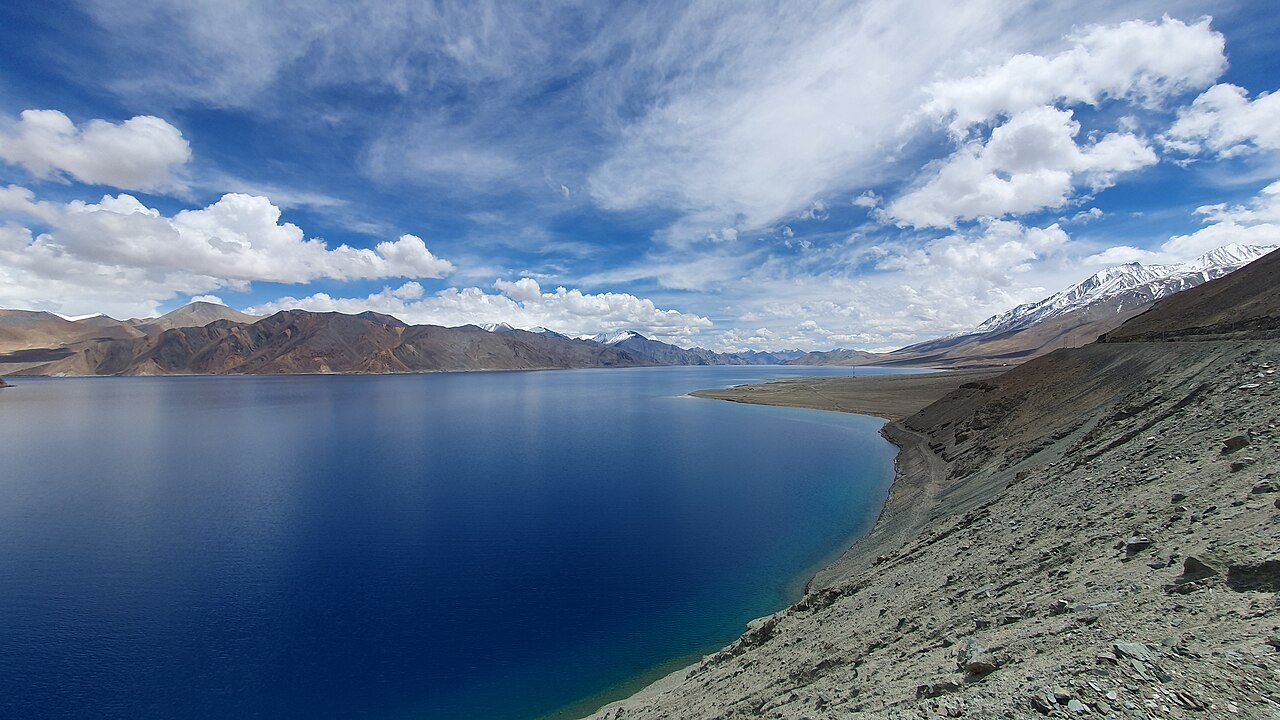
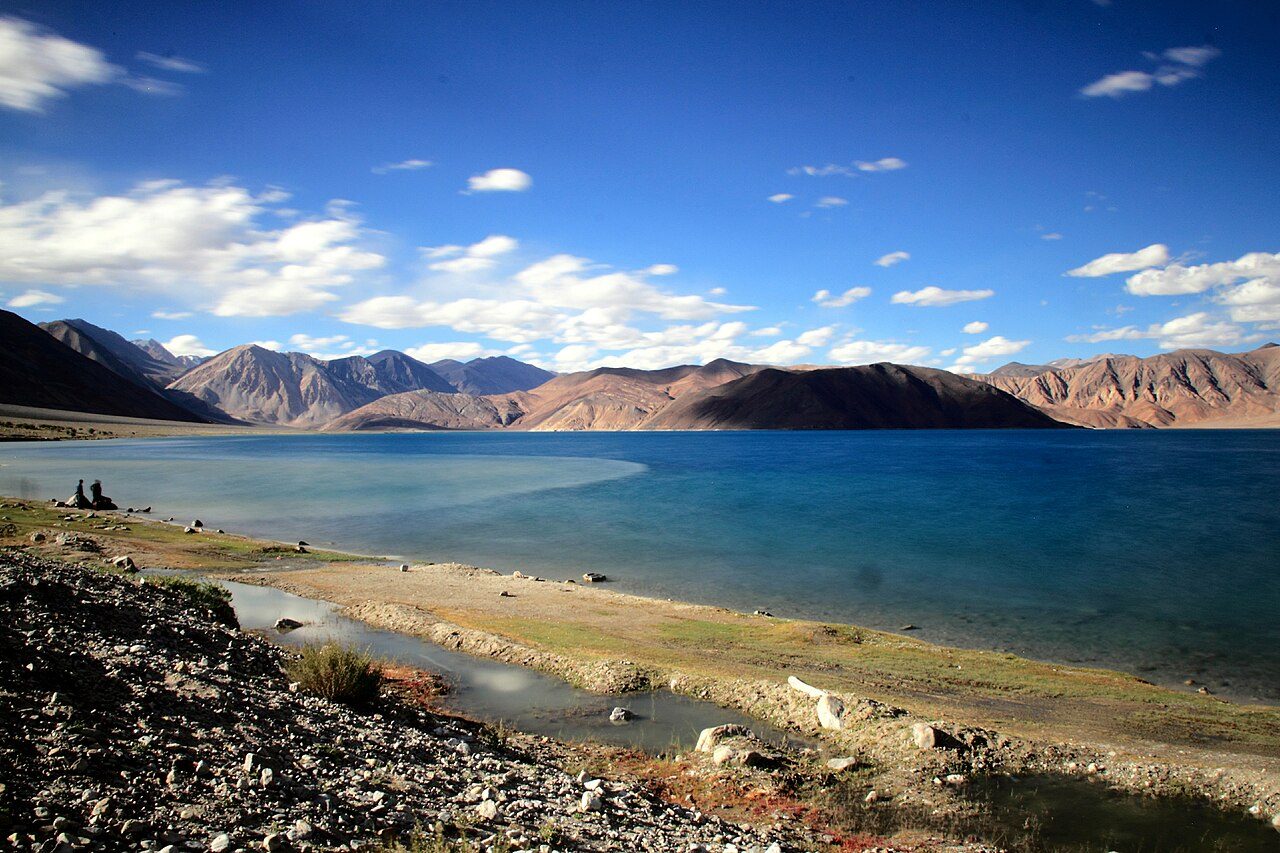
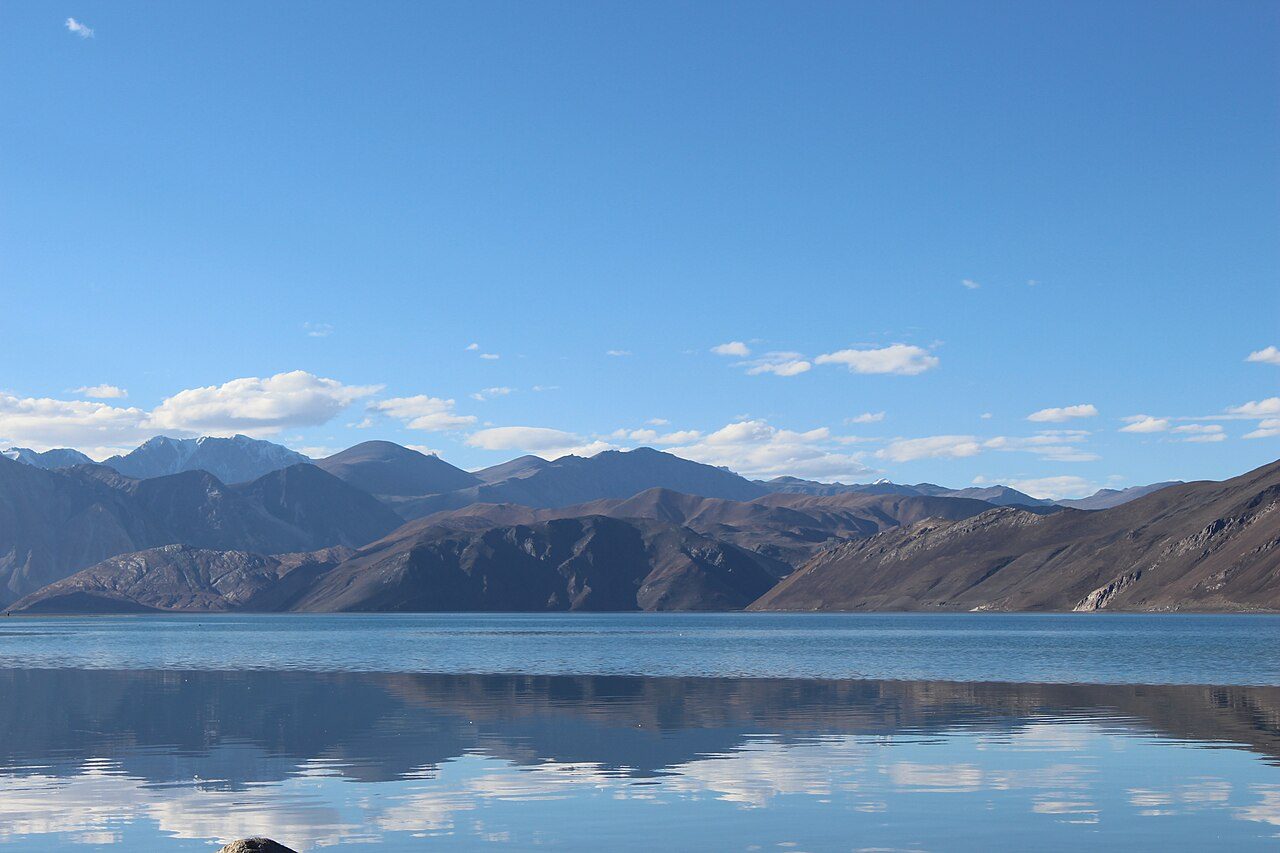
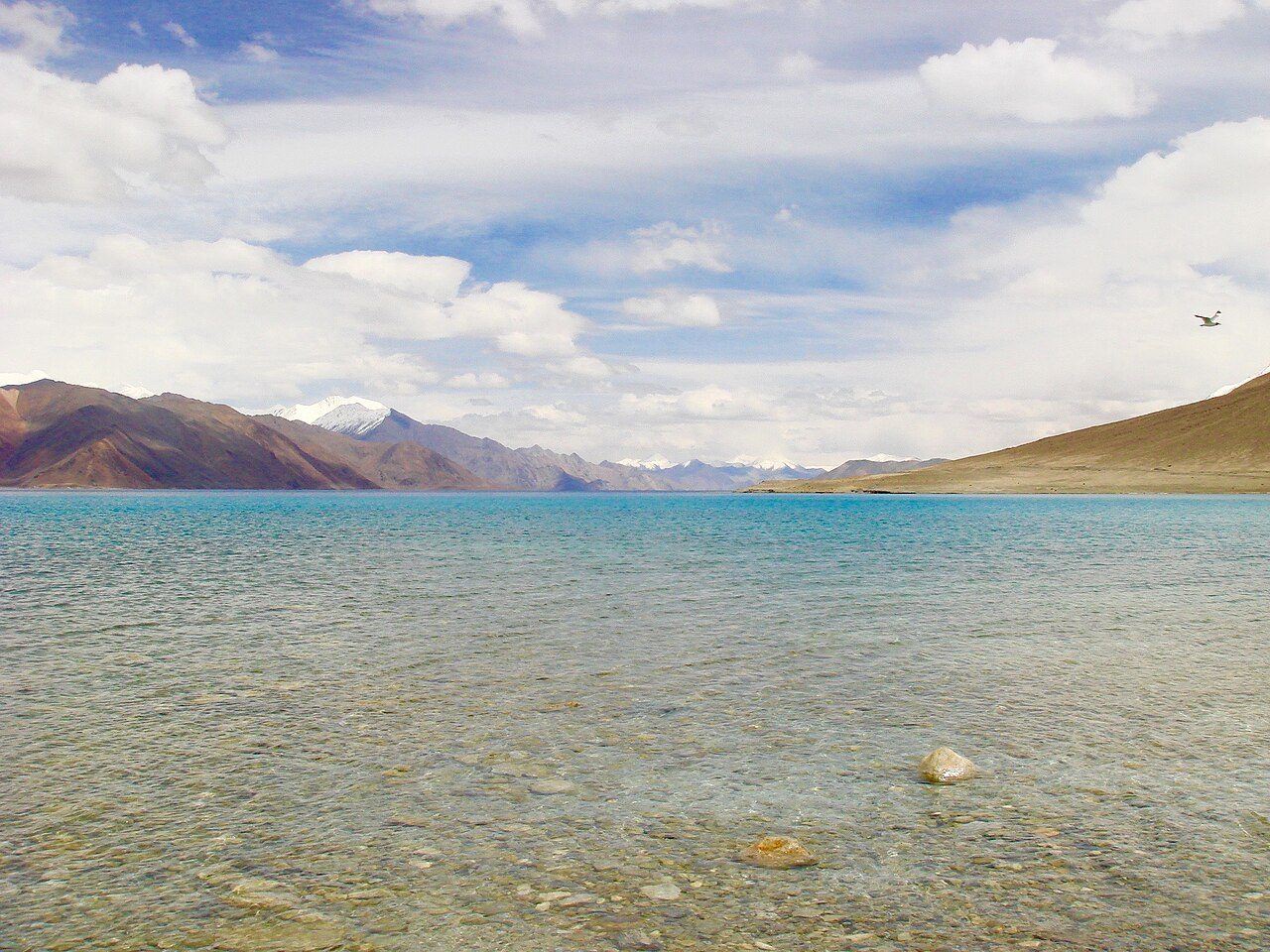
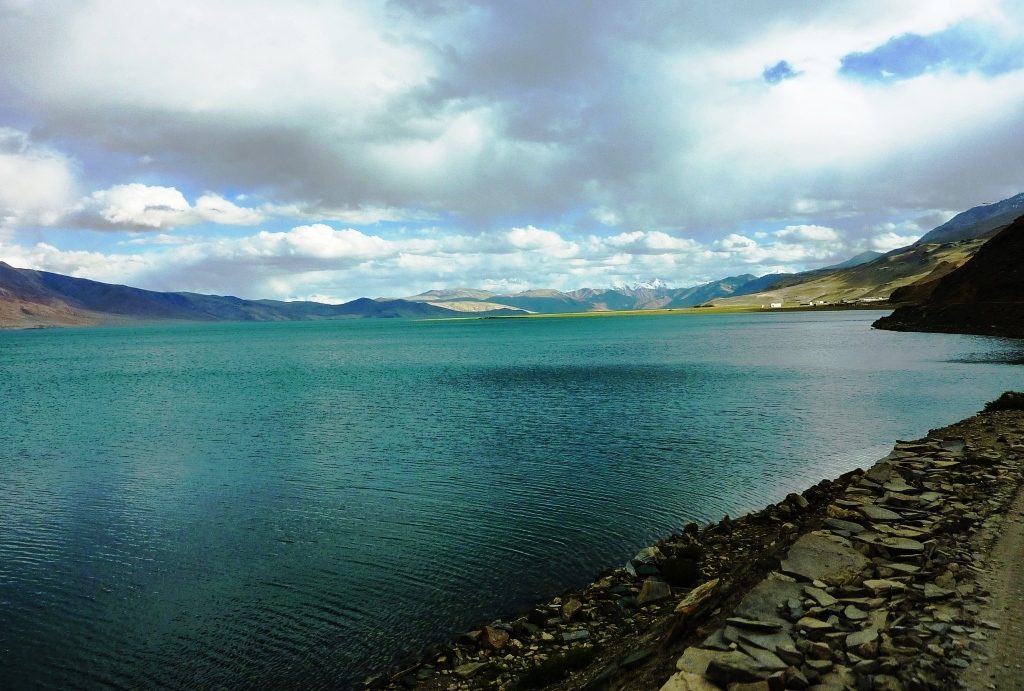
Pangong Tso is a long, narrow lake at about 4,250 metres, stretching some 135 km from Ladakh into Tibet. Its brackish water changes colour through the day, from deep blue to turquoise and green, against bare brown mountains. It is reached from Leh over the Chang La, a drive of about five hours. An Inner Line Permit is required, and nights are very cold even in summer.
15
STOP 15 OF 19
Thiksey Monastery
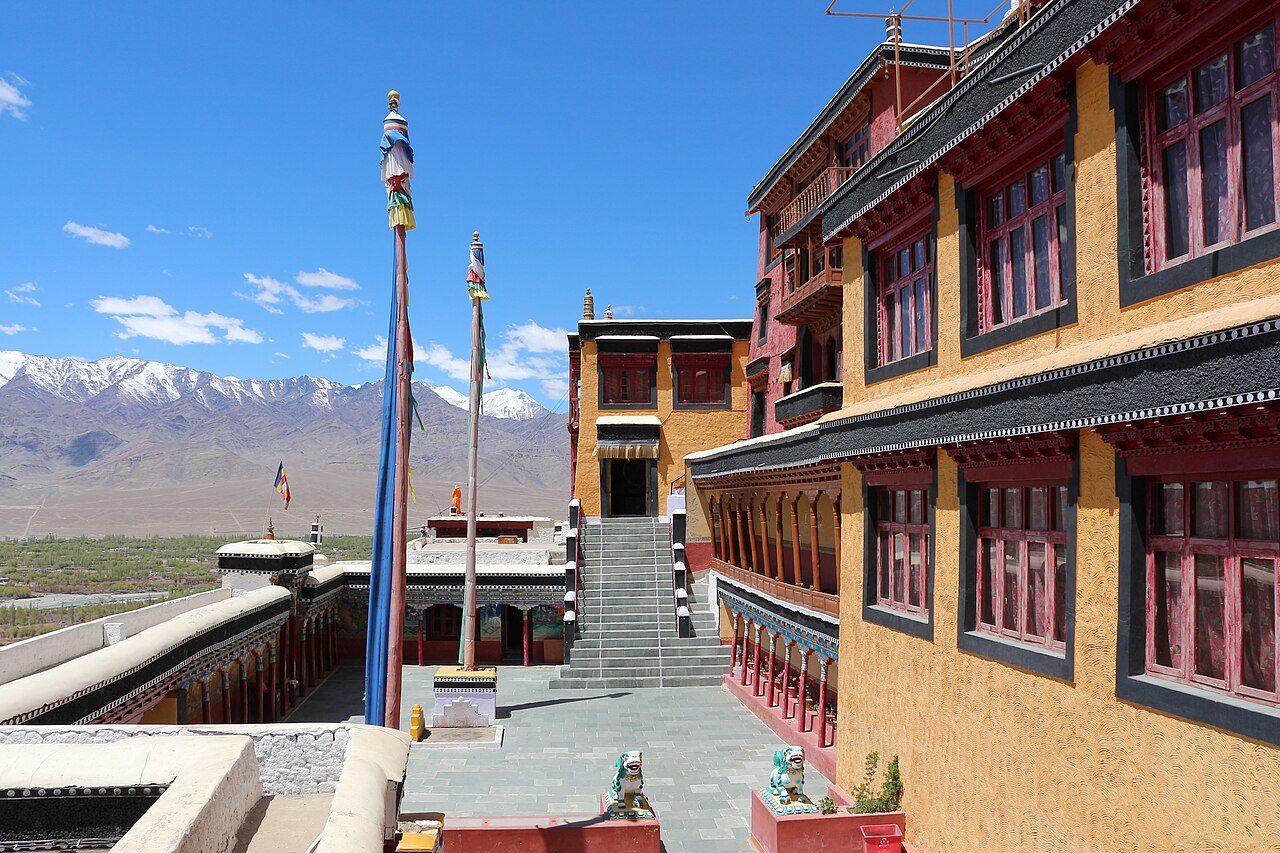
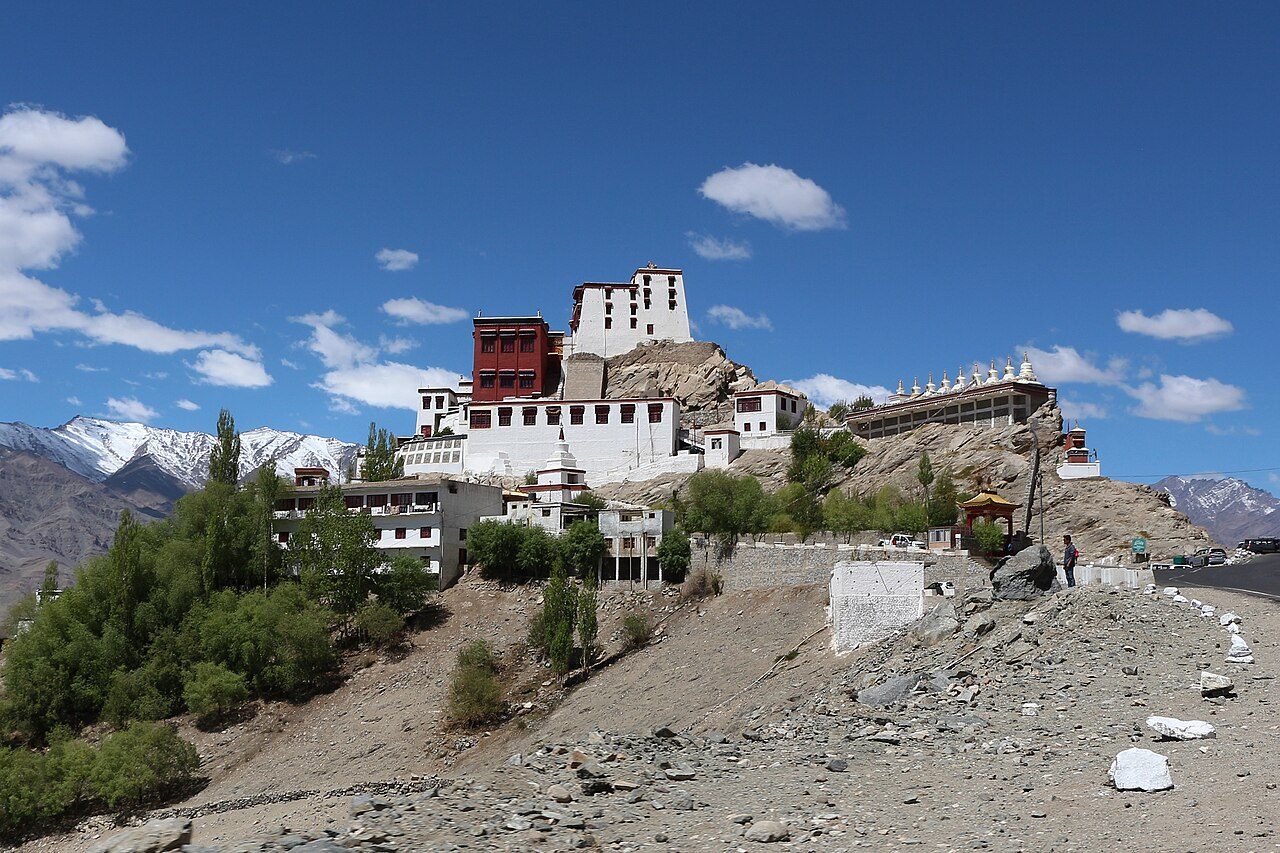
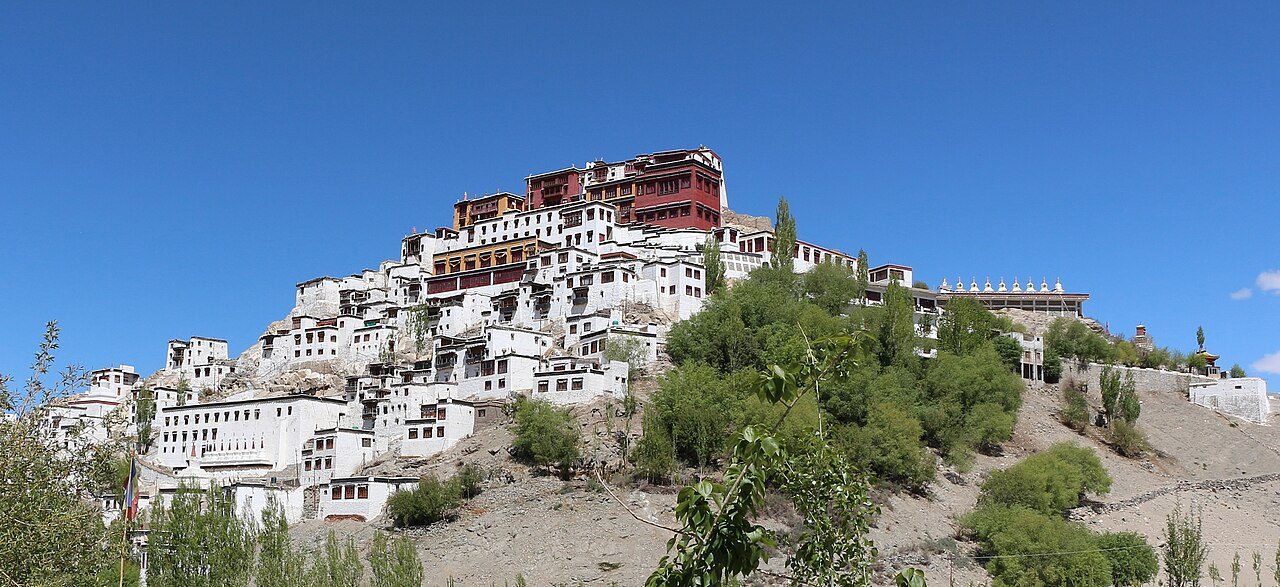
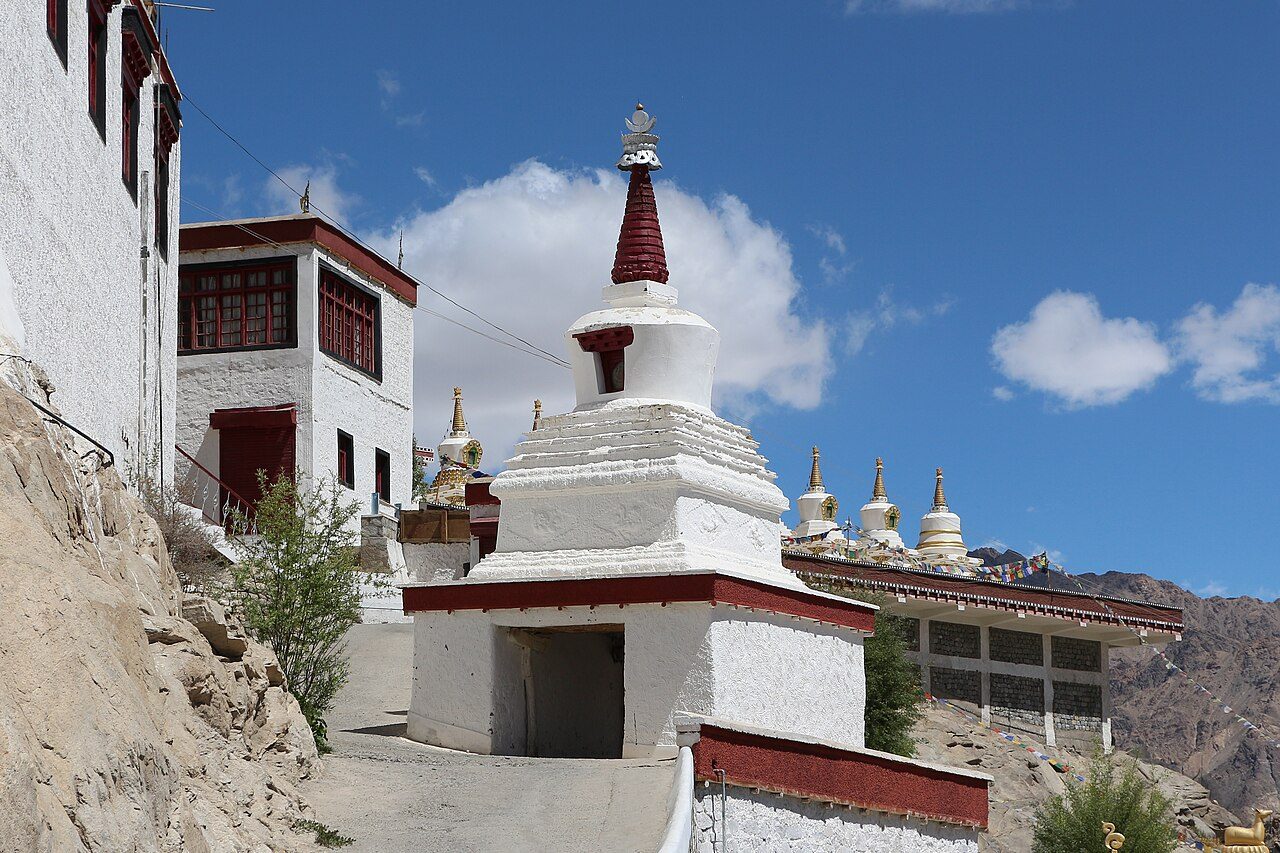
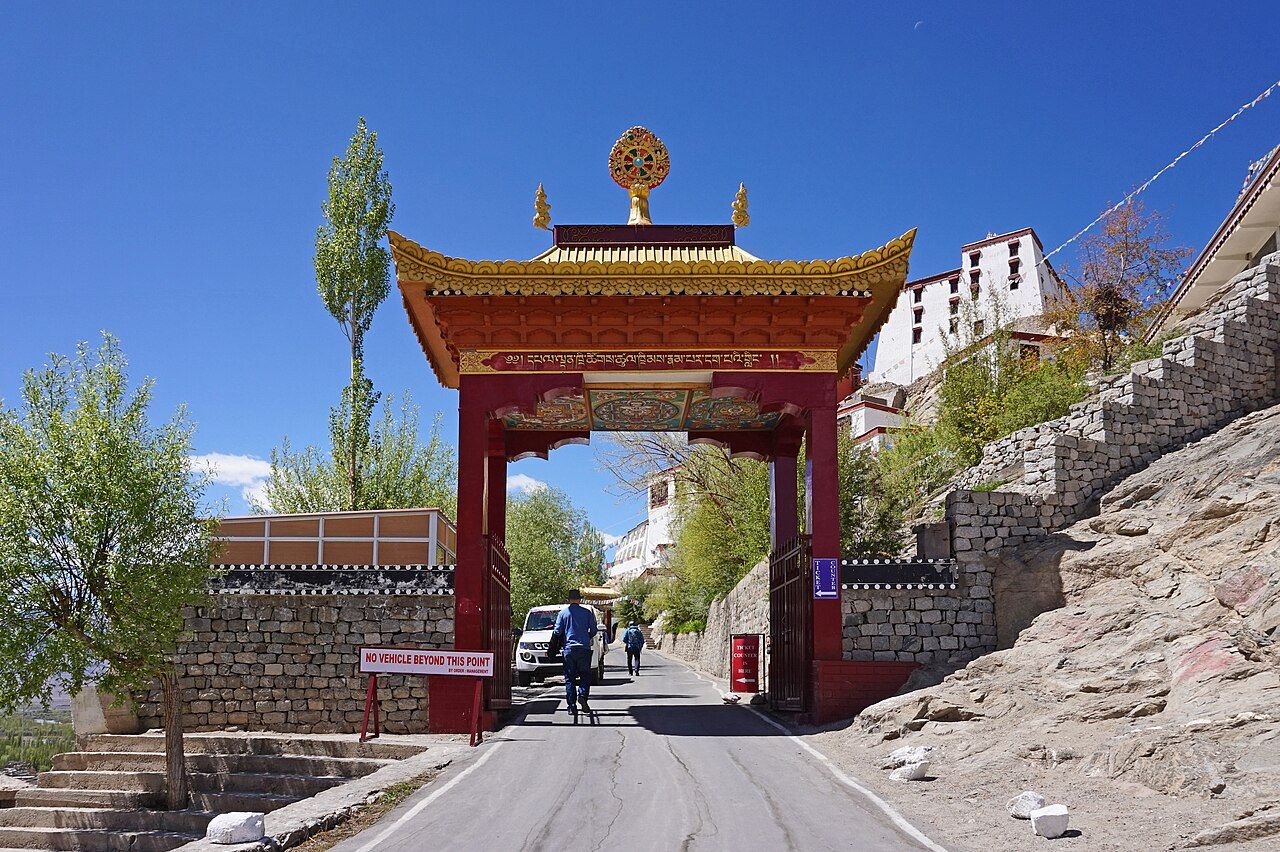
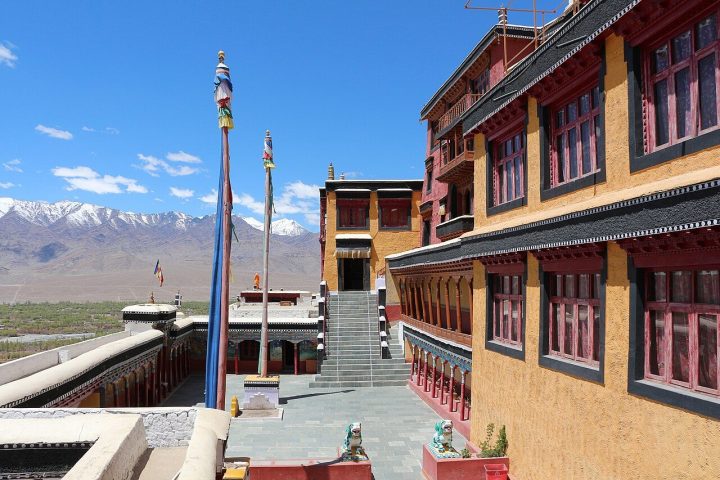
Thiksey Monastery, 19 km from Leh, is a twelve-storey complex of the Gelug school that climbs a hill like a small town and is often likened to the Potala Palace. Its Maitreya Temple houses a seated statue of the future Buddha about 15 metres high, rising through two storeys. Visitors may attend the monks' morning prayers at dawn.
16
STOP 16 OF 19
Shey Palace
Shey Palace, 15 km from Leh, was the summer residence of the kings of Ladakh, built in 1655 by Deldan Namgyal. The palace is mostly in ruins, but its monastery holds a gilded copper statue of Shakyamuni Buddha about 12 metres tall, one of the largest in Ladakh. The ridge looks out over the Indus valley and fields of barley.
17
STOP 17 OF 19
Stakna Monastery
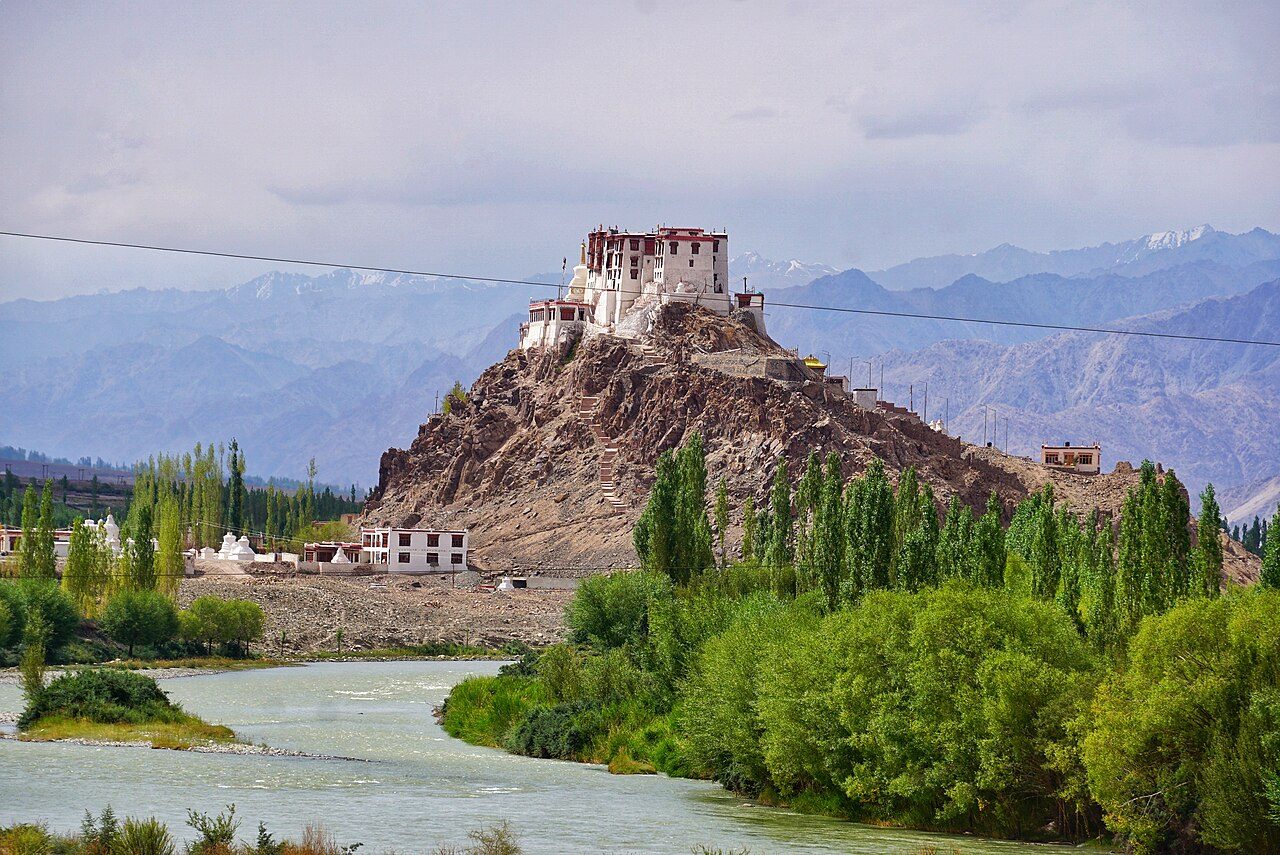
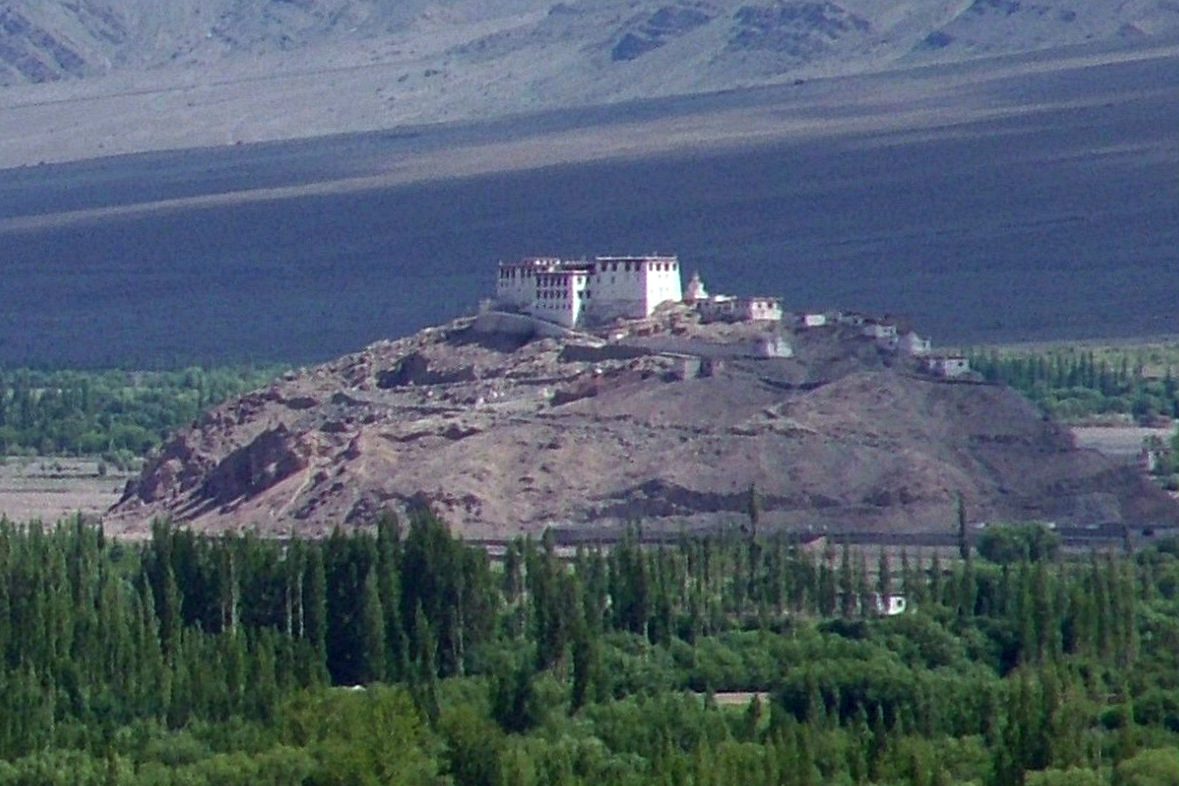
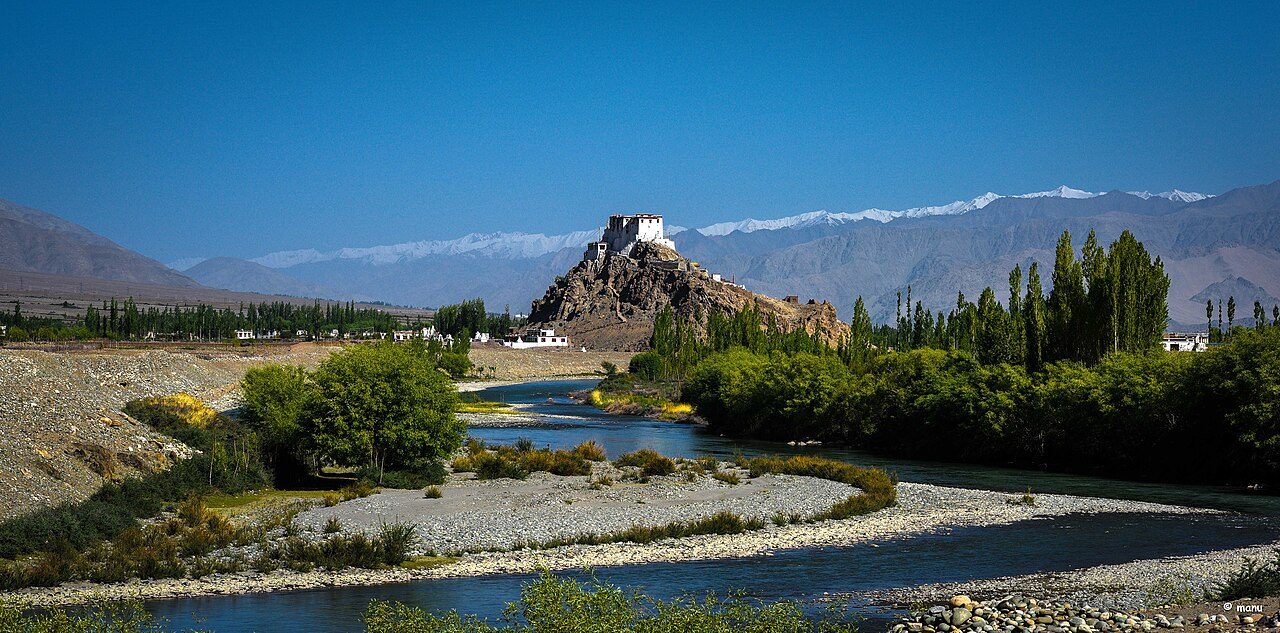
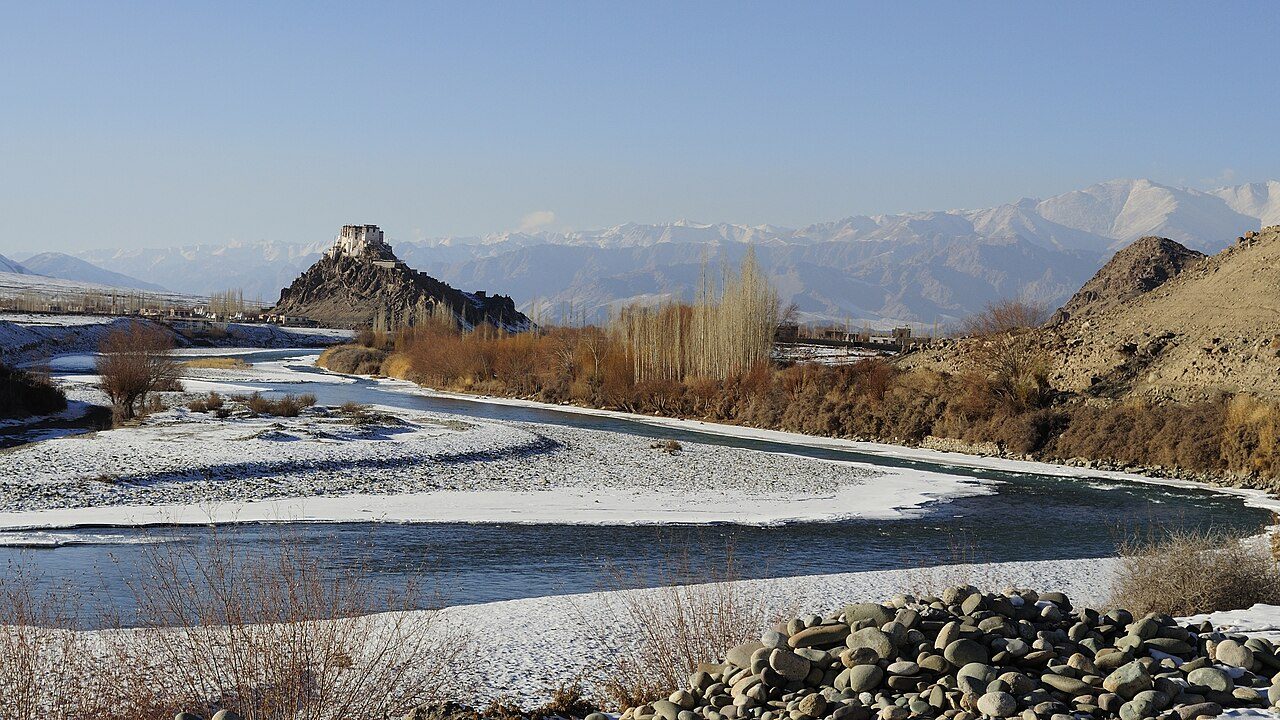
Stakna Monastery sits on a rock shaped like a tiger's nose, from which it takes its name, above a bend of the Indus about 25 km from Leh. It was founded in the late 16th century by a Bhutanese scholar and belongs to the Drukpa school. The small monastery has a silver chorten and bright murals, and its roof looks along the valley towards Thiksey.
18
STOP 18 OF 19
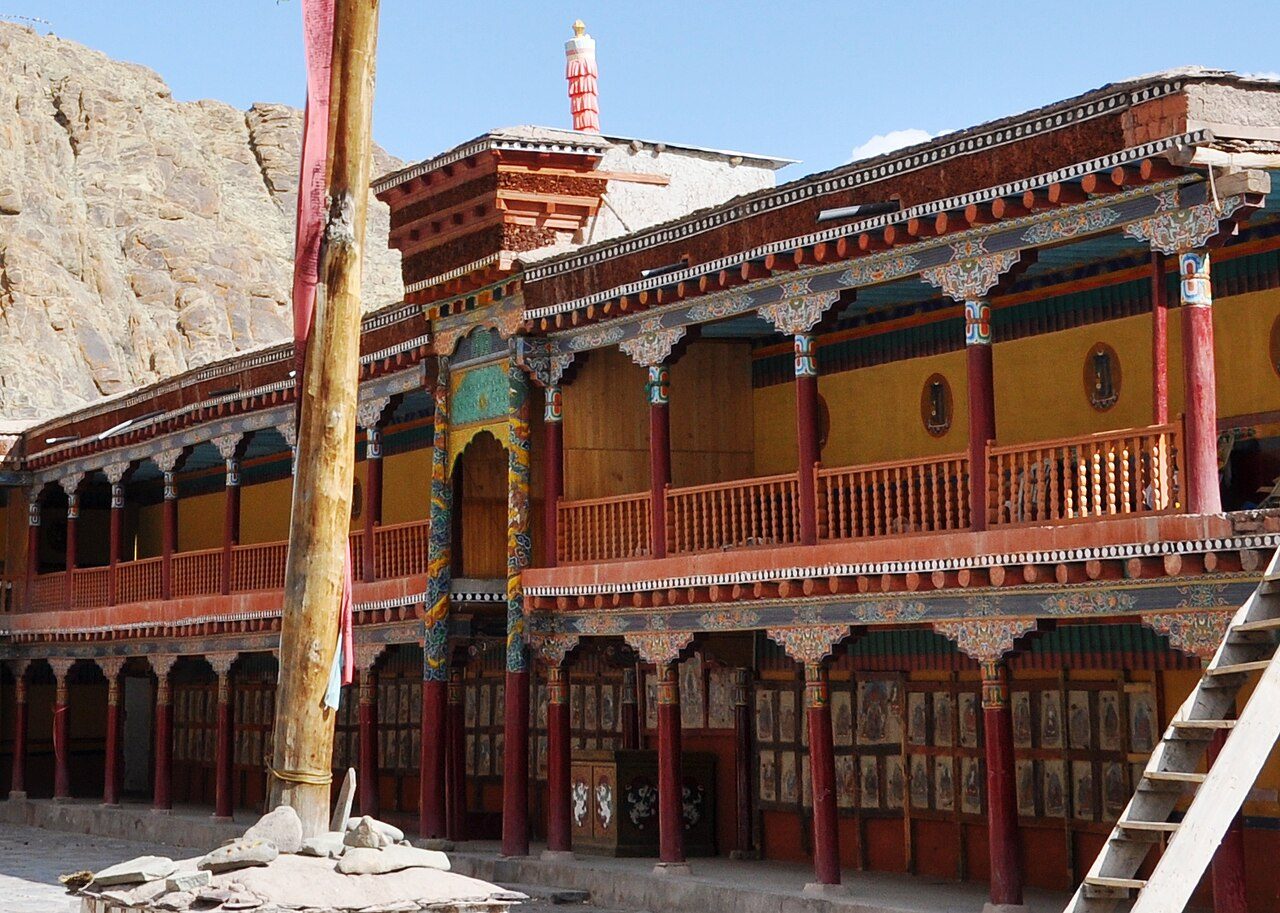
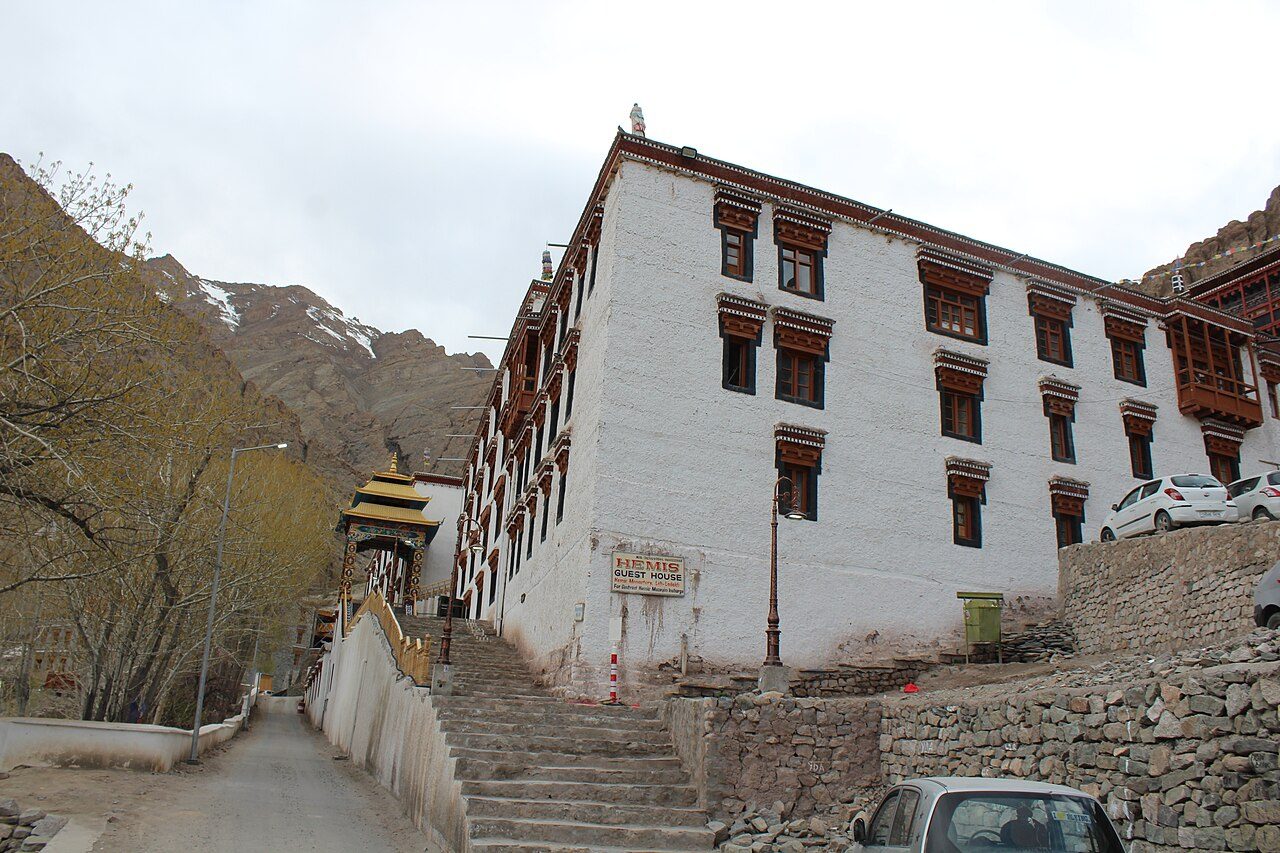
Hemis Monastery
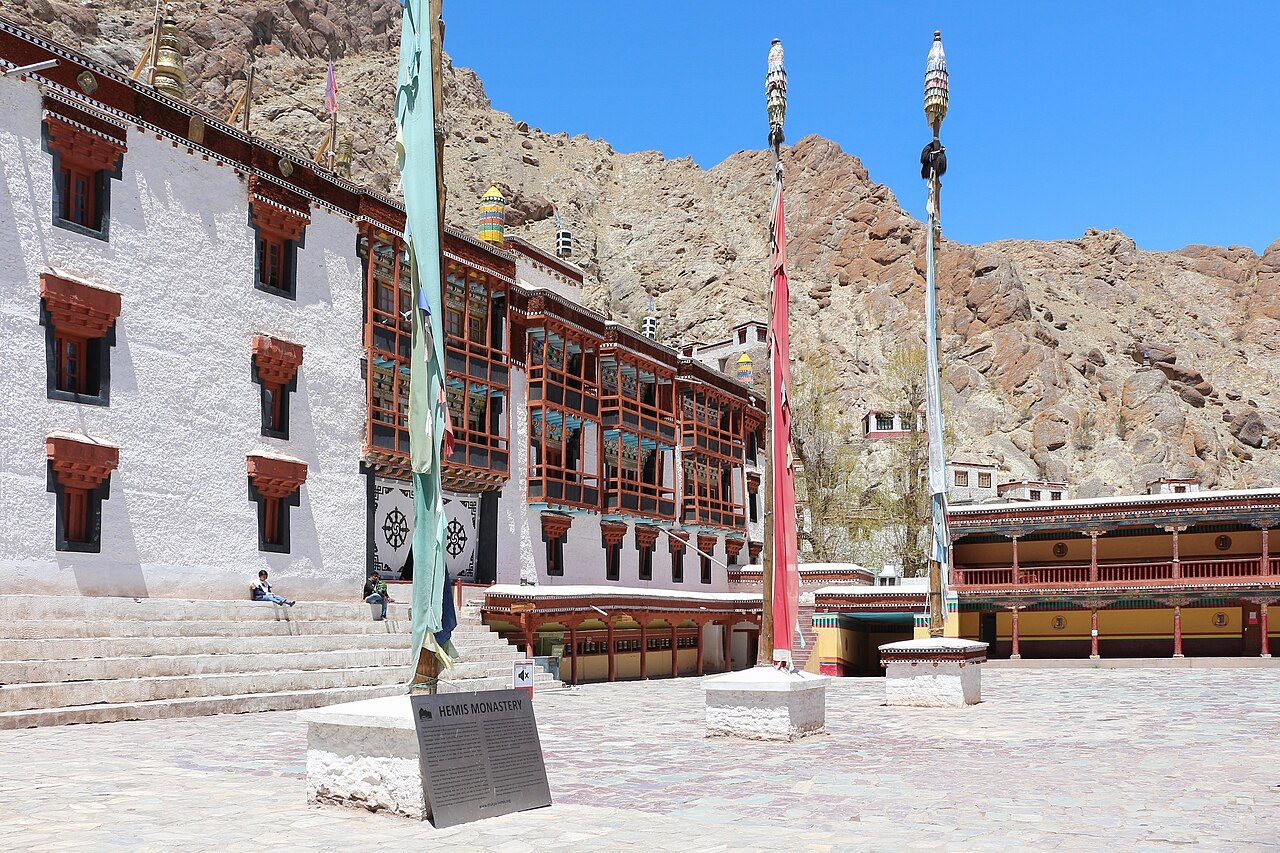
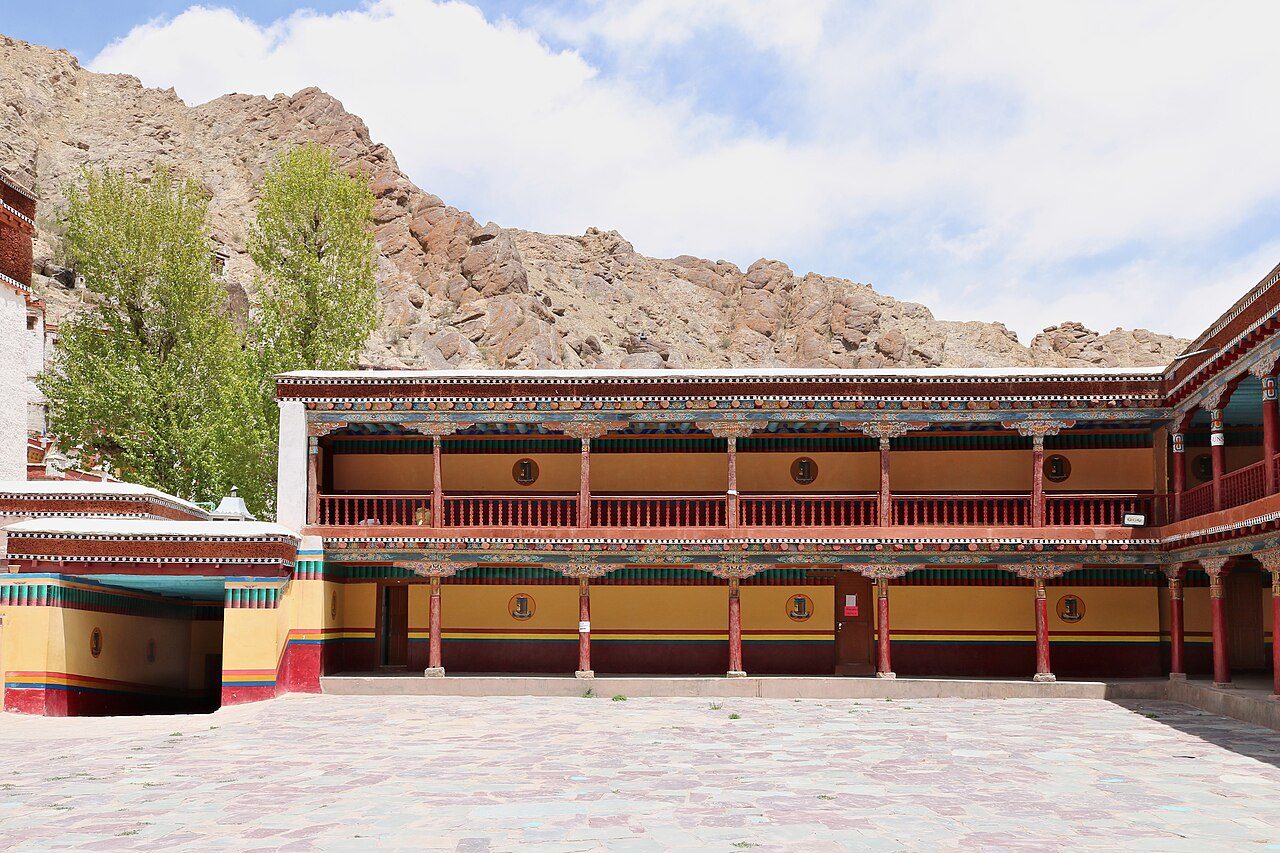
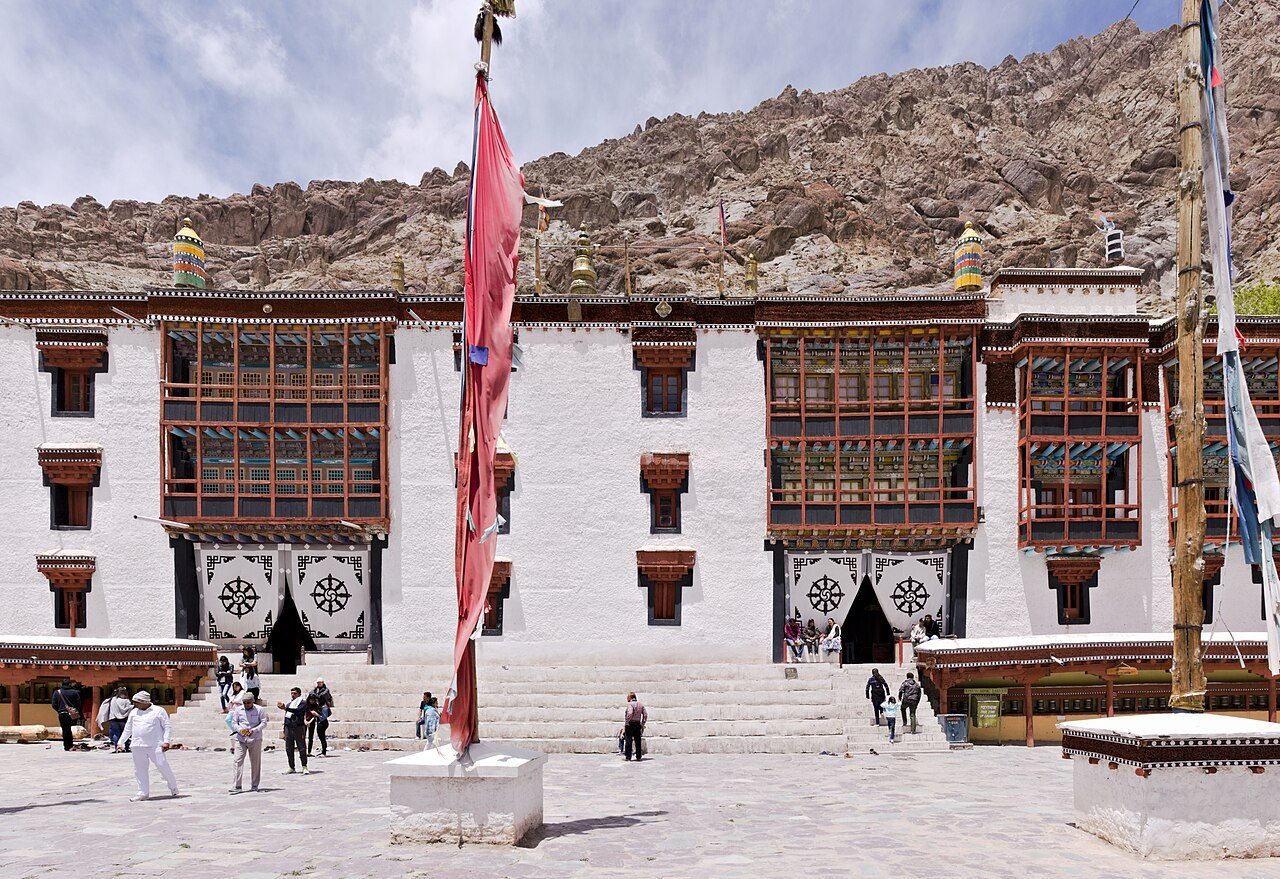
Hemis is the largest and wealthiest monastery in Ladakh, belonging to the Drukpa lineage, hidden in a side valley 45 km from Leh. Re-established in 1672 under King Sengge Namgyal, it is famous for the Hemis Festival each June or July, when masked dances honour Padmasambhava. A museum displays thangkas, statues and ritual objects.
19
STOP 19 OF 19 · LAST STOP
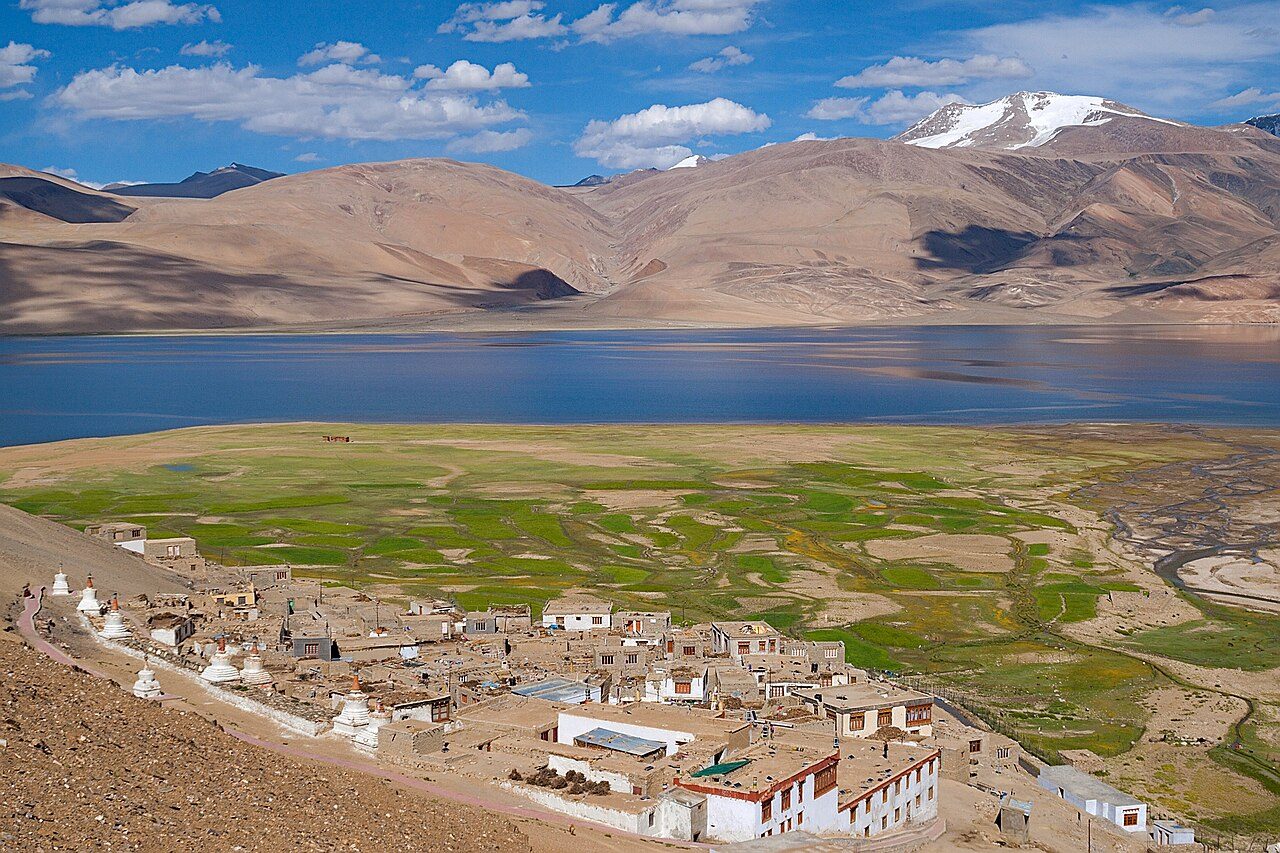
Tso Moriri
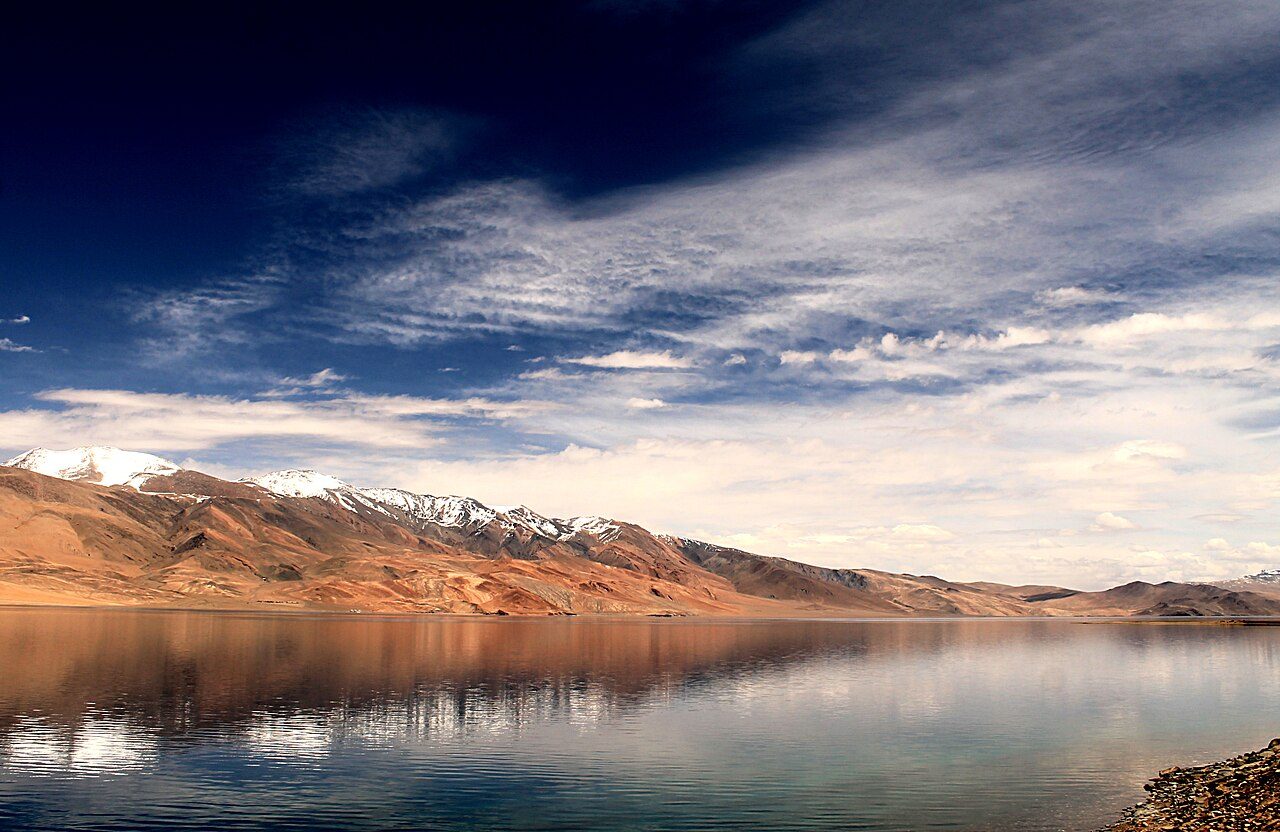
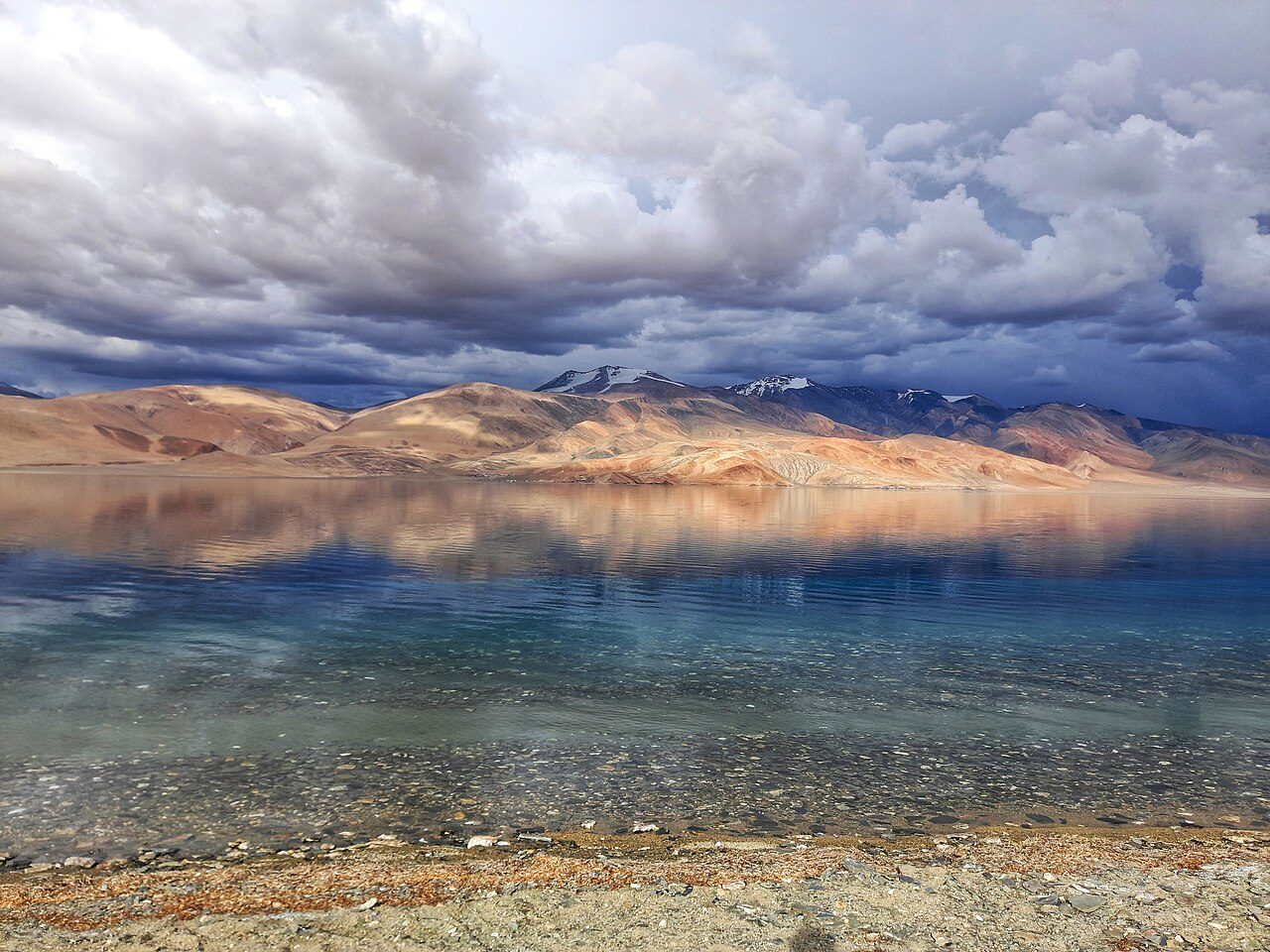
Tso Moriri is a high-altitude lake at about 4,520 metres on the Changthang plateau, some 220 km from Leh. Ringed by snow peaks, it is a Ramsar wetland and breeding ground for bar-headed geese and black-necked cranes. Korzok, on its western shore, has an old monastery and is home to Changpa nomads. An Inner Line Permit is needed.
Seasons from 20 years of NASA POWER climate data.
 WaTrips