Bahu Fort, Mubarak Mandi and Amar Mahal, Mansar Lake and the Krimchi temples, Patnitop and Sanasar, then the Vaishno Devi trek and Reasi.
The Jammu region has its own character: temple towns, old palaces and pine hills. Day one stays in Jammu for Bahu Fort, the Mubarak Mandi palace complex and the Amar Mahal museum. Day two visits Mansar Lake and the old stone temples at Krimchi. Day three climbs to the pine forests of Patnitop and the meadow at Sanasar. Day four is the trek of about 13 km from Katra to the Vaishno Devi shrine, one of India's most visited pilgrimages, with Bhimgarh Fort in Reasi nearby. Register for the yatra before you go; March to October is the most comfortable time.
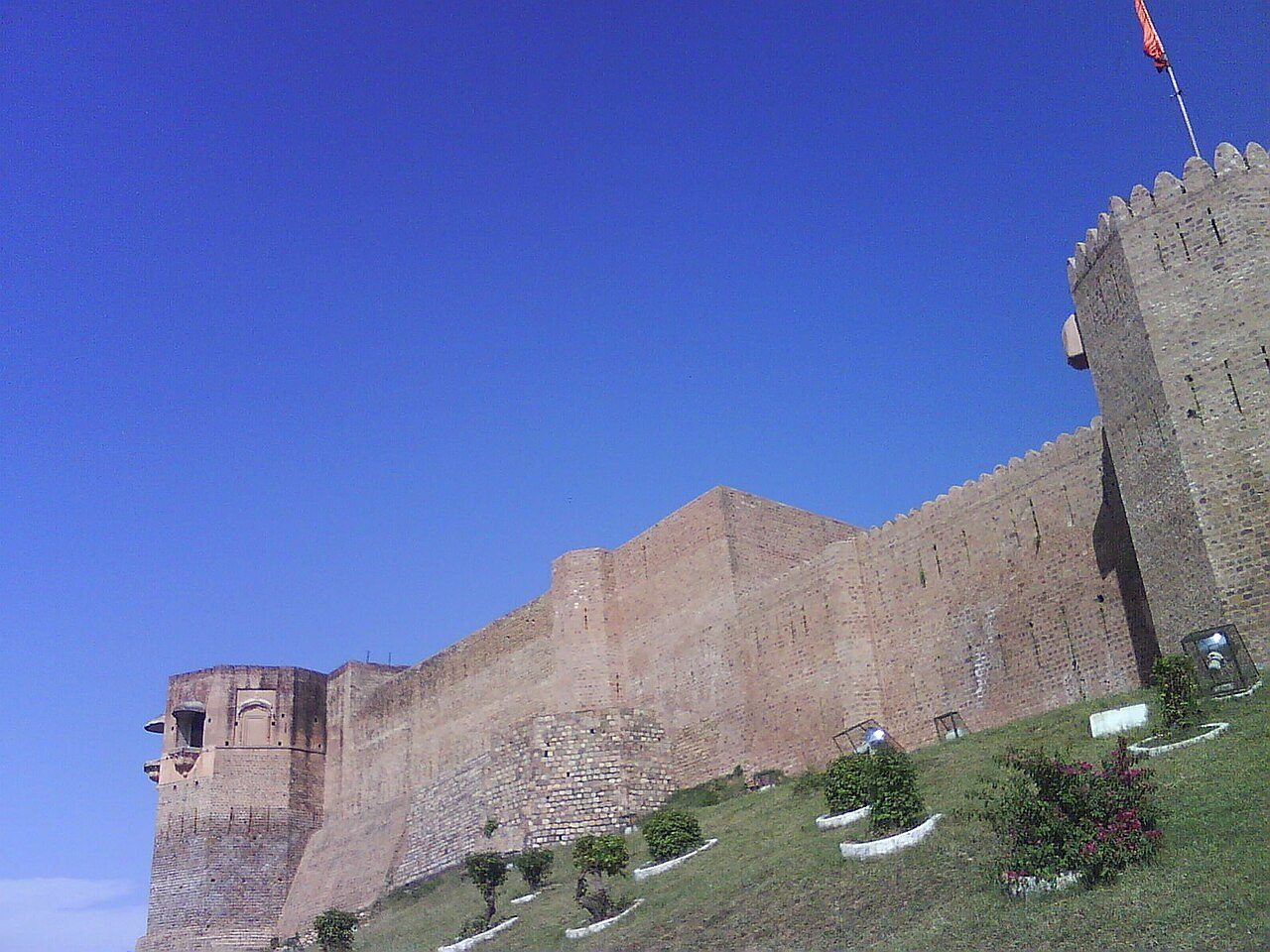
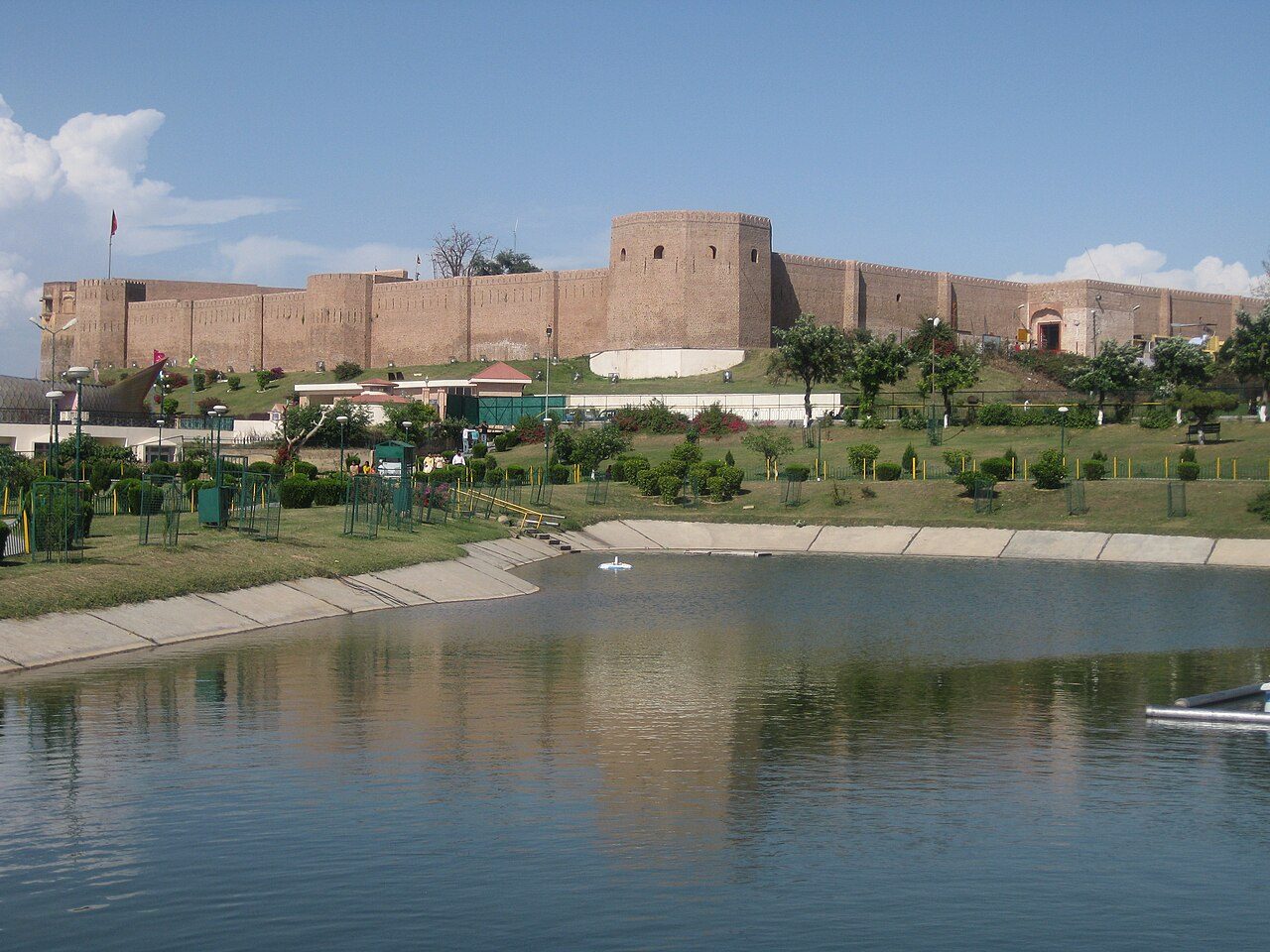
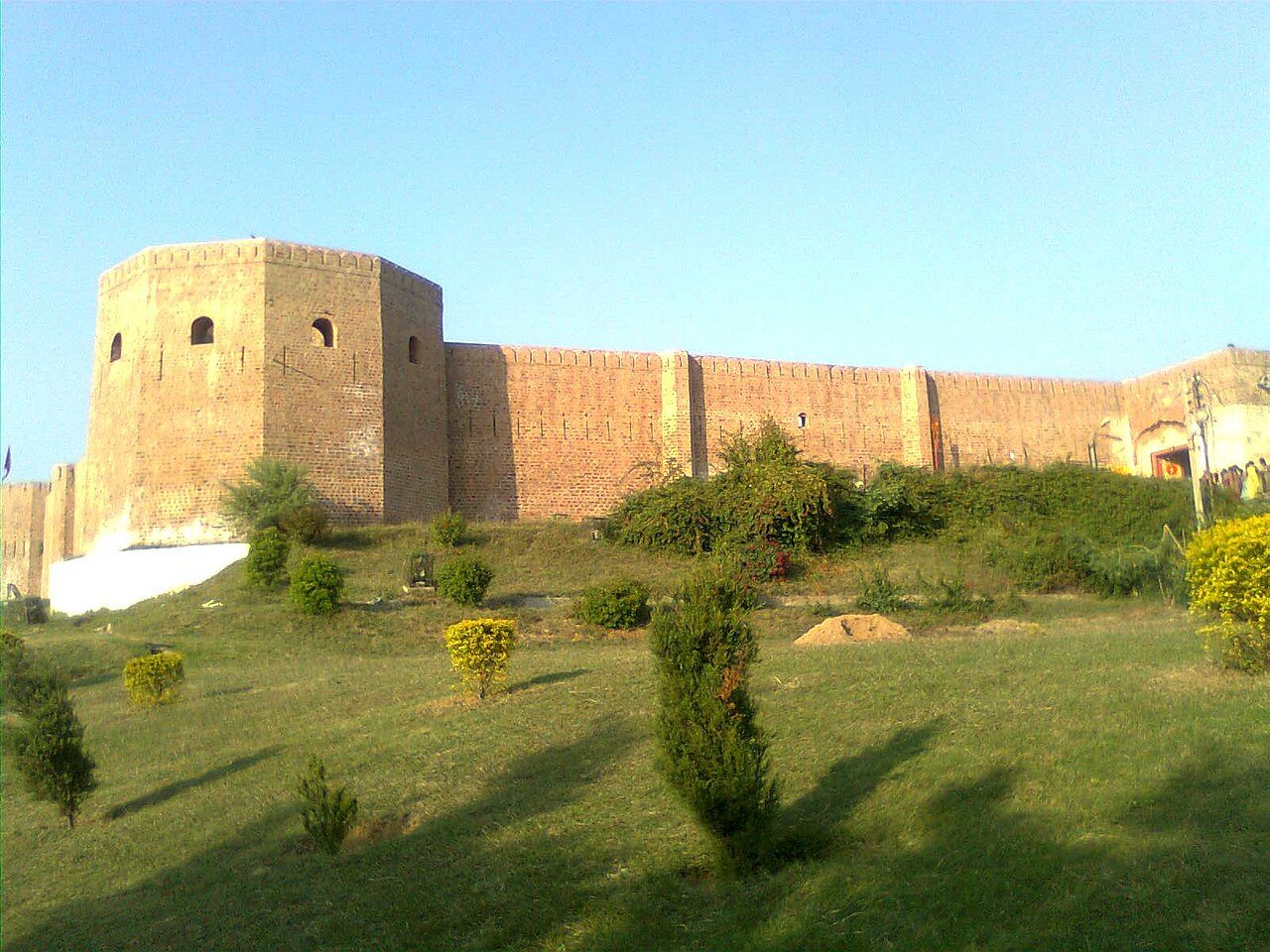
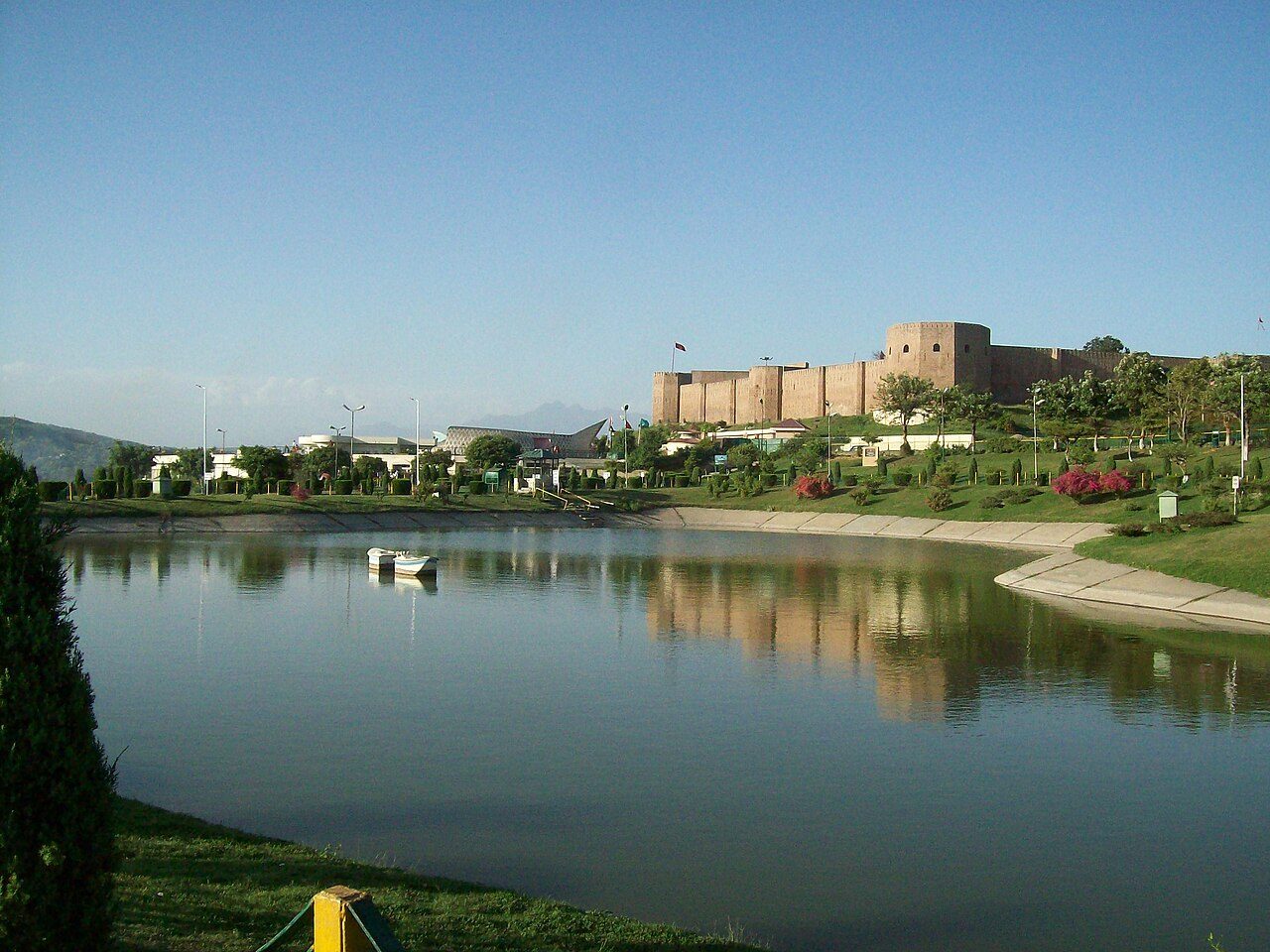
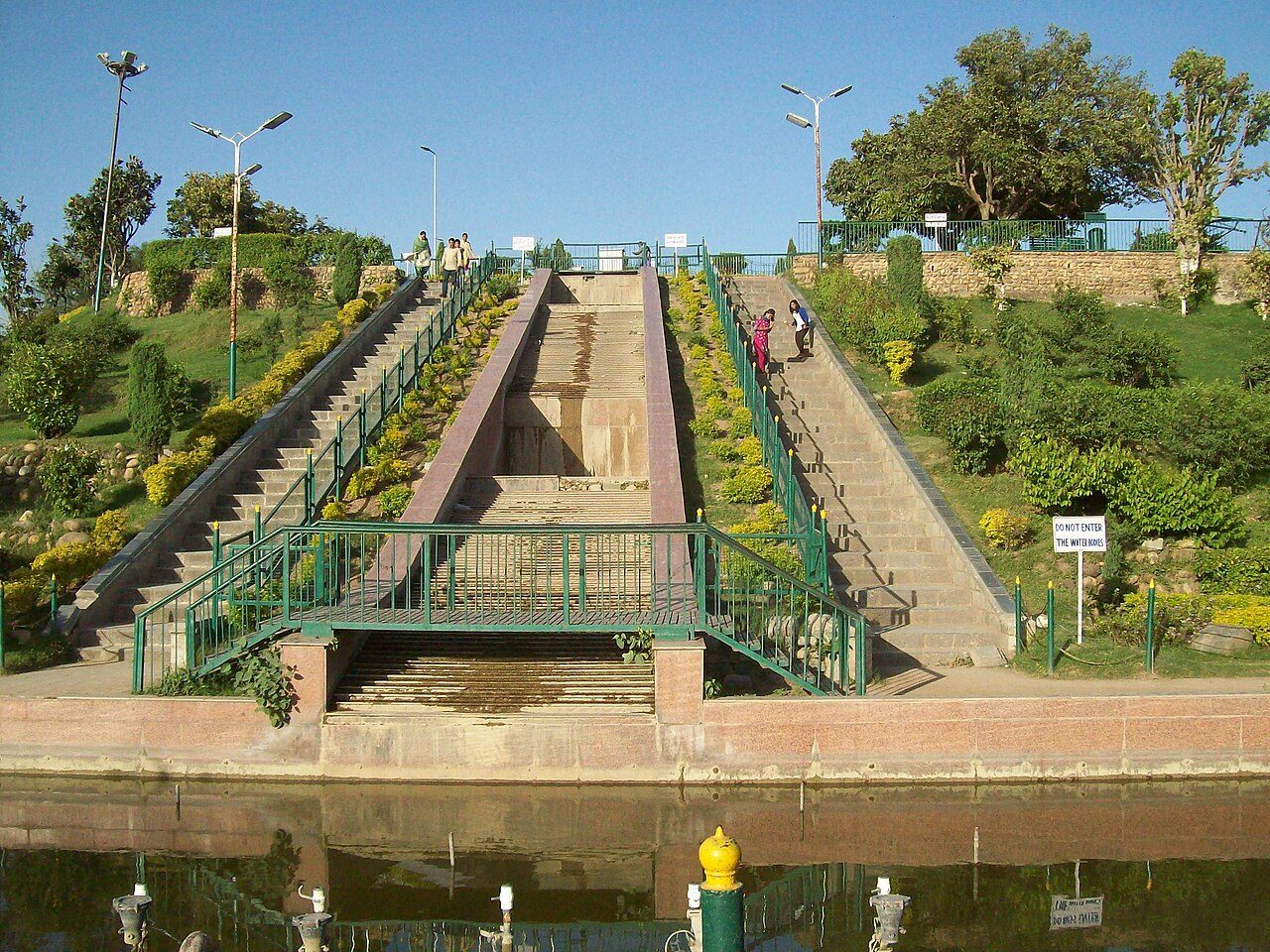
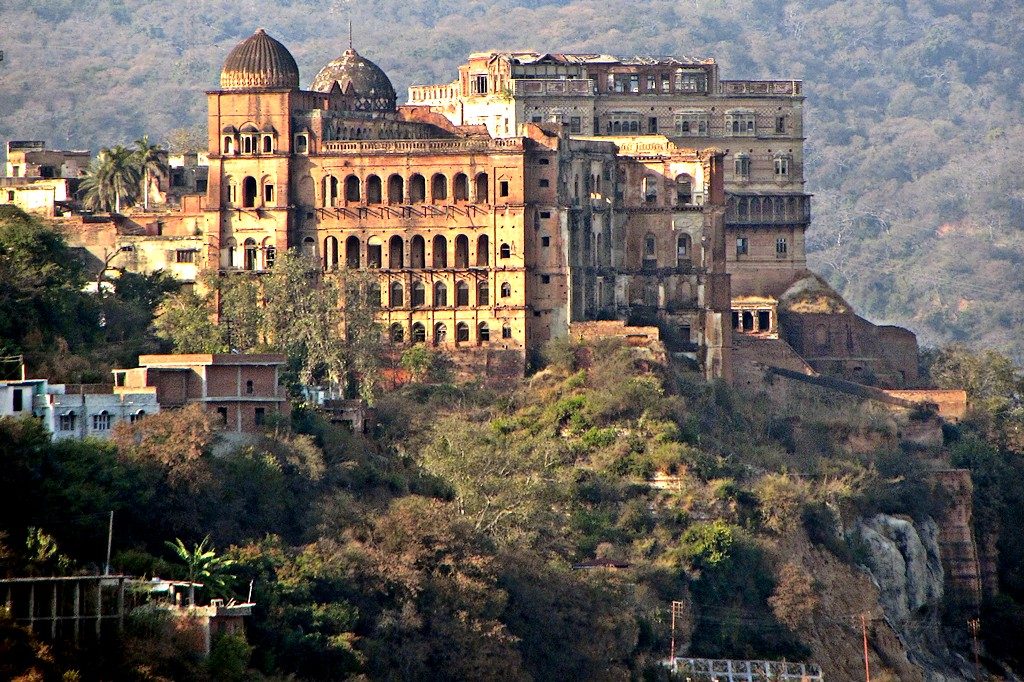
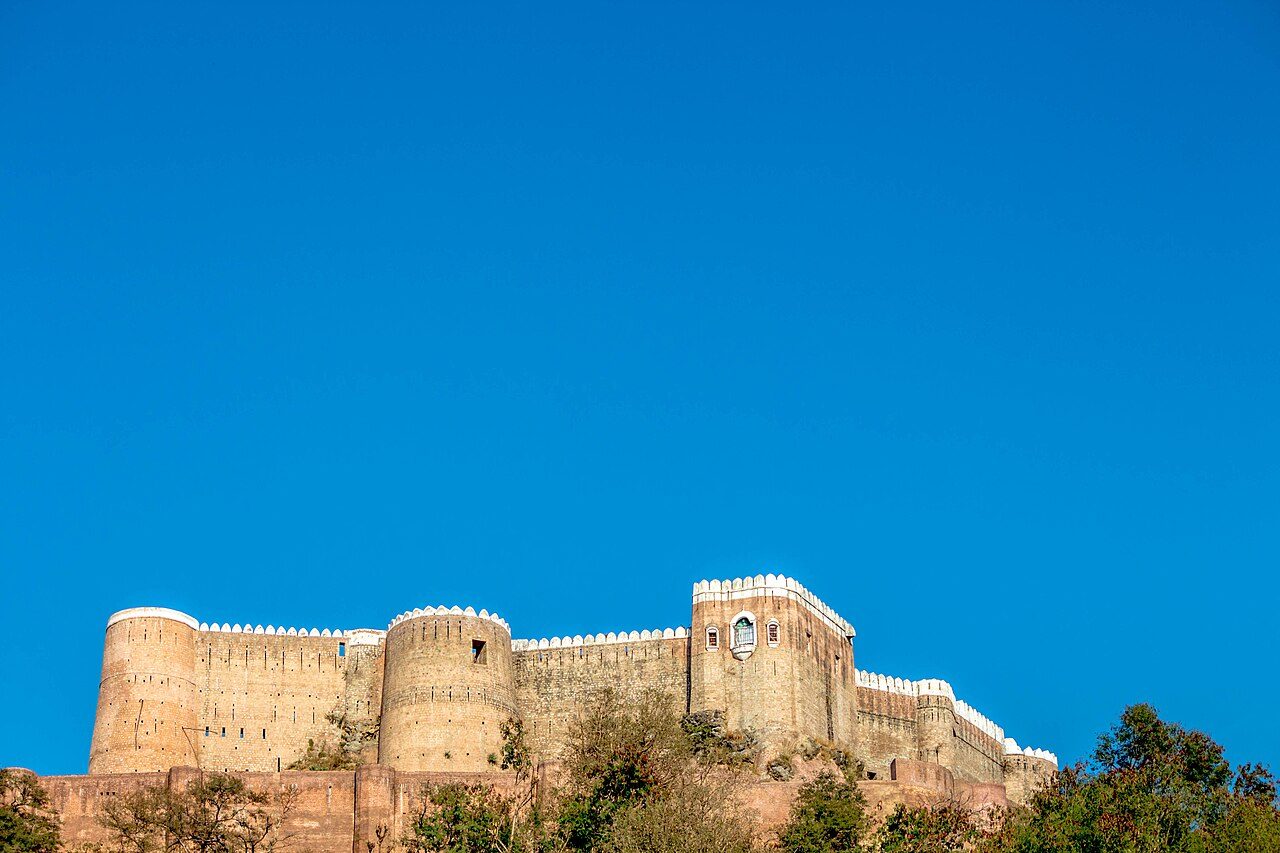
Bahu Fort stands on a rocky bluff above the Tawi River in Jammu. Tradition says it was first built some 3,000 years ago by Raja Bahulochan; the present structure was rebuilt by the Dogra rulers in the 19th century. Inside is the Bawe Wali Mata temple to Kali, the city's presiding deity. Terraced gardens called Bagh-e-Bahu and an aquarium lie below the walls.
02
STOP 2 OF 9
Mubarak Mandi Palace
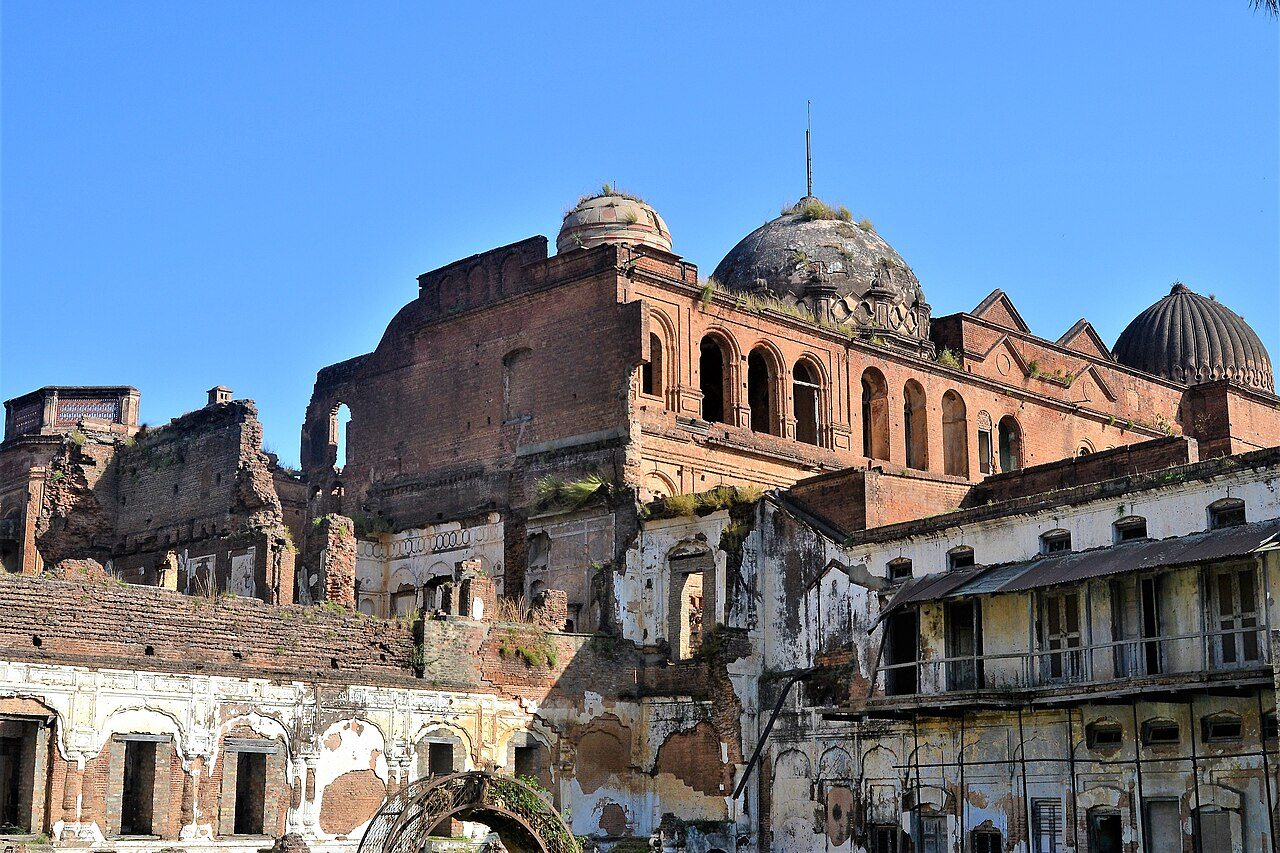
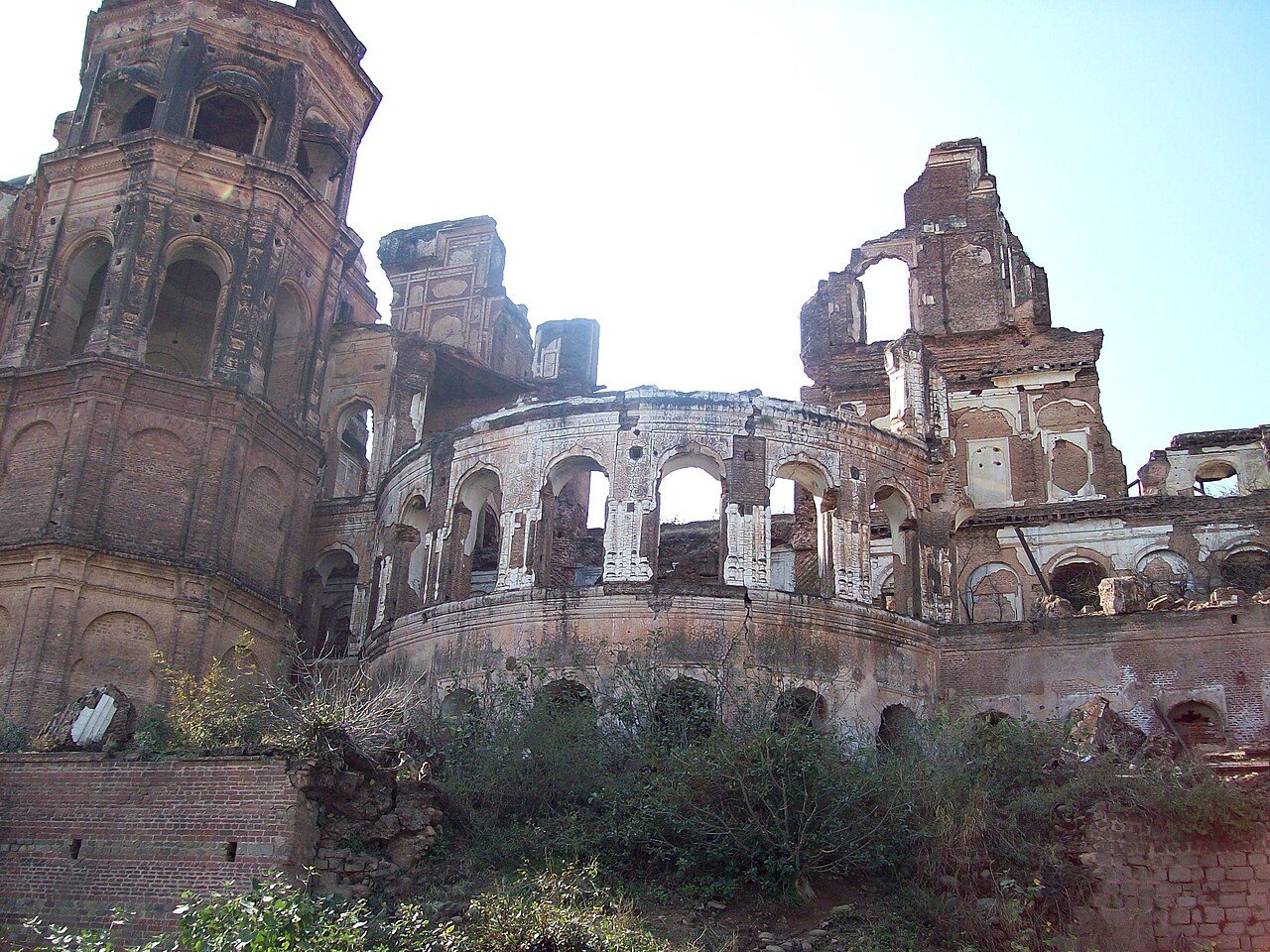
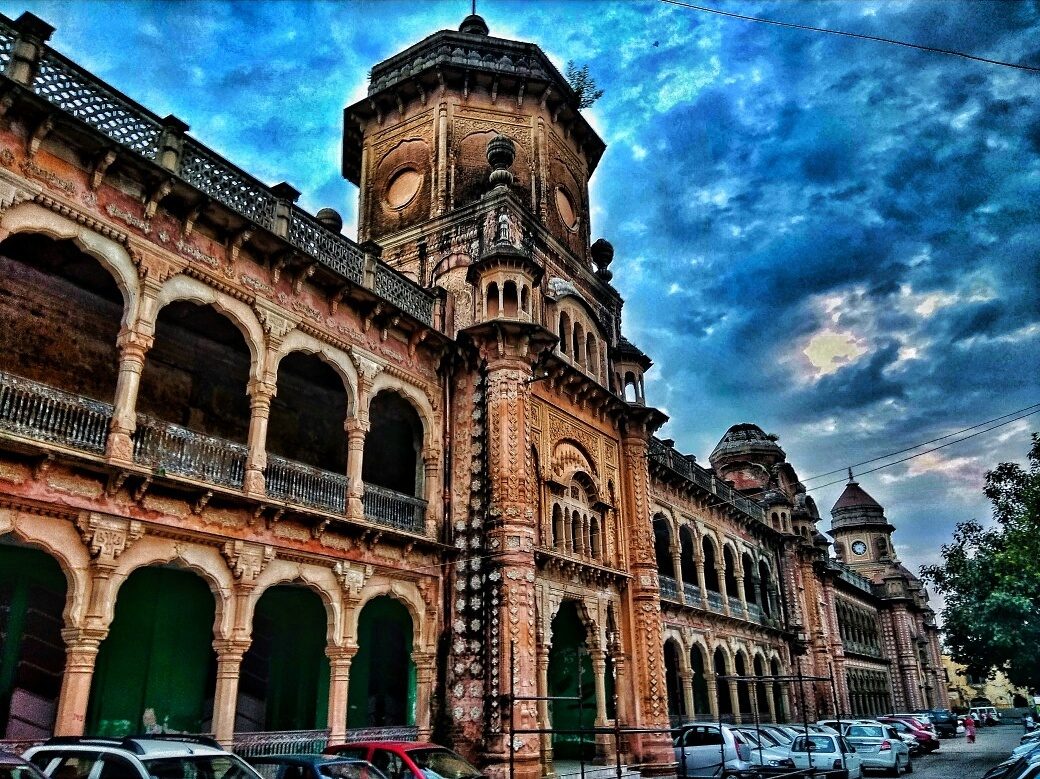
Mubarak Mandi was the royal residence of the Dogra kings of Jammu until 1925. The complex, begun in 1824, is a group of palaces and courtyards mixing Rajasthani, Mughal and European Baroque styles. Parts are damaged, but restoration is under way. The Pink Hall houses the Dogra Art Museum, with miniature paintings from the Basohli and Kangra schools.
03
STOP 3 OF 9
Amar Mahal Palace
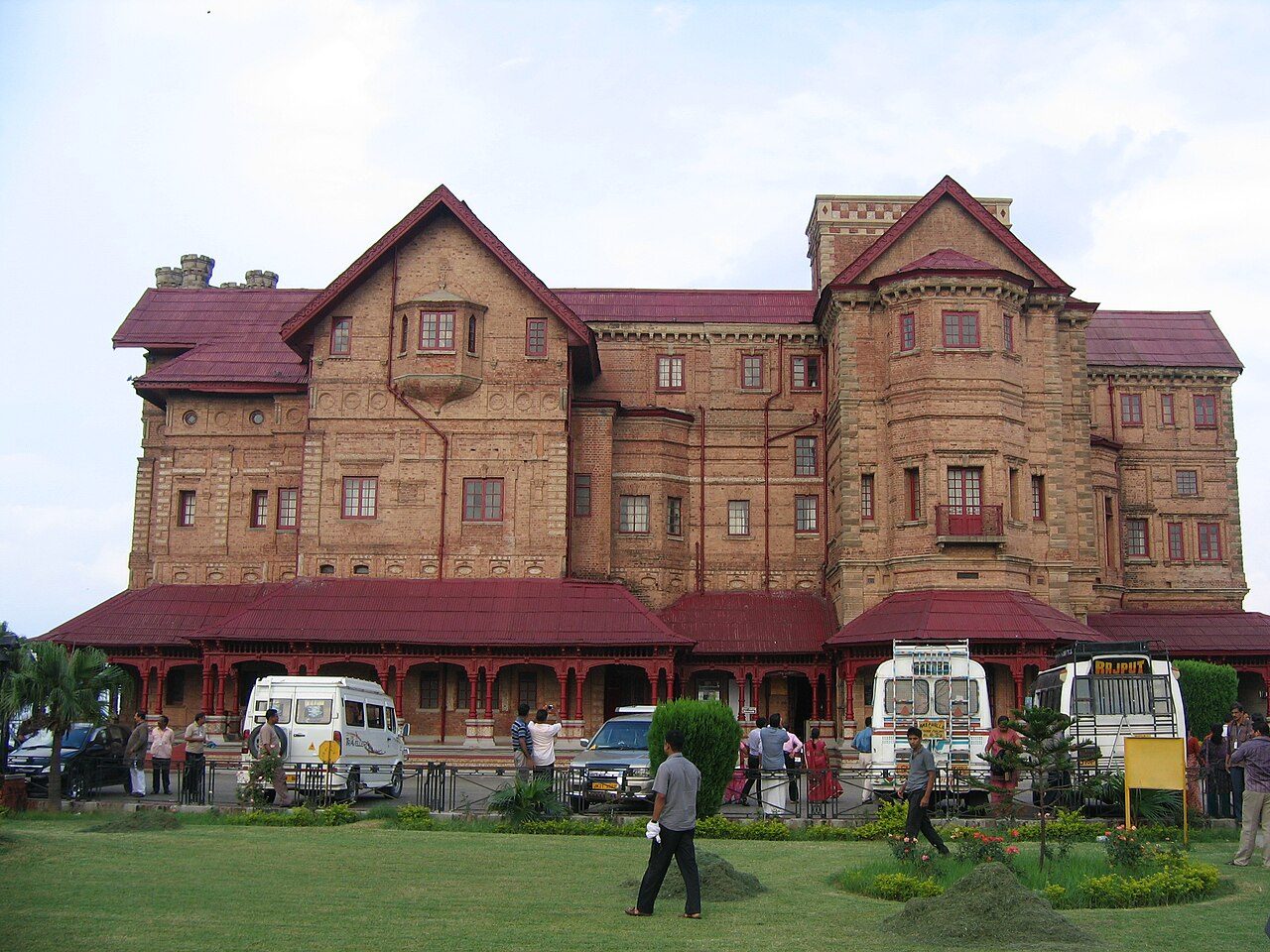
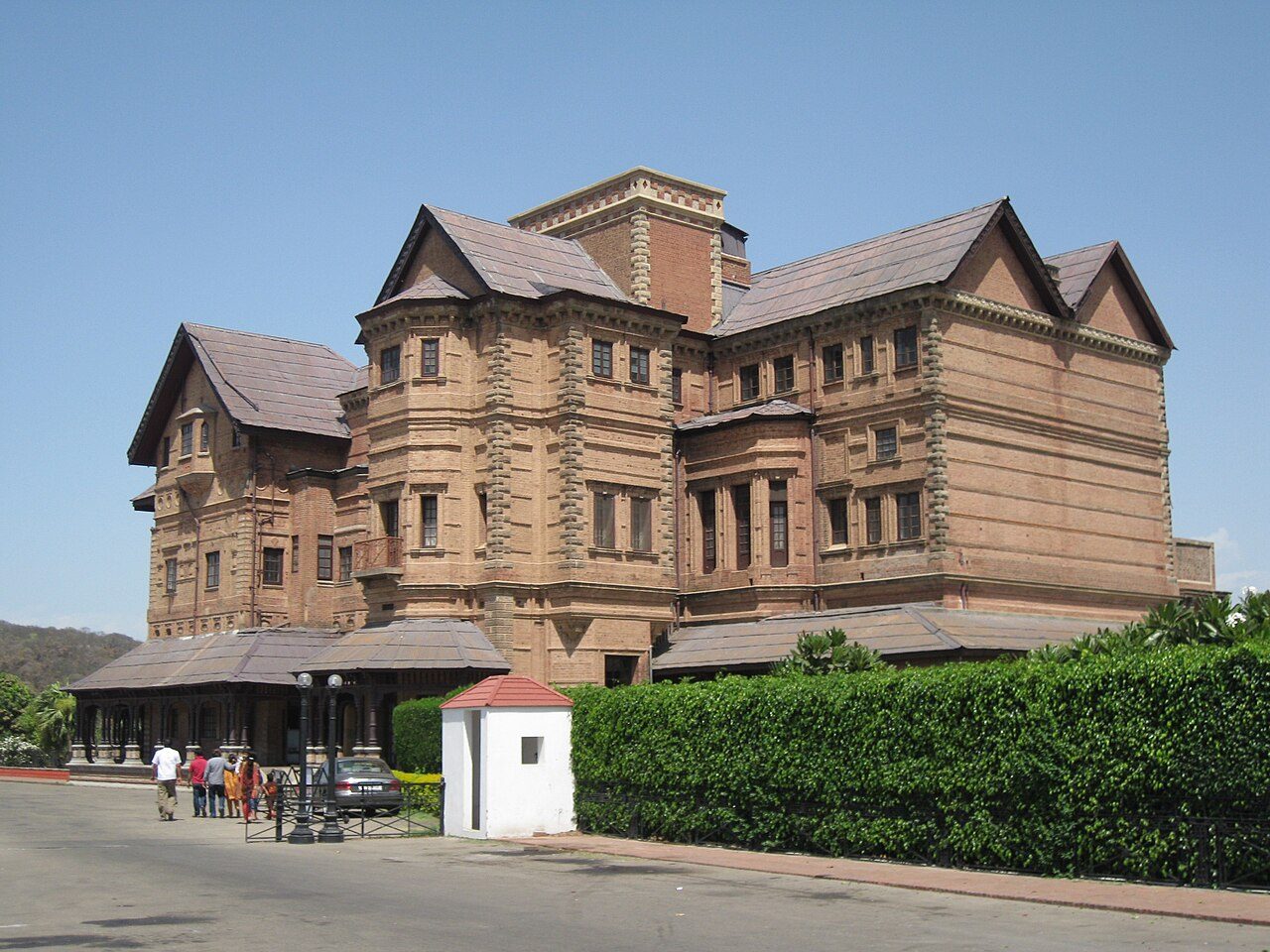
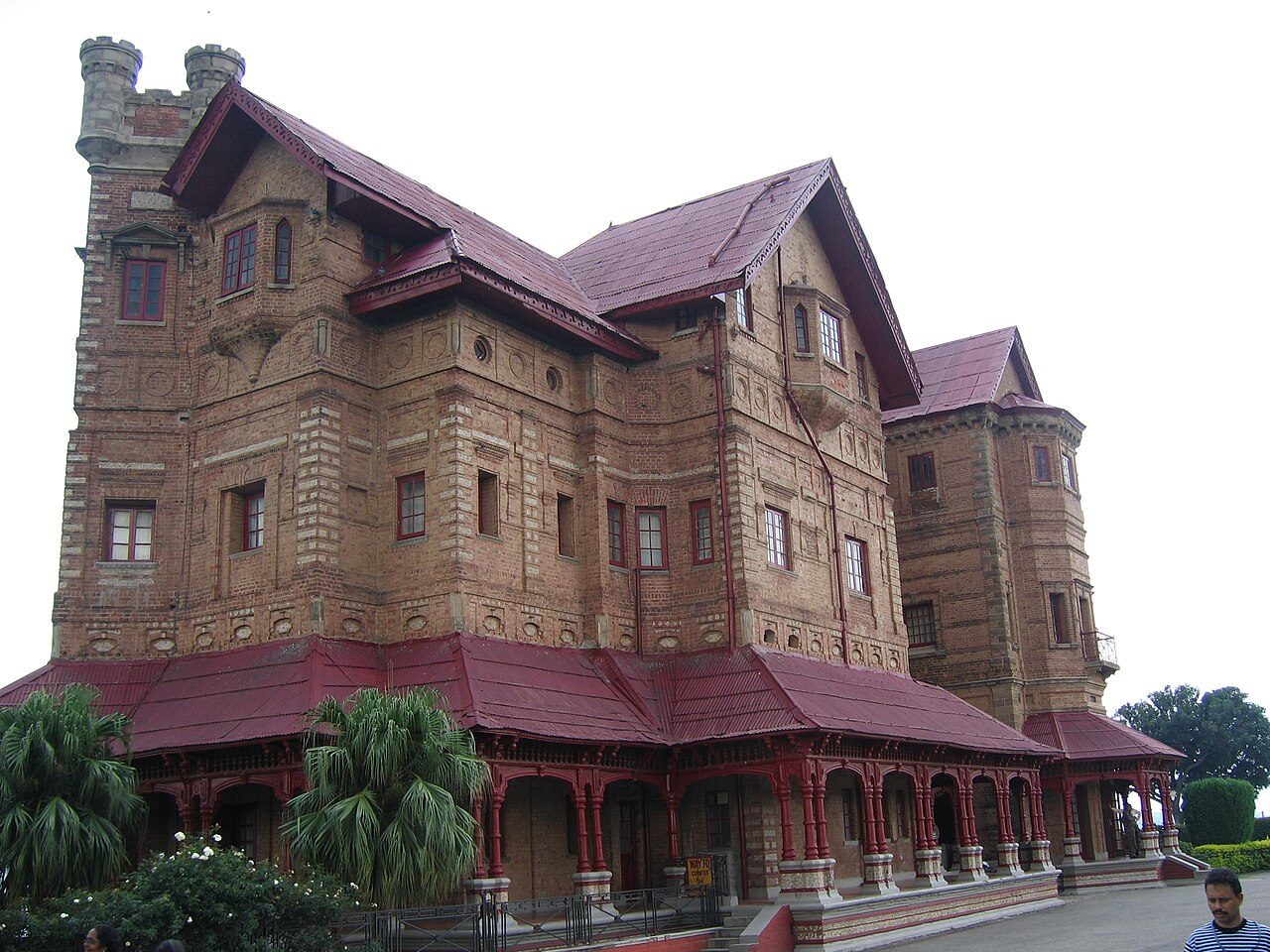
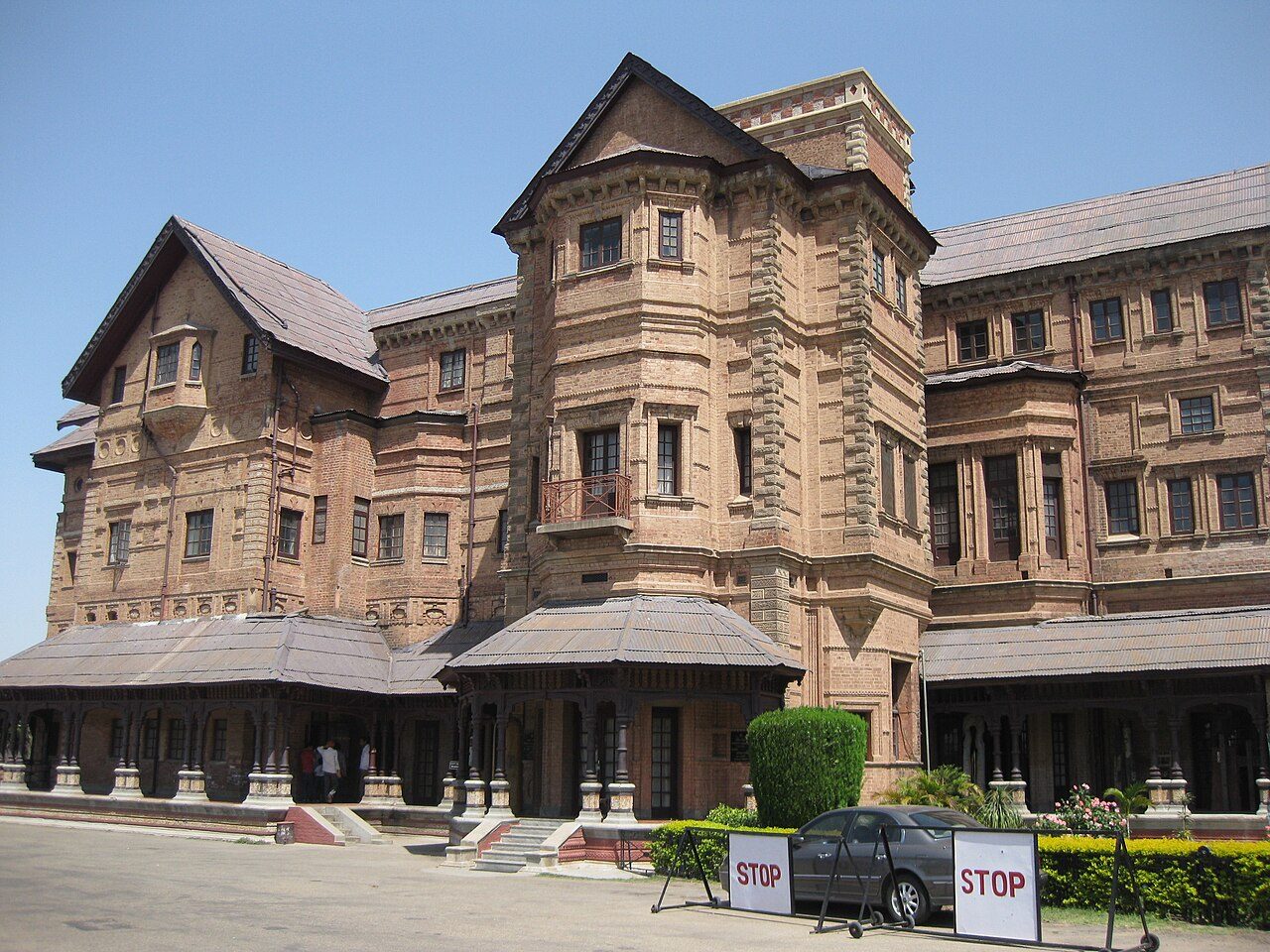
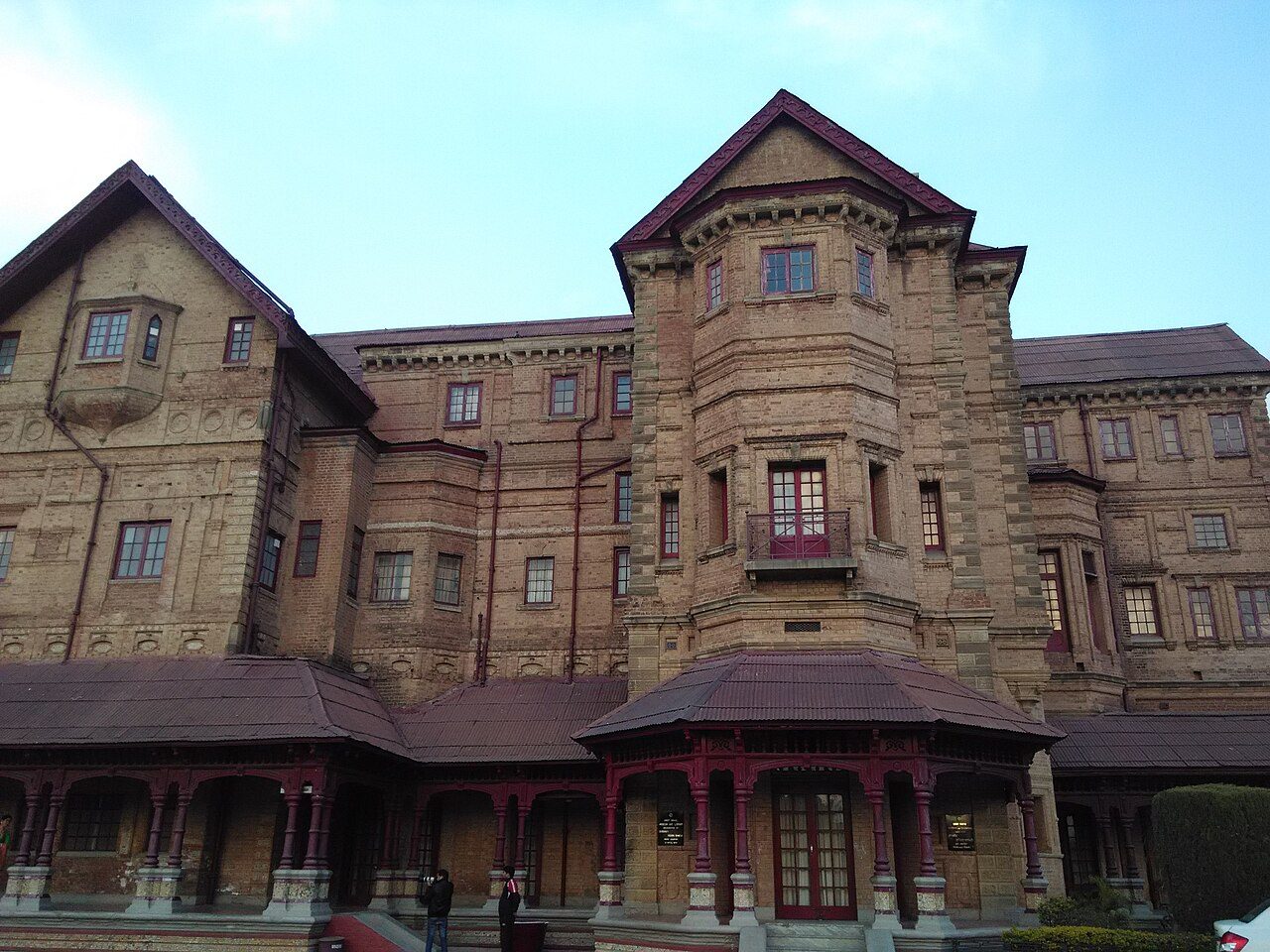
Amar Mahal Palace was built in the 1890s for Raja Amar Singh, designed by a French architect in the style of a chateau, with sloping roofs and turrets in red sandstone. It stands on a hill above the Tawi River. Now a museum, it displays Pahari paintings, a library and the Dogra golden throne, said to weigh about 120 kilograms.
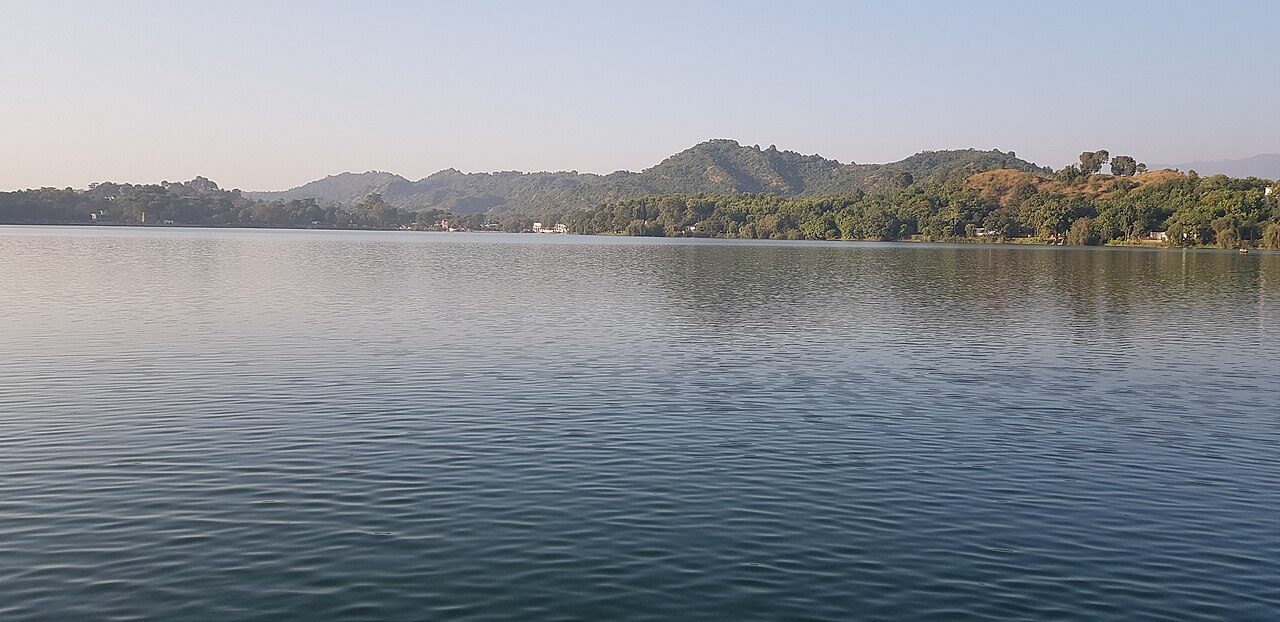
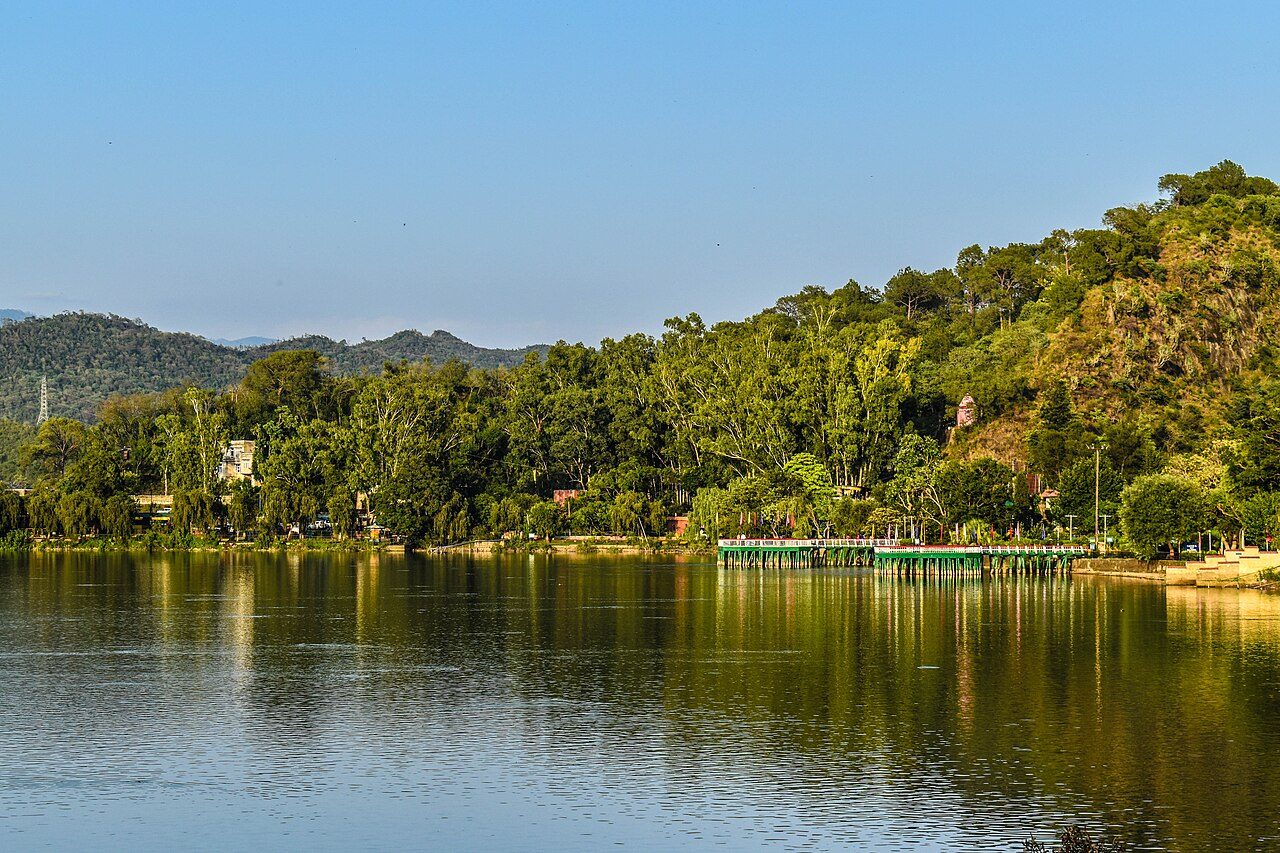
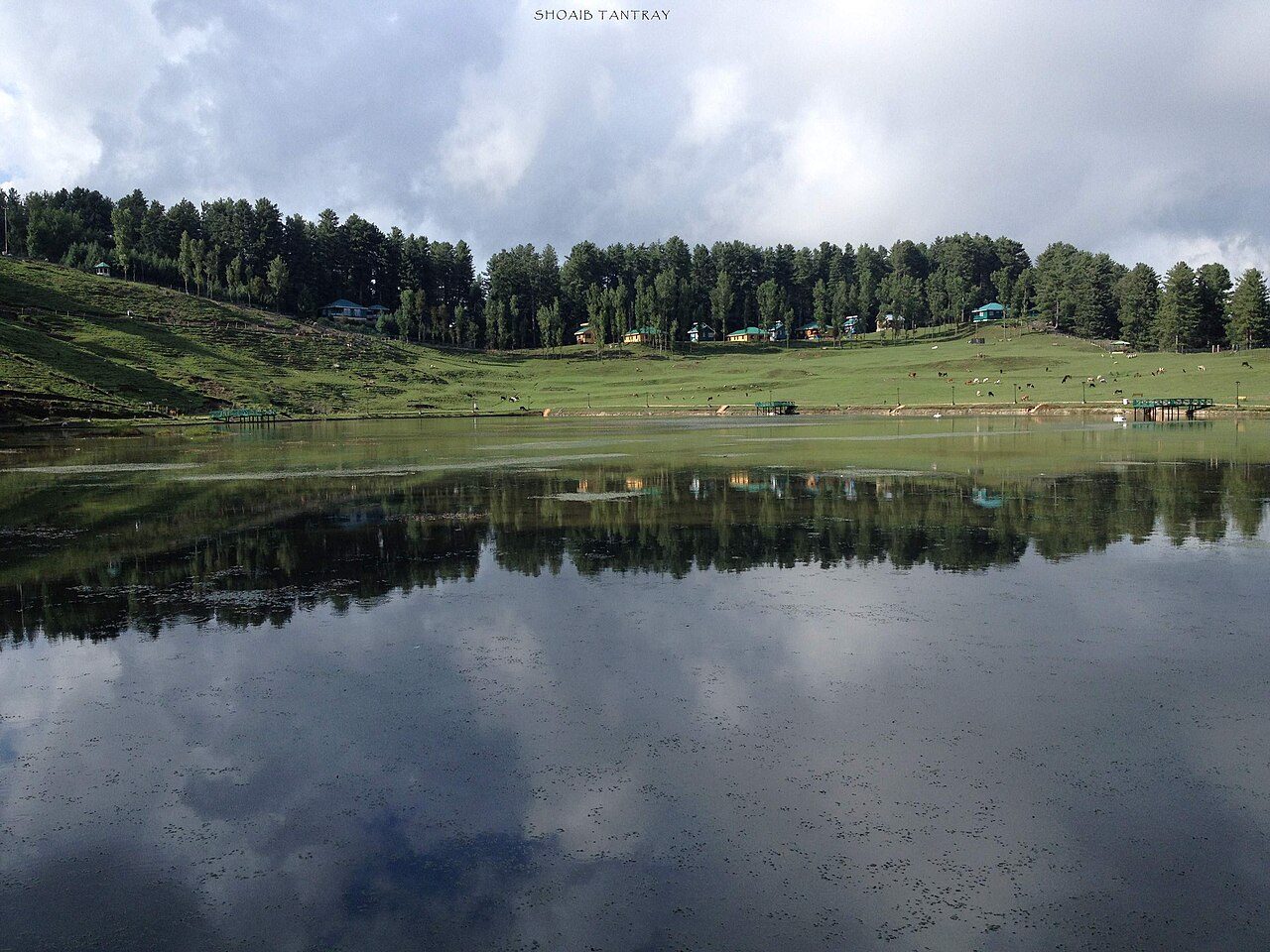
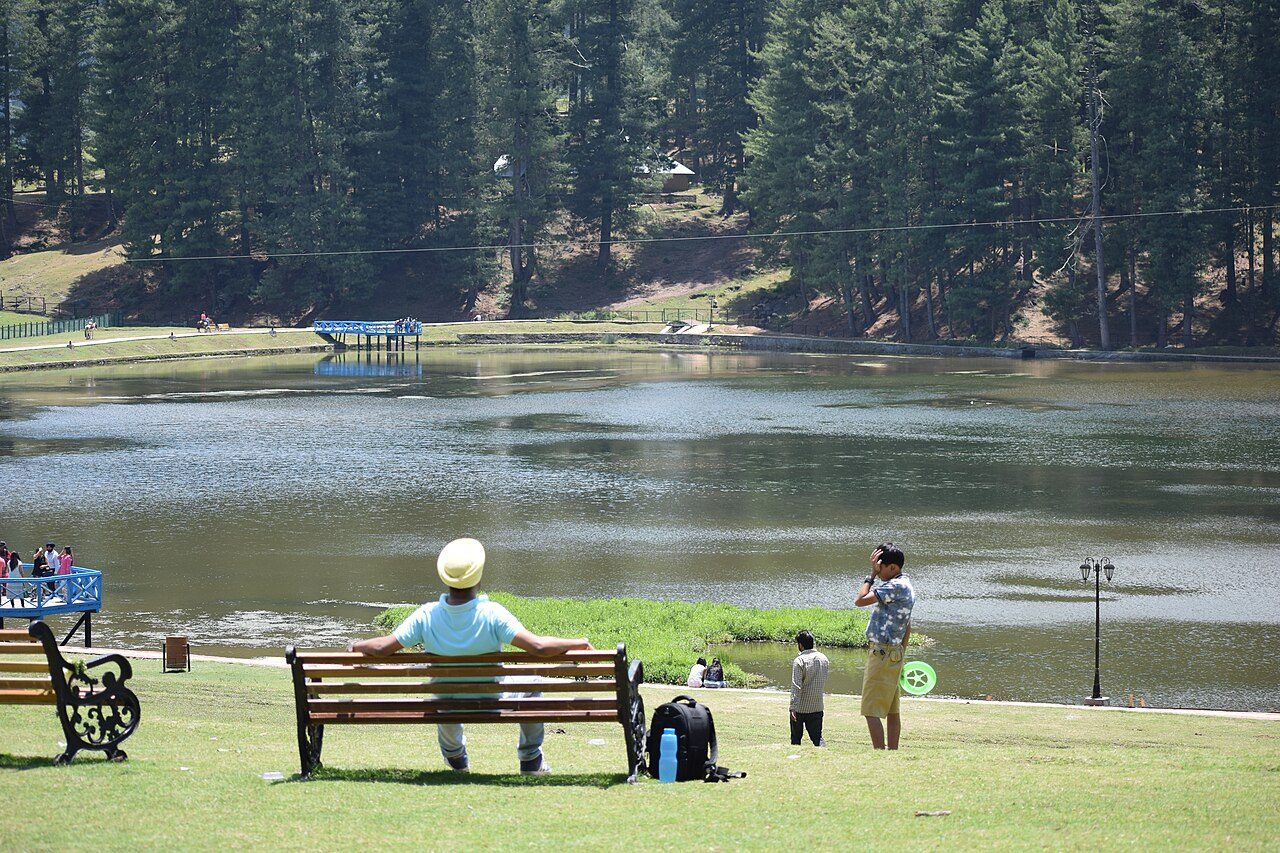
Mansar Lake, 62 km from Jammu, is a forest-fringed lake about a mile long, sacred to Hindus and linked by legend to the Mahabharata. A shrine to Sheshnag stands on its bank, and newly married couples traditionally walk around the lake. It is a Ramsar wetland with turtles and many birds. Boating is available and a path circles the water.
05
STOP 5 OF 9
Krimchi Temples
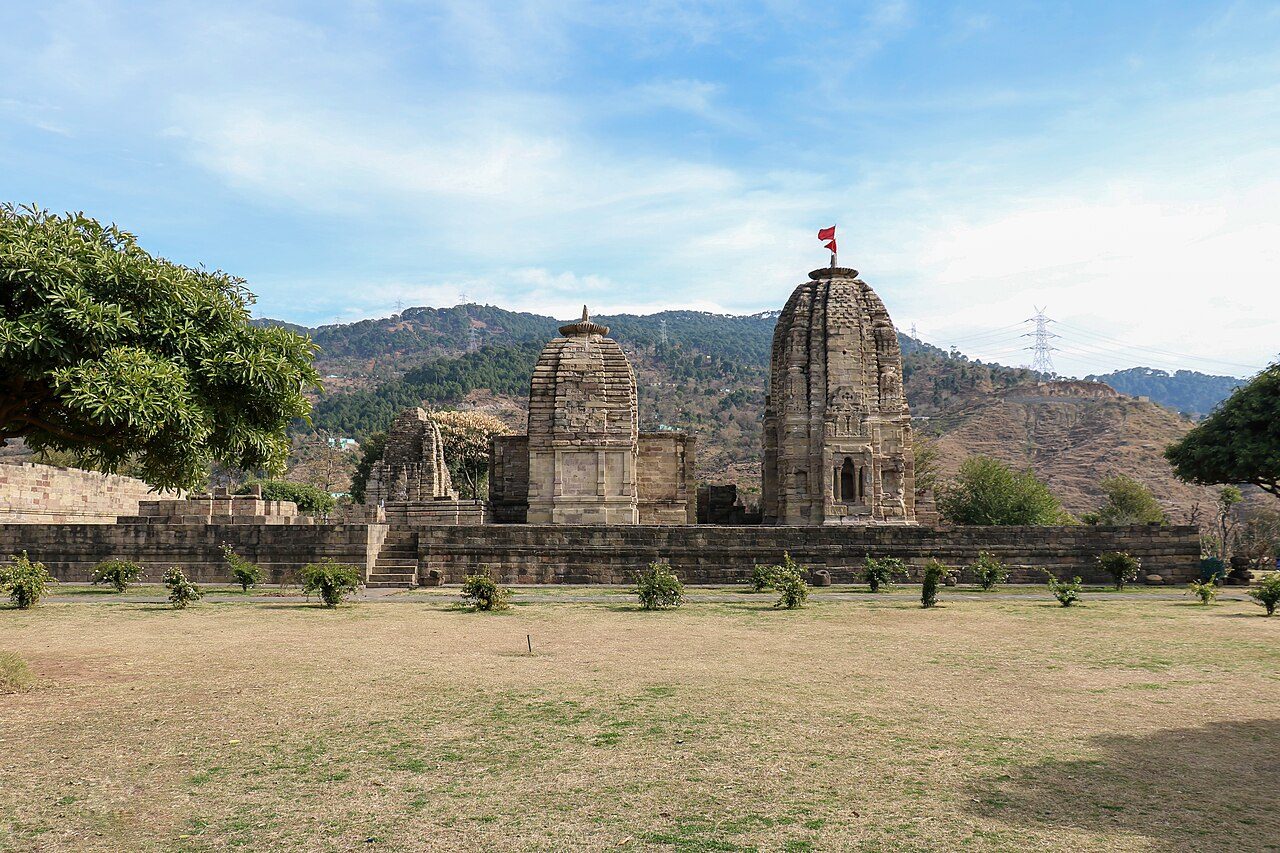
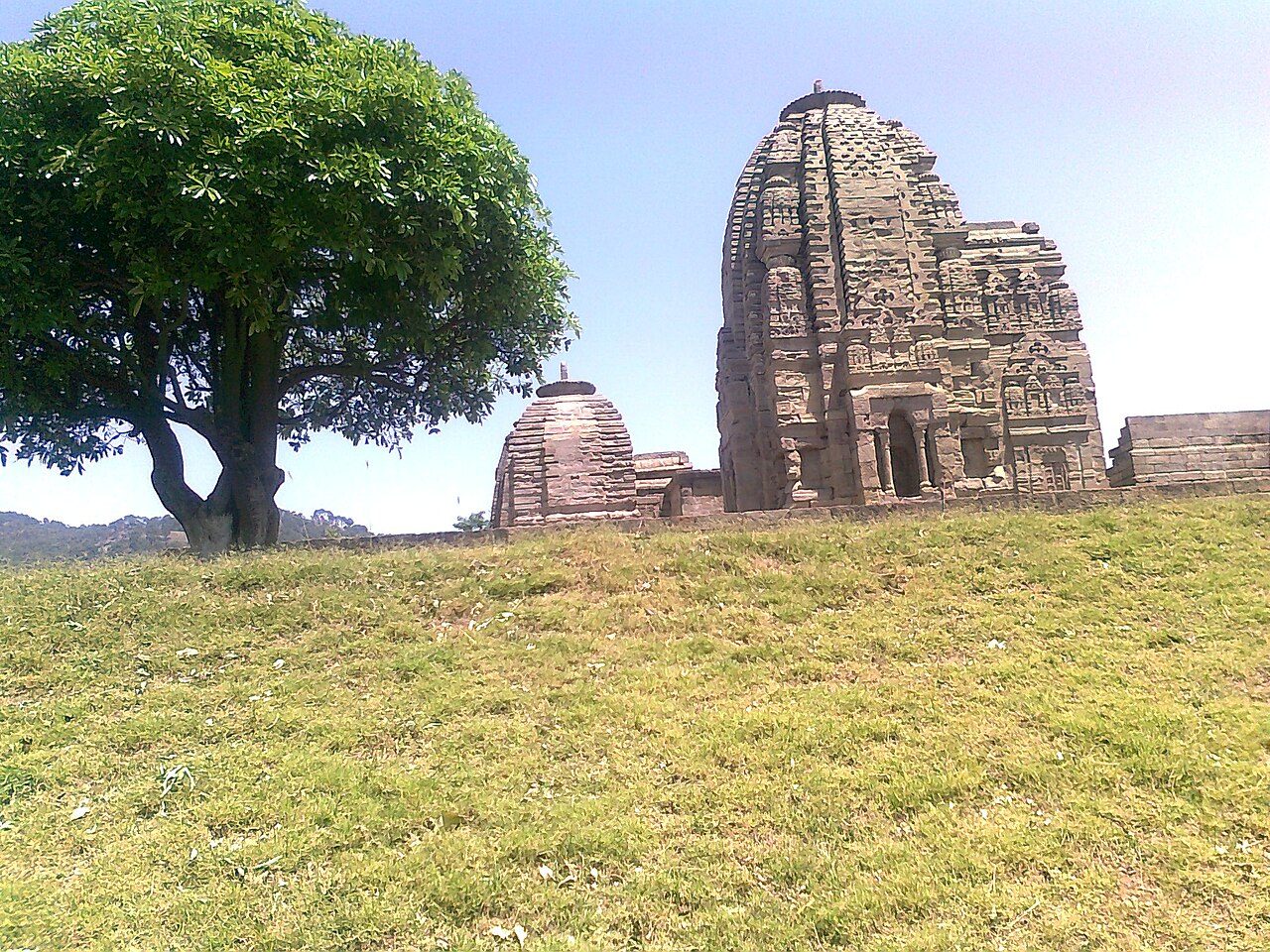
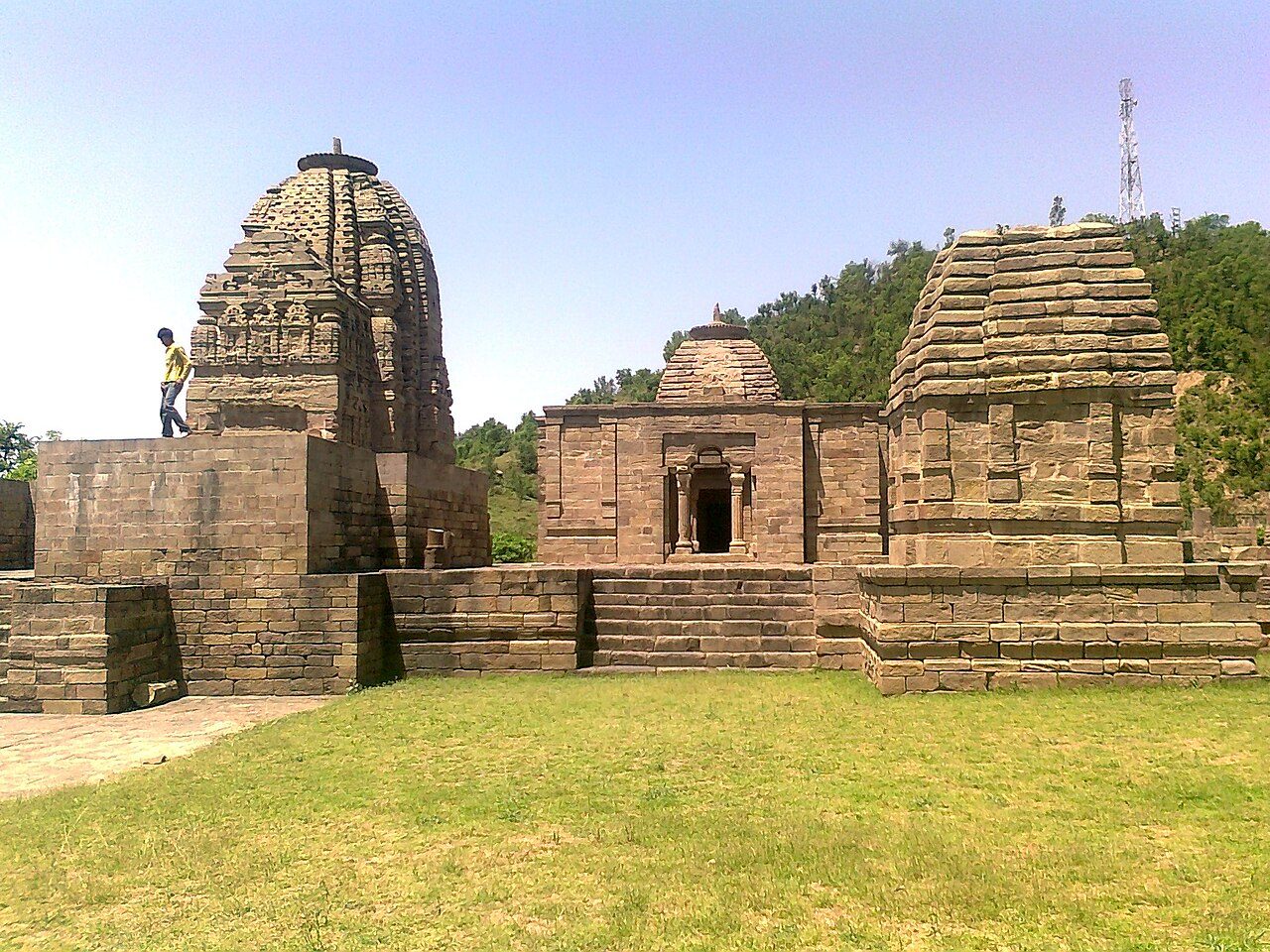
The Krimchi temples, near Udhampur, are a group of stone temples built between the 8th and 9th centuries, among the oldest in the Jammu region. Four large temples and three small shrines stand on a platform beside a stream, their curved towers recalling the style of Odisha. Local legend attributes them to the Pandavas. The site is protected and usually quiet.
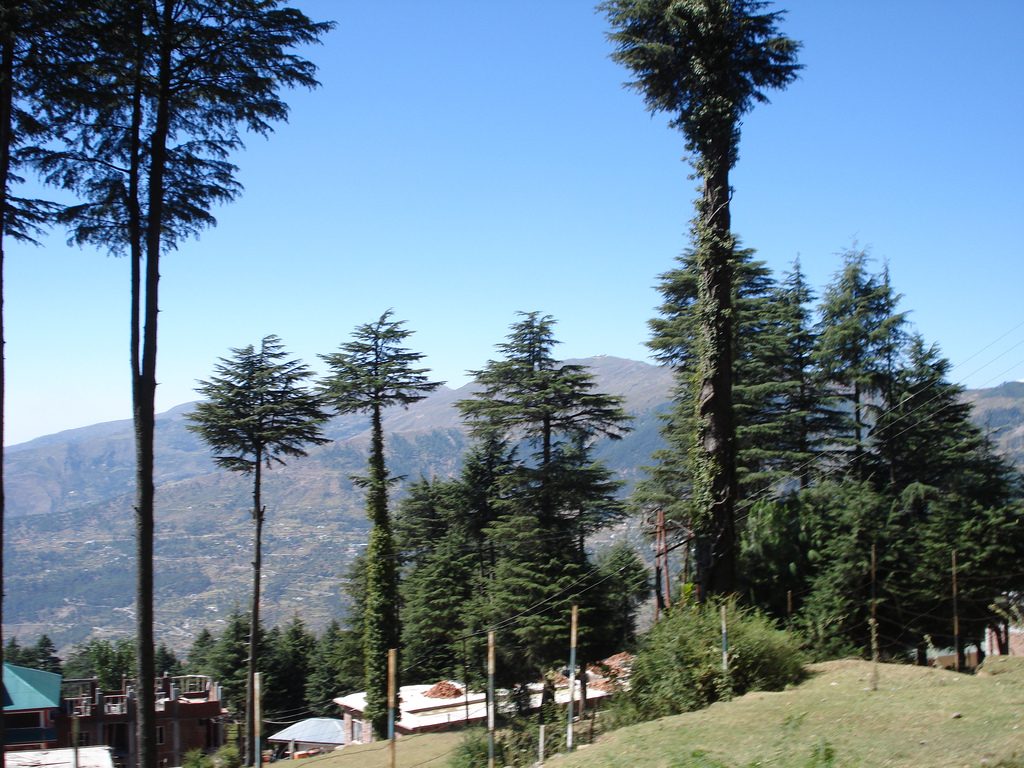
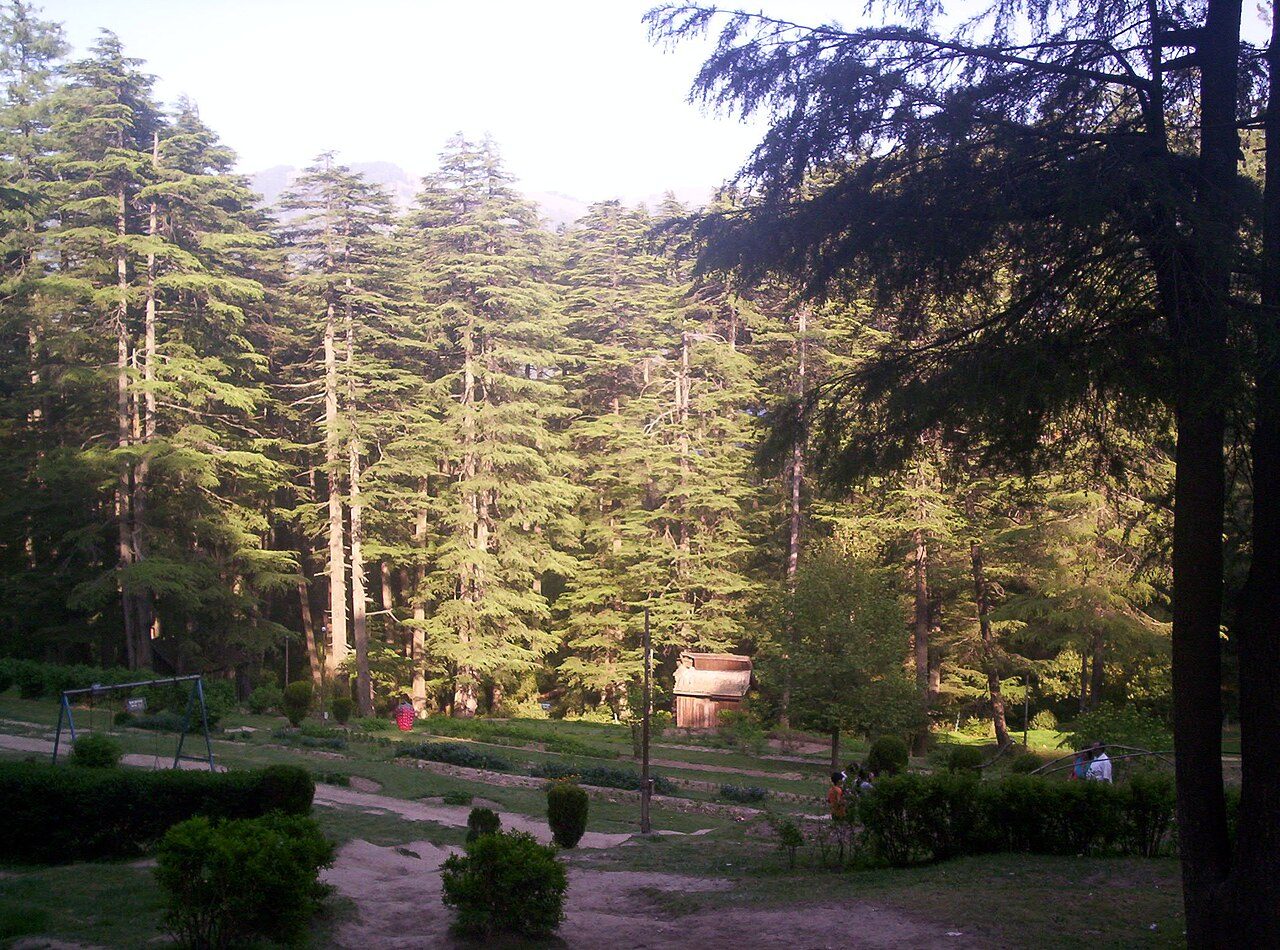
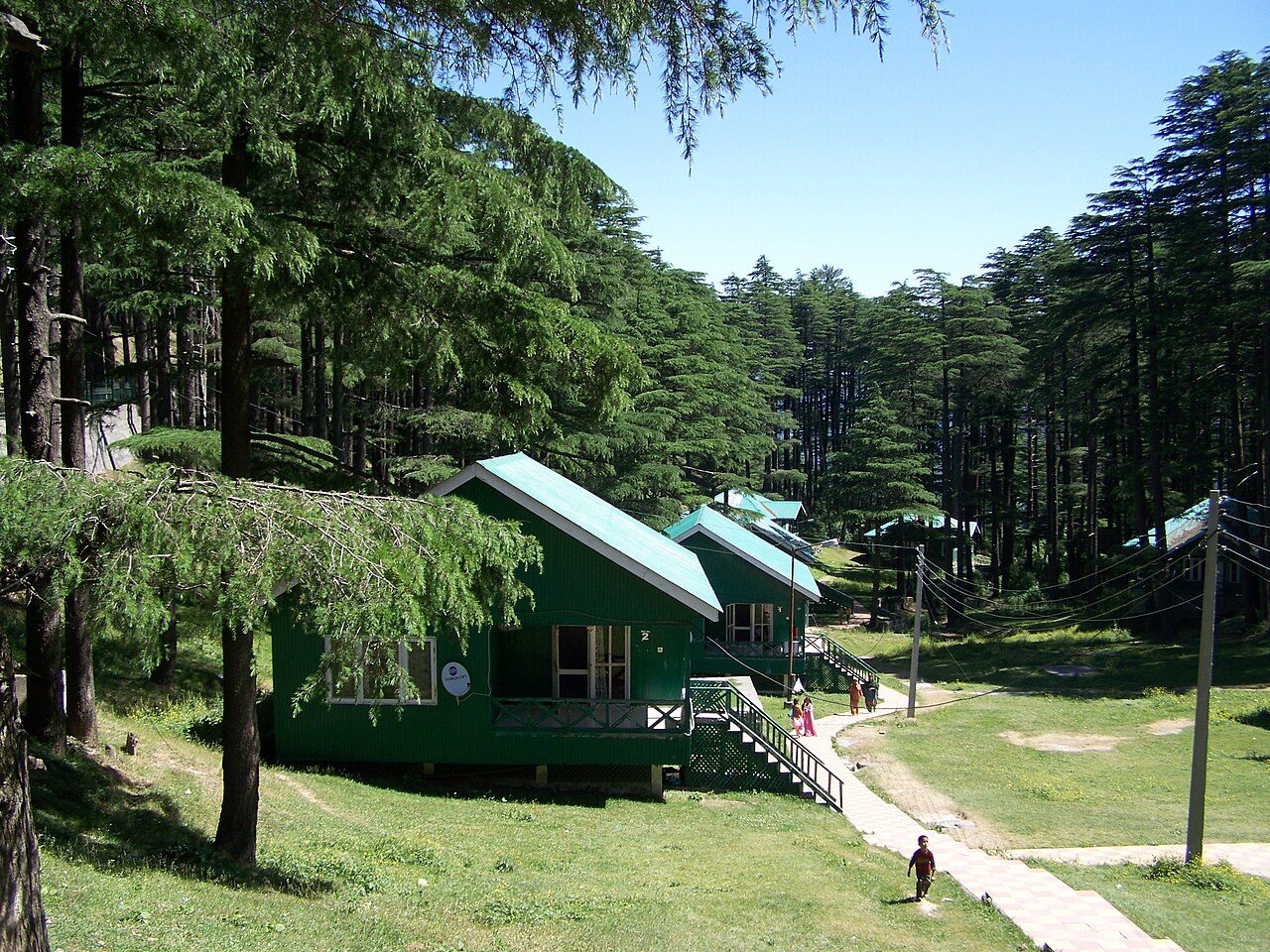
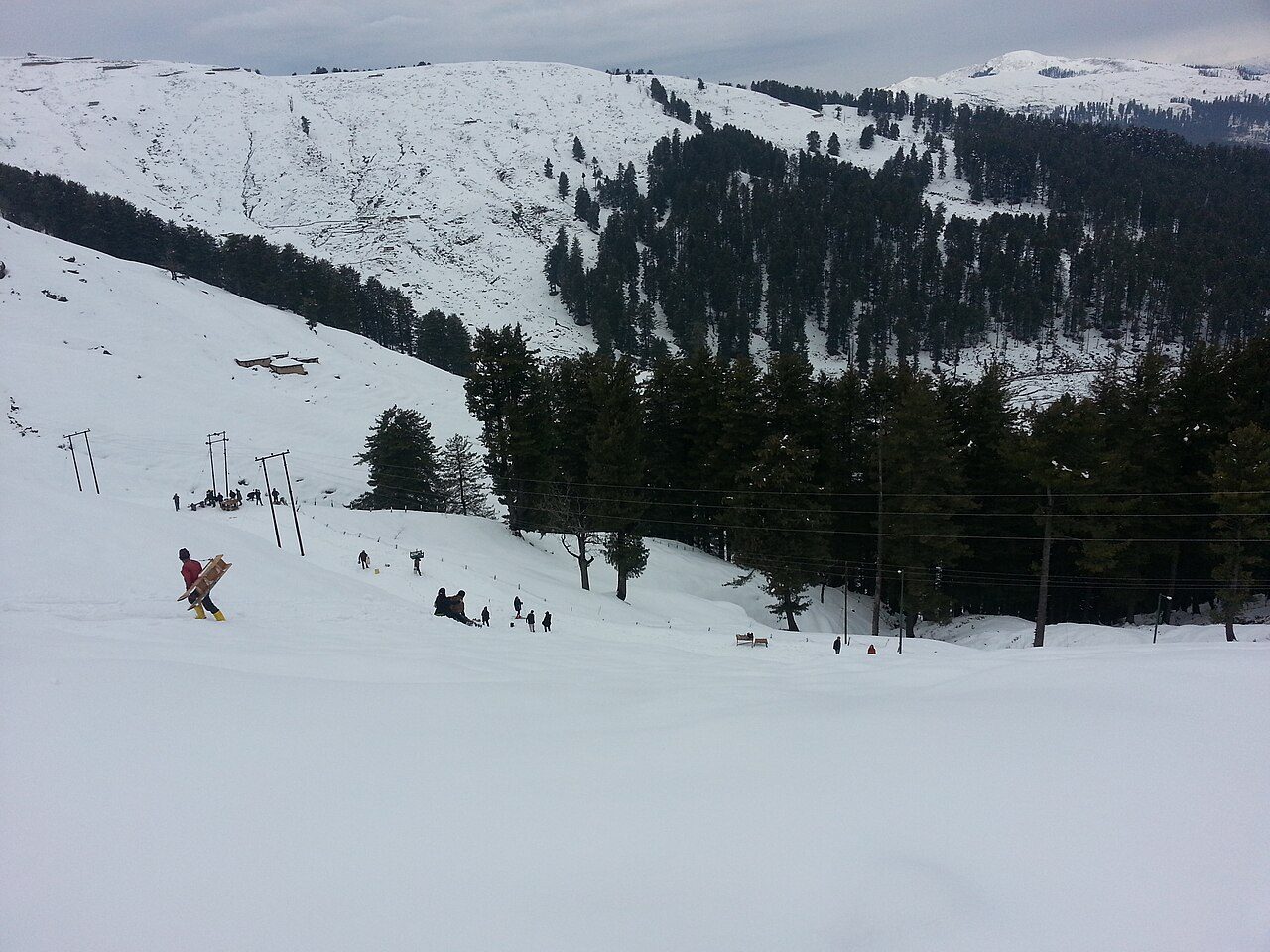
Patnitop is a hill resort at about 2,000 metres on a forested plateau in the Shivalik range, on the old road from Jammu to Srinagar. Dense deodar and pine woods, meadows and three freshwater springs are its attractions, along with a cable car that crosses the valley to Sanget. It often receives snow in winter. The Naag temple nearby is several centuries old.
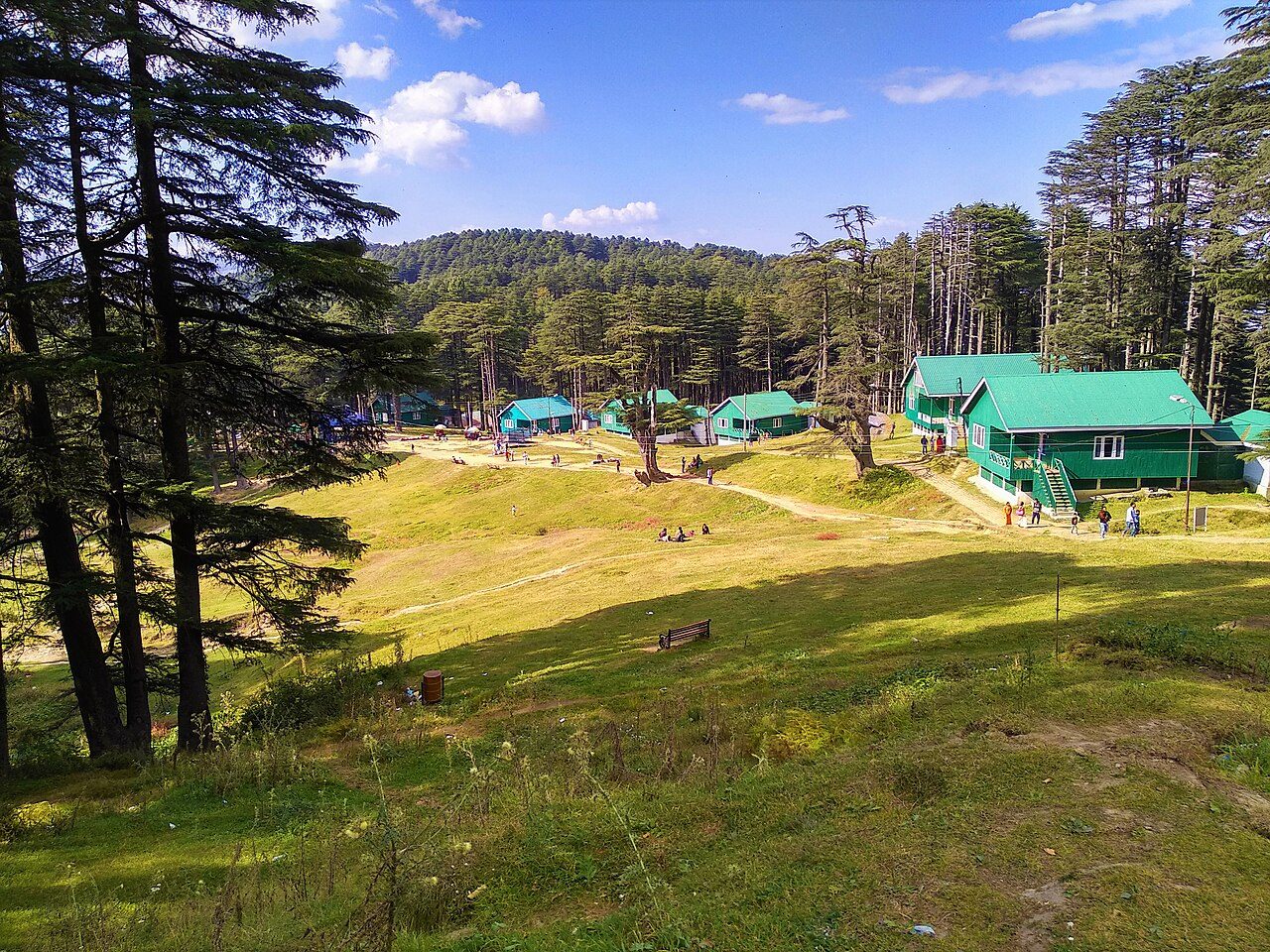
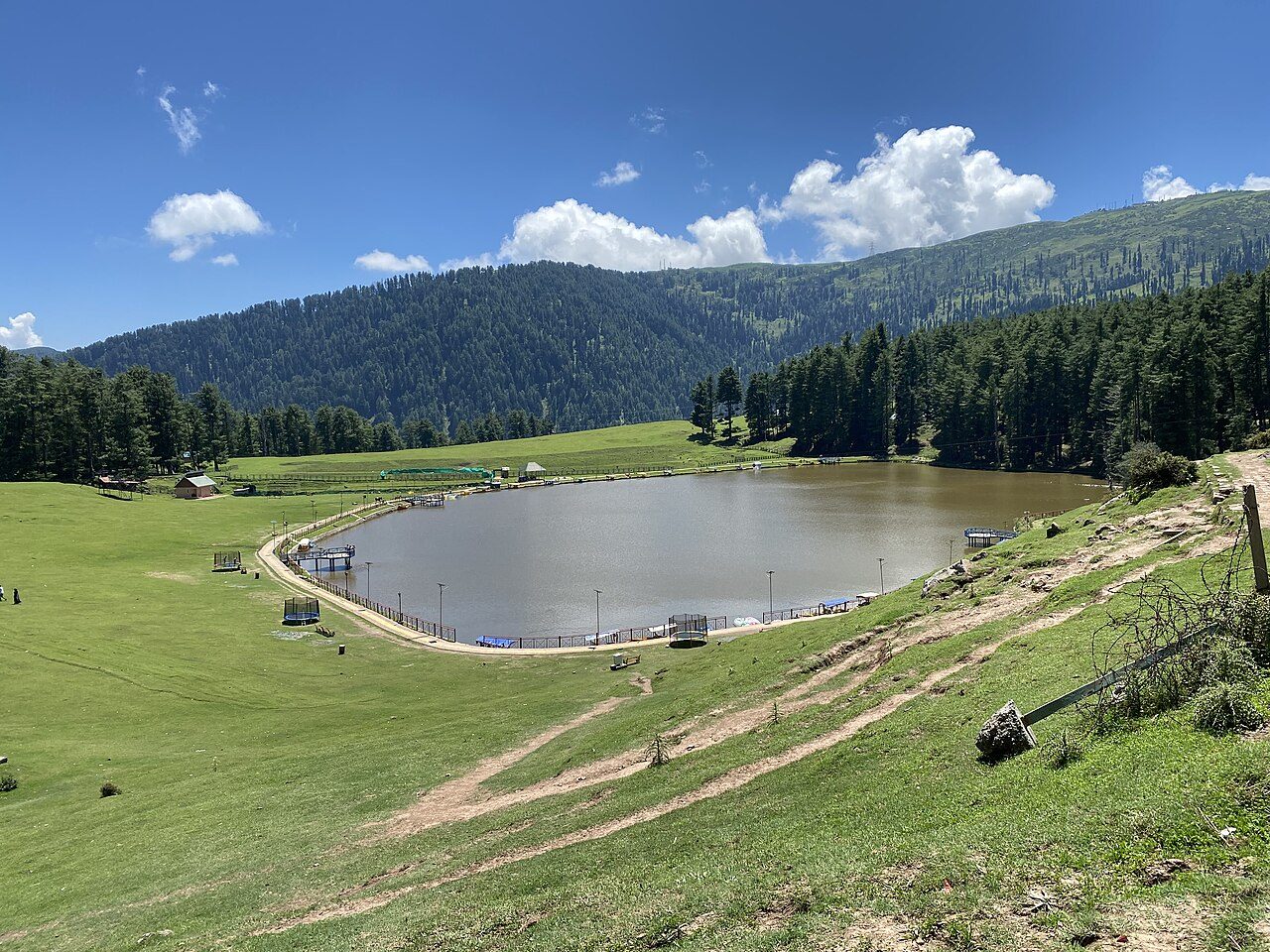
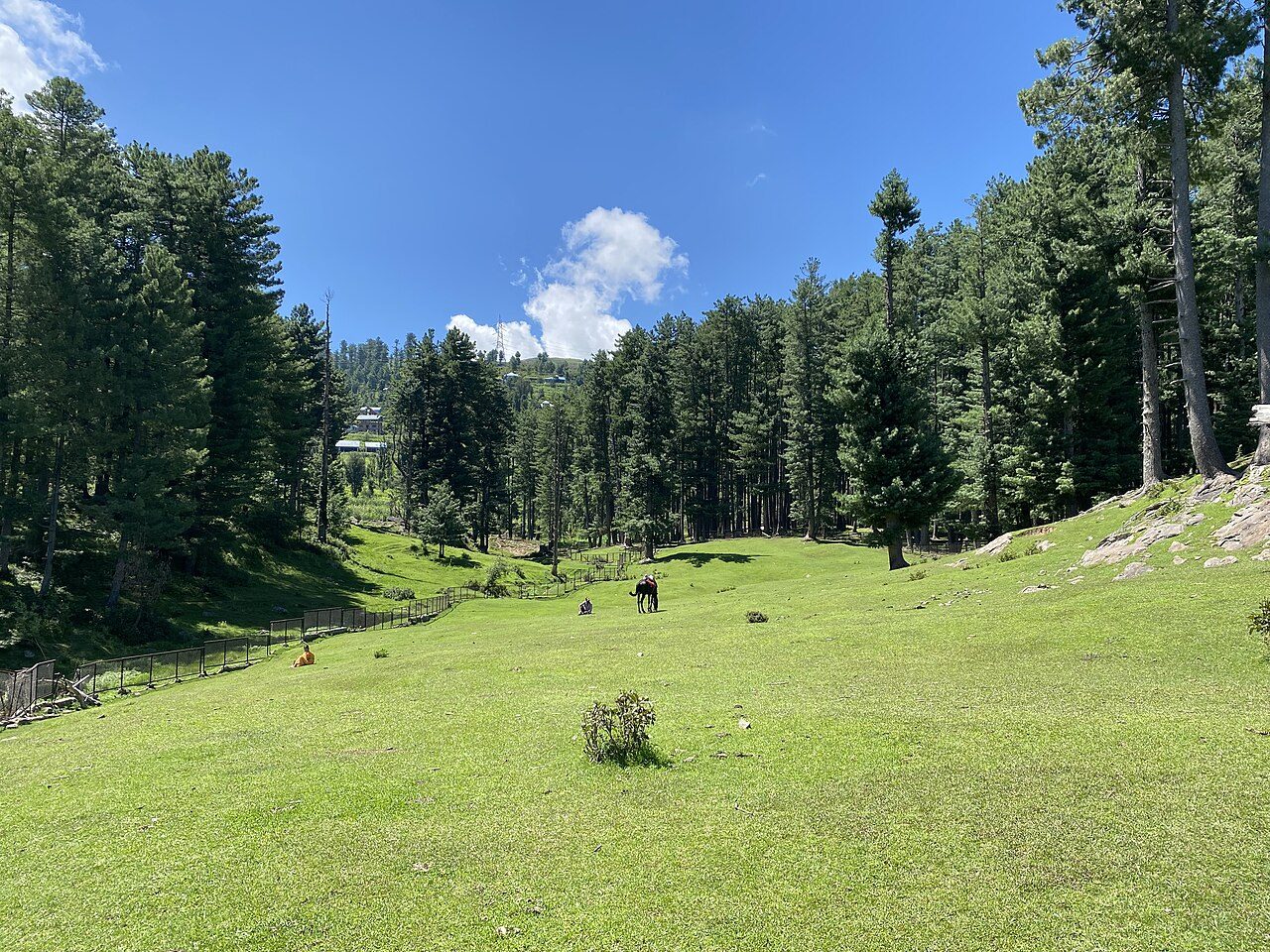
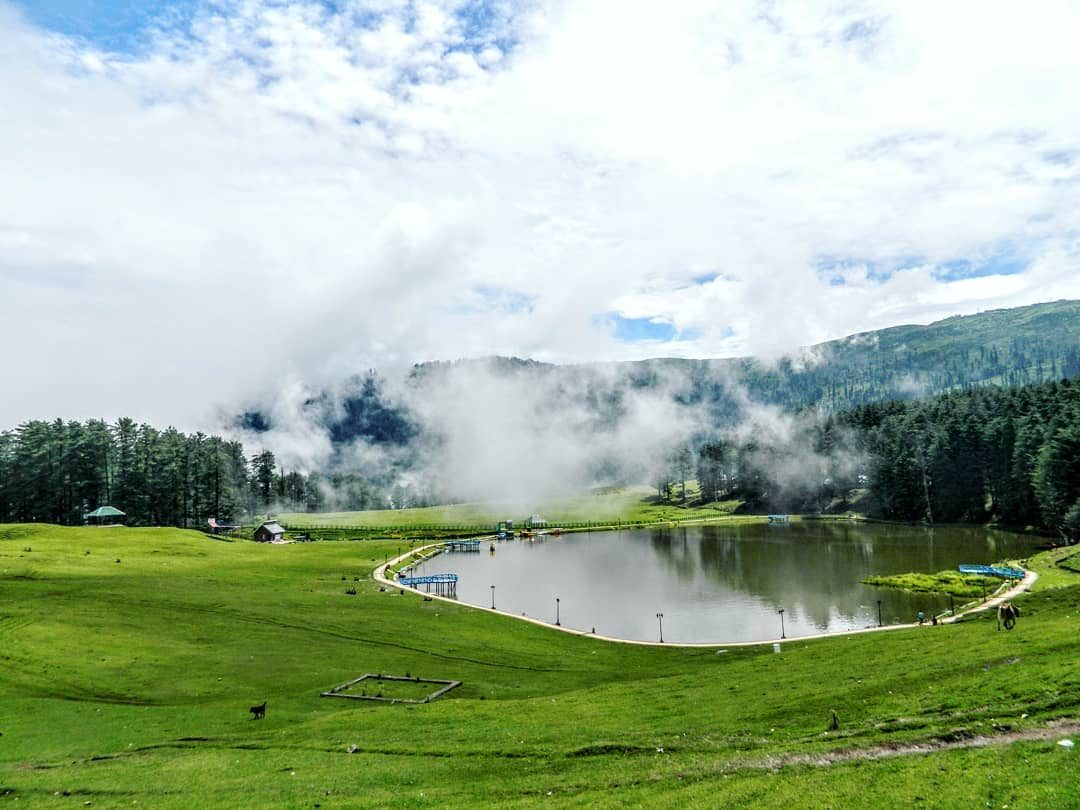
Sanasar is a pair of meadows named after two small lakes, Sana and Sar, at about 2,050 metres, 20 km from Patnitop. The cup-shaped grassland ringed by conifer forest is a centre for paragliding, with a small golf course and gentle walks. It is much quieter than Patnitop and makes a good half-day excursion.
08
STOP 8 OF 9
Vaishno Devi Temple
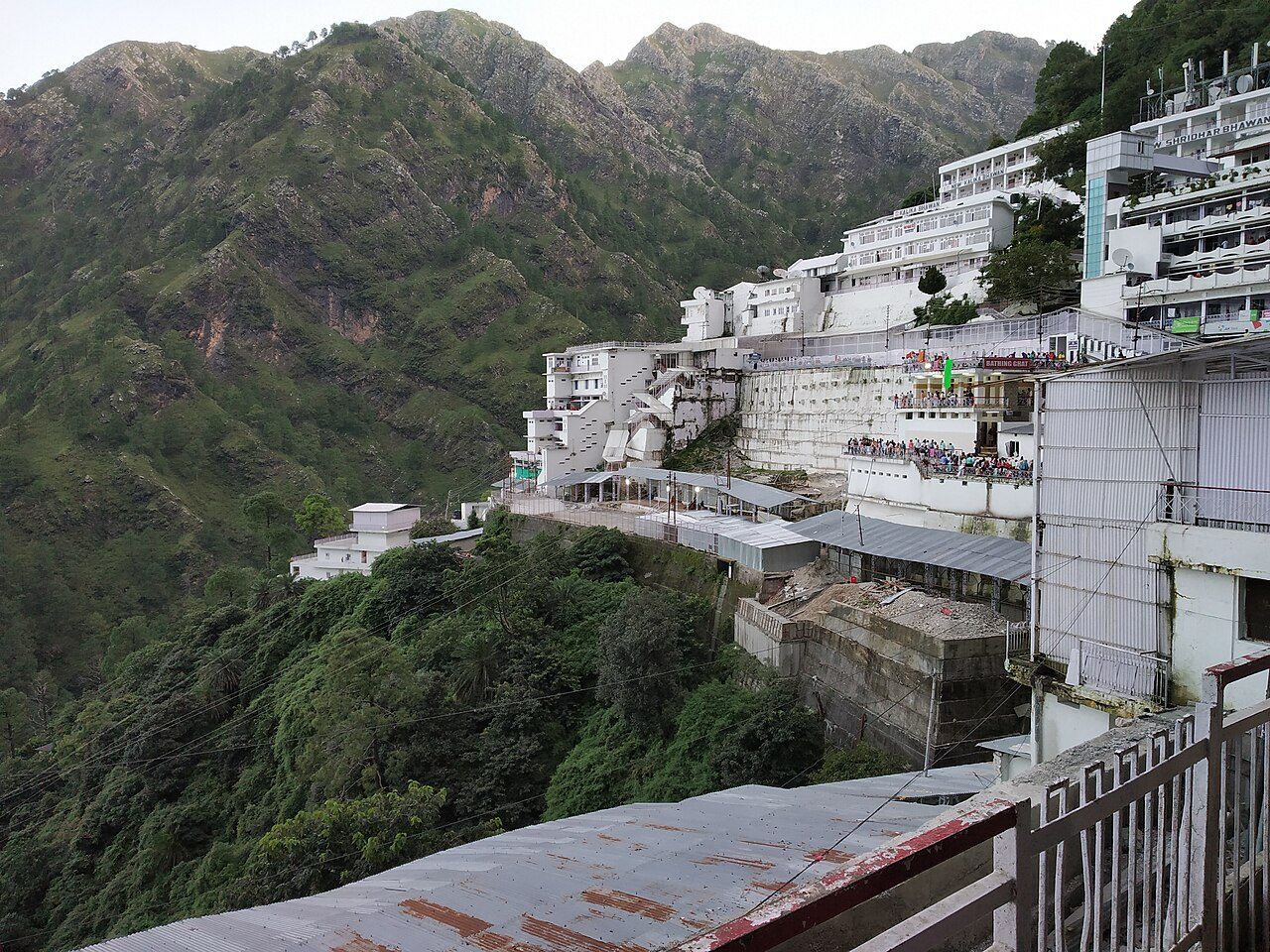
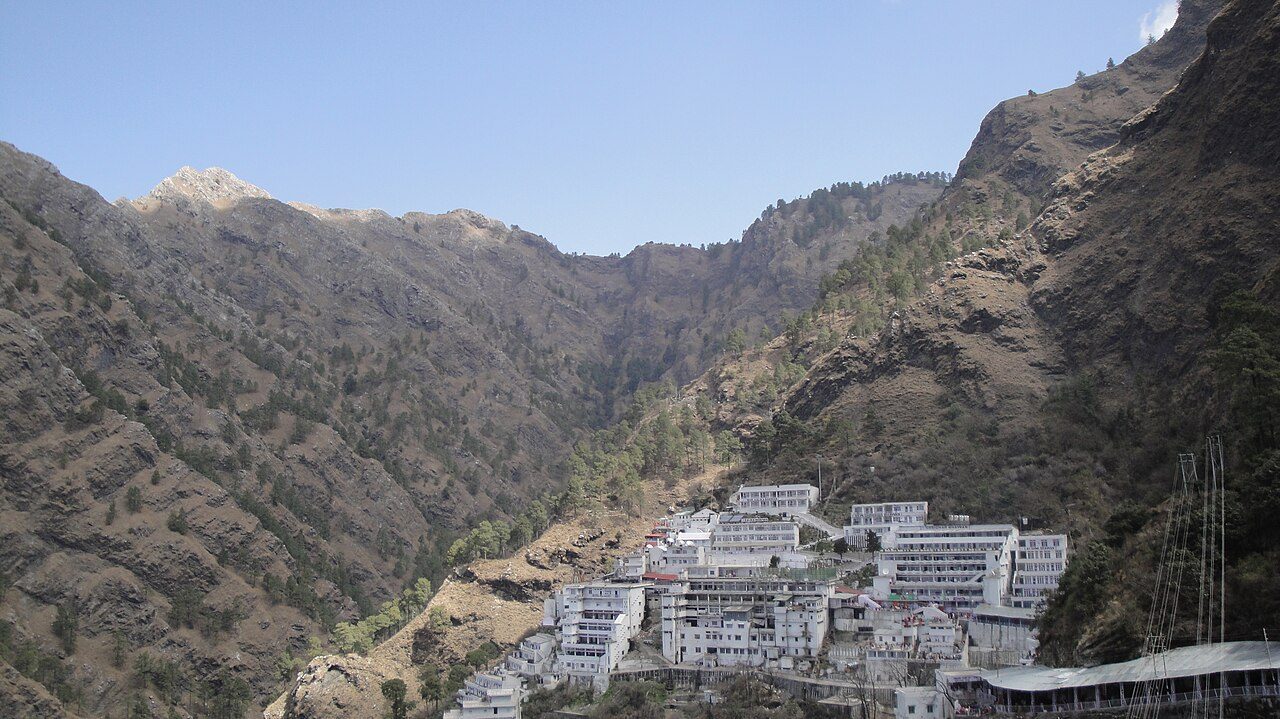
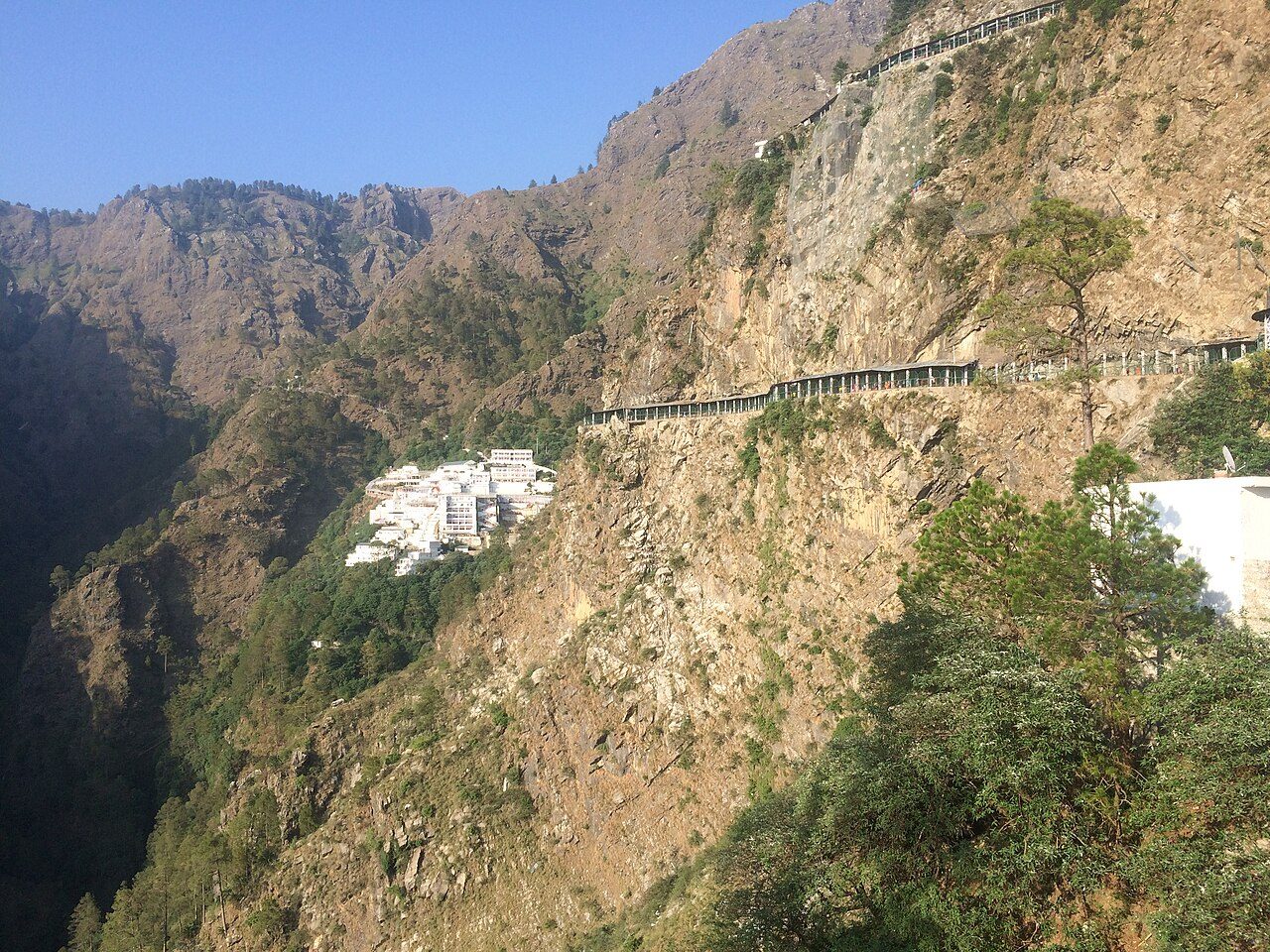
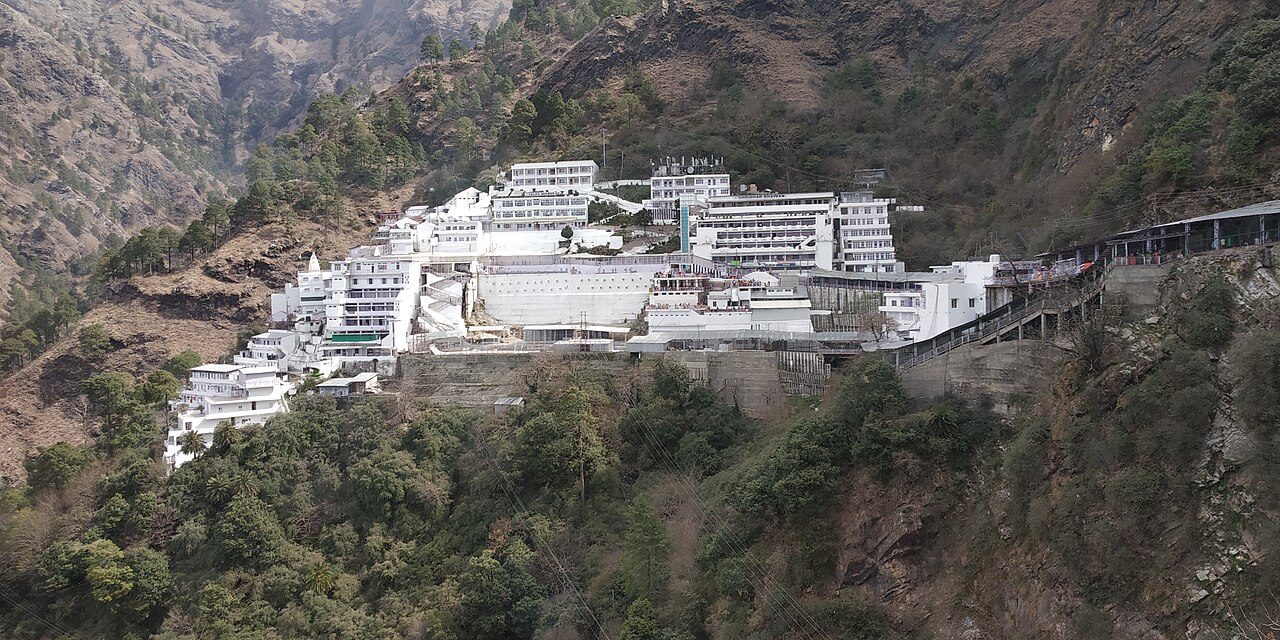
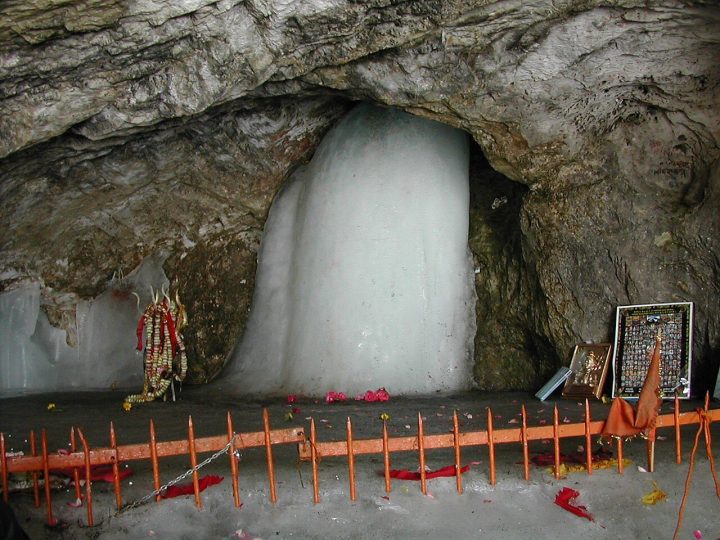
The Vaishno Devi shrine, in a cave on the Trikuta hills, is one of the most visited pilgrimage sites in India. The goddess is worshipped as three natural rock formations called pindis. Pilgrims walk about 13 km uphill from Katra, or use ponies, palanquins, battery vehicles or a helicopter. Registration at Katra is compulsory. The track is open day and night all year.
09
STOP 9 OF 9 · LAST STOP
Bhimgarh Fort
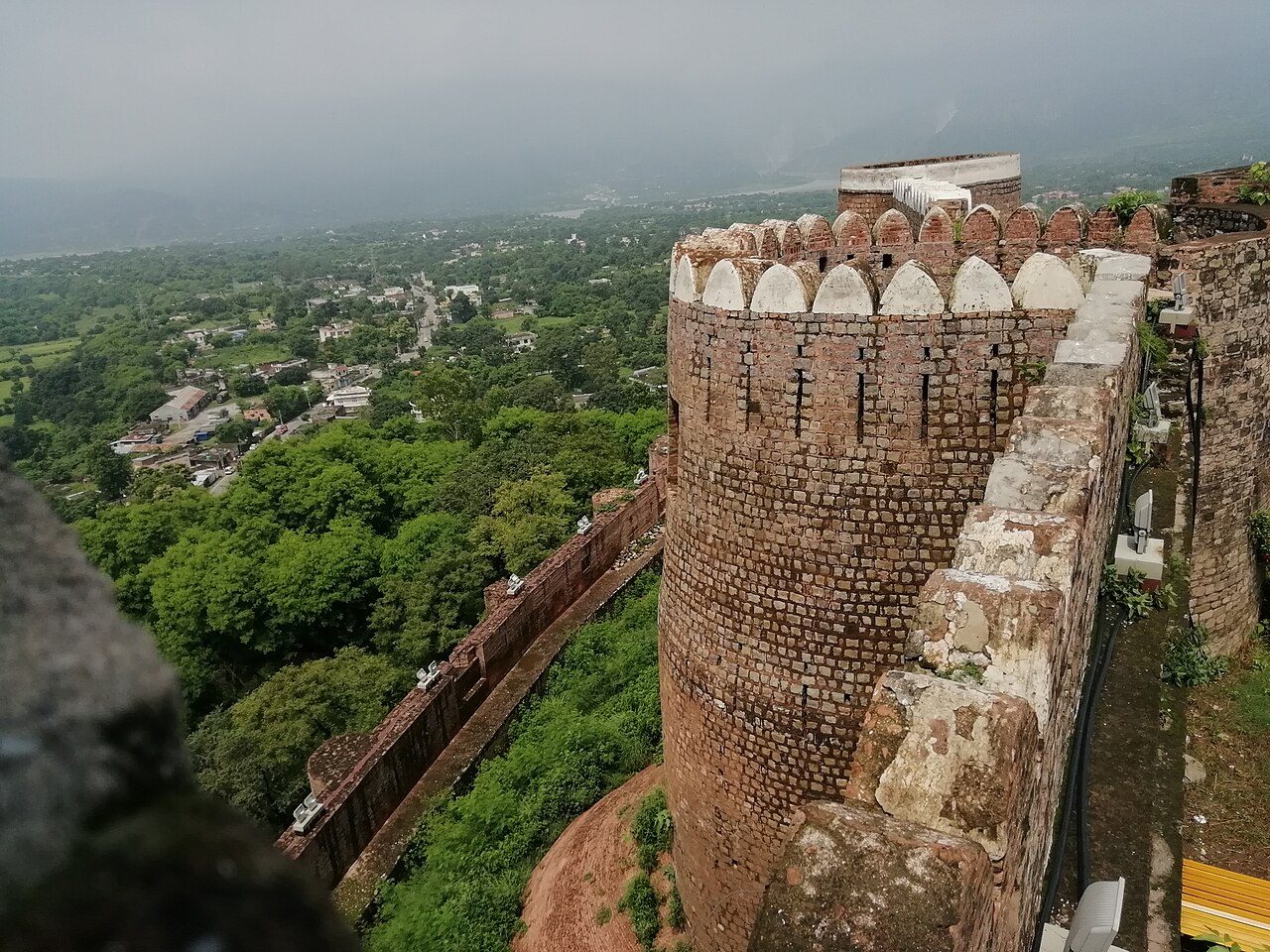
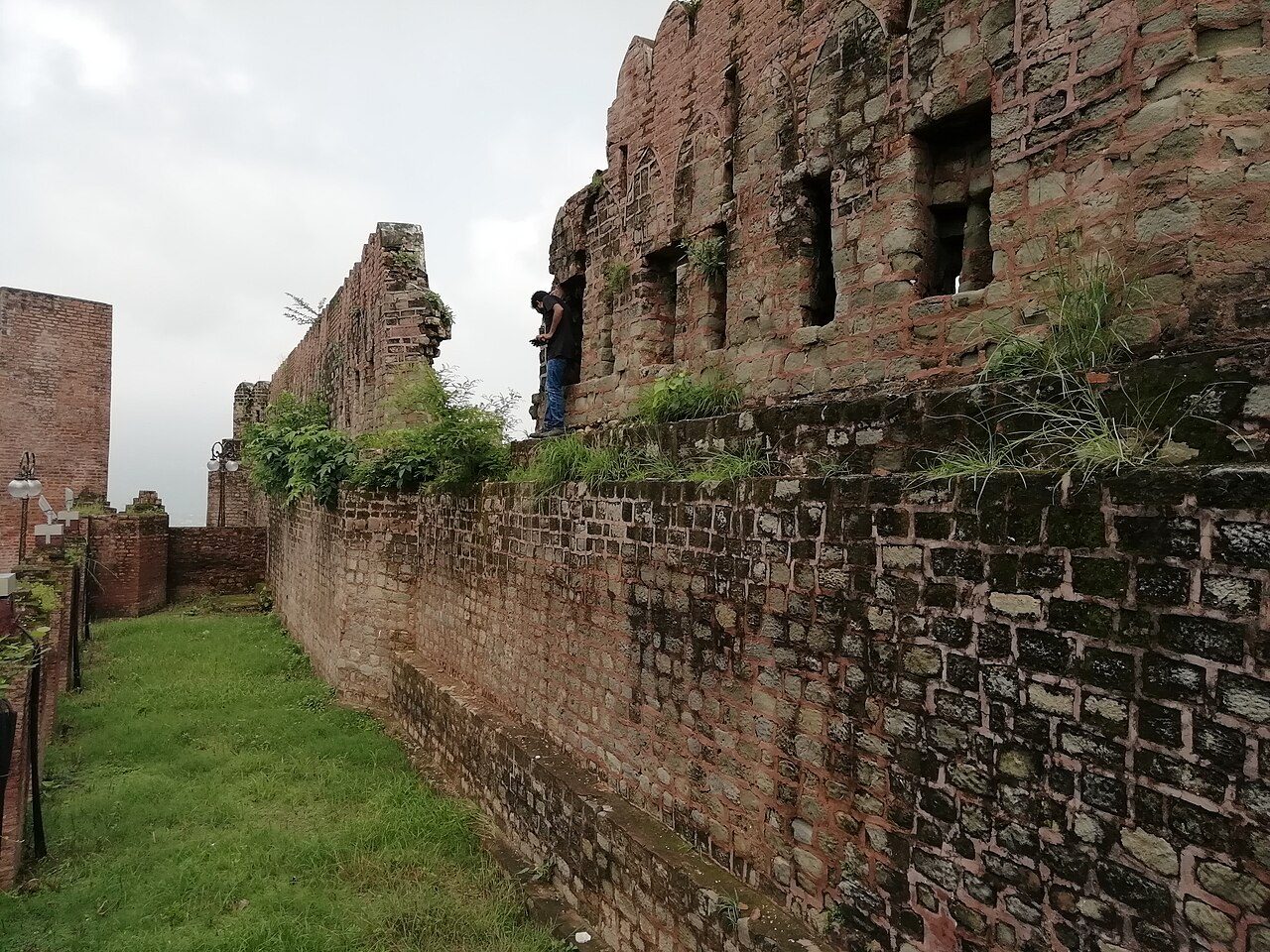
Bhimgarh Fort stands on a hillock above the town of Reasi, near the Chenab River. Originally built of clay, it was rebuilt in stone in the early 19th century by Gulab Singh, the future Maharaja of Jammu and Kashmir, who used it as a treasury and armoury. Restored in recent decades, it has a temple, a pond and rooms of varied size within thick walls.
Seasons from 20 years of NASA POWER climate data.
 WaTrips