India · Dadra and Nagar Haveli and Daman and Diu · Diu
Diu in 2 Days: the Portuguese Fort, Churches and Beaches
2 DAYS7 placesby WaTrips
Diu Fort, St. Paul's Church, the St. Thomas museum and Panikotha, then the Naida caves, Nagoa beach and the INS Khukri memorial.
Diu is a relaxed island with a strong Portuguese past. Day one explores the great sea-facing Diu Fort, the baroque St. Paul's Church, the museum in the old St. Thomas Church and the Panikotha sea fort. Day two visits the Naida caves, Nagoa beach and the INS Khukri memorial. October to March is the best time.
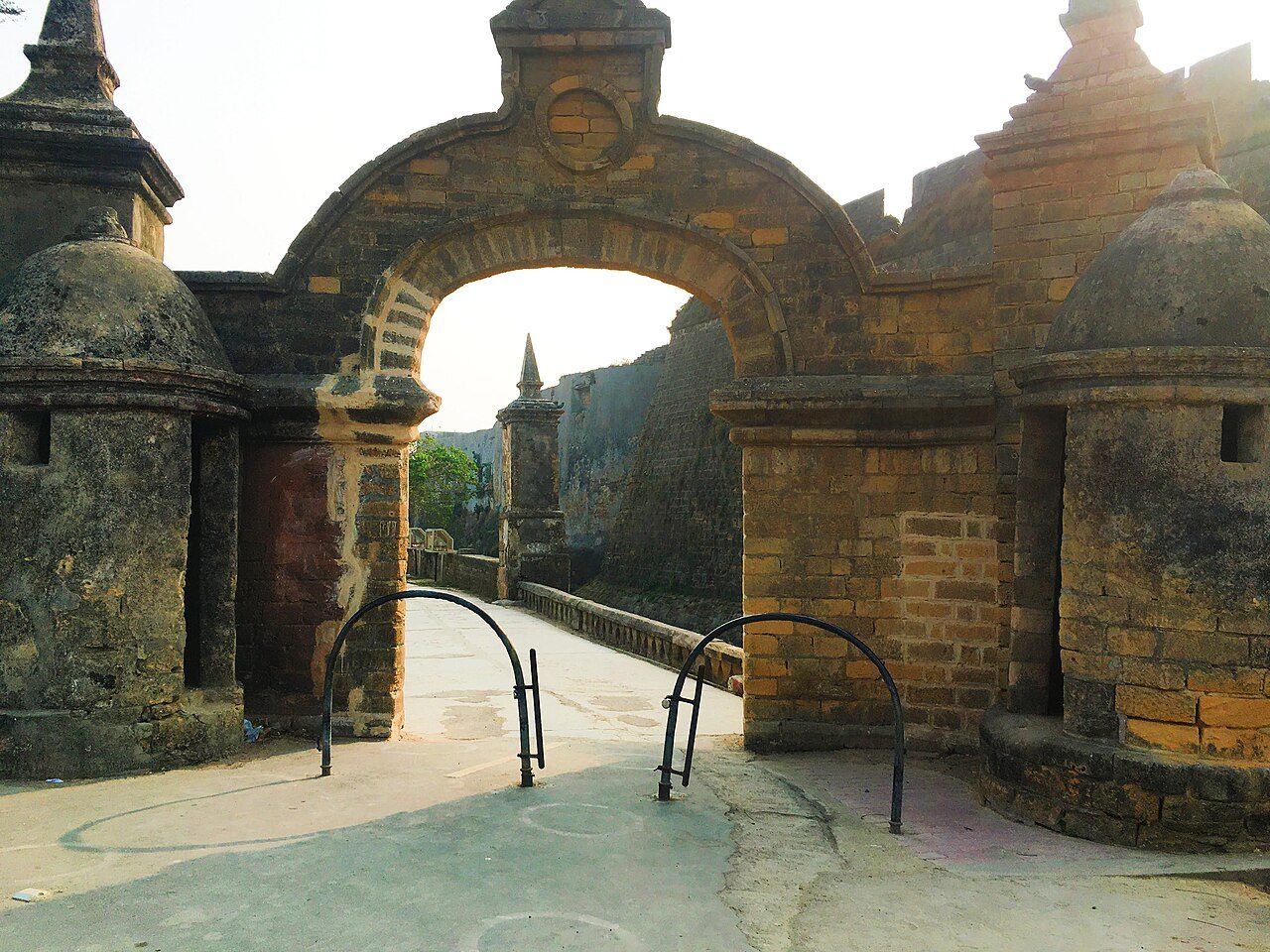
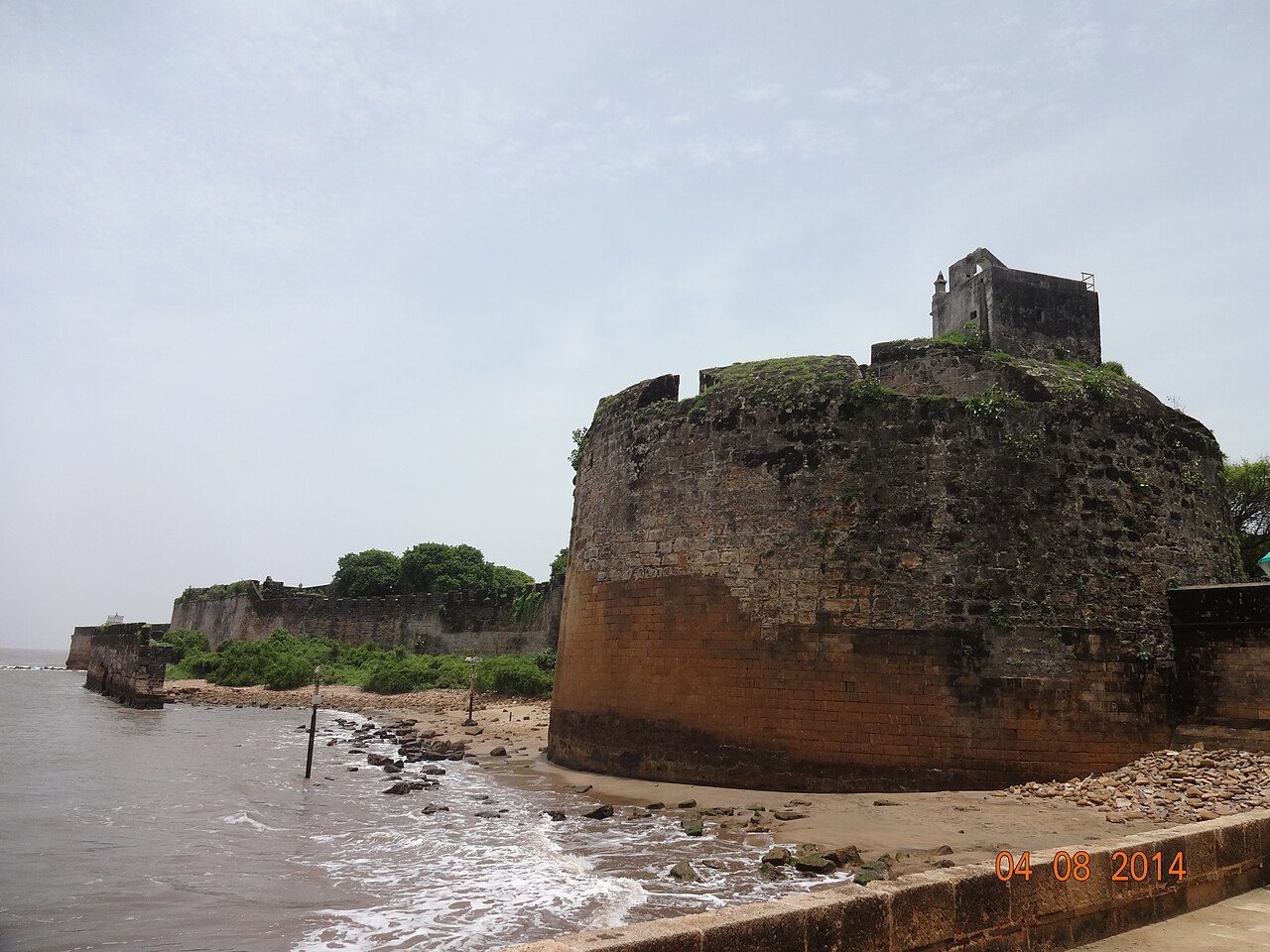
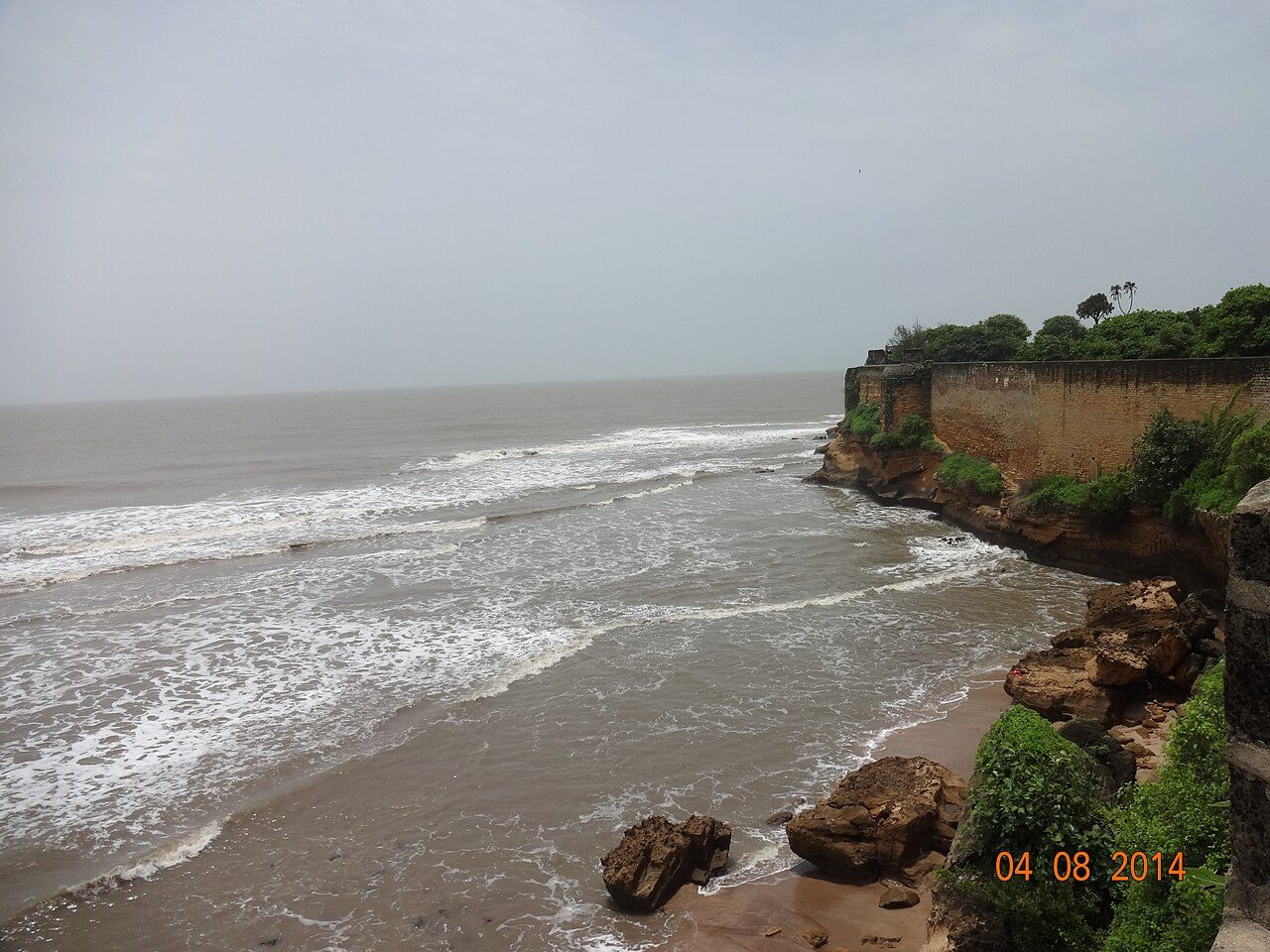
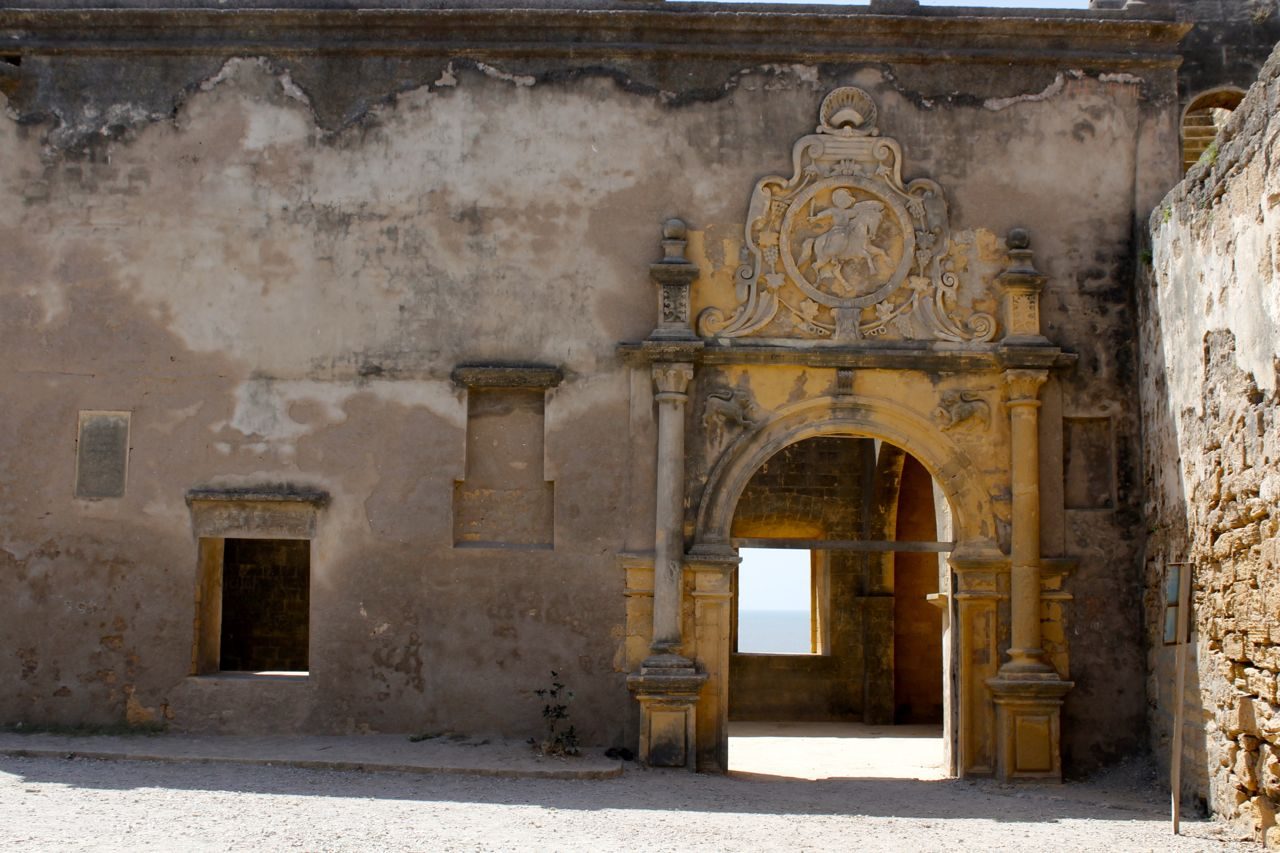
Diu Fort was built by the Portuguese from 1535 after an alliance with Sultan Bahadur Shah of Gujarat, and they held it until 1961. The sea surrounds it on three sides, with a moat on the fourth. Inside the massive walls are bastions with old cannons, a lighthouse, chapels and a working jail. Entry is through a gateway with a Portuguese inscription.
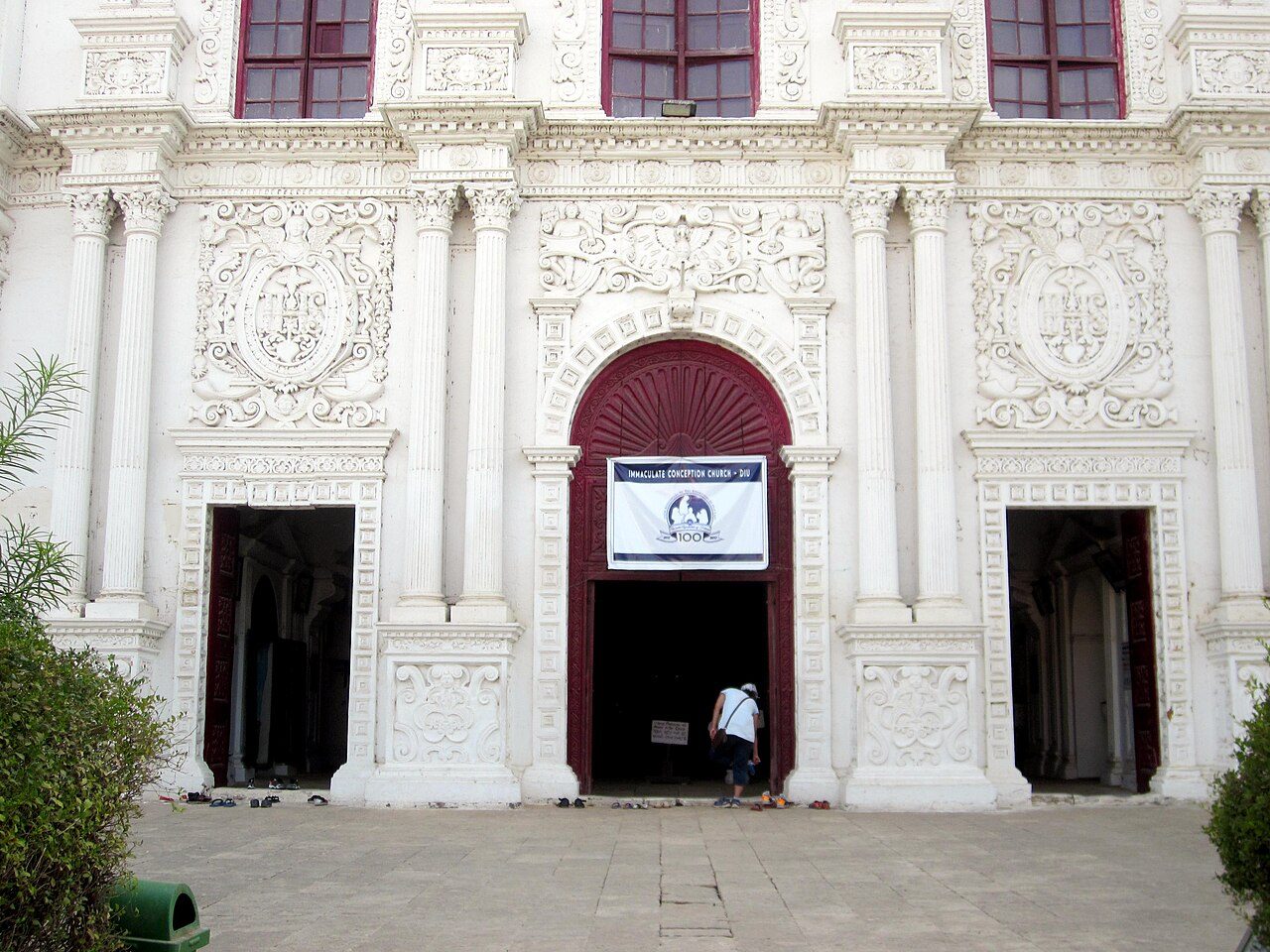
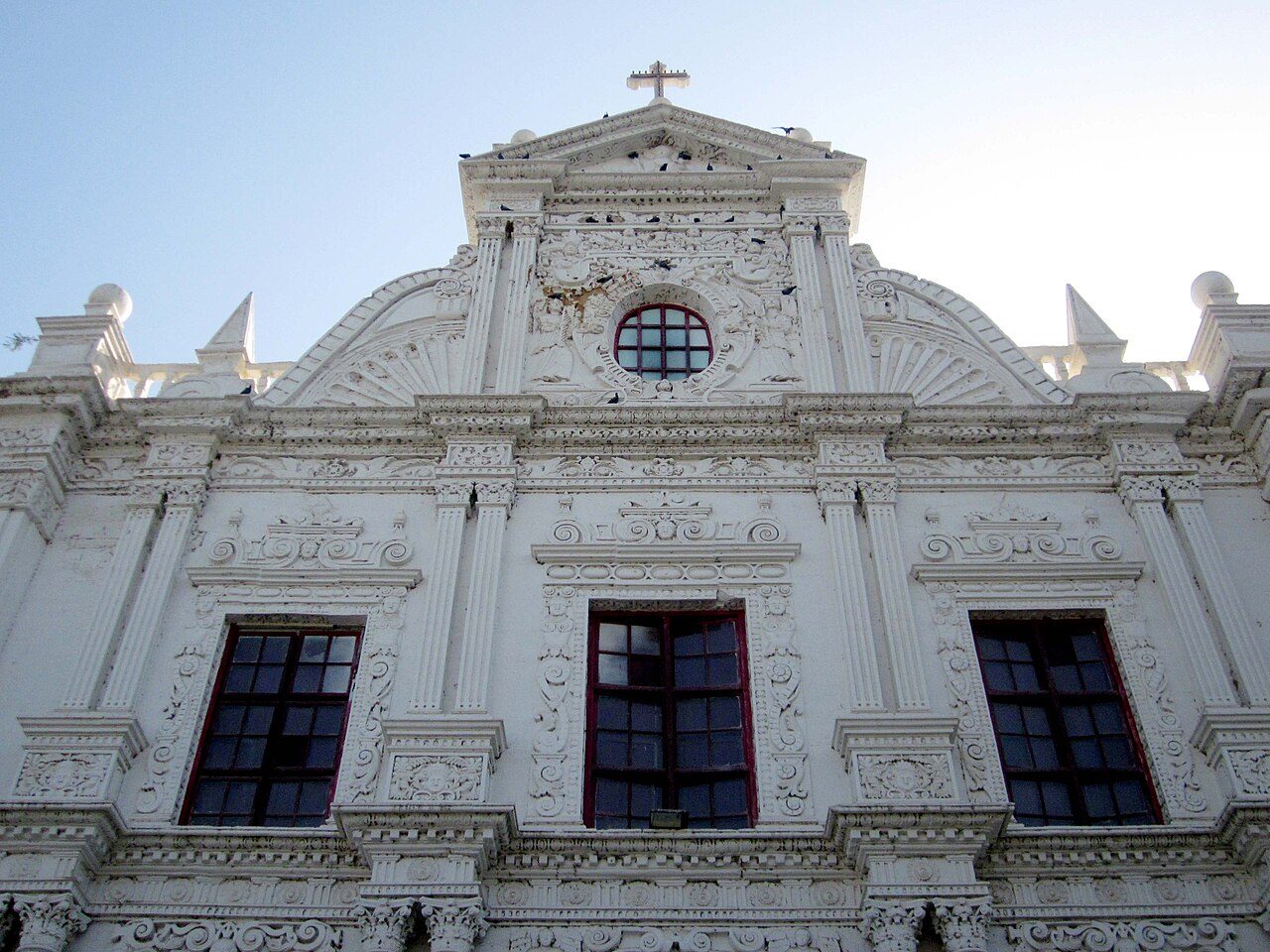
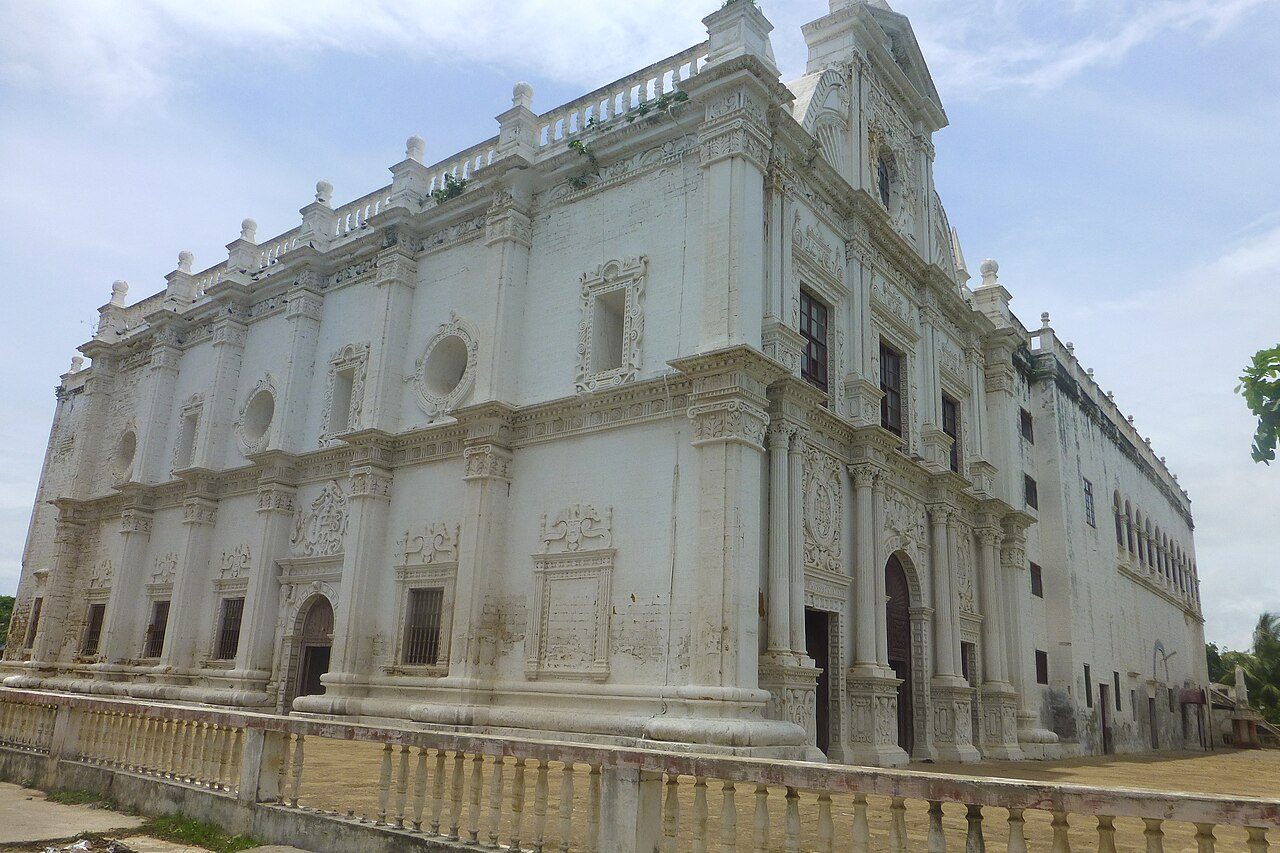
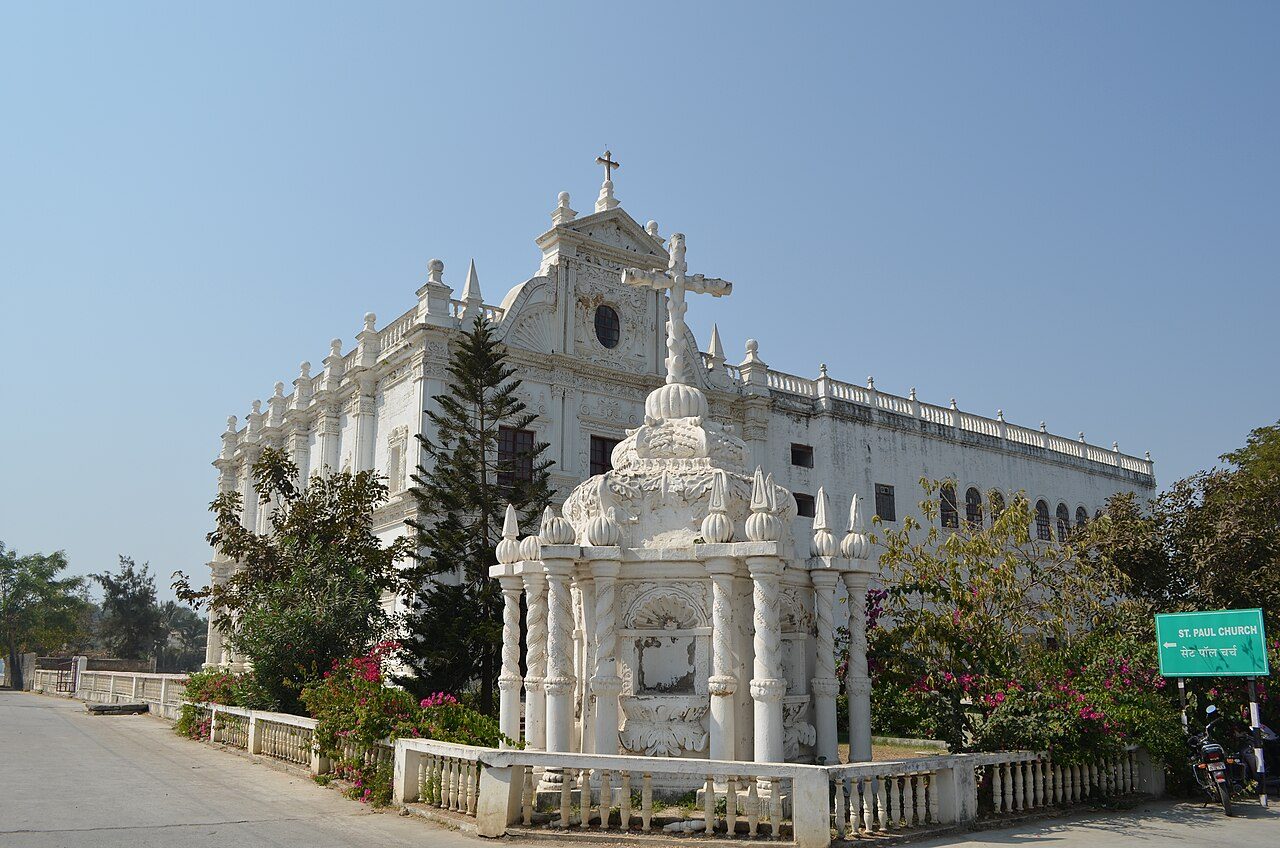
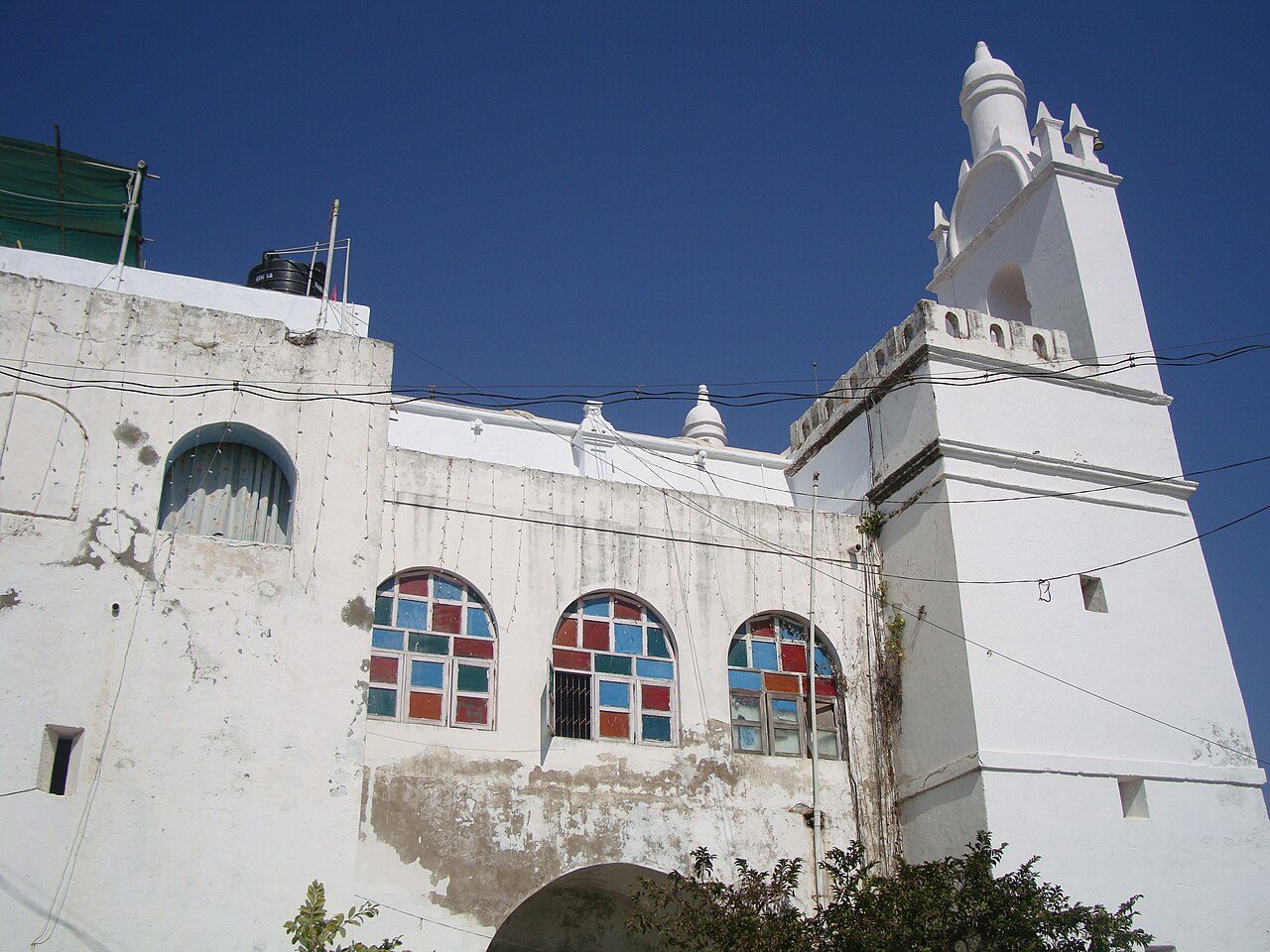
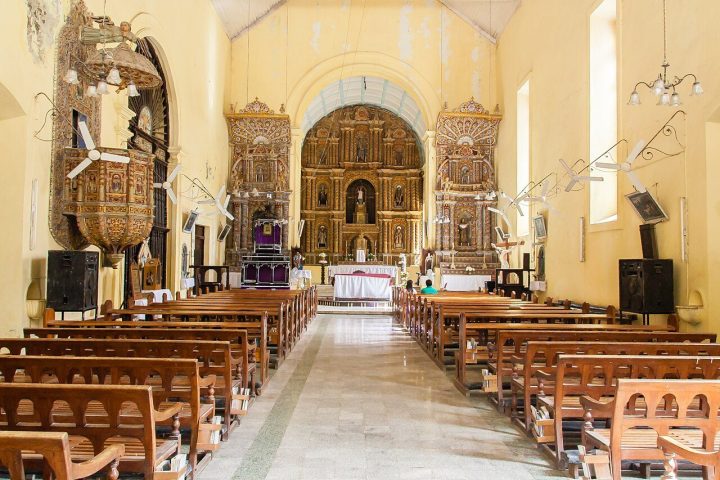
St. Paul's Church in Diu was built by the Jesuits and completed in 1610. Its white front, covered in scrolls and shell-like motifs, is one of the finest examples of Baroque church architecture in India. Inside, the altar and pulpit are carved from dark Burmese teak. It is the only one of Diu's old churches still used for regular worship.
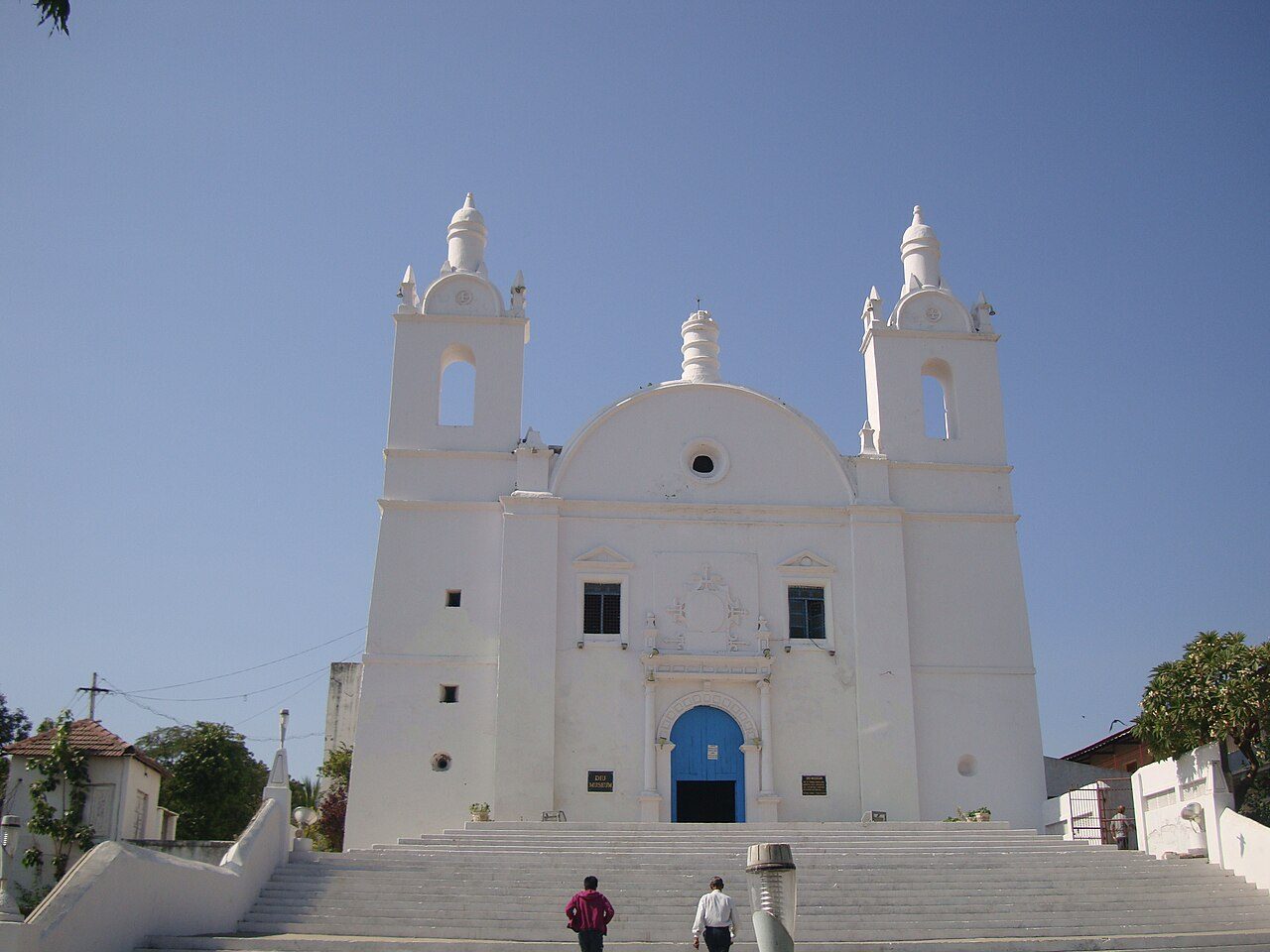
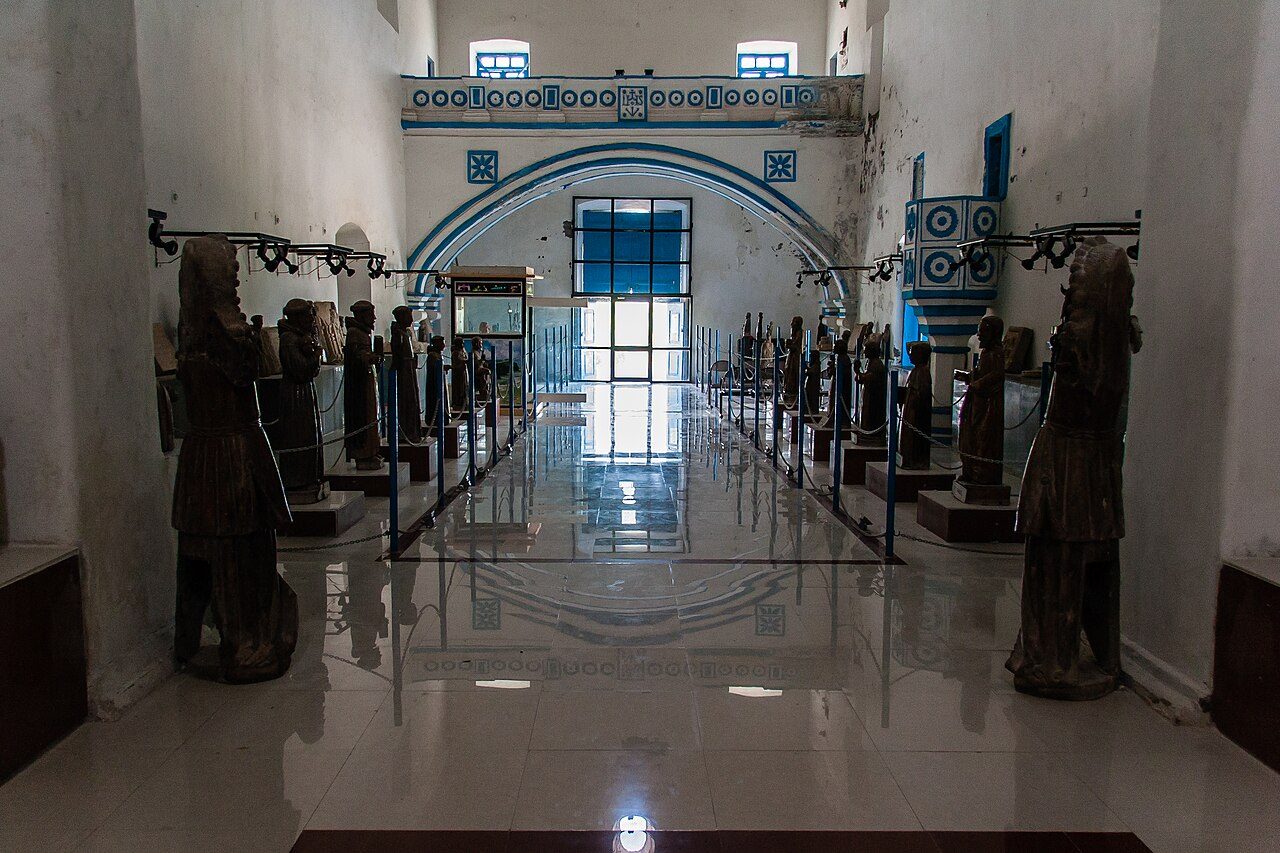
St. Thomas Church in Diu, built in 1598, is a tall whitewashed building in simple Gothic style that no longer holds regular services. It now serves as the Diu Museum, displaying wooden statues of saints, stone inscriptions of the earlier rulers, old carvings and other objects. An annual mass is still said here on 1 November.
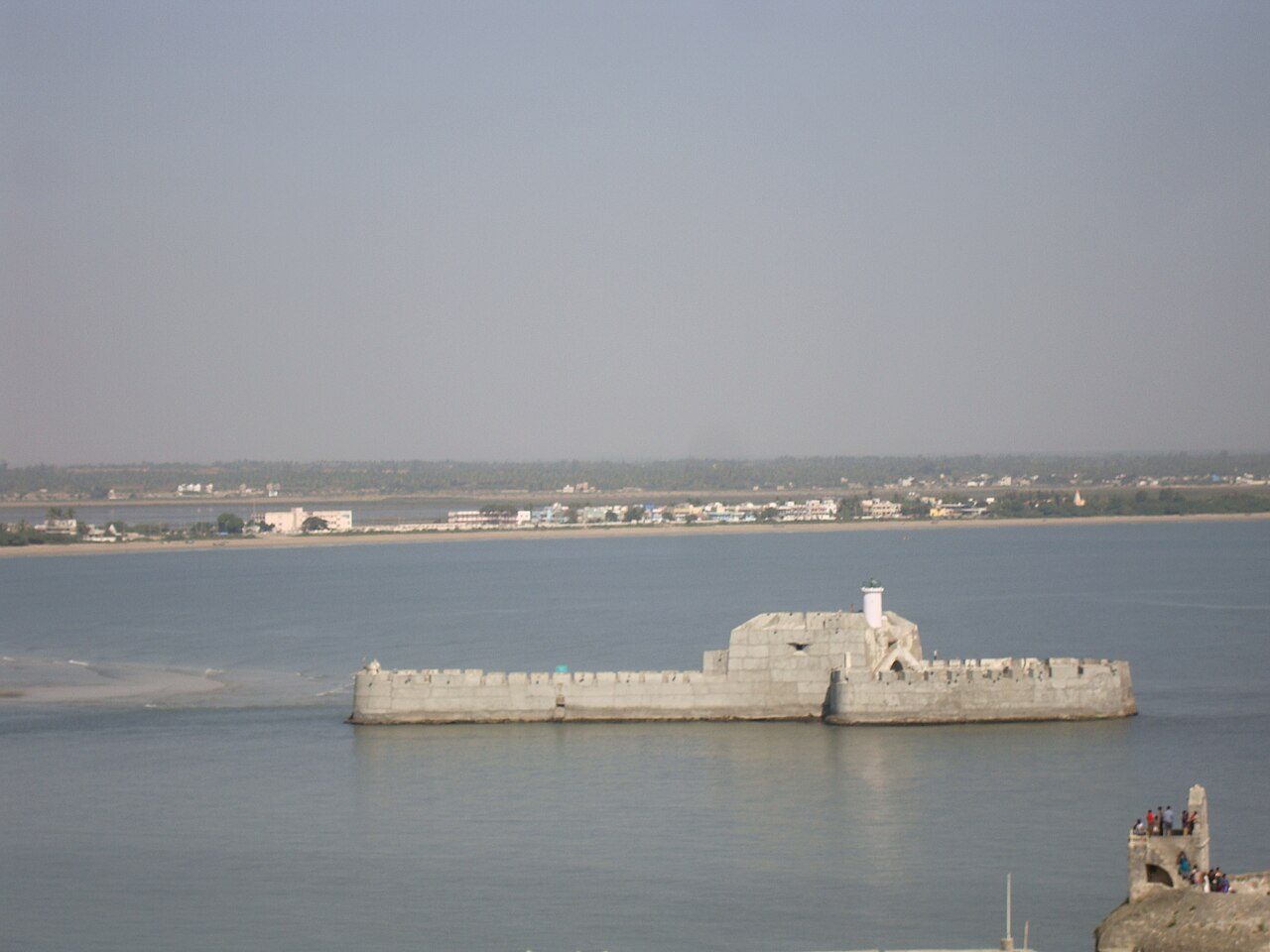
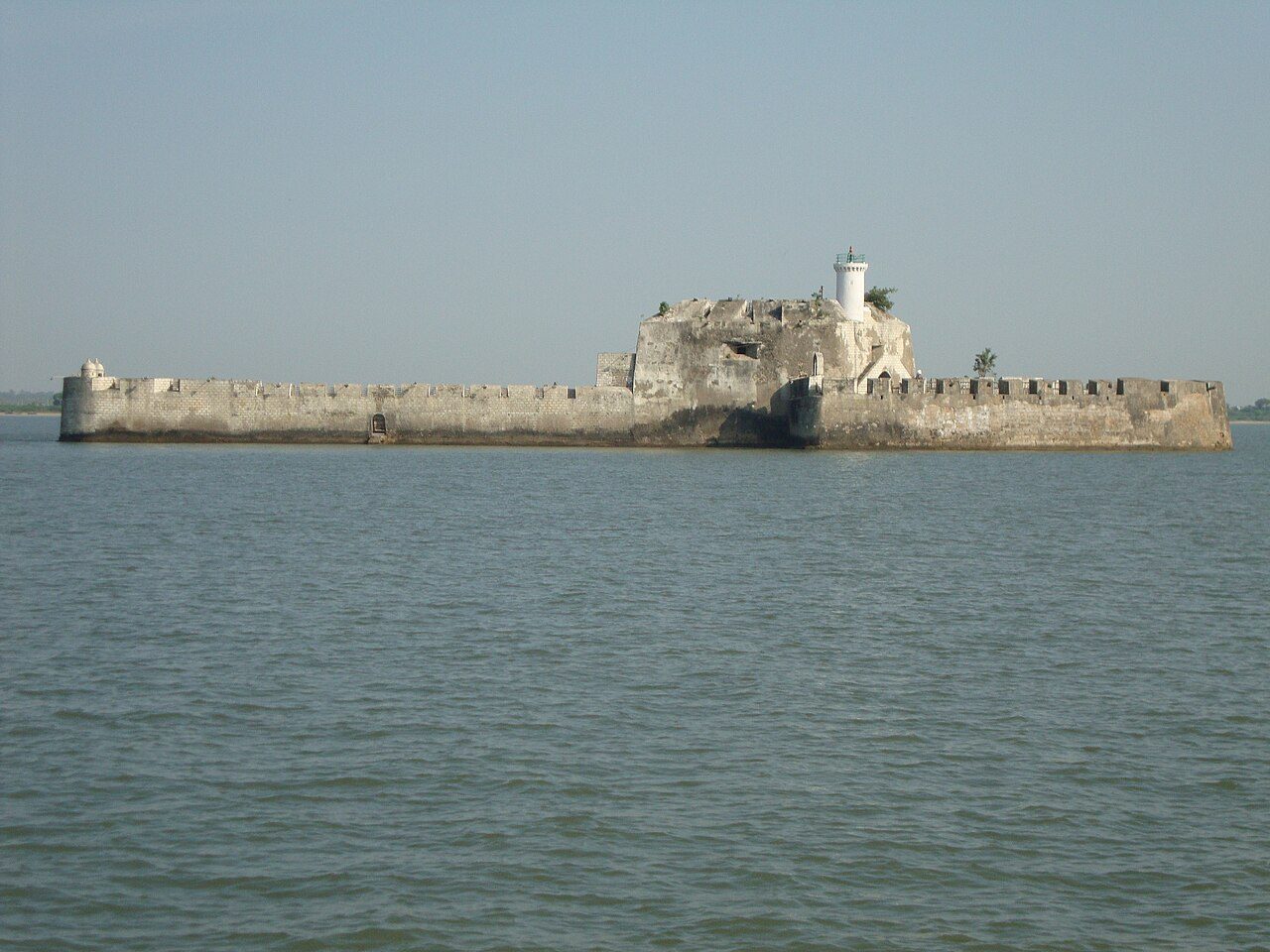
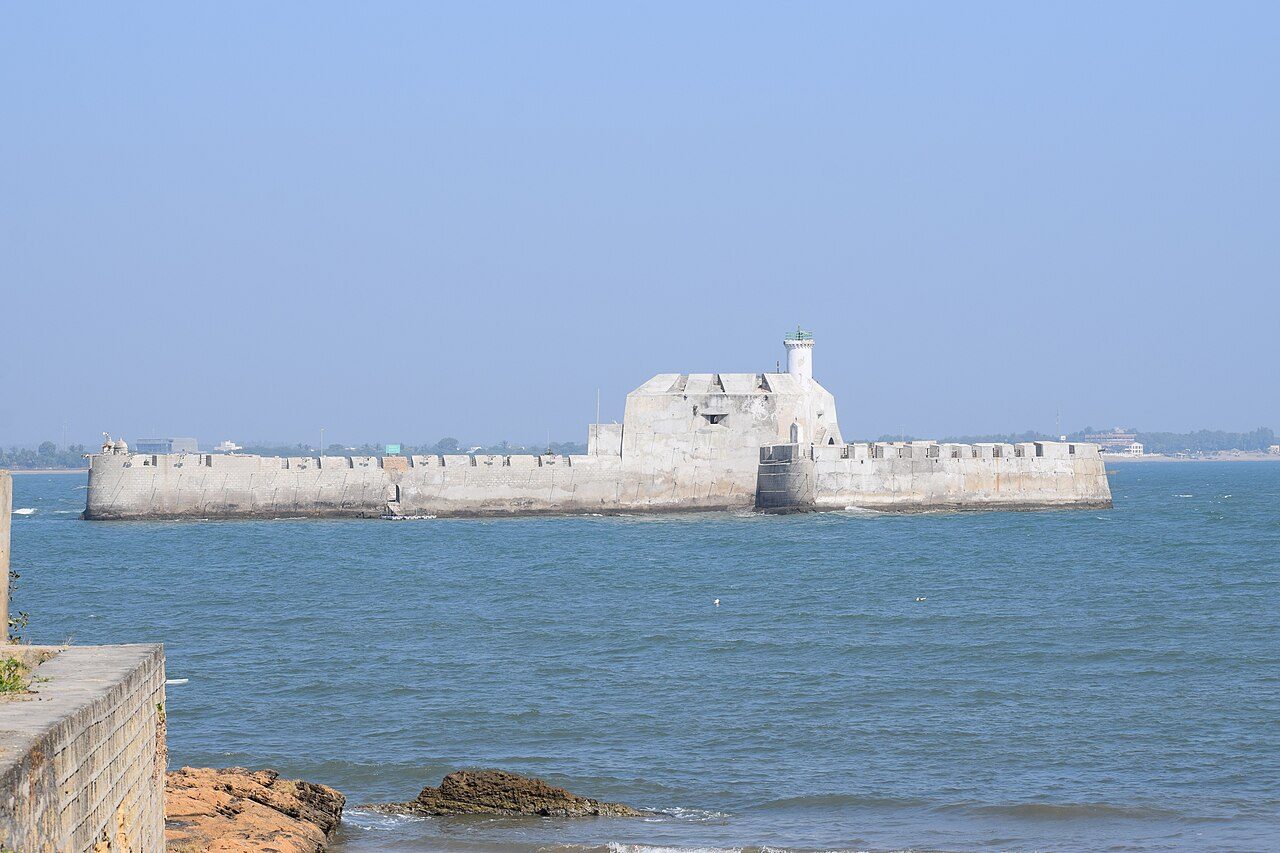
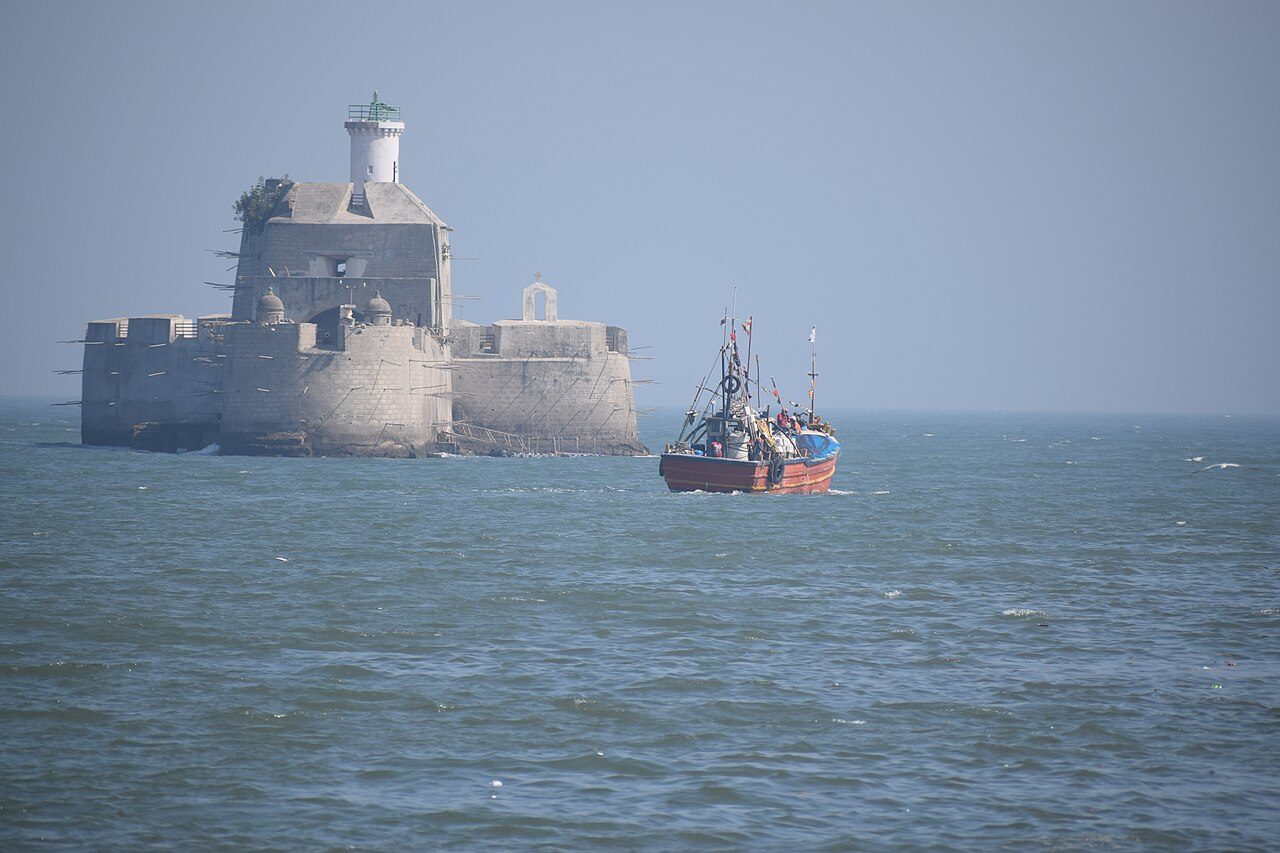
Panikotha, the Fortim do Mar, is a small stone fortress standing in the sea at the mouth of the creek off Diu town. Built by the Portuguese, it has a lighthouse and a small chapel of Our Lady of the Sea. It can be seen clearly from the Diu Fort jetty, and it is lit up after dark. Boats sometimes take visitors around it.
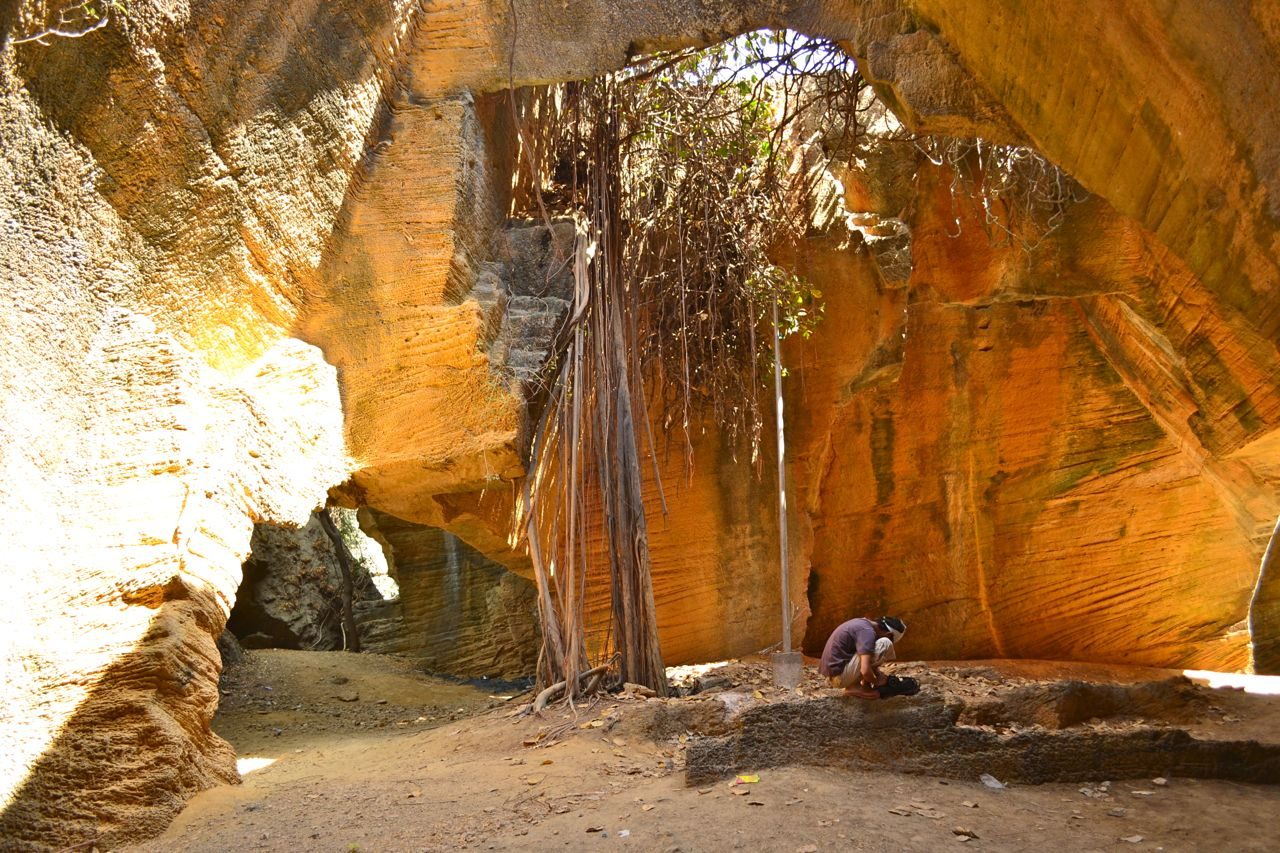
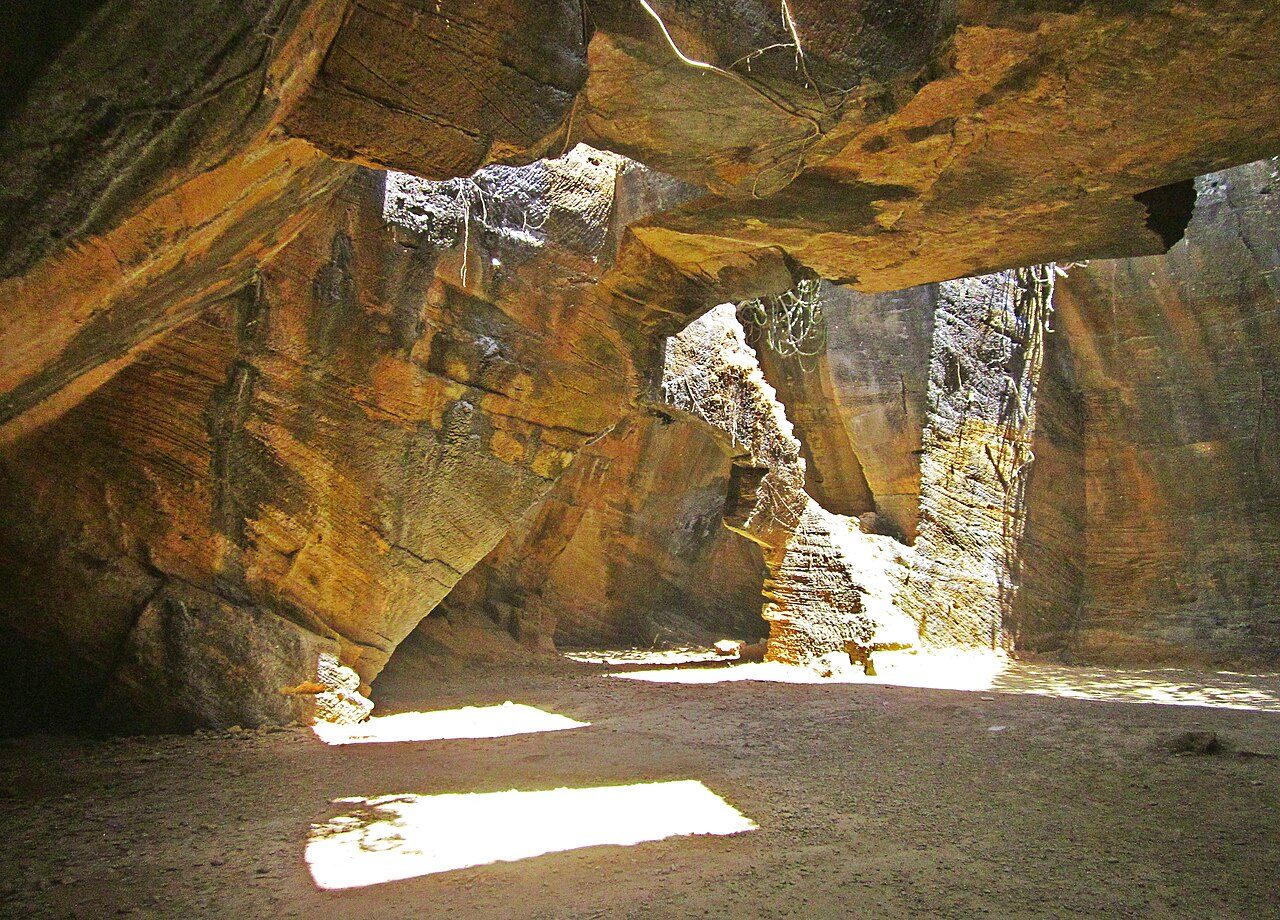
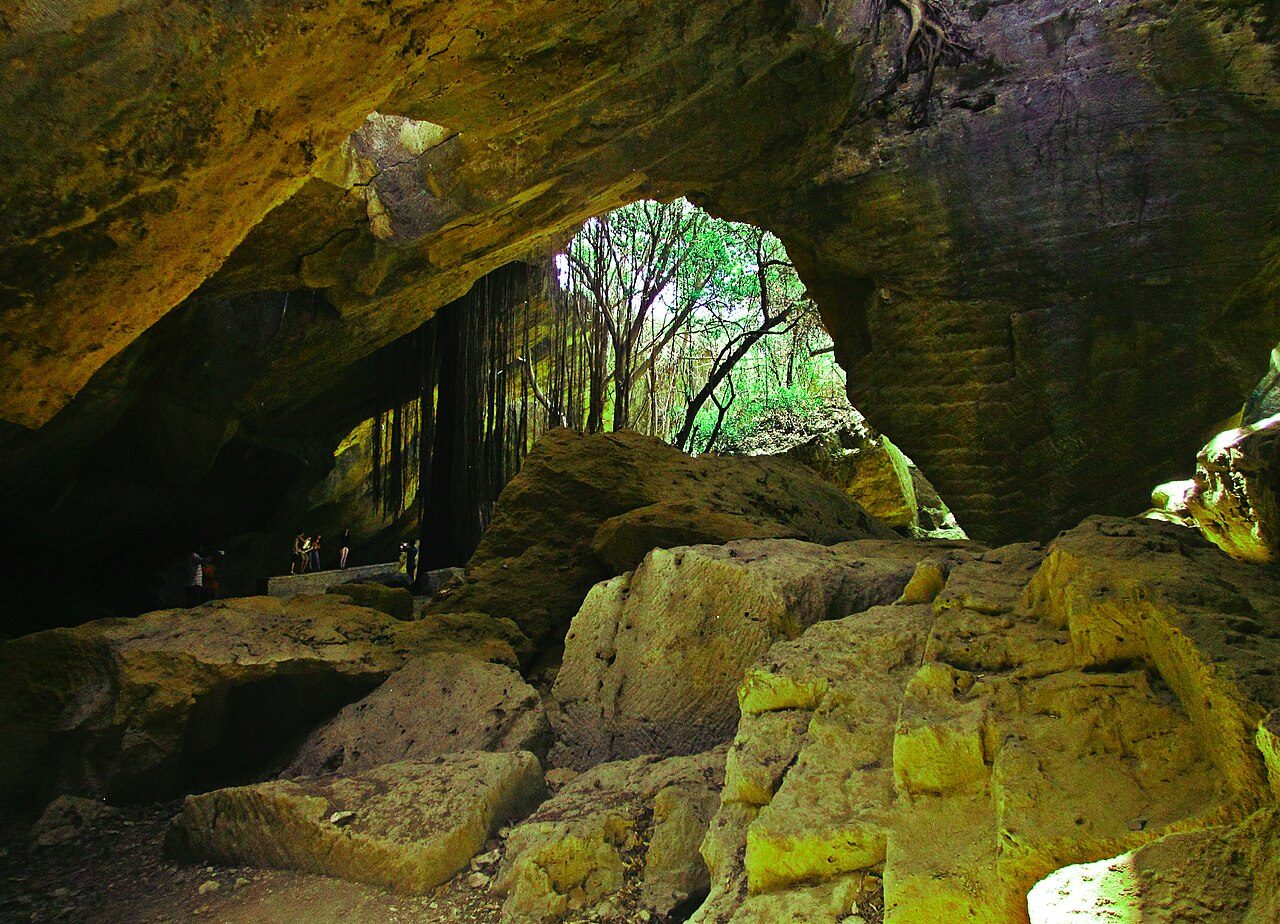
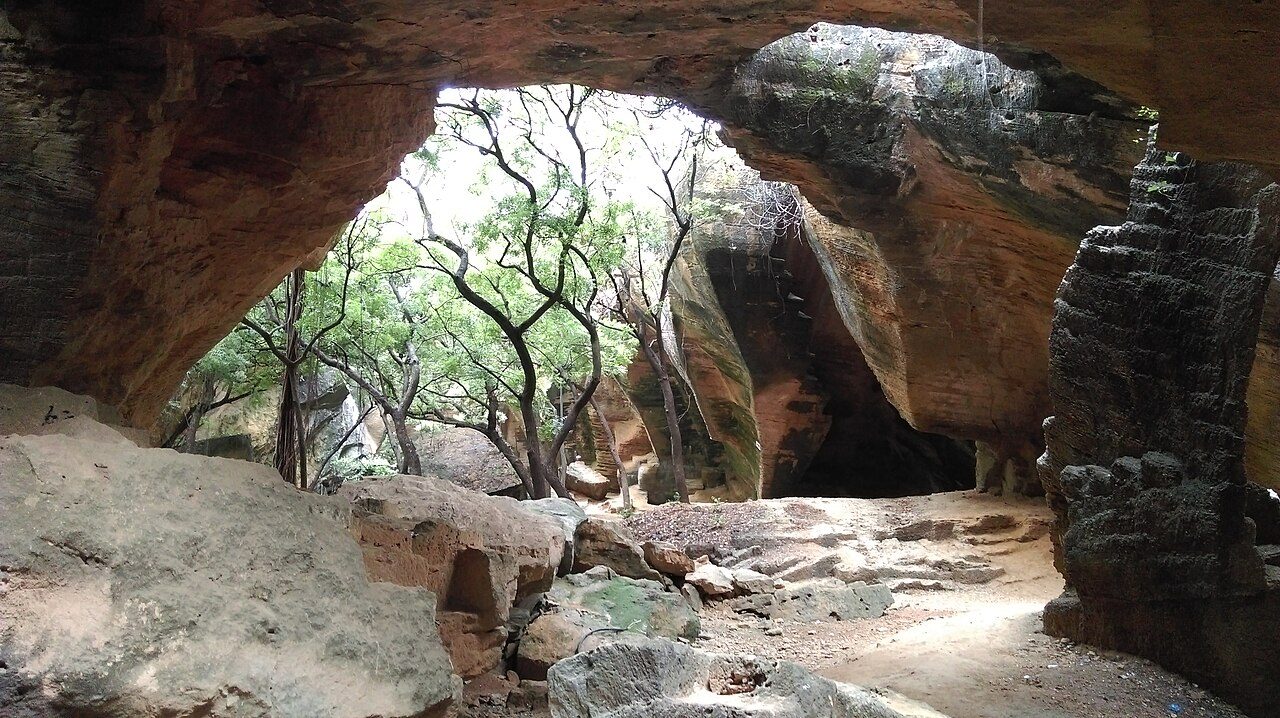
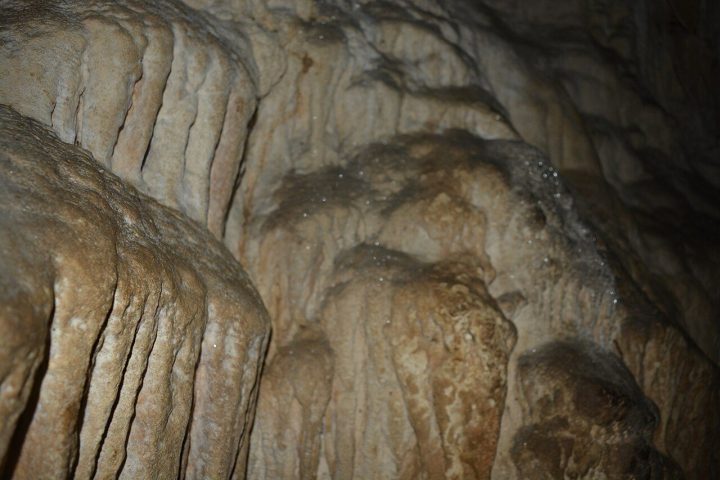
Naida Caves lie just outside the city wall of Diu, near the fort. They are a maze of square-cut tunnels and chambers with openings in the roof that let in shafts of sunlight. They are thought to be largely the result of the Portuguese quarrying stone for building. The light is best around midday.
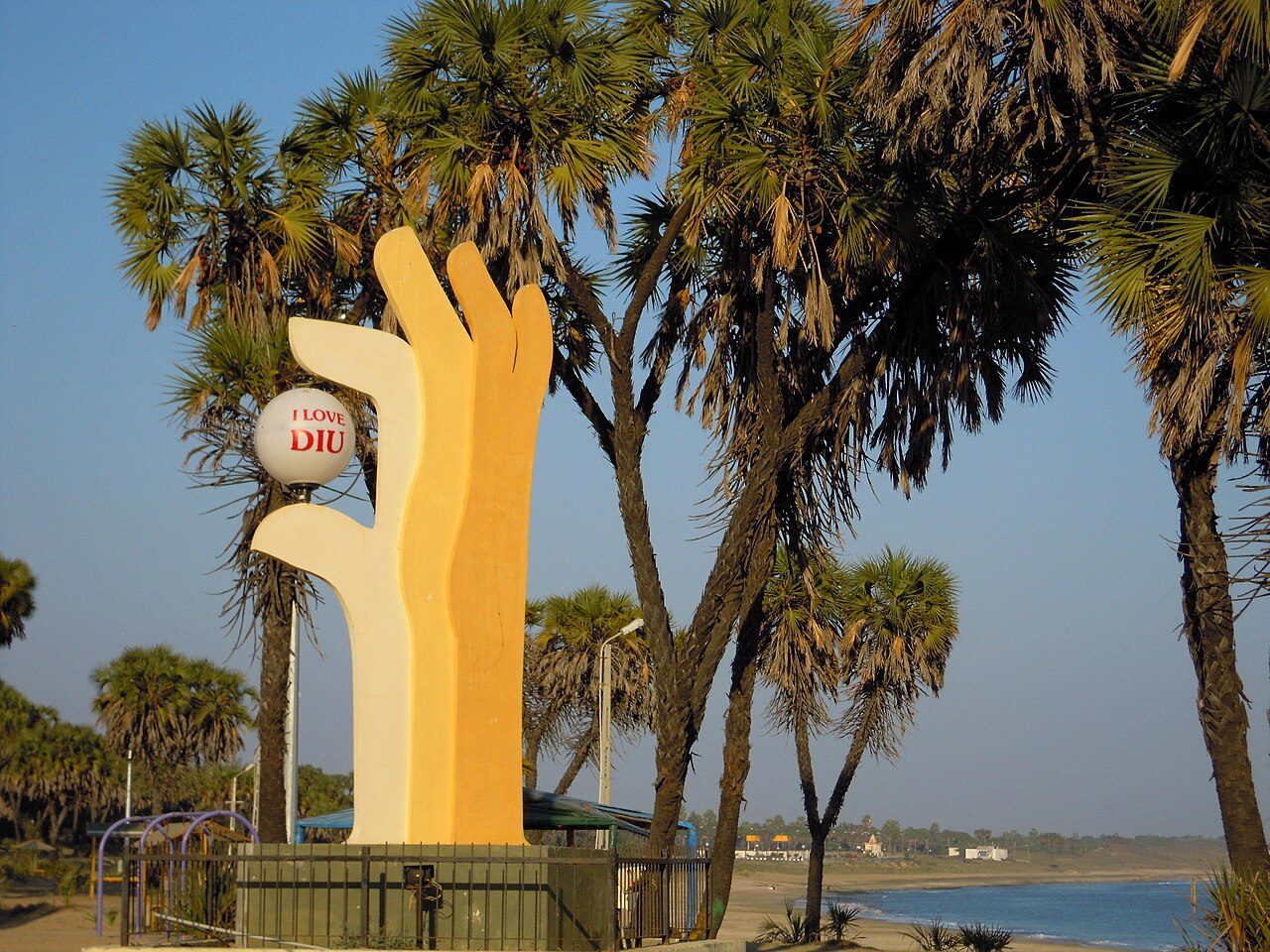
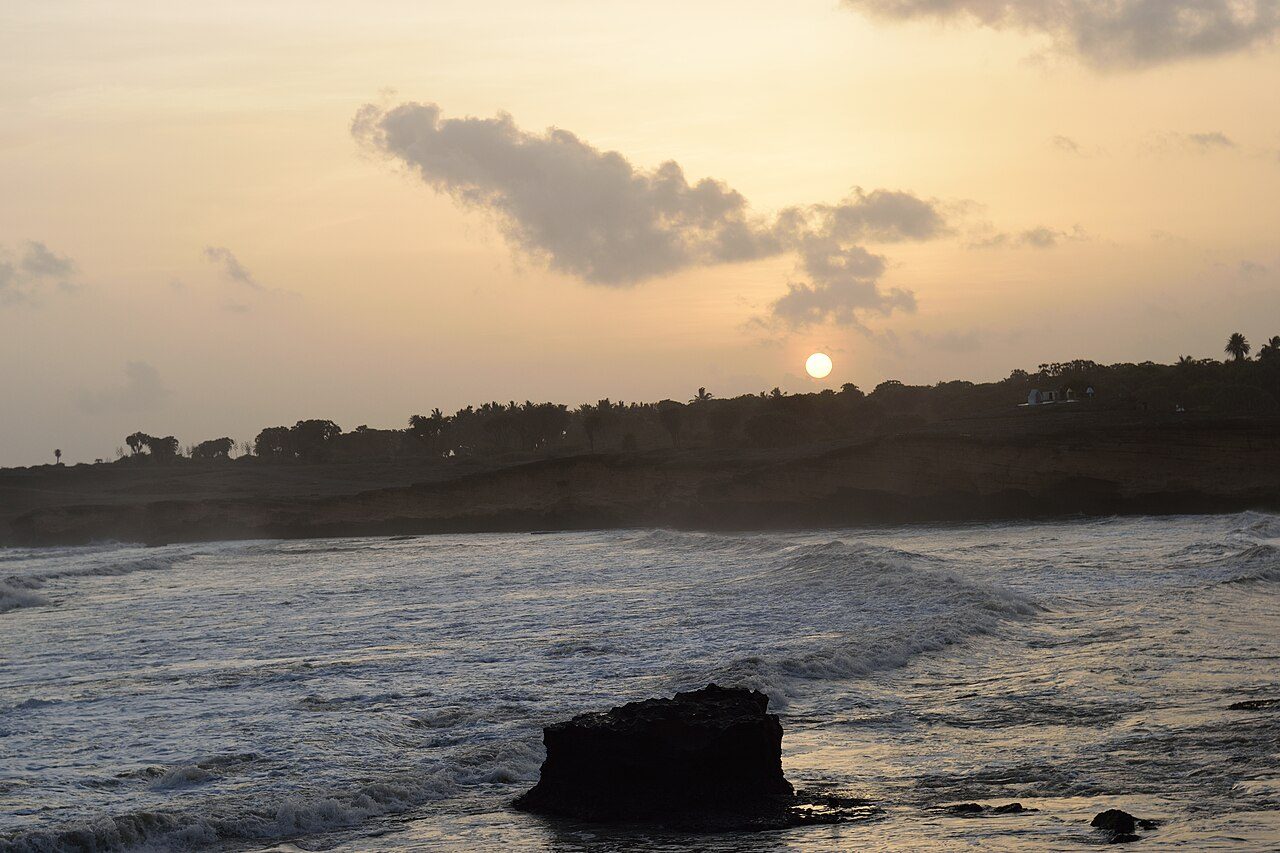
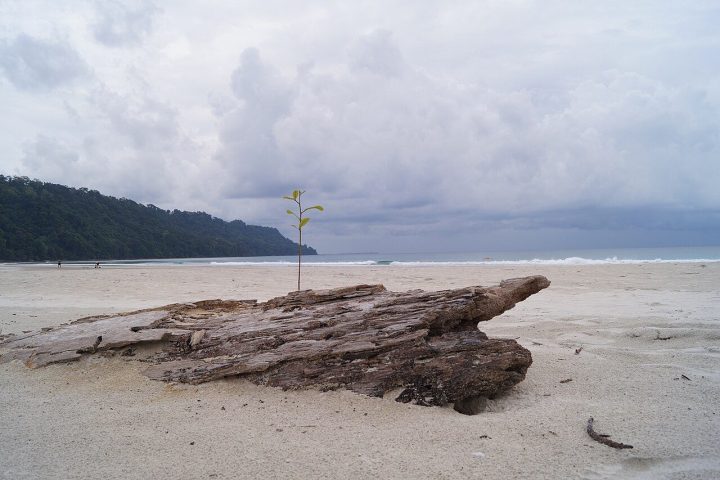
Nagoa Beach, in the village of Bucharwada about 8 km from Diu town, is a horseshoe-shaped bay lined with branching hoka palms, a tree rare elsewhere in India. The sea is calm enough for swimming, and operators offer parasailing, jet skis and boat rides. It is the most popular beach on the island.
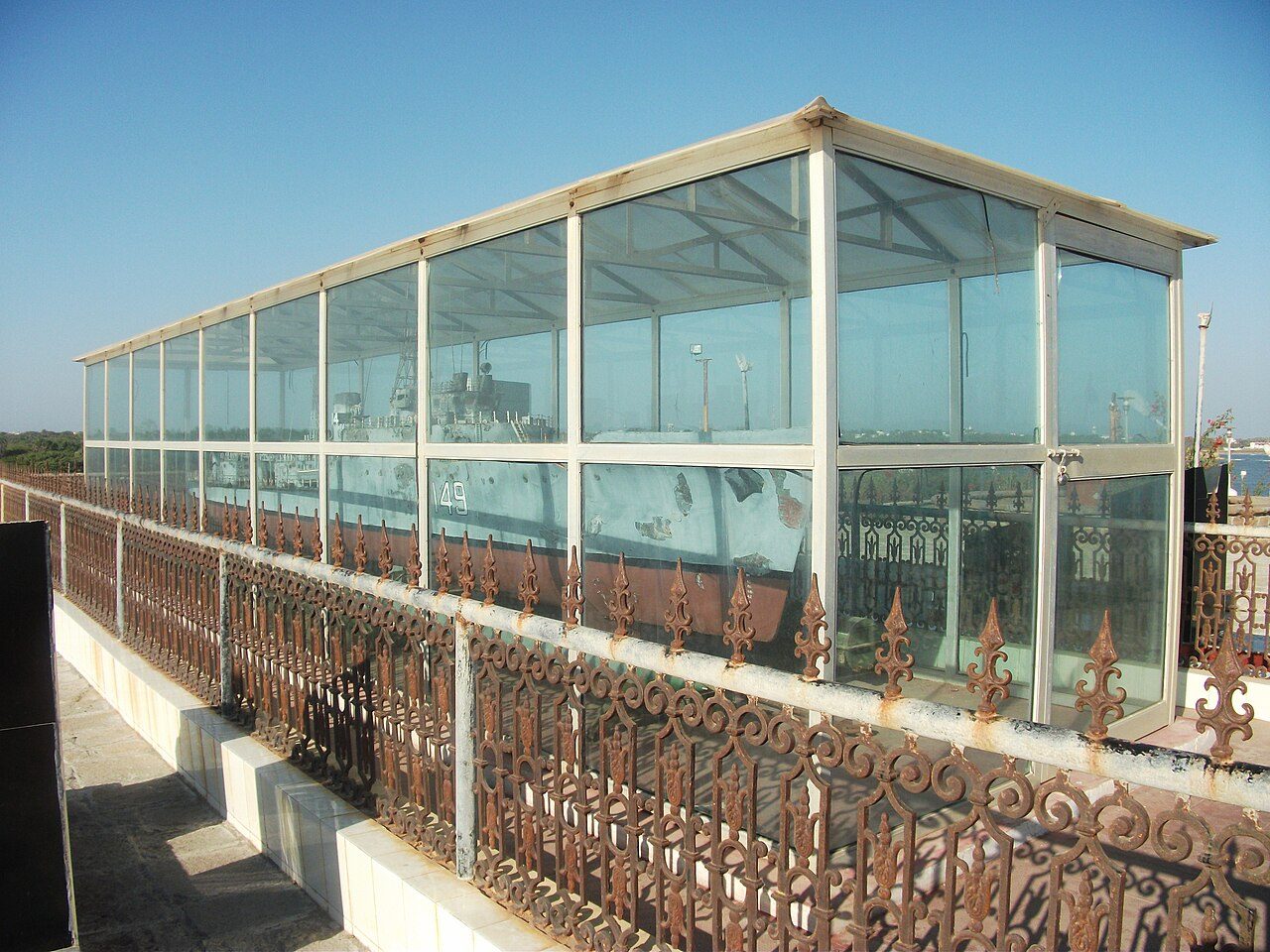
The INS Khukri Memorial stands on a hillock by the sea near Chakratirth Beach in Diu. It honours the Indian Navy frigate sunk off Diu by a submarine on 9 December 1971, with the loss of Captain Mahendra Nath Mulla and more than 170 of his crew. A scale model of the ship sits in a glass case, and the sea view at sunset is fine.
 WaTrips