Tripura in 4 Days: Agartala, Neermahal, Tripura Sundari and Unakoti
4 DAYS8 placesby WaTrips
Ujjayanta Palace and the Heritage Park, Kamalasagar, Sepahijala and Neermahal, Tripura Sundari and Chabimura, then Unakoti.
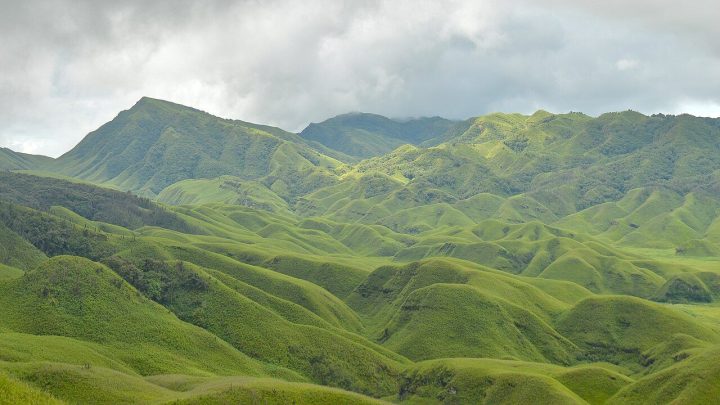
Tripura is small, green and full of surprises. Day one visits Agartala's white Ujjayanta Palace, now a museum, and the Heritage Park. Day two goes to the Kamalasagar Kali Temple, Sepahijala Wildlife Sanctuary and Neermahal, the royal water palace on Rudrasagar Lake. Day three visits the Tripura Sundari Temple, a Shakti Peetha, and the carvings on the river cliffs at Chabimura. Day four travels north to Unakoti, where giant faces of Shiva and other gods are carved into the hillside. October to March is best.
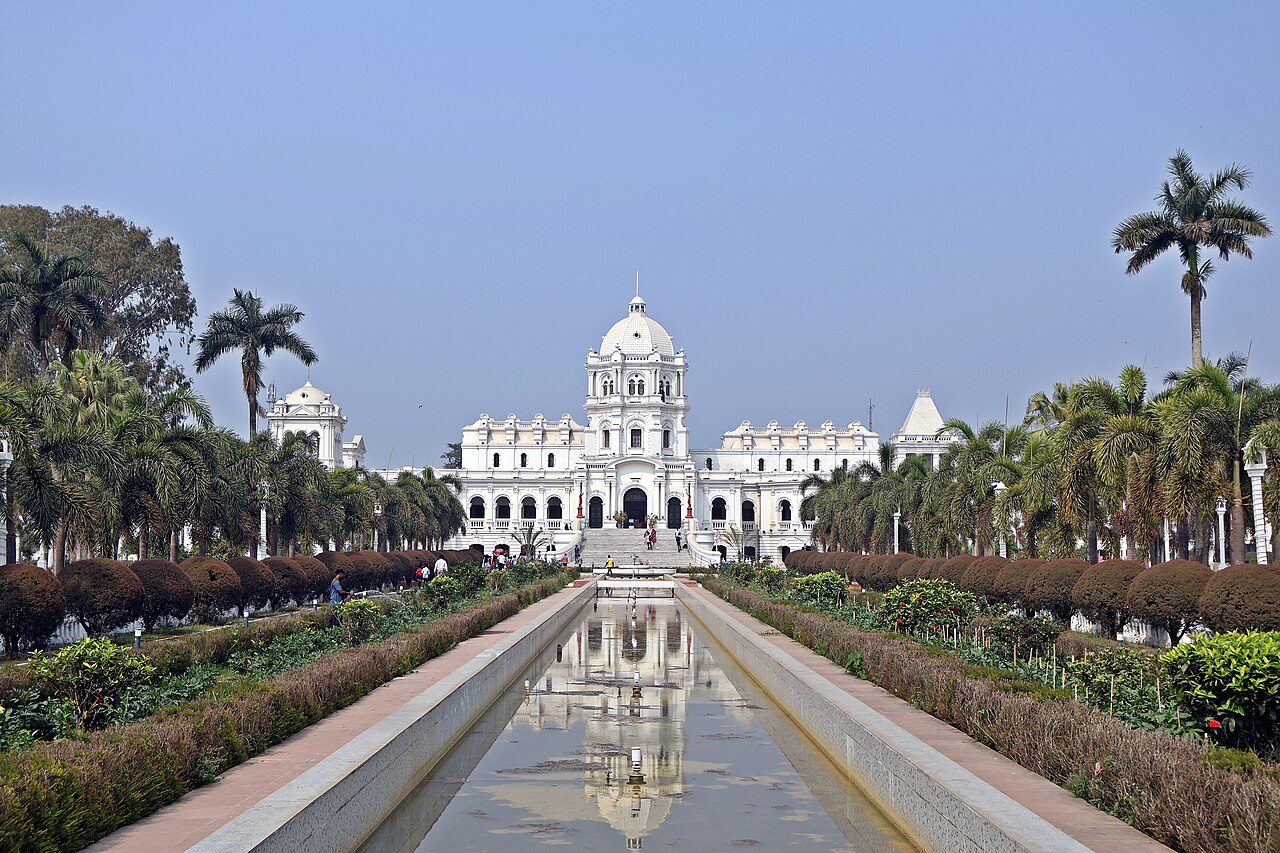
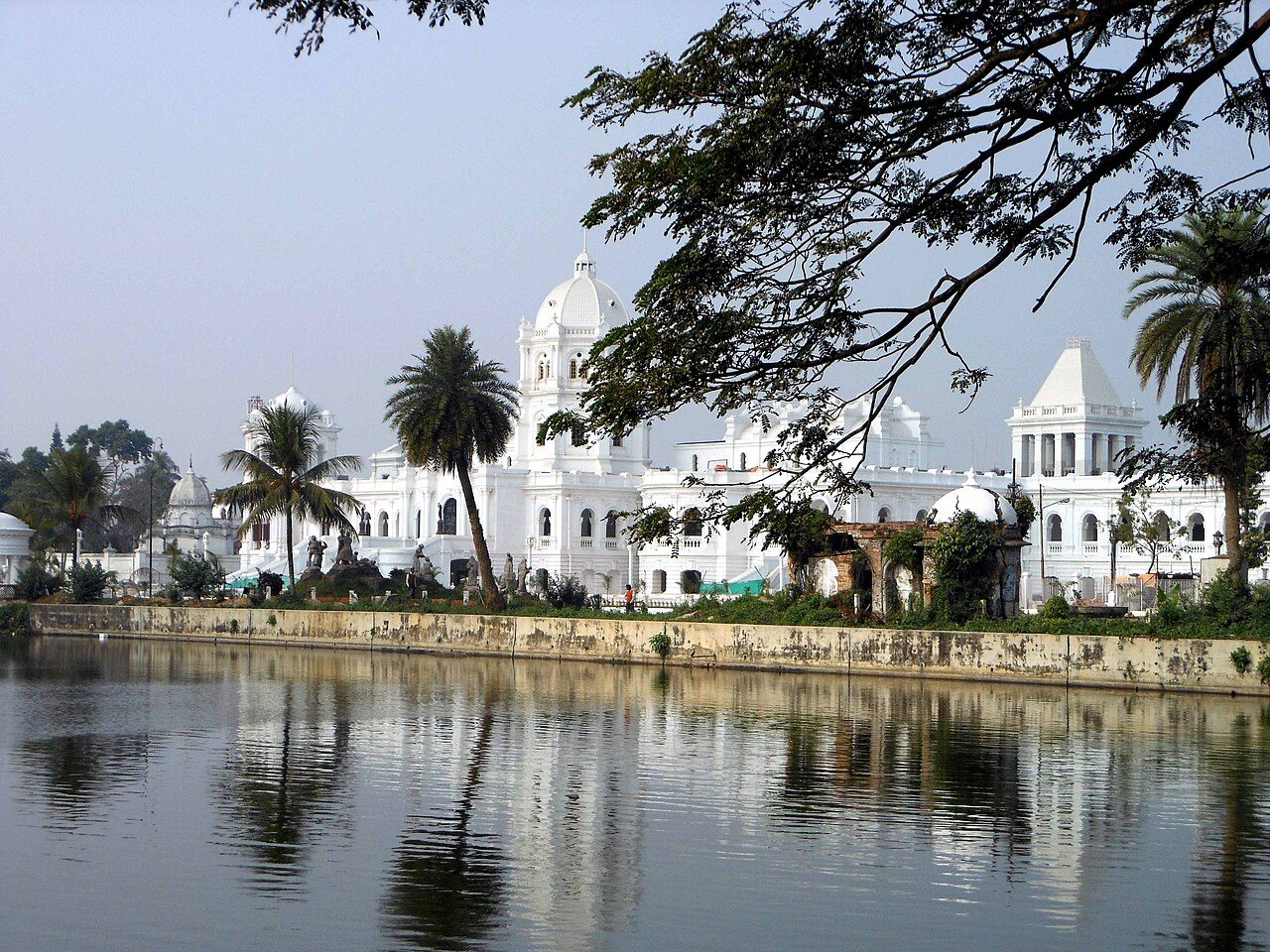
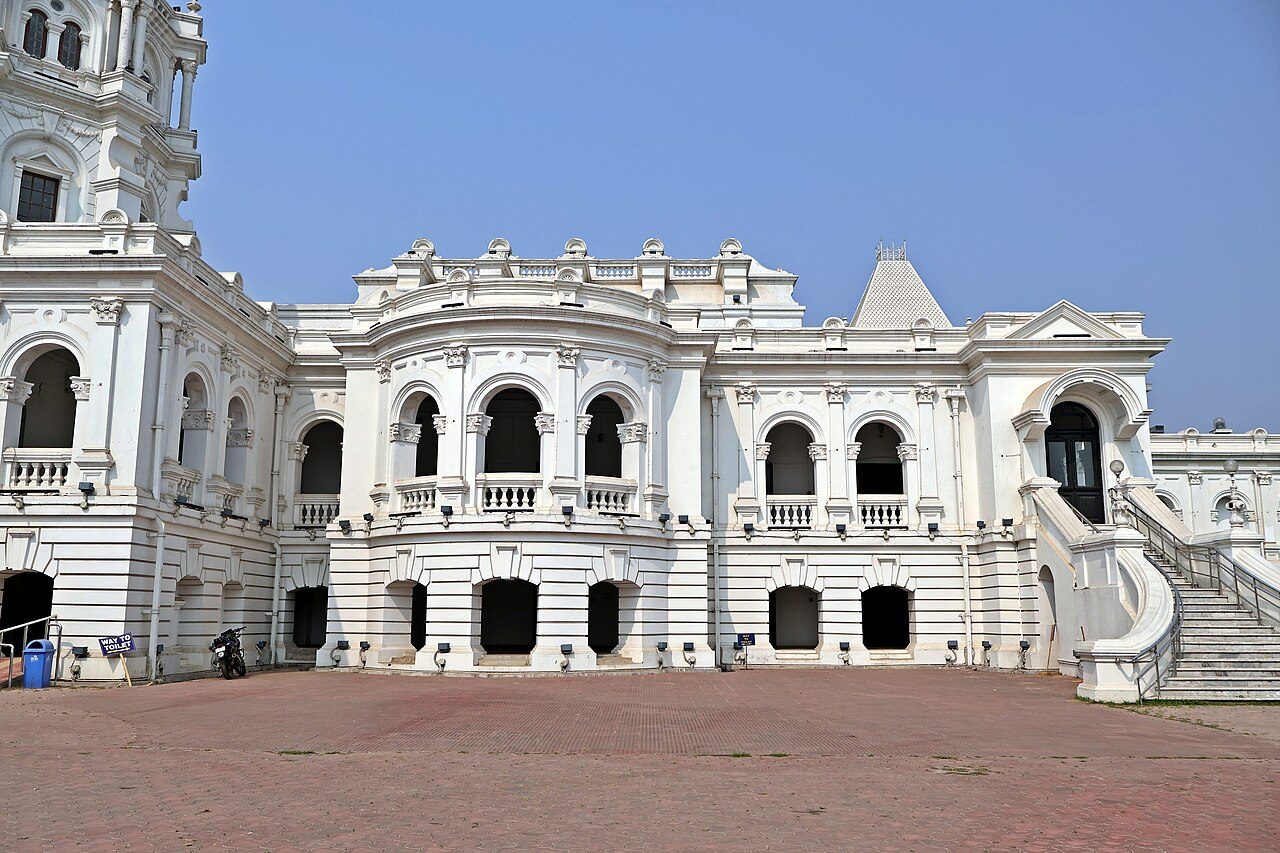
Ujjayanta Palace in the centre of Agartala was built between 1899 and 1901 by Maharaja Radha Kishore Manikya after an earthquake destroyed the older palace. The white building with three domes, the central one about 26 metres high, faces two large pools and Mughal-style gardens. It housed the state assembly until 2011 and is now the Tripura State Museum.
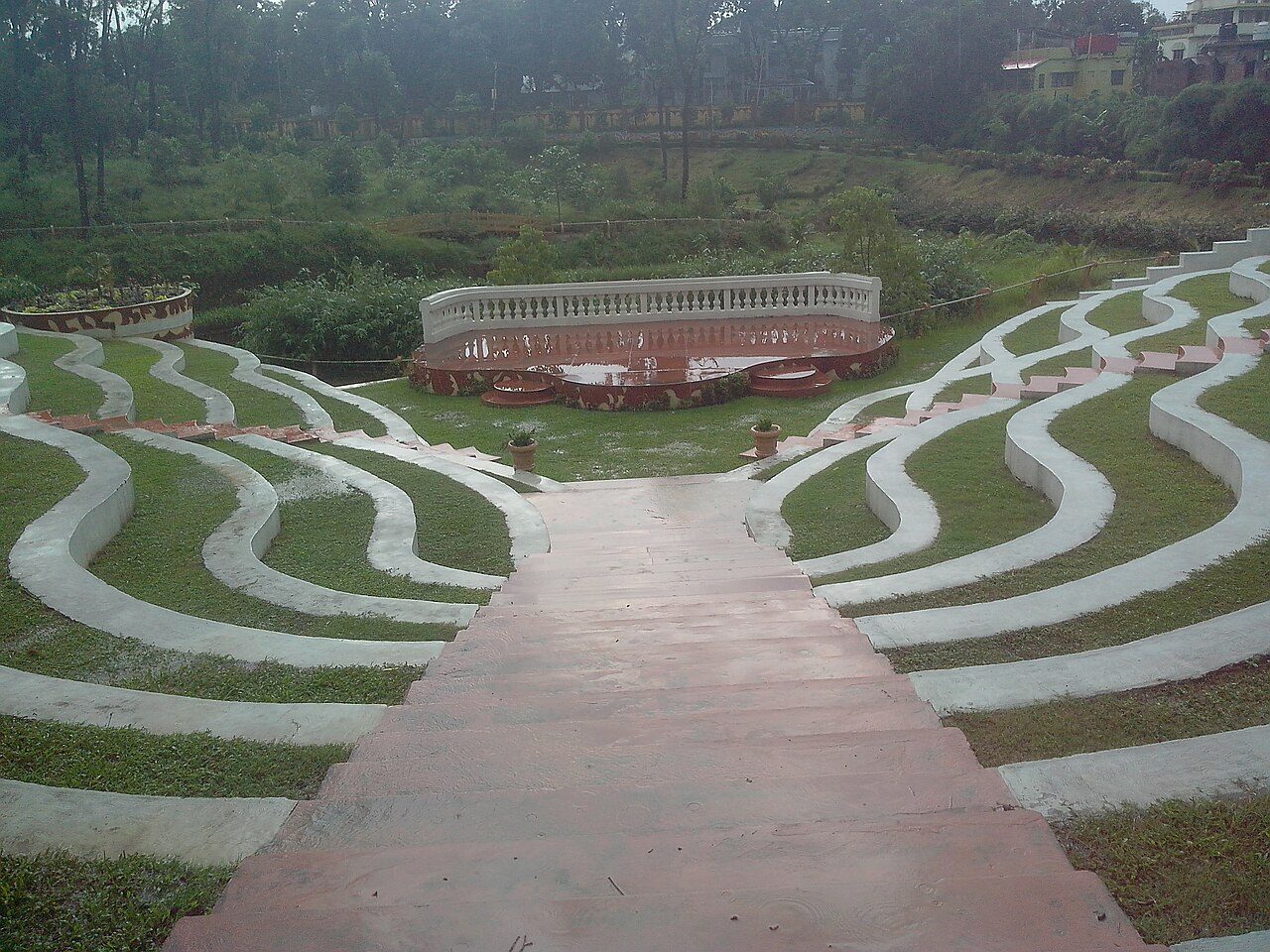
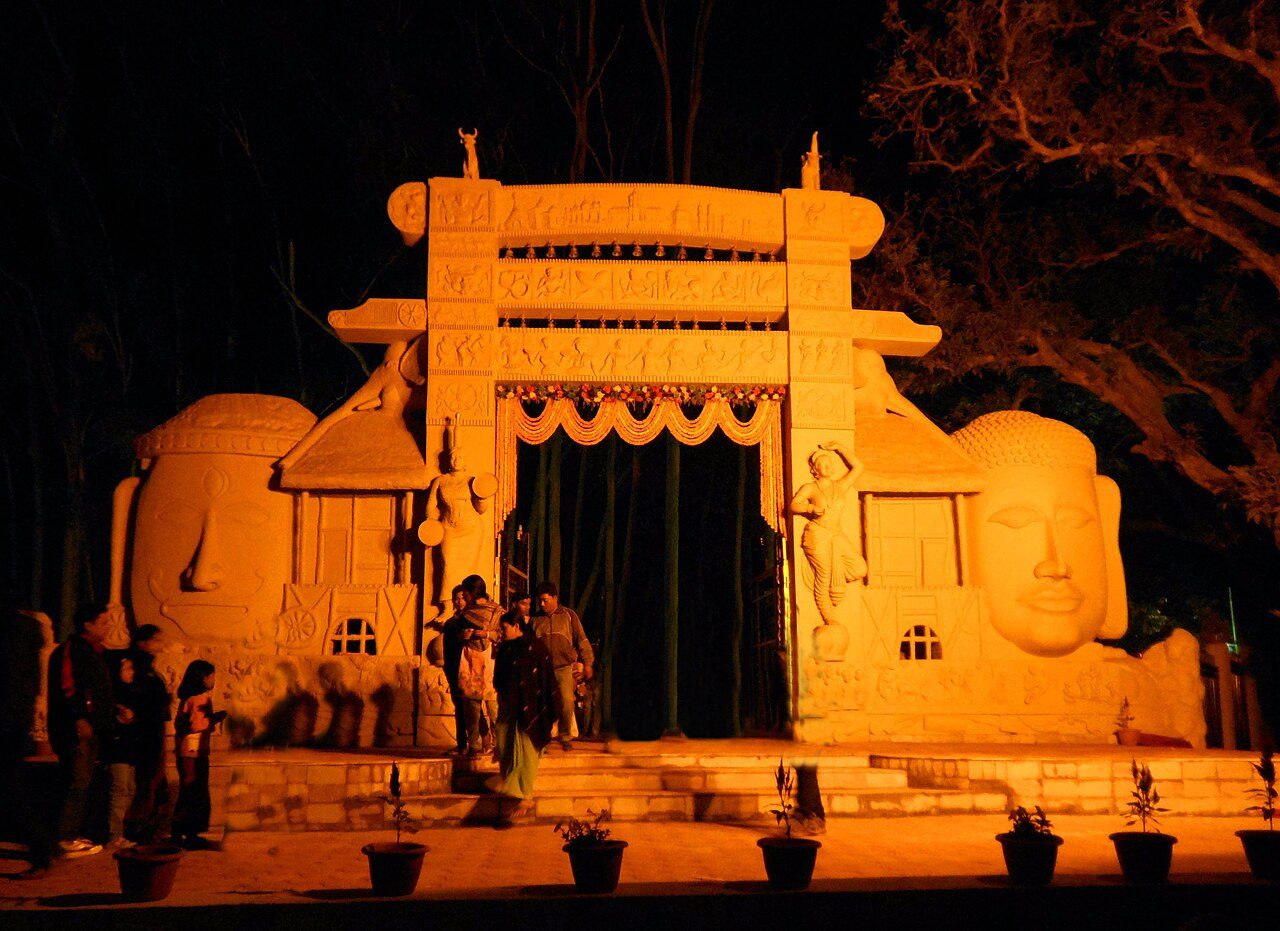
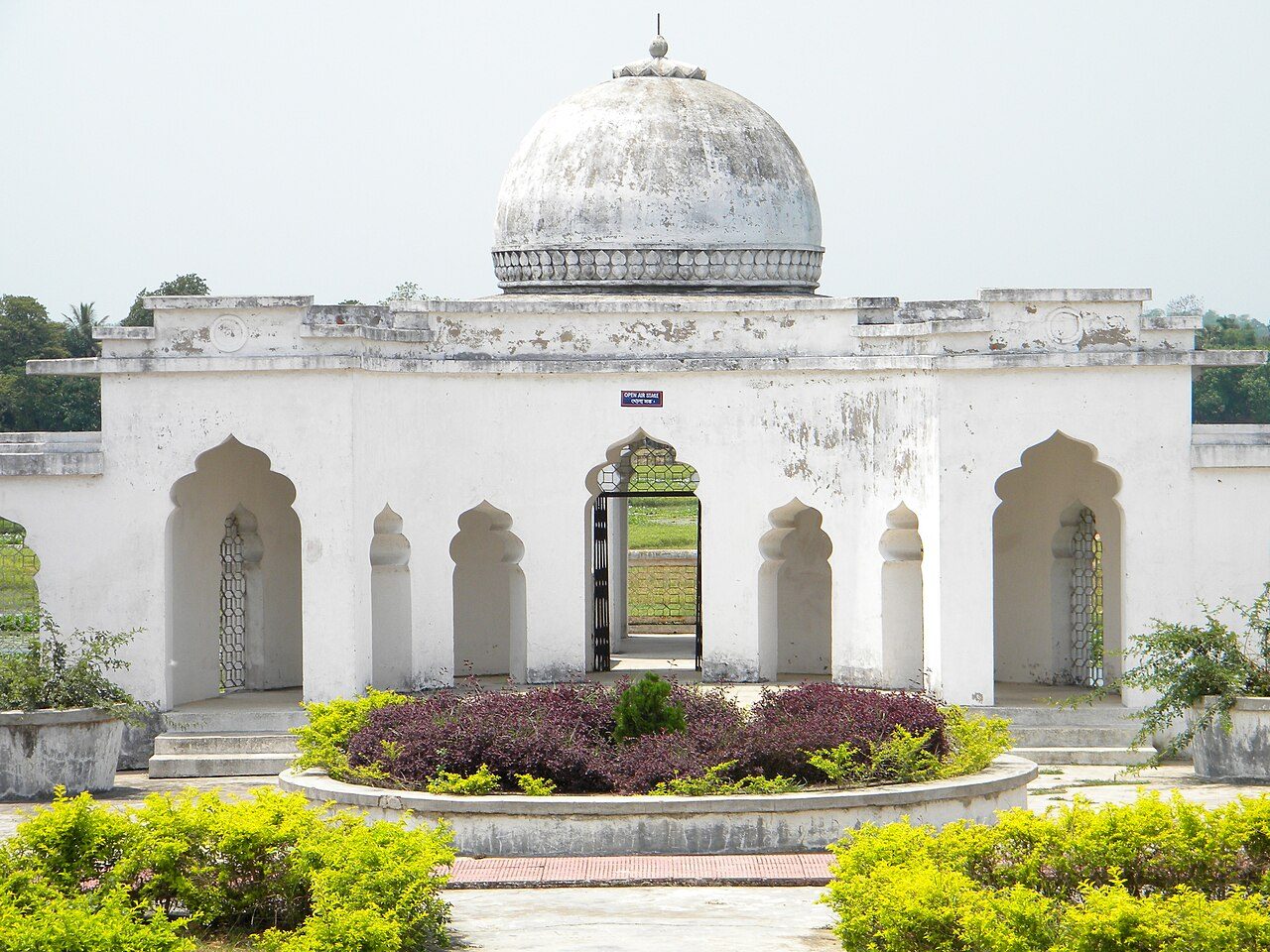
Heritage Park in the Kunjaban area of Agartala was opened in 2012. Its gateway is styled after Tripura's traditional architecture, and the grounds include miniature models of the state's best-known monuments such as Ujjayanta Palace, Neermahal and Unakoti. Lawns, medicinal plants and an open-air stage make it a pleasant evening walk.
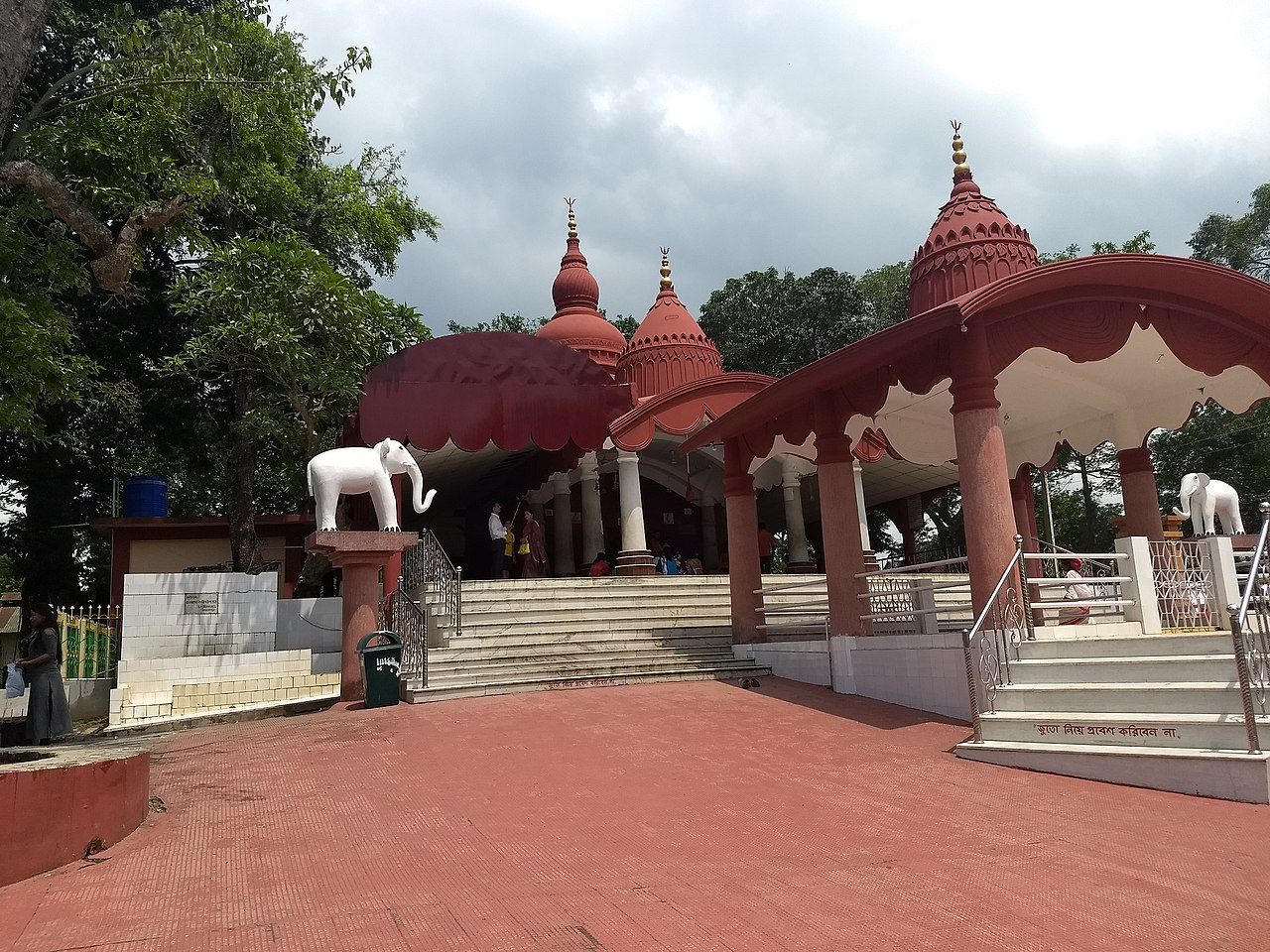
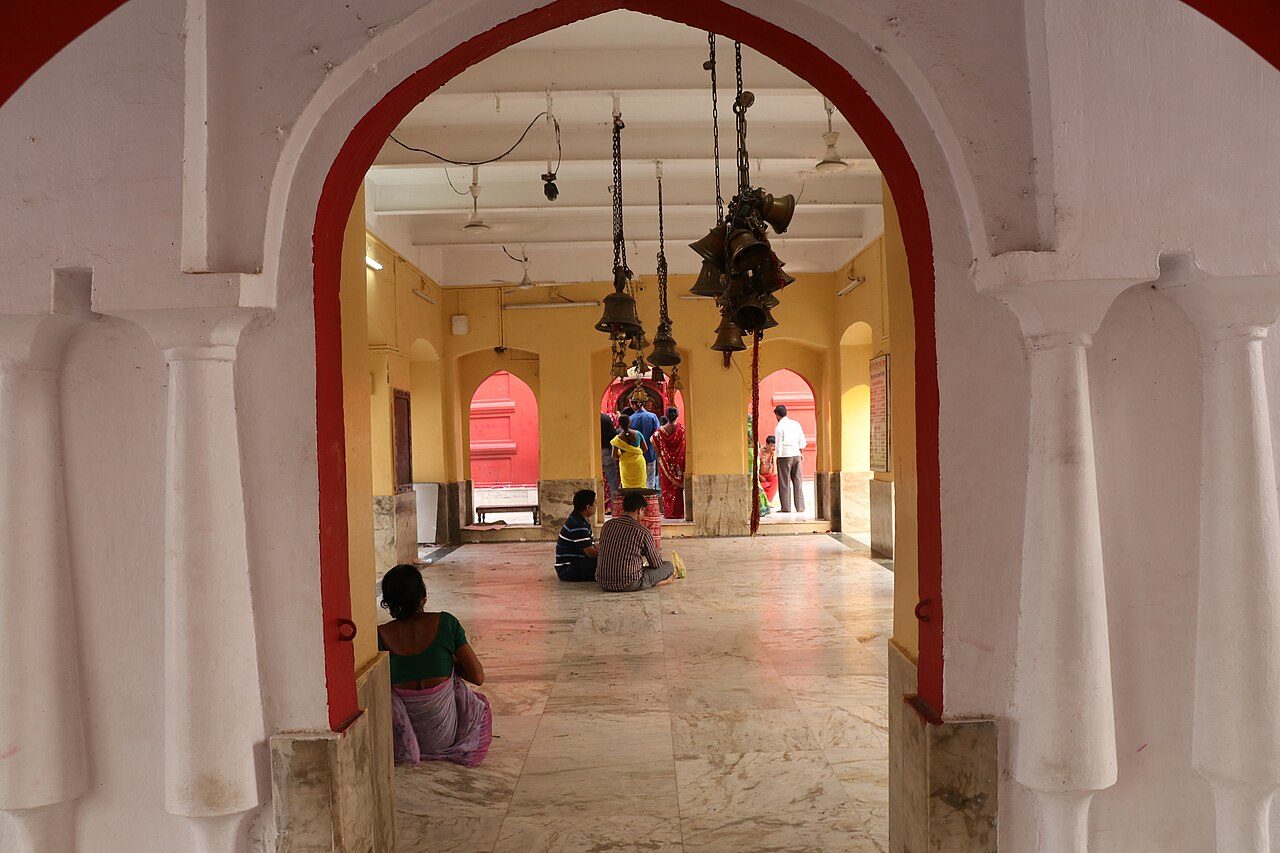
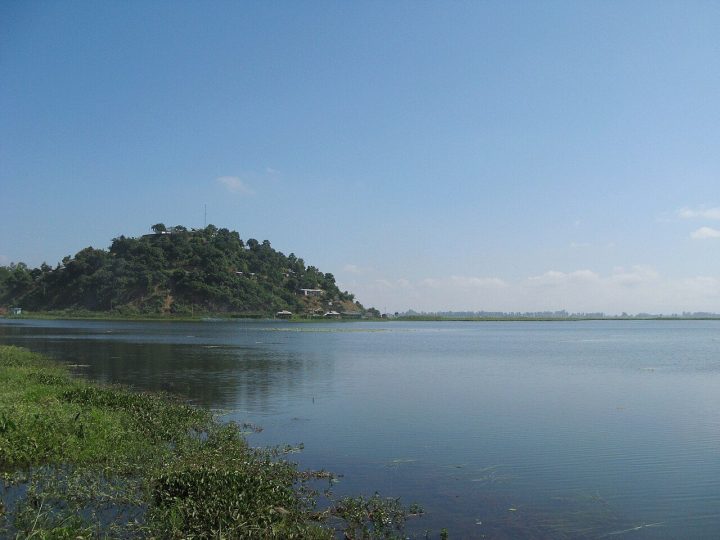
Kamalasagar Kali Temple stands on a small hill beside Kamalasagar lake, about 27 km from Agartala, right on the border with Bangladesh. The lake was dug in the 15th century by Maharaja Dhanya Manikya. The temple image of the goddess is in the form of Mahishasuramardini. A big fair is held here in April and in the autumn festival season.
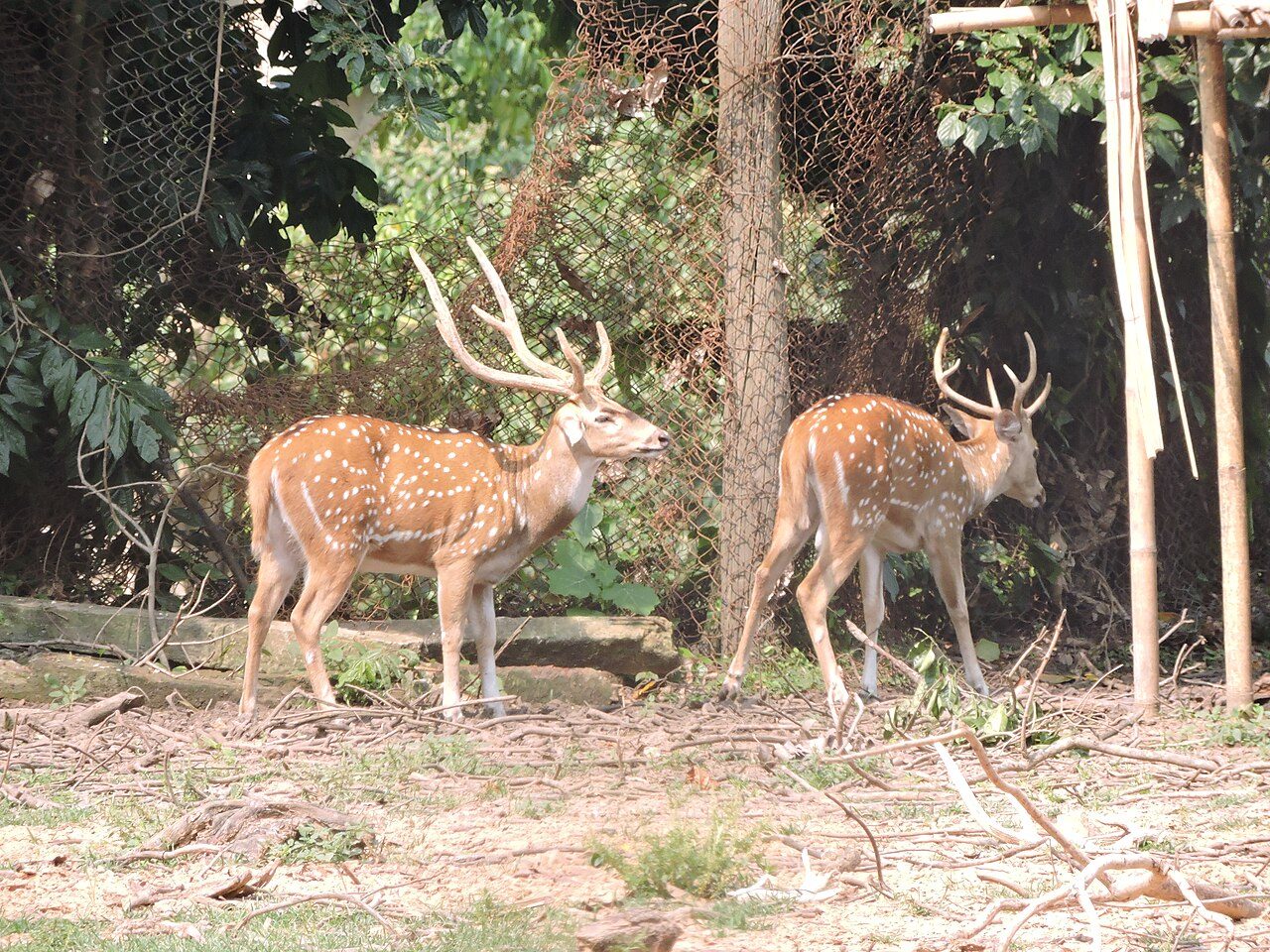
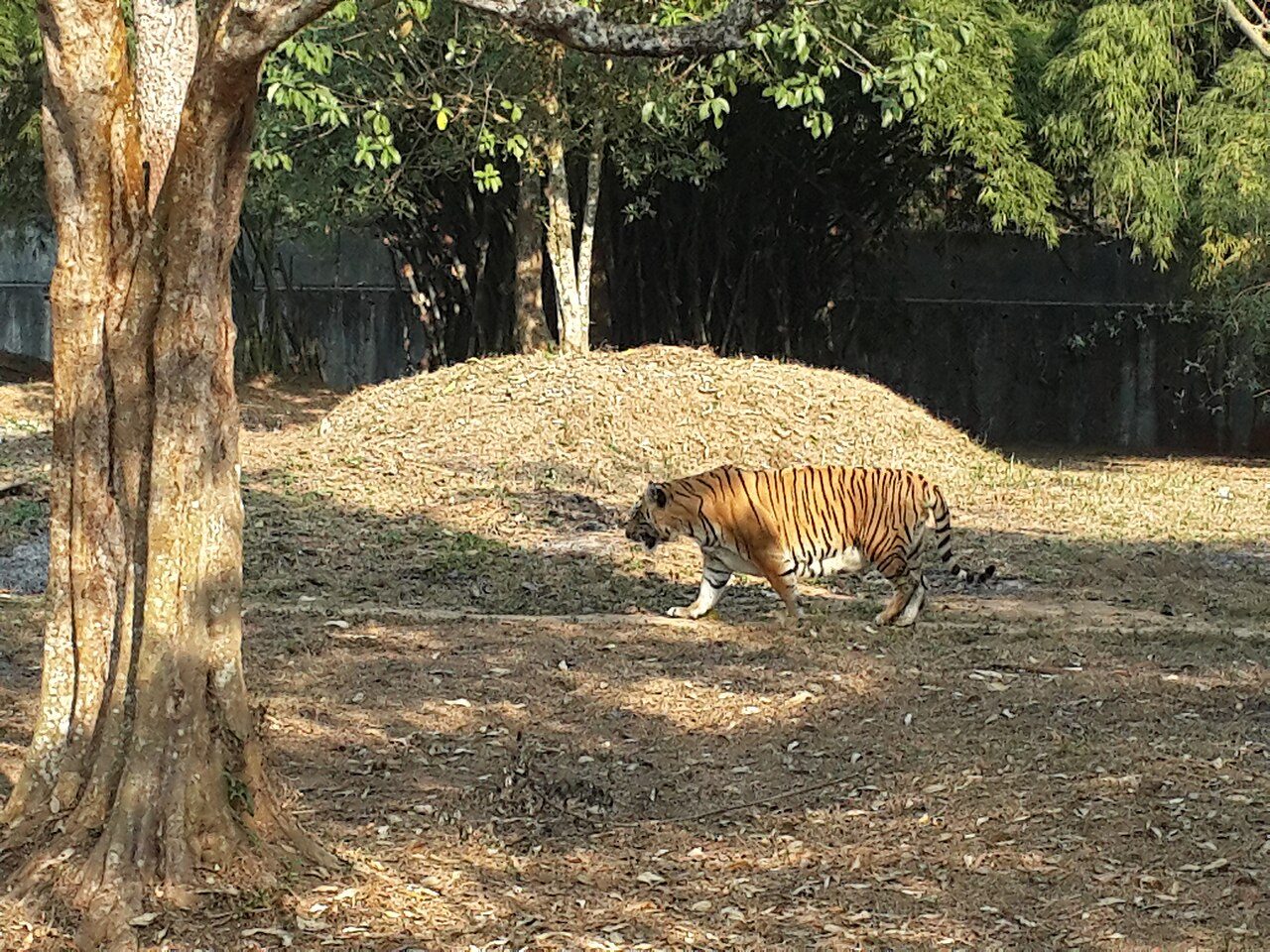
Sepahijala Wildlife Sanctuary lies about 25 km south of Agartala and combines forest, a lake, a zoo and a botanical garden. It is known for the spectacled langur, or Phayre's leaf monkey, and for its clouded leopard enclosure. In winter the lake draws migratory birds, and visitors can go boating or walk the shaded forest paths.
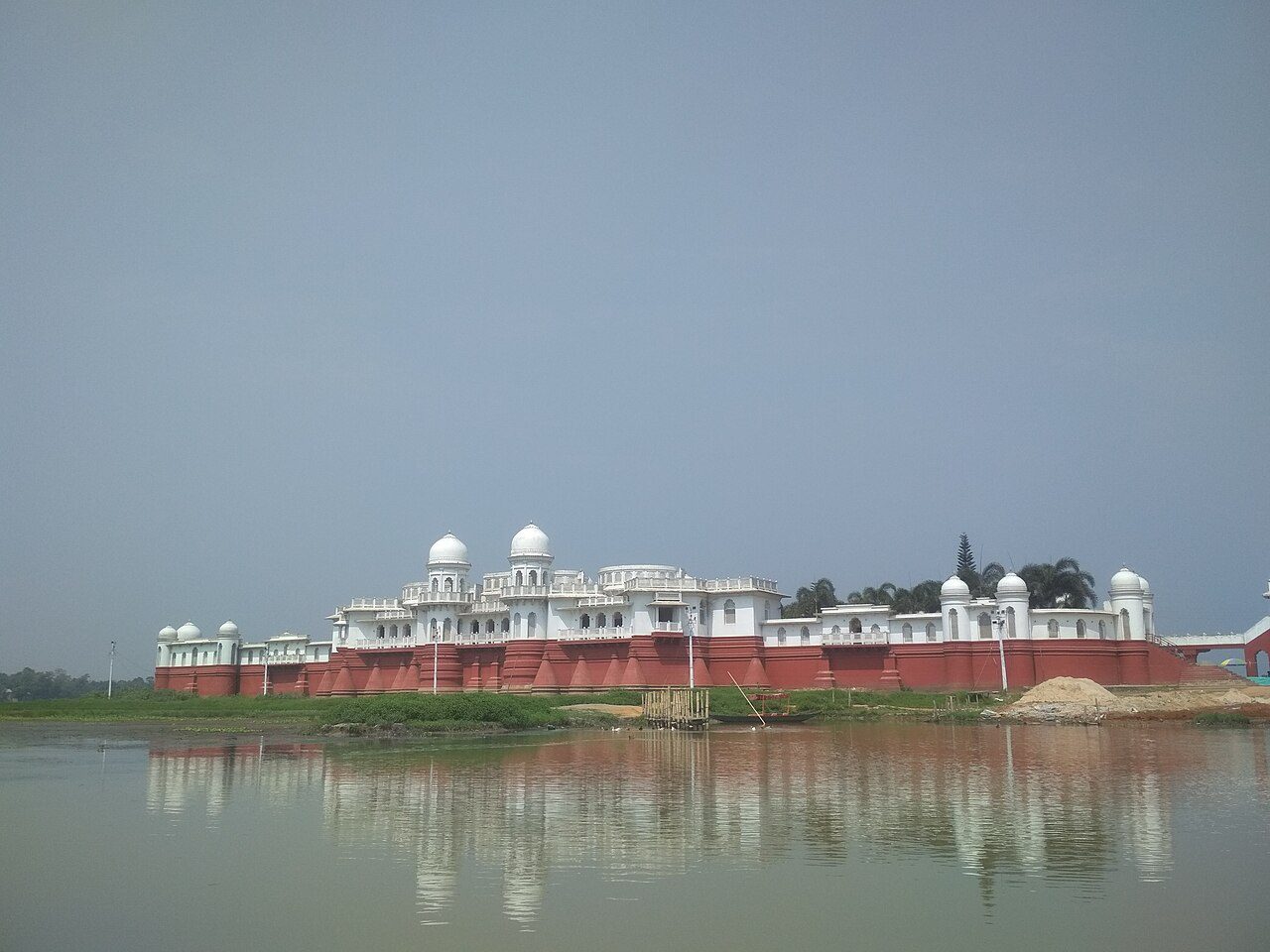
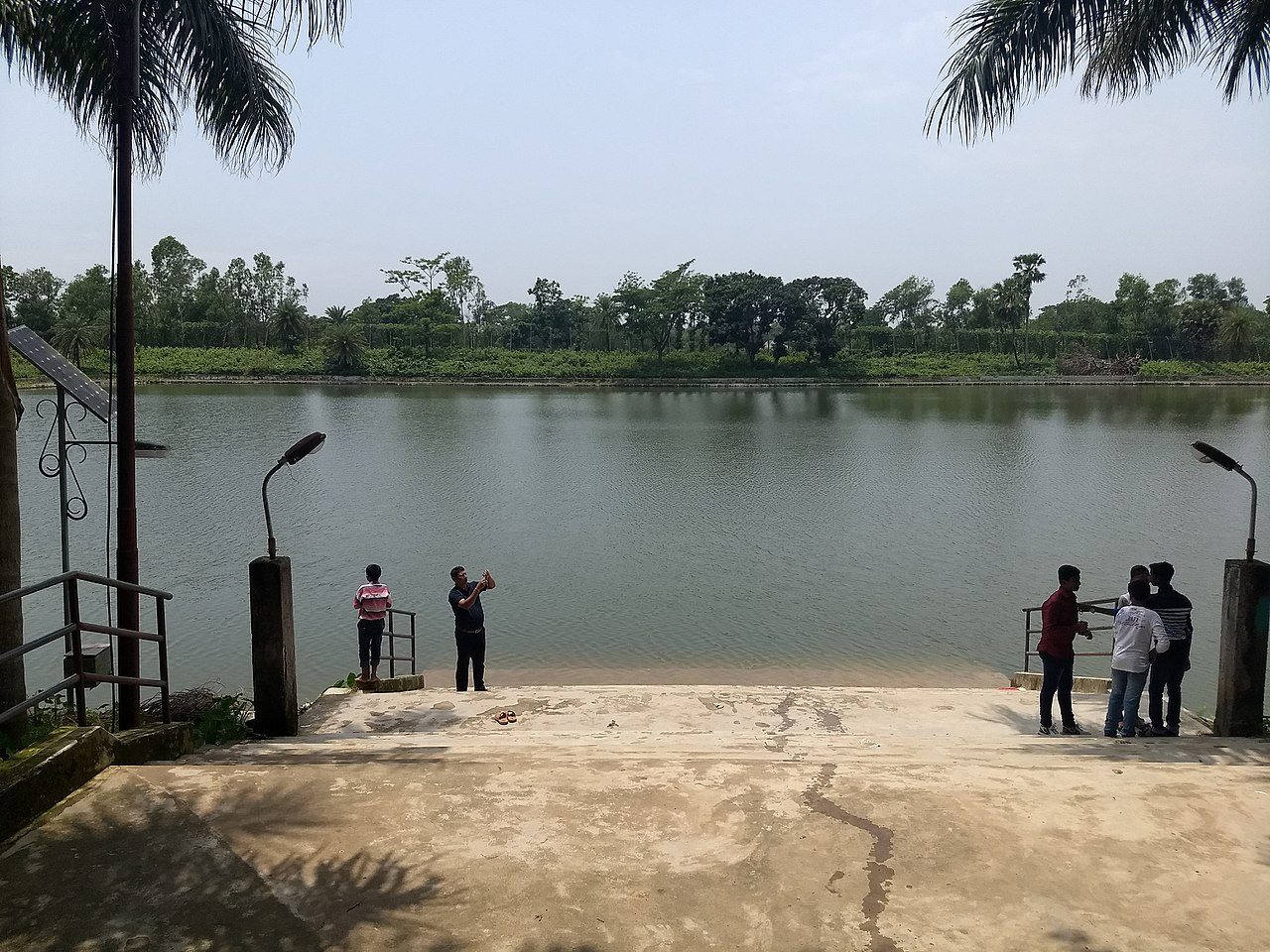
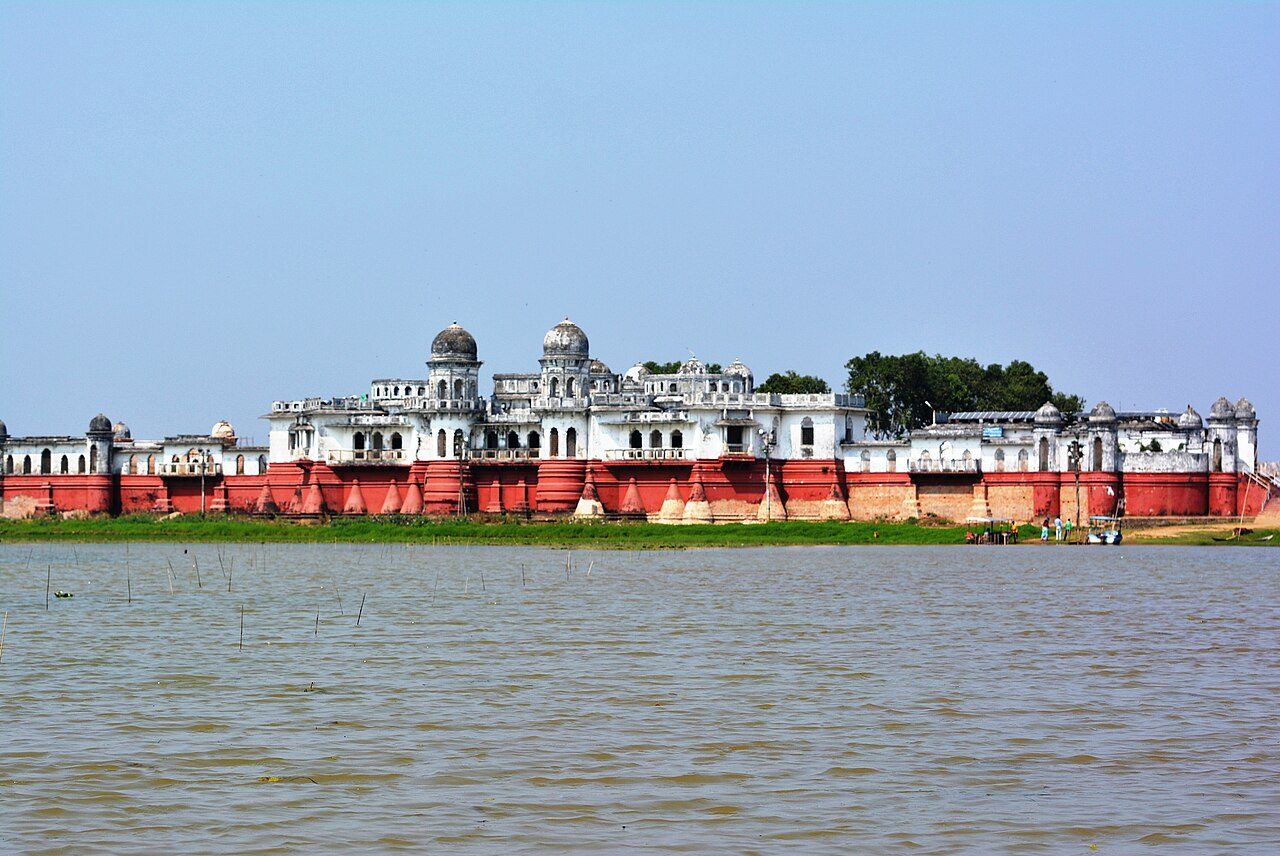
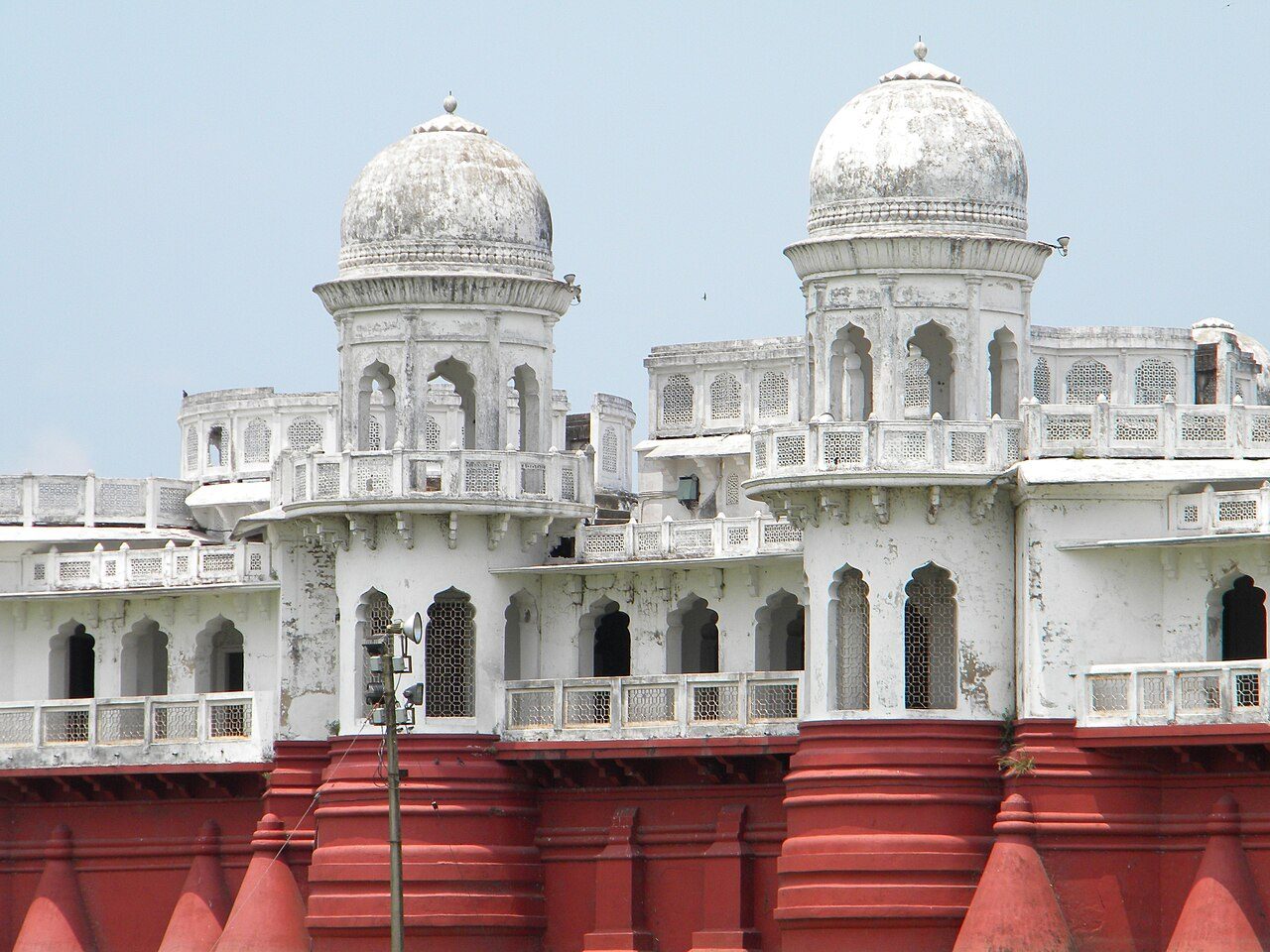
Neermahal, the water palace, stands in the middle of Rudrasagar Lake at Melaghar, about 50 km from Agartala. Maharaja Bir Bikram Kishore Manikya built it in the 1930s as a summer residence, blending Hindu and Mughal styles with domes, towers and balconies in red and white. It is reached by boat, and a boat race is held on the lake each year.
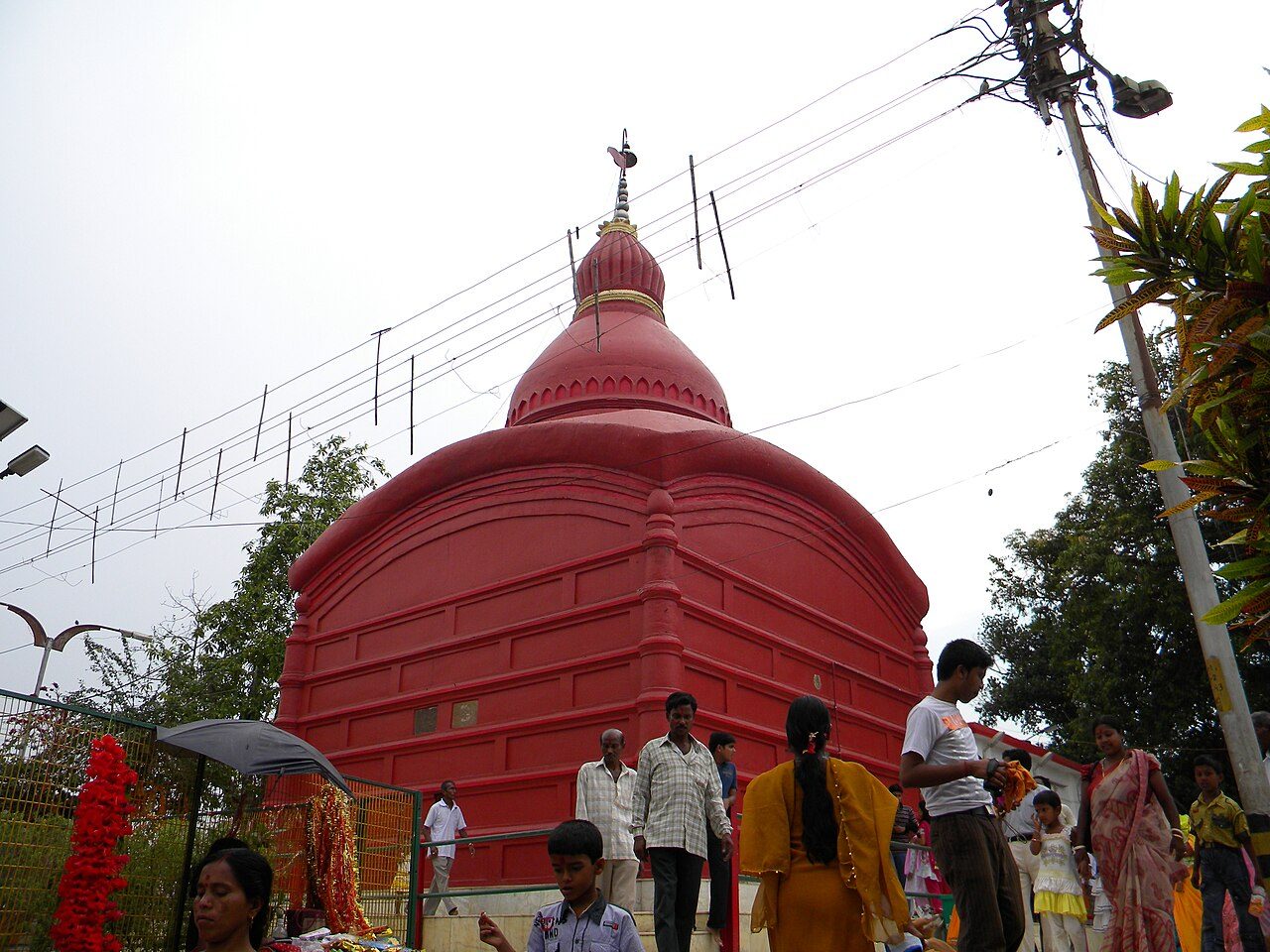
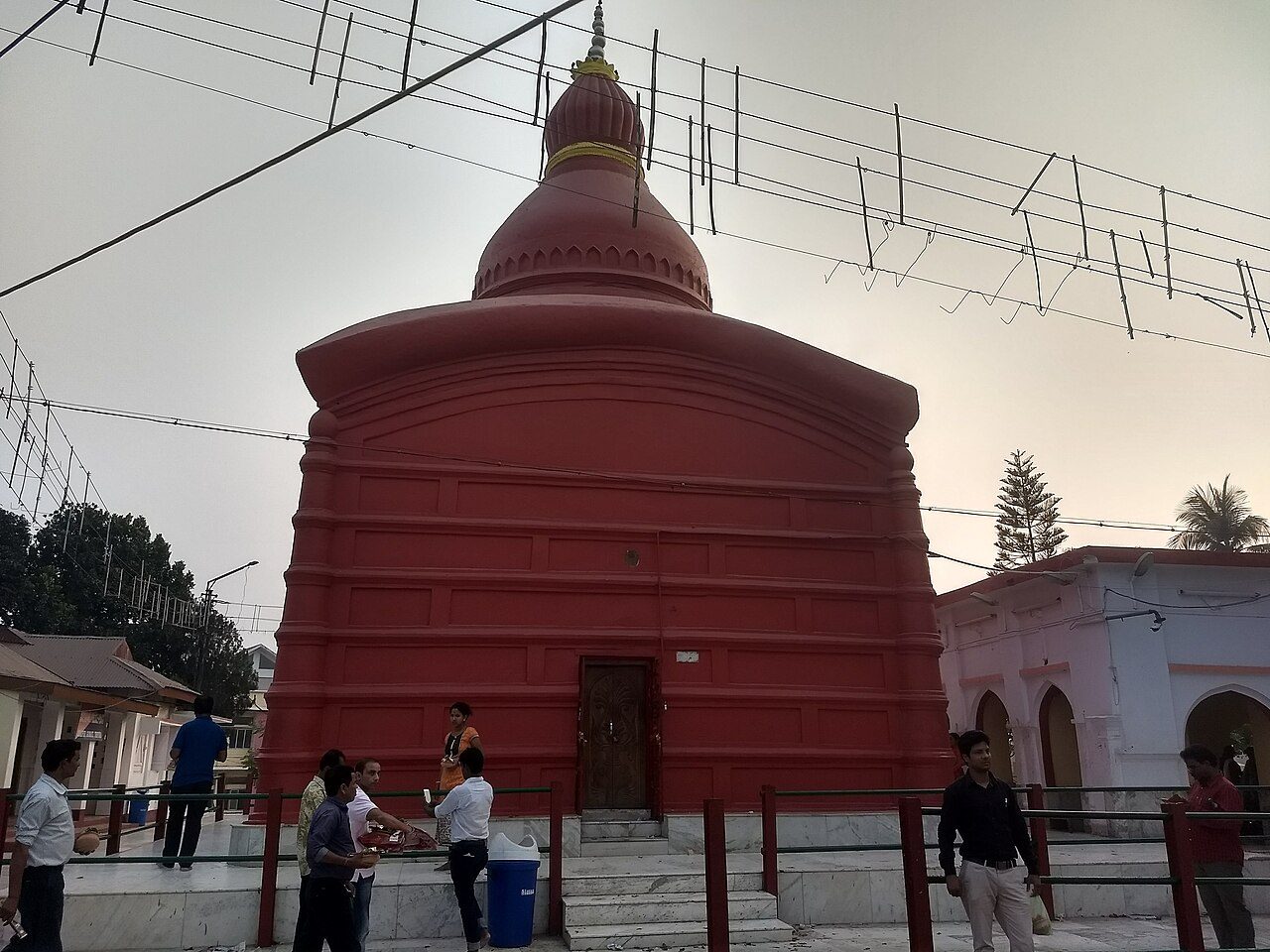
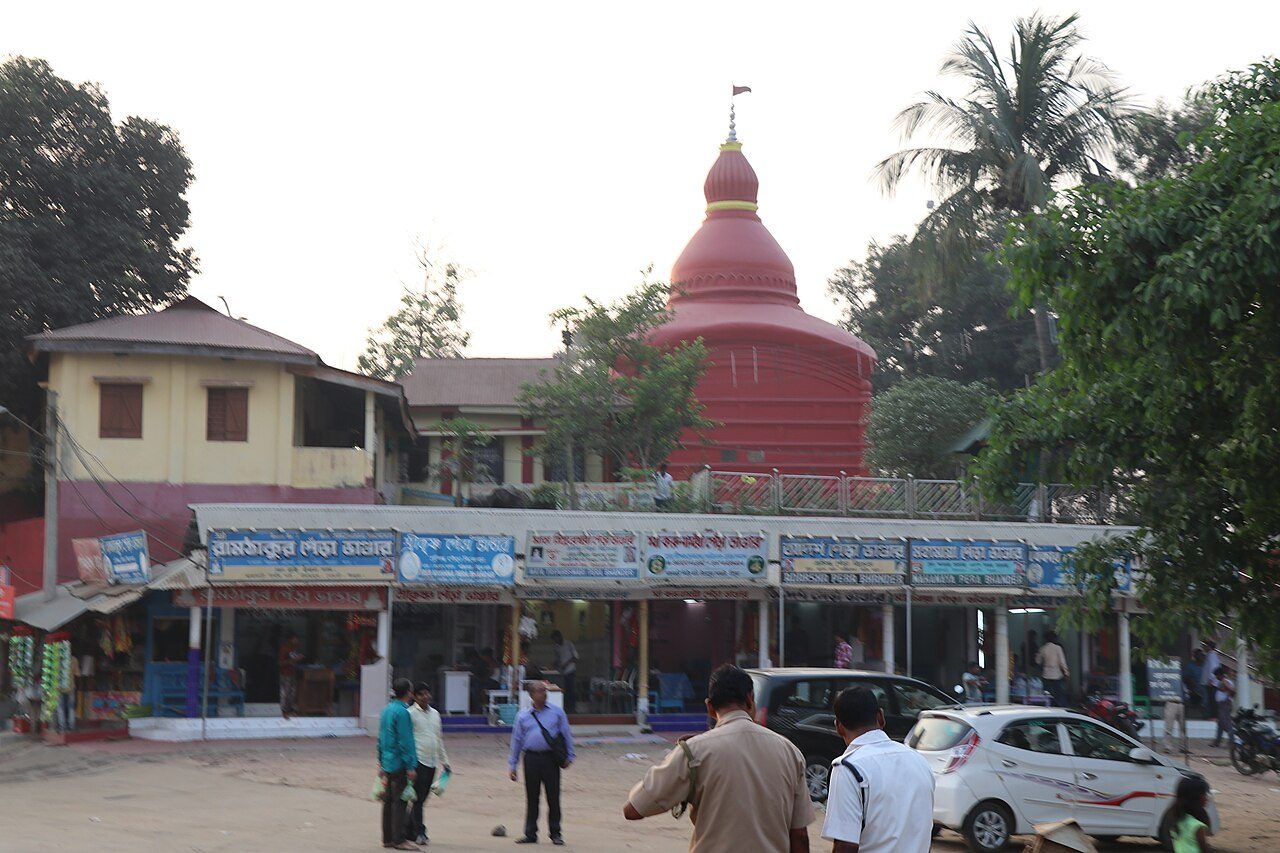
Tripura Sundari Temple, known as Matabari, stands on a low hill at Udaipur, about 55 km from Agartala. Built in 1501 by Maharaja Dhanya Manikya, it is counted among the 51 Shakti Peethas. The small square shrine has a curved Bengal-hut style roof. The Kalyan Sagar tank behind it is full of fish and turtles fed by pilgrims, and a big fair is held at Diwali.
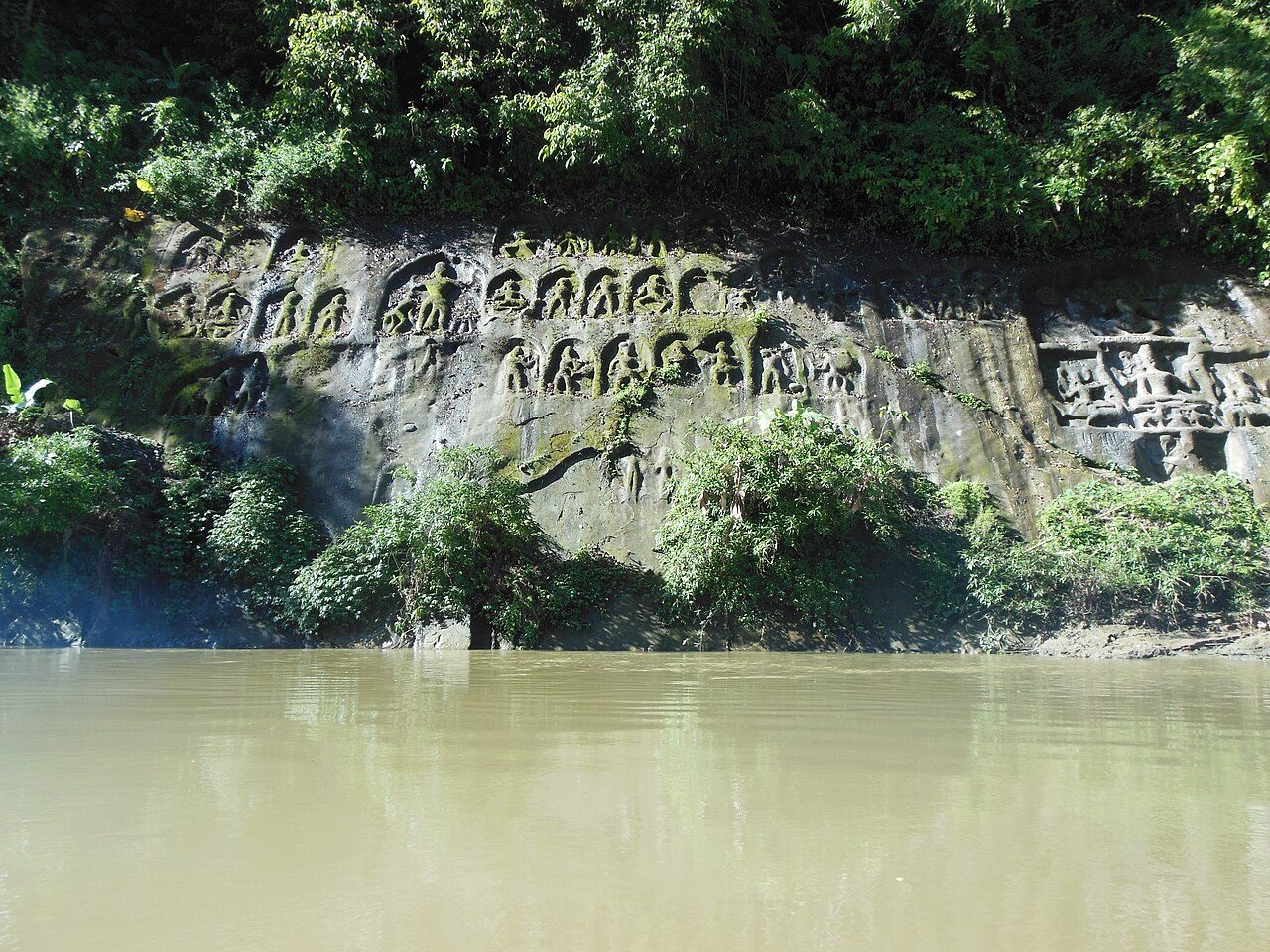
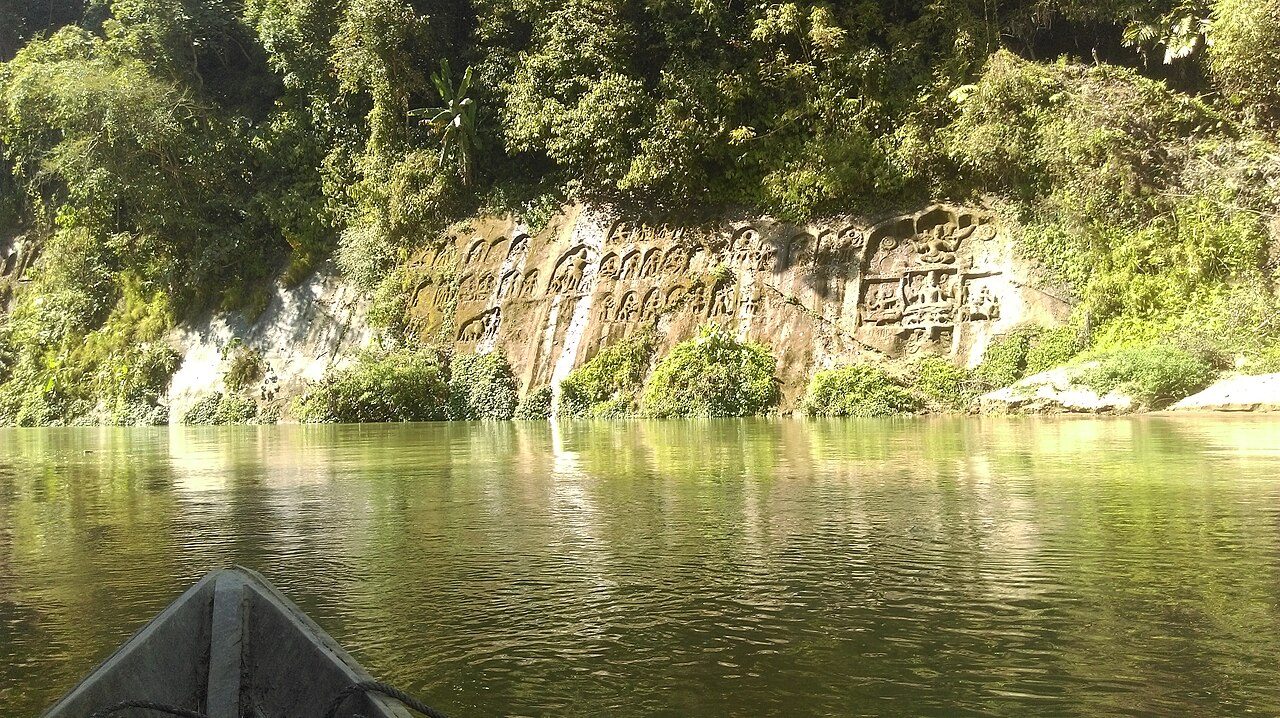
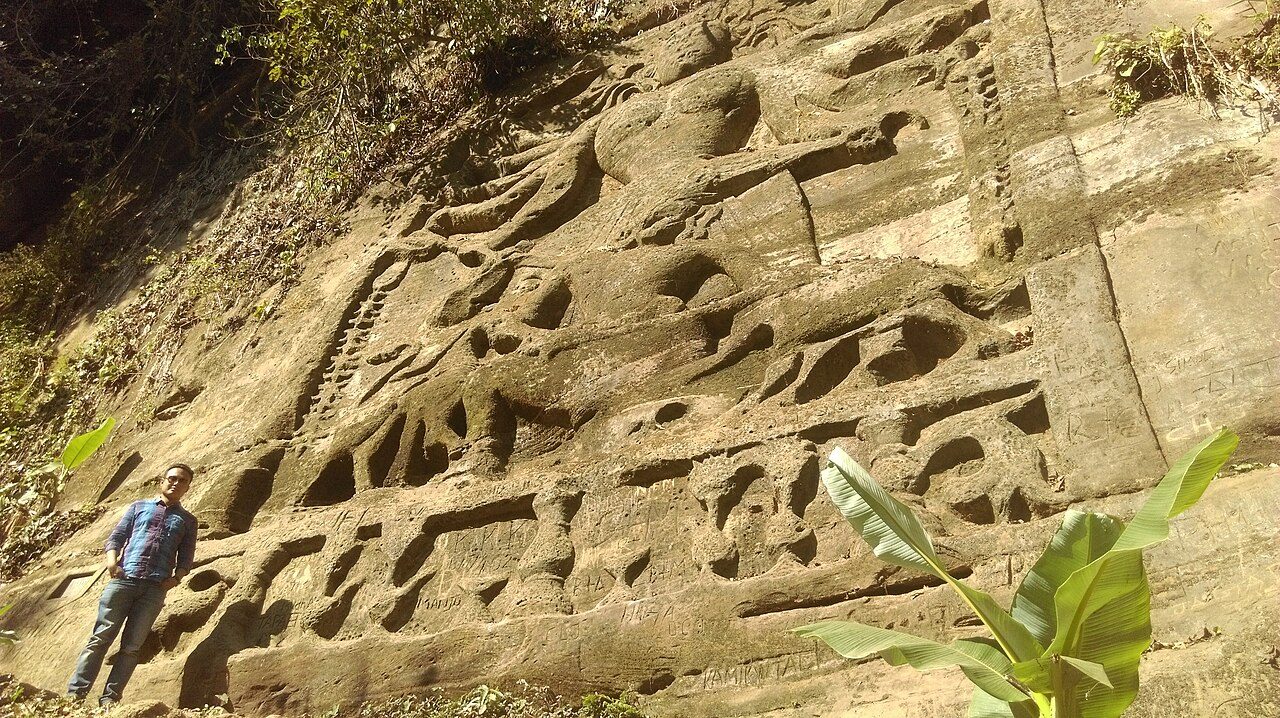
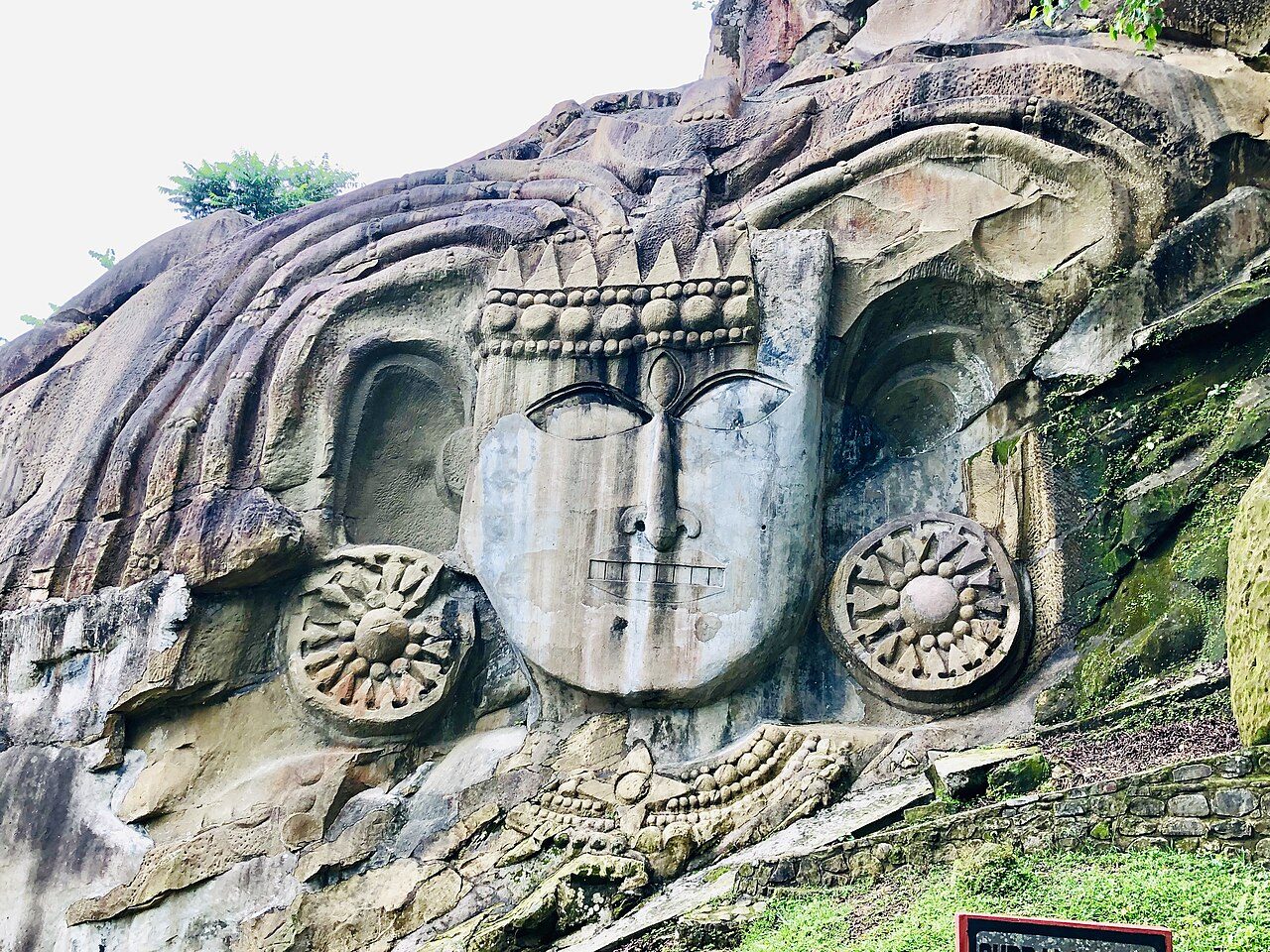
Chabimura, also called Devtamura, is a stretch of the Gomati river gorge in Gomati district where figures of gods are carved into the steep rock faces. The panels, dated to around the 15th and 16th centuries, include a huge image of Durga about six metres high. They are seen from a boat that travels through thick forest from the jetty.
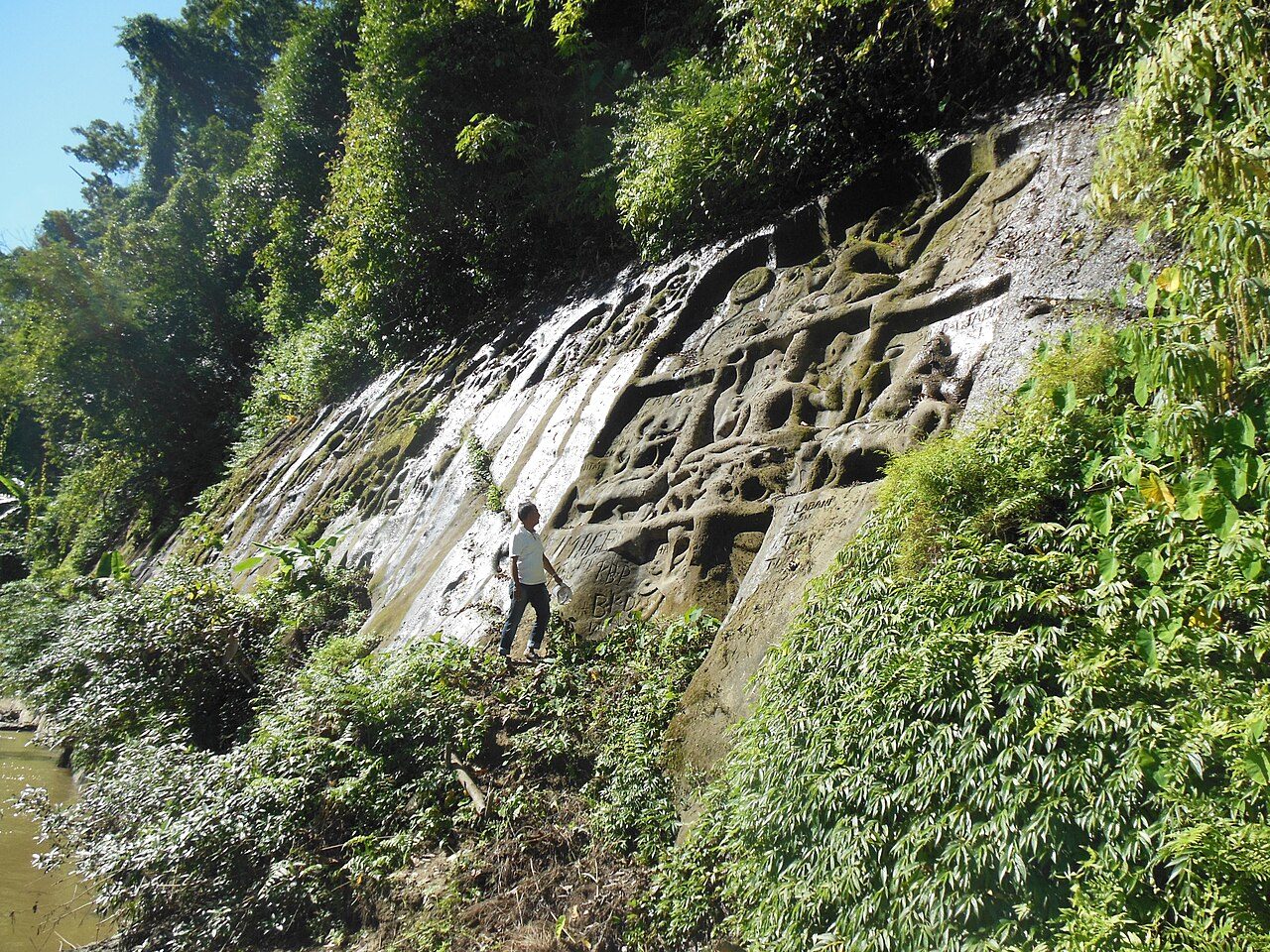
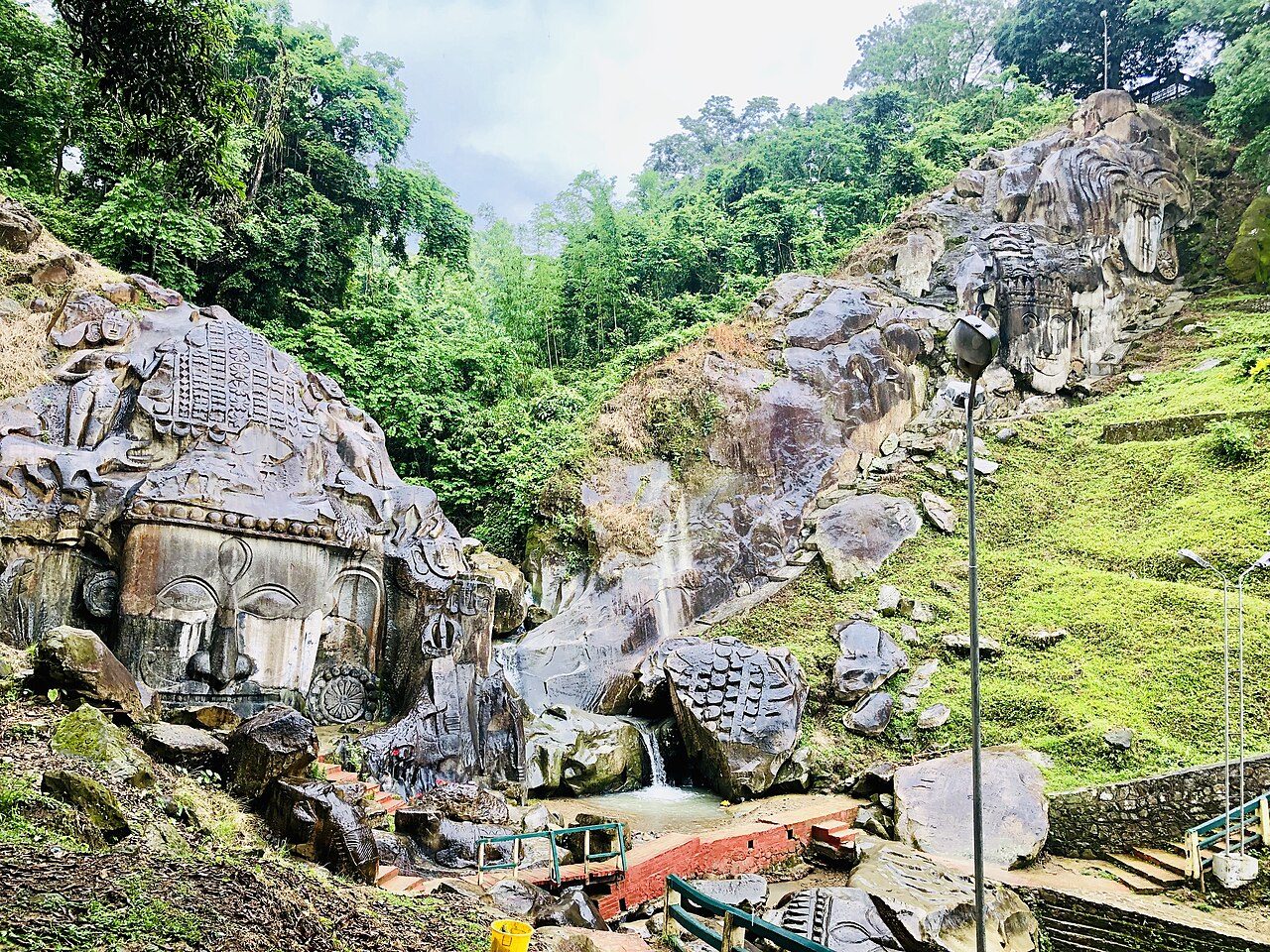
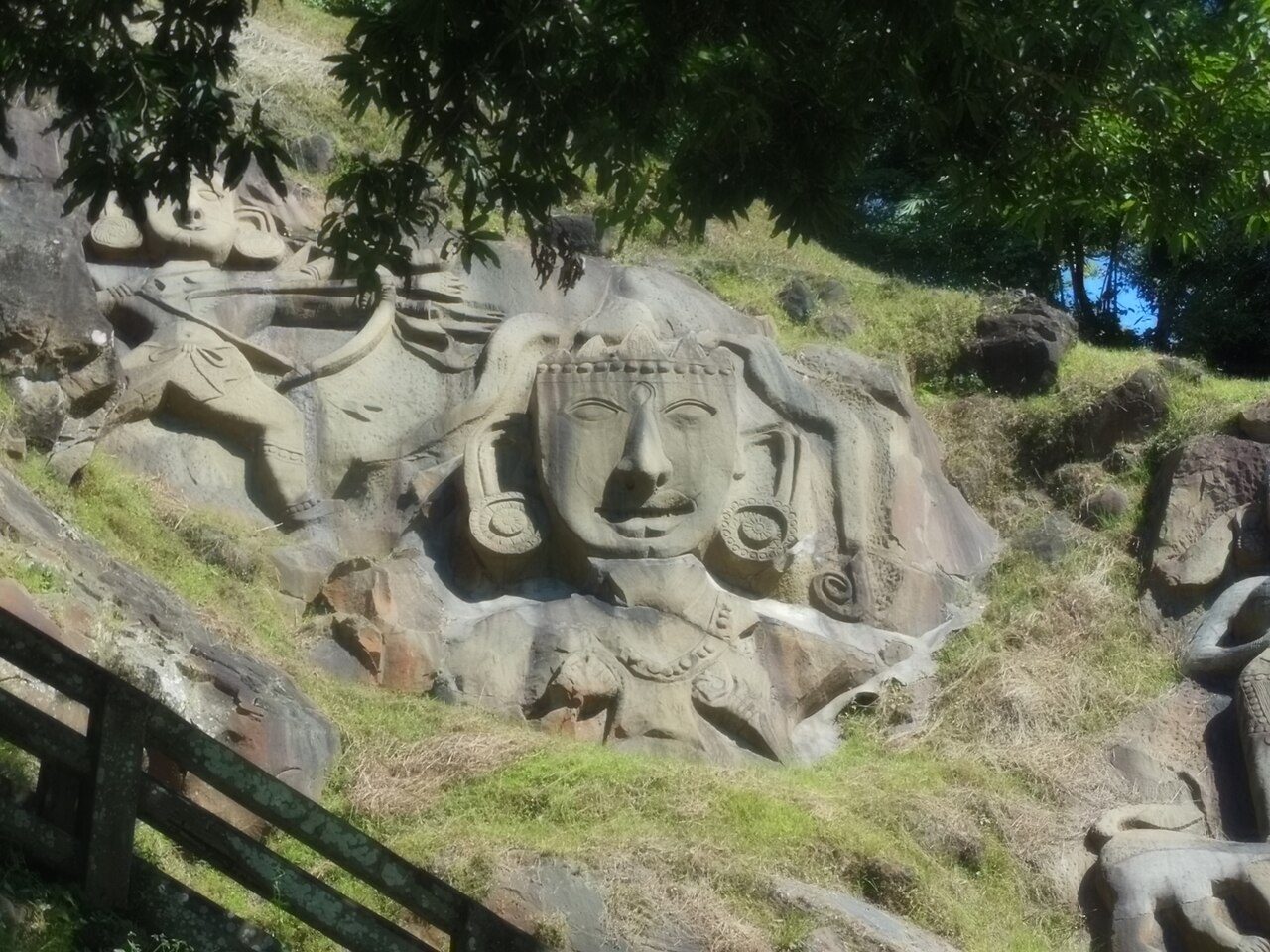
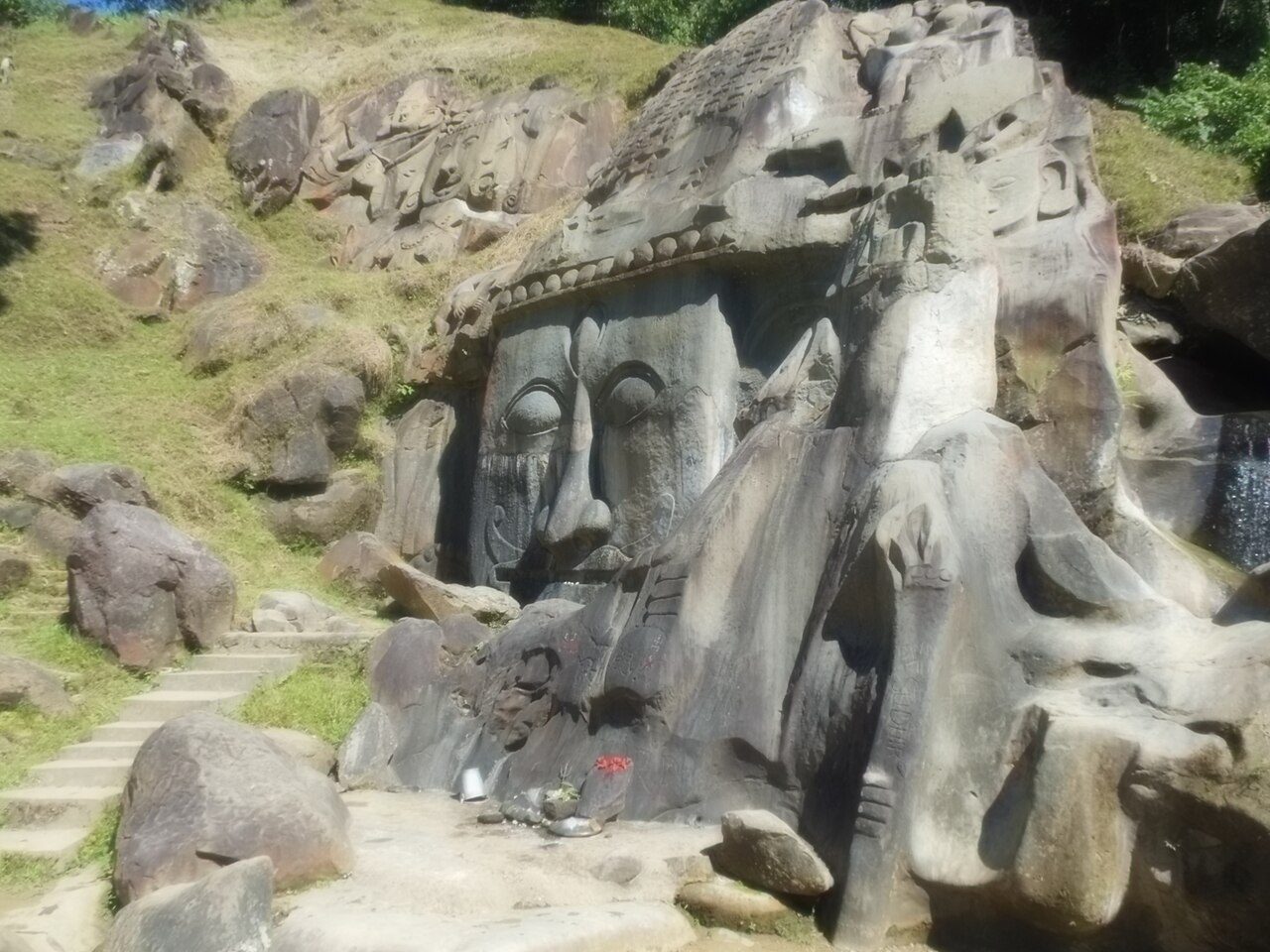
Unakoti, in the forested hills near Kailashahar, is a Shaivite site with huge rock-cut reliefs dated to about the 7th to 9th centuries. The central head of Shiva, Unakotiswara Kal Bhairava, is about nine metres high, and there are large Ganesha figures and many loose sculptures. The name means one less than a crore. The Ashokastami fair is held each spring.
 WaTrips