The Andamans in 5 Days: Port Blair, Havelock and Neil
5 DAYS16 placesby WaTrips
The Cellular Jail and Corbyn's Cove, Ross Island and North Bay, Havelock's beaches, Neil Island, then Wandoor and Chidiya Tapu.
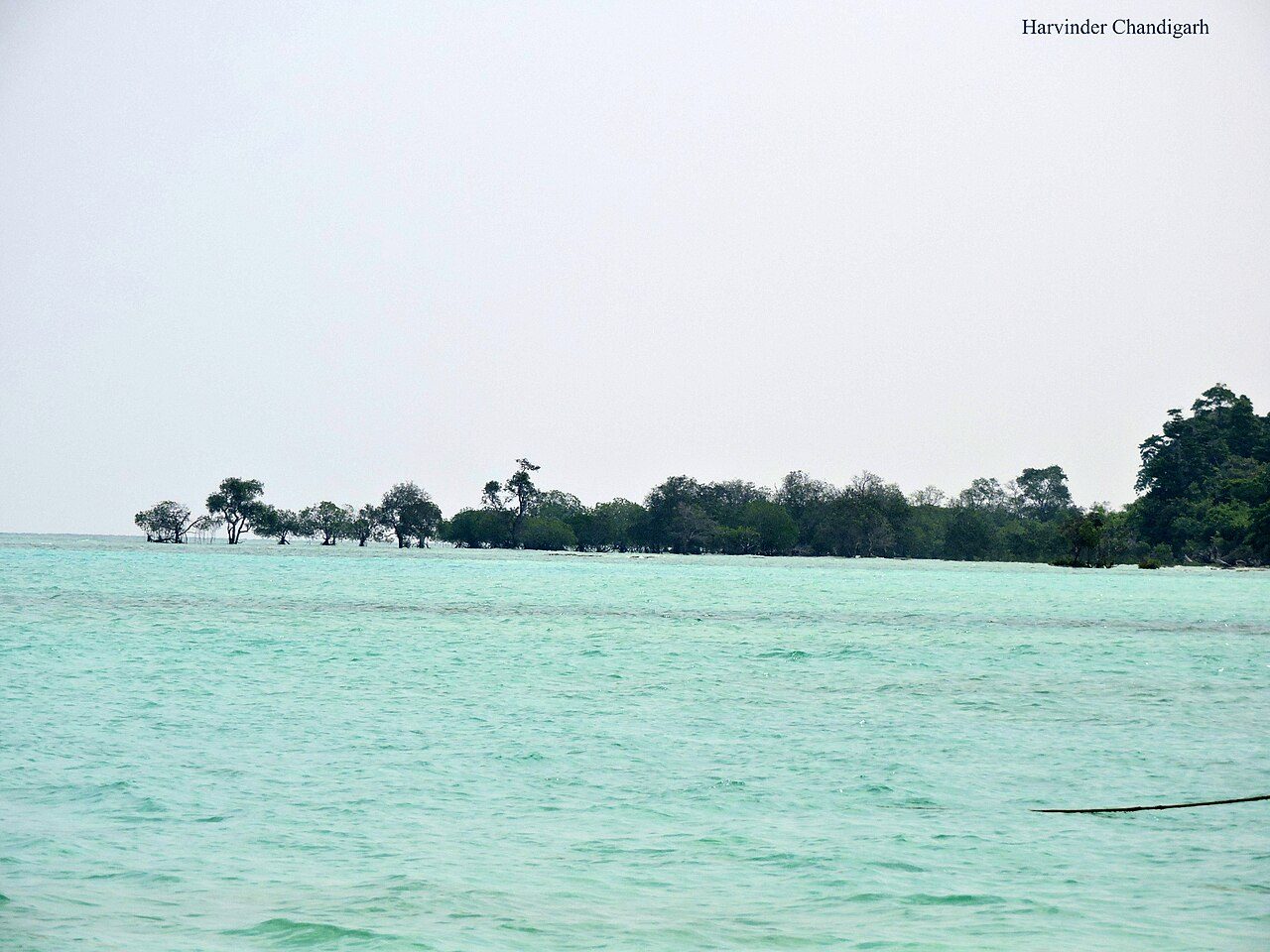
The Andaman Islands combine history with some of India's best beaches. Day one visits the Cellular Jail, with its moving light and sound show, the Anthropological Museum and Corbyn's Cove. Day two takes boats to Ross Island's ruins, the coral at North Bay, Viper Island and the Chatham Saw Mill. Day three ferries to Havelock (Swaraj Dweep) for Radhanagar, Elephant and Kalapathar beaches. Day four is Neil Island (Shaheed Dweep), with Bharatpur beach and the Natural Bridge. Day five returns to Port Blair for Wandoor, the Mahatma Gandhi Marine National Park and sunset at Chidiya Tapu. Book ferries ahead; October to May is the season.
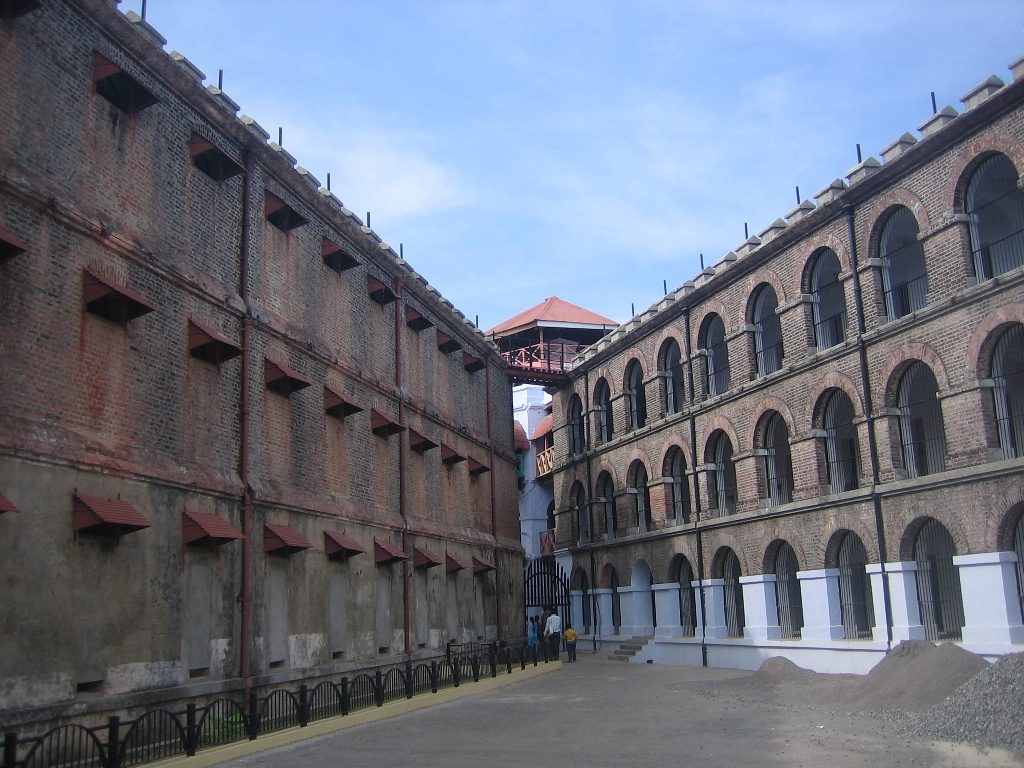
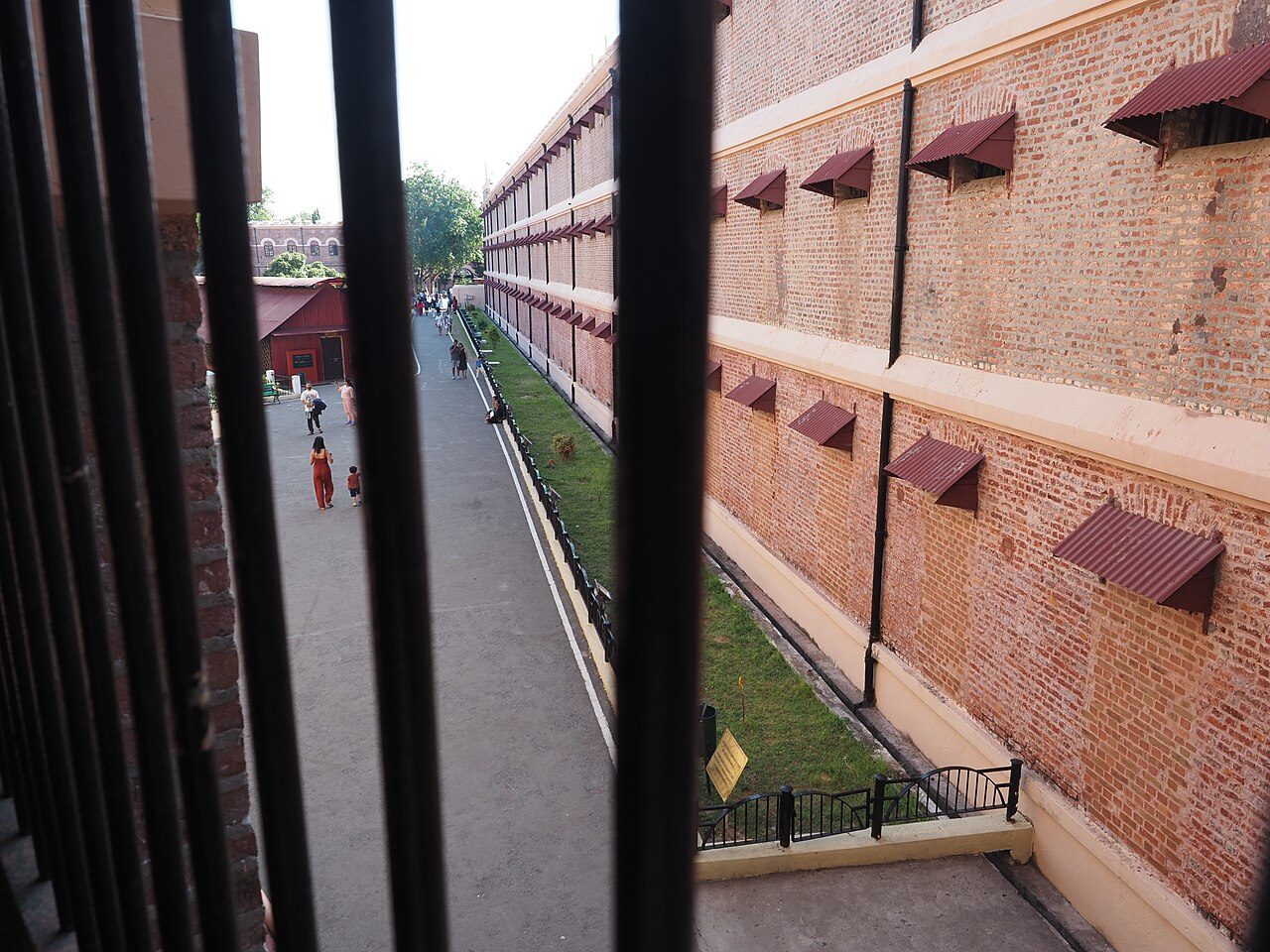
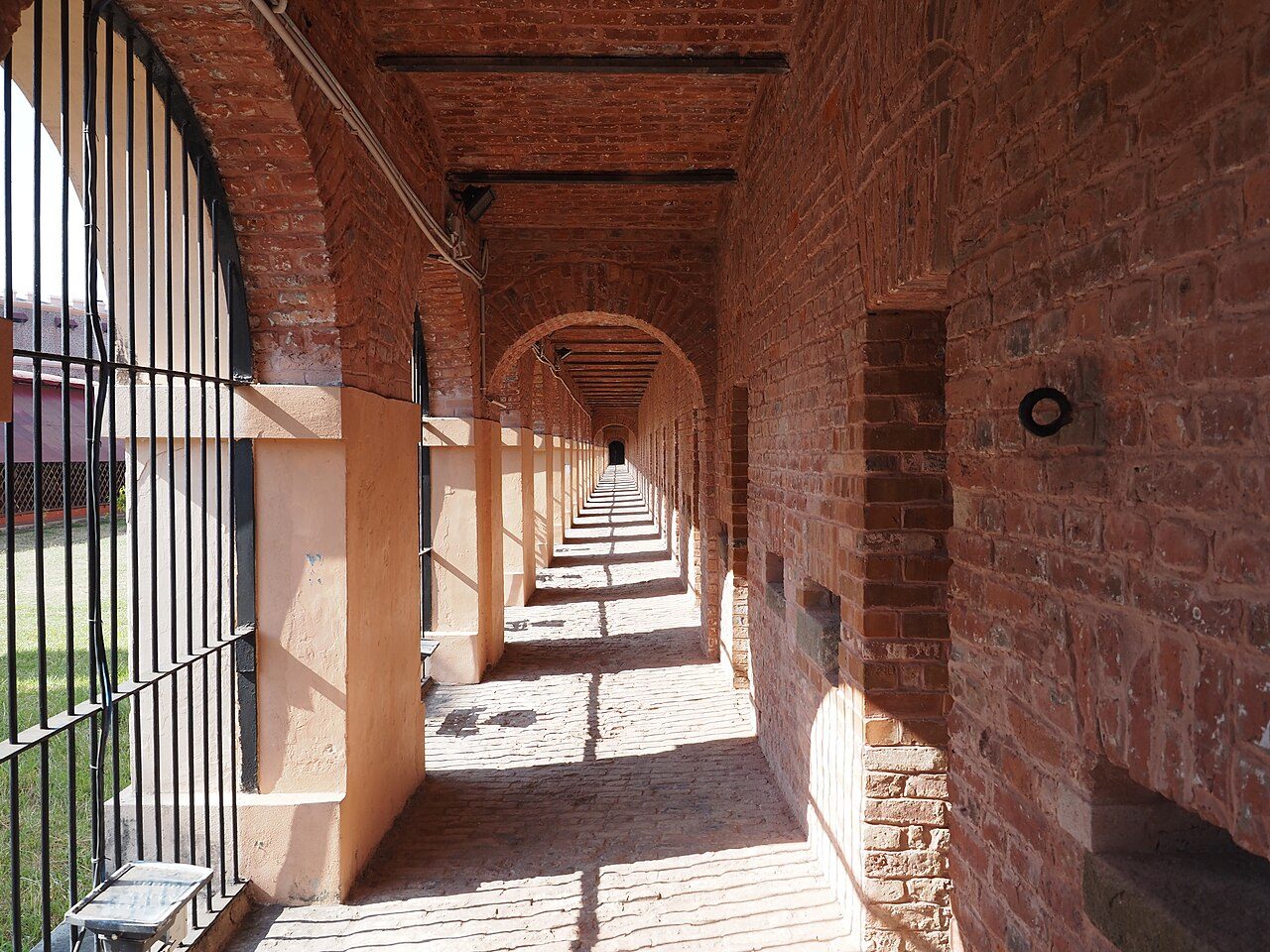
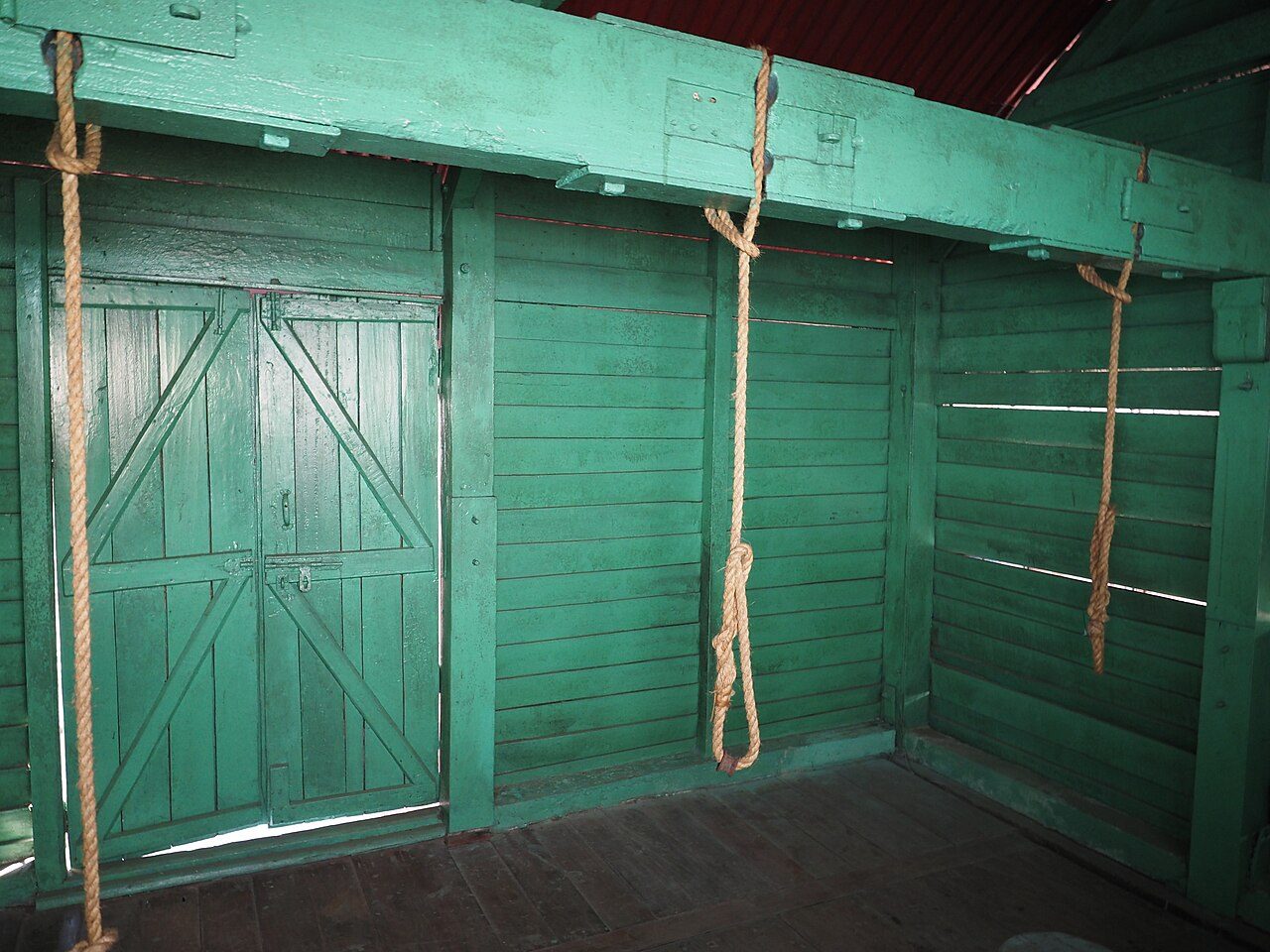
The Cellular Jail in Port Blair was built by the British between 1896 and 1906 to hold political prisoners in solitary cells far from the mainland. Seven wings once radiated from a central watchtower; three survive. Many freedom fighters were held here. It is now a national memorial with a museum, and a sound and light show tells its story each evening.
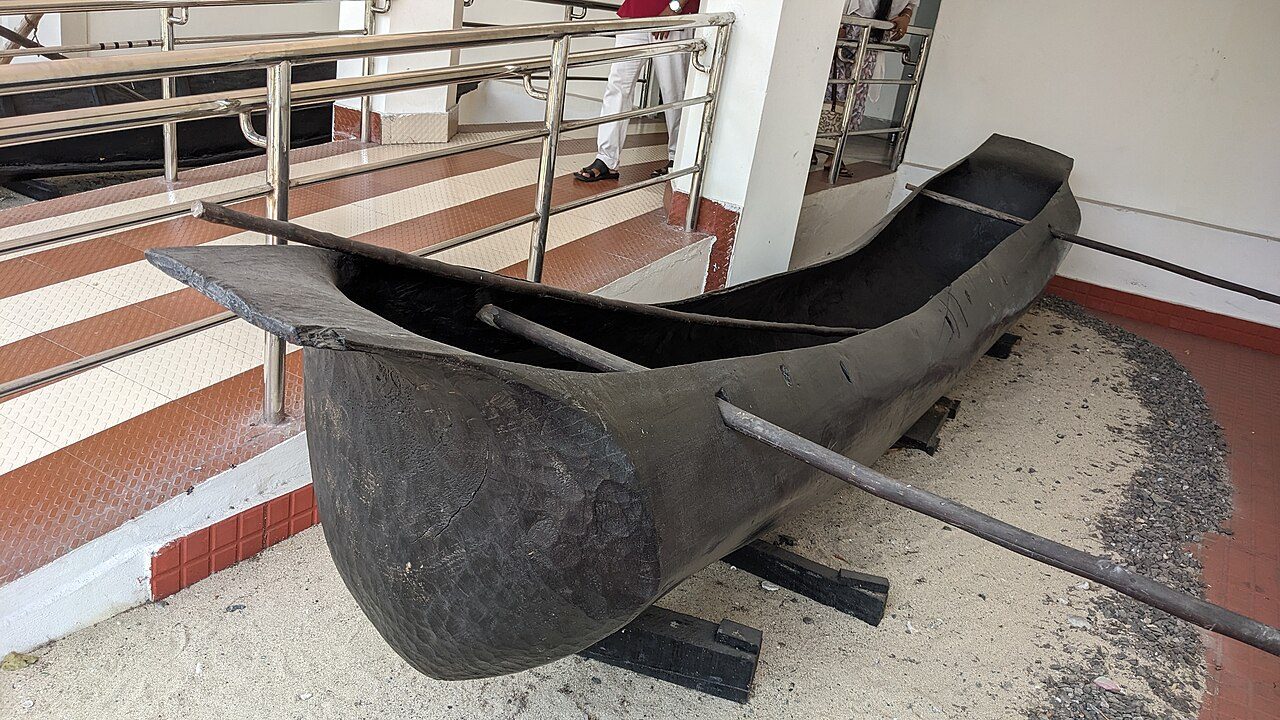
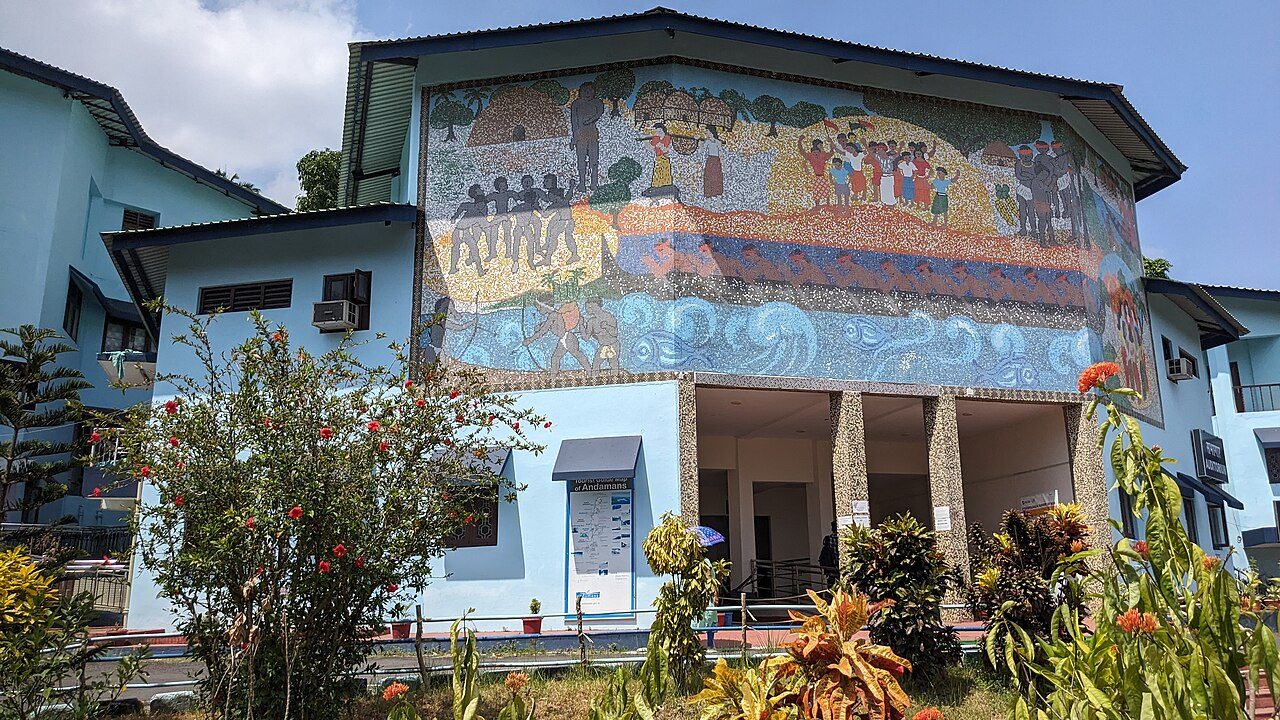
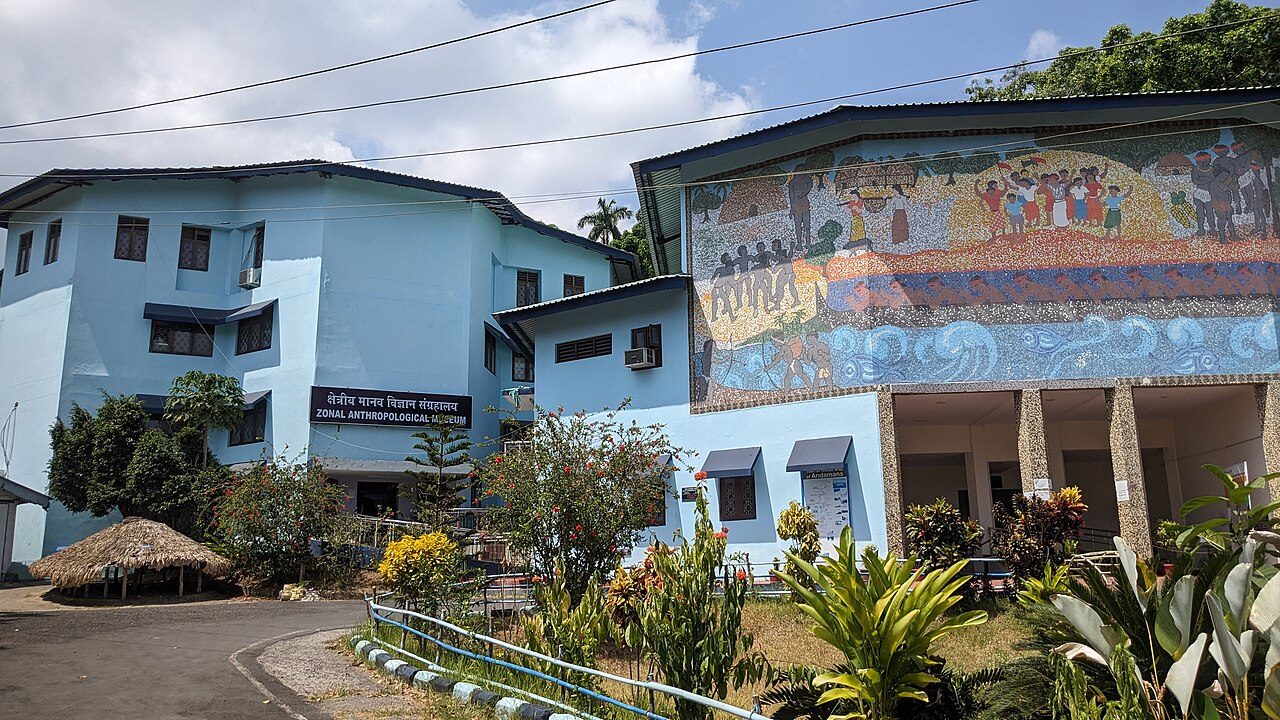
The Anthropological Museum in Port Blair, opened in 1975, is devoted to the indigenous peoples of the islands. Models, photographs, tools, clothing and boats illustrate the life of the Jarawa, Sentinelese, Great Andamanese and Onge of the Andamans, and the Nicobarese and Shompen of the Nicobars.
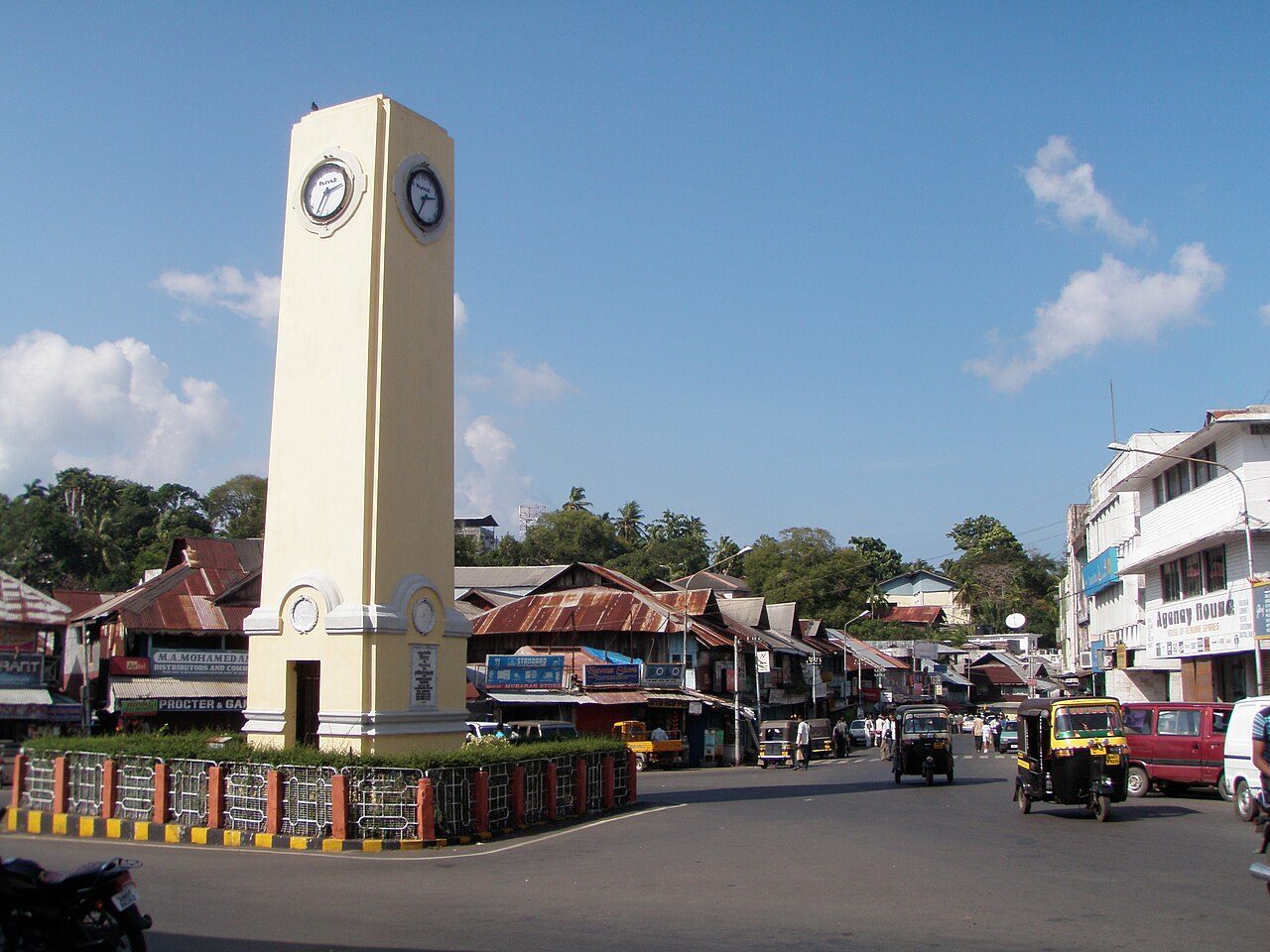
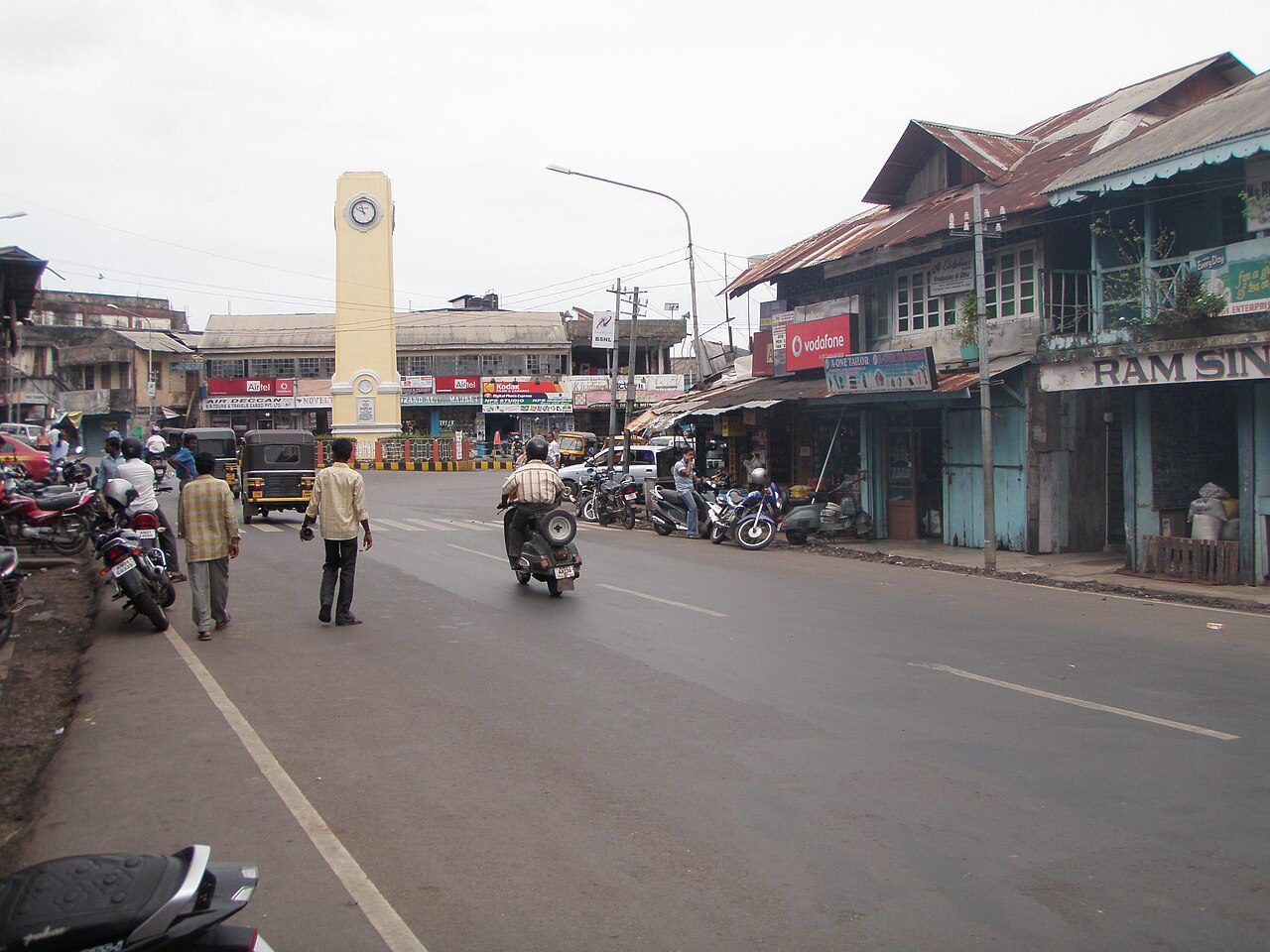
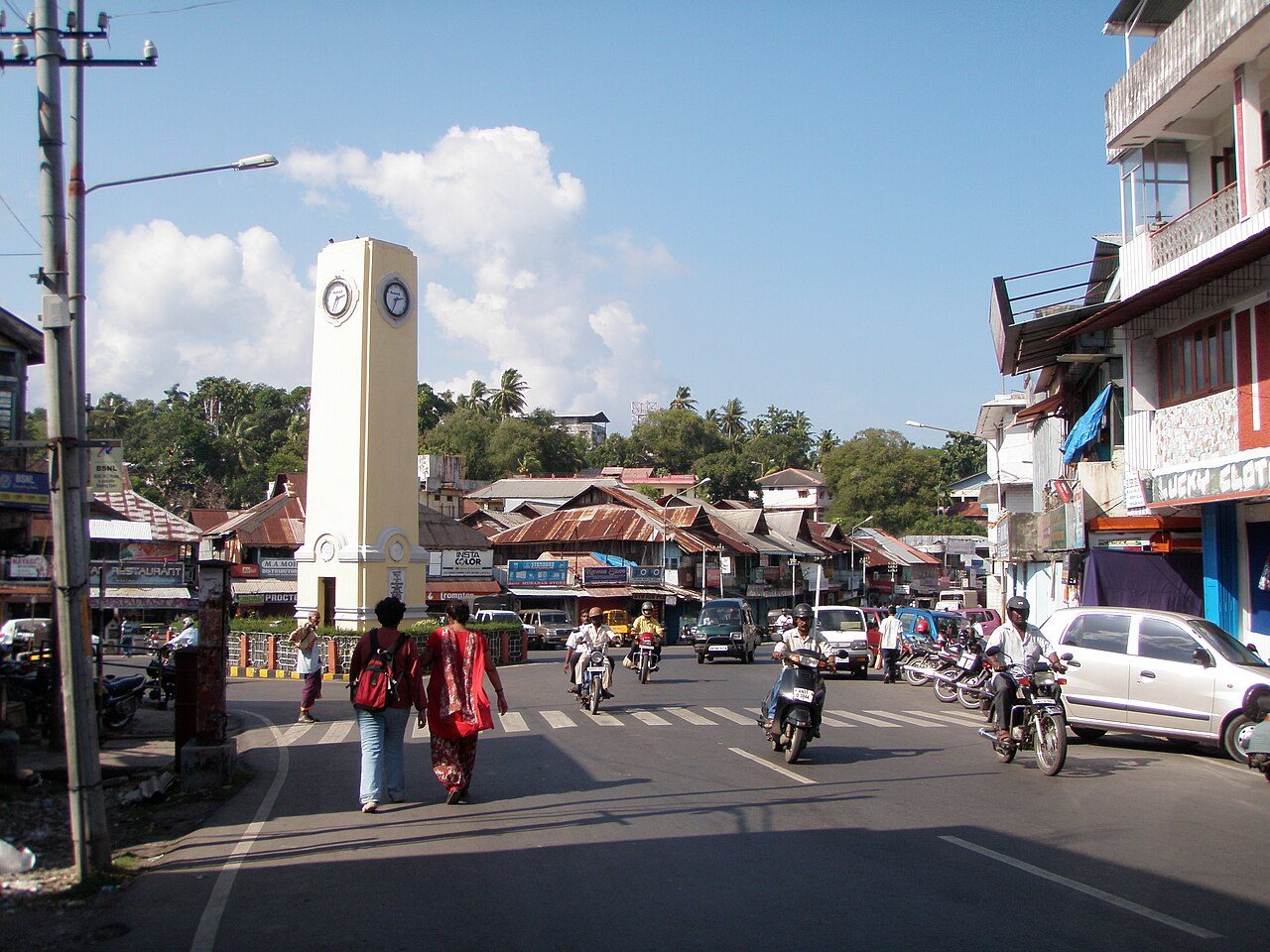
The Aberdeen Clock Tower stands at the main crossroads of Aberdeen Bazaar, the old market centre of Port Blair. It was built as a memorial to those who died in the First World War. The busy streets around it are lined with shops selling shell crafts, spices and clothes, and most local buses and autos pass this way.
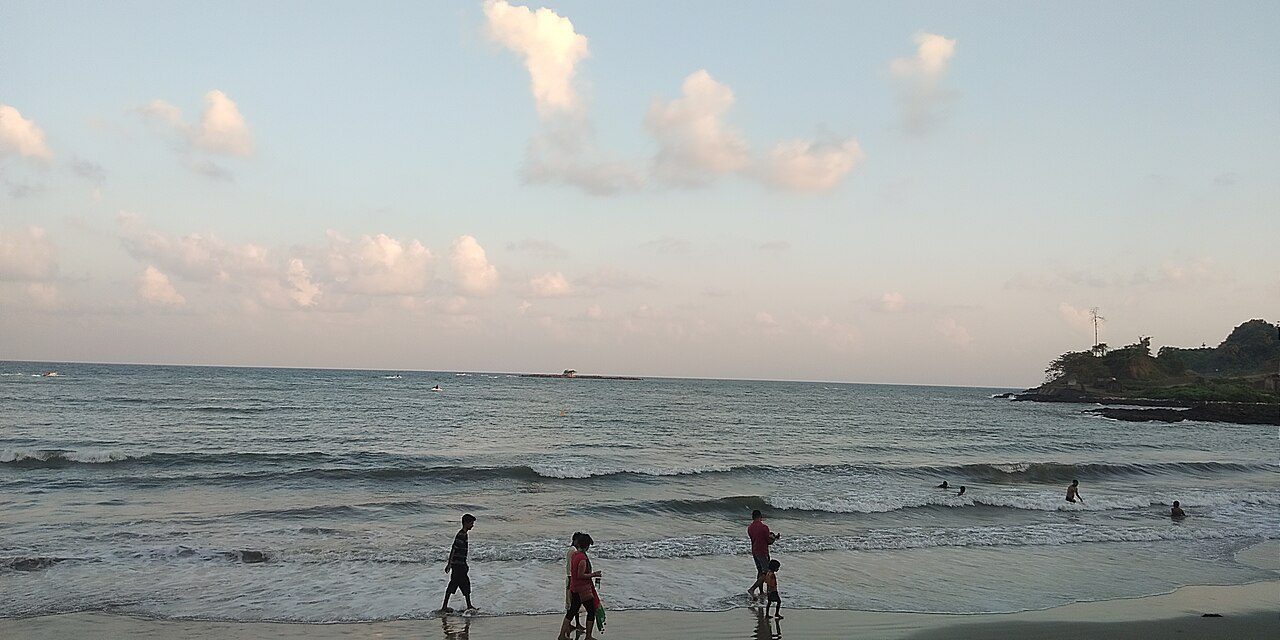
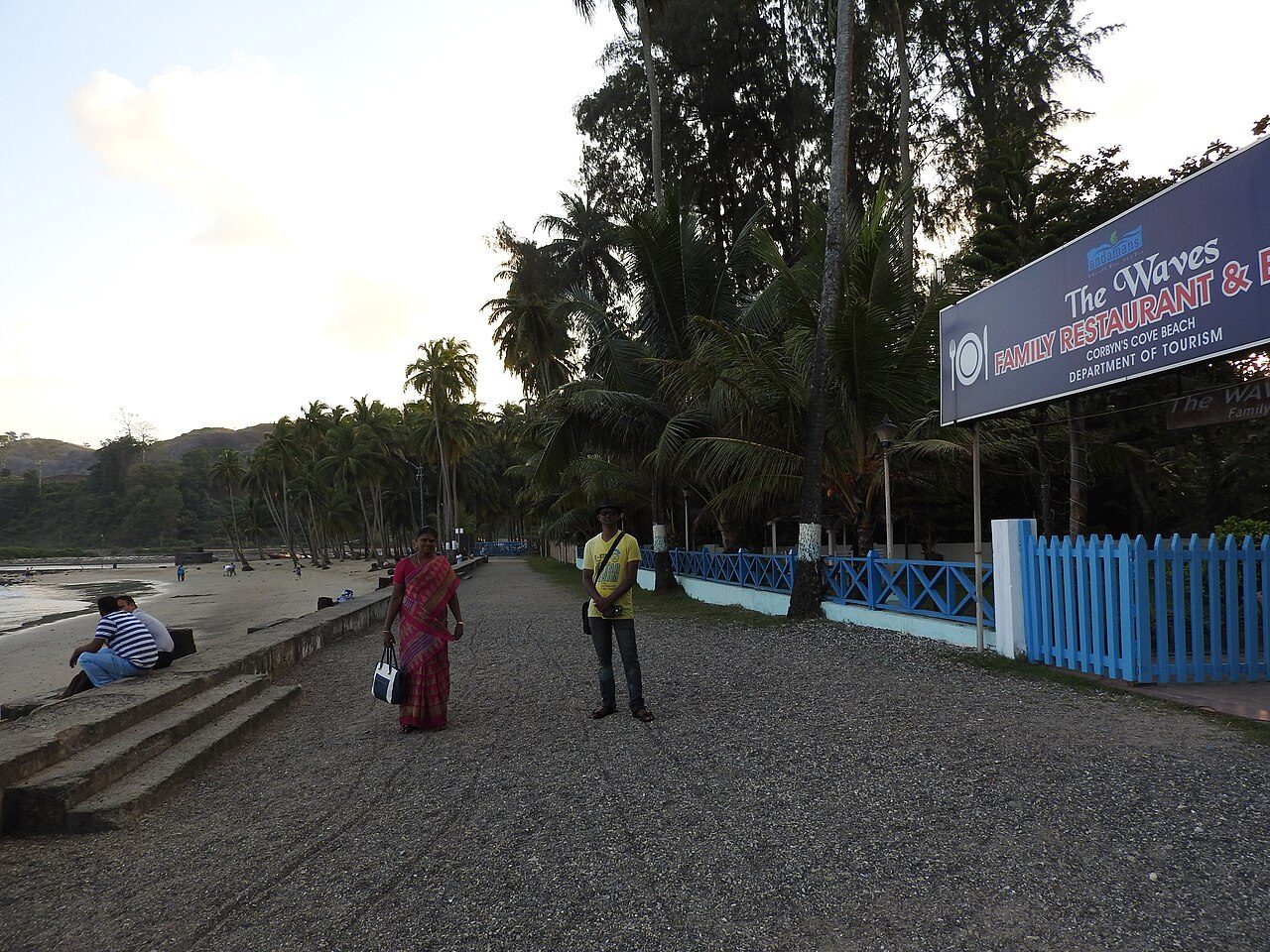
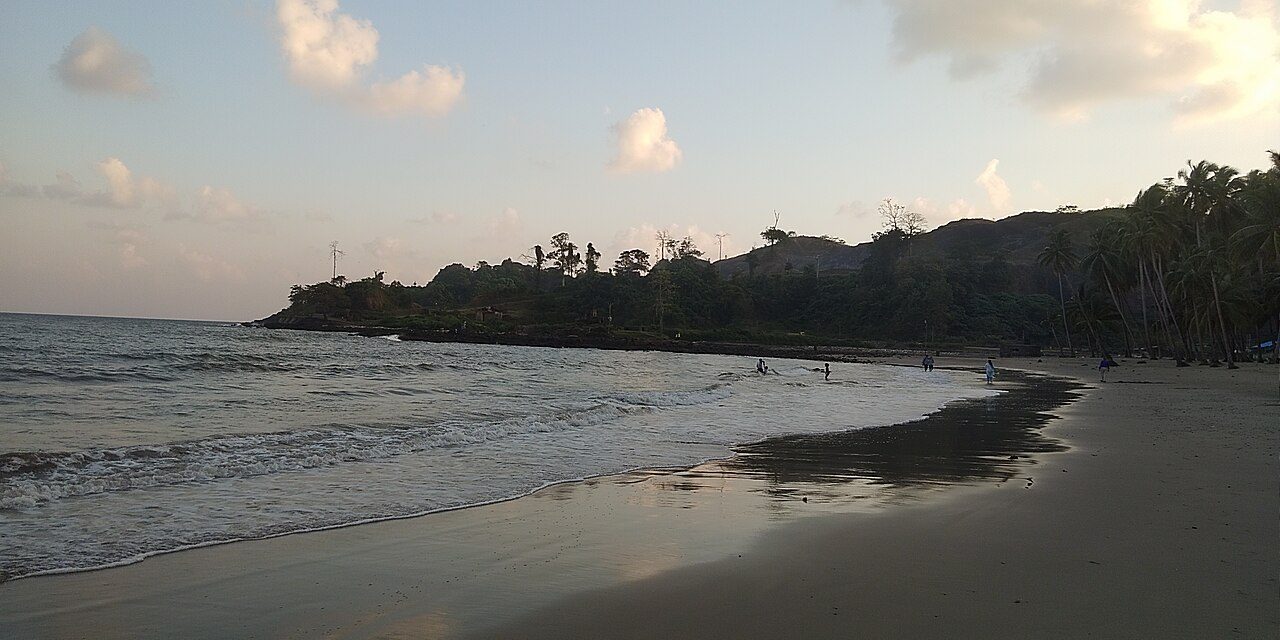
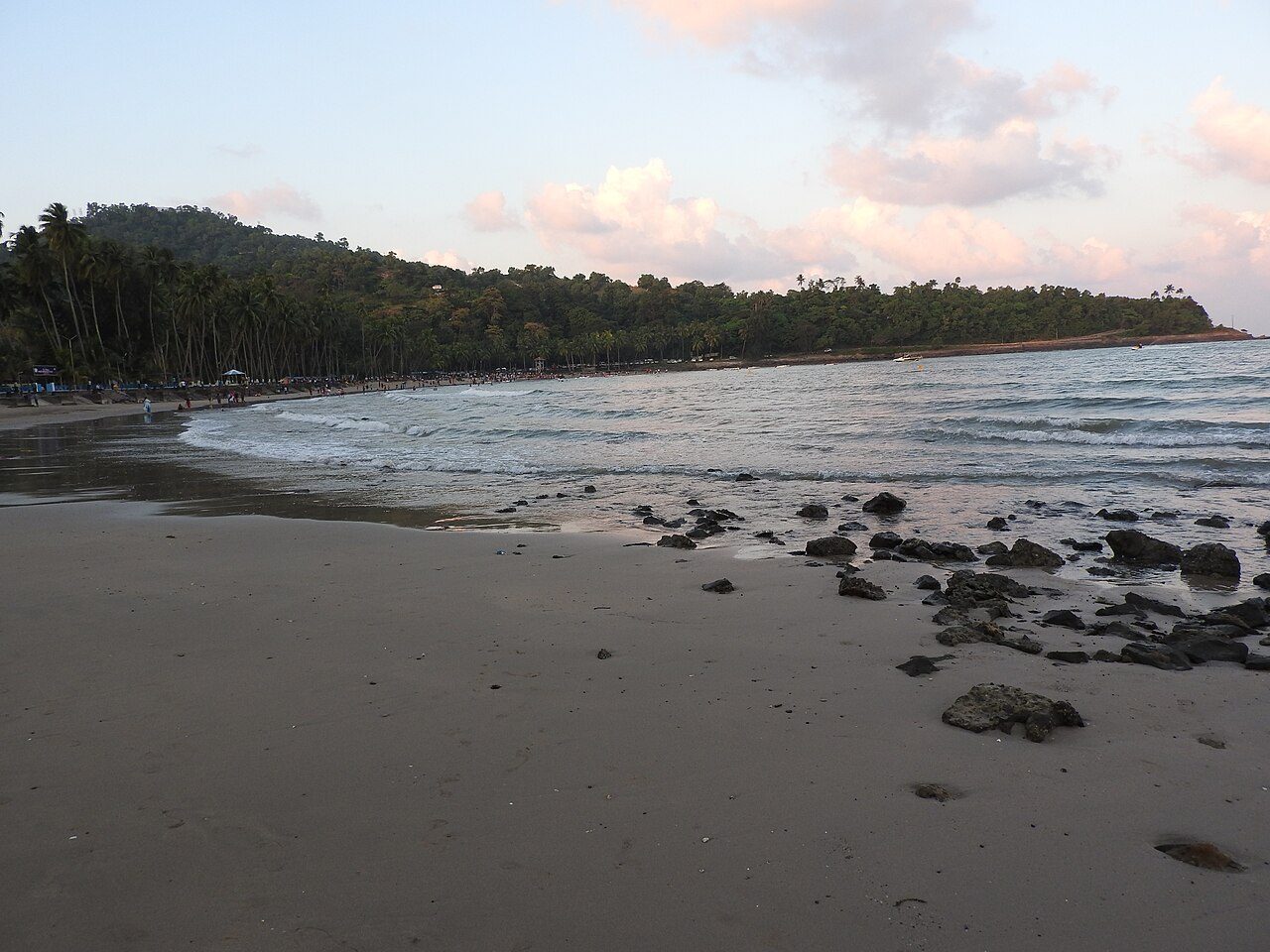
Corbyn's Cove is the nearest beach to Port Blair, about 7 km from the town centre along a coastal road. The curved bay is lined with coconut palms and has calm water for swimming, with jet skis and boat rides on offer. Old Japanese bunkers from the Second World War can be seen along the road on the way.
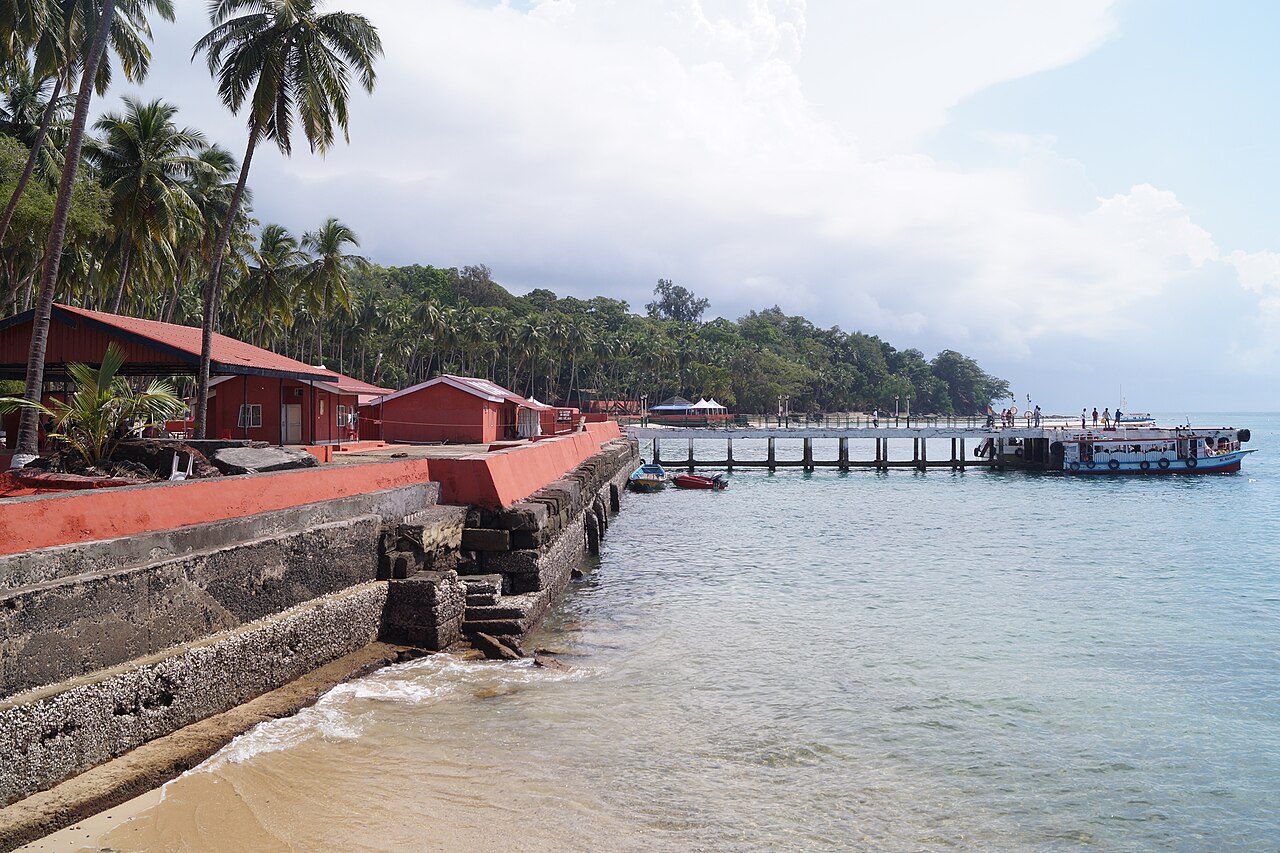
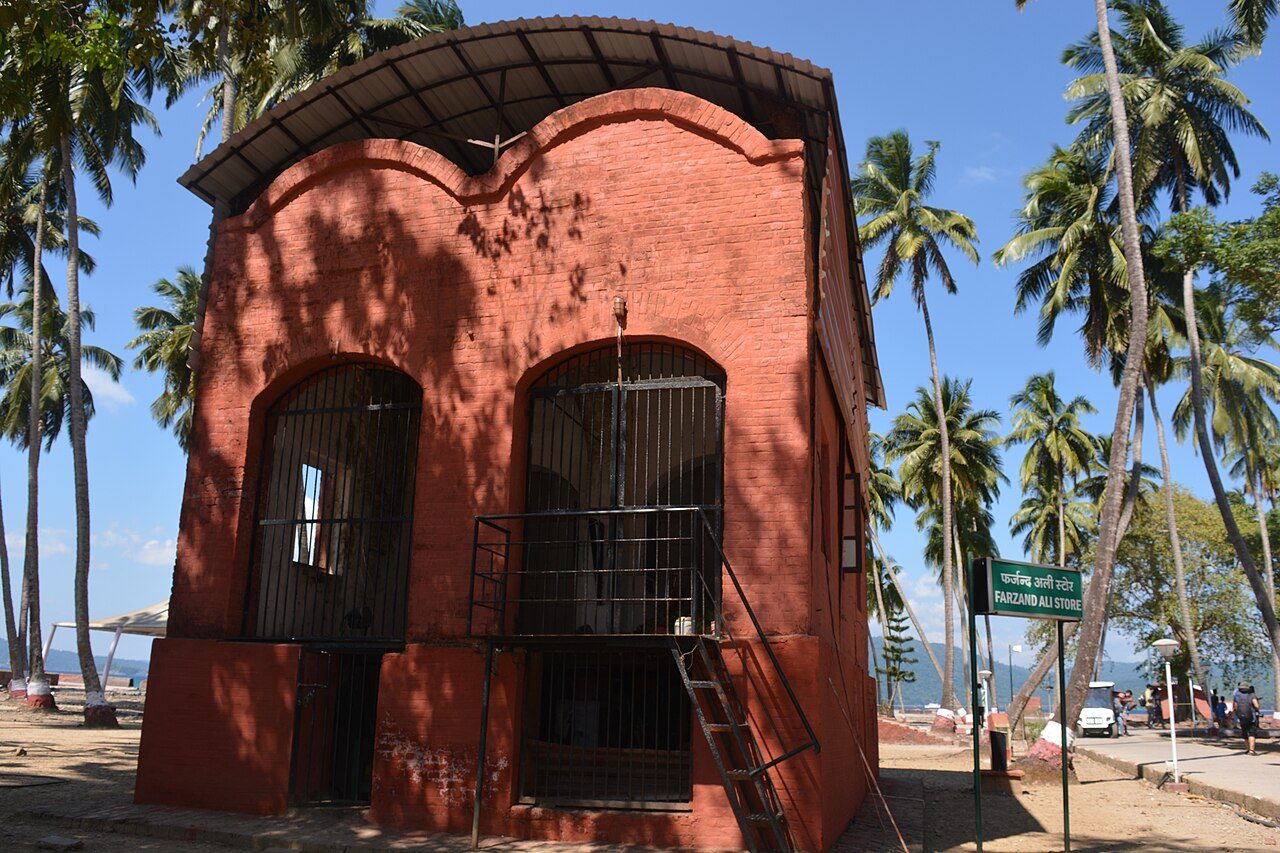
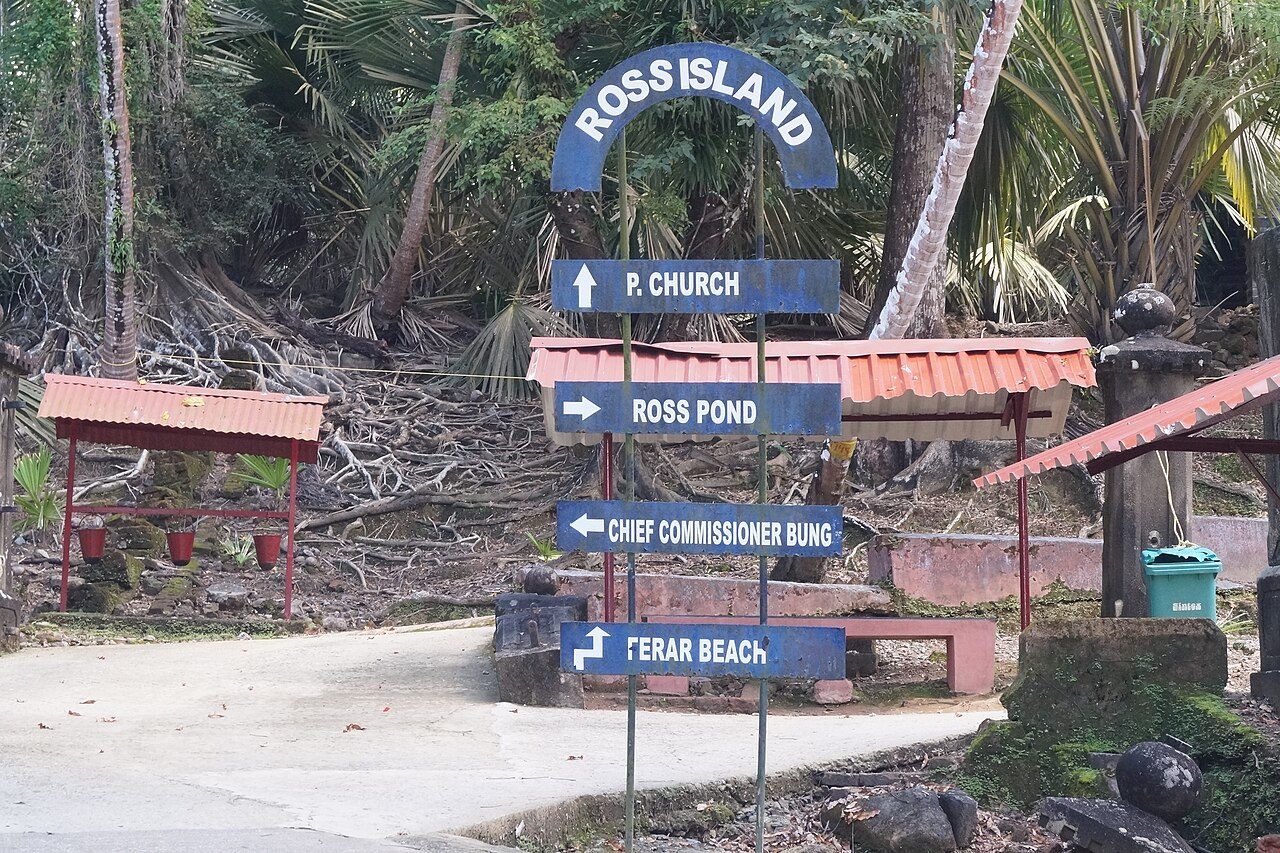
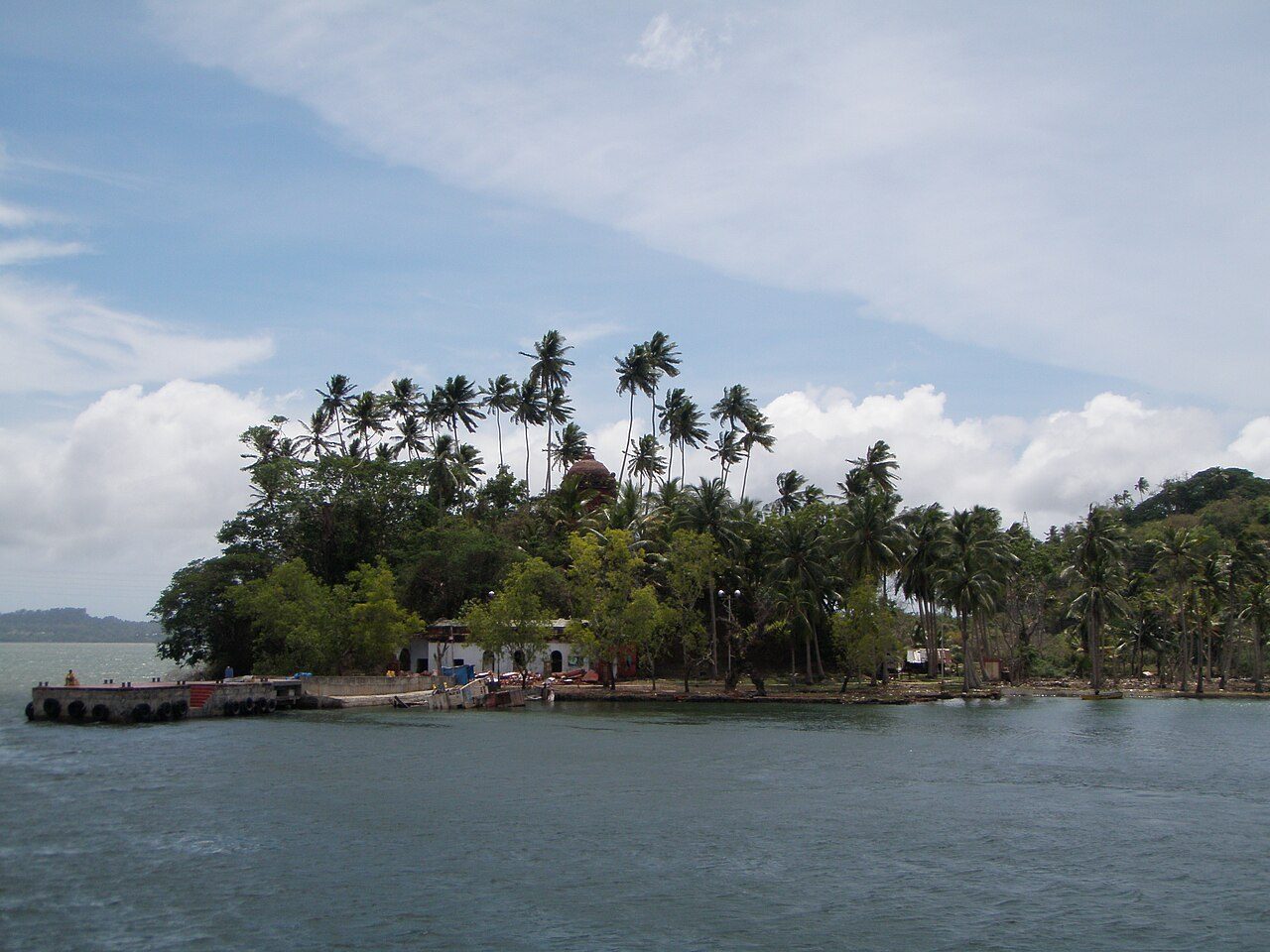
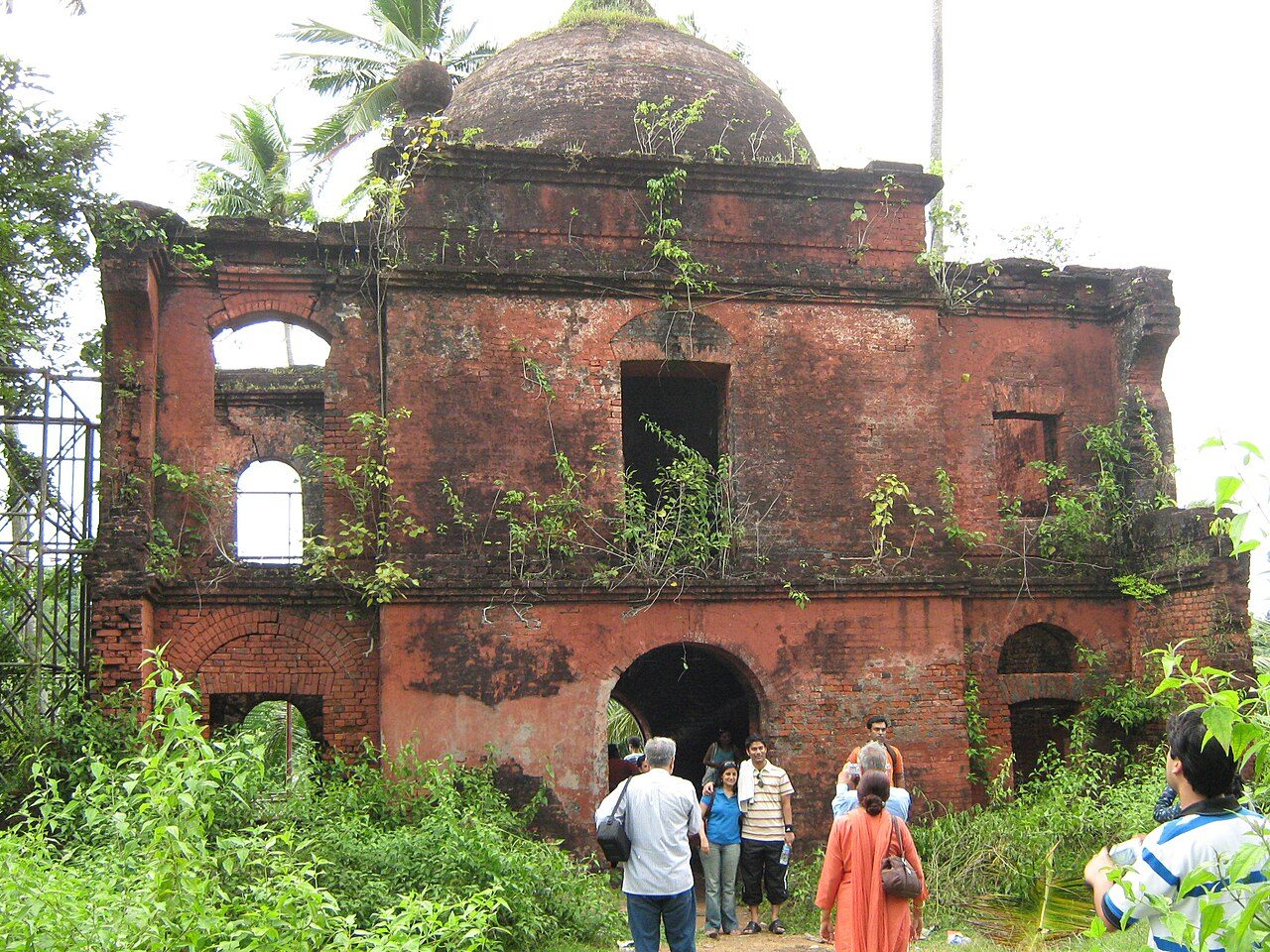
Ross Island, officially Netaji Subhas Chandra Bose Island, lies a short boat ride from Port Blair. It was the British administrative headquarters of the Andamans from 1858 until an earthquake in 1941. The roofless church, bakery, officers' houses and other ruins are now gripped by fig tree roots, and tame deer and peacocks roam the paths.
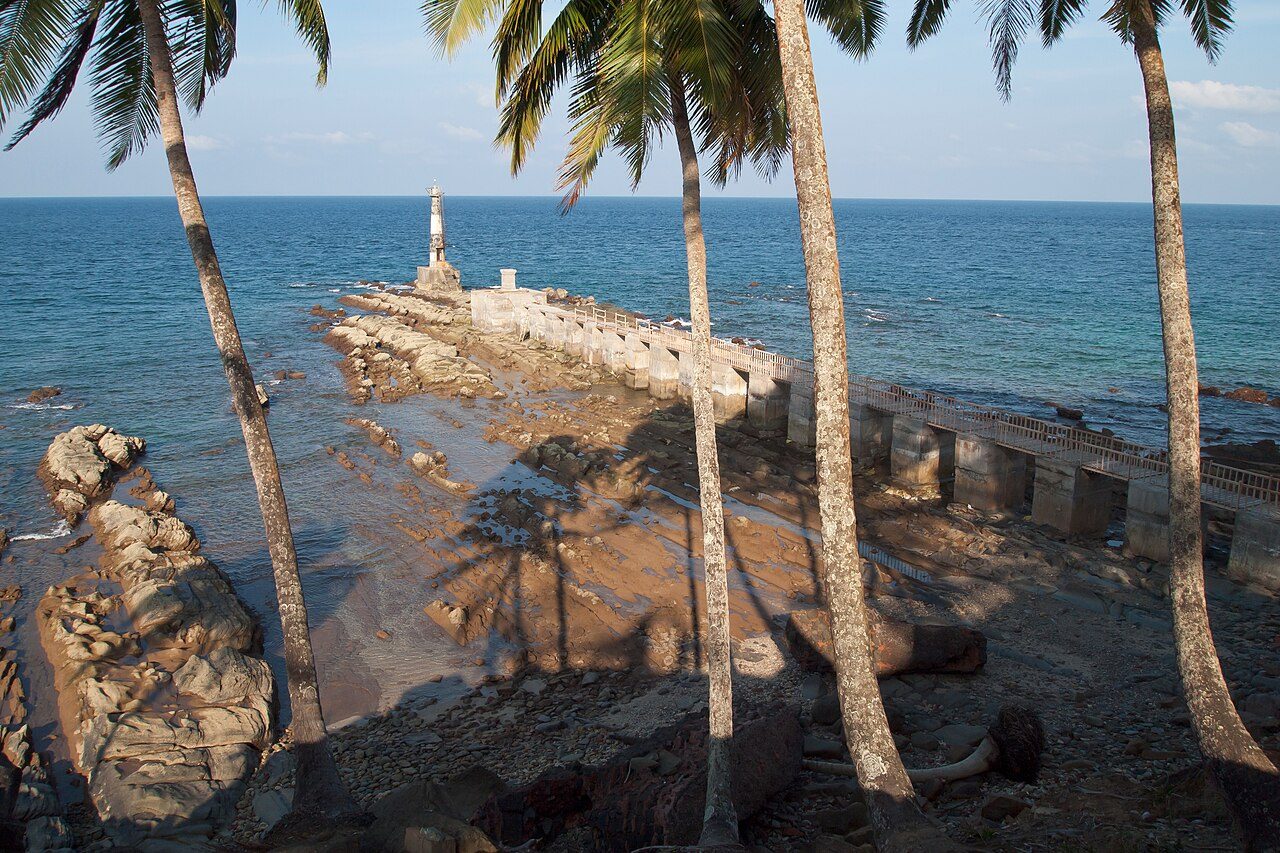
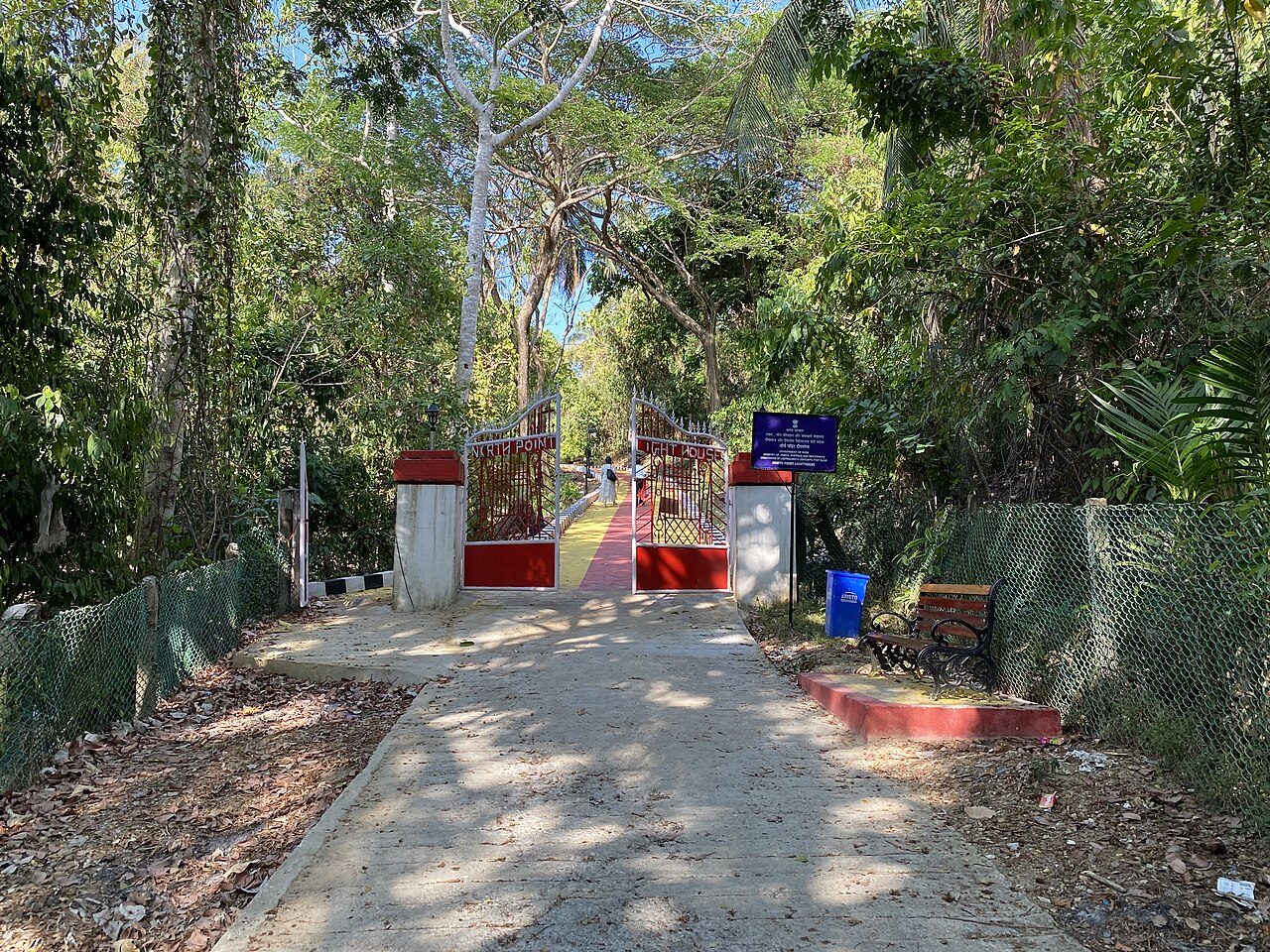
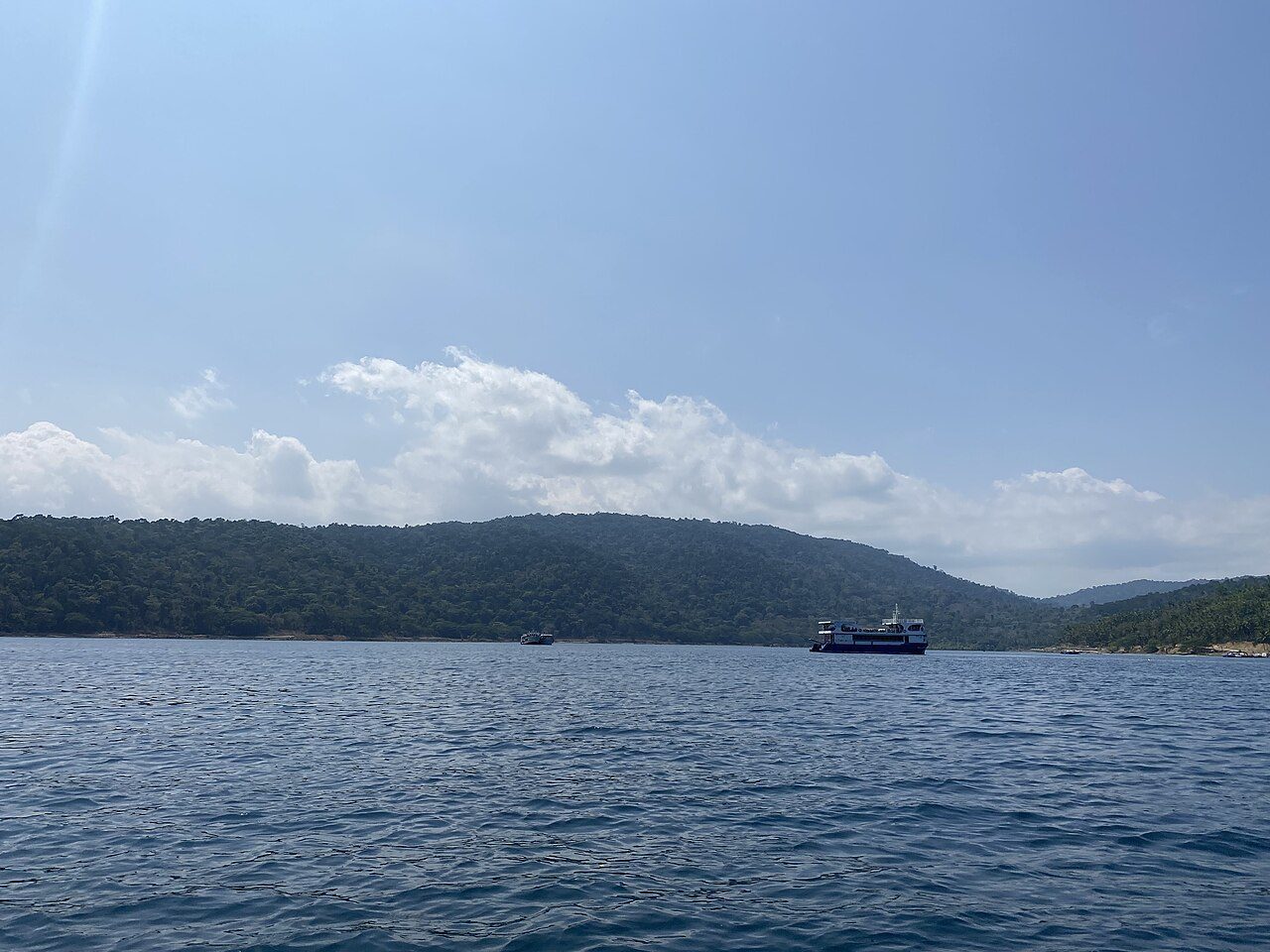
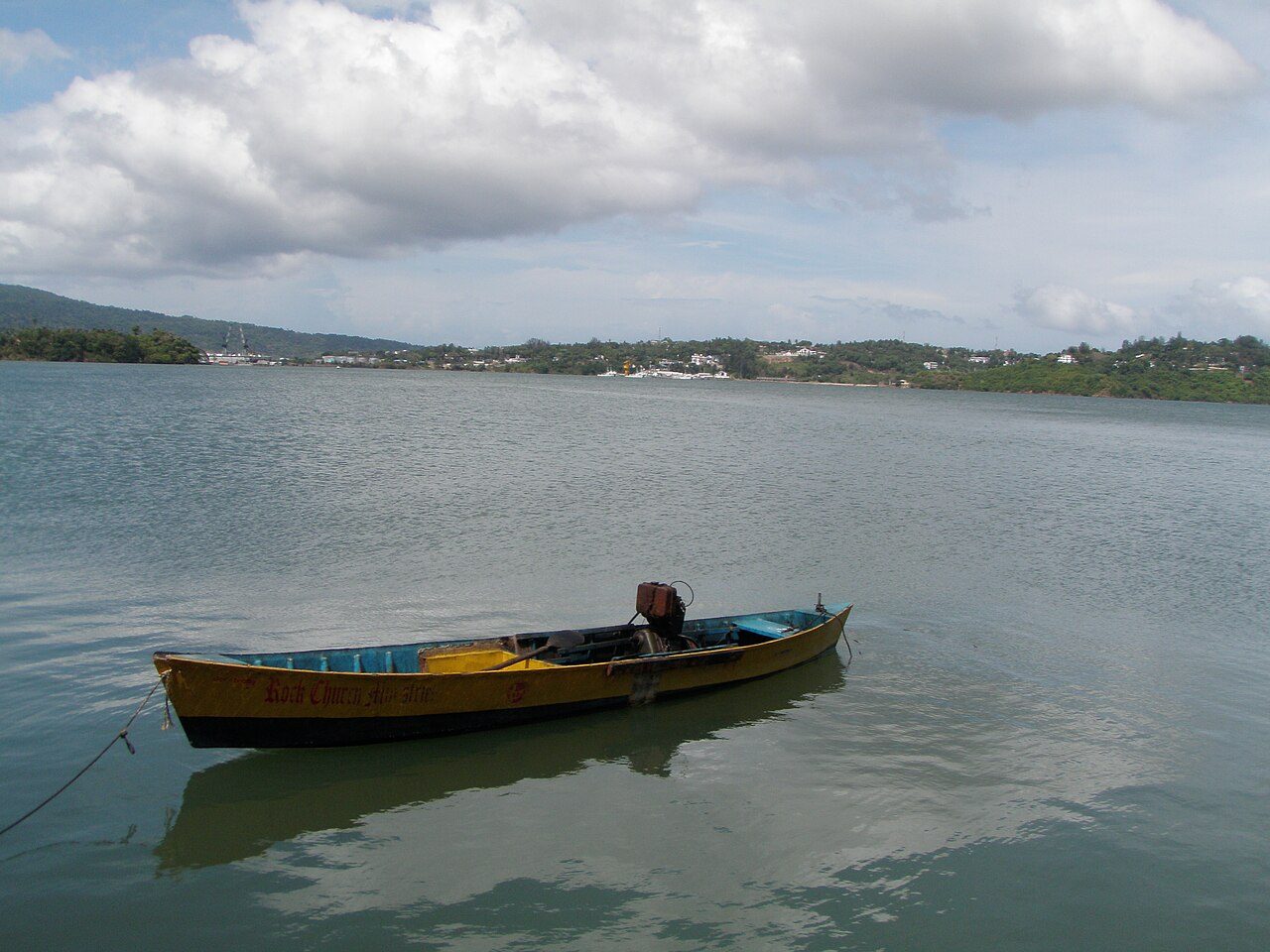
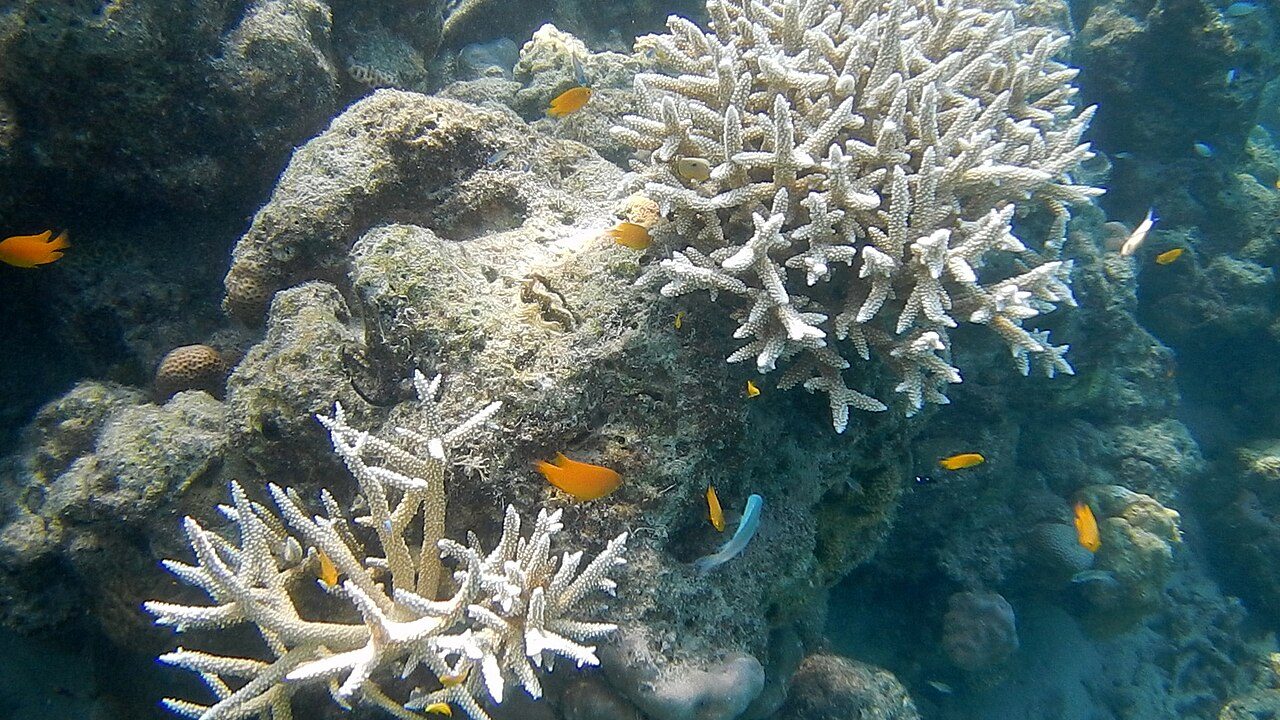
North Bay Island lies across the harbour from Port Blair and is reached by boat from the water sports complex. Its shallow reef is used for snorkelling, sea walking and glass-bottom boat rides. The lighthouse on the headland above the beach is the one pictured on the old 20-rupee note.
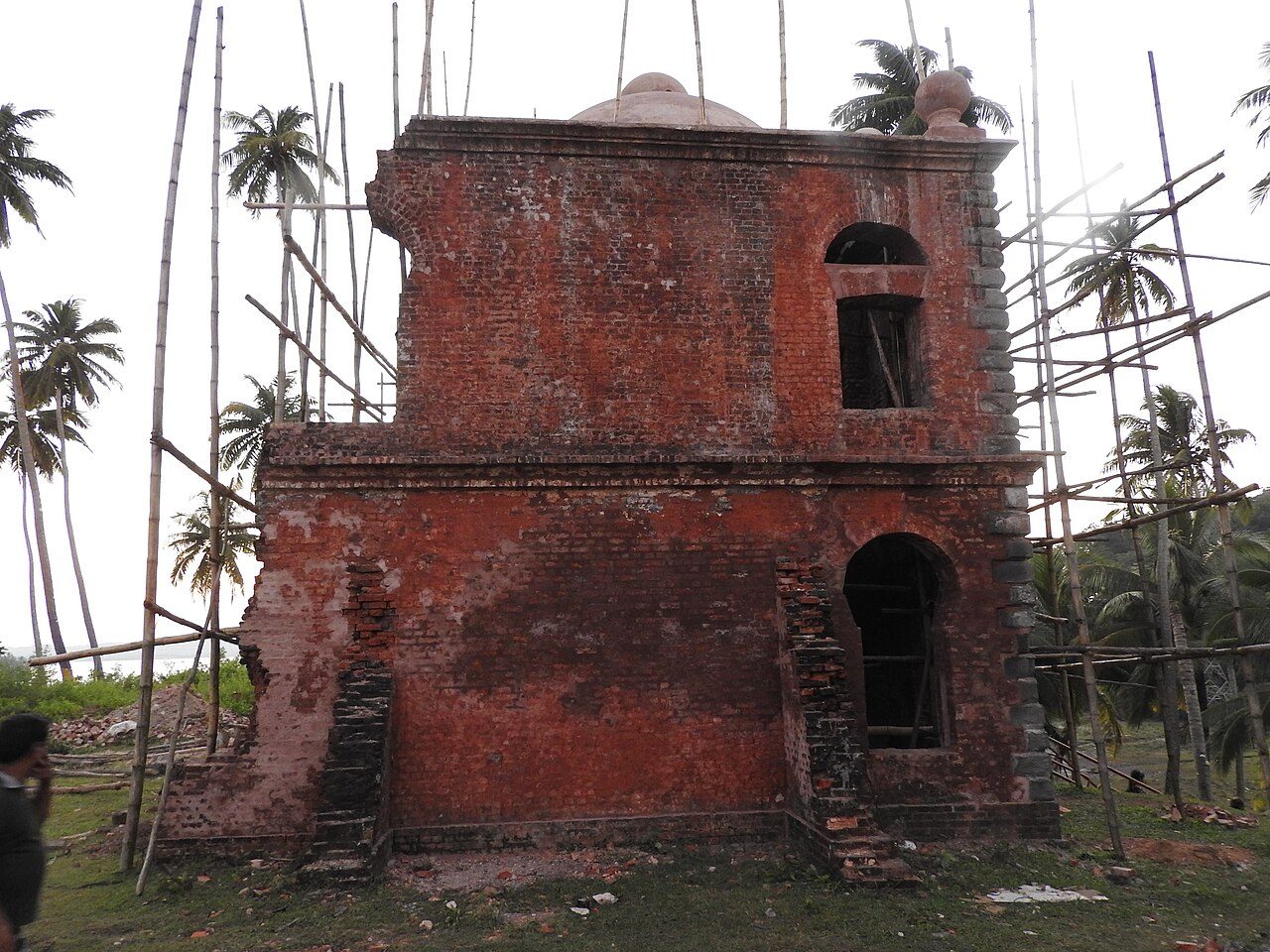
Viper Island lies in the harbour near Port Blair and held the first jail of the British penal settlement, built in the 1860s before the Cellular Jail. Prisoners were kept in chains and put to hard labour. The red-brick gallows building still stands on a hilltop. The island is reached by harbour cruise boats.
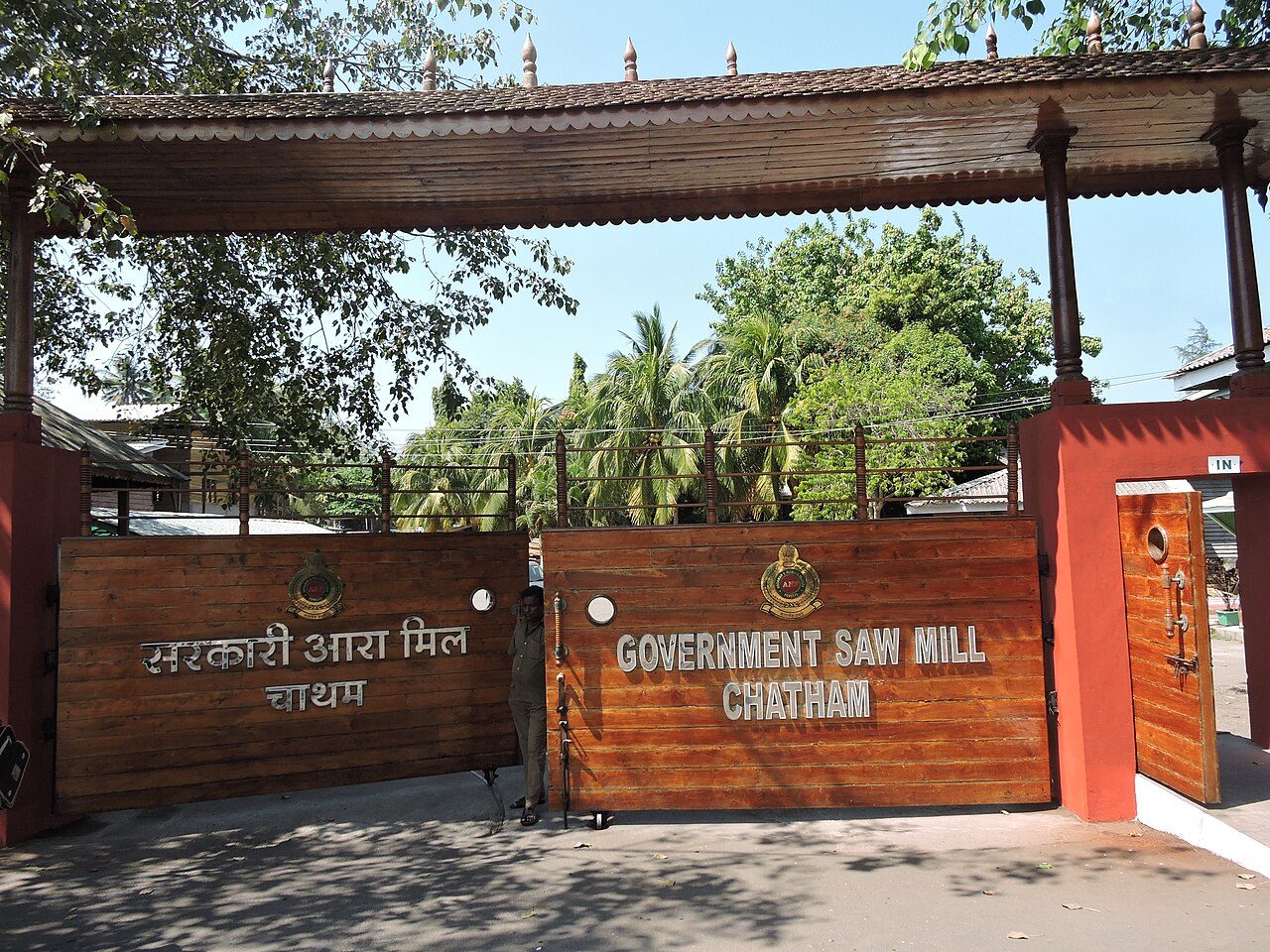
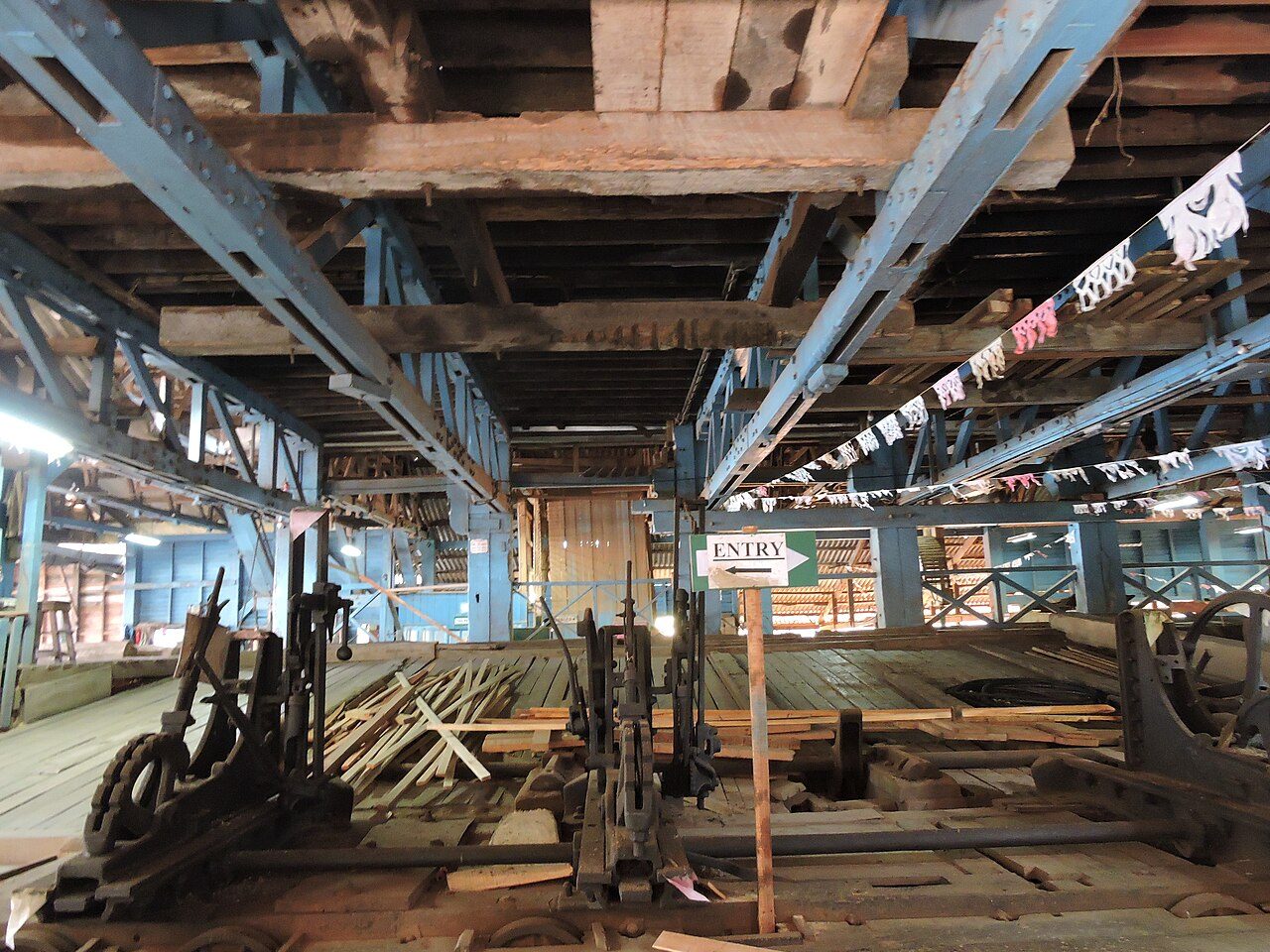
Chatham Saw Mill, set up by the British in 1883 on Chatham Island in Port Blair, is one of the oldest and largest sawmills in Asia. A bridge links the island to the town. Visitors can walk through the working sheds, see huge logs being cut, visit a small forest museum and view a bomb crater left by a Second World War air raid.
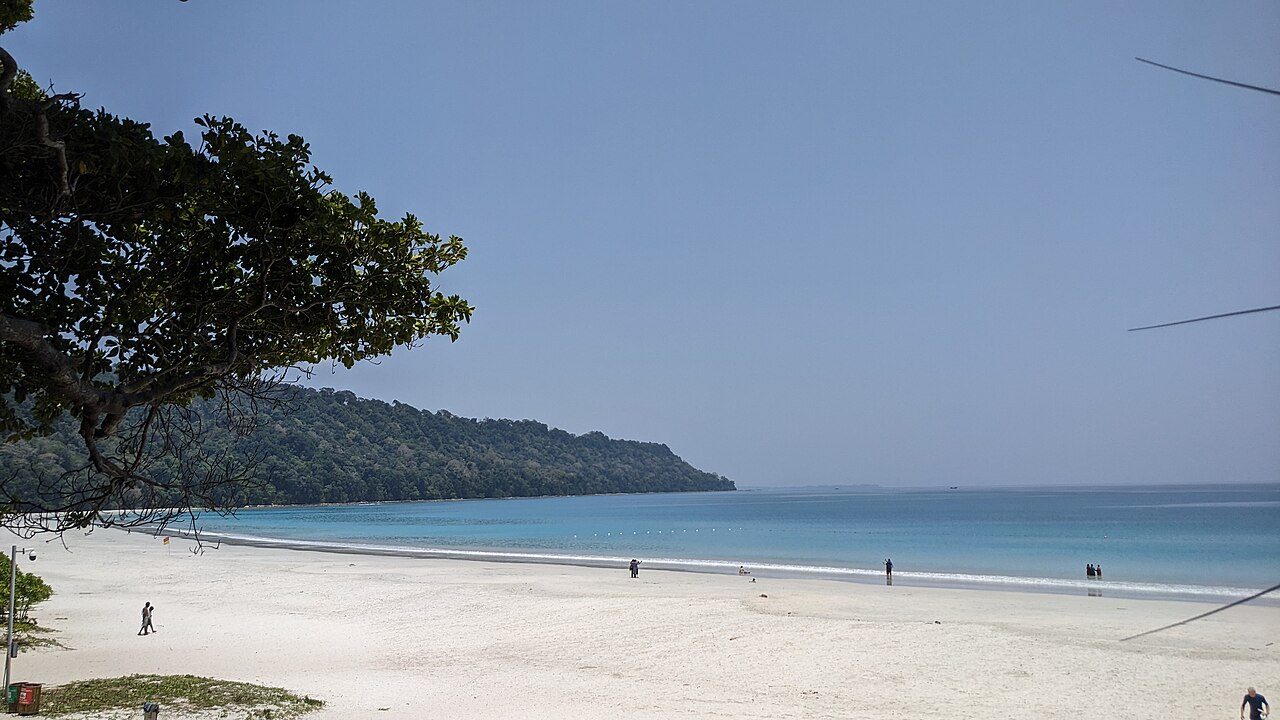
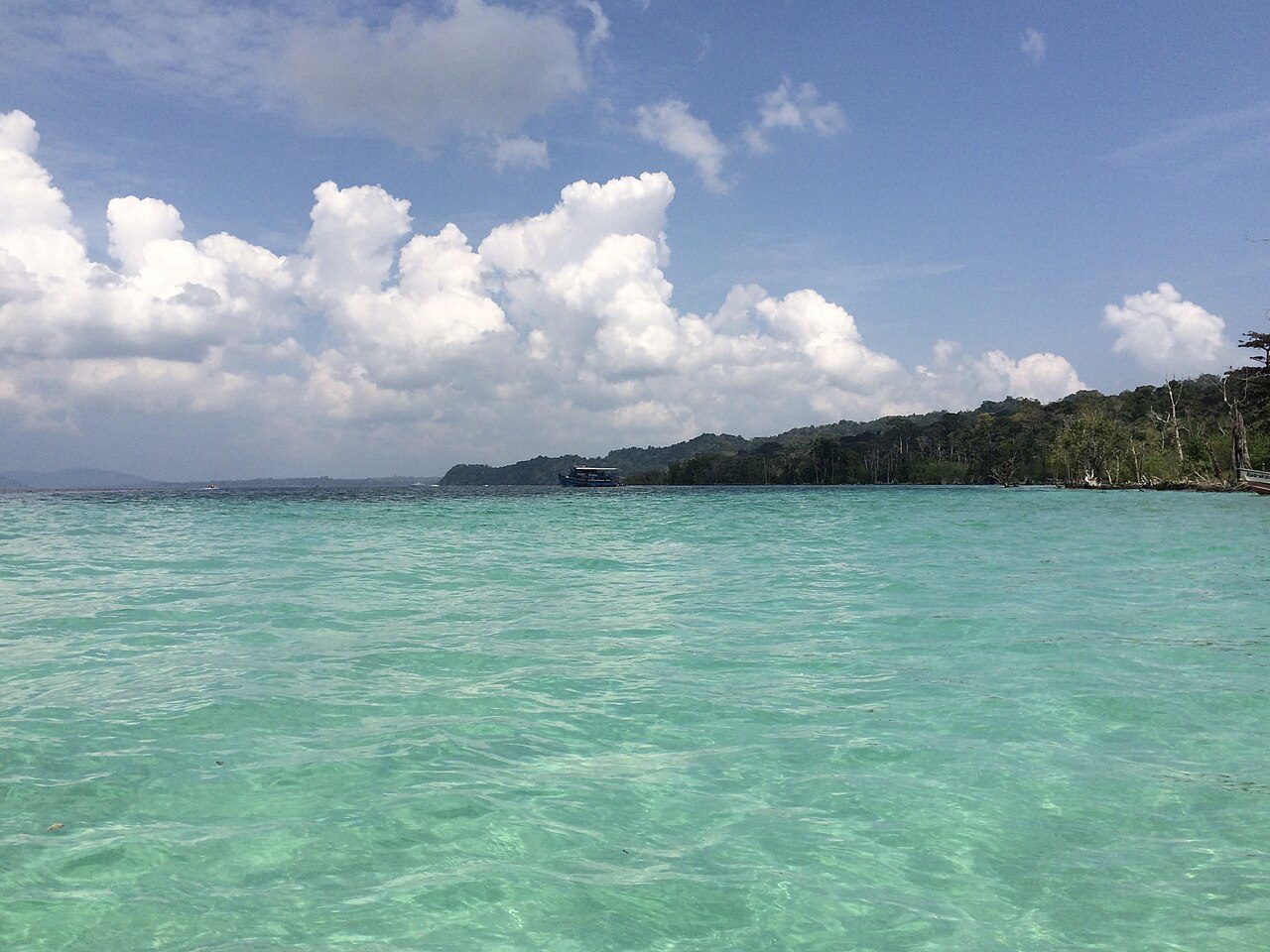
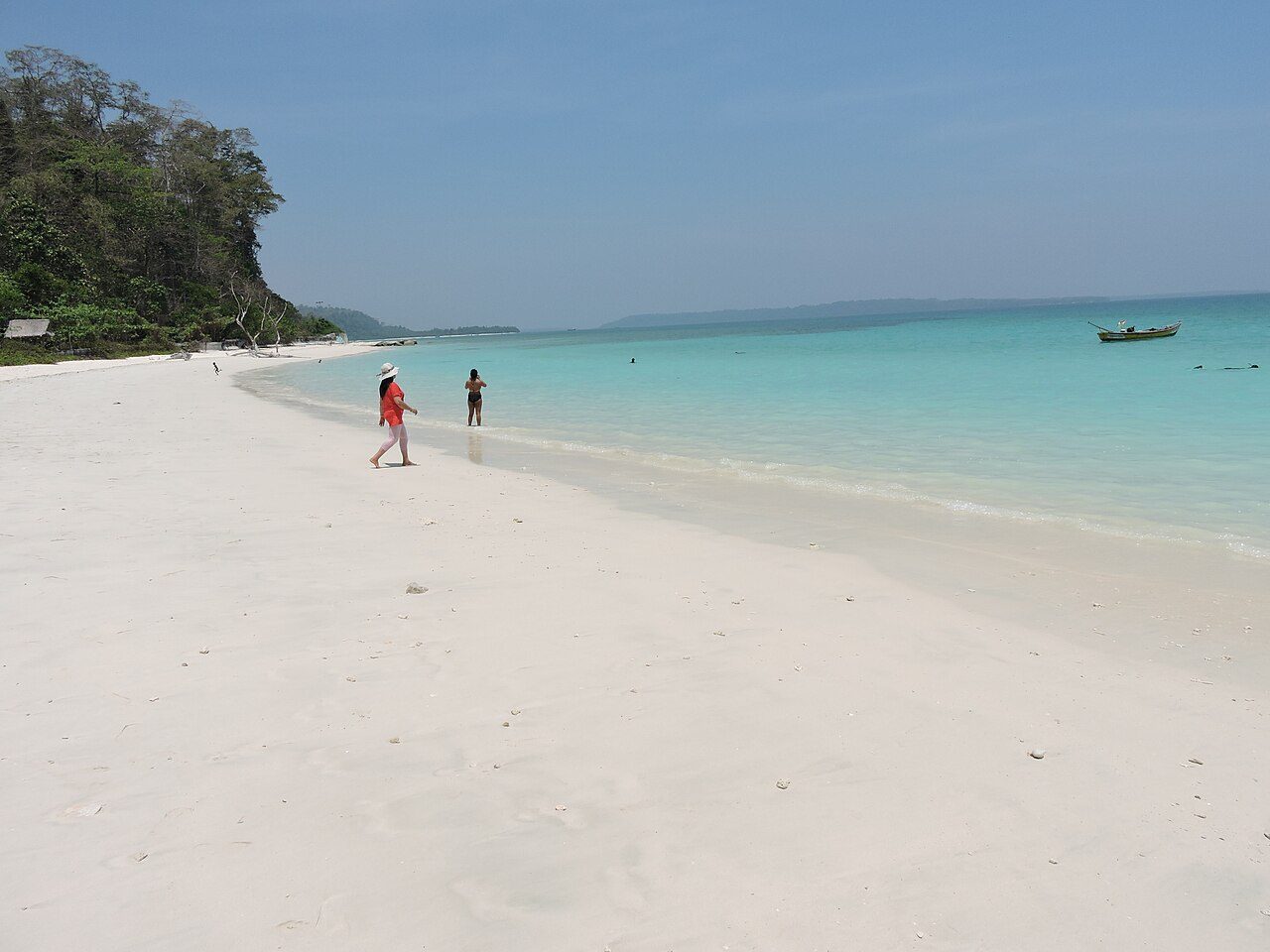
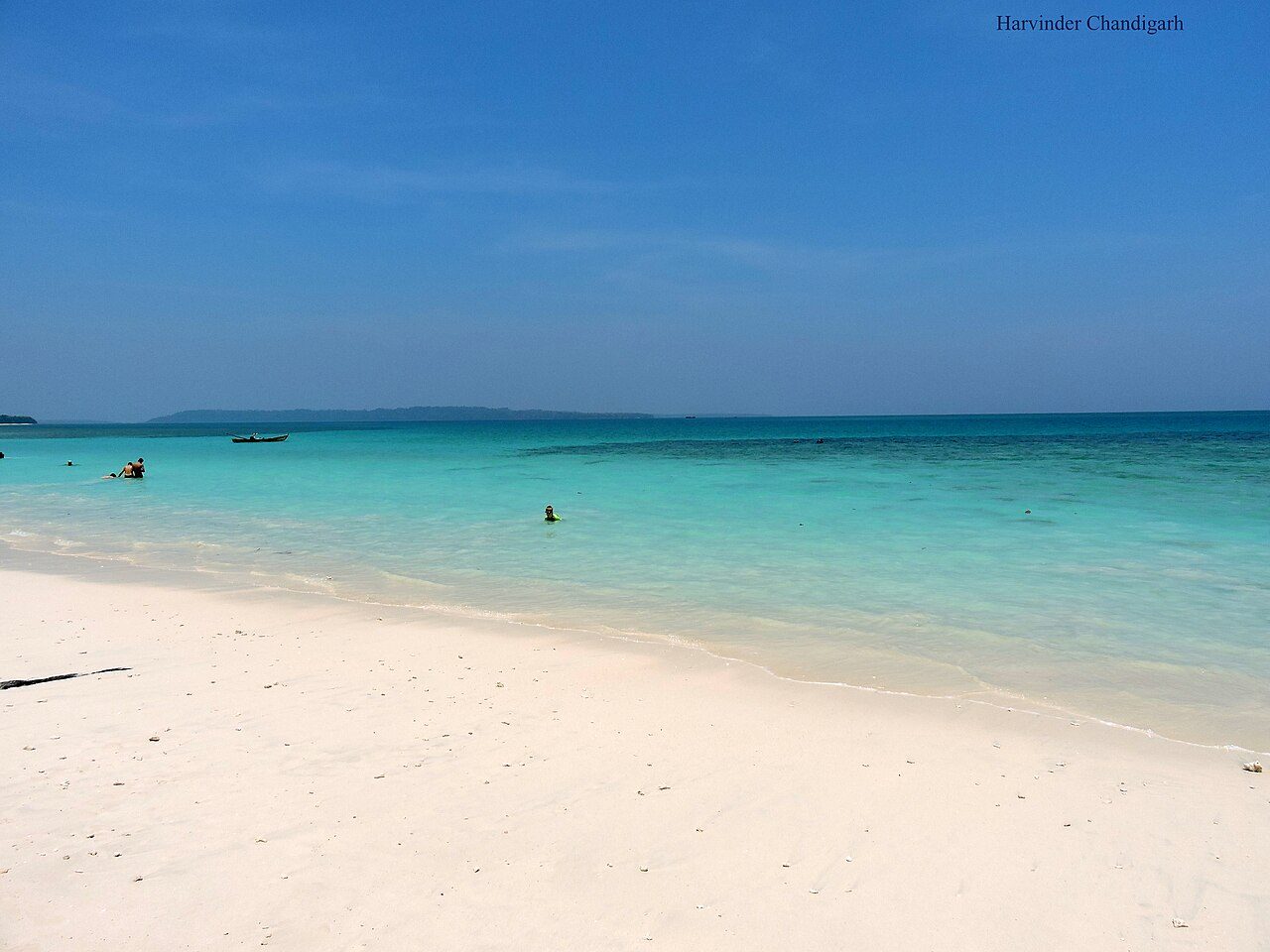
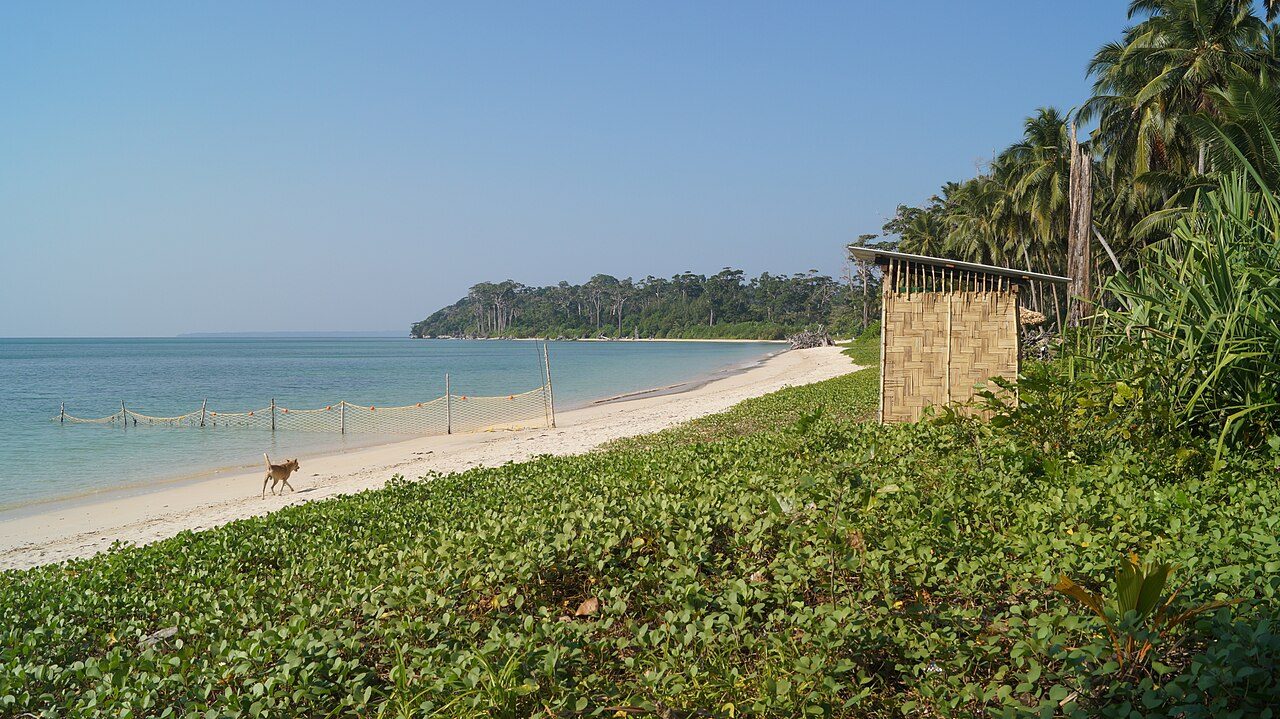
Radhanagar Beach, on the western coast of Swaraj Dweep (Havelock Island), is a long, wide arc of fine white sand backed by tall forest. It has been named among the best beaches in Asia and holds a Blue Flag certification. The water is clear and usually calm, and the sunset is the main event of the day.
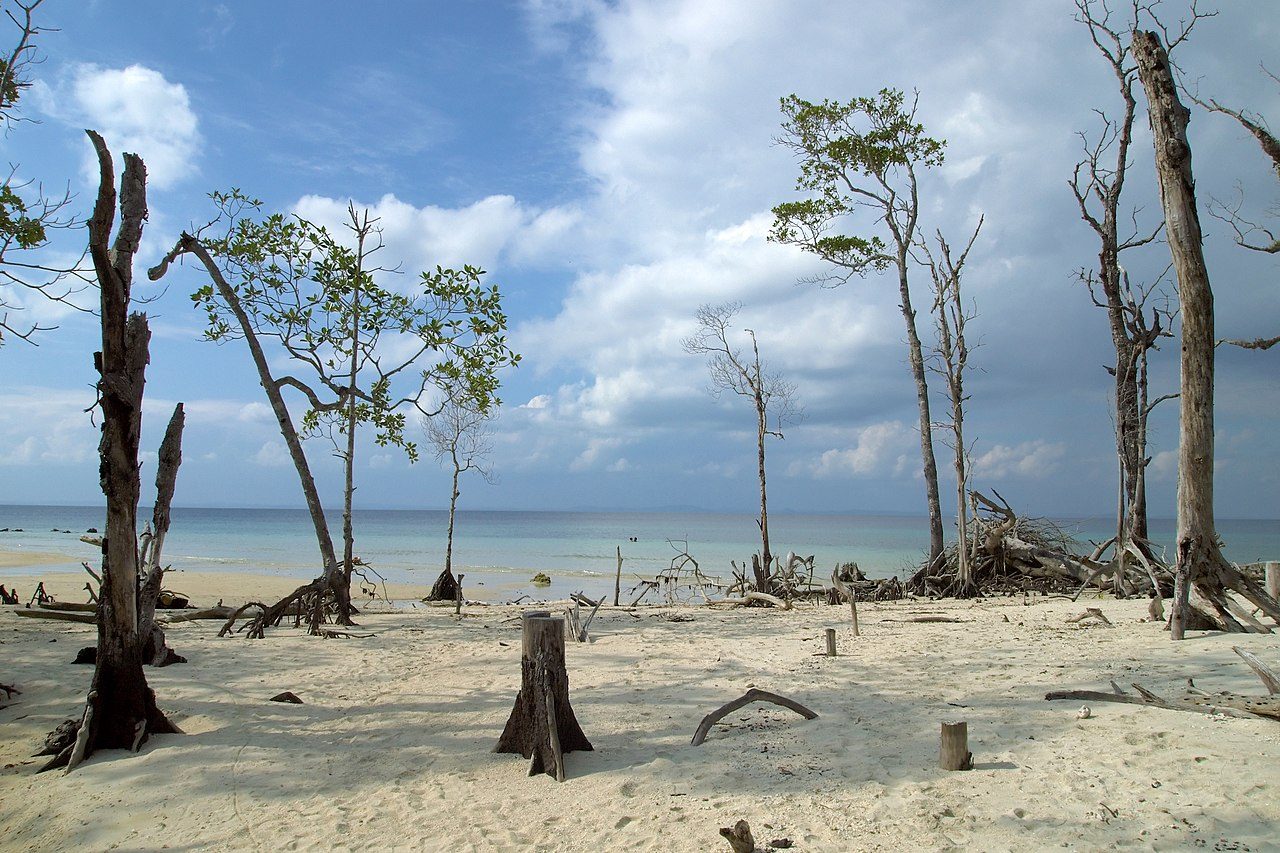
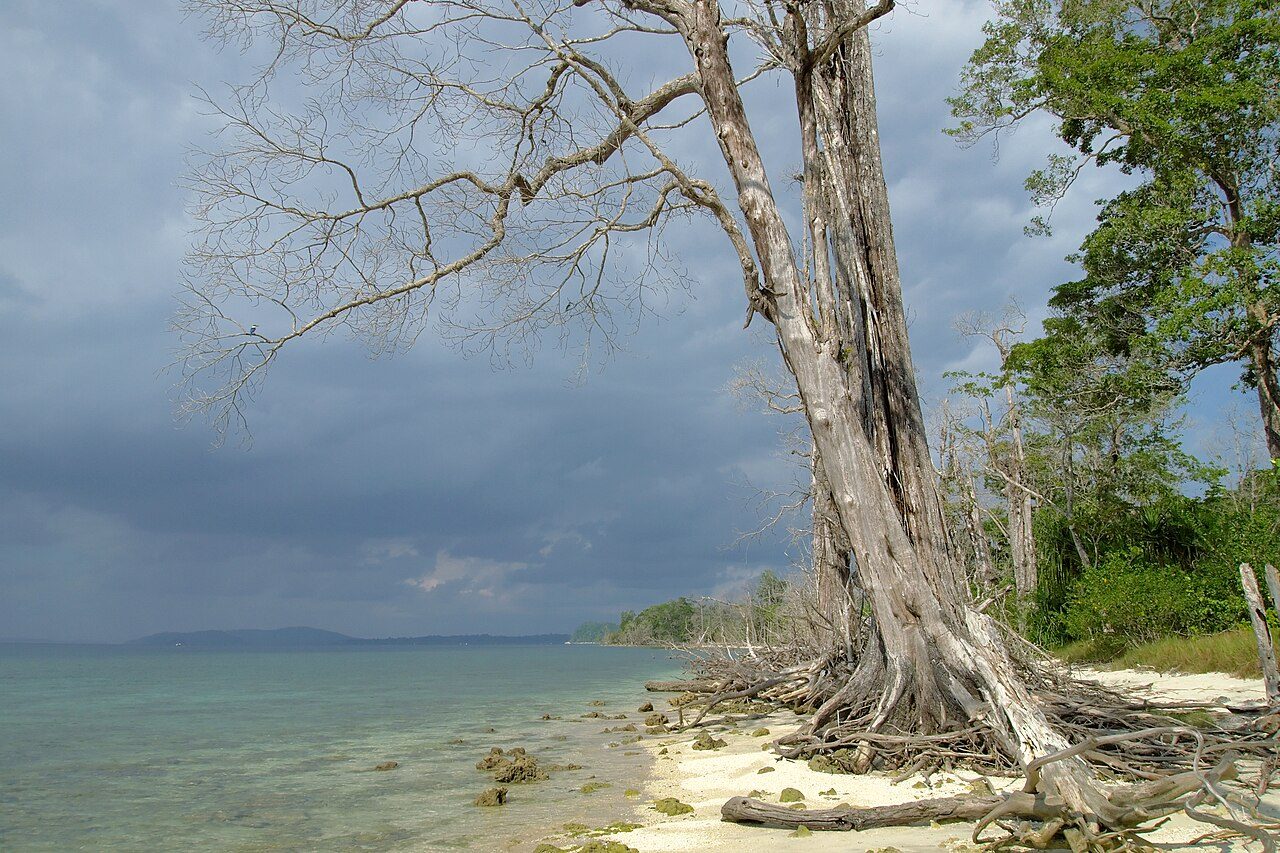
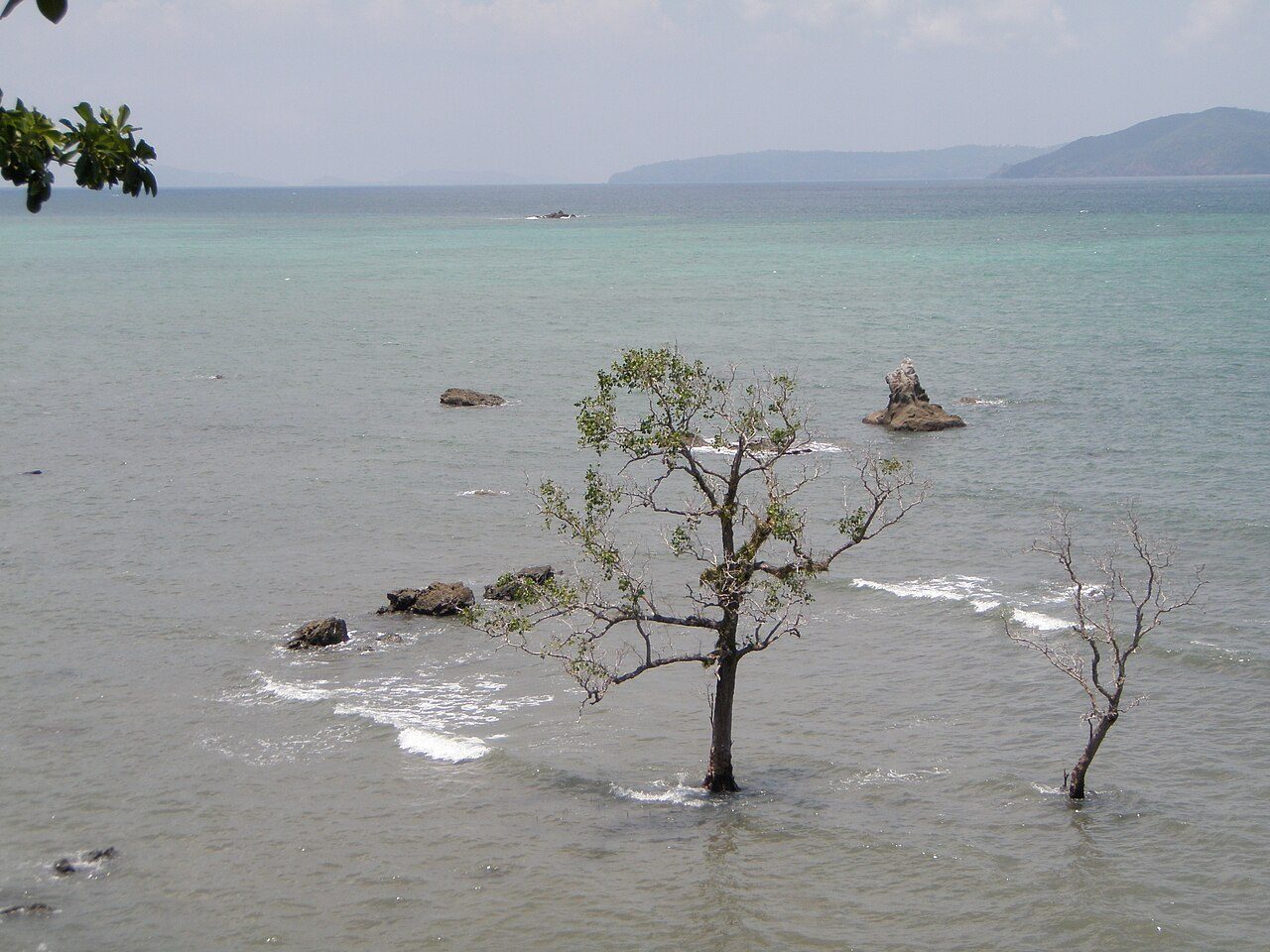
Elephant Beach on Swaraj Dweep (Havelock Island) is known for its shallow coral reef close to the shore, which makes it the island's main spot for snorkelling. It is reached by a short boat ride from the jetty or by a forest walk of about half an hour. Fallen trees left by the 2004 tsunami still line parts of the sand.
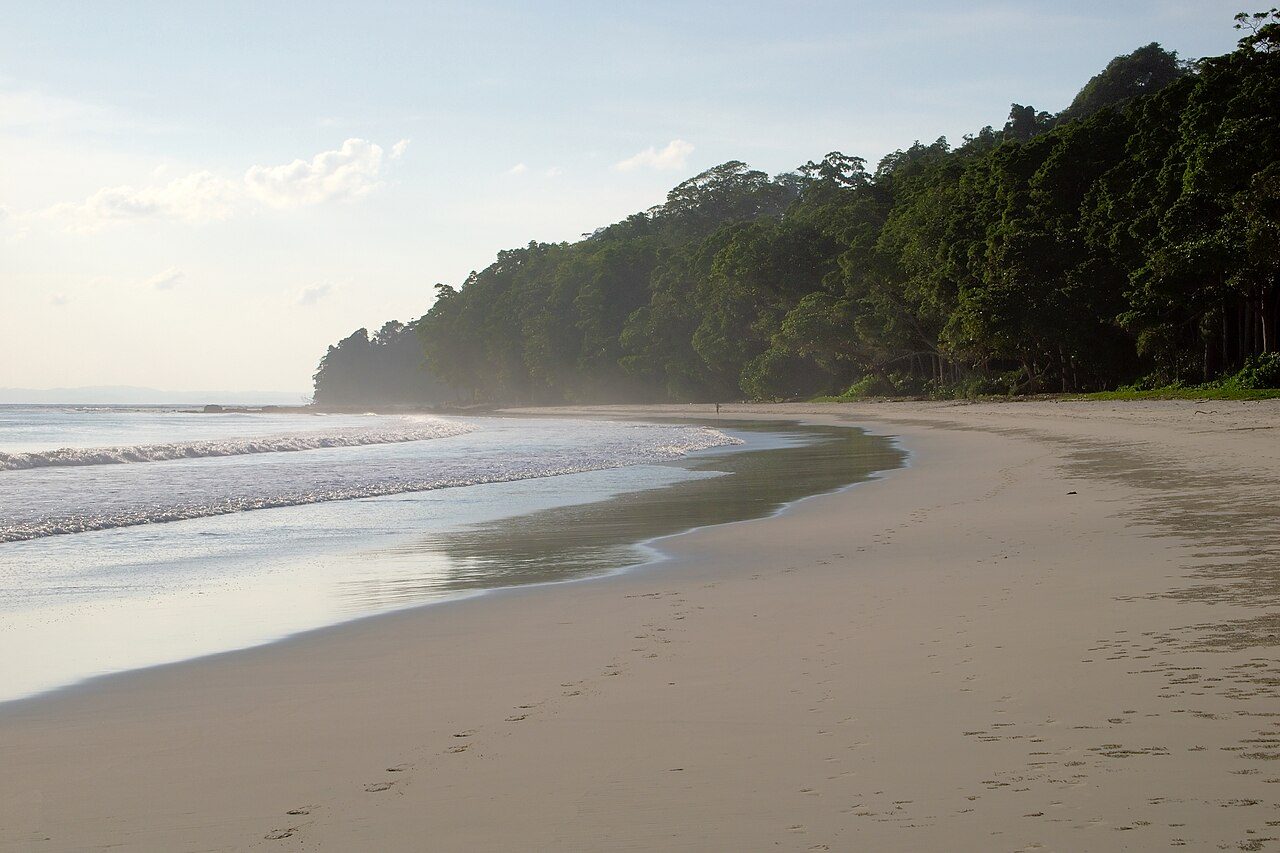
Kalapathar Beach lies on the eastern coast of Swaraj Dweep (Havelock Island), at the end of a quiet coastal road. It is named for the black rocks along the shore, which stand out against white sand and bright turquoise water. It is less crowded than Radhanagar and is a good place to watch the sunrise.
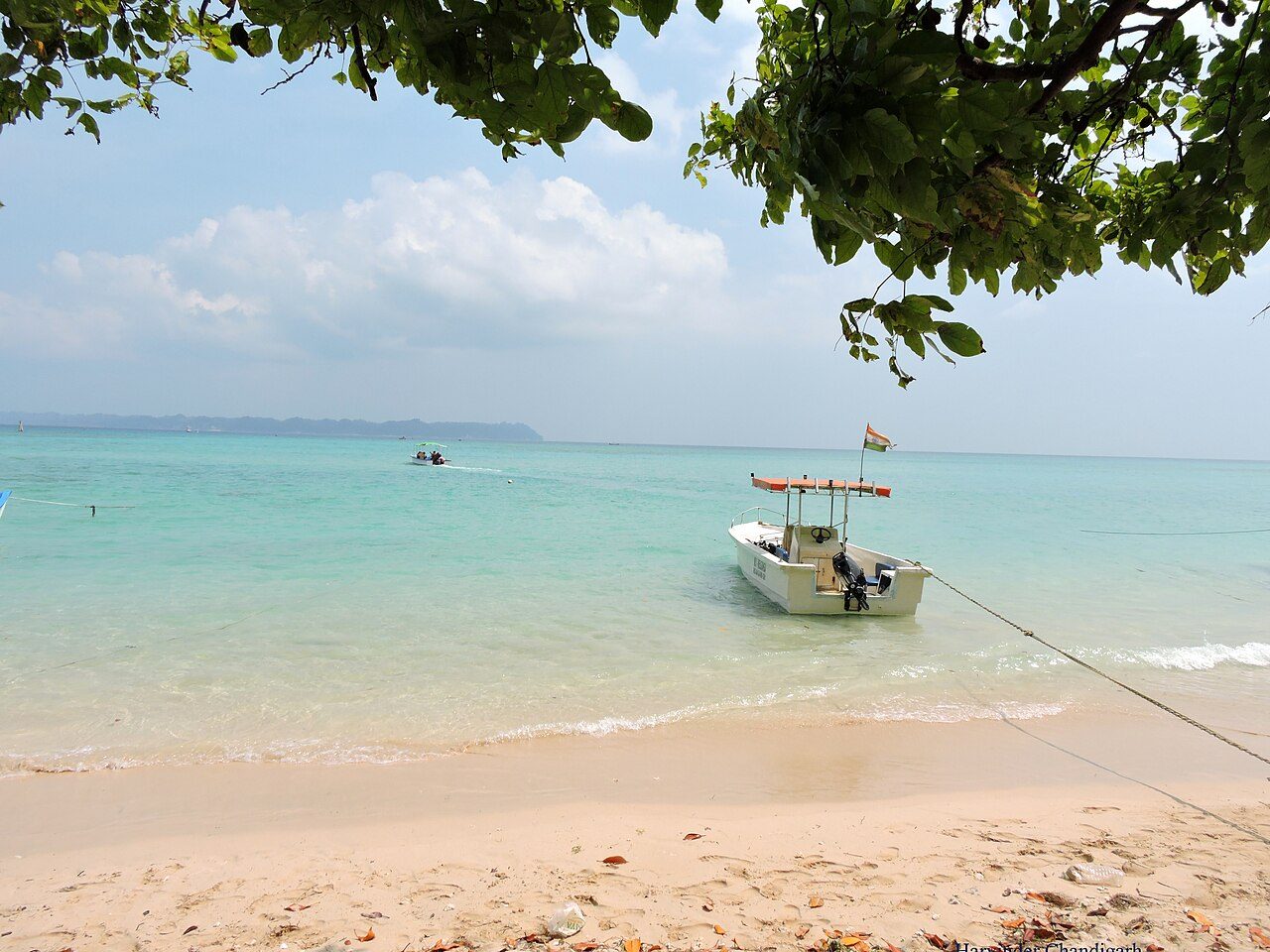
Bharatpur Beach is next to the jetty on Shaheed Dweep (Neil Island). At low tide a broad shallow lagoon with a sandy floor opens up, and coral lies a little way out. It is the island's centre for snorkelling, glass-bottom boat rides and other water sports, with small stalls along the shore.
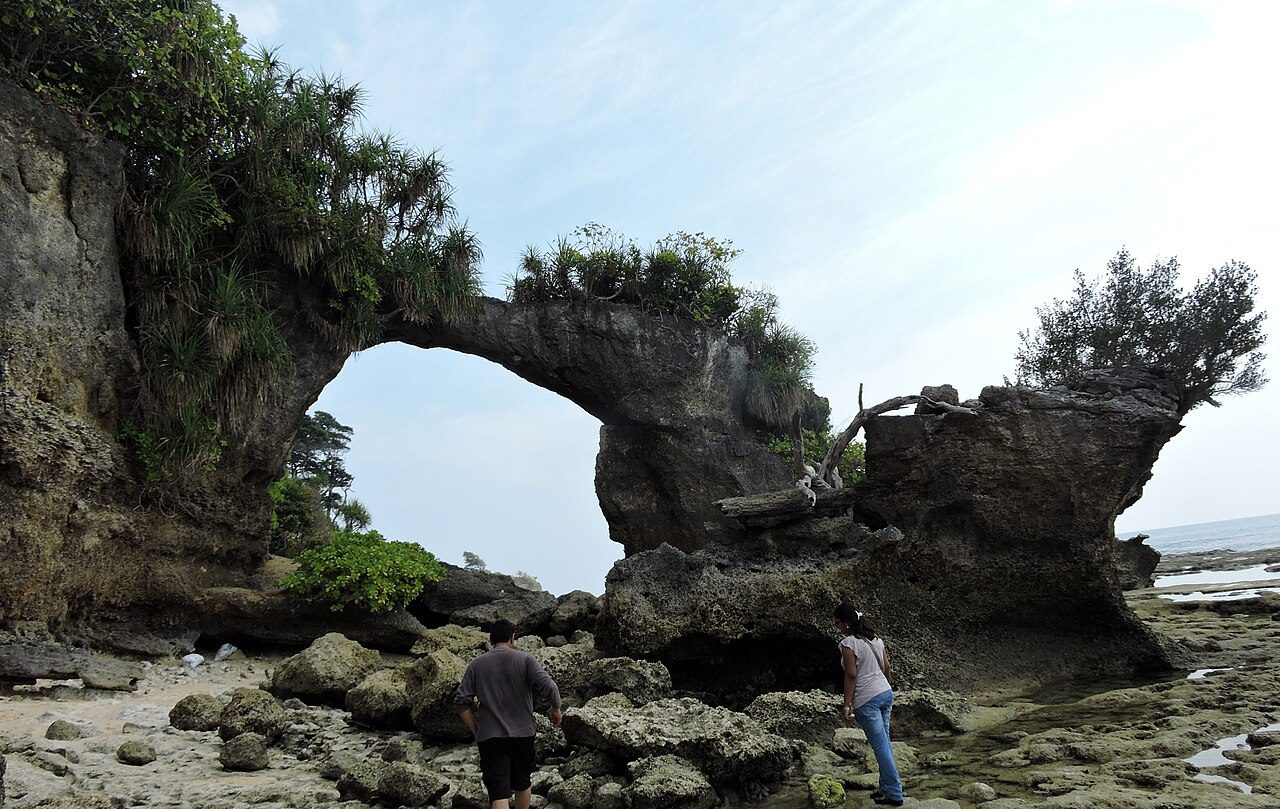
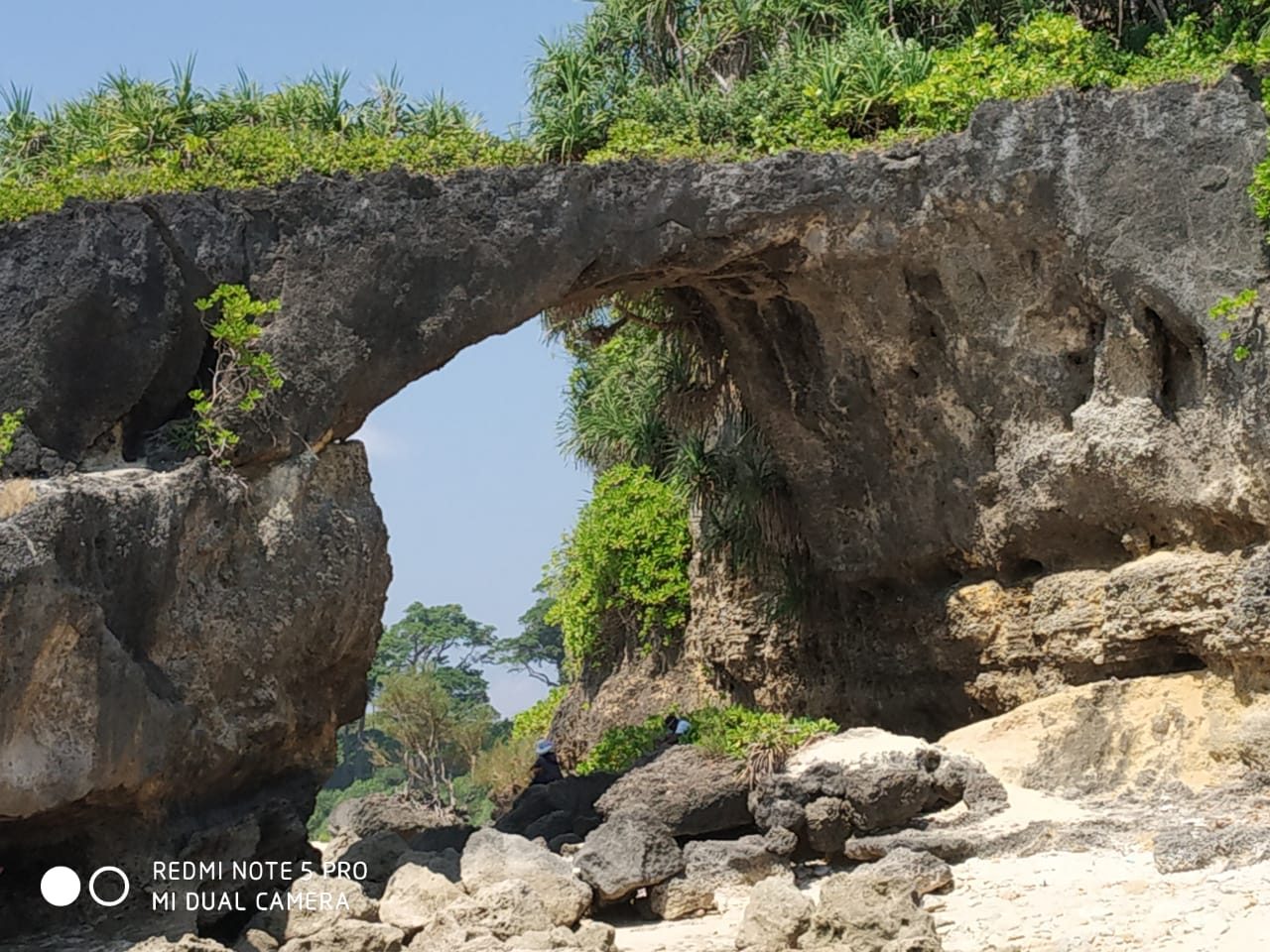
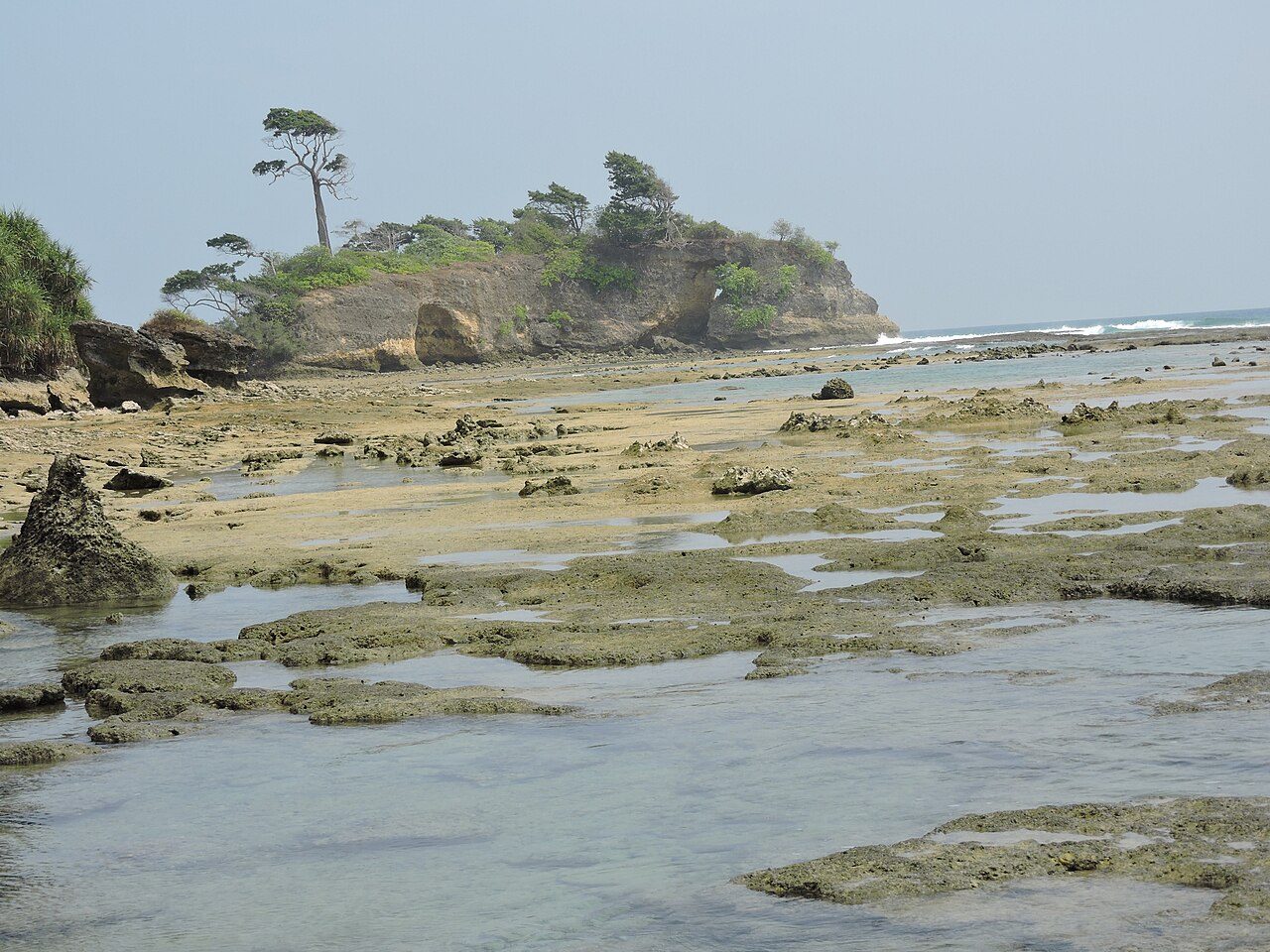
The Natural Bridge on Shaheed Dweep (Neil Island) is a rock arch shaped by the sea, standing on the shore near Laxmanpur Beach 2. Local Bengali settlers nicknamed it Howrah Bridge. It is reached by a walk over rocks and dead coral at low tide, when small pools hold starfish, crabs and sea cucumbers.
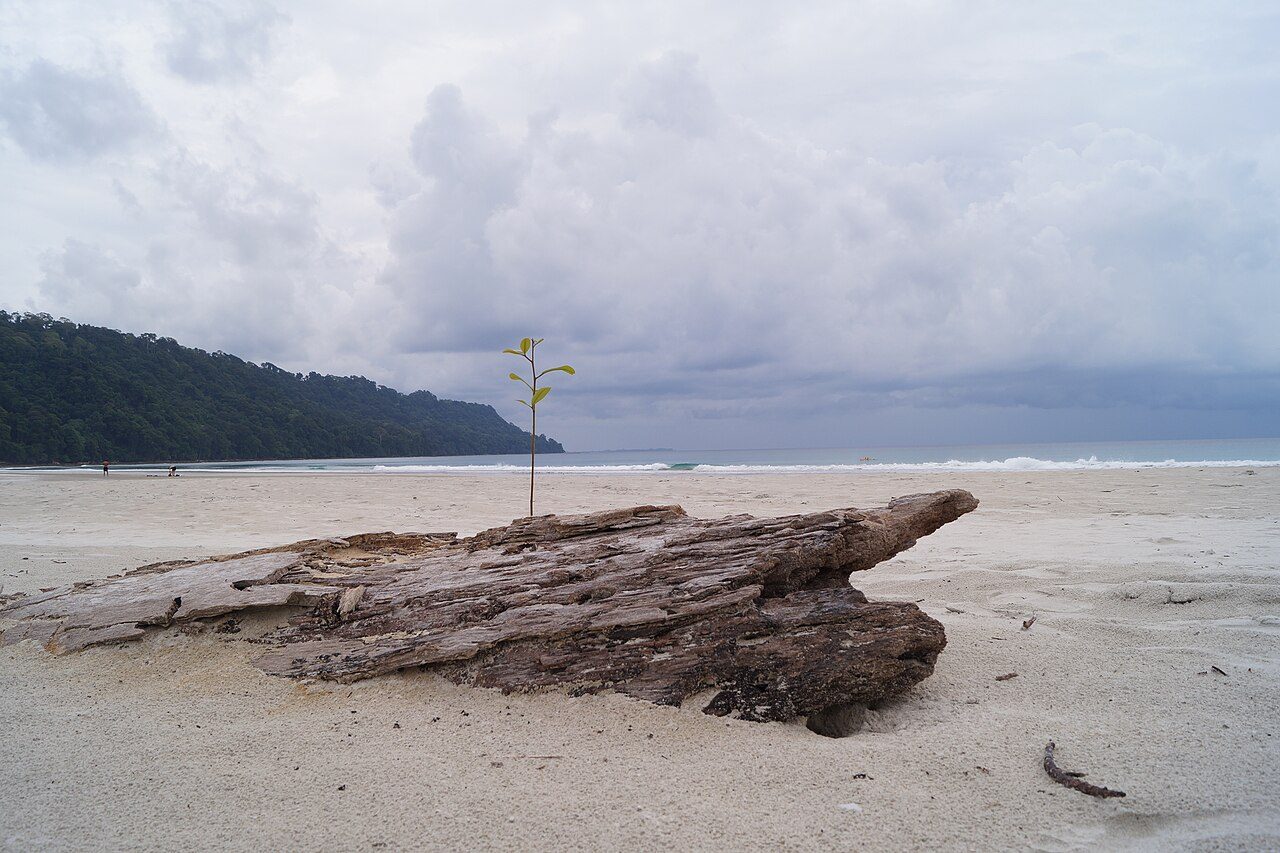
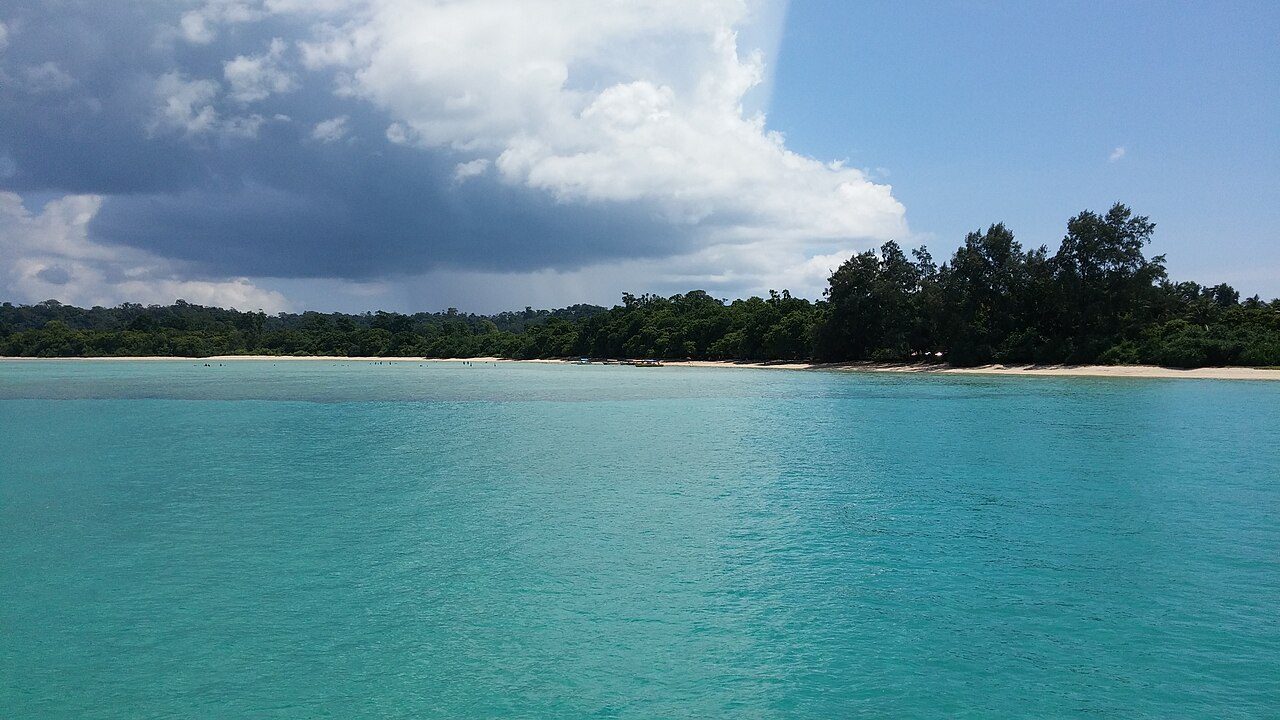
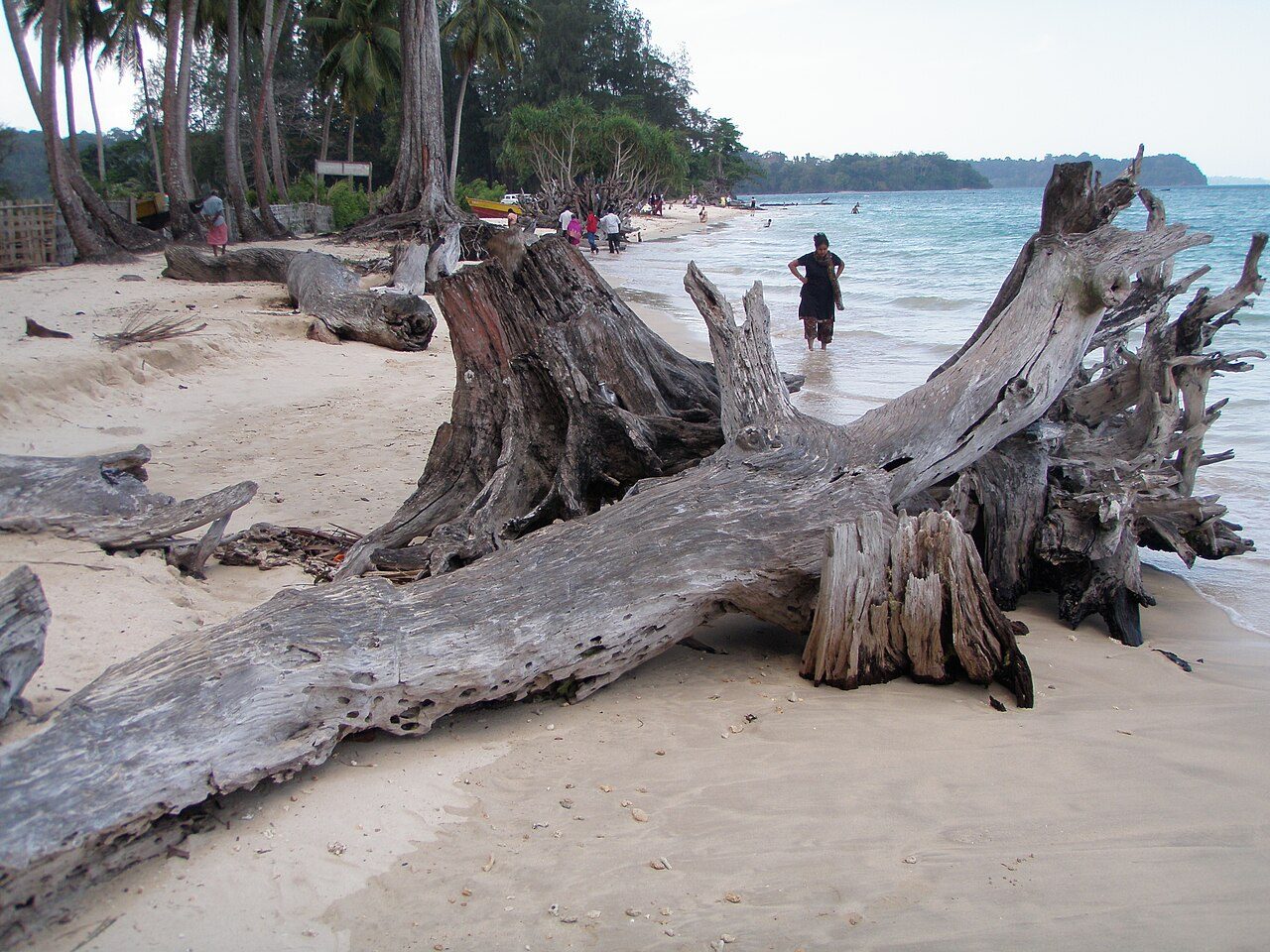
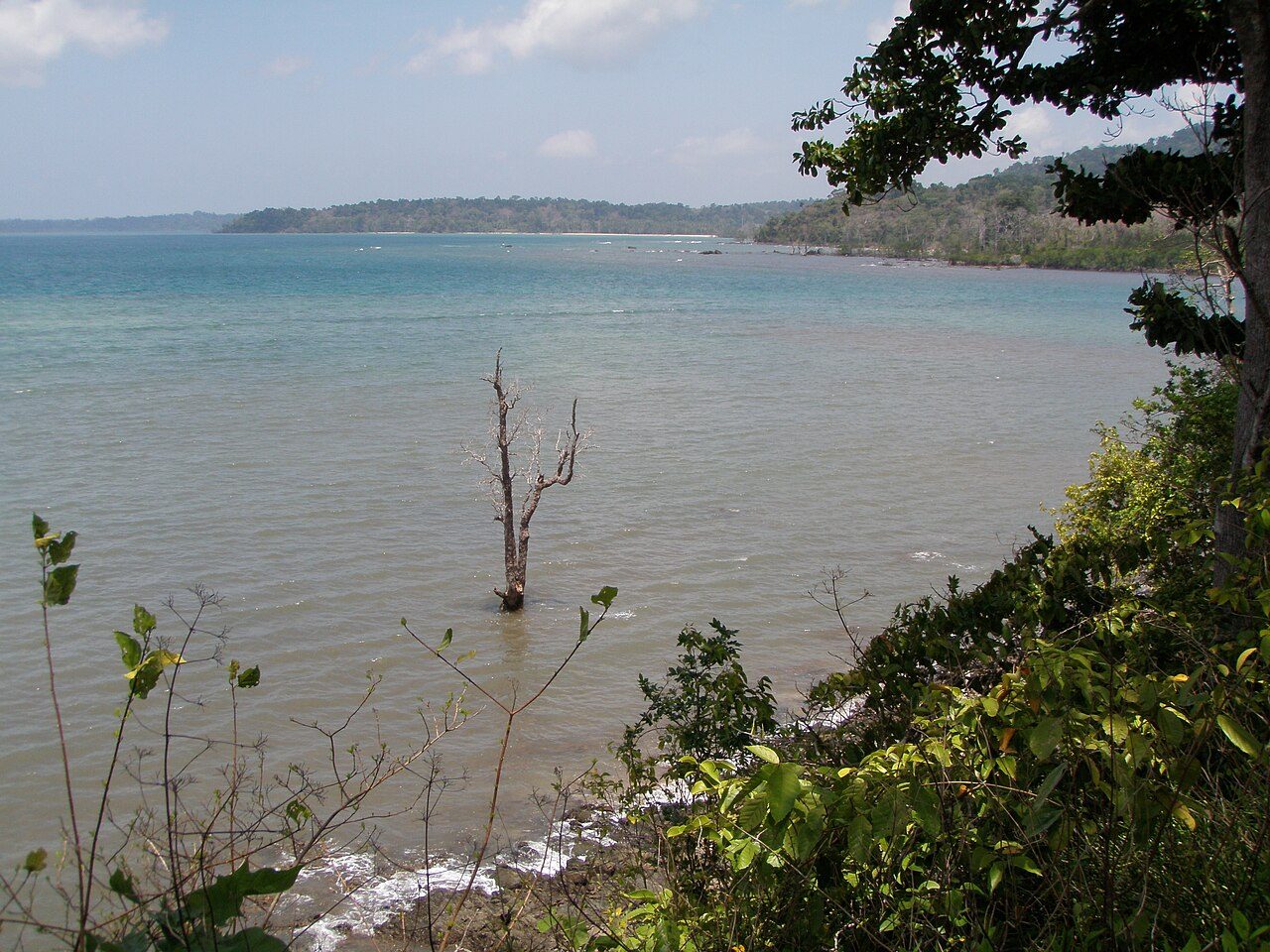
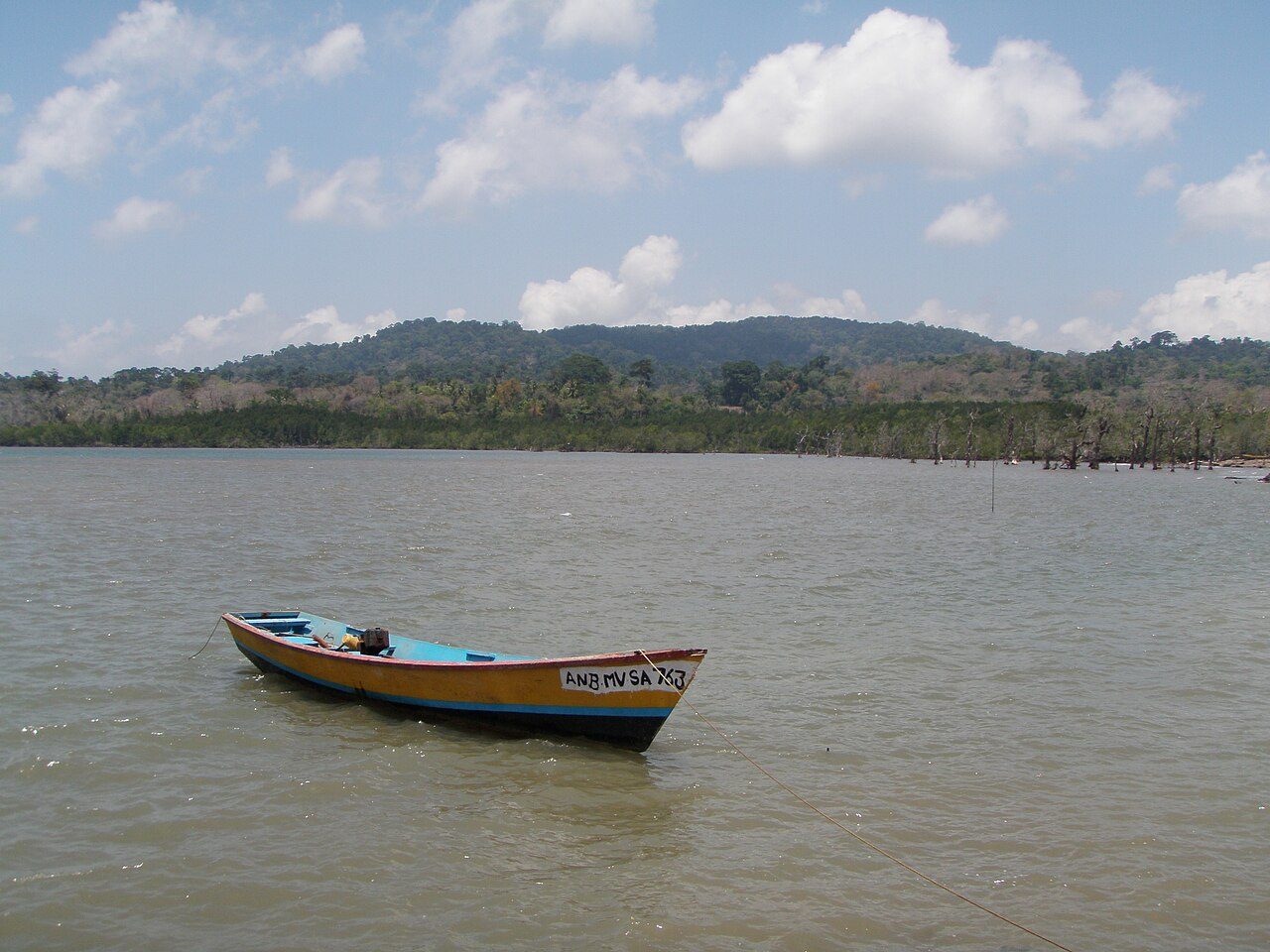
Wandoor Beach lies about 25 km south-west of Port Blair at the edge of the Mahatma Gandhi Marine National Park. Large fallen trees lie across the sand, and the water is shallow. Boats to Jolly Buoy and Red Skin islands leave from the nearby jetty. Swimming is restricted, so check the warning signs.
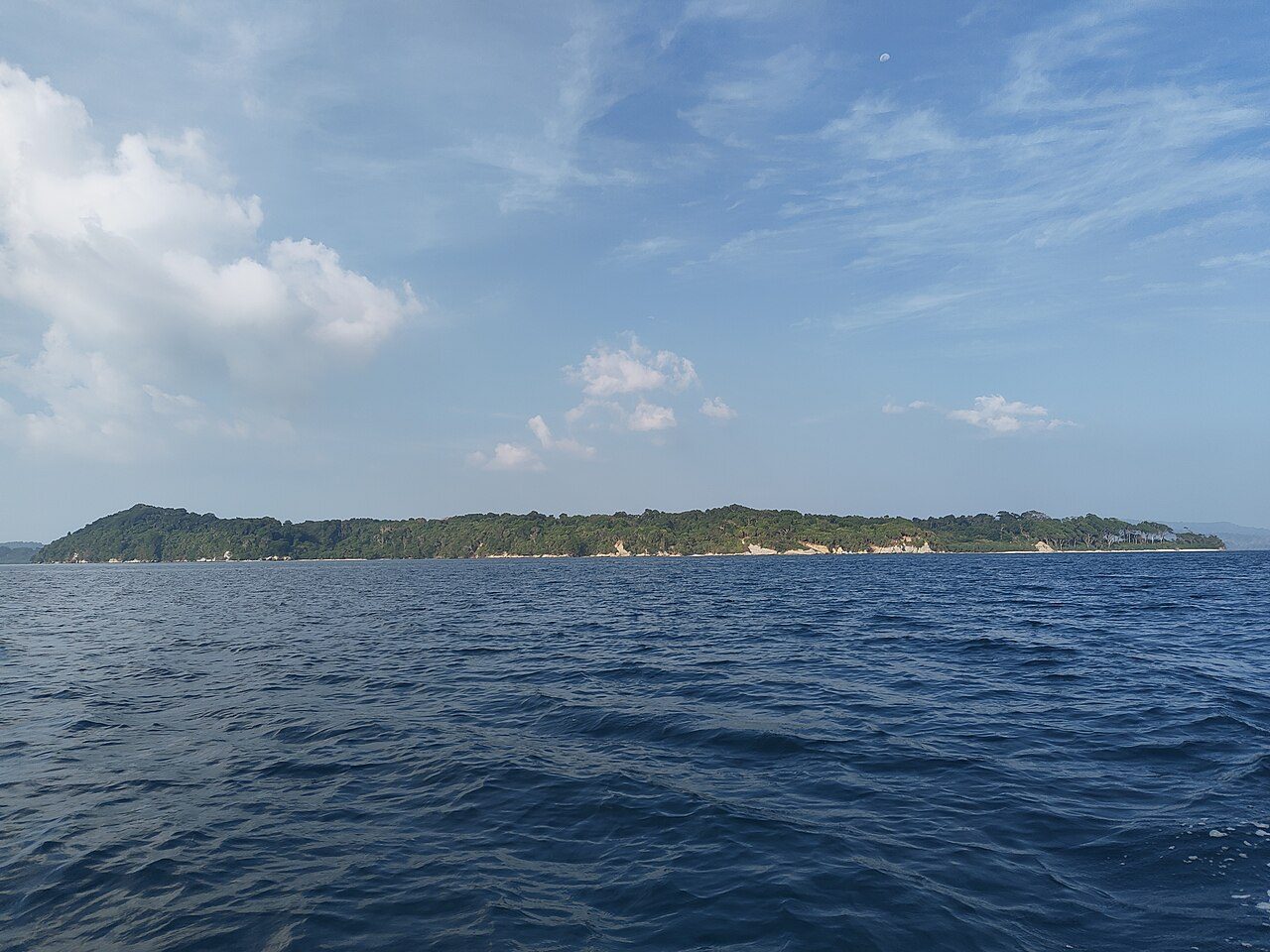
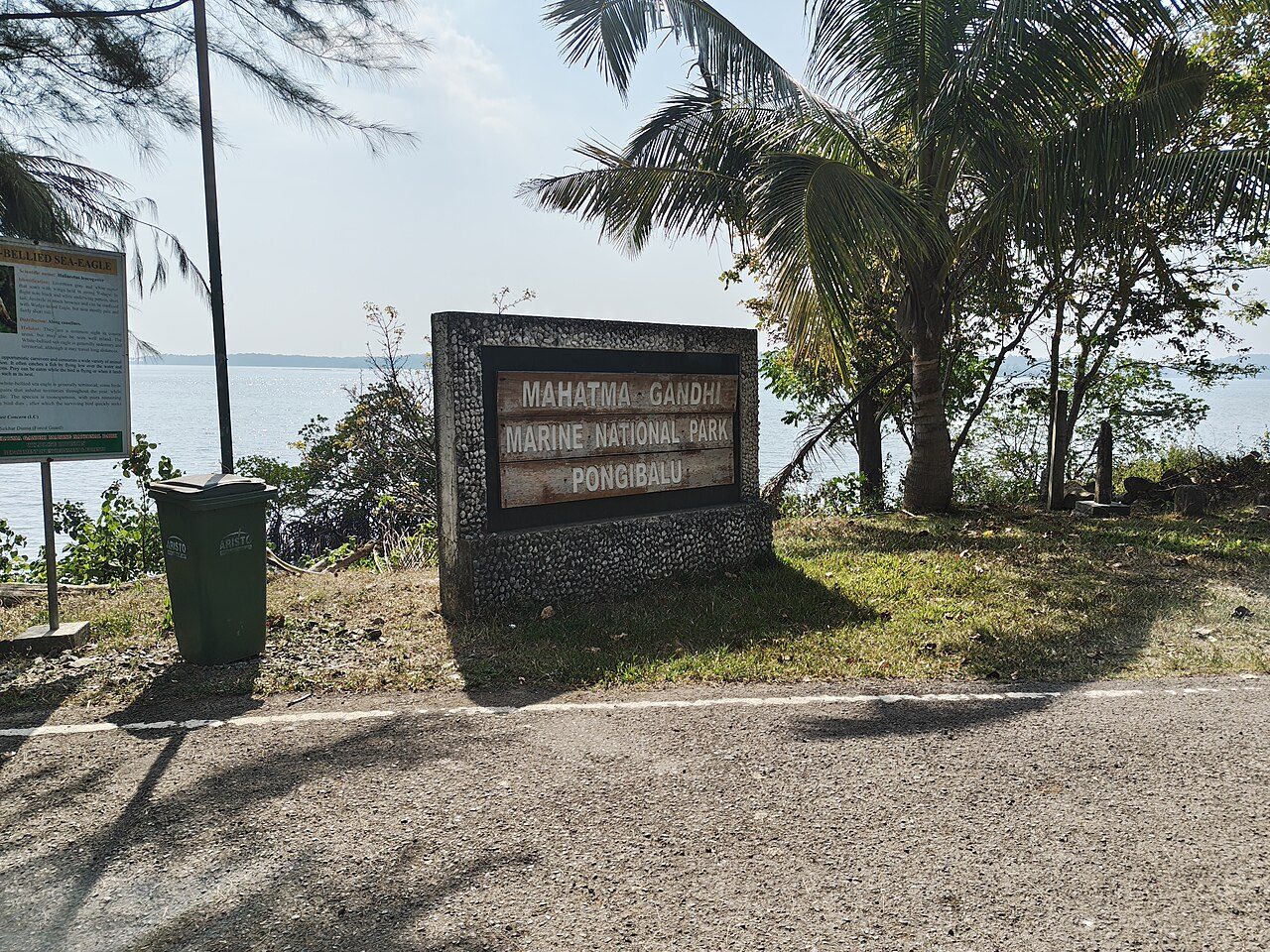
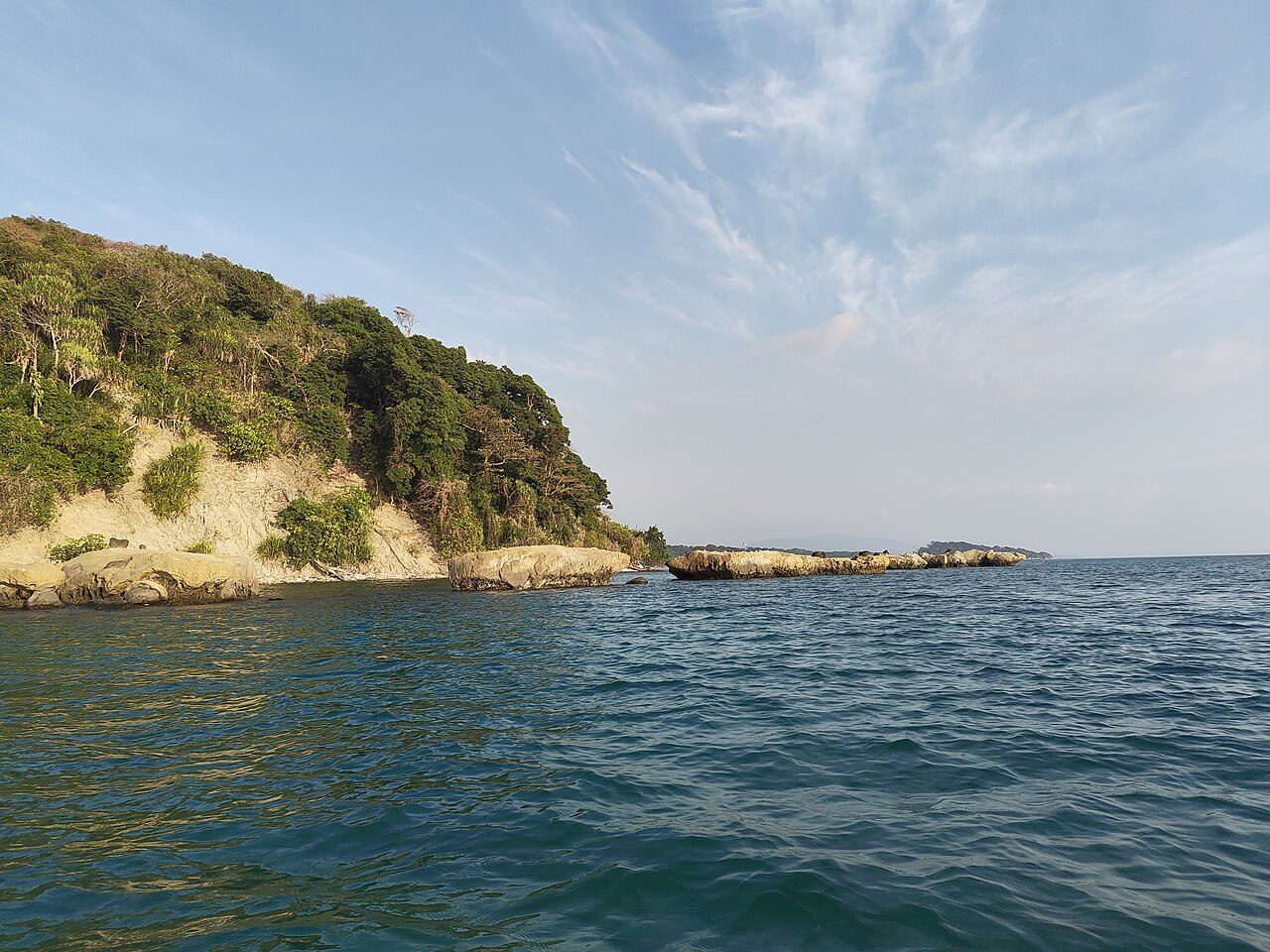
Mahatma Gandhi Marine National Park, created in 1983, protects 15 islands and the reefs and mangrove creeks around them off Wandoor. Visitors go by boat to Jolly Buoy or Red Skin island, which open in different seasons, to see coral and reef fish by snorkelling or glass-bottom boat. Plastic is banned on the islands.
Chidiya Tapu, about 25 km south of Port Blair at the tip of South Andaman, is known as Bird Island for the parakeets, sea eagles and other birds in its forest. The small beach faces west and is one of the best places near the capital to see the sunset. A trail leads on to the cliffs of Munda Pahar.
Best weather: Dec – MarHeavy rain: May – Sep
Seasons from 20 years of NASA POWER climate data.
Was this trip blog helpful?
0
0
Ready to follow this route?
Copy all 16 stops into your trip plans in the app.
 WaTrips