Best of India in 30 Days: The Classic First-Time Route from Delhi to Chennai
30 DAYS61 placesby WaTrips
Delhi, Agra and Rajasthan, Varanasi, Mumbai, Goa and Hampi, Kerala's Kochi, Munnar and backwaters, then Tamil Nadu's great temples.
One month is enough to see the best of India if you plan the route well. Start in Delhi, then follow the Golden Triangle to the Taj Mahal and on through Rajasthan: Jaipur, blue Jodhpur and lakeside Udaipur. Fly to Varanasi for the Ganga at dawn and dusk, then to Mumbai and the Elephanta Caves. Head down to Goa's churches and beaches and the ruins of Hampi, then fly to Kerala for Fort Kochi, Munnar's tea hills and a night on an Alleppey houseboat. Finish in Tamil Nadu with the temples of Madurai and Thanjavur, the shore temples of Mahabalipuram and Chennai. Use flights for the long jumps and trains or a driver in between. October to March is the best time; book the Taj, houseboats and trains early. Want more of one region? Every state has its own WaTrips trip plans.
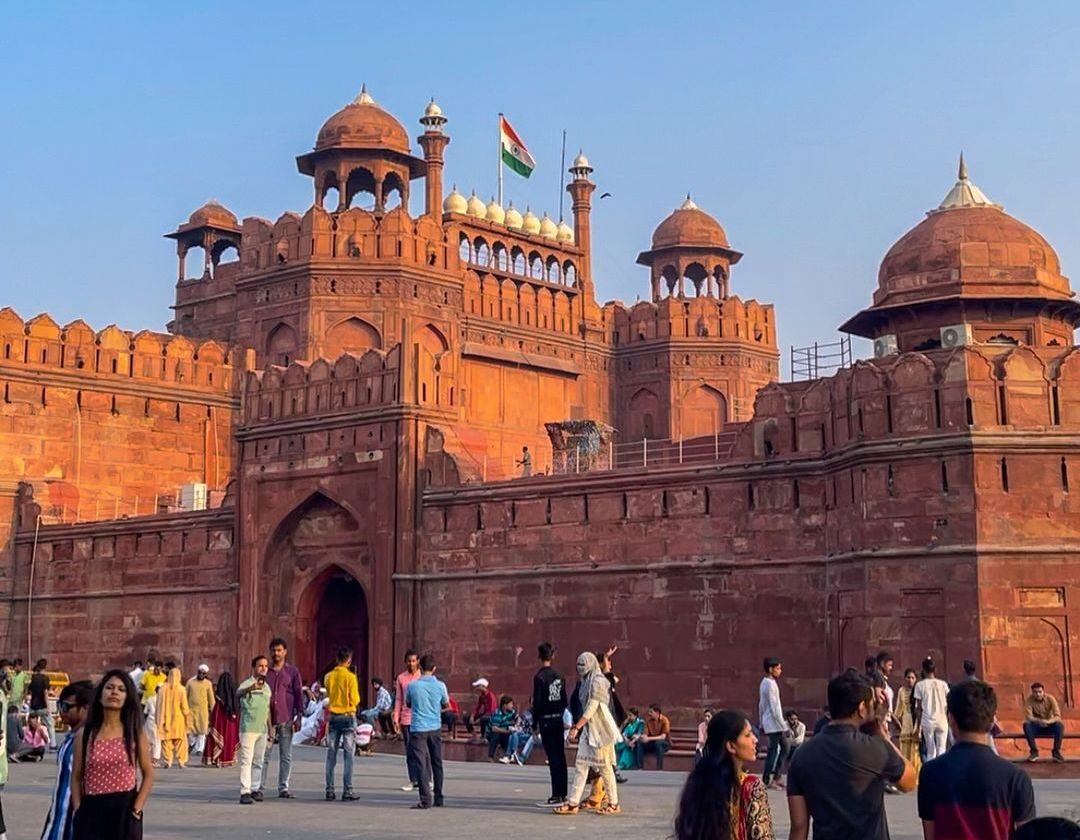
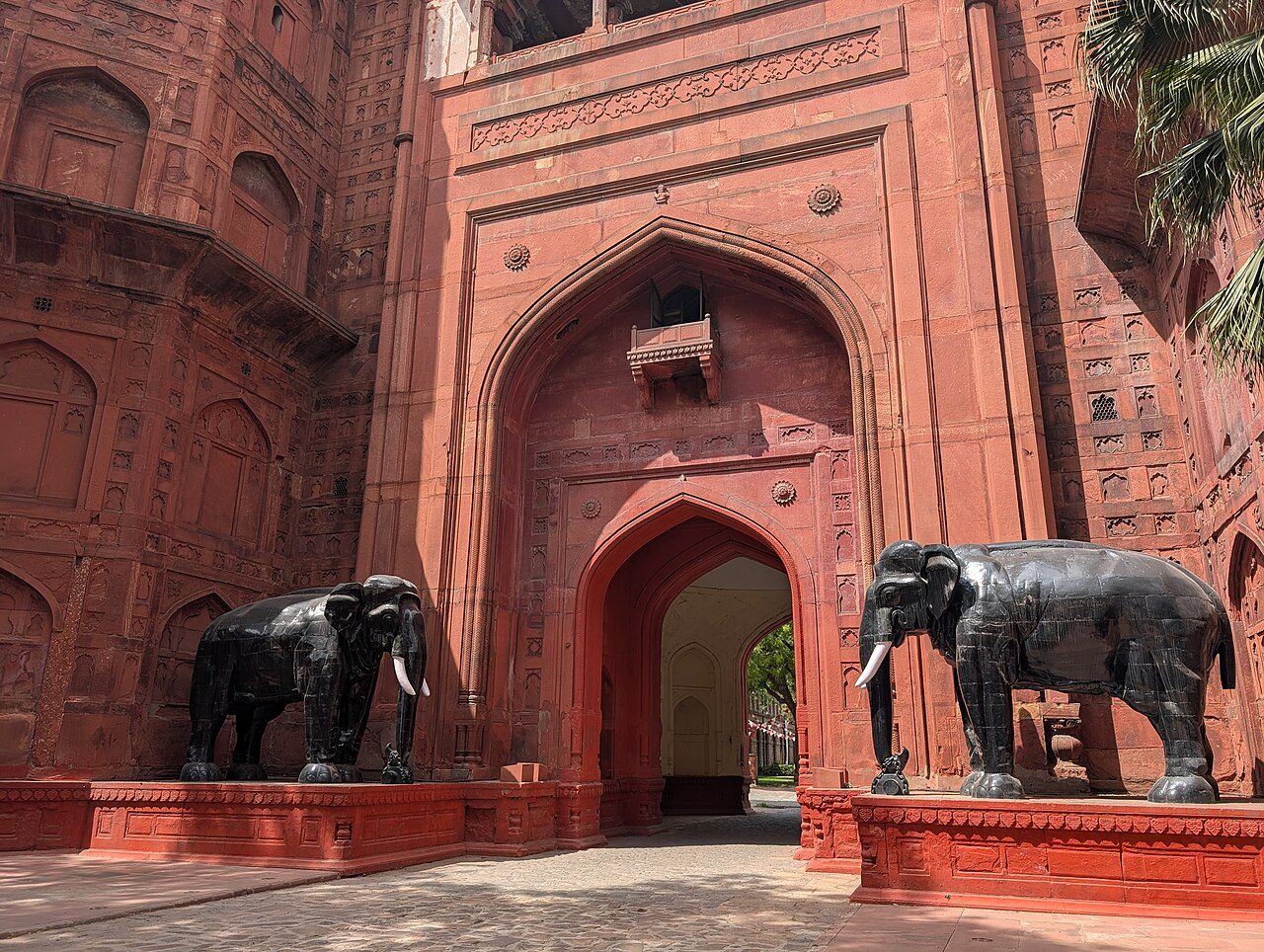
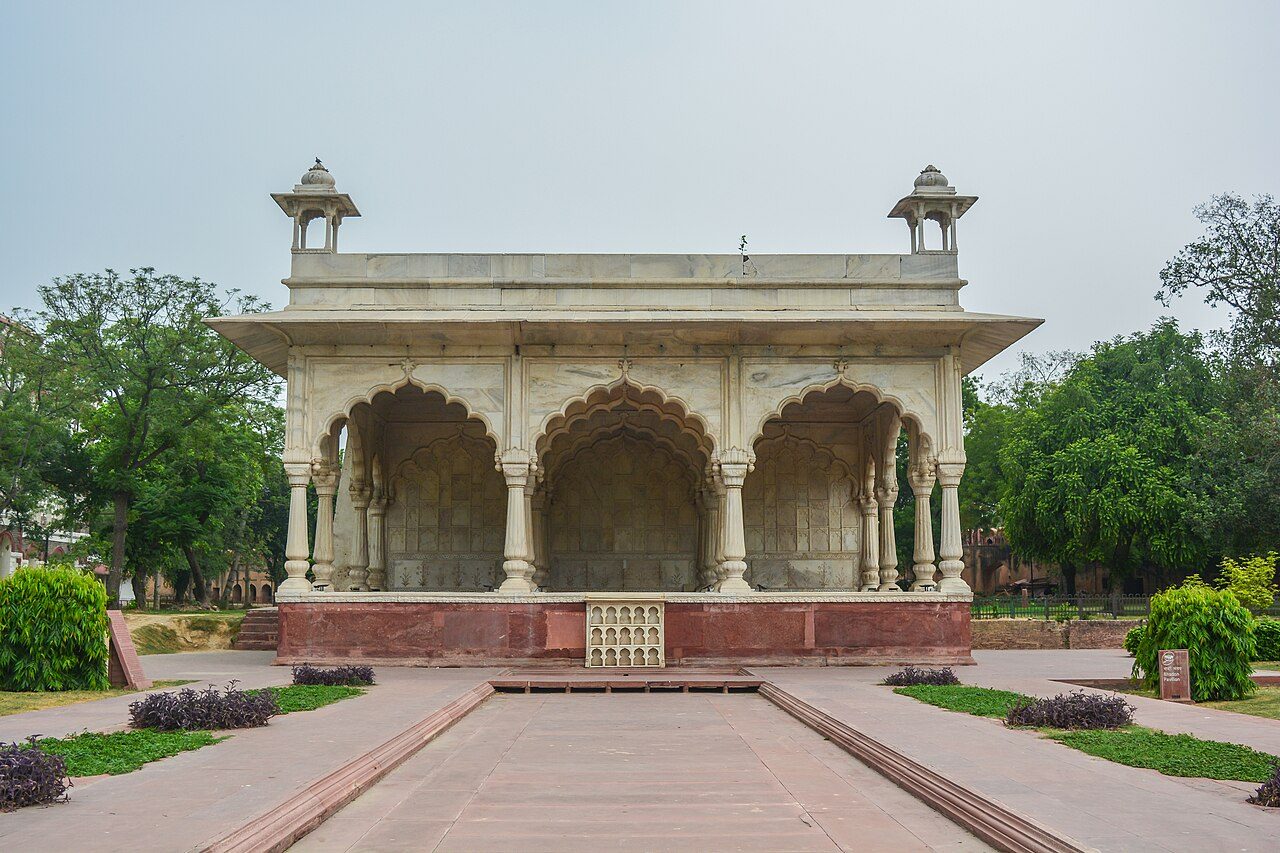
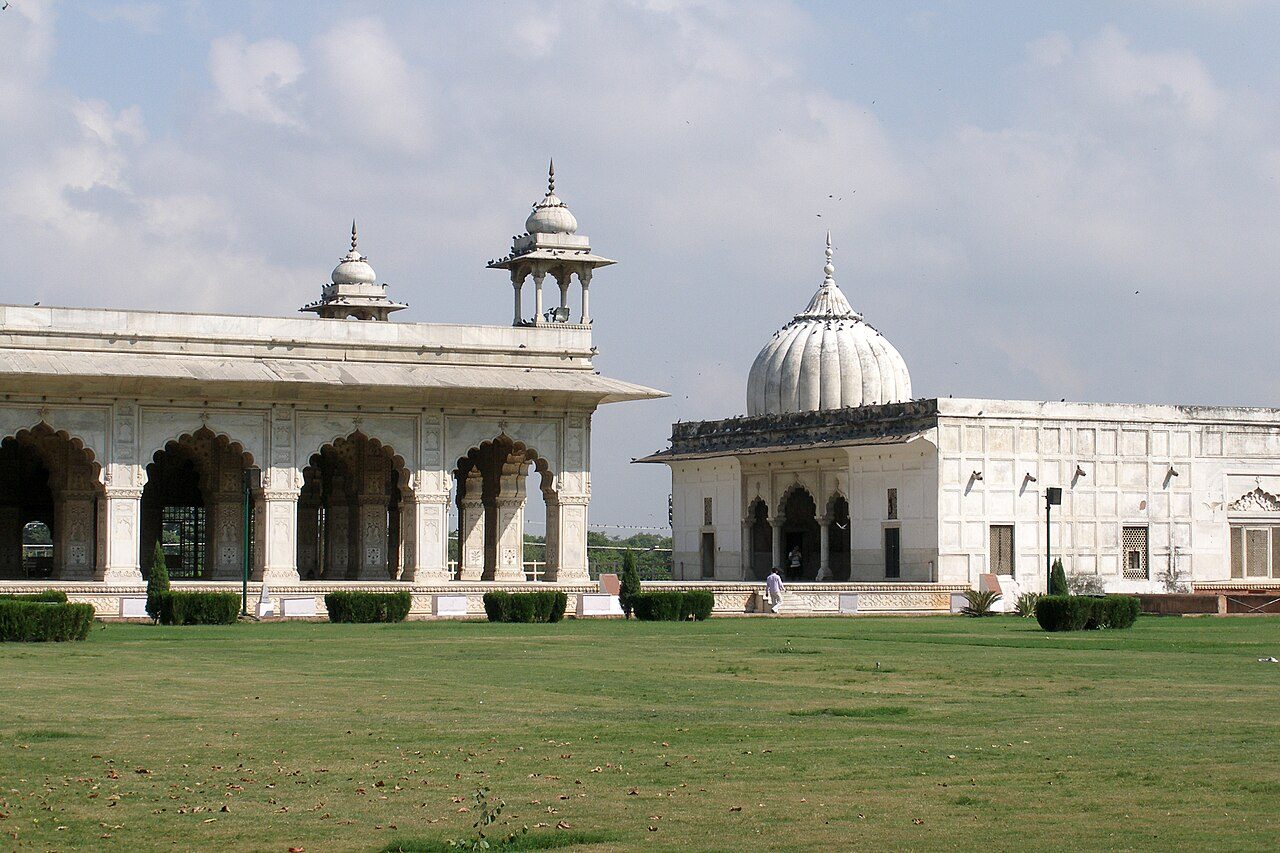
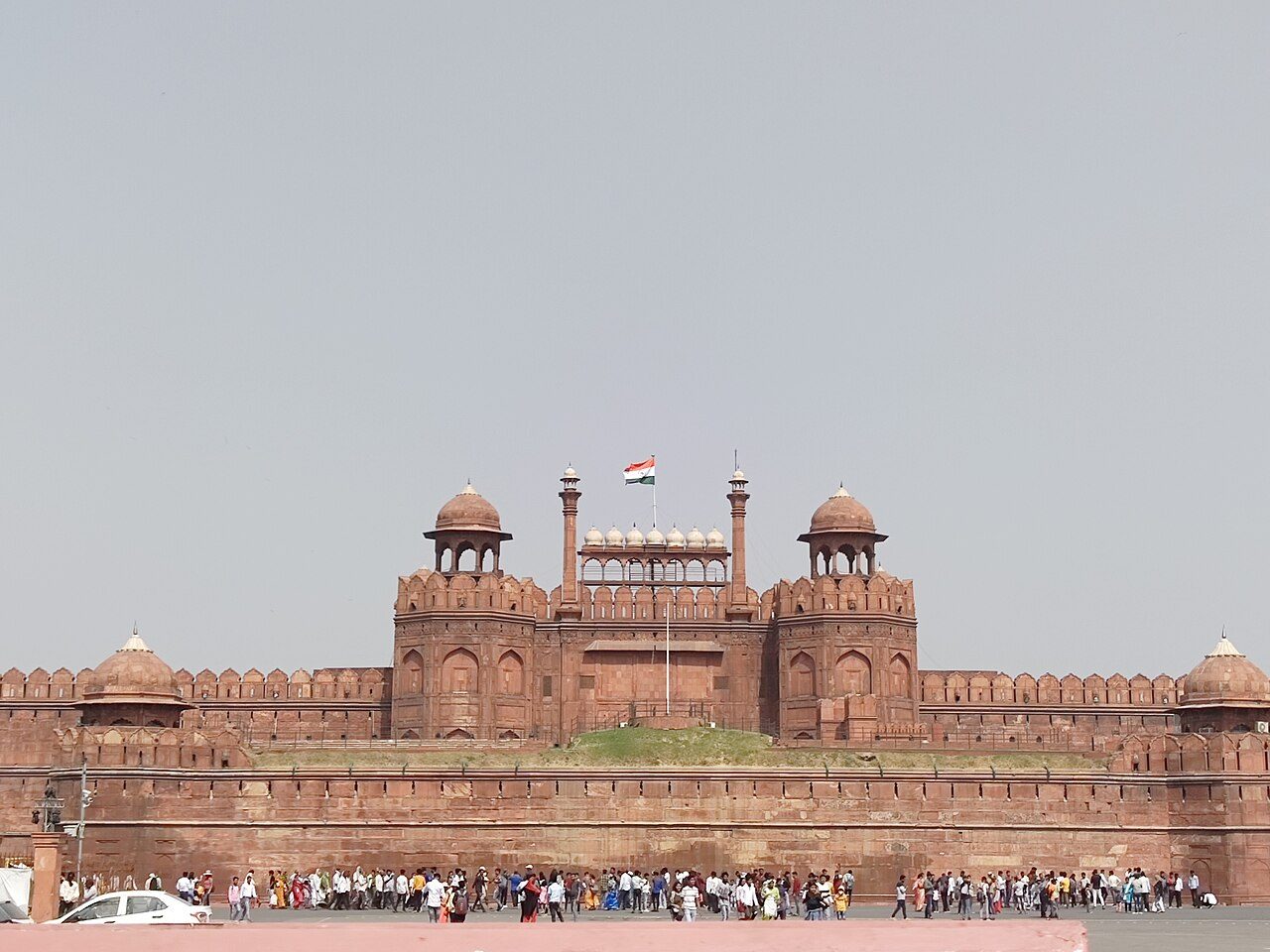
The Red Fort was built by the Mughal emperor Shah Jahan as the palace-fortress of his new capital, Shahjahanabad, and completed in 1648. Behind its red sandstone walls lie audience halls, marble pavilions, the Pearl Mosque and gardens. It remained the seat of Mughal power until 1857. Each Independence Day the Prime Minister raises the national flag here. It is a UNESCO World Heritage Site; a sound and light show runs in the evening.
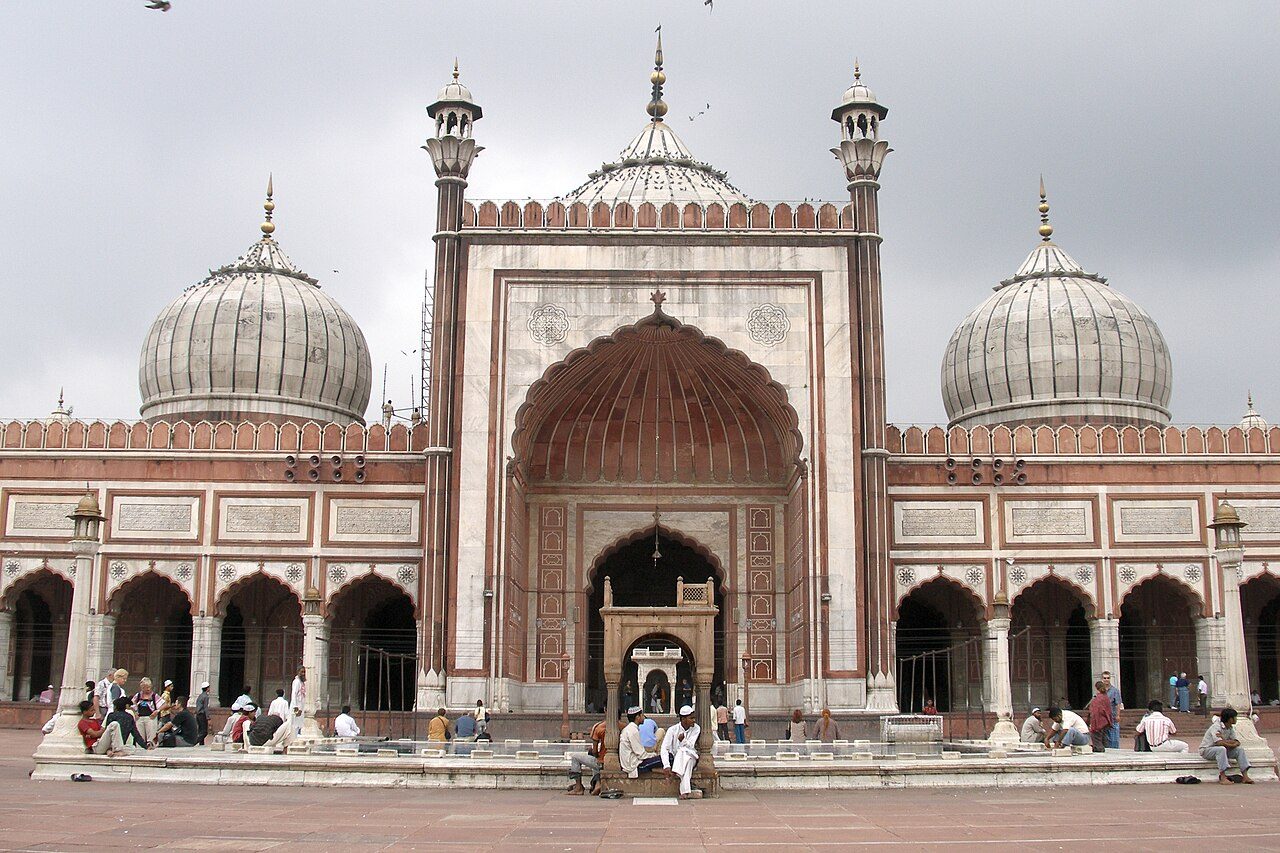
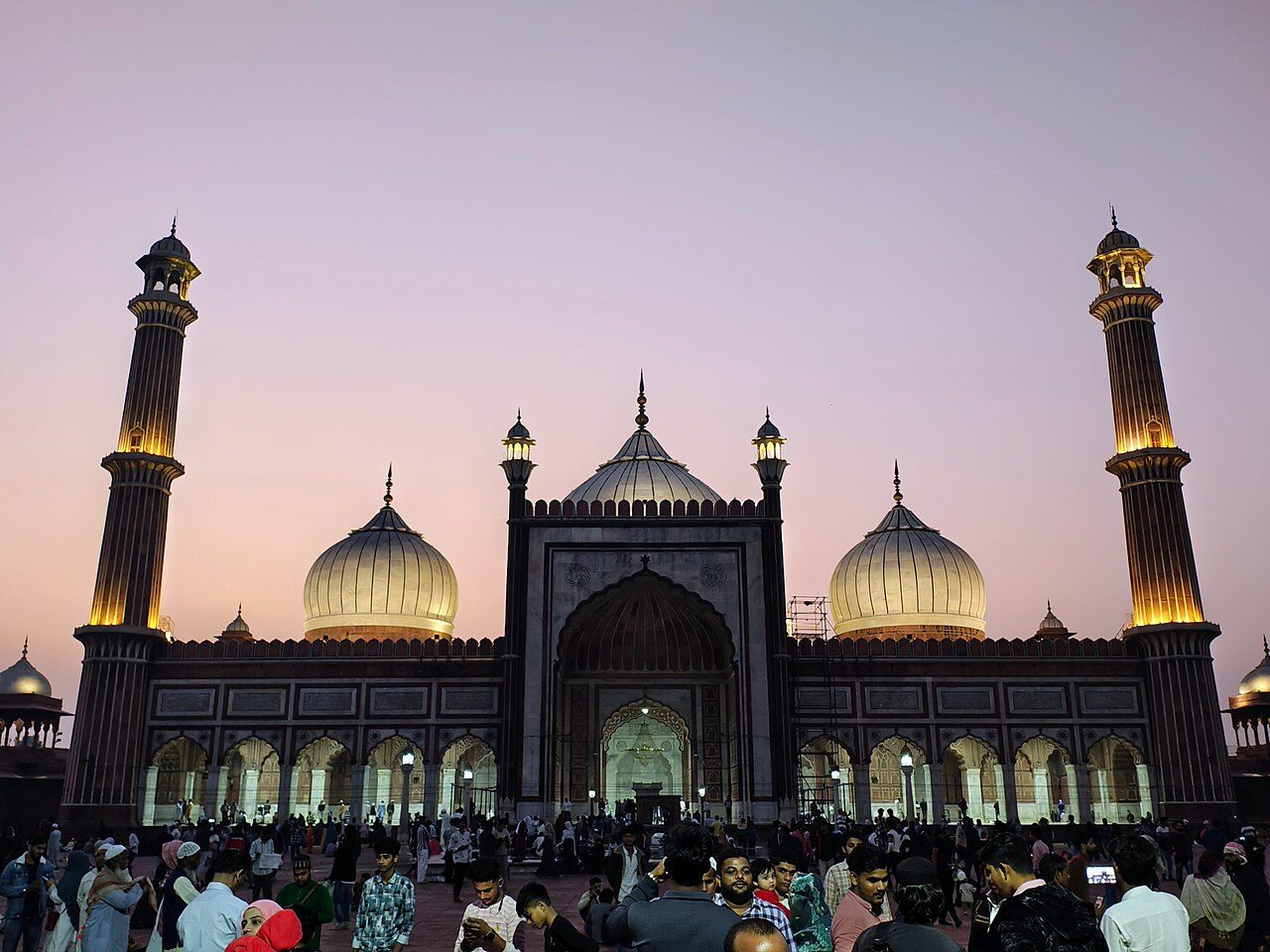
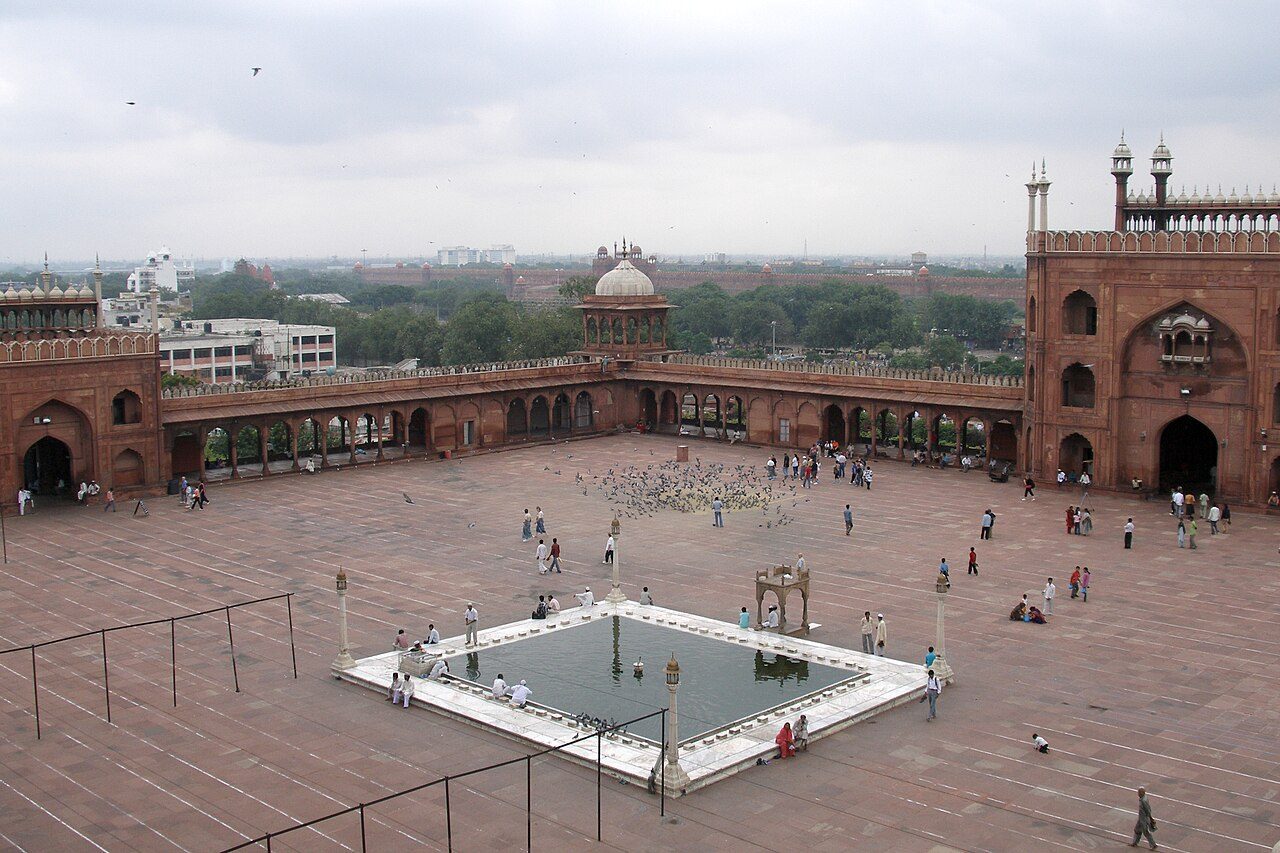
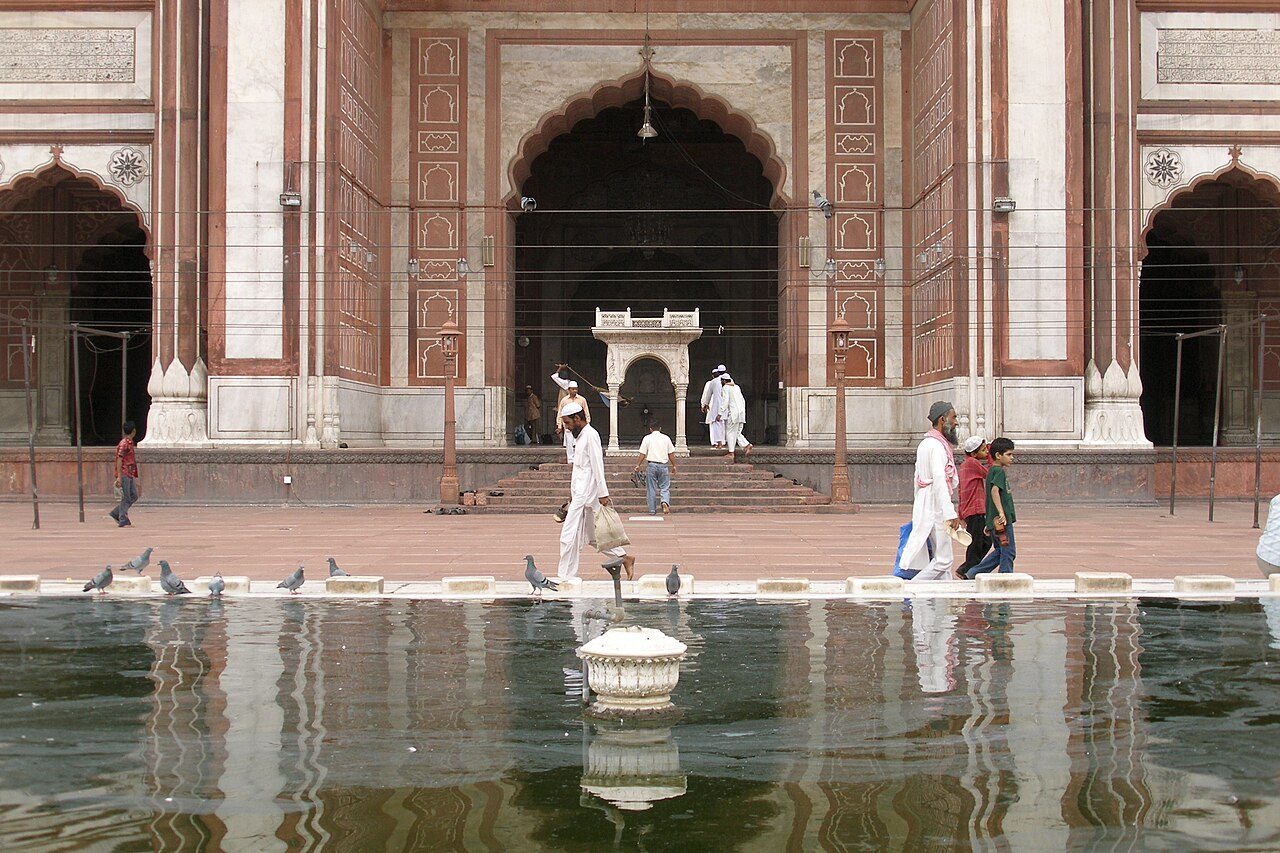
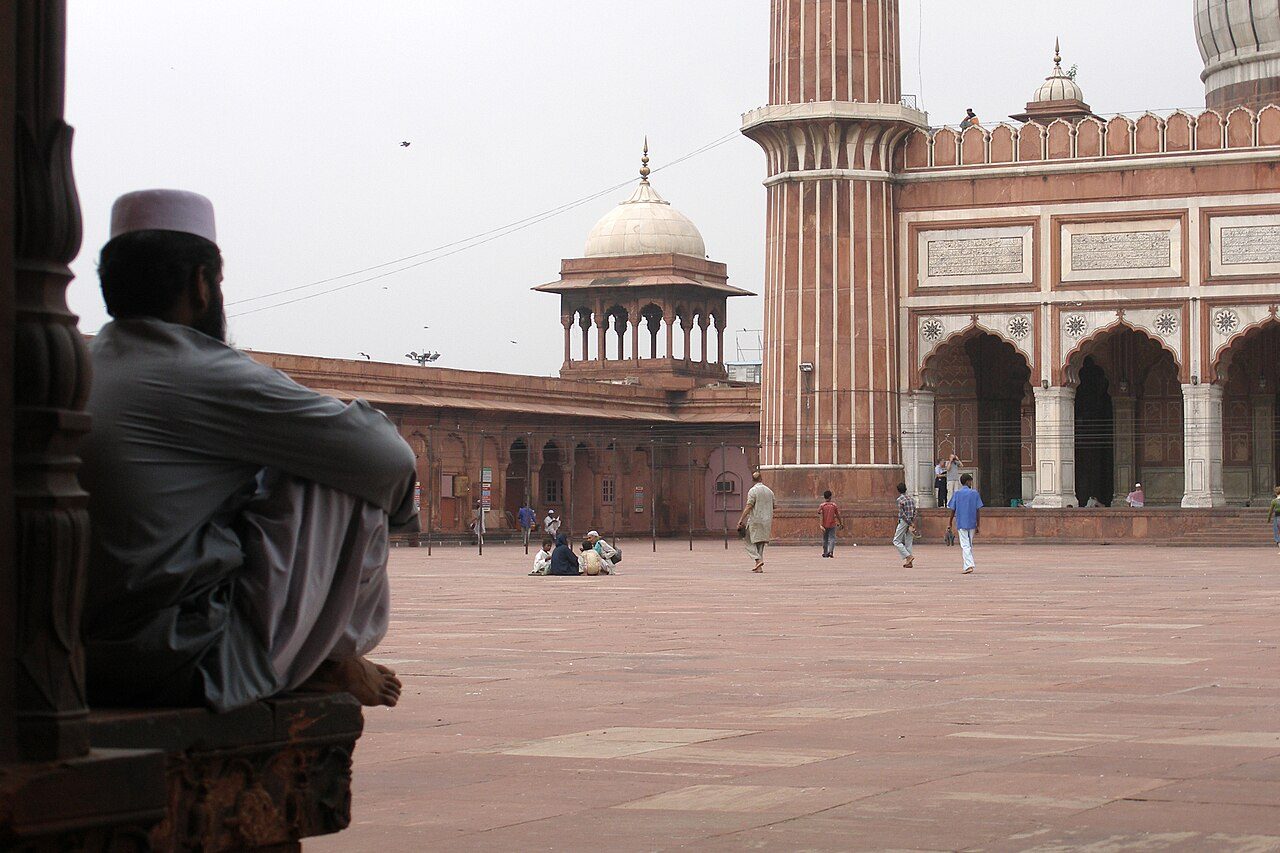
The Jama Masjid of Delhi was commissioned by Shah Jahan and completed in 1656, and is one of the largest mosques in India. Built of red sandstone and white marble, it has three domes, two tall minarets and a courtyard that can hold some 25,000 worshippers. Visitors may climb a minaret for a view over Old Delhi. It stands opposite the Red Fort, at the head of the lanes of Chandni Chowk.
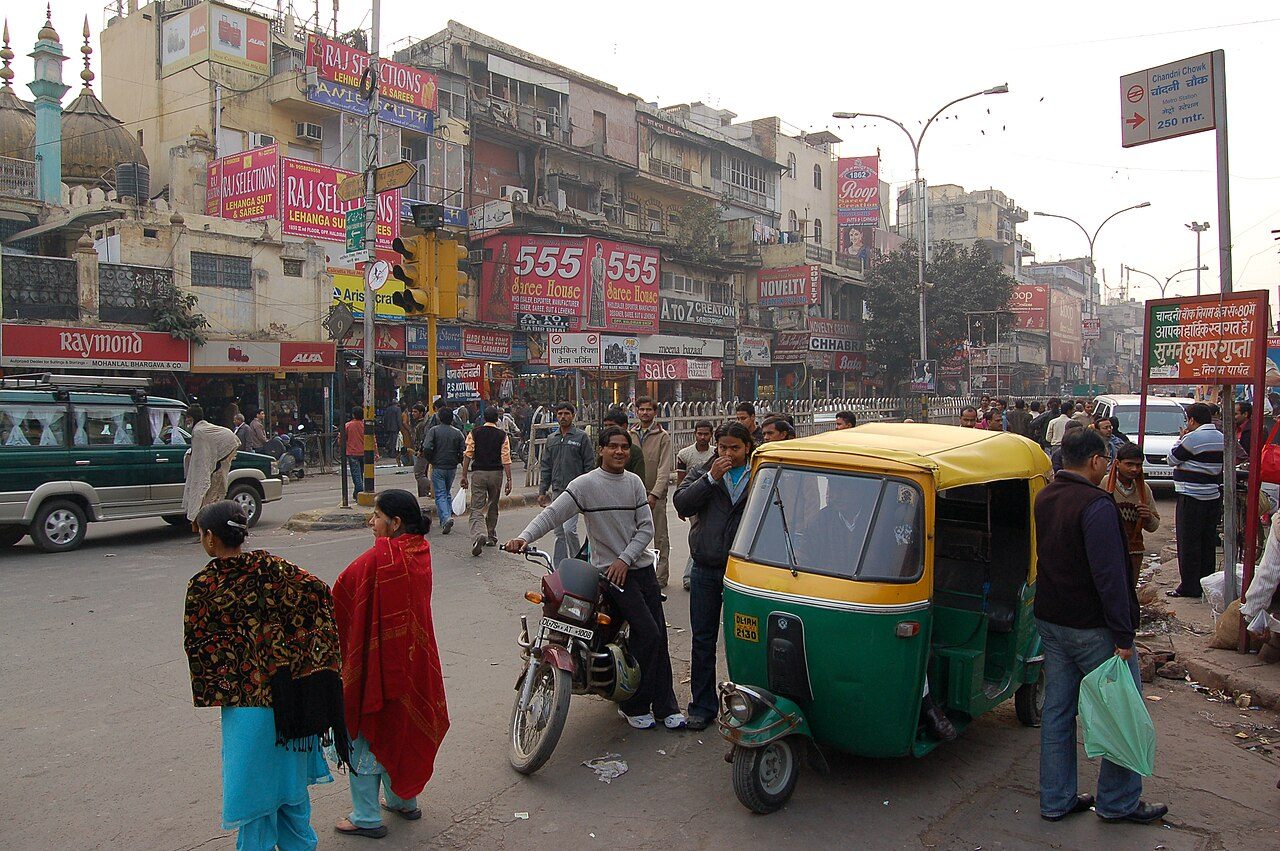
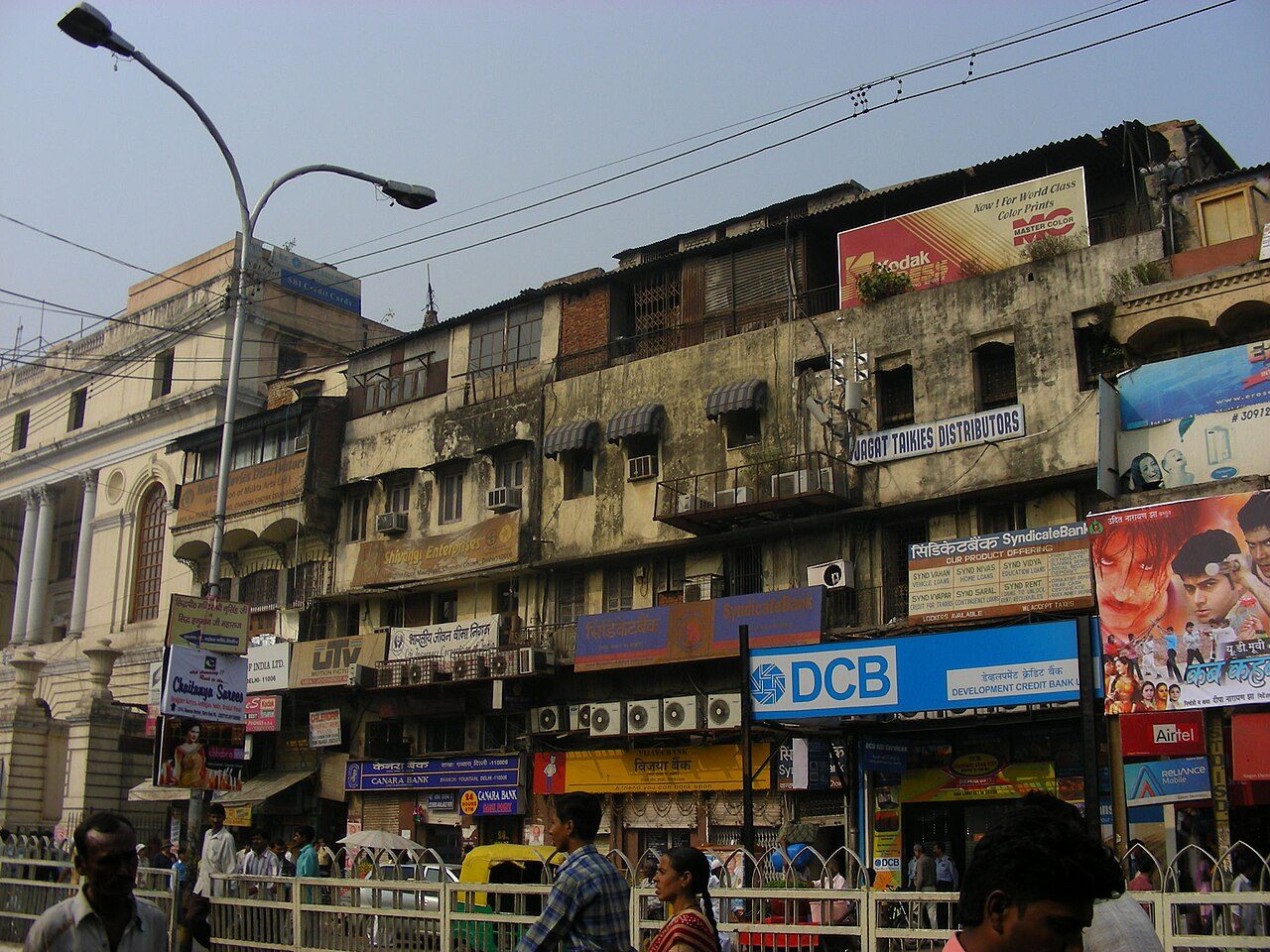
Chandni Chowk is the main street of Old Delhi, laid out in the 17th century when Shah Jahan built his capital Shahjahanabad. It runs west from the Red Fort to Fatehpuri Masjid and is lined with wholesale bazaars, old havelis, temples, a gurdwara and a church. Come for the street food and the spice, jewellery and wedding markets; mornings are less crowded.
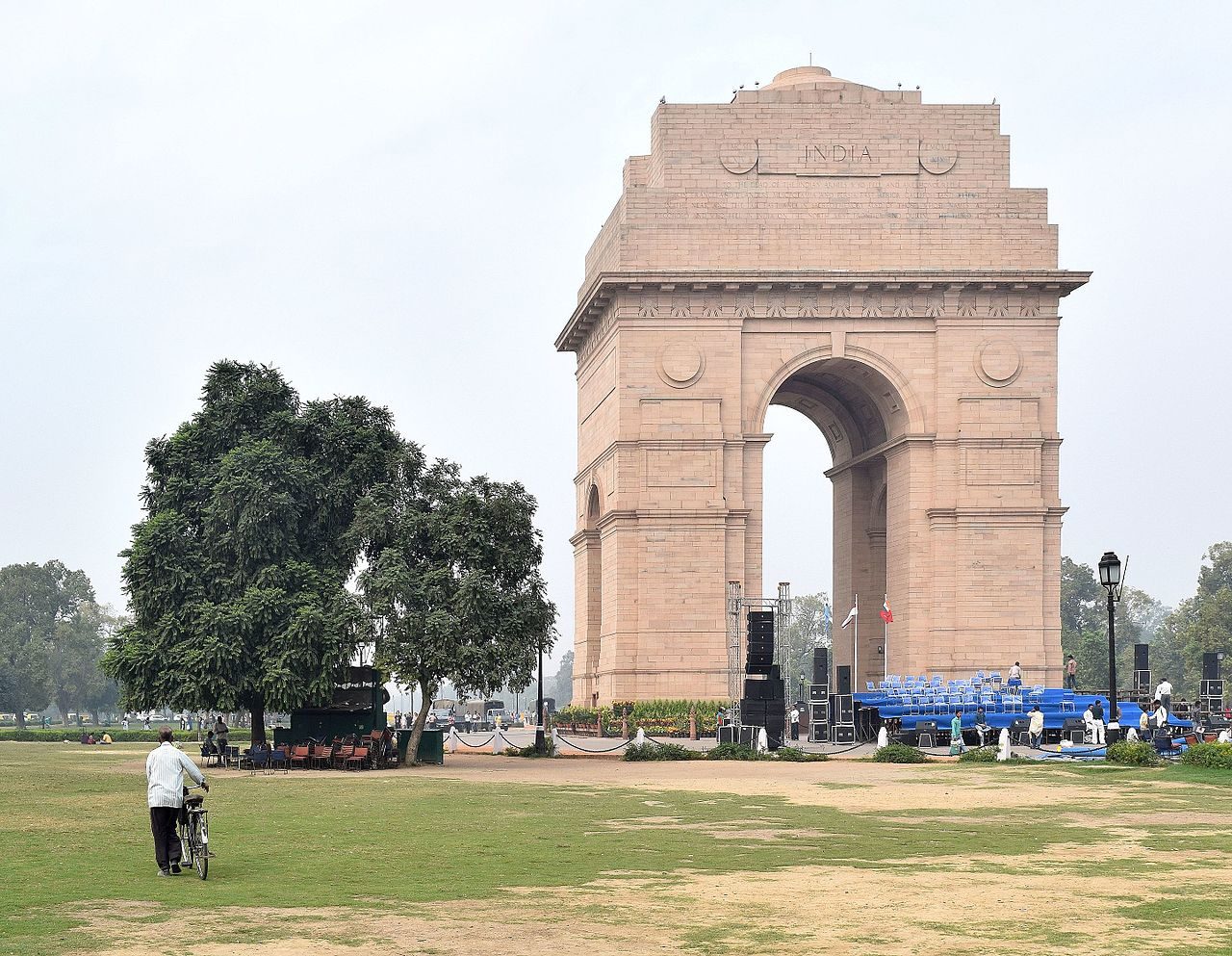
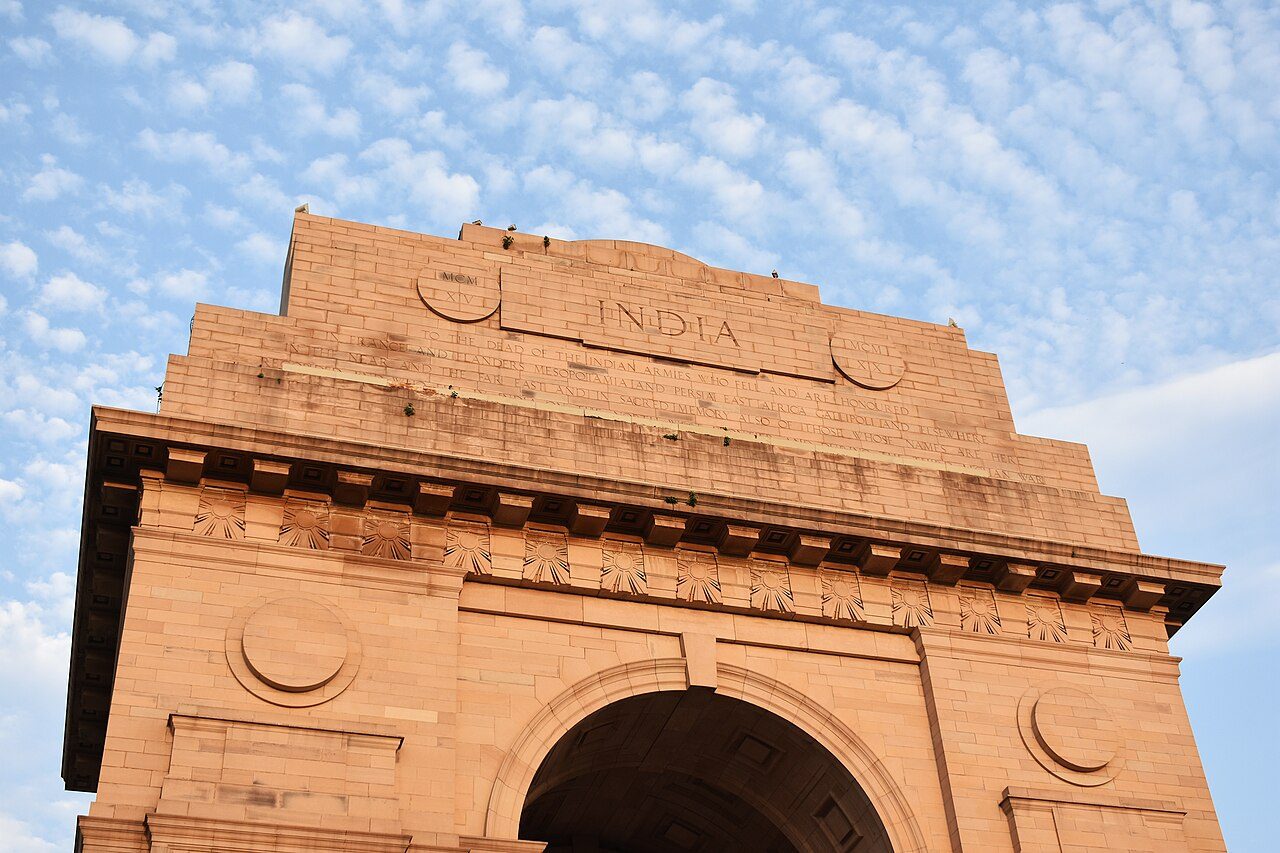
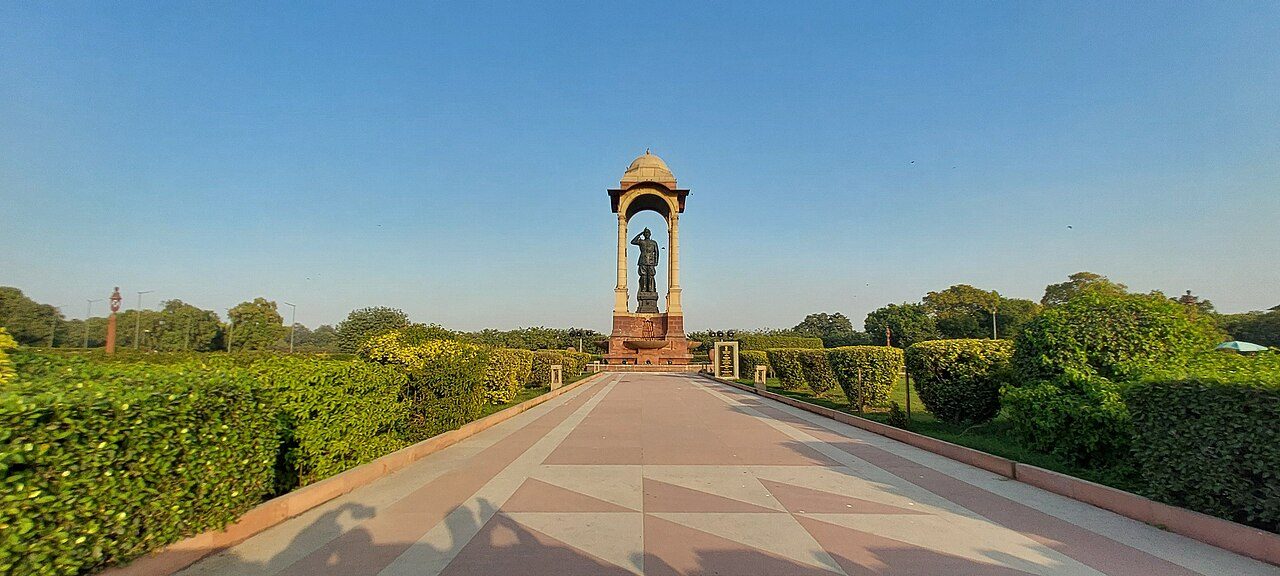
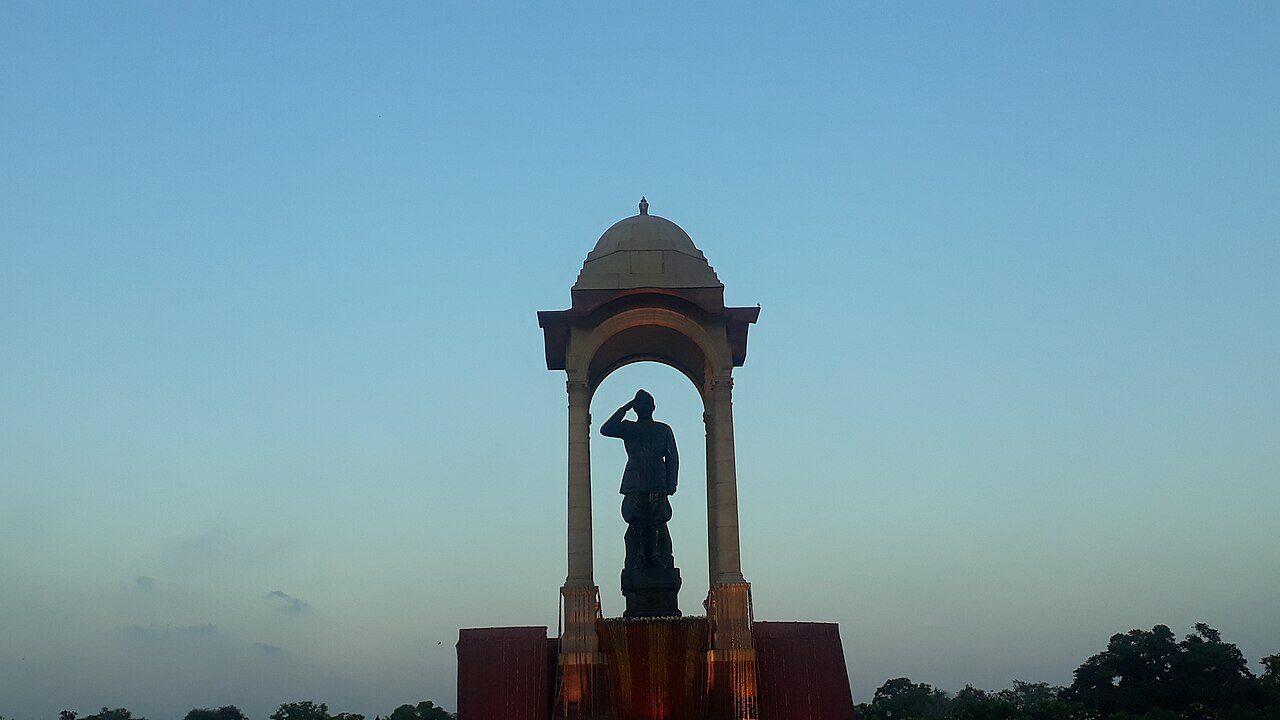
India Gate is a 42-metre war memorial arch on the ceremonial avenue of New Delhi, designed by Edwin Lutyens and completed in 1931. It commemorates the soldiers of British India who died in the First World War and the Third Anglo-Afghan War; their names are inscribed on its walls. The lawns around it are a favourite evening gathering place, and the arch is floodlit after dark.
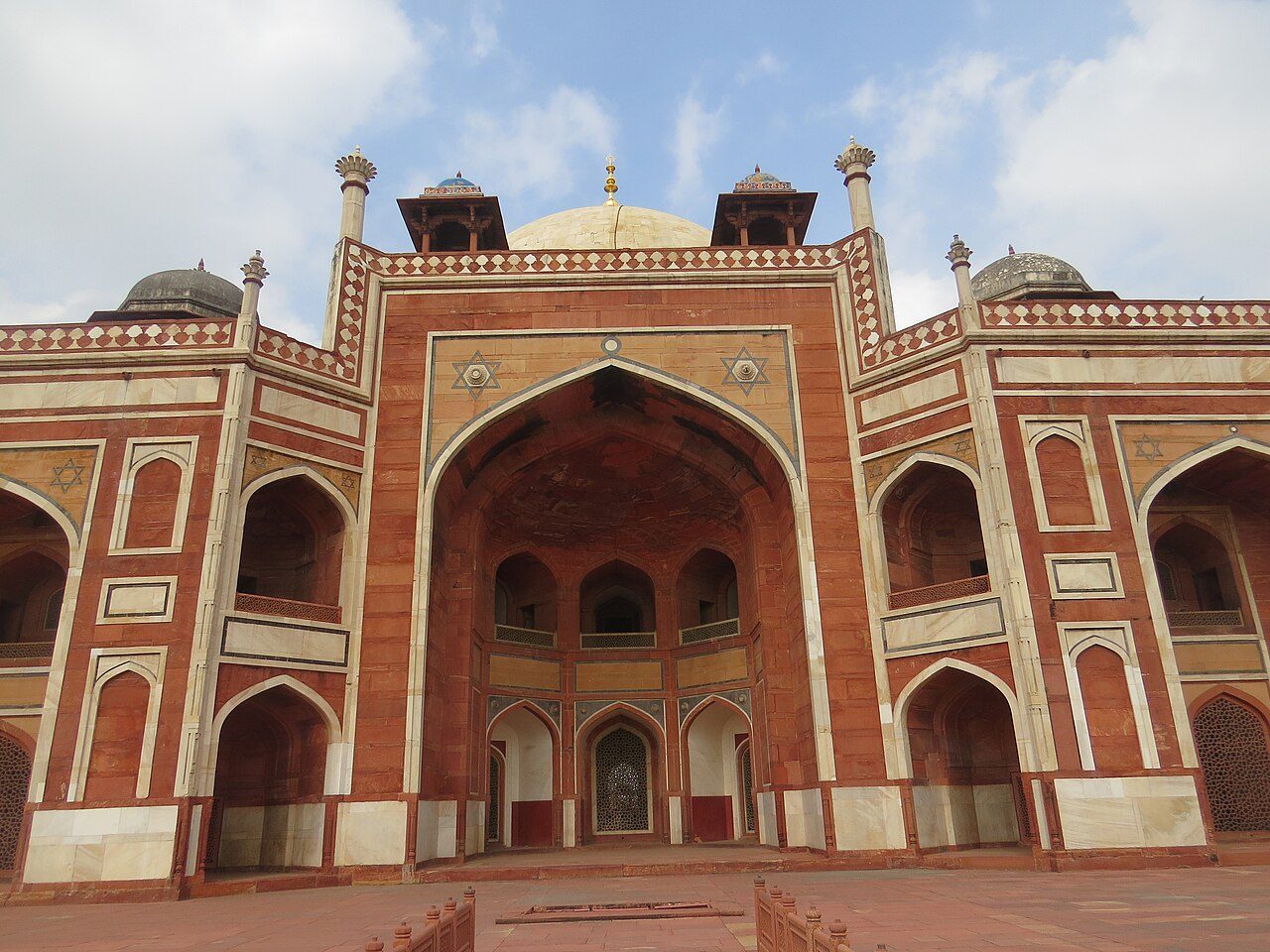
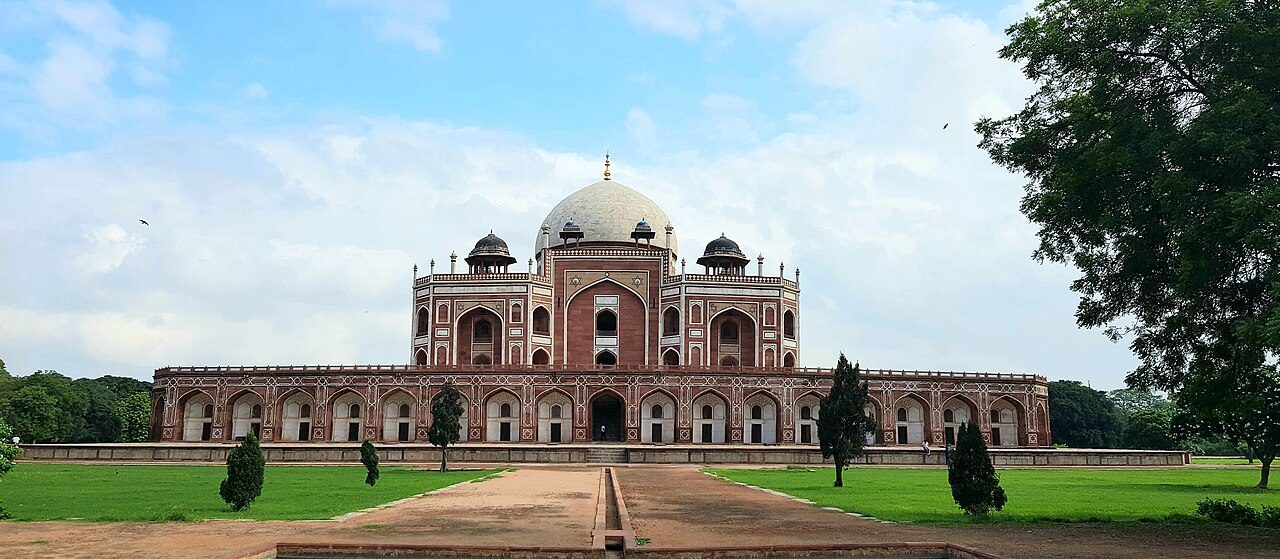
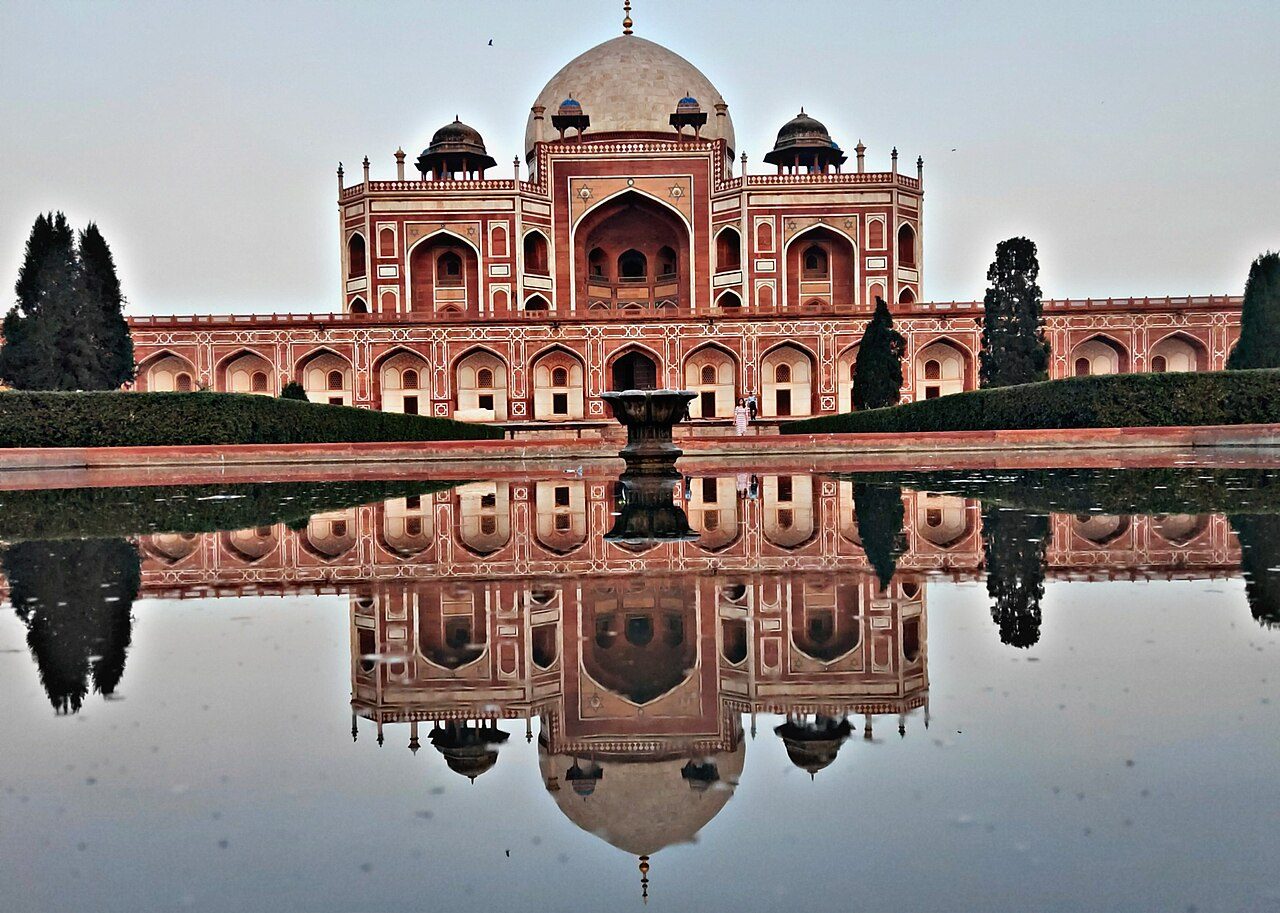
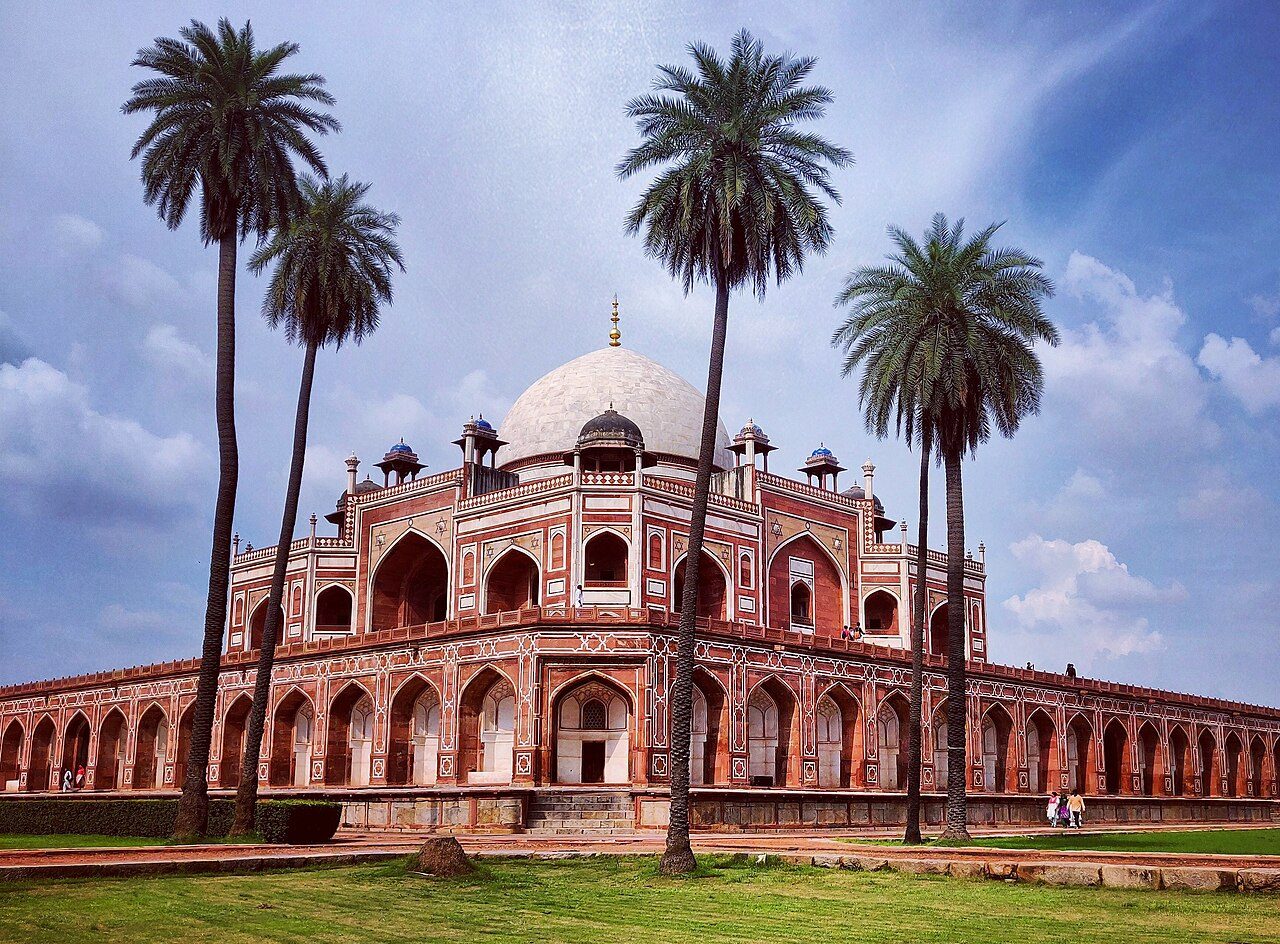
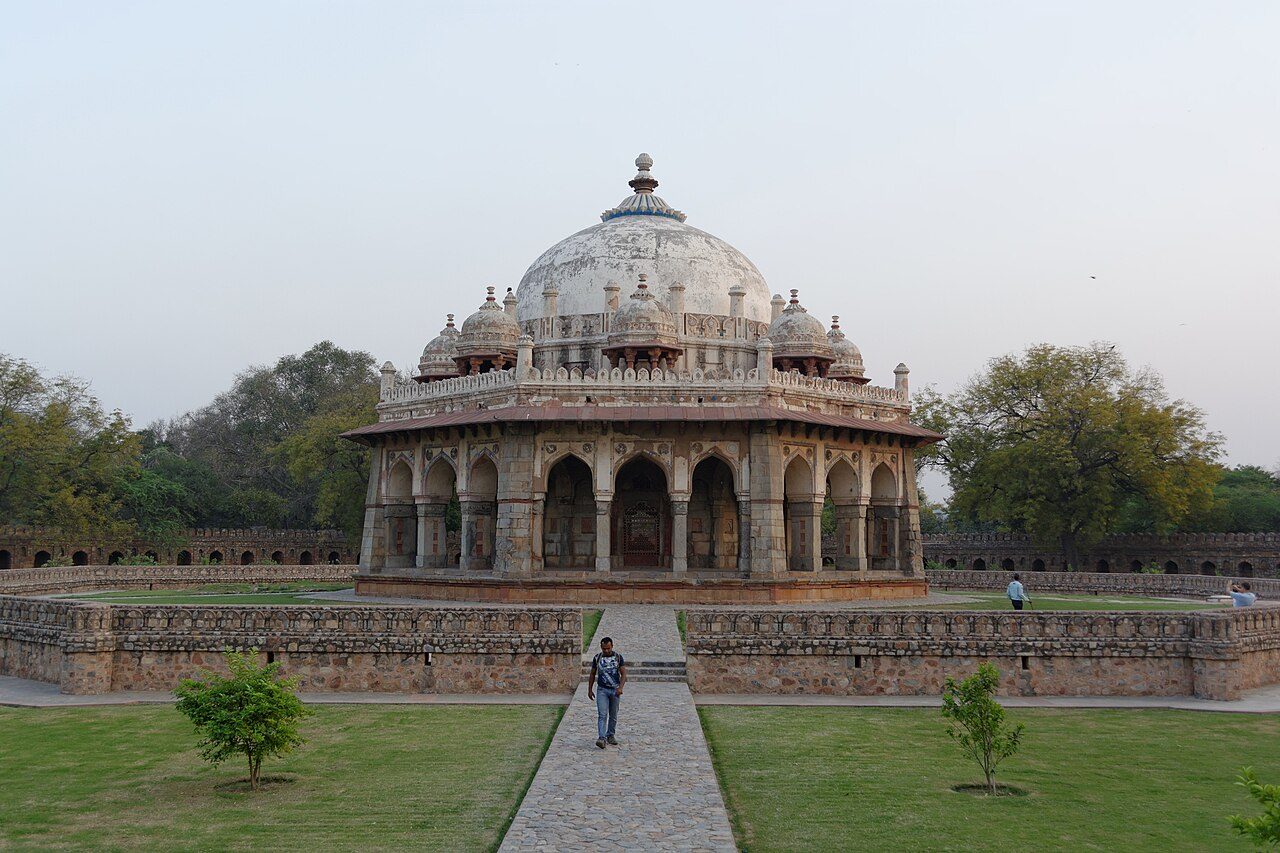
Humayun's Tomb was commissioned by the emperor's widow, Bega Begum, and completed in 1572. It was the first garden-tomb on the Indian subcontinent and a model for the Taj Mahal, with a double dome of marble over red sandstone set in a formal charbagh. Many other Mughals are buried within the complex. It is a UNESCO World Heritage Site and has been carefully restored.
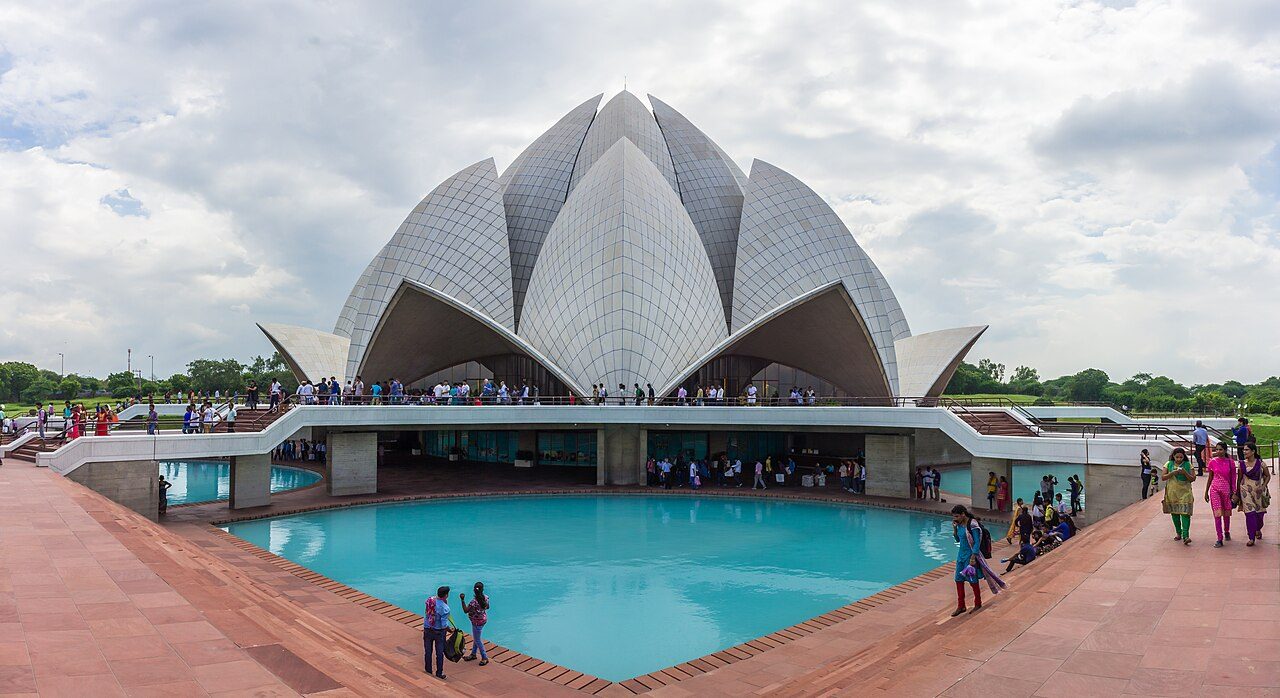
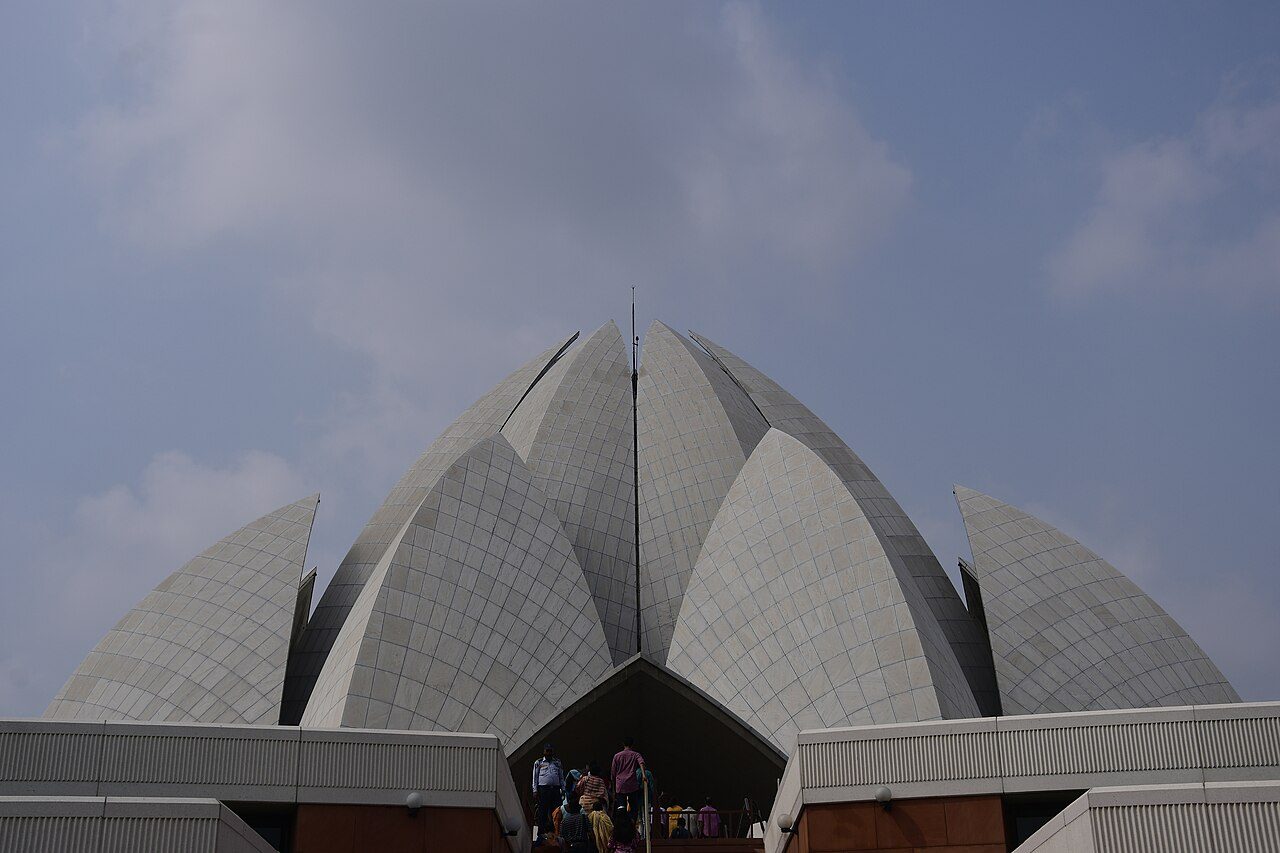
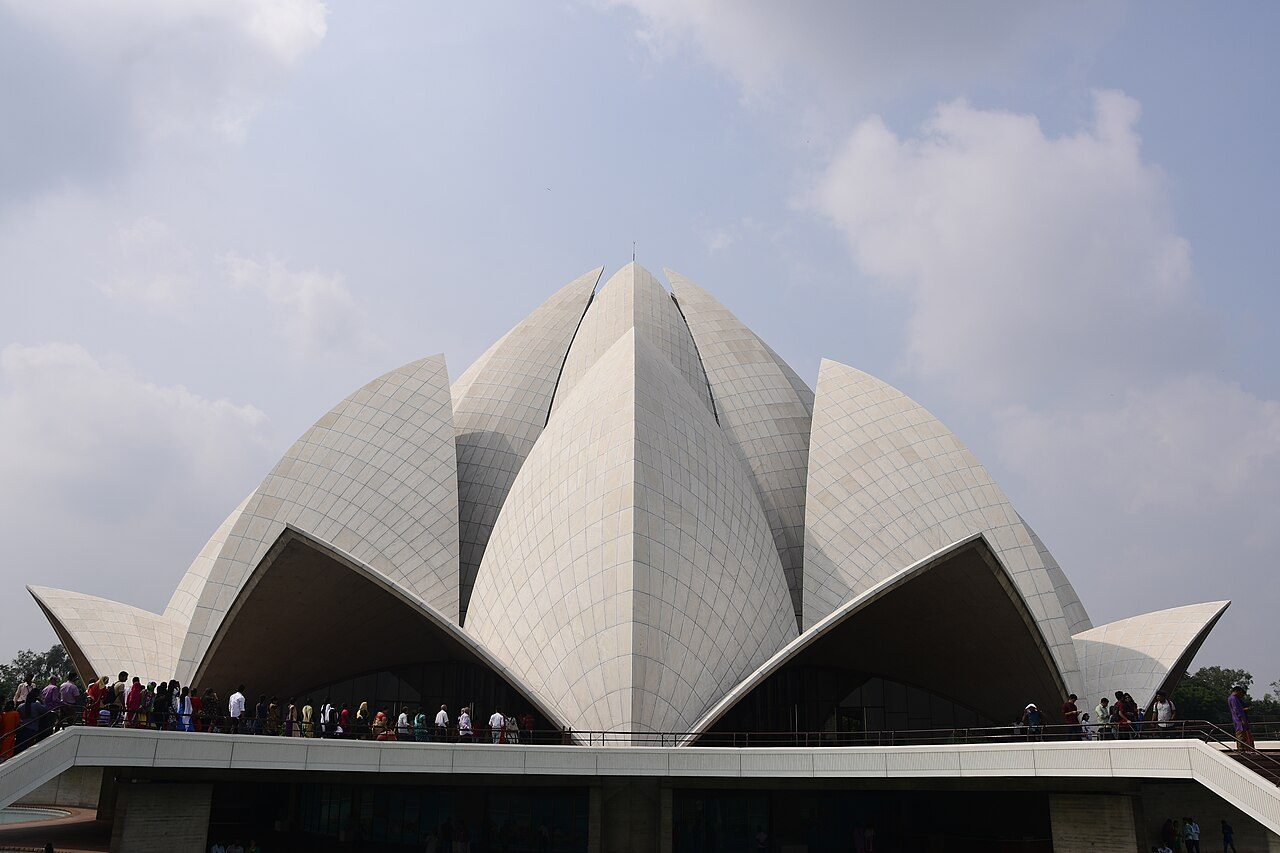
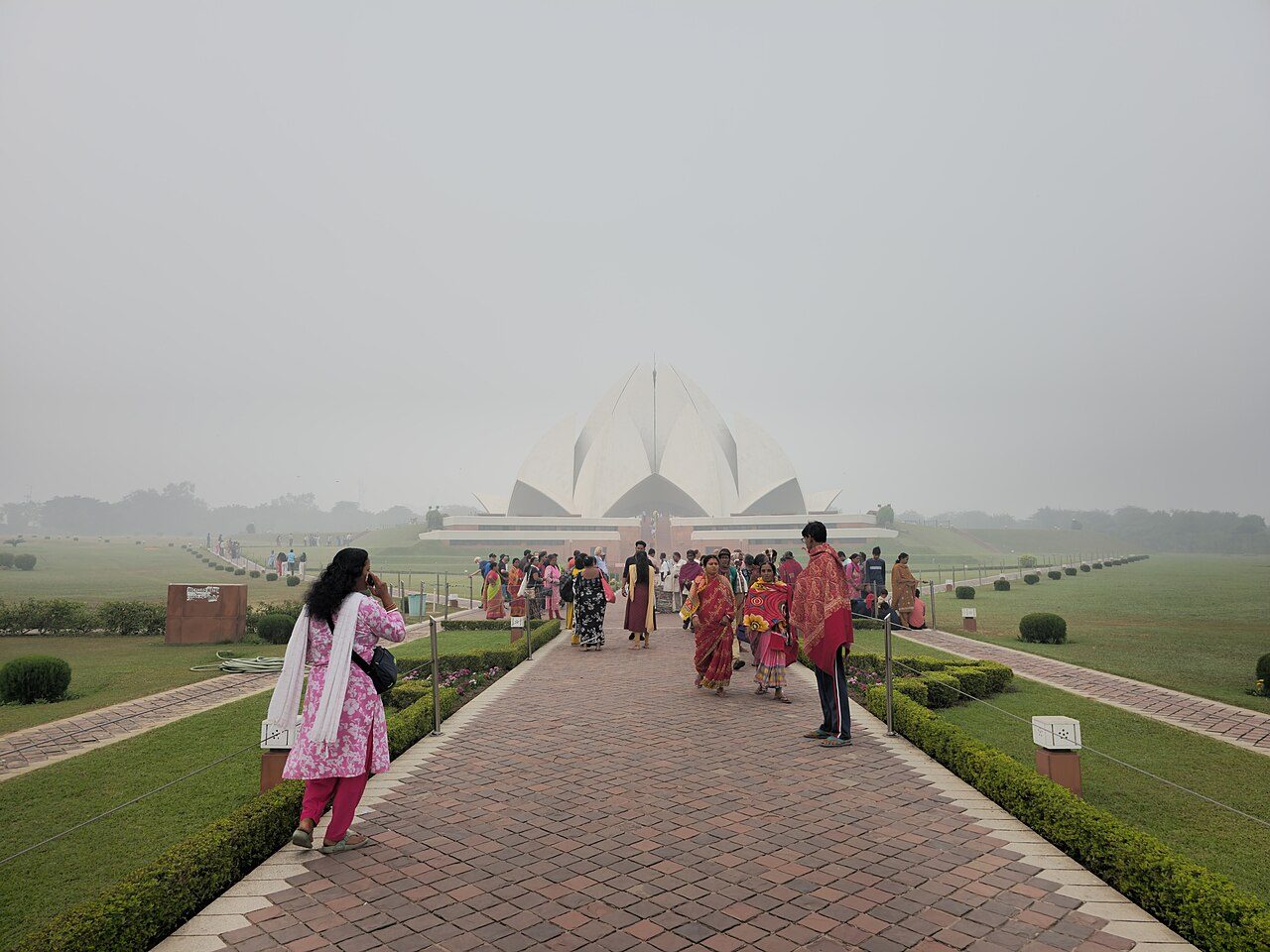
The Lotus Temple is the Baha'i House of Worship in Delhi, completed in 1986 to a design by the Iranian architect Fariborz Sahba. Its 27 marble-clad petals form the shape of a half-open lotus surrounded by nine pools. People of every faith are welcome to sit in silence in the prayer hall, which has no images or altar. It is among the most visited buildings in the world.
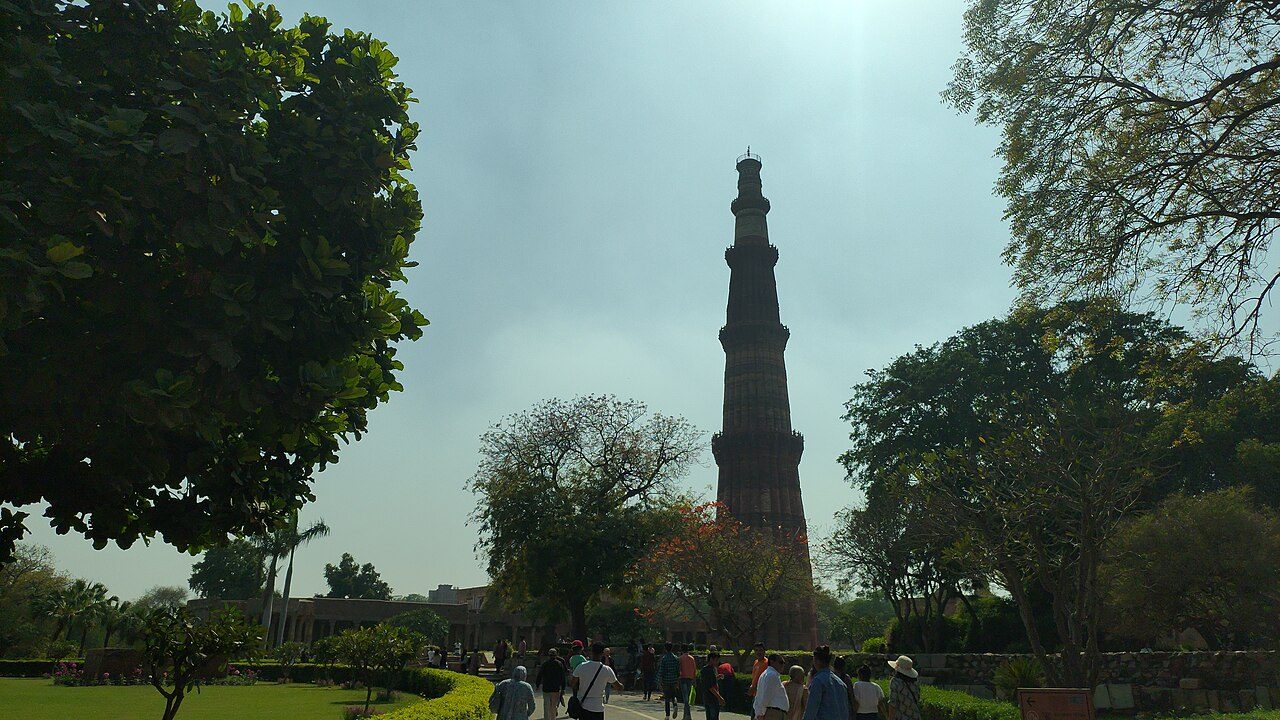
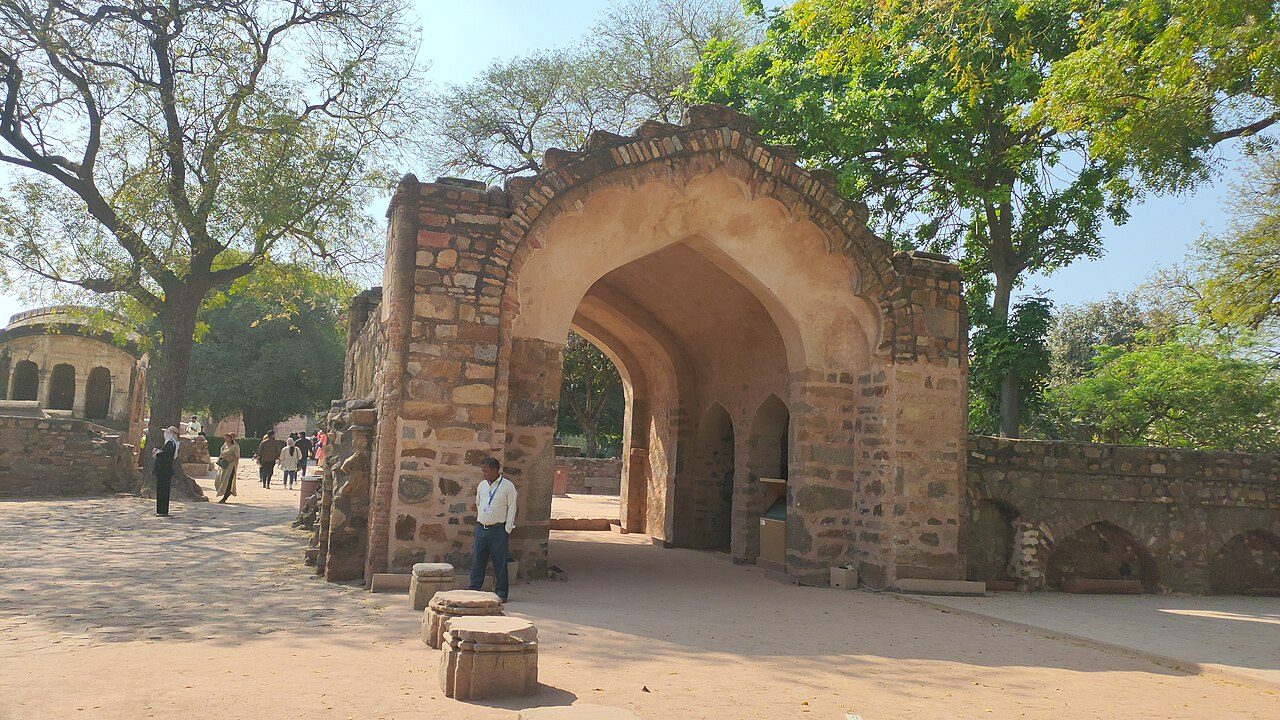
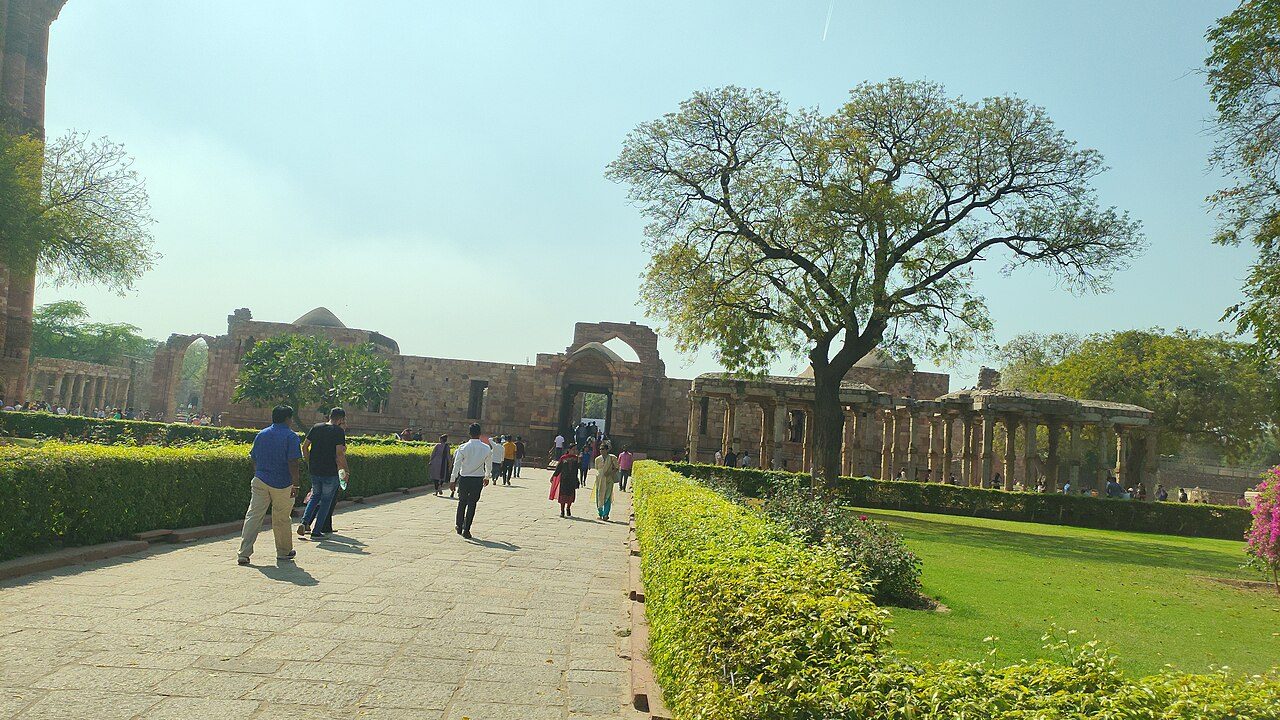
The Qutub Minar is a 73-metre tower of red sandstone and marble, begun by Qutb-ud-din Aibak around 1199 and completed by his successors. It is the tallest brick minaret in the world. Around it stand the Quwwat-ul-Islam mosque, the Alai Darwaza gateway and the famous Iron Pillar, which has resisted rust for some 1,600 years. The complex is a UNESCO World Heritage Site.
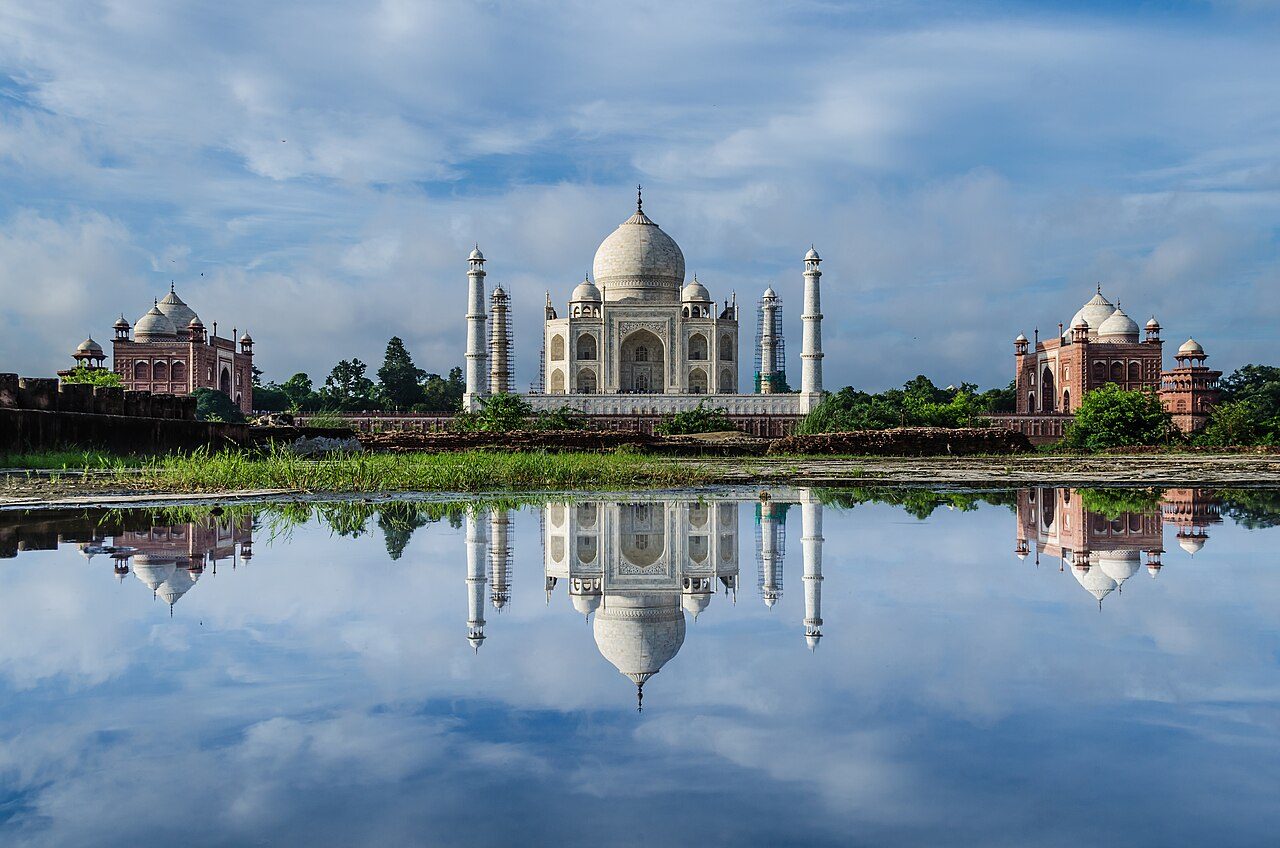
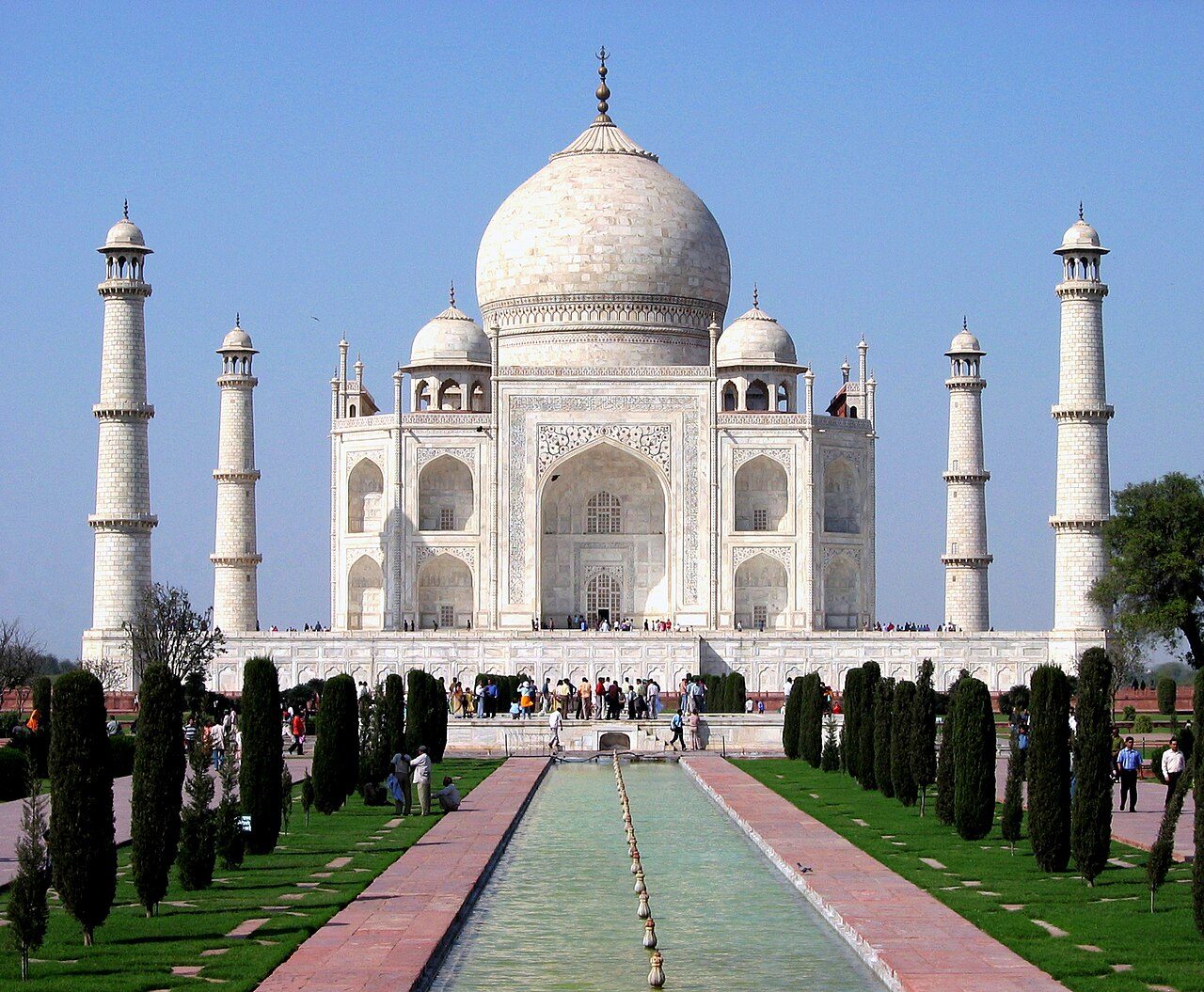
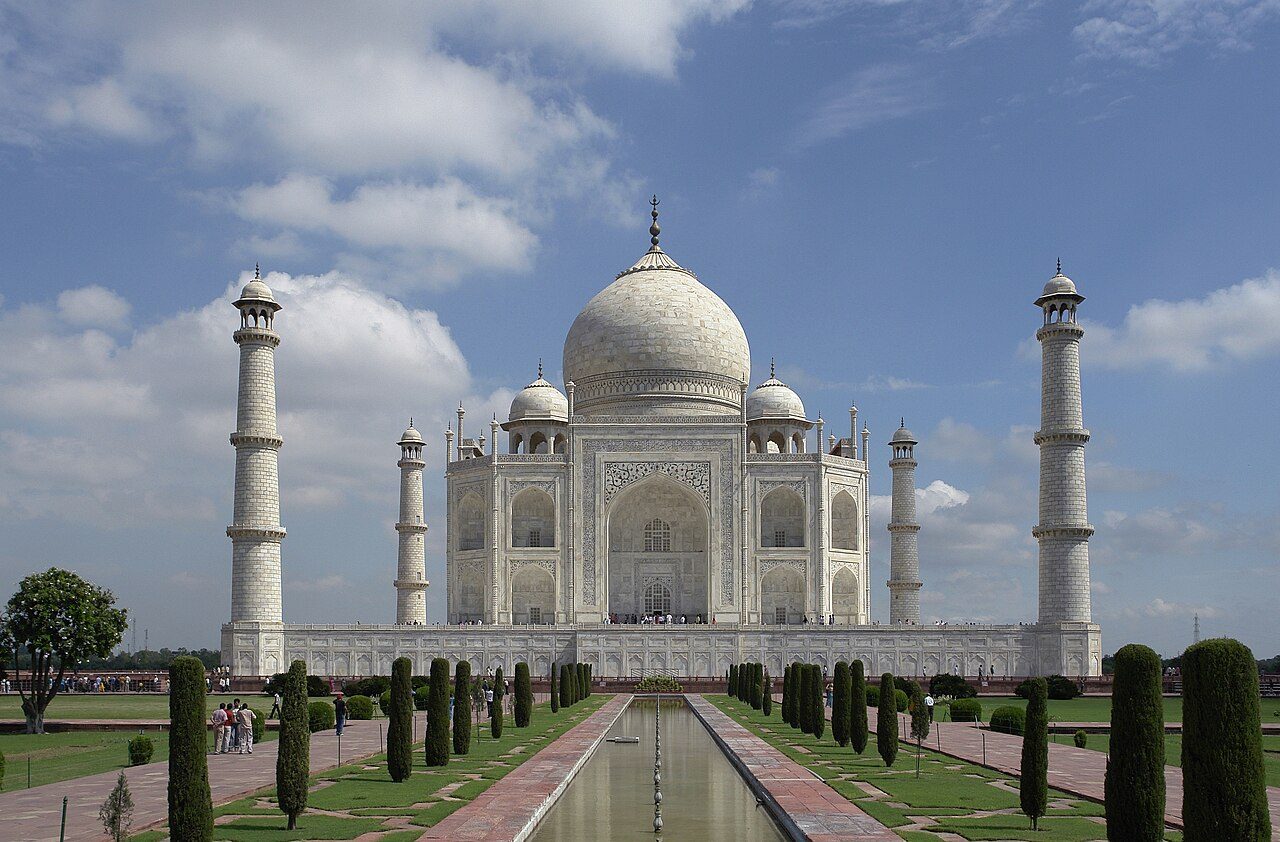
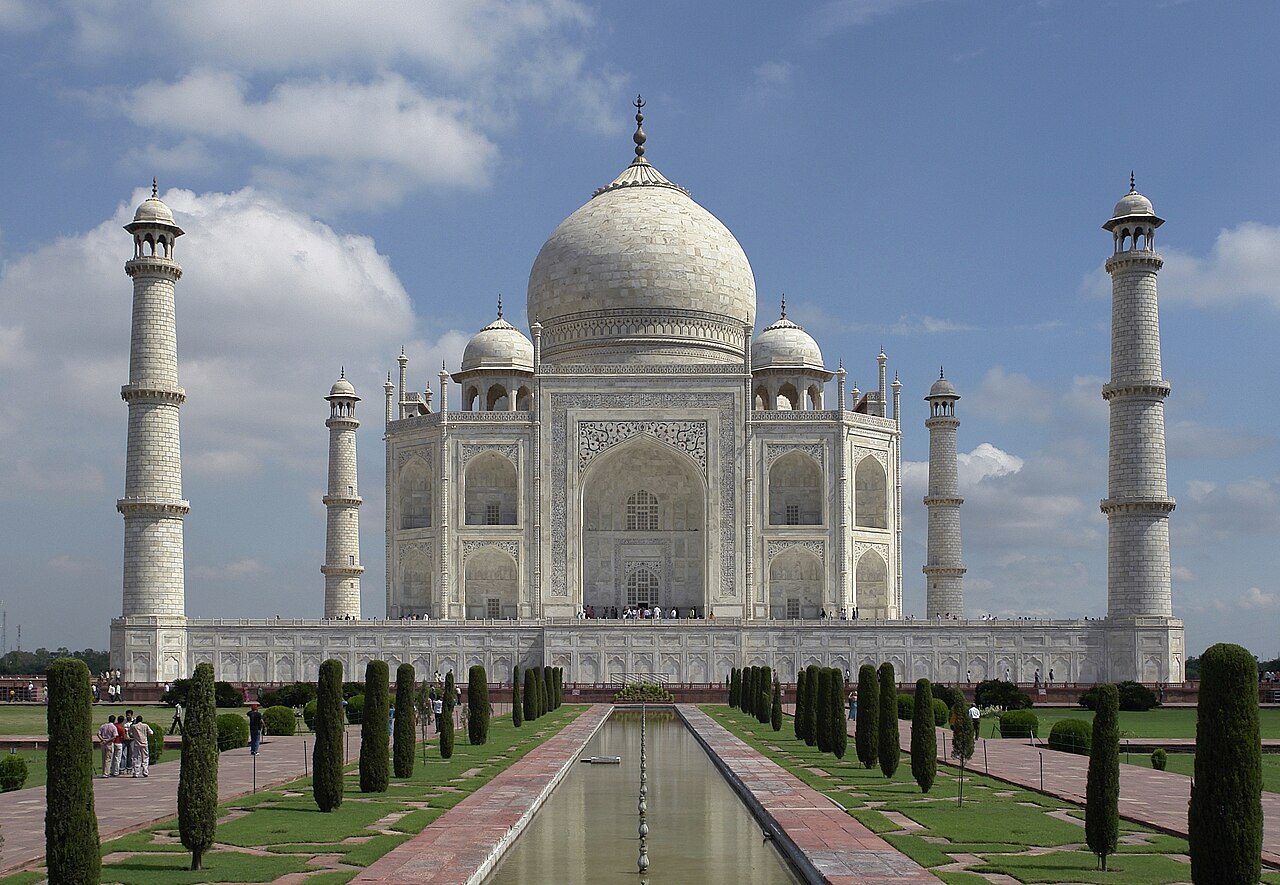
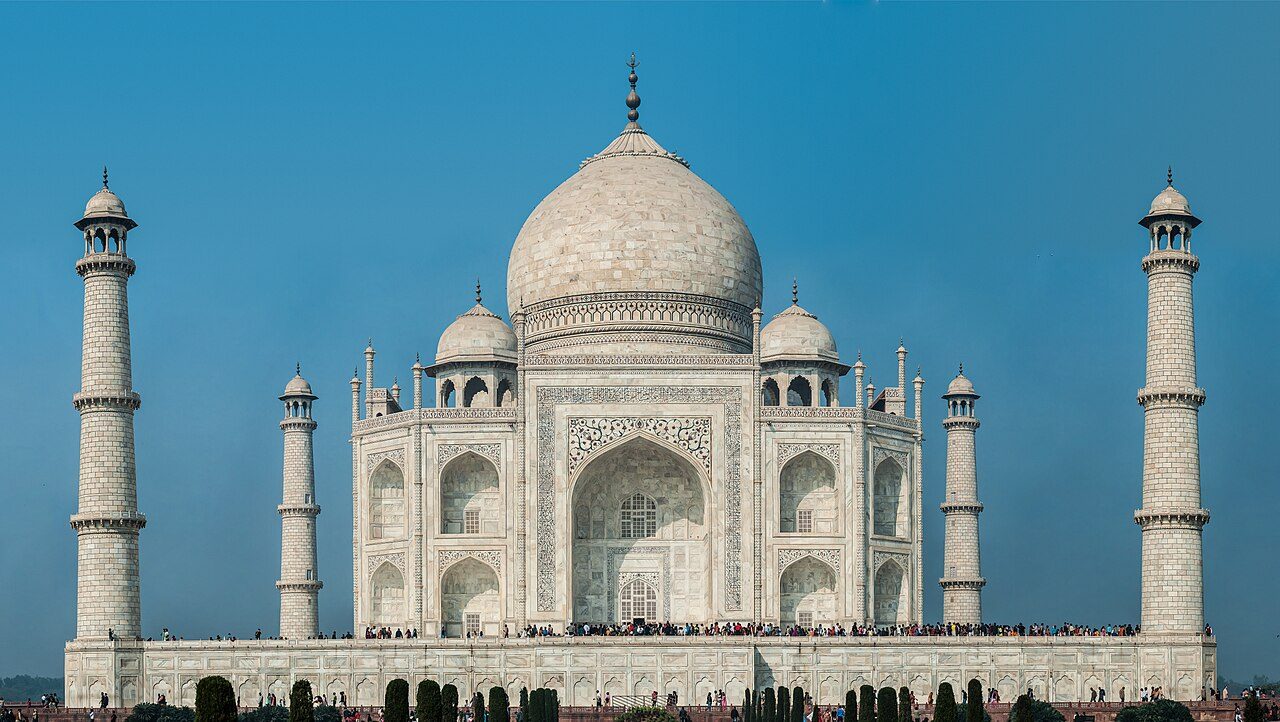
The Taj Mahal was built by the Mughal emperor Shah Jahan as the tomb of his wife Mumtaz Mahal, who died in 1631. Some 20,000 workers laboured for about two decades on the white marble mausoleum, with its perfectly proportioned dome, four minarets and inlay of semi-precious stones, set at the end of a formal garden by the Yamuna. It is a UNESCO World Heritage Site. Sunrise is the best time; it is closed on Fridays.
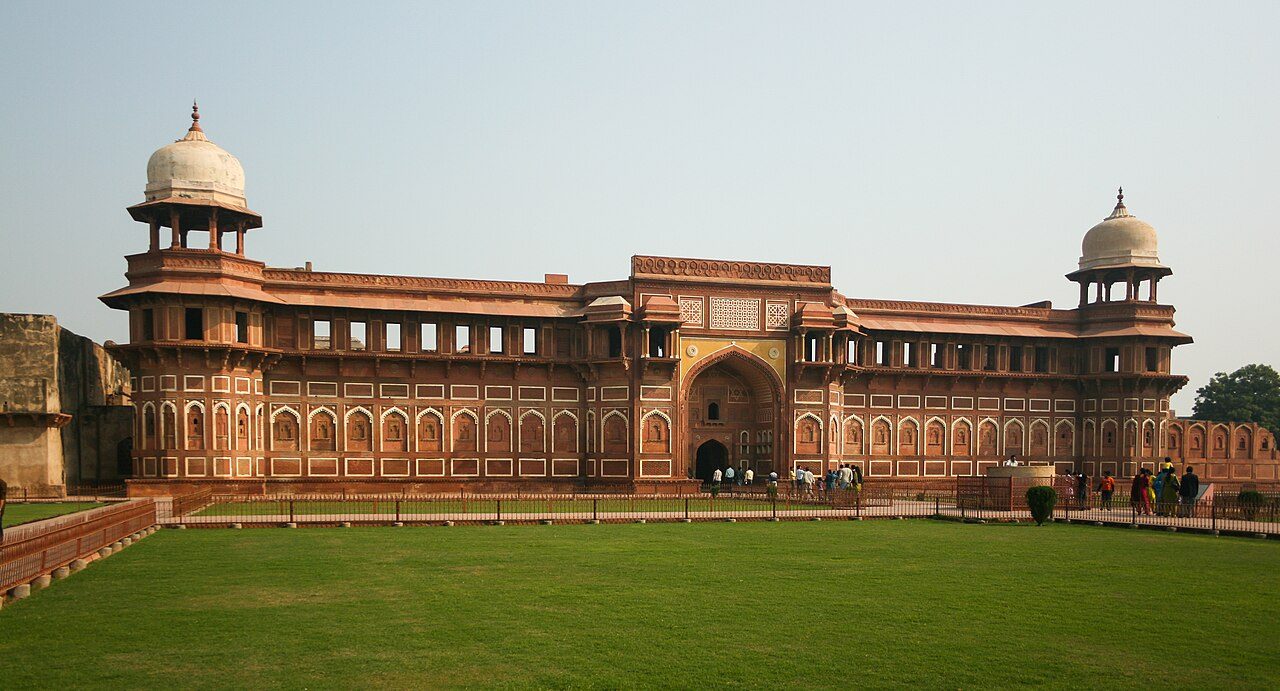
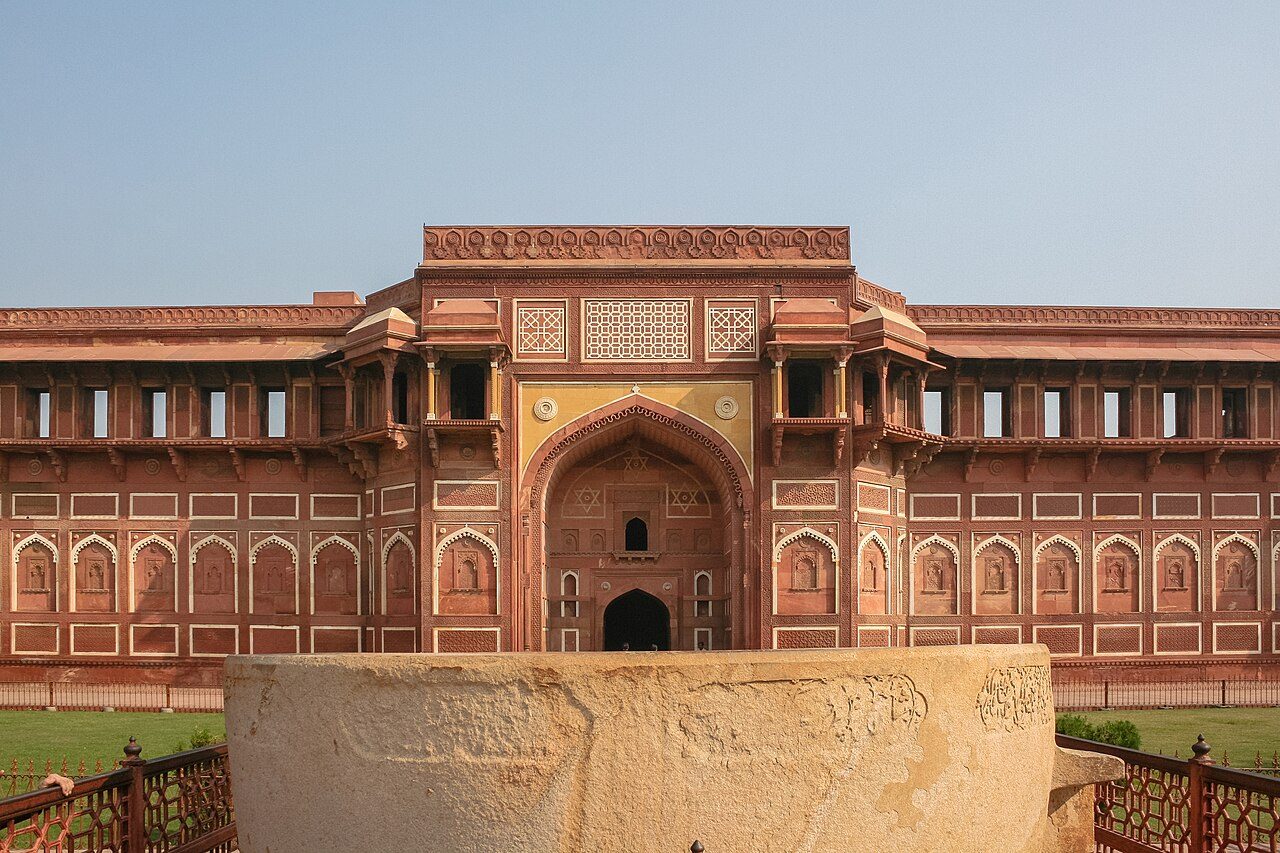
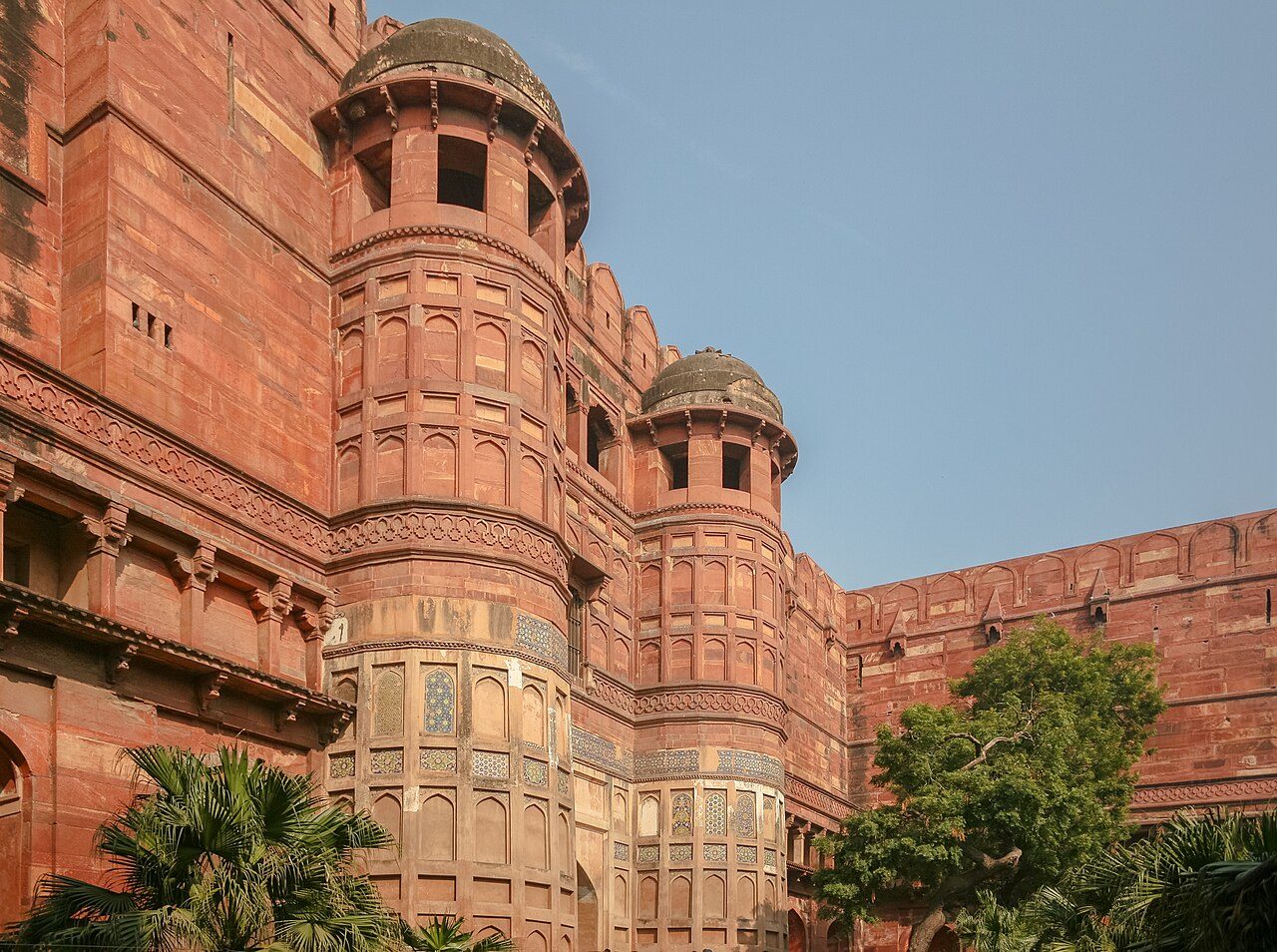
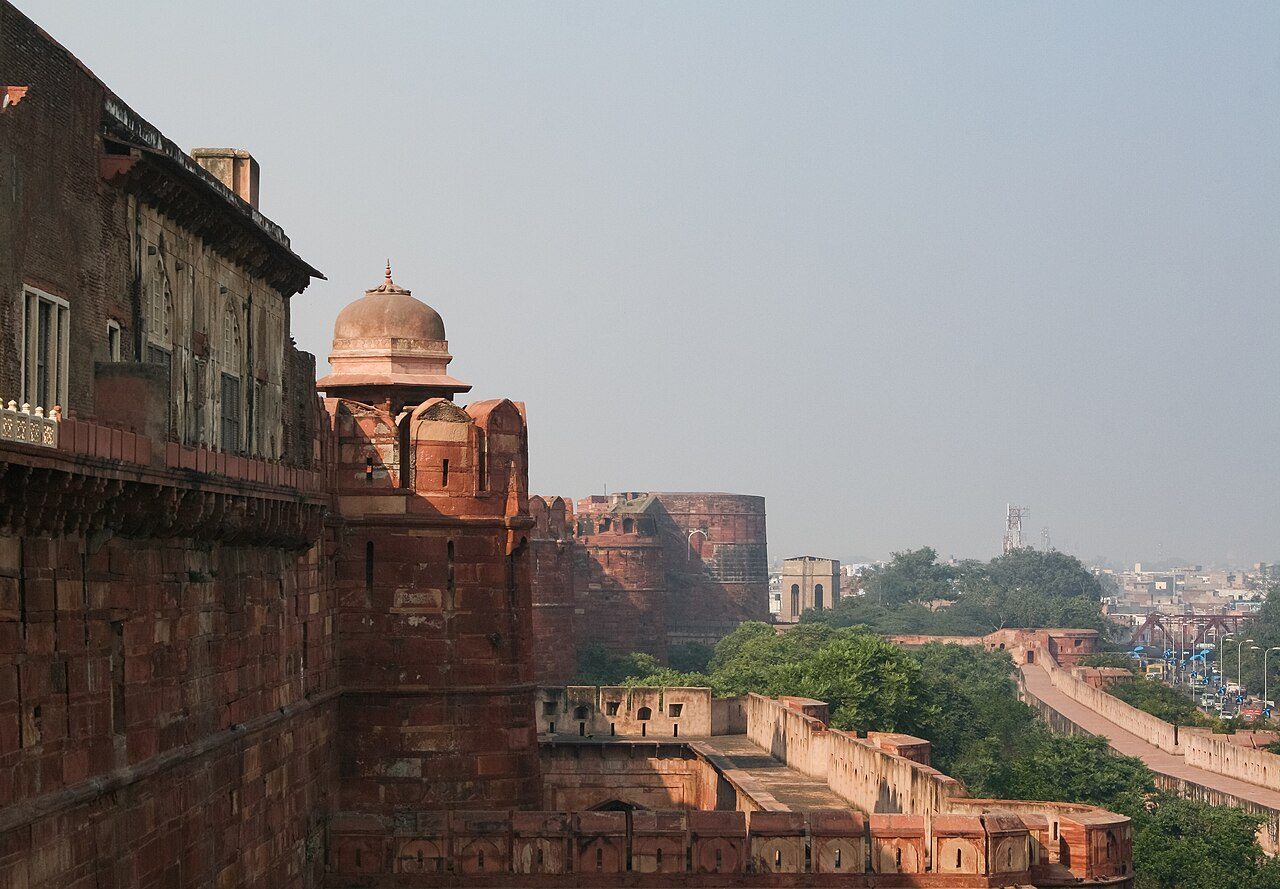
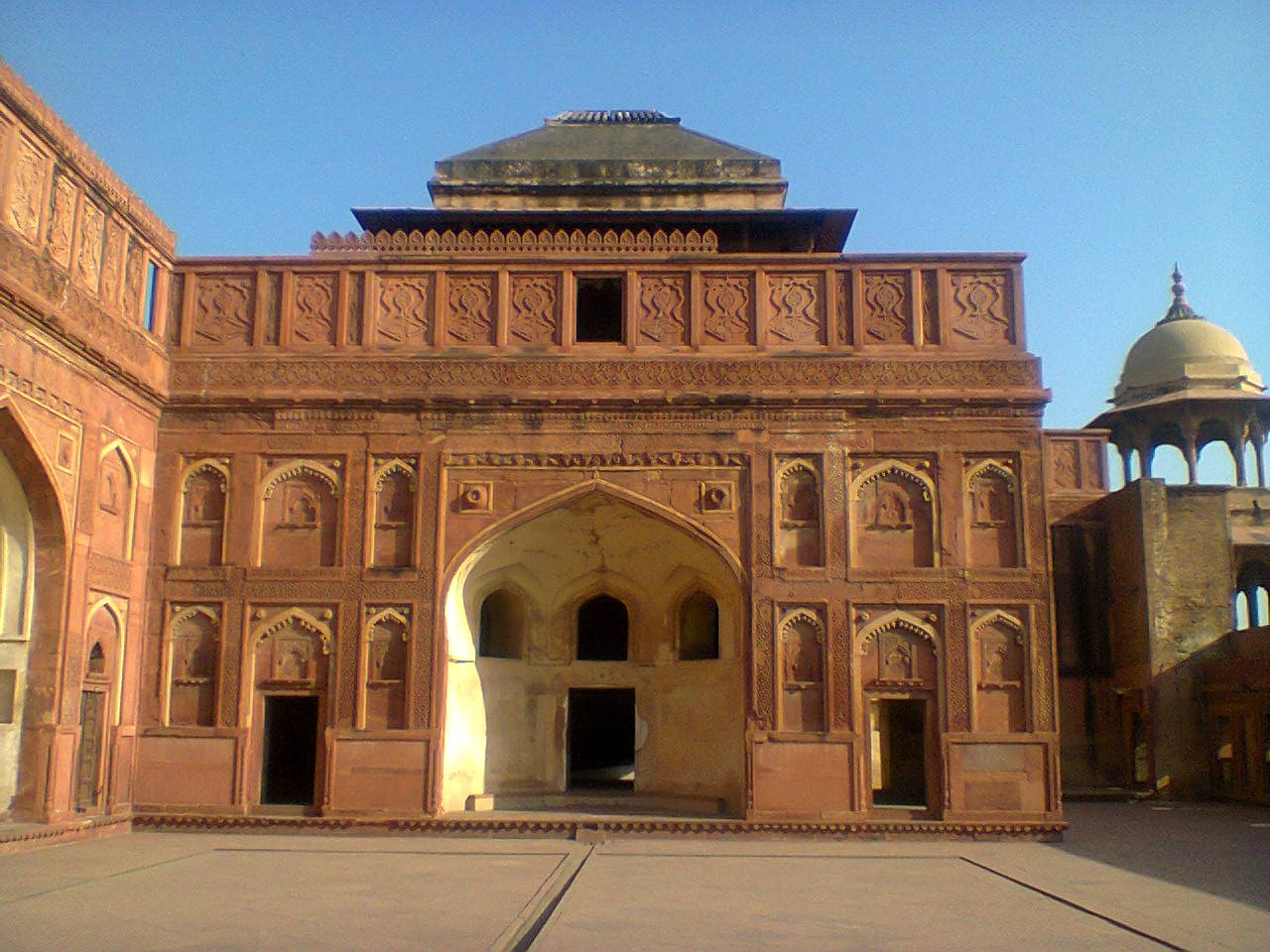
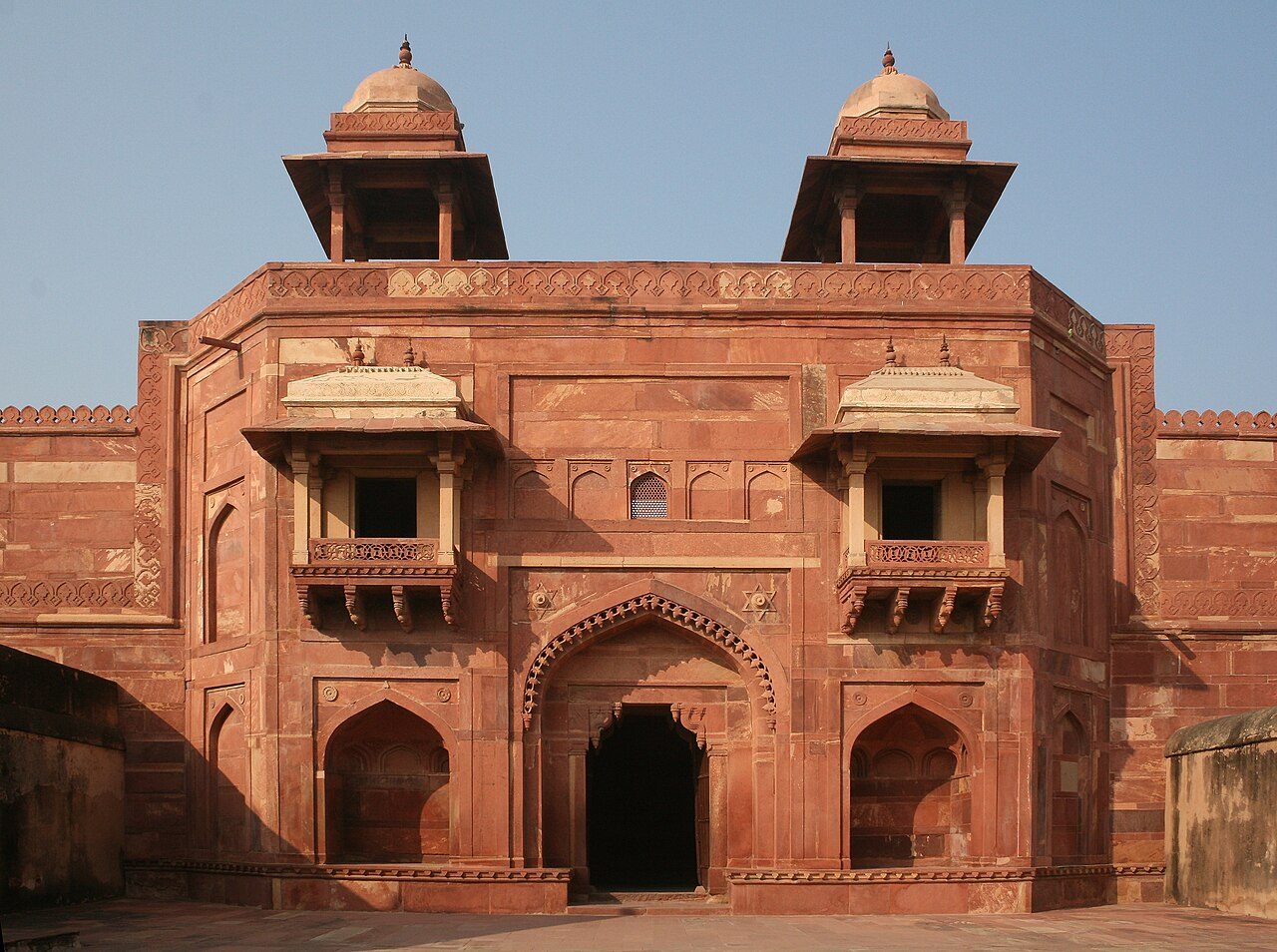
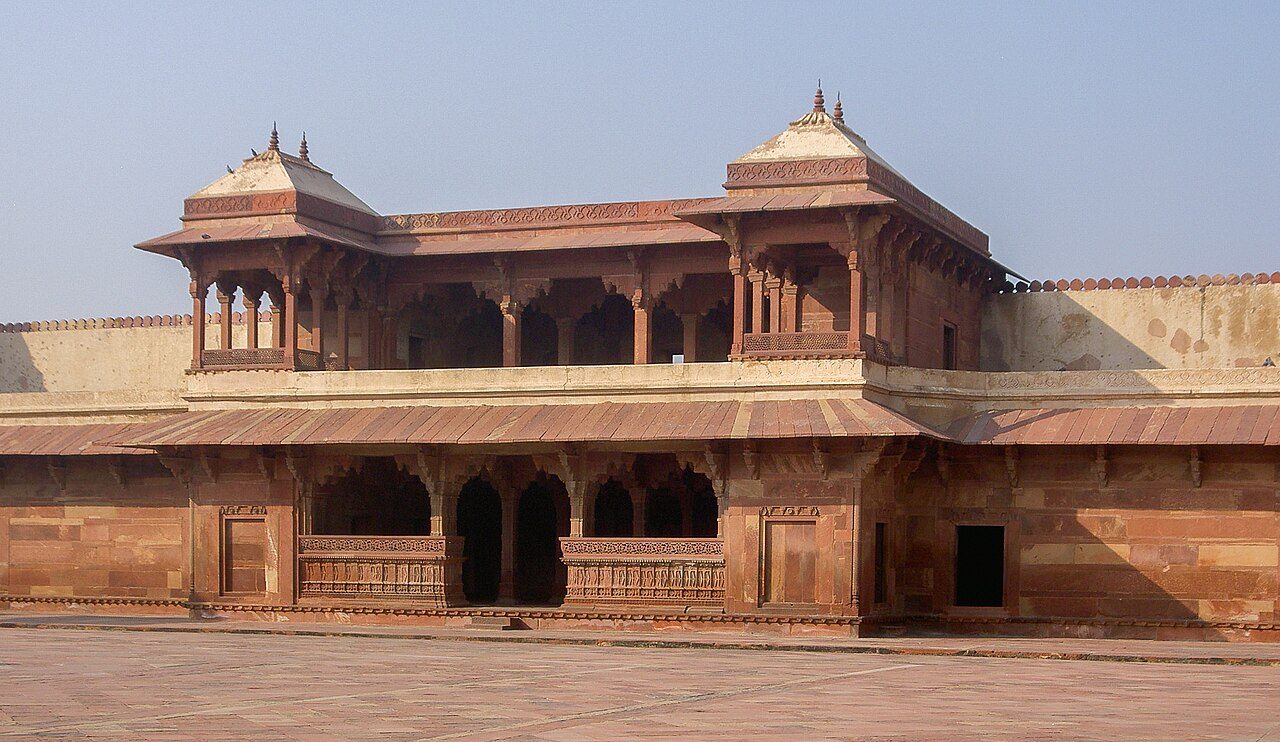
Agra Fort was rebuilt in red sandstone by the emperor Akbar from 1565 and served as the main residence of the Mughal emperors until the capital moved to Delhi. Within its 2.5 kilometres of walls are the Jahangiri Mahal, the marble Khas Mahal, the Diwan-i-Am and the Musamman Burj, where Shah Jahan is said to have spent his last years gazing at the Taj Mahal. It is a UNESCO World Heritage Site.
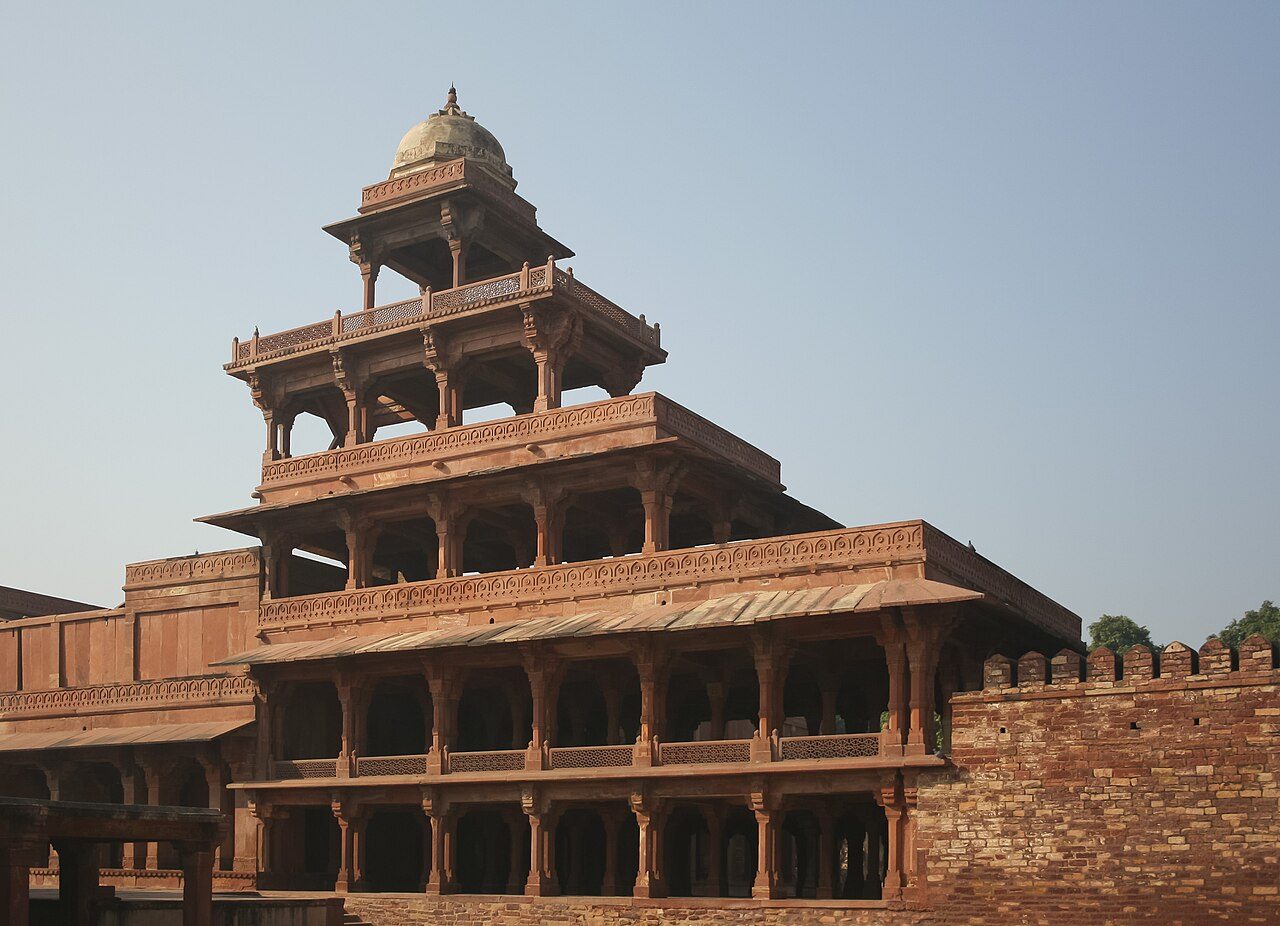
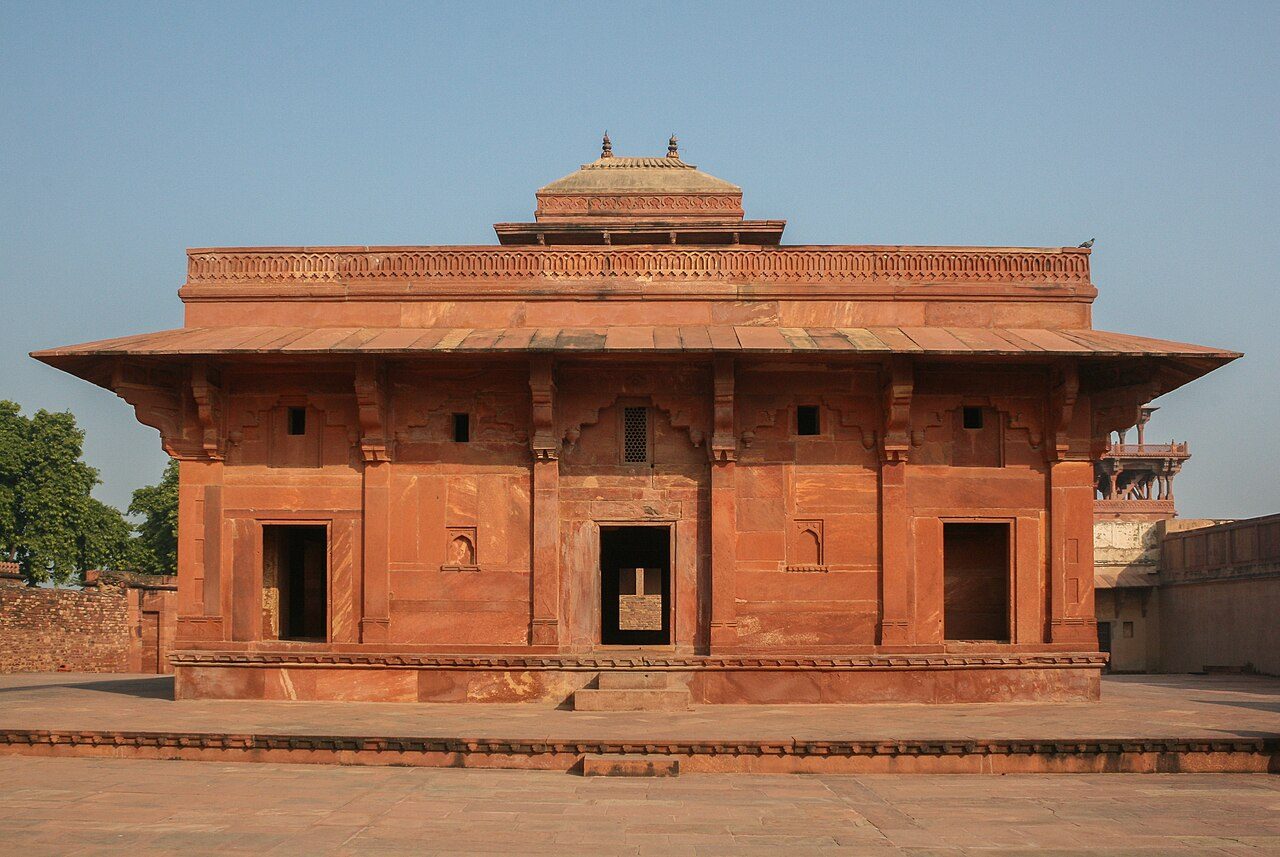
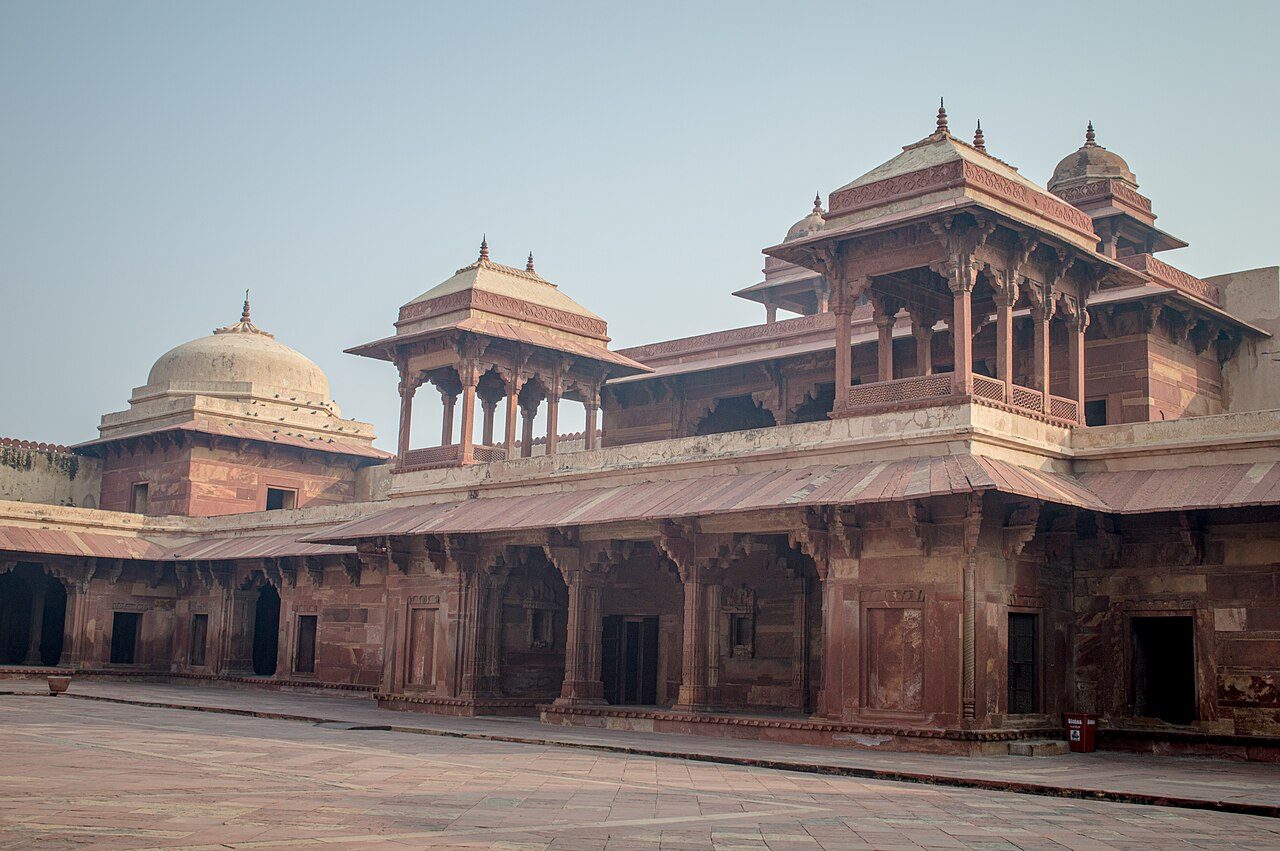
Fatehpur Sikri was built by the emperor Akbar from 1571 as his new capital, in honour of the Sufi saint Salim Chishti, and abandoned only about fourteen years later. The red sandstone palaces survive almost intact: the Diwan-i-Khas with its carved central pillar, the five-storey Panch Mahal, Jodha Bai's palace and Birbal's house. It is a UNESCO World Heritage Site, about an hour from Agra.
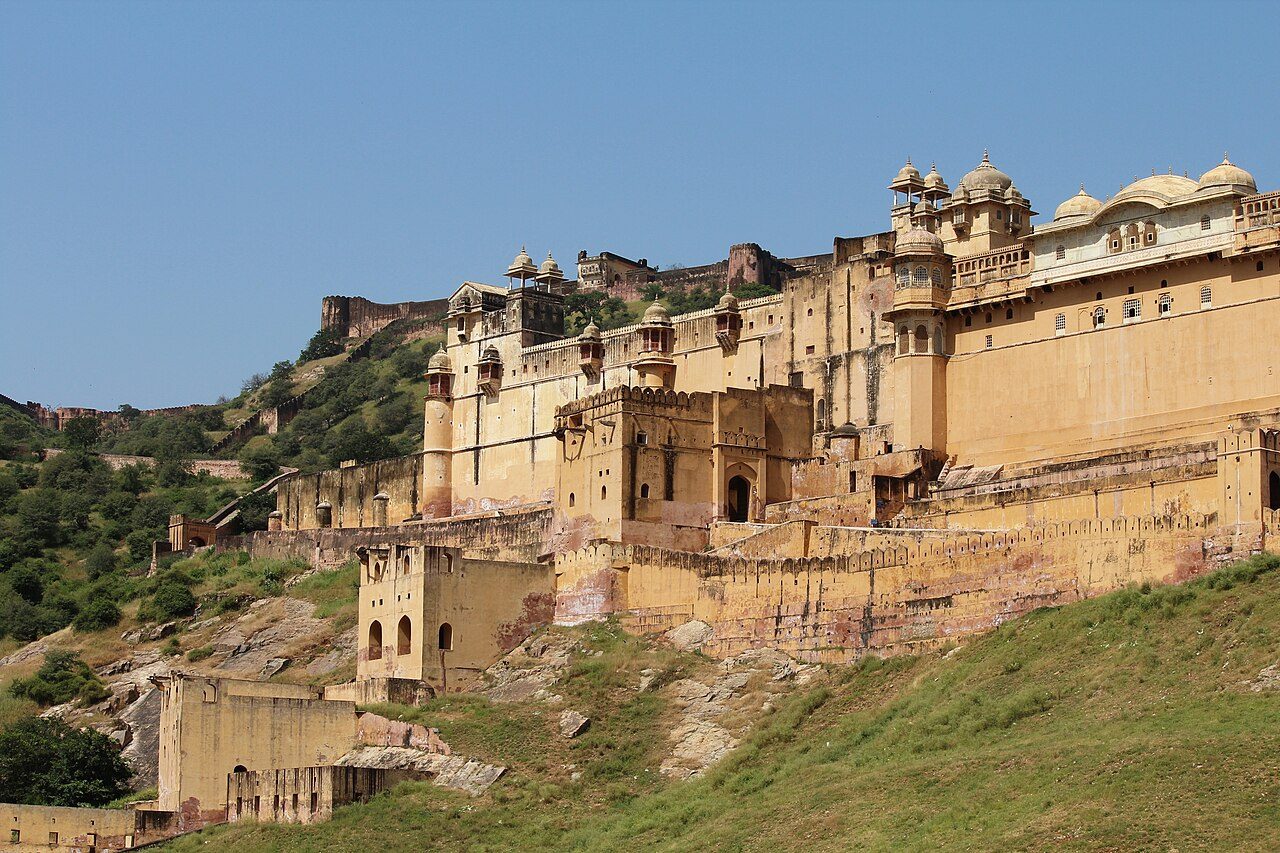
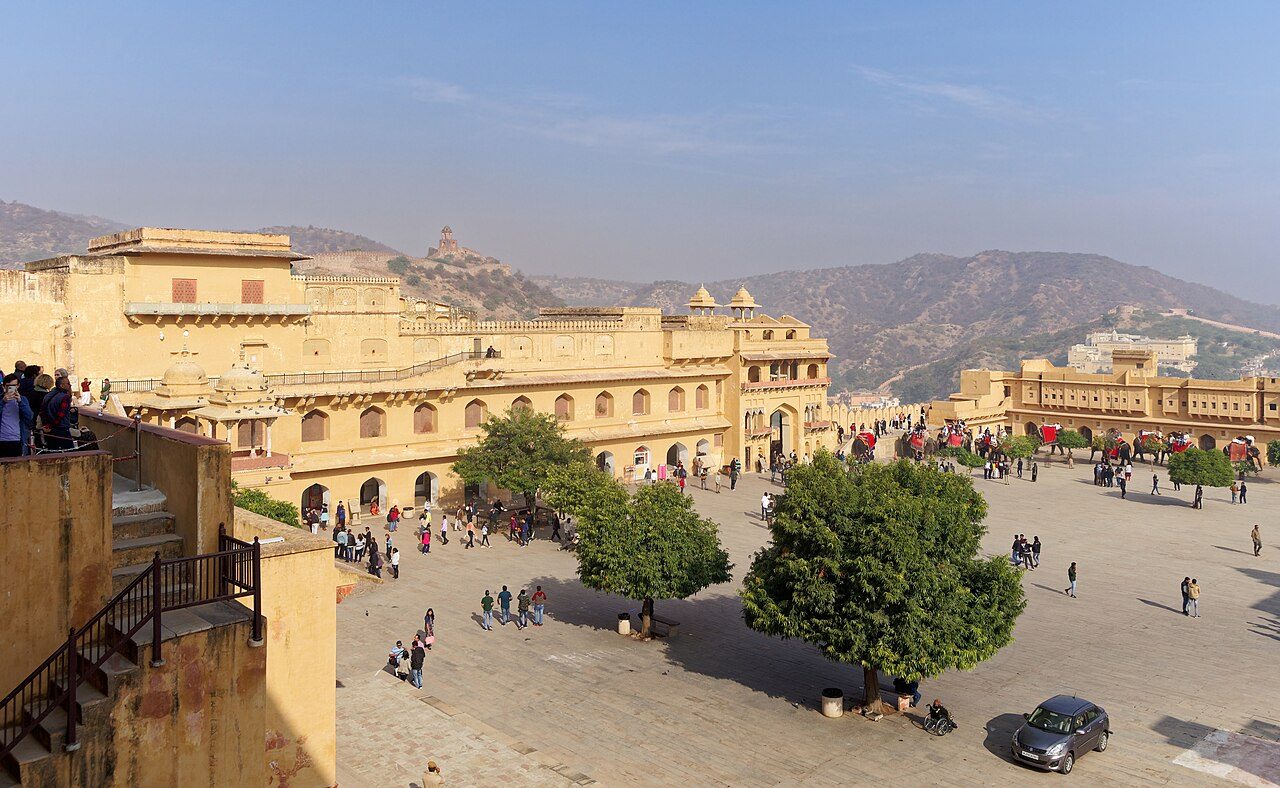
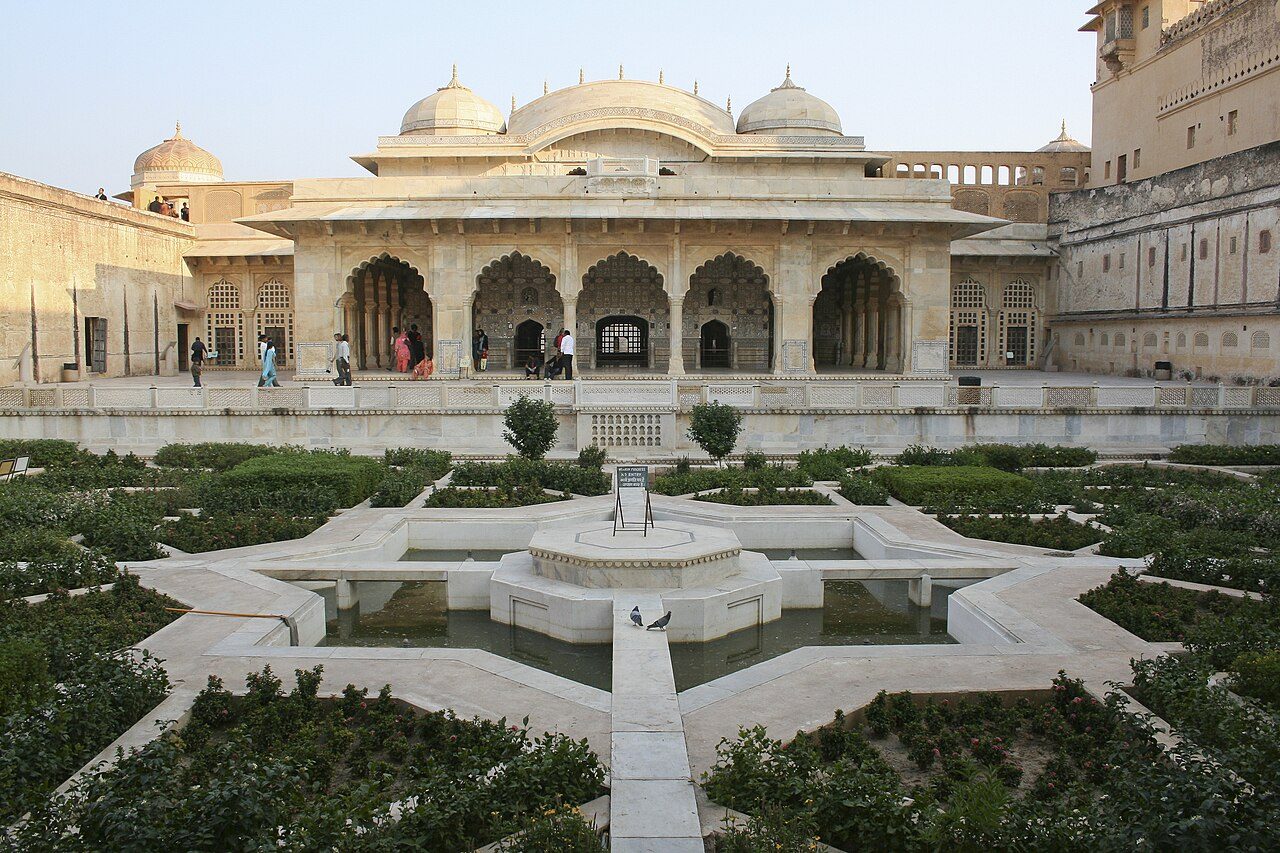
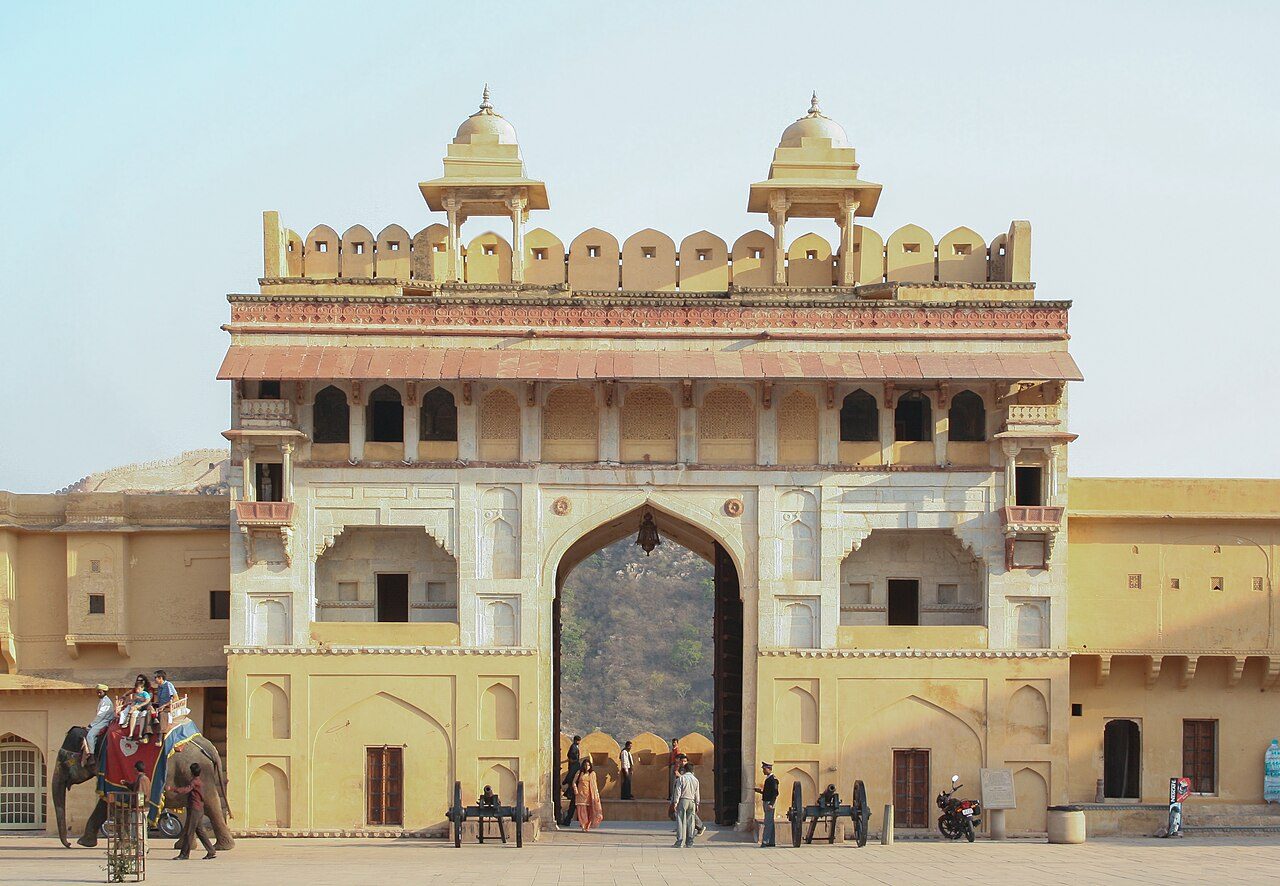
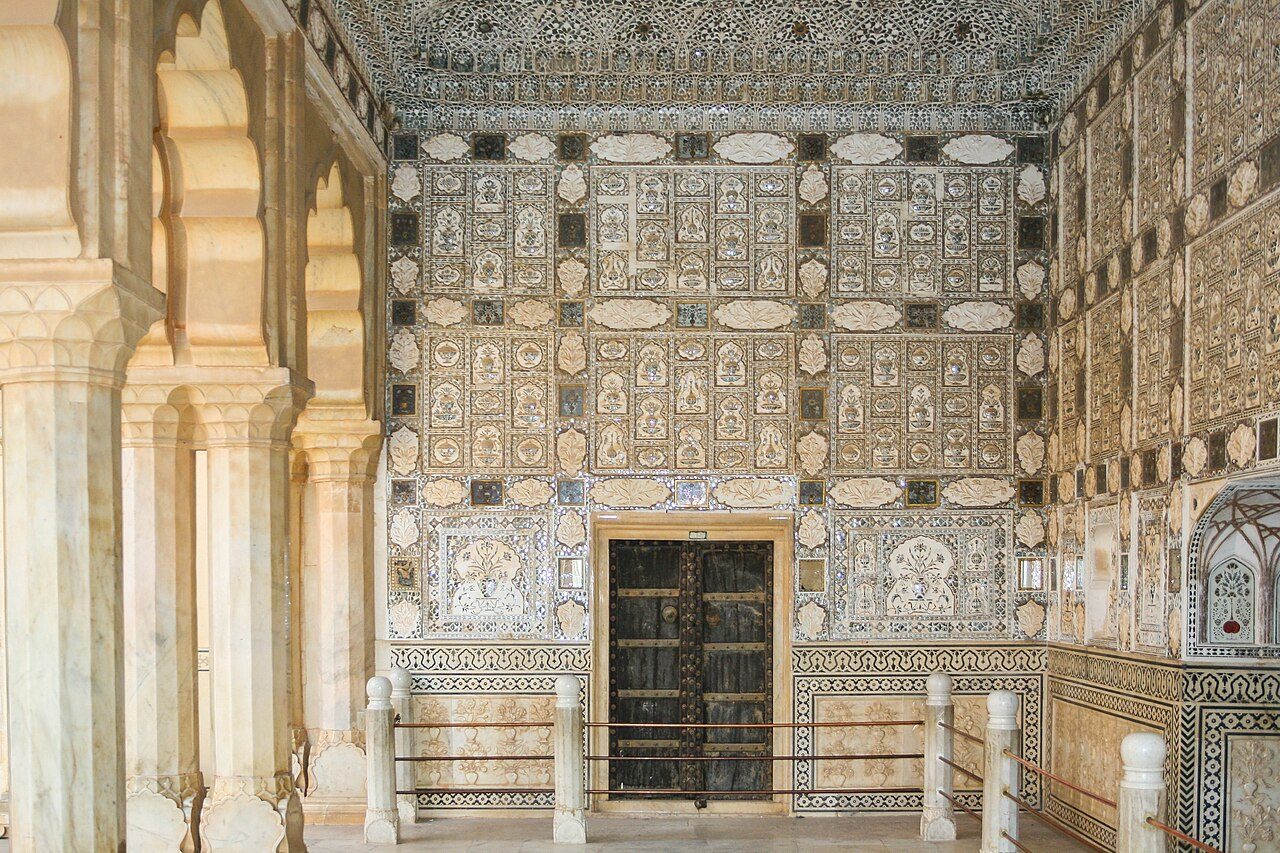
Amber Fort, in the hills just north of Jaipur, was the seat of the Kachwaha Rajputs before the capital moved to Jaipur. Begun by Raja Man Singh I in 1592 and enlarged by his successors, it blends Rajput and Mughal styles in courtyards, the mirrored Sheesh Mahal and the painted Ganesh Pol gate. It is one of the hill forts of Rajasthan on the UNESCO World Heritage list. Come early to beat the heat and crowds.
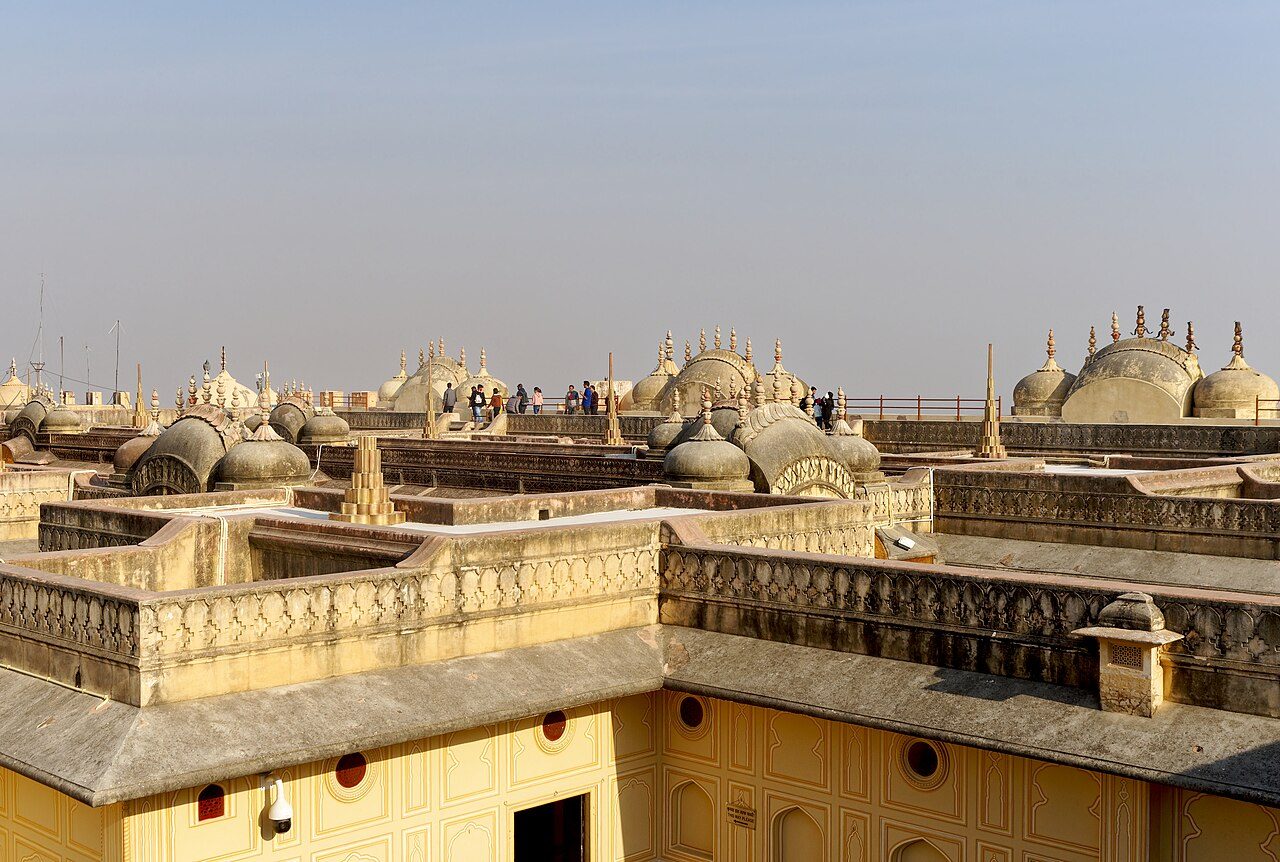
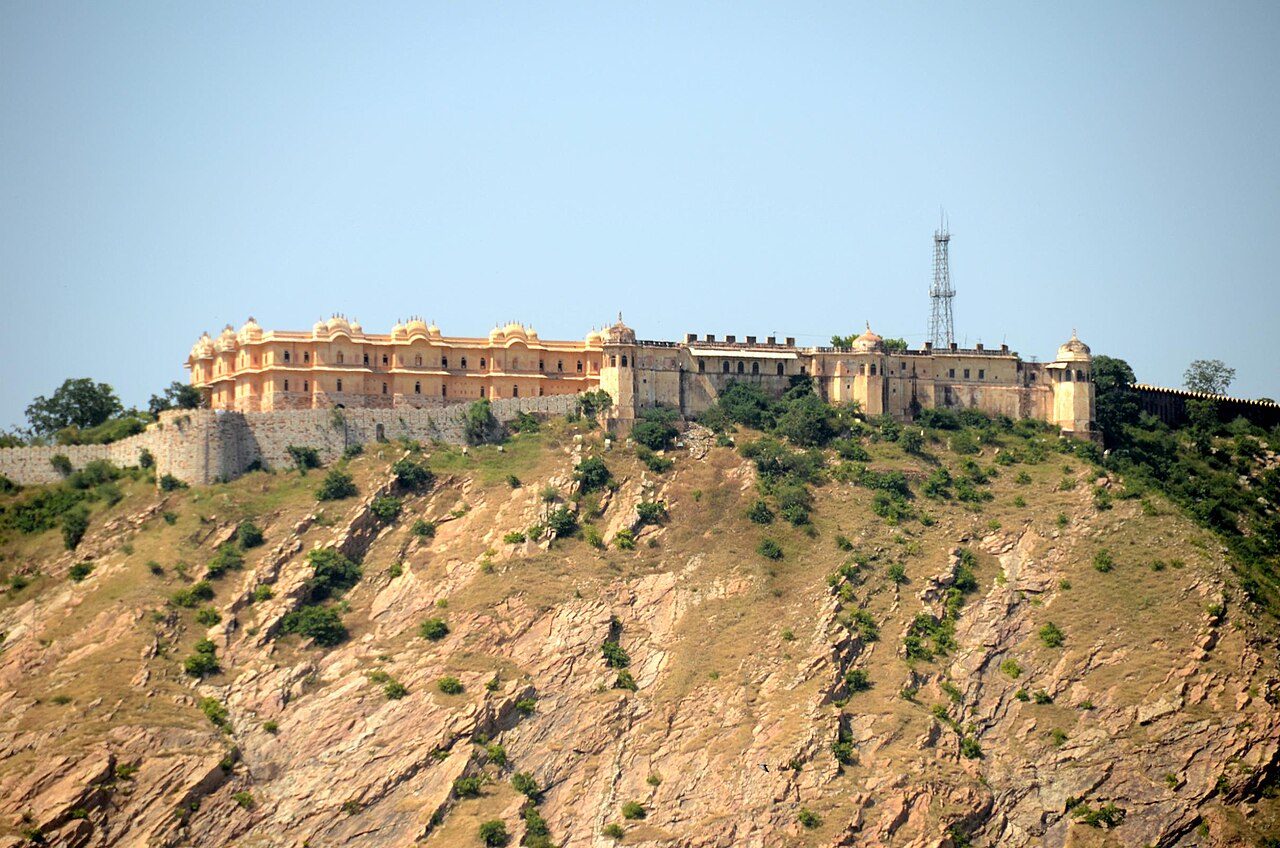
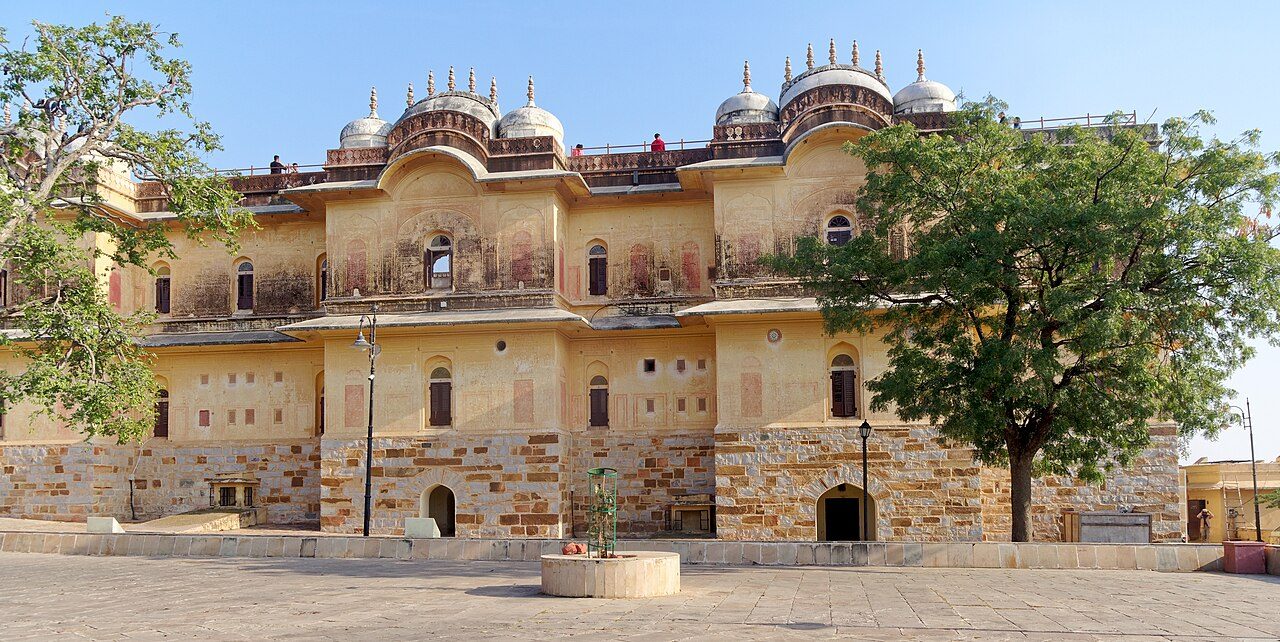
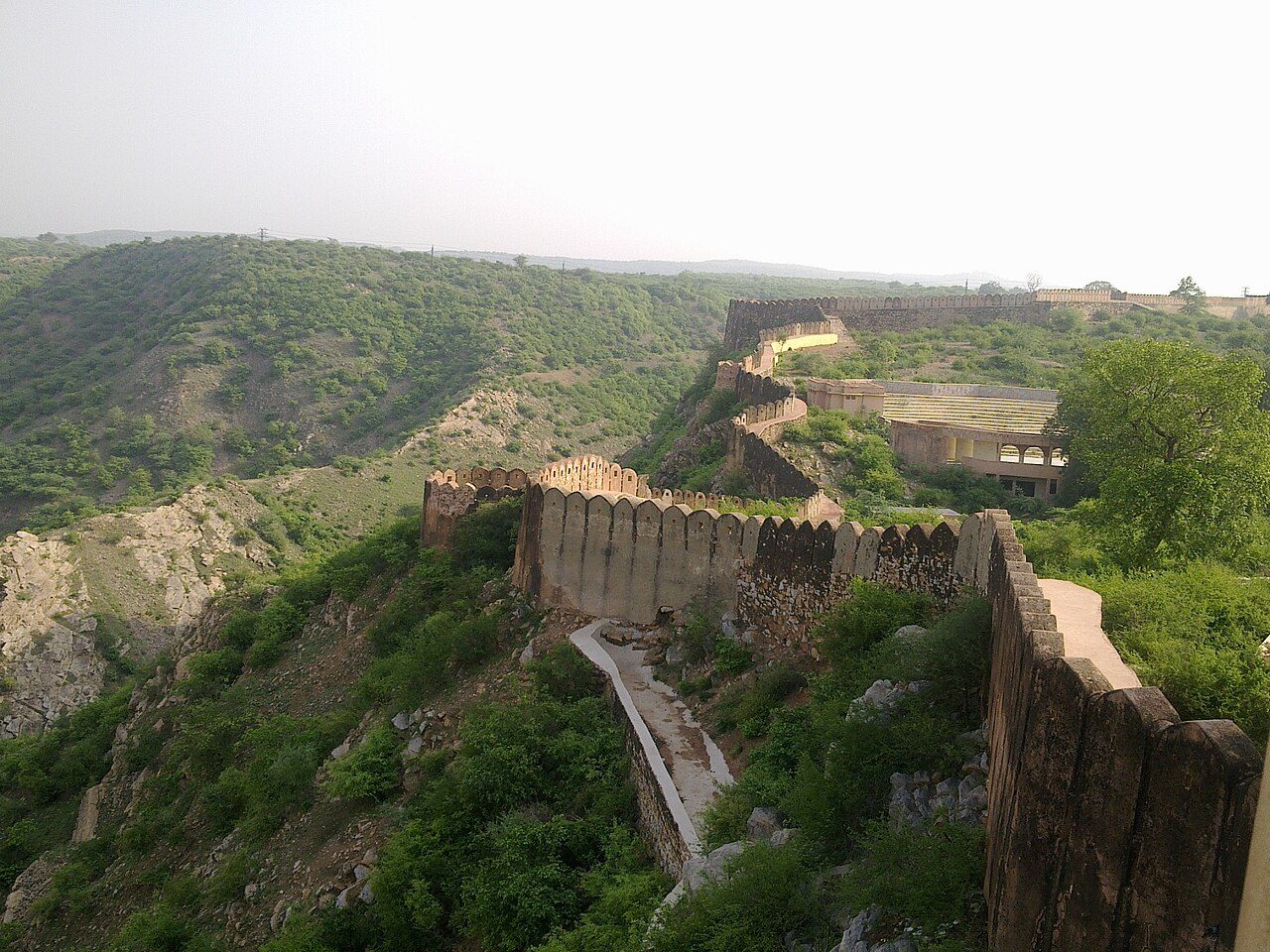
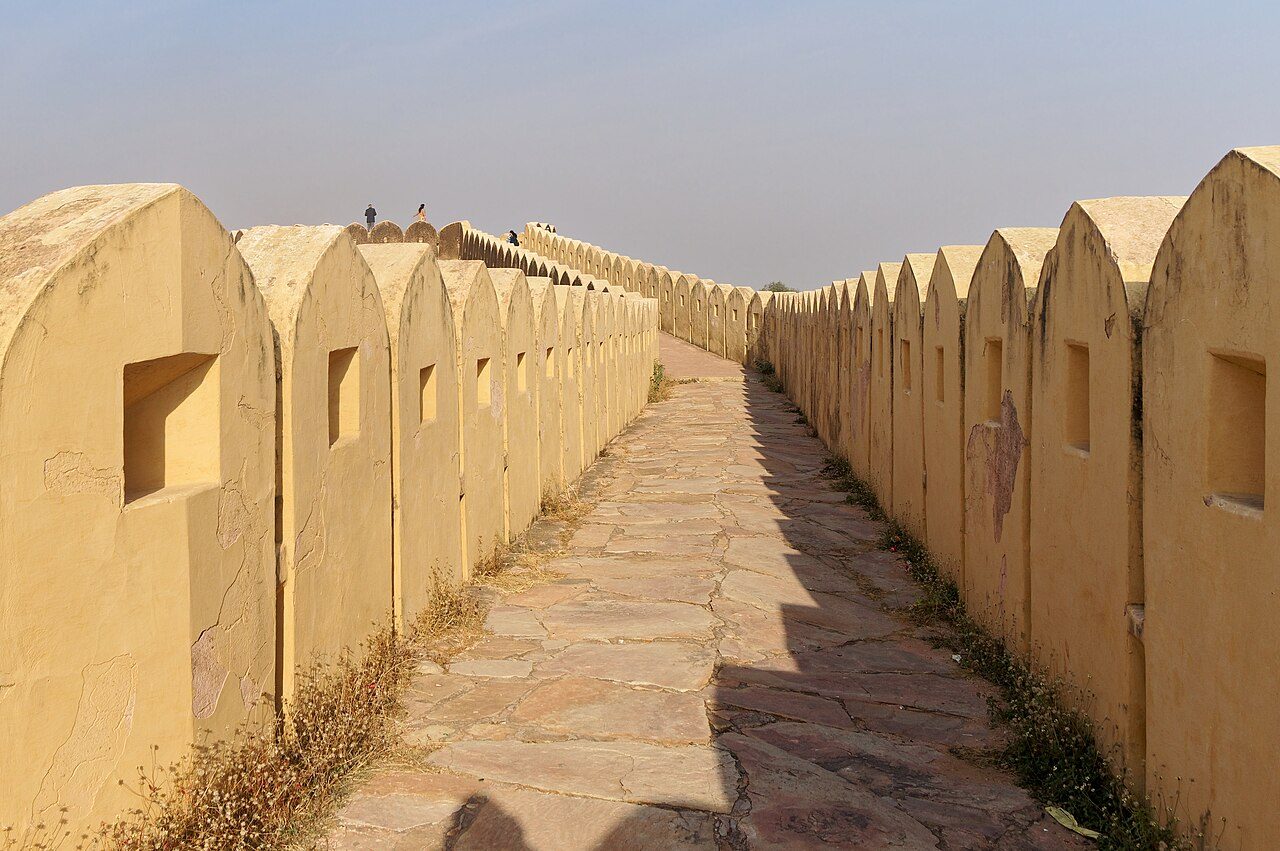
Nahargarh Fort stands on the edge of the Aravalli ridge above Jaipur and was built in 1734 by Sawai Jai Singh II as a retreat and part of the city's defences. Its Madhavendra Bhawan has a set of identical suites built for the king's queens, linked by corridors and decorated with frescoes. The ramparts give the best view over the pink city, especially at sunset.
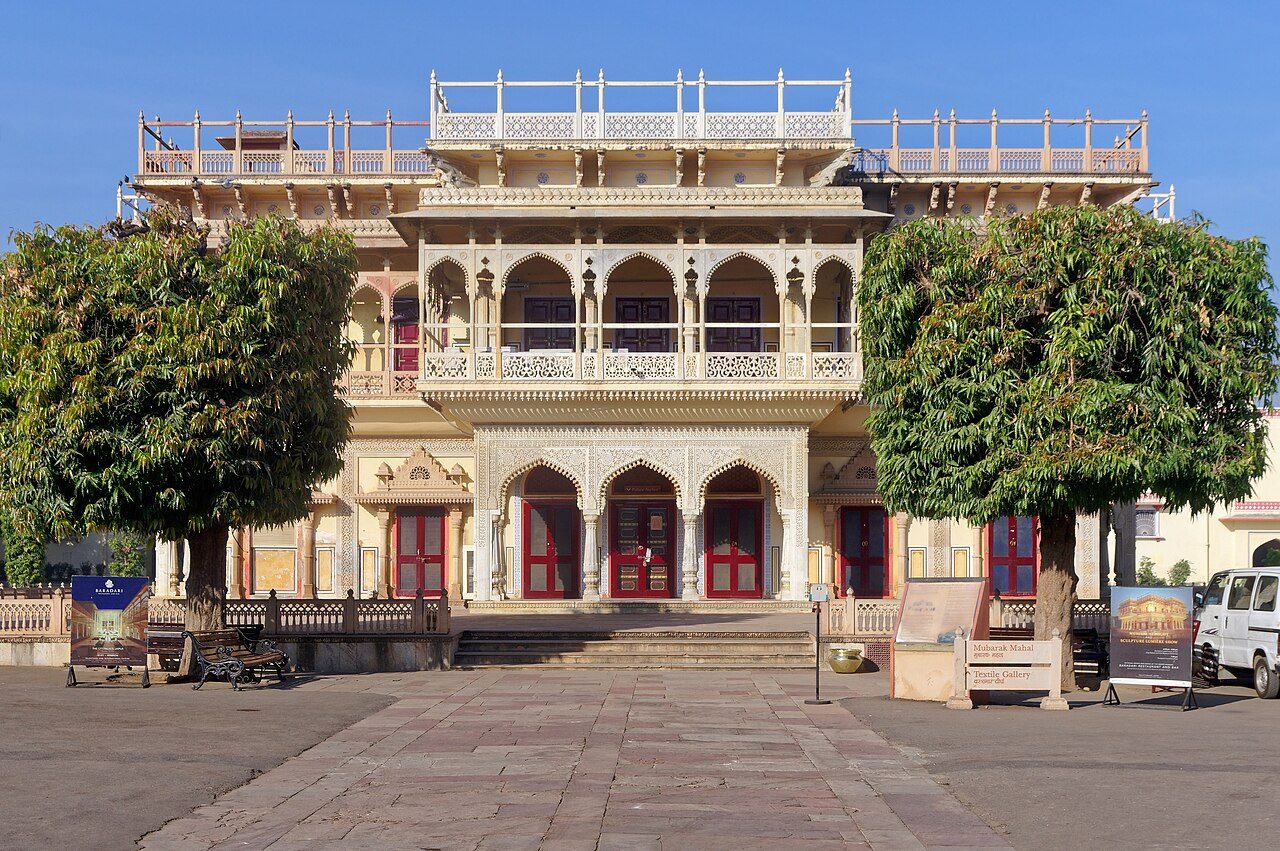
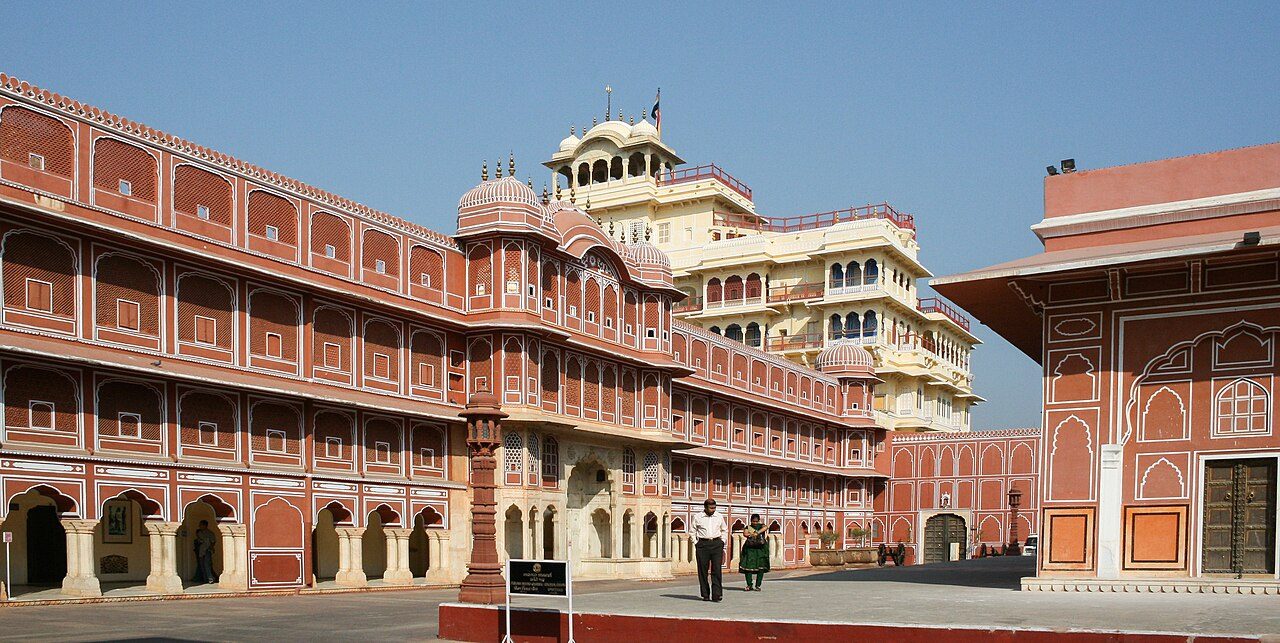
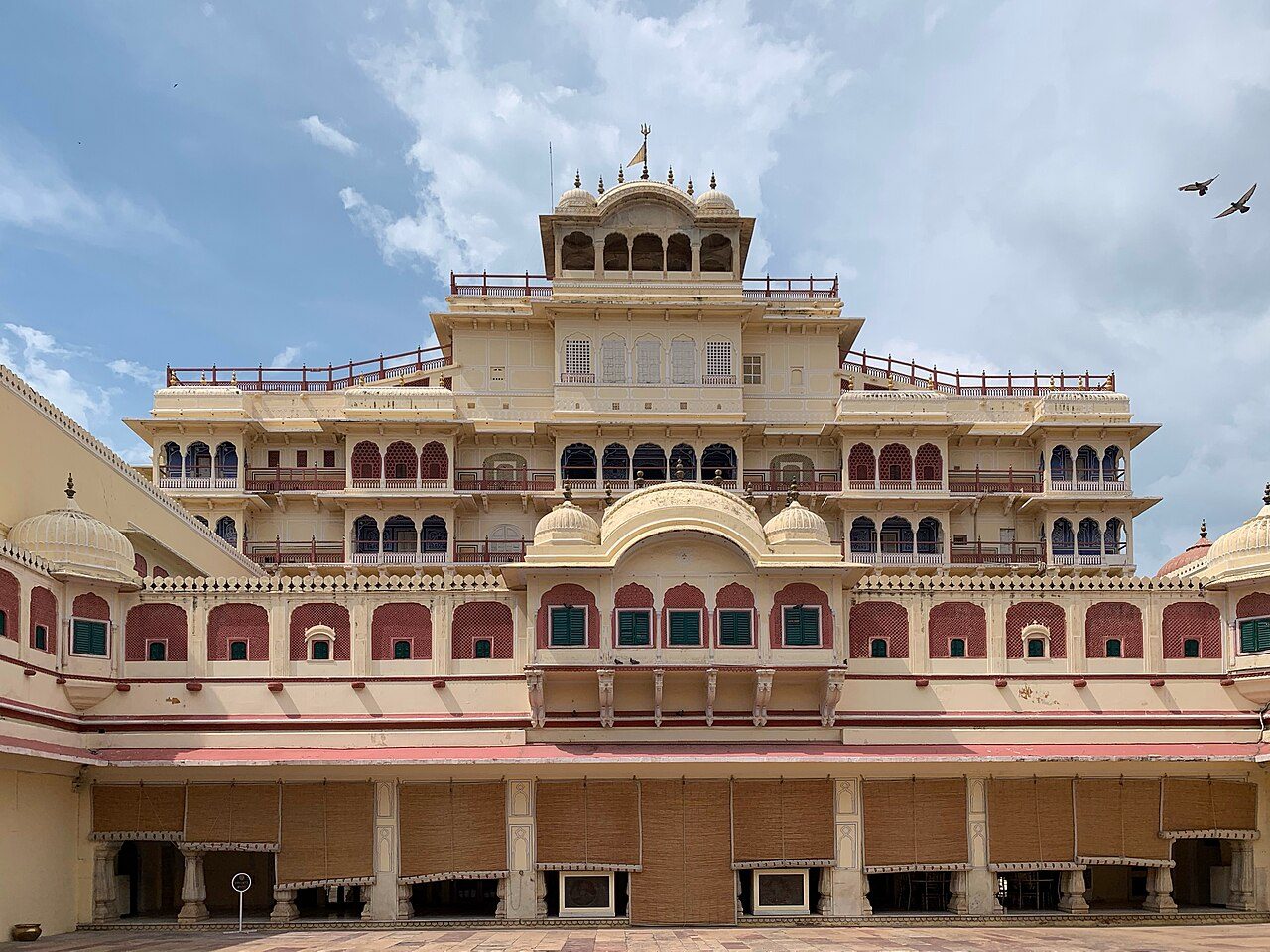
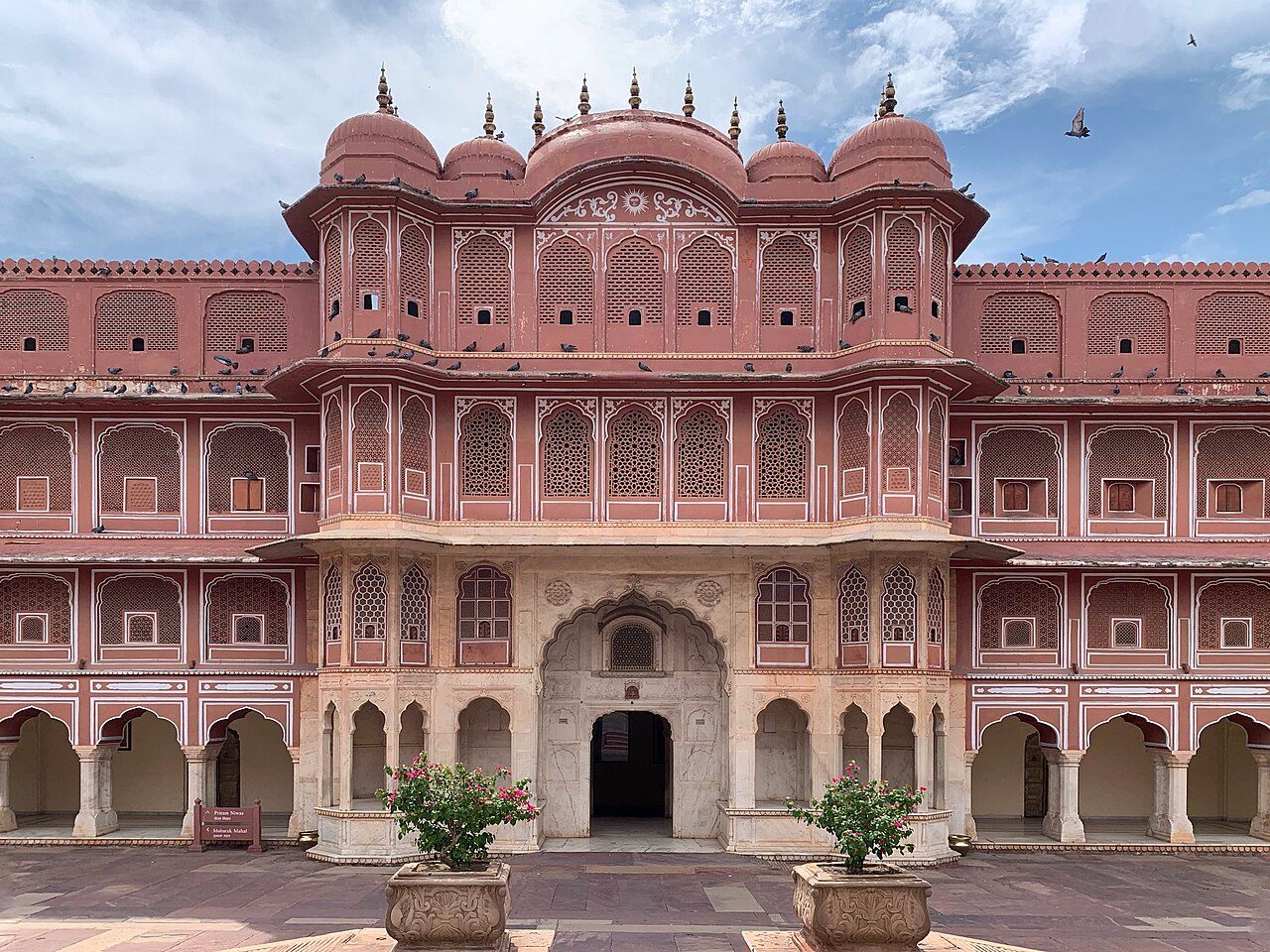
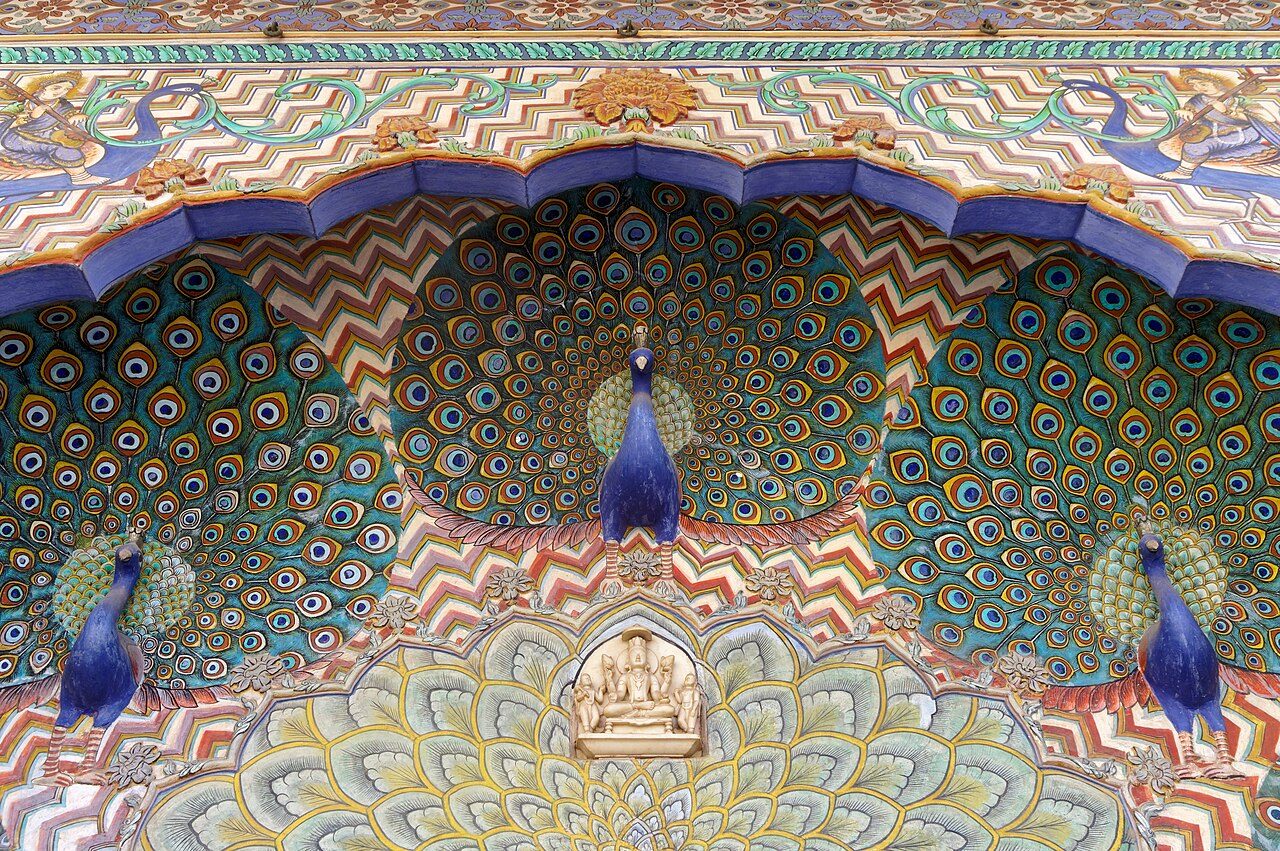
The City Palace was laid out by Maharaja Sawai Jai Singh II when he founded Jaipur in 1727, and part of it is still the home of the former royal family. Its courtyards hold the Mubarak Mahal, the Diwan-i-Khas with its giant silver urns, and the Pritam Niwas Chowk with four painted gates representing the seasons. The museum displays royal costumes, arms, carpets and manuscripts.
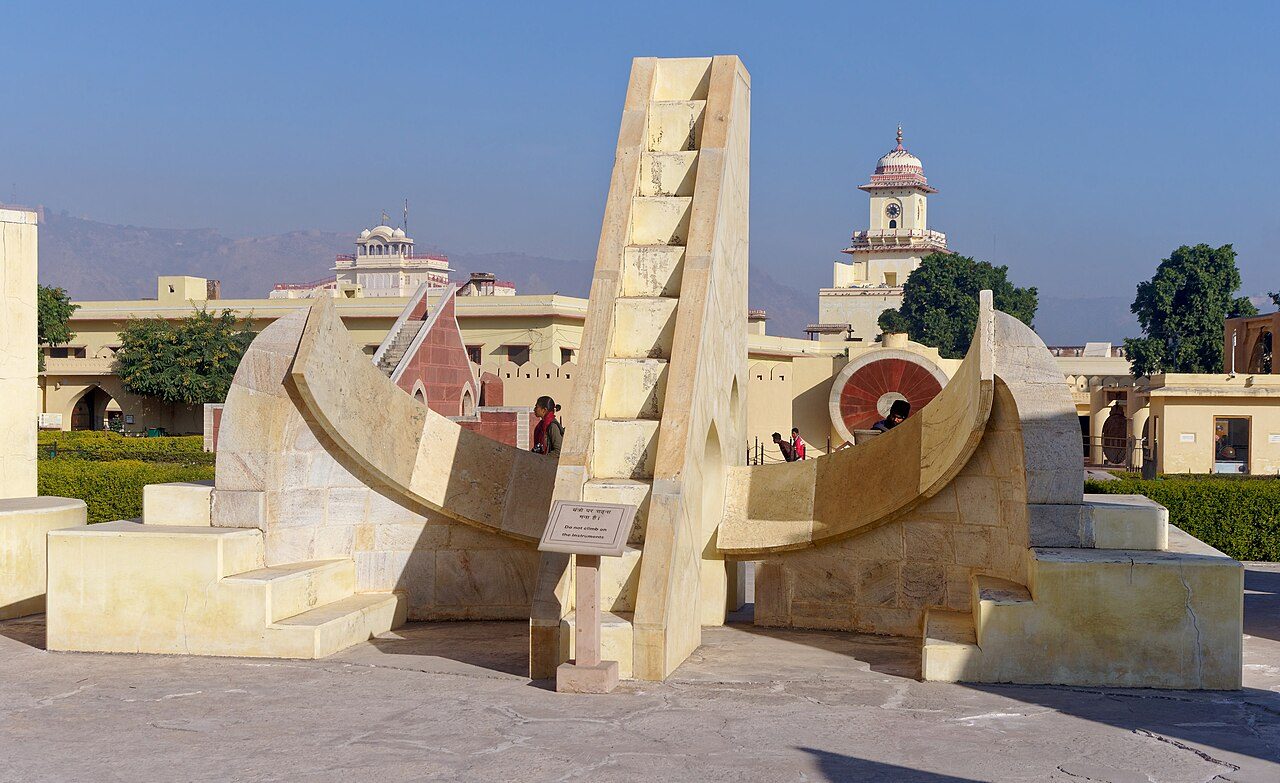
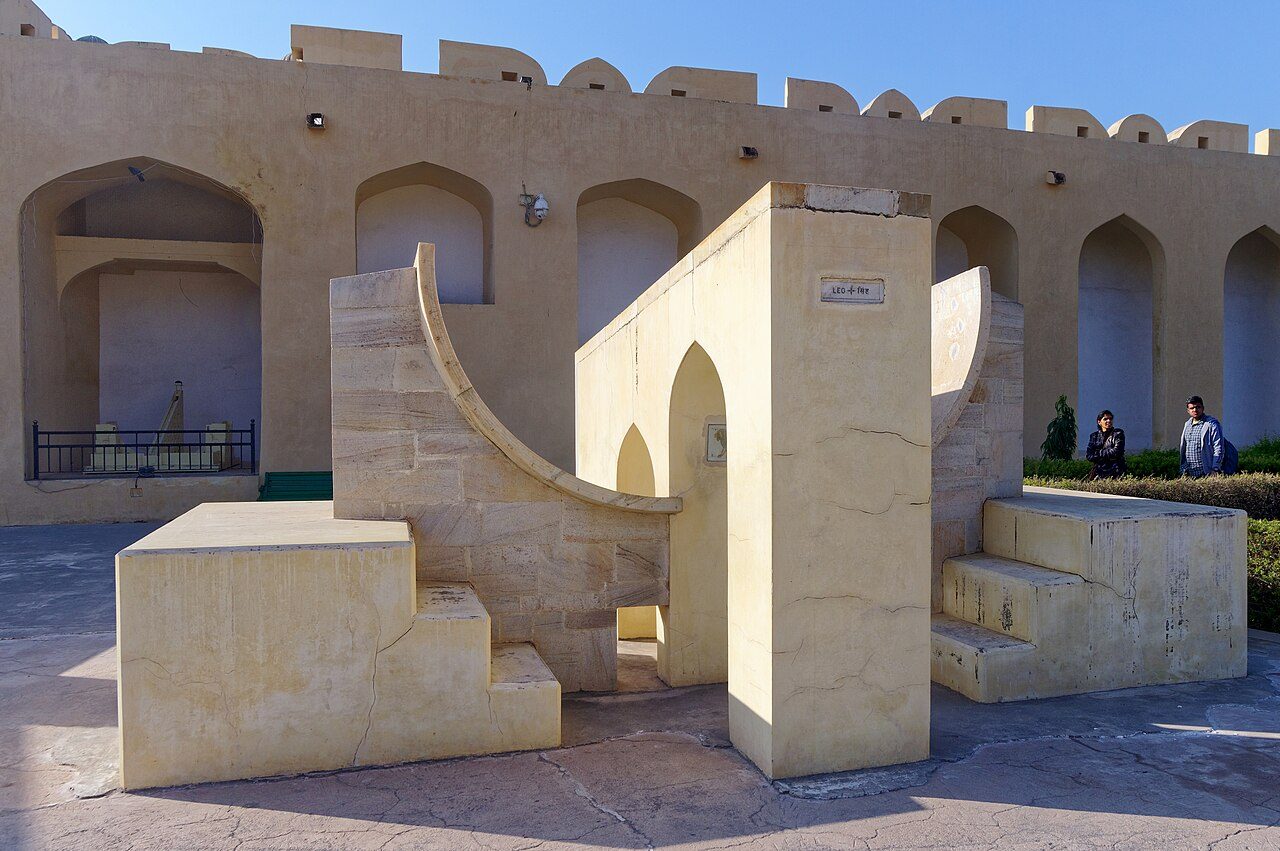
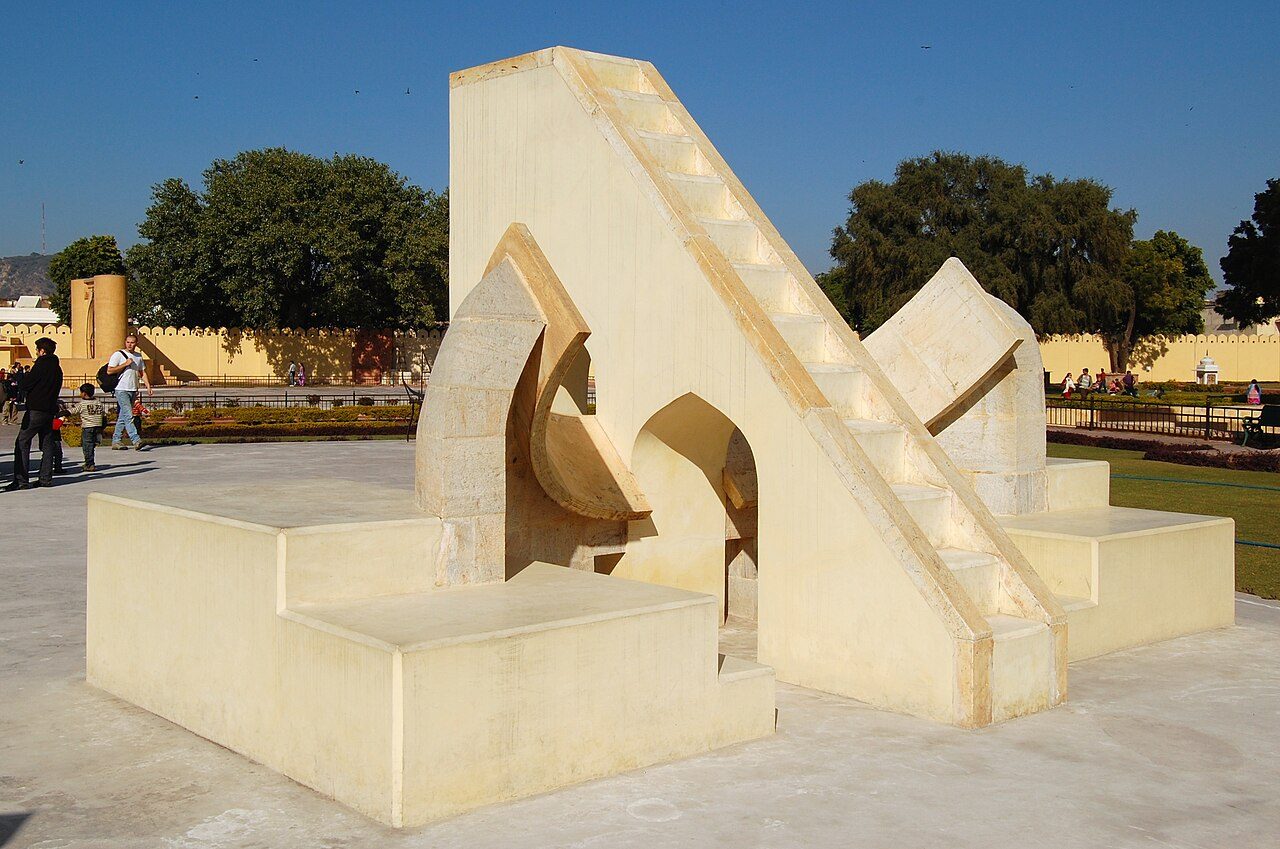
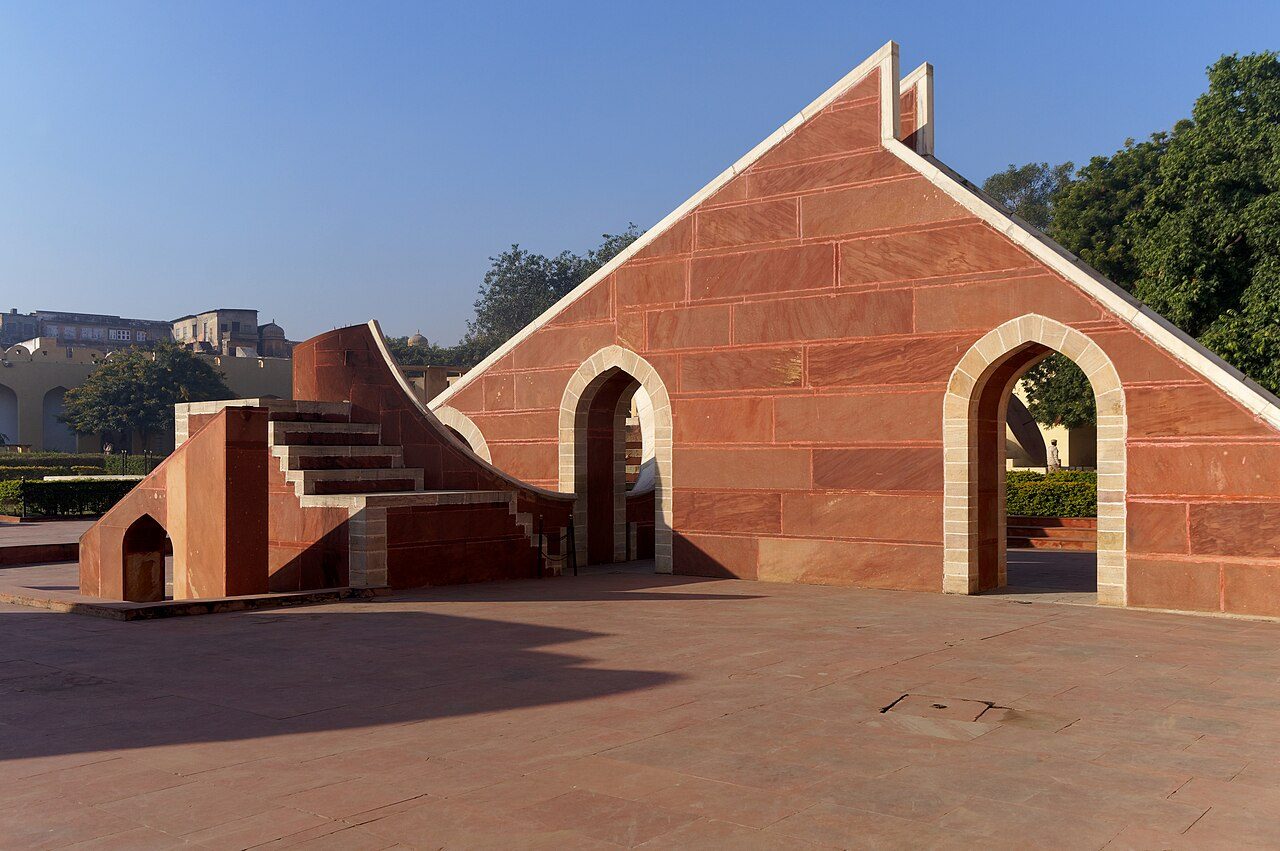
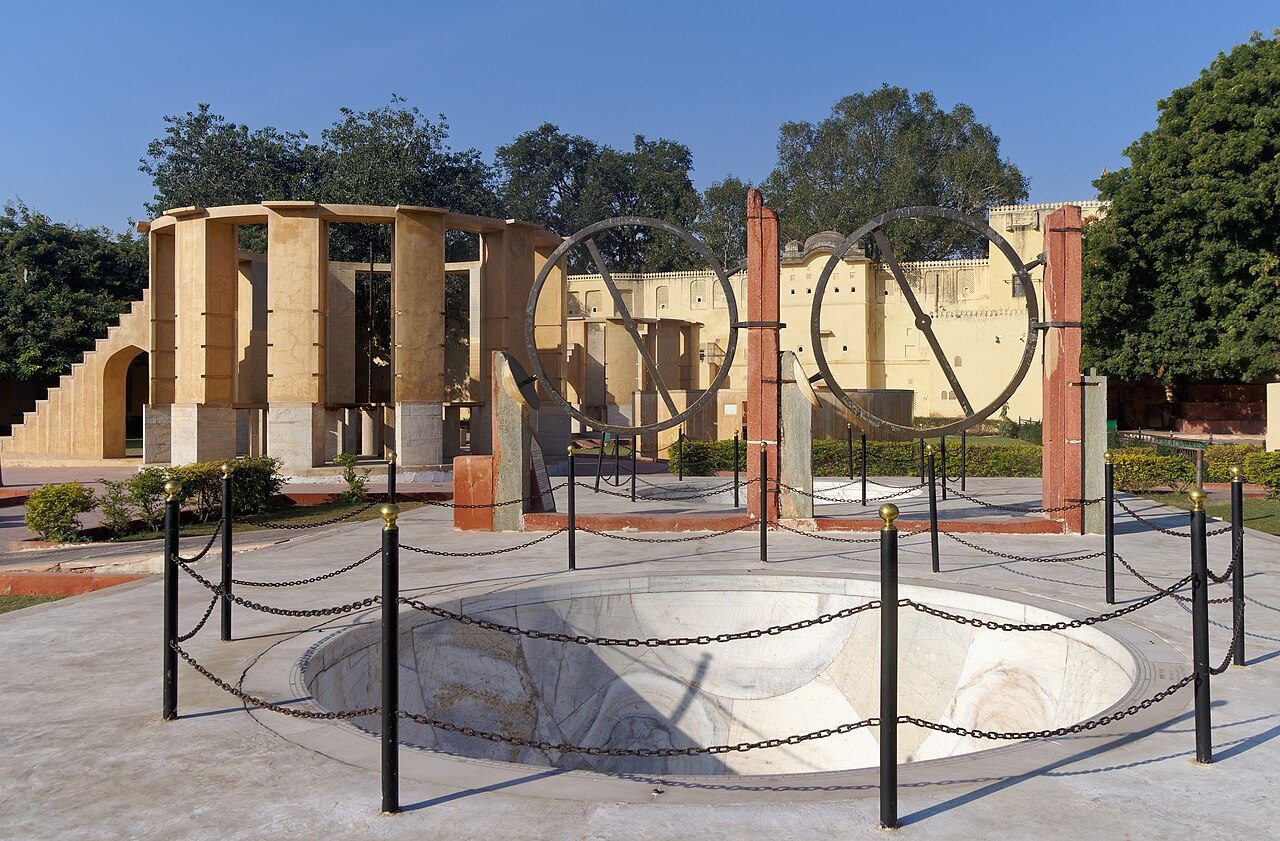
Jantar Mantar is a collection of nineteen astronomical instruments built in masonry by Maharaja Sawai Jai Singh II and completed in the 1730s. They were designed to measure time, track stars and predict eclipses with the naked eye, and include the Samrat Yantra, the world's largest stone sundial. The observatory is a UNESCO World Heritage Site. A guide helps make sense of how each instrument works.
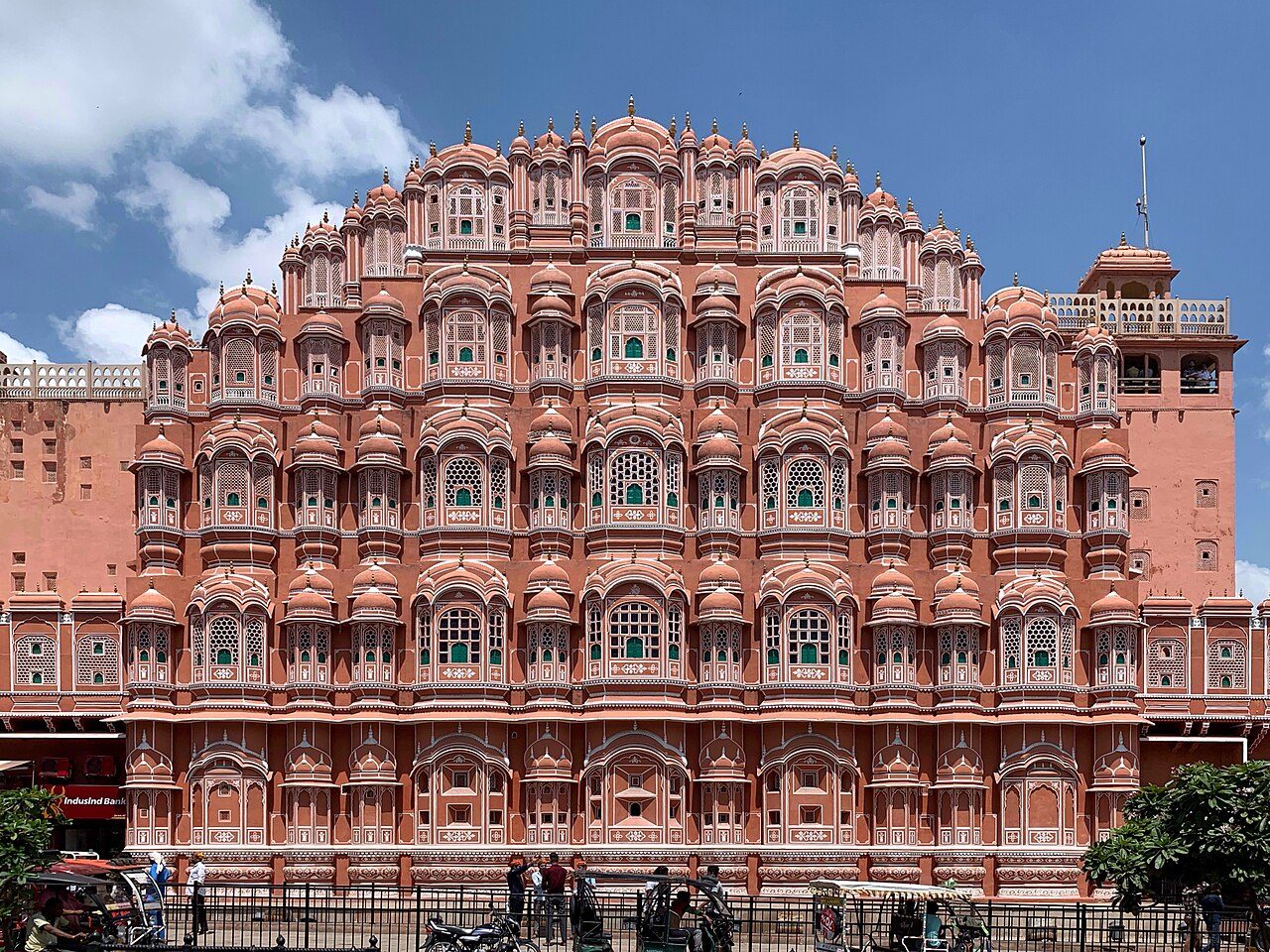
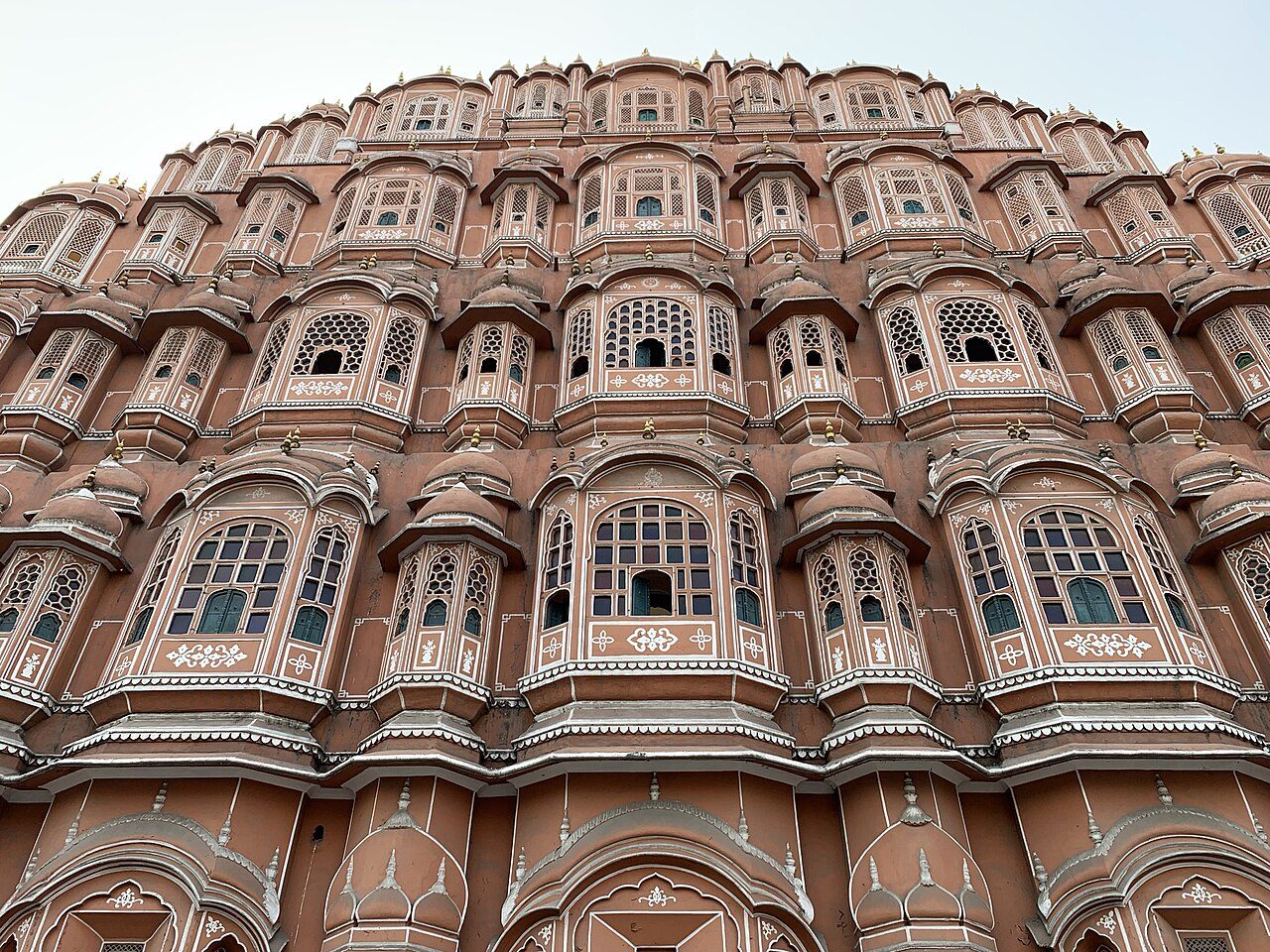
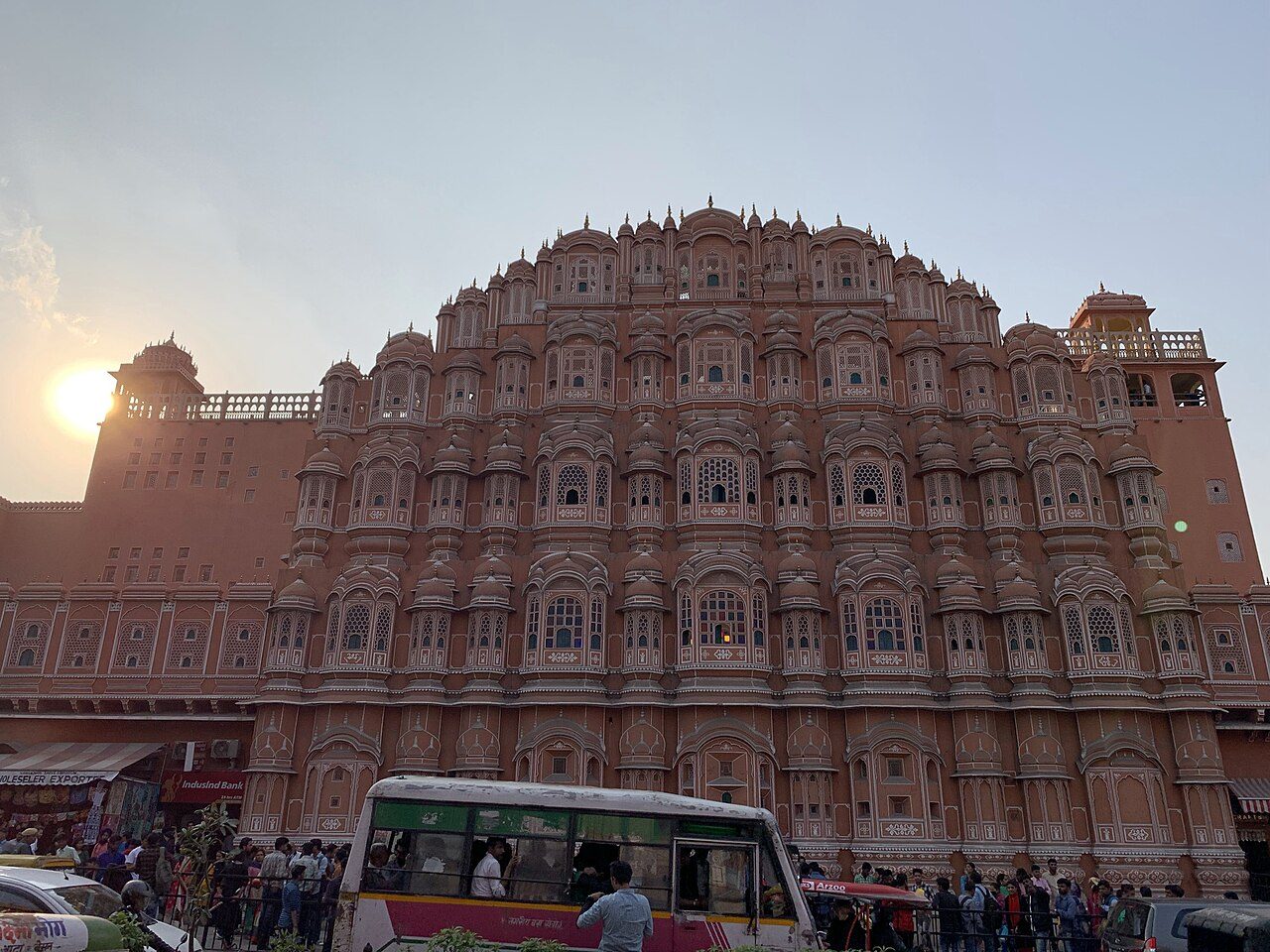
Hawa Mahal, the Palace of Winds, was built in 1799 by Maharaja Sawai Pratap Singh as an extension of the City Palace. Its five-storey pink sandstone facade has hundreds of small latticed windows, designed so that royal women could watch street processions unseen while breezes cooled the rooms. The facade is best seen from the street in the morning light; the entrance is around the back.
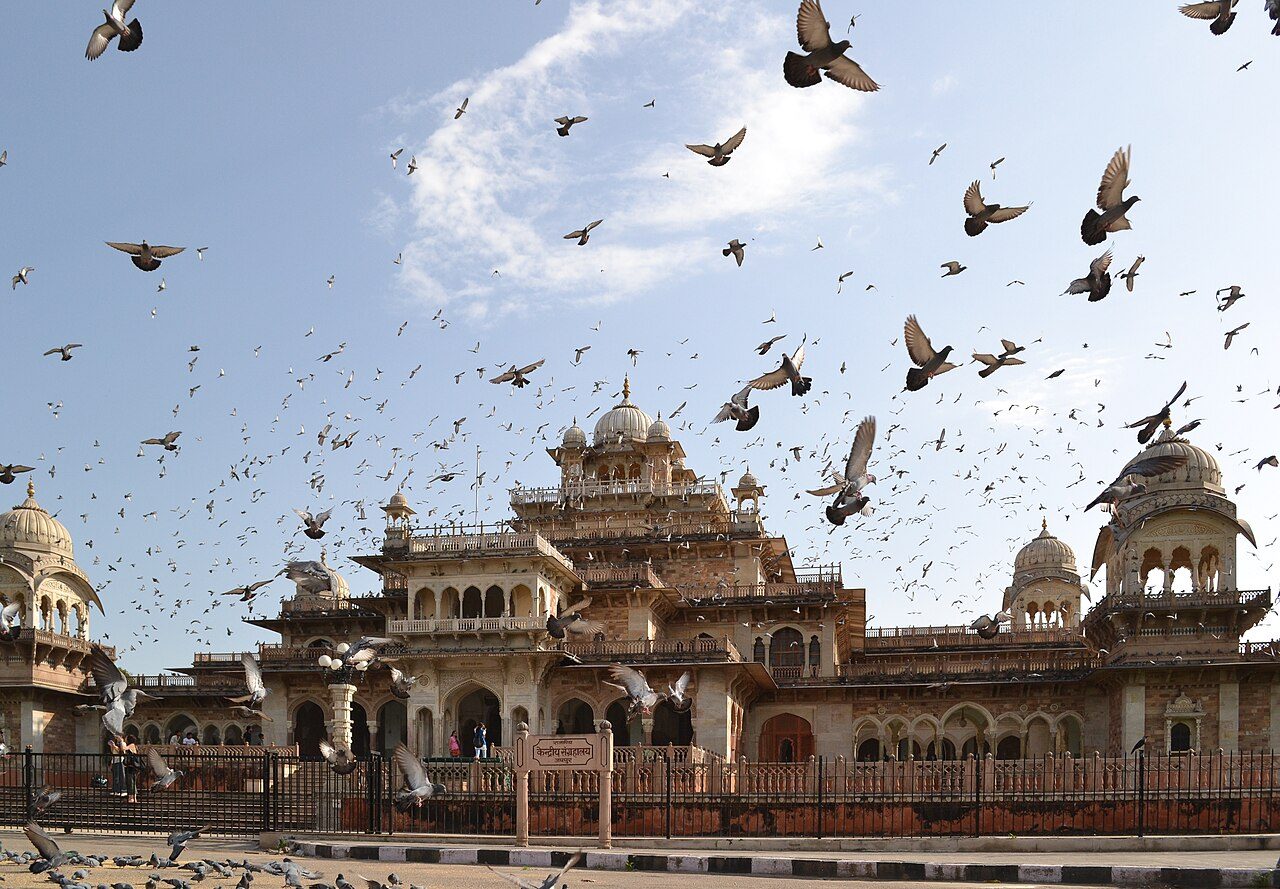
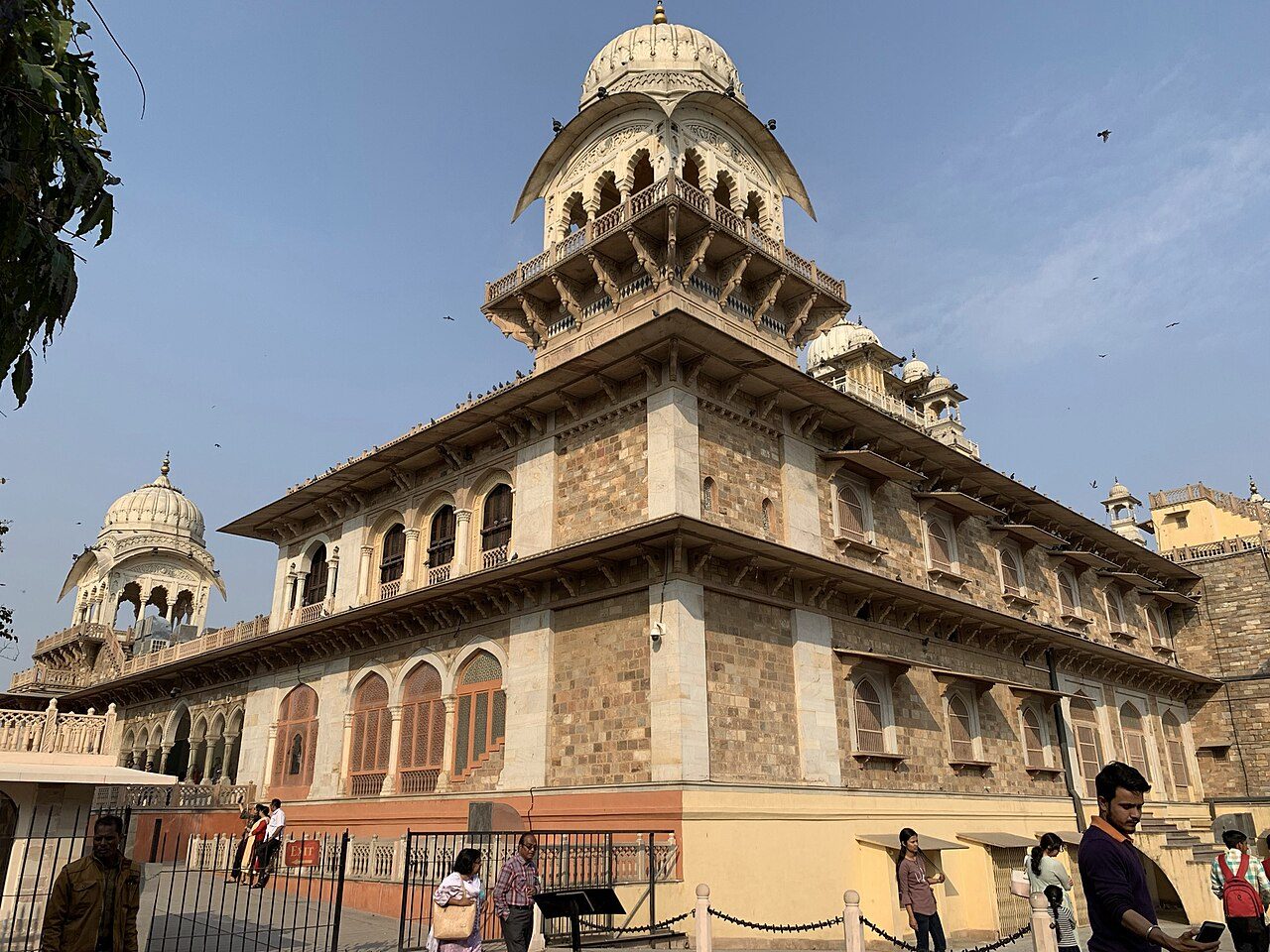
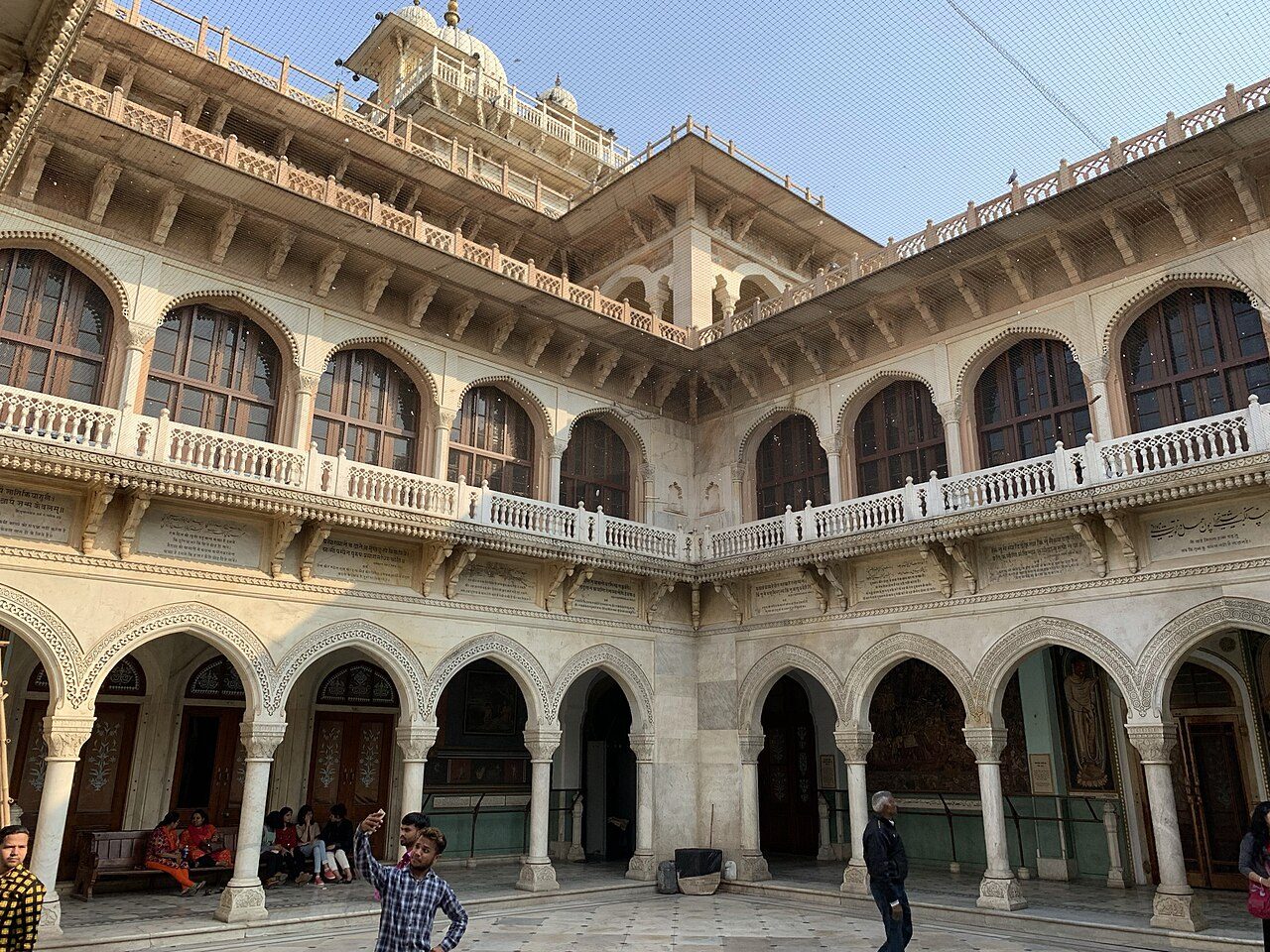
Albert Hall, in Ram Niwas Garden, is the oldest museum in Rajasthan. Its foundation stone was laid in 1876 during the visit of the Prince of Wales, and it opened as a museum in 1887, designed by Samuel Swinton Jacob in the Indo-Saracenic style. The collection includes paintings, carpets, metalwork, pottery, arms and an Egyptian mummy. The building is illuminated every evening.
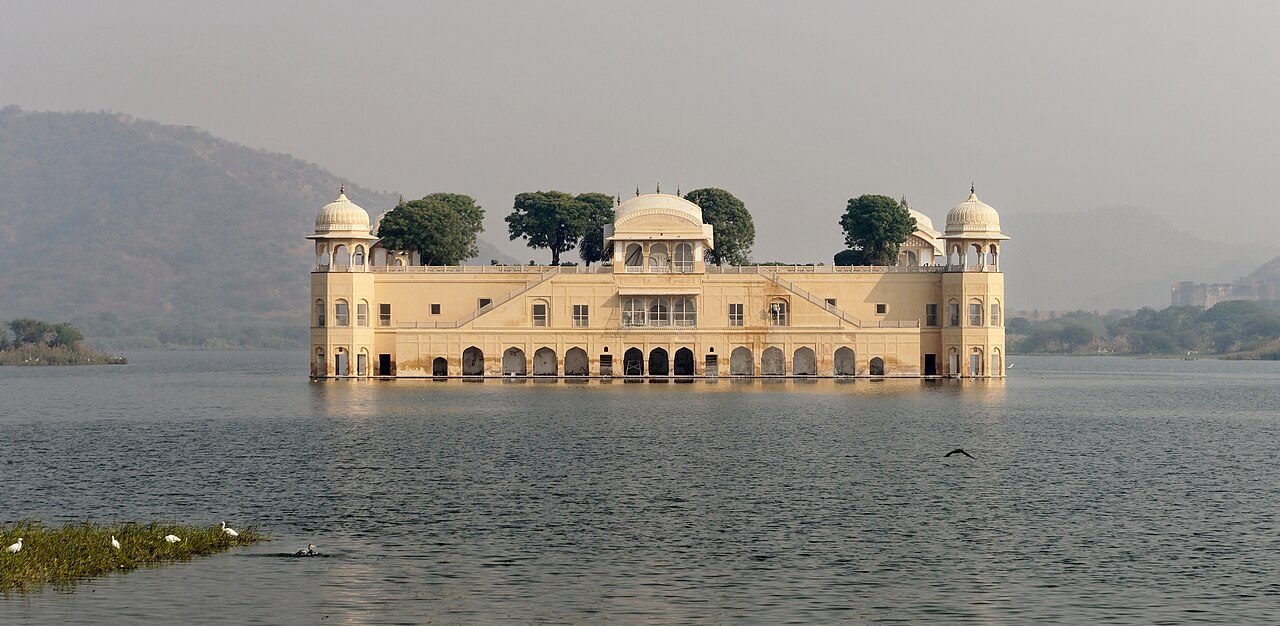
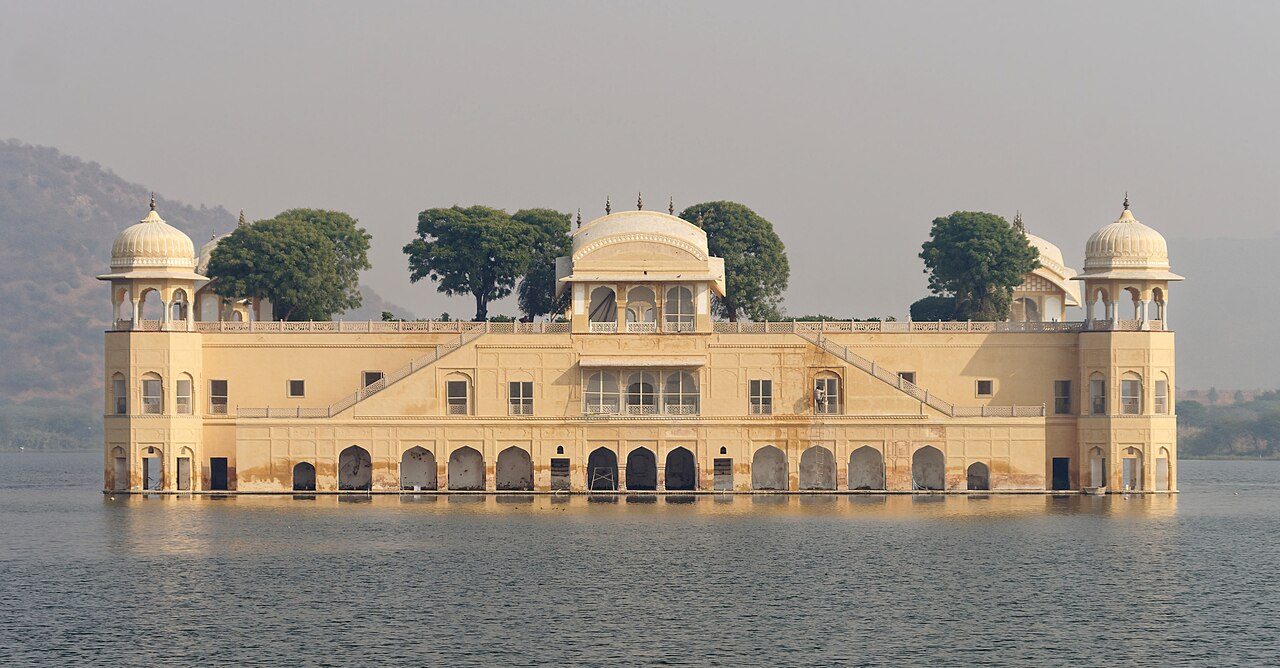
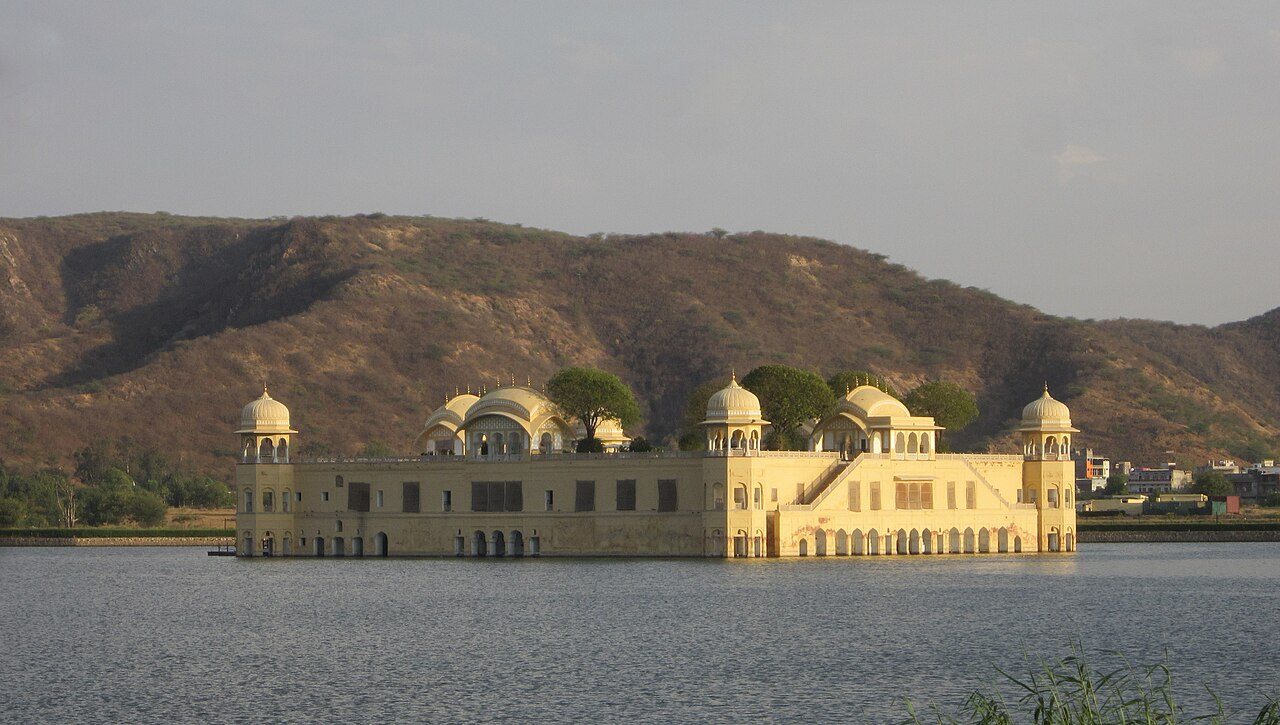
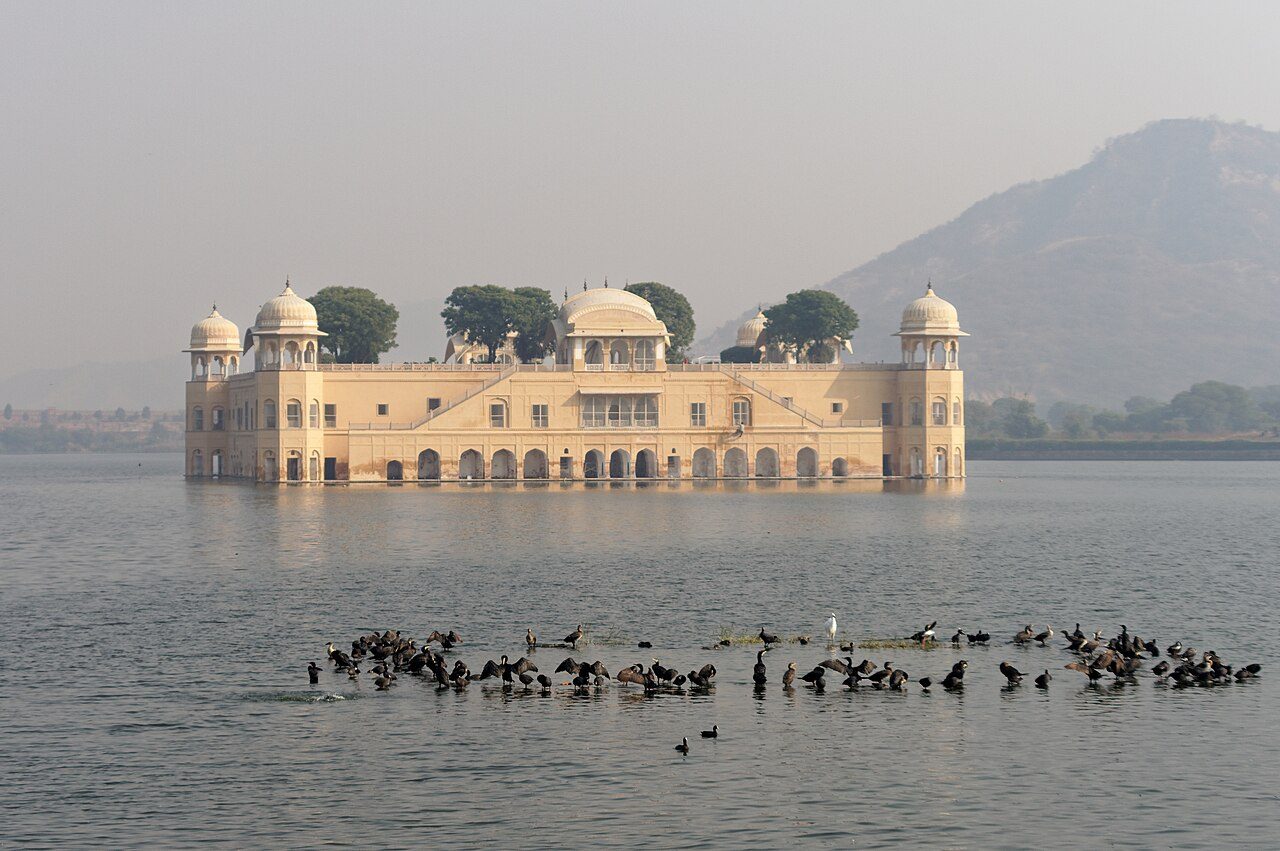
Jal Mahal, the Water Palace, sits in the middle of Man Sagar Lake on the road from Jaipur to Amber. The sandstone pavilion was built in the 18th century as a pleasure palace and duck-hunting lodge for the maharajas; four of its five storeys lie under water when the lake is full. Visitors cannot enter, but the lakeside promenade gives a fine view, especially at dusk when it is lit.
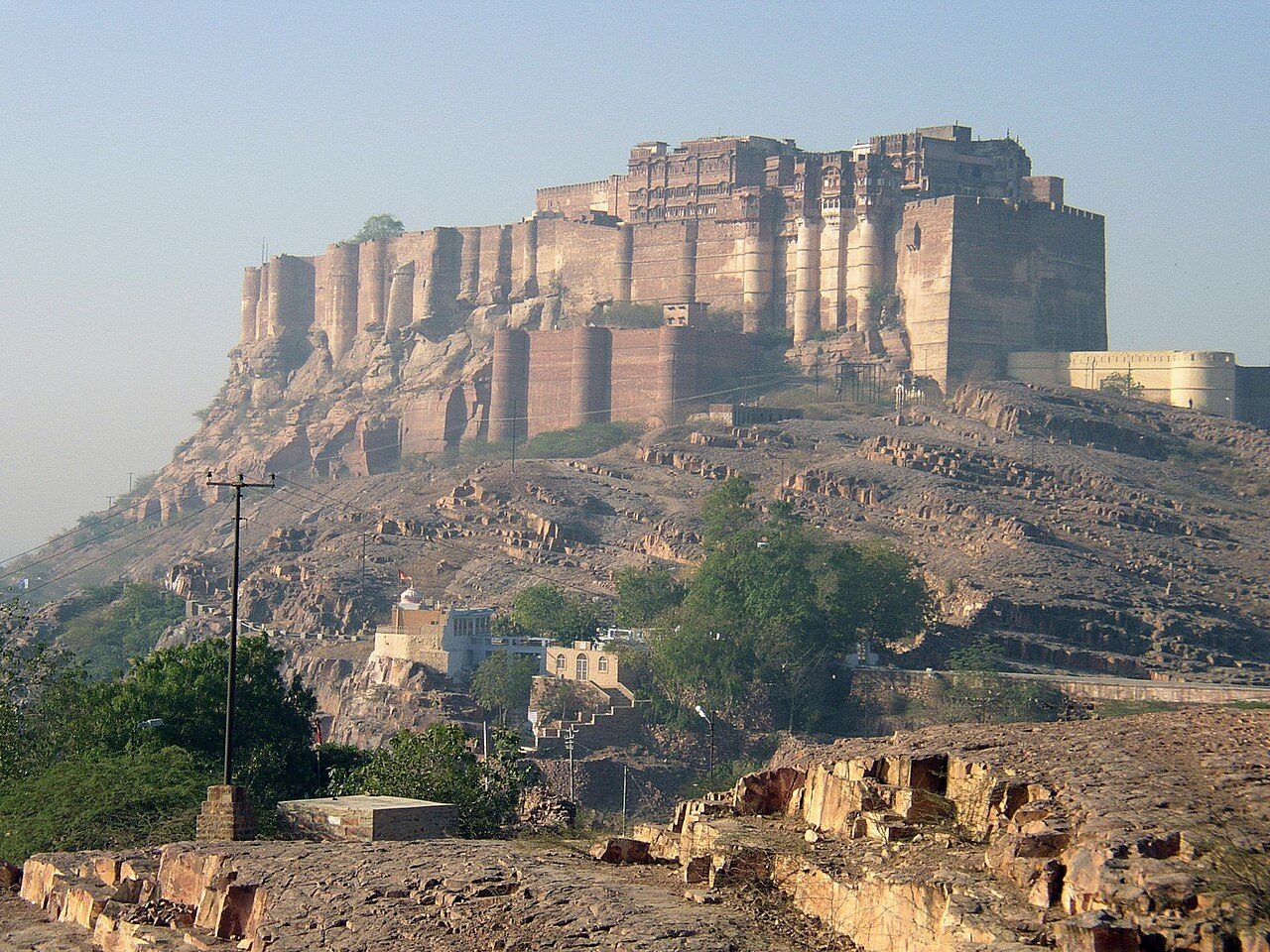
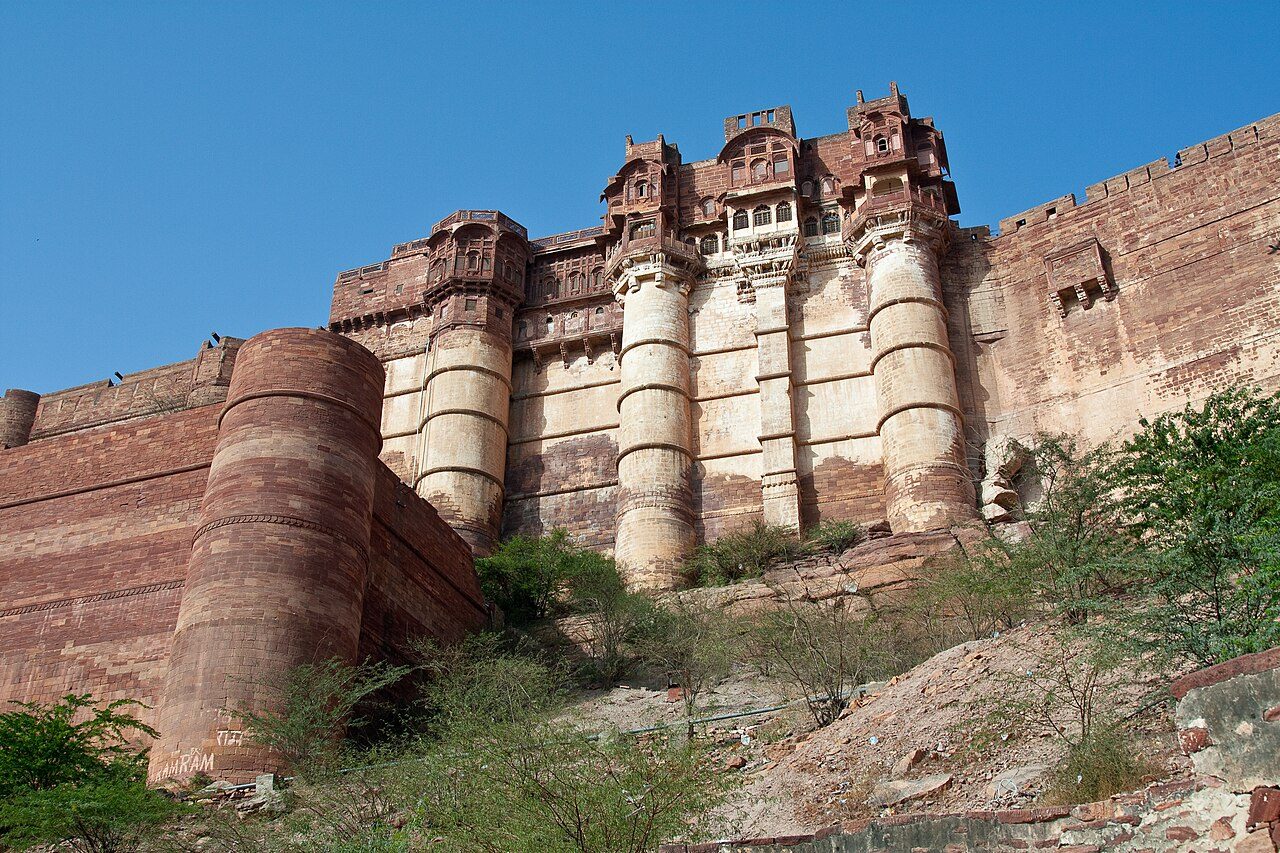
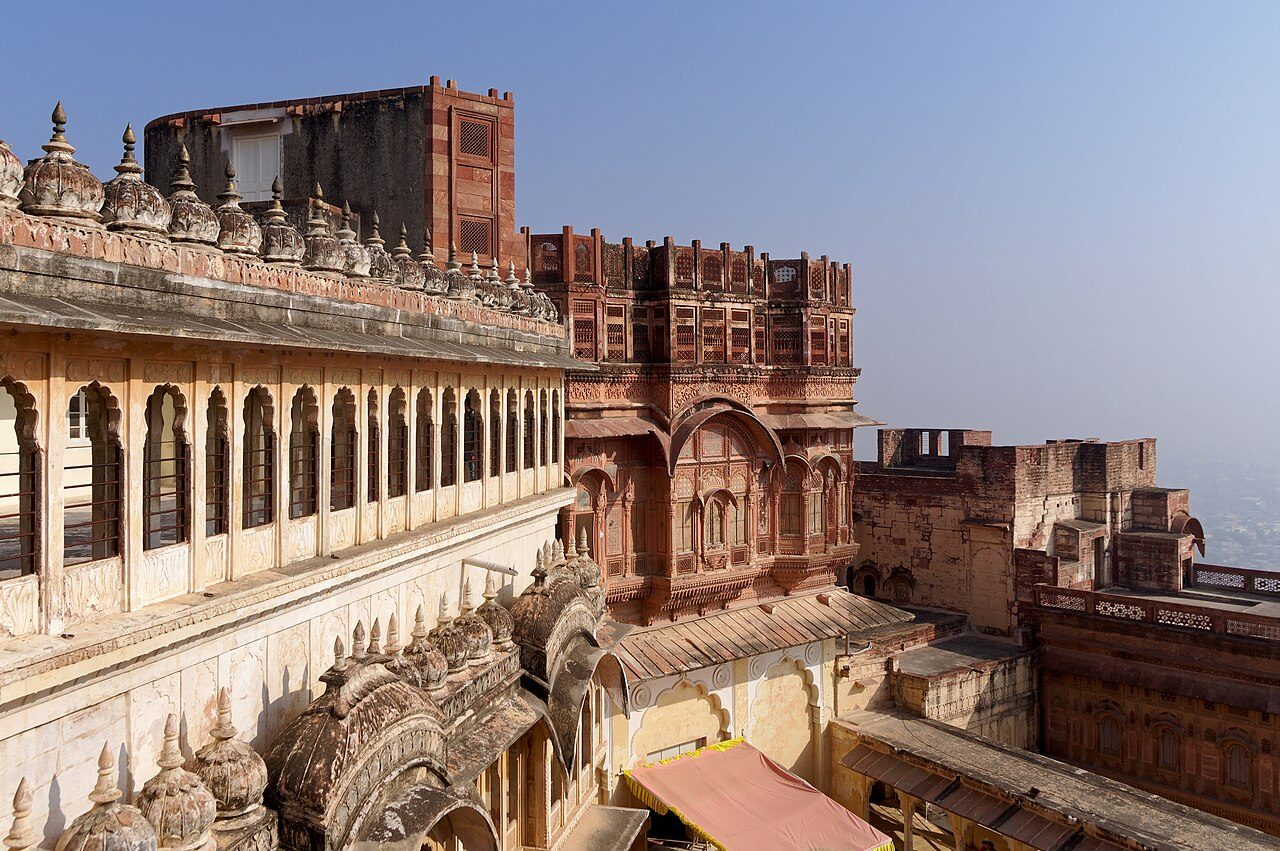
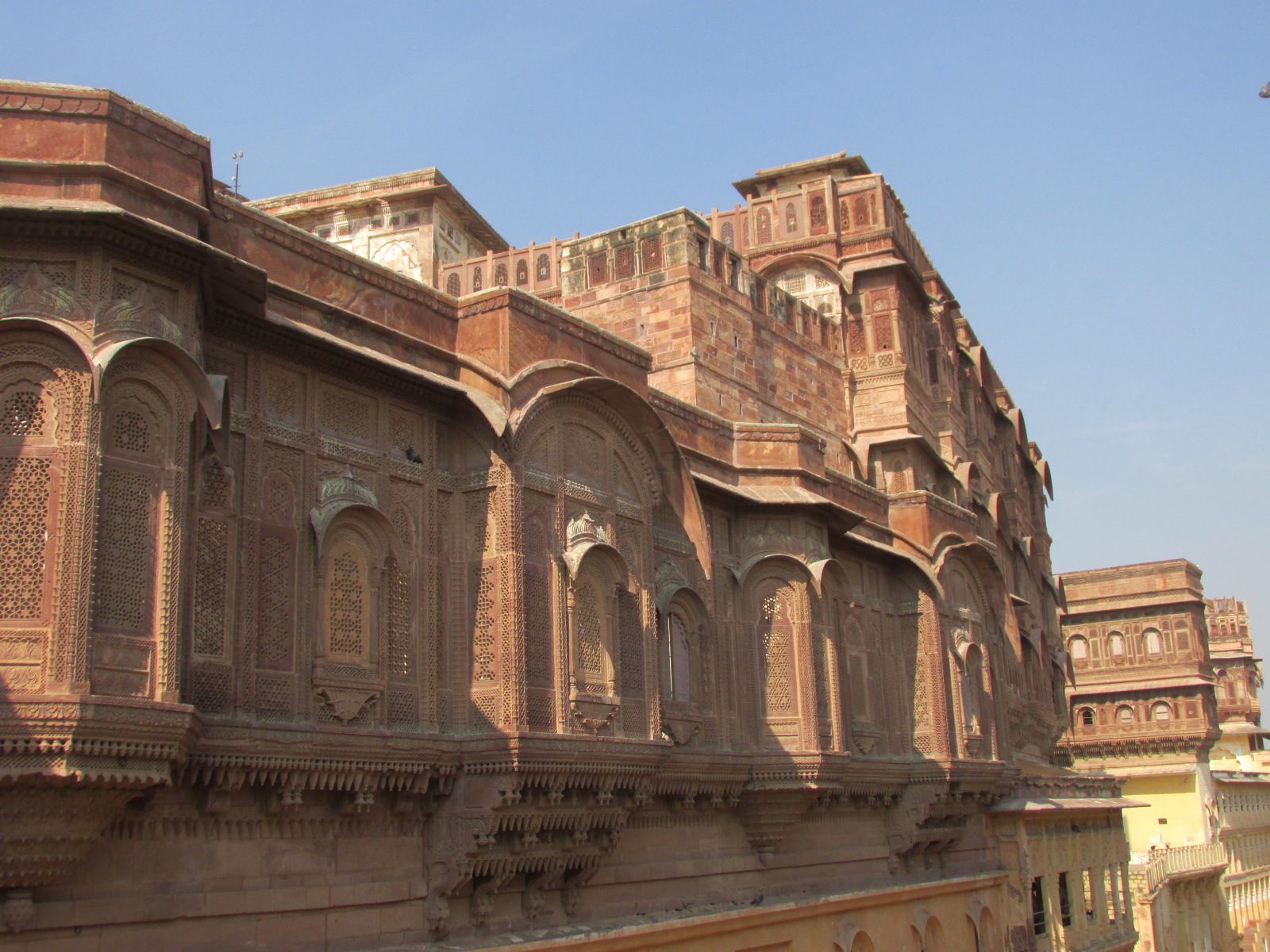
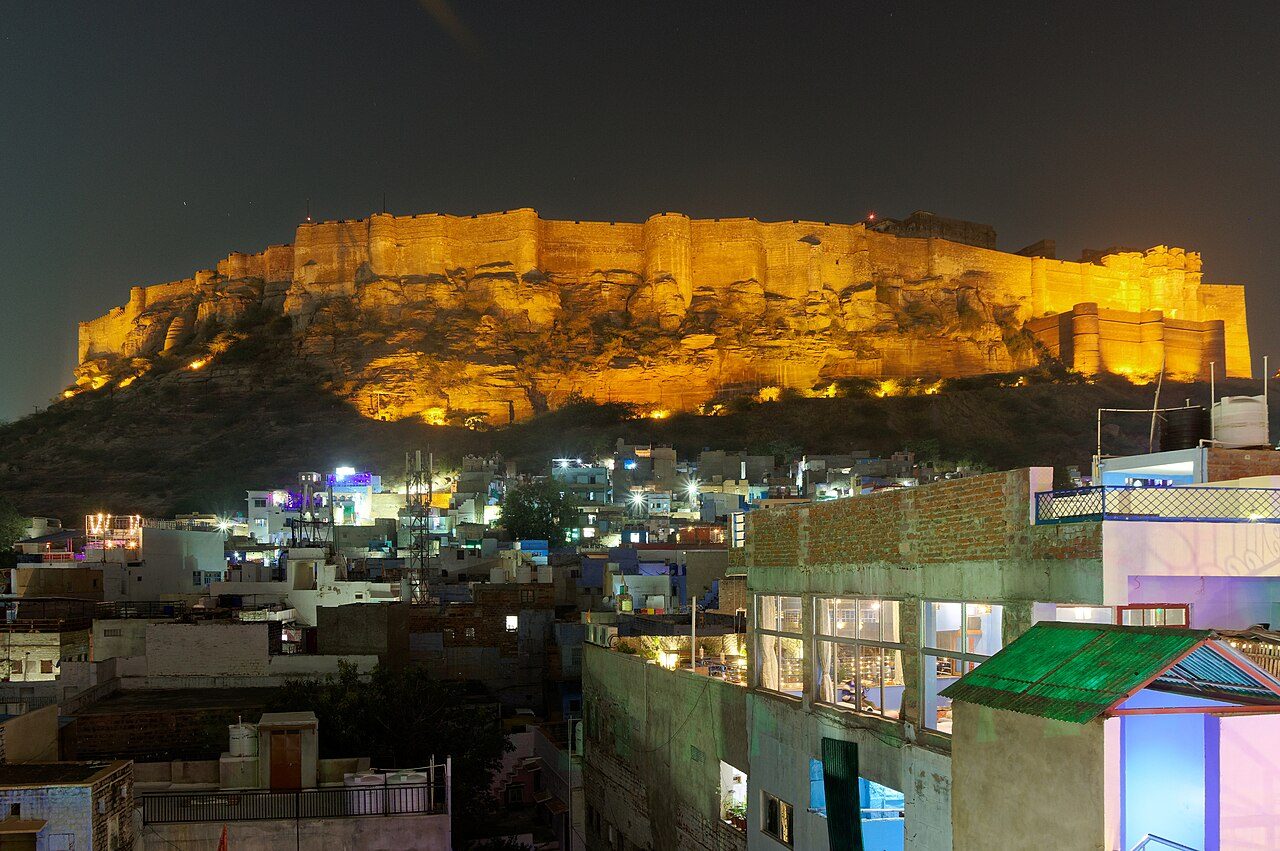
Mehrangarh rises about 120 metres above Jodhpur on a sheer rock, and was founded in 1459 by Rao Jodha, who moved his capital here from Mandore. Seven gates lead up to palaces with intricate carved screens, among them Moti Mahal, Phool Mahal and Sheesh Mahal. The museum has one of India's best collections of palanquins, howdahs, arms and paintings. The ramparts overlook the blue houses of the old city.
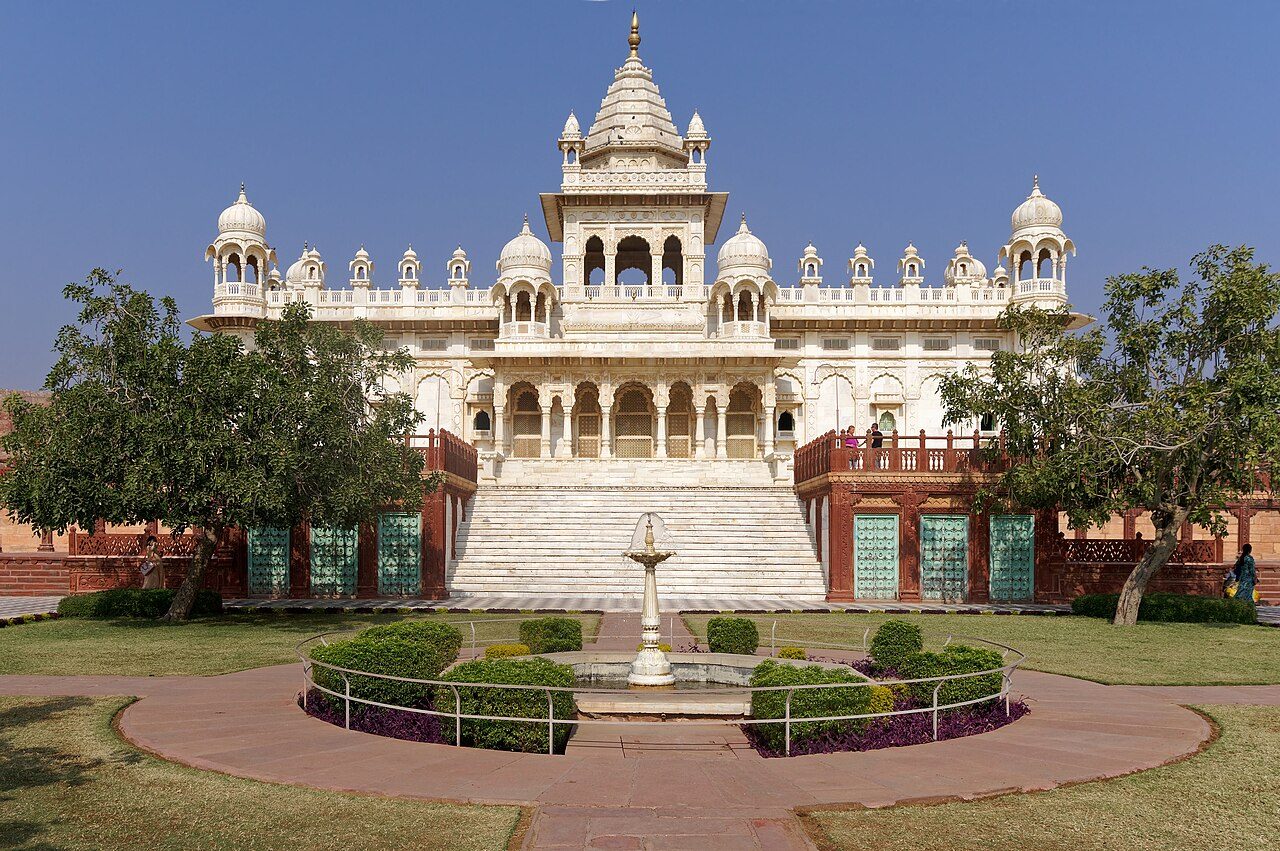
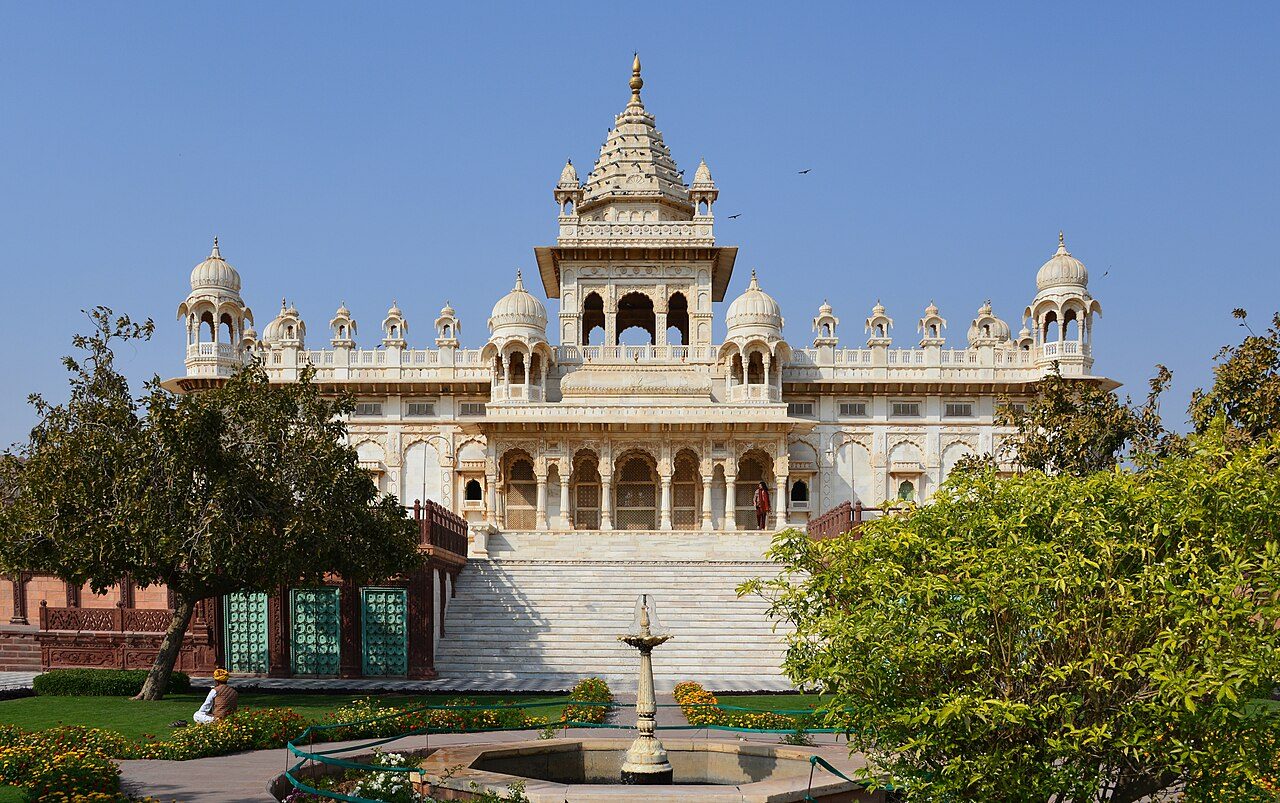
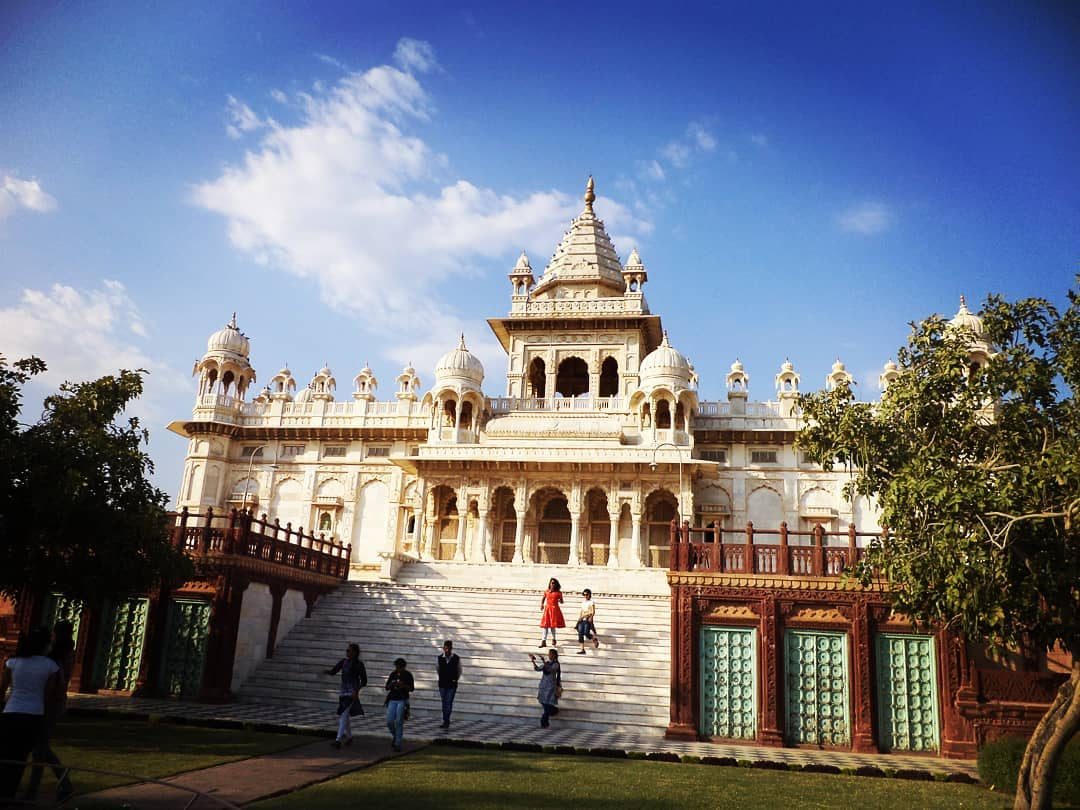
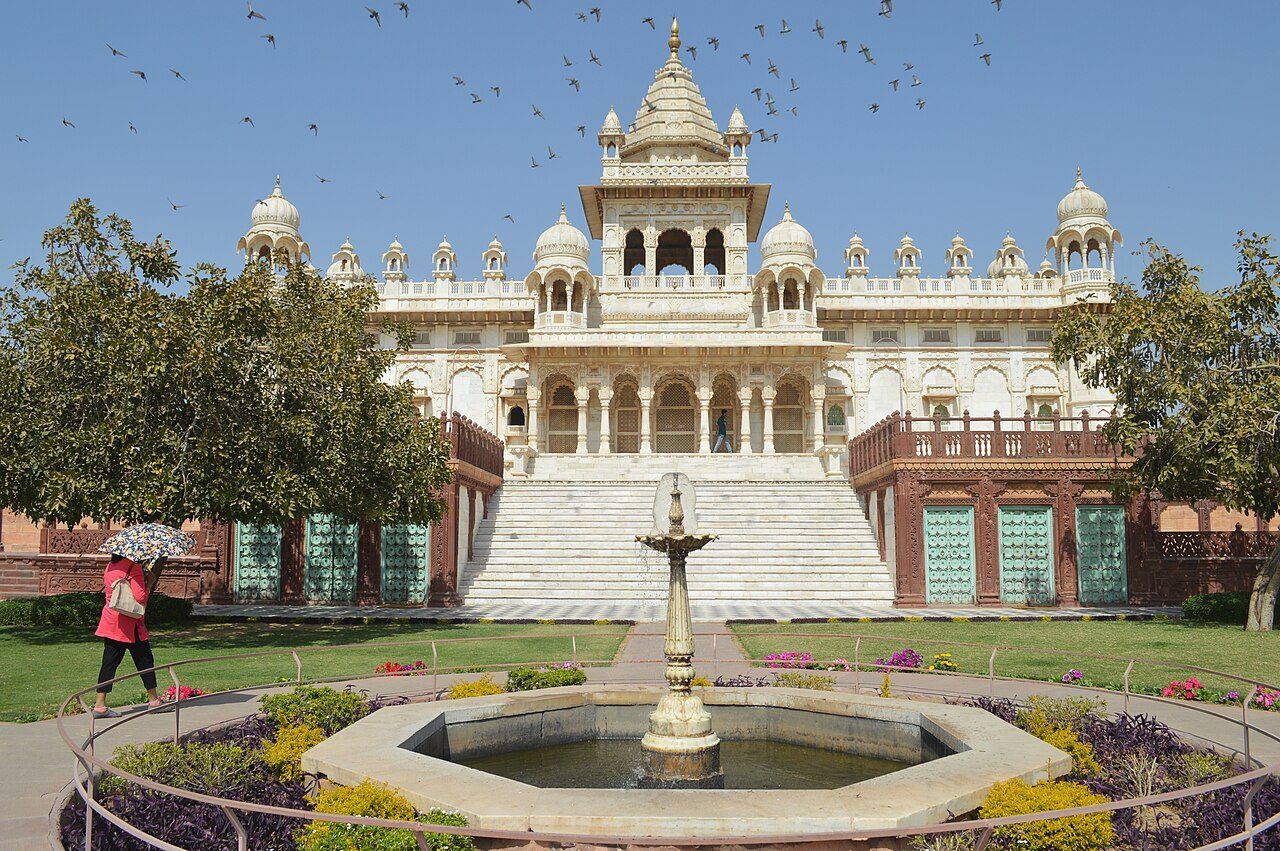
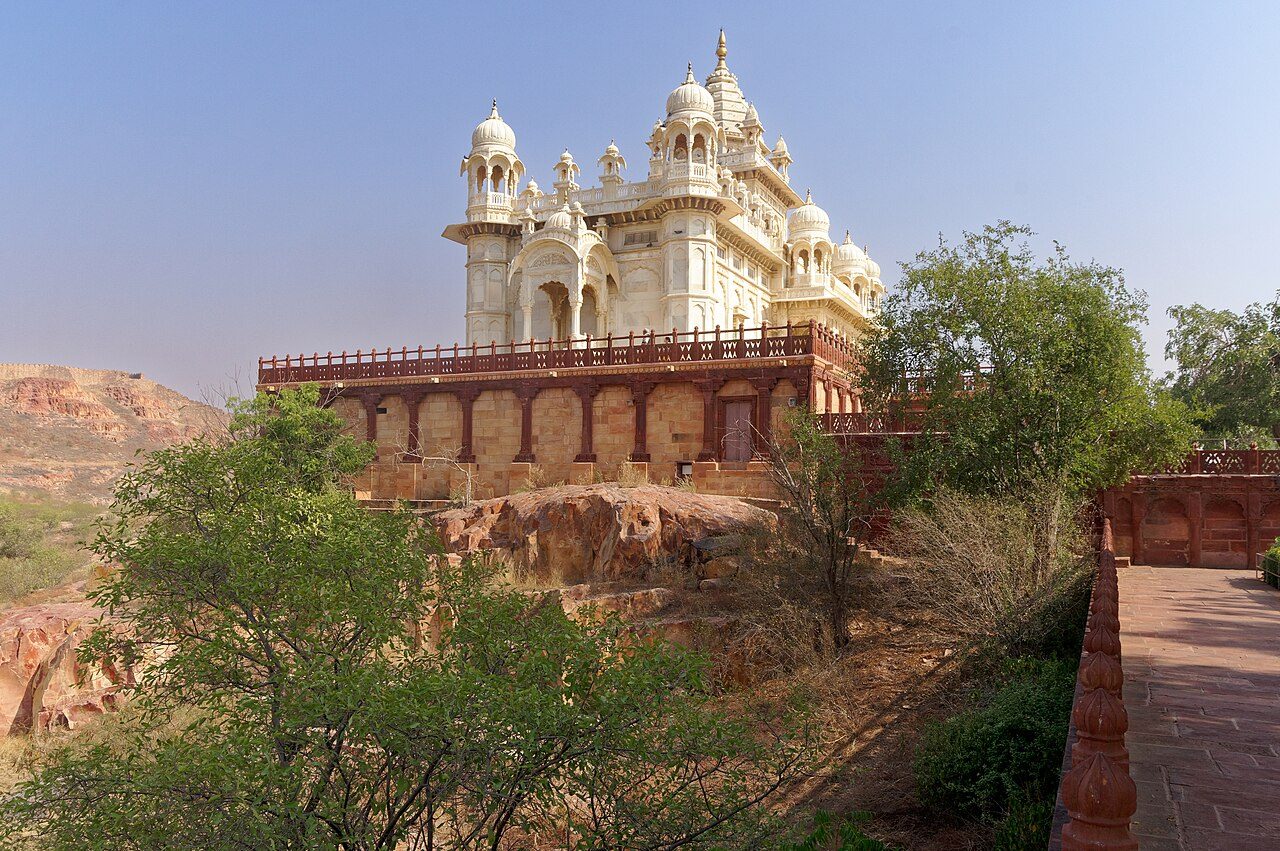
Jaswant Thada is a white marble cenotaph built in 1899 by Maharaja Sardar Singh in memory of his father, Jaswant Singh II. The marble sheets are so thin and polished that they glow in sunlight. Inside are portraits of the Rathore rulers, and the grounds have carved gazebos, a small lake and the cremation site of later maharajas. It sits just below Mehrangarh, with a fine view of the fort.
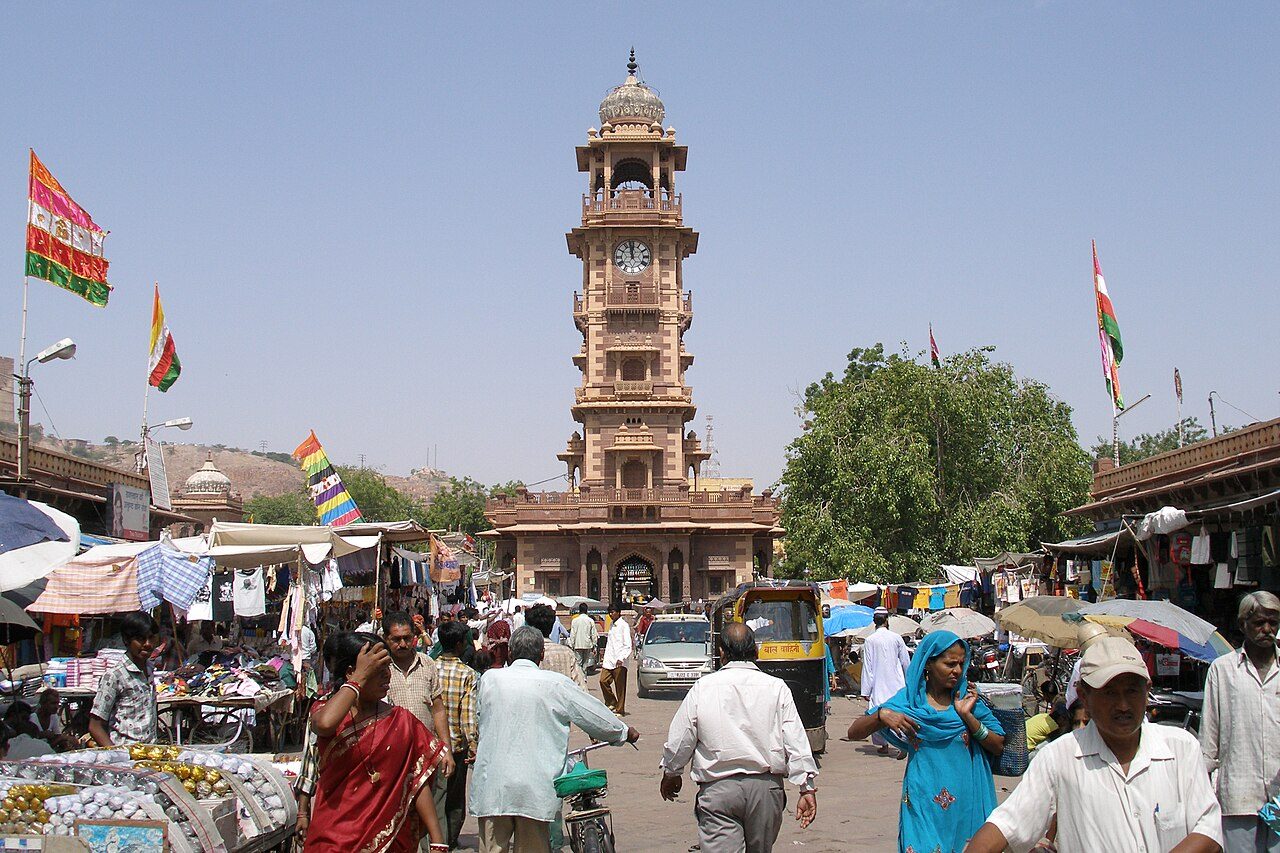
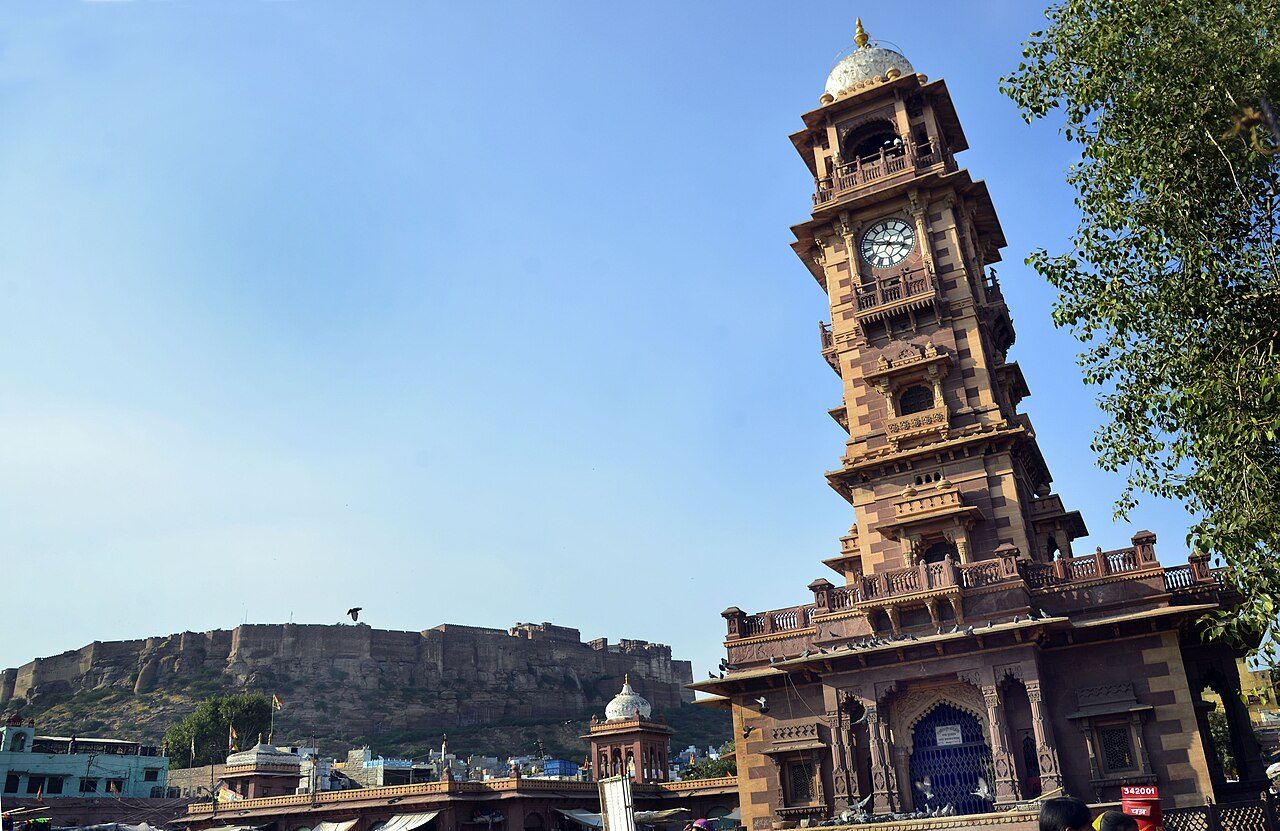
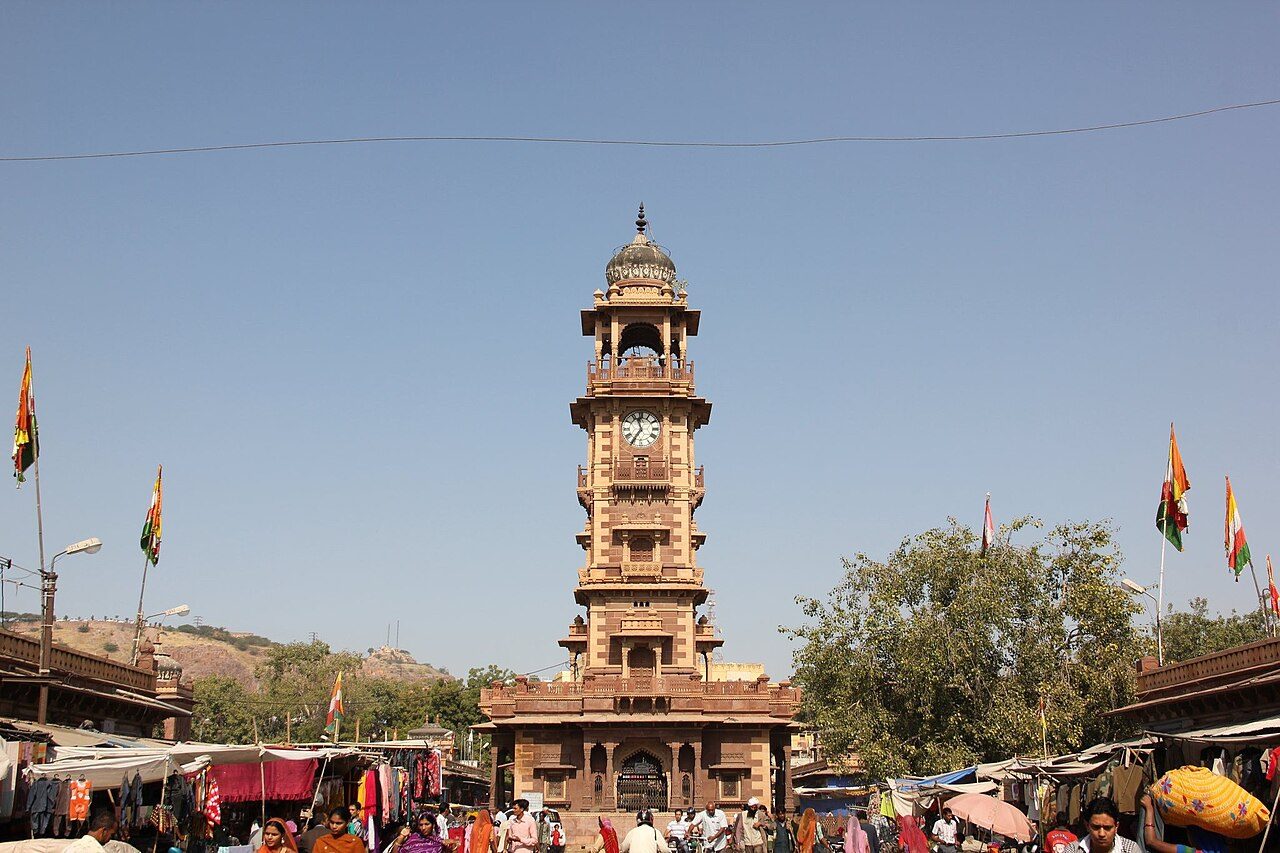
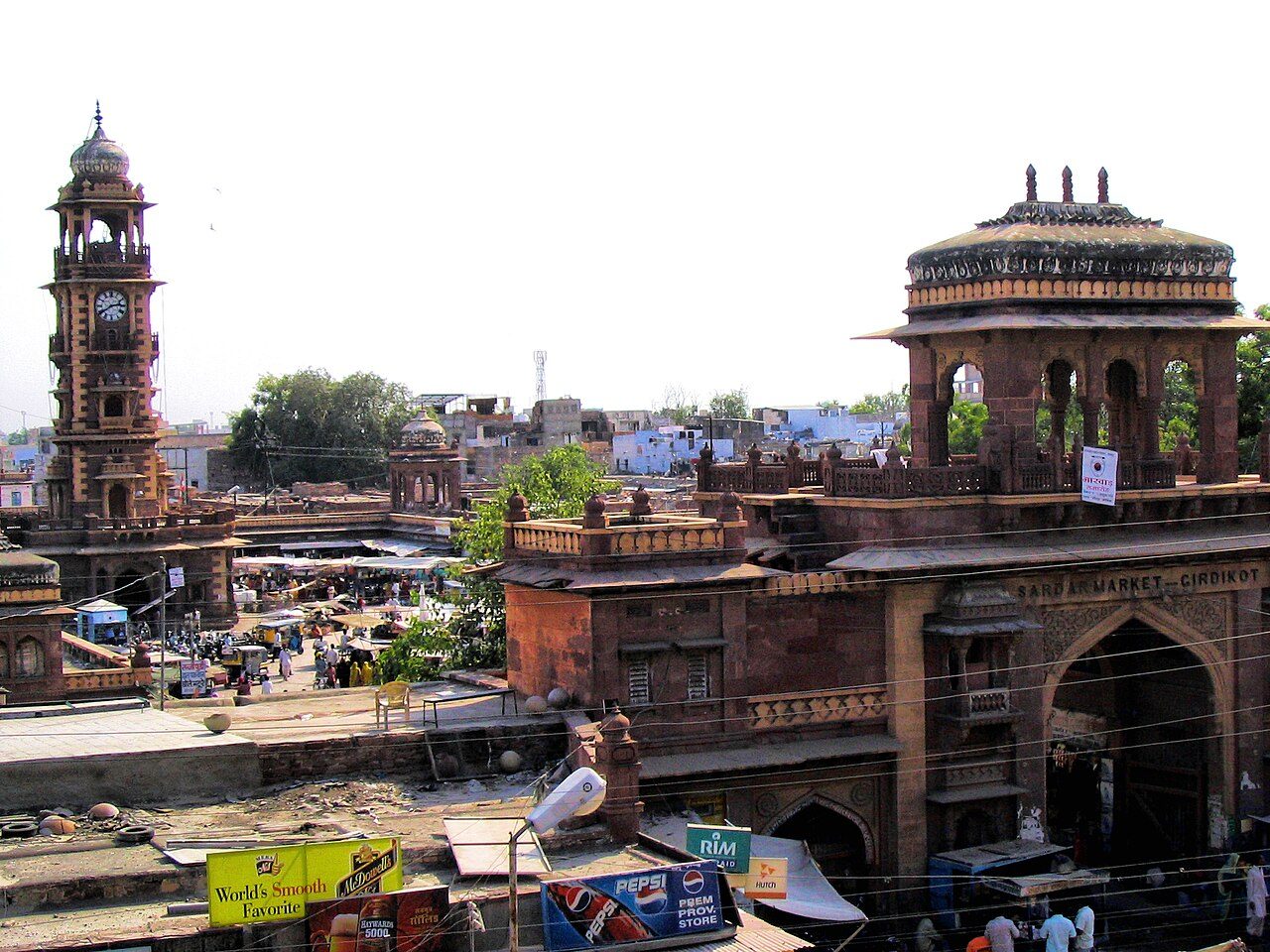
The Ghanta Ghar is the clock tower at the centre of Jodhpur's old city, built by Maharaja Sardar Singh, who ruled from 1895 to 1911. Around it spreads Sardar Market, a busy bazaar selling spices, textiles, bangles, tea and handicrafts through narrow lanes. With Mehrangarh looming above, it is one of the liveliest spots in the city, particularly in the evening when the tower is lit.
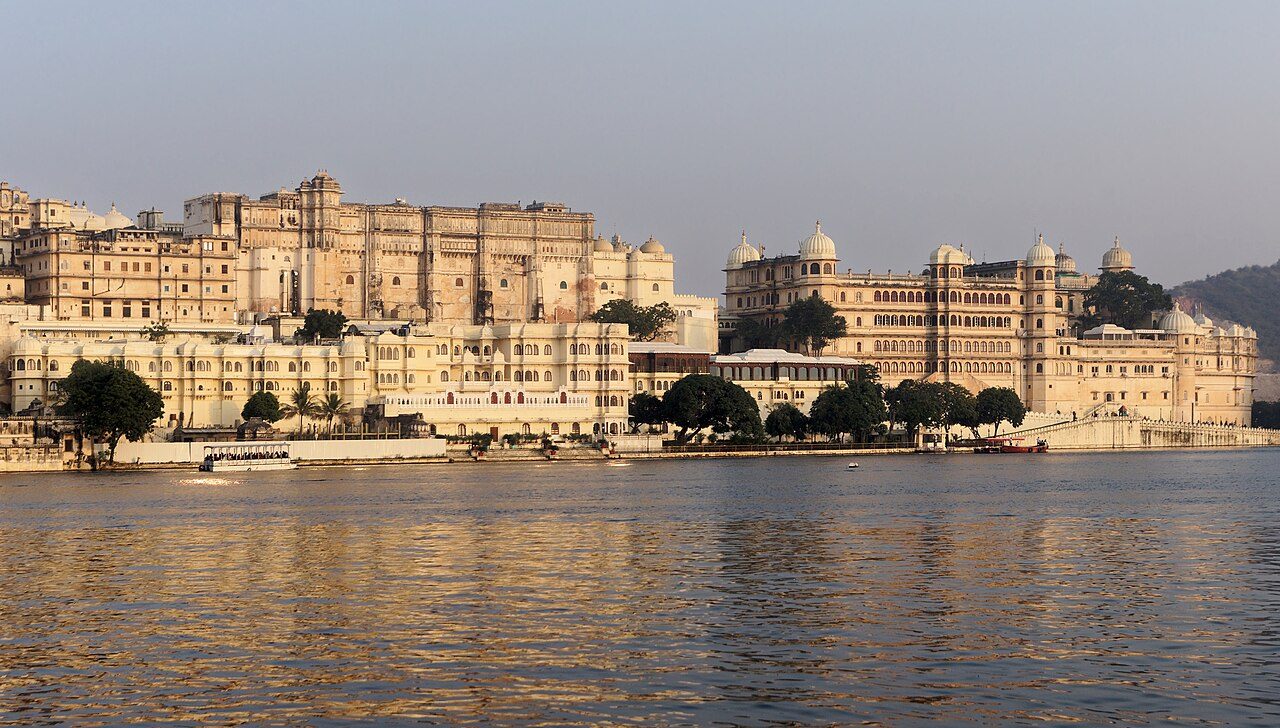
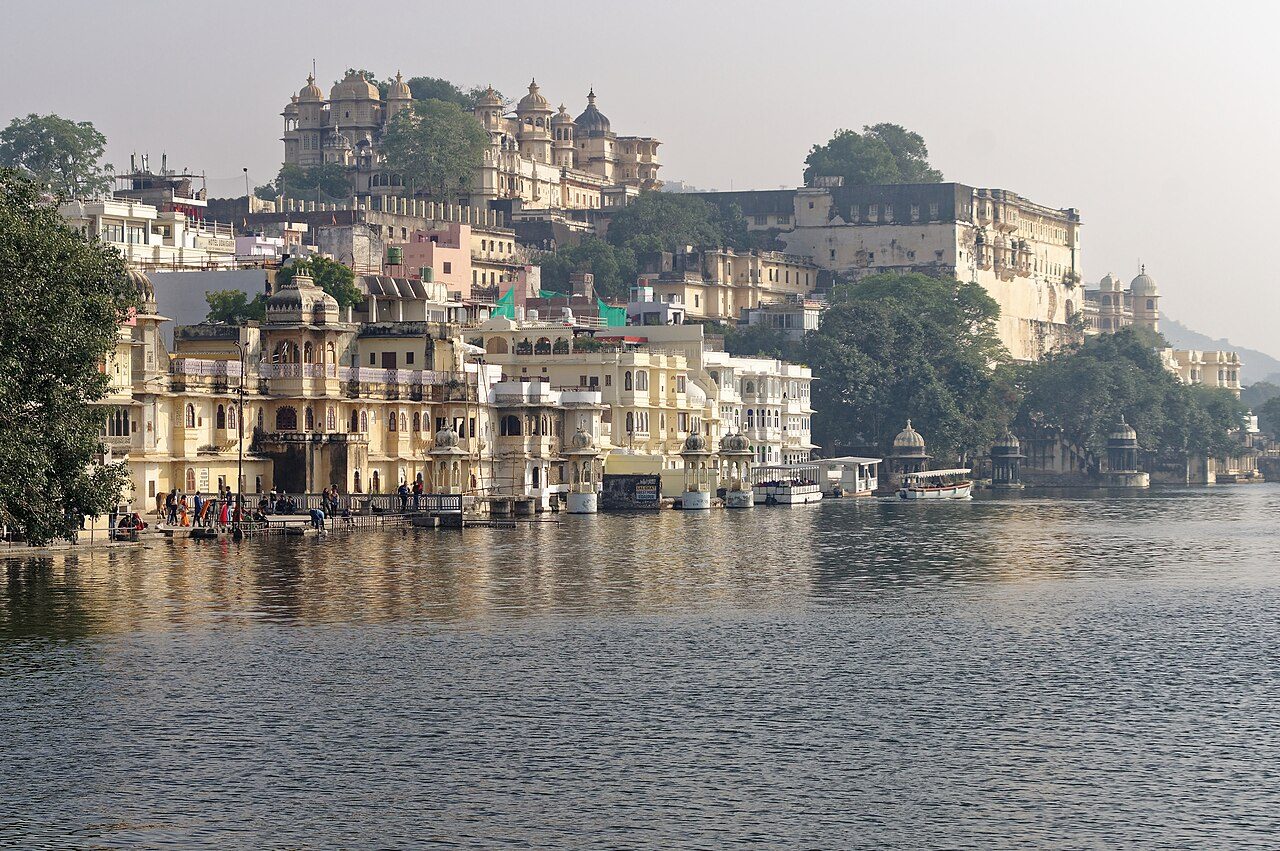
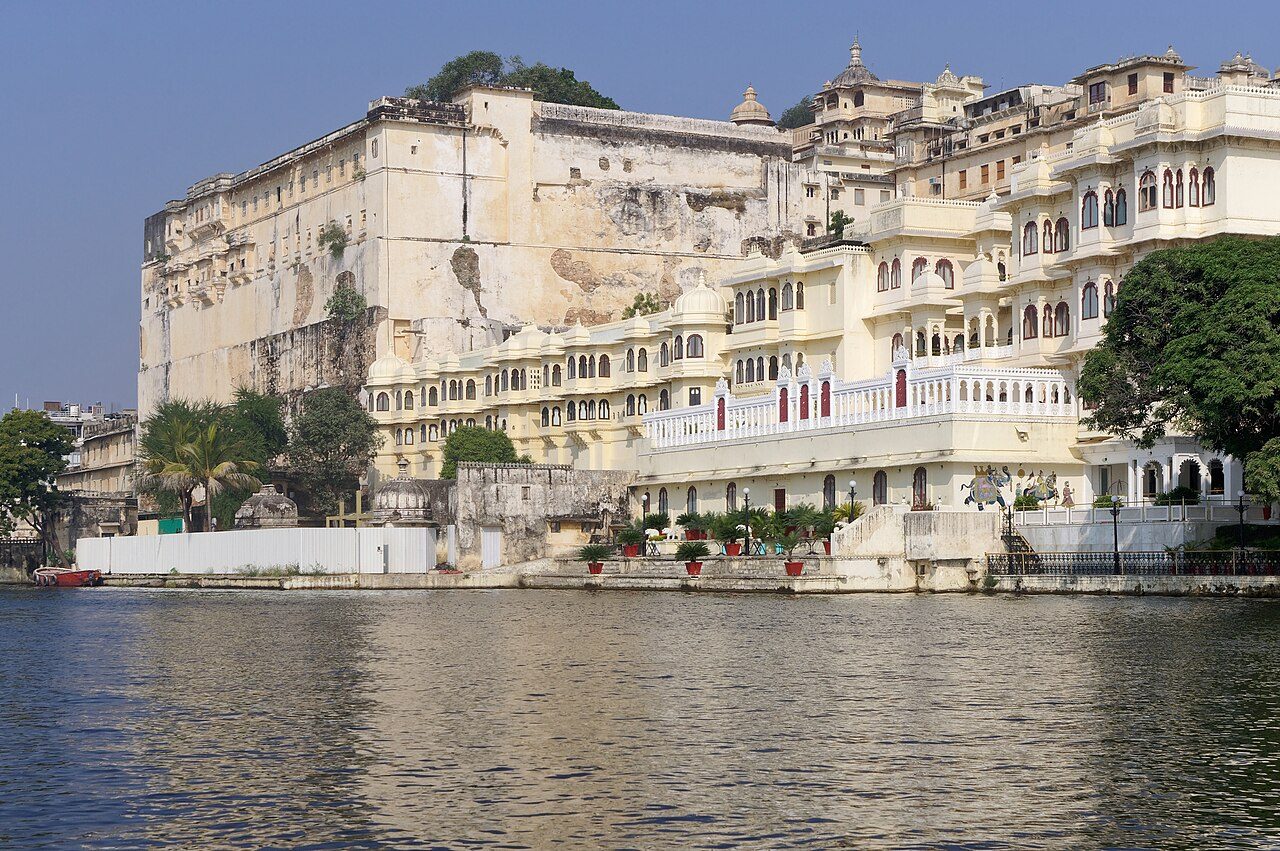
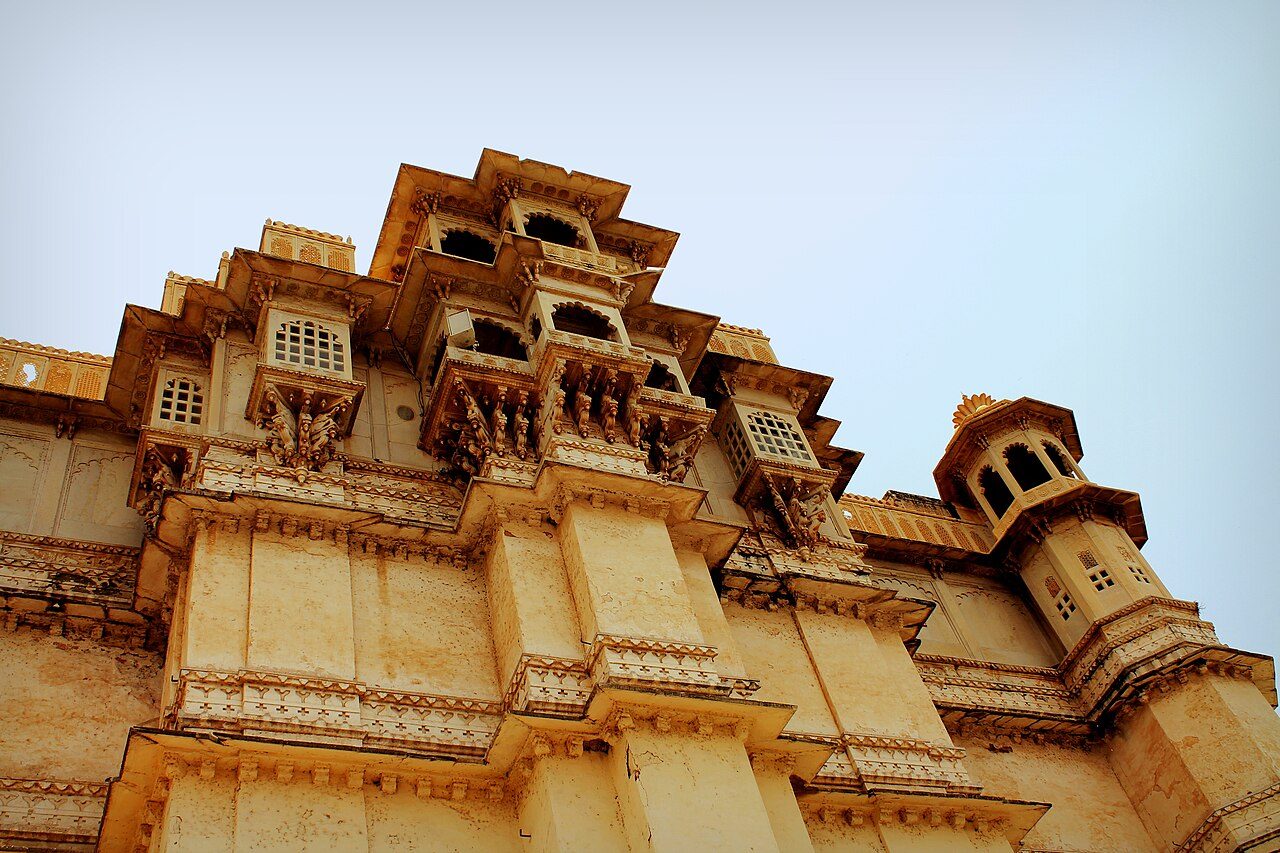
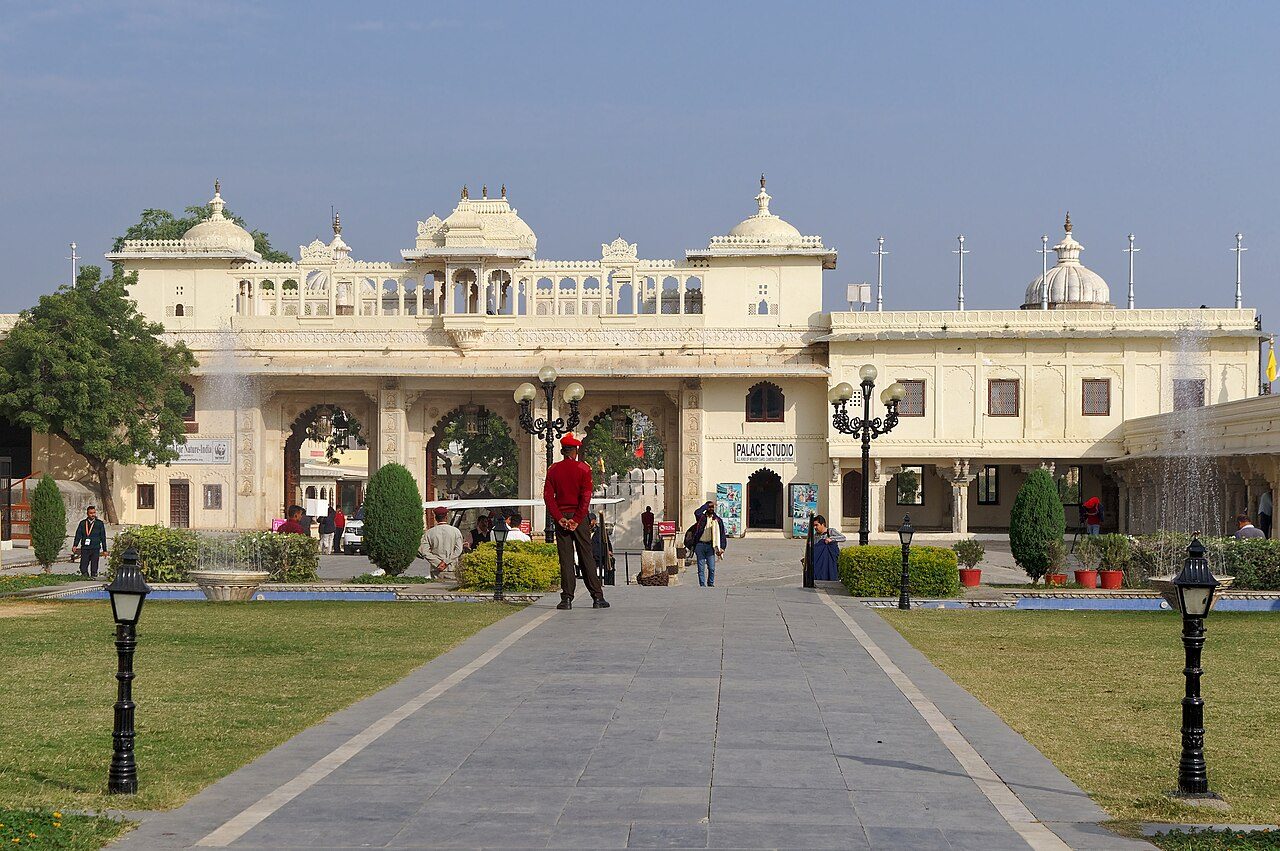
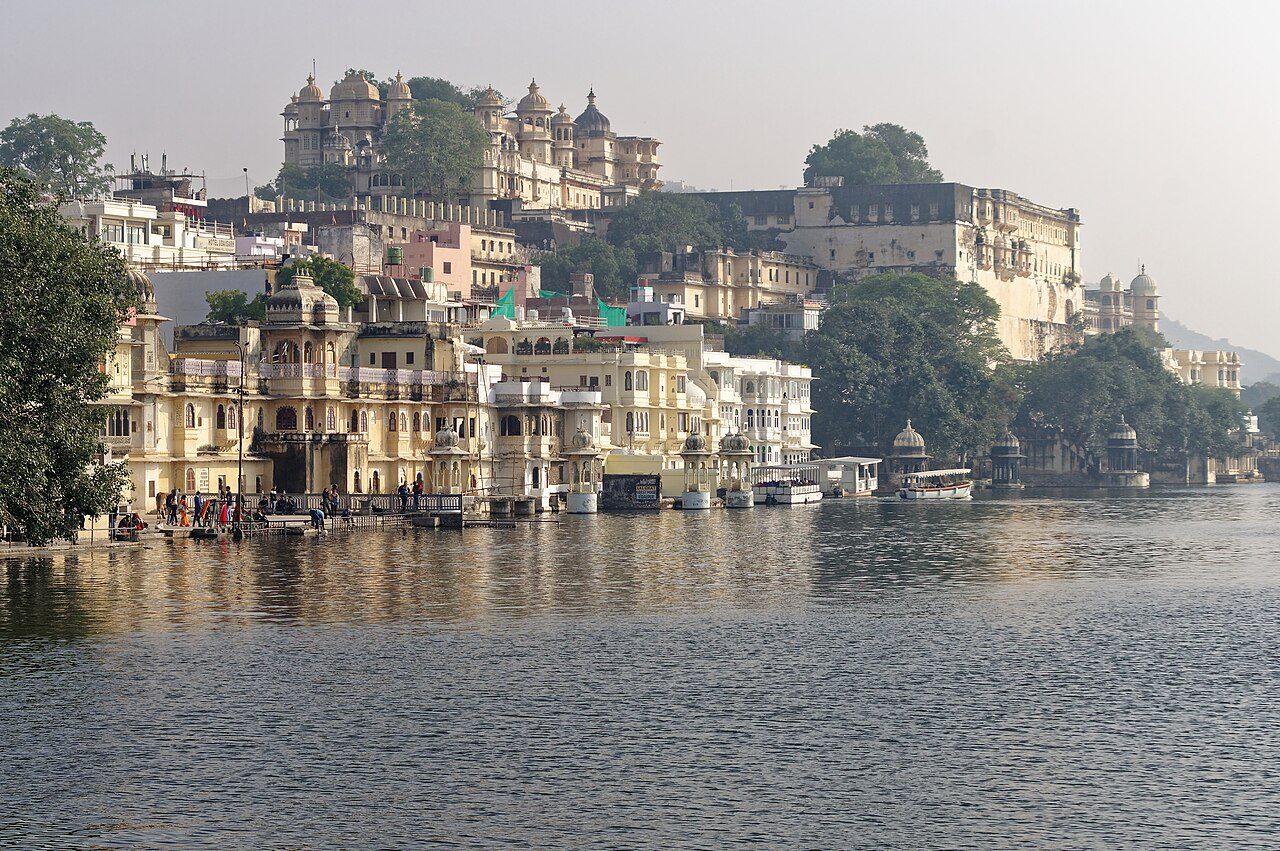
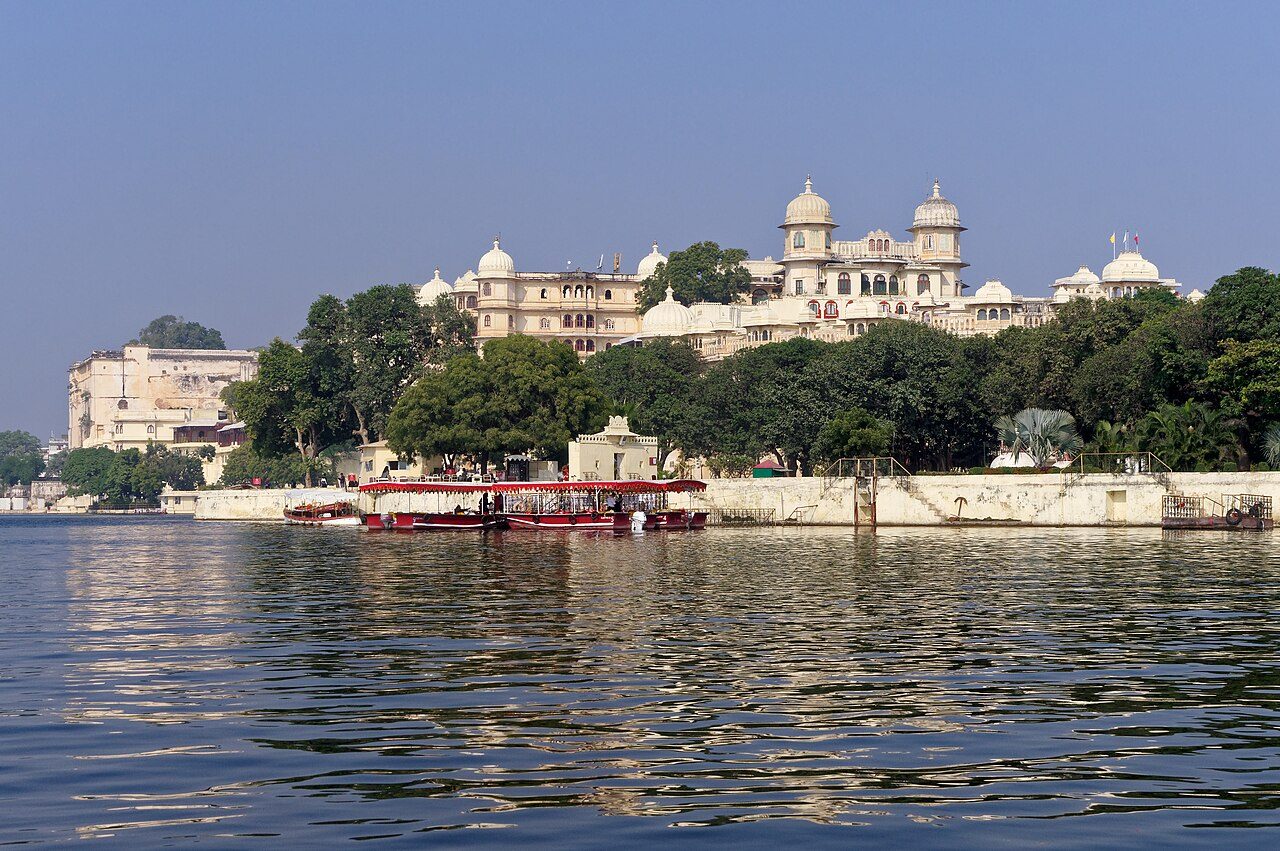
The City Palace of Udaipur rises along the eastern shore of Lake Pichola and is the largest palace complex in Rajasthan. It was begun in 1559 by Maharana Udai Singh II, founder of the city, and extended by his successors over four centuries. Balconies, towers and courtyards hold the Mor Chowk with its glass peacocks, the mirrored Sheesh Mahal and a museum of Mewar's history. Part remains a royal residence.
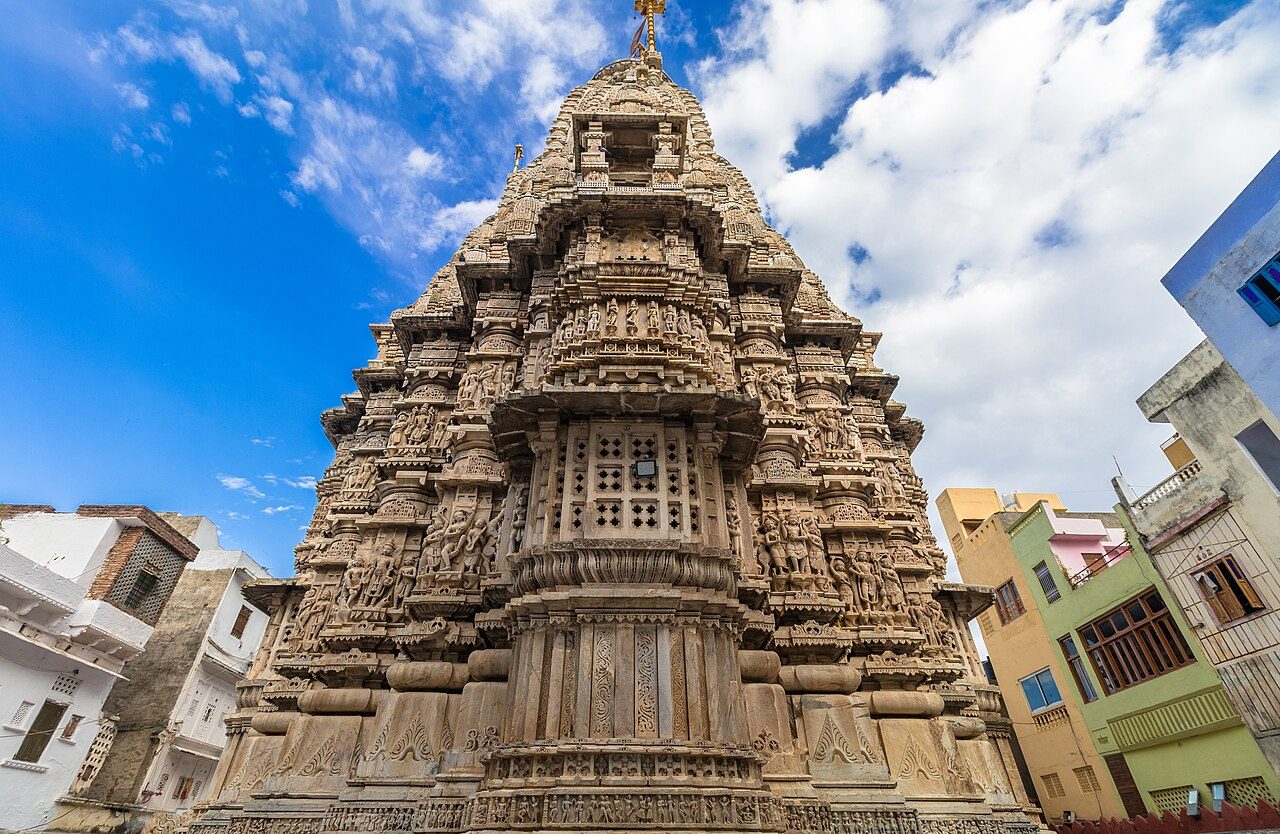
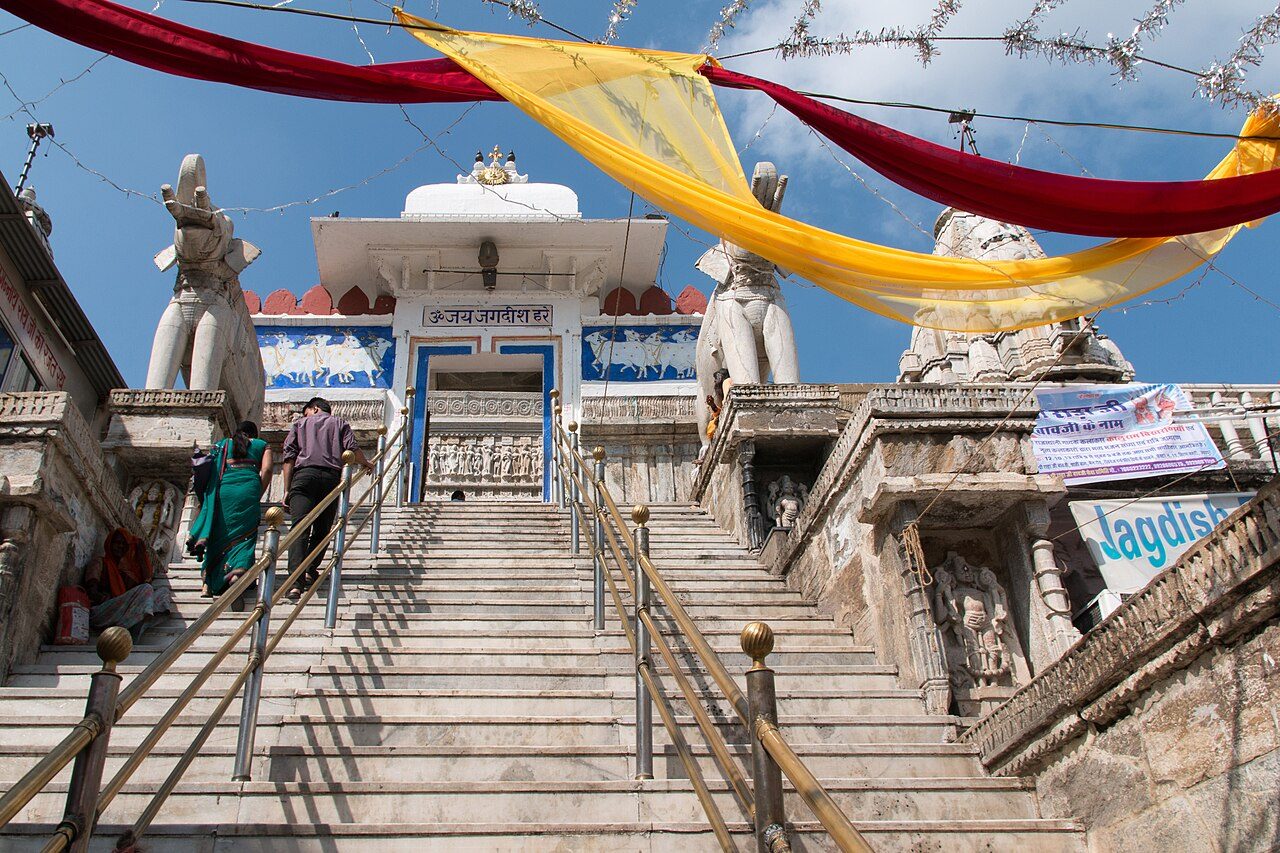
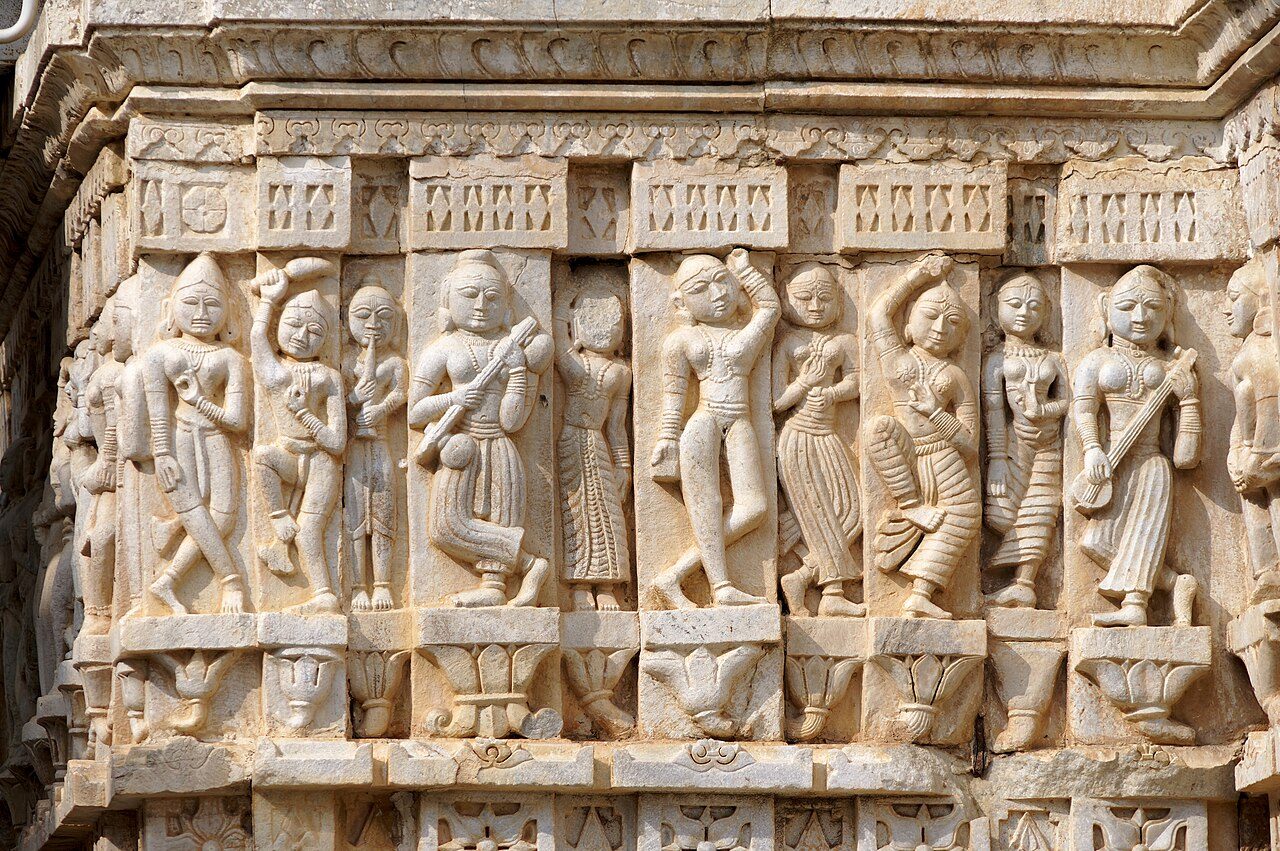
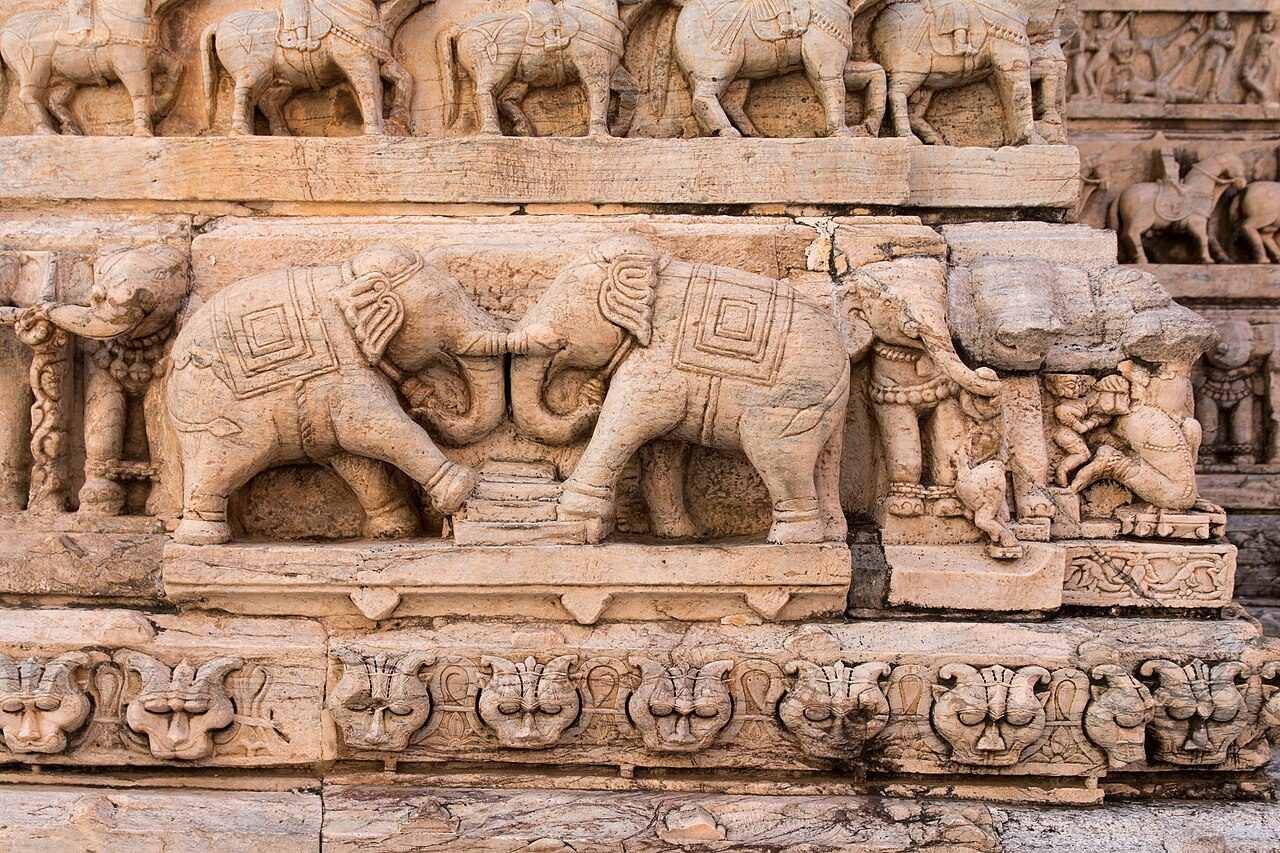
The Jagdish temple, just outside the City Palace gate in Udaipur, was built by Maharana Jagat Singh I and completed in 1651. A steep flight of steps flanked by stone elephants leads to the three-storey temple, dedicated to Vishnu as Lord of the Universe. Its spire and walls are carved with dancers, musicians, elephants and horsemen, and a brass Garuda faces the shrine. Aarti is held several times a day.
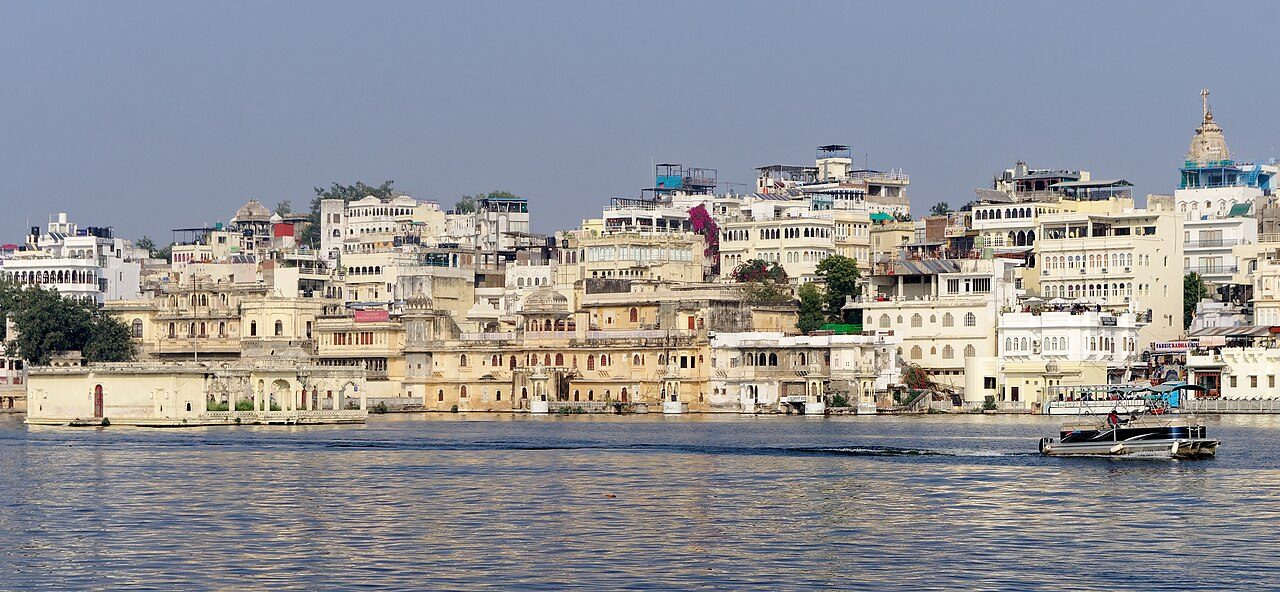
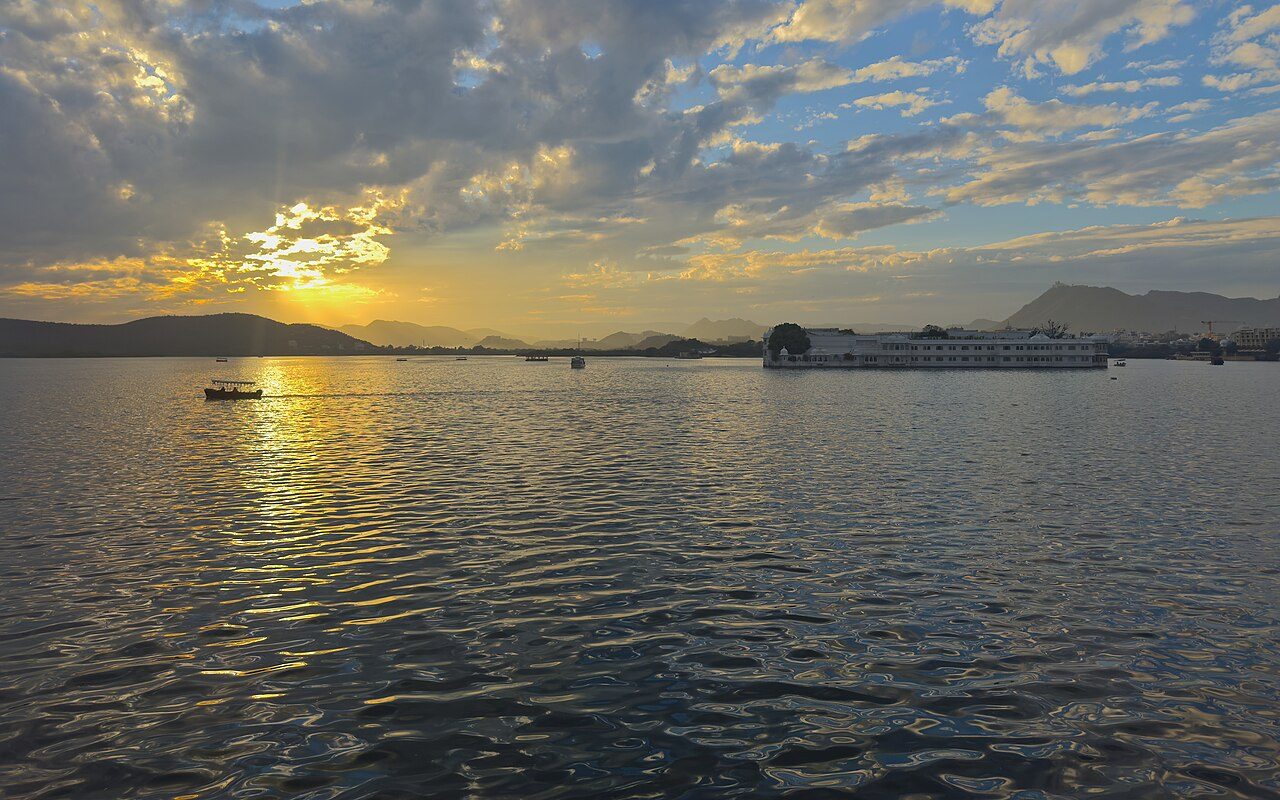
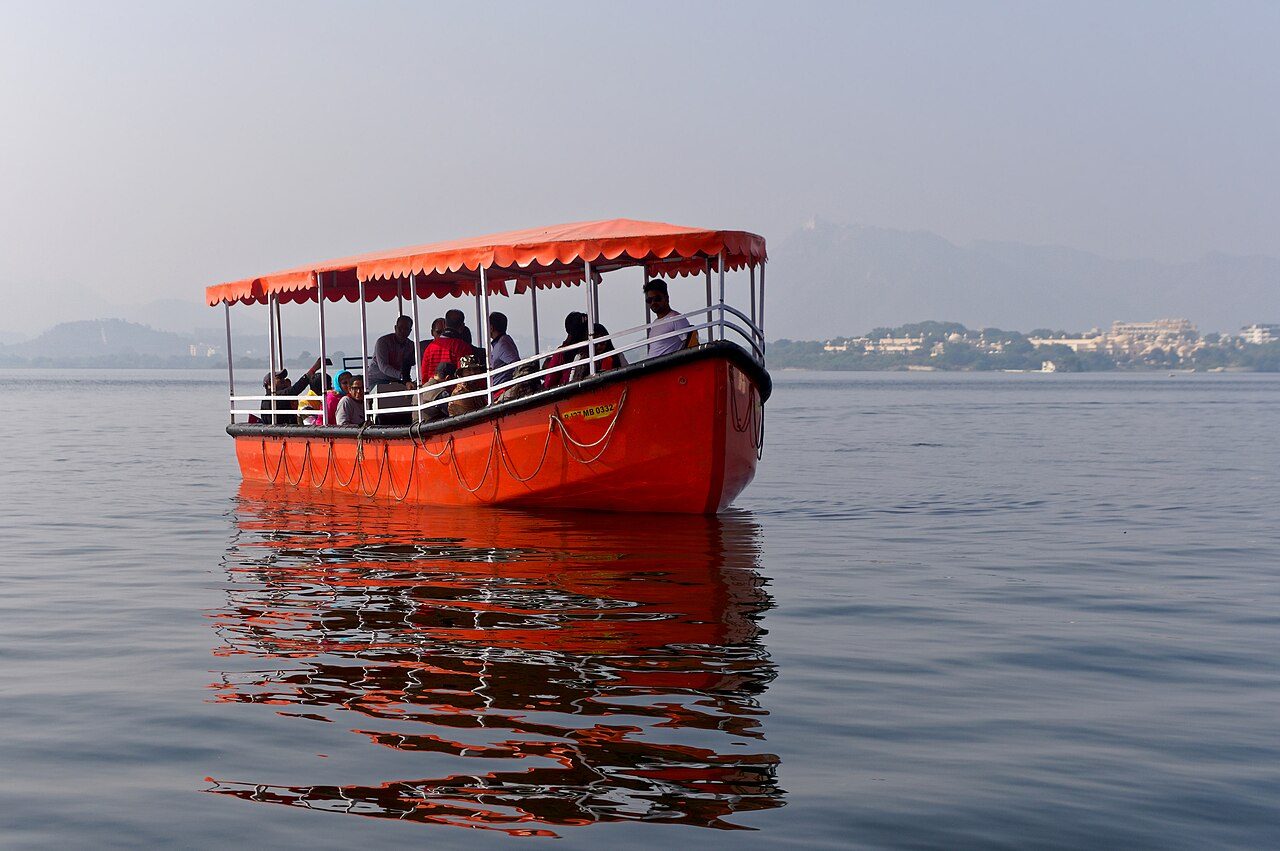
Lake Pichola is an artificial lake created in the 14th century and enlarged by Maharana Udai Singh II when he founded Udaipur beside it. The City Palace, ghats and havelis line its eastern bank, and two island palaces, Jag Niwas and Jag Mandir, appear to float on the water. Boat rides leave from the palace jetty and from Lal Ghat; the hour before sunset gives the best light.
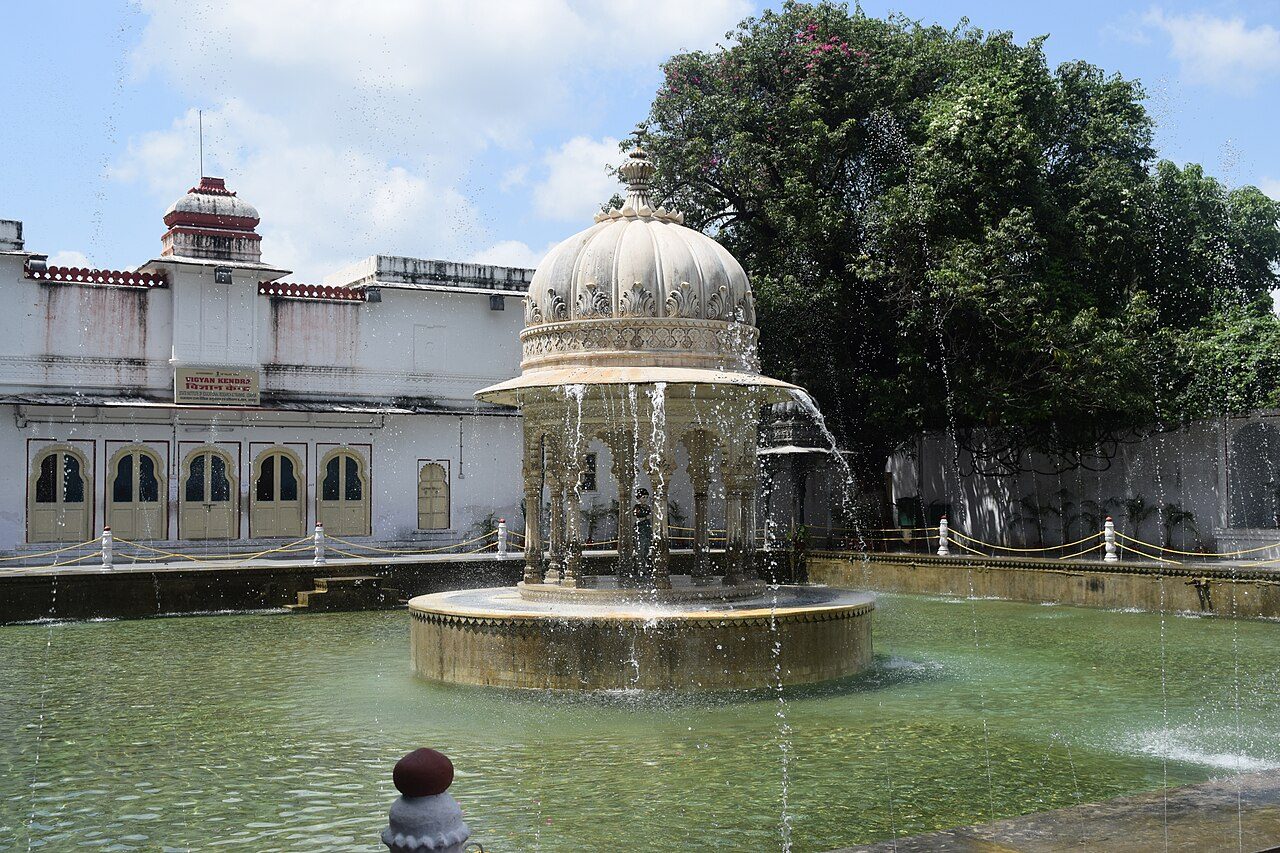
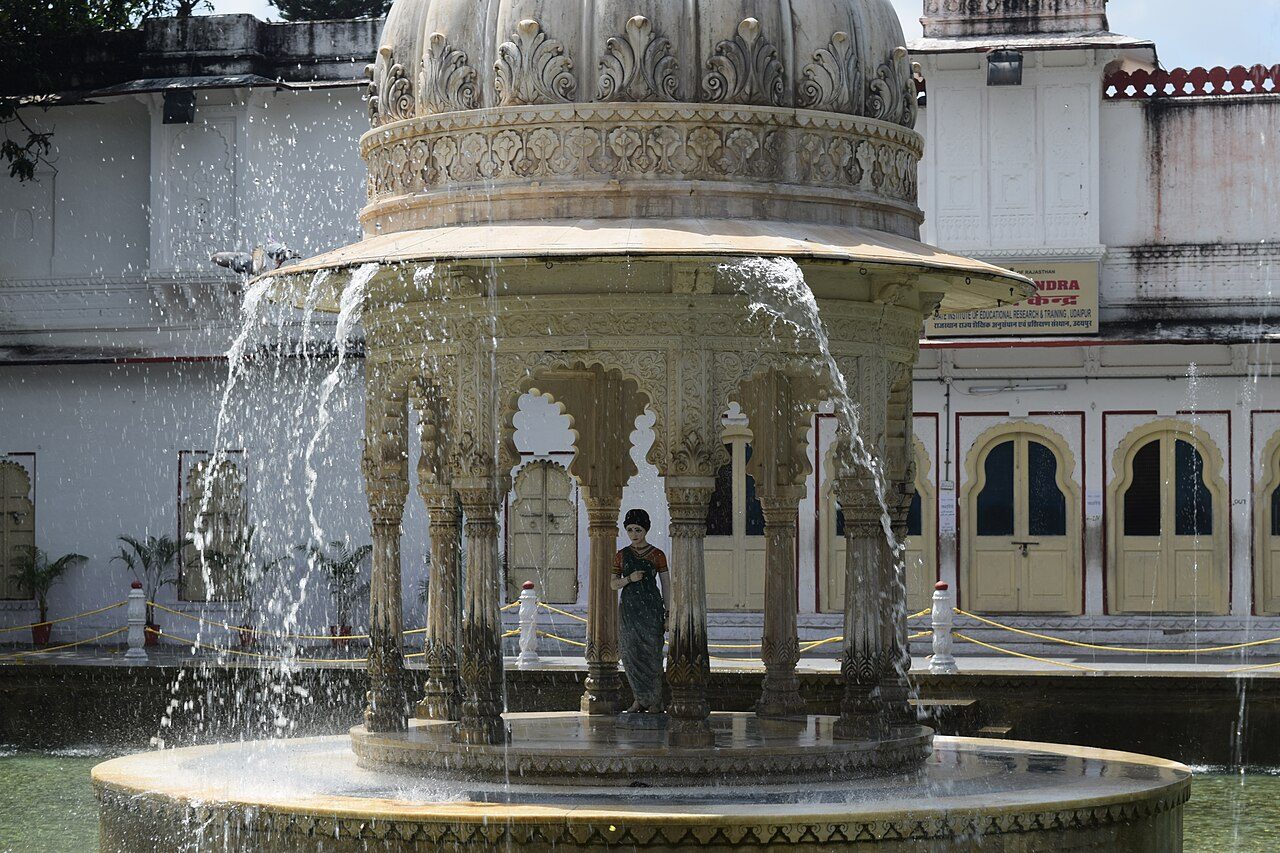
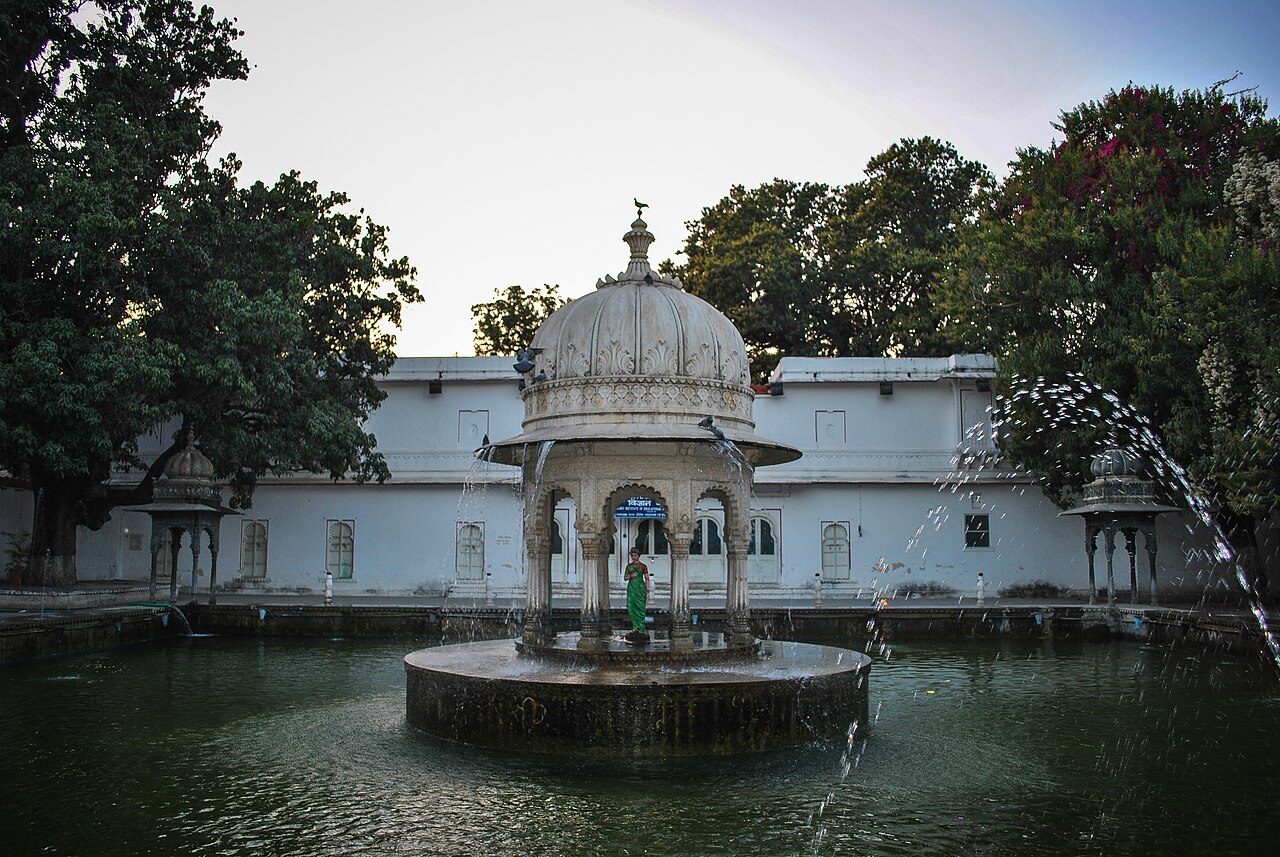
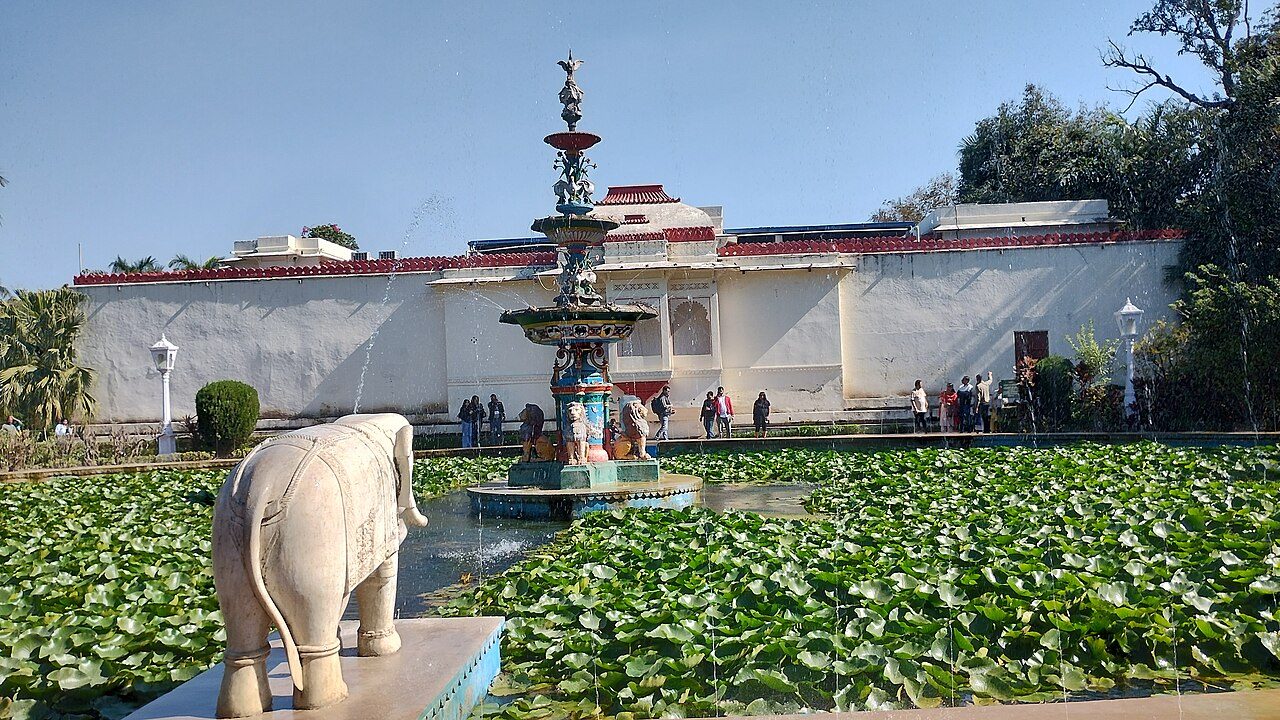
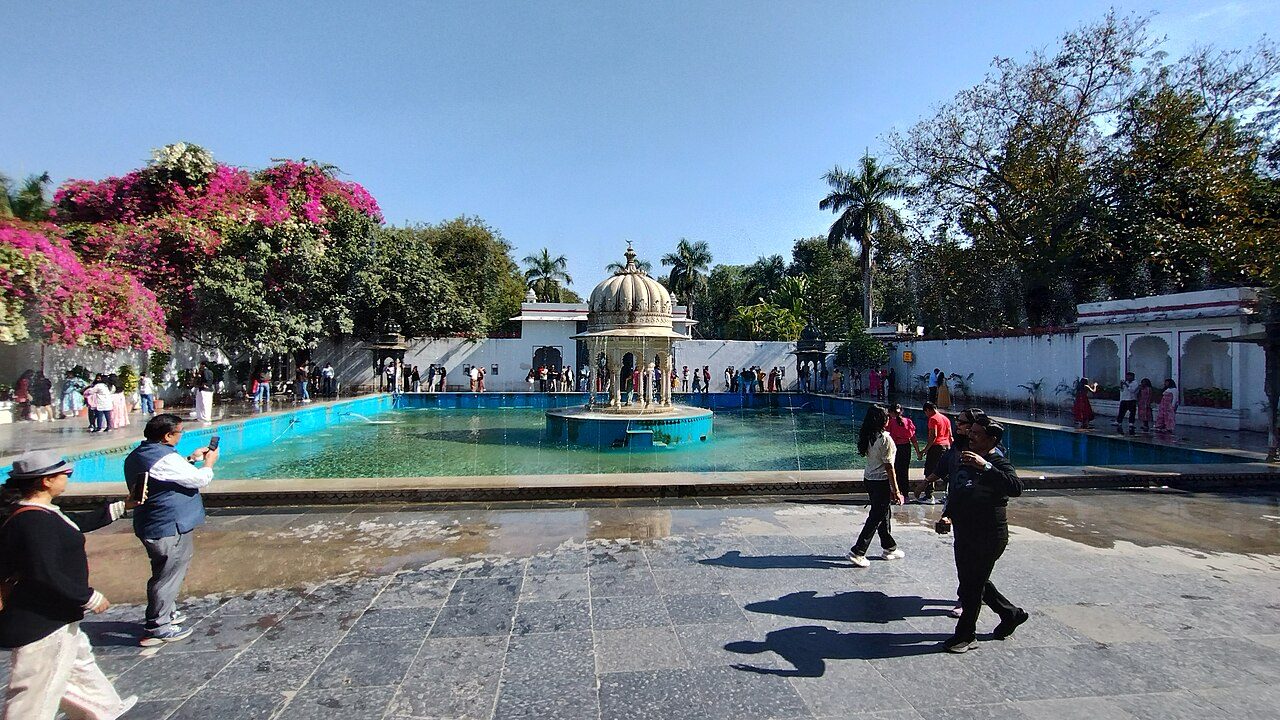
Saheliyon Ki Bari, the Garden of the Maidens, was laid out in the early 18th century by Maharana Sangram Singh II for the royal ladies and their attendants. It has lotus pools, marble pavilions, stone elephants and fountains that work by water pressure alone, fed from Fateh Sagar Lake. The shaded lawns and the rain-like fountains make it a pleasant escape from the midday heat.
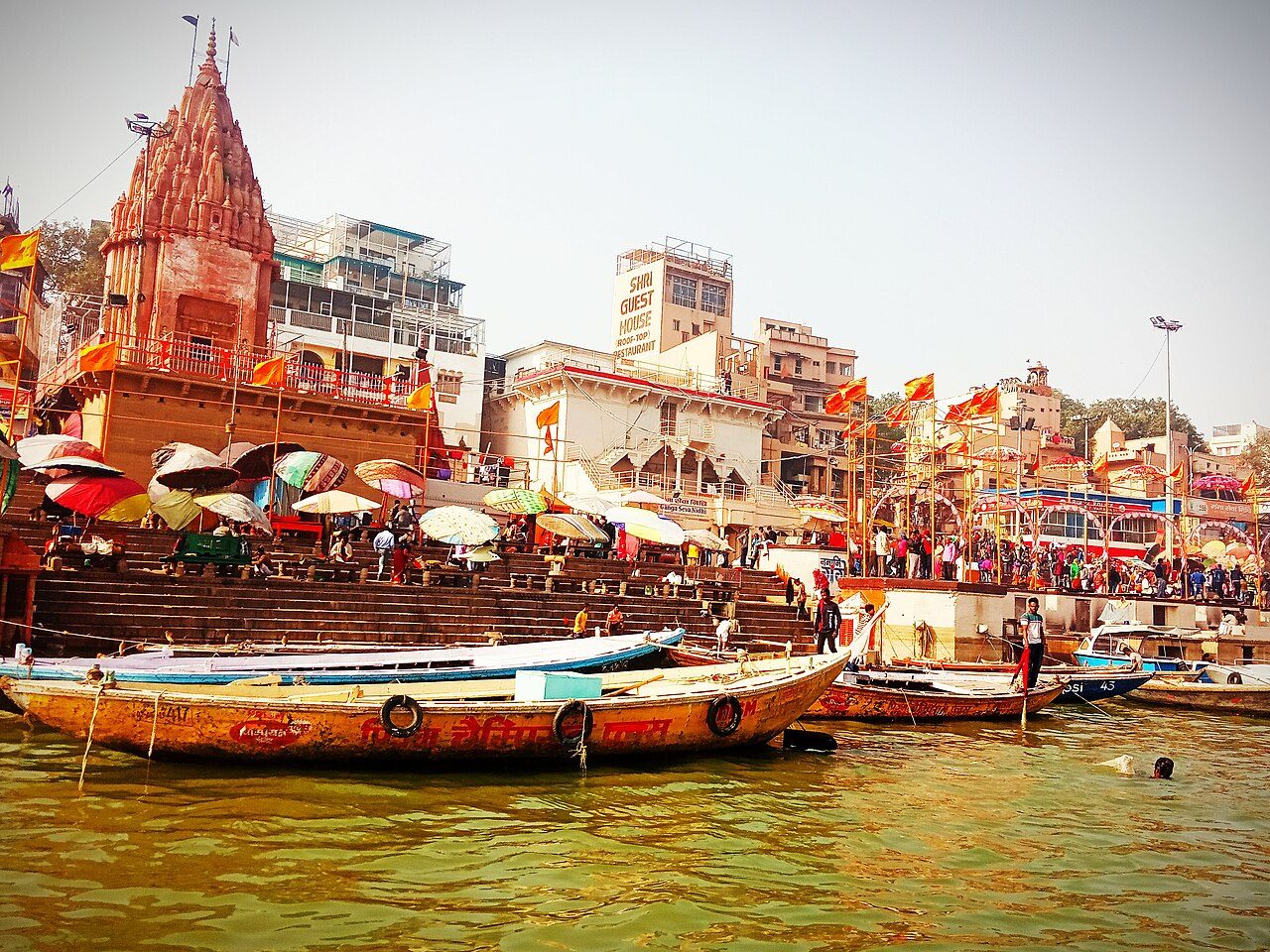
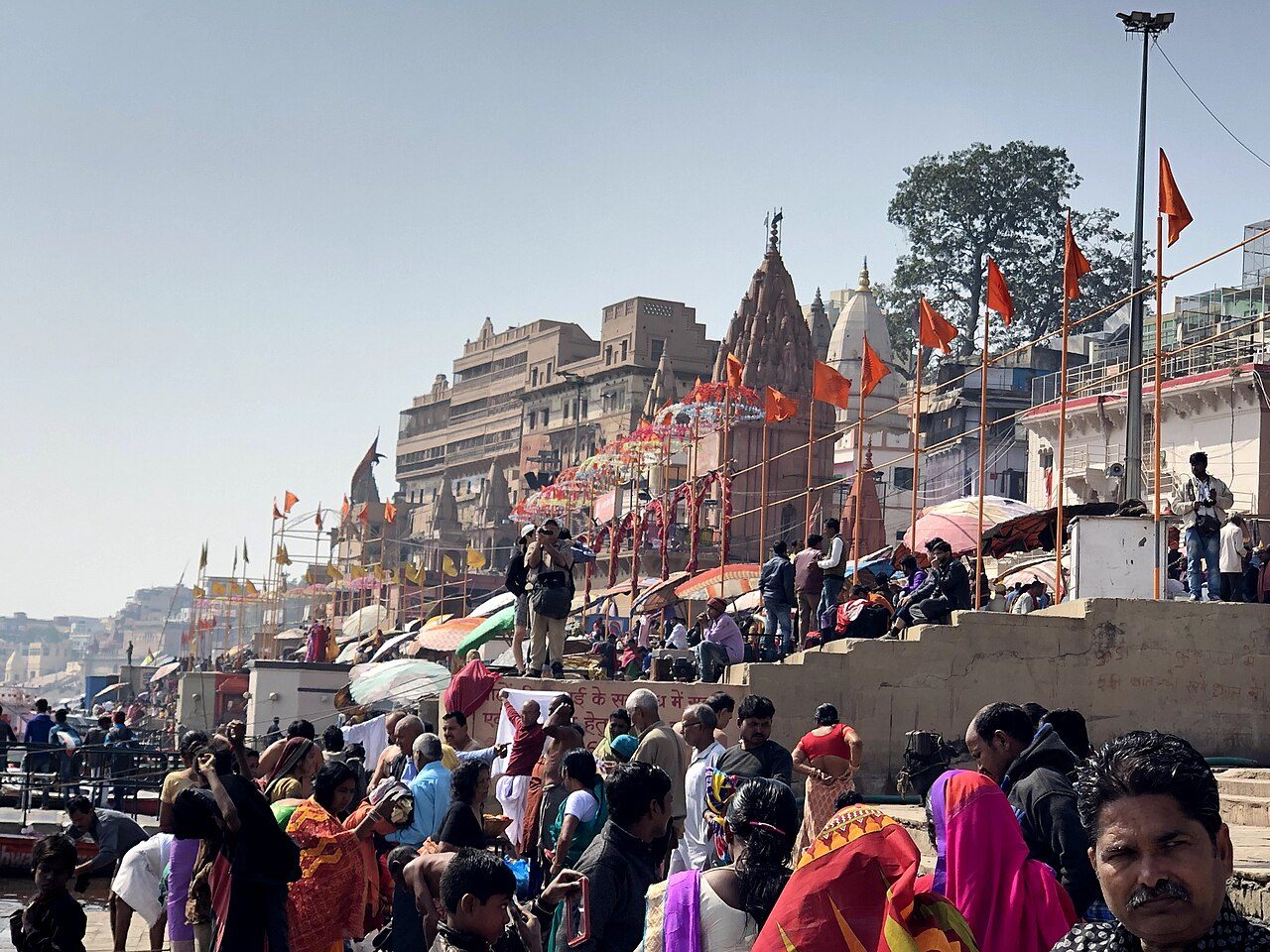
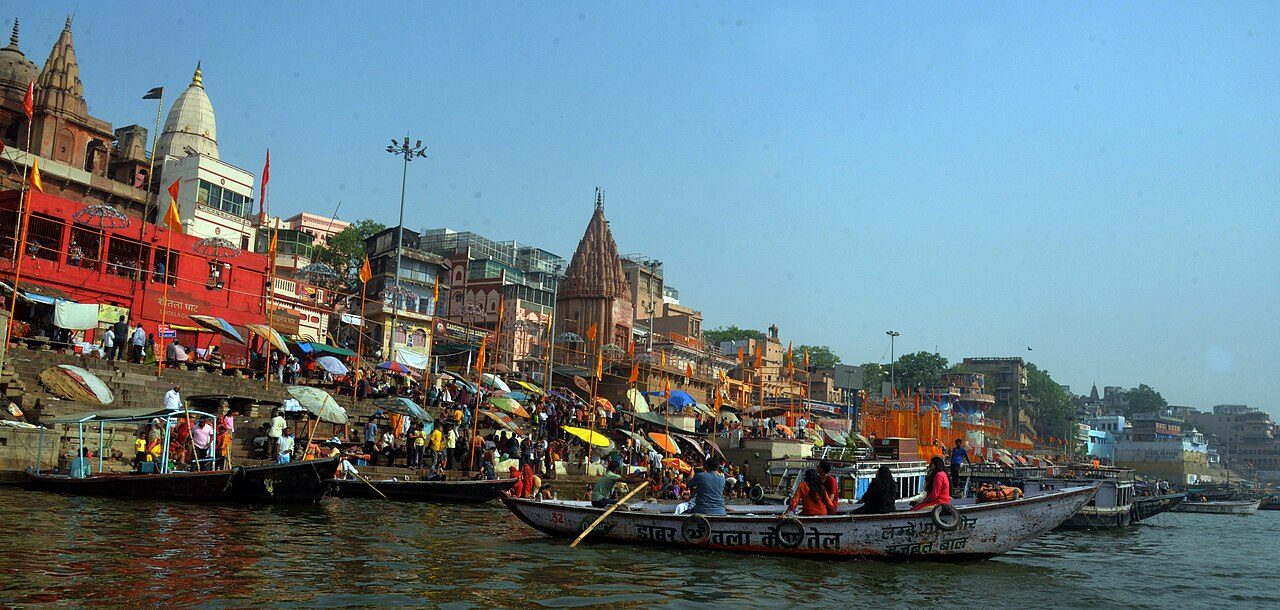
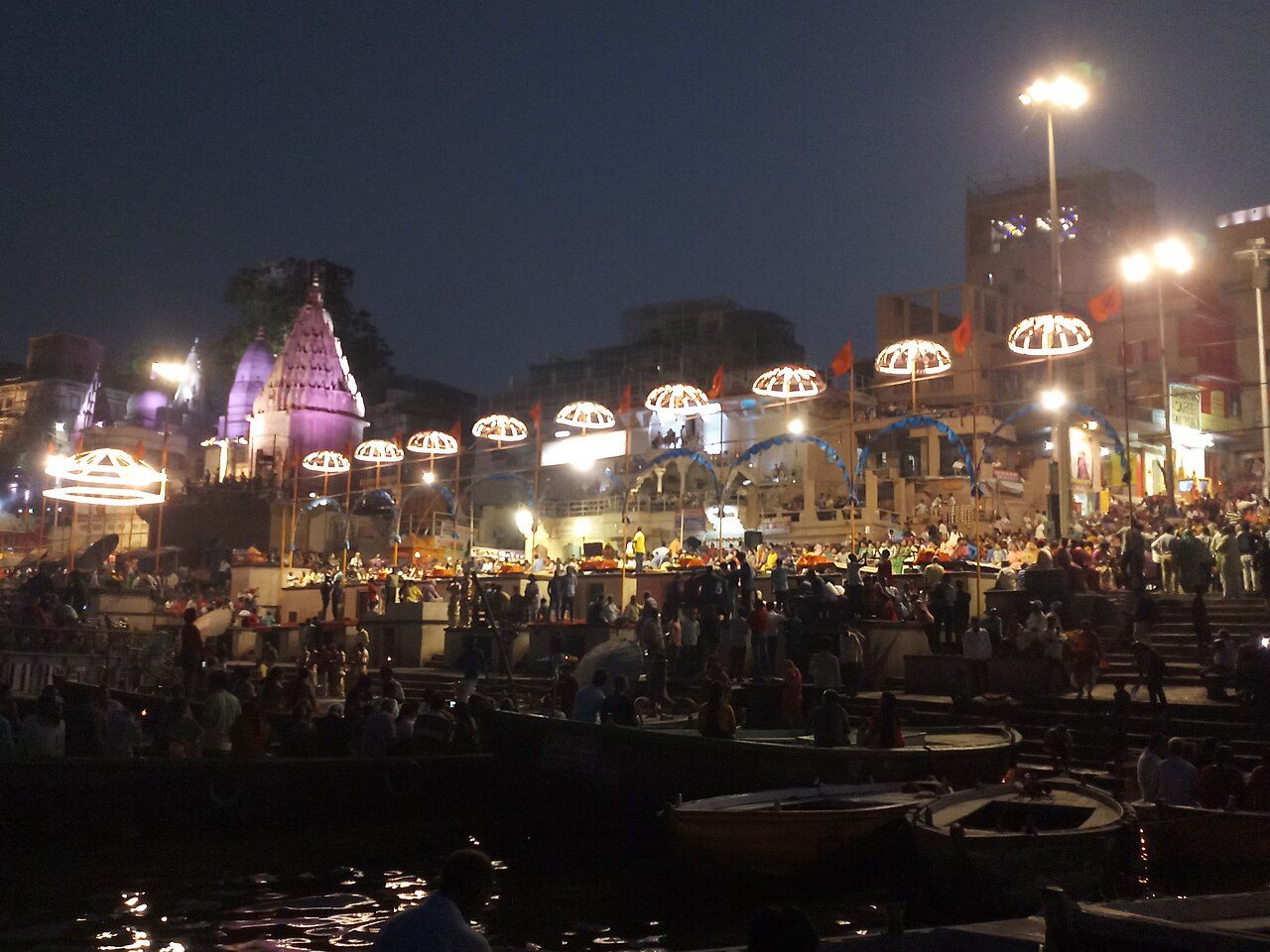
Dashashwamedh is the main and busiest ghat of Varanasi, close to the Kashi Vishwanath temple. Its name recalls a legend that Brahma performed a sacrifice of ten horses here. From dawn it is crowded with bathers, priests under bamboo umbrellas, boatmen and flower sellers. Every evening the Ganga Aarti is performed with large brass lamps, incense and chanting, watched by thousands from the steps and from boats.
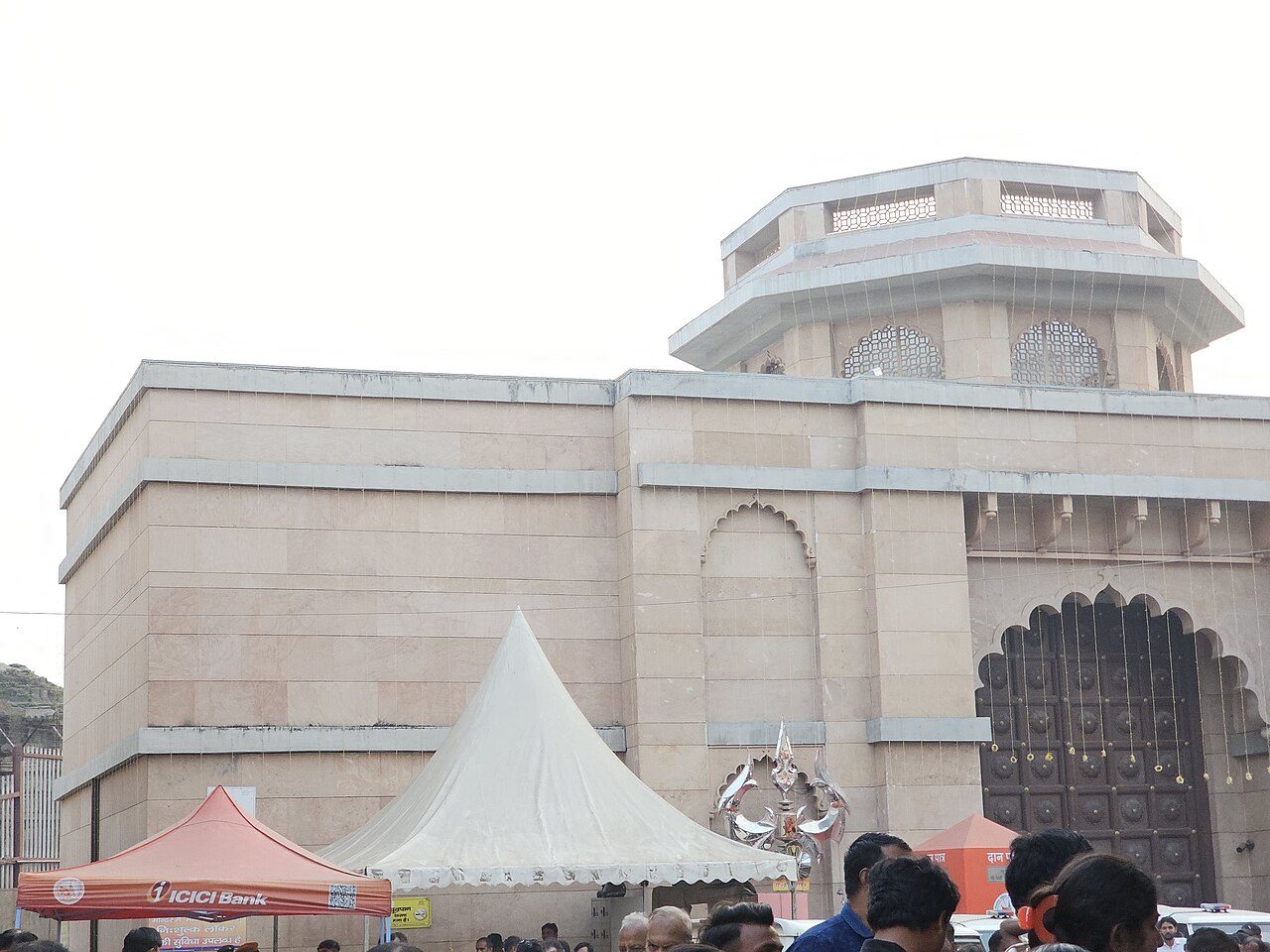
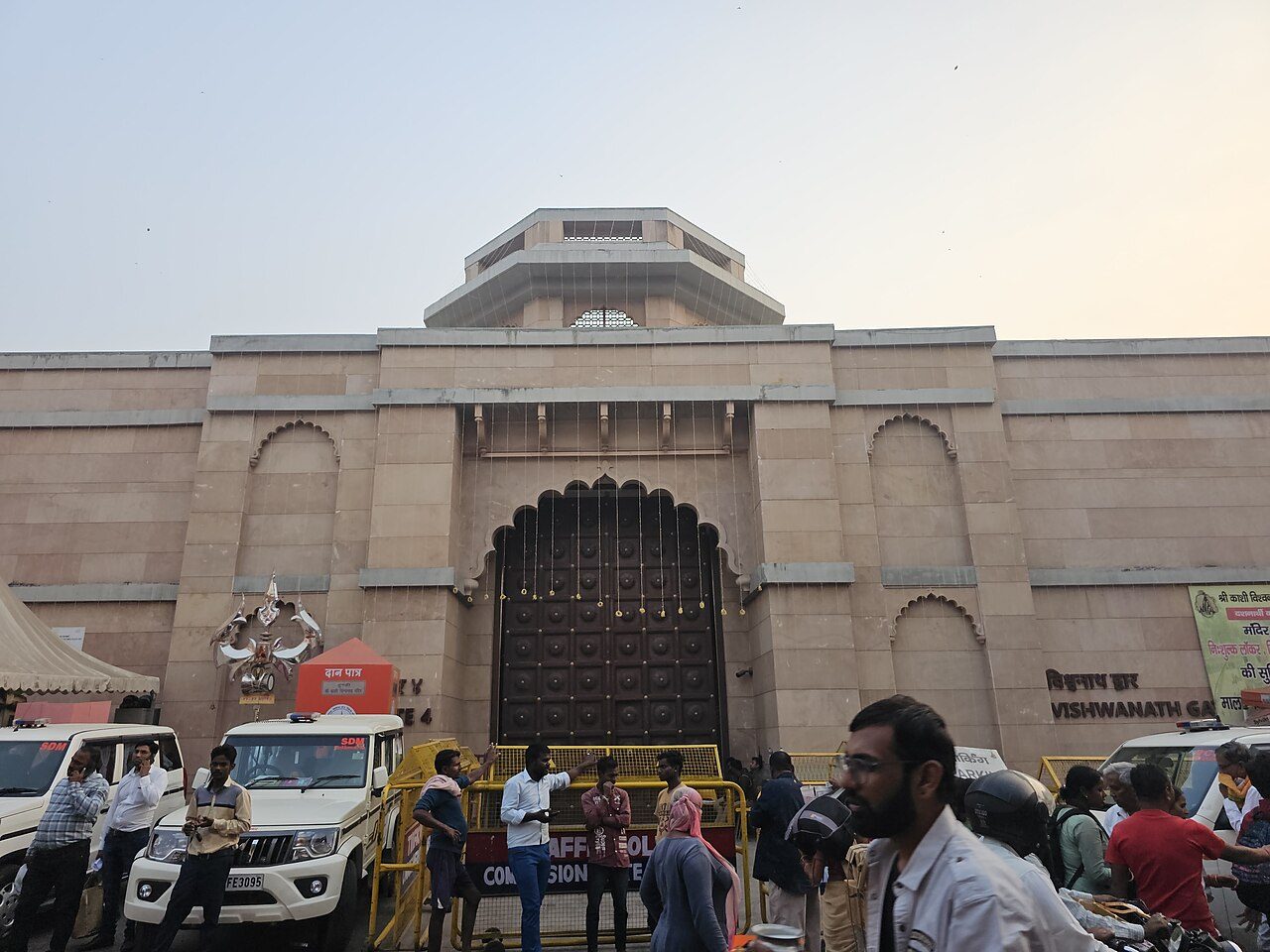
The Kashi Vishwanath temple is the most sacred shrine of Varanasi, dedicated to Shiva as Lord of the Universe and counted among the twelve Jyotirlingas. The present temple was built in 1780 by Ahilyabai Holkar of Indore, and its spire and domes were later plated with gold given by Maharaja Ranjit Singh. A broad corridor opened in 2021 now links it directly to the Ganges. Phones and bags must be left in lockers.
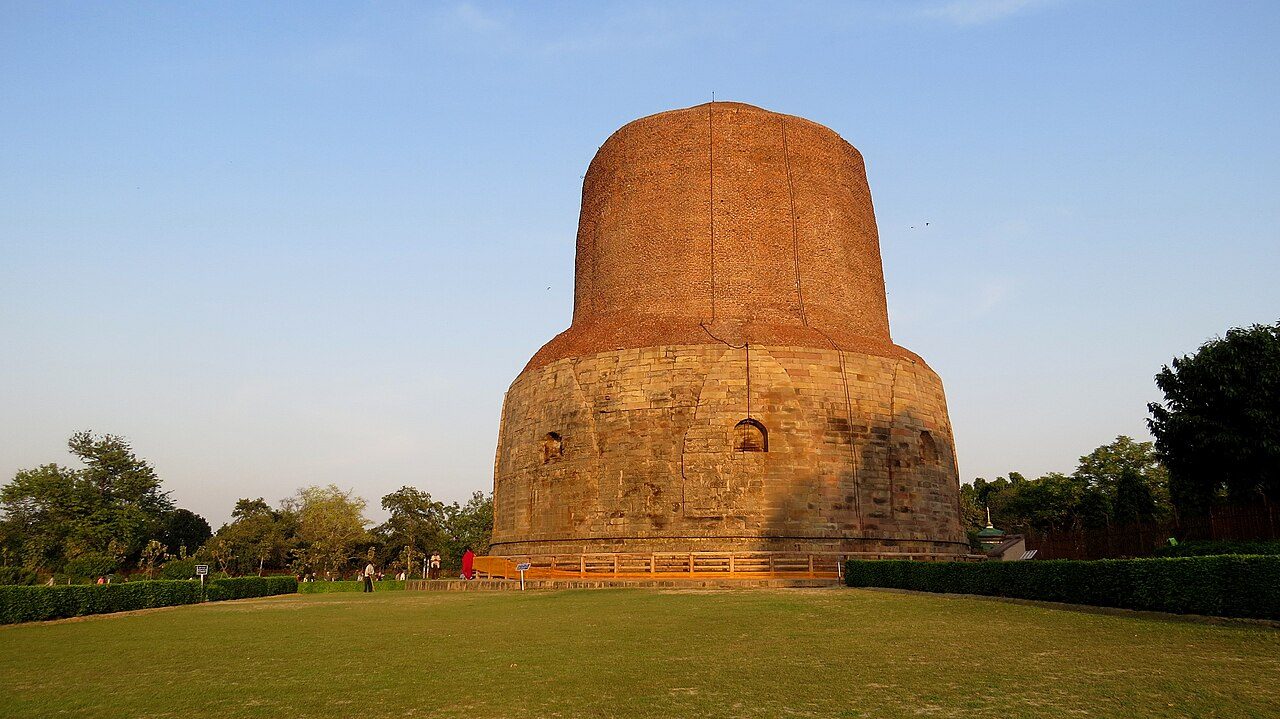
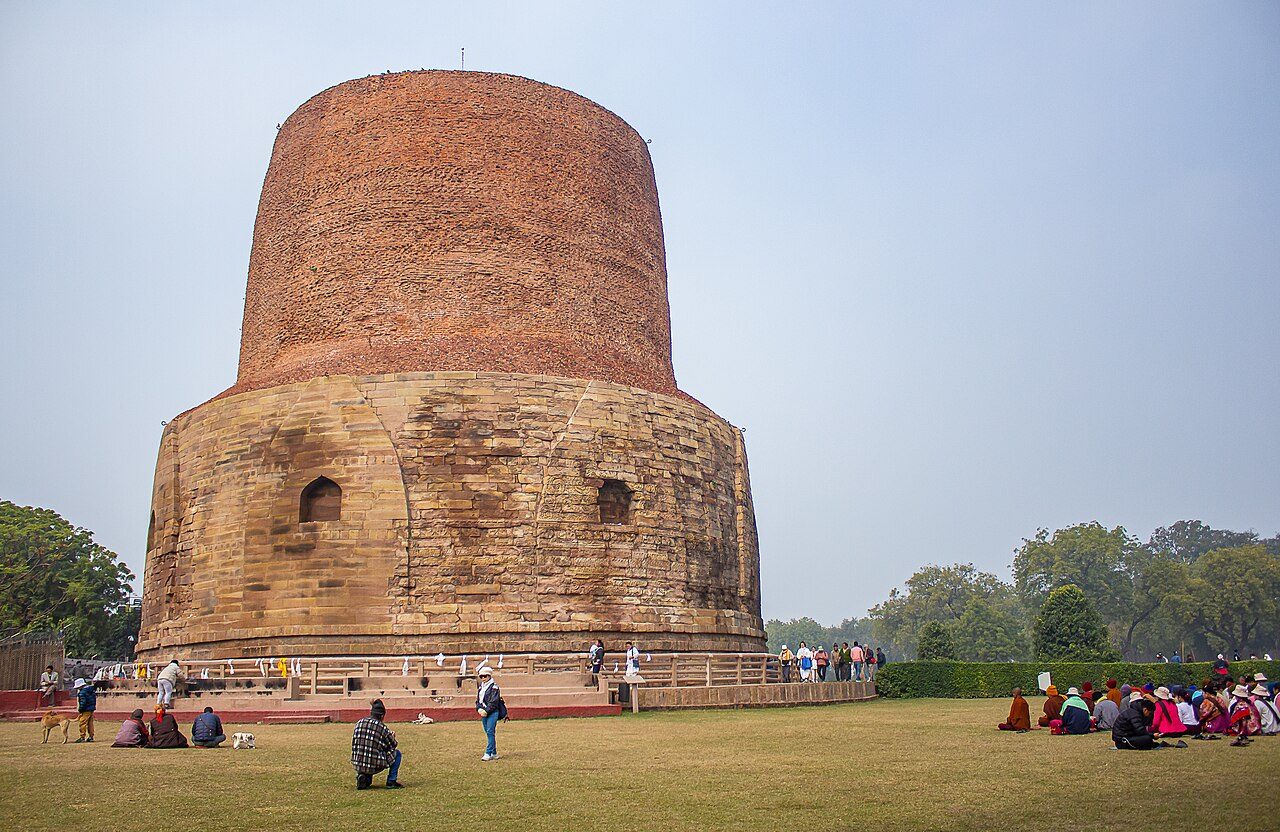
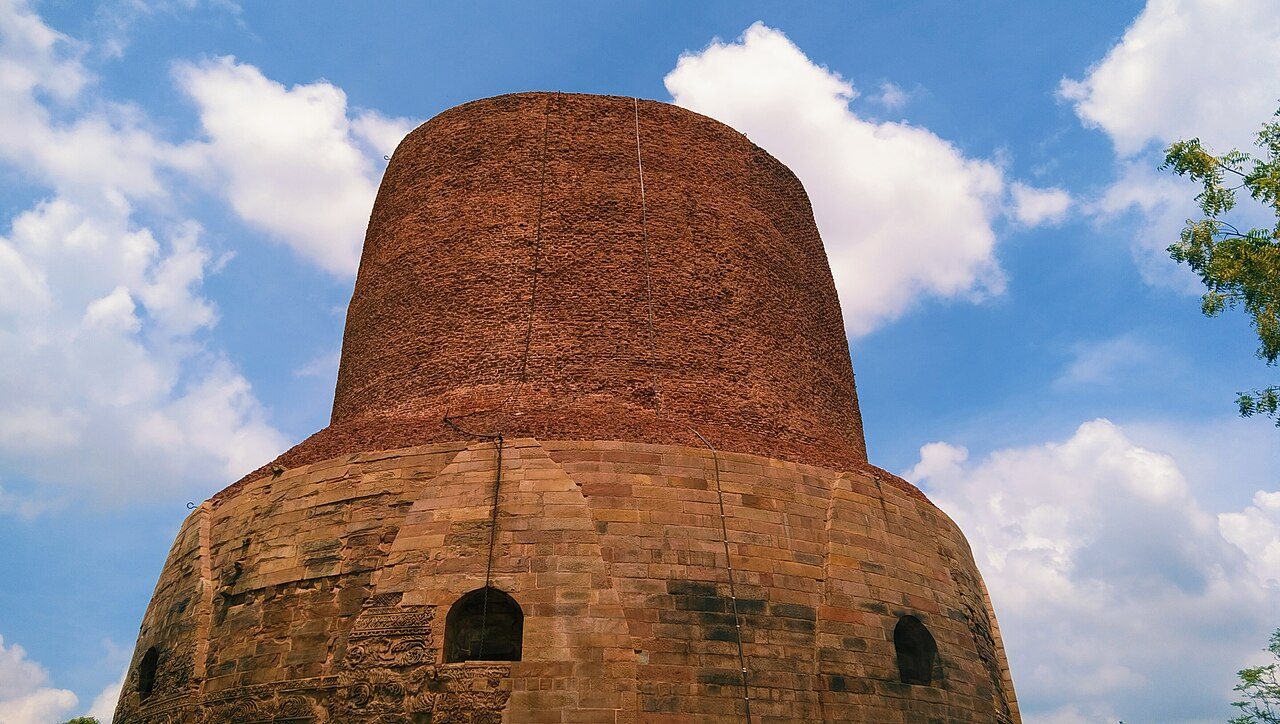
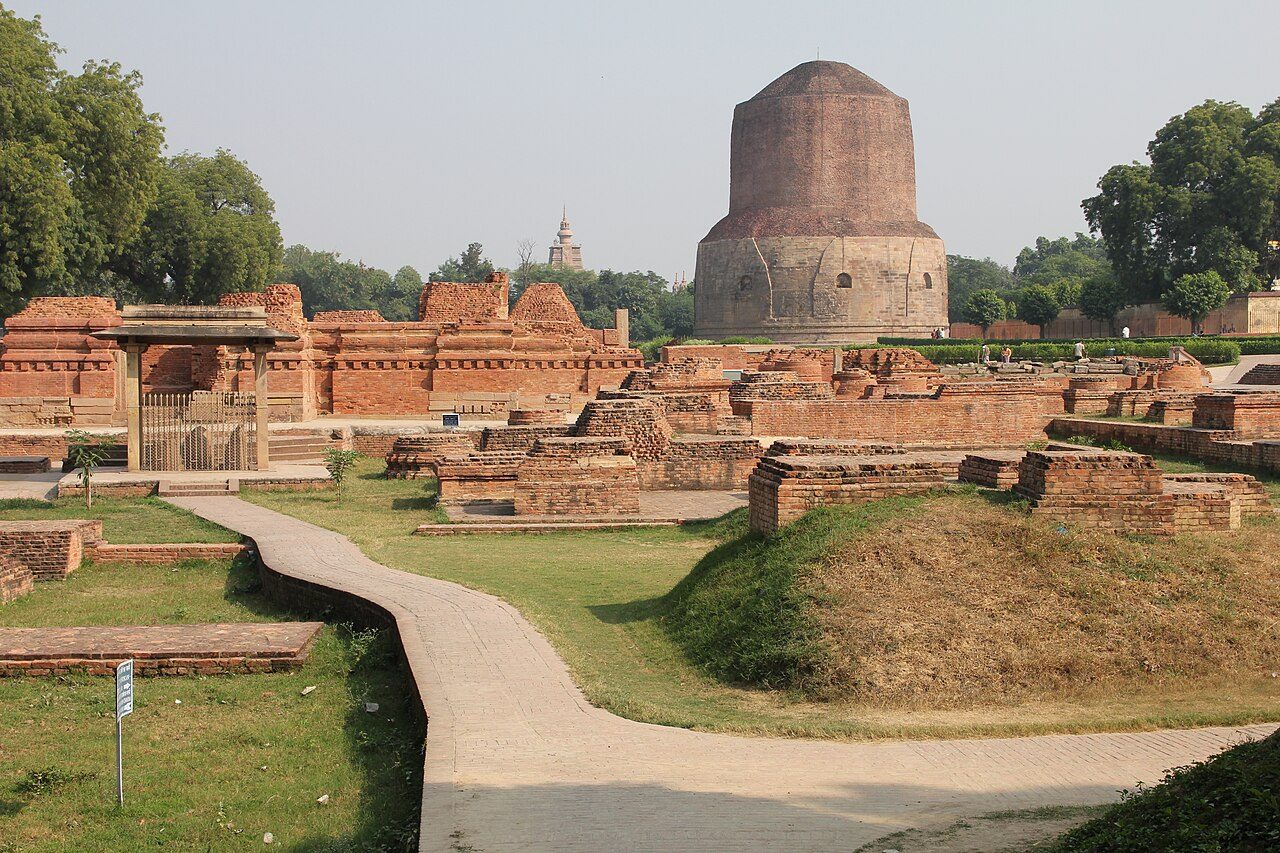
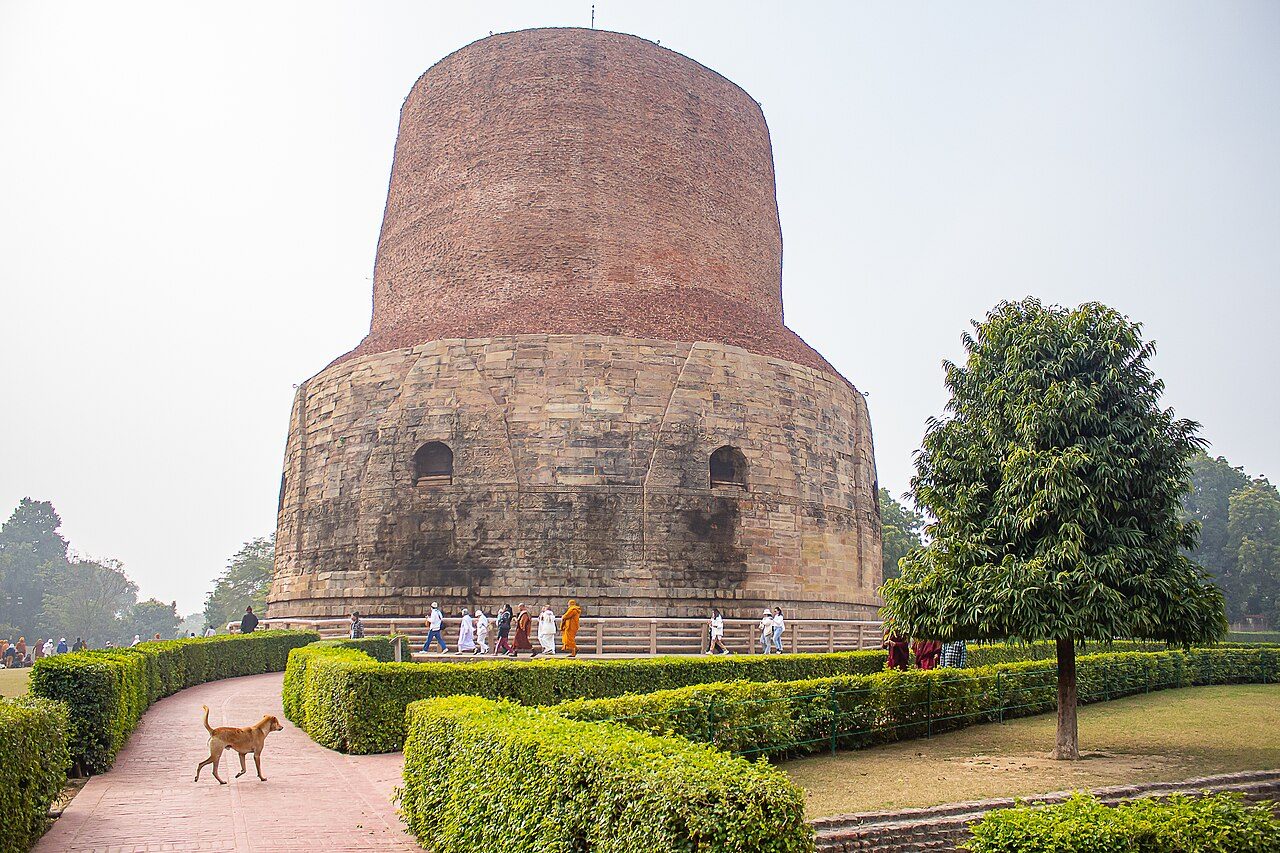
The Dhamek Stupa marks the spot at Sarnath where the Buddha is said to have delivered his first sermon after enlightenment, setting in motion the Wheel of Dharma. The massive cylindrical tower, about 43 metres high, dates in its present form from around 500 CE and has finely carved floral and geometric bands. Around it lie the ruins of monasteries and the base of Ashoka's pillar.
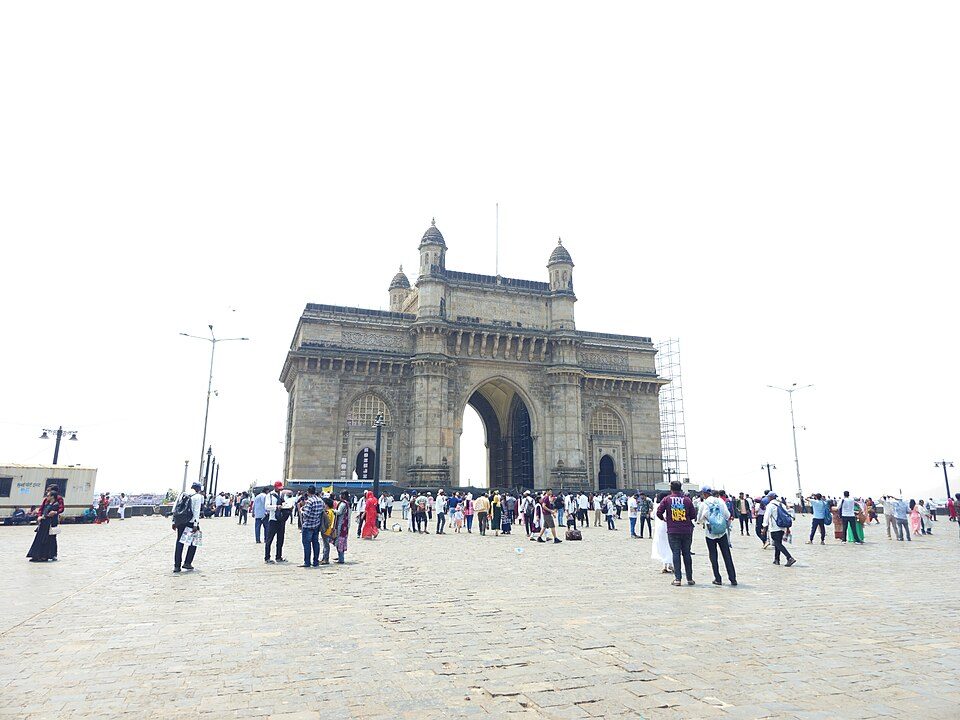
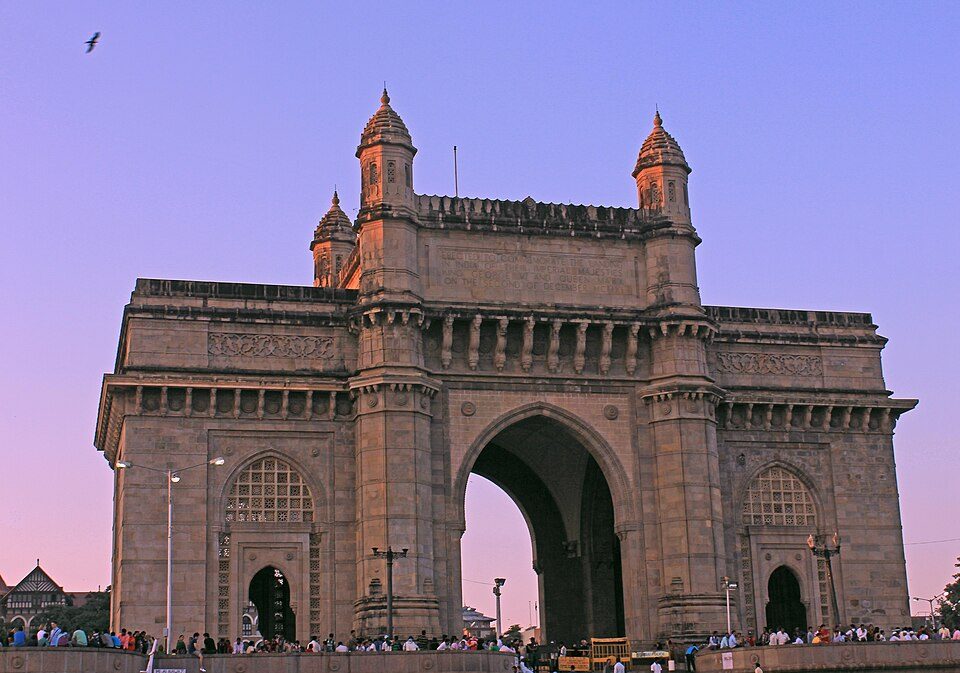
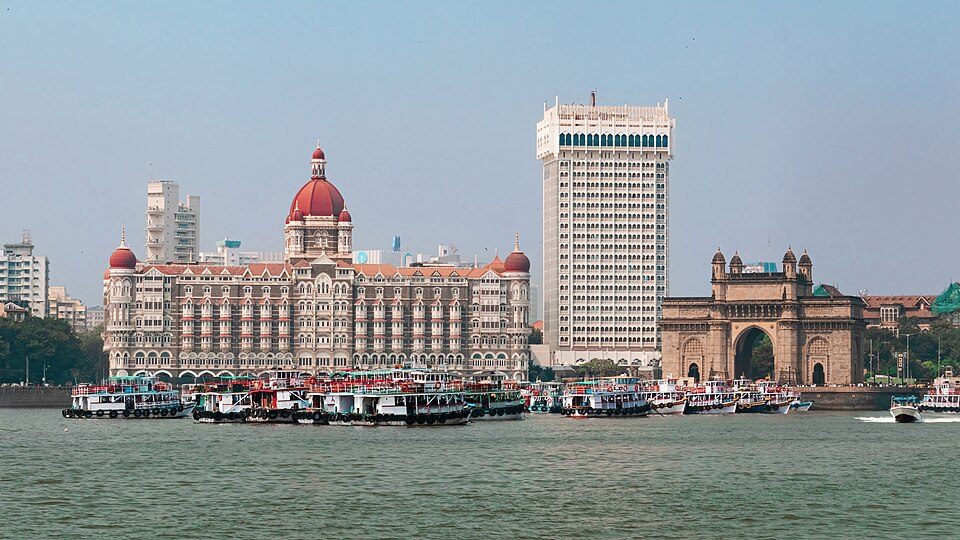
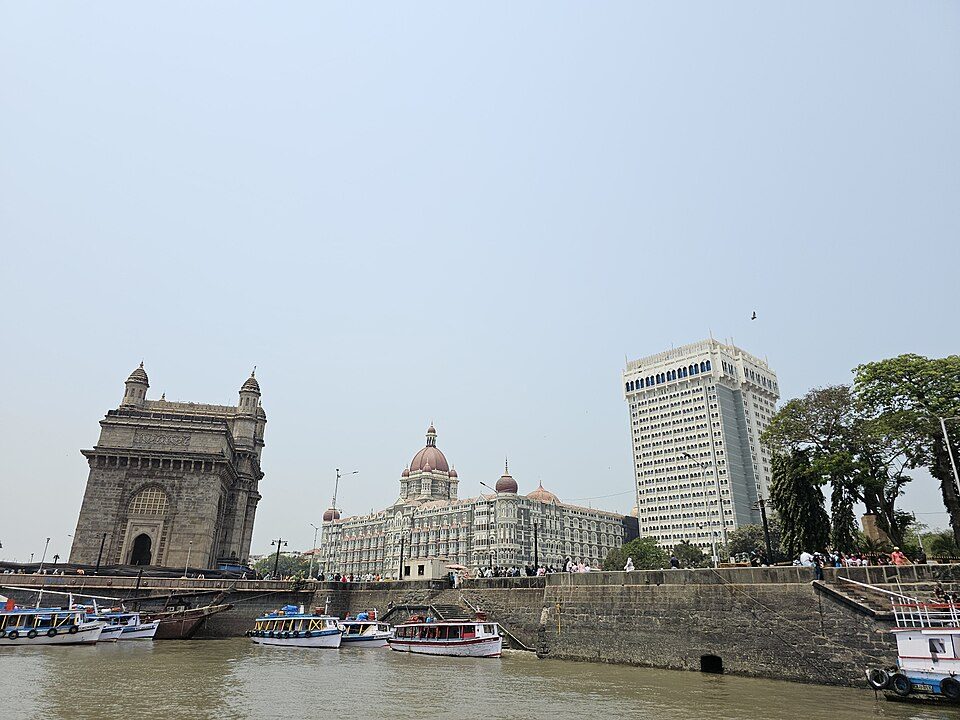
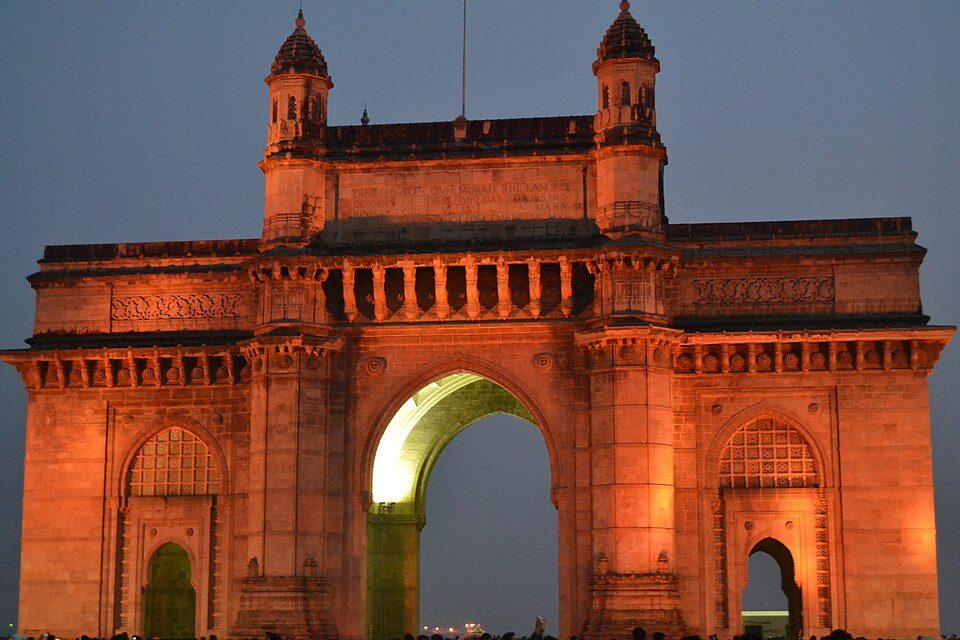
Built to commemorate the visit of King George V and Queen Mary in 1911 and completed in 1924, the Gateway of India is a basalt arch on the Mumbai waterfront in the Indo-Saracenic style. The last British troops left India through it in 1948. Ferries to Elephanta leave from its jetty, and the Taj Mahal Palace hotel stands opposite.
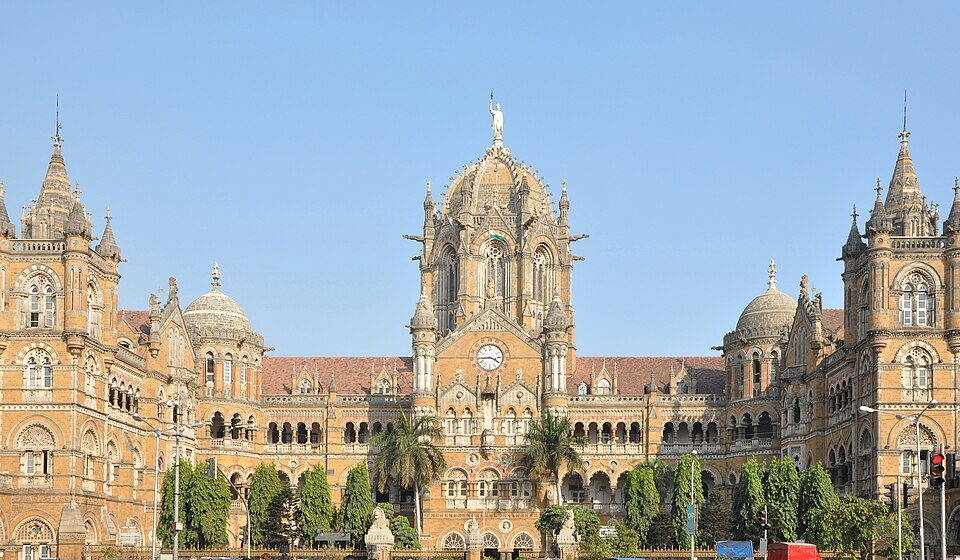
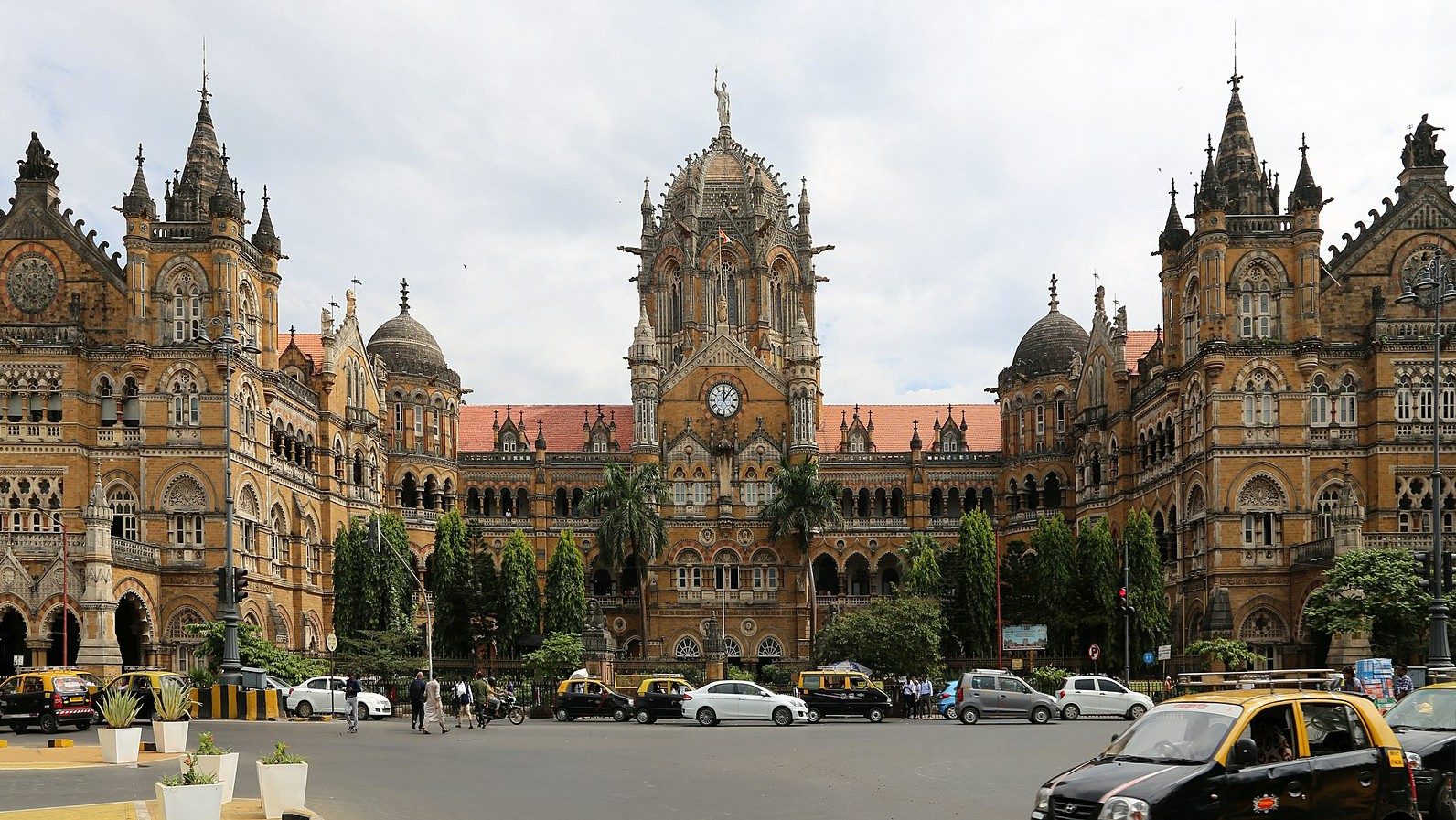
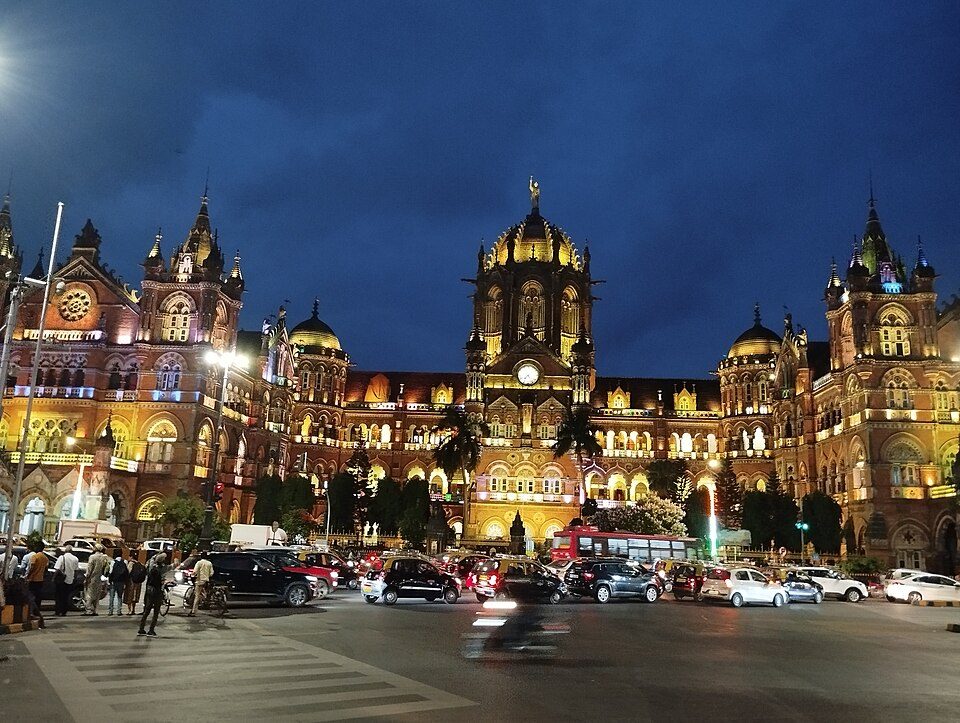
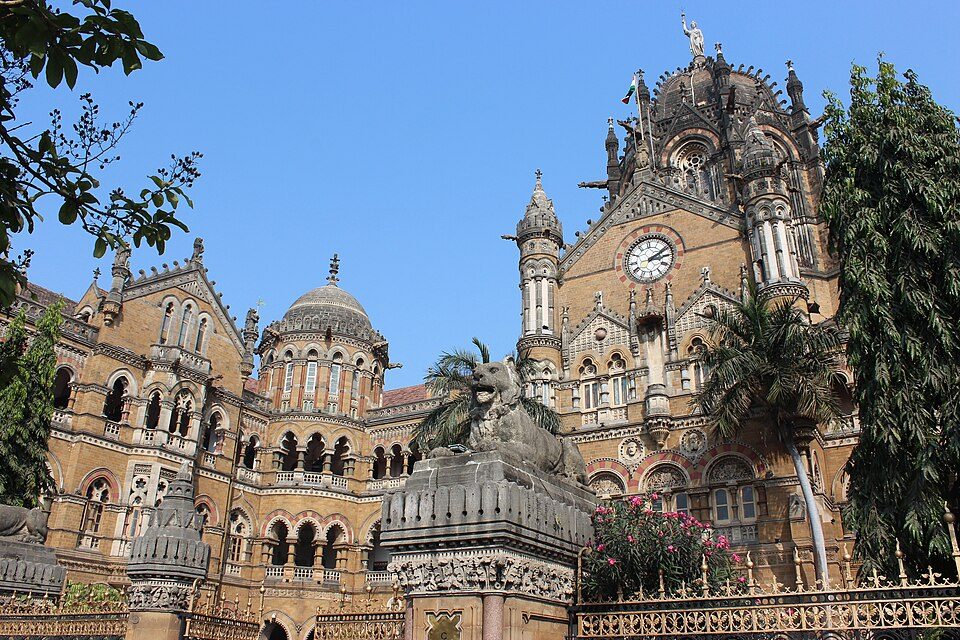
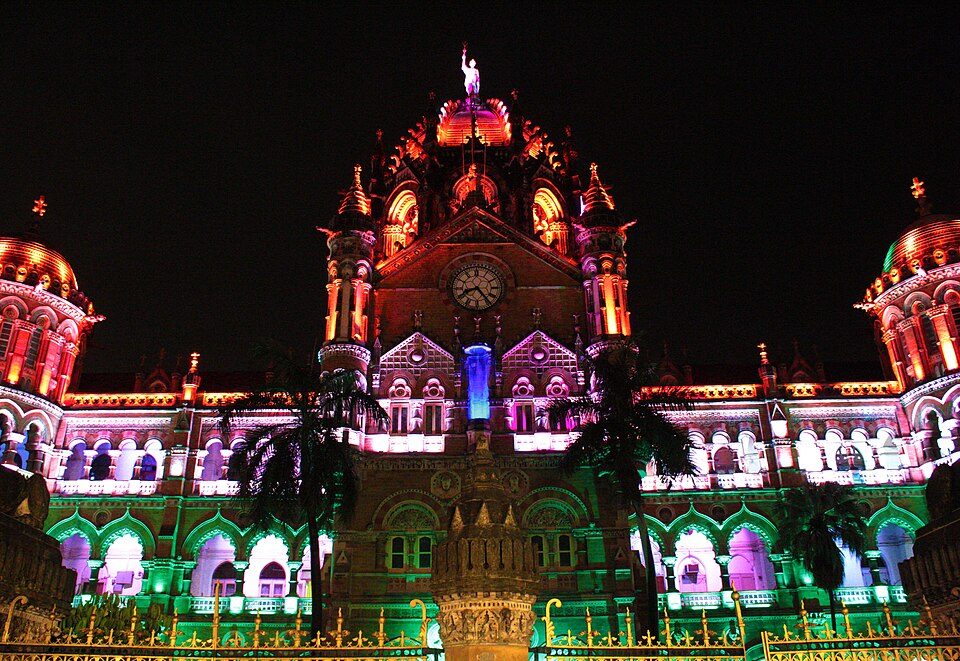
Completed in 1888 and designed by F. W. Stevens, this railway terminus is one of the finest Victorian Gothic buildings in the world and a UNESCO World Heritage Site. Its domes, turrets, stained glass and carved animals mix Gothic and Indian styles. It remains one of the busiest stations in India.
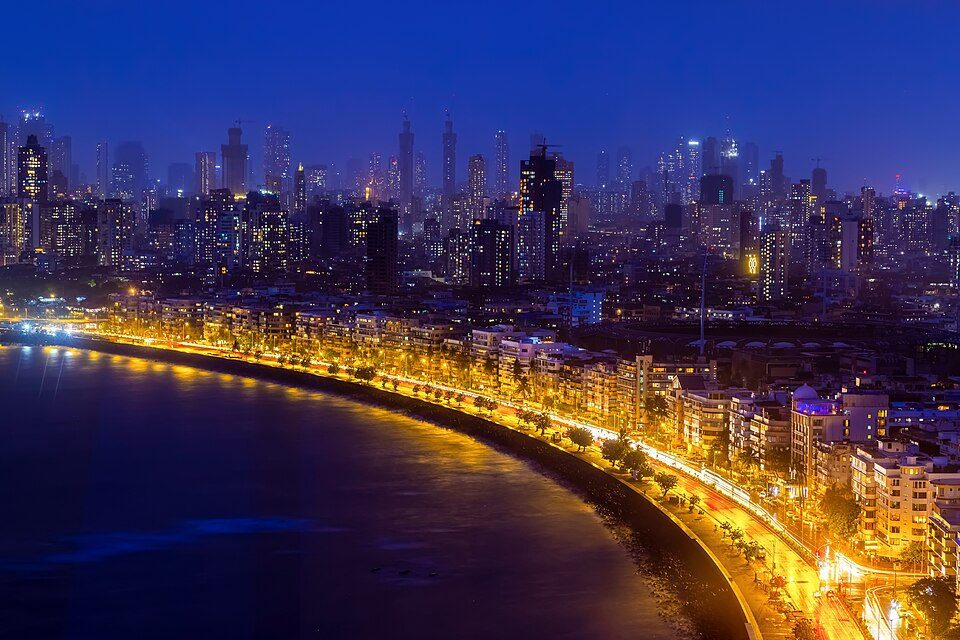
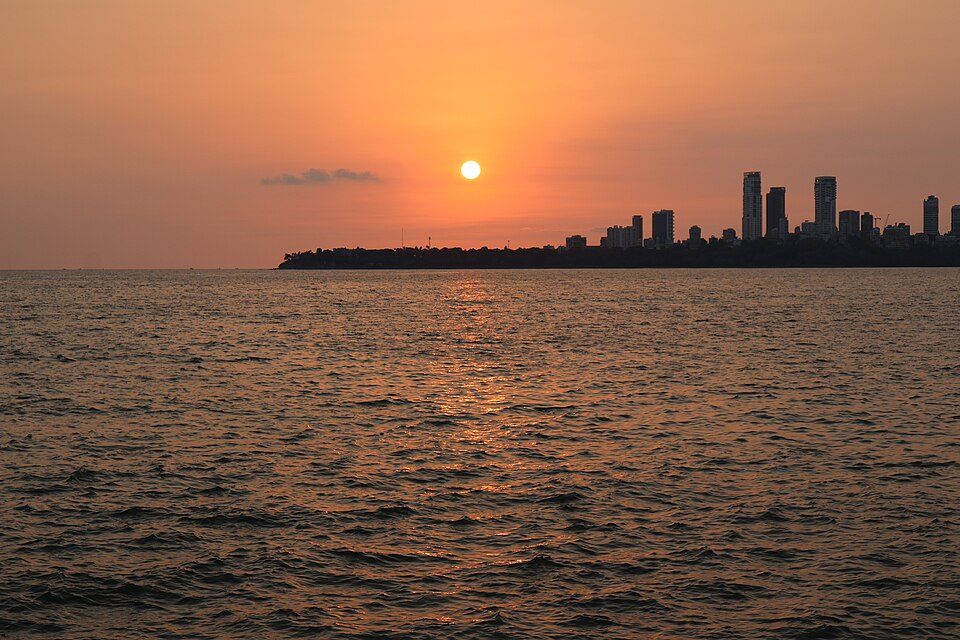
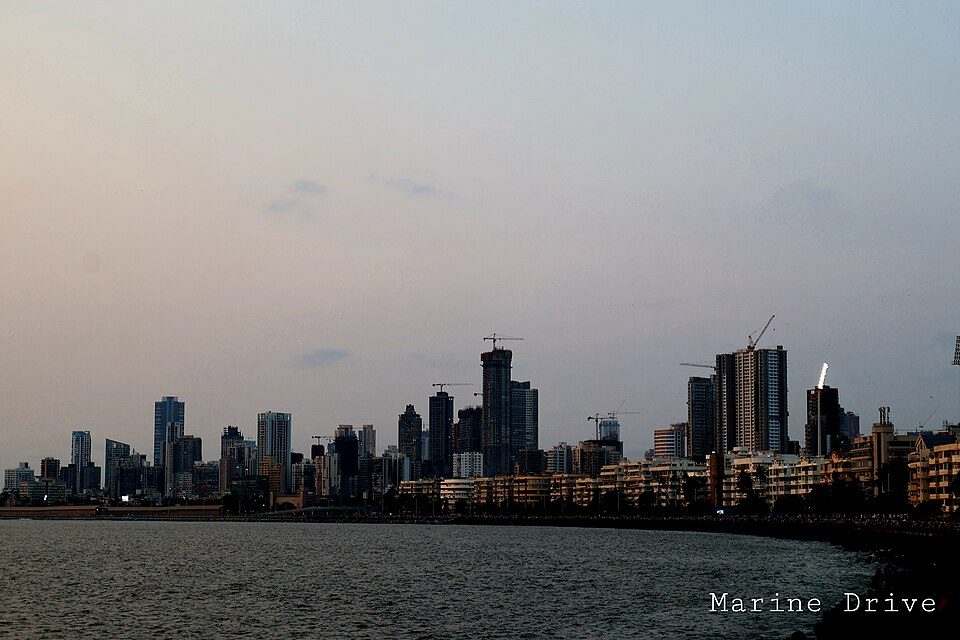
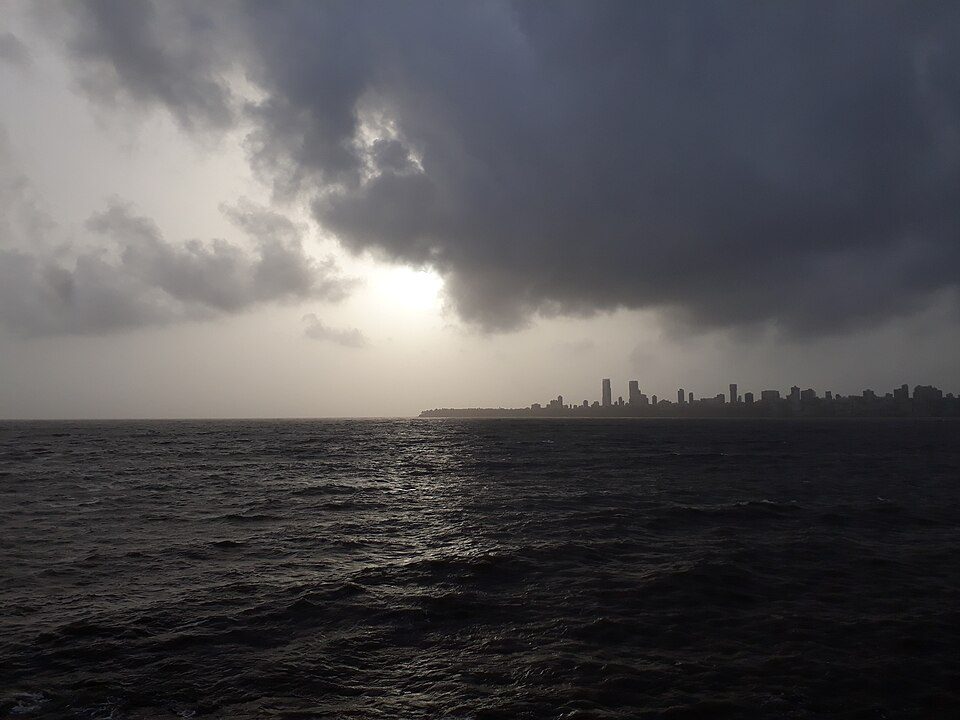
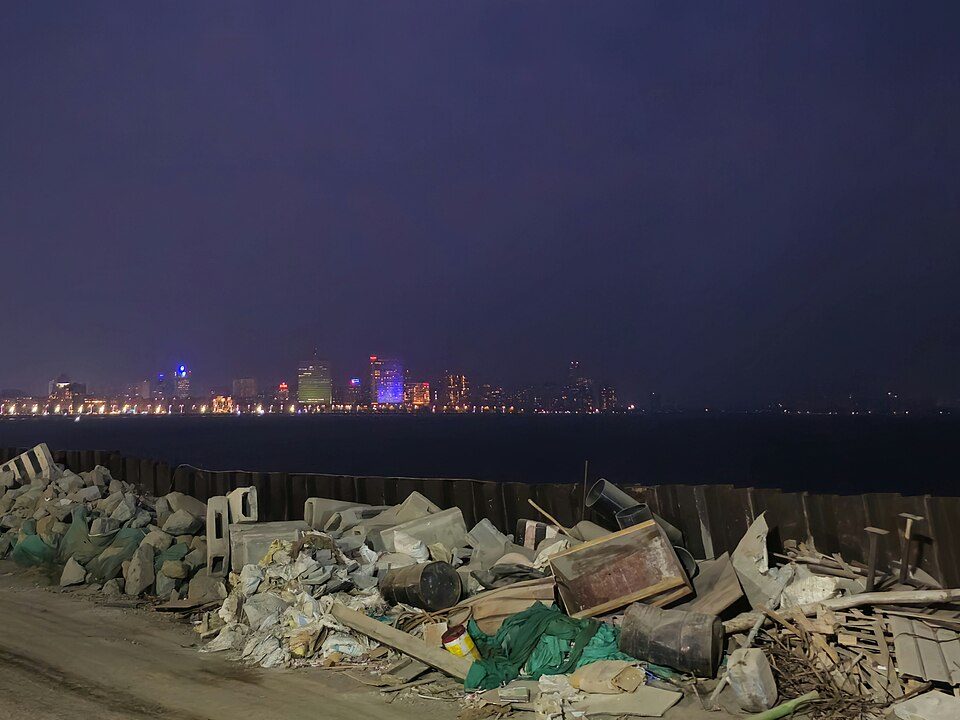
A three-kilometre sweep of promenade along the Arabian Sea, Marine Drive is known as the Queen's Necklace for the way its street lights curve around the bay at night. The Art Deco buildings along it form part of a UNESCO World Heritage Site, and the sea wall is the city's favourite place to watch the sunset.
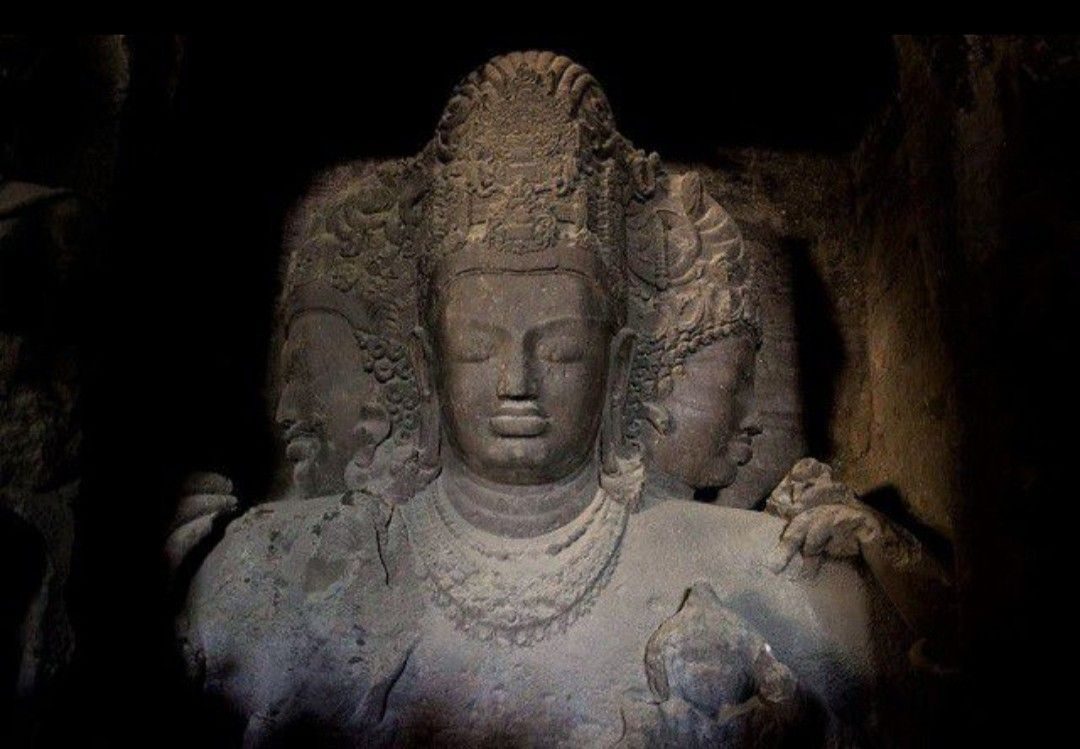
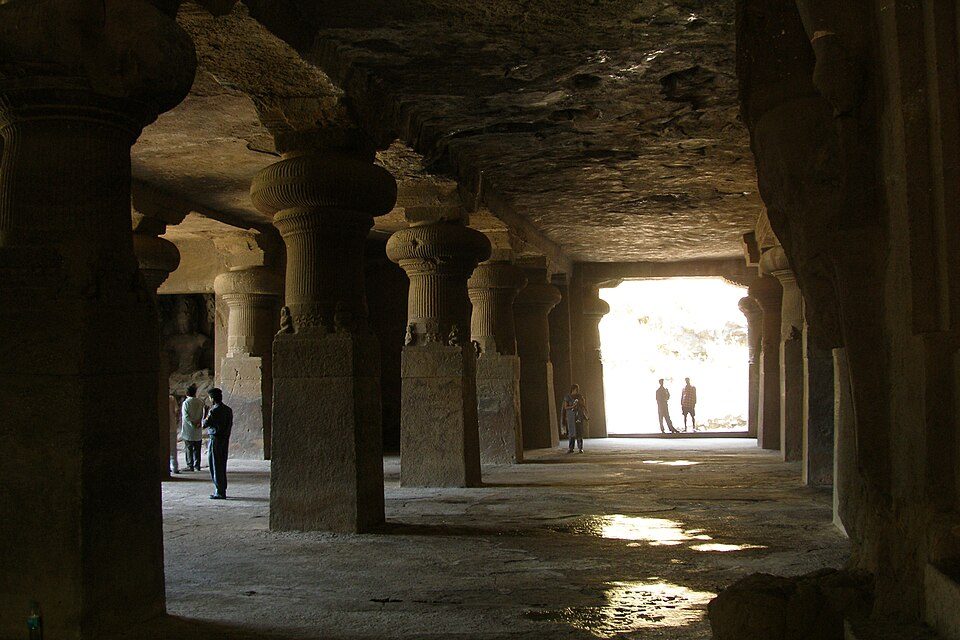
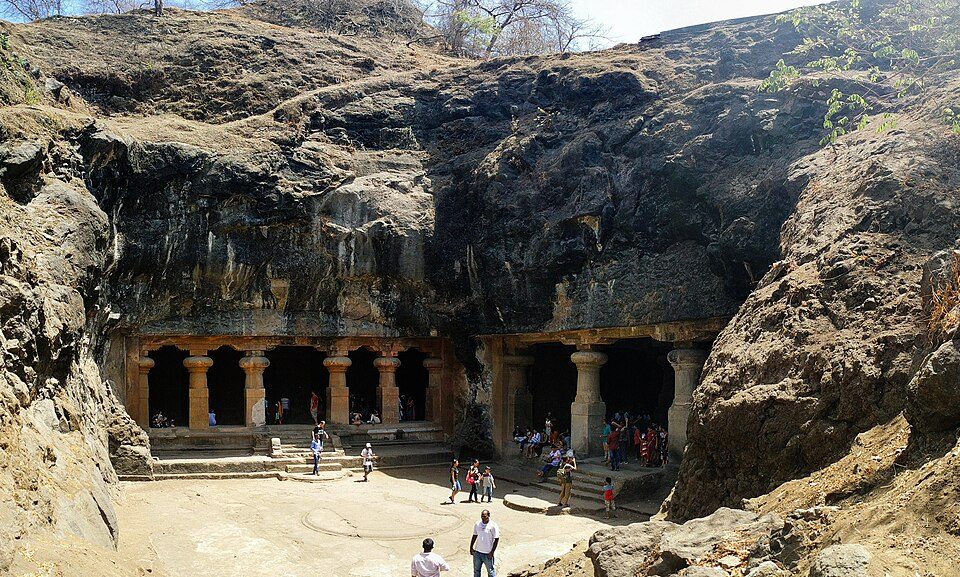
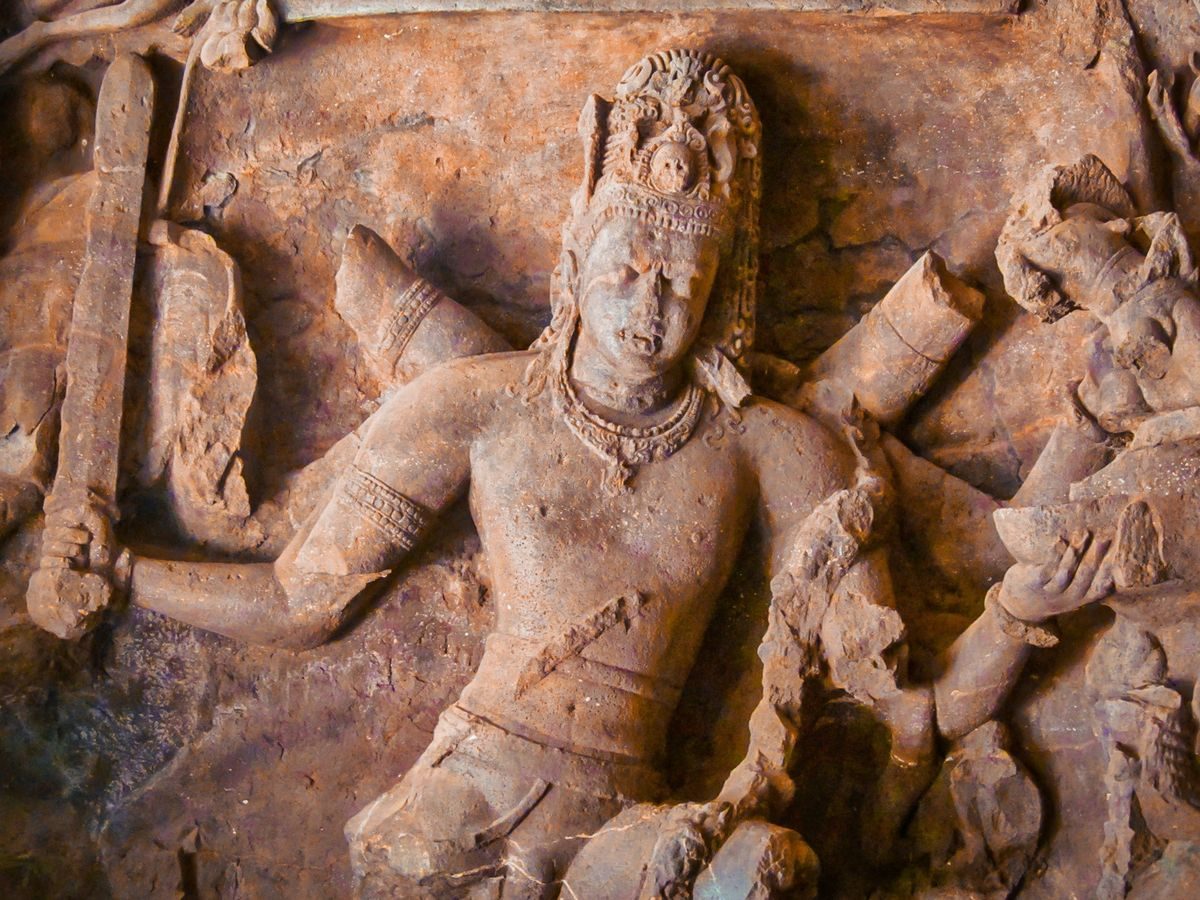
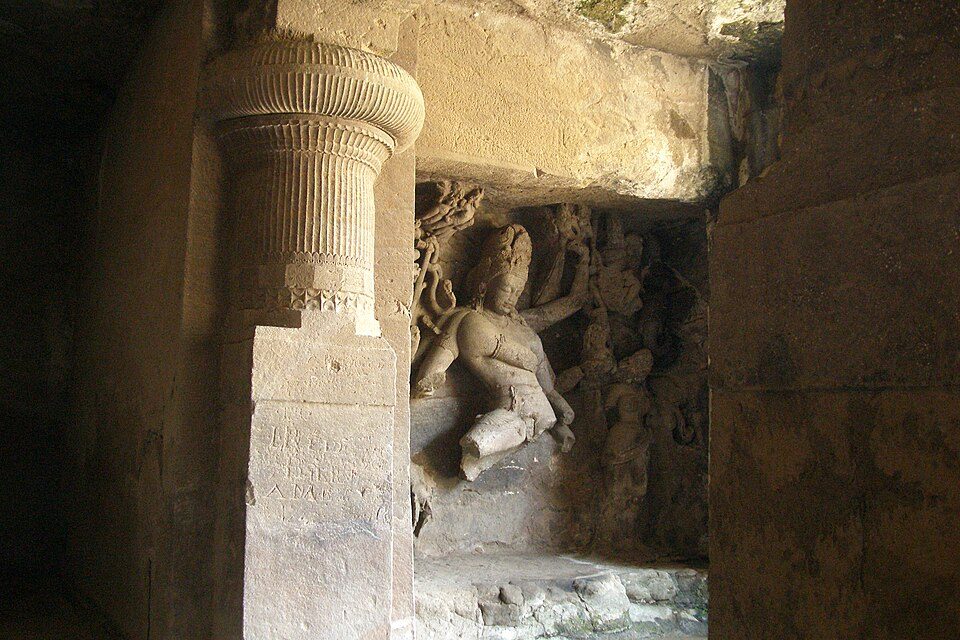
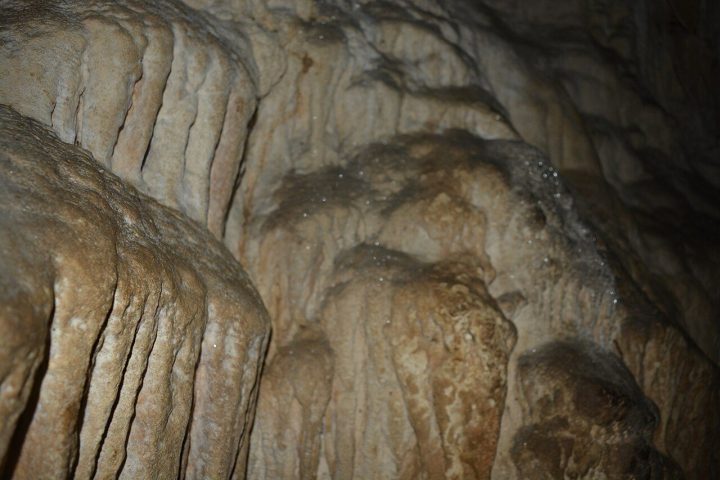
On an island in Mumbai harbour, the Elephanta Caves are rock-cut temples to Shiva from around the 5th to 7th centuries and a UNESCO World Heritage Site. The great three-headed Sadashiva, about six metres high, is one of the masterpieces of Indian sculpture. Ferries run from the Gateway of India.
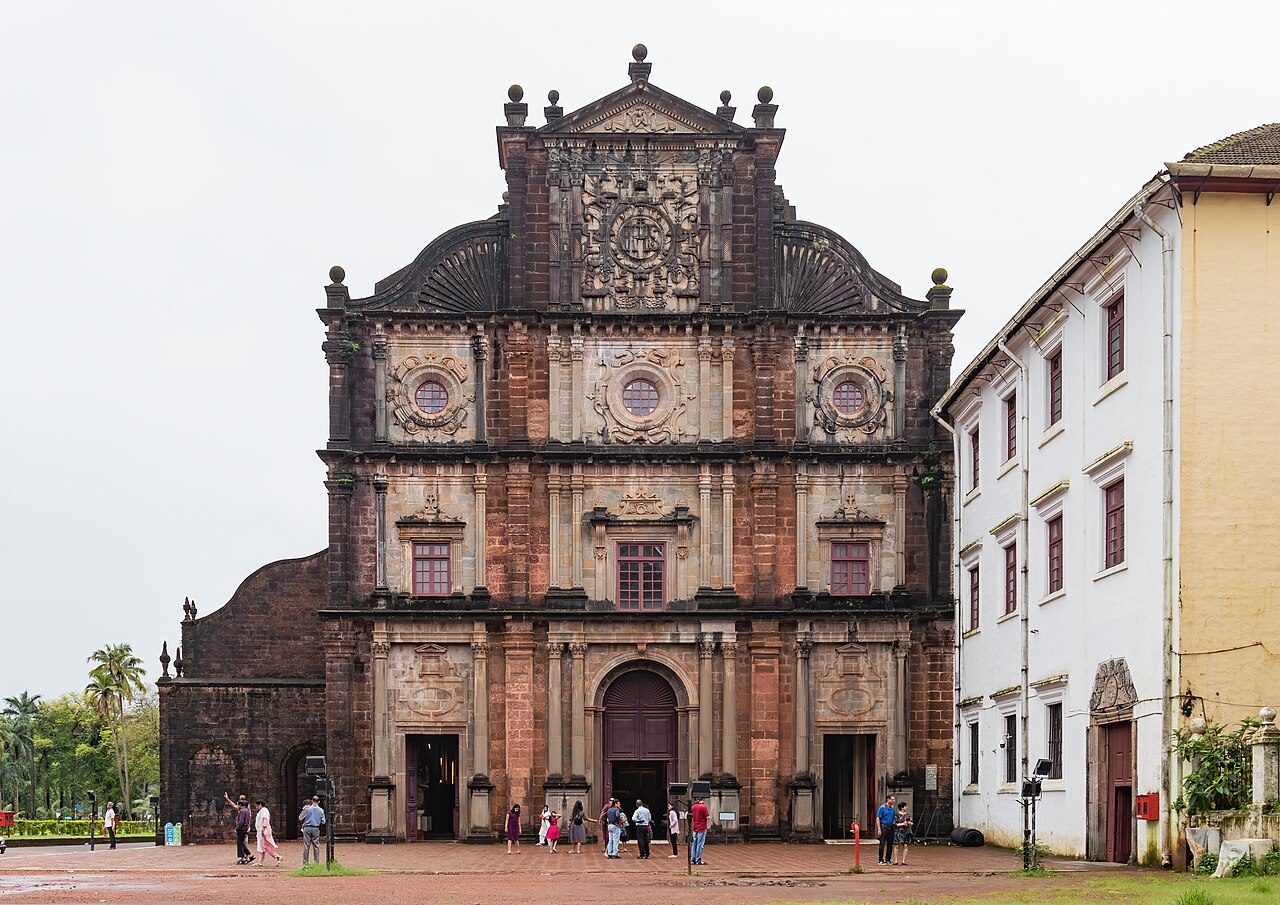
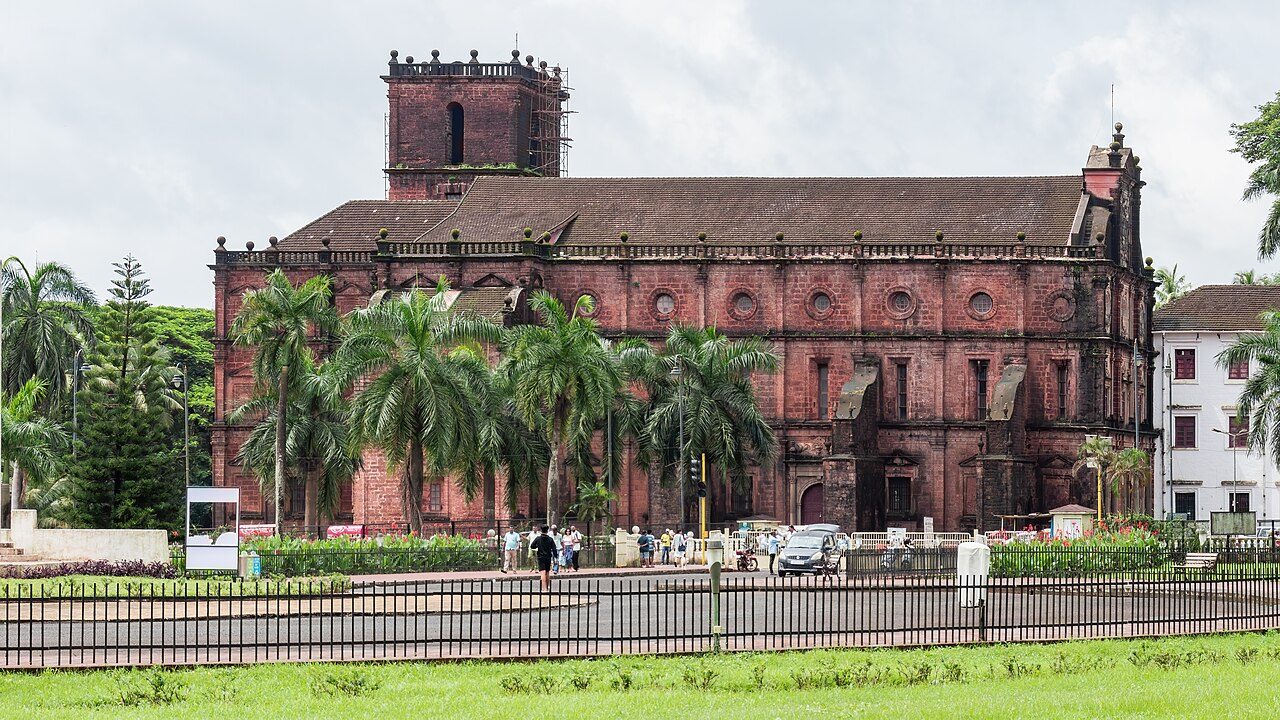
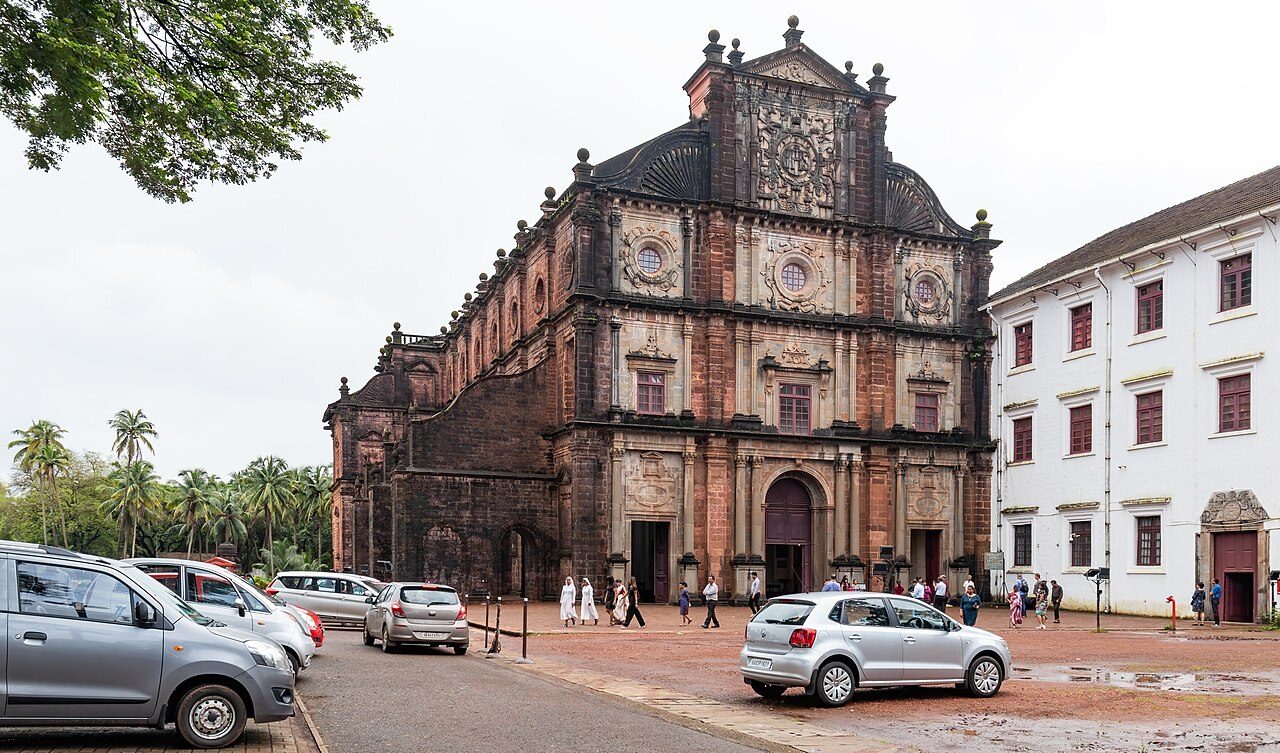
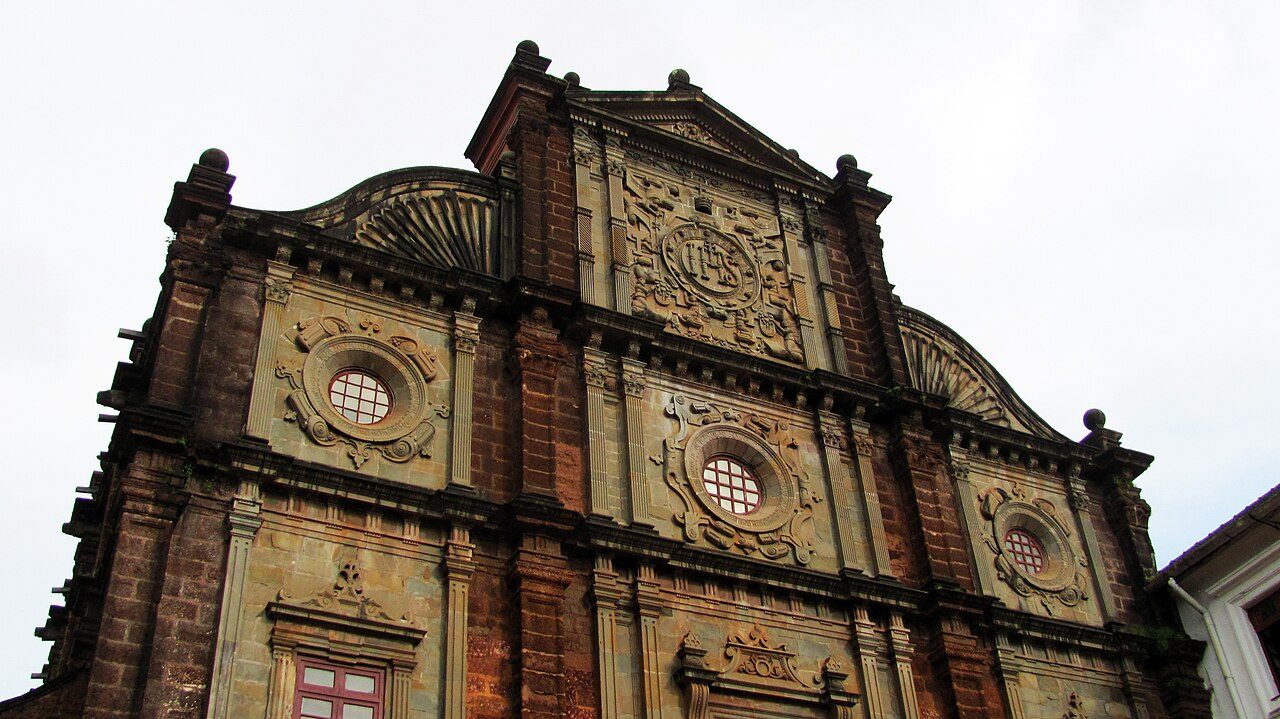
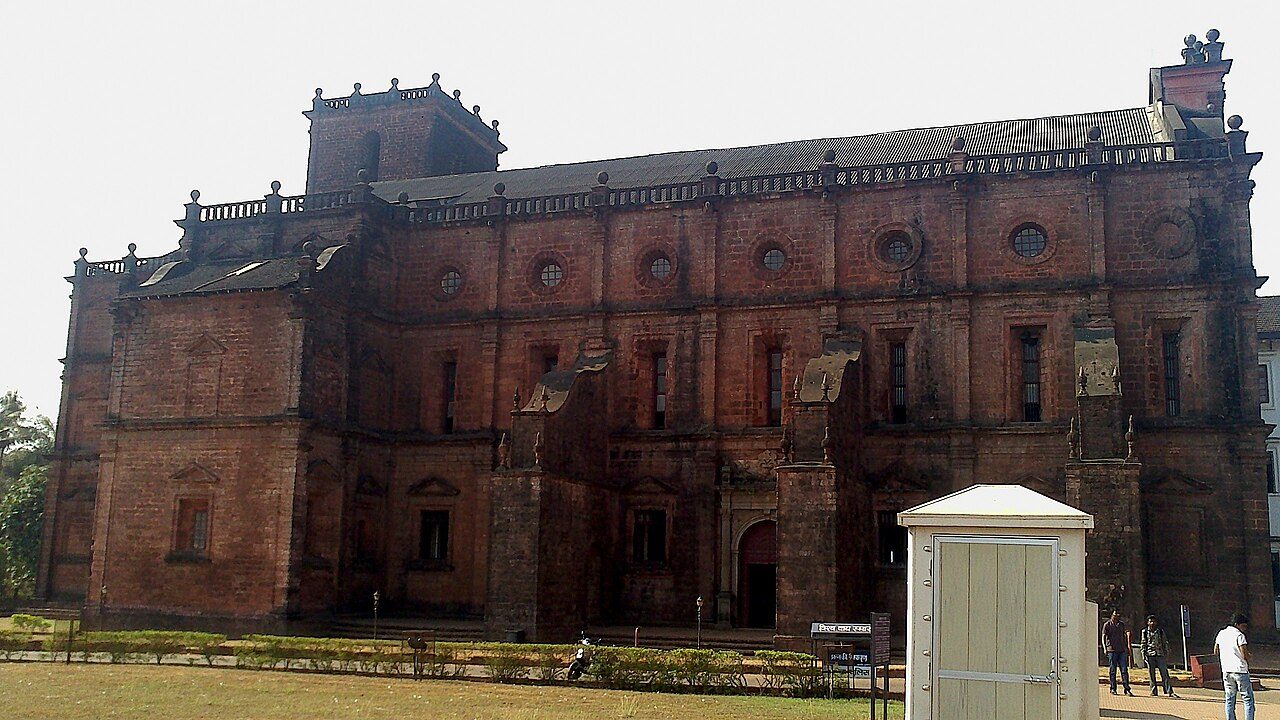
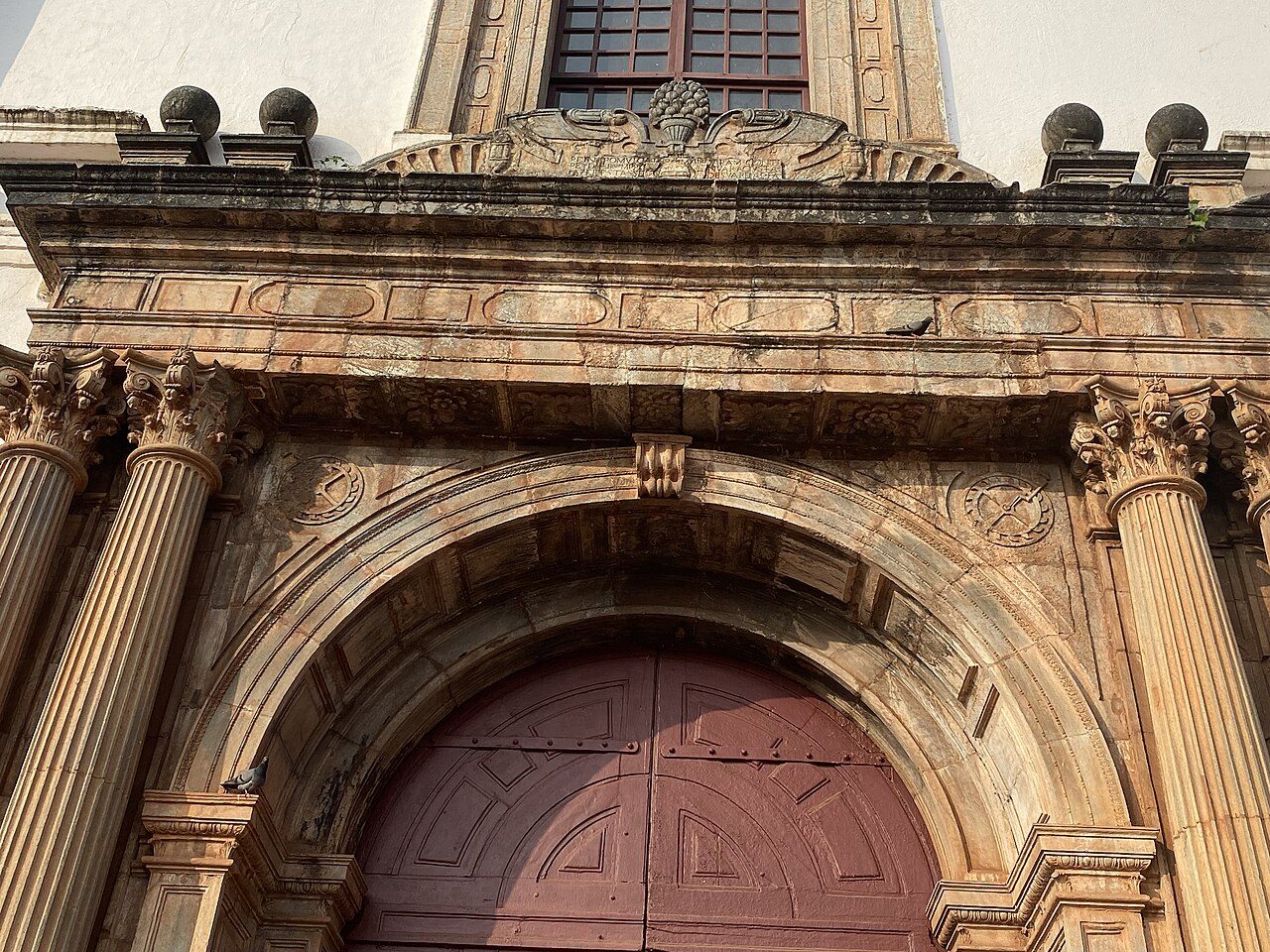
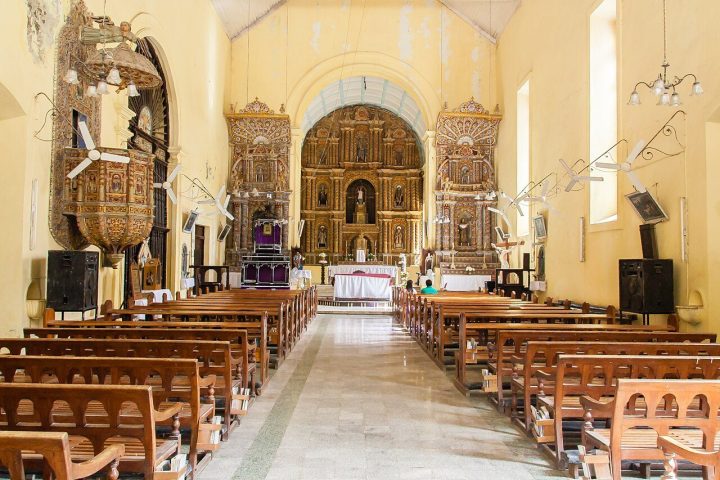
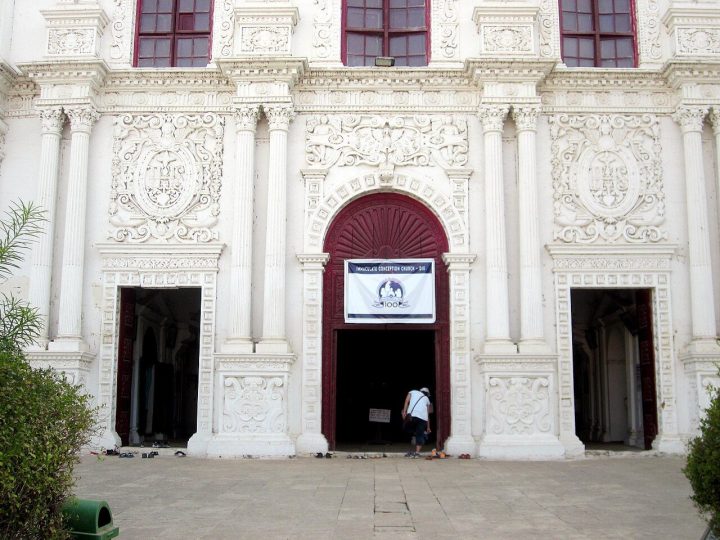
Completed in 1605, the Basilica of Bom Jesus holds the body of St Francis Xavier, the Jesuit missionary who died in 1552, in a silver casket on a marble tomb given by the Grand Duke of Tuscany. Its laterite façade was left unplastered, giving it a warm red-brown colour. Part of the UNESCO World Heritage Site of the Churches and Convents of Goa, it draws pilgrims all year, and vast crowds for the feast on 3 December and the periodic exposition of the saint's relics.
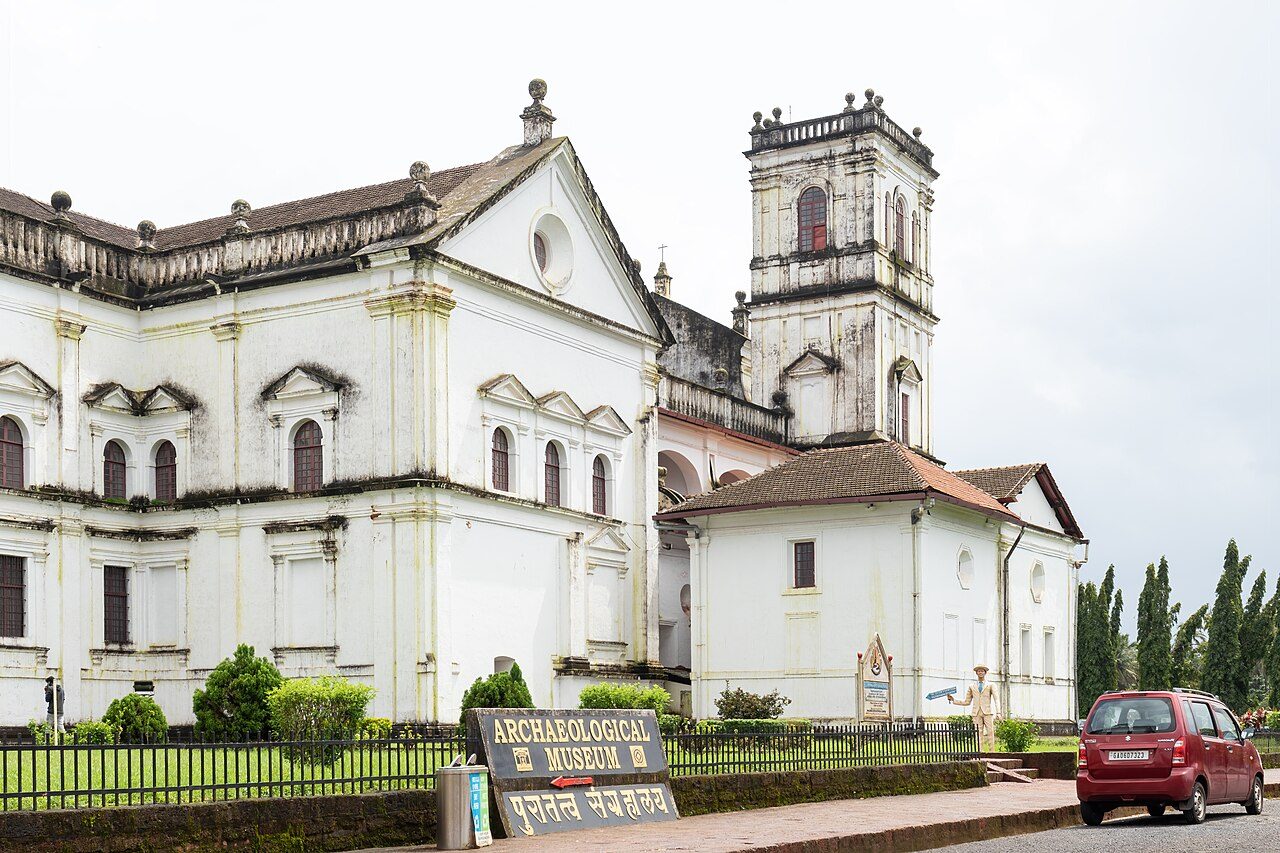
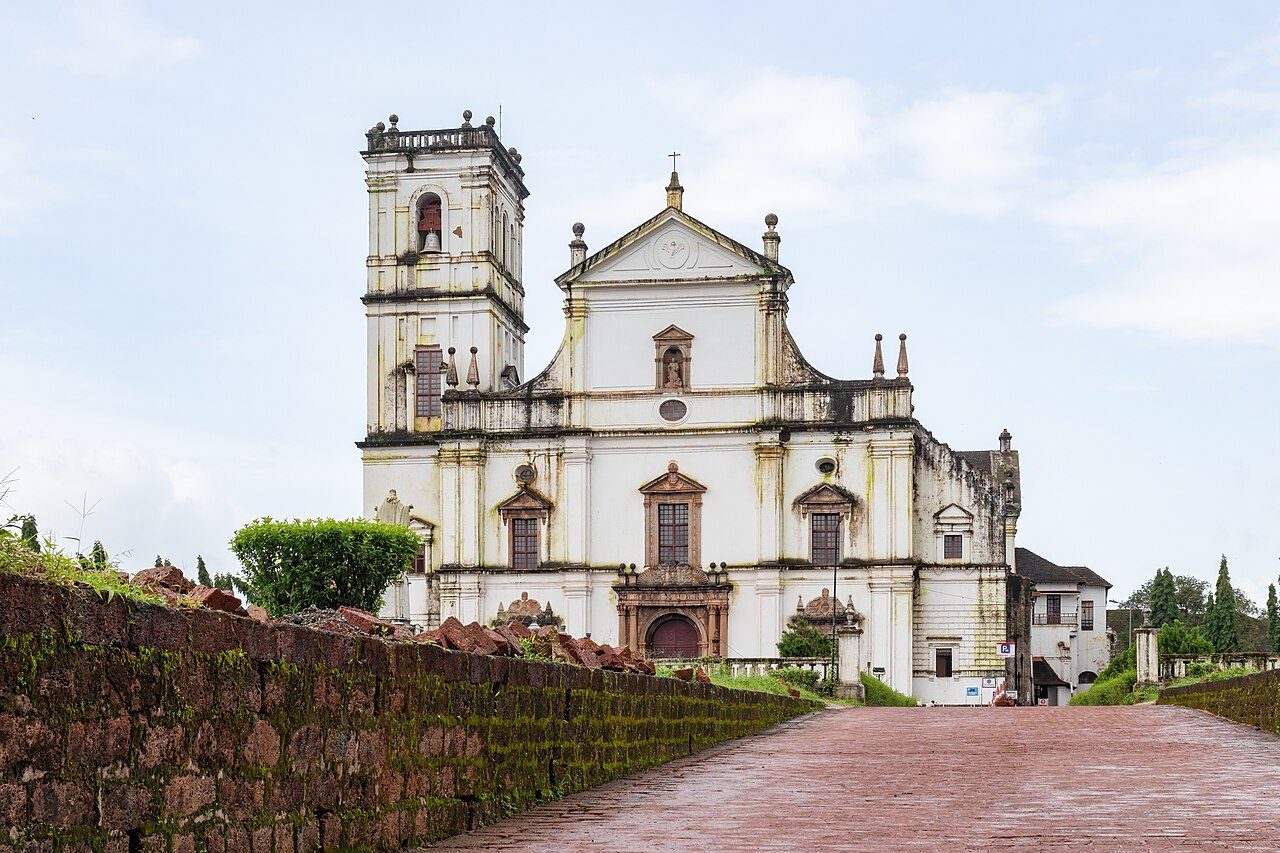
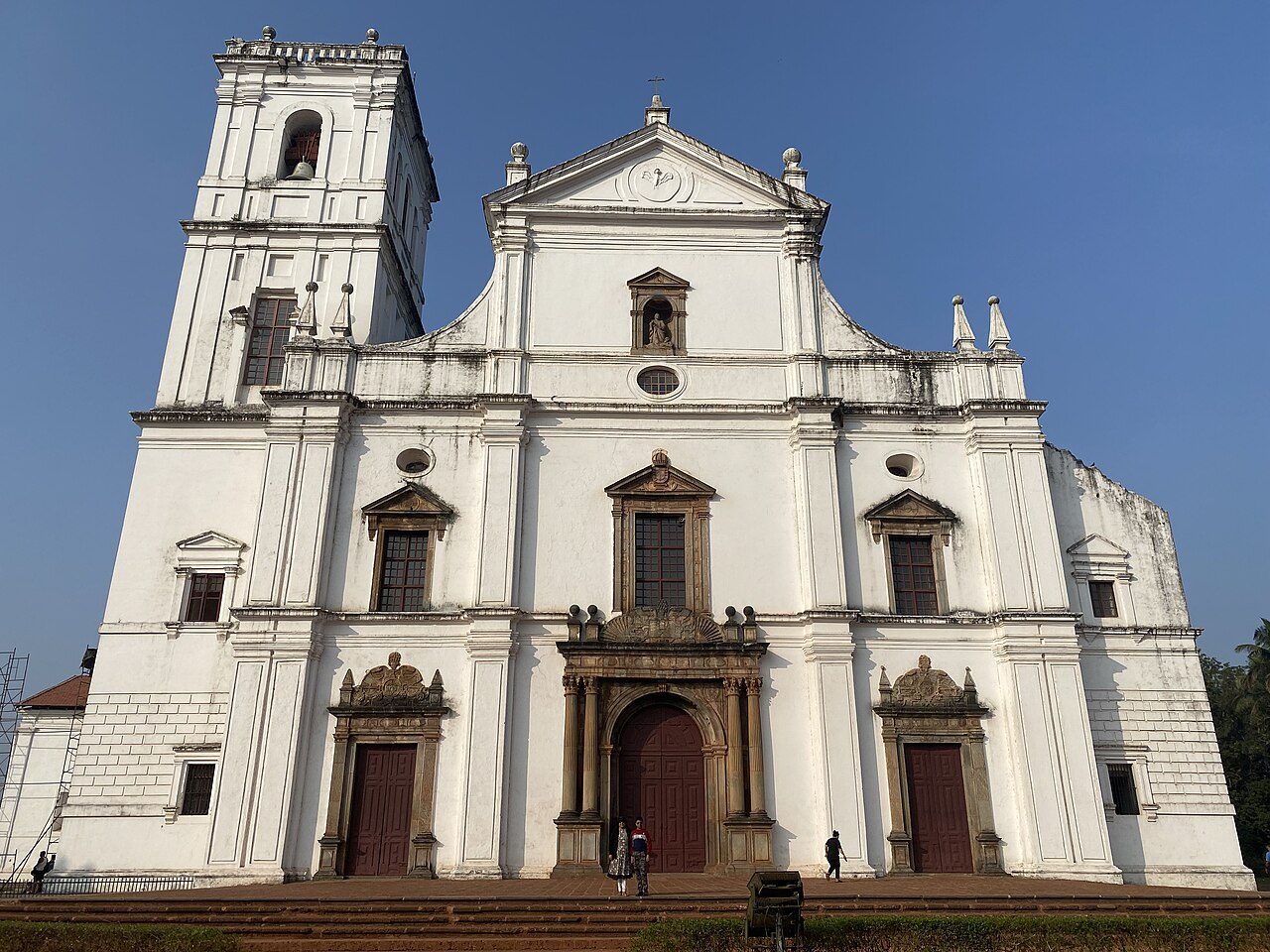
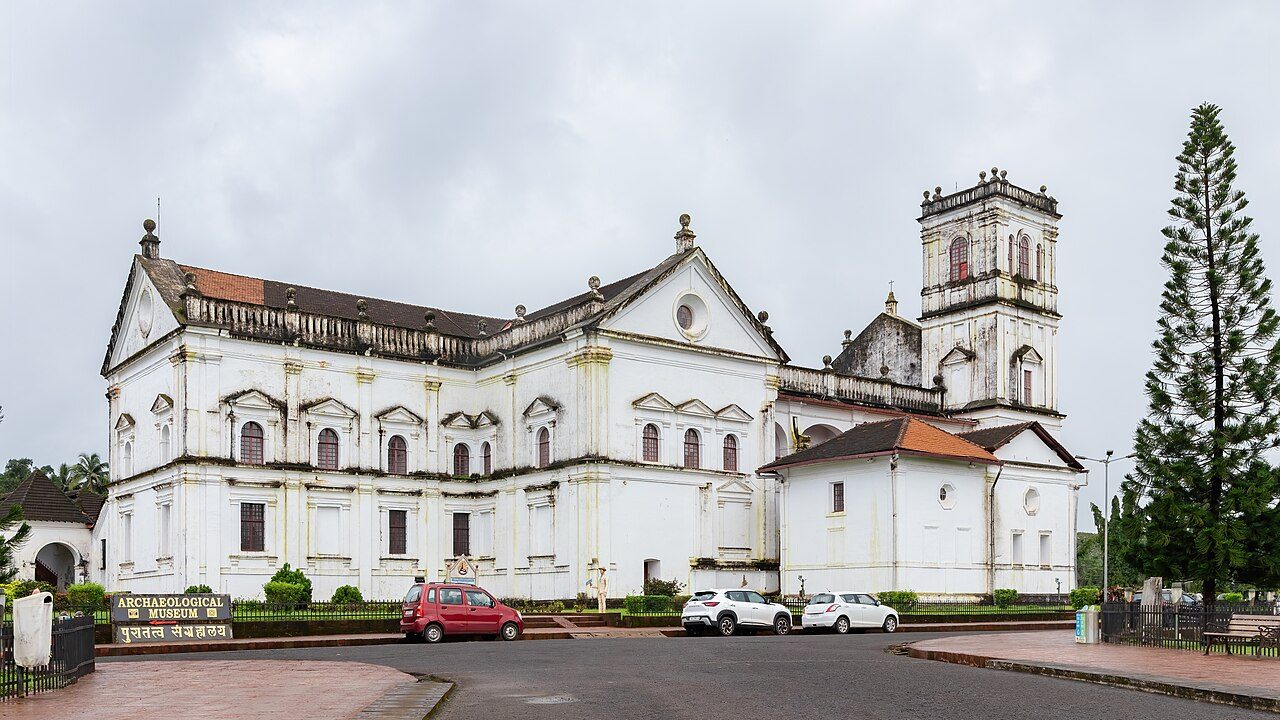
One of the largest churches in Asia, the Sé Cathedral of Old Goa was built by the Portuguese between 1562 and 1619 and dedicated to St Catherine of Alexandria, on whose feast day in 1510 Afonso de Albuquerque captured Goa. Its Golden Bell is among the largest in Goa and still rings out over the old city. The façade once had two towers, but one collapsed in 1776. It is part of the UNESCO World Heritage Site.
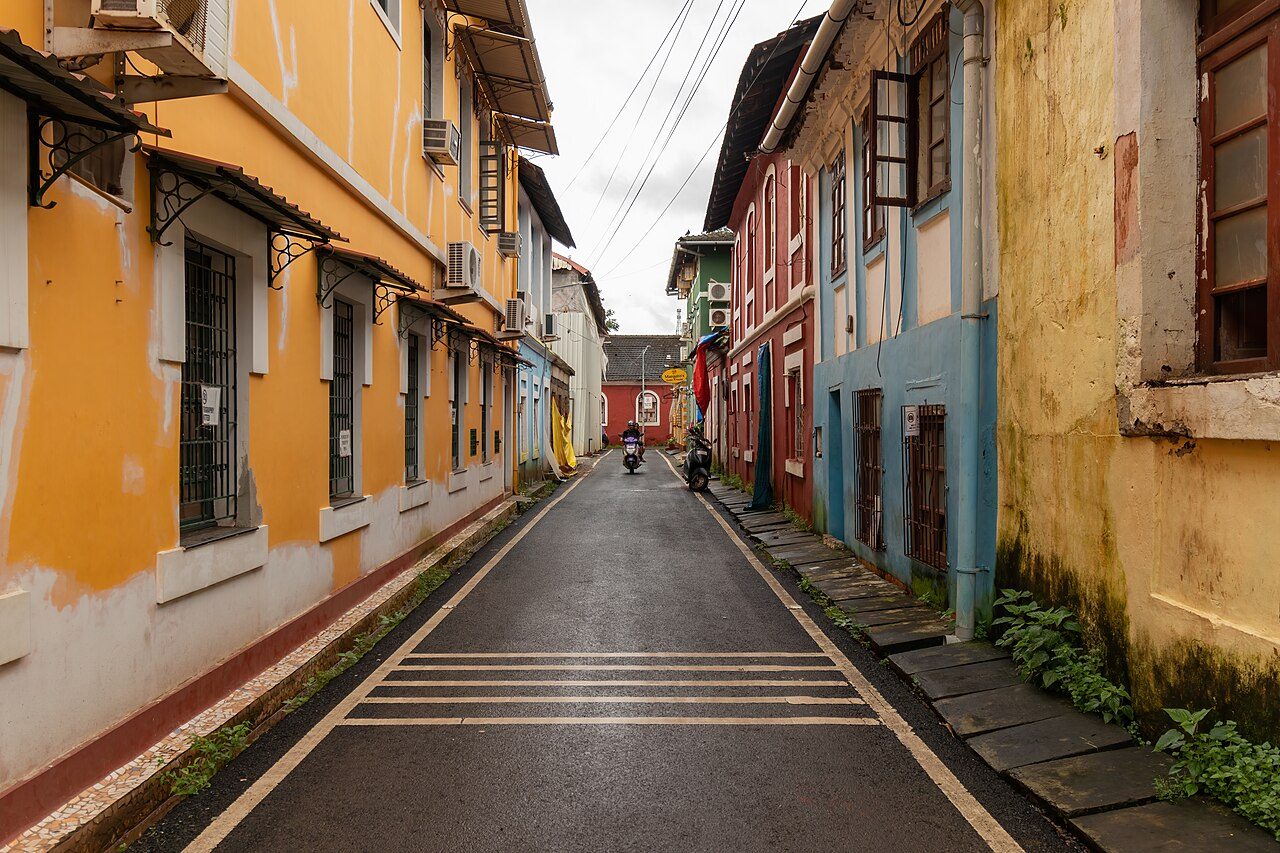
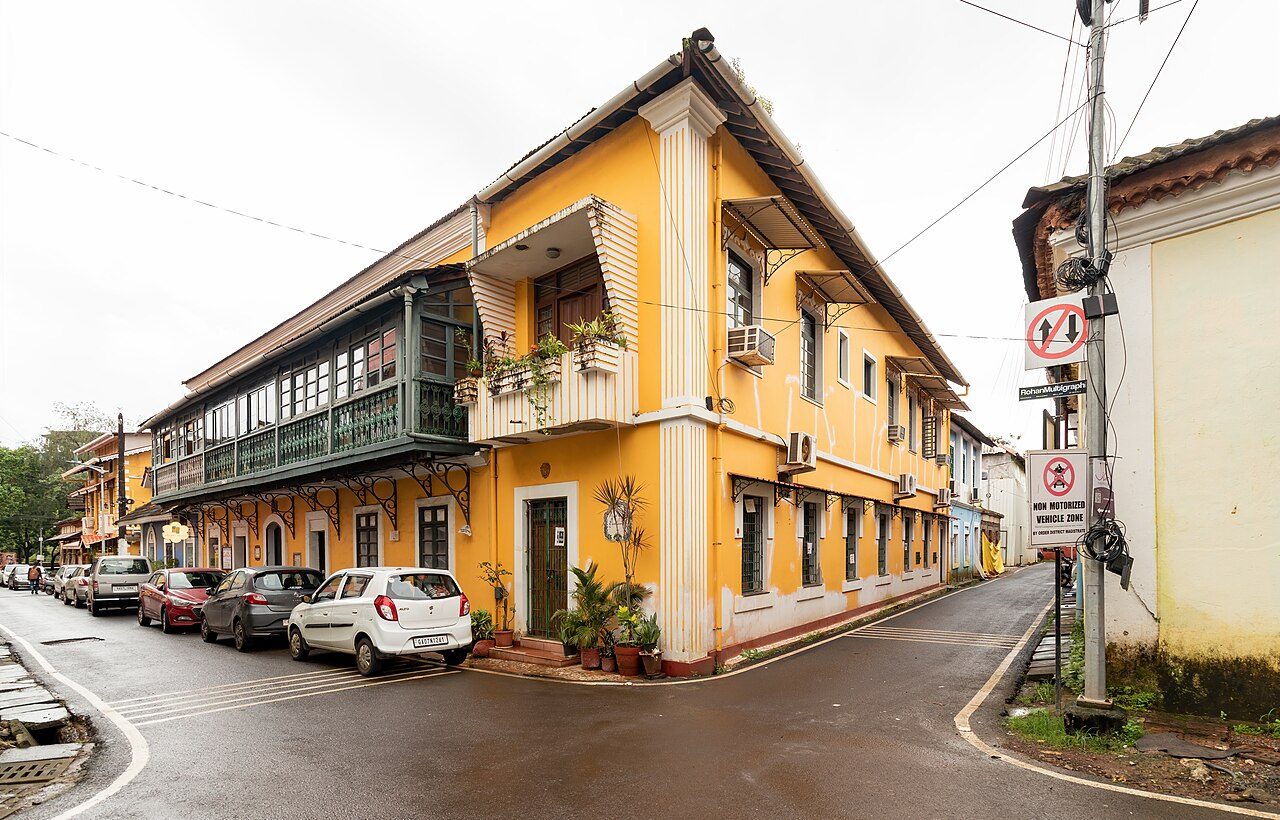
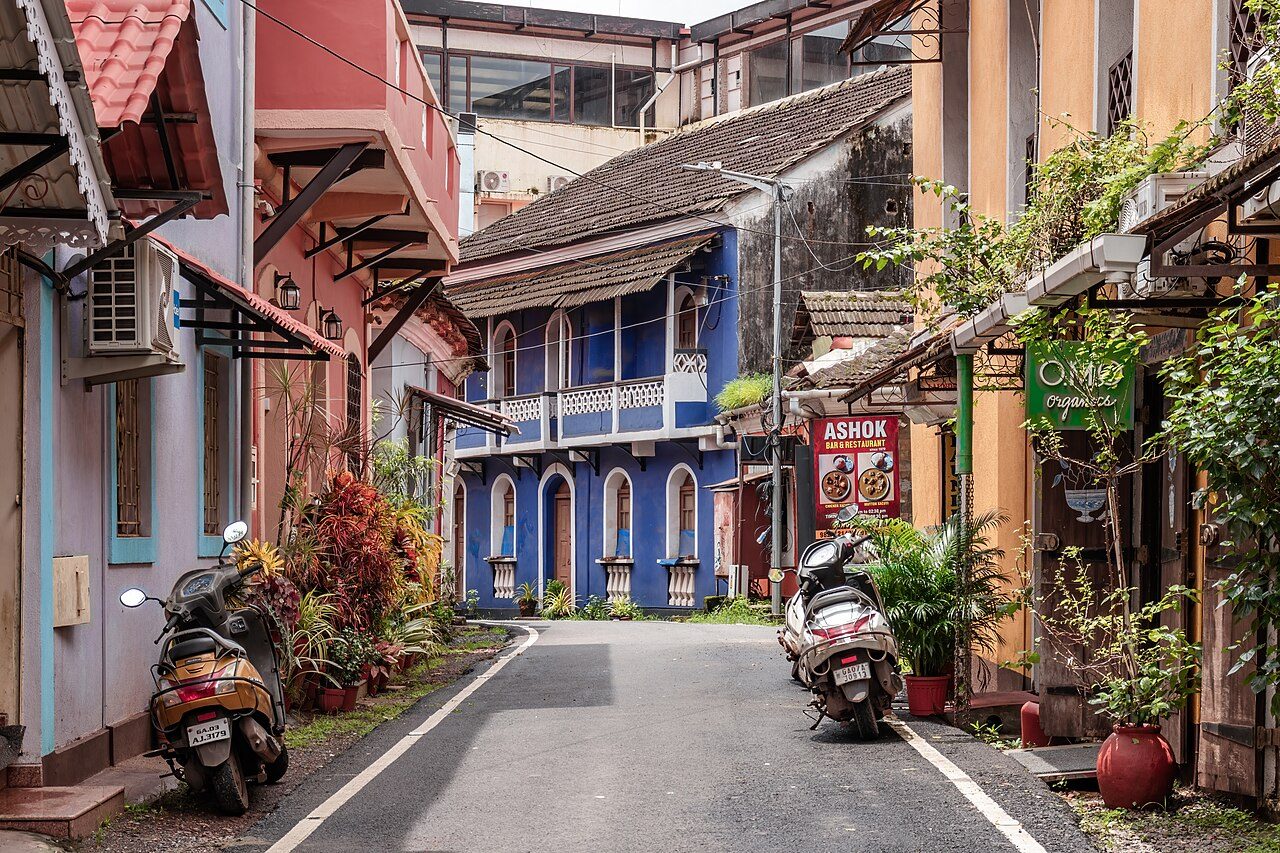
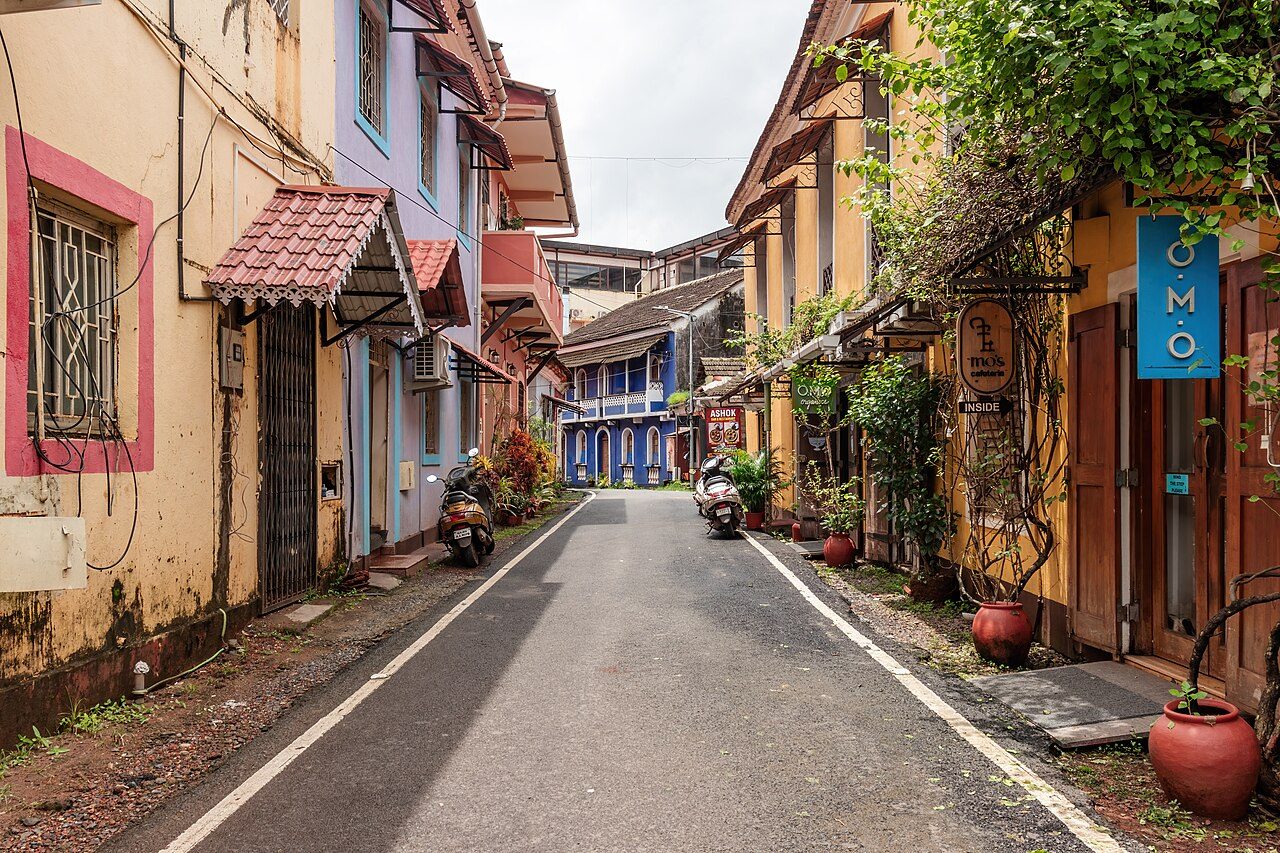
Panaji's Latin Quarter, Fontainhas is a maze of narrow lanes lined with old Portuguese-style houses painted yellow, blue, green and ochre, with tiled roofs, balconies and hand-painted name tiles. Built up from the late 18th century, it holds the Chapel of St Sebastian, art galleries, cafés and small guesthouses, and is best explored on foot.
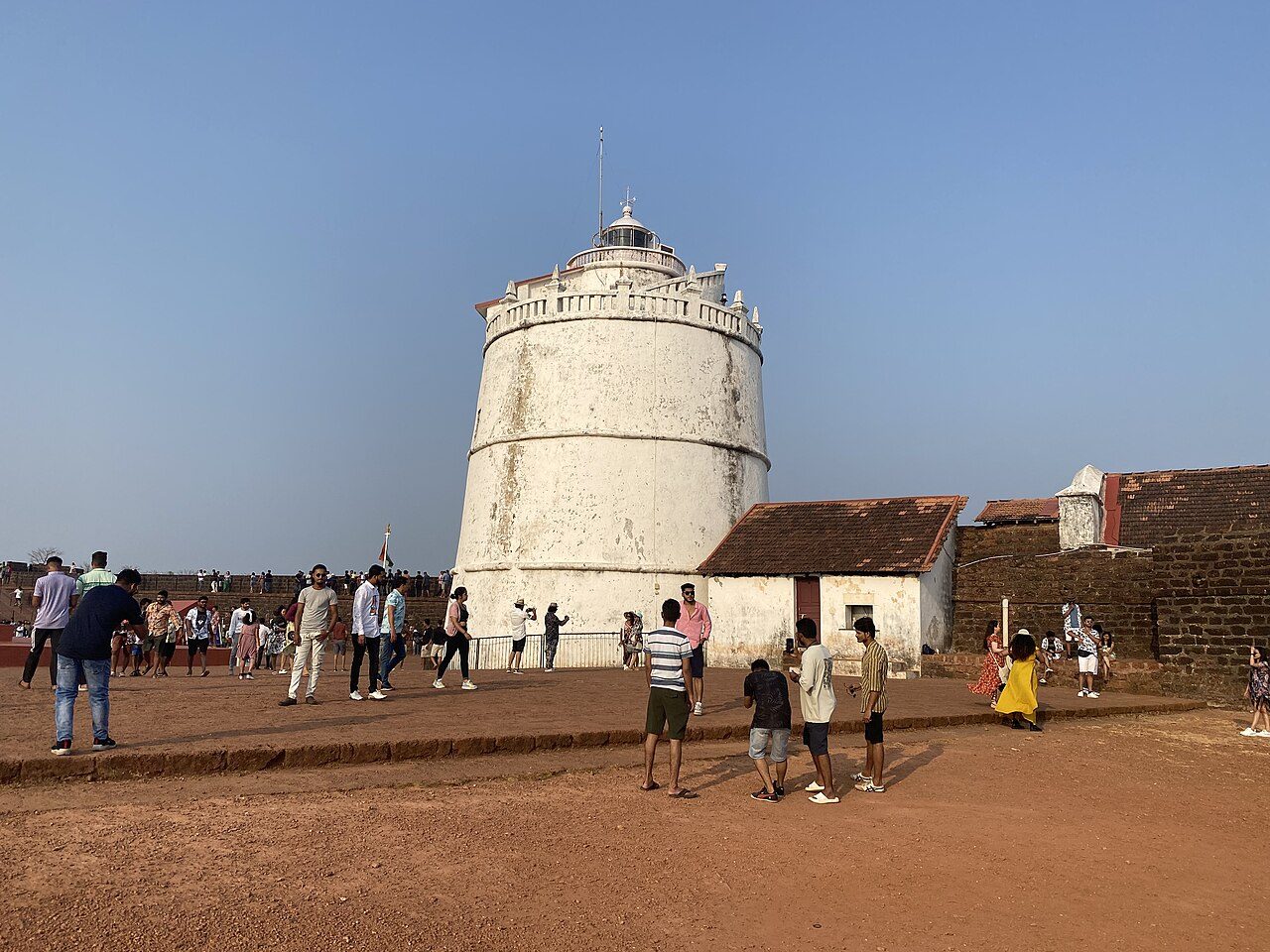
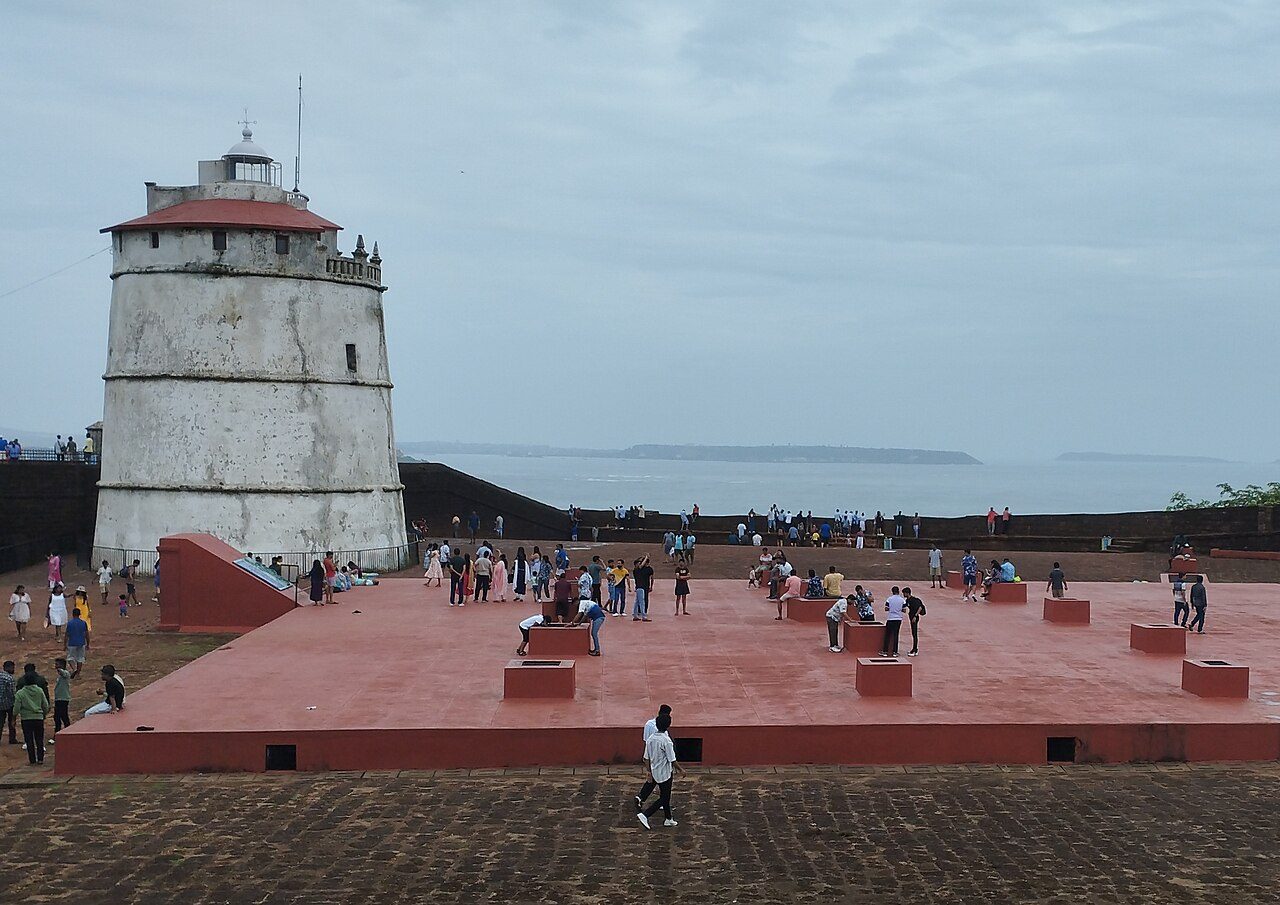
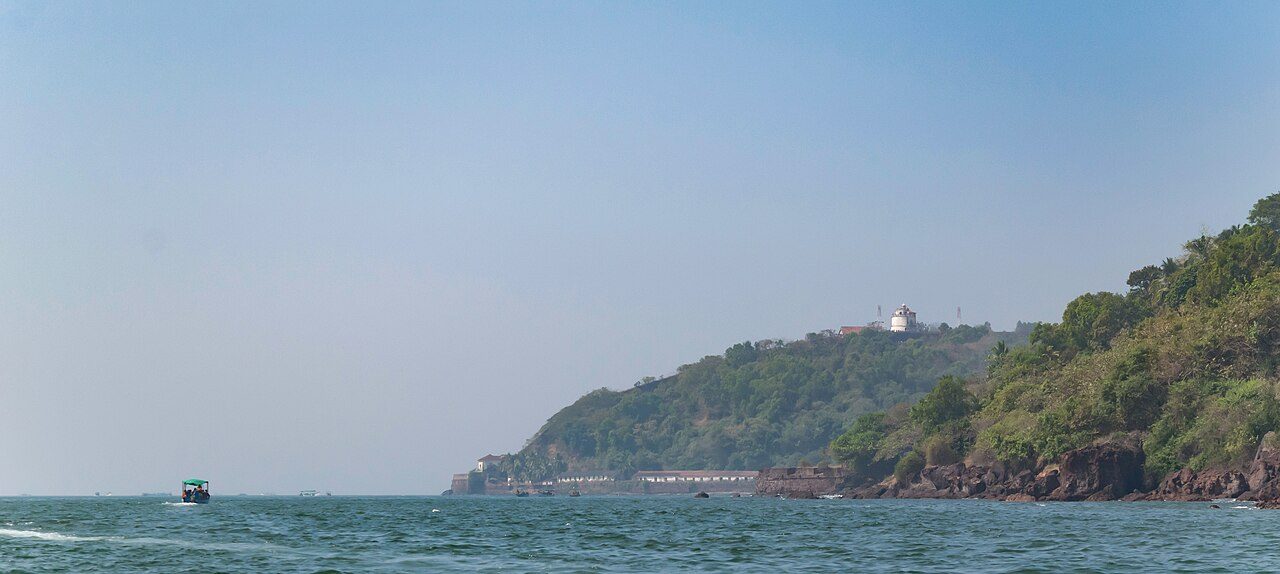
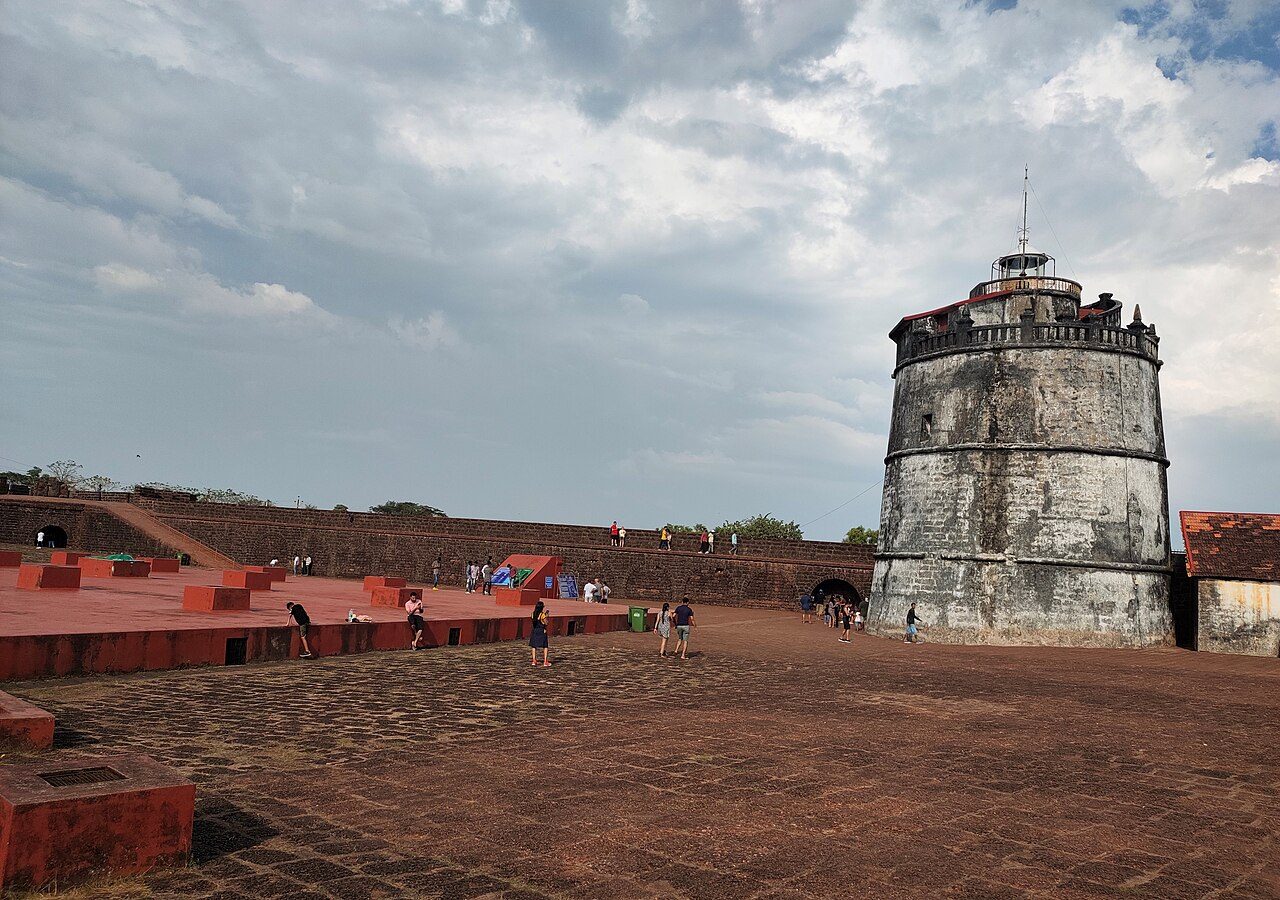
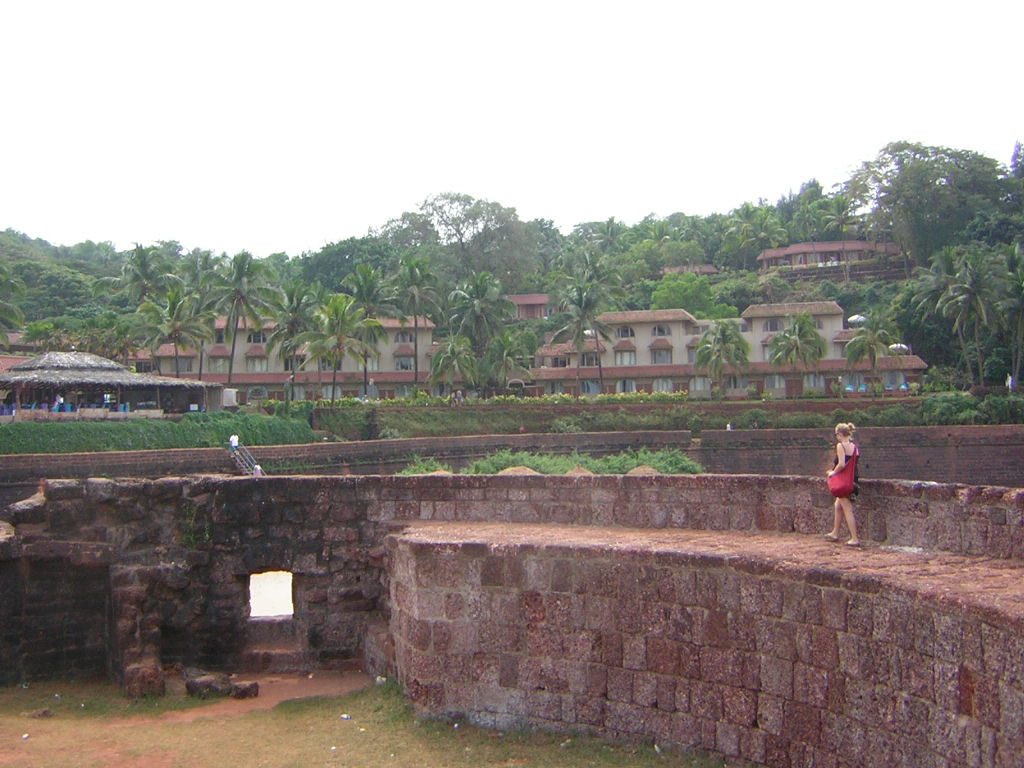
Built by the Portuguese in 1612 on the headland at the mouth of the Mandovi, Fort Aguada guarded against Dutch and Maratha attack and supplied passing ships with fresh water from a spring inside, which gave the fort its name. Its lighthouse, from 1864, is among the oldest in Asia. From the ramparts there are sweeping views over Sinquerim and Candolim beaches and the Arabian Sea.
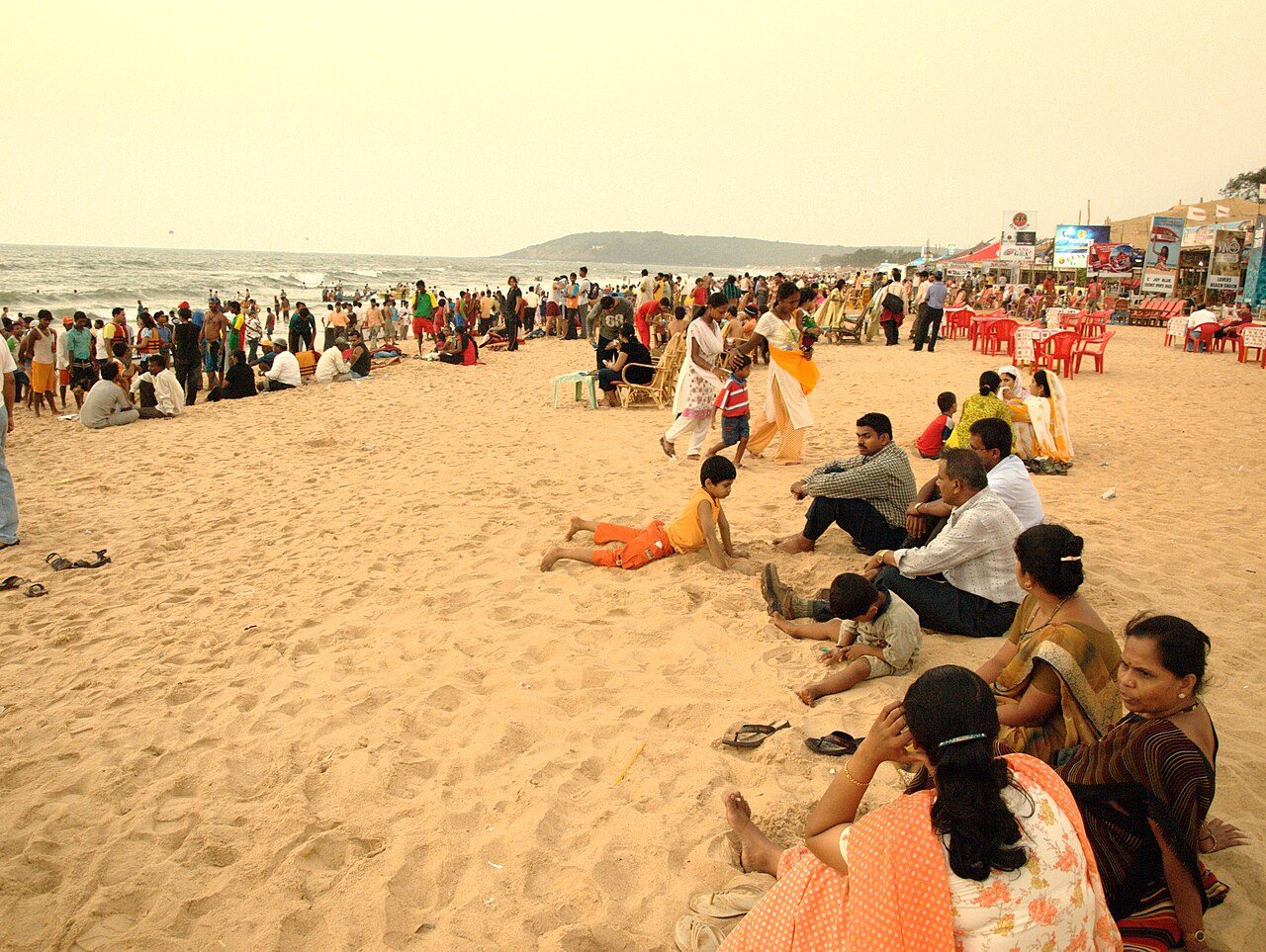
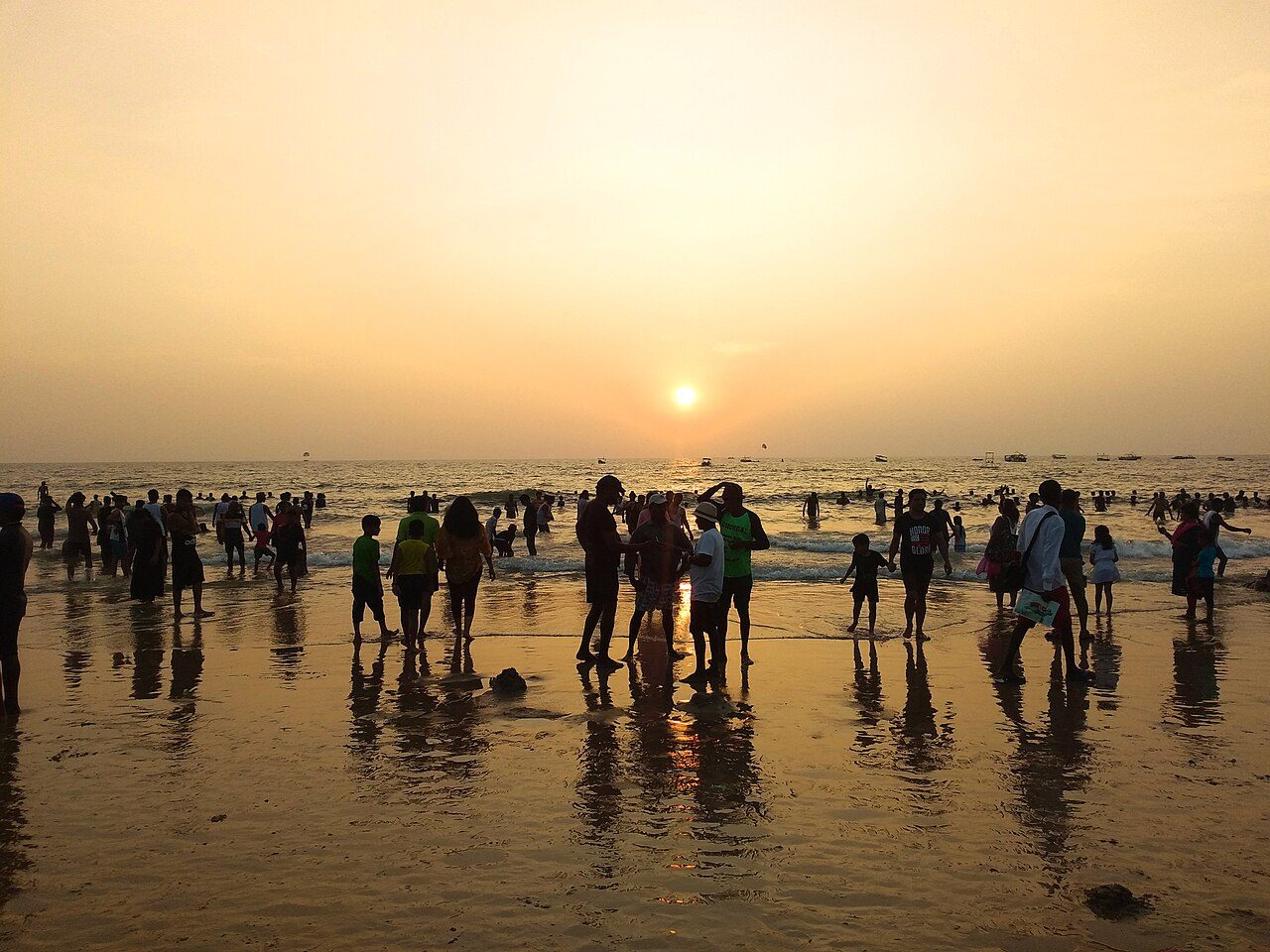
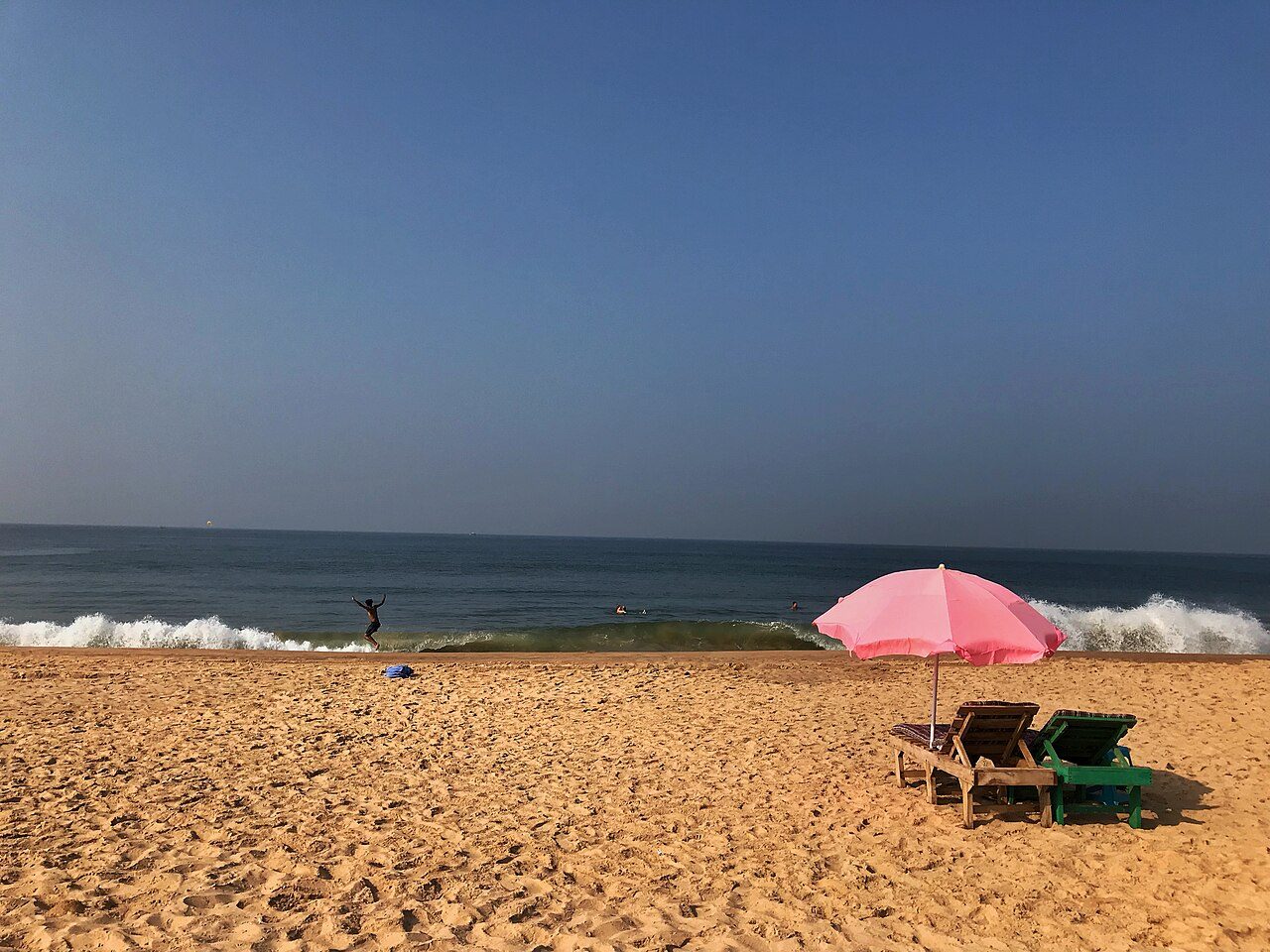
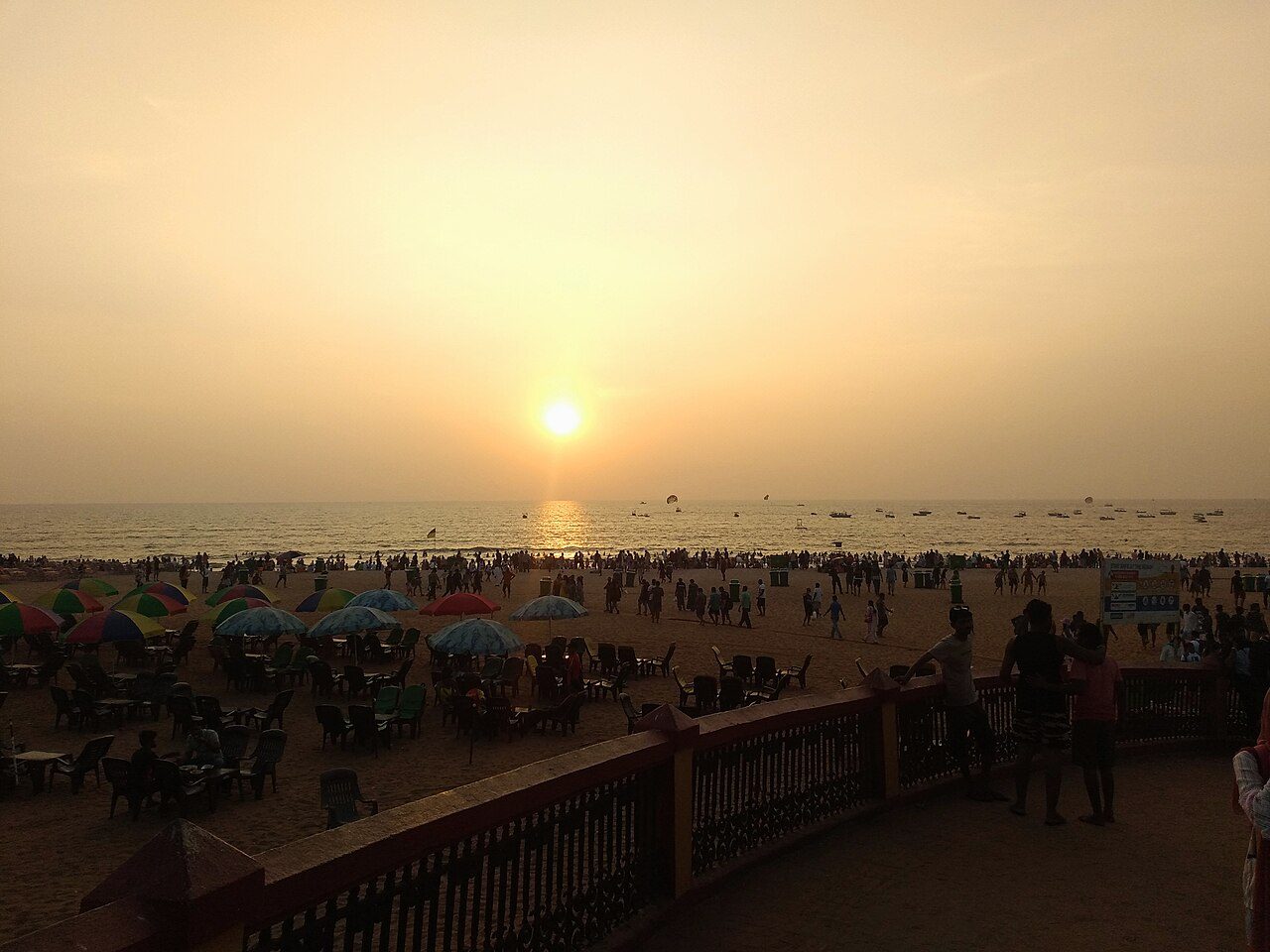
The largest and busiest beach in North Goa, Calangute stretches for several kilometres, lined with shacks, water sports and markets. Called the queen of beaches, it was one of the first stops on the hippie trail in the 1960s and is now the heart of Goa's tourism, lively from morning to late evening.
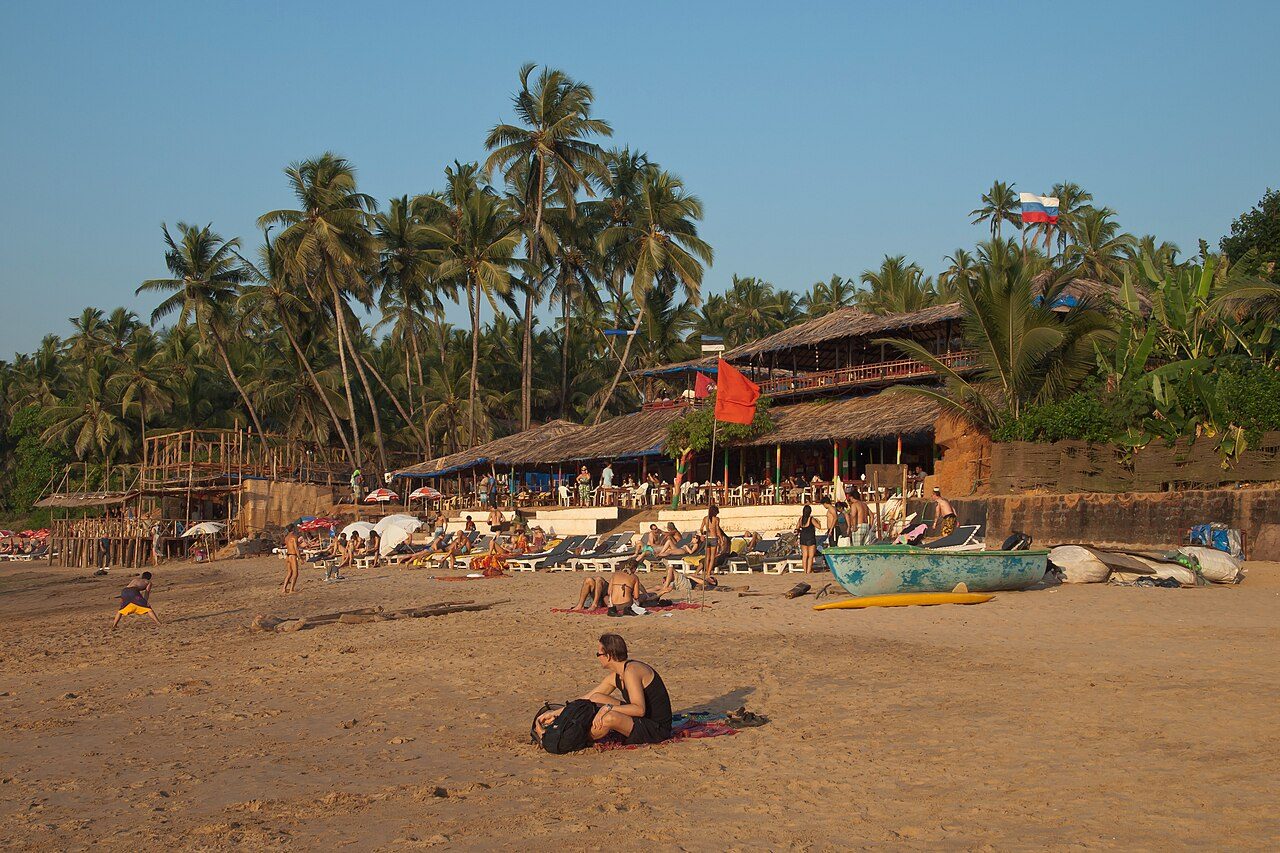
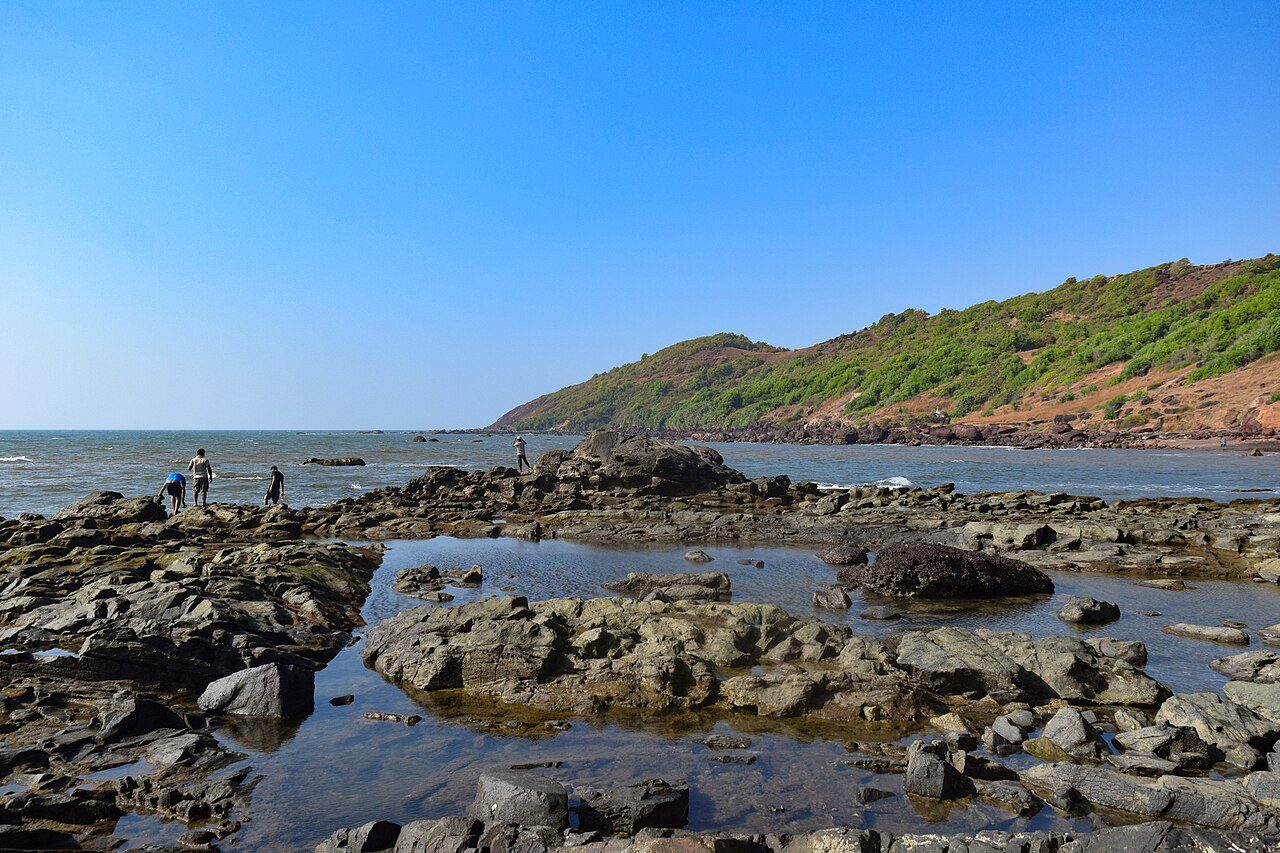
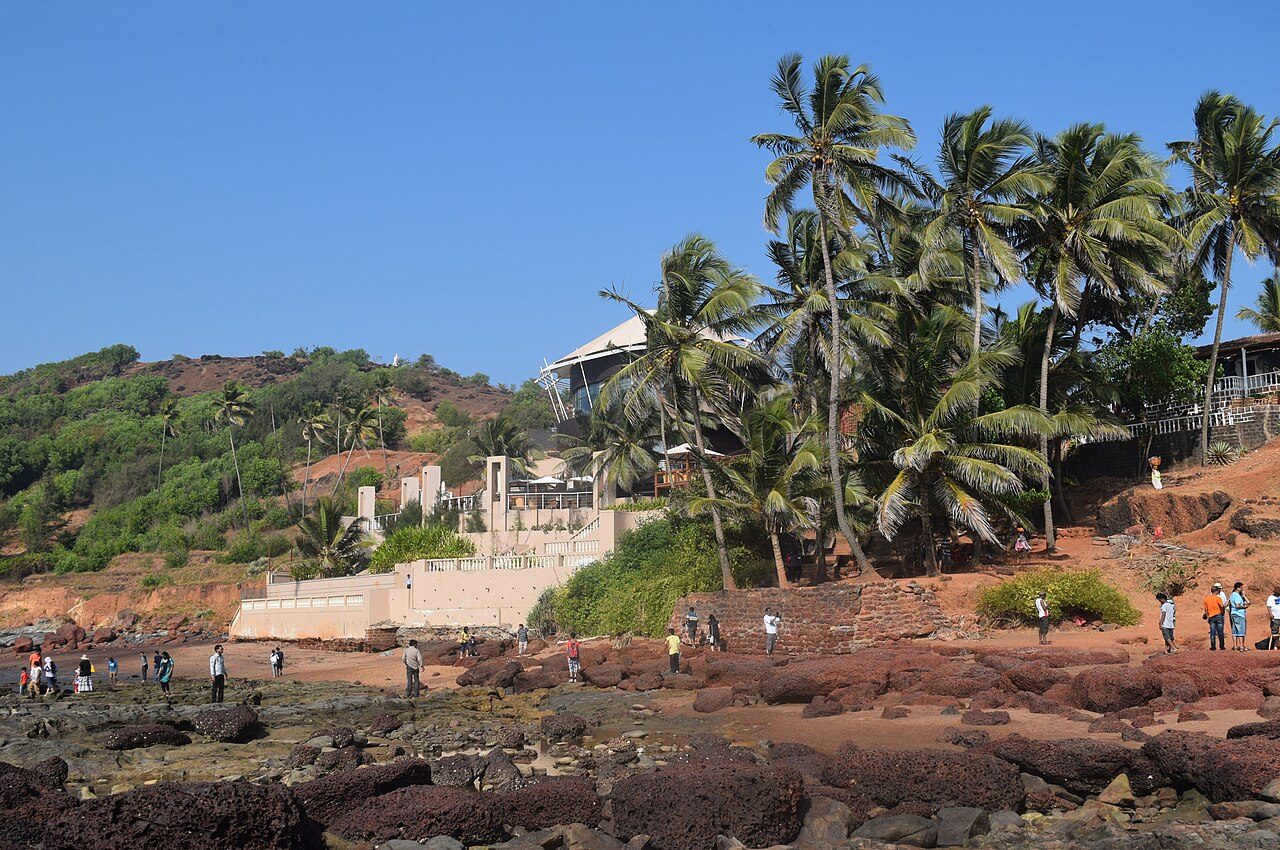
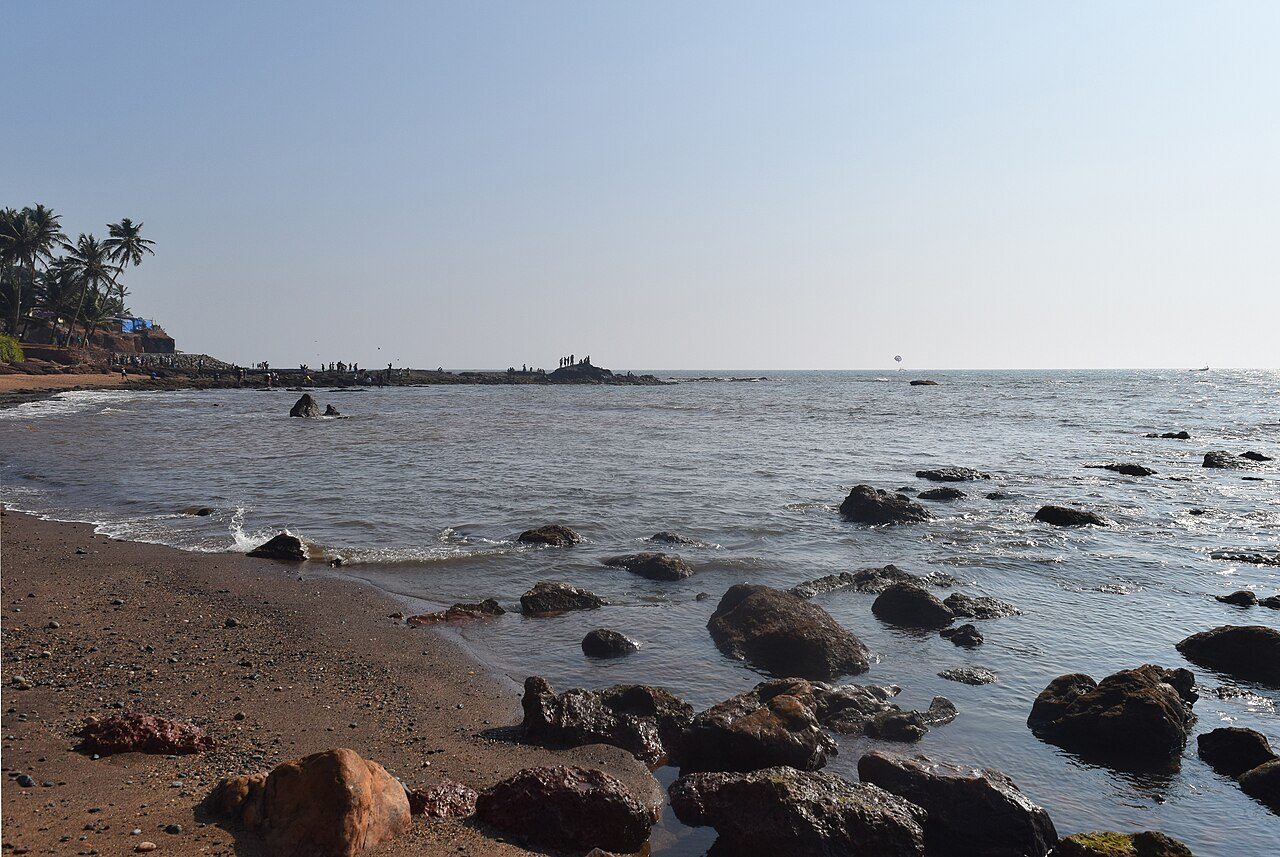
Anjuna's rocky beach became famous as a gathering place for hippies in the 1960s and later for its trance parties. Its Wednesday flea market, started by those early travellers, sells clothes, jewellery, spices and souvenirs, and the cafés on the cliffs are favourite places to watch the sun go down.
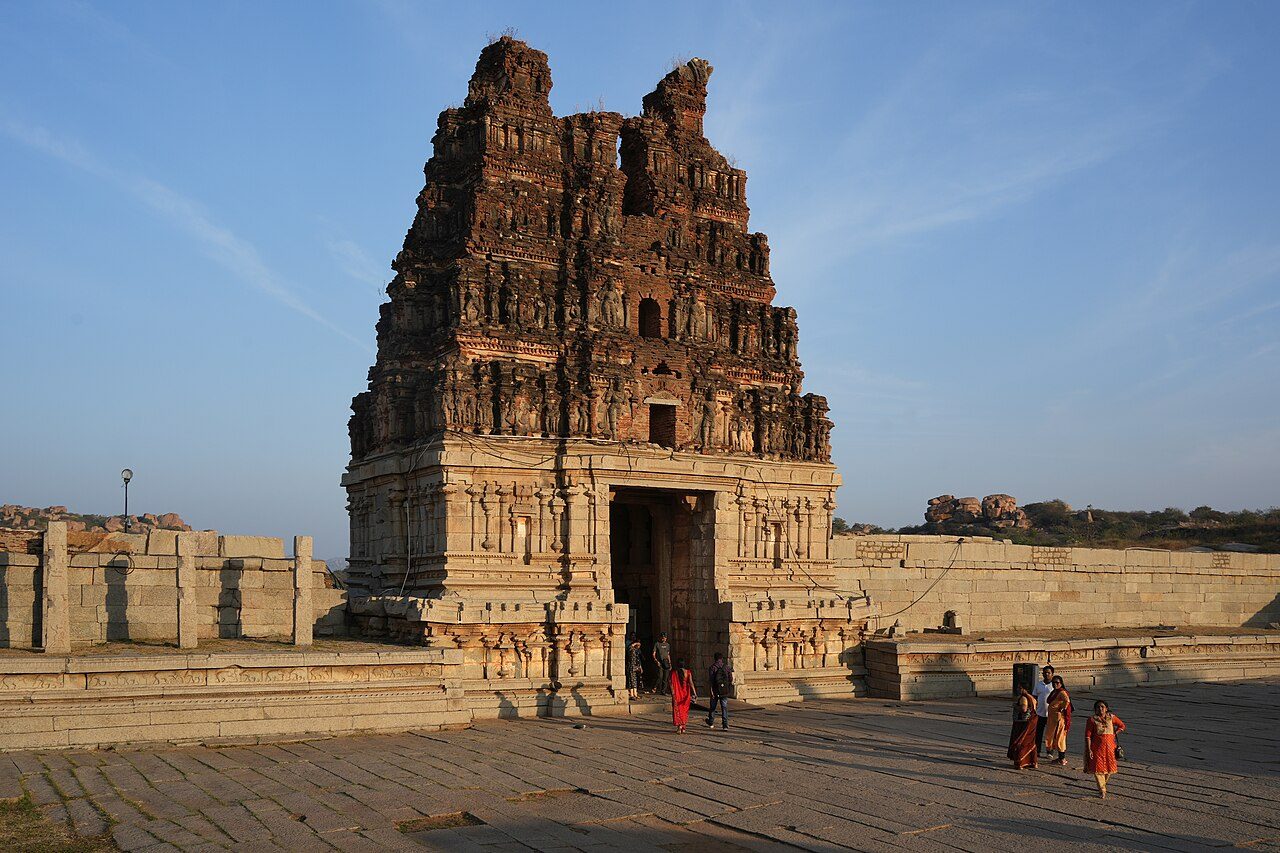
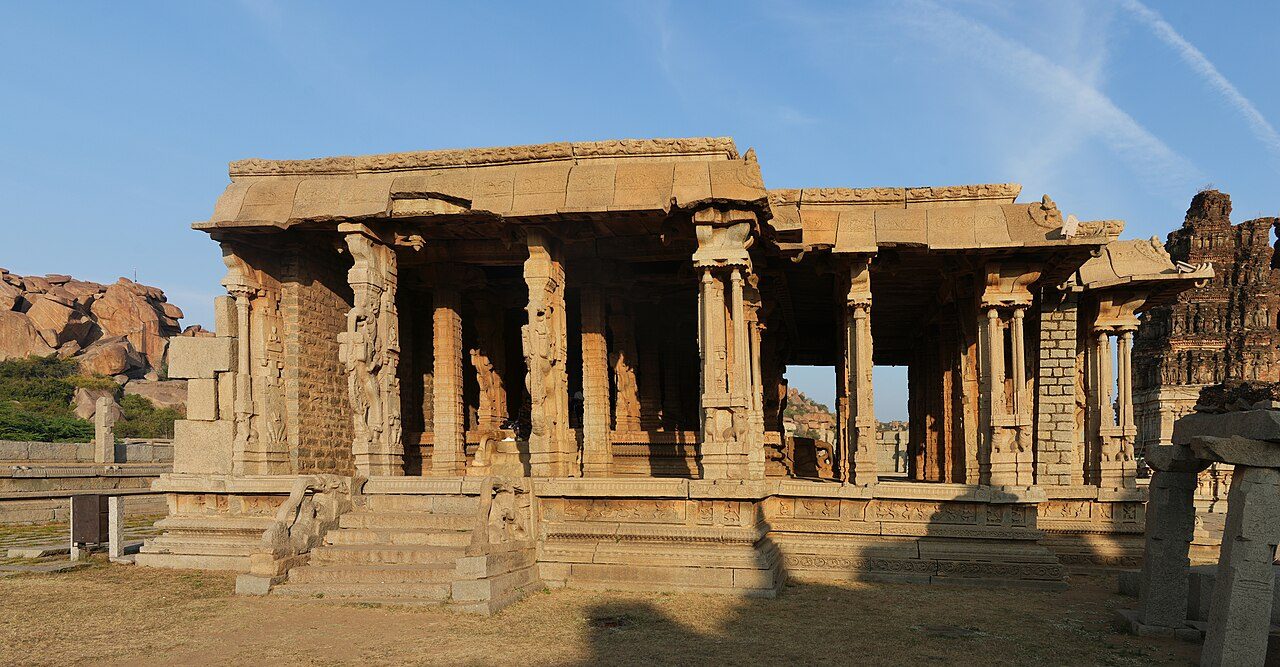
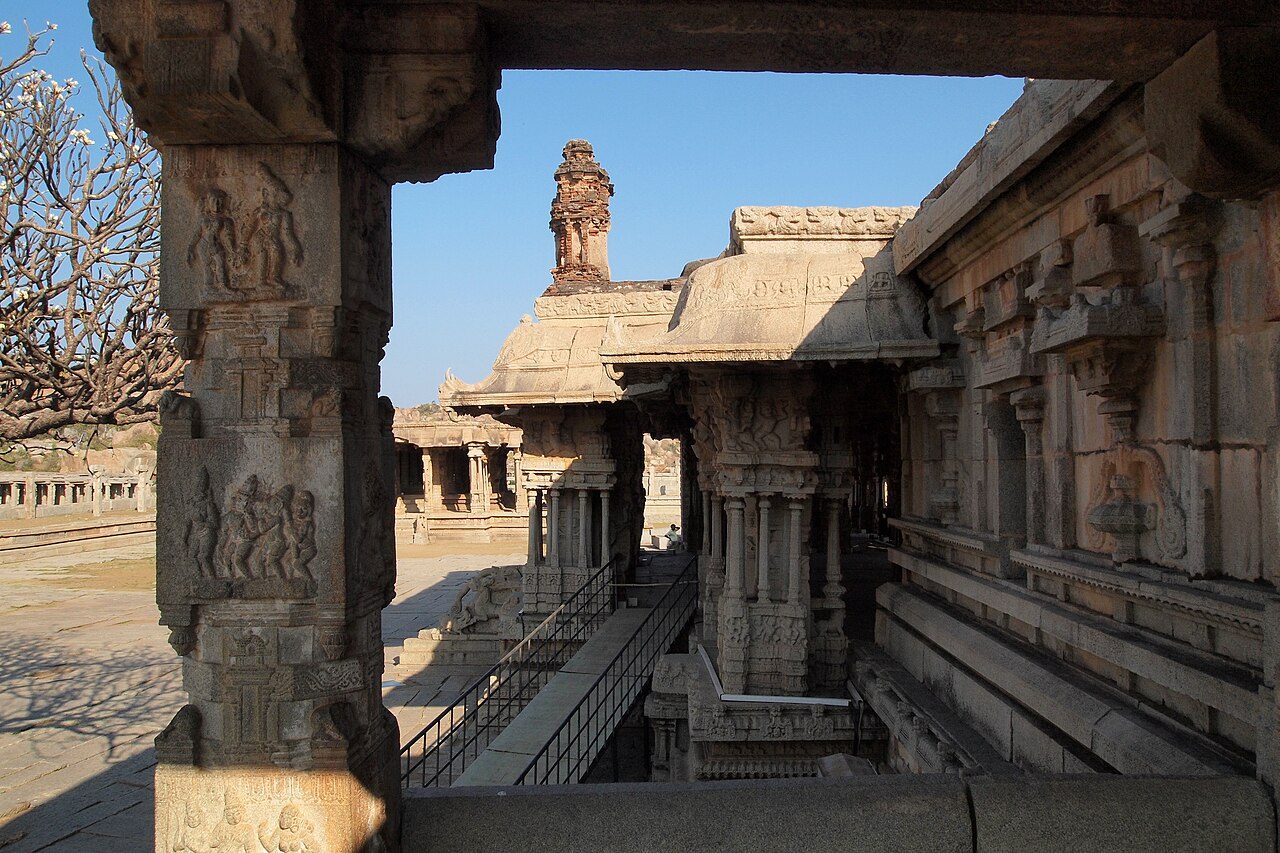
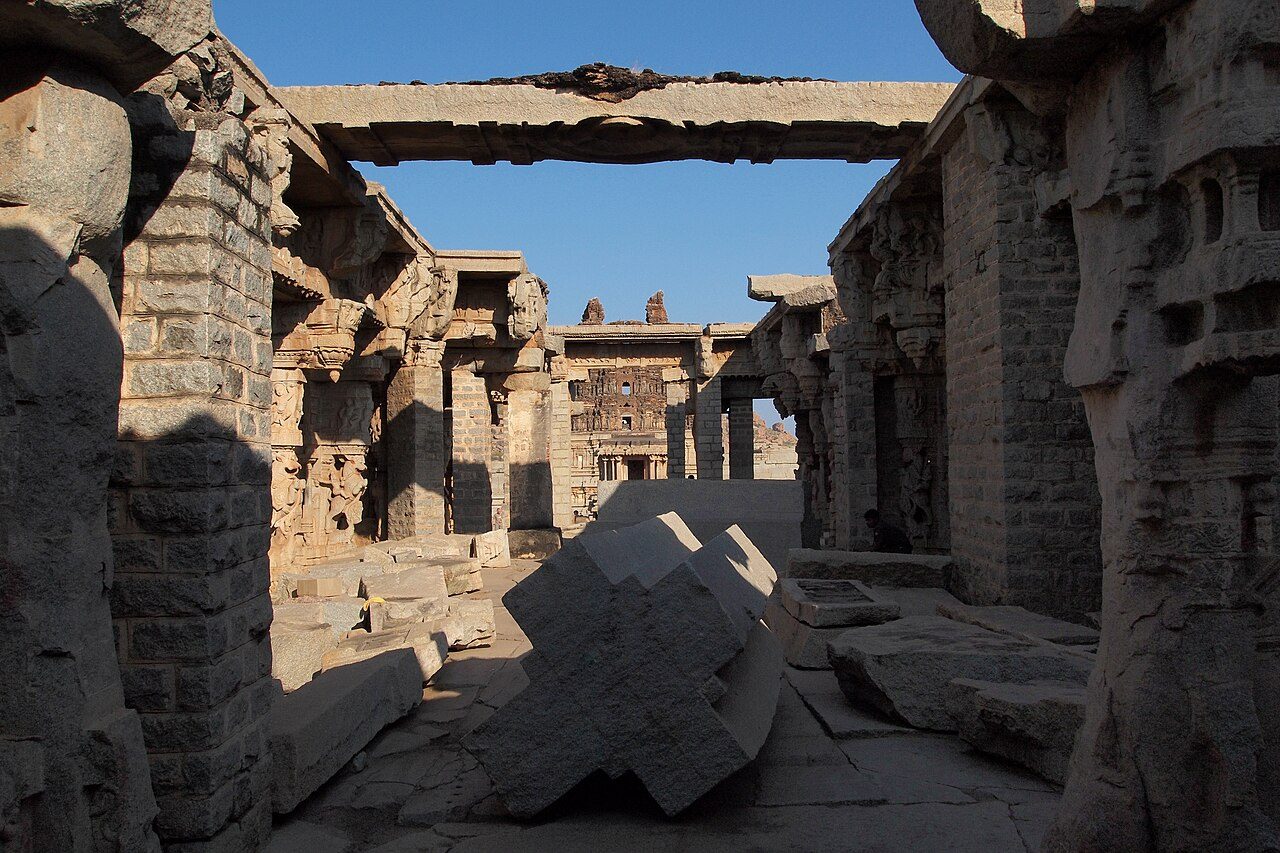
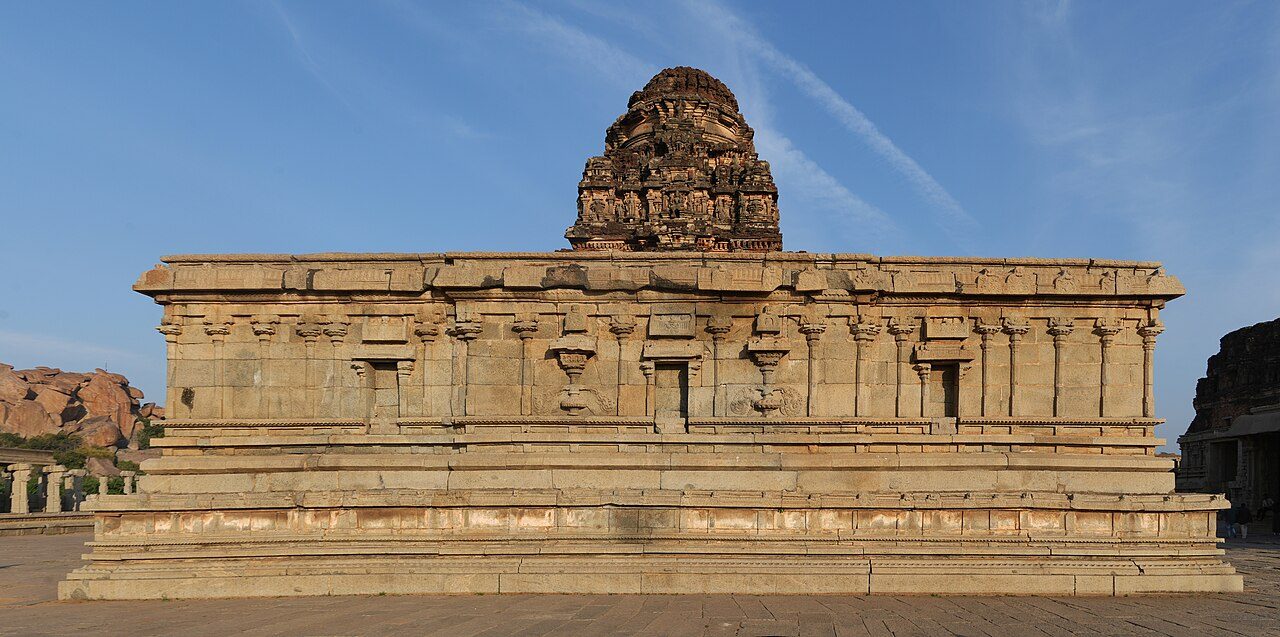
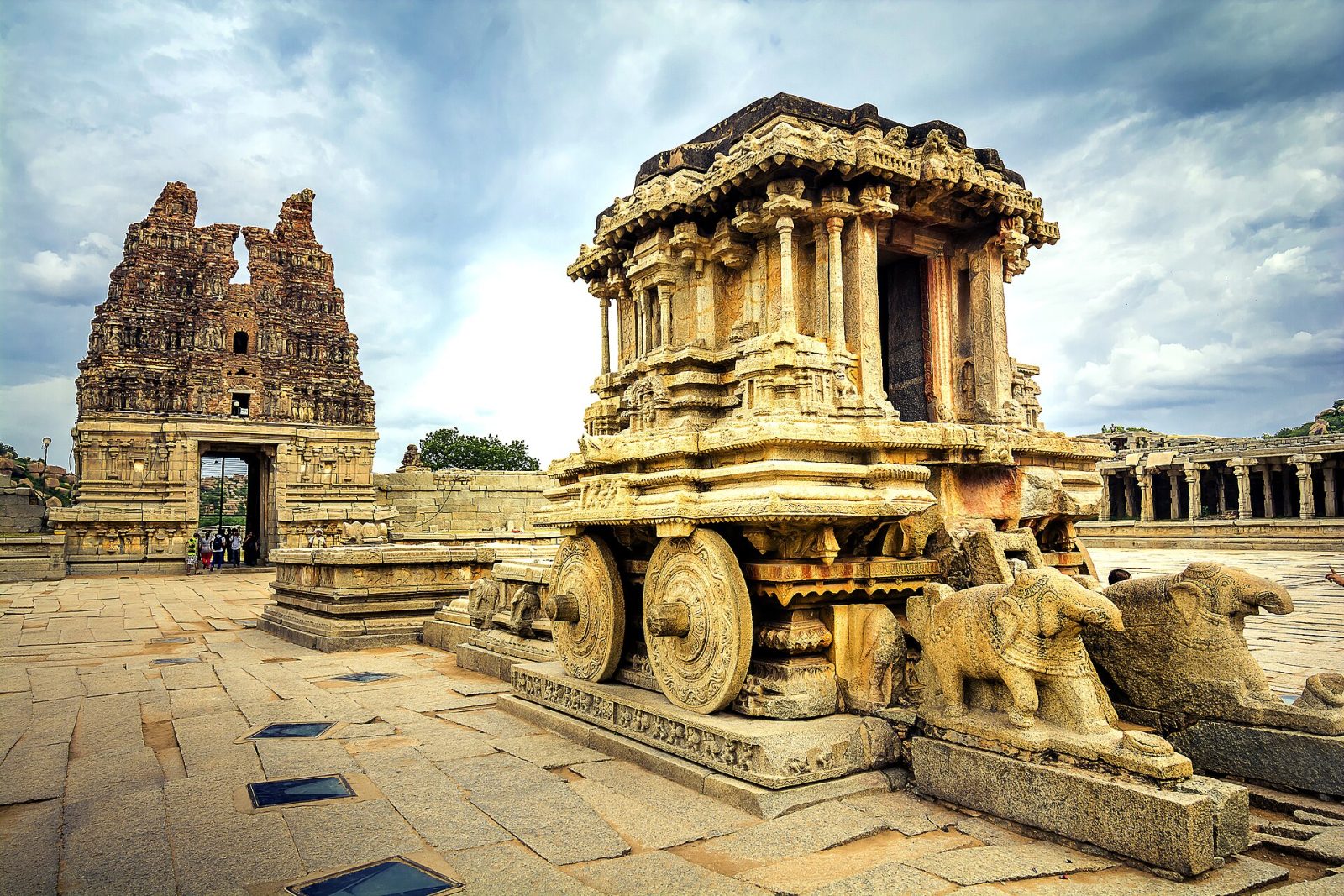
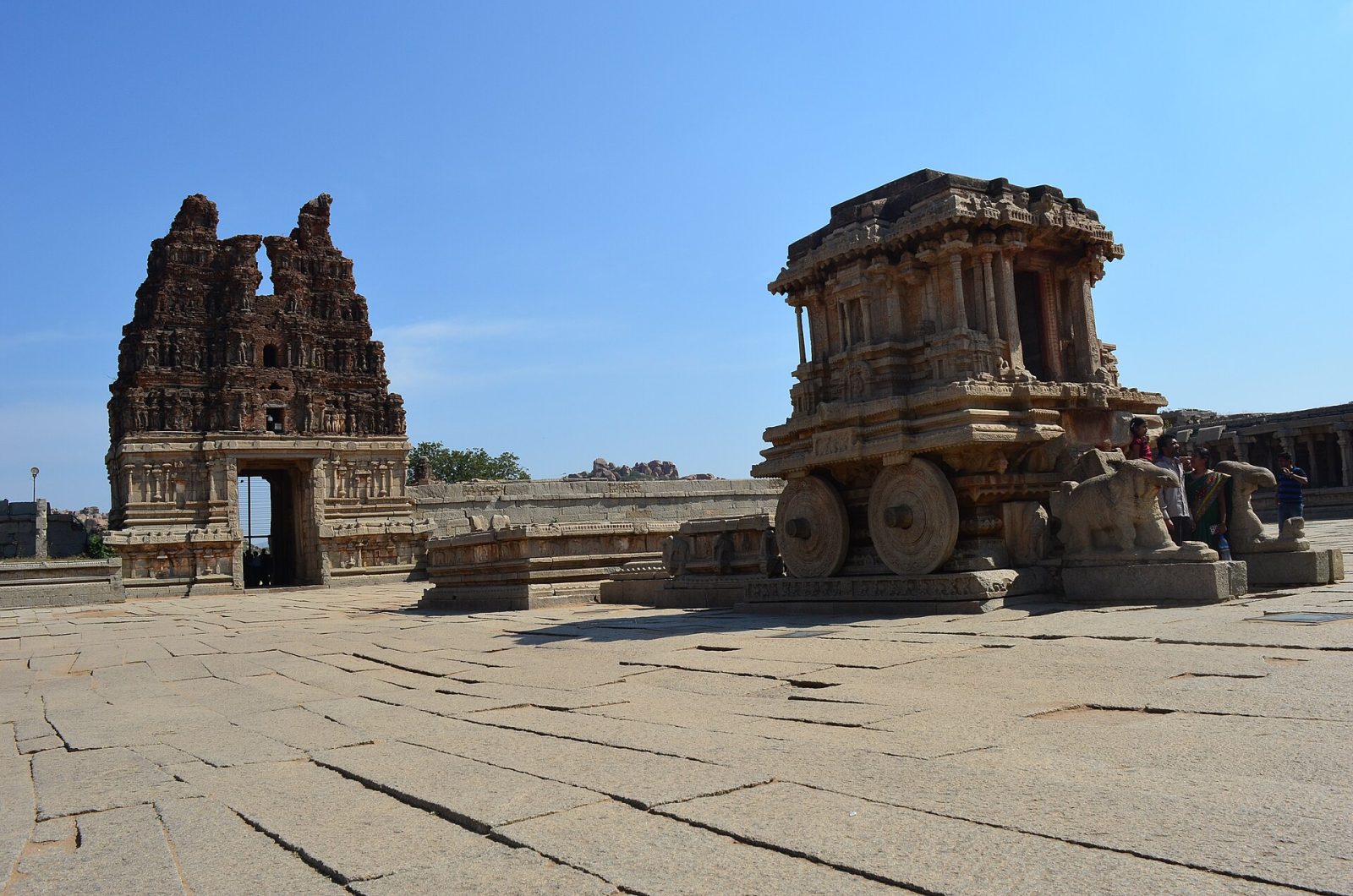
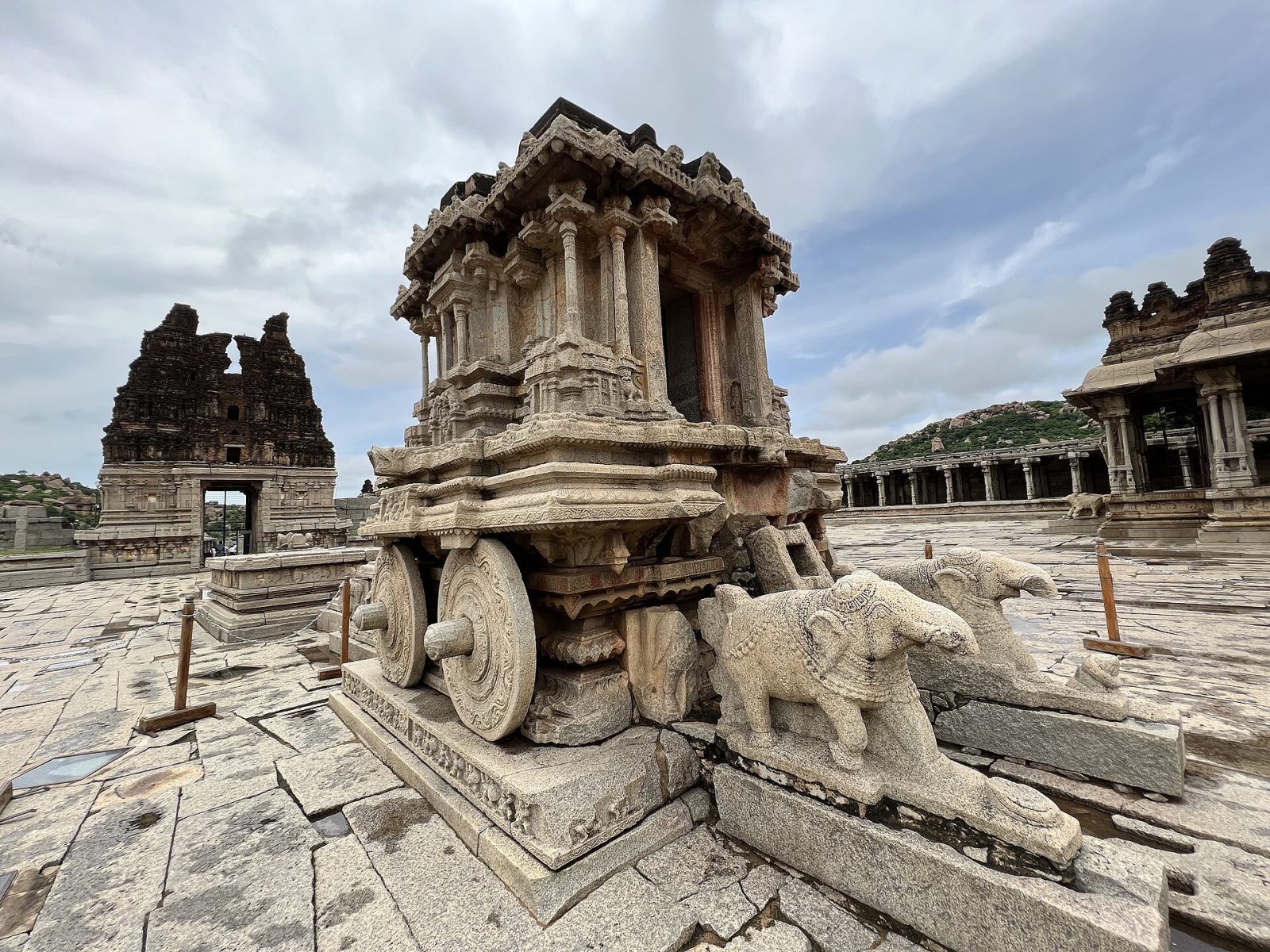
The most celebrated monument in Hampi, the 15th–16th-century Vittala Temple is famous for its stone chariot, now an emblem of Karnataka, and for the musical pillars of its great hall, which ring with different notes when tapped. Its carving is among the finest of the Vijayanagara period. It is part of the UNESCO World Heritage Site of Hampi.
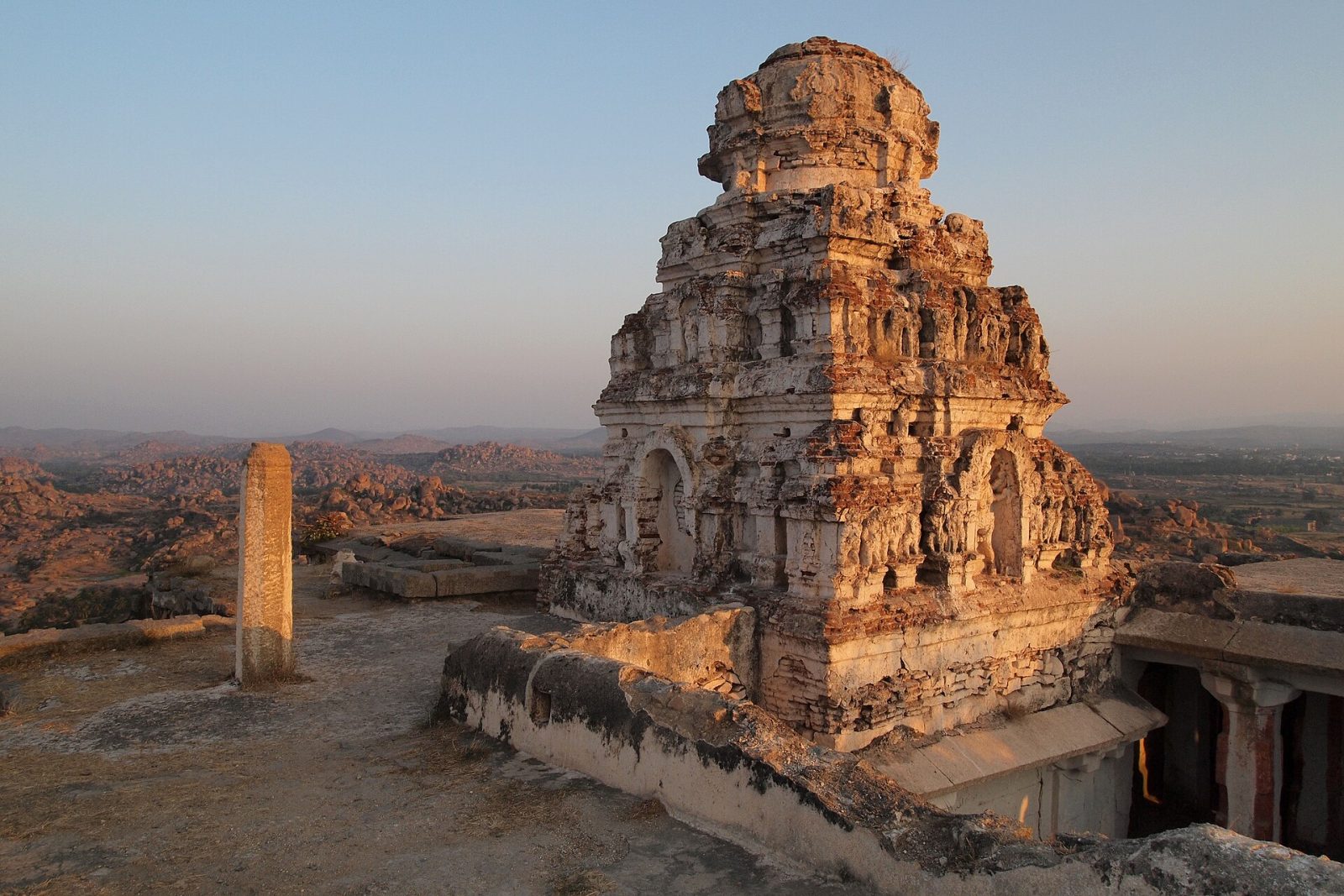
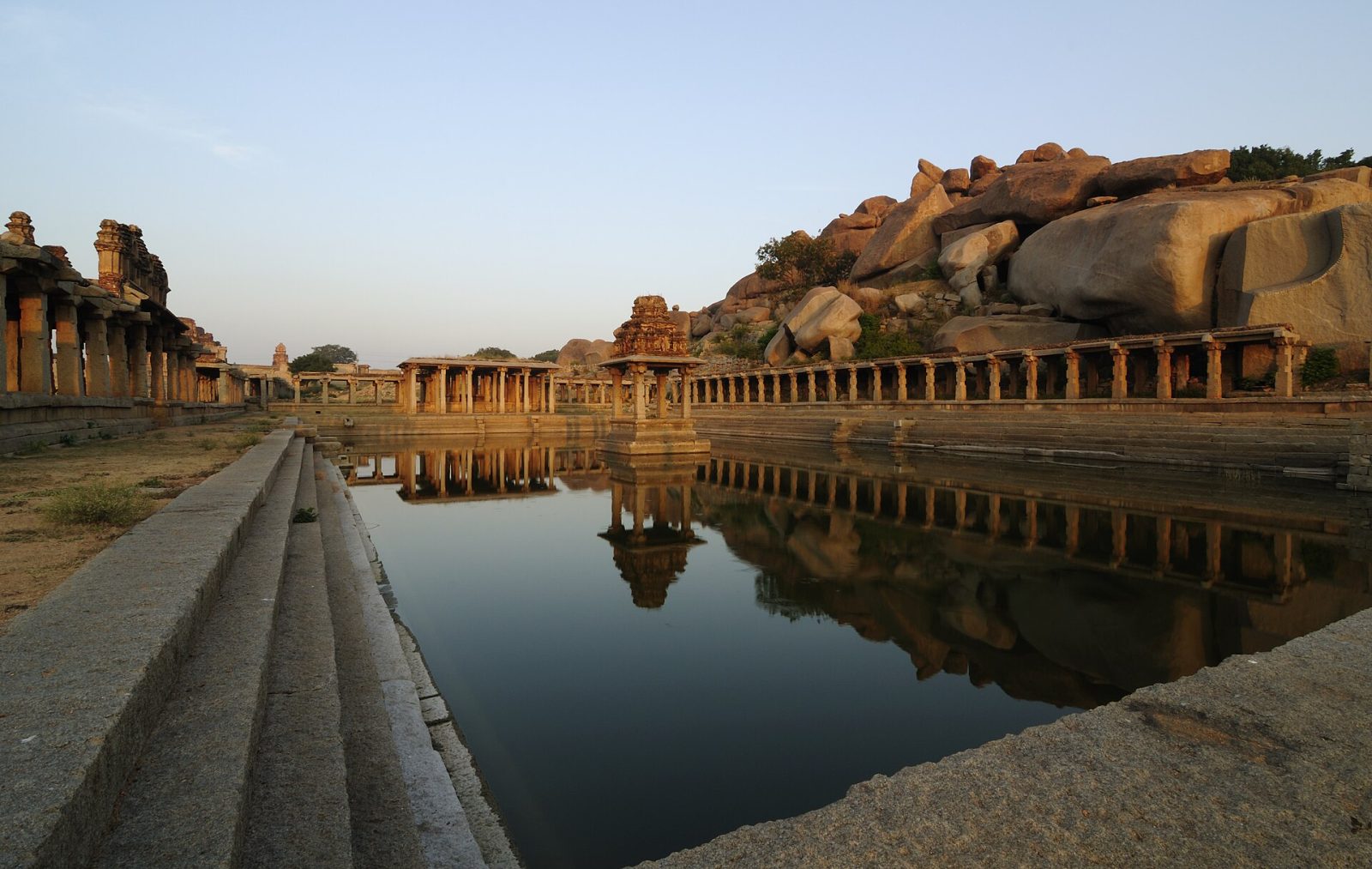
Hampi was the capital of the Vijayanagara empire, which ruled most of south India in the 14th to 16th centuries and grew into one of the largest cities in the world before it was sacked in 1565. Its ruins are spread over some 4,100 hectares of boulder-strewn landscape beside the Tungabhadra river: temples, bazaars, aqueducts, elephant stables, the royal enclosure and the Vittala temple with its stone chariot and musical pillars. Persian and Portuguese travellers who saw the city at its height wrote of markets selling diamonds by the street. The whole site is a UNESCO World Heritage Site. Allow at least two days, and go early or late in the day as shade is scarce.
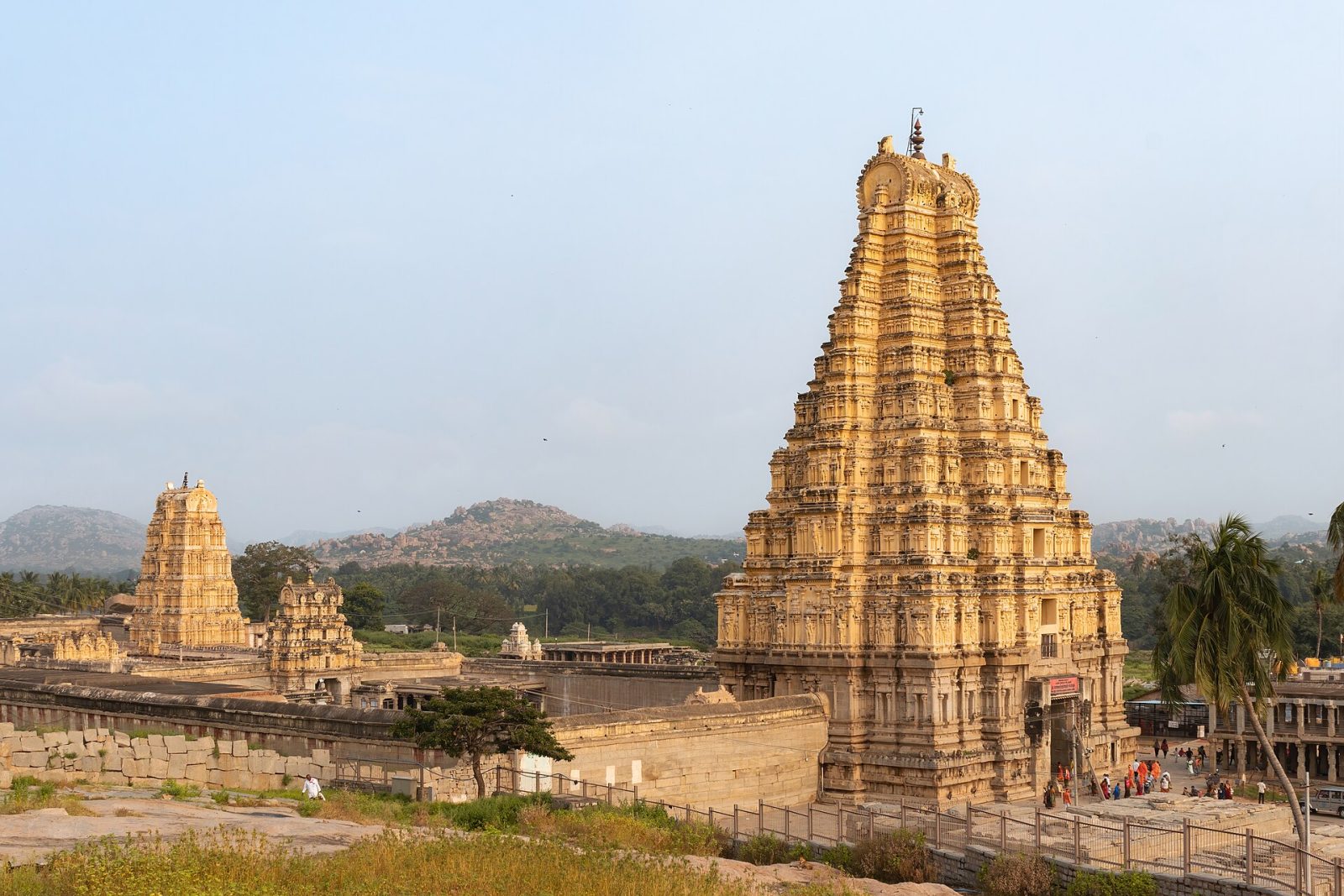
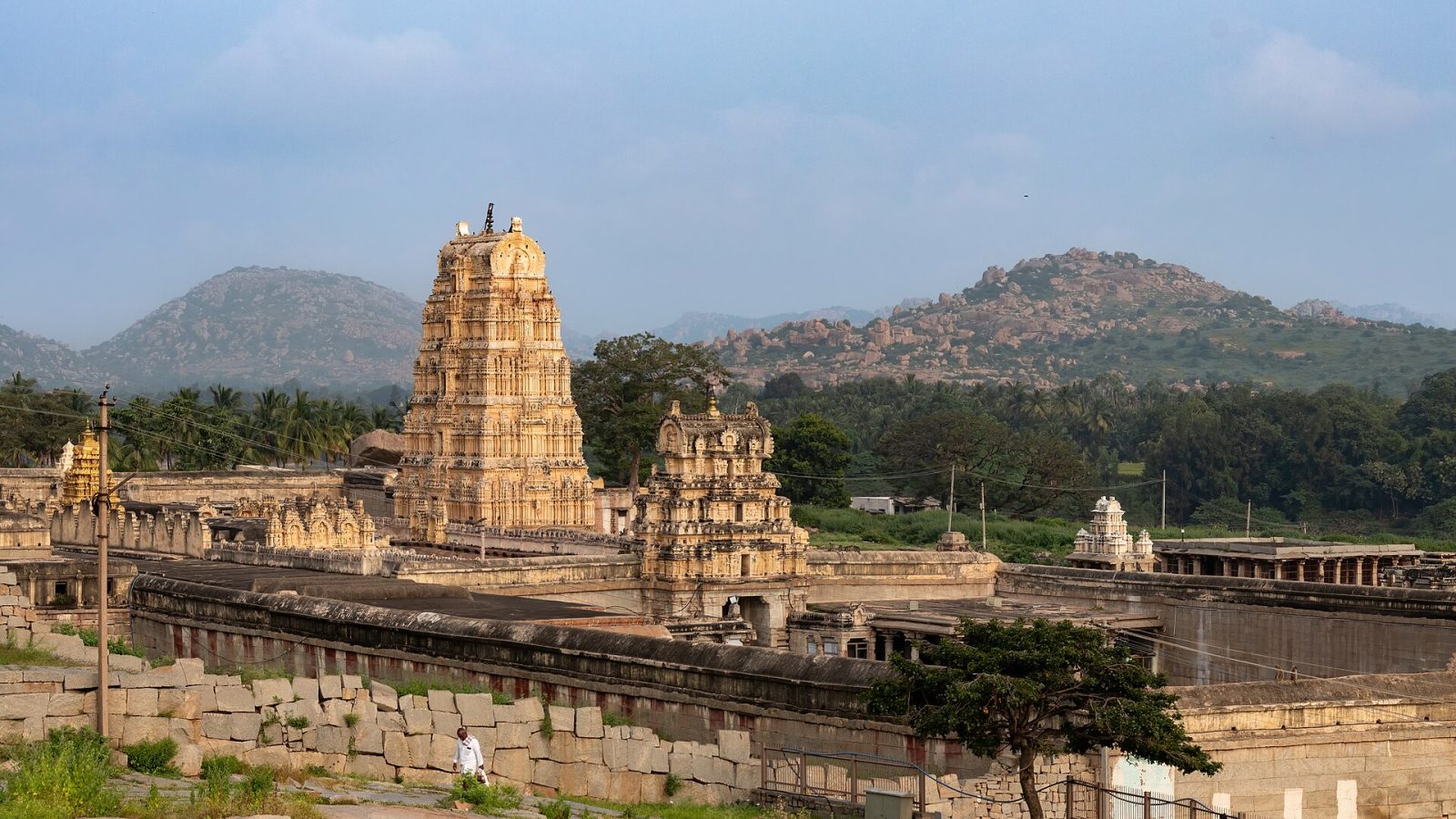
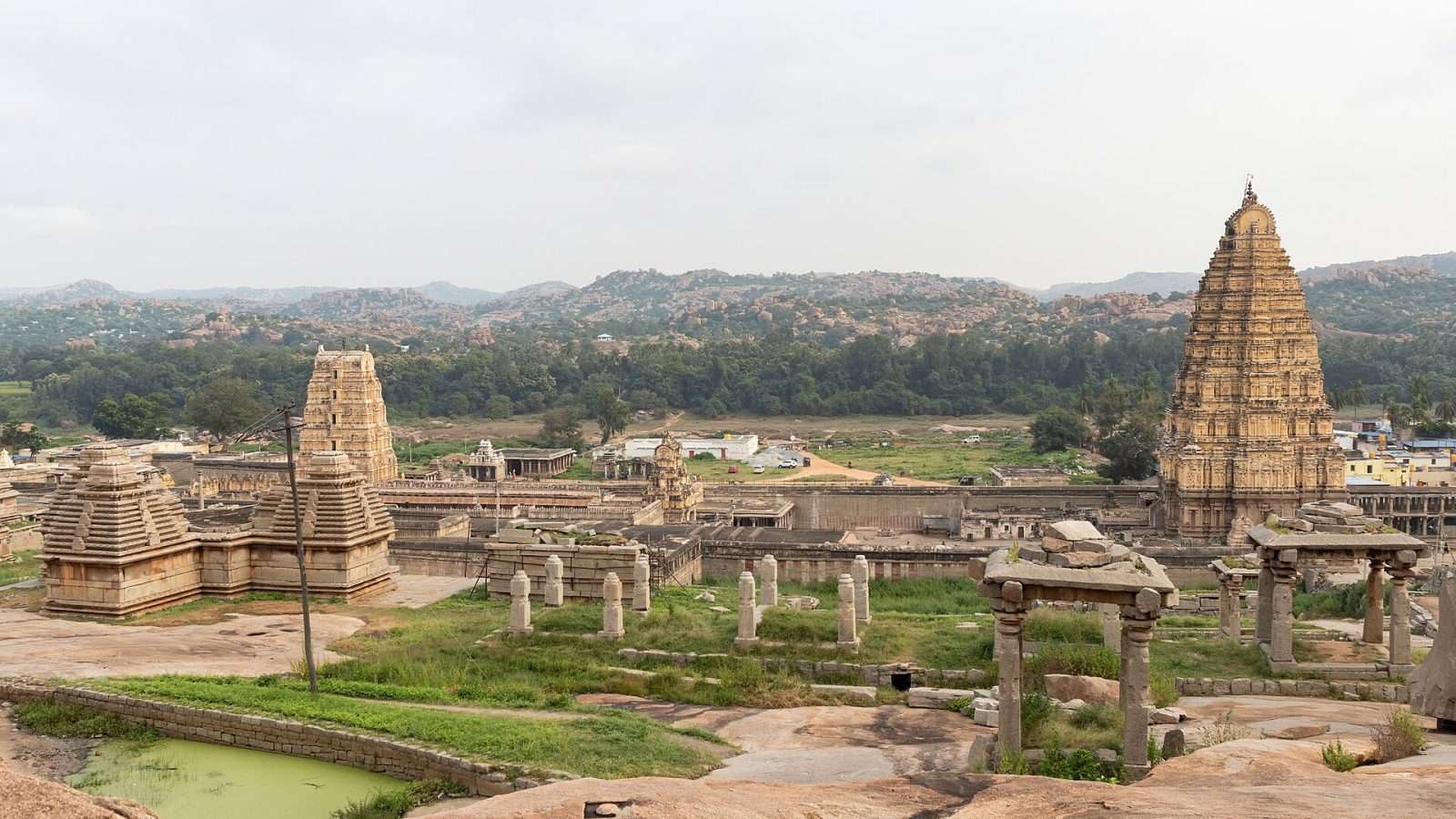
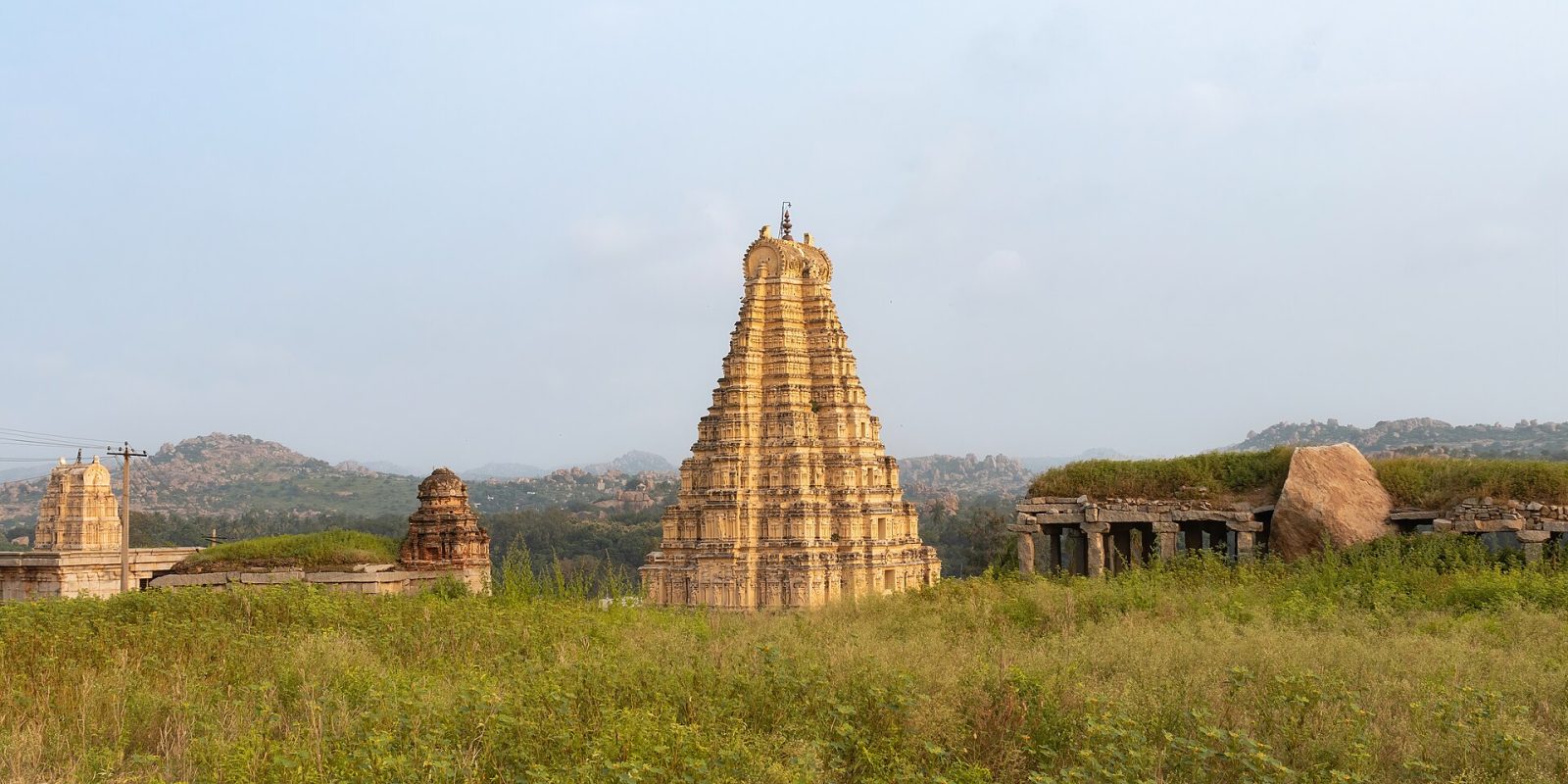
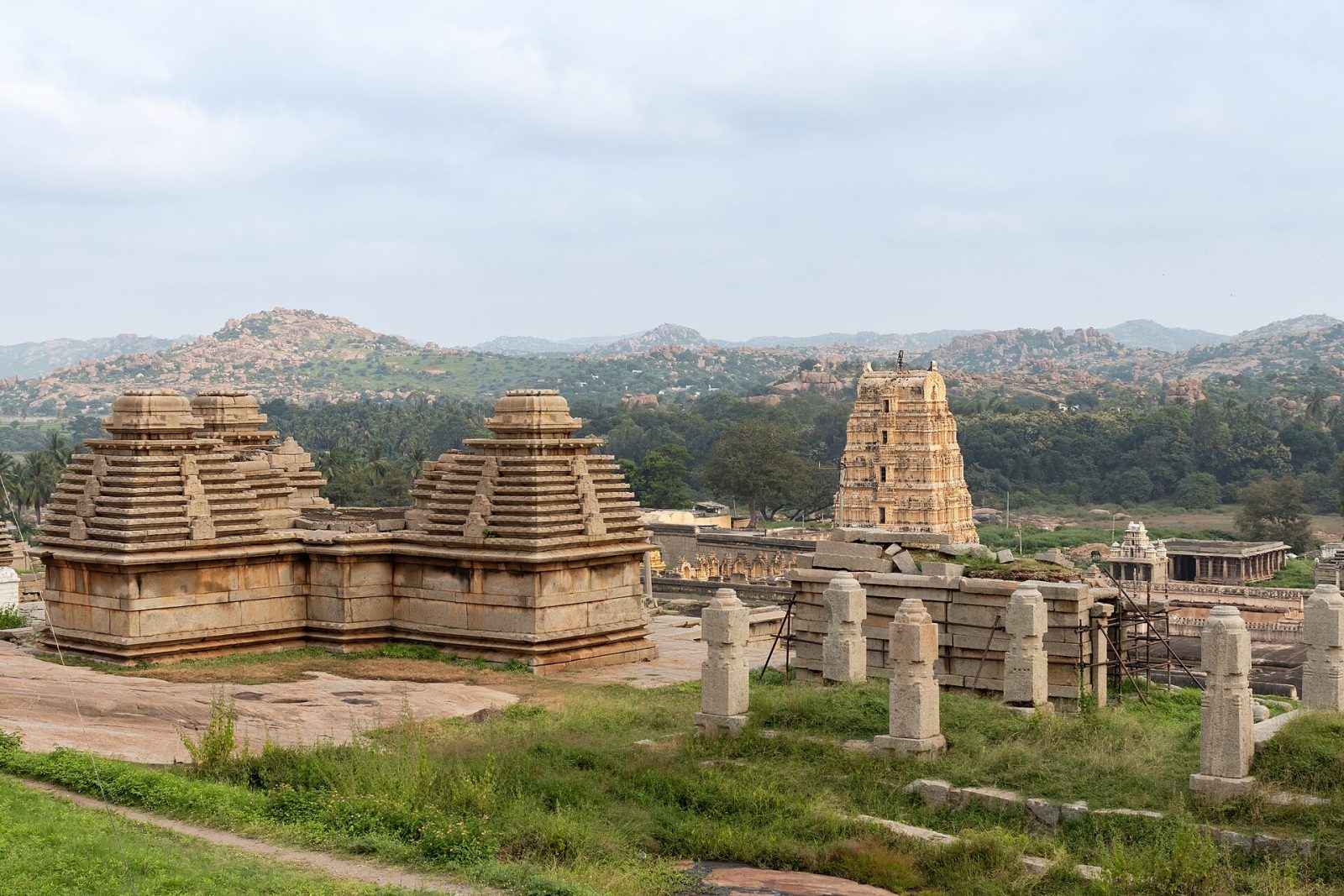
The Virupaksha temple at Hampi has been in continuous worship for more than 1,300 years, making it one of the oldest functioning temples in India. It began as a small shrine and grew under the Vijayanagara kings into a large complex with a nine-storey eastern gopuram about 50 metres high, pillared halls and a temple tank. A pinhole opening in one wall projects an inverted image of the main tower onto the inner wall, a detail guides enjoy showing visitors. The temple elephant, Lakshmi, is a fixture of the courtyard. It sits at the end of Hampi Bazaar with Matanga hill, the best sunrise viewpoint, close by.
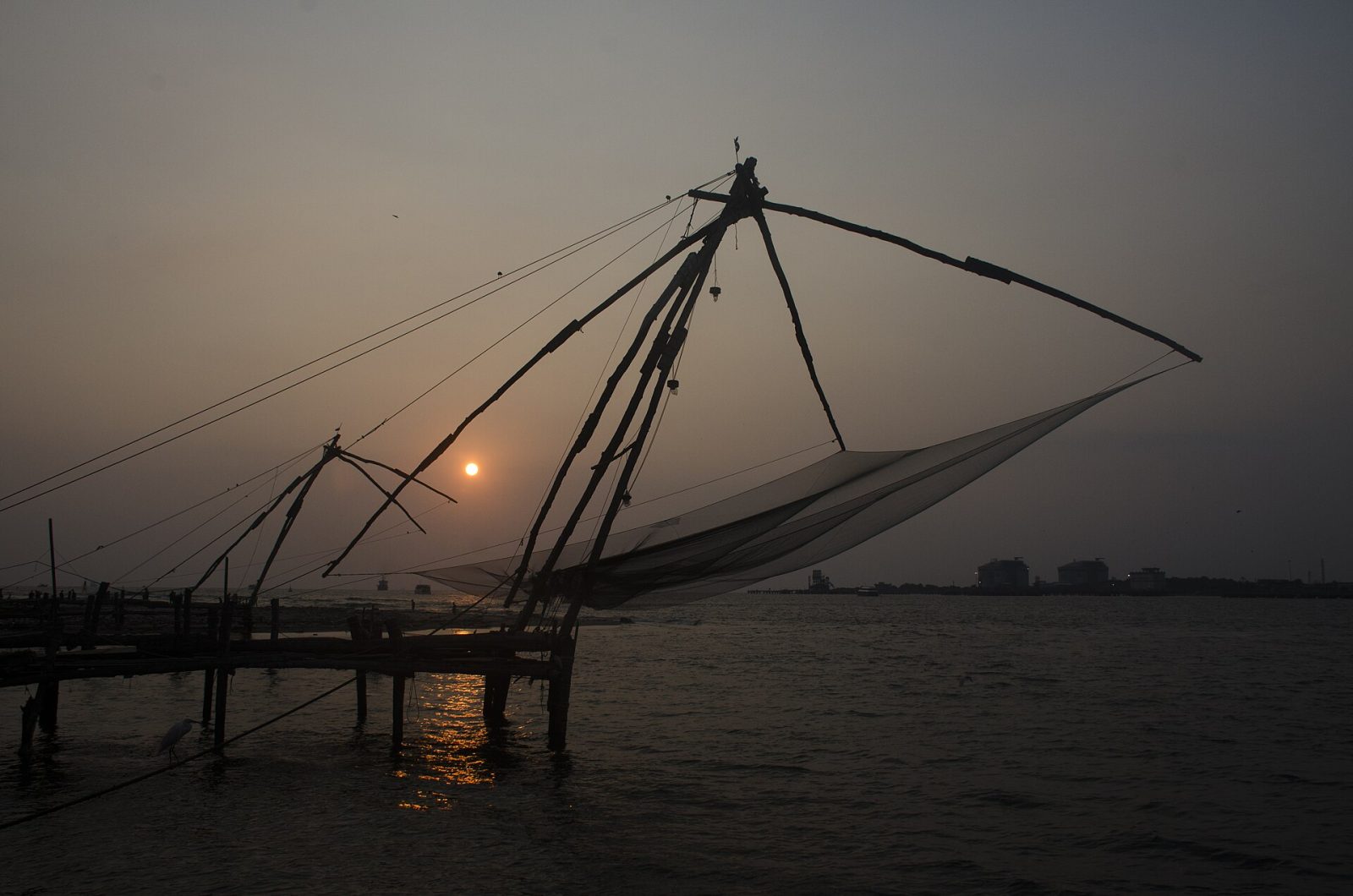
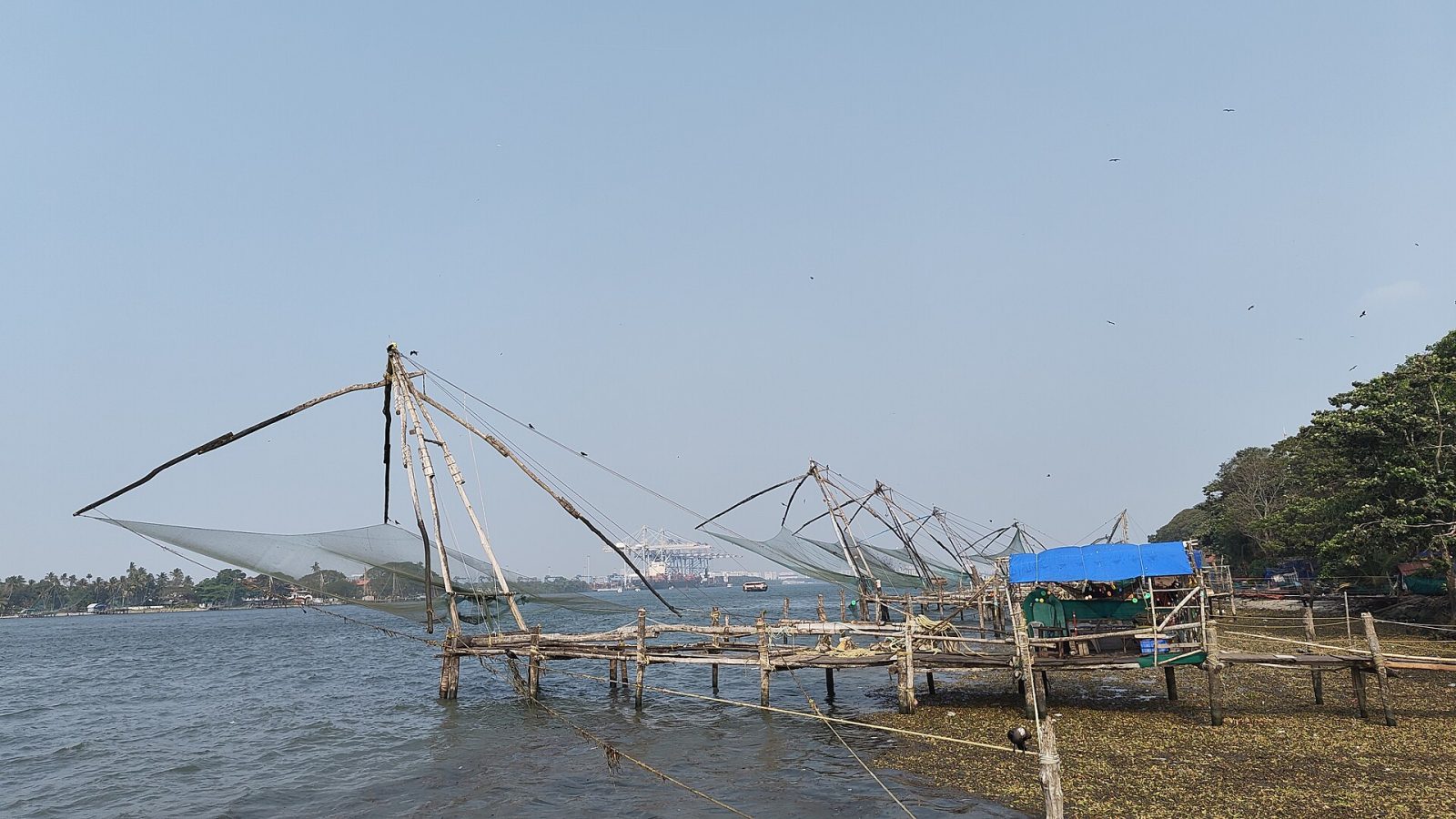
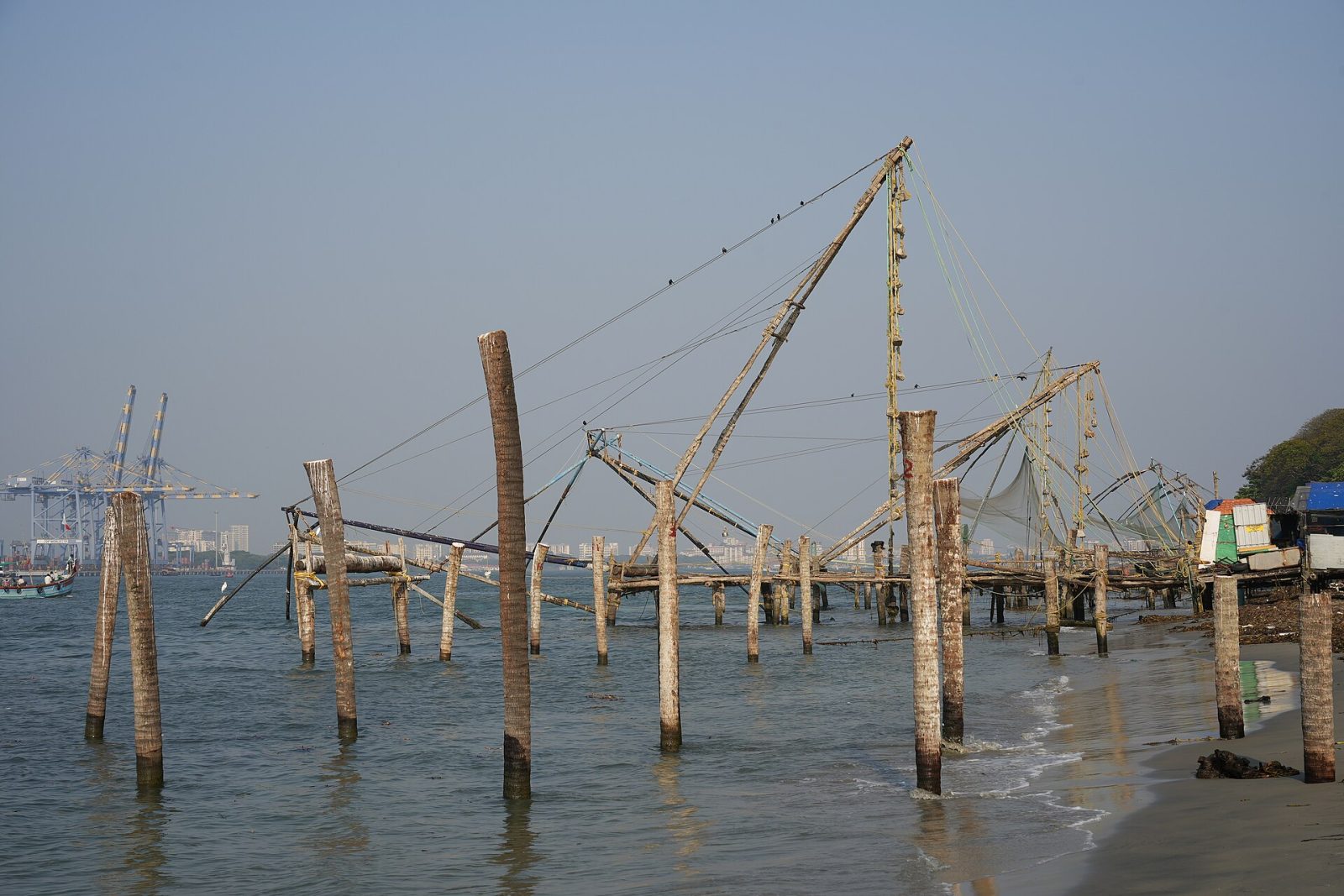
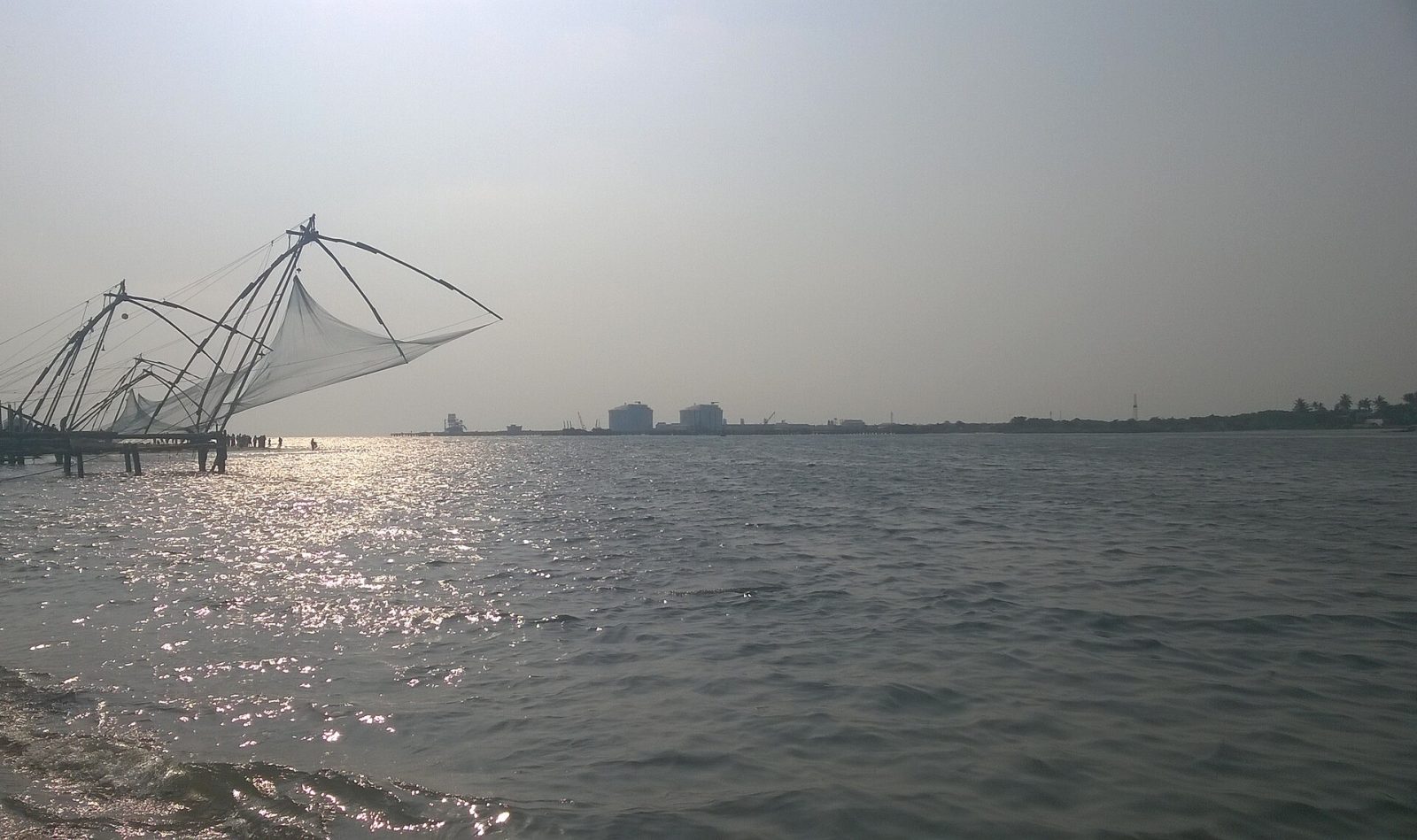
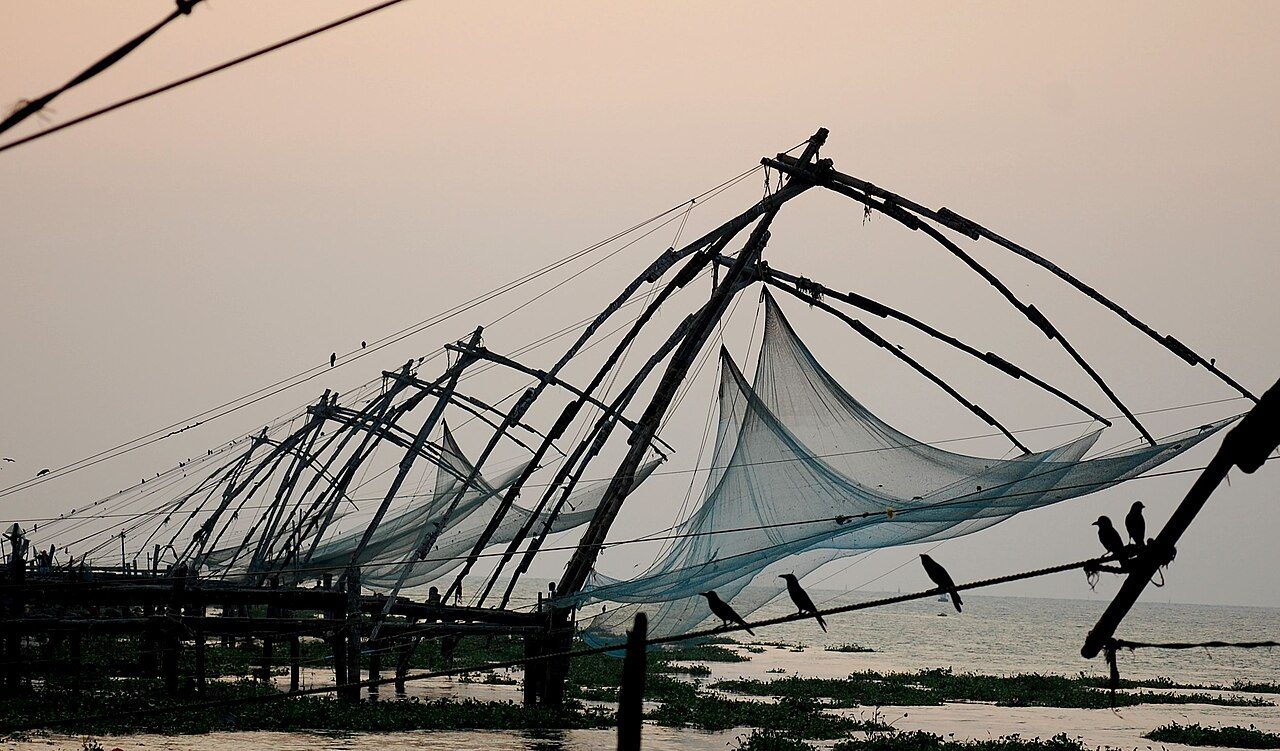
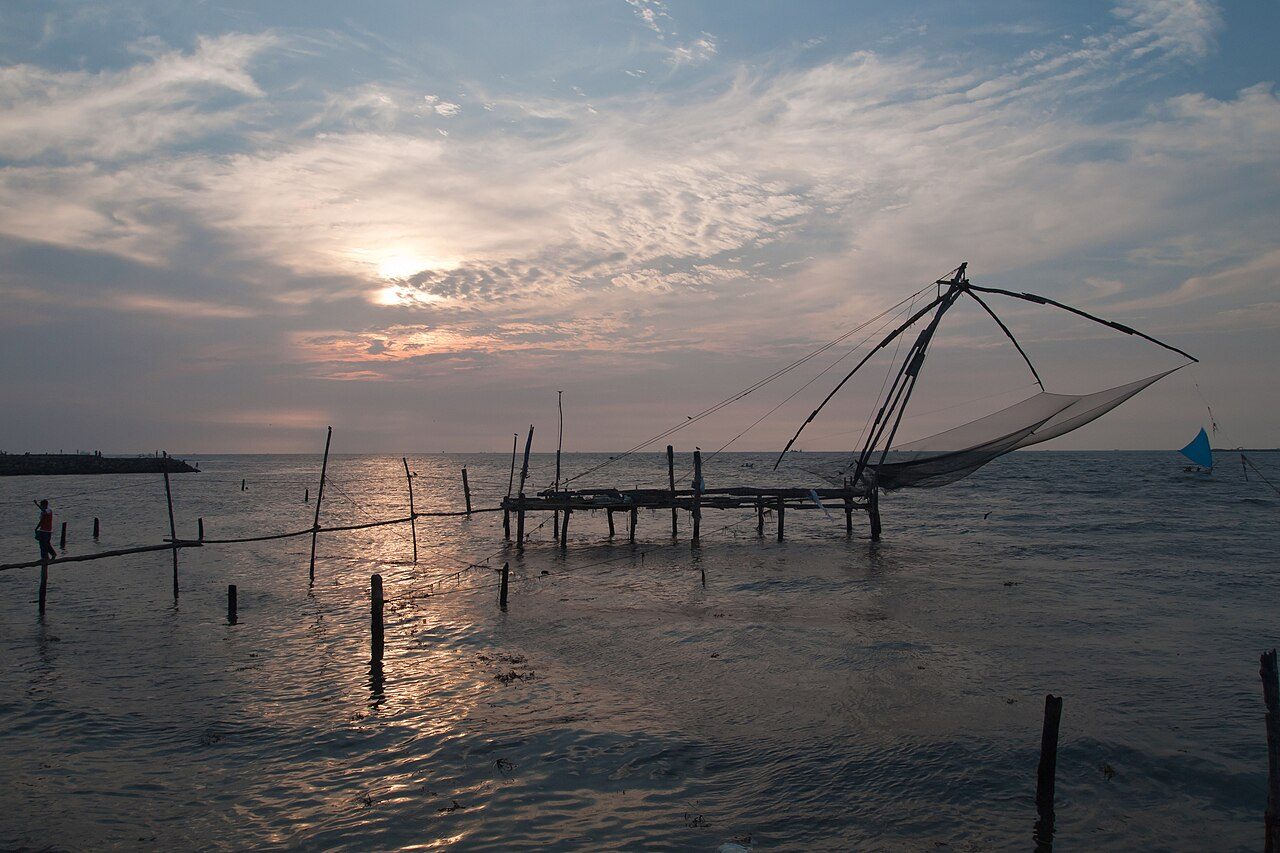
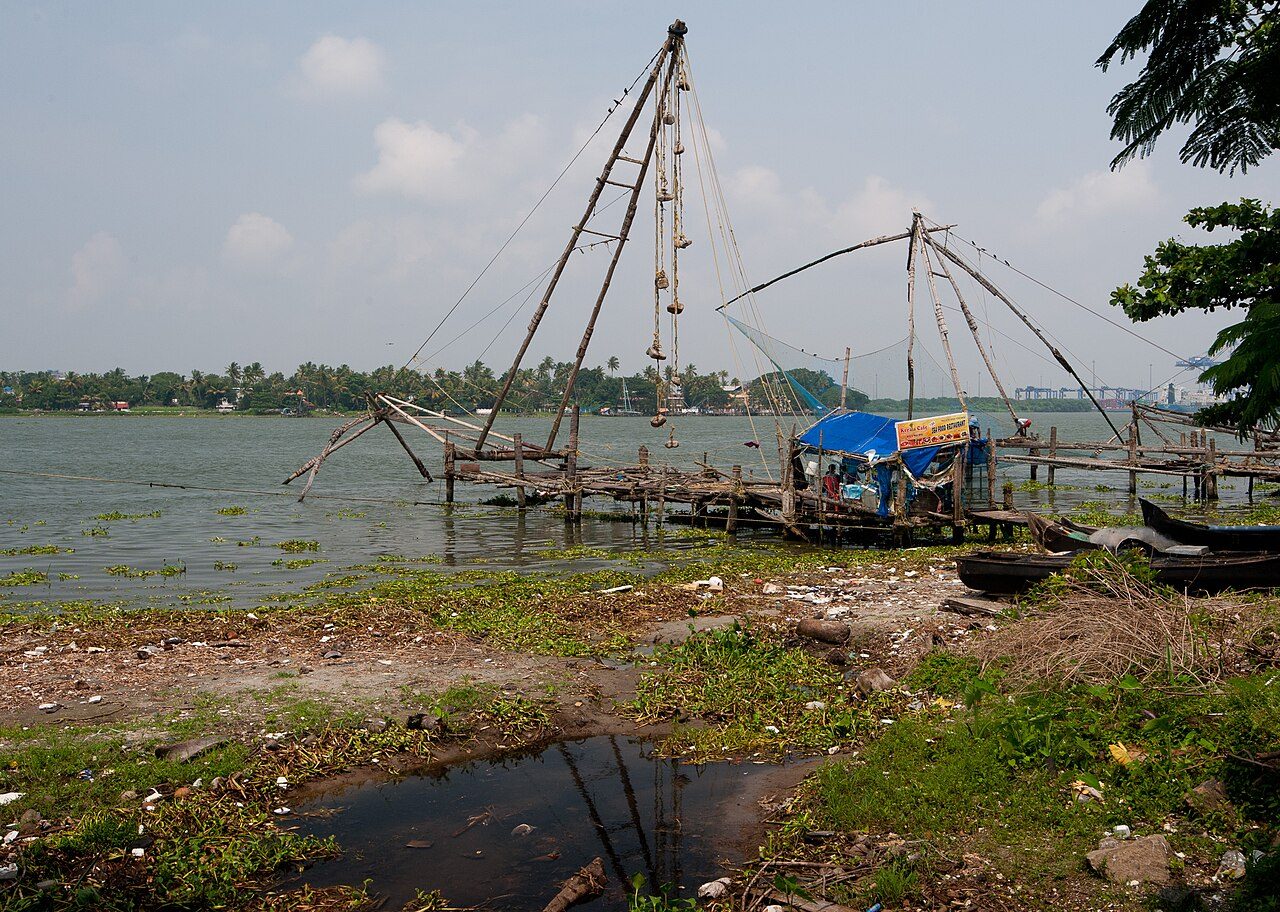
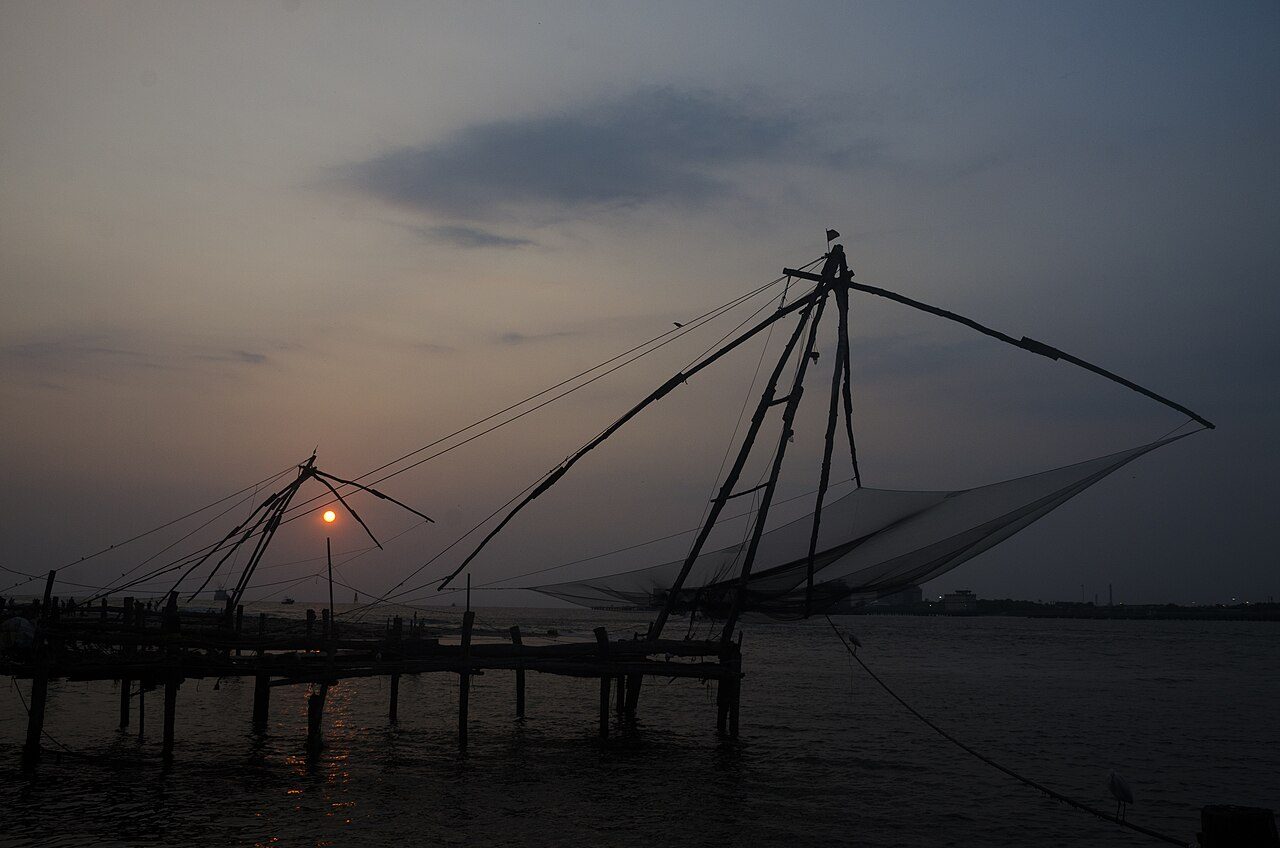
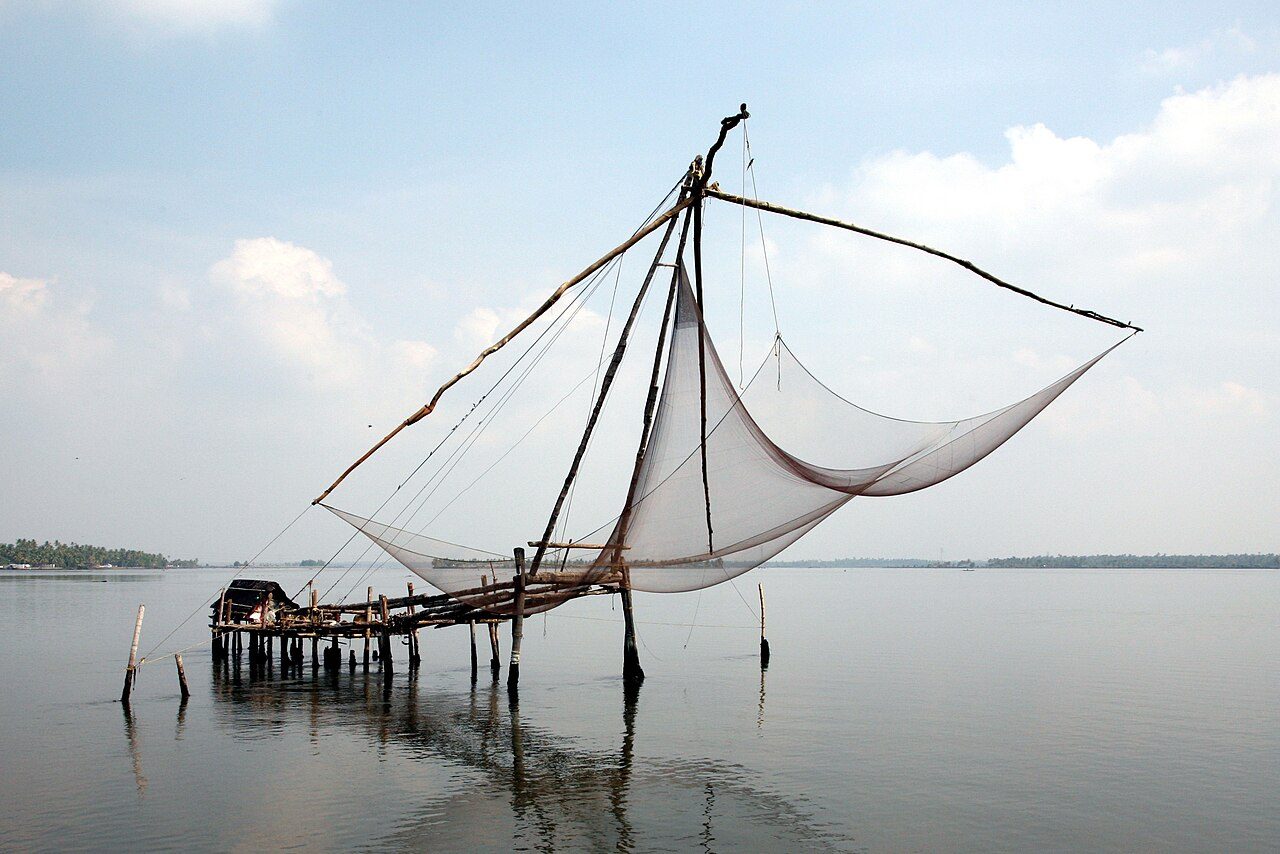
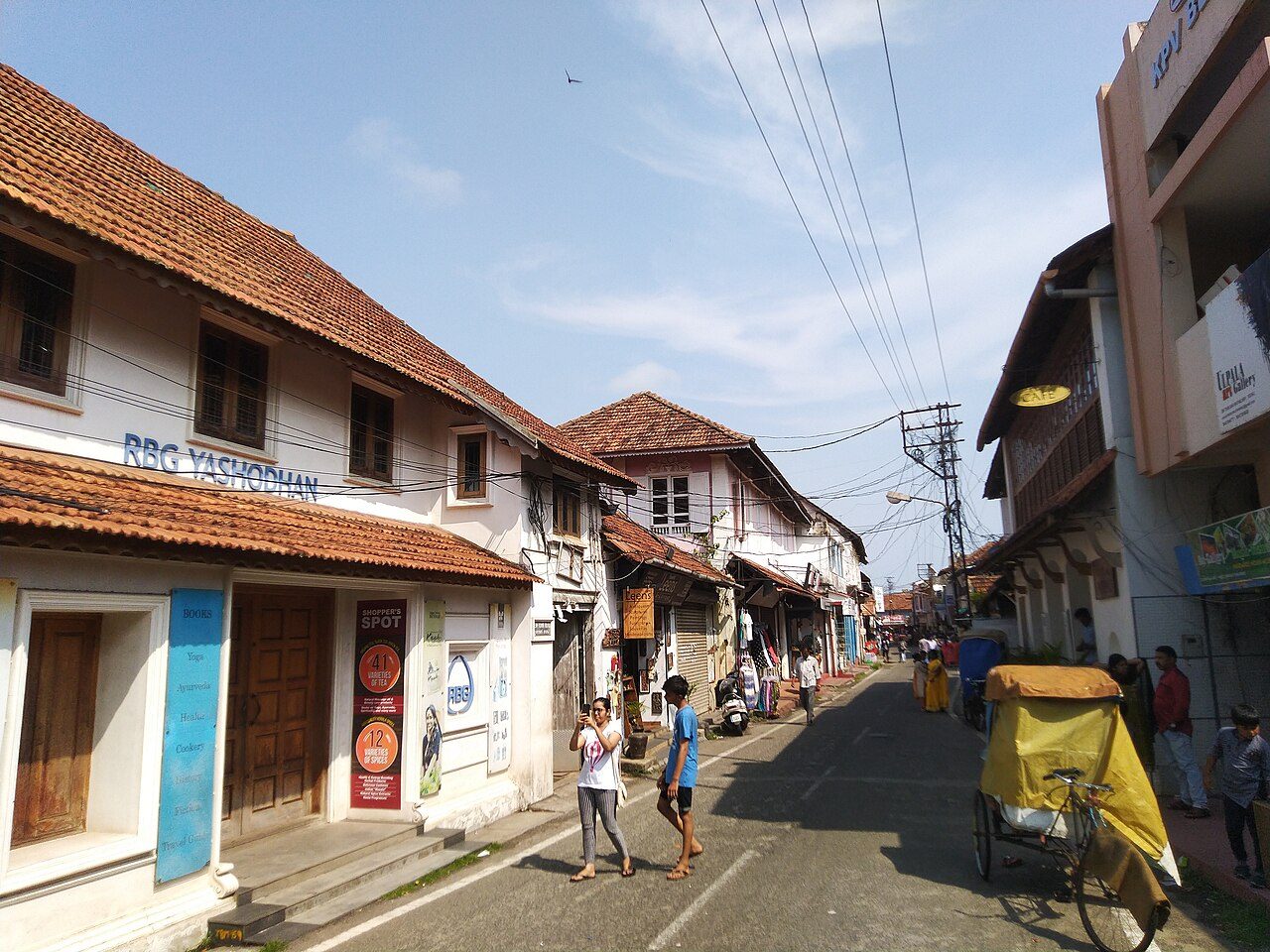
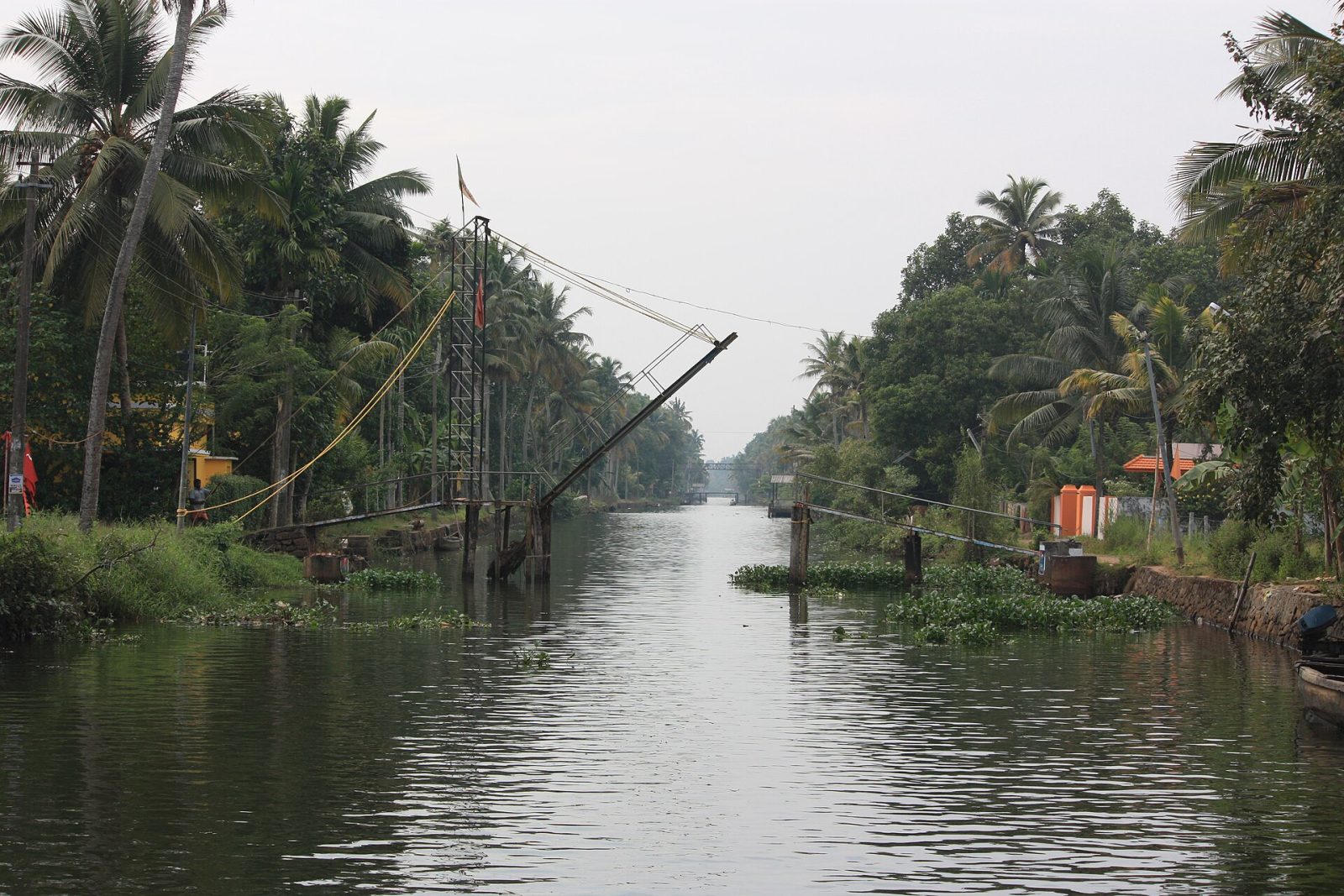
Fort Kochi is the old harbour quarter of Kochi, where Kerala met the rest of the world for more than five hundred years. Portuguese, Dutch and British traders all ruled here in turn, and their churches, warehouses and cemeteries still stand along quiet, tree-lined streets. The row of Chinese fishing nets on the shore, worked by teams of men using counterweights, is the image most visitors carry home. Nearby are St Francis Church, where Vasco da Gama was first buried, the old Jewish quarter of Mattancherry and streets full of cafes, murals and antique shops. Evening is the best time, when the sun drops behind the nets and the fish market comes alive.
The cheena vala, the cantilevered fishing nets strung along the Fort Kochi shore, are the image most people carry away from the town. Each is a teak and bamboo frame about ten metres high, counterweighted with stones and worked by four or five men who walk the frame down to dip the net and then haul it up again. They are usually said to have come from the court of Kublai Khan with Chinese traders in the 14th century, though some historians credit Portuguese settlers from Macau. The nets work best at high tide and the catch is sold on the spot at the stalls behind them. Sunset, with the frames silhouetted against the channel and the ships moving out, is the hour everyone comes for.
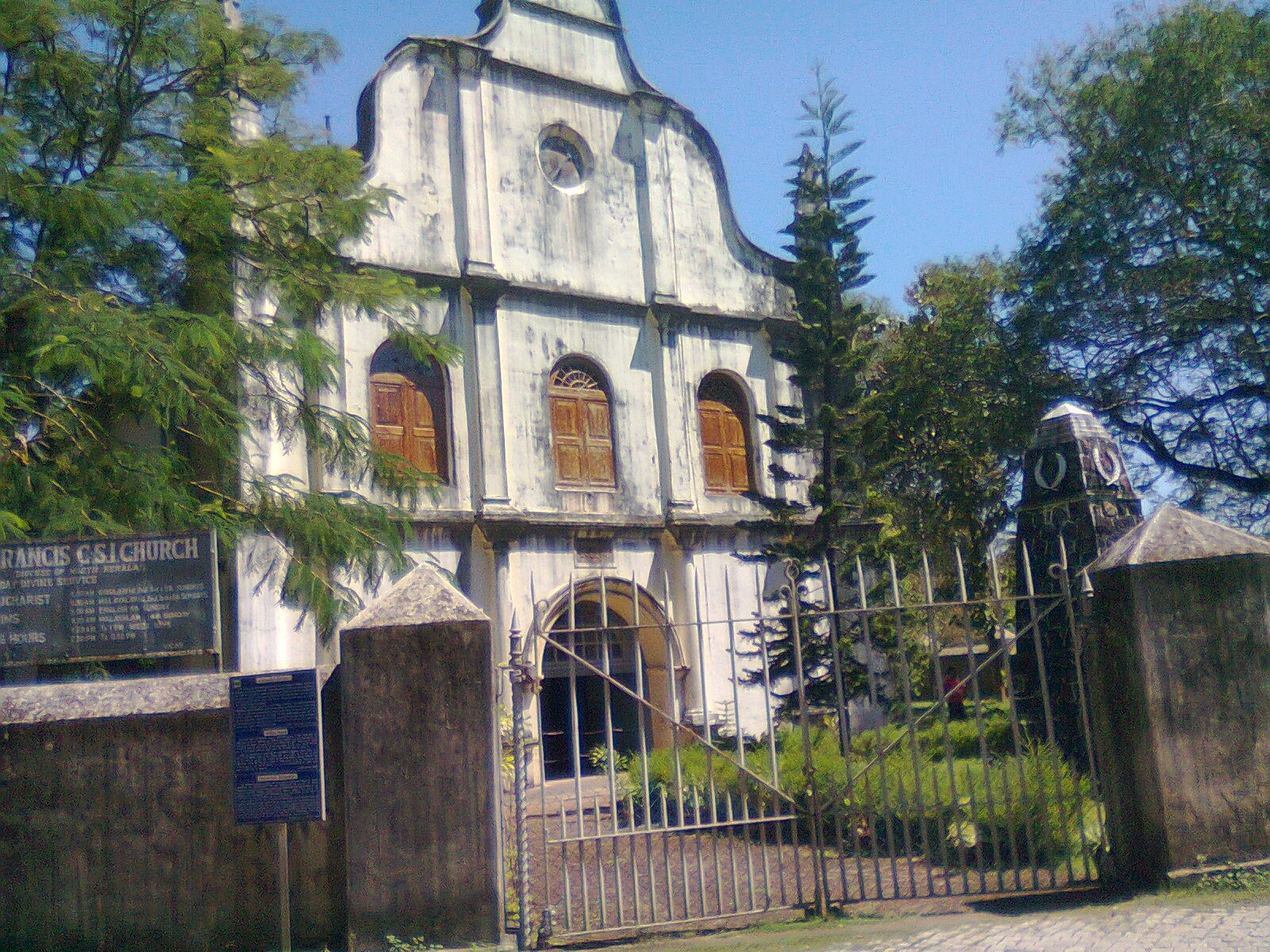
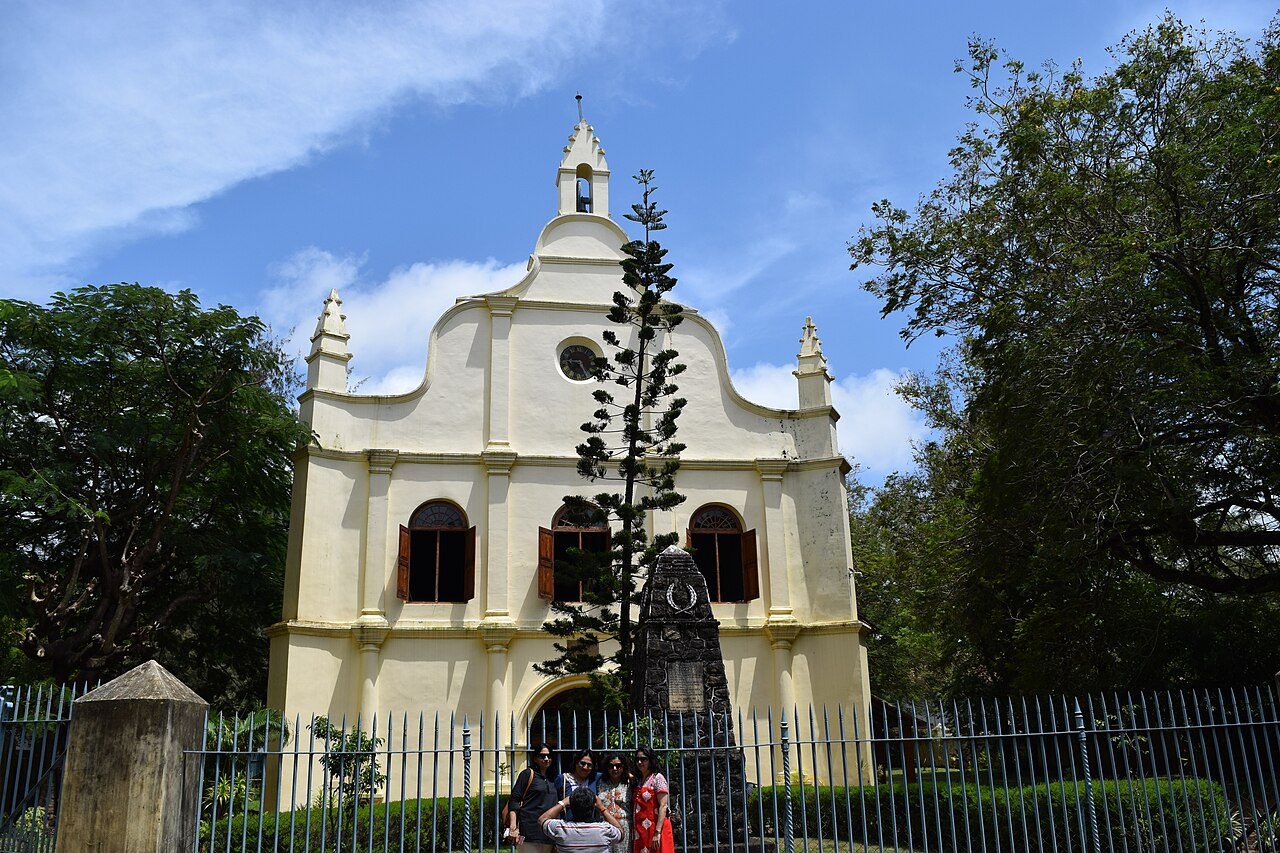
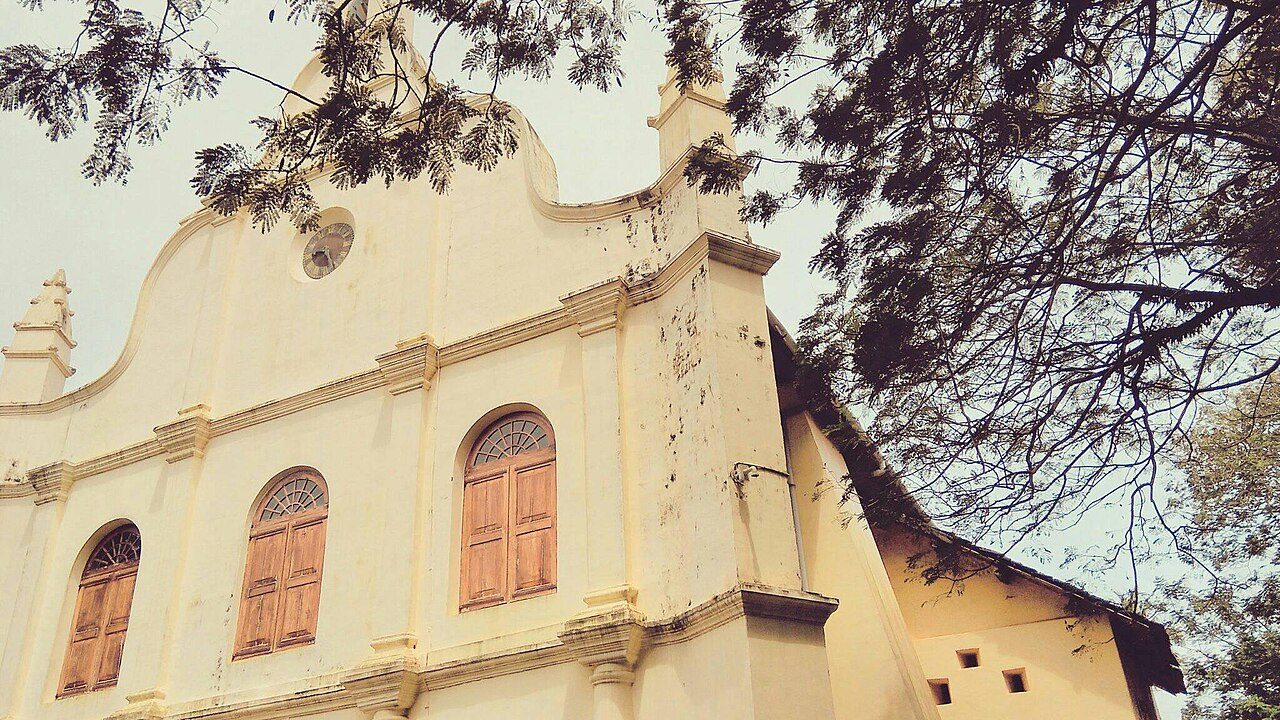
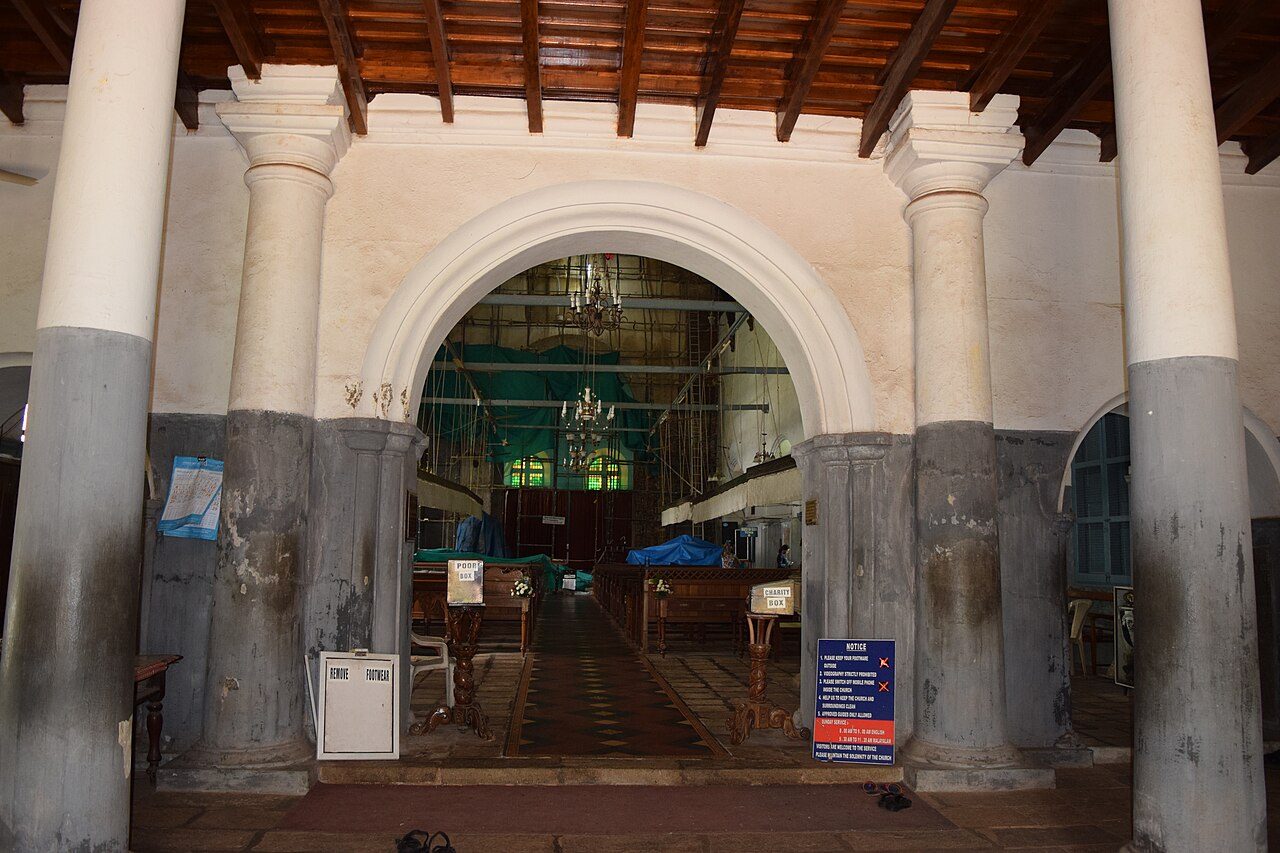
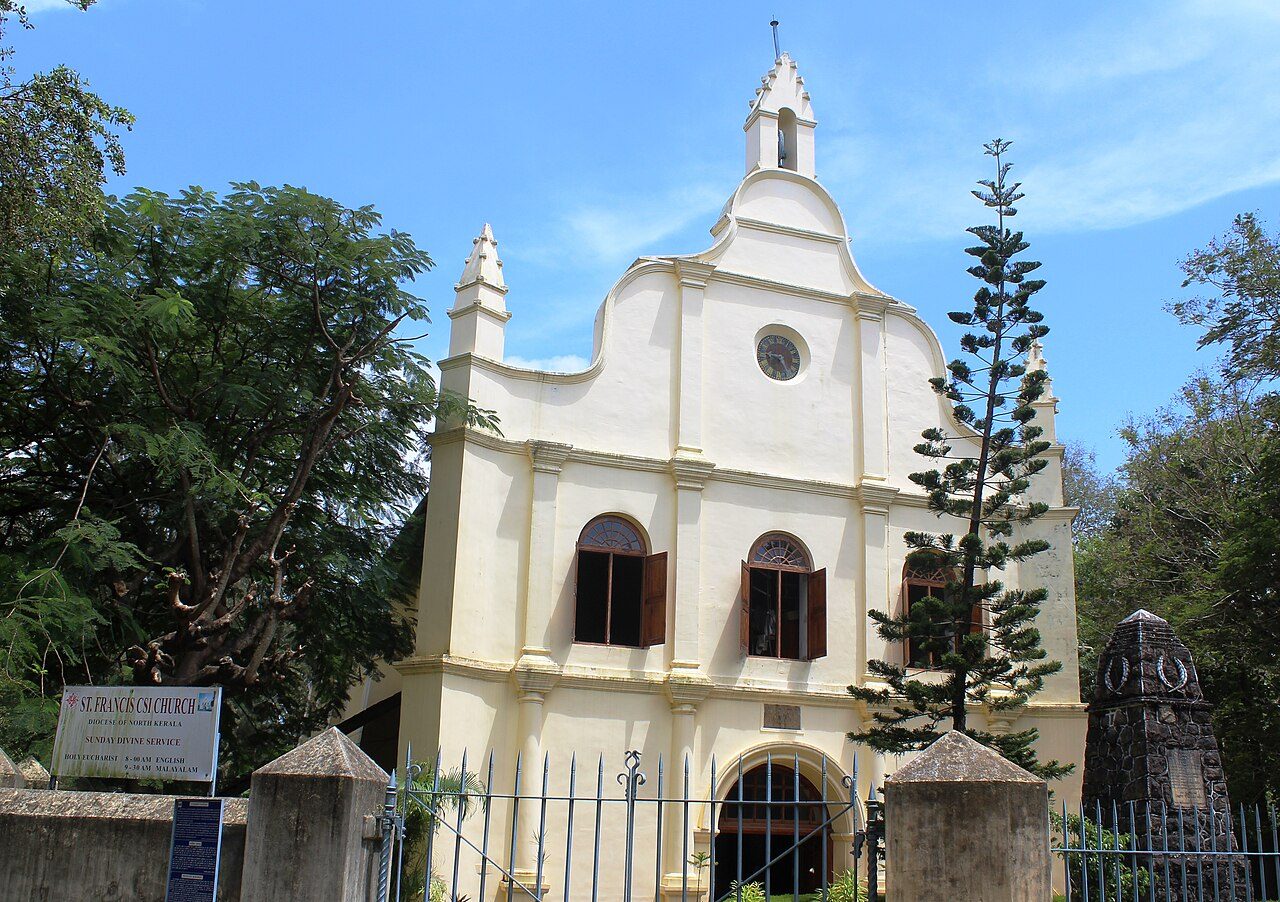
Built by Portuguese Franciscan friars in 1503, St Francis is the oldest European church still standing in India. Vasco da Gama died in Kochi in 1524 and was buried here; his body was later moved to Lisbon, but the gravestone is still set into the floor and marked off with a rail. The building passed from the Portuguese to the Dutch, who made it Protestant in 1663, and then to the British, and each left its mark, from the Dutch tombstones along the walls to the punkahs, the cloth fans once pulled by hand during services. The nave is plain and cool, with a tiled roof and whitewashed walls. It is a protected monument and stands on the green at the heart of Fort Kochi.
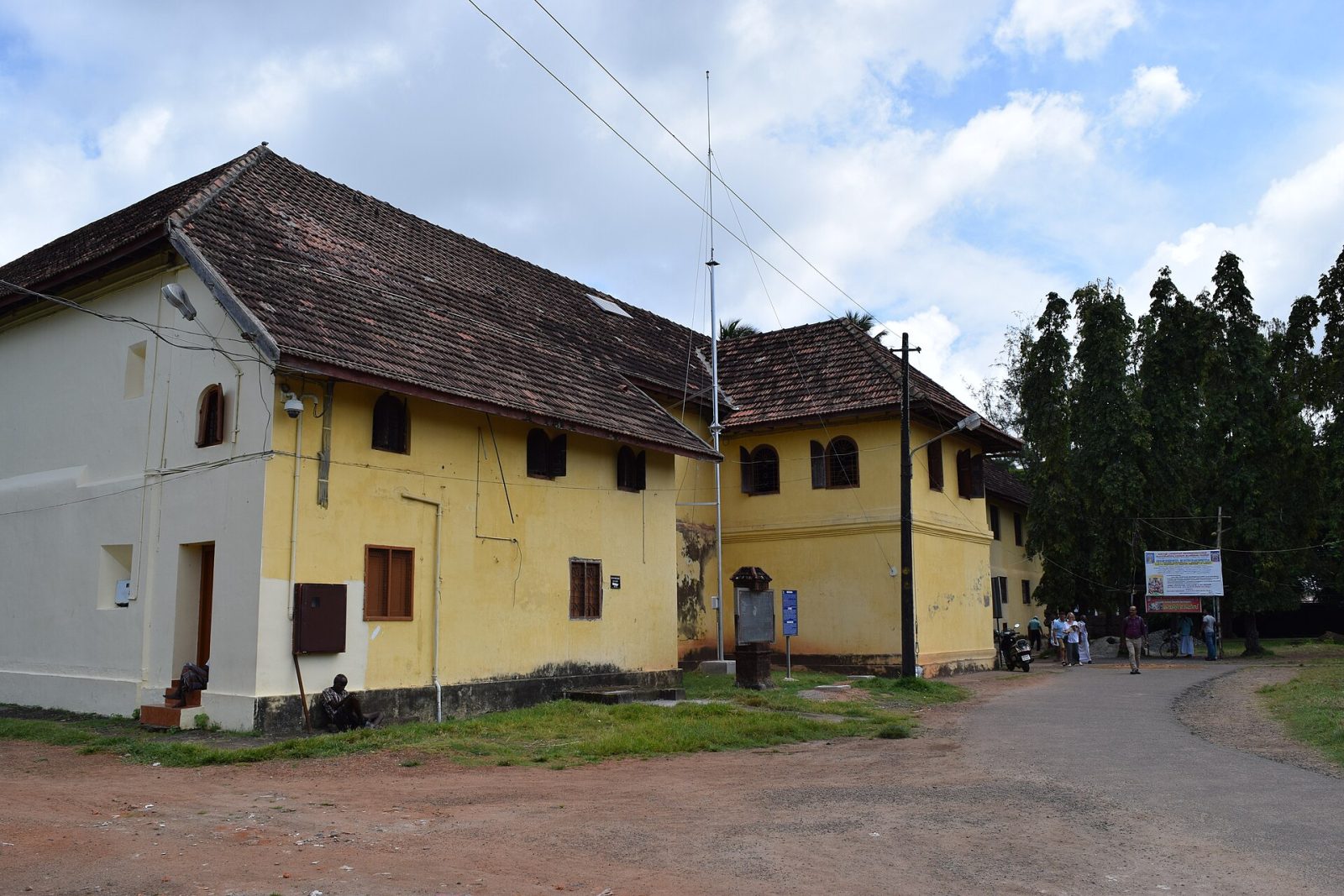
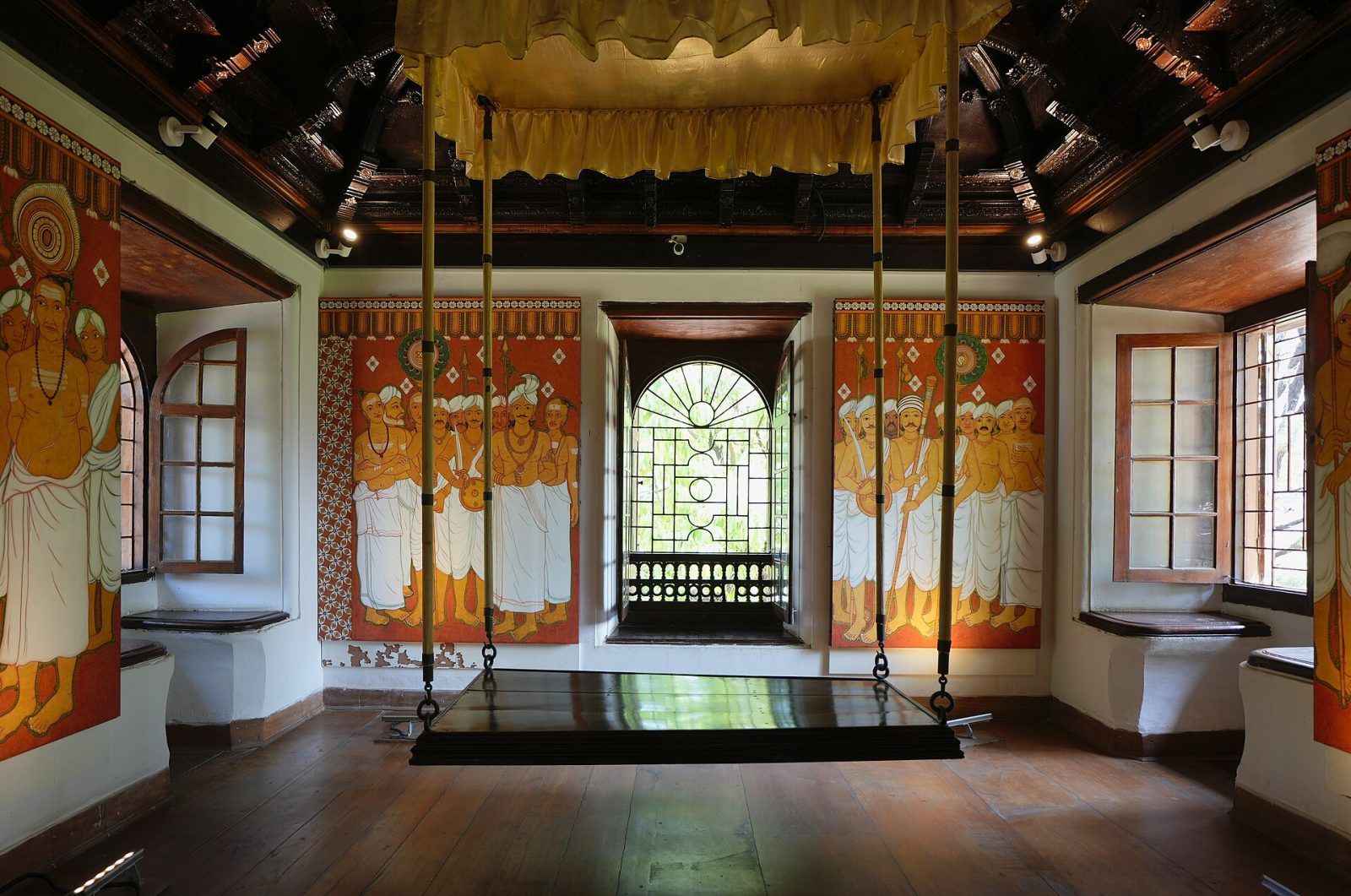
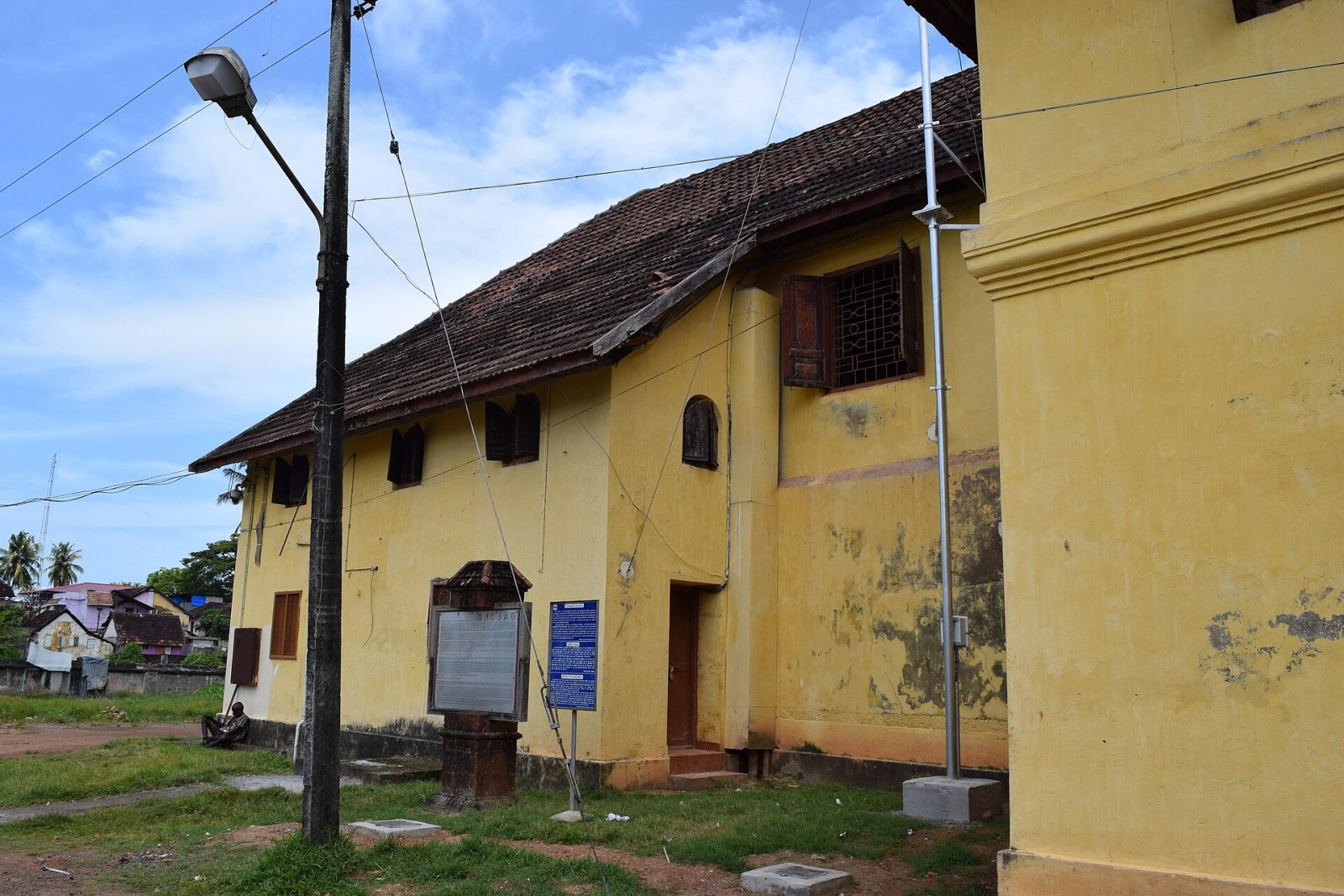
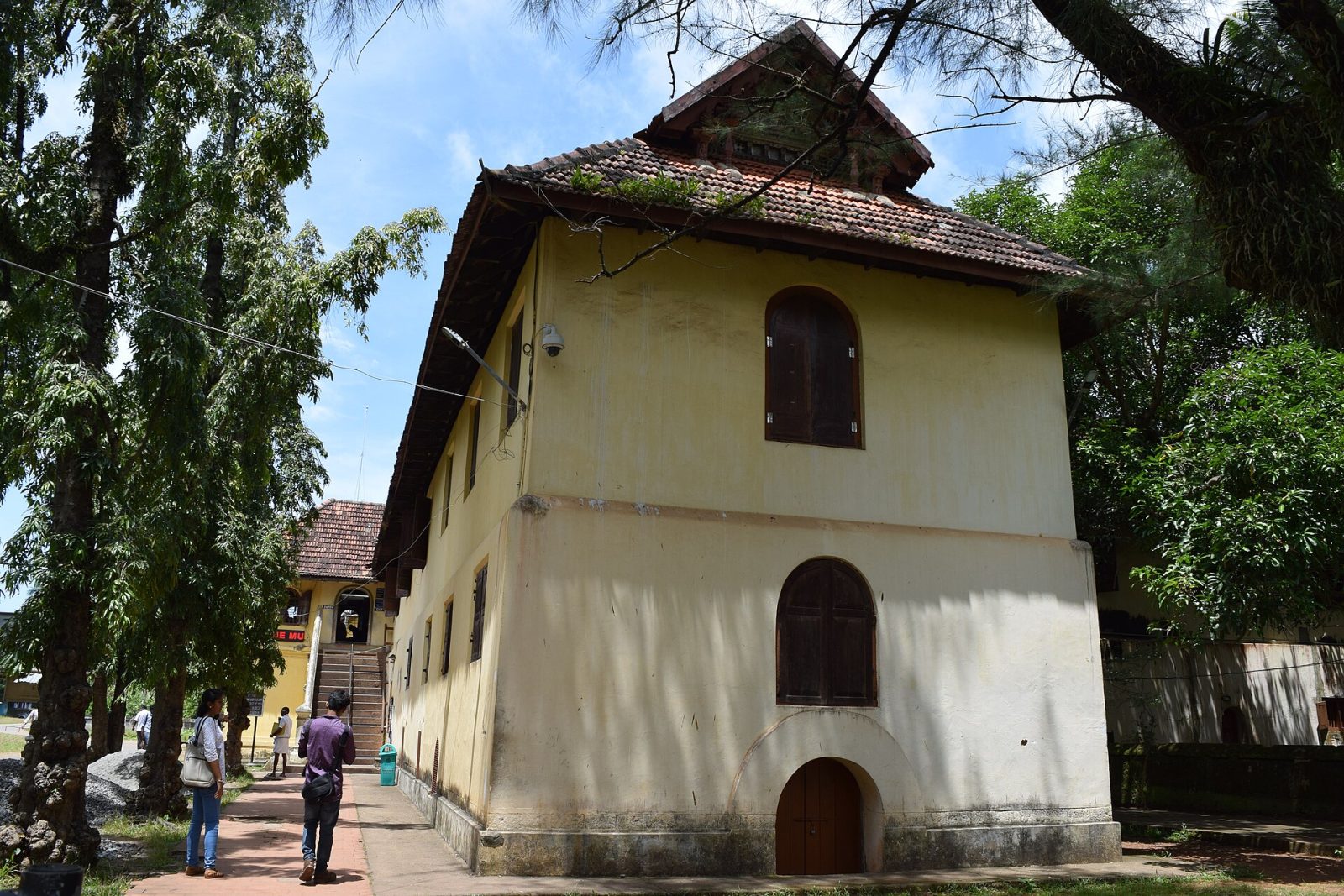
Mattancherry Palace, usually called the Dutch Palace, was built by the Portuguese around 1555 as a gift to the Raja of Kochi, and later repaired and extended by the Dutch. From outside it is a plain building in Kerala style around a courtyard with a temple to the goddess Pazhayannur Bhagavati. Inside are its treasures: room after room of murals painted in vegetable colours telling stories from the Ramayana and Mahabharata, some of the finest temple art in India. The coronation hall holds the palanquins, weapons and portraits of the Kochi rajas. It stands in Jew Town beside the synagogue and the spice markets, and photography inside is not allowed.
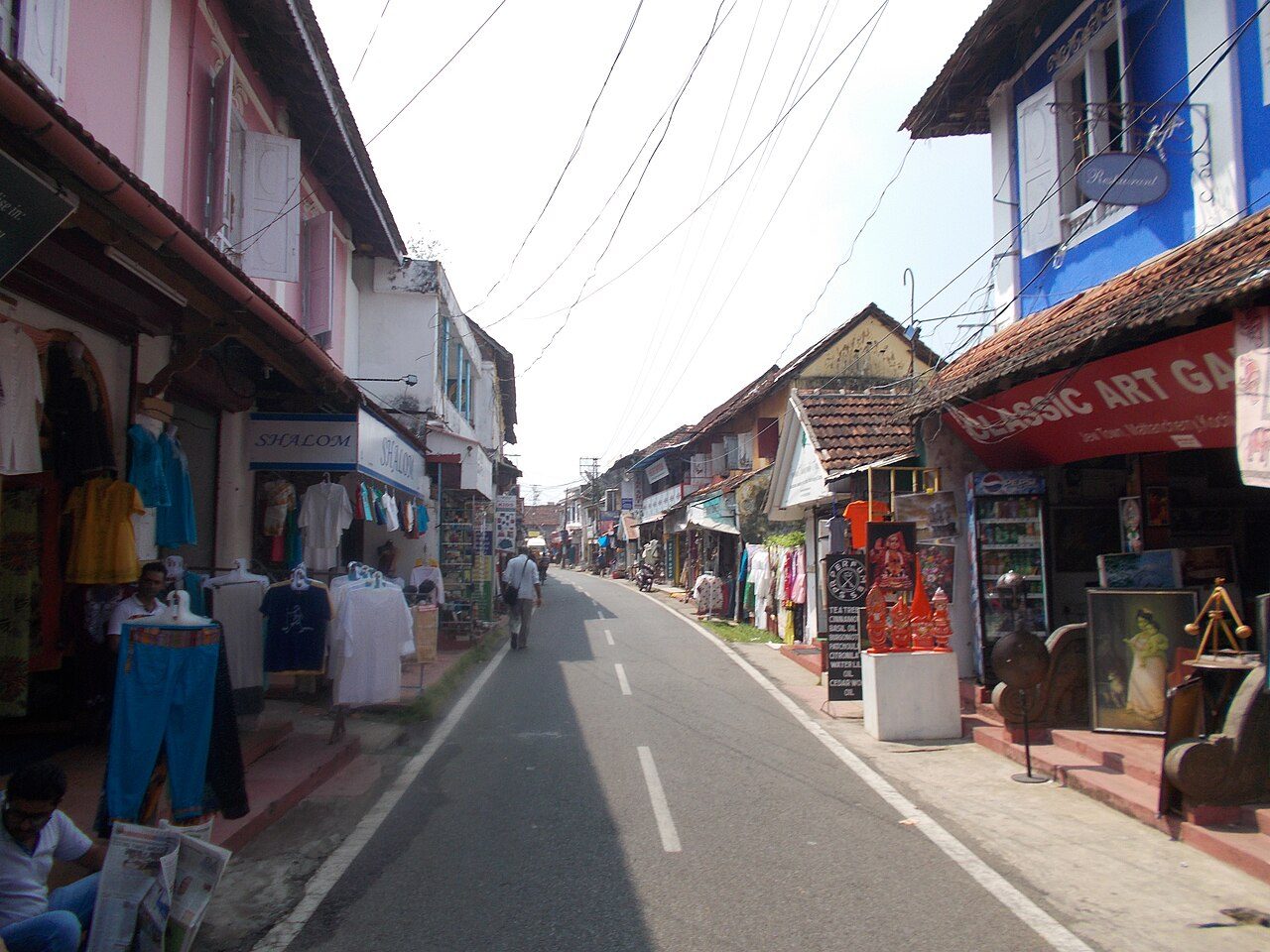
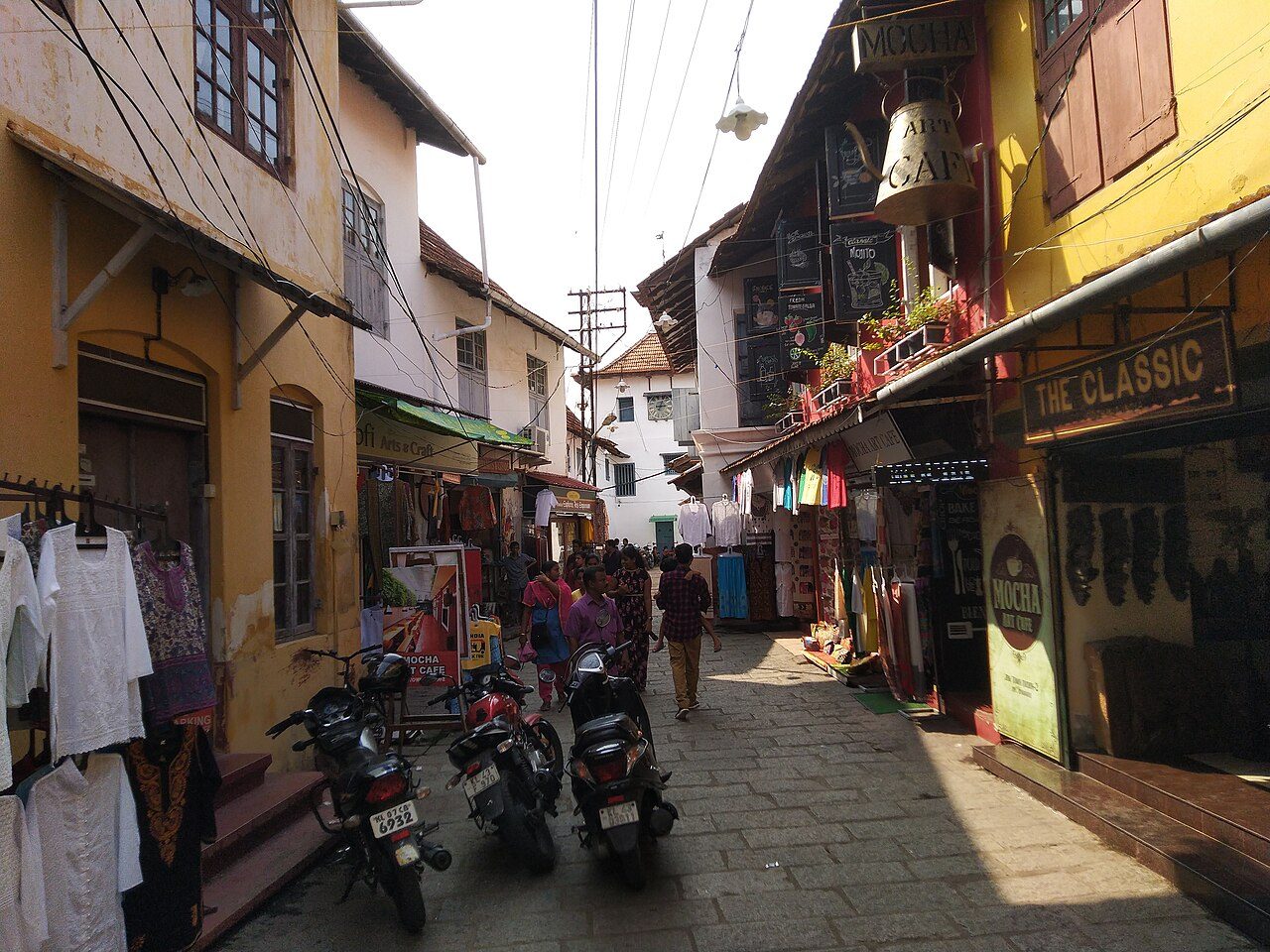
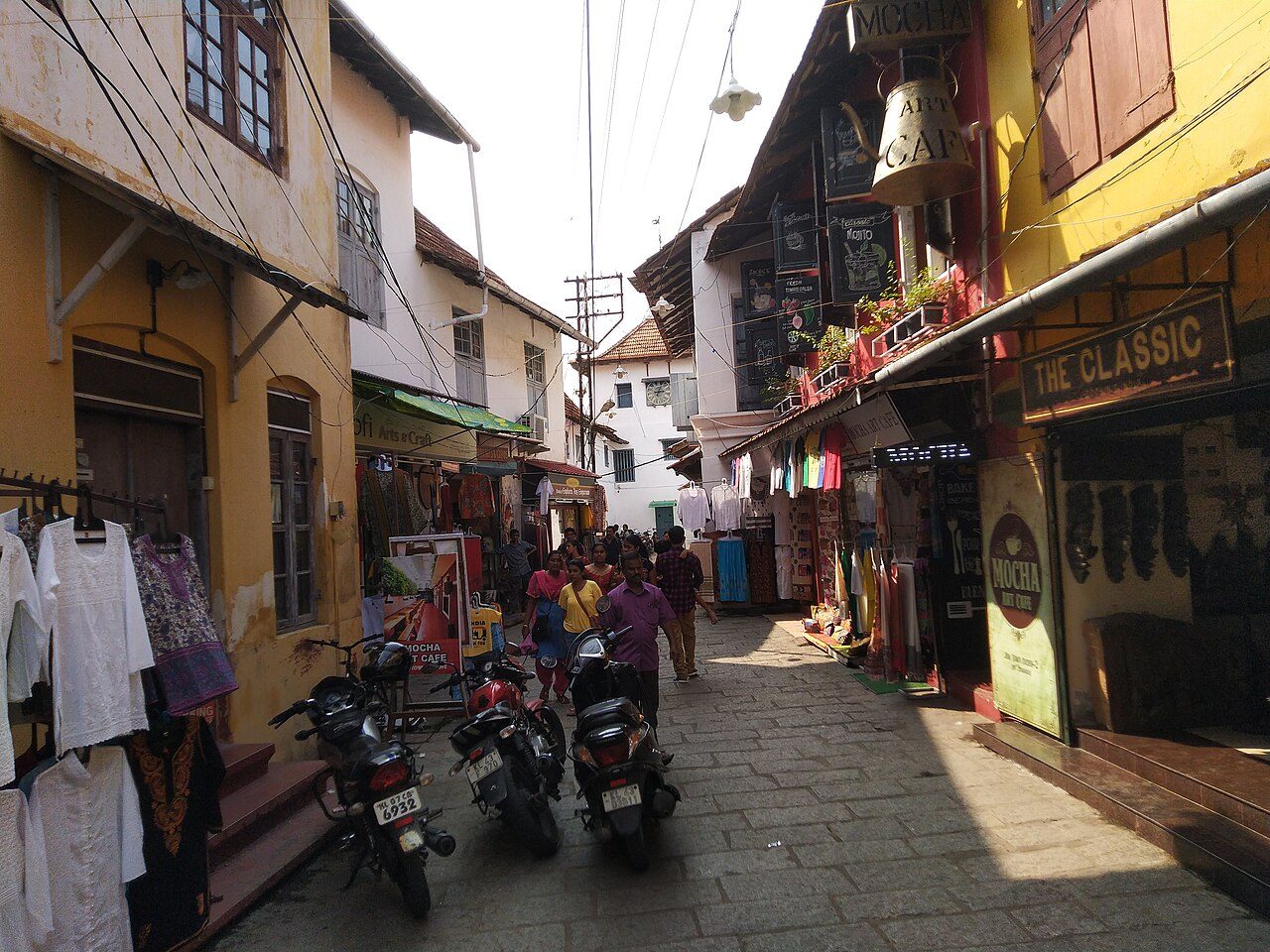
The lane running from the Mattancherry Palace to the Paradesi Synagogue is still called Jew Town, and it is the heart of what was one of the oldest Jewish communities in the world, settled in Kerala for perhaps two thousand years. The old warehouses along it once handled pepper, ginger and cardamom for export, and several still do; the smell of spice hangs in the street. Today most of the buildings are antique shops, tea rooms and dealers in Kerala furniture, brassware and old prints. Only a handful of the Jewish families remain, most having emigrated to Israel after 1948. The street is best walked slowly in the late afternoon.
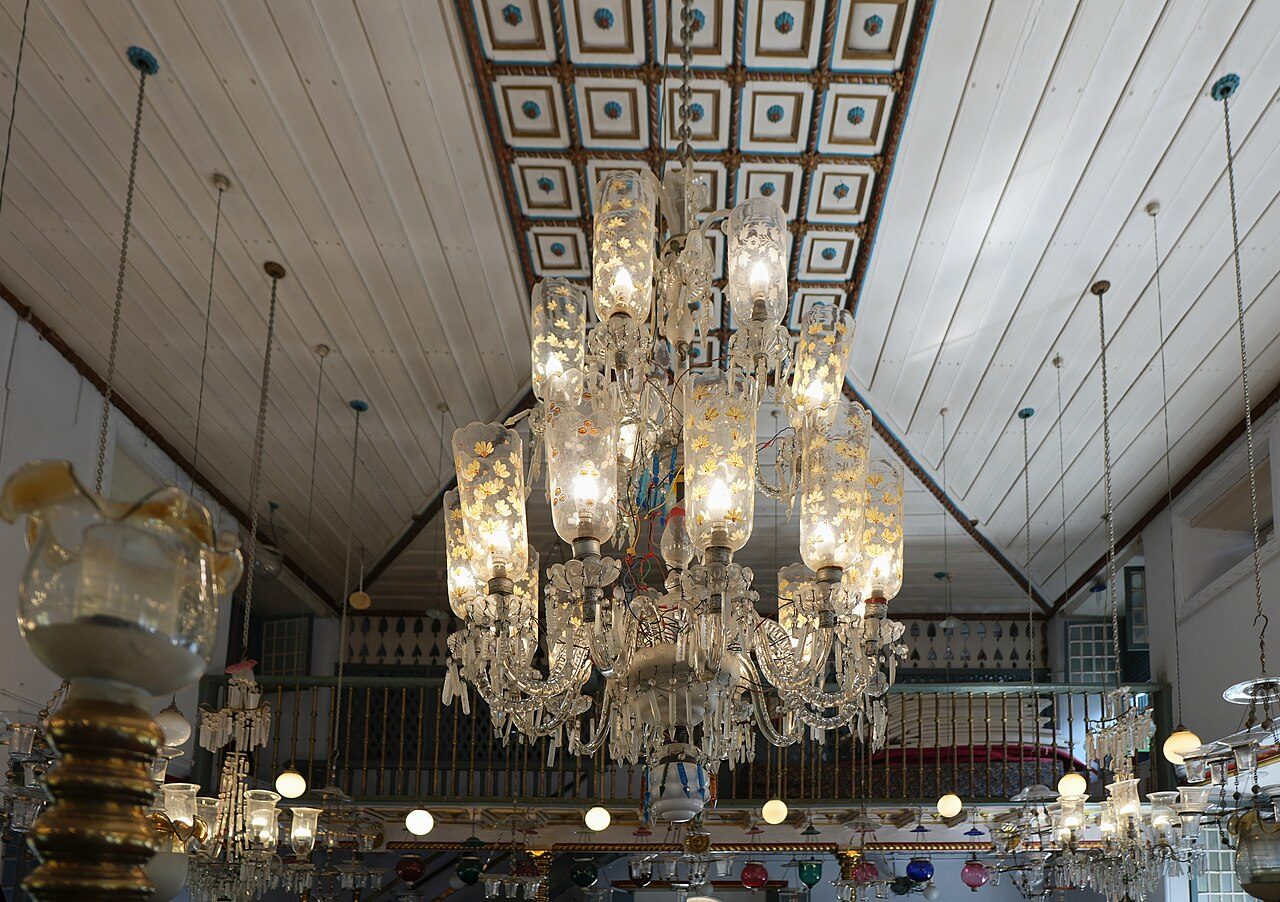
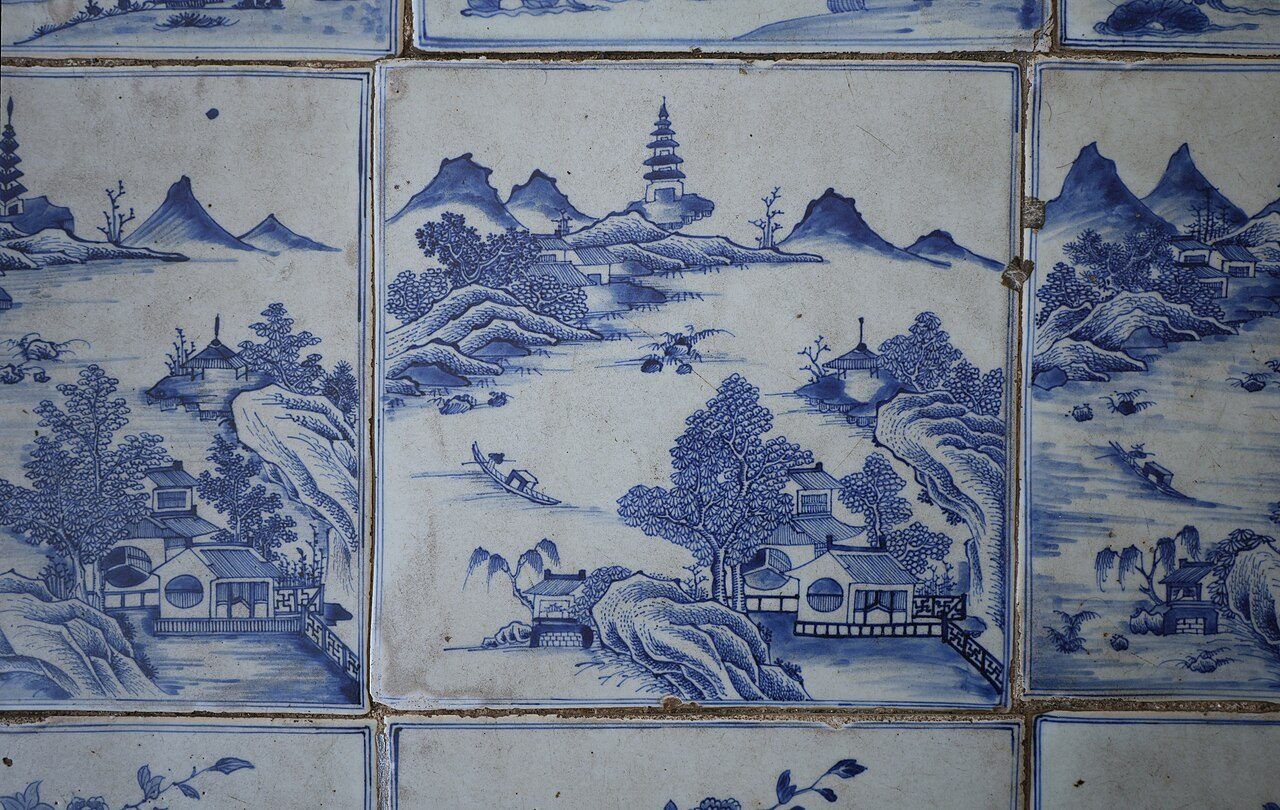
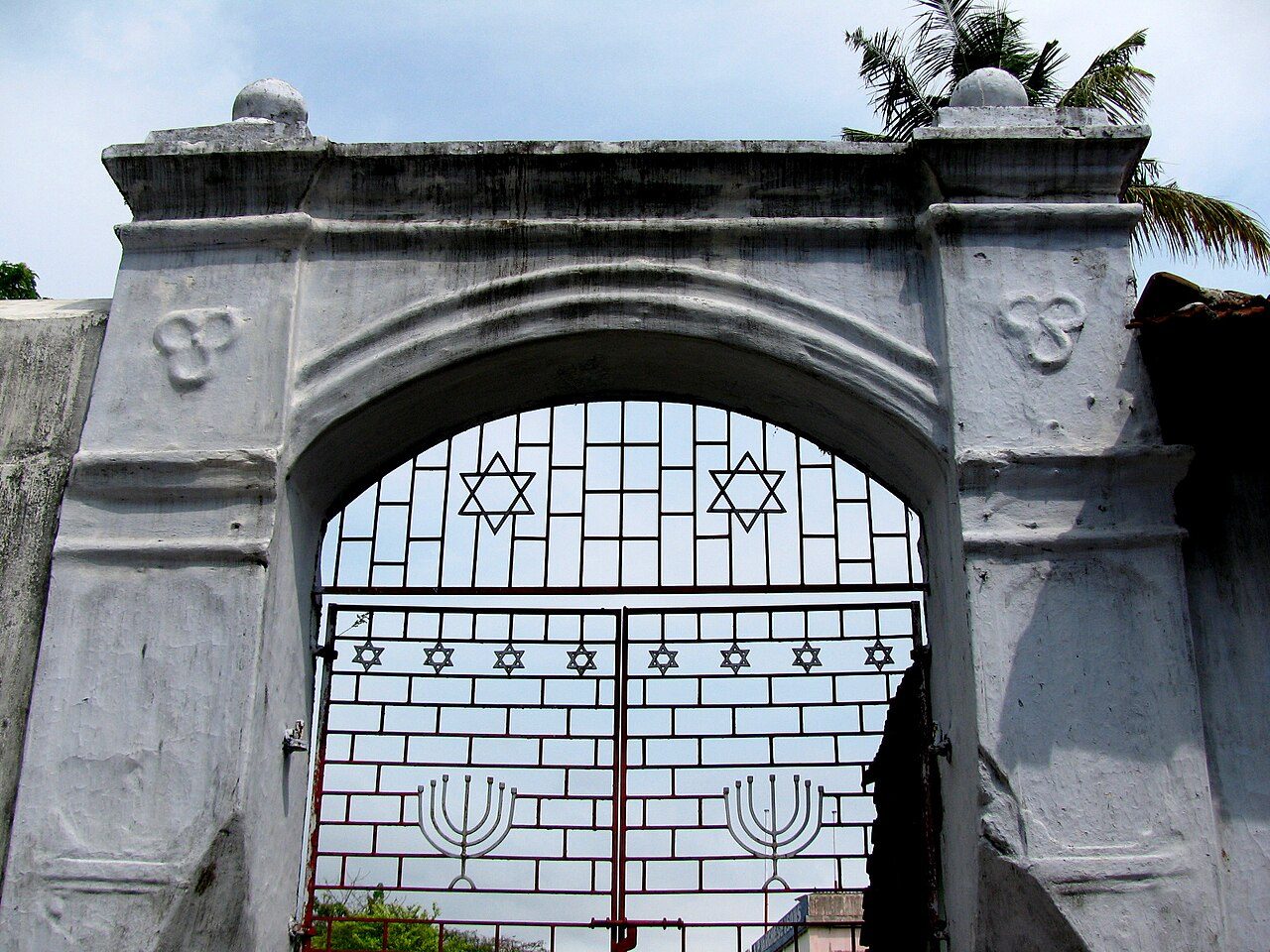
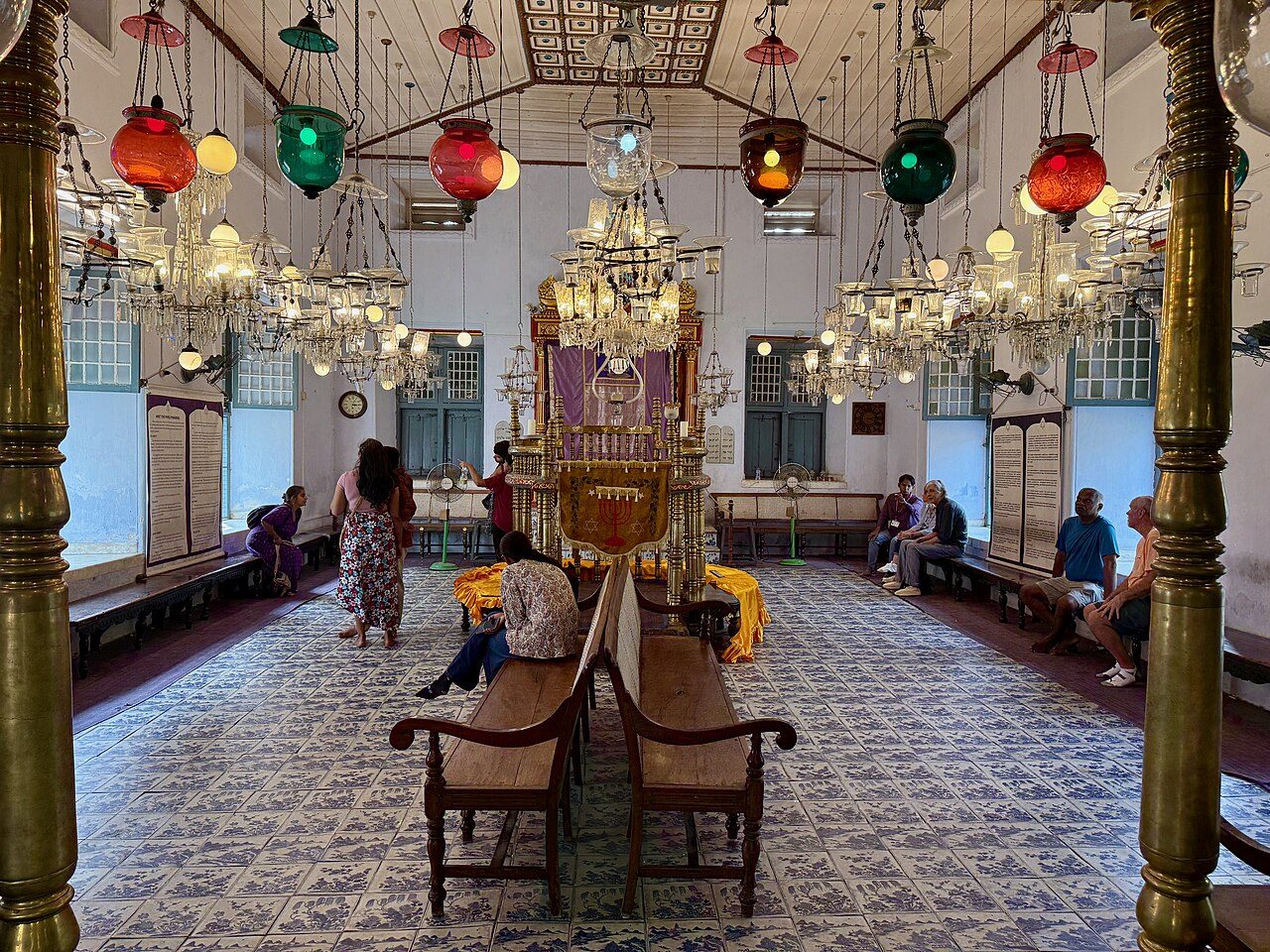
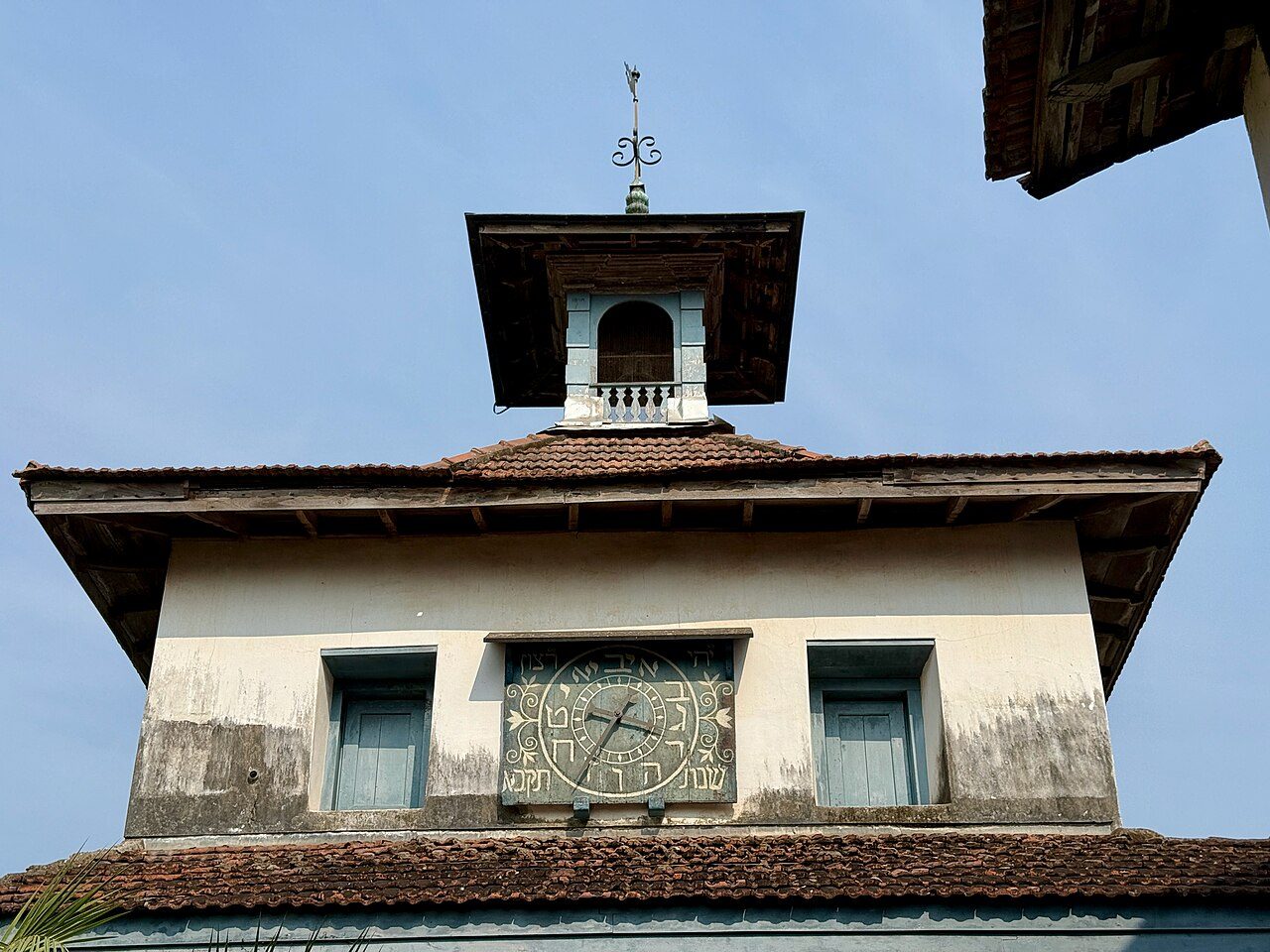
Built in 1568 by Sephardic Jews who had come to Kochi from Spain, Portugal and the Middle East, the Paradesi Synagogue in Jew Town is the oldest active synagogue in the Commonwealth. The floor is laid with hand-painted blue and white tiles brought from Canton in the 18th century, no two of them alike, and Belgian glass chandeliers hang from the ceiling above a gilded bimah. Copper plates recording the privileges granted to the Jewish community by a Kerala ruler around the 10th century are kept here. The clock tower outside was added in 1760 and has faces in Hebrew, Roman and Malayalam numerals. It is closed on Saturdays and Jewish holidays, and shoes must be left at the door.
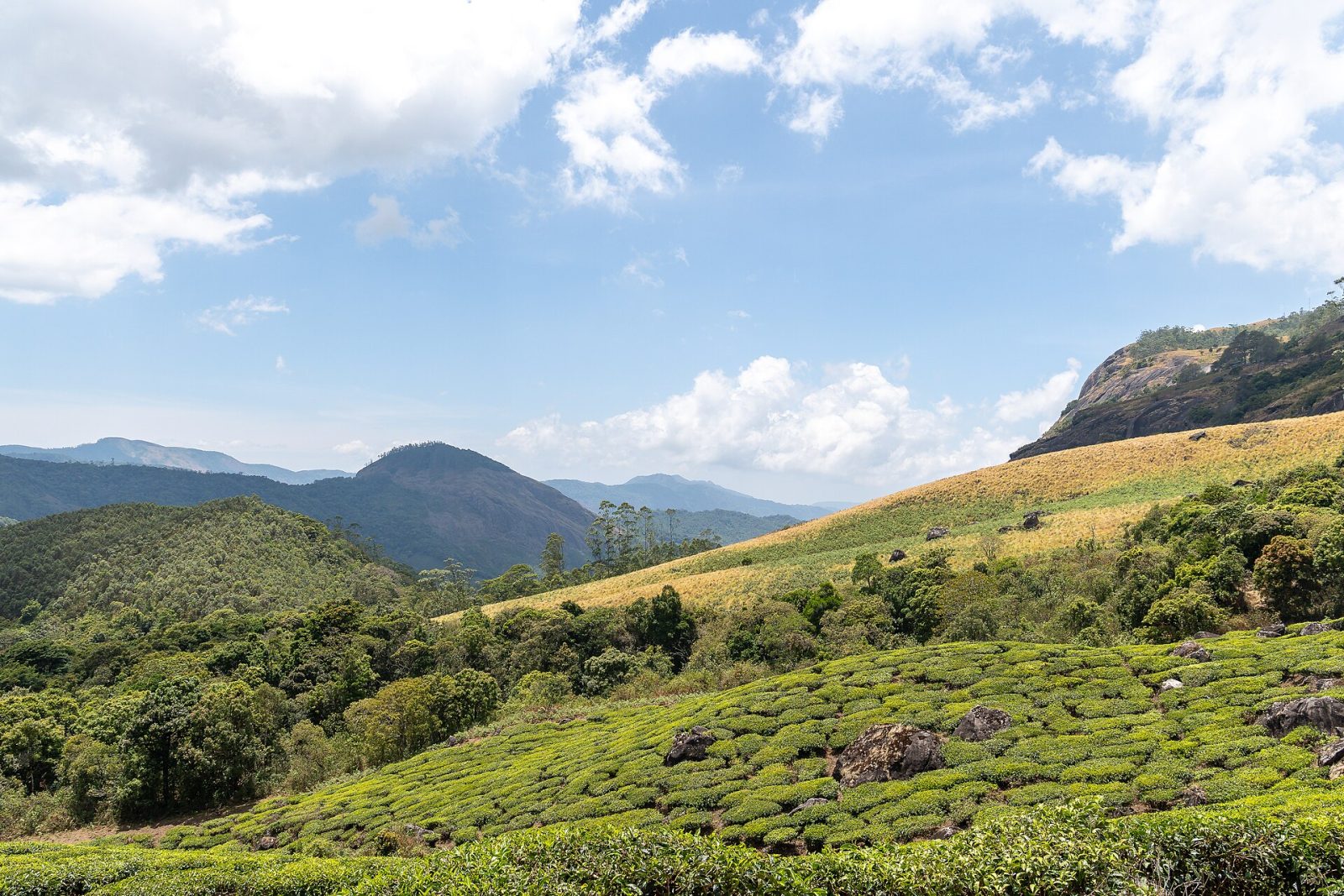
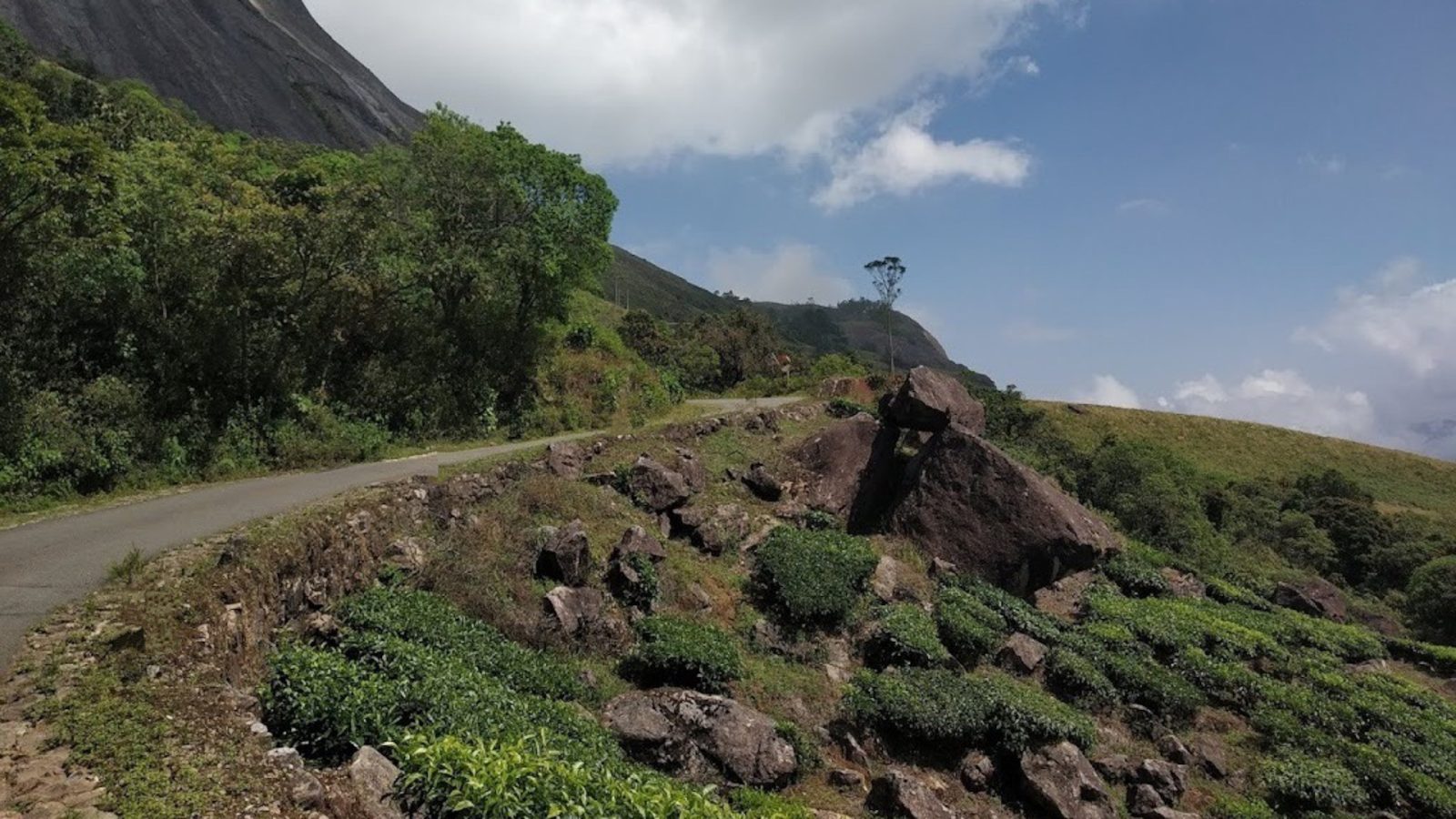
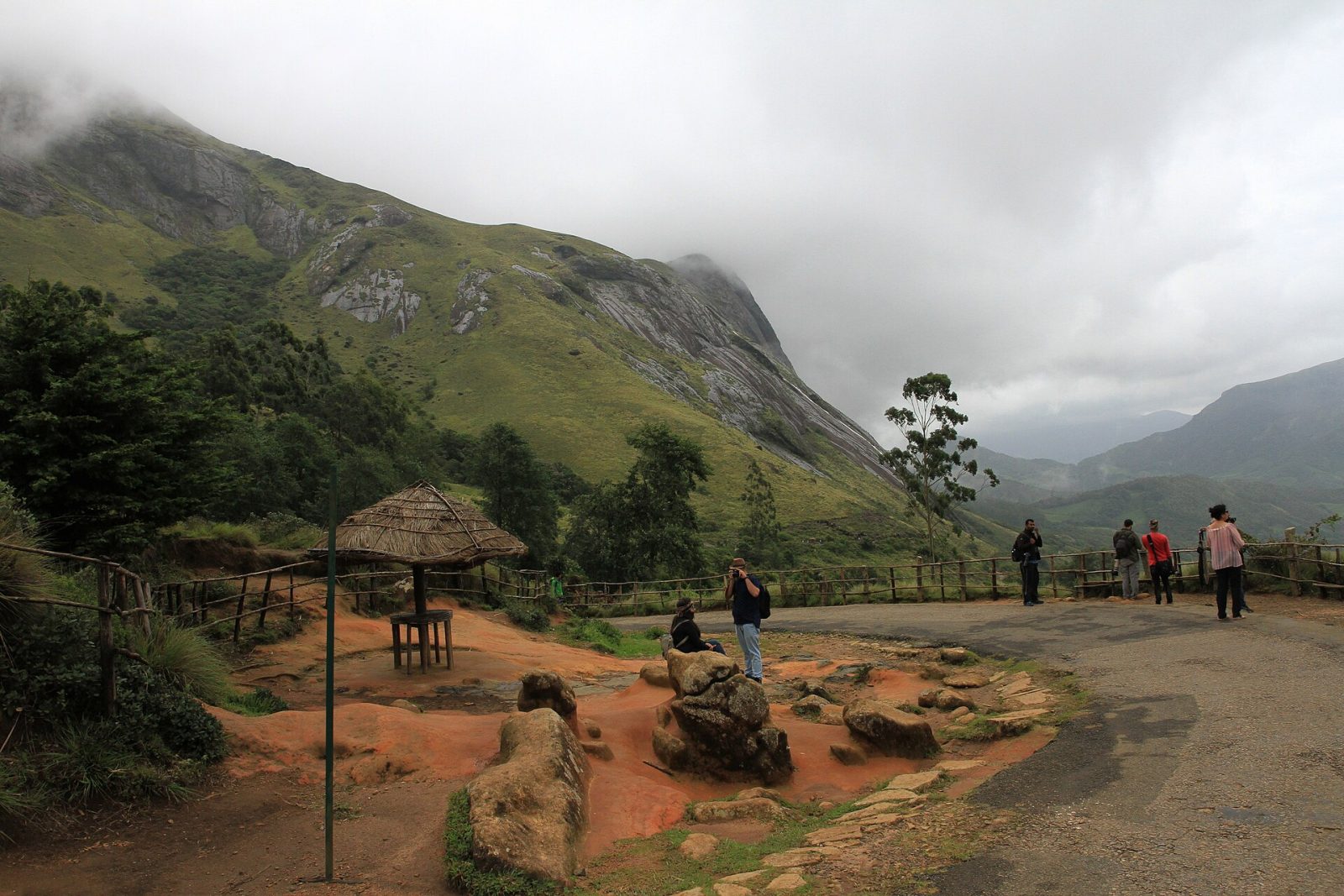
Eravikulam, above Munnar in Idukki district, was Kerala's first national park and protects the largest surviving population of the Nilgiri tahr, a wild mountain goat found nowhere else. The park's rolling grasslands and sheltered shola forests sit at over 2,000 metres, and Anamudi, the highest peak in south India at 2,695 metres, rises inside it. Visitors are taken by bus to the Rajamala area, from where a short walking trail leads among tahr that are used to people and often graze close by. Every twelve years the hillsides turn blue when the neelakurinji flowers bloom together. The park closes for the calving season, roughly February to March, so check before you go.
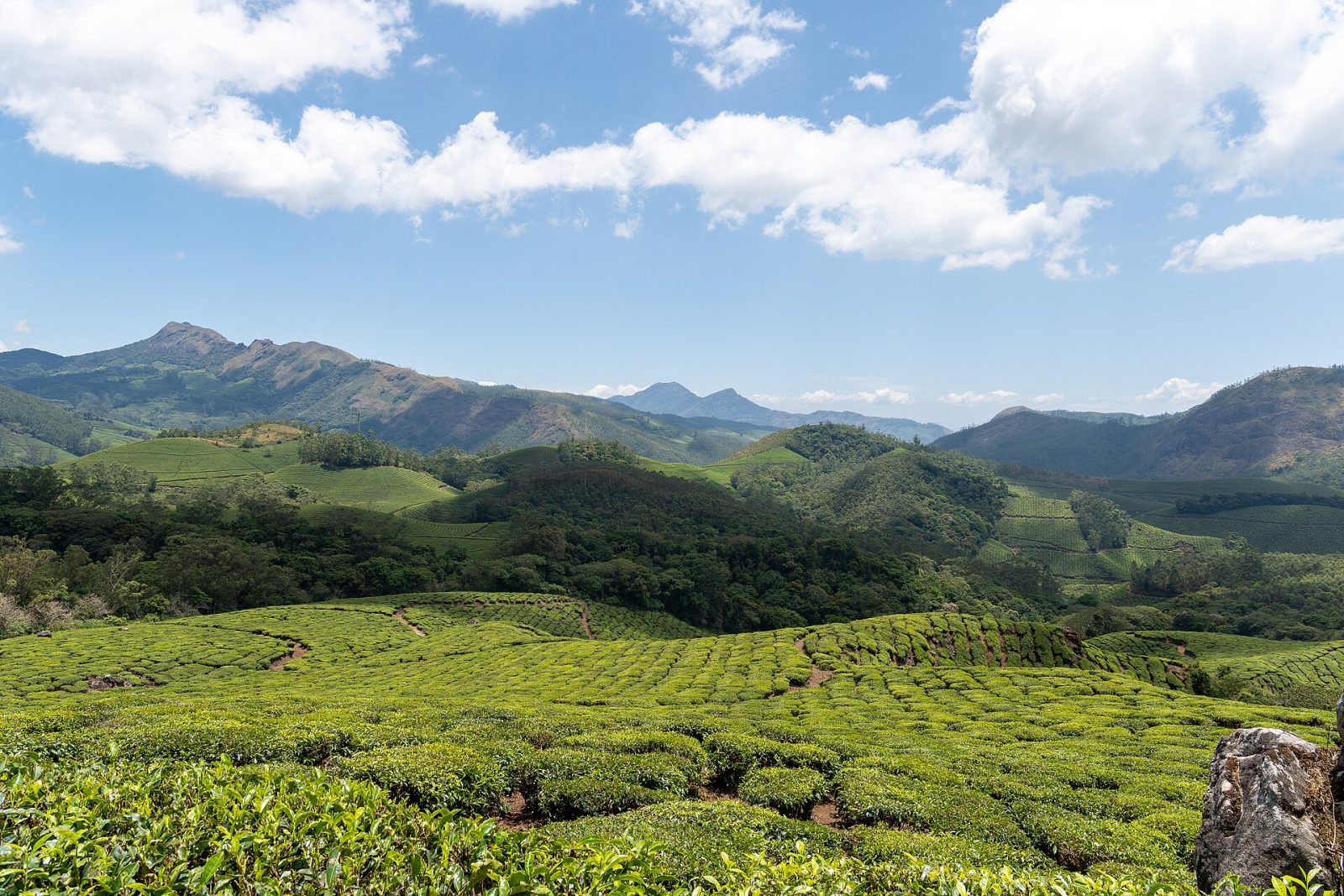
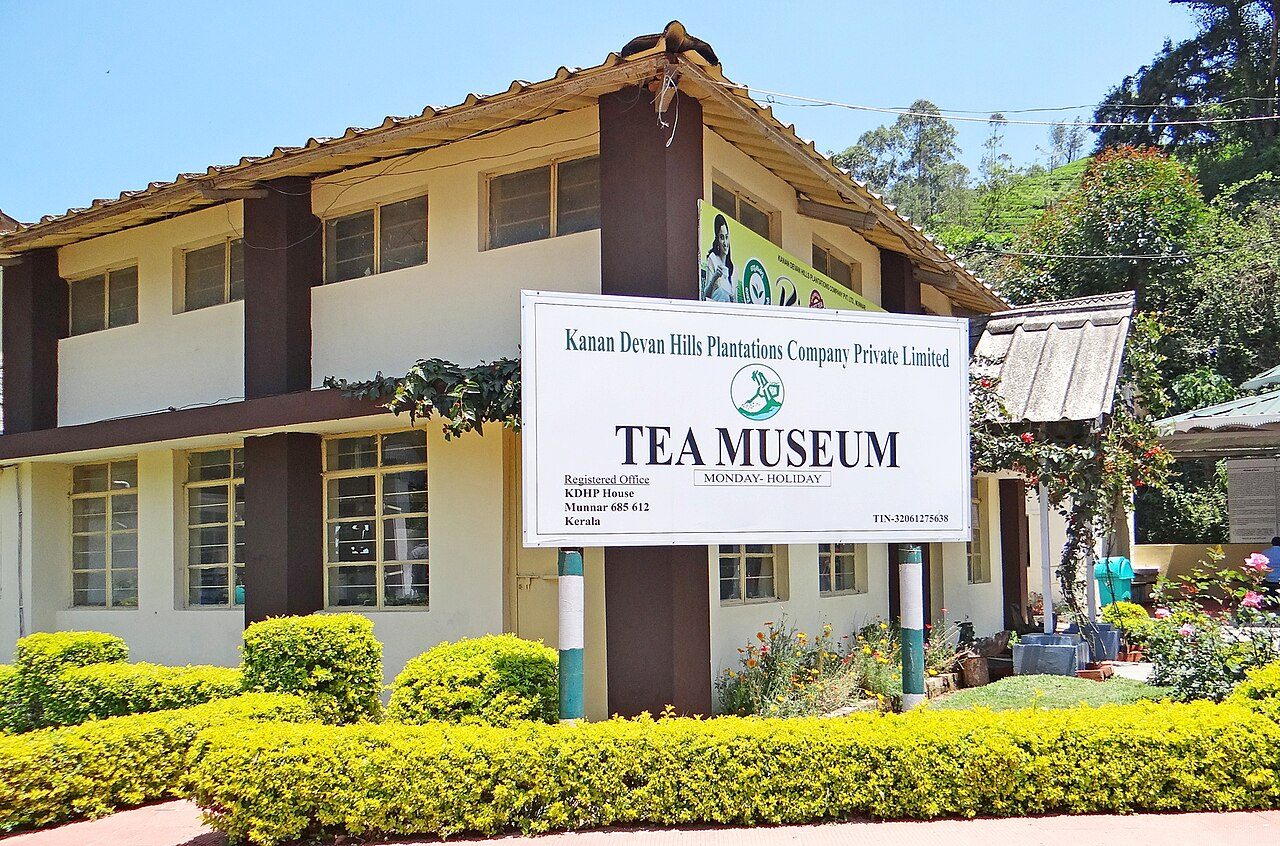
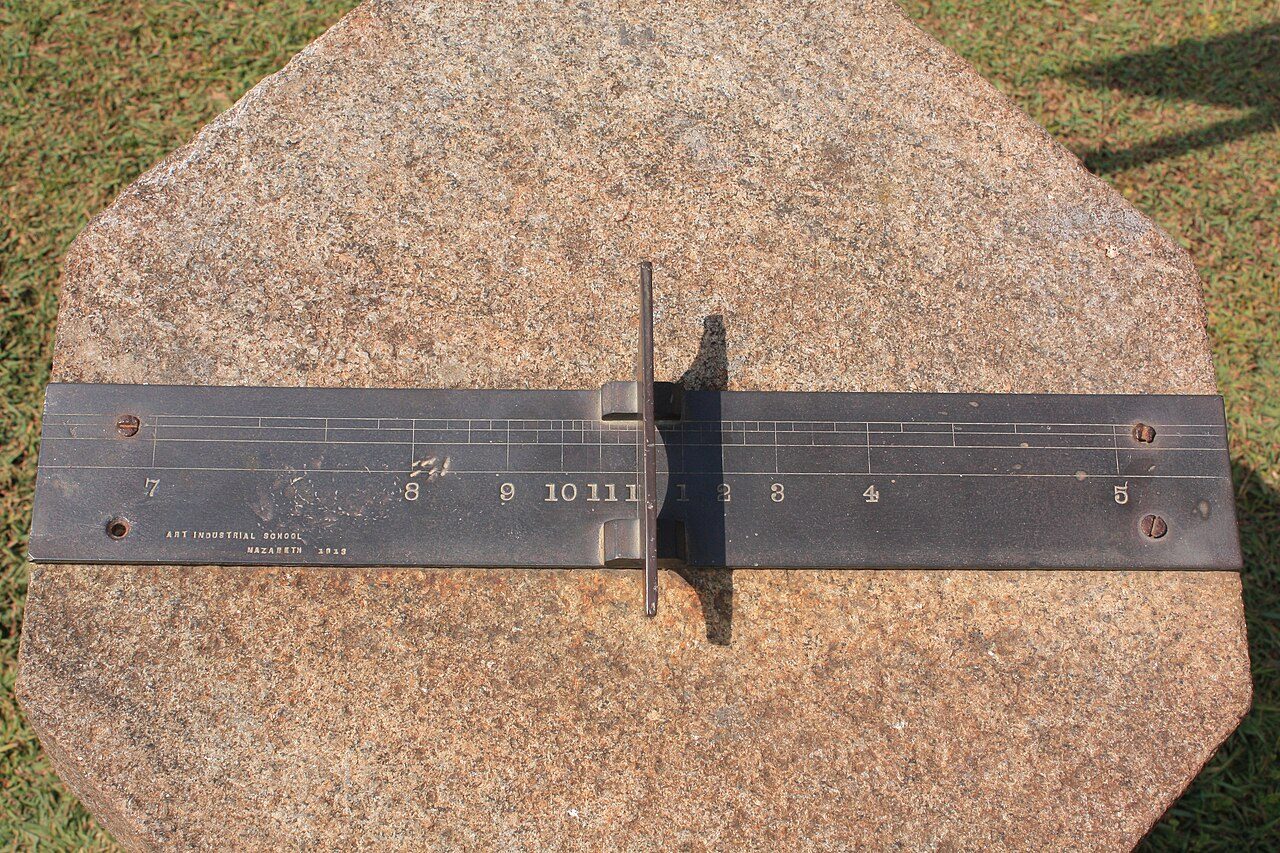
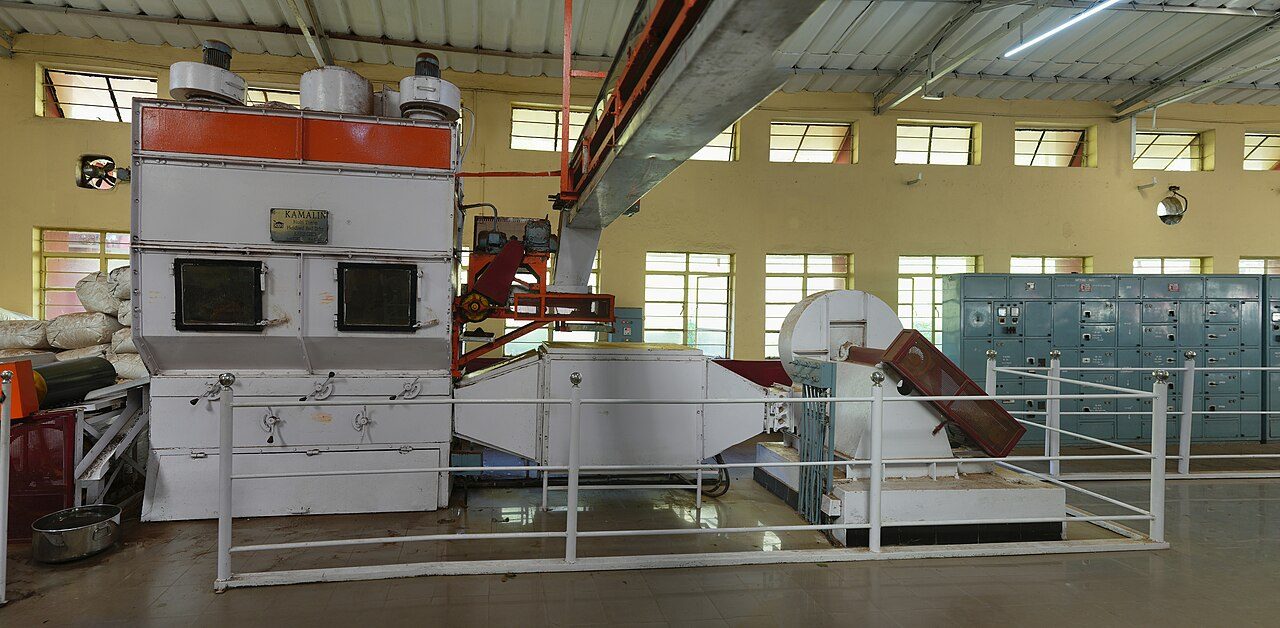
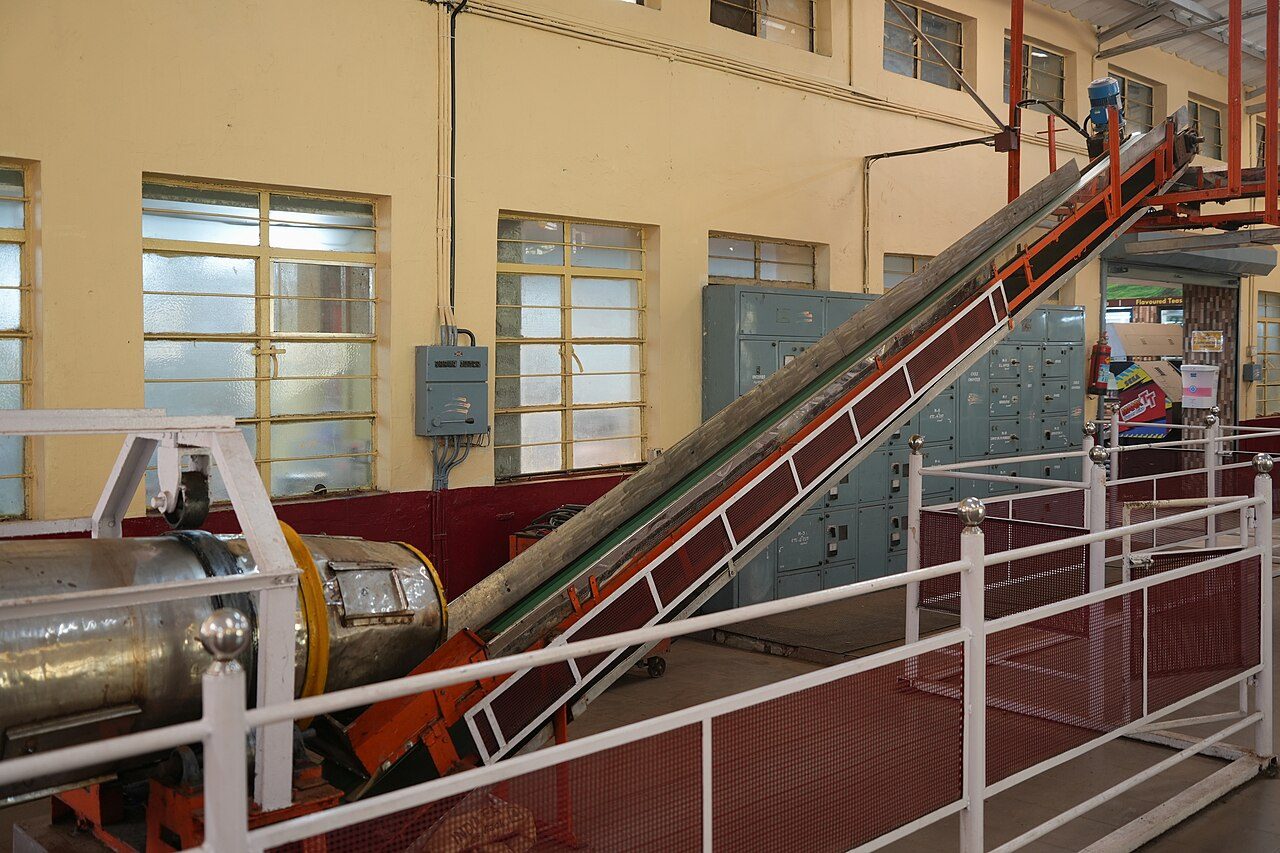
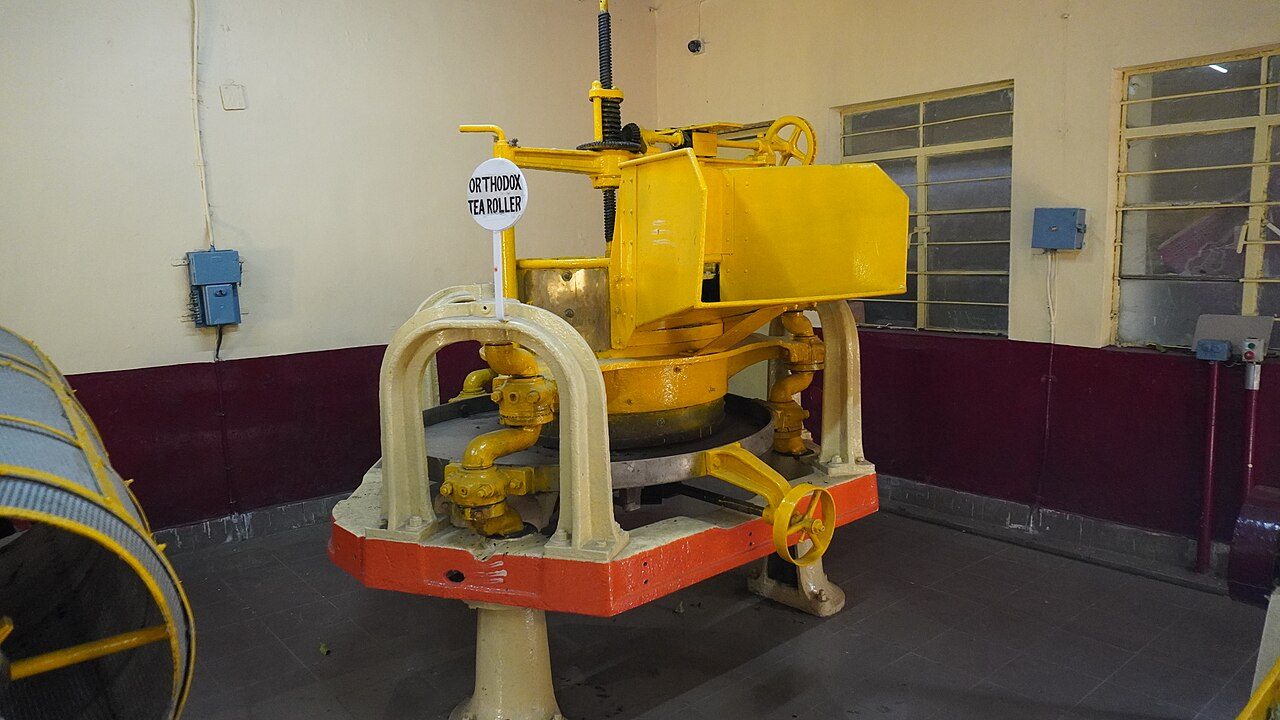
The KDHP Tea Museum at Nallathanni estate, about 2 km from Munnar town, was opened by Tata Tea in 2005 and is the only museum of its kind in India. It traces the story of how tea came to the high ranges from the 1880s, with the original rollers, a 1905 tea-roller, the 1913 sundial from Pettumudi estate and the old Rotorvane, alongside photographs and documents from the planting years. A working miniature factory shows the full CTC process from leaf to cup, ending with a tasting. An orthodox tea manufacturing demonstration runs during the day. The museum is closed on Mondays.
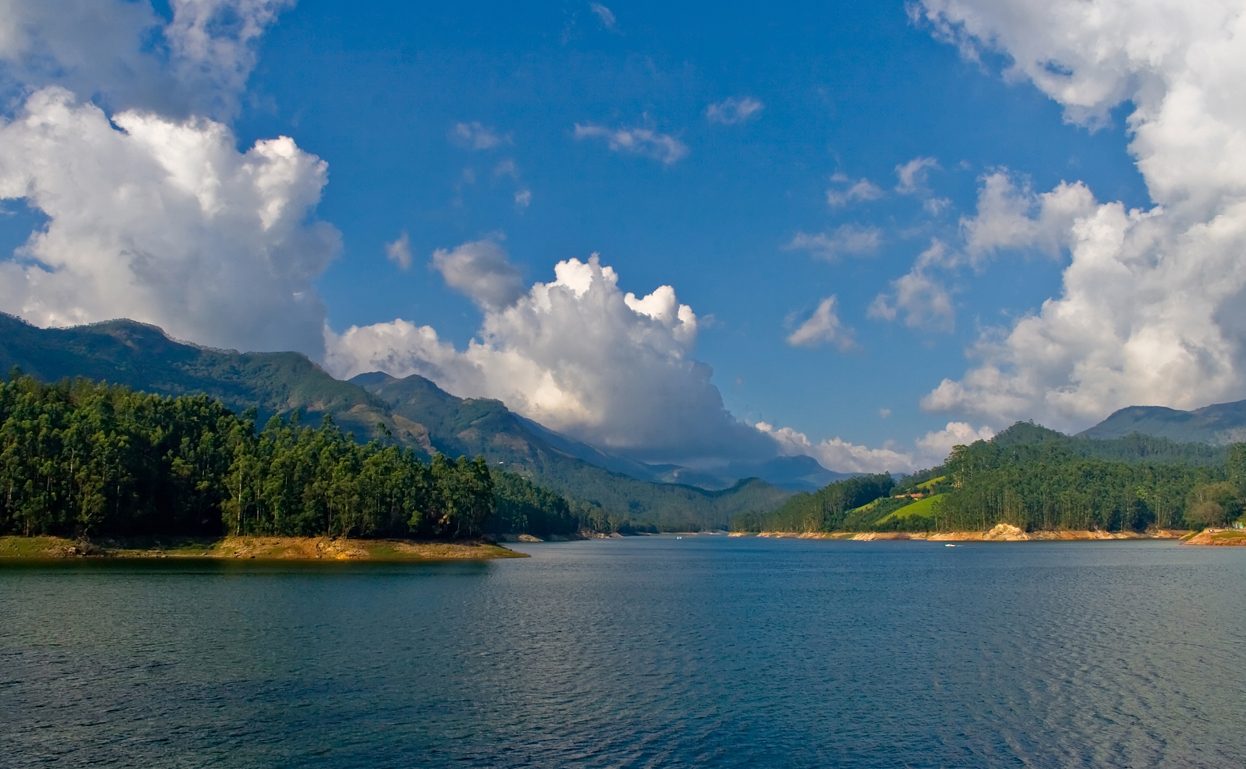
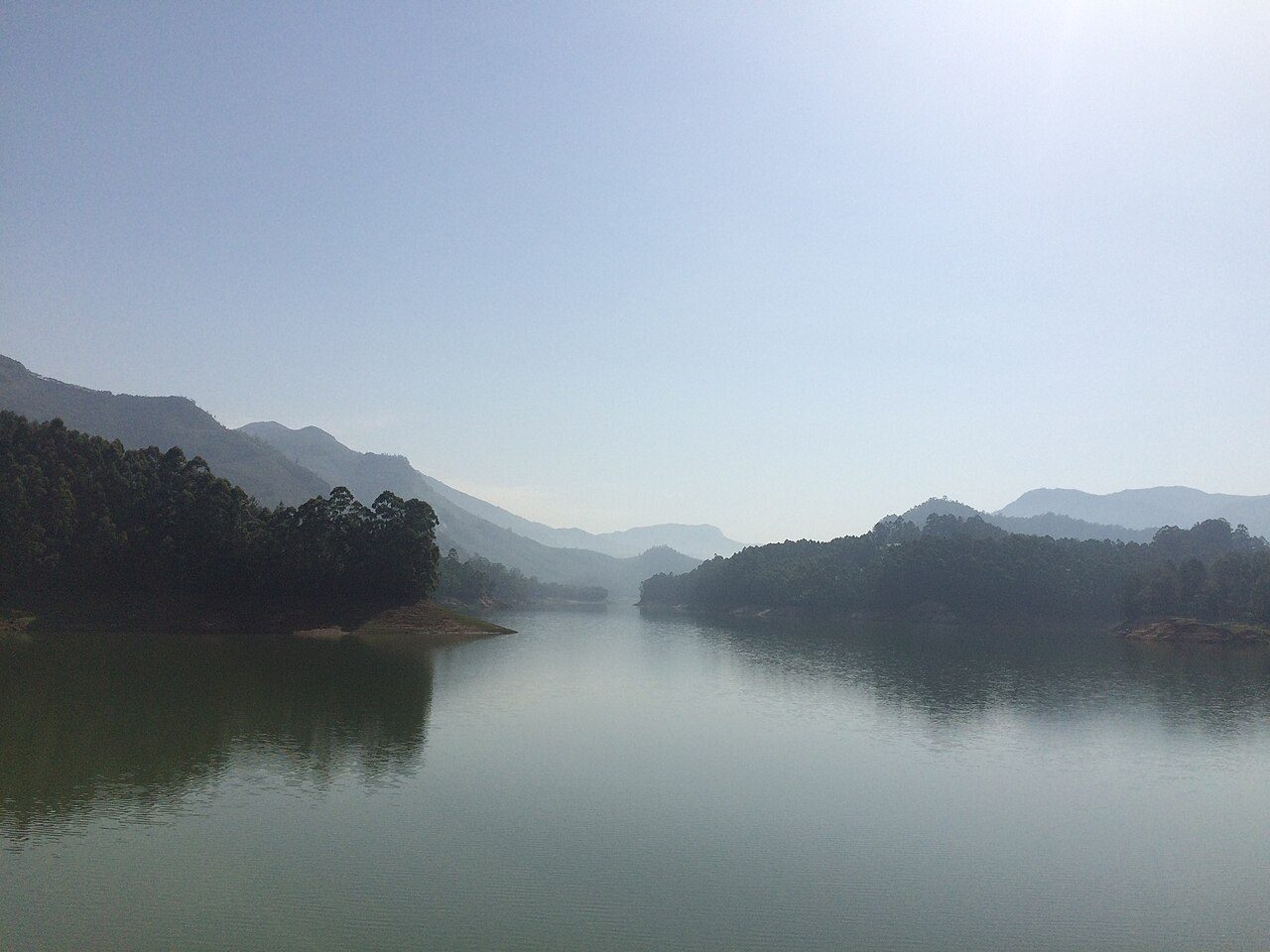
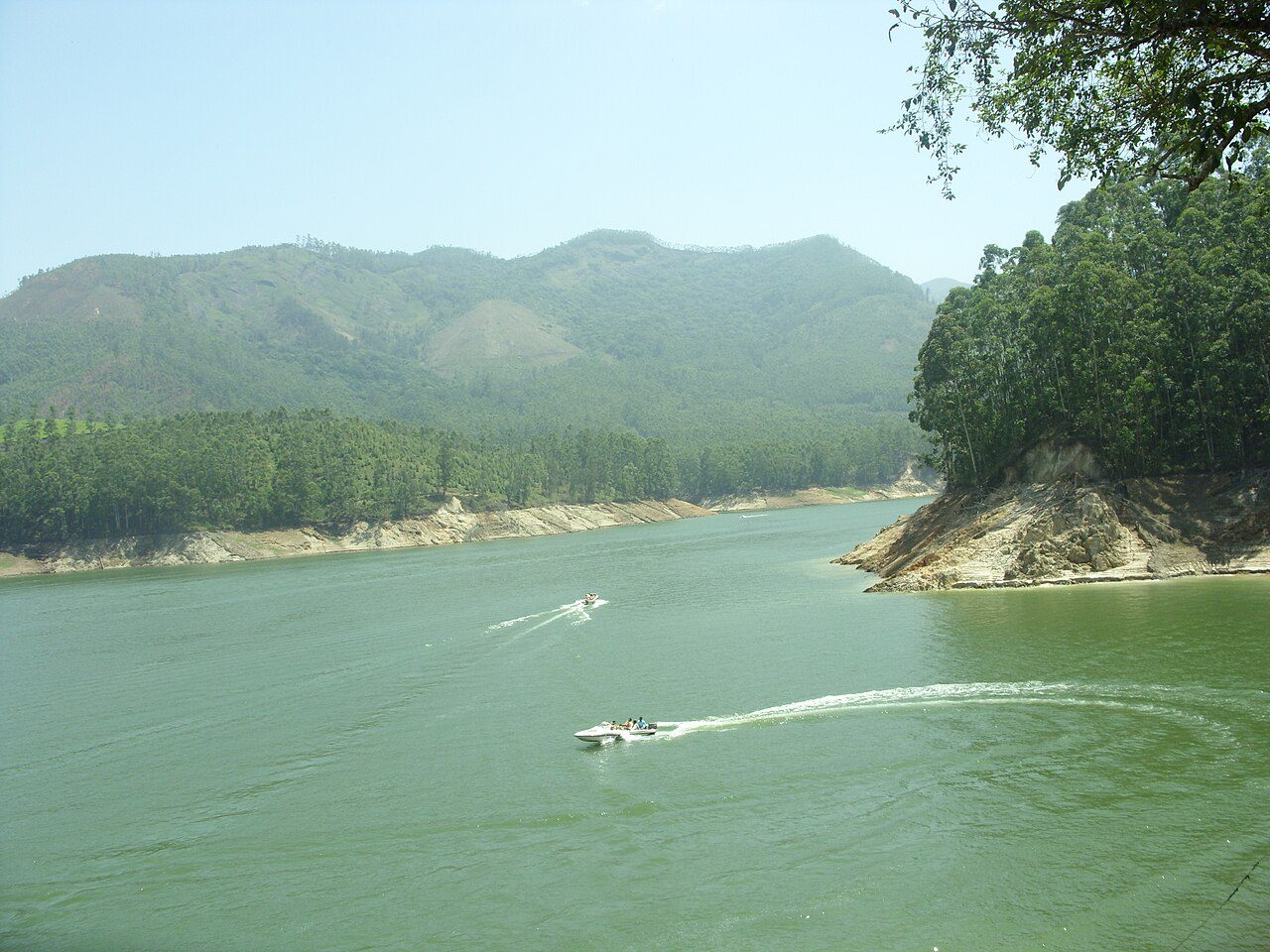
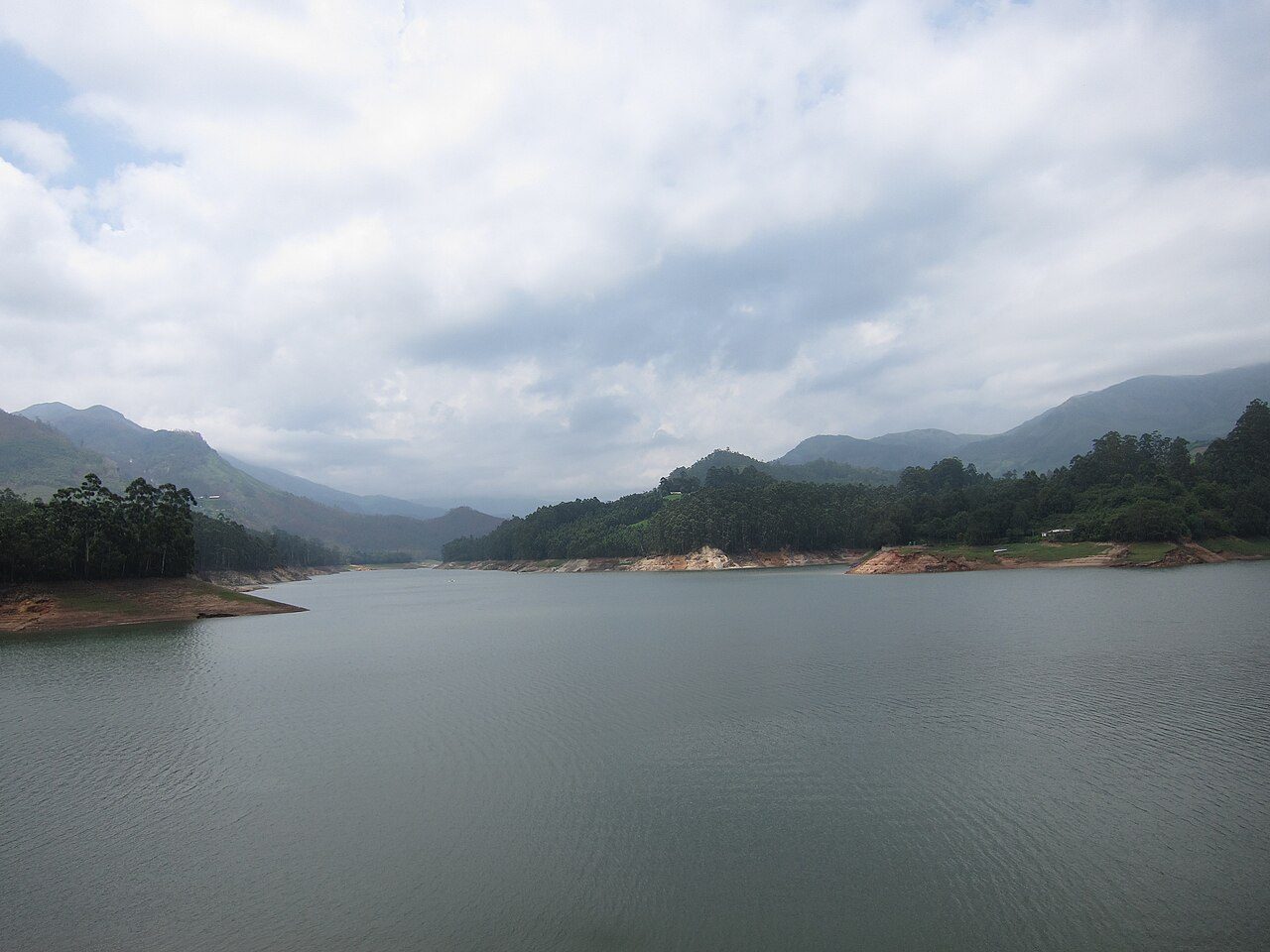
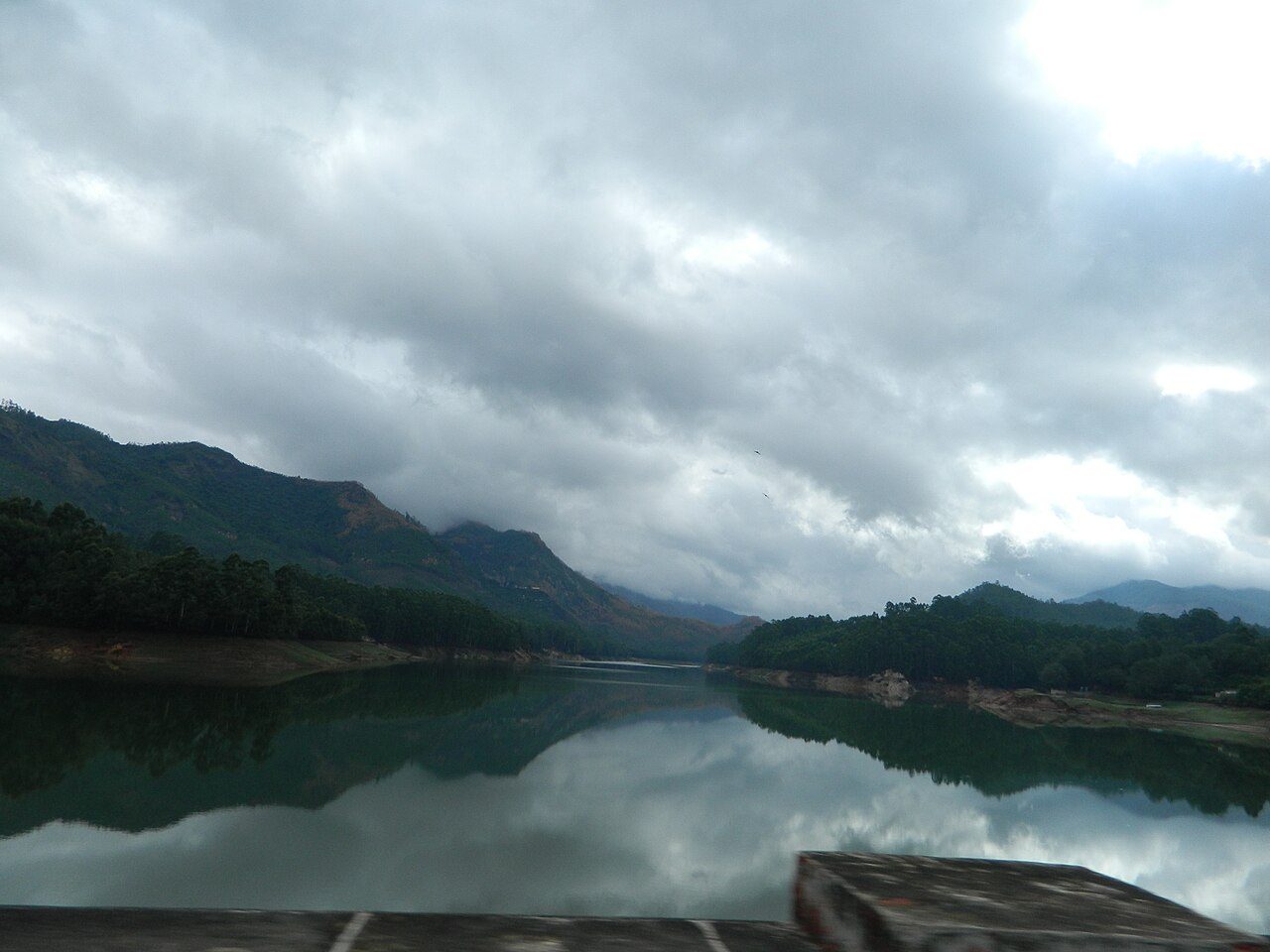
Mattupetty, about 13 km from Munnar at around 1,700 metres, is a concrete gravity dam built in the 1940s to store water for the Pallivasal hydroelectric project. The reservoir sits among tea-covered hills and sholas, and pedal boats and speedboats run on it through the day. Beside the dam is the Indo-Swiss livestock project, a government cattle farm where high-yielding cross-bred cows are raised and visitors can see the dairy at set hours. The stretch of road between Munnar and Mattupetty, past Photo Point, is one of the most photographed in Kerala. Early morning here is often misty and cold enough to need a jacket even in summer.
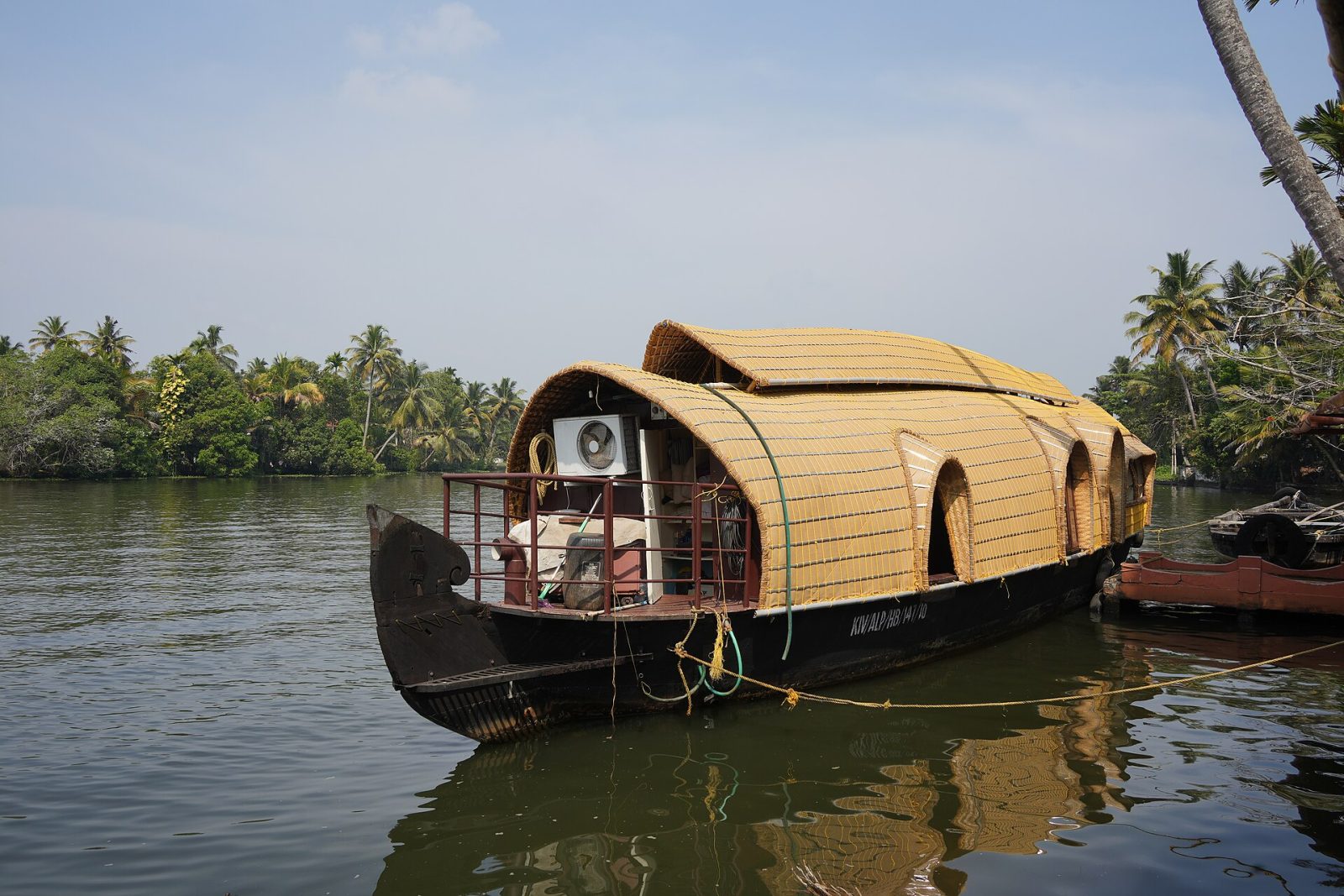
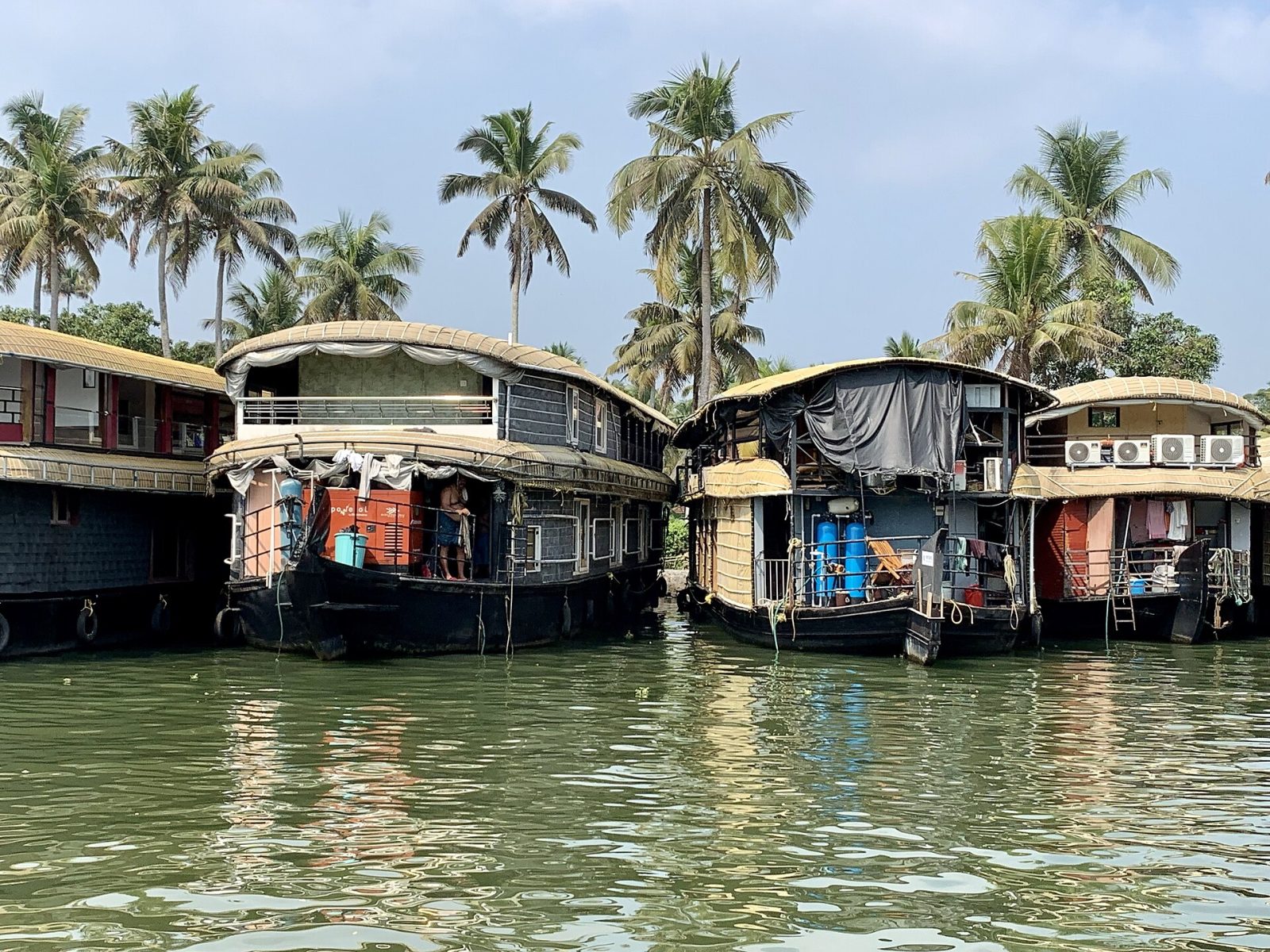
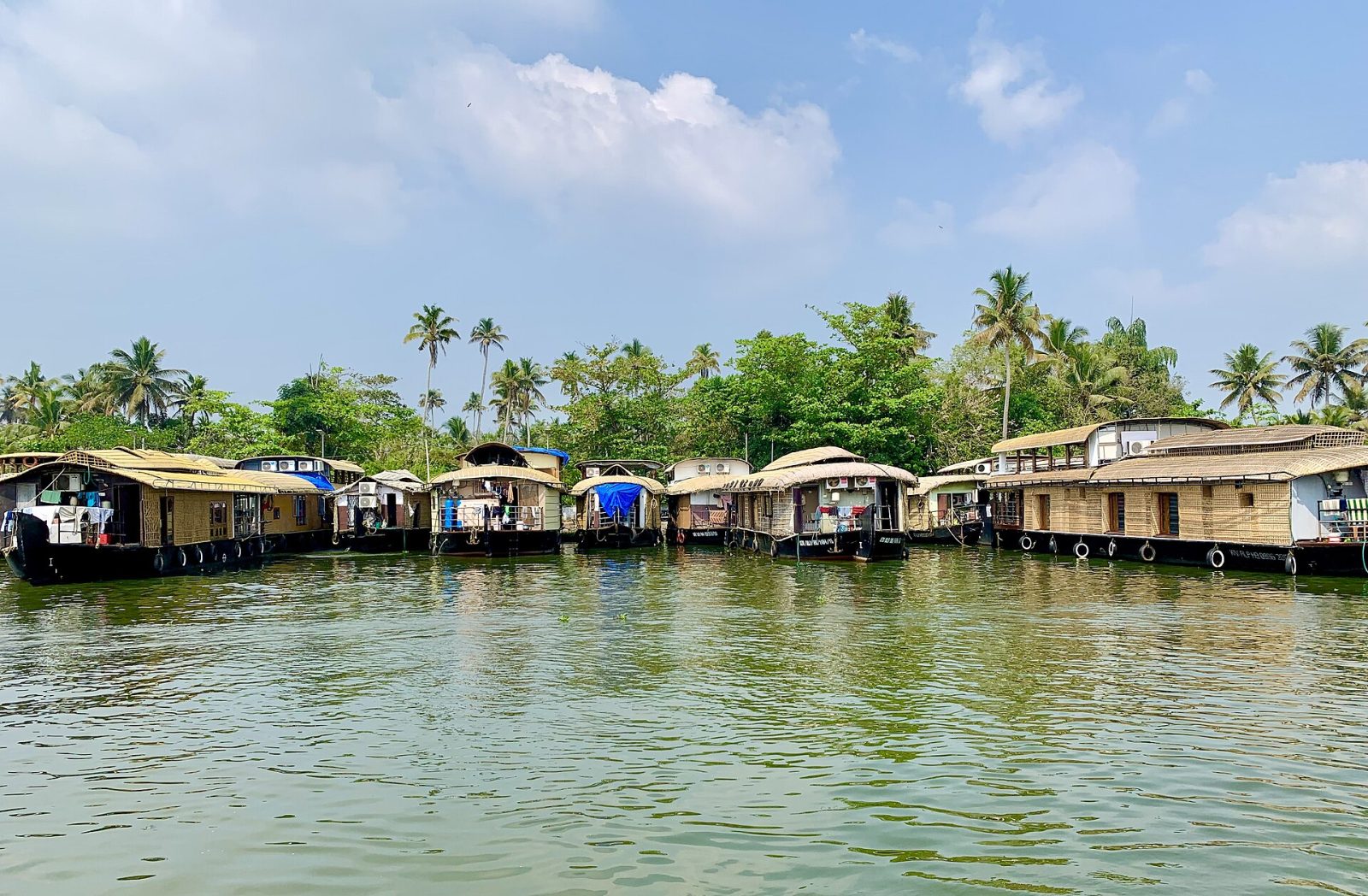
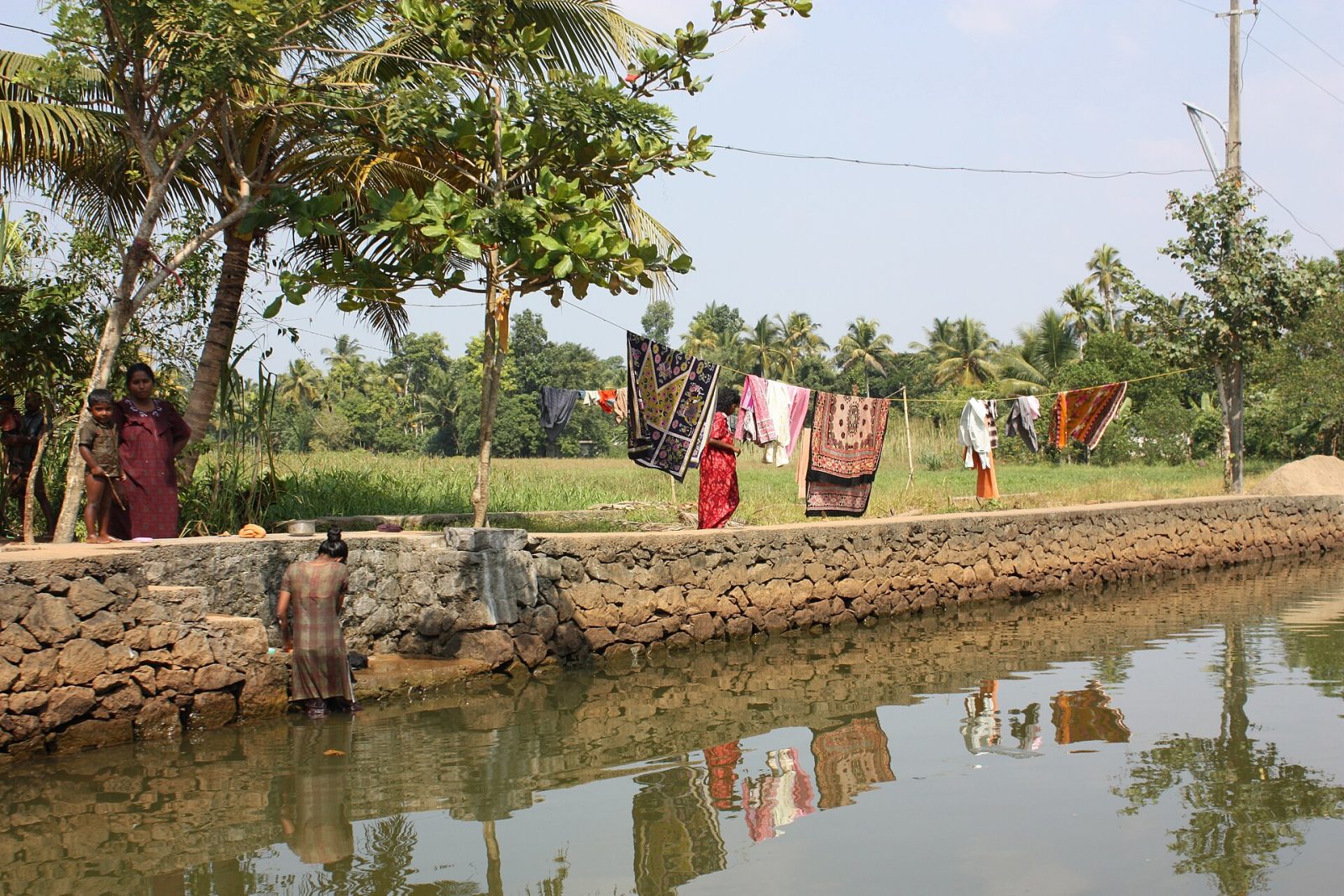
The Alappuzha backwaters are a maze of canals, lagoons and lakes that run behind the coast of Alappuzha, once known as Alleppey. For centuries these waterways were the highways of Kerala, carrying rice, coir and spices from the villages to the ports, and the big kettuvallam rice barges you now see as houseboats were built for that trade. Today a slow cruise past paddy fields lying below sea level, coconut palms and small village churches and temples is the classic Kerala experience. Overnight houseboats, smaller shikara boats and the cheap public ferry from Alappuzha to Kottayam all cross the same water. The season runs from about November to February, and the snake boat races in the monsoon months draw huge crowds.
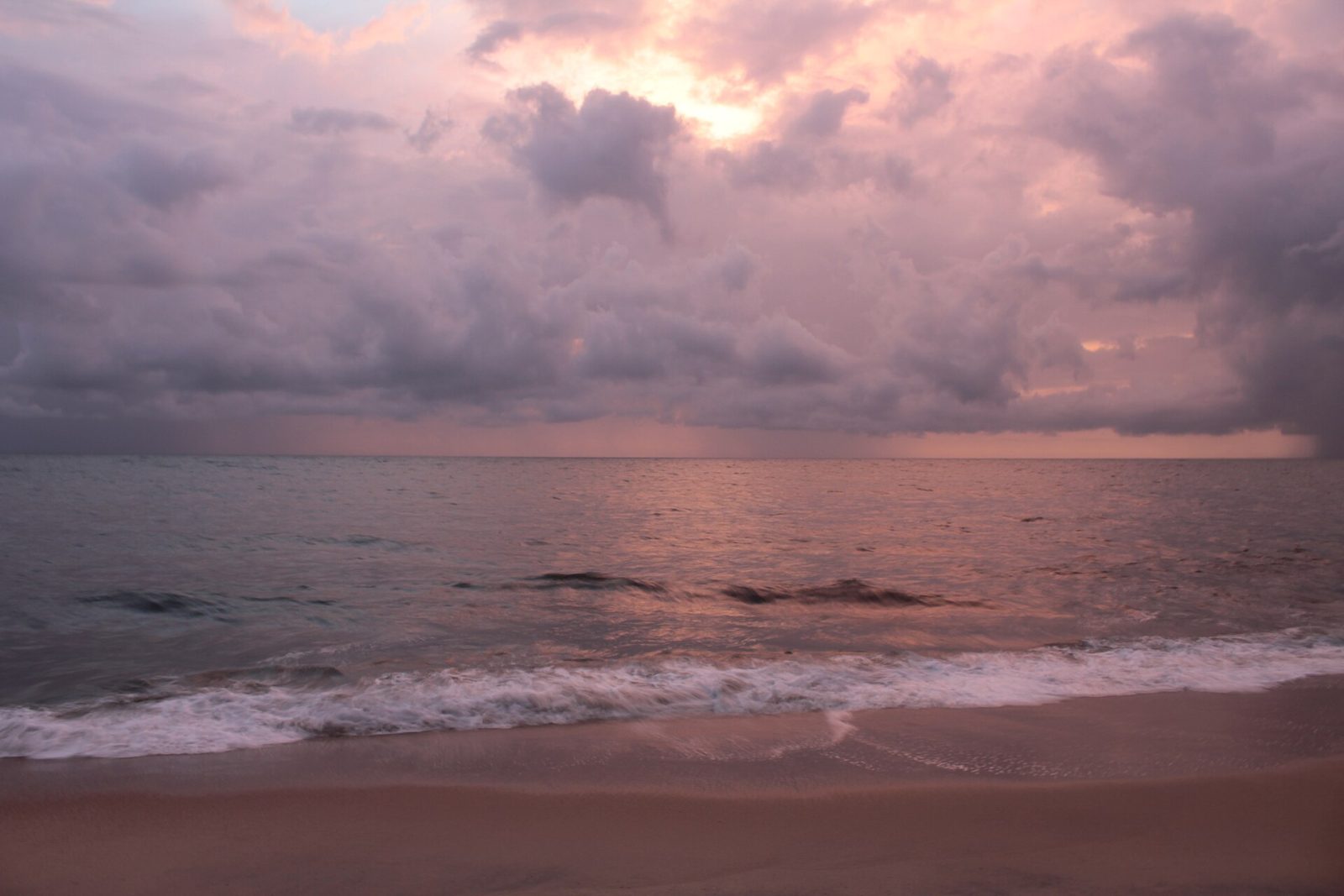
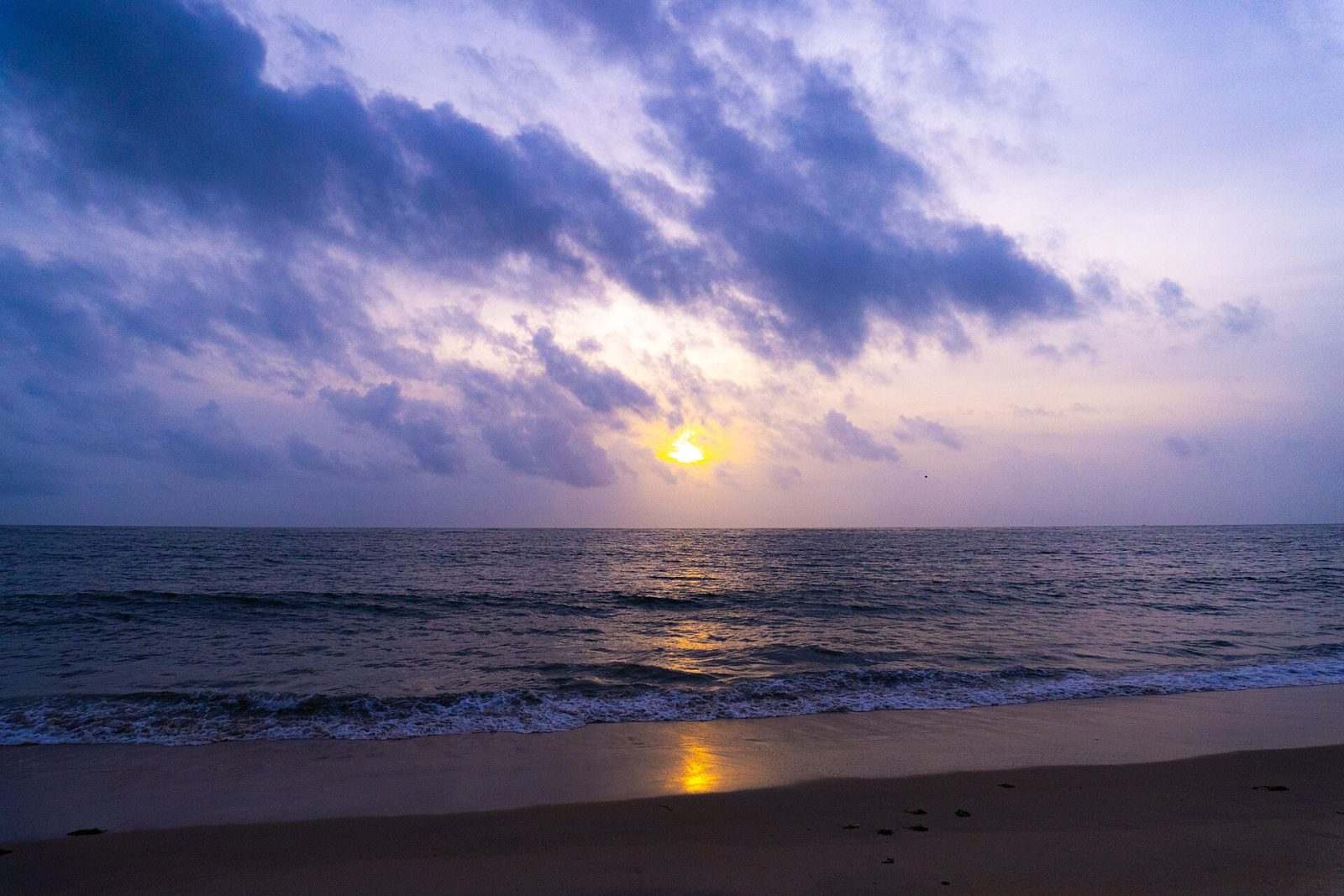
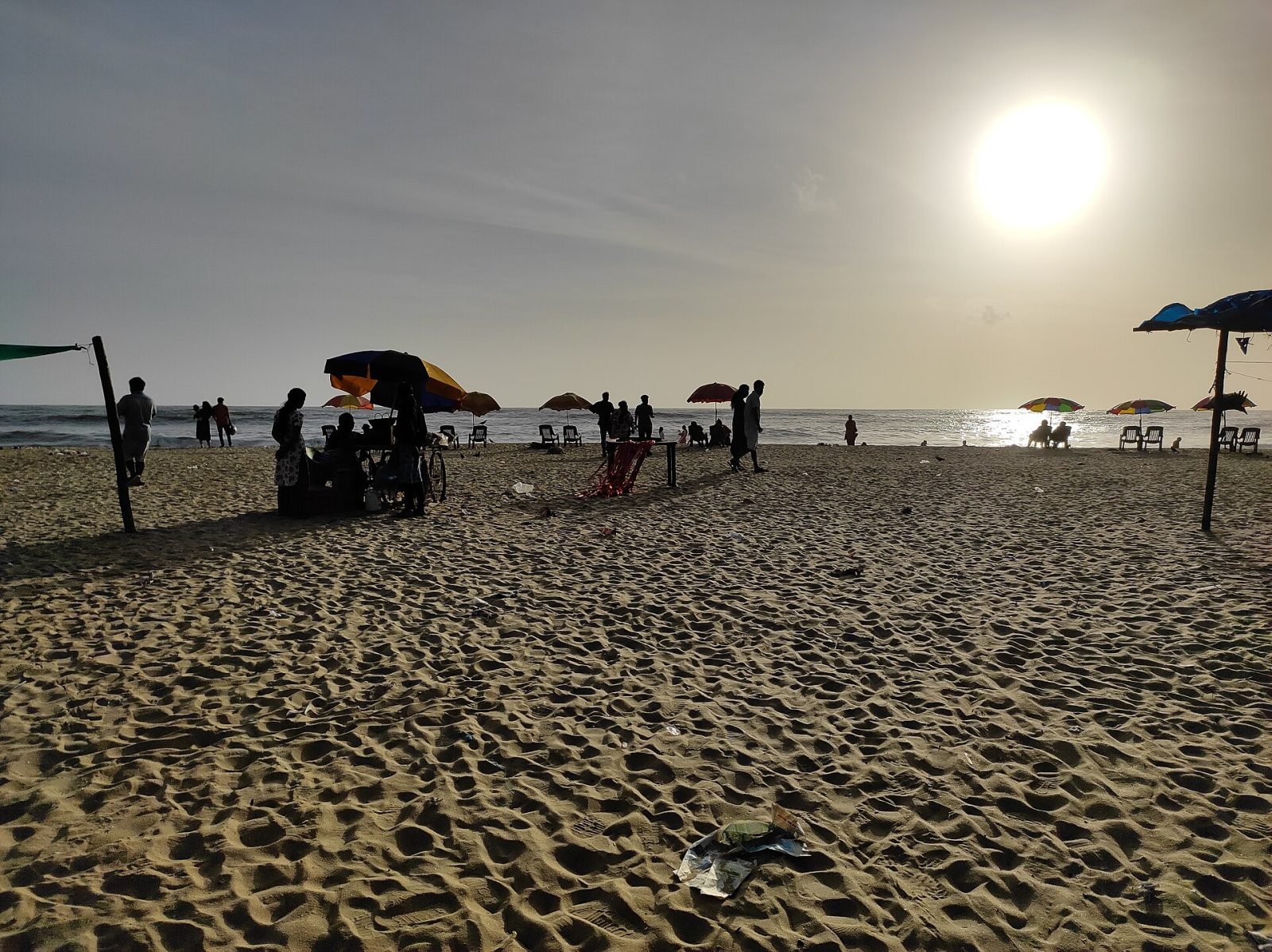
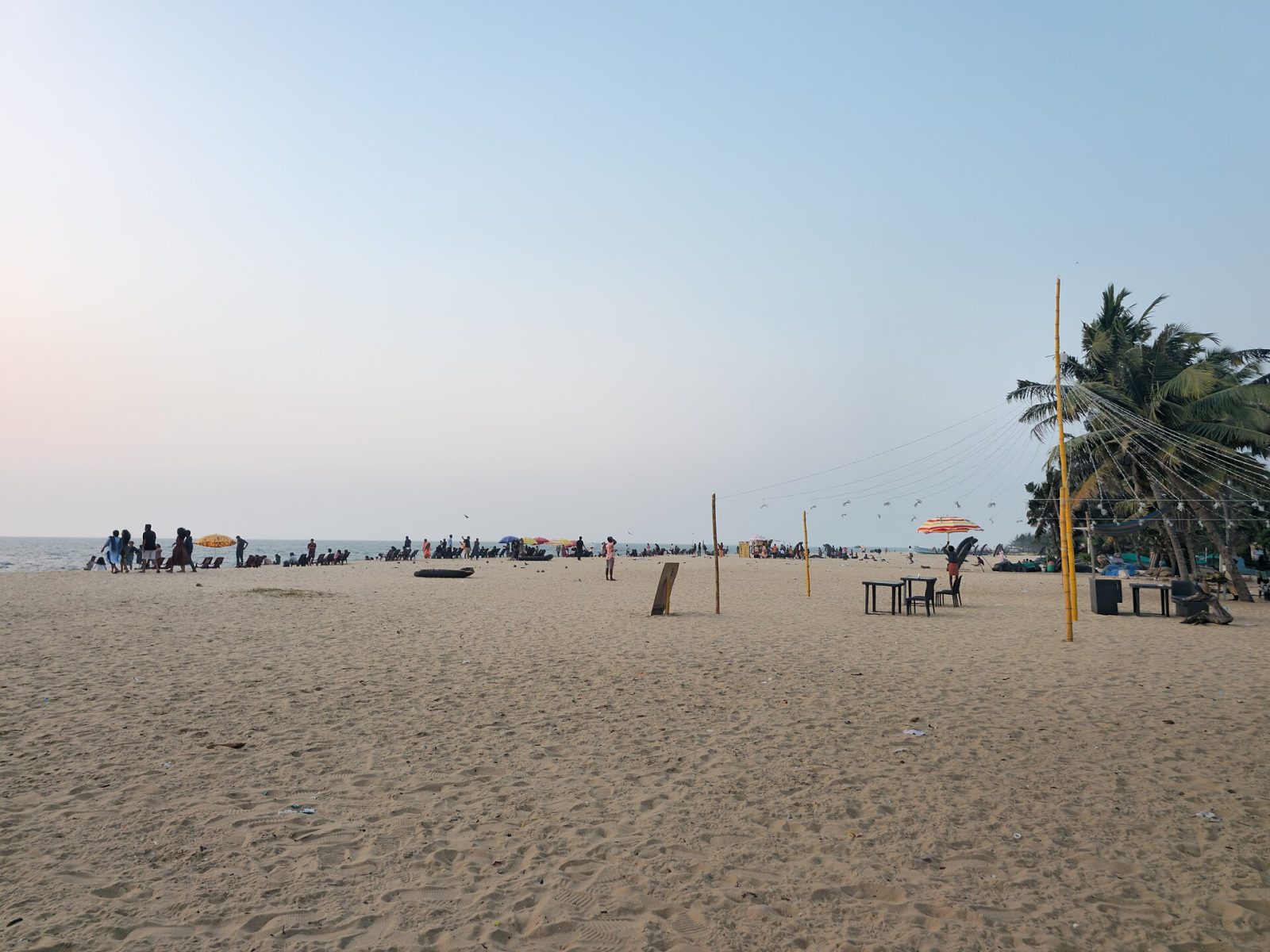
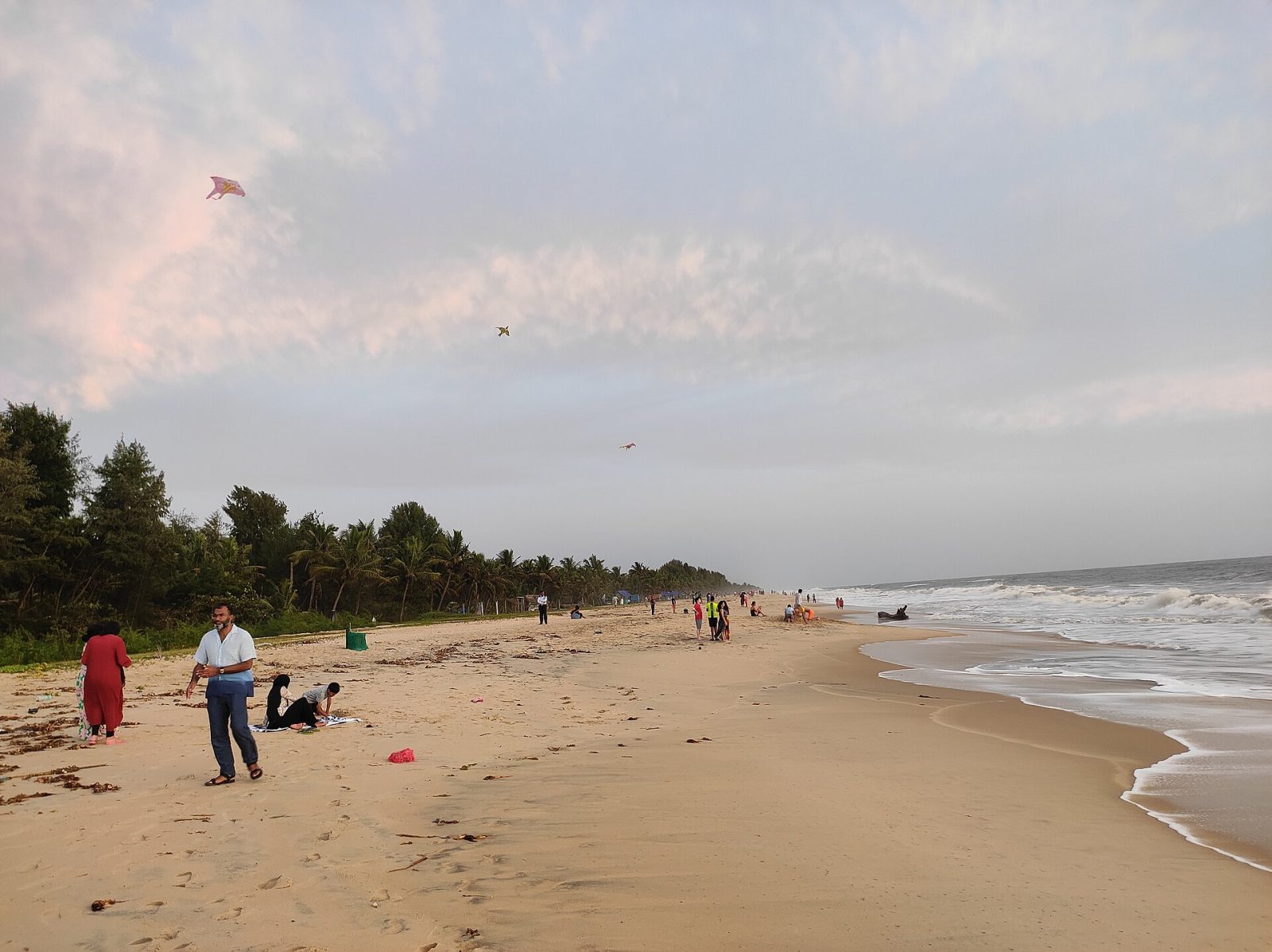
Marari, named after the fishing village of Mararikulam, is a long stretch of palm-backed sand about 15 km north of Alappuzha. It is much quieter than Kerala's famous beaches: the daily rhythm is still set by the fishermen who launch their boats at dawn and pull the nets in by hand. Behind the sand are coconut groves, small homestays and a few beach resorts, and bicycles are the usual way to get around. The sea is clean and the sunsets are wide open, with almost no crowds. Come between November and March, and buy fish straight off the boats in the morning.
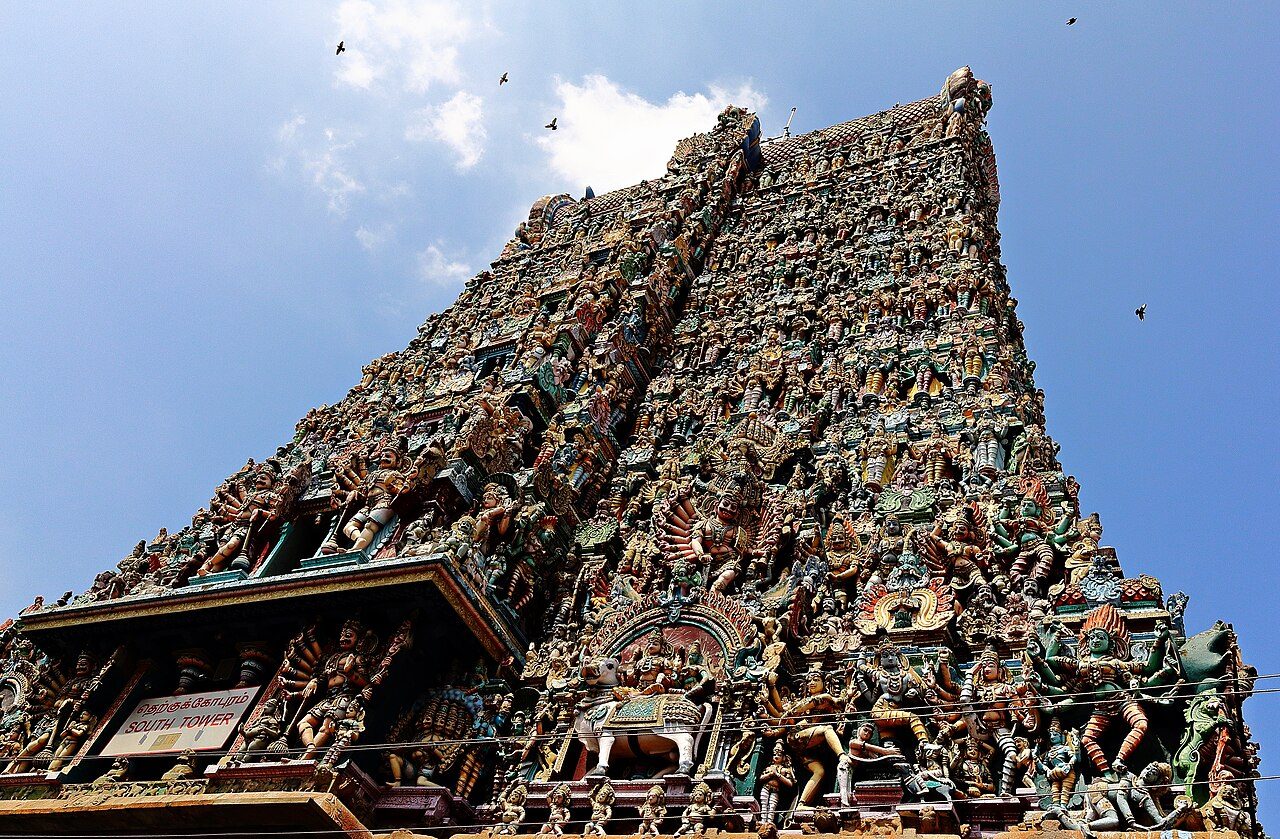
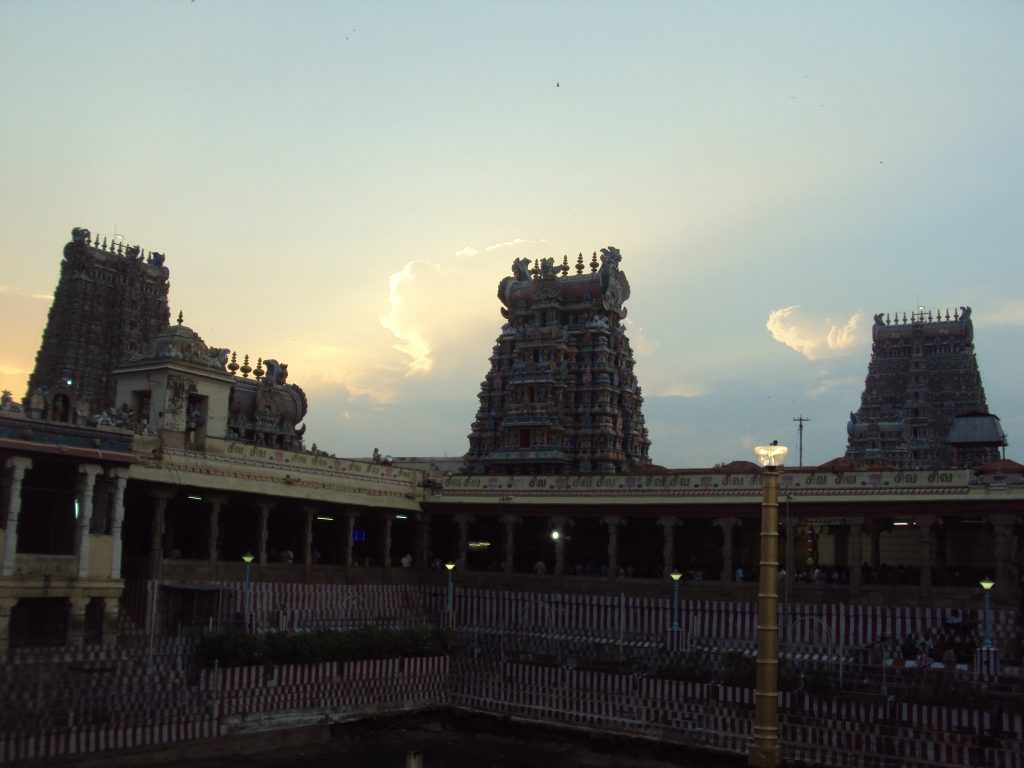
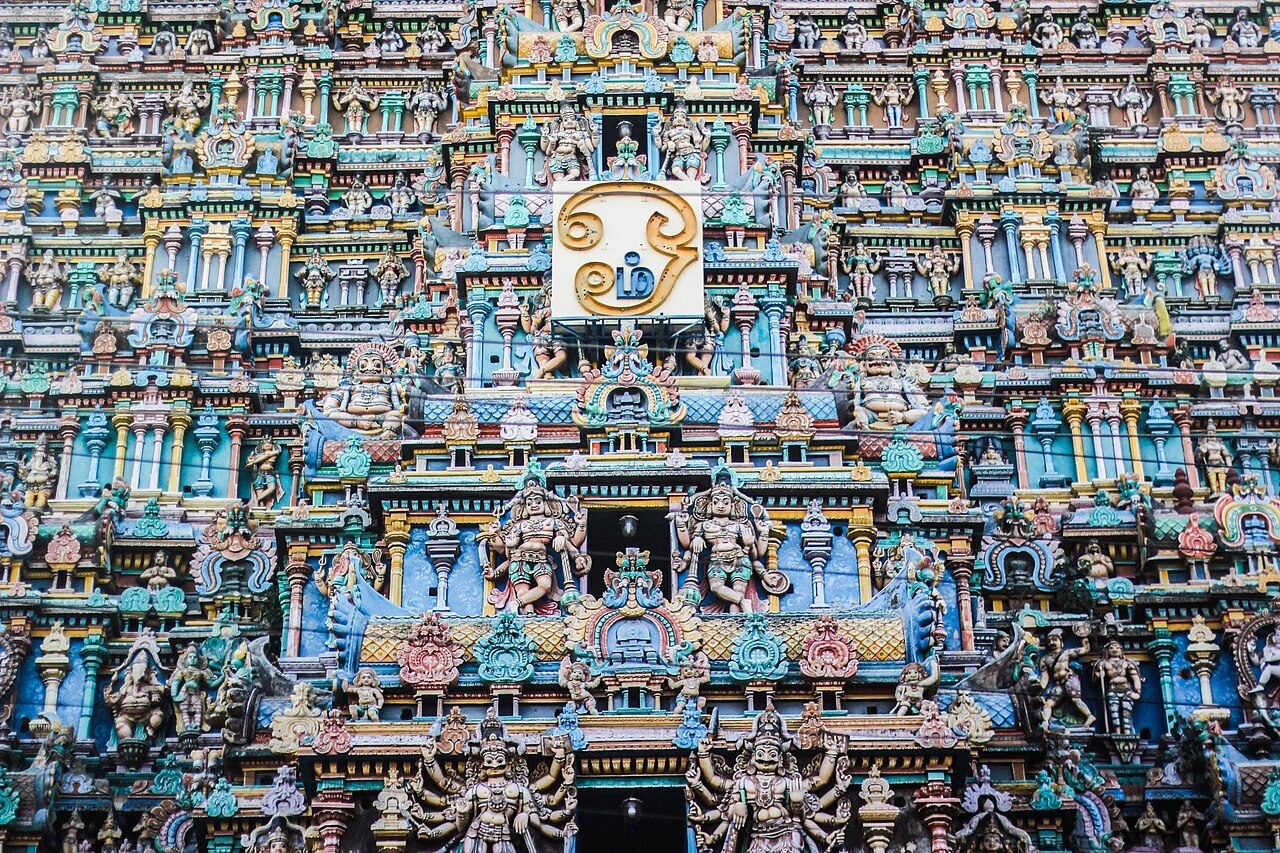
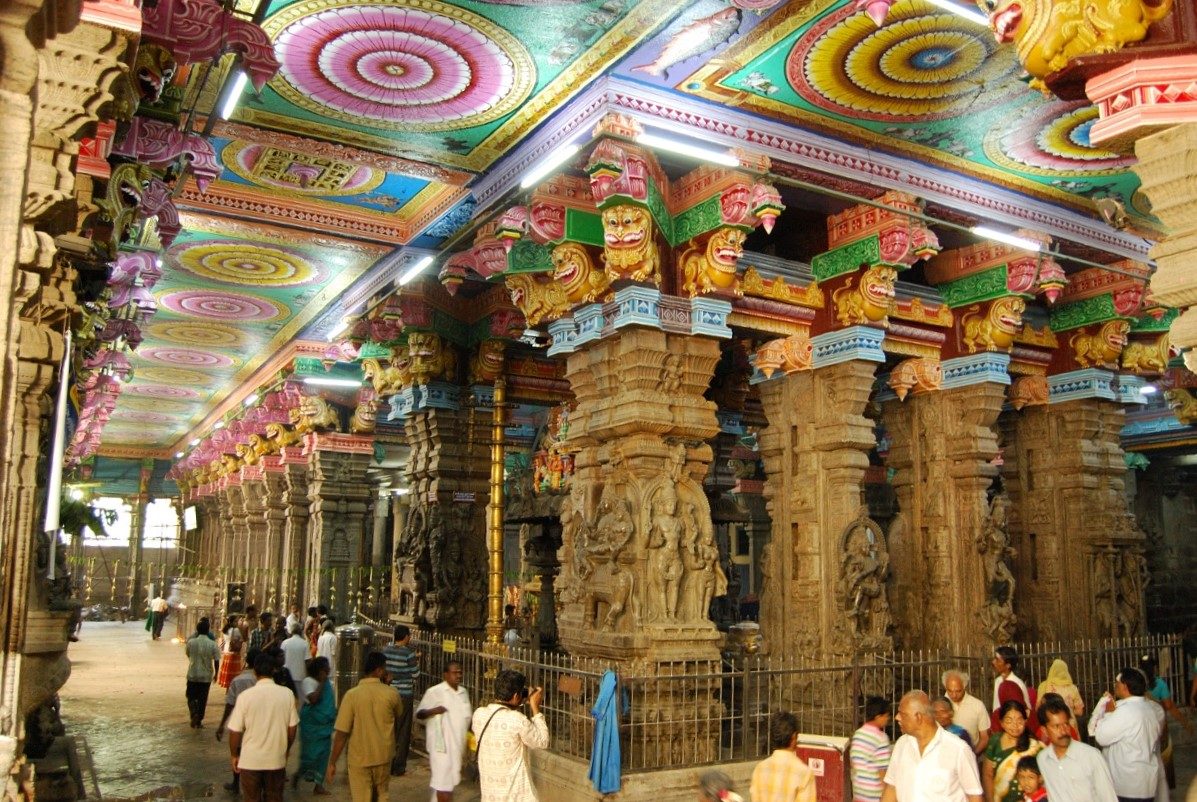
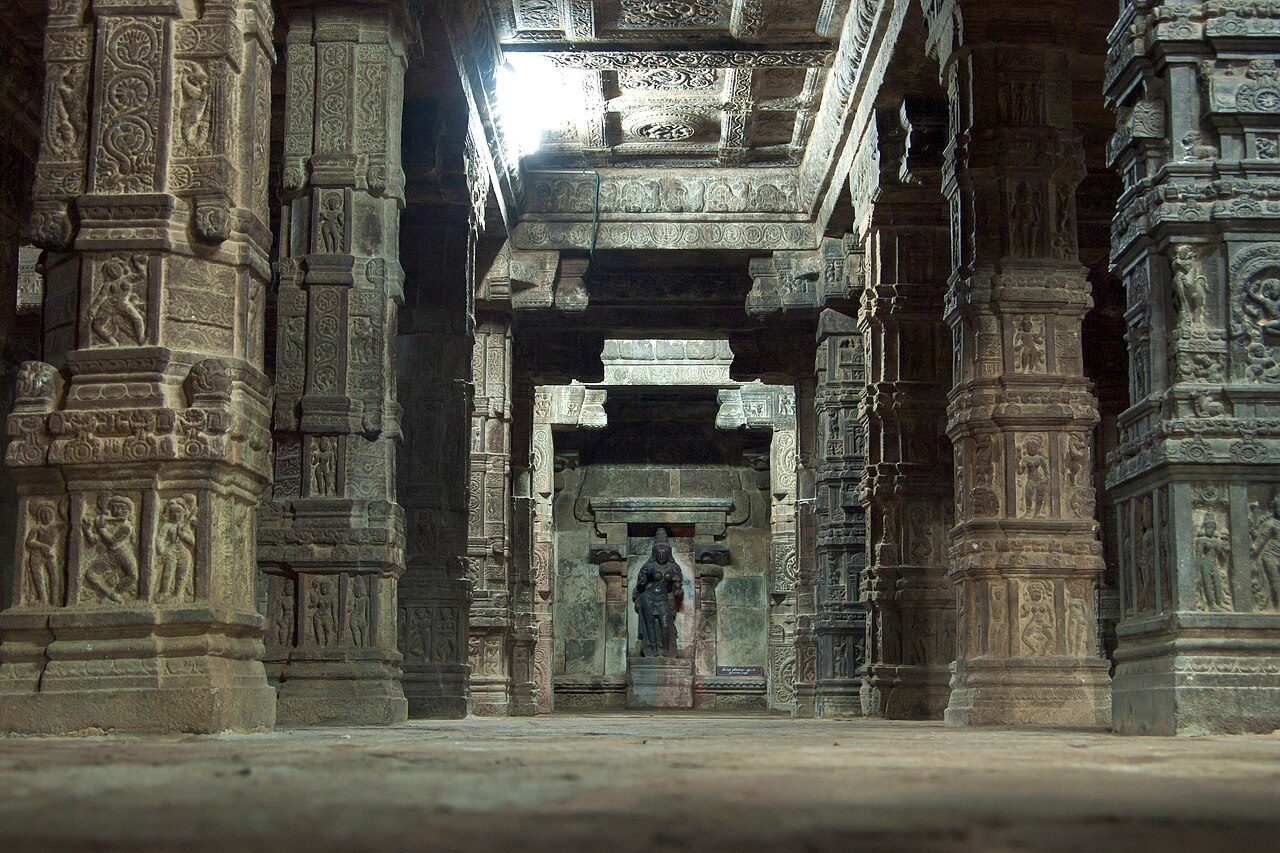
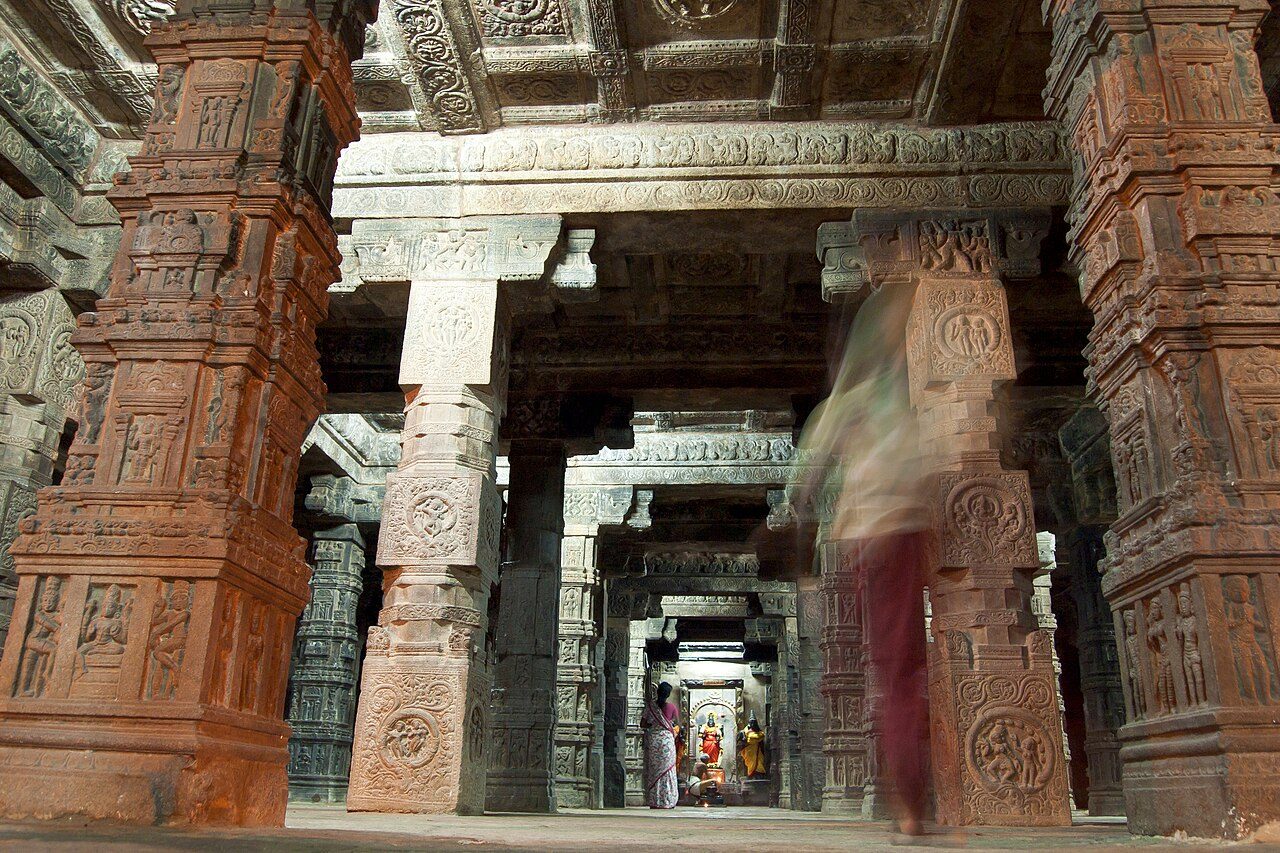
The great twin temple of Madurai, where Meenakshi, the fish-eyed goddess, takes precedence over her consort Sundareswarar - an unusual arrangement in a Shiva temple. The city is laid out in concentric squares around it, and the present structure is largely the work of the Nayak rulers of the 16th and 17th centuries, after the earlier temple was sacked in 1310. Its fourteen gopurams, the thousand-pillared hall and the Chithirai festival of Meenakshi's marriage draw millions of pilgrims a year.
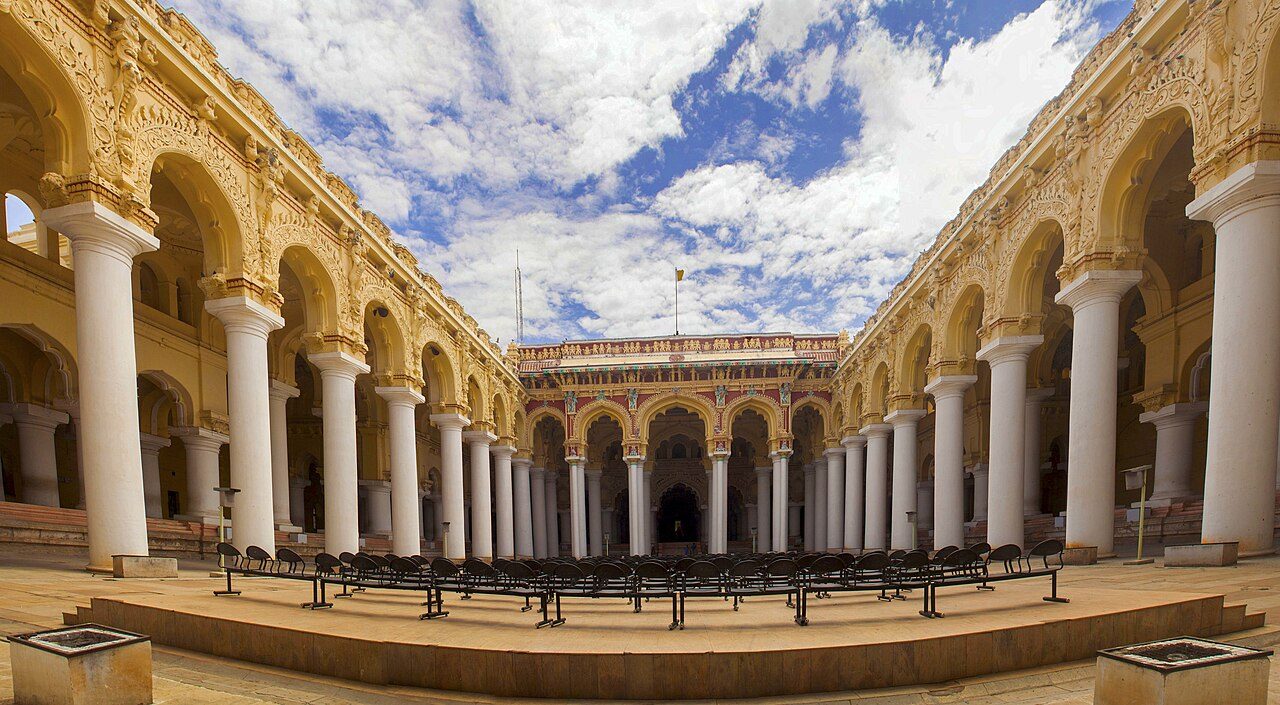
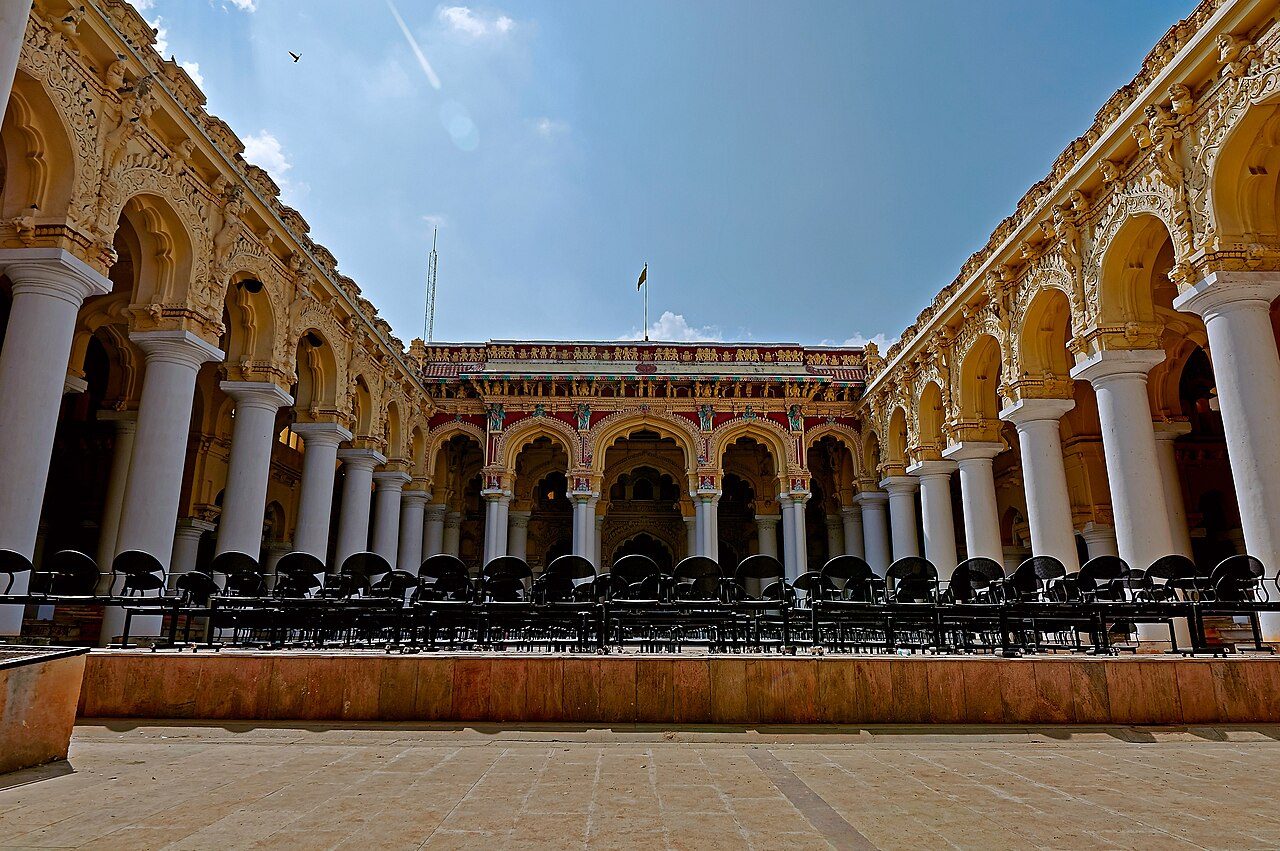
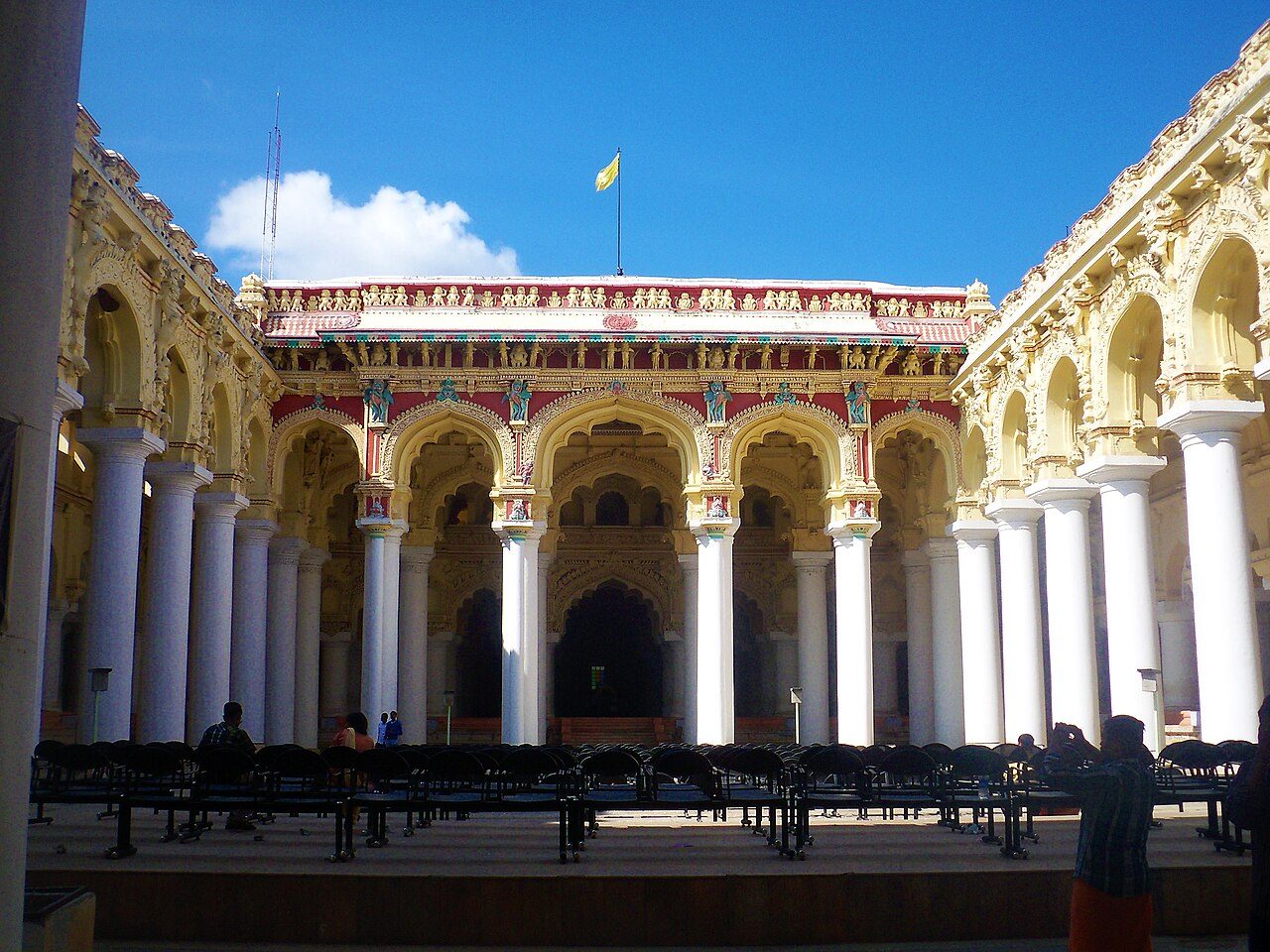
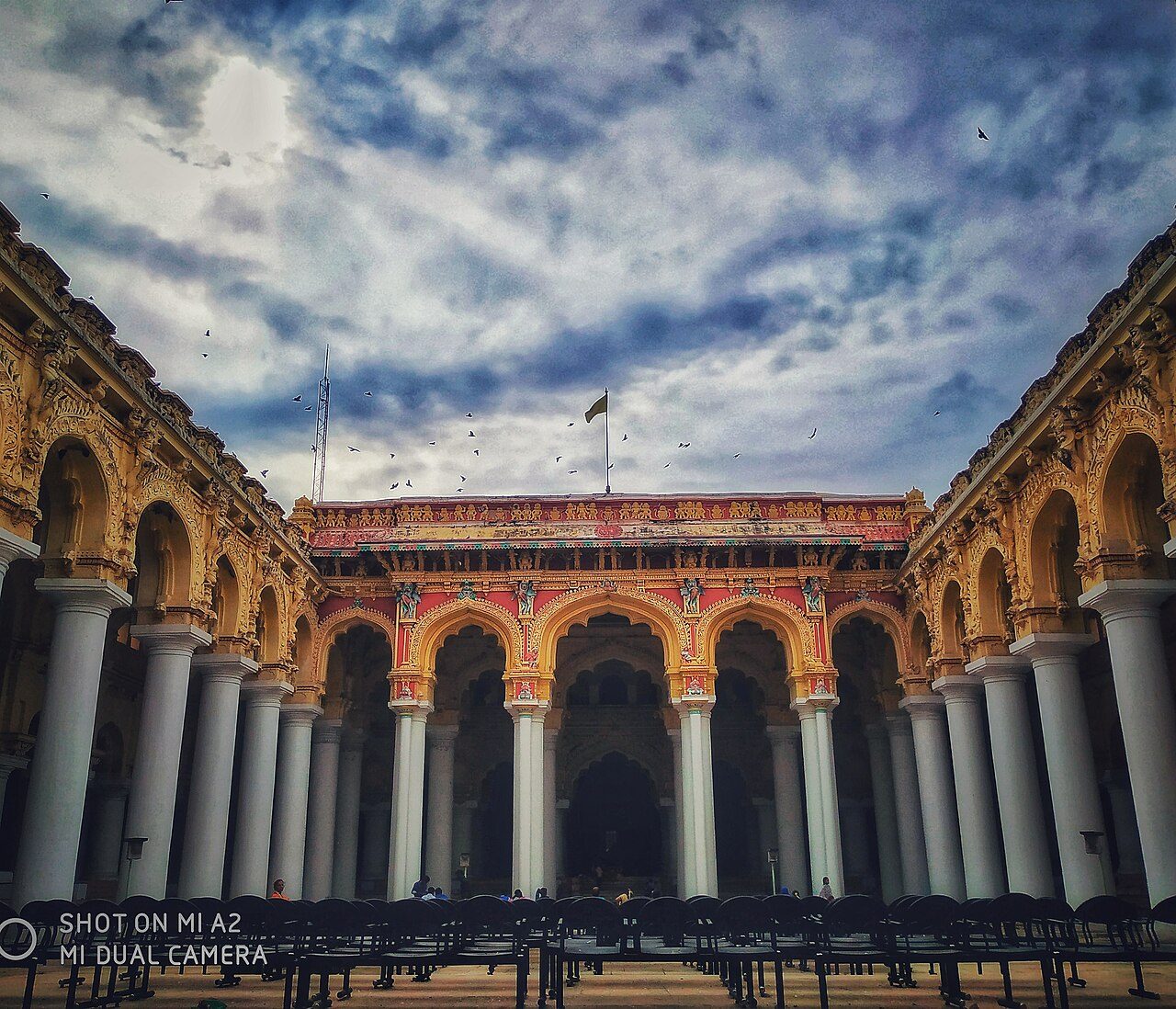
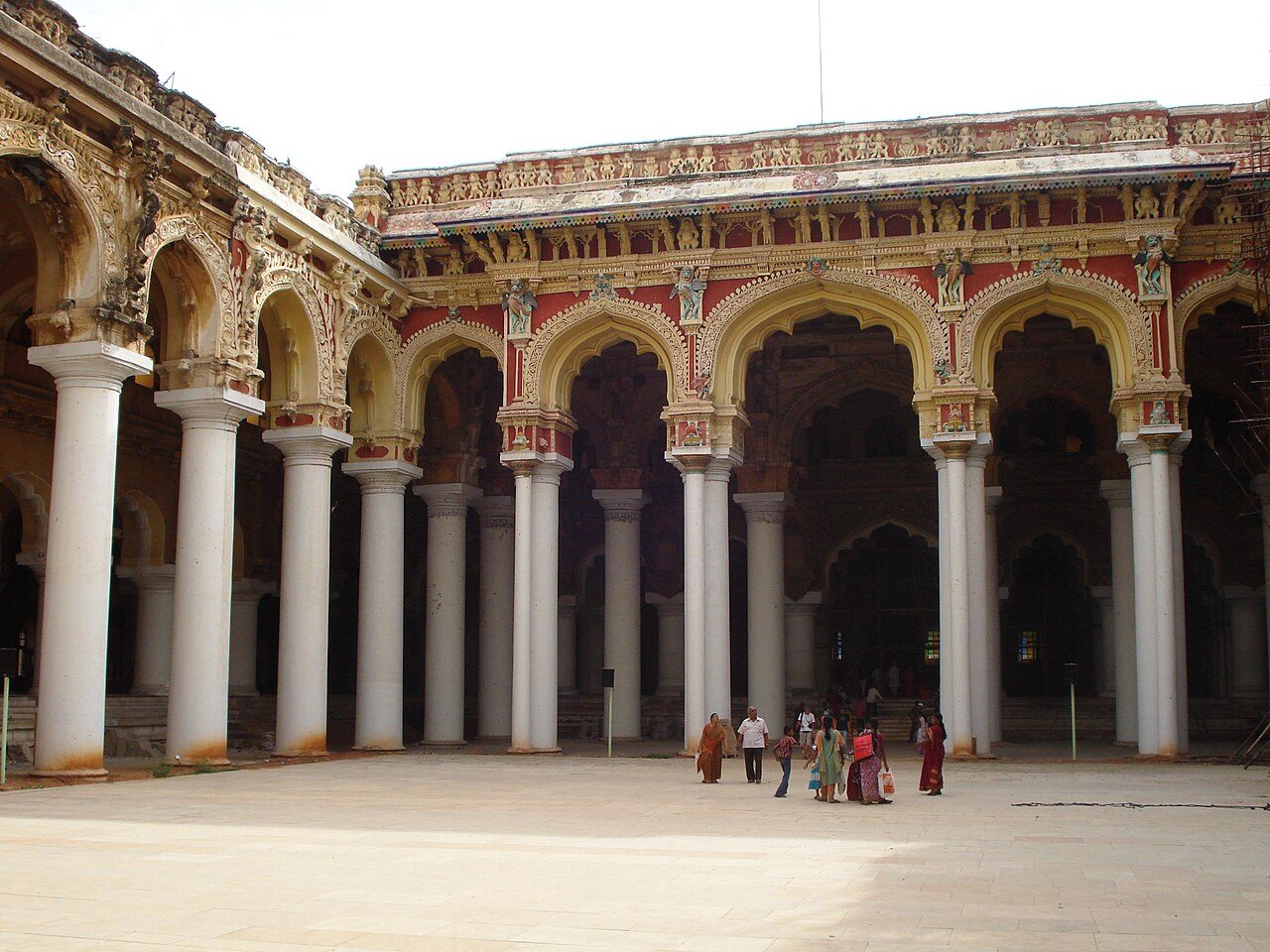
Built in 1636 by Thirumalai Nayak, the palace once covered several times its present area; what survives is the Swarga Vilasam, the great pillared courtyard and dance hall. Its towering columns and stucco domes blend Dravidian building with Islamic and European forms. Lord Napier had it partly restored in the 1860s, and it is now a protected national monument.
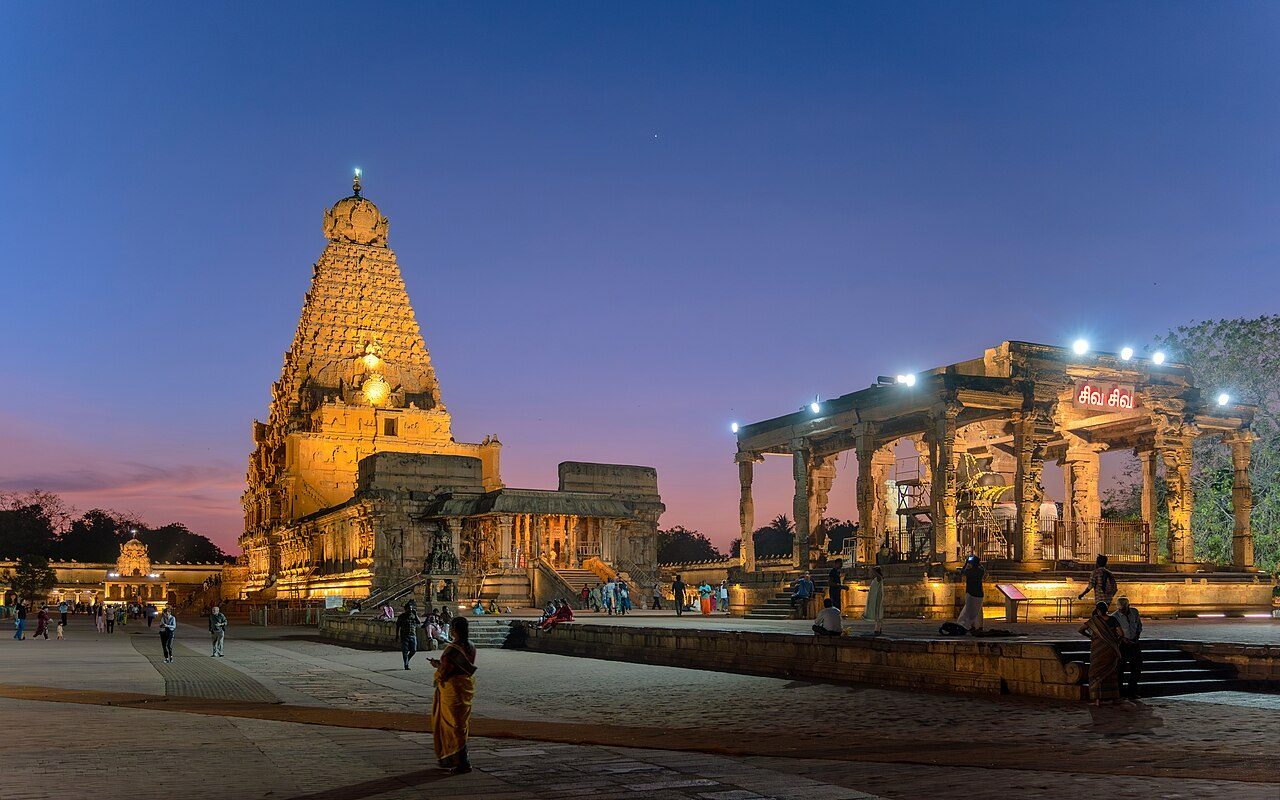
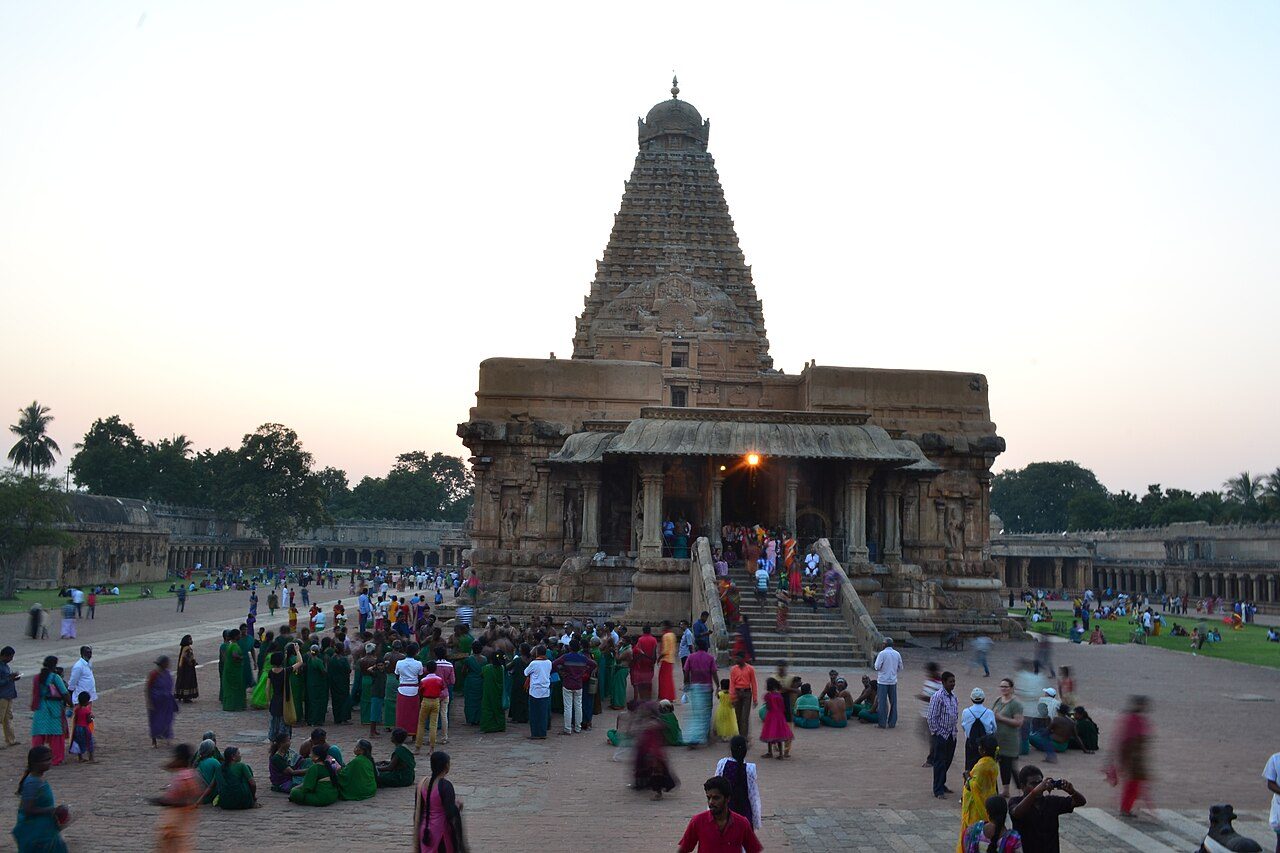
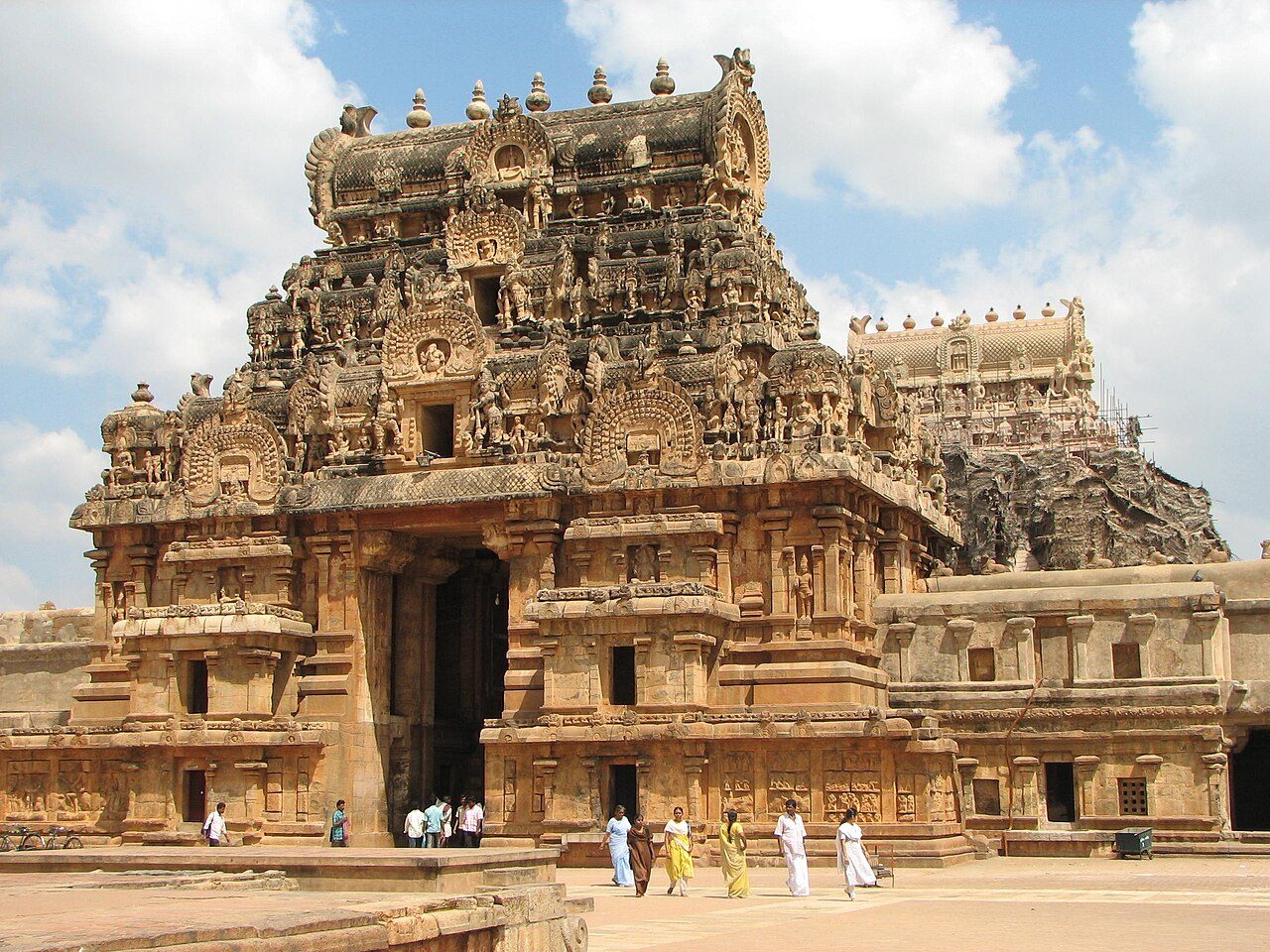
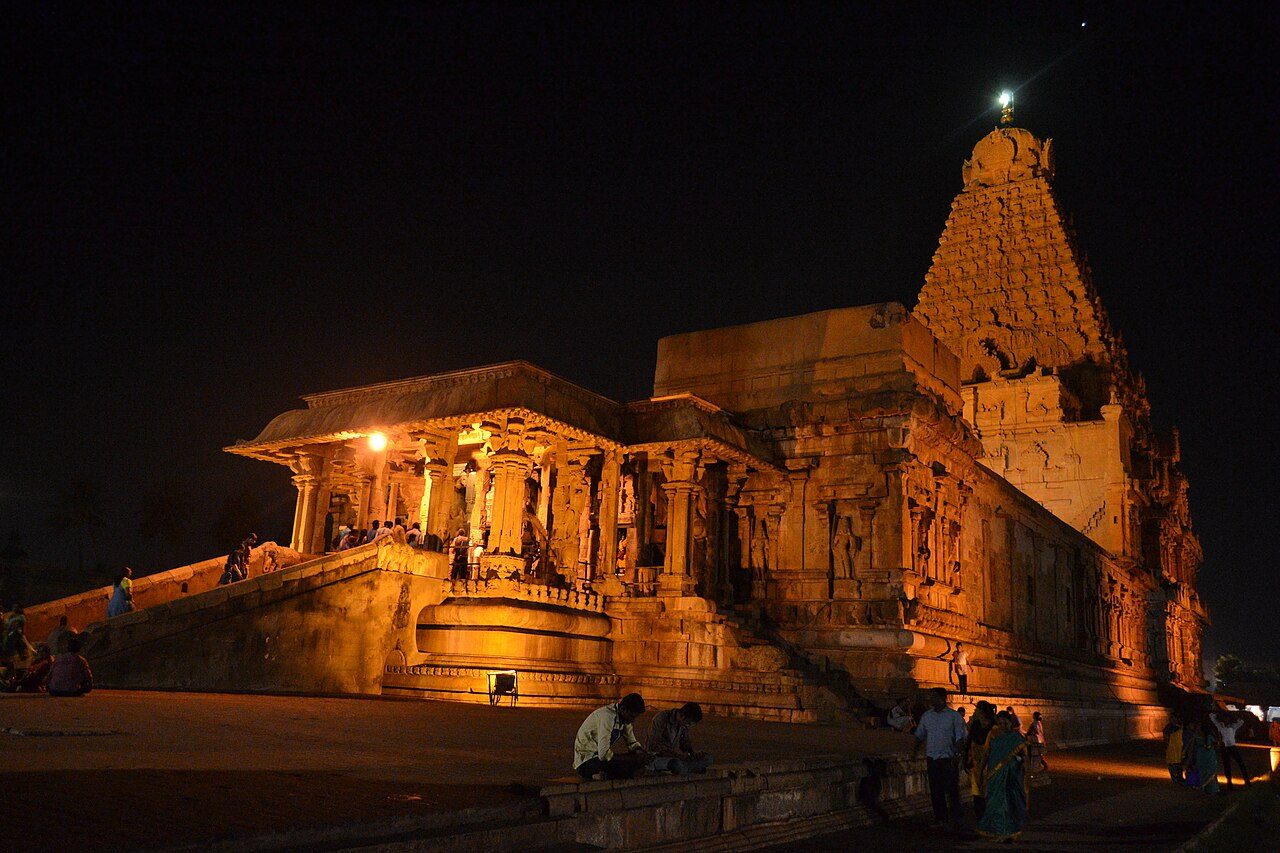
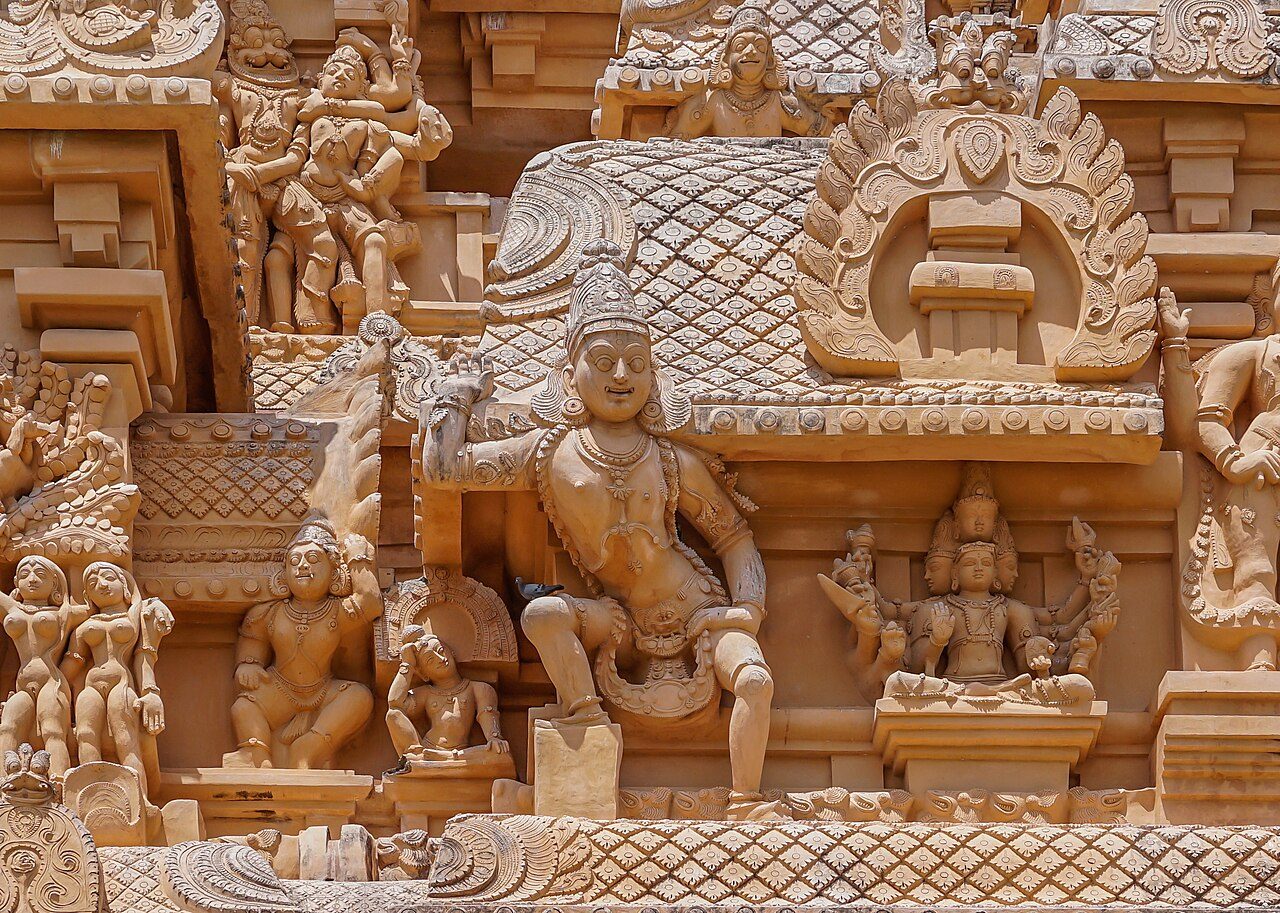
Raised by the Chola king Rajaraja I and completed in 1010, the Big Temple is a UNESCO World Heritage Site and was one of the largest buildings in India of its time. Its granite tower rises about 66 metres, crowned by a capstone traditionally said to weigh some 80 tonnes, and the monolithic Nandi in the courtyard is among the largest in the country. Inside are Chola frescoes and inscriptions recording the gifts, dancers and staff that kept the temple running.
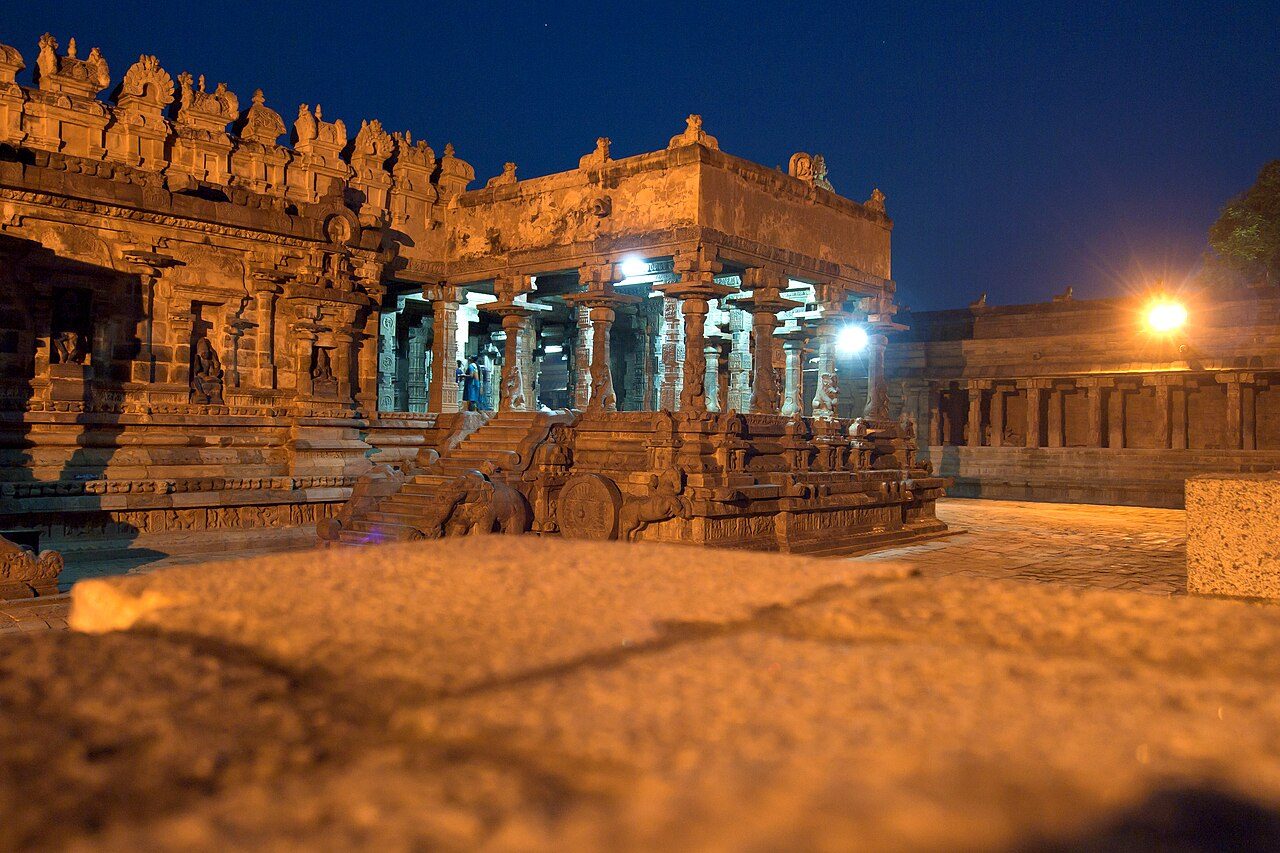
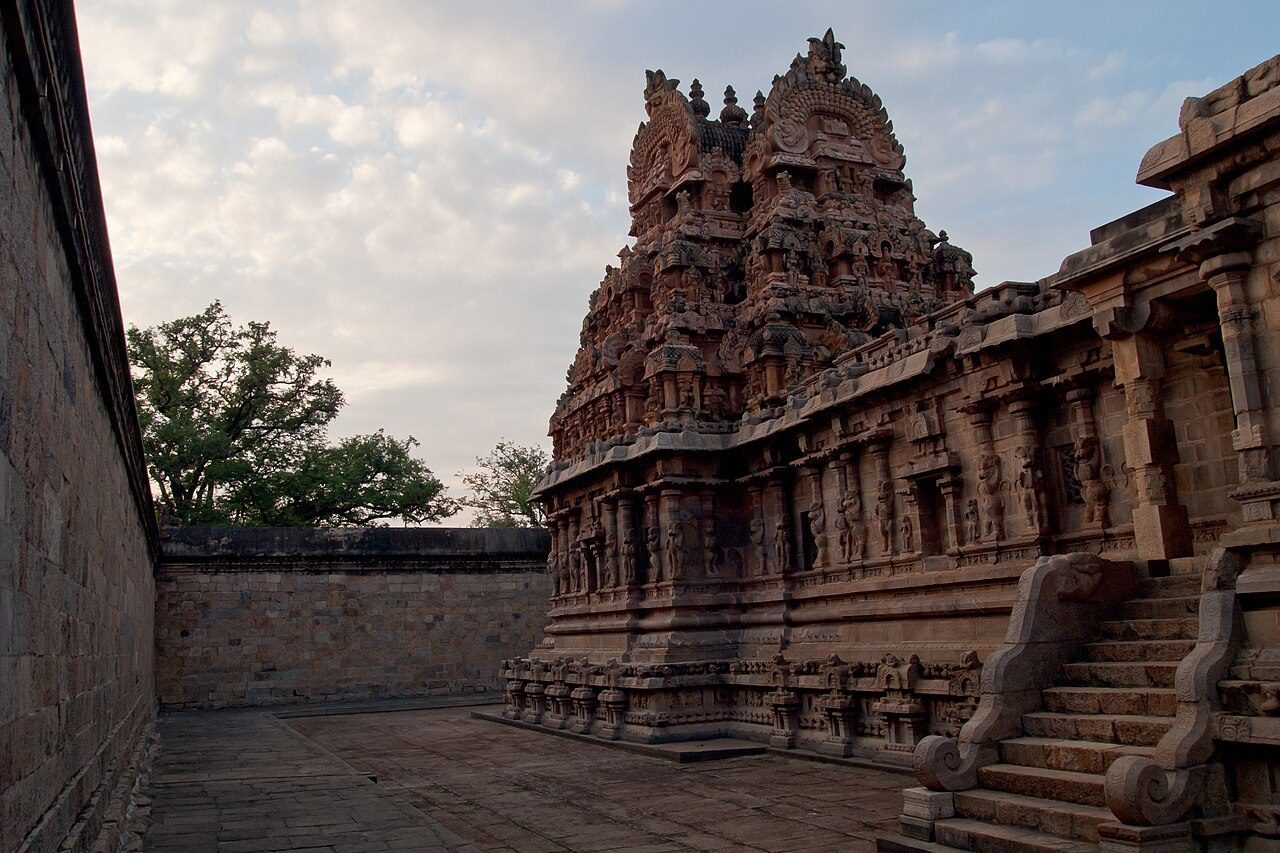
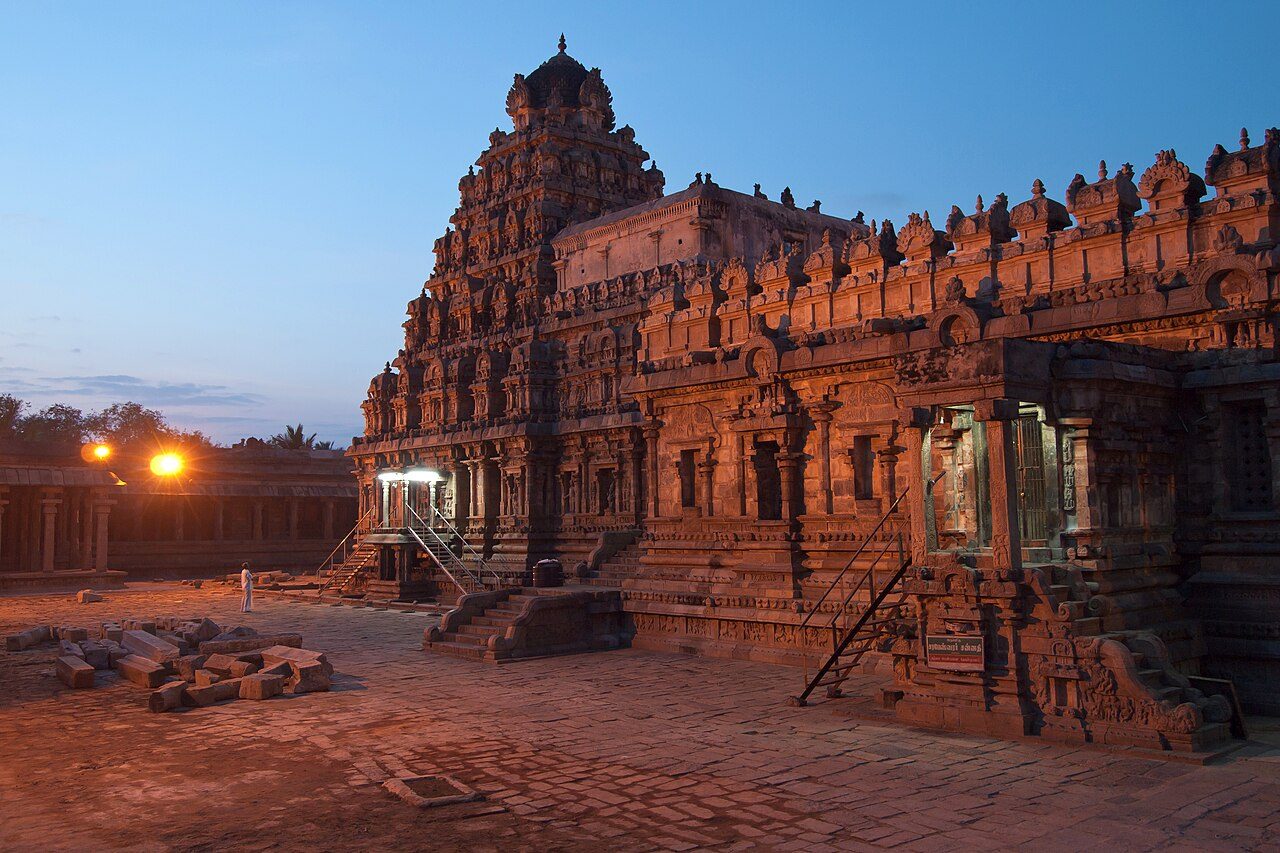
Built by the Chola king Rajaraja II in the 12th century, this temple at Darasuram is one of the three Great Living Chola Temples on the UNESCO World Heritage list. It is smaller than the temples at Thanjavur and Gangaikonda Cholapuram but richer in detail: the front hall is carved as a chariot with stone wheels drawn by horses, and the entrance steps are said to give out musical notes. Pillars and walls carry minute friezes of dancers, musicians and Puranic stories.
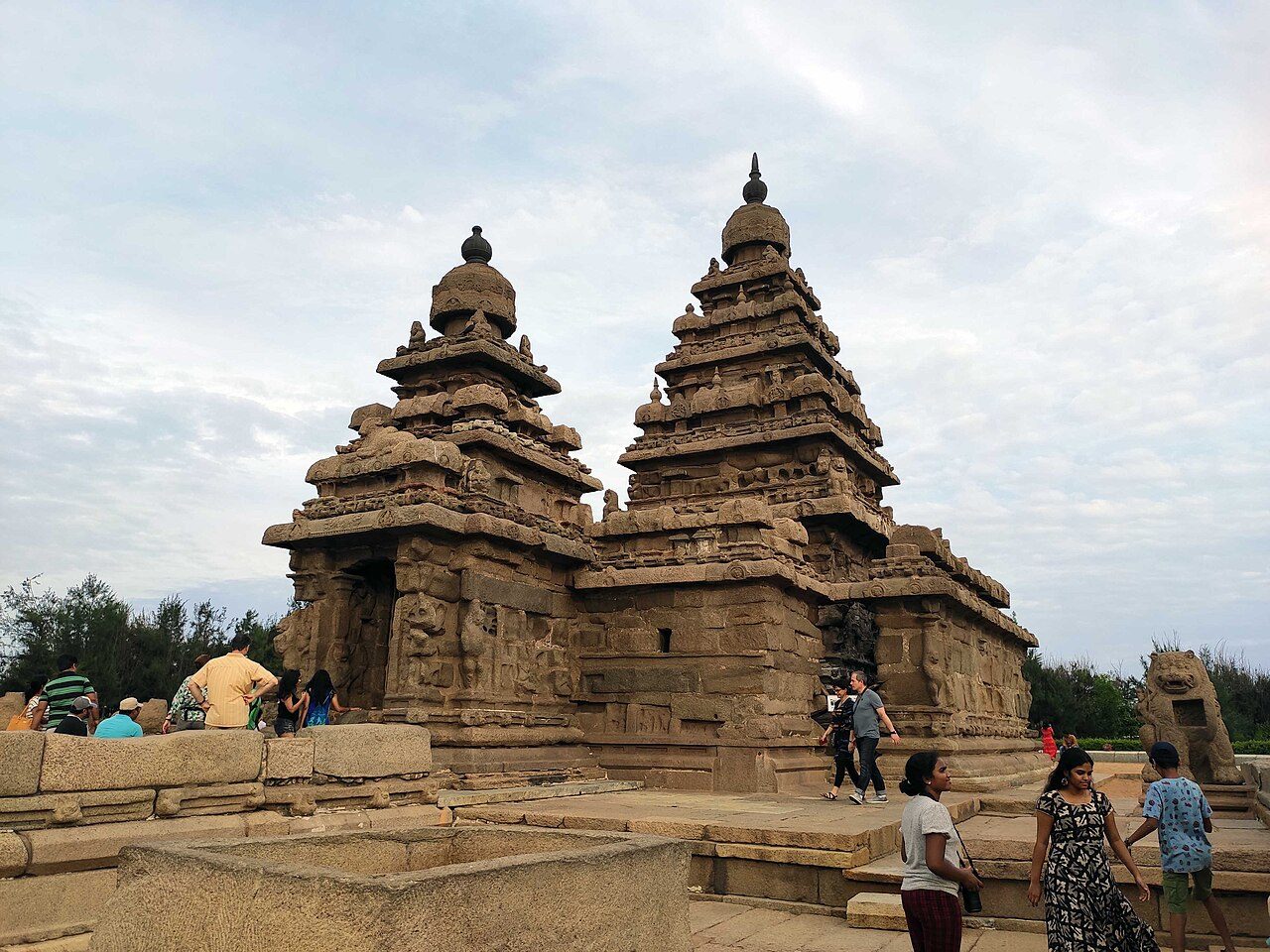
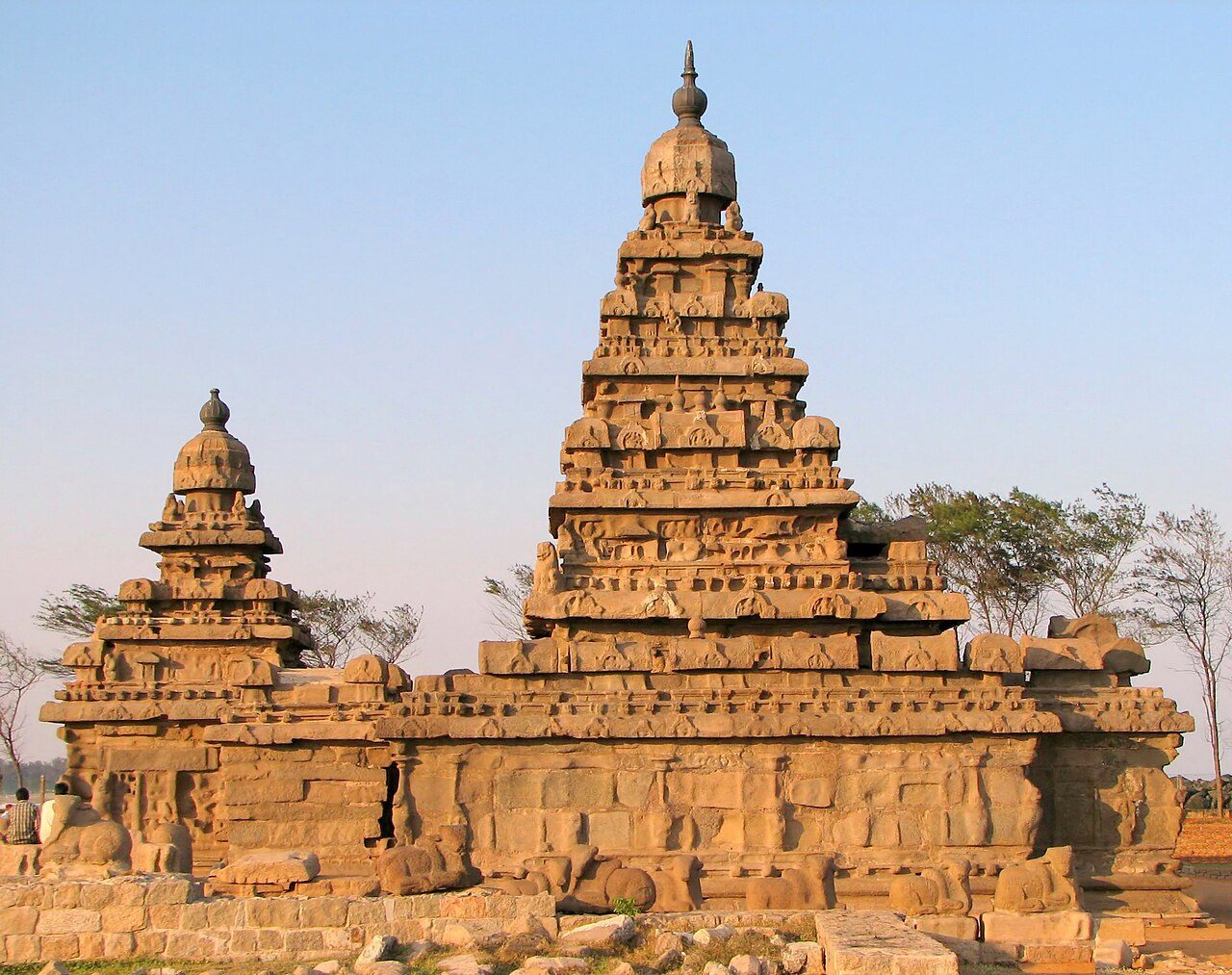
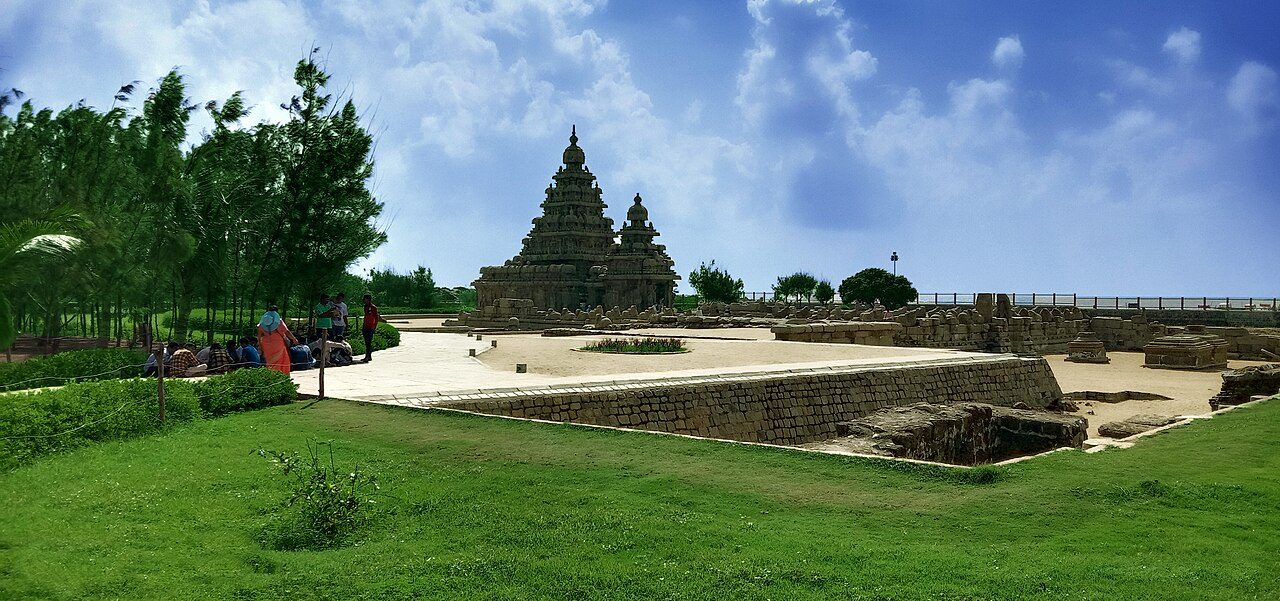
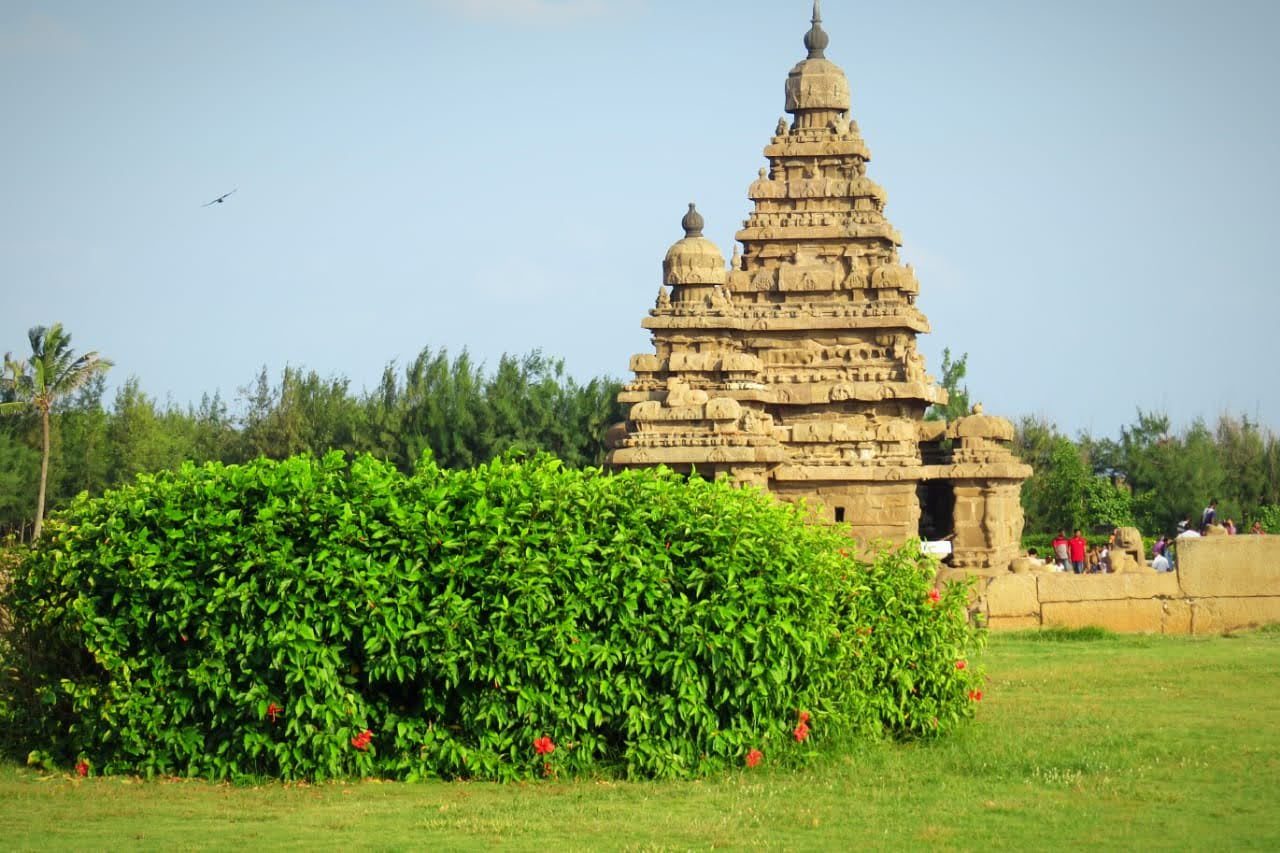
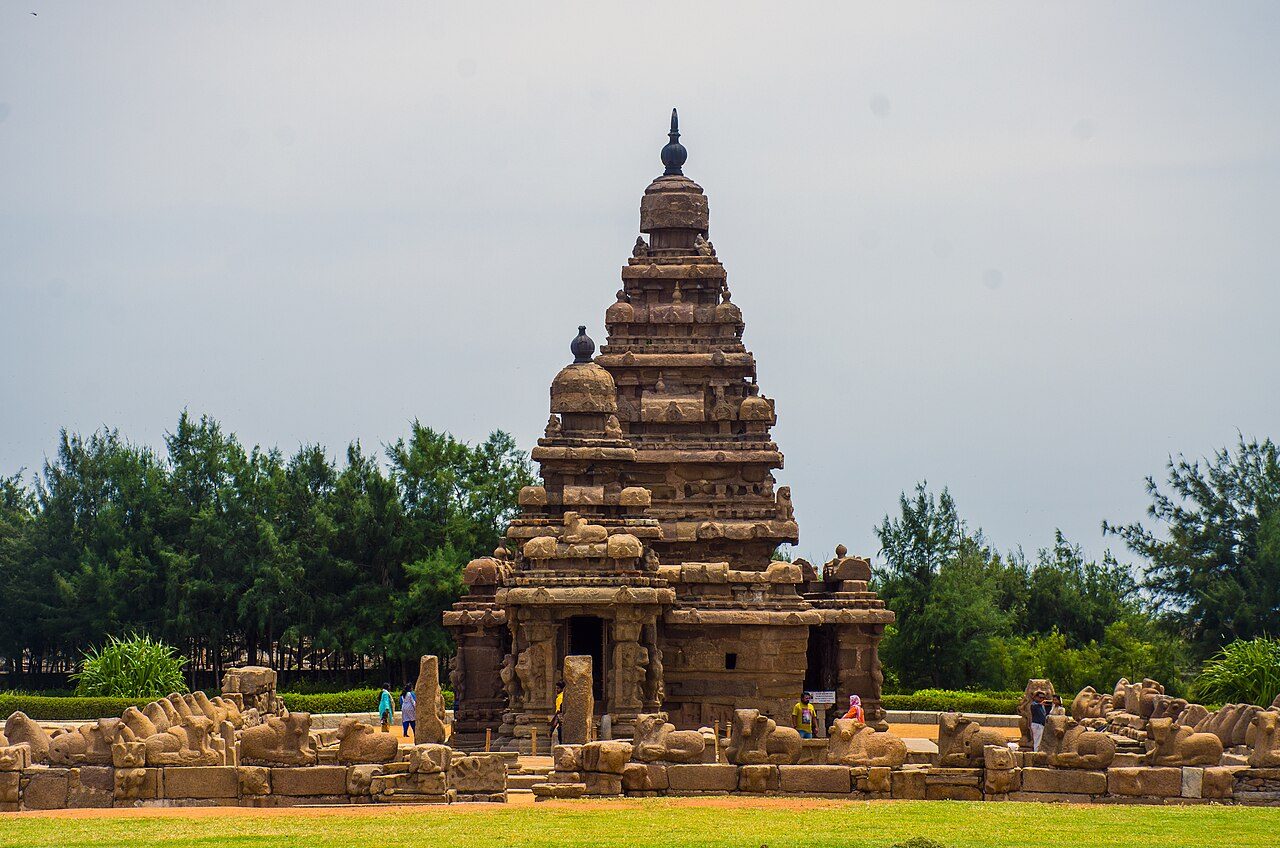
Built around 700-728 CE under Narasimhavarman II, this is among the oldest free-standing stone temples in South India, assembled from cut granite rather than carved out of living rock like its neighbours. It holds three shrines, two to Shiva and one to Vishnu, and stands directly on the shore, where centuries of salt wind have worn the carving soft. It is part of the Group of Monuments at Mahabalipuram, a UNESCO World Heritage Site.
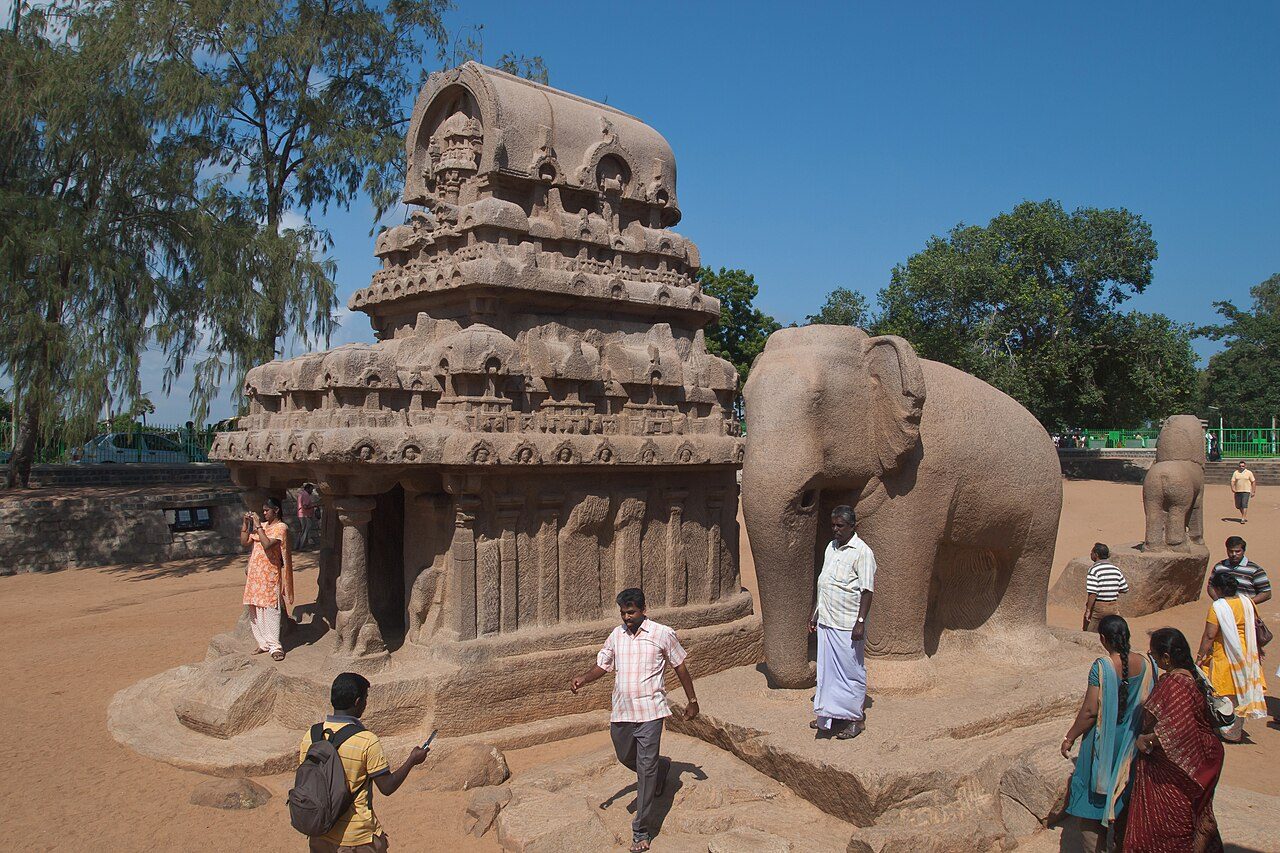
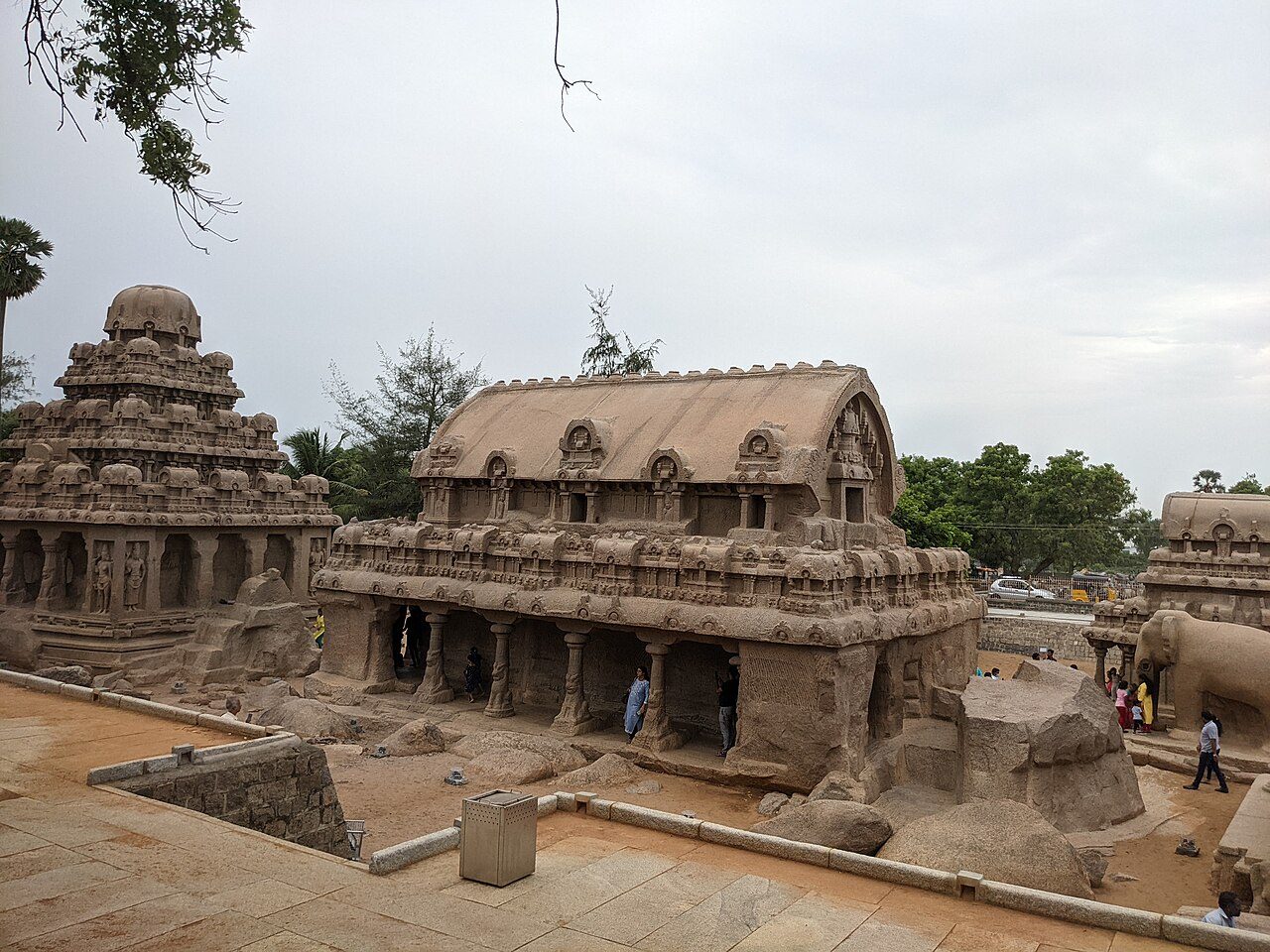
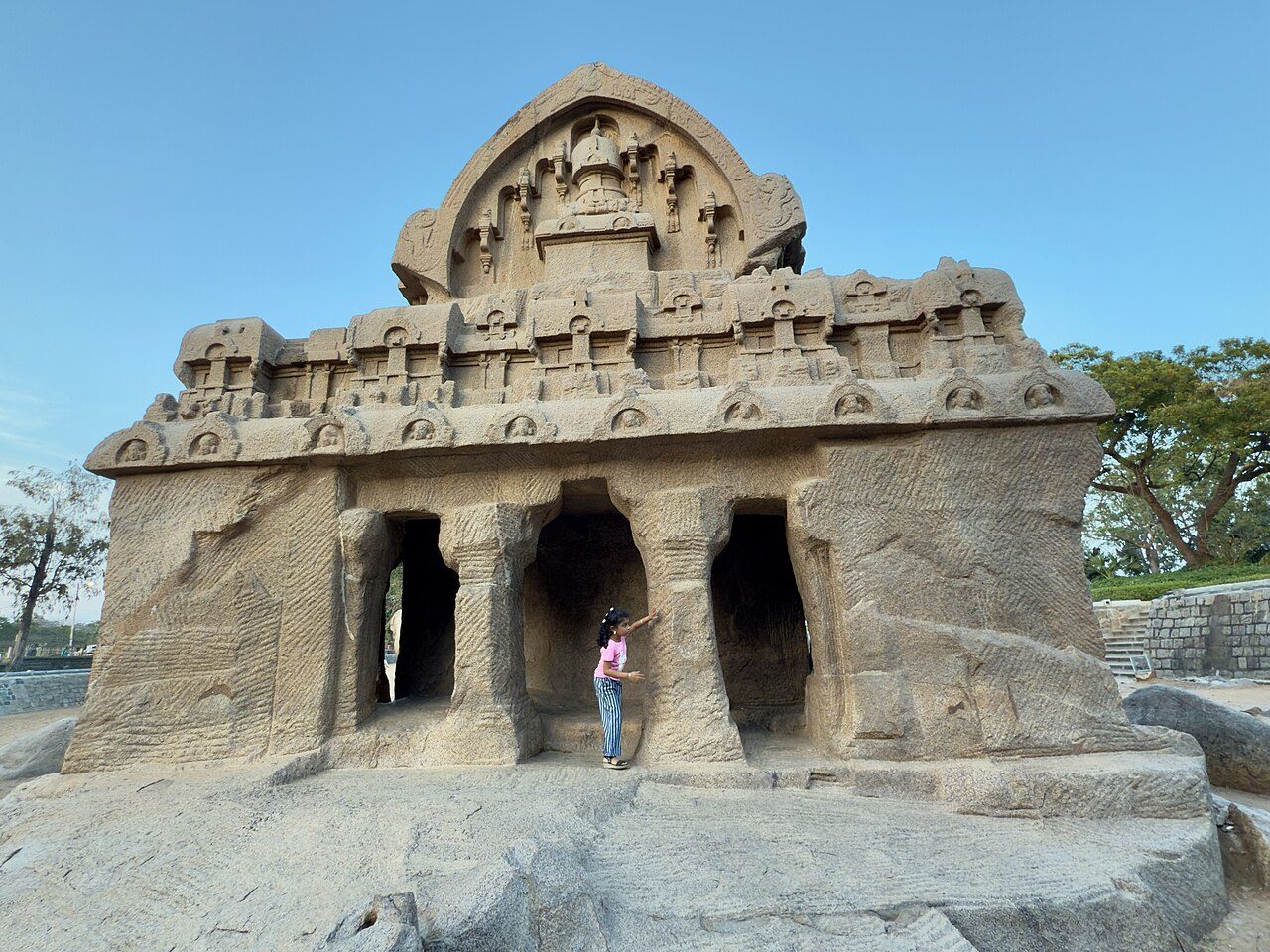
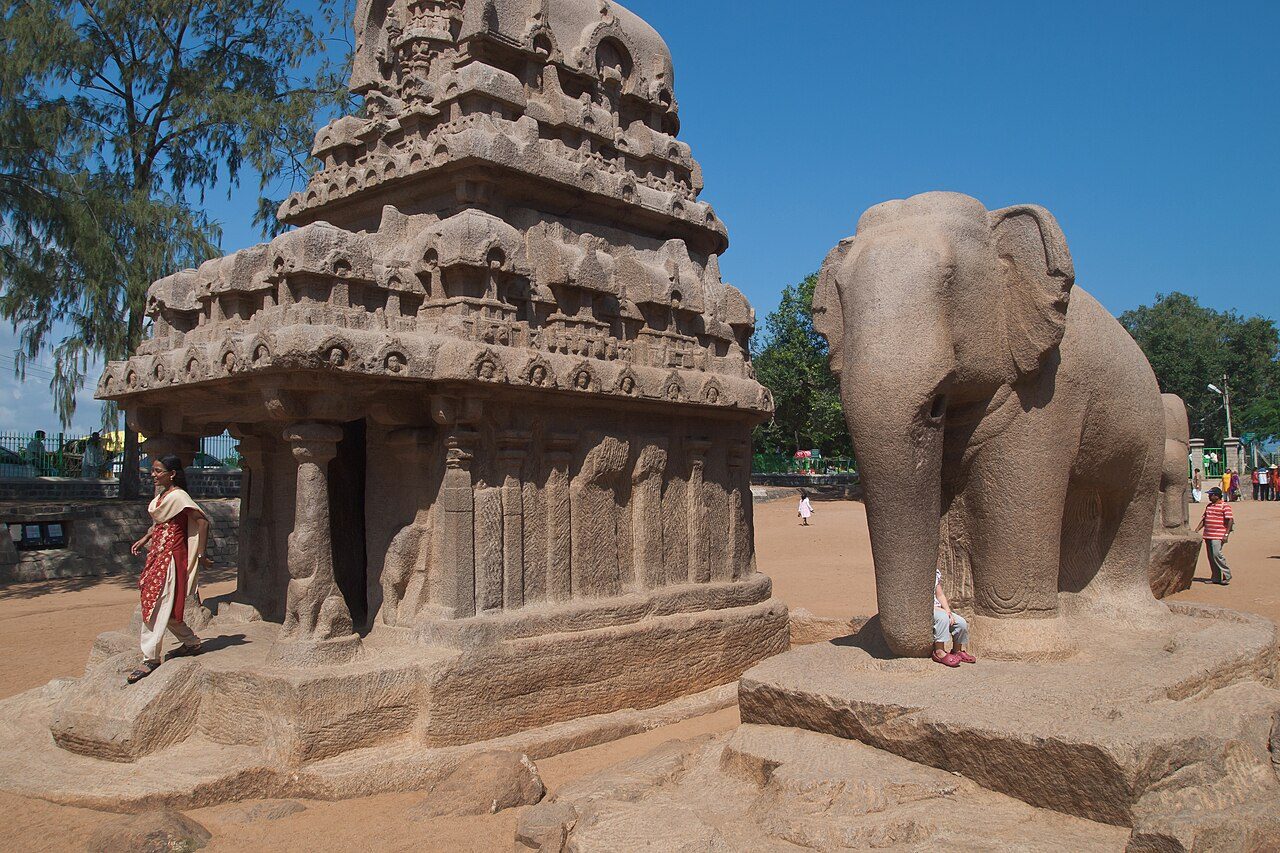
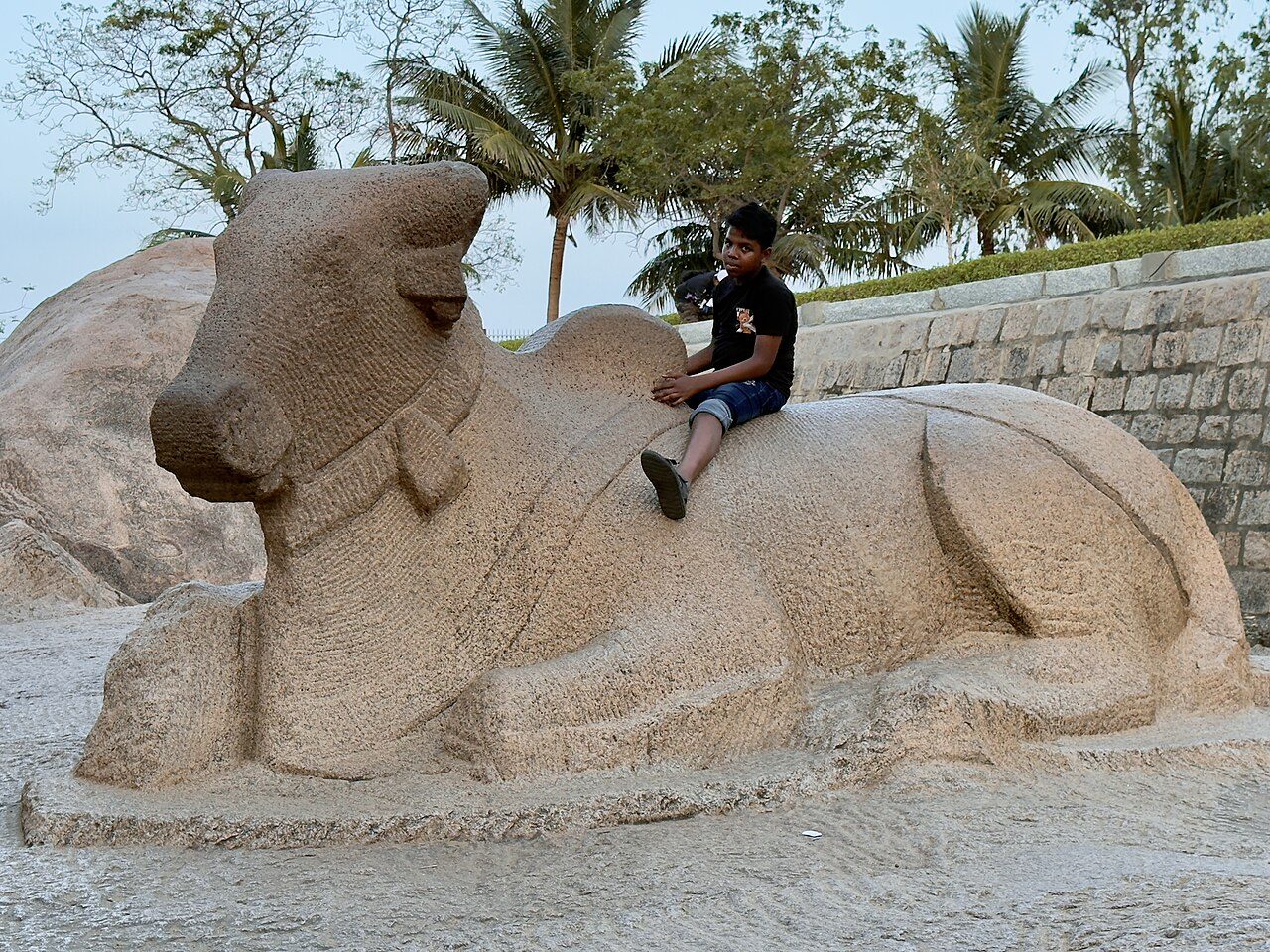
Five shrines, each cut whole from a single granite outcrop in the seventh century under Narasimhavarman I, and each finished in a different architectural style, as though the Pallavas were working through a catalogue of forms. They are named for the five Pandava brothers and Draupadi, though those names were attached much later. None was ever consecrated; the carving simply stopped.
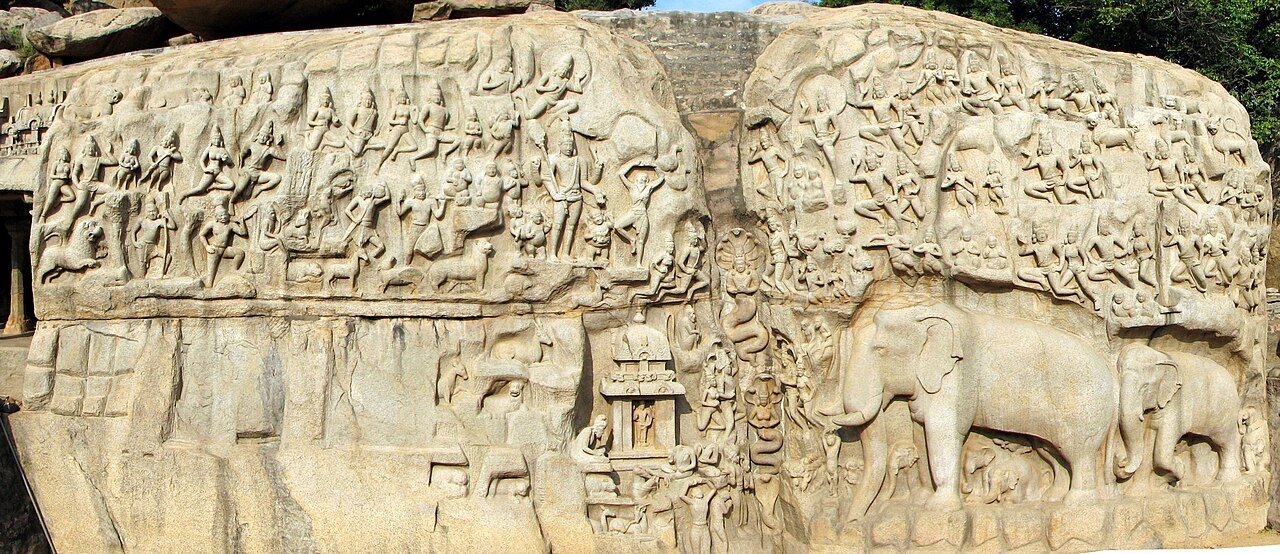
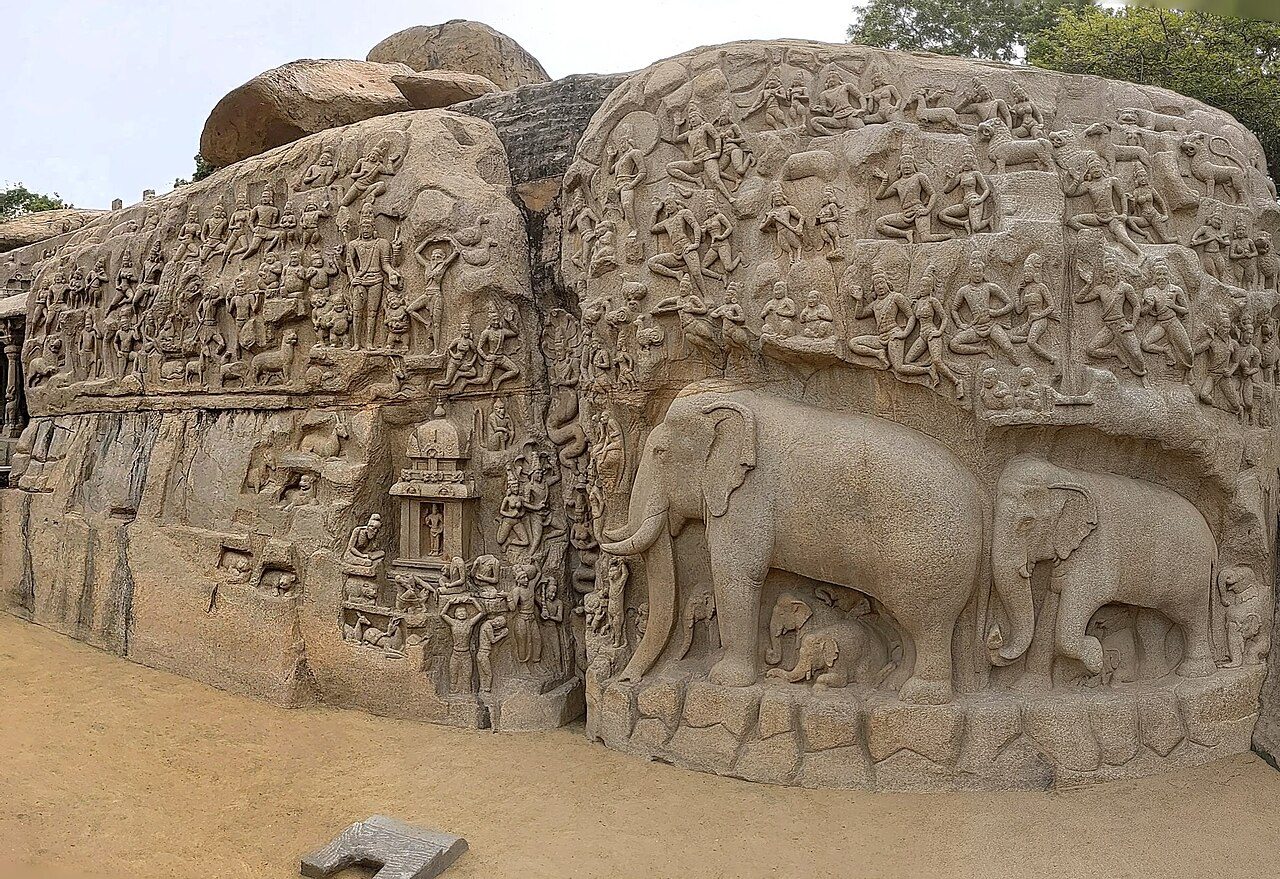
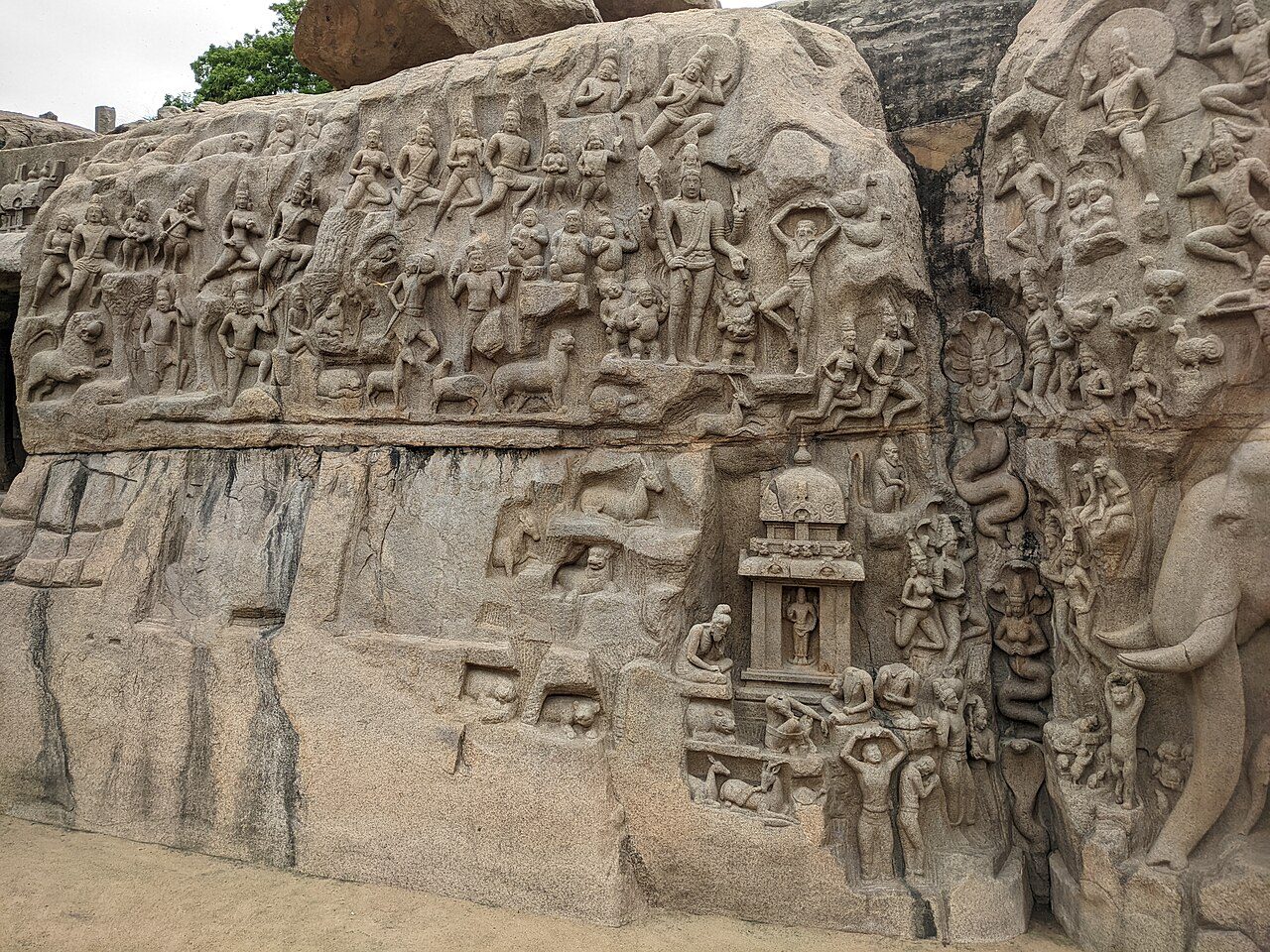
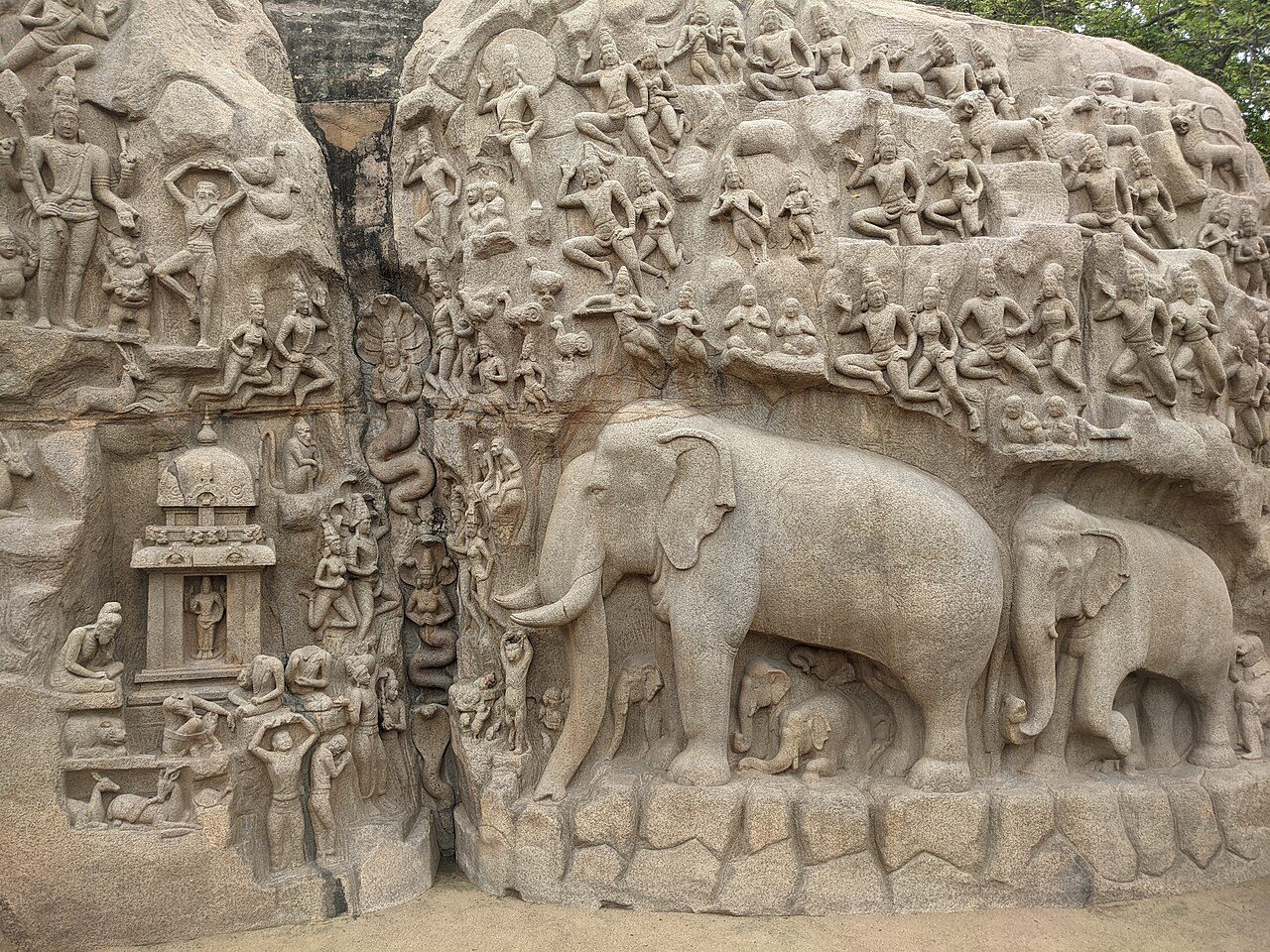
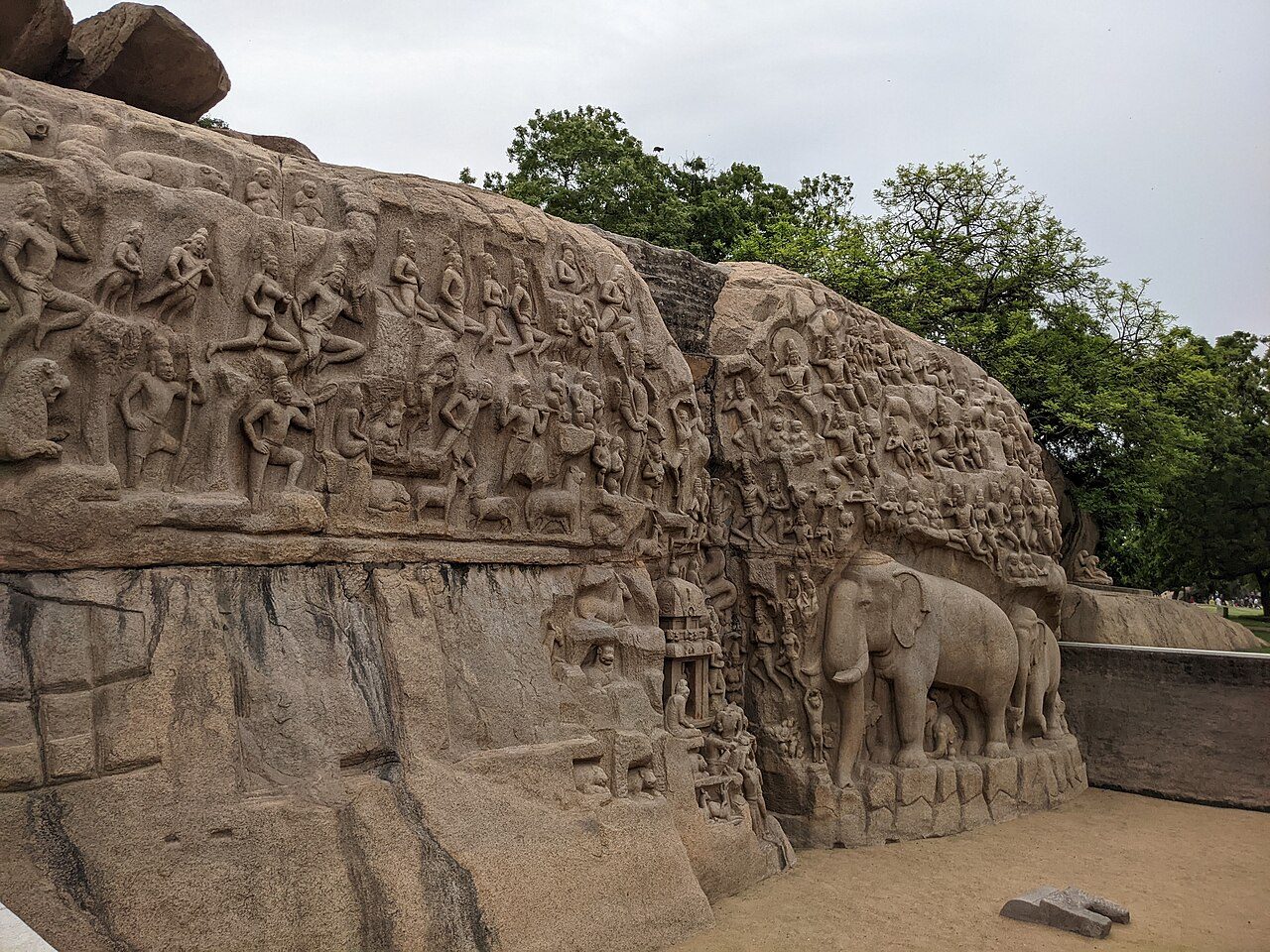
A bas-relief roughly thirty metres long and fifteen high, cut into two granite boulders in the seventh century, crowded with gods, sages, elephants and a cat standing on one leg among the ascetics. The natural cleft down the middle was once fed with water so that it ran as the Ganges descending to earth. It is among the largest rock reliefs anywhere in the world.
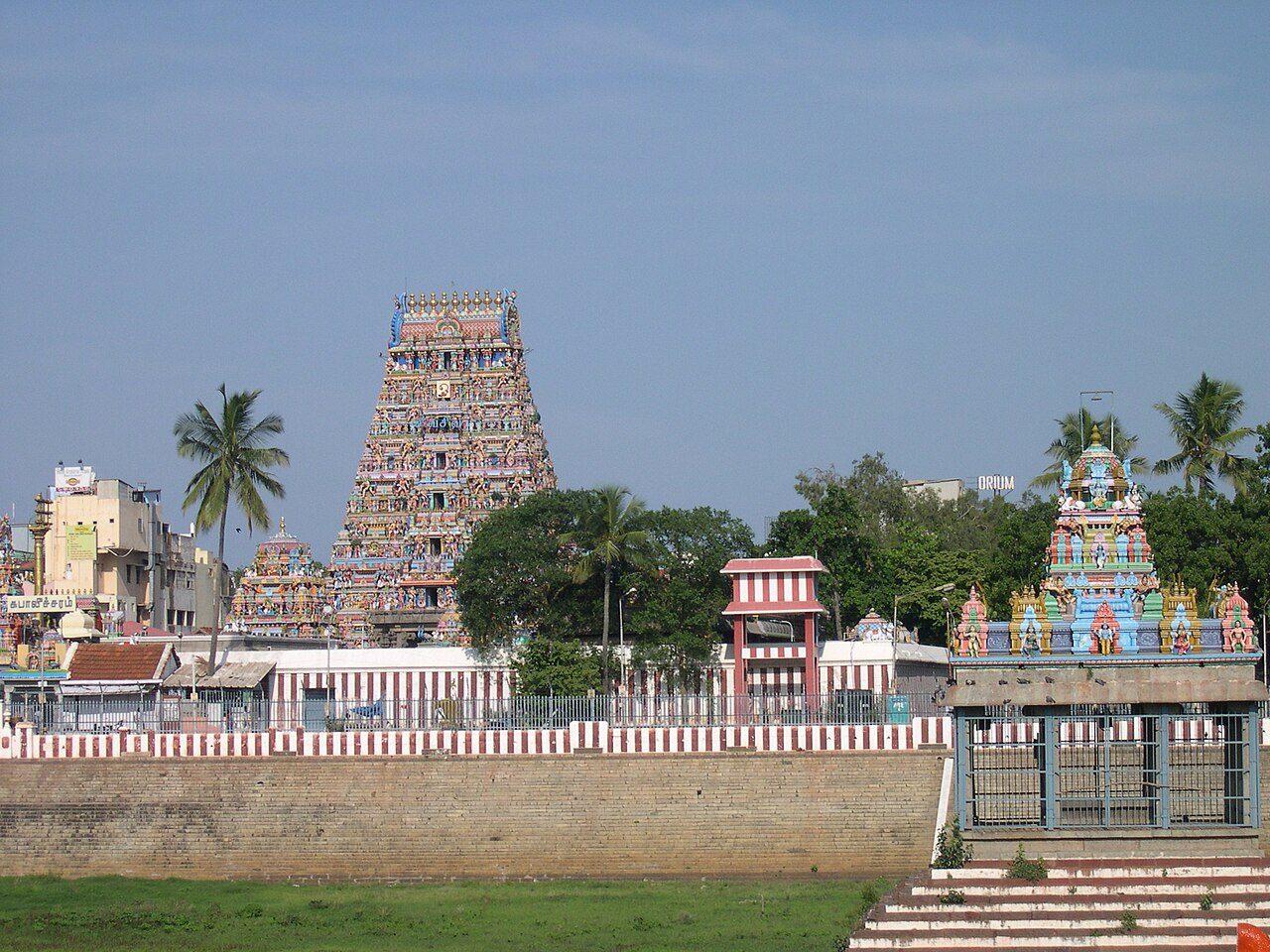
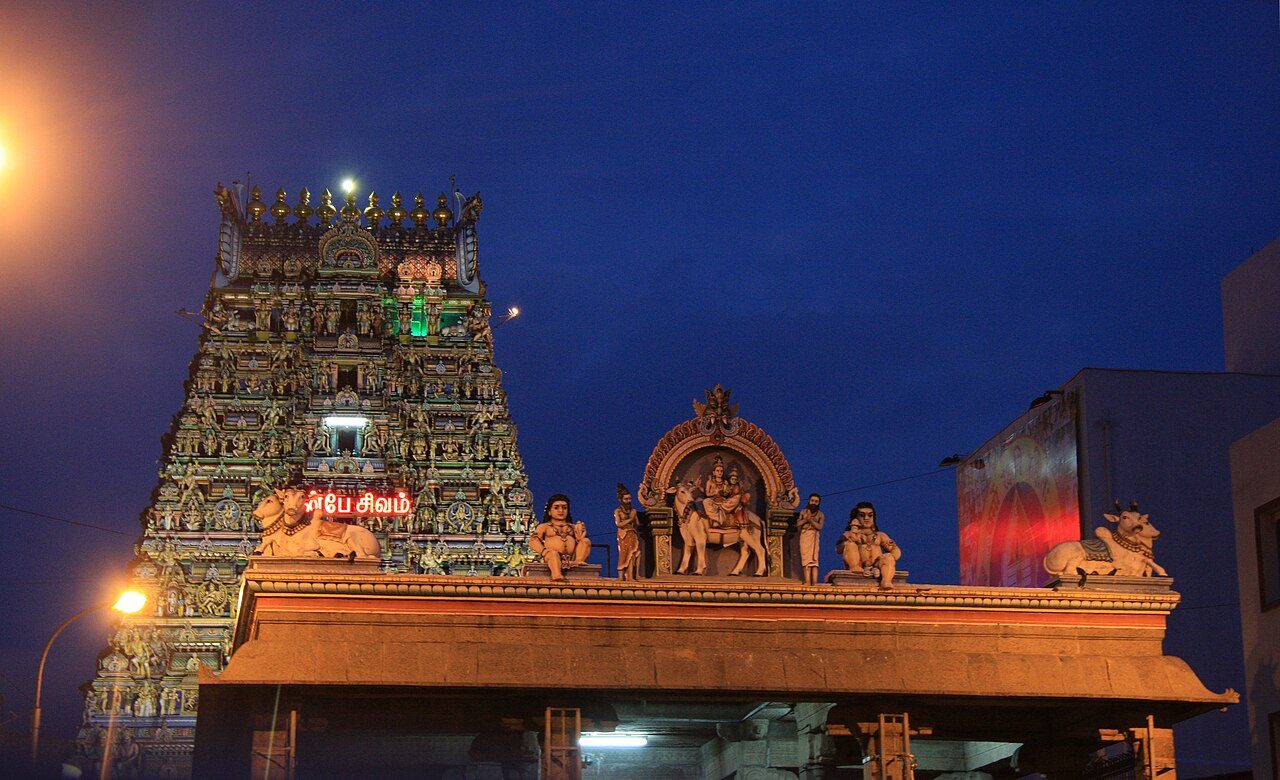
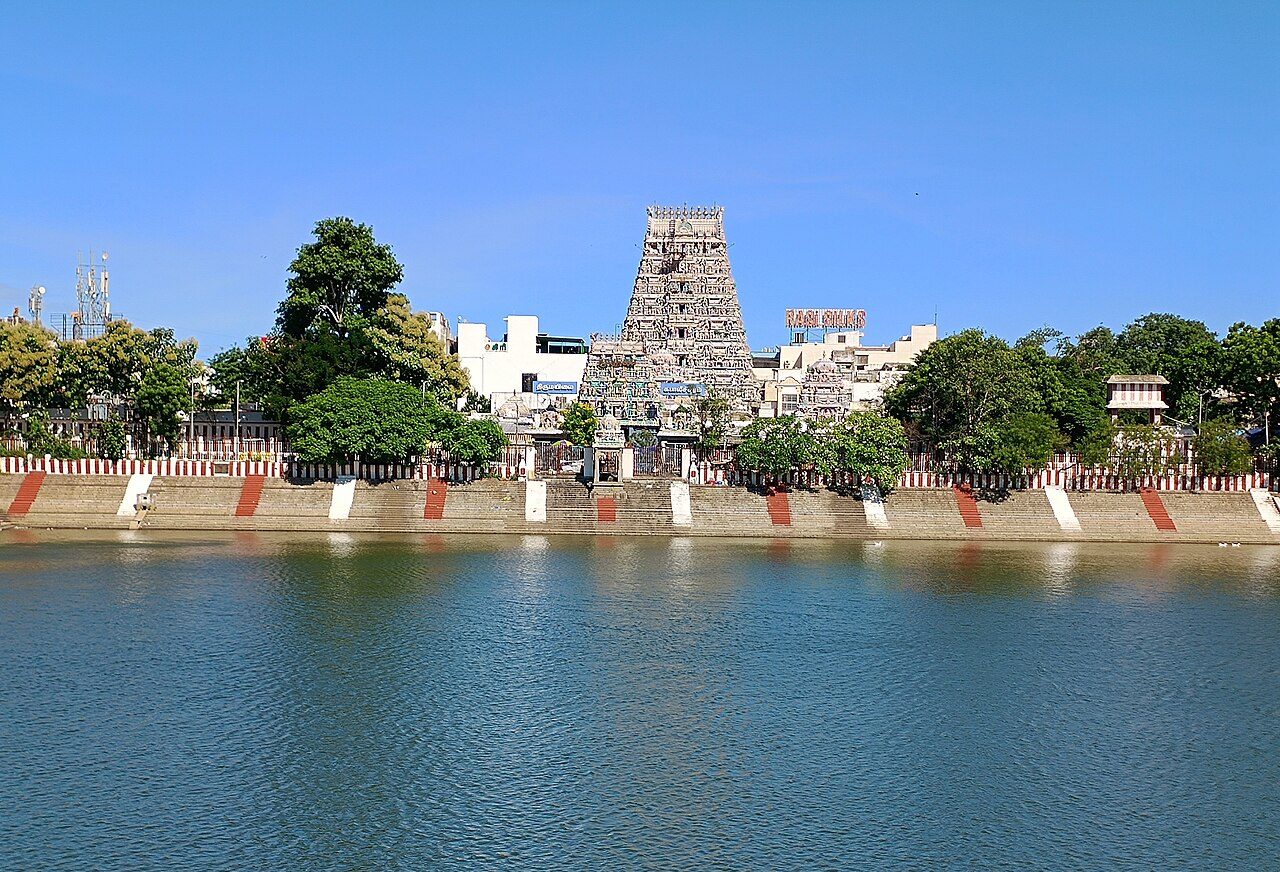
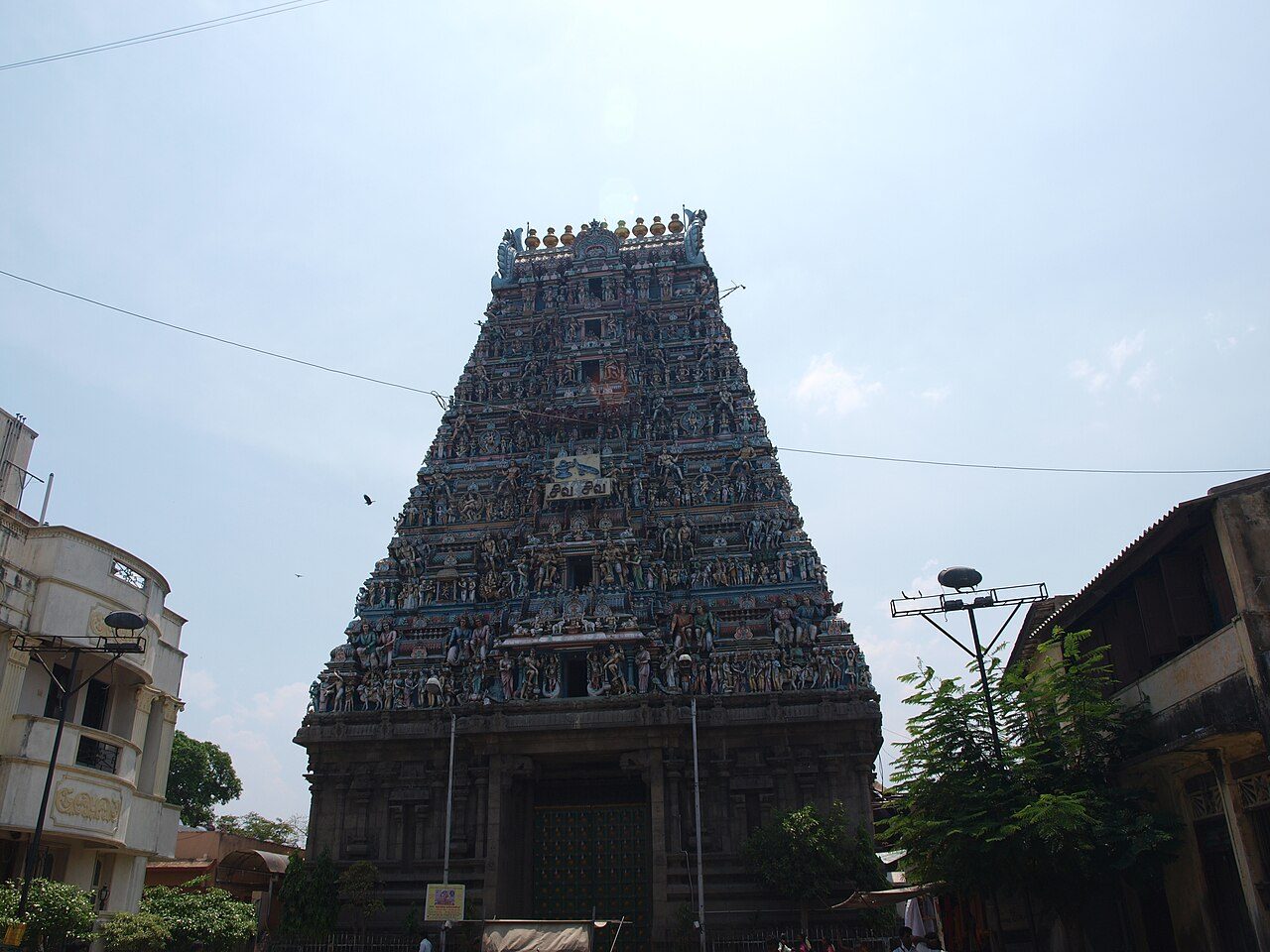
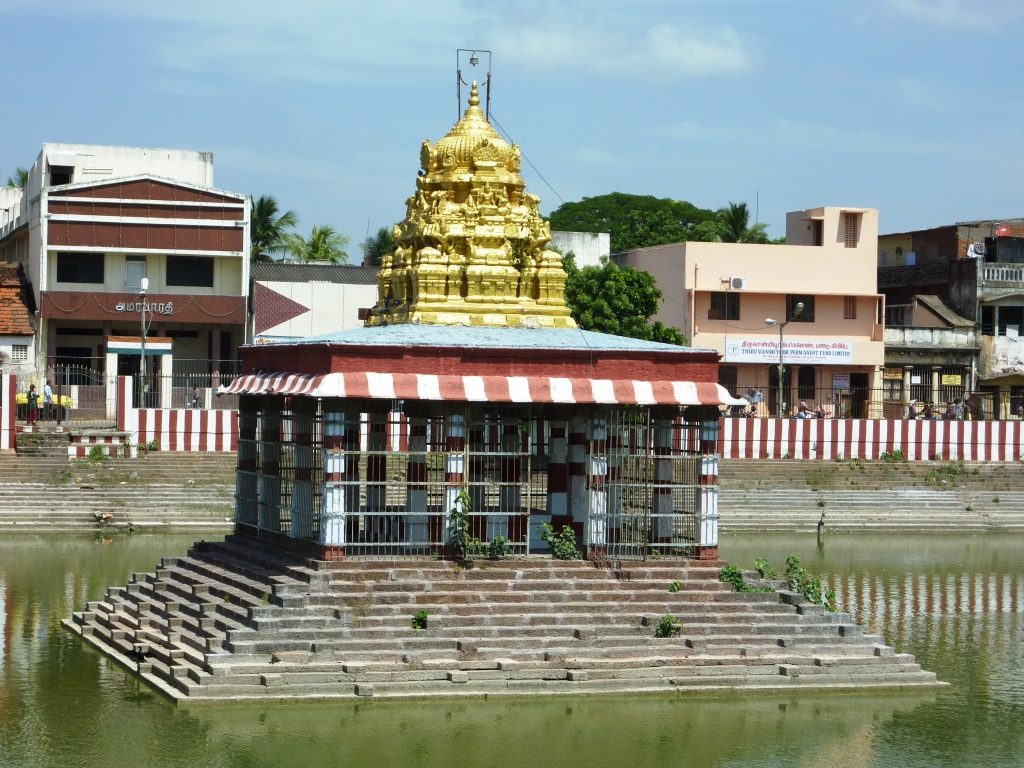
The present temple at Mylapore was built in the sixteenth century after the Portuguese destroyed an earlier shrine on the shore, and its gopuram rises about 37 metres over the tank and the four Mada streets. Mylapore is older than Madras by centuries, and the Tevaram hymns of the seventh century already name a Kapaleeswarar temple here.
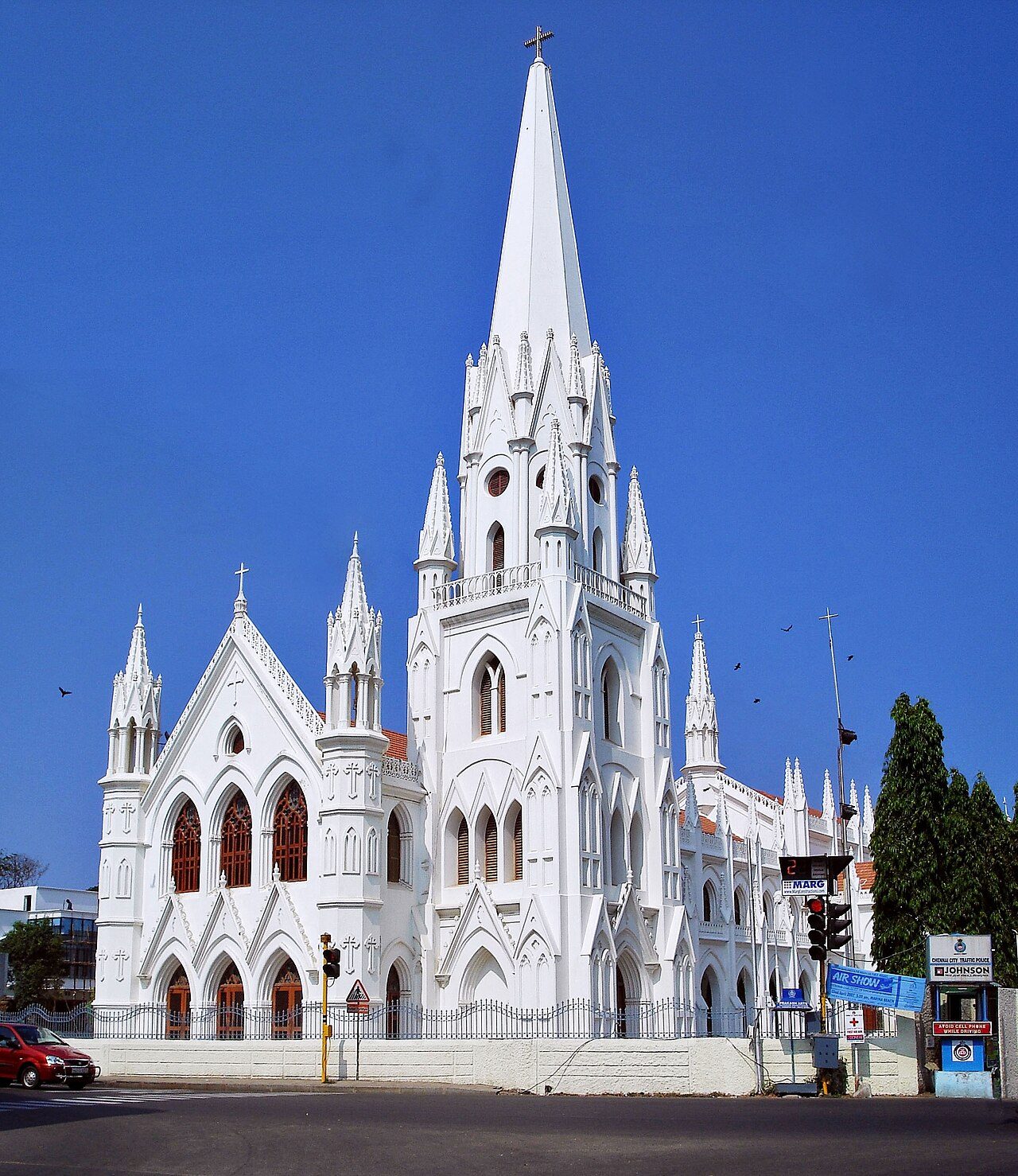
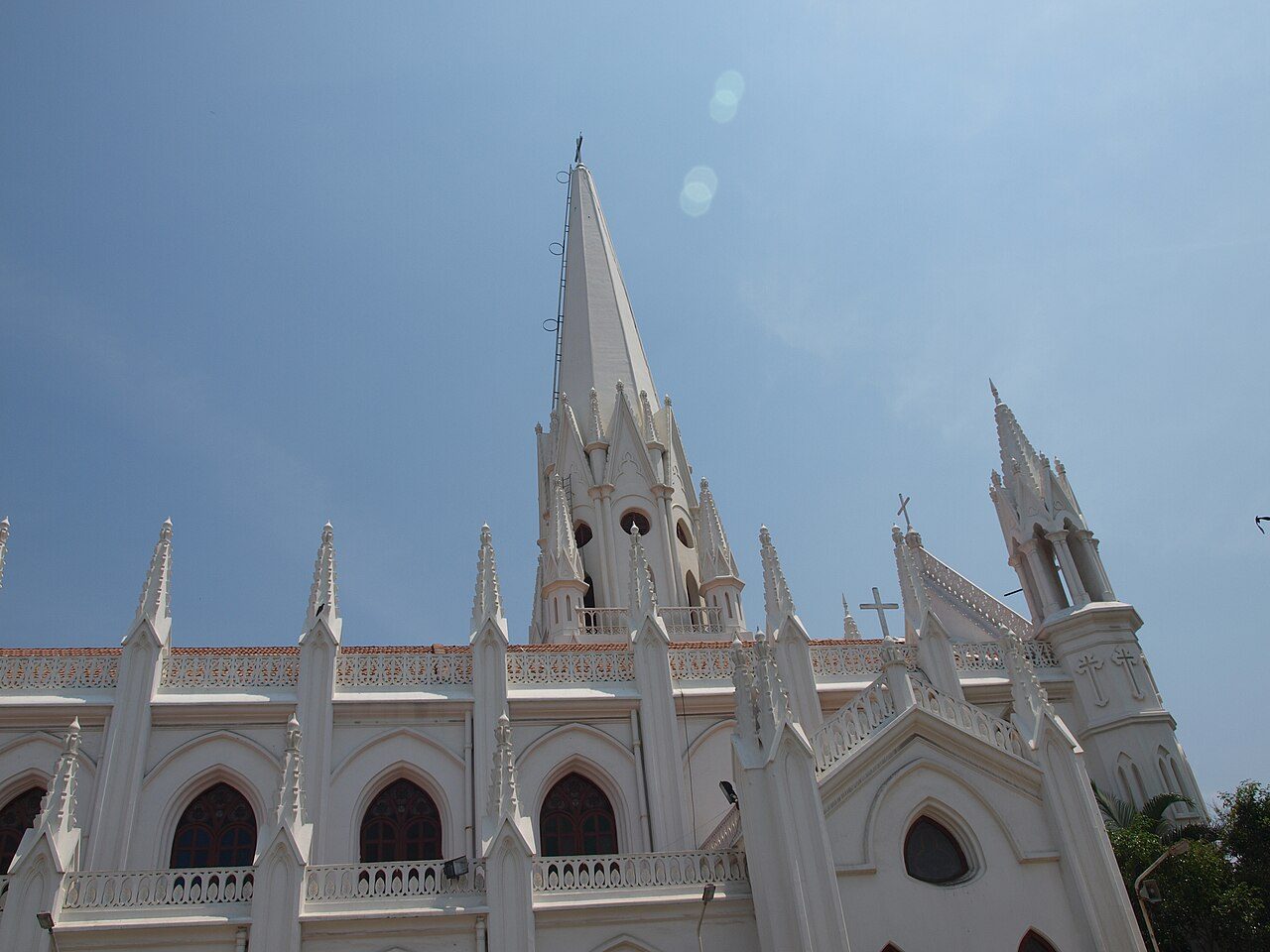
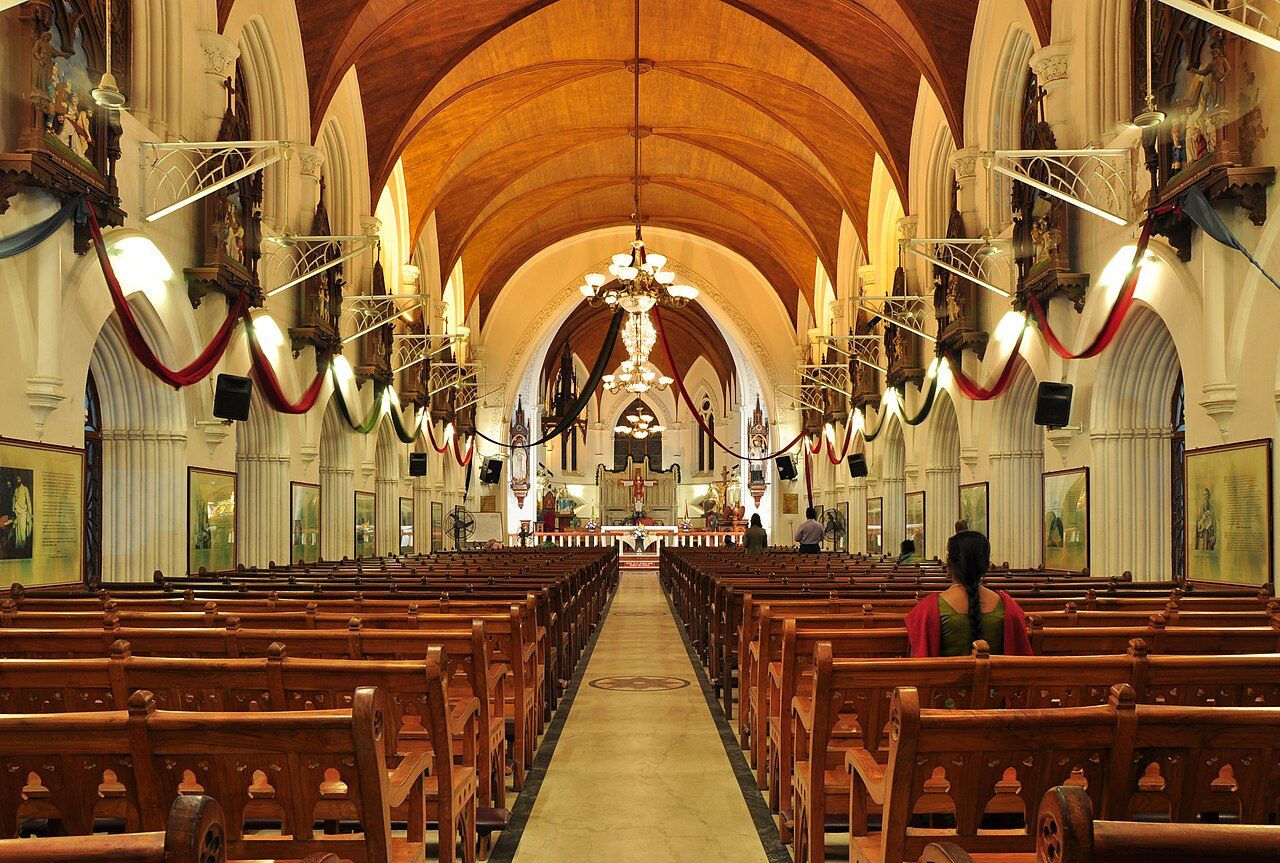
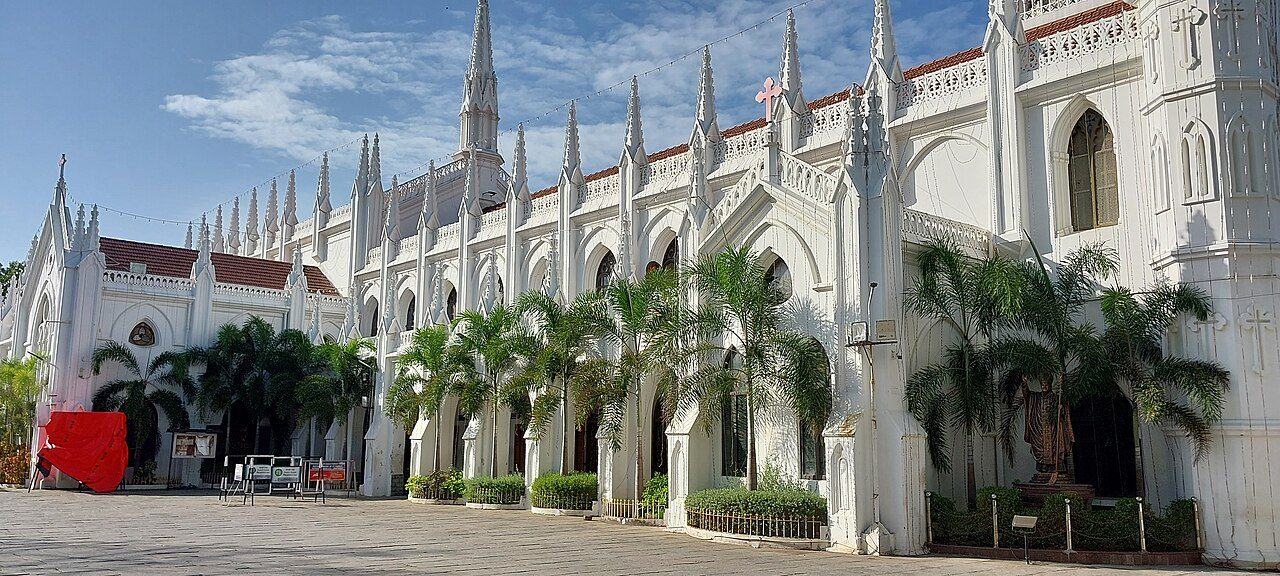
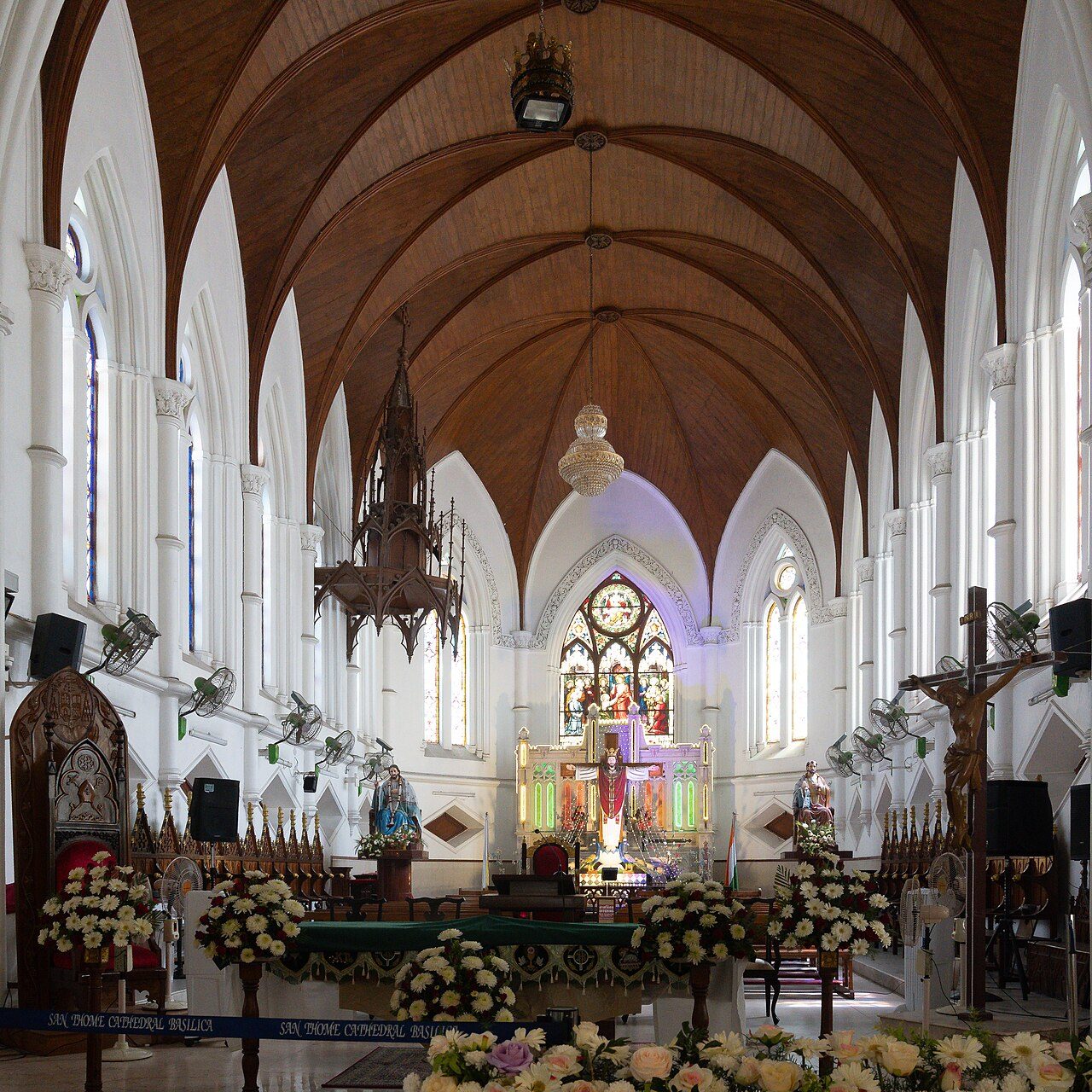
Built by the Portuguese in 1523 over what tradition holds is the tomb of St Thomas the Apostle, and rebuilt by the British in neo-Gothic style in 1896. It is one of only three churches in the world raised over the burial place of an apostle, the others being St Peter's in Rome and Santiago de Compostela.
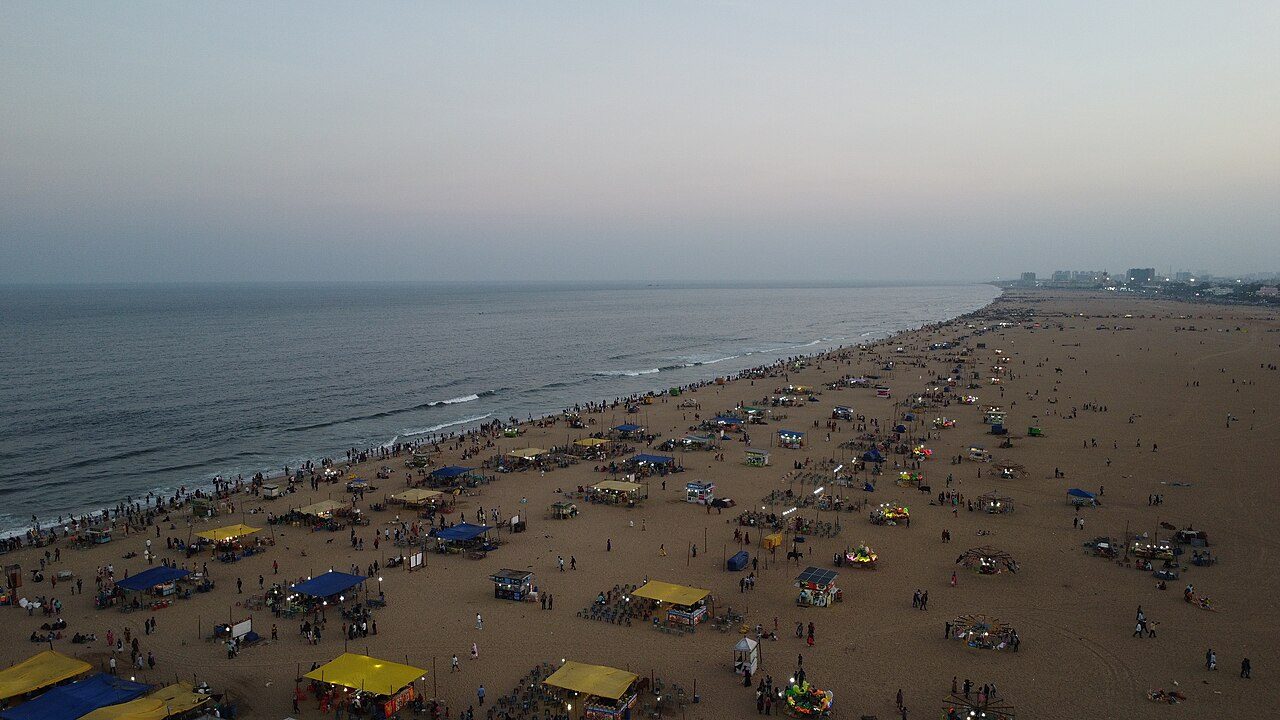
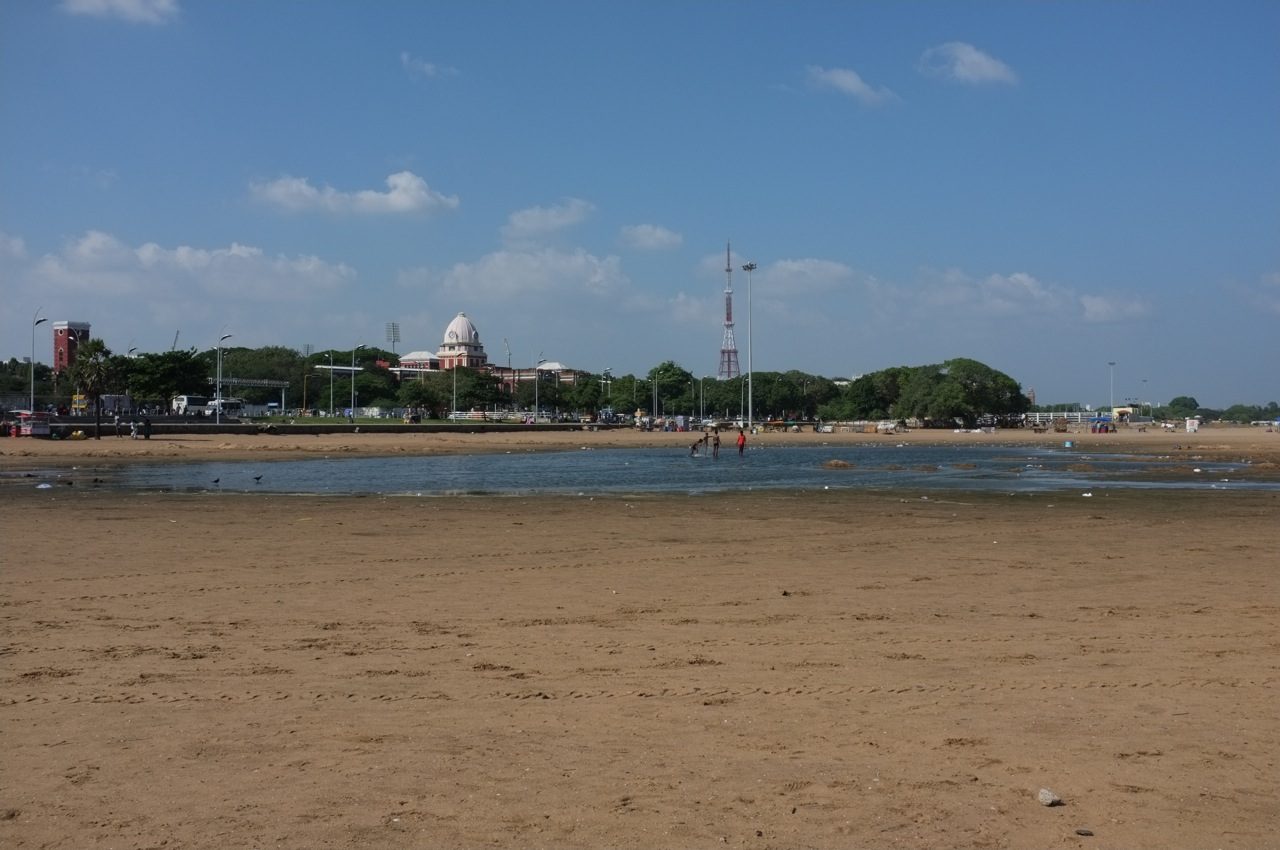
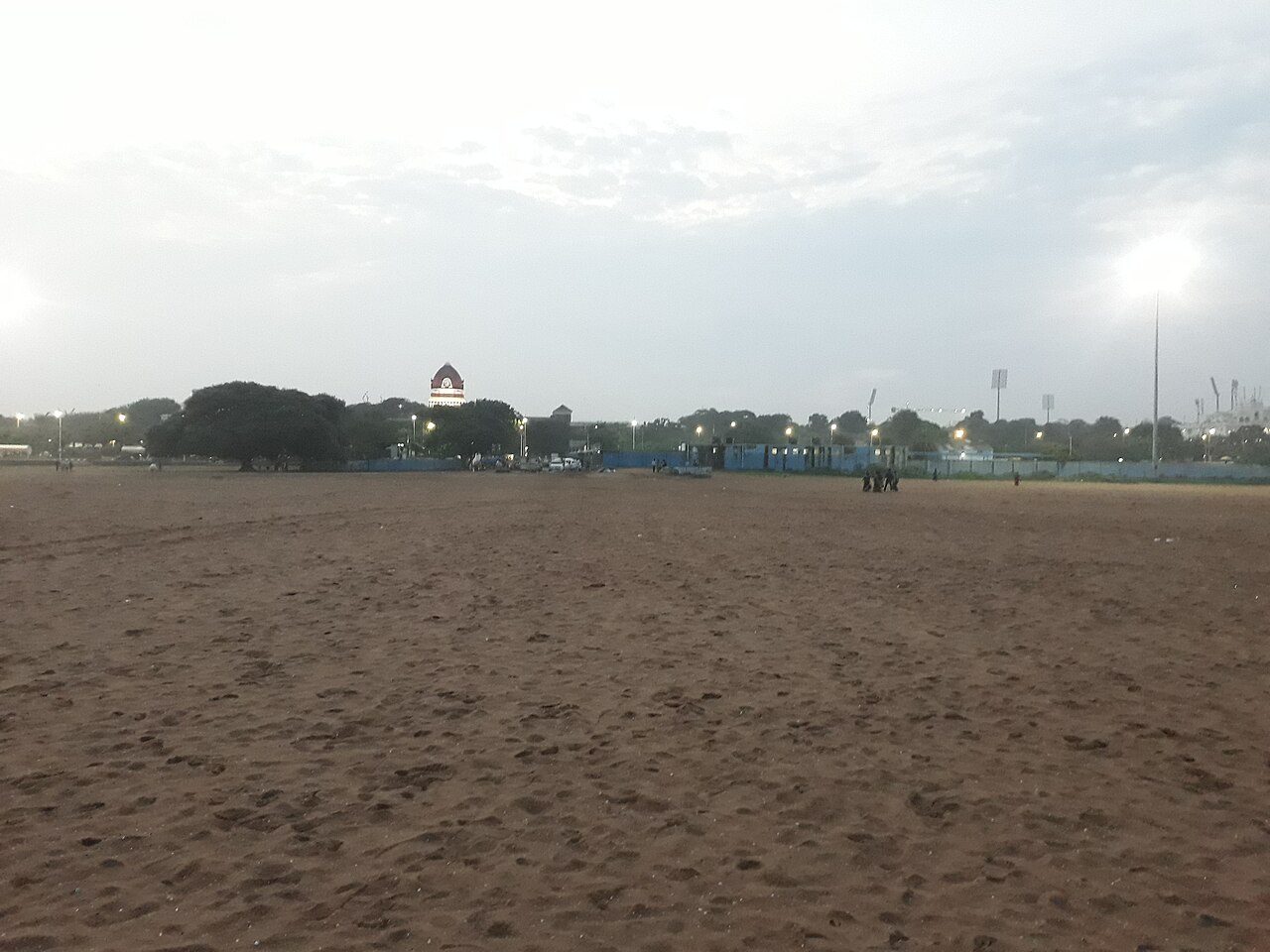
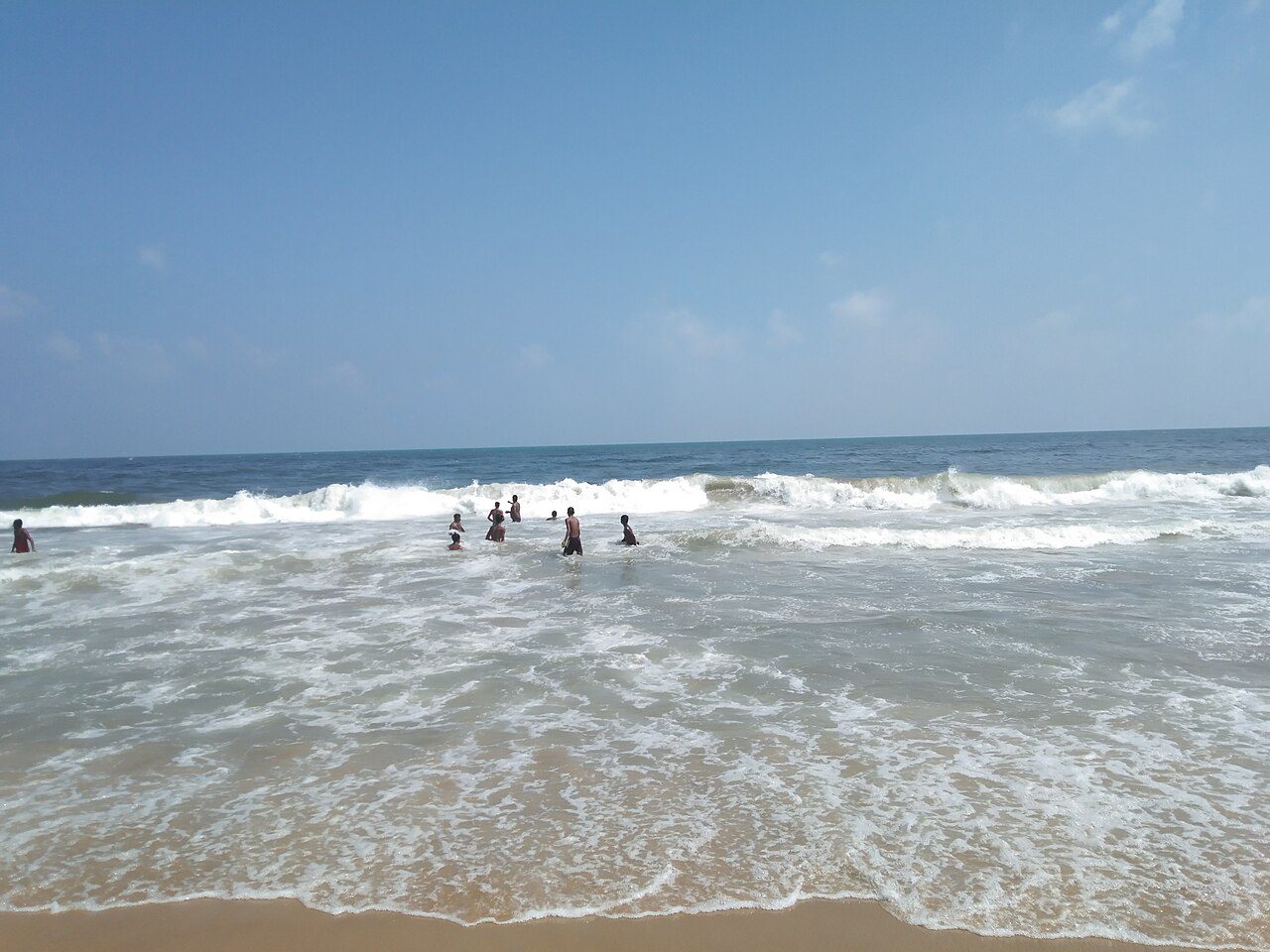
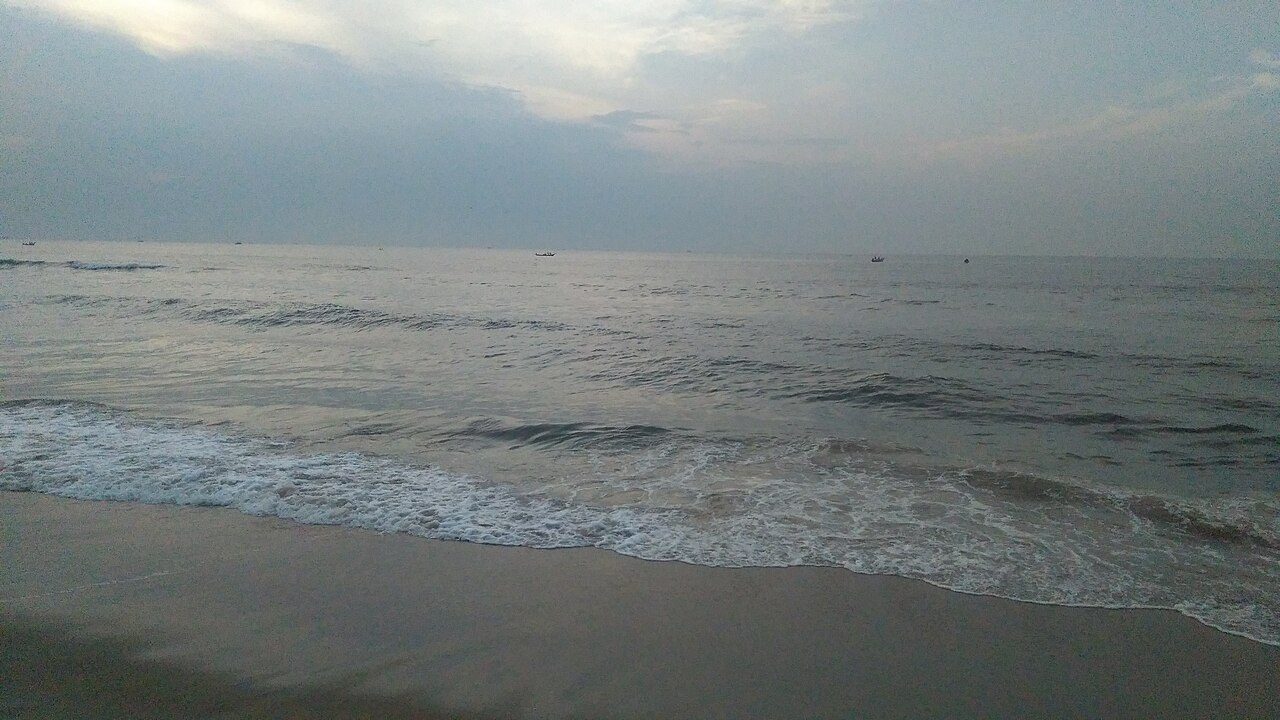
At roughly thirteen kilometres, Marina is one of the longest urban beaches in the world, laid out as a promenade by Governor Mountstuart Grant Duff in the 1880s. The sand shelves steeply and the undertow is dangerous, so almost nobody swims; people come to walk, eat and watch the sea. Statues, the old university buildings and the ice house line the landward side.
Best weather: Dec – MarHeavy rain: Oct – Nov
Seasons from 20 years of NASA POWER climate data.
Was this trip blog helpful?
0
0
Ready to follow this route?
Copy all 61 stops into your trip plans in the app.
 WaTrips