Kohima and Dzukou Valley in 3 Days TRIP BLOG Photo: Samudra Bikash Hazarik… · CC BY-SA 4.0
India · Nagaland · Kohima

Kohima and Dzukou Valley in 3 Days

3 DAYS 7 places by WaTrips

The Kachari ruins, the Kohima War Cemetery and Cathedral, Kisama, Khonoma and Kigwema, then Dzukou Valley.

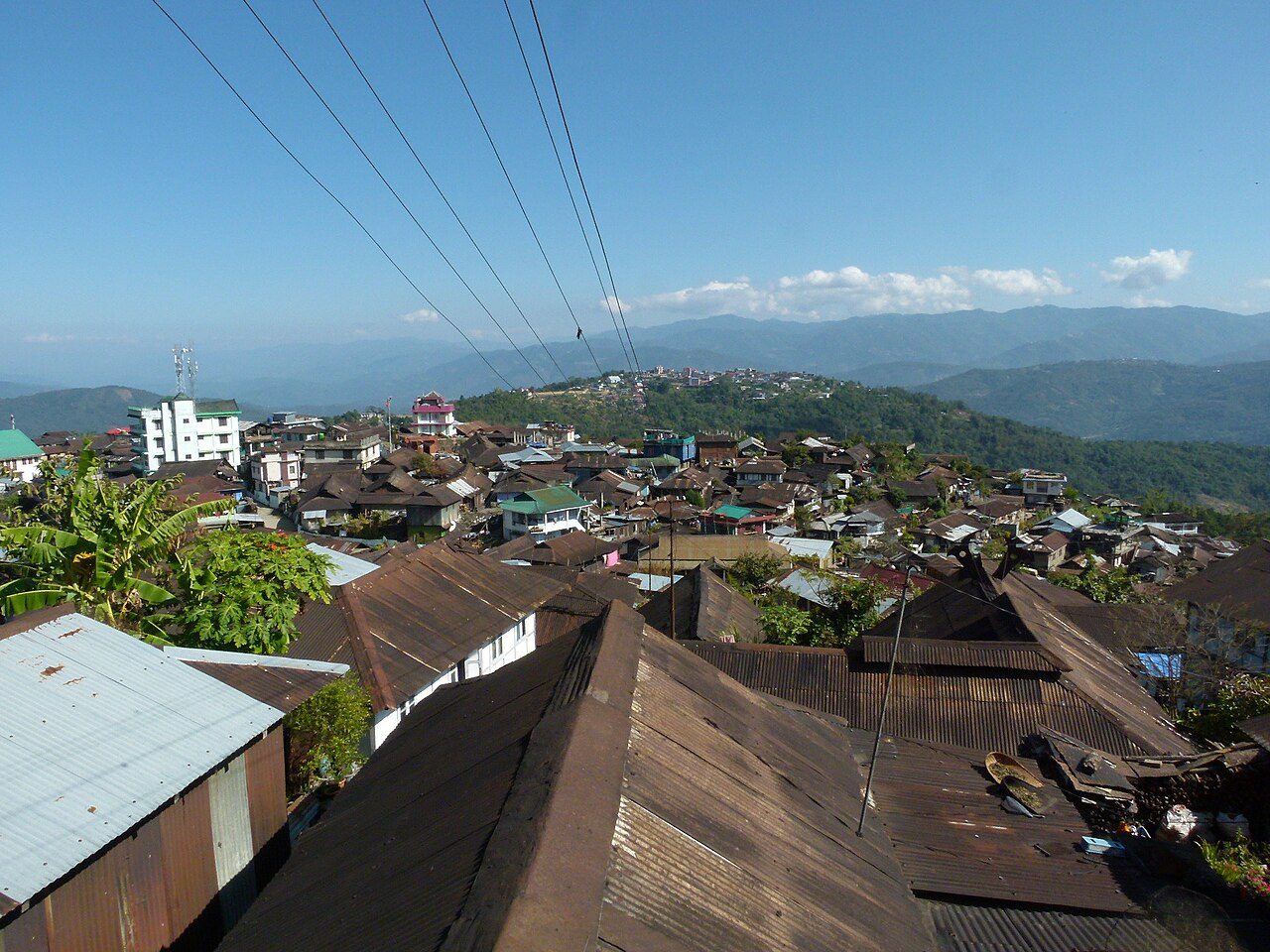
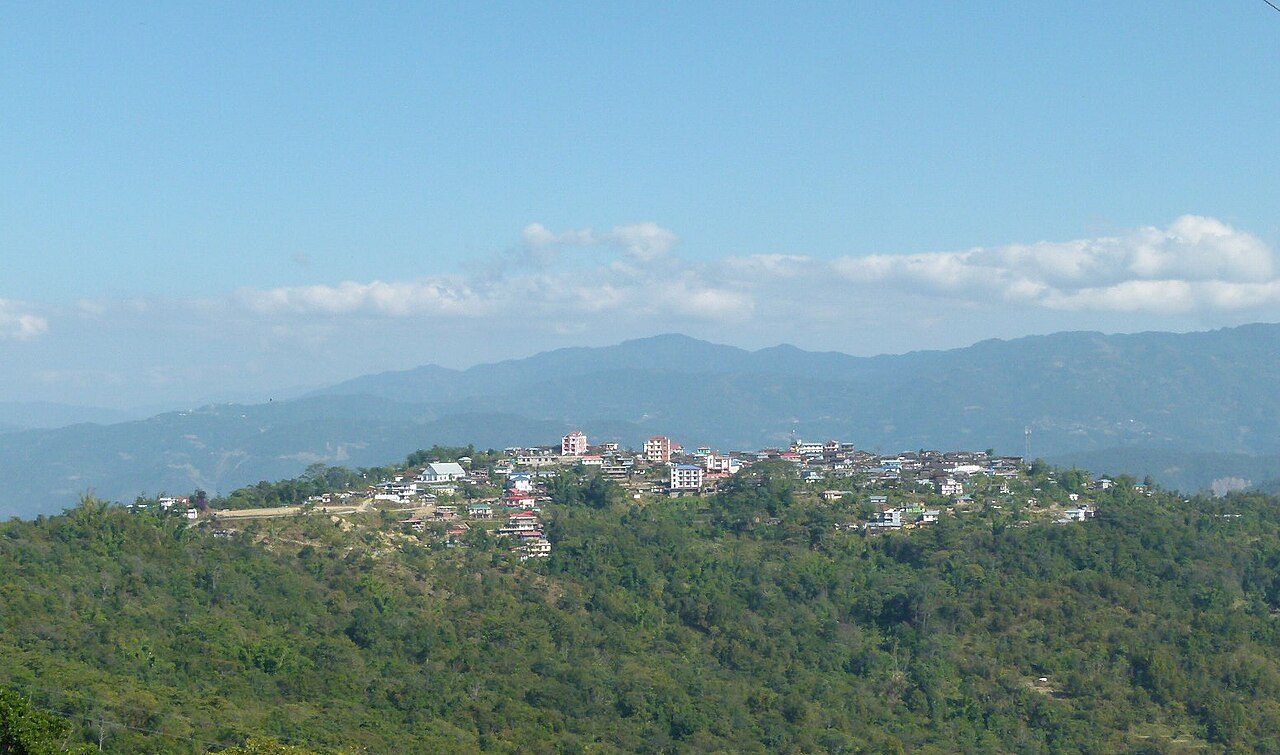
Nagaland's capital is full of history and Naga culture. Day one stops at the Kachari ruins in Dimapur and visits the Kohima War Cemetery, site of a key battle of 1944, and the Kohima Cathedral. Day two goes to Kisama Heritage Village, home of the Hornbill Festival from 1 to 10 December, the green village of Khonoma and Kigwema. Day three hikes into Dzukou Valley and its rolling meadows. You need an Inner Line Permit; October to May is best.

01
STOP 1 OF 7

Kachari Ruins Dimapur
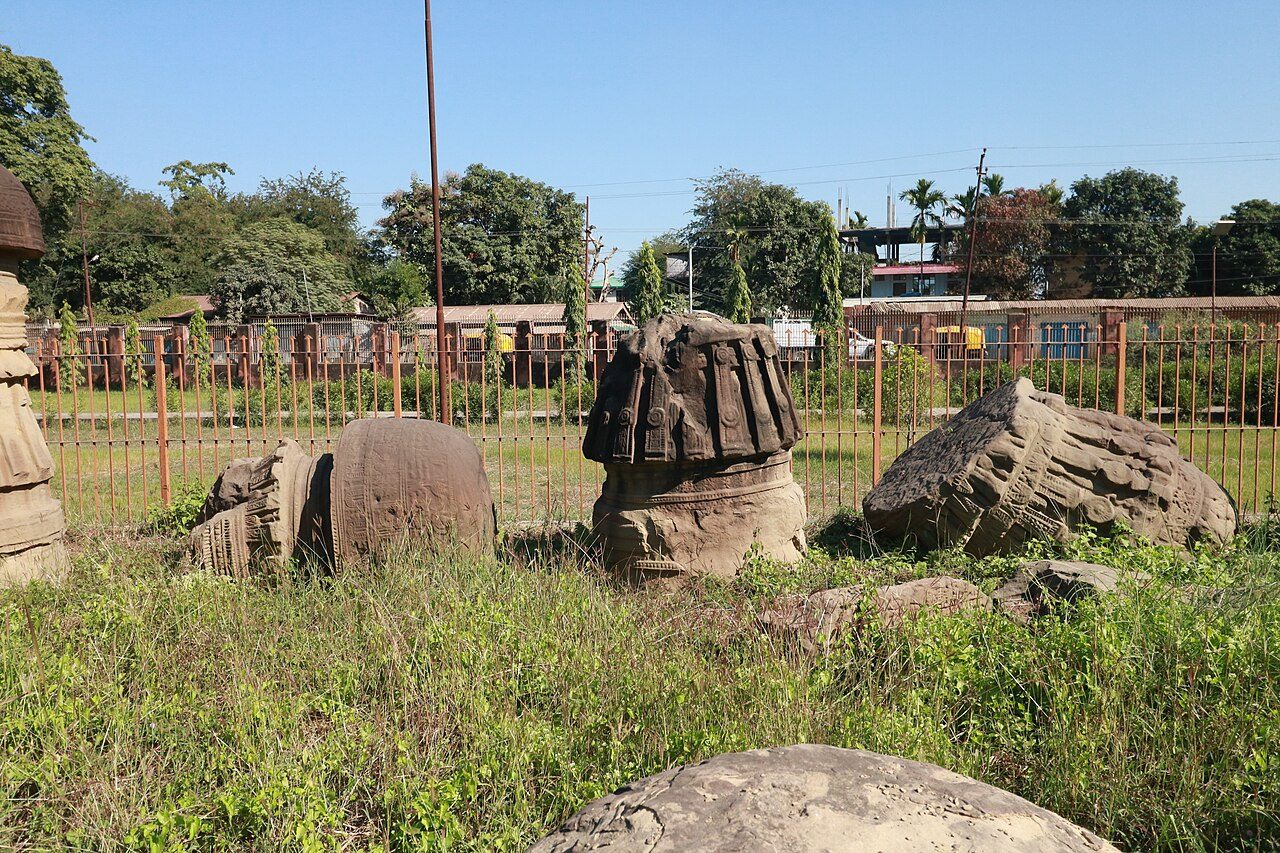
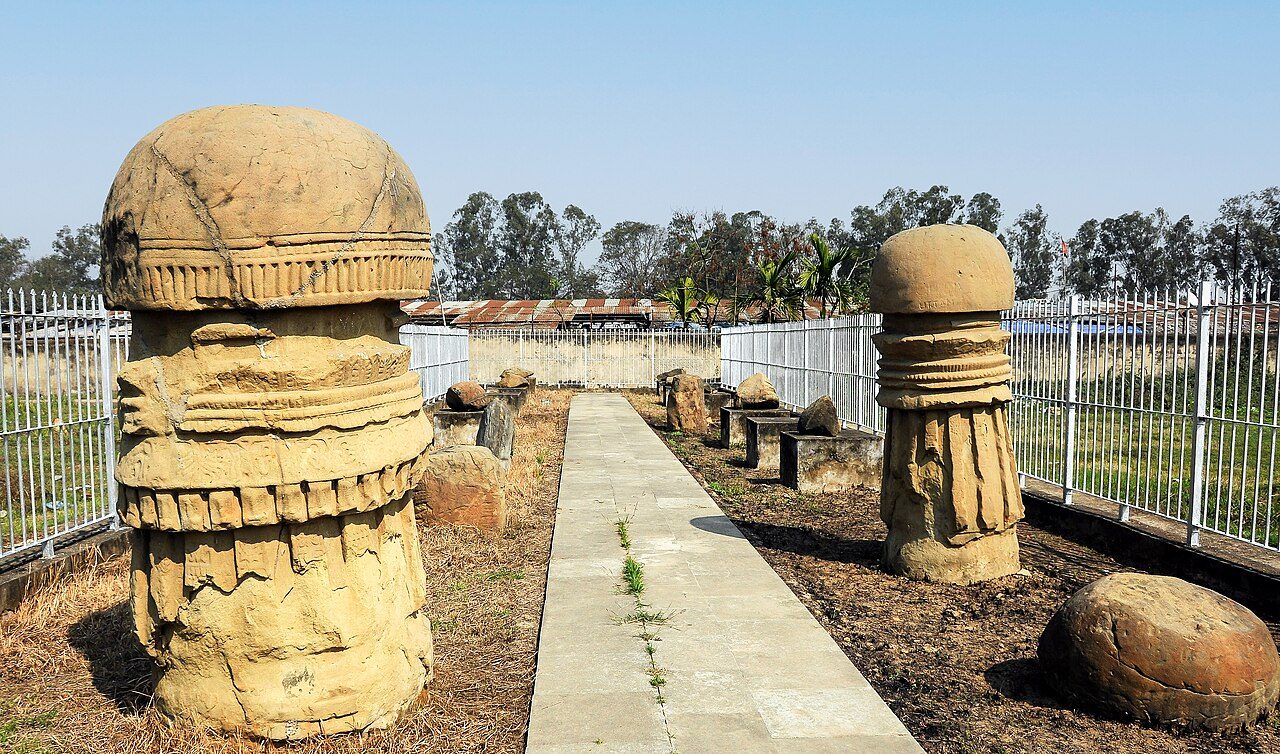
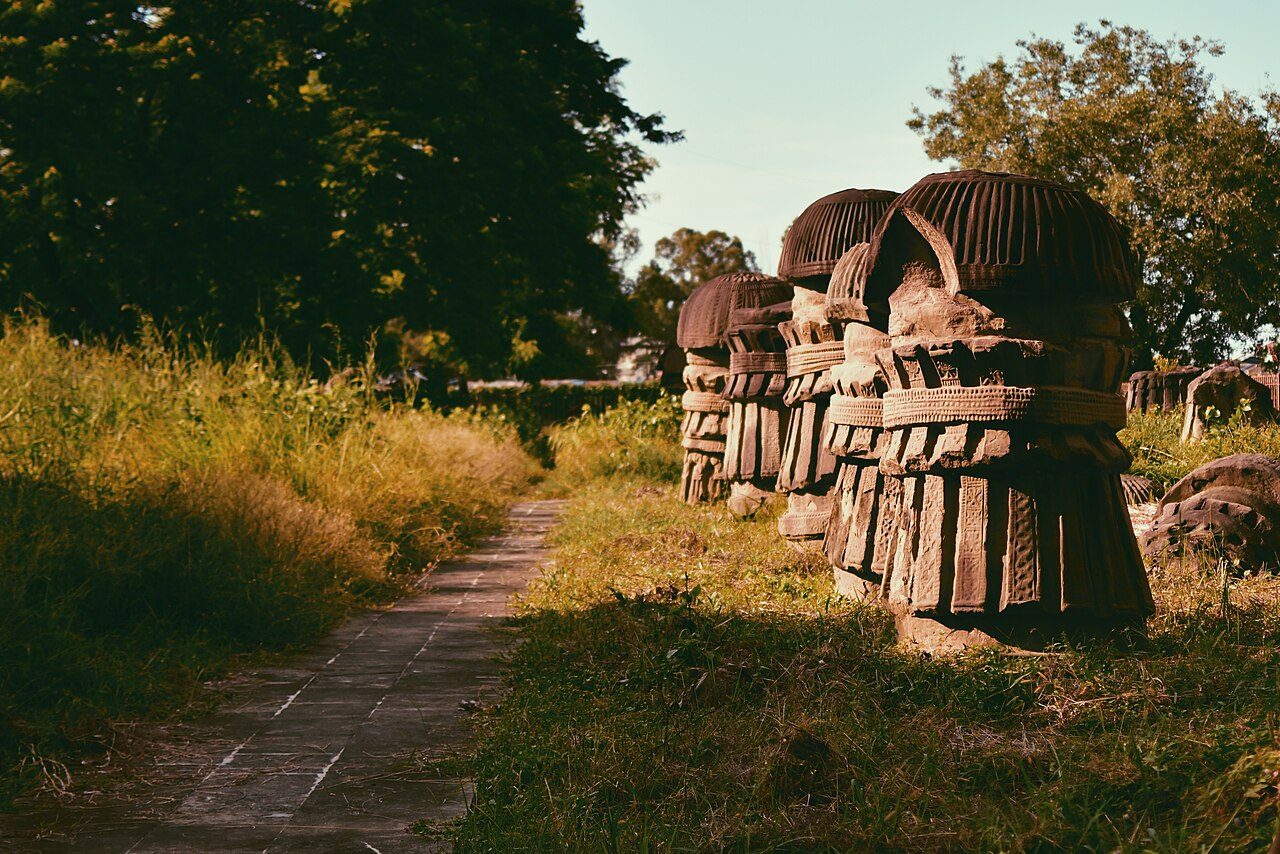
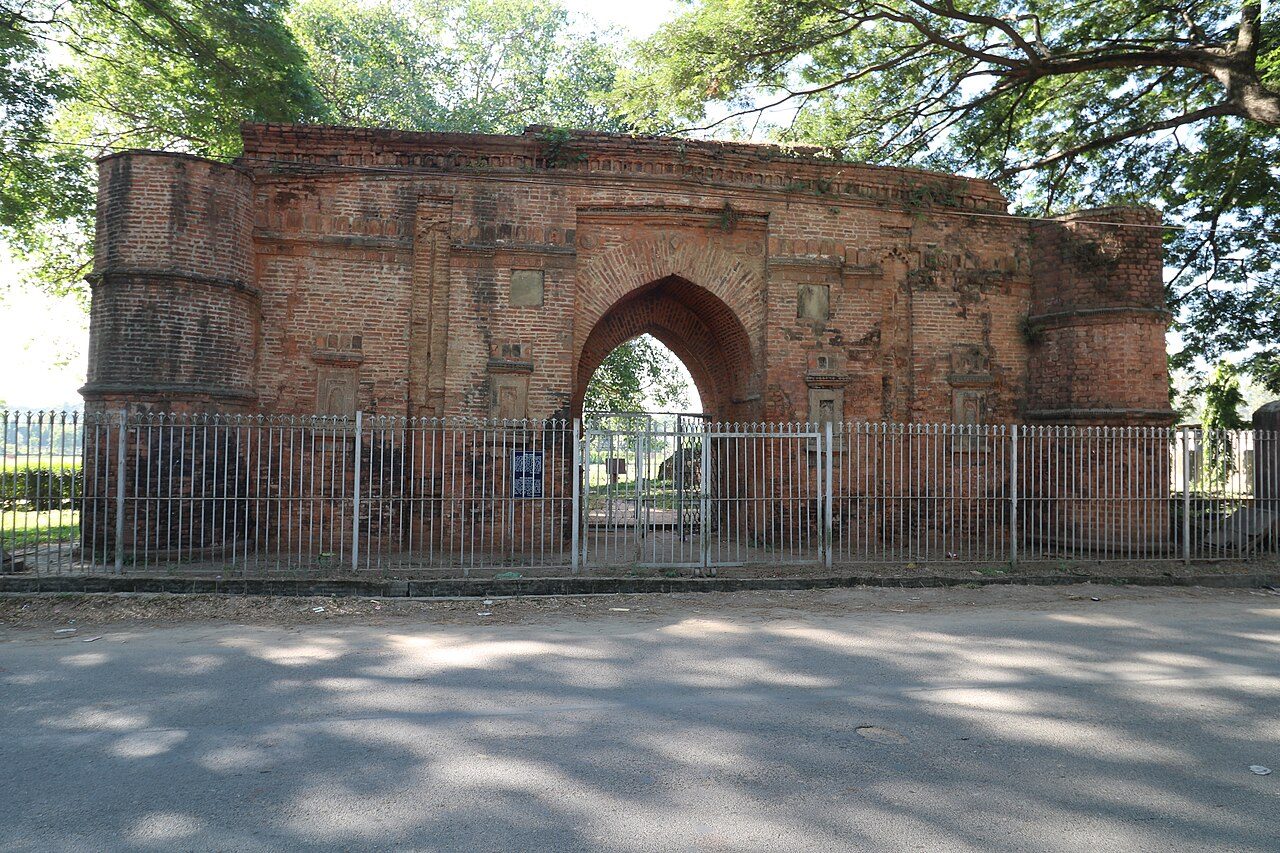
The Kachari Ruins in Dimapur are the remains of the capital of the Dimasa Kachari kingdom, which flourished here before the Ahom invasion of the 16th century. Rows of carved sandstone pillars, some shaped like giant mushrooms and others V-shaped, stand in a walled compound entered by a brick gateway. Their exact purpose is still debated.

Best weather: Nov – Mar Heavy rain: Jul
02
STOP 2 OF 7

Kohima War Cemetery

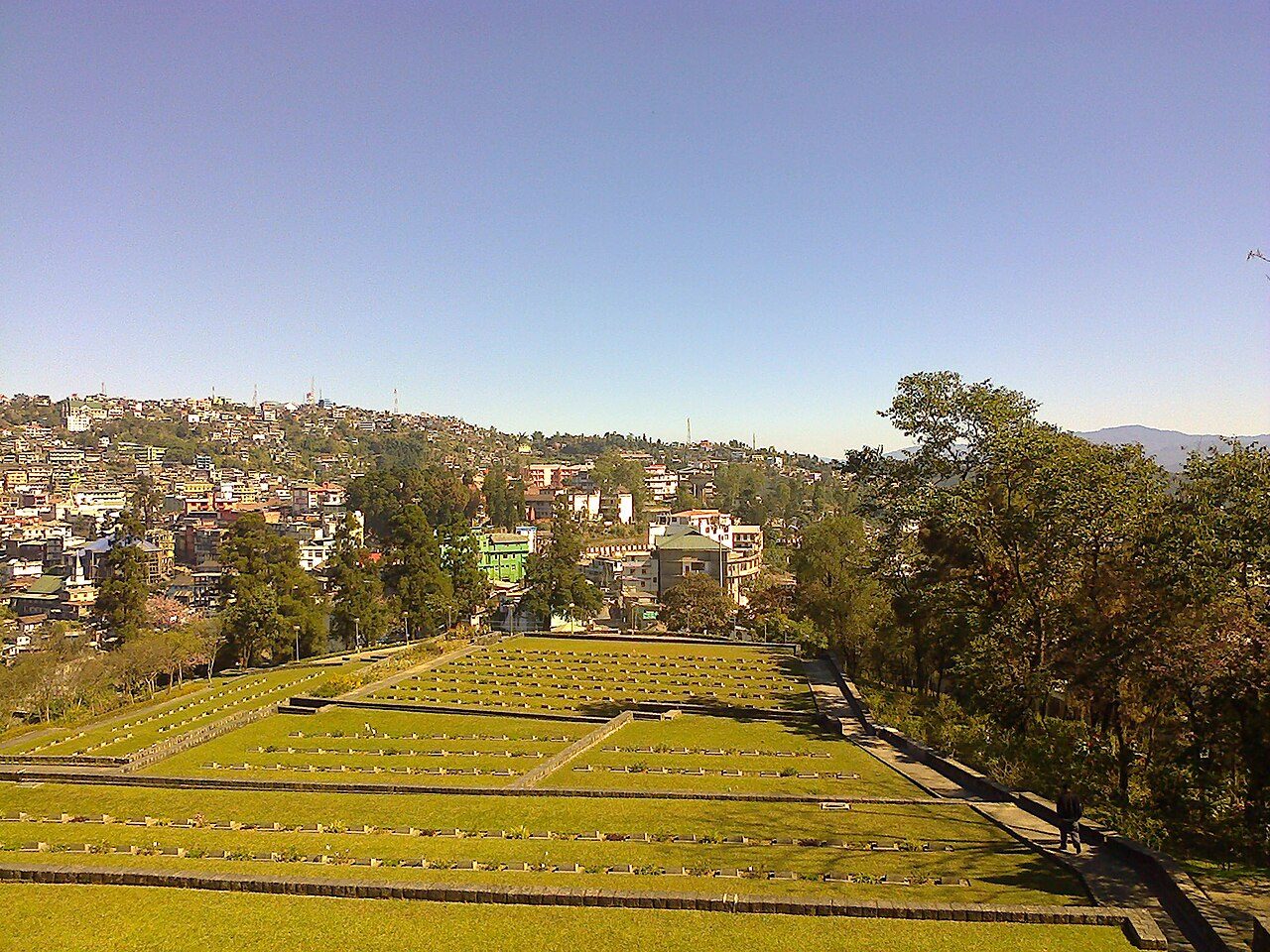
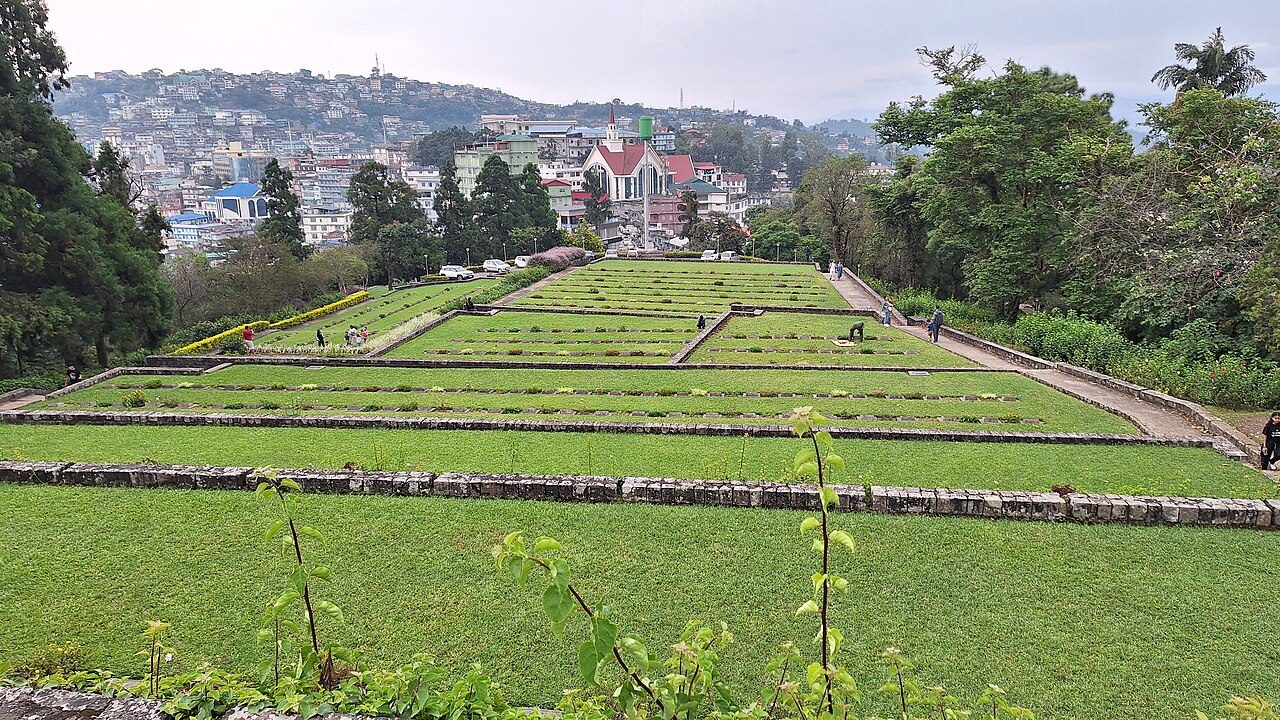
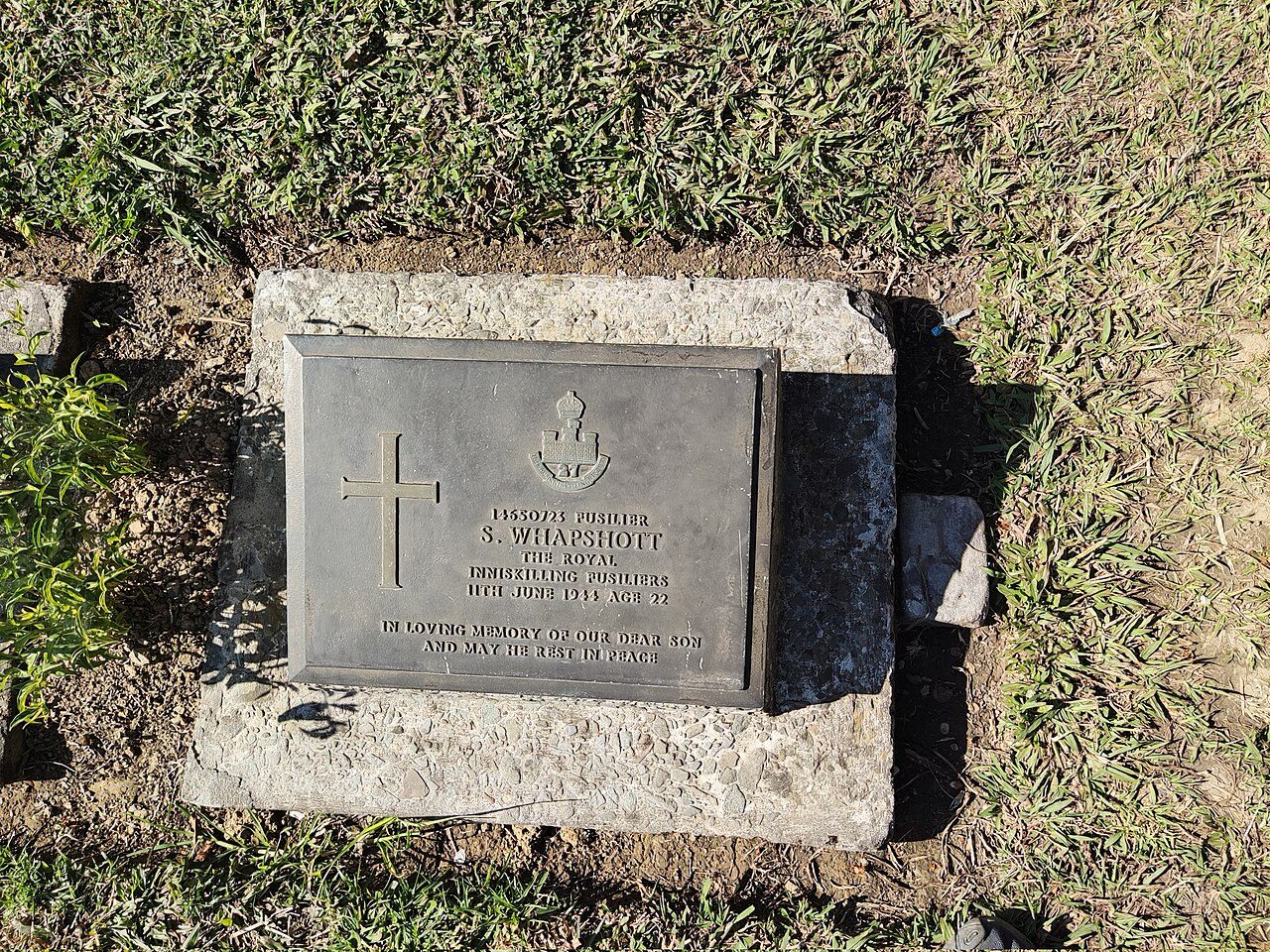
Kohima War Cemetery lies on Garrison Hill in the middle of Kohima, on the ground of the fierce battle of April to June 1944 that stopped the Japanese advance into India. More than 1,400 Commonwealth soldiers are buried on its terraces. A memorial carries the famous lines asking visitors to remember those who gave their today for others' tomorrow.

Best weather: Nov – Mar
03
STOP 3 OF 7

Kohima Cathedral

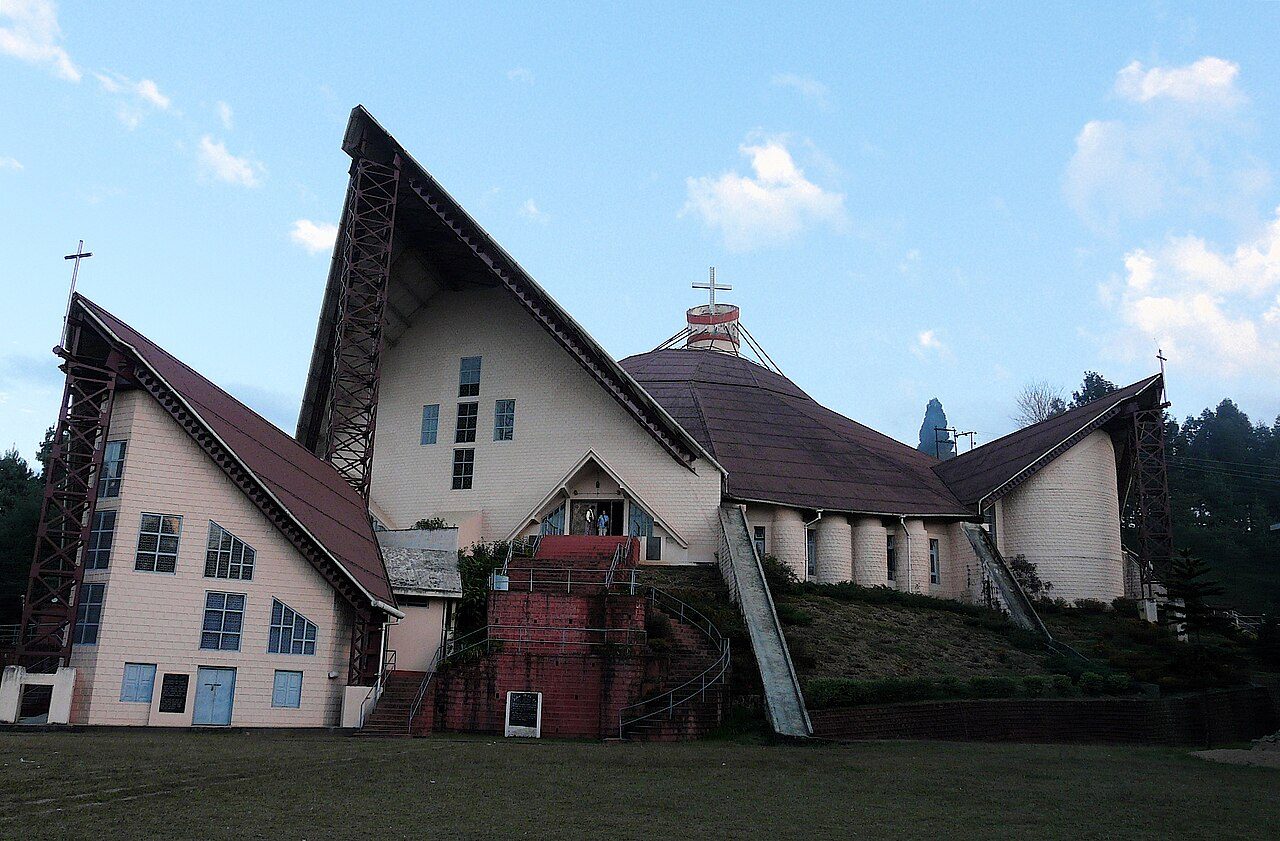
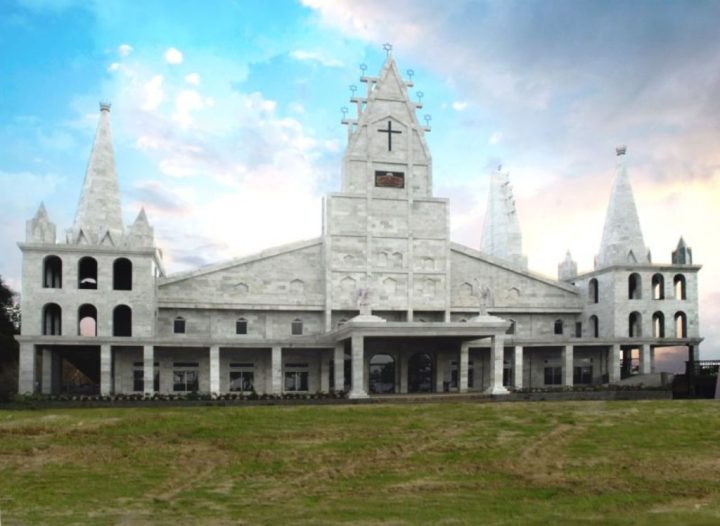
The Mary Help of Christians Cathedral stands on Aradura Hill in Kohima and is the main Catholic church of Nagaland. Consecrated in 1991, its sweeping roof is shaped like a traditional Naga house. Inside is one of the largest carved wooden crucifixes in Asia. Part of the funding came from Japanese families in memory of soldiers who died at Kohima.

Best weather: Oct – Dec
04
STOP 4 OF 7

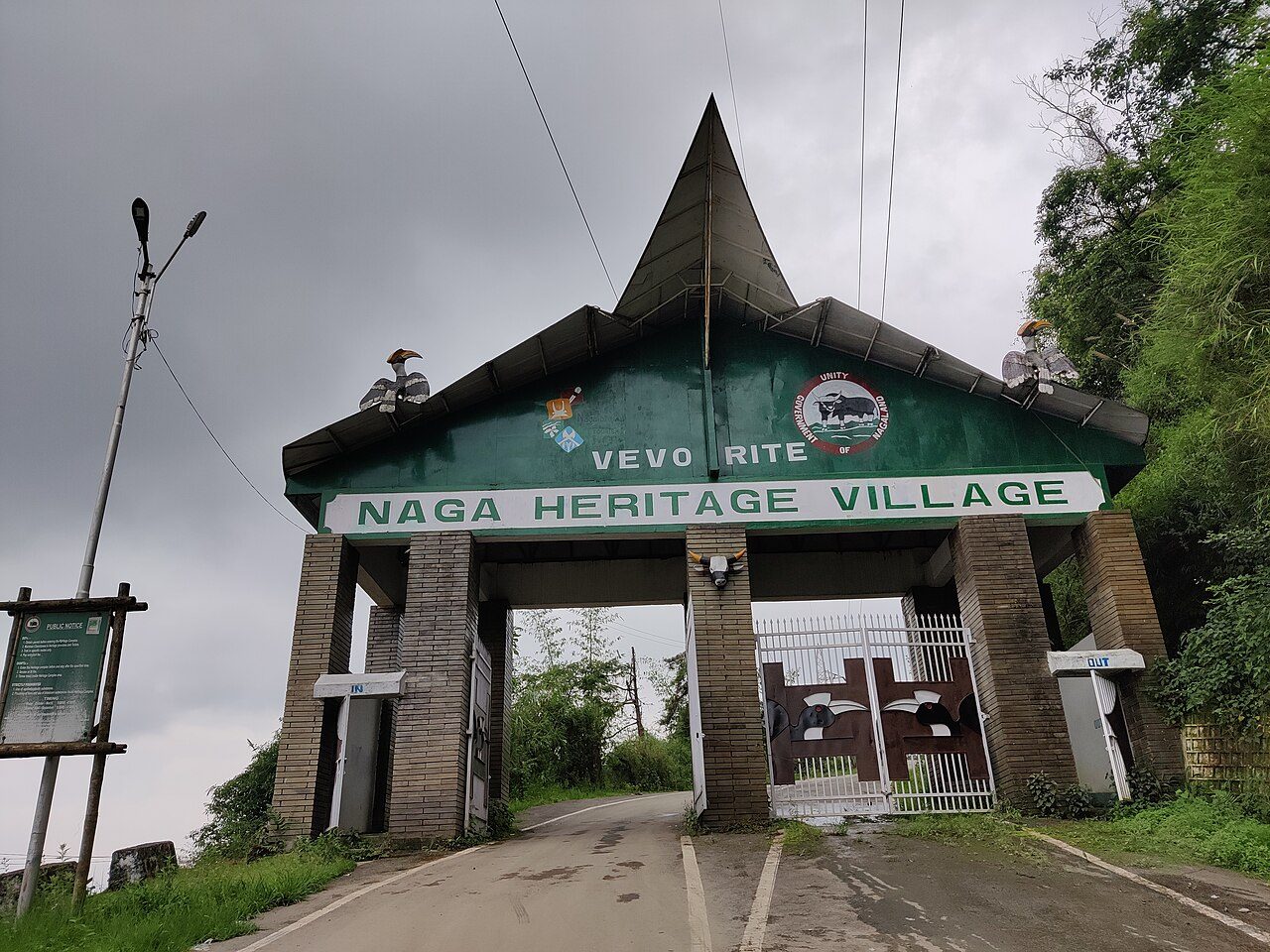
Kisama Heritage Village

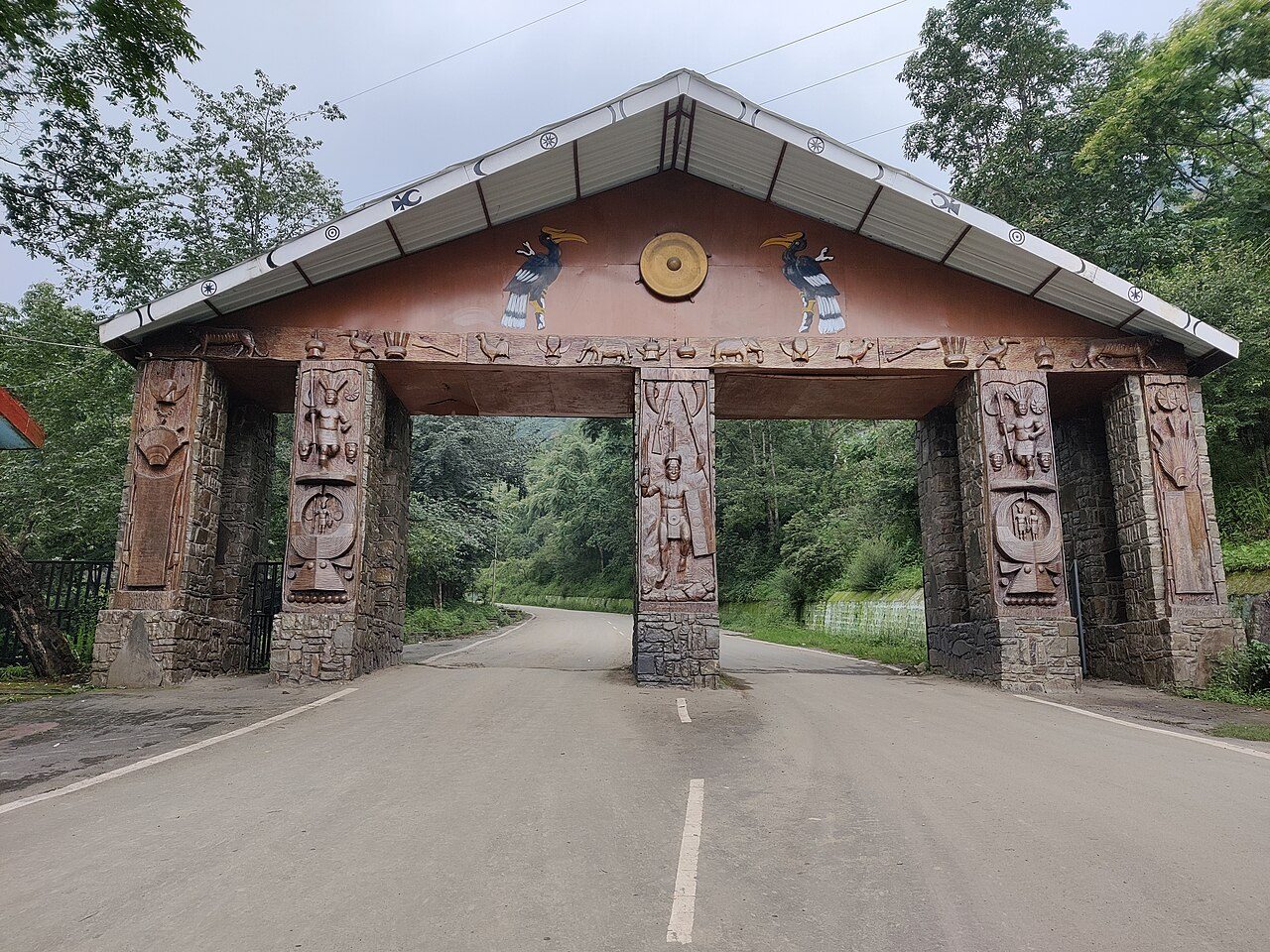
Kisama Heritage Village, about 12 km south of Kohima, is the venue of the Hornbill Festival held from 1 to 10 December each year. Traditional houses, or morungs, of the Naga tribes are built along the slope, each in its own style. During the festival the tribes perform dances, songs and games here; a World War II museum is on site.

Best weather: Oct – Nov
05
STOP 5 OF 7

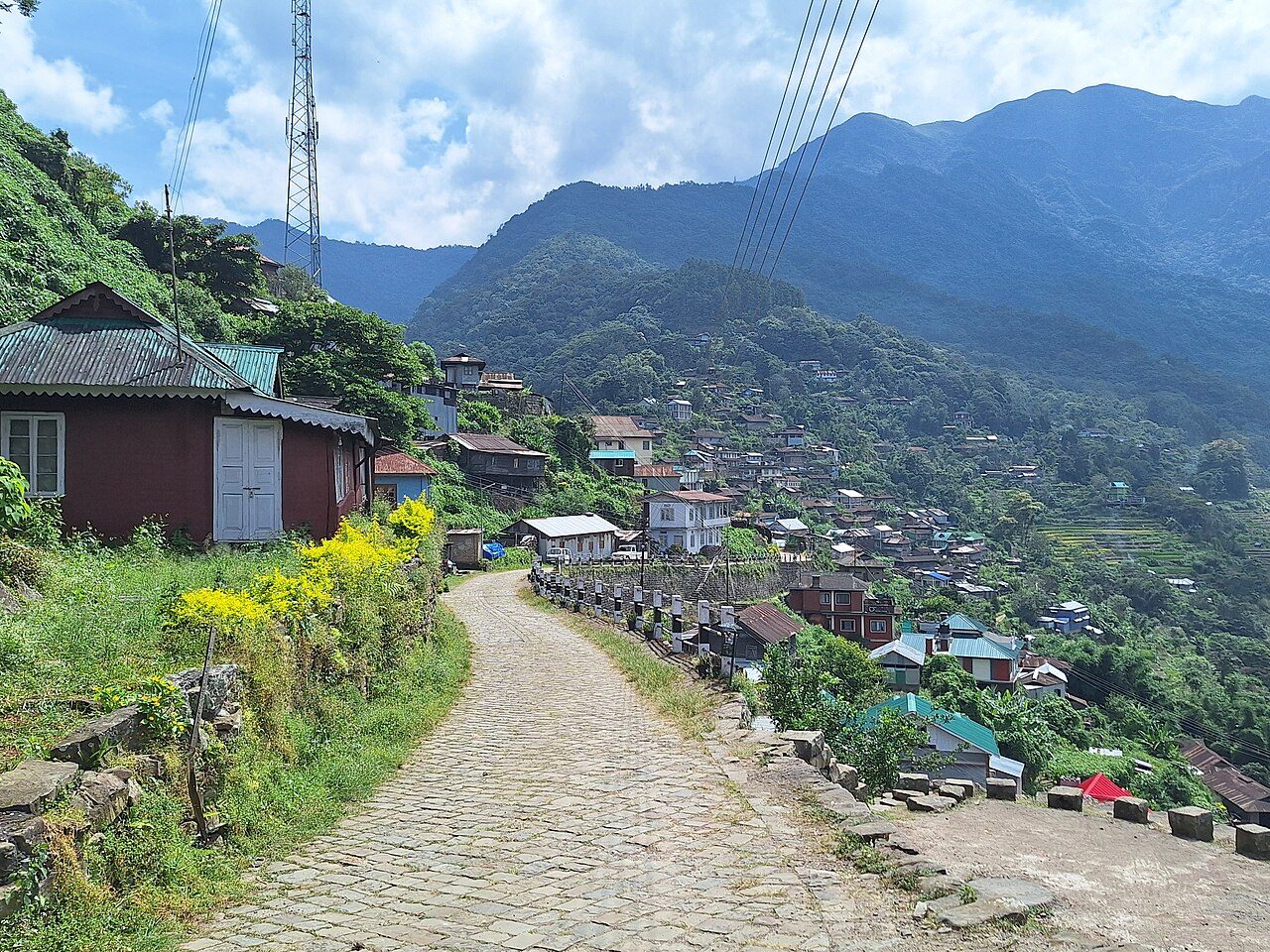
Khonoma Village

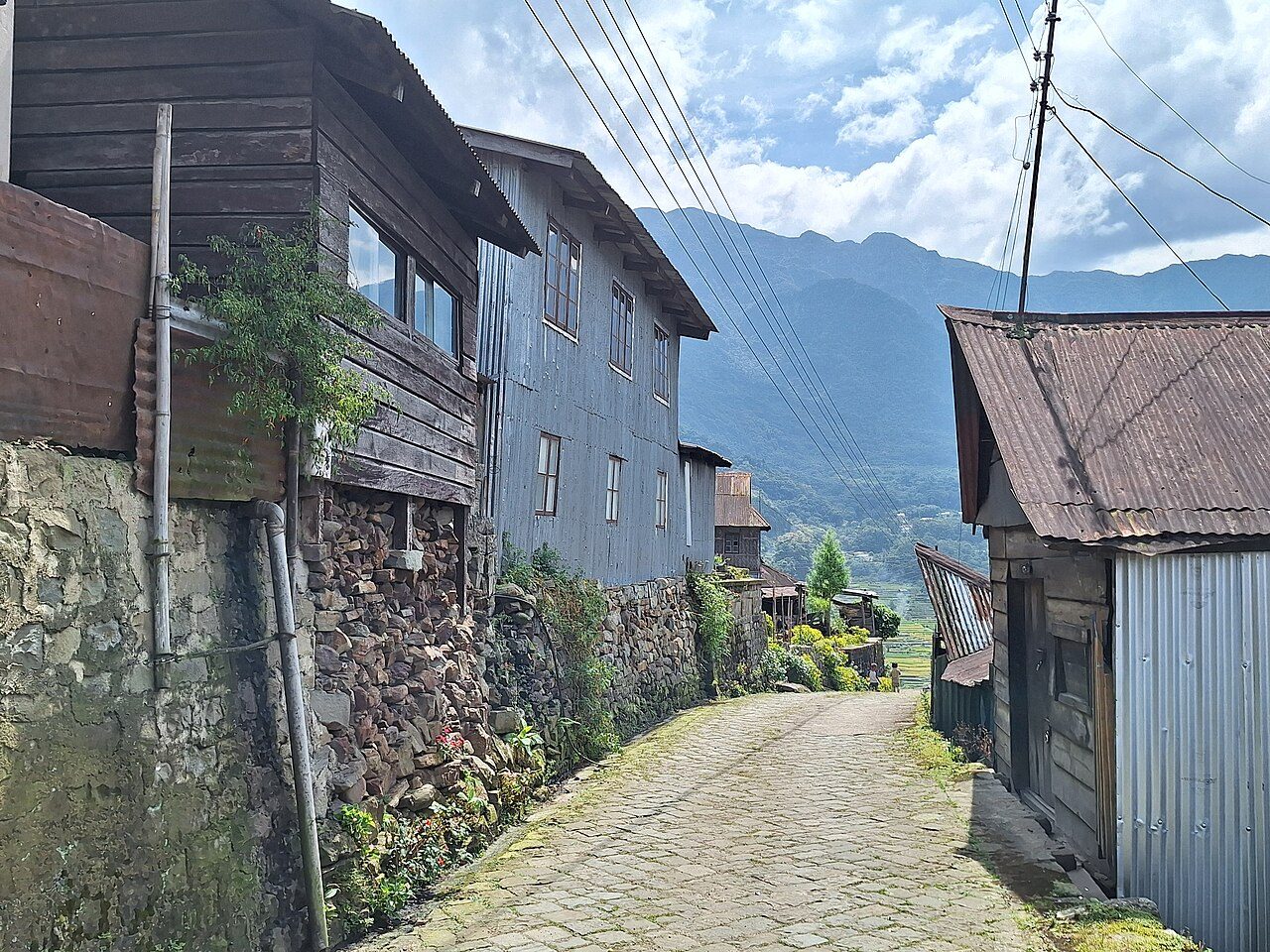
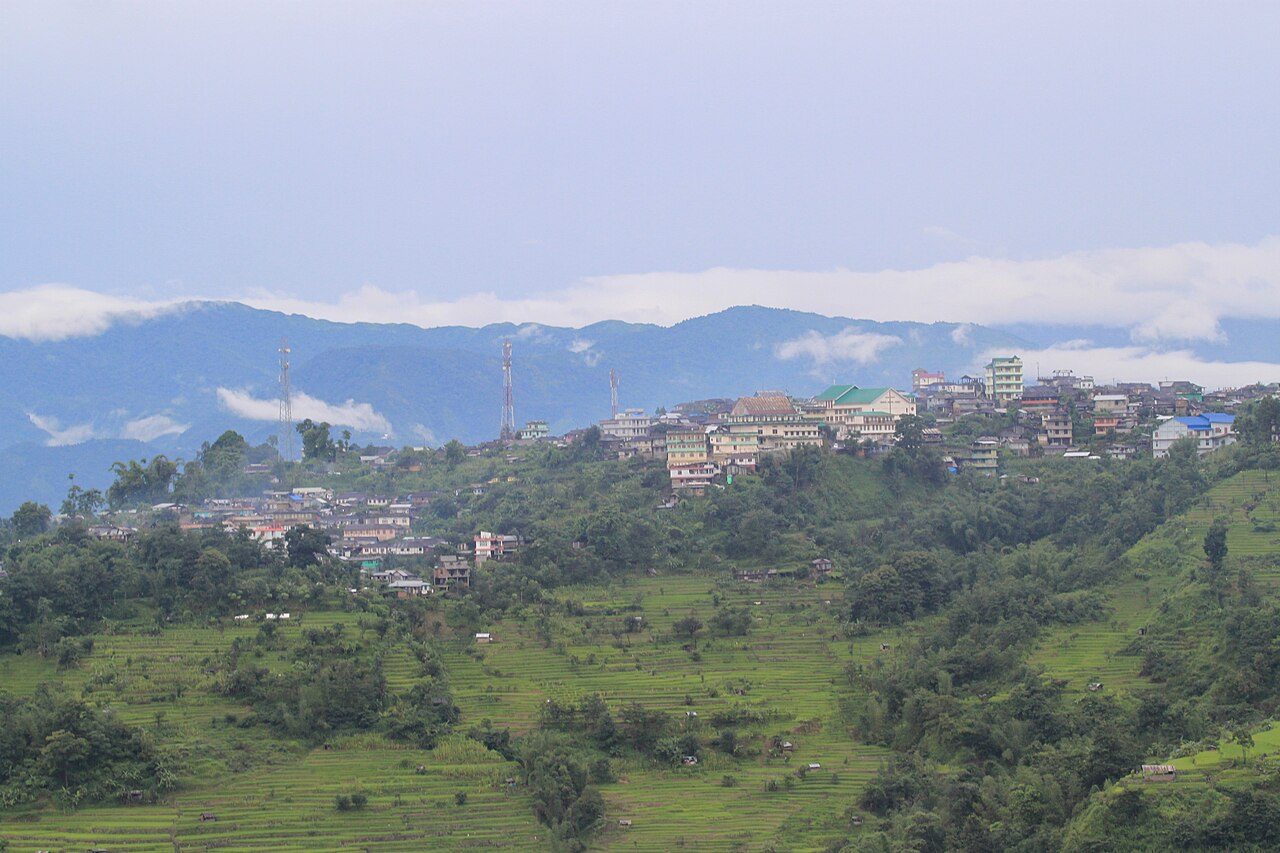
Khonoma is an Angami Naga village about 20 km west of Kohima, set on a ridge above terraced rice fields. It is remembered for its resistance to British forces in the 19th century, and old stone forts still stand. In 1998 the villagers banned hunting and created a community reserve, earning Khonoma the name of India's first green village.

Best weather: Nov – Mar
06
STOP 6 OF 7

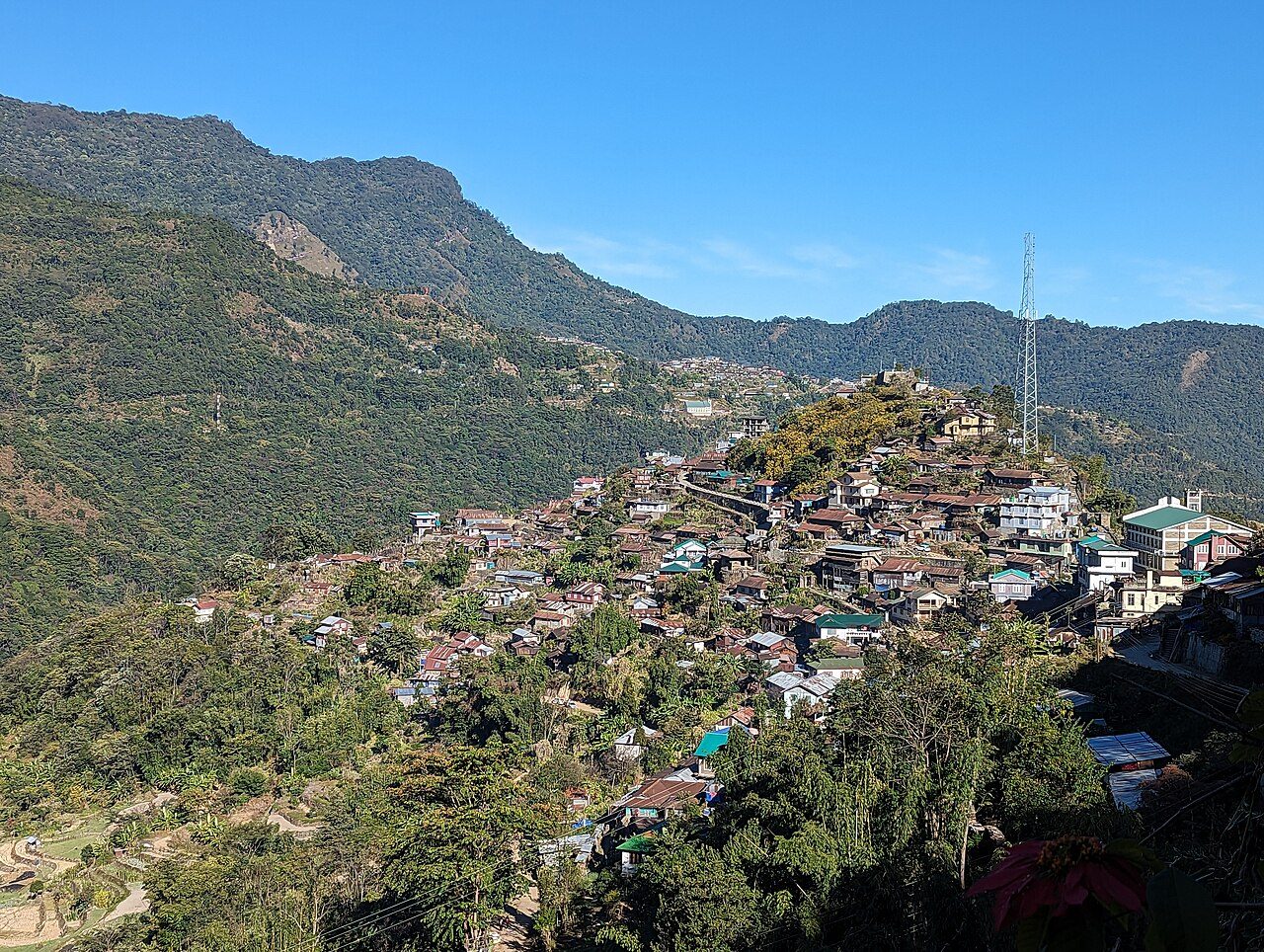
Kigwema Village

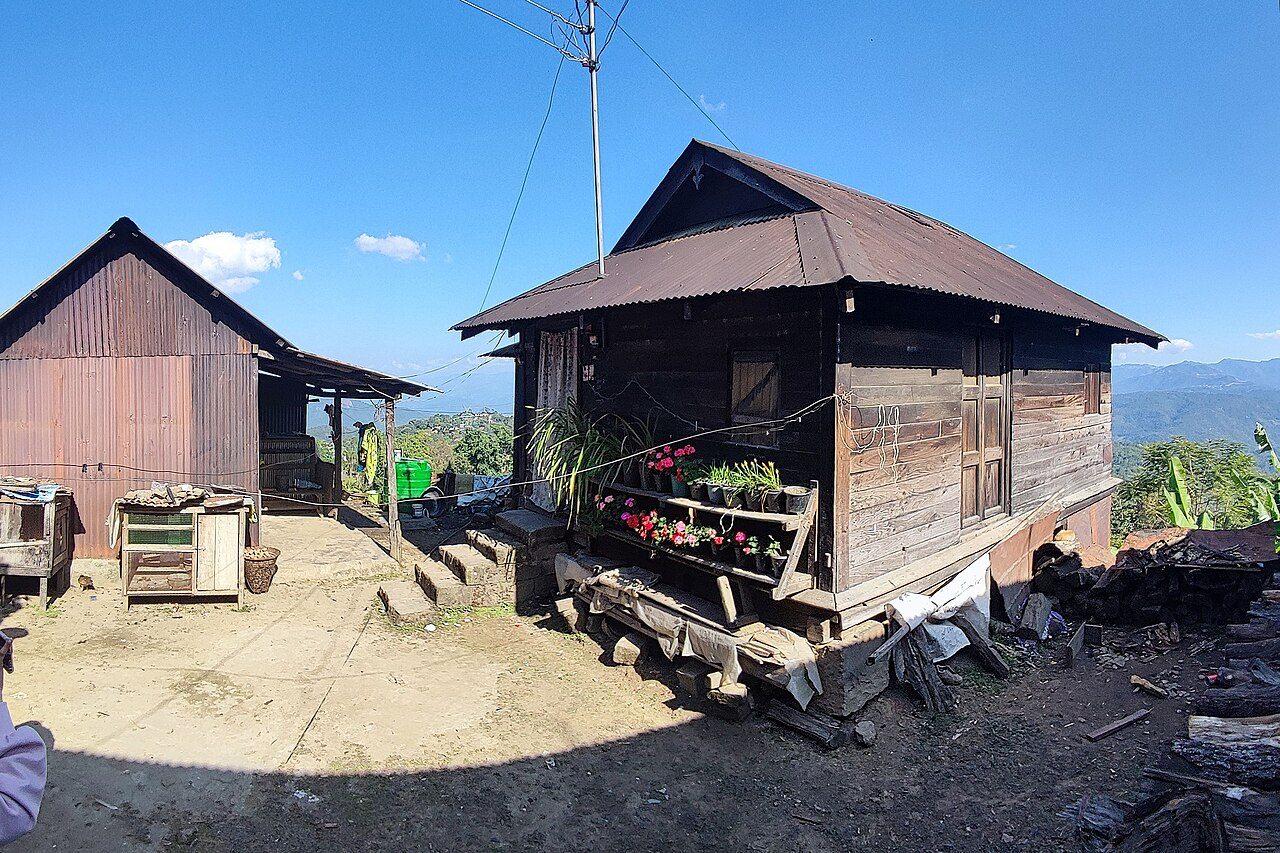
Kigwema is an Angami Naga village about 15 km south of Kohima on the road to Manipur. Japanese troops camped here in 1944 during the advance on Kohima, and a house used by their commander still stands. Traditional houses with carved fronts line the lanes, and homestays make it a quiet base during the Hornbill Festival at nearby Kisama.

Best weather: Nov – Mar
07
STOP 7 OF 7 · LAST STOP

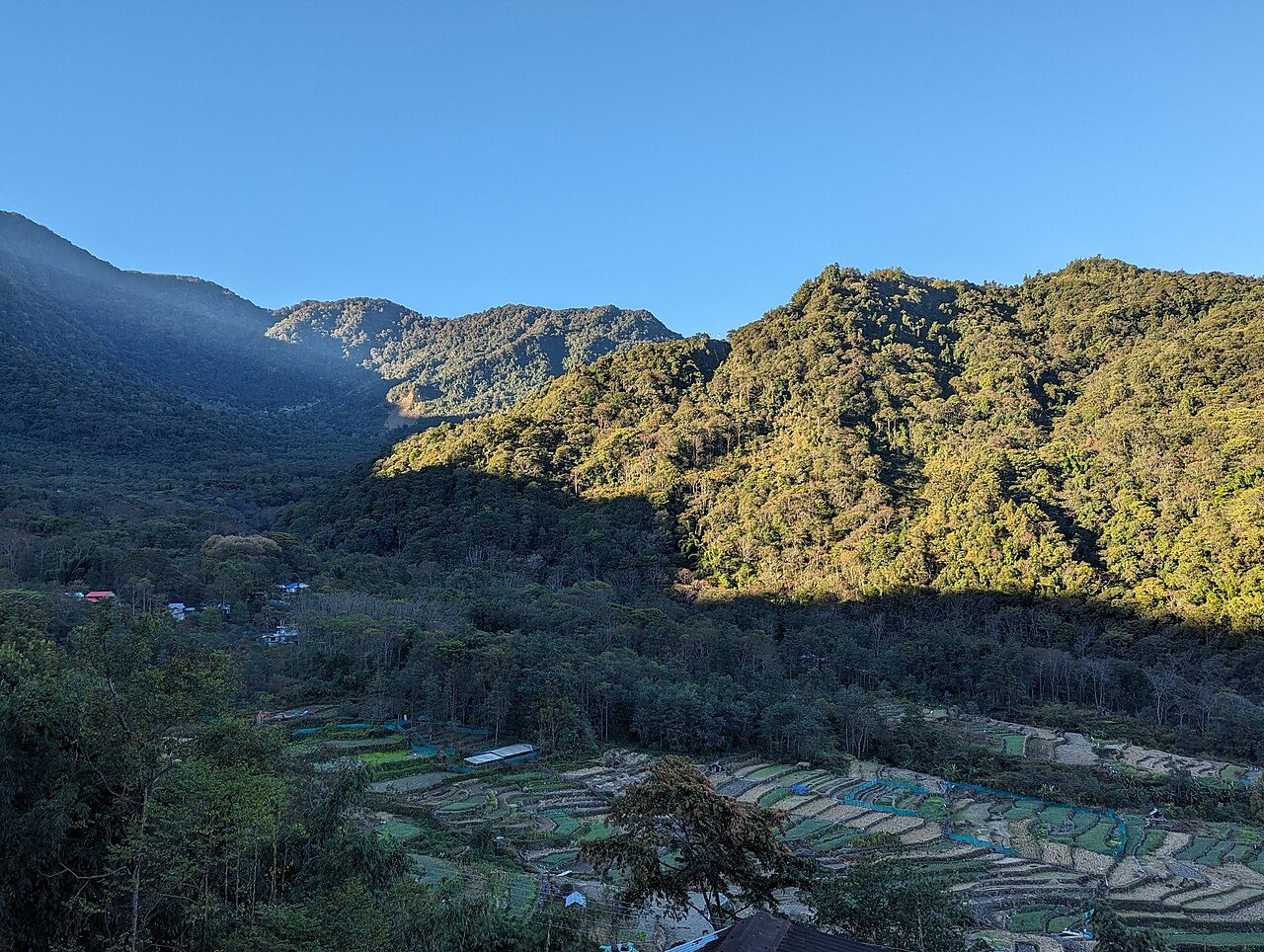
Dzukou Valley

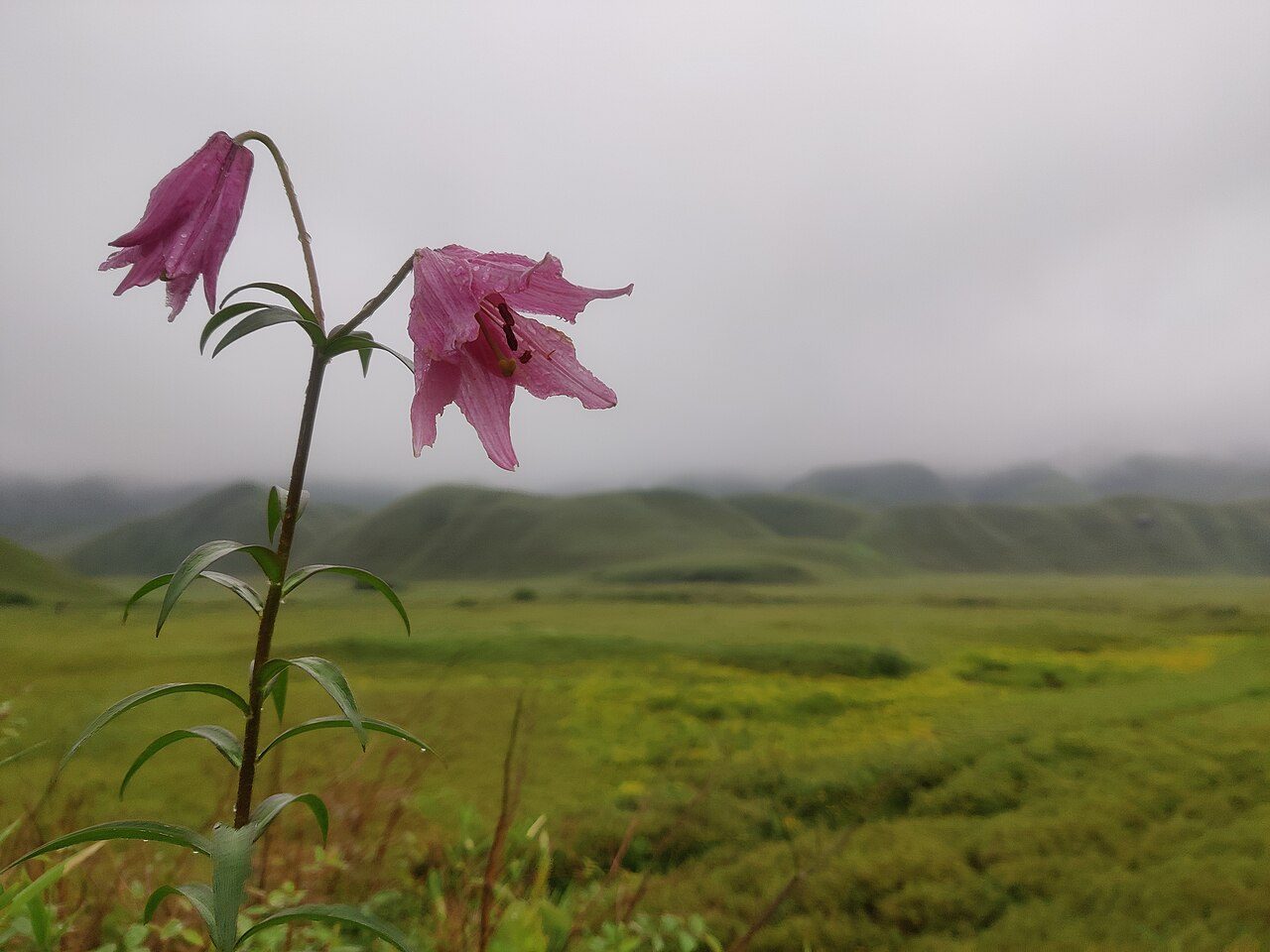
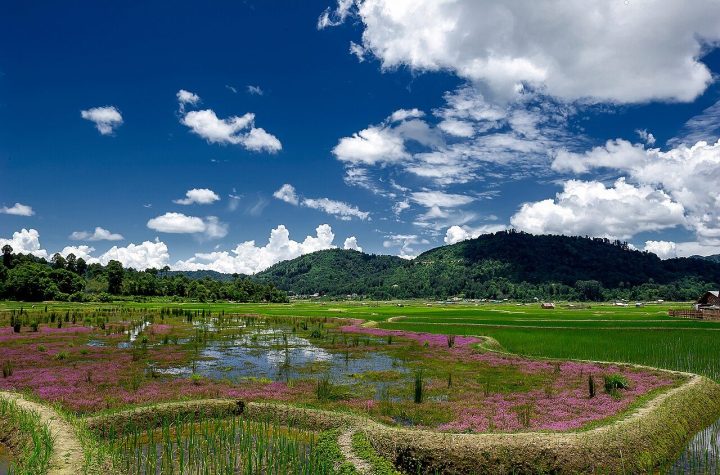
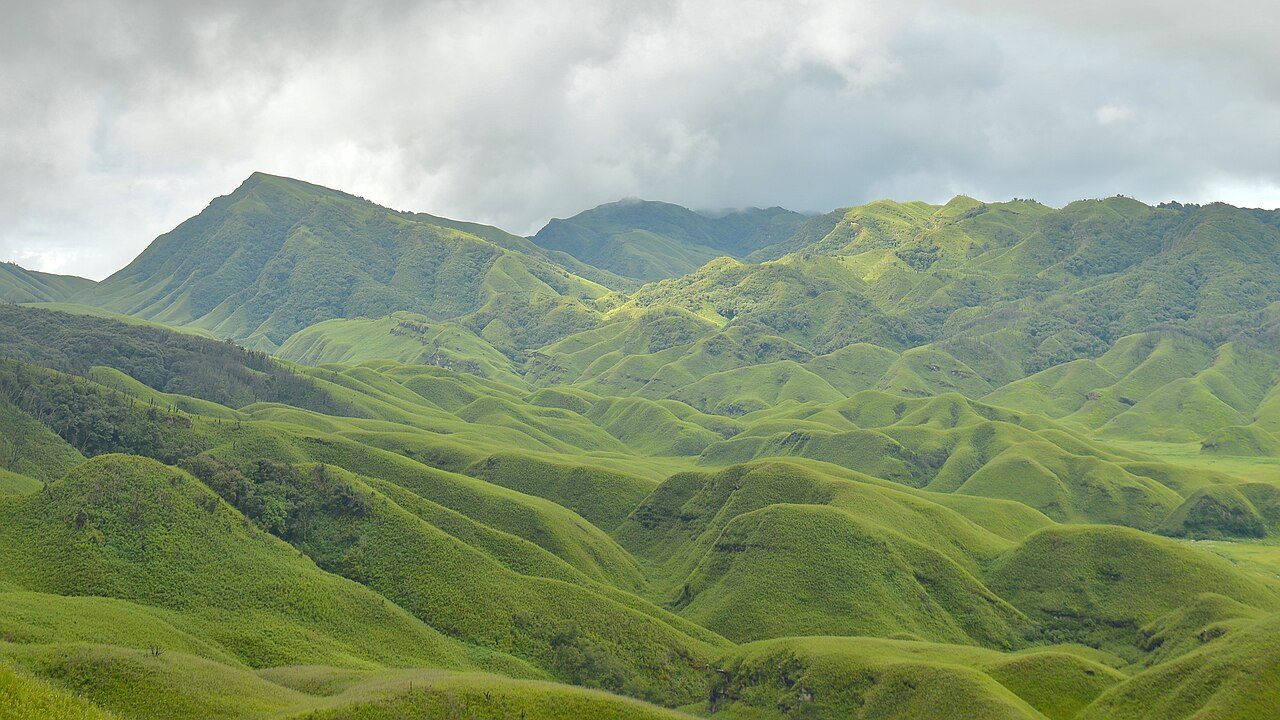
Dzukou Valley lies at about 2,450 metres on the border of Nagaland and Manipur. Its rolling hills are covered with dwarf bamboo, and in the monsoon the valley fills with wildflowers, including the pink Dzukou lily found only here. It is reached by a trek of several hours from Viswema or Zakhama, with simple rest houses at the rim.

Seasons from 20 years of NASA POWER climate data.

Was this trip blog helpful?

0
0

Ready to follow this route?

Copy all 7 stops into your trip plans in the app.

Open in WaTrips

More trips you'll like

More trip blogs