 WaTrips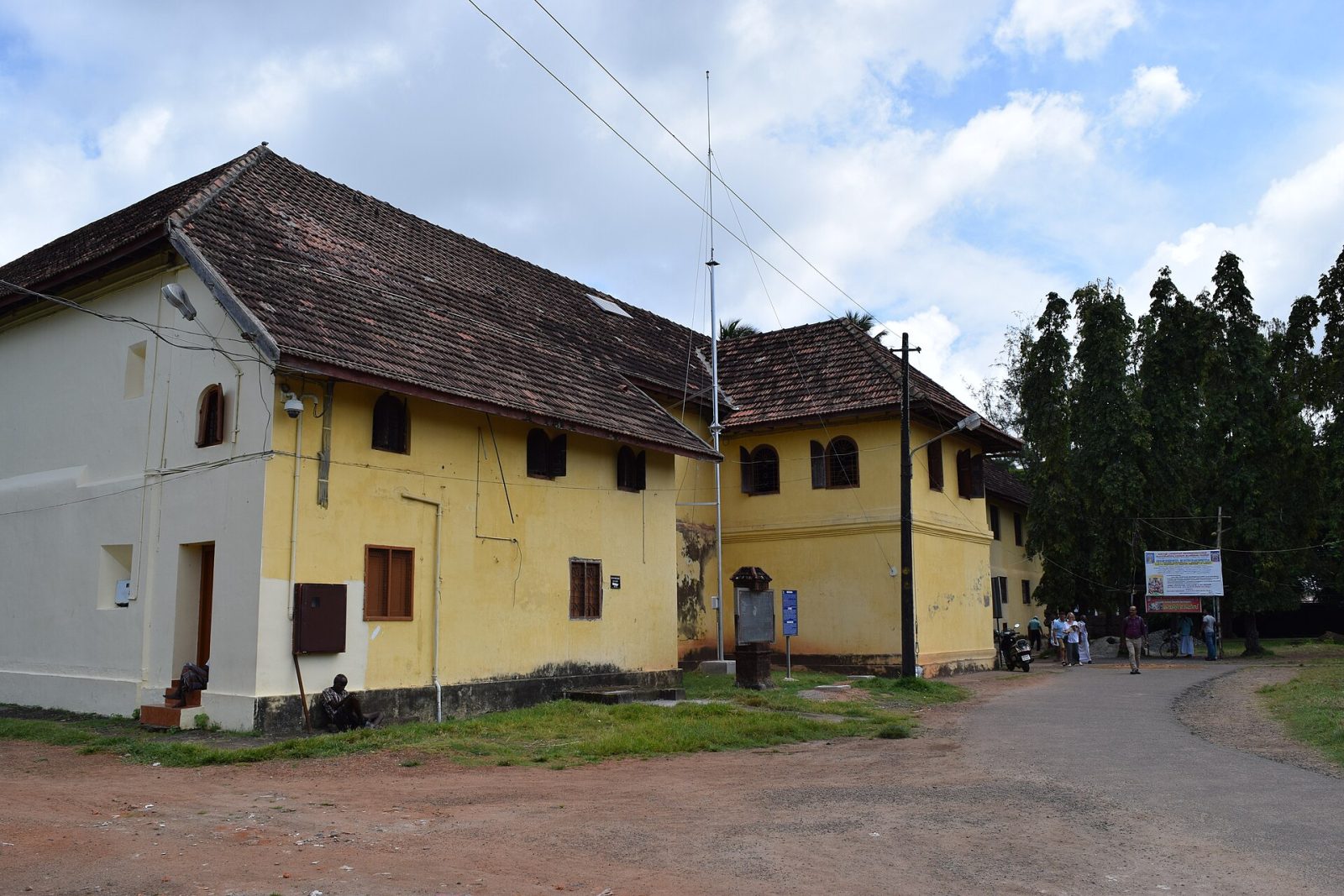
Mattancherry Palace, usually called the Dutch Palace, stands on the edge of Jew Town in old Kochi. From outside it looks plain, but inside are some of the finest Kerala murals anywhere, along with the treasures of the Kochi royal family.
A Portuguese gift with a Dutch name
Despite its name, the palace was built by the Portuguese in the mid-16th century and given to the Raja of Kochi — reportedly to make amends after they plundered a nearby temple. When the Dutch took over Mattancherry in the 17th century, they repaired and extended it, and the name Dutch Palace stuck.
Kerala-style architecture
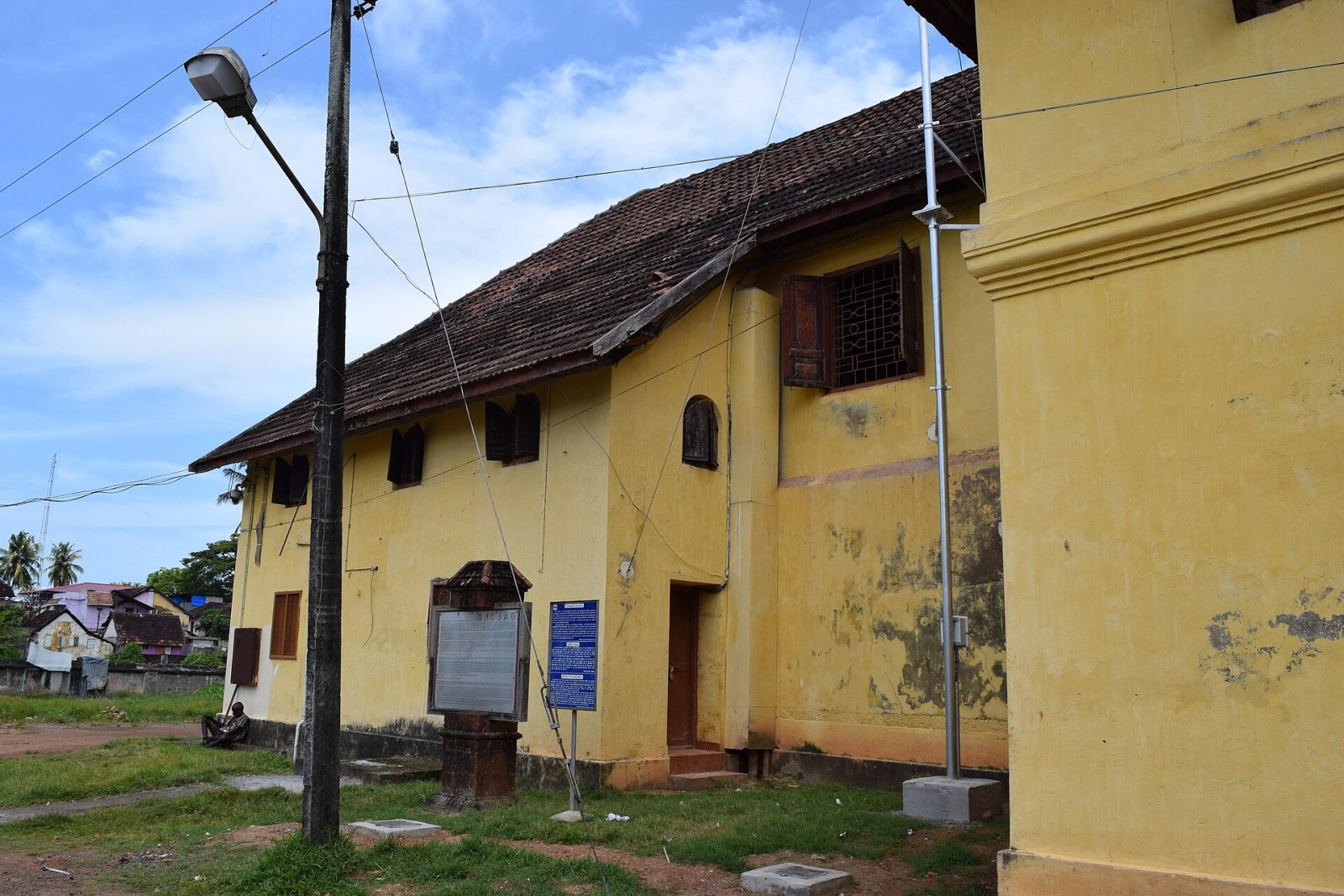
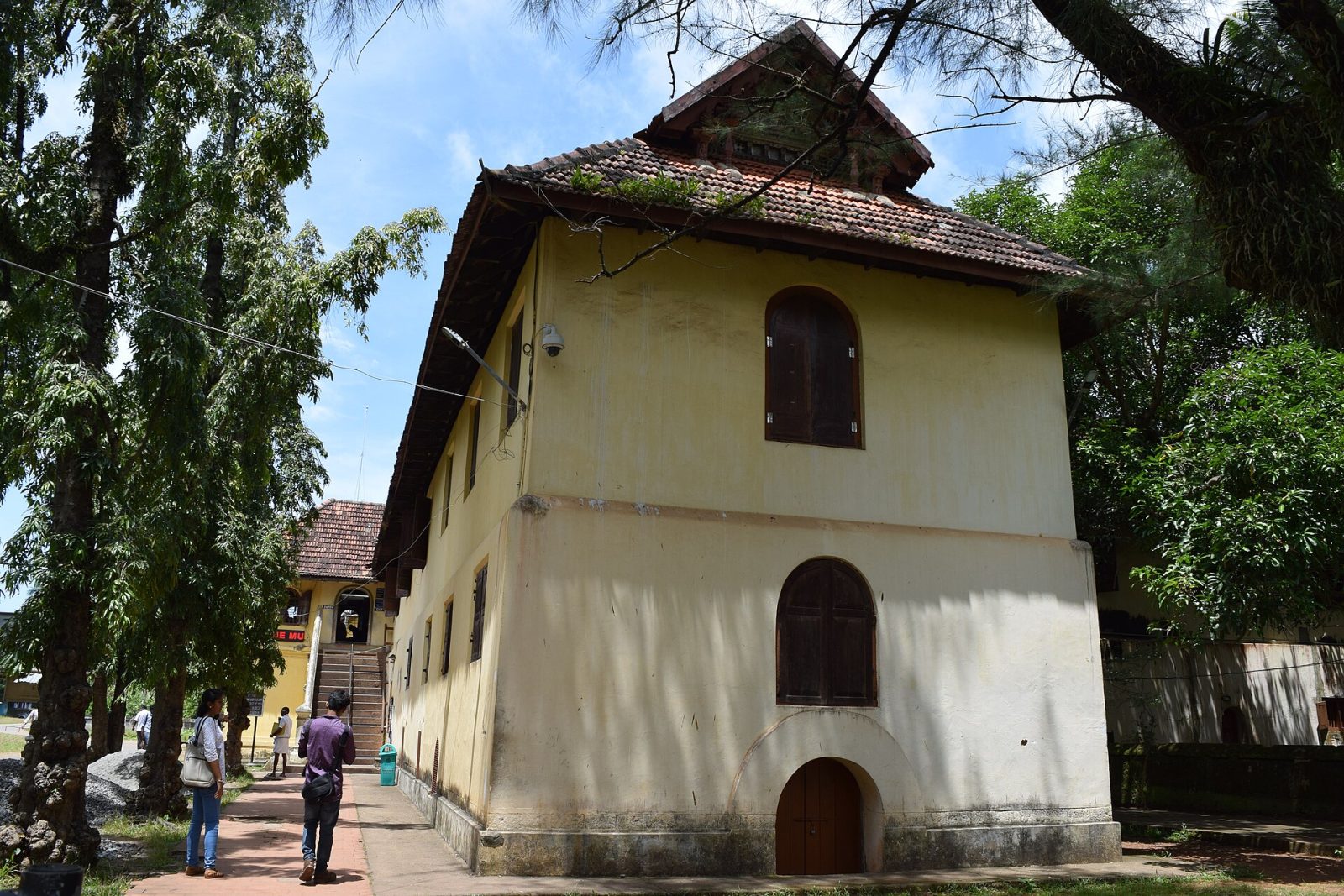
The palace is built in the nalukettu style, the traditional Kerala house arranged around a central courtyard, though its arches and room sizes show some European influence. Inside the courtyard is a temple to Pazhayannur Bhagavati, the protective goddess of the royal family.
The murals
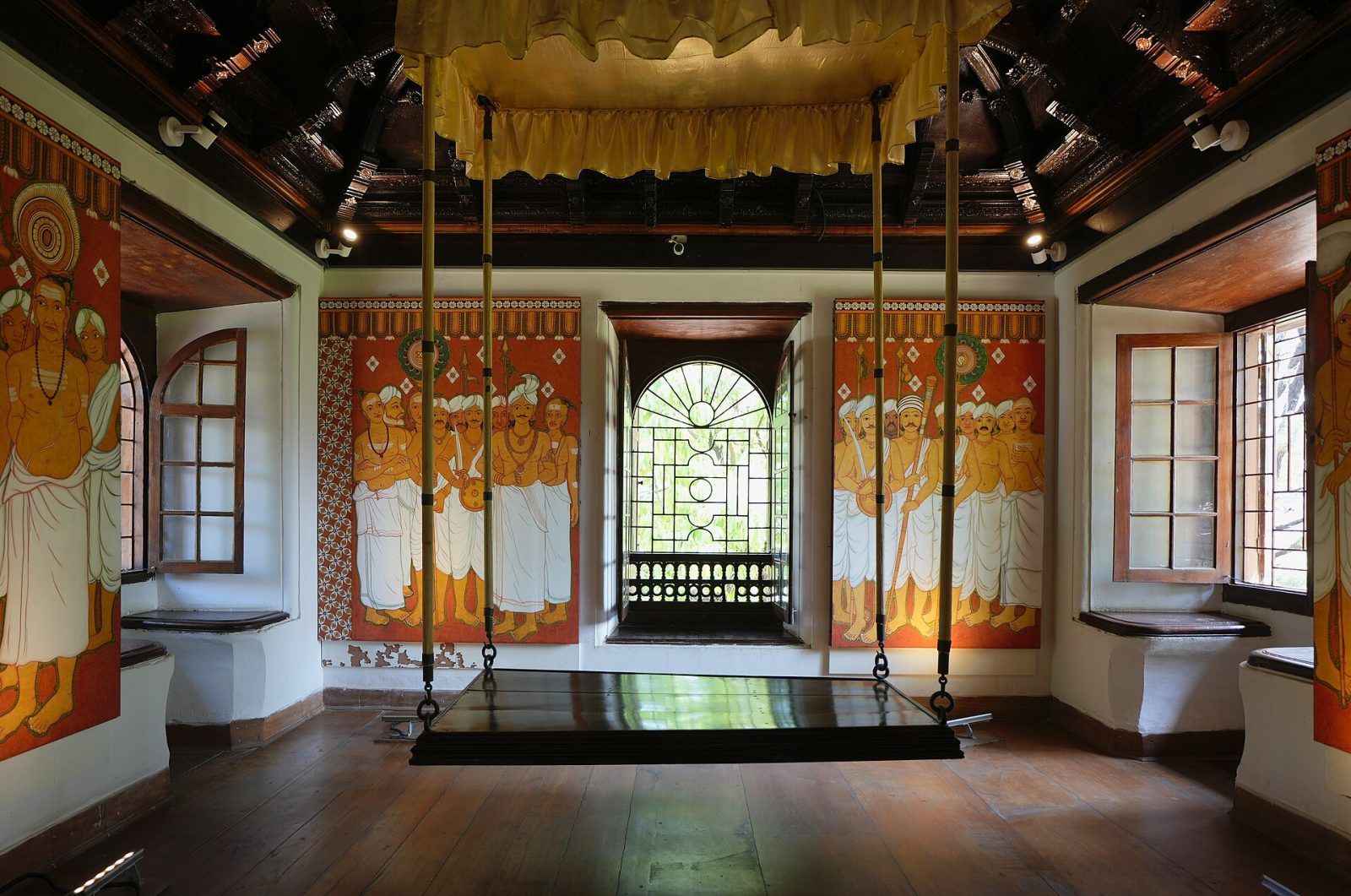
The palace's great treasure is its wall paintings, made in the tradition of Hindu temple art in warm, rich colours. Room after room is covered with scenes from the Ramayana, the Mahabharata and Hindu legends, painted in great detail.
The royal collection
The old Coronation Hall now displays portraits of the Rajas of Kochi from 1864 onwards, under a carved wooden ceiling. Other rooms hold an ivory palanquin, a howdah, royal umbrellas, ceremonial dress, coins and stamps.
Protected and restored
In 1951 the palace was declared a protected monument, and the Archaeological Survey of India restored it between 2007 and 2009. It is also on UNESCO's tentative list of World Heritage Sites.
Tips for your visit
- Opening days — check opening hours before you go — the palace closes on some days.
- Next door — the Paradesi Synagogue is just 100 metres away.
- Jew Town — browse the spice and antique shops of the surrounding lanes.
- Fort Kochi — the old harbour quarter is about two kilometres west.

Comments
Been here, or planning to go? Share a tip or ask a question.
Sign in with Google to comment or vote. Your email is never shown.