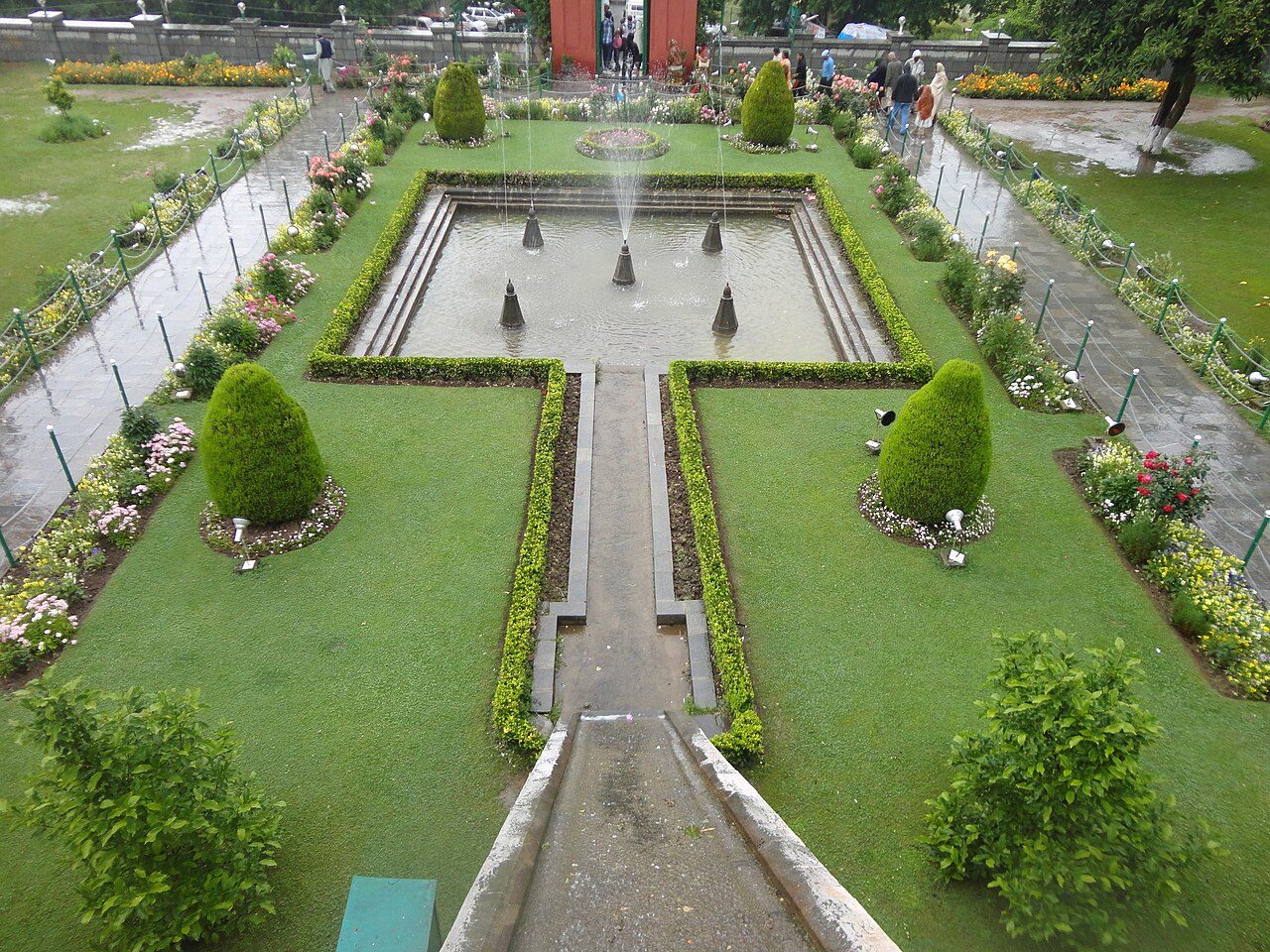
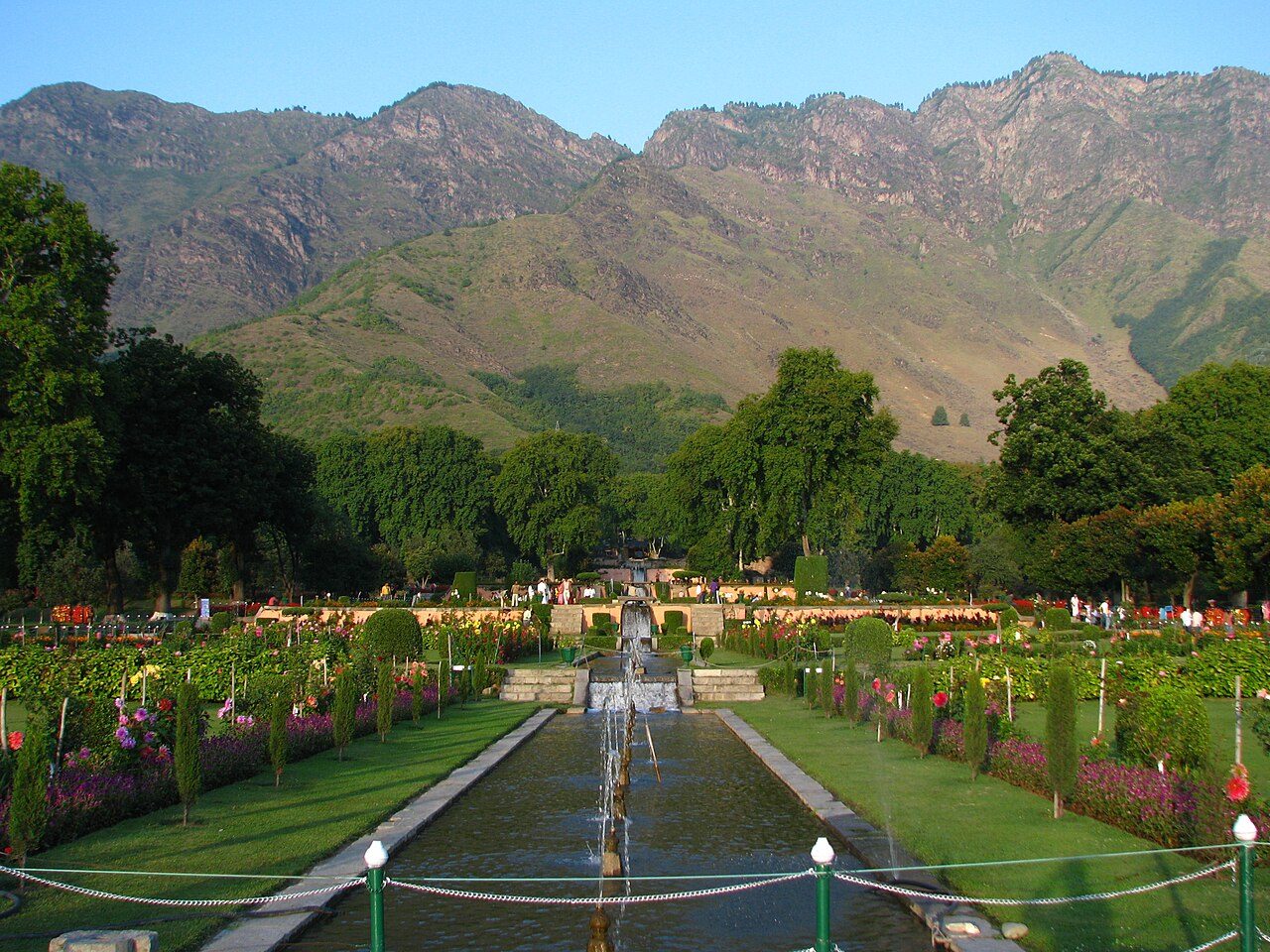
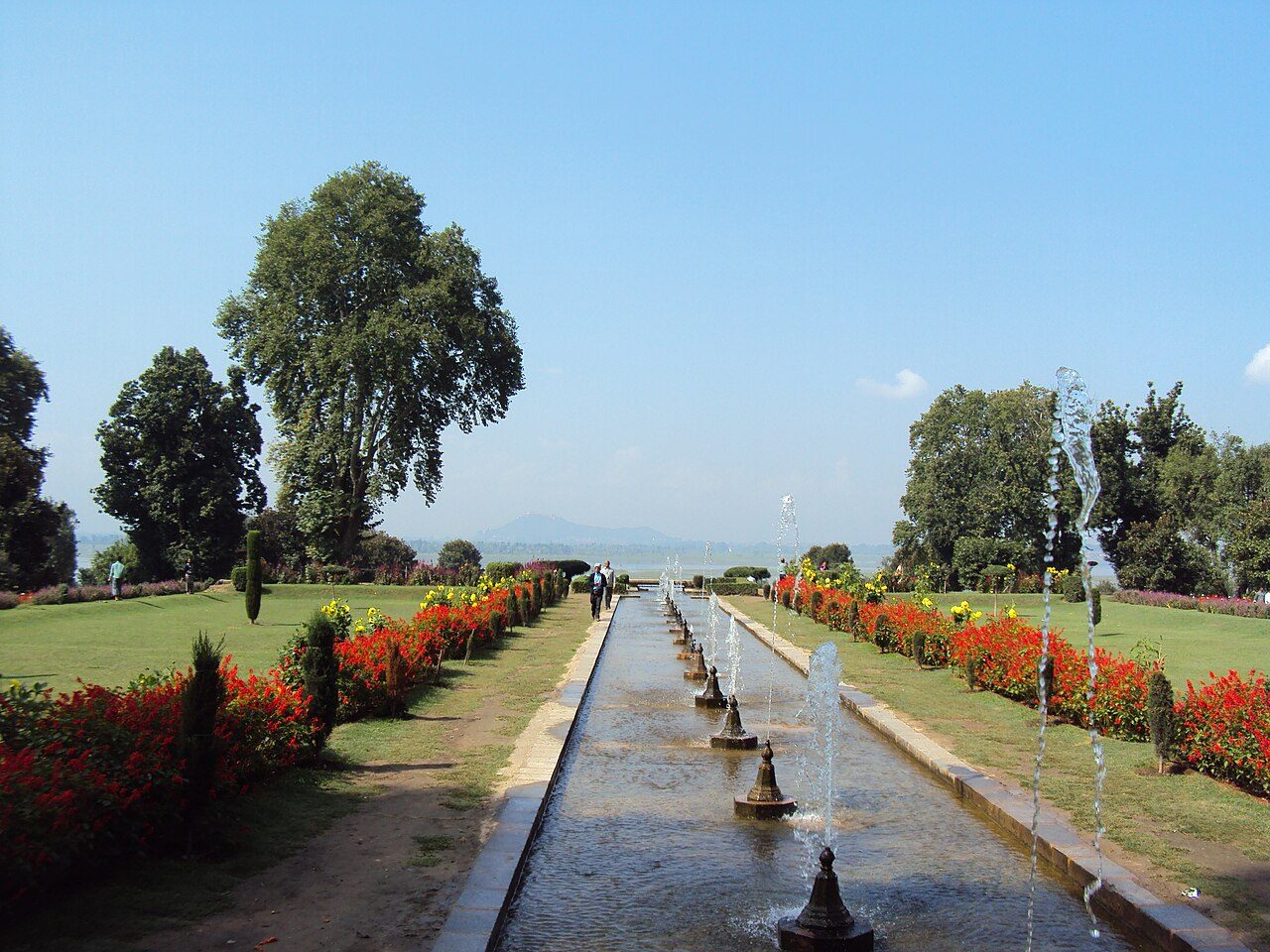
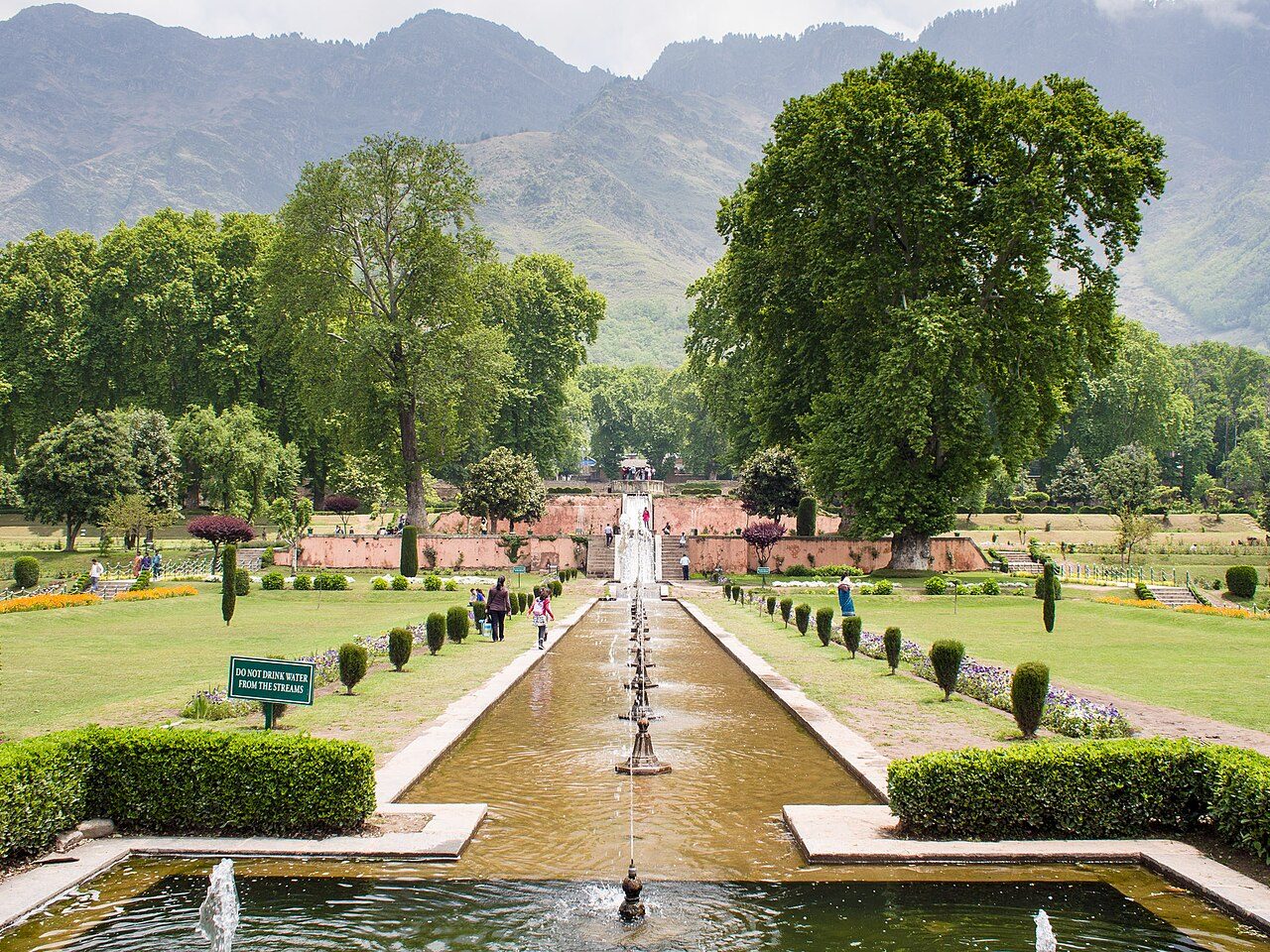
A shikara on Dal Lake, the Mughal gardens, Srinagar's shrines and old city, Gulmarg and its gondola, Doodhpathri and the Tulip Garden.
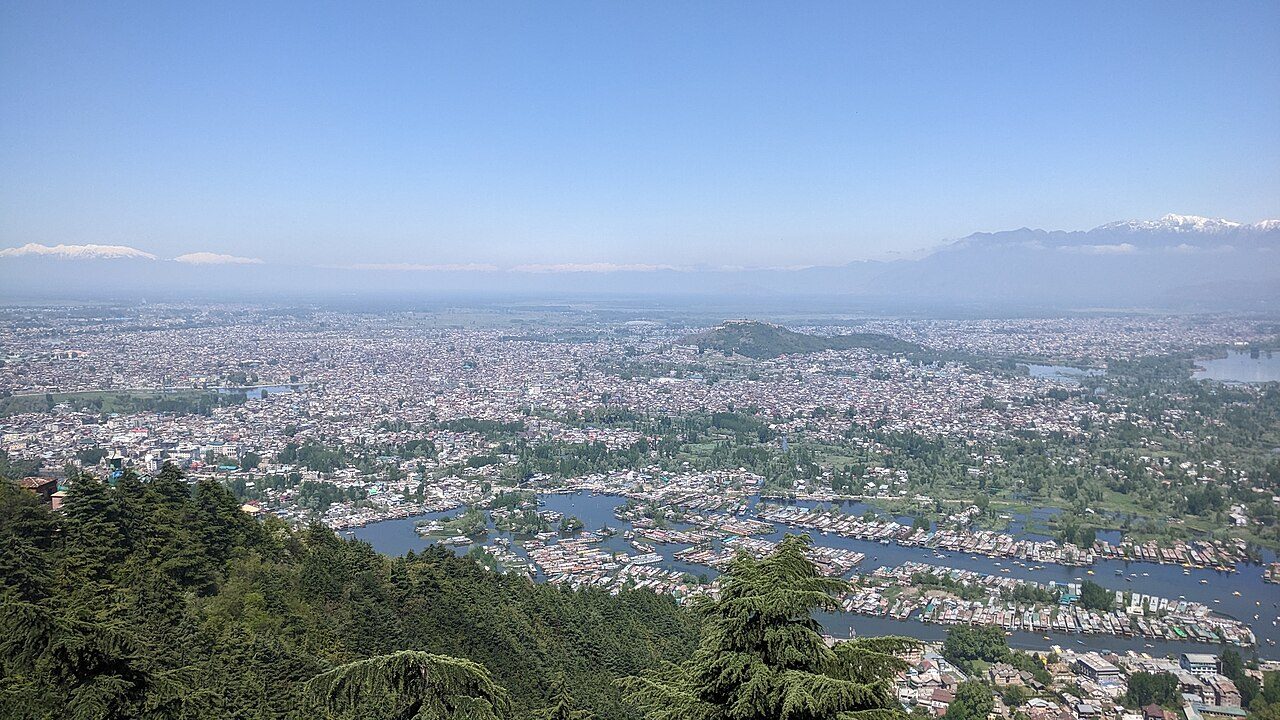
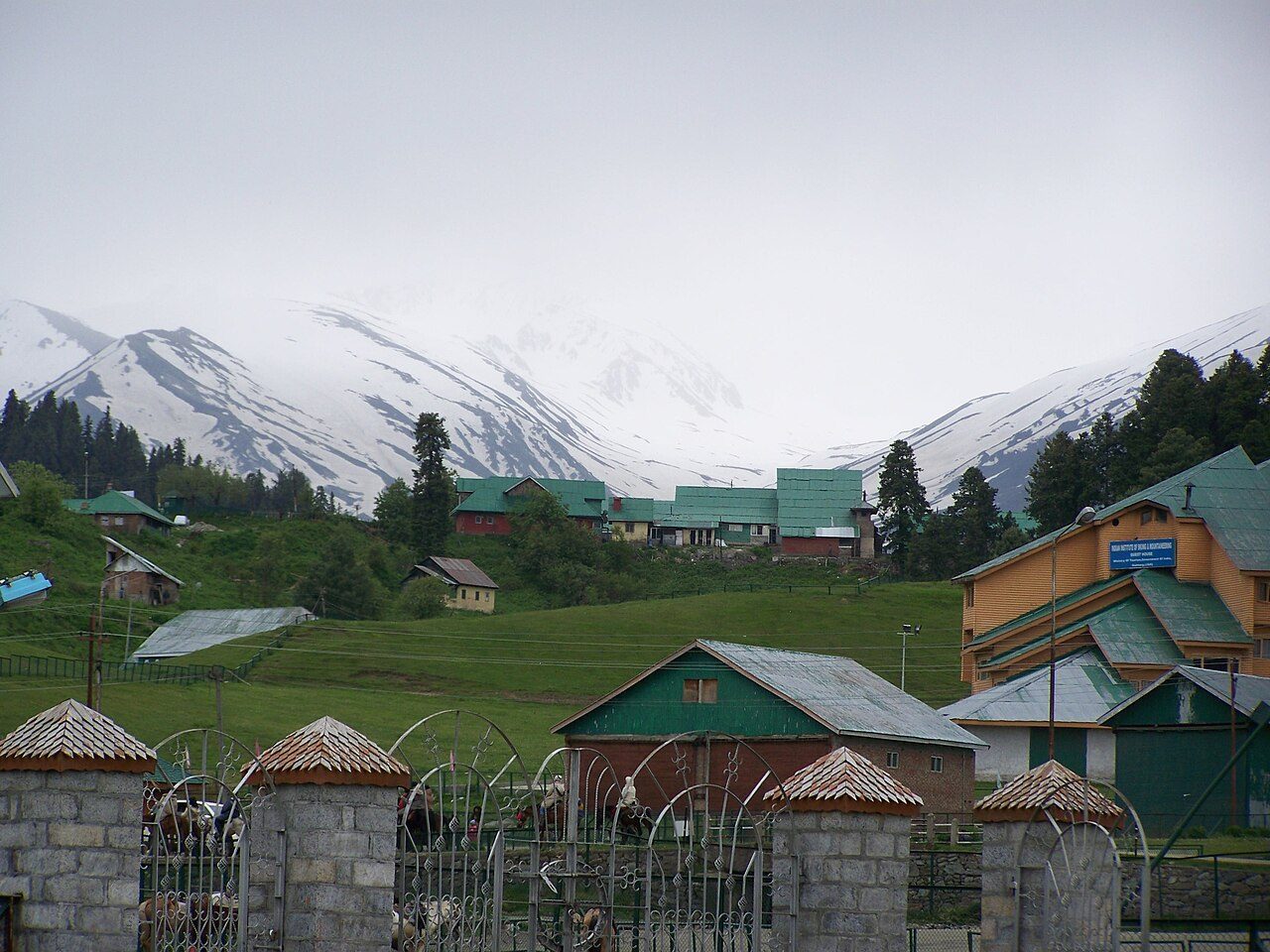
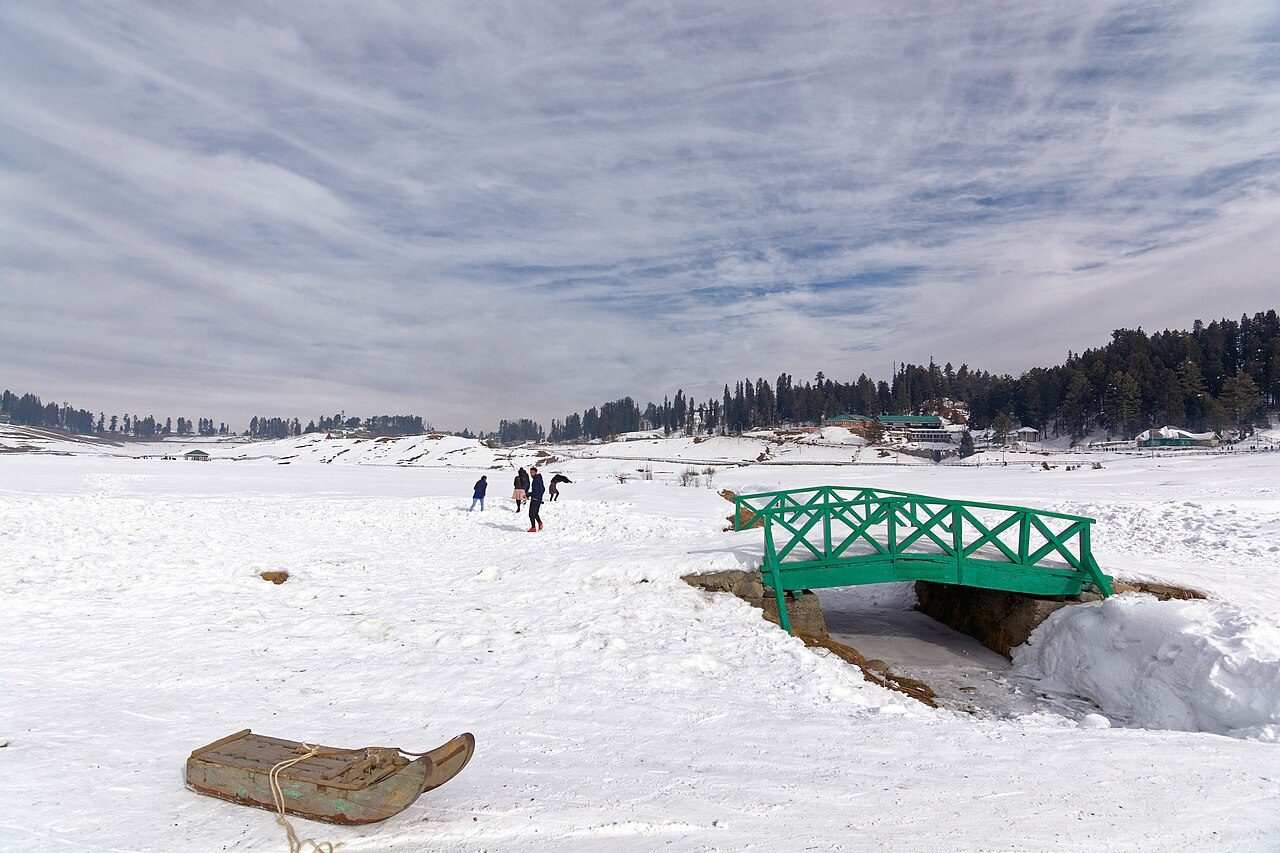
Srinagar is the heart of the Kashmir valley, and four days is a good first taste. Day one is the lake: a shikara on Dal Lake, then the Mughal gardens of Nishat, Shalimar and Chashme Shahi, and sunset from Pari Mahal. Day two explores the old city and its shrines, from Hazratbal on the lake to the wooden Jamia Masjid and Khanqah-e-Moula, plus Shankaracharya hill, Hari Parbat and quiet Nigeen Lake. Day three is Gulmarg, with its meadows and one of the highest gondolas in the world. Day four visits the meadows of Doodhpathri and, in spring, the Tulip Garden. April to October is pleasant; winter brings snow and skiing in Gulmarg.
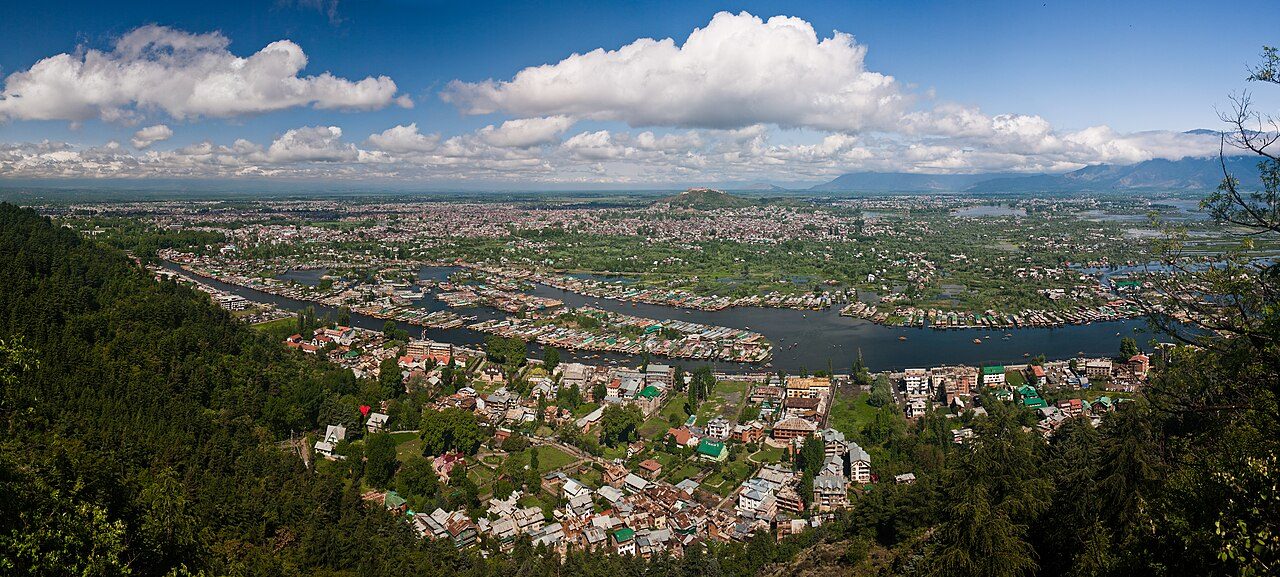
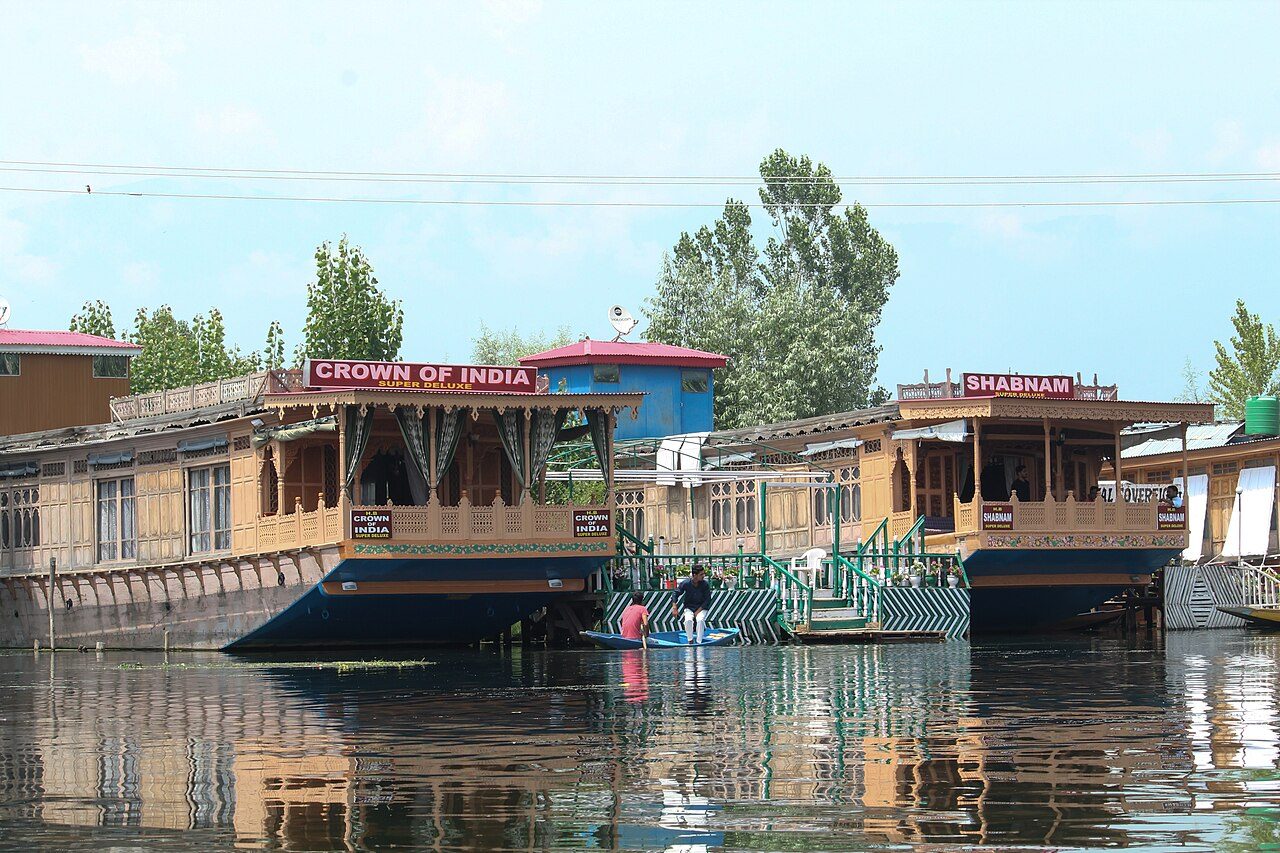
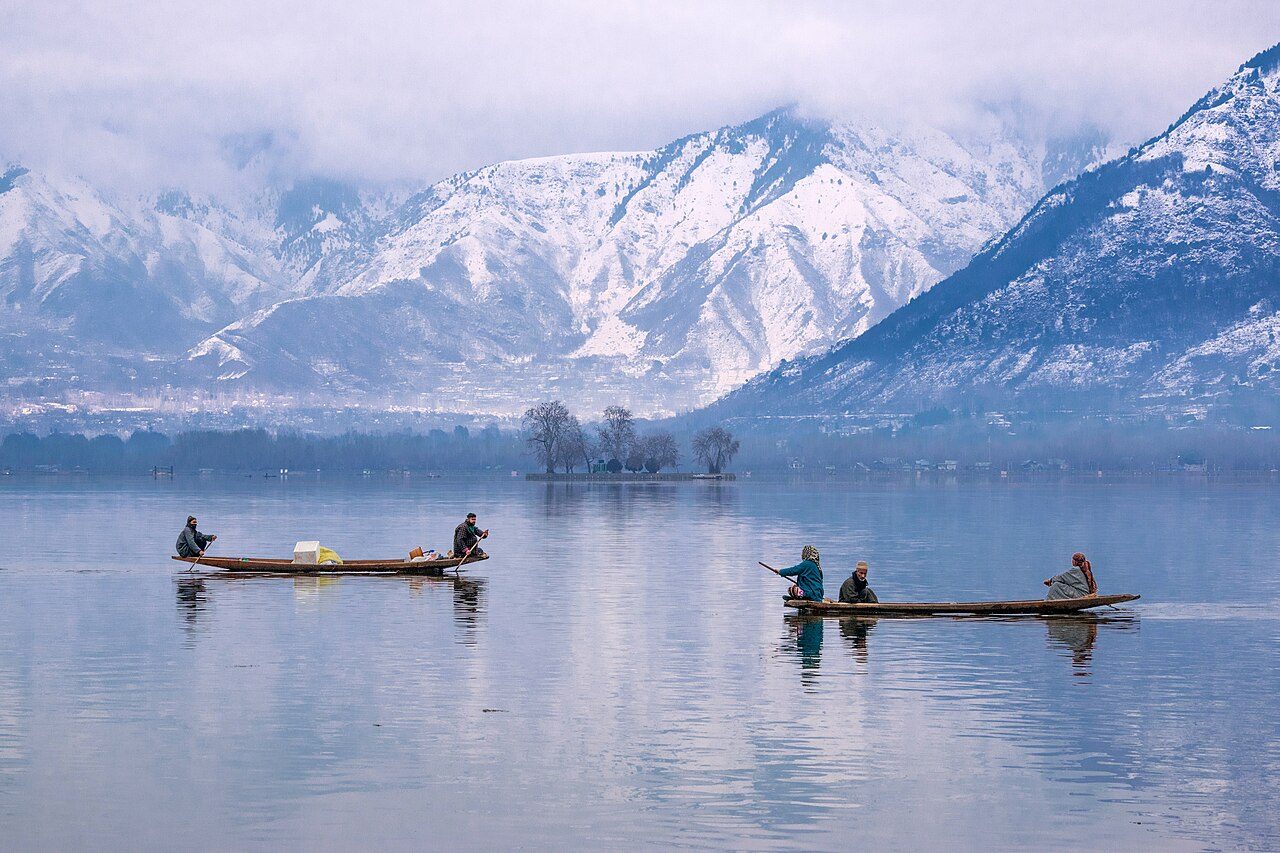
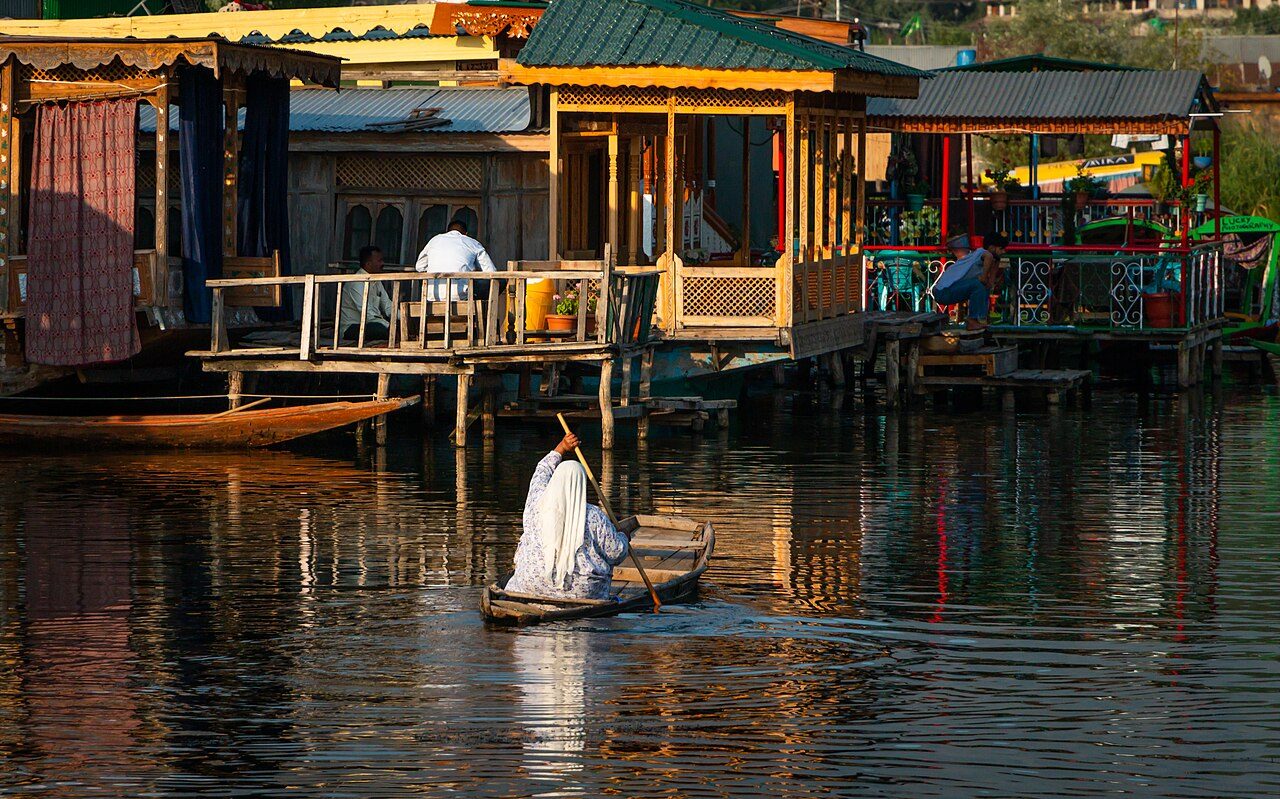
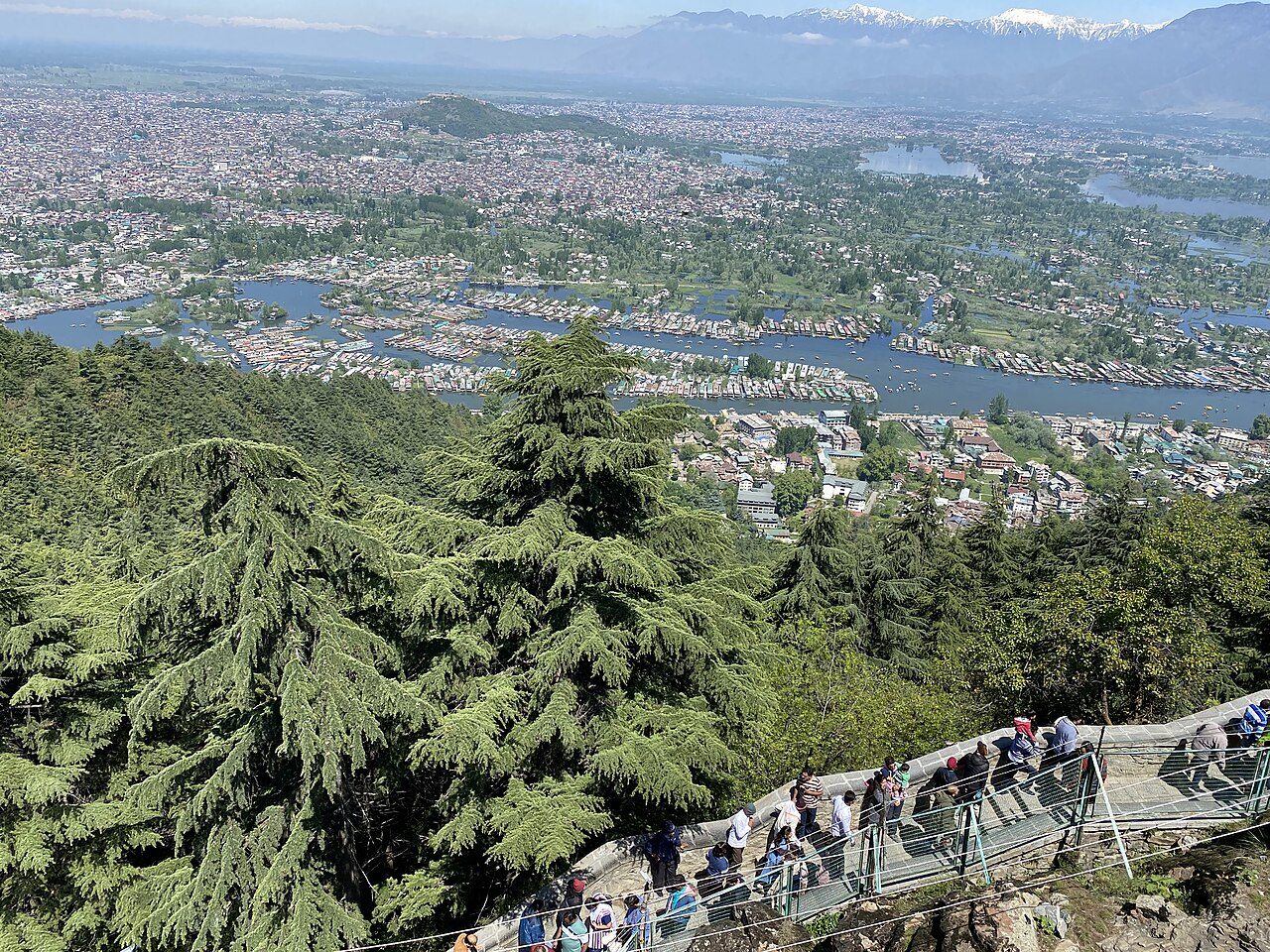
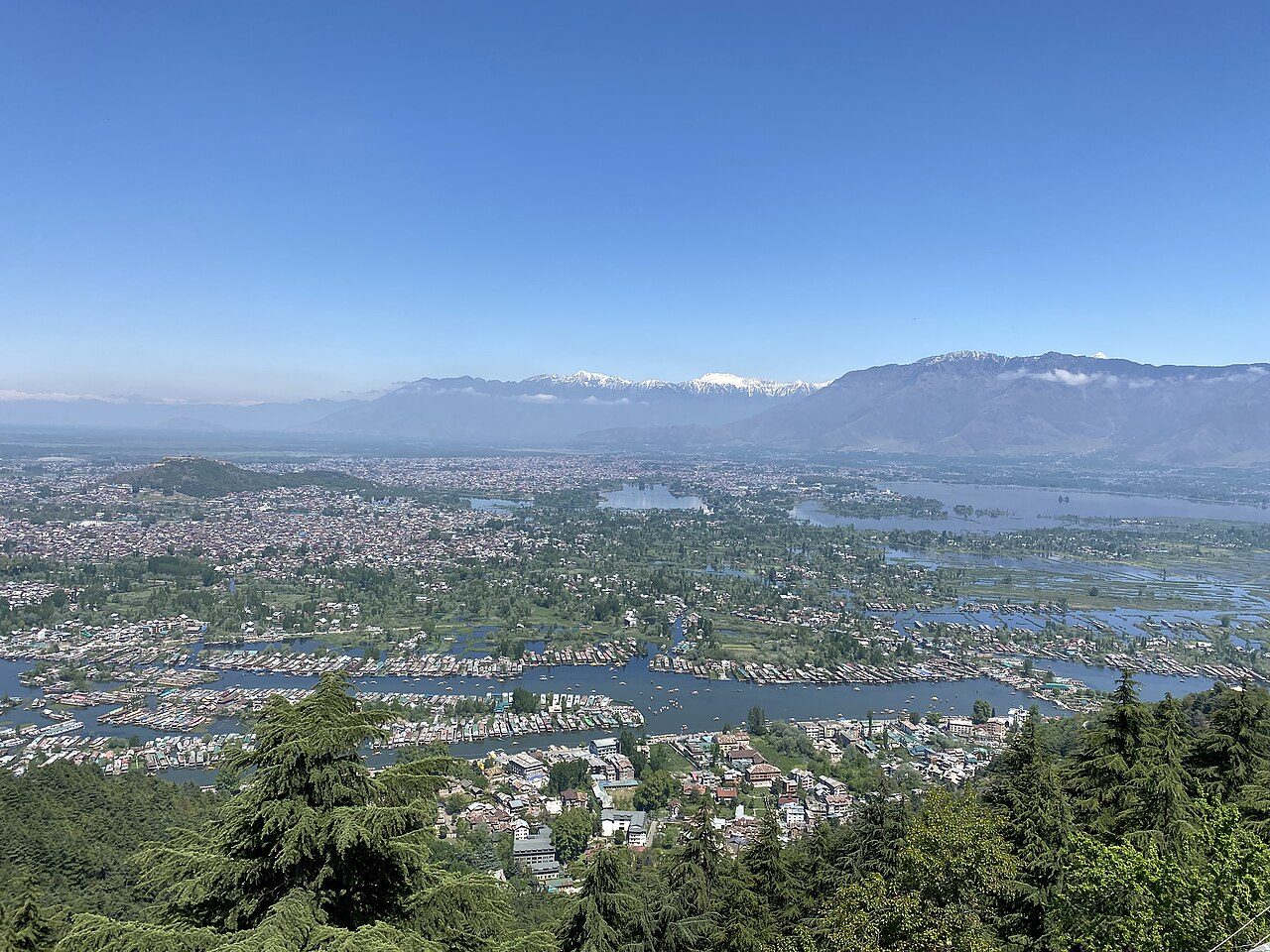
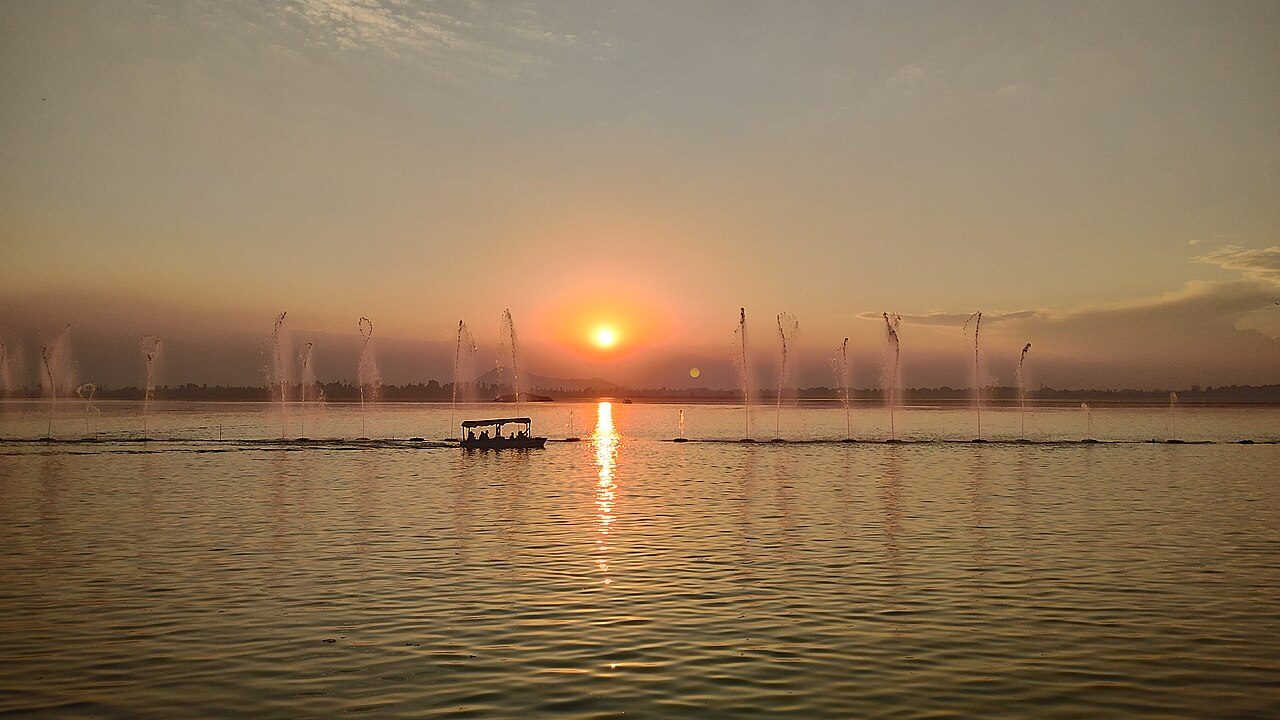
Dal Lake is the centrepiece of Srinagar, a broad sheet of water ringed by mountains and edged with Mughal gardens. Carved wooden houseboats line its banks, and shikaras, the lake's painted gondolas, carry visitors past floating vegetable gardens and lotus beds. The Boulevard Road follows the southern shore. Sunrise and the hour before dusk are the best times for a ride.
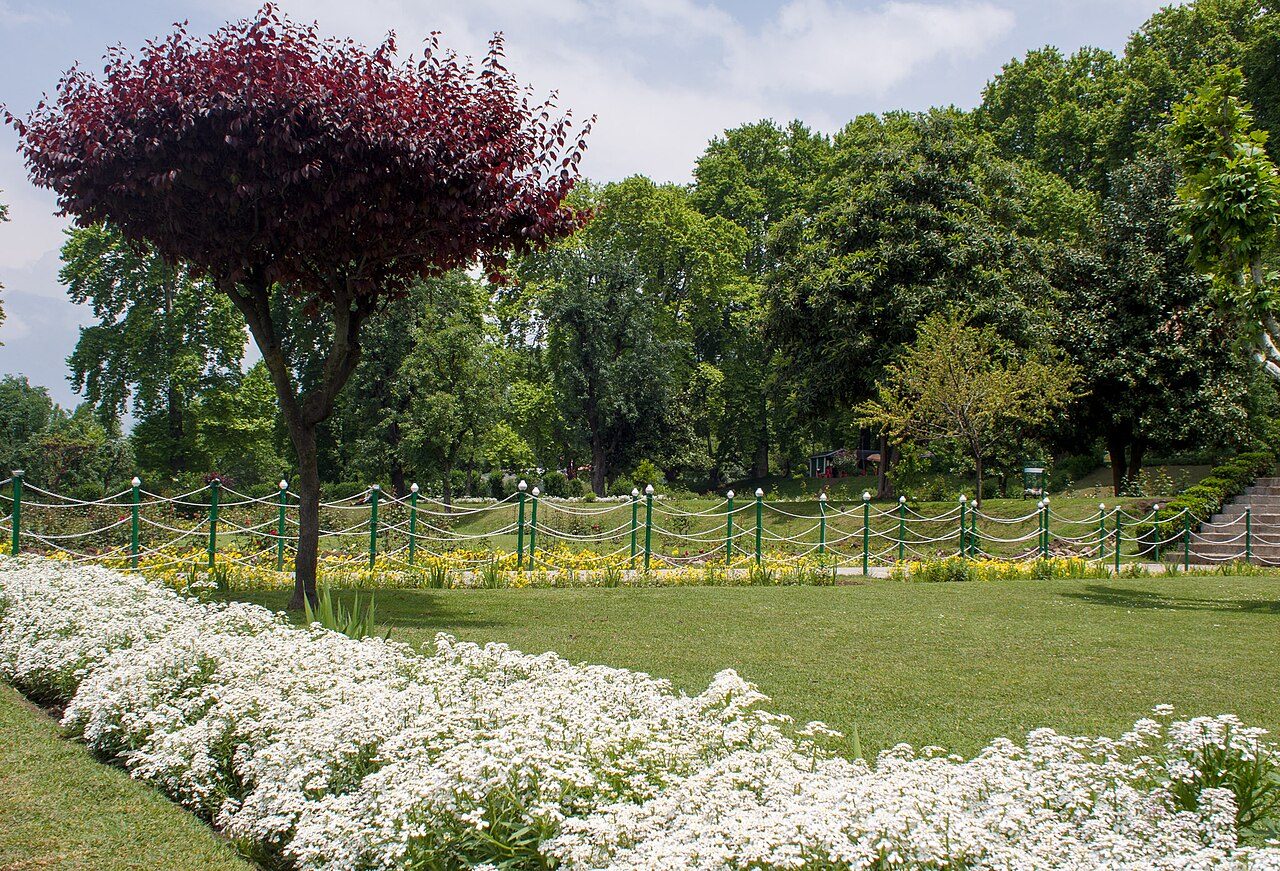
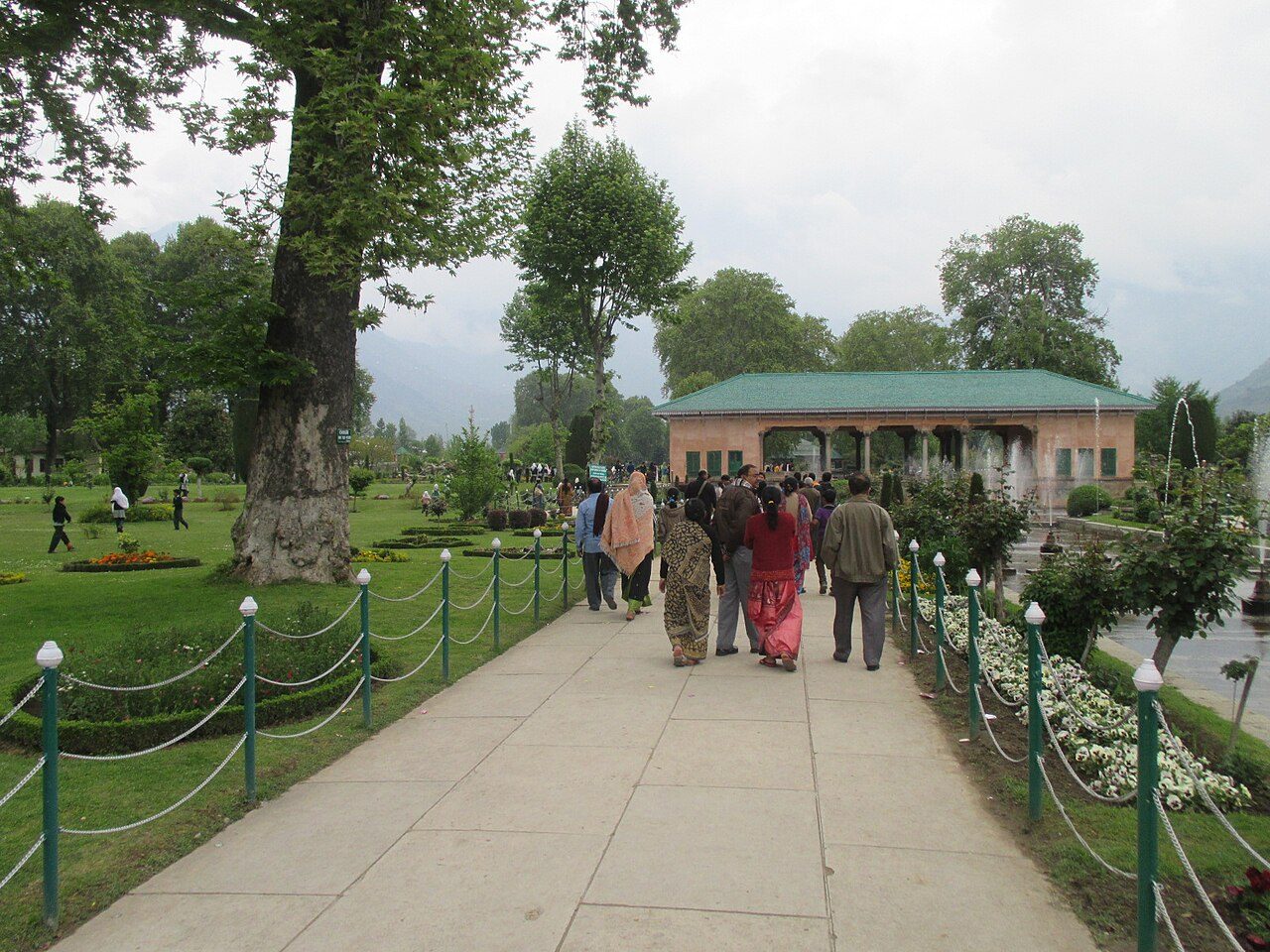
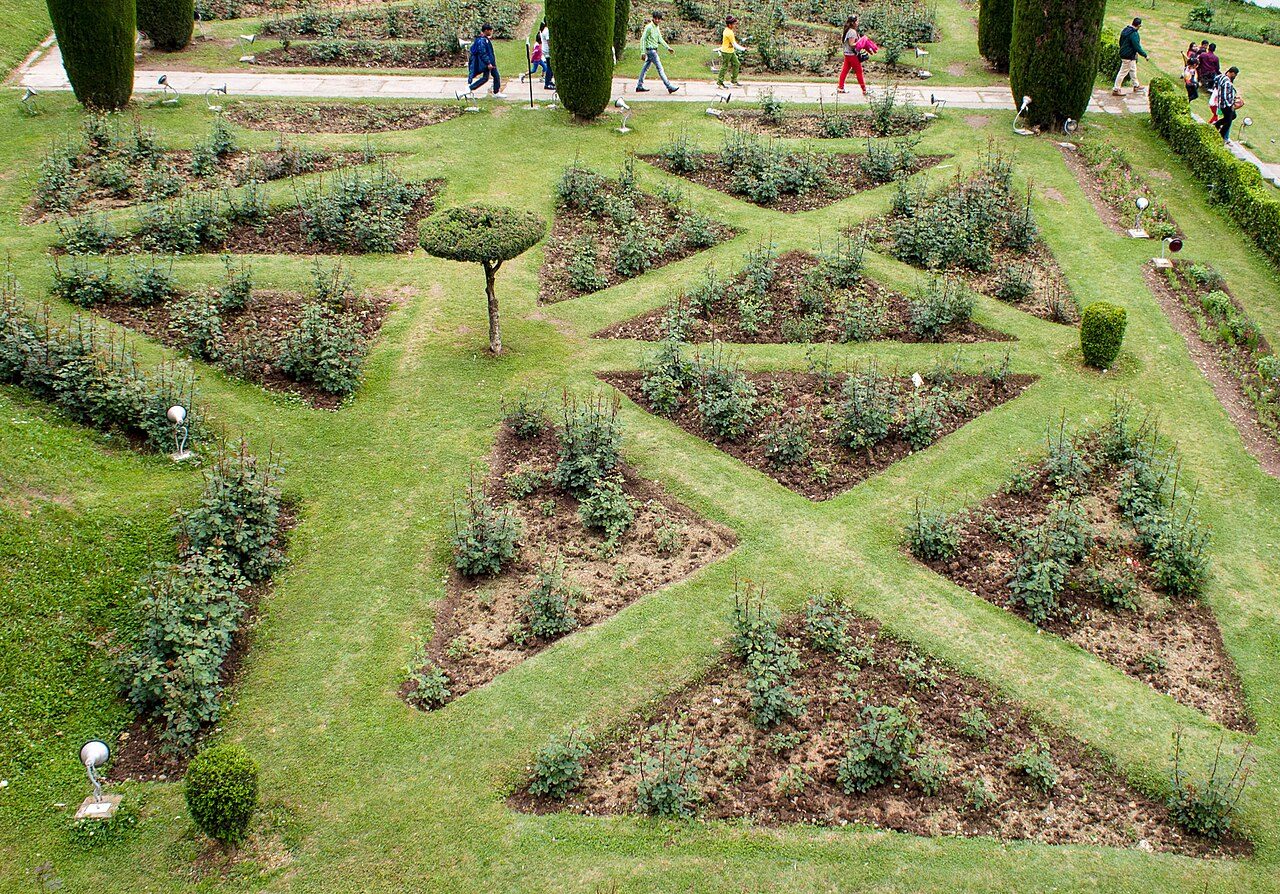
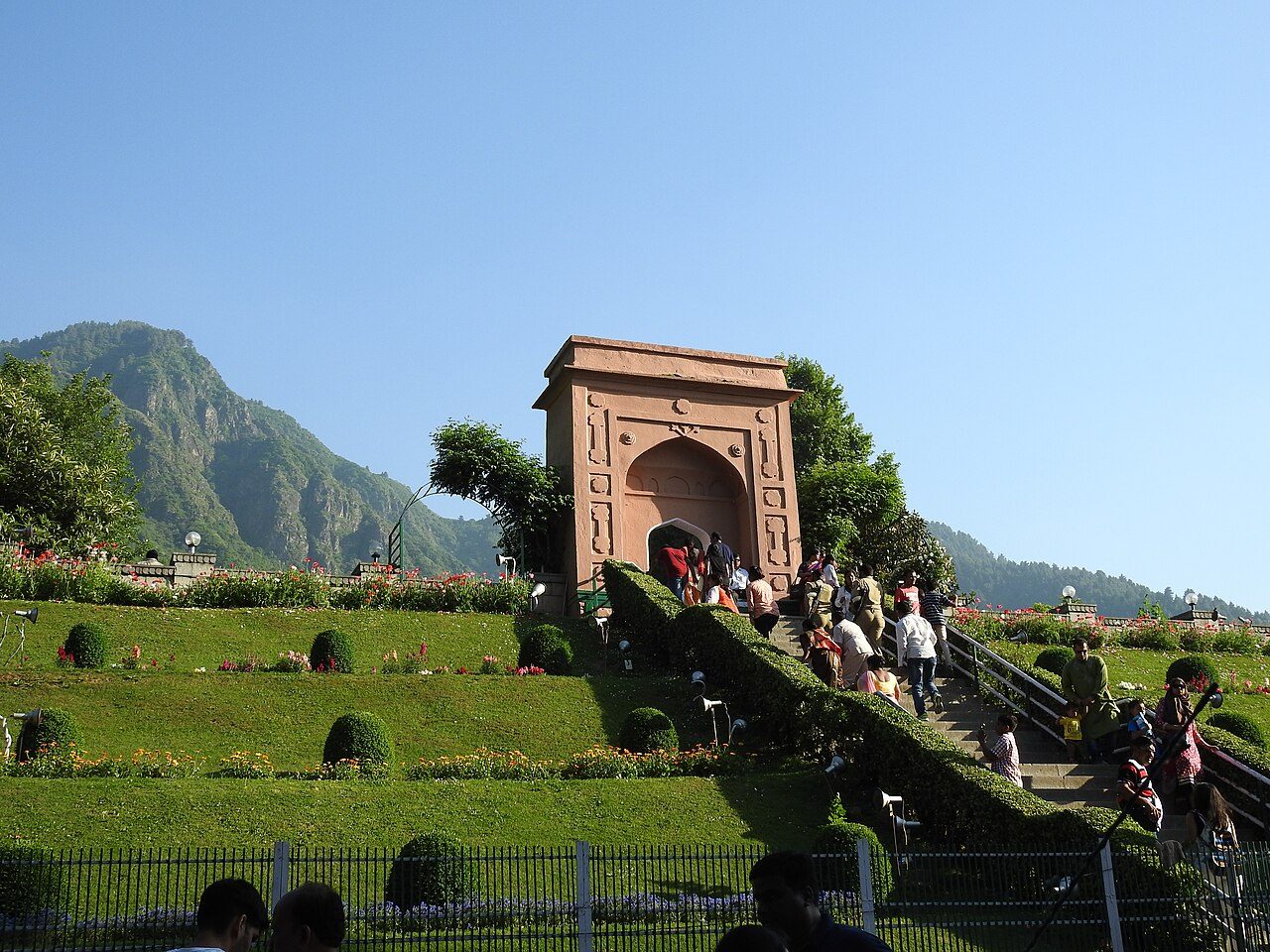
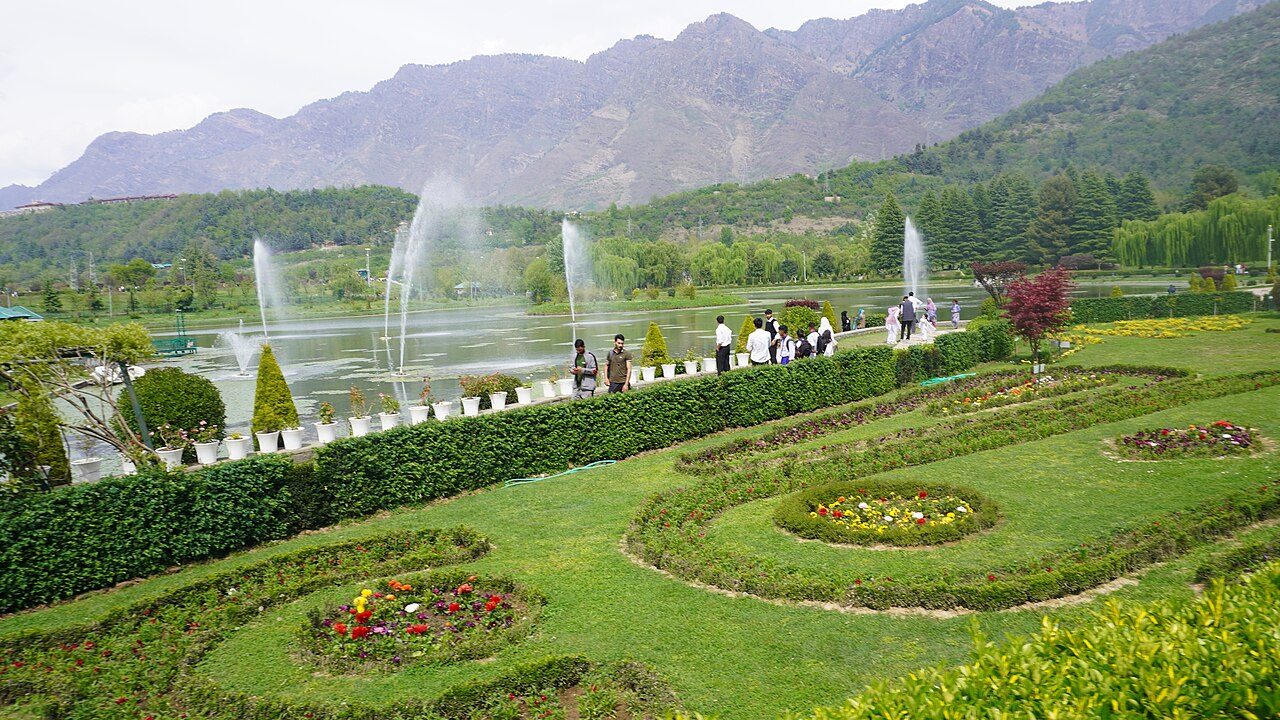
Nishat Bagh, the 'garden of joy', was laid out in 1633 by Asif Khan, brother of Empress Nur Jahan. Its twelve terraces climb from the shore of Dal Lake towards the Zabarwan hills, with a cascade of water running down the centre between flower beds and old chinars. The view back across the lake to the Pir Panjal range is among the best in Srinagar.
03
STOP 3 OF 16
Shalimar Bagh Srinagar
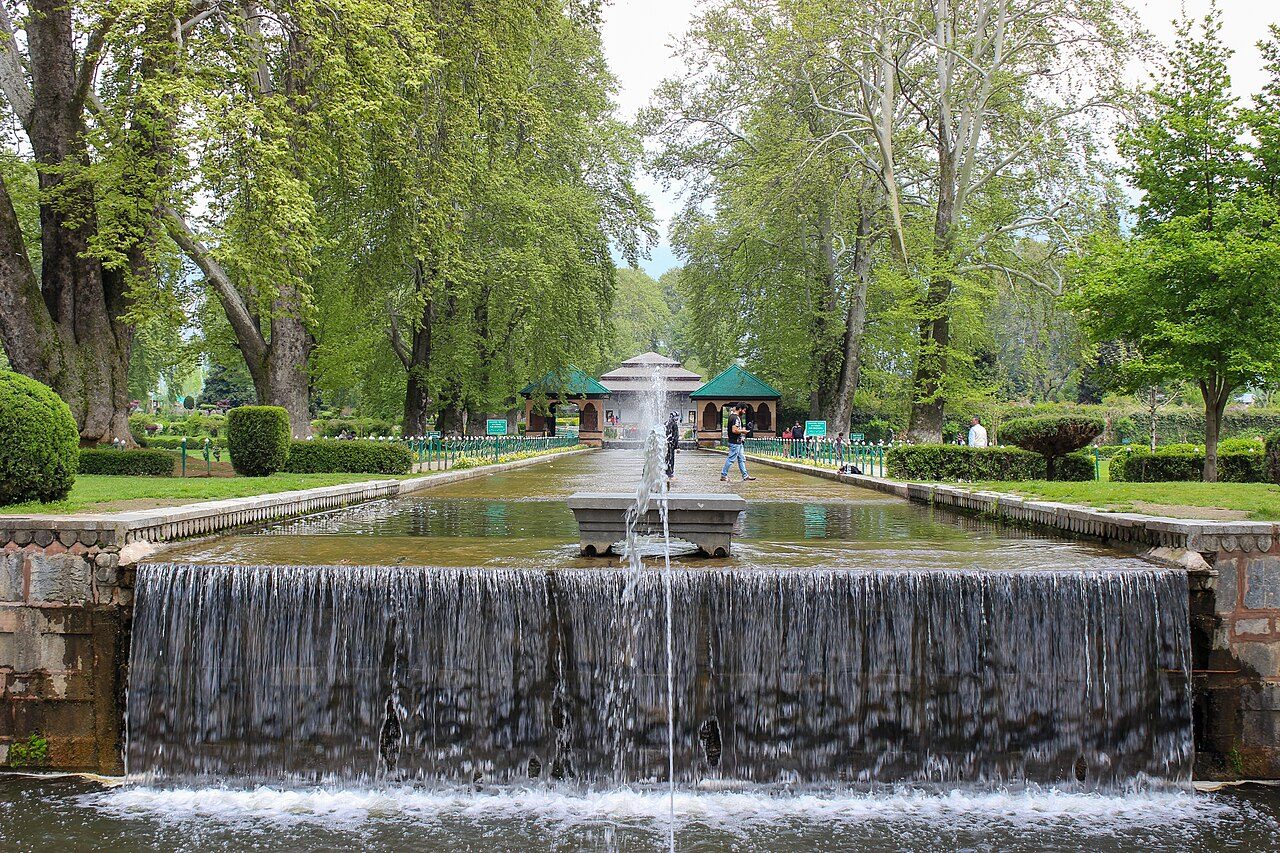
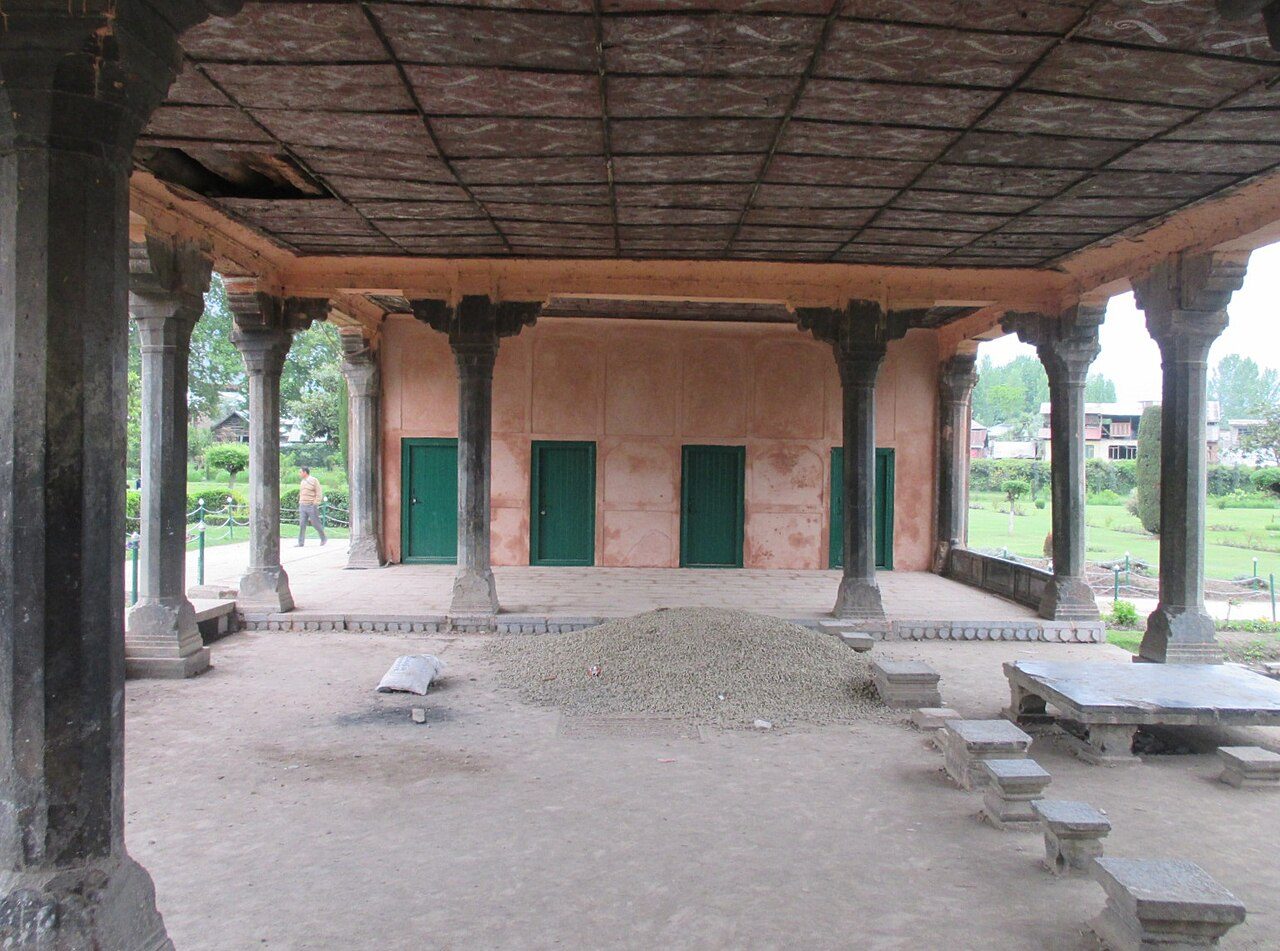
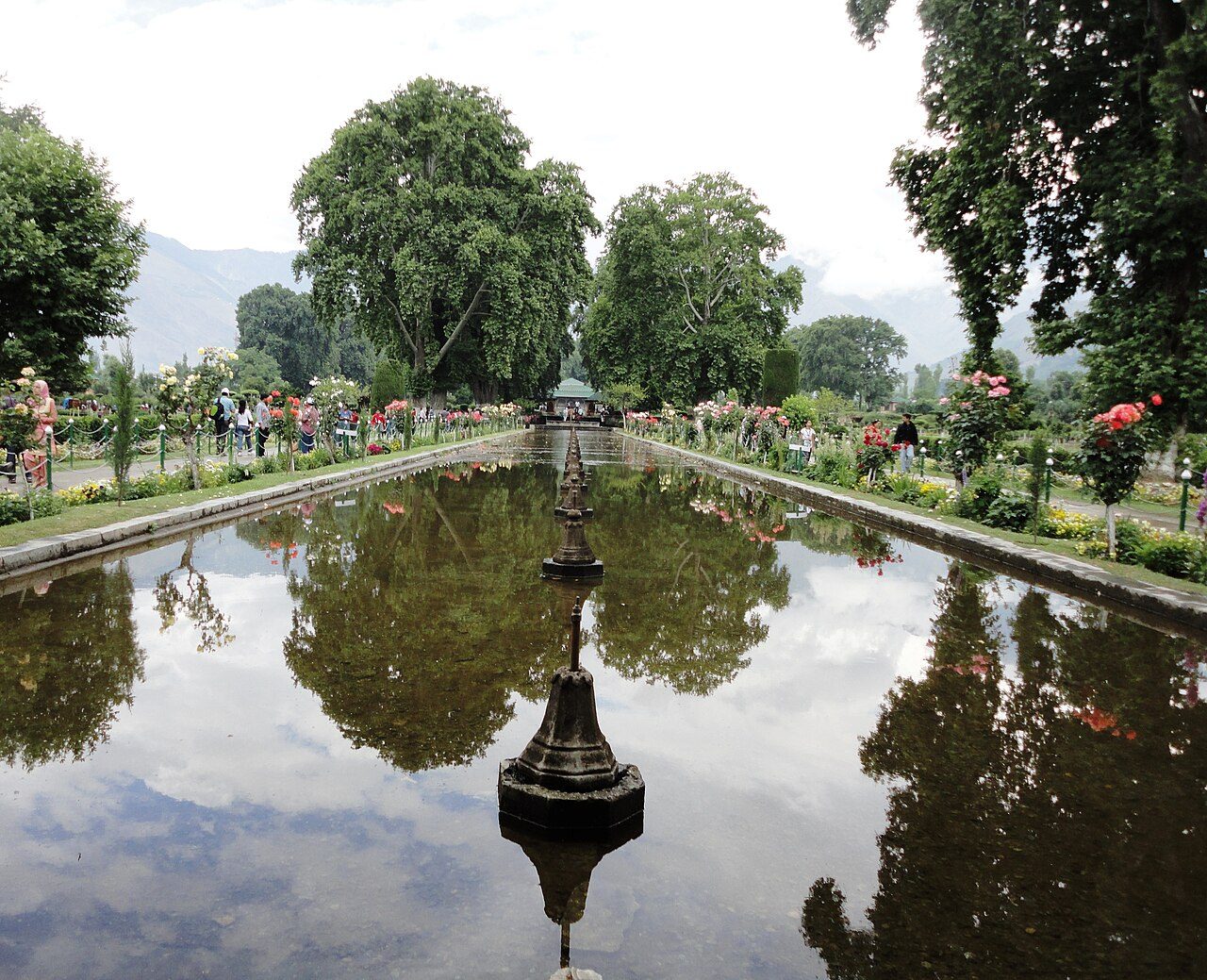
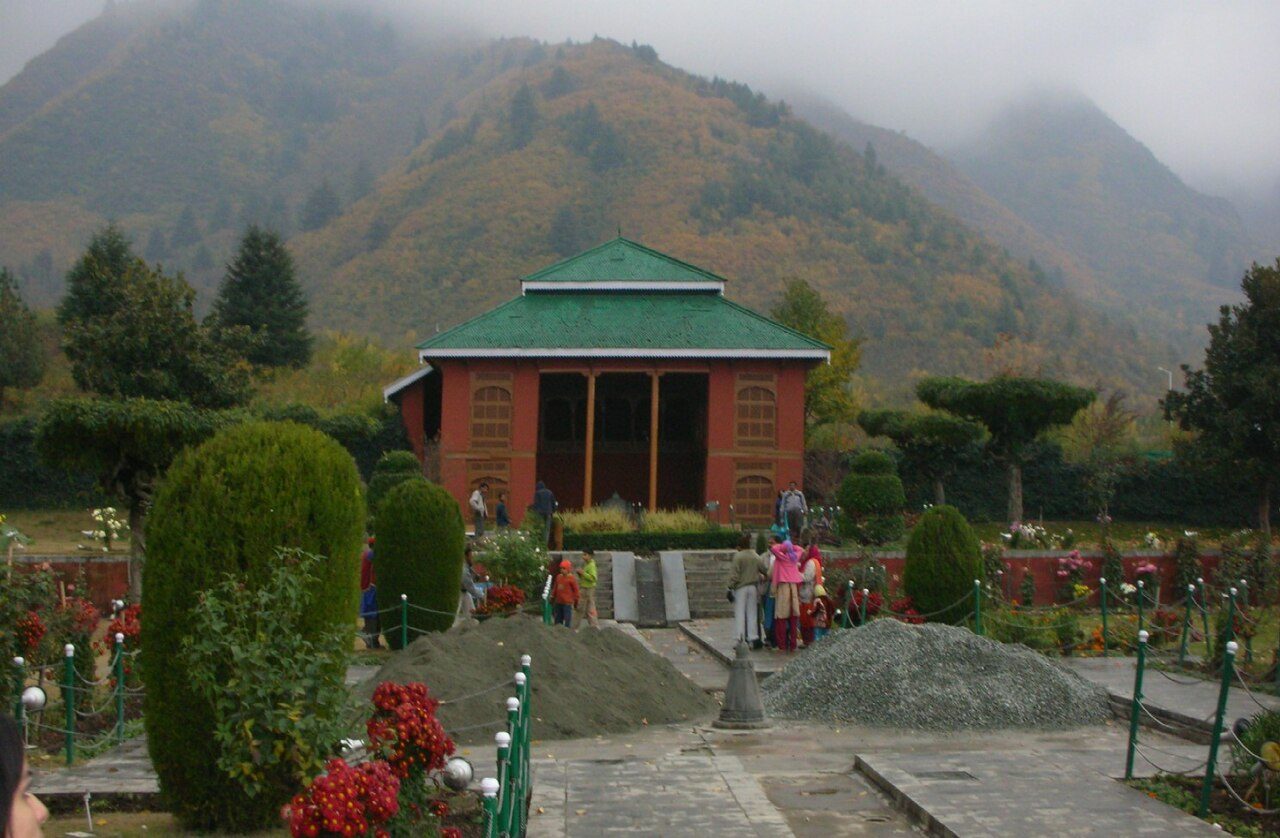
Shalimar Bagh is the largest of the Mughal gardens of Kashmir, laid out in 1619 by Emperor Jahangir for his wife Nur Jahan. It rises from Dal Lake in terraces along a central water channel lined with chinar trees, fountains and pavilions, the finest being the Black Pavilion. Spring blossom and the red chinar leaves of autumn are the best seasons.
04
STOP 4 OF 16
Chashme Shahi
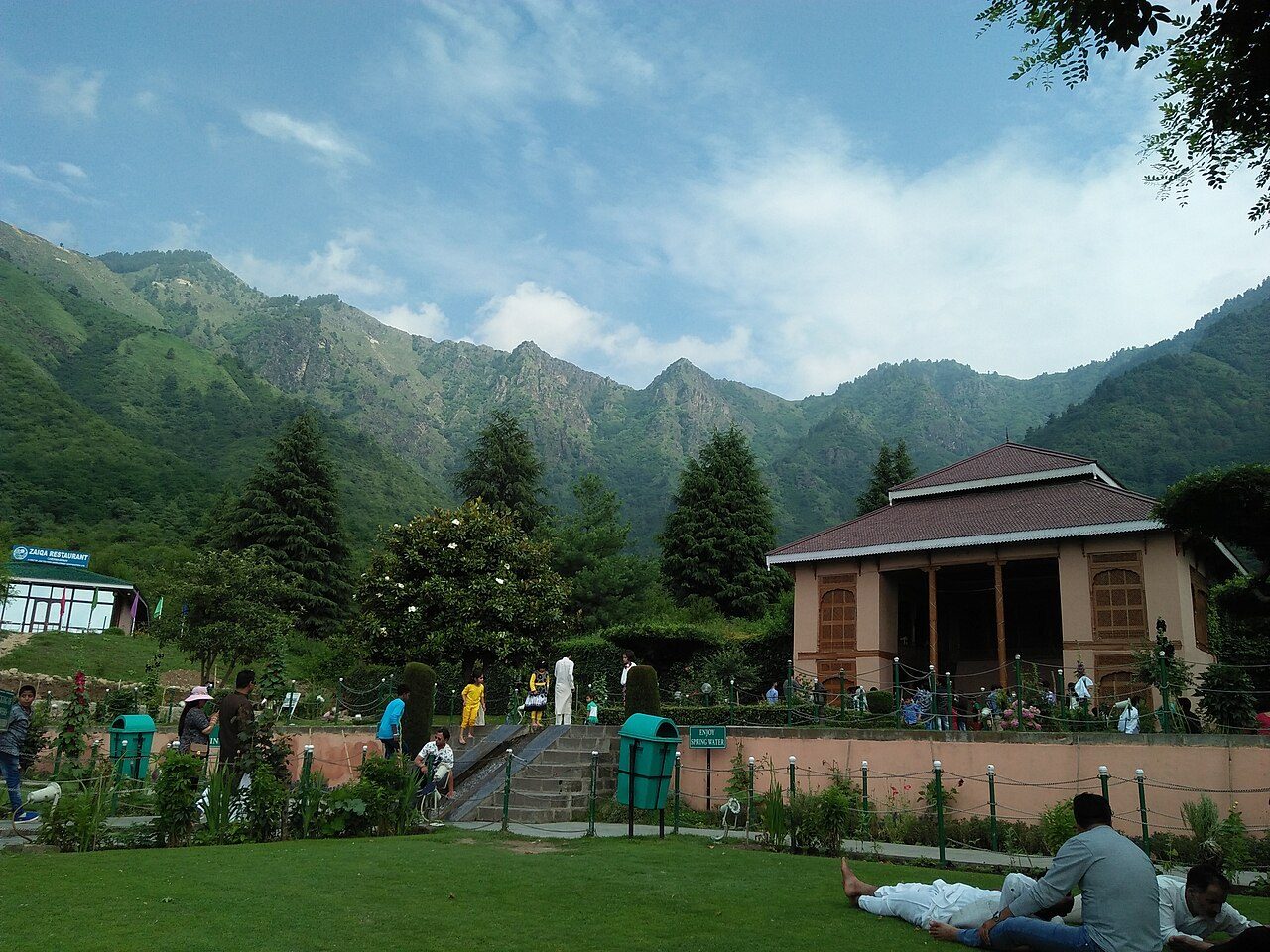
Chashme Shahi, the 'royal spring', is the smallest of Srinagar's Mughal gardens, built in 1632 for Emperor Shah Jahan around a natural spring famed for its cool, sweet water. Three terraces step down the hillside with a pavilion, fountains and a water chute. It lies above Dal Lake near Pari Mahal and the botanical garden.
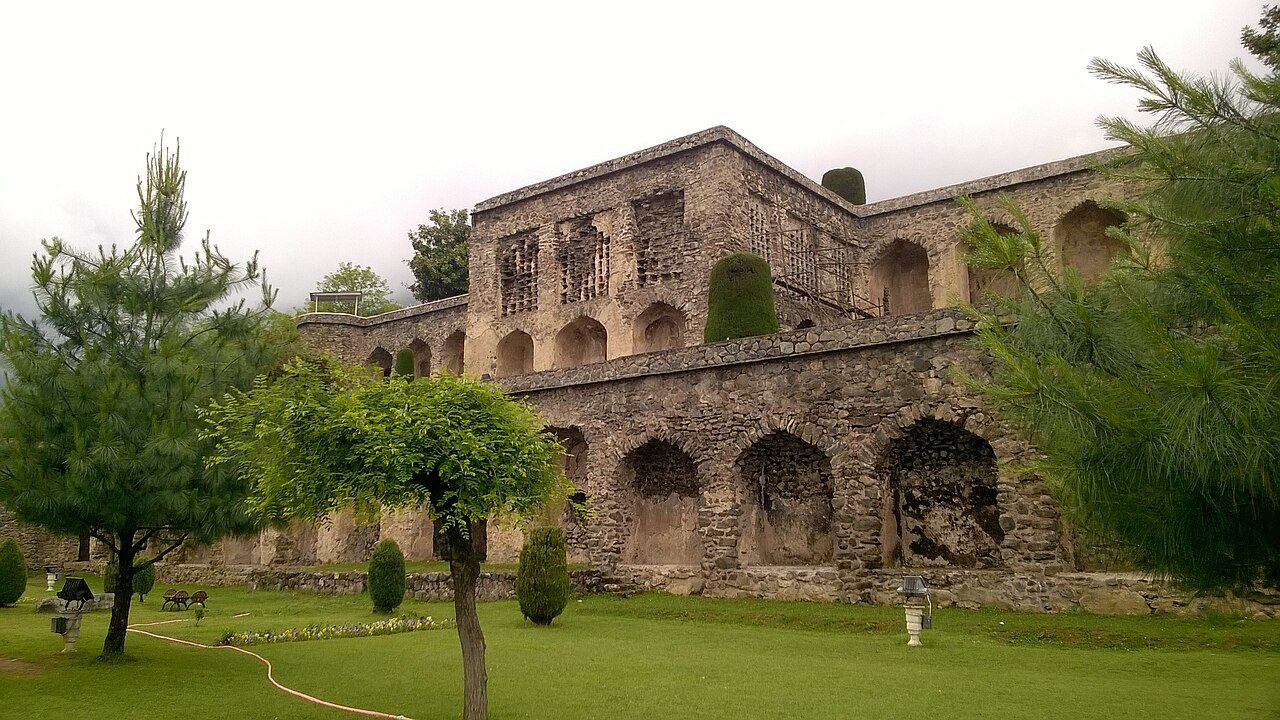
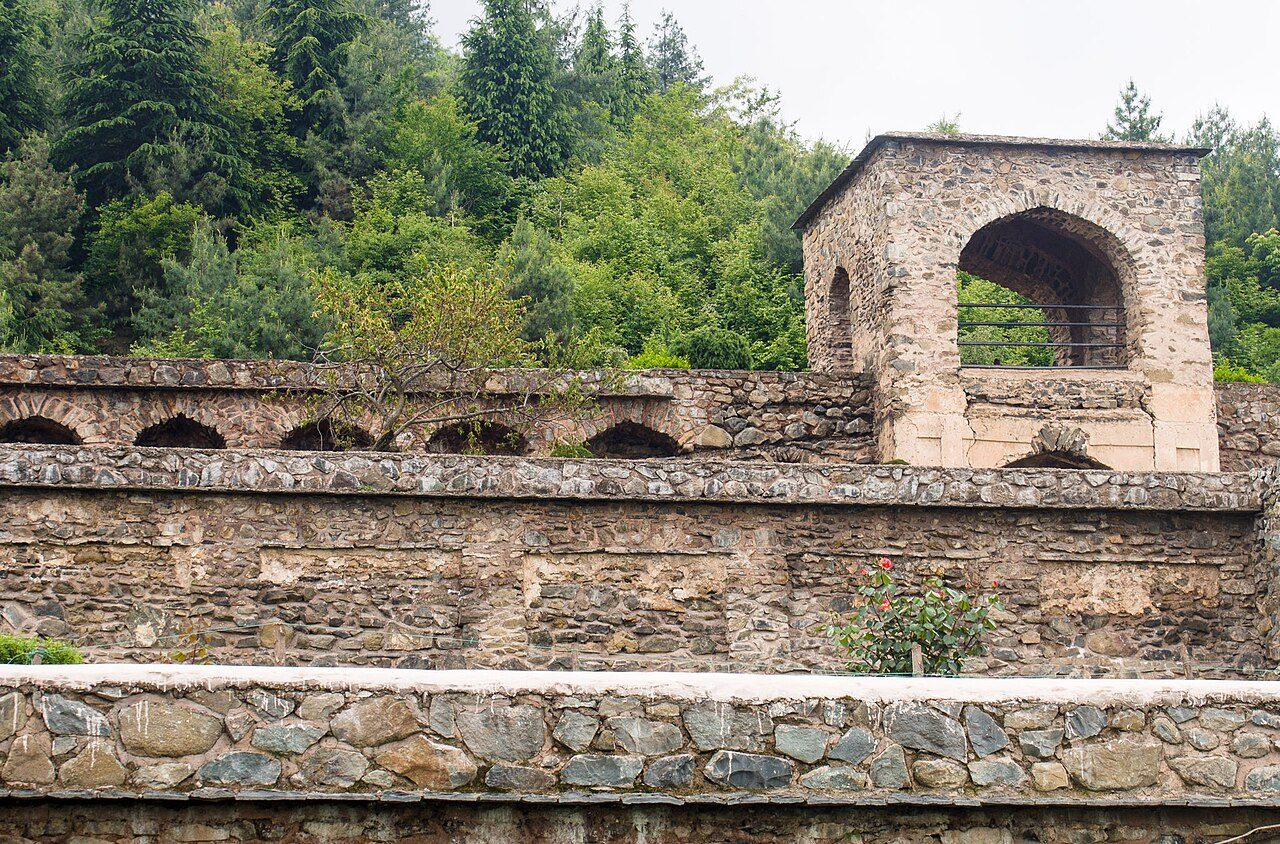
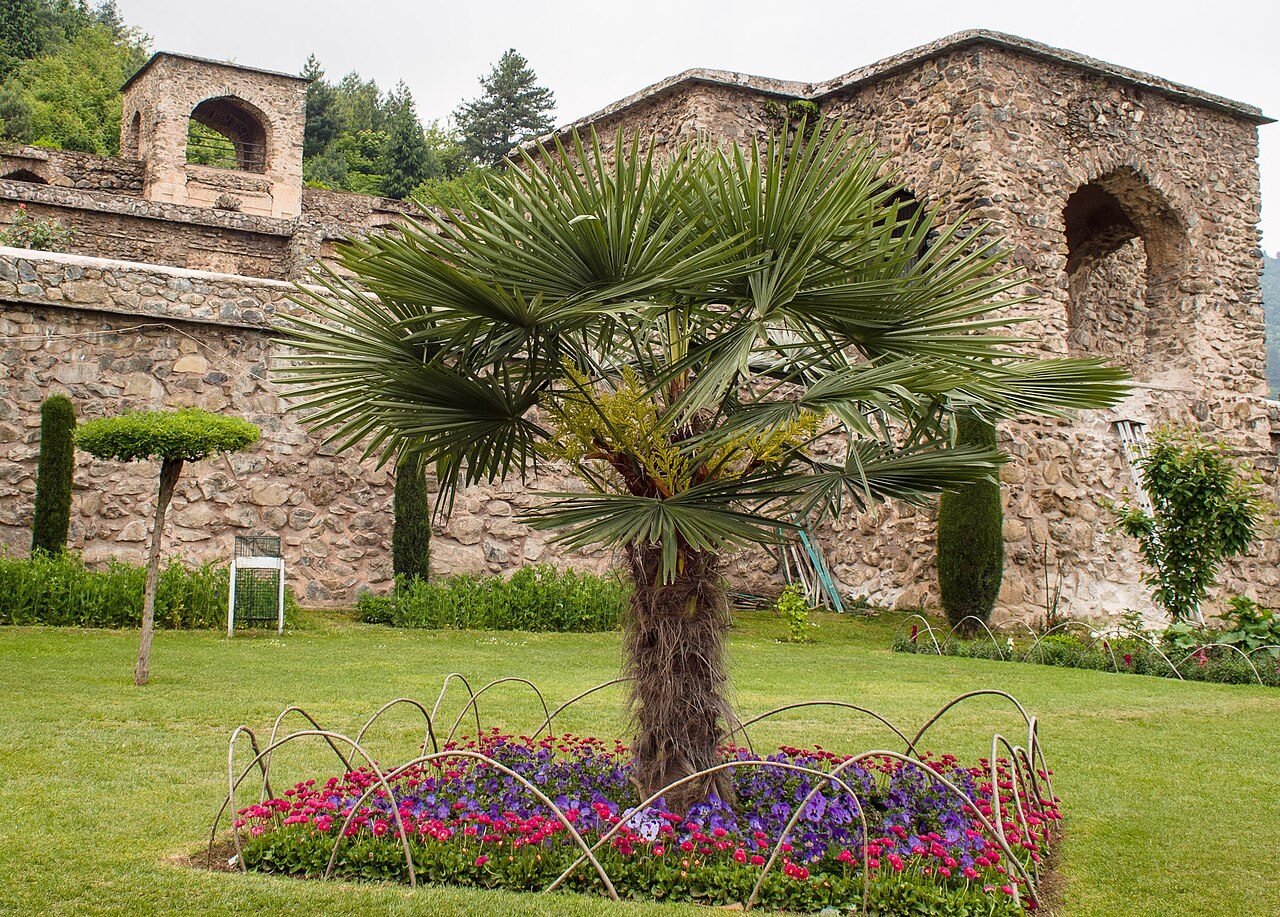
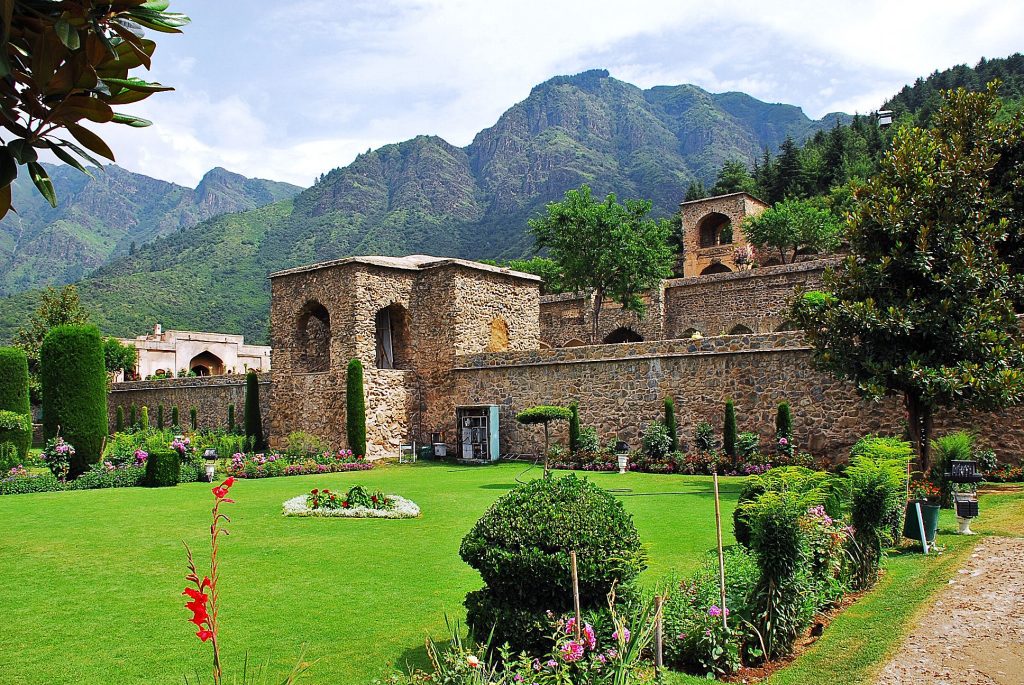
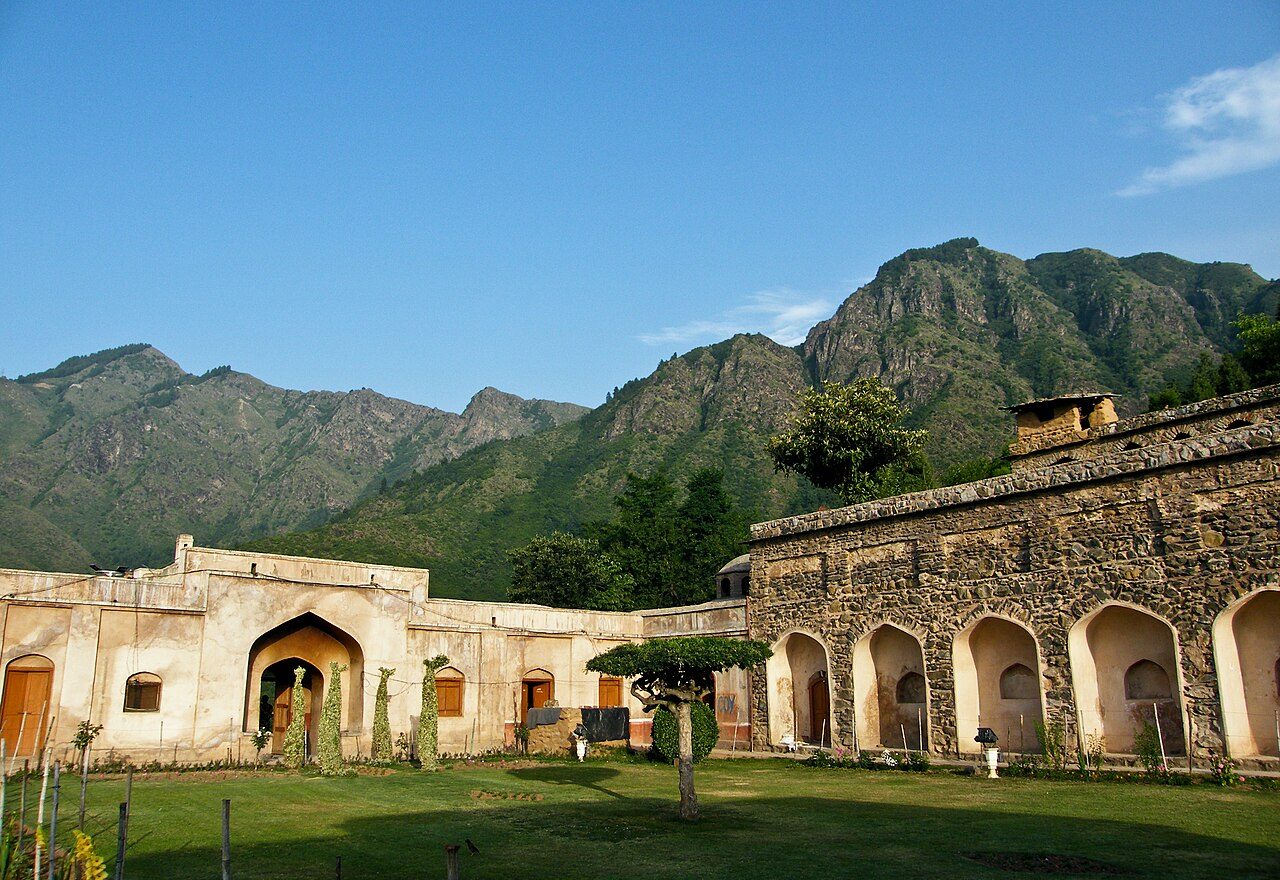
Pari Mahal, the 'palace of fairies', is a terraced garden on a spur of the Zabarwan range above Srinagar. It was built in the mid-17th century by Prince Dara Shikoh, eldest son of Shah Jahan, as a retreat, library and observatory. Its arched ruins on several levels are floodlit at night and look out over Dal Lake and the city.
06
STOP 6 OF 16
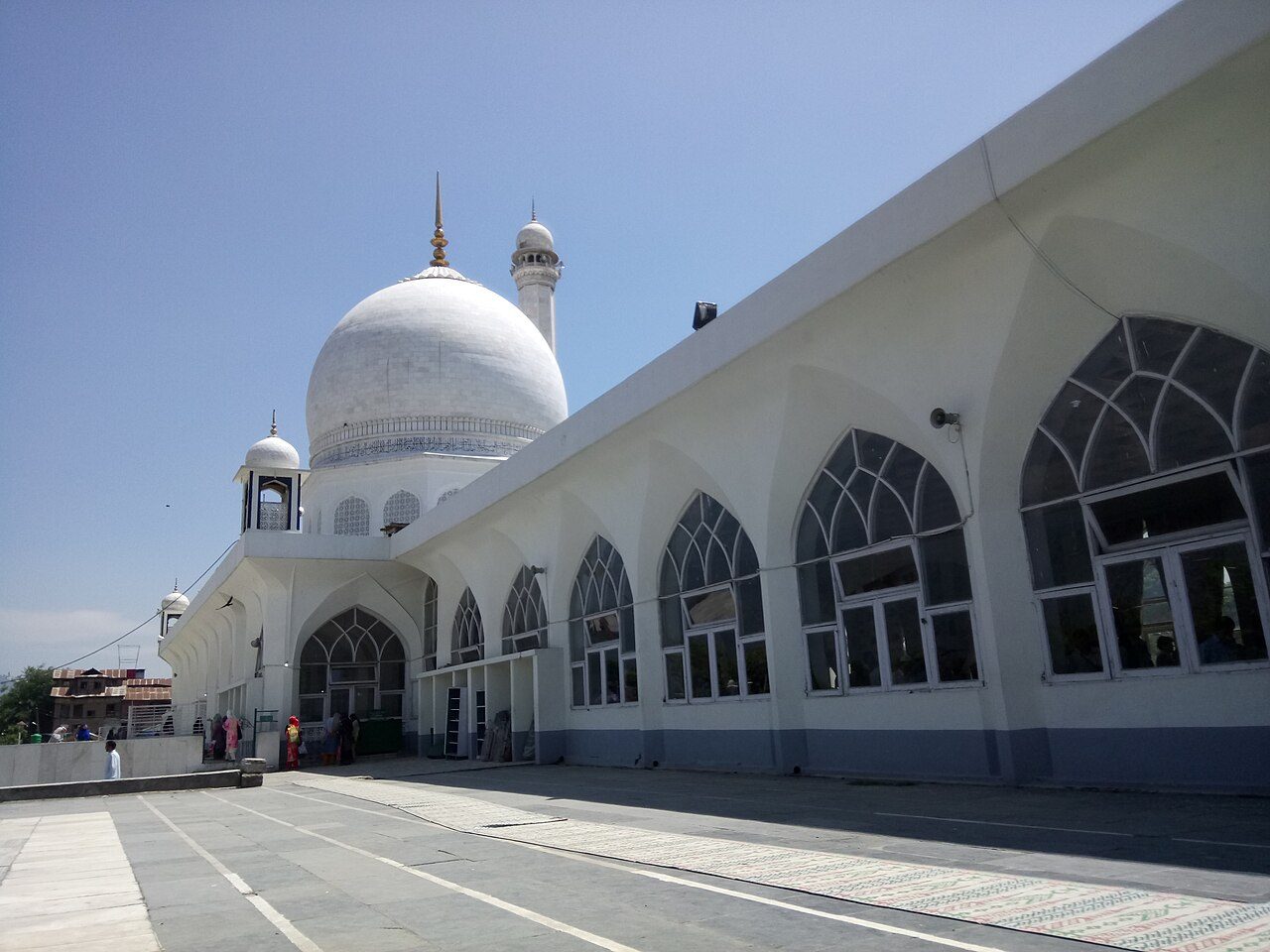
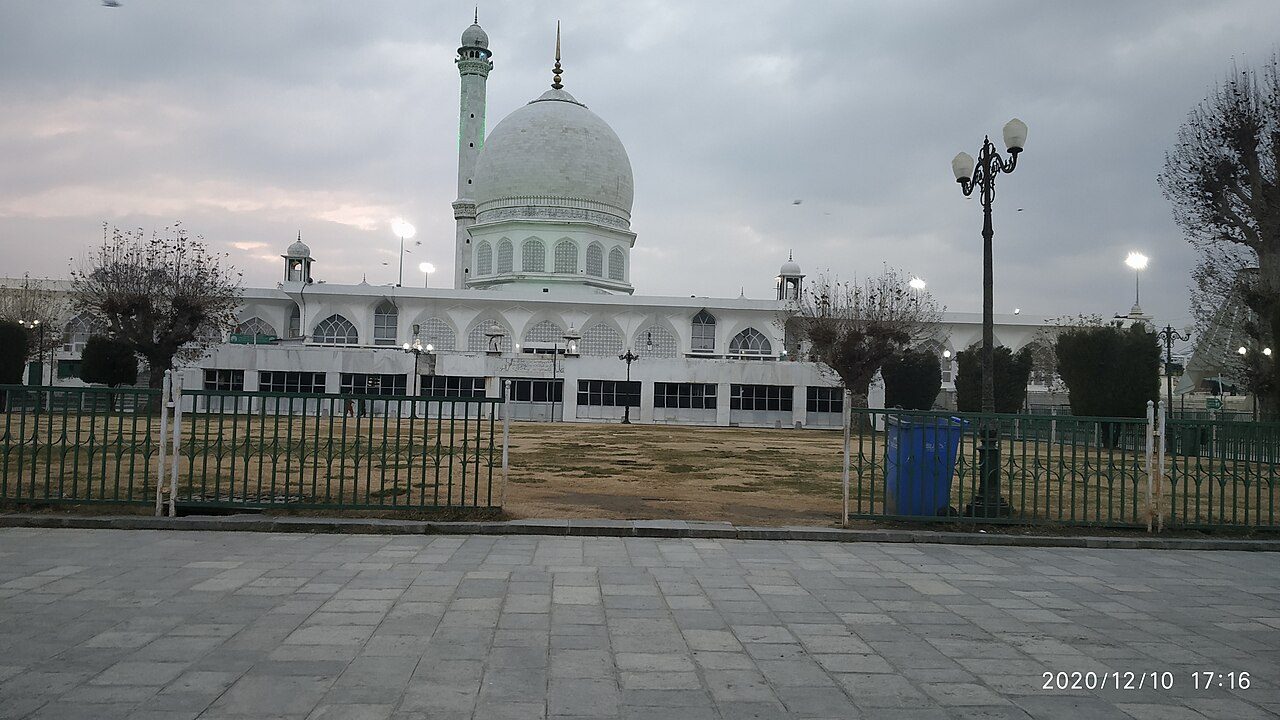
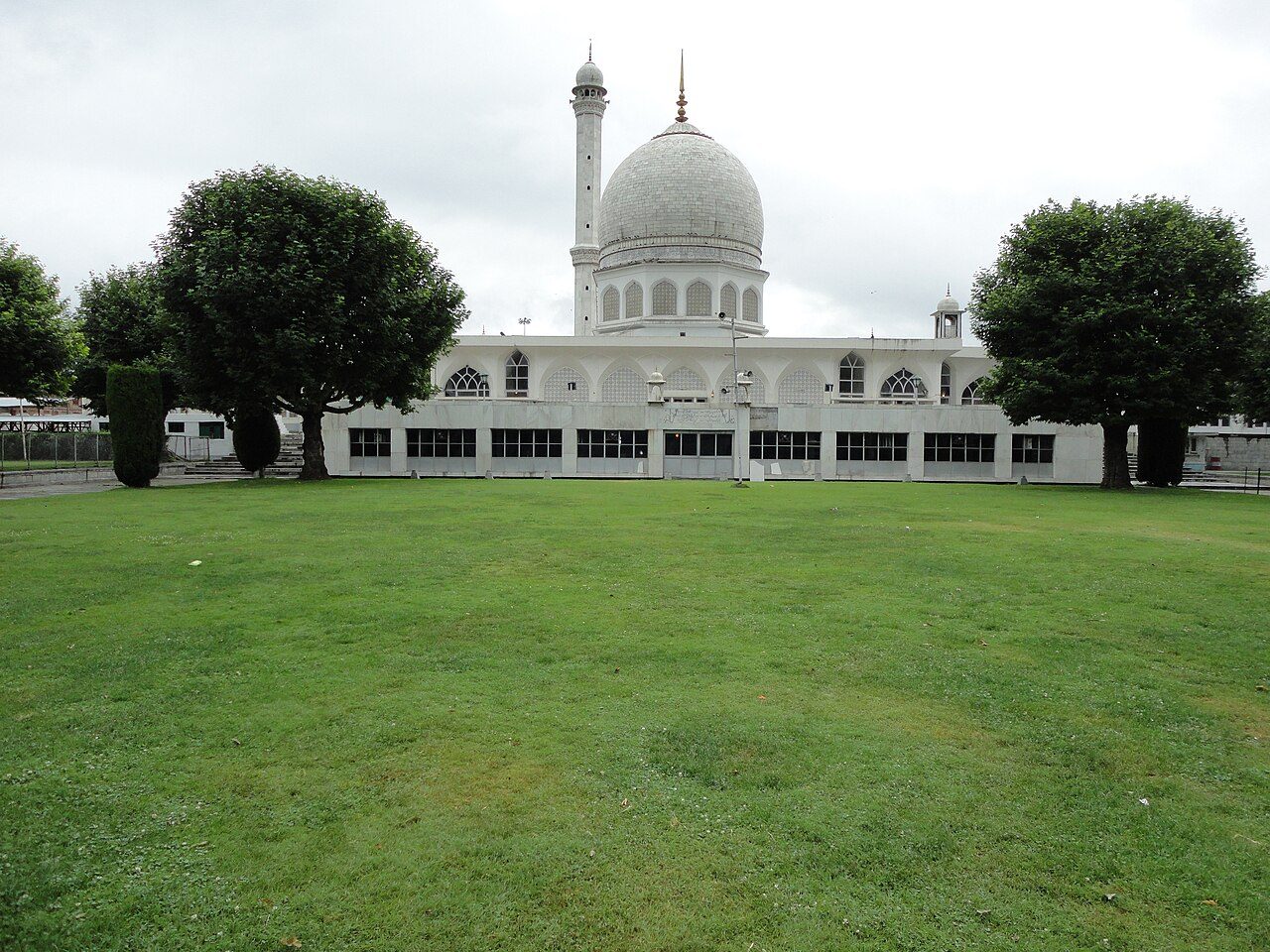
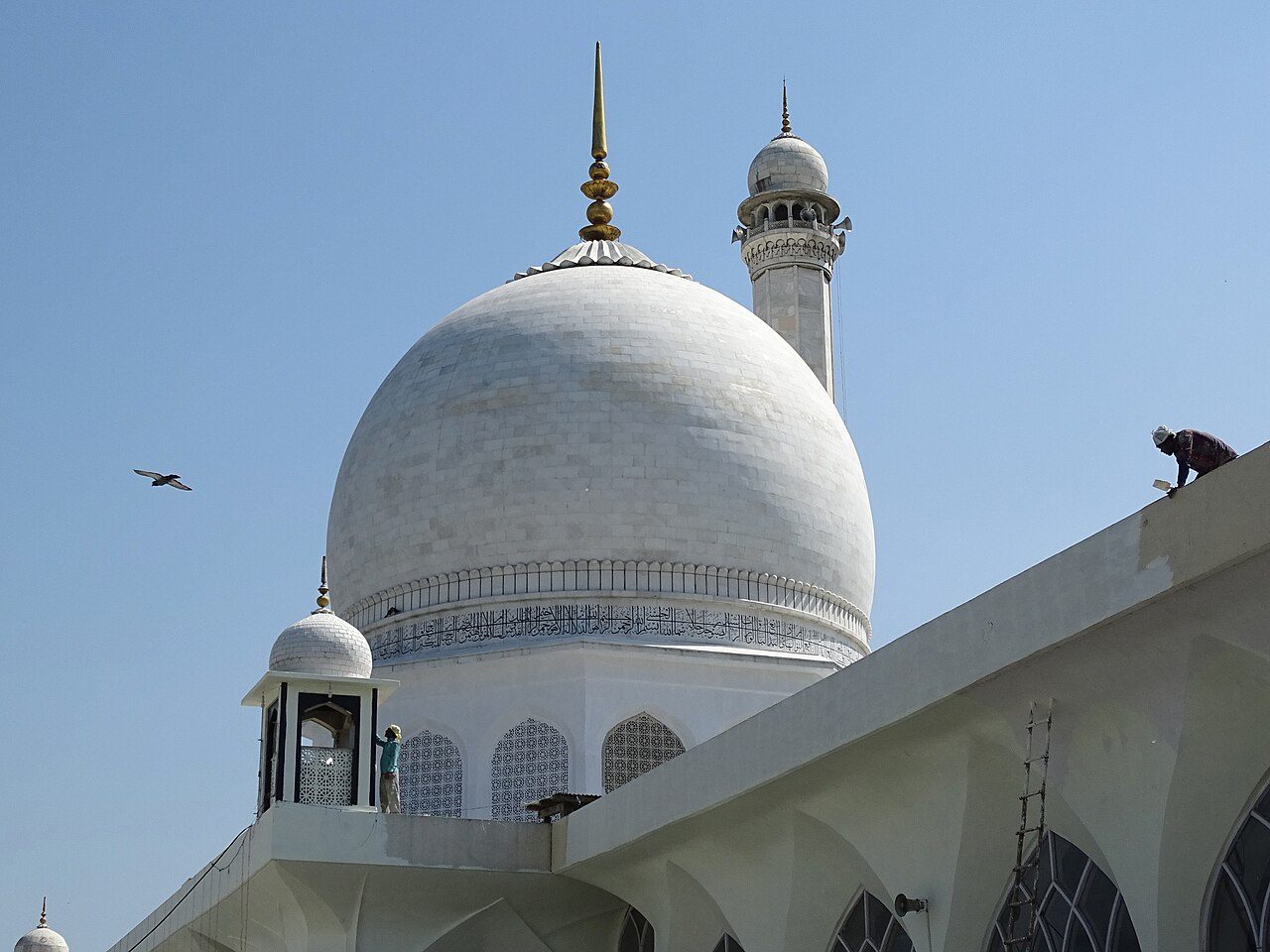
Hazratbal Shrine
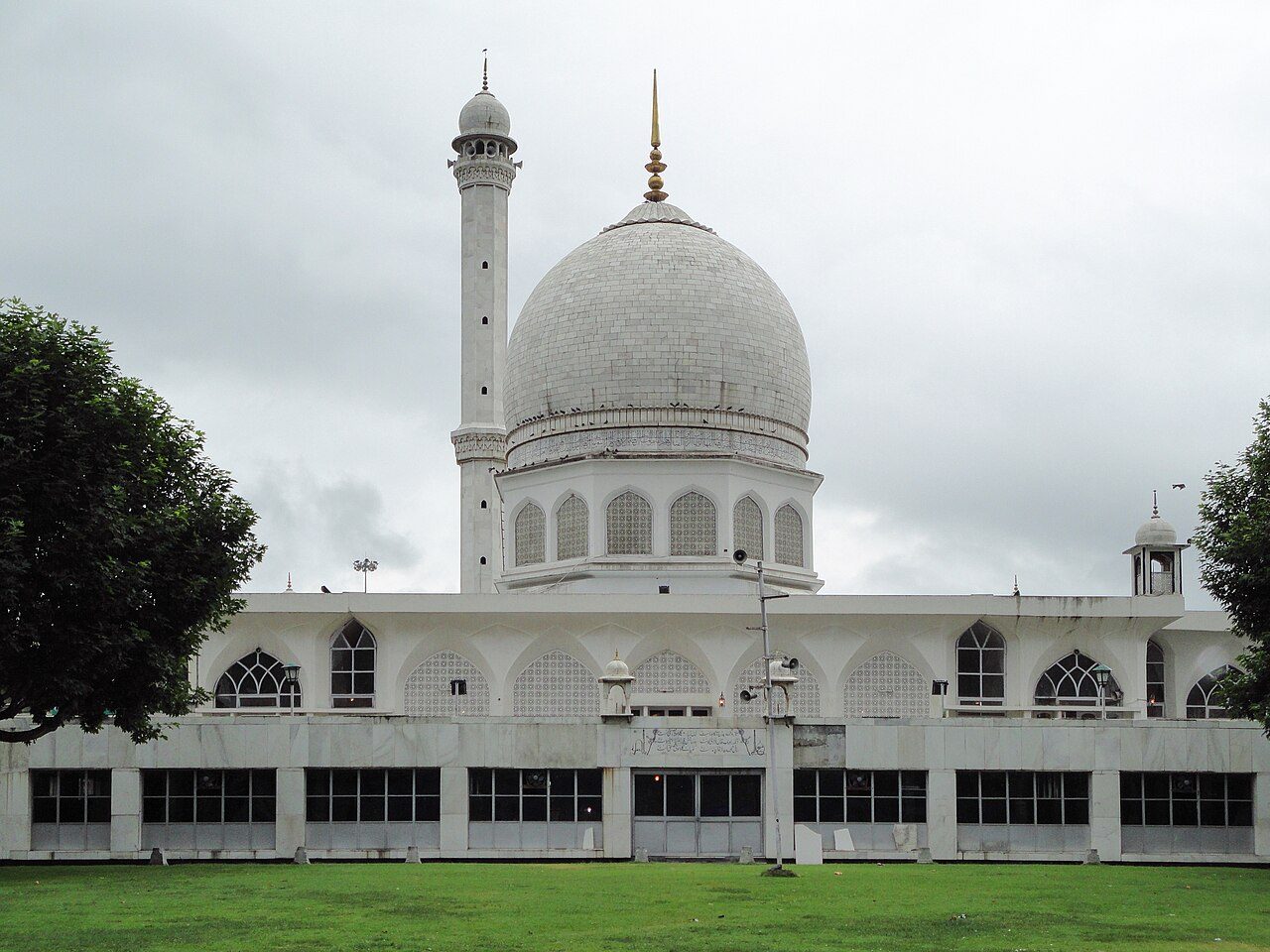
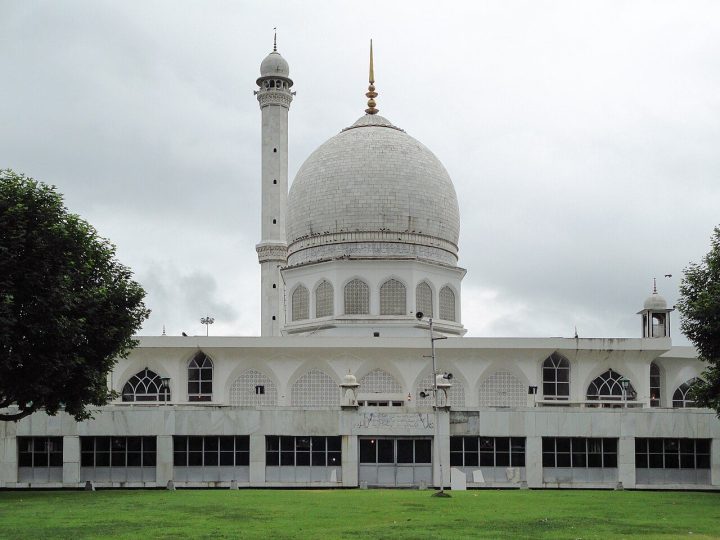
Hazratbal is the most revered Muslim shrine in Kashmir, holding a relic believed to be a hair of the Prophet Muhammad, which is displayed to the faithful on special occasions. The white marble mosque with its single dome and minaret stands on the western shore of Dal Lake. Visitors should dress modestly; women enter by a separate section.
07
STOP 7 OF 16
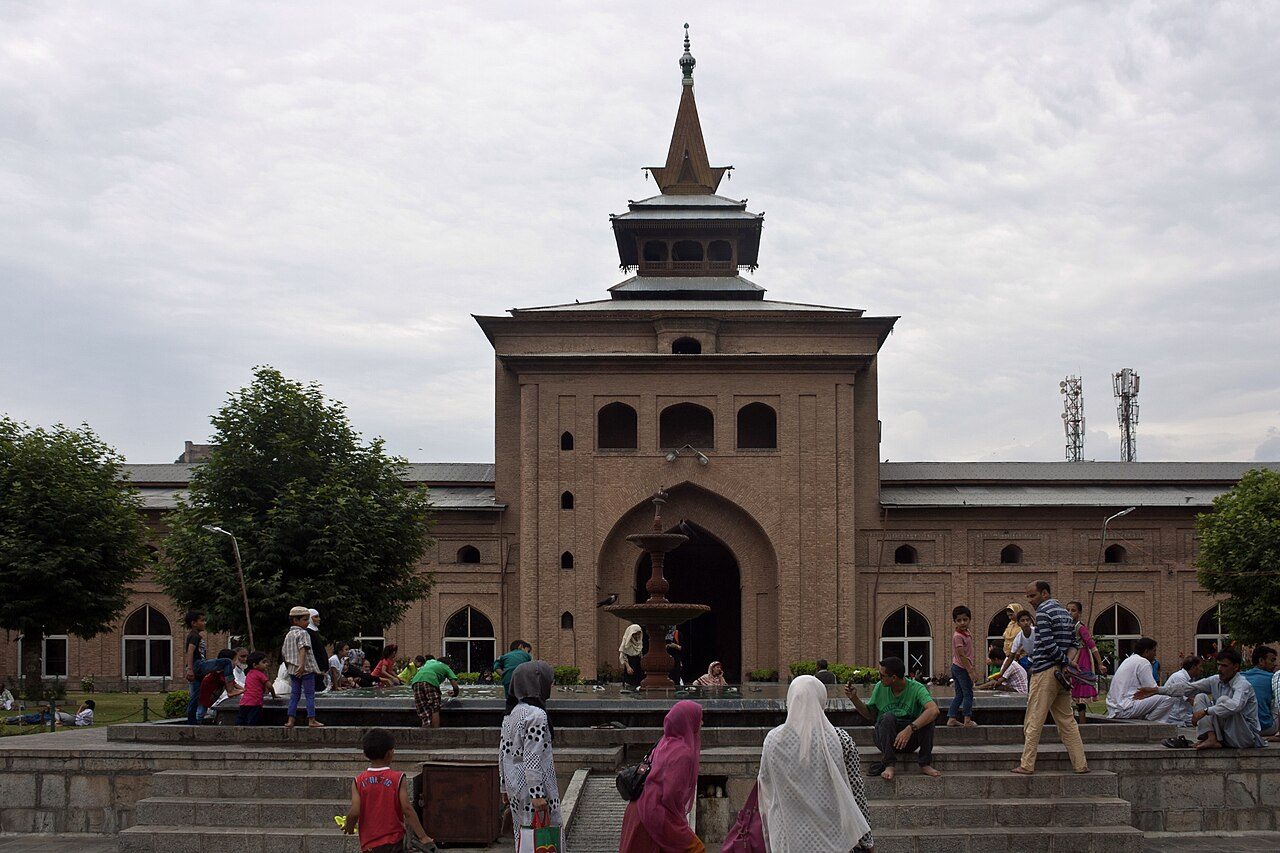
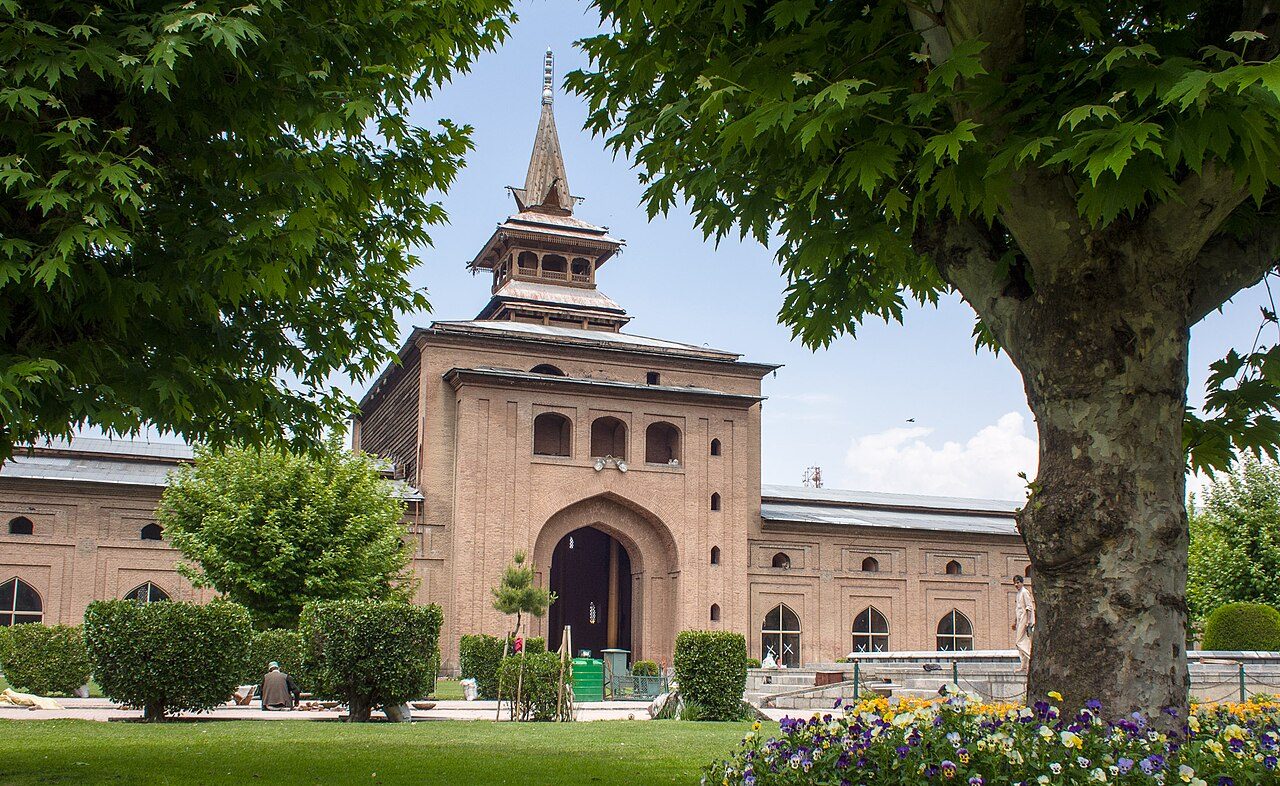
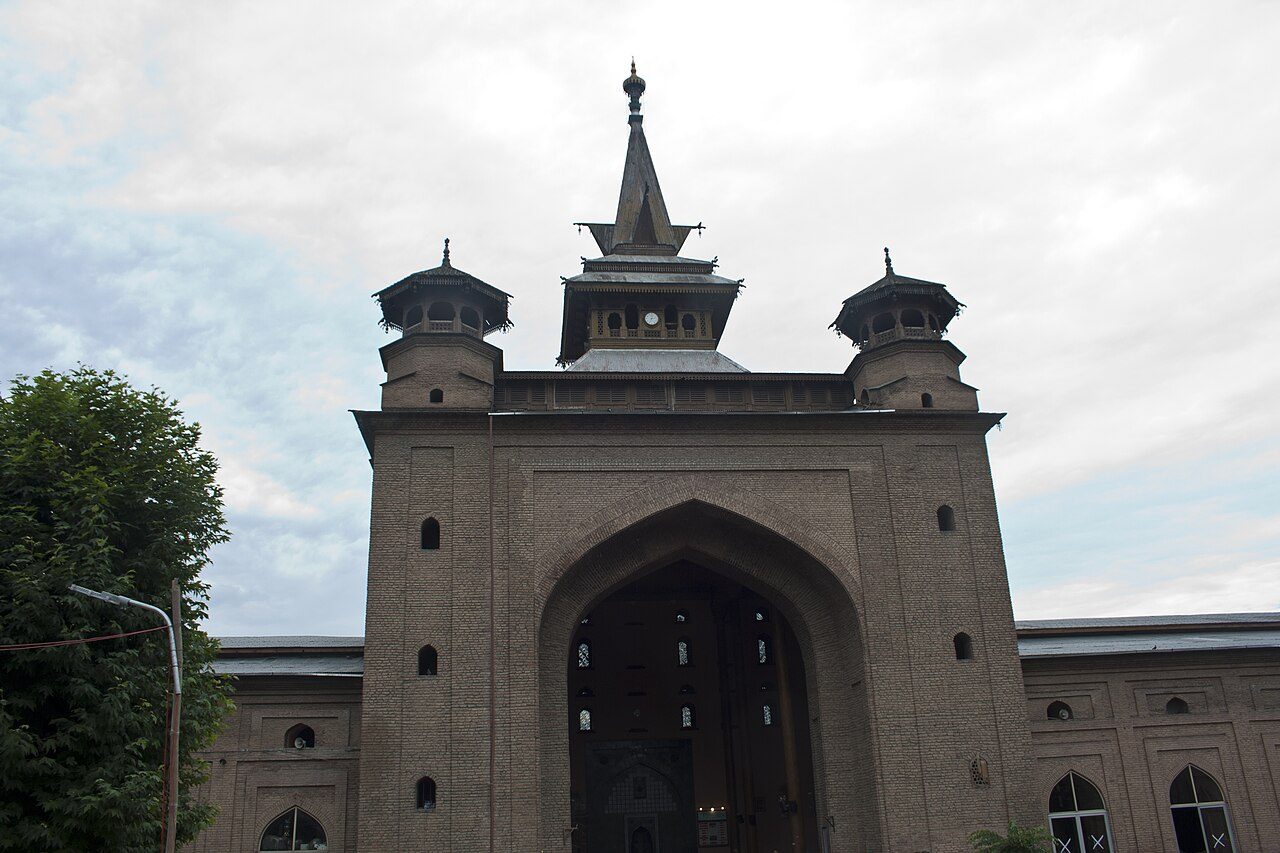
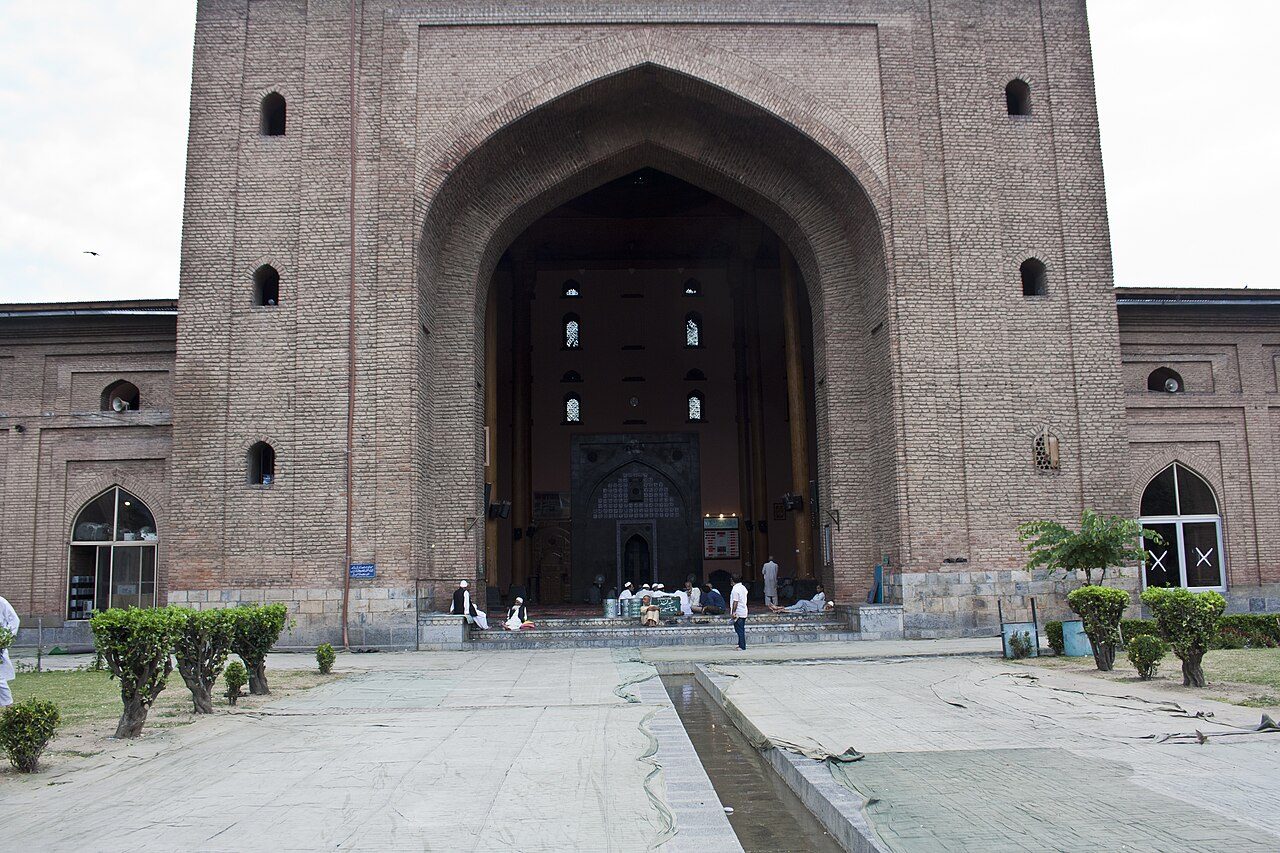
Jamia Masjid Srinagar
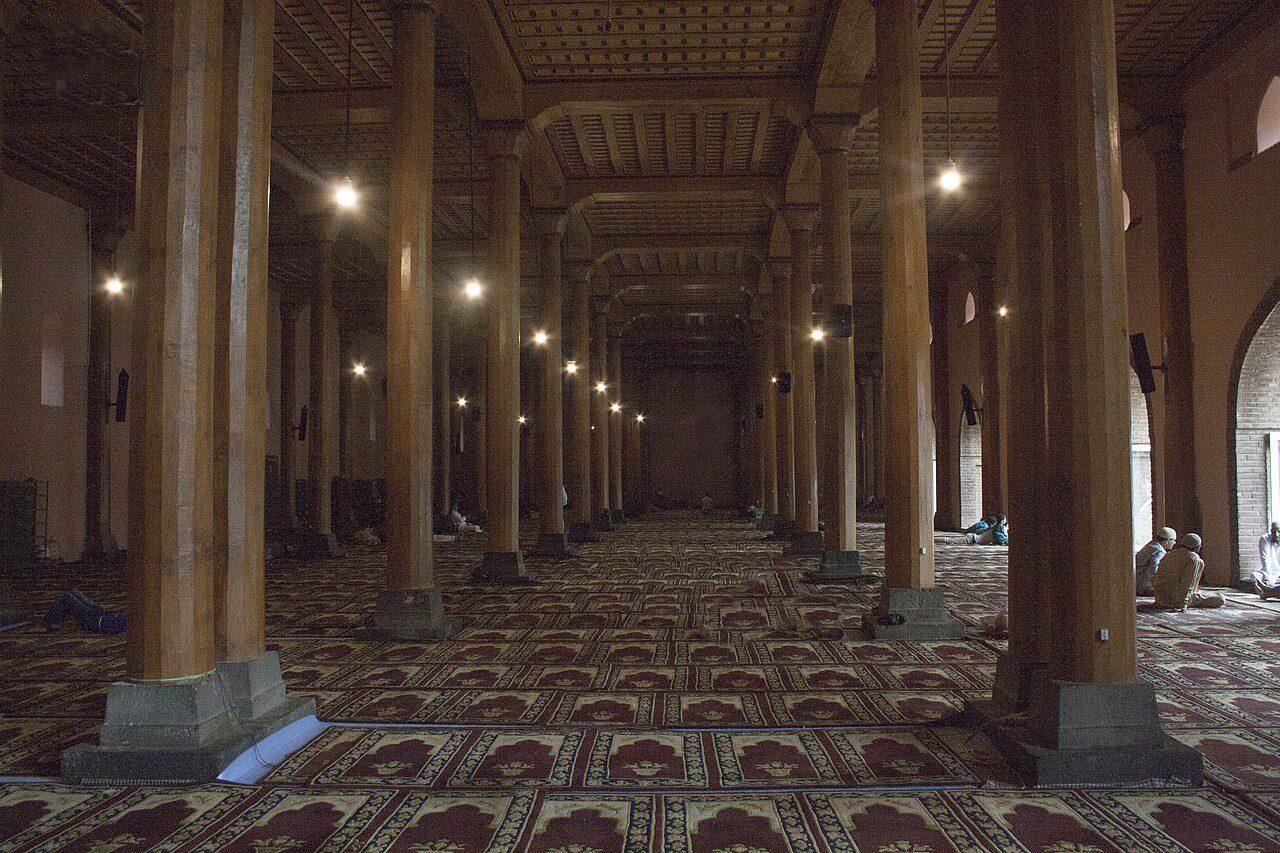
The Jamia Masjid in Srinagar's old city was founded around 1400 by Sultan Sikandar and rebuilt several times after fires. Built in Indo-Saracenic style around a large garden courtyard, it is famous for the hundreds of tall deodar pillars that hold up its roof, each cut from a single trunk. The surrounding Nowhatta bazaars are among the liveliest in the old town.
08
STOP 8 OF 16
Khanqah-e-Moula
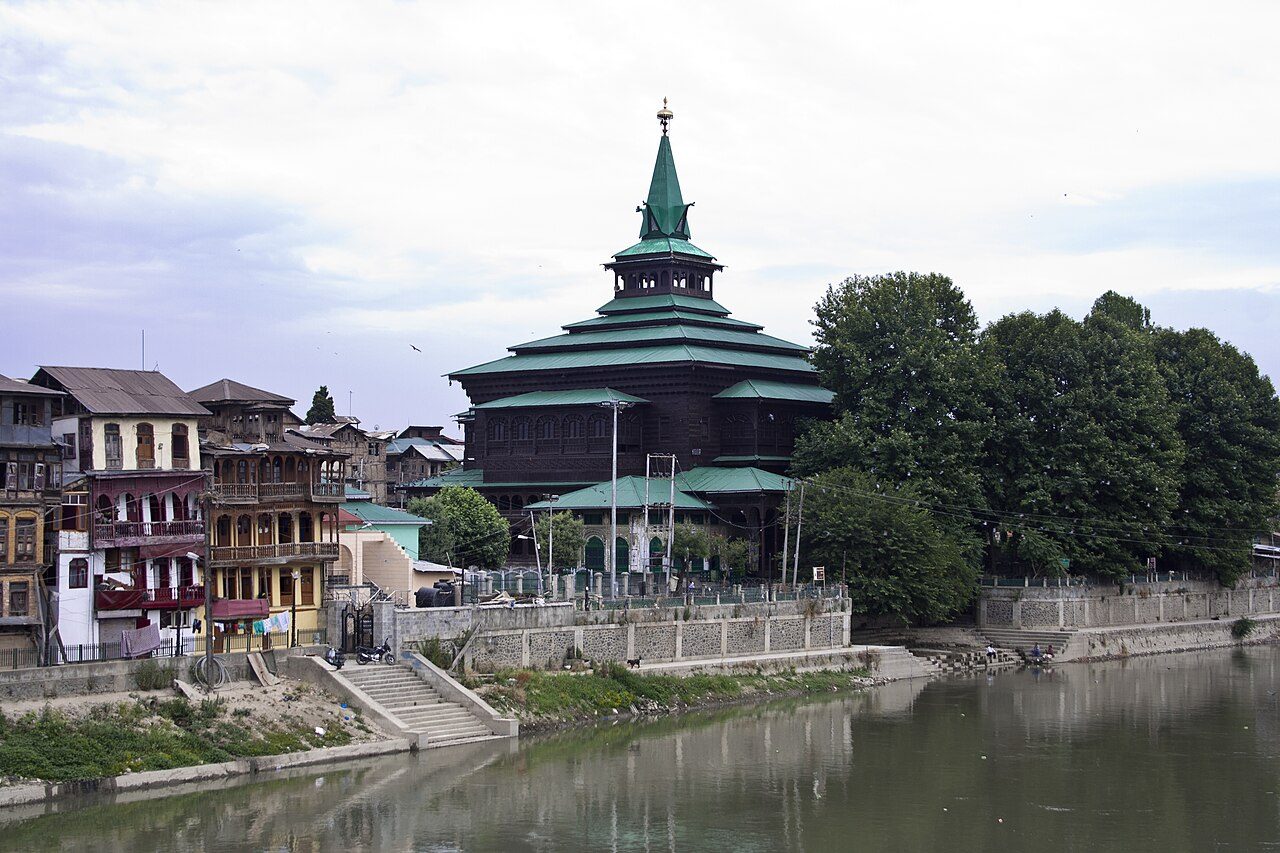
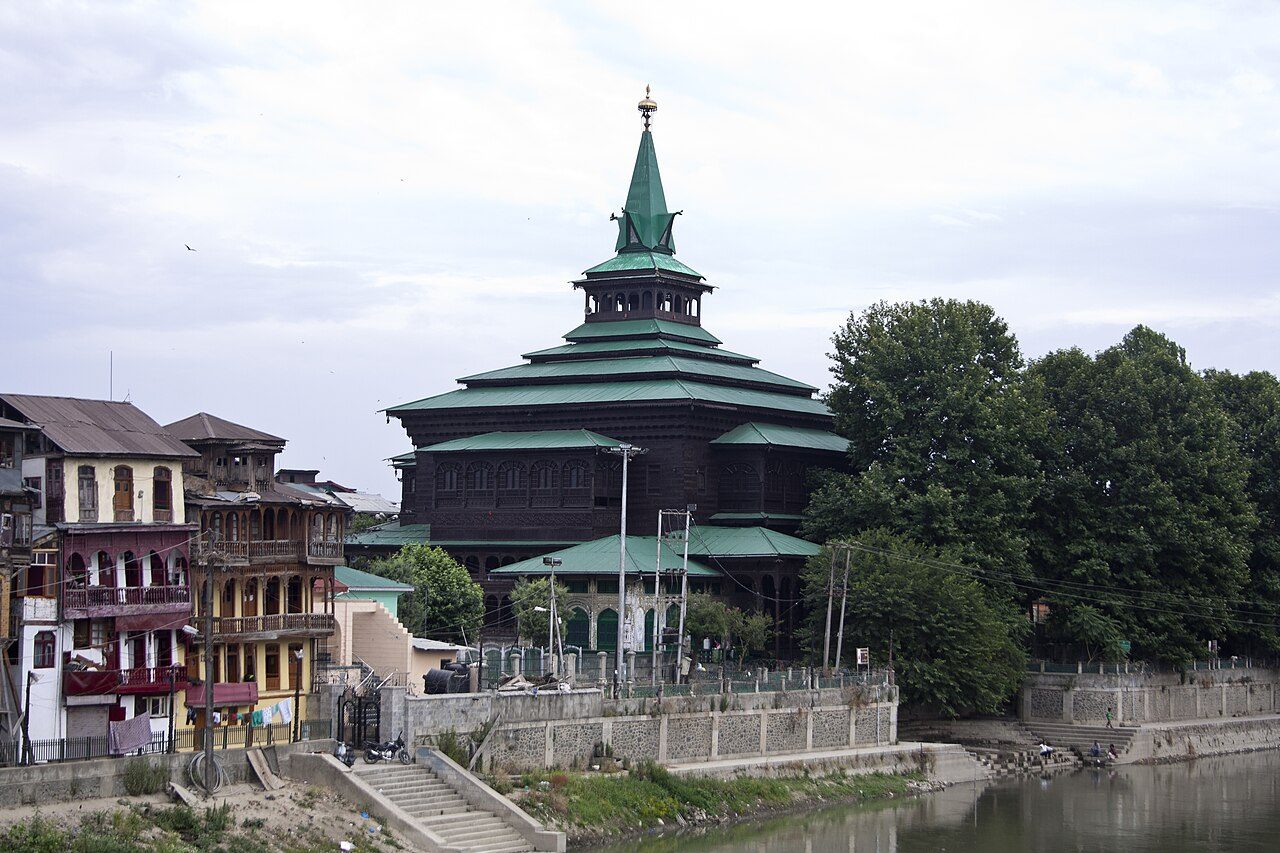
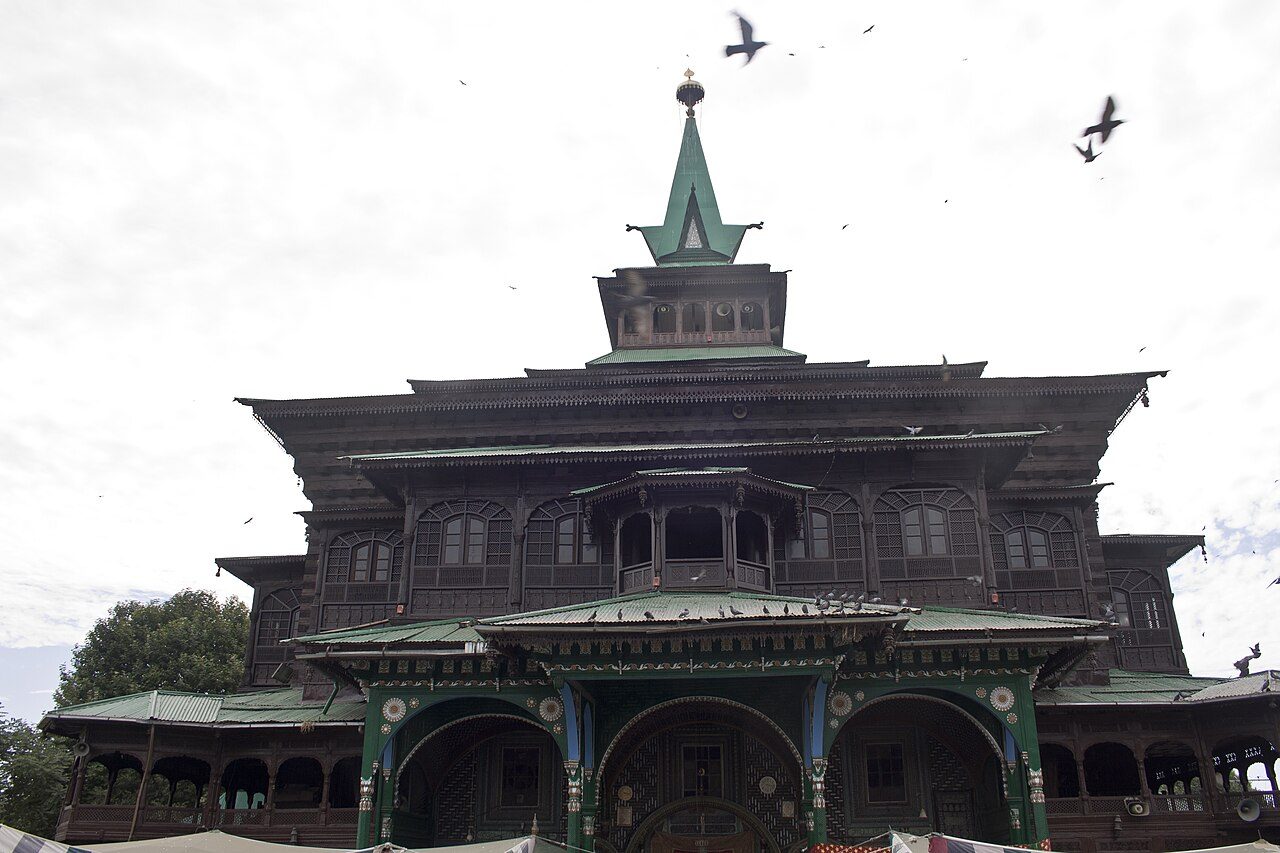
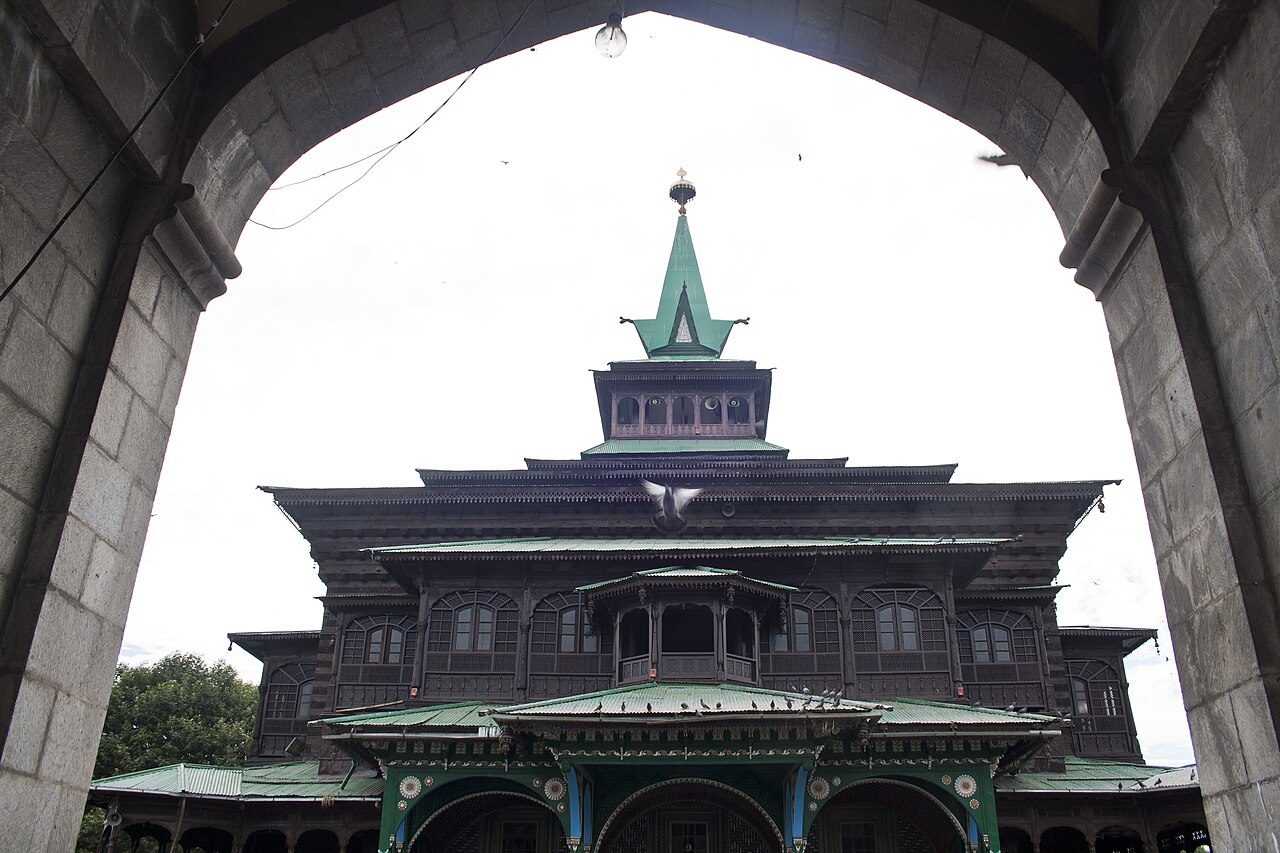
Khanqah-e-Moula, on the bank of the Jhelum in old Srinagar, is one of the oldest Muslim shrines in Kashmir, first built in 1395 in memory of the Persian saint Mir Sayyid Ali Hamadani. The present wooden building dates from the 18th century and is a masterpiece of Kashmiri timber architecture, with carved eaves and richly painted papier-mache interiors.
09
STOP 9 OF 16
Shankaracharya Temple
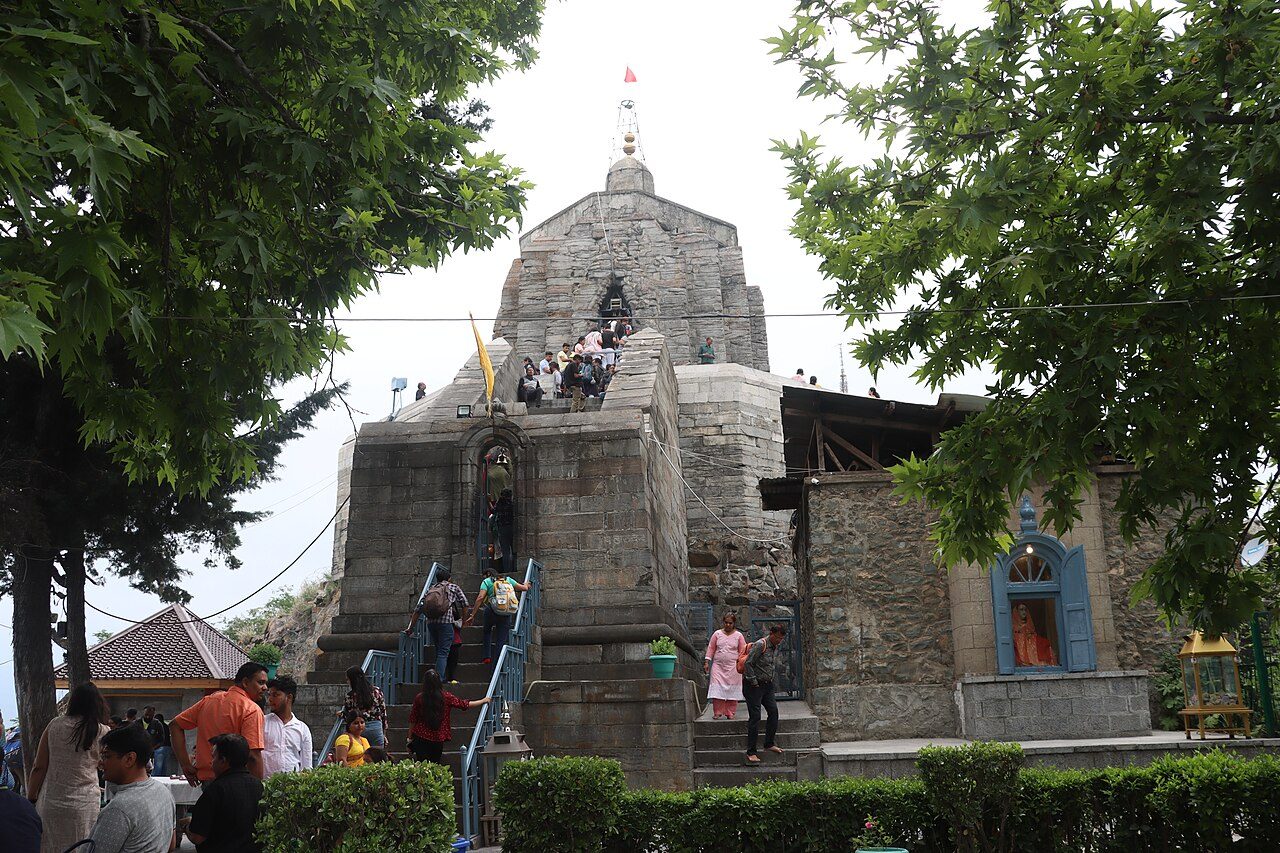
The Shankaracharya Temple crowns a hill about 300 metres above Srinagar and is dedicated to Shiva. The stone shrine on an octagonal plinth is among the oldest in Kashmir, and the philosopher Adi Shankara is said to have visited it. A road leads most of the way up, followed by some 240 steps. The summit gives a sweeping view over Dal Lake and the city. Cameras and phones are not allowed inside.
10
STOP 10 OF 16
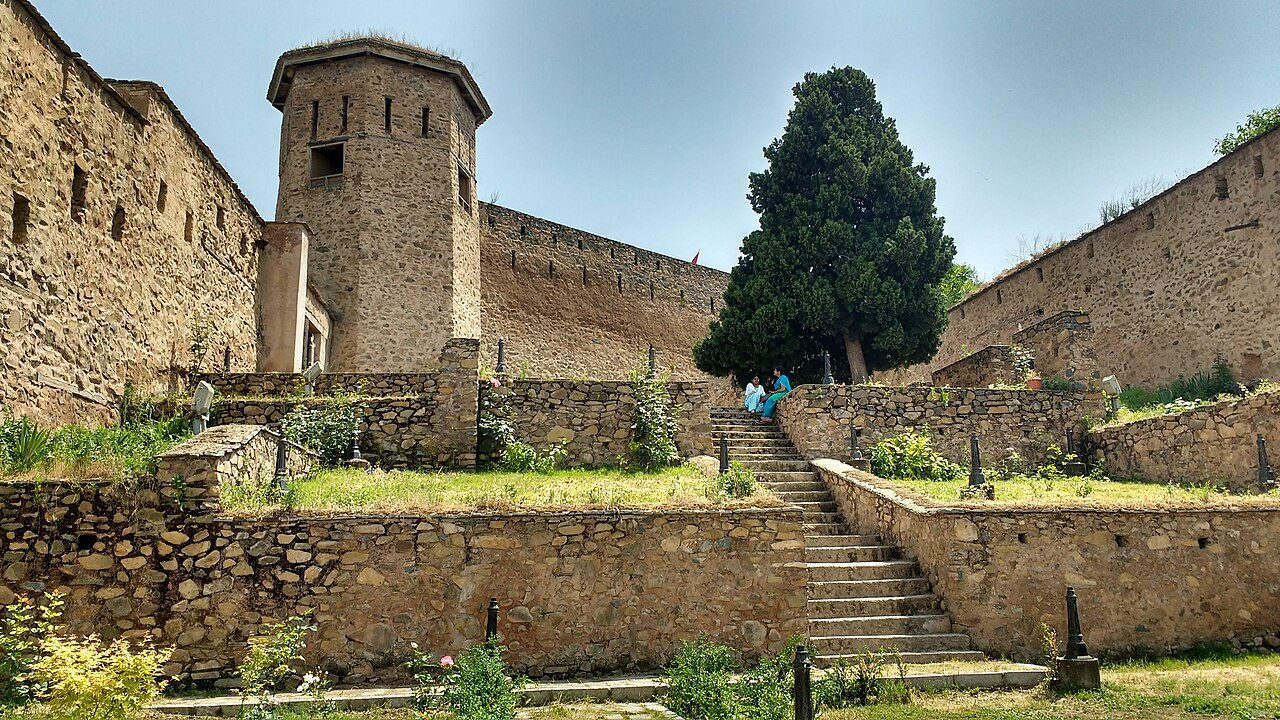
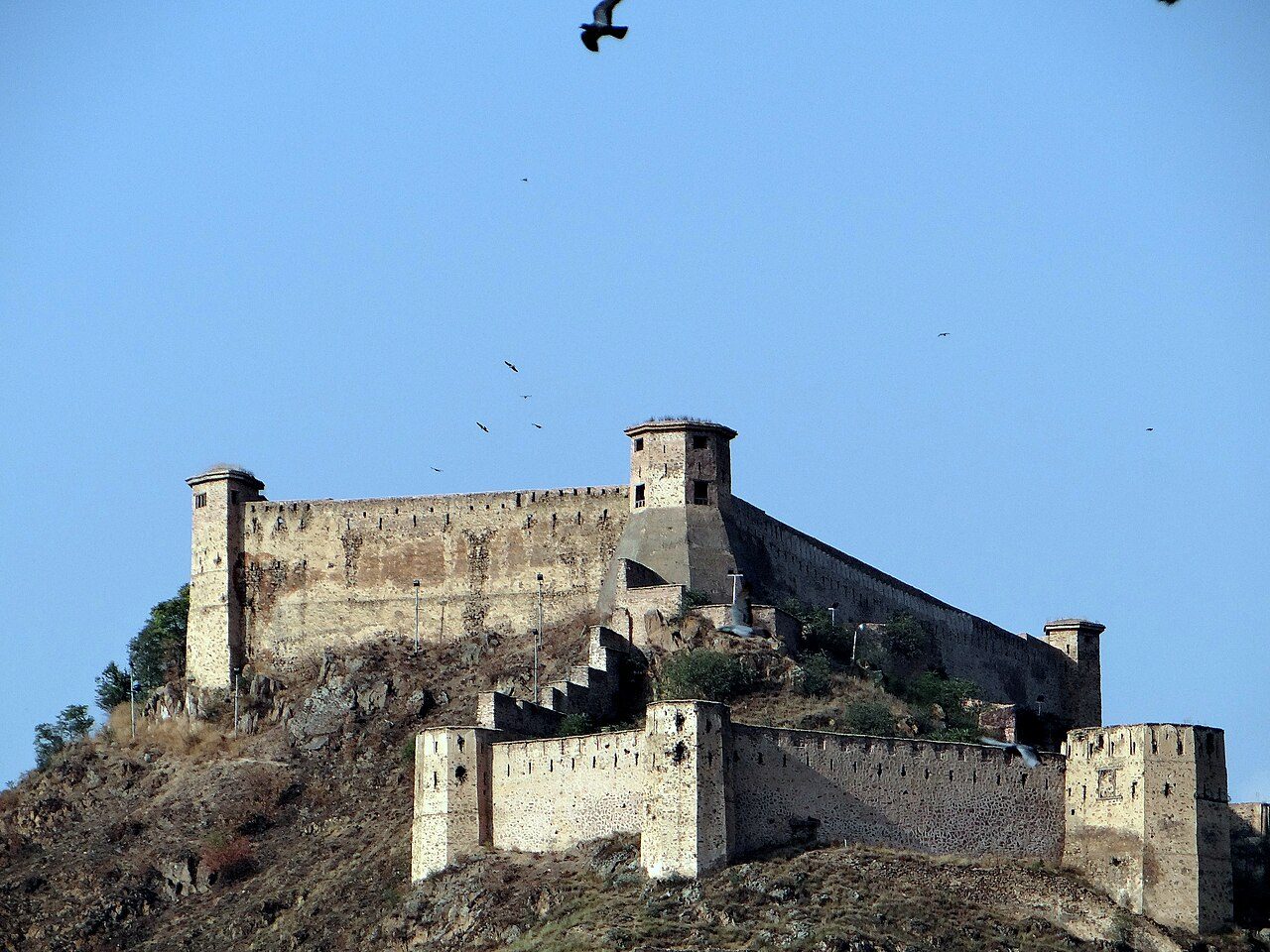
Hari Parbat Fort
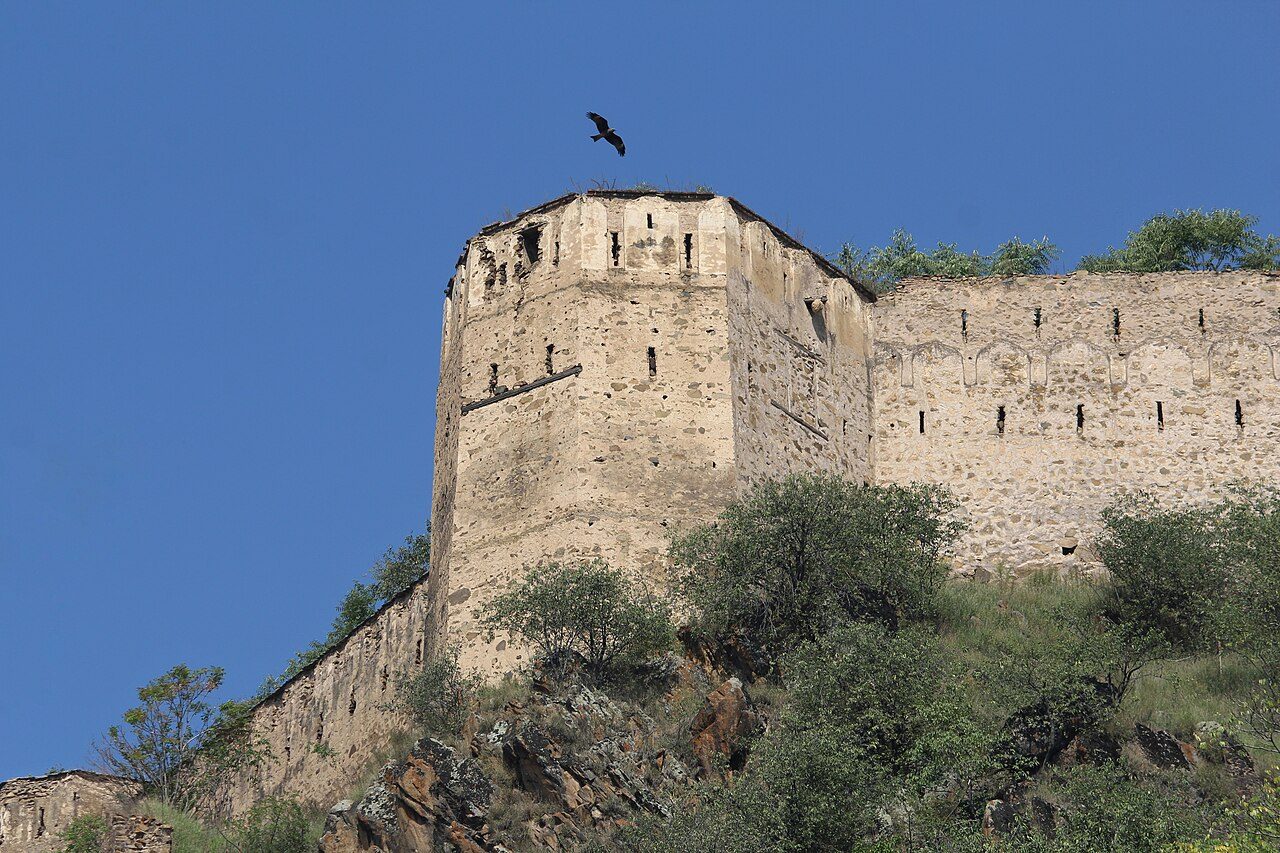
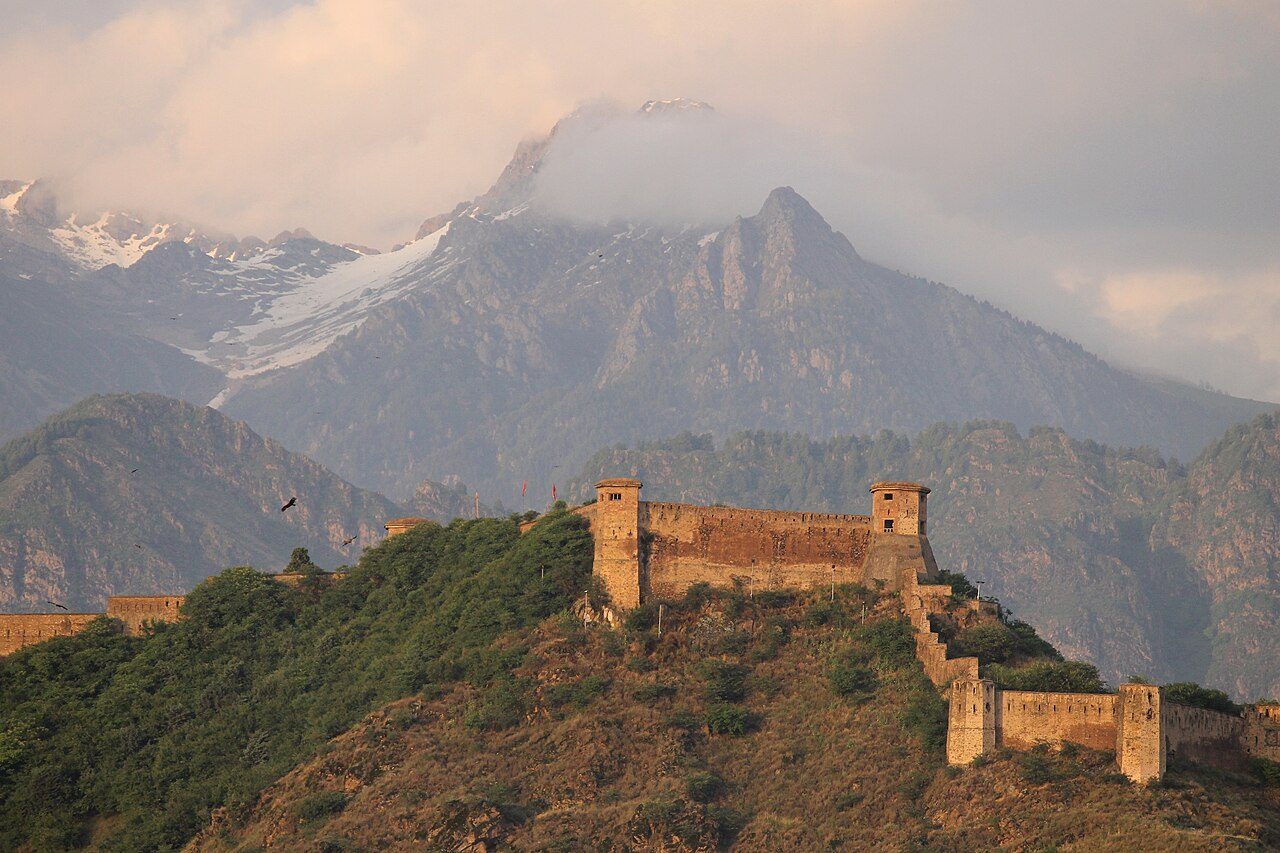
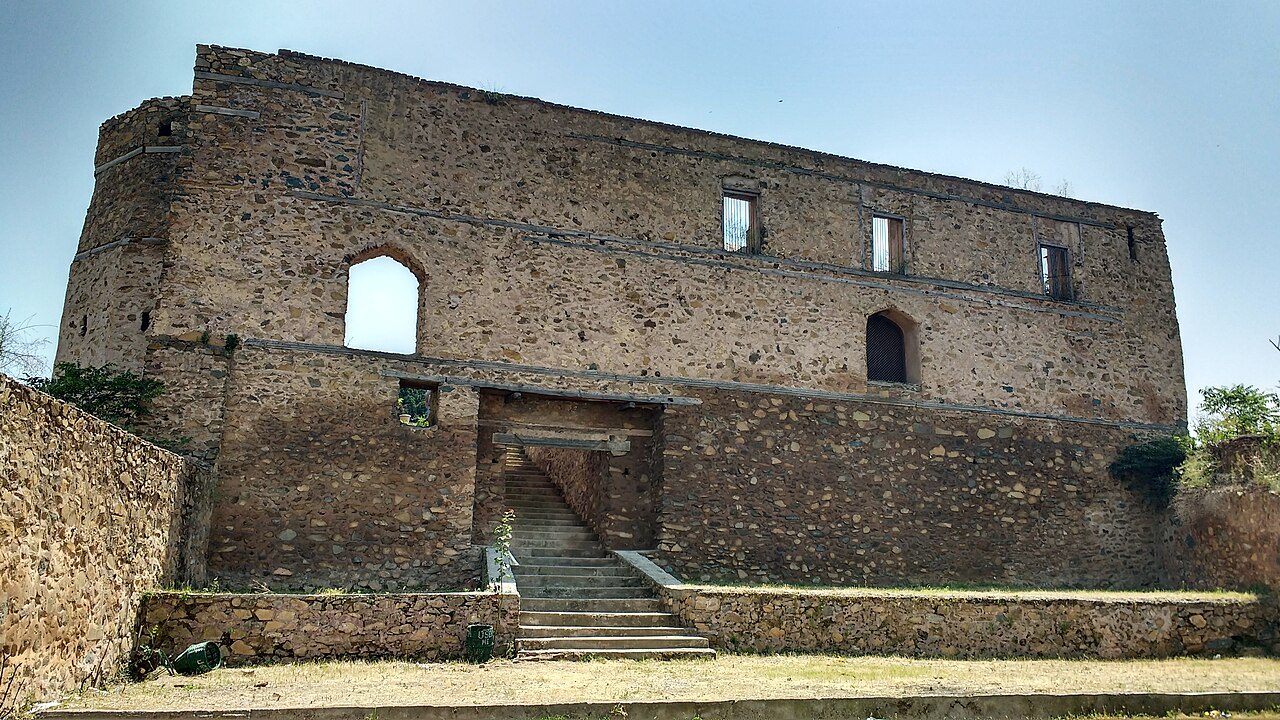
Hari Parbat Fort stands on a hill overlooking Srinagar. The outer wall around the hill was built by Akbar in the 1590s, and the fort on the summit was added in 1808 by the Afghan governor Atta Mohammed Khan. The hill is sacred to several faiths, with a Sharika Devi temple, the shrine of Makhdoom Sahib and a gurdwara on its slopes. The ramparts give wide views of the city and lakes.
11
STOP 11 OF 16
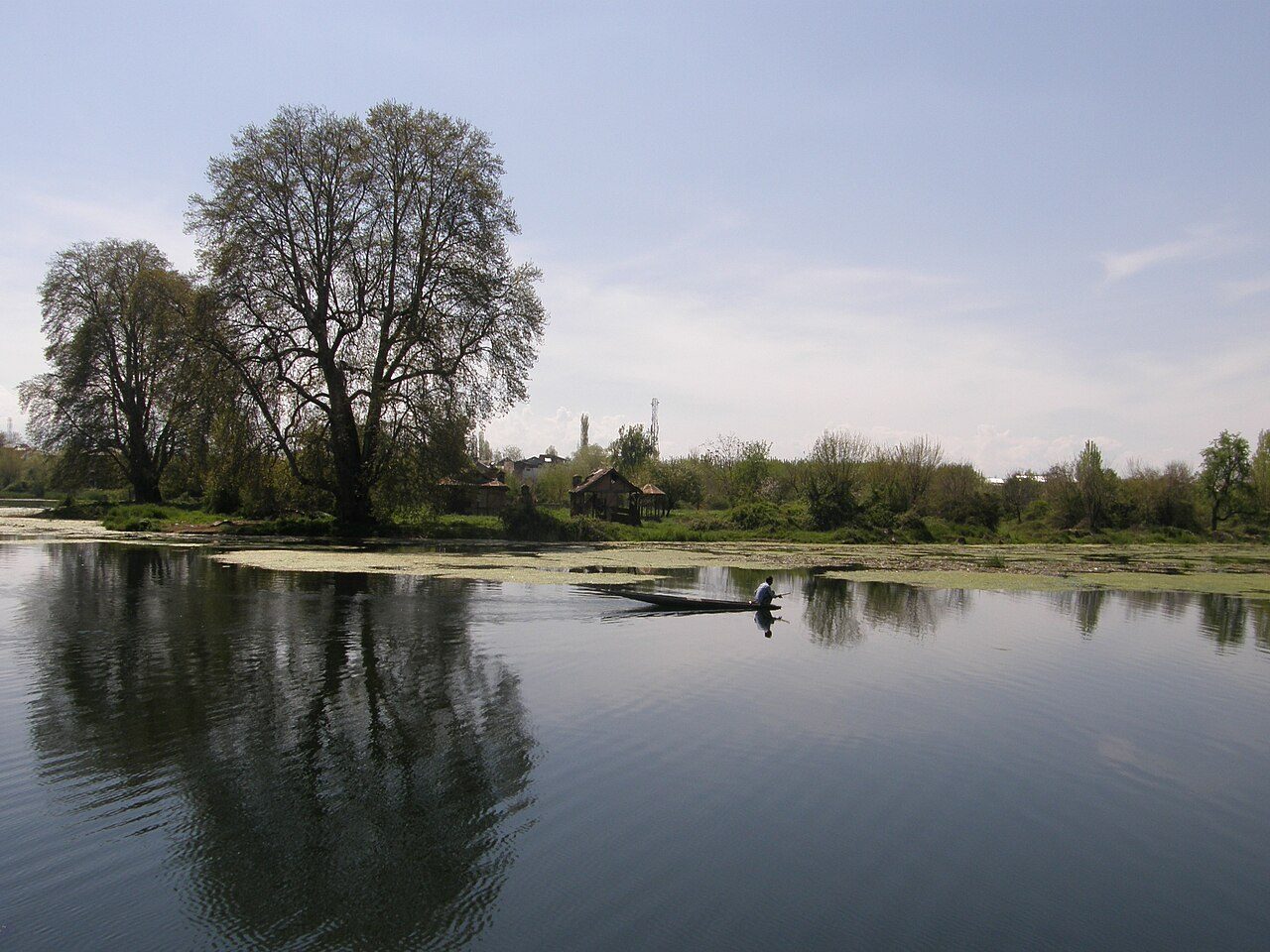
Nigeen Lake
Nigeen Lake is a quieter offshoot of Dal Lake, joined to it by a narrow channel and ringed by willow and poplar trees. Its name means 'jewel in the ring'. Many of Srinagar's most peaceful houseboats are moored here, and the water is cleaner and deeper than Dal's. It lies below Hari Parbat on the Hazratbal road.
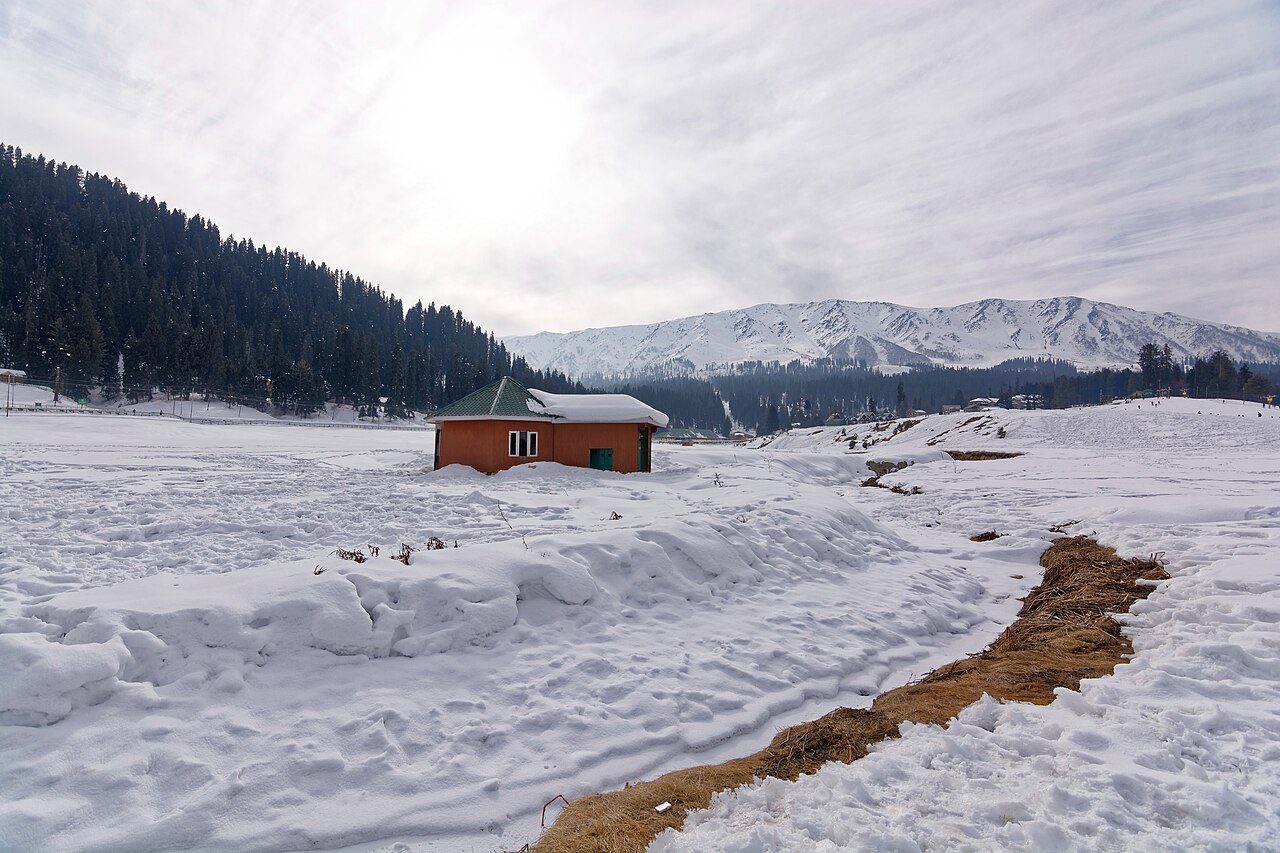
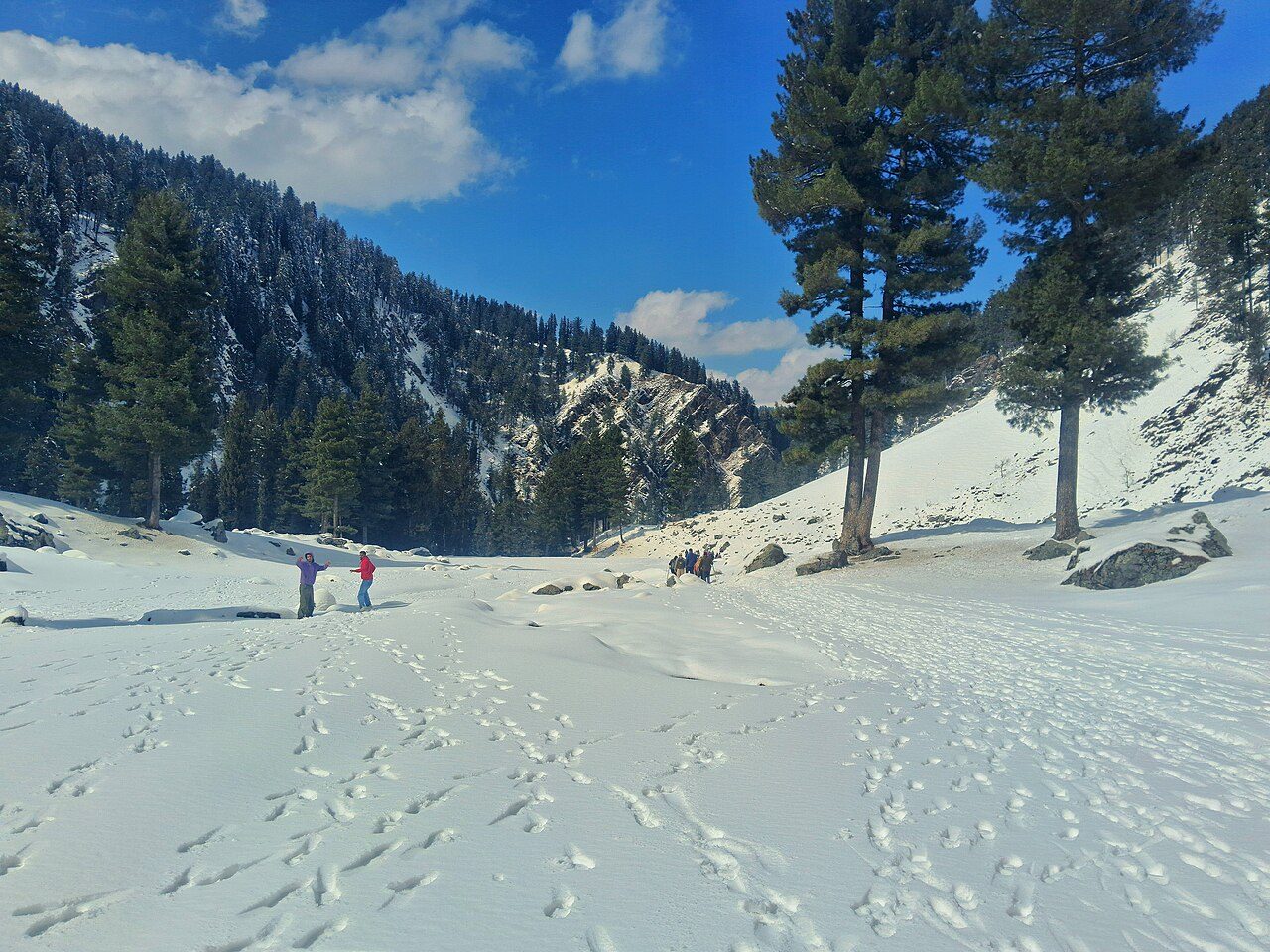
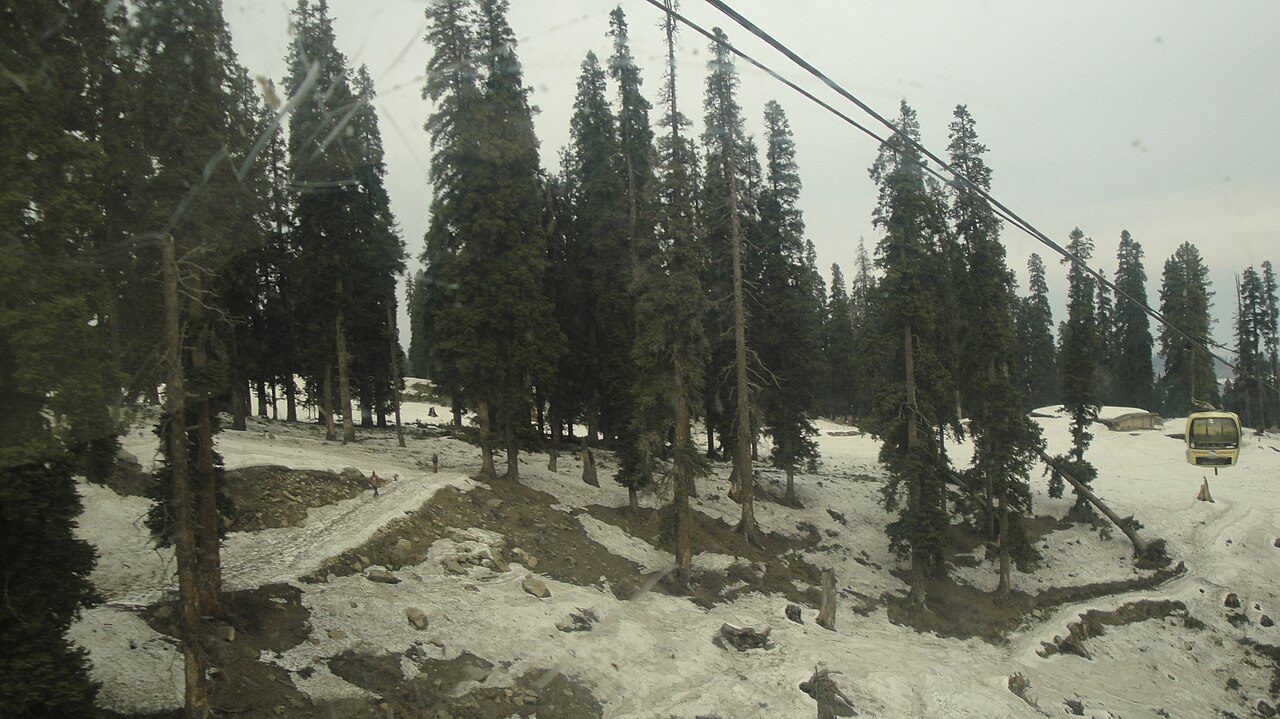
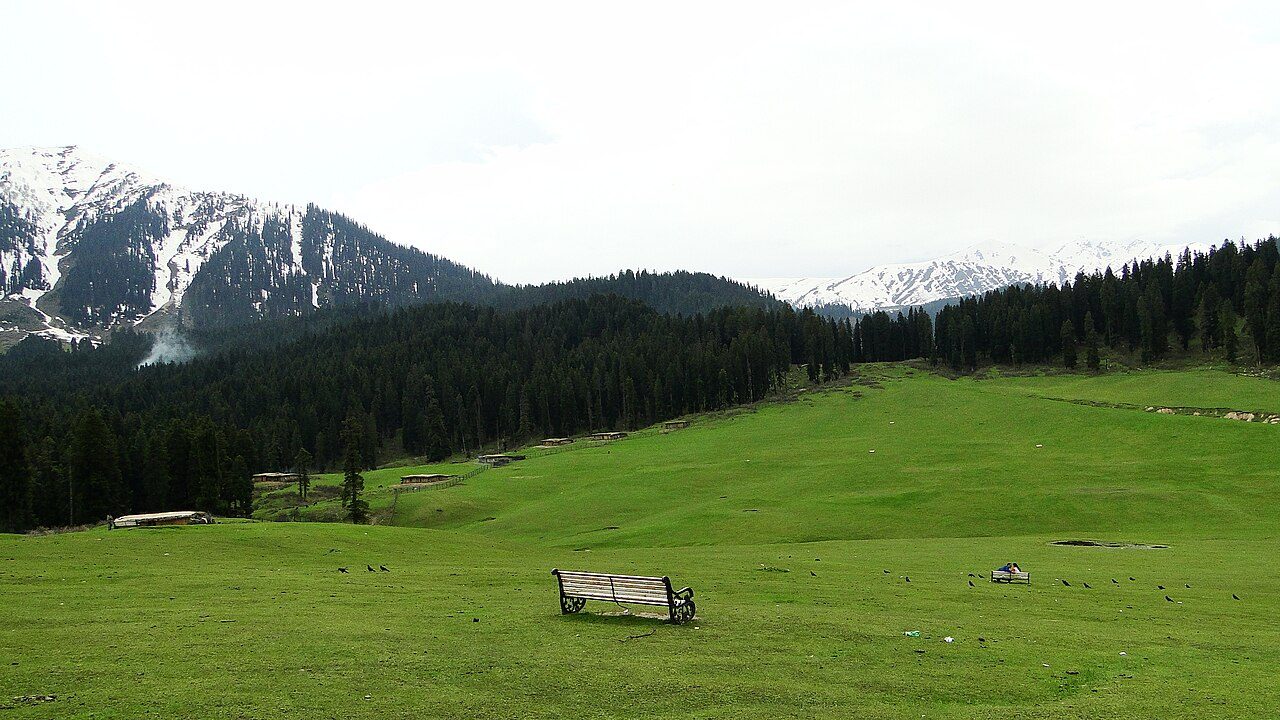
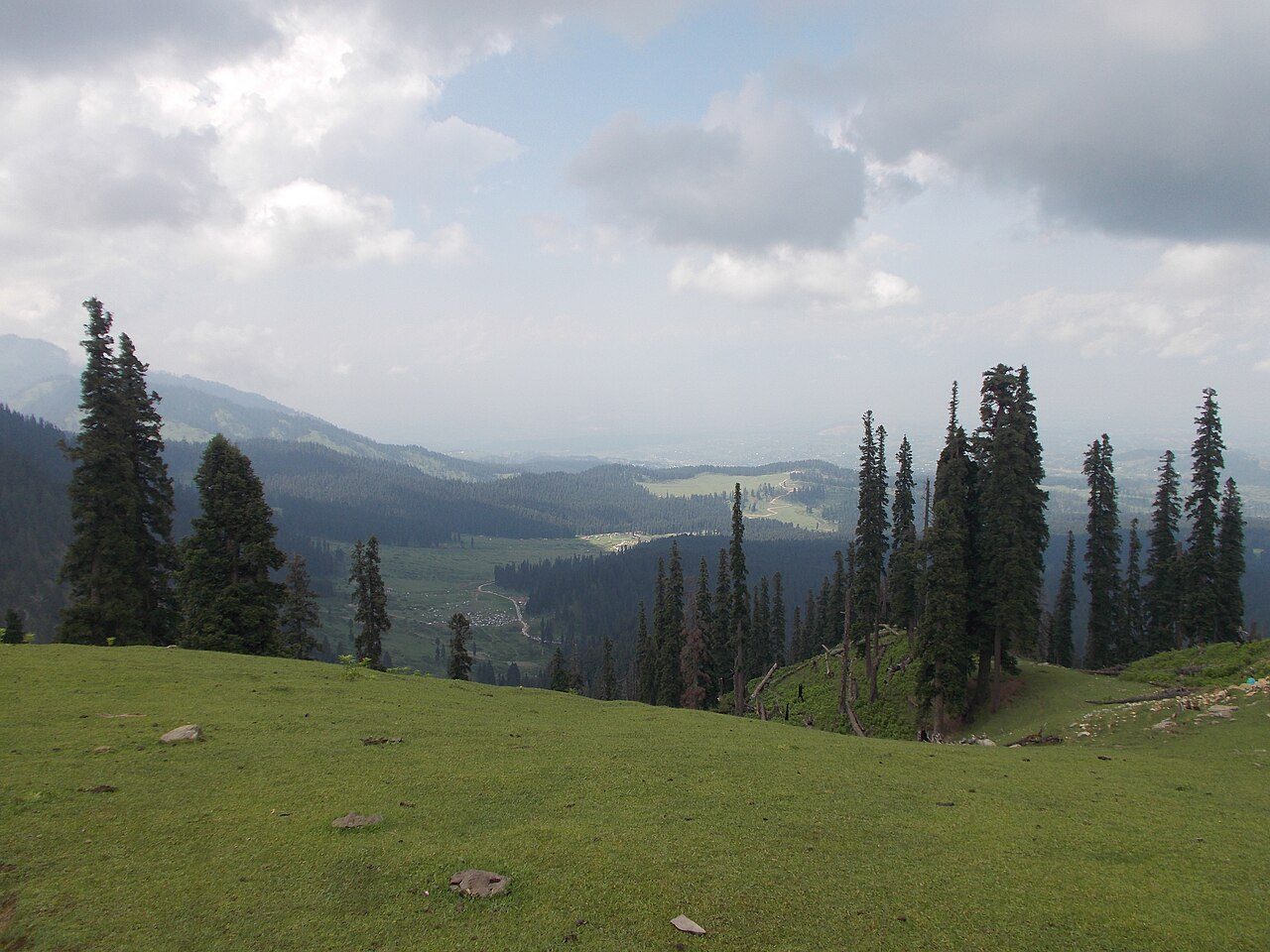
Gulmarg, the 'meadow of flowers', is a hill resort at about 2,650 metres in the Pir Panjal range. In summer its rolling meadows are covered in wildflowers and host one of the highest golf courses in the world; in winter deep powder snow makes it India's leading ski destination. The old St Mary's Church and a small Shiva temple stand on the meadow.
13
STOP 13 OF 16
Gulmarg Gondola
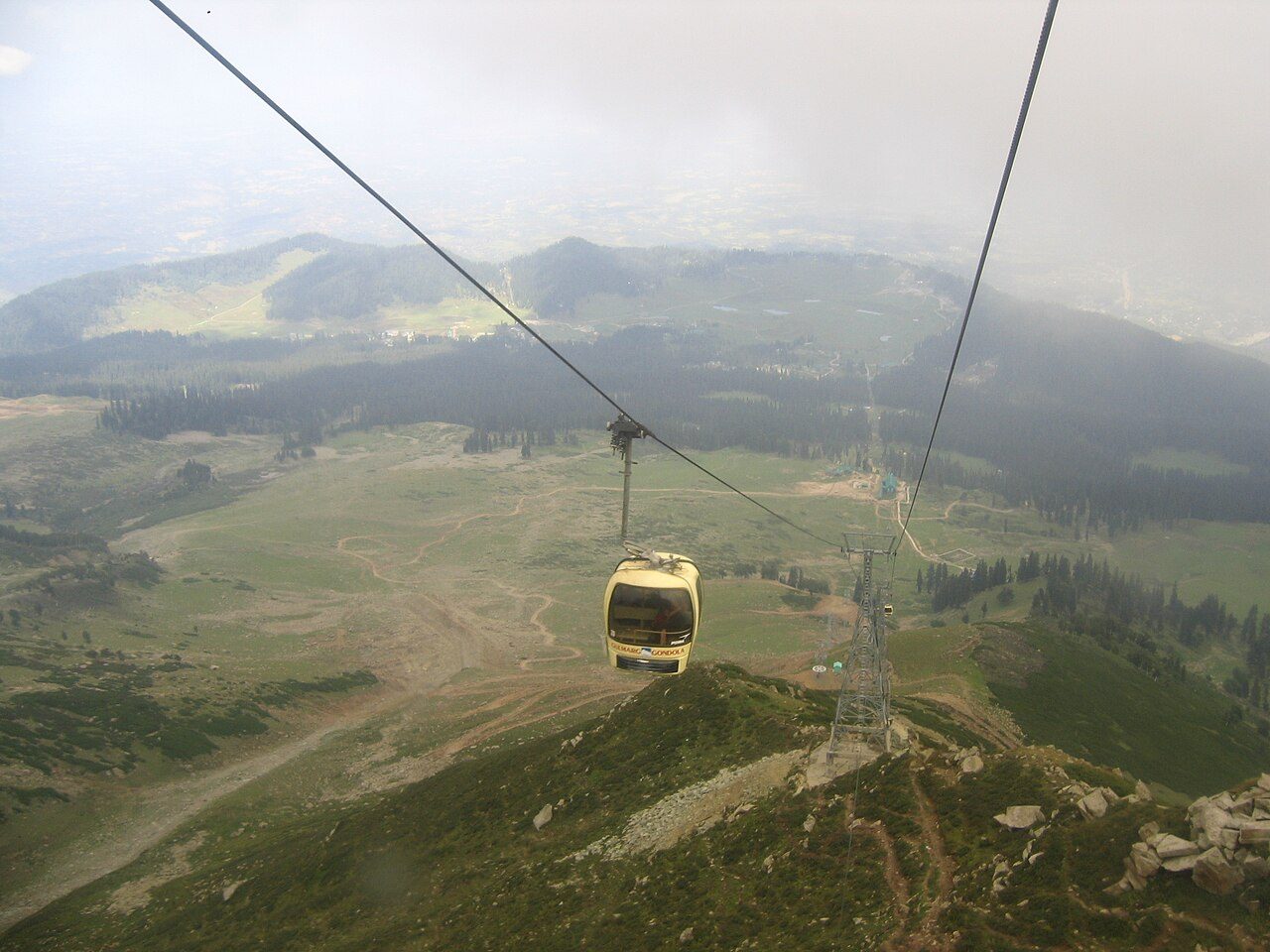
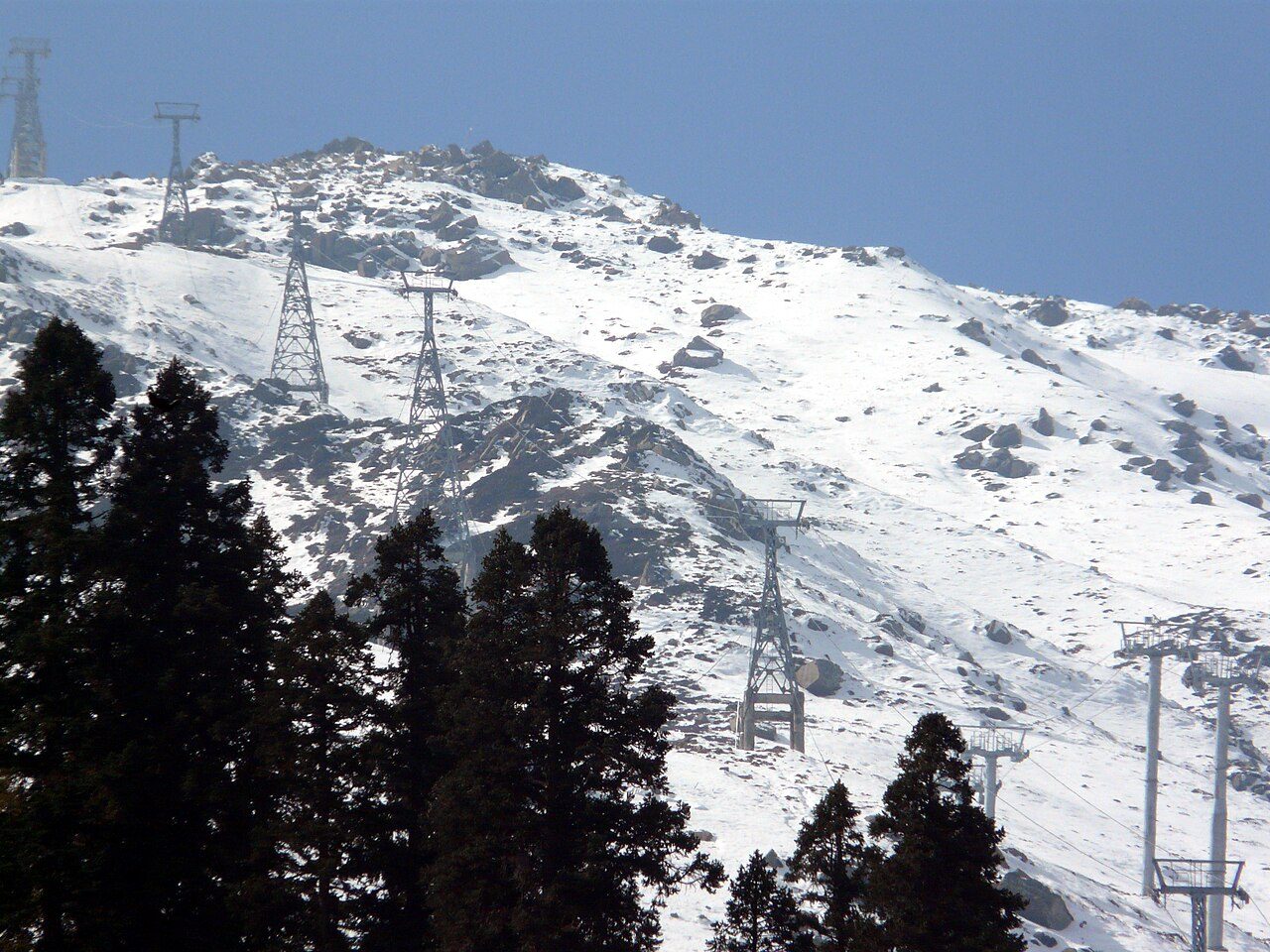
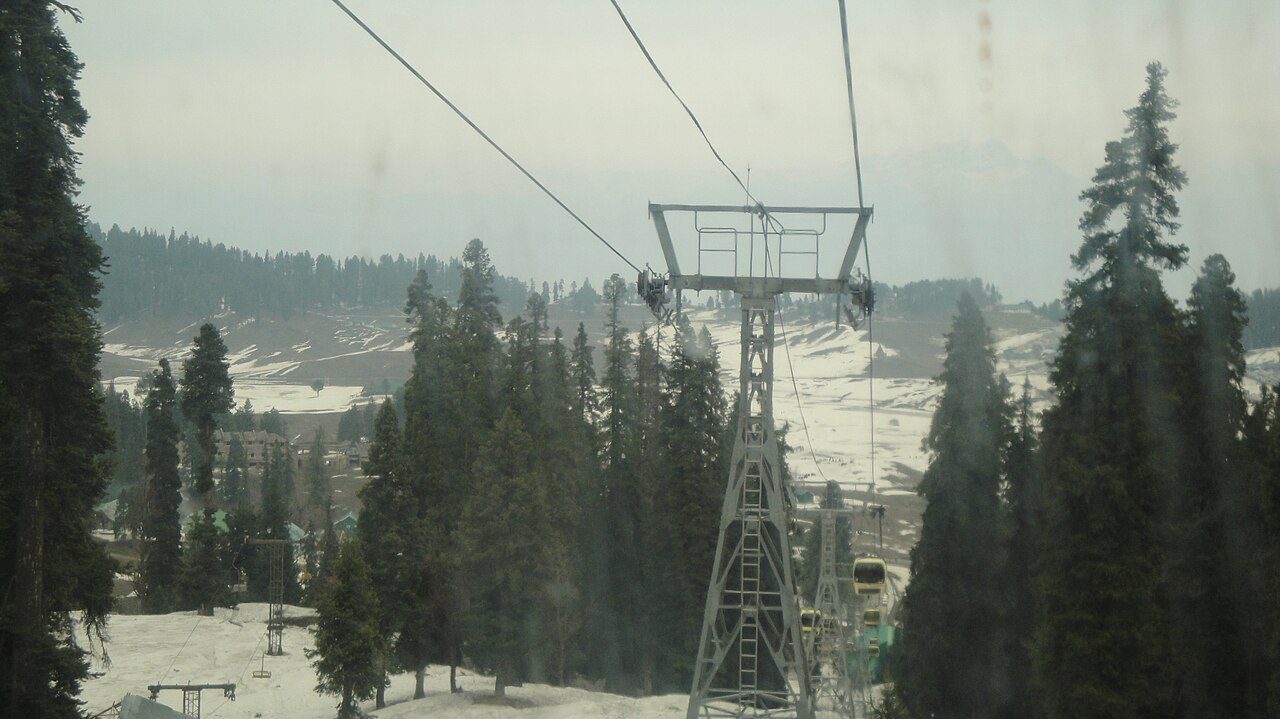
The Gulmarg Gondola is one of the highest cable cars in the world. Its first stage runs from Gulmarg to Kongdoori, and the second climbs to nearly 4,000 metres on the shoulder of Mount Apharwat. The upper station gives views over the Kashmir valley and, on clear days, towards Nanga Parbat. Tickets should be booked online in advance; queues are long in season.
14
STOP 14 OF 16
Doodhpathri
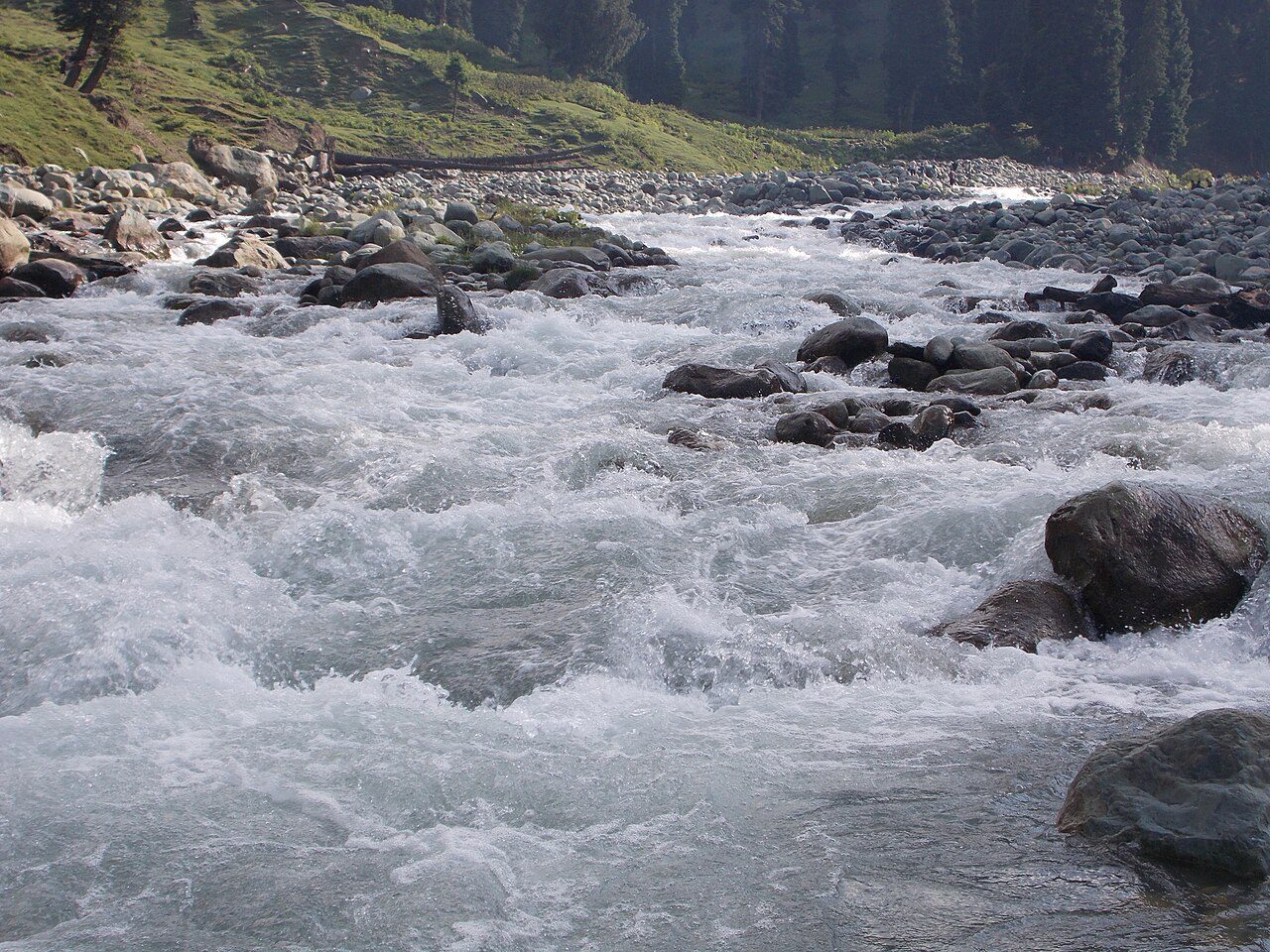
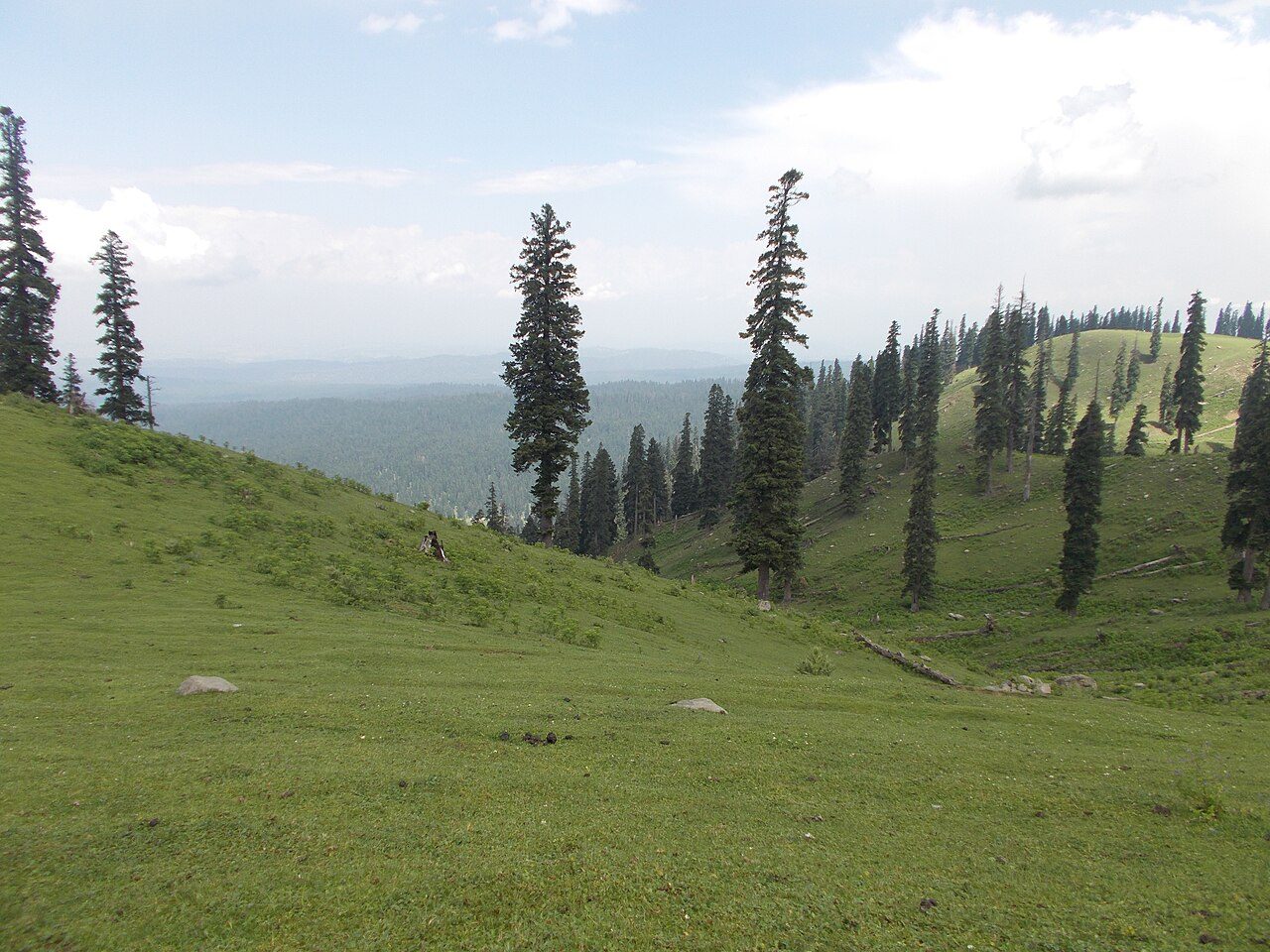
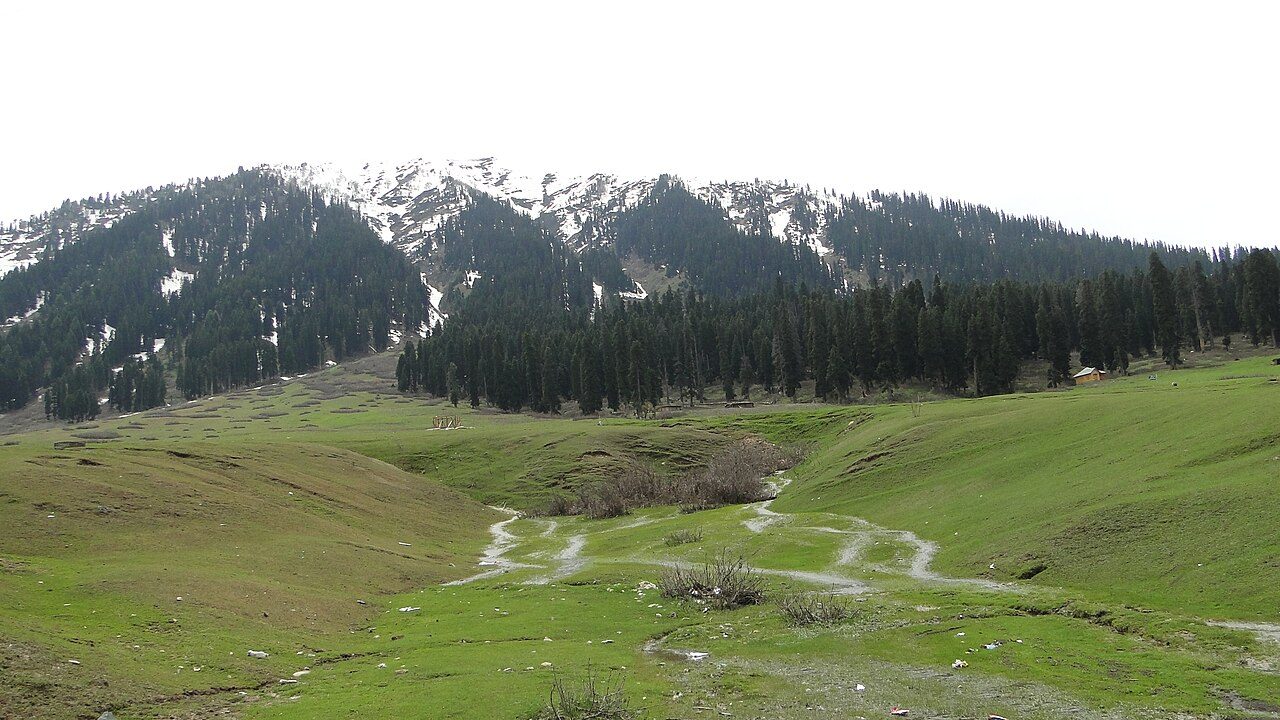
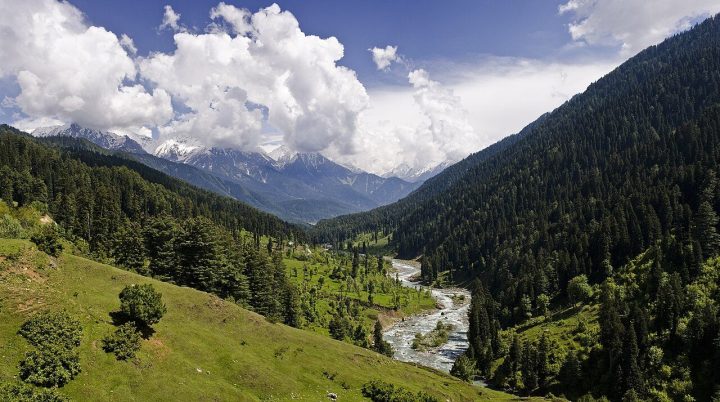
Doodhpathri, the 'valley of milk', is a bowl-shaped meadow at about 2,700 metres in Budgam district, 42 km from Srinagar. The Shaliganga stream runs through it over white boulders, giving the water a milky look. Pine and fir forest surrounds the grassland, which is carpeted with flowers in spring. There are few permanent buildings, so most people visit as a day trip.
15
STOP 15 OF 16
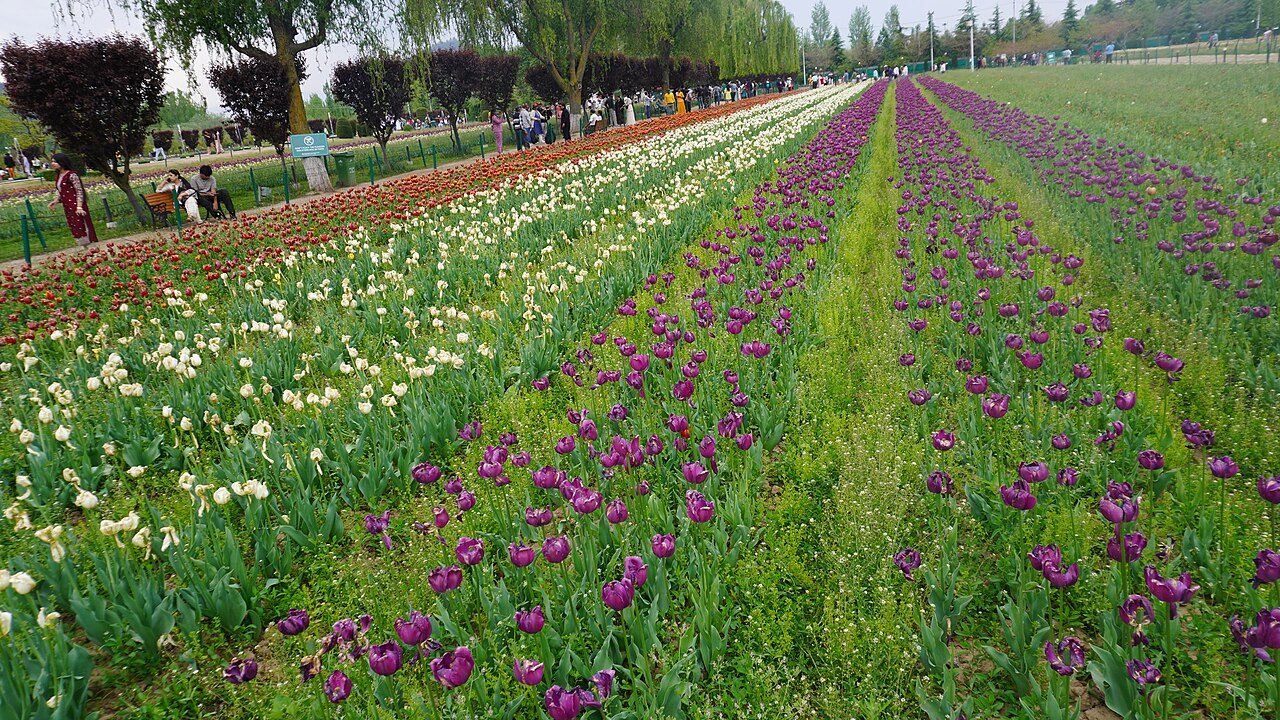
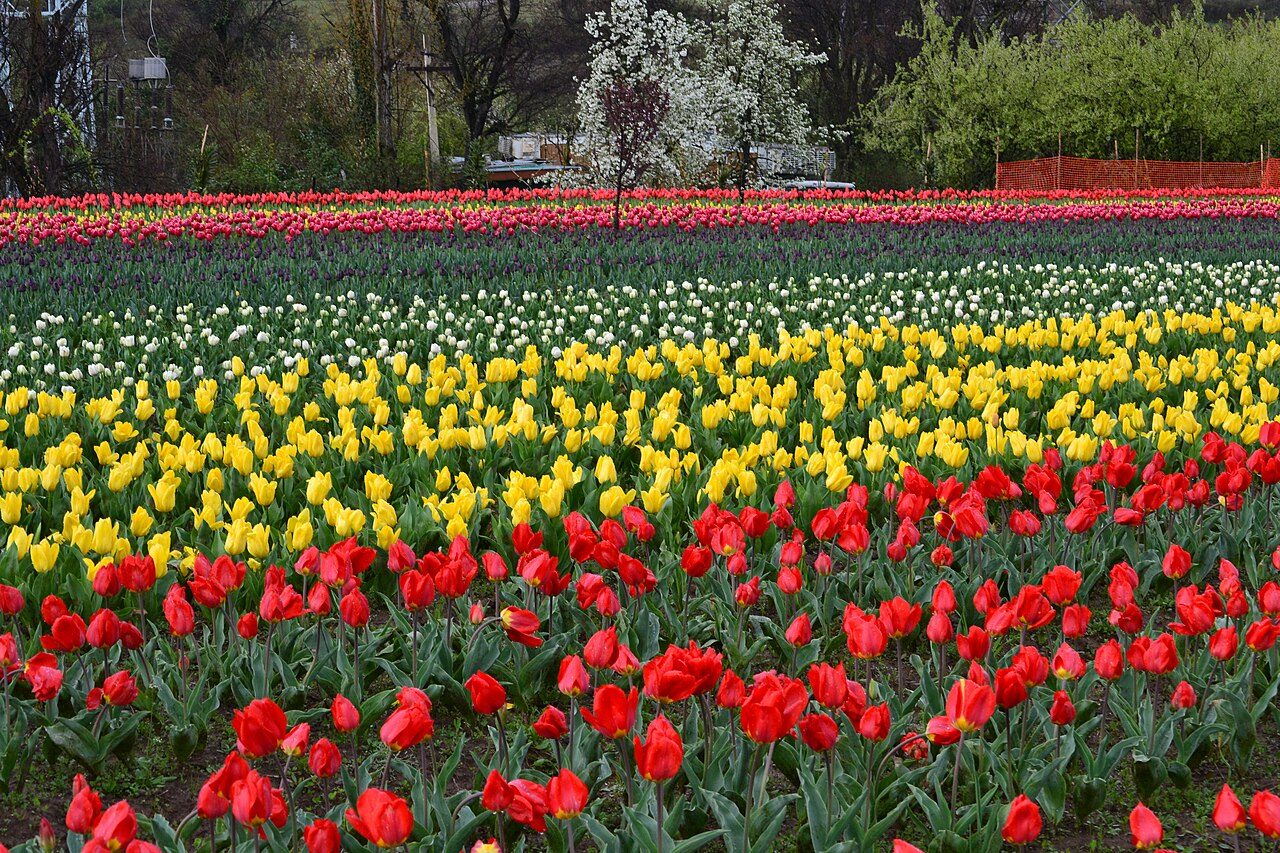
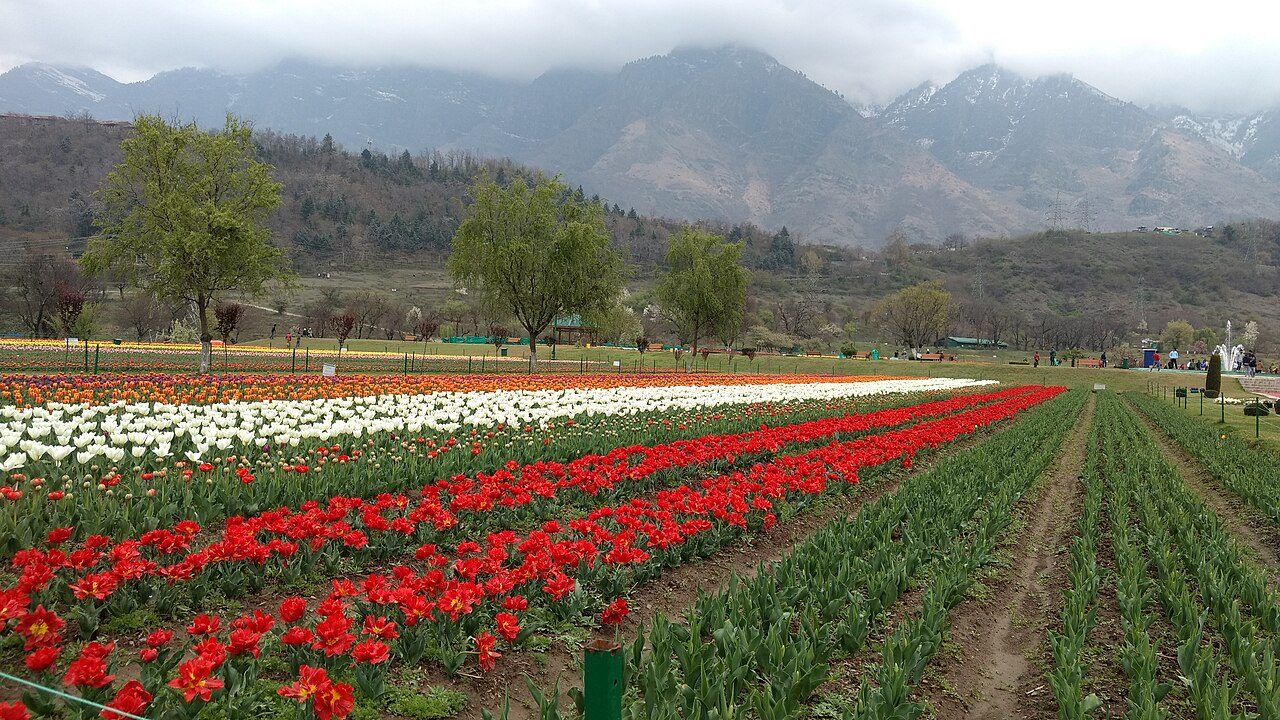
Tulip Garden Srinagar
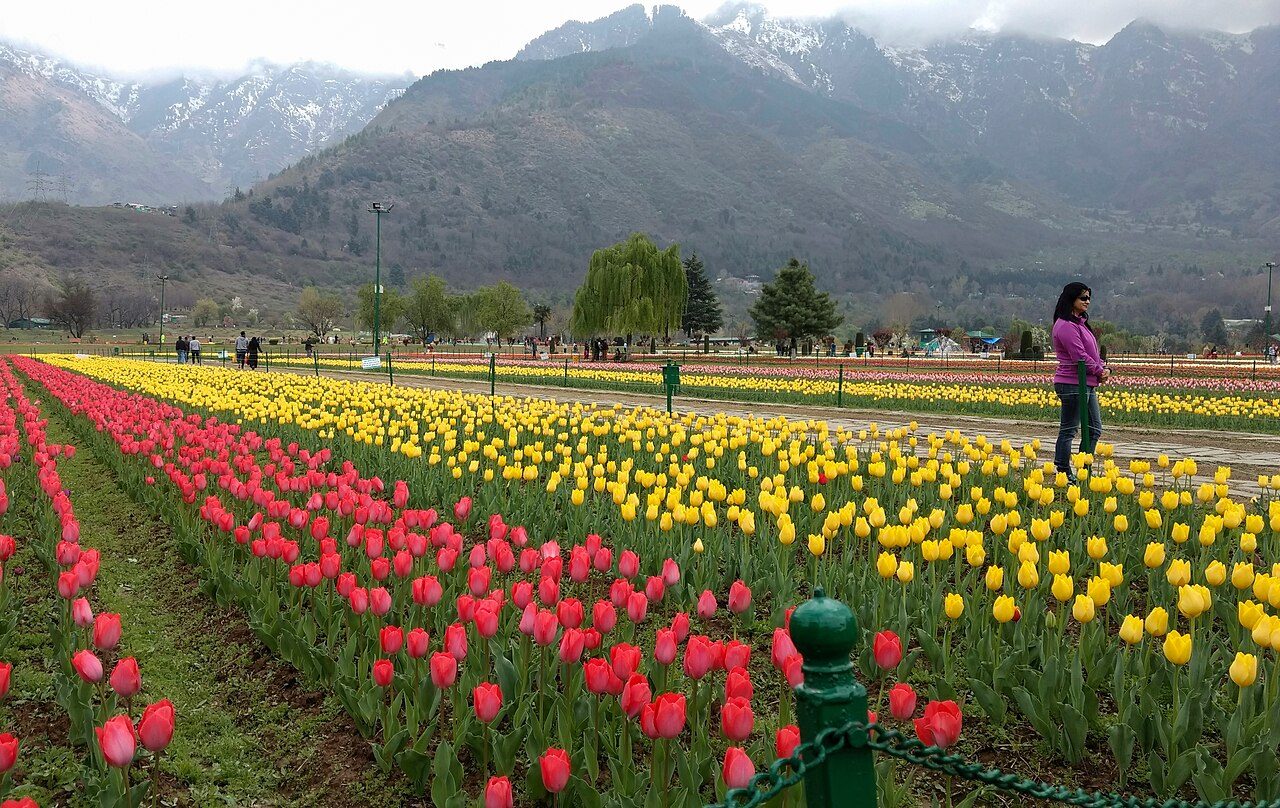
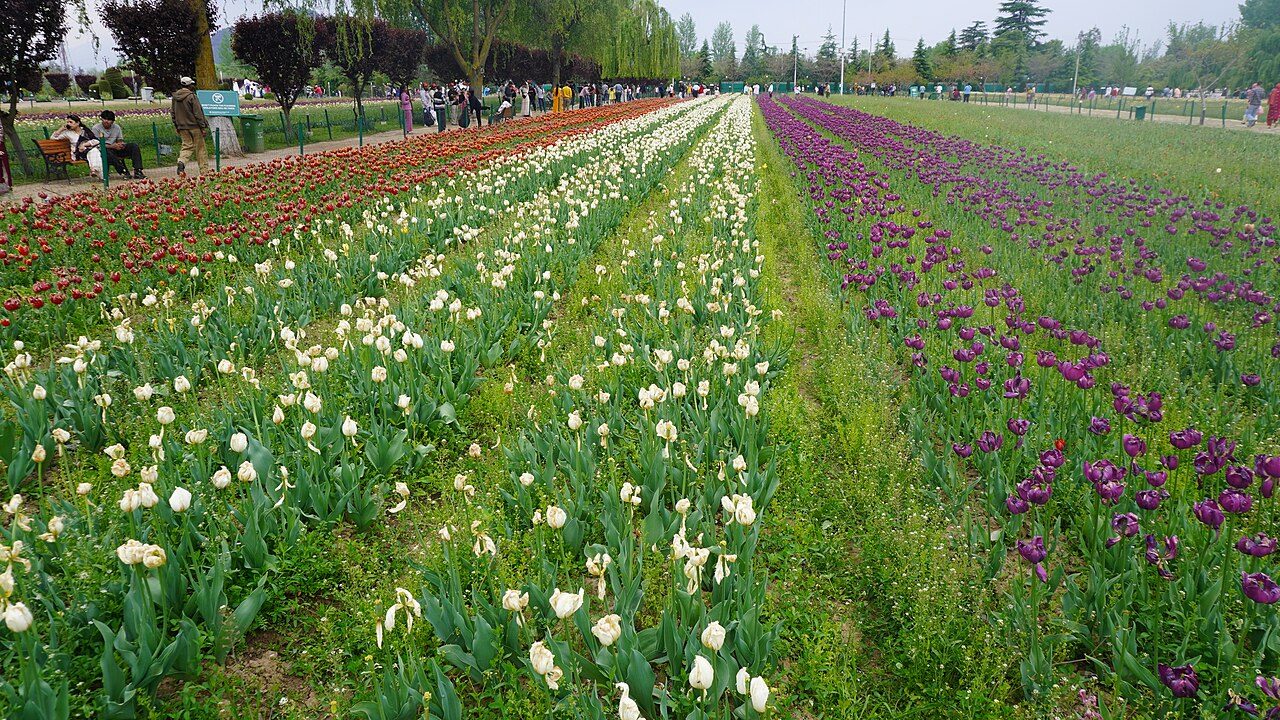
The Indira Gandhi Memorial Tulip Garden, on the foothills of the Zabarwan range beside Dal Lake, is the largest tulip garden in Asia. Opened in 2007, it is planted in terraces with well over a million bulbs of many varieties, along with daffodils and hyacinths. It is open only during the bloom, usually from late March to mid-April, when the Tulip Festival is held.
16
STOP 16 OF 16 · LAST STOP
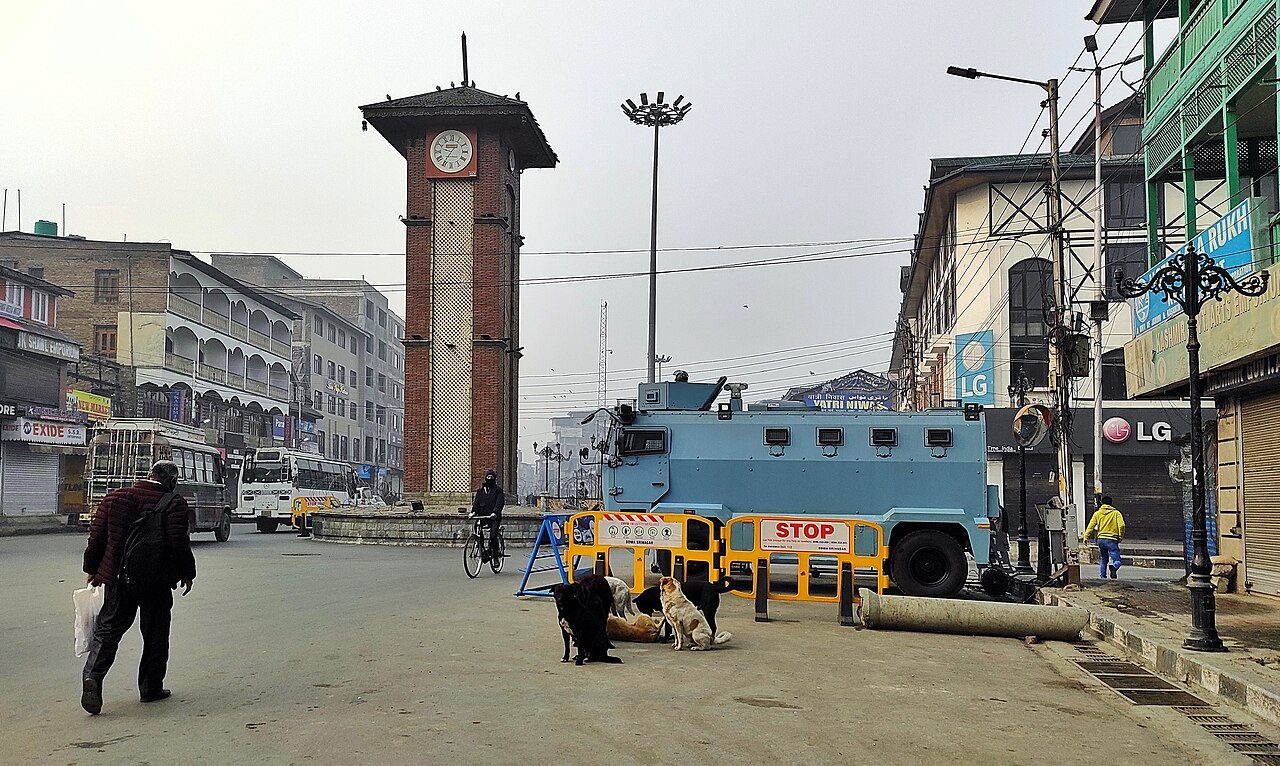
Lal Chowk
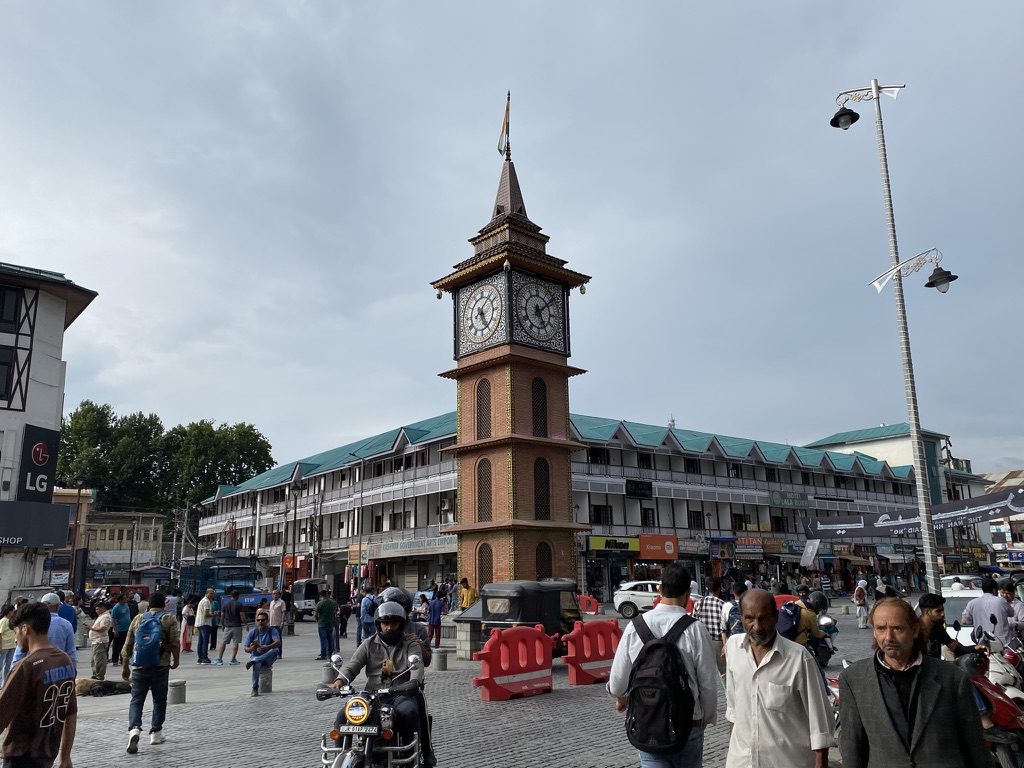
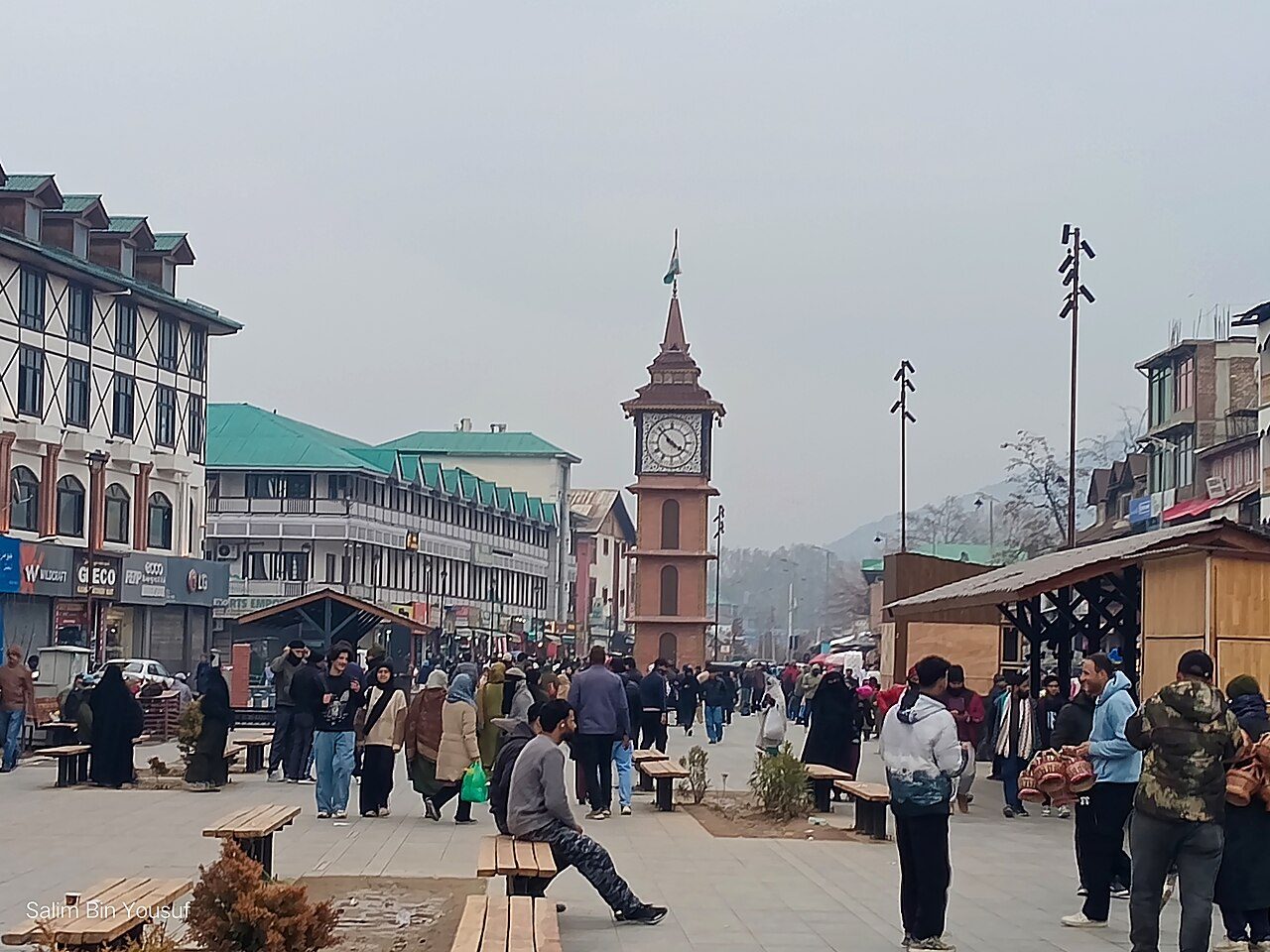
Lal Chowk is the commercial and symbolic heart of Srinagar, named 'Red Square' by left-wing activists in the 20th century. Its clock tower, the Ghanta Ghar, has been the backdrop to many political moments. The square and nearby Residency Road are lined with shops selling shawls, dry fruit, saffron and handicrafts, and the area has been repaved as a pedestrian-friendly plaza.
Seasons from 20 years of NASA POWER climate data.
 WaTrips