Himachal Temple Trail in 4 Days: Naina Devi to Manikaran
4 DAYS8 placesby WaTrips
Naina Devi, Jwalamukhi and Chamunda Devi, Baijnath, Rewalsar and Panchvaktra, then Bijli Mahadev and Manikaran Sahib.
Himachal is called Dev Bhoomi, the land of the gods, and this route links some of its best-loved shrines. Day one climbs to Naina Devi above the Gobind Sagar lake. Day two visits Jwalamukhi, where natural flames burn inside the temple, and Chamunda Devi. Day three stops at the old Shiva temple at Baijnath, then Rewalsar lake, sacred to Hindus, Buddhists and Sikhs, and Panchvaktra temple in Mandi. Day four ends with Bijli Mahadev above Kullu and the gurudwara and hot springs of Manikaran Sahib. The temples are busy during the Navratri festivals; March to June and September to November are best for riding.
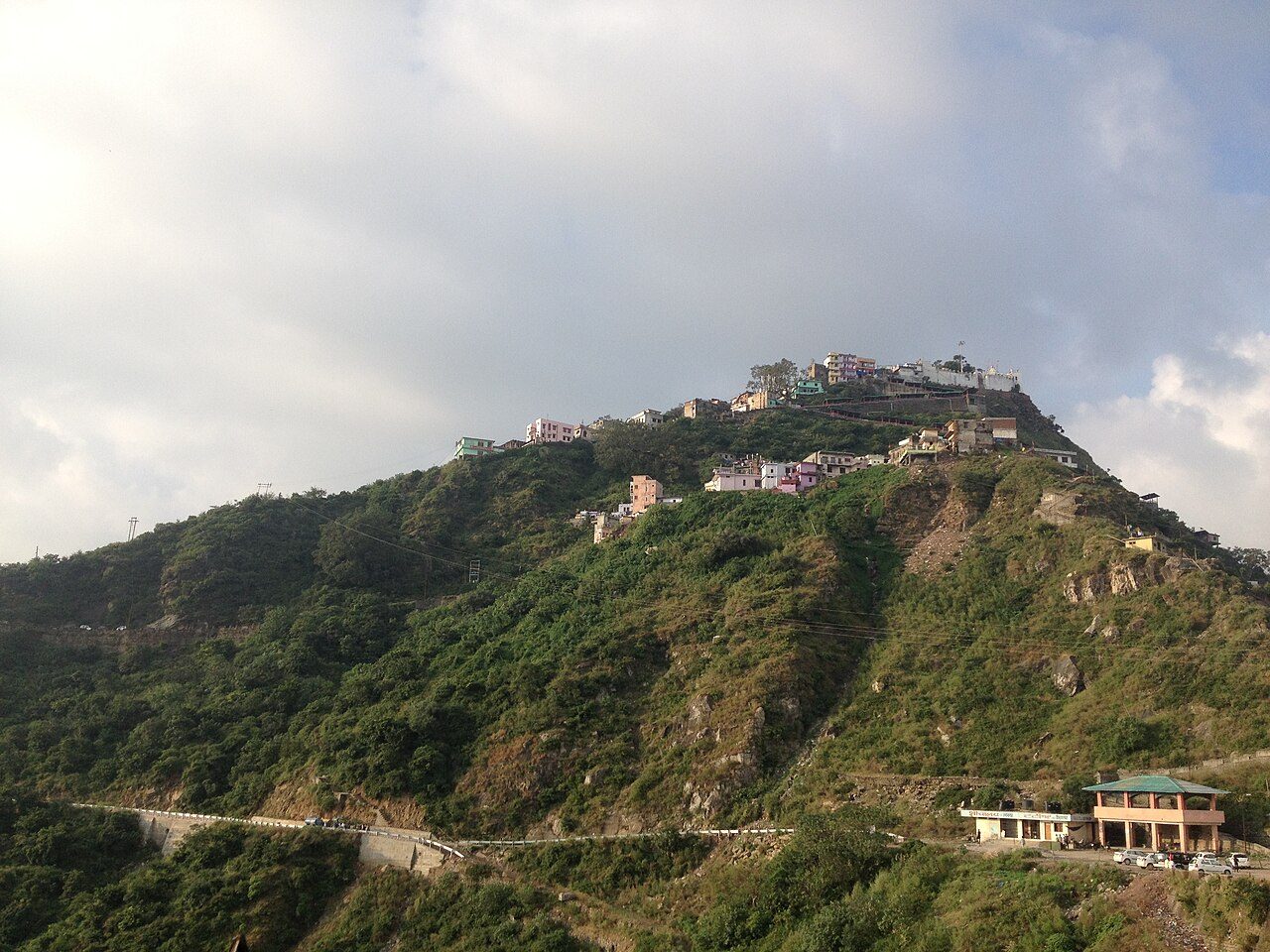
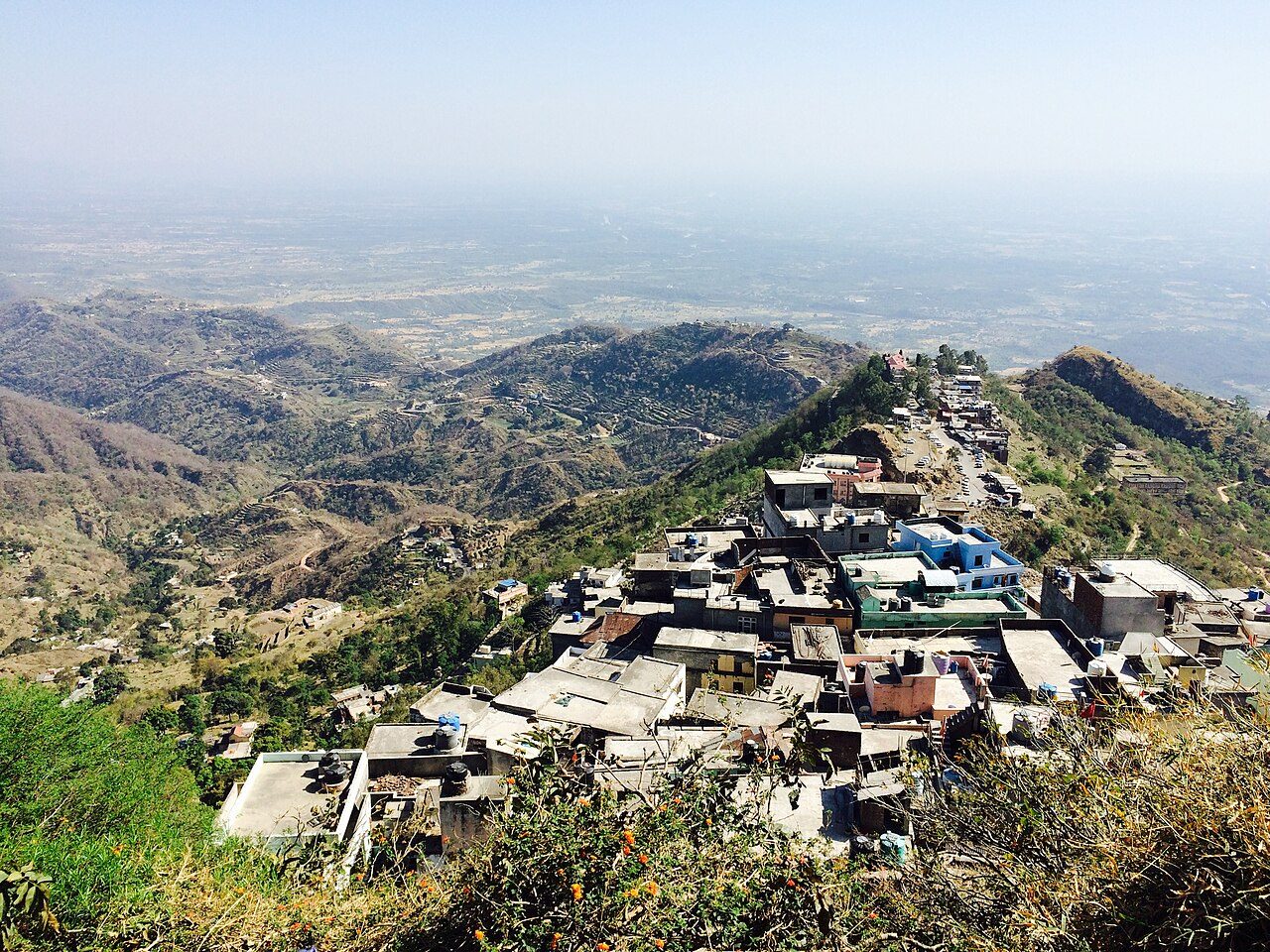
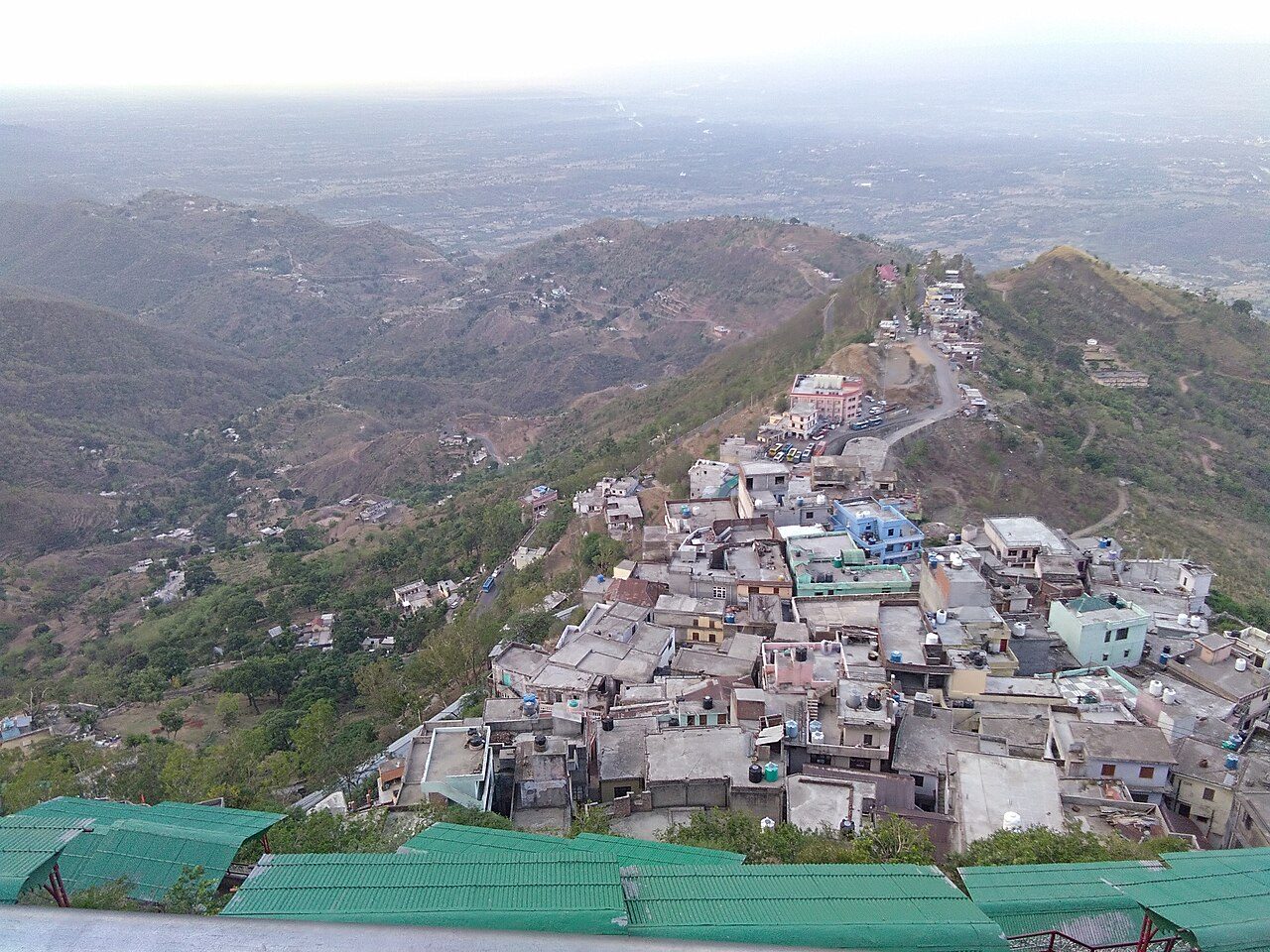
The Naina Devi Temple crowns a hill above the Gobind Sagar reservoir in Bilaspur district and is one of the Shakti Peethas, said to mark where the eyes of Sati fell. Pilgrims climb steps or take a ropeway from the foot of the hill. Large fairs are held at Shravan Ashtami and in the two Navratri seasons. The terrace looks over the lake towards Anandpur Sahib.
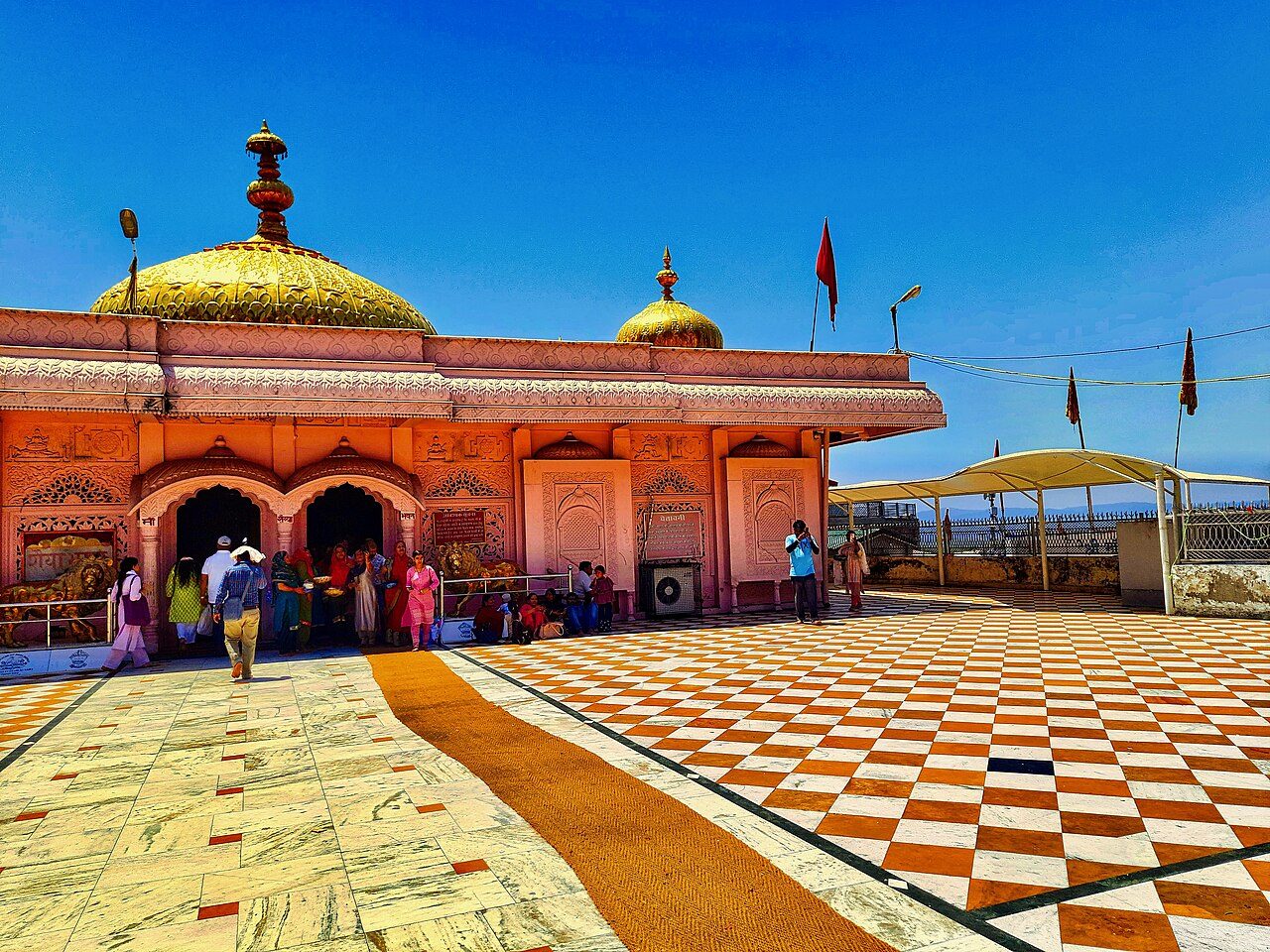
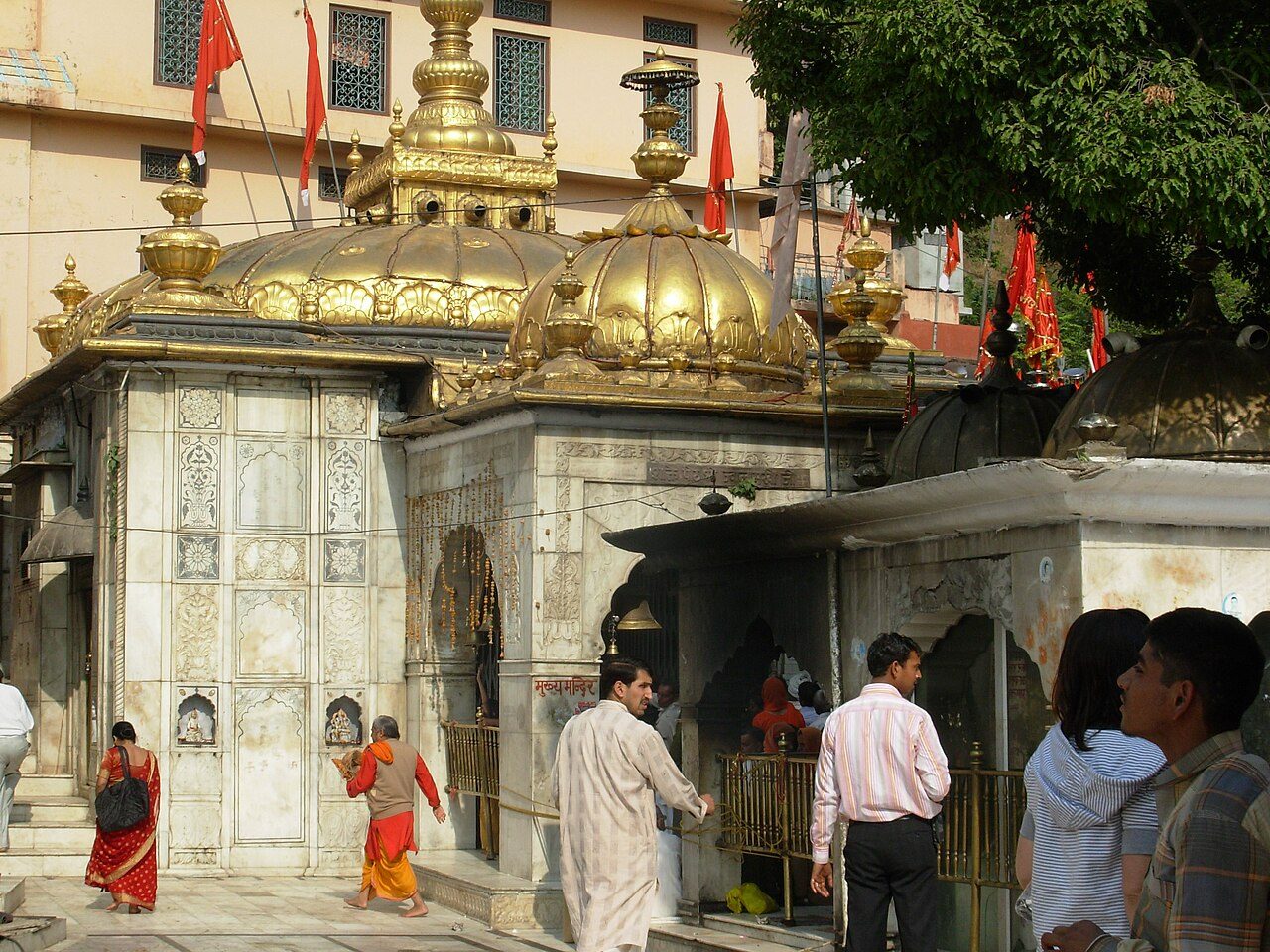
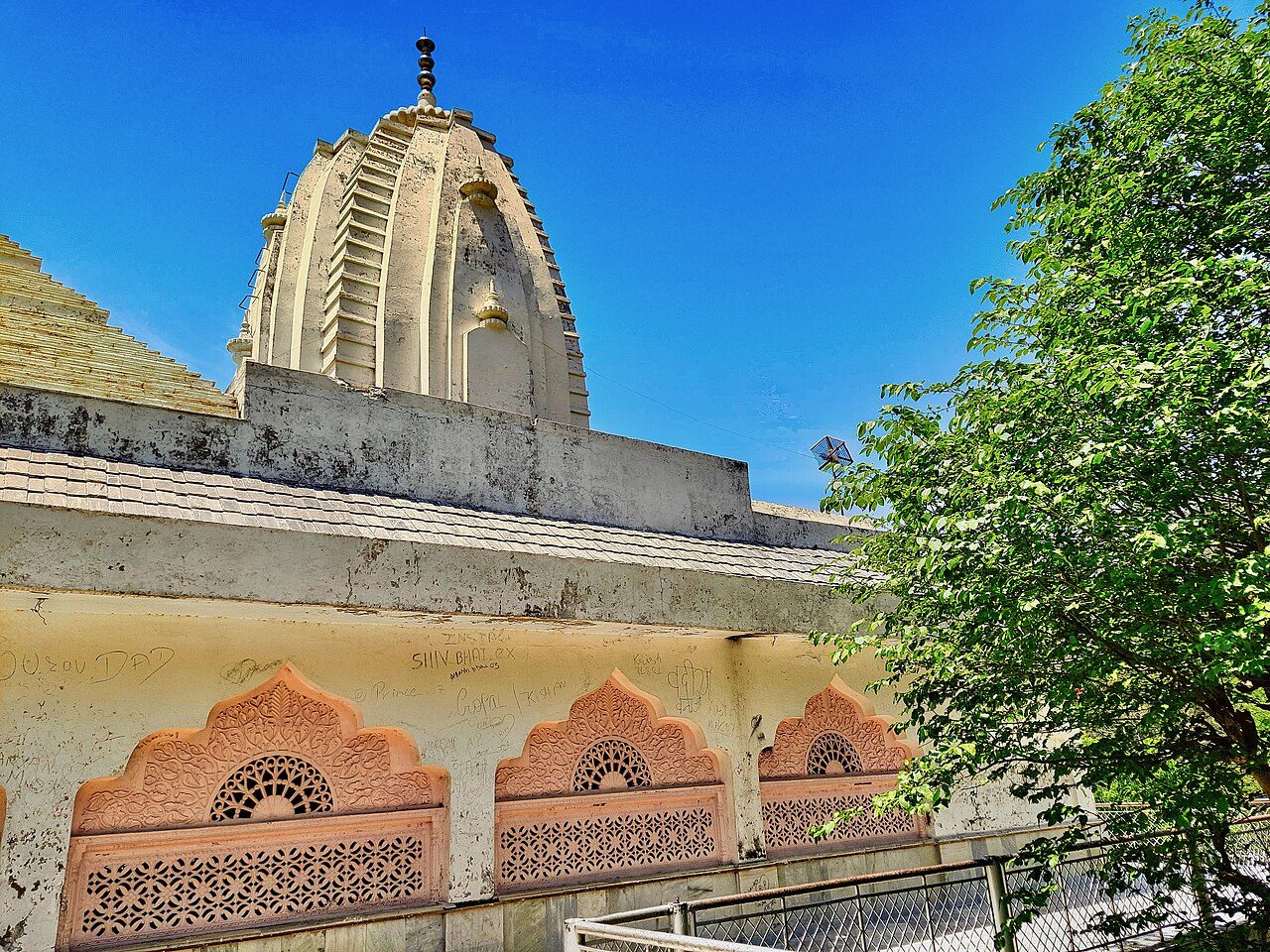
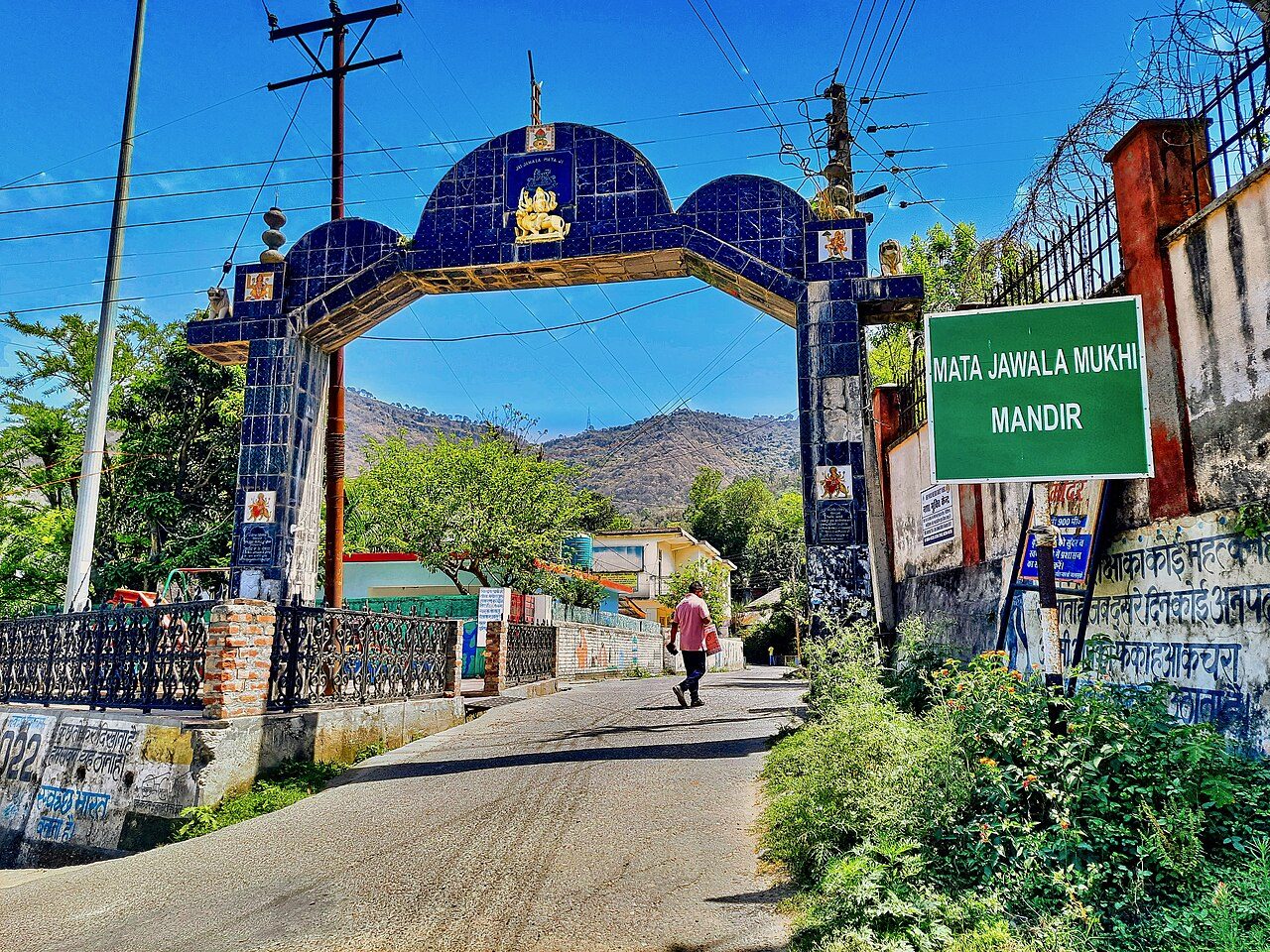
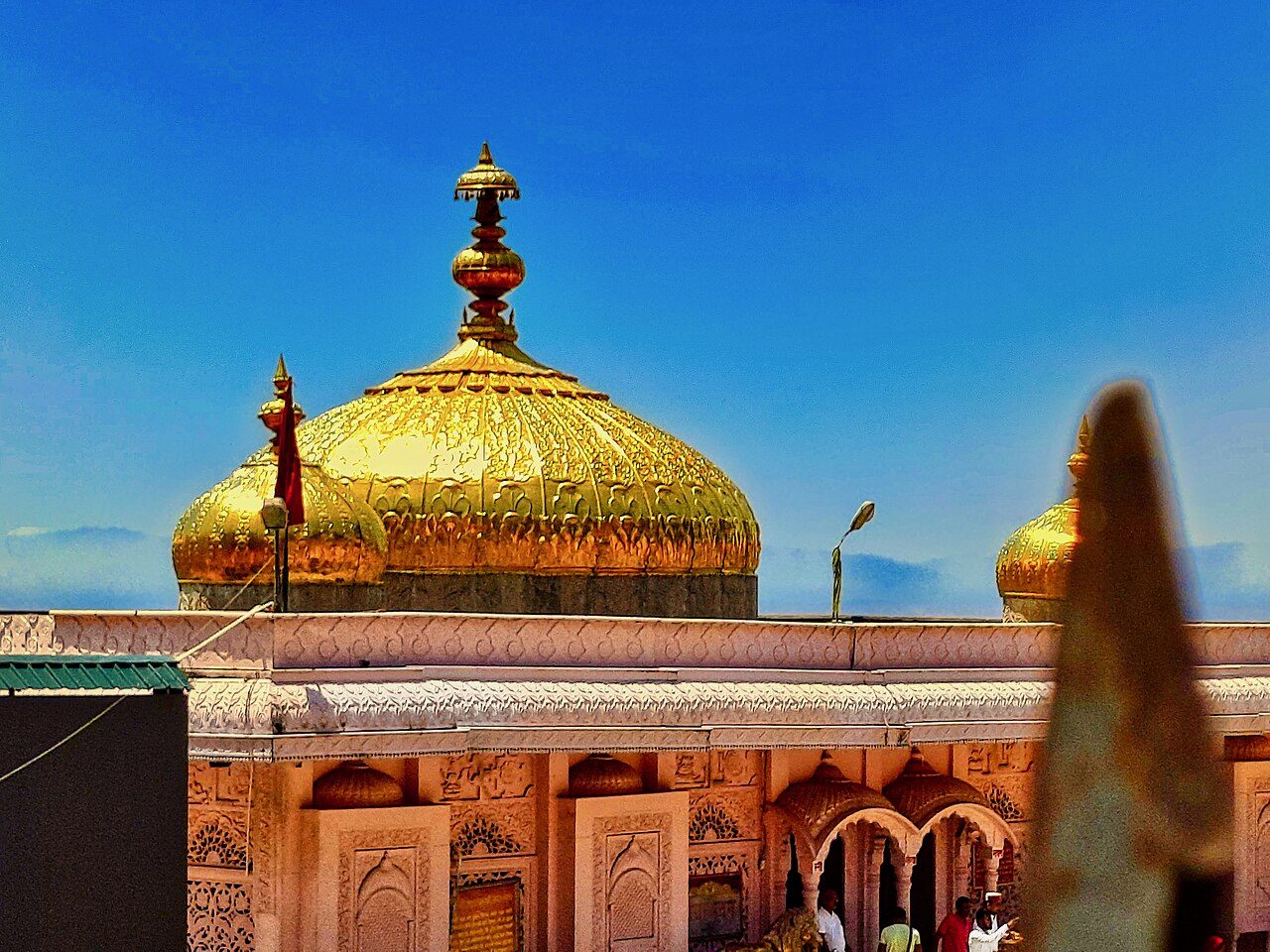
Jwalamukhi is one of the most revered Shakti Peethas, where the goddess is worshipped not as an image but as natural flames that burn from fissures in the rock. The temple has a gilded dome said to have been given by Maharaja Ranjit Singh. Legend says Akbar tried and failed to put out the flames. Navratri fairs in spring and autumn draw huge crowds.
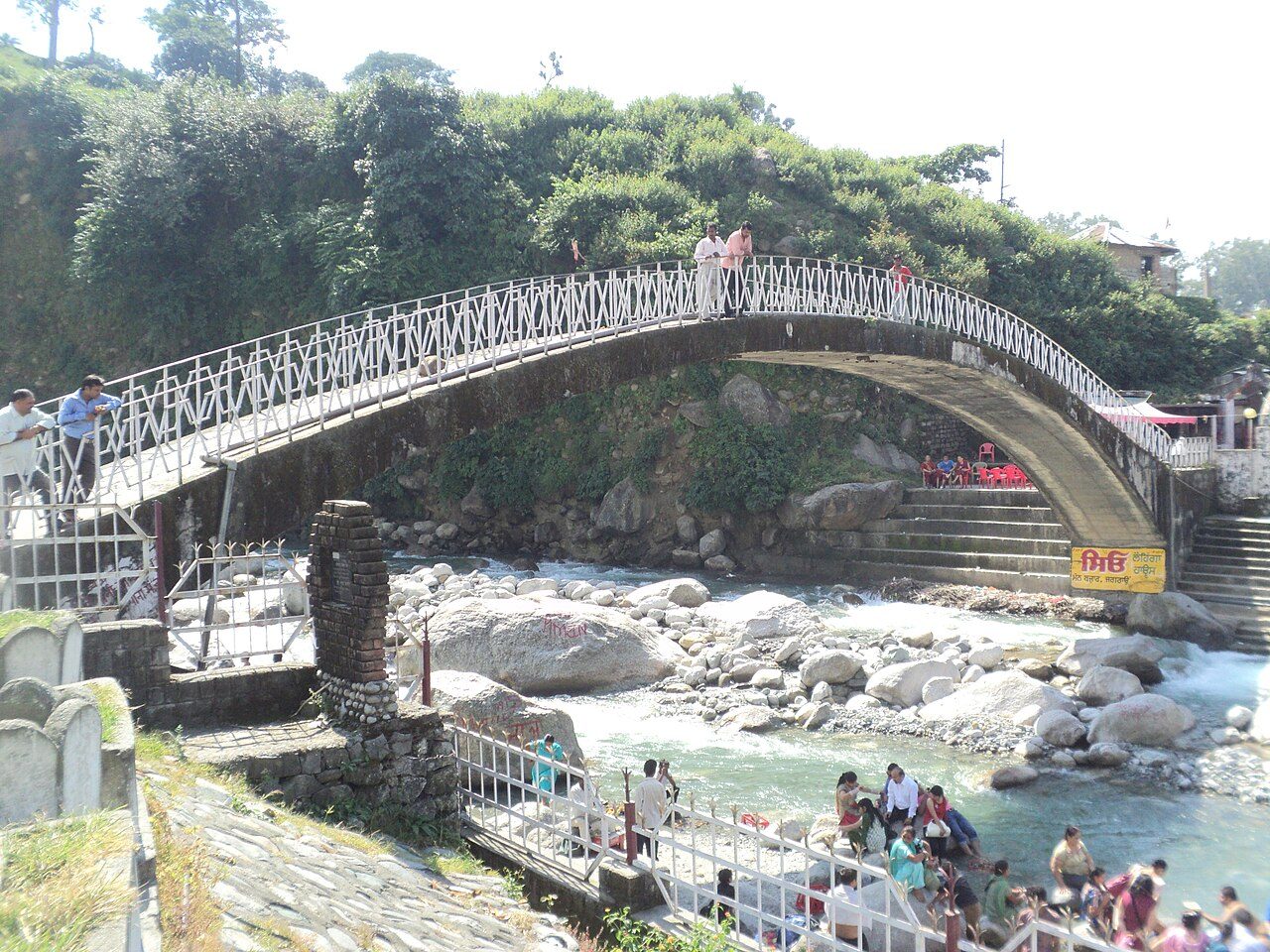
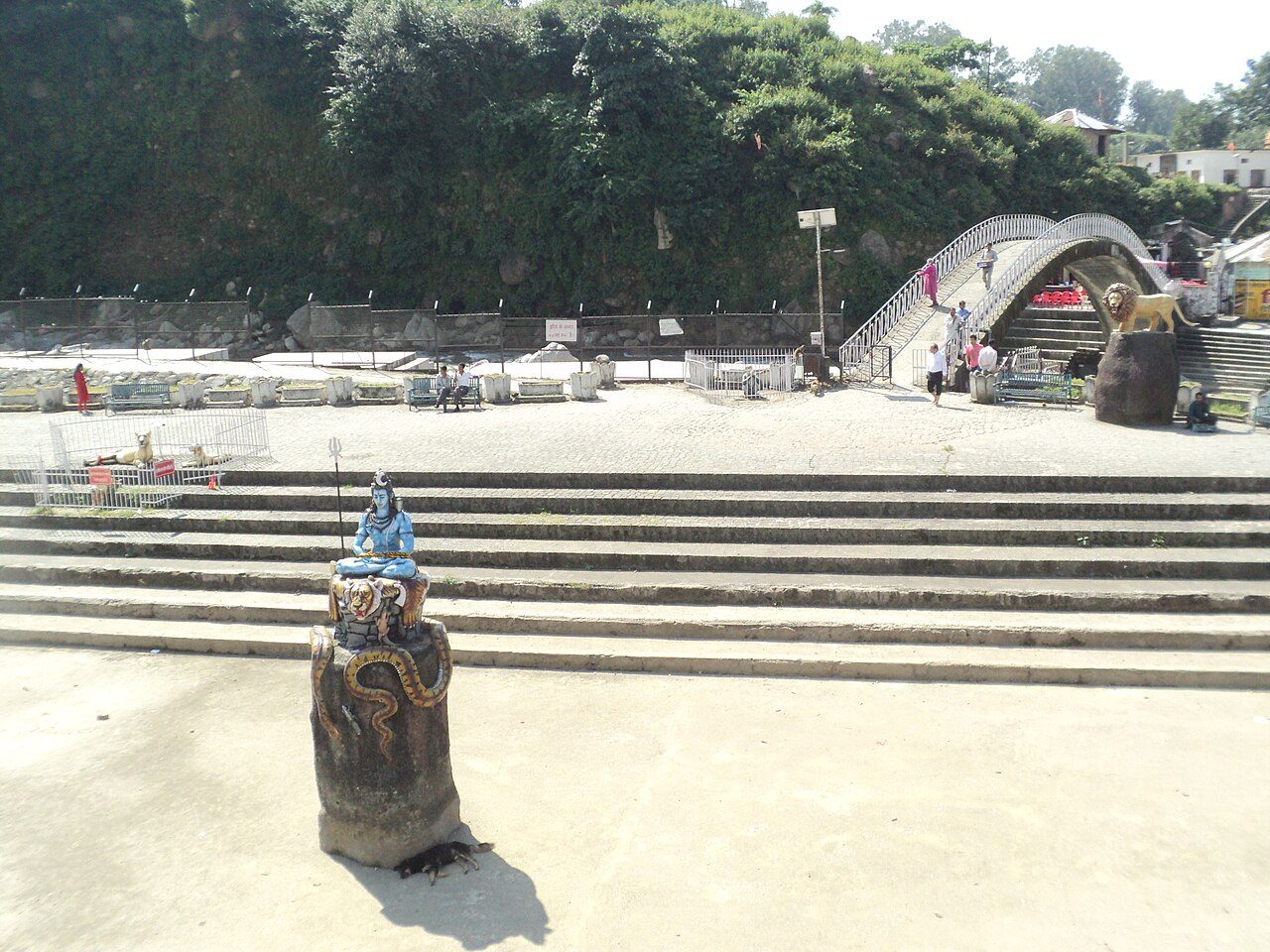
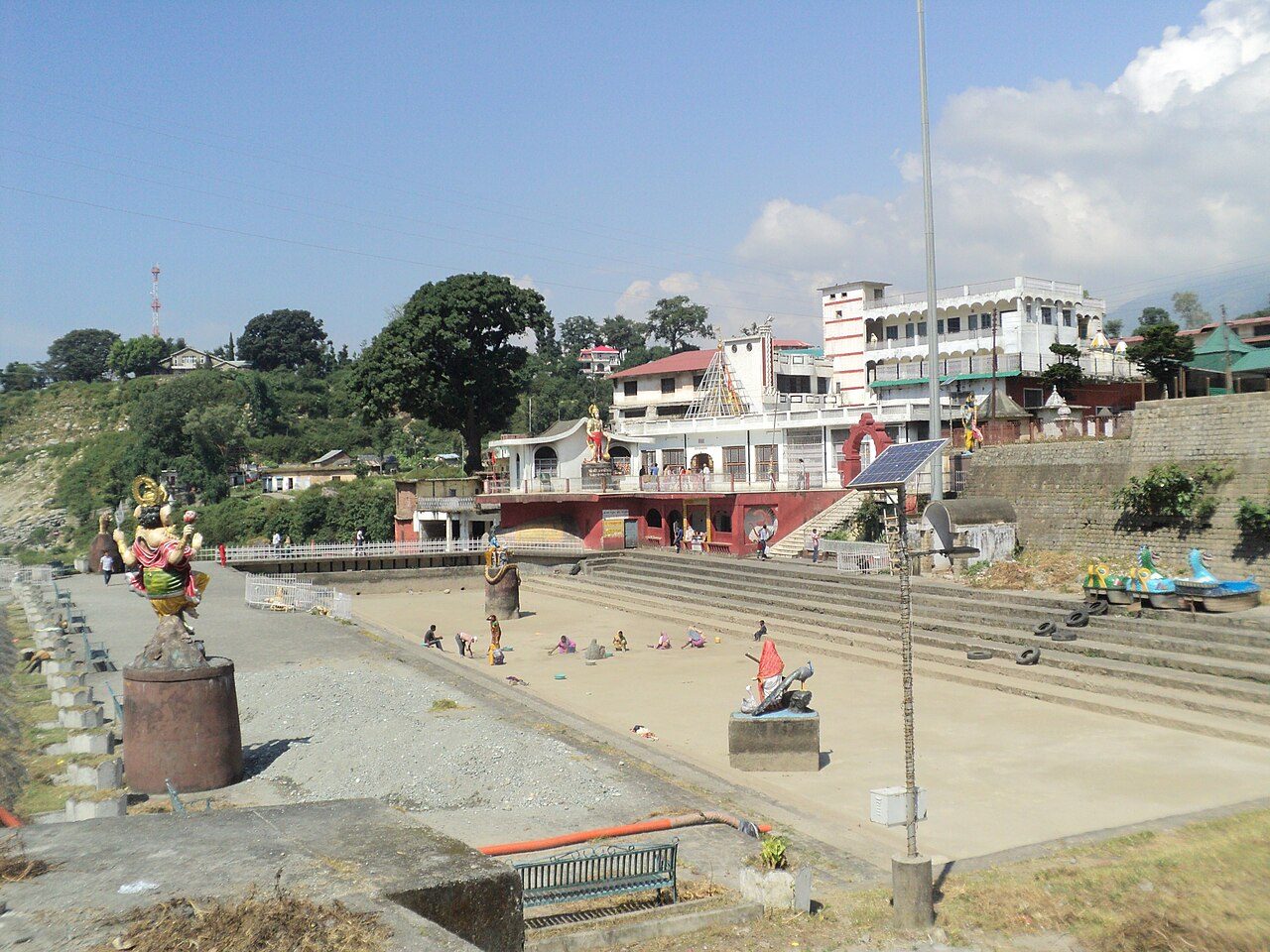
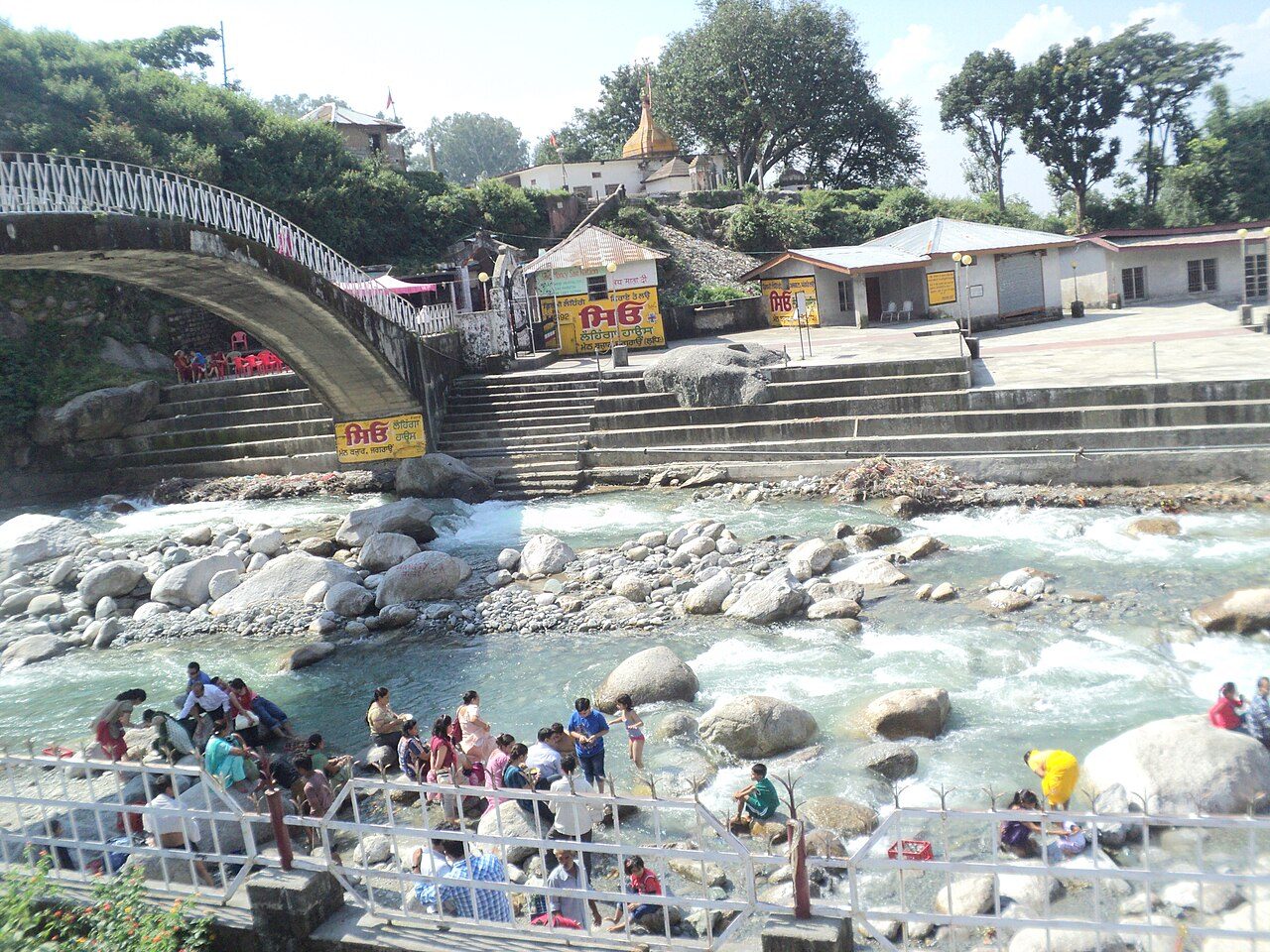
Chamunda Devi Temple stands on the bank of the Baner stream about 15 km from Dharamshala, with the Dhauladhar range behind. It is dedicated to a fierce form of Durga and is counted among the important goddess shrines of Kangra. The image is kept covered in red cloth. A cave shrine to Shiva lies below the main temple, and bathing ghats line the stream.
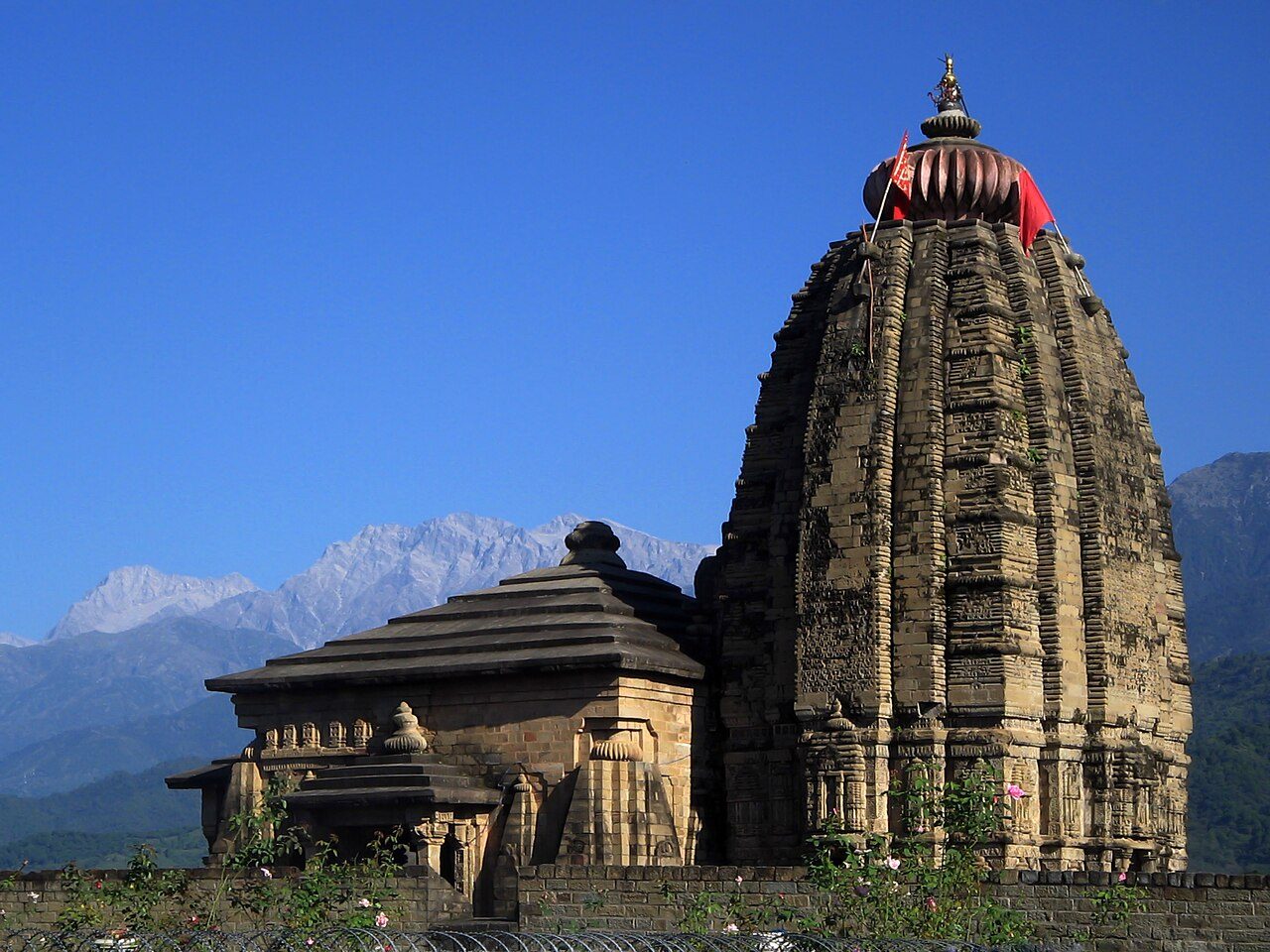
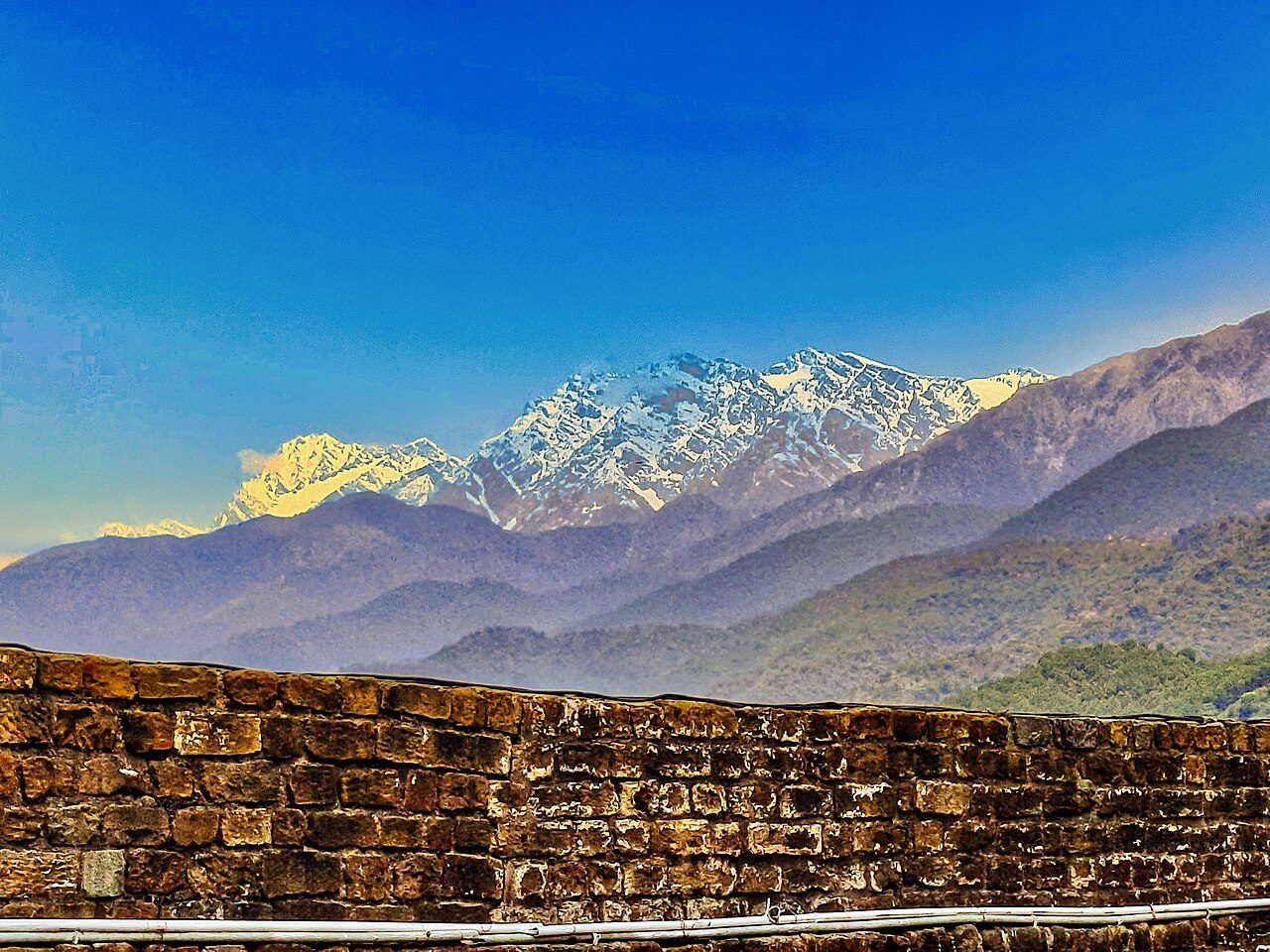
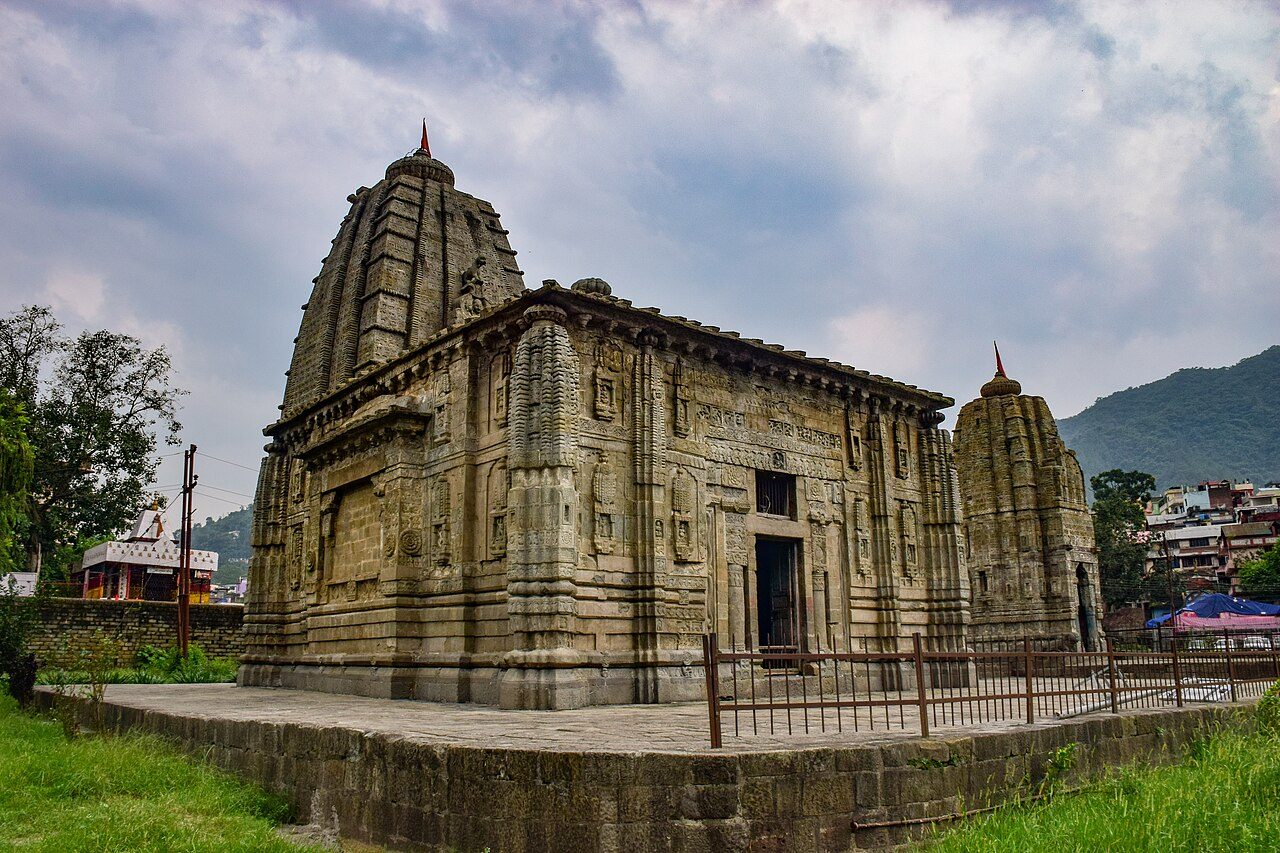
The Baijnath Temple, on the Binwa stream between Palampur and Mandi, is a Shiva temple built in 1204, according to its inscriptions, by two local merchants. Dedicated to Shiva as Vaidyanath, lord of physicians, it is one of the best examples of the Nagara style in Himachal, with carved doorways and sculptures on the outer walls. The Dhauladhar range forms the backdrop.
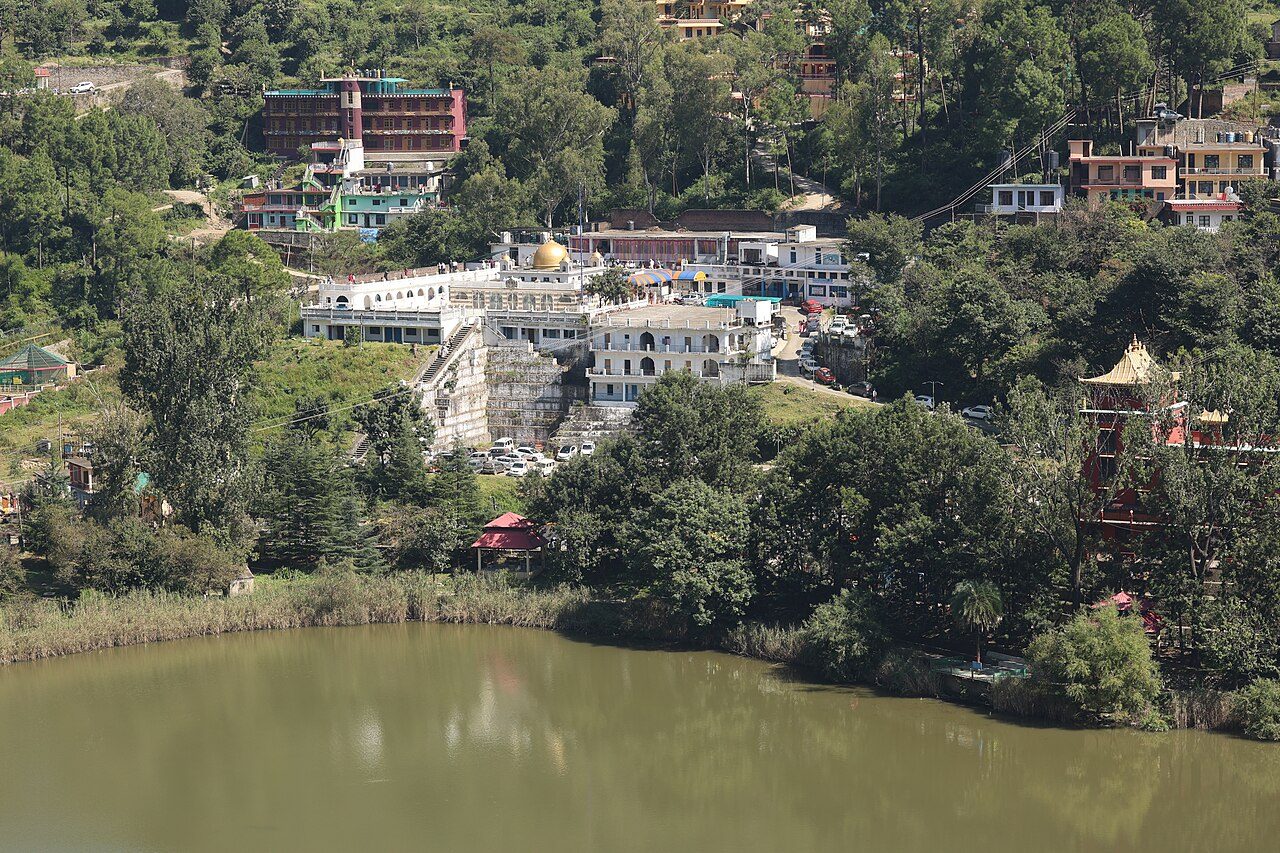
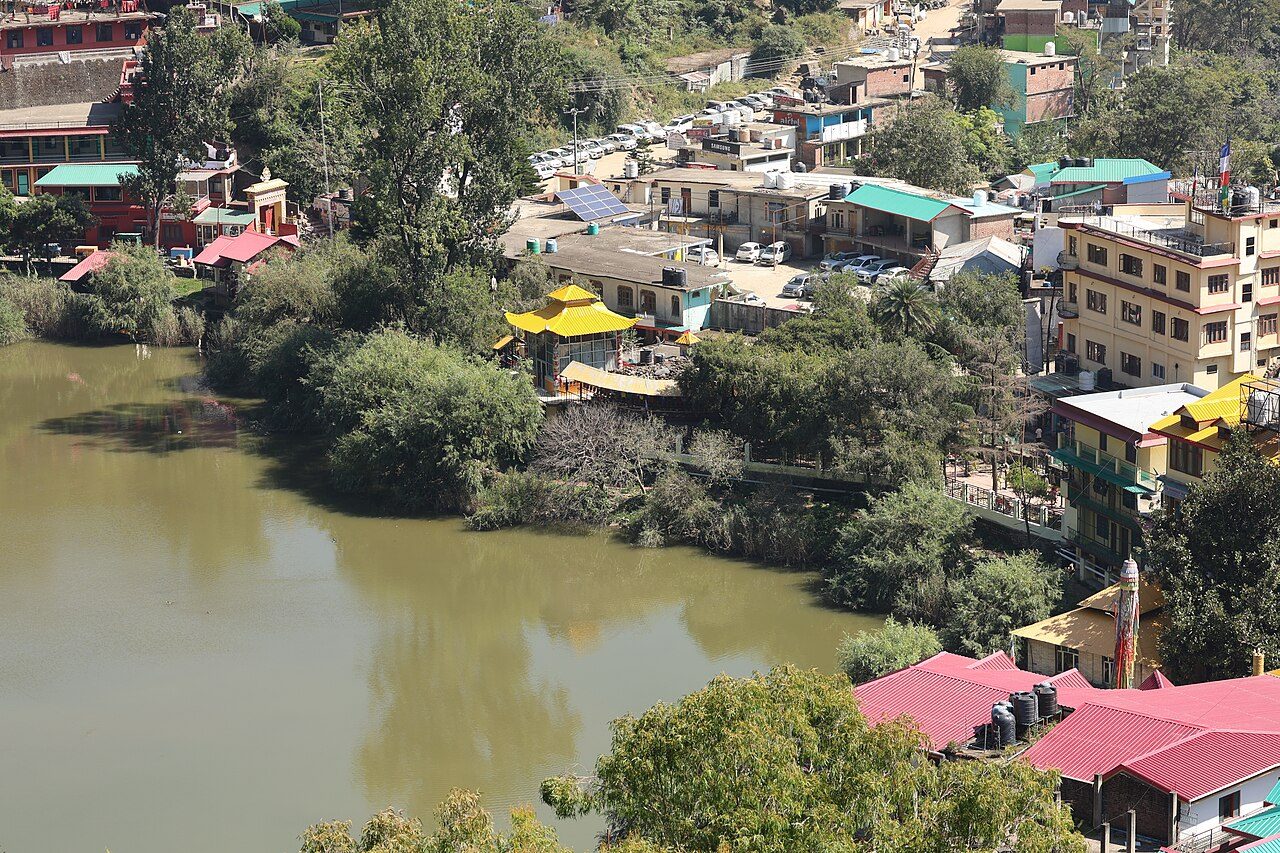
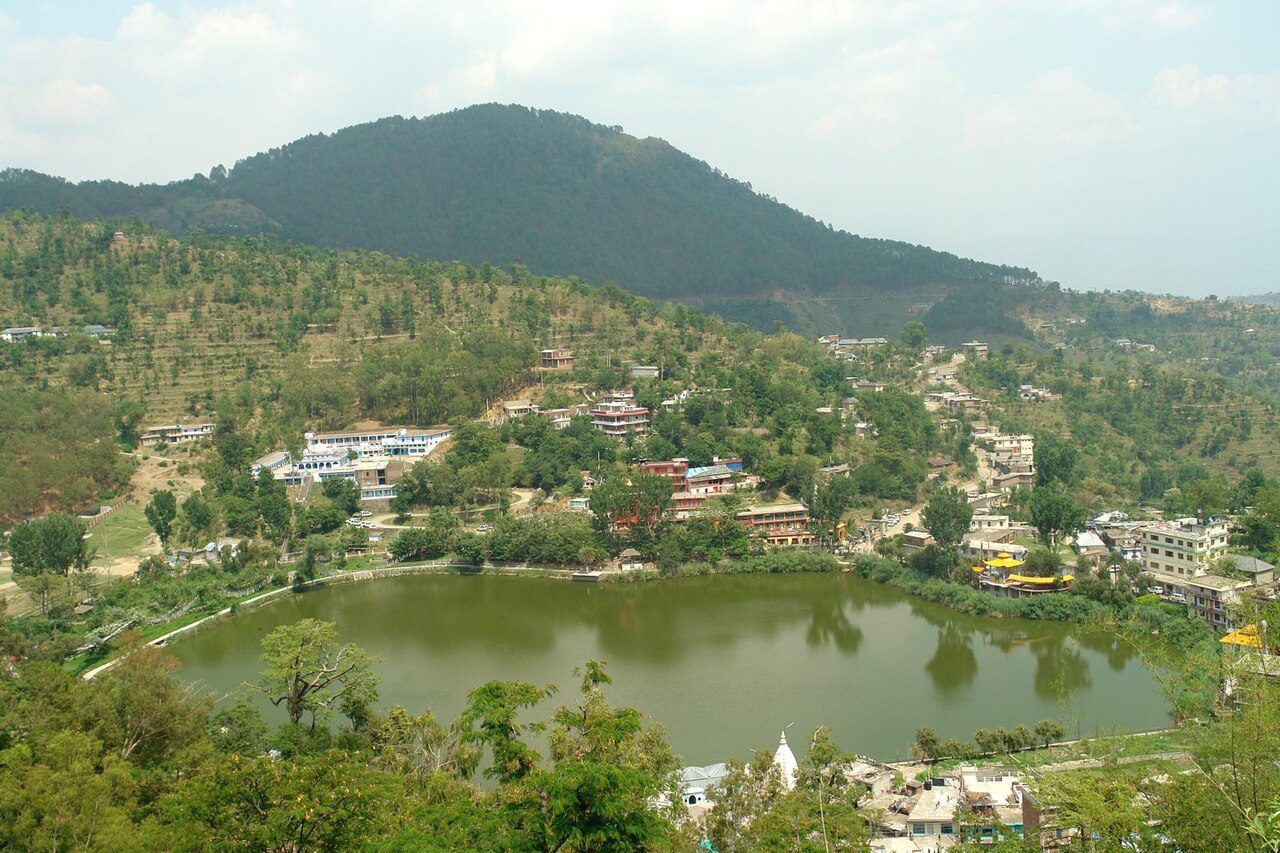
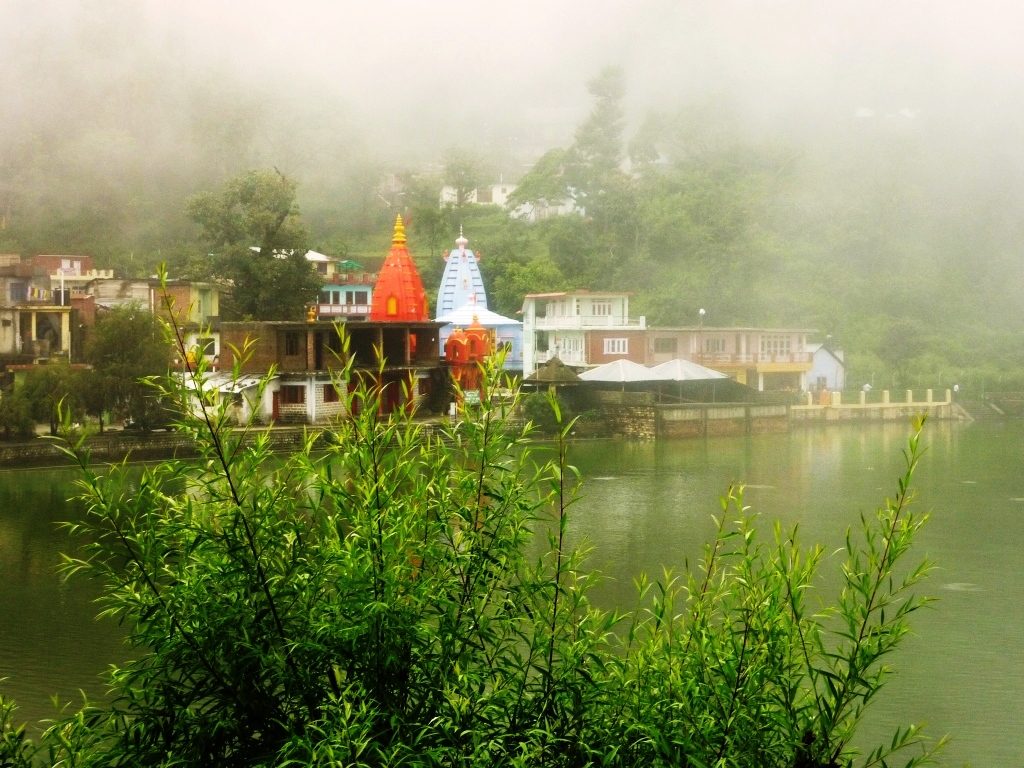
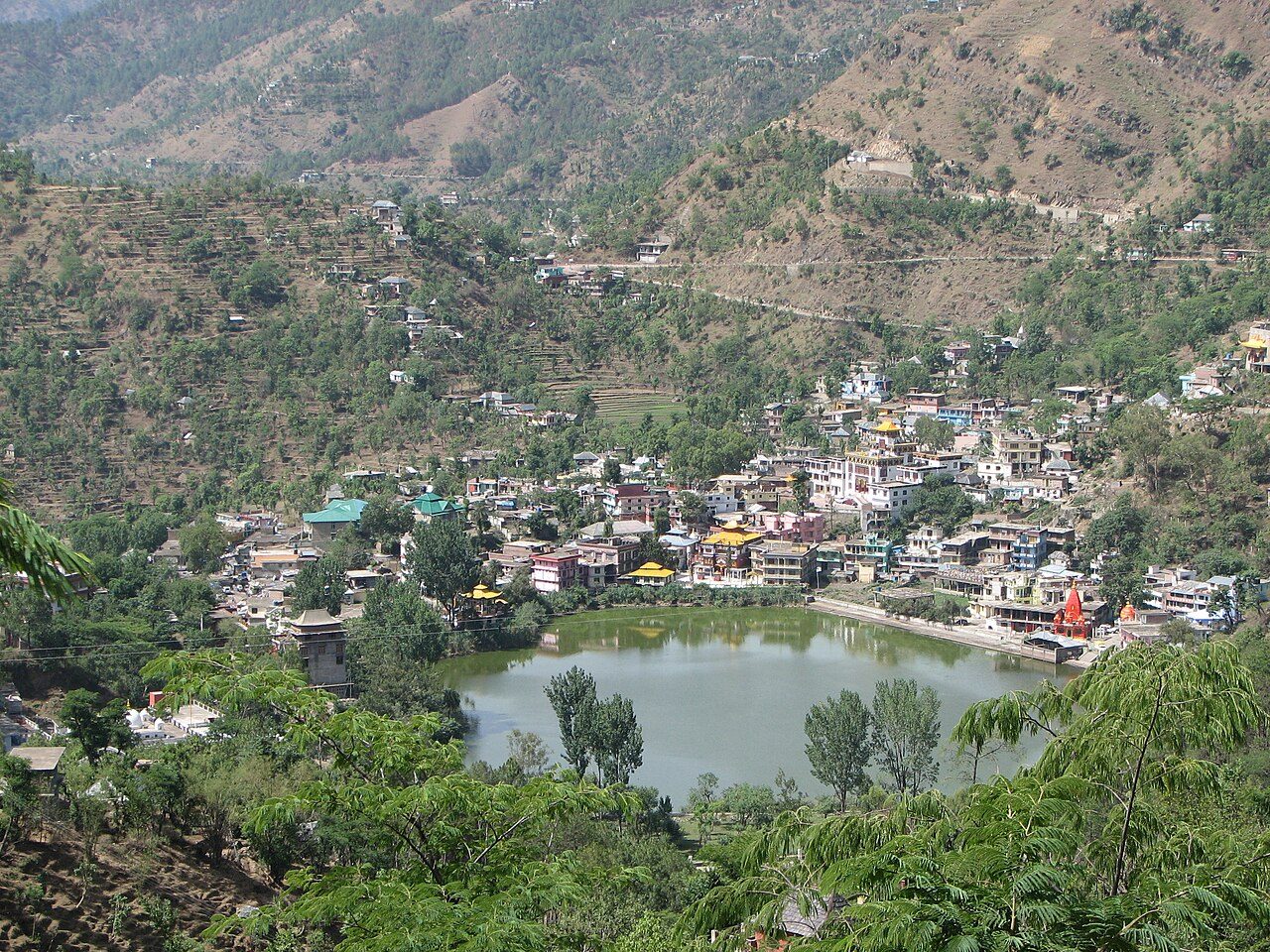
Rewalsar Lake, in the hills above Mandi, is sacred to Buddhists, Hindus and Sikhs alike. Tibetans call it Tso Pema and believe Padmasambhava left for Tibet from here; a huge statue of him overlooks the lake. Monasteries, a gurdwara commemorating Guru Gobind Singh and Hindu temples stand around the shore, and pilgrims walk the path that circles the water.
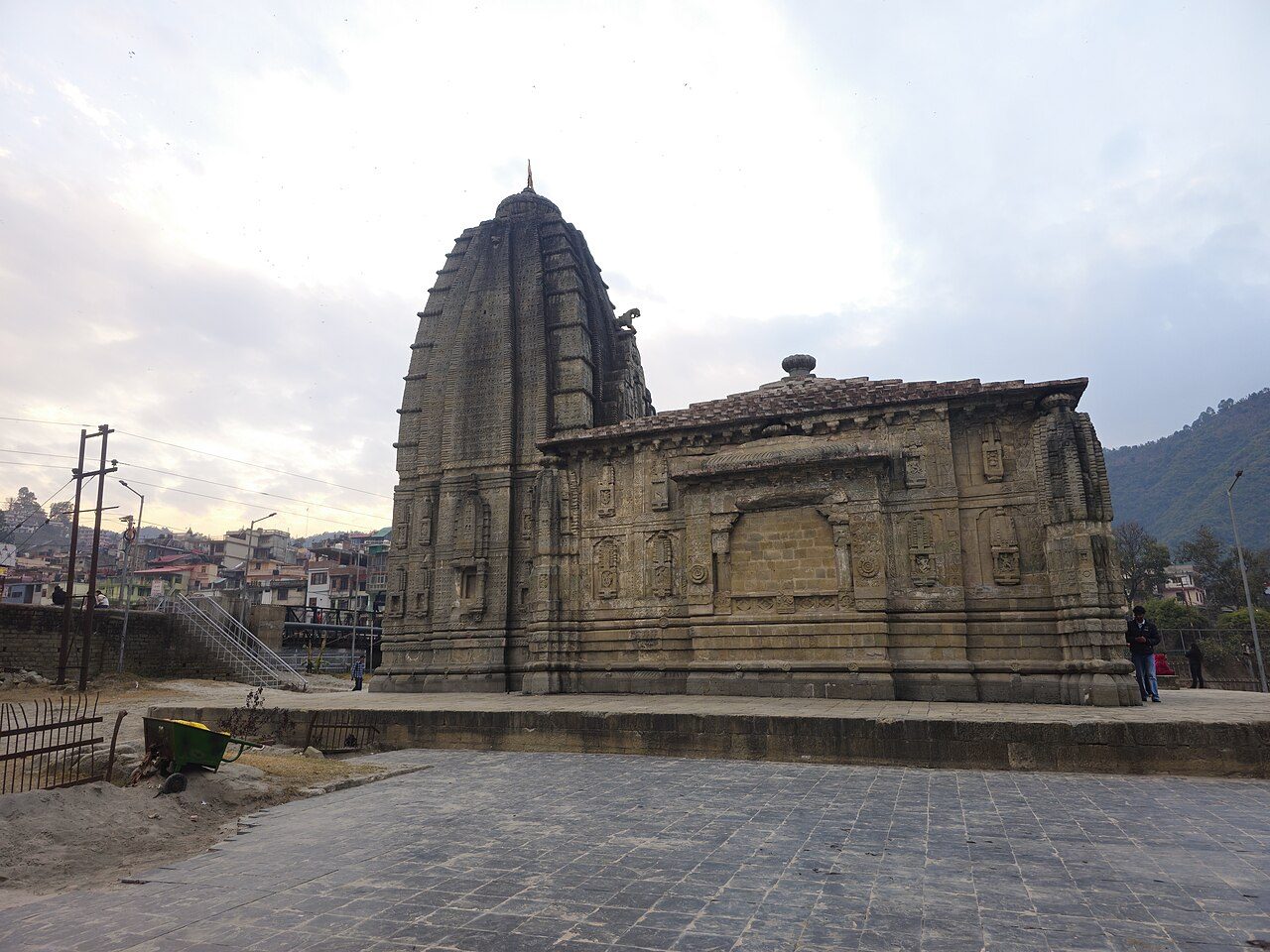
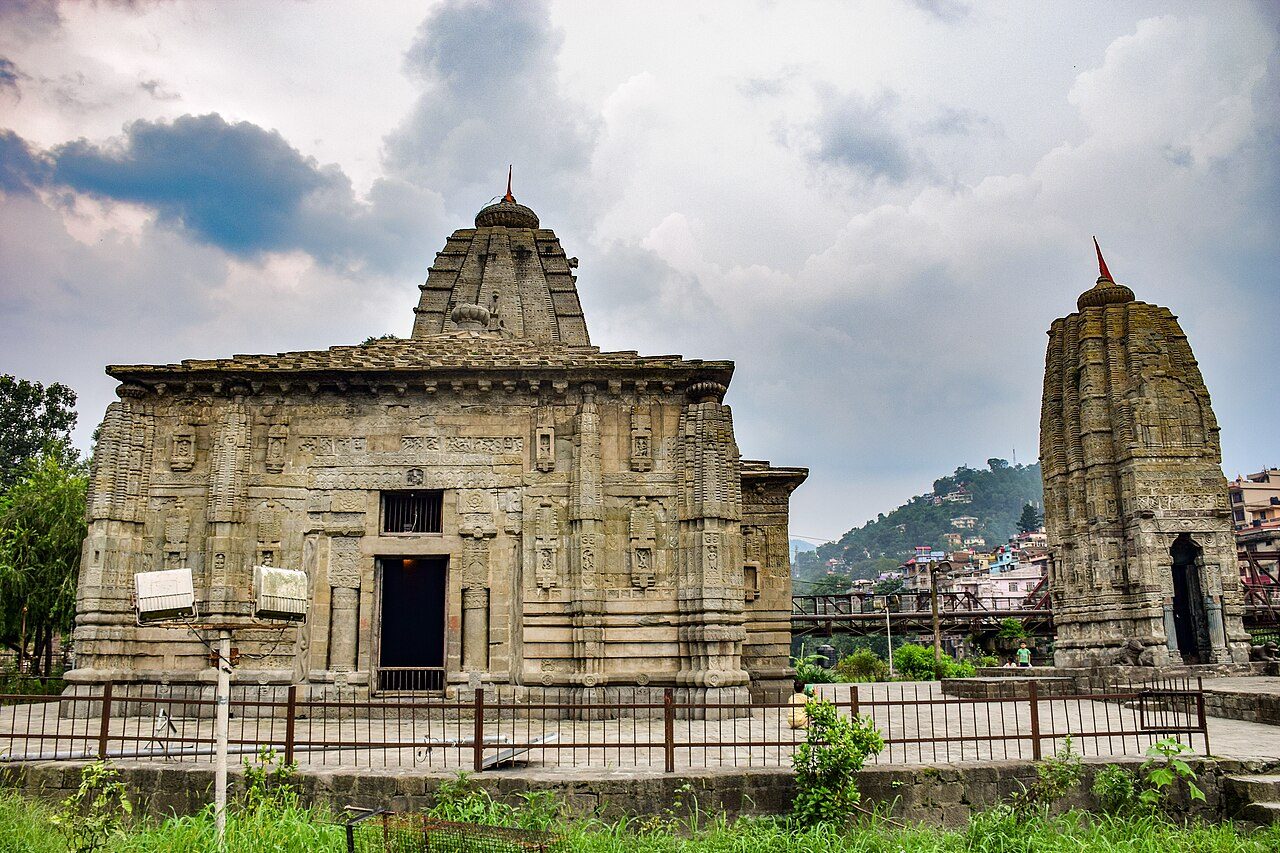
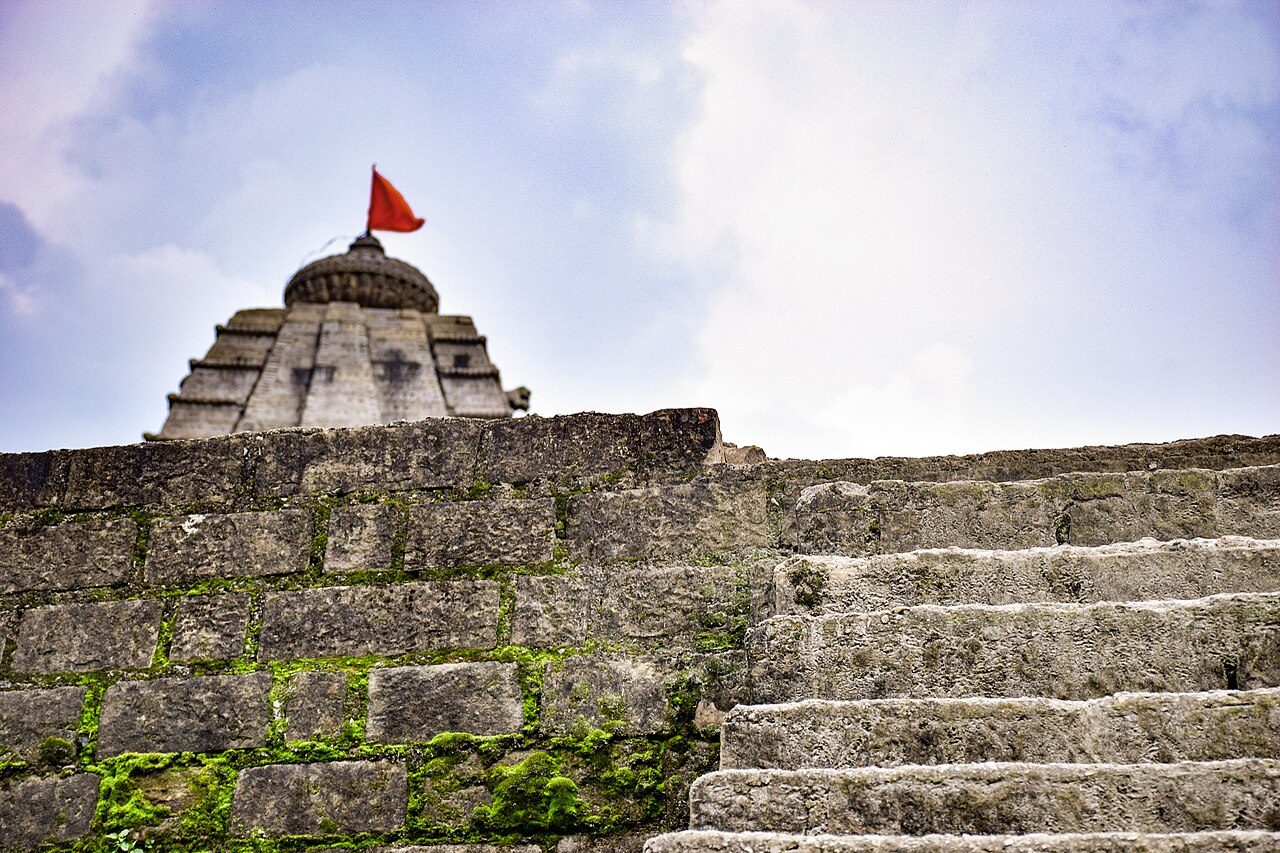
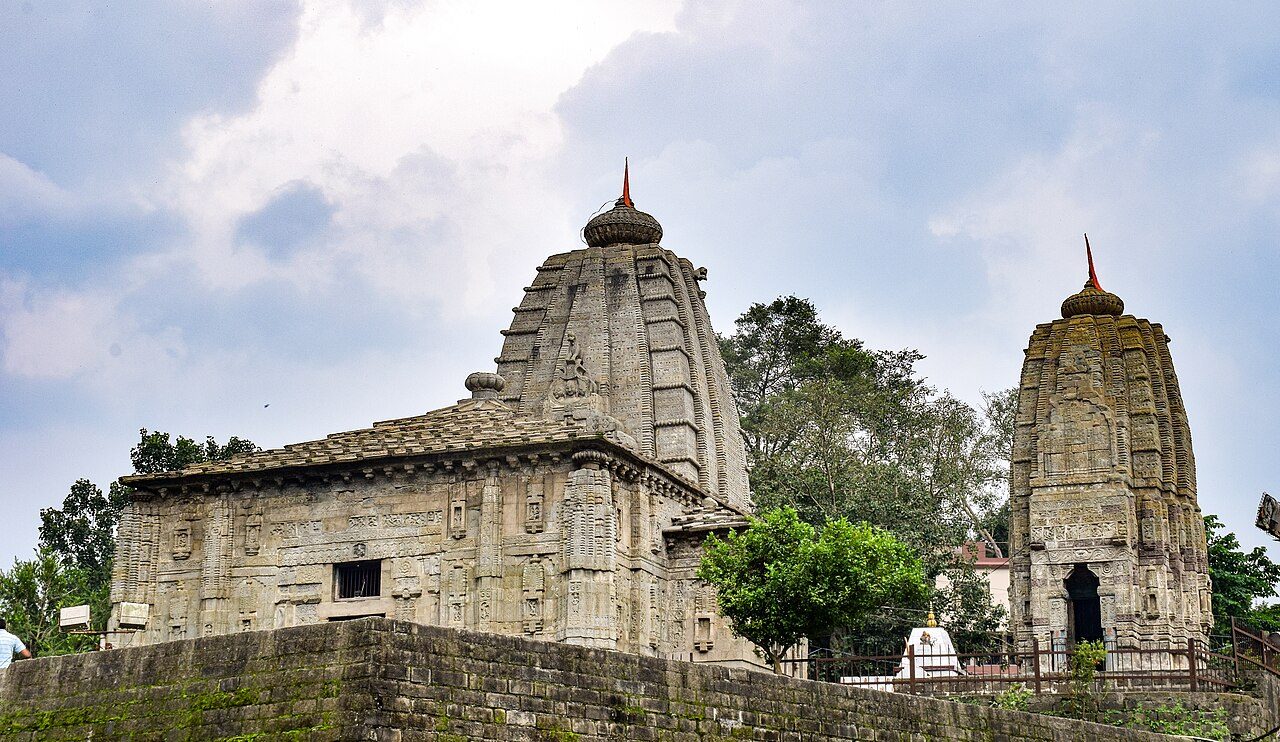
The Panchvaktra Temple stands at the confluence of the Beas and Suketi rivers in Mandi, a town with so many old stone temples that it is called the Varanasi of the hills. Built in the shikhara style, it houses an image of Shiva with five faces. The temple is a protected monument and was restored after flood damage. Its riverside setting is best seen from the bridge.
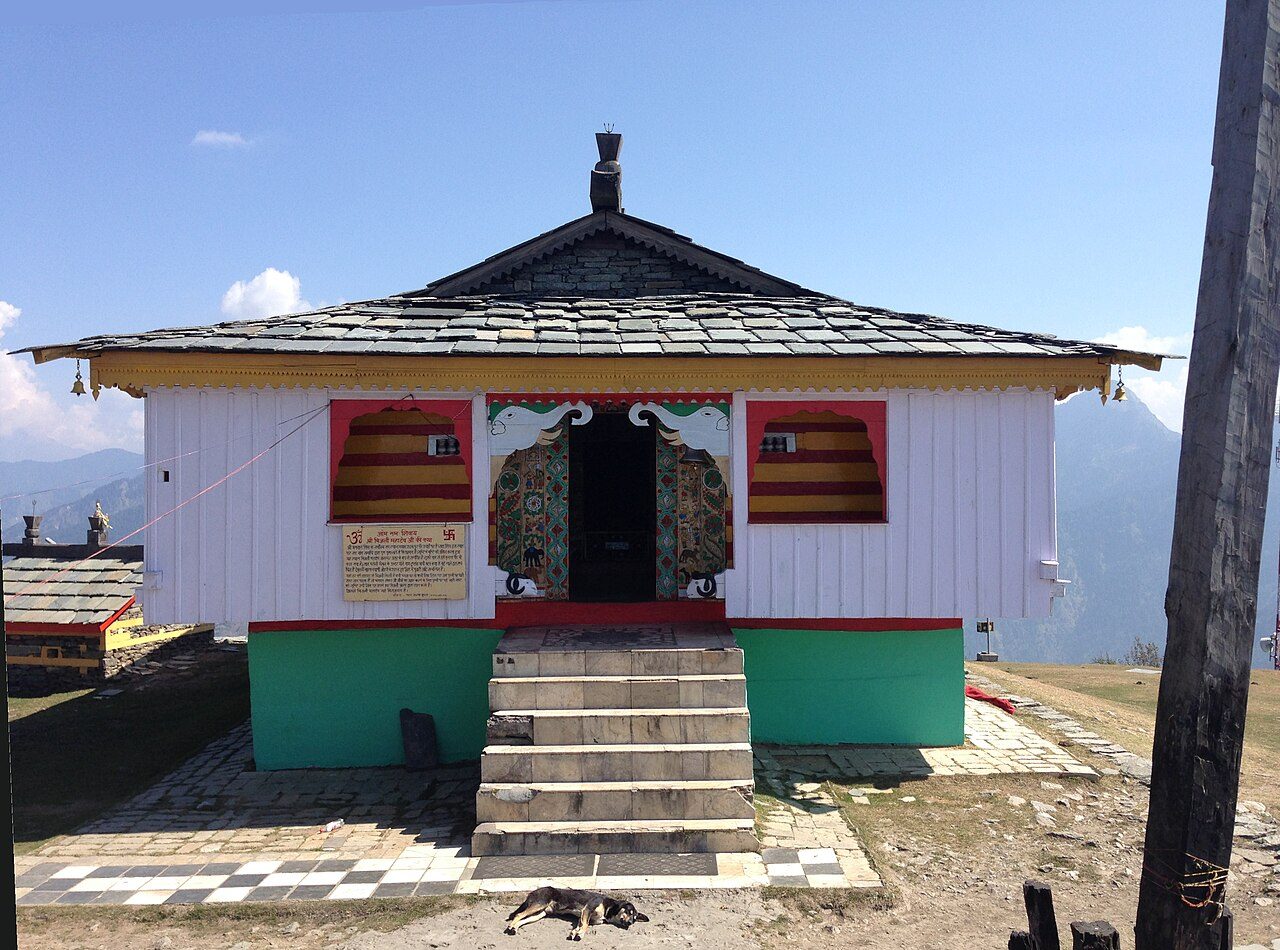
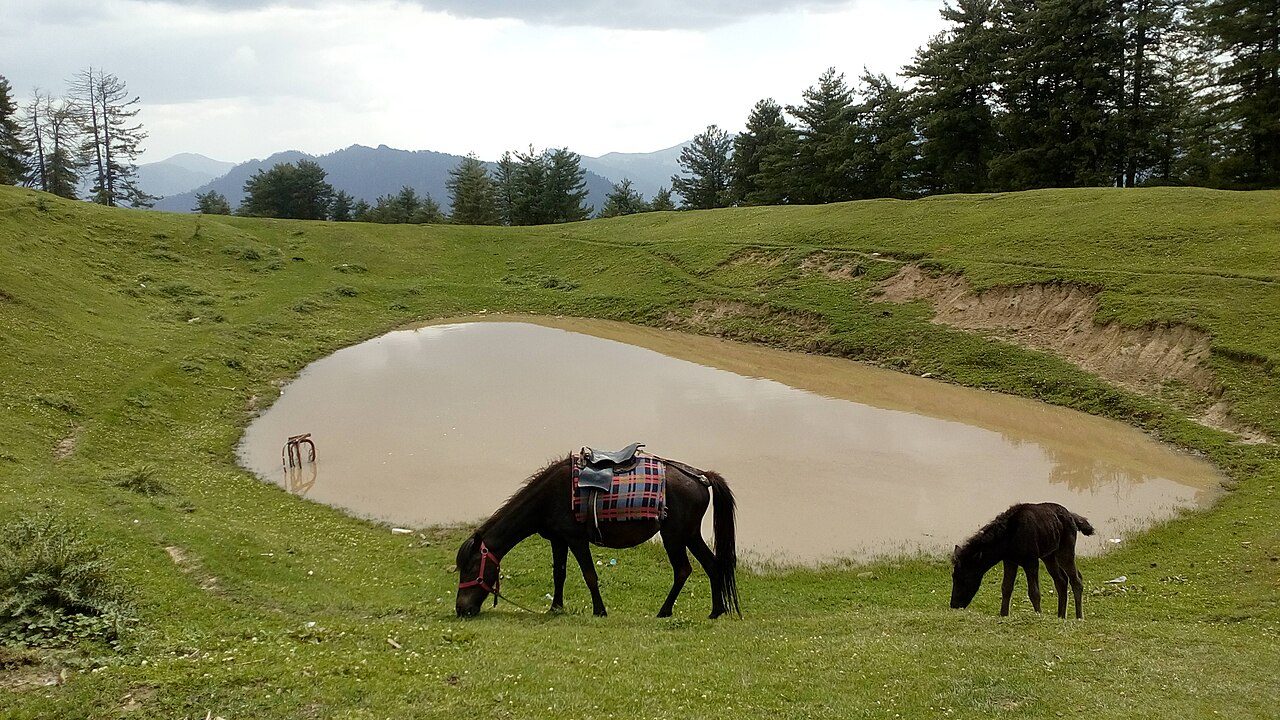
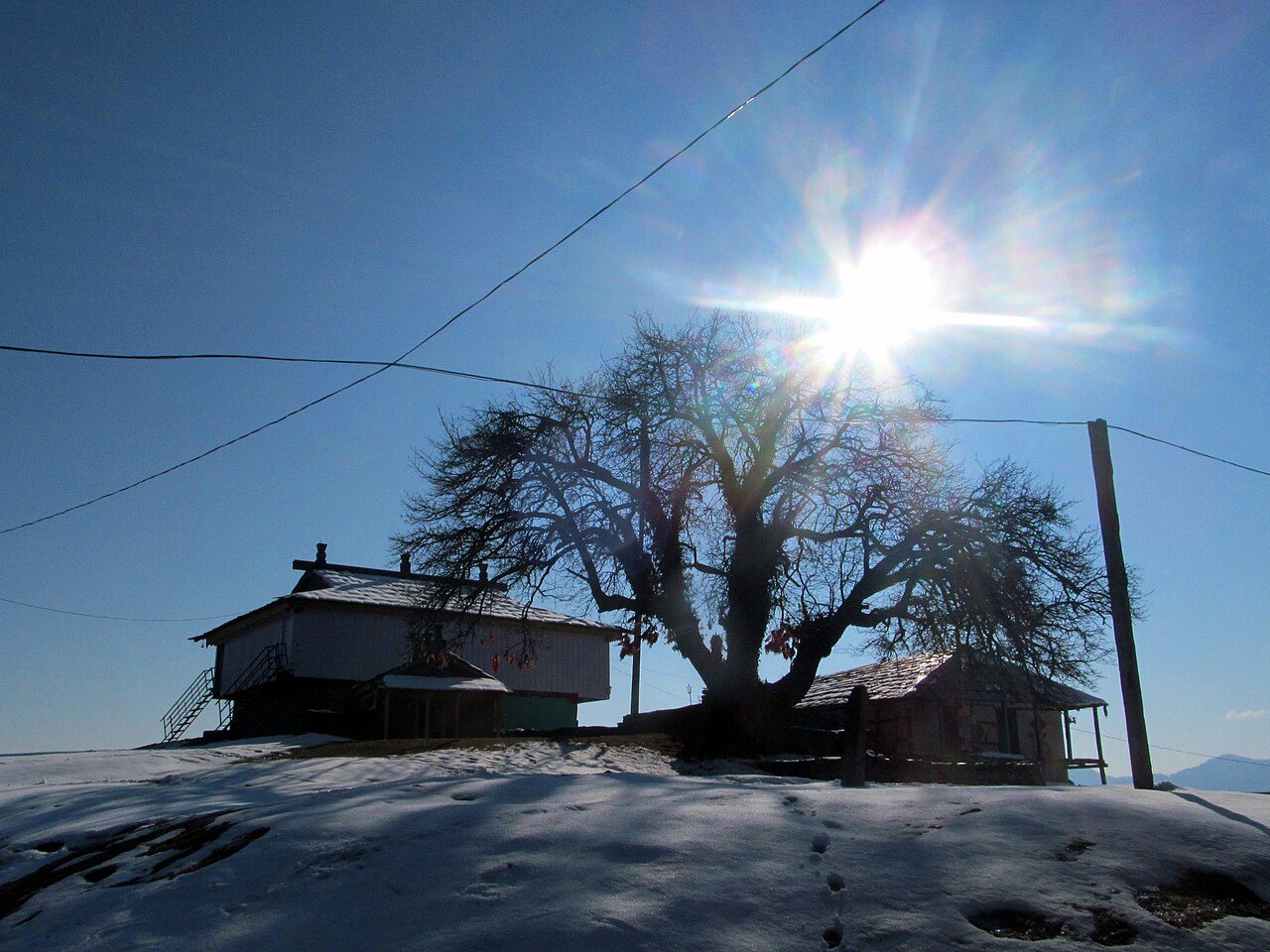
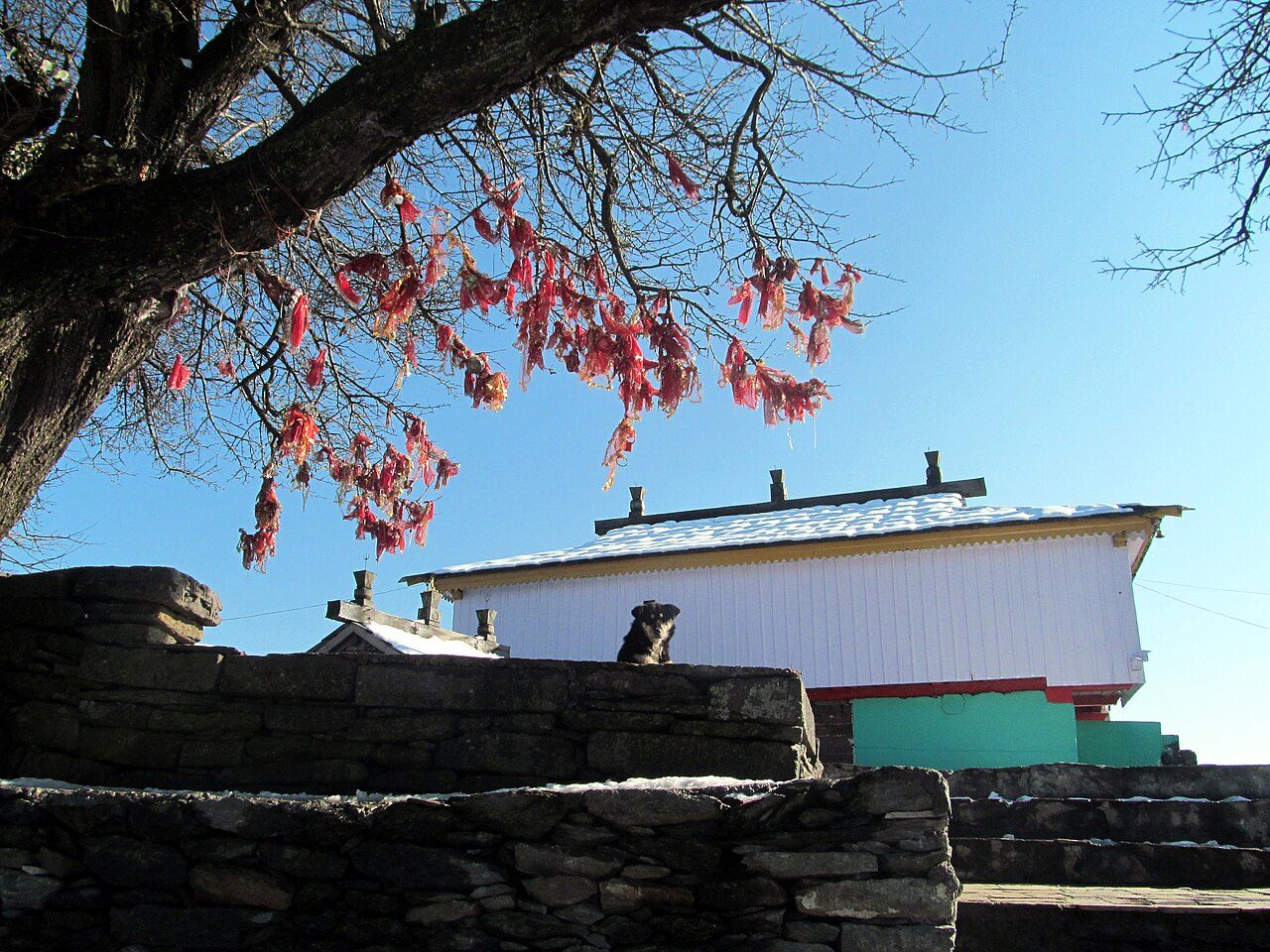
Bijli Mahadev is a hilltop Shiva temple at about 2,460 metres above the meeting of the Beas and Parvati rivers, near Kullu. A tall wooden staff beside it is said to attract lightning, which shatters the linga; the priests then join the pieces with butter. A walk of about three kilometres leads up from the road. The meadow at the top looks over both valleys.
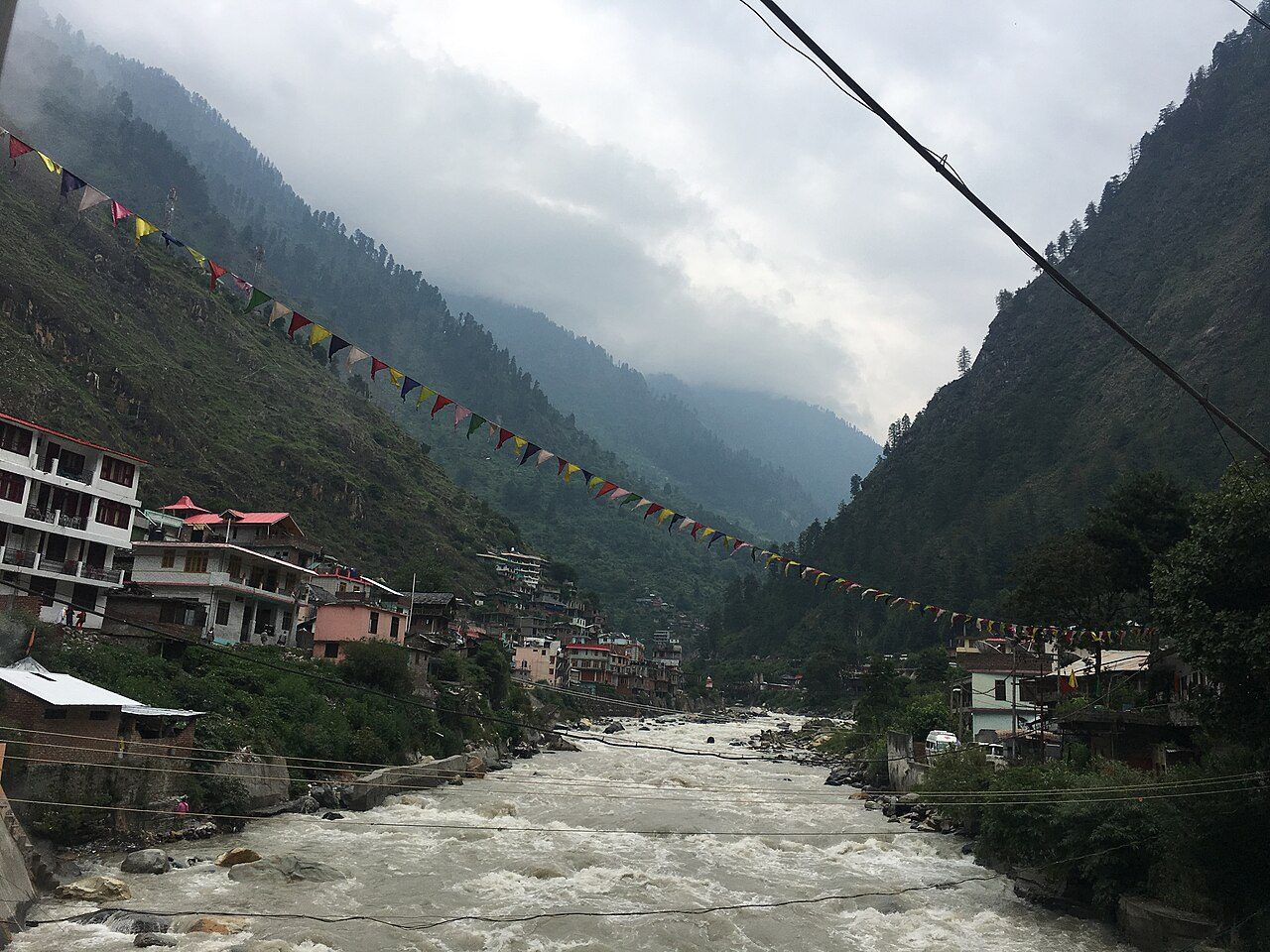
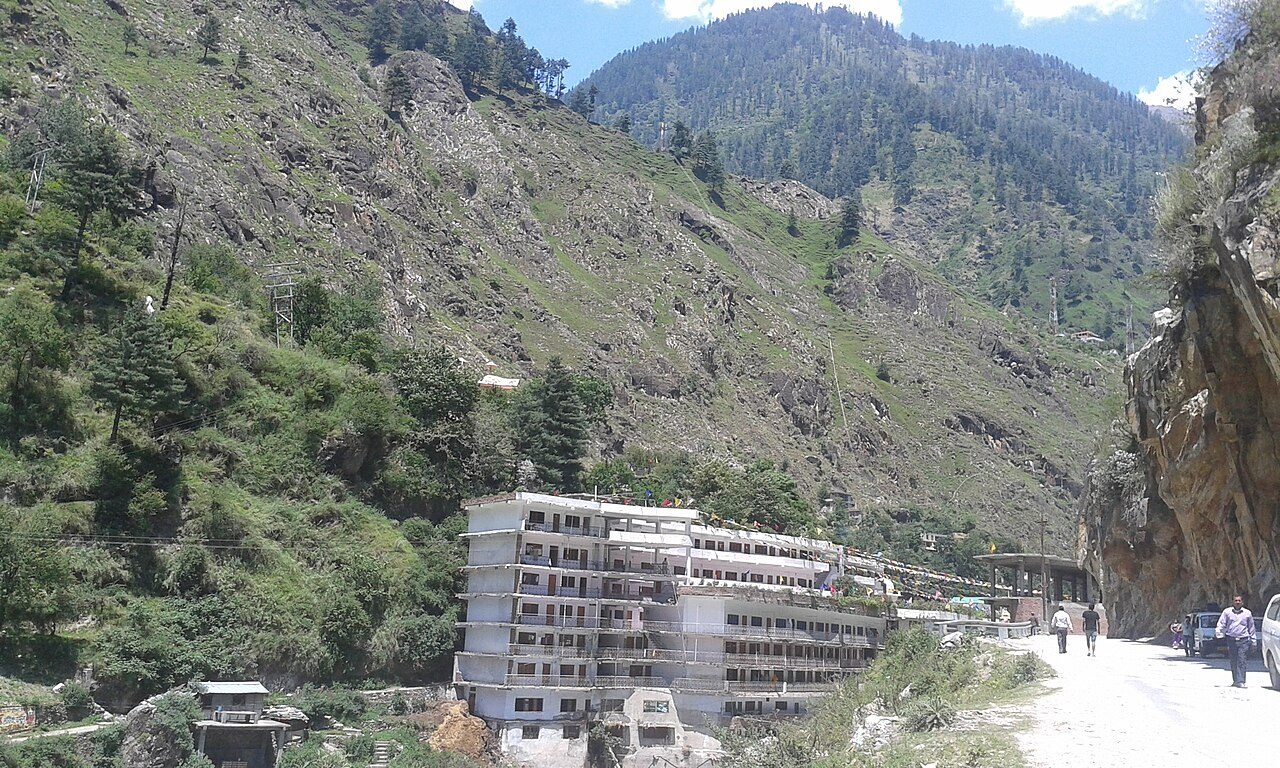
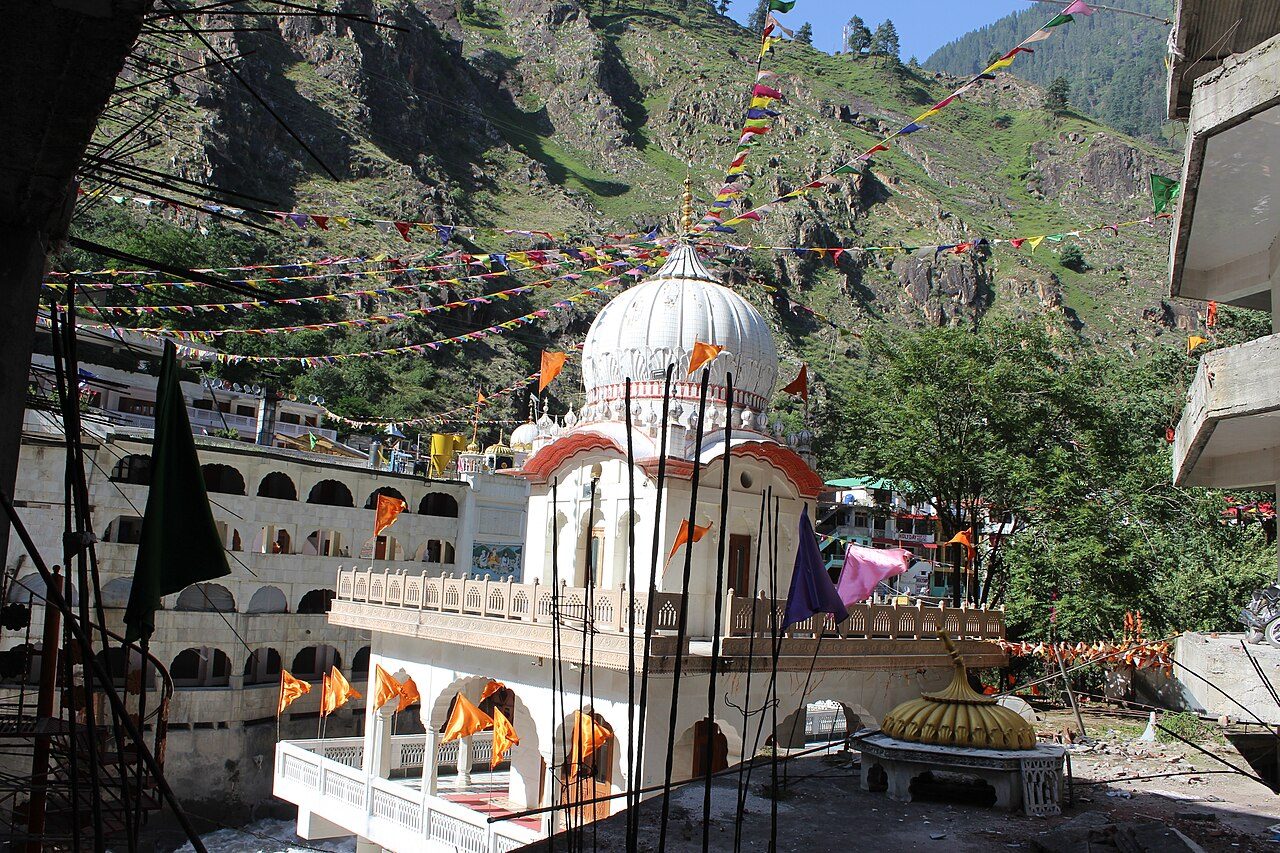
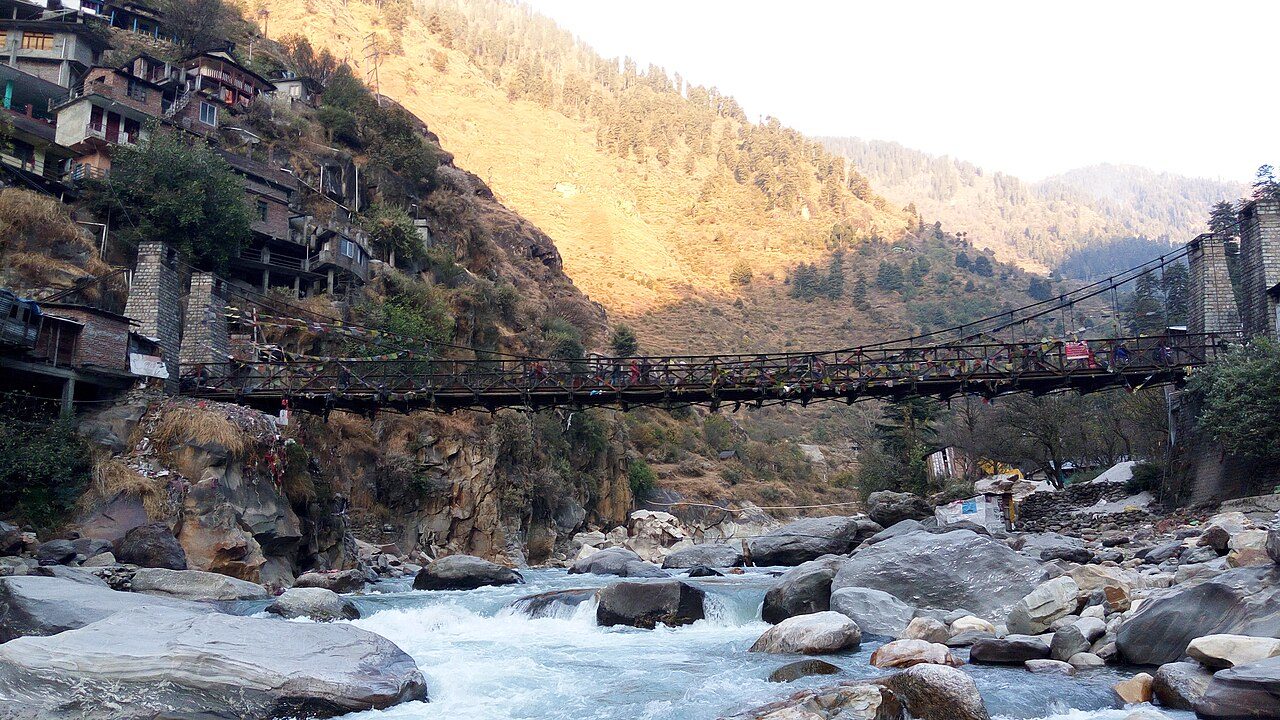
Manikaran Sahib is a gurdwara in the Parvati valley built beside boiling hot springs, at a place visited, according to Sikh tradition, by Guru Nanak. Rice for the free community kitchen is cooked in the springs, and there are hot baths for pilgrims. Hindu temples to Rama and Shiva stand alongside, since the site is sacred to both faiths. It lies four kilometres beyond Kasol.
 WaTrips