Avantiswami and Martand, Achabal and Kokernag, Pahalgam and Aru, Verinag and Aharbal, then Manasbal, Kheer Bhawani, Sonamarg and Thajiwas.
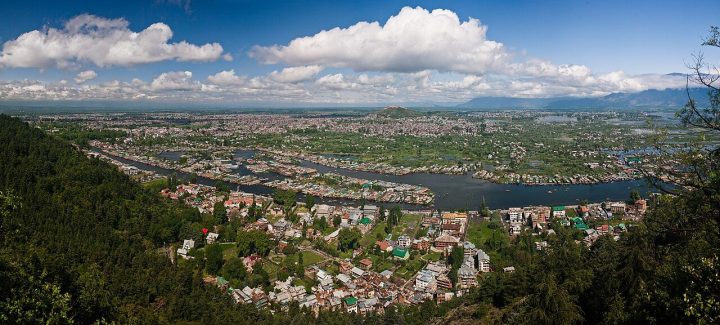
This route explores the valleys around Srinagar. Day one heads south past the Avantiswami temple ruins to the Martand Sun Temple, the Mughal garden at Achabal and the springs of Kokernag. Day two is Pahalgam on the Lidder river and the meadows of Aru. Day three visits Verinag, where the Jhelum rises, and the Aharbal waterfall. Day four turns north to Manasbal Lake and the Kheer Bhawani temple, then on to Sonamarg. Day five walks to Thajiwas Glacier, visits the old Naranag temples and follows the road towards Zoji La. May to October is the best time; Zoji La closes in winter.
01
STOP 1 OF 14
Avantiswami Temple
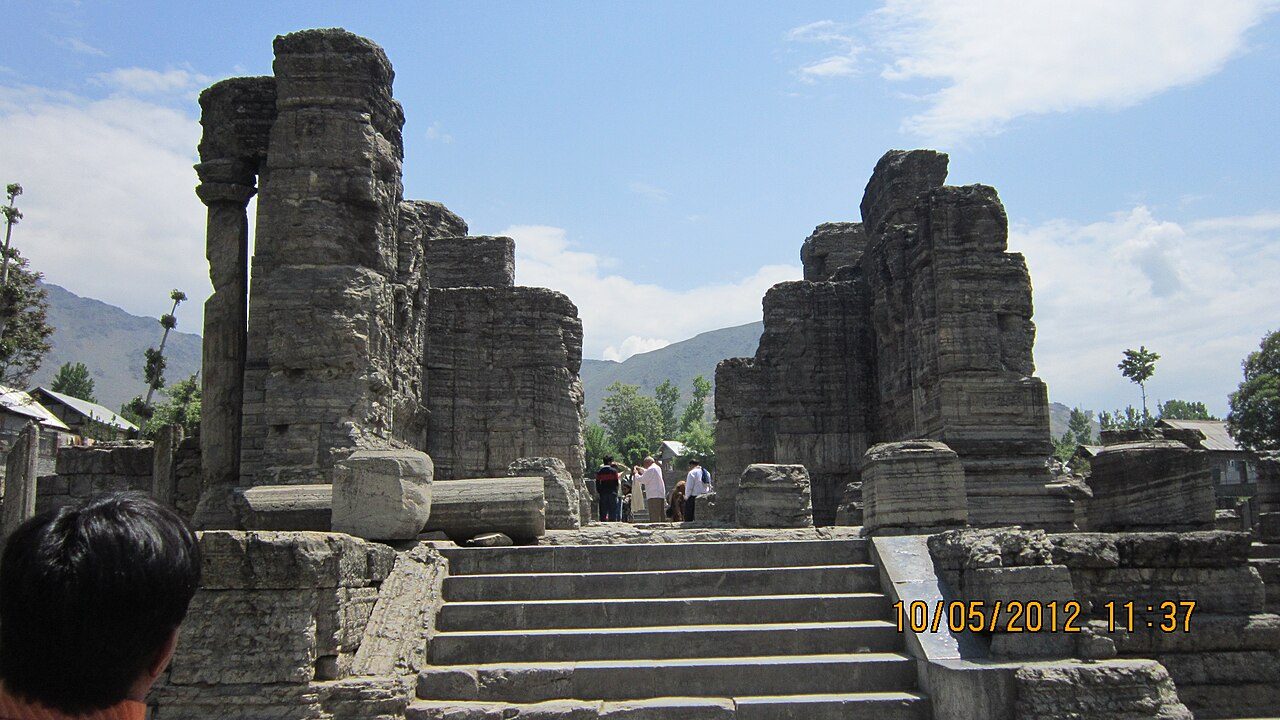
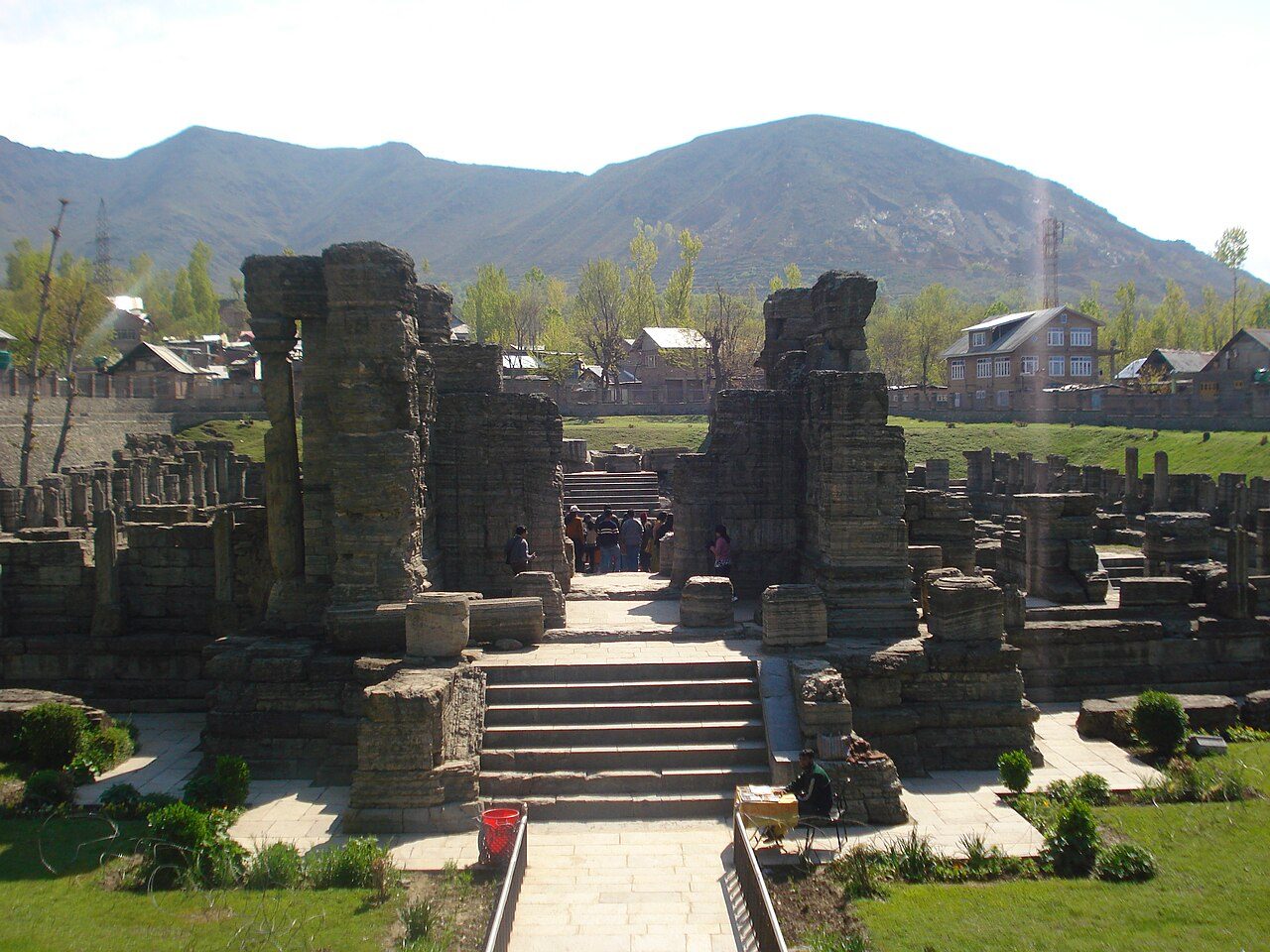
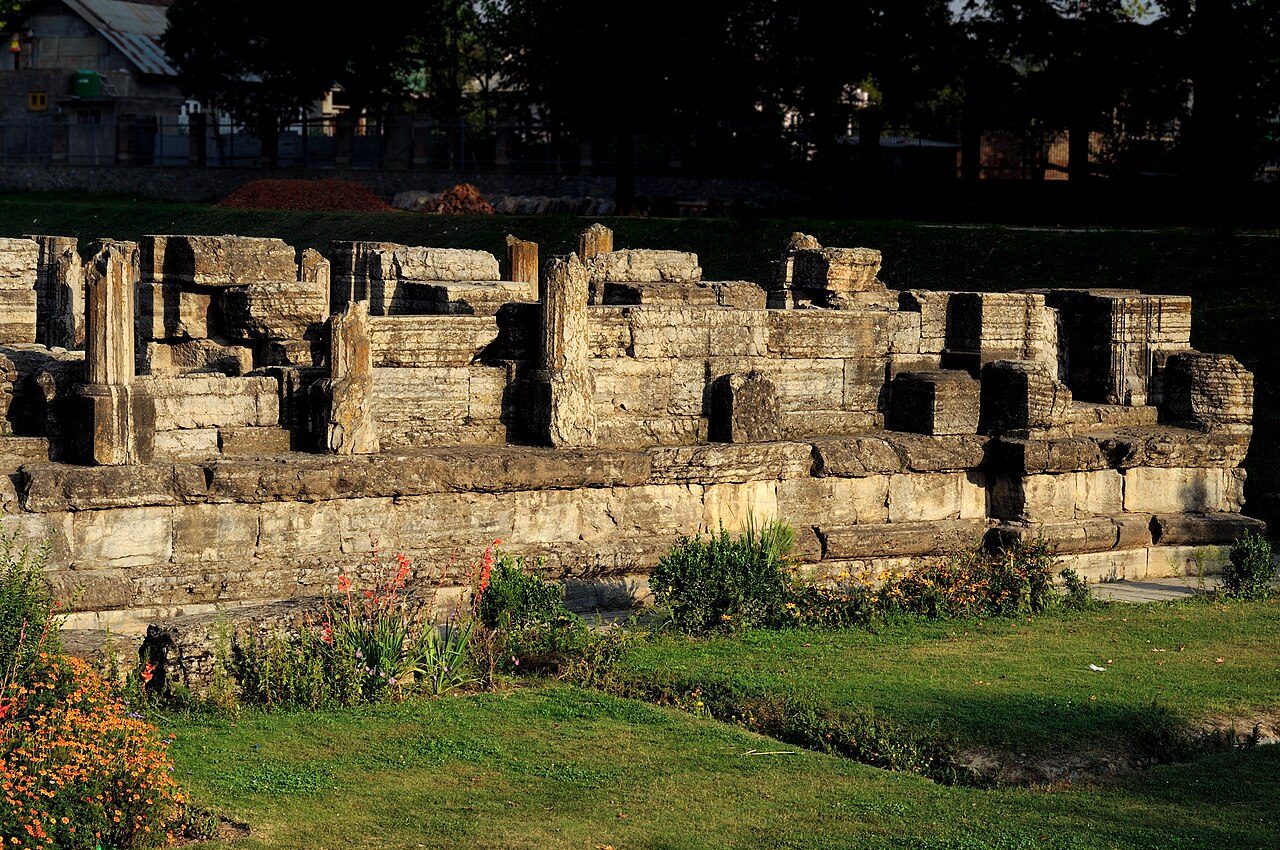
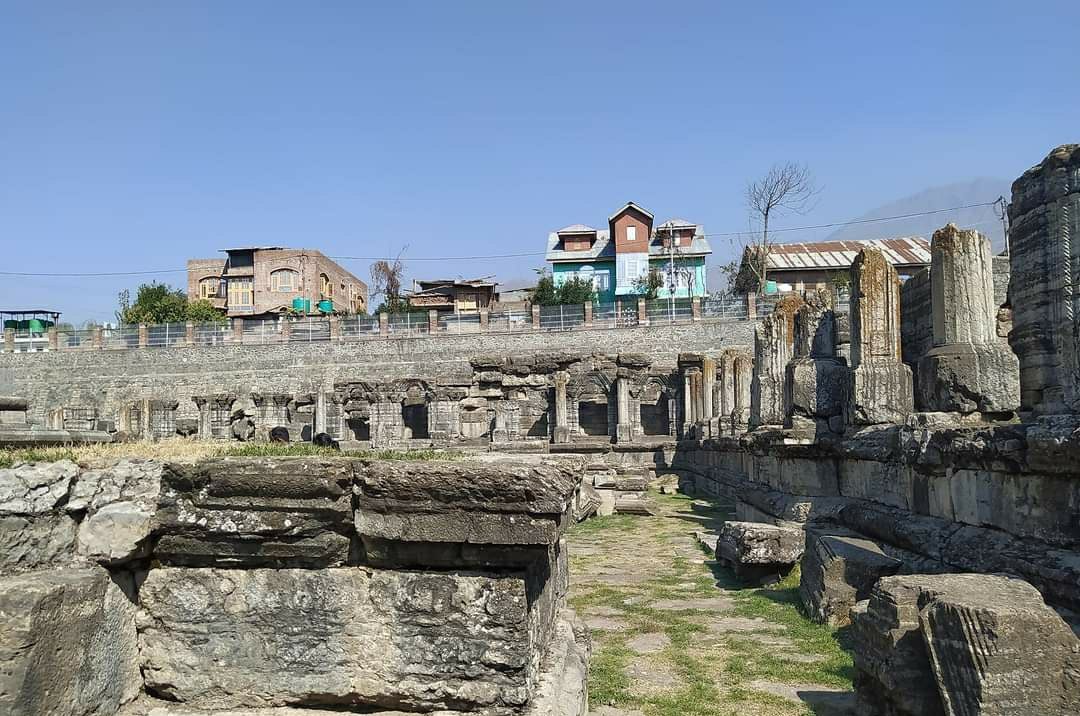
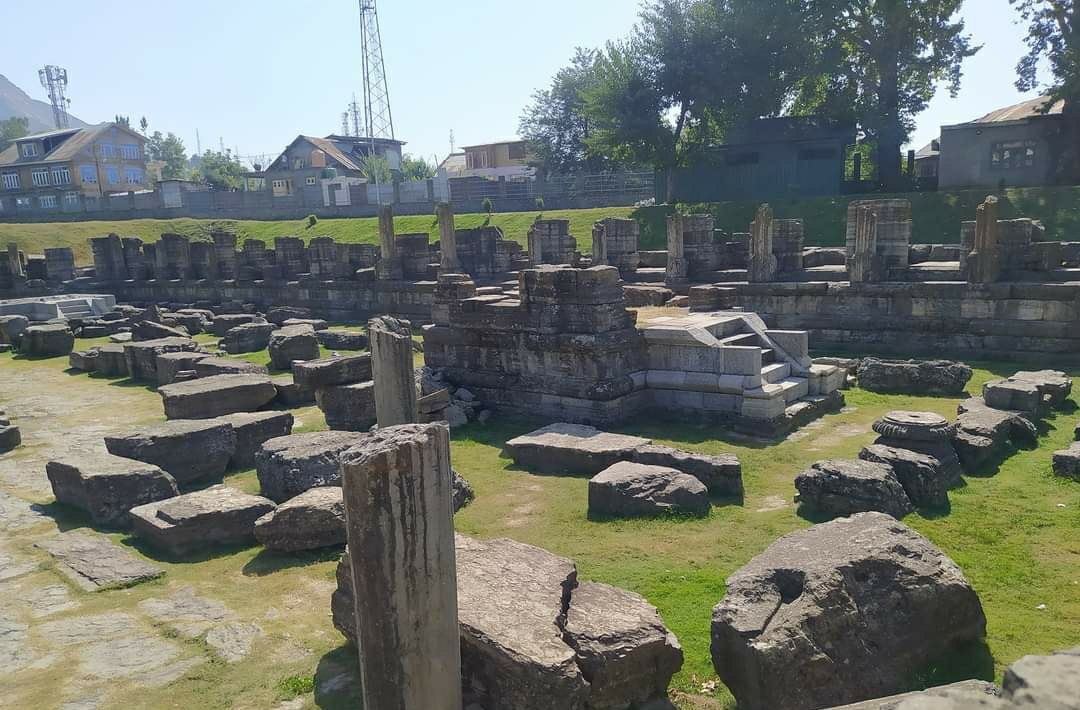
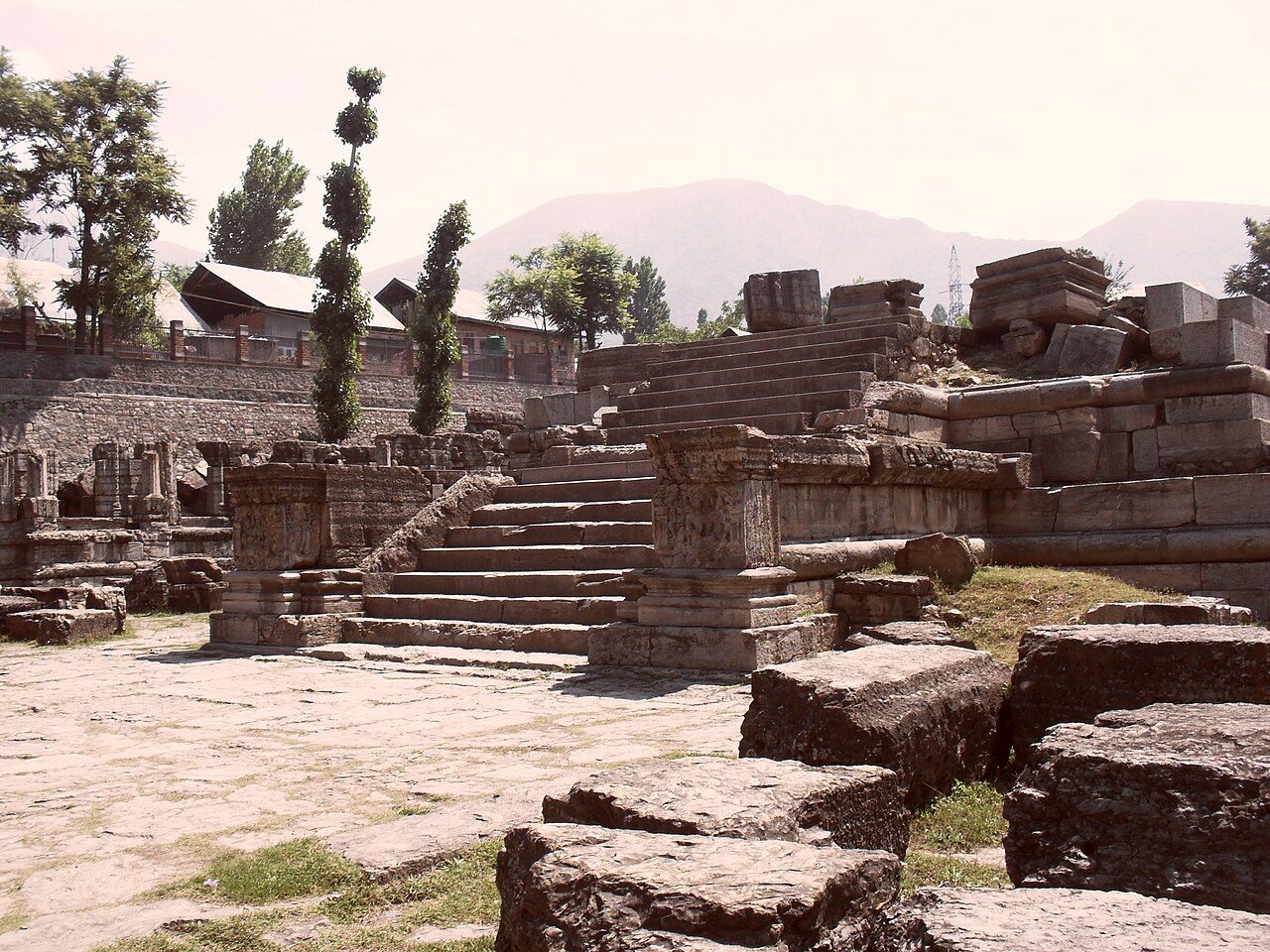
The Avantiswami Temple at Awantipora was built in the 9th century by King Avantivarman, founder of the Utpala dynasty, and dedicated to Vishnu. Though ruined, its colonnaded courtyard, carved gateway and sculptured reliefs show the refinement of Kashmiri stone architecture. A second temple of the same king, to Shiva, lies a short distance away. The site is beside the Srinagar-Jammu highway.
02
STOP 2 OF 14
Martand Sun Temple
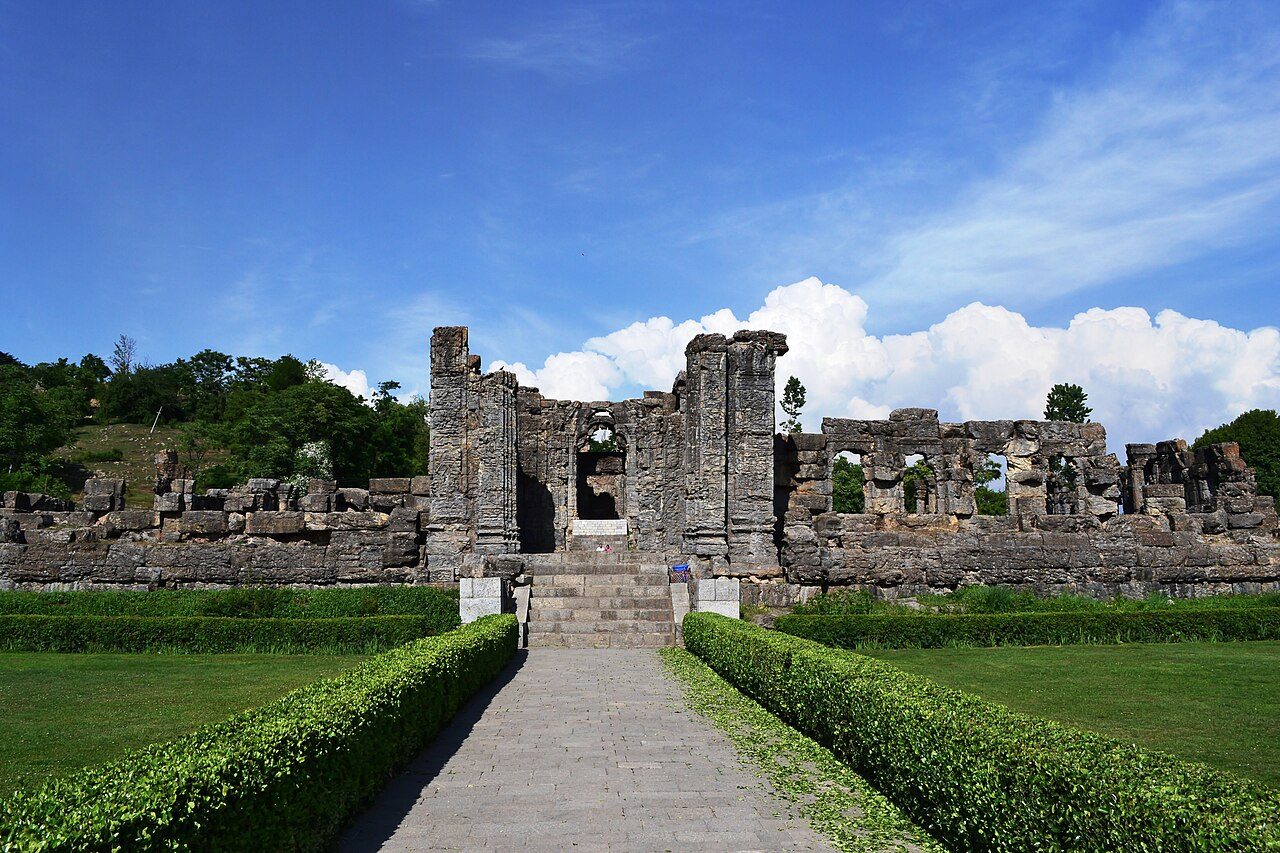
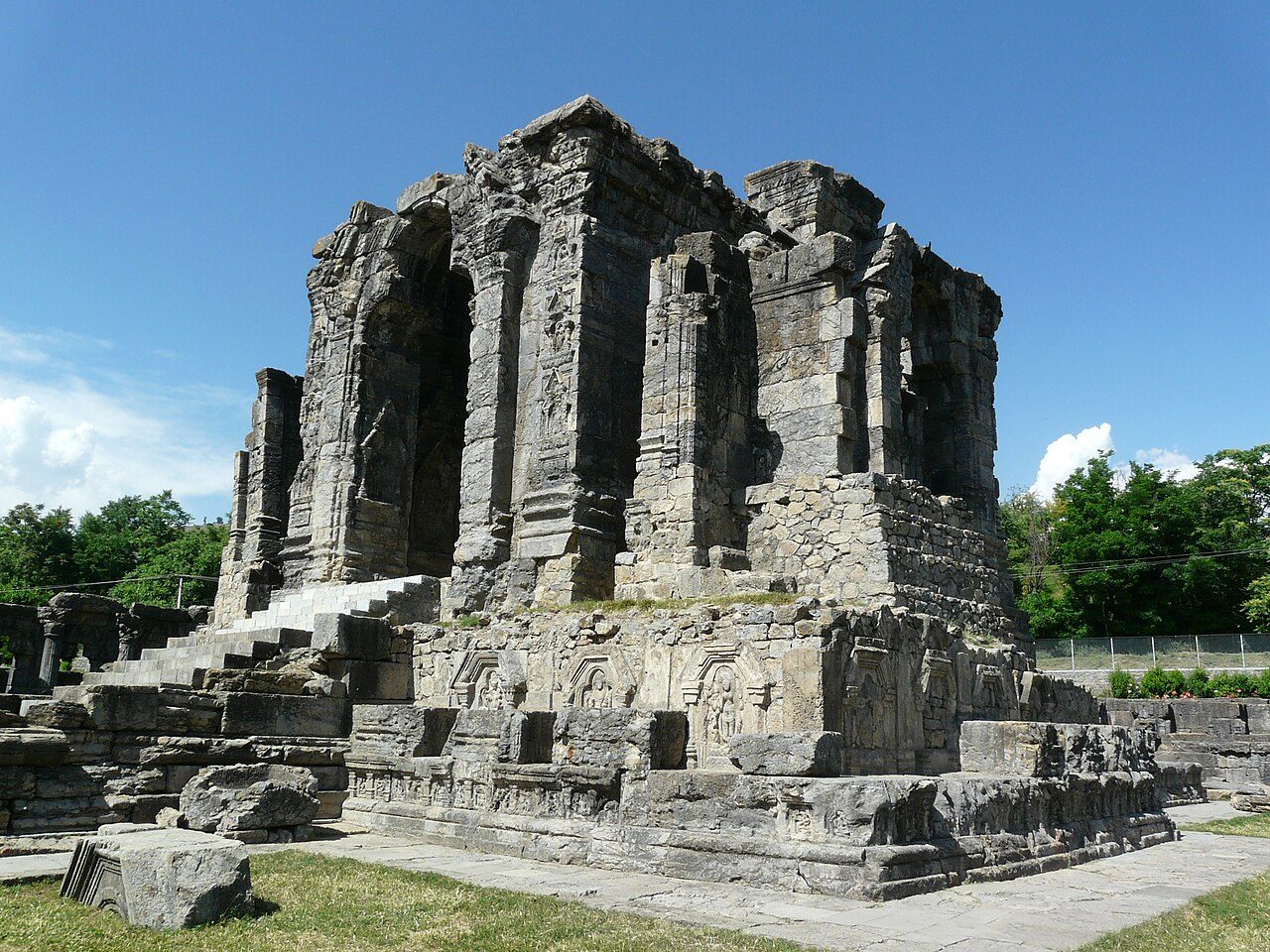
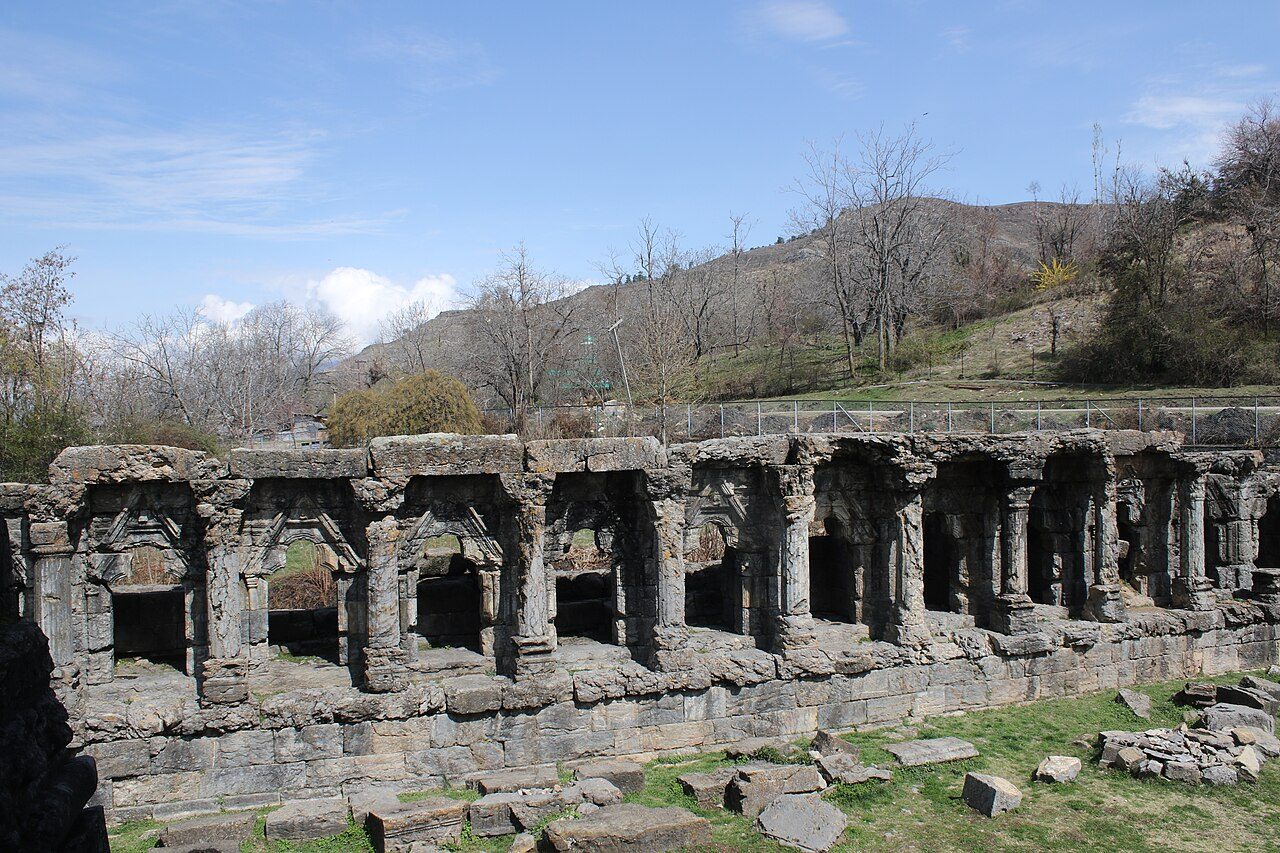
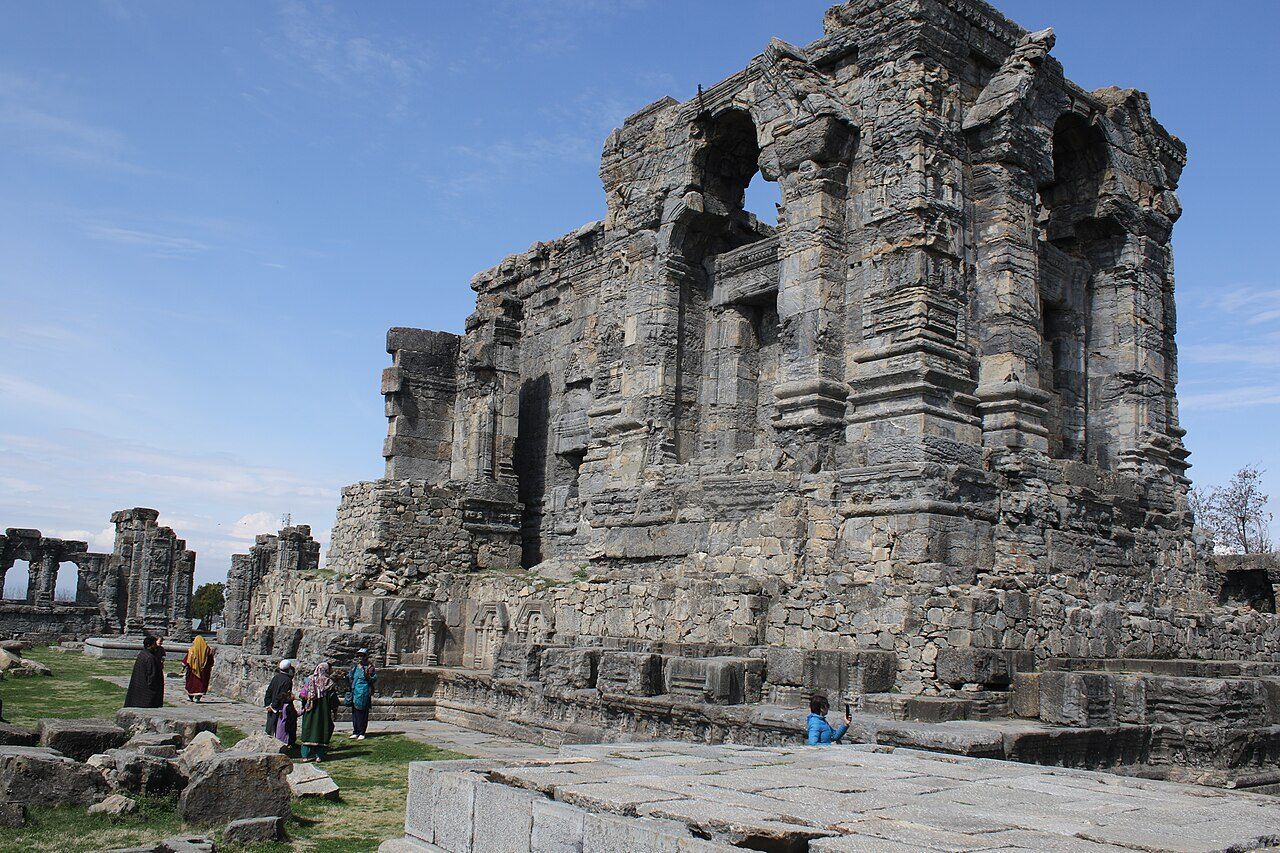
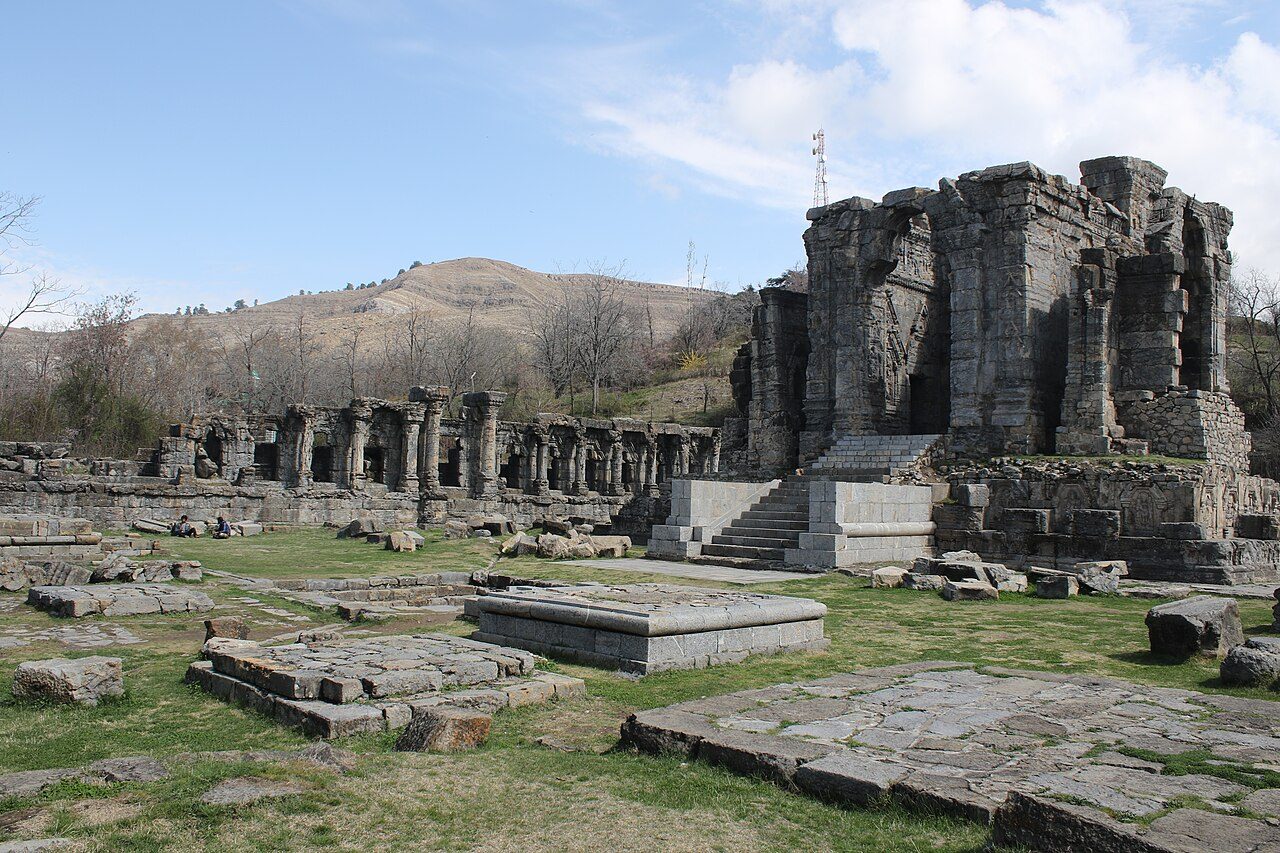
The Martand Sun Temple, on a plateau above Anantnag, was built in the 8th century by Lalitaditya Muktapida, the greatest king of the Karkota dynasty. Even in ruin it is the most impressive ancient monument in Kashmir: a central shrine in a colonnaded courtyard of 84 small cells, blending Gandharan, Gupta and Kashmiri styles. It was destroyed in the 15th century. The site looks out over the whole valley.
03
STOP 3 OF 14
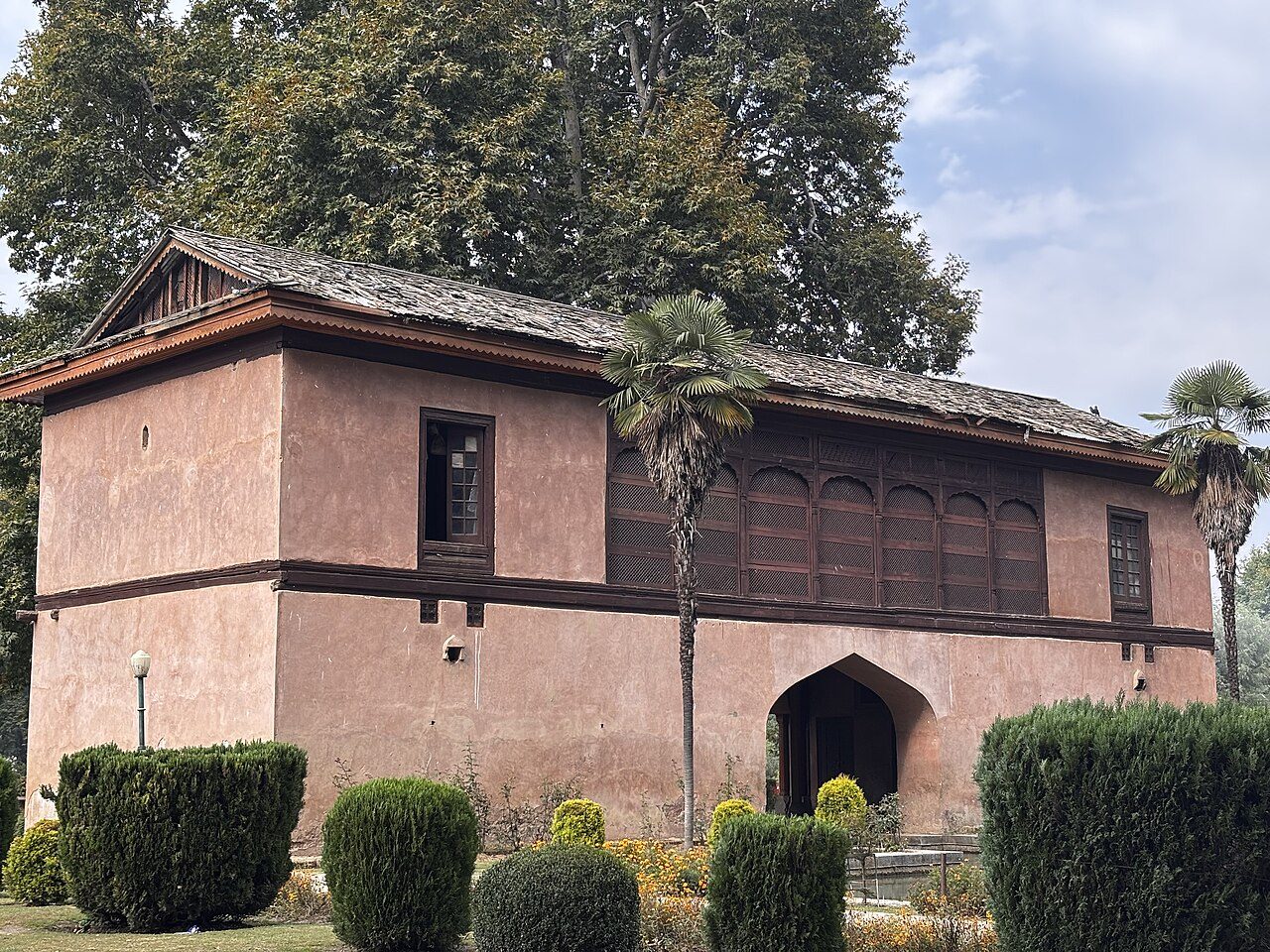
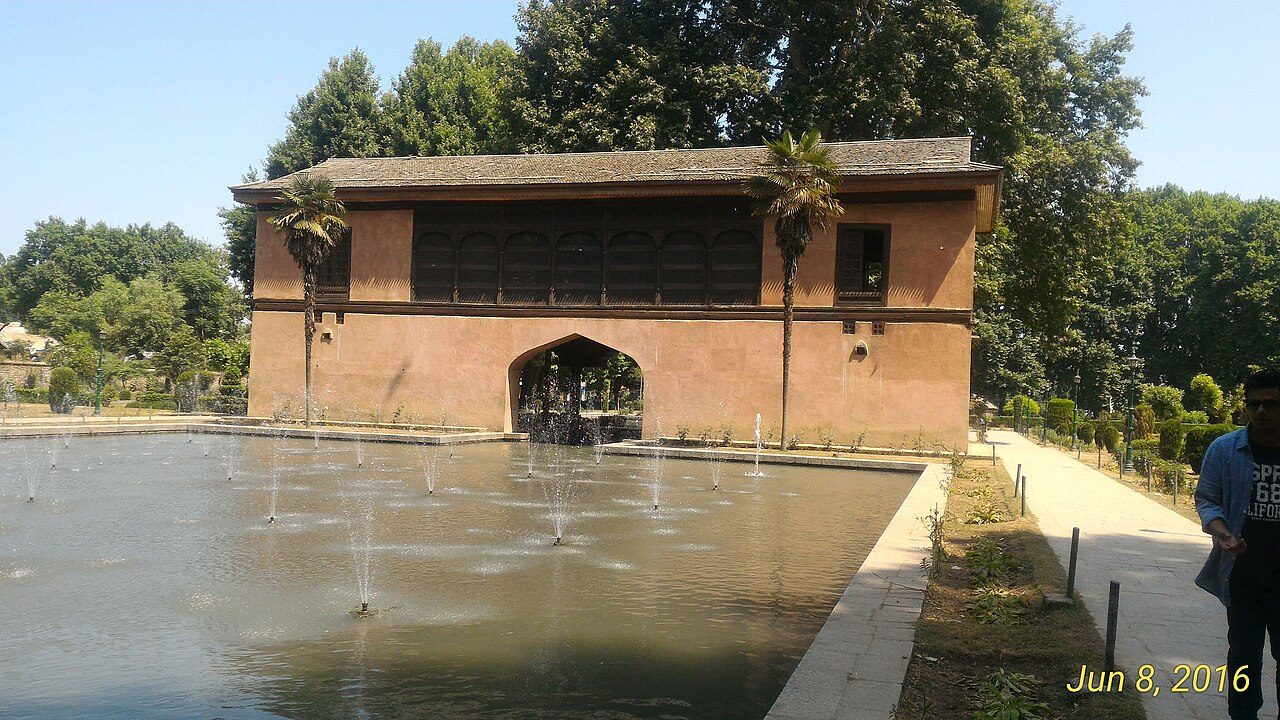
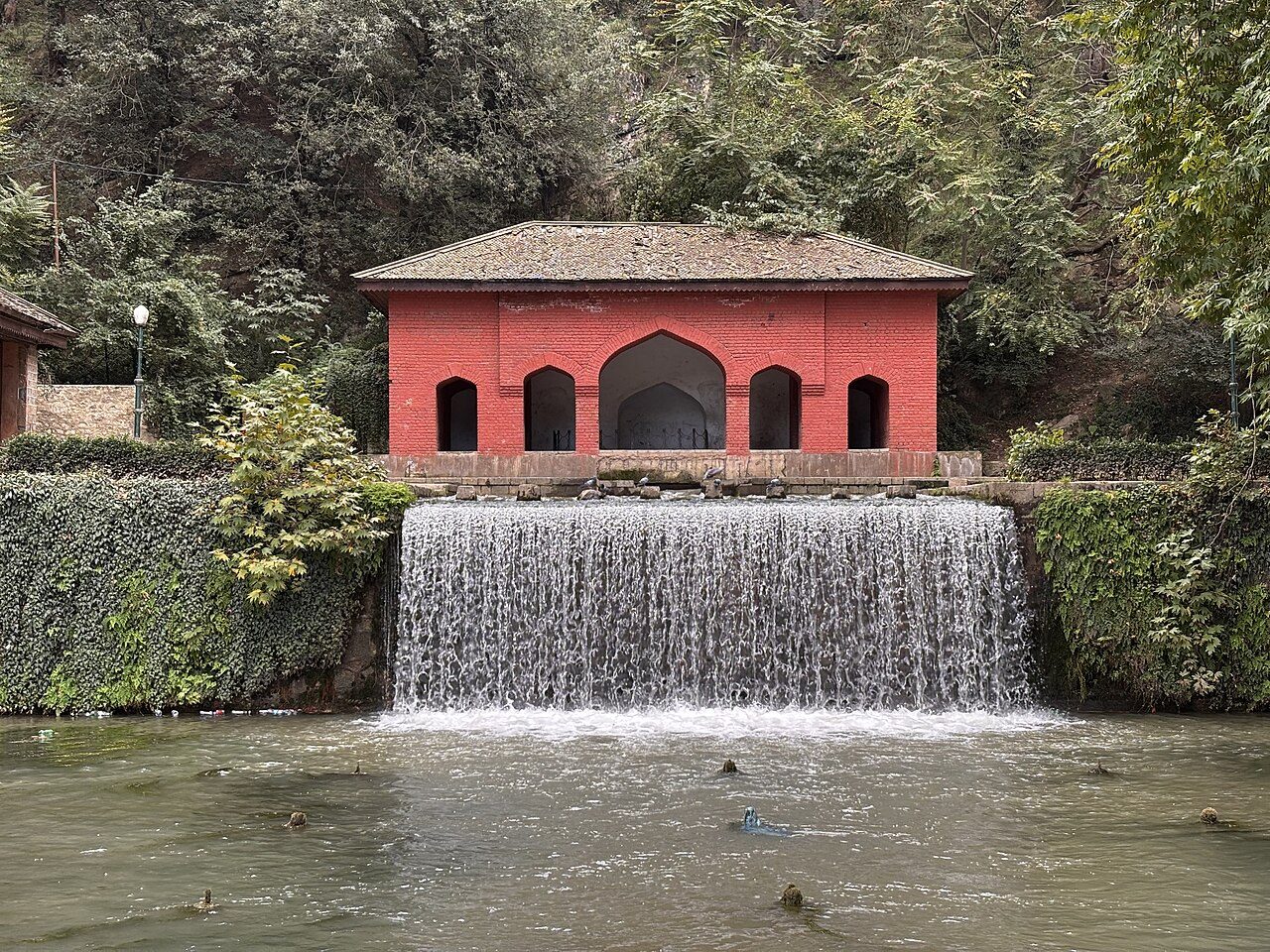
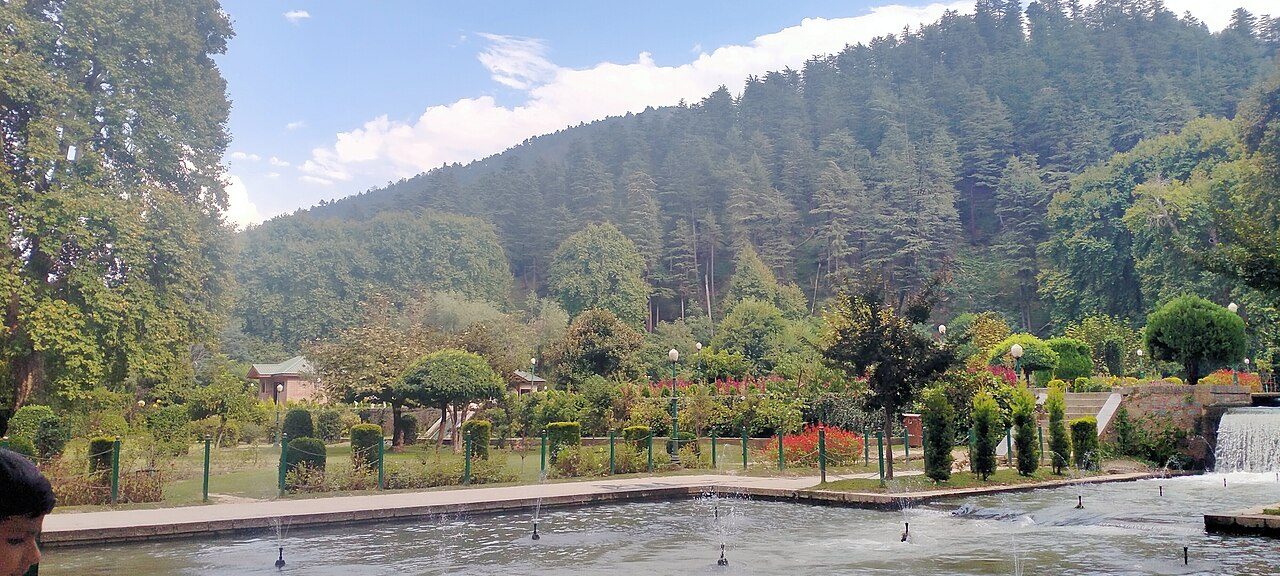
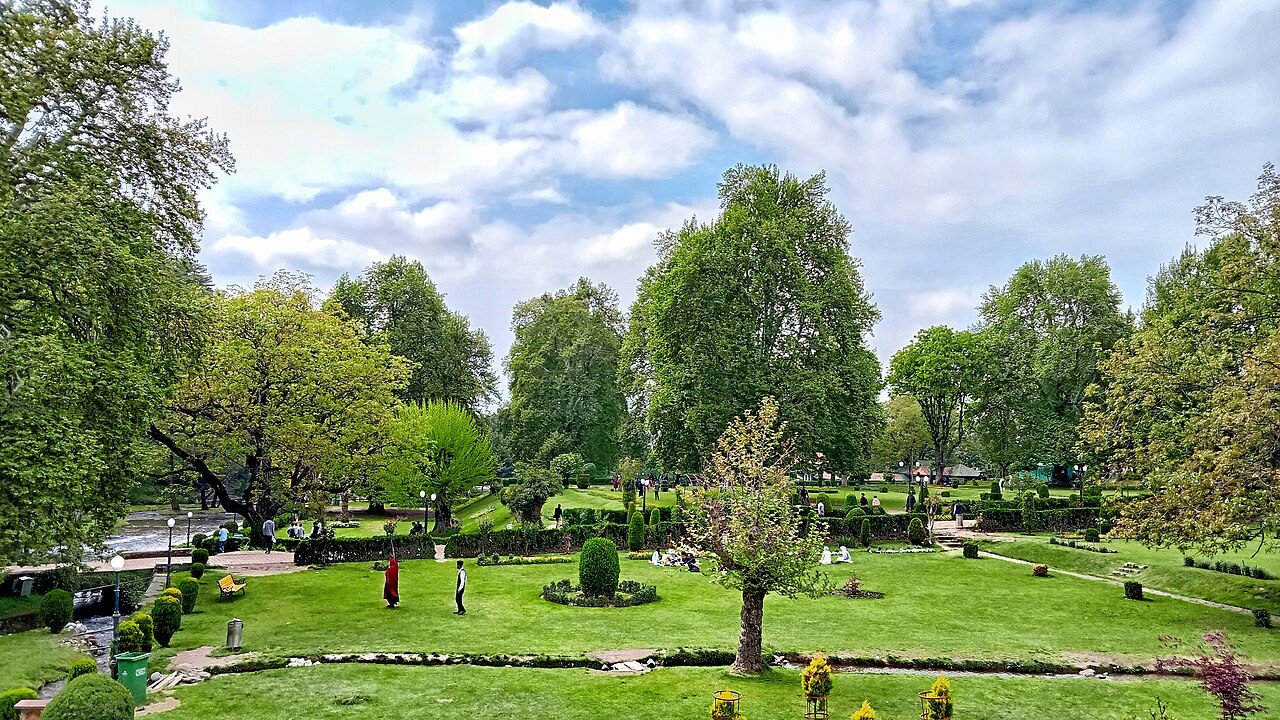
Achabal Garden
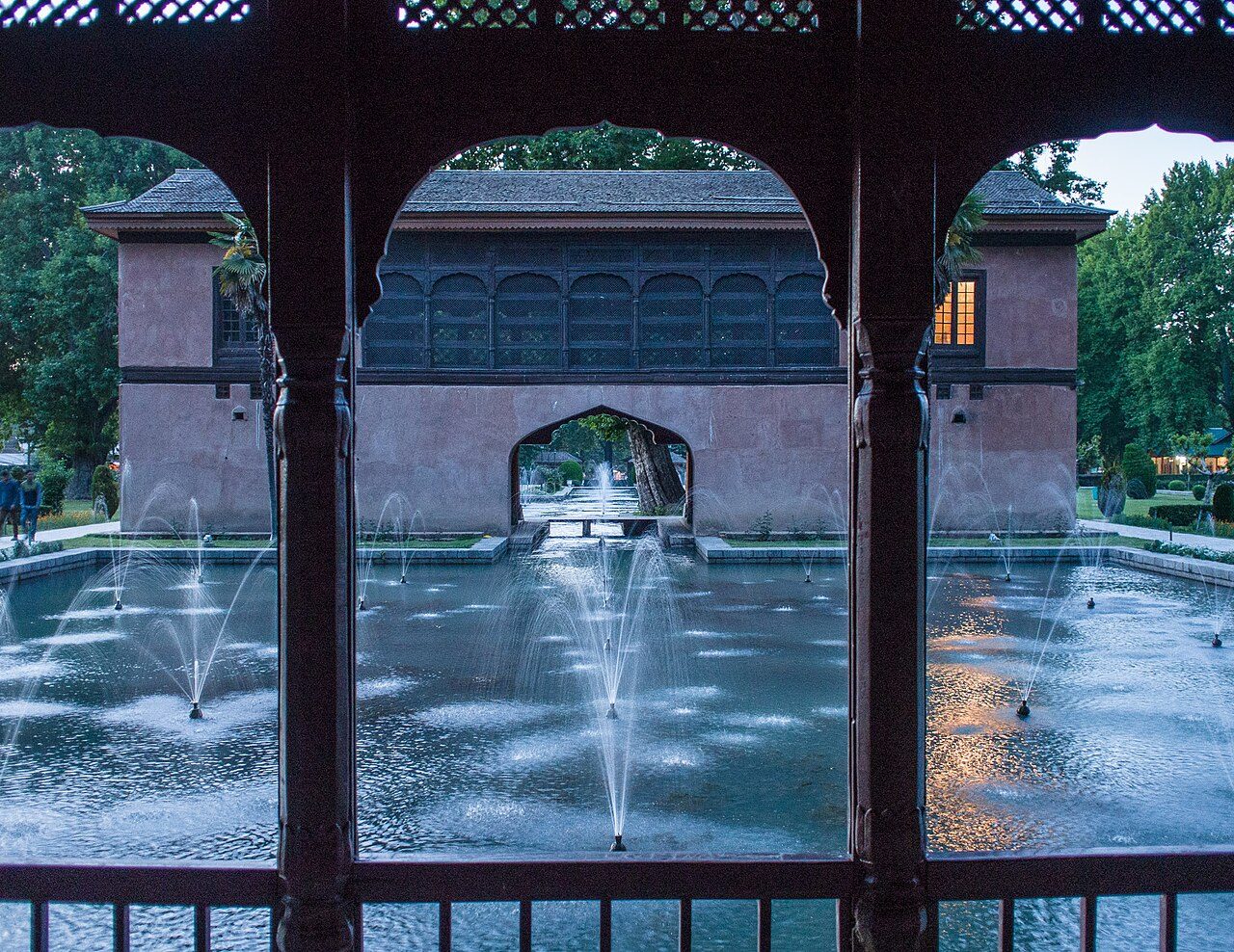
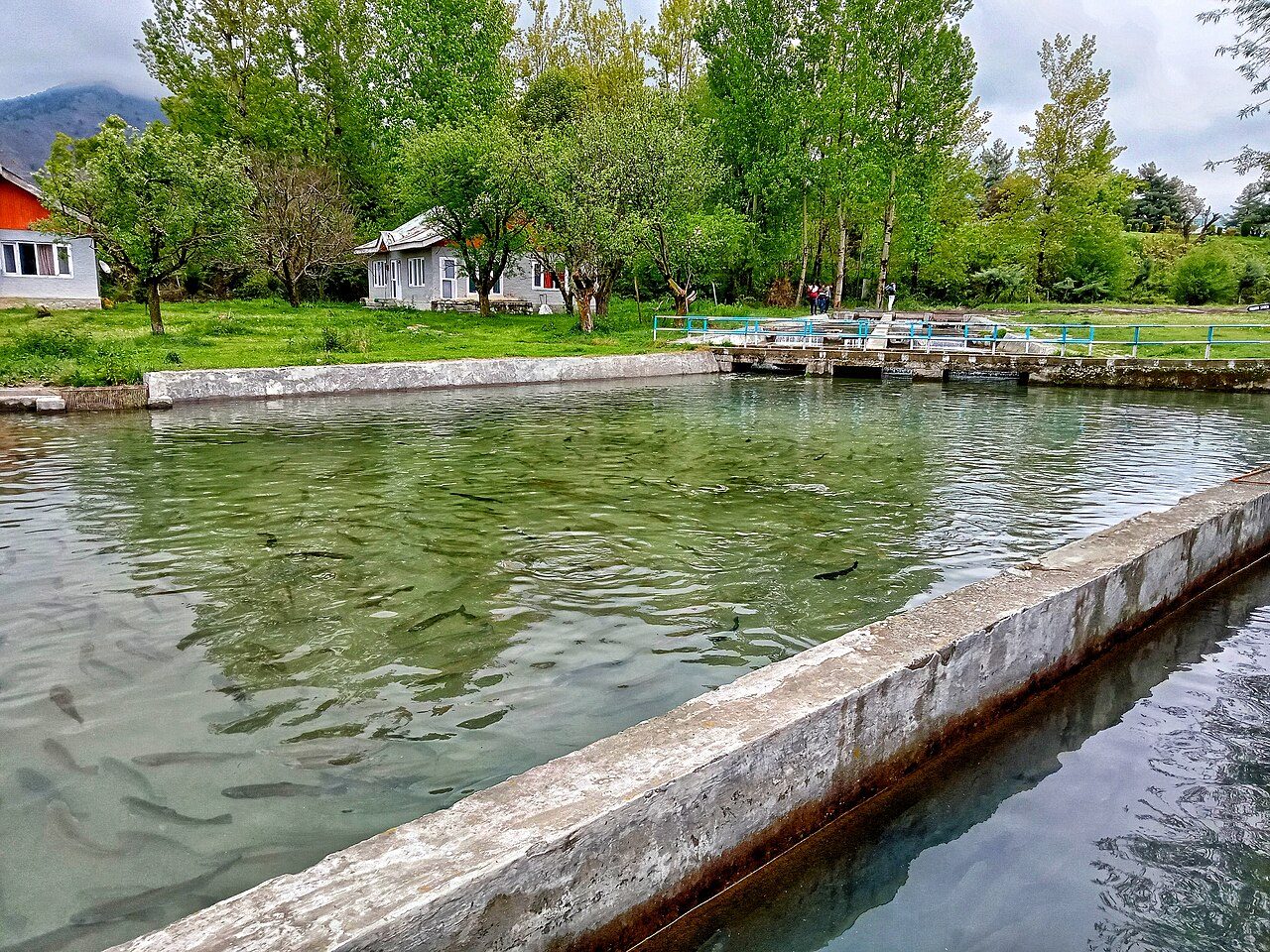
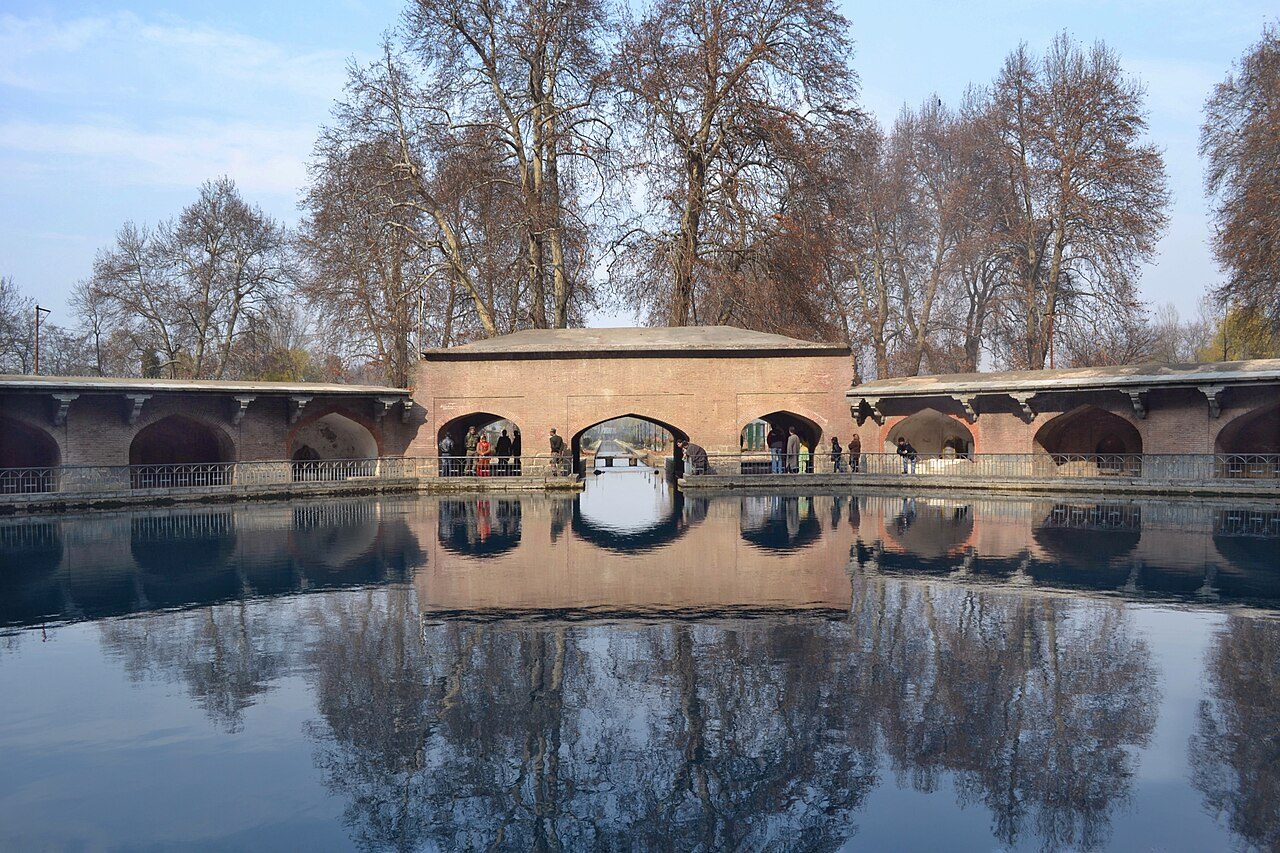
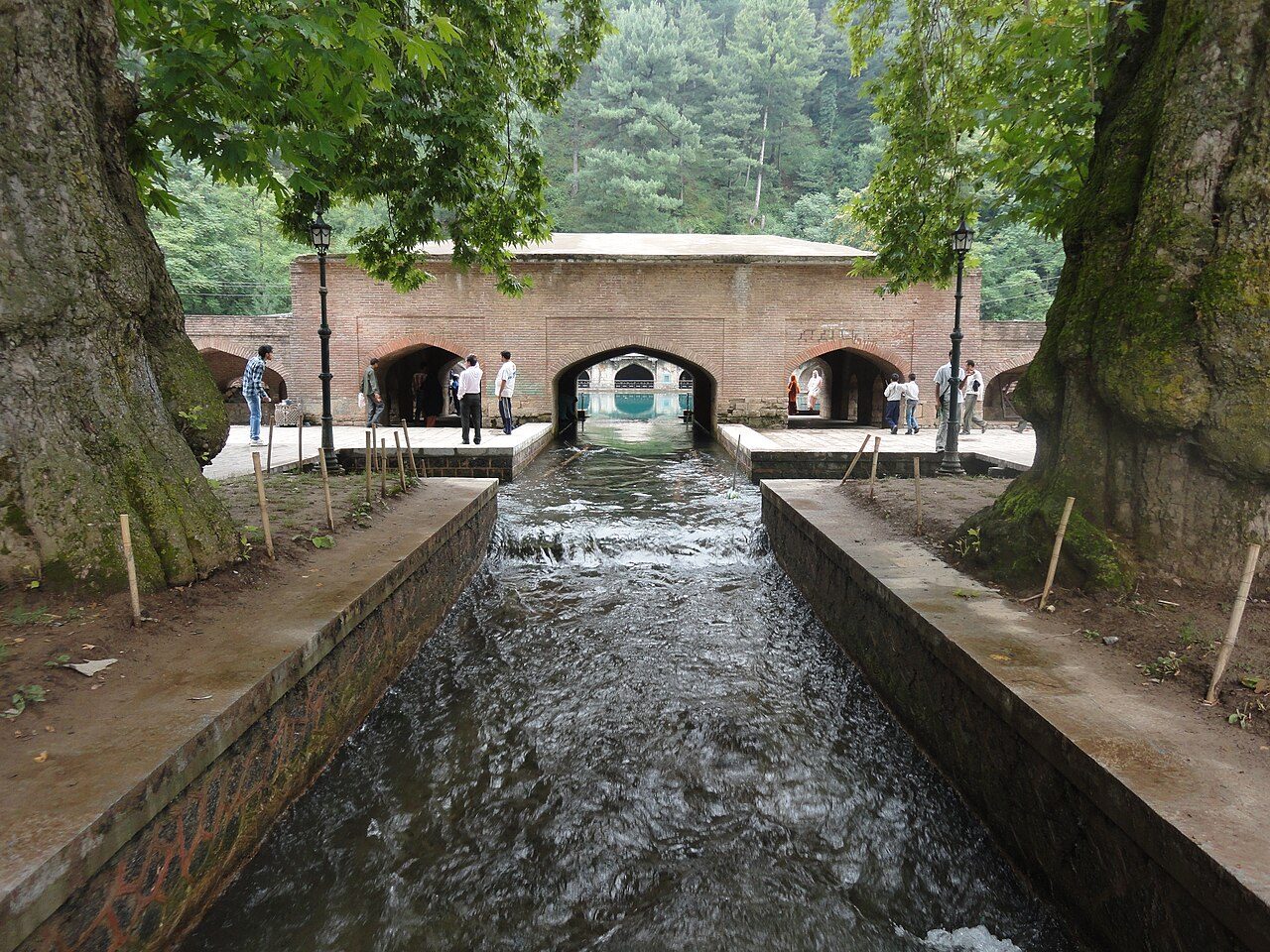
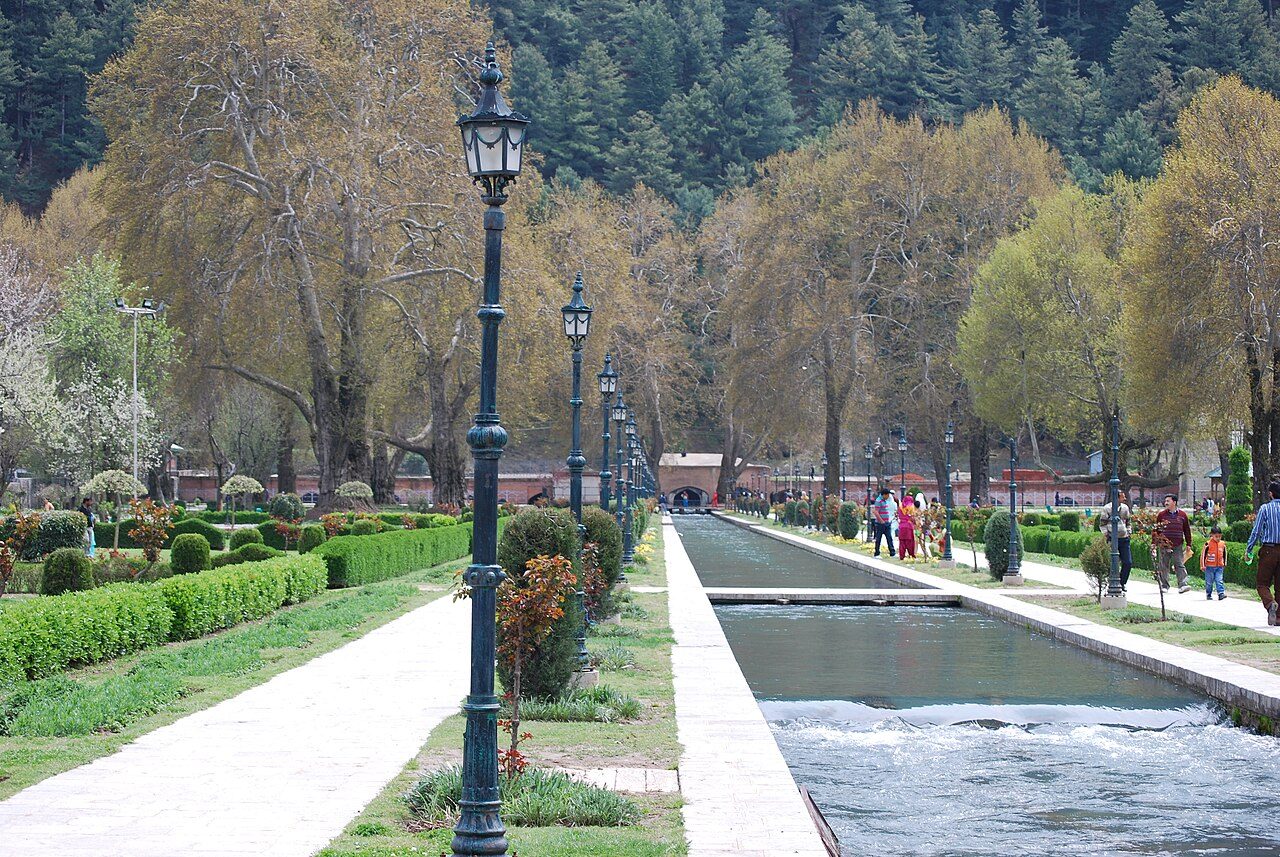
Achabal is a Mughal garden laid out around 1620 by Empress Nur Jahan around a powerful spring that issues from the foot of a hill. The water runs down the garden in a broad channel with cascades and fountains between chinar trees and pavilions. It was later remodelled by Jahanara, daughter of Shah Jahan. A trout hatchery lies next door.
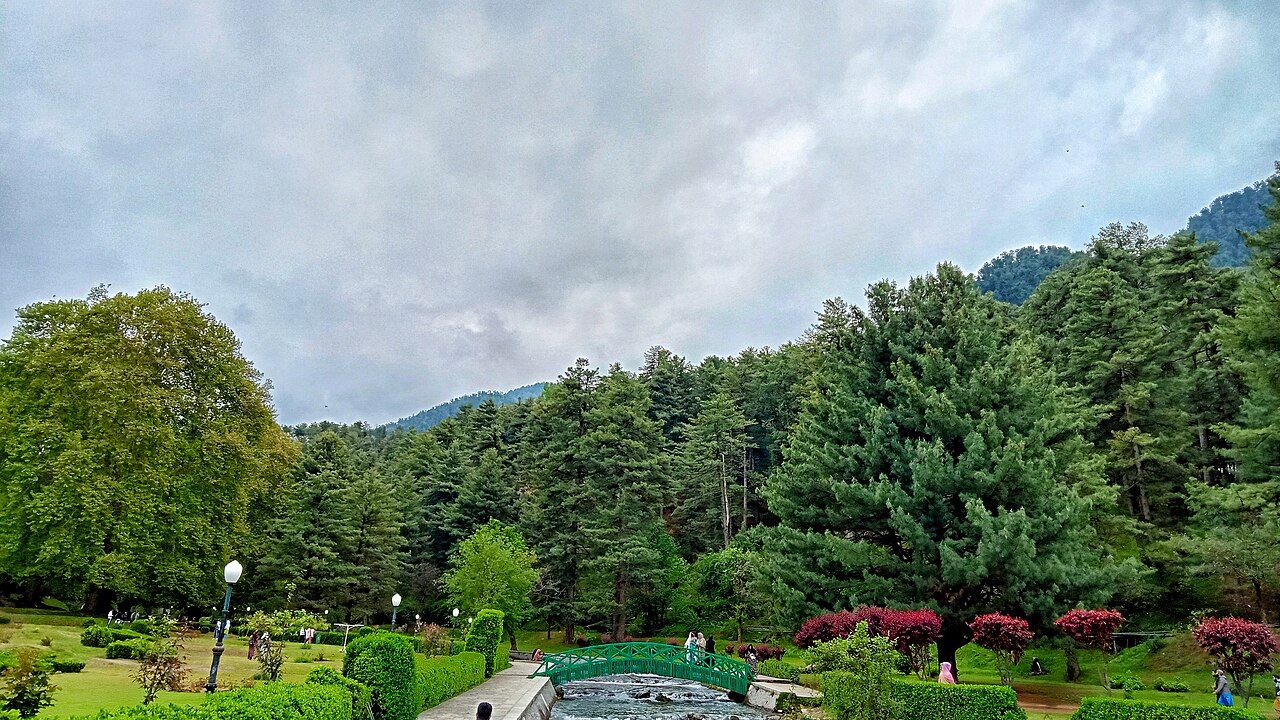
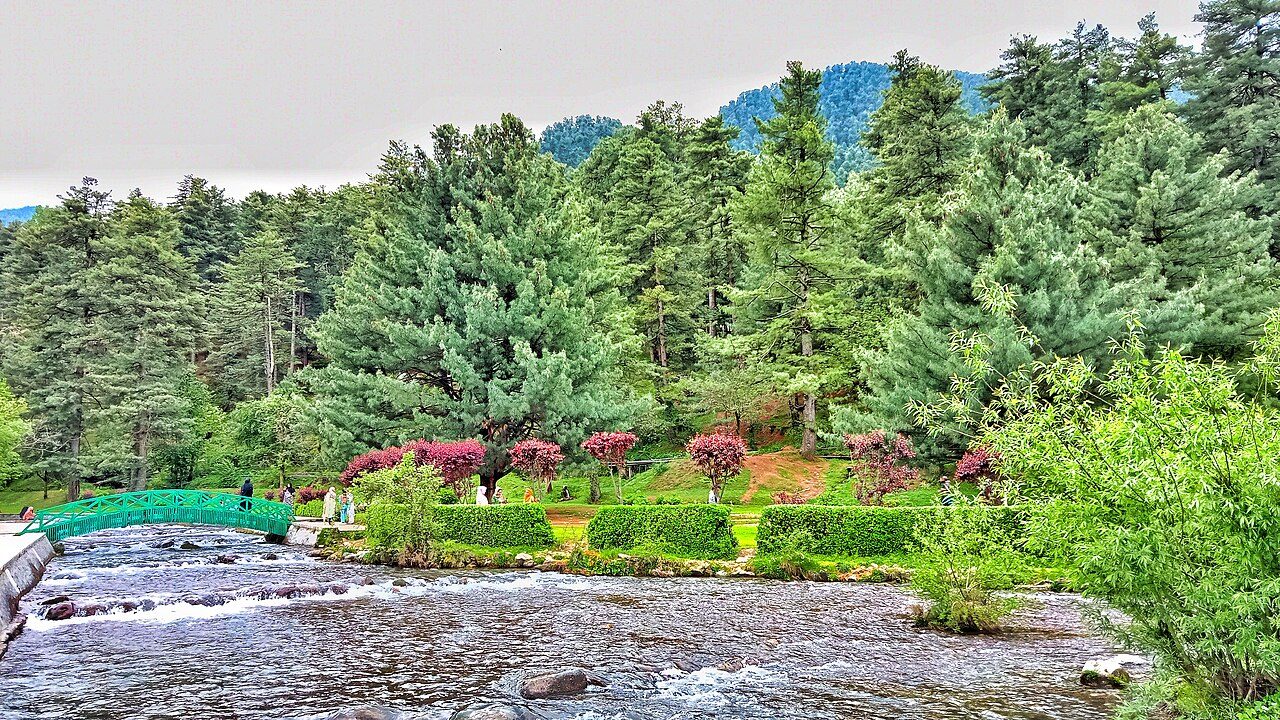
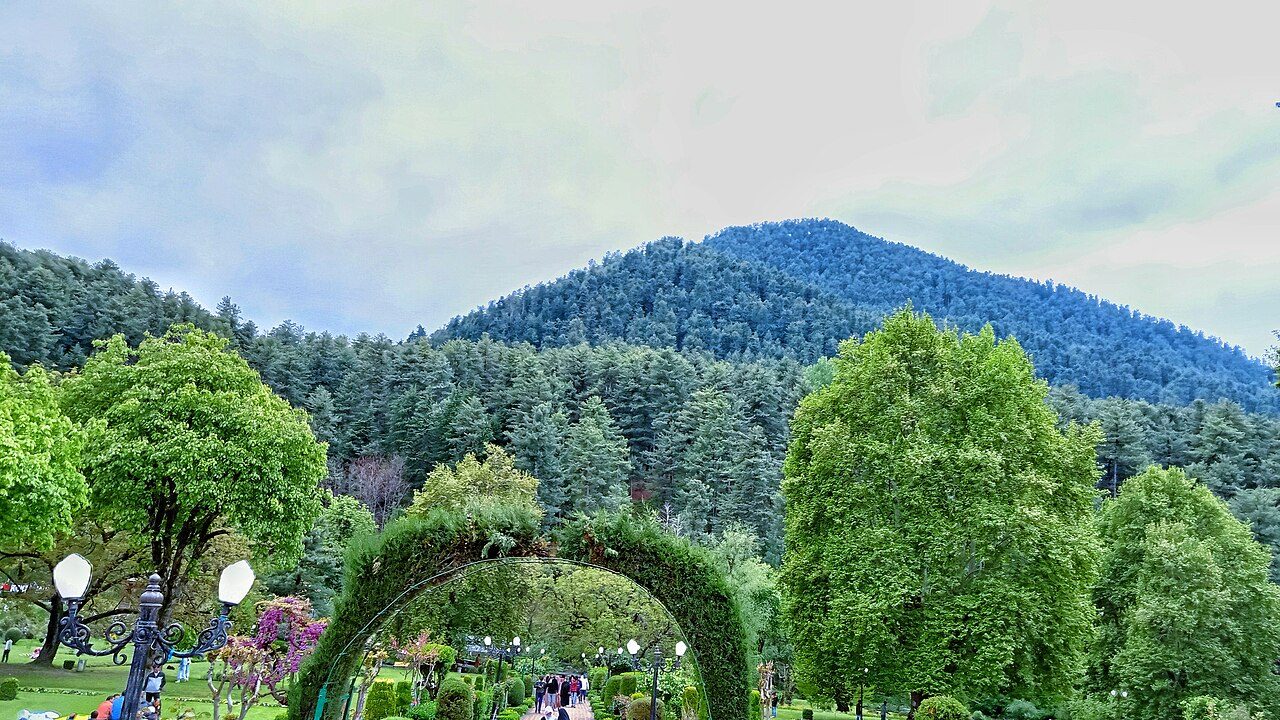
Kokernag is known for its cluster of freshwater springs, the largest in Kashmir, which gush from the base of a wooded hill. A botanical garden with lawns, flower beds and streams has been laid out around them, and the water feeds one of the biggest trout hatcheries in the region. It is a popular picnic place, about 25 km from Anantnag.
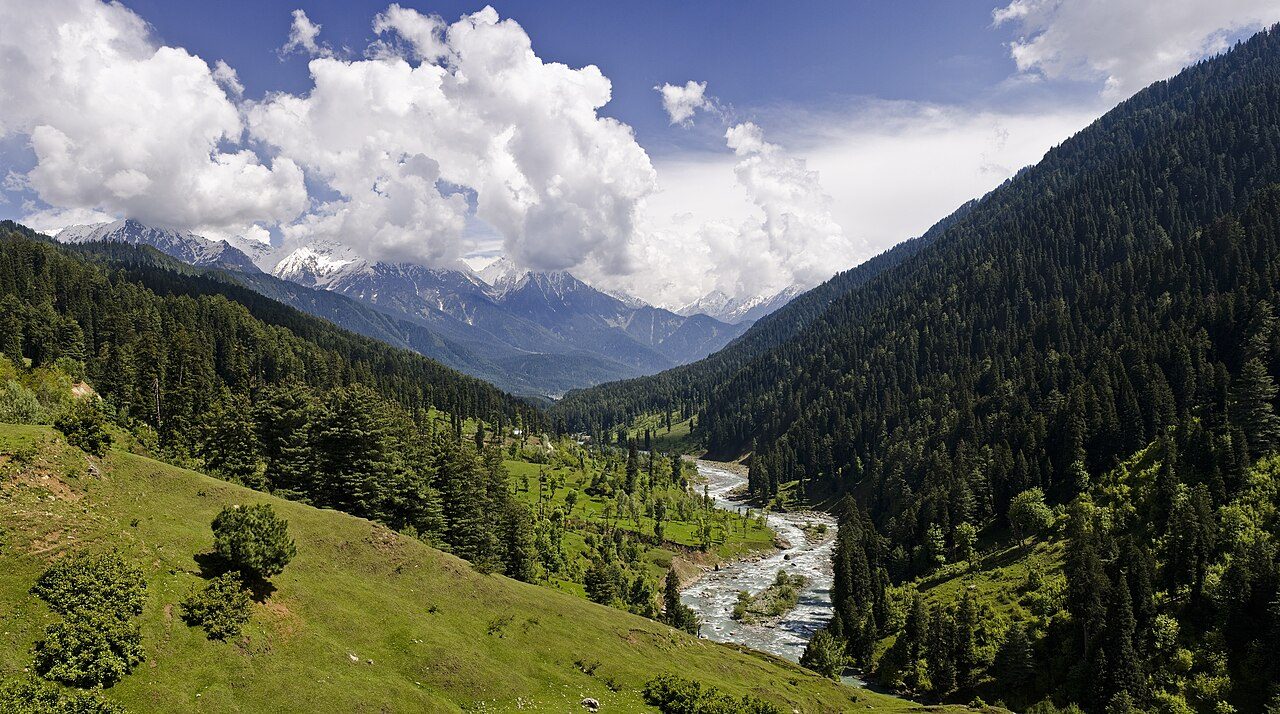
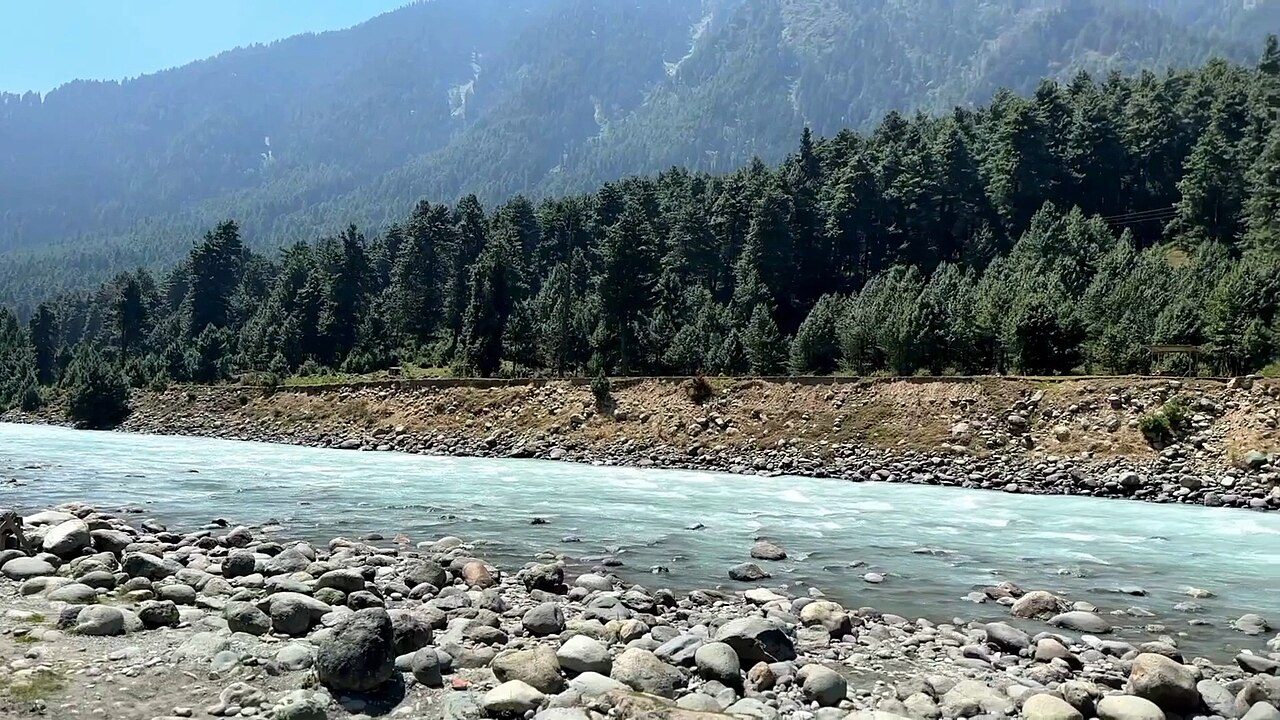
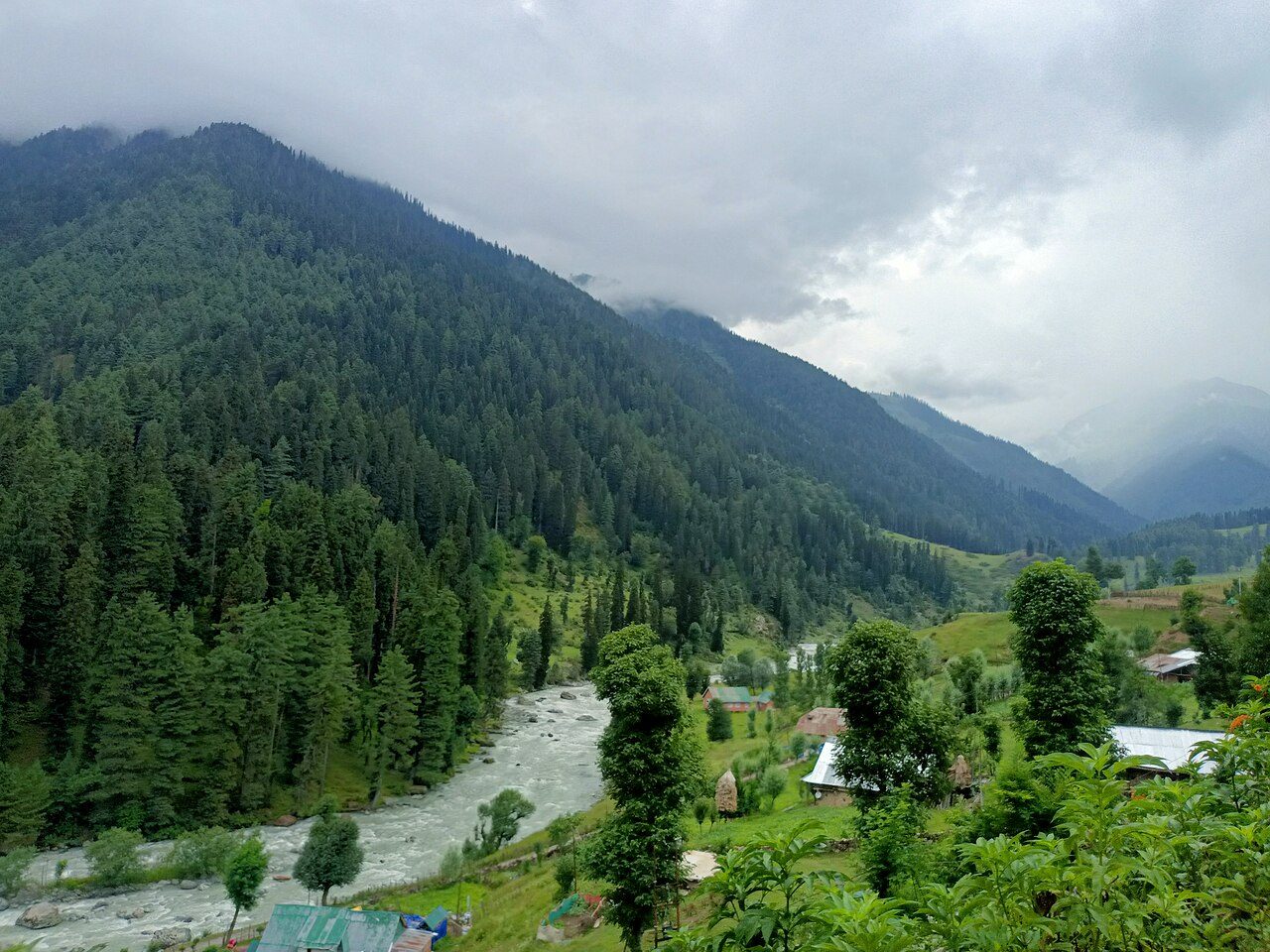
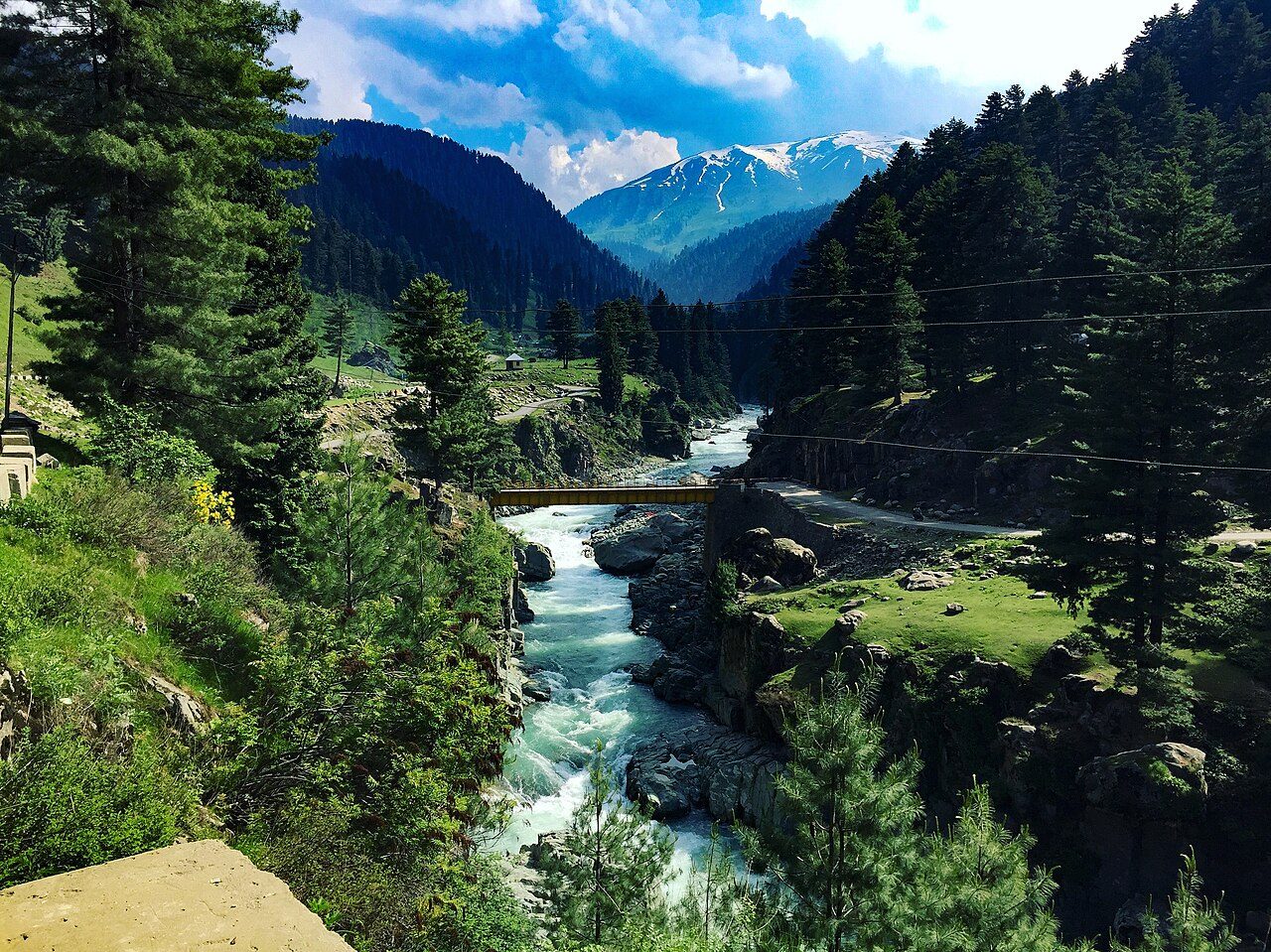
Pahalgam is a hill town at about 2,150 metres where the Lidder River meets the Sheshnag stream, surrounded by pine forest and meadows. Once a shepherds' village, it is now one of Kashmir's main resorts and the base camp for the annual Amarnath pilgrimage. Visitors ride ponies to the meadows, fish for trout and walk along the river.
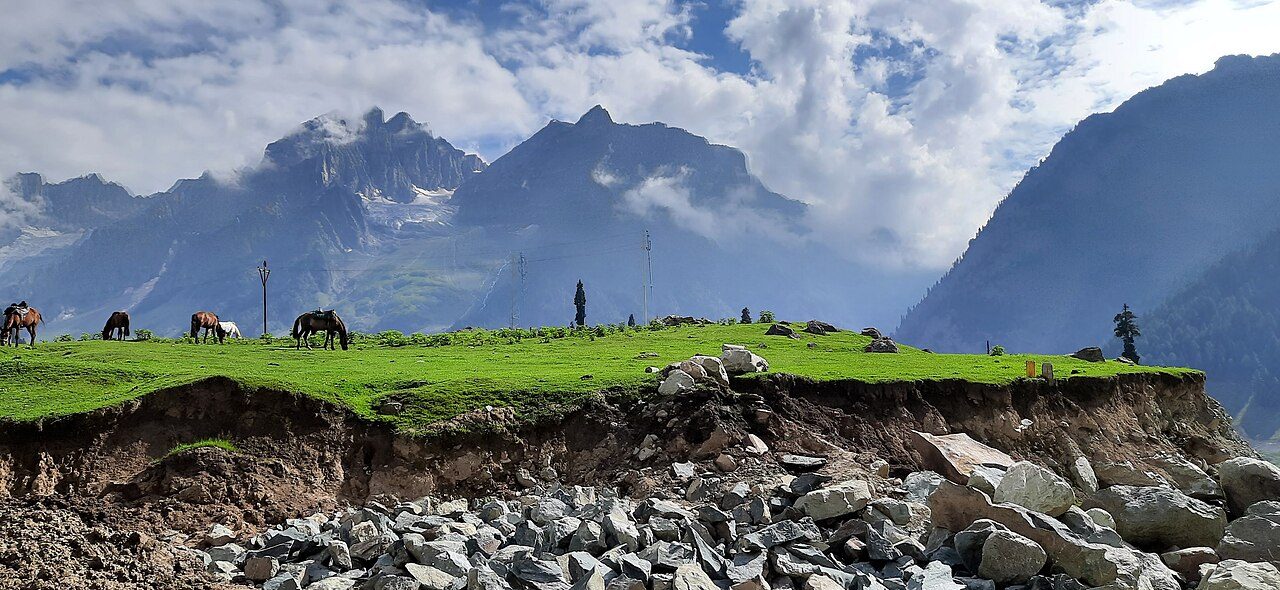
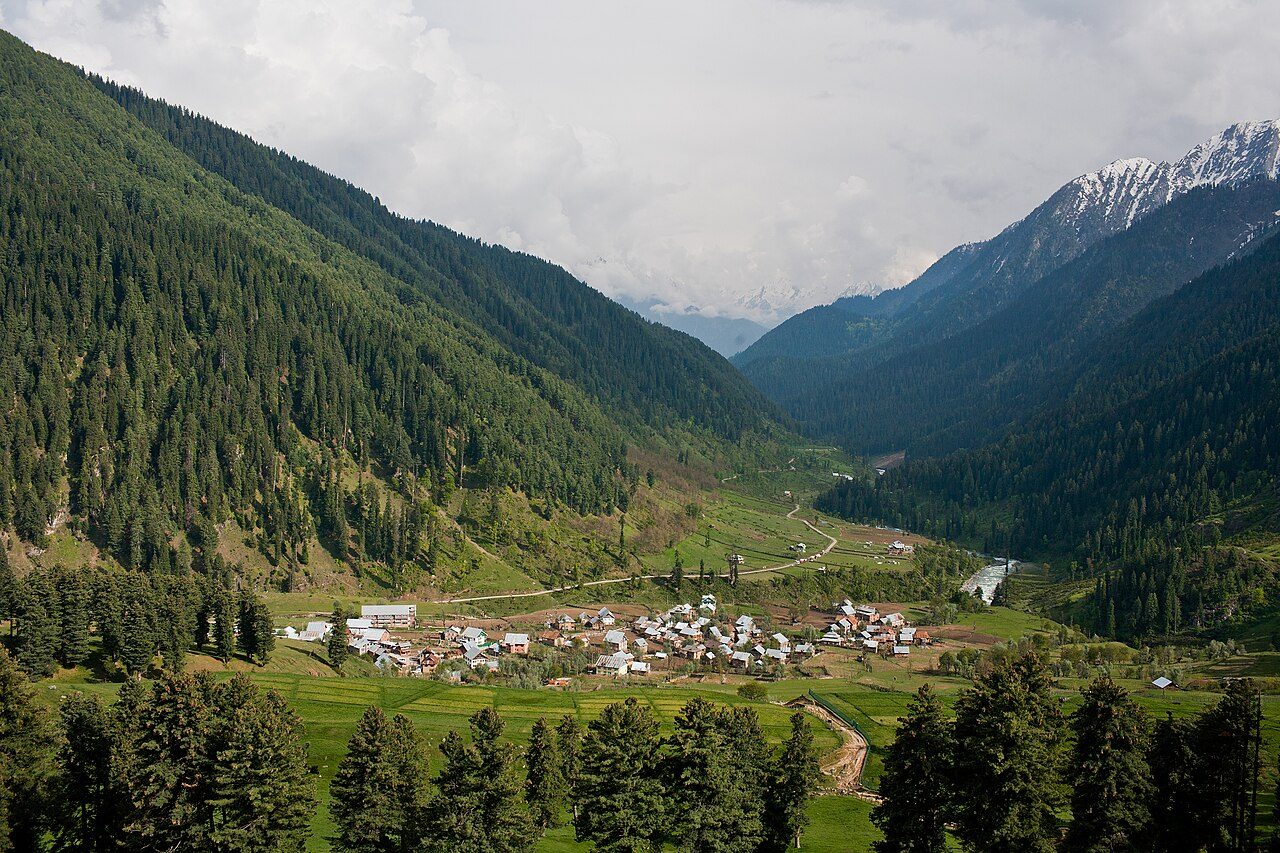
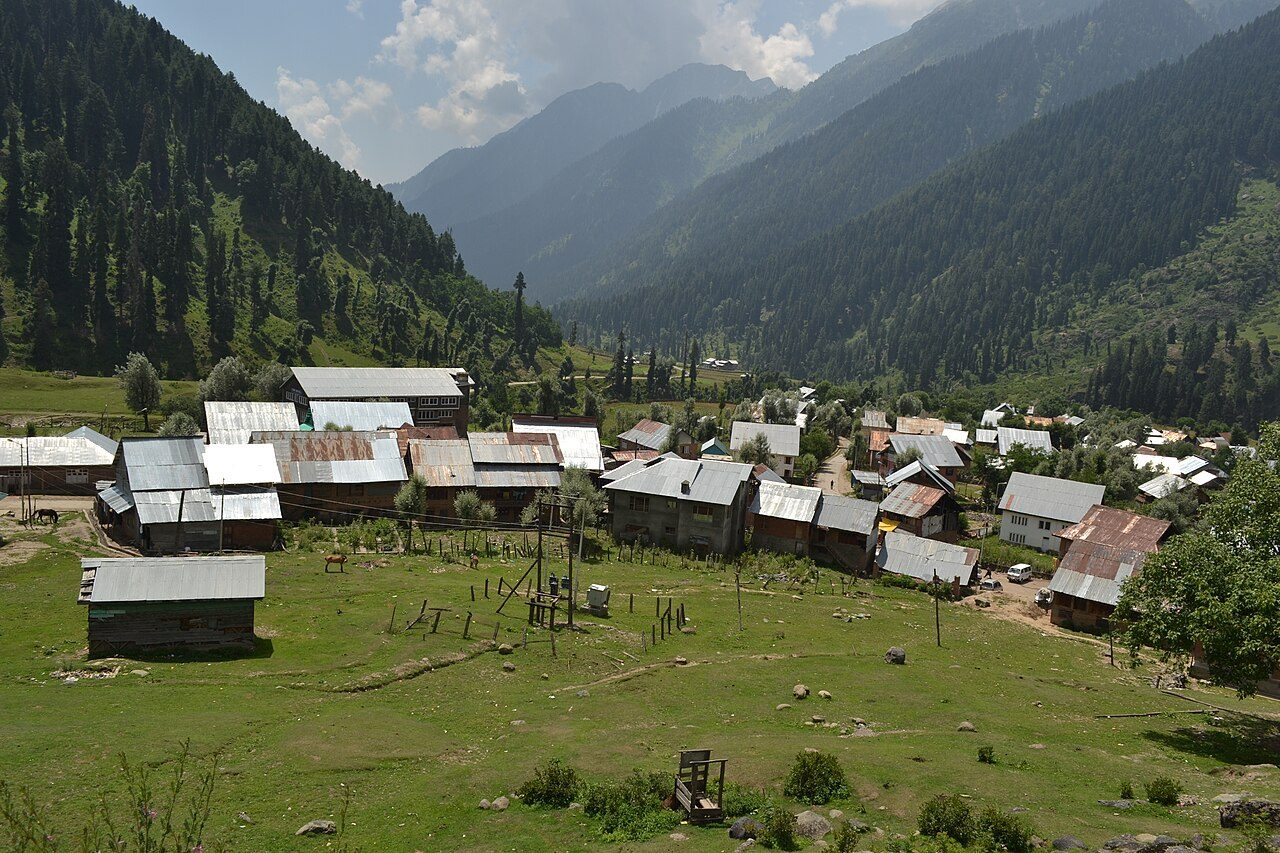
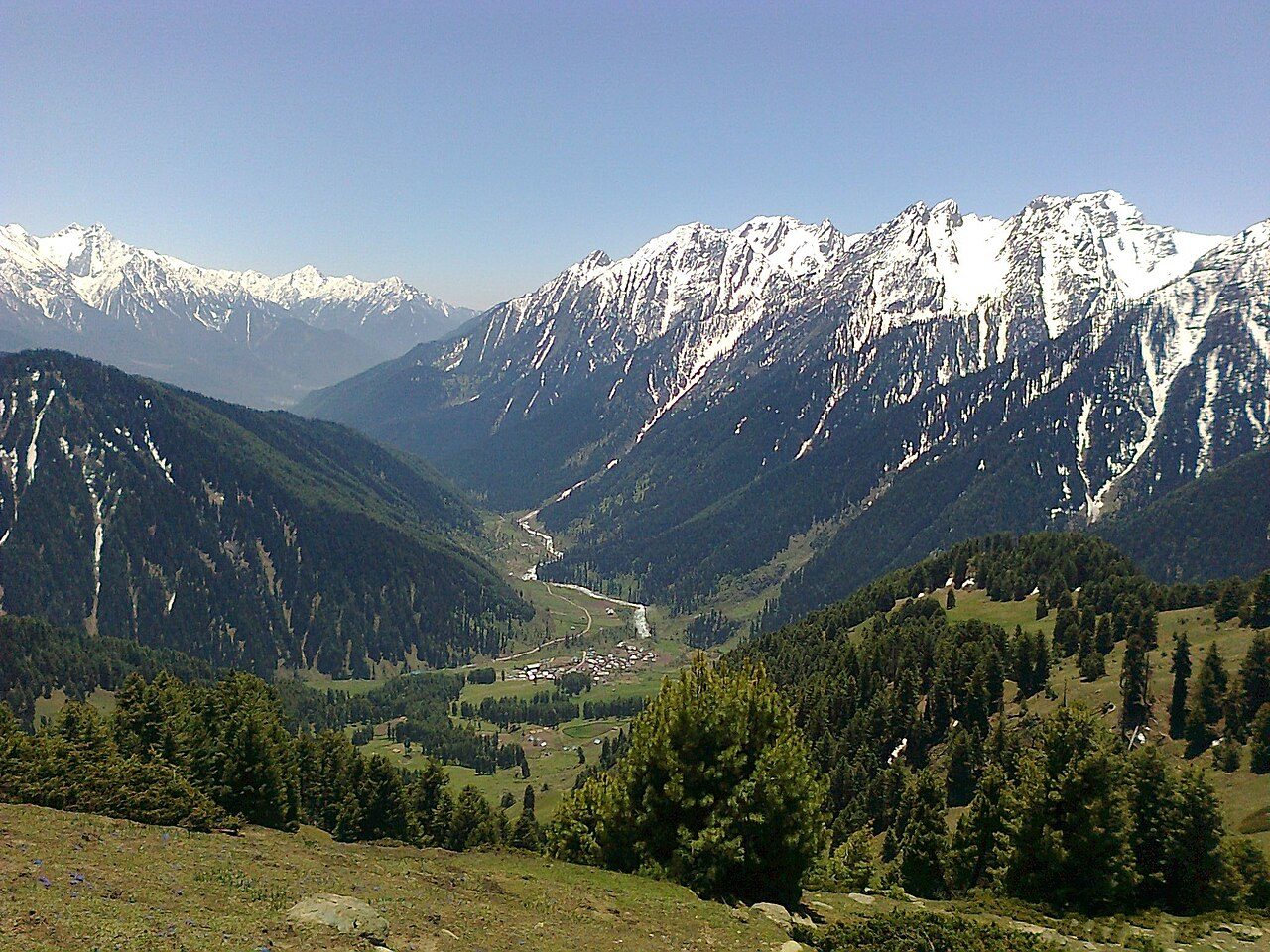
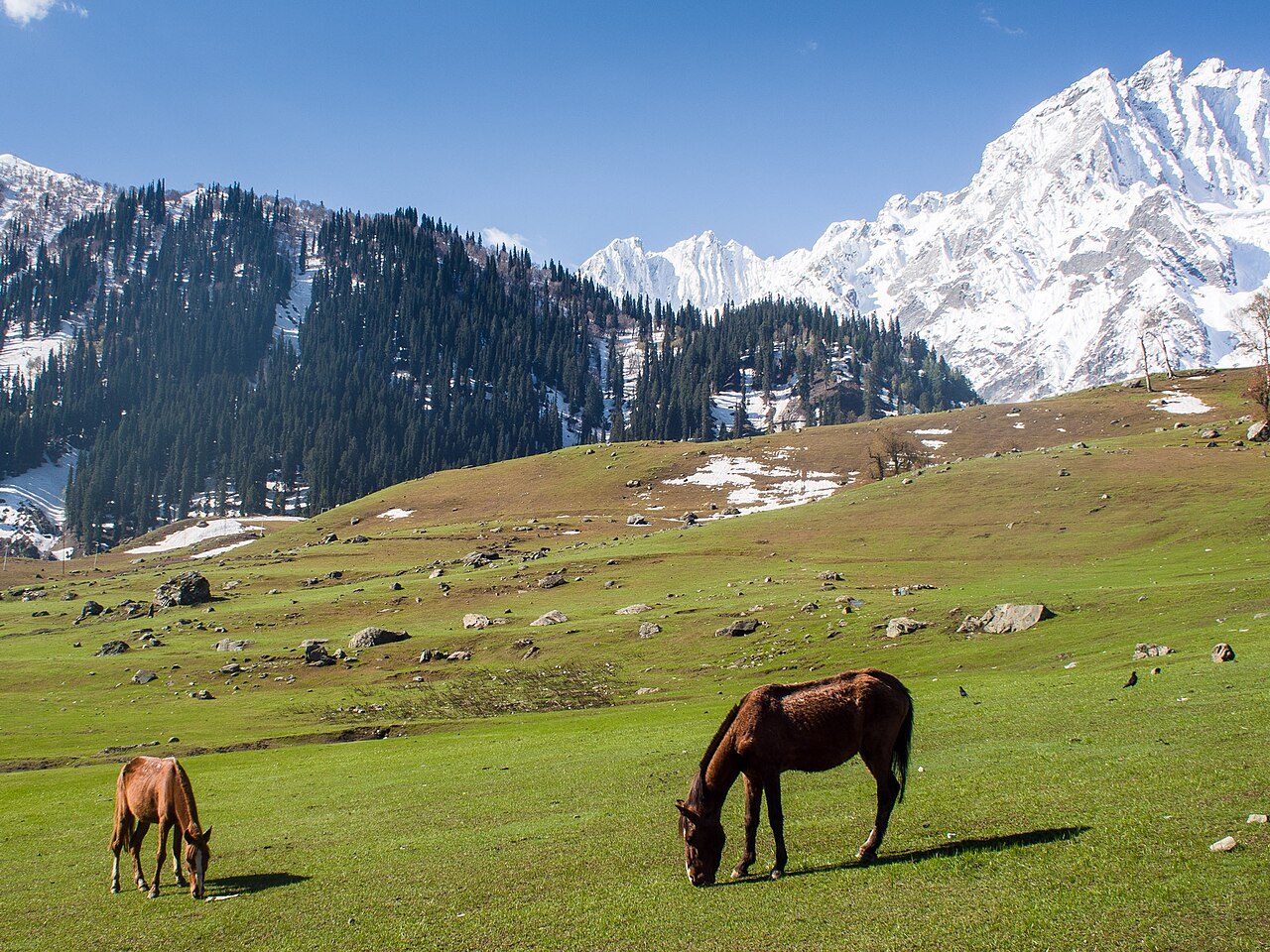
Aru is a small village in a wide green meadow about 12 km upstream from Pahalgam, at roughly 2,400 metres. It is the starting point for treks to the Kolahoi Glacier and Tarsar and Marsar lakes. Wooden houses, grazing horses and a clear stream give it a calm, pastoral feel. The road from Pahalgam follows the Lidder through forest.
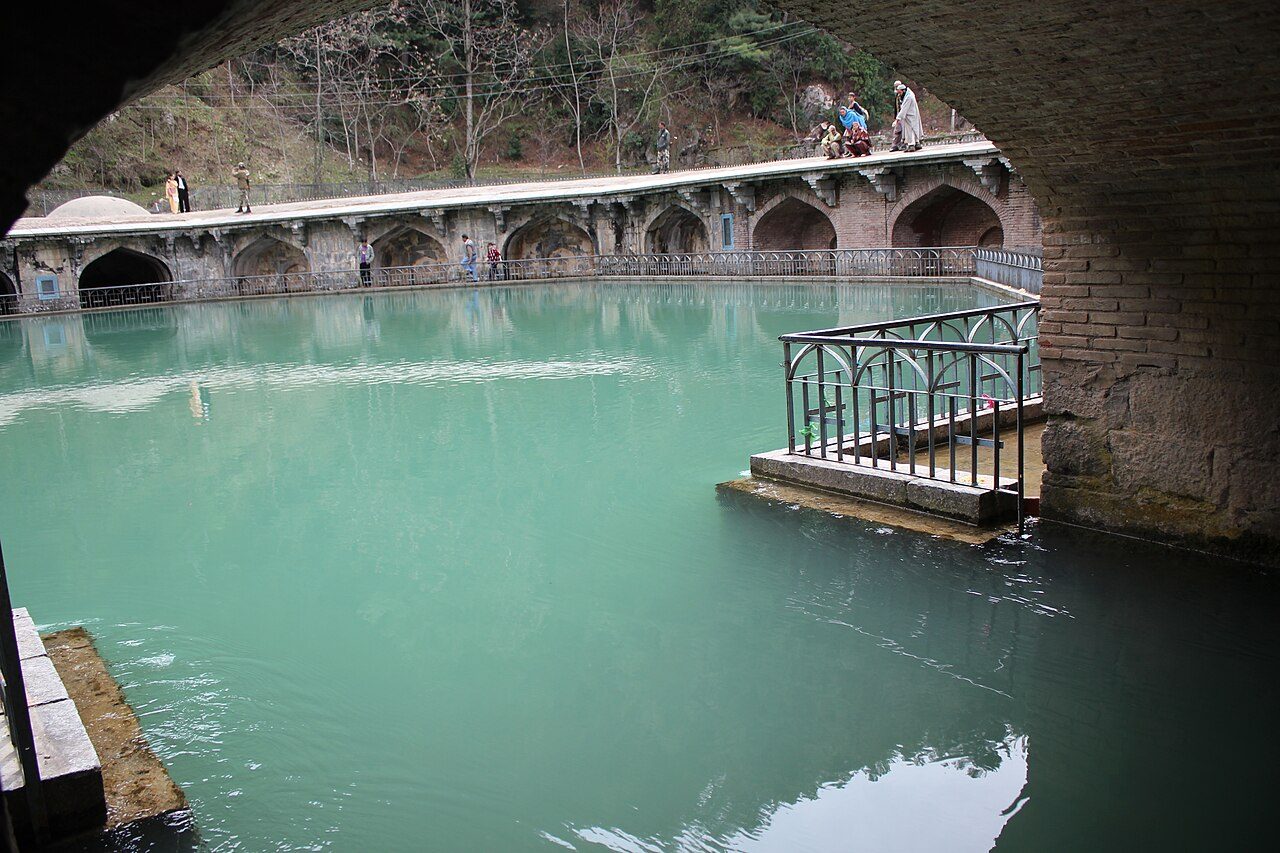
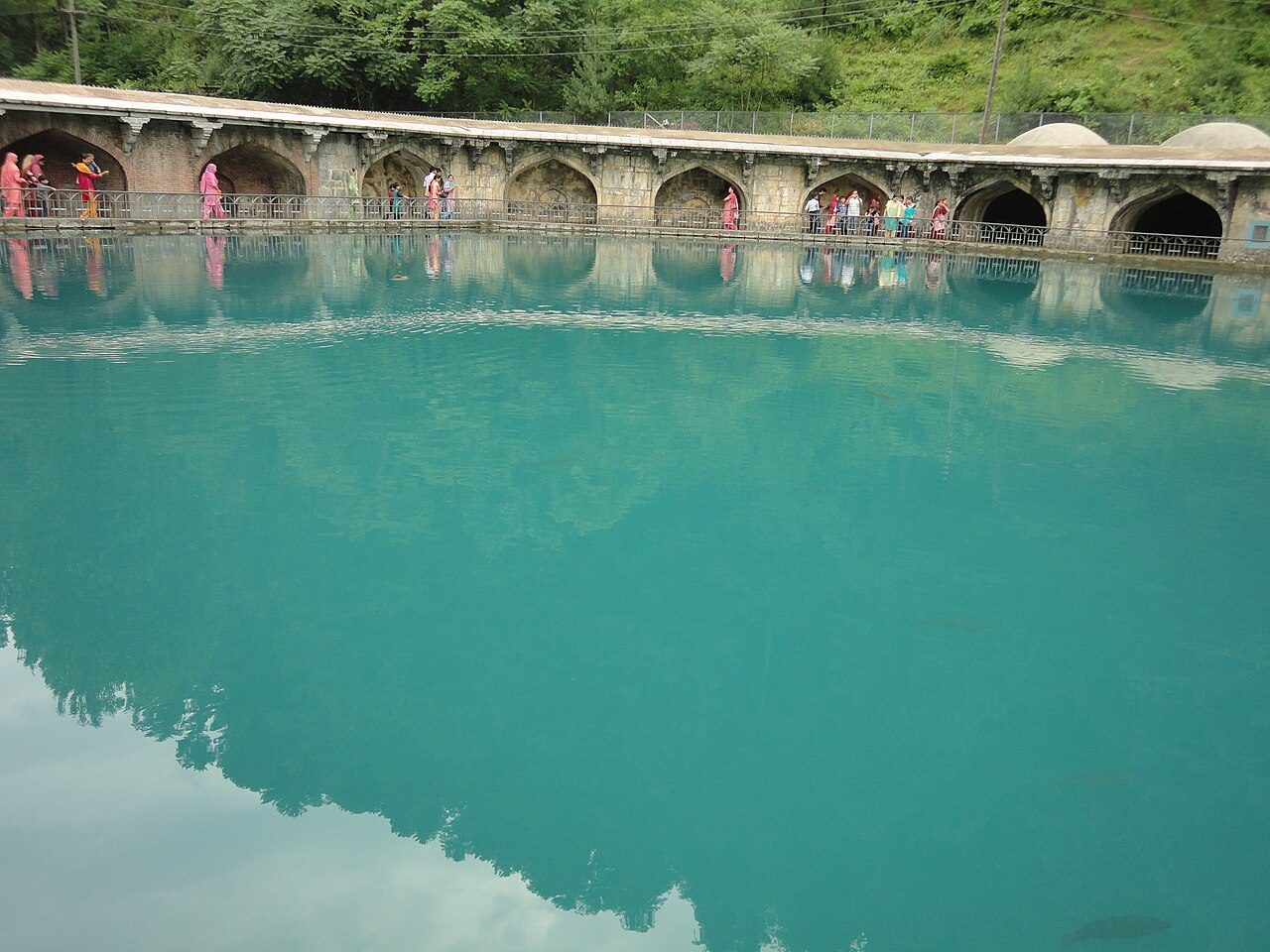
Verinag is a deep spring at the foot of the Pir Panjal, regarded as the chief source of the Jhelum River. Emperor Jahangir enclosed it in 1620 in an octagonal stone basin surrounded by an arcade, and his son Shah Jahan added a garden with a water channel. The water is a striking blue-green and full of fish. It lies just off the highway near the Banihal tunnel.
08
STOP 8 OF 14
Aharbal Waterfall
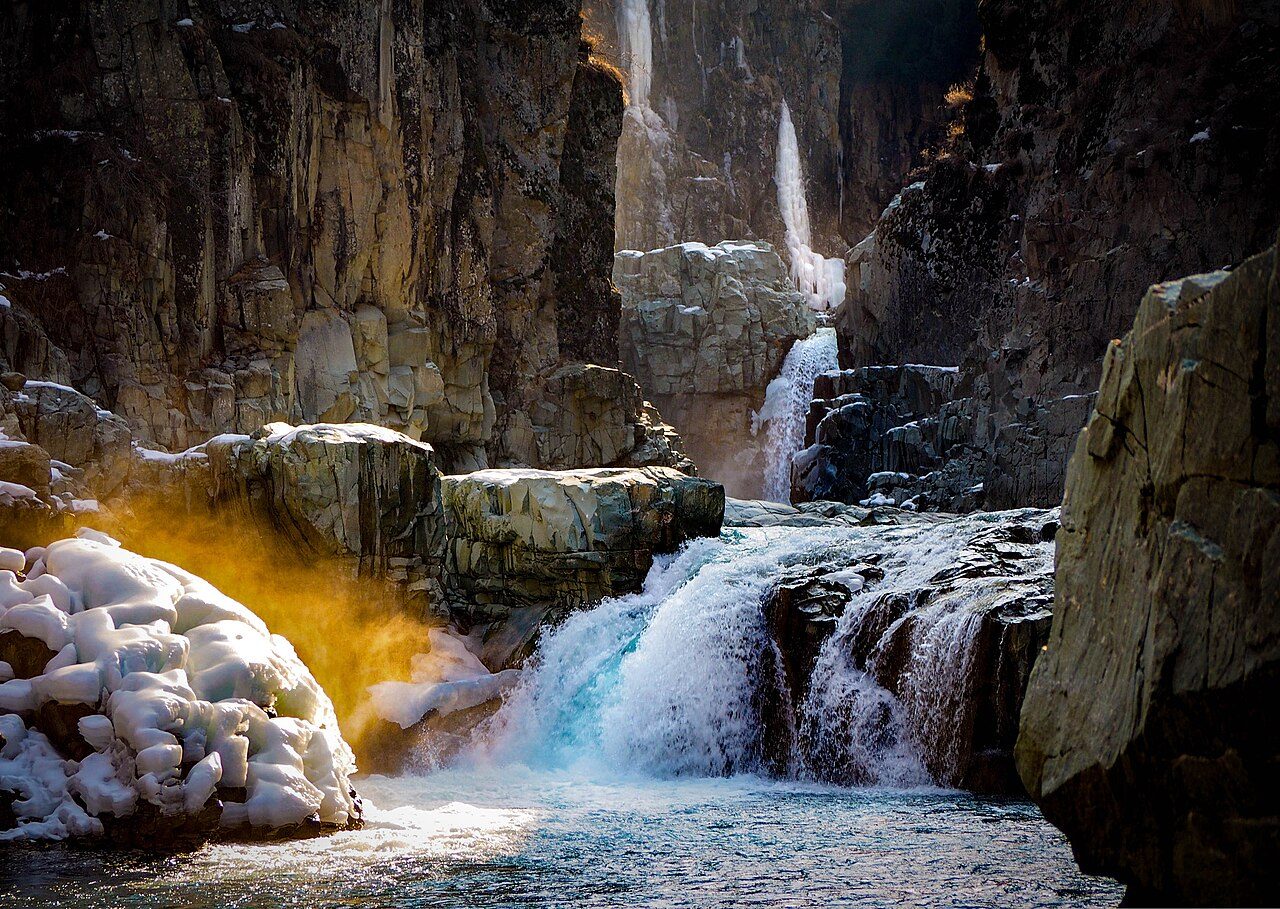
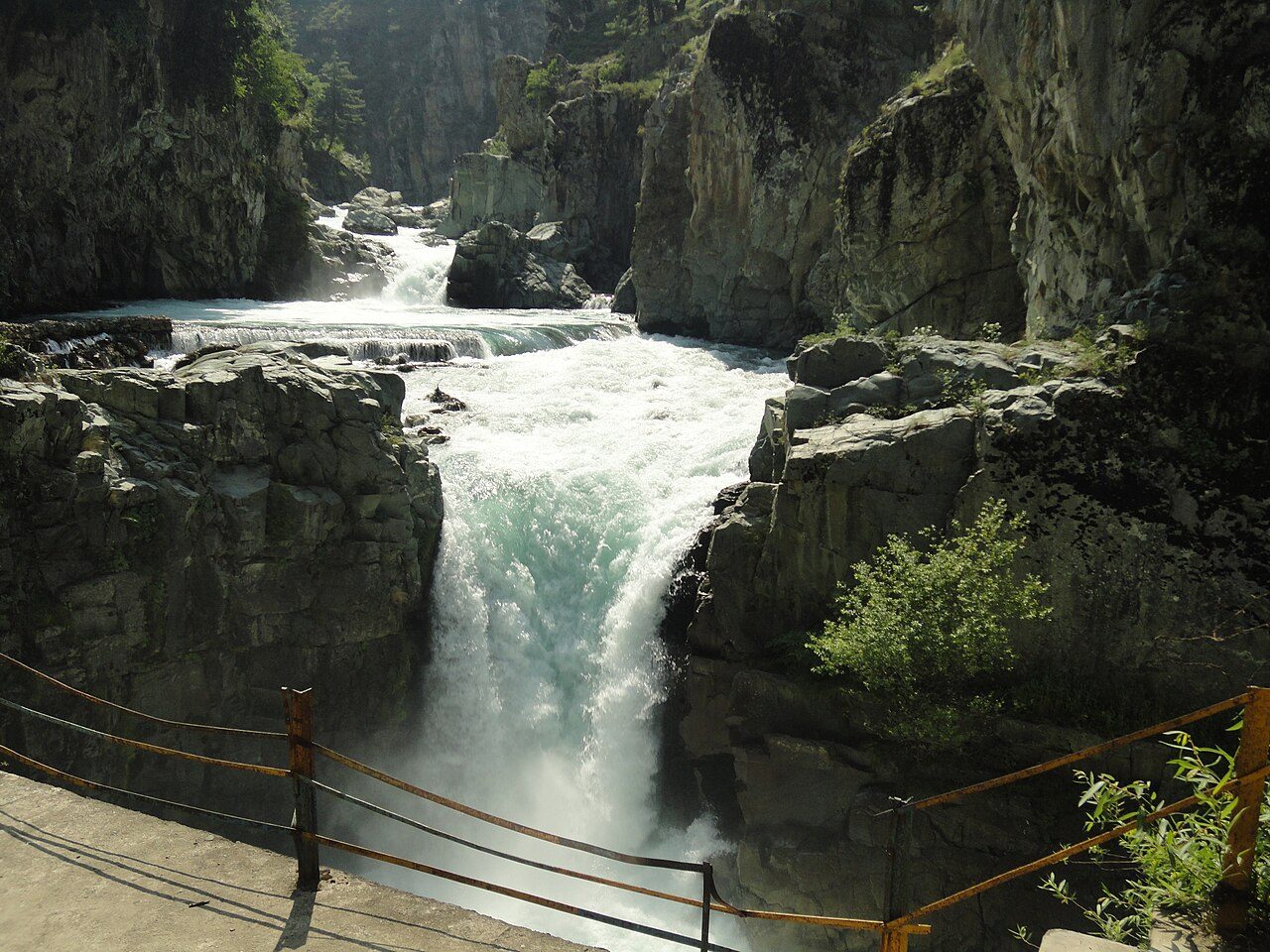
Aharbal is a waterfall on the Veshaw River in Kulgam district, where the river drops about 25 metres through a narrow rocky gorge with great force, earning it the nickname 'Niagara of Kashmir'. Railed viewpoints stand above the fall amid pine forest. It is also the starting point for the trek to Kausar Nag lake.
09
STOP 9 OF 14
Manasbal Lake
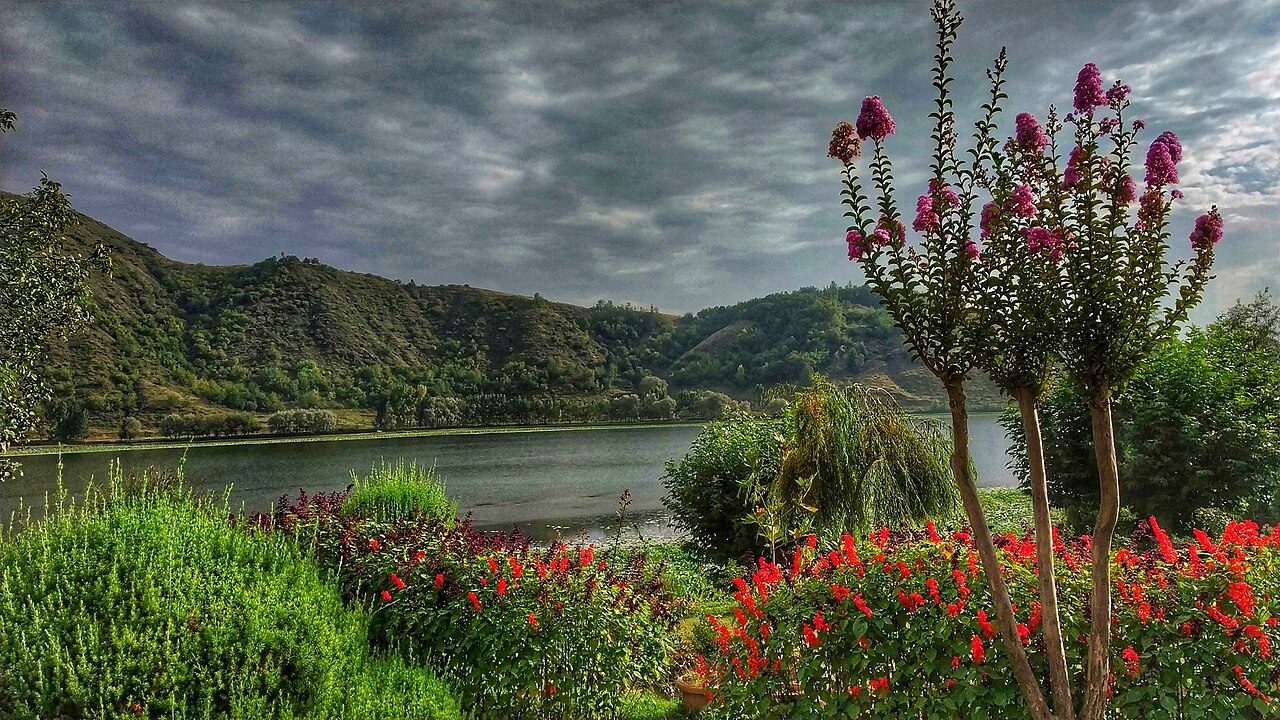
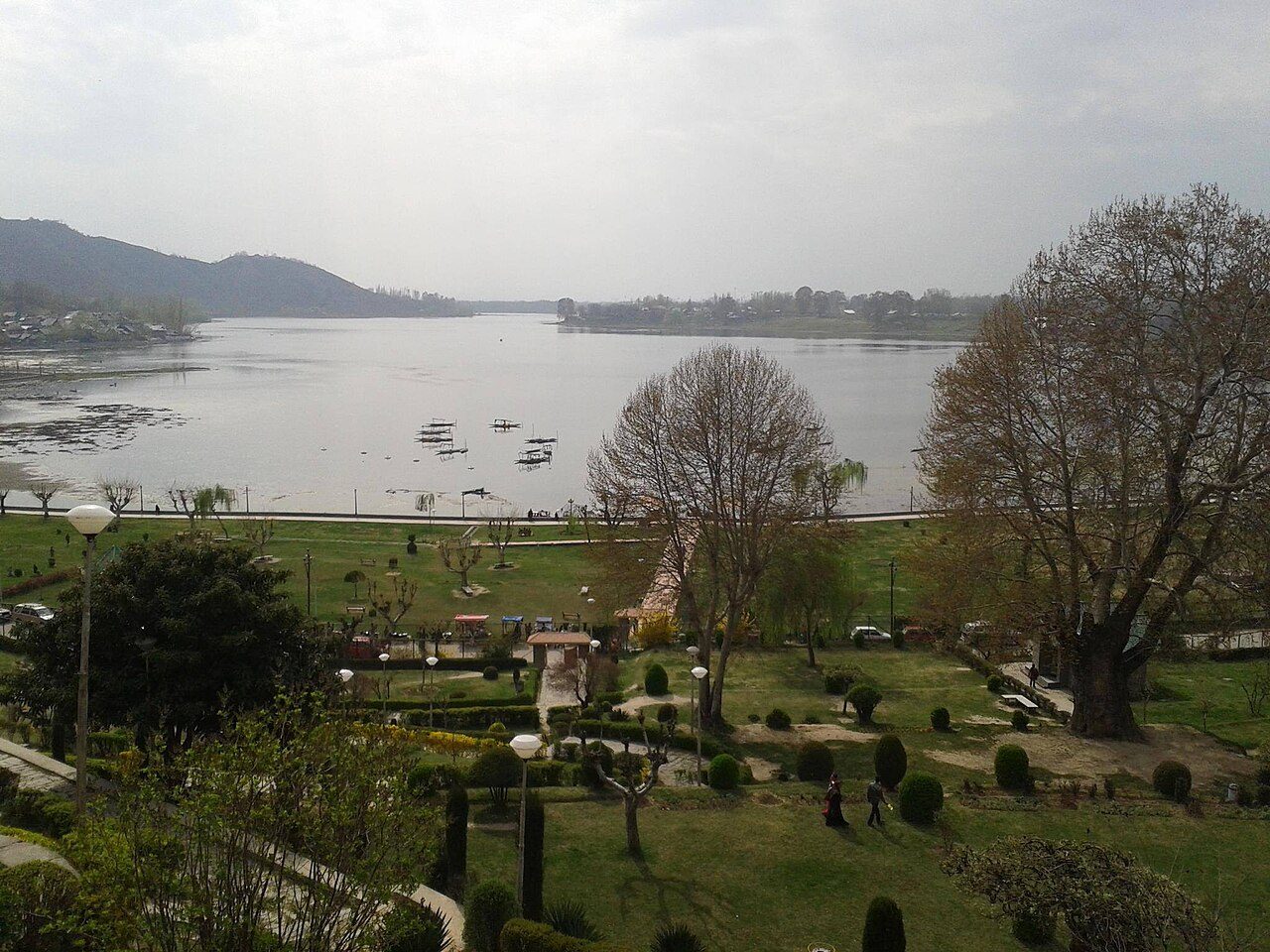
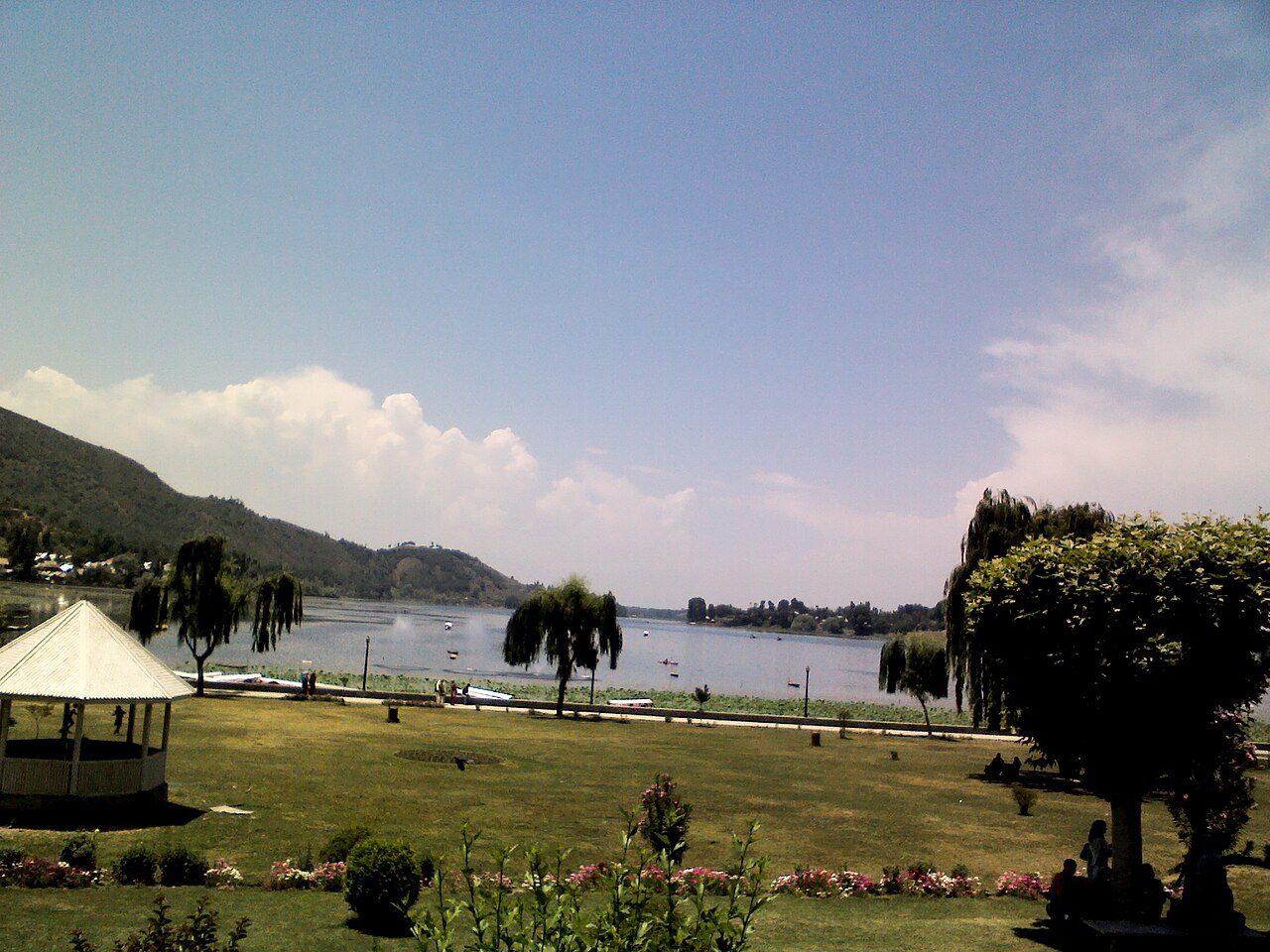
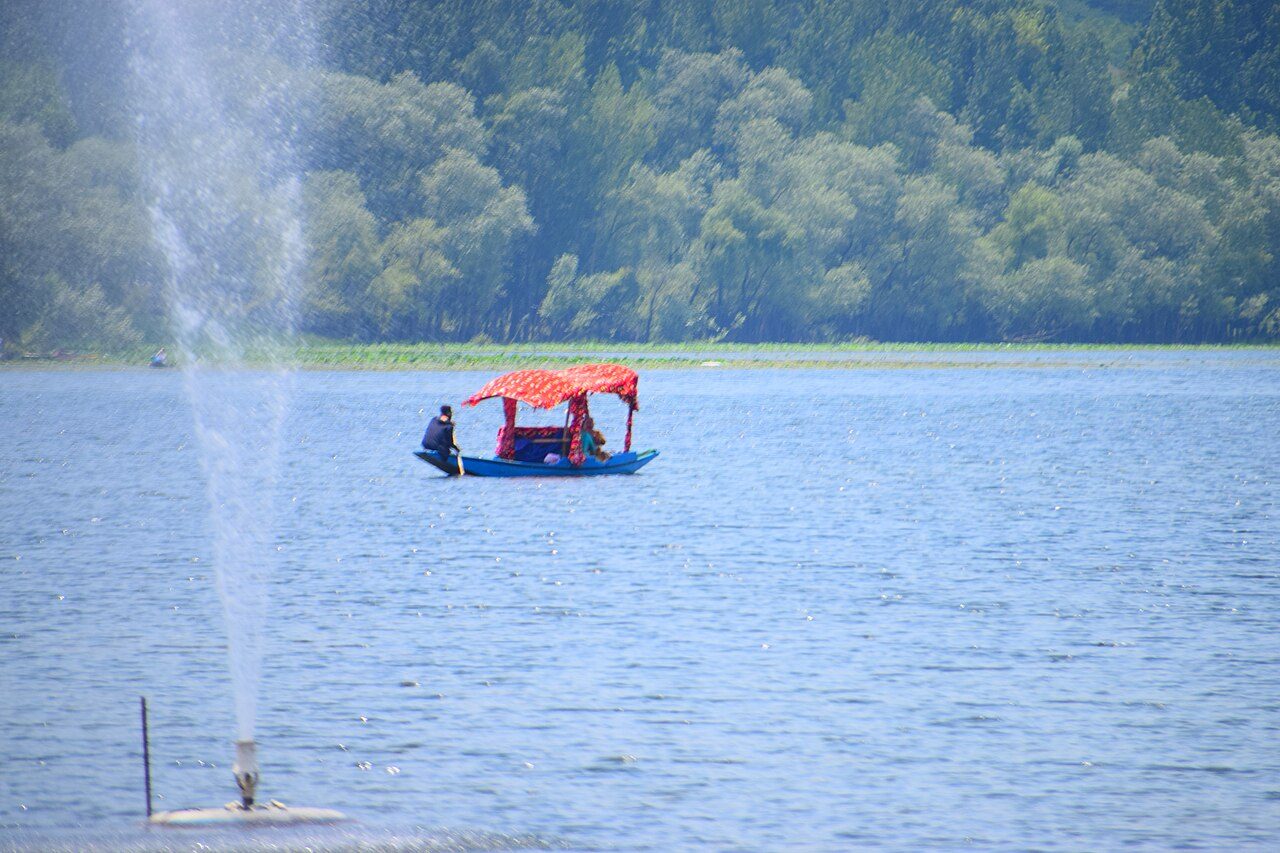
Manasbal Lake, about 30 km north of Srinagar, is considered the deepest lake in the Kashmir valley. It is known for its lotus beds, which flower in July and August, and for birdwatching. A Mughal garden called Jarokha Bagh, built by Nur Jahan, overlooks the water, and the ruins of an old fort stand nearby. It is far quieter than Dal Lake.
10
STOP 10 OF 14
Kheer Bhawani Temple
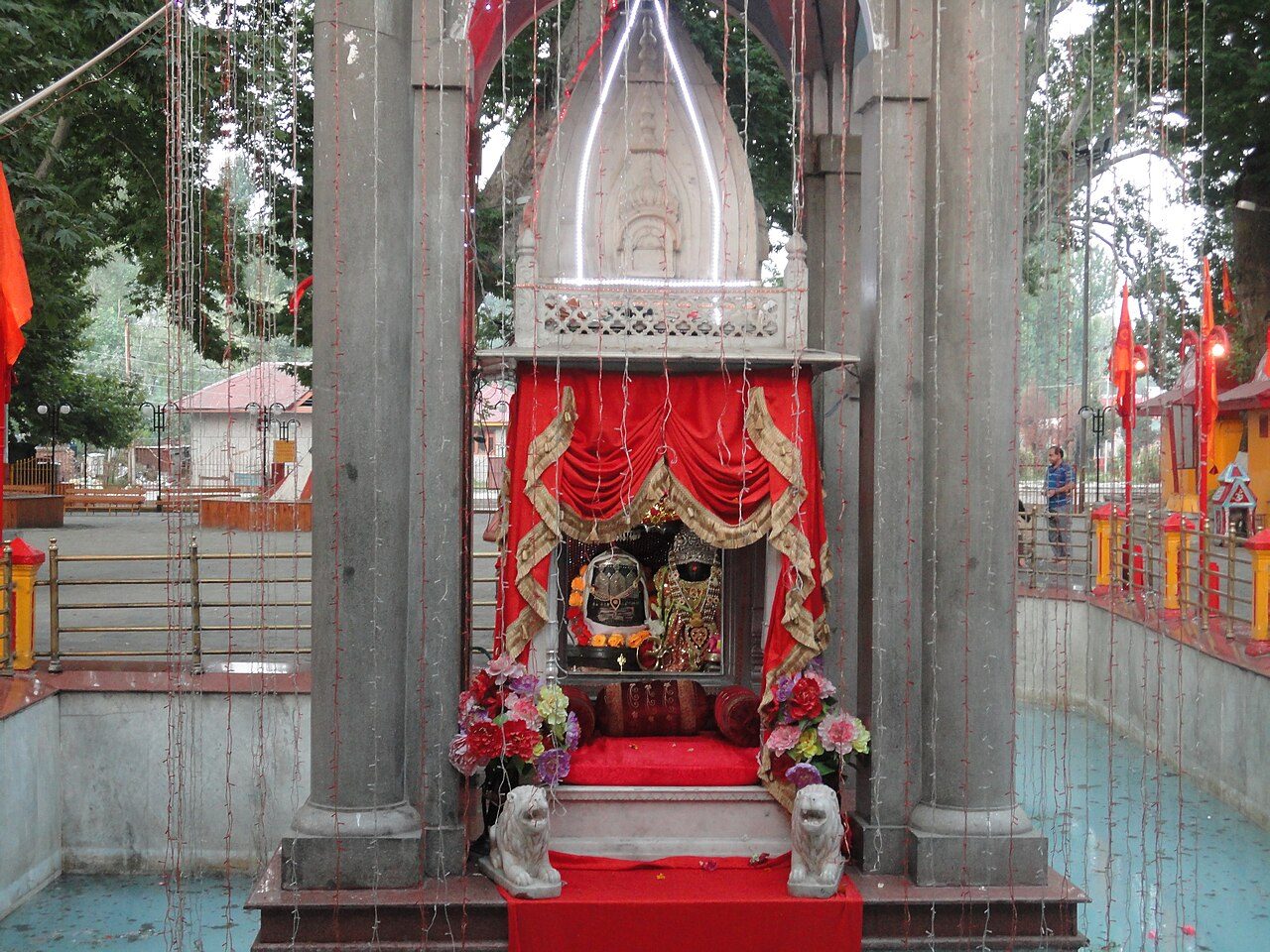
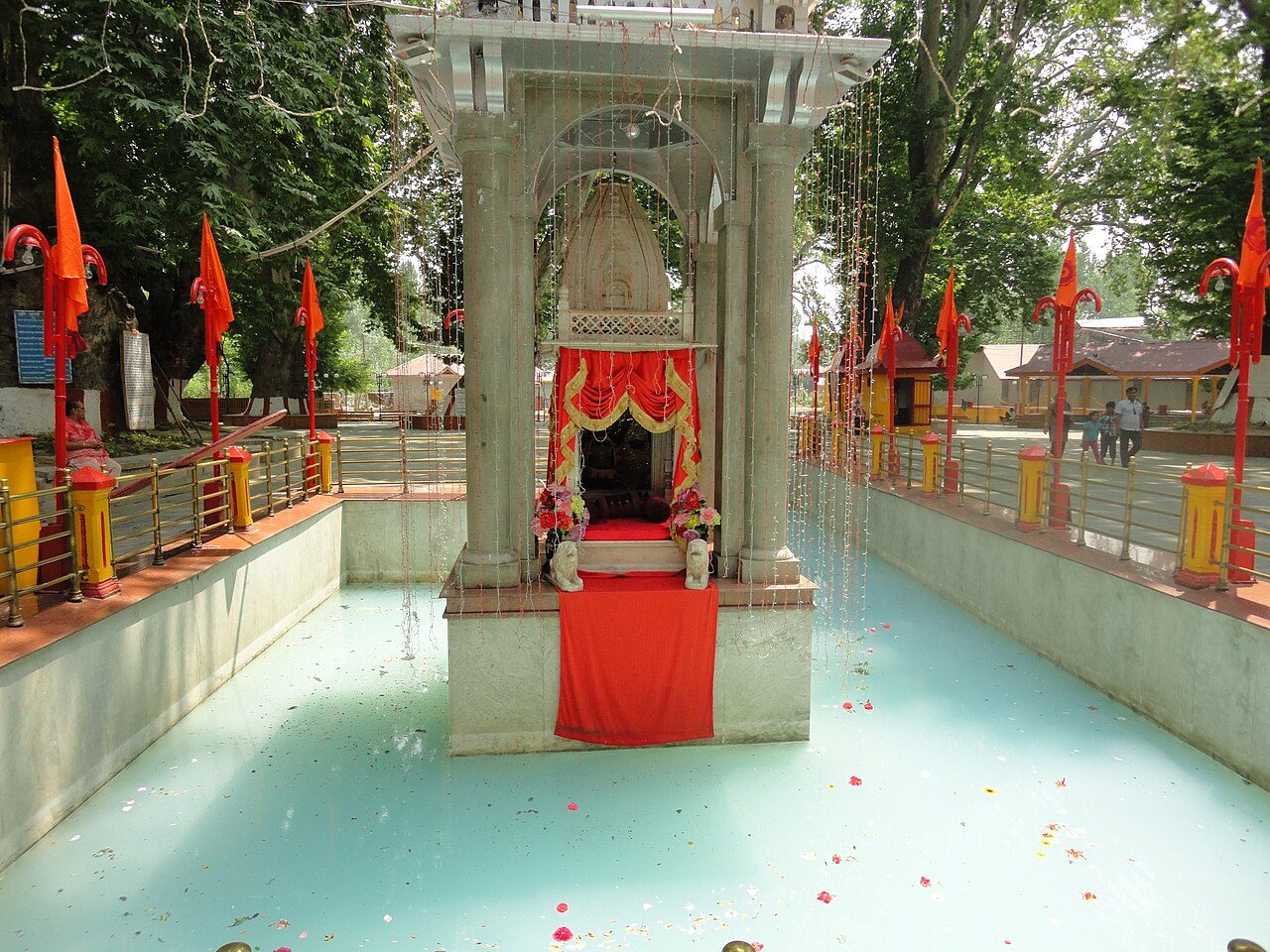
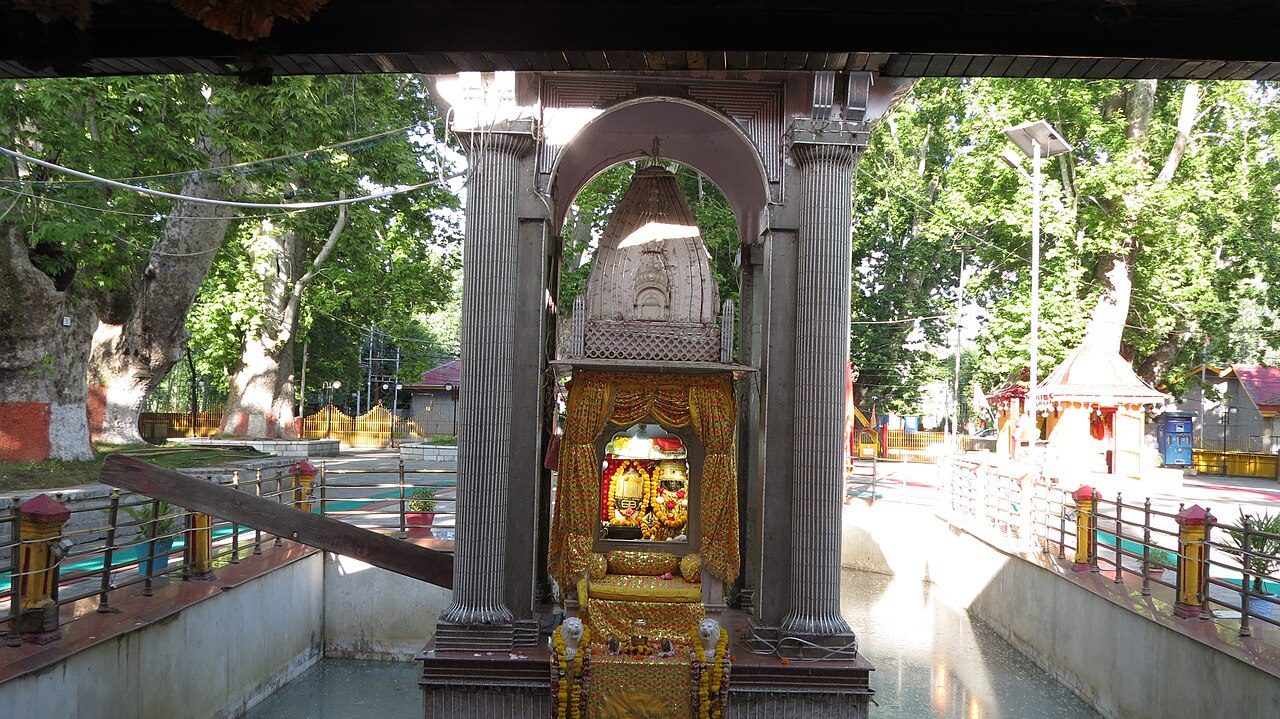
The Kheer Bhawani Temple at Tulmulla is the most important shrine of Kashmiri Pandits, dedicated to the goddess Ragnya Devi. The small marble temple stands in the middle of a spring enclosed in a hexagonal tank, shaded by old chinar trees. The spring is said to change colour, and devotees offer rice pudding, or kheer. The annual fair is held in May or June.
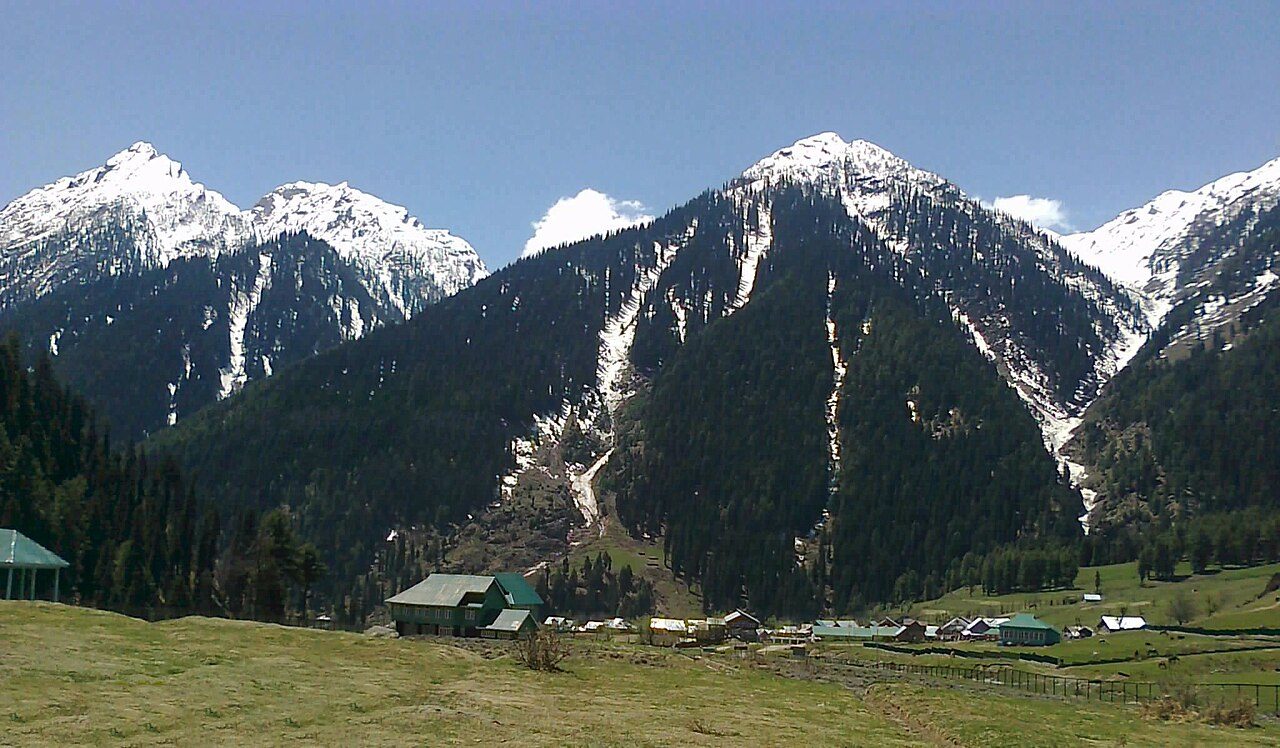
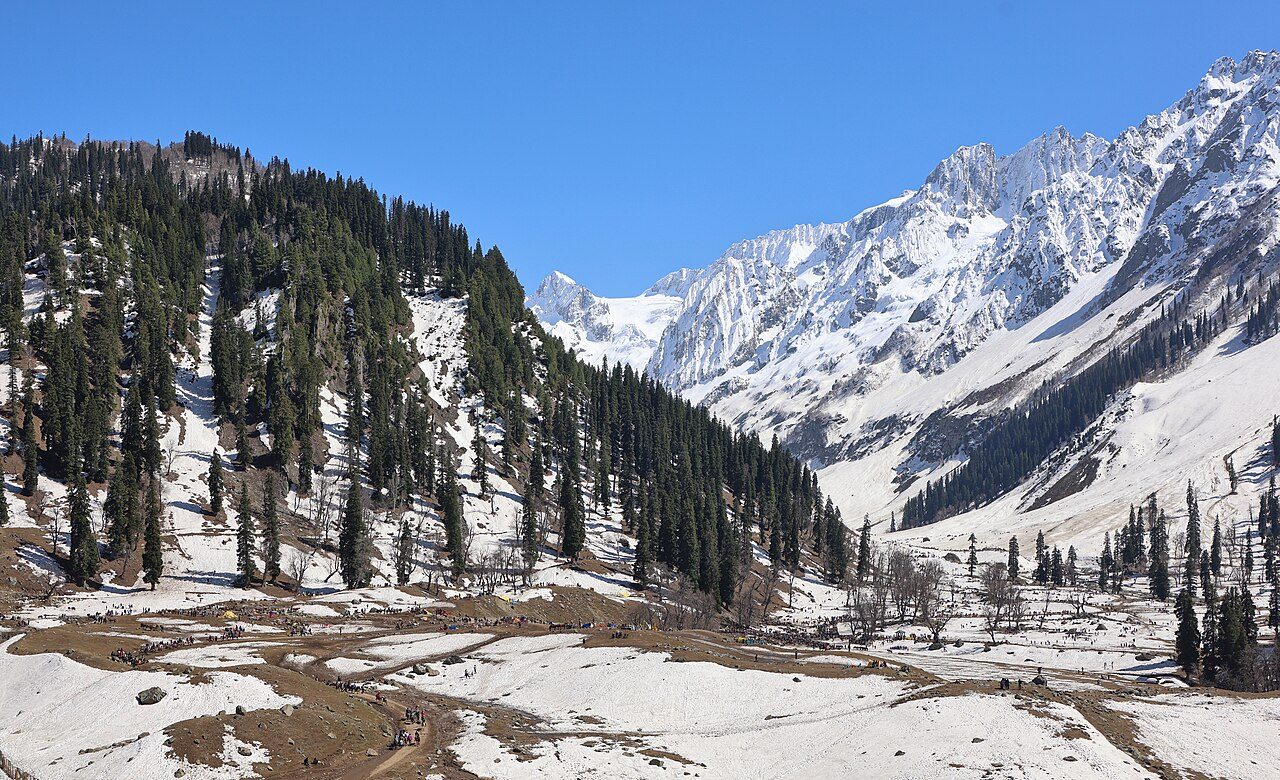
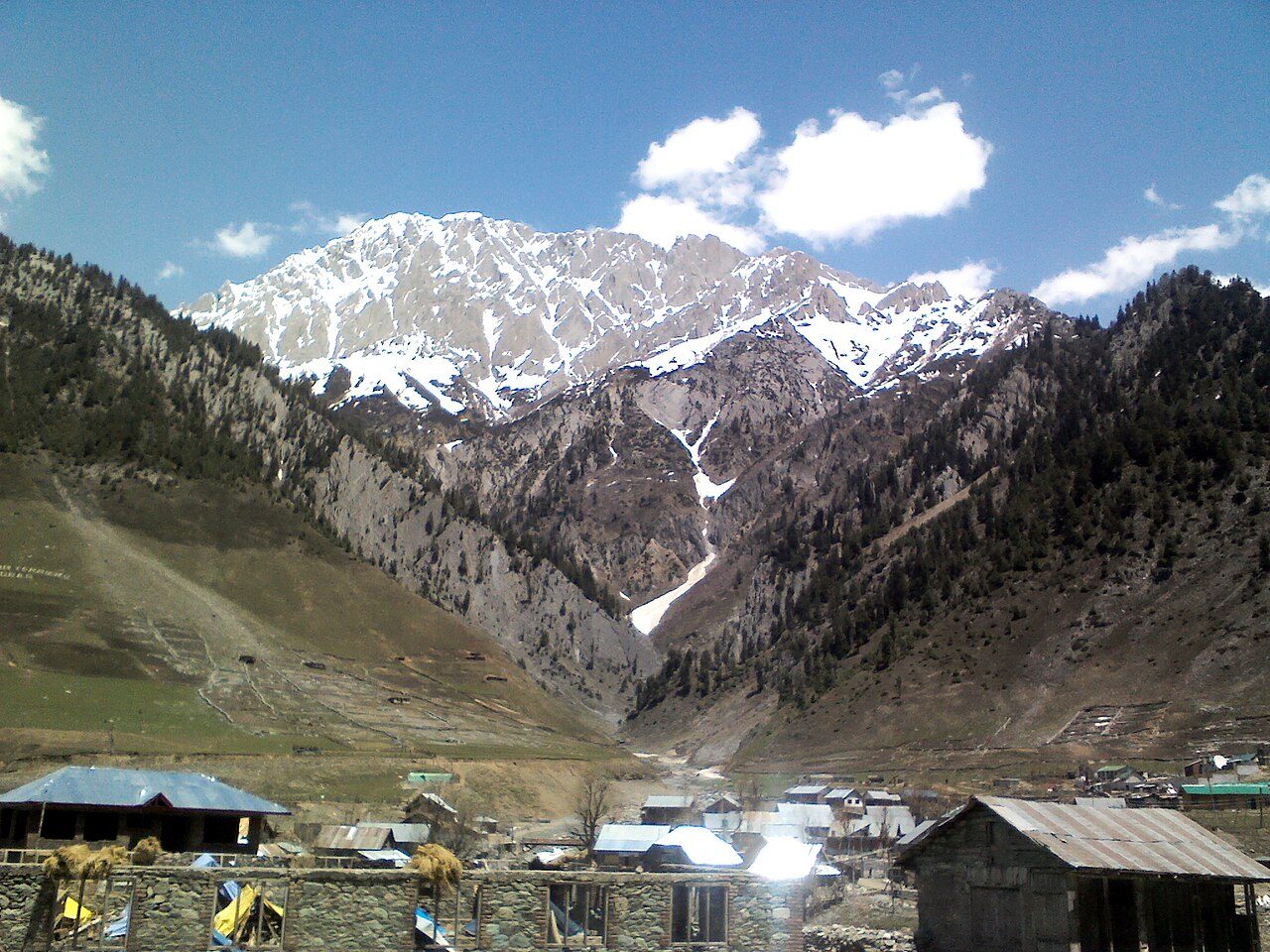
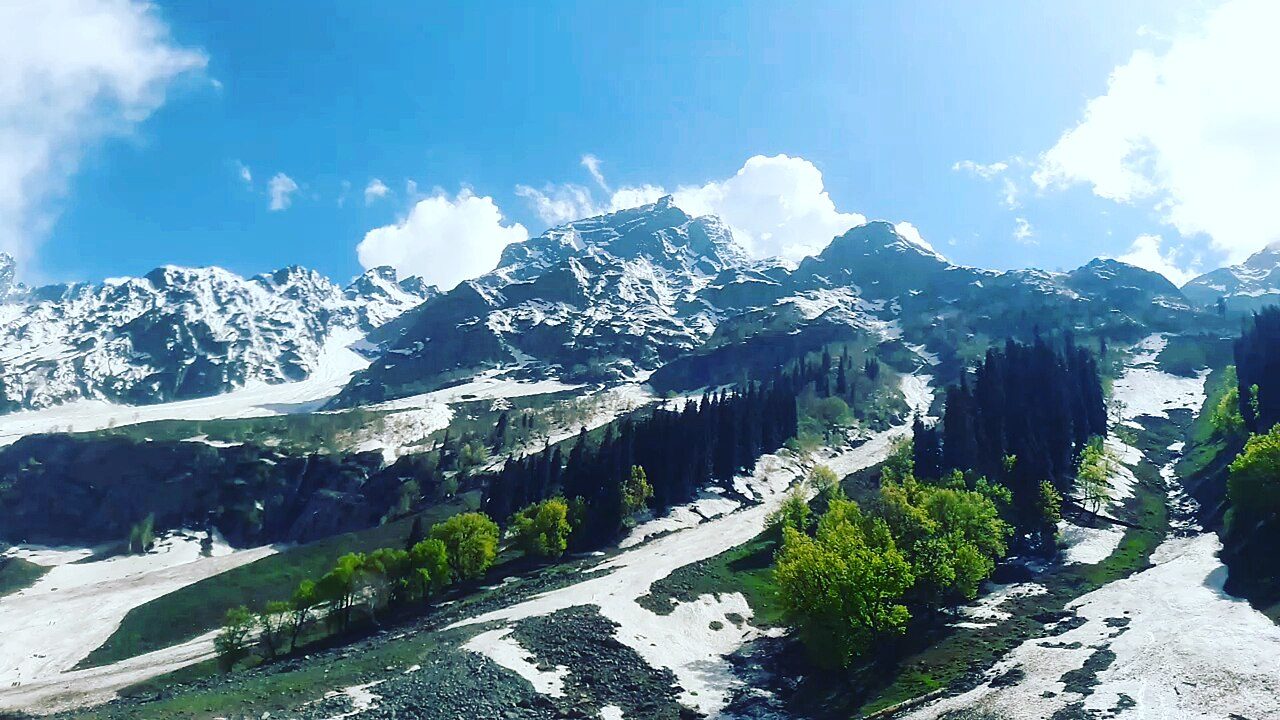
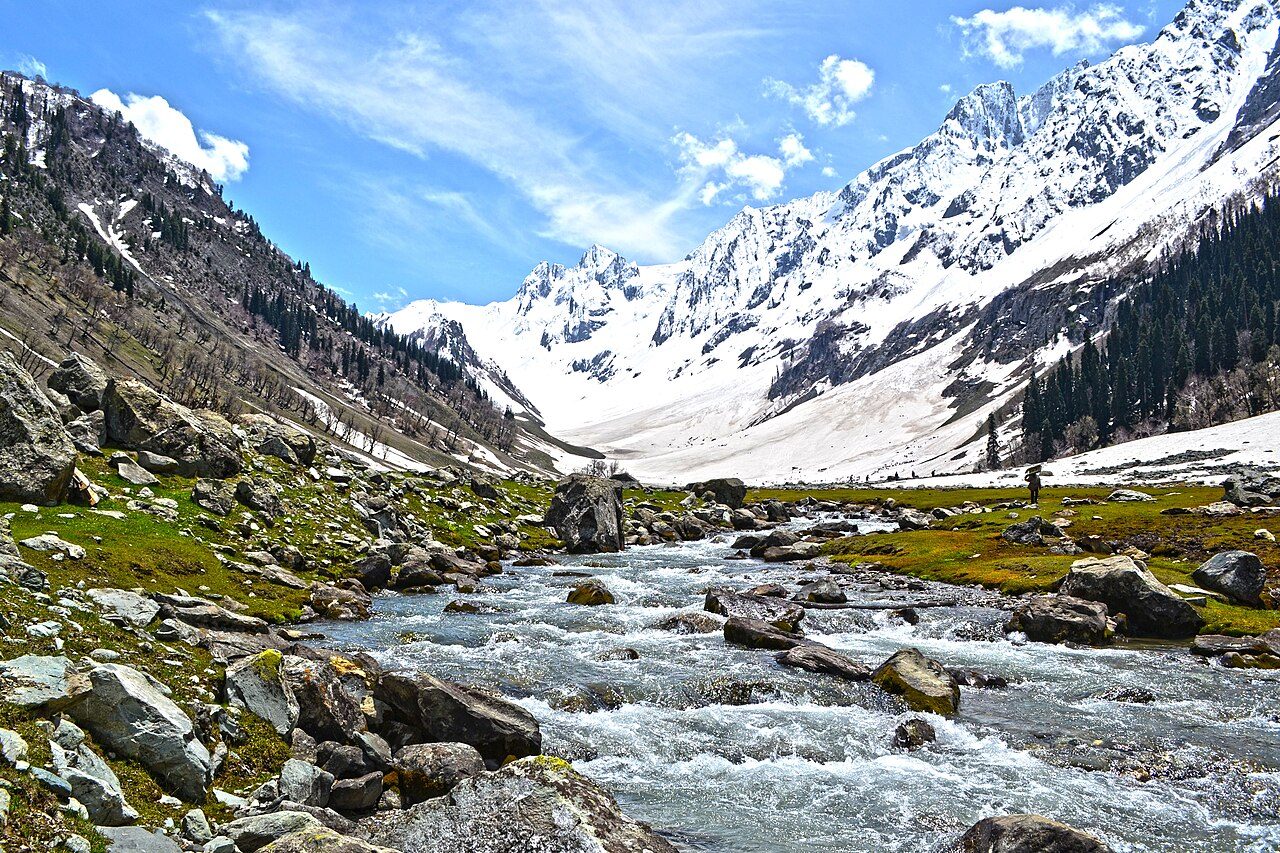
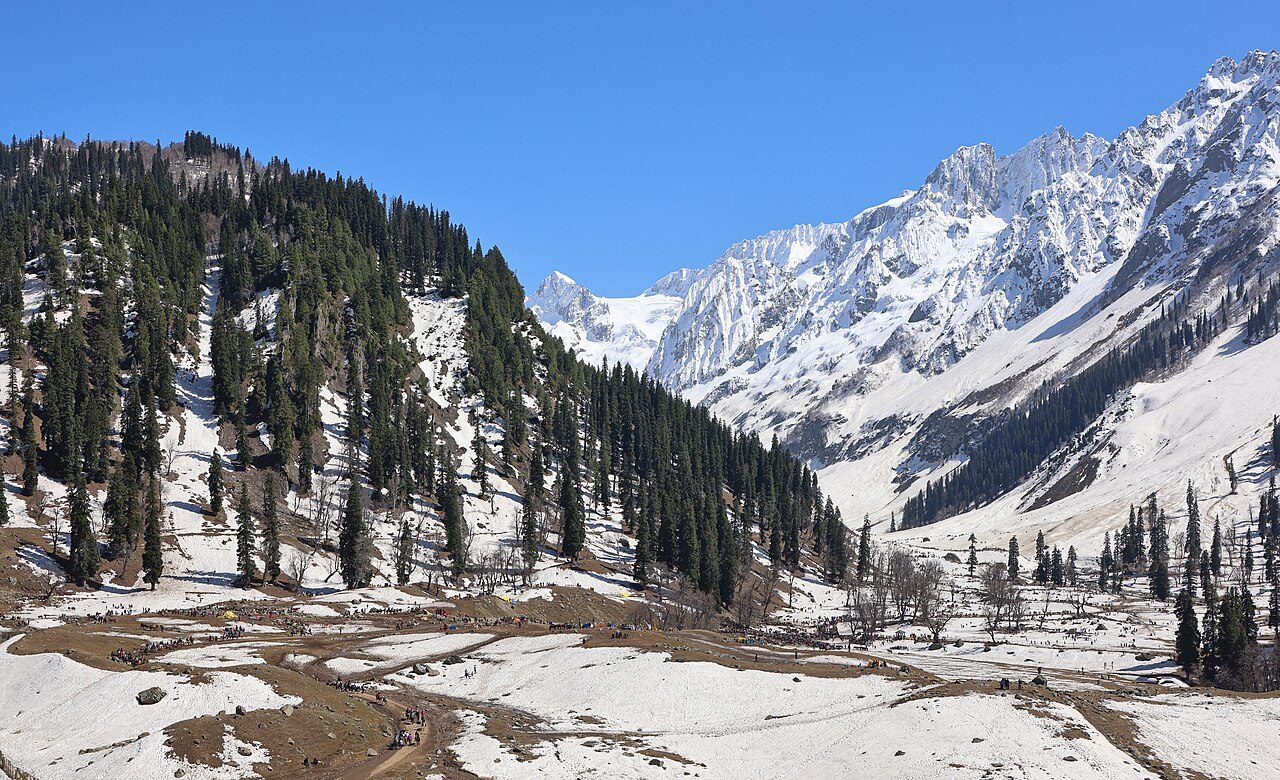
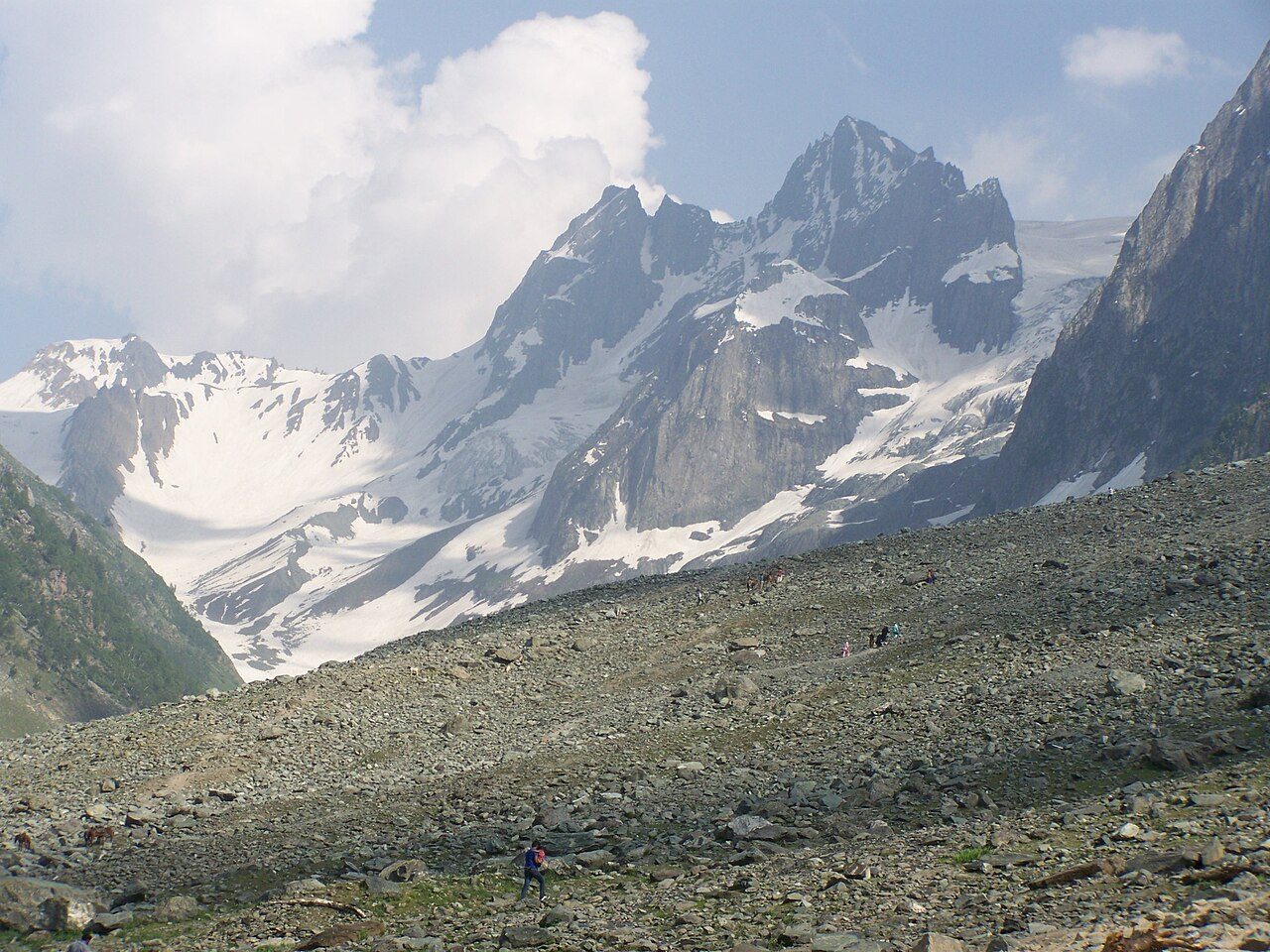
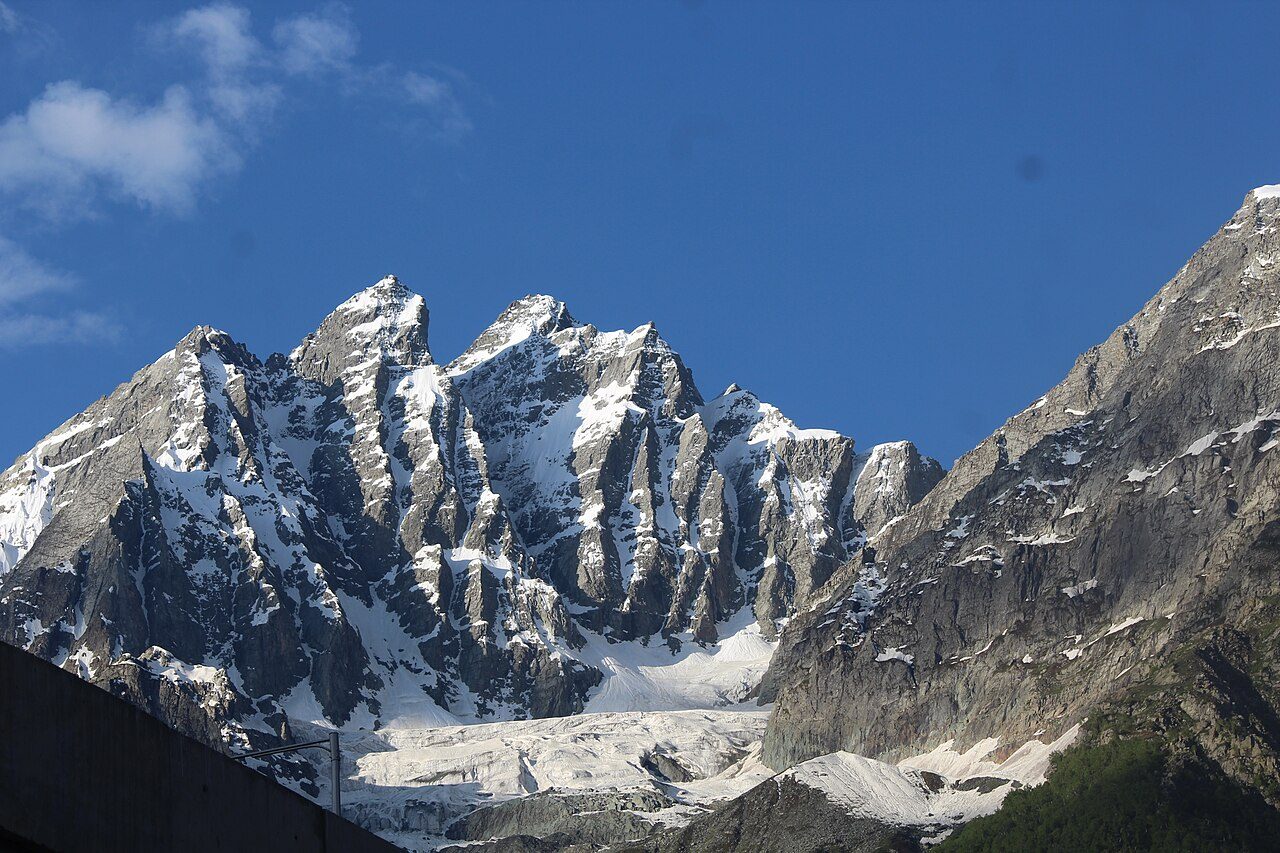
Sonamarg, the 'meadow of gold', lies at about 2,700 metres in the Sindh valley, 80 km from Srinagar on the road to Ladakh. Snow peaks and glaciers rise above its alpine meadows. Ponies carry visitors to Thajiwas Glacier, and the area is a base for treks to the high lakes of Vishansar, Krishansar and Gangabal. A new tunnel now keeps it accessible in winter.
12
STOP 12 OF 14
Thajiwas Glacier
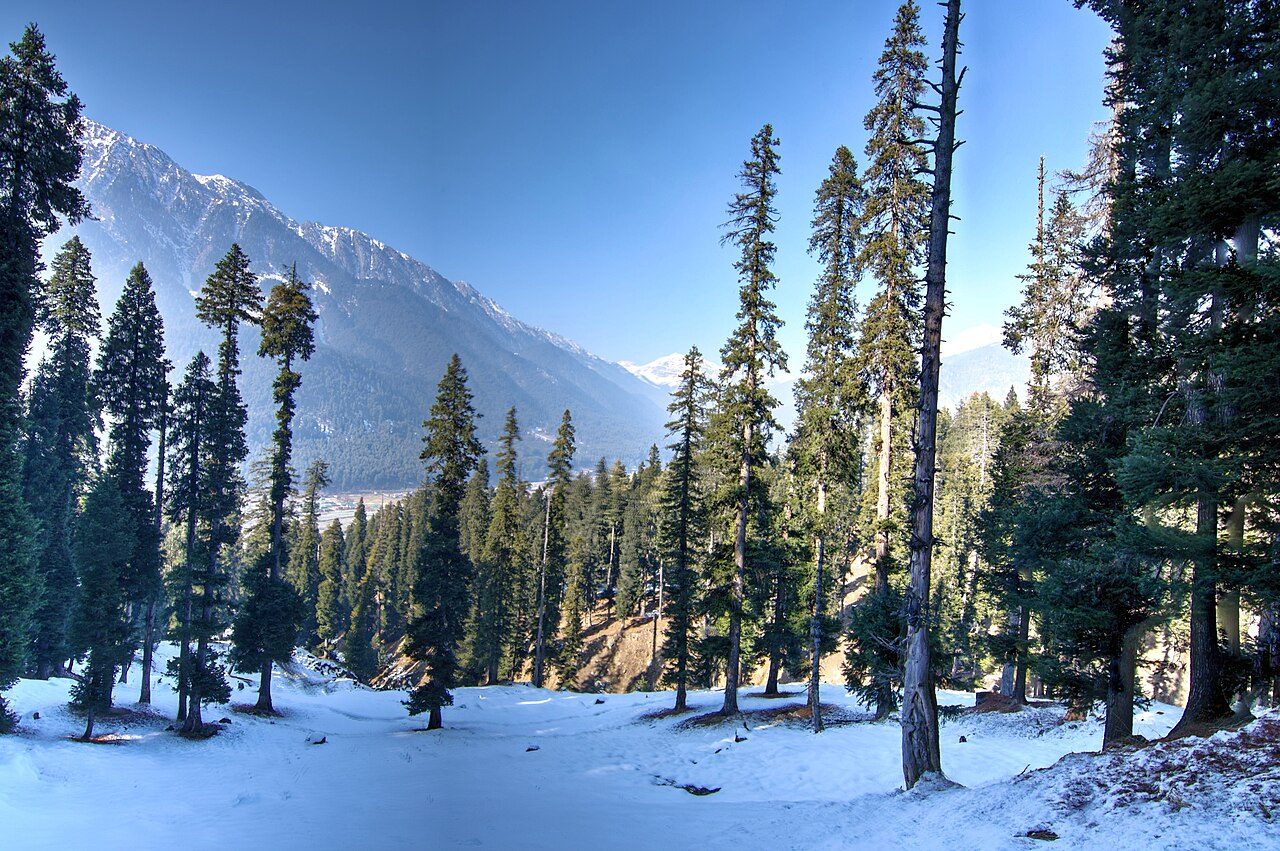
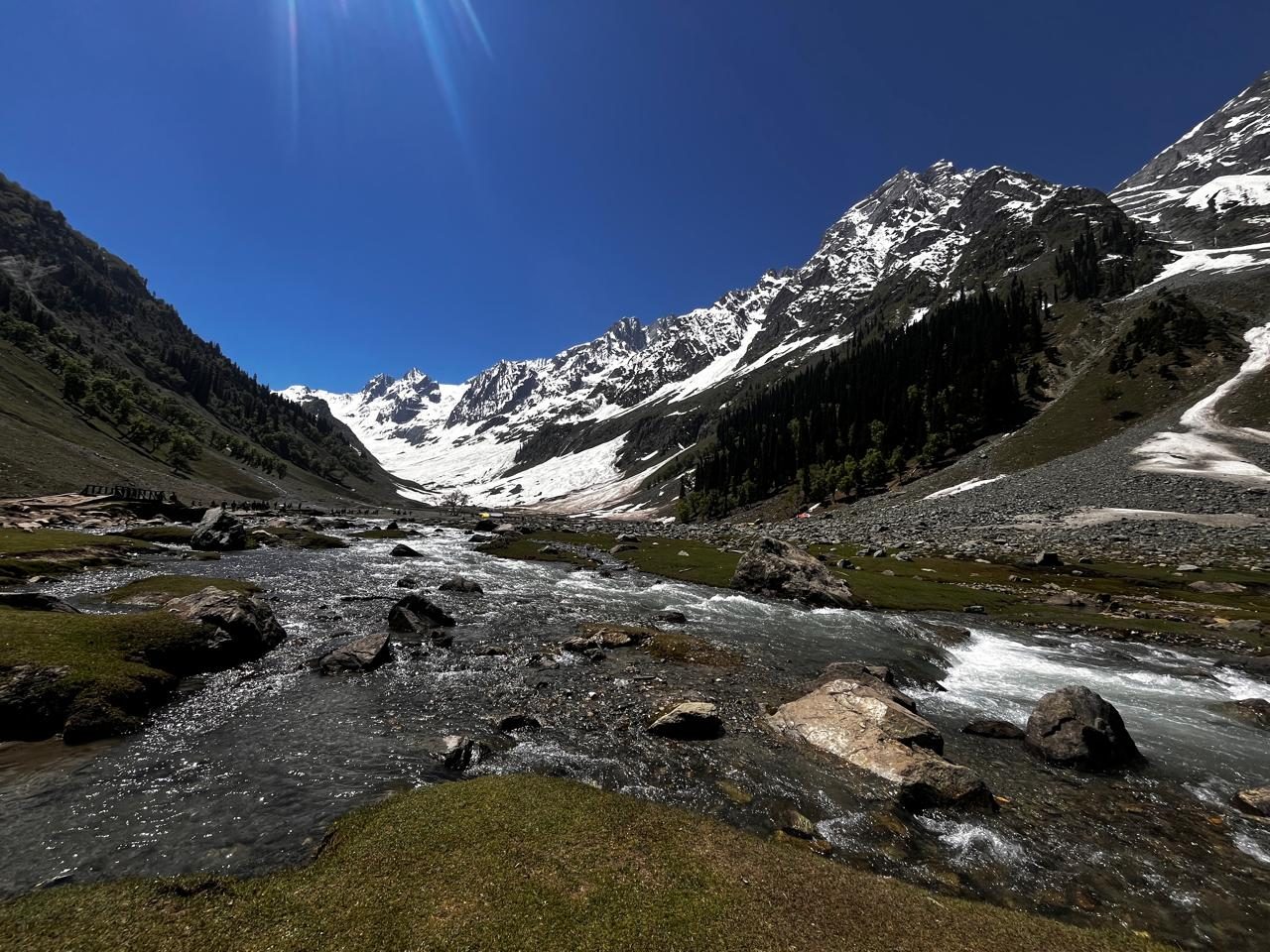
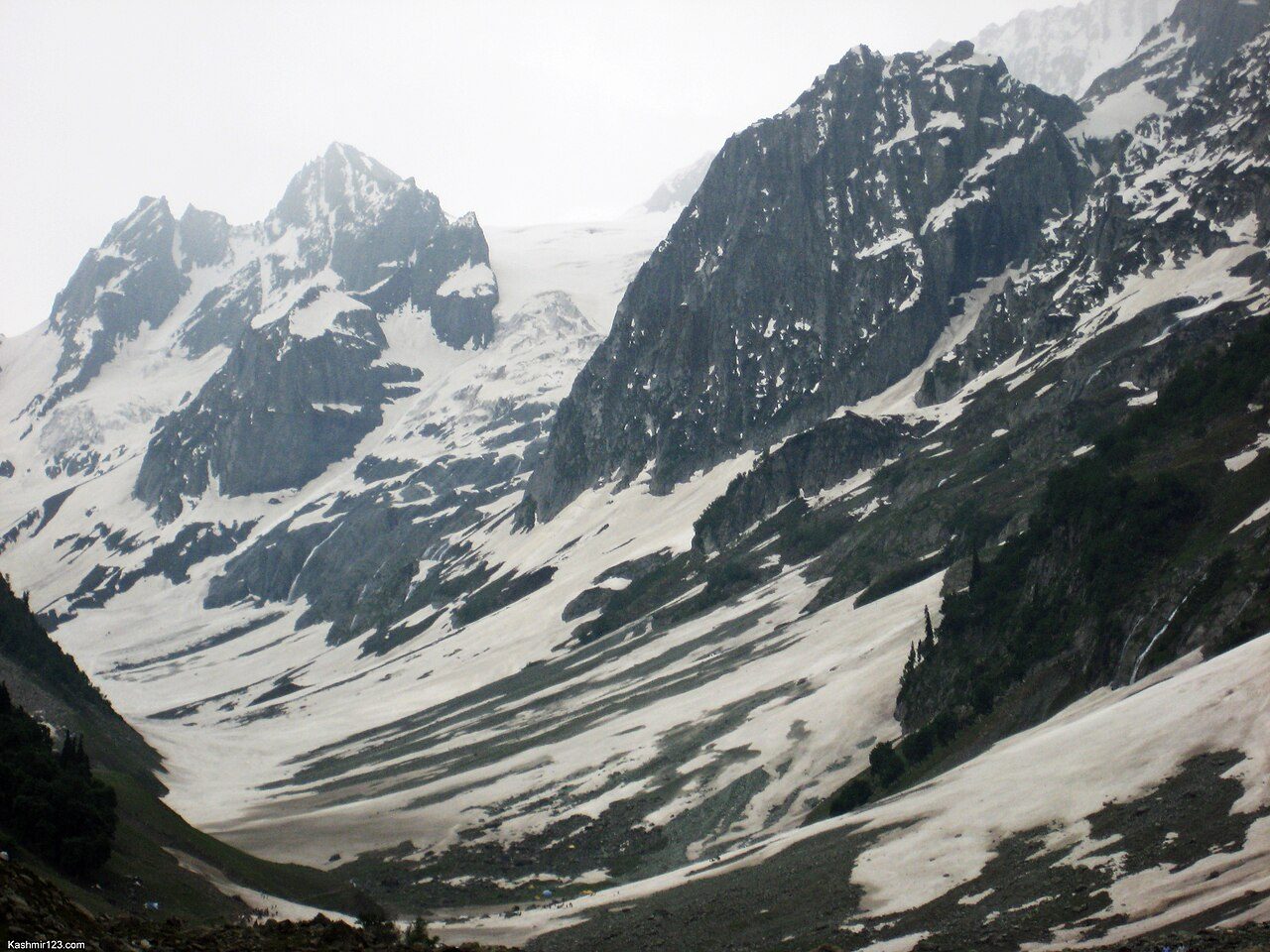
Thajiwas Glacier lies about three kilometres from Sonamarg at around 2,750 metres, at the head of a side valley of meadows, pine and silver birch. It is one of the few glaciers in Kashmir reachable by a short walk or pony ride, and snow lingers here well into summer. Sledging on the snow tongues is popular. Waterfalls pour off the cliffs around it.
13
STOP 13 OF 14
Naranag Temple
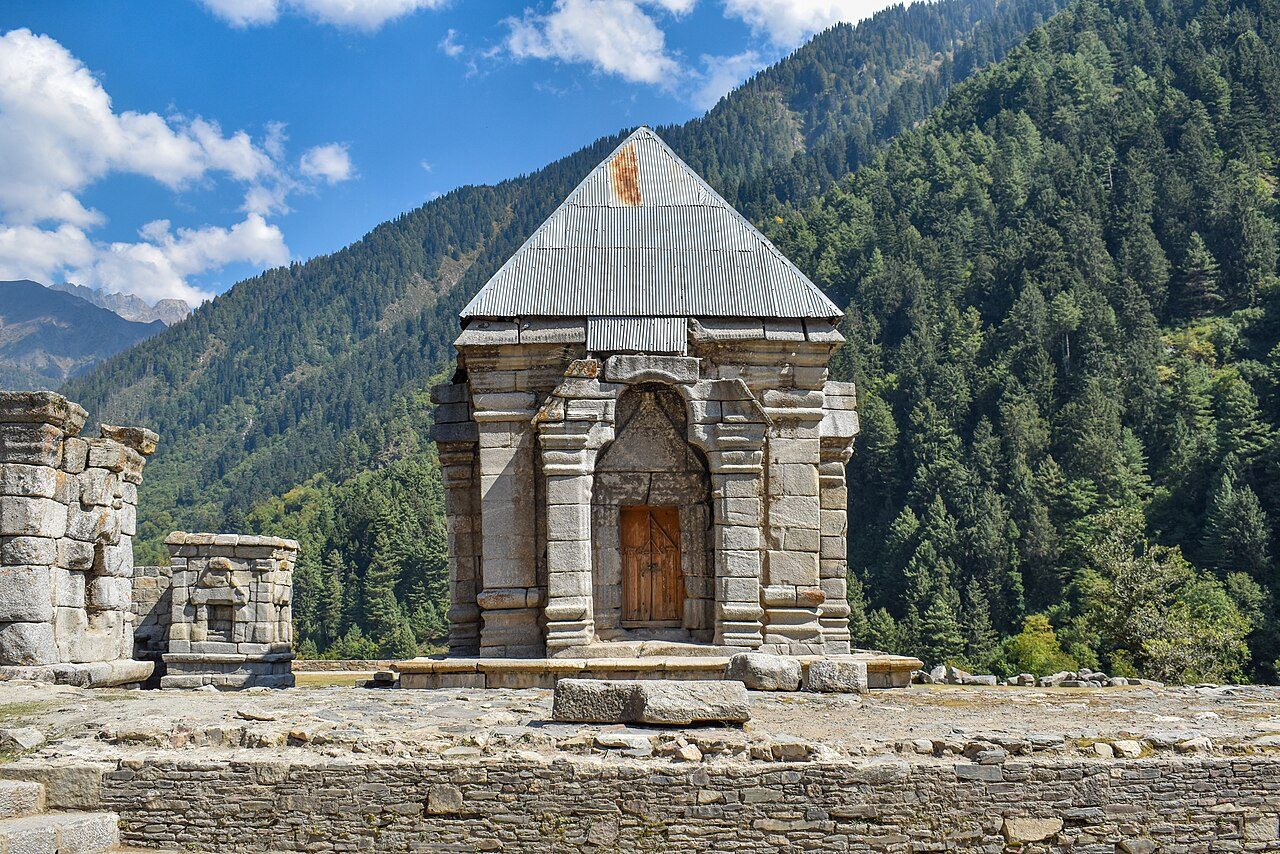
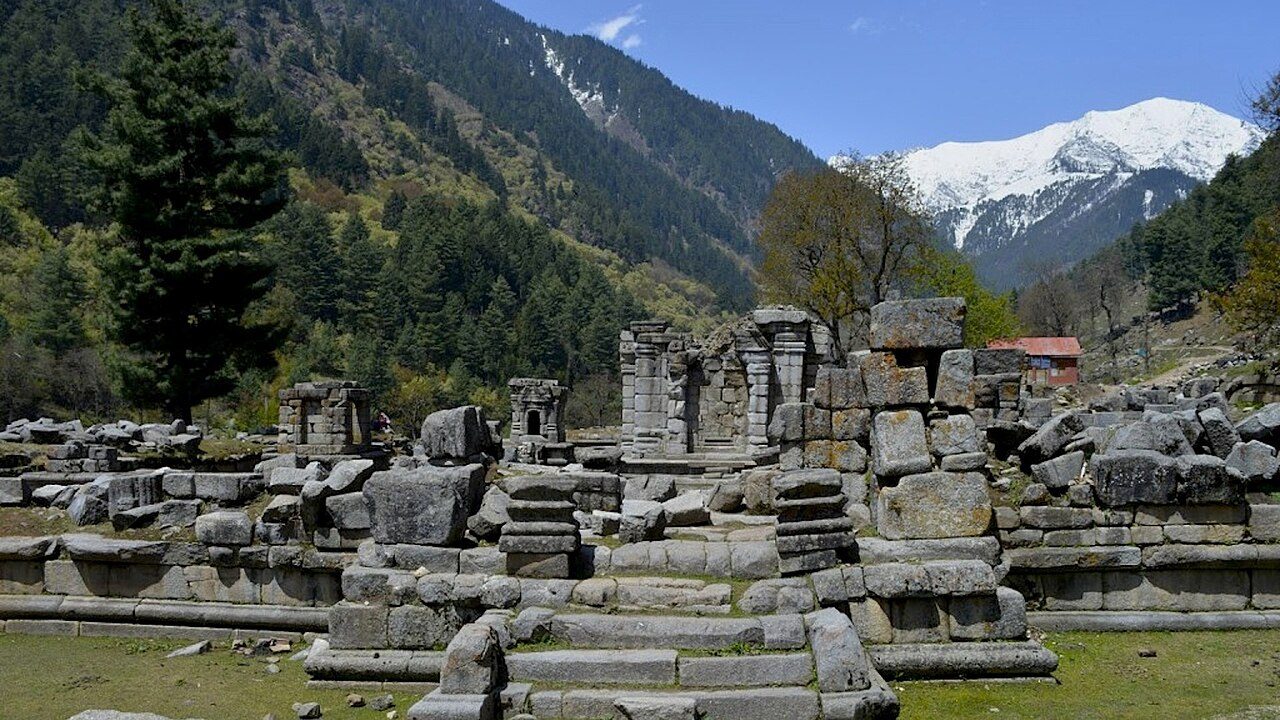
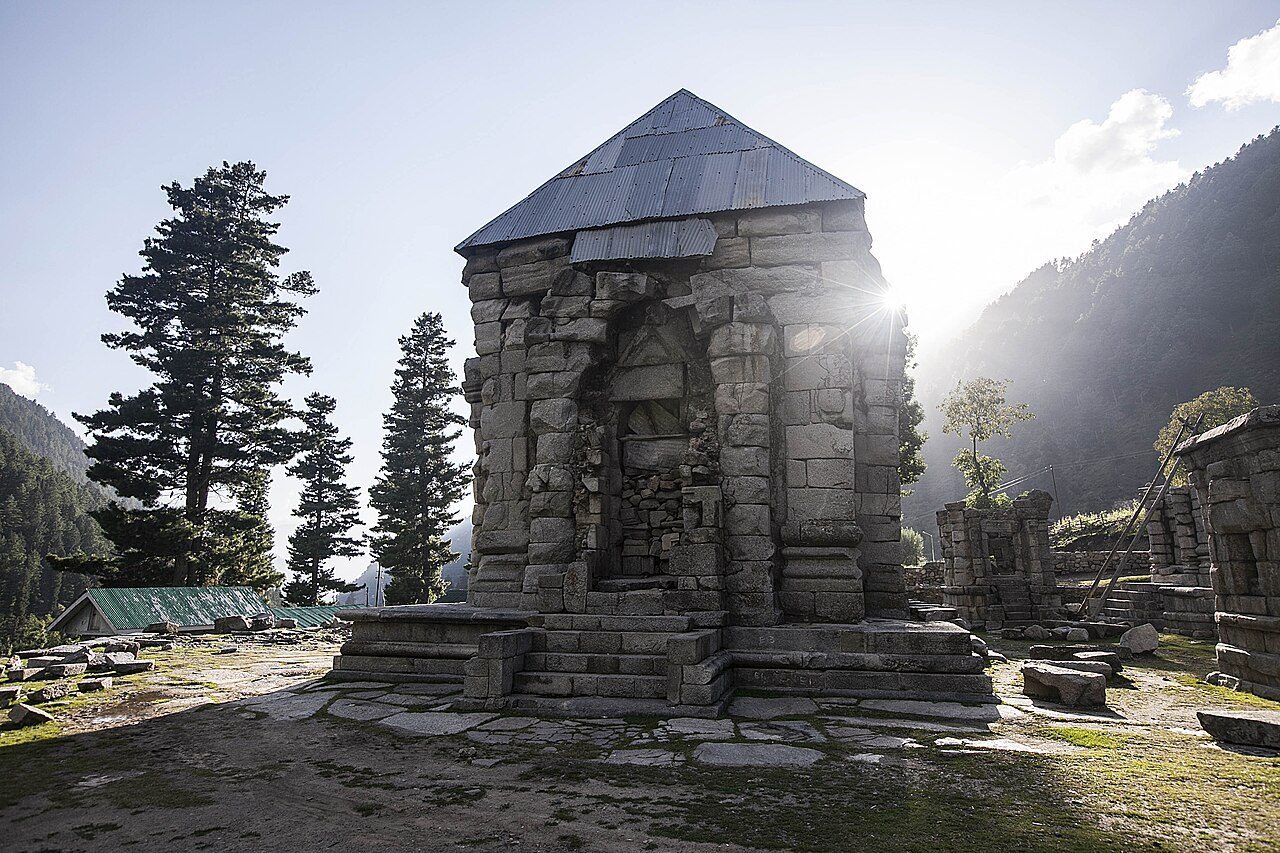
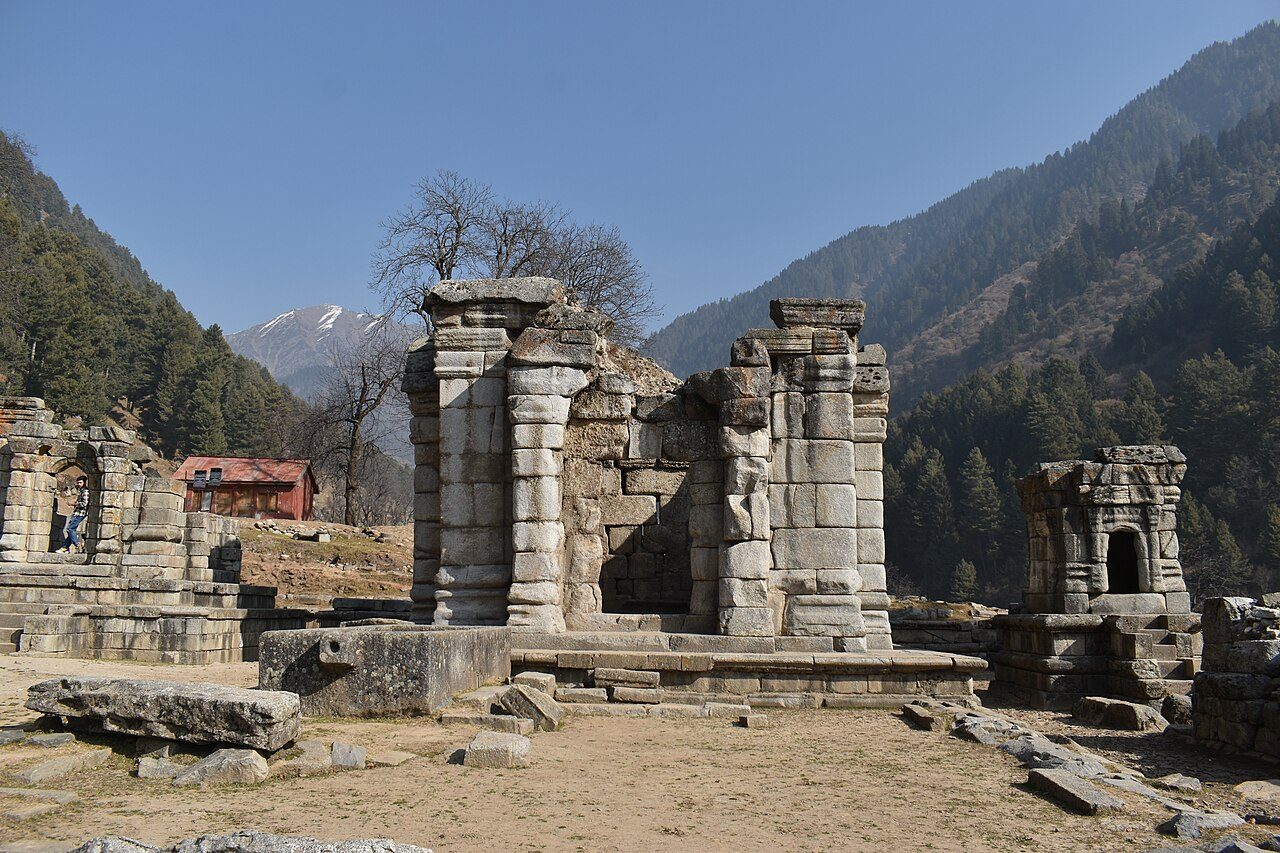
The Naranag temples are a group of ruined stone shrines in the Wangath valley, about 50 km from Srinagar. Built in the 8th century by King Lalitaditya and dedicated to Shiva, they stand in two clusters among pine forest beside a stream, with a large rock-cut water tank. Naranag is also the starting point for the trek to Gangabal Lake and Mount Harmukh.
14
STOP 14 OF 14 · LAST STOP
Zoji La
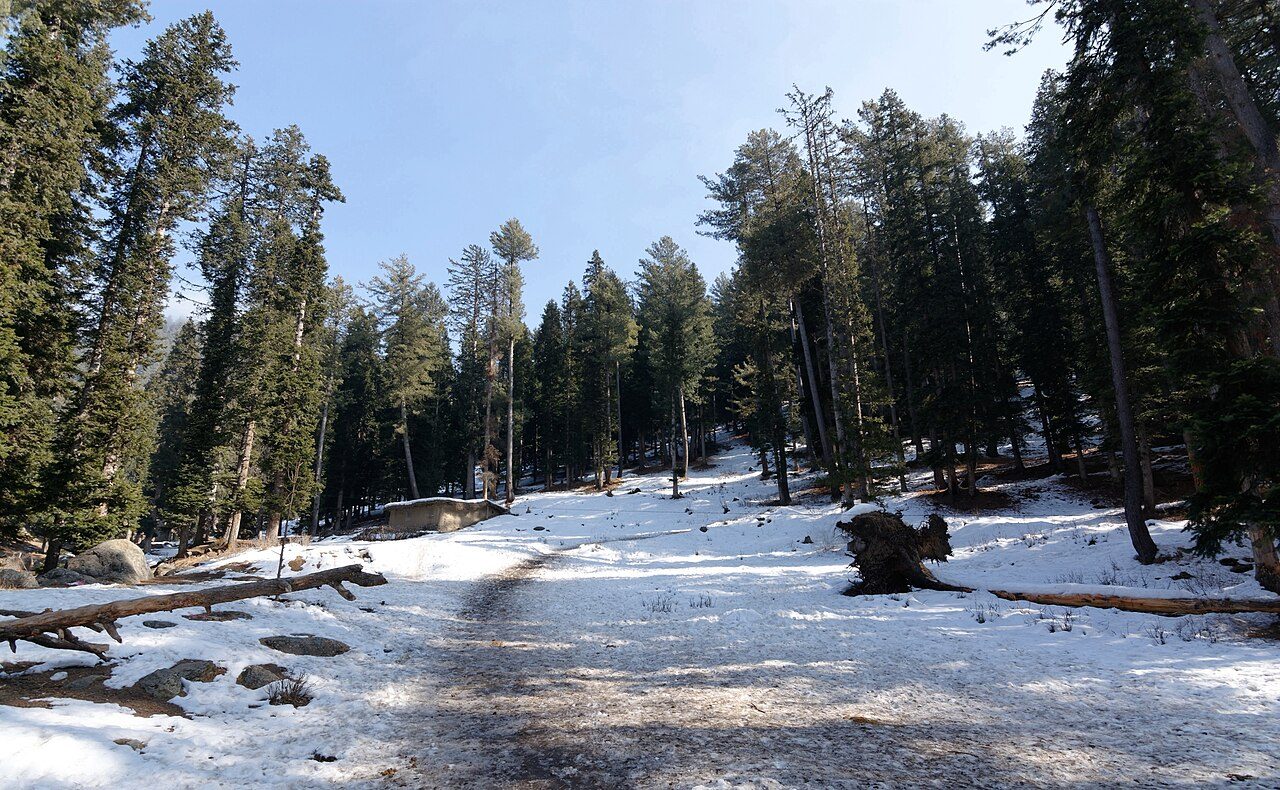
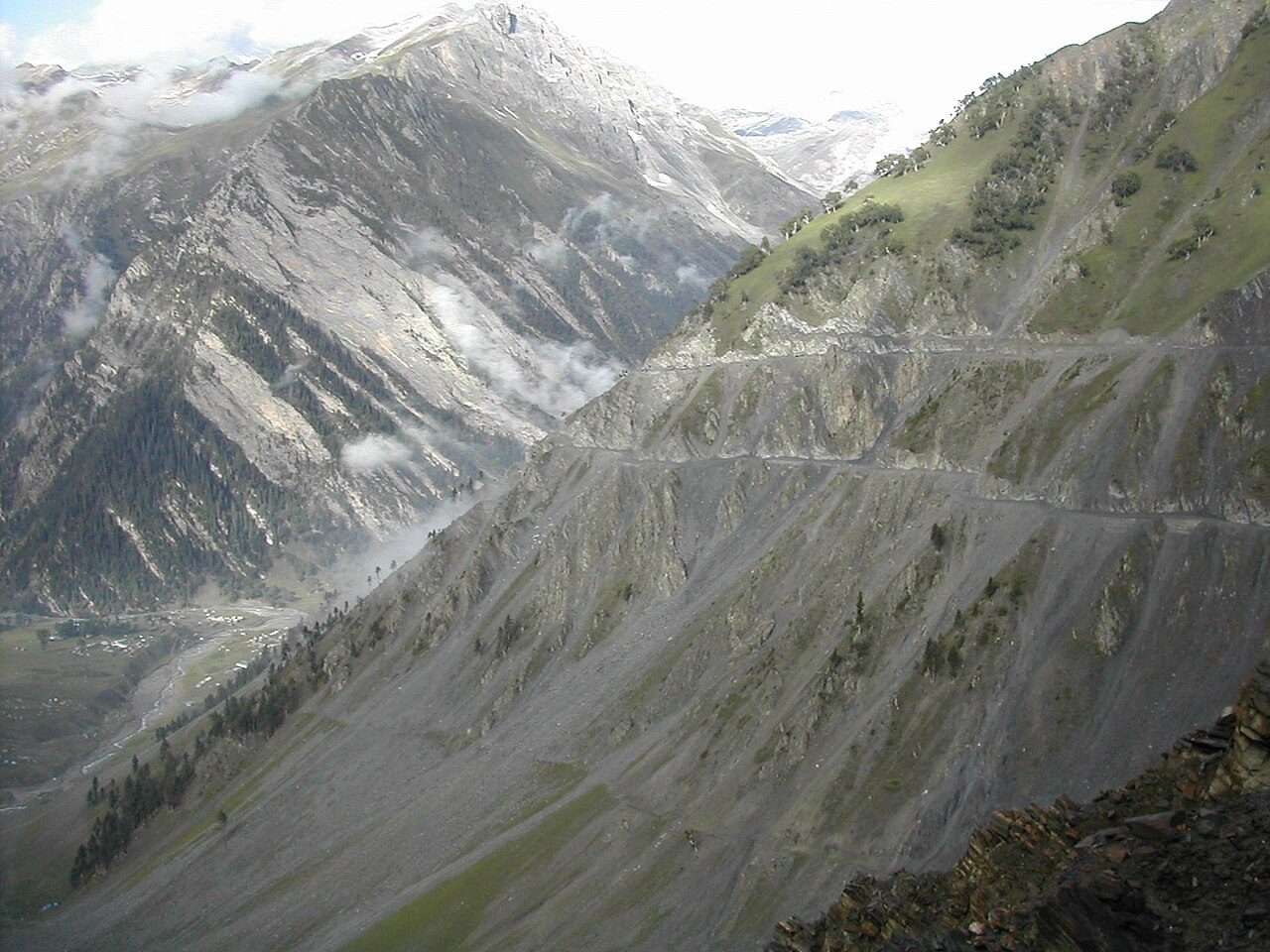
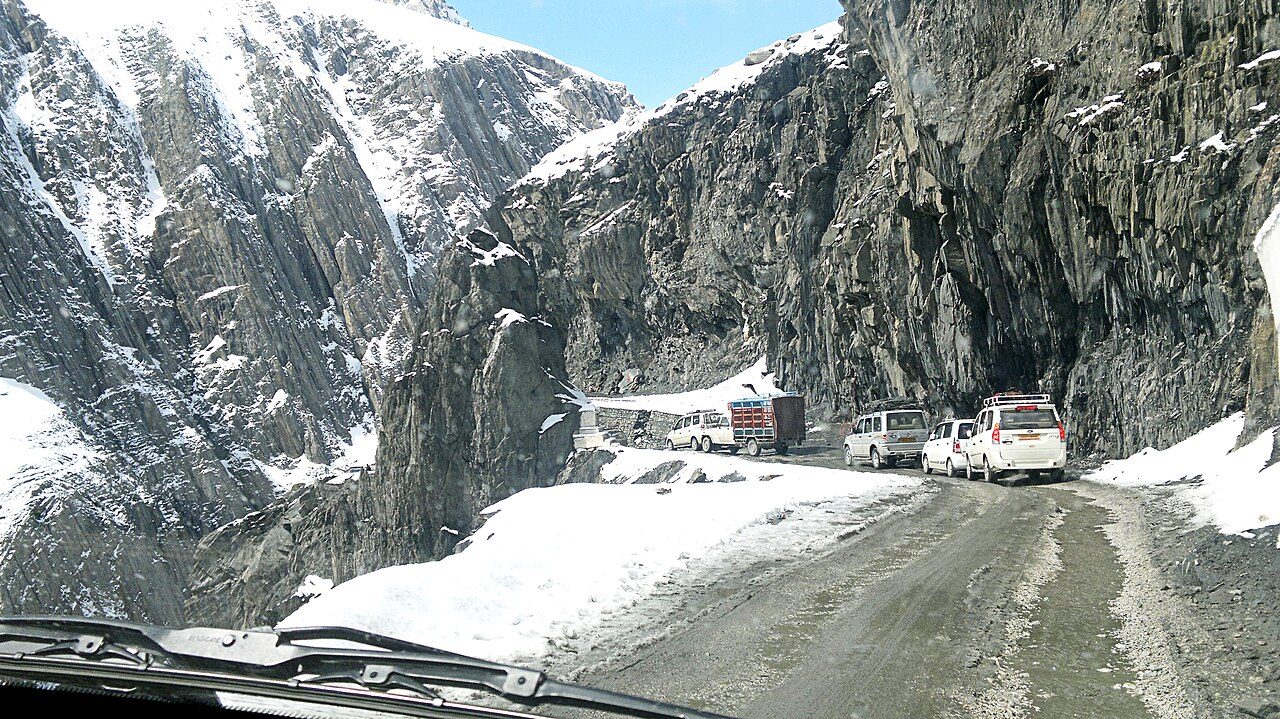
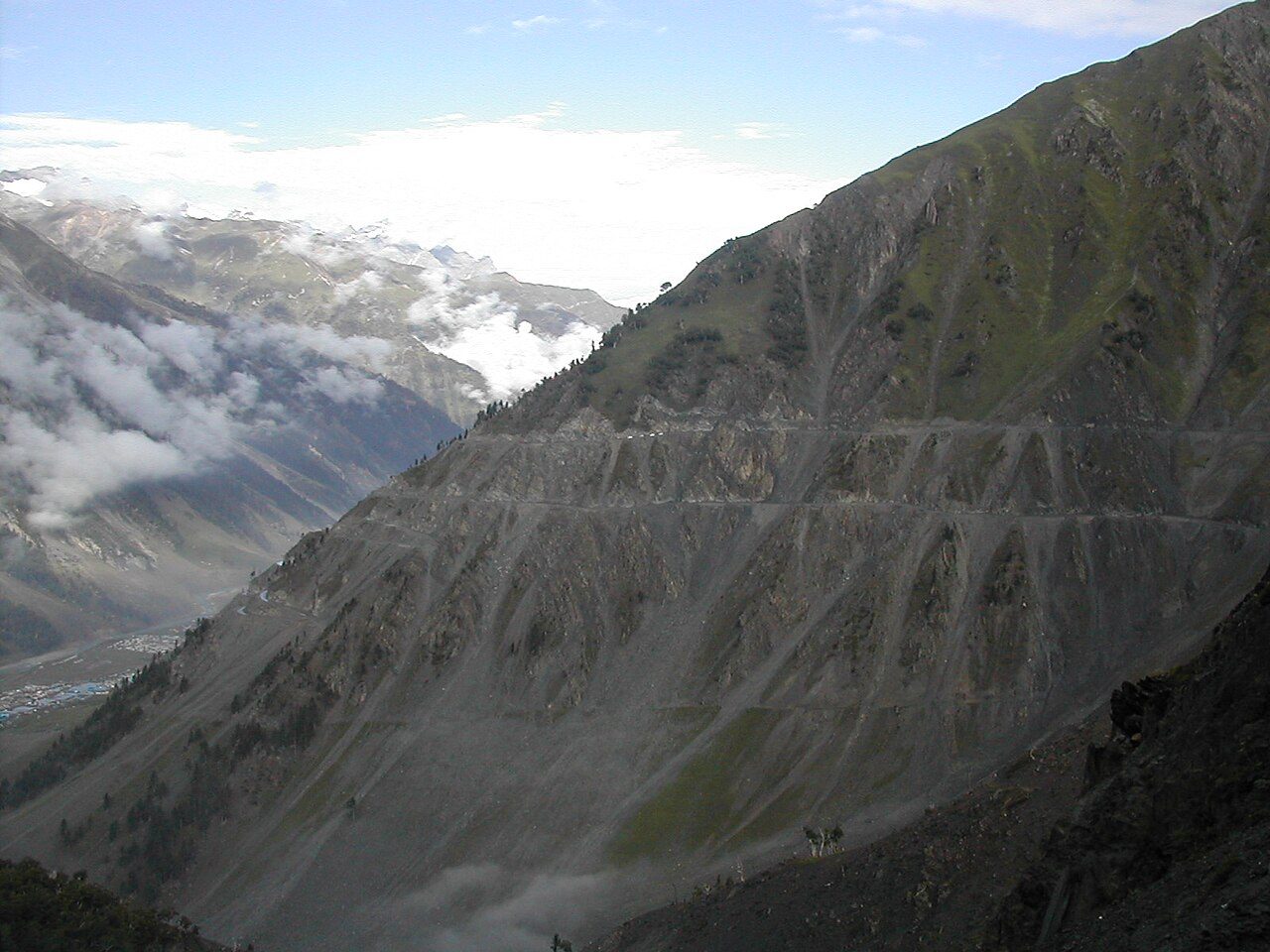
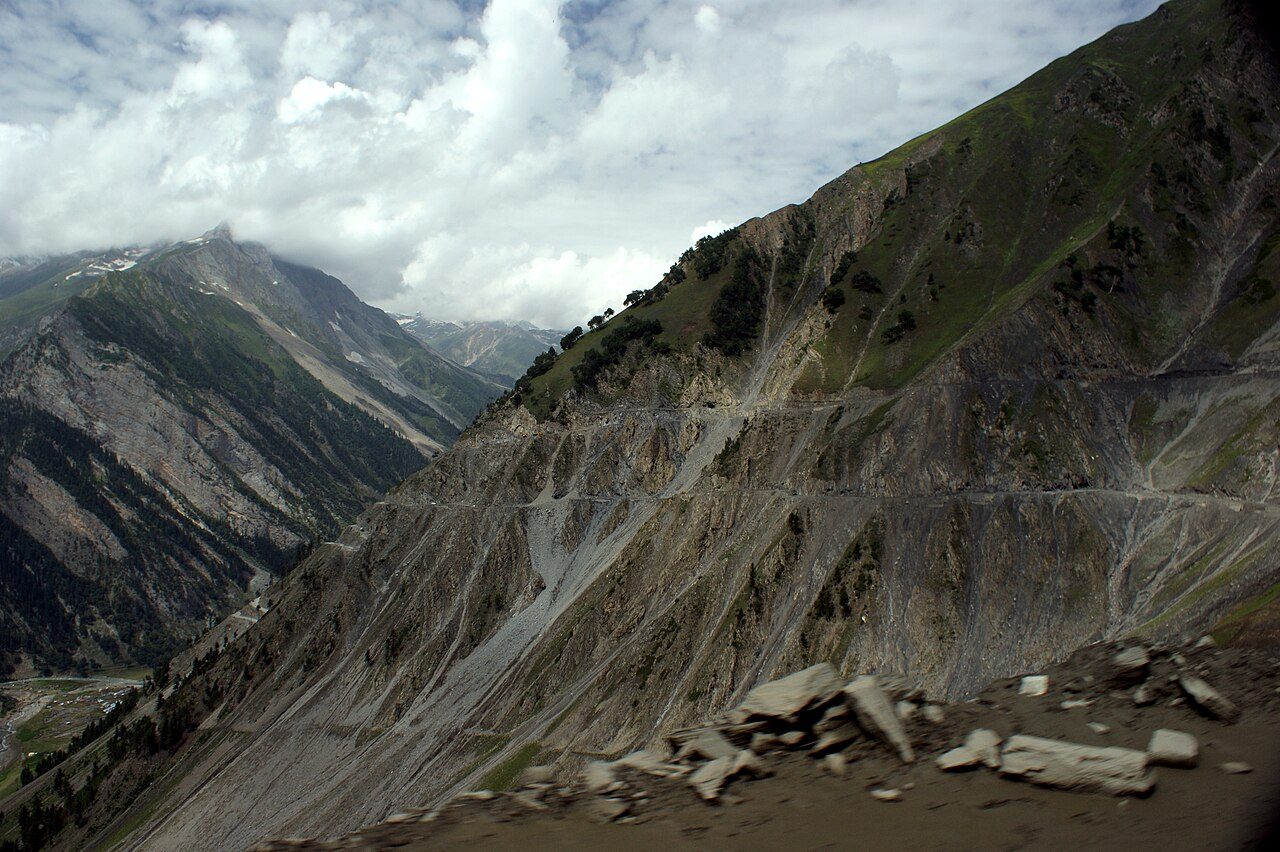
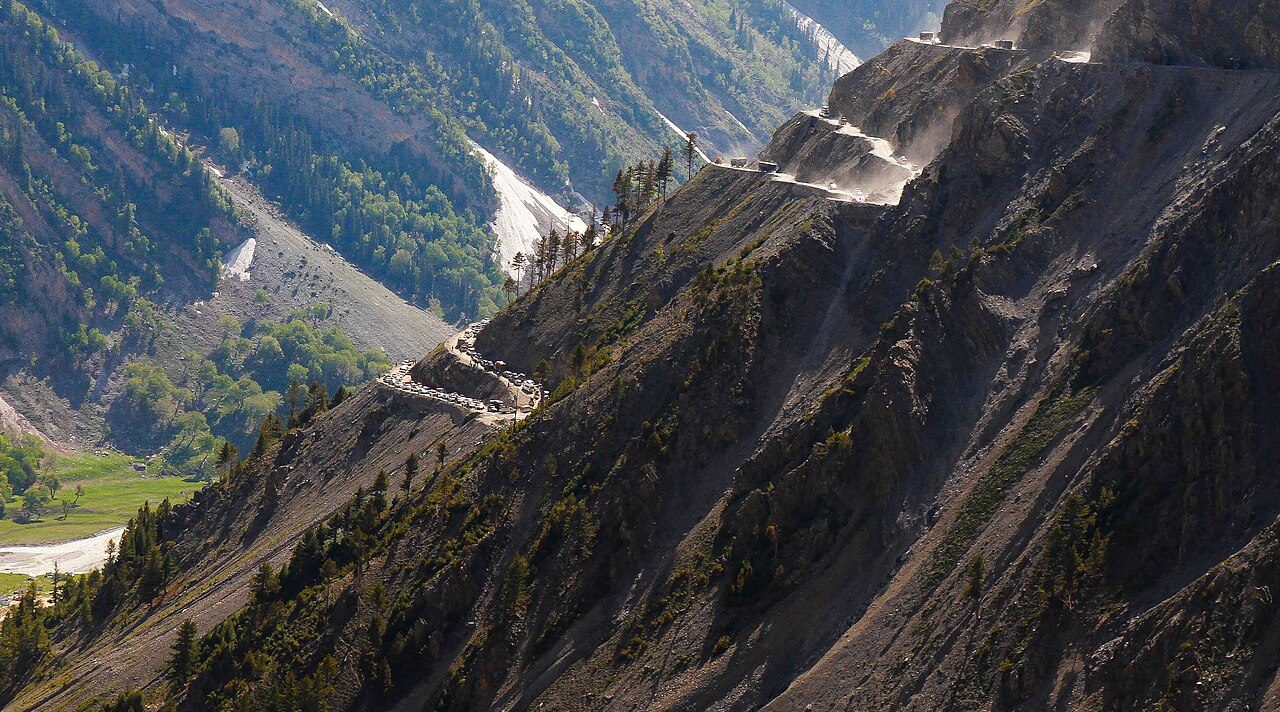
Zoji La is a high pass at about 3,530 metres on the highway between Srinagar and Leh, linking the green Kashmir valley with the dry mountains of Ladakh. The narrow road is cut into cliffs above deep drops and is closed by heavy snow for several months each winter. A long tunnel is being built beneath it to keep the route open year-round.
Seasons from 20 years of NASA POWER climate data.
 WaTrips