Sarawak in 5 Days: Kuching, Bako, Orangutans and the Caves of Mulu and Niah TRIP BLOG Photo: Peter Gronemann · CC BY 2.0
Malaysia · Sarawak · Kuching

Sarawak in 5 Days: Kuching, Bako, Orangutans and the Caves of Mulu and Niah

5 DAYS 8 places by WaTrips

Kuching's waterfront, Bako's proboscis monkeys, Semenggoh's orangutans, the Cultural Village, Gunung Mulu and Niah.

Sarawak is quieter than Sabah but just as rich. Kuching is a relaxed riverside city with a colonial fort and a striking assembly building. Take the boat to Bako National Park for proboscis monkeys and sea stacks, watch semi-wild orangutans at Semenggoh, and learn about longhouse life at the Sarawak Cultural Village. Then fly to Mulu, a UNESCO park of huge show caves and a rainforest canopy walk, and end at the great cave of Niah. March to September is drier, though it rains often in any month.

01
STOP 1 OF 8

Kuching Waterfront

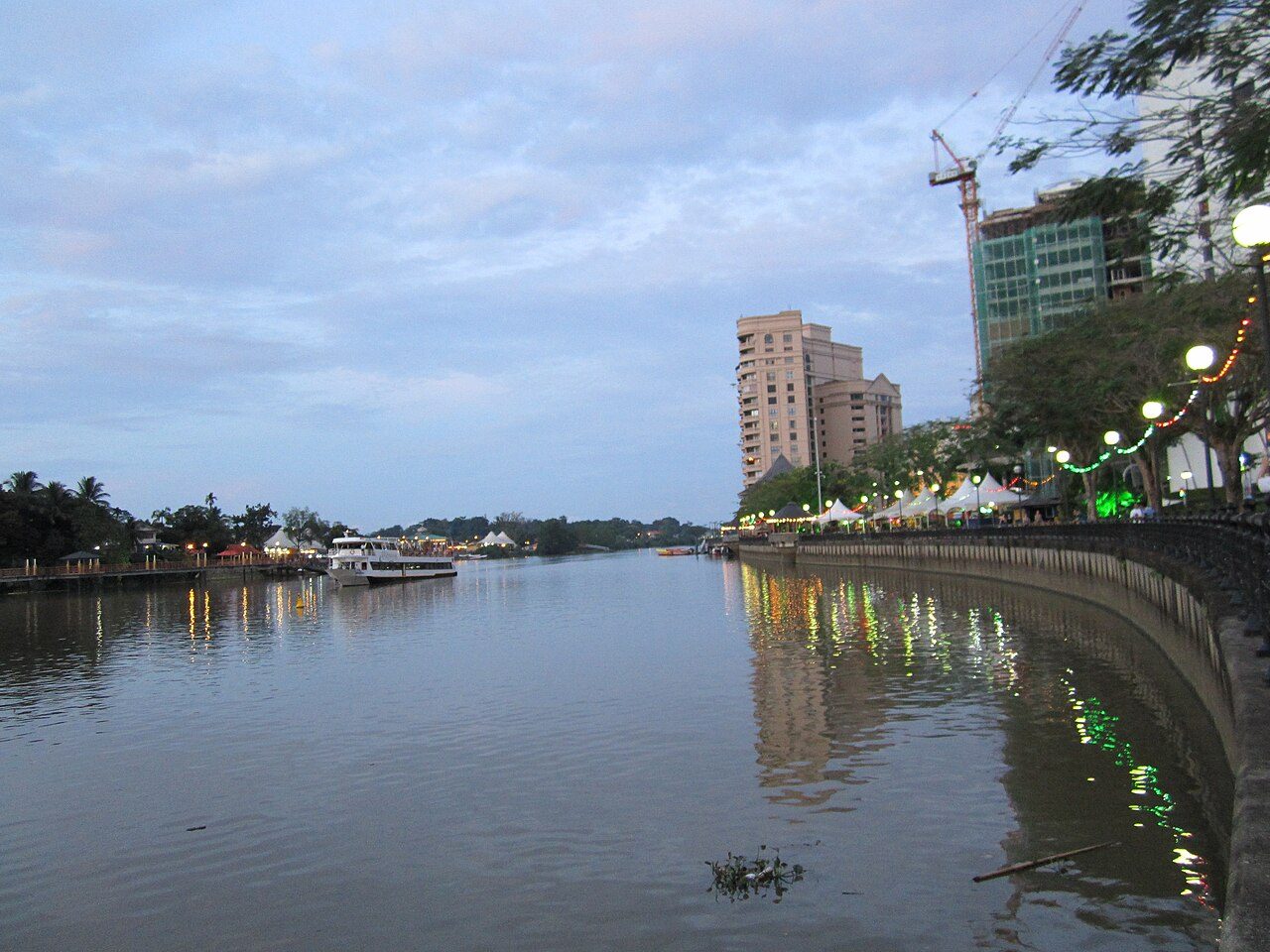
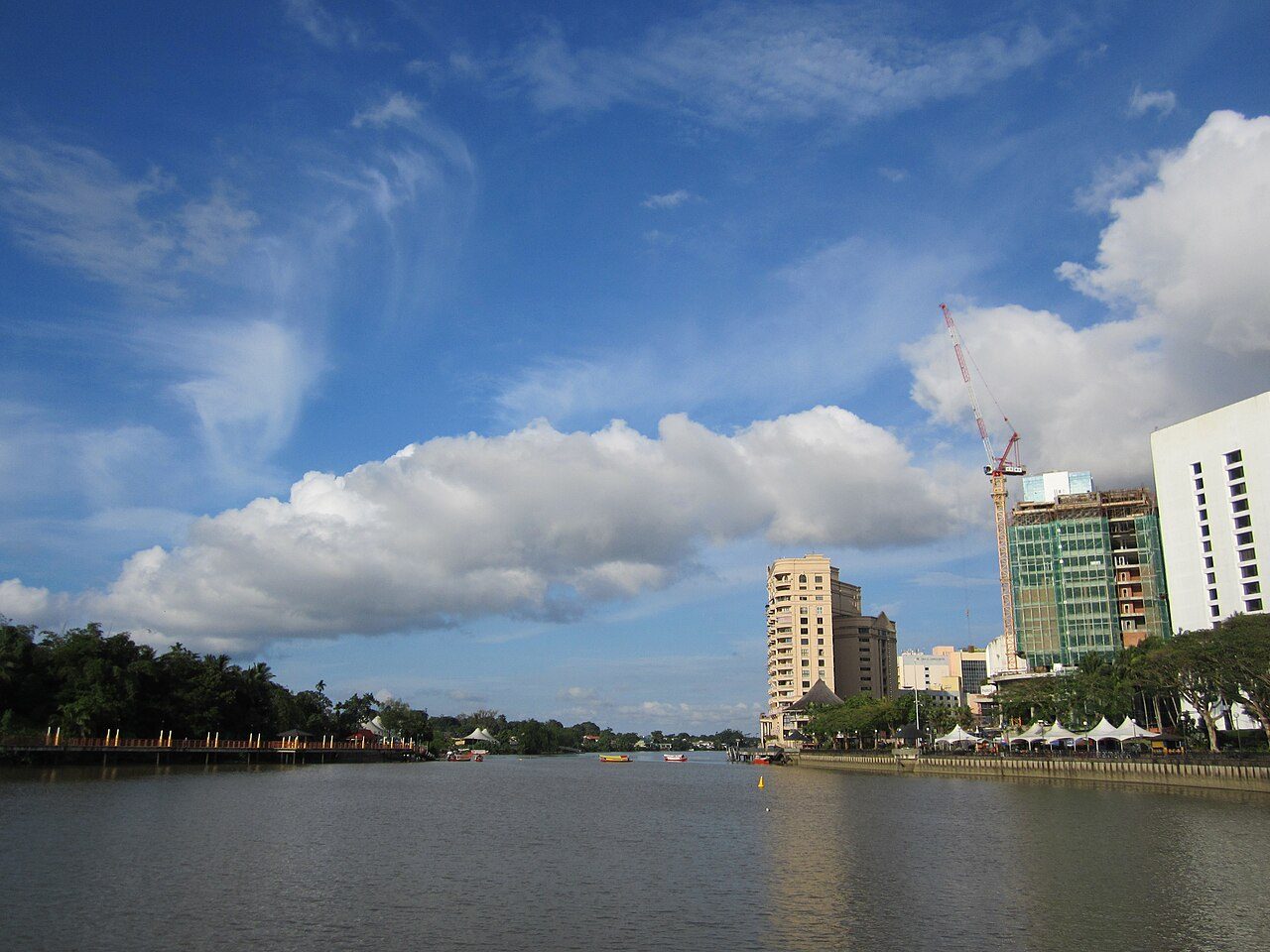
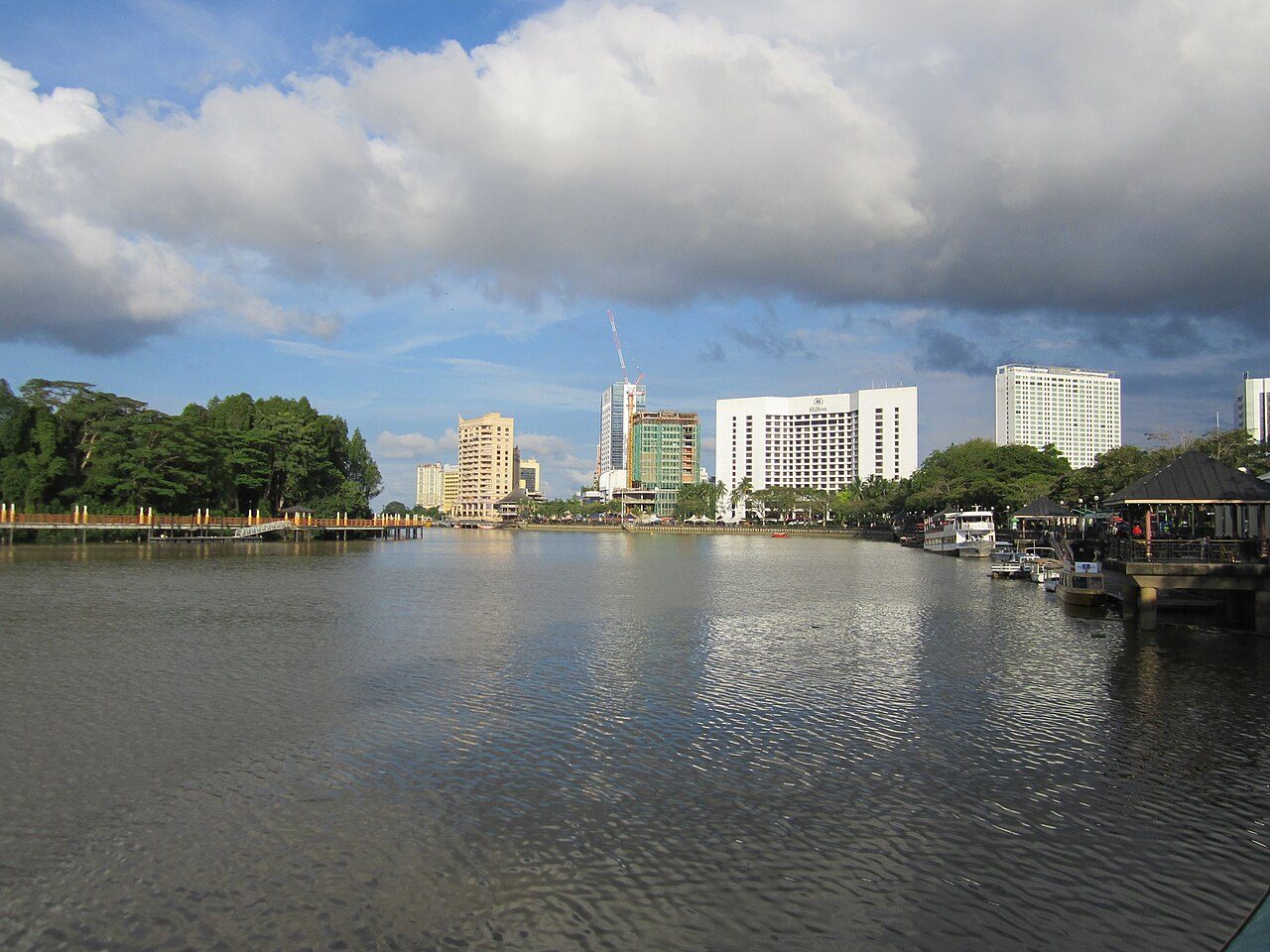
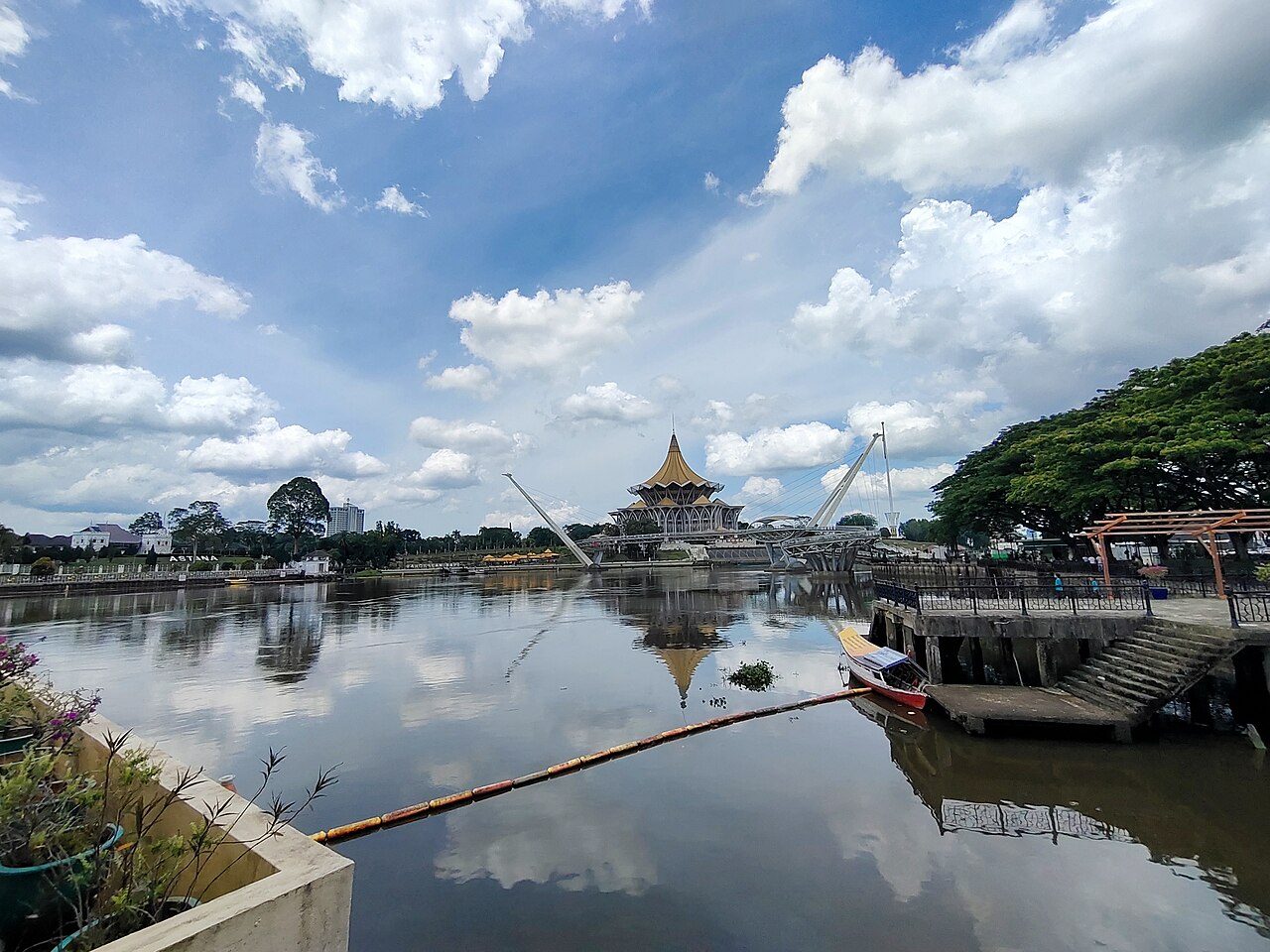
The Kuching Waterfront is a promenade along the south bank of the Sarawak River in the centre of Kuching. It is lined with gardens, food stalls, statues and old buildings such as the Square Tower and the Chinese History Museum. Small boats called tambang carry people across the river. A musical fountain show plays in the evening.

Heavy rain: Sep – Apr
02
STOP 2 OF 8

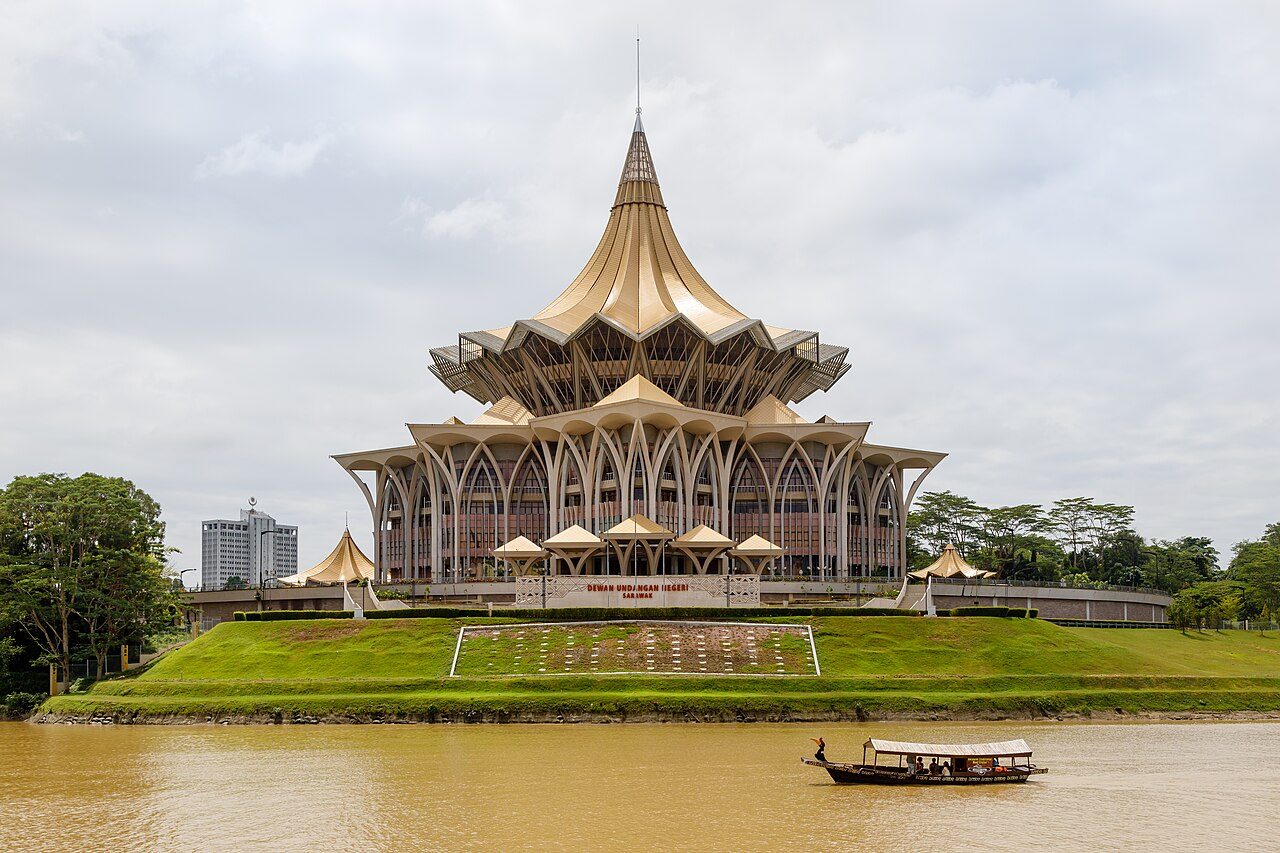
Sarawak State Legislative Assembly Building

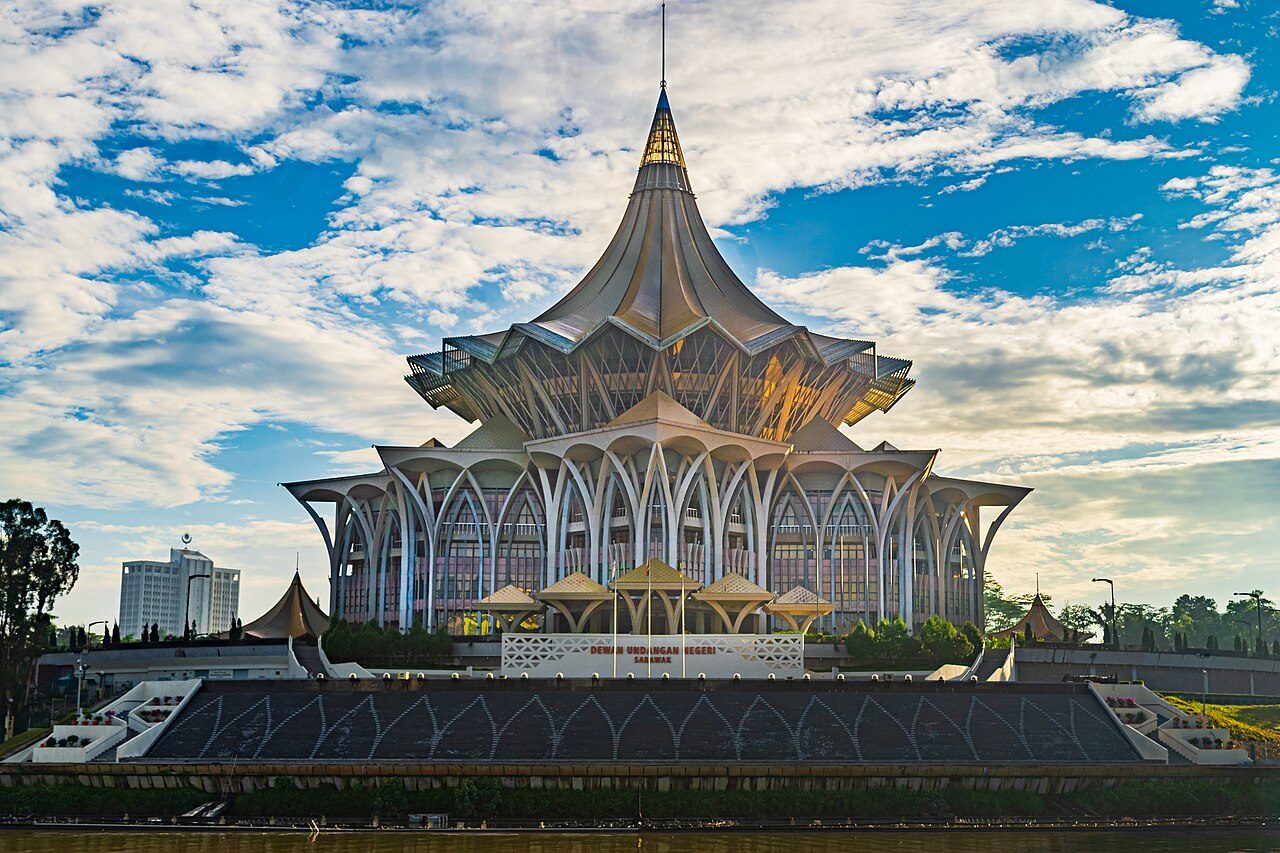
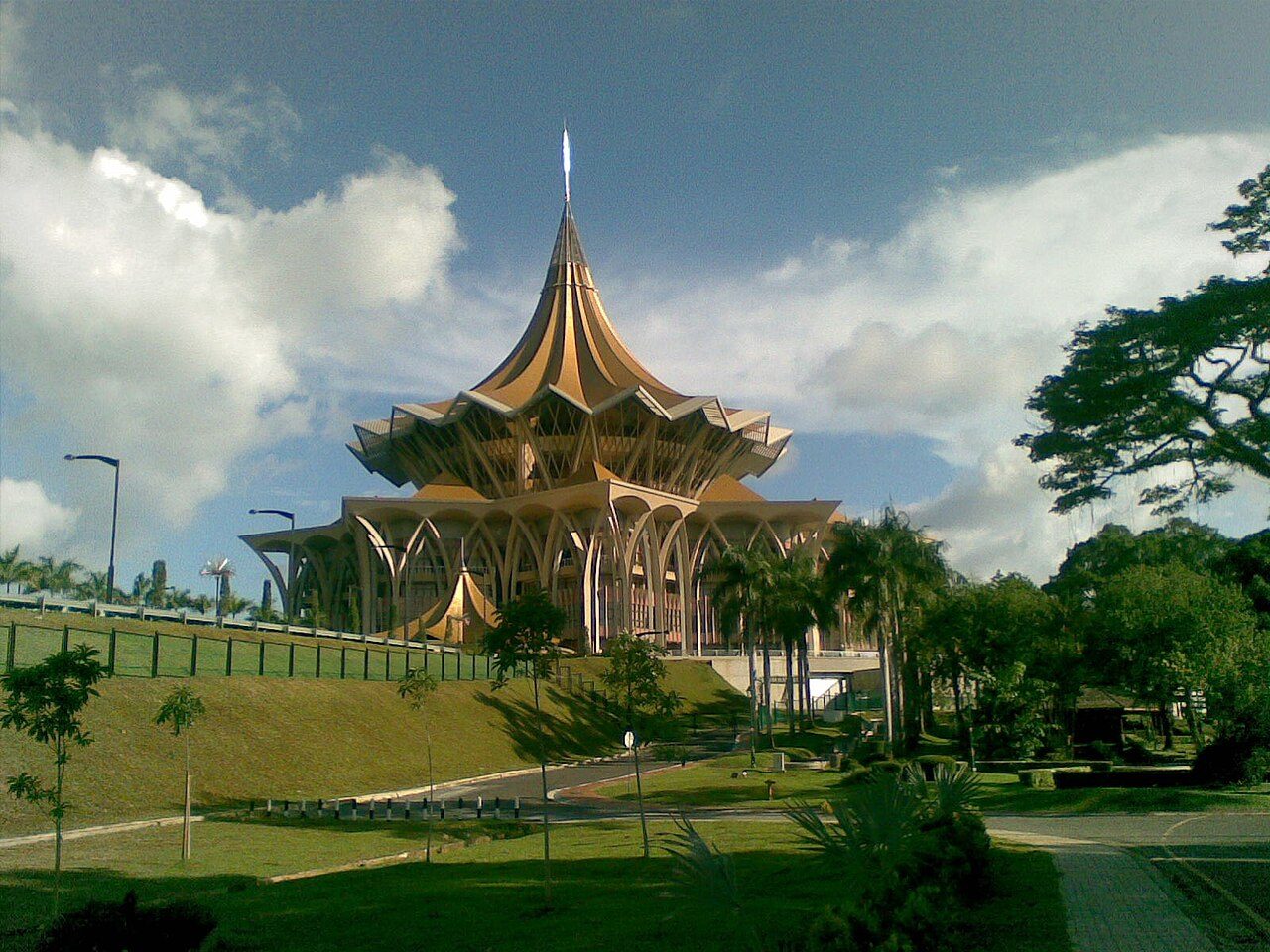
The Sarawak State Legislative Assembly Building stands on the north bank of the Sarawak River in Kuching, opened in 2009. Its golden roof is shaped like a great umbrella with nine points, inspired by local designs. It faces the Kuching Waterfront, and a curved pedestrian bridge, the Darul Hana Bridge, links it to the city centre.

Heavy rain: Sep – Apr
03
STOP 3 OF 8

Fort Margherita

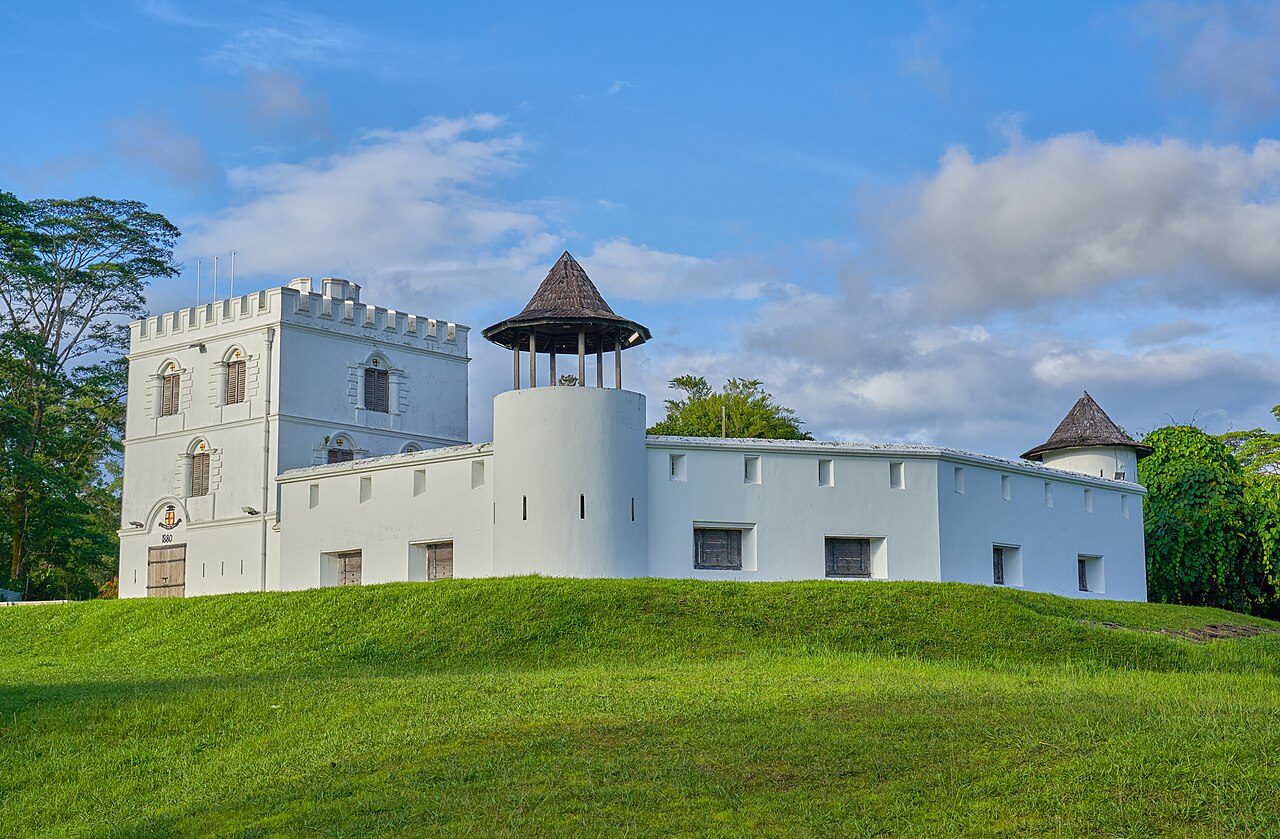
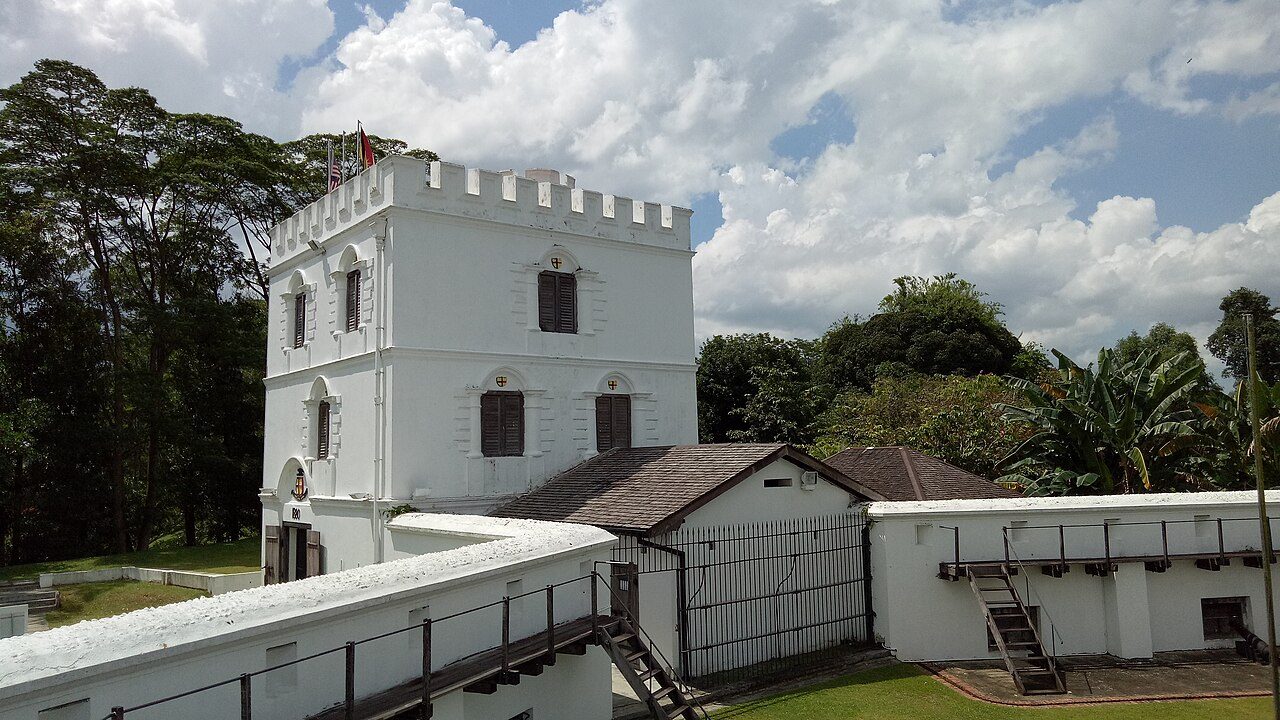
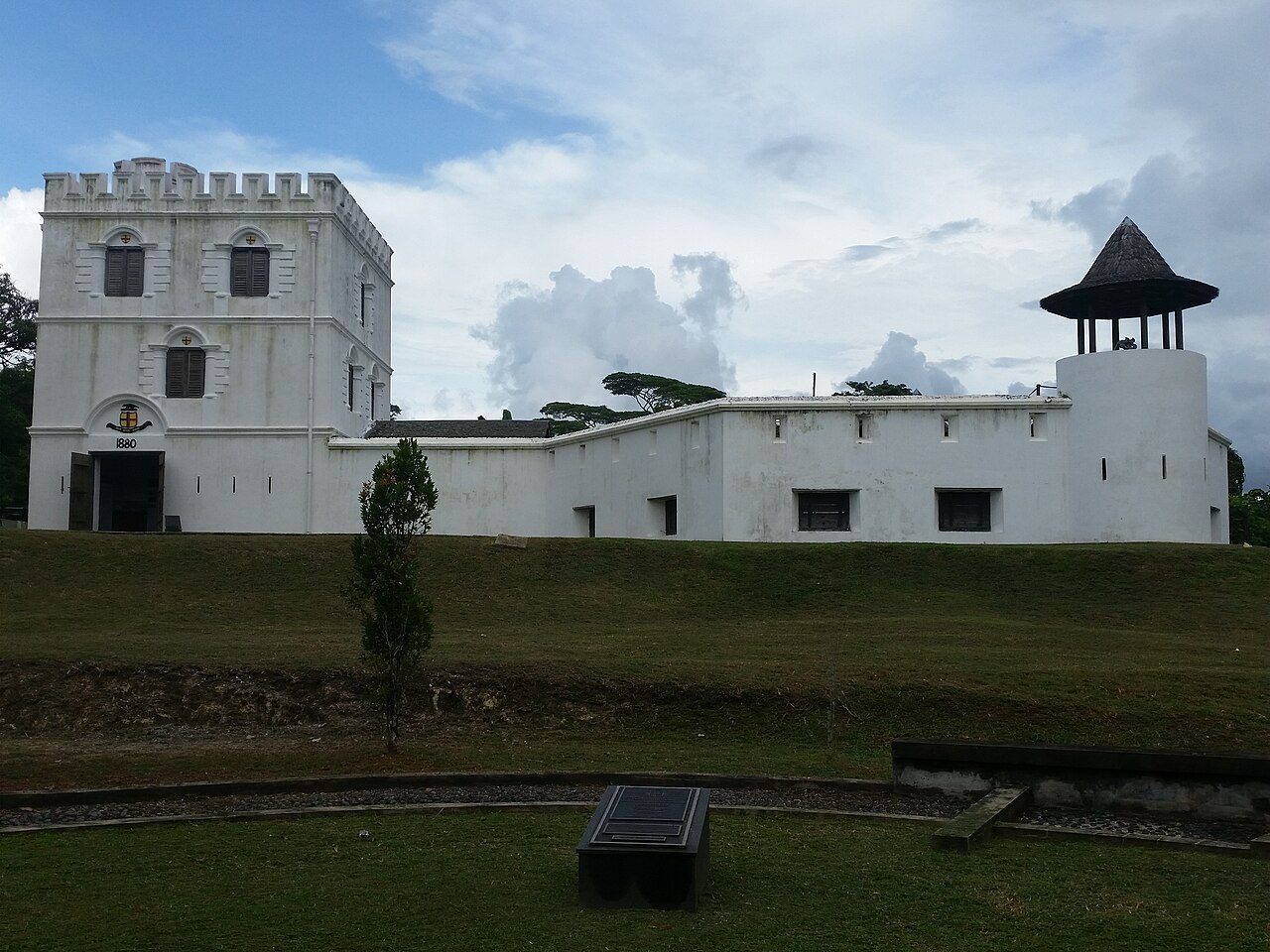
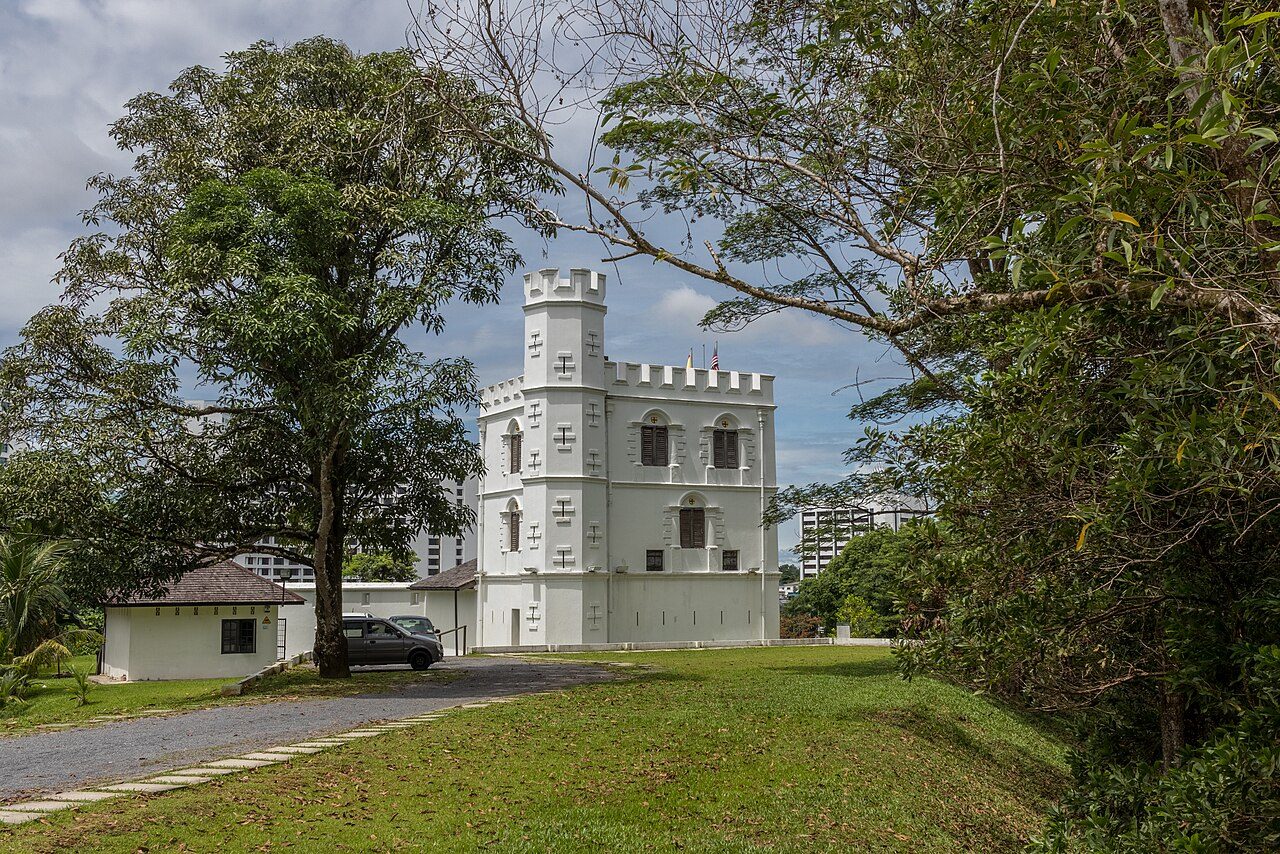
Fort Margherita stands on a hill on the north bank of the Sarawak River in Kuching. It was built in 1879 by Charles Brooke, the second White Rajah of Sarawak, and named after his wife, Ranee Margaret. The white fort, shaped like an English castle, guarded the river against pirates. It now houses a museum on the Brooke era.

Heavy rain: Sep – Apr
04
STOP 4 OF 8

Bako National Park

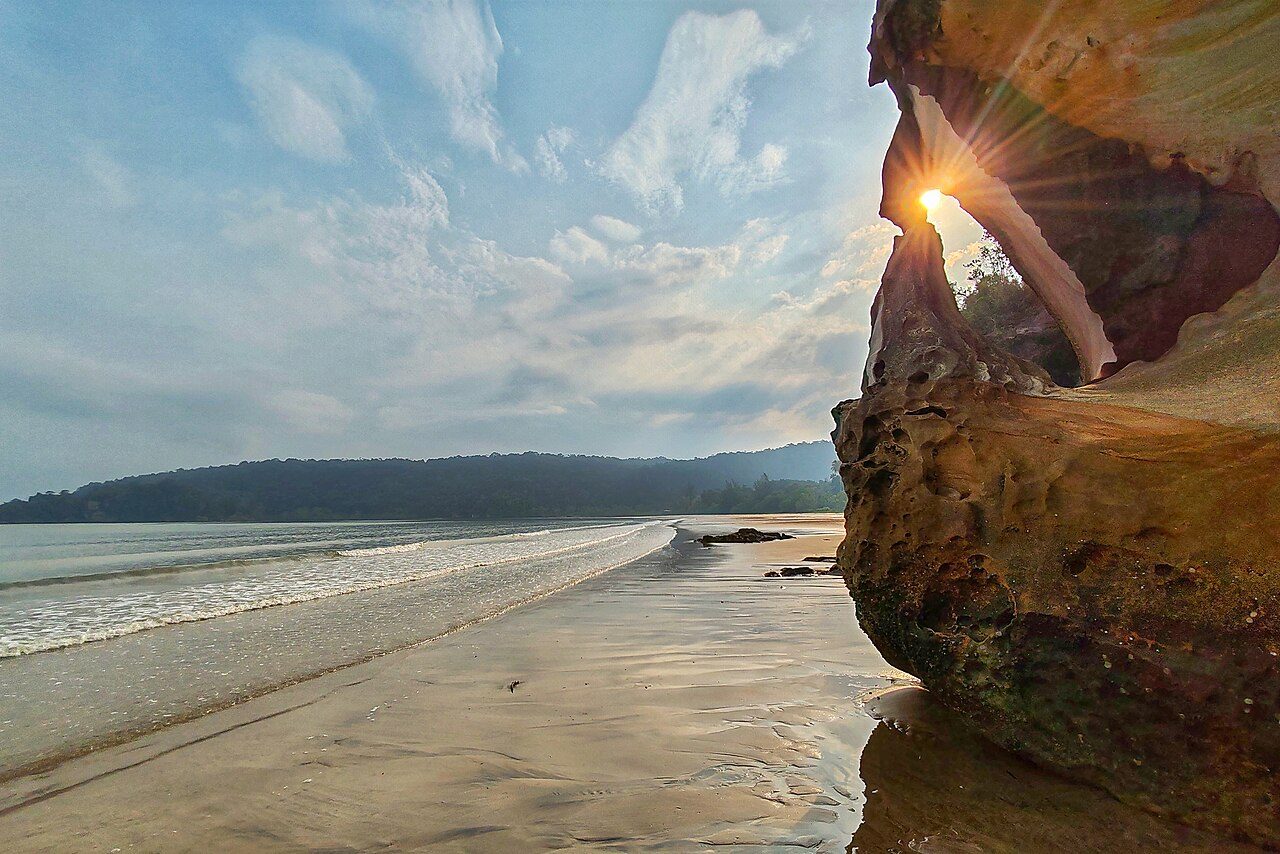
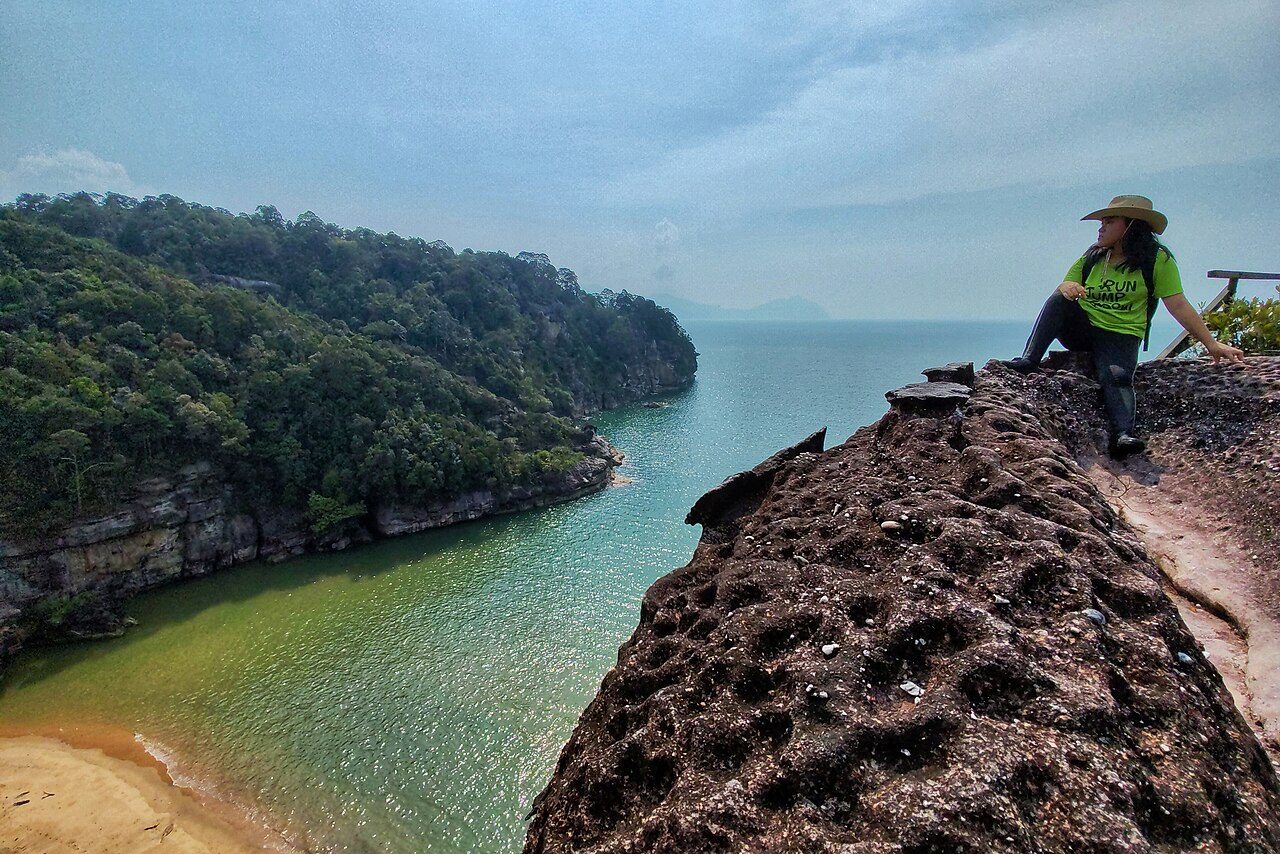
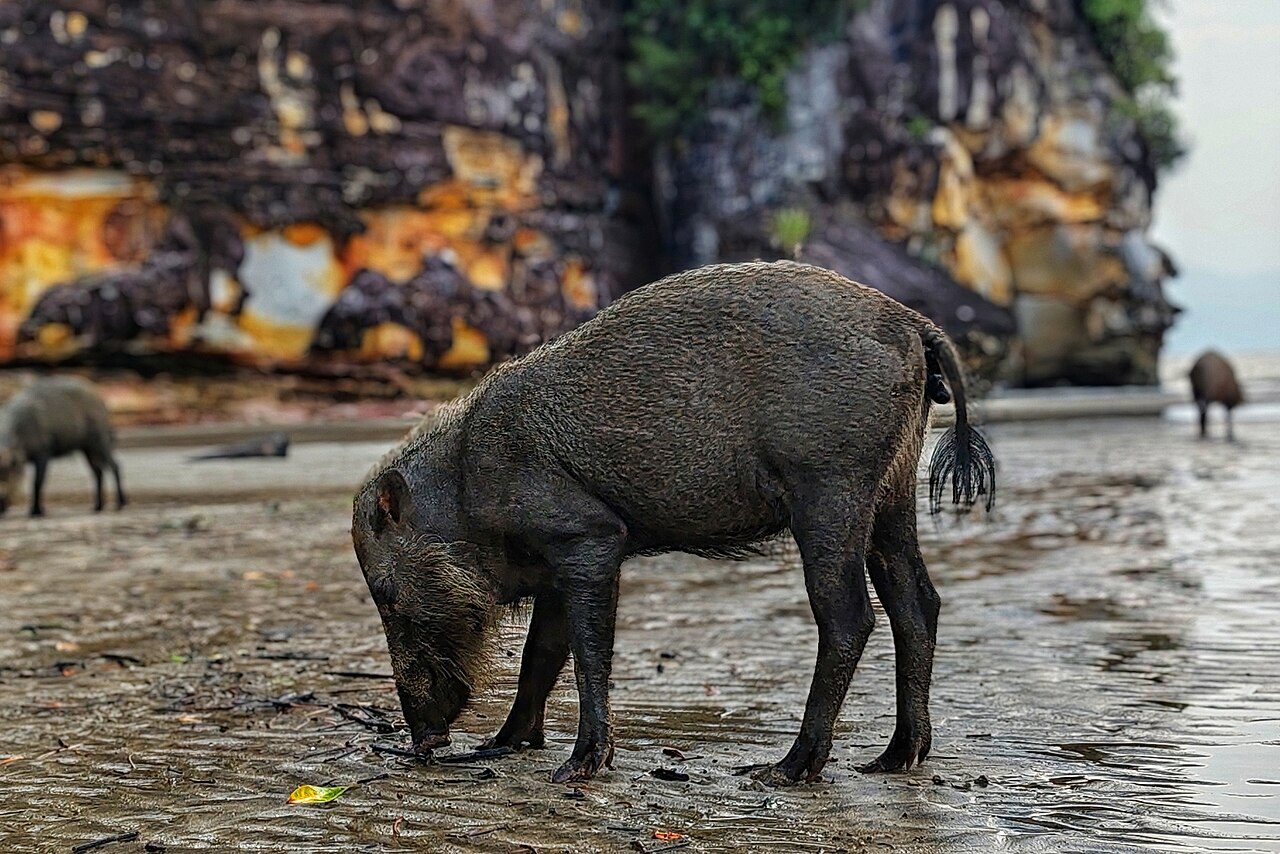
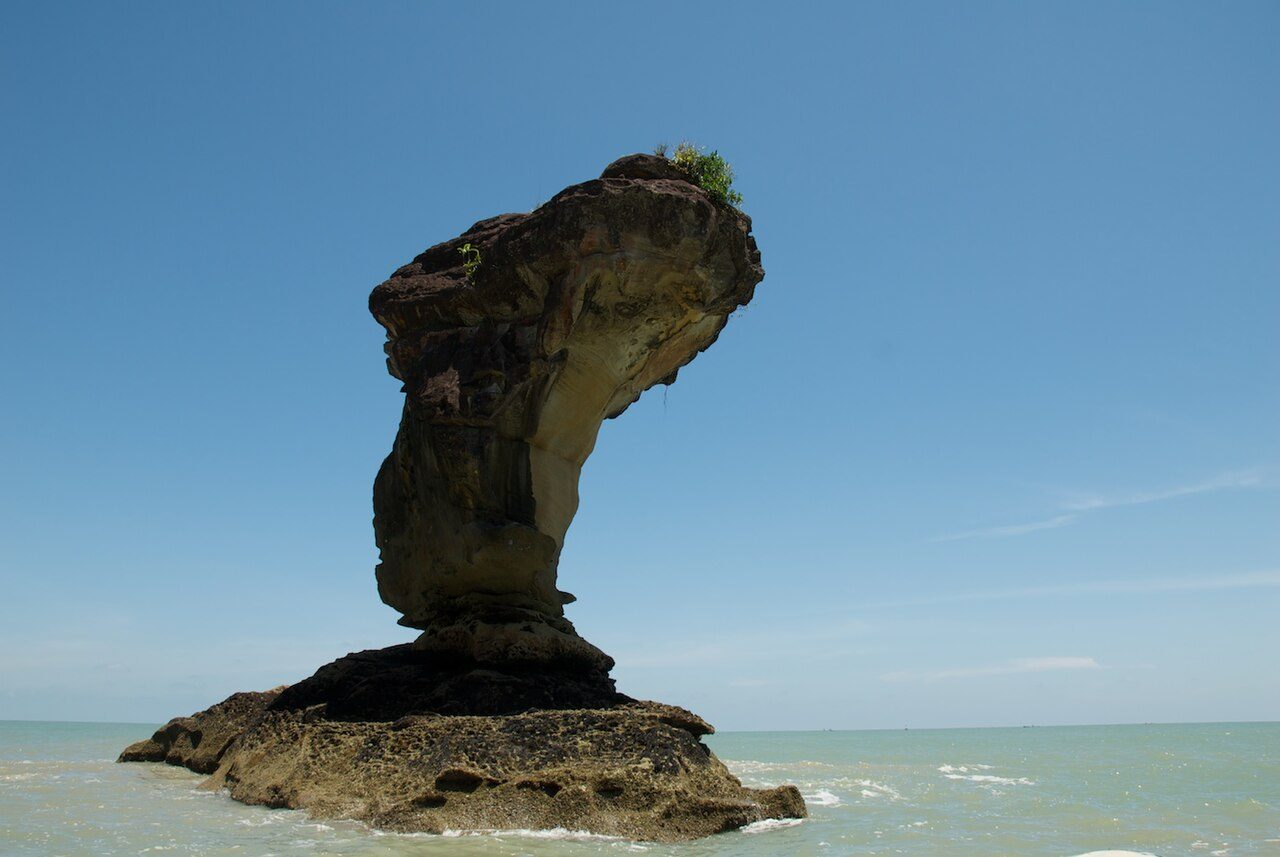
Bako National Park is the oldest national park in Sarawak, created in 1957 on a peninsula near Kuching. It can only be reached by boat. Its sandstone cliffs, eroded into arches and sea stacks, rise above small beaches. Trails lead through many types of forest. It is one of the best places to see proboscis monkeys, as well as bearded pigs and macaques.

Heavy rain: Sep – Apr
05
STOP 5 OF 8

Semenggoh Nature Reserve

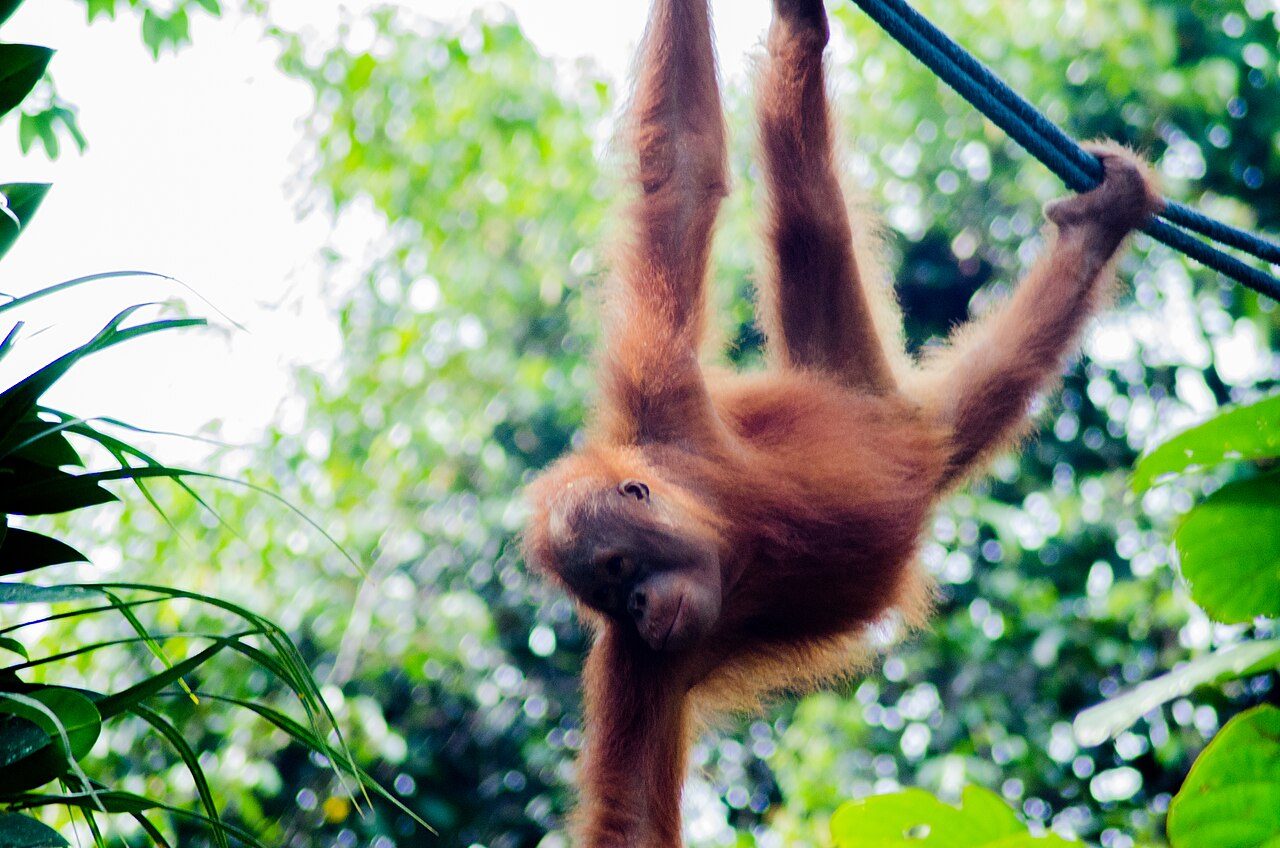
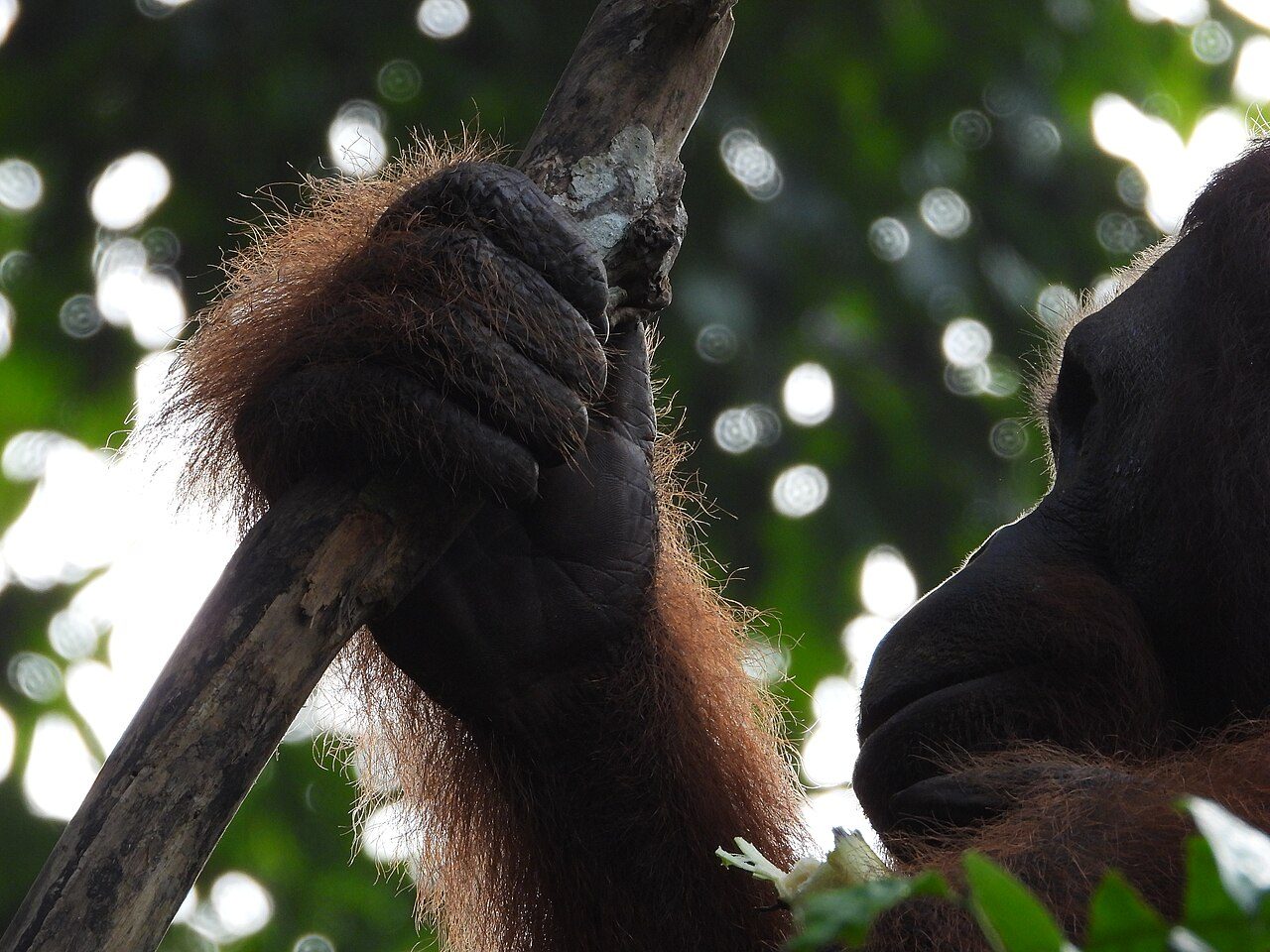
Semenggoh Nature Reserve is a forest reserve south of Kuching in Sarawak. Since 1975 it has run a wildlife centre where orangutans rescued from captivity or orphaned learn to live in the forest. The orangutans now roam freely and often come to feeding platforms in the morning and afternoon, where visitors can watch them.

Heavy rain: Sep – Apr
06
STOP 6 OF 8

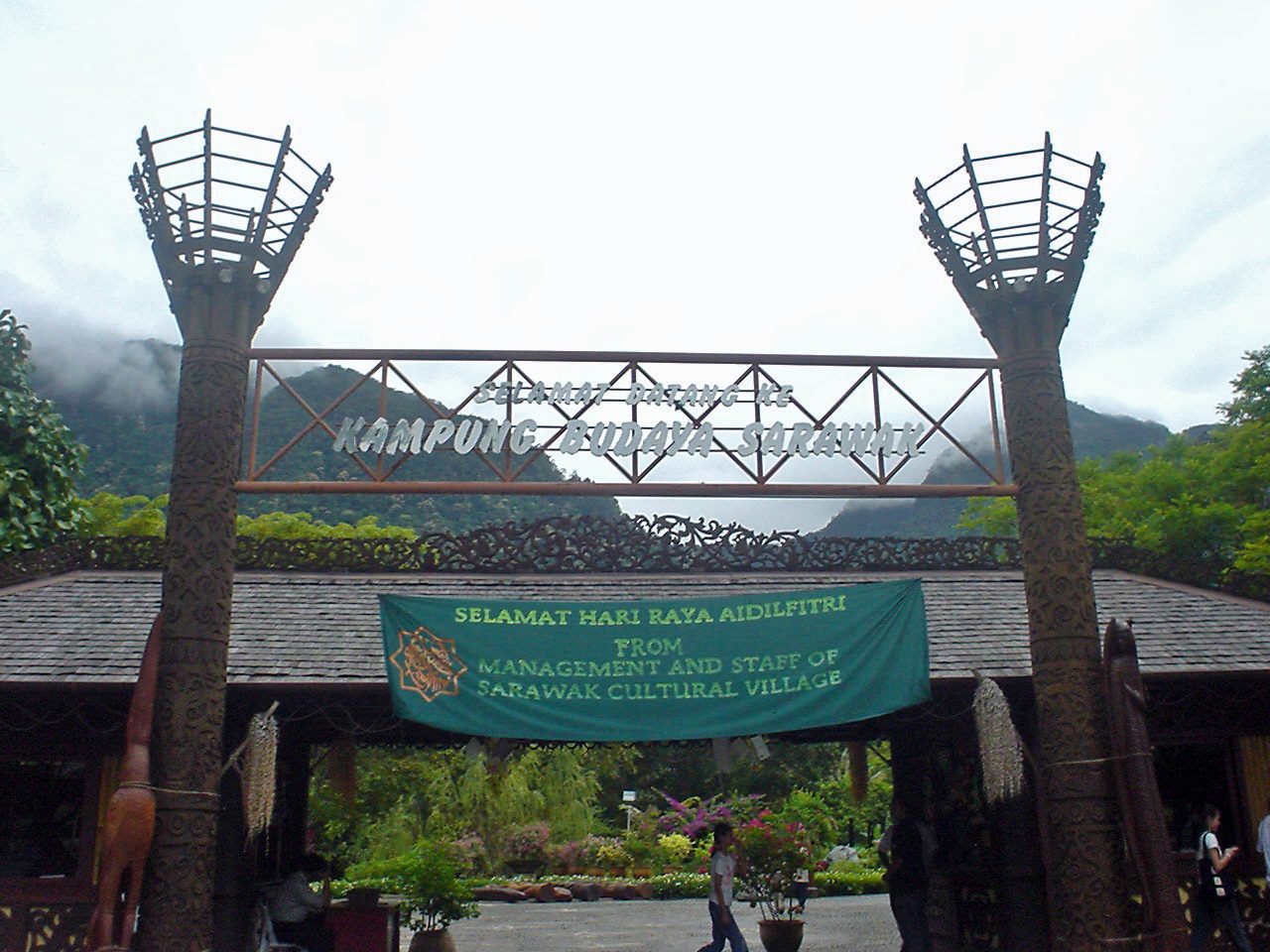
Sarawak Cultural Village

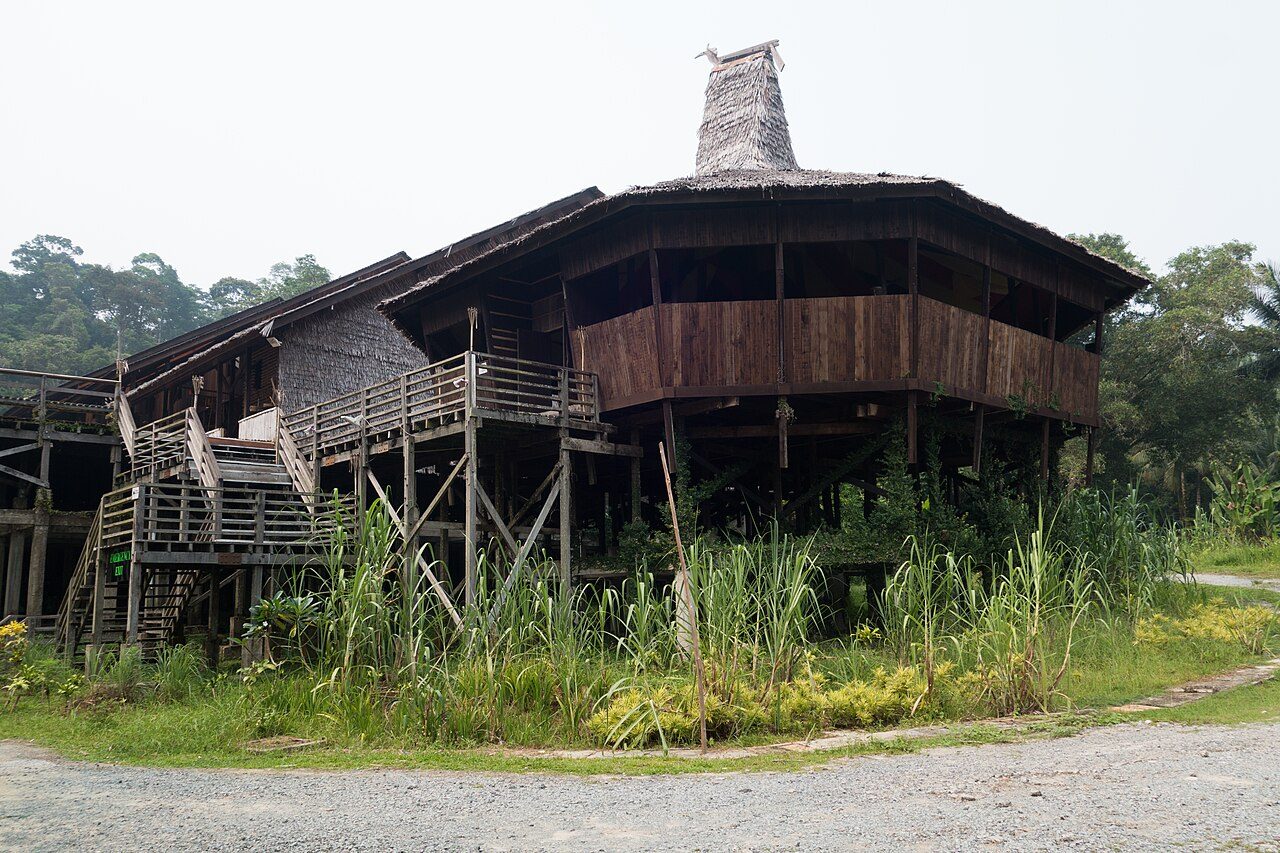
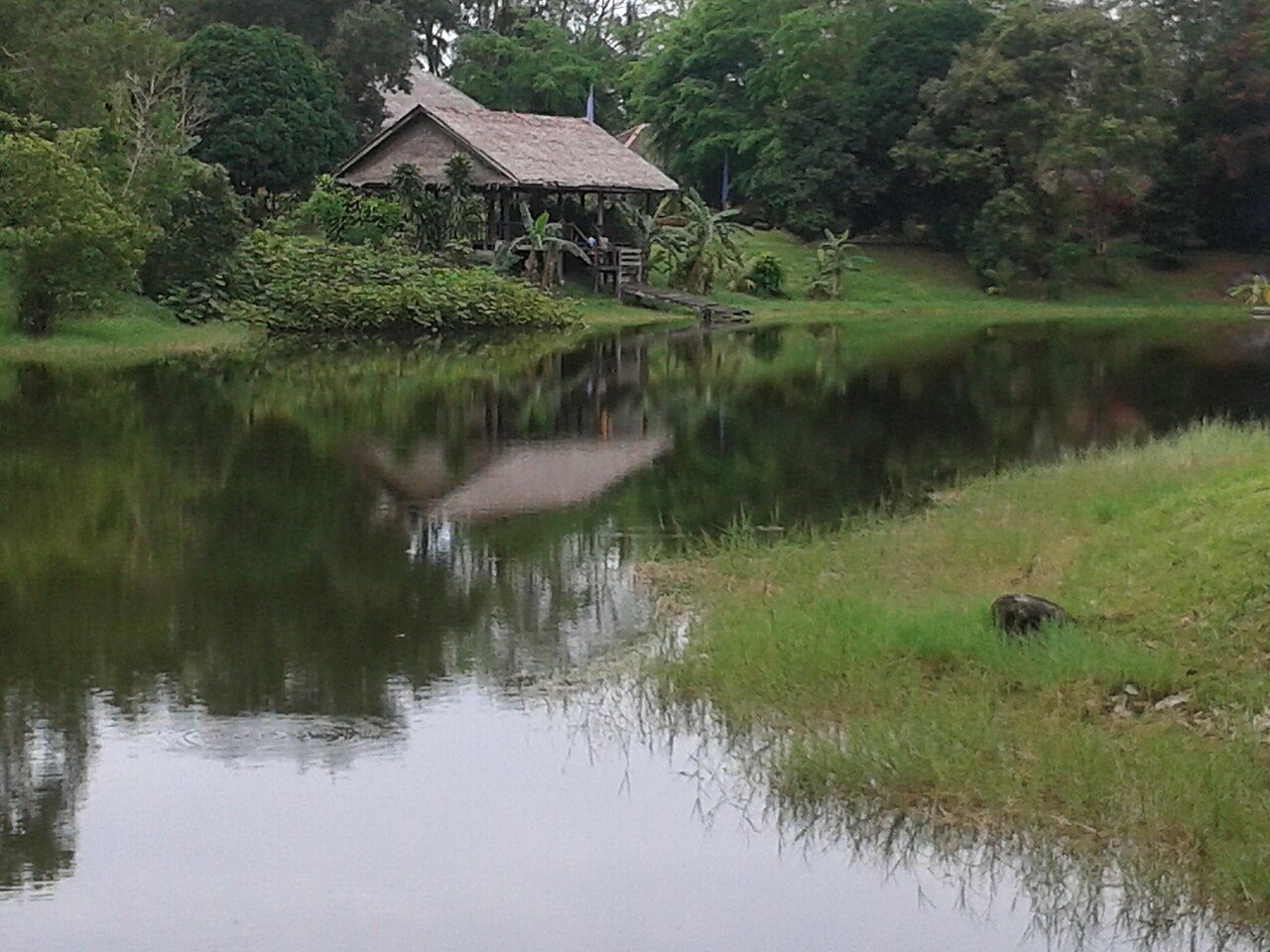
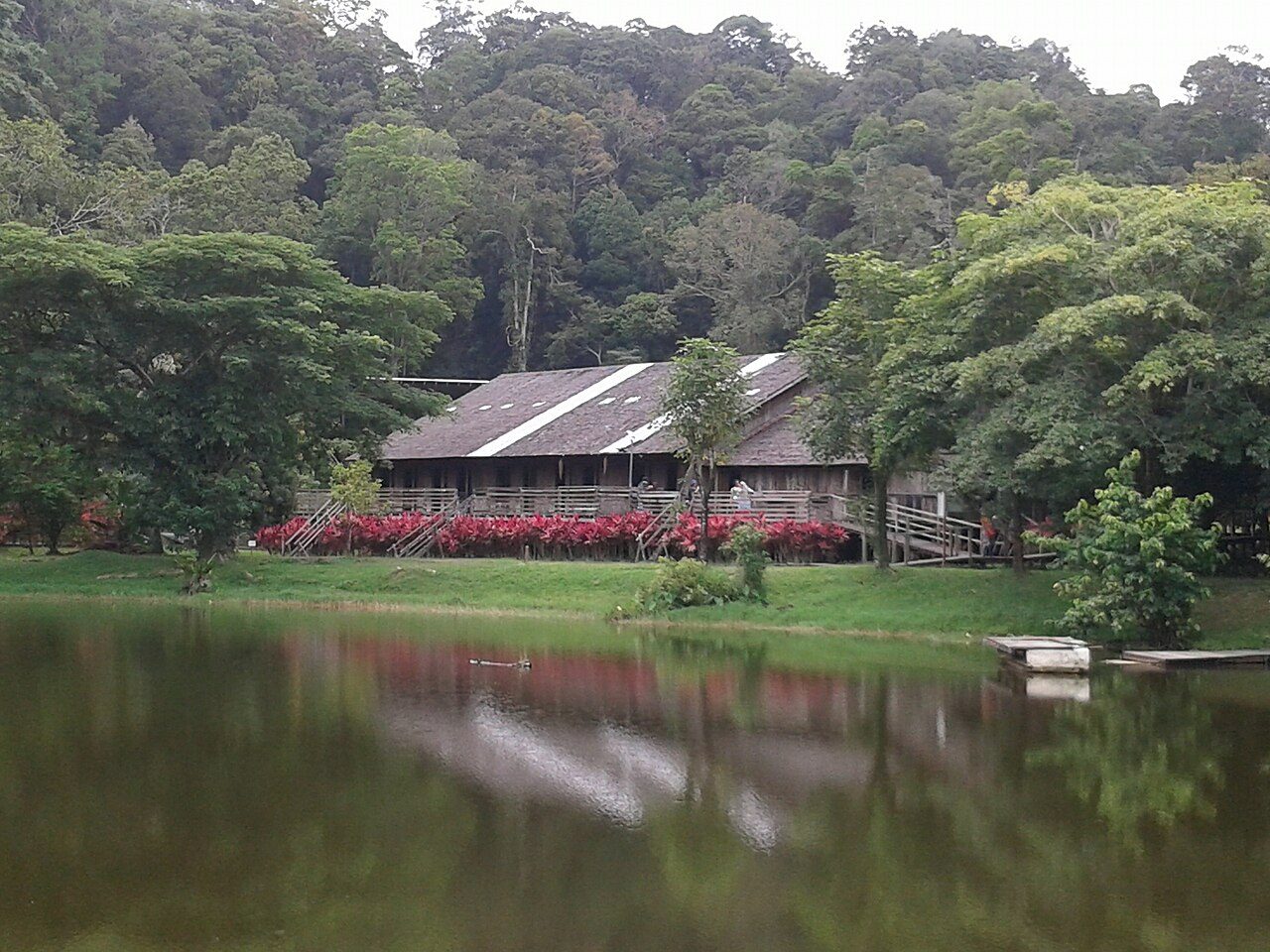
The Sarawak Cultural Village is a living museum at the foot of Mount Santubong, near Kuching. It shows traditional houses of Sarawak's main ethnic groups, including a Bidayuh roundhouse, an Iban longhouse and an Orang Ulu longhouse, around a lake. People in traditional dress show crafts, and a dance show is held each day. It hosts the Rainforest World Music Festival.

Heavy rain: Oct – Apr
07
STOP 7 OF 8

Gunung Mulu National Park

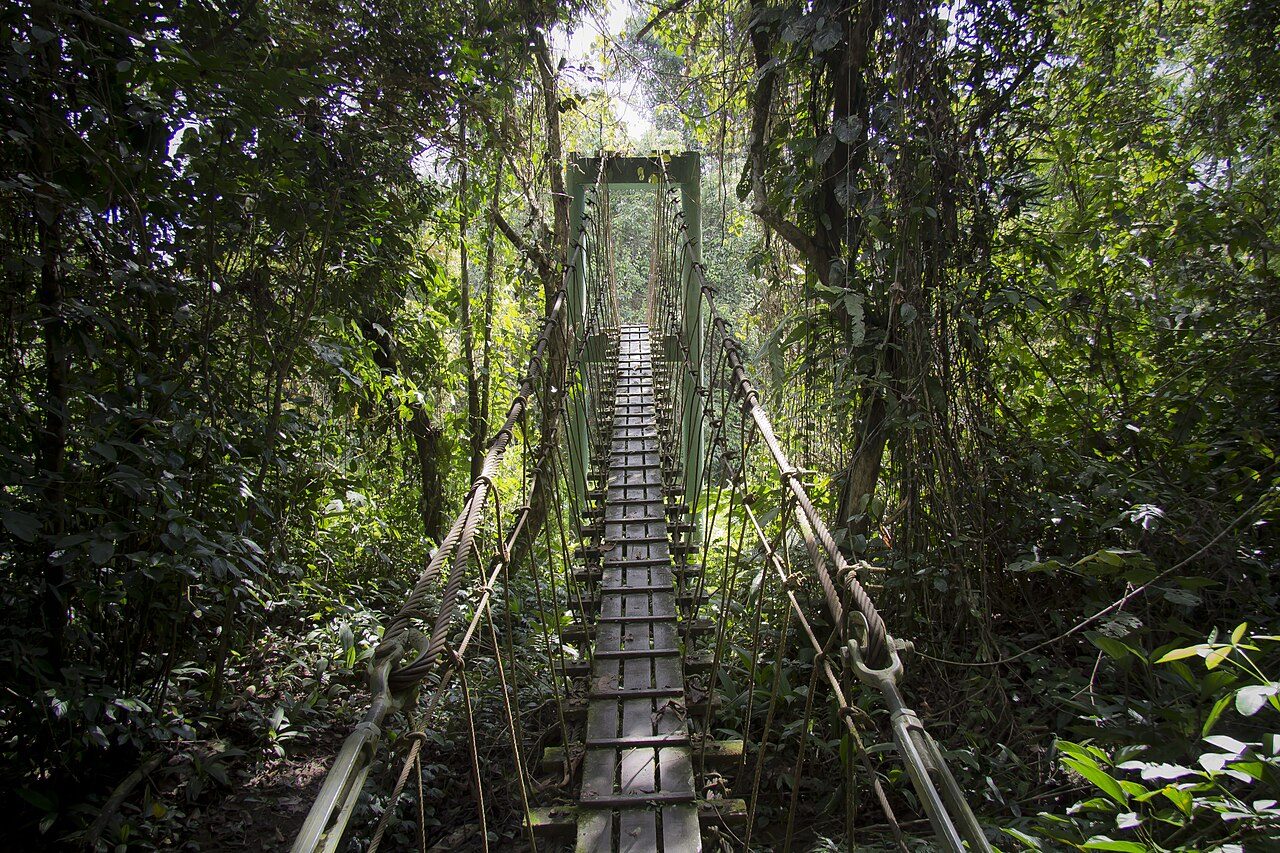
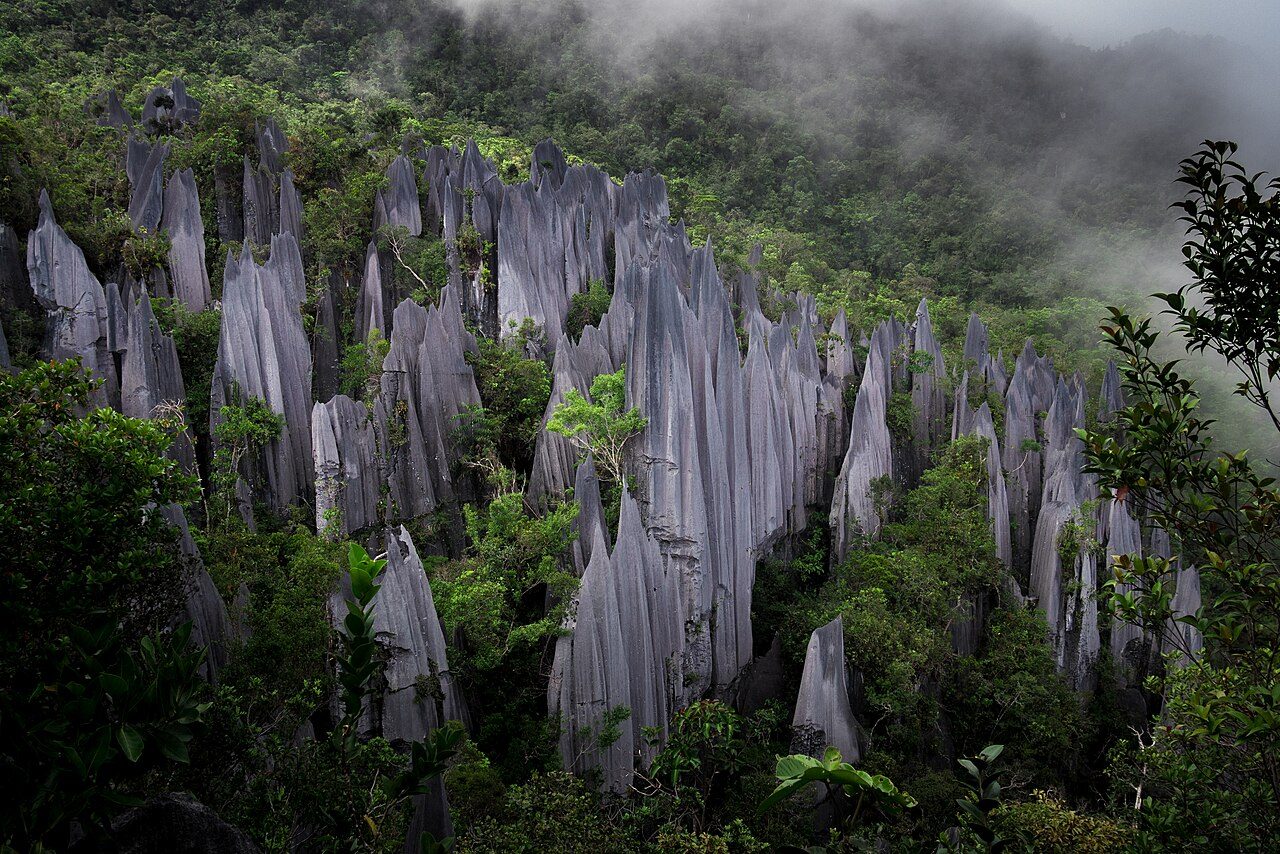
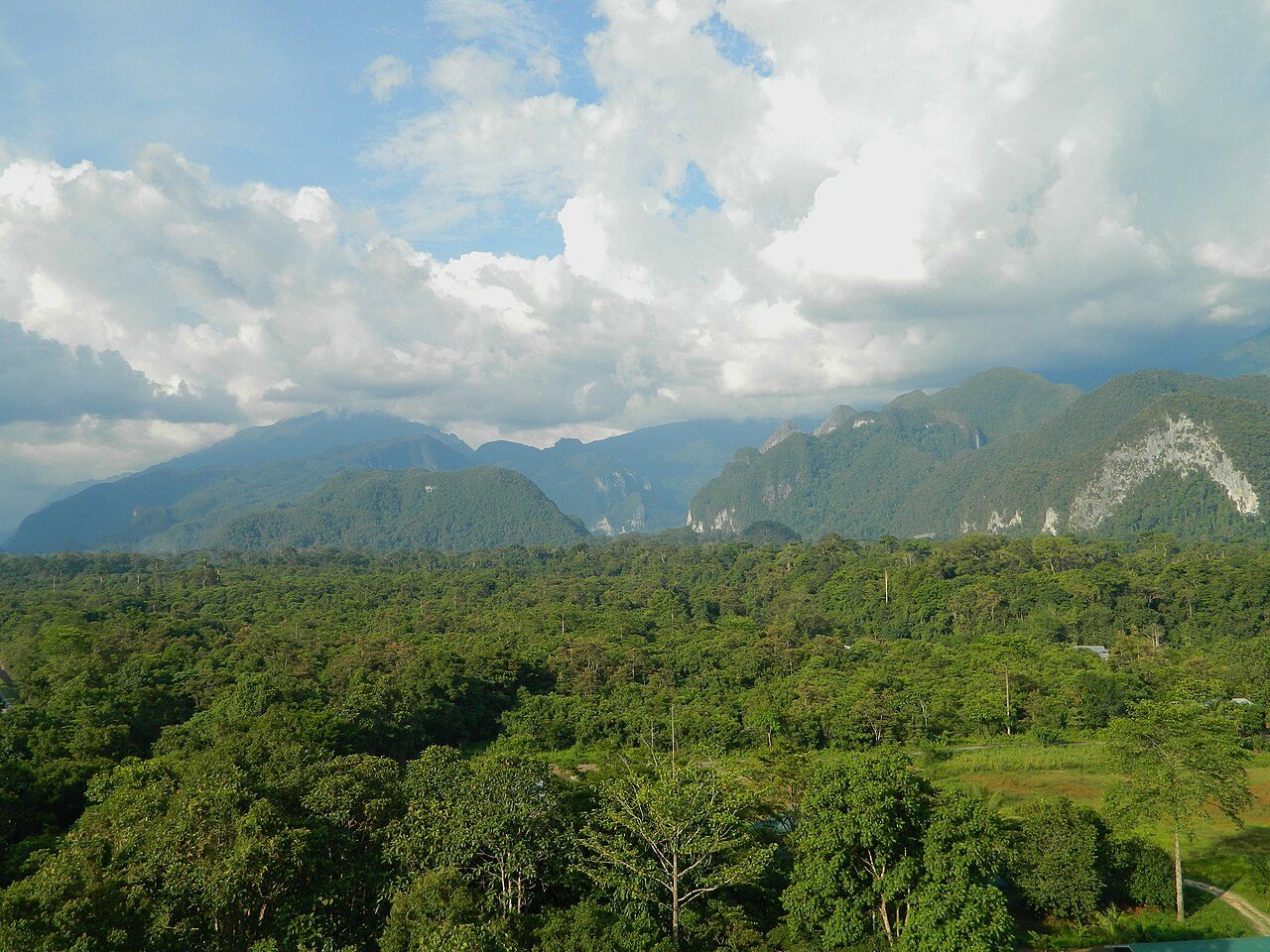
Gunung Mulu National Park in Sarawak is famous for its giant limestone caves, including the Sarawak Chamber, one of the largest cave chambers in the world, and Deer Cave, with one of the largest cave passages. At dusk, millions of bats fly out of Deer Cave. The park also has the sharp Pinnacles. It has been a UNESCO World Heritage Site since 2000.

Heavy rain: Oct – Jan
08
STOP 8 OF 8 · LAST STOP

Niah National Park

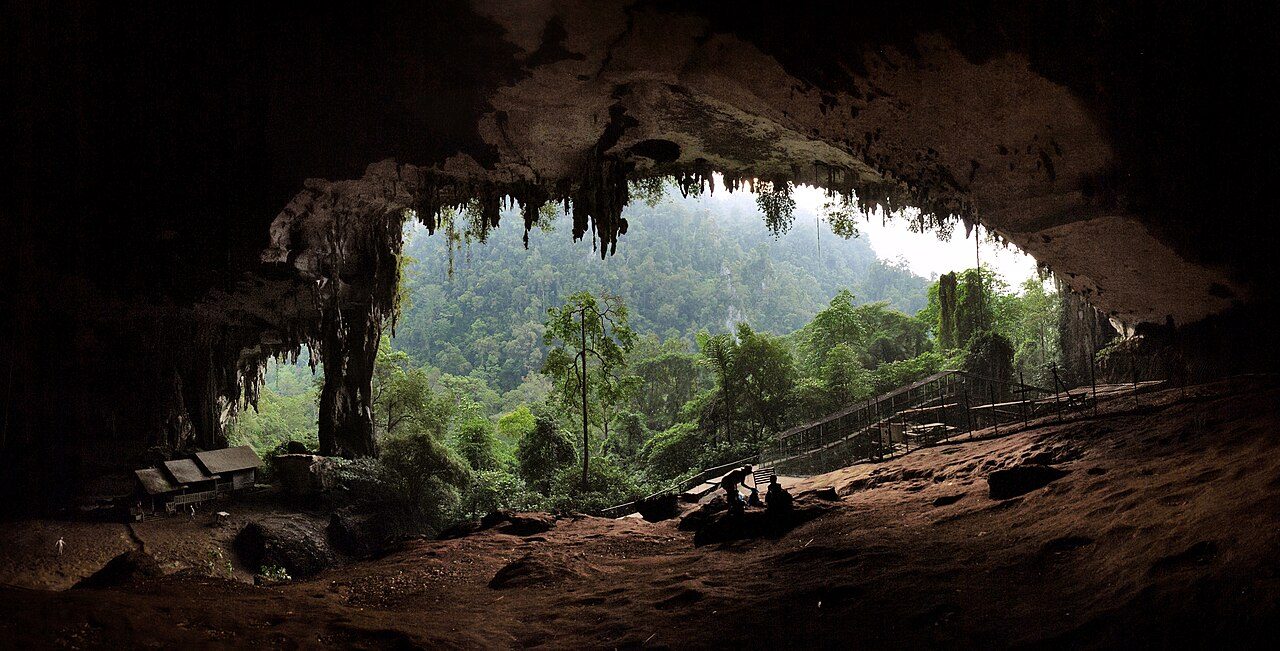
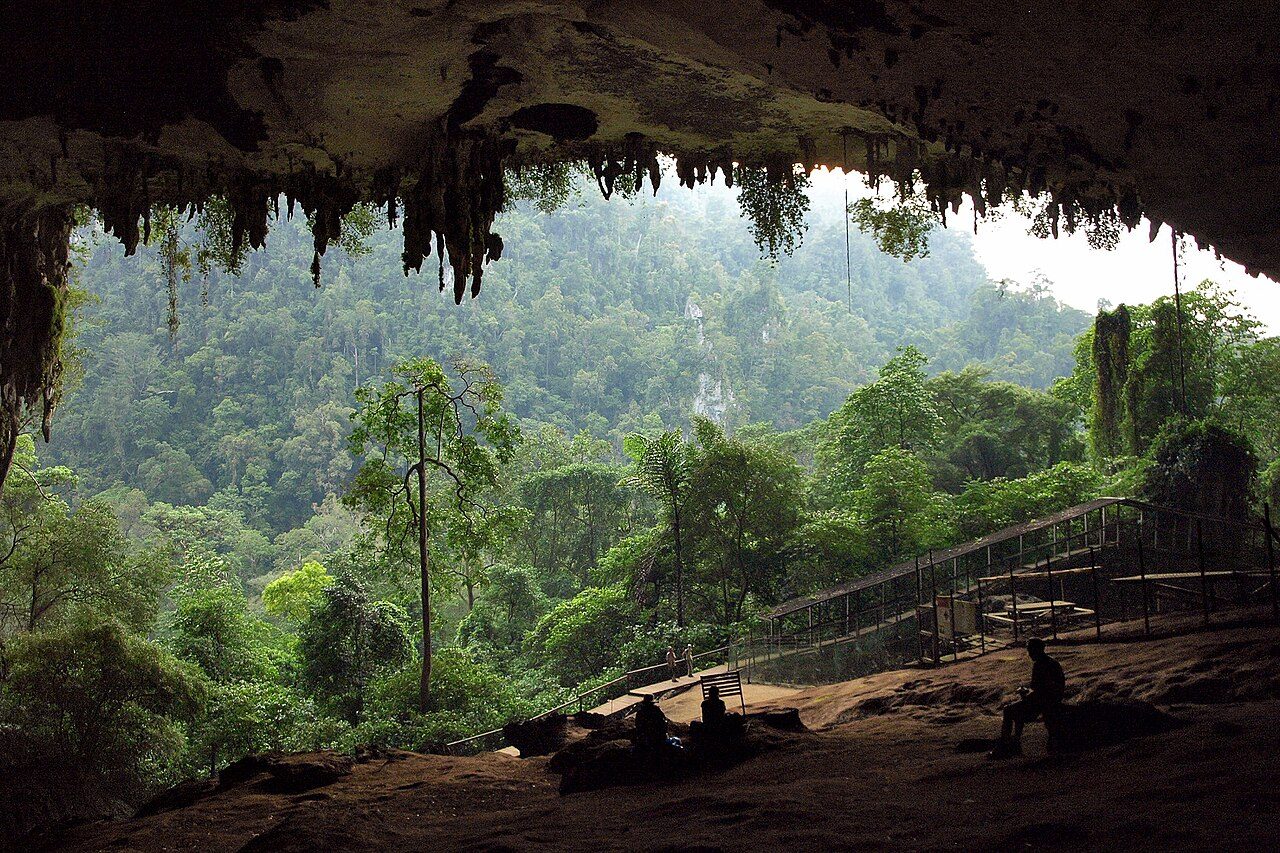
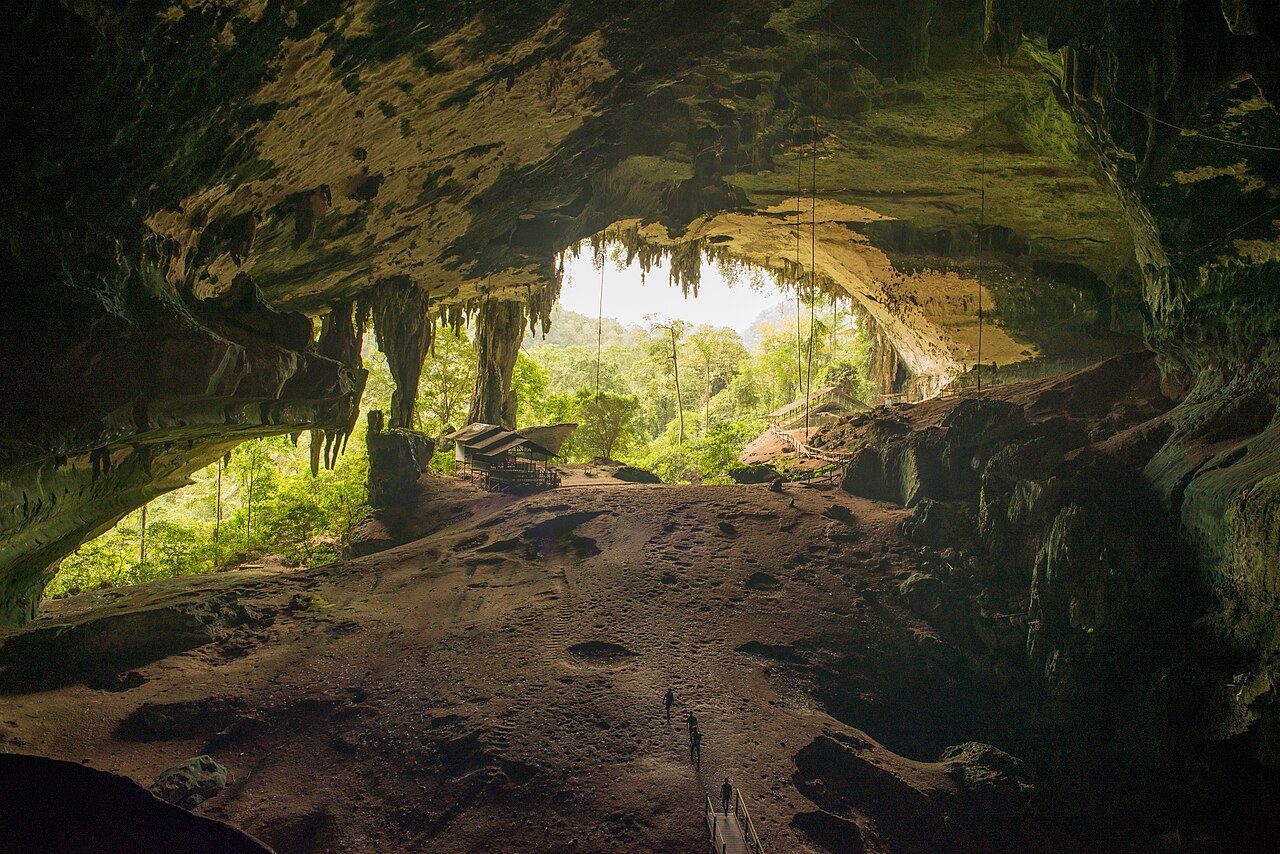
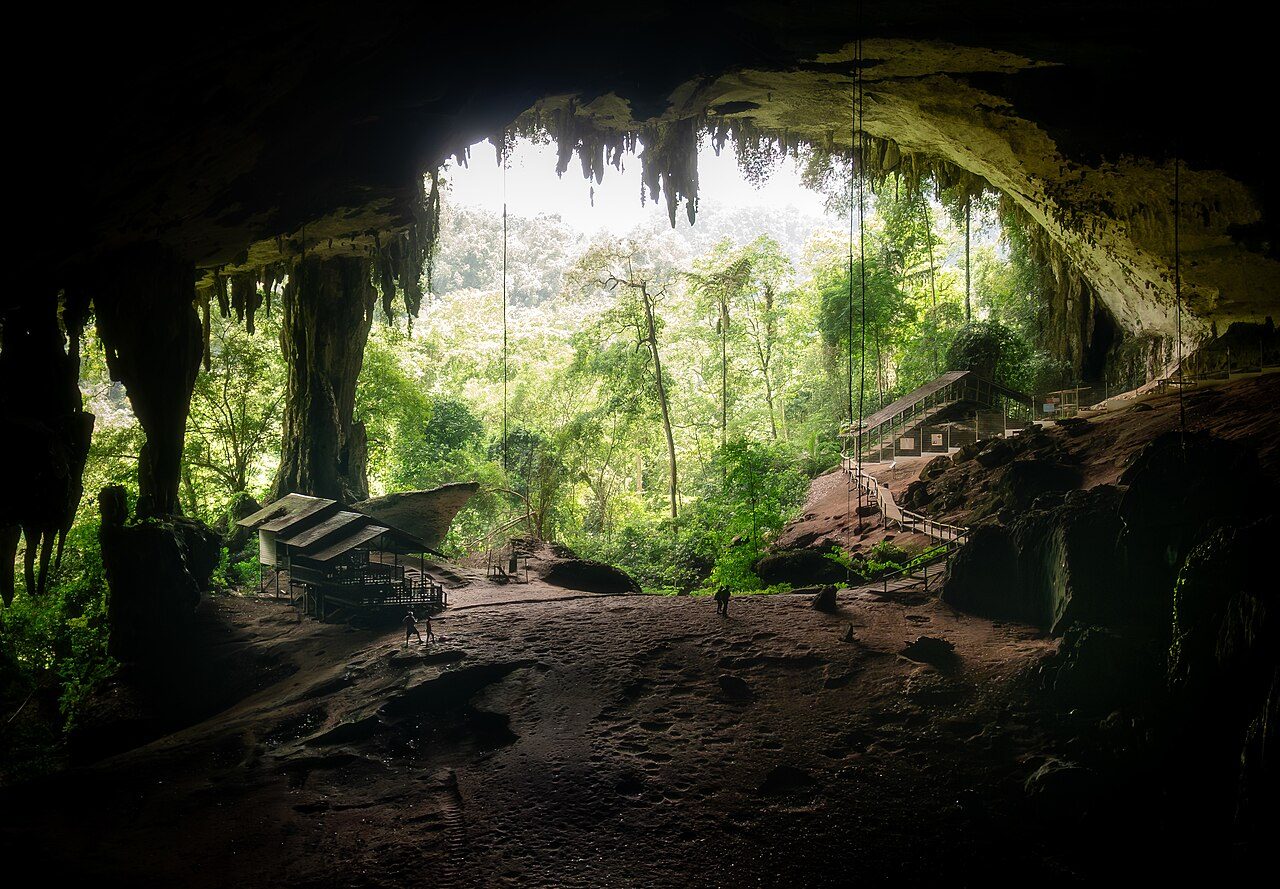
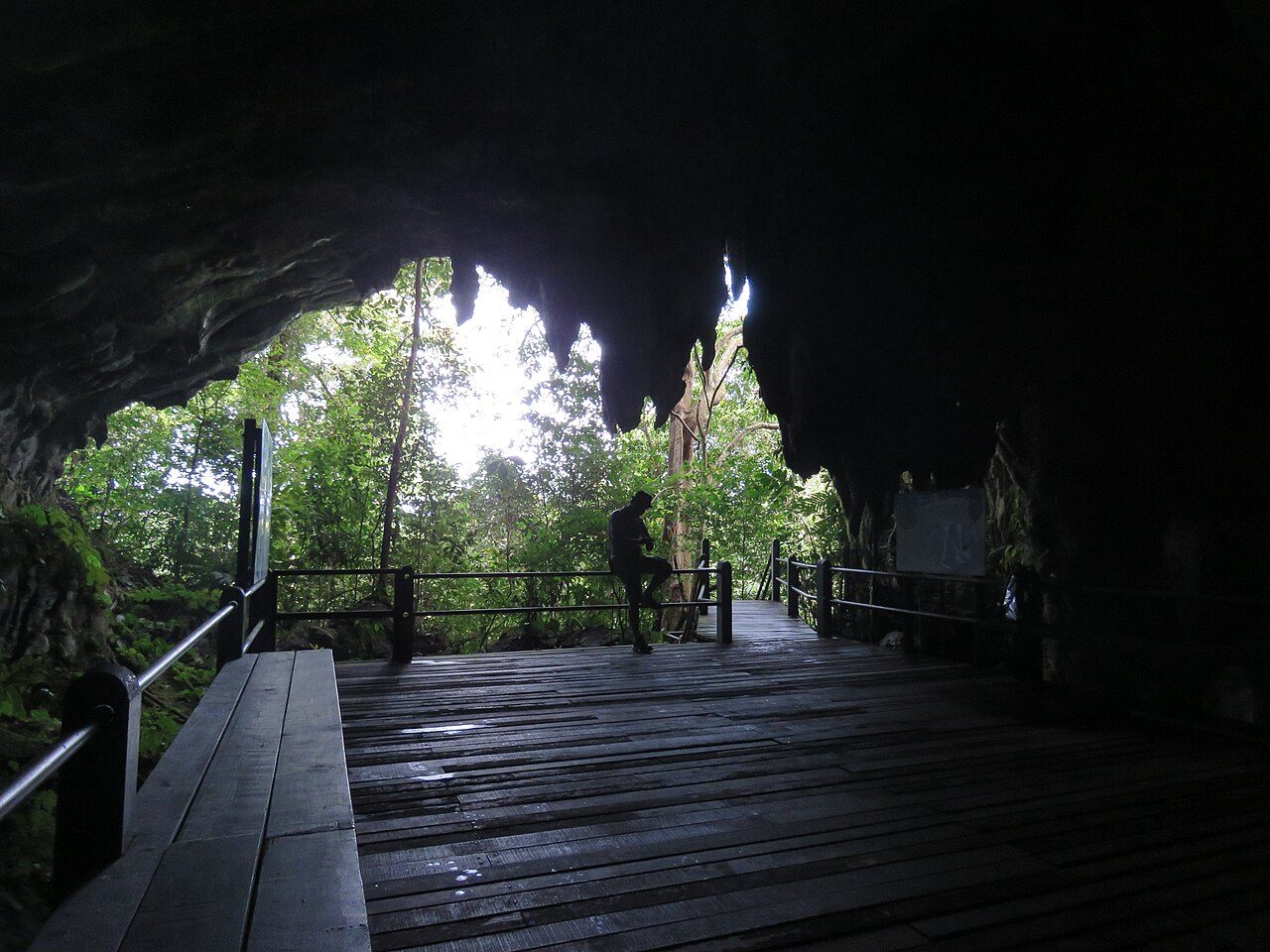
Niah National Park in Sarawak protects a large limestone cave system. In the Great Cave, archaeologists found a human skull about 40,000 years old, one of the earliest signs of modern humans in Southeast Asia. The Painted Cave holds ancient wall paintings. A boardwalk leads through the forest to the cave entrances. Workers still collect edible birds' nests here.

Heavy rain: Oct – Jan

Seasons from 20 years of NASA POWER climate data.

Was this trip blog helpful?

0
0

Ready to follow this route?

Copy all 8 stops into your trip plans in the app.

Open in WaTrips

Book for this trip

Partner links: WaTrips may earn a small commission when you book, at no extra cost to you.

More trips you'll like

All trips in Malaysia

More trip blogs