Penang and Langkawi: George Town's Heritage, Hawker Food and Island Days
5 DAYS17 placesby WaTrips
George Town's clan houses and mosques, Kek Lok Si and Penang Hill, Penang National Park, then Langkawi's sky bridge and mangroves.
Penang is Malaysia's food capital, and George Town is a UNESCO-listed maze of shophouses, clan temples and street art. Walk Armenian Street and visit Khoo Kongsi, the Peranakan Mansion, Fort Cornwallis, the stilt-house Clan Jetties and Kapitan Keling Mosque. Ride up Penang Hill, see the huge Kek Lok Si temple and spend a day on the national park beaches. Then ferry to Langkawi for the cable car and Sky Bridge, a boat through Kilim's mangroves, the Seven Wells waterfall and sunset at Pantai Cenang. December to March is driest.
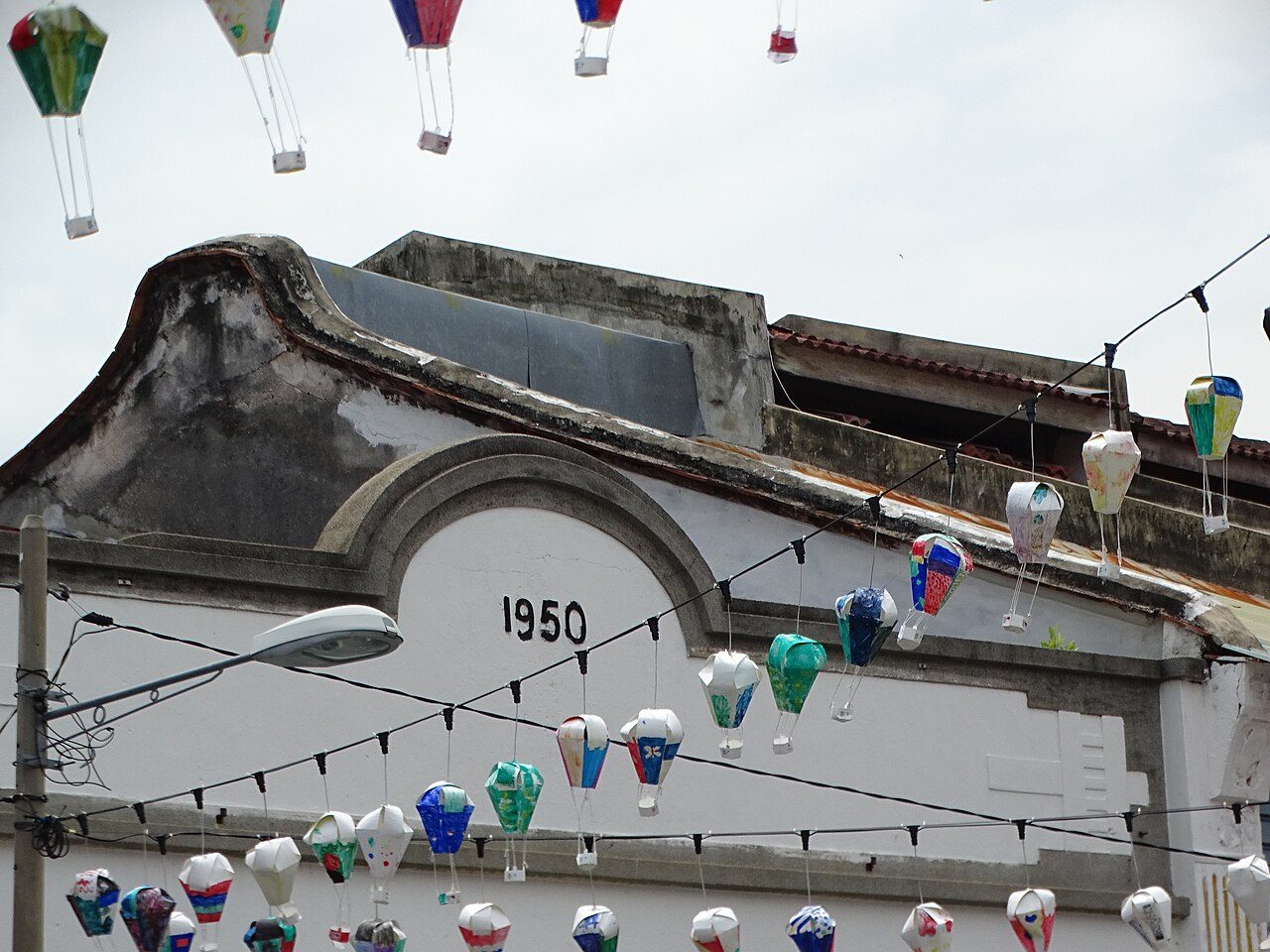
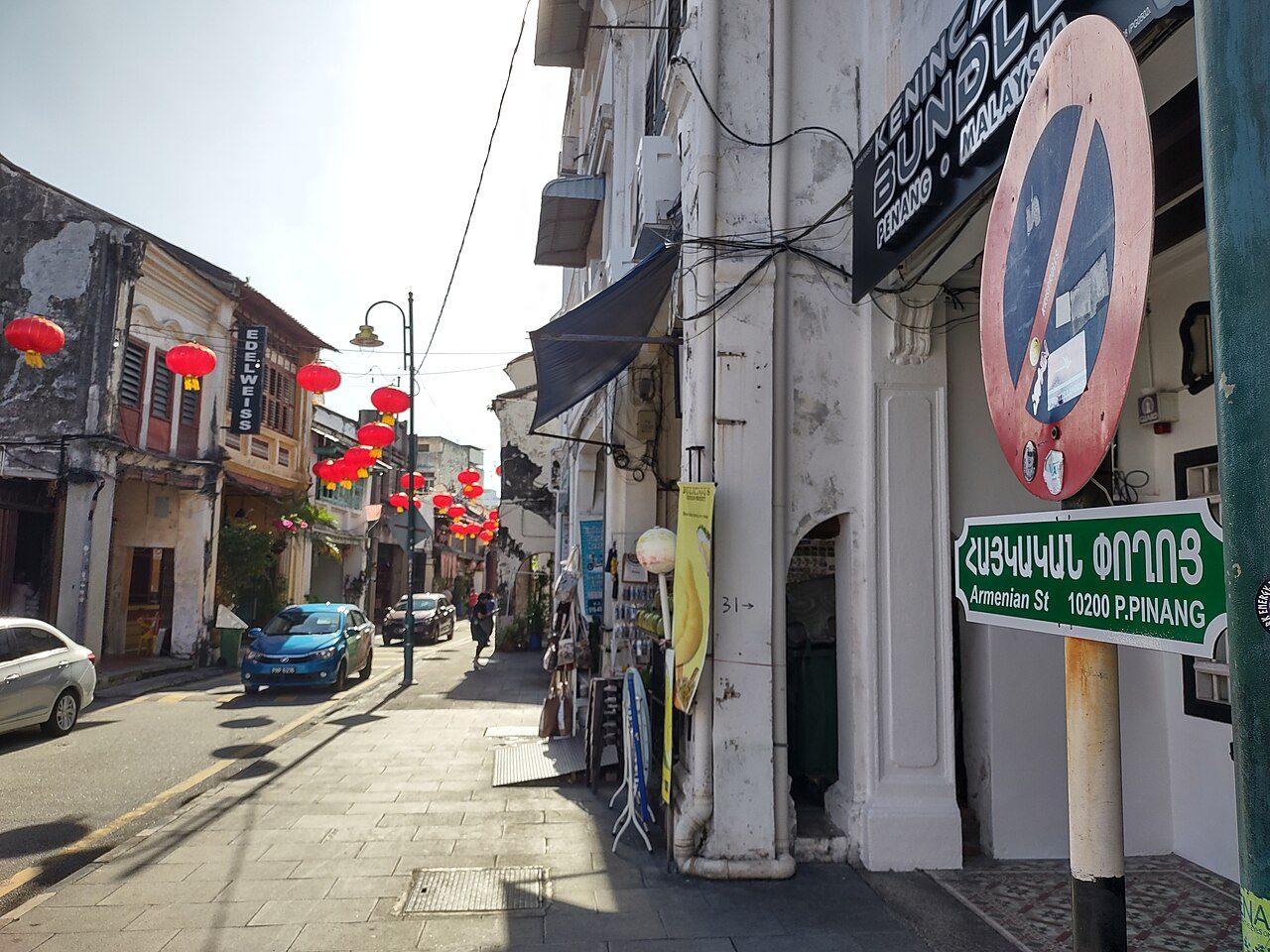
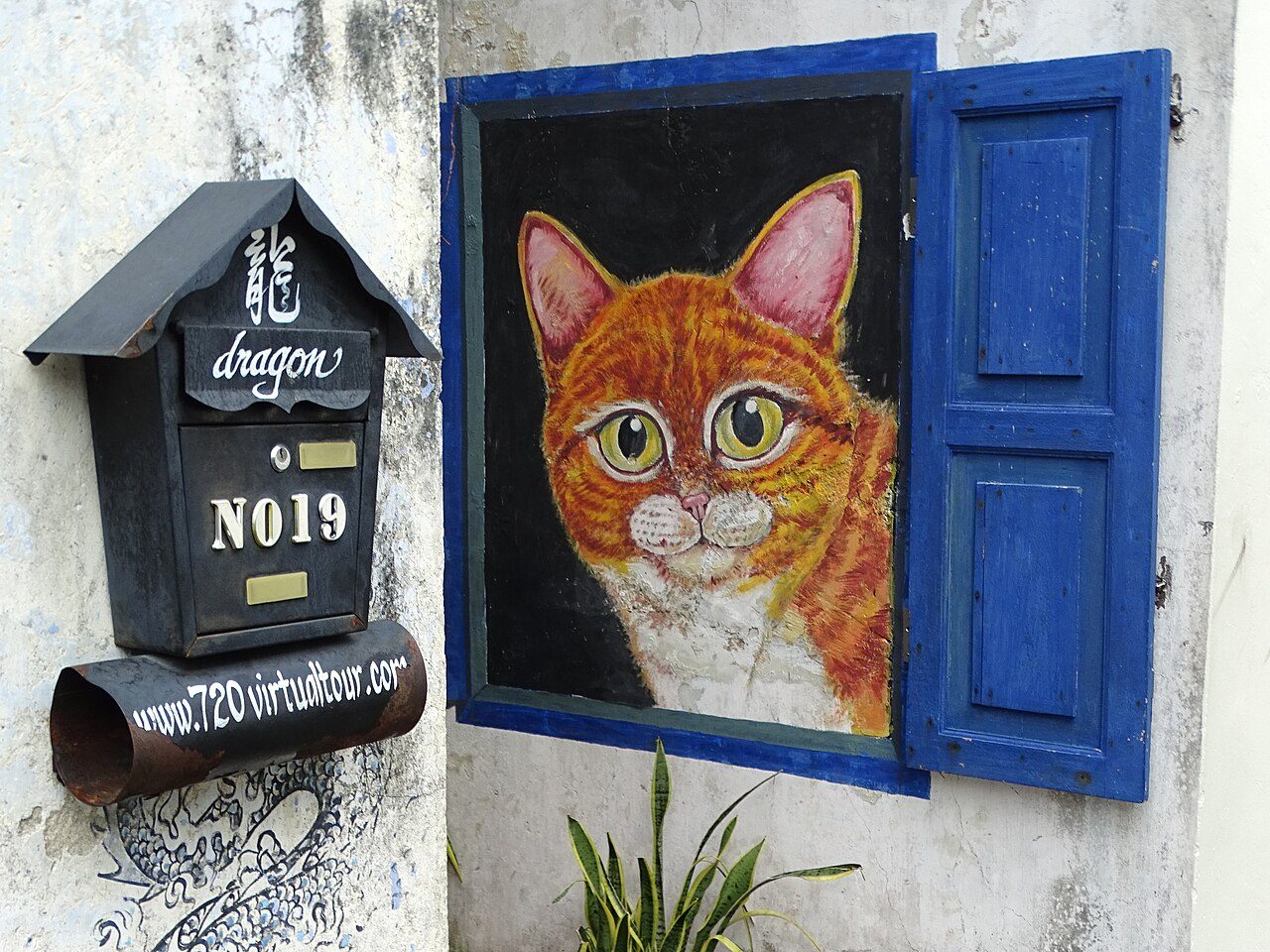
Armenian Street is one of the most visited streets in George Town, Penang. It is lined with old shophouses, clan houses and small museums. It became famous for the street art of Lithuanian artist Ernest Zacharevic, painted in 2012, including a mural of two children on a bicycle. George Town has been a UNESCO World Heritage Site since 2008.
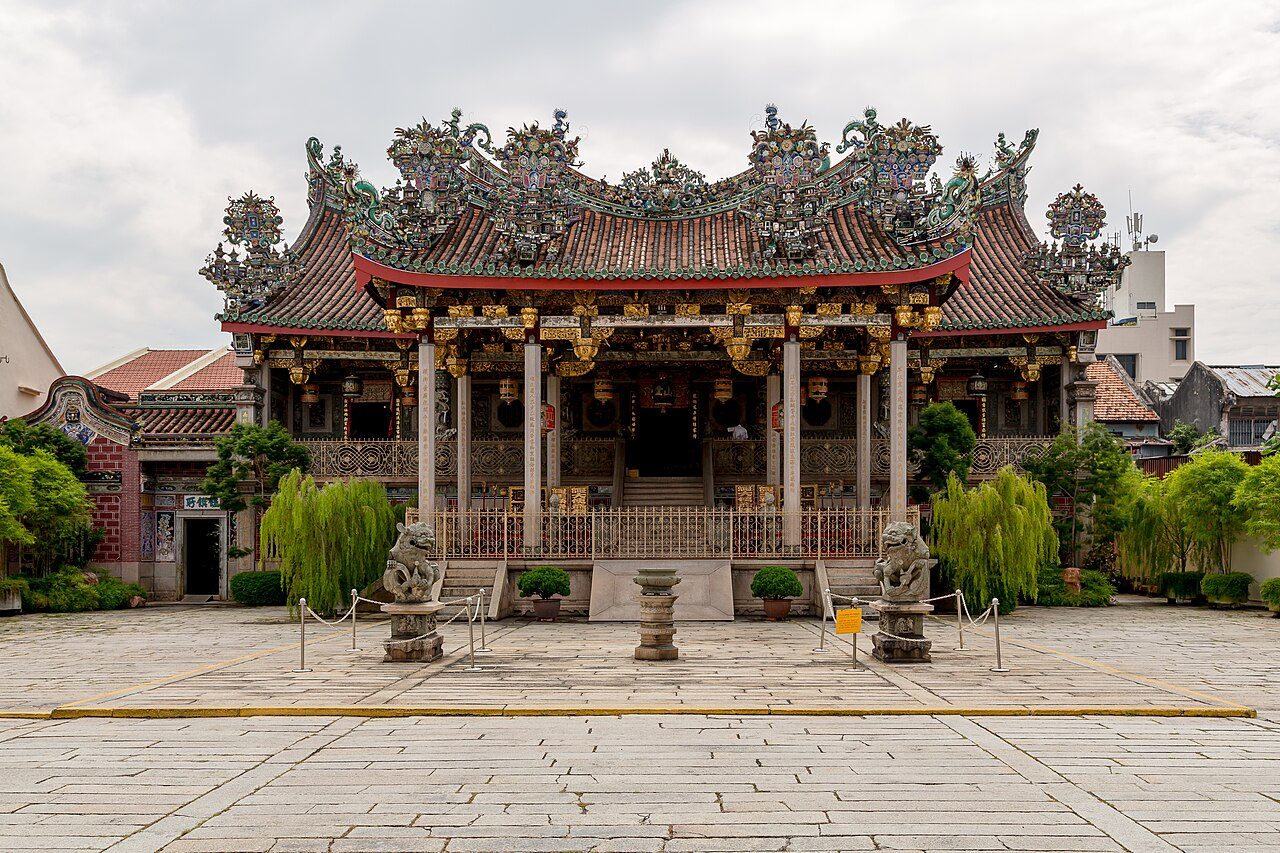
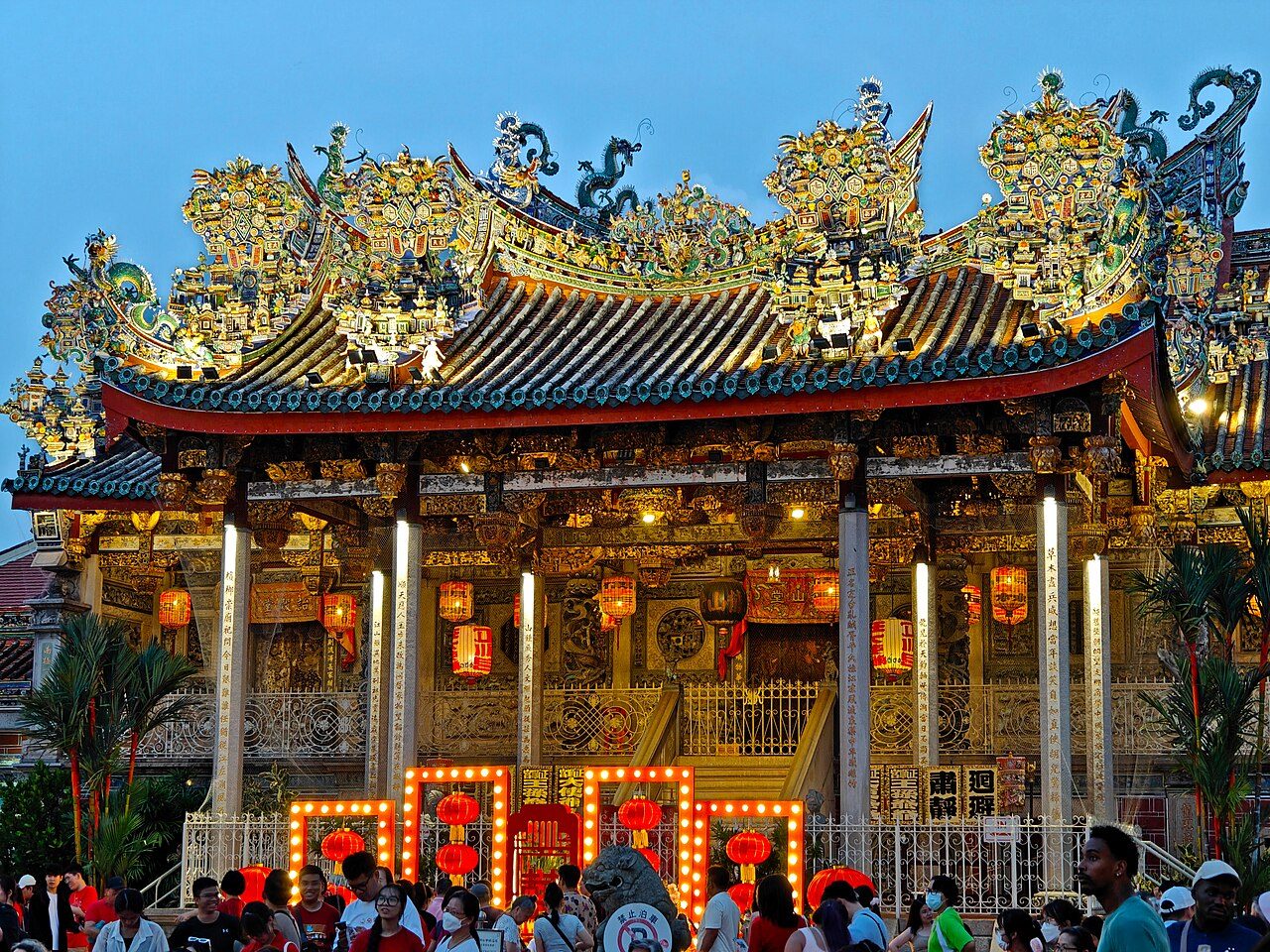
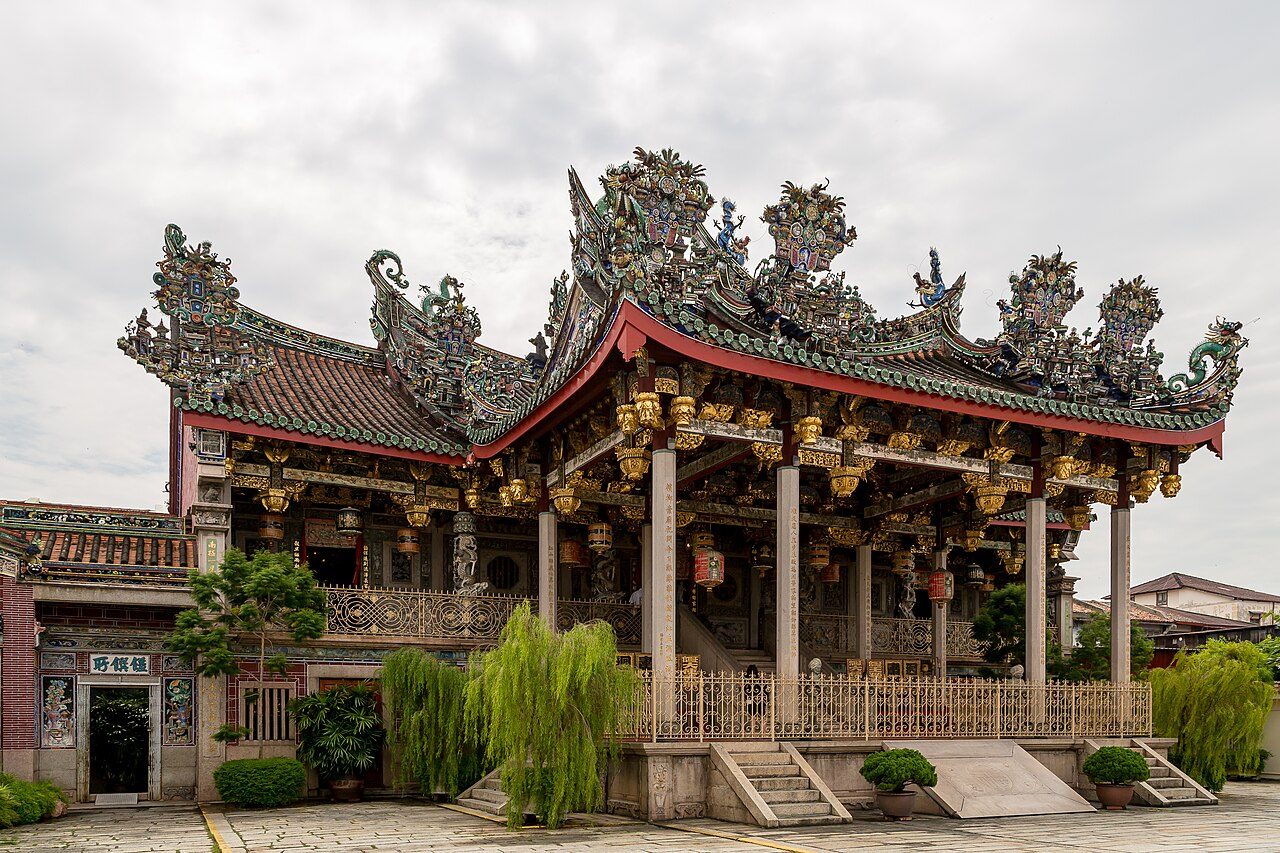
Khoo Kongsi is a richly decorated Chinese clan house in George Town, built by the Khoo clan, who came from Fujian in southern China. The present temple was completed in 1906. Its roof, walls and pillars are covered with carvings, gilded panels and paintings. It stands in a square surrounded by old row houses where clan members once lived.
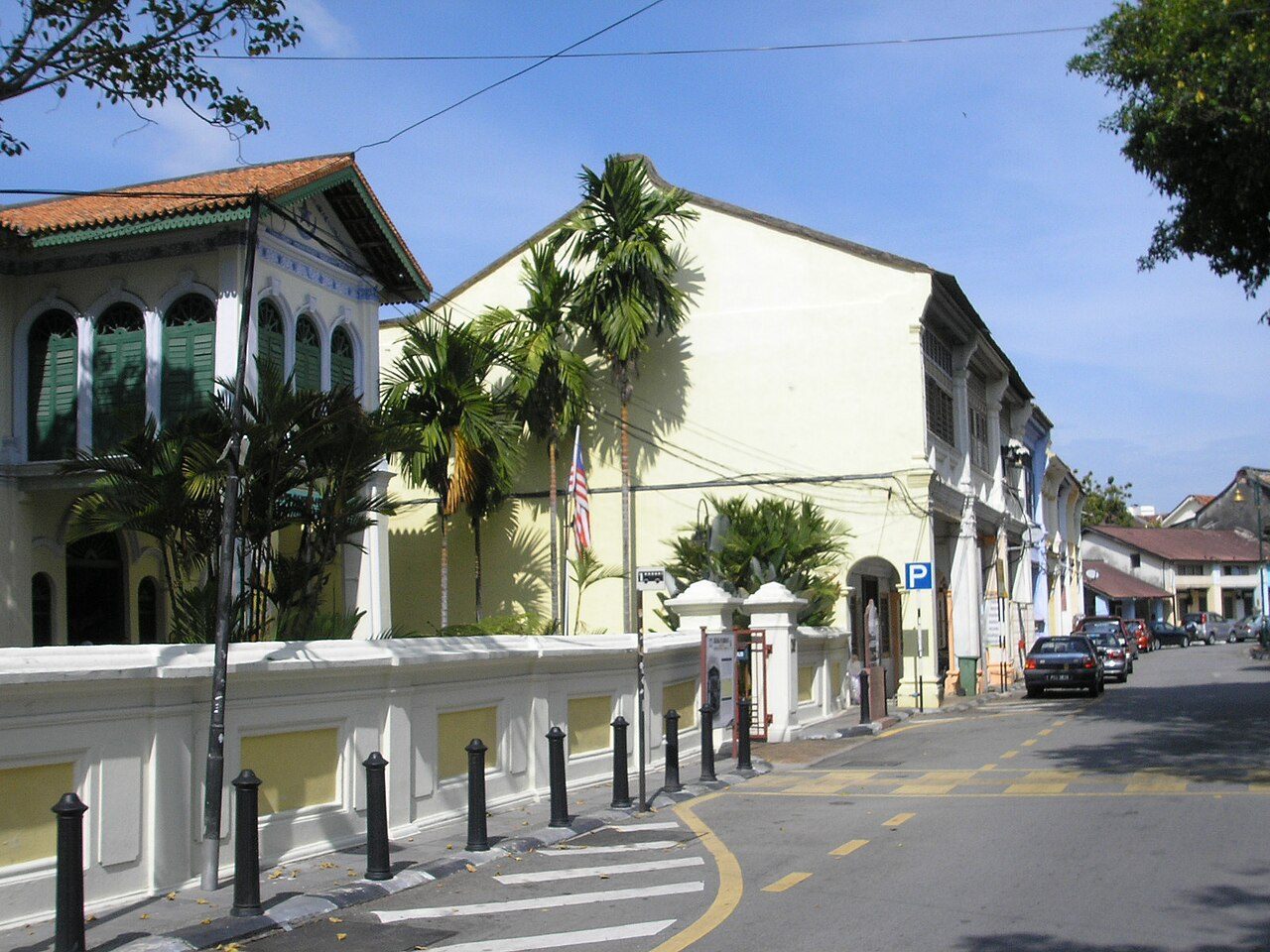
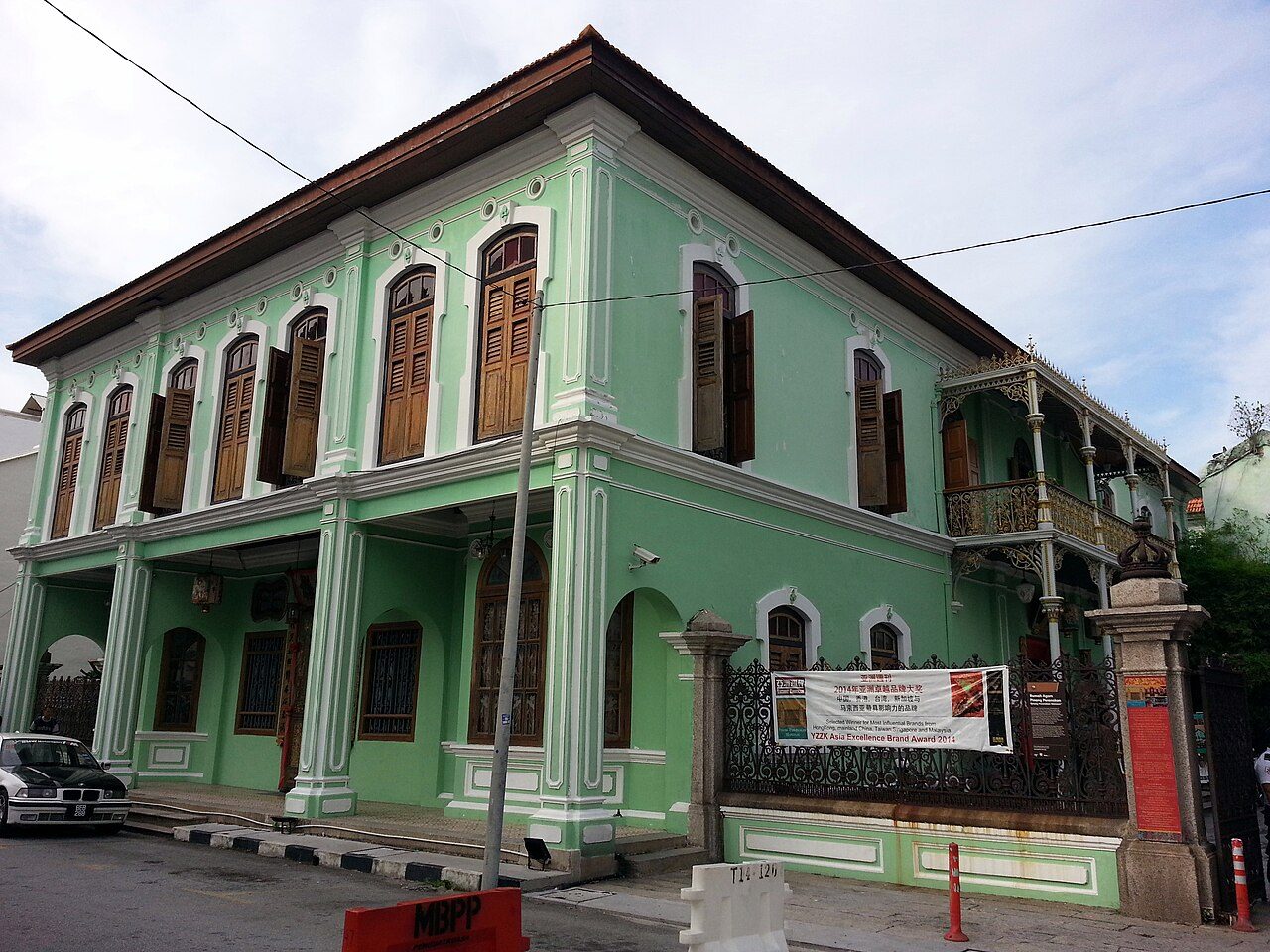
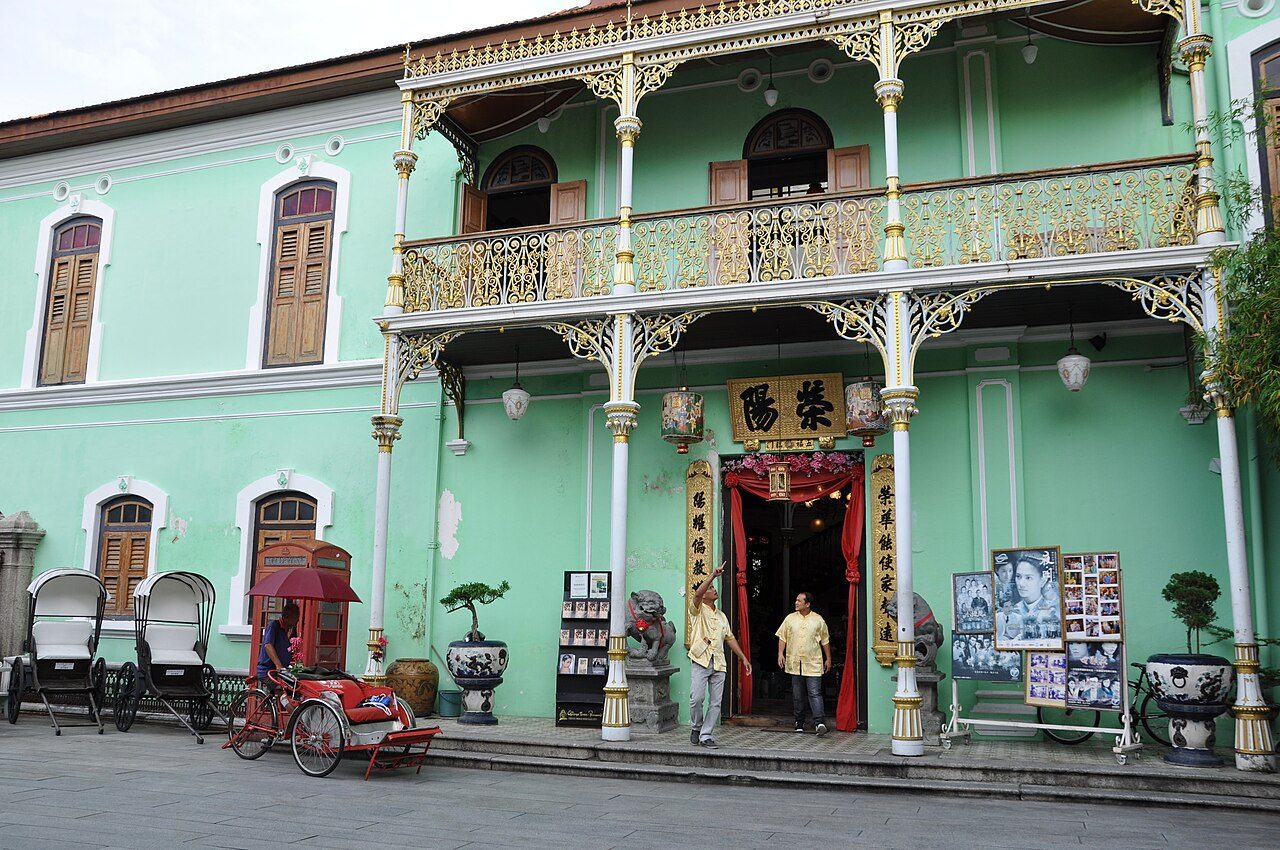
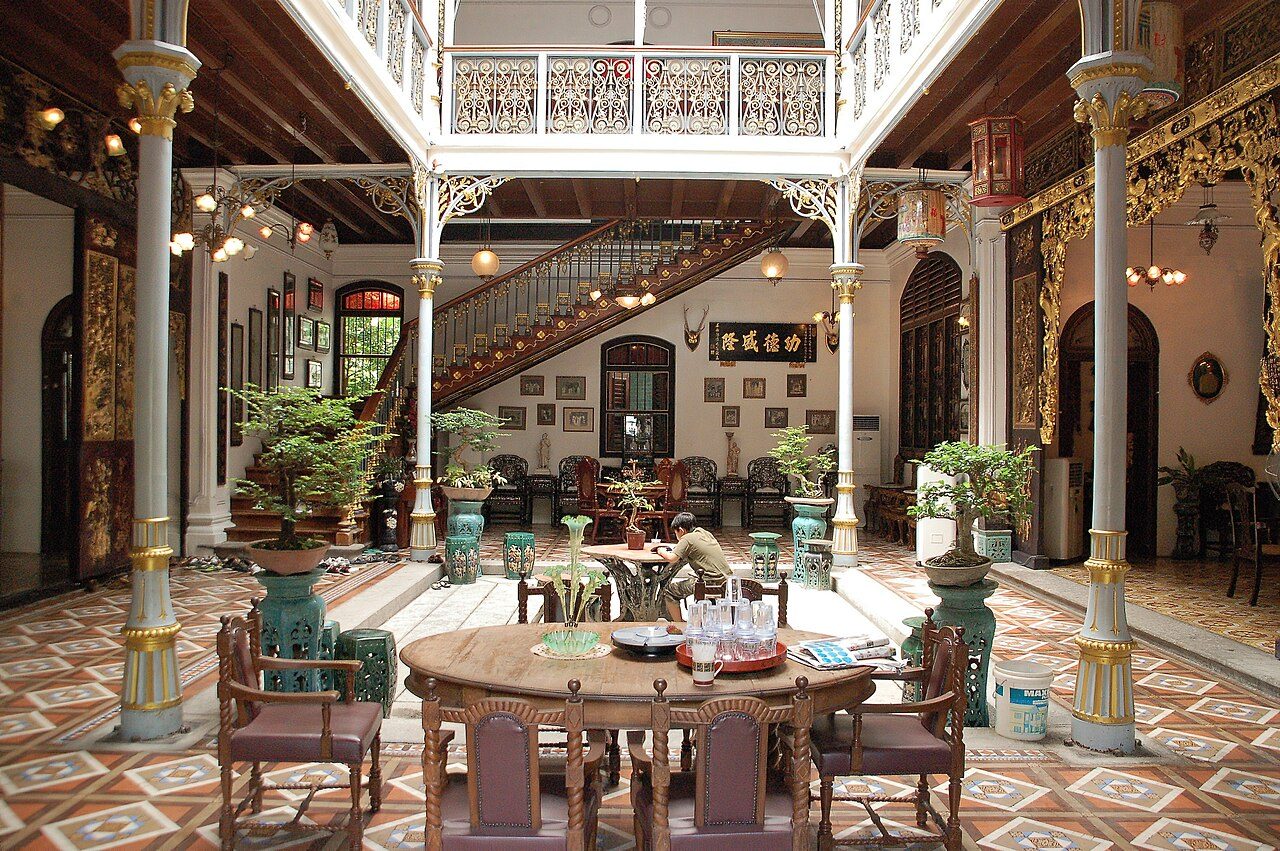
The Pinang Peranakan Mansion is a museum in a green mansion in George Town, built in the late 19th century by Chung Keng Quee, a Chinese tin magnate. It shows the lifestyle of the Peranakan, the descendants of Chinese settlers who adopted Malay customs. Rooms are filled with carved furniture, porcelain, jewellery and clothes. A clan temple stands next to it.
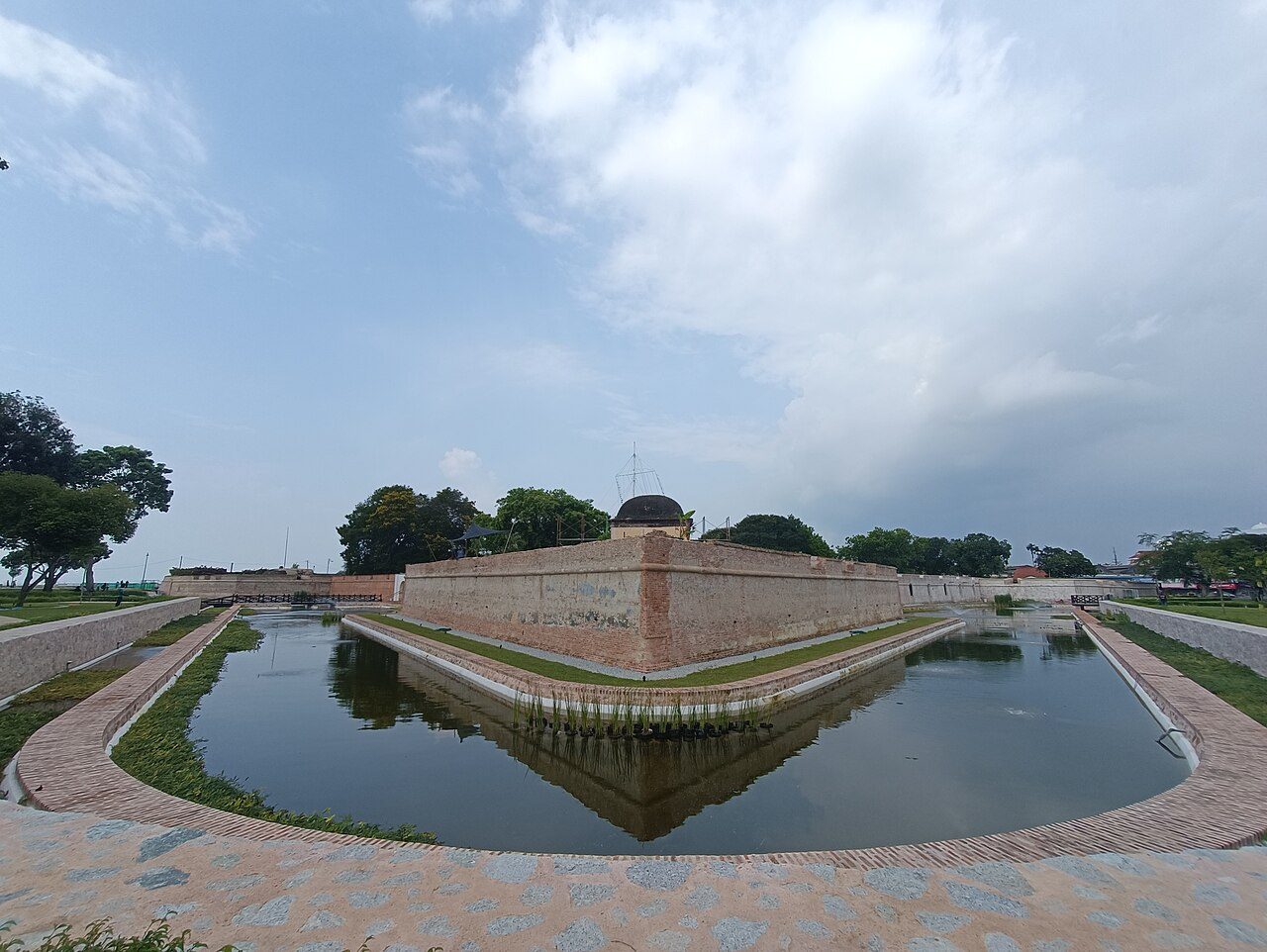
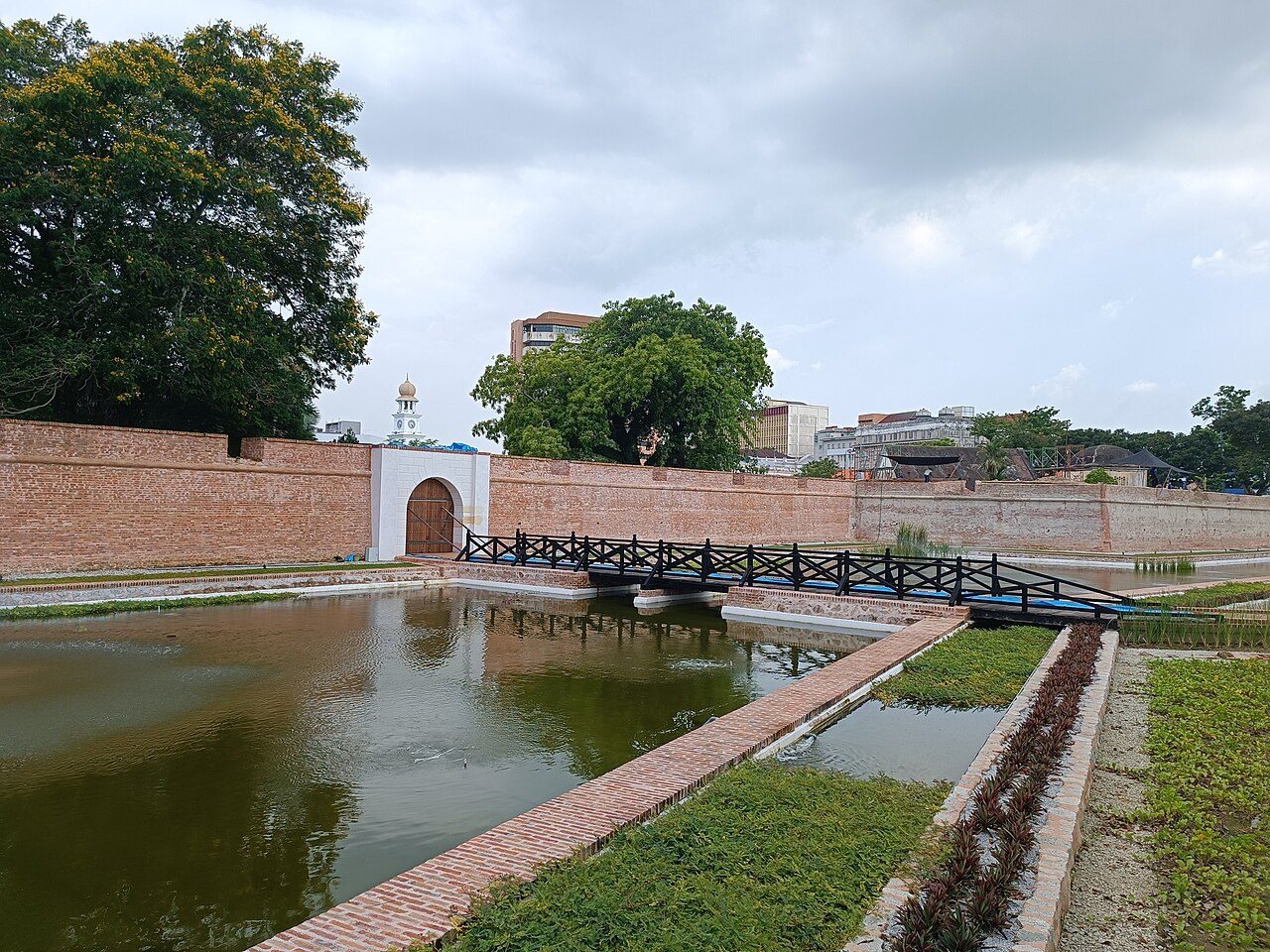
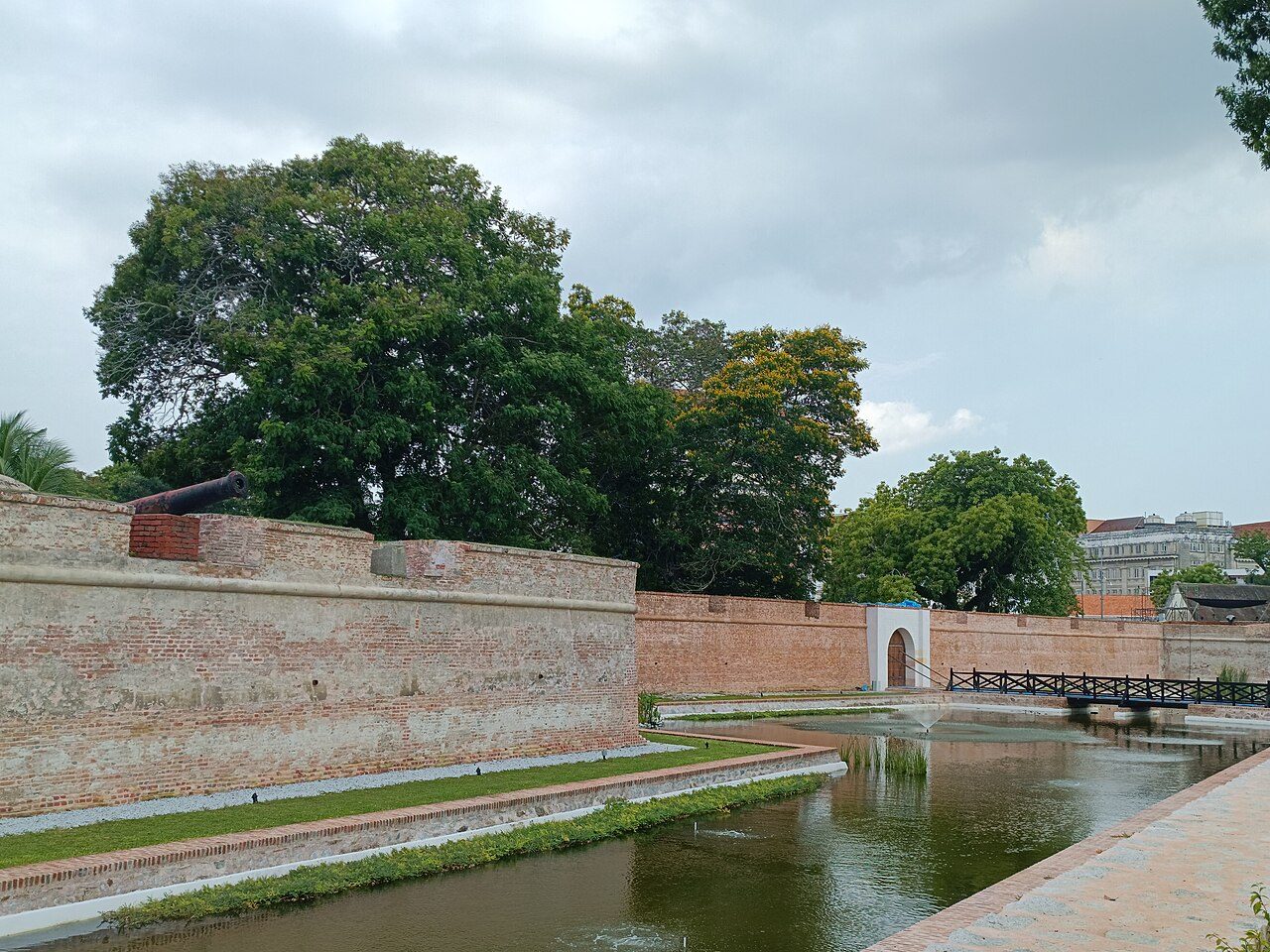
Fort Cornwallis stands on the waterfront of George Town in Penang, at the place where Captain Francis Light landed in 1786. The first fort was made of palm trunks; the present star-shaped brick fort dates from the early 1800s. It is the largest standing fort in Malaysia. Inside are a chapel, a powder magazine and old cannons, including the legendary Seri Rambai.
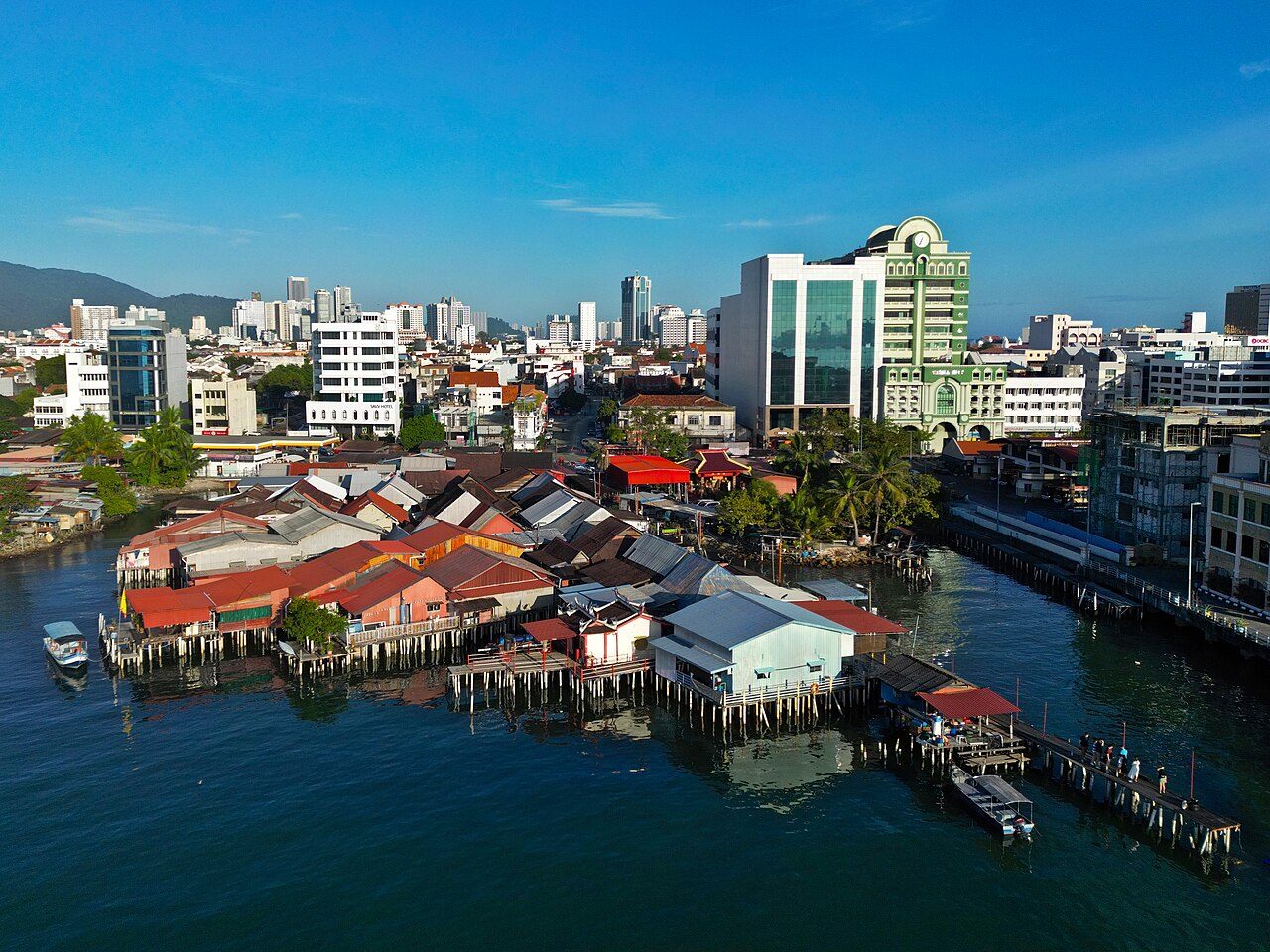
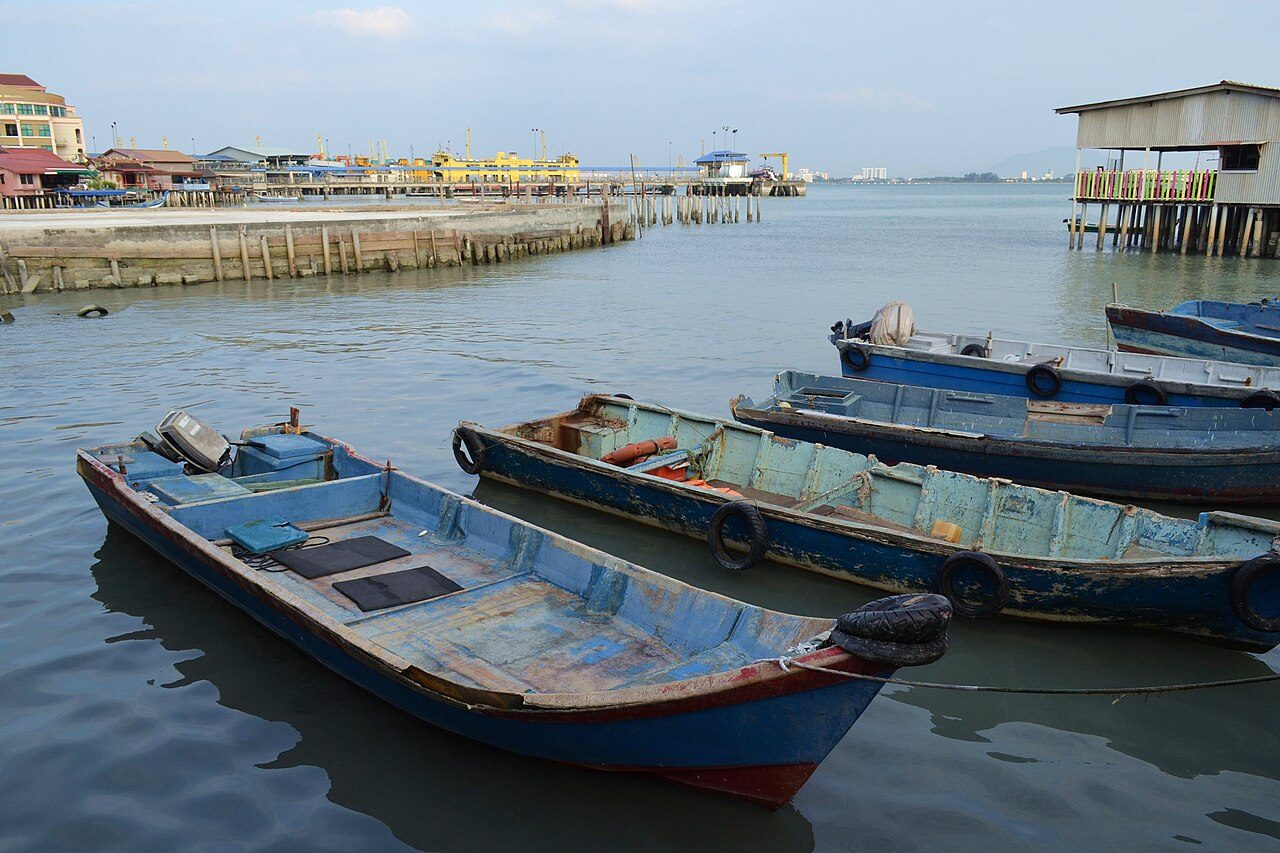
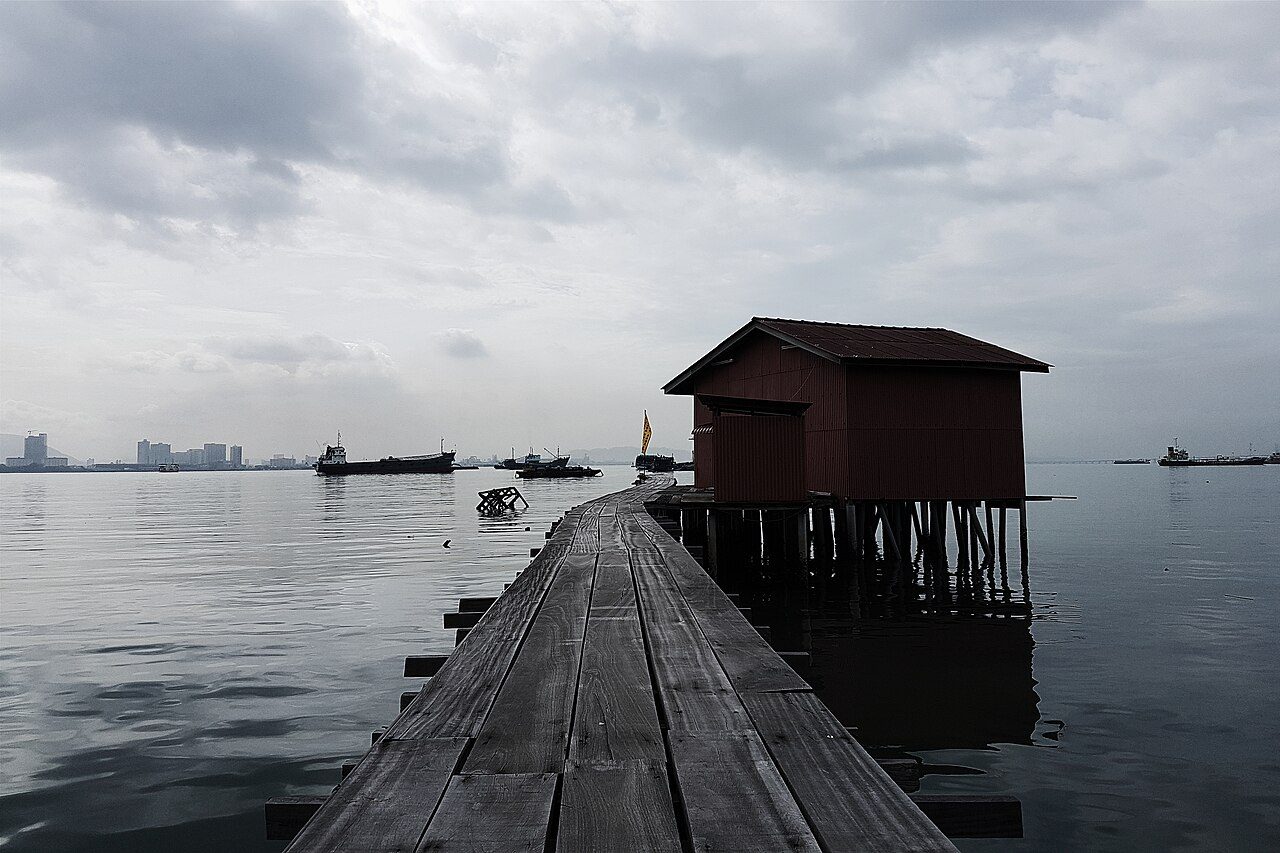
The Clan Jetties are wooden villages built on stilts over the sea on the waterfront of George Town in Penang. They were founded in the 19th century by Chinese immigrants, each jetty belonging to a different clan. The Chew Jetty is the largest and most visited, with homes, shops and a temple along a long wooden walkway. They are part of the World Heritage Site.
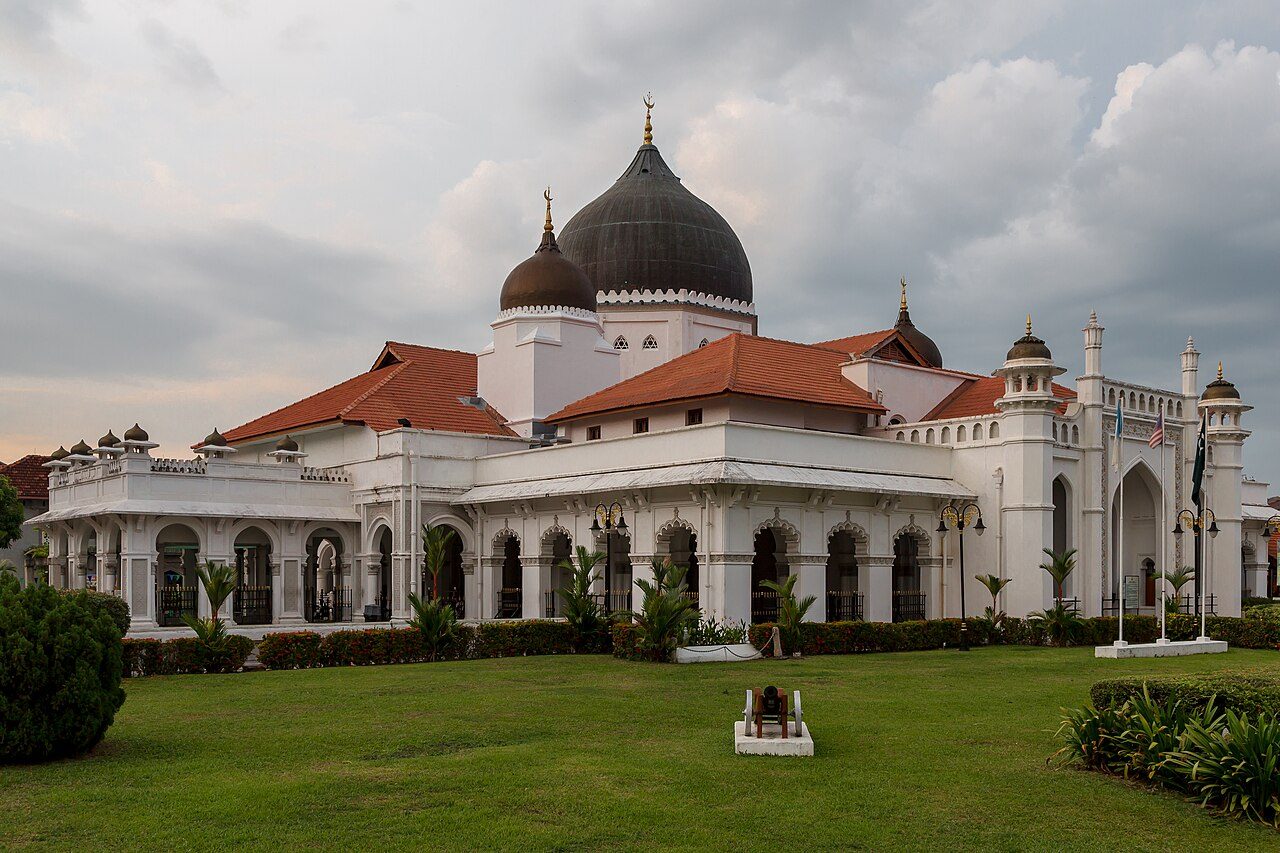
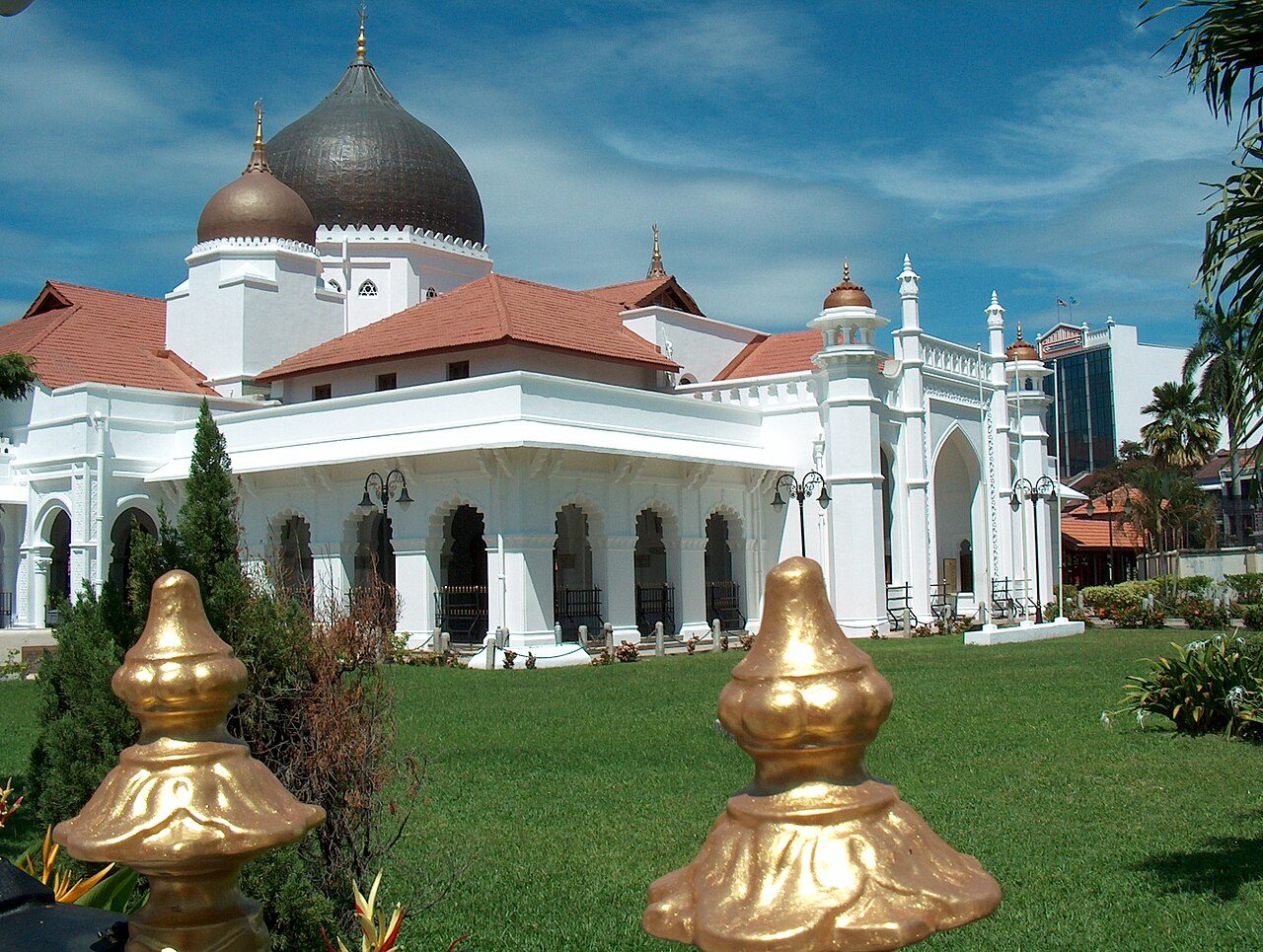
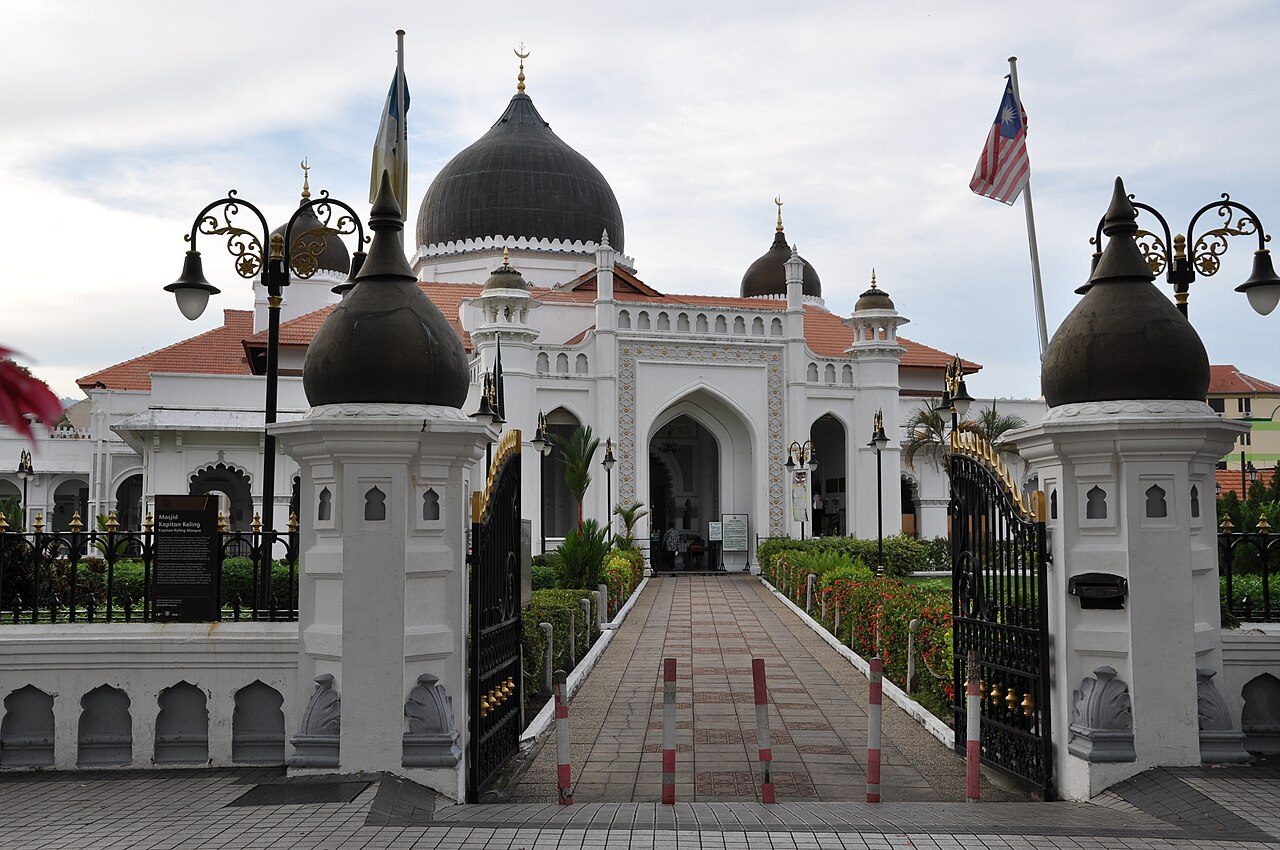
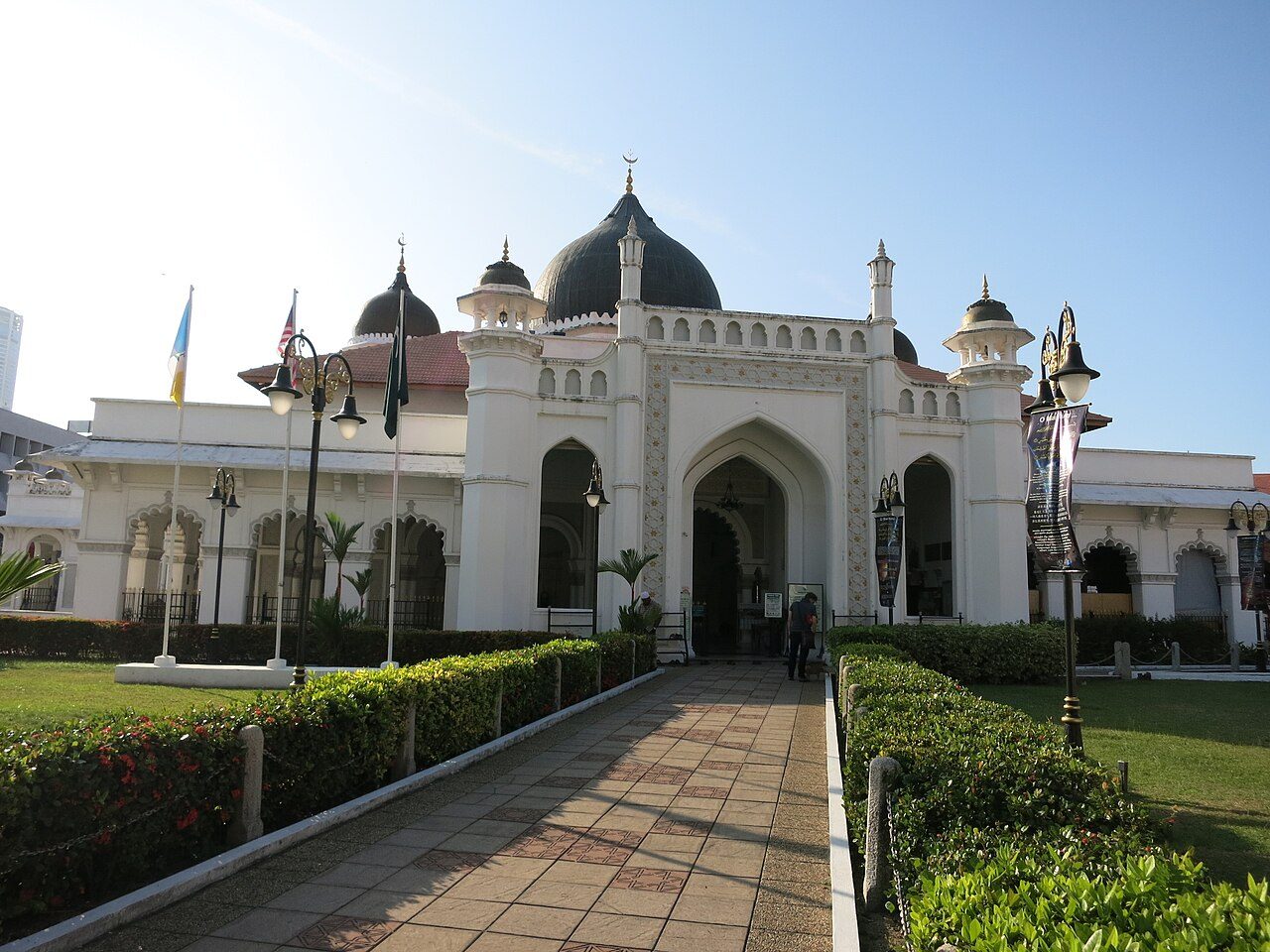
The Kapitan Keling Mosque in George Town was built in the early 19th century by Indian Muslim traders led by Cauder Mohuddeen. The present building dates from the early 20th century, with Mughal-style domes and a single minaret. It is one of the oldest mosques in Penang and stands on the Street of Harmony, close to a church and Chinese and Hindu temples.
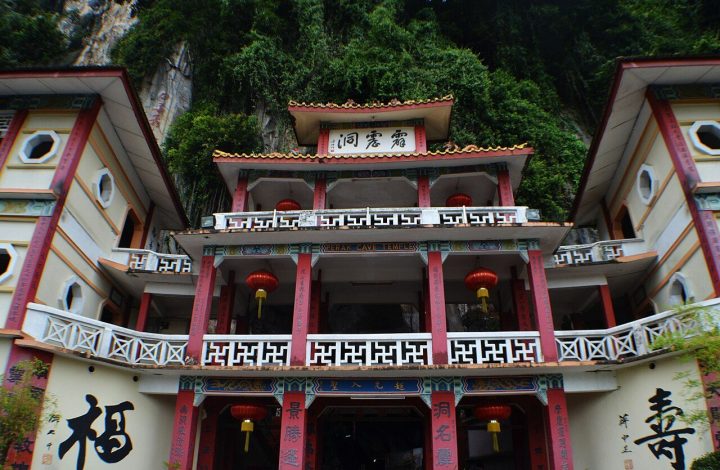
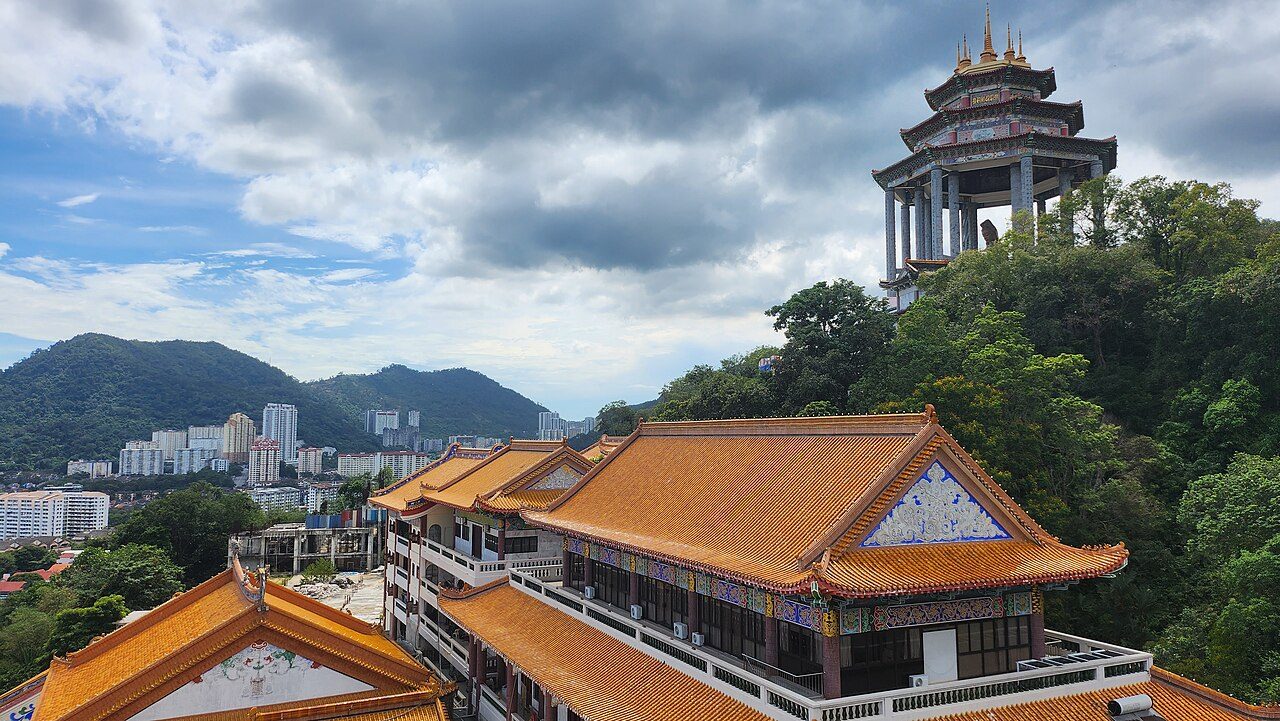
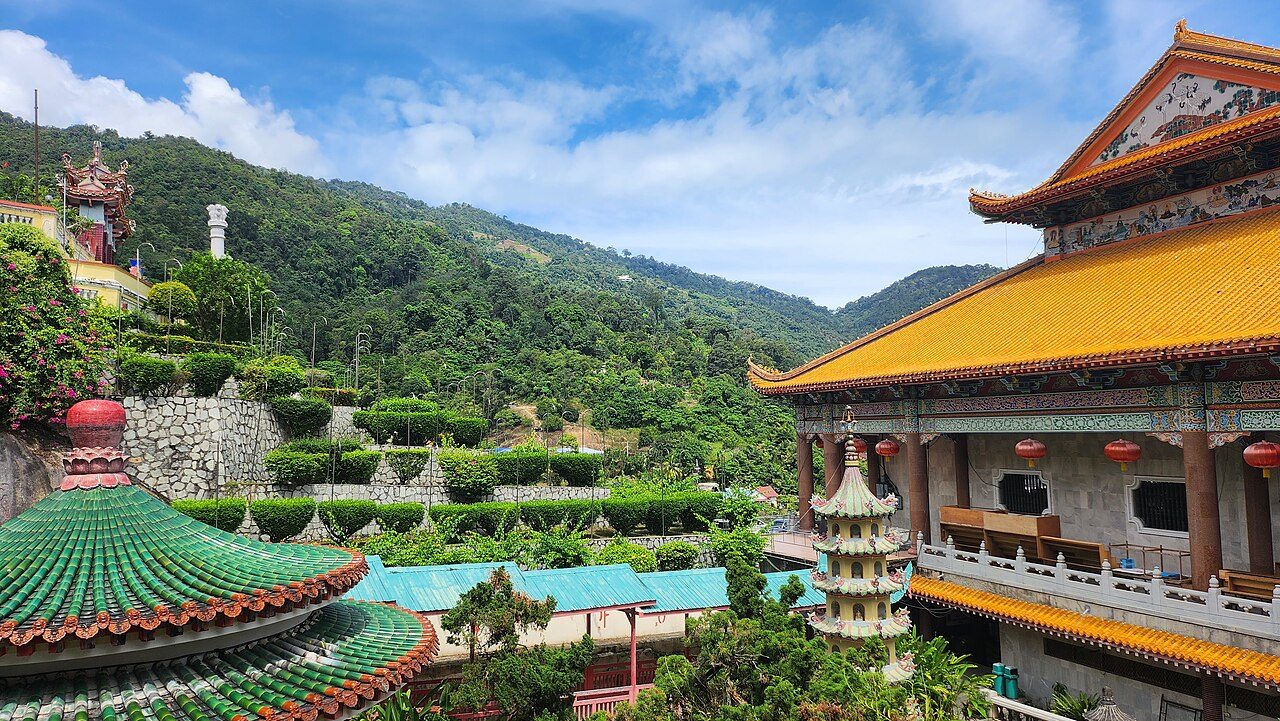
Kek Lok Si is one of the largest Buddhist temples in Southeast Asia, on a hillside at Air Itam in Penang. Building began in 1890. Its seven-storey pagoda combines Chinese, Thai and Burmese styles, with a Chinese base, a Thai middle and a Burmese top. Above it stands a huge bronze statue of Kuan Yin, the goddess of mercy, about 30 metres tall. The temple is lit up during Chinese New Year.
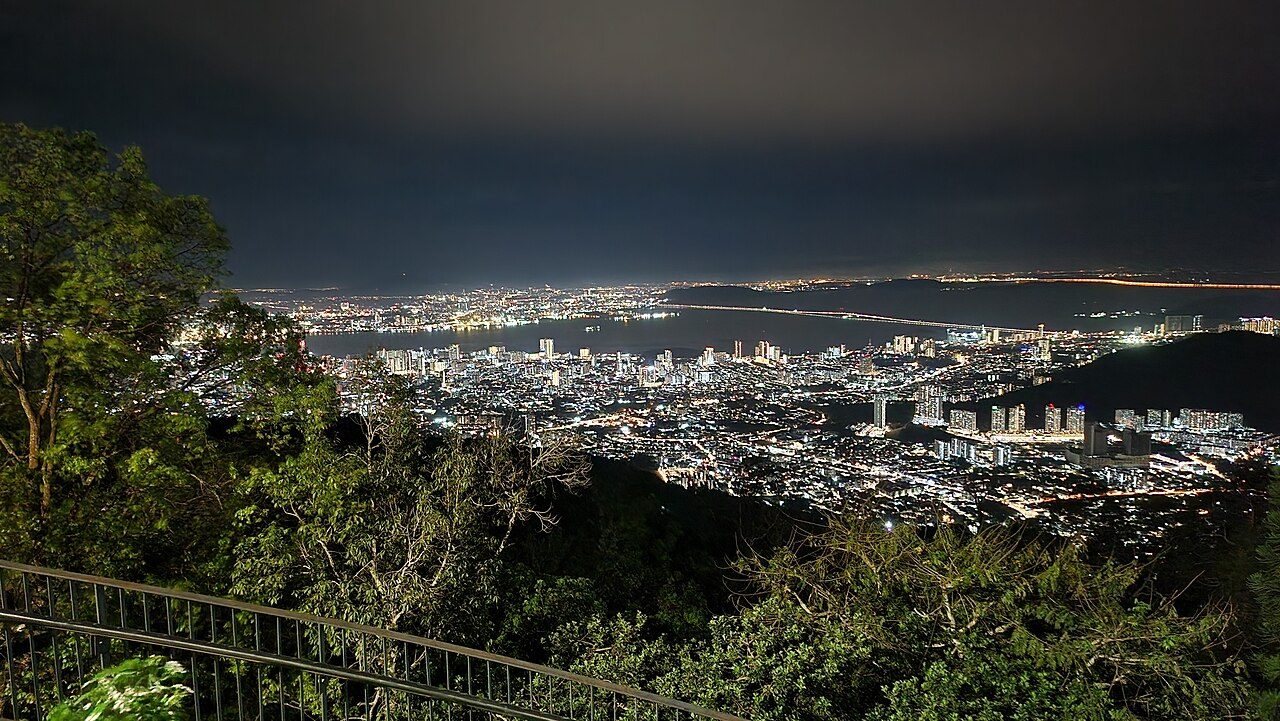
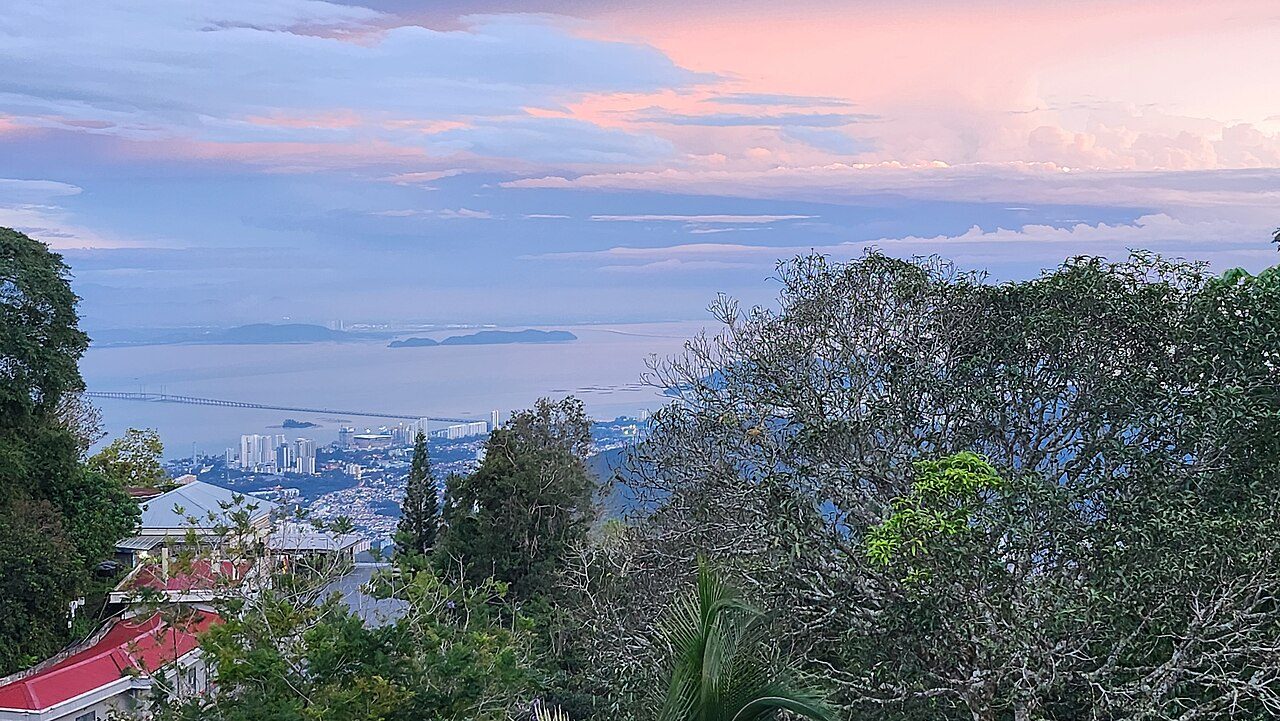
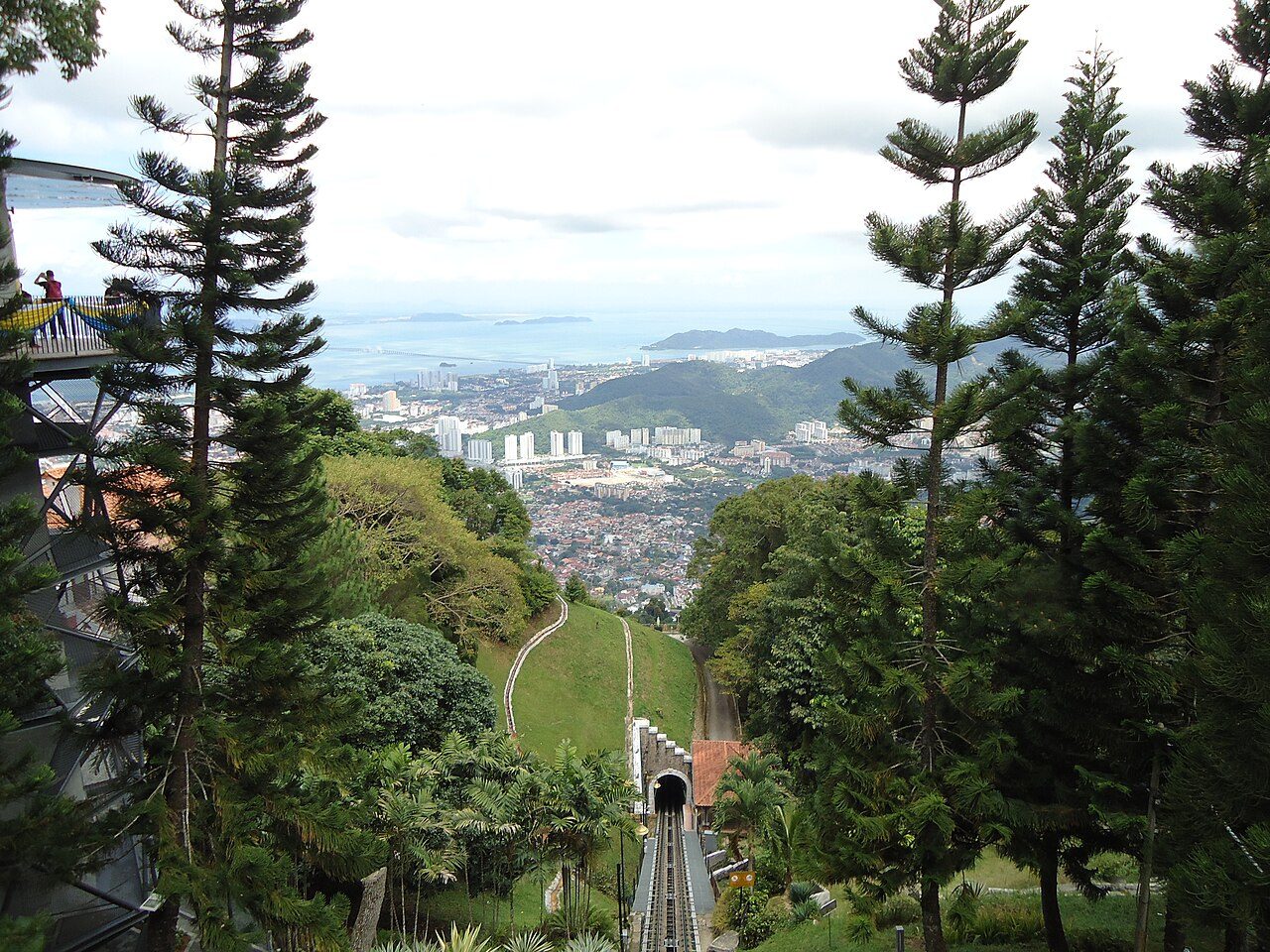
Penang Hill rises about 833 metres above George Town. The British used it as a cool hill station from the late 18th century. A funicular railway, first opened in 1923, climbs the steep slope to the top. The summit has colonial bungalows, a mosque, a Hindu temple, gardens and a canopy walk. The view over George Town and the mainland is best at night.
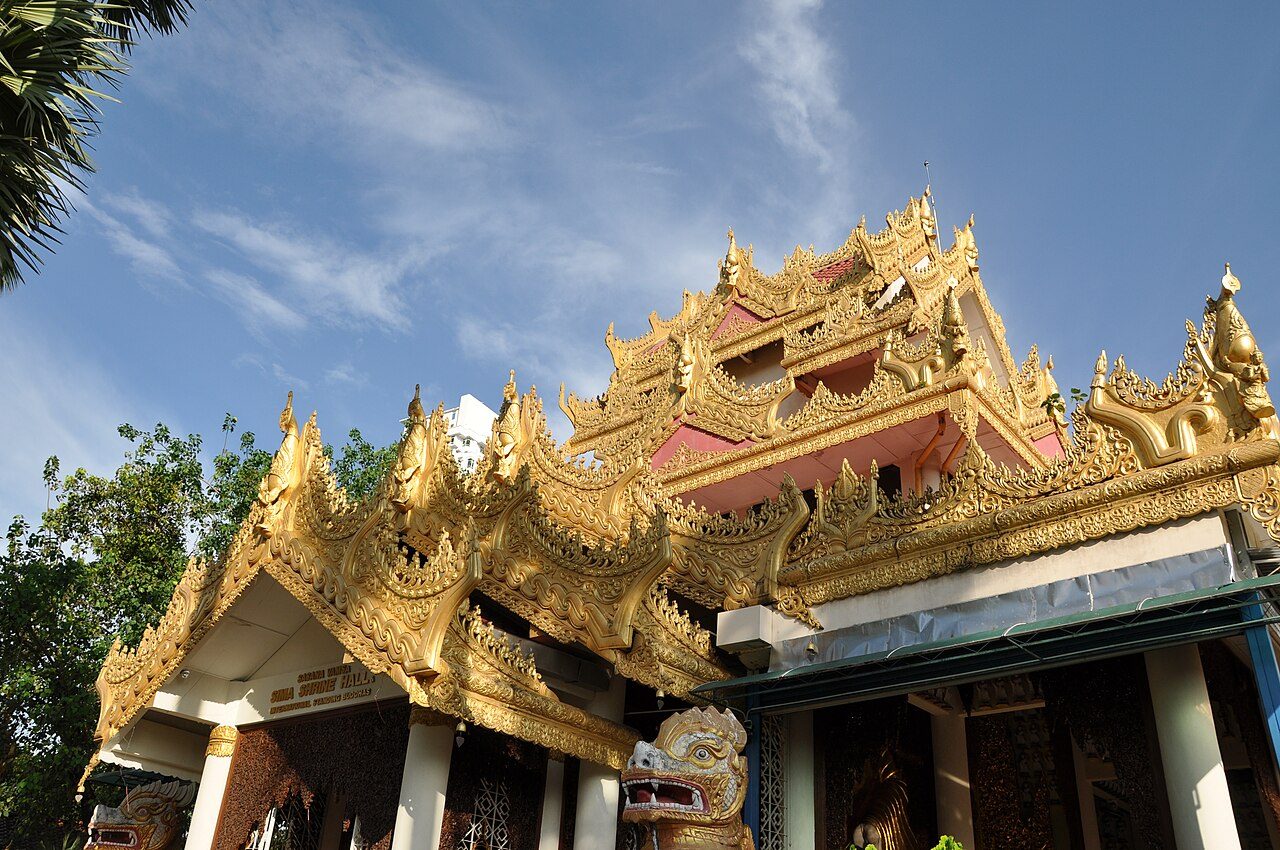
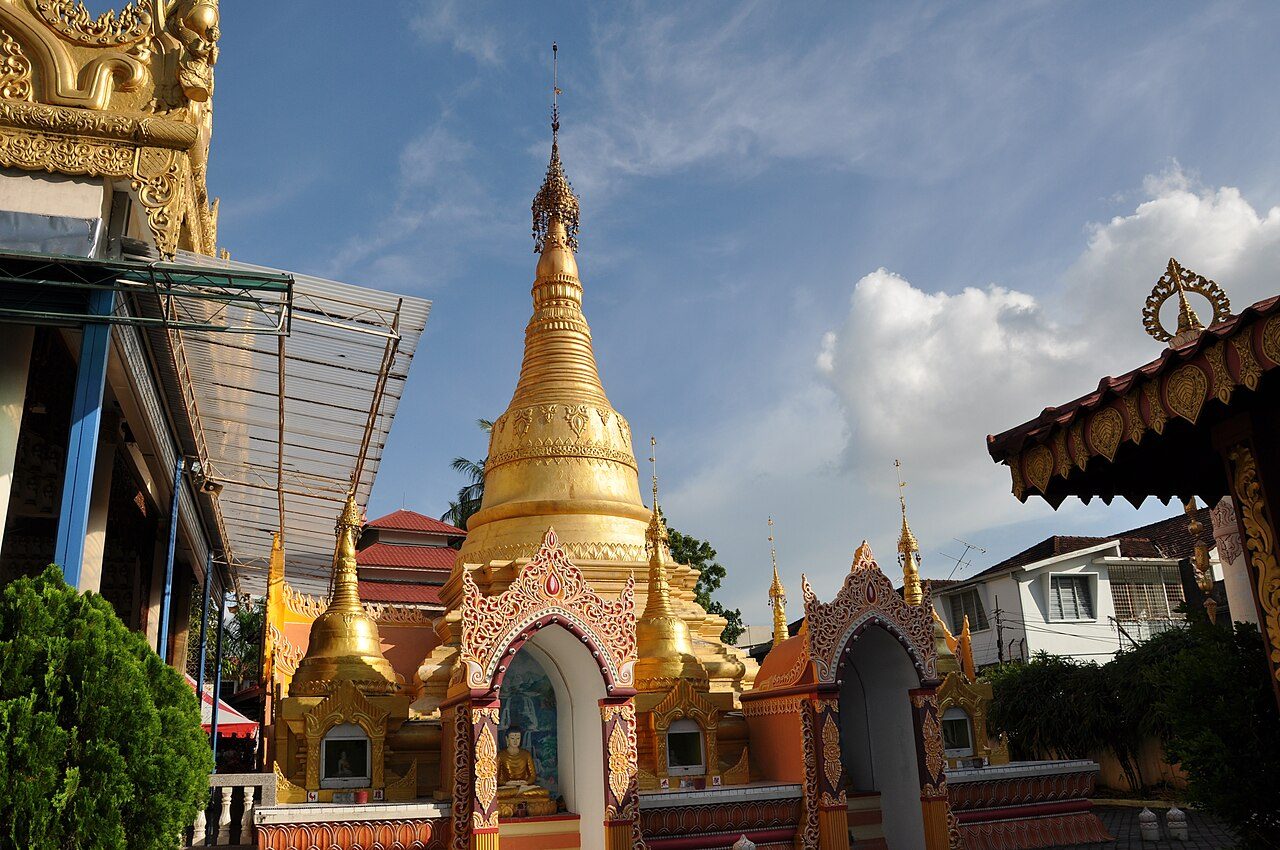
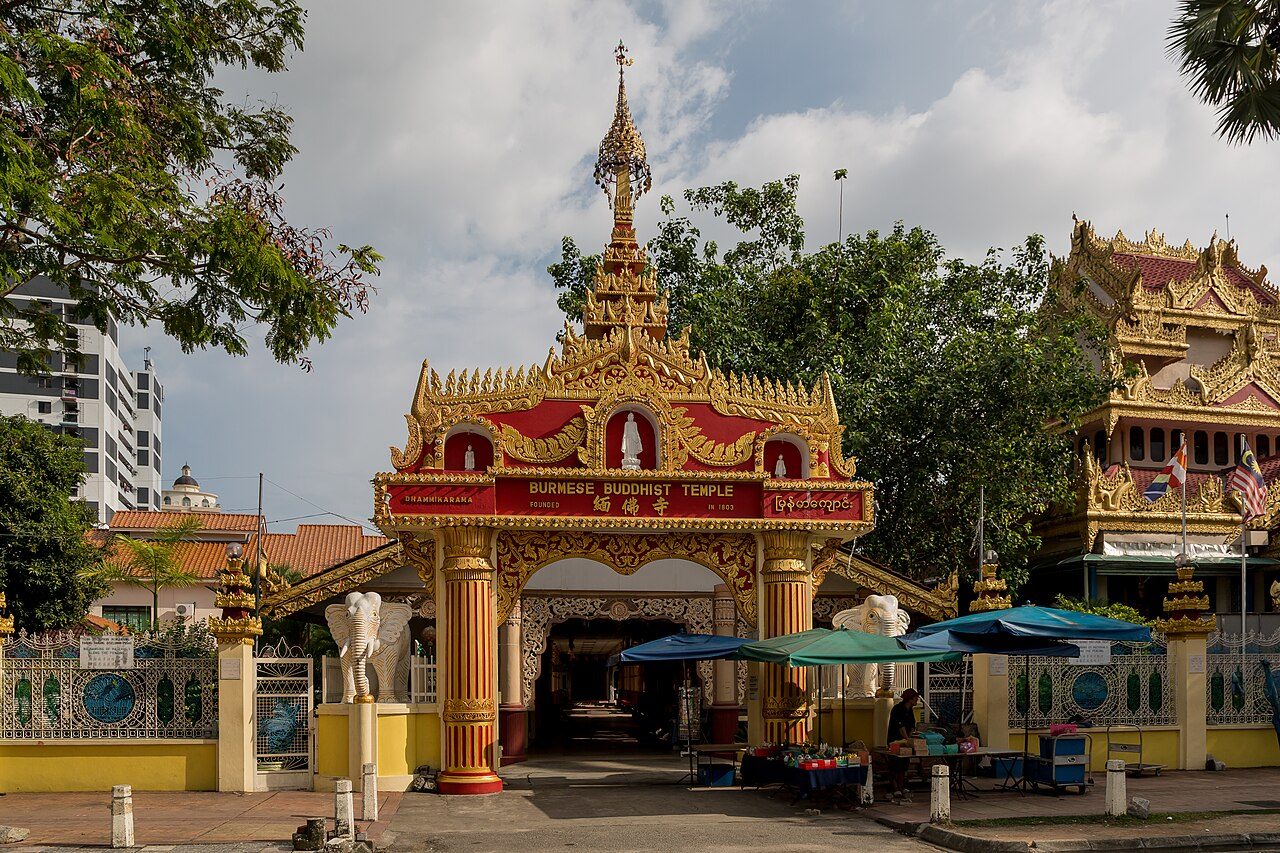
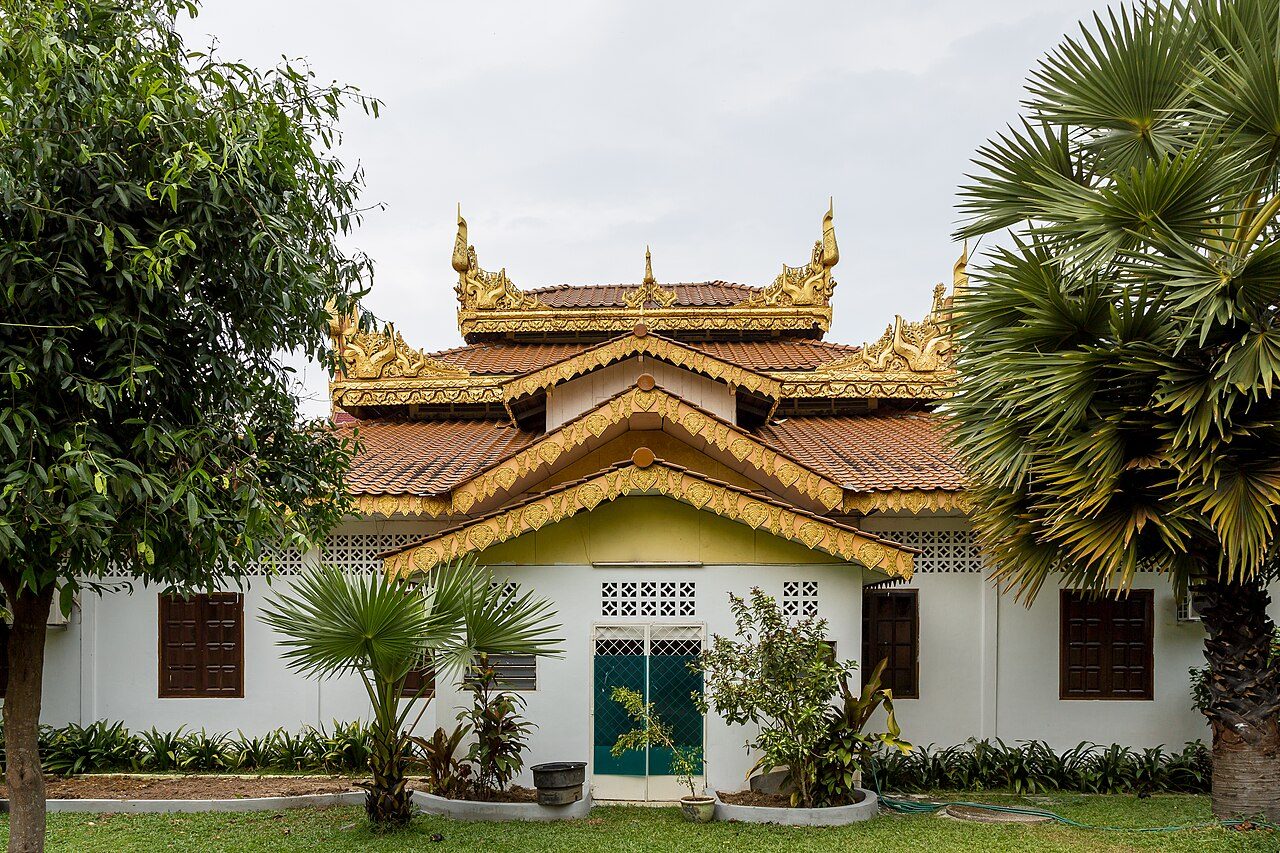
Wat Chayamangkalaram is a Thai Buddhist temple in George Town, founded in 1845 on land given by Queen Victoria. It houses a reclining Buddha about 33 metres long, among the longest in the world. Its gate is guarded by naga serpents. Across the road stands Dhammikarama, the first Burmese Buddhist temple in Penang, built in 1803.
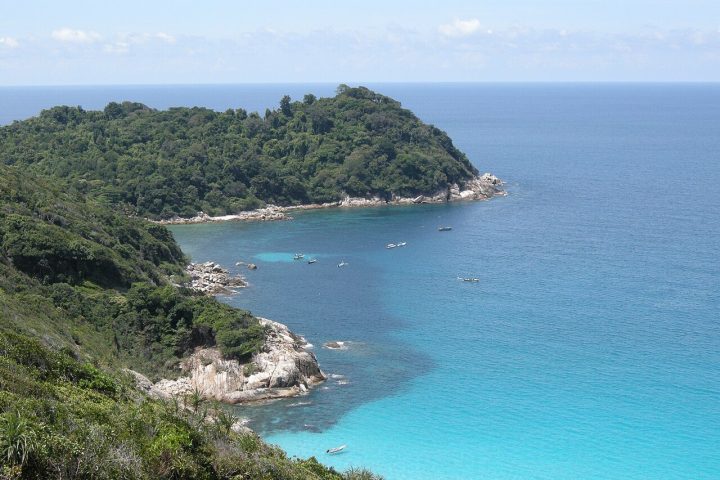
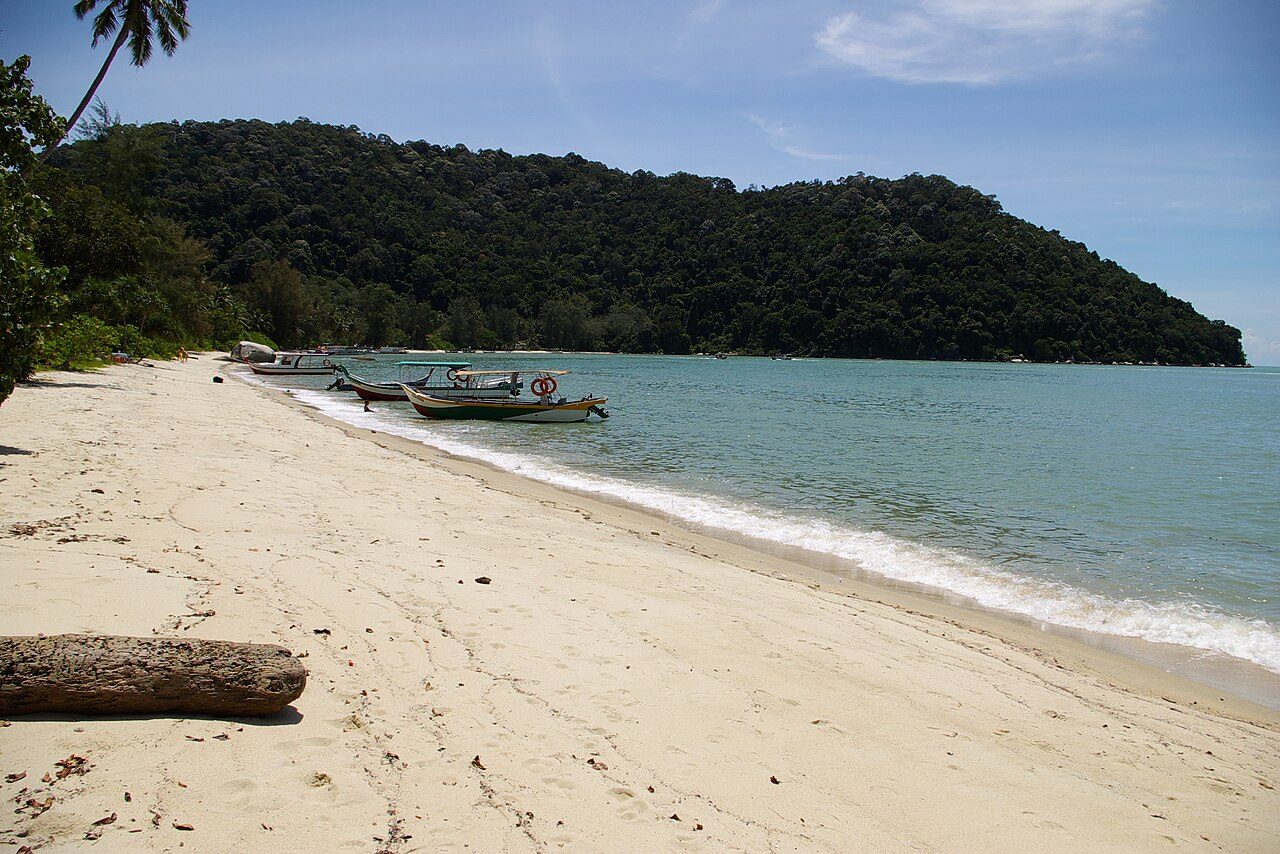
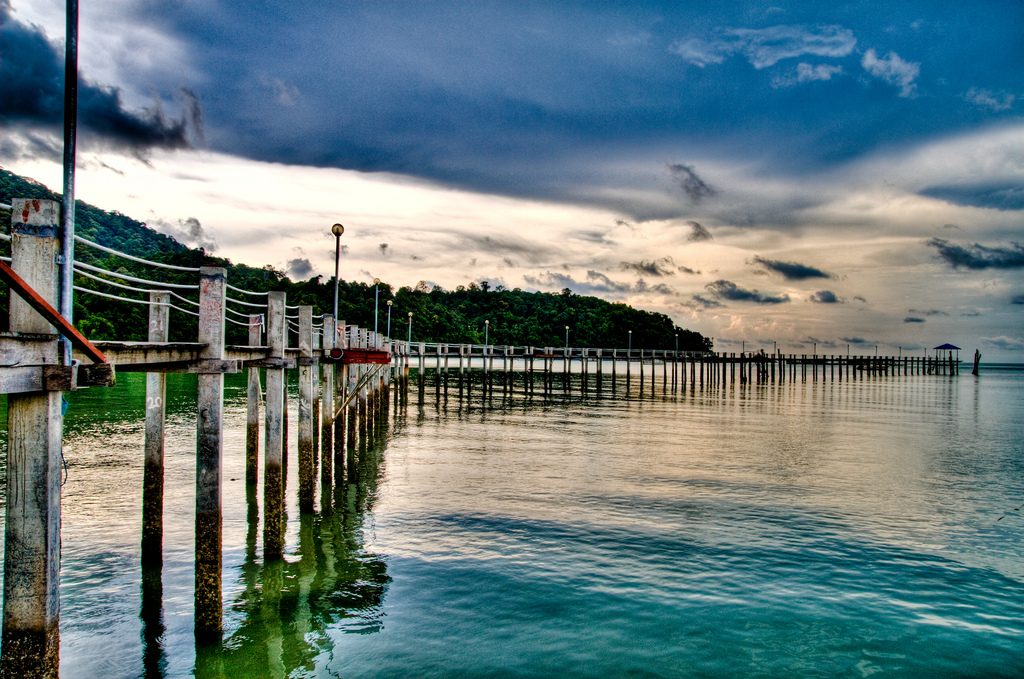
Penang National Park is on the northwest corner of Penang Island and is one of the smallest national parks in the world. It has rainforest, mangroves and quiet beaches. Trails lead to Monkey Beach, the lighthouse at Muka Head and Kerachut Beach, where turtles nest and a rare meromictic lake fills with sea and fresh water in layers.
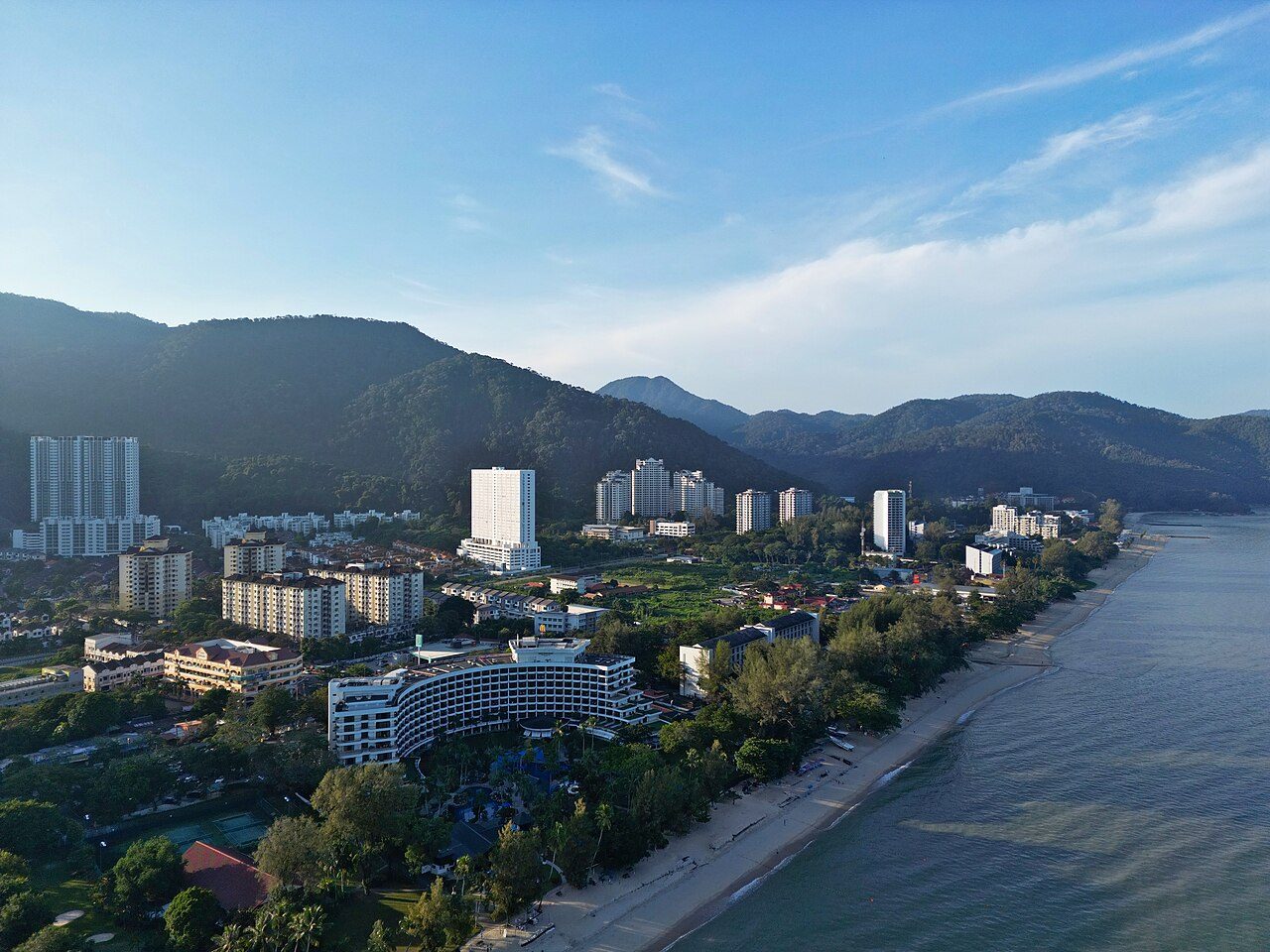
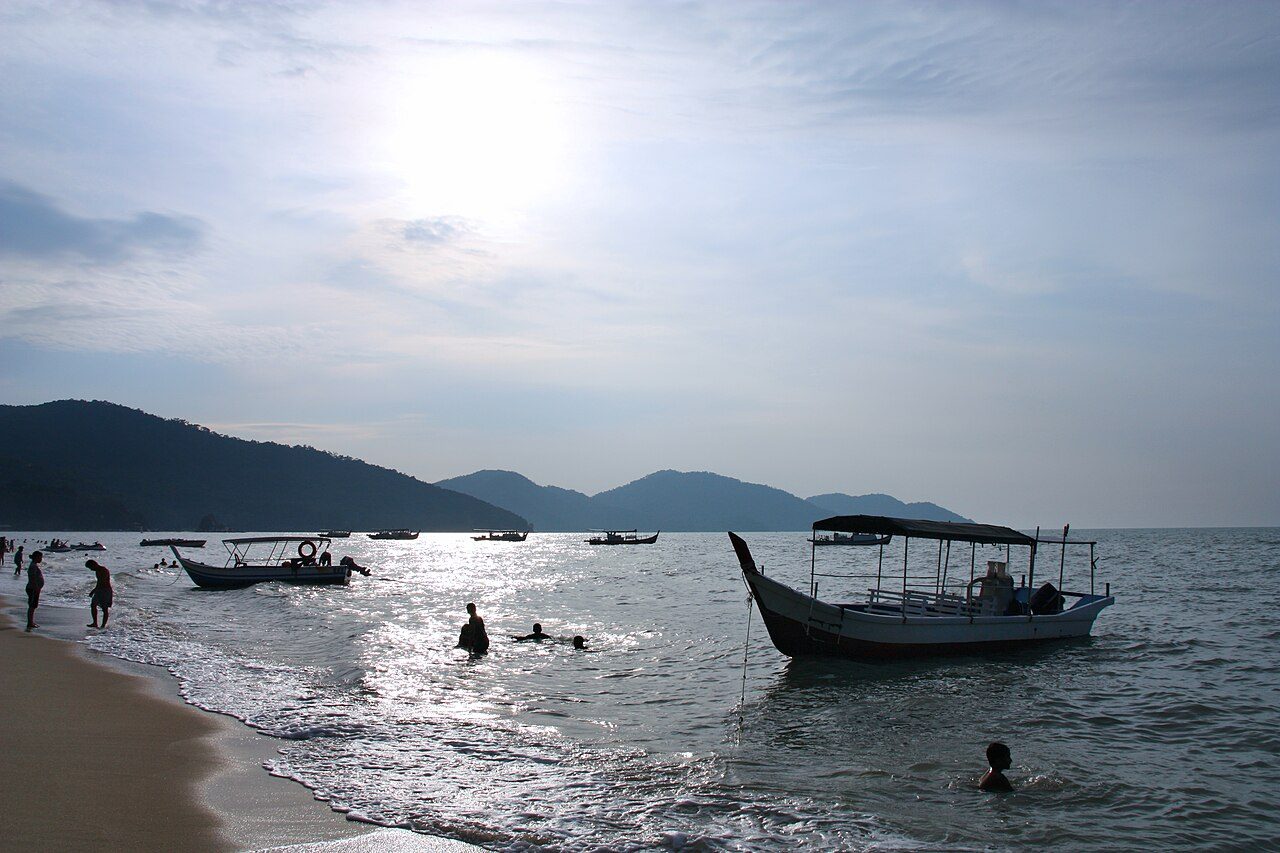
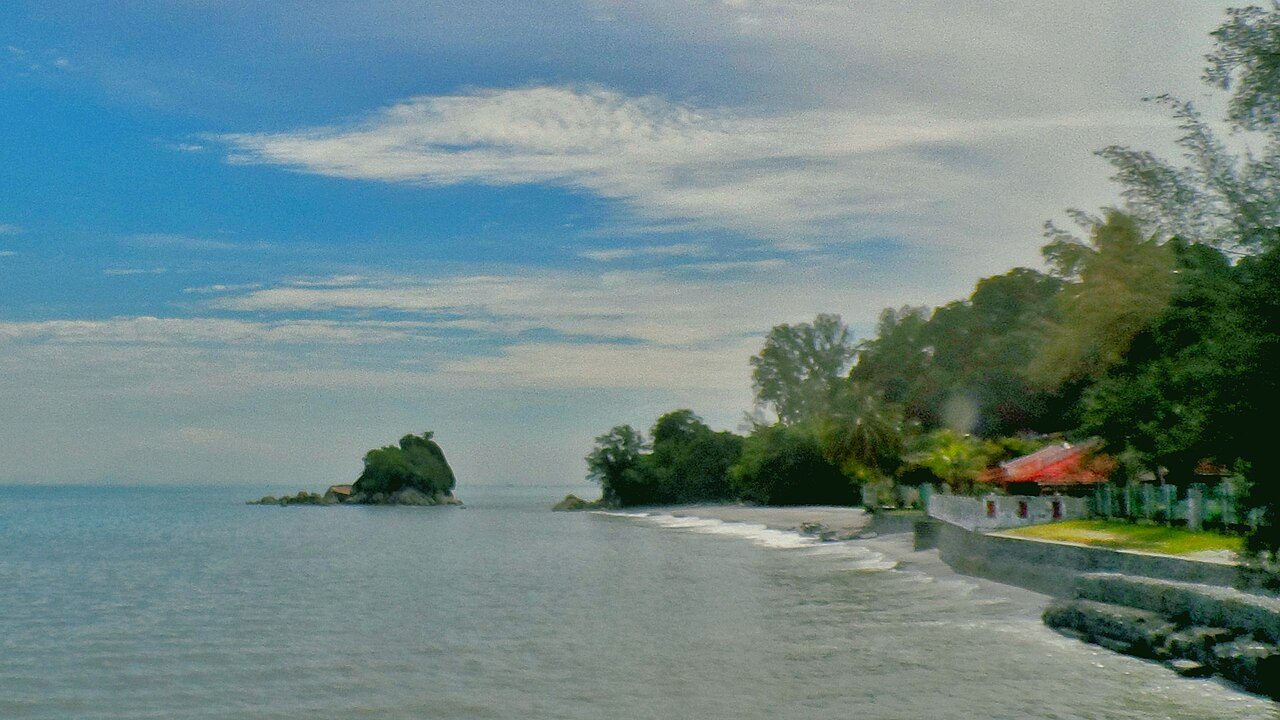
Batu Ferringhi is a beach area on the north coast of Penang Island, about 30 minutes from George Town. Its long stretch of sand is lined with resort hotels and water sports such as parasailing and jet skis. In the evening, a night market fills the main road with stalls selling souvenirs and food. Hawker centres serve local dishes.
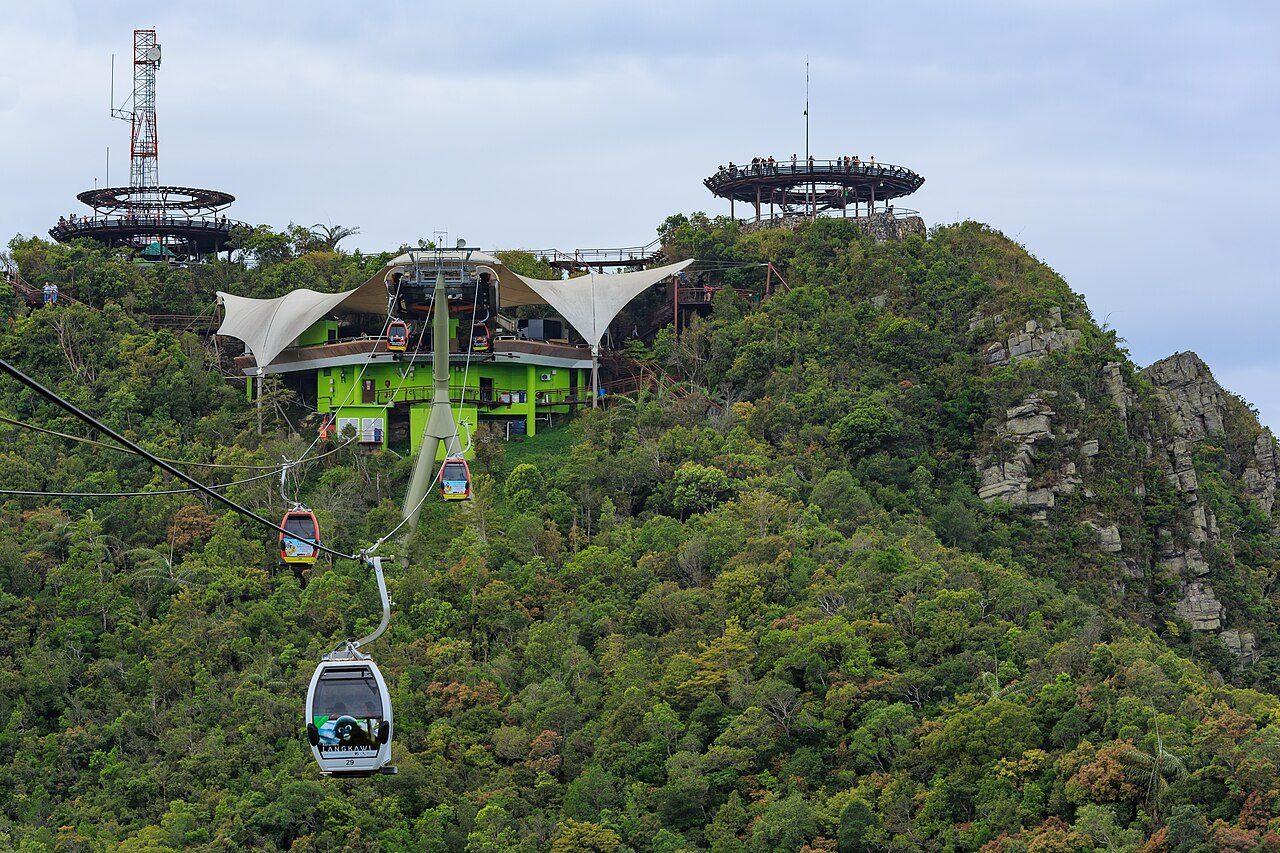
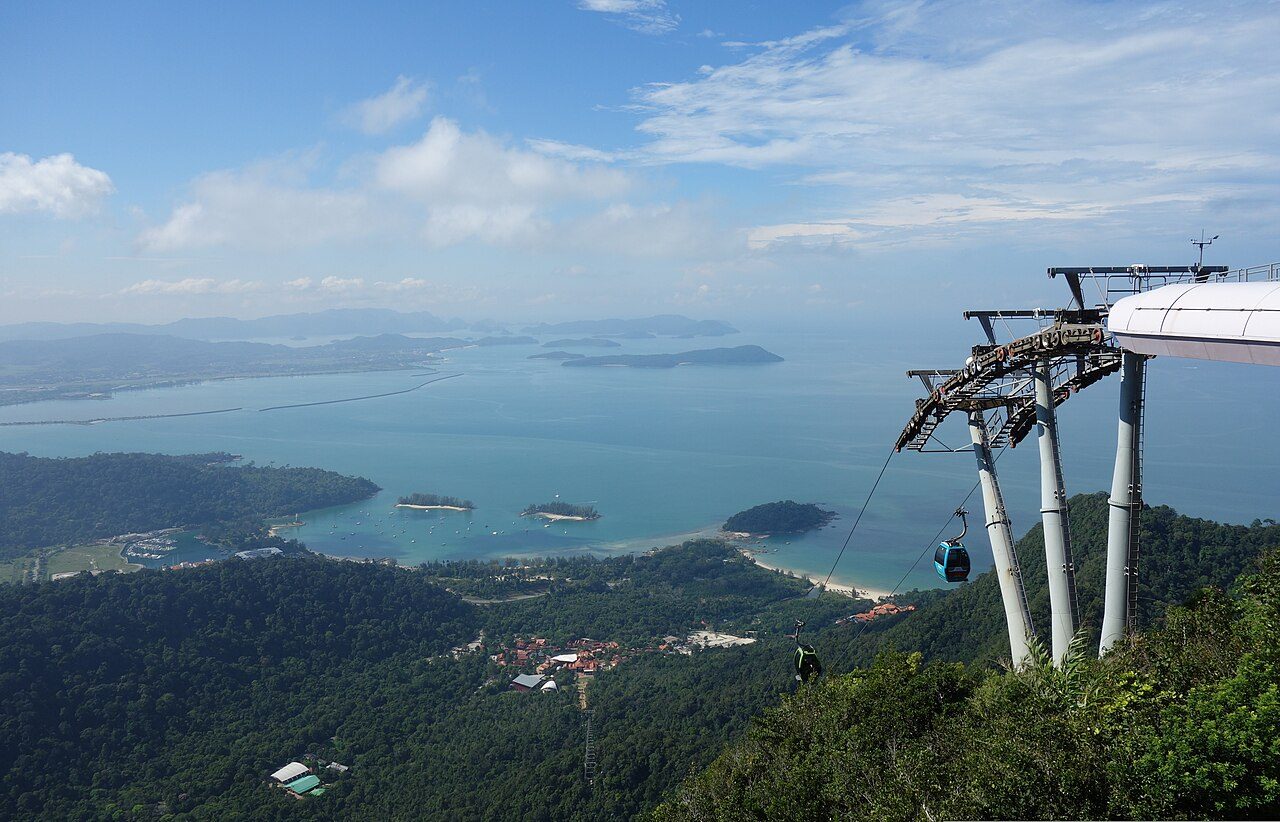
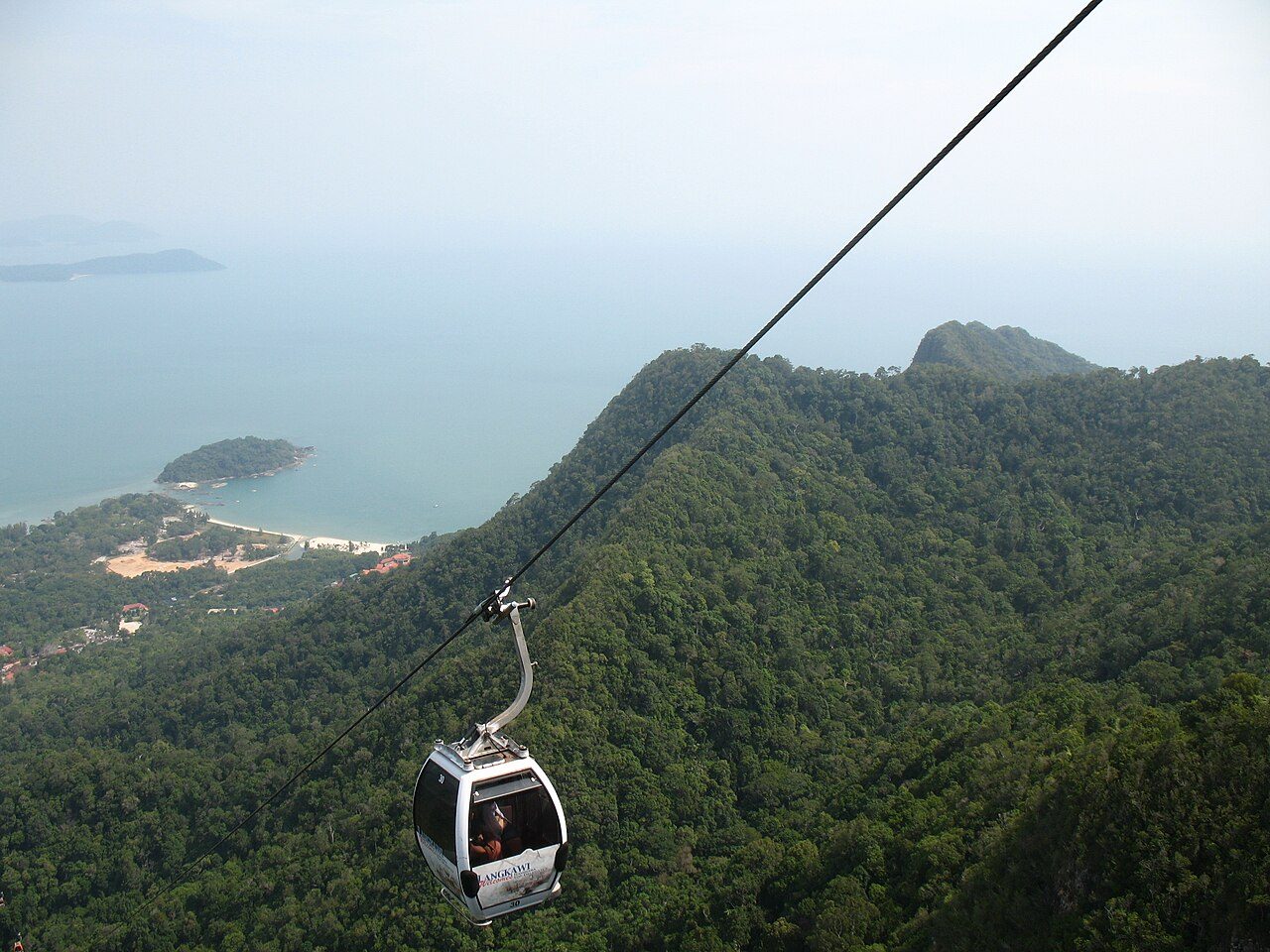
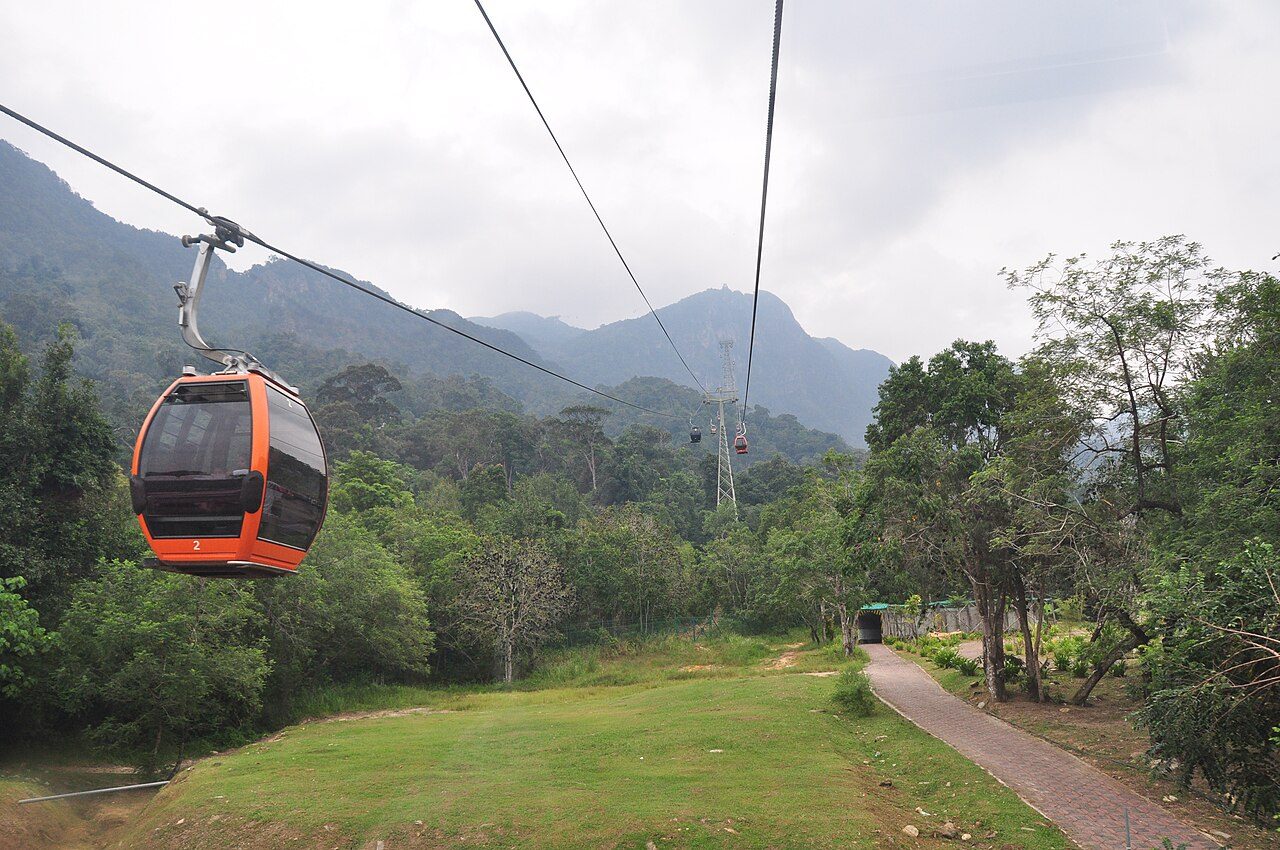
The Langkawi Cable Car, or SkyCab, rises from the Oriental Village at the foot of Mount Machinchang to its summit, about 700 metres above sea level. Opened in 2003, it is one of the steepest cable cars in the world. The ride passes over rainforest and waterfalls, with views of the sea and the islands of Thailand on clear days.
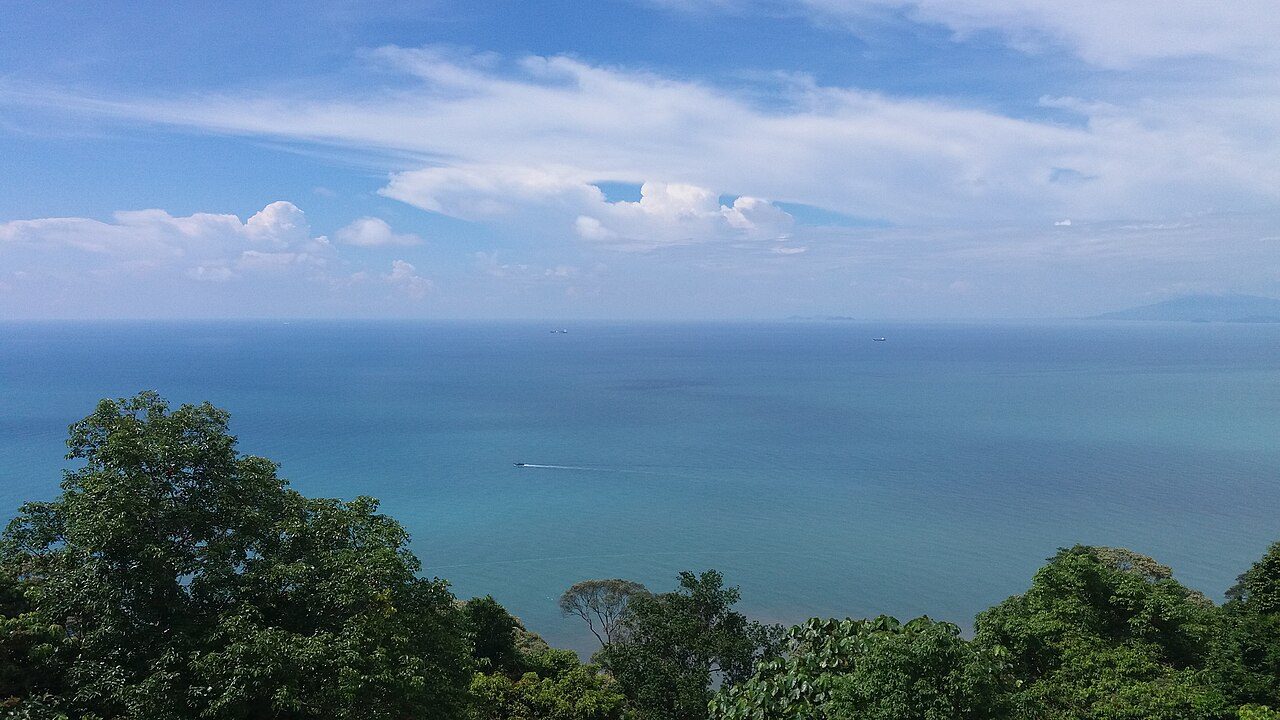
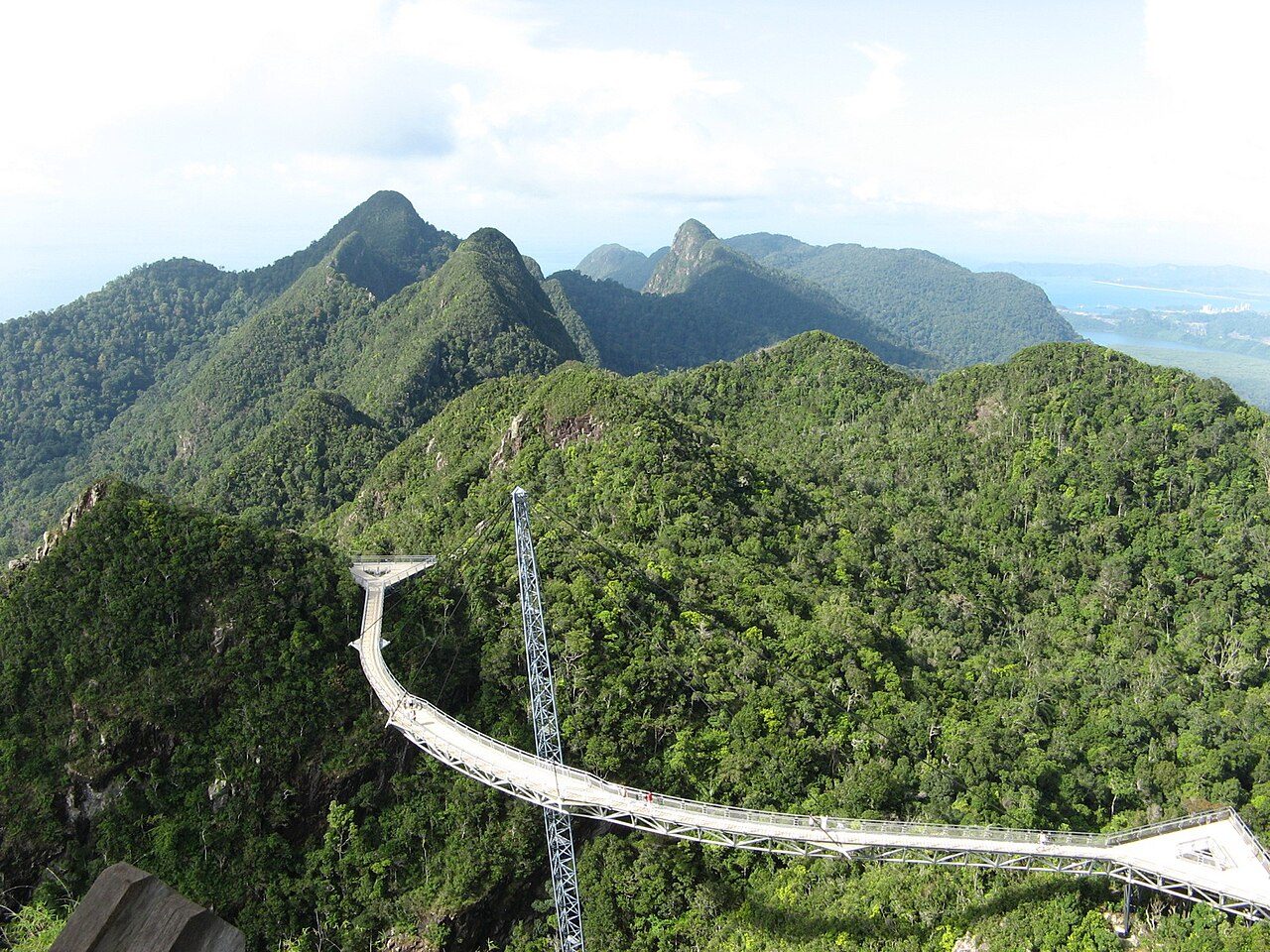
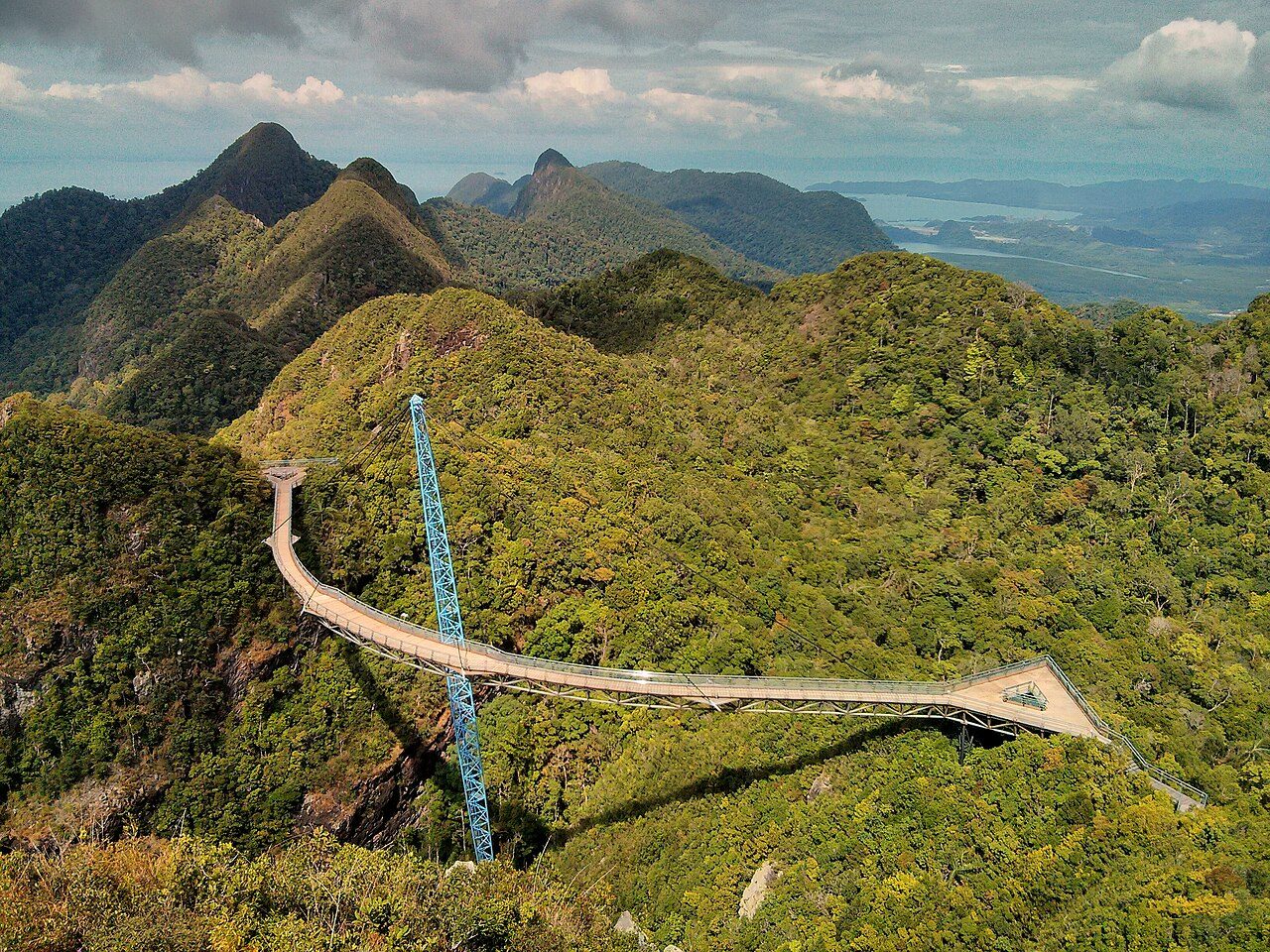
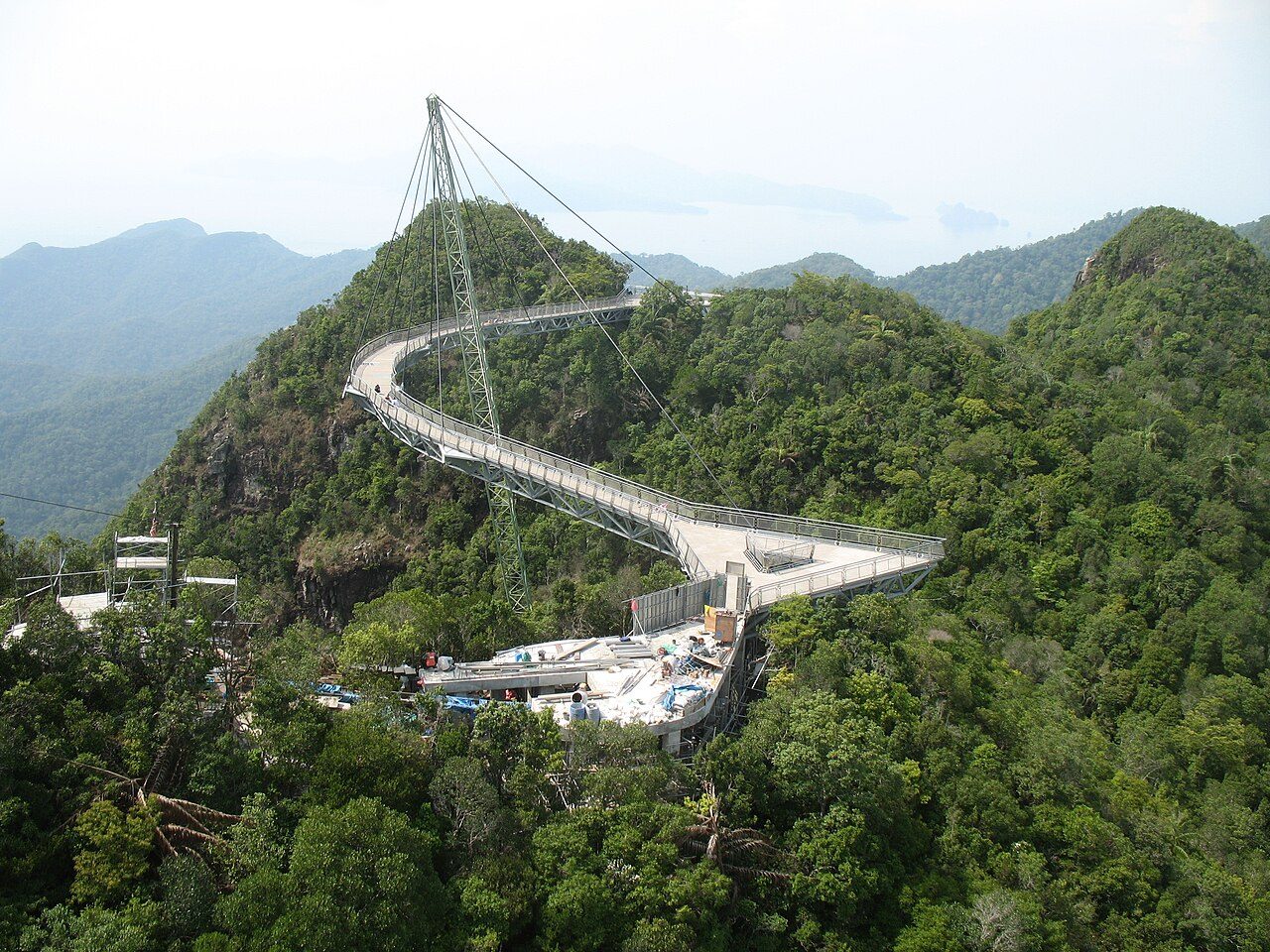
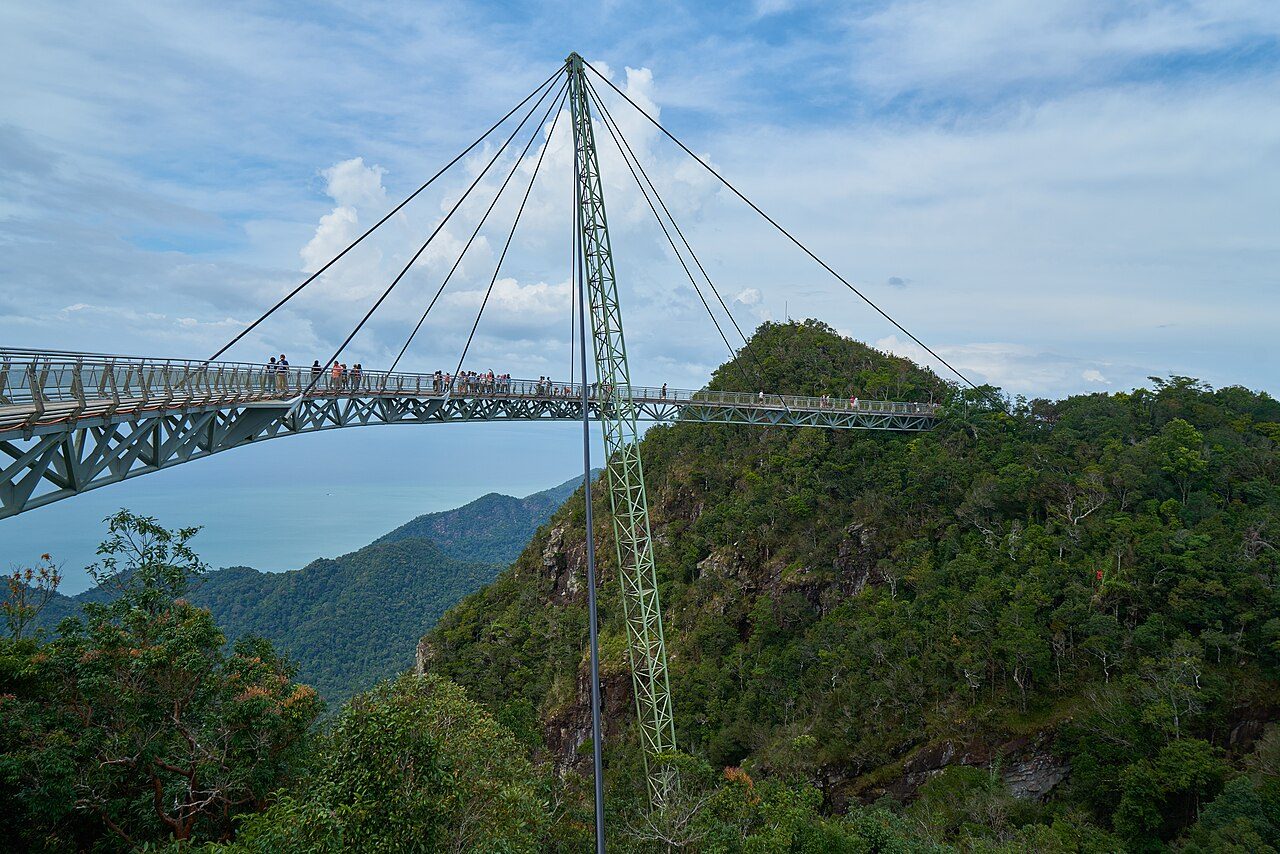
The Langkawi Sky Bridge is a curved pedestrian bridge about 125 metres long, hanging high above the rainforest near the top of Mount Machinchang. It is held up by a single tilted pylon. Opened in 2005, it is reached from the top station of the Langkawi Cable Car. From the bridge there are views over the Andaman Sea and islands.
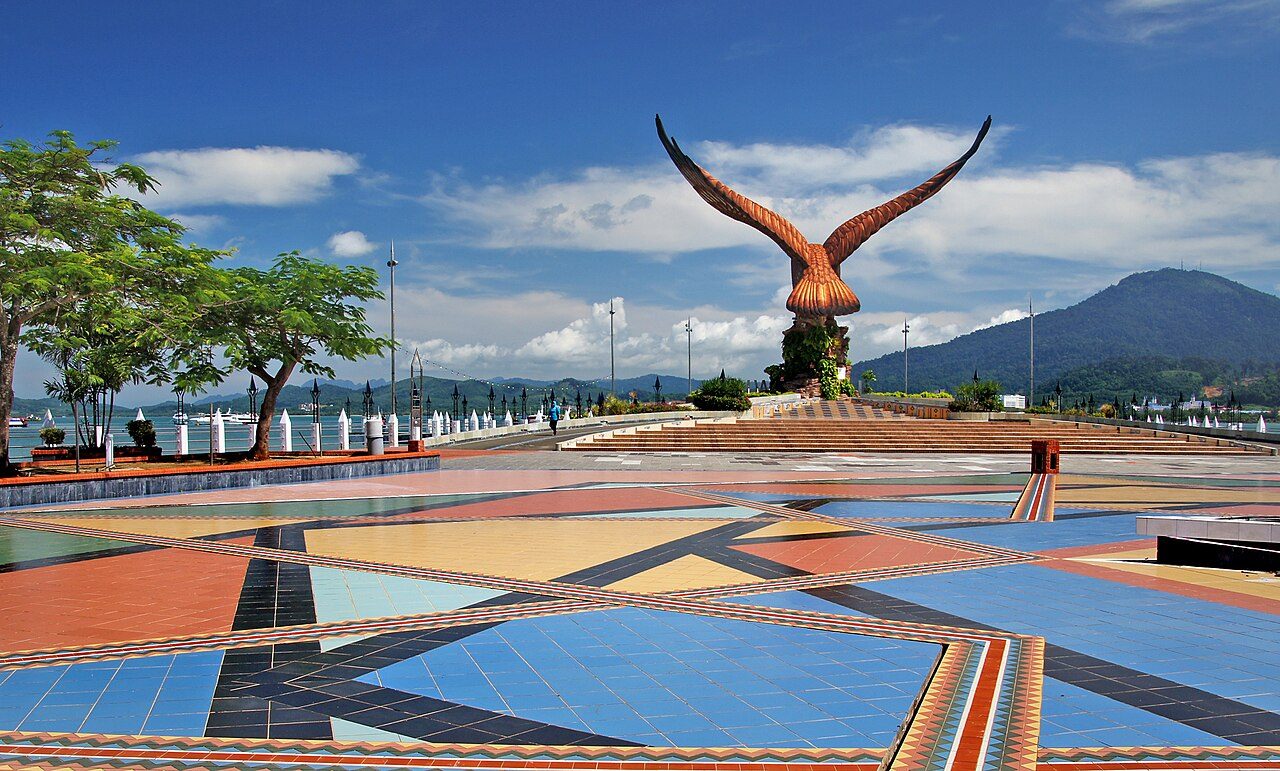
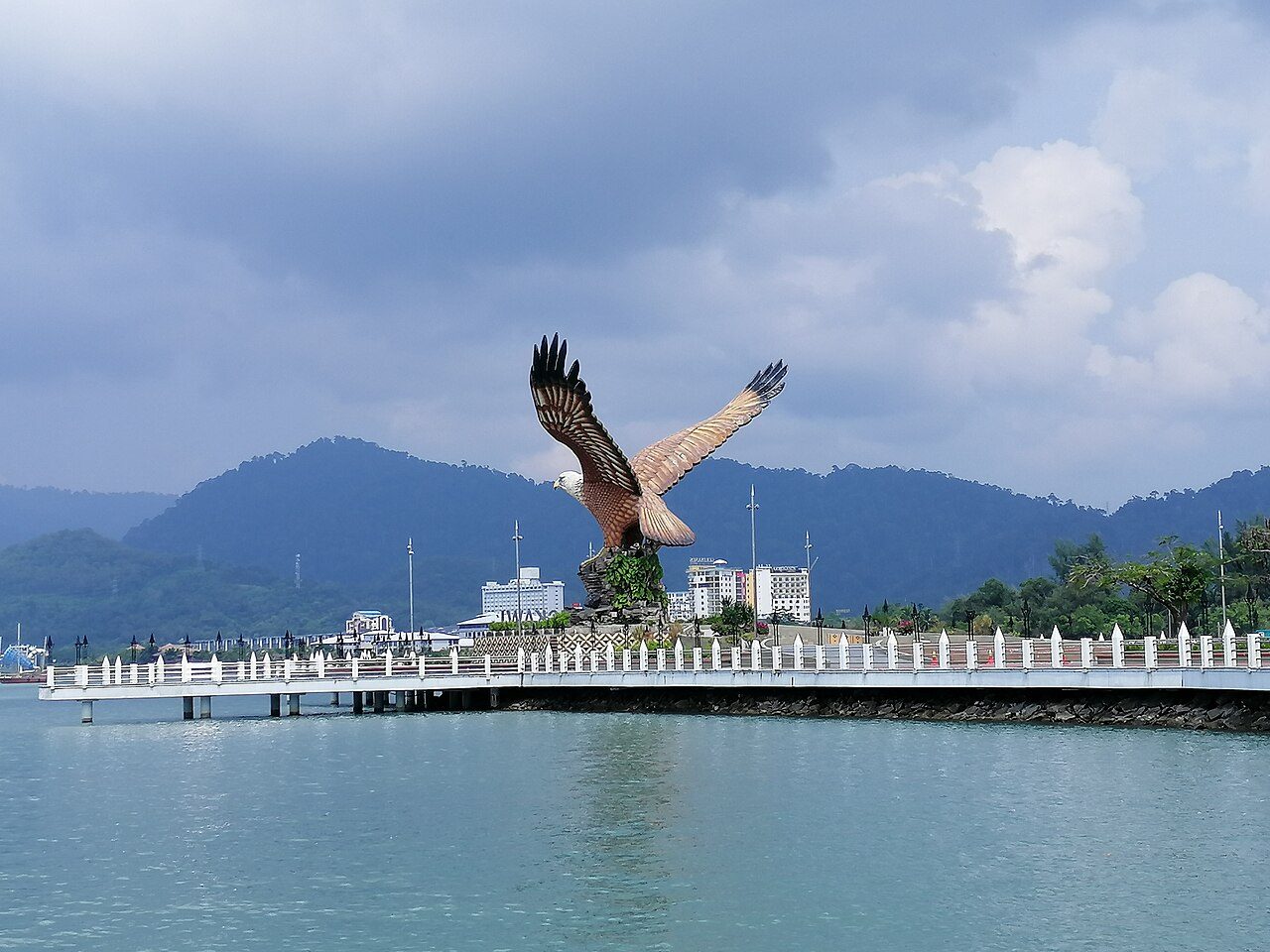
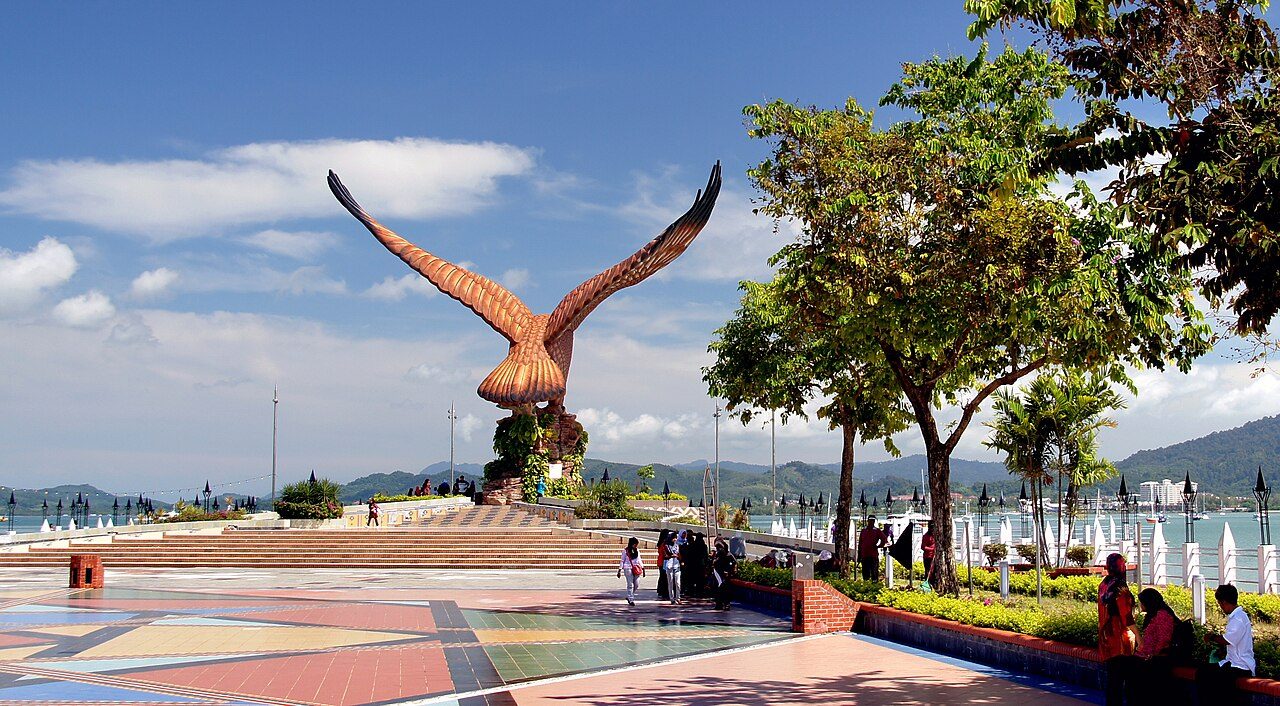
Eagle Square, Dataran Lang, is a waterfront square in Kuah, the main town of Langkawi. It is dominated by a huge statue of a reddish-brown eagle about to take flight, about 12 metres tall. The name Langkawi is thought to come from old Malay words meaning reddish-brown eagle. The square looks out over the harbour and the islands.
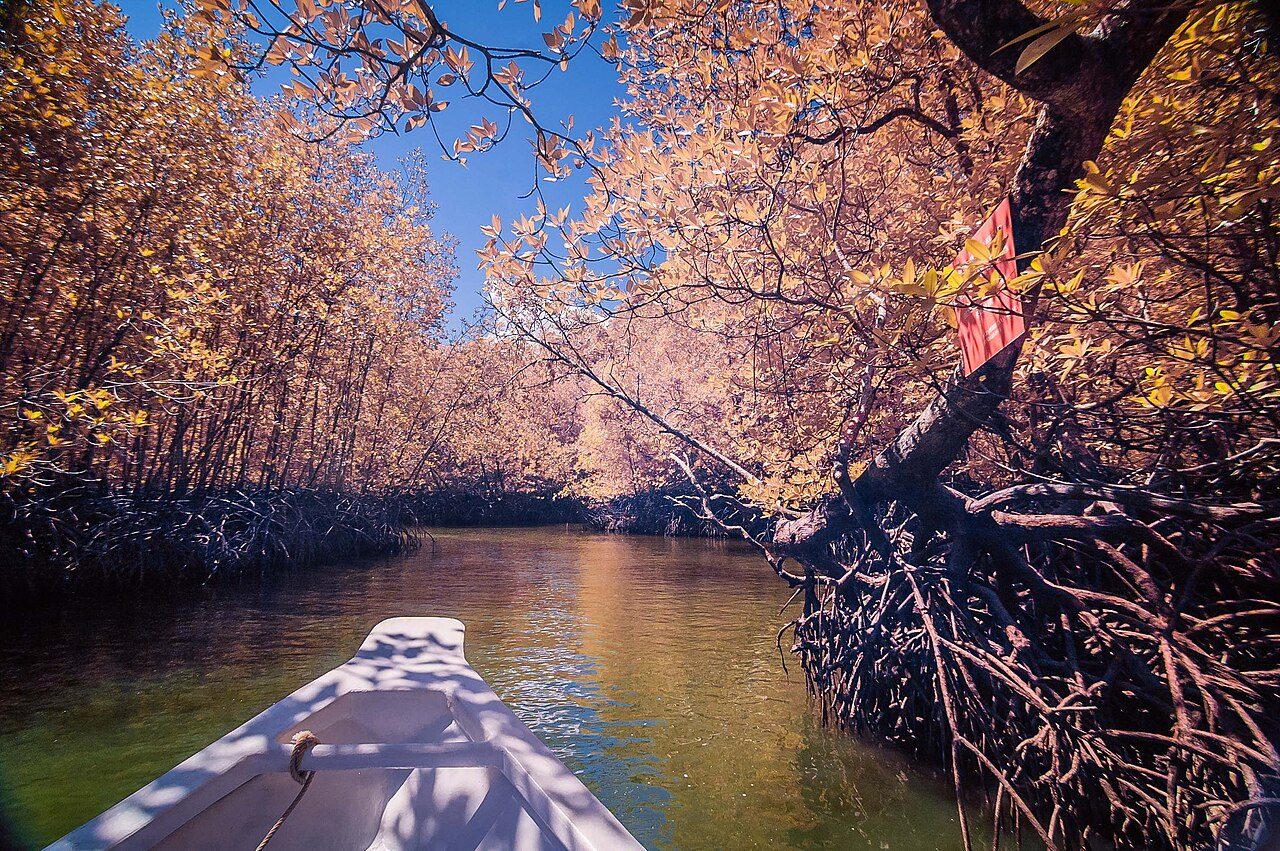
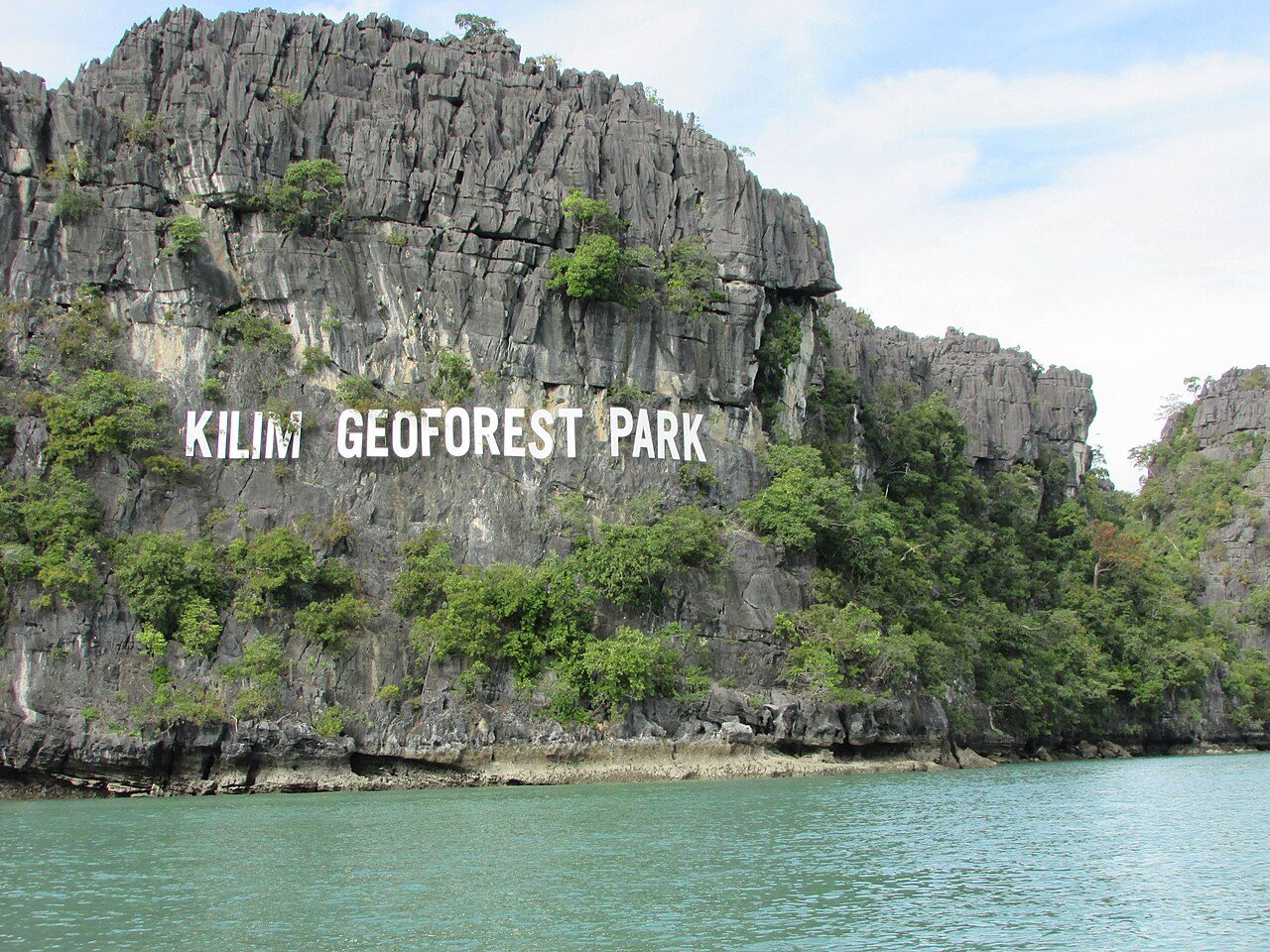
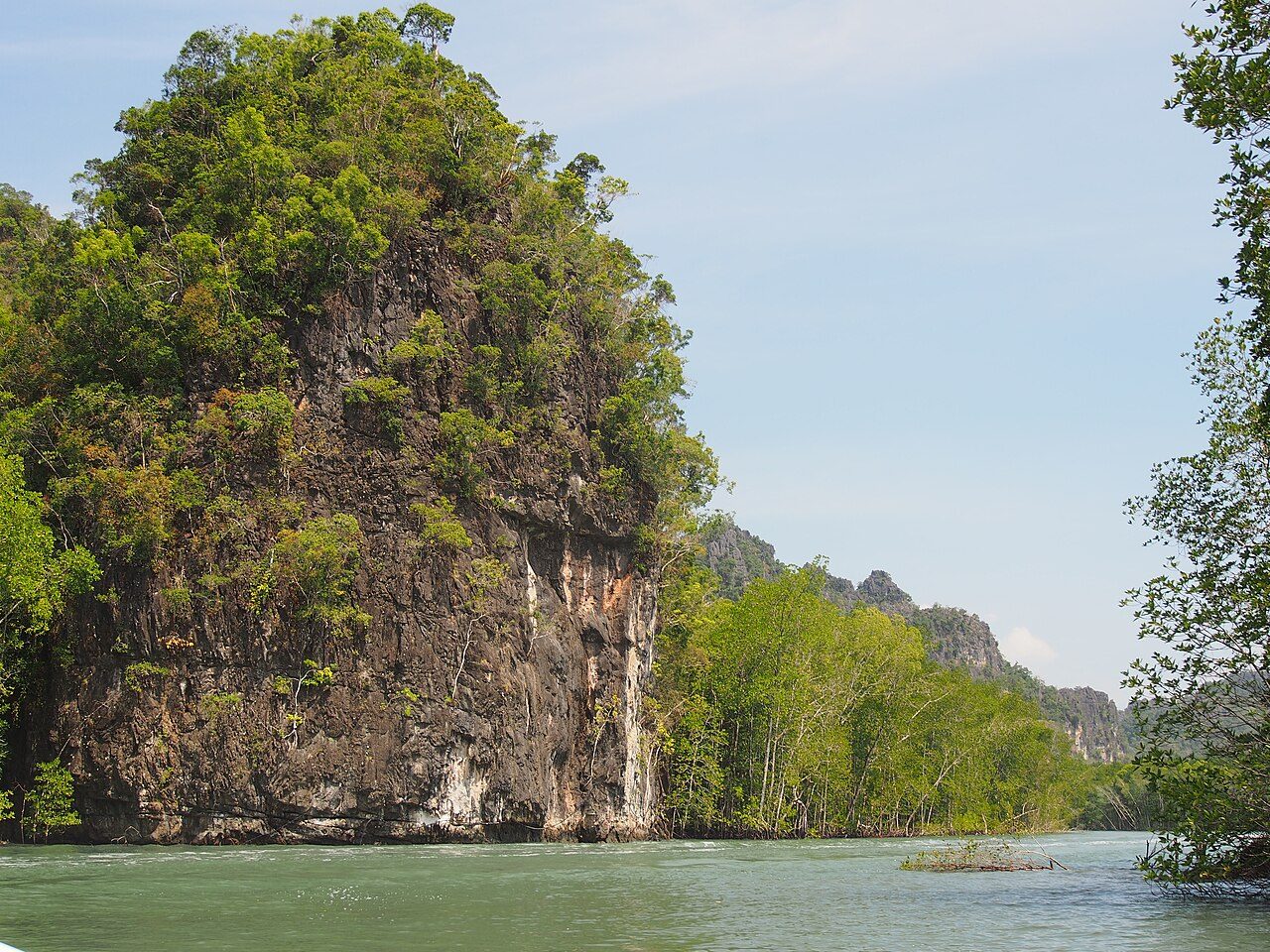
Kilim Karst Geoforest Park covers the limestone hills, mangrove rivers and islands in the northeast of Langkawi. Boat trips travel through the mangrove channels past steep cliffs, caves and fish farms, and look for eagles diving for food. It is part of the Langkawi UNESCO Global Geopark, the first geopark in Southeast Asia.
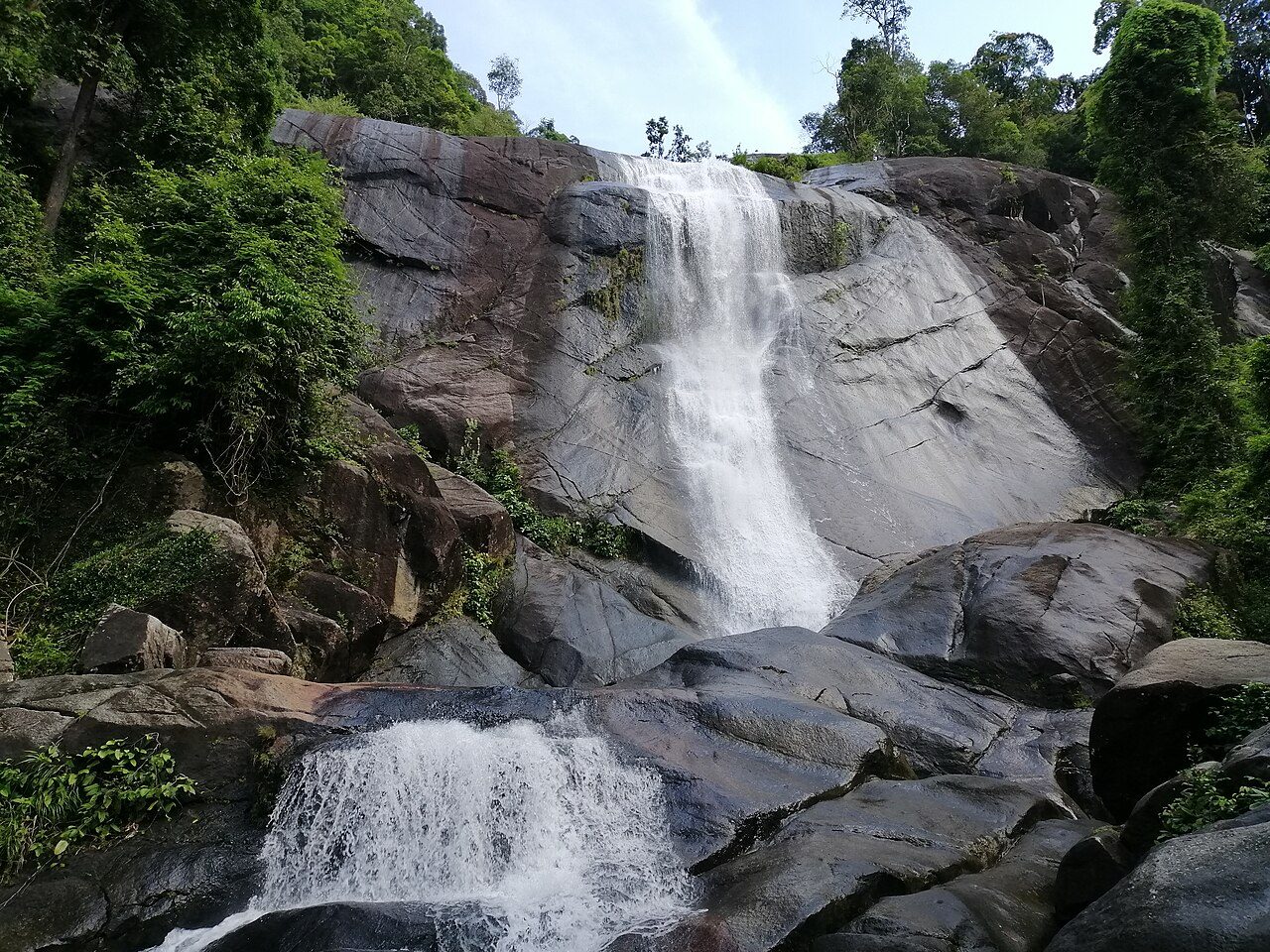
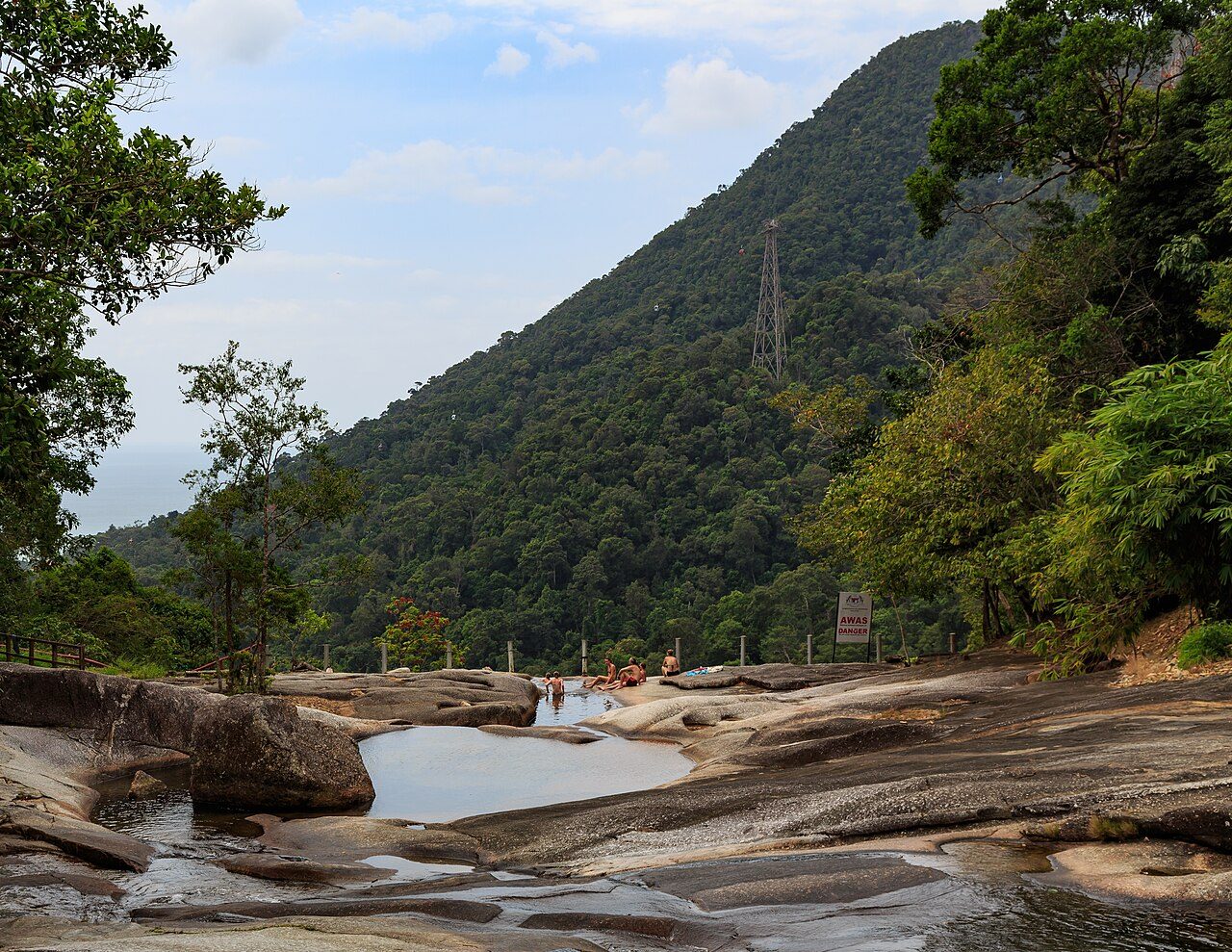
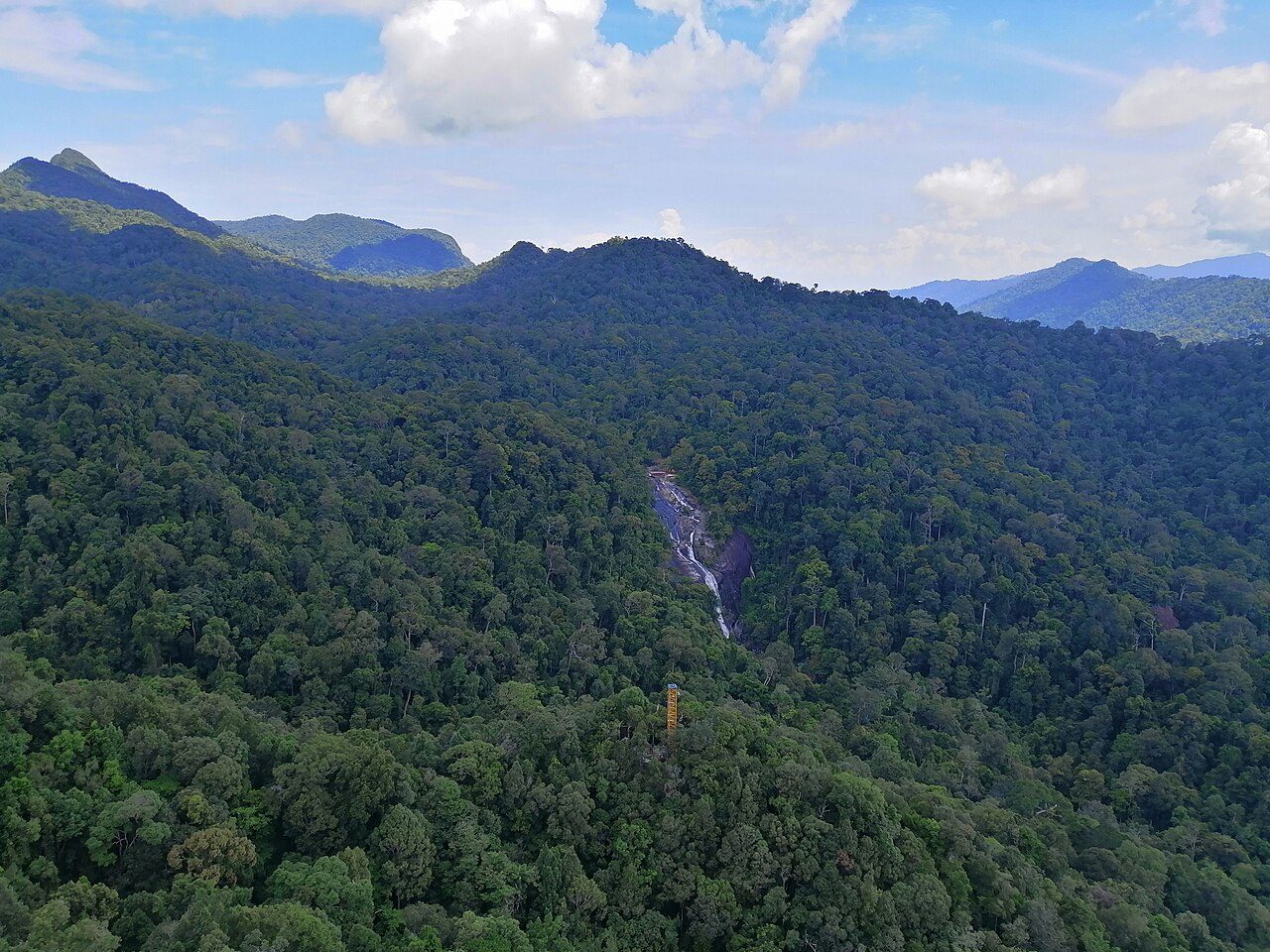
Telaga Tujuh, the Seven Wells, is a waterfall on Mount Machinchang in Langkawi. The stream drops over a series of rock steps and seven natural pools, set in rainforest. Legend says fairies came to bathe here. A stairway of over 600 steps leads to the top pools, where visitors can swim and slide down the smooth rock.
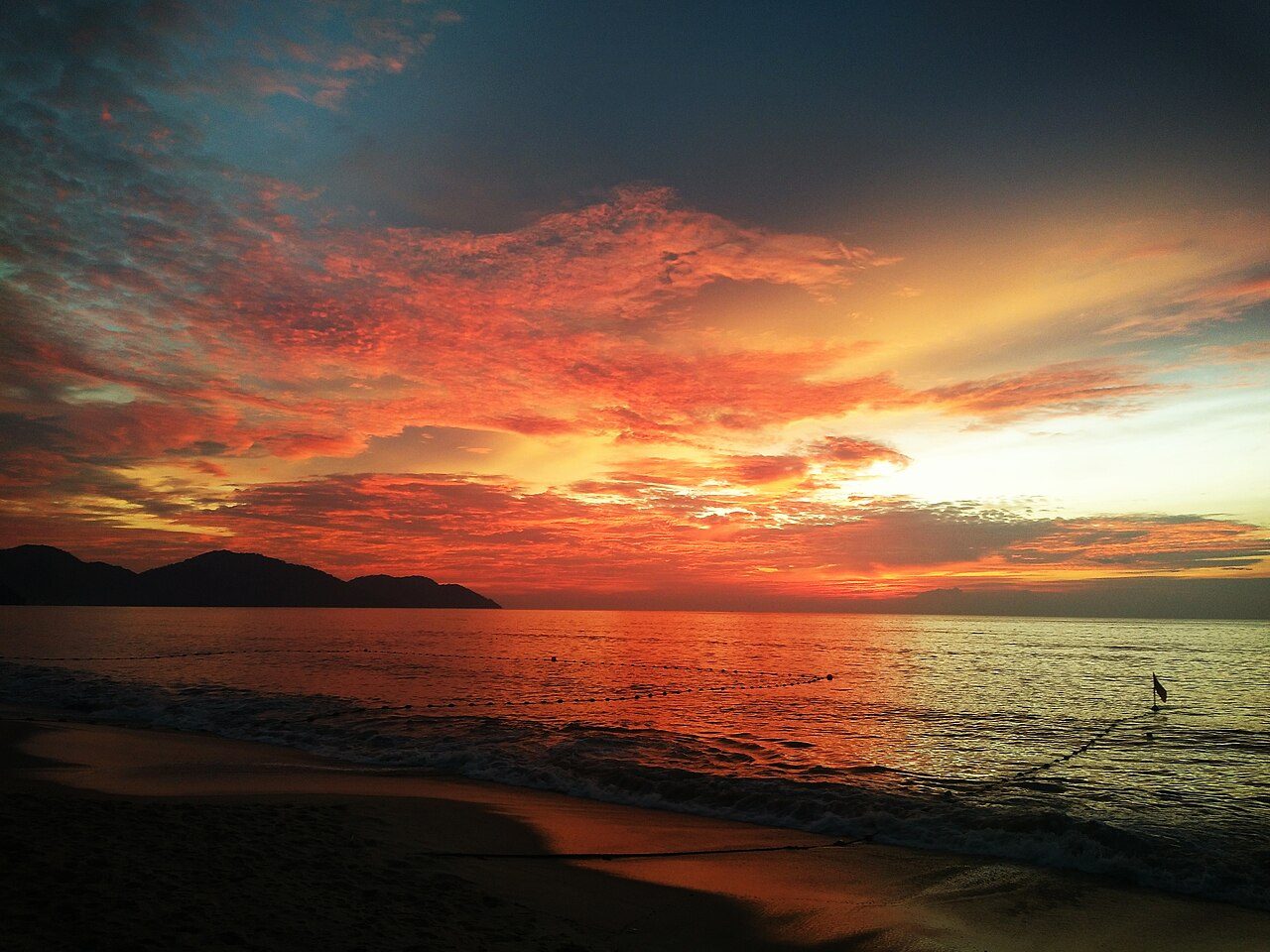
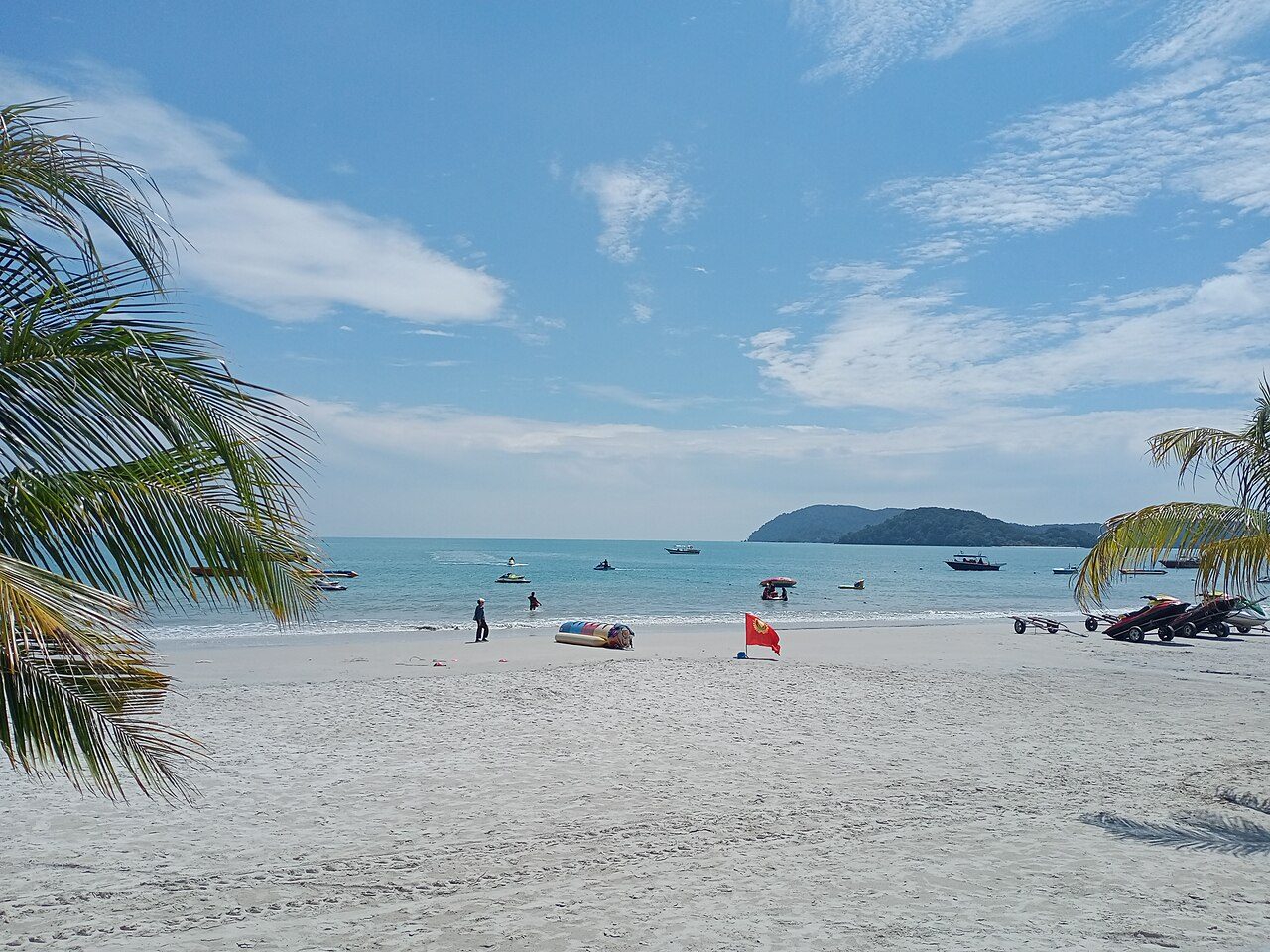
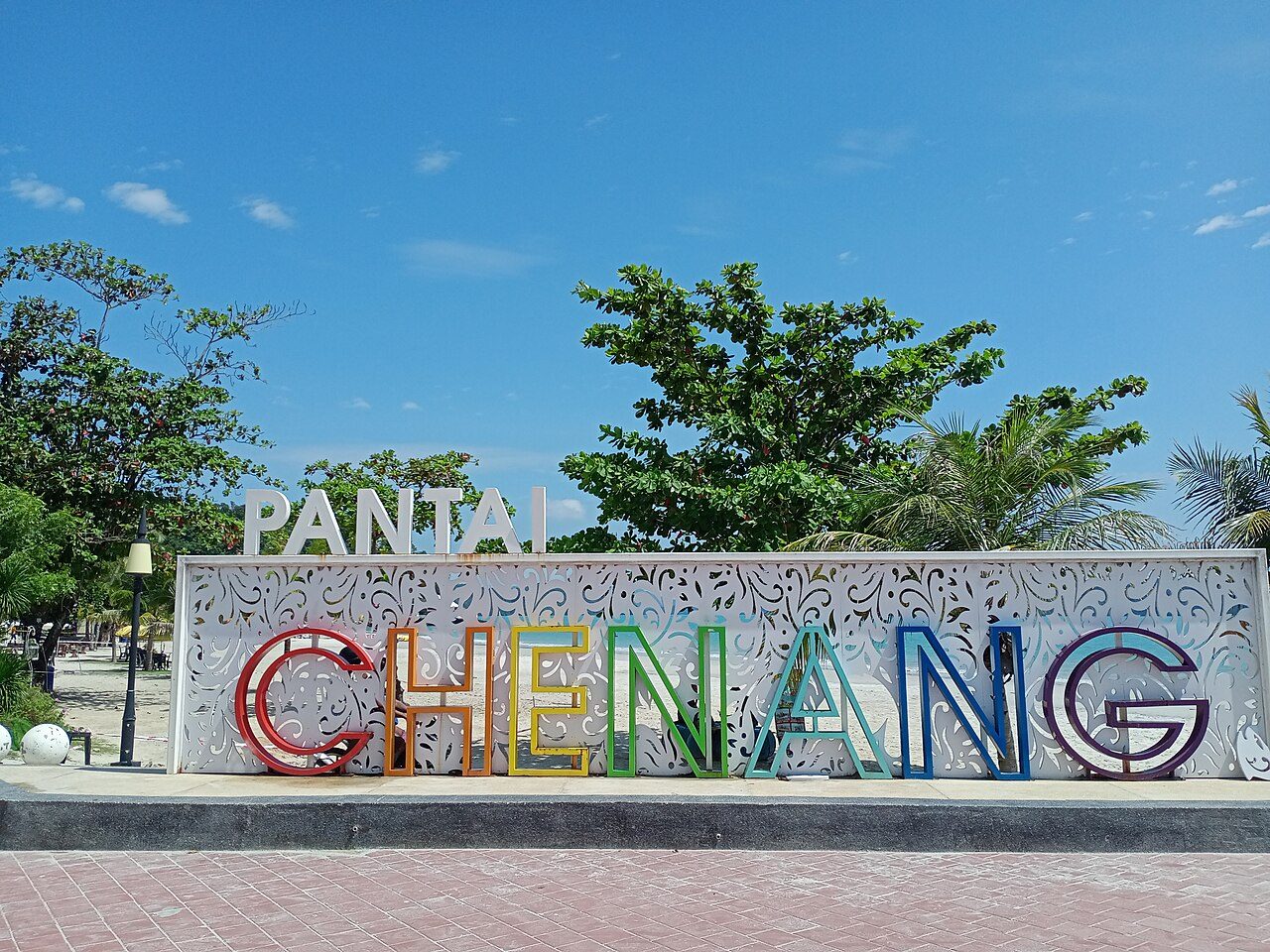
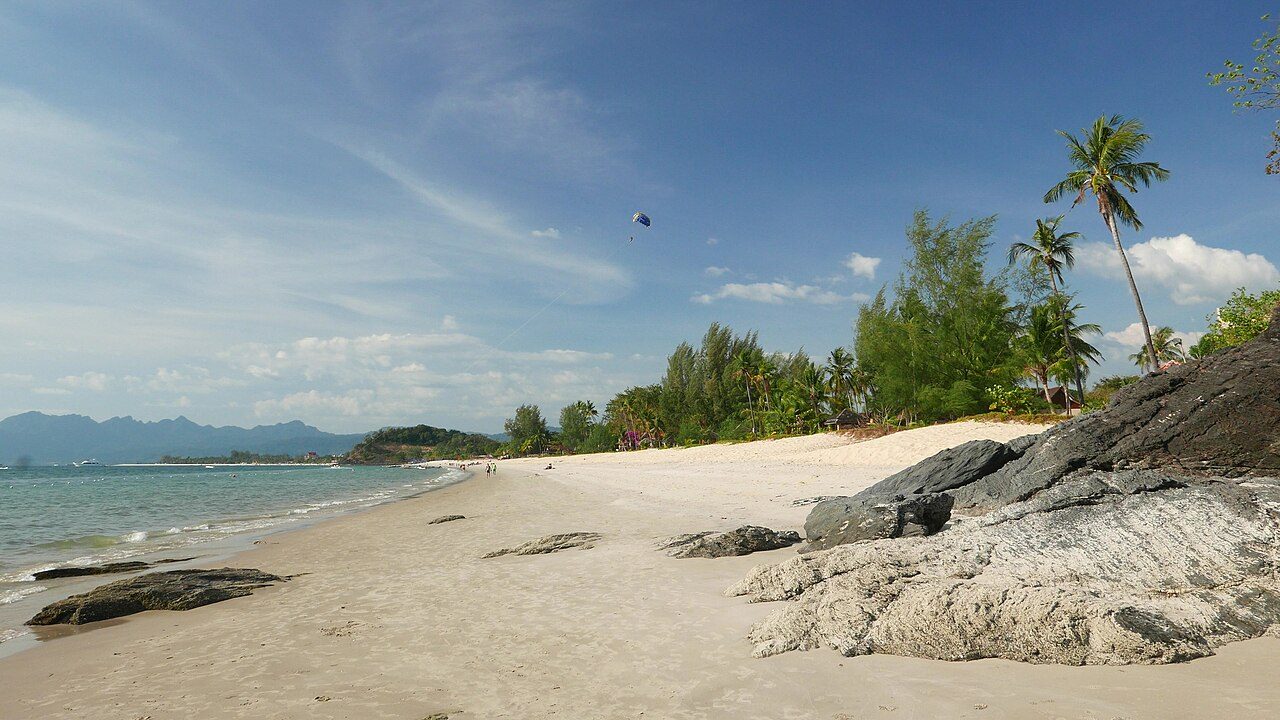
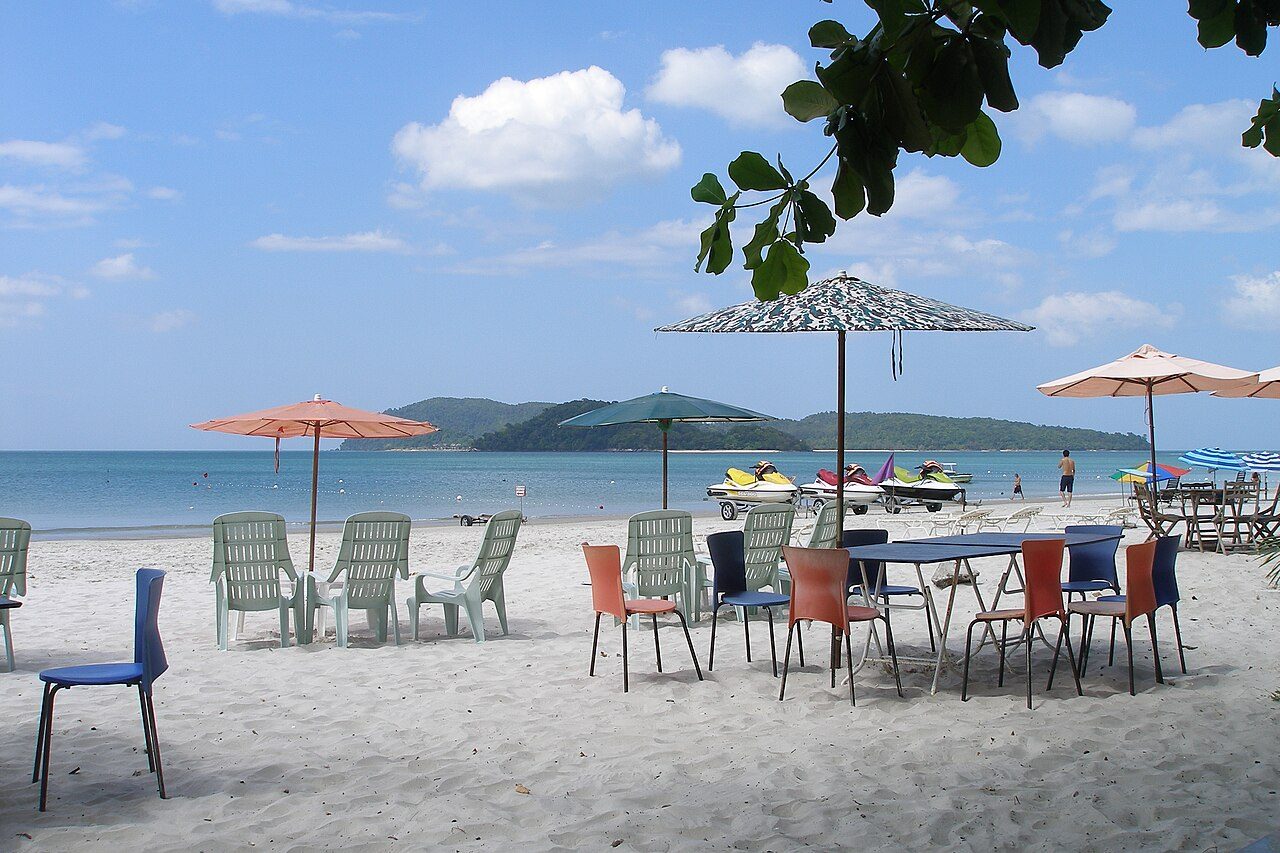
Pantai Cenang is the busiest beach on Langkawi, on the island's southwest coast. Its long stretch of white sand faces the Andaman Sea, with calm water for swimming and water sports. Restaurants, bars and shops line the road behind it. It is a popular place to watch the sunset, and at low tide a sandbar leads to a small island.
Best weather: Jan – MarHeavy rain: Sep – Nov
Seasons from 20 years of NASA POWER climate data.
Was this trip blog helpful?
0
0
Ready to follow this route?
Copy all 17 stops into your trip plans in the app.
 WaTrips





 BikesBooking
 Localrent
 Airalo
 Tiqets