Mosques of Southern Malaysia: Kuala Lumpur, Putrajaya, Shah Alam, Melaka and Johor
4 DAYS9 placesby WaTrips
The National Mosque, Masjid Jamek, Putrajaya's mosques, Shah Alam's Blue Mosque, Melaka's mosques and Johor's State Mosque.
Malaysia's mosques tell the story of the country, from old riverside prayer halls to modern landmarks. Start in Kuala Lumpur at the National Mosque and Masjid Jamek, where the city began. See Putrajaya's pink Putra Mosque and the steel-mesh Tuanku Mizan Mosque, and the huge Blue Mosque of Shah Alam. In Melaka, visit Kampung Kling, one of the oldest mosques in the country, and watch the sunset at the Straits Mosque over the water. End in Johor Bahru at the Sultan Abu Bakar State Mosque. Dress modestly; robes are lent at most mosques.
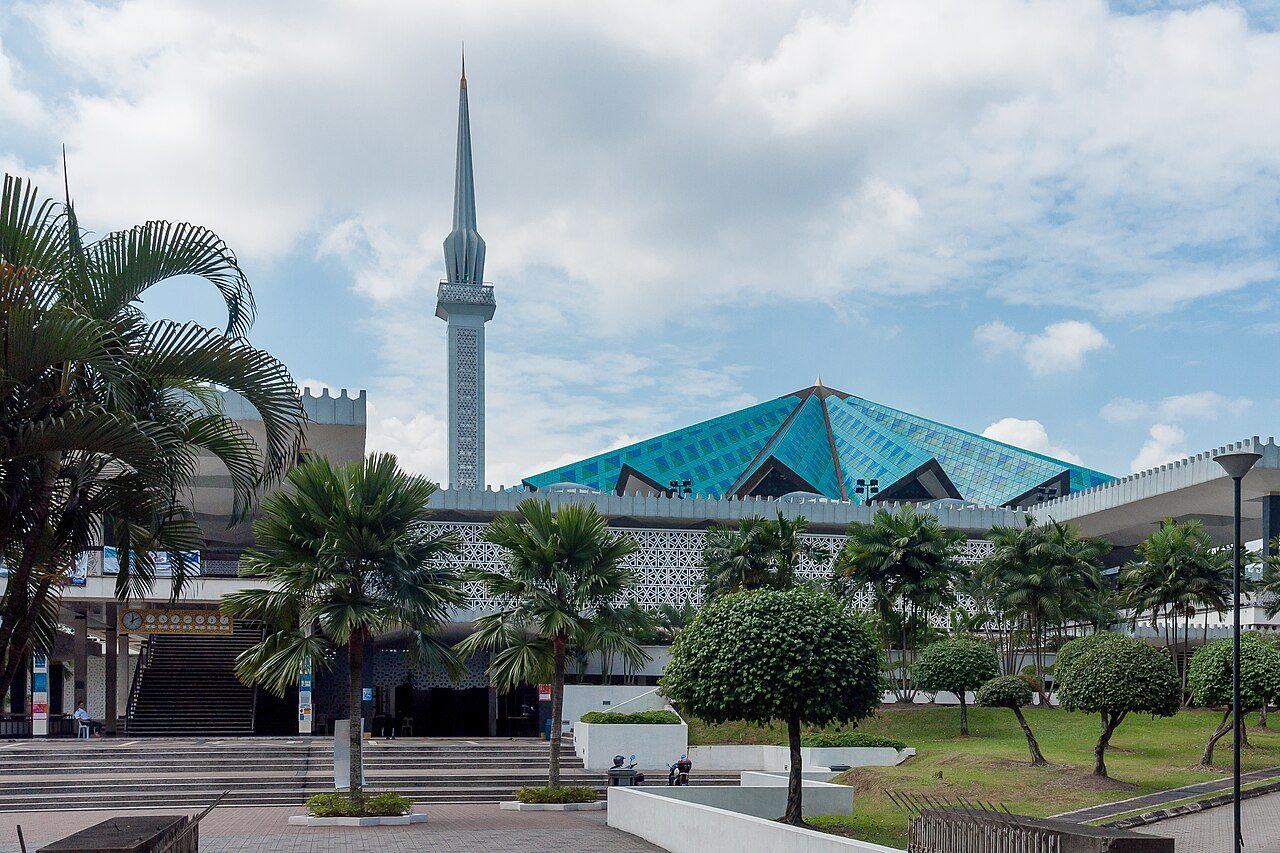
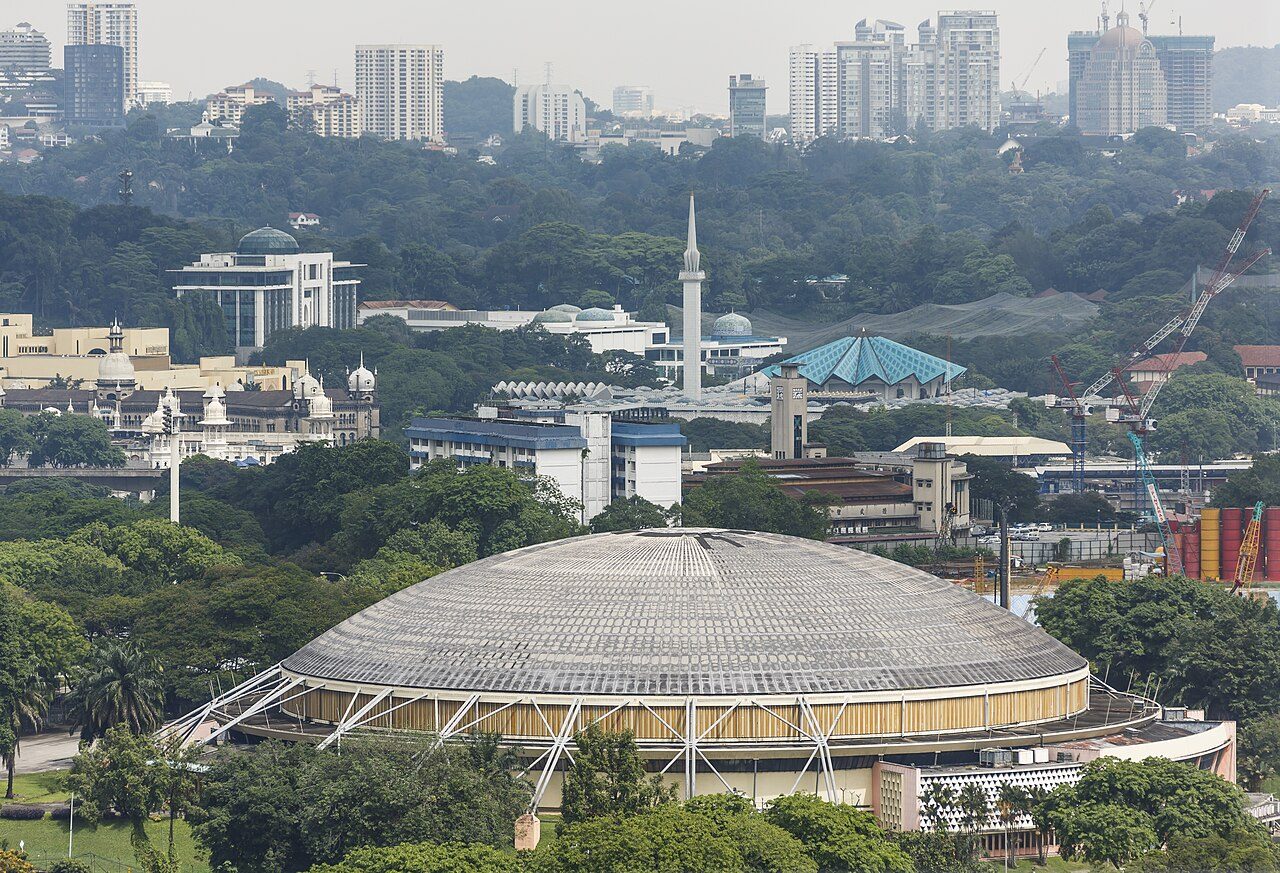
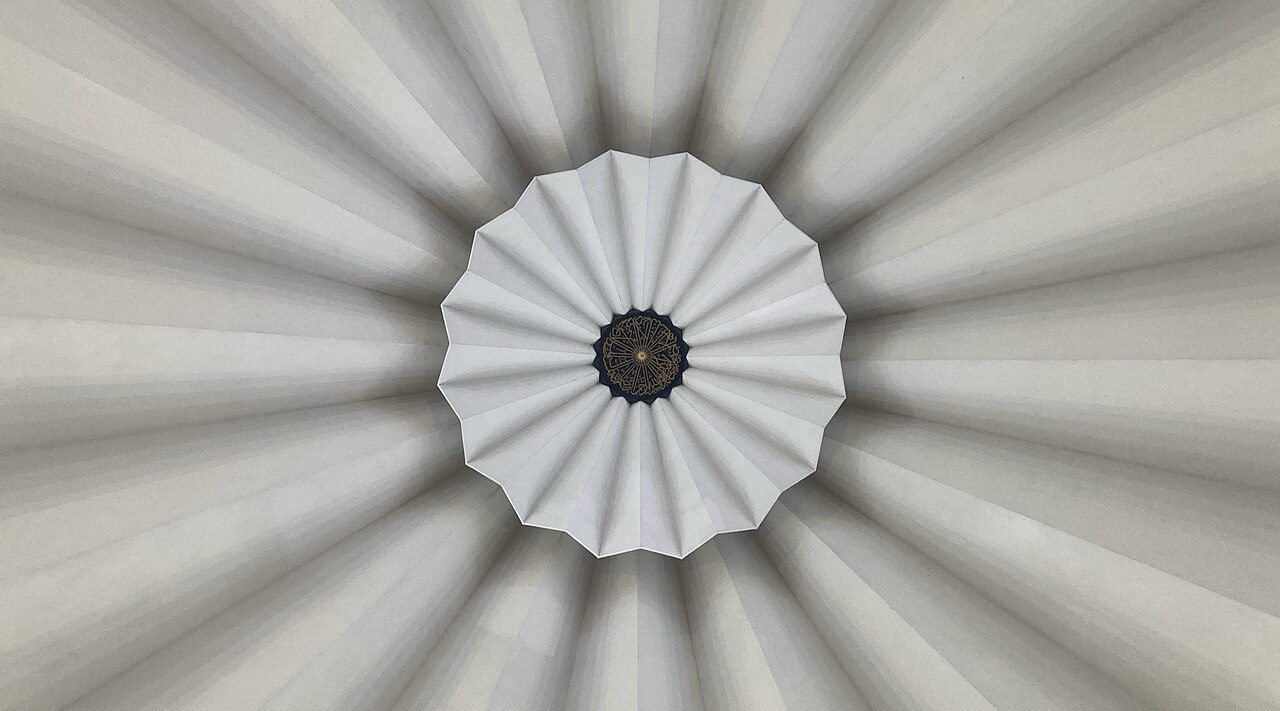
The National Mosque of Malaysia, Masjid Negara, was opened in 1965 in Kuala Lumpur. It can hold about 15,000 people. Its main roof is a modern star-shaped concrete form with 18 points, standing for the 13 states and five pillars of Islam, and a slender minaret rises about 73 metres beside it. Pools and fountains surround the building. Visitors are welcome outside prayer times.
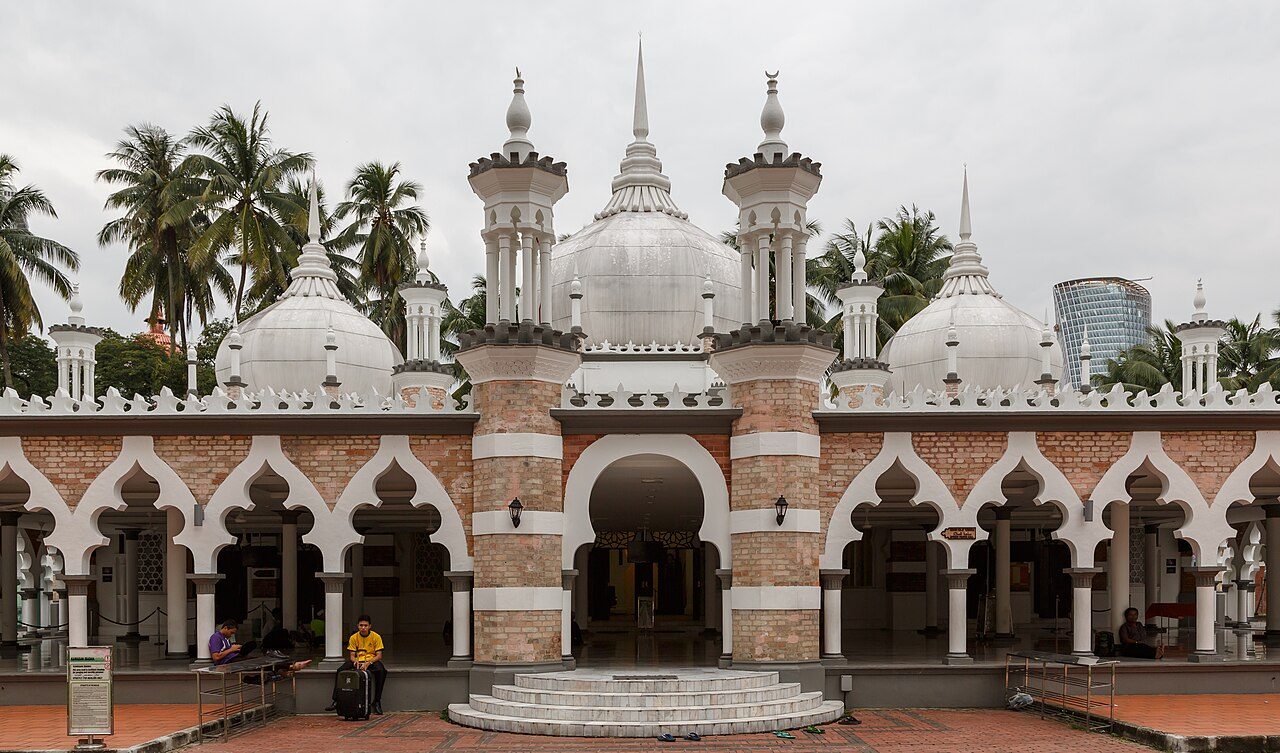
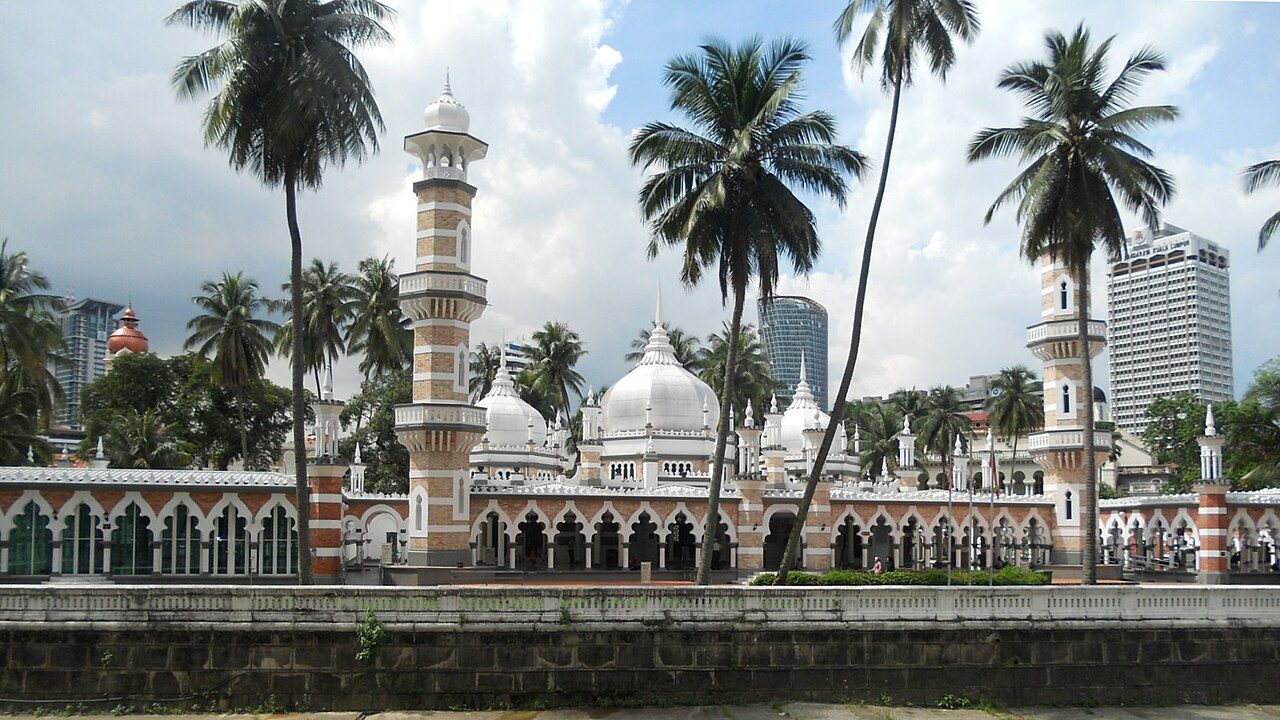
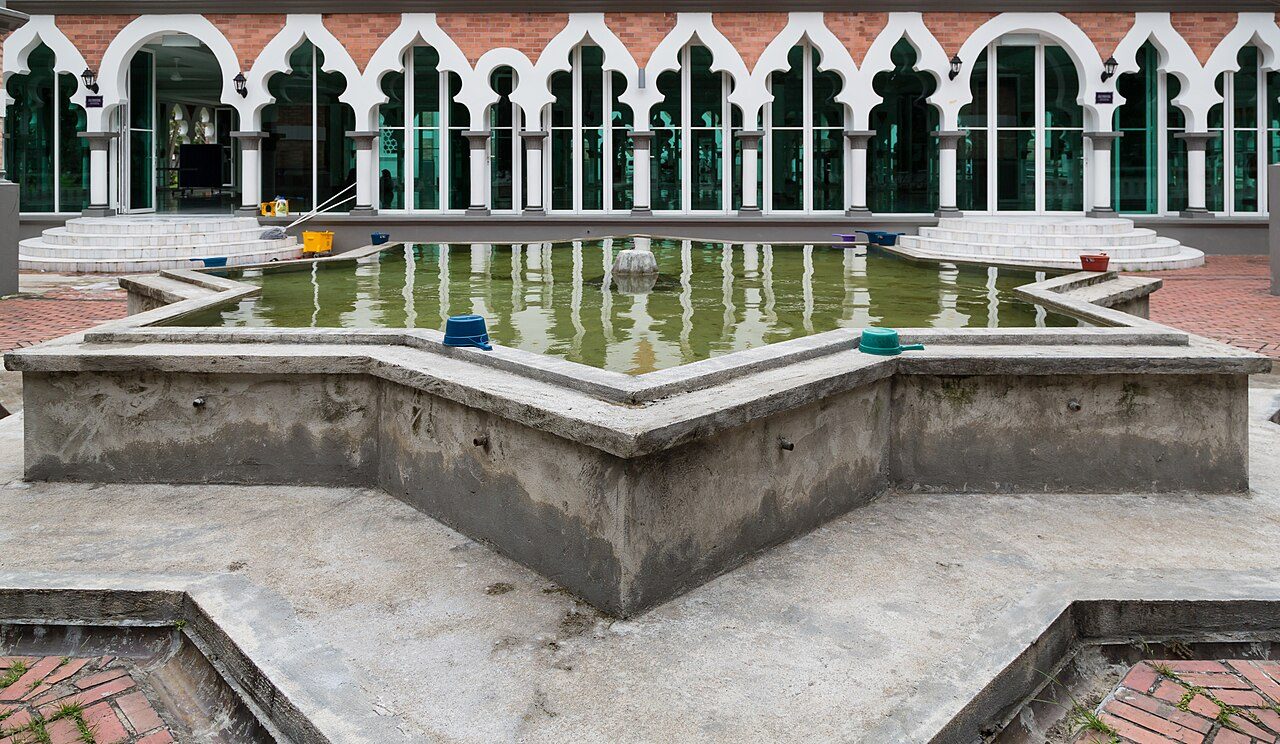
Masjid Jamek is one of the oldest mosques in Kuala Lumpur, opened in 1909. It stands at the meeting point of the Klang and Gombak rivers, the spot where the city was founded in 1857 and from which it takes its name, muddy confluence. Designed by A. B. Hubbock, it has Mughal-style domes and minarets of white and pink stone, set among palm trees.
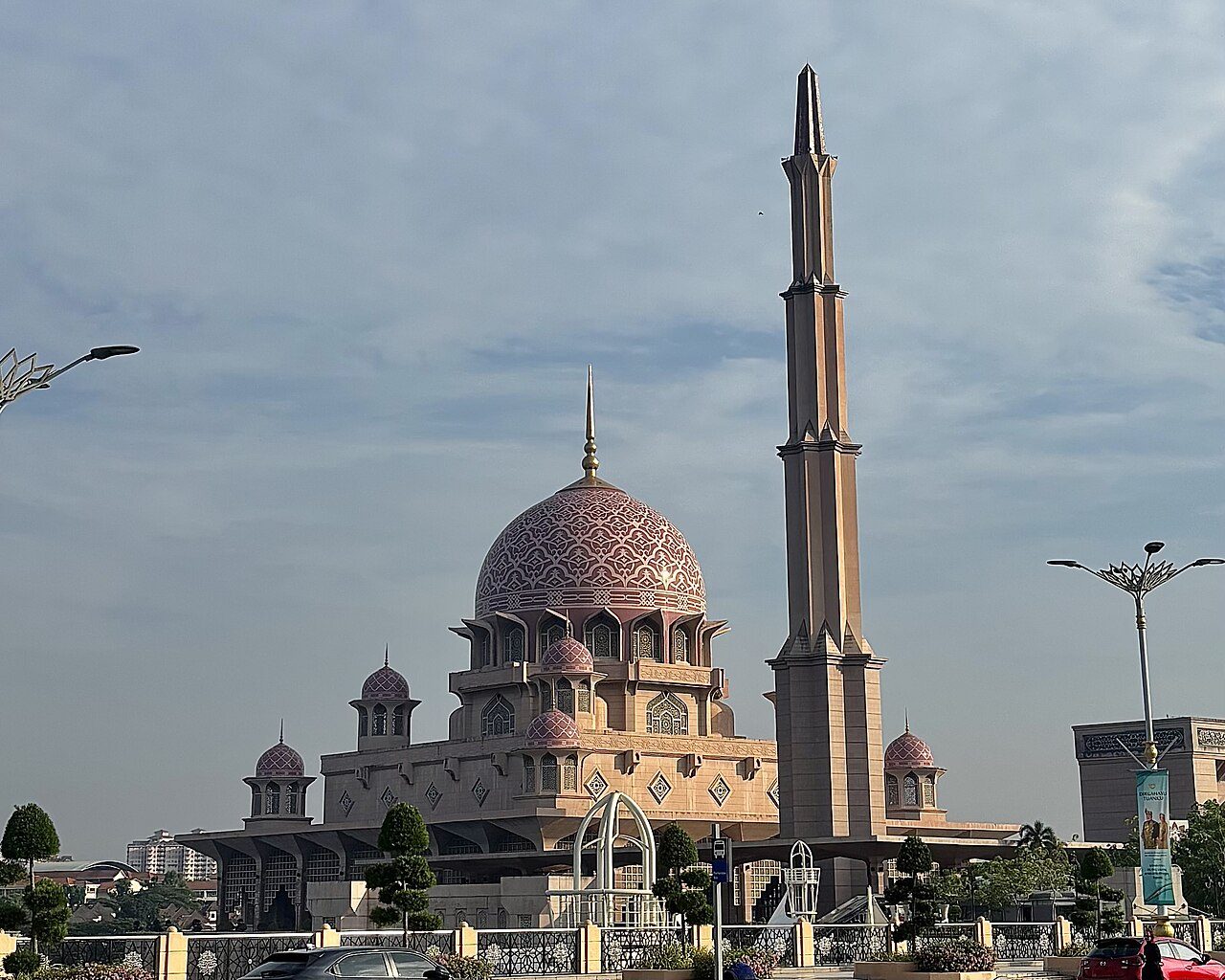
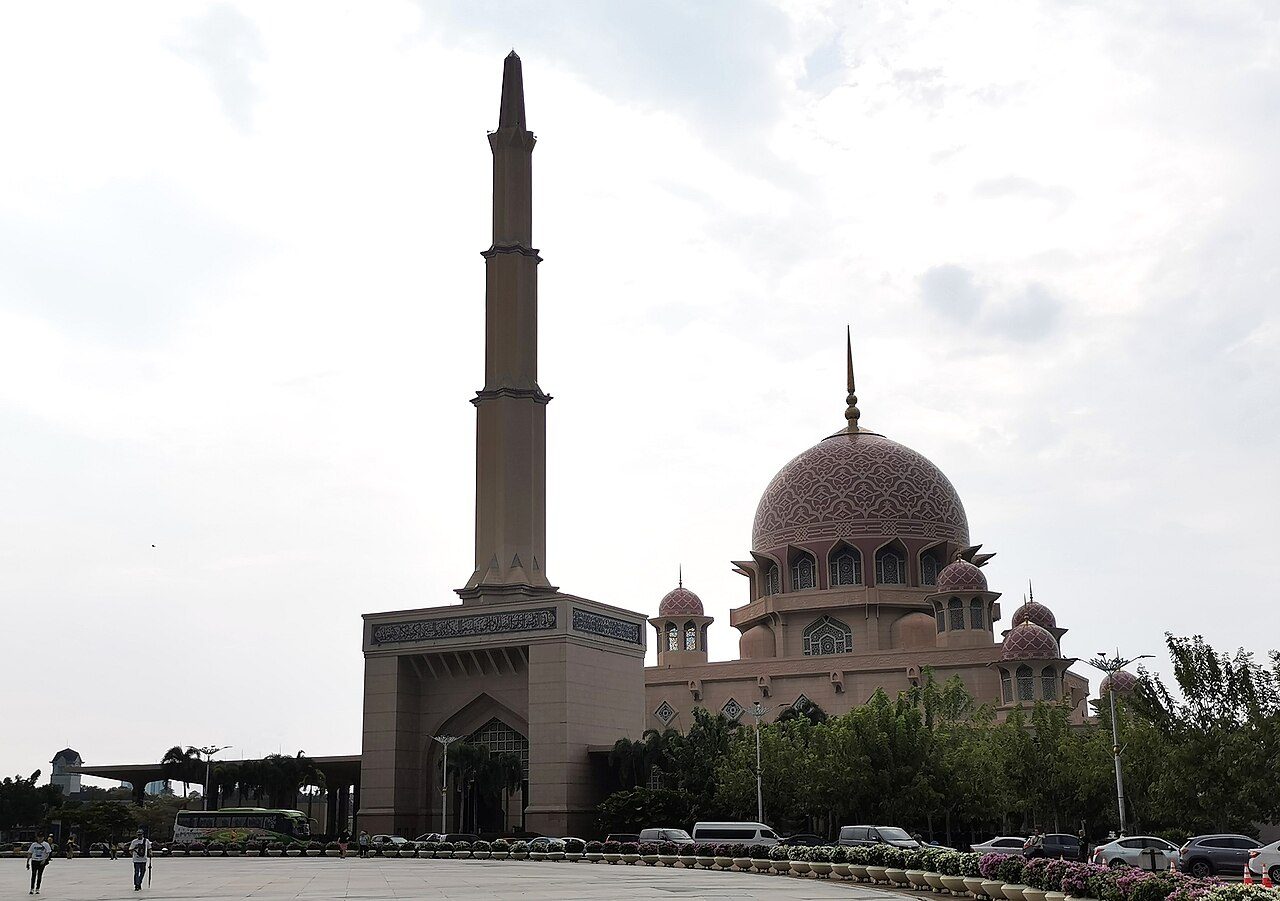
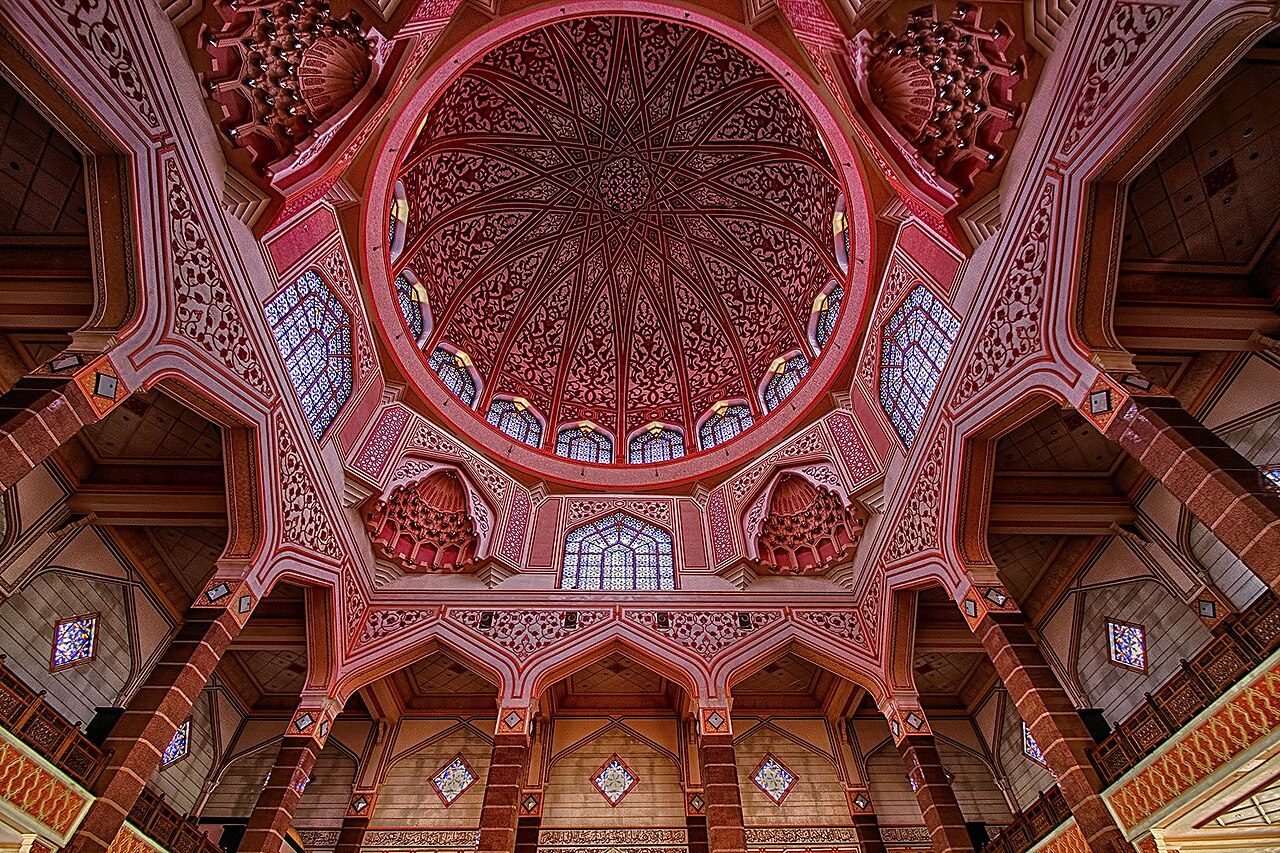
The Putra Mosque is the main mosque of Putrajaya, Malaysia's government city. Completed in 1999, it is built of rose-tinted granite and stands beside Putrajaya Lake. Its design draws on Persian, Malay and Arab styles. The minaret, about 116 metres high, is modelled on the Sheikh Omar Mosque in Baghdad. Visitors can enter outside prayer times wearing robes provided.
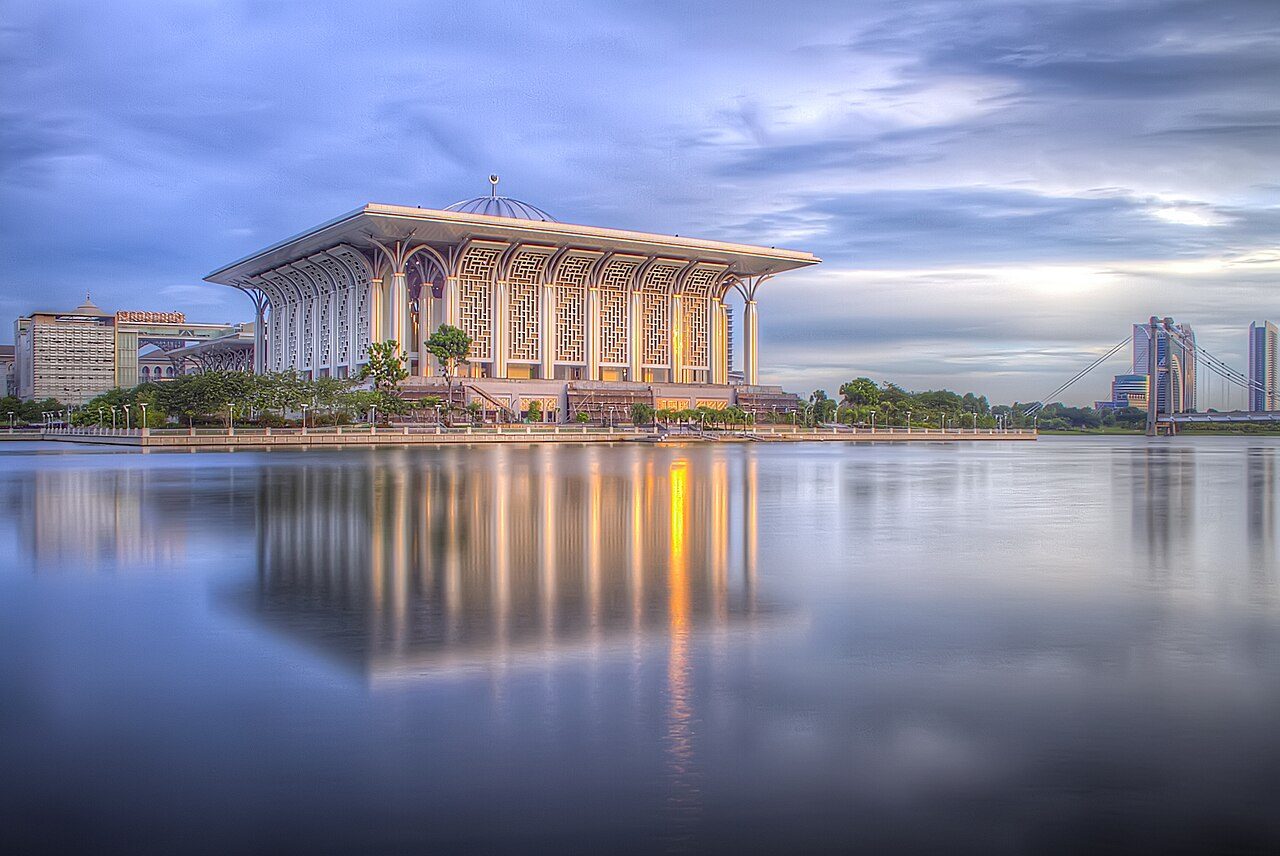
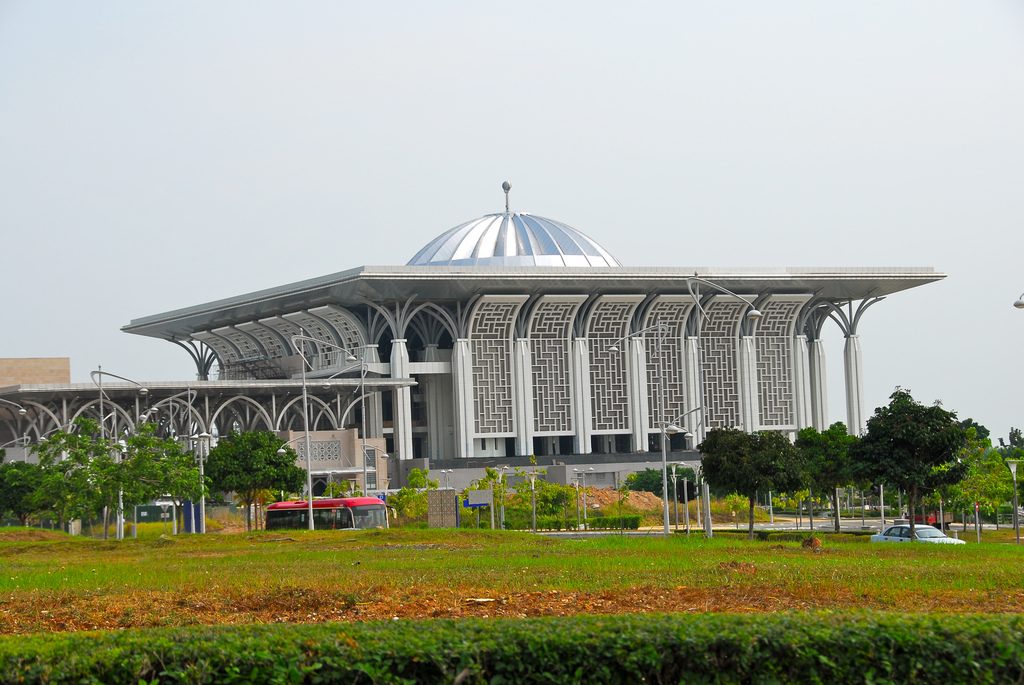
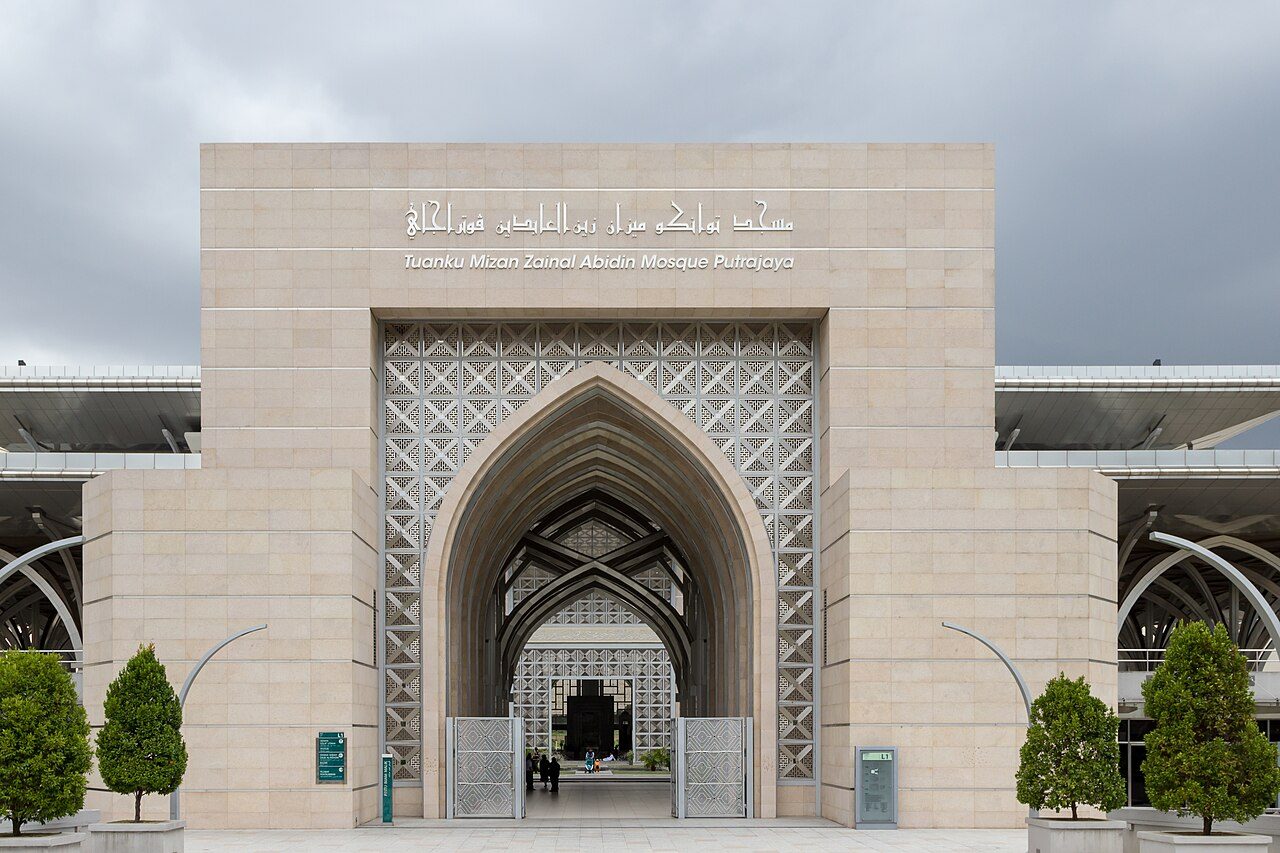
The Tuanku Mizan Zainal Abidin Mosque, often called the Iron Mosque, is the second main mosque of Putrajaya, opened in 2010. About 70 percent of it is made of steel. Its walls are a fine steel mesh, designed to let in light and breeze, and the mihrab is a glass panel engraved with Quranic verses. The mosque stands by a lake and can hold about 24,000 people.
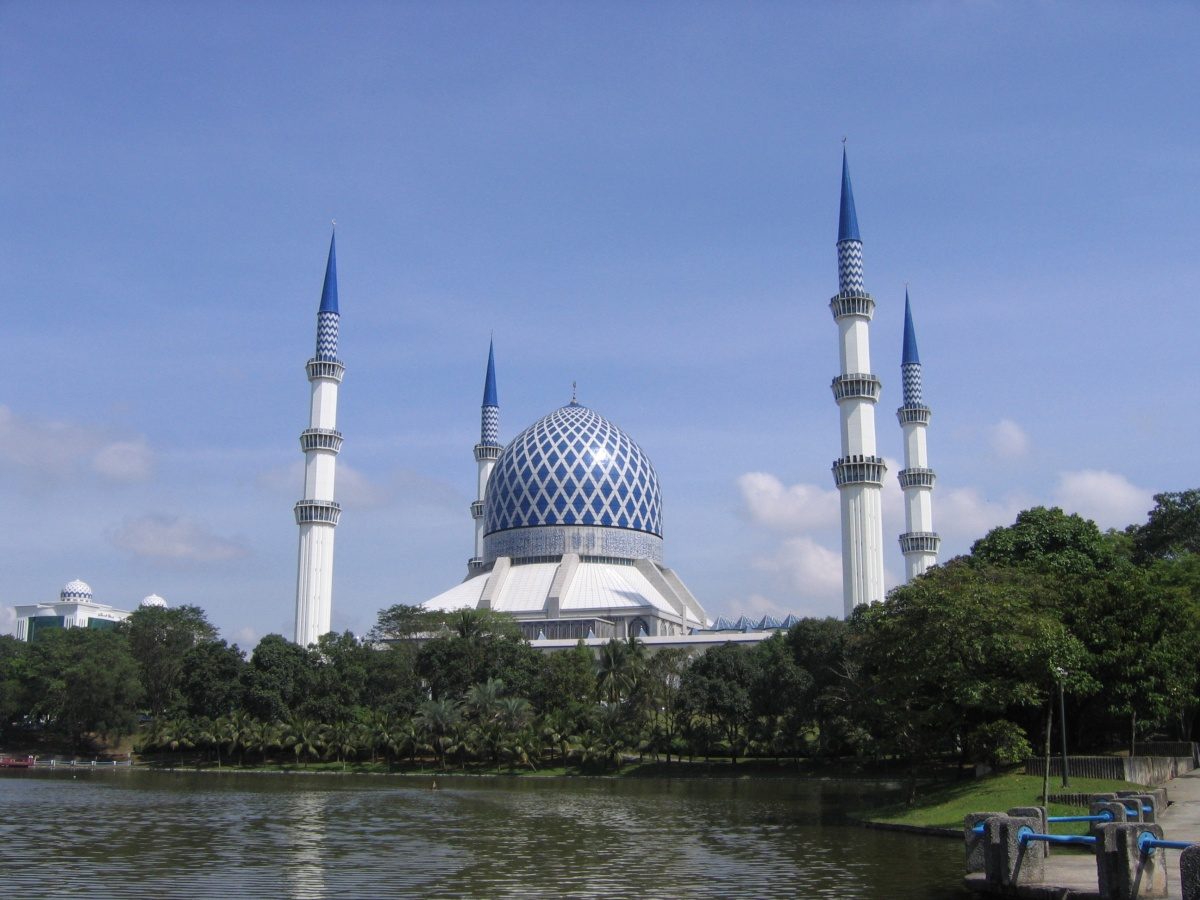
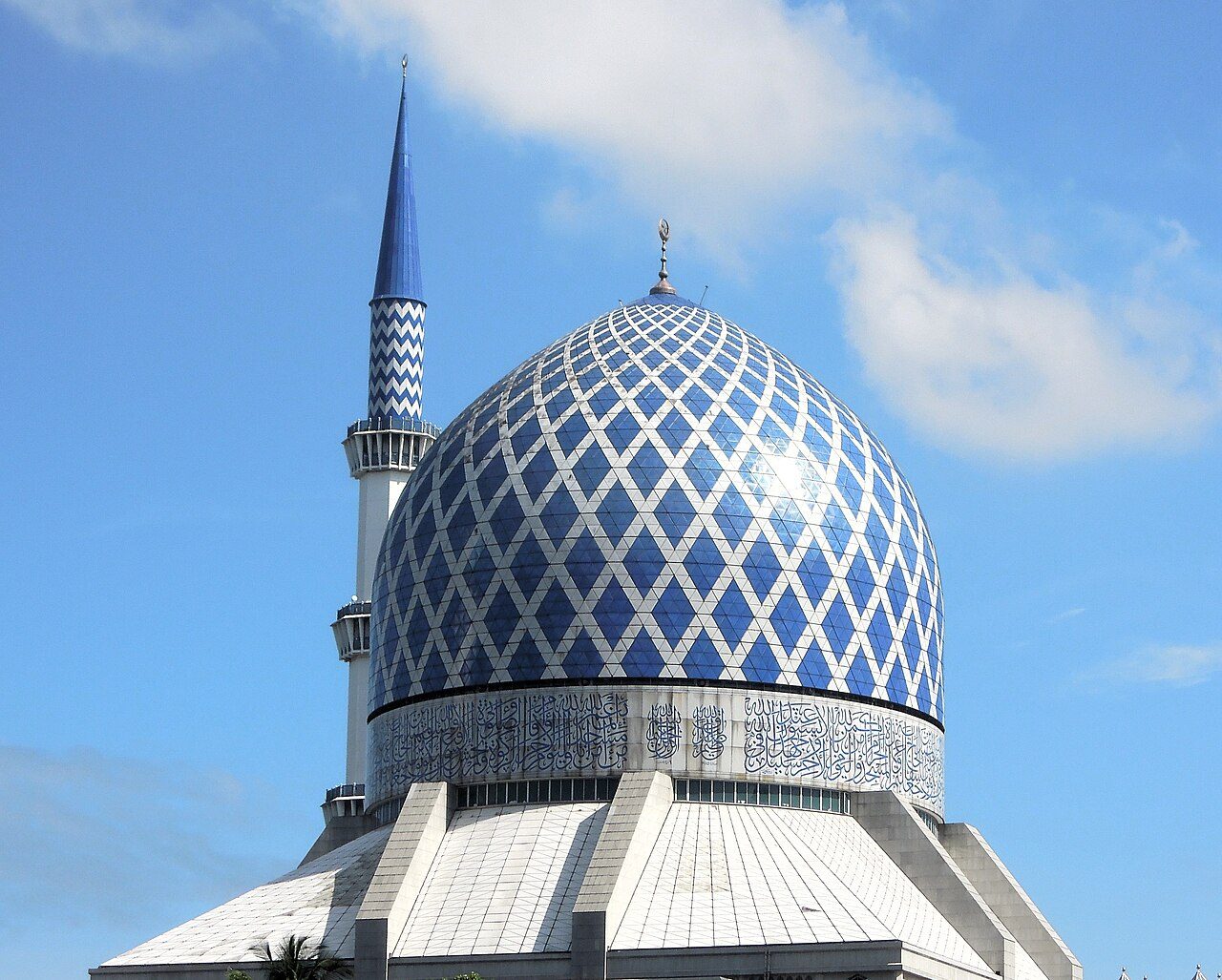
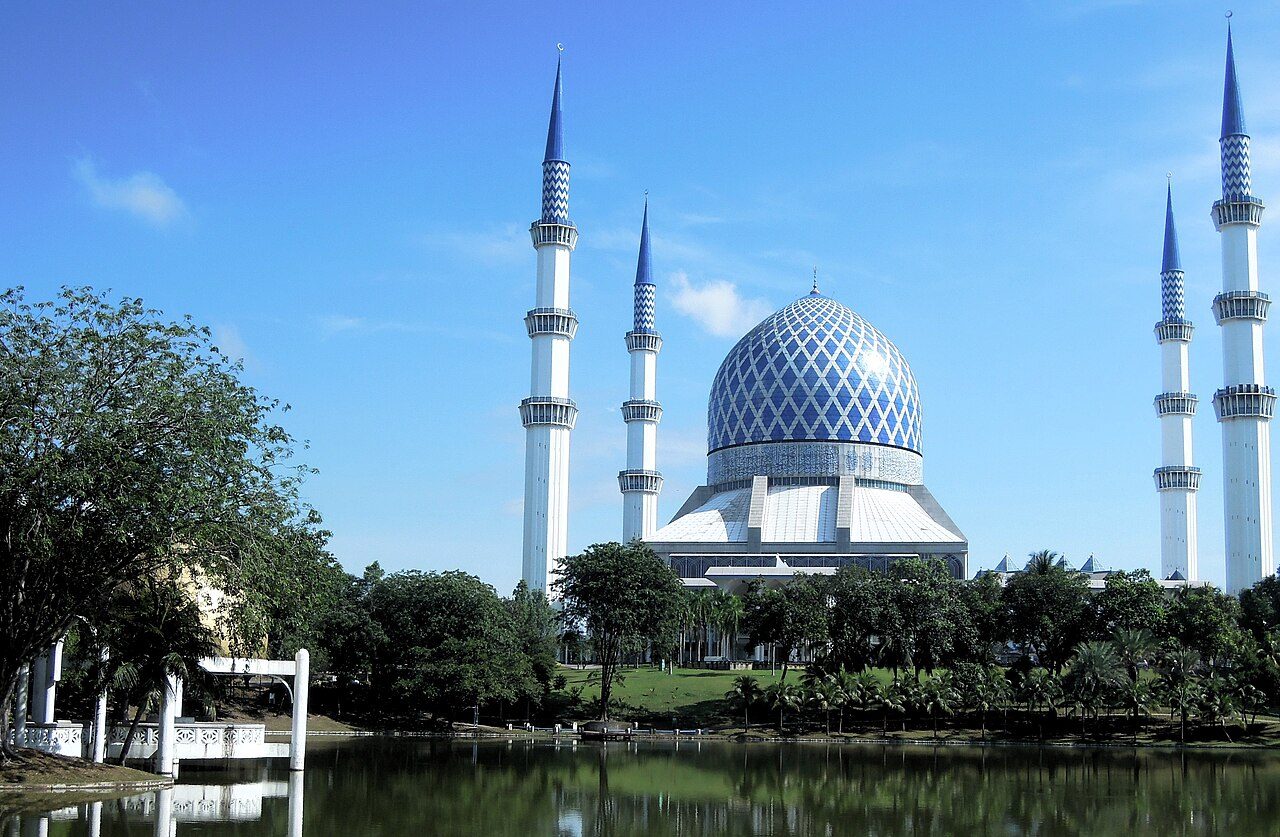
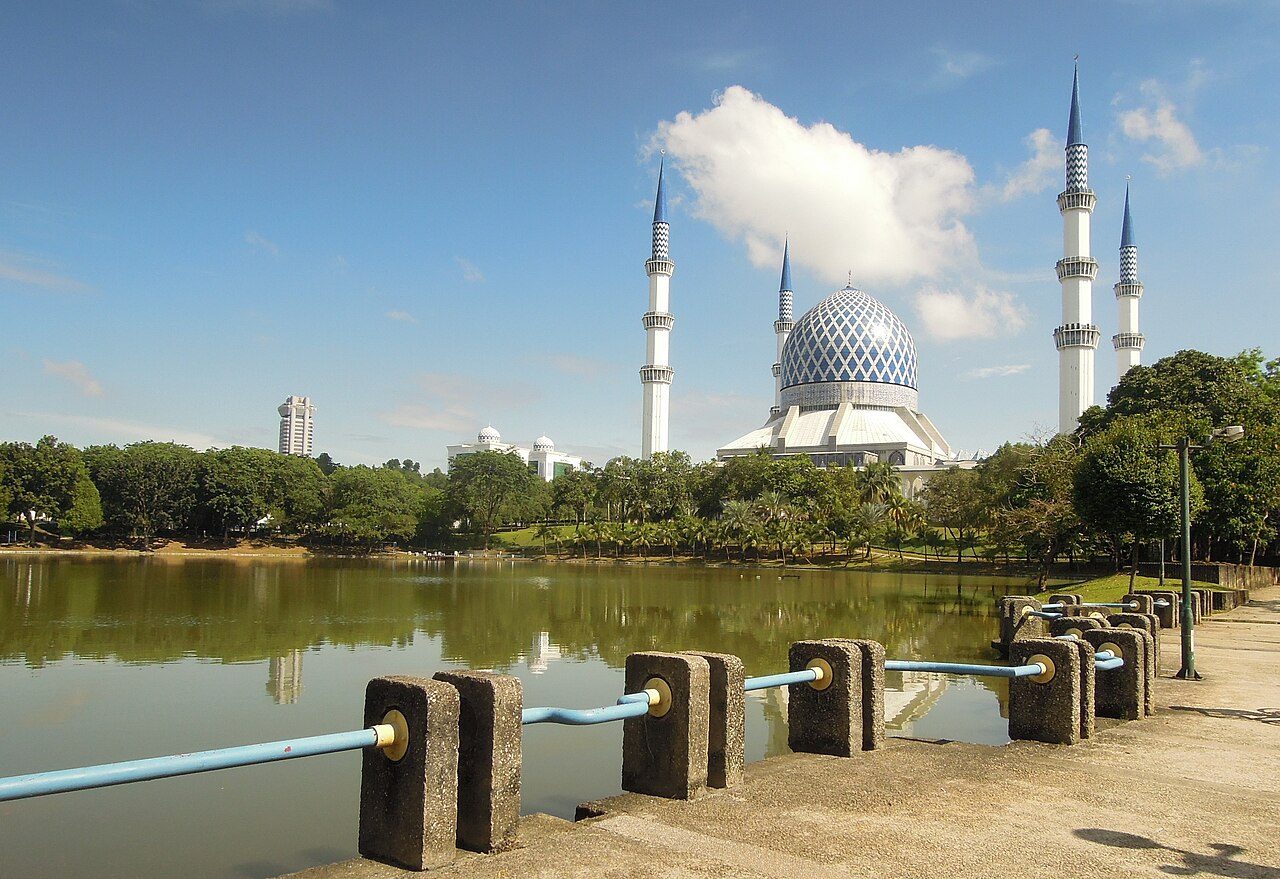
The Sultan Salahuddin Abdul Aziz Mosque in Shah Alam is the state mosque of Selangor and one of the largest mosques in Southeast Asia. Completed in 1988, it is often called the Blue Mosque for its huge blue and silver dome, one of the largest in the world. Its four minarets are each over 140 metres tall. The prayer hall can hold up to 24,000 worshippers.
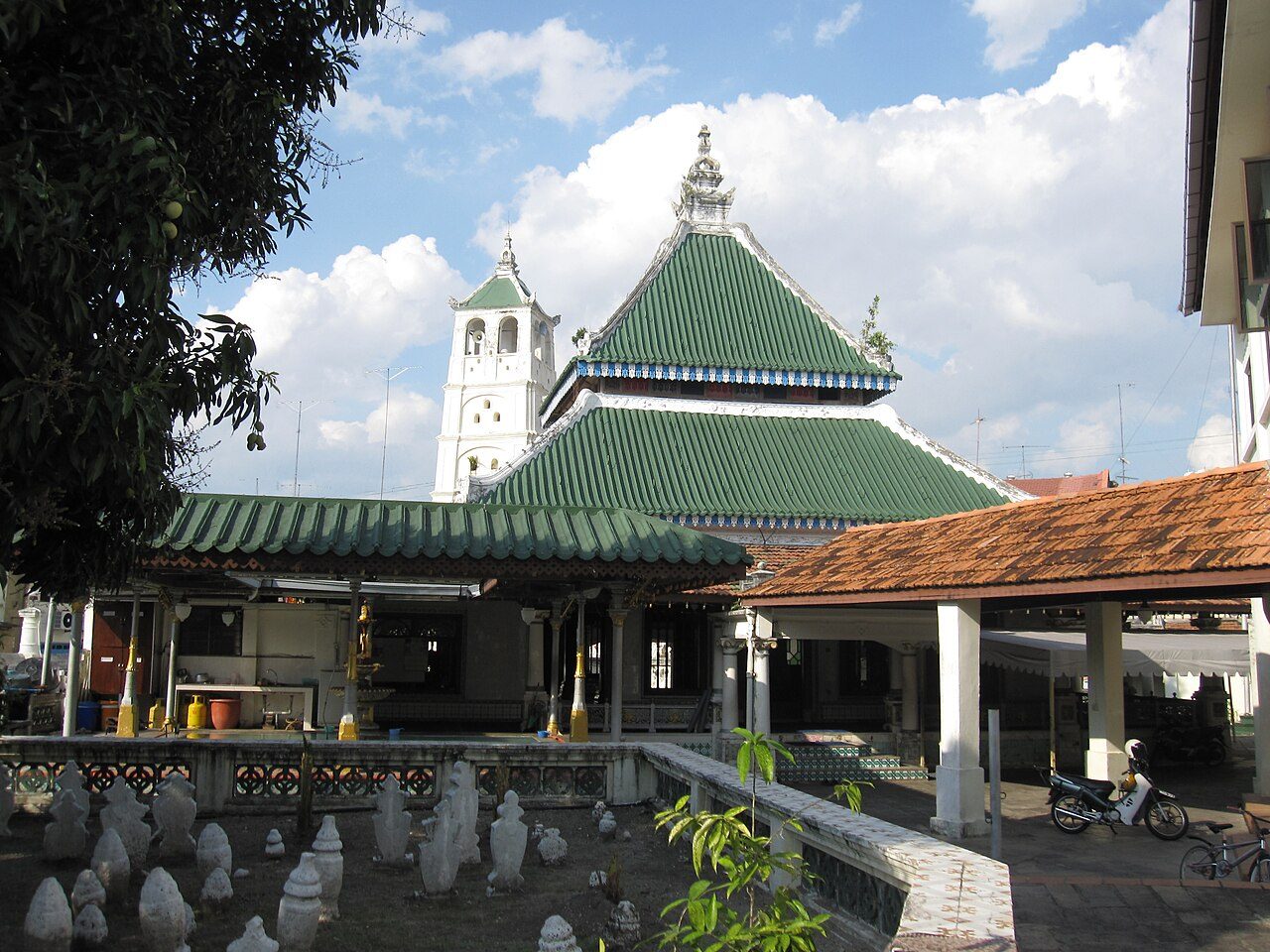
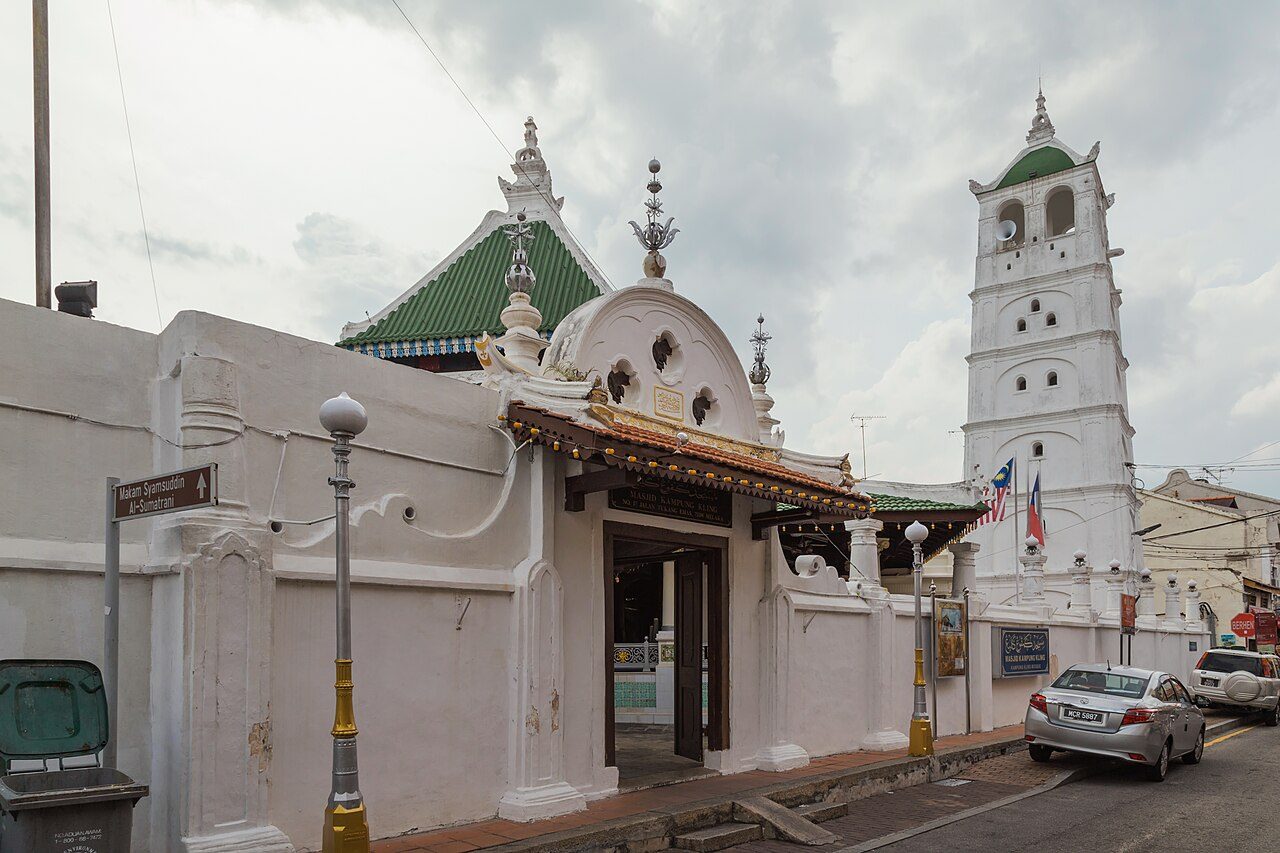
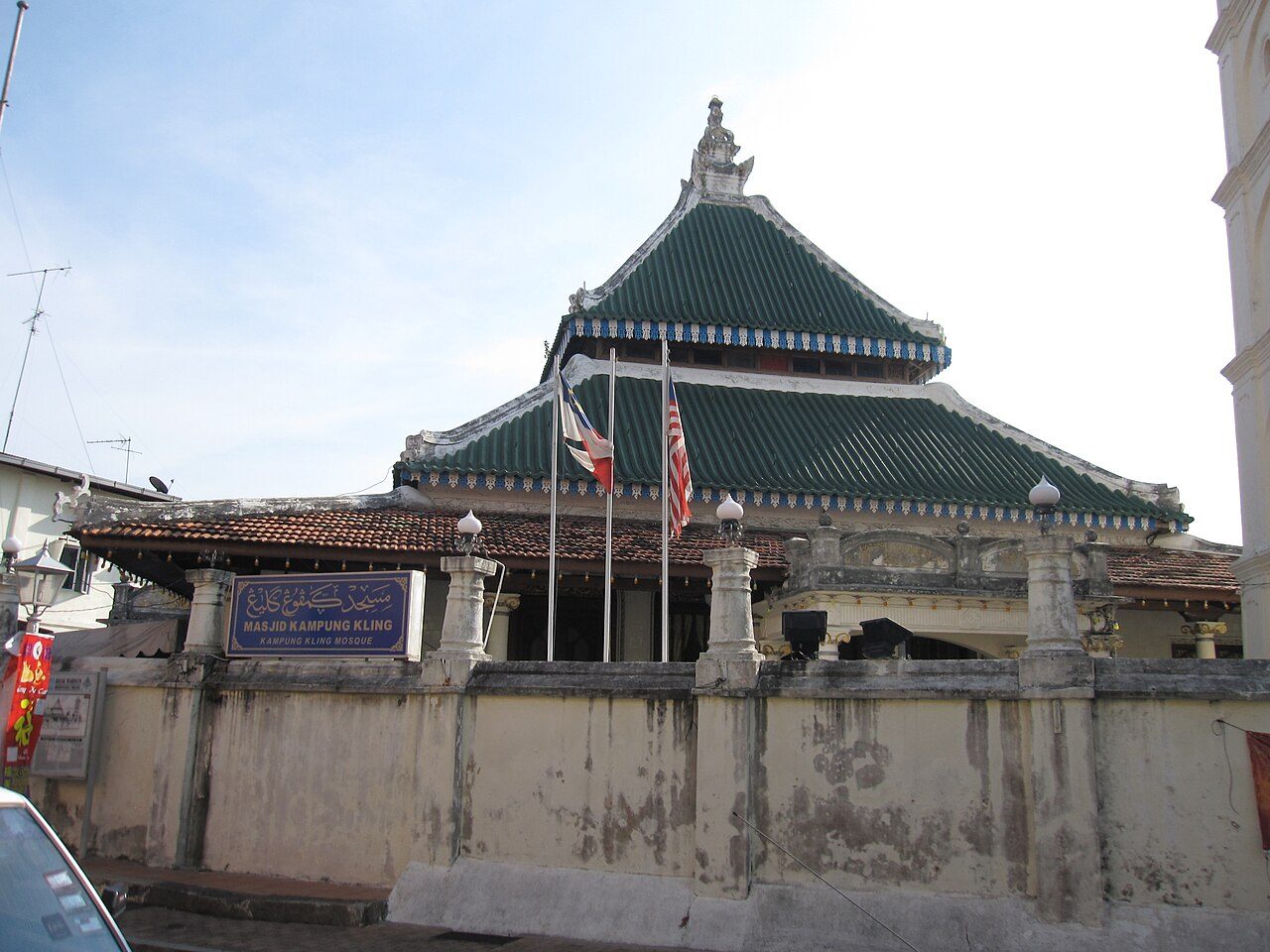
The Kampung Kling Mosque in Malacca was first built in 1748 and rebuilt in brick in 1872. It mixes Sumatran, Chinese, Hindu and Malay styles. Its roof has three tiers like a pyramid instead of a dome, and its minaret looks like a pagoda. Inside, English and Portuguese tiles and Corinthian columns decorate the prayer hall.
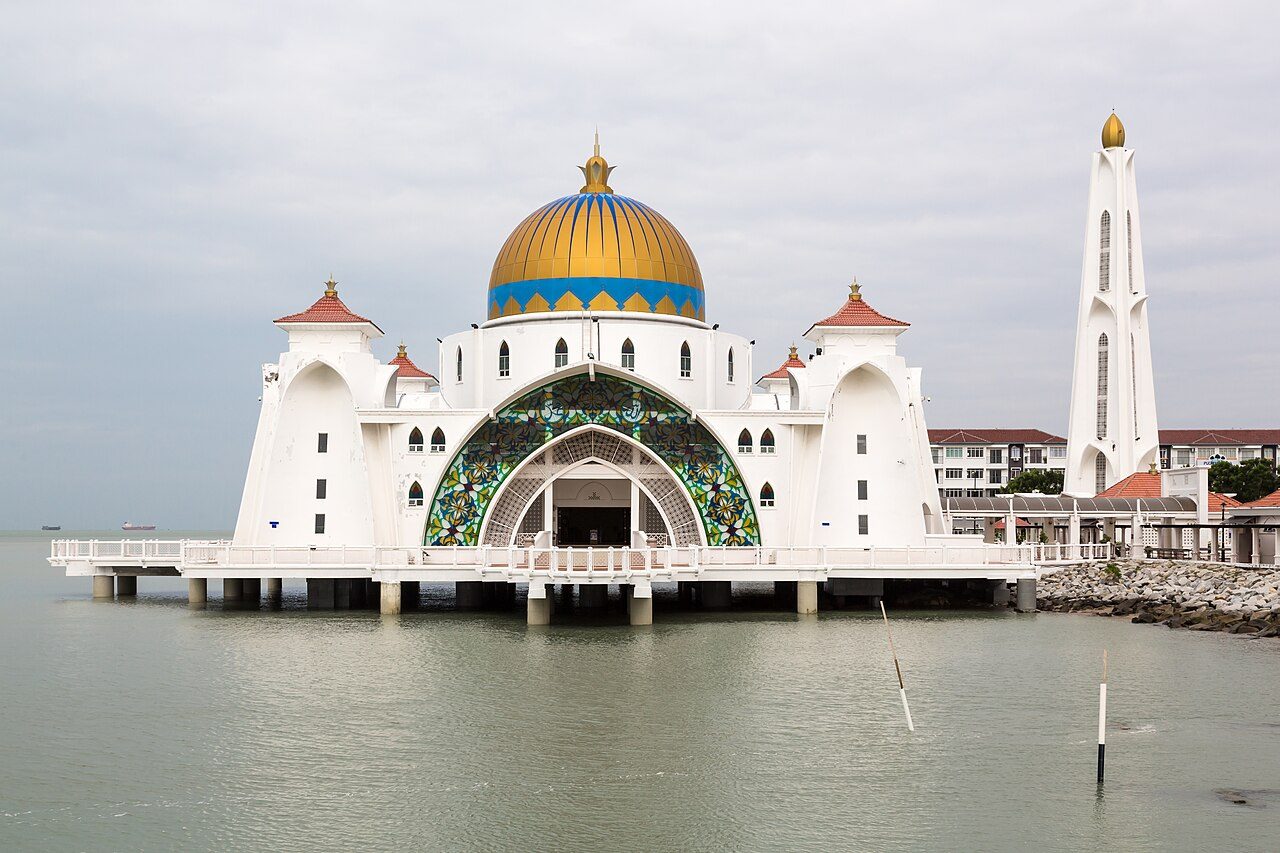
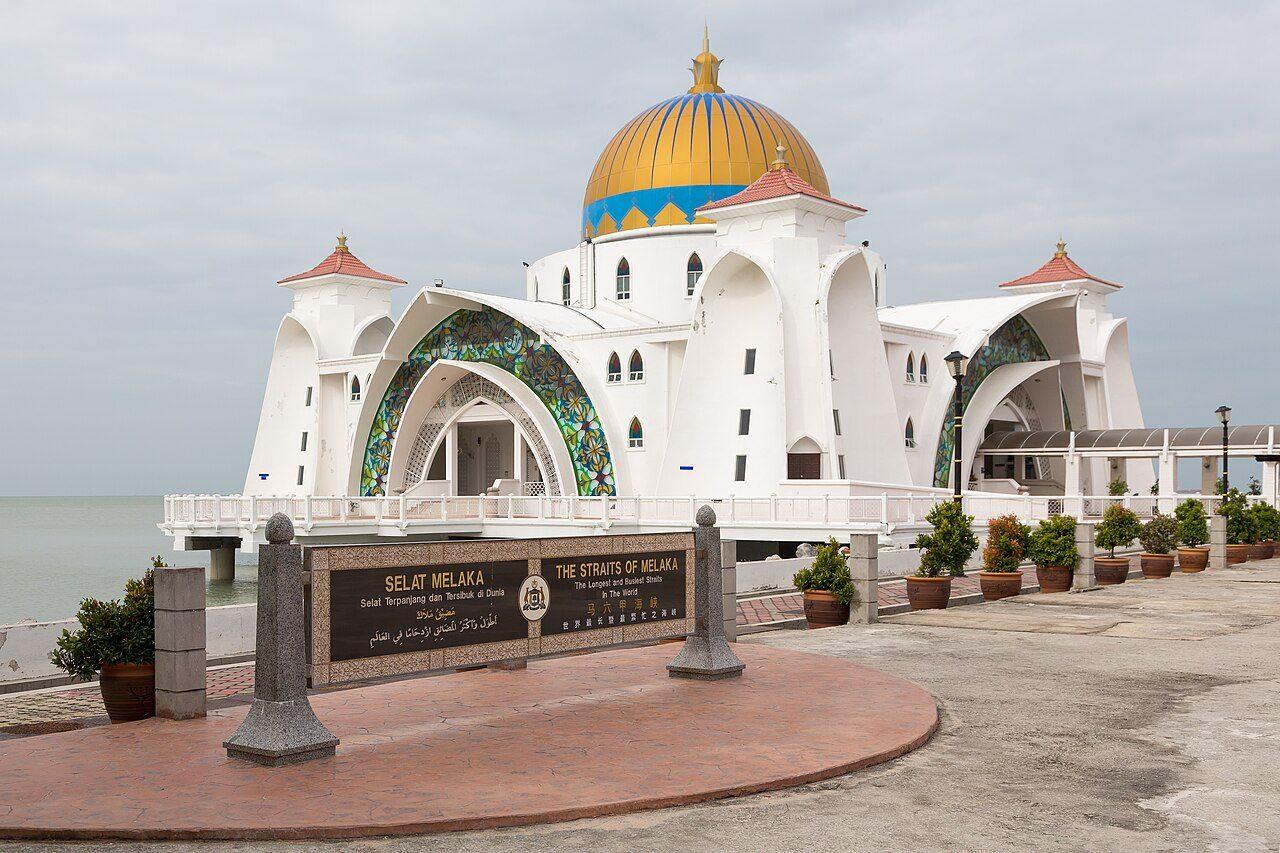
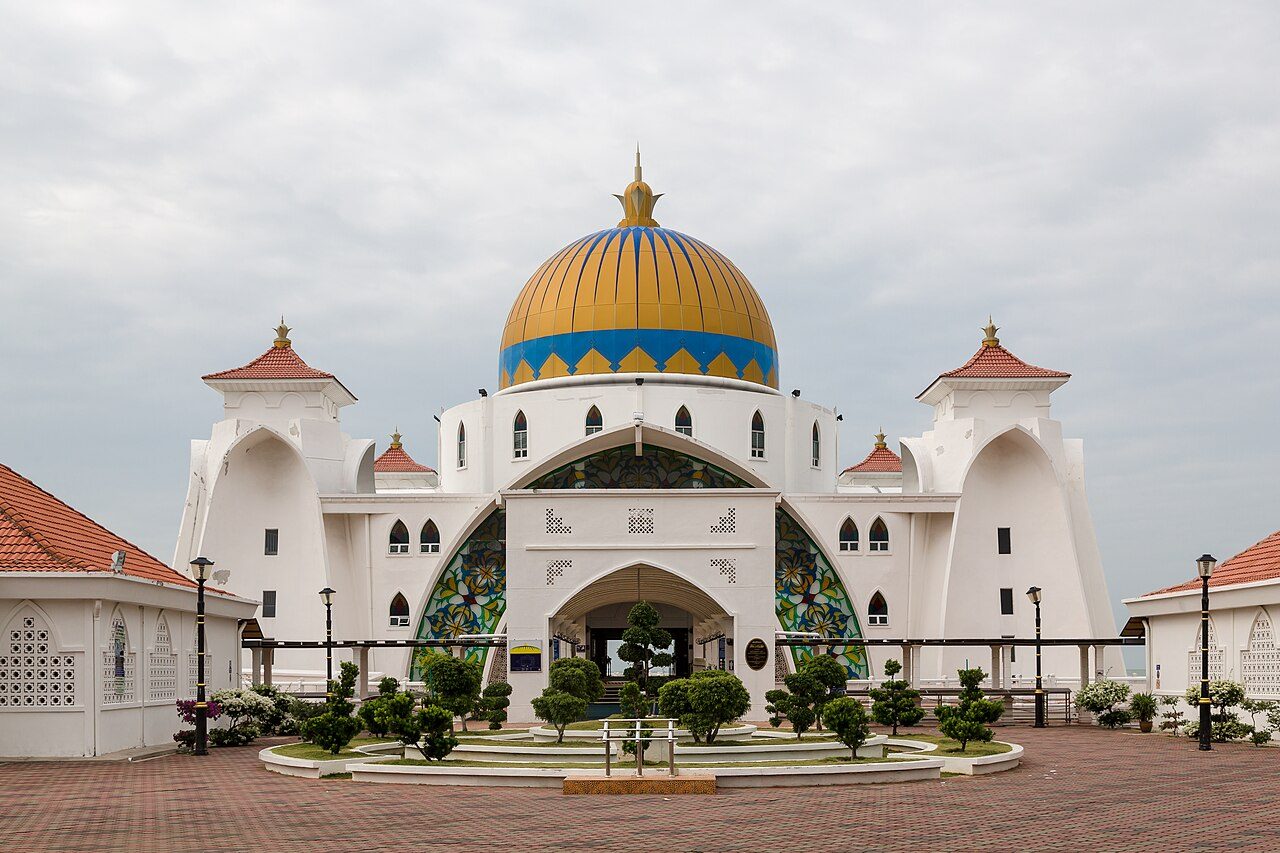
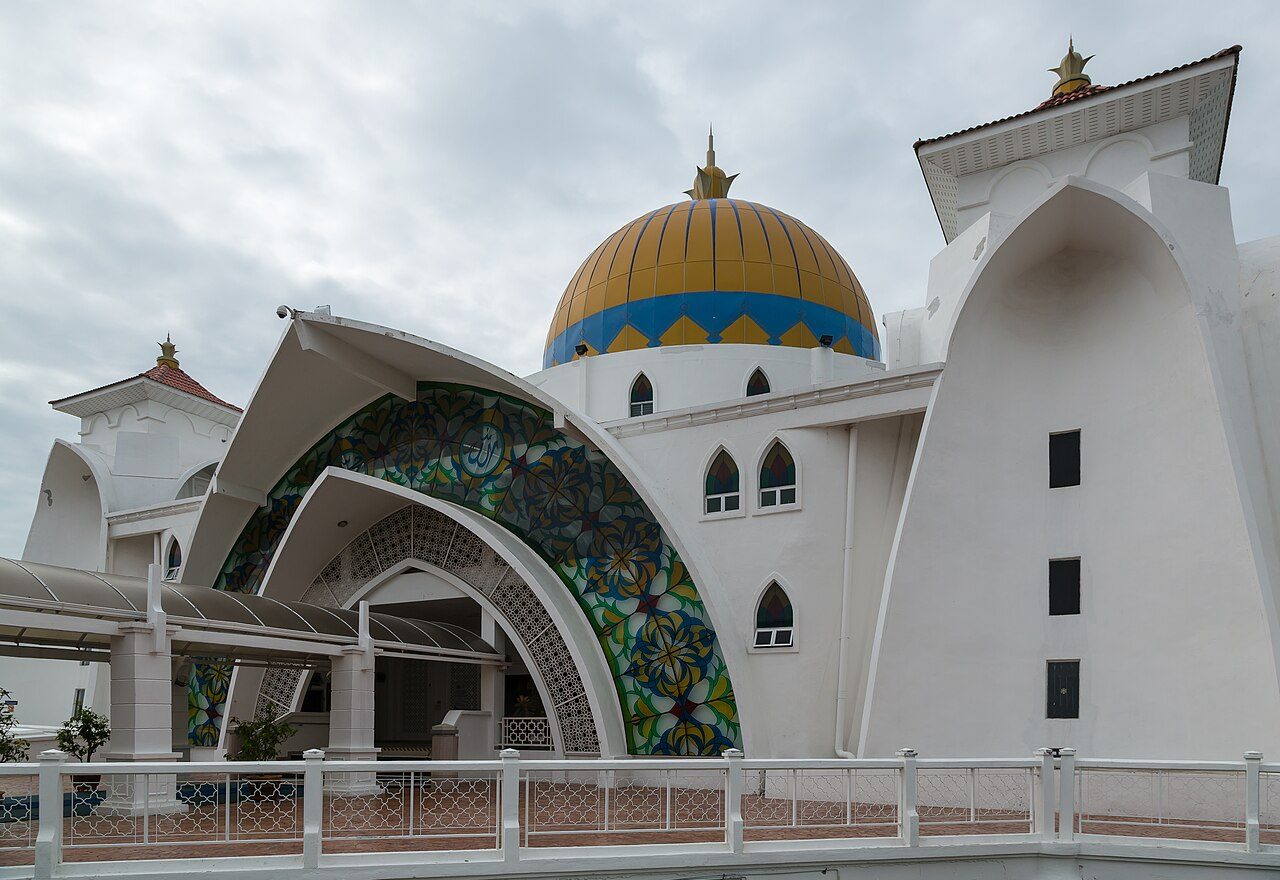
The Melaka Straits Mosque stands on the artificial island of Pulau Melaka. Opened in 2006, it is built on stilts over the sea, so at high tide it appears to float on the water. It mixes Middle Eastern and Malay styles, with a golden dome and a lighthouse-like minaret. The mosque is a popular place to watch the sunset over the Straits of Malacca.
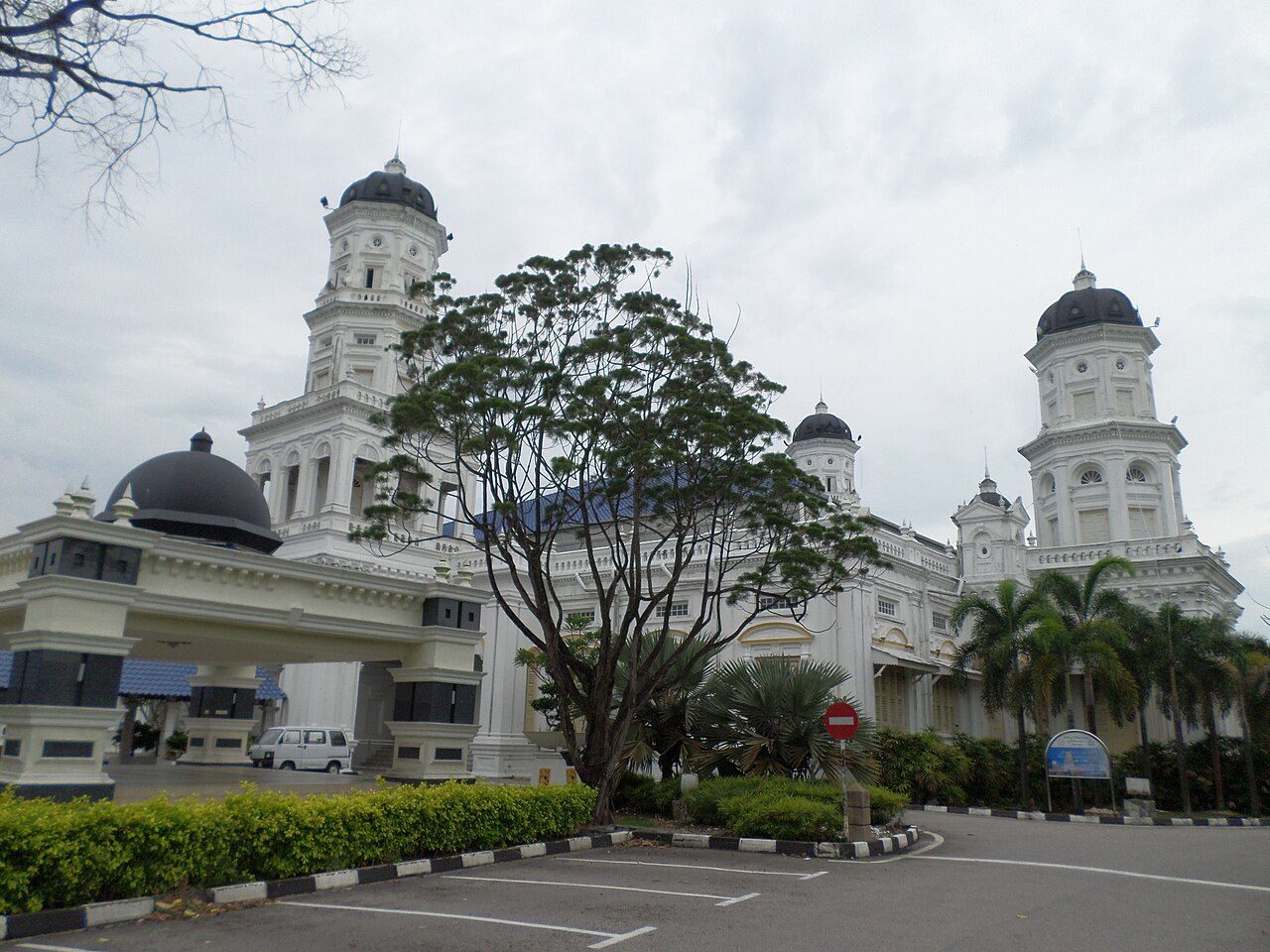
The Sultan Abu Bakar State Mosque in Johor Bahru was built between 1892 and 1900 by Sultan Abu Bakar. It mixes Victorian and Moorish styles, with four minarets that look like British clock towers. It stands on a hill overlooking the Straits of Johor and Singapore. It can hold around 2,000 worshippers.
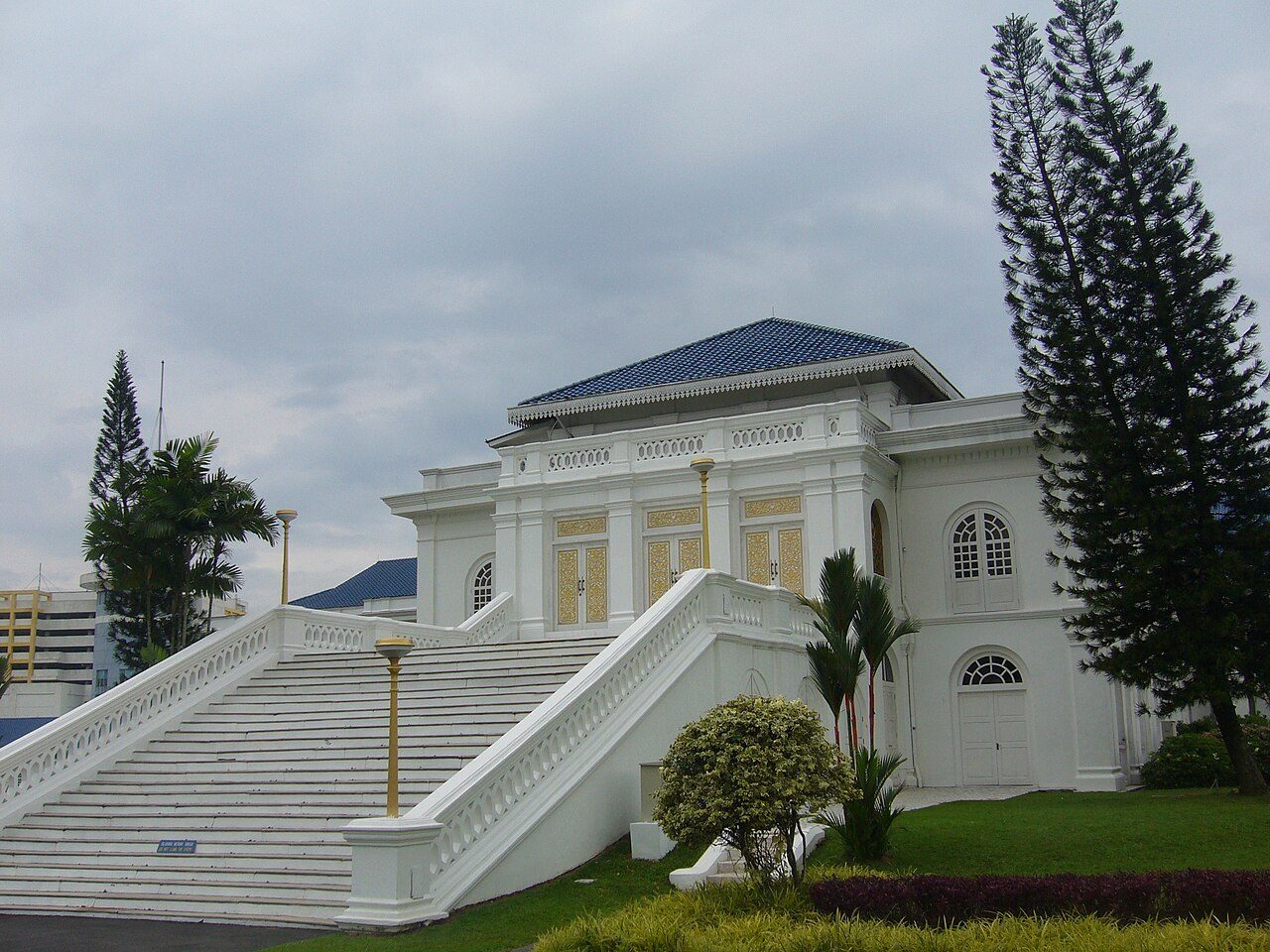
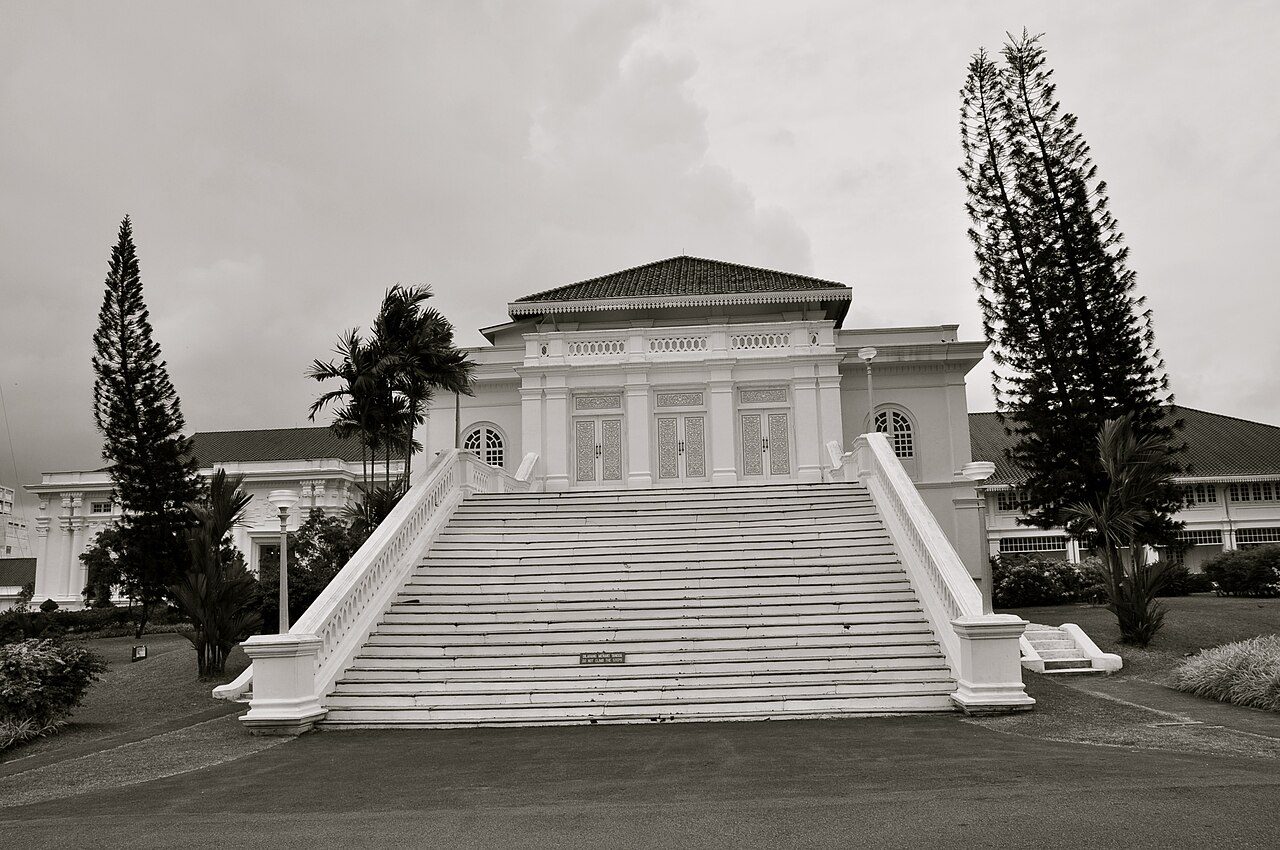
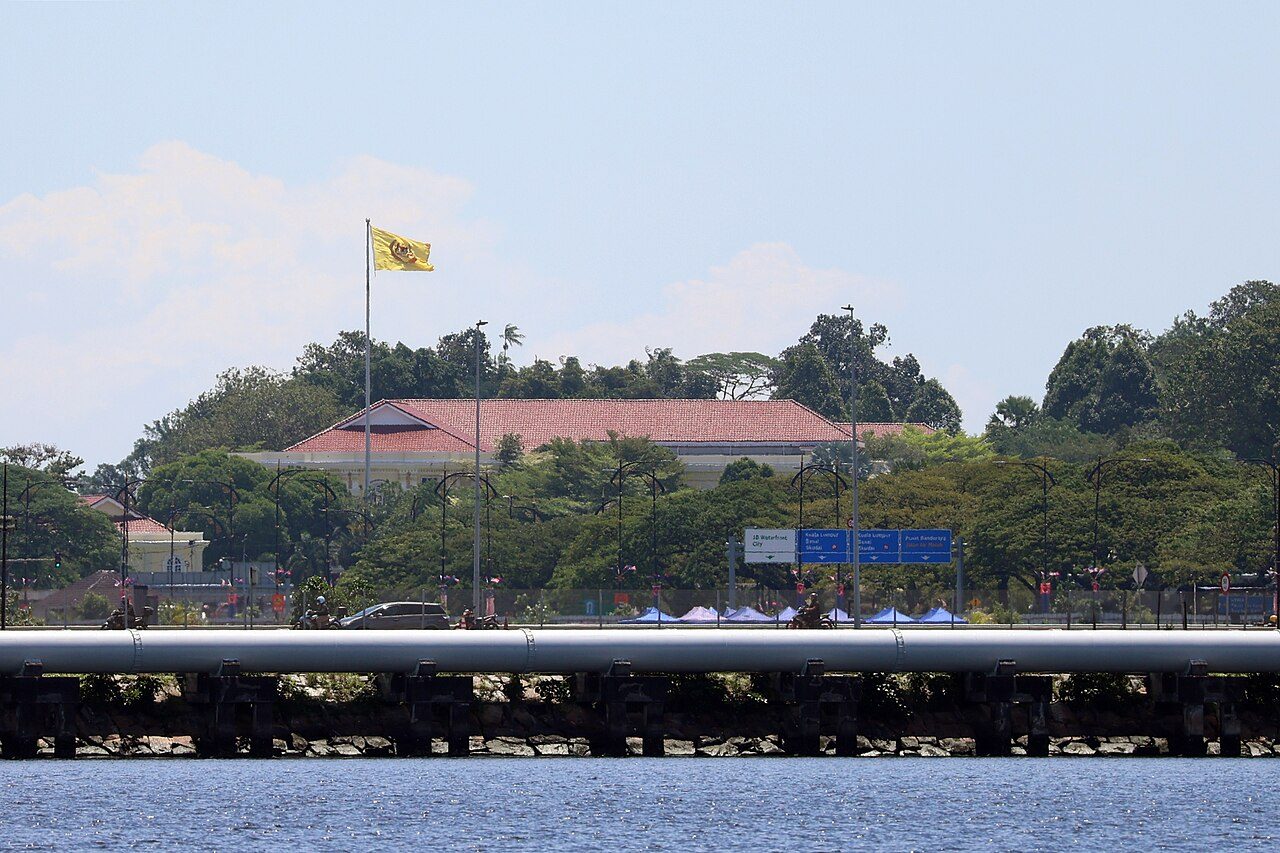
Istana Besar is the grand palace of the Sultan of Johor in Johor Bahru, built in 1866 by Sultan Abu Bakar. It is set in large gardens overlooking the Straits of Johor. The white palace mixes Victorian and Malay styles. It is used for royal events, and part of it houses the Royal Abu Bakar Museum with the sultan's collection of treasures.
 WaTrips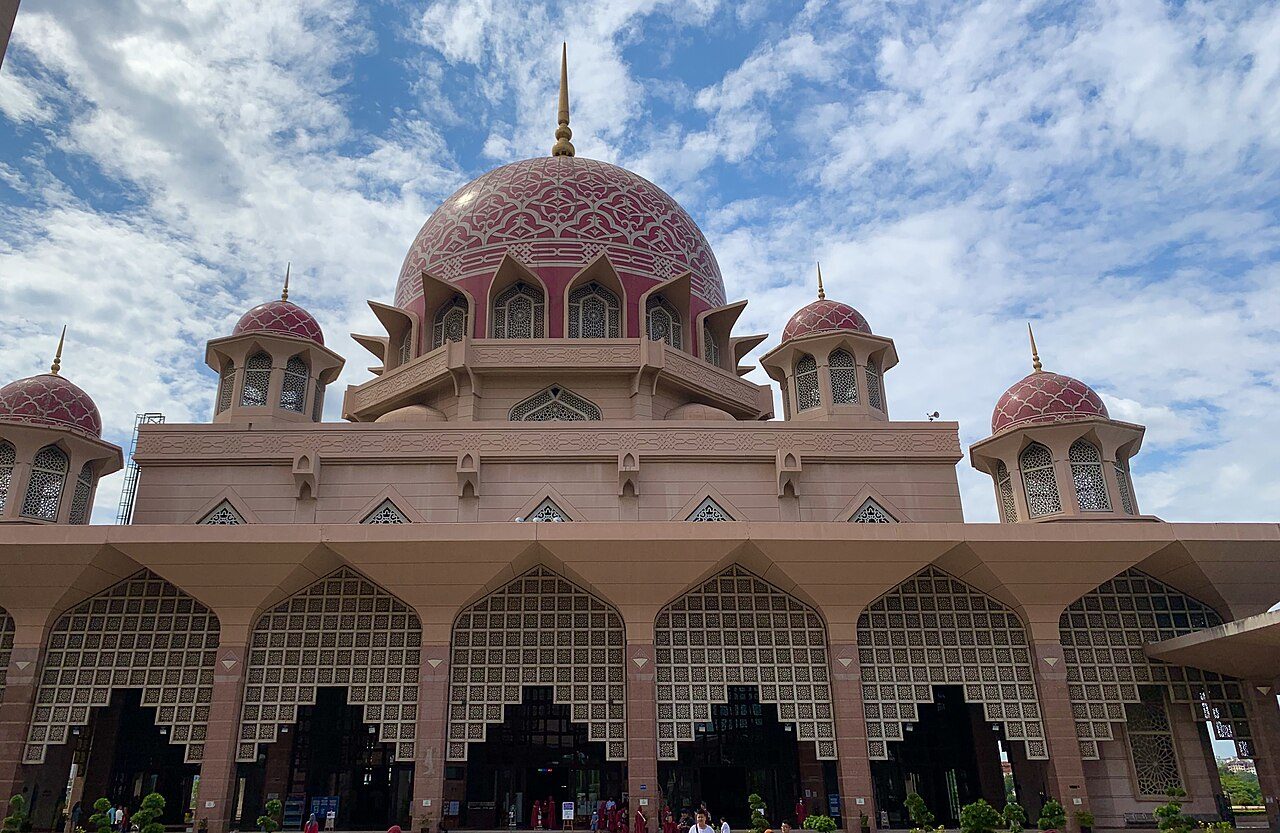





 BikesBooking
 Localrent
 Airalo
 Tiqets