Kuala Lumpur in 4 Days: Towers, Temples, Batu Caves and Putrajaya
4 DAYS16 placesby WaTrips
The Petronas Towers, colonial KL and Chinatown, Batu Caves, Genting Highlands, the Blue Mosque and Putrajaya.
Kuala Lumpur is a young, fast city with old corners. See the Petronas Towers and KL Tower and shop in Bukit Bintang, then explore the colonial heart around Merdeka Square, Masjid Jamek, Central Market, Petaling Street and the Sri Mahamariamman temple. Go early to Batu Caves before the heat, then ride the cable car up to cool Genting Highlands. On the last day, visit Shah Alam's Blue Mosque and the lakeside mosques of Putrajaya. Expect short tropical showers most afternoons; the city is good all year.
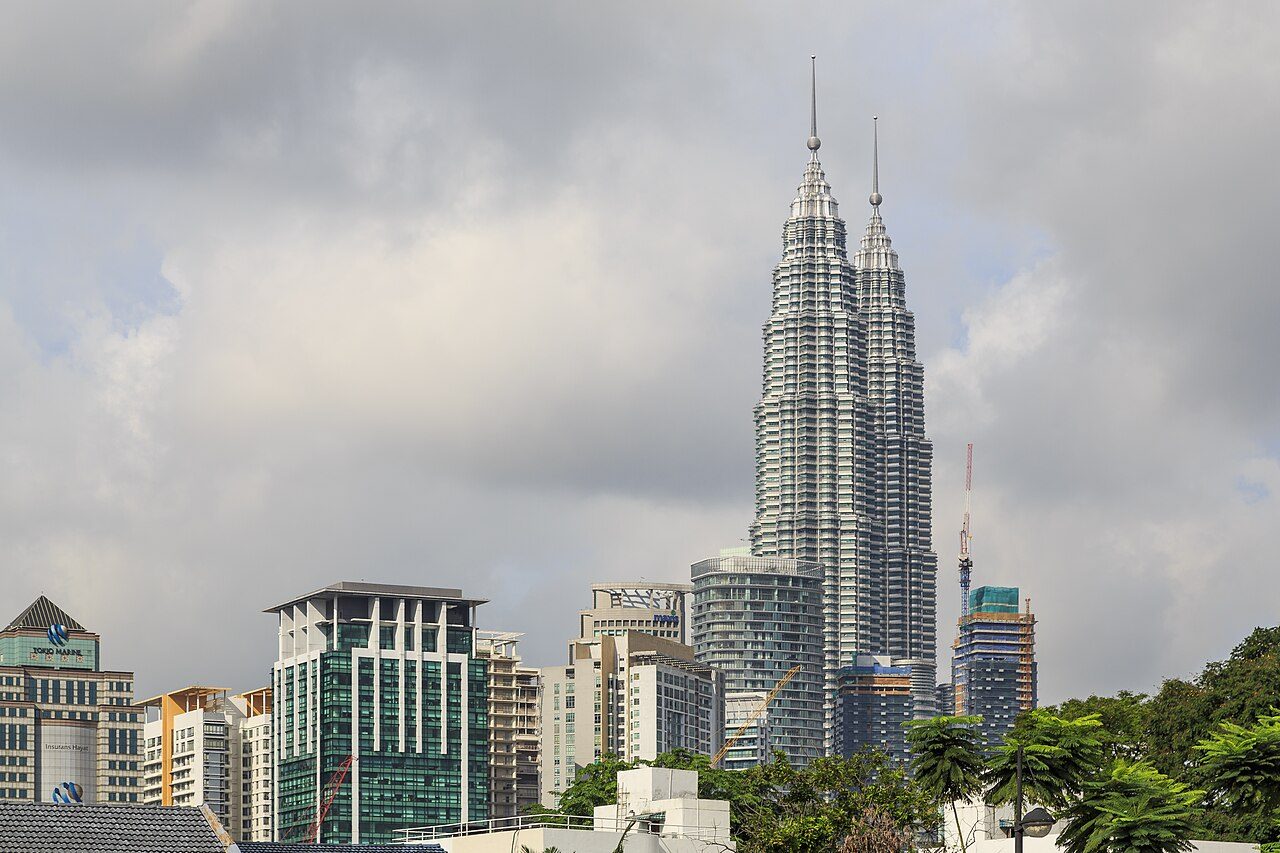
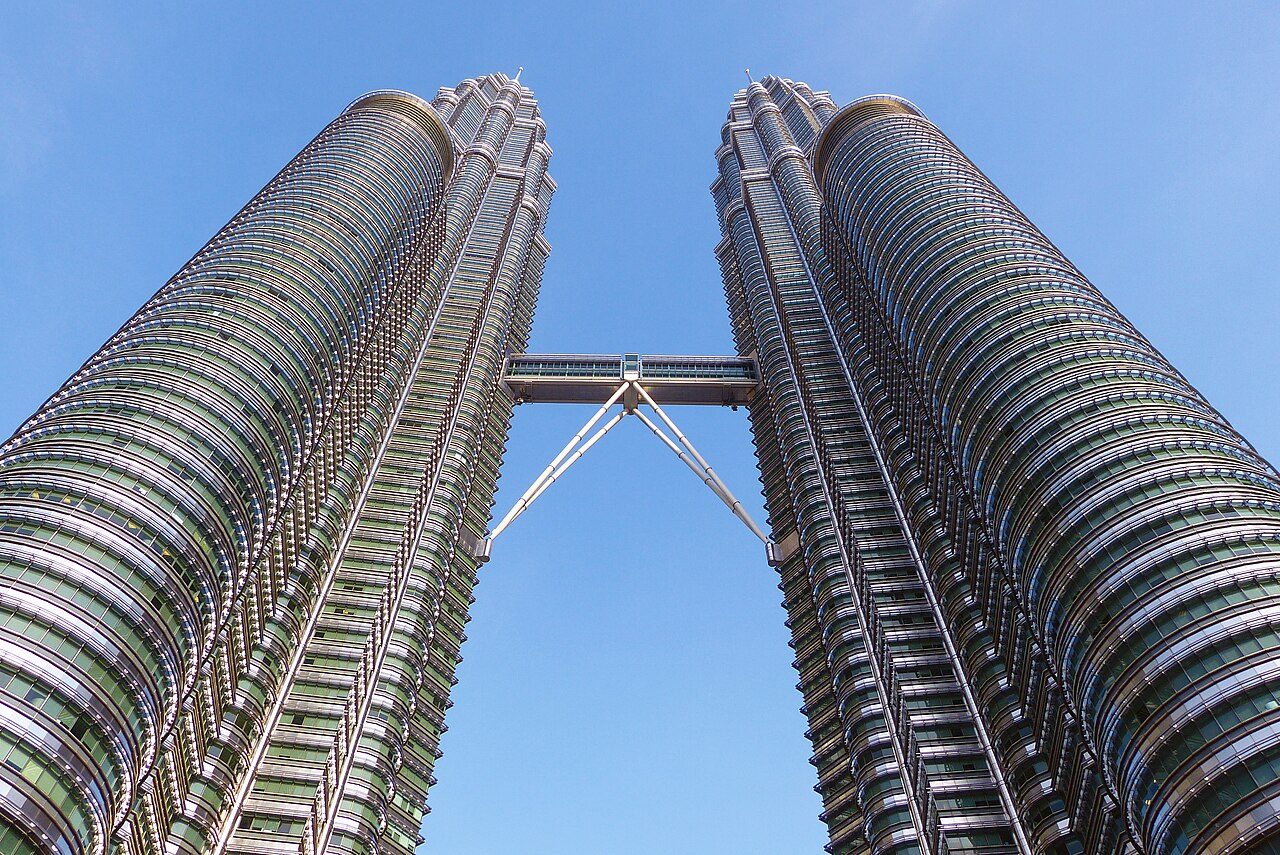
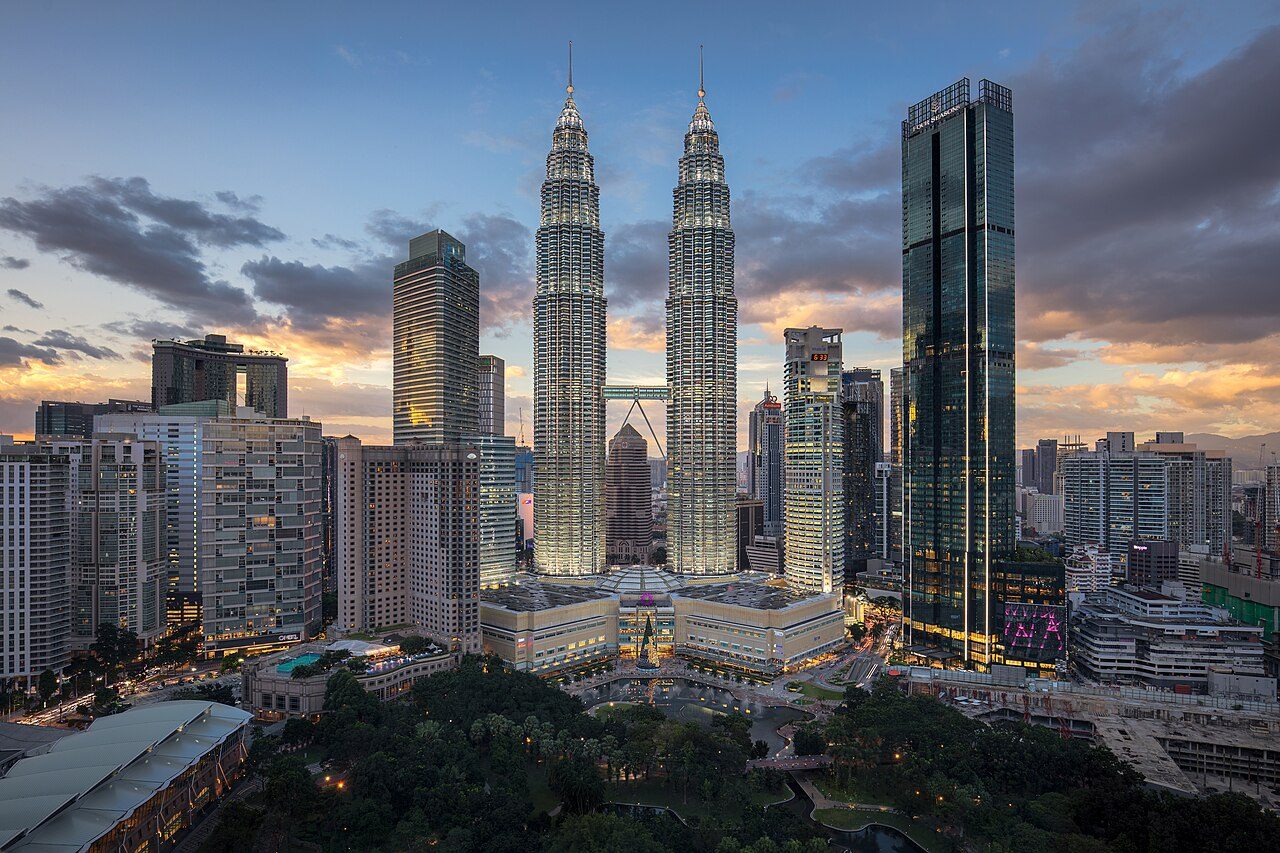
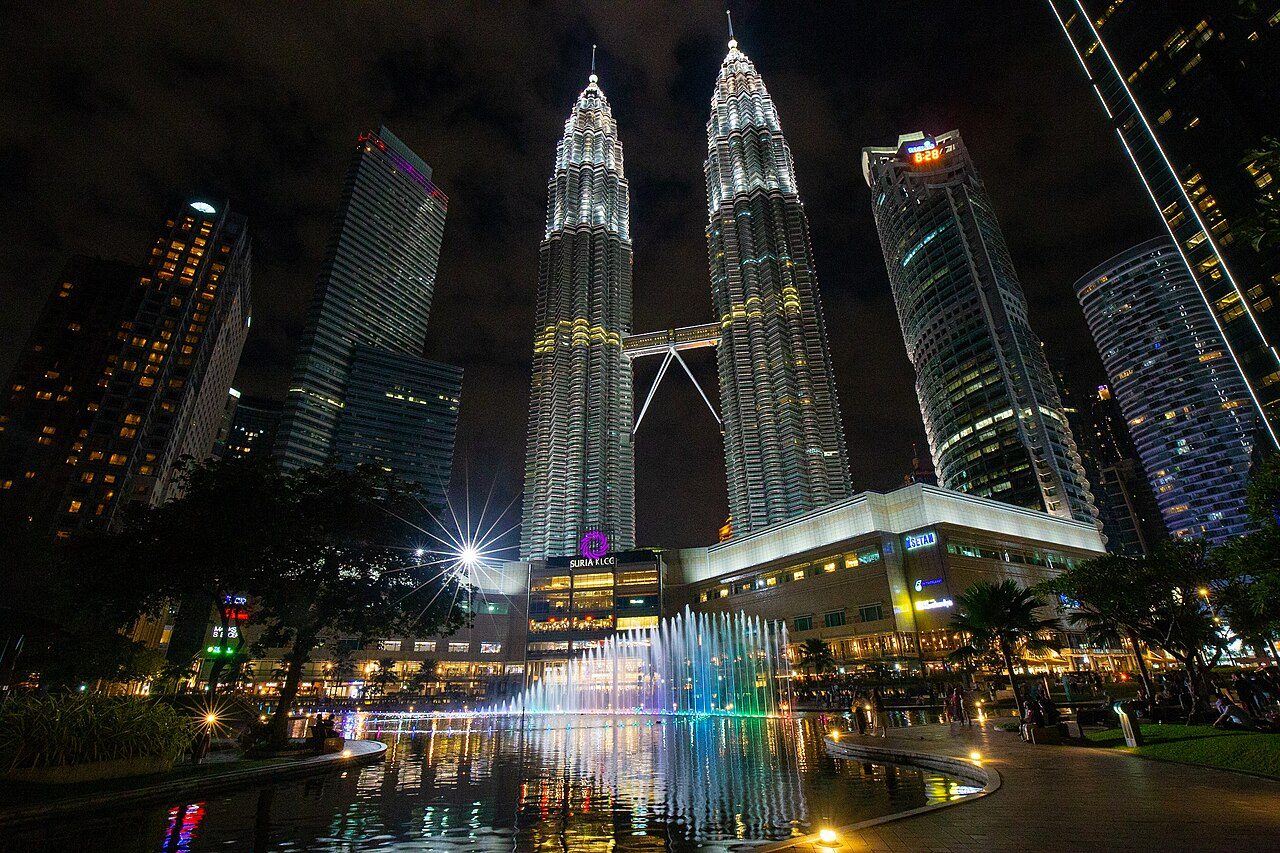
The Petronas Twin Towers in Kuala Lumpur were the tallest buildings in the world from 1998 to 2004, at about 452 metres. Designed by César Pelli, their floor plan is based on an eight-pointed Islamic star, and their steel and glass walls shine at night. A two-storey skybridge links the towers at the 41st and 42nd floors. Visitors can go up to the skybridge and an observation deck on floor 86.
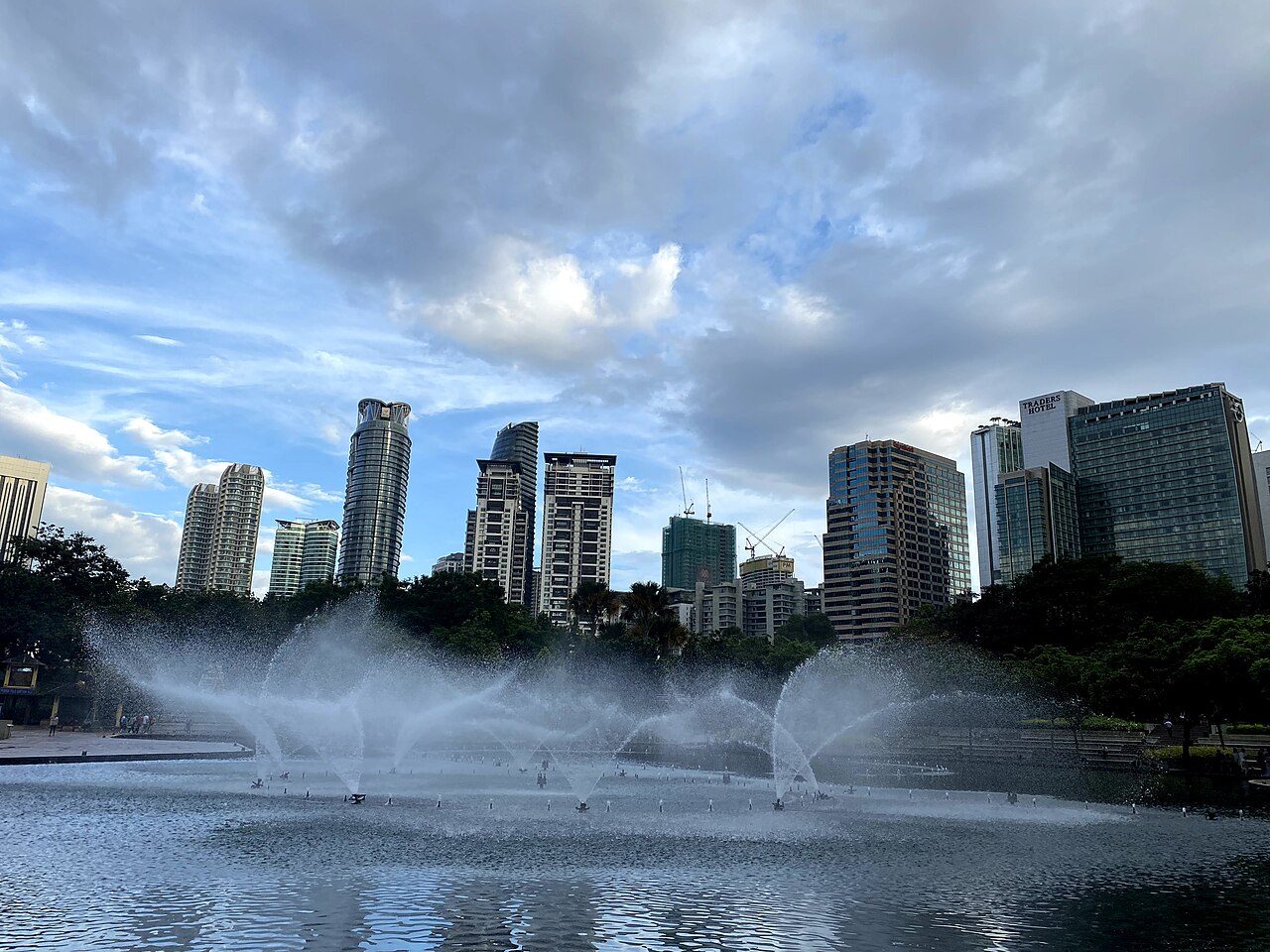
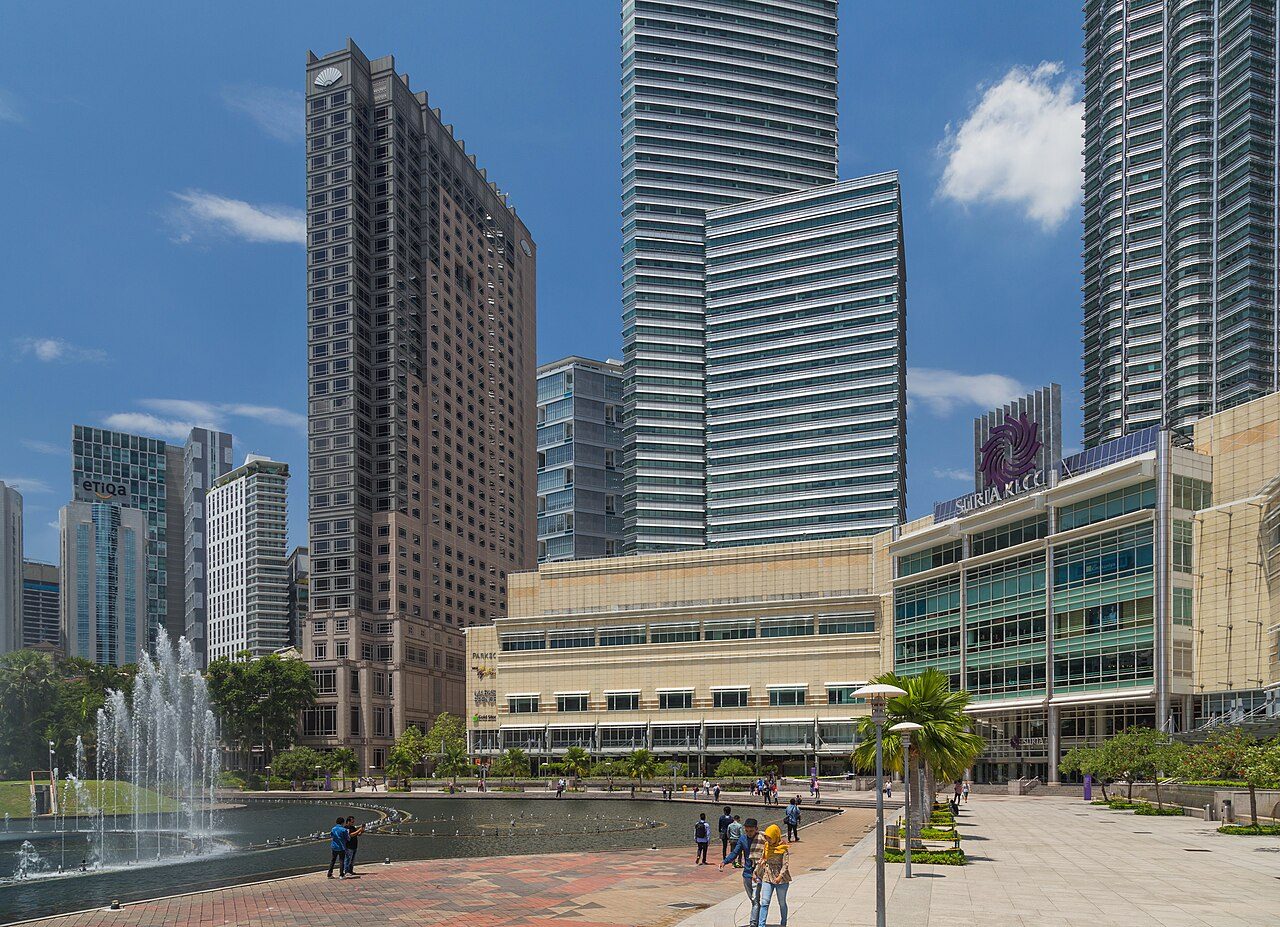
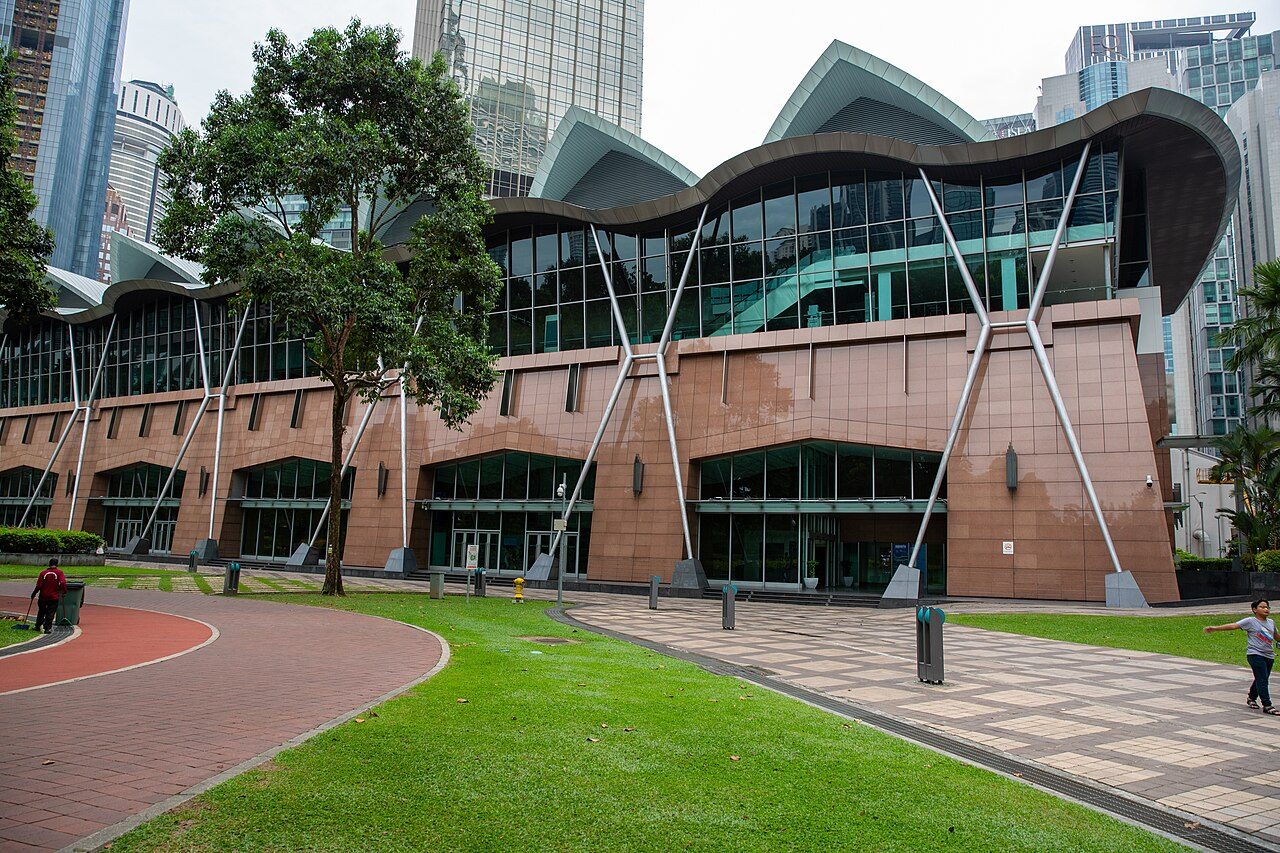
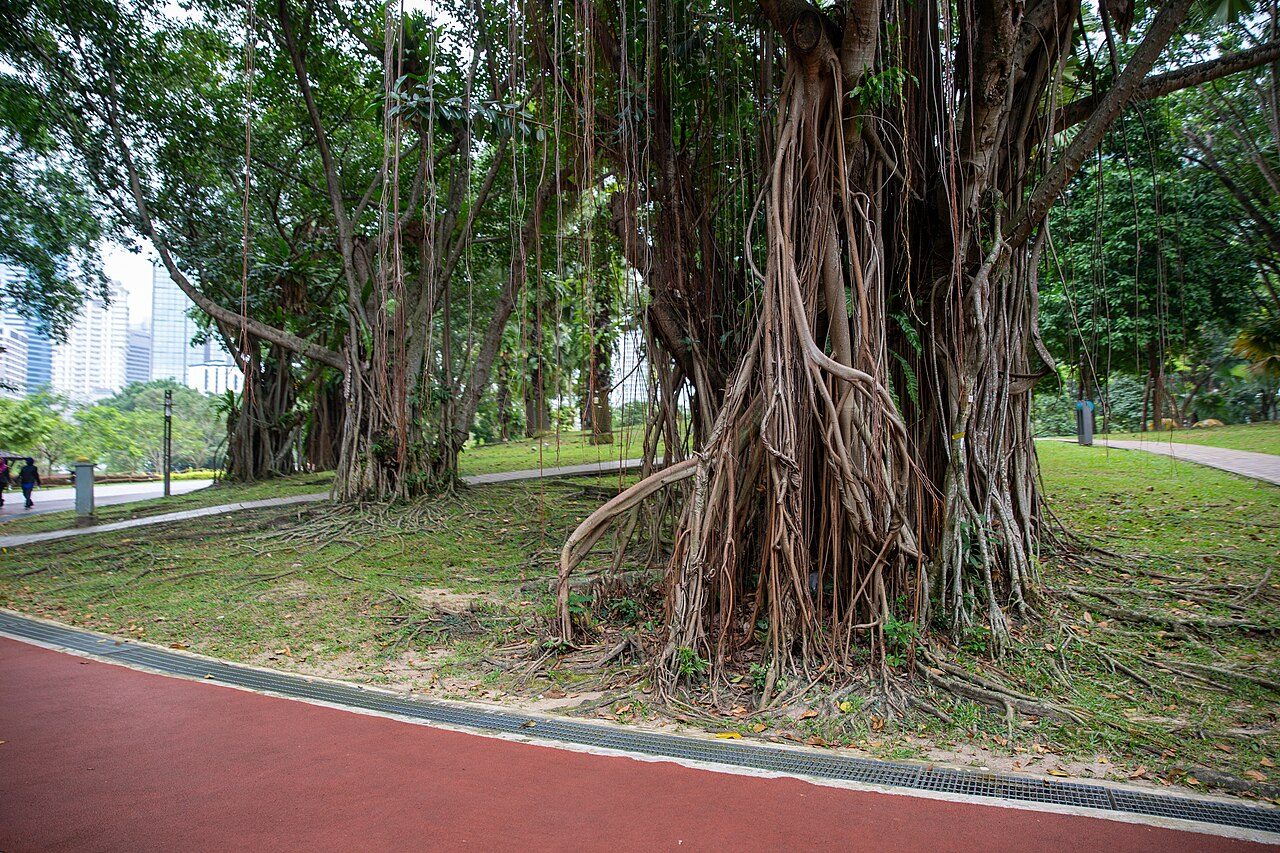
KLCC Park is a 20-hectare park at the foot of the Petronas Twin Towers, designed by the Brazilian landscape architect Roberto Burle Marx and opened in 1998. It has a lake with musical fountains that play in the evening, a jogging track, a children's play area and a wading pool. Many native trees were kept or planted. It gives the best ground-level views of the towers.
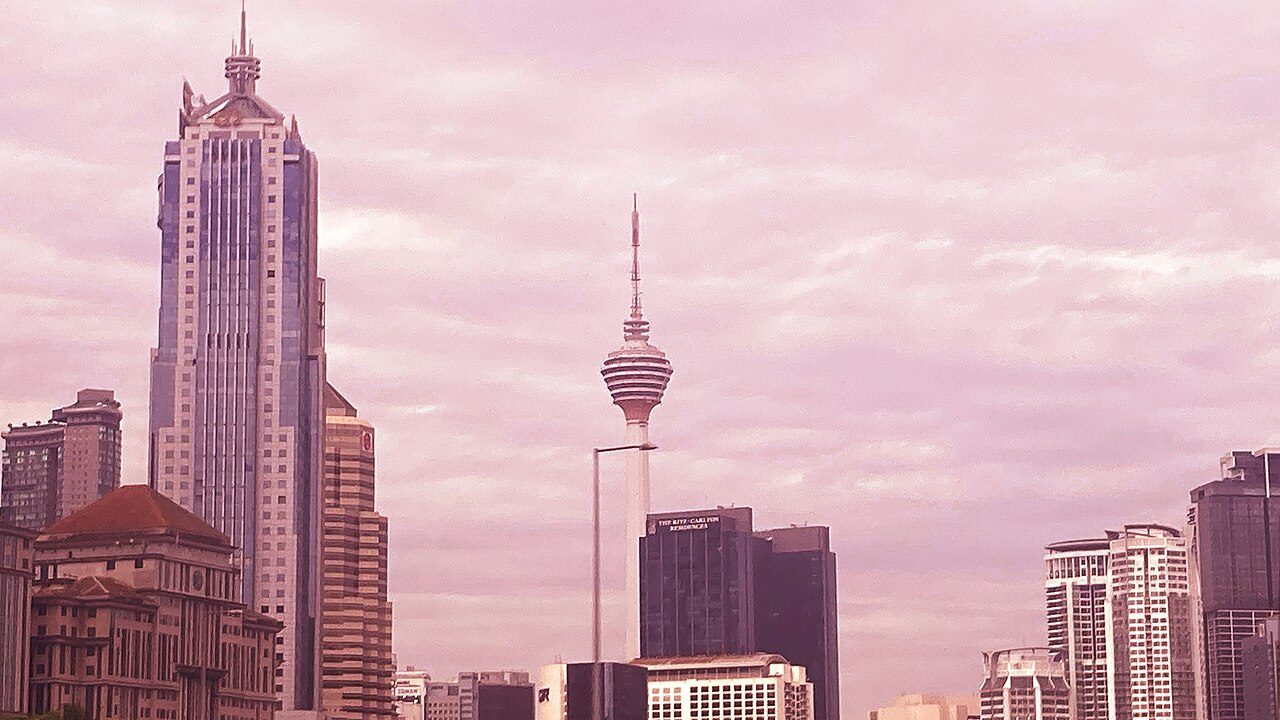
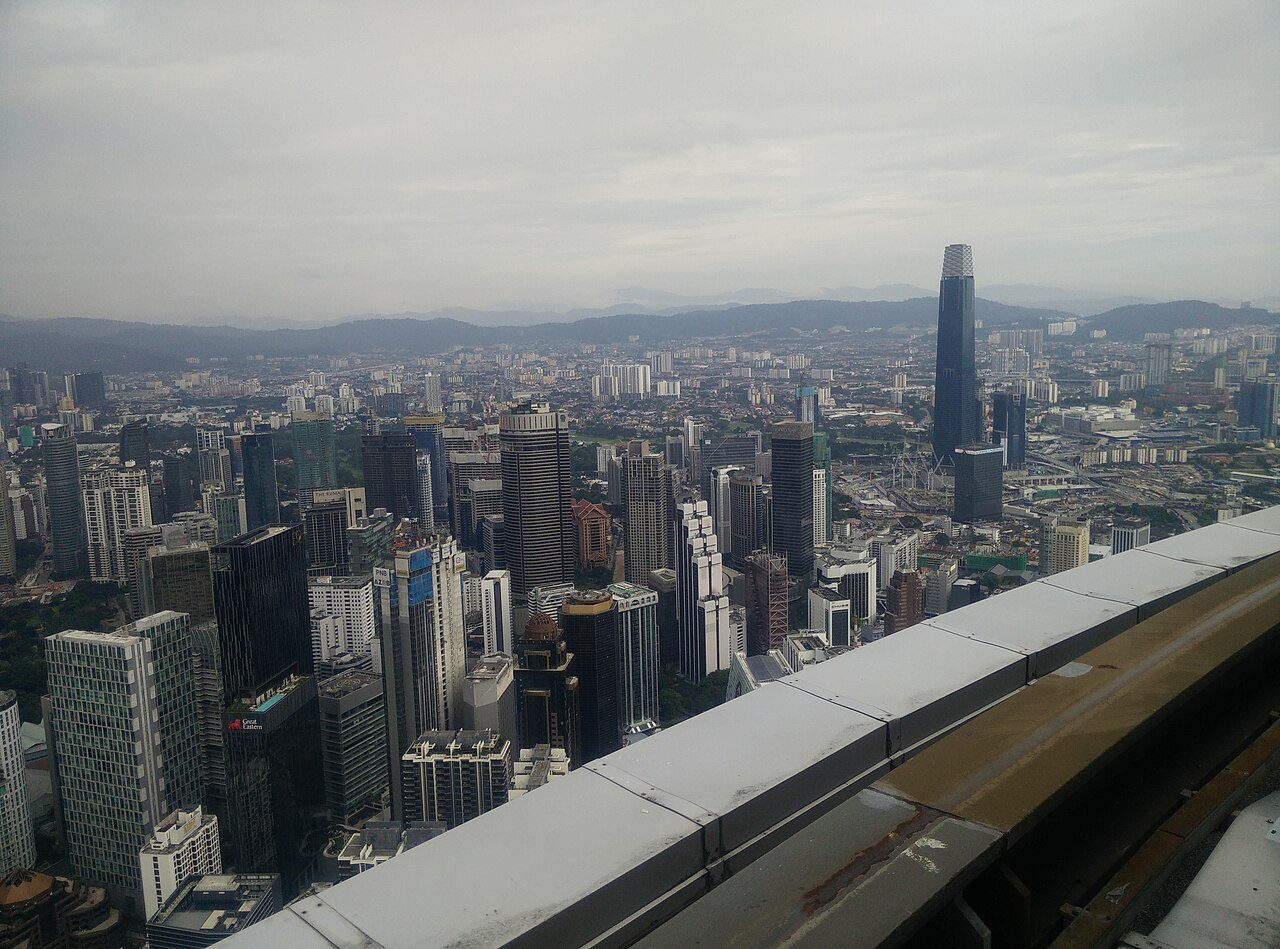
The Kuala Lumpur Tower, Menara Kuala Lumpur, is a telecommunications tower 421 metres high, completed in 1995. It stands on Bukit Nanas, a forest reserve in the city centre. Its observation deck and a revolving restaurant at the top give some of the best views of the city, including the Petronas Towers. A glass box called the Sky Box hangs over the edge of the open deck.
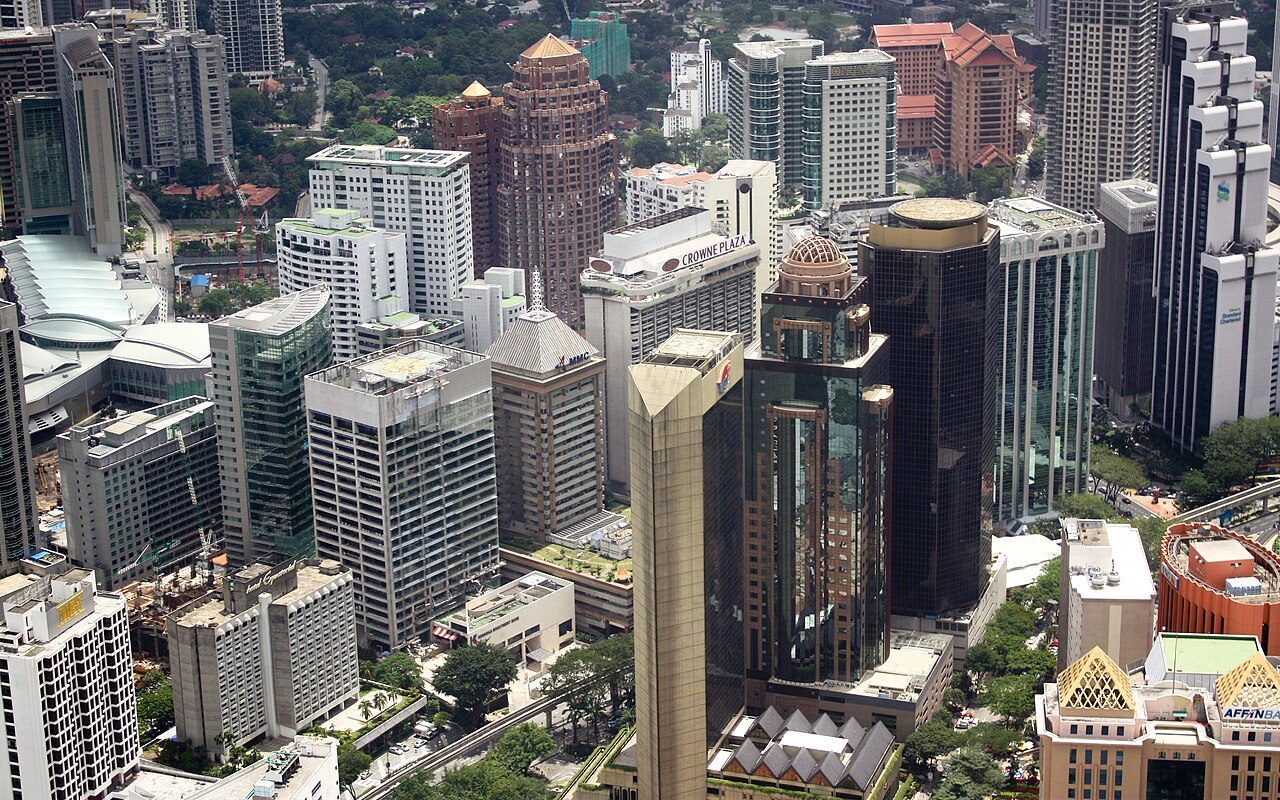
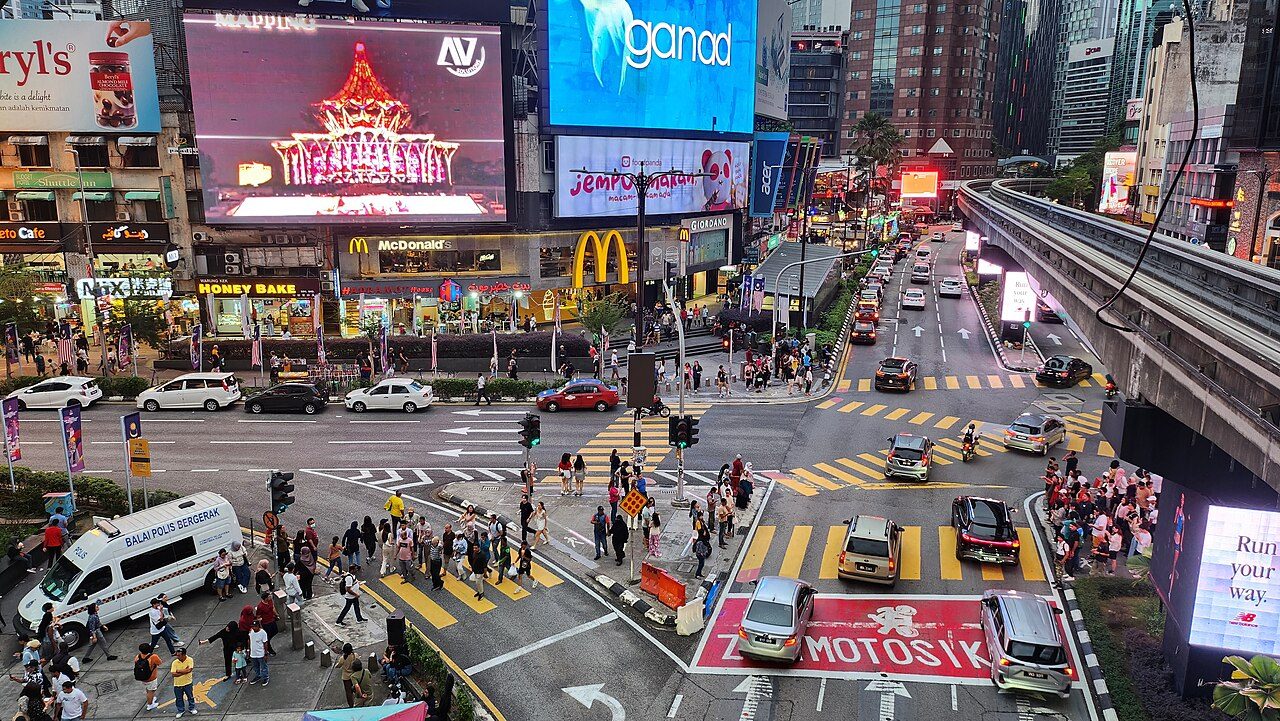
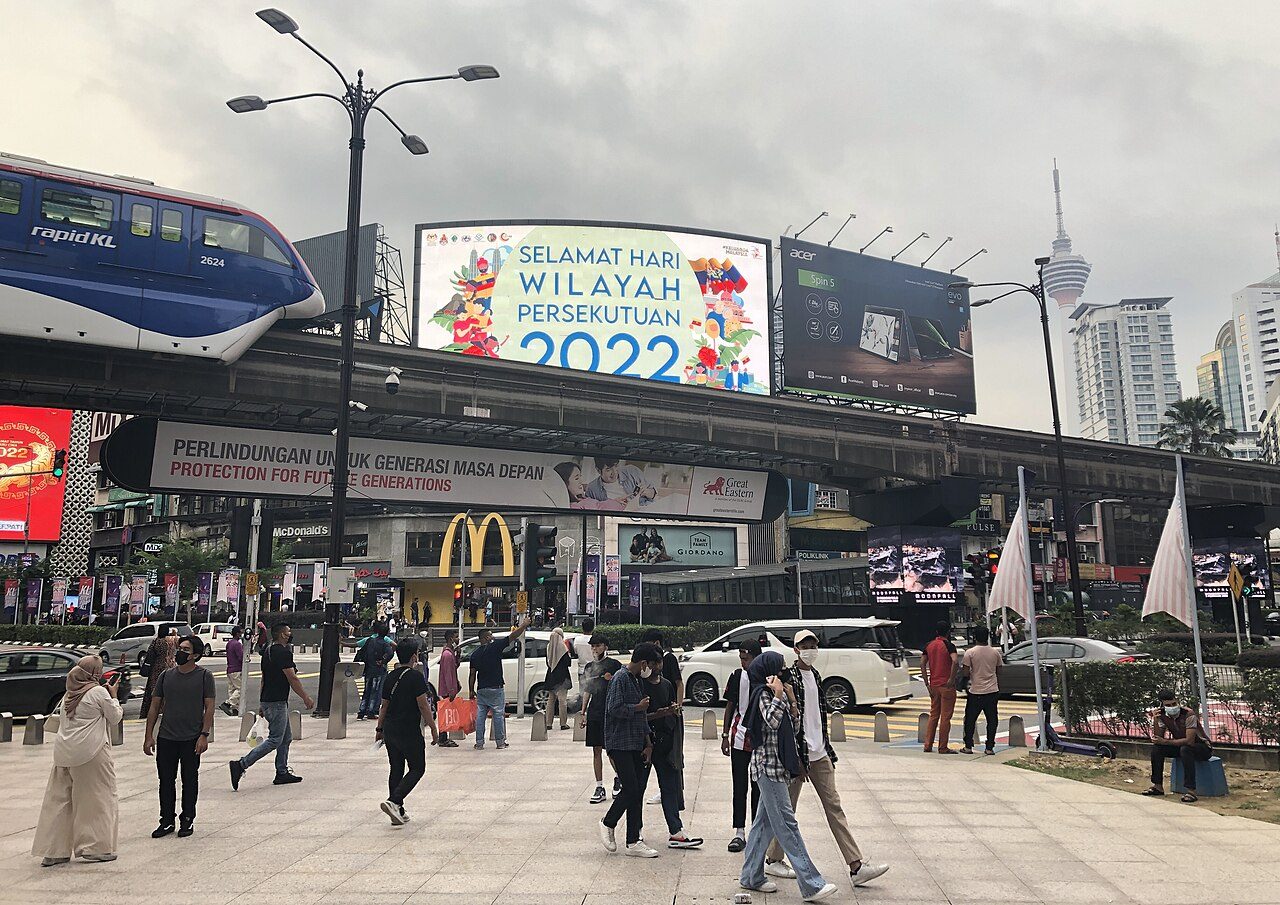
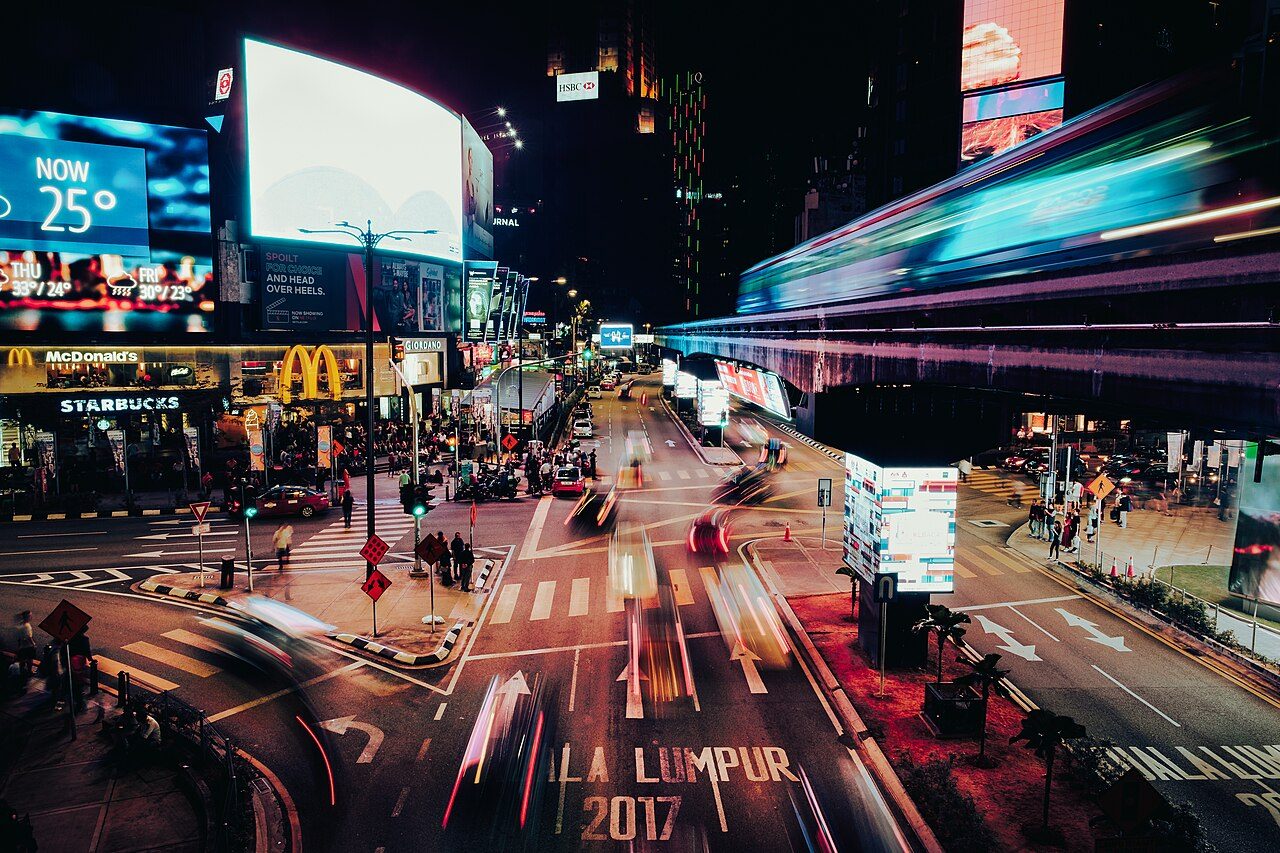
Bukit Bintang is the main shopping and entertainment district of Kuala Lumpur. Large malls such as Pavilion line the streets, along with hotels, cafes and massage parlours. The covered Jalan Alor nearby is famous for its night food market, with dozens of hawker stalls and restaurants. A walkway links the area to the Petronas Towers.
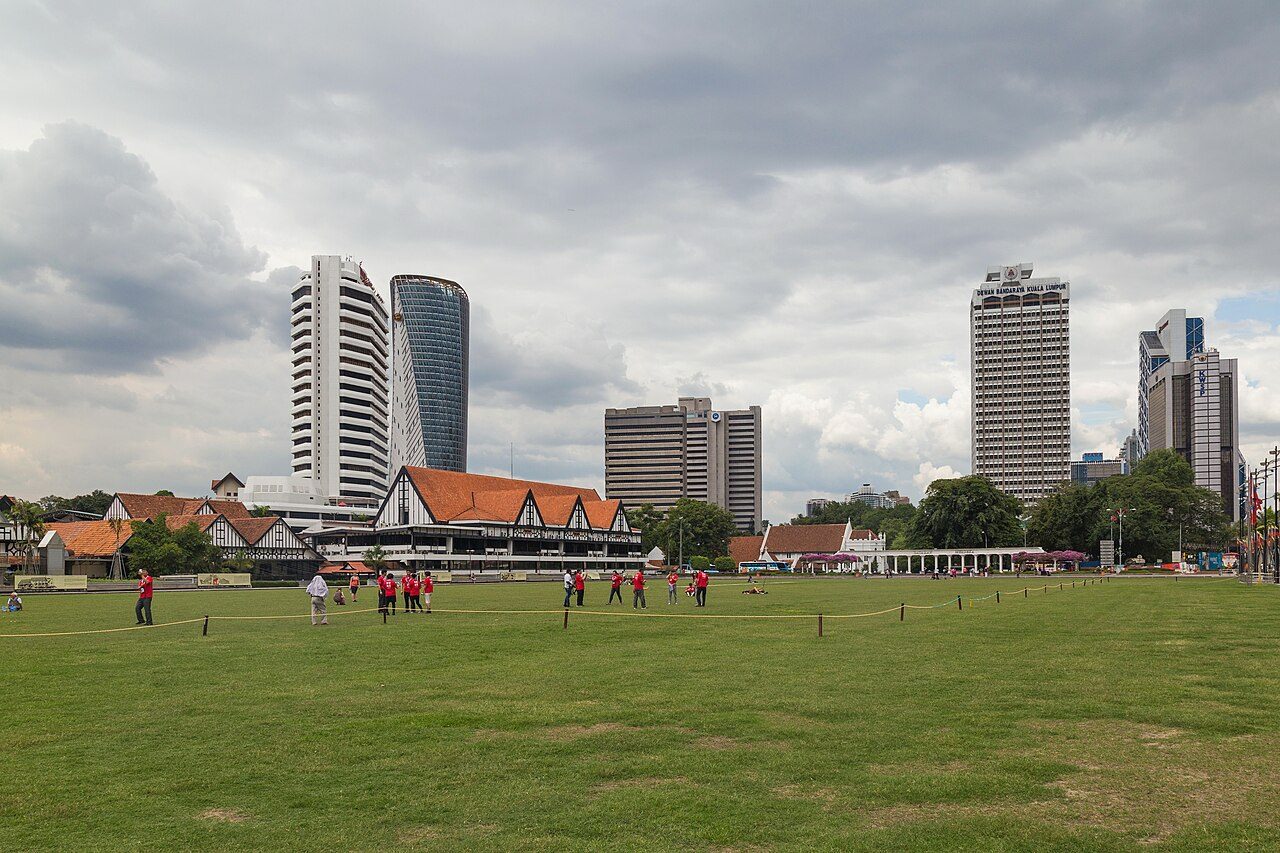
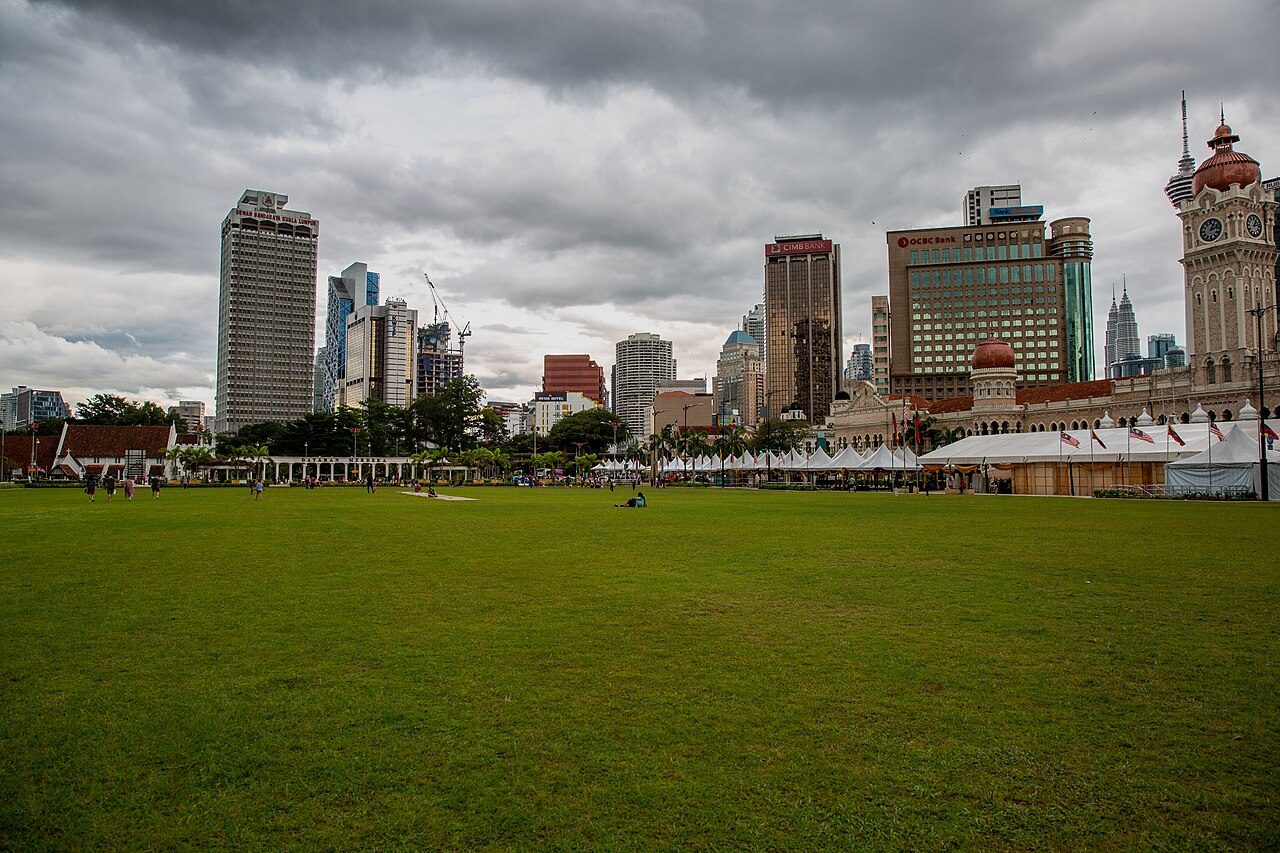
Merdeka Square is a large open field in the centre of Kuala Lumpur, once the cricket ground of the British colonial club. At midnight on 31 August 1957, the Union Jack was lowered here and the Malayan flag raised for the first time, marking independence. One of the tallest flagpoles in the world stands at its south end. National Day parades are held here each year.
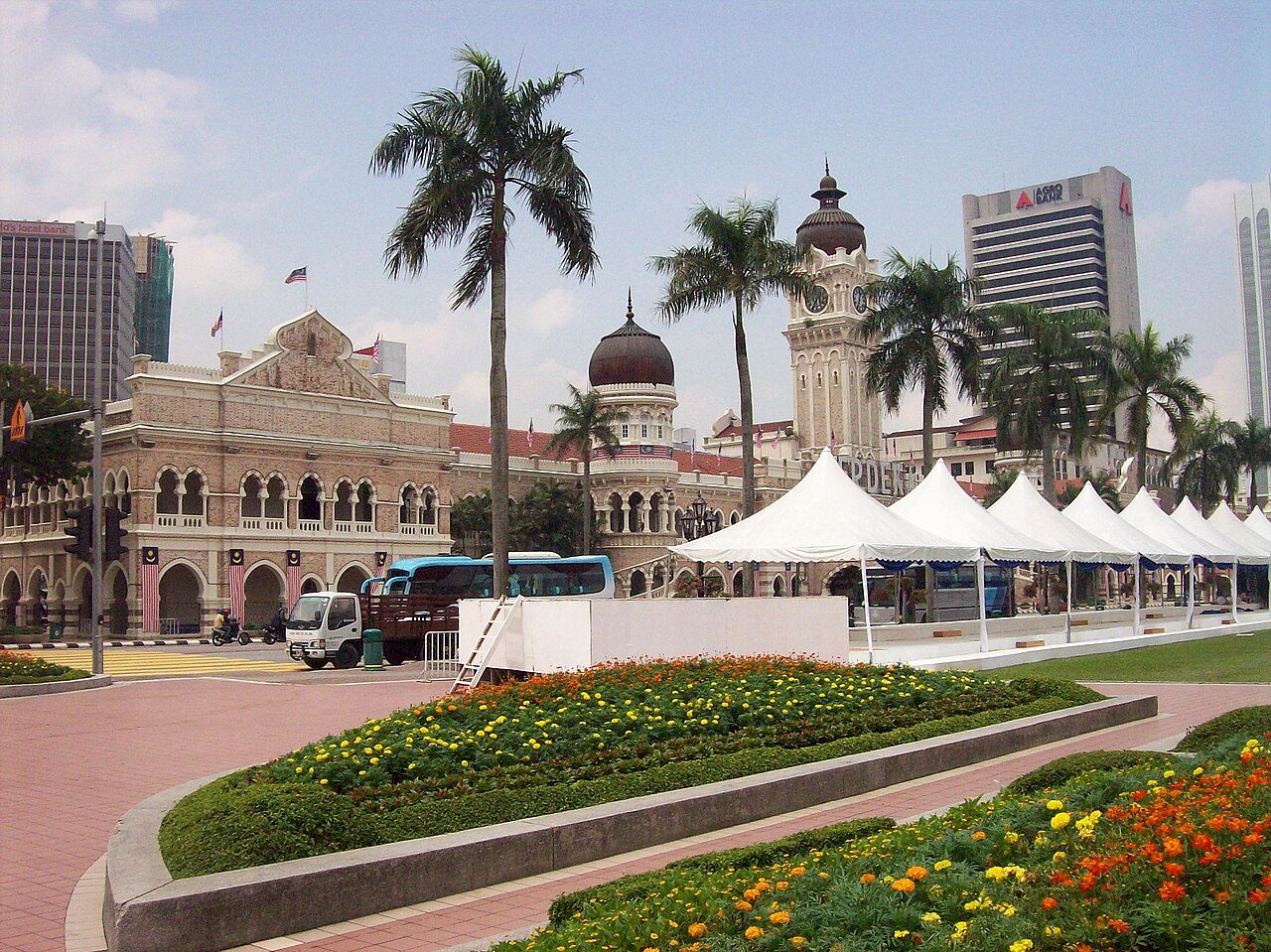
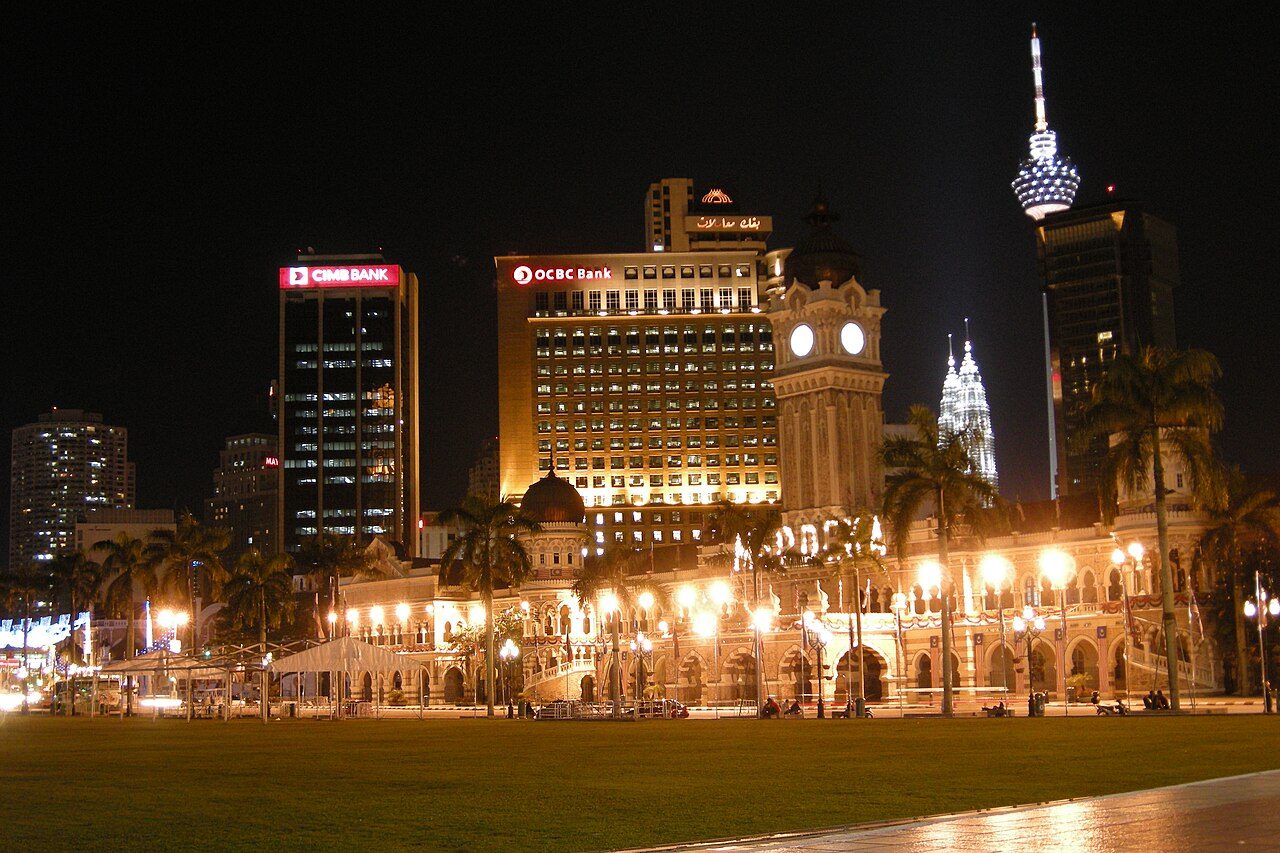
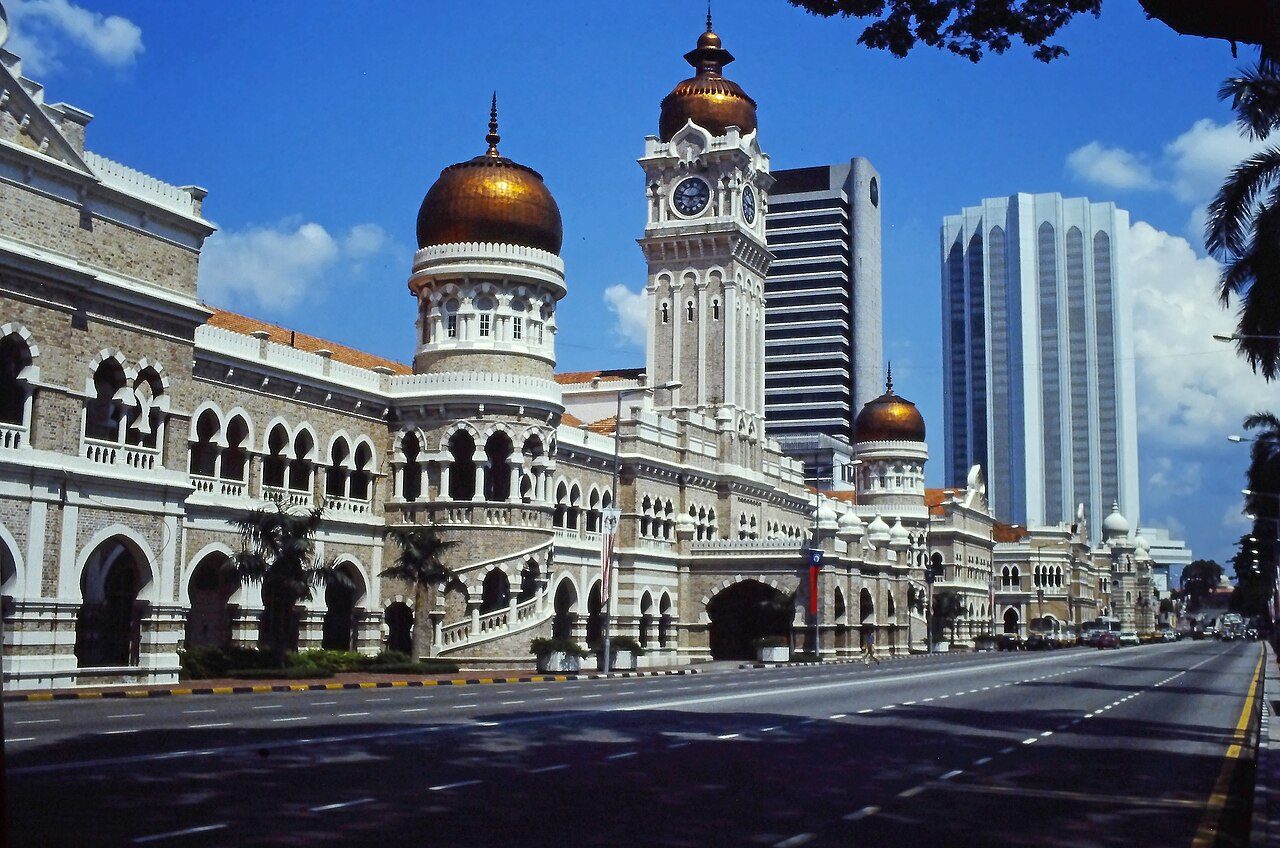
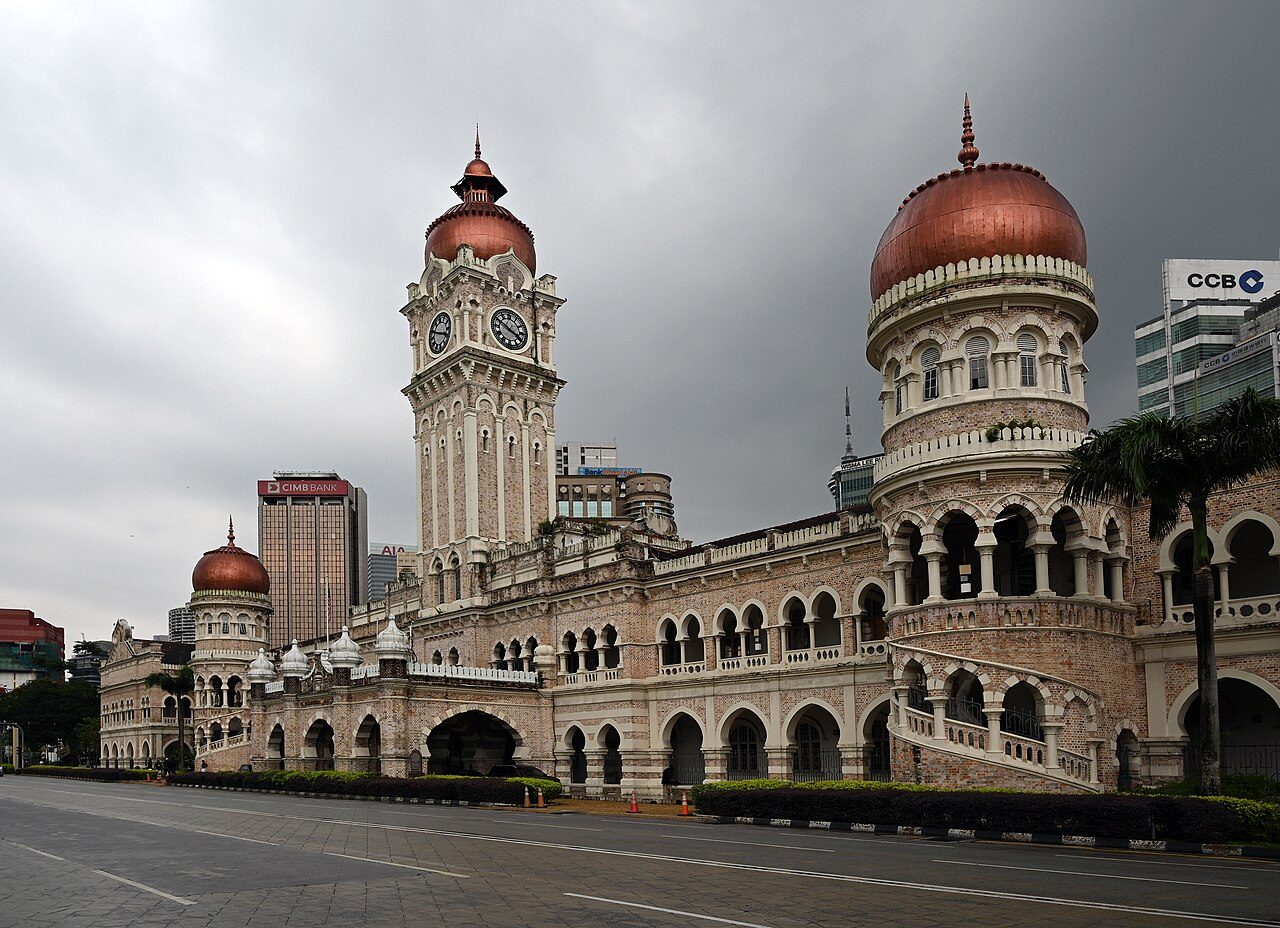
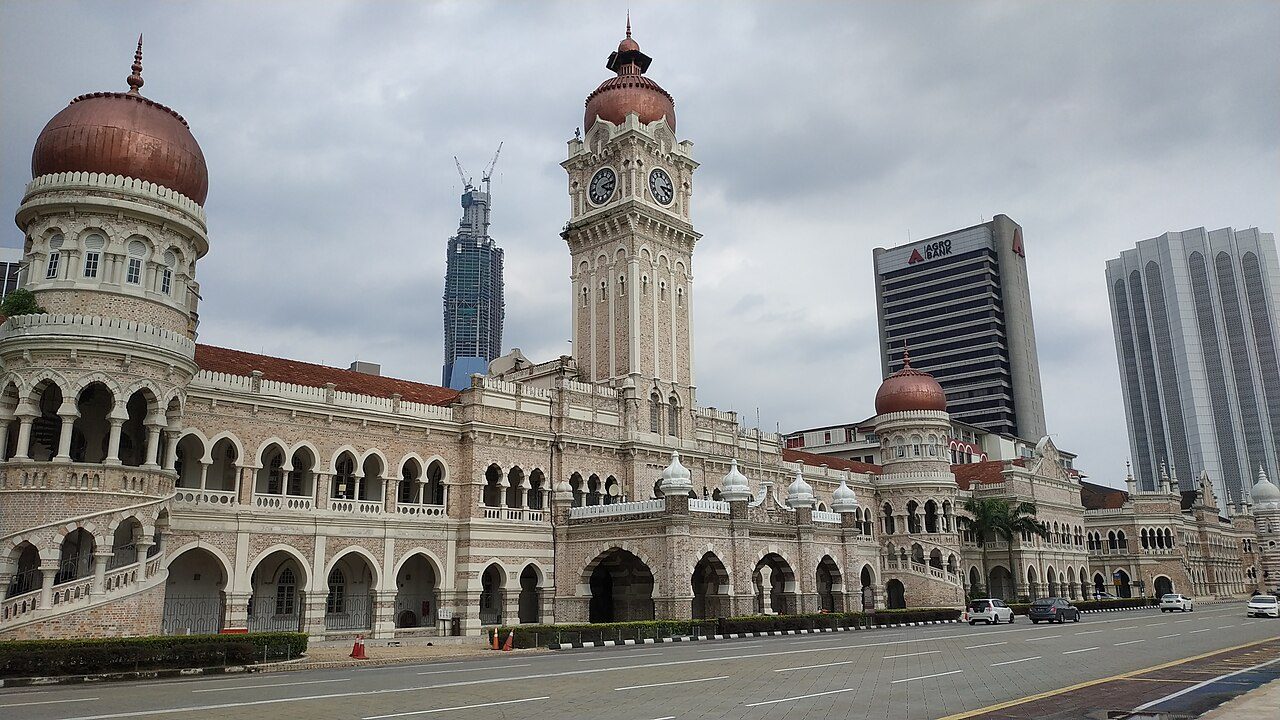
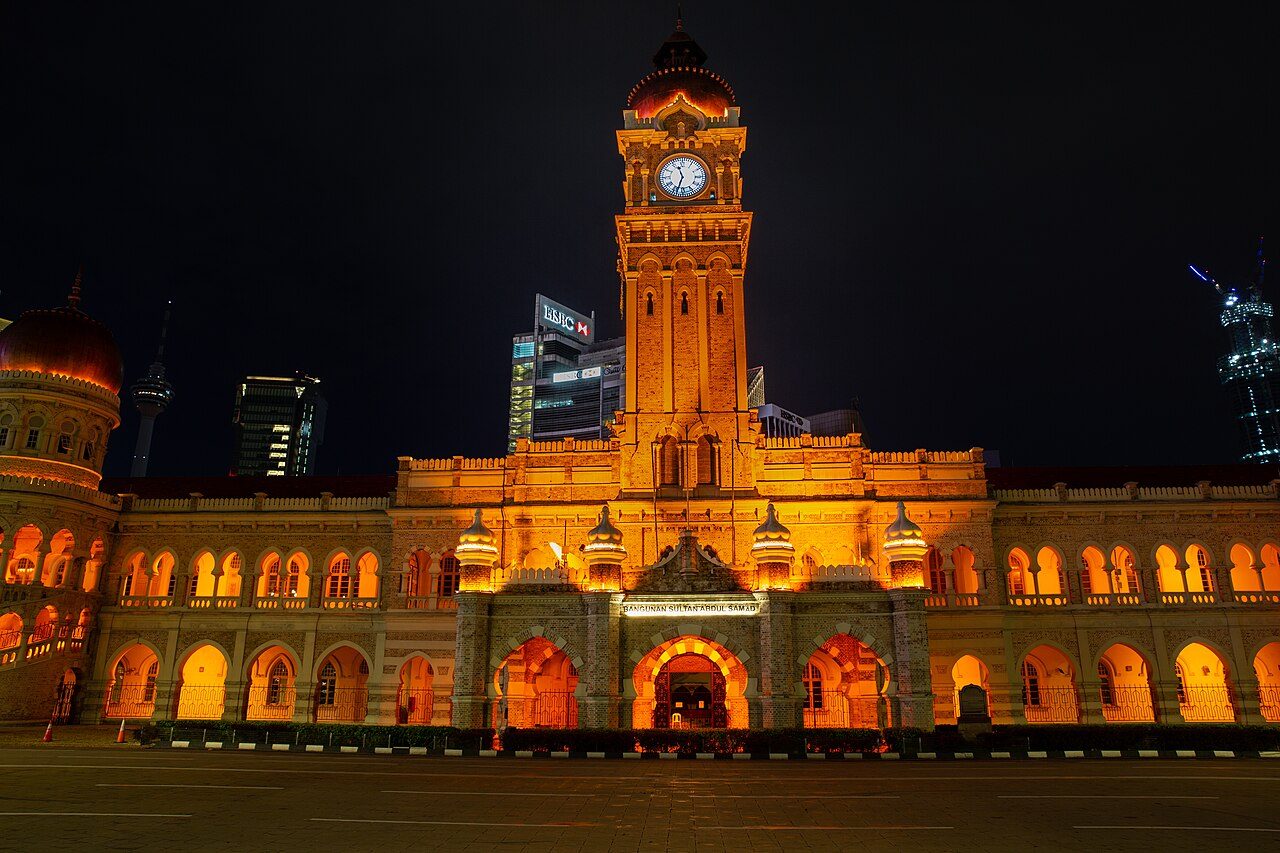
The Sultan Abdul Samad Building stands opposite Merdeka Square in Kuala Lumpur. It was completed in 1897 to house the British colonial government offices. Designed by A. C. Norman, it is built in a Moorish style with copper domes and a central clock tower about 41 metres high. It later housed the superior courts, and today it hosts the Ministry of Tourism, Arts and Culture.
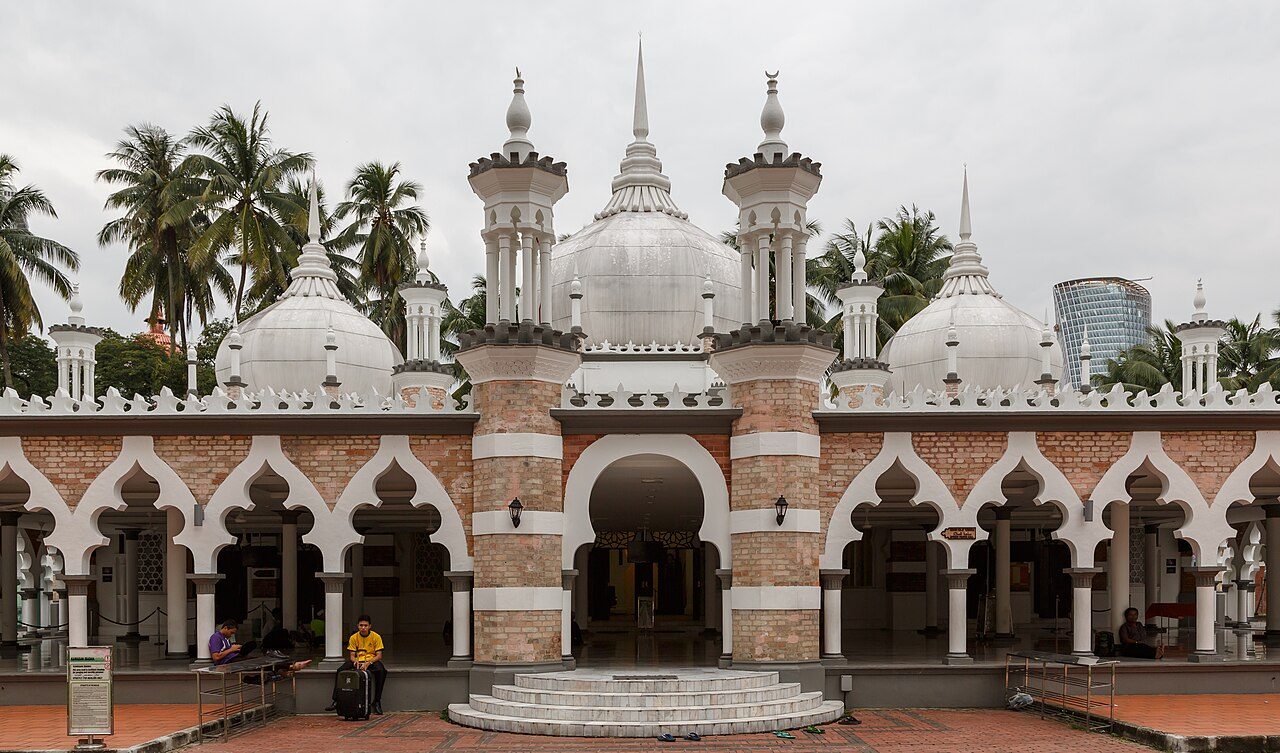
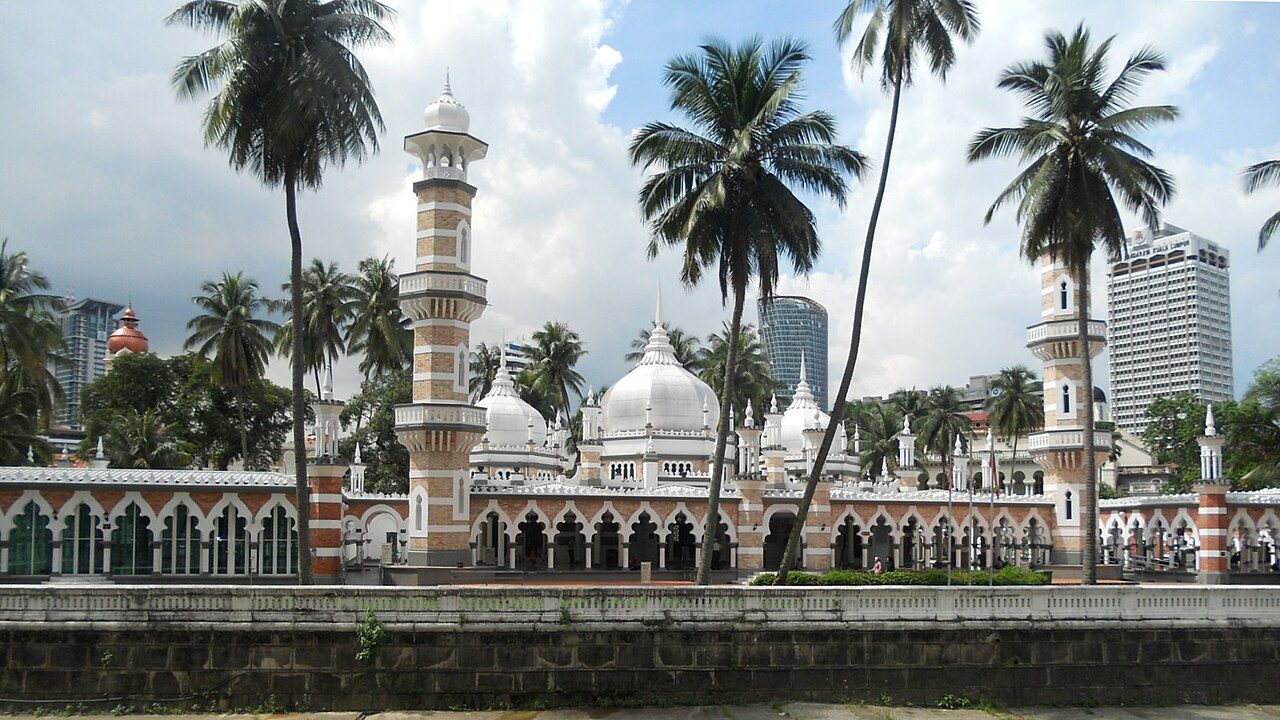
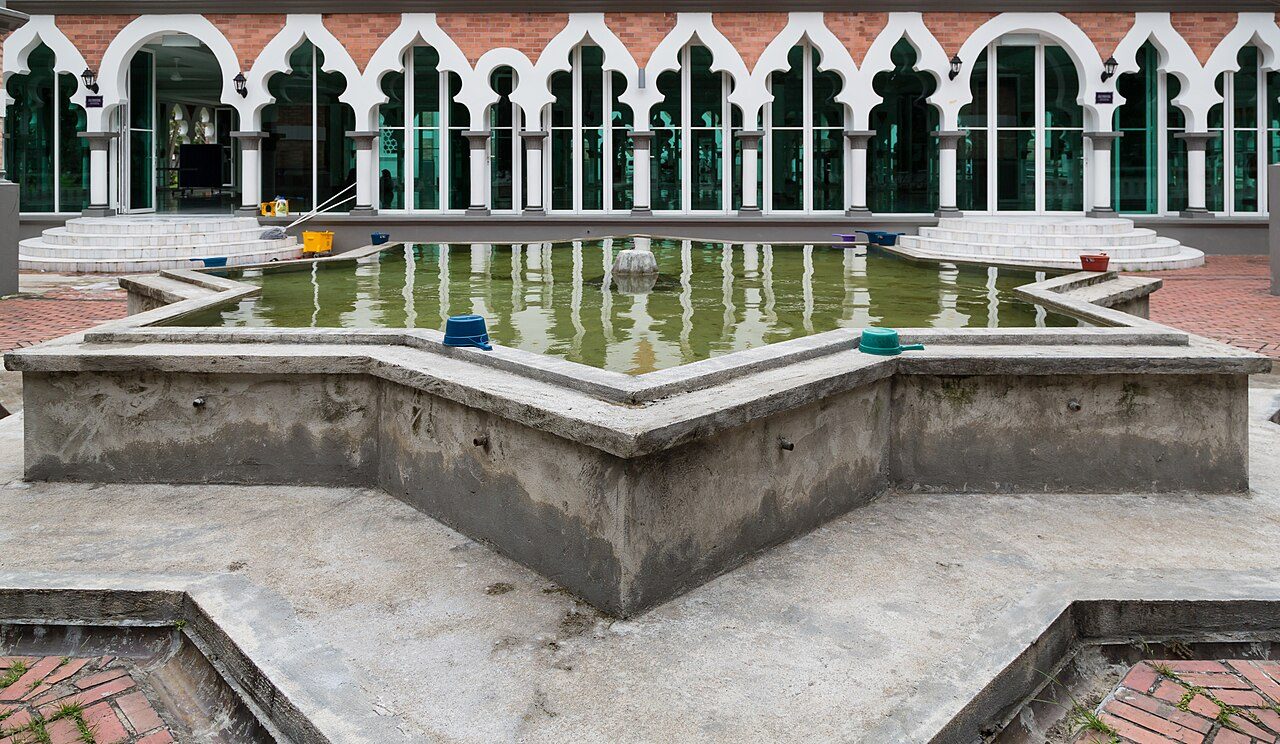
Masjid Jamek is one of the oldest mosques in Kuala Lumpur, opened in 1909. It stands at the meeting point of the Klang and Gombak rivers, the spot where the city was founded in 1857 and from which it takes its name, muddy confluence. Designed by A. B. Hubbock, it has Mughal-style domes and minarets of white and pink stone, set among palm trees.
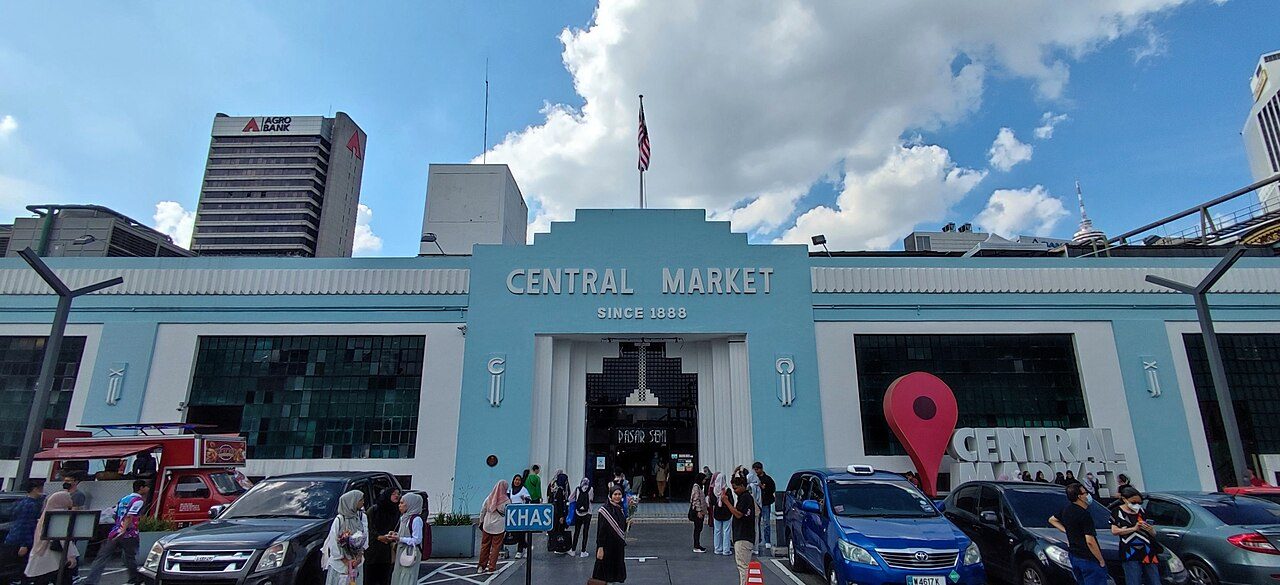
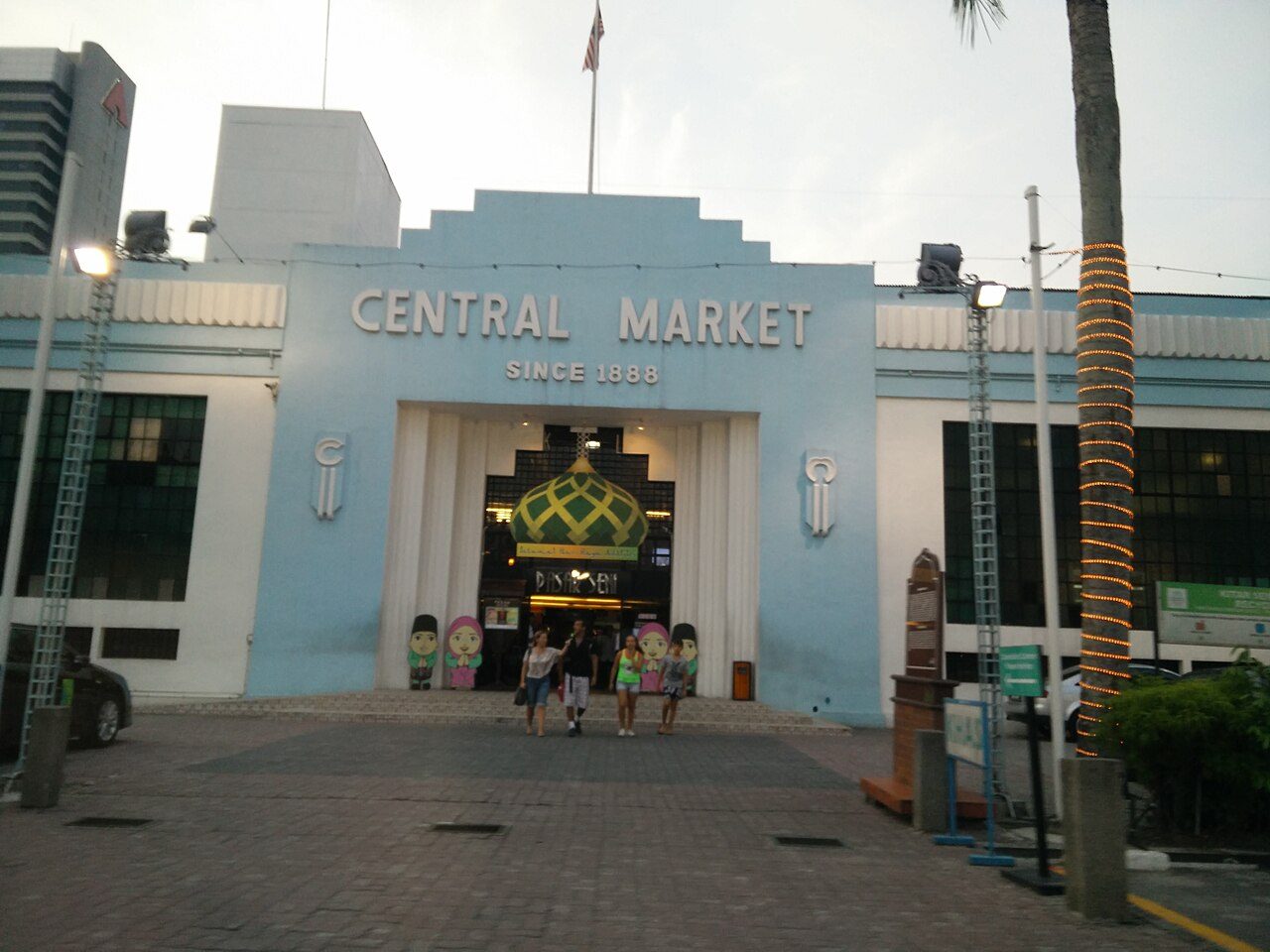
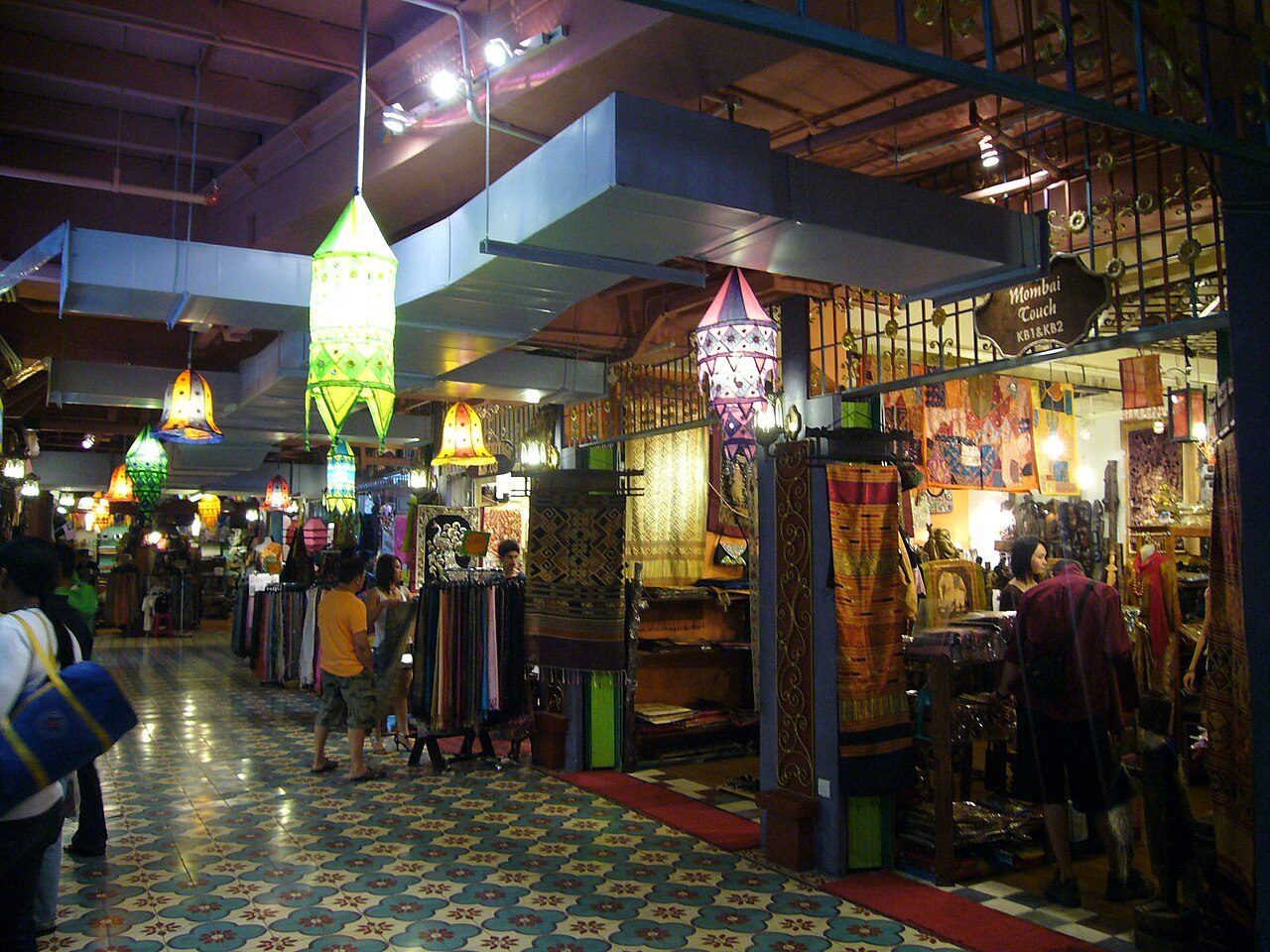
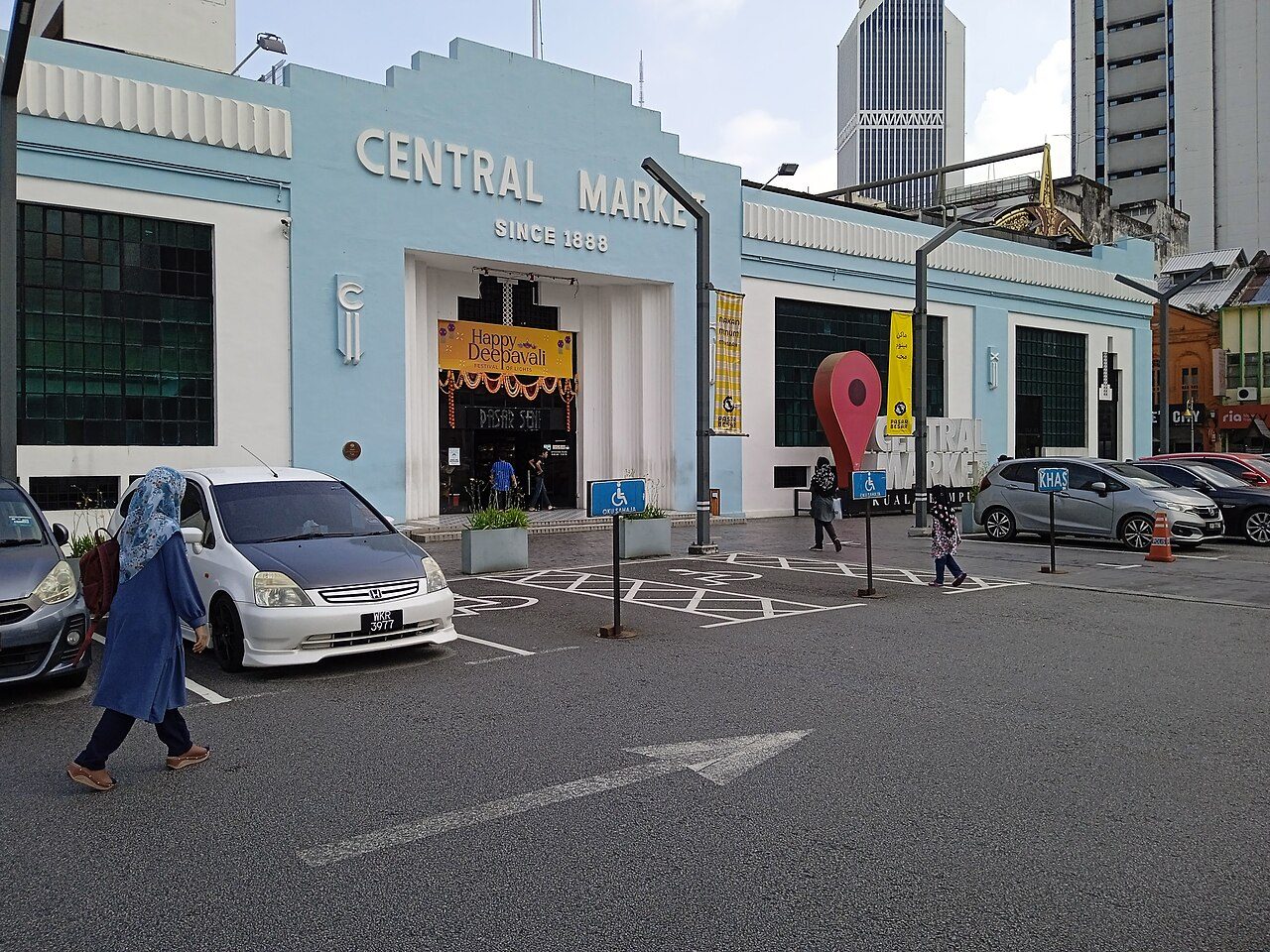
Central Market, also called Pasar Seni, is a market hall in central Kuala Lumpur. It was built in 1888 as a wet market and the present Art Deco building dates from 1937. In the 1980s it was saved from demolition and turned into a centre for Malaysian arts and crafts. Its stalls sell batik, songket, woodcarvings, pewter and souvenirs, and there is a food court upstairs.
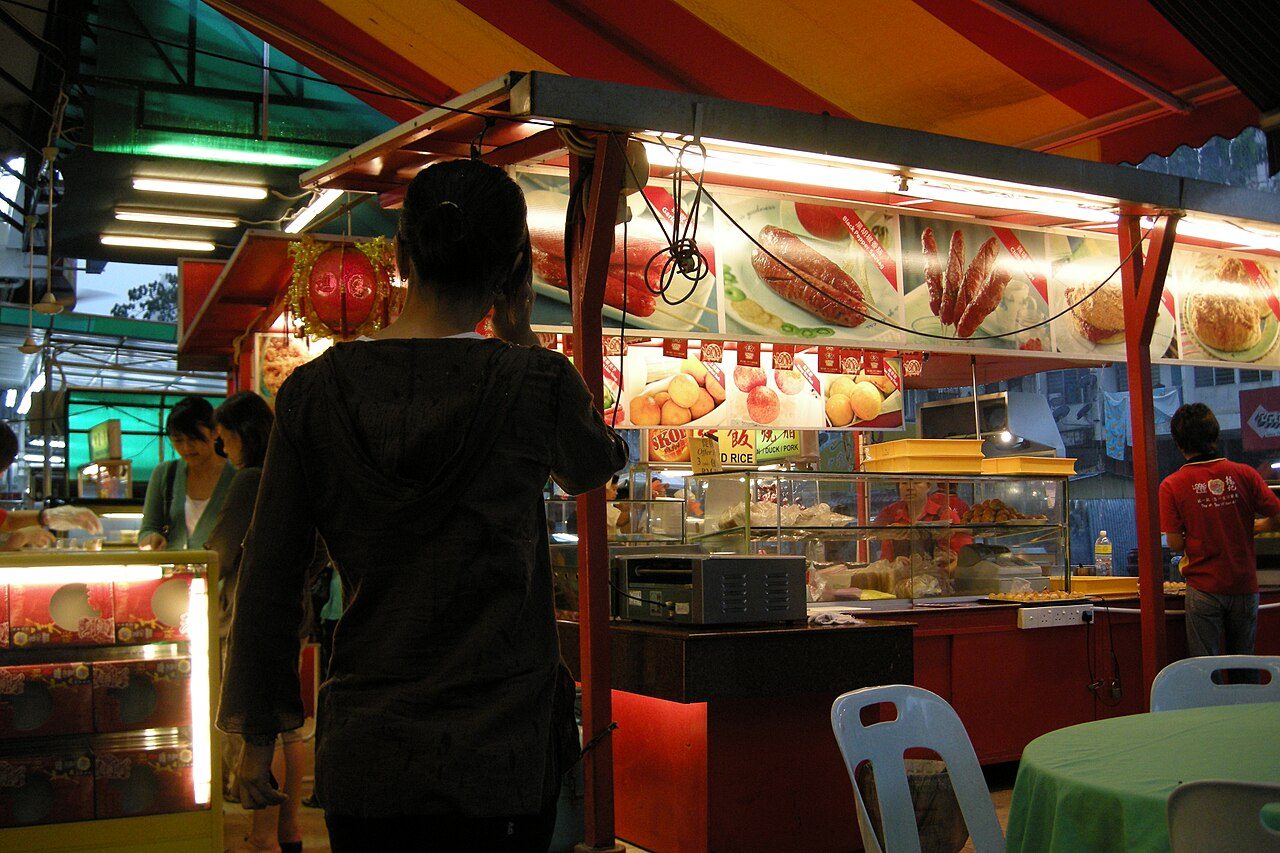
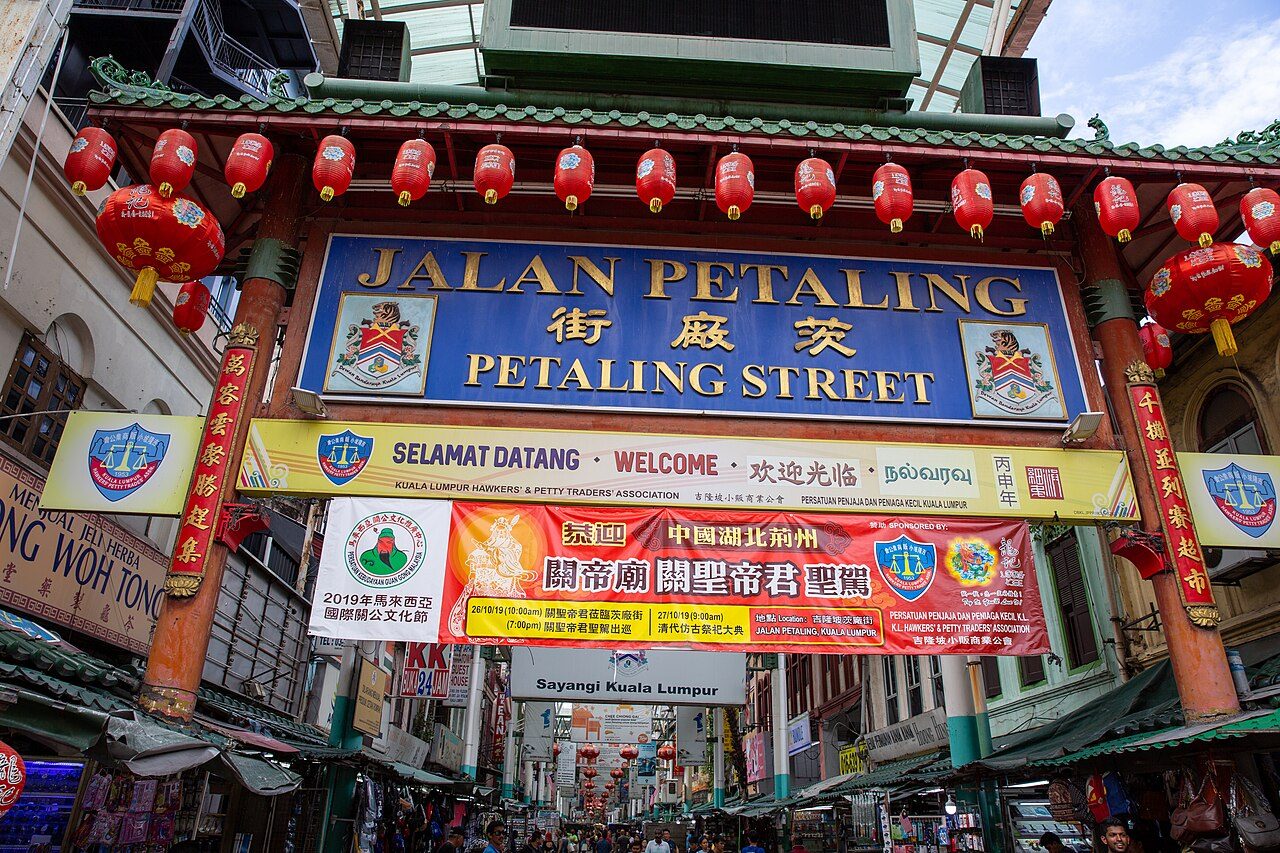
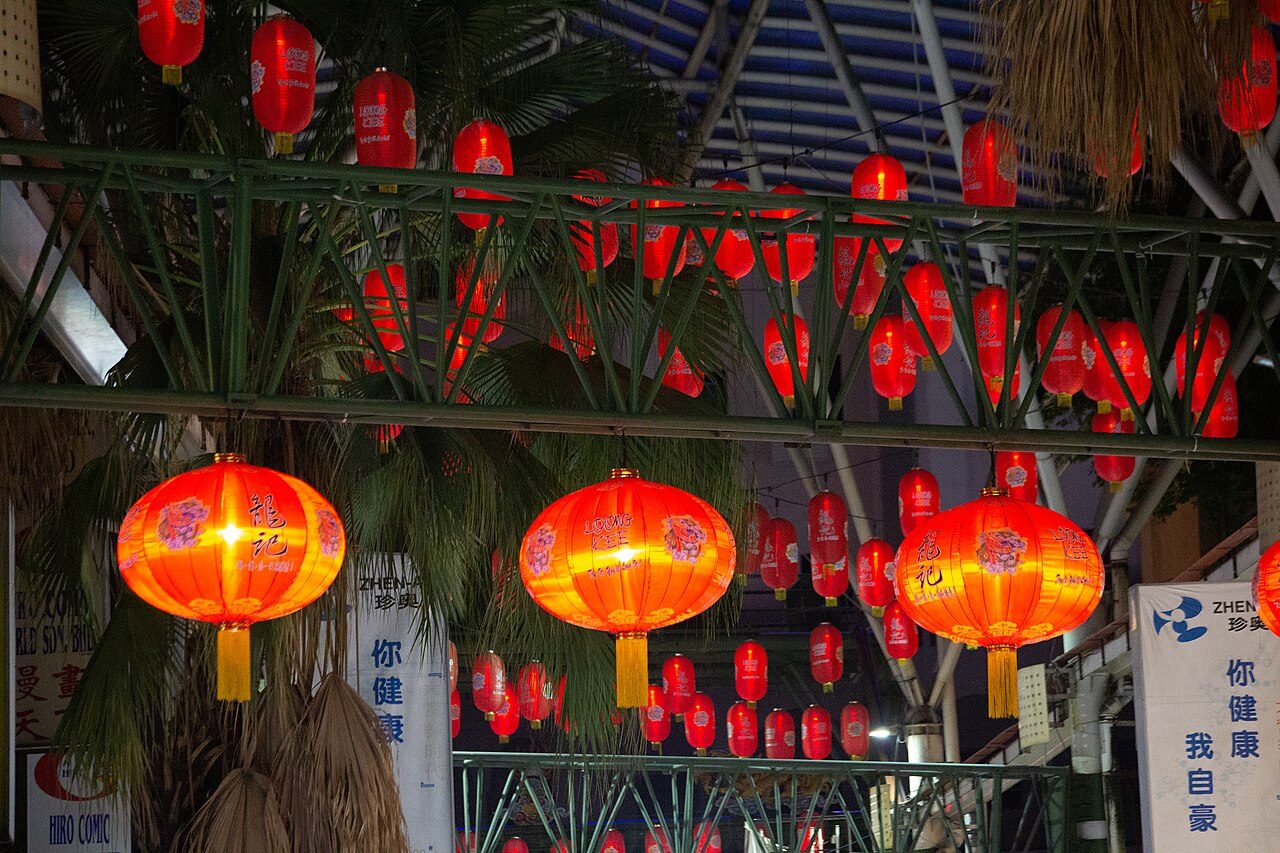
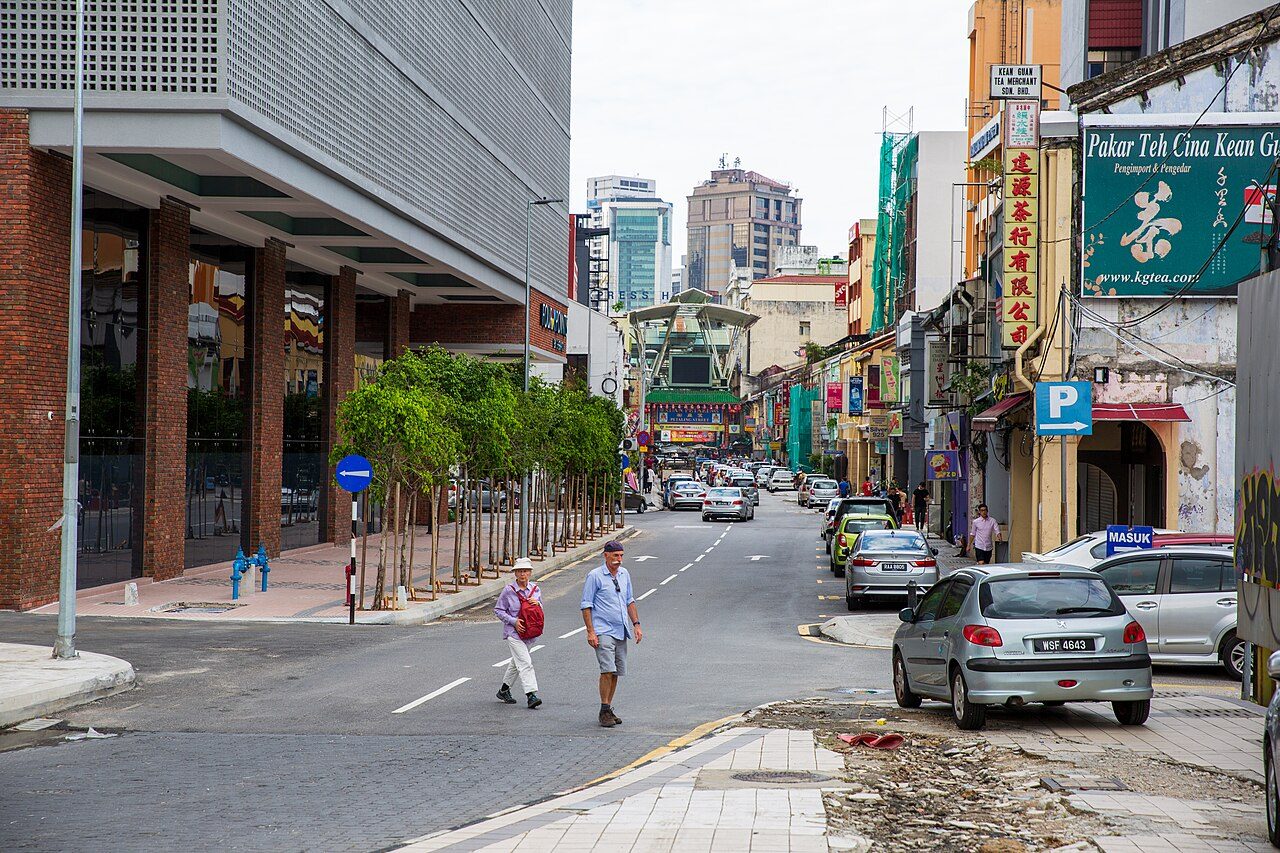
Petaling Street is the heart of Chinatown in Kuala Lumpur. Under a long green roof, its stalls sell clothes, bags, watches and souvenirs, and the shops around it sell herbal medicine, dried goods and pastries. It is especially lively in the evening, when food stalls serve roast duck, noodles and chestnuts. Old shophouses and Chinese temples stand in the surrounding streets.
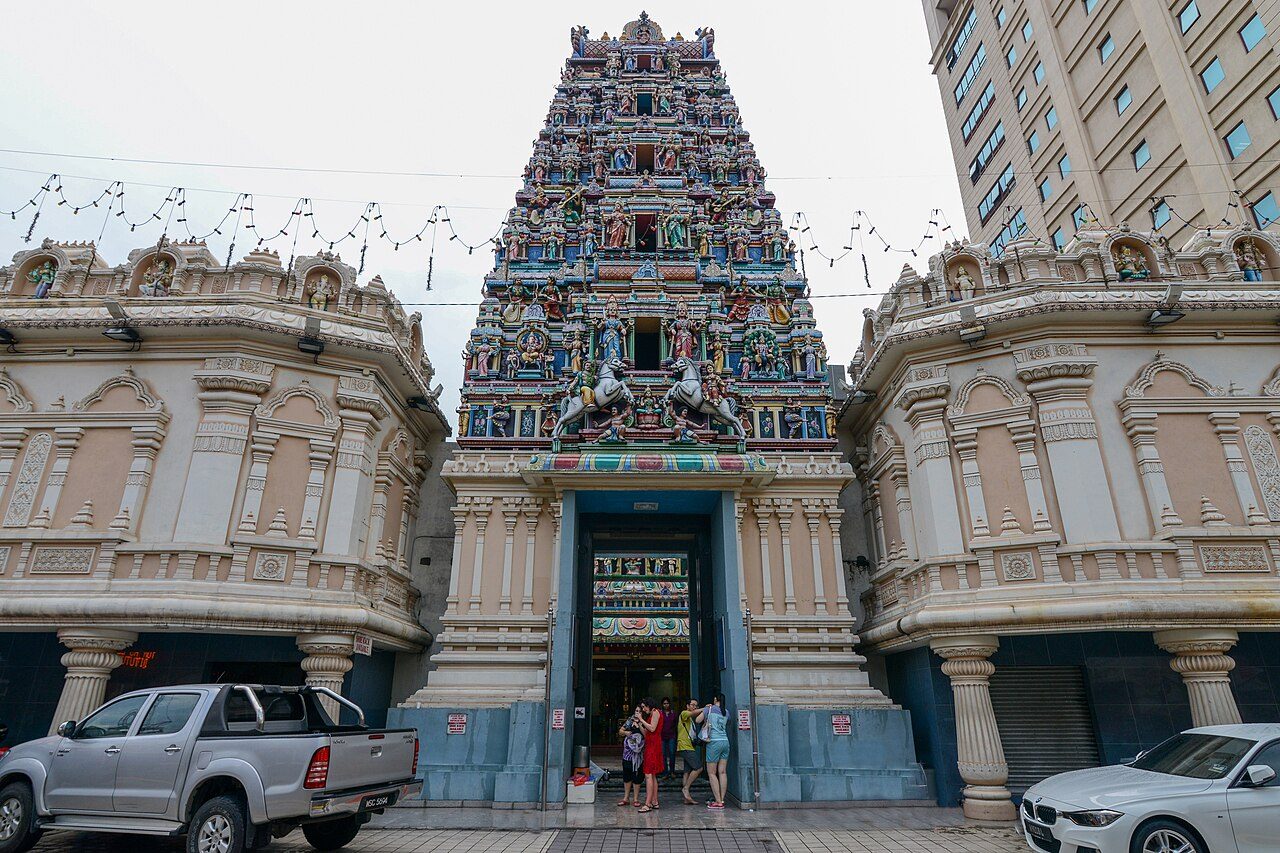
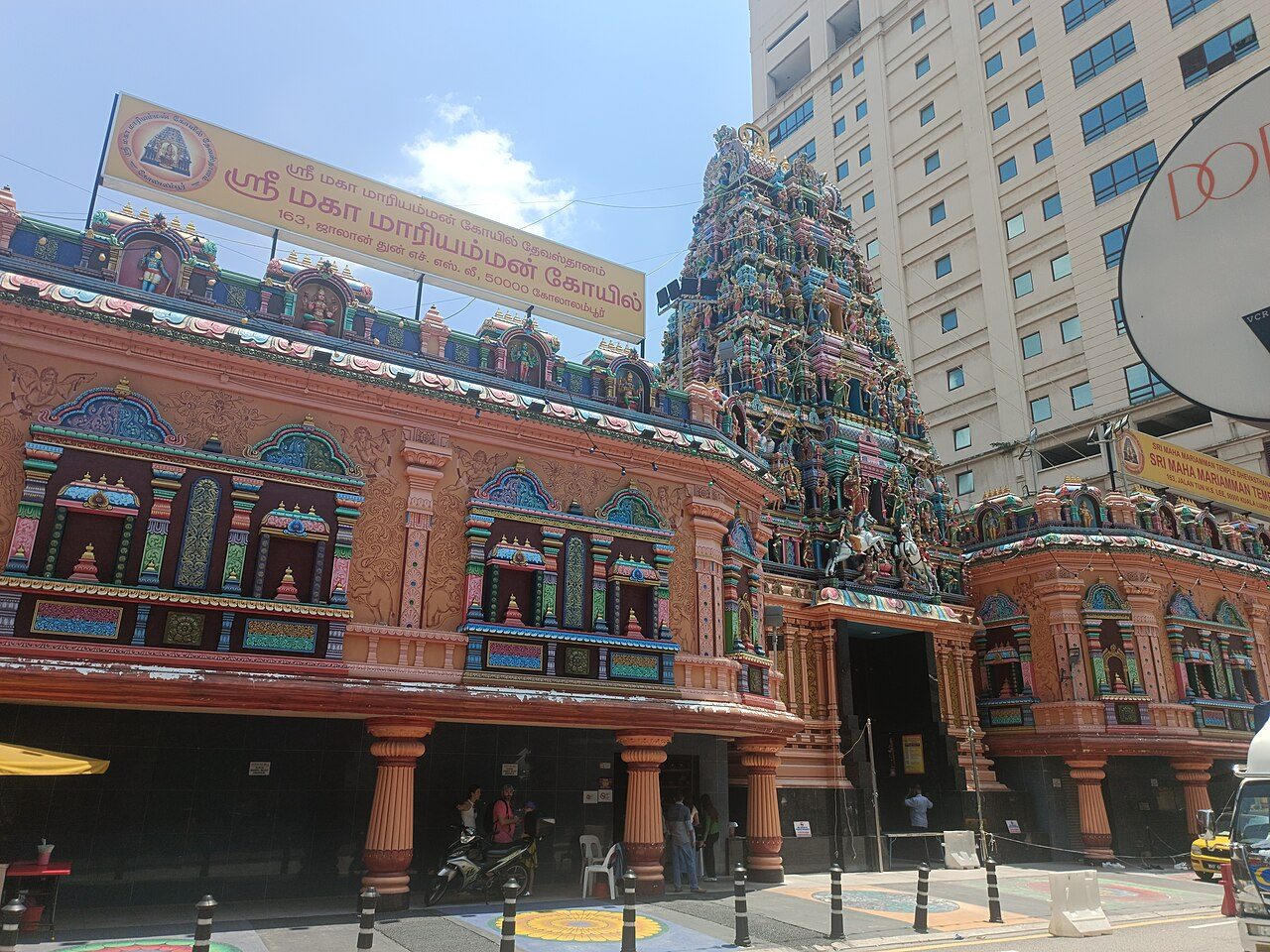
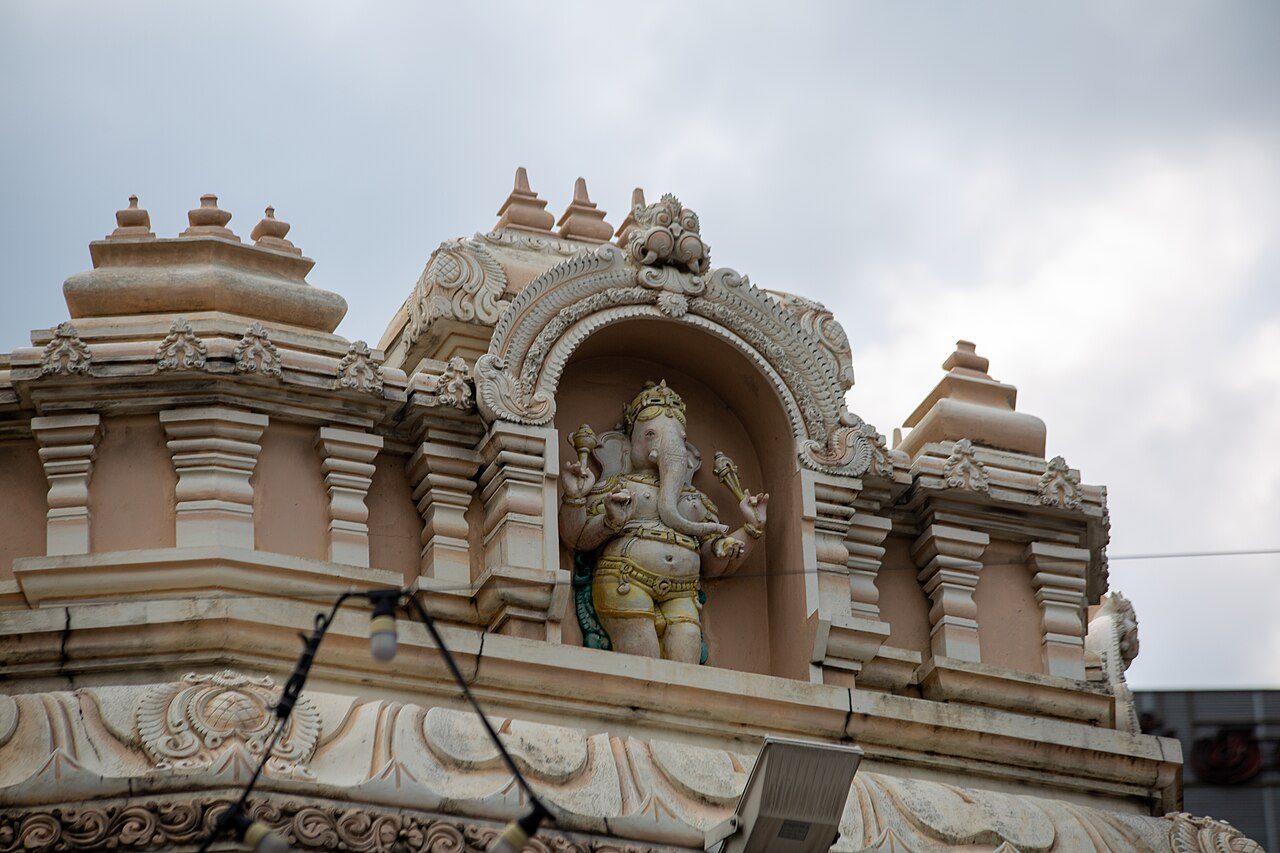
The Sri Mahamariamman Temple is the oldest Hindu temple in Kuala Lumpur, founded in 1873 by Tamil immigrants. It moved to its present site in Chinatown in 1885. Its five-tiered gopuram gate, added in 1972, is covered with colourful carved figures of Hindu gods. The temple is the starting point of the silver chariot procession to Batu Caves during the Thaipusam festival.
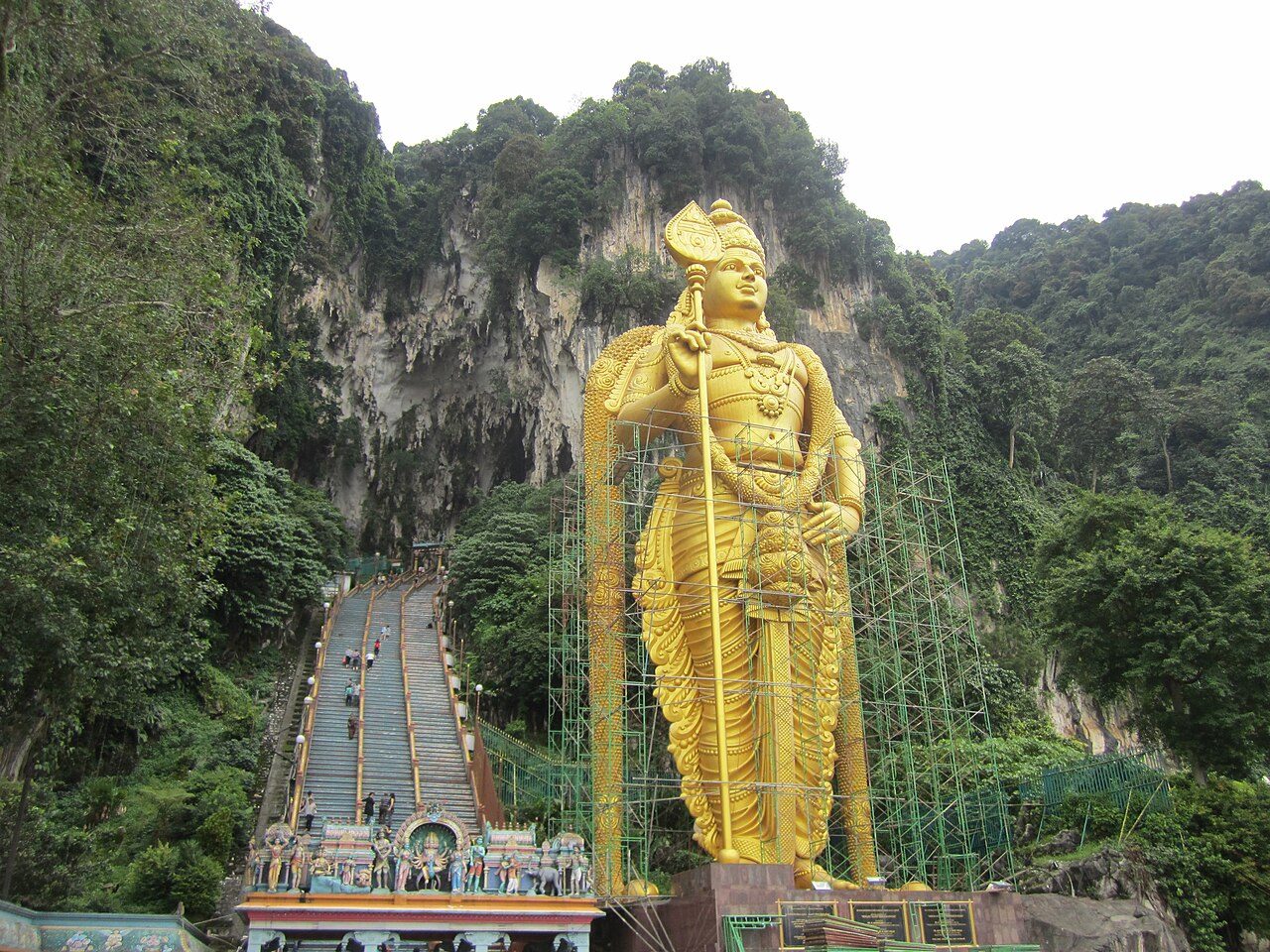
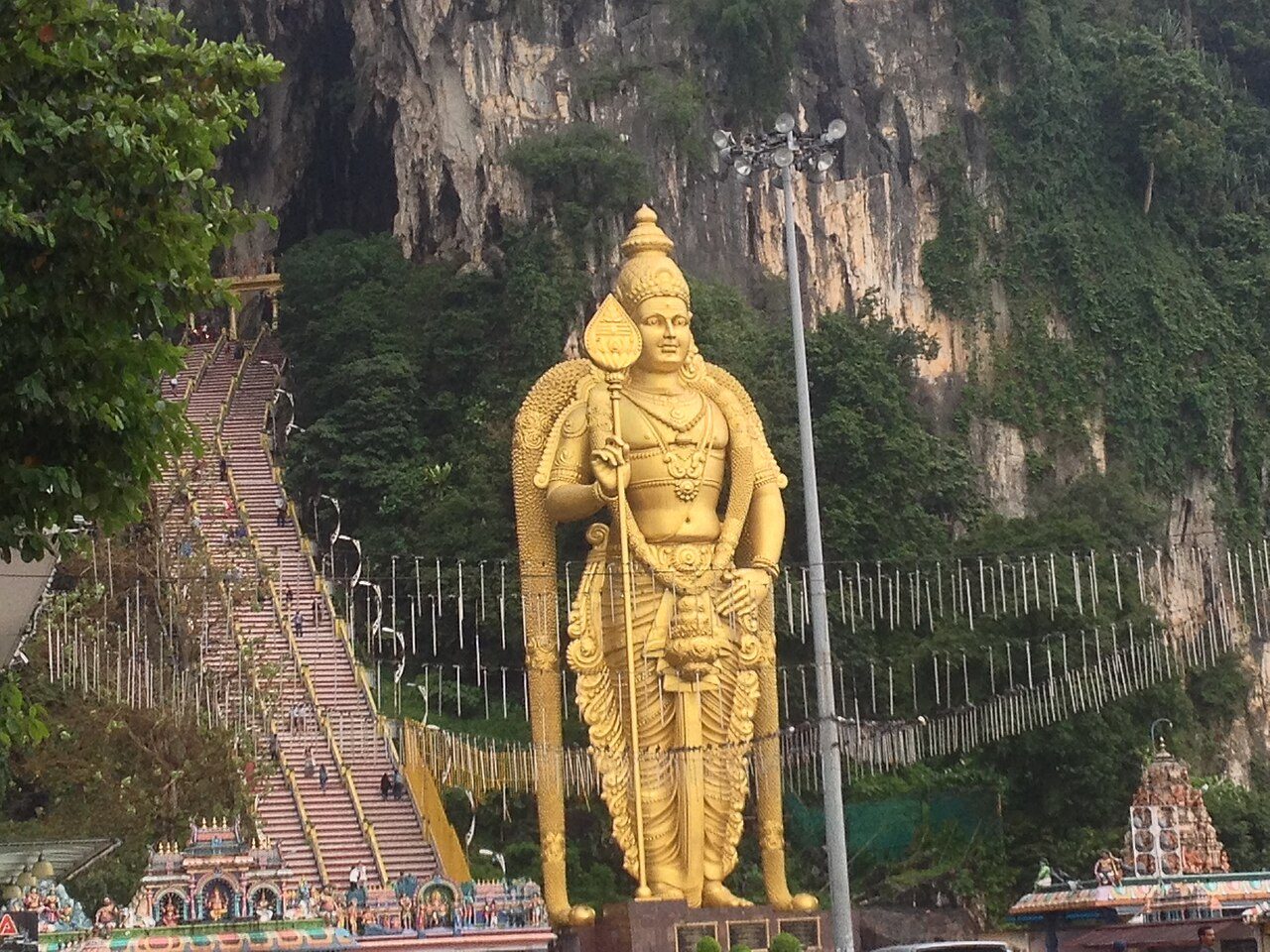
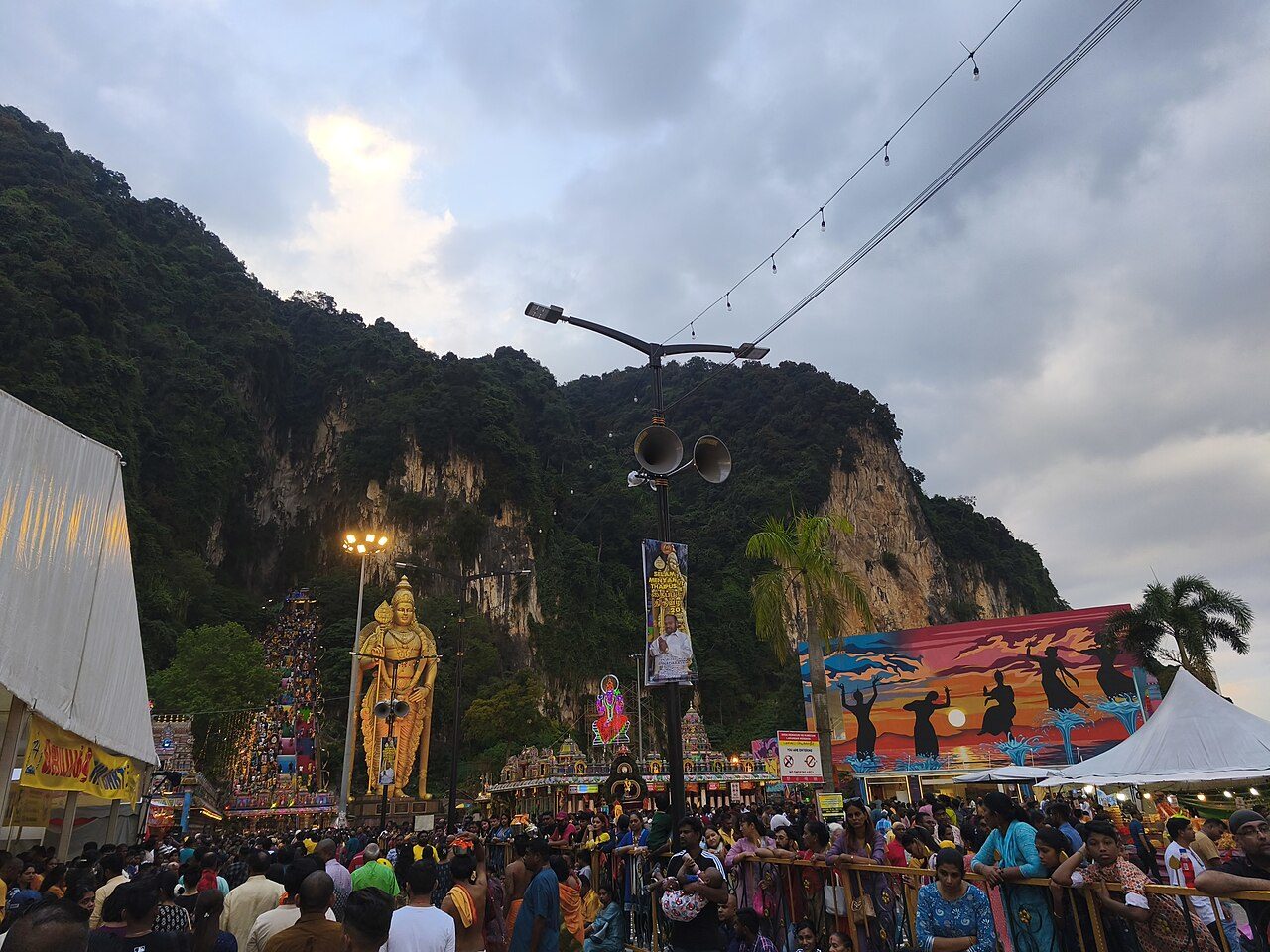
Batu Caves is a limestone hill north of Kuala Lumpur with a series of caves and Hindu shrines. A golden statue of Lord Murugan, about 43 metres tall, stands at the foot of a stairway of 272 colourful steps. The steps lead up to the Temple Cave, a huge cavern with shrines lit by openings in the roof. Each year the Thaipusam festival brings hundreds of thousands of pilgrims.
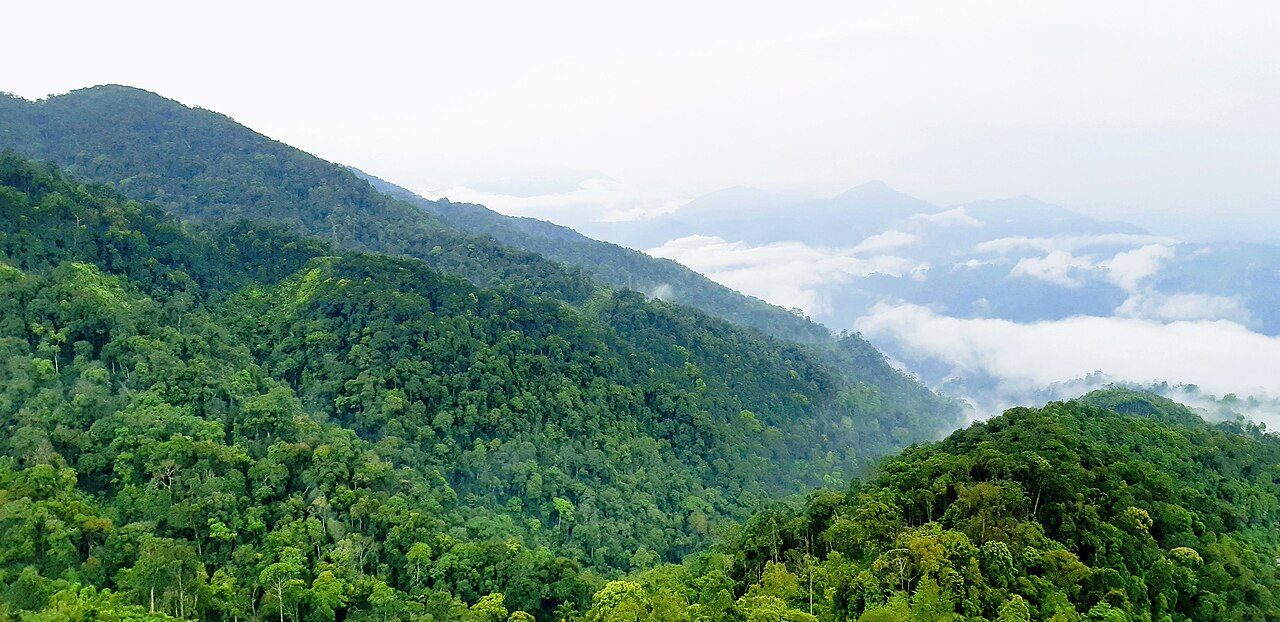
Genting Highlands is a hill resort in the Titiwangsa Mountains, about 2,000 metres above sea level and an hour from Kuala Lumpur. It was developed from the 1960s by the businessman Lim Goh Tong and has the only legal land casino in Malaysia. It has large hotels, theme parks and shopping malls. A long cable car, Awana SkyWay, rises through rainforest to the top.
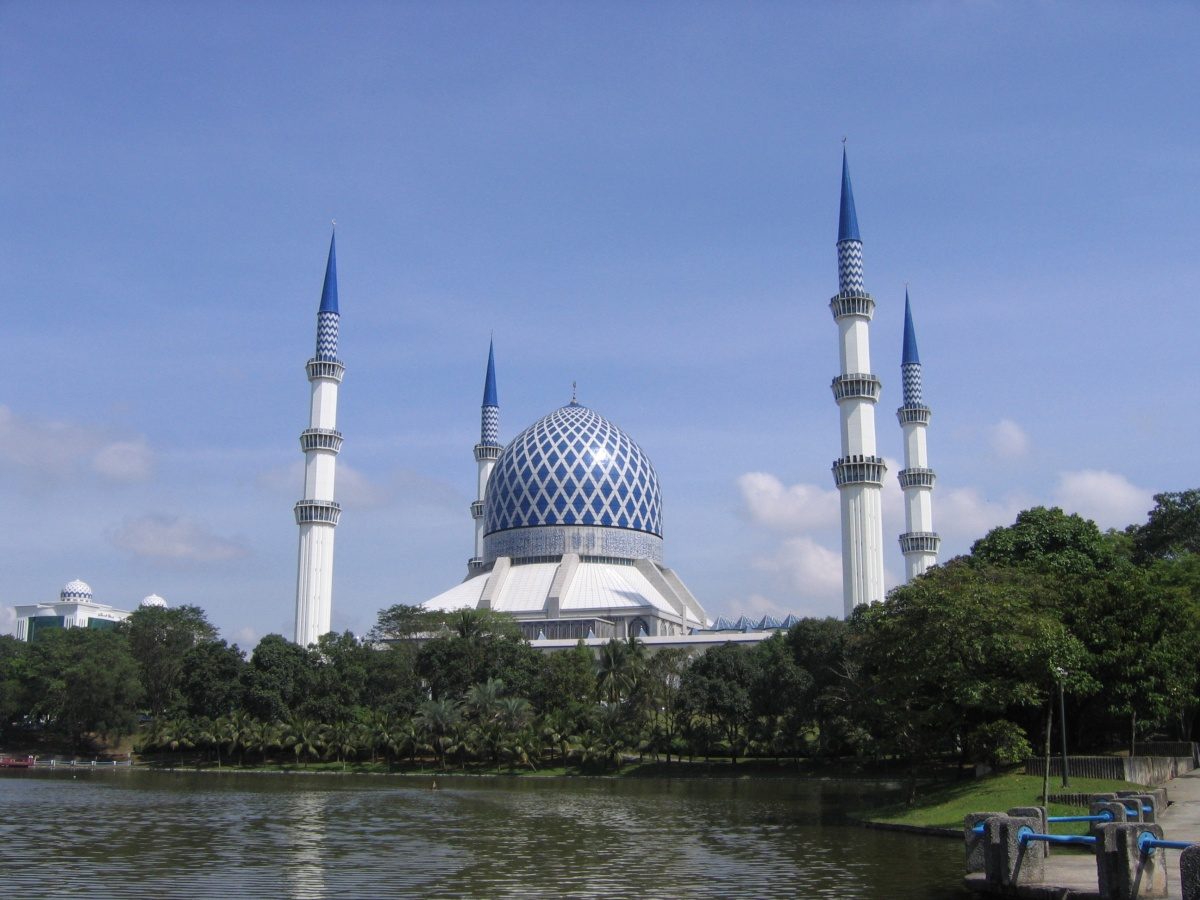
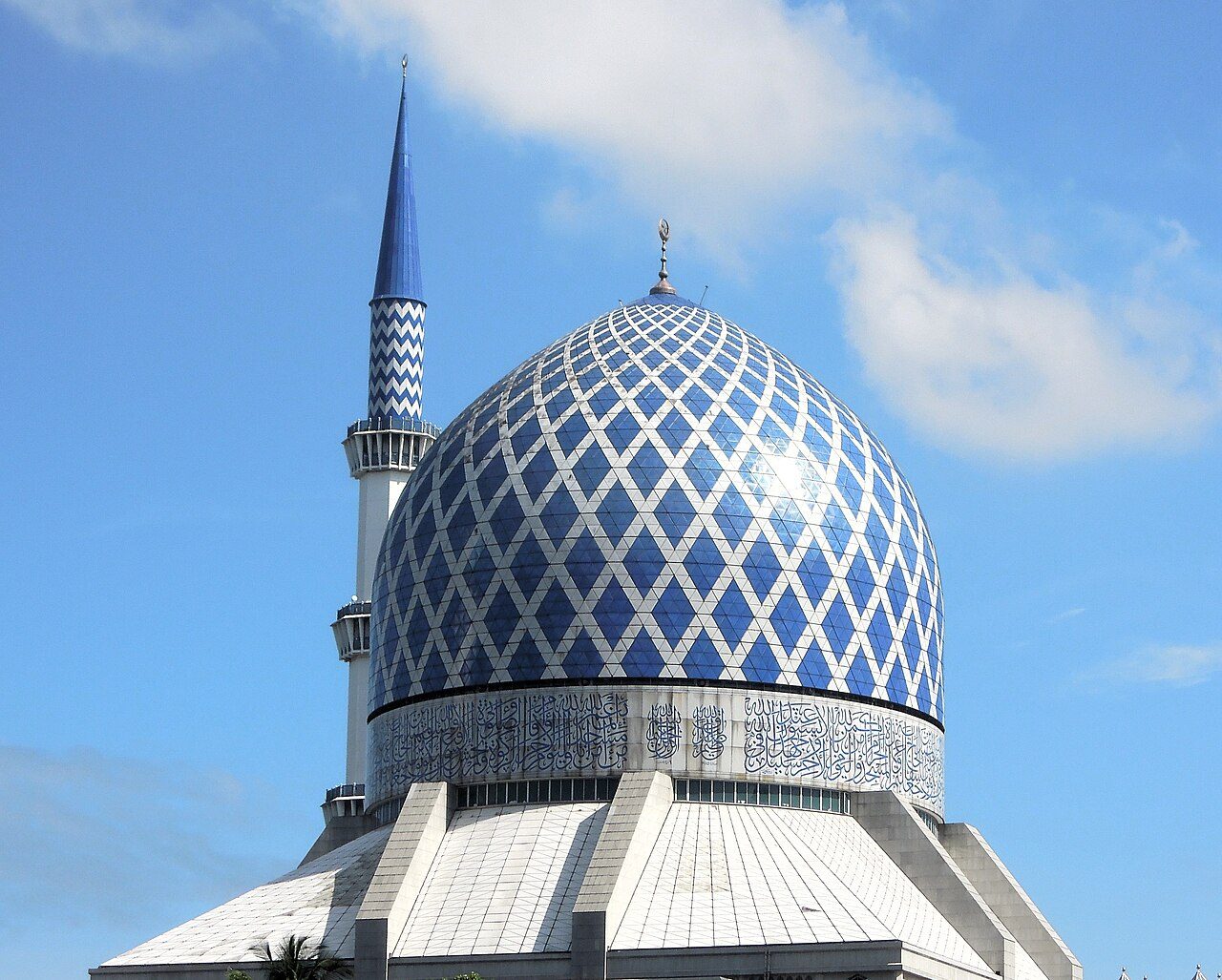
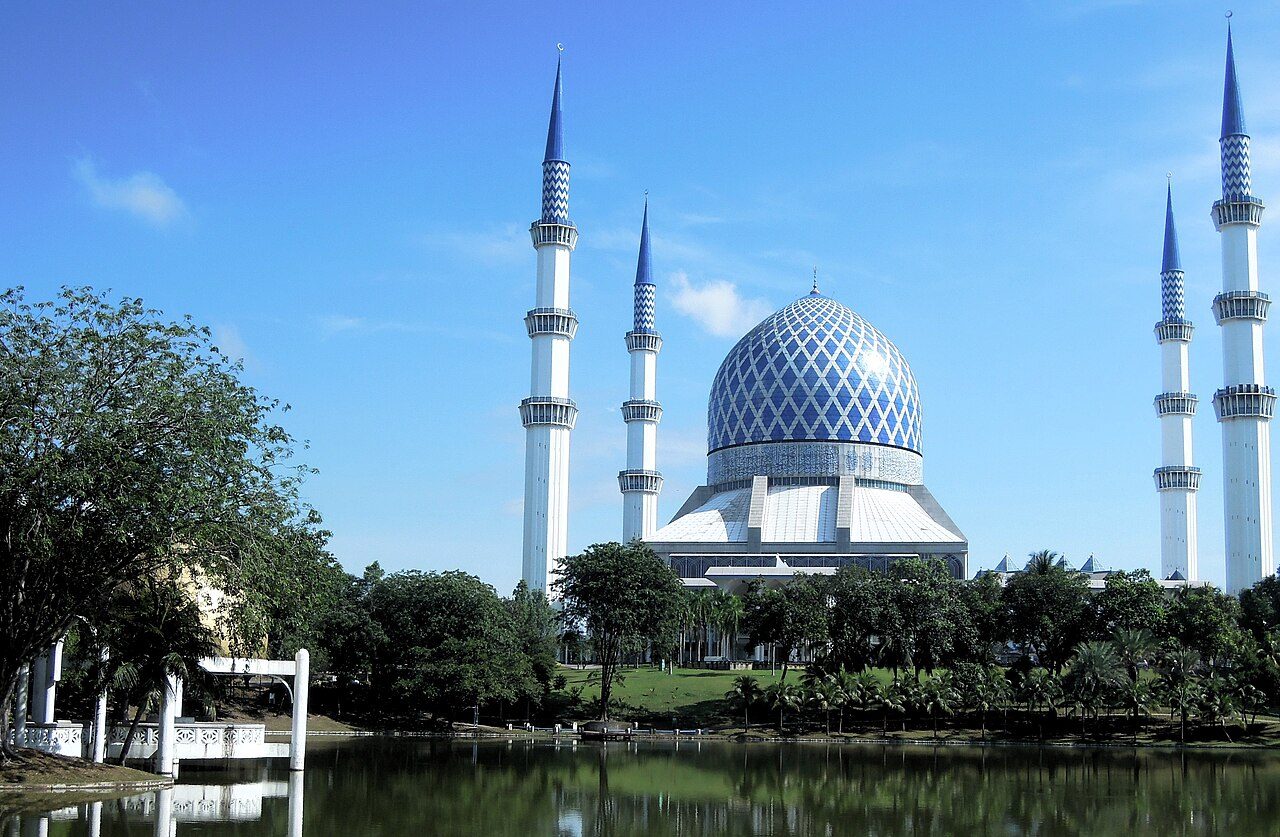
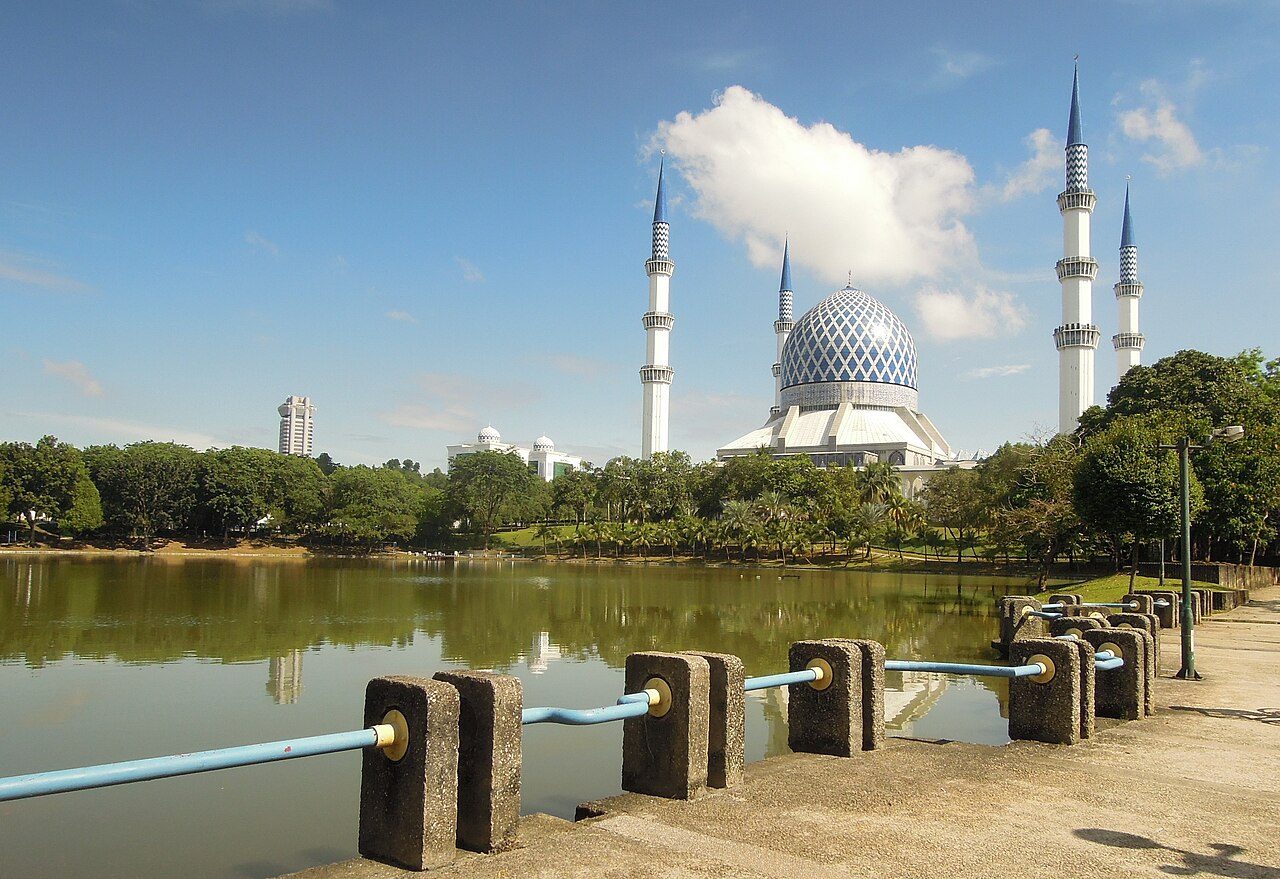
The Sultan Salahuddin Abdul Aziz Mosque in Shah Alam is the state mosque of Selangor and one of the largest mosques in Southeast Asia. Completed in 1988, it is often called the Blue Mosque for its huge blue and silver dome, one of the largest in the world. Its four minarets are each over 140 metres tall. The prayer hall can hold up to 24,000 worshippers.
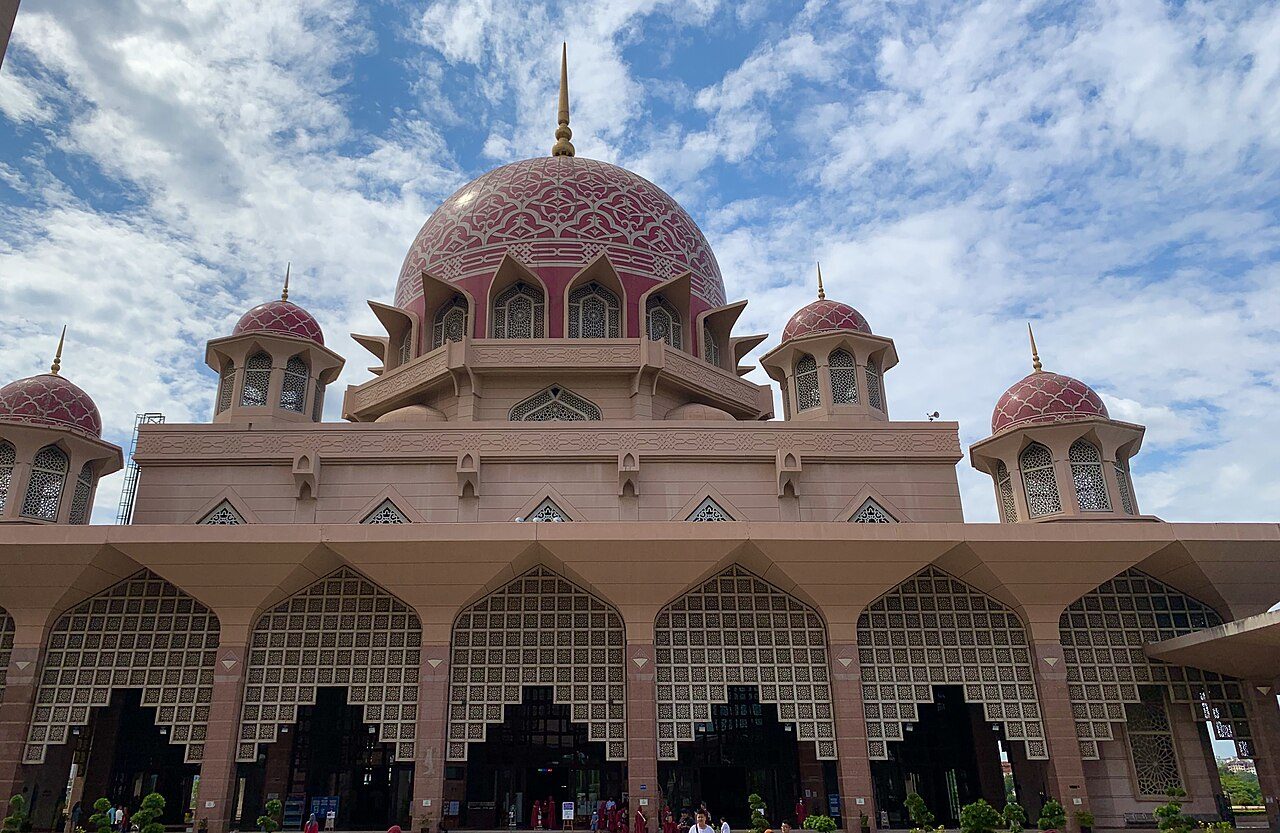
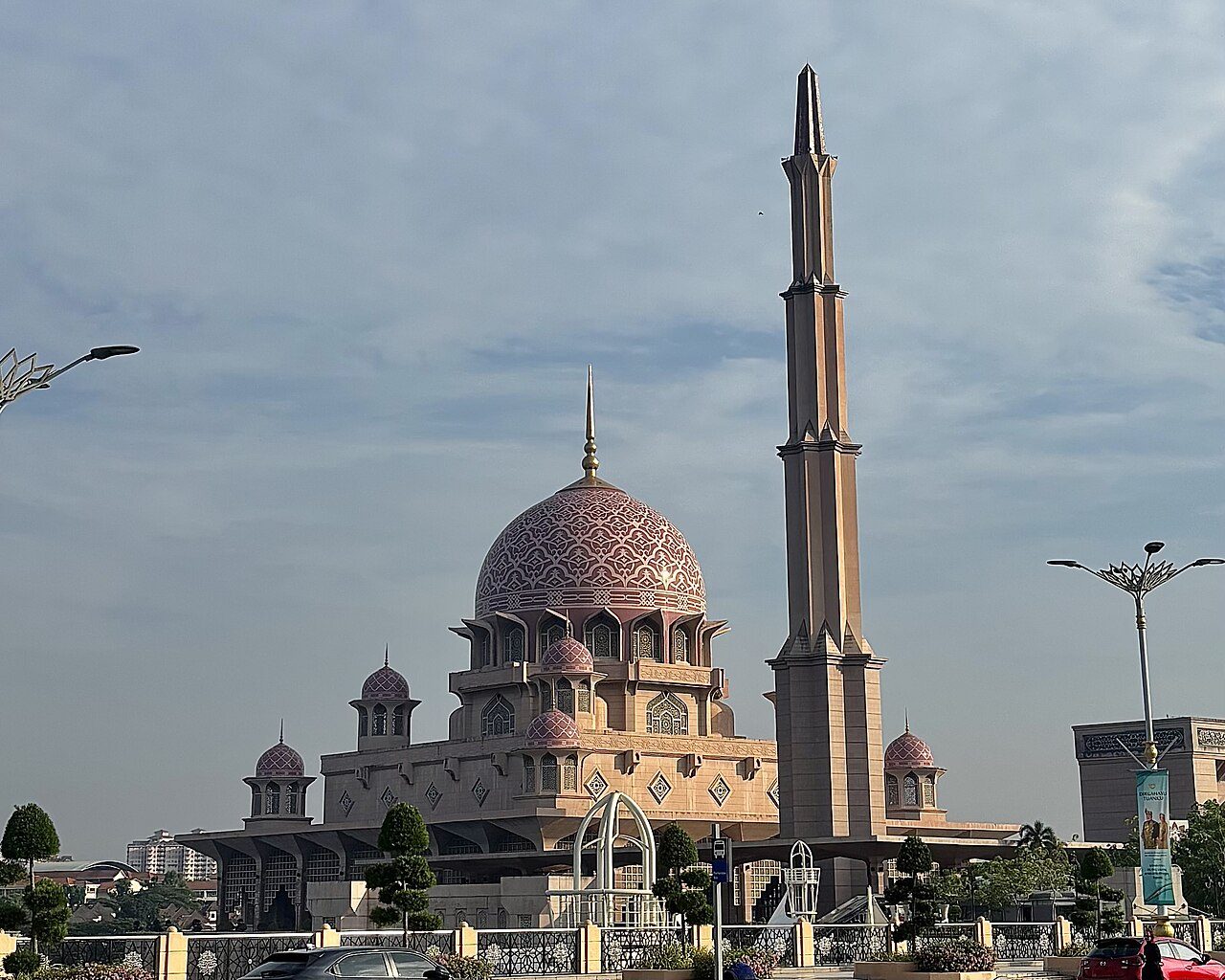
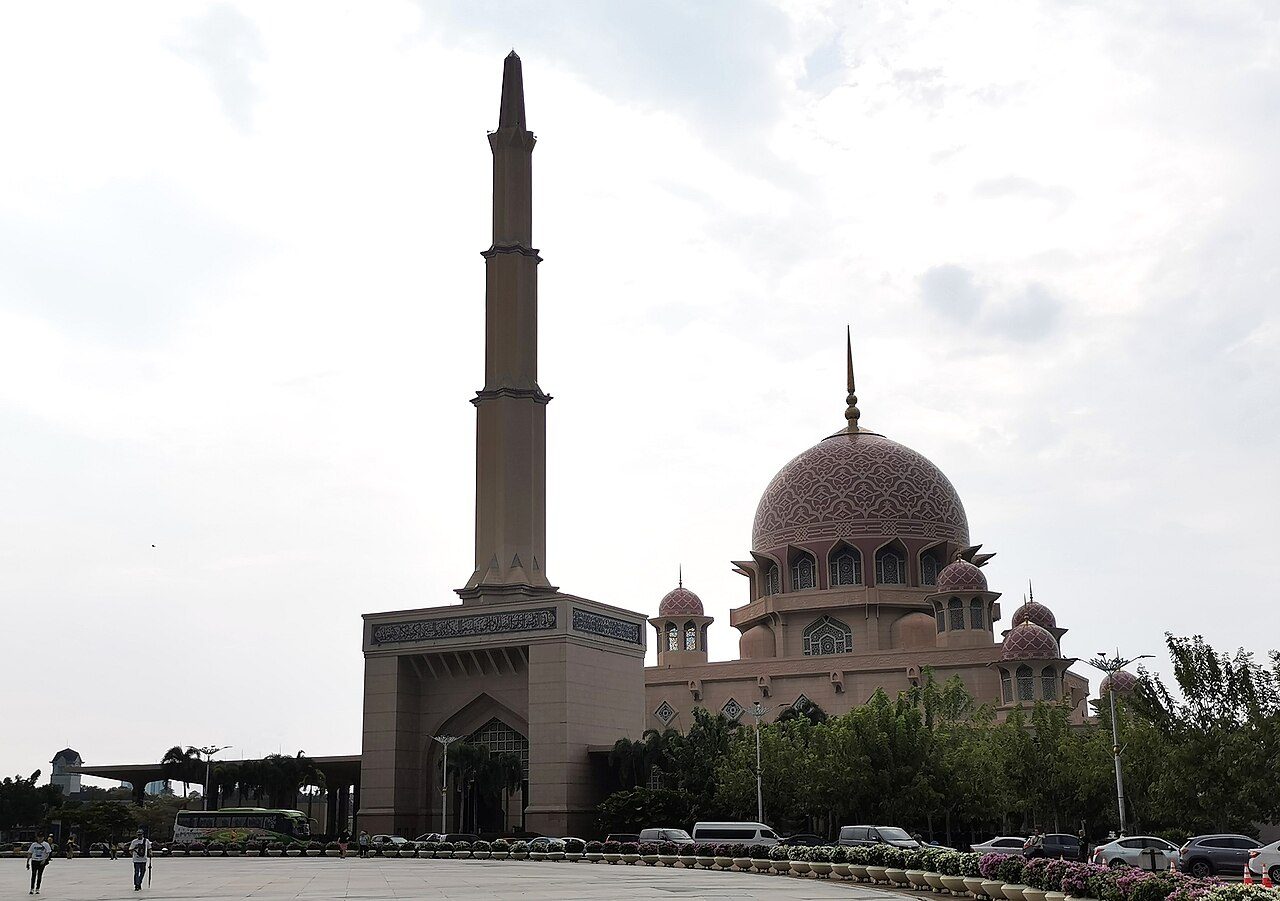
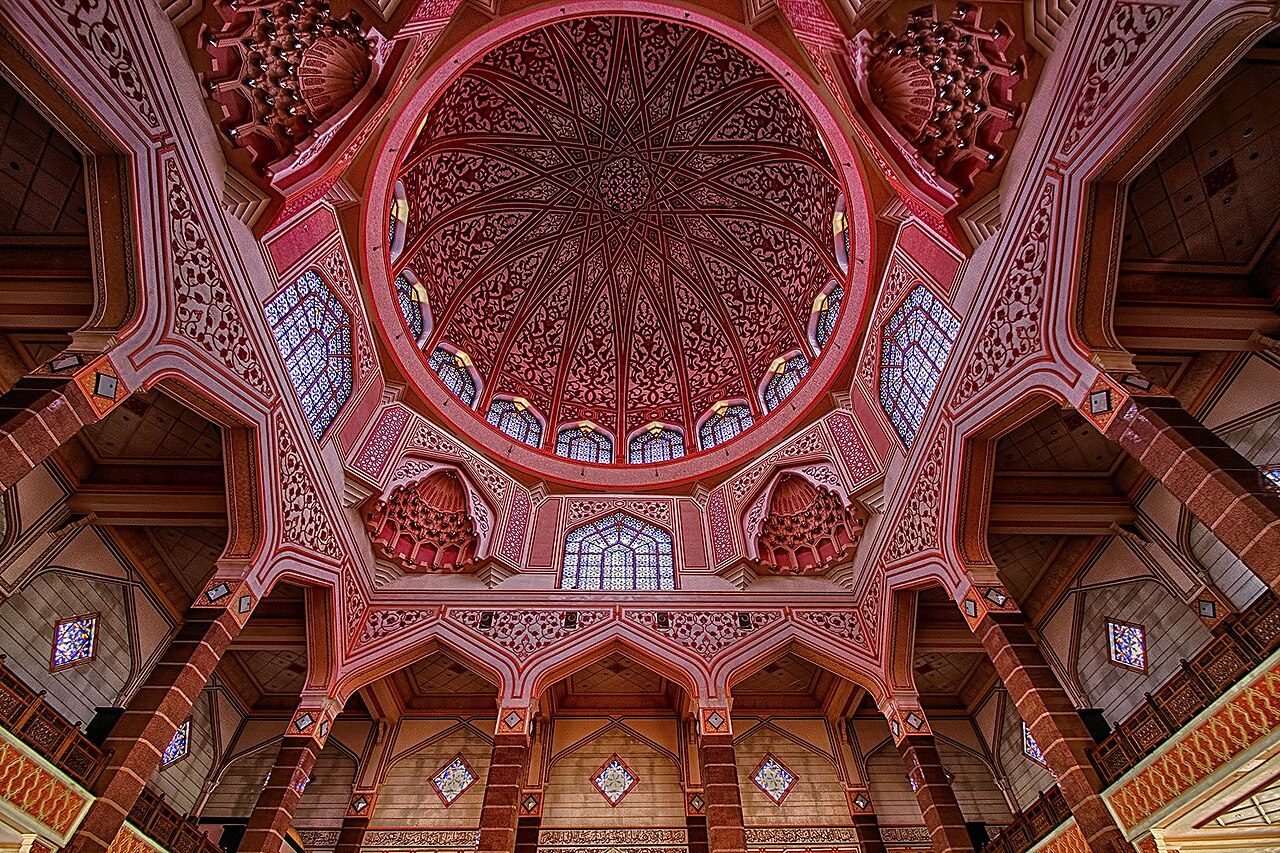
The Putra Mosque is the main mosque of Putrajaya, Malaysia's government city. Completed in 1999, it is built of rose-tinted granite and stands beside Putrajaya Lake. Its design draws on Persian, Malay and Arab styles. The minaret, about 116 metres high, is modelled on the Sheikh Omar Mosque in Baghdad. Visitors can enter outside prayer times wearing robes provided.
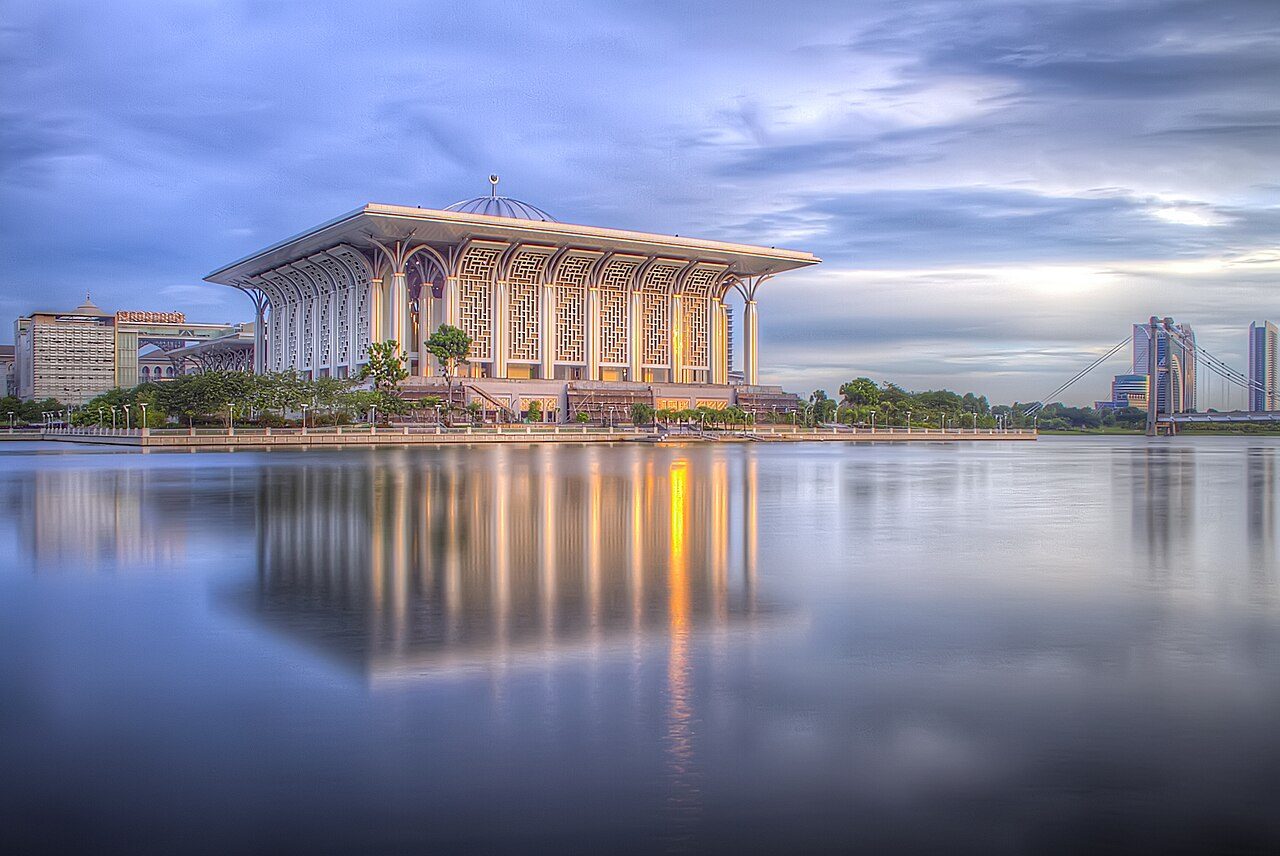
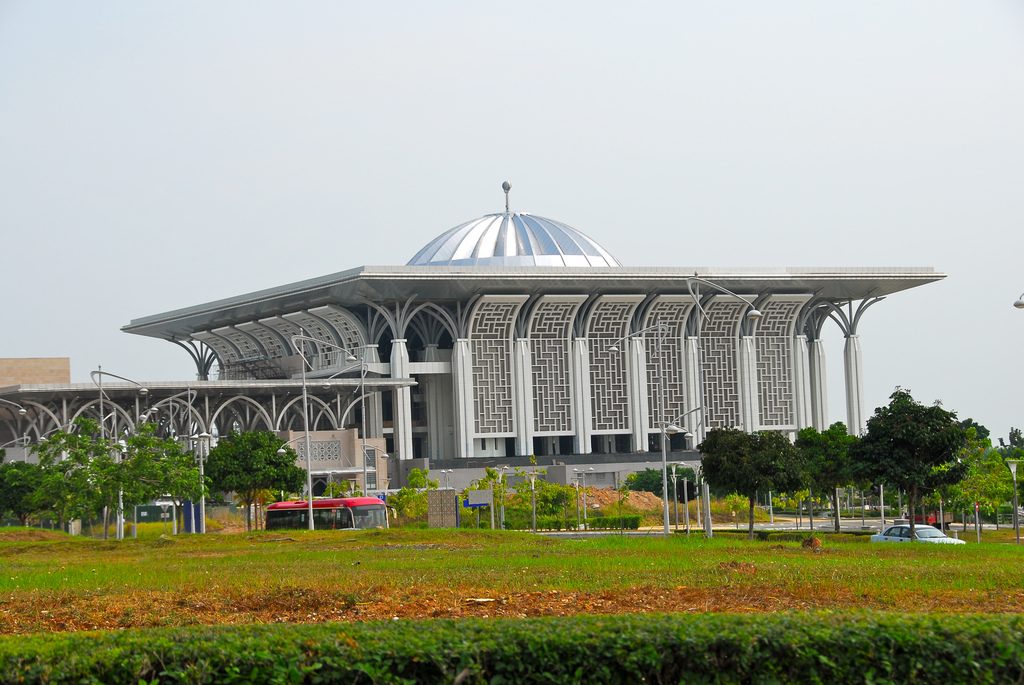
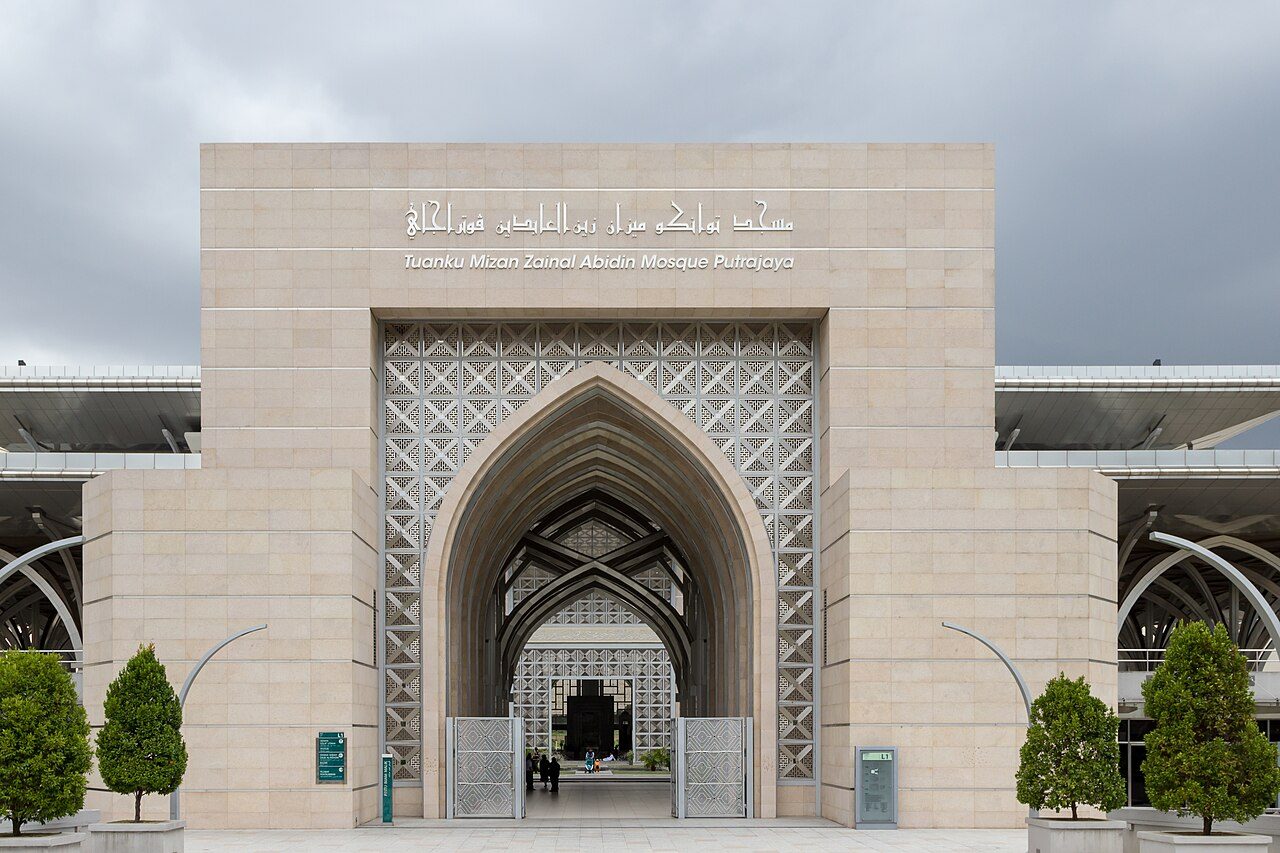
The Tuanku Mizan Zainal Abidin Mosque, often called the Iron Mosque, is the second main mosque of Putrajaya, opened in 2010. About 70 percent of it is made of steel. Its walls are a fine steel mesh, designed to let in light and breeze, and the mihrab is a glass panel engraved with Quranic verses. The mosque stands by a lake and can hold about 24,000 people.
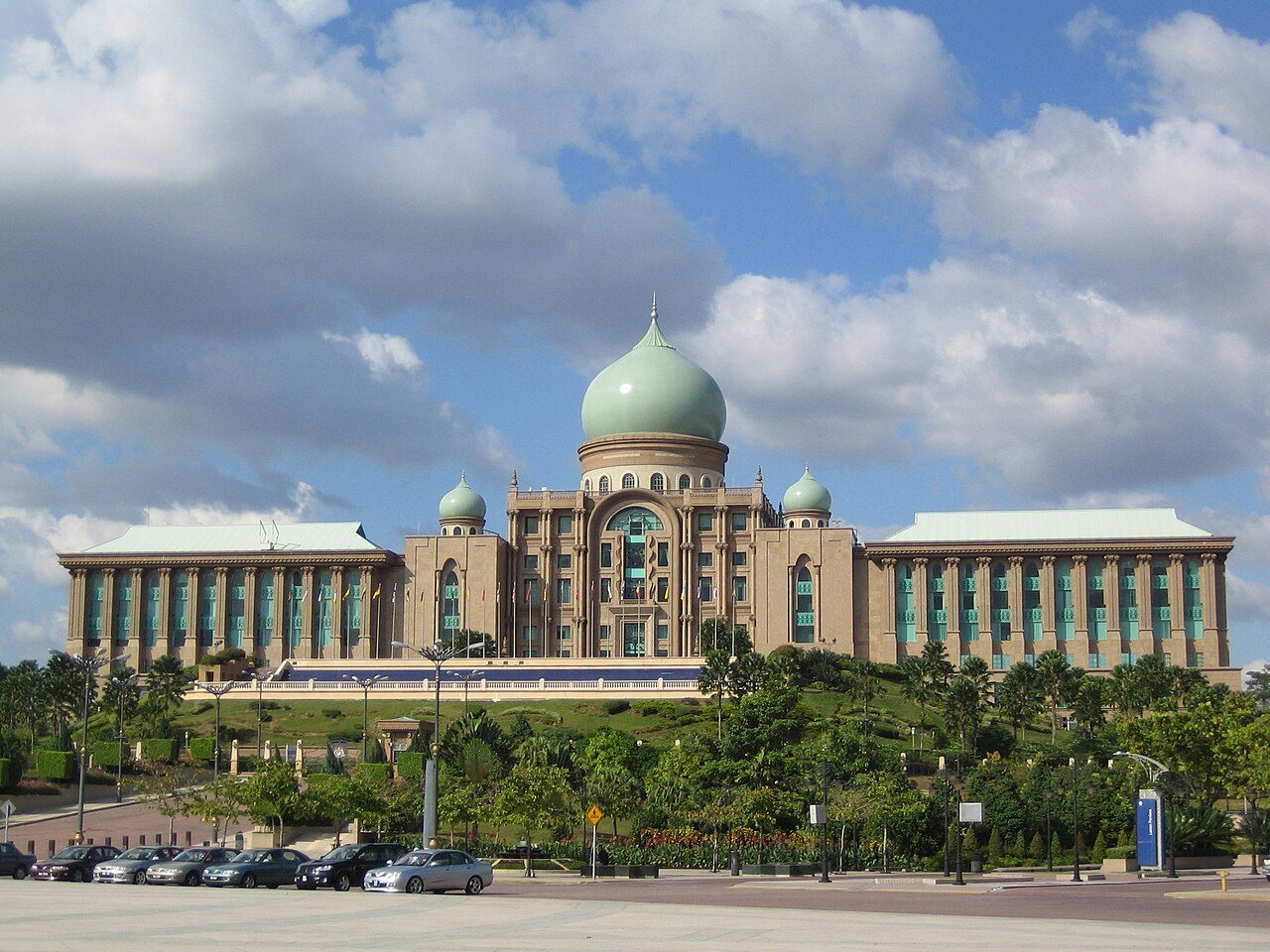
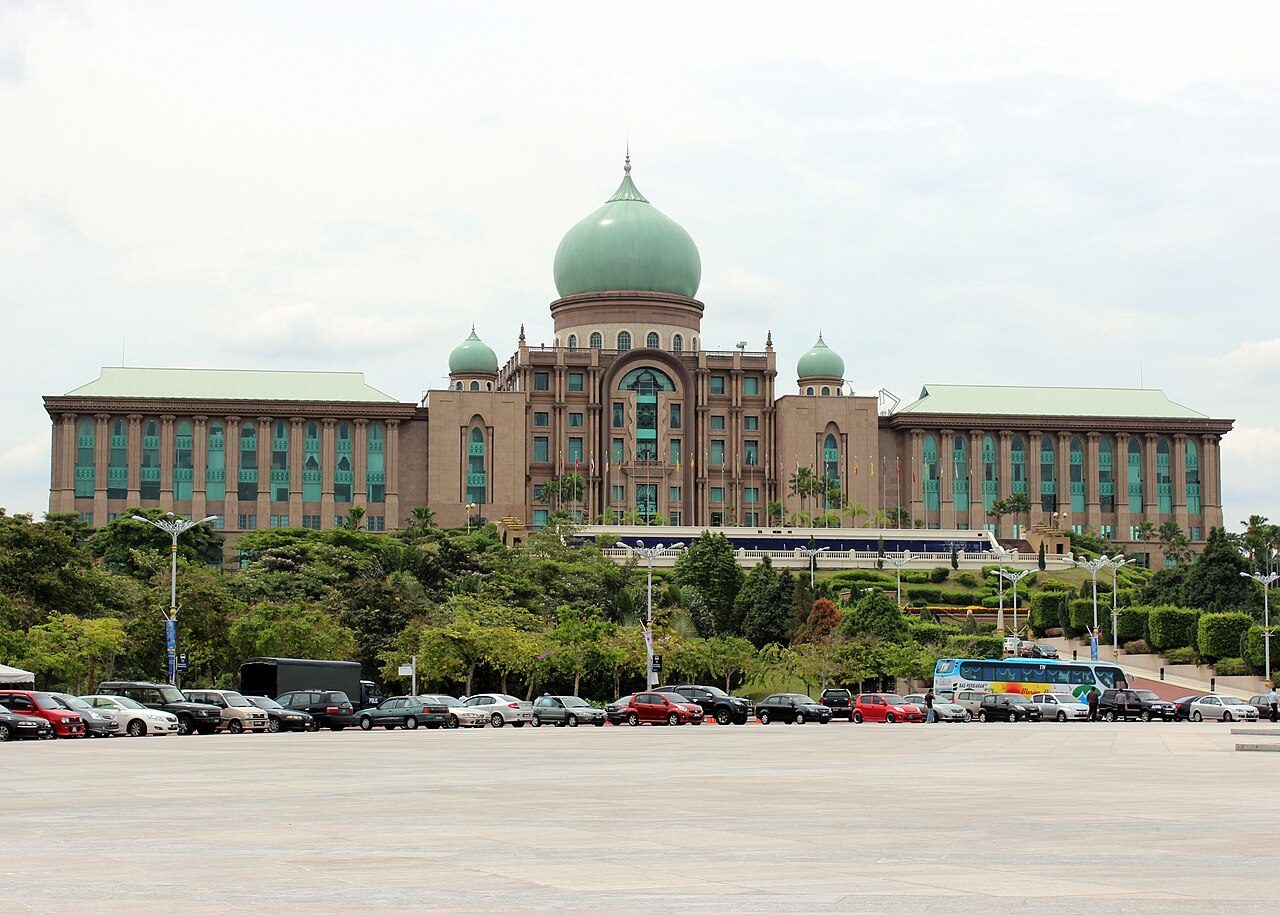
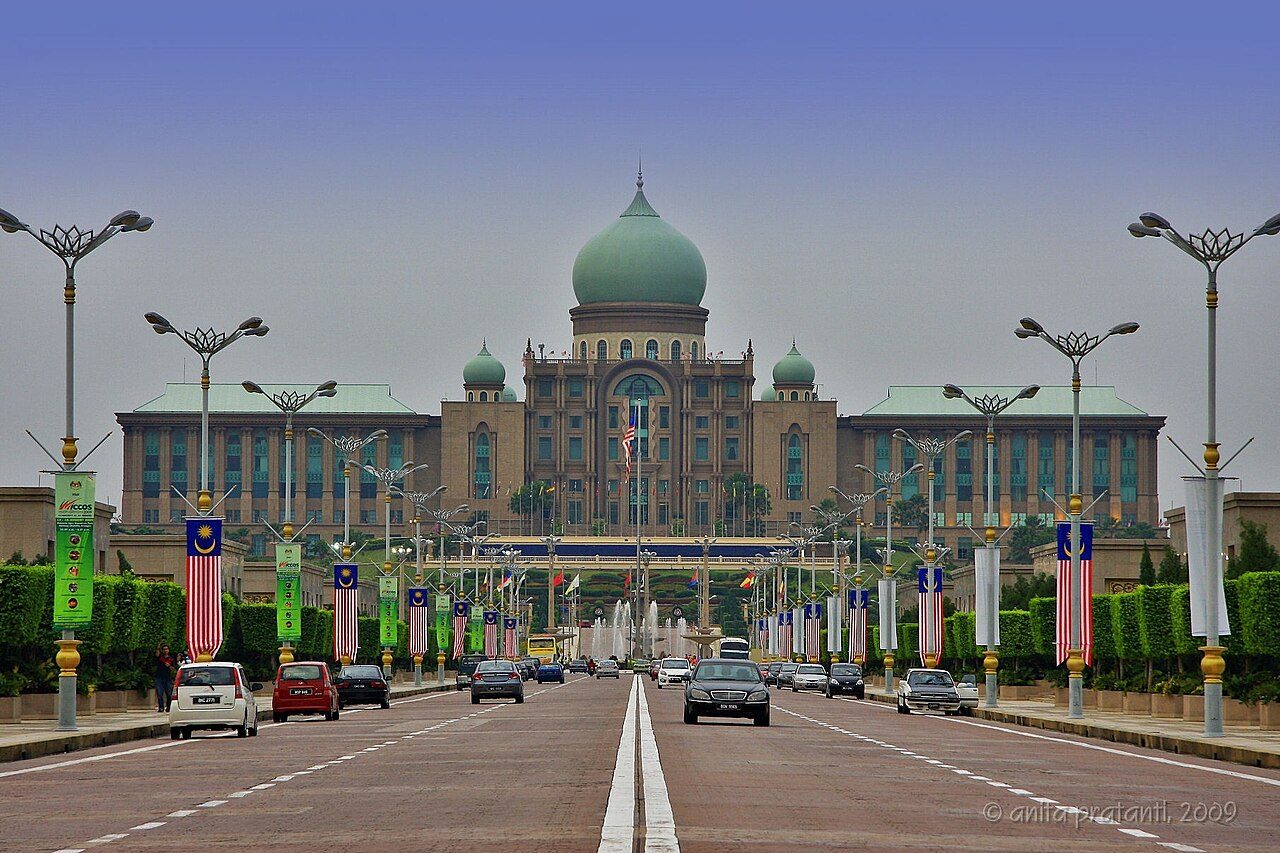
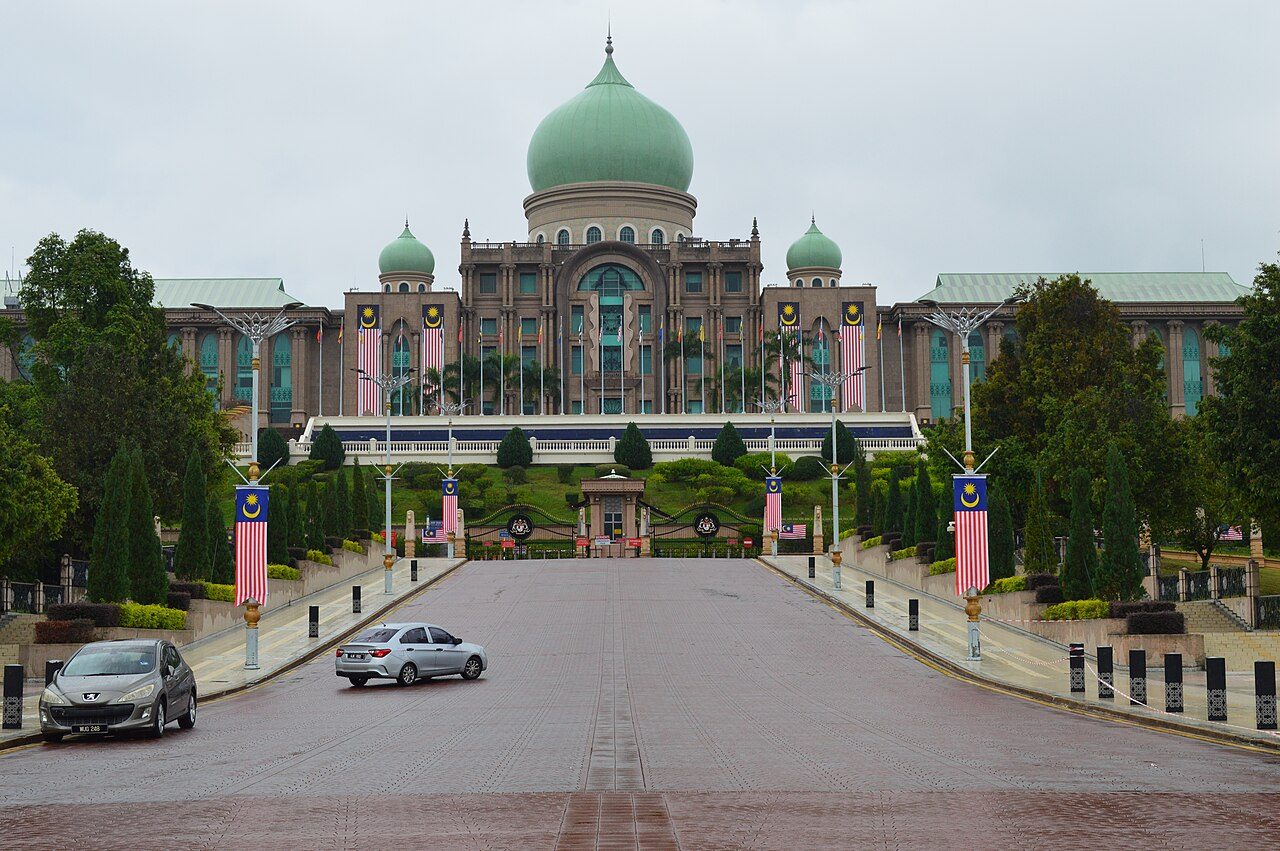
Perdana Putra is the office of the Prime Minister of Malaysia in Putrajaya, completed in 1999. It stands on a hill at the head of the city's main boulevard. The building mixes Malay, Islamic and European styles, with a large green onion dome in the middle. Its gardens and the square in front look out over Putrajaya Lake and the city.
Heavy rain: Apr, Oct – Dec
Seasons from 20 years of NASA POWER climate data.
Was this trip blog helpful?
0
0
Ready to follow this route?
Copy all 16 stops into your trip plans in the app.
 WaTrips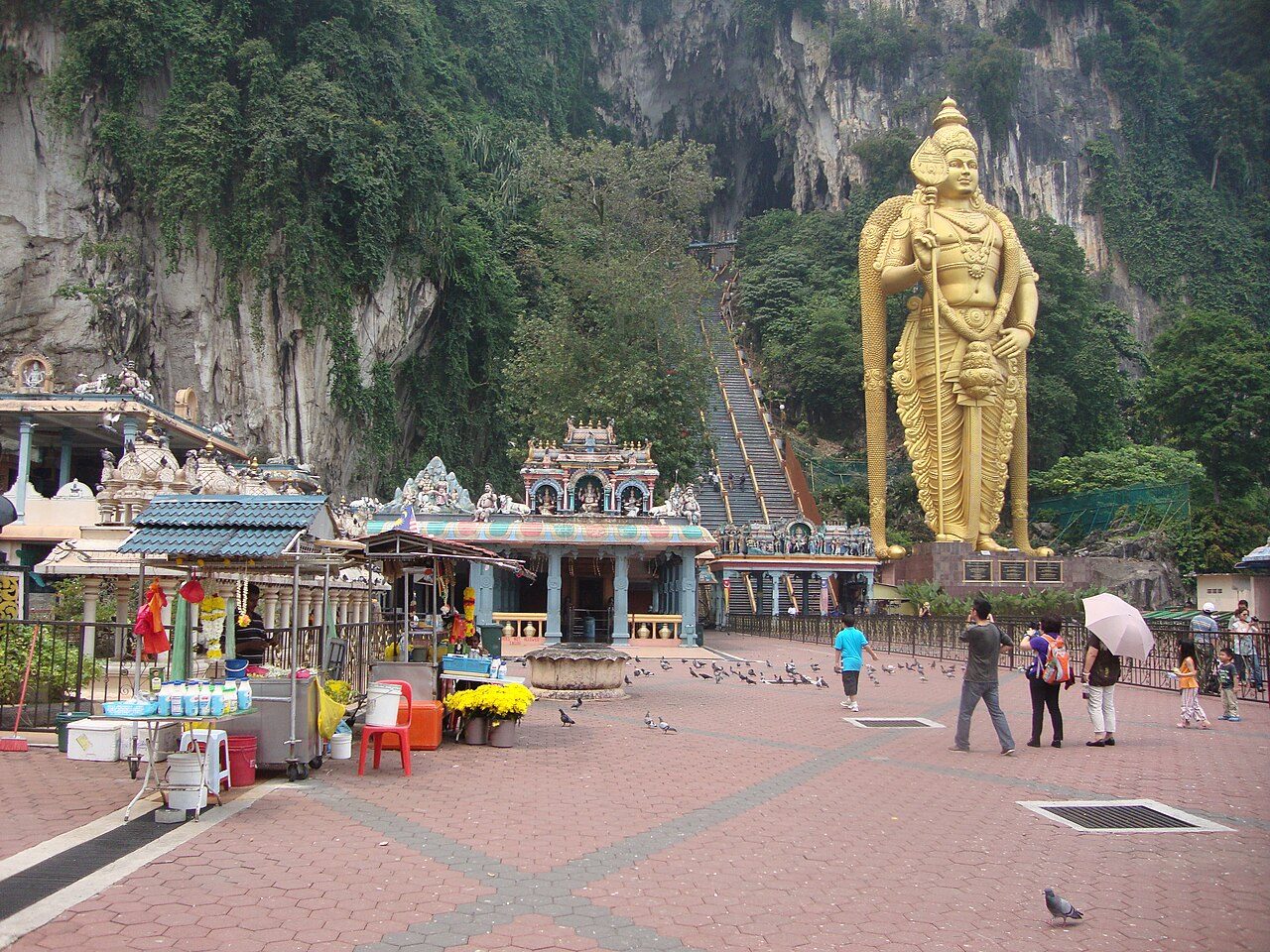





 BikesBooking
 Localrent
 Airalo
 Tiqets