Malaysia in 10 Days: Kuala Lumpur, Melaka, the Highlands, Penang and Langkawi
10 DAYS37 placesby WaTrips
KL and Batu Caves, Putrajaya, Melaka, the Cameron Highlands, Ipoh, Penang and Langkawi.
Malaysia mixes Malay, Chinese and Indian culture in a small, easy country with great food. Start in Kuala Lumpur under the Petronas Towers, climb the rainbow steps of Batu Caves and see Putrajaya's pink mosque. Spend two days in Melaka's Dutch-era streets, then cool off among the tea plantations of the Cameron Highlands. Stop in Ipoh's old town, explore George Town's heritage streets and hawker food in Penang, and end on Langkawi with its cable car and mangroves. The west coast is good most of the year, wettest in October and November.
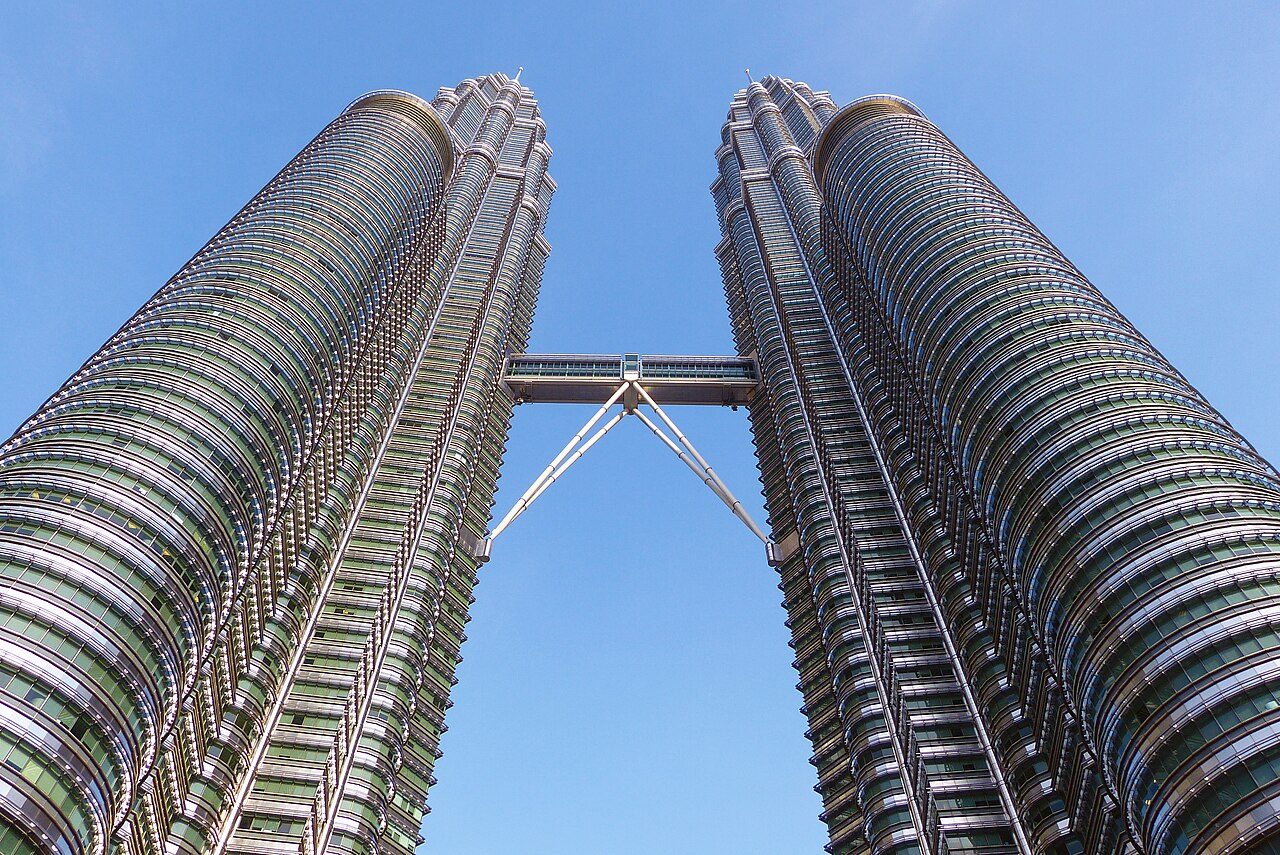
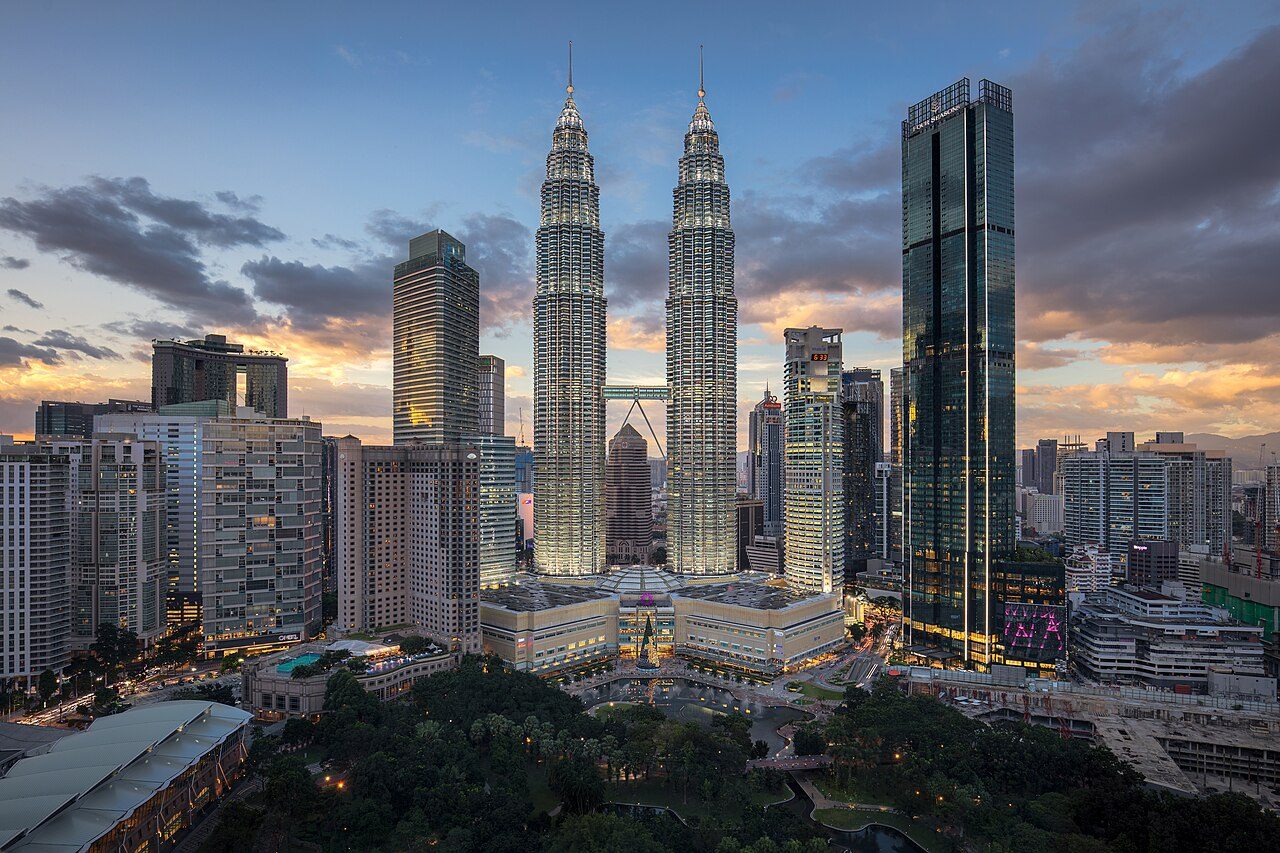
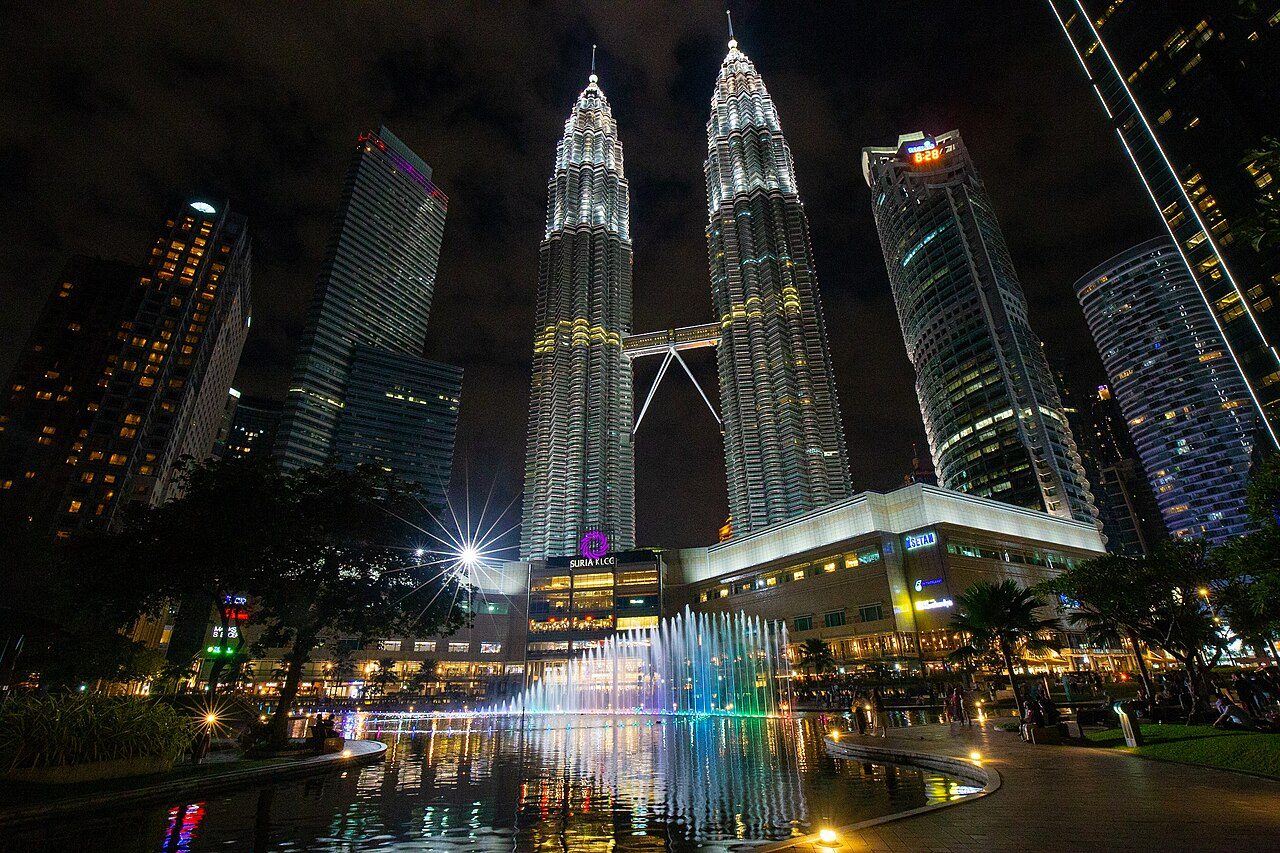
The Petronas Twin Towers in Kuala Lumpur were the tallest buildings in the world from 1998 to 2004, at about 452 metres. Designed by César Pelli, their floor plan is based on an eight-pointed Islamic star, and their steel and glass walls shine at night. A two-storey skybridge links the towers at the 41st and 42nd floors. Visitors can go up to the skybridge and an observation deck on floor 86.
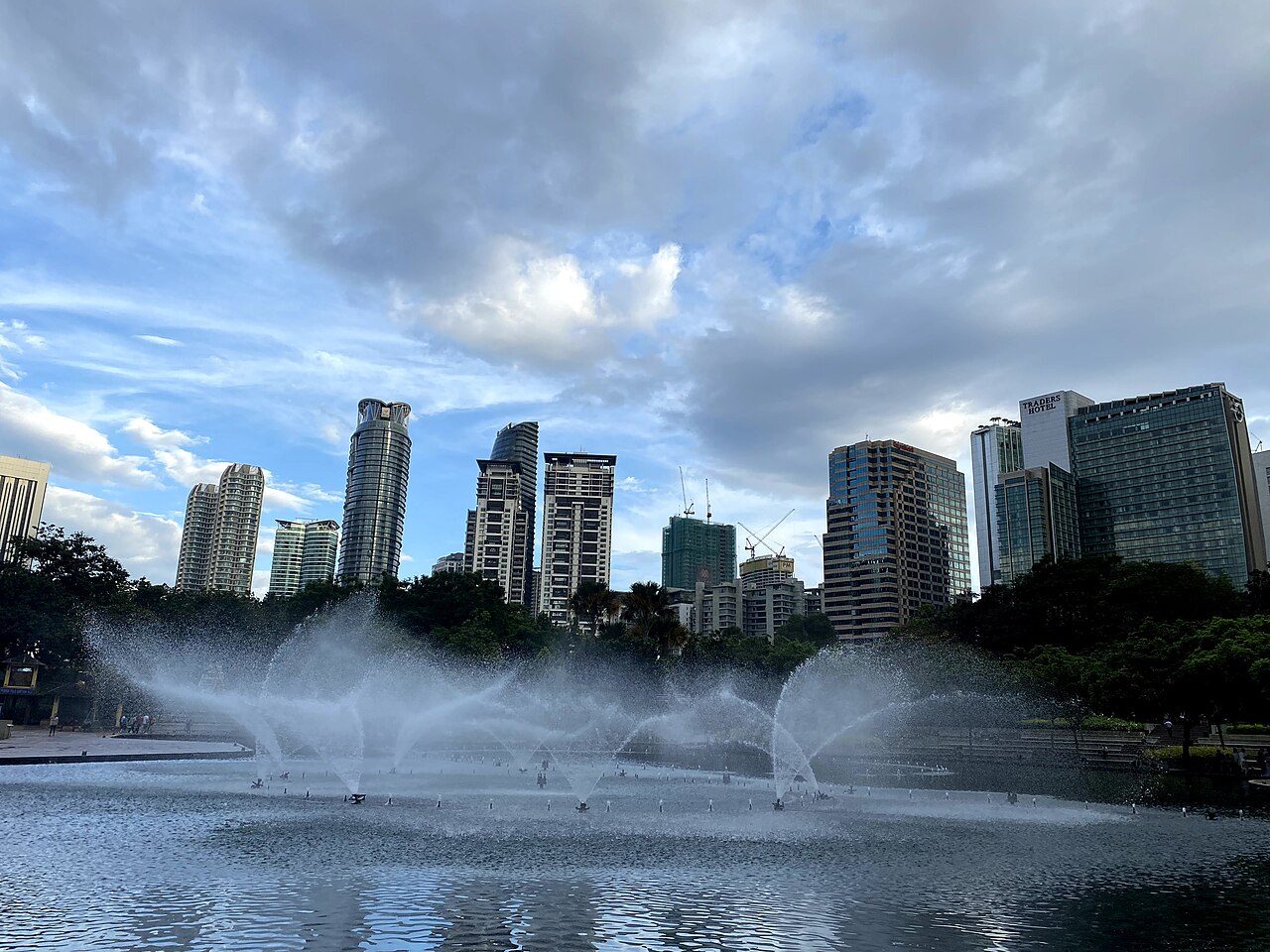
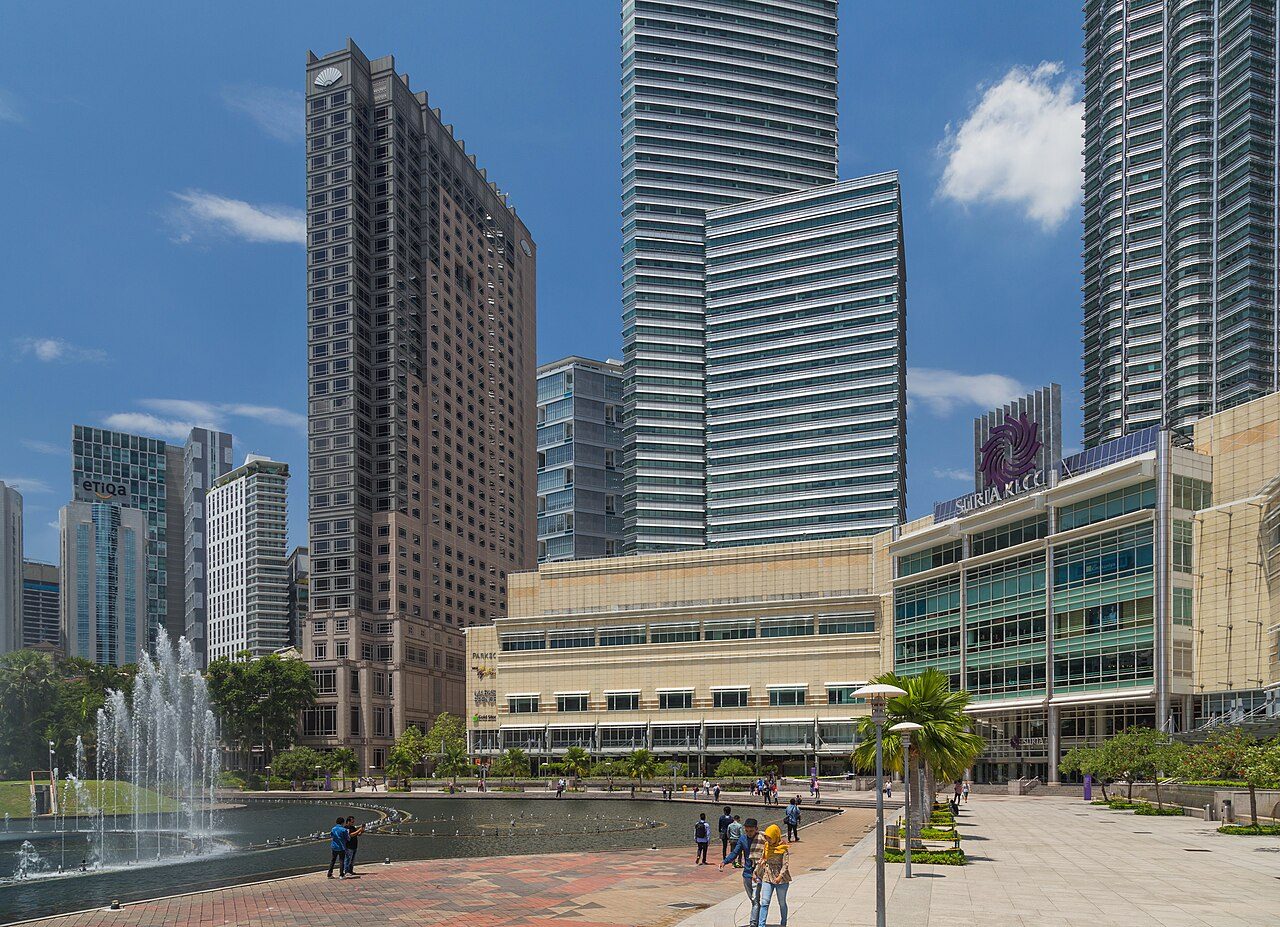
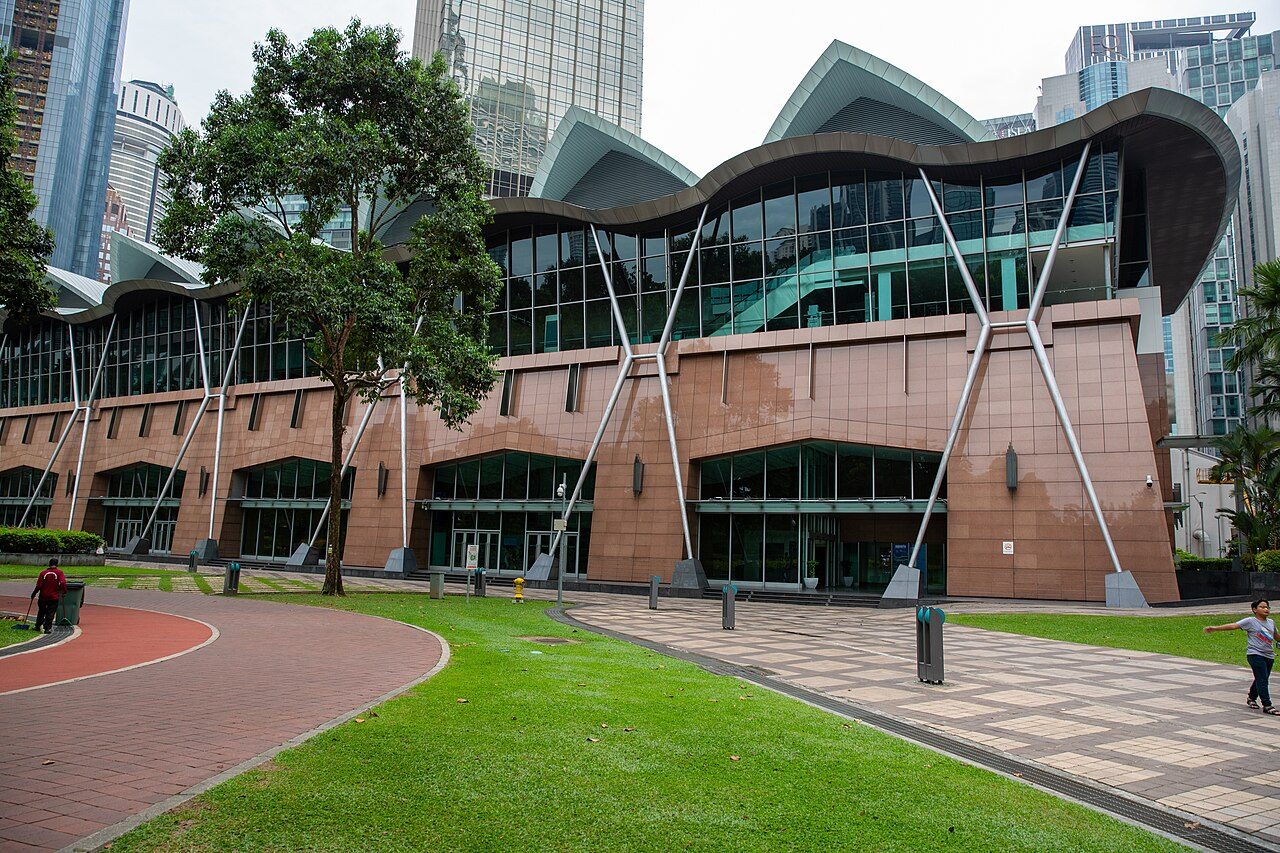
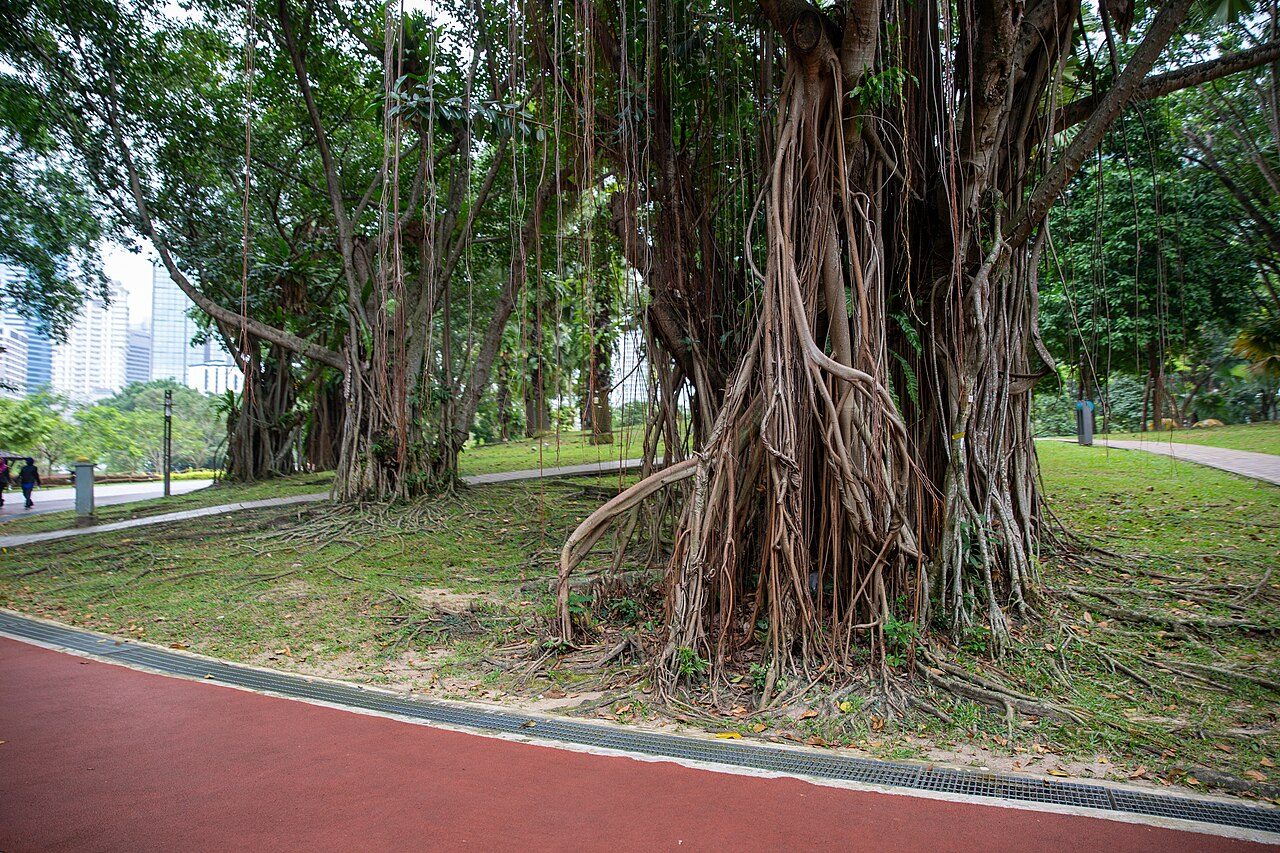
KLCC Park is a 20-hectare park at the foot of the Petronas Twin Towers, designed by the Brazilian landscape architect Roberto Burle Marx and opened in 1998. It has a lake with musical fountains that play in the evening, a jogging track, a children's play area and a wading pool. Many native trees were kept or planted. It gives the best ground-level views of the towers.
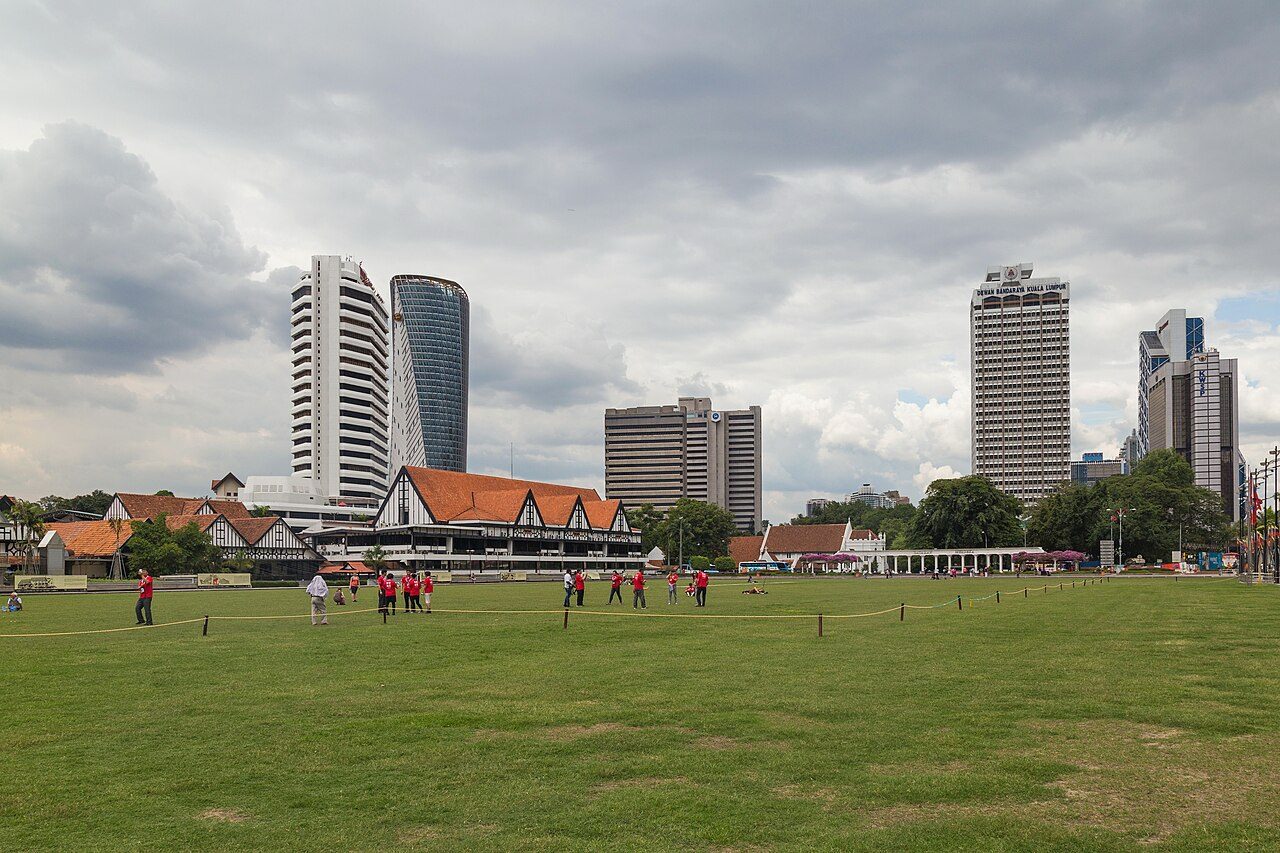
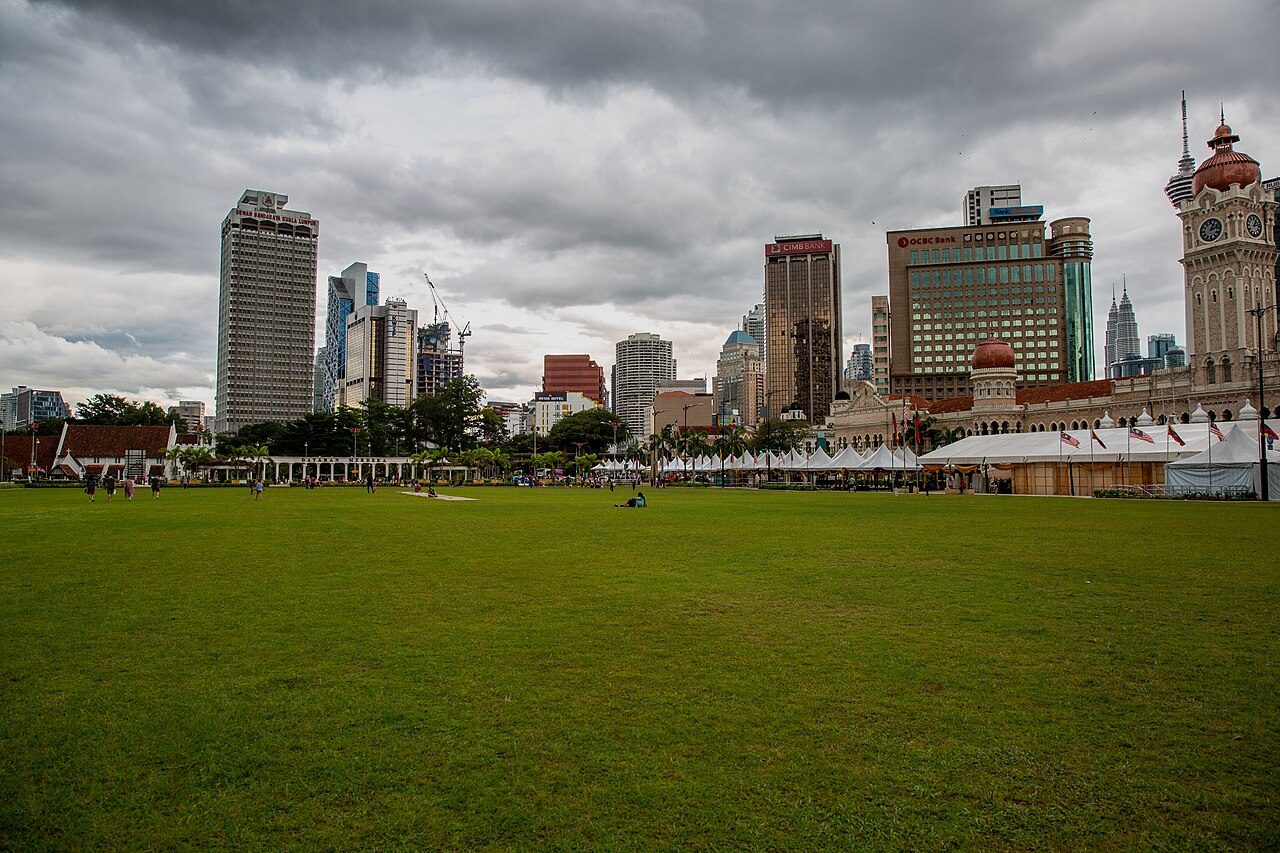
Merdeka Square is a large open field in the centre of Kuala Lumpur, once the cricket ground of the British colonial club. At midnight on 31 August 1957, the Union Jack was lowered here and the Malayan flag raised for the first time, marking independence. One of the tallest flagpoles in the world stands at its south end. National Day parades are held here each year.
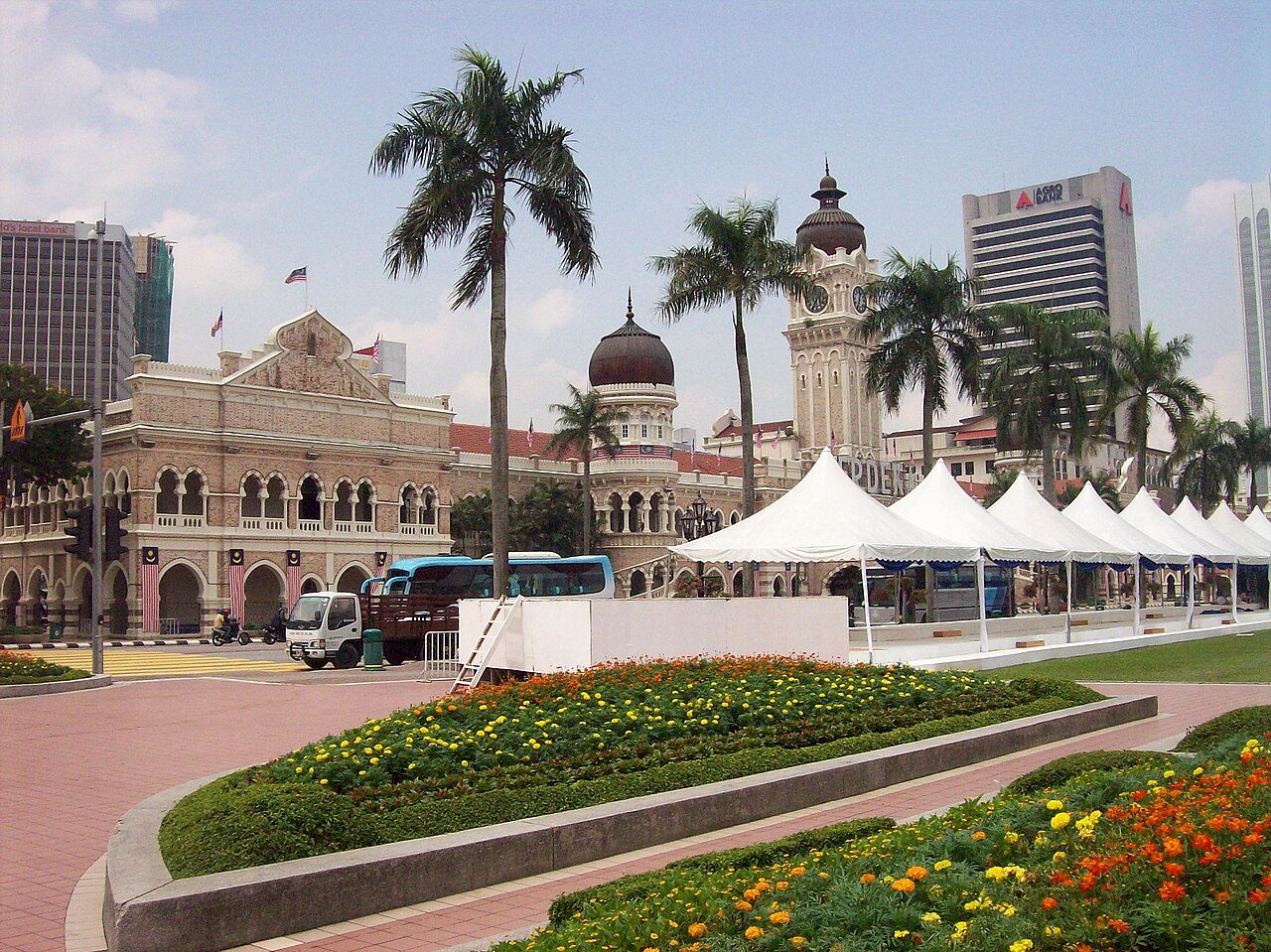
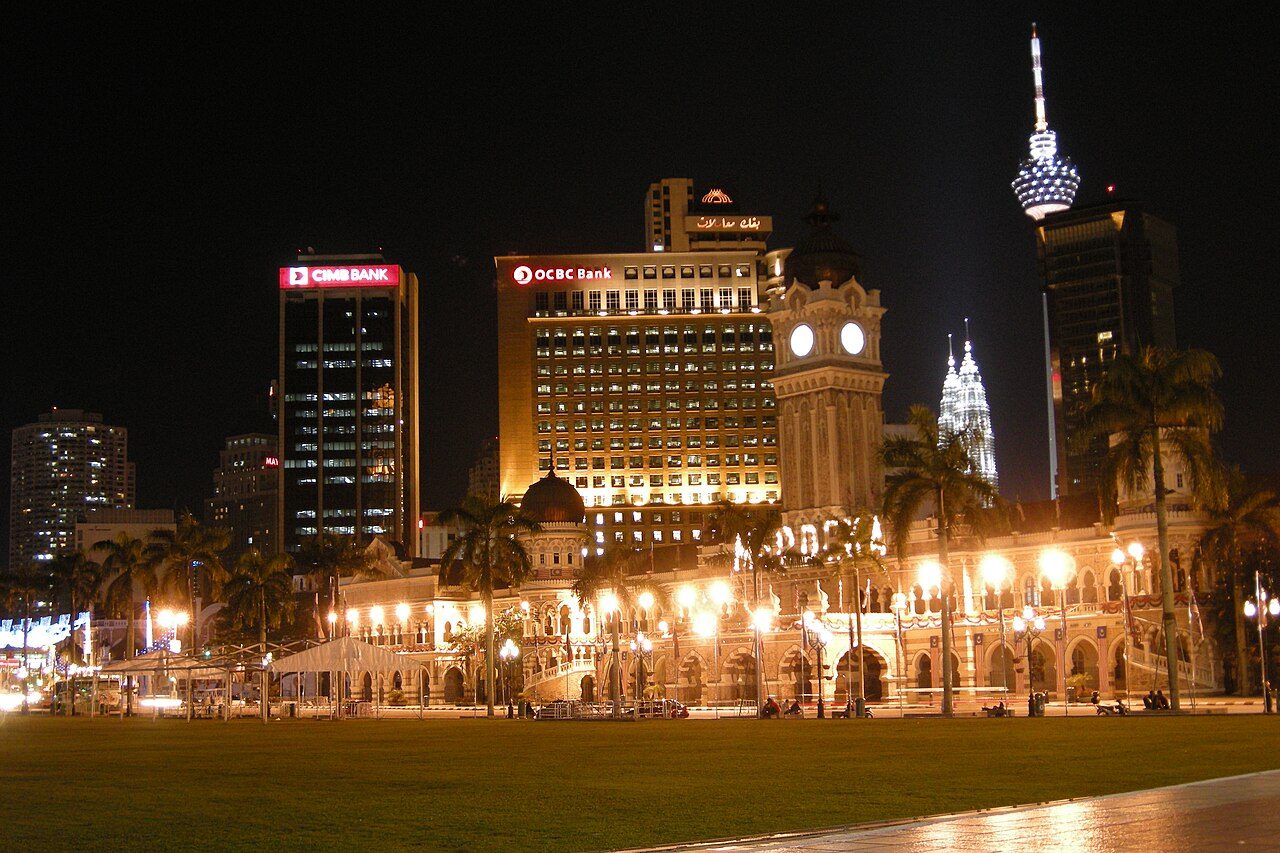
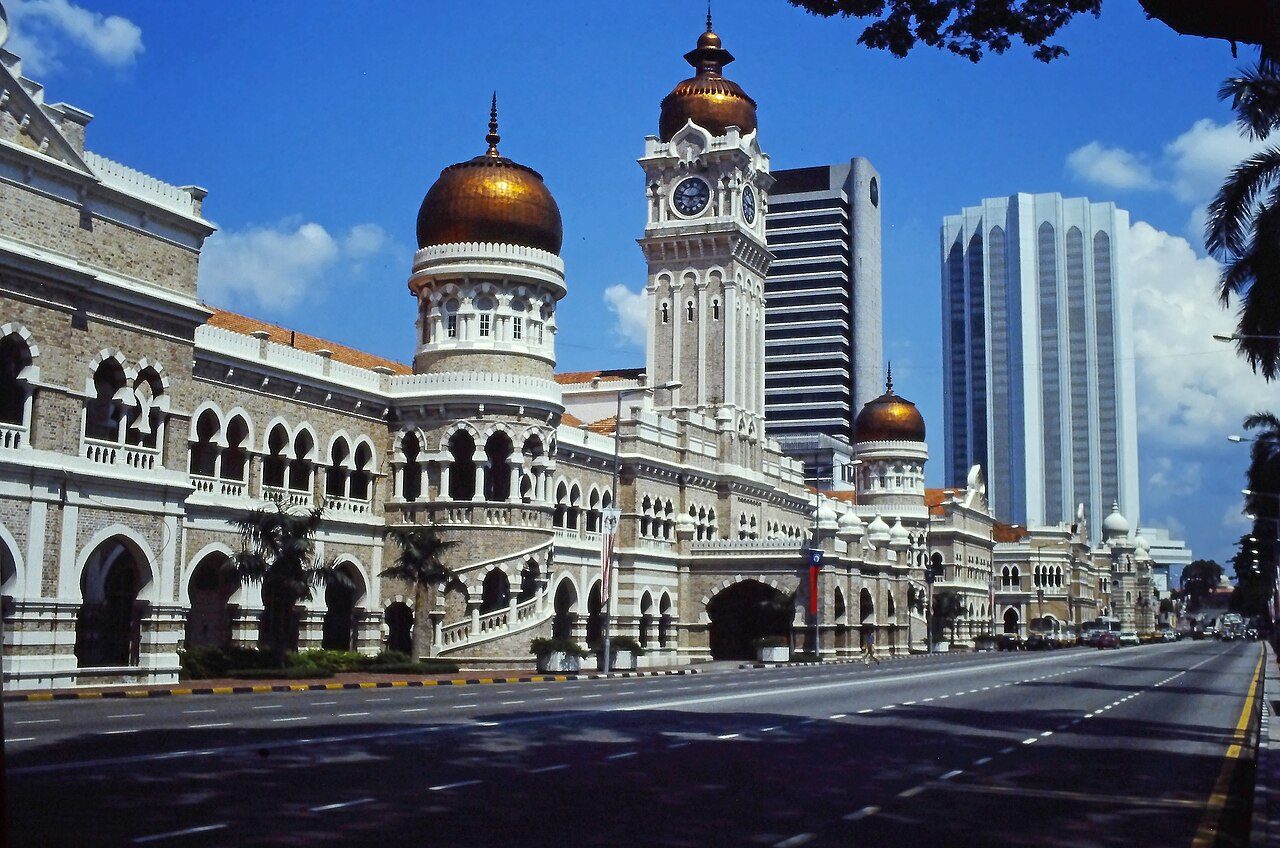
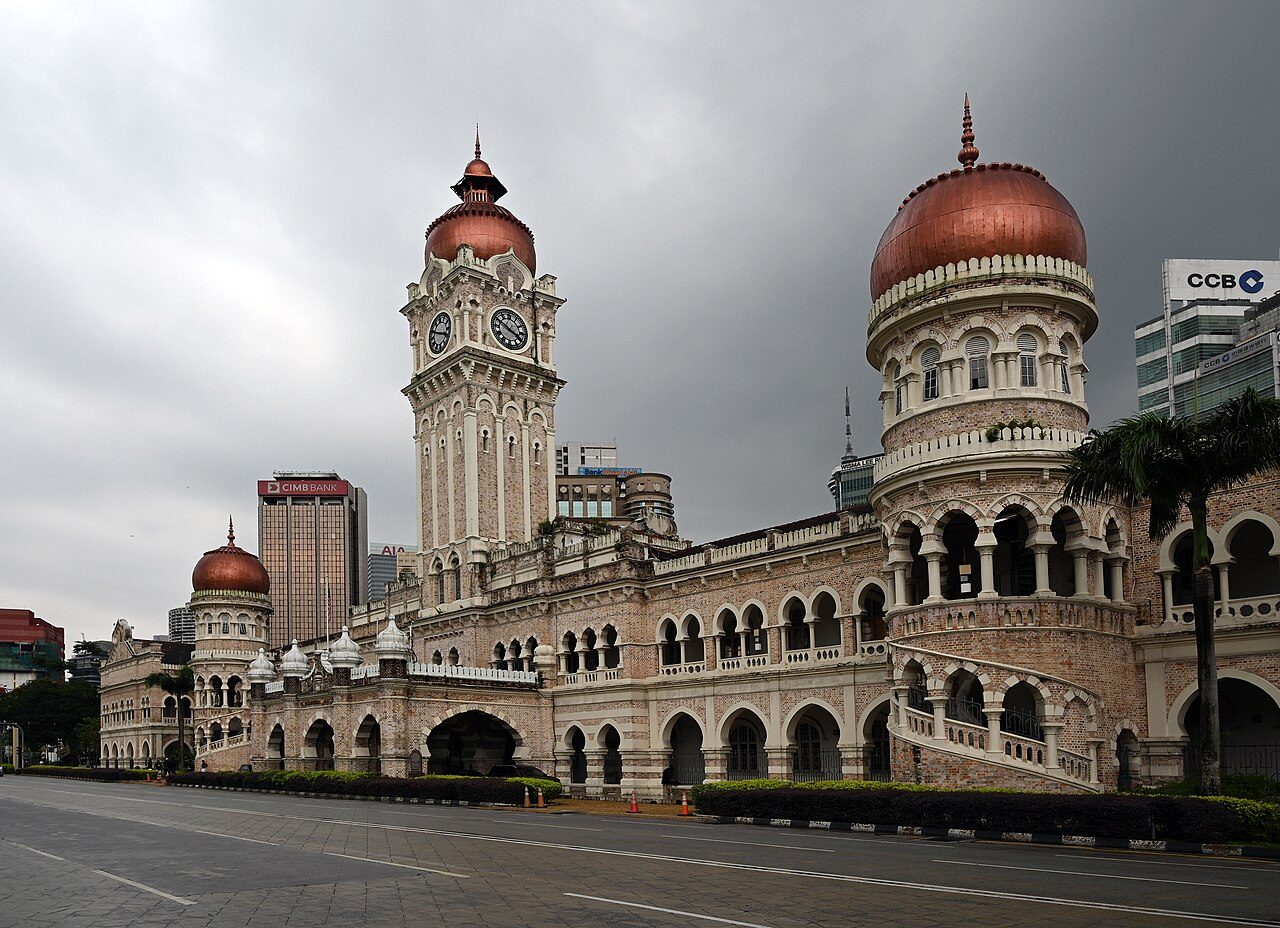
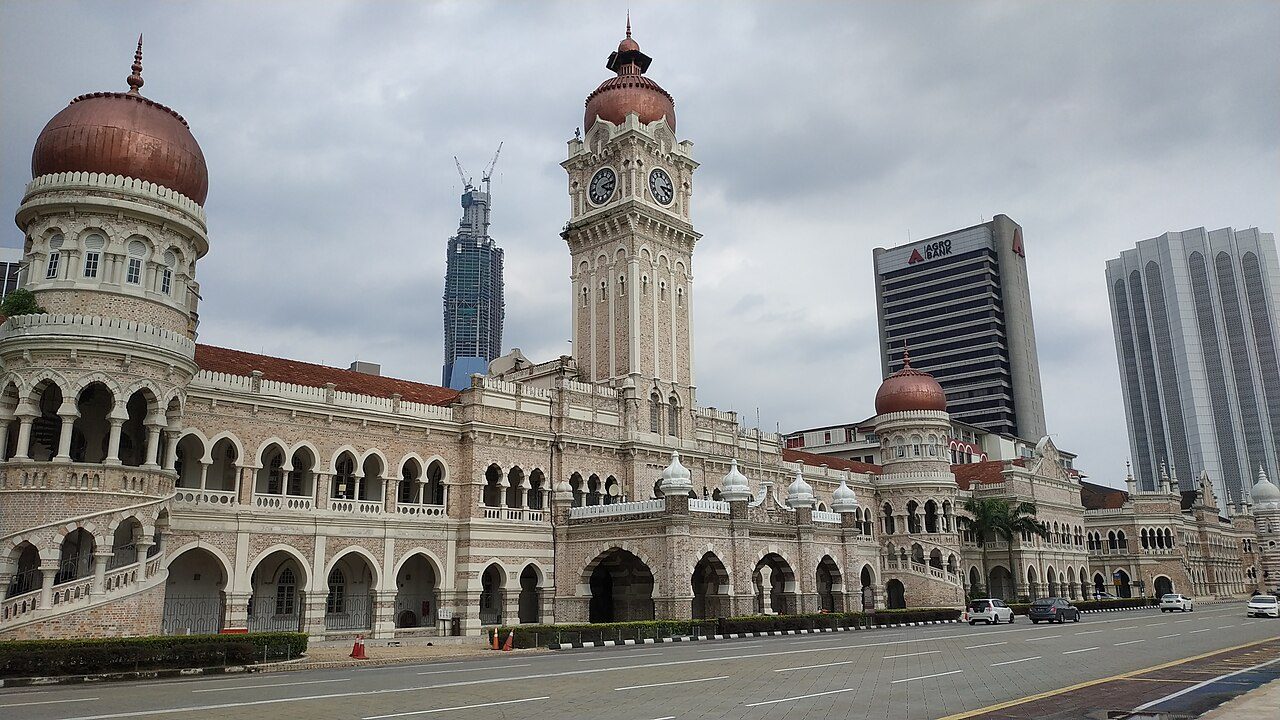
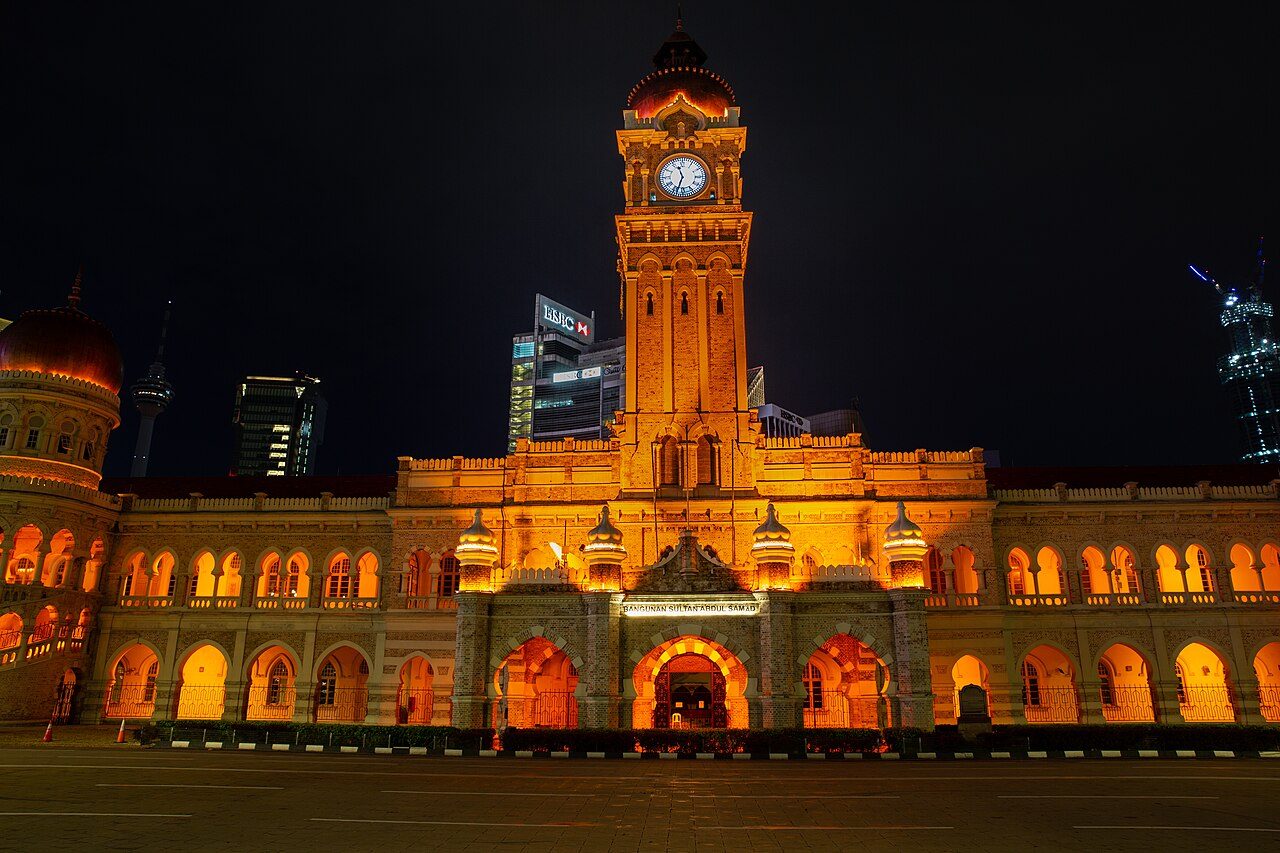
The Sultan Abdul Samad Building stands opposite Merdeka Square in Kuala Lumpur. It was completed in 1897 to house the British colonial government offices. Designed by A. C. Norman, it is built in a Moorish style with copper domes and a central clock tower about 41 metres high. It later housed the superior courts, and today it hosts the Ministry of Tourism, Arts and Culture.
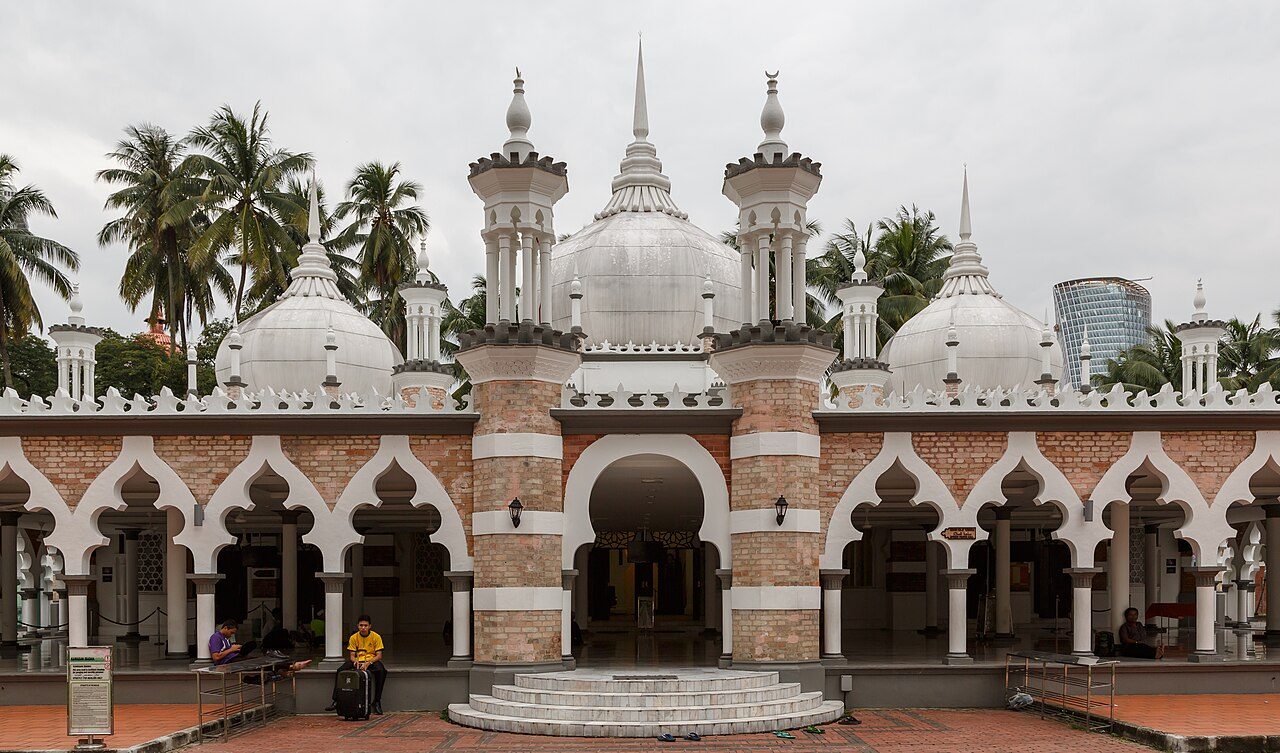
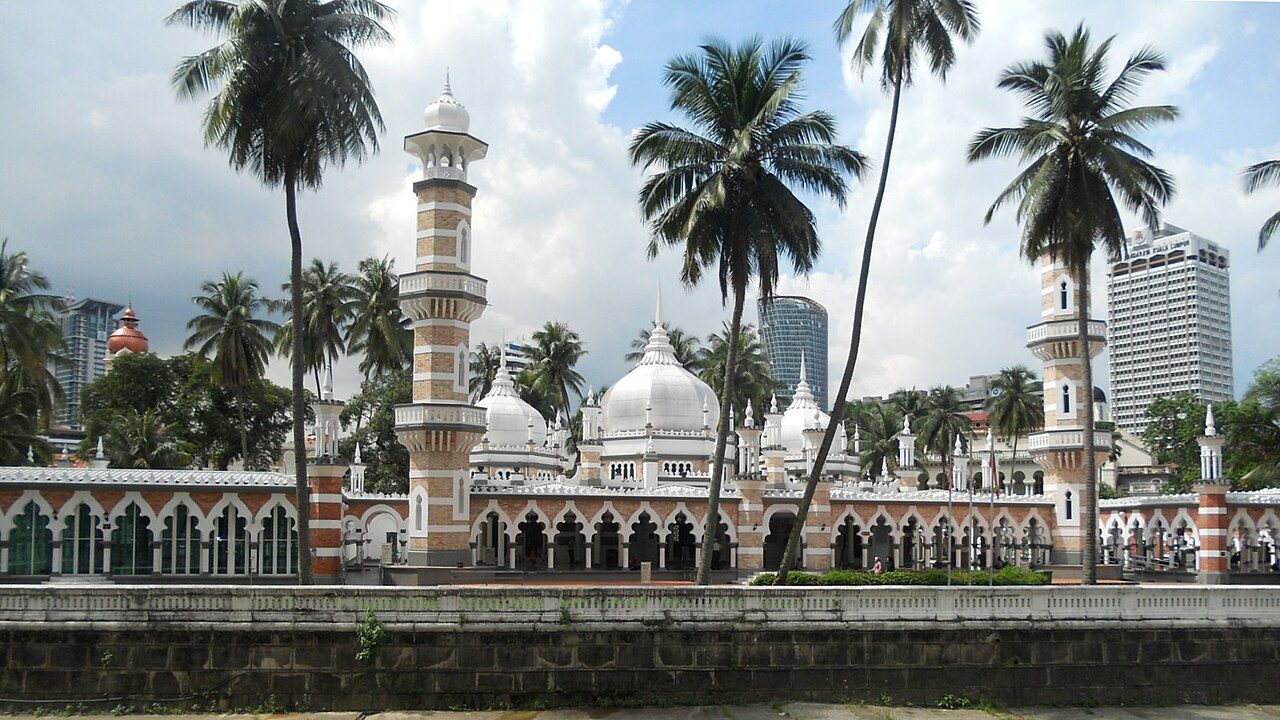
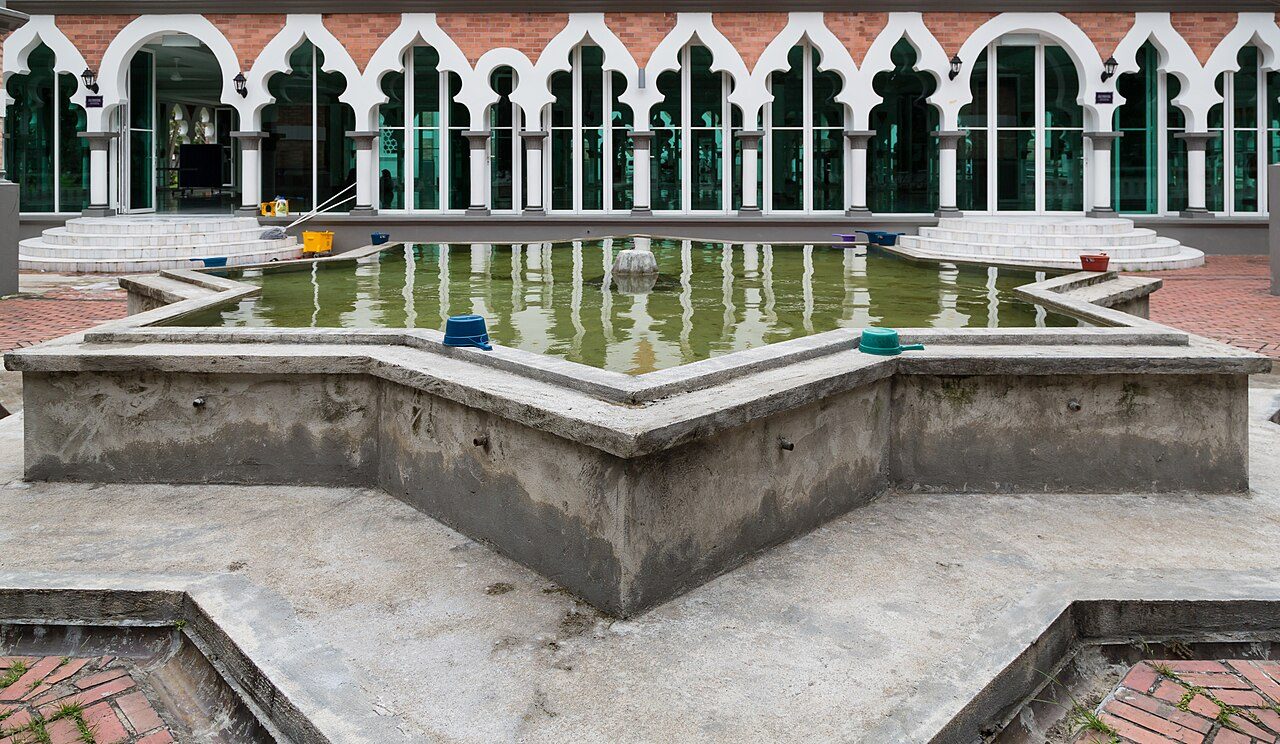
Masjid Jamek is one of the oldest mosques in Kuala Lumpur, opened in 1909. It stands at the meeting point of the Klang and Gombak rivers, the spot where the city was founded in 1857 and from which it takes its name, muddy confluence. Designed by A. B. Hubbock, it has Mughal-style domes and minarets of white and pink stone, set among palm trees.
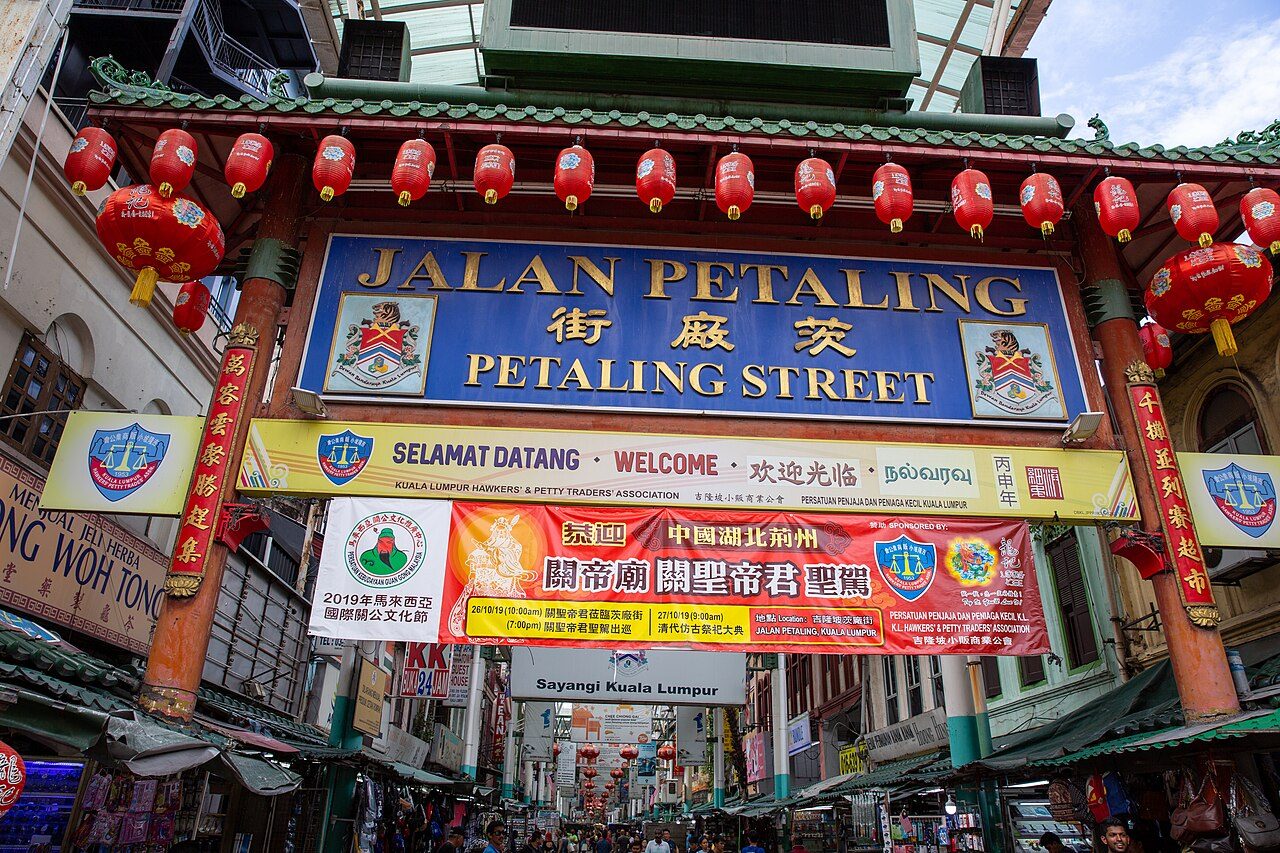
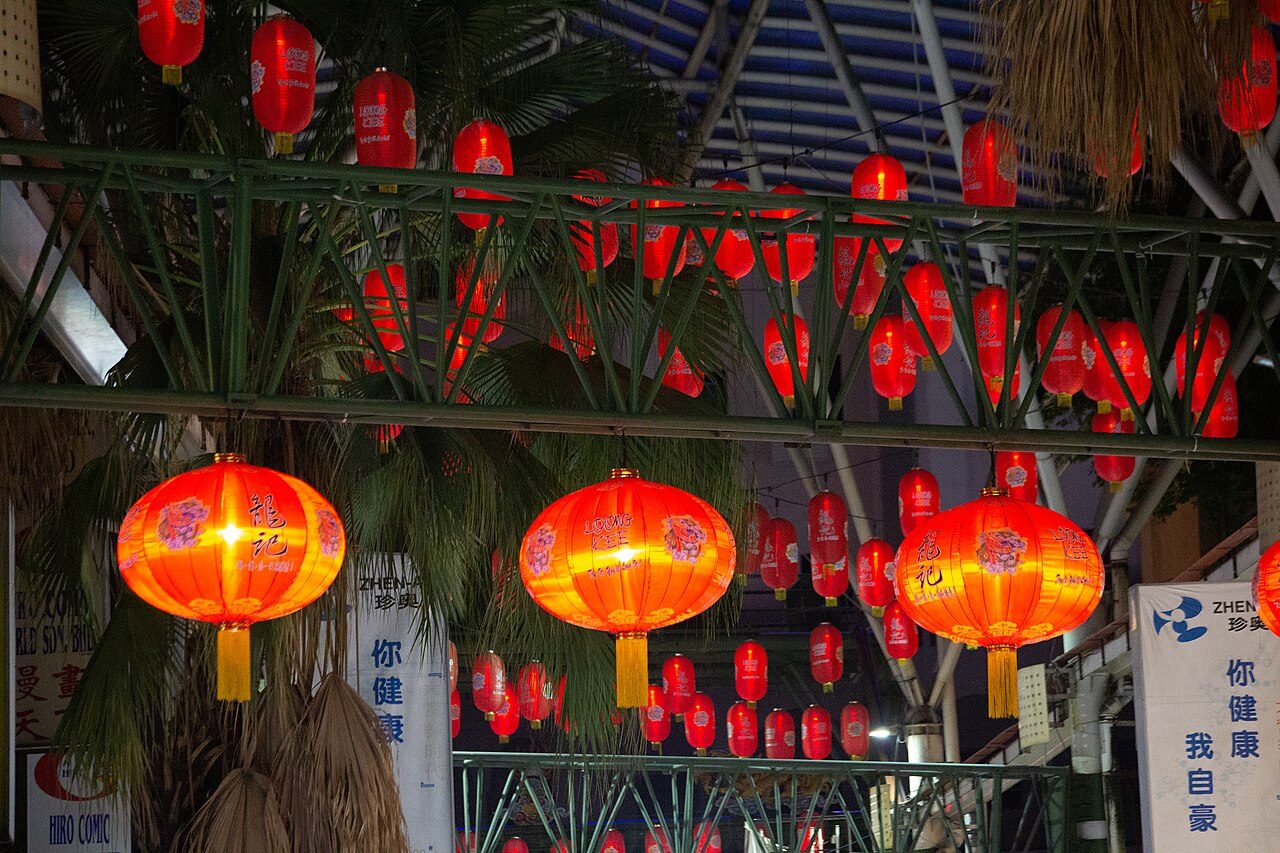
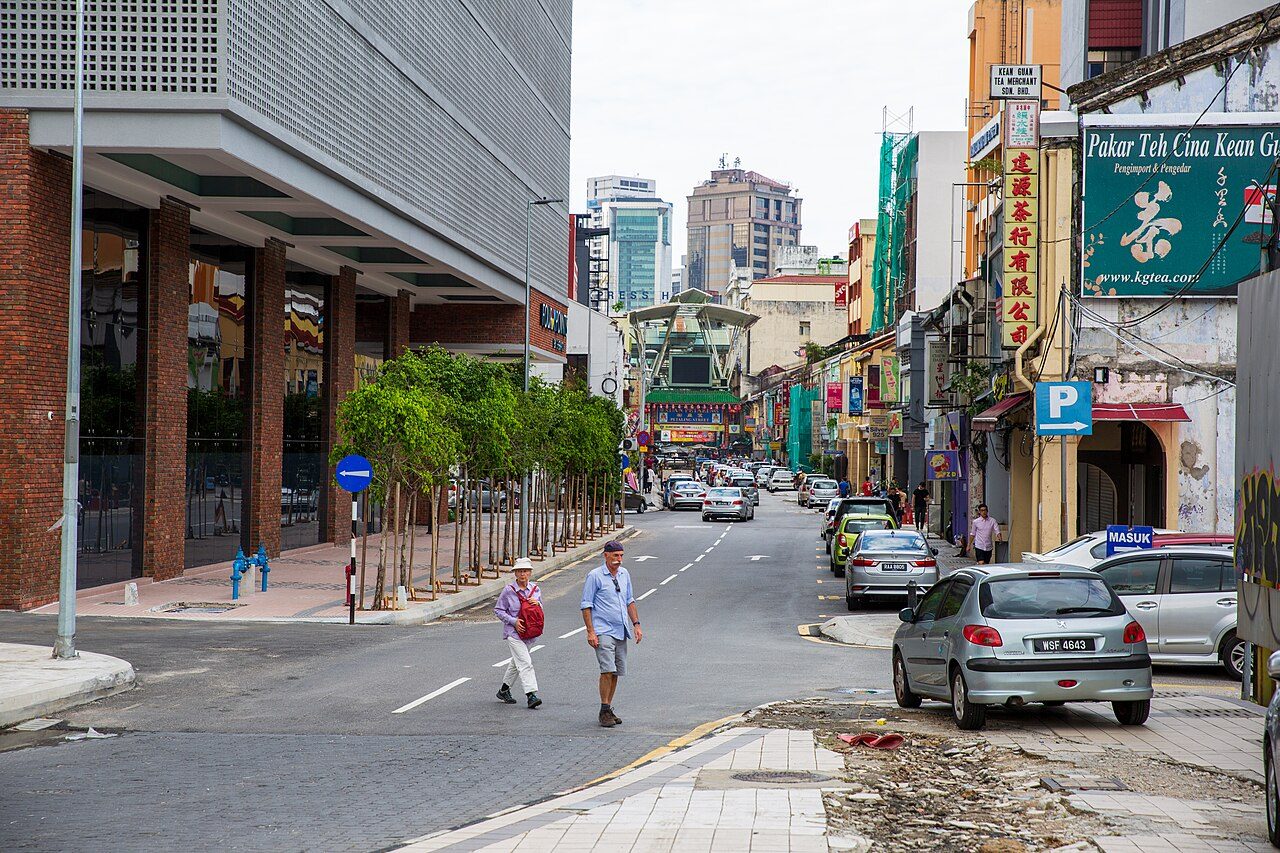
Petaling Street is the heart of Chinatown in Kuala Lumpur. Under a long green roof, its stalls sell clothes, bags, watches and souvenirs, and the shops around it sell herbal medicine, dried goods and pastries. It is especially lively in the evening, when food stalls serve roast duck, noodles and chestnuts. Old shophouses and Chinese temples stand in the surrounding streets.
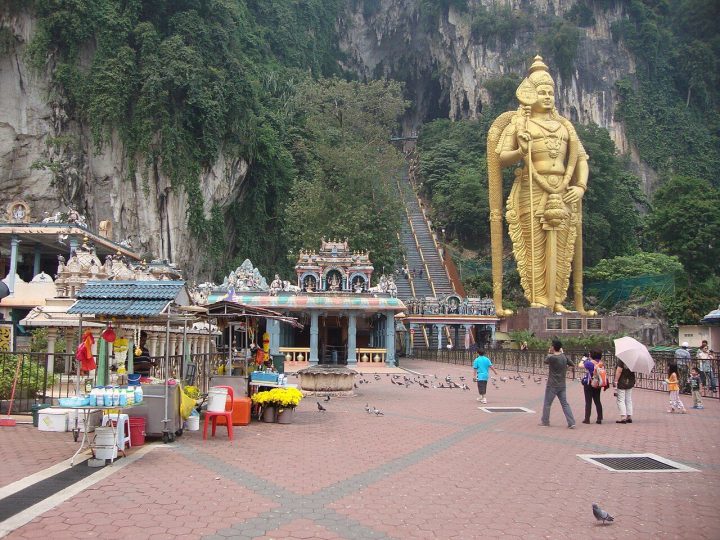
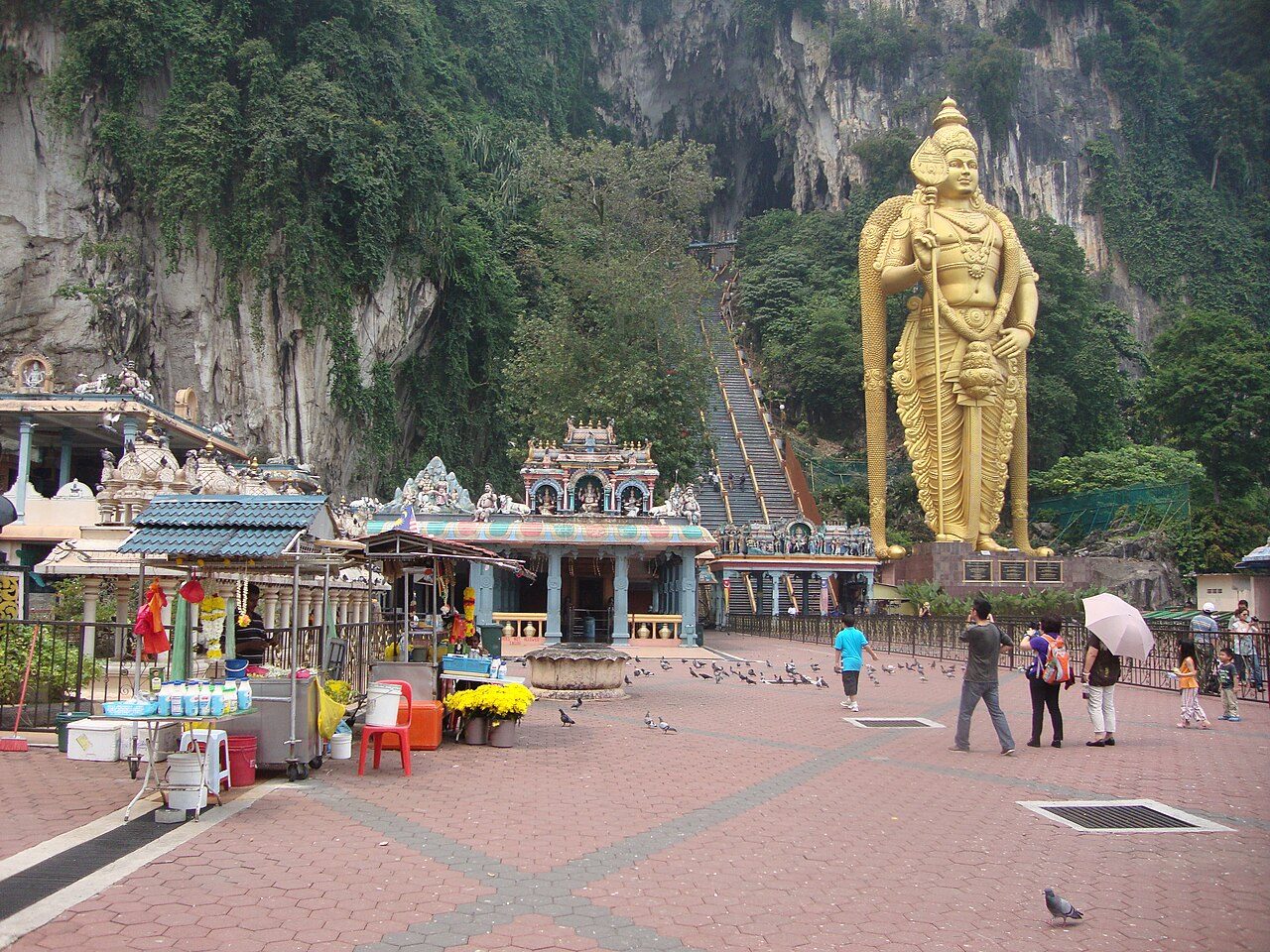
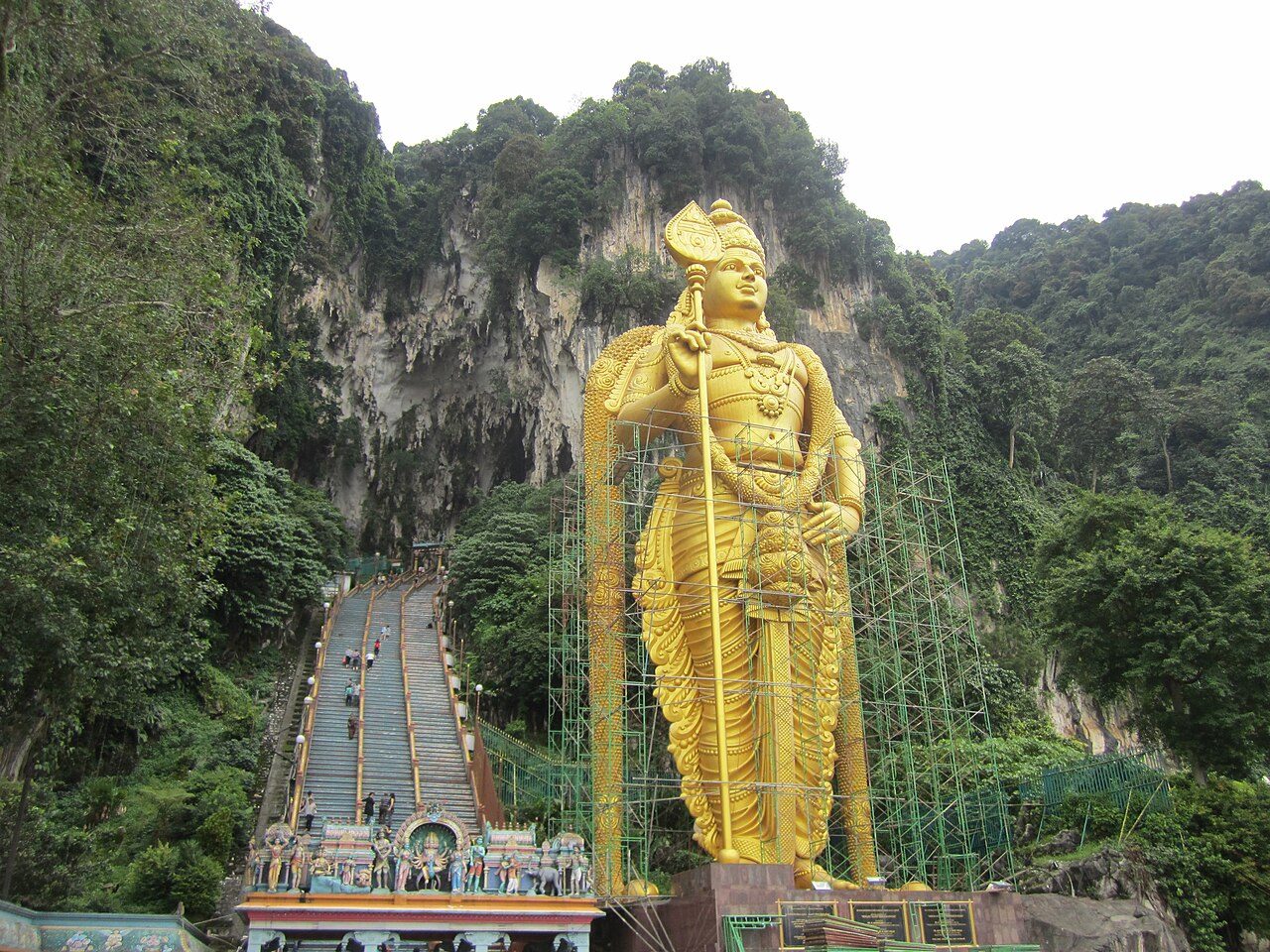
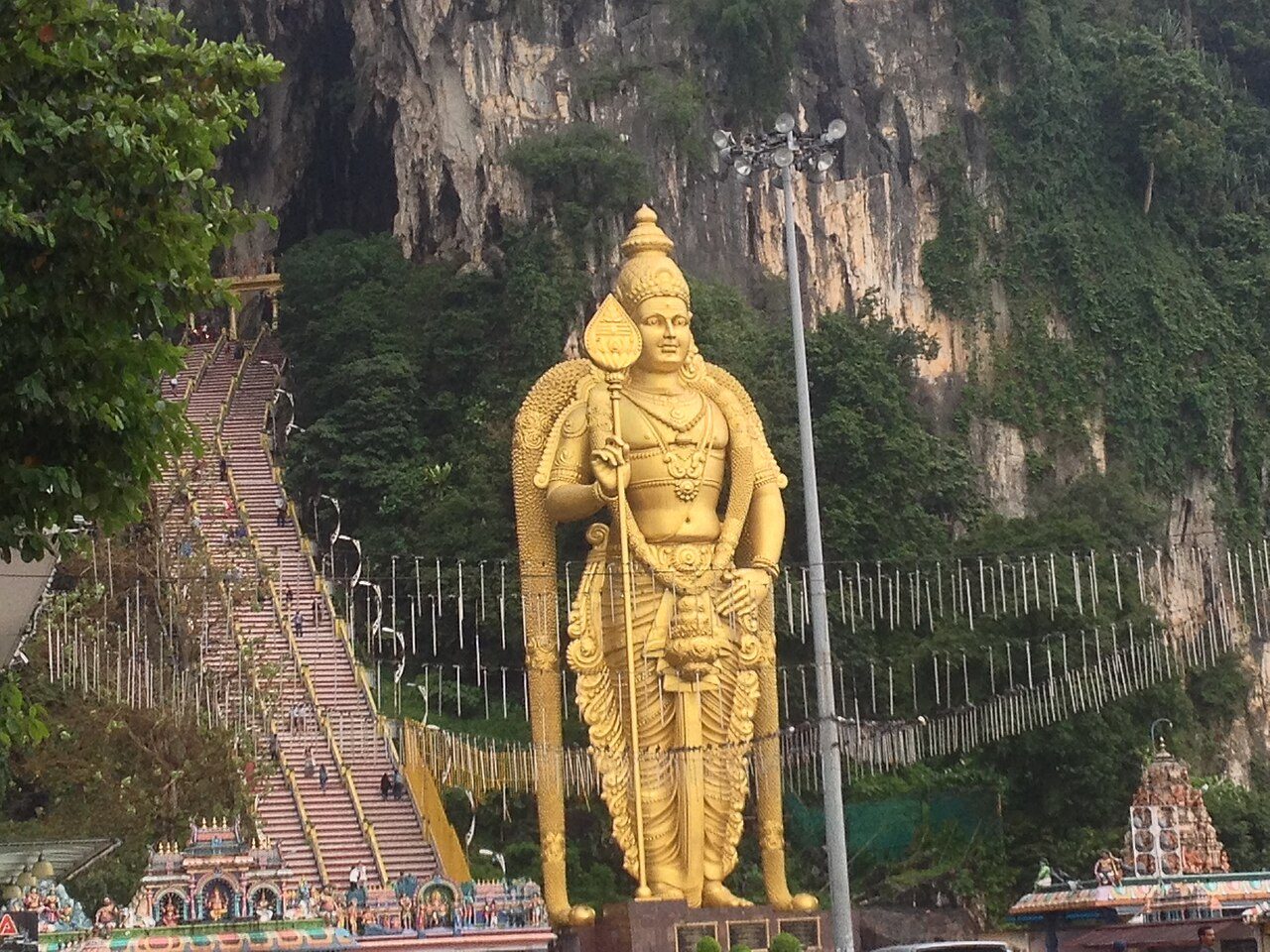
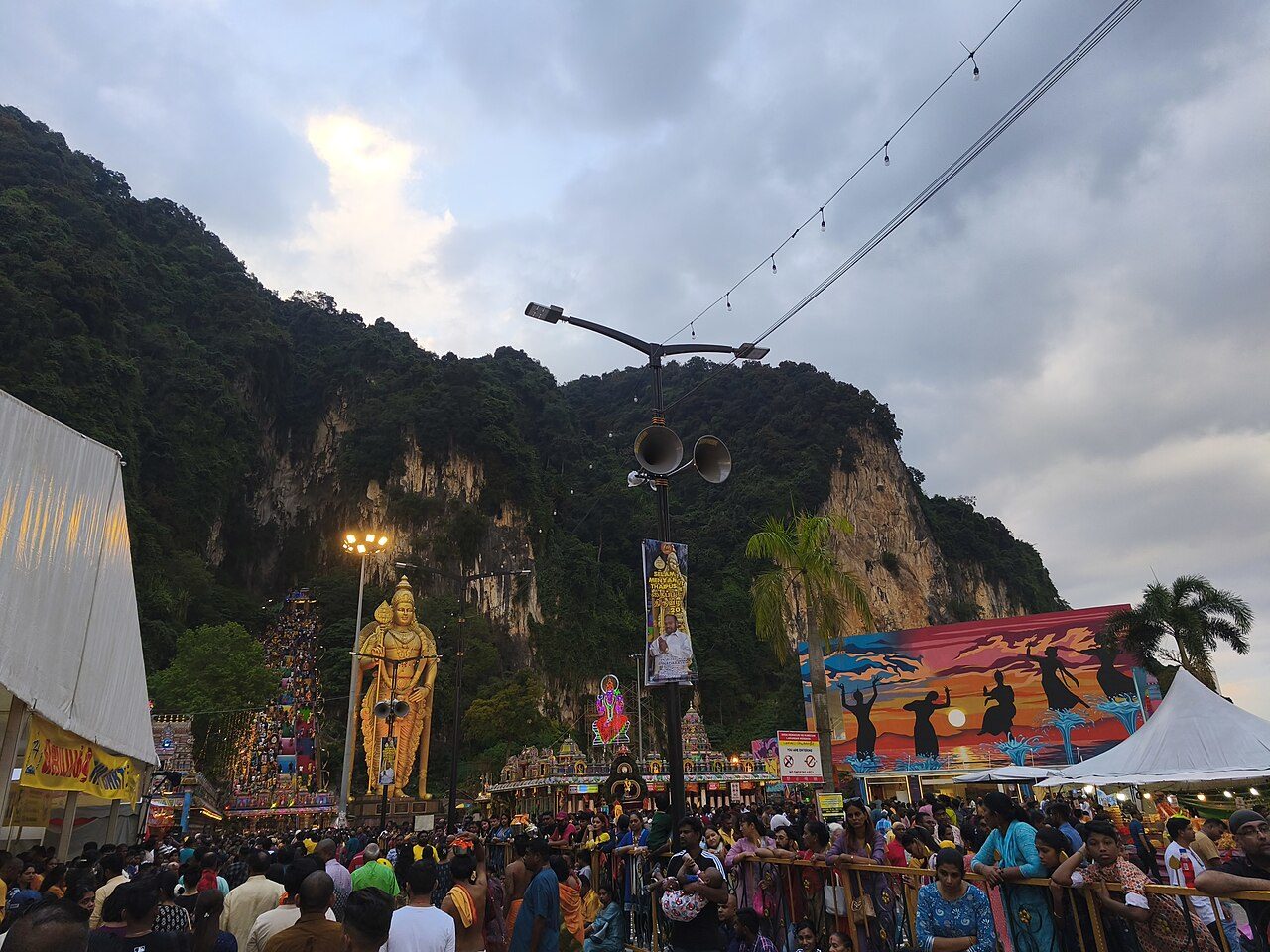
Batu Caves is a limestone hill north of Kuala Lumpur with a series of caves and Hindu shrines. A golden statue of Lord Murugan, about 43 metres tall, stands at the foot of a stairway of 272 colourful steps. The steps lead up to the Temple Cave, a huge cavern with shrines lit by openings in the roof. Each year the Thaipusam festival brings hundreds of thousands of pilgrims.
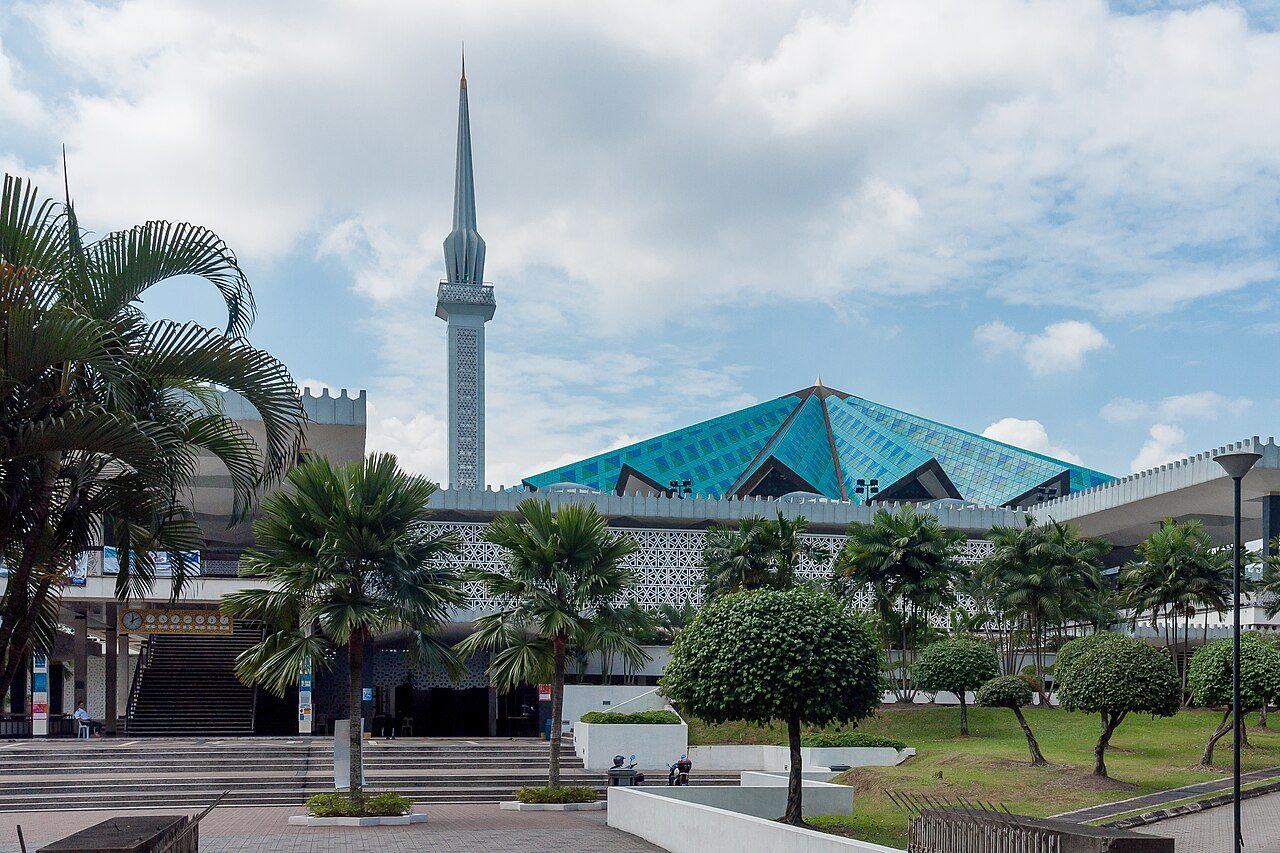
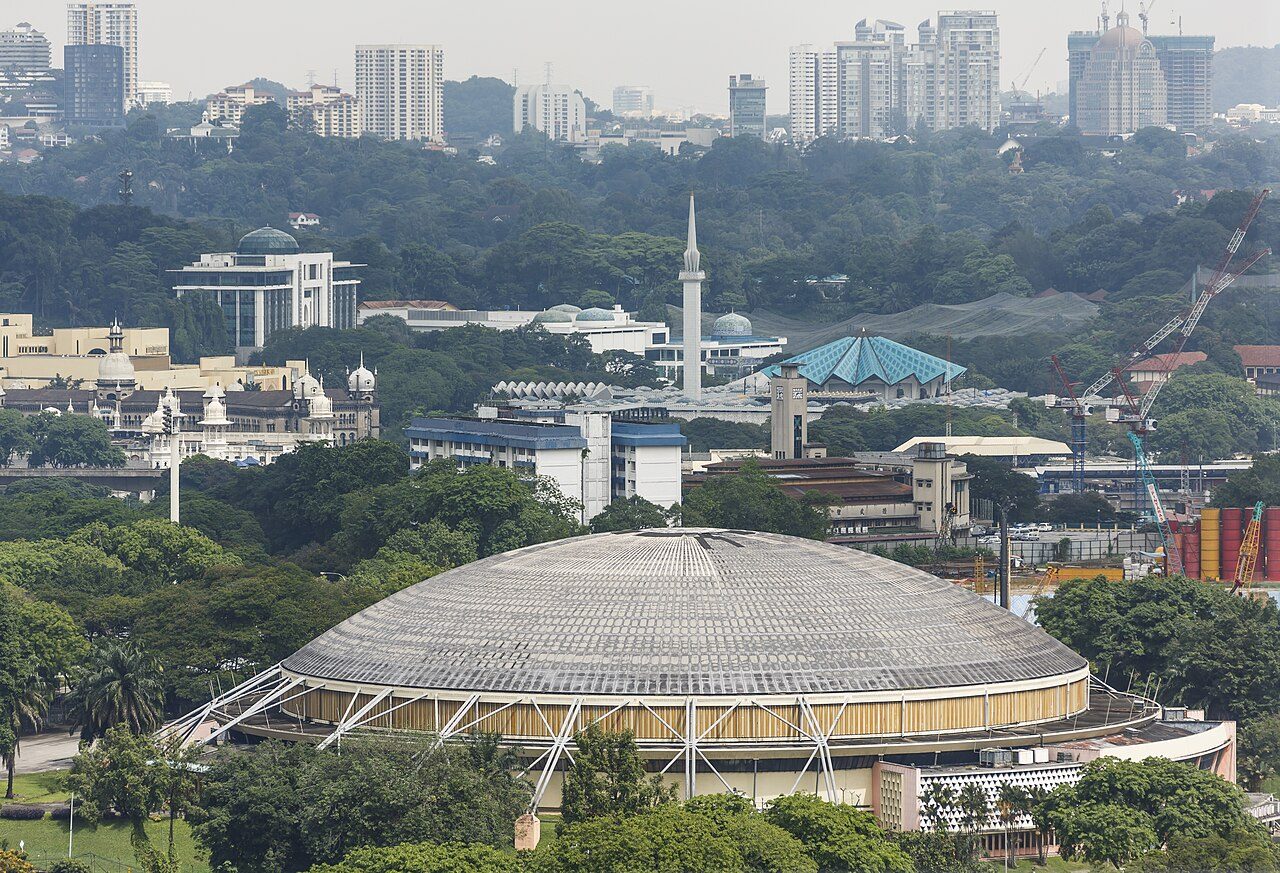
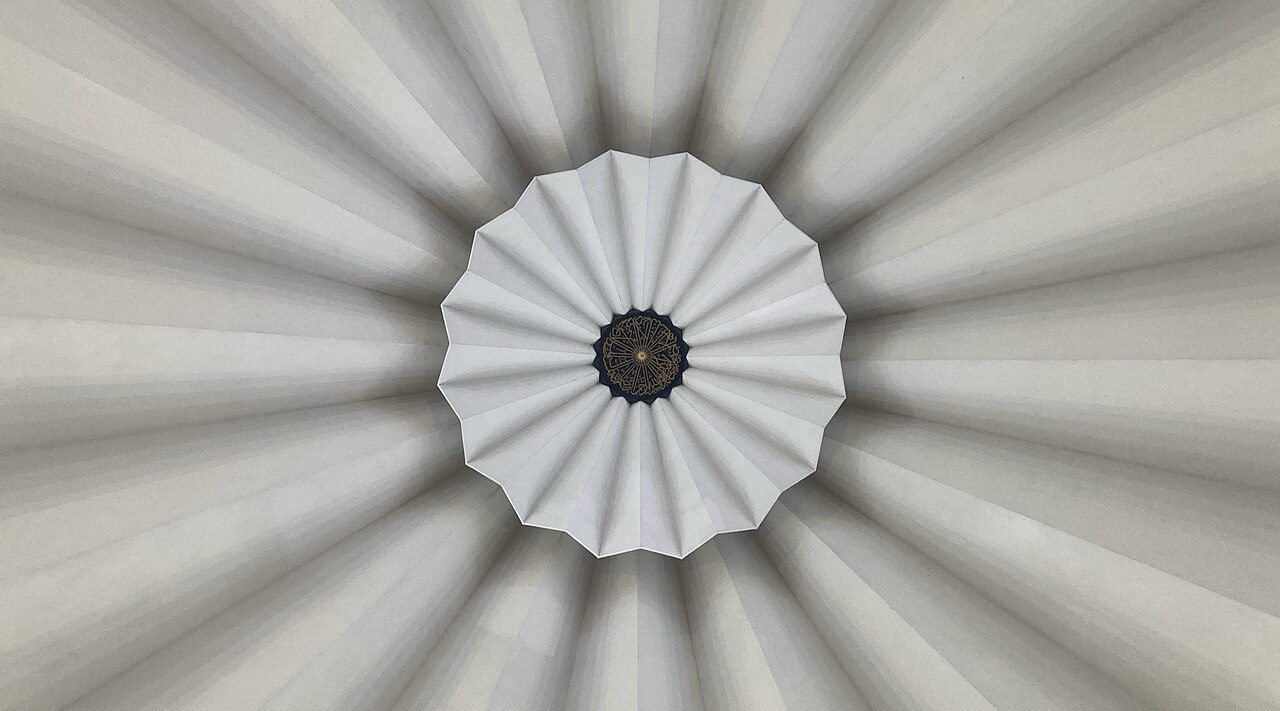
The National Mosque of Malaysia, Masjid Negara, was opened in 1965 in Kuala Lumpur. It can hold about 15,000 people. Its main roof is a modern star-shaped concrete form with 18 points, standing for the 13 states and five pillars of Islam, and a slender minaret rises about 73 metres beside it. Pools and fountains surround the building. Visitors are welcome outside prayer times.
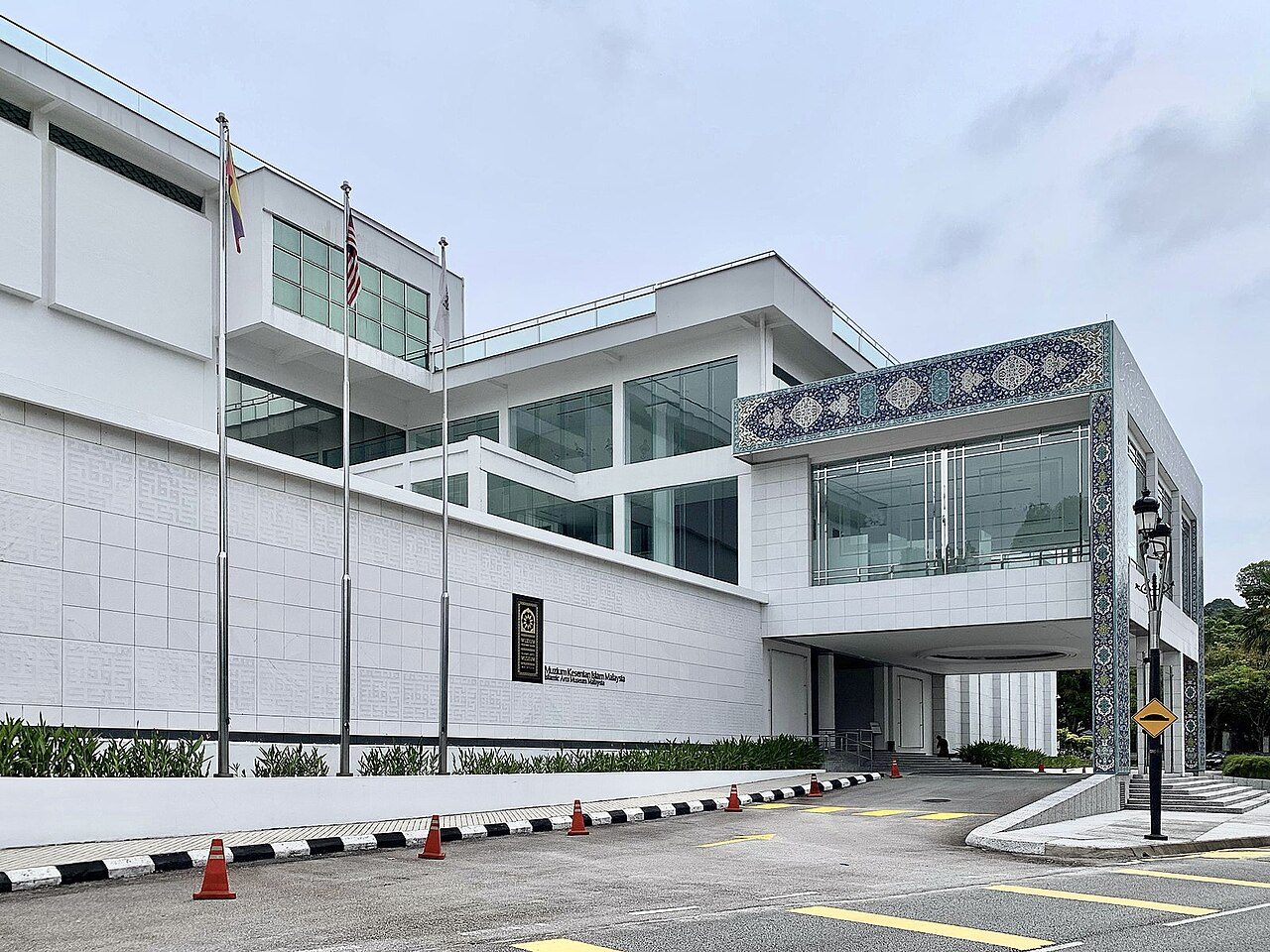
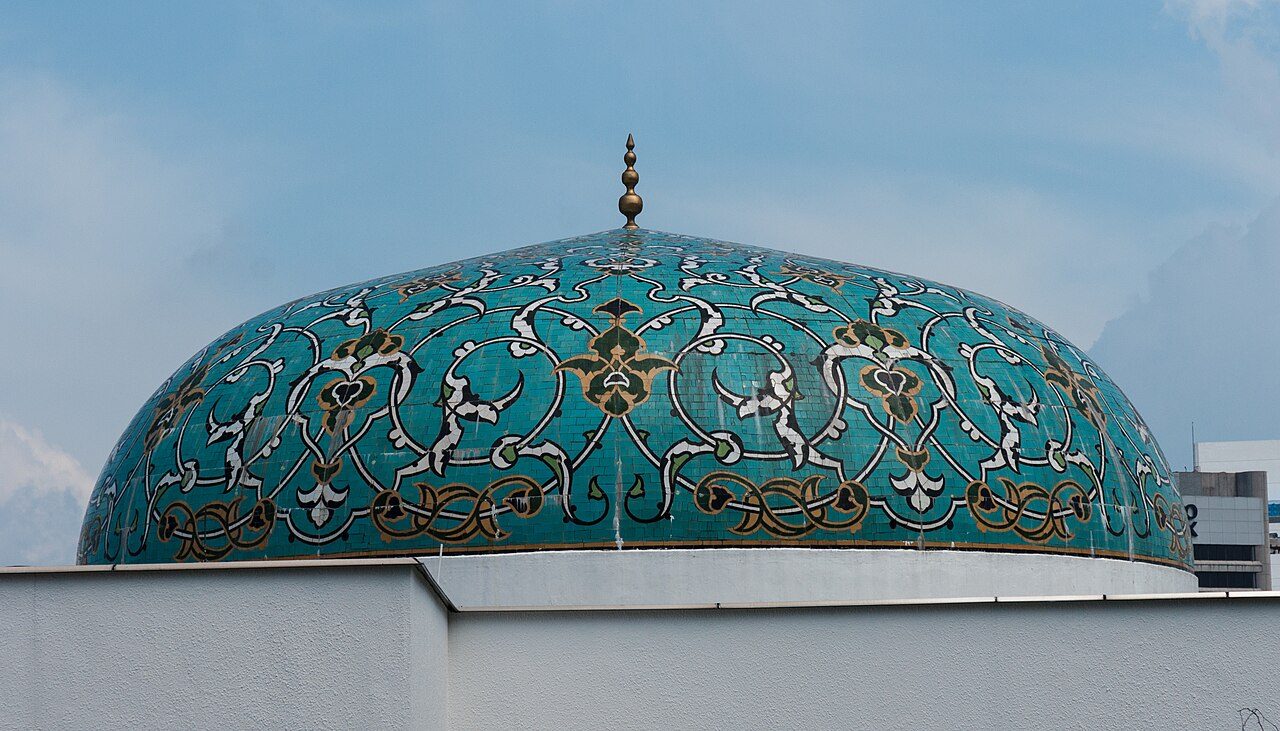
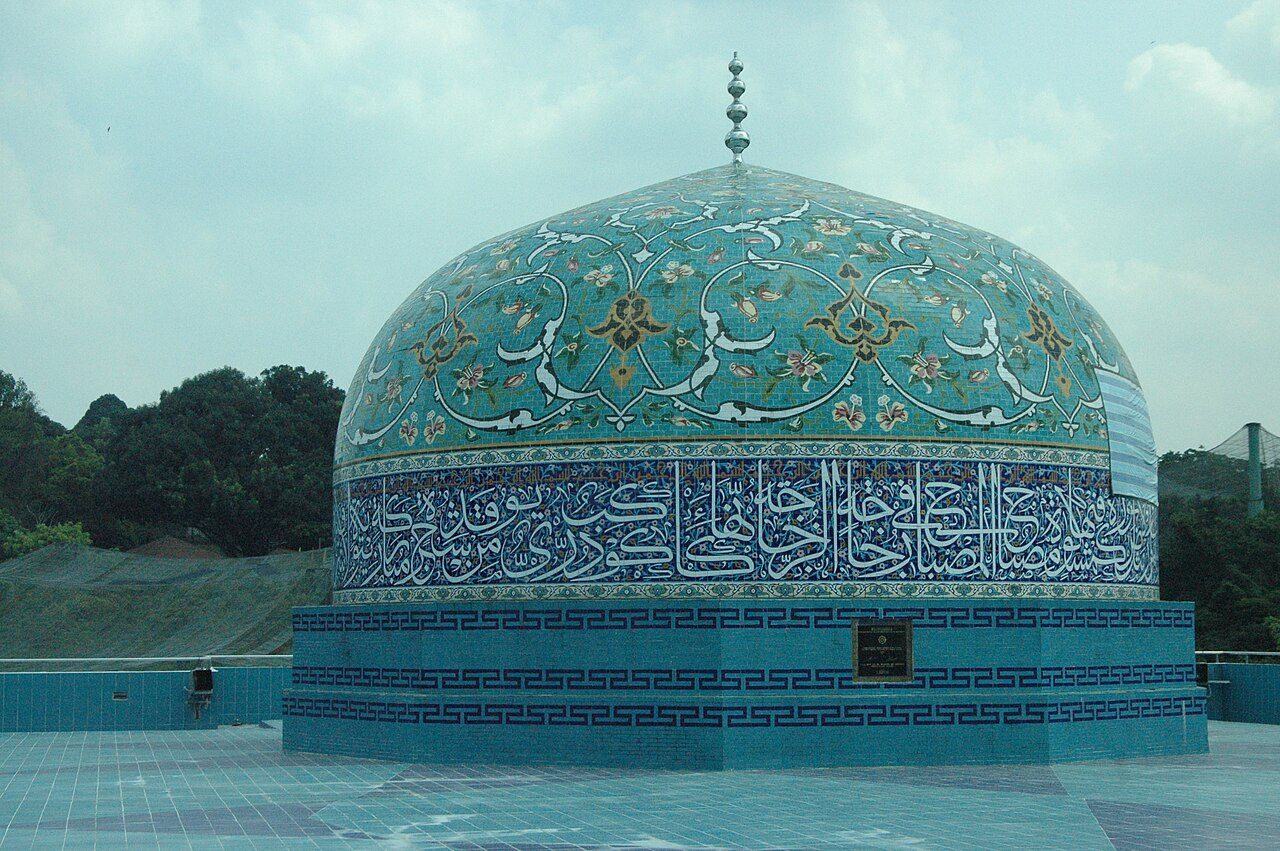
The Islamic Arts Museum Malaysia opened in 1998 near the Perdana Botanical Gardens in Kuala Lumpur. It is one of the largest museums of Islamic art in Southeast Asia, with over 15,000 objects. Galleries show Qurans and manuscripts, architecture models, jewellery, textiles, ceramics and arms. Its building has five domes decorated with turquoise tiles made by Iranian craftsmen.
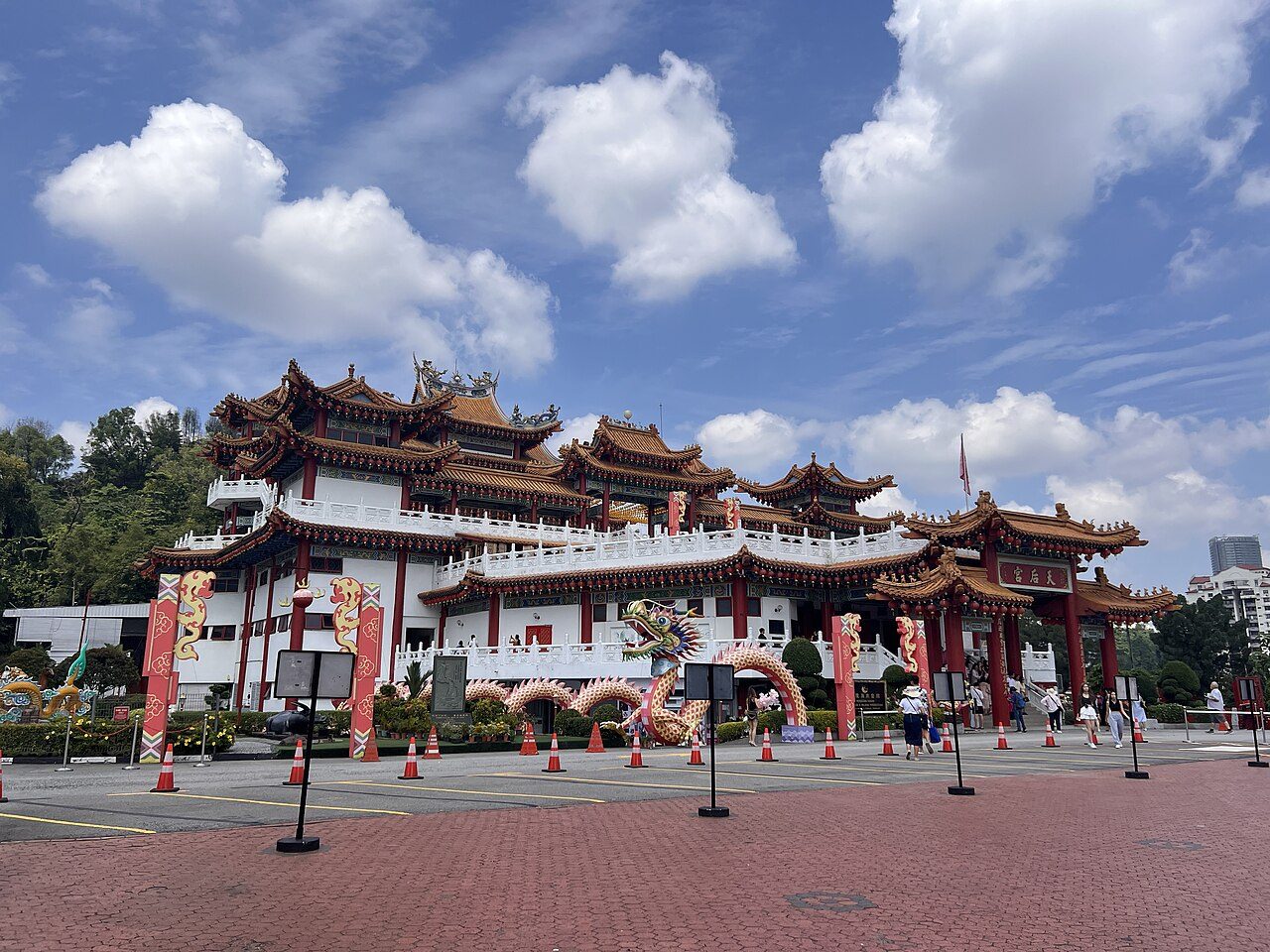
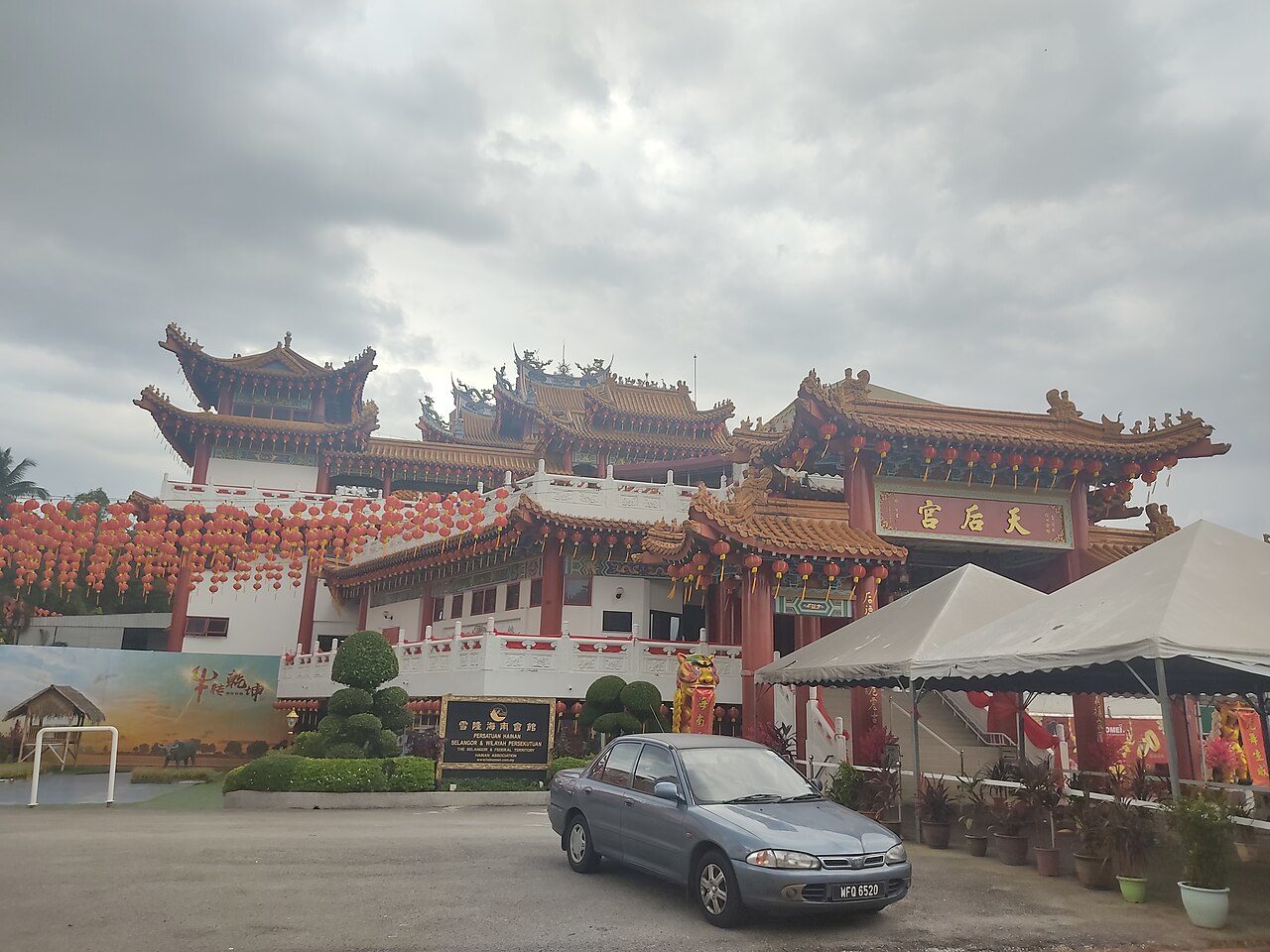
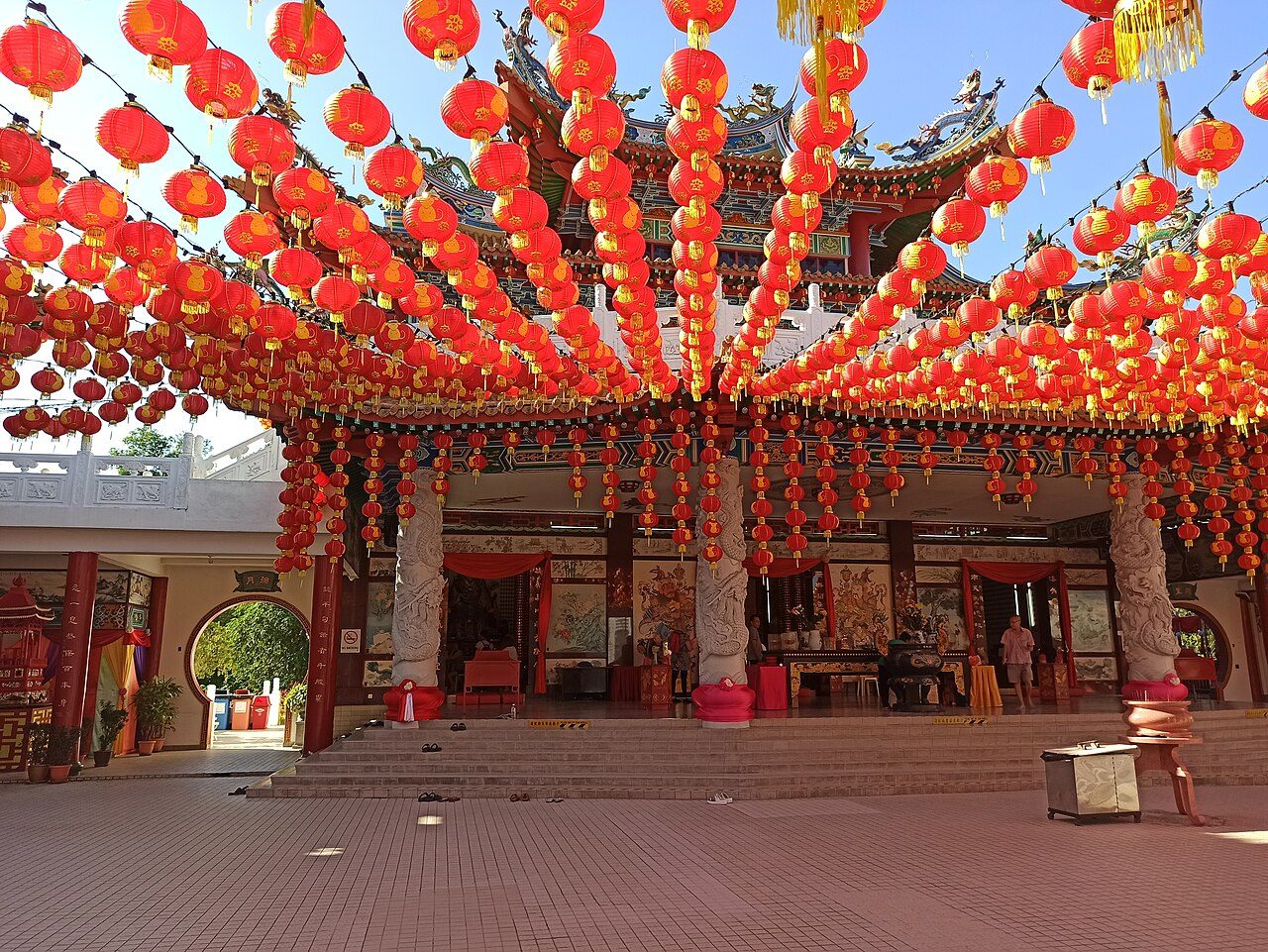
Thean Hou Temple is a large Chinese temple on Robson Hill in Kuala Lumpur, completed in 1987 by the Hainanese community. It is dedicated to the sea goddess Mazu, known as Thean Hou. The six-tiered temple has red pillars, curved roofs and hundreds of lanterns, with views over the city. Statues of the Chinese zodiac animals stand in its gardens.
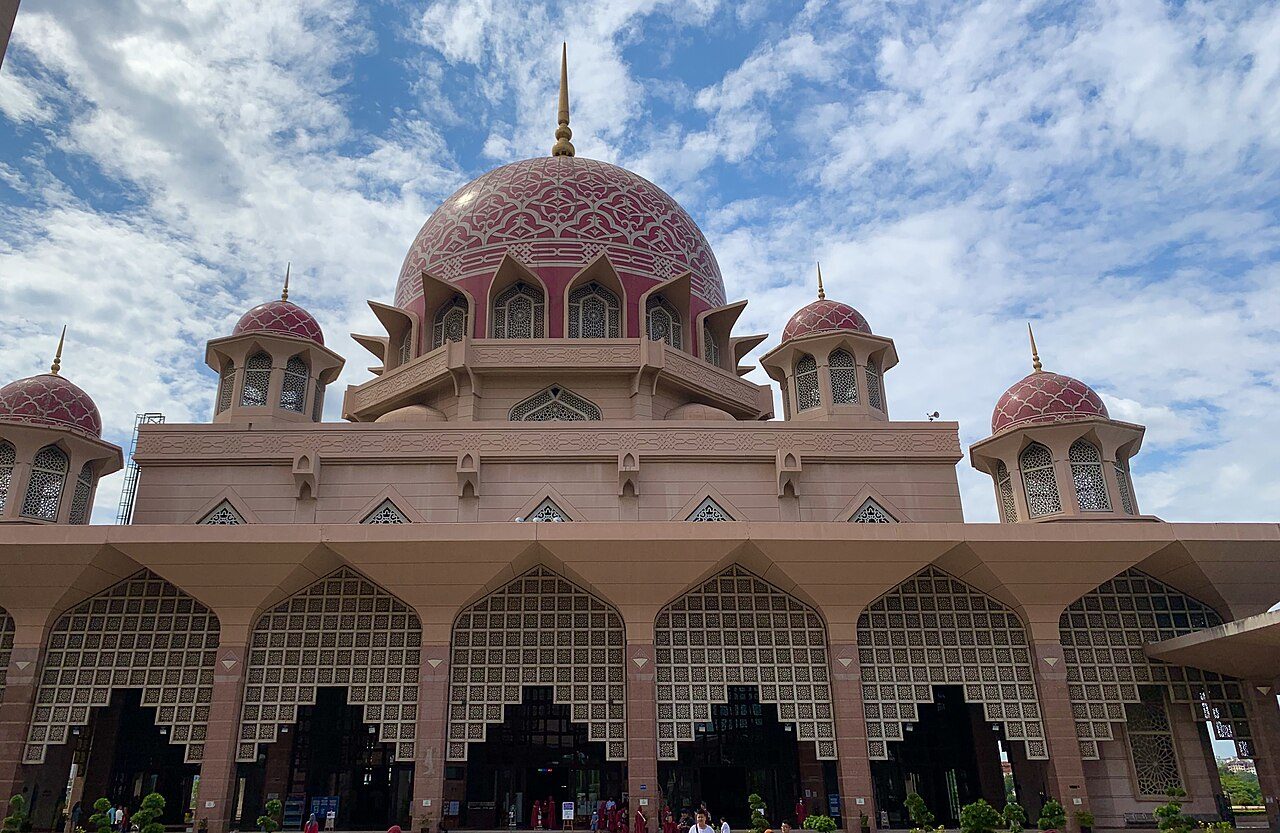
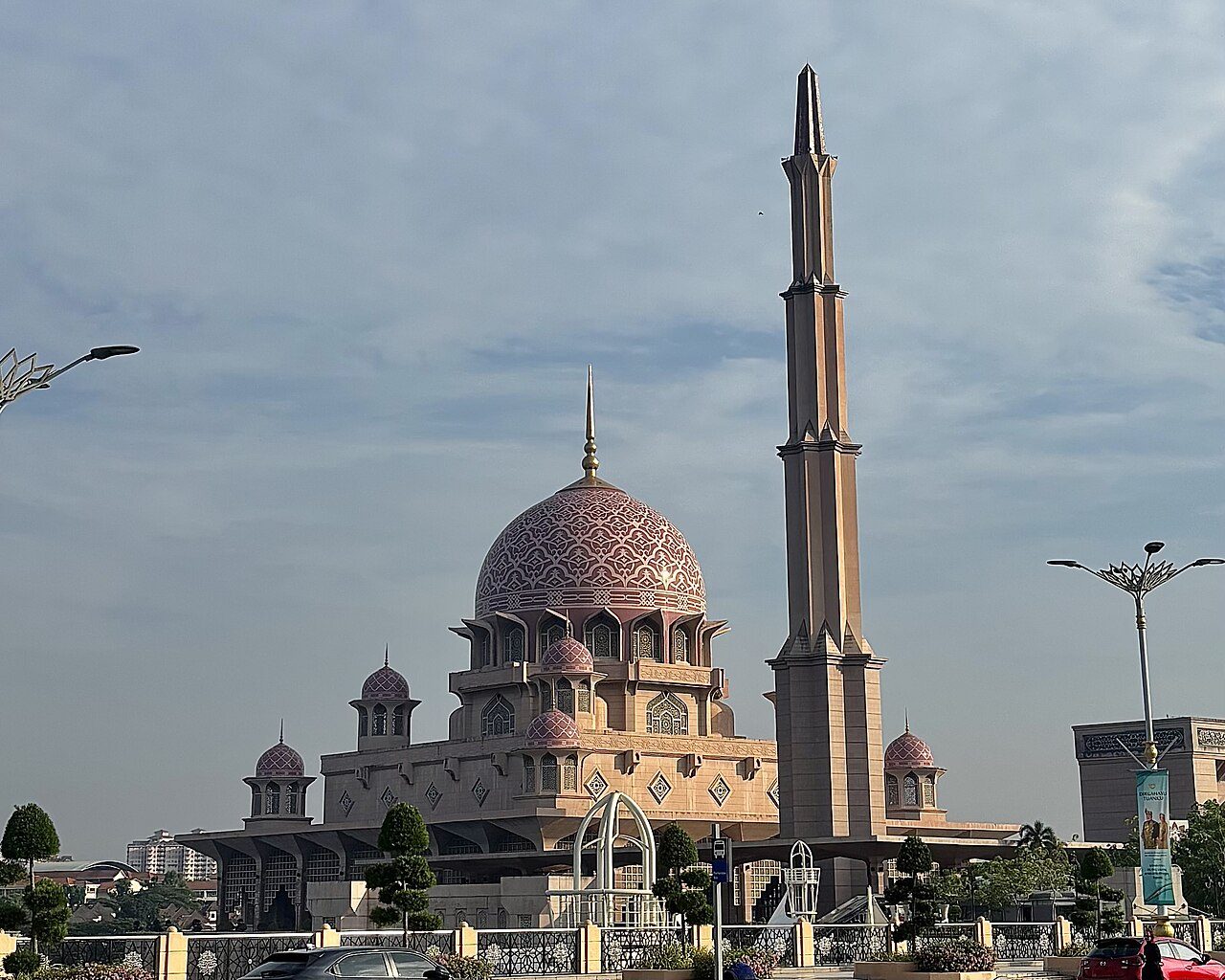
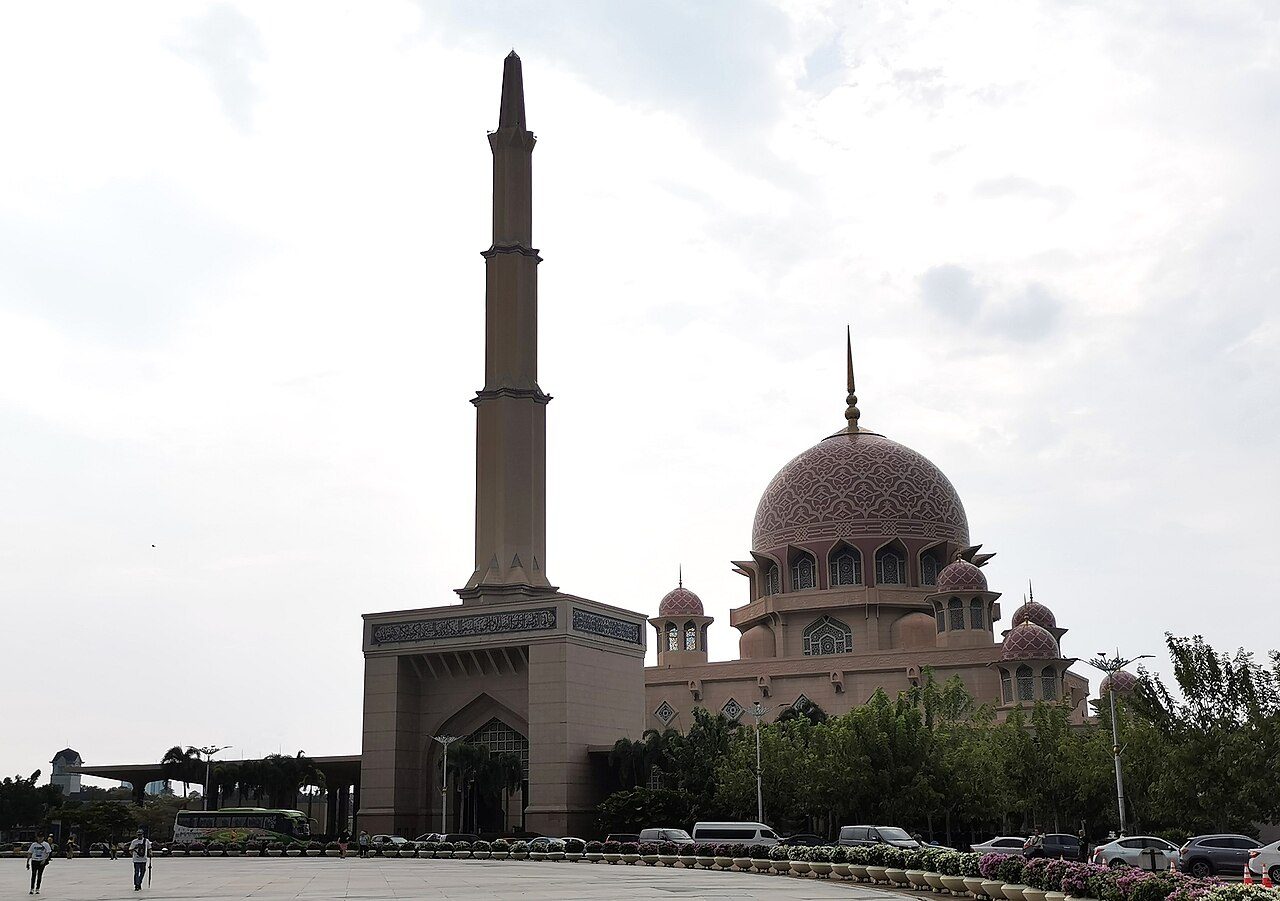
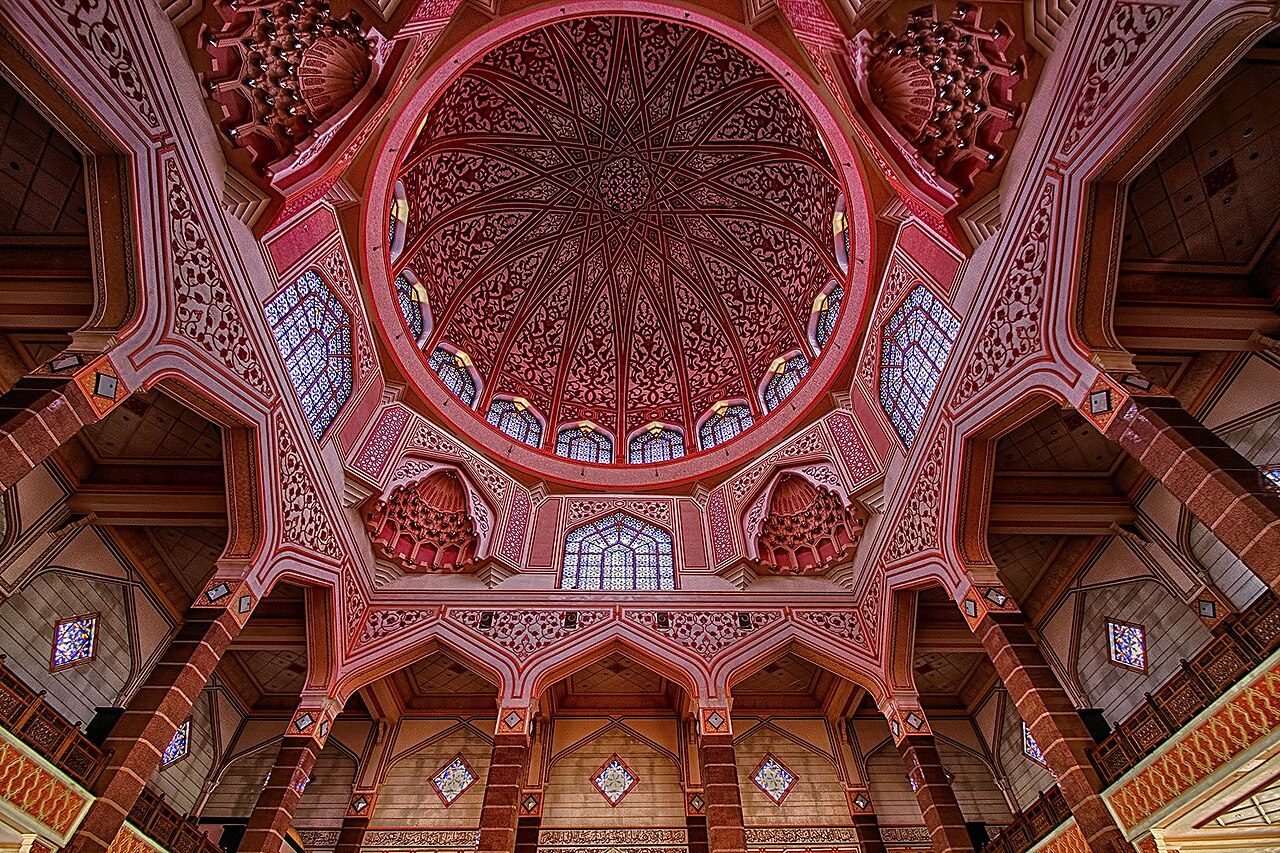
The Putra Mosque is the main mosque of Putrajaya, Malaysia's government city. Completed in 1999, it is built of rose-tinted granite and stands beside Putrajaya Lake. Its design draws on Persian, Malay and Arab styles. The minaret, about 116 metres high, is modelled on the Sheikh Omar Mosque in Baghdad. Visitors can enter outside prayer times wearing robes provided.
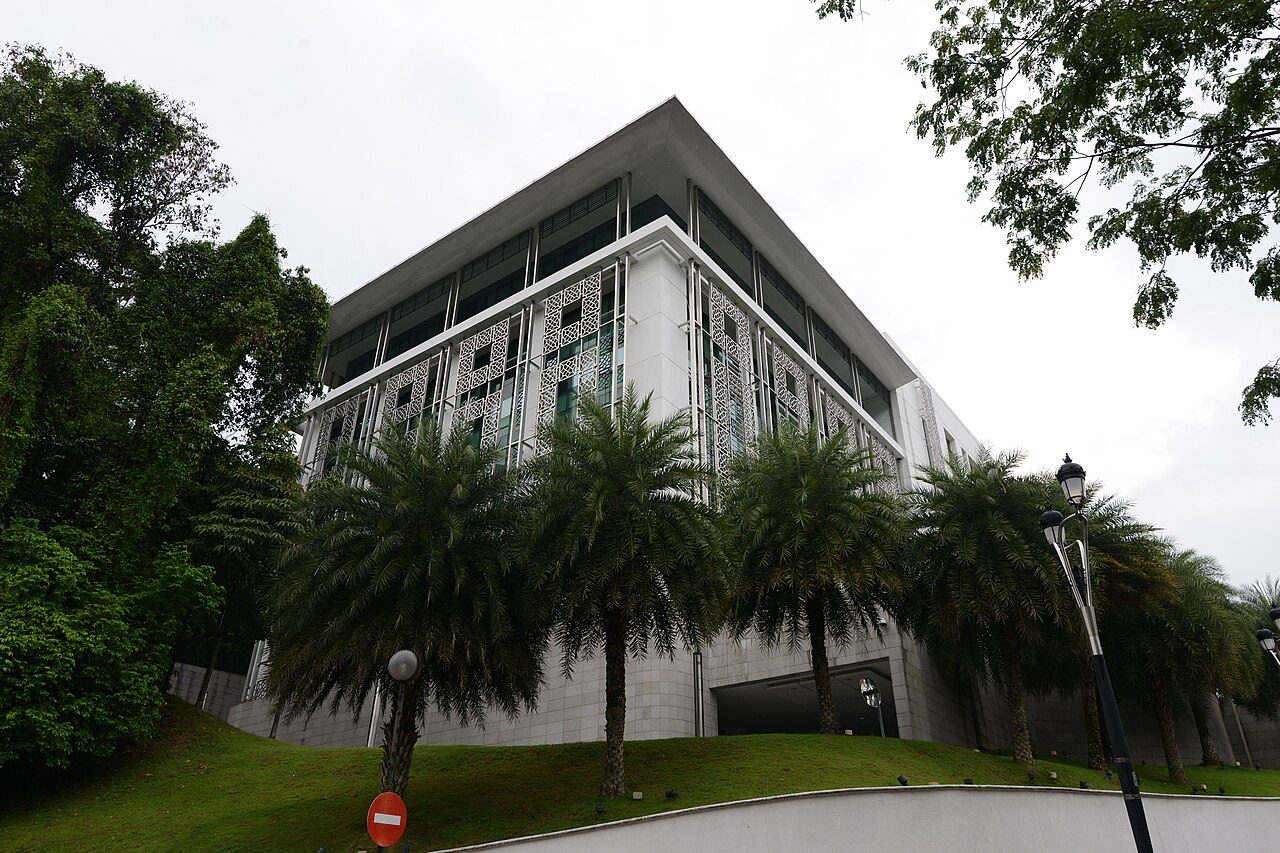
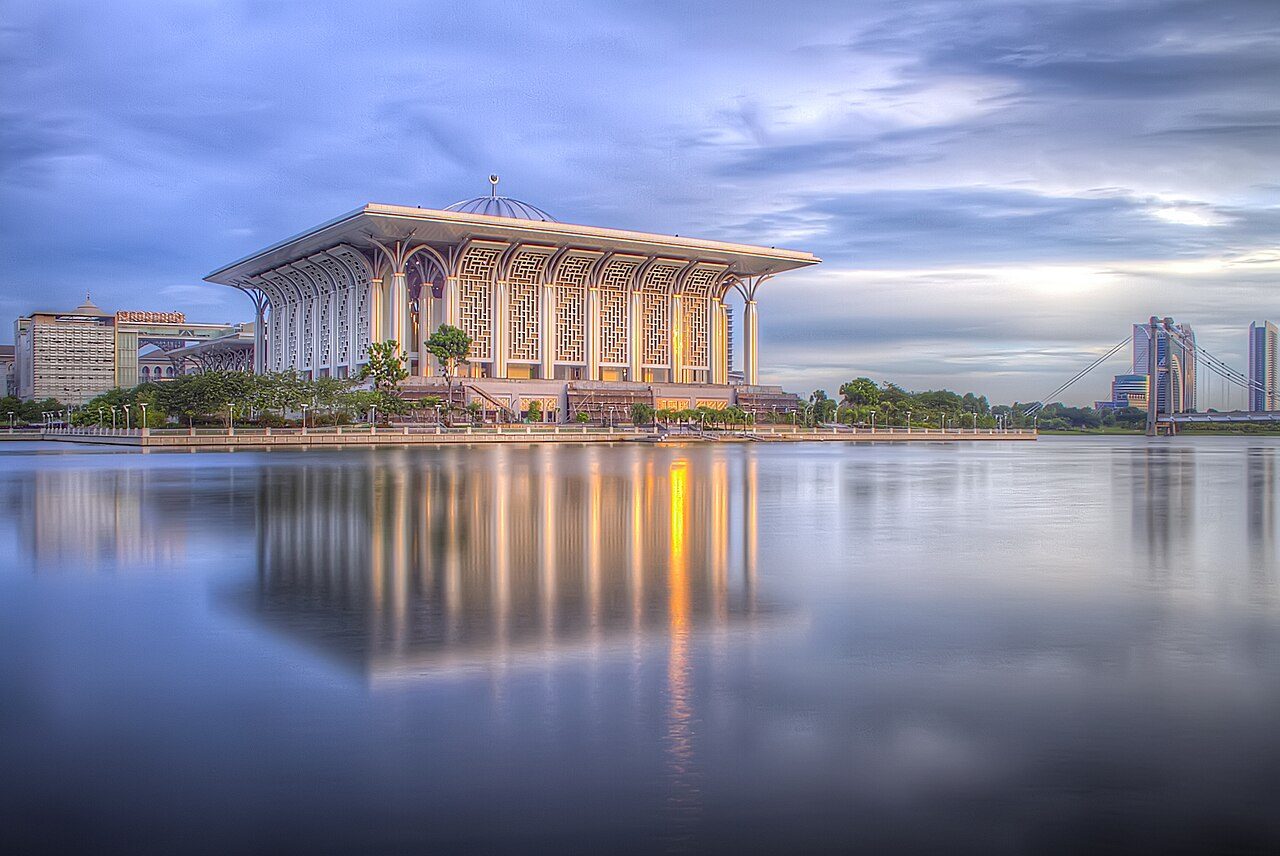
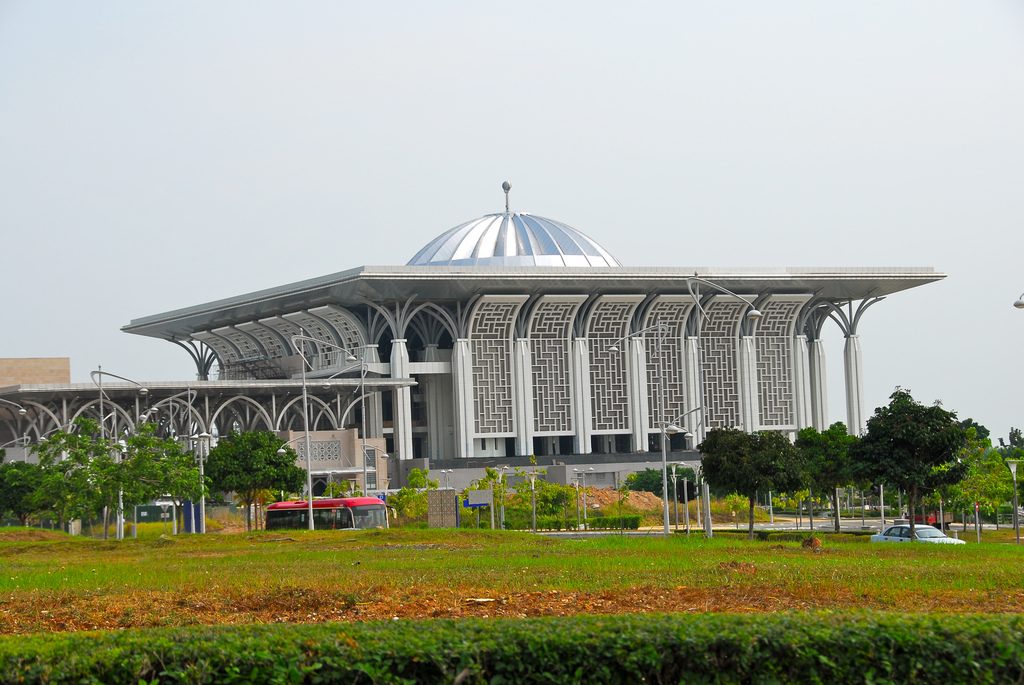
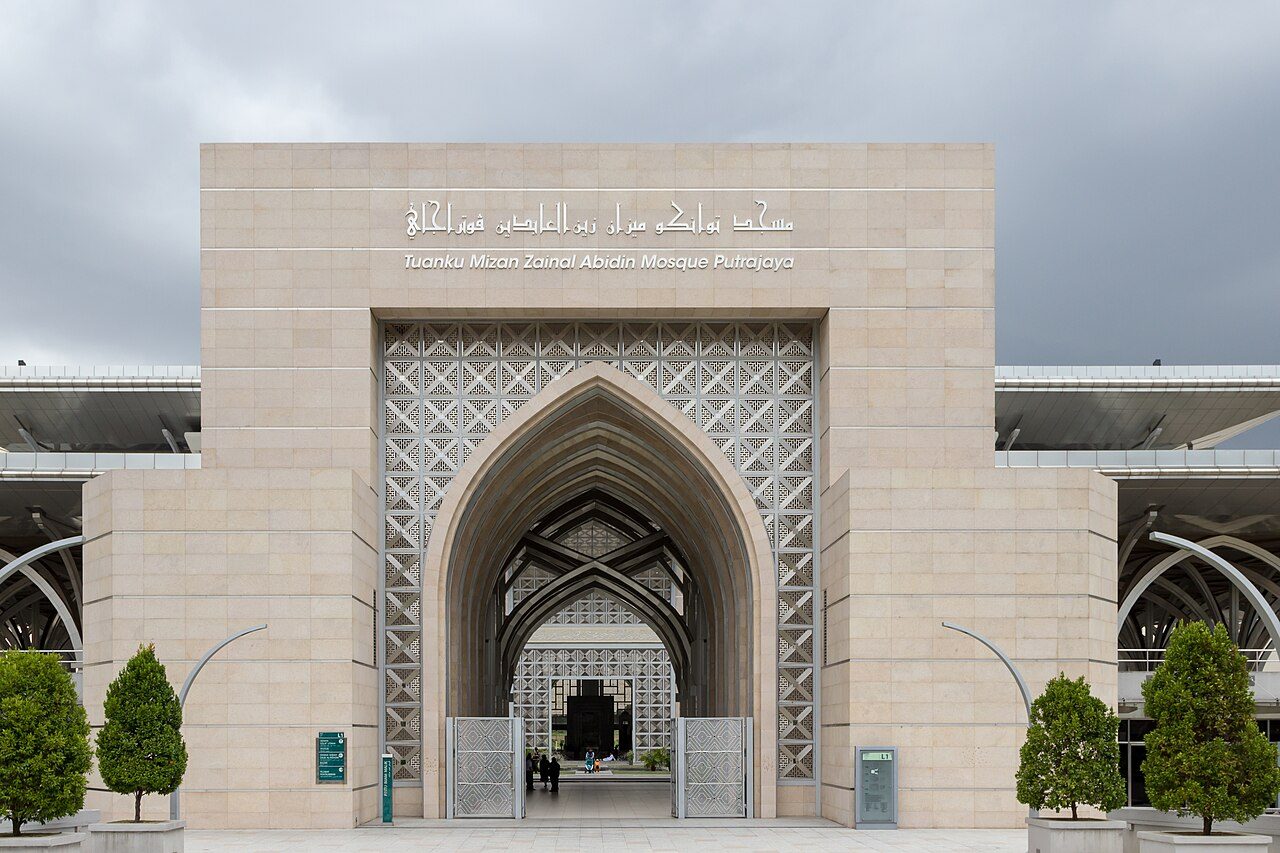
The Tuanku Mizan Zainal Abidin Mosque, often called the Iron Mosque, is the second main mosque of Putrajaya, opened in 2010. About 70 percent of it is made of steel. Its walls are a fine steel mesh, designed to let in light and breeze, and the mihrab is a glass panel engraved with Quranic verses. The mosque stands by a lake and can hold about 24,000 people.
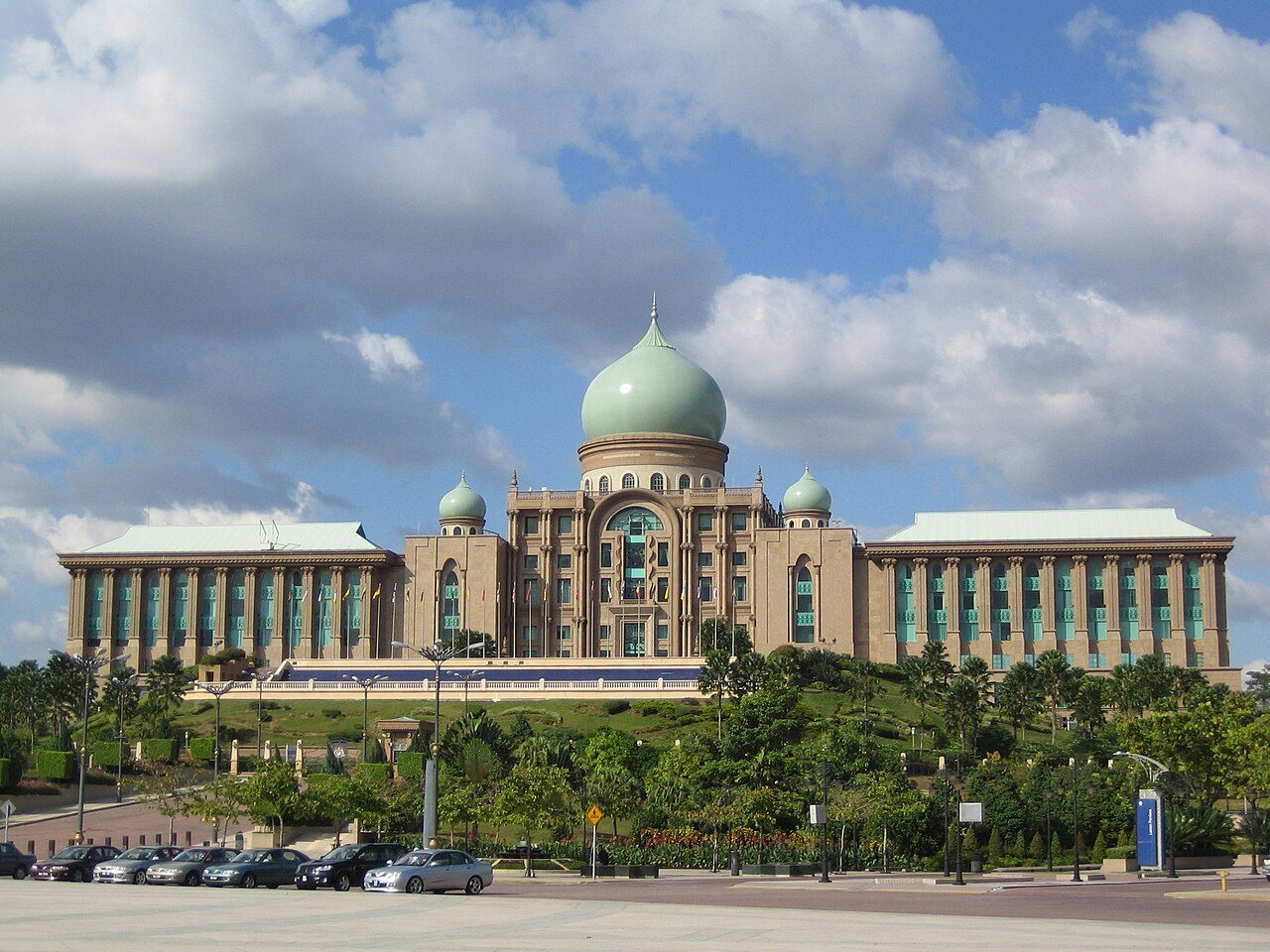
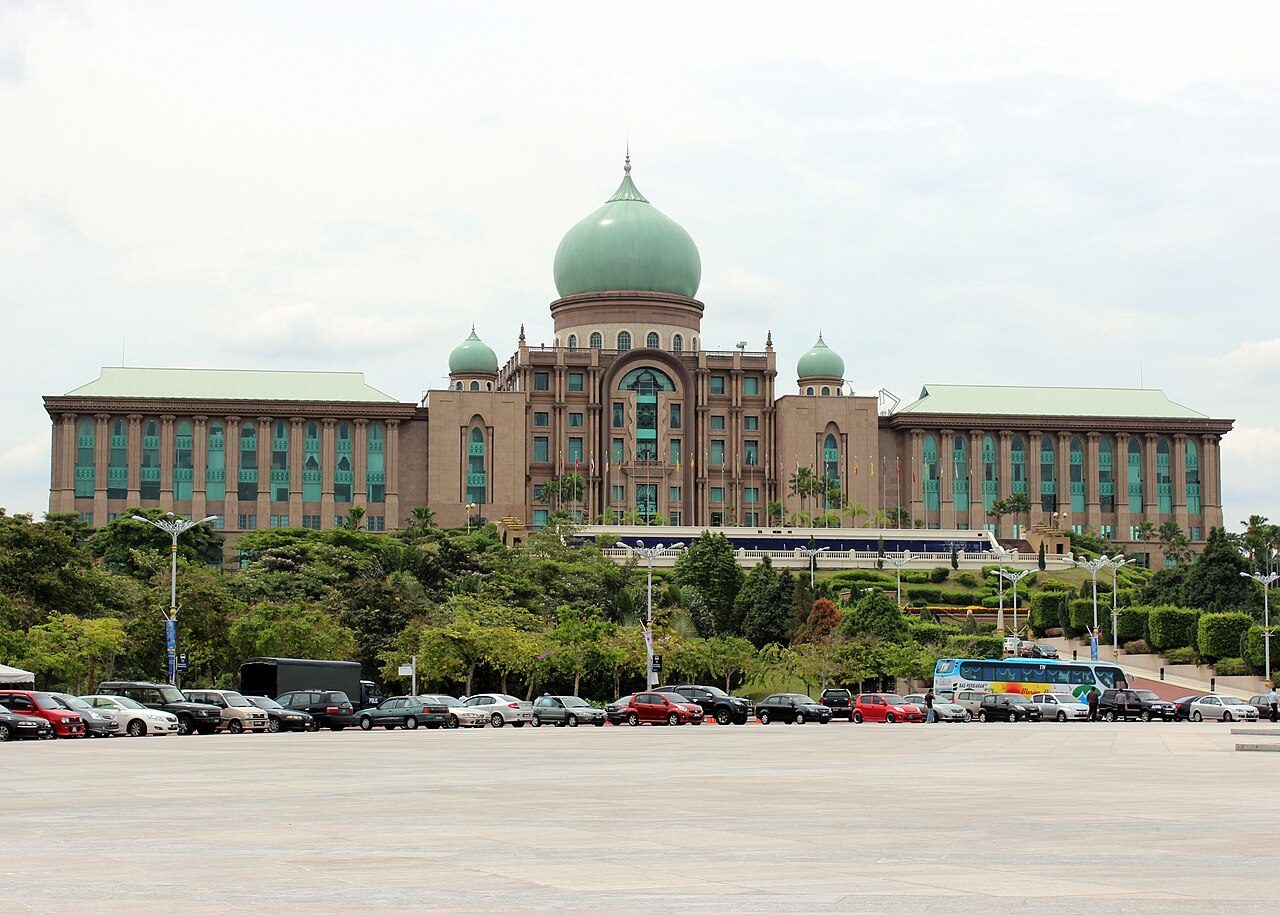
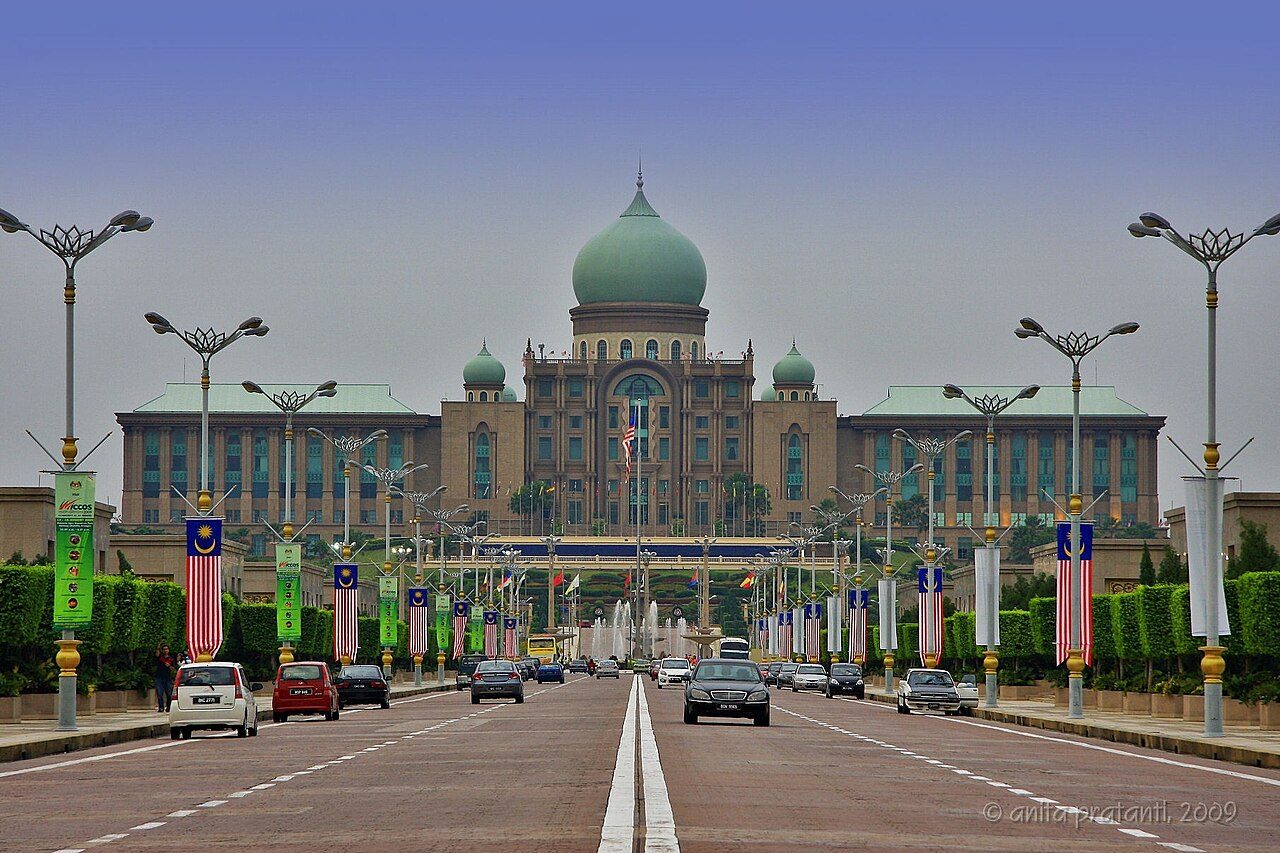
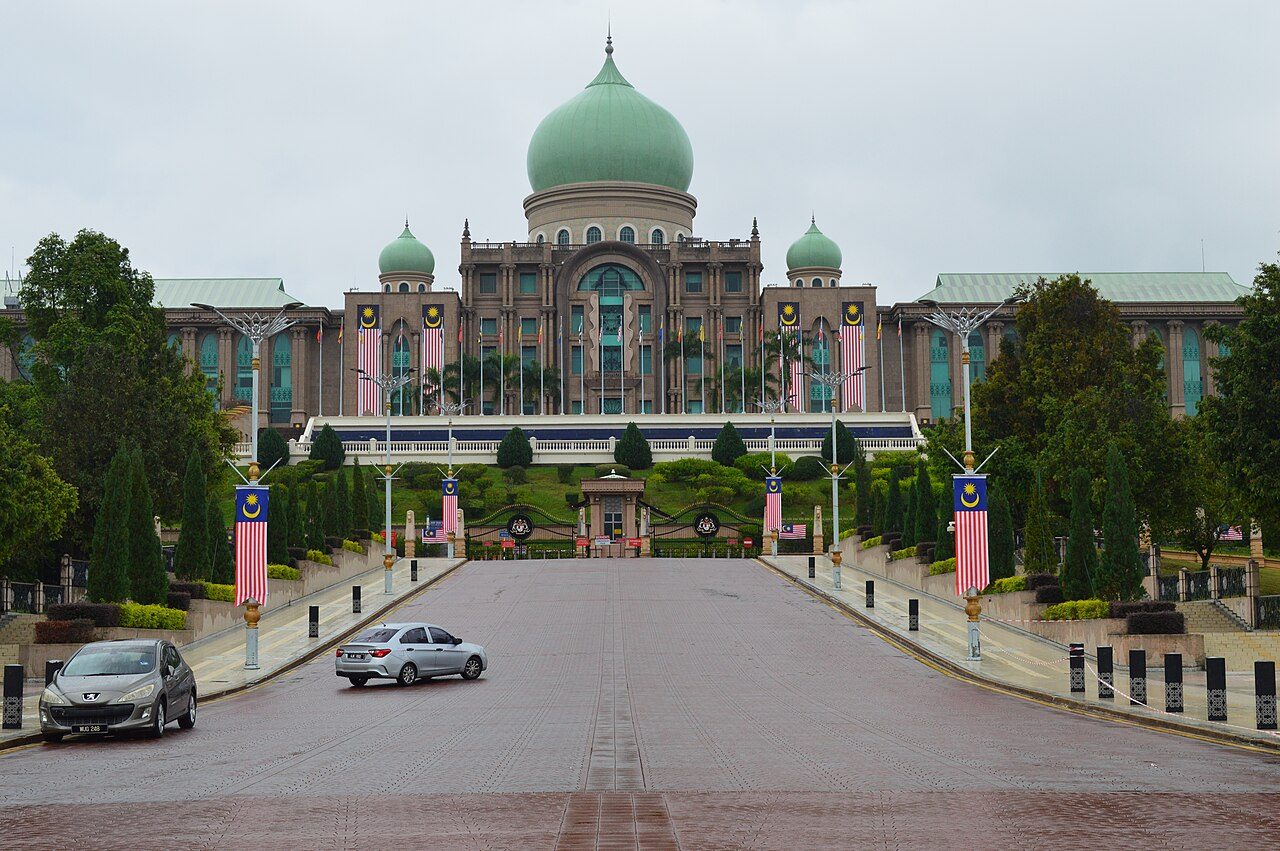
Perdana Putra is the office of the Prime Minister of Malaysia in Putrajaya, completed in 1999. It stands on a hill at the head of the city's main boulevard. The building mixes Malay, Islamic and European styles, with a large green onion dome in the middle. Its gardens and the square in front look out over Putrajaya Lake and the city.
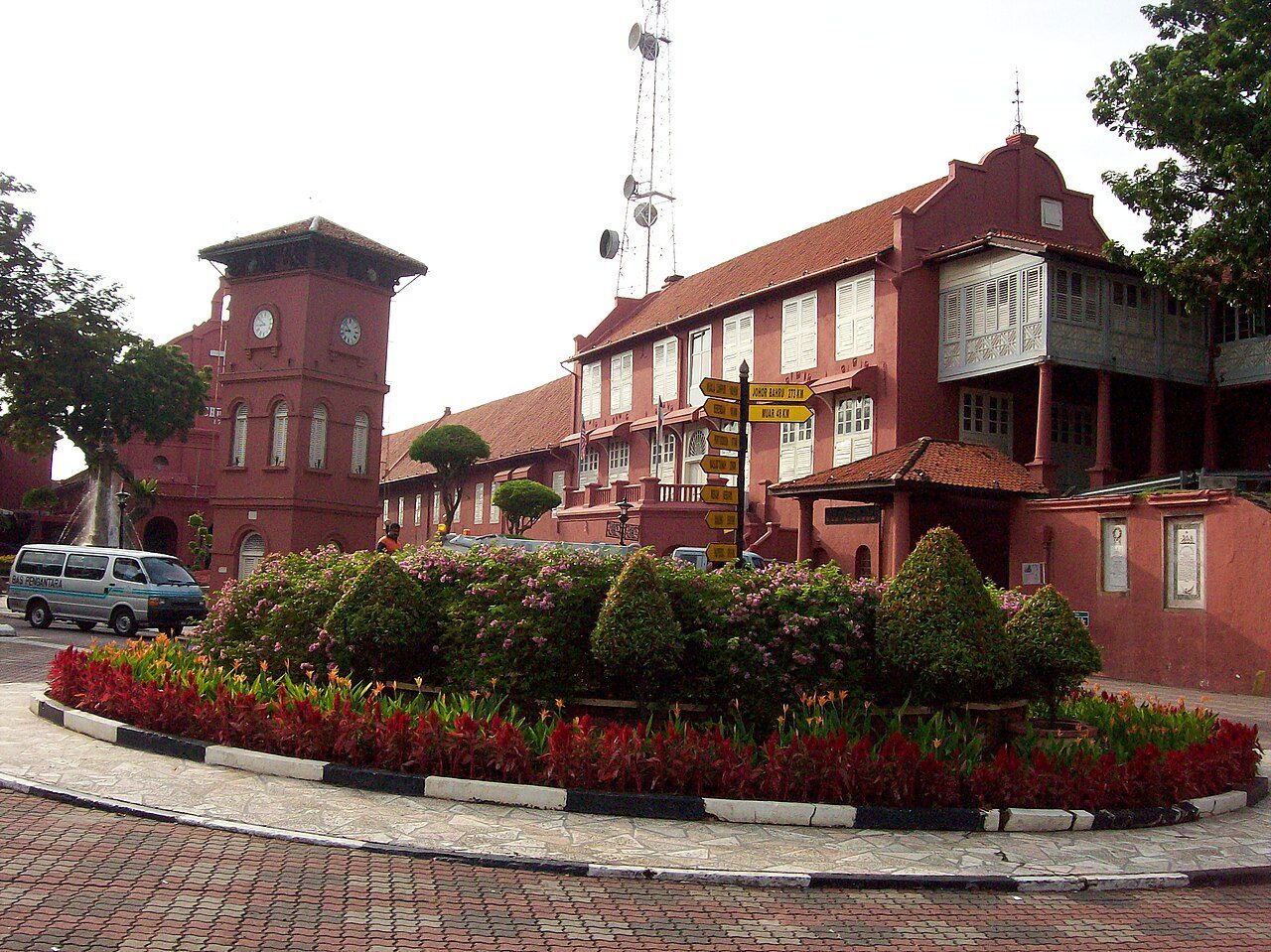
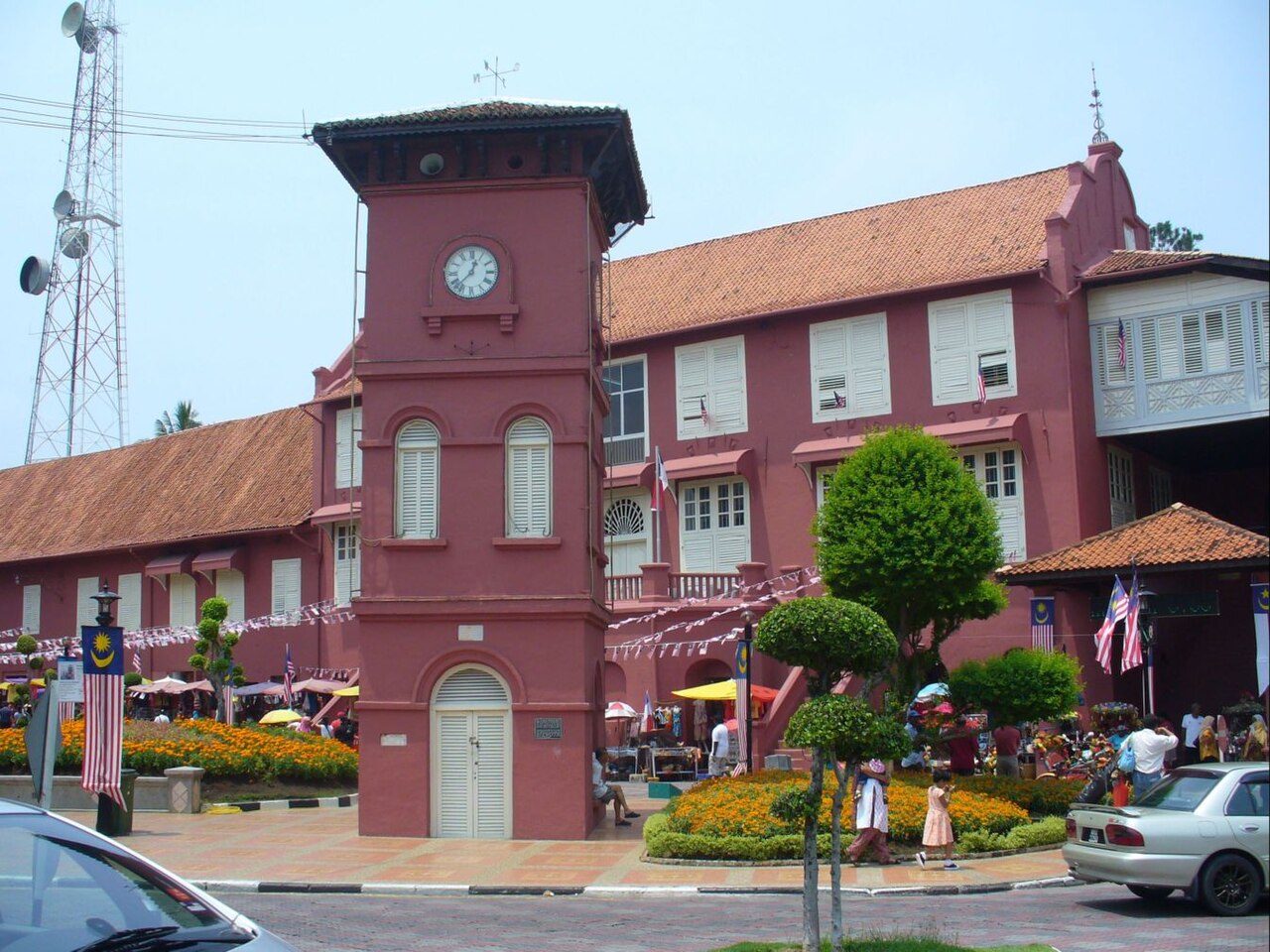
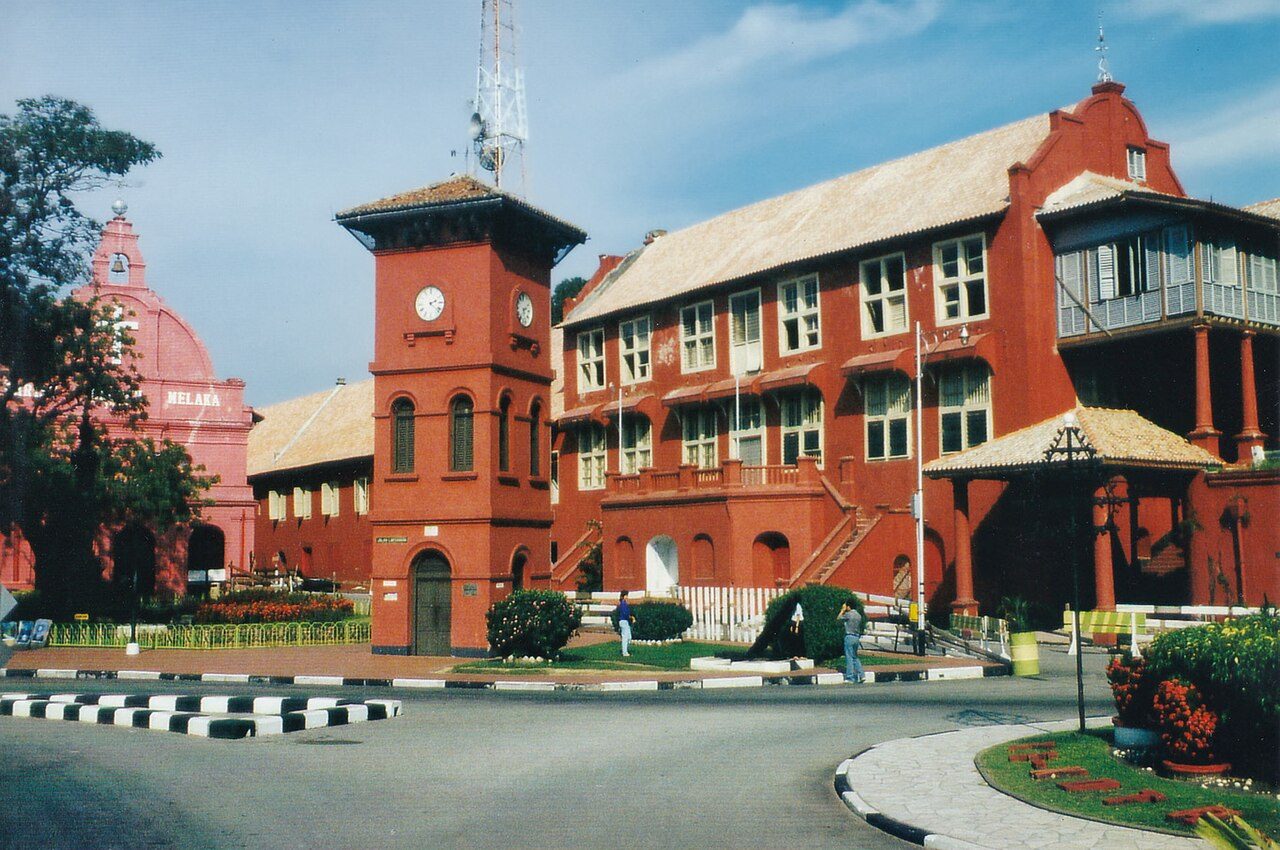
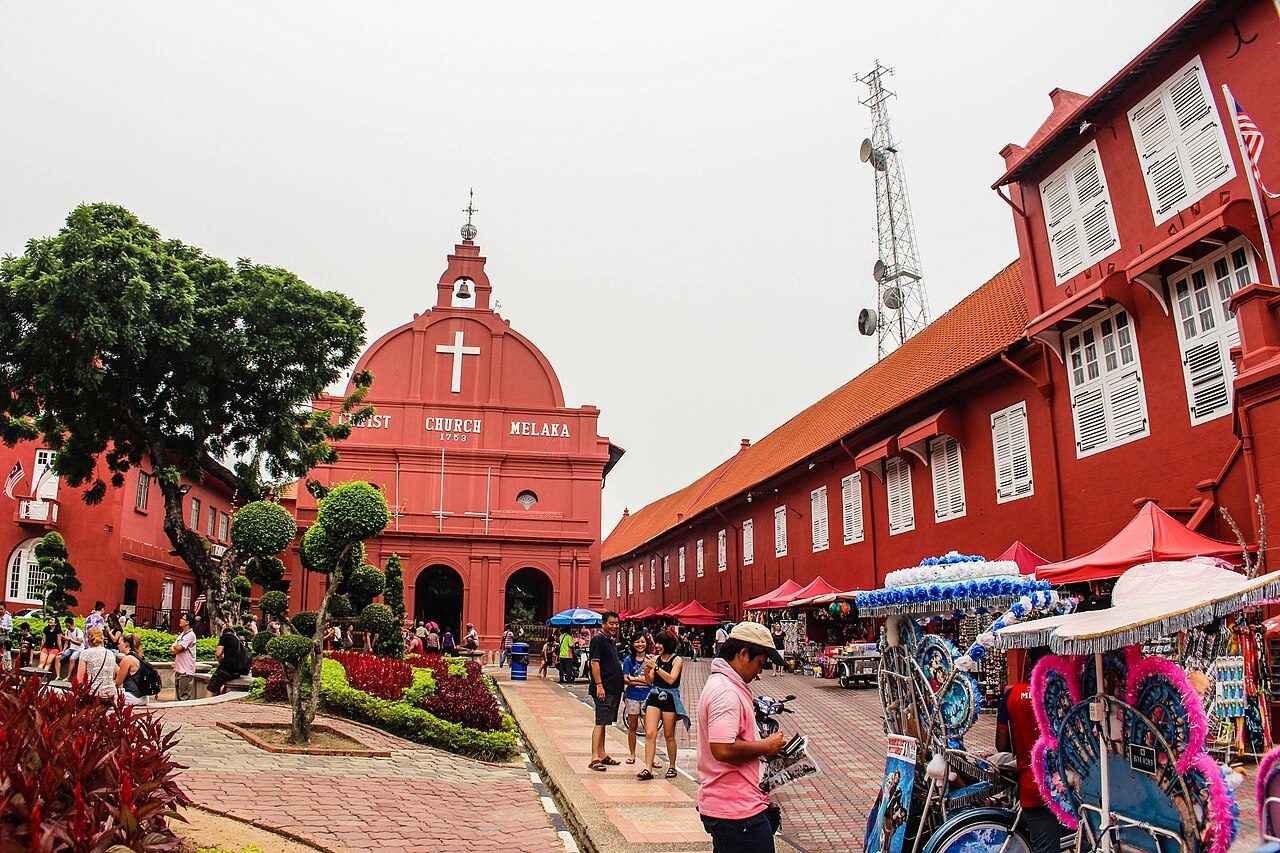
The Stadthuys is a red building on Dutch Square in Malacca, built around 1650 as the office of the Dutch governor. It is thought to be the oldest Dutch building in Asia. Its thick walls and heavy wooden doors are painted bright red, like the buildings around the square. It now houses a history museum. A clock tower and a fountain stand in the square.
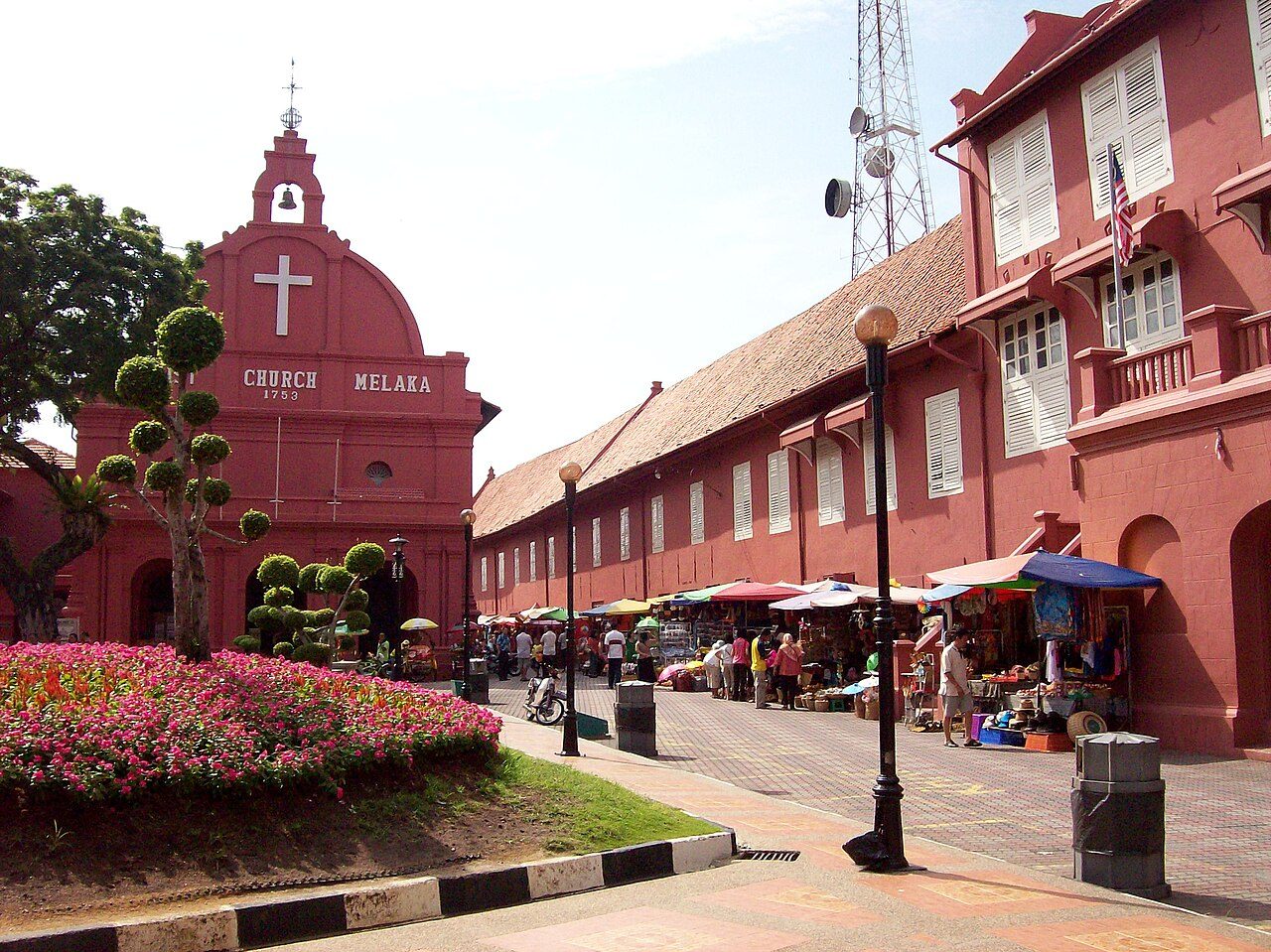
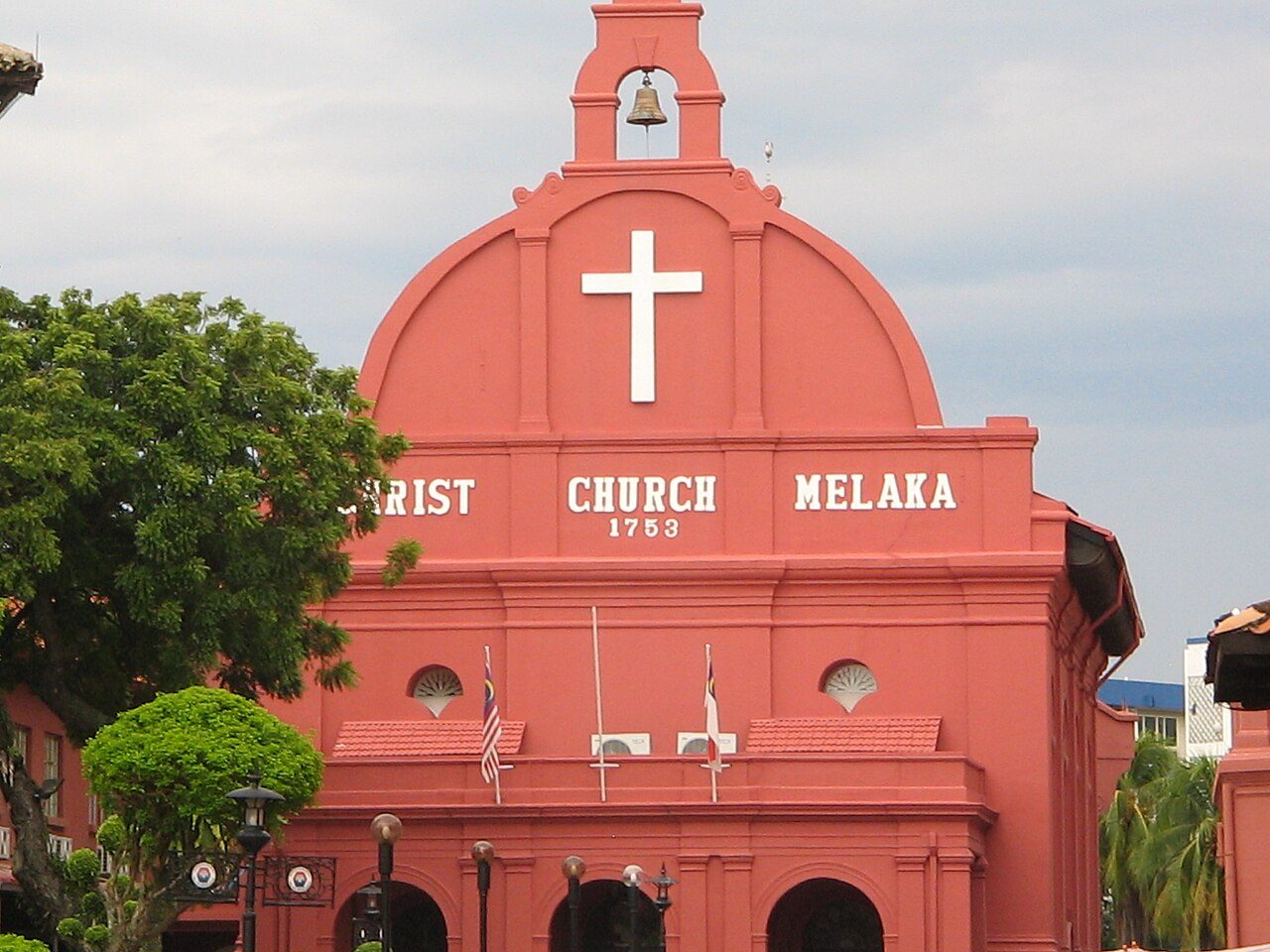
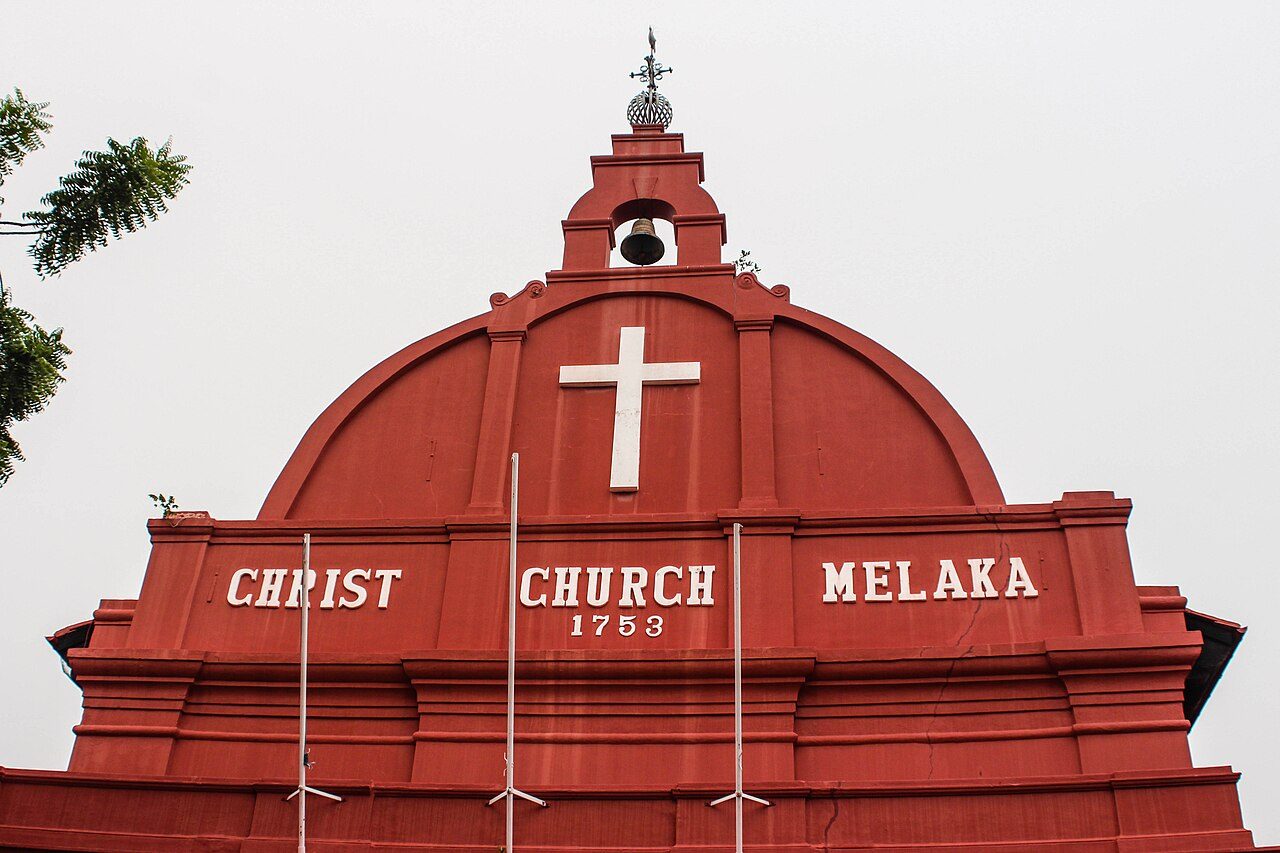
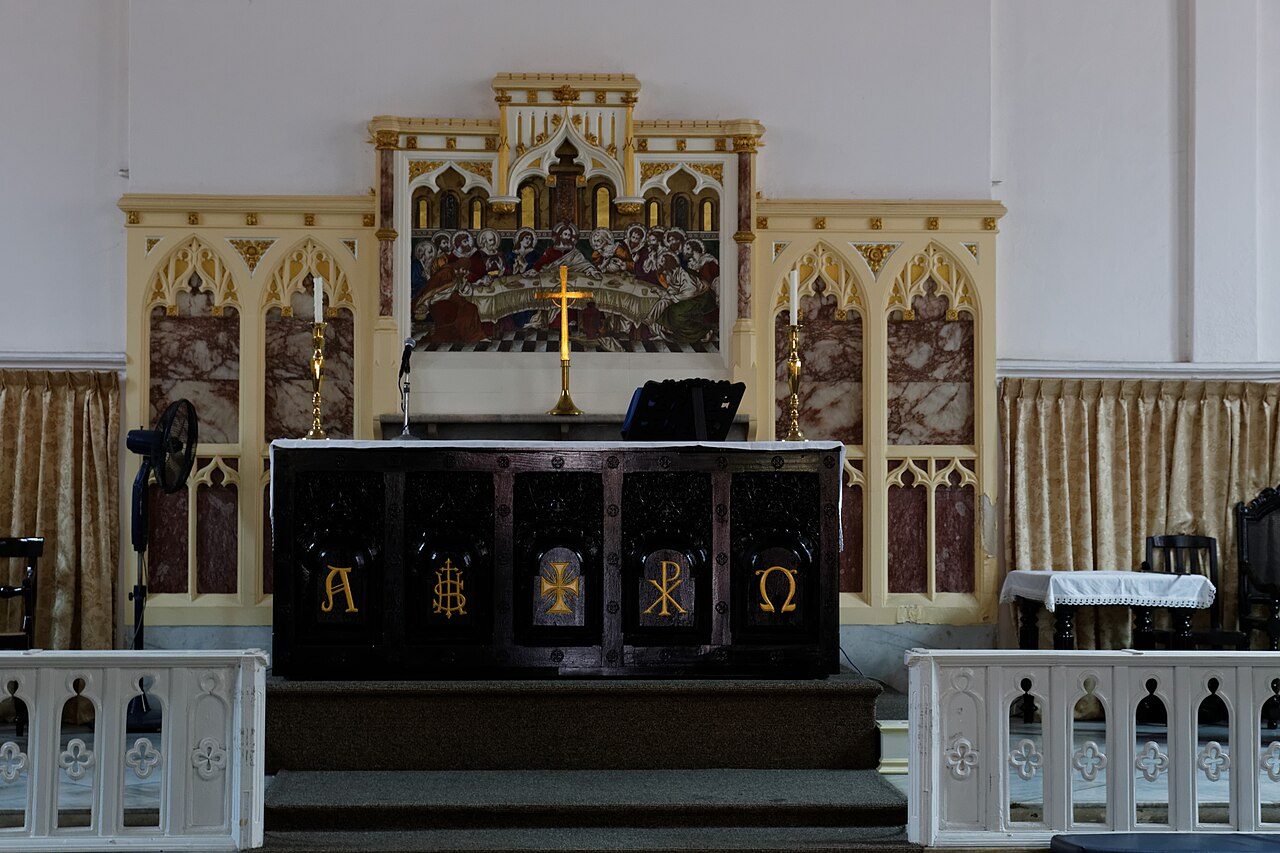
Christ Church in Malacca was built by the Dutch between 1741 and 1753 and is the oldest Protestant church in Malaysia that is still in use. It was painted red, like the other buildings of Dutch Square, in the early 20th century. Its ceiling beams are each cut from a single tree, and it still holds Dutch tombstones and old church items.
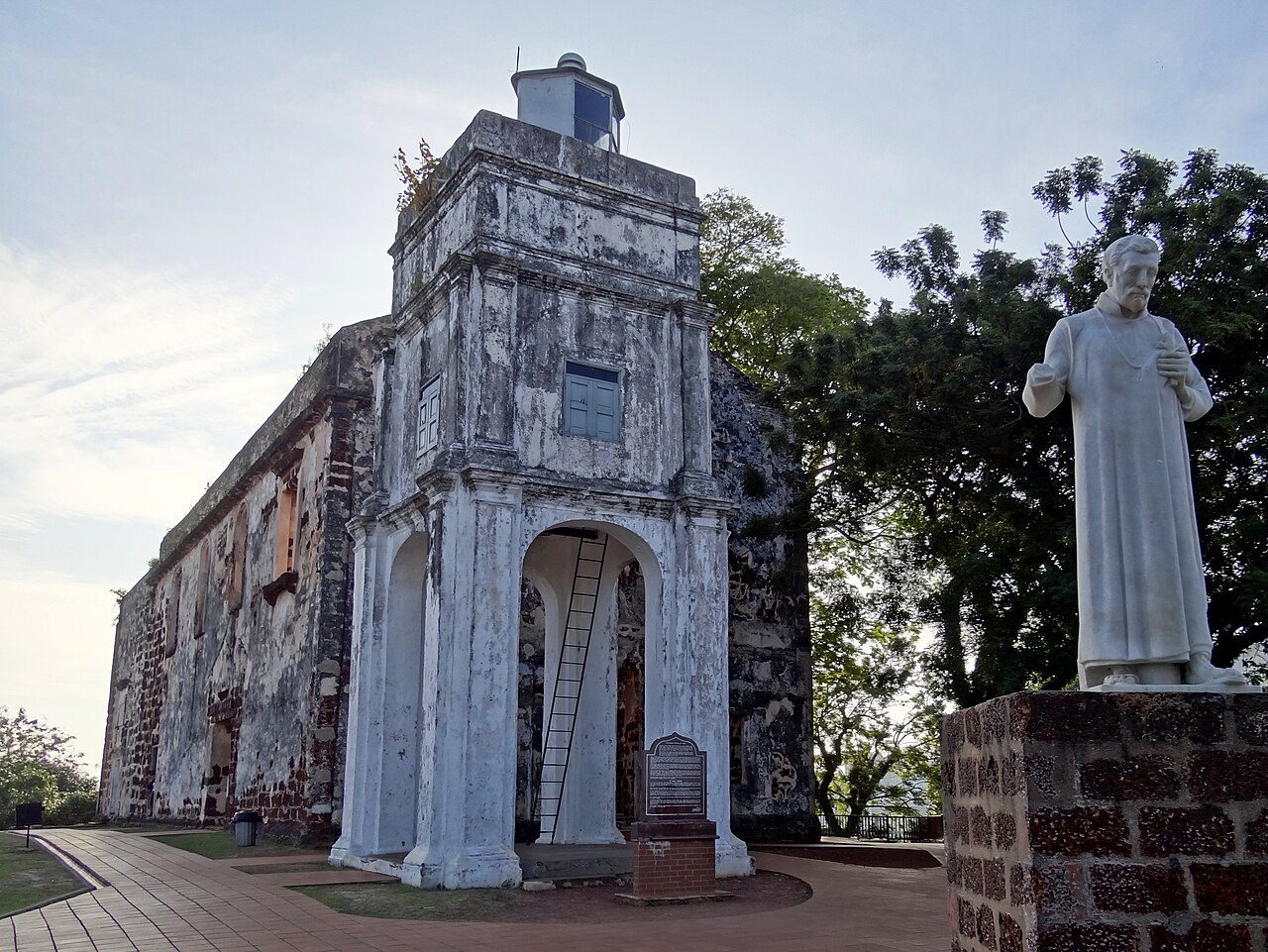
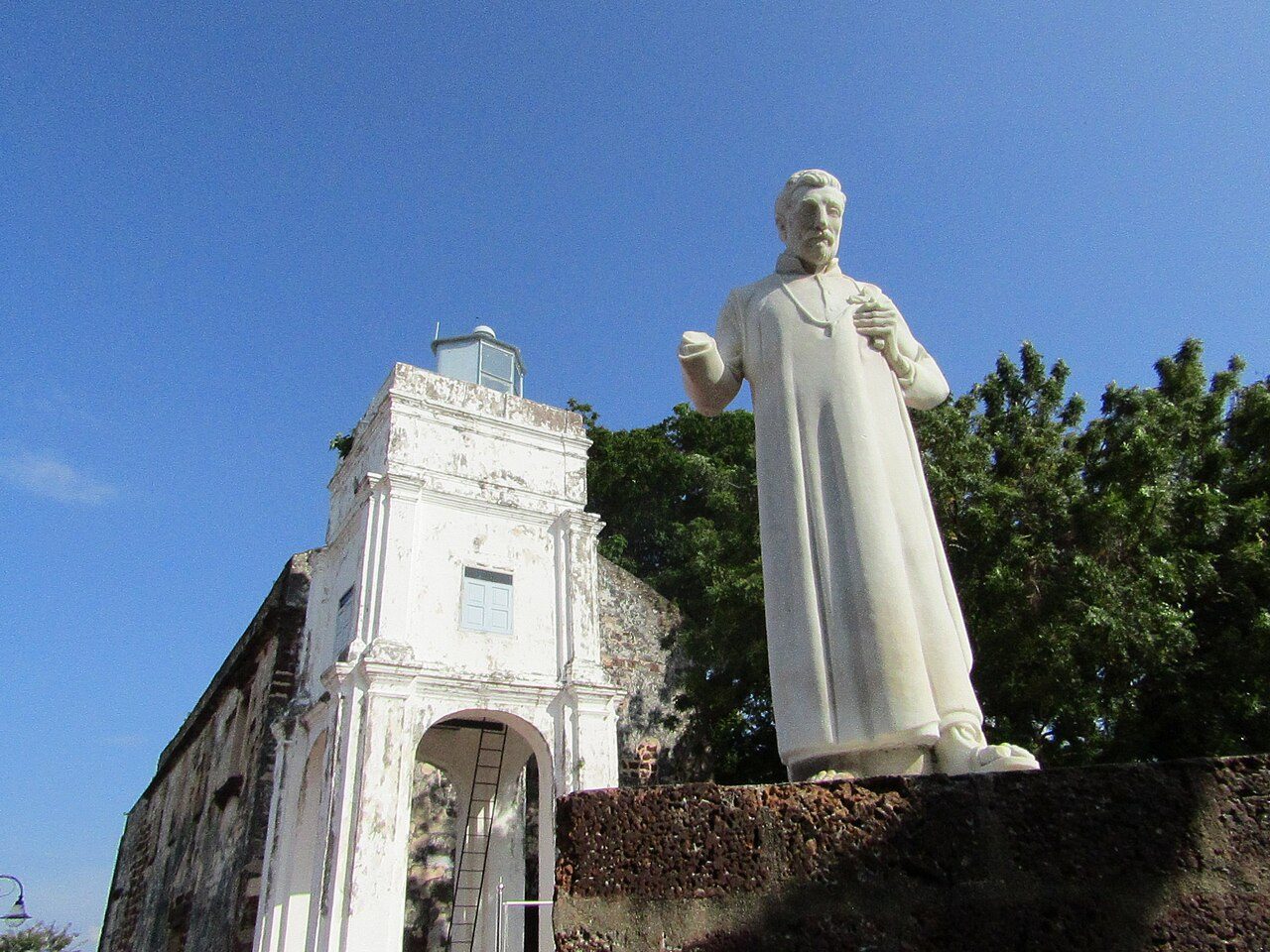
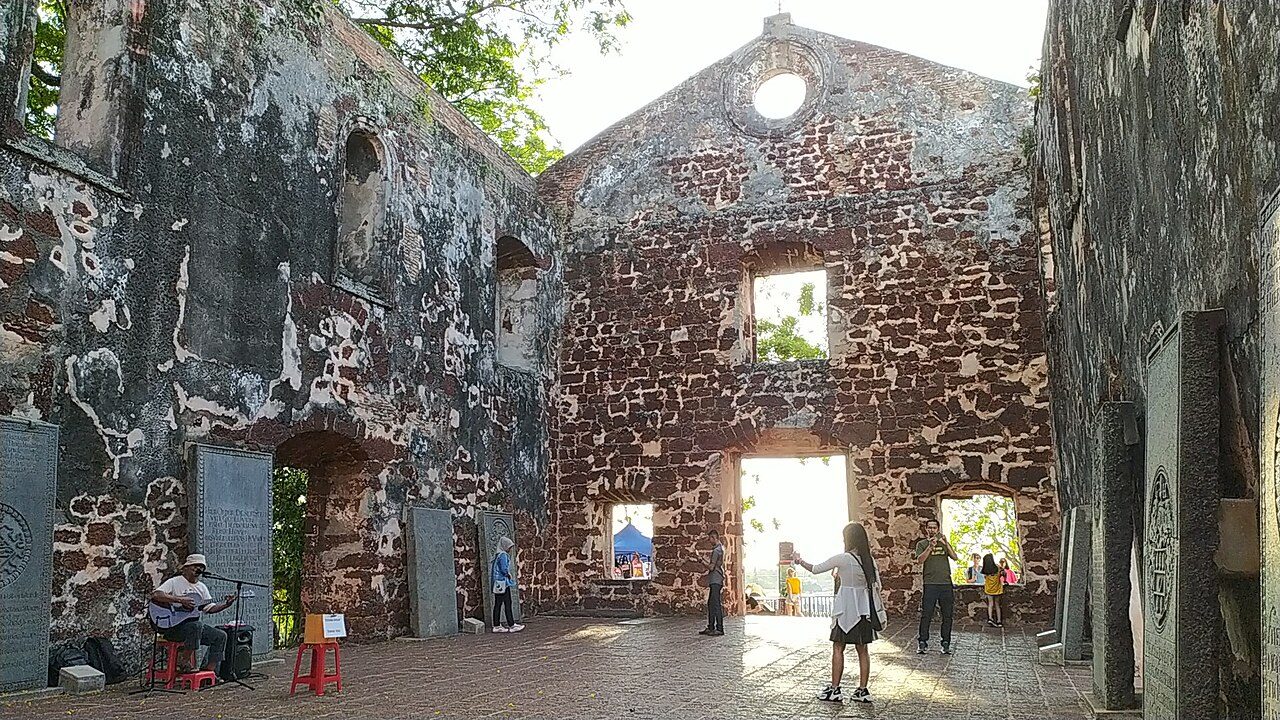
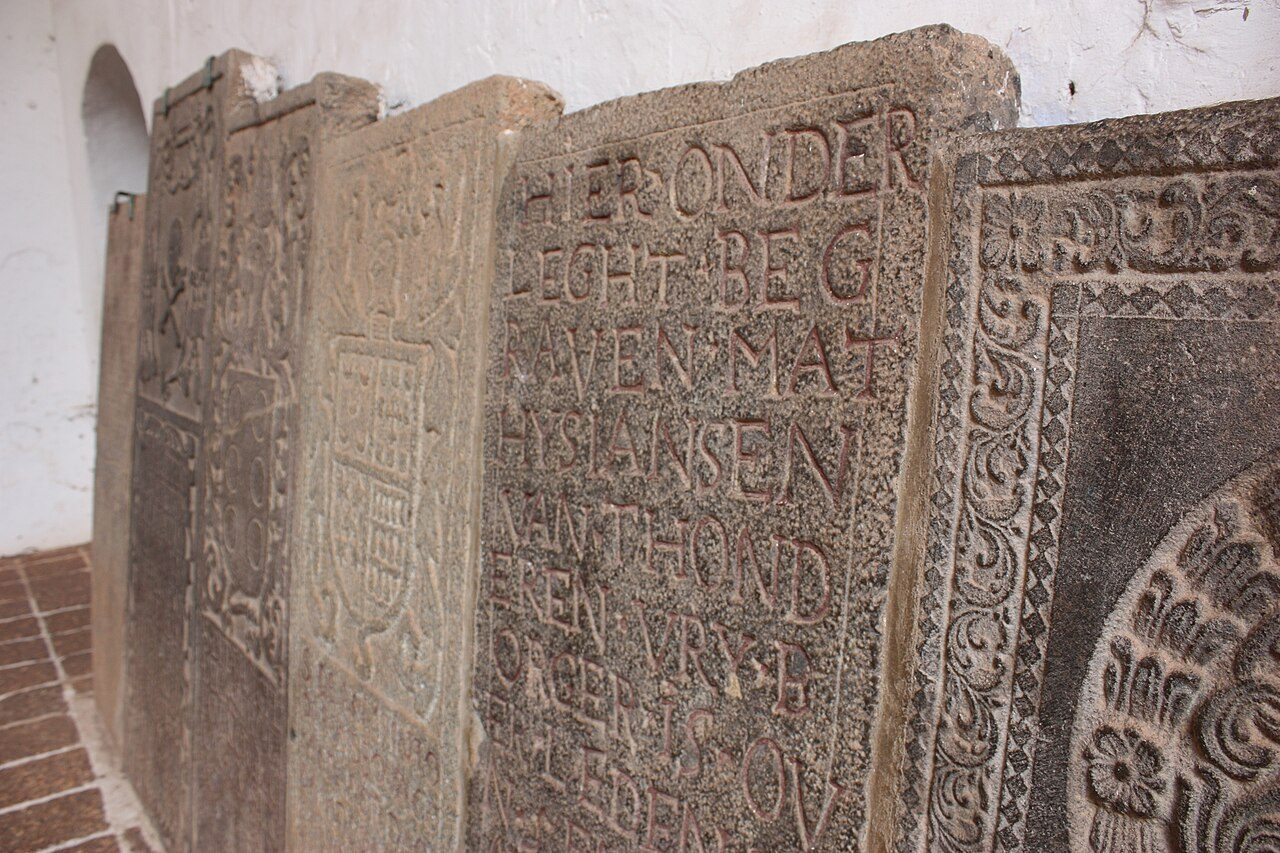
St. Paul's Church stands in ruins at the top of St. Paul's Hill in Malacca. It was built by the Portuguese in 1521 as a chapel and later used by the Dutch as a burial ground. St Francis Xavier was buried here for a time before his body was taken to Goa. A marble statue of him stands in front. Old Dutch gravestones line the walls inside.
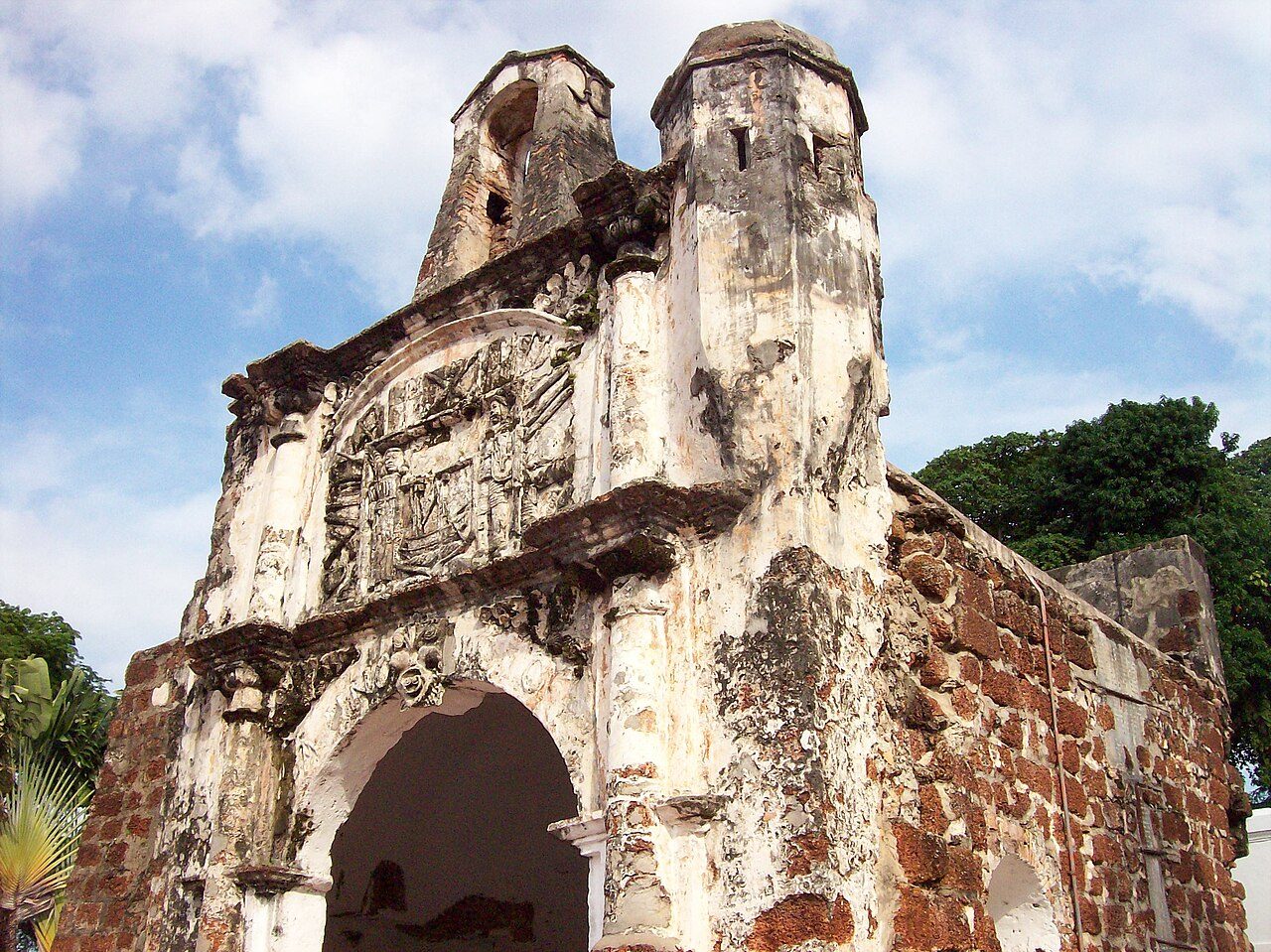
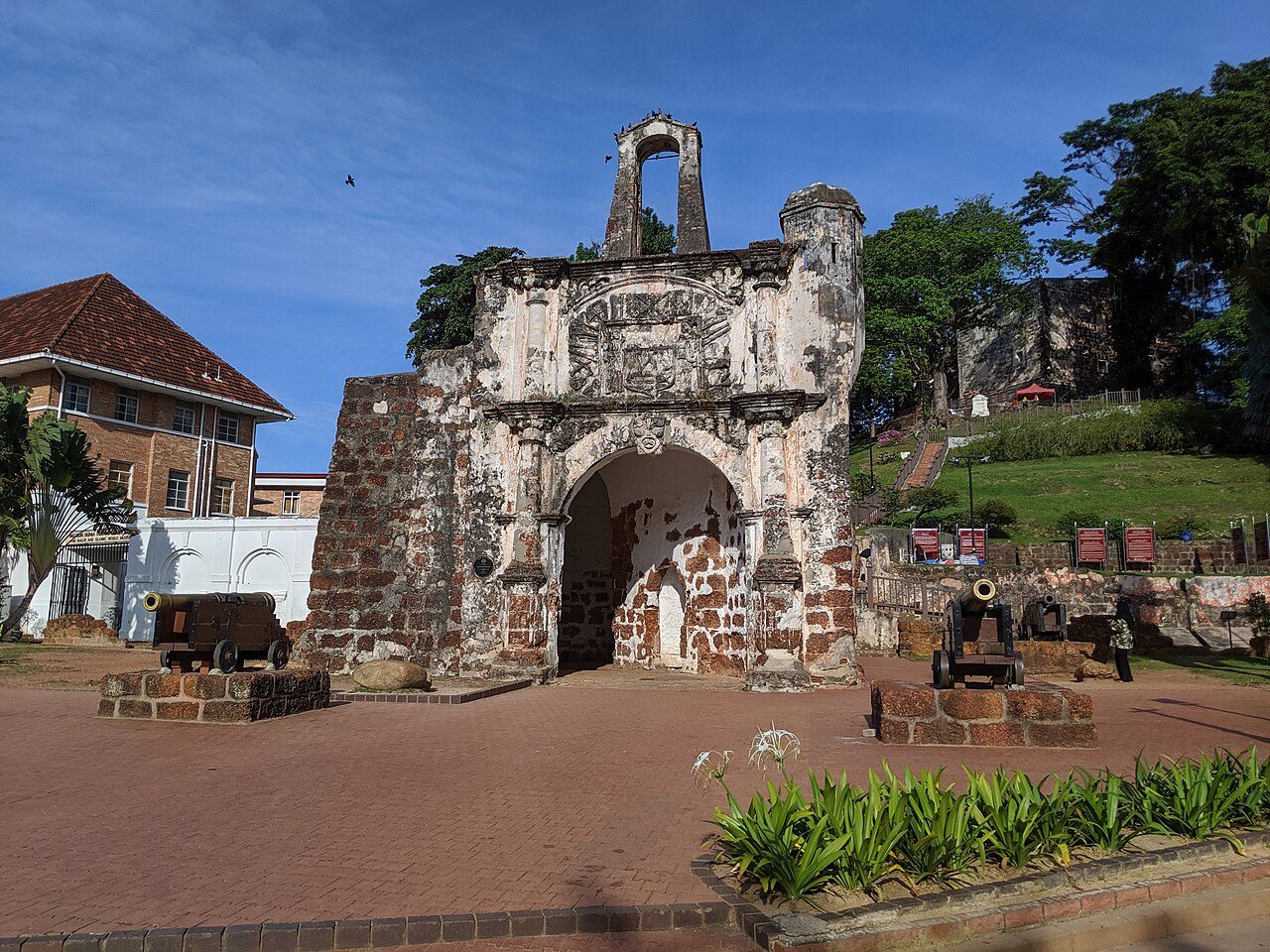
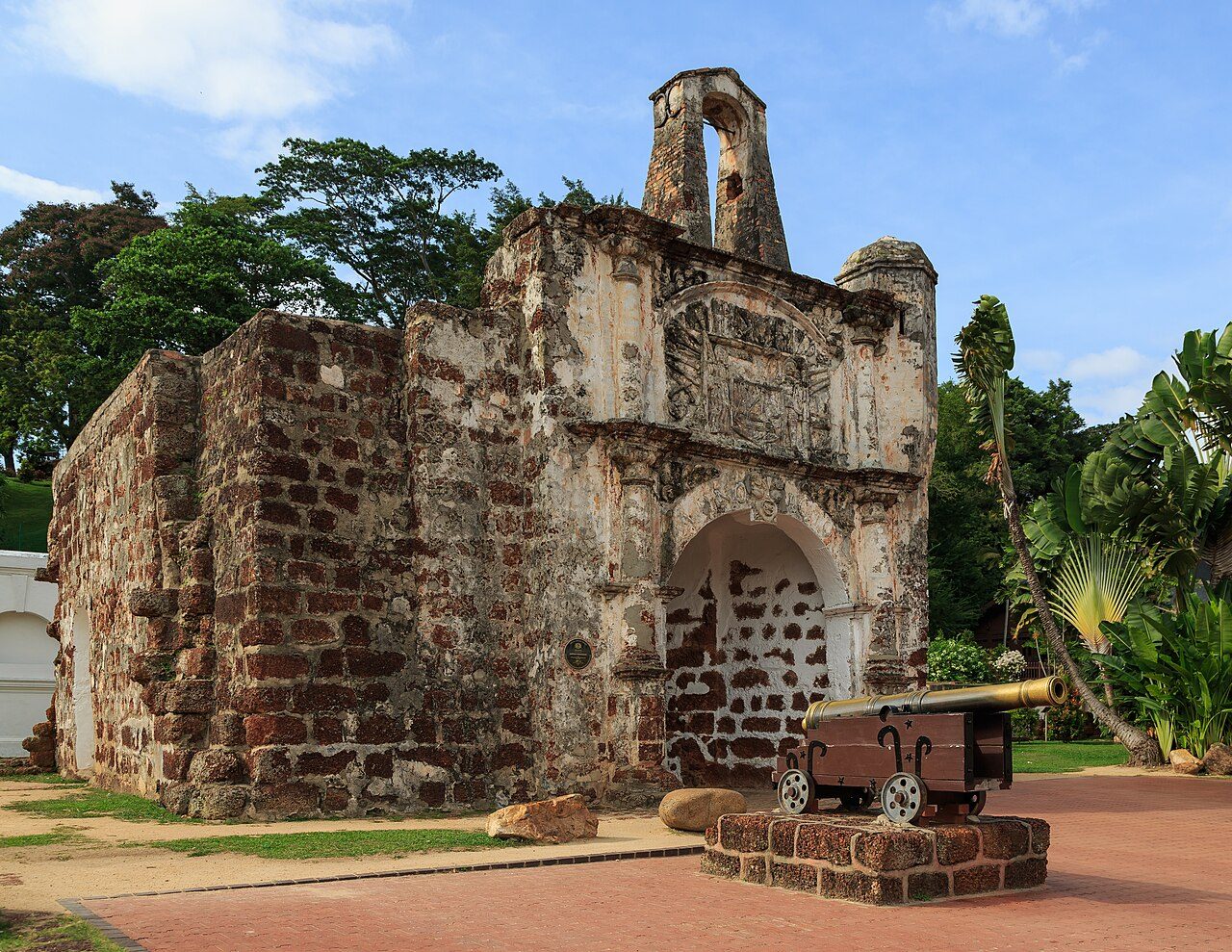
A Famosa was a fortress built by the Portuguese in Malacca after they captured the city in 1511. It was one of the oldest European buildings in Asia. The Dutch damaged it, and the British blew up most of it in 1807. The only part left is the Porta de Santiago, a small stone gatehouse at the foot of St Paul's Hill, saved thanks to Stamford Raffles.
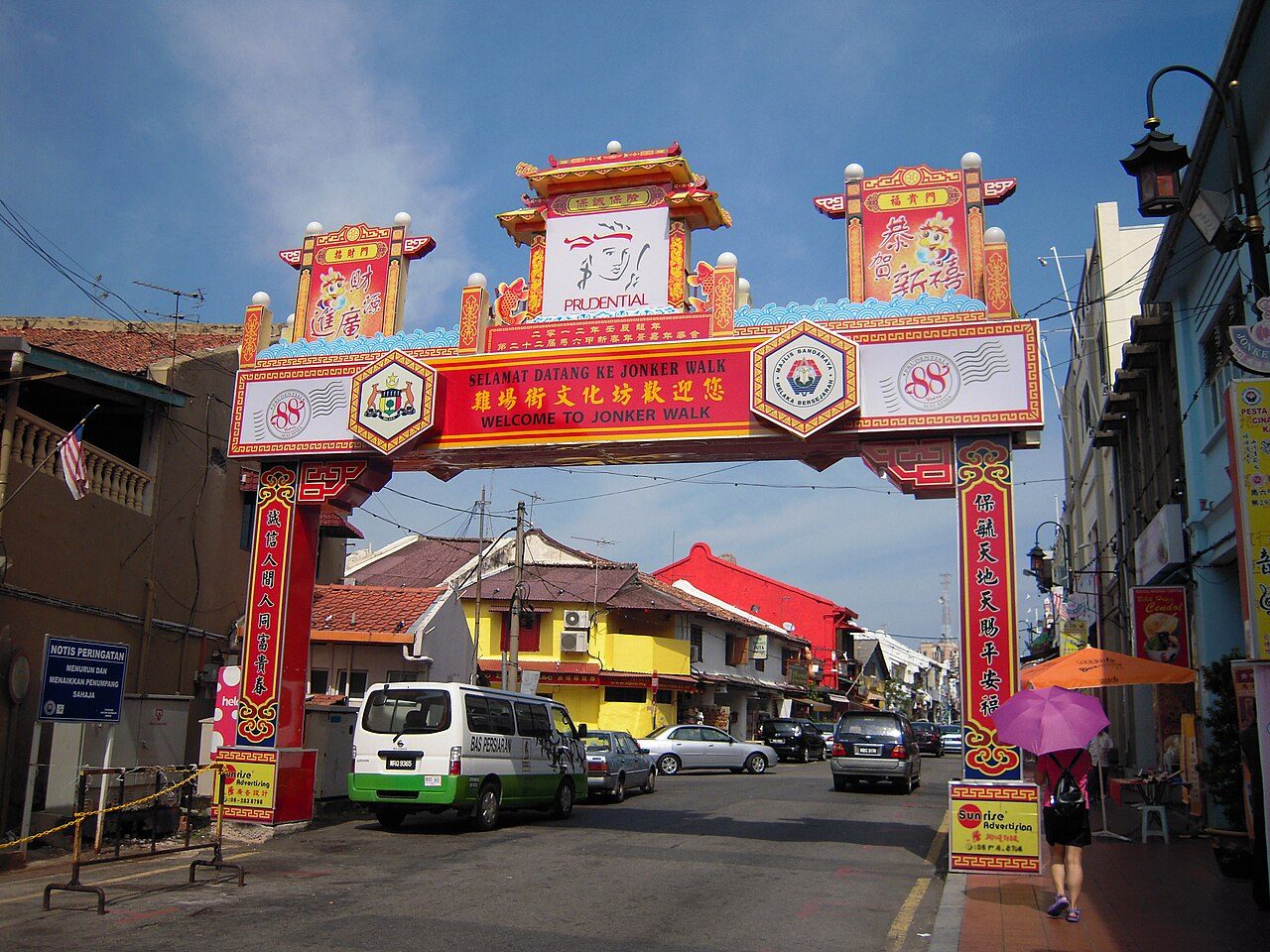
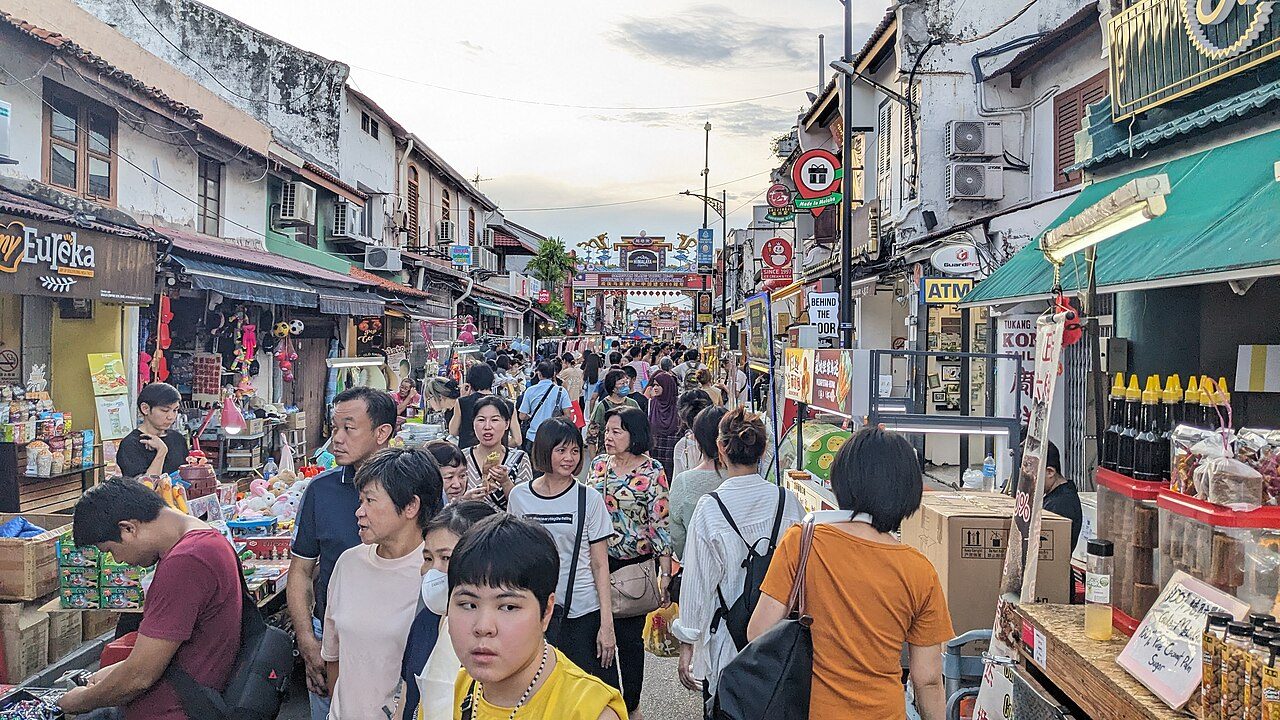
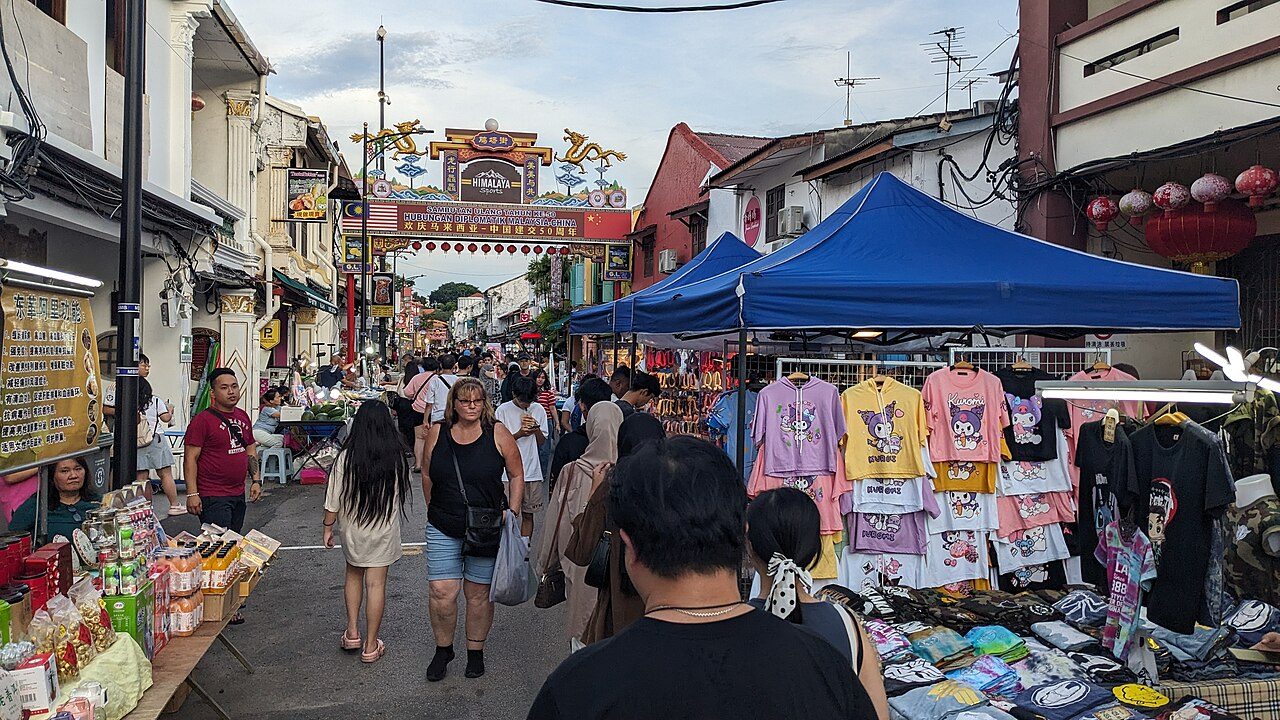
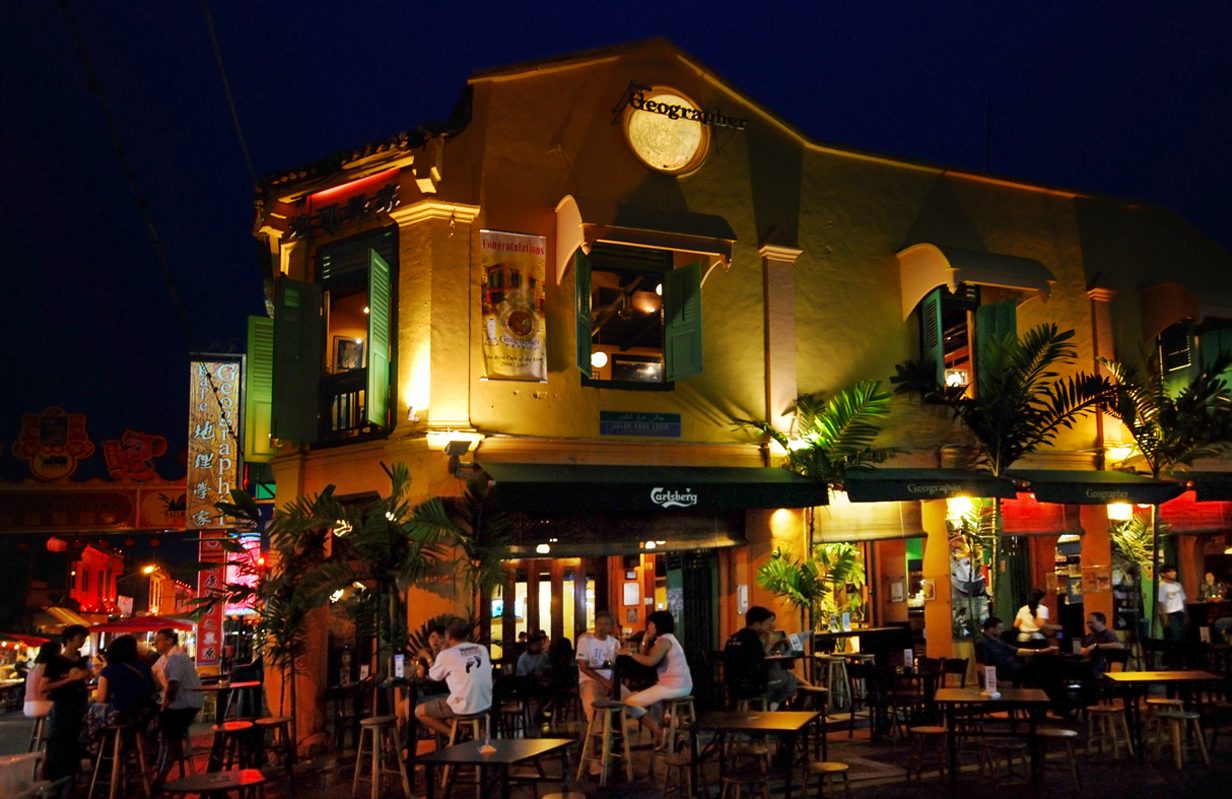
Jonker Street, Jalan Hang Jebat, is the main street of Chinatown in Malacca. It is lined with old shophouses holding antique shops, cafes, clan associations and temples. On Friday to Sunday evenings it becomes the Jonker Walk night market, with stalls selling food, crafts and souvenirs. Local specialities include chicken rice balls and cendol.
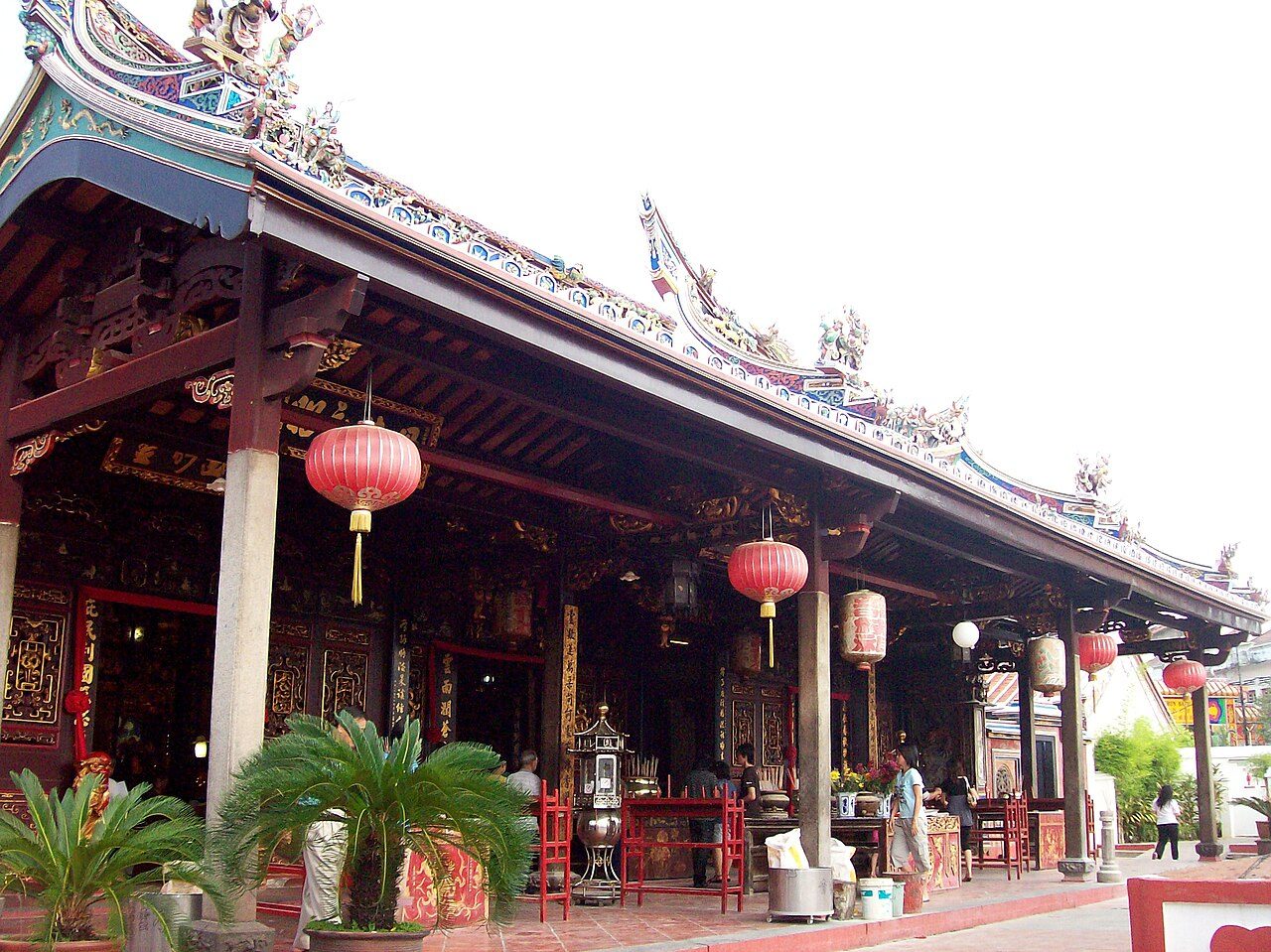
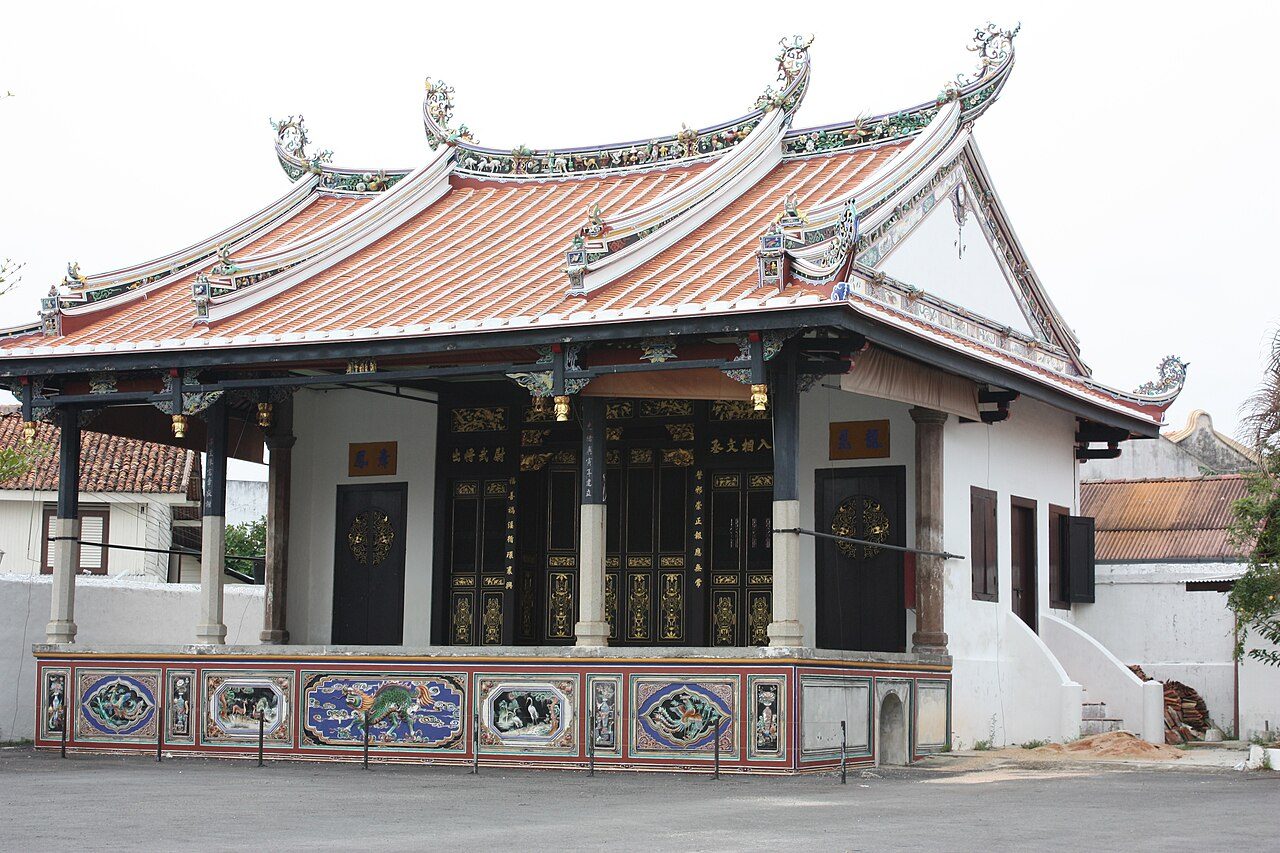
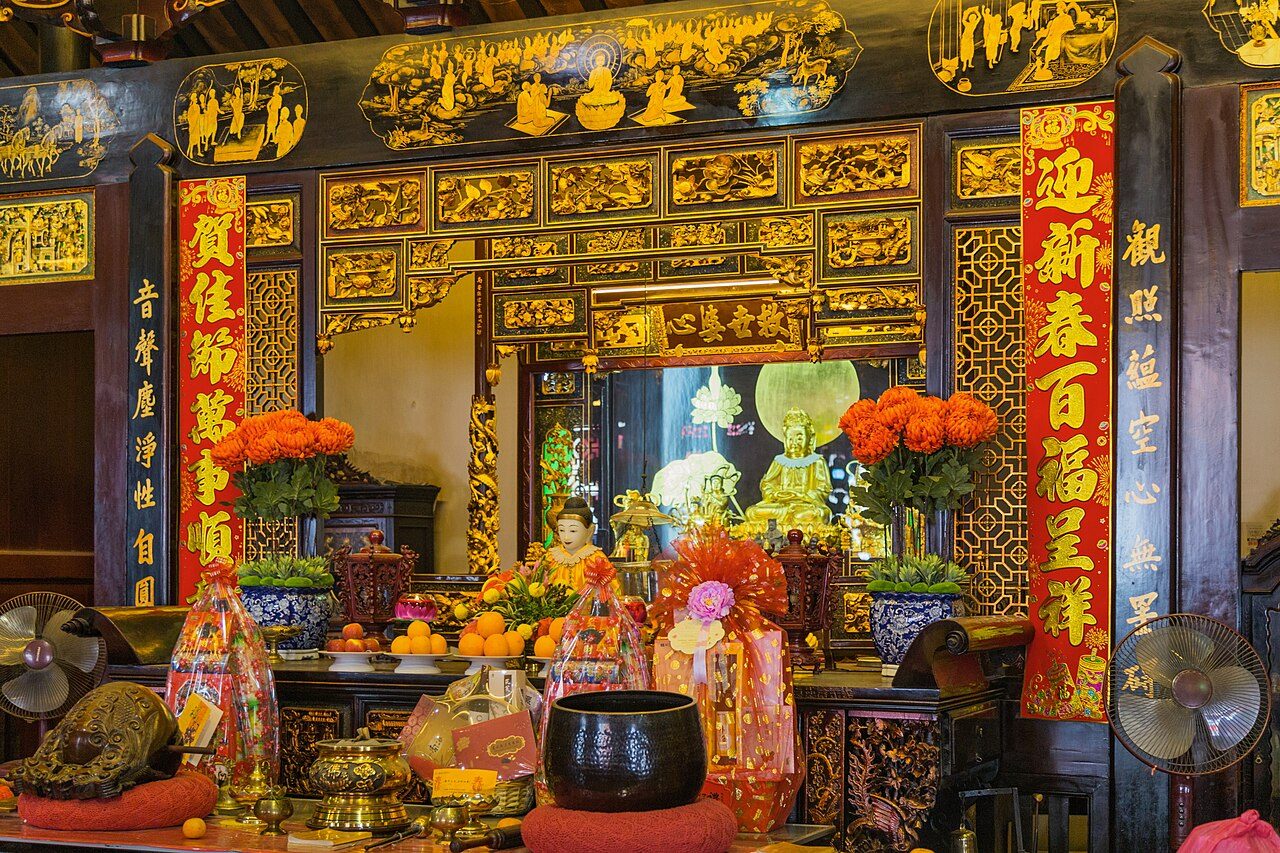
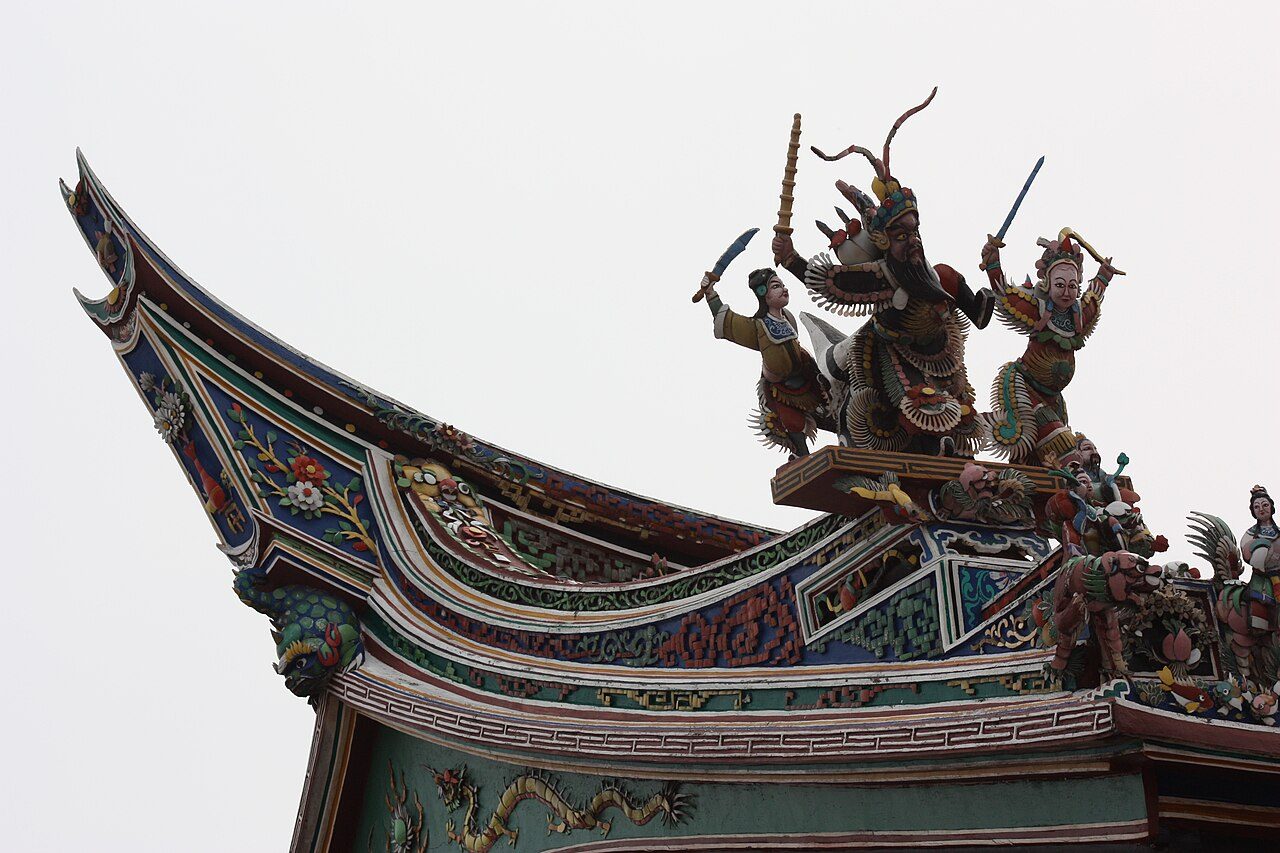
Cheng Hoon Teng is the oldest Chinese temple in Malaysia, founded in the 1640s in Malacca. It serves the three teachings of Buddhism, Taoism and Confucianism, and its main hall is dedicated to the goddess of mercy, Kuan Yin. The temple is famous for its fine woodcarving and lacquer work, and its roof ridges decorated with porcelain figures.
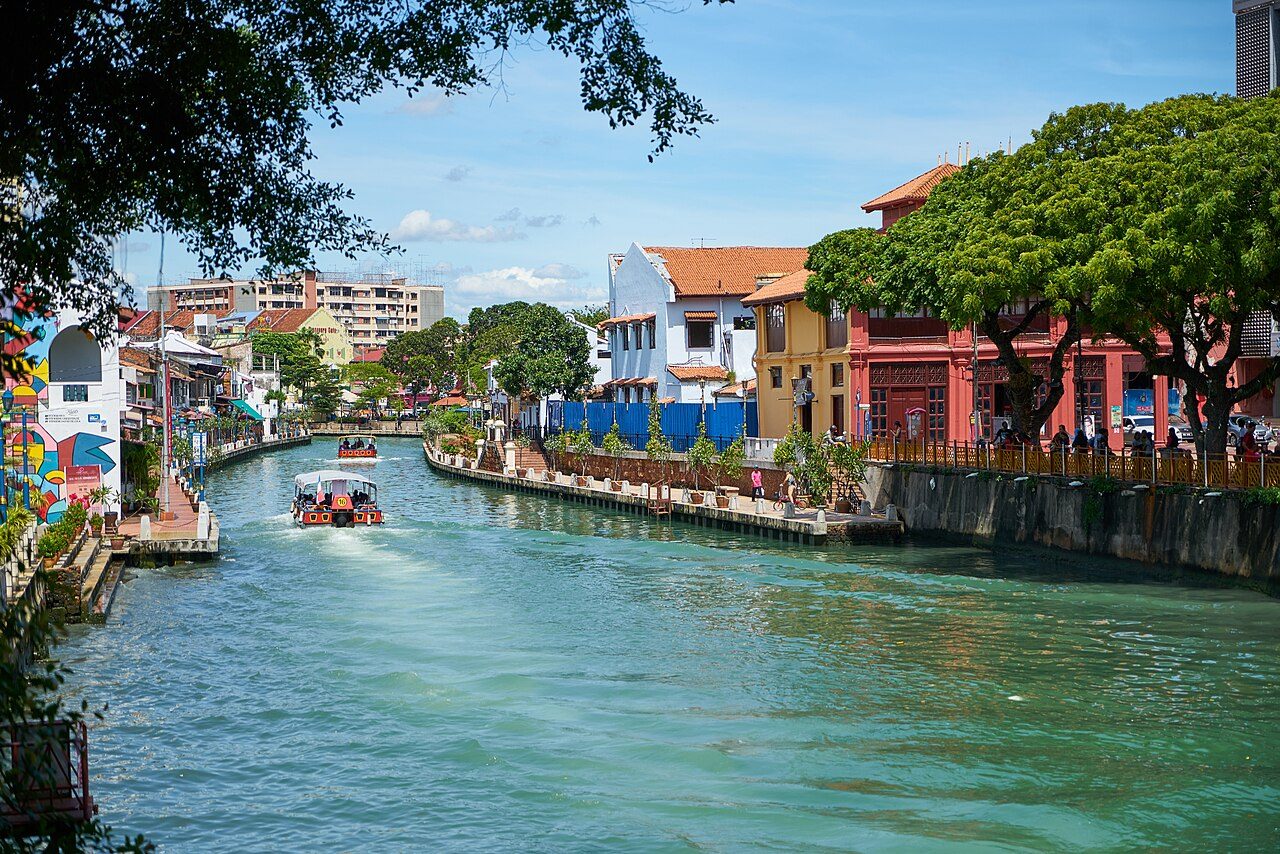
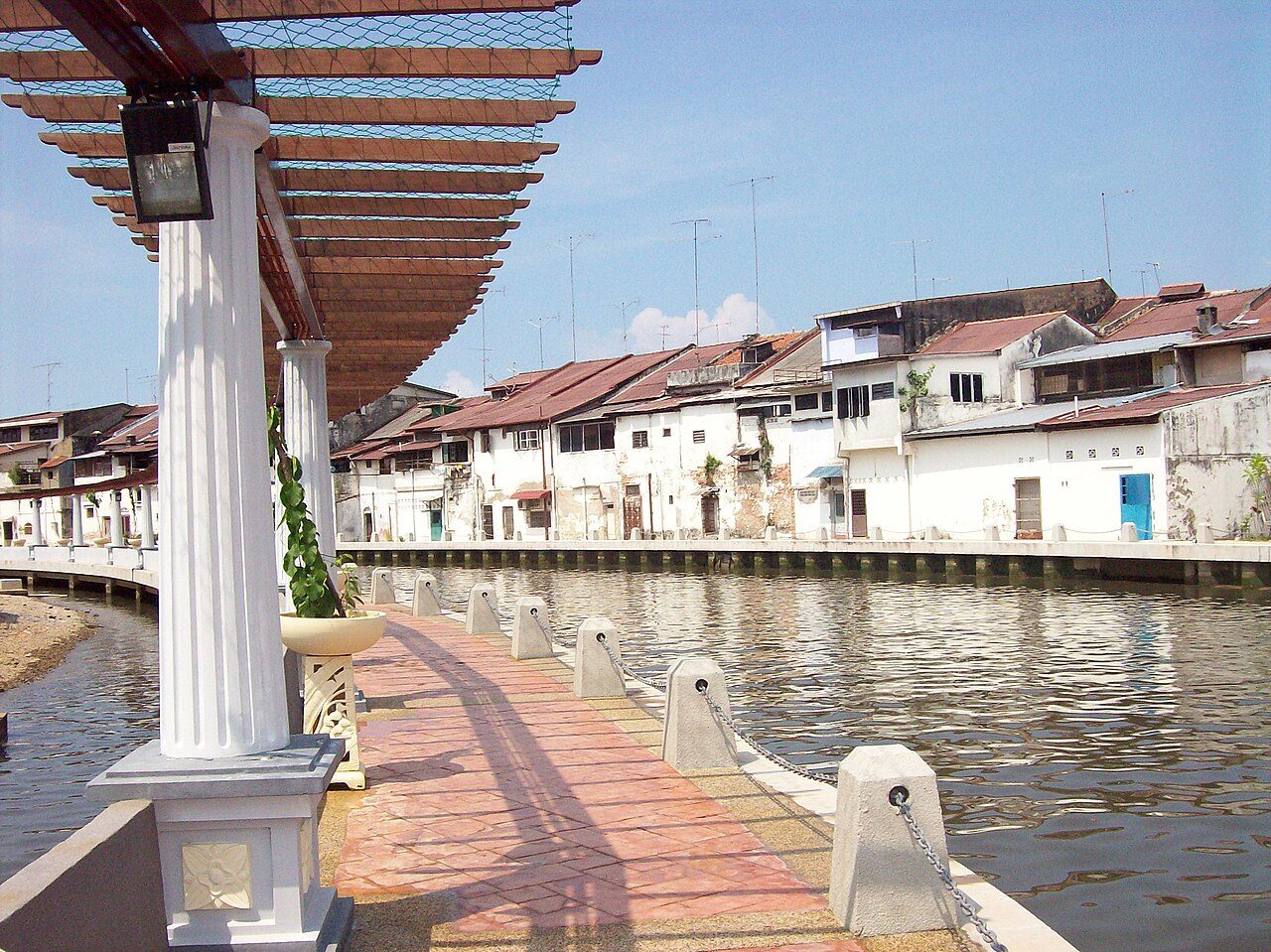
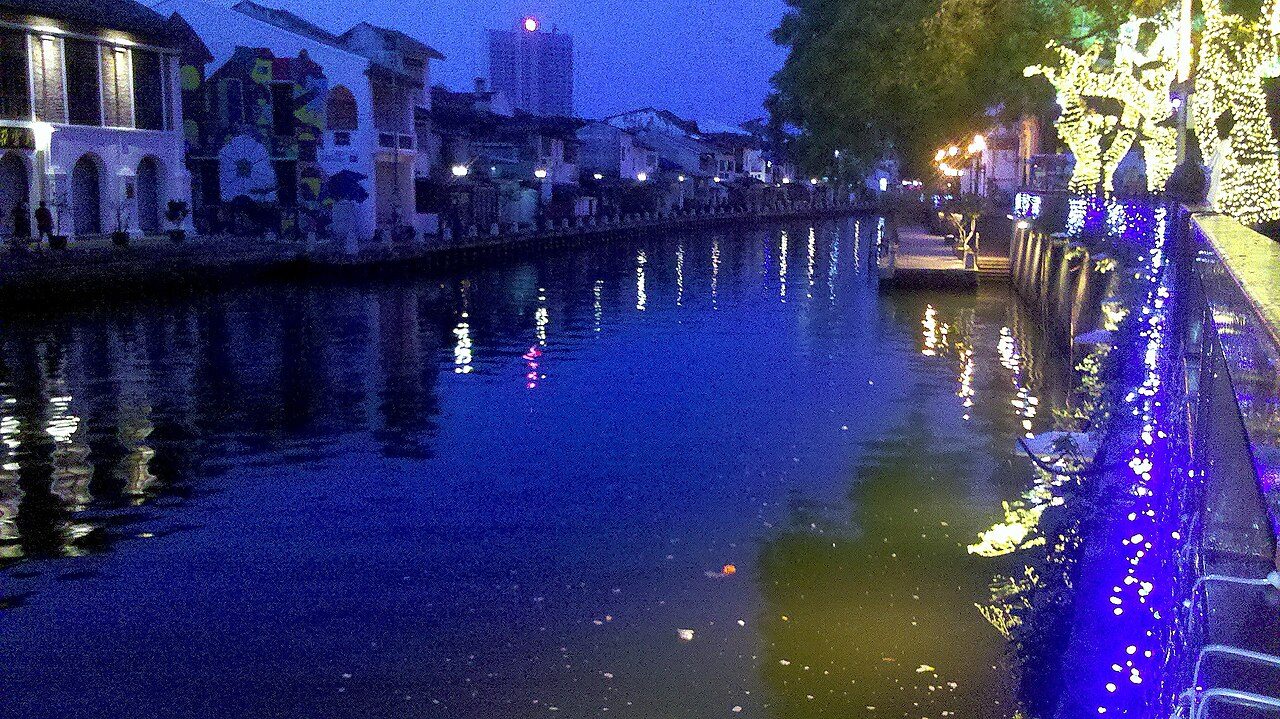
The Malacca River runs through the heart of Malacca, once one of the busiest trading ports in Asia. Along its banks, old shophouses and warehouses have been restored and painted with murals, and a riverside walk follows both sides. River cruises pass under bridges and past old villages. At night, lights along the river create a lively scene.
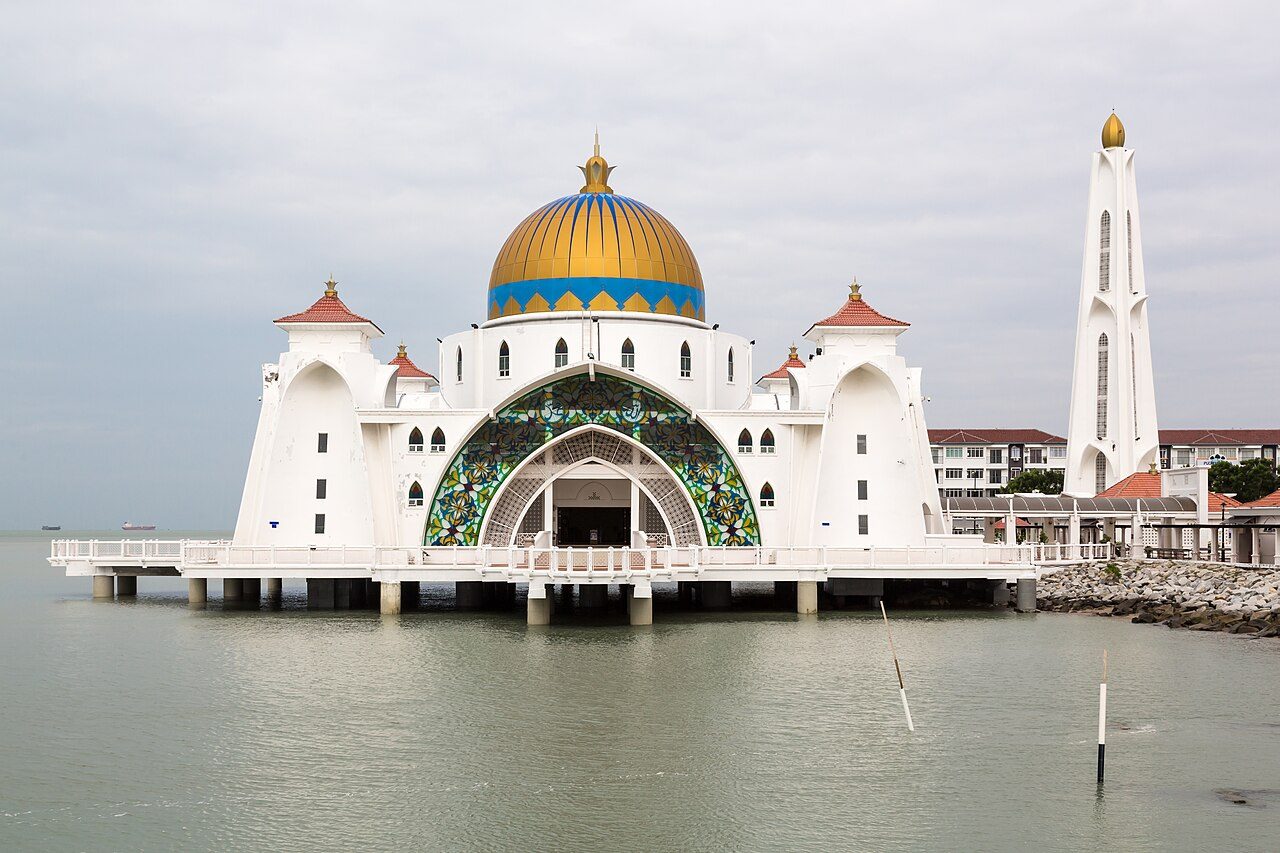
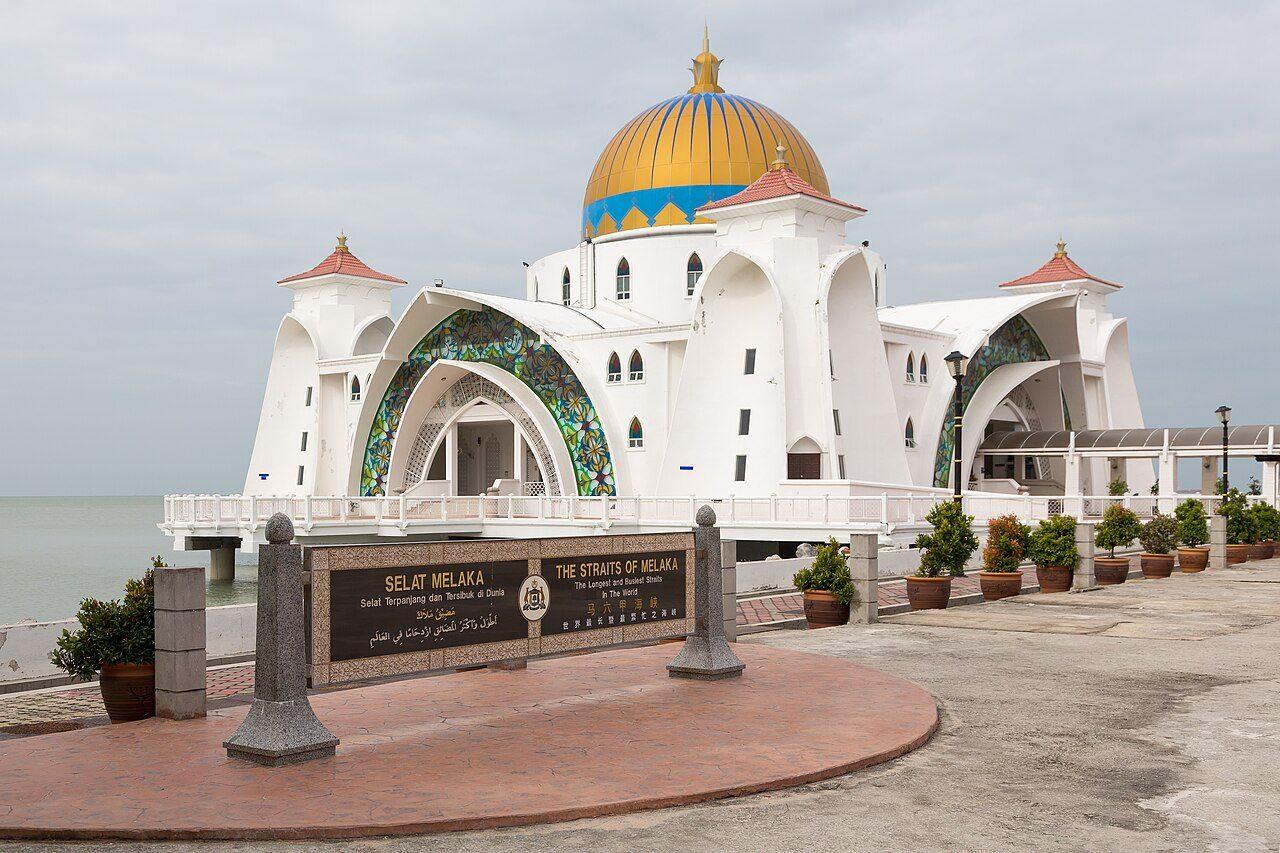
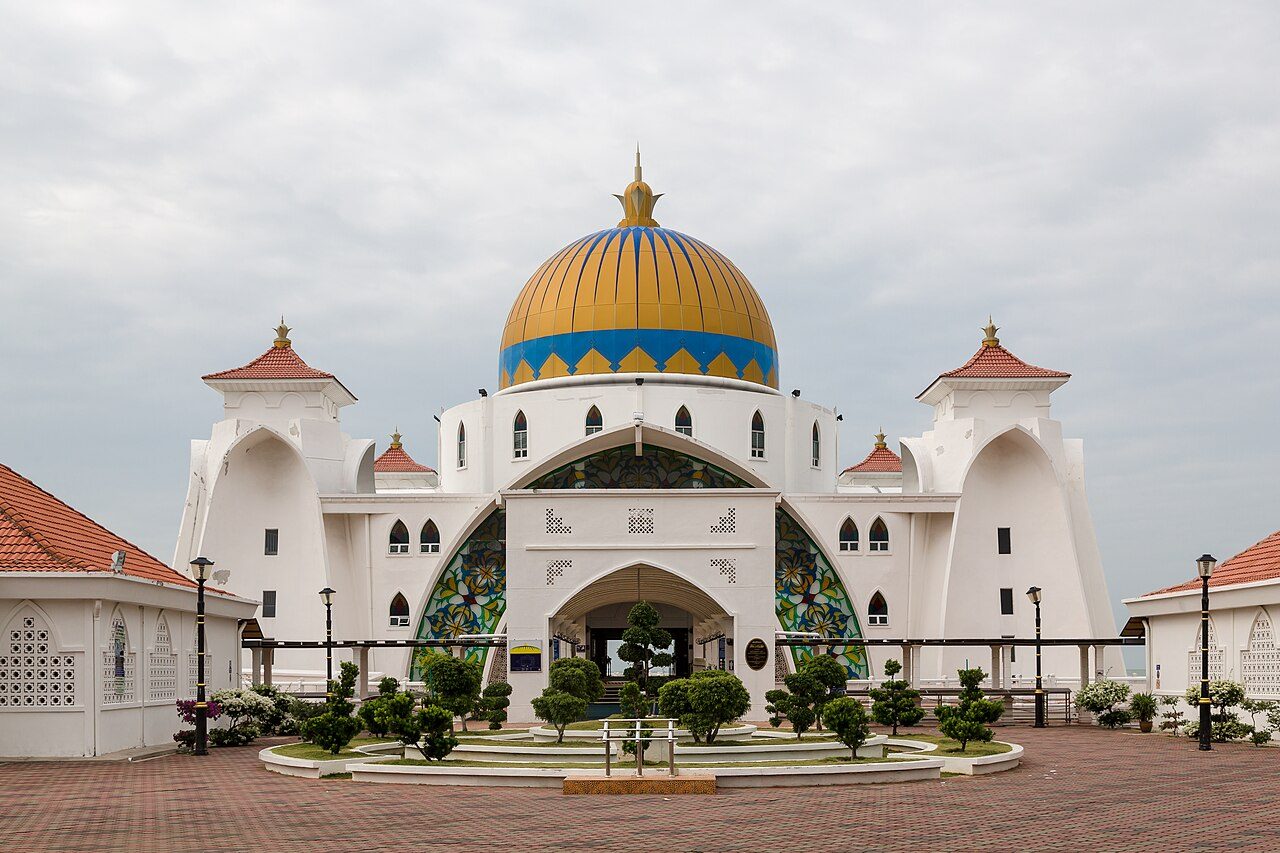
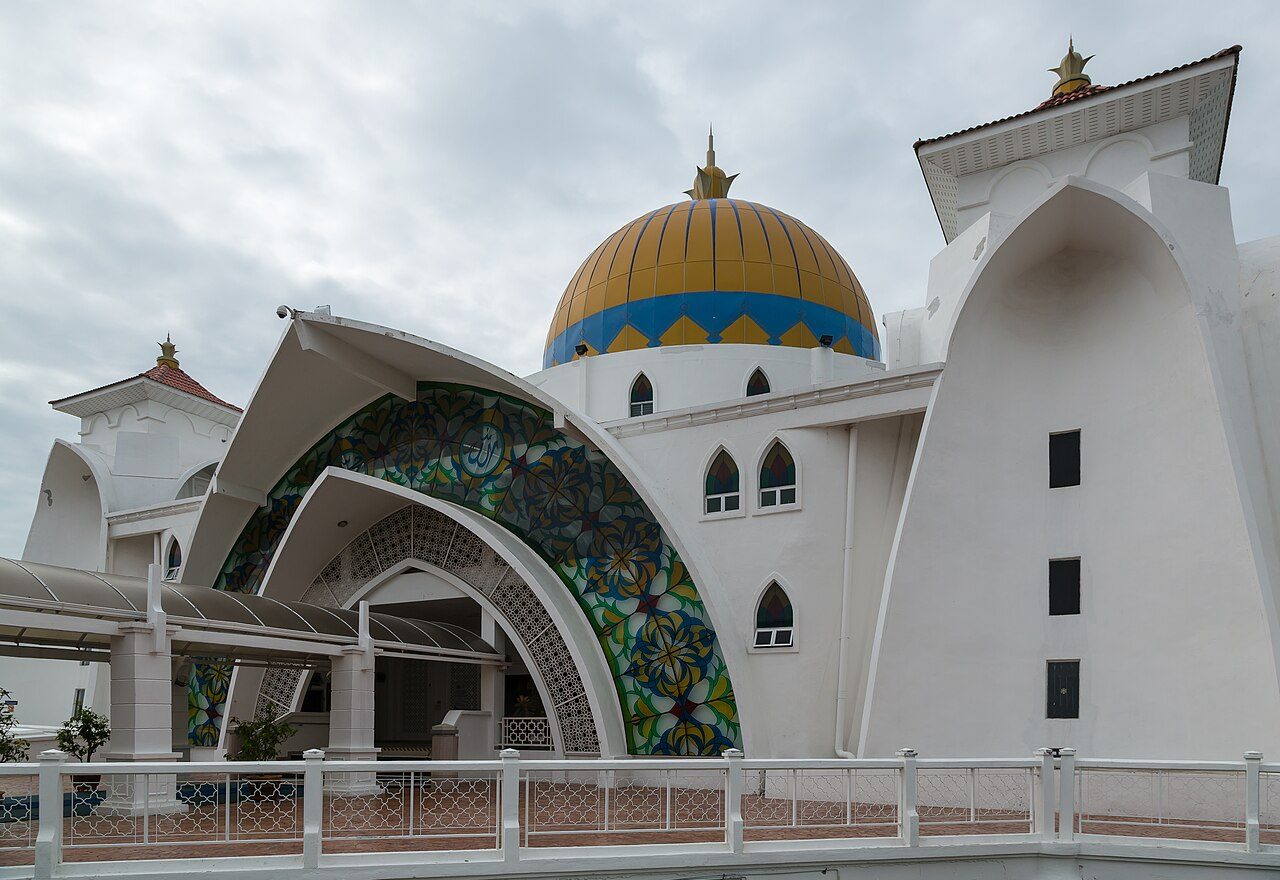
The Melaka Straits Mosque stands on the artificial island of Pulau Melaka. Opened in 2006, it is built on stilts over the sea, so at high tide it appears to float on the water. It mixes Middle Eastern and Malay styles, with a golden dome and a lighthouse-like minaret. The mosque is a popular place to watch the sunset over the Straits of Malacca.
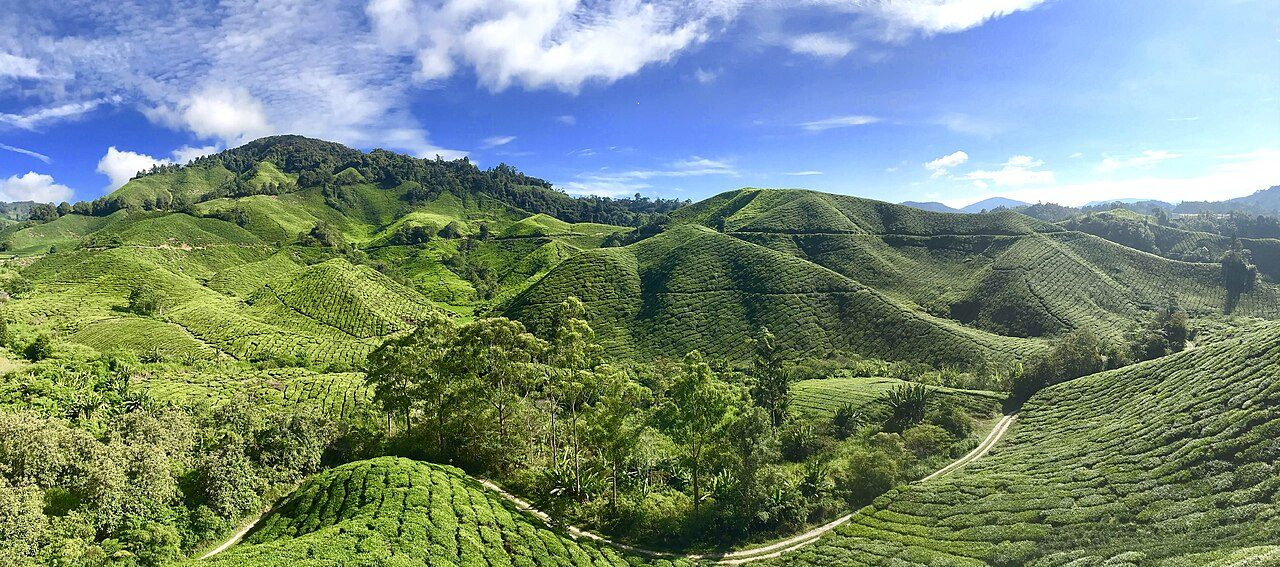
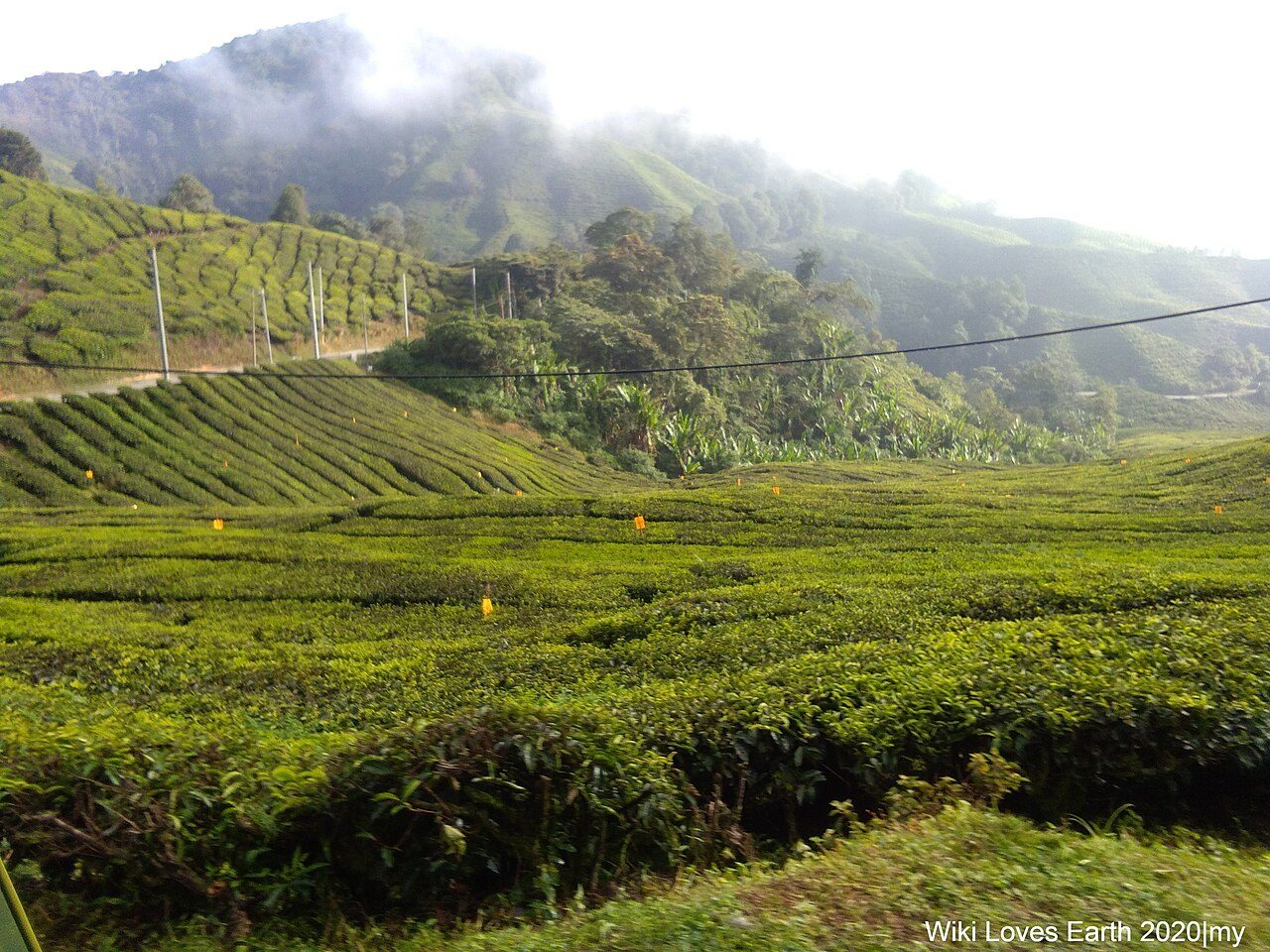
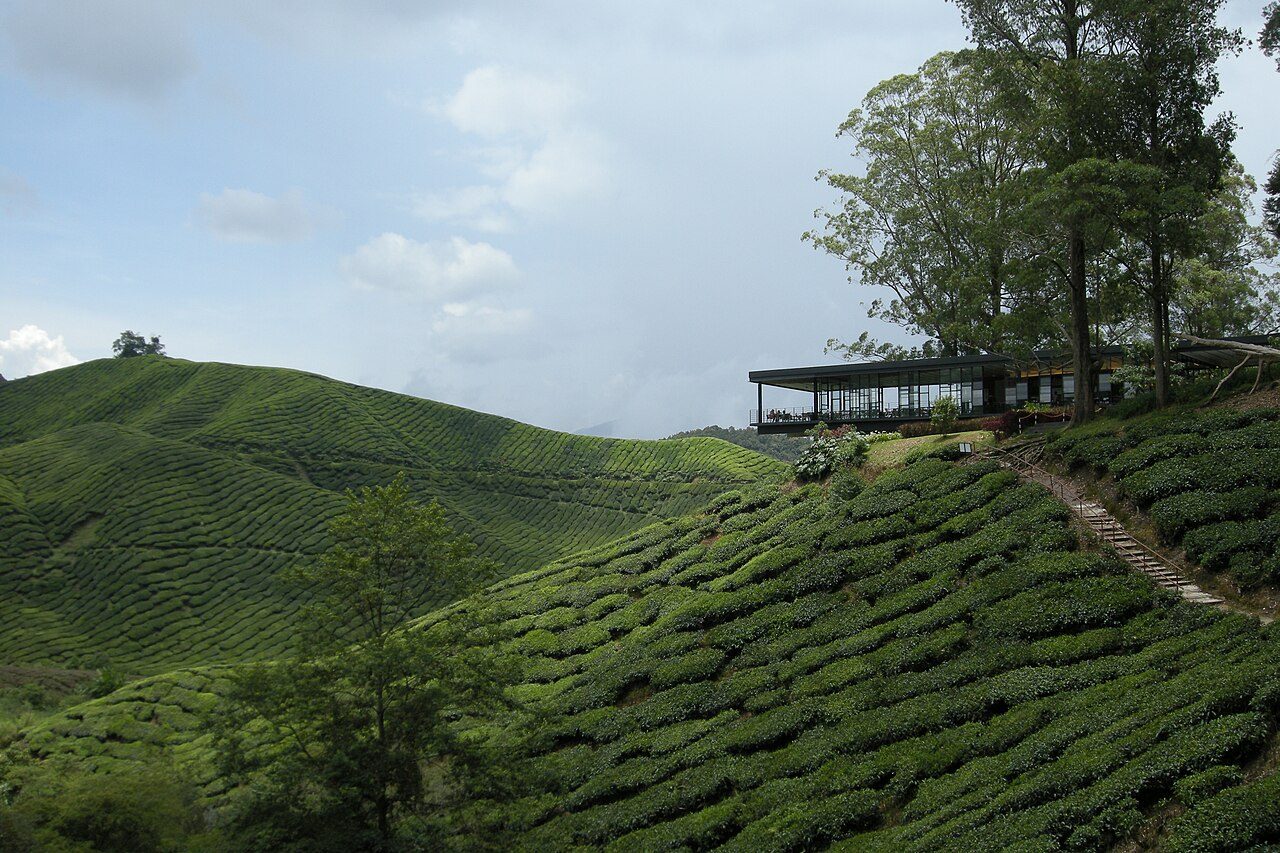
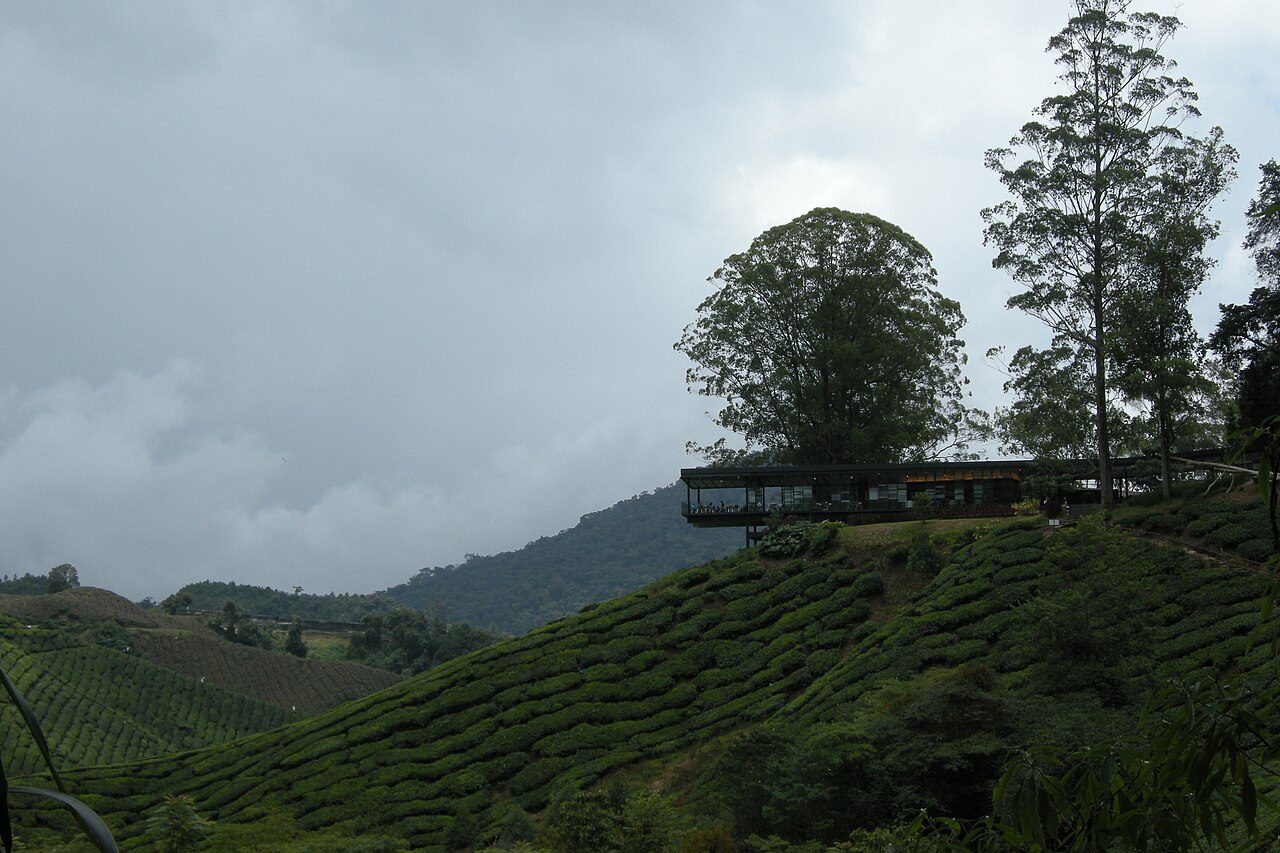
The Cameron Highlands are a hill station in Pahang, about 1,500 metres above sea level, named after William Cameron, who mapped the area in 1885. The cool climate made it ideal for tea plantations, which cover the hills in green rows. Visitors tour tea estates such as BOH Sungei Palas, buy strawberries and vegetables, and walk jungle trails.
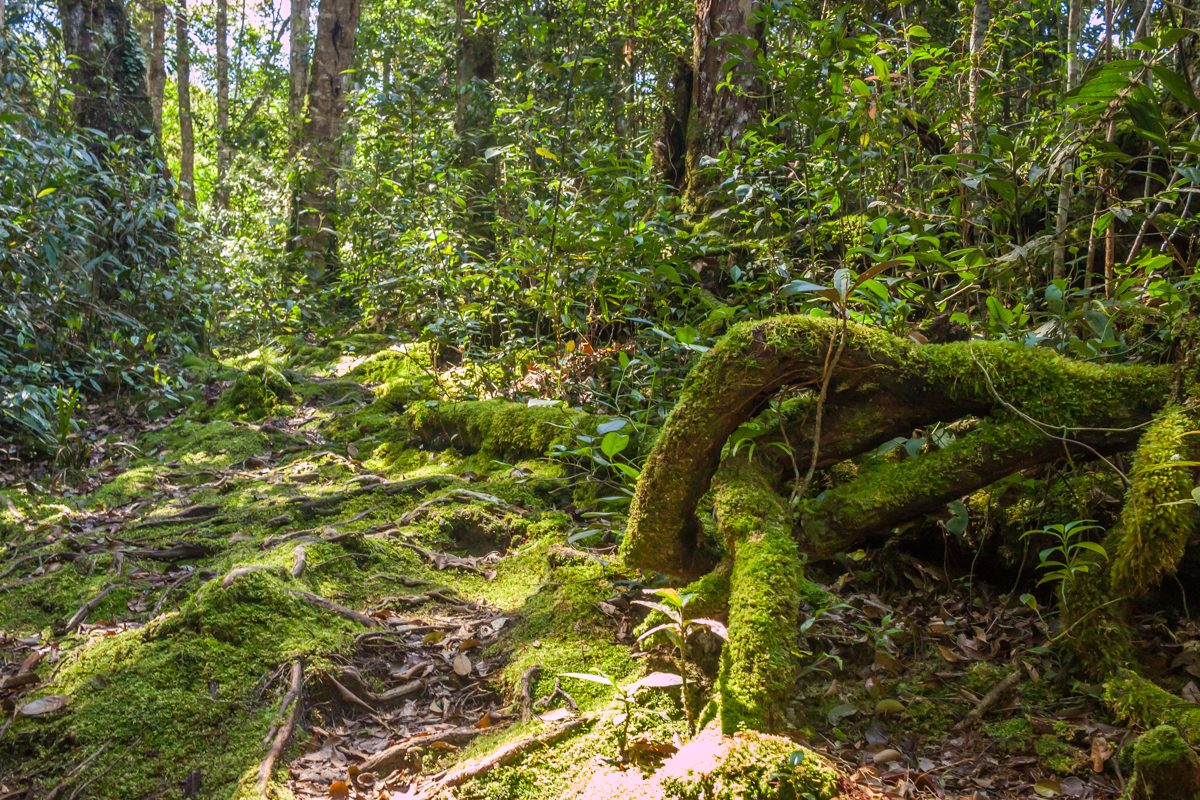
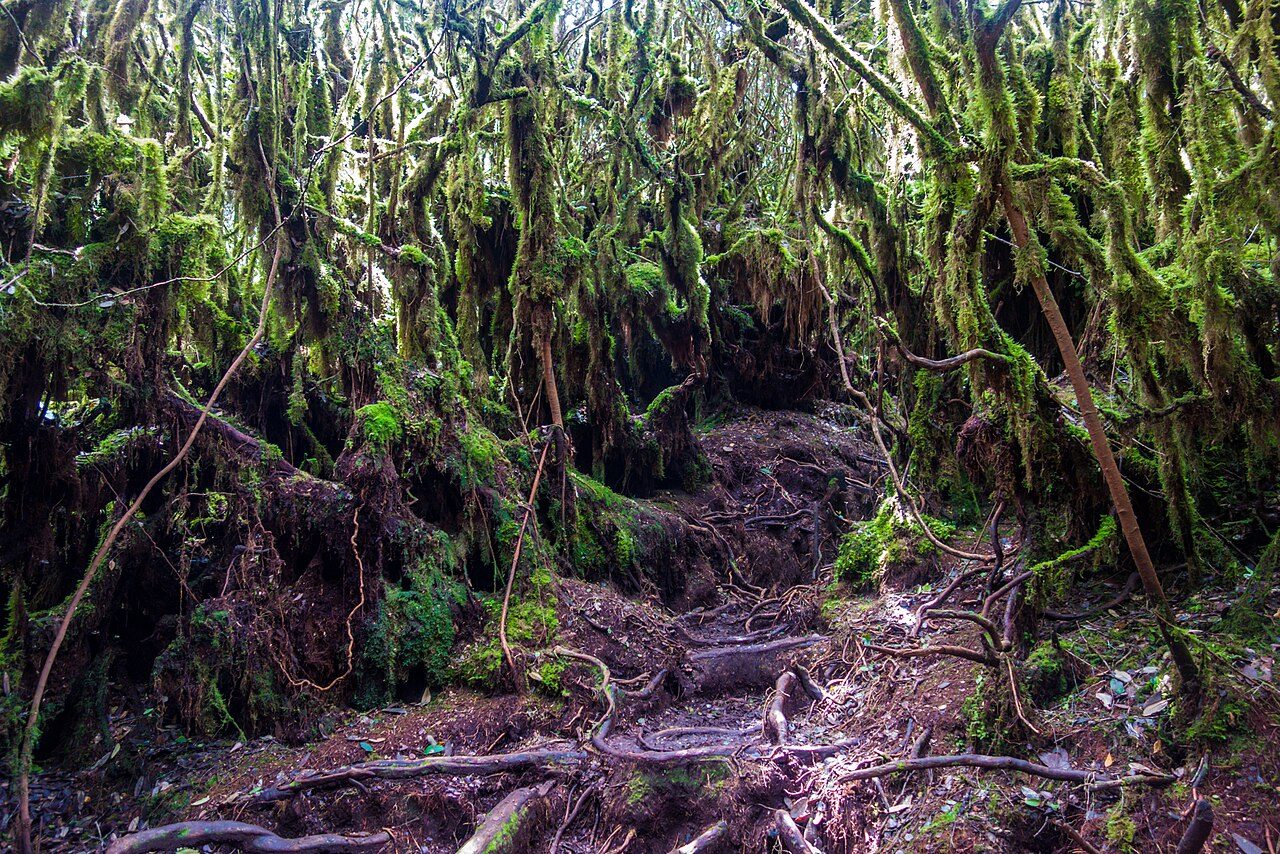
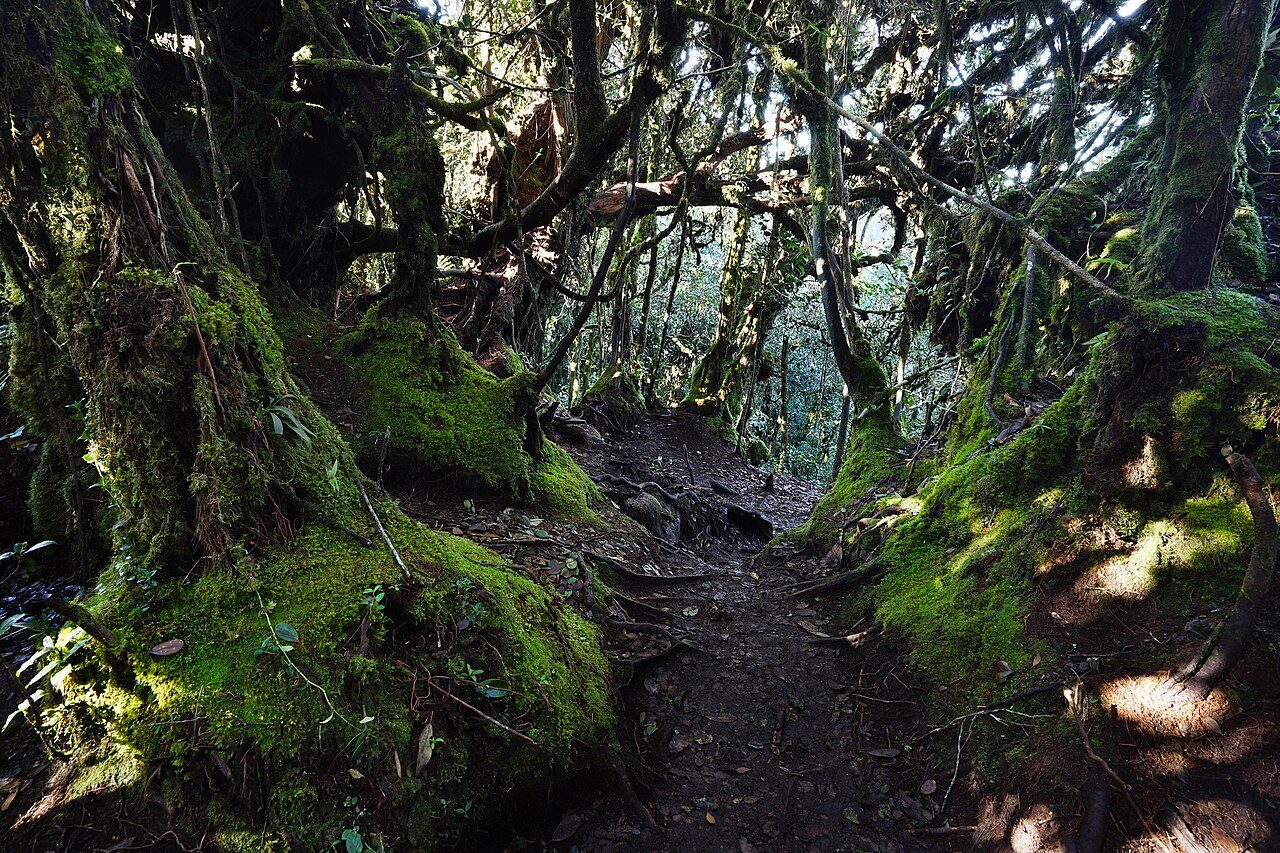
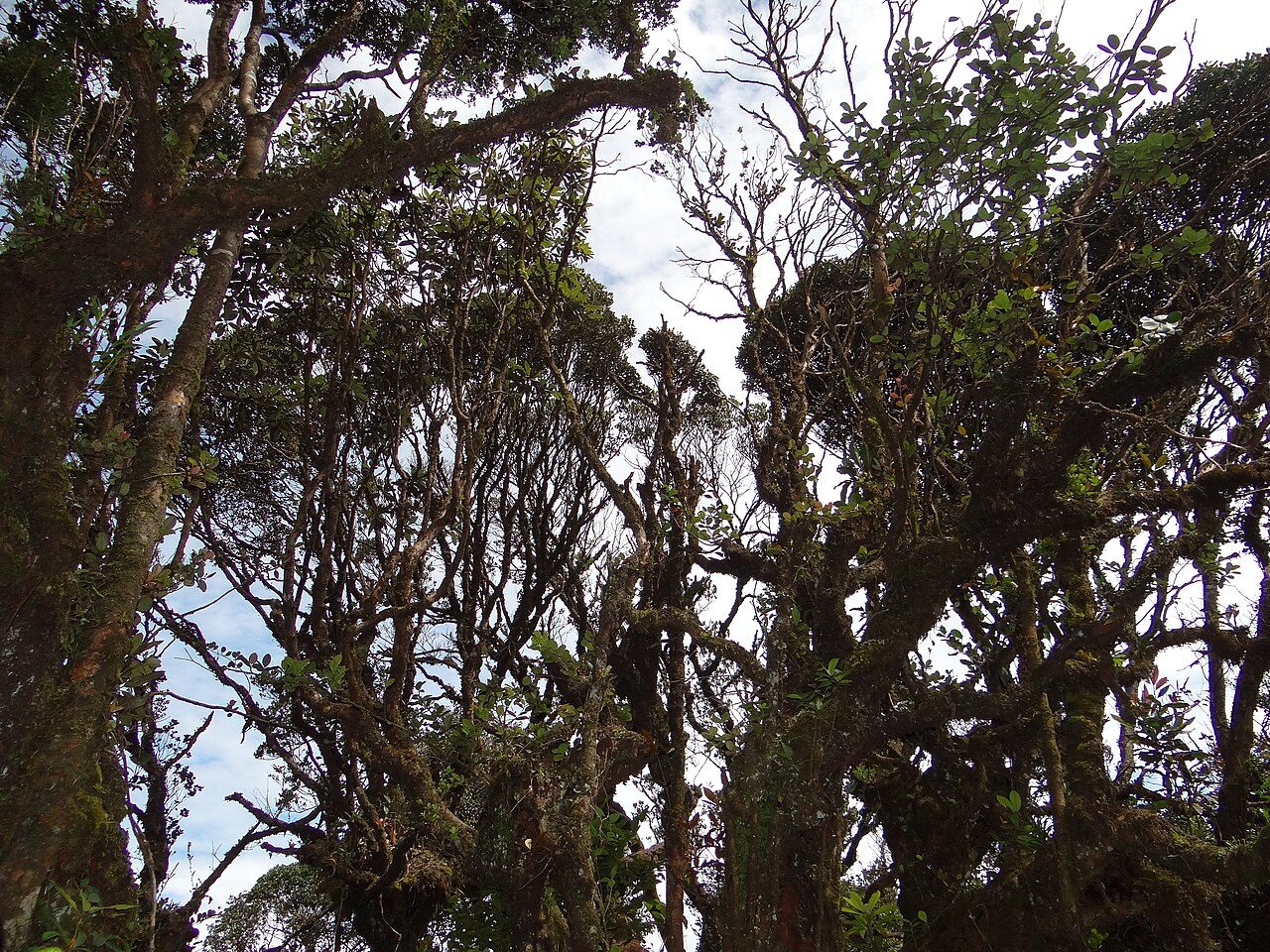
The Mossy Forest lies near Gunung Brinchang in the Cameron Highlands, at about 2,000 metres. It is a cloud forest where mist keeps the air damp, and the trees are covered in thick moss, ferns, orchids and pitcher plants. A boardwalk winds through the forest and up to a viewpoint. On clear days it overlooks the tea plantations and hills.
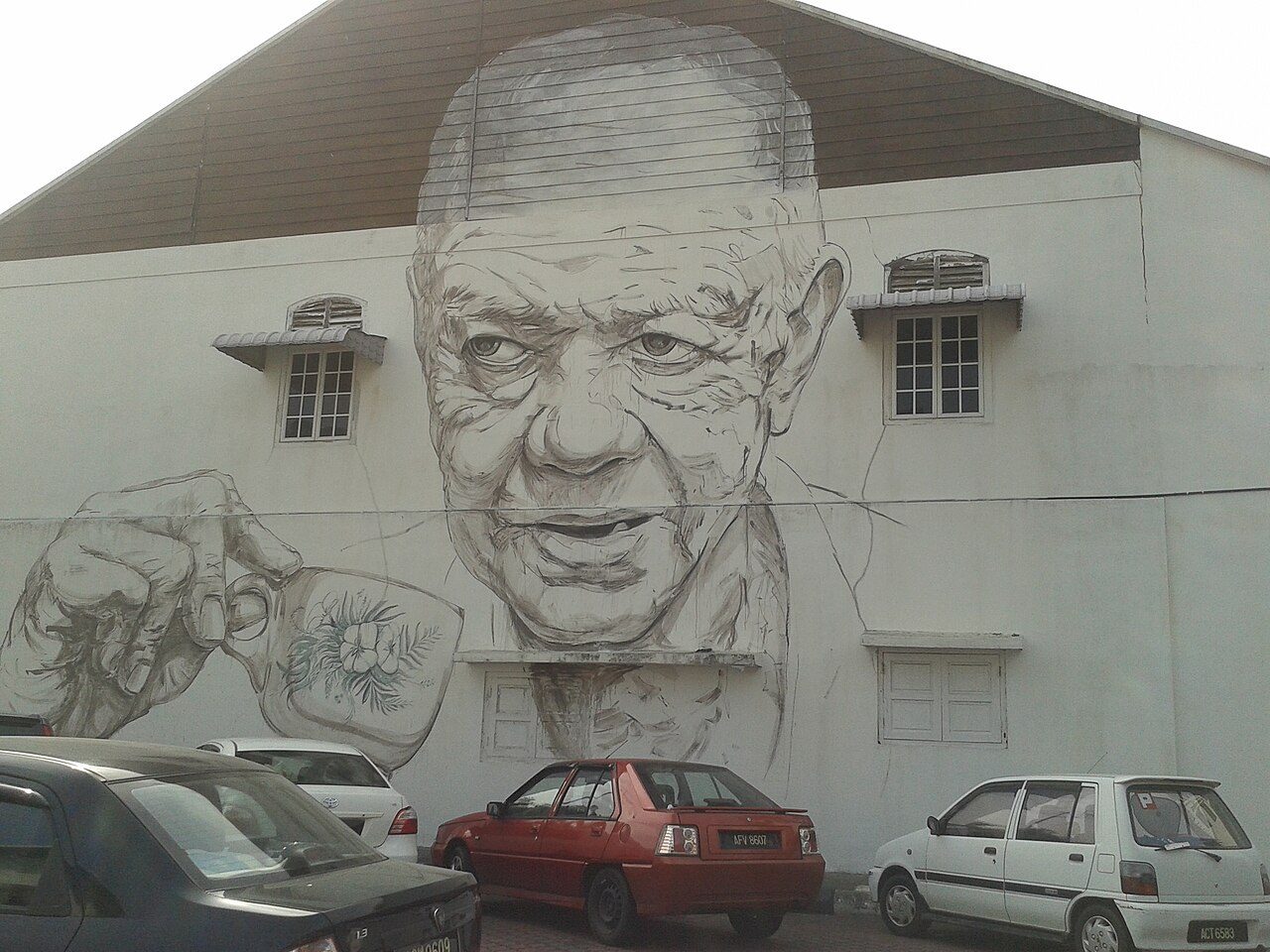
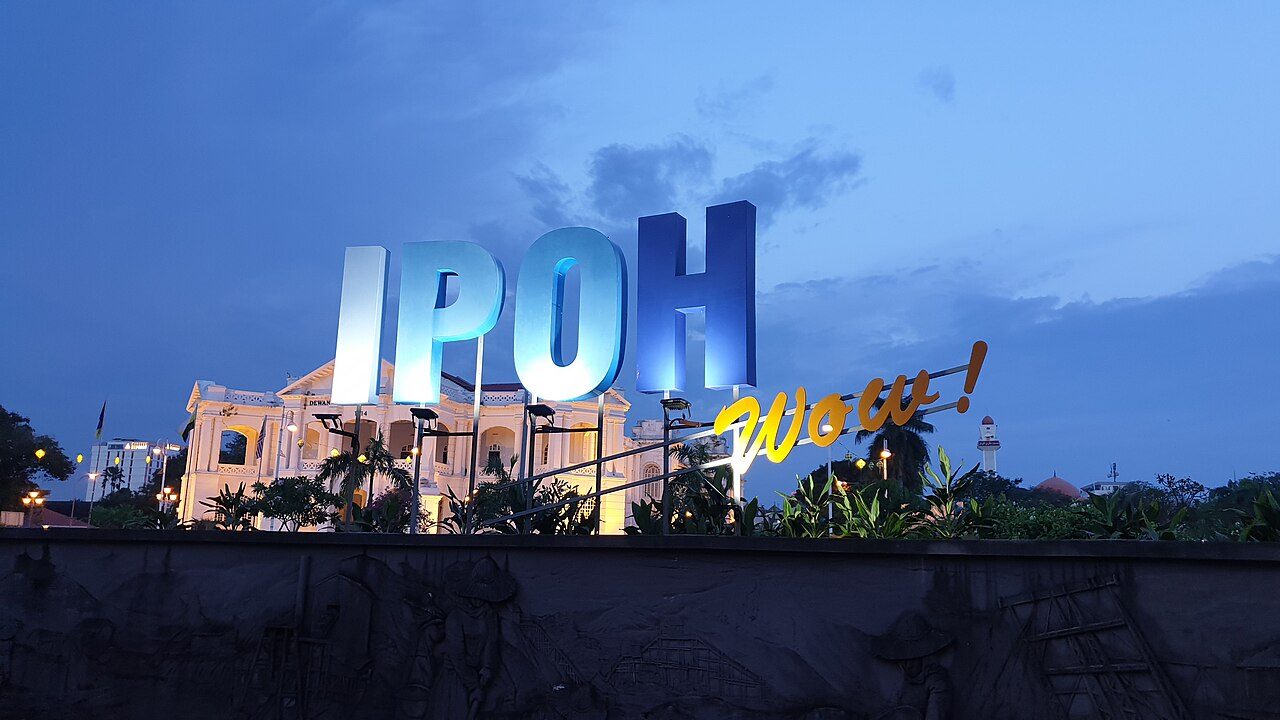
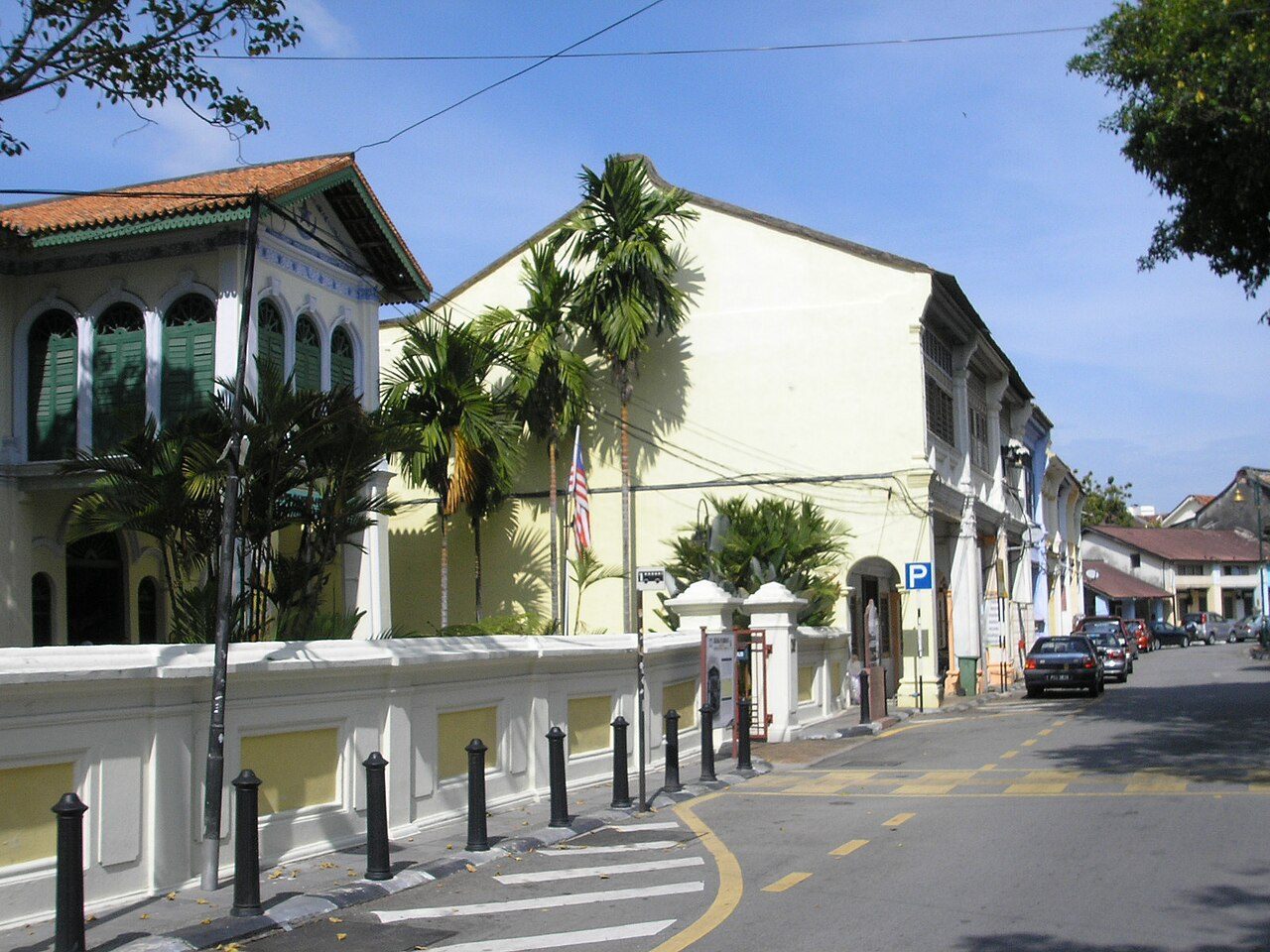
Ipoh Old Town is the historic centre of Ipoh, which grew rich from tin mining in the late 19th century. Its streets are lined with colonial buildings and Chinese shophouses. Concubine Lane is a narrow alley of small shops and cafes. The town is famous for its white coffee and bean sprout chicken, and murals by Ernest Zacharevic decorate its walls.
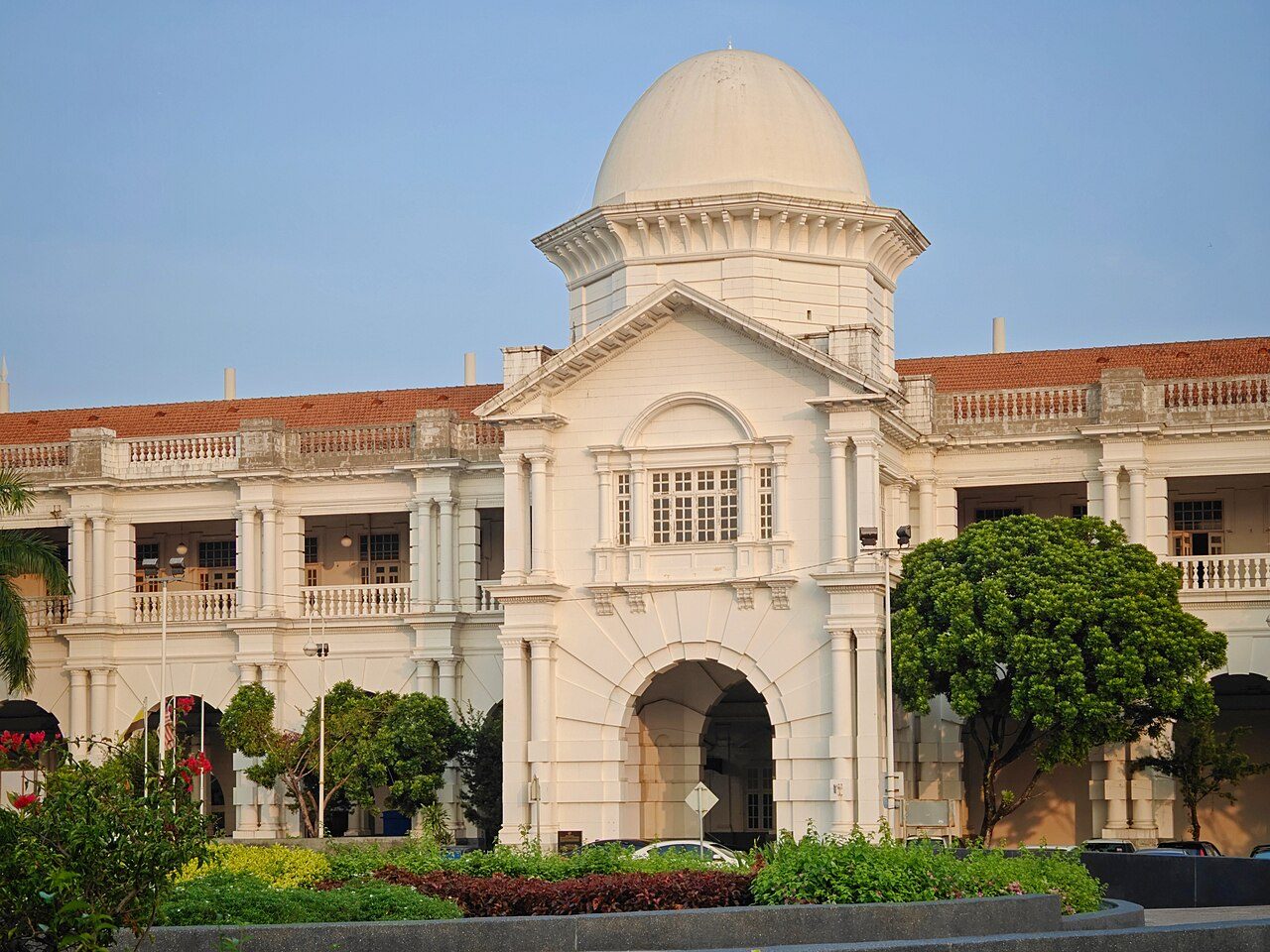
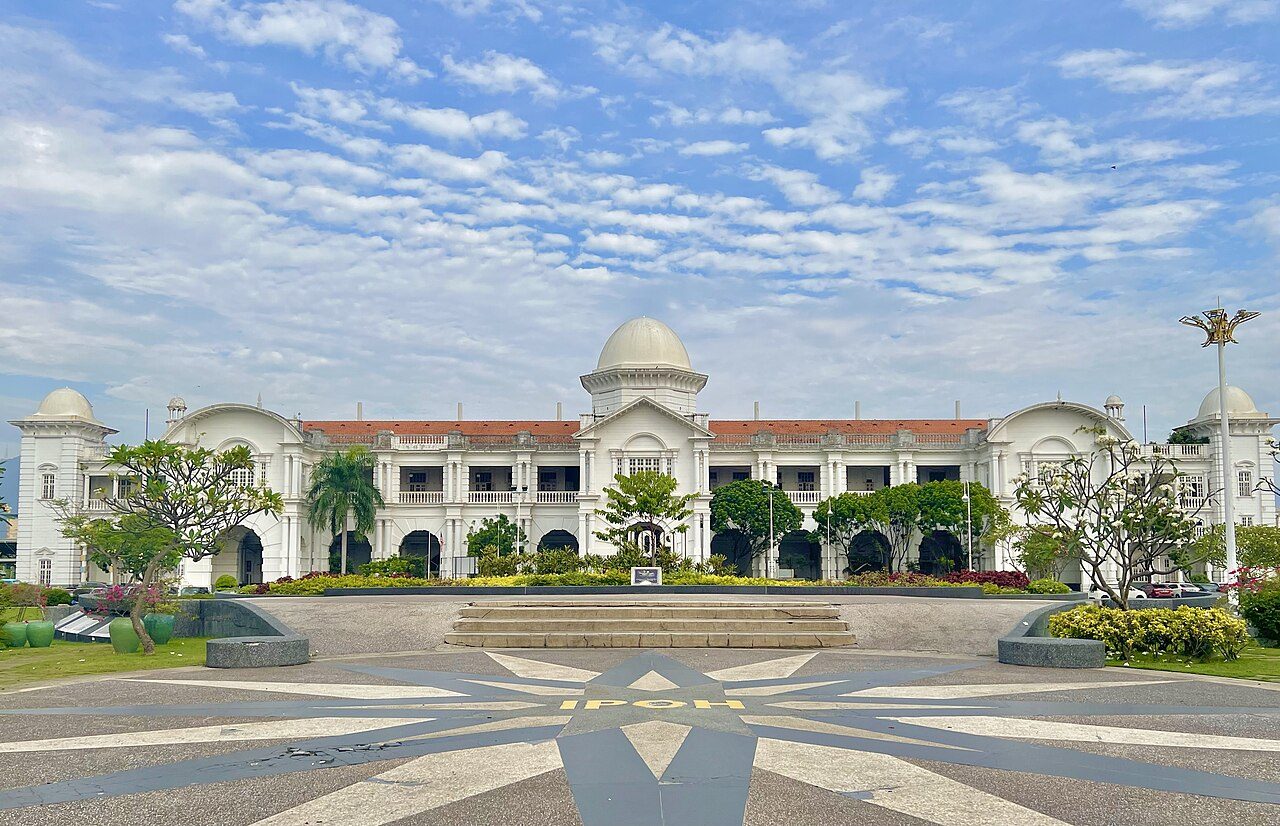
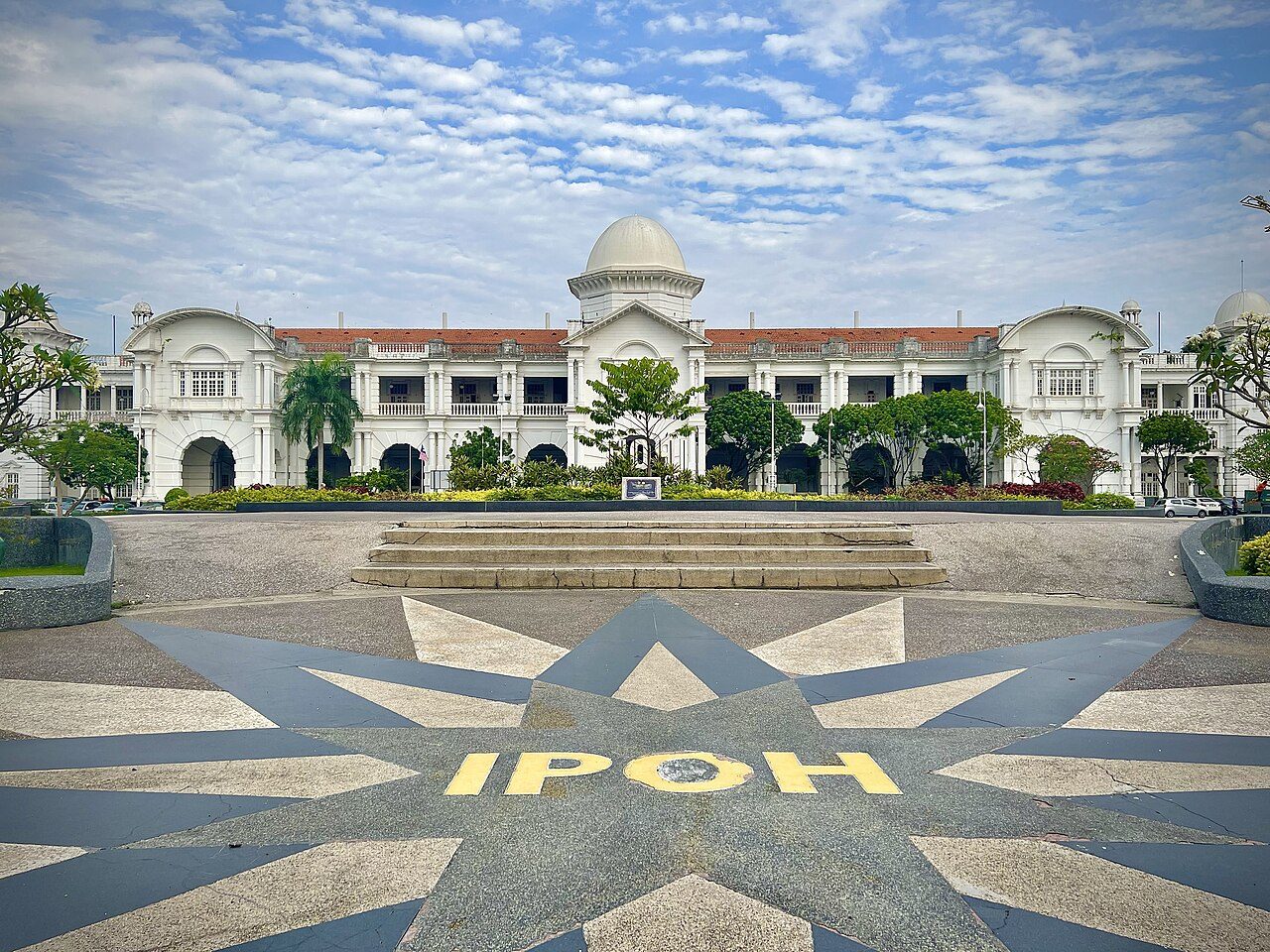
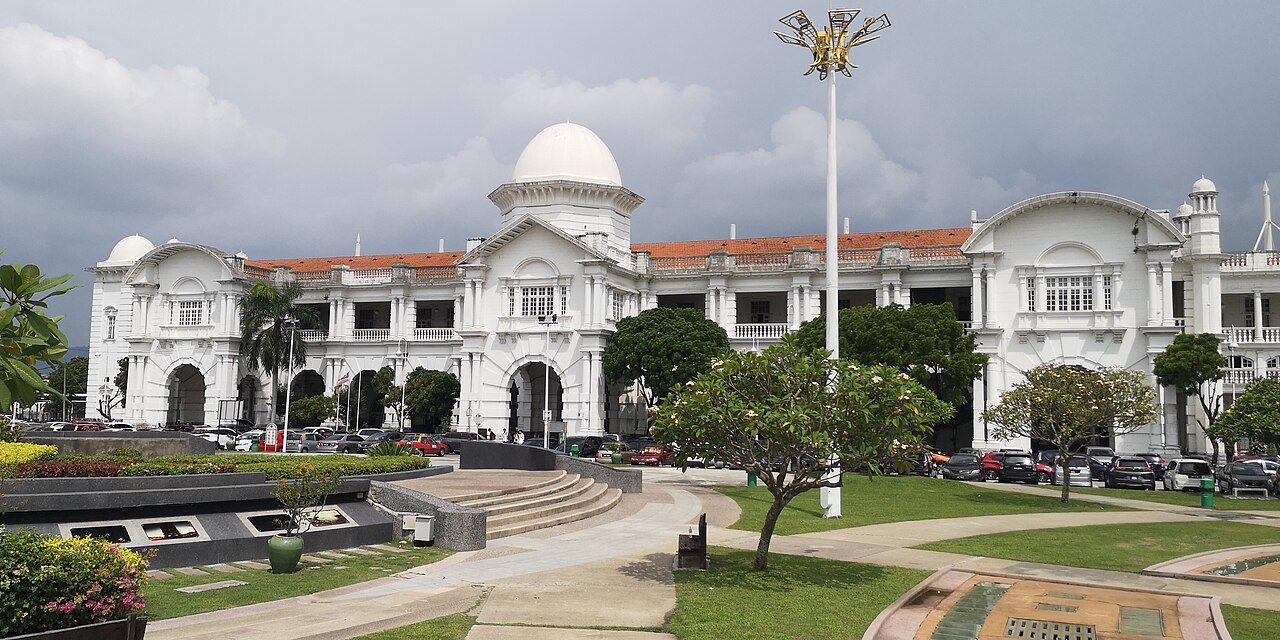
Ipoh Railway Station was built between 1914 and 1917 to a design by A. B. Hubbock, who also designed Kuala Lumpur's station. Its long white front is in a mix of Moorish and Neo-Classical styles, with a central dome and arches. It is often called the Taj Mahal of Ipoh. A garden and square lie in front, facing the old town hall.
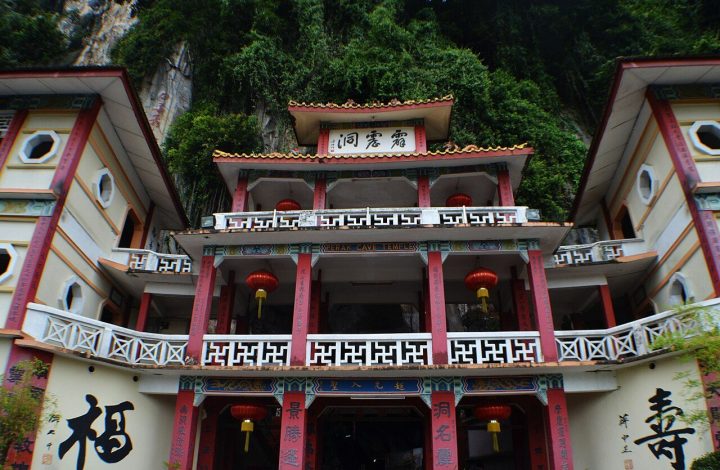
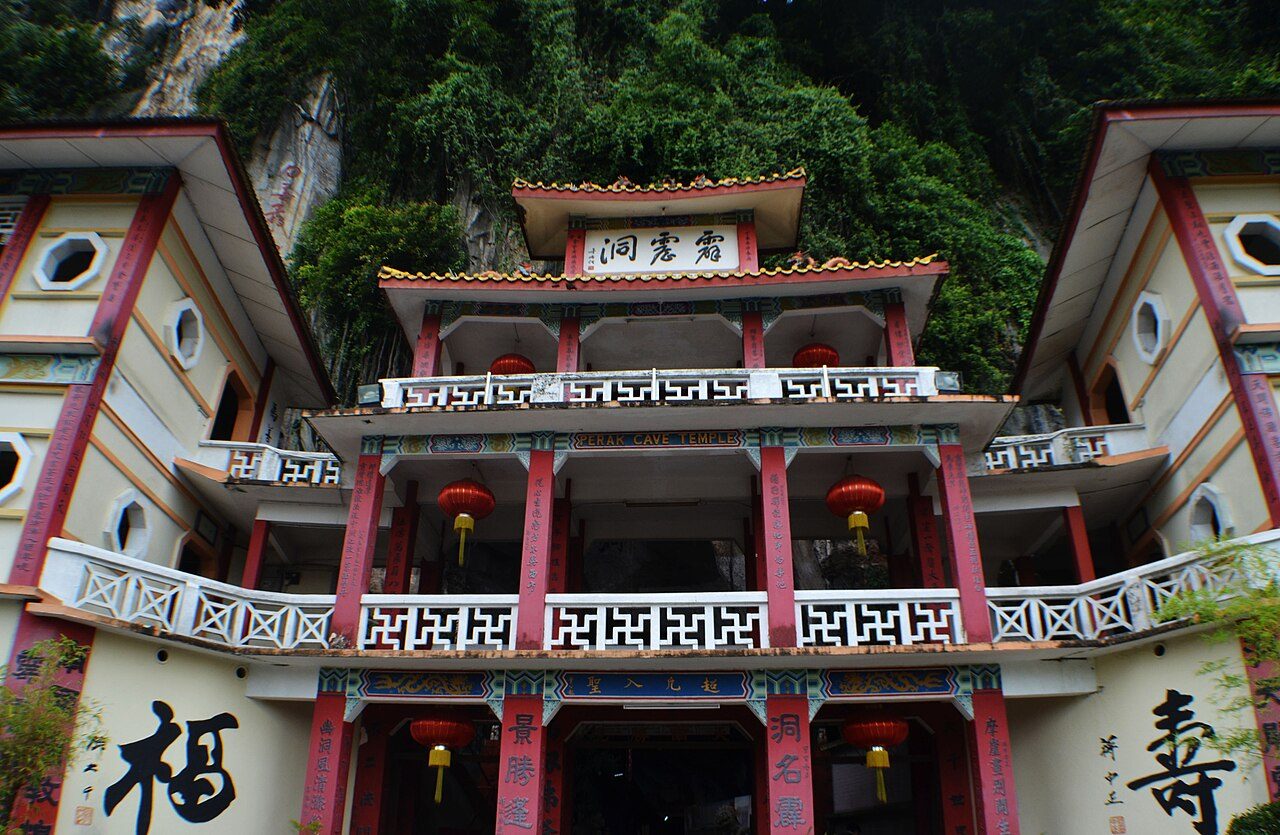
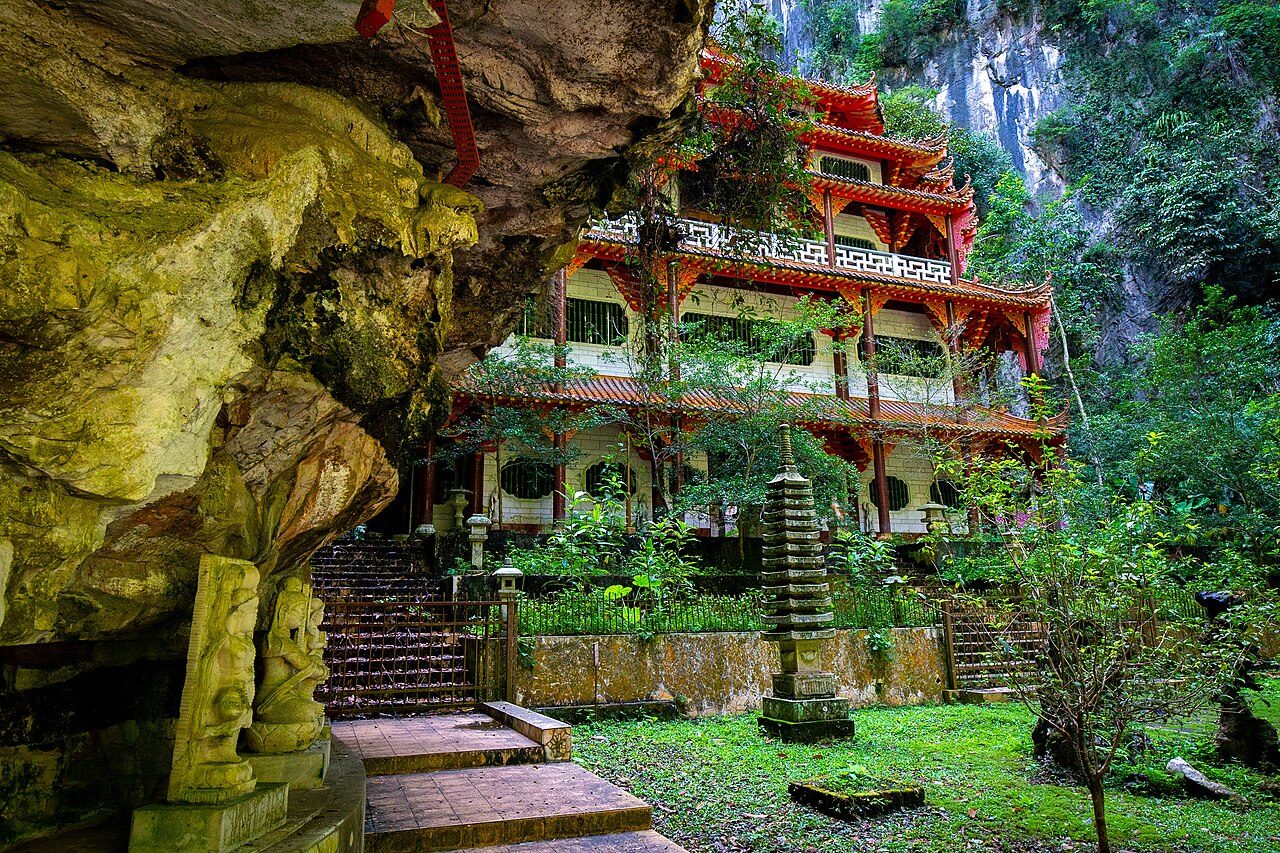
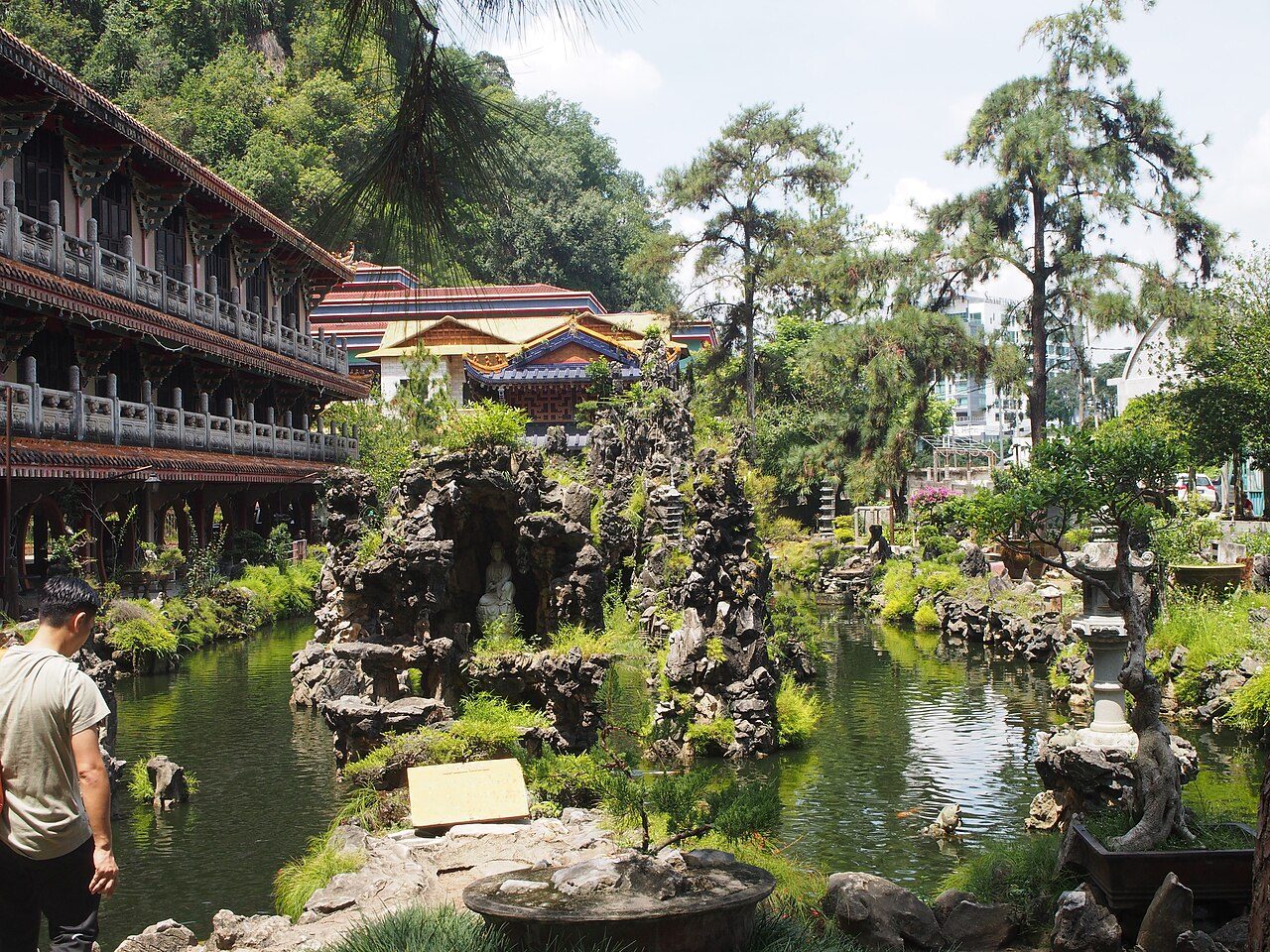
Sam Poh Tong is a Buddhist cave temple in a limestone hill south of Ipoh, said to date from the late 19th century. A monk from China found the cave and lived there. It is one of the largest cave temples in Malaysia, with Buddha statues in its chambers. In front of the hill lies a Japanese-style garden with a pond full of tortoises and koi.
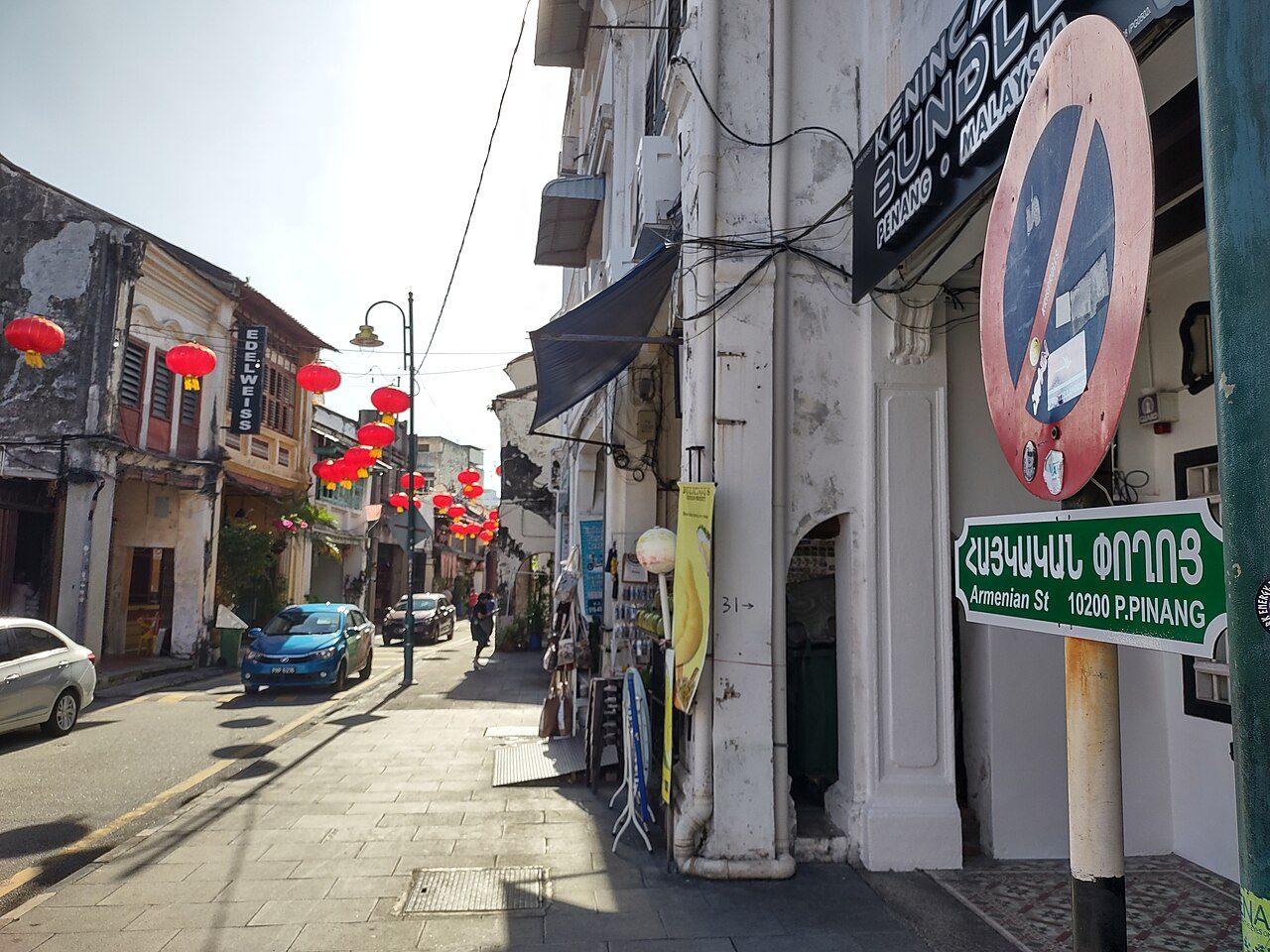
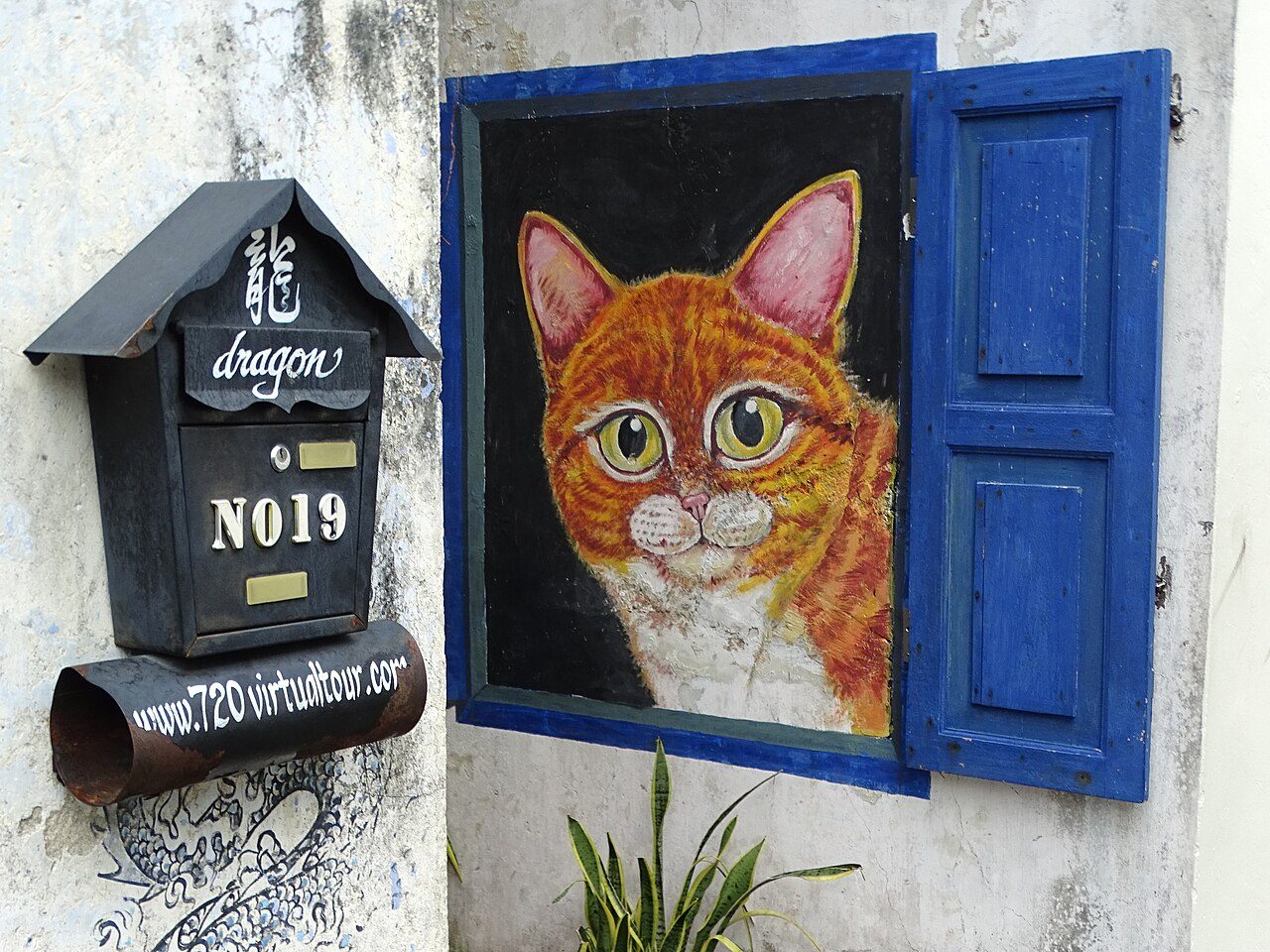
Armenian Street is one of the most visited streets in George Town, Penang. It is lined with old shophouses, clan houses and small museums. It became famous for the street art of Lithuanian artist Ernest Zacharevic, painted in 2012, including a mural of two children on a bicycle. George Town has been a UNESCO World Heritage Site since 2008.
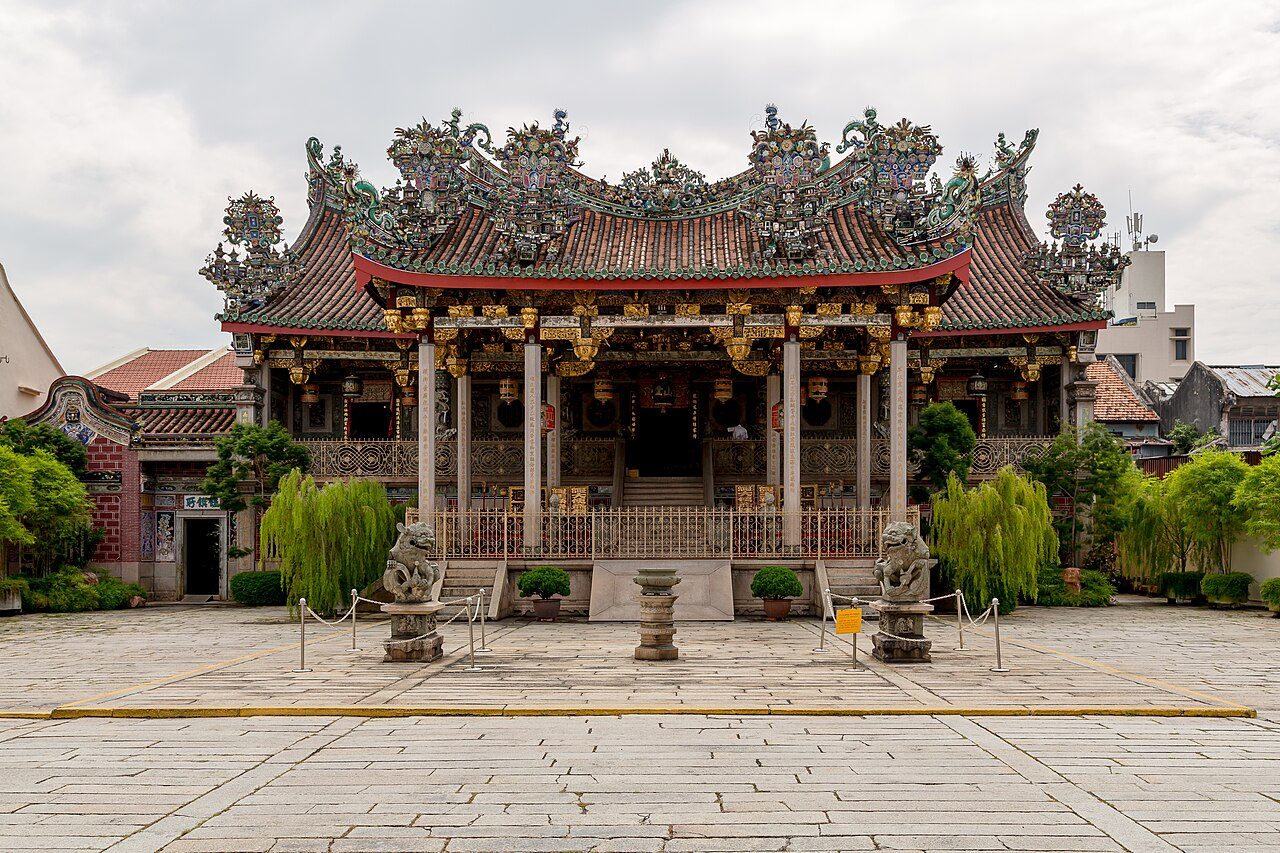
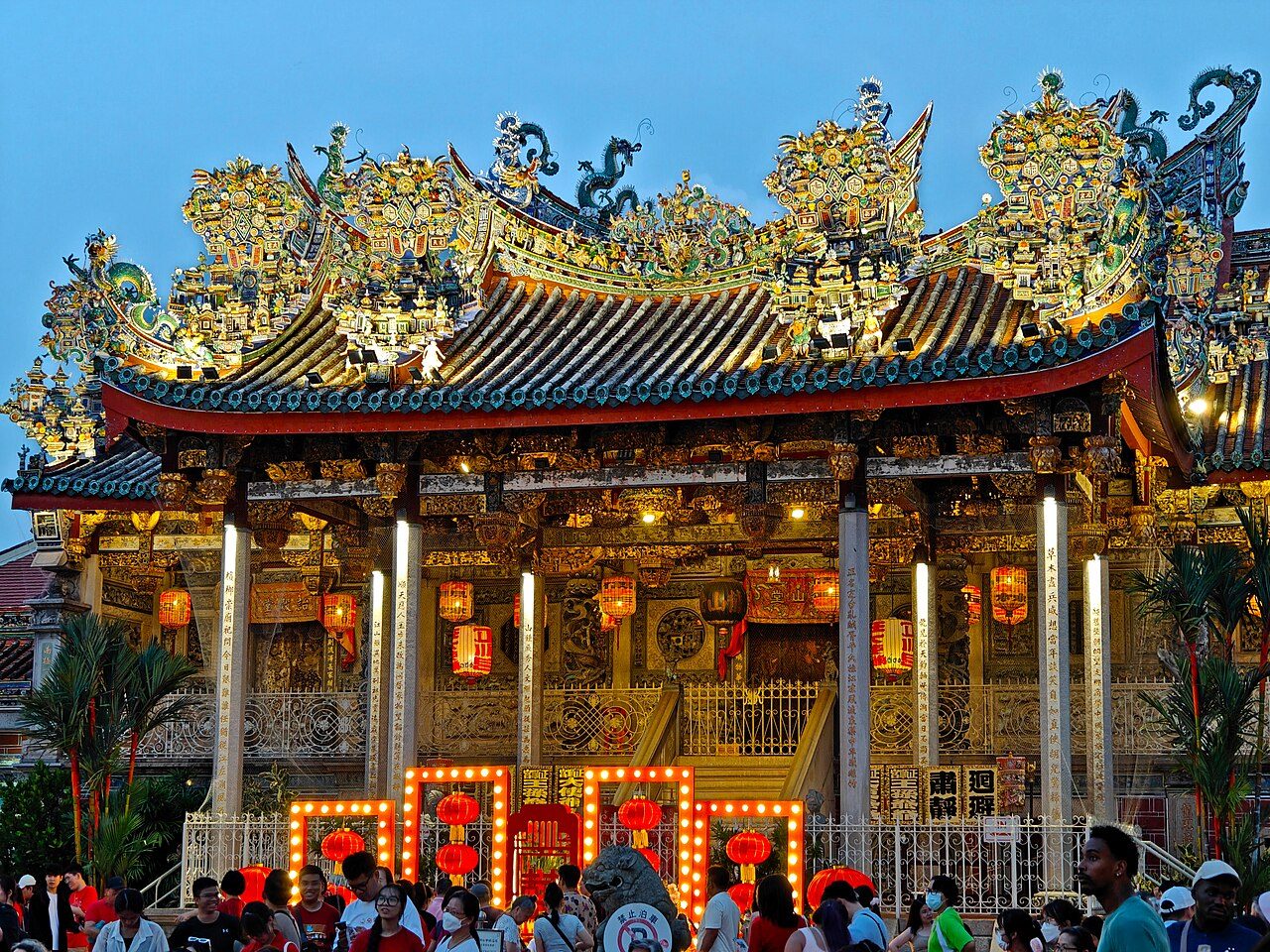
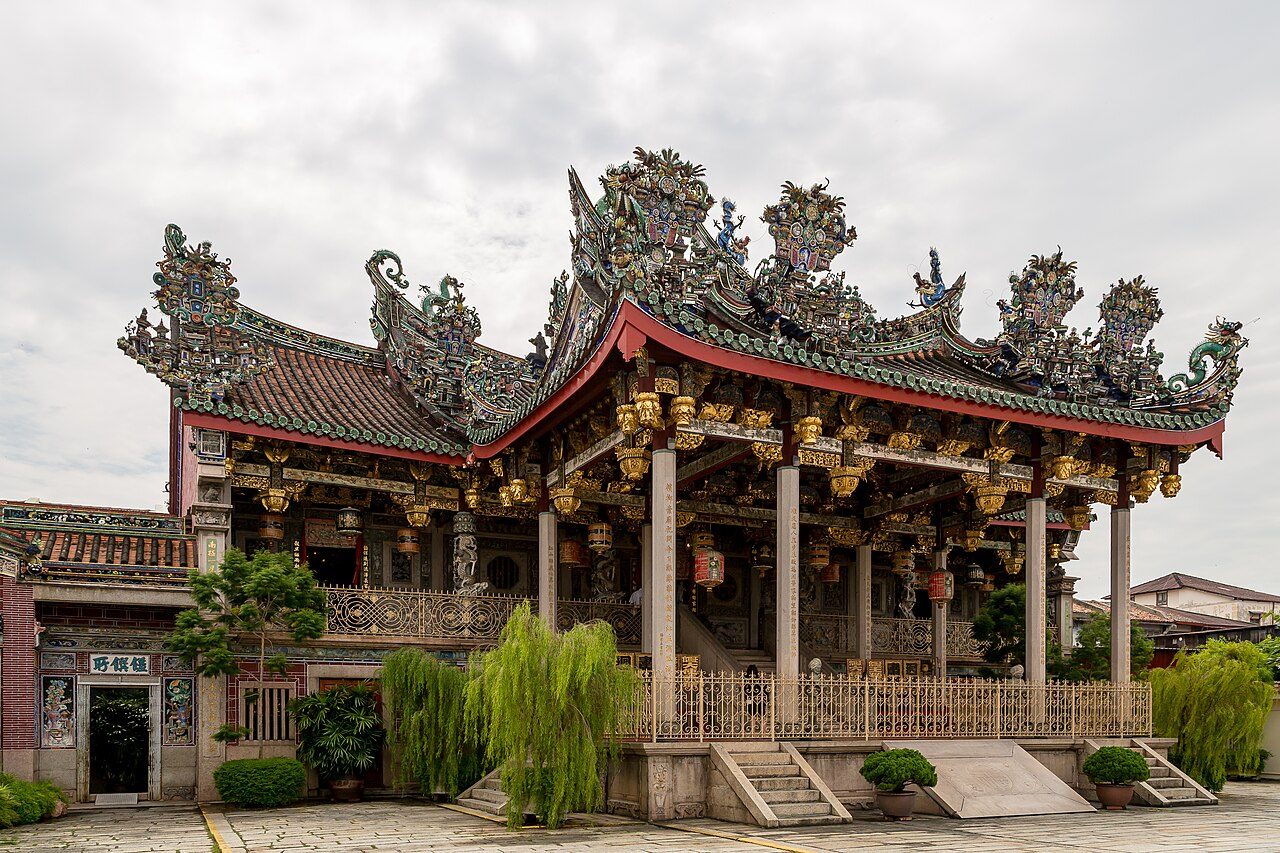
Khoo Kongsi is a richly decorated Chinese clan house in George Town, built by the Khoo clan, who came from Fujian in southern China. The present temple was completed in 1906. Its roof, walls and pillars are covered with carvings, gilded panels and paintings. It stands in a square surrounded by old row houses where clan members once lived.
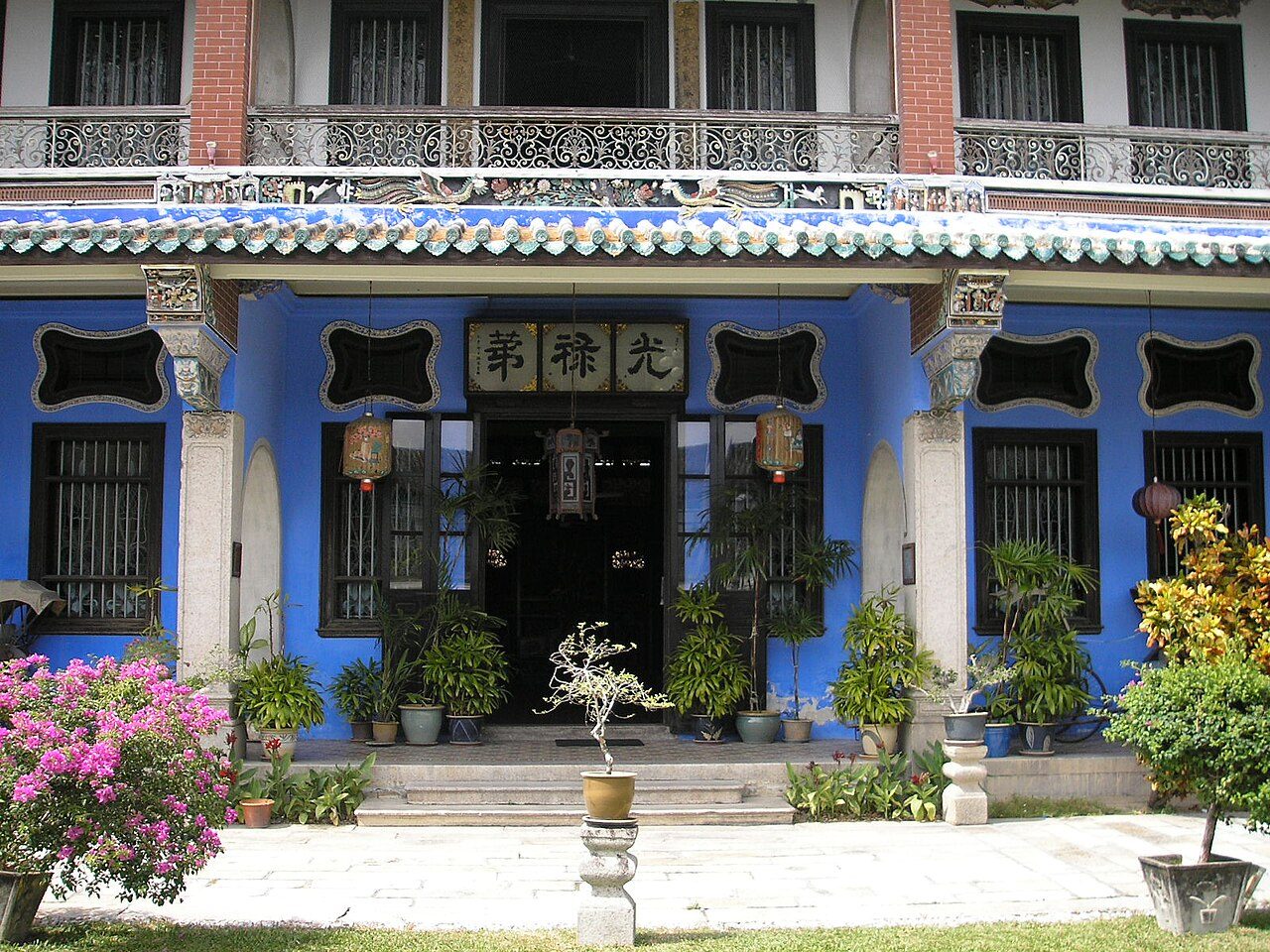
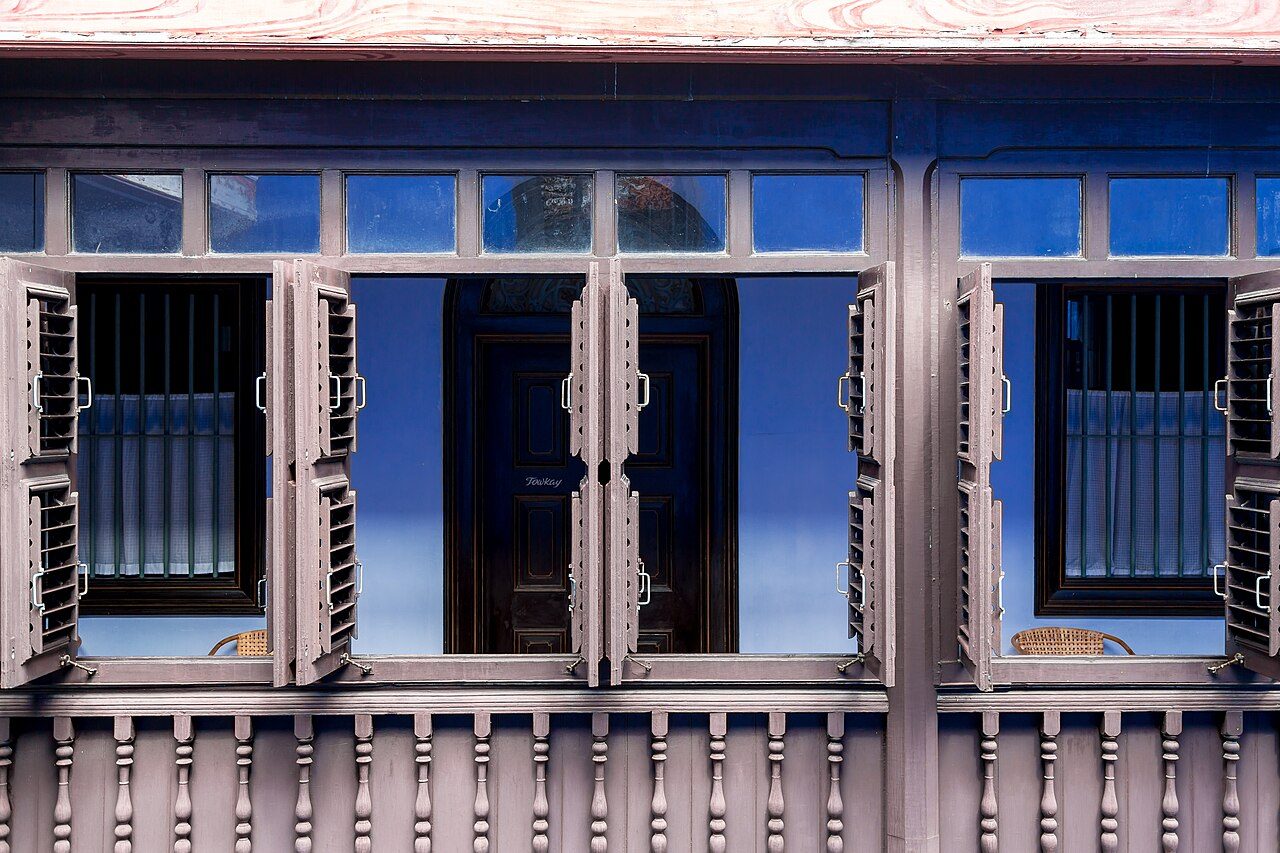
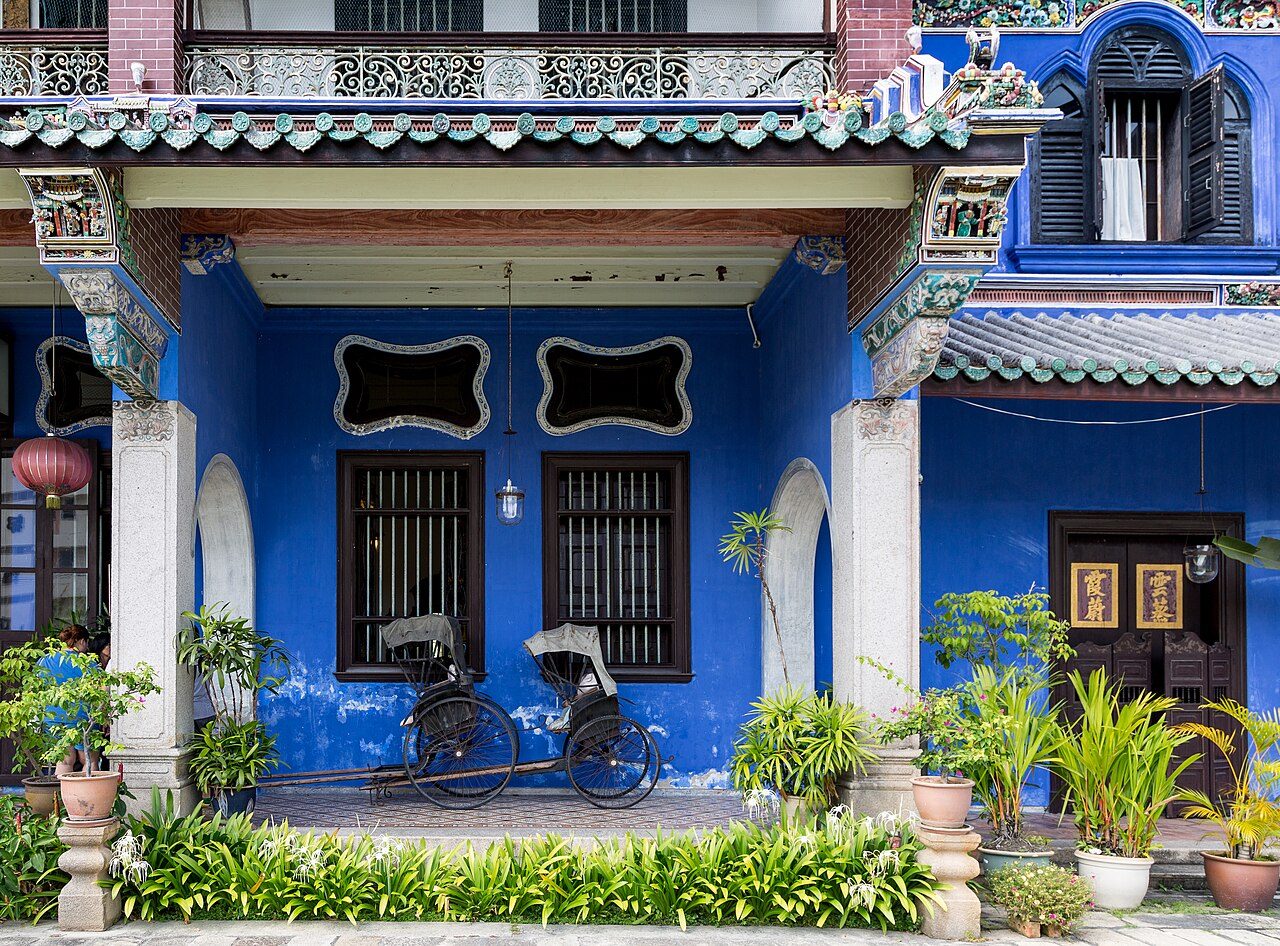
The Cheong Fatt Tze Mansion is a large Chinese courtyard house in George Town, built in the 1880s by the merchant Cheong Fatt Tze. It is known as the Blue Mansion for its bright indigo walls. The house follows feng shui principles and has 38 rooms, five courtyards, carved woodwork and cast iron from Scotland. It is now a heritage hotel with guided tours.
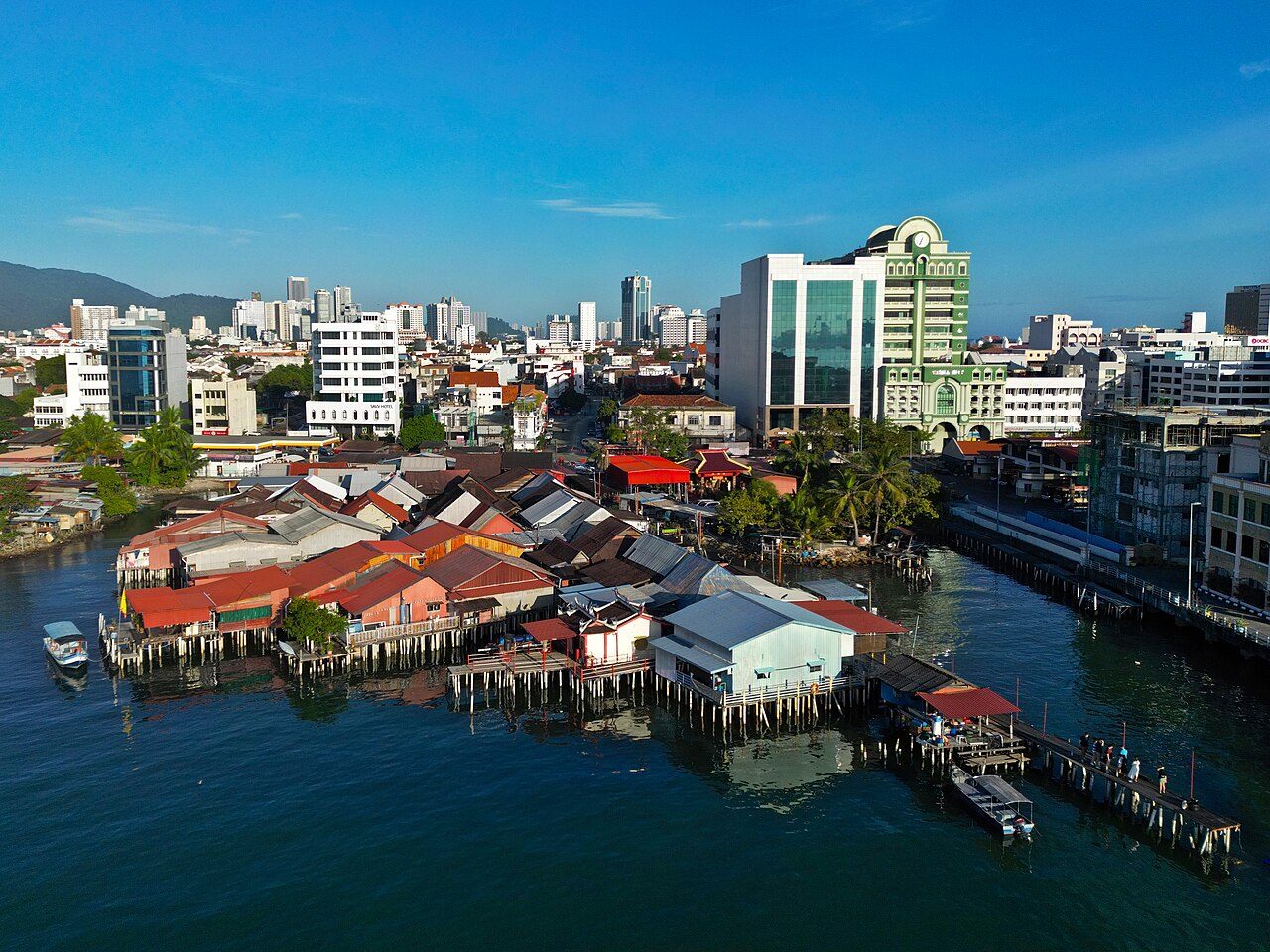
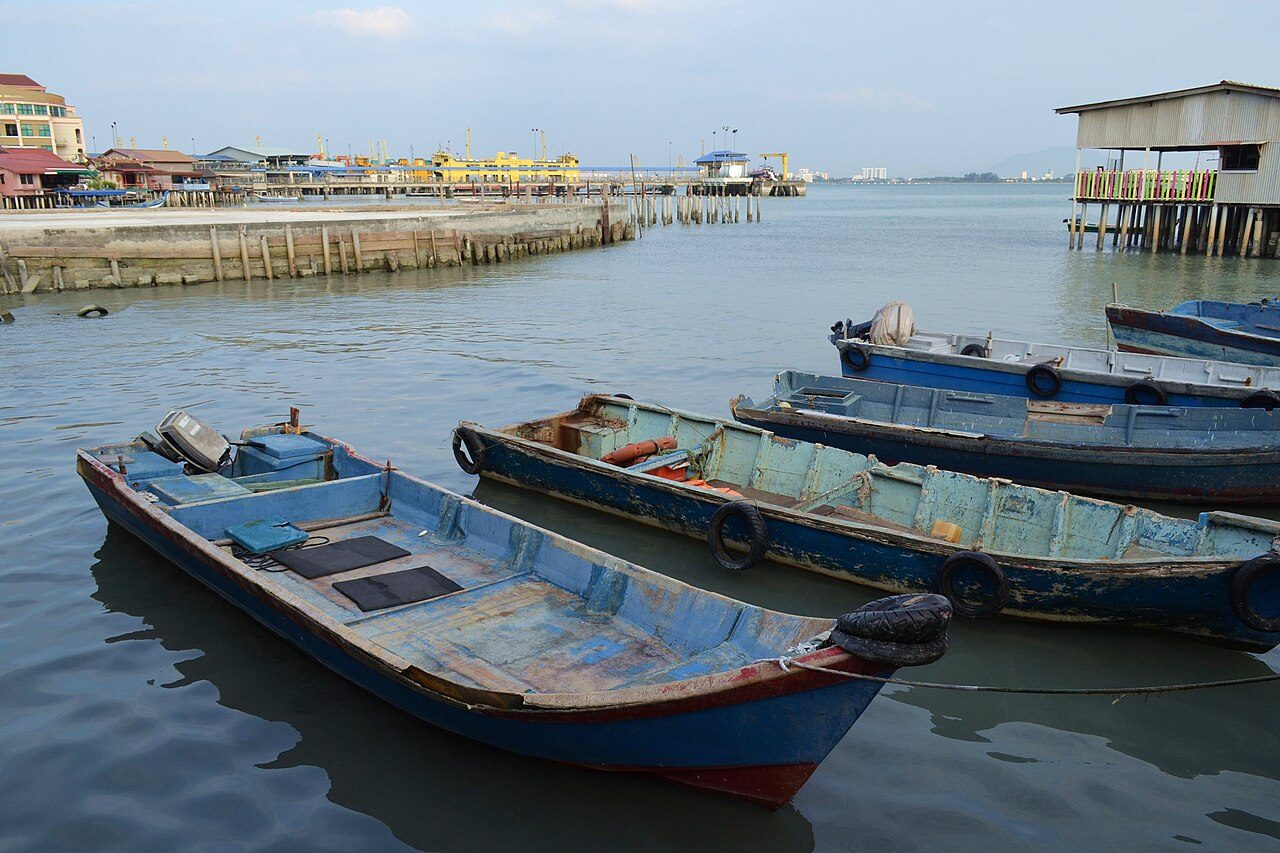
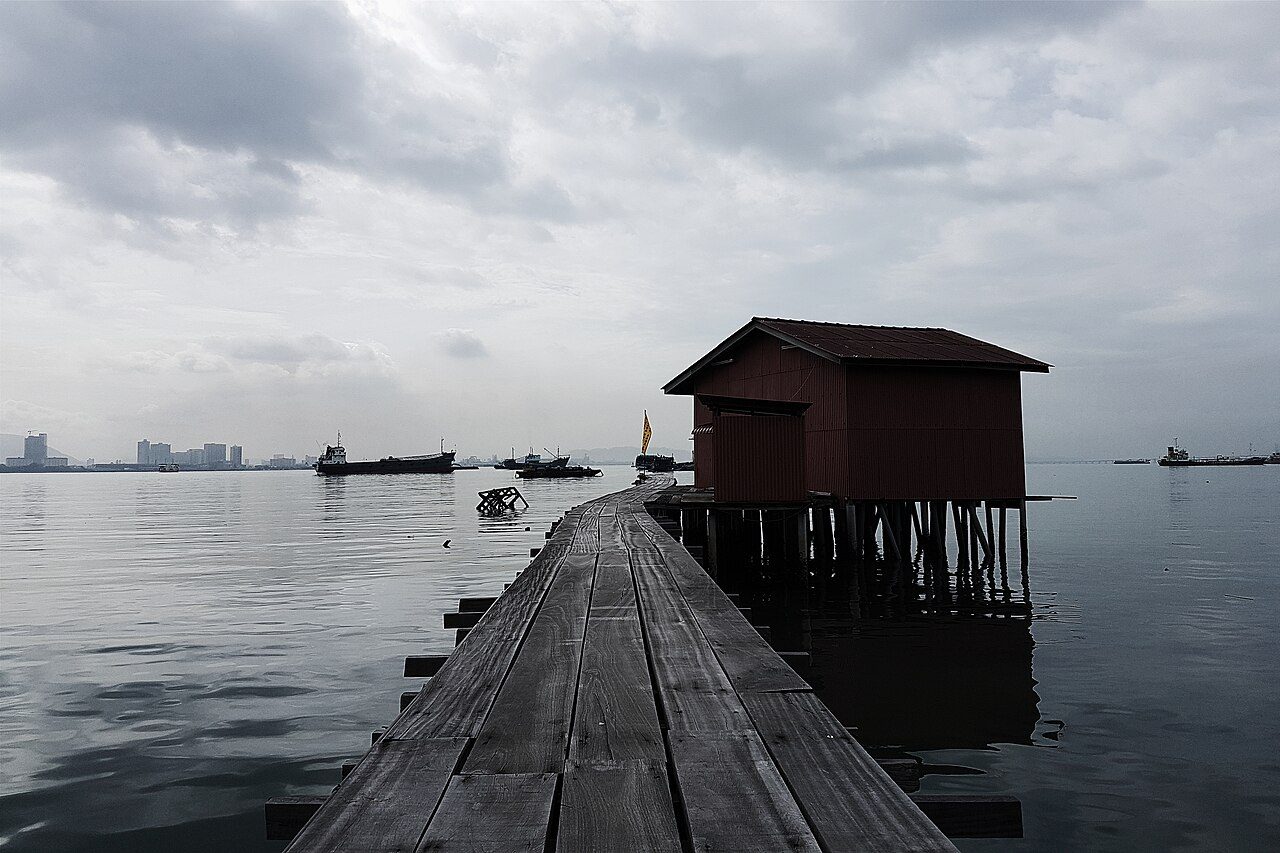
The Clan Jetties are wooden villages built on stilts over the sea on the waterfront of George Town in Penang. They were founded in the 19th century by Chinese immigrants, each jetty belonging to a different clan. The Chew Jetty is the largest and most visited, with homes, shops and a temple along a long wooden walkway. They are part of the World Heritage Site.
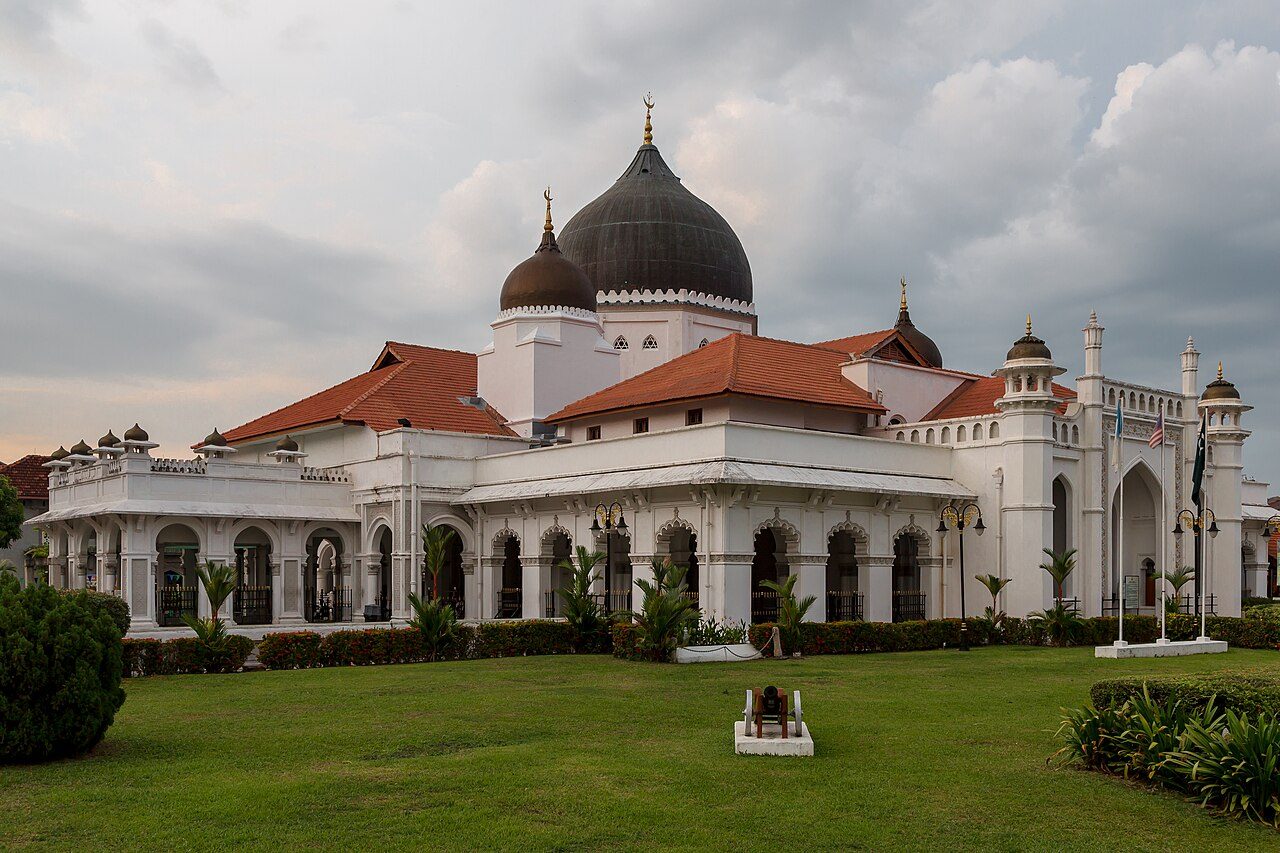
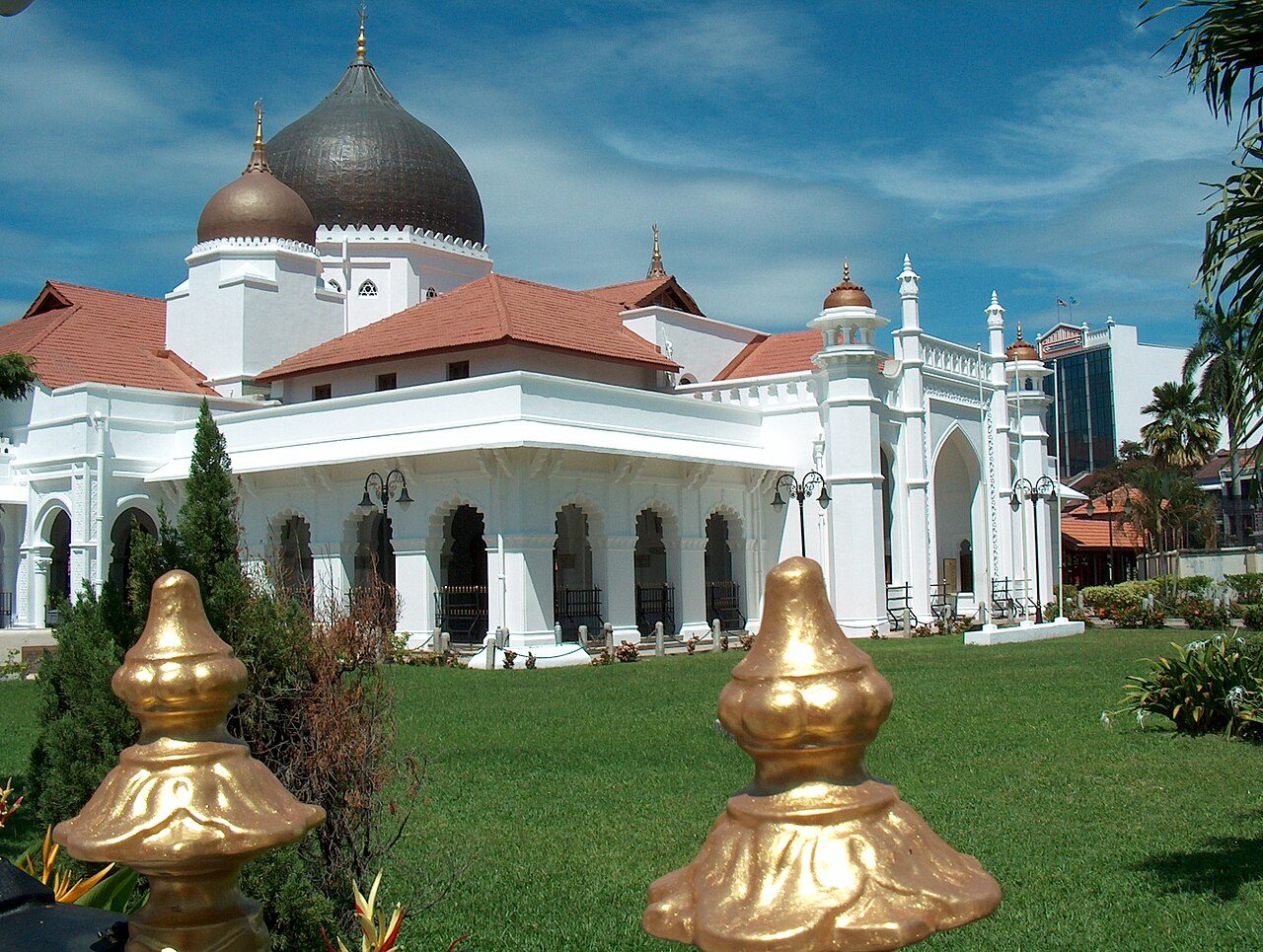
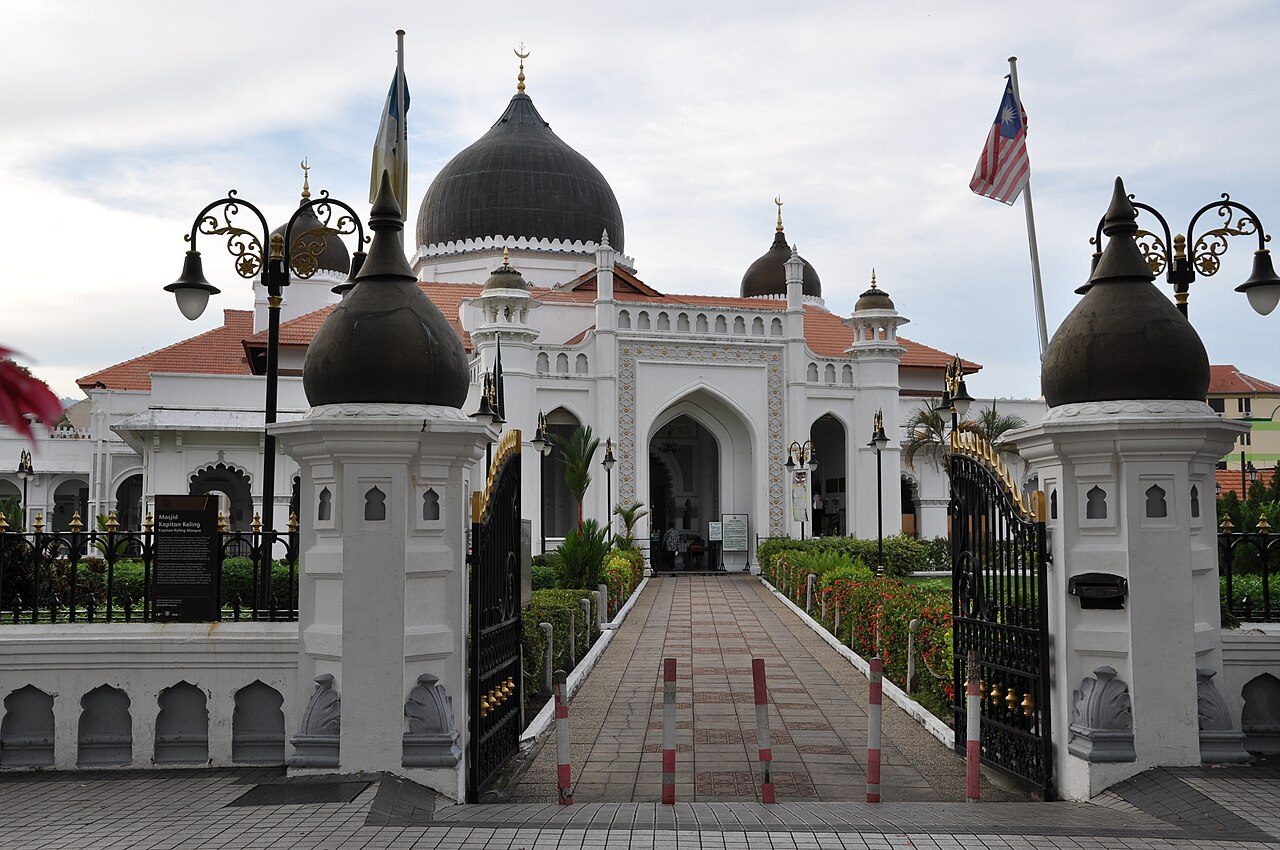
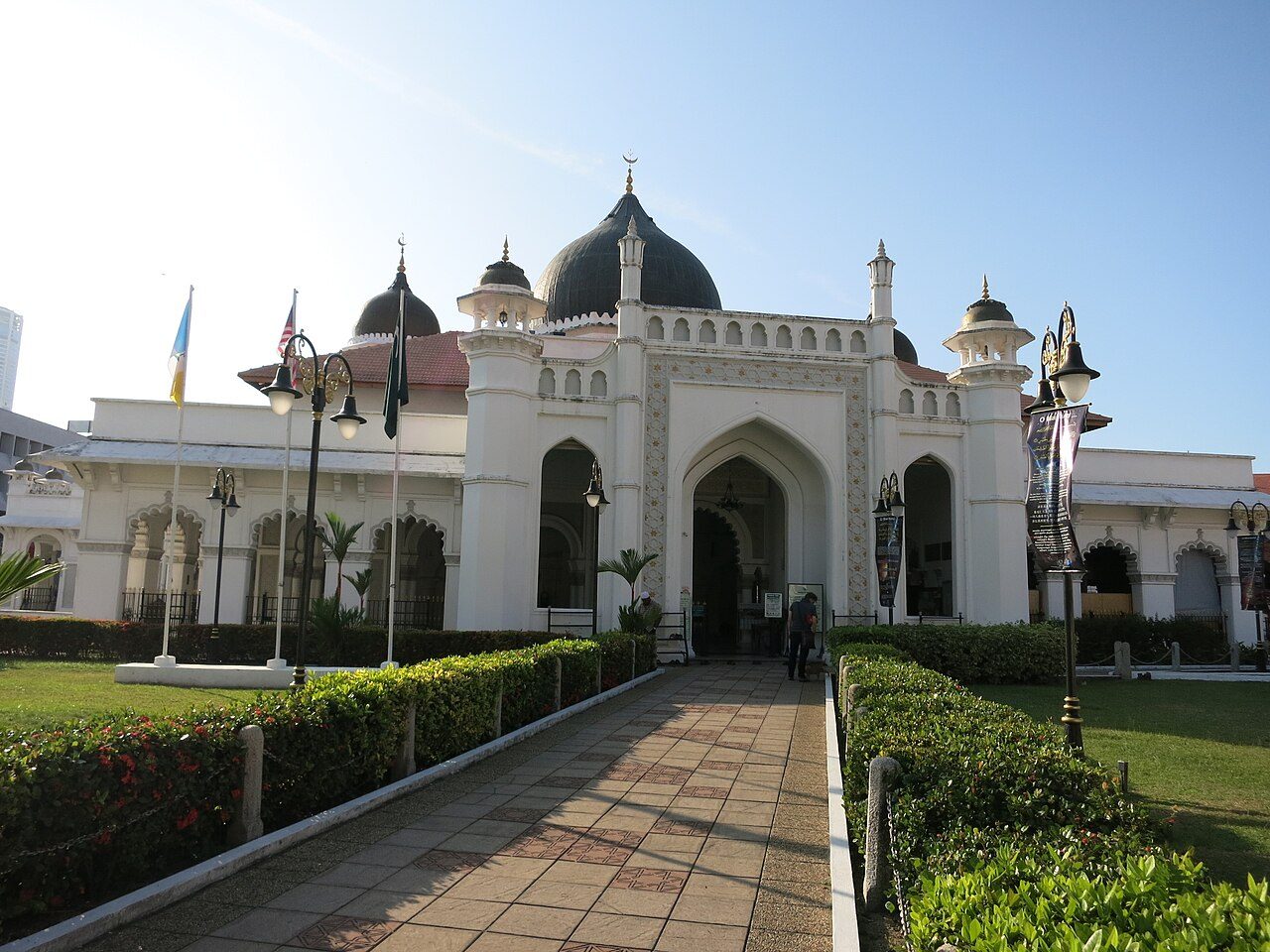
The Kapitan Keling Mosque in George Town was built in the early 19th century by Indian Muslim traders led by Cauder Mohuddeen. The present building dates from the early 20th century, with Mughal-style domes and a single minaret. It is one of the oldest mosques in Penang and stands on the Street of Harmony, close to a church and Chinese and Hindu temples.
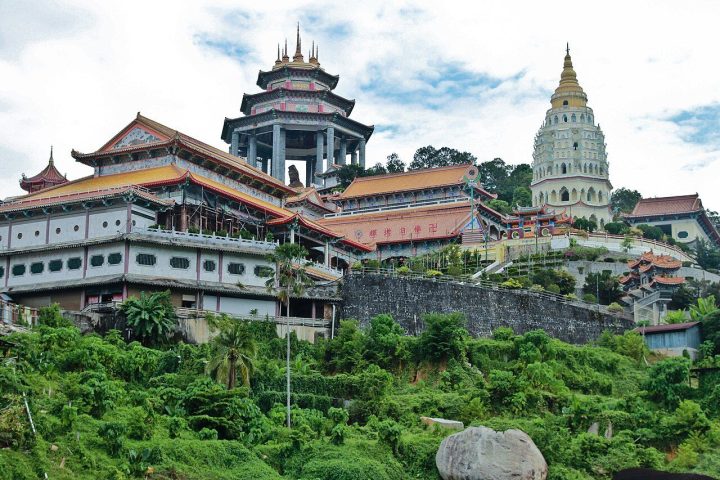
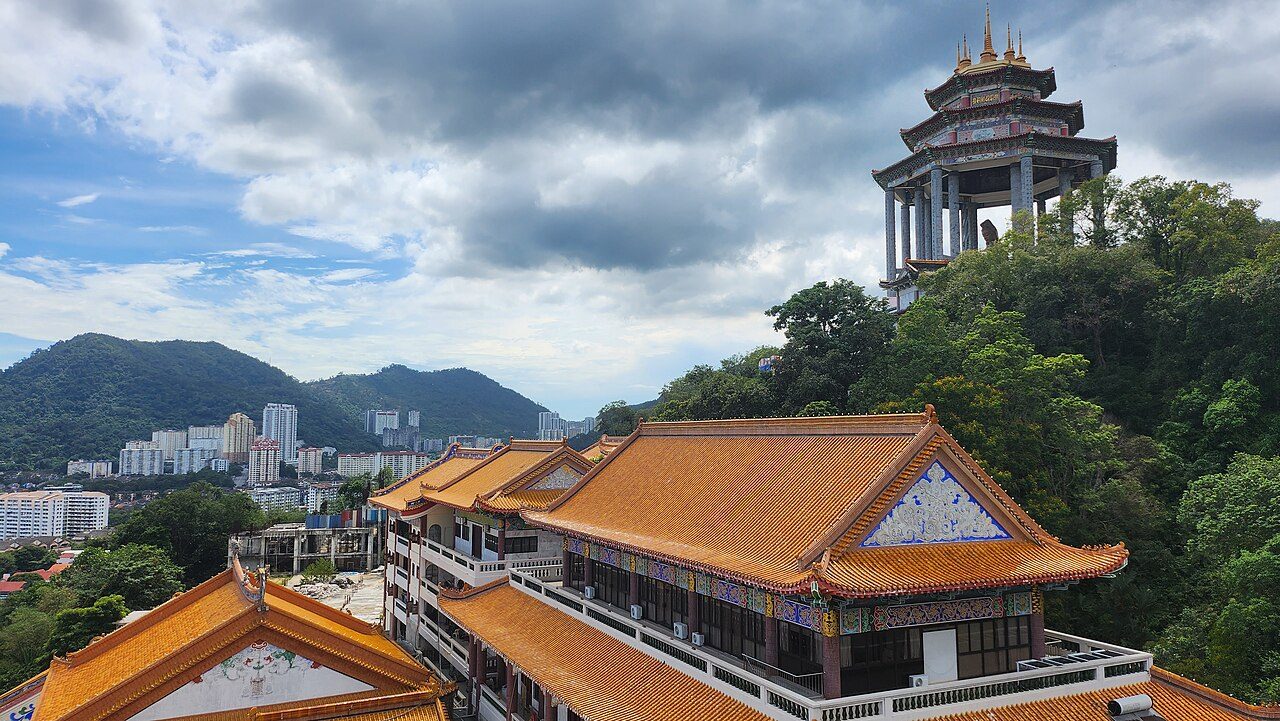
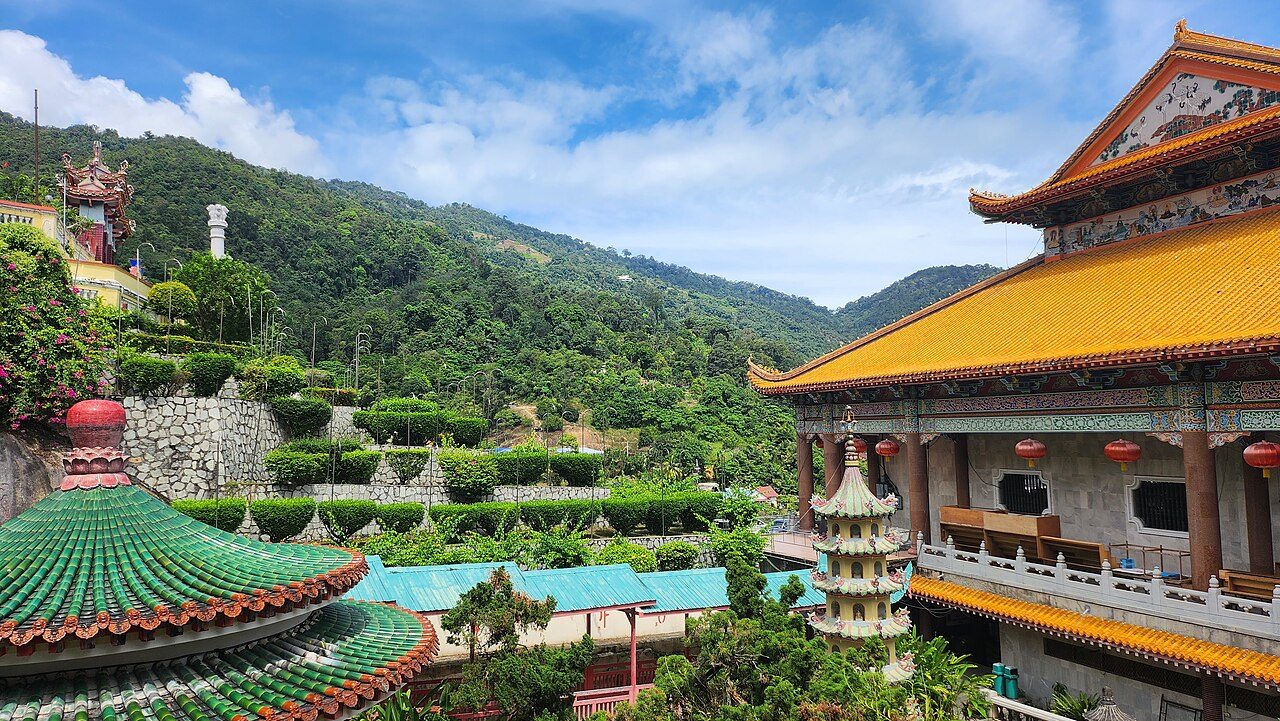
Kek Lok Si is one of the largest Buddhist temples in Southeast Asia, on a hillside at Air Itam in Penang. Building began in 1890. Its seven-storey pagoda combines Chinese, Thai and Burmese styles, with a Chinese base, a Thai middle and a Burmese top. Above it stands a huge bronze statue of Kuan Yin, the goddess of mercy, about 30 metres tall. The temple is lit up during Chinese New Year.
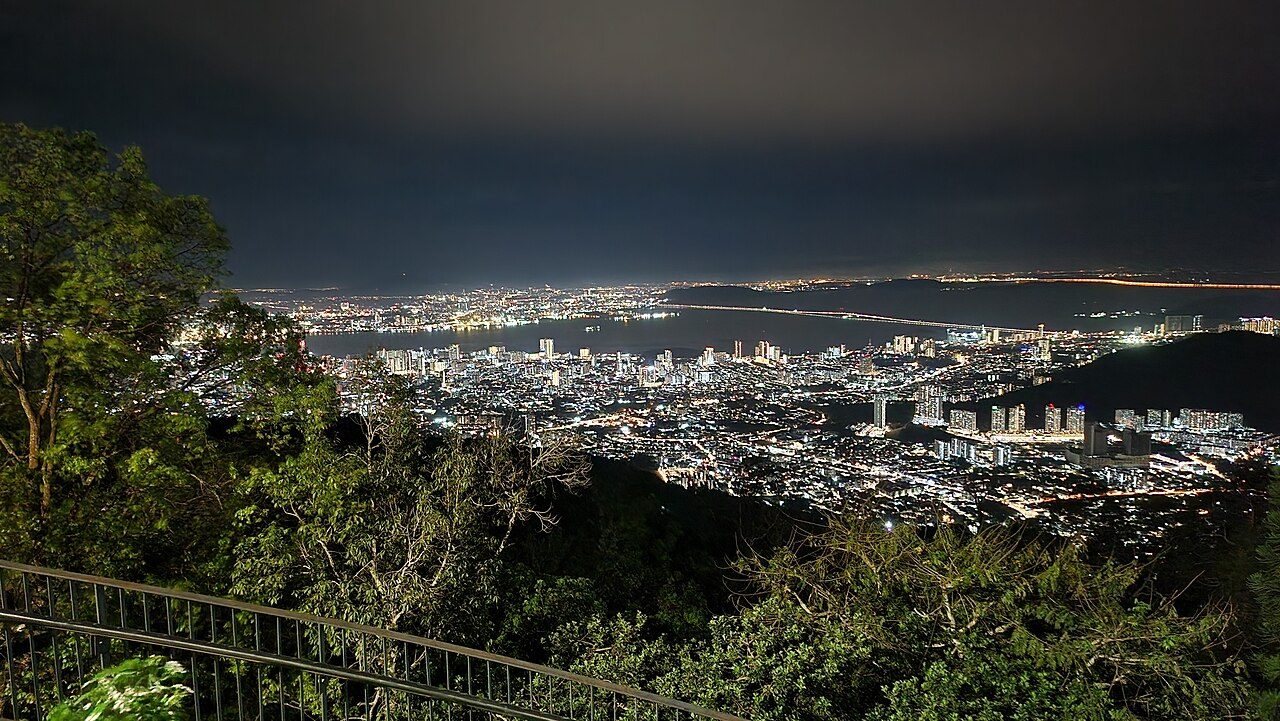
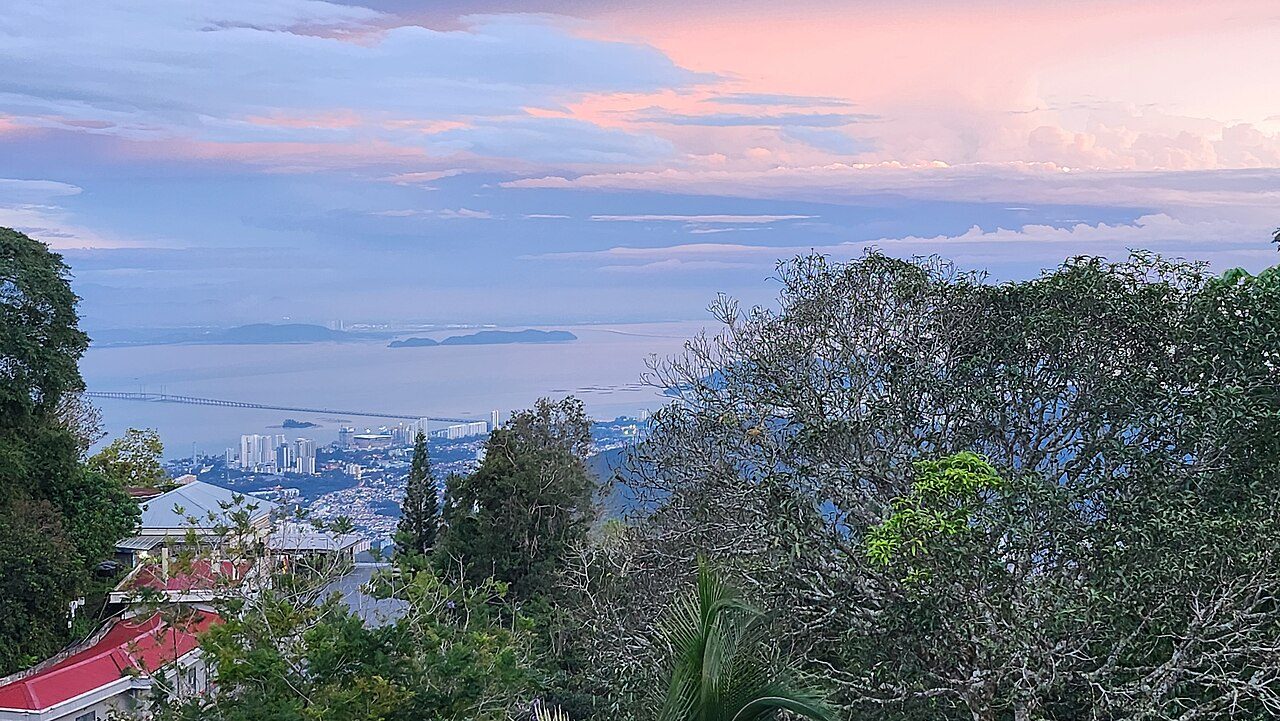
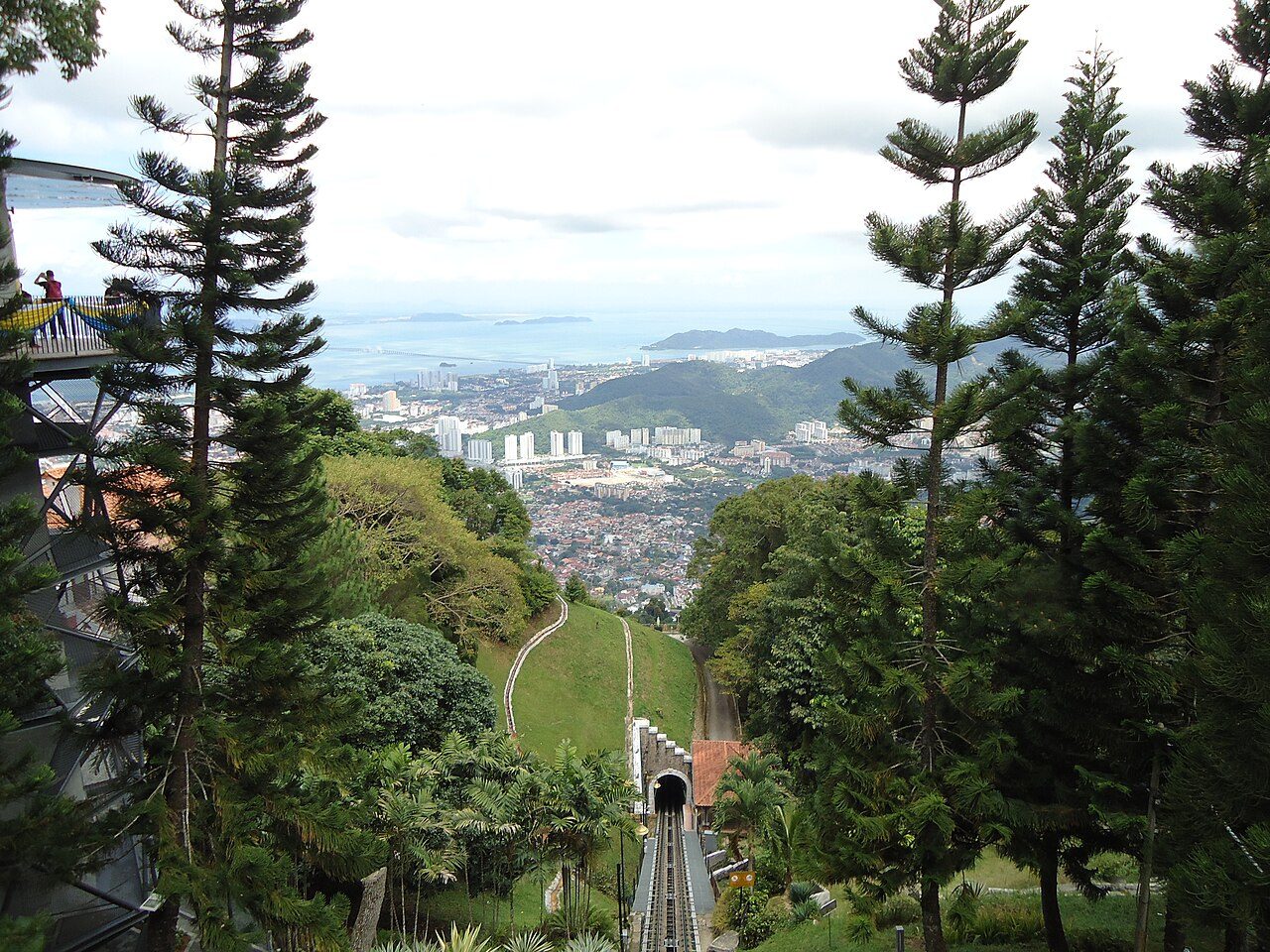
Penang Hill rises about 833 metres above George Town. The British used it as a cool hill station from the late 18th century. A funicular railway, first opened in 1923, climbs the steep slope to the top. The summit has colonial bungalows, a mosque, a Hindu temple, gardens and a canopy walk. The view over George Town and the mainland is best at night.
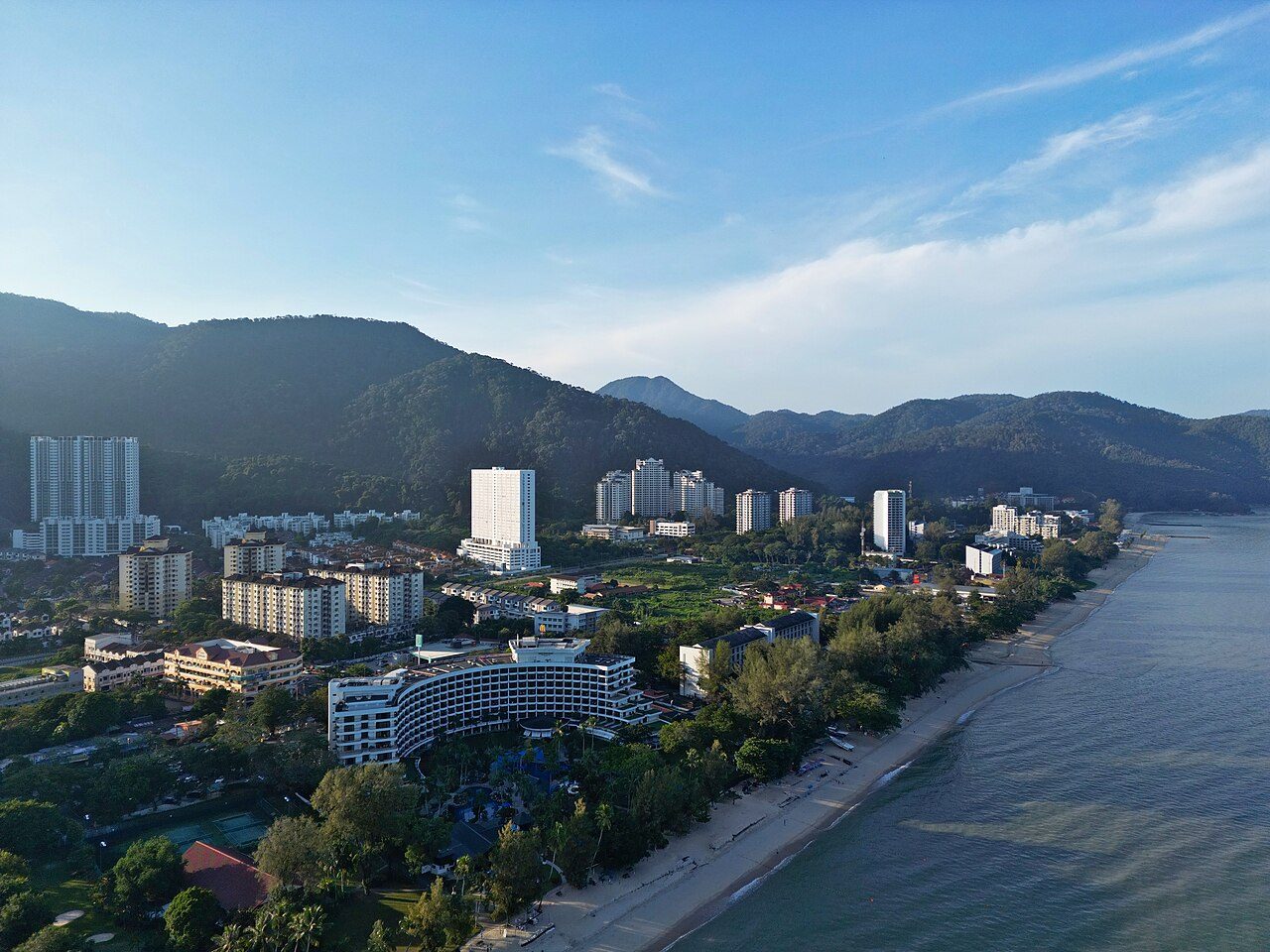
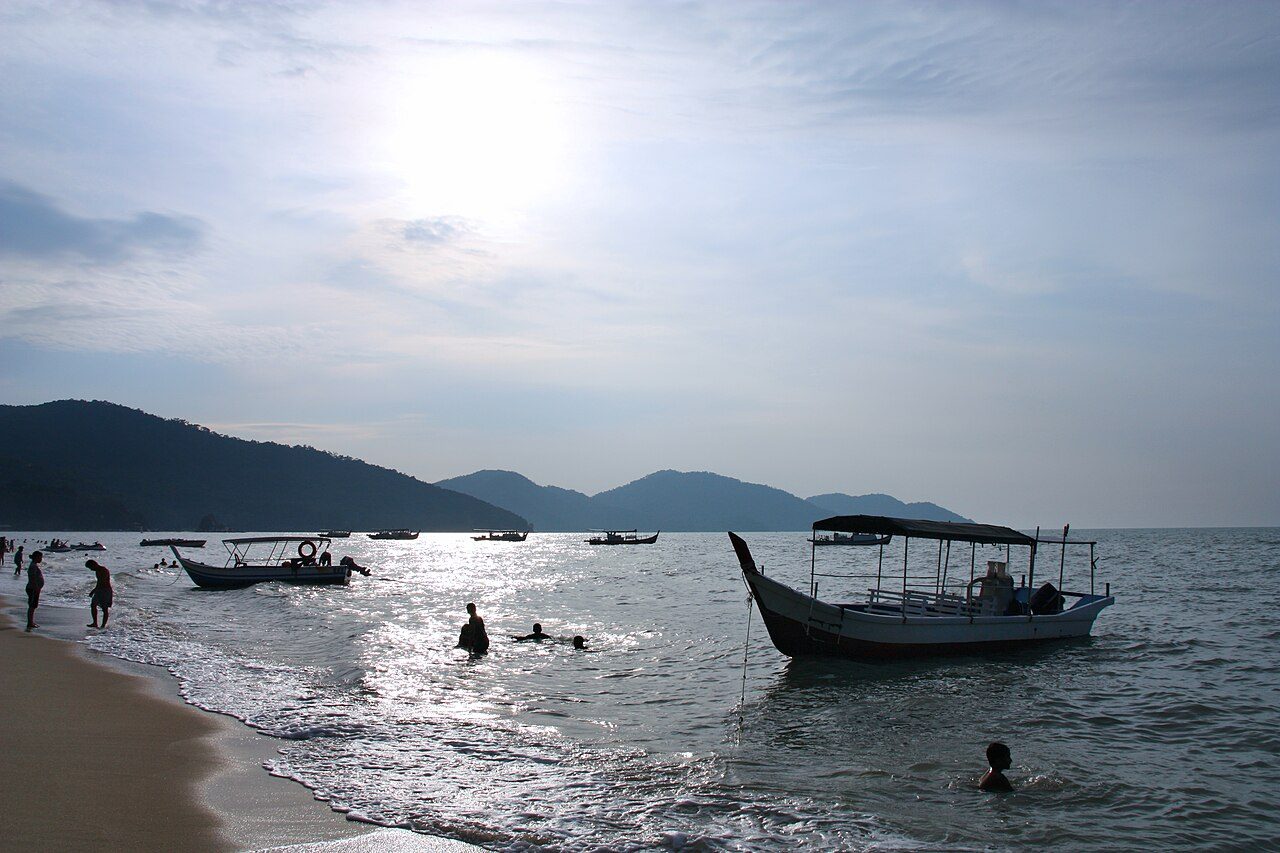
Batu Ferringhi is a beach area on the north coast of Penang Island, about 30 minutes from George Town. Its long stretch of sand is lined with resort hotels and water sports such as parasailing and jet skis. In the evening, a night market fills the main road with stalls selling souvenirs and food. Hawker centres serve local dishes.
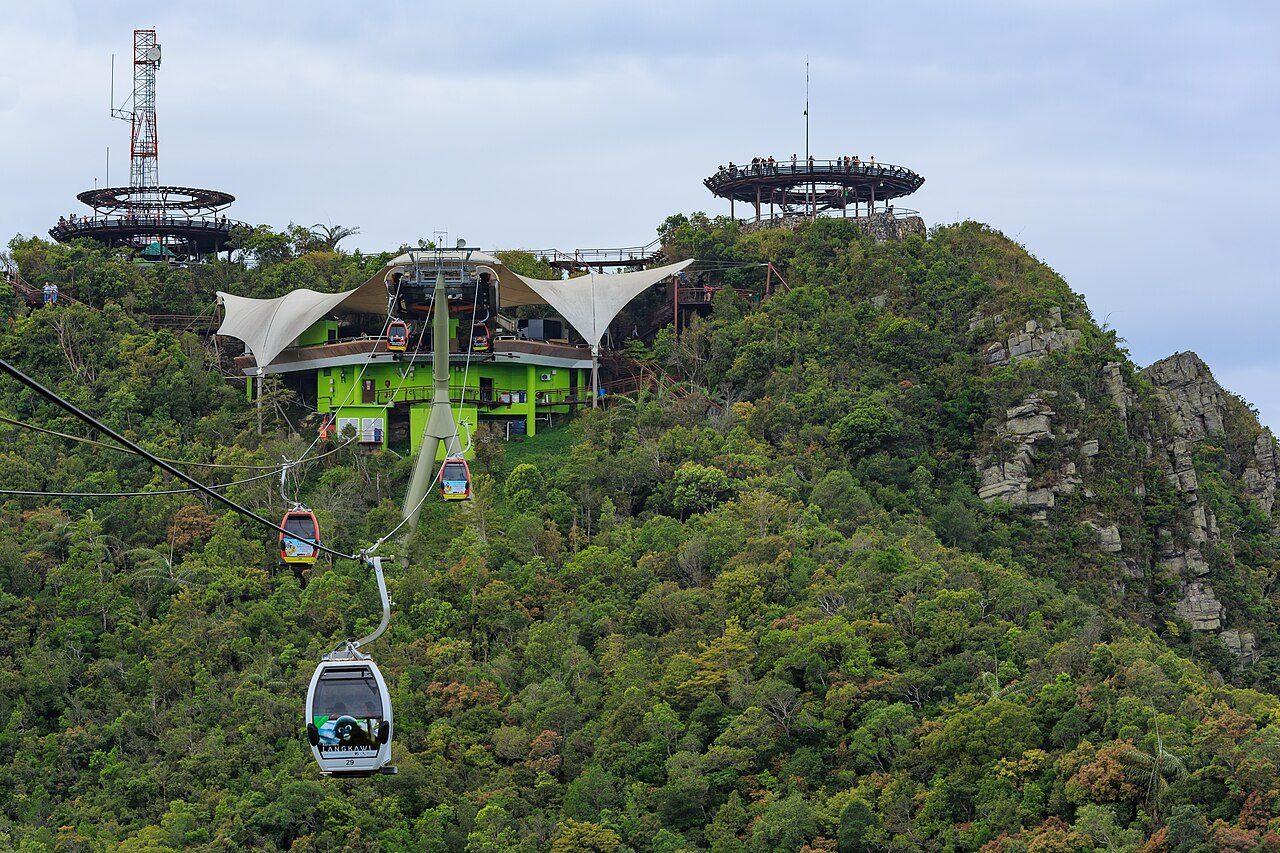
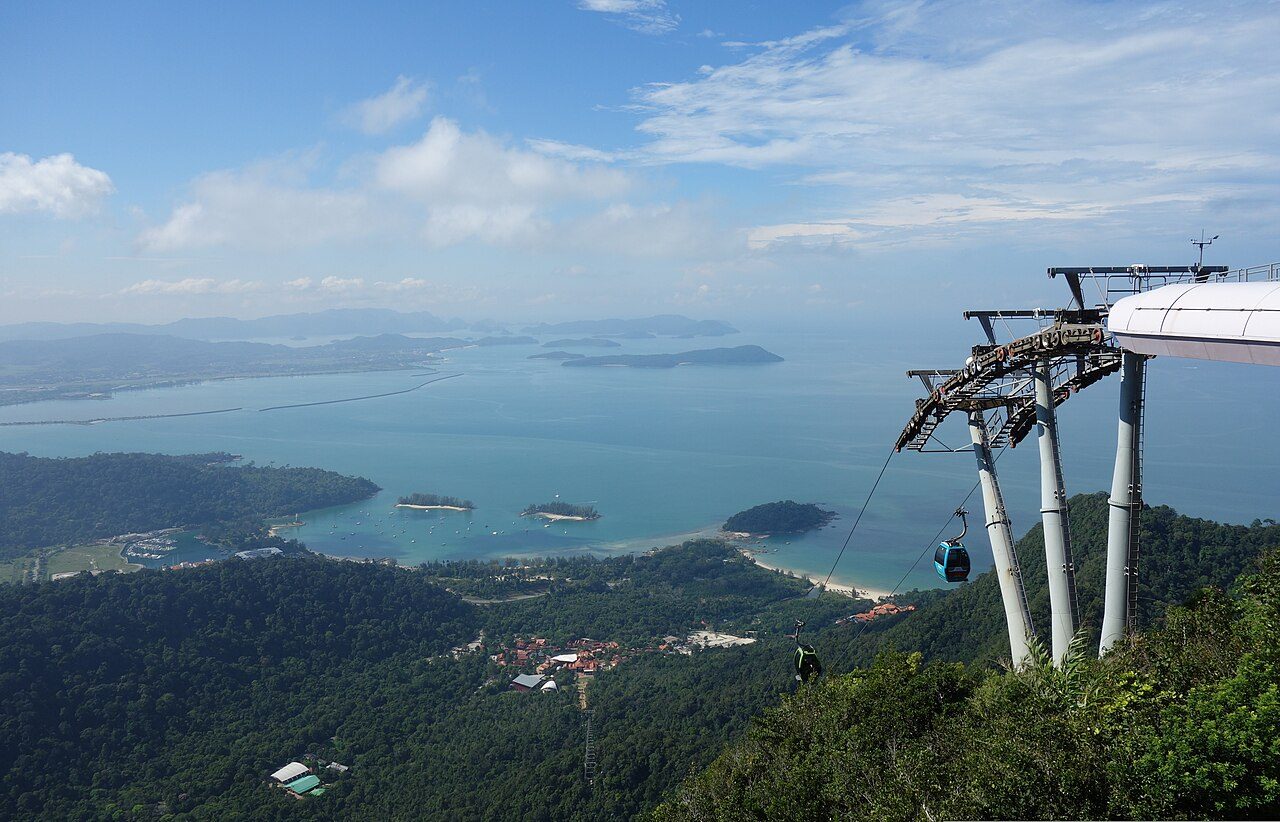
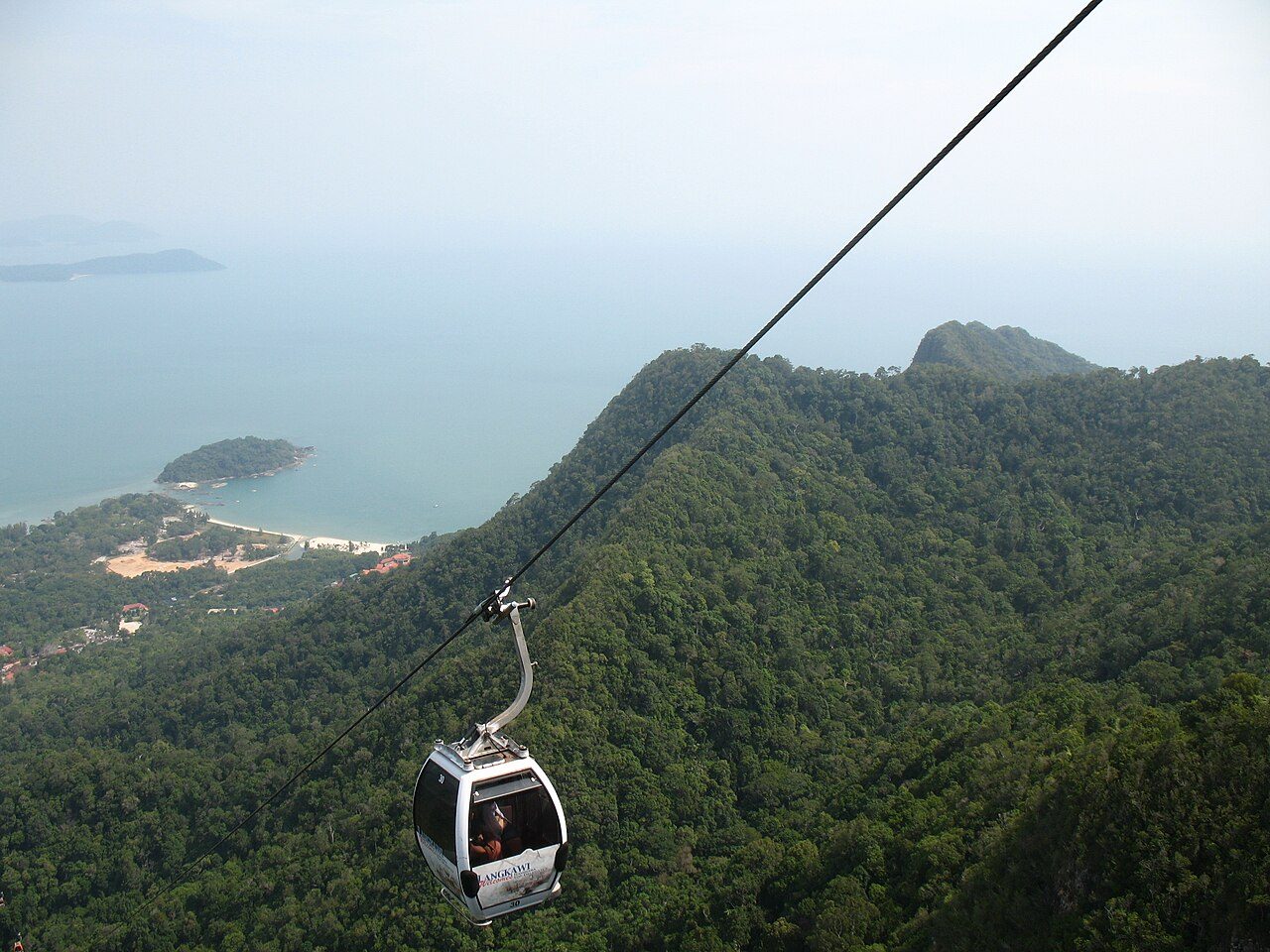
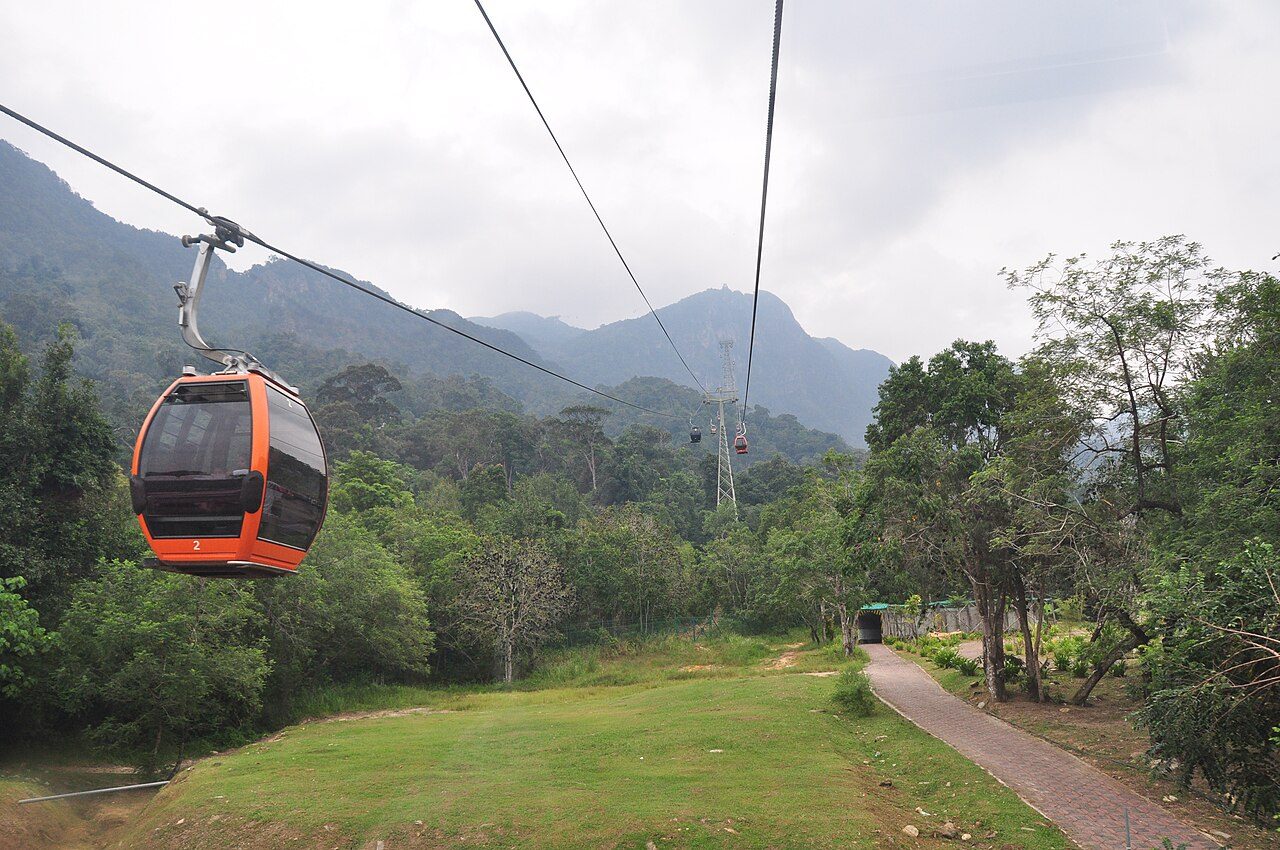
The Langkawi Cable Car, or SkyCab, rises from the Oriental Village at the foot of Mount Machinchang to its summit, about 700 metres above sea level. Opened in 2003, it is one of the steepest cable cars in the world. The ride passes over rainforest and waterfalls, with views of the sea and the islands of Thailand on clear days.
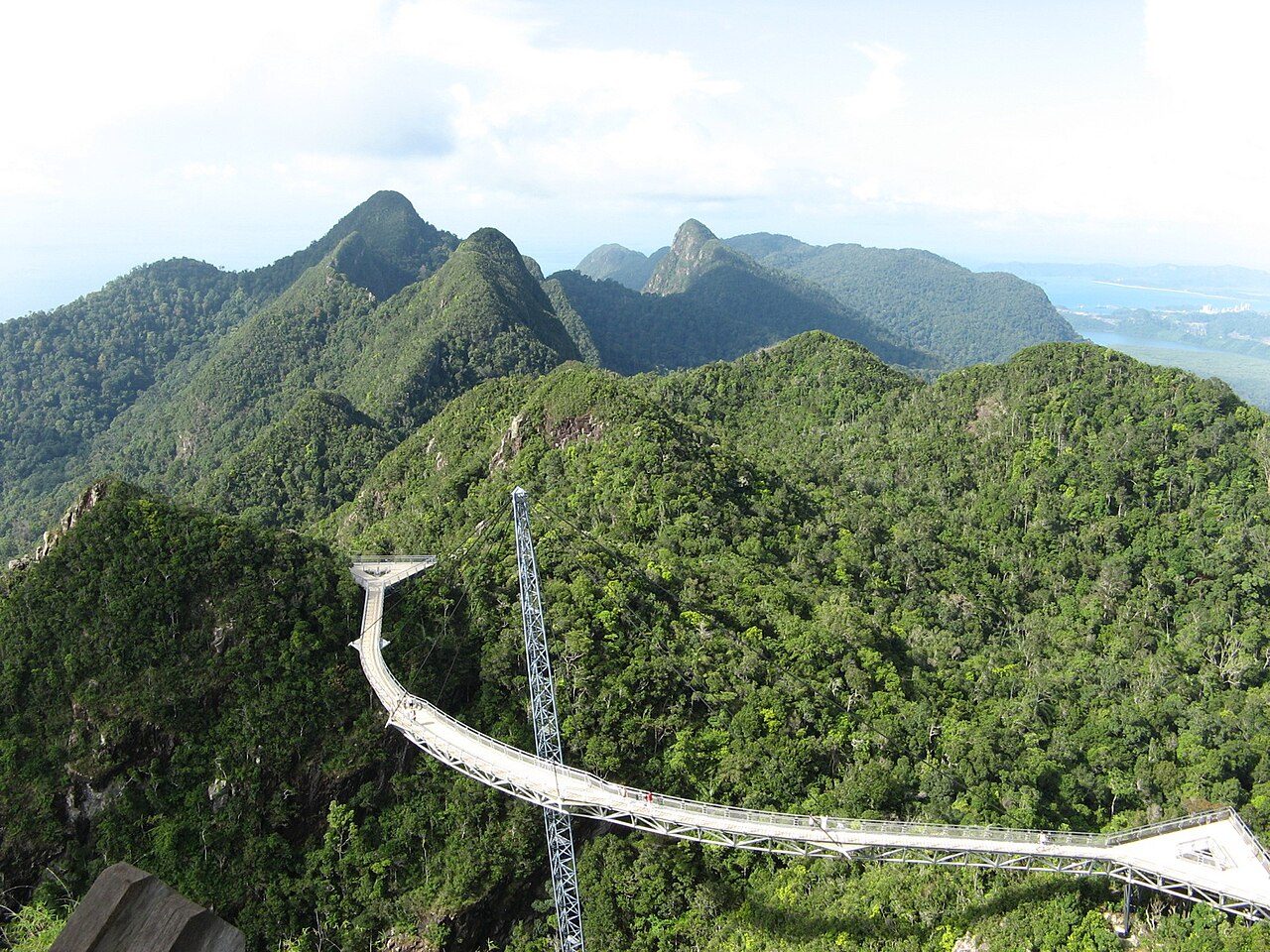
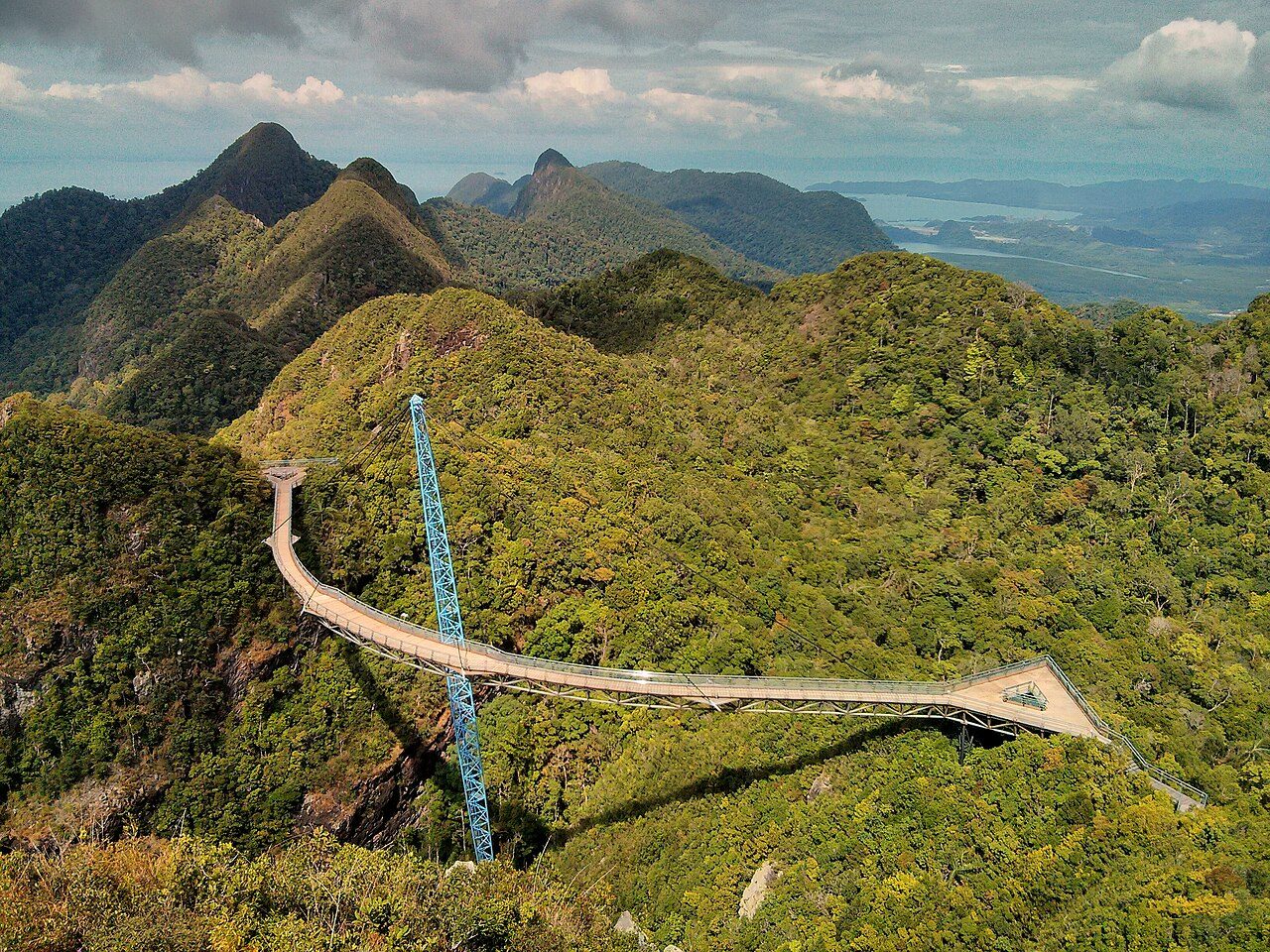
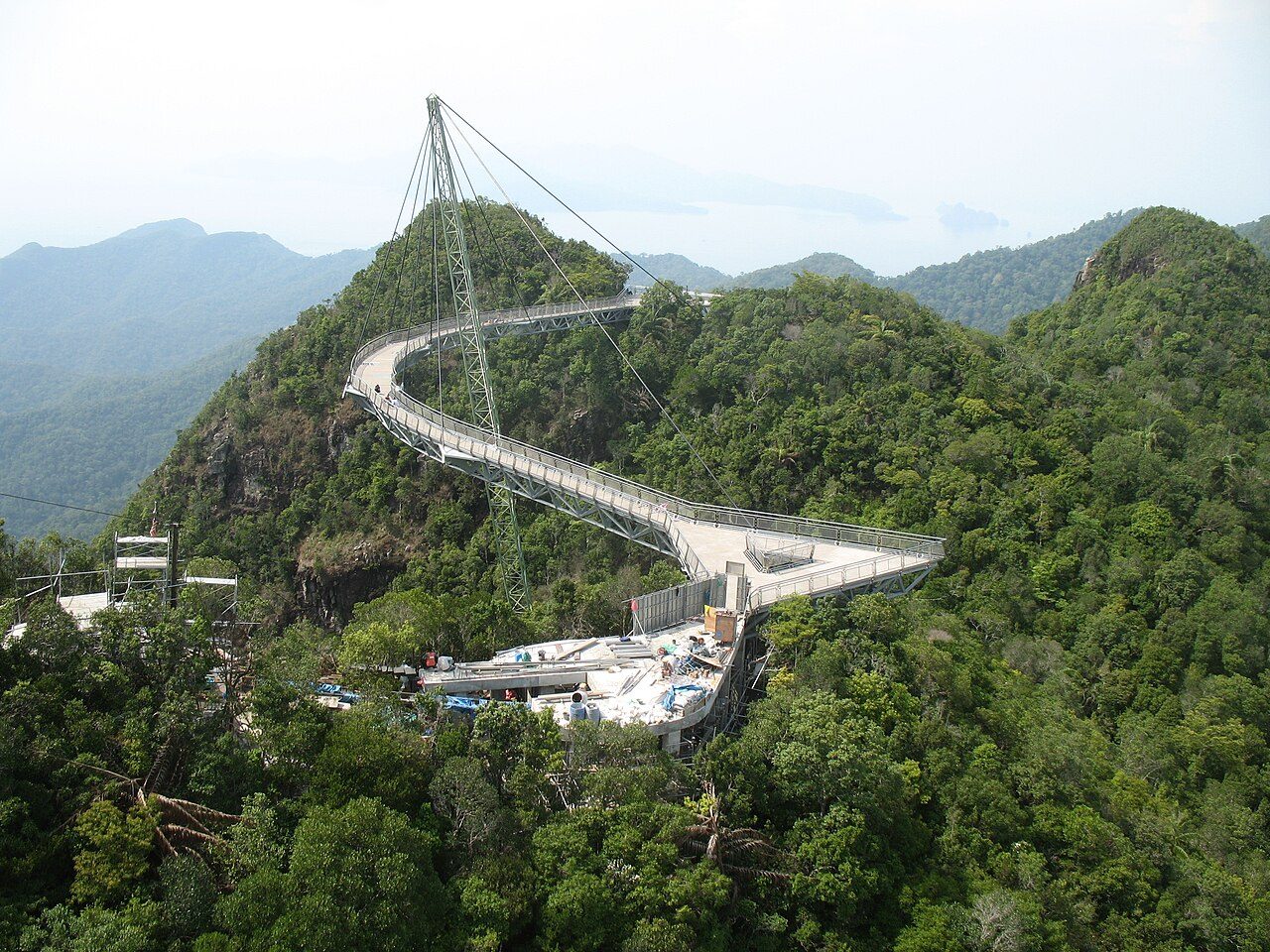
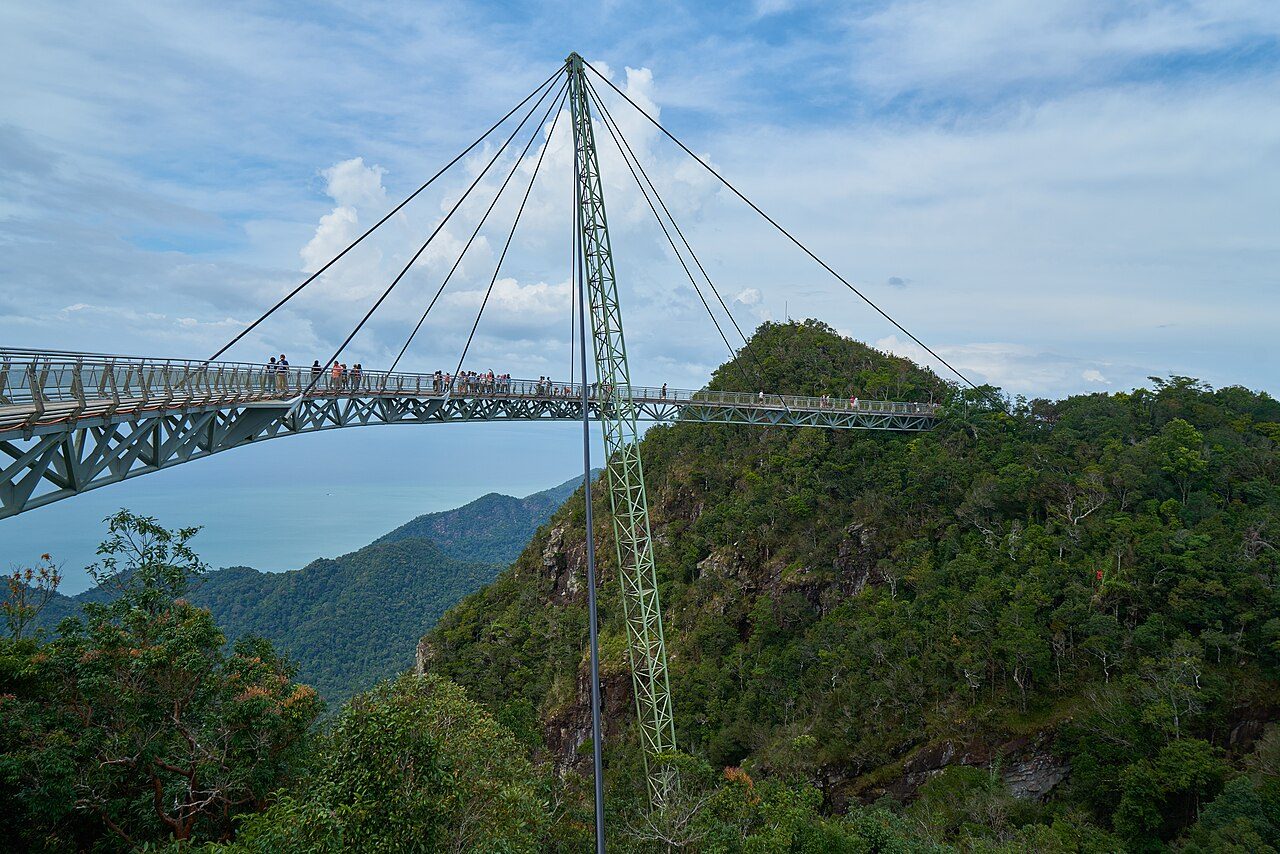
The Langkawi Sky Bridge is a curved pedestrian bridge about 125 metres long, hanging high above the rainforest near the top of Mount Machinchang. It is held up by a single tilted pylon. Opened in 2005, it is reached from the top station of the Langkawi Cable Car. From the bridge there are views over the Andaman Sea and islands.
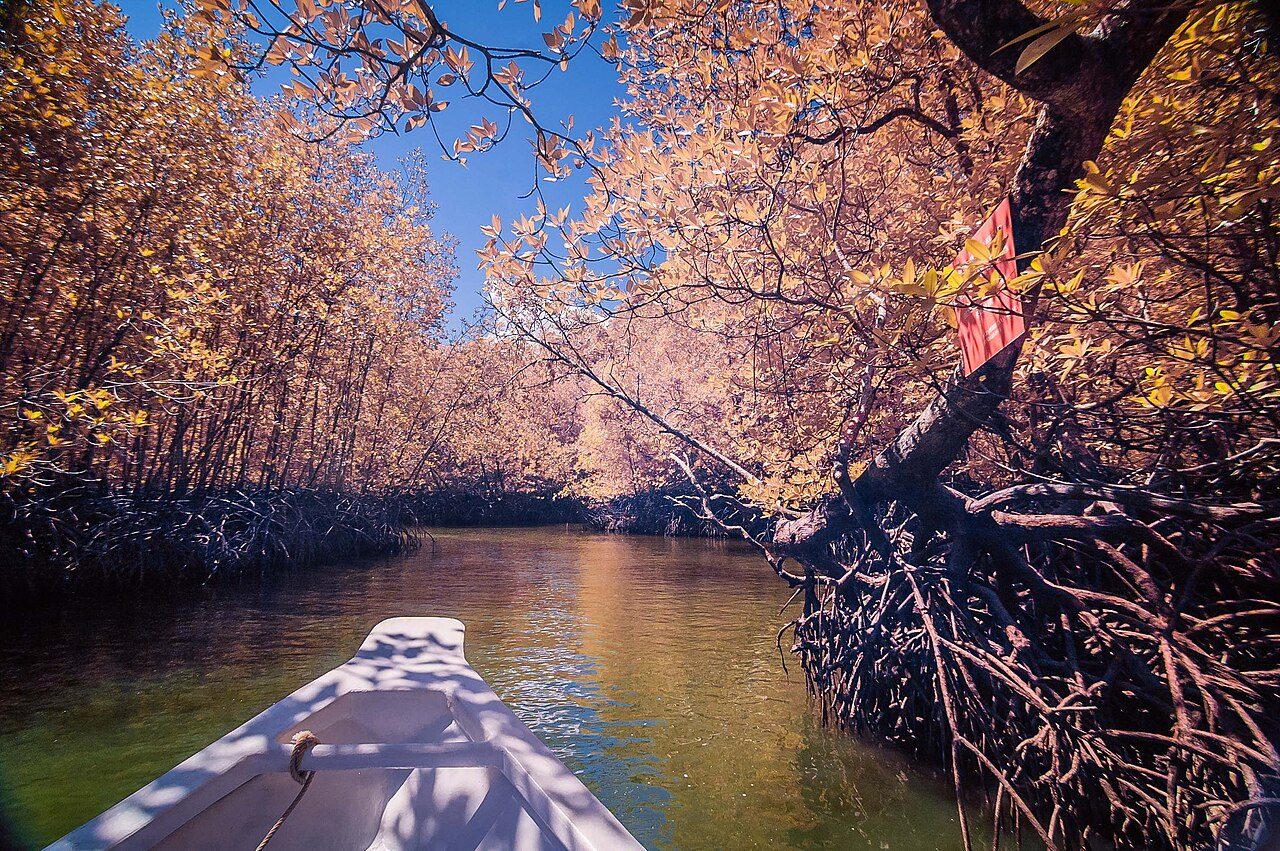
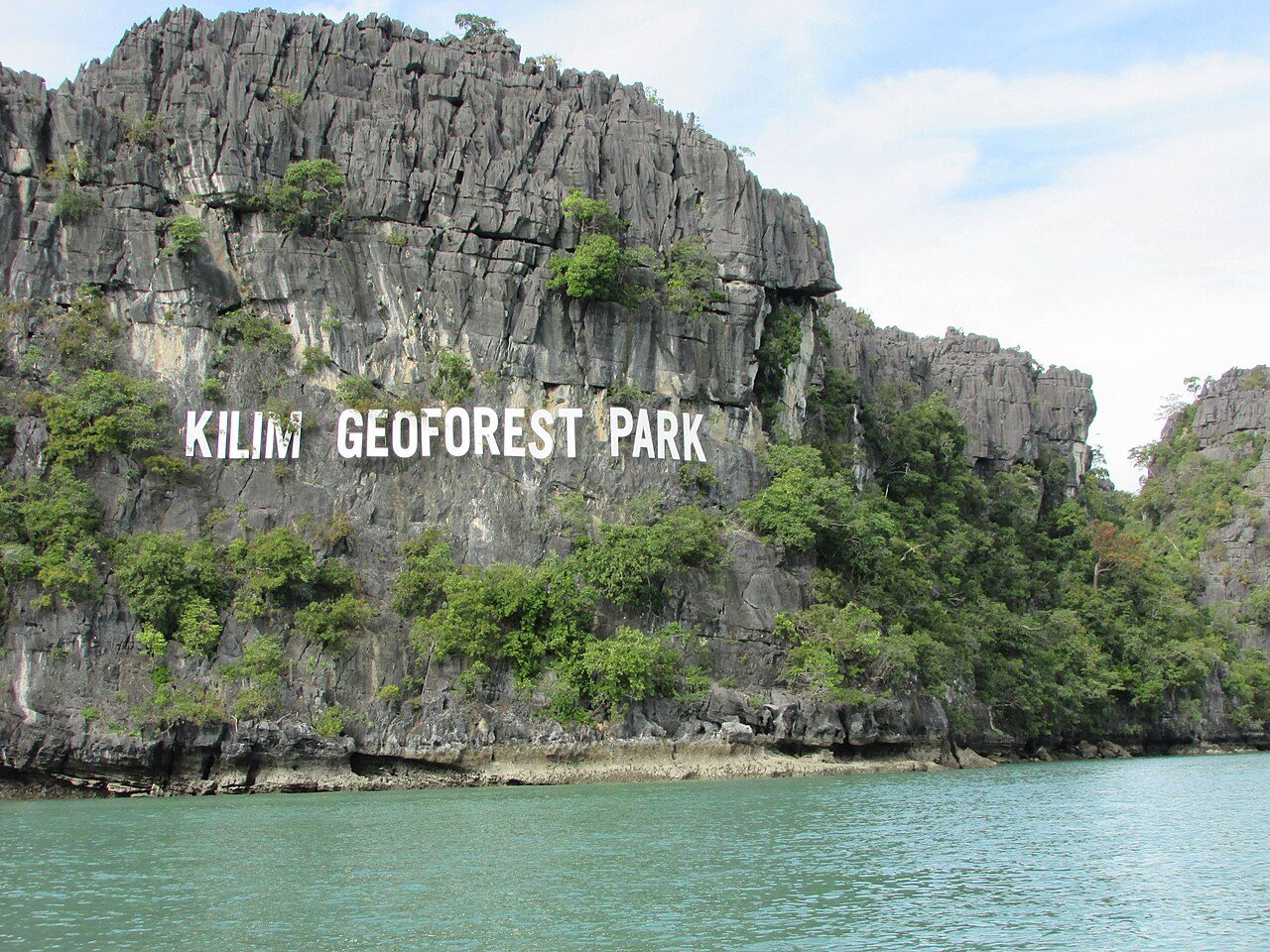
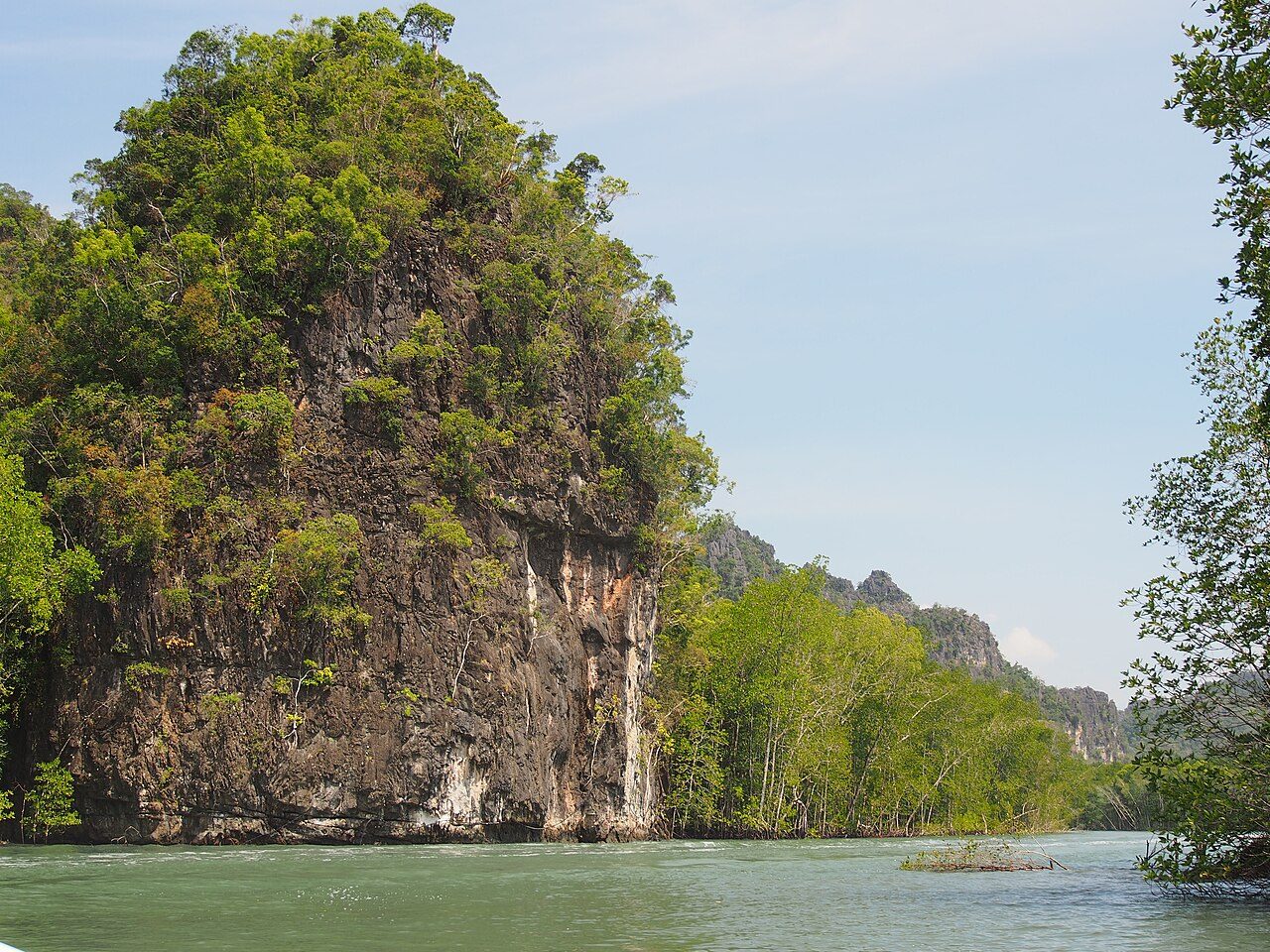
Kilim Karst Geoforest Park covers the limestone hills, mangrove rivers and islands in the northeast of Langkawi. Boat trips travel through the mangrove channels past steep cliffs, caves and fish farms, and look for eagles diving for food. It is part of the Langkawi UNESCO Global Geopark, the first geopark in Southeast Asia.
Best weather: Jan – MarHeavy rain: Sep – Nov
Seasons from 20 years of NASA POWER climate data.
Was this trip blog helpful?
0
0
Ready to follow this route?
Copy all 37 stops into your trip plans in the app.
 WaTrips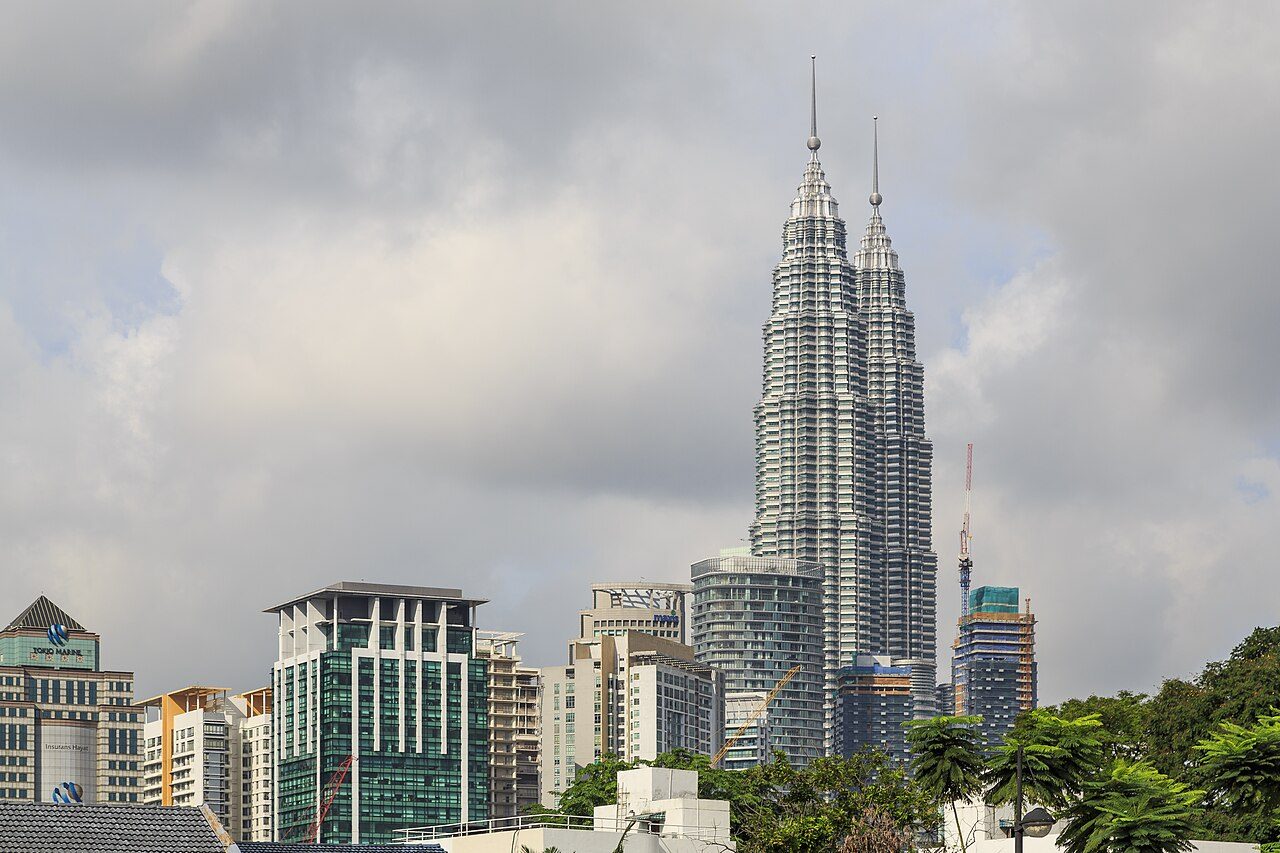










 BikesBooking
 Localrent
 Airalo
 Tiqets