The Museum of Islamic Art, Souq Waqif and the Corniche, the National Museum, Katara and The Pearl, Education City, Zekreet, Al Zubarah, Al Khor, Lusail and Khor Al Adaid.
Qatar is small but rewarding. Days one and two explore Doha: the Museum of Islamic Art by I. M. Pei, the Corniche, Souq Waqif, Al Koot Fort and the Fanar spiral mosque, then the desert-rose National Museum, Msheireb, Katara Cultural Village, The Pearl and the West Bay skyline. Day three visits Qatar National Library, Aspire Park, Khalifa International Stadium and the Sheikh Faisal Museum. Day four heads north and west to the rock formations of Zekreet, Al Zubarah, a UNESCO World Heritage Site, the Al Thakira mangroves and the Barzan towers. Day five sees Lusail and takes a 4x4 over the dunes to Khor Al Adaid, the inland sea. November to March is best.
01
STOP 1 OF 22
Museum of Islamic Art
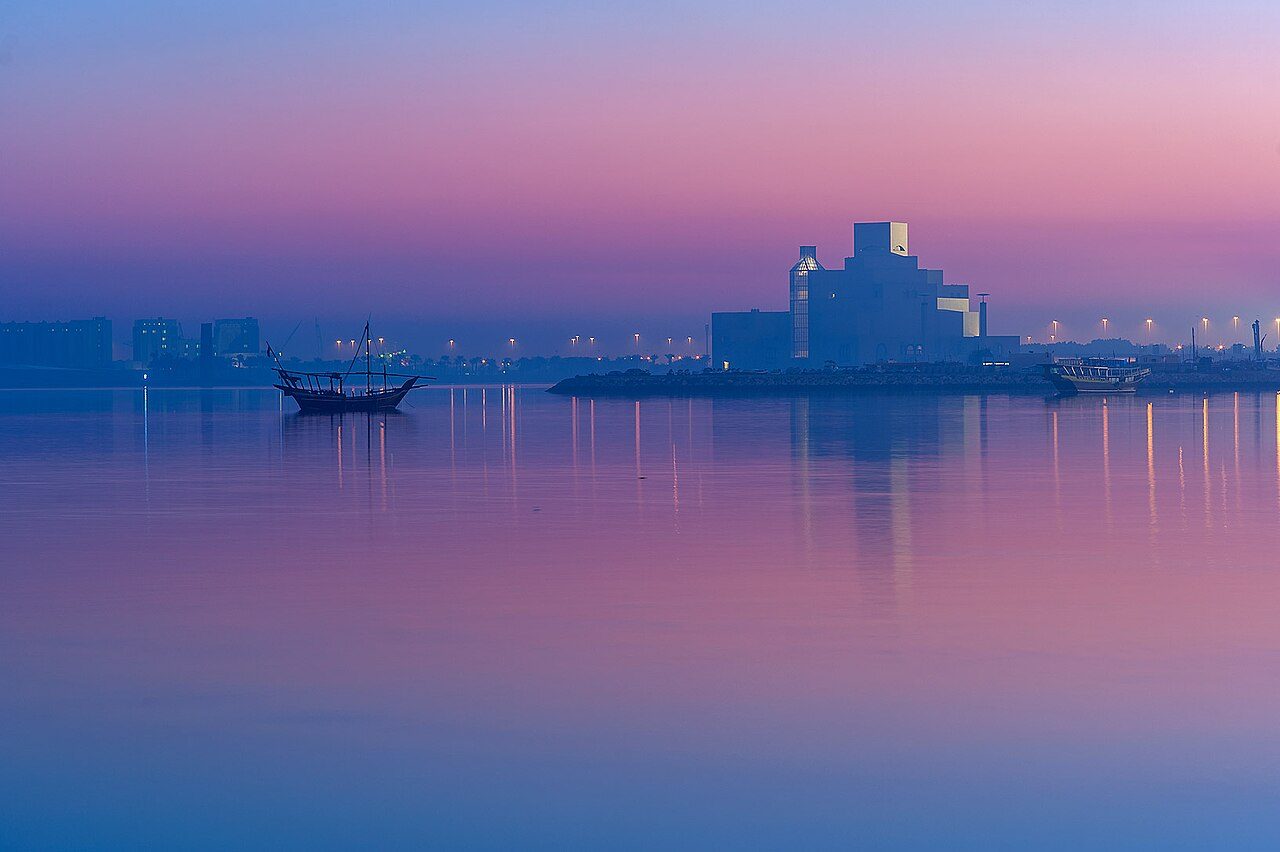
The Museum of Islamic Art stands on its own island at the end of the Doha Corniche. Designed by I. M. Pei and opened in 2008, the building of pale stone was inspired by the ablution fountain of a mosque in Cairo. Its collection covers 1,400 years of art from three continents, with manuscripts, ceramics, metalwork, textiles and jewels. A park beside it looks across to West Bay.
02
STOP 2 OF 22
Doha Corniche
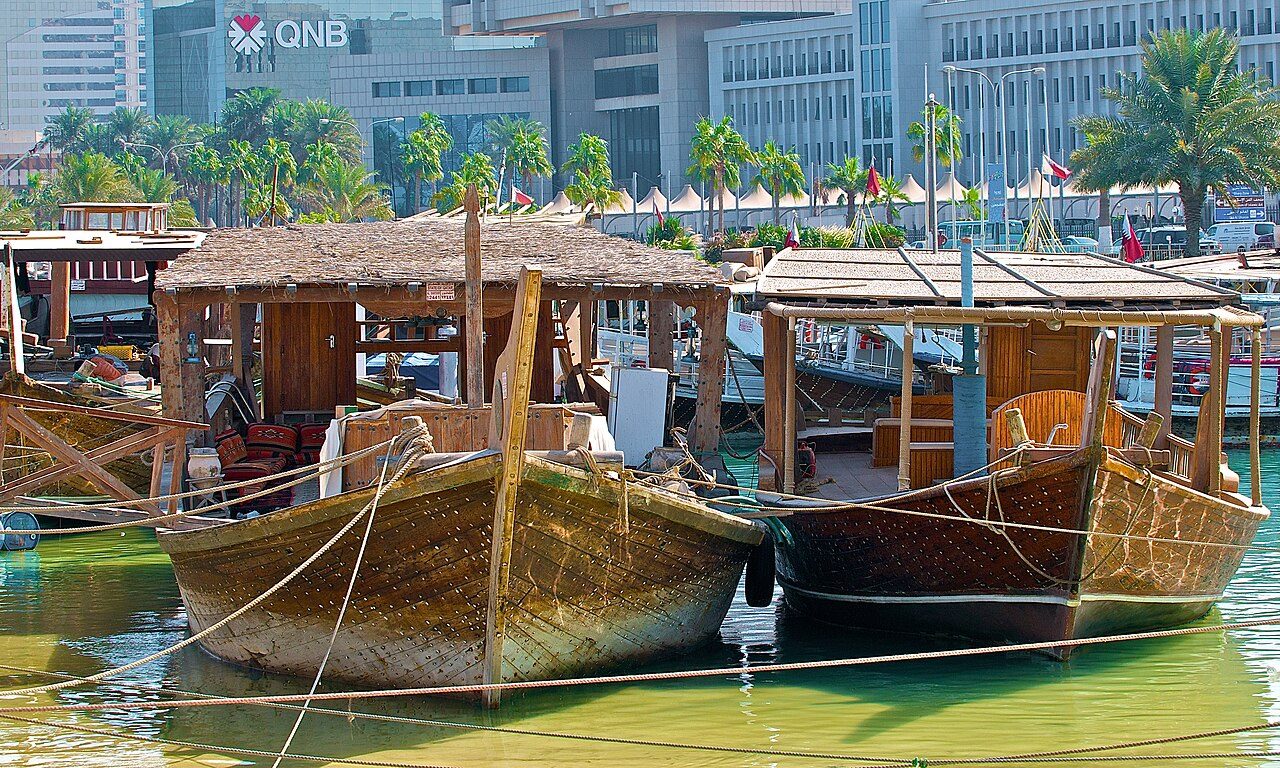
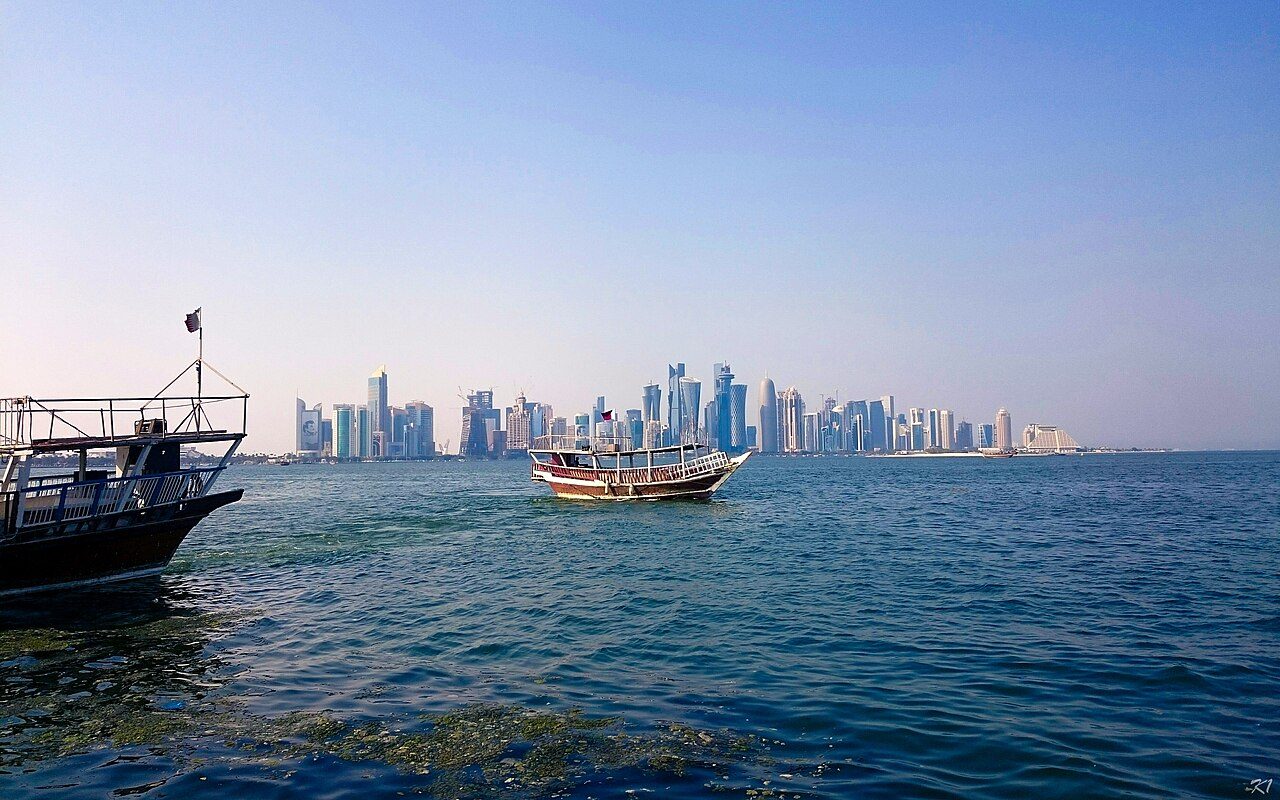
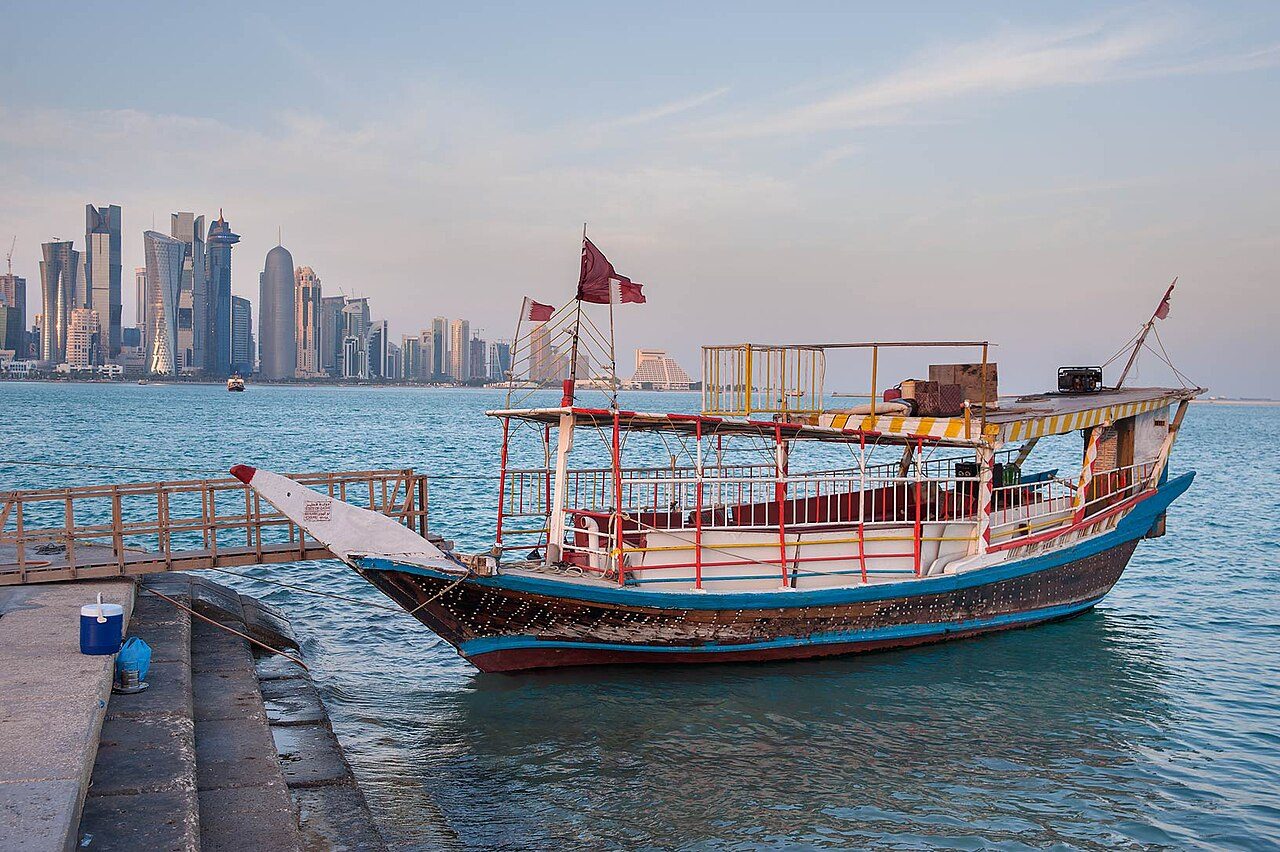
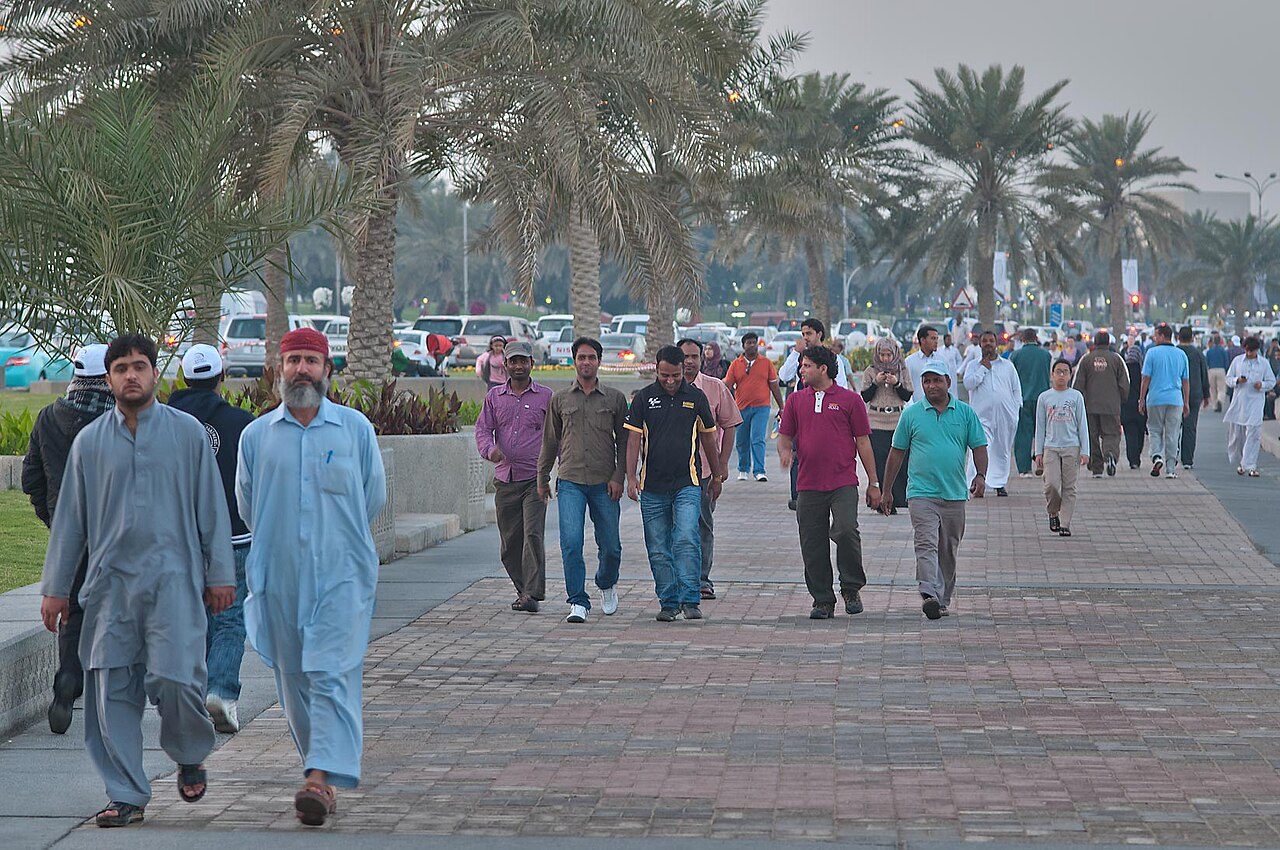
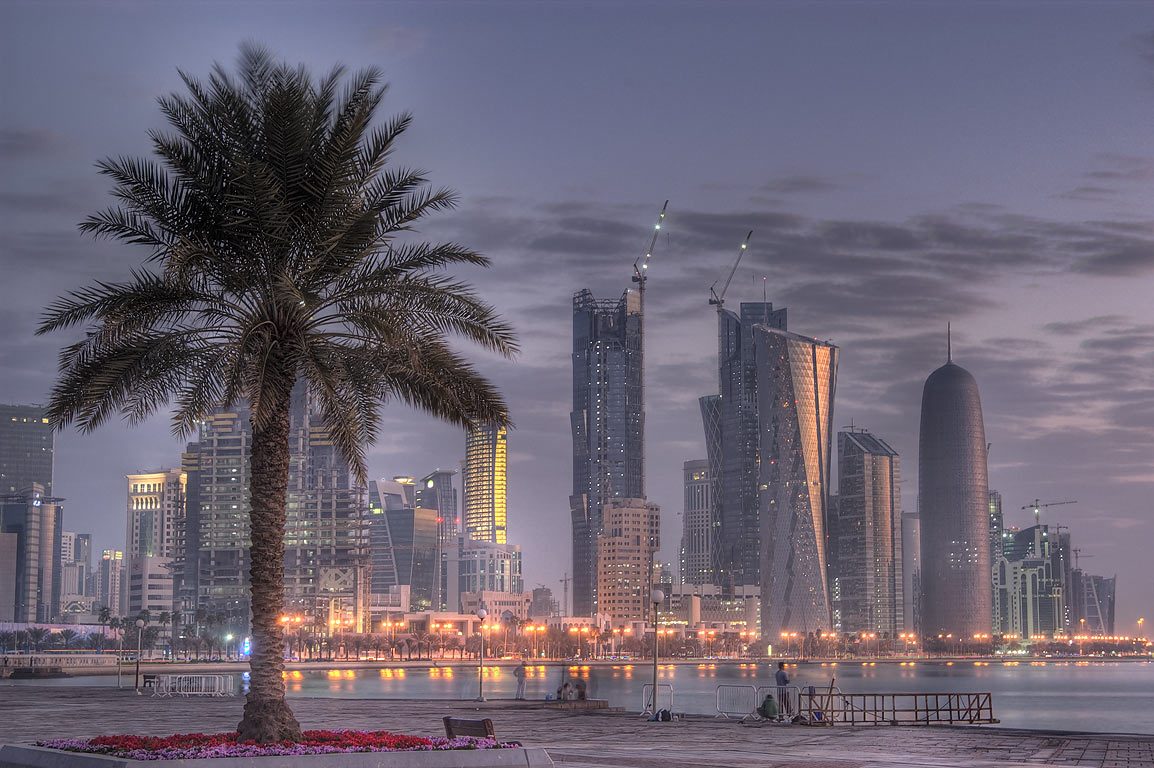
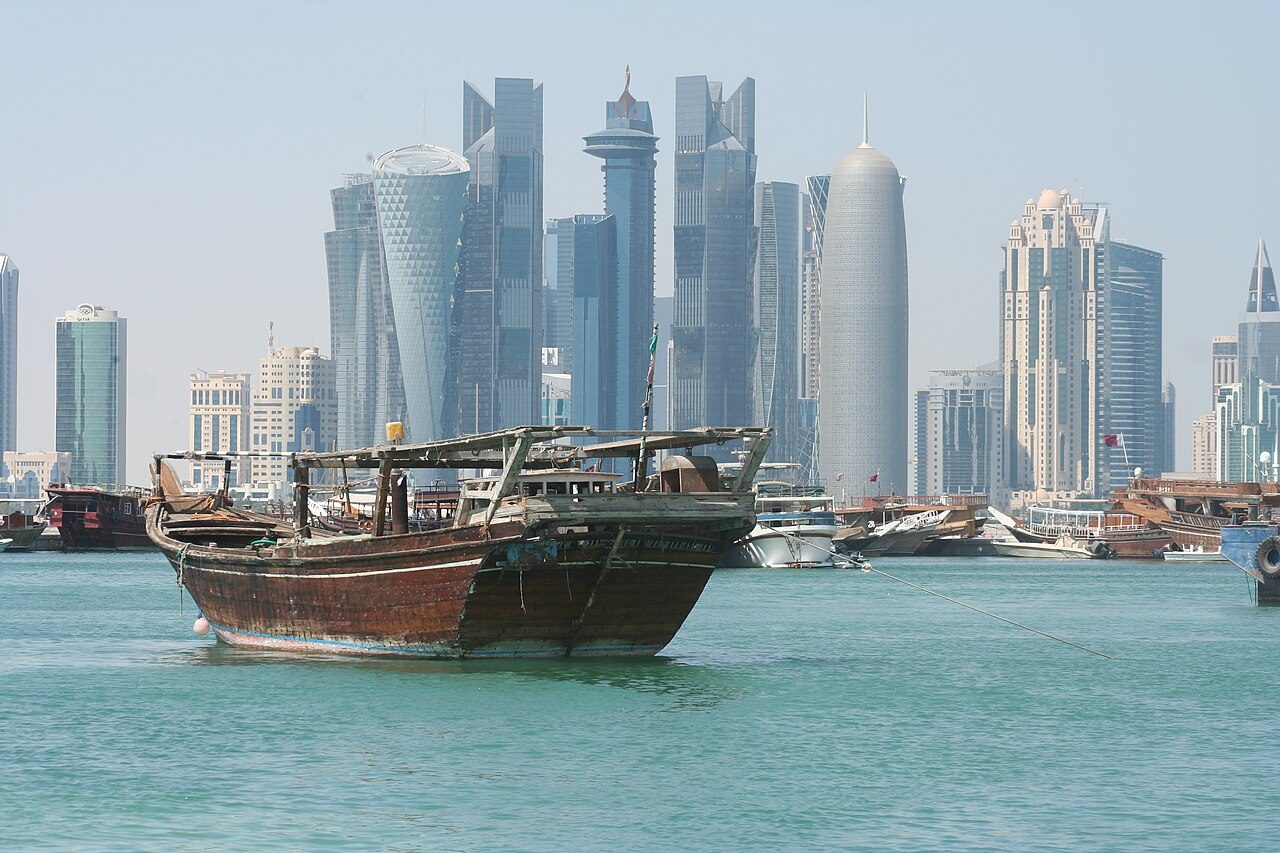
The Doha Corniche is a waterfront promenade that curves for about seven kilometres around Doha Bay. It runs from the Museum of Islamic Art to the towers of West Bay. Palm trees and lawns line the path, and wooden dhows are moored along it. It is used for walking and running, and for national day parades. The skyline view is best at dusk.
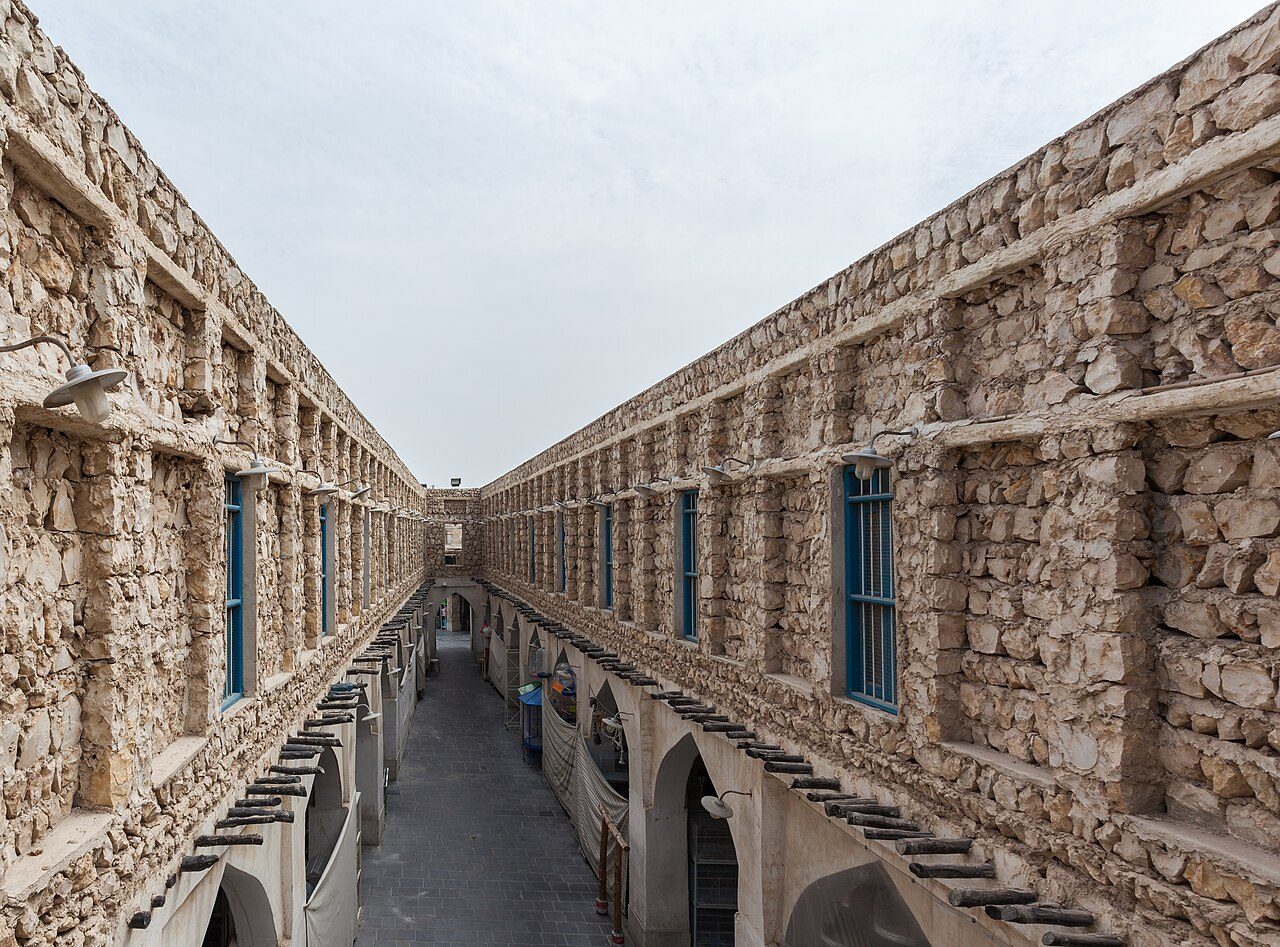
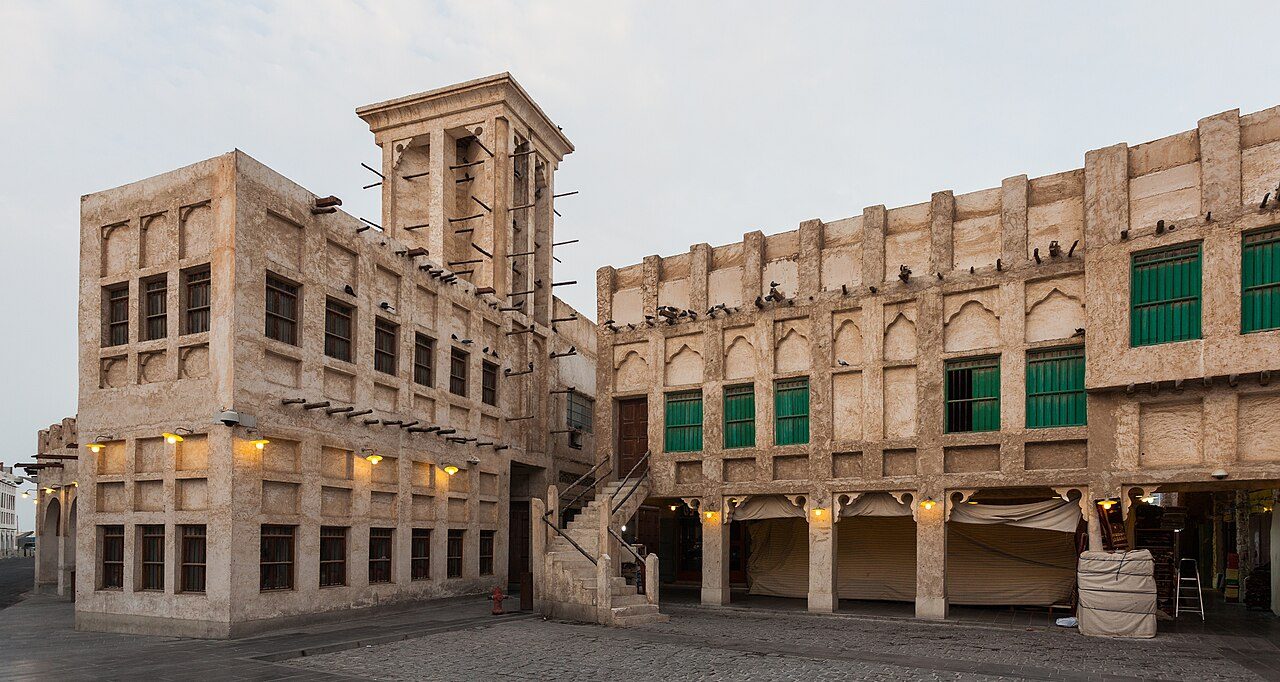
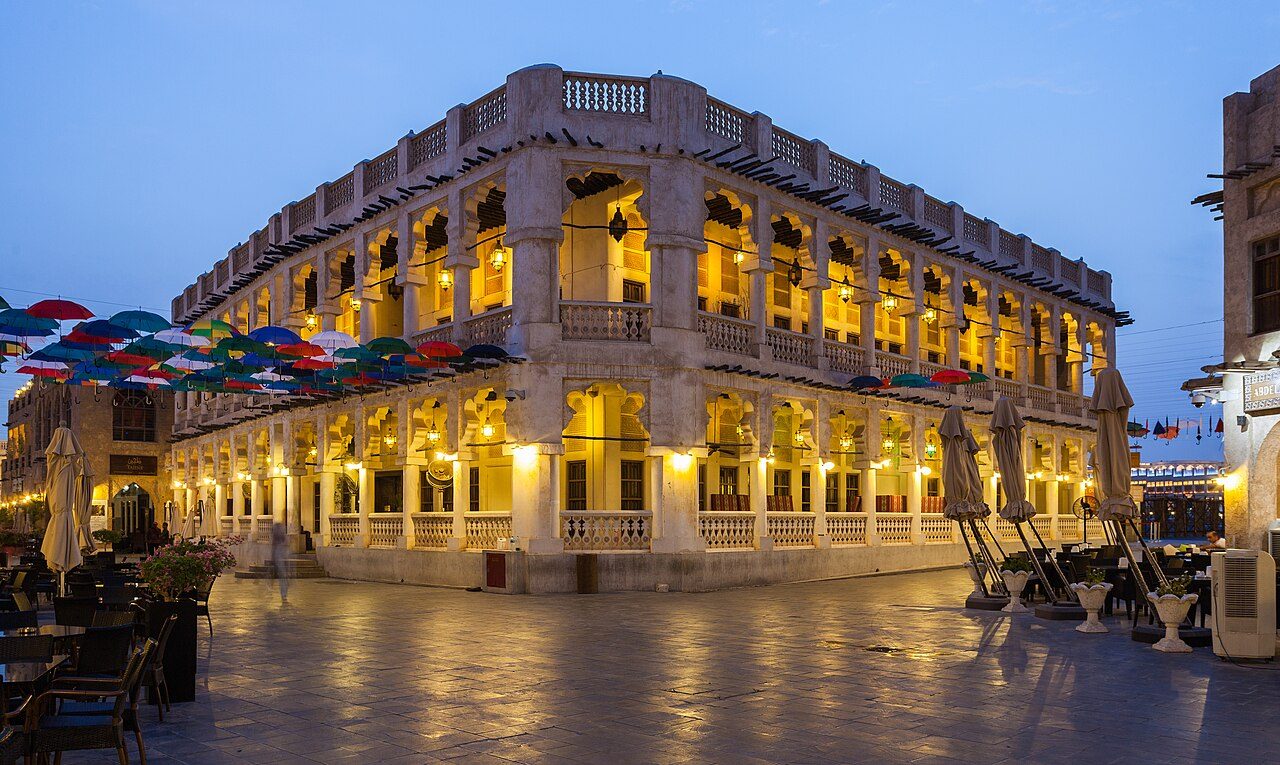
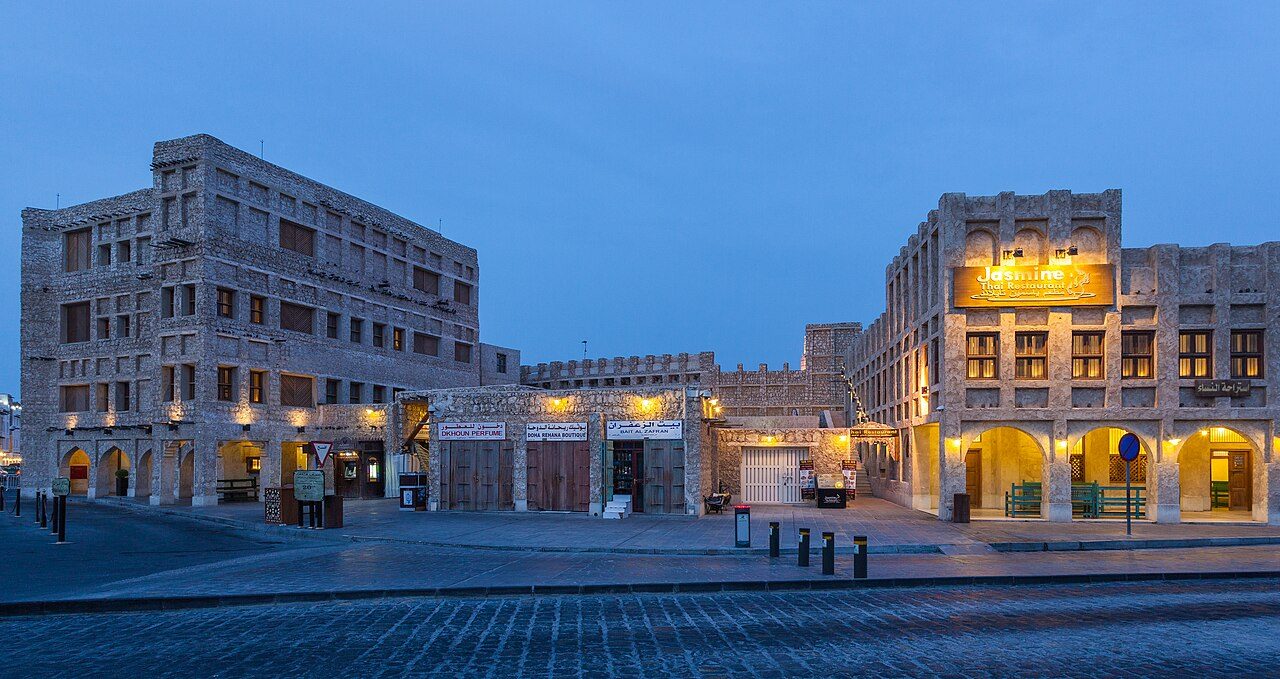
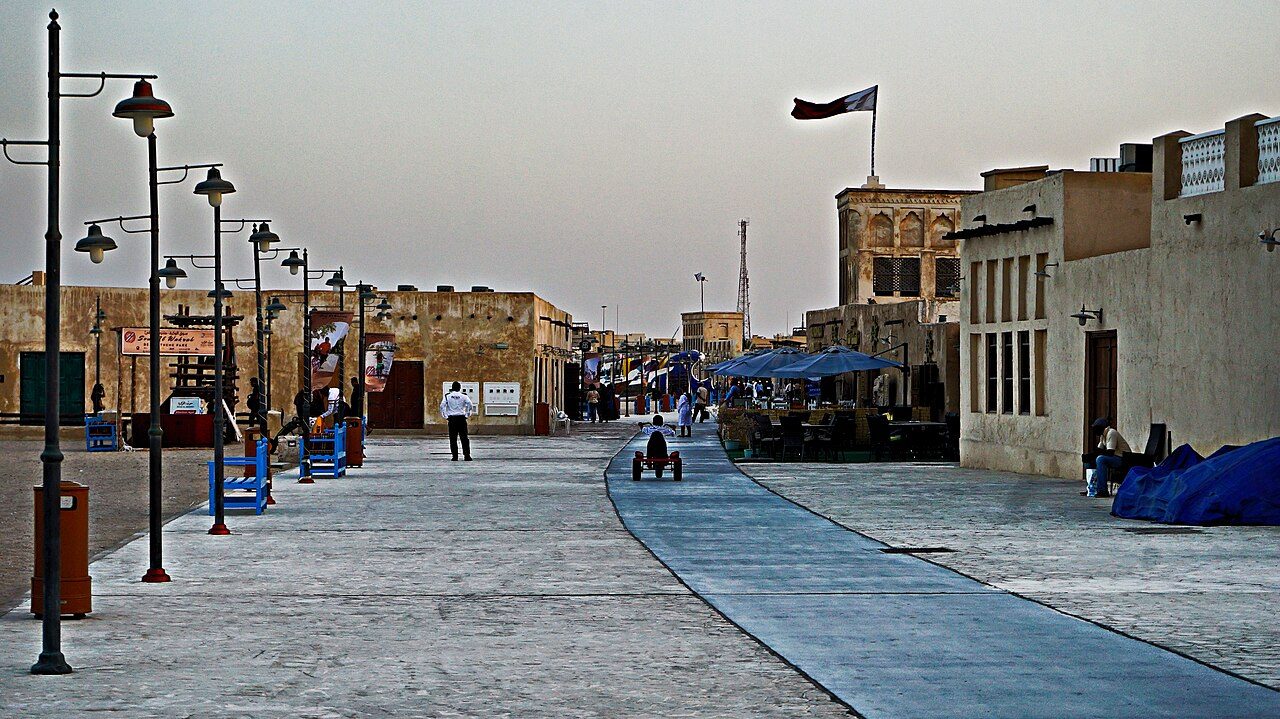
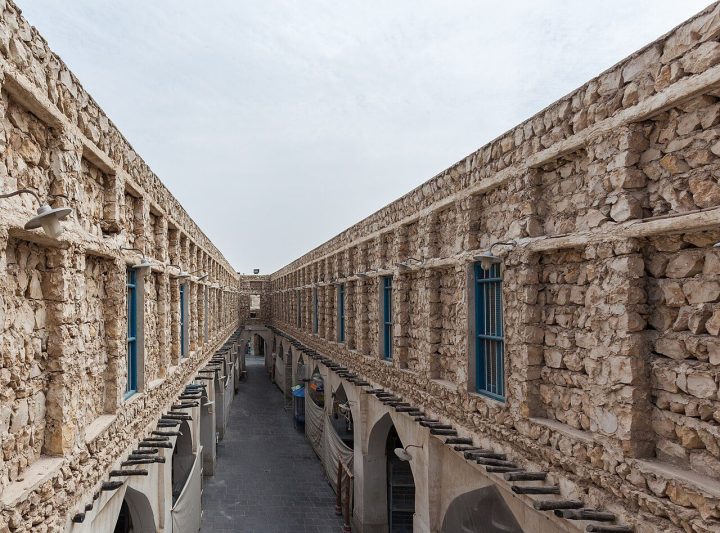
Souq Waqif, the standing market, has been a trading place in Doha for more than a century. Bedouin once brought sheep, goats and wool here. It was rebuilt in the 2000s in traditional style, with mud-rendered walls and timber beams. Its lanes sell spices, perfumes, cloth and sweets, and there is a falcon souq with a falcon hospital. In the evening its cafes fill up.
04
STOP 4 OF 22
Al Koot Fort
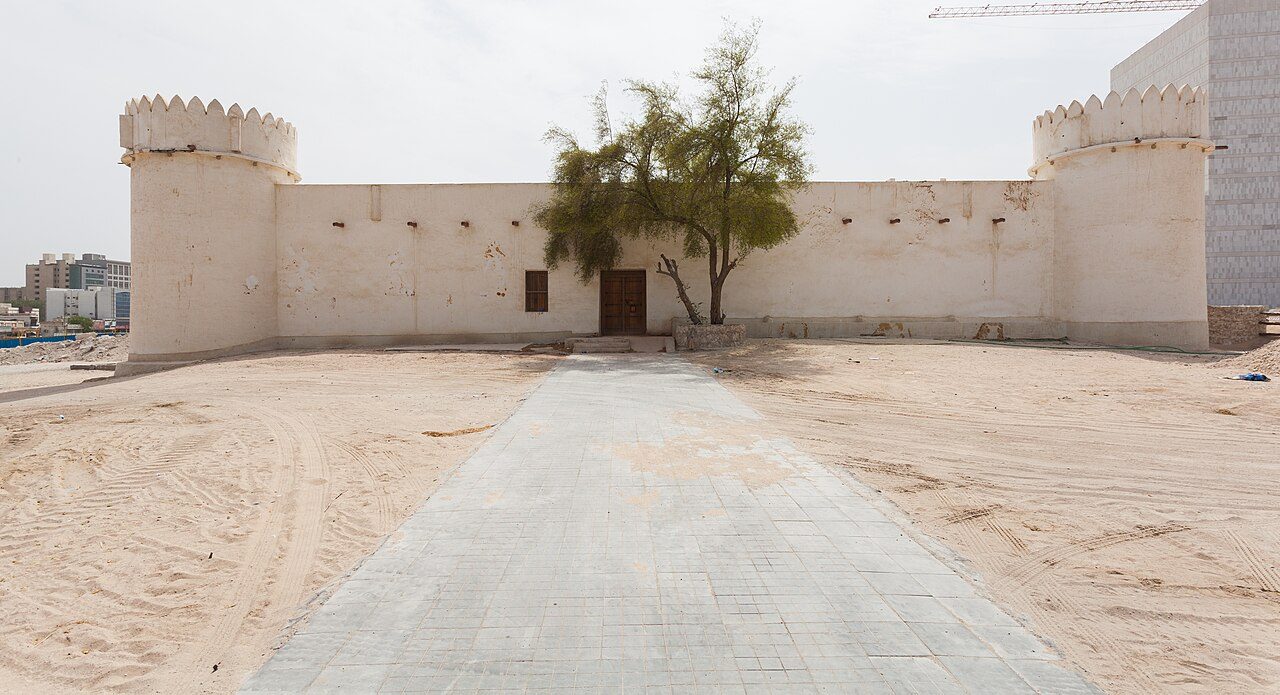
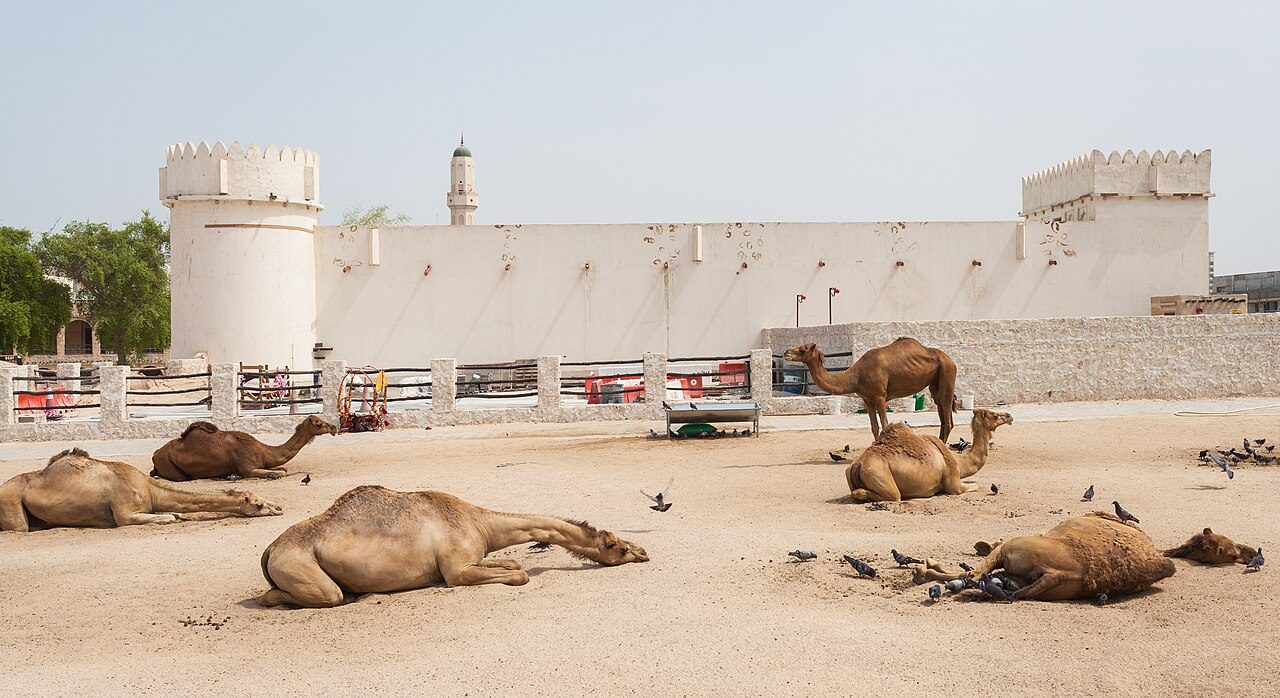
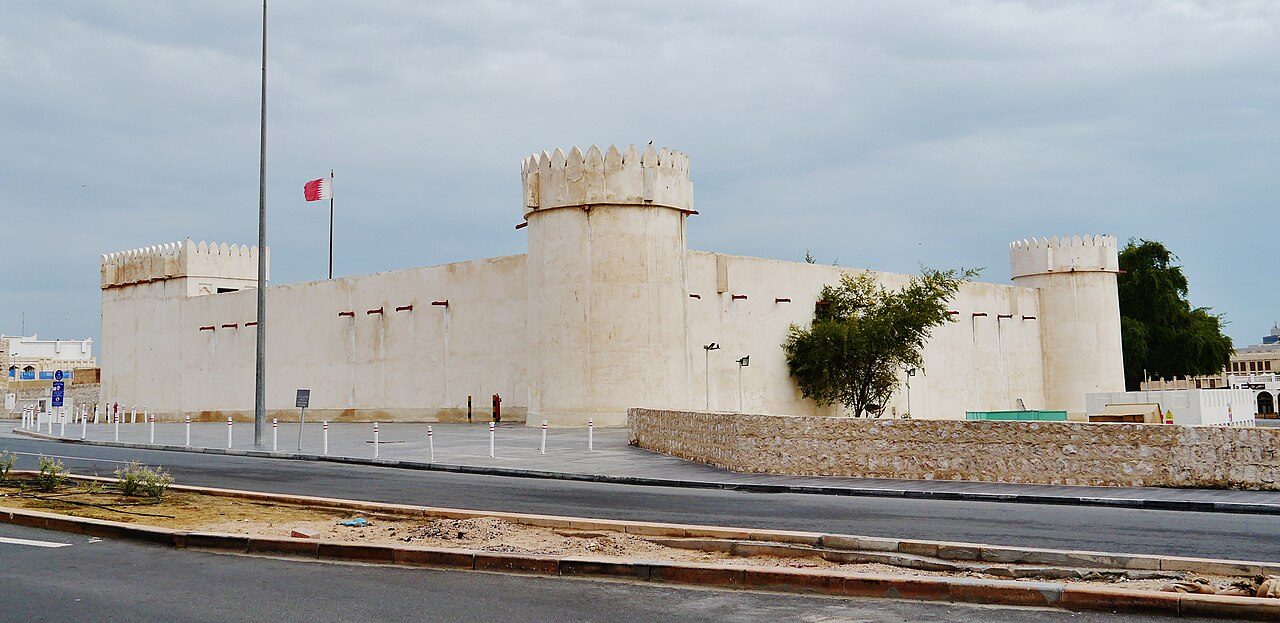
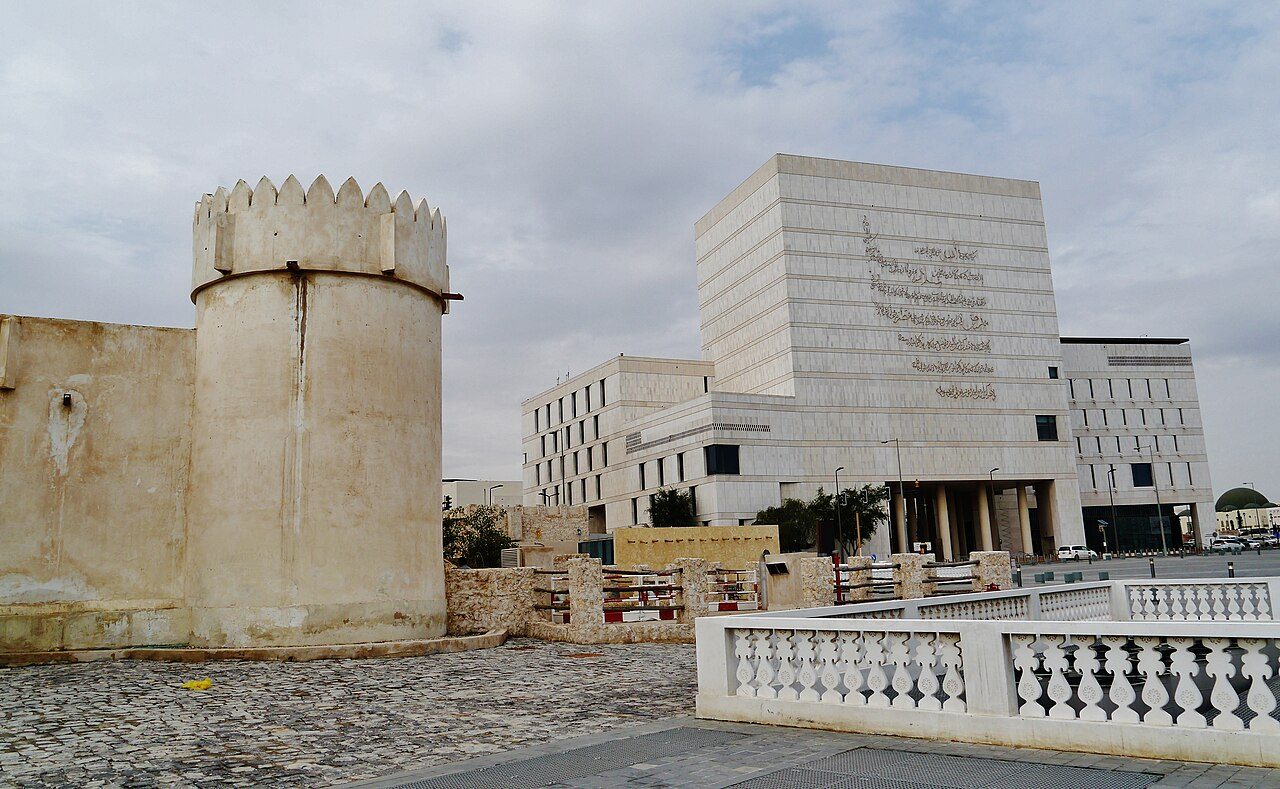
Al Koot Fort, also called the Doha Fort, stands in the middle of the Souq Waqif area. It was built in 1927 by Sheikh Abdullah bin Jassim Al Thani as a police post to protect the market from thieves, and was later used as a jail. The white fort has a square plan with three round towers and one rectangular tower at the corners.
05
STOP 5 OF 22
Fanar Islamic Cultural Center
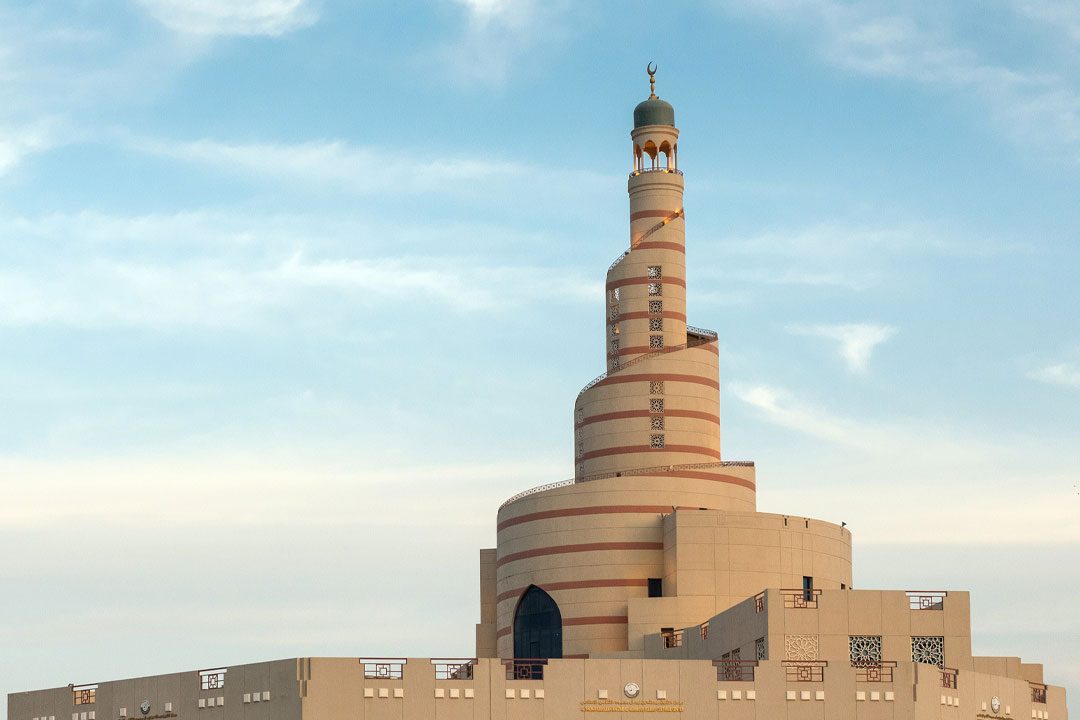
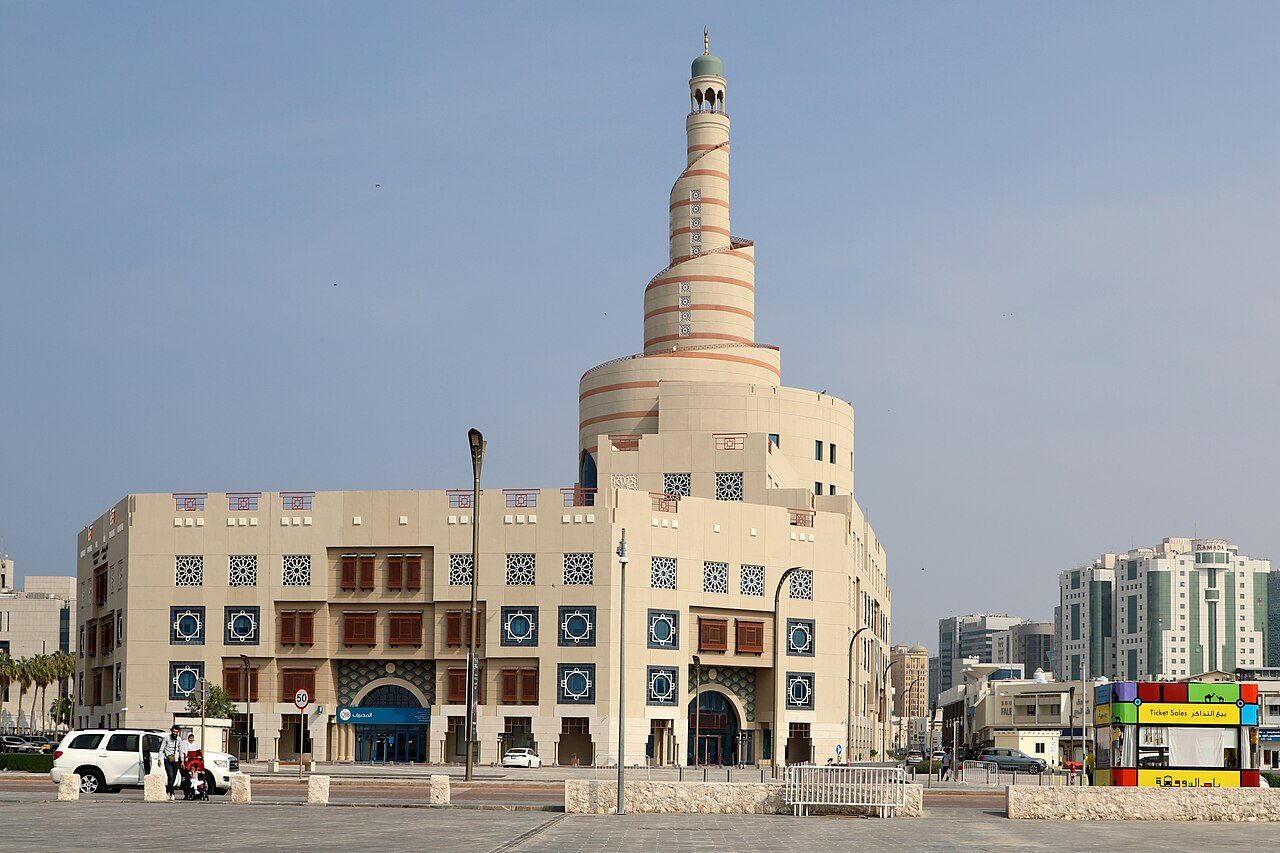
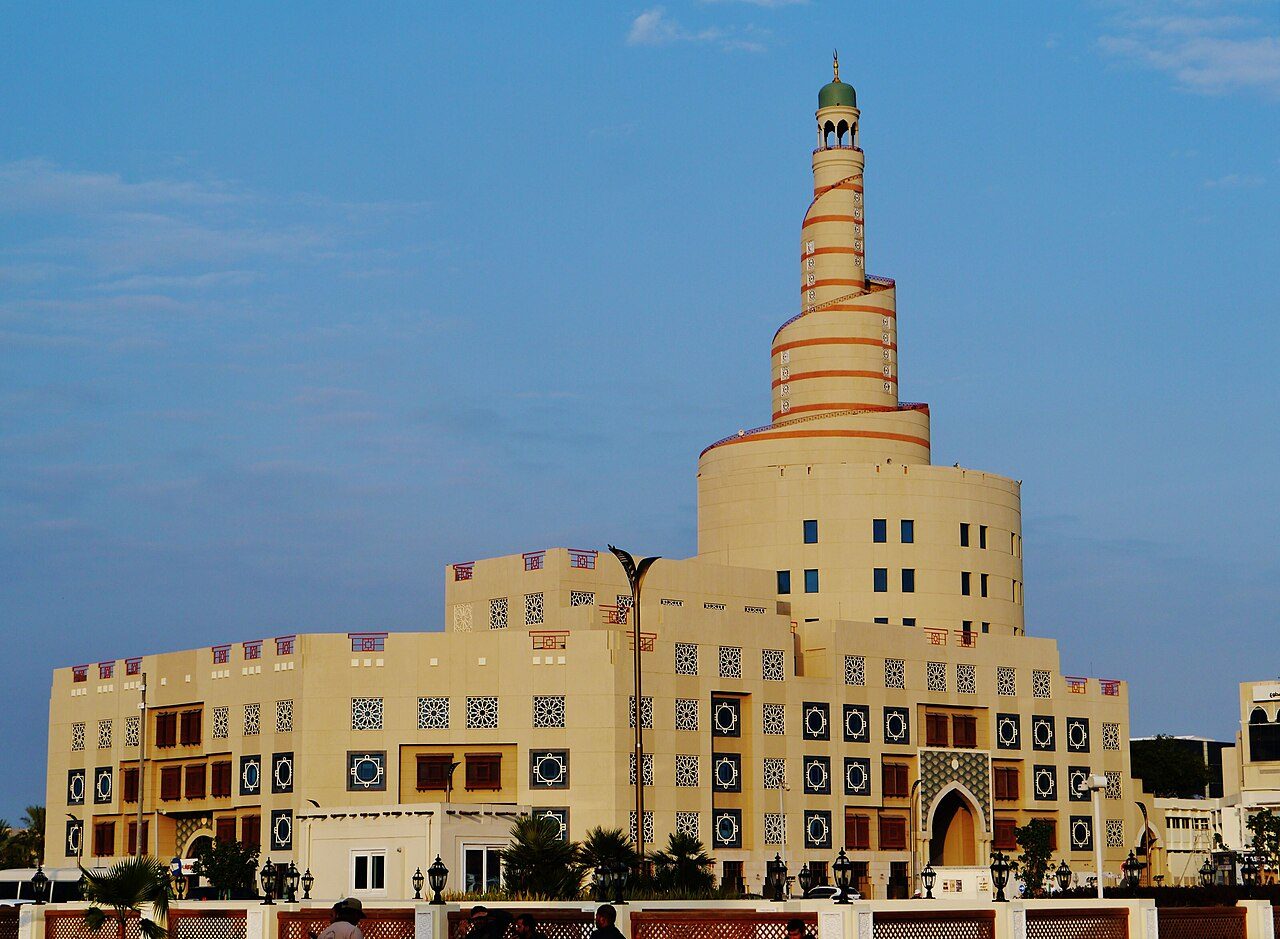
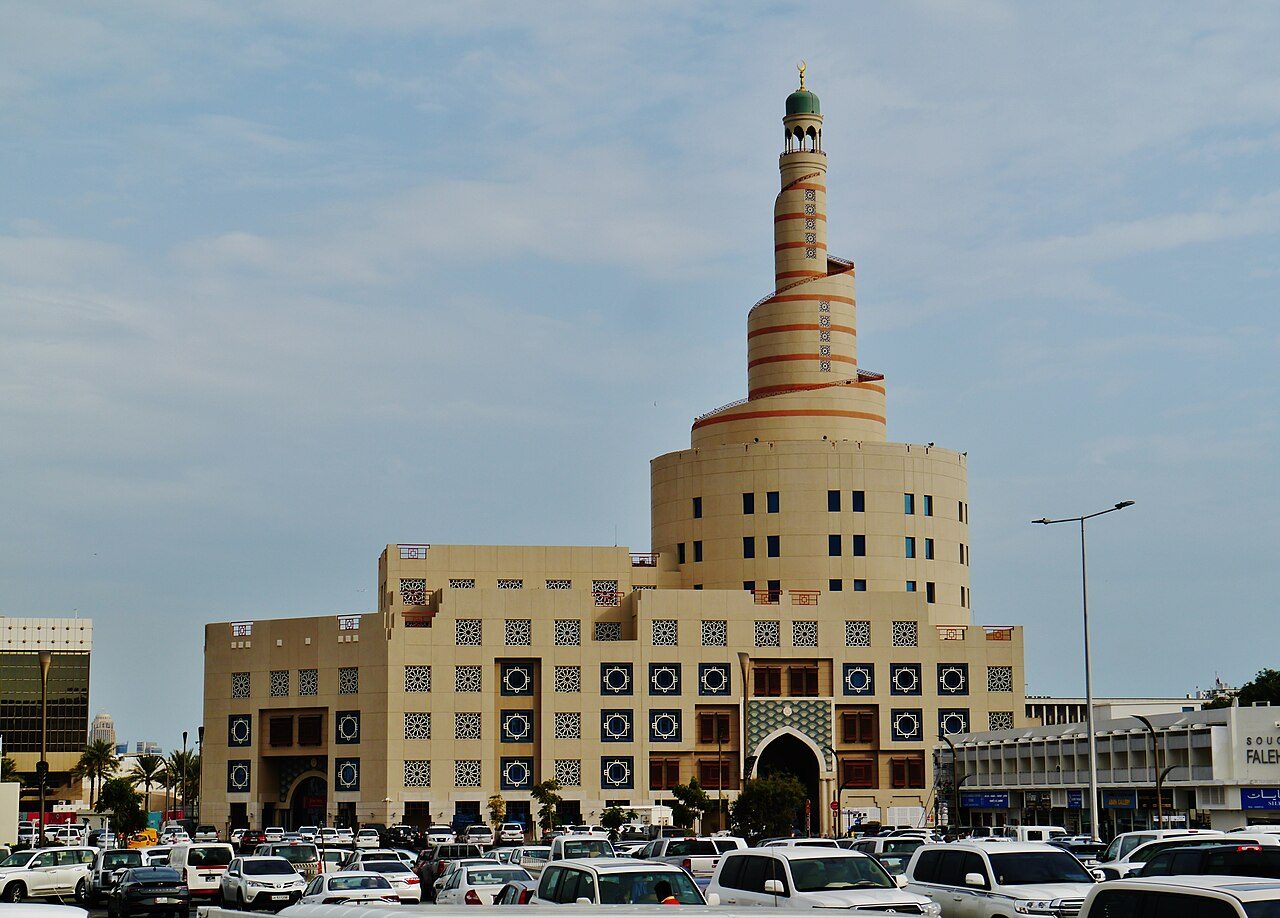
The Fanar, the Abdulla Bin Zaid Al Mahmoud Islamic Cultural Center, stands near Souq Waqif in Doha. It is known for its spiral minaret, which recalls the Great Mosque of Samarra in Iraq. For years it was one of the city's best known landmarks. The centre teaches visitors about Islam and Qatari culture, with exhibitions and Arabic classes.
06
STOP 6 OF 22
National Museum of Qatar
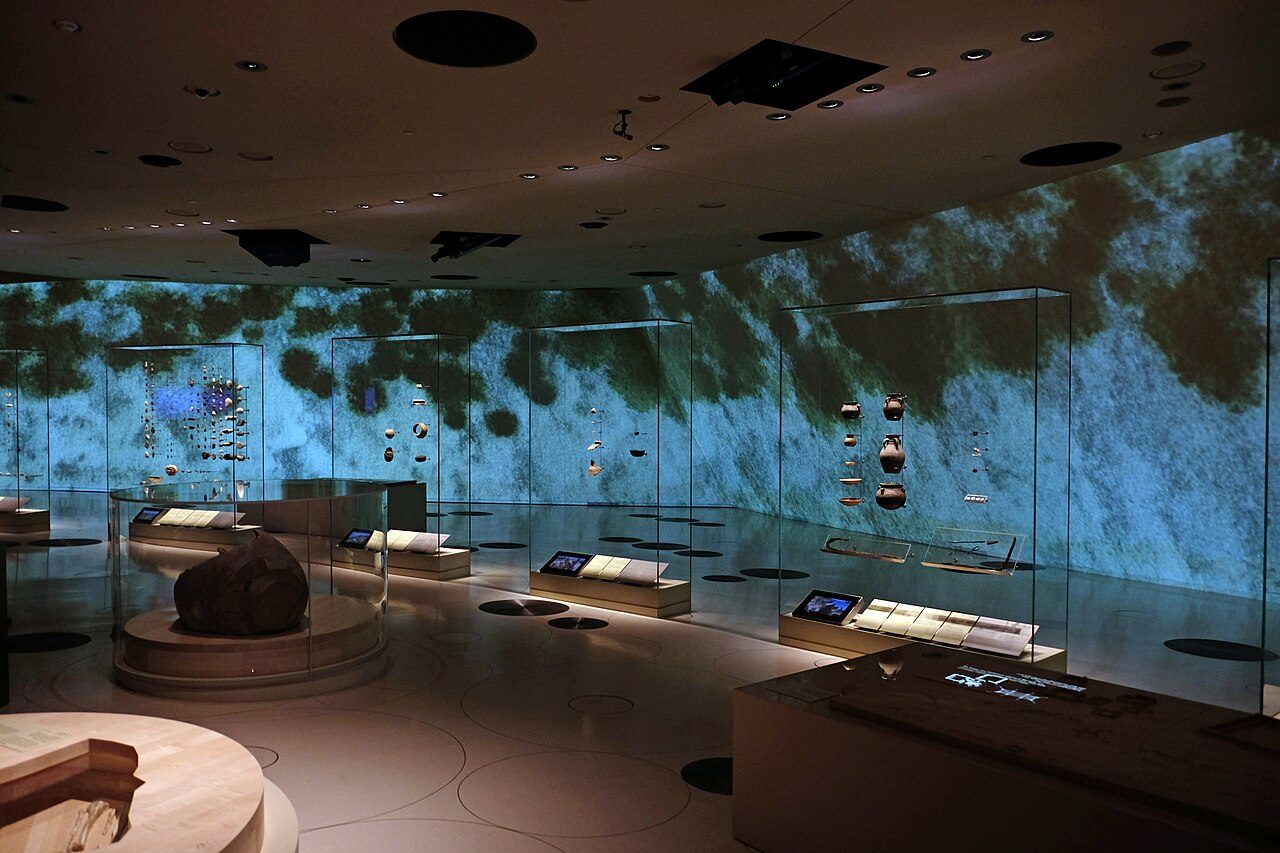
The National Museum of Qatar opened in 2019. French architect Jean Nouvel designed it as a cluster of large interlocking discs, modelled on the desert rose crystal found in Qatar's sands. The building wraps around the restored palace of Sheikh Abdullah bin Jassim Al Thani. Its galleries tell the country's story, from geology and desert life to pearling and oil.
07
STOP 7 OF 22
Msheireb Downtown Doha
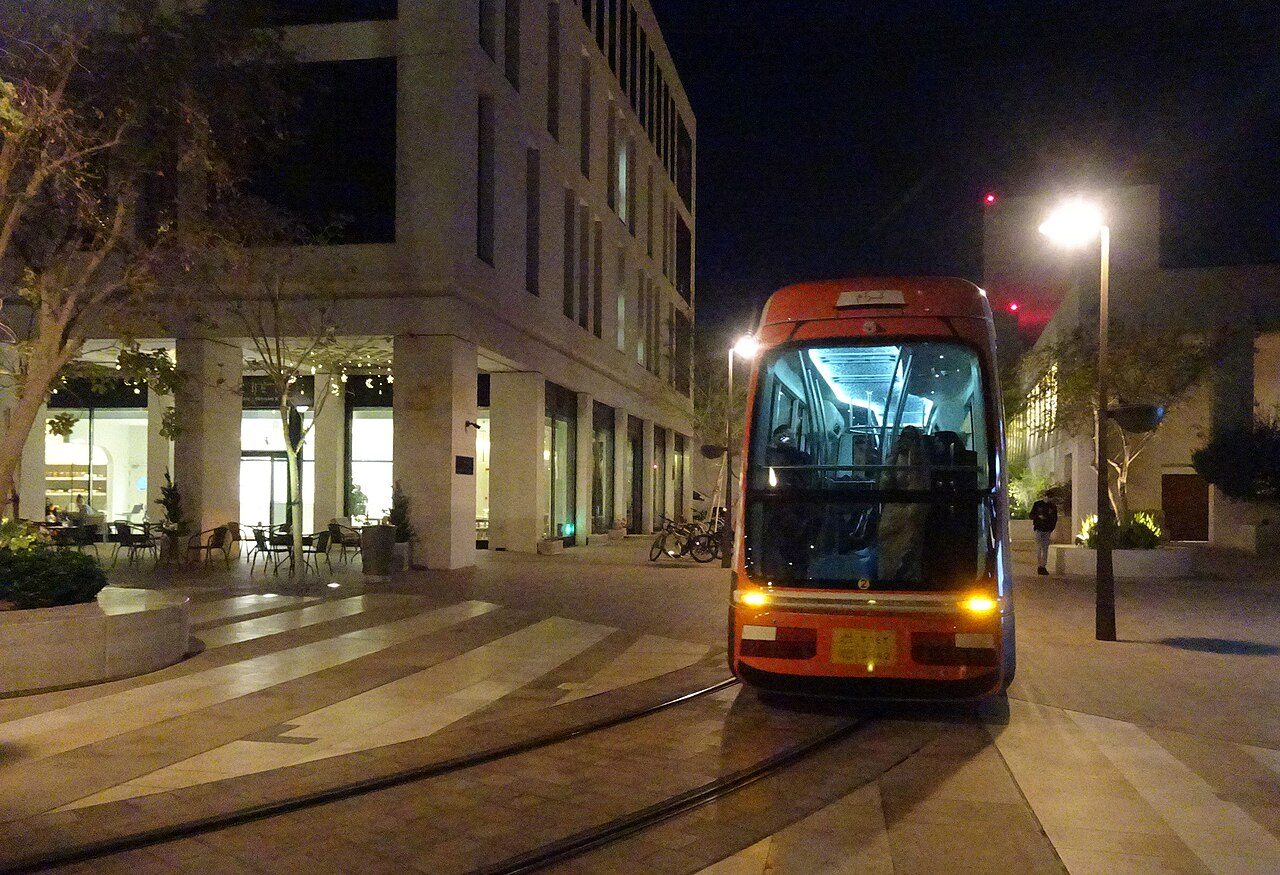
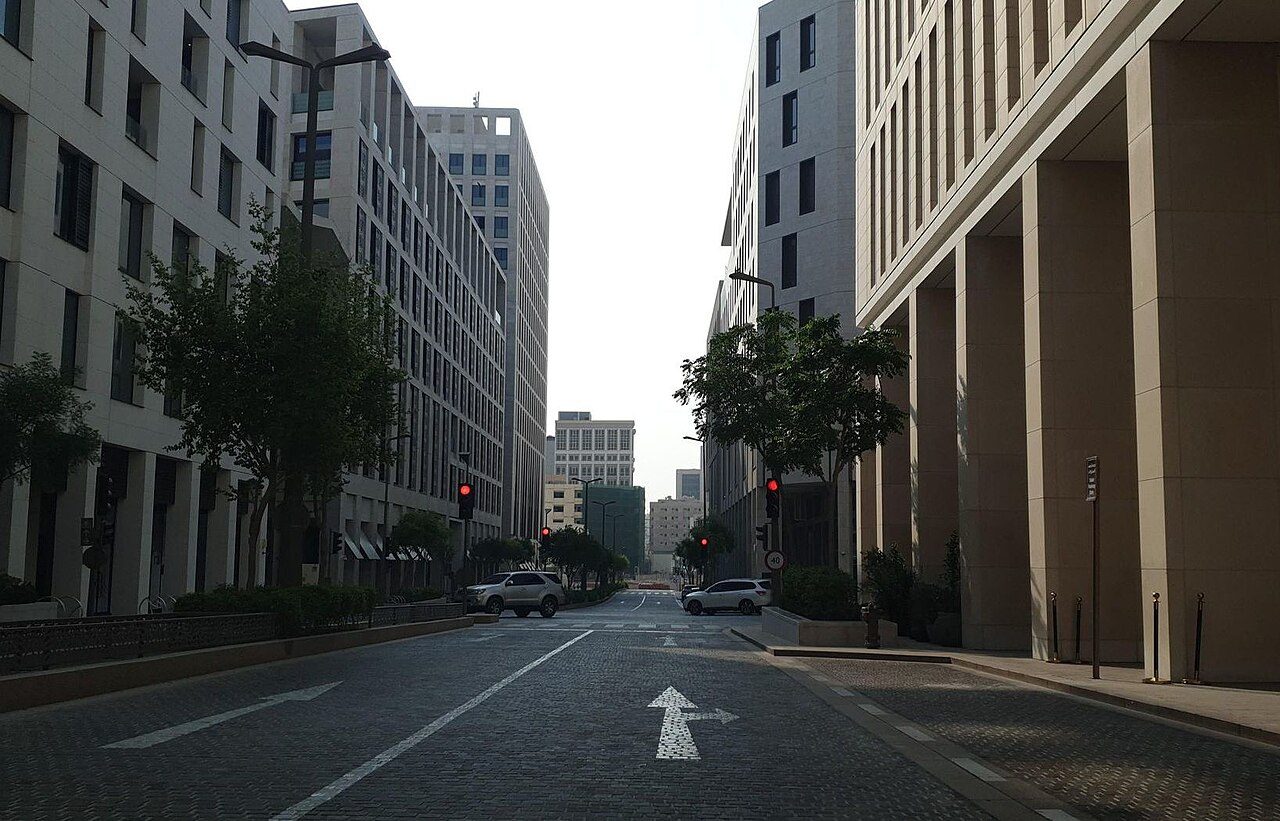
Msheireb Downtown Doha is a rebuilt district in the old centre of the city, next to Souq Waqif. It replaced a run-down quarter with modern buildings that borrow from Qatari design, with shaded streets and courtyards. A tram runs through it. Four restored heritage houses form the Msheireb Museums, which tell the history of Doha and its people.
08
STOP 8 OF 22
Katara Cultural Village
Katara Cultural Village lies on the coast between West Bay and the Pearl. Opened in 2010, it takes its name from an ancient name for Qatar. Its lanes hold galleries, theatres, an opera house and a large open amphitheatre facing the sea. It also has a mosque covered in blue and gold tiles, tall pigeon towers and a public beach.
09
STOP 9 OF 22
The Pearl-Qatar
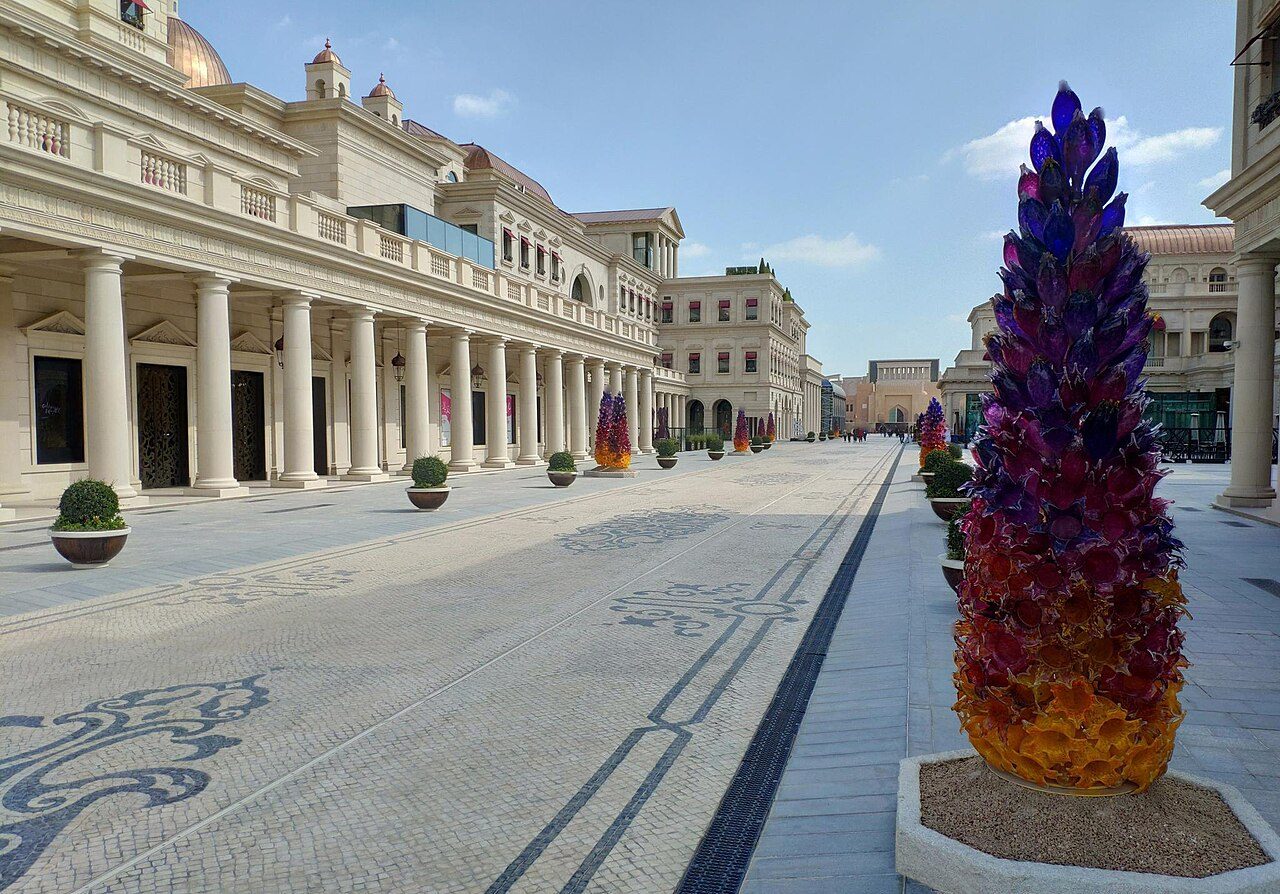
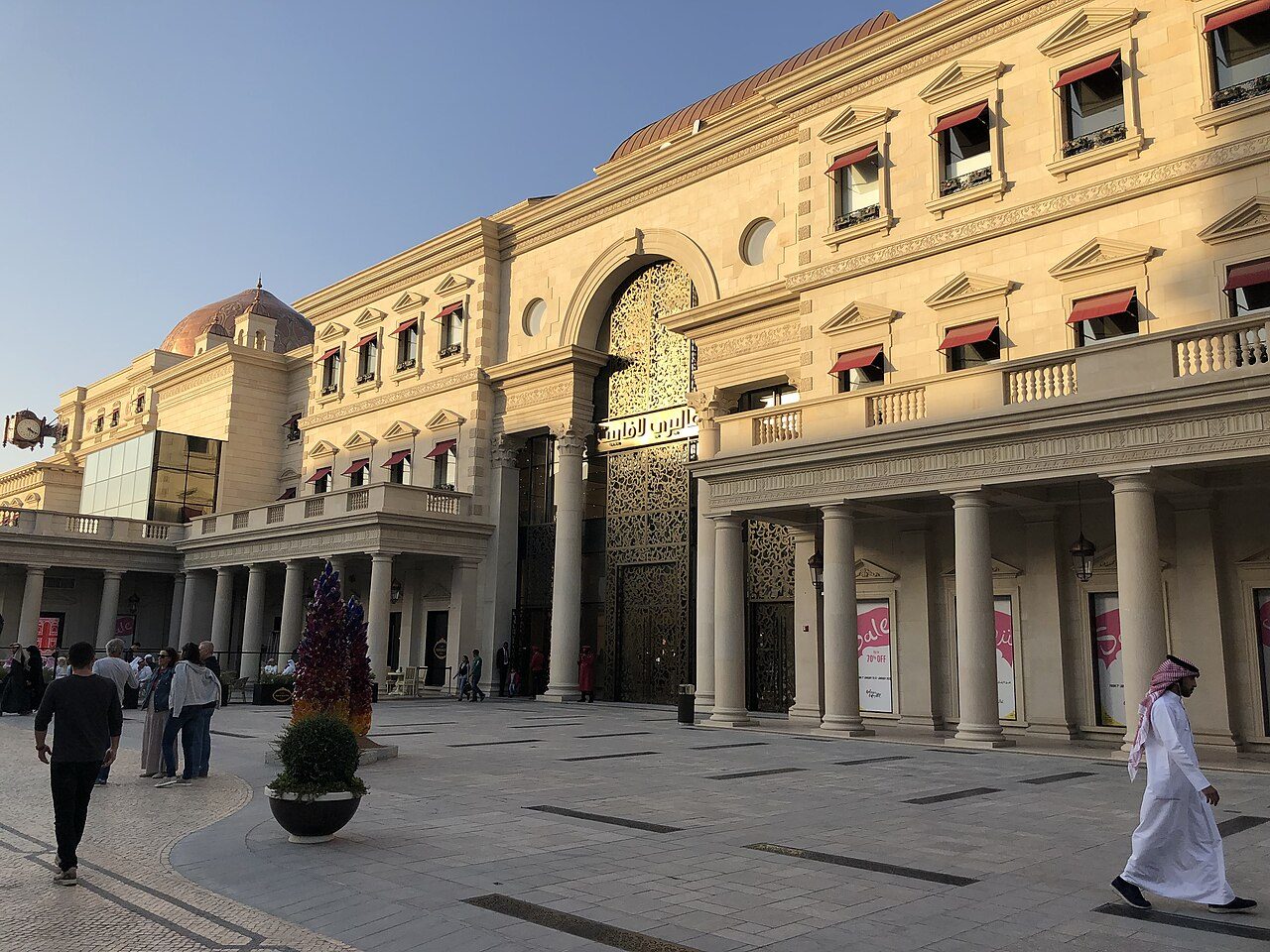
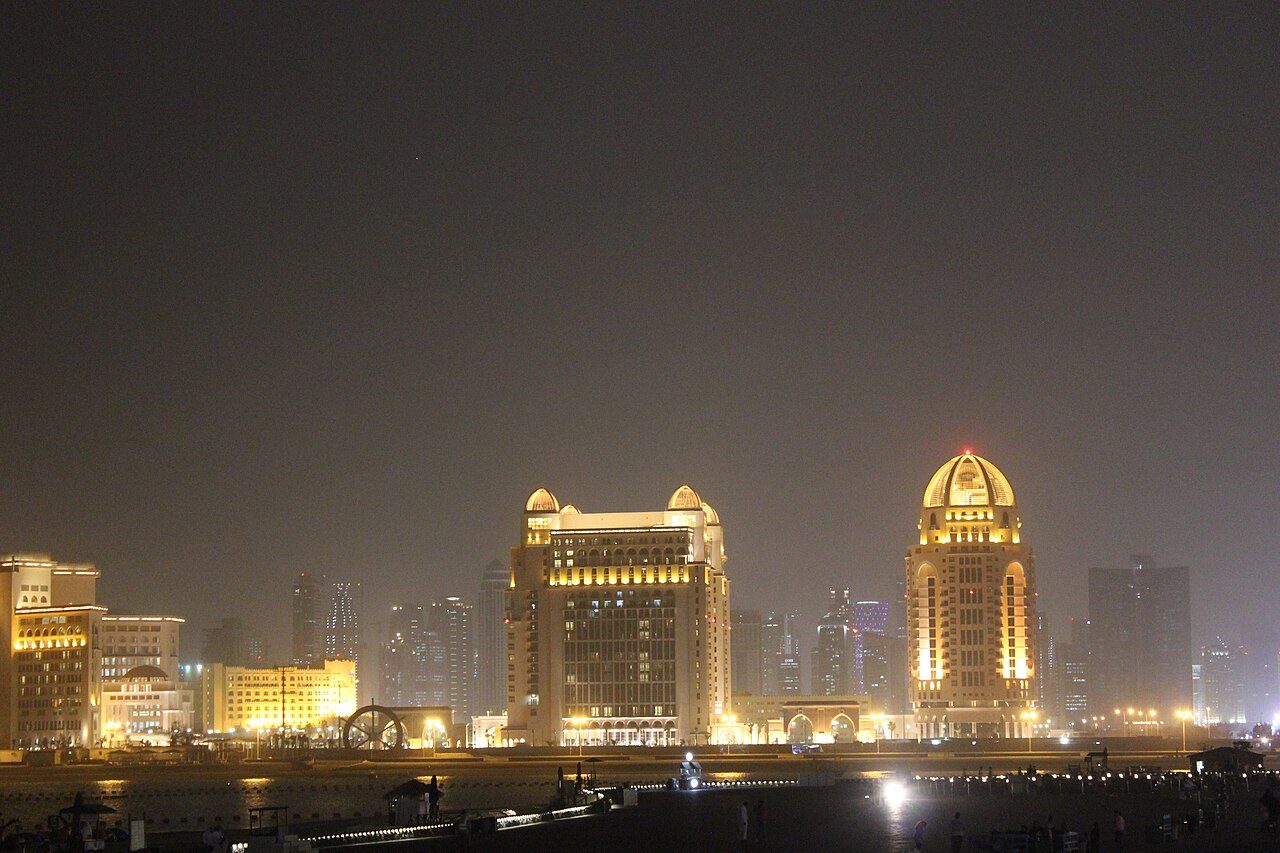
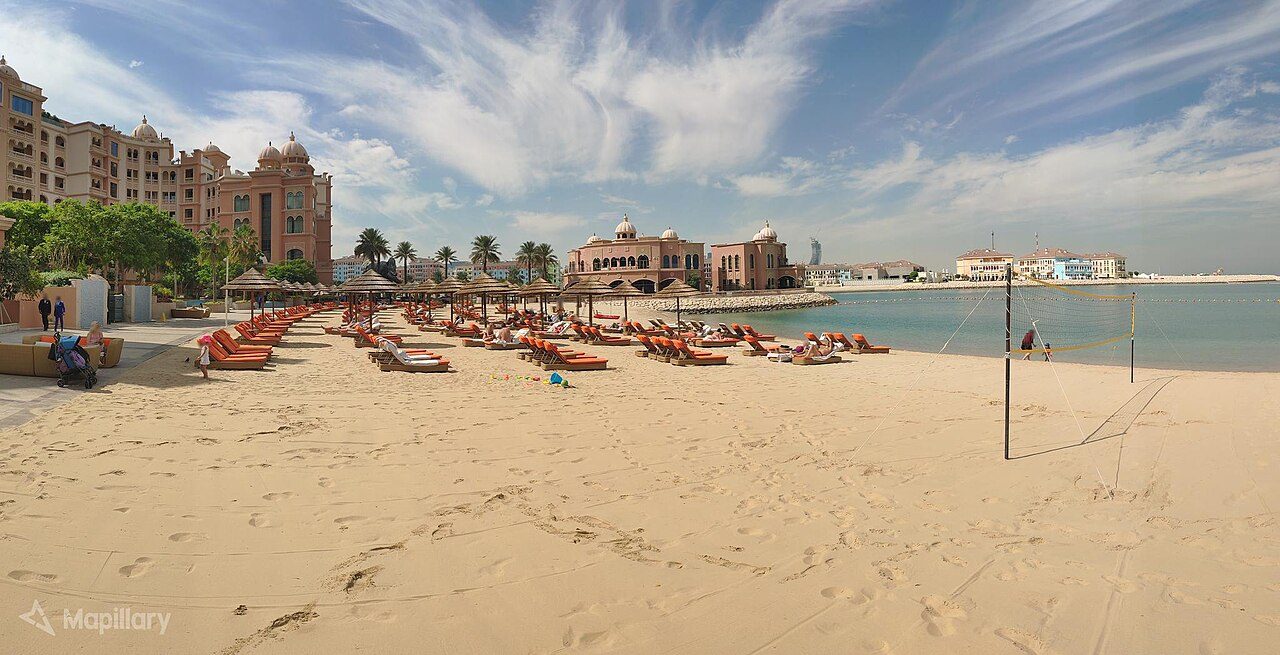
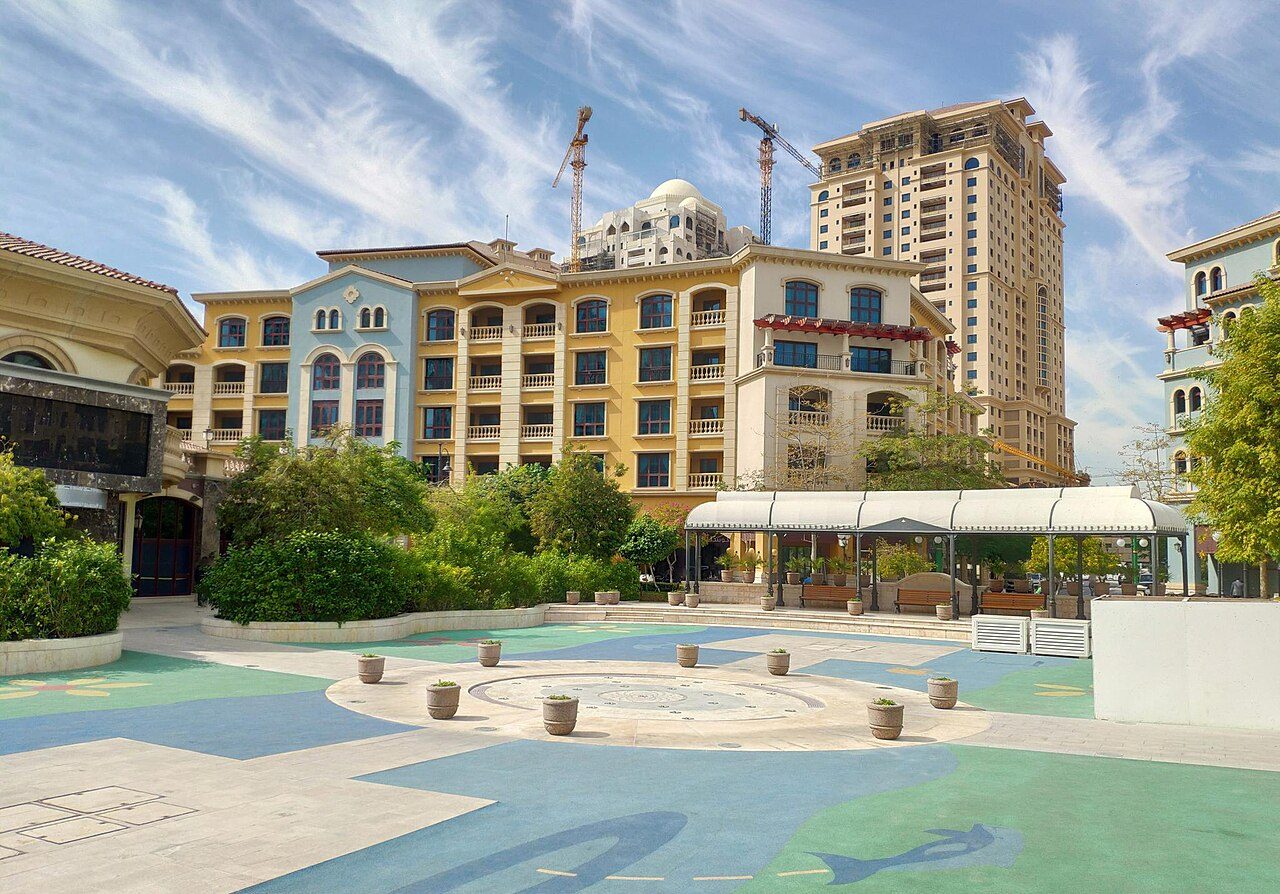
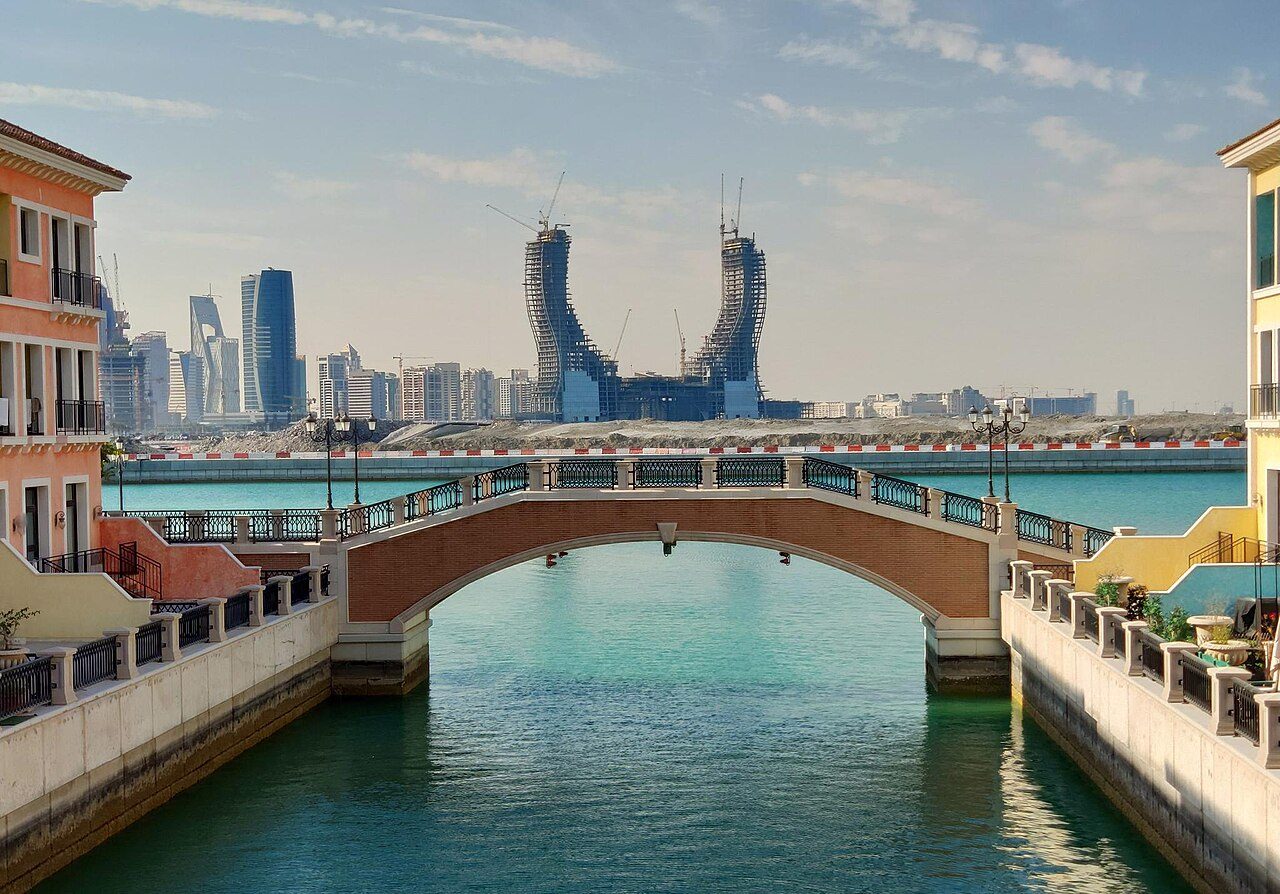
The Pearl-Qatar is an artificial island of nearly four square kilometres off the West Bay coast of Doha. Building began in 2004 on a former pearl diving site. It has marinas ringed by apartment towers, shops and restaurants. The Qanat Quartier district is built in a Venetian style with canals and coloured houses. It was the first land in Qatar open to foreign ownership.
10
STOP 10 OF 22
West Bay Skyline
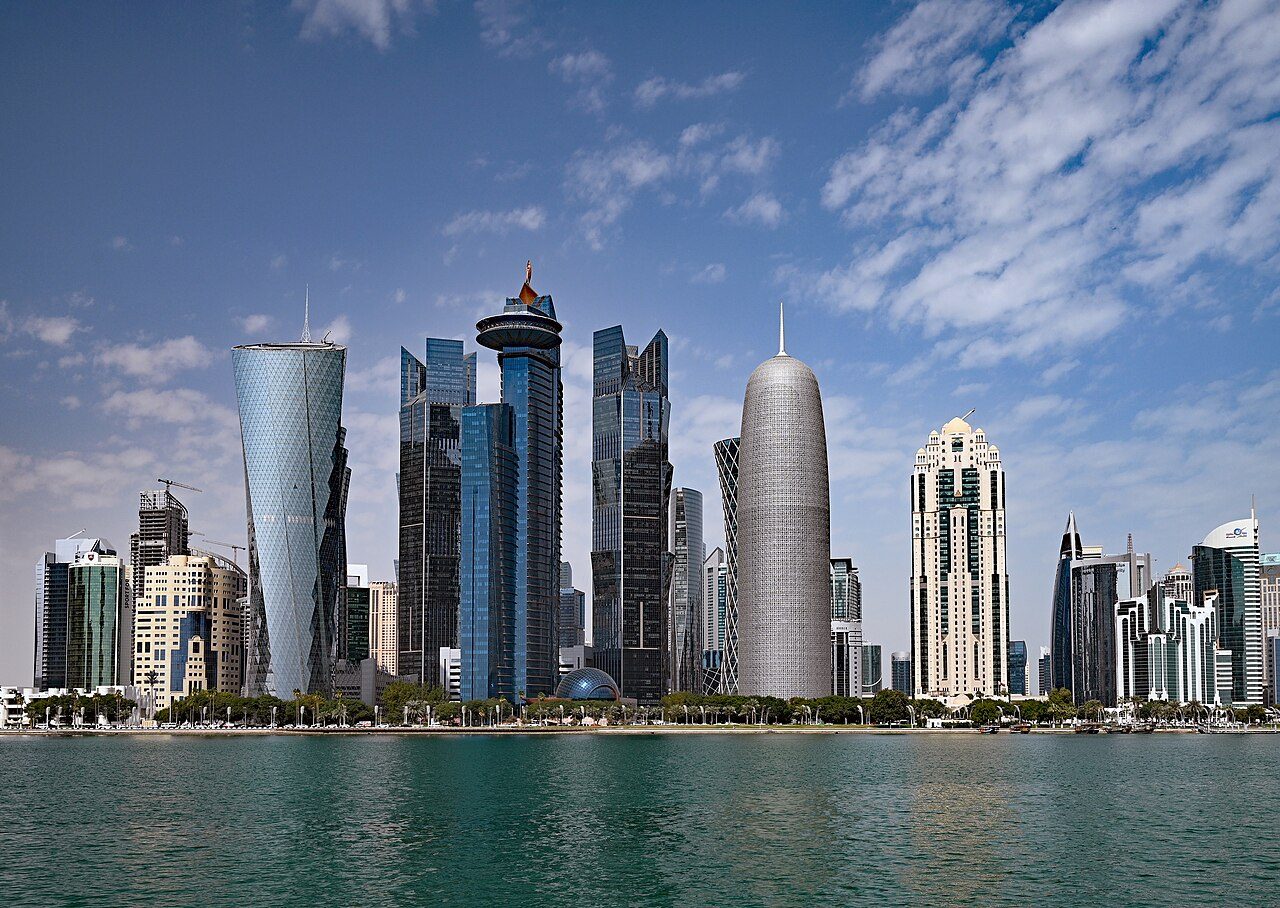
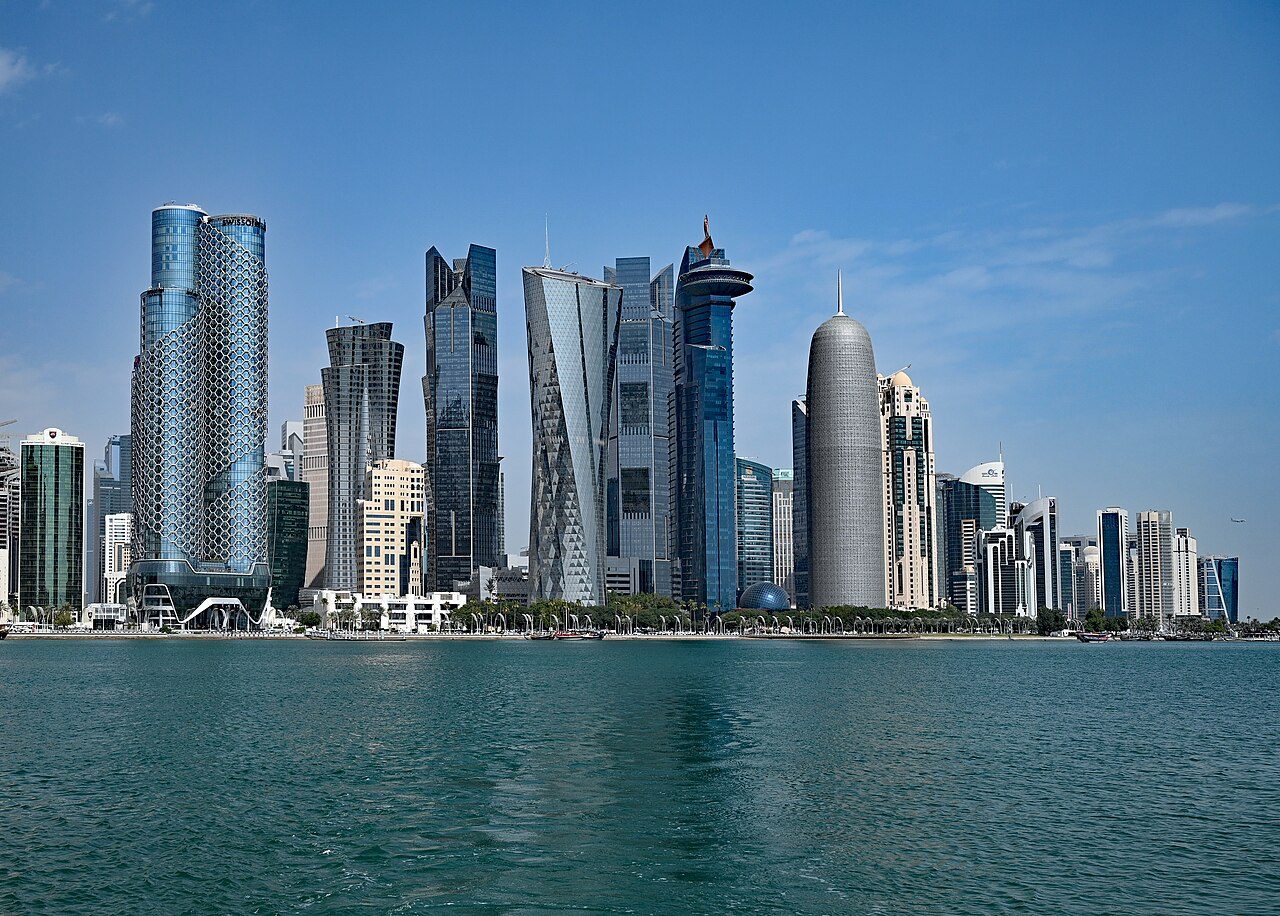
West Bay is the modern business district of Doha, built on land reclaimed from the sea since the 1970s. Its cluster of glass towers forms the skyline of the city. Among them are the Doha Tower, with its patterned screen, and the pointed Tornado Tower. The view of the towers across the bay from the Corniche is the best known image of Doha.
11
STOP 11 OF 22
Qatar National Library
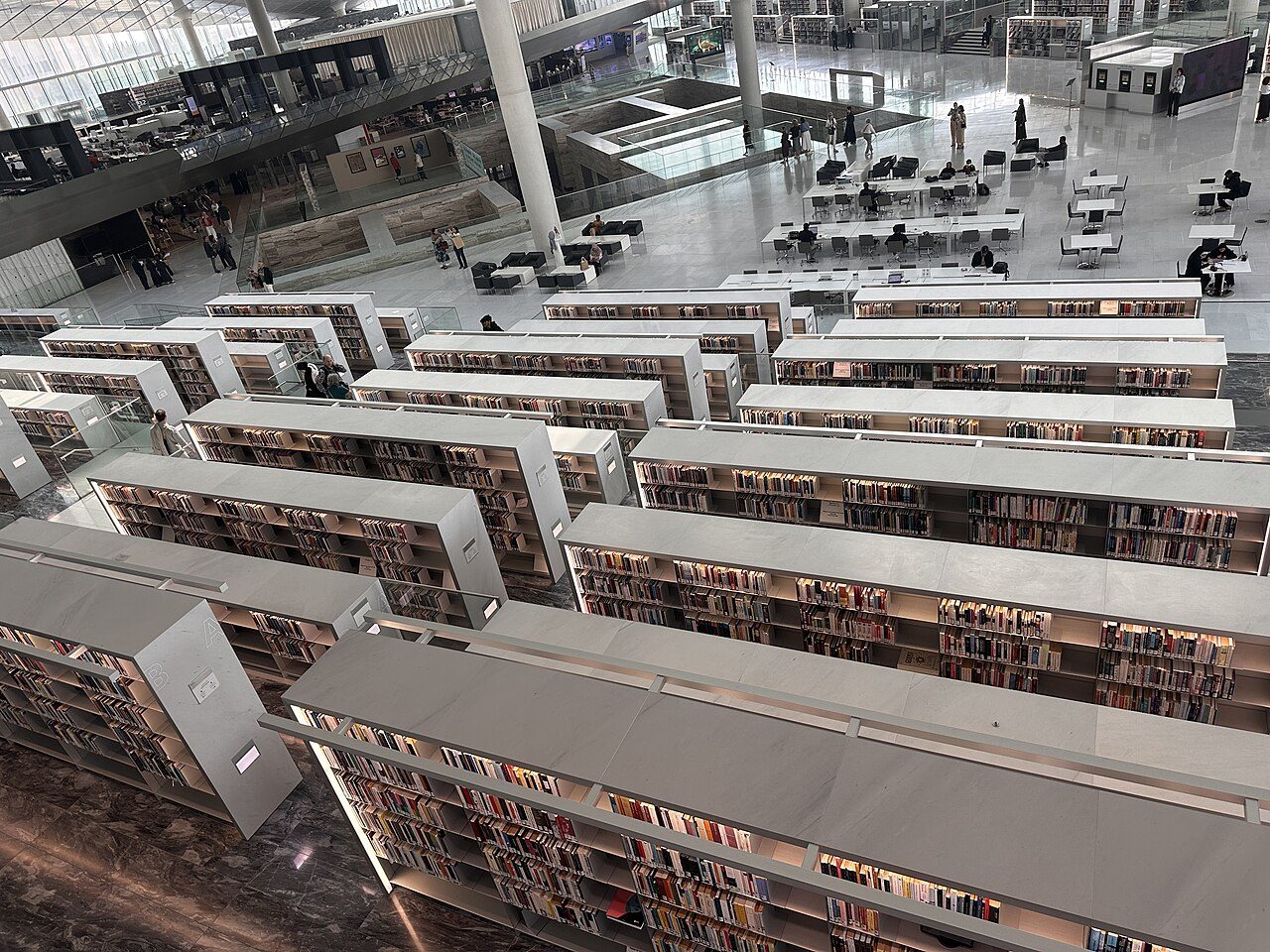
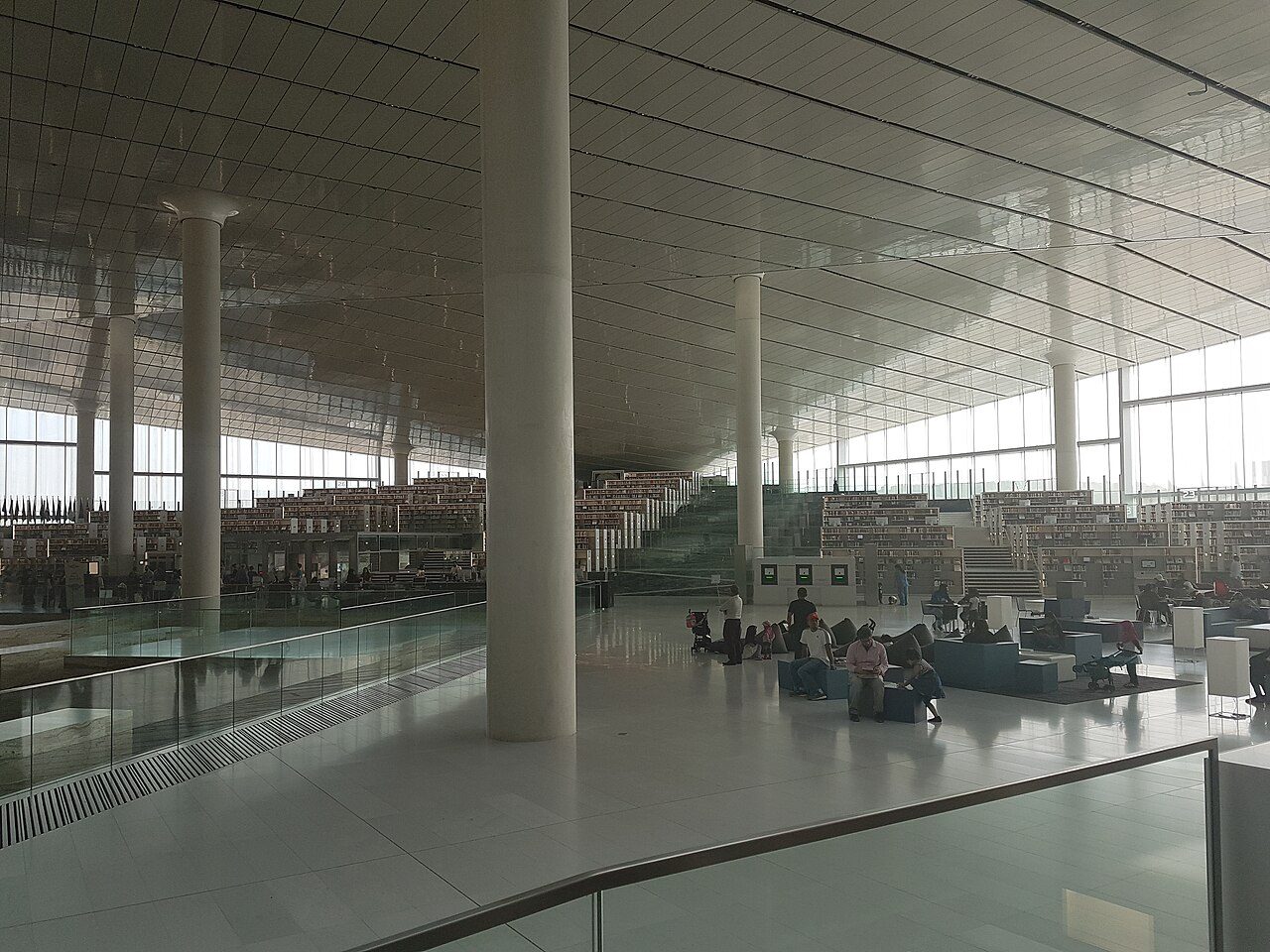
The Qatar National Library stands in Education City on the edge of Doha. Designed by Rem Koolhaas and opened in 2018, the building looks like two sheets of paper folded into a diamond shape. Inside is one huge open hall with more than a million books on stepped marble shelves. A sunken heritage section displays old Arabic manuscripts and maps.
12
STOP 12 OF 22
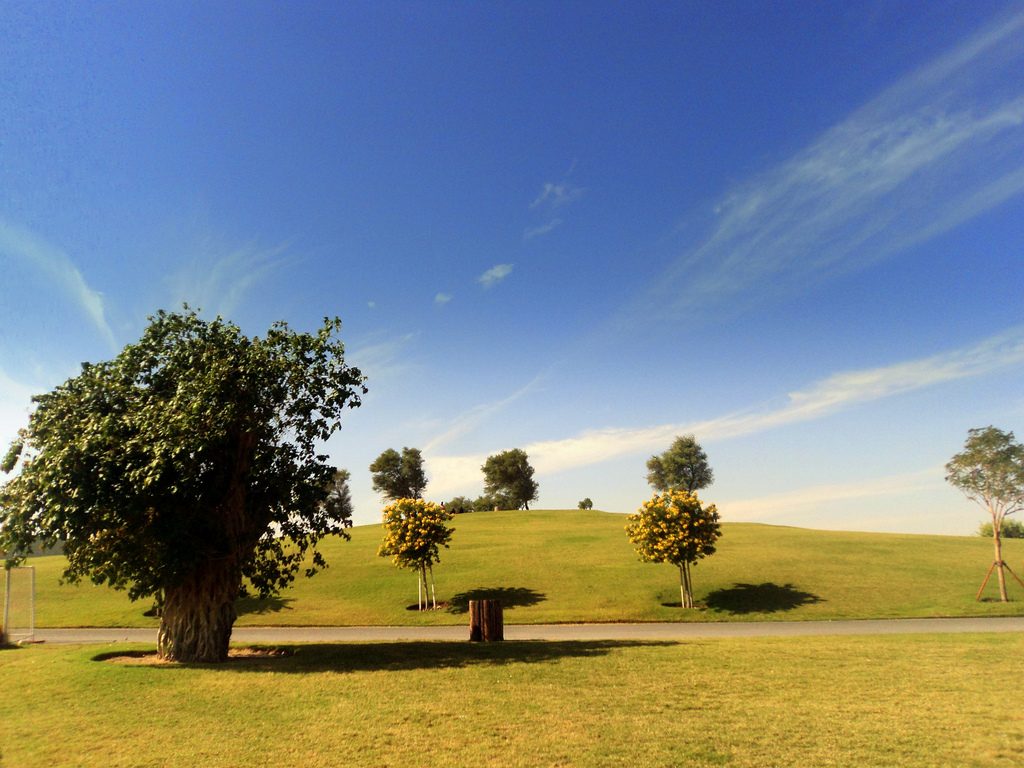
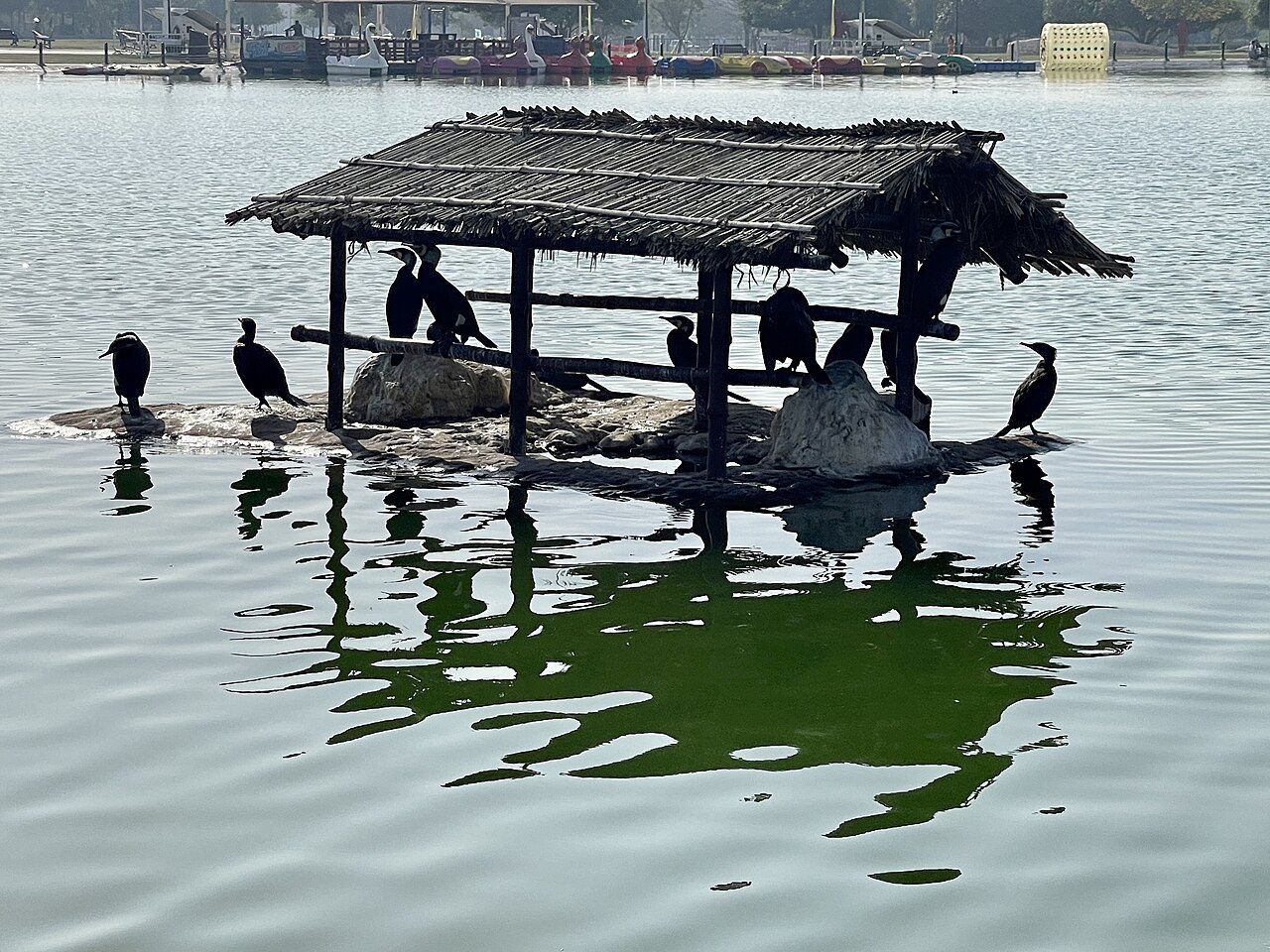
Aspire Park
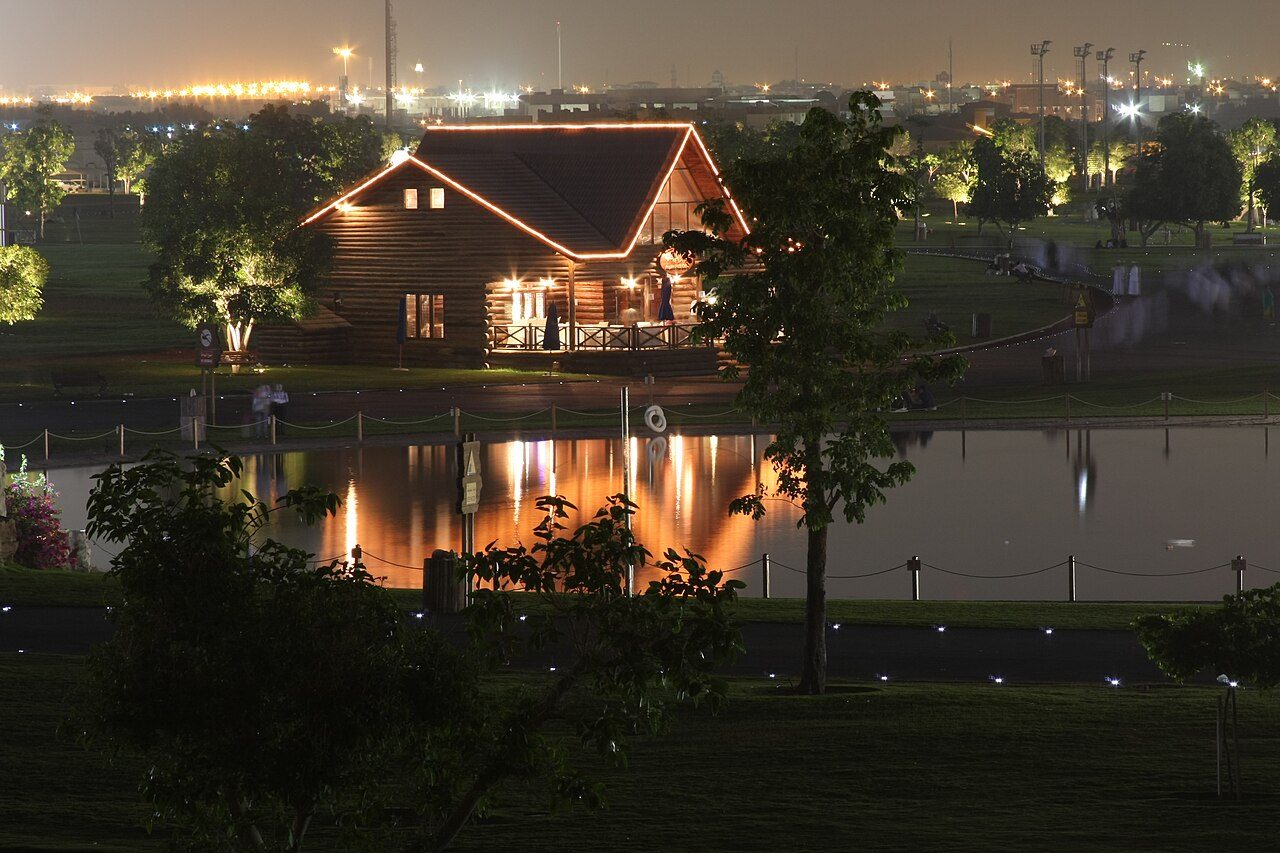
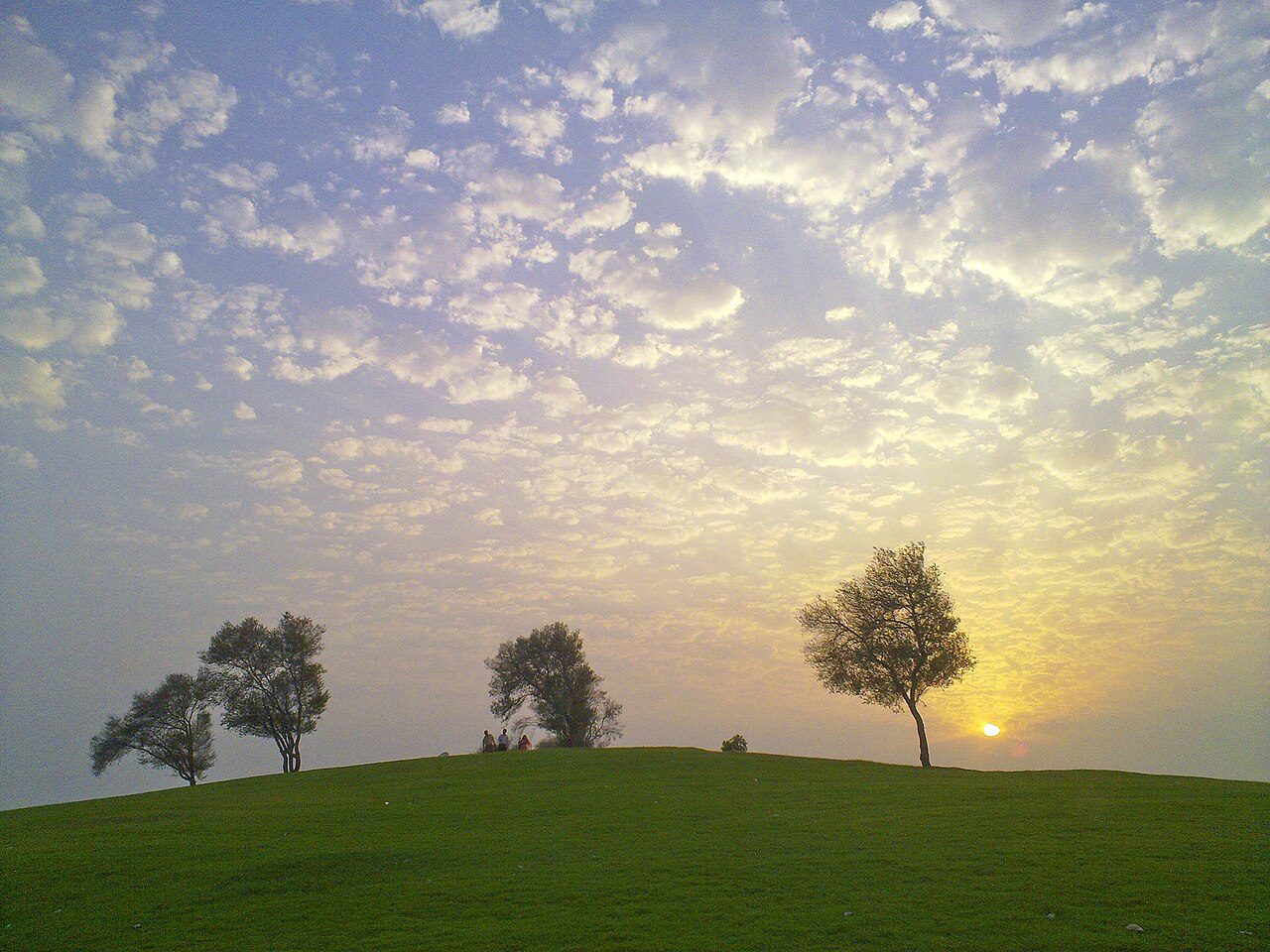
Aspire Park is the largest park in Doha, covering about 88 hectares in the Aspire Zone sports district. It has wide lawns, running tracks, fountains and a lake with ducks and geese. The 300-metre Torch Doha tower, built for the 2006 Asian Games, rises beside it. The park is next to the Khalifa International Stadium and a large shopping mall.
13
STOP 13 OF 22
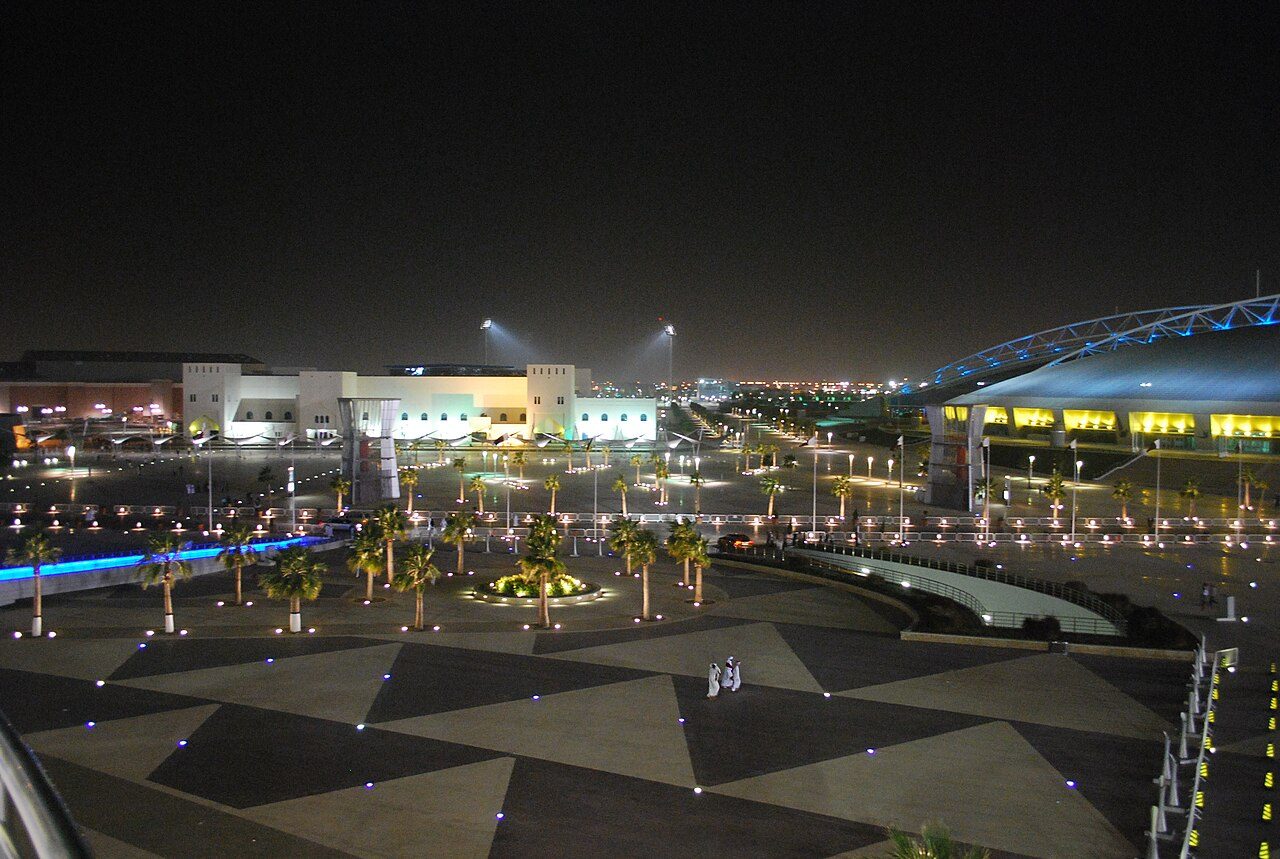
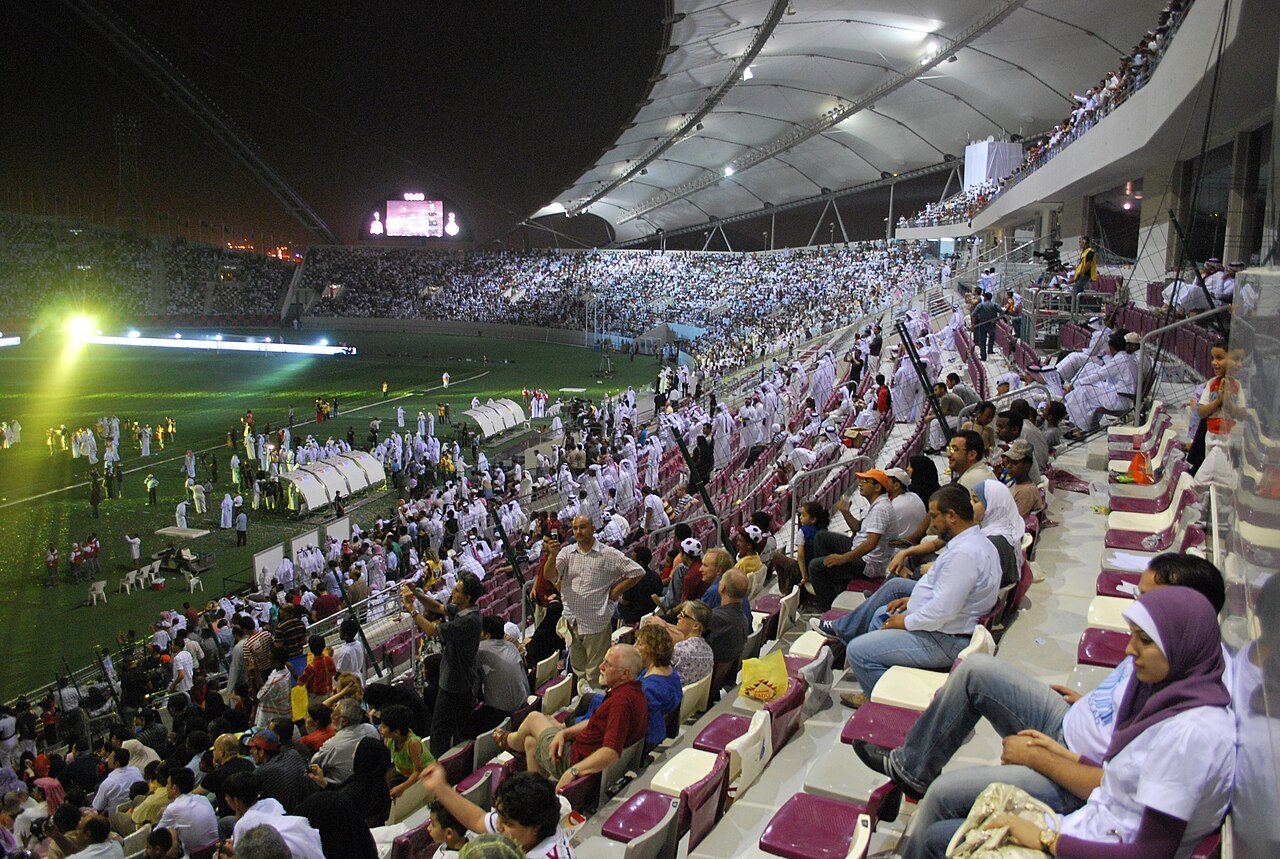
Khalifa International Stadium
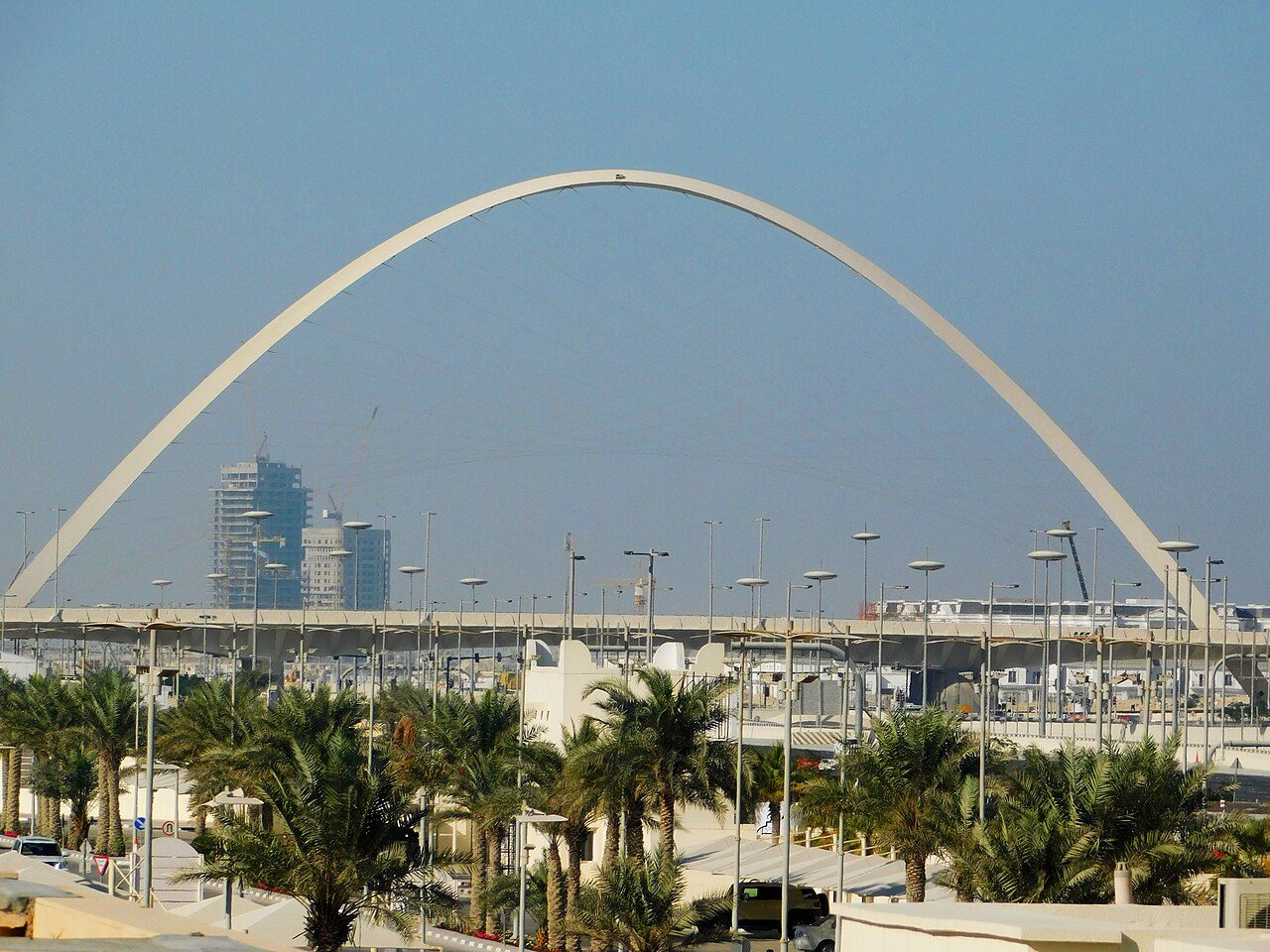
Khalifa International Stadium is Qatar's national stadium, first opened in 1976. It was the main venue of the 2006 Asian Games and was rebuilt before the 2022 FIFA World Cup, when it hosted eight matches. Two great arches curve above its stands. It also staged the 2019 World Athletics Championships. A sports museum stands next to it.
14
STOP 14 OF 22
Sheikh Faisal Museum
The Sheikh Faisal Bin Qassim Al Thani Museum is a private museum in Al Samriya, west of Doha. Opened in 1998, it is housed in a large building shaped like a fort. Its collection of more than 15,000 items was gathered by Sheikh Faisal over decades. It includes Islamic art, carpets, coins, traditional Qatari objects and a large hall of vintage cars.
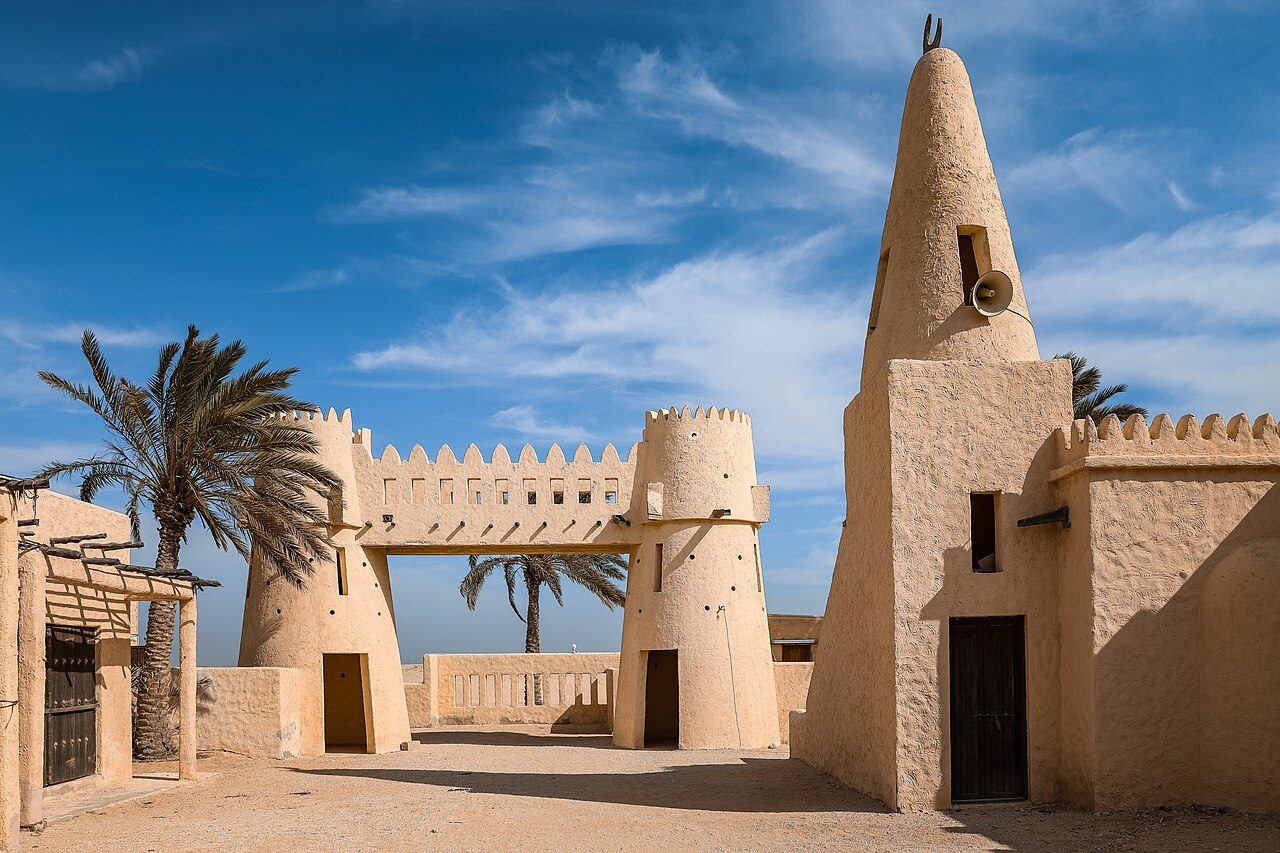
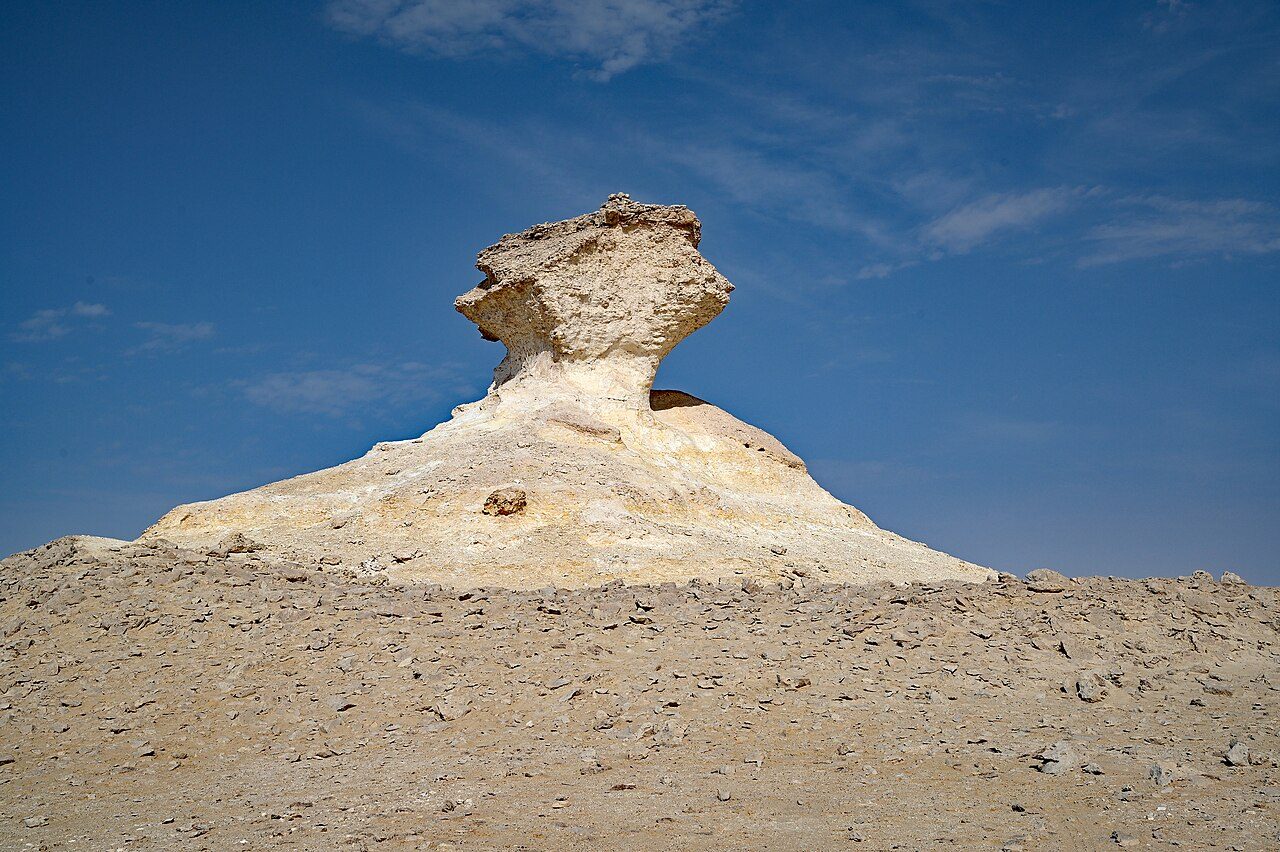
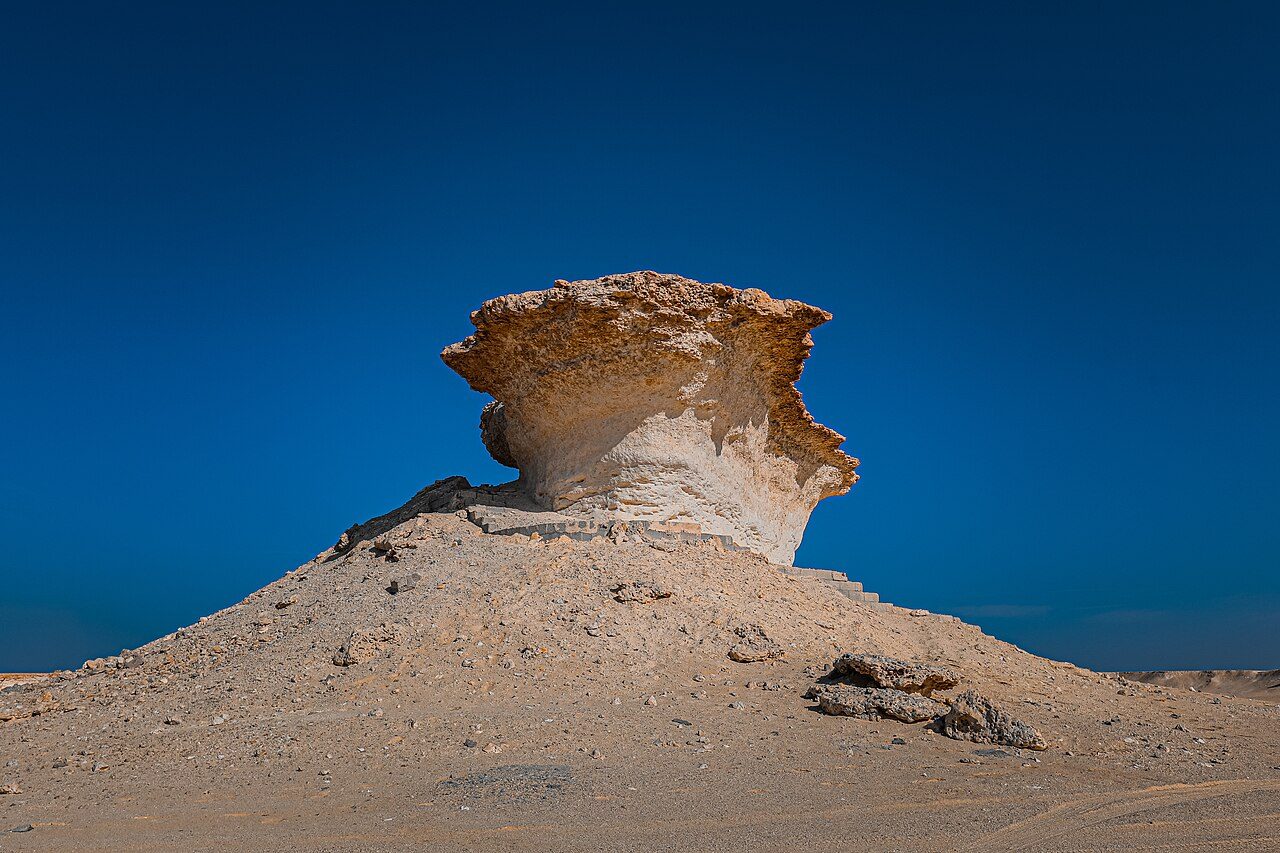
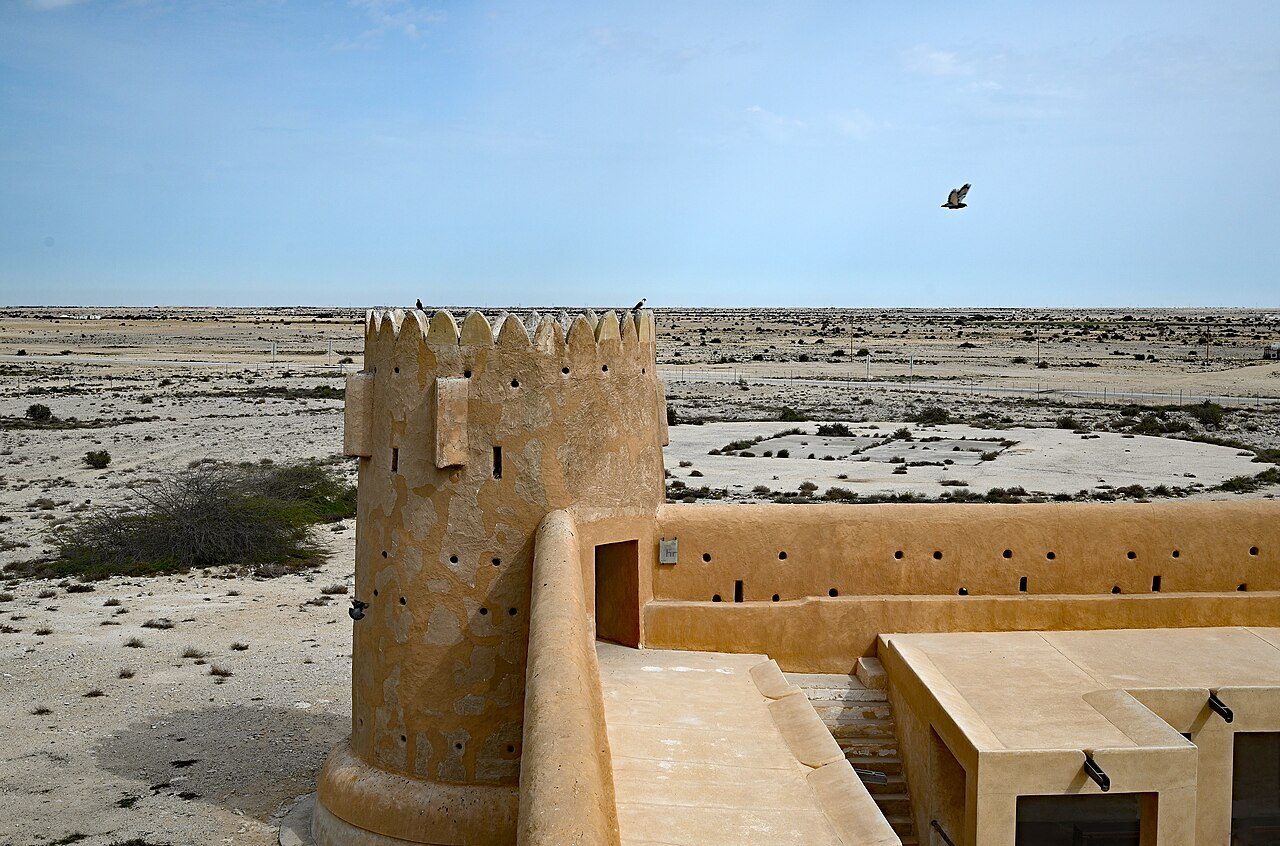
Zekreet is a peninsula on the west coast of Qatar known for its strange desert landscape. Wind has carved the pale limestone into mushroom-shaped rocks and flat-topped hills. Near the coast stand the remains of an 18th-century fort, and a film set built like an old village. Richard Serra's sculpture East-West/West-East stands in the desert nearby.
16
STOP 16 OF 22
Al Zubarah Fort
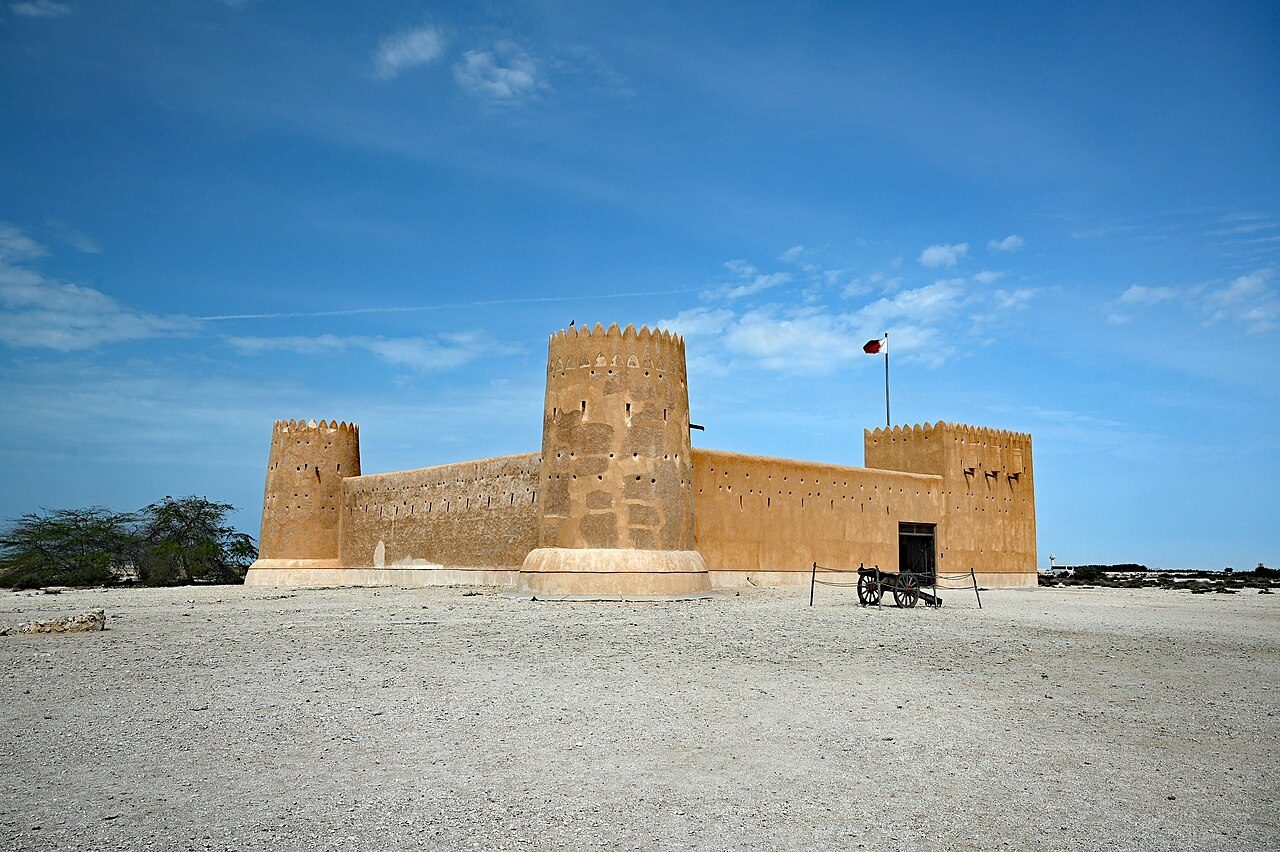
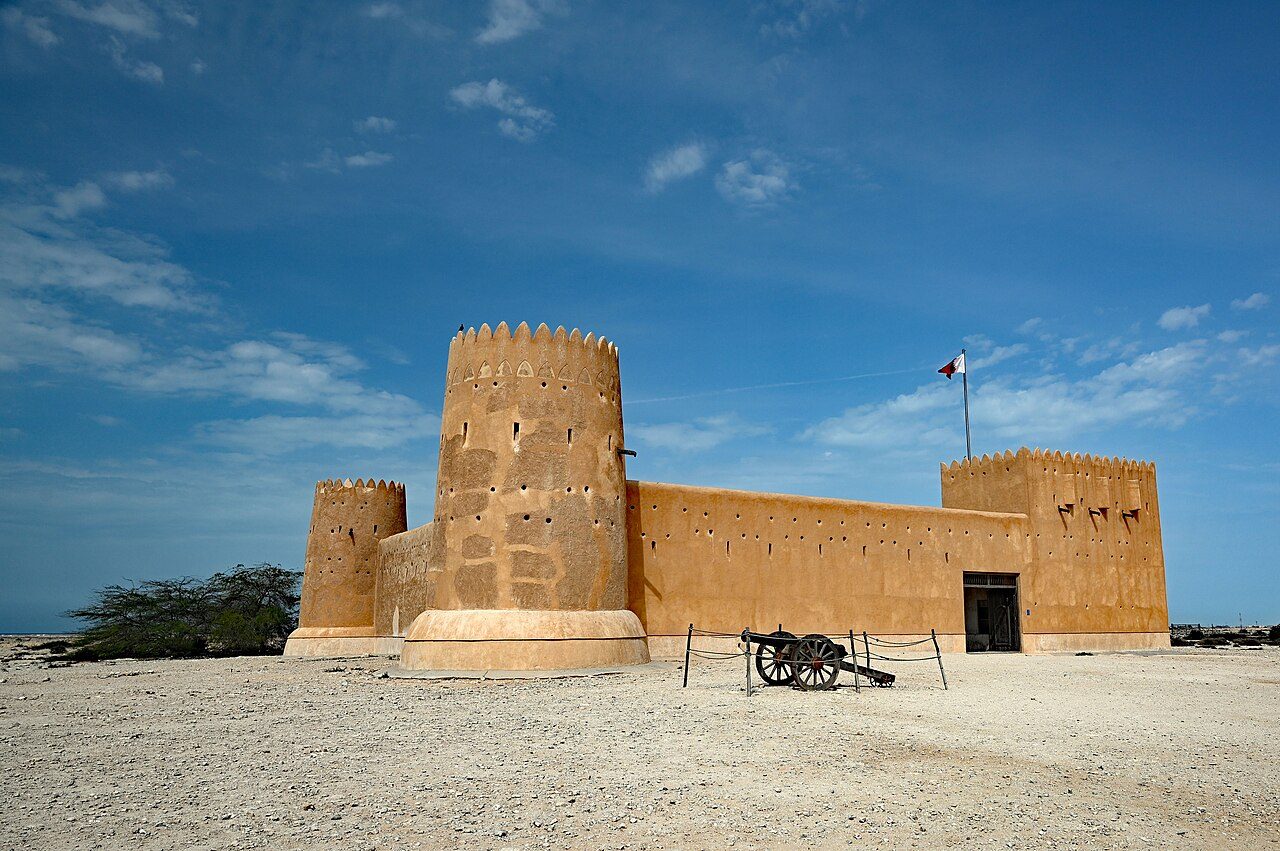
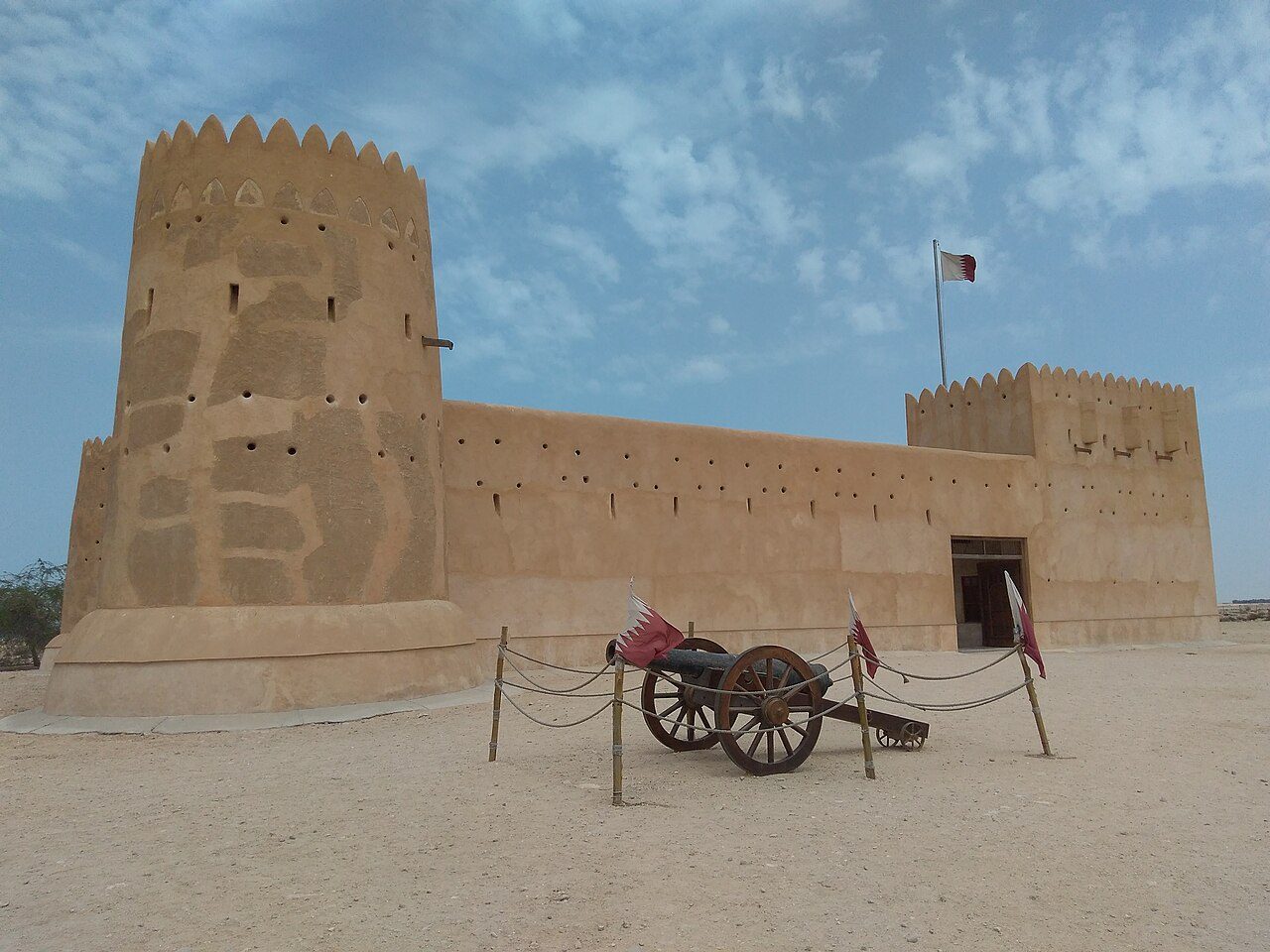
Al Zubarah Fort was built in 1938 by Sheikh Abdullah bin Jassim Al Thani as a coast guard station. It is a square fort with thick walls and towers at the corners. It stands beside the ruins of Al Zubarah, a pearling and trading town that thrived in the 18th century. The town is a UNESCO World Heritage Site, listed in 2013, and the fort is its visitor centre.
17
STOP 17 OF 22
Al Thakira Mangroves
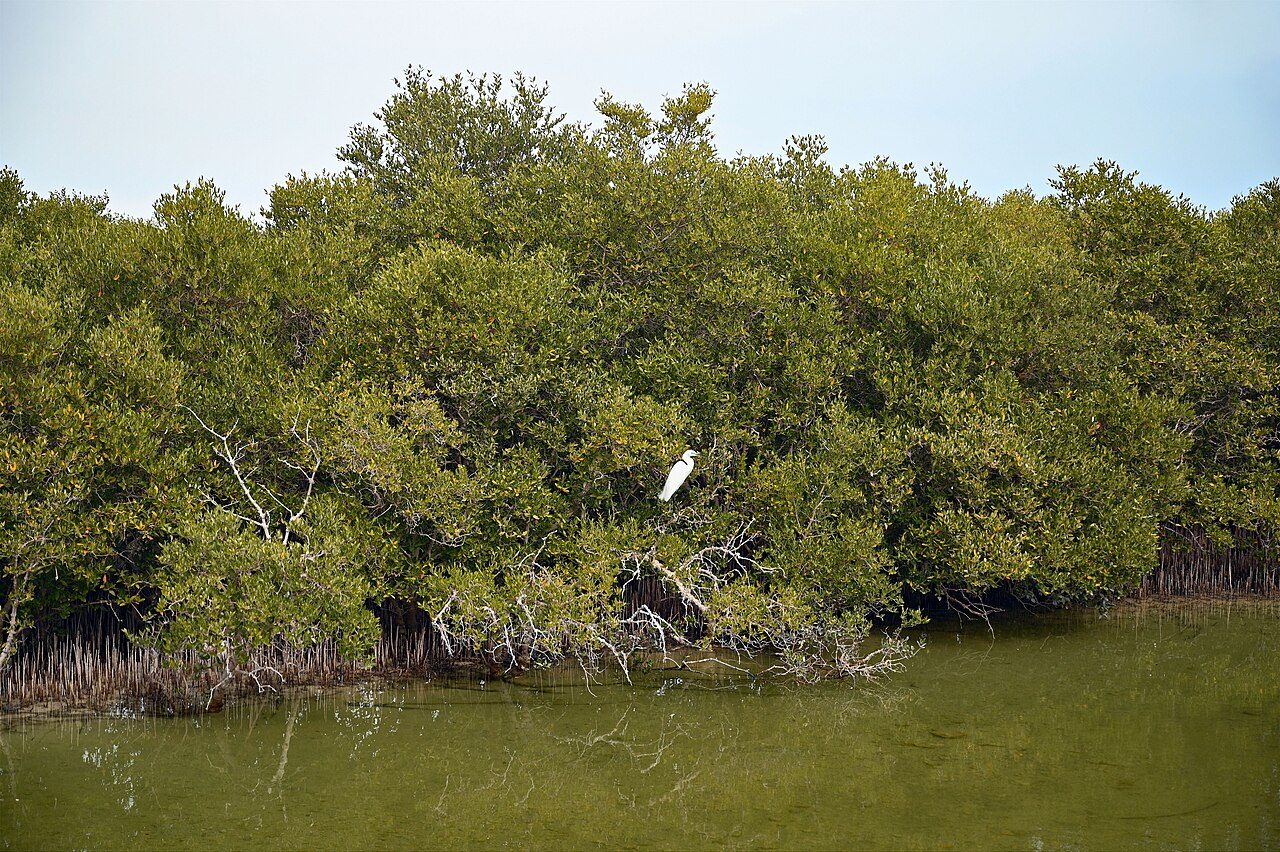
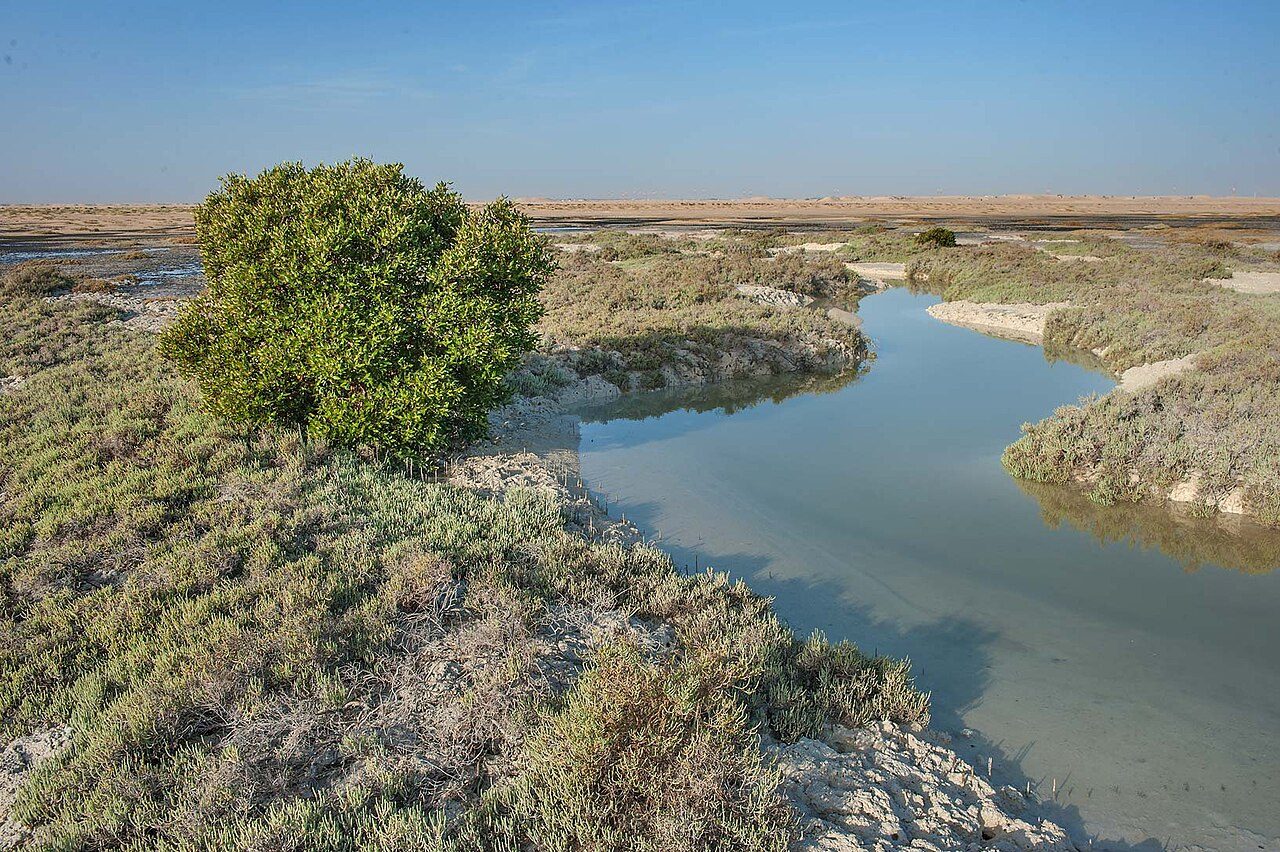
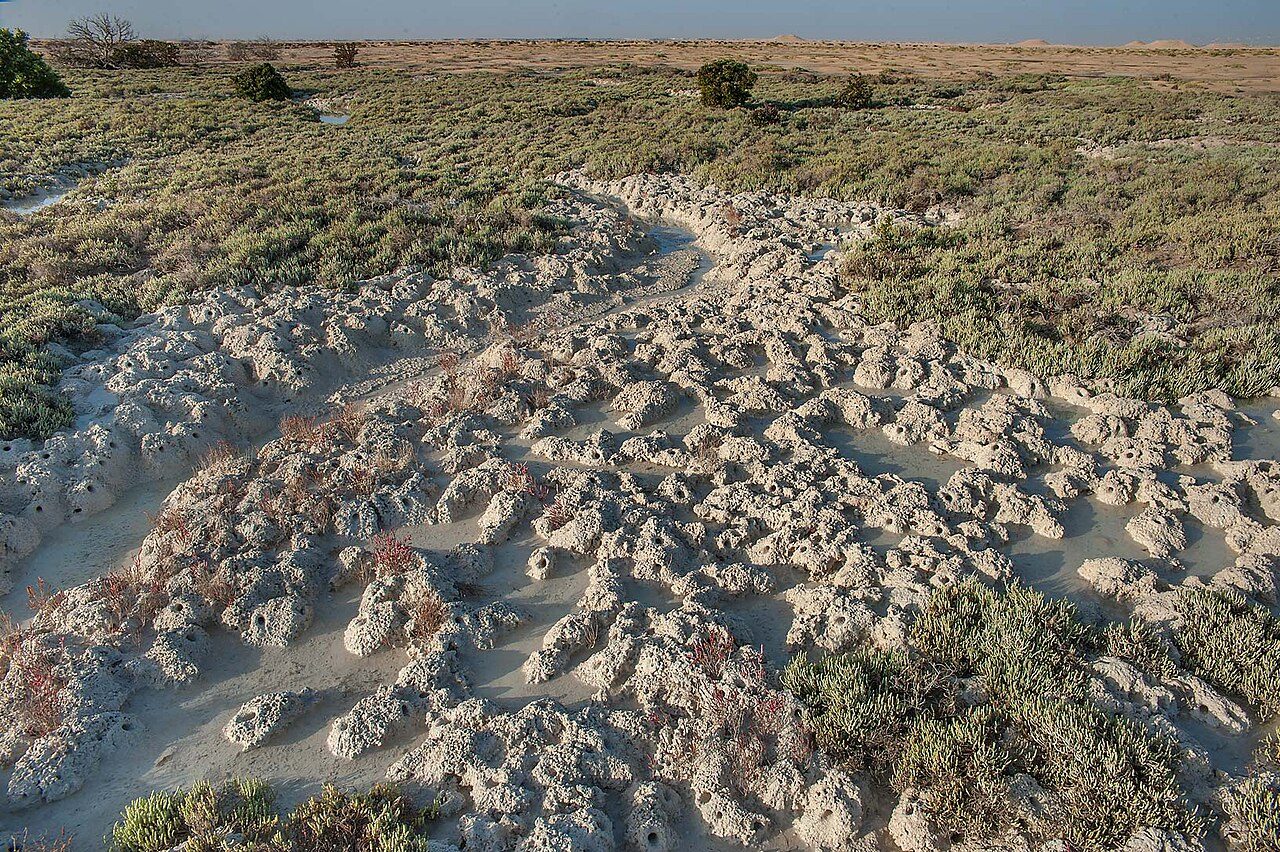
The mangroves of Al Thakira, near Al Khor, are the largest area of mangrove forest in Qatar. The green trees grow along salt creeks, in sharp contrast with the desert around them. Herons, flamingos and many other birds feed here, and fish and crabs live among the roots. The channels are popular for kayaking at high tide.
18
STOP 18 OF 22
Barzan Towers
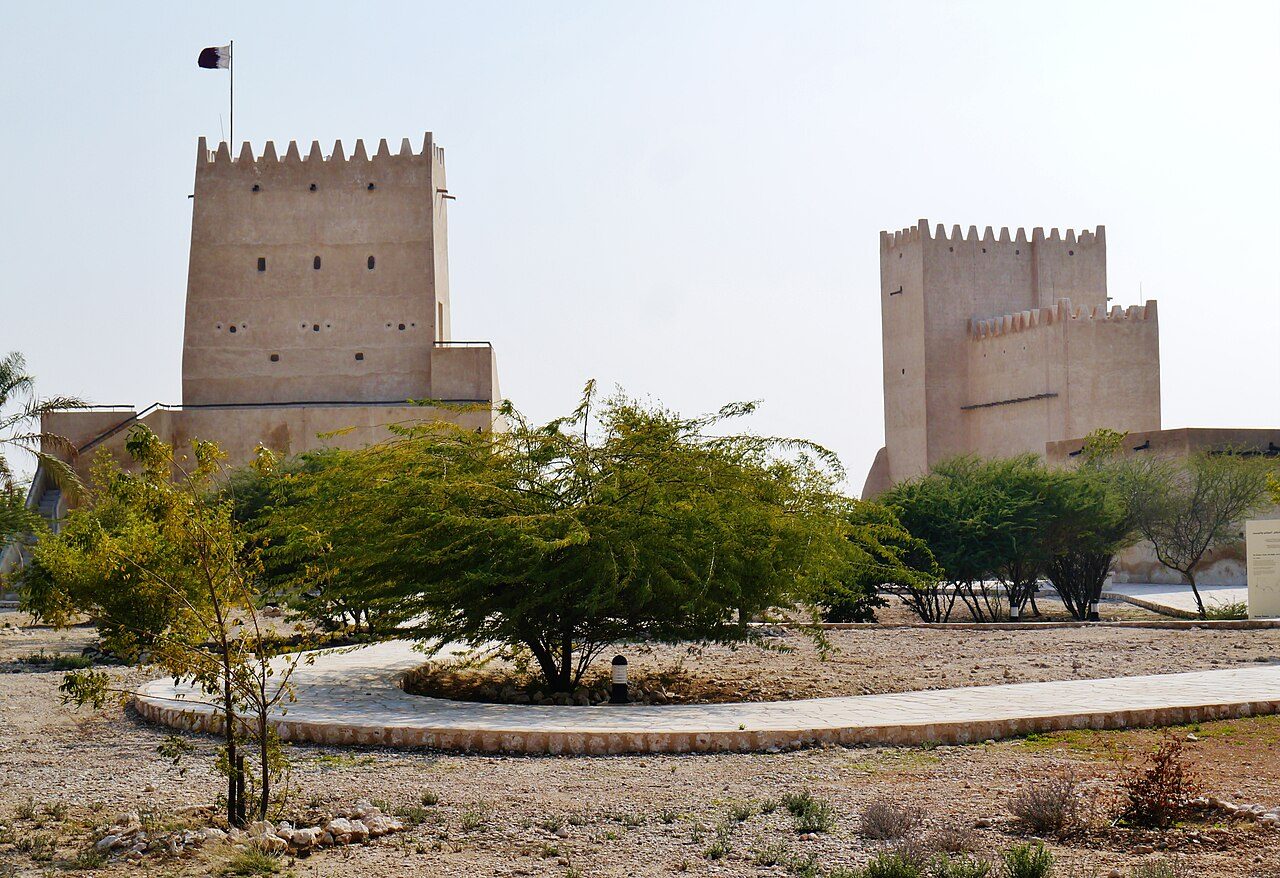
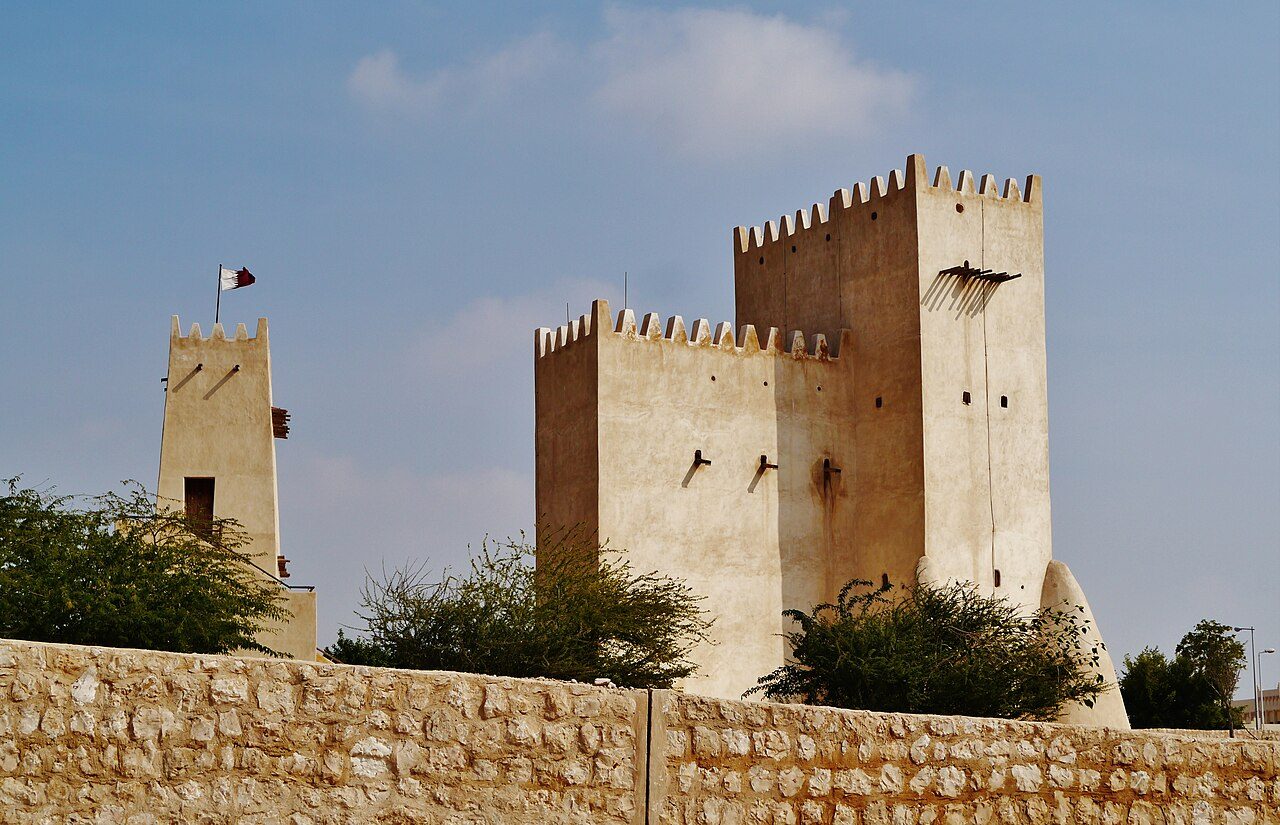
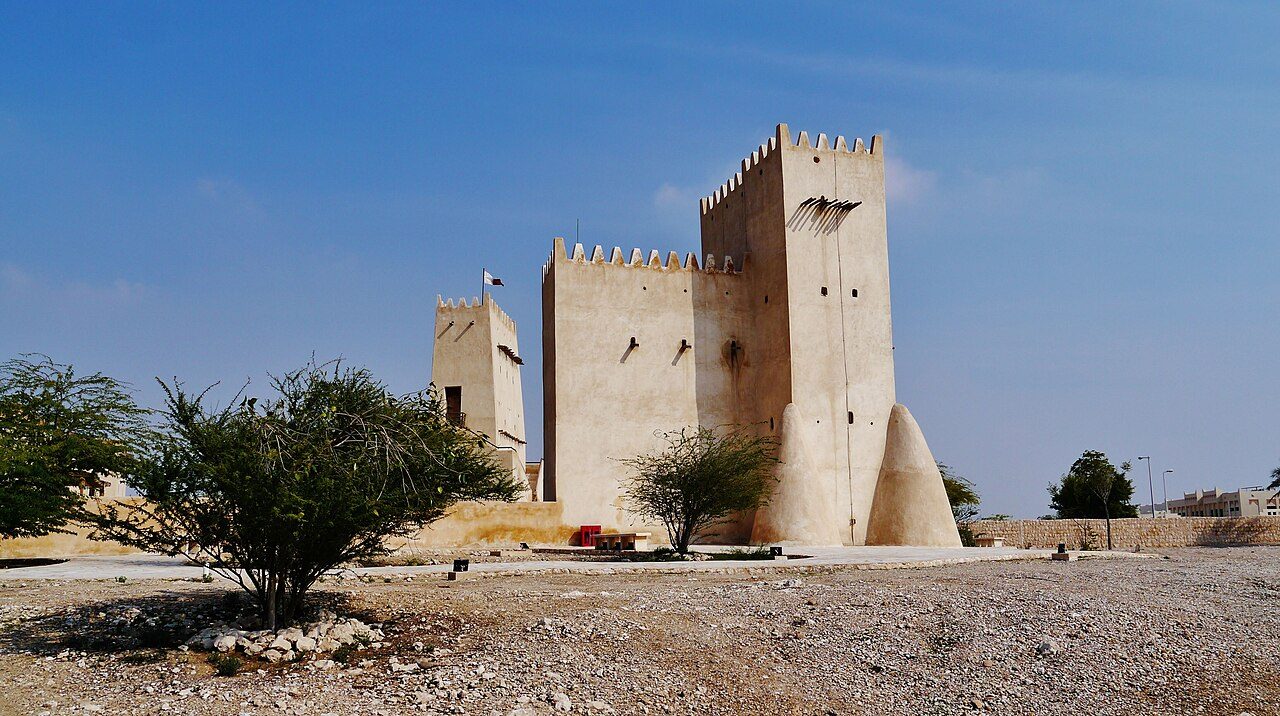
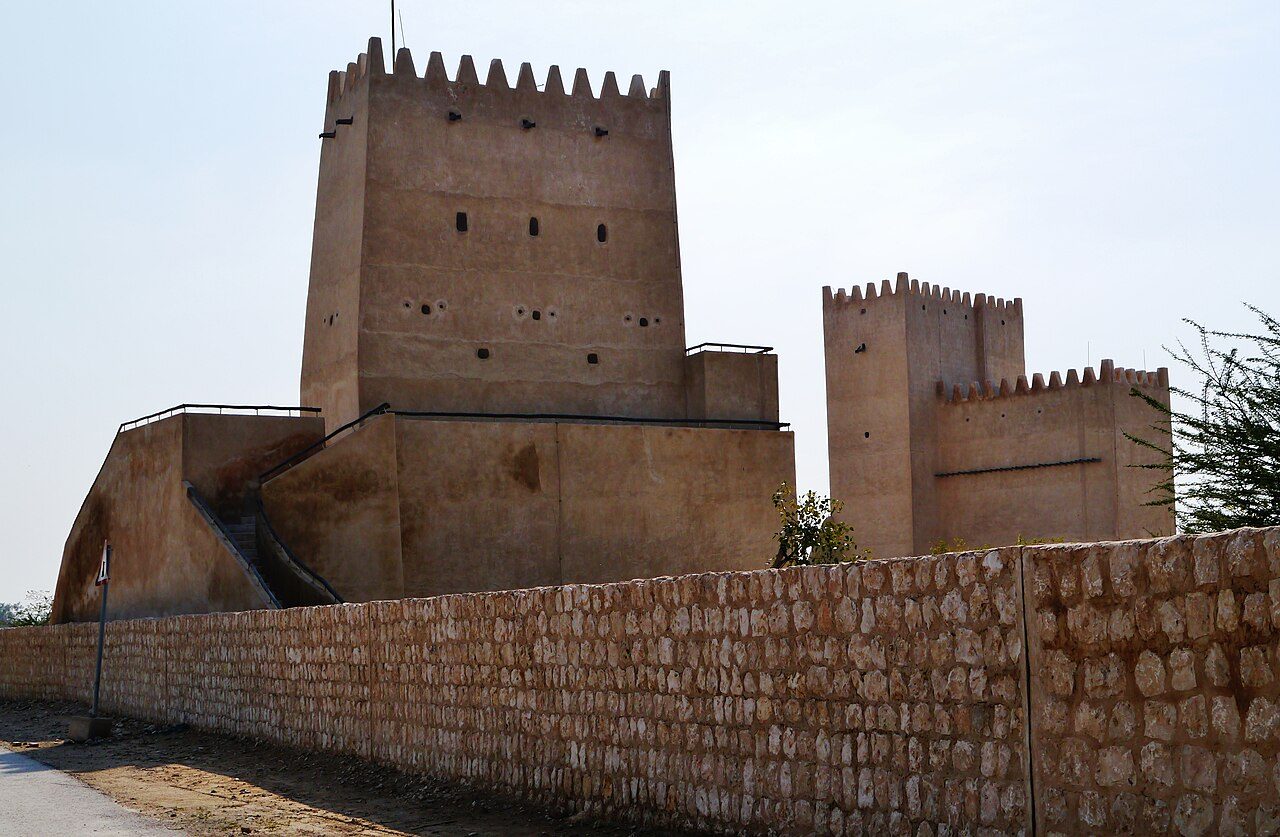
The Barzan Towers stand in Umm Salal Mohammed, north of Doha. They were built in the late 19th century and rebuilt in 1910 by Sheikh Mohammed bin Jassim Al Thani. The taller tower is about 16 metres high. They were used to watch for approaching ships and to protect the wells, and may have served to observe the moon. Barzan means high place.
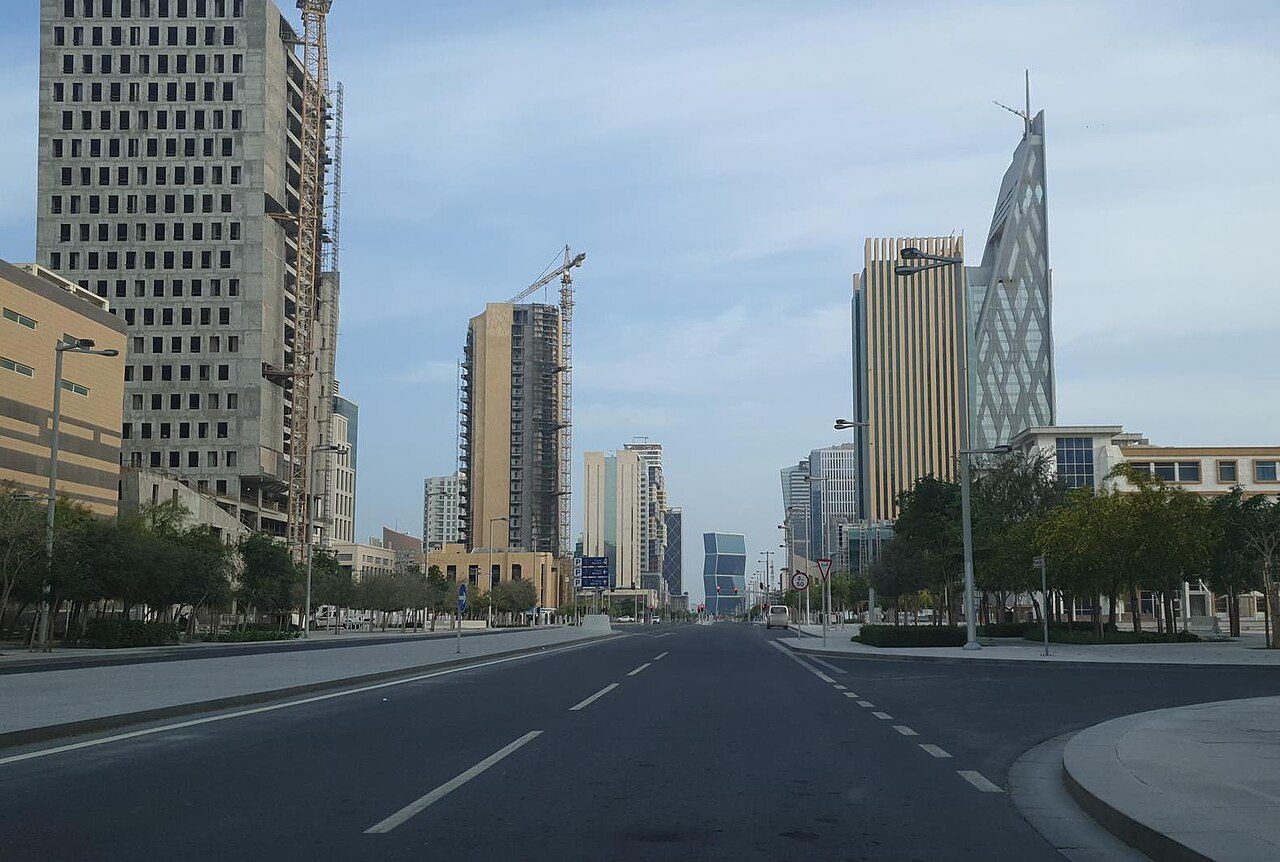
Lusail is a planned city on the coast north of Doha, built from the 2000s onwards. It has a marina promenade, a wide boulevard and the four curved Katara Towers, shaped like crossed swords. Lusail Stadium, with over 80,000 seats, hosted the final of the 2022 FIFA World Cup. The area was once the home of Sheikh Jassim bin Mohammed Al Thani, founder of modern Qatar.
20
STOP 20 OF 22
Al Wakrah Souq
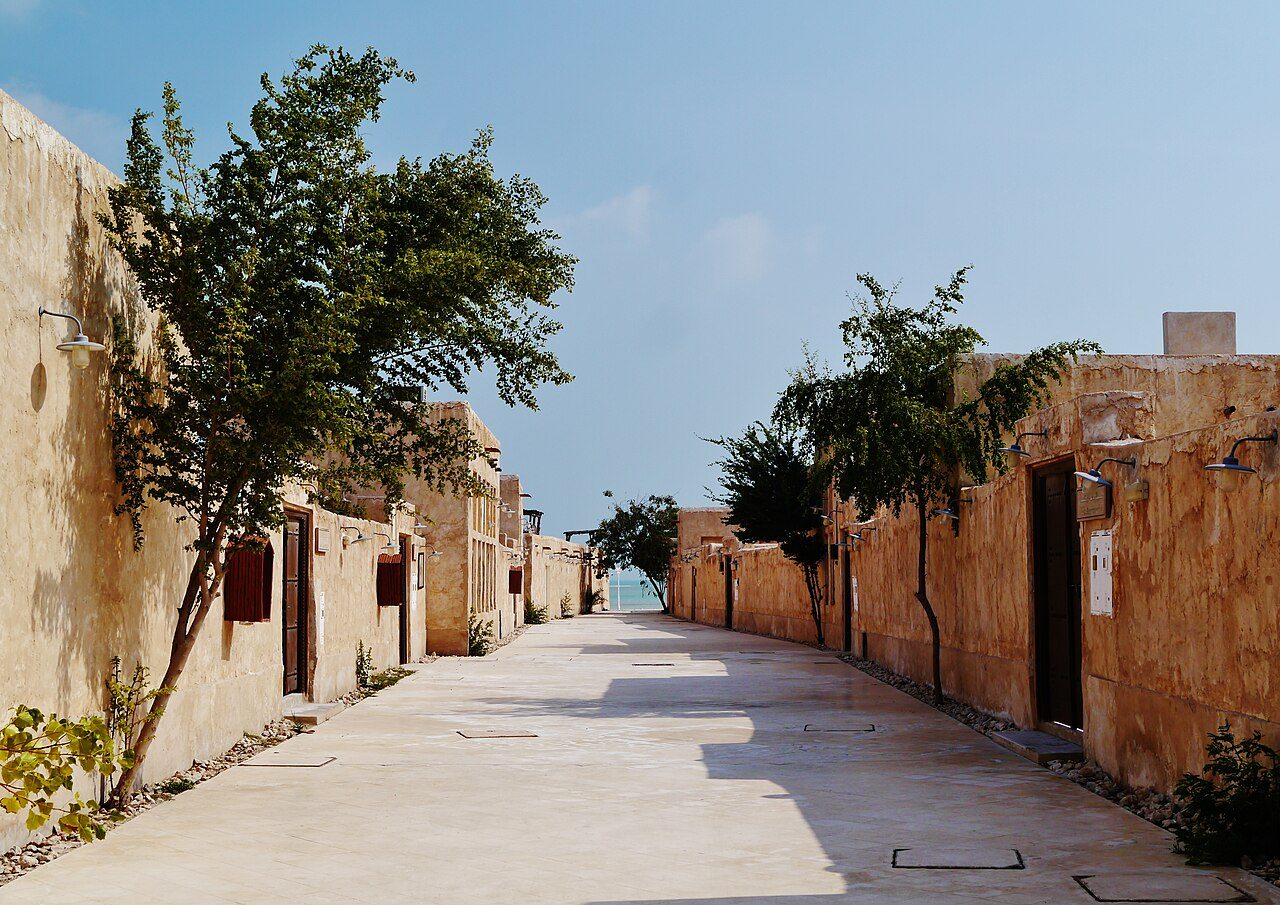
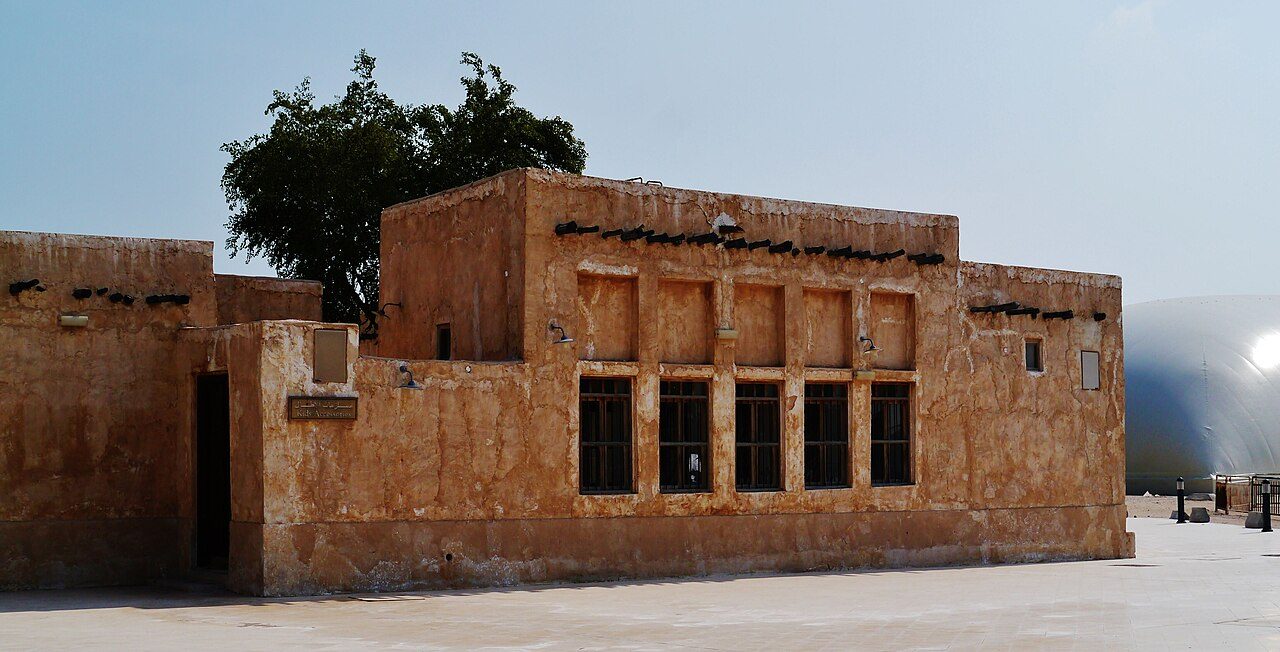
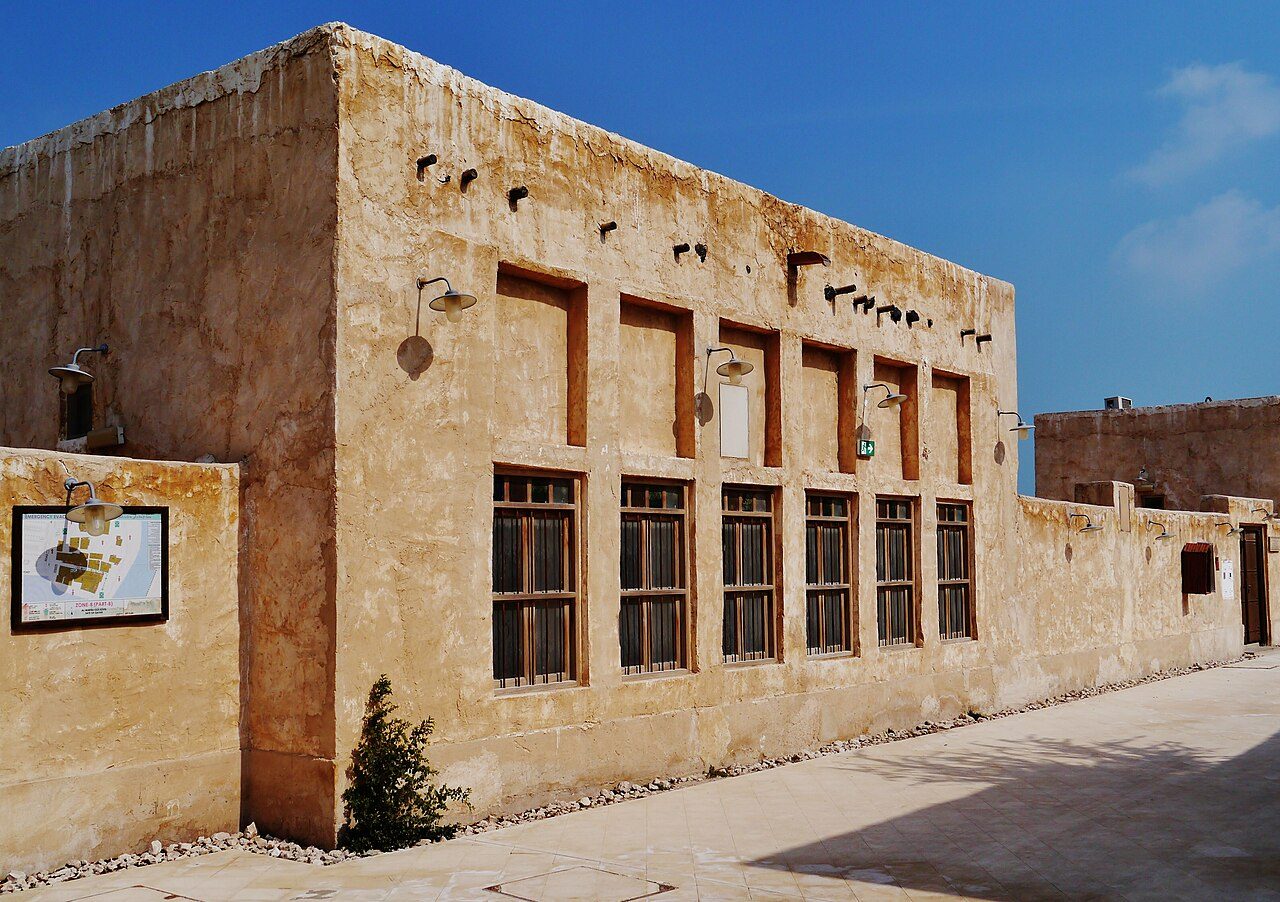
Al Wakrah Souq is a seafront market in the old fishing and pearling town of Al Wakrah, south of Doha. Opened in 2014, it was built in traditional style on the site of the old village. Lanes of low mud-coloured buildings and courtyards hold shops and cafes. The souq opens onto a long beach and promenade where dhows are moored.
21
STOP 21 OF 22
Sealine Beach
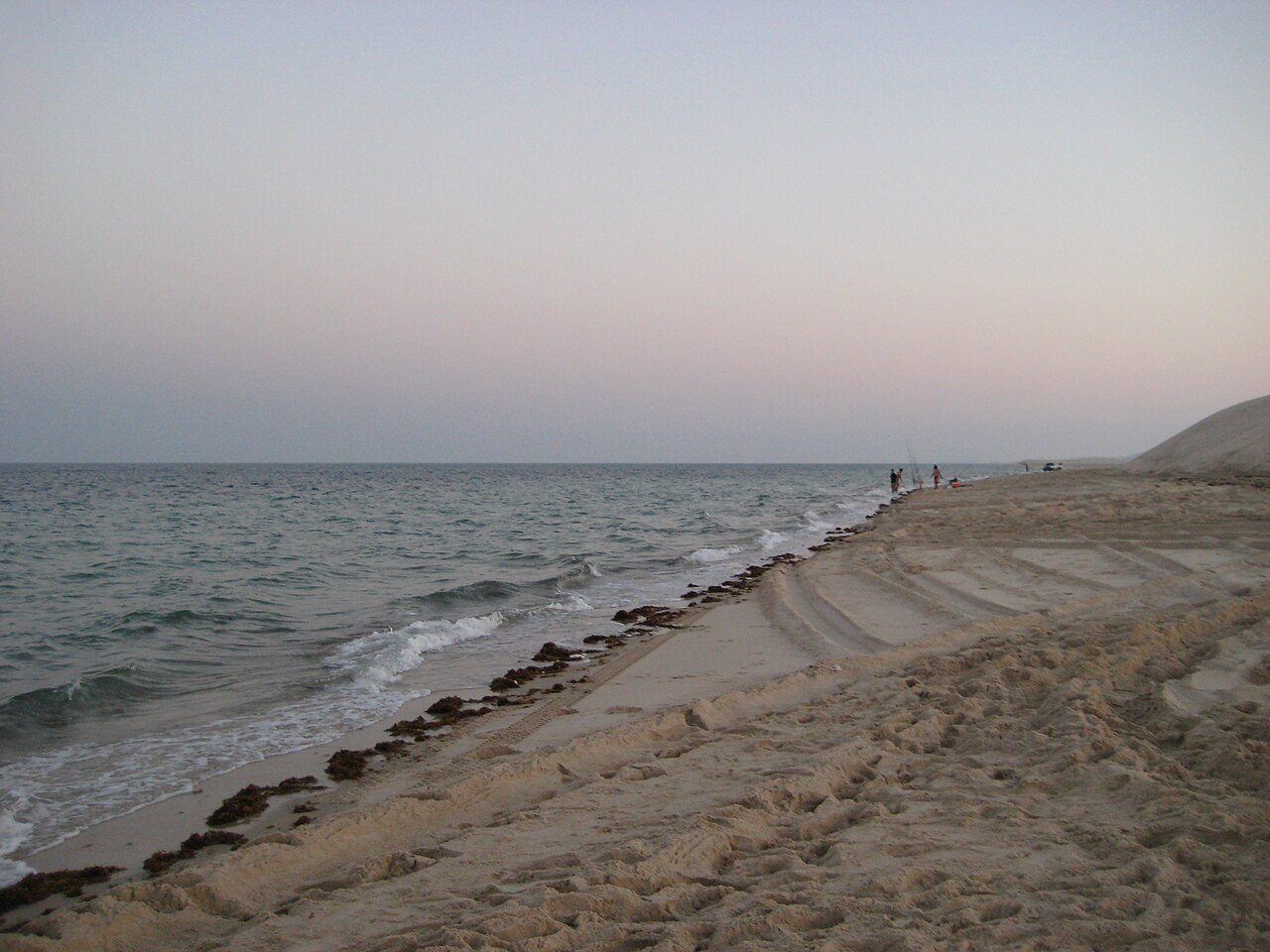
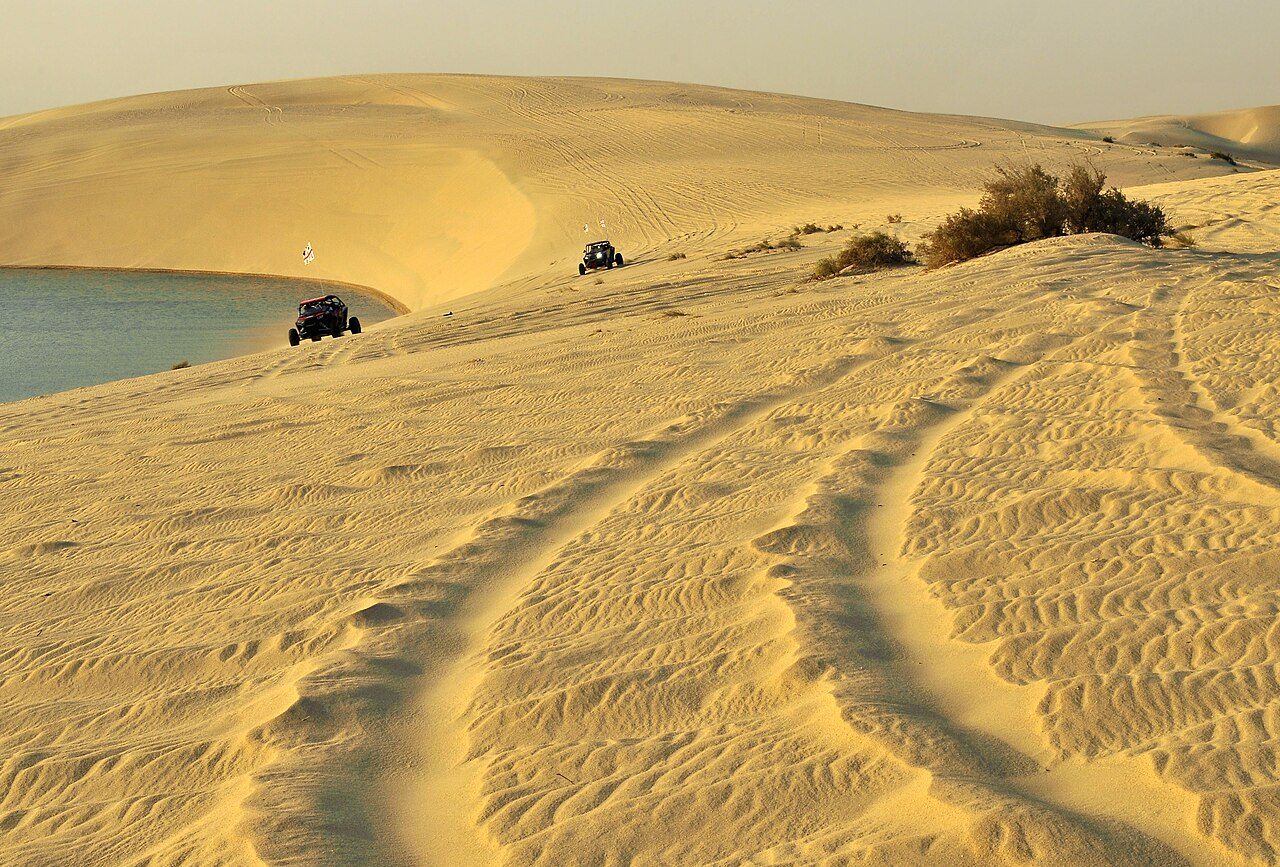
Sealine Beach lies south of Mesaieed, where Qatar's sand dunes come right down to the sea. It is the usual starting point for trips into the desert. People come here for dune driving, quad bikes and camel rides, and to swim in the calm, shallow water. In winter many families set up camps among the dunes.
22
STOP 22 OF 22 · LAST STOP
Khor Al Adaid
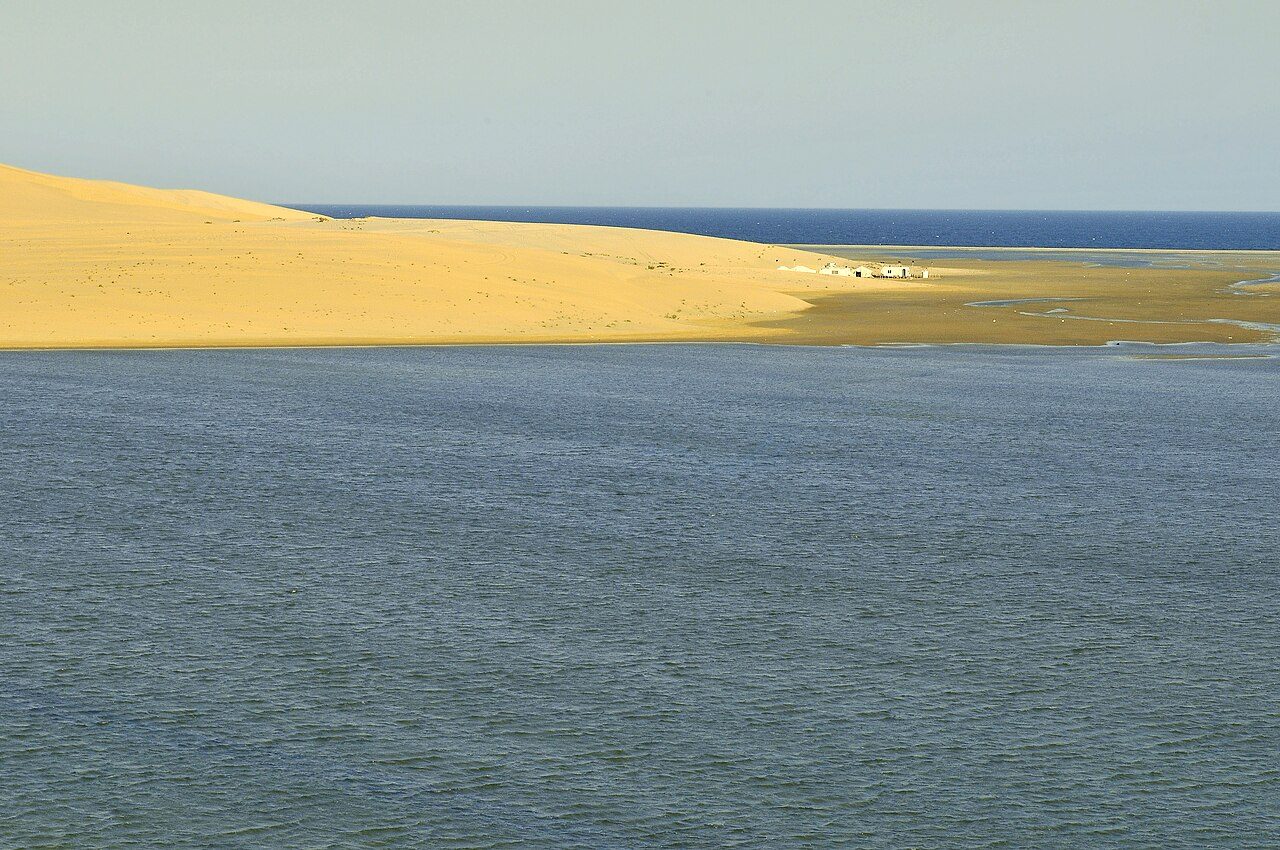
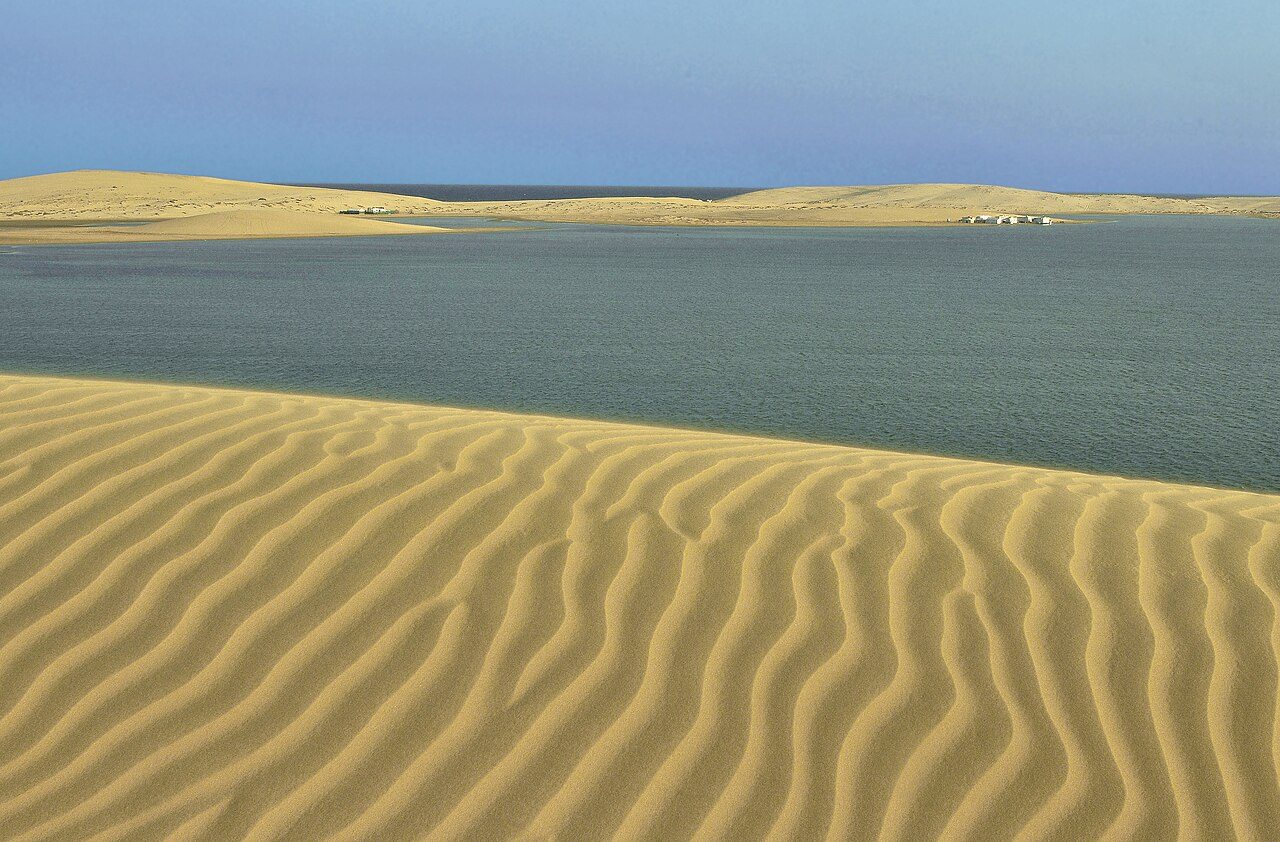
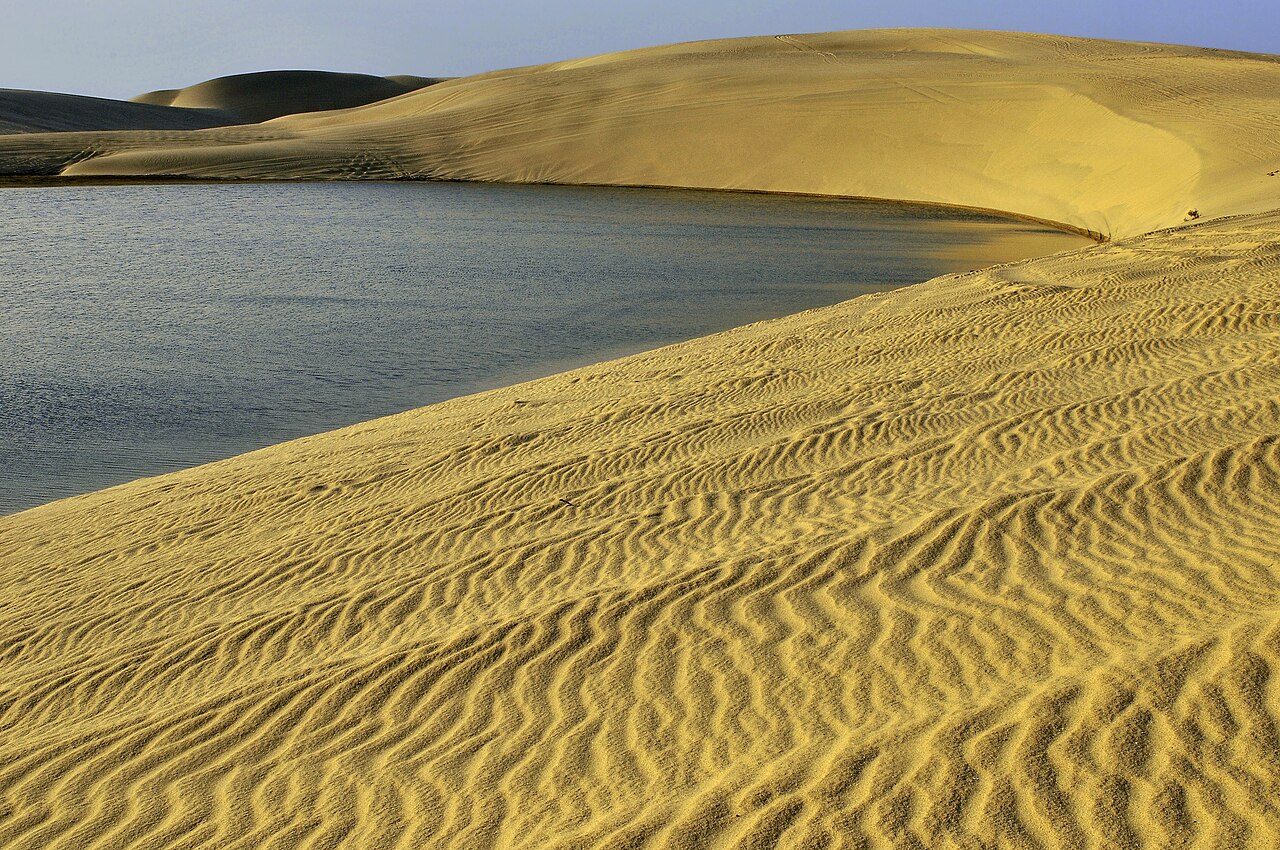
Khor Al Adaid, the Inland Sea, lies in the far southeast of Qatar. Here the sea reaches deep into the desert through a narrow channel, forming a large tidal lagoon ringed by high dunes. It can be reached only by driving across the sand. UNESCO has recognised it as a natural reserve. The far shore of the lagoon belongs to Saudi Arabia.
Seasons from 20 years of NASA POWER climate data.
 WaTrips