Malé's Old Friday Mosque, museum and Muliaage, Hulhumalé and Villingili, then Maafushi, Huraa, Himmafushi and Dhiffushi.
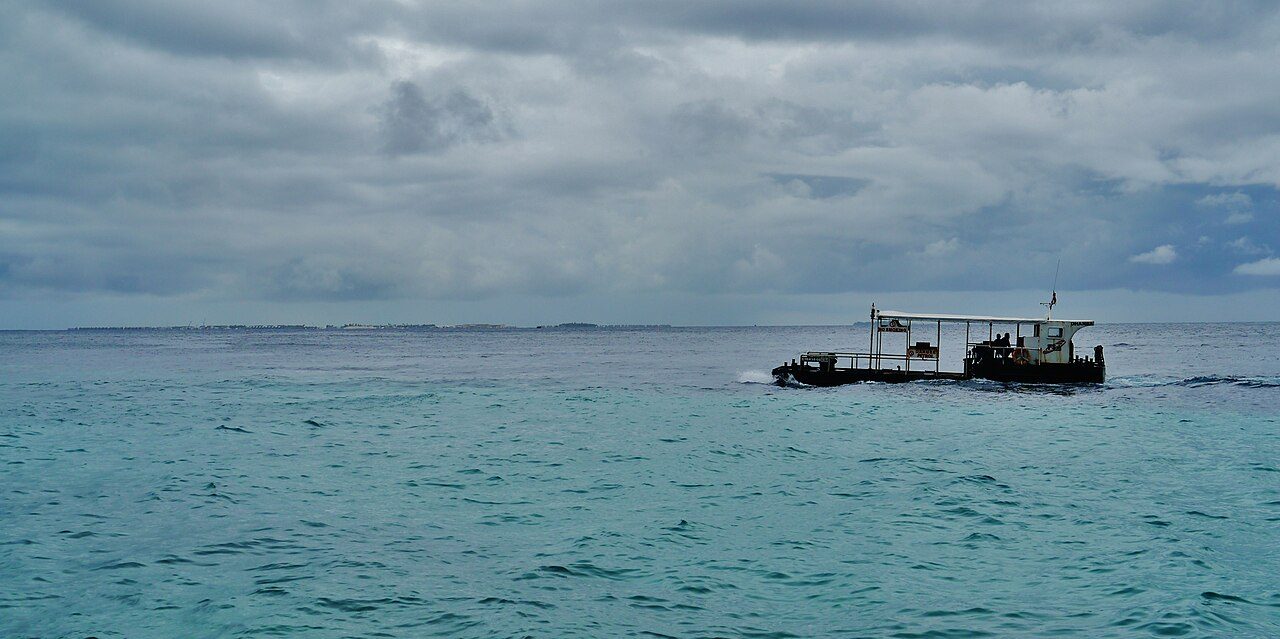
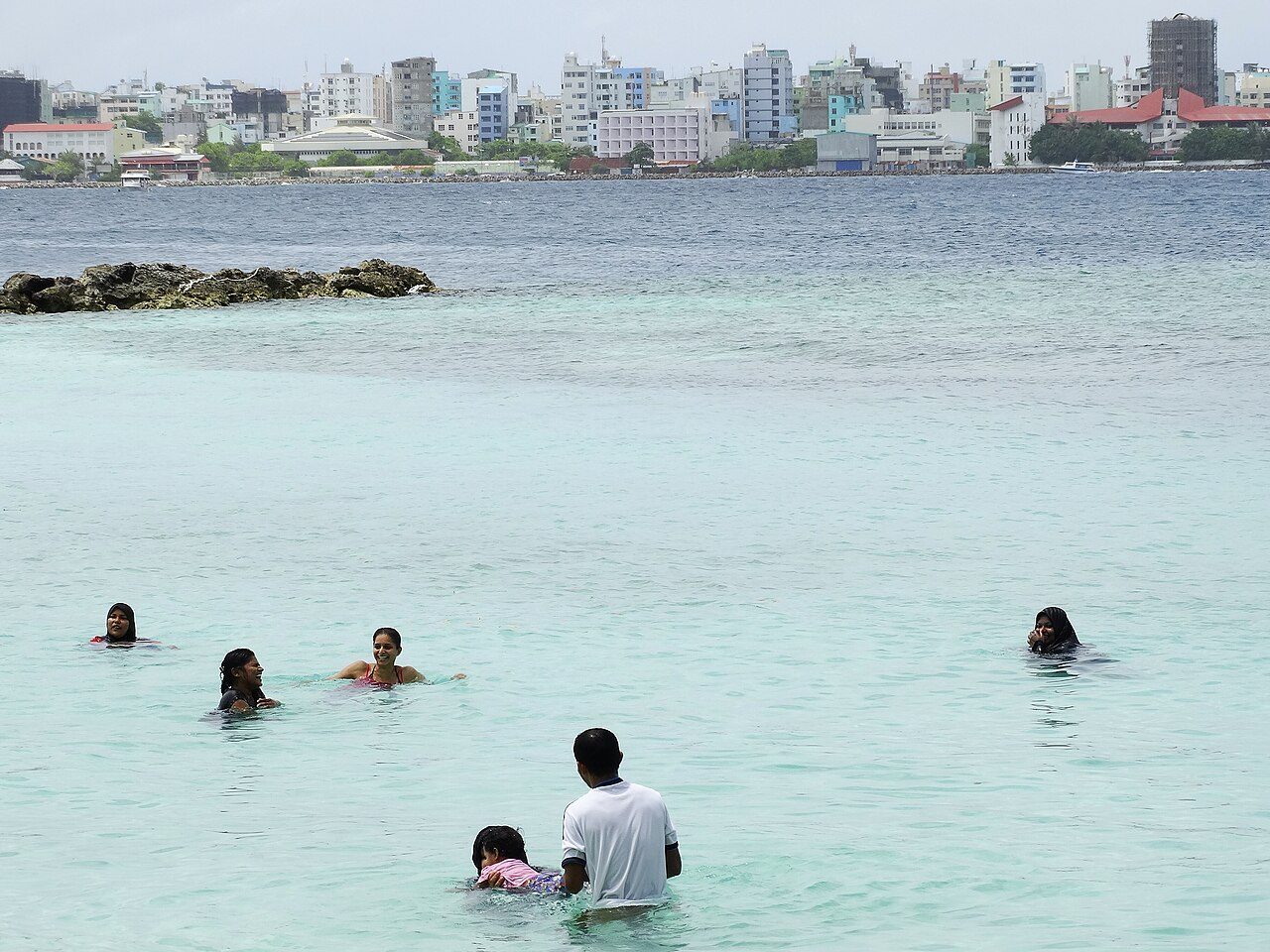
You don't need a resort to enjoy the Maldives; local islands with guesthouses make it affordable. Day one explores Malé: the coral-stone Old Friday Mosque, the Islamic Centre, the National Museum and Muliaage. Day two crosses to Hulhumalé's beach and takes a ferry to Villingili. Days three to five hop by speedboat to the local islands of Maafushi, Huraa and Himmafushi, and Dhiffushi, for snorkelling, sandbanks and surf. Dress modestly in villages, swim at the designated bikini beaches, and remember alcohol is only served at resorts and boats. November to April is the dry season.
01
STOP 1 OF 12
Hukuru Miskiy
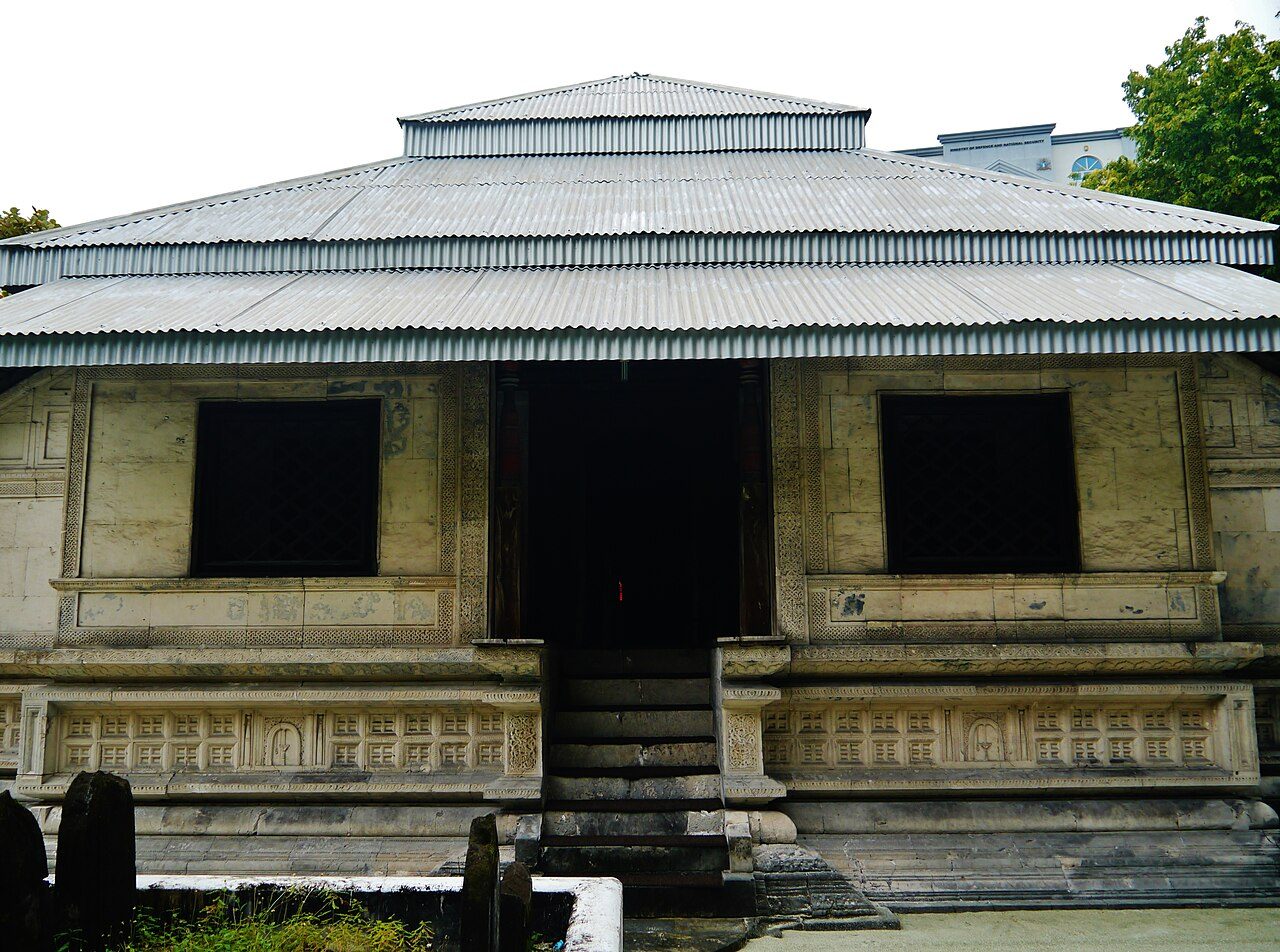
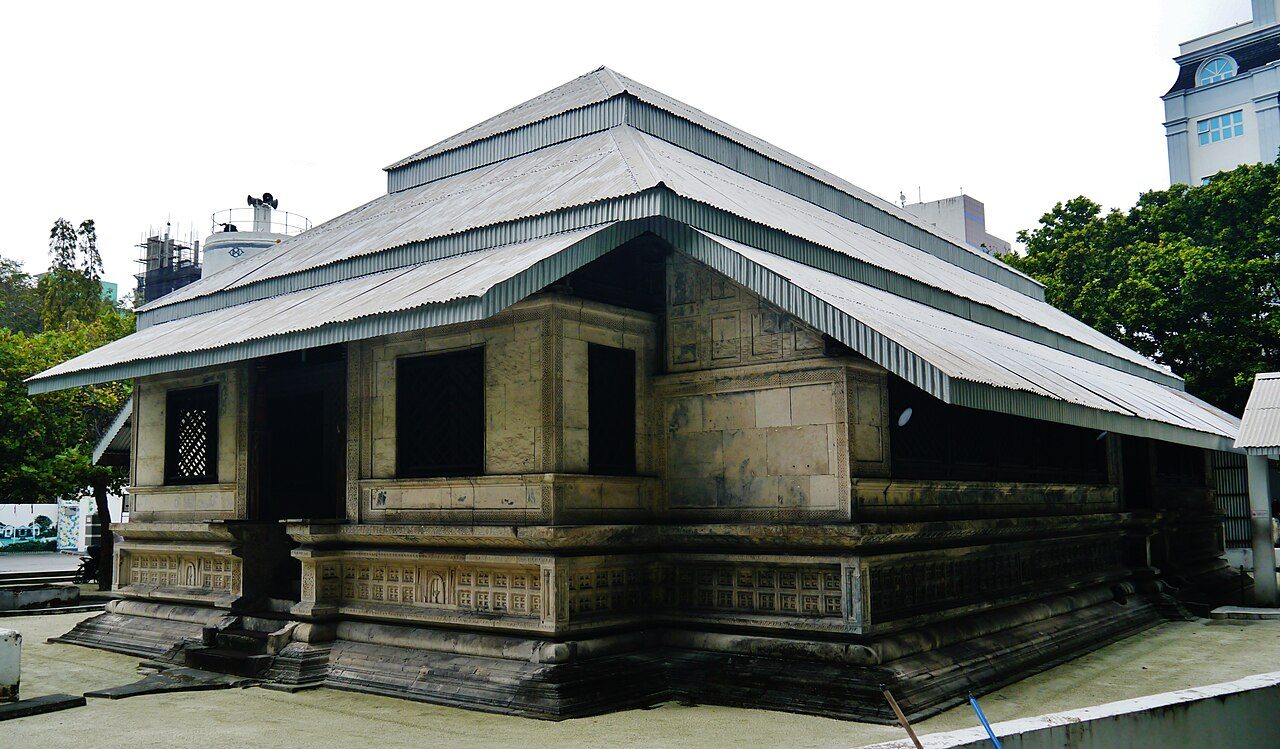
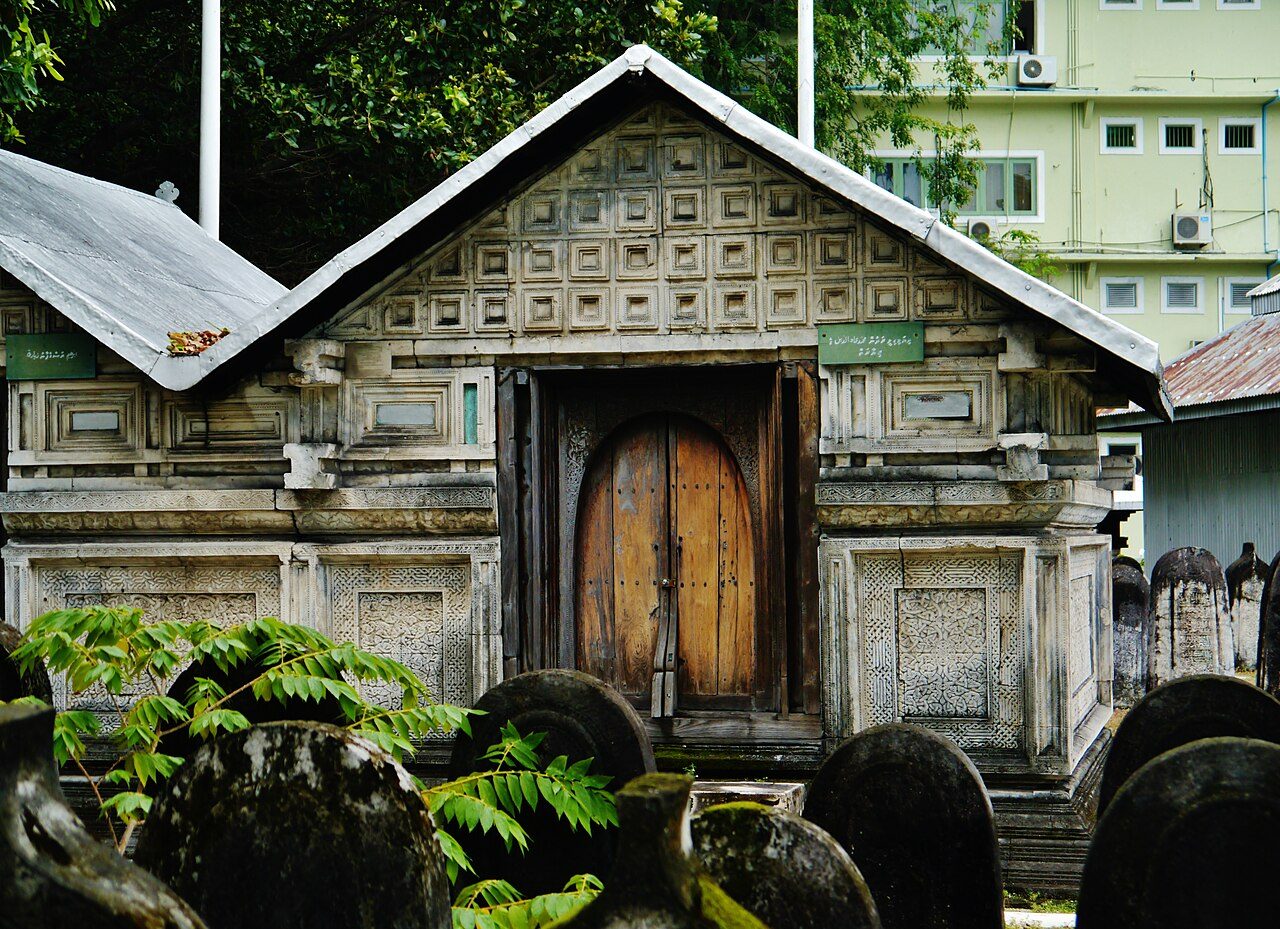
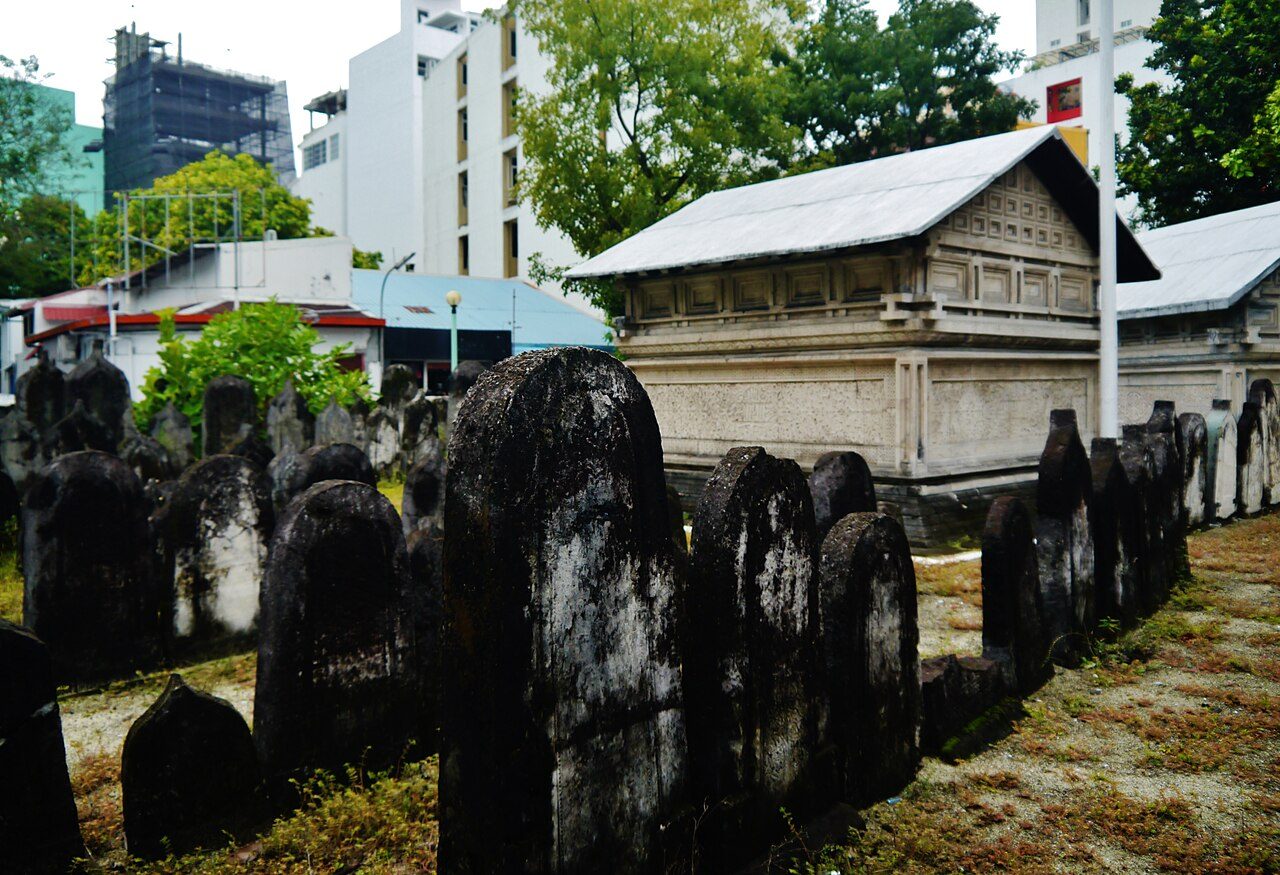
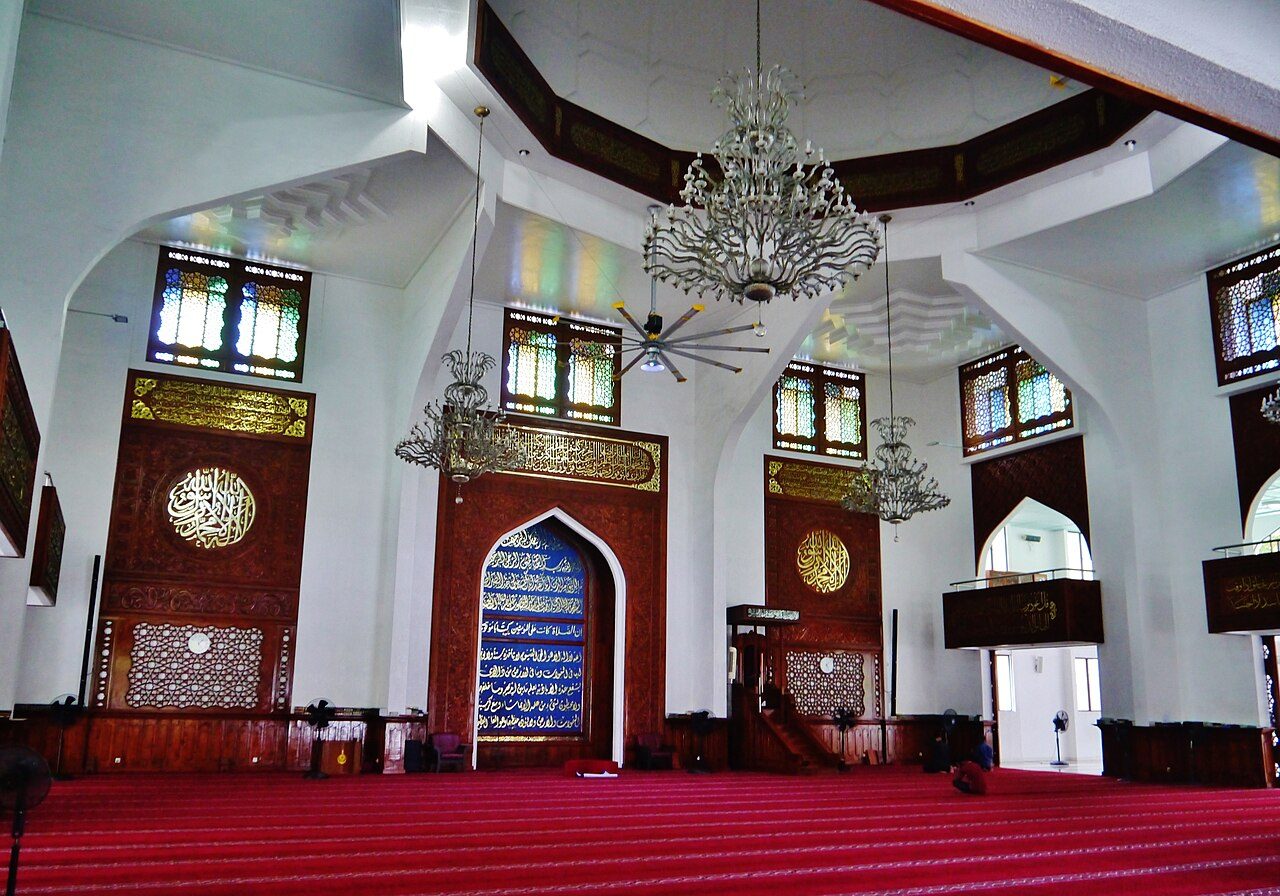
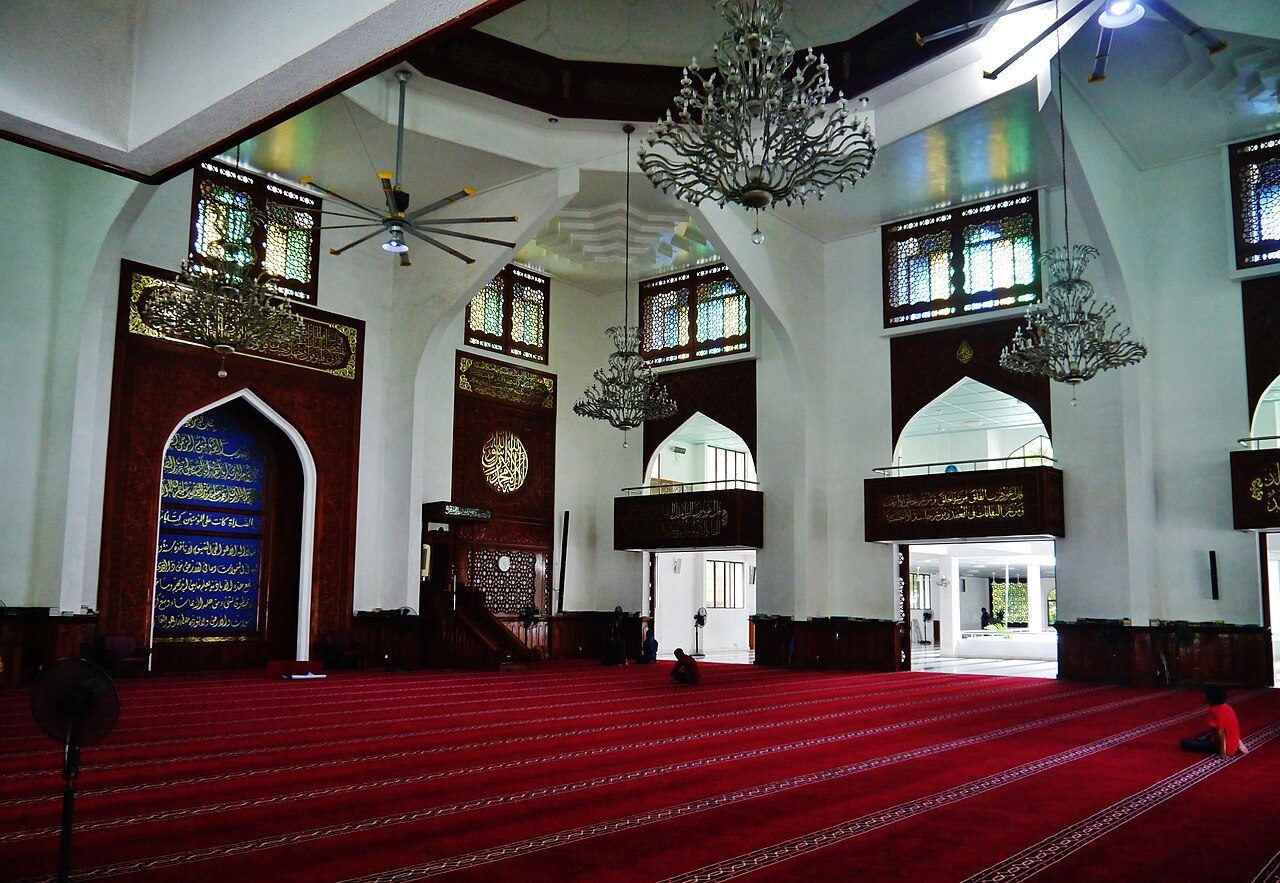
Hukuru Miskiy, the Old Friday Mosque, is the oldest mosque in Malé, built in 1658 under Sultan Ibrahim Iskandar I. Its walls are made of blocks of coral stone, finely carved with patterns and Arabic script and fitted without mortar. Inside are lacquered wooden beams. A white round minaret from 1675 stands beside it, among old royal tombs.
02
STOP 2 OF 12
Islamic Centre Malé
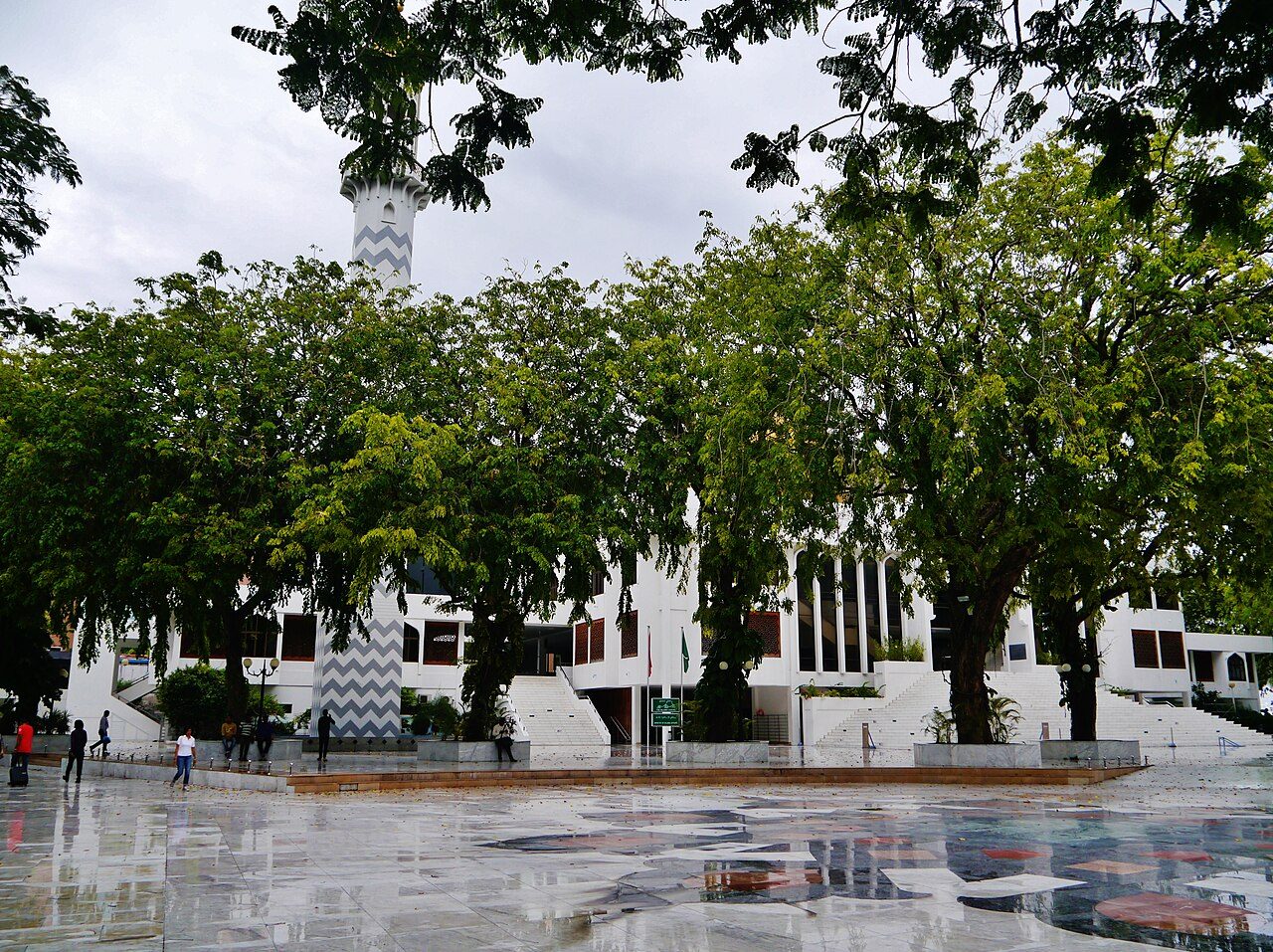
The Islamic Centre is the best known building in Malé, opened in 1984. Its mosque, the Grand Friday Mosque, is named after Sultan Muhammad Thakurufaanu Al Auzam, a national hero. It can hold more than 5,000 people. The large golden dome and the tall minaret stand out in the skyline of the capital. The centre also has a library and a hall.
03
STOP 3 OF 12
National Museum Malé
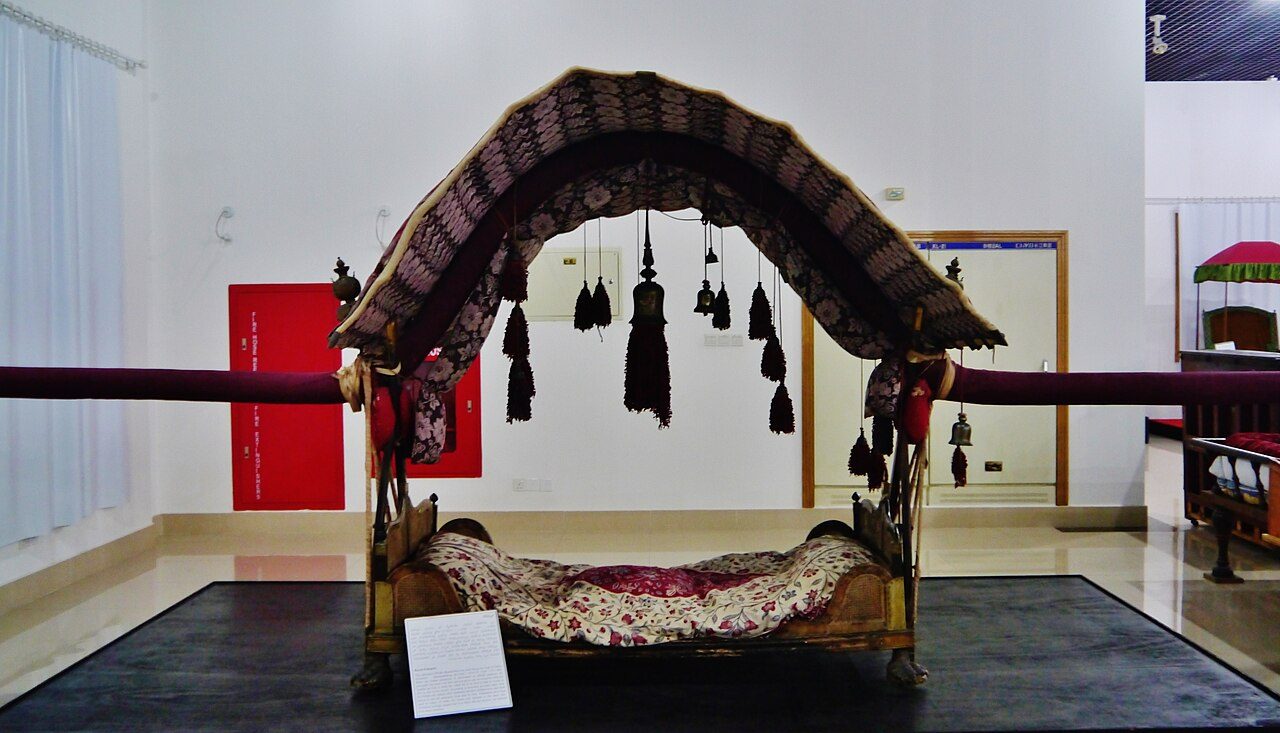
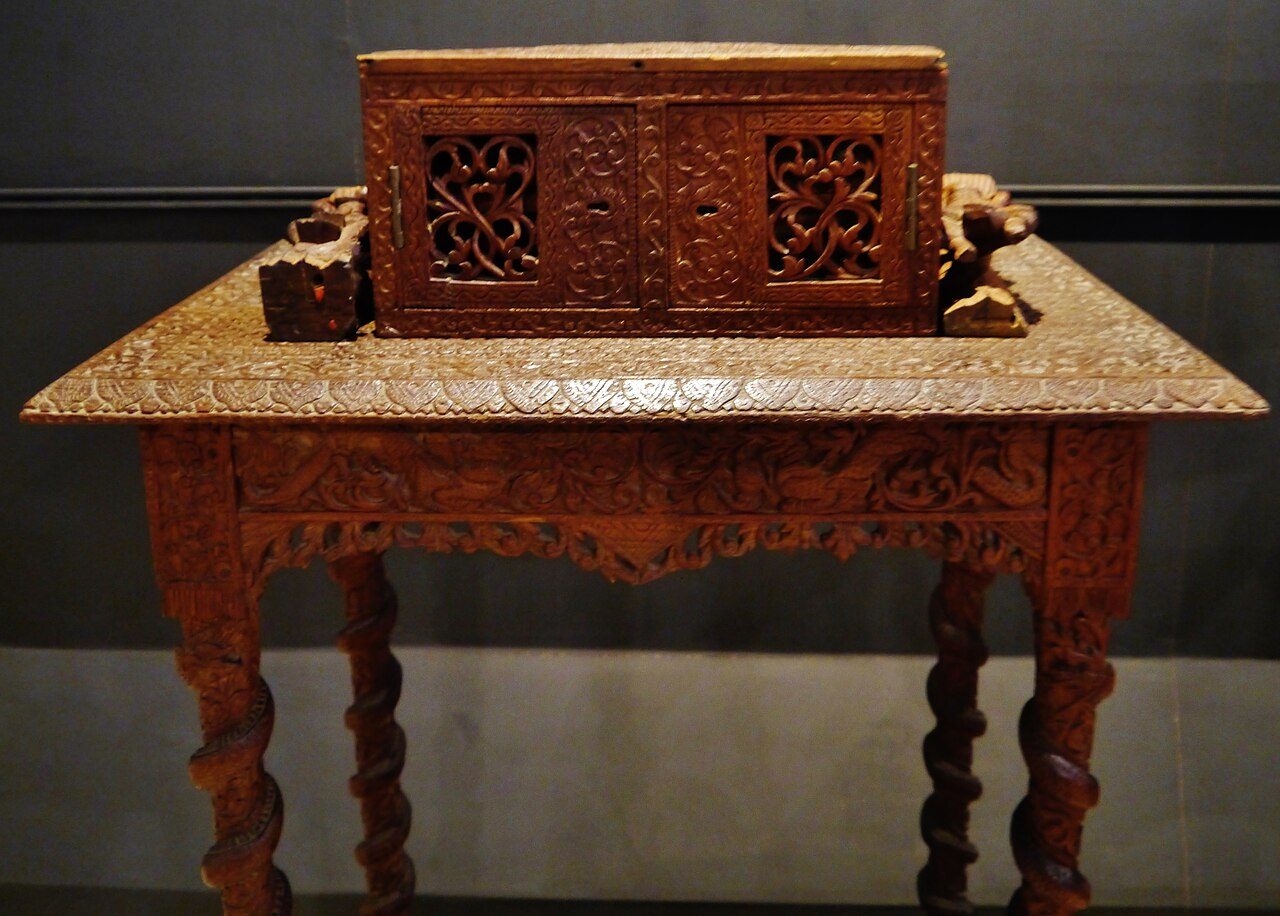
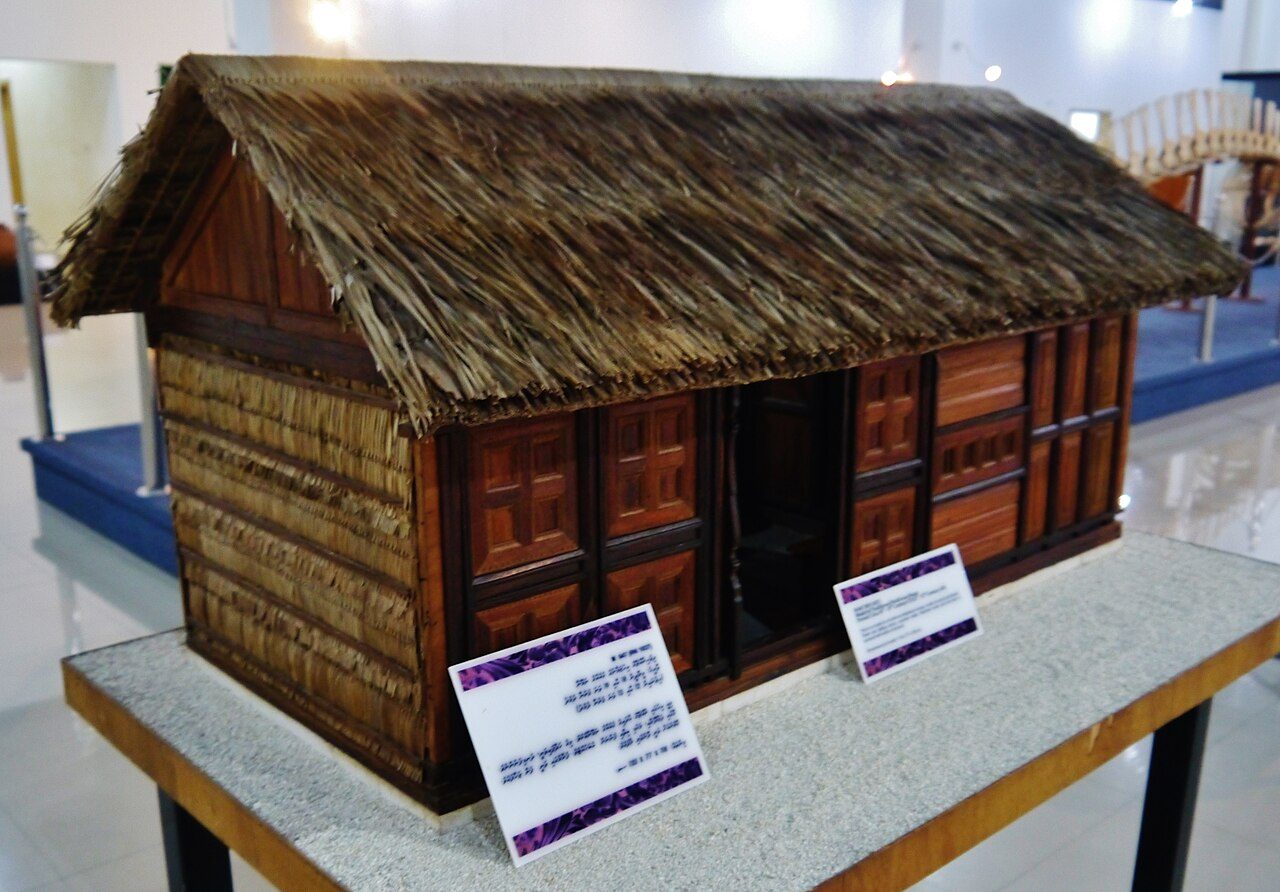
The National Museum of the Maldives stands in Sultan Park in Malé, on the grounds of the former royal palace. The first museum opened in 1952. The present building, a gift from China, opened in 2010. It holds royal thrones, robes and weapons, lacquer boxes and coral stone carvings from the islands' Buddhist period before the 12th century.
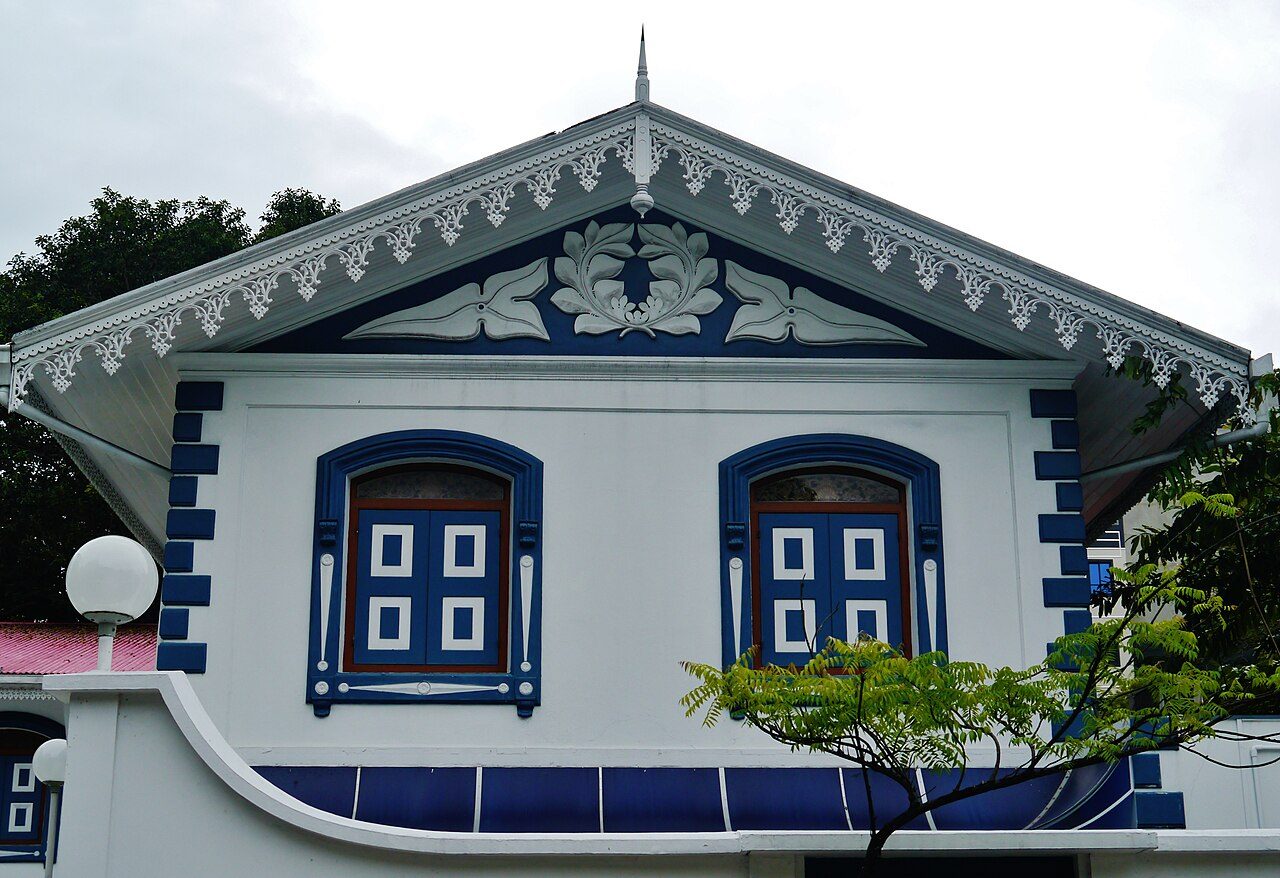
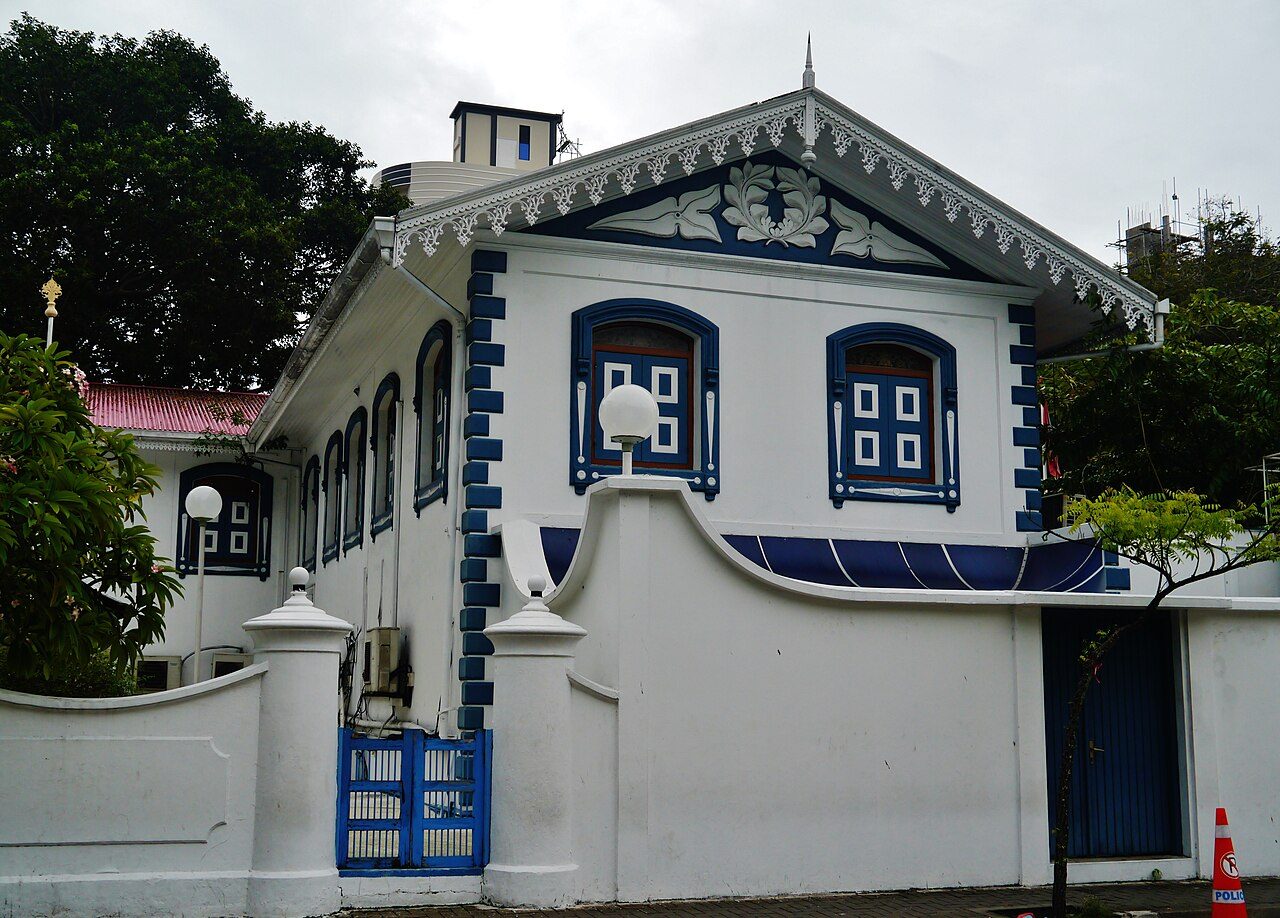
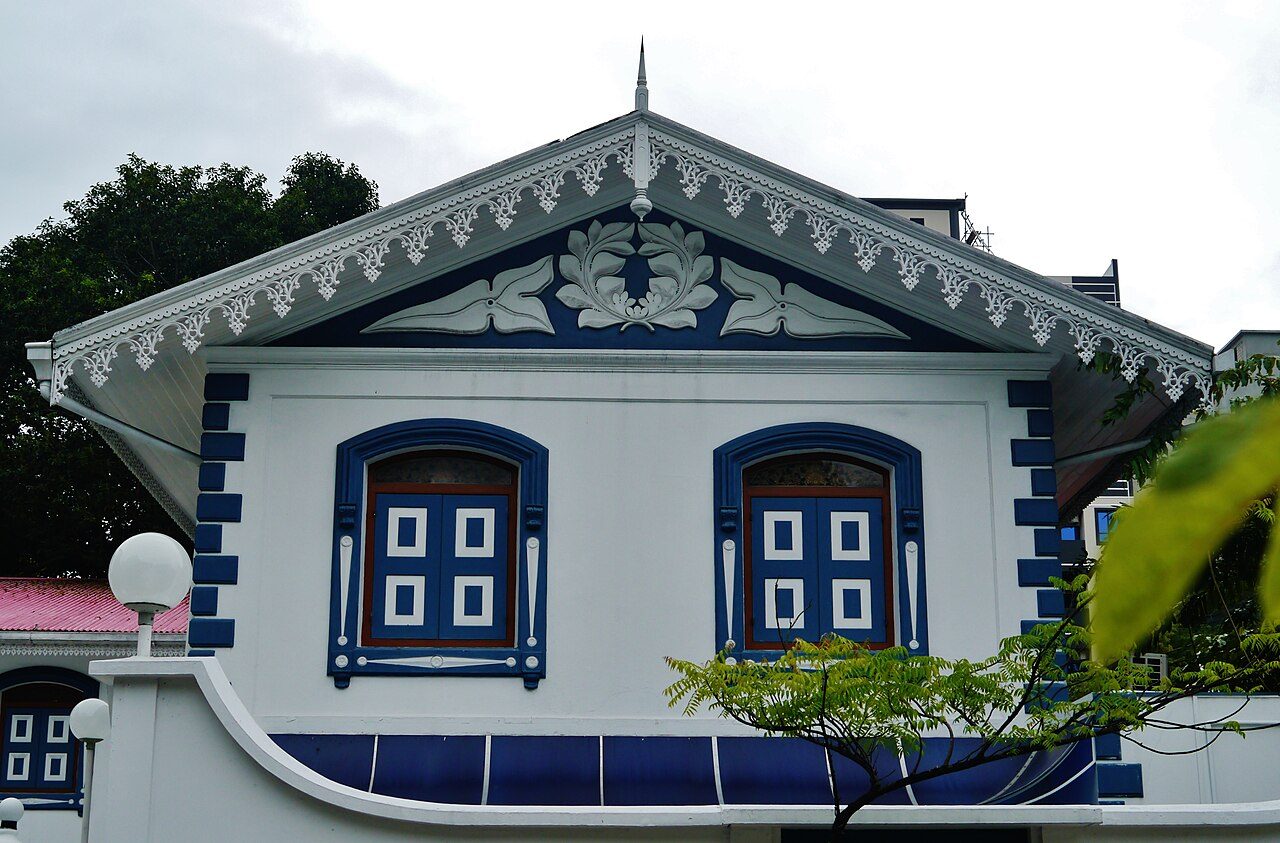
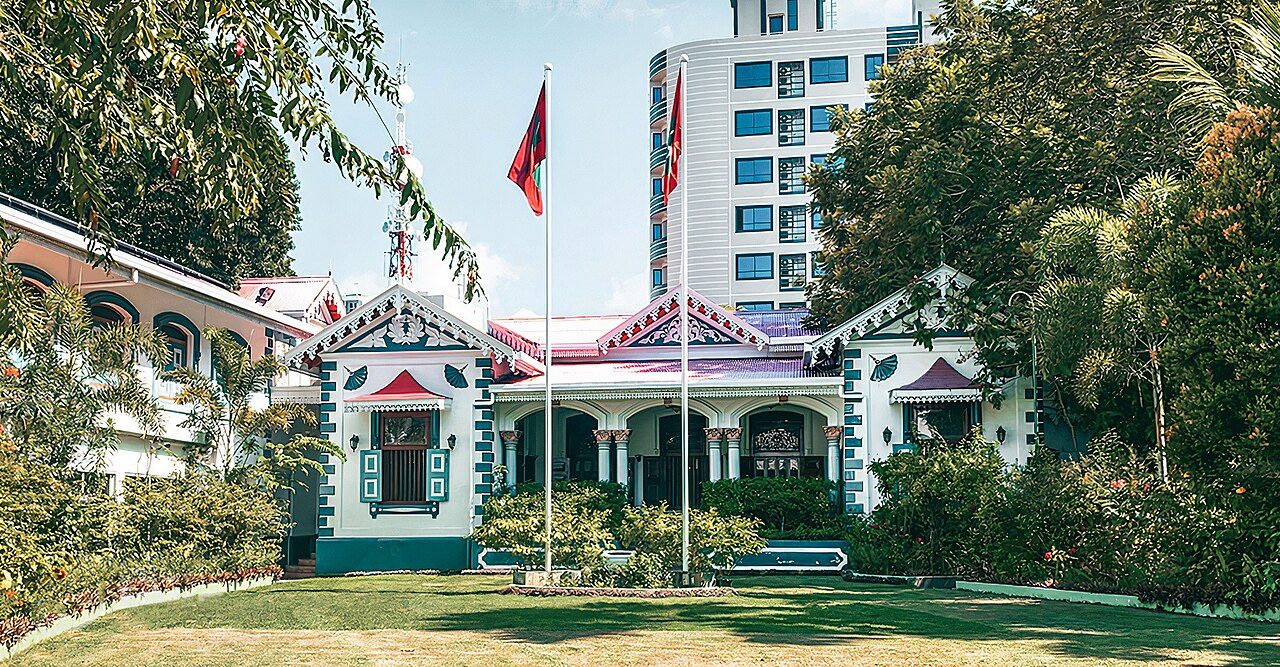
Muliaage is the official residence of the President of the Maldives, in the centre of Malé. It was built between 1914 and 1919 by Sultan Muhammad Shamsuddeen III for his son. The white building is in a colonial bungalow style with carved wooden trim. It faces the Old Friday Mosque. Beside it is Medhu Ziyaaraiy, the tomb of the man who brought Islam to the Maldives.
05
STOP 5 OF 12
Tsunami Monument
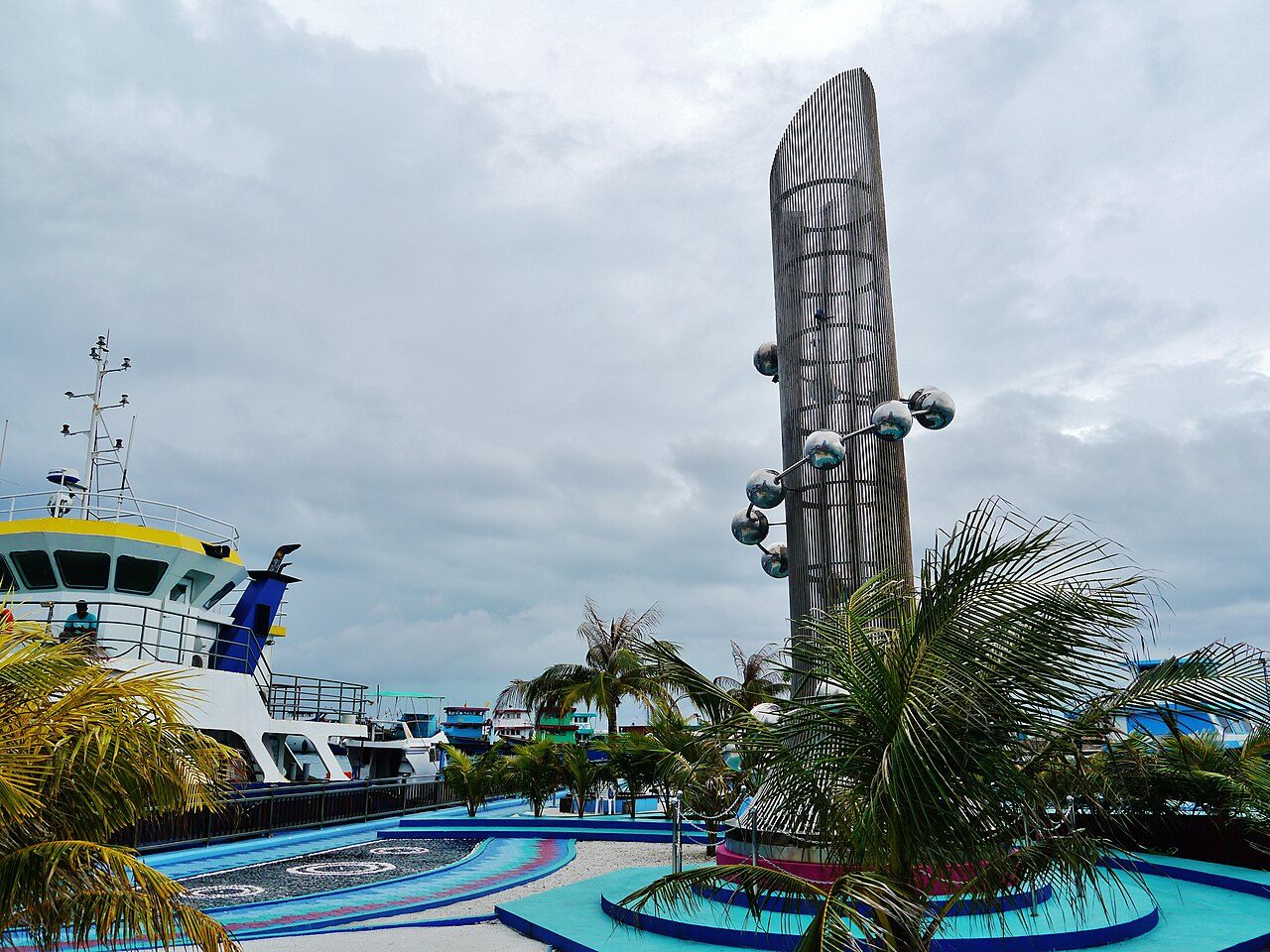
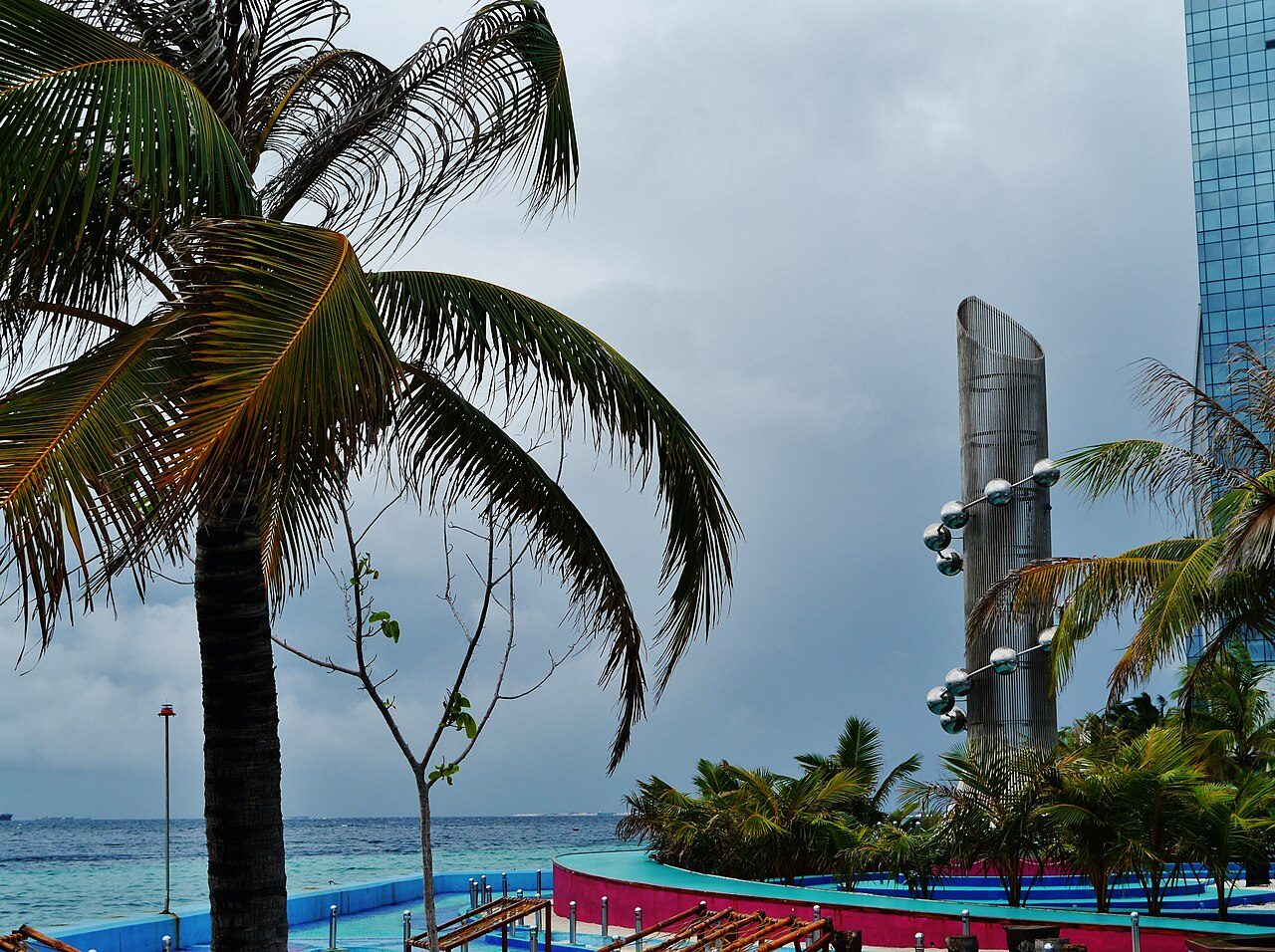
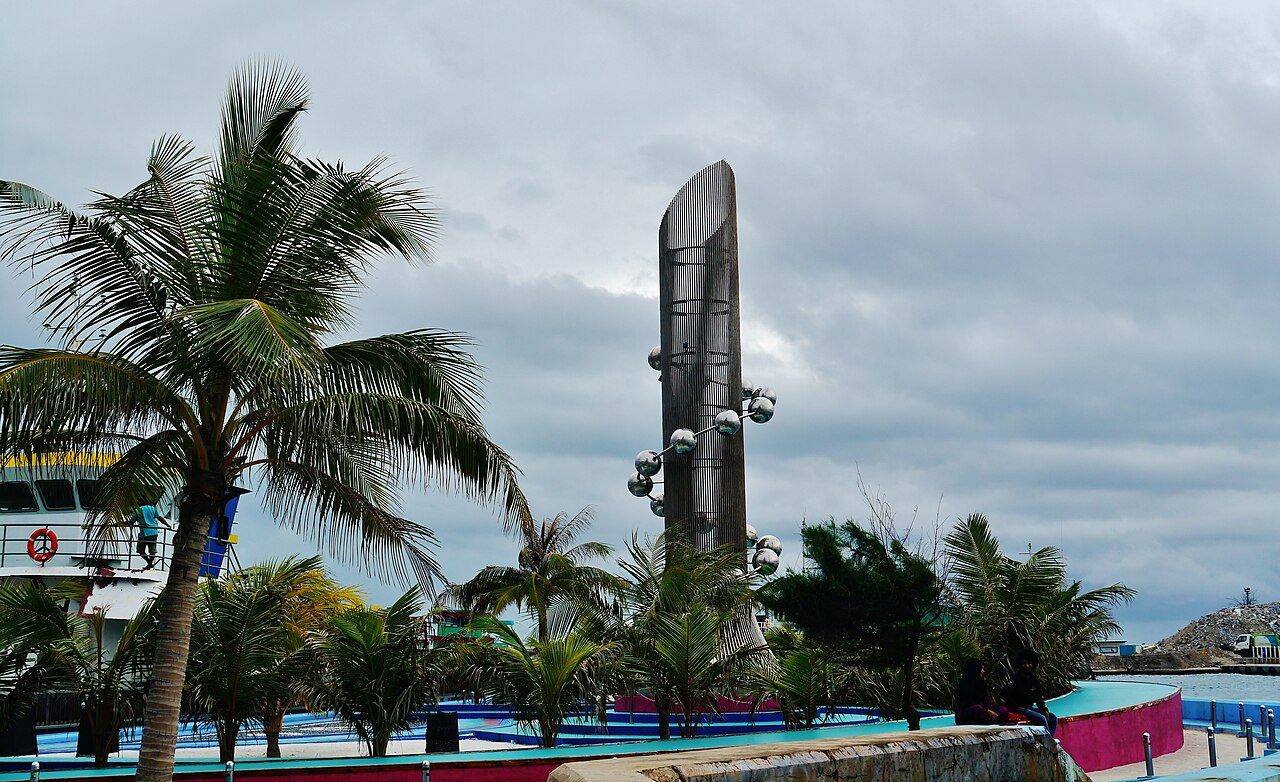
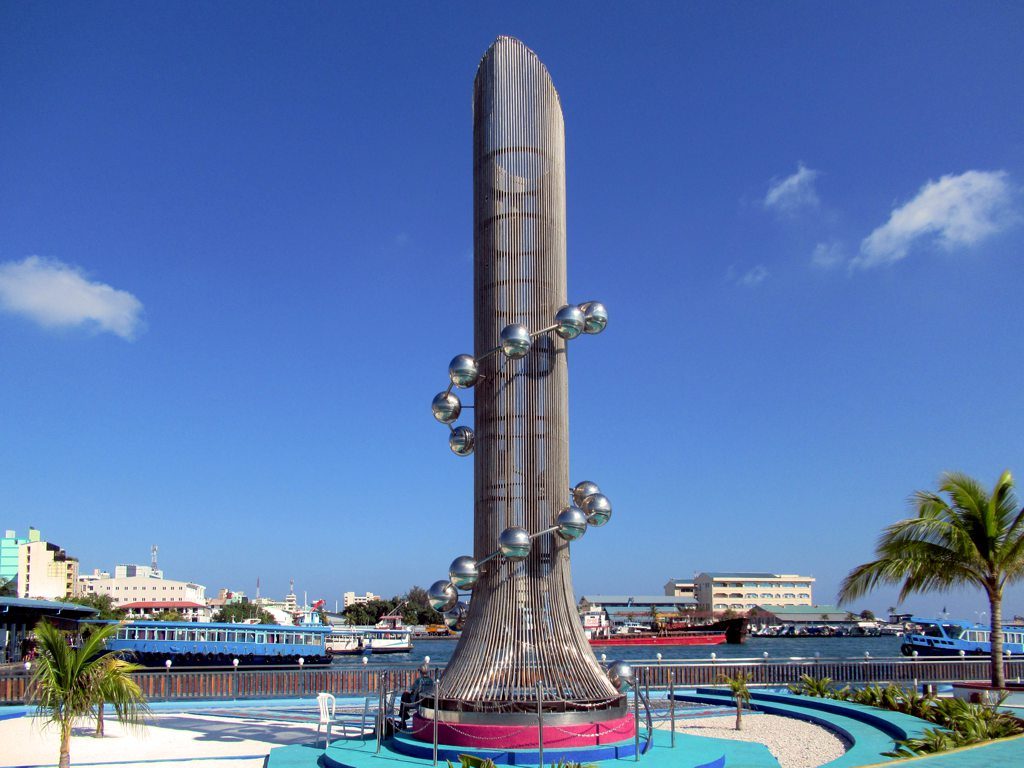
The Tsunami Monument stands by the sea on the south side of Malé. It was built in memory of the people who died in the Indian Ocean tsunami of 26 December 2004. The steel monument has rising rods with spheres, one for each life lost in the Maldives, and a ring of bars for the atolls. It is a quiet place looking out over the water.
06
STOP 6 OF 12
Sinamalé Bridge
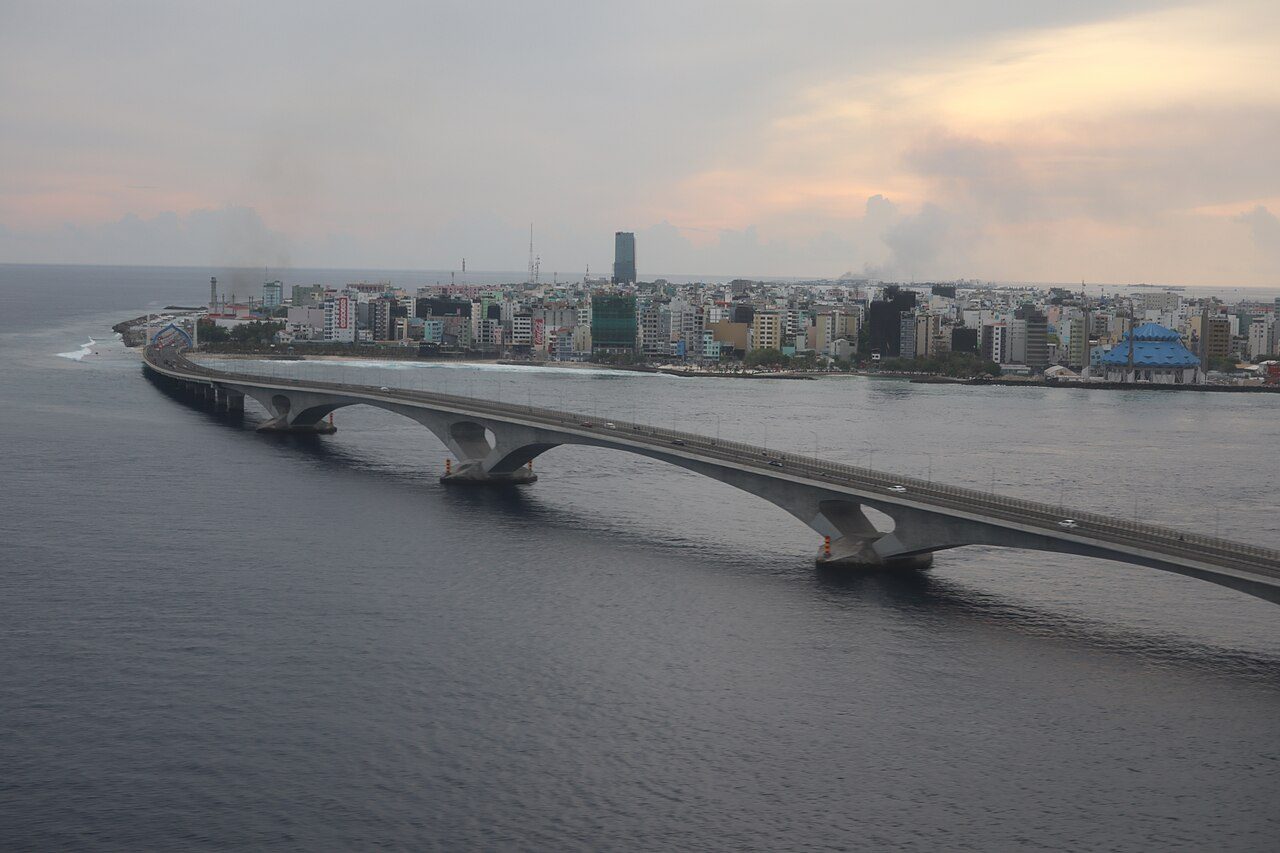
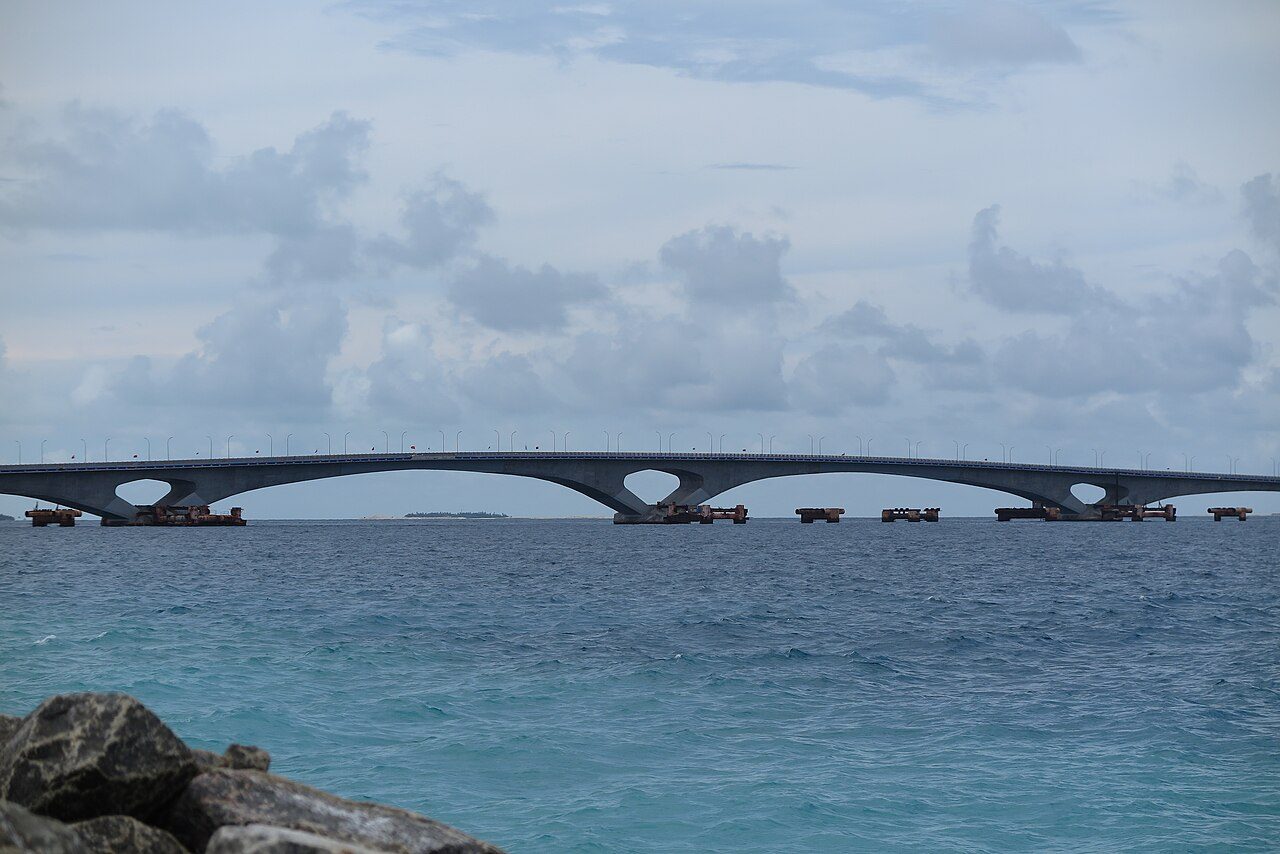
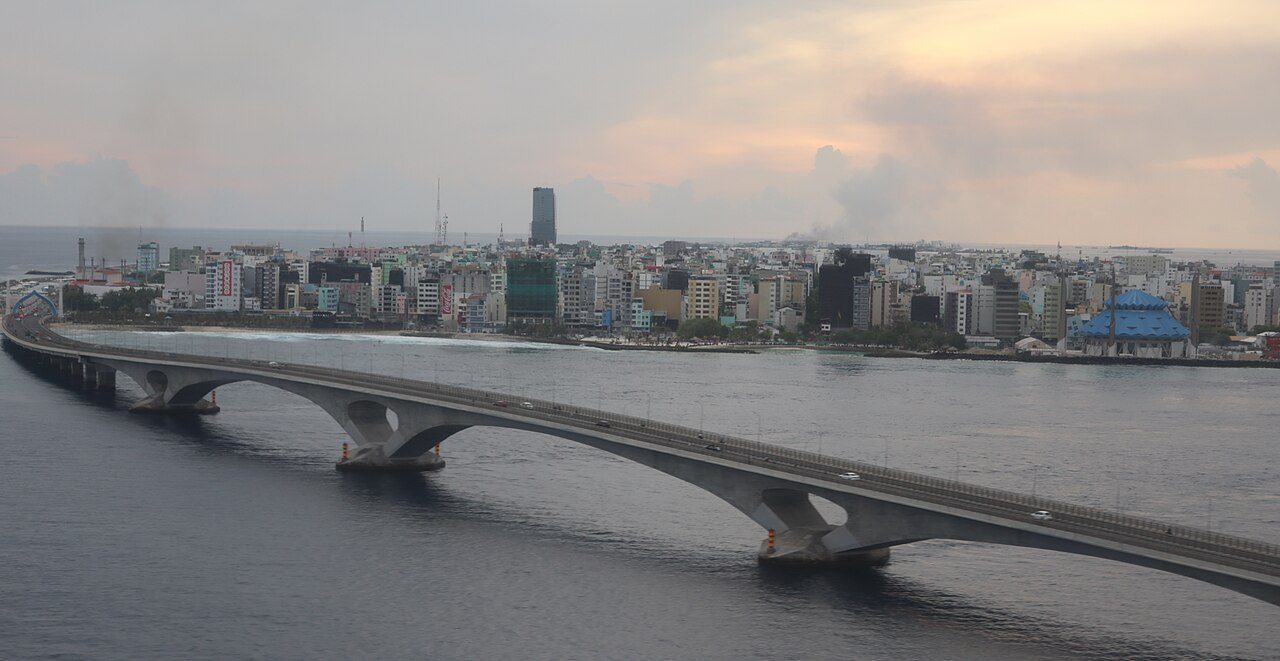
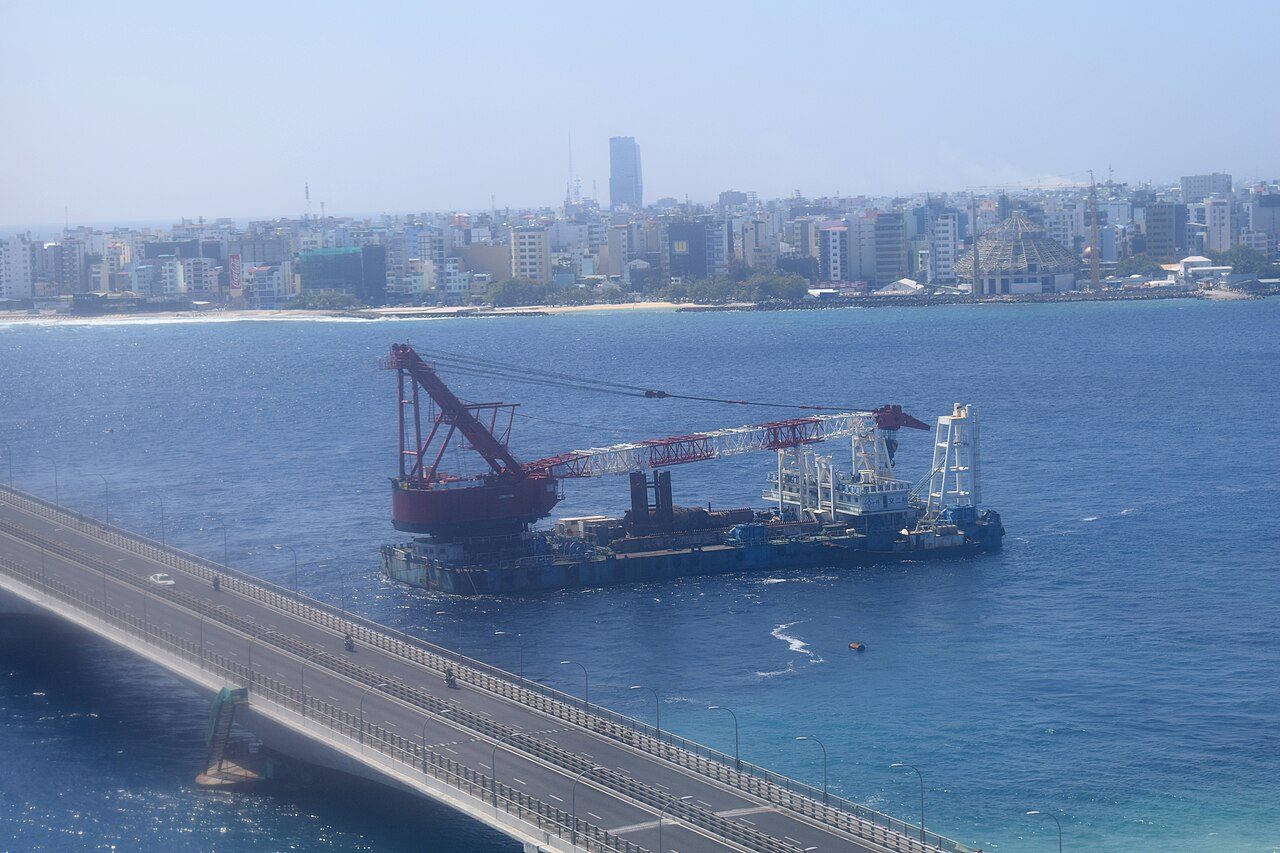
The Sinamalé Bridge links Malé with the airport island of Hulhulé and on to Hulhumalé. Opened in 2018, it was the first bridge in the Maldives between islands. It was built with help from China and is also called the China-Maldives Friendship Bridge. It is about two kilometres long. A park and viewing area lie at the Malé end.
07
STOP 7 OF 12
Hulhumalé Beach
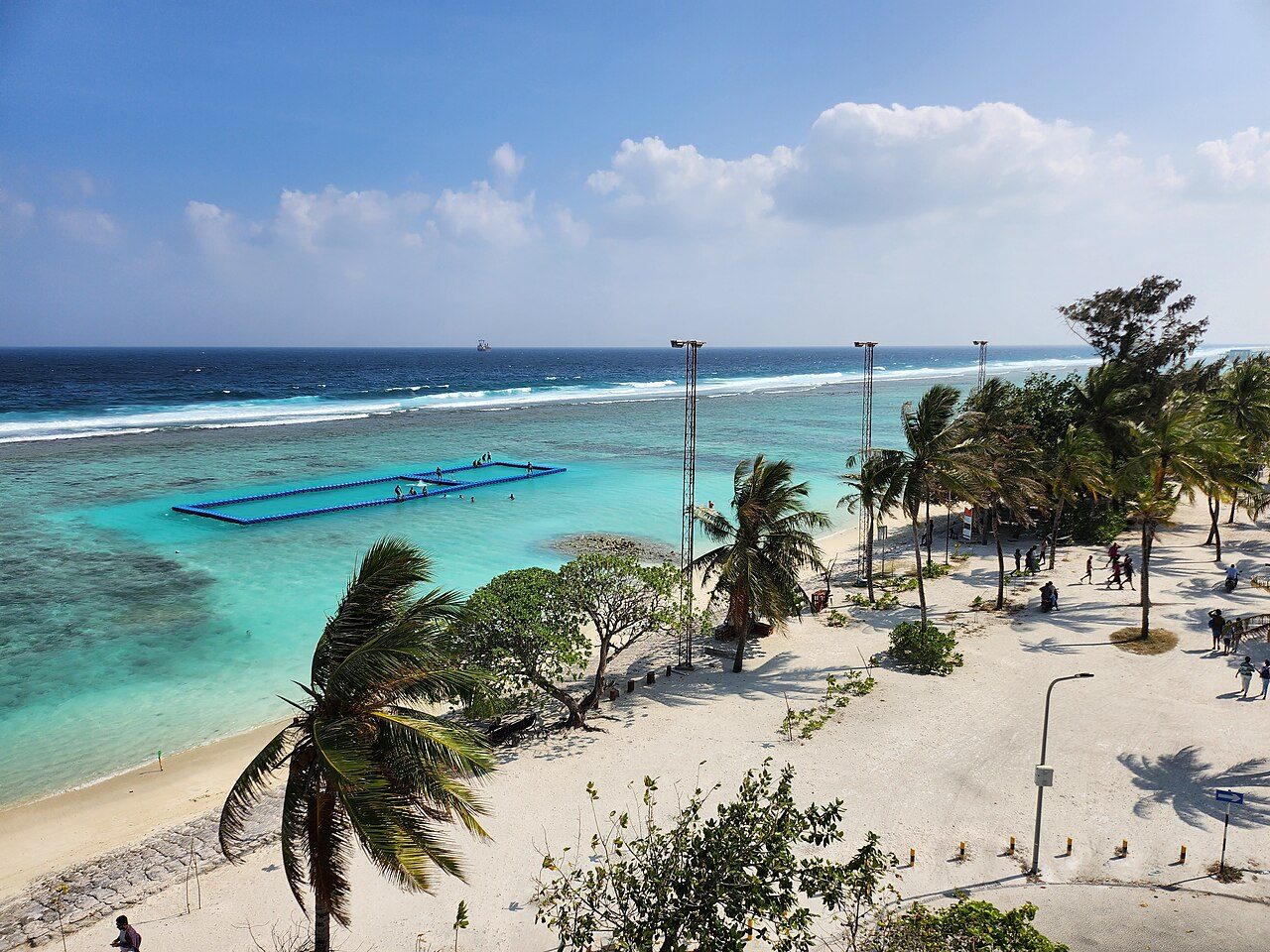
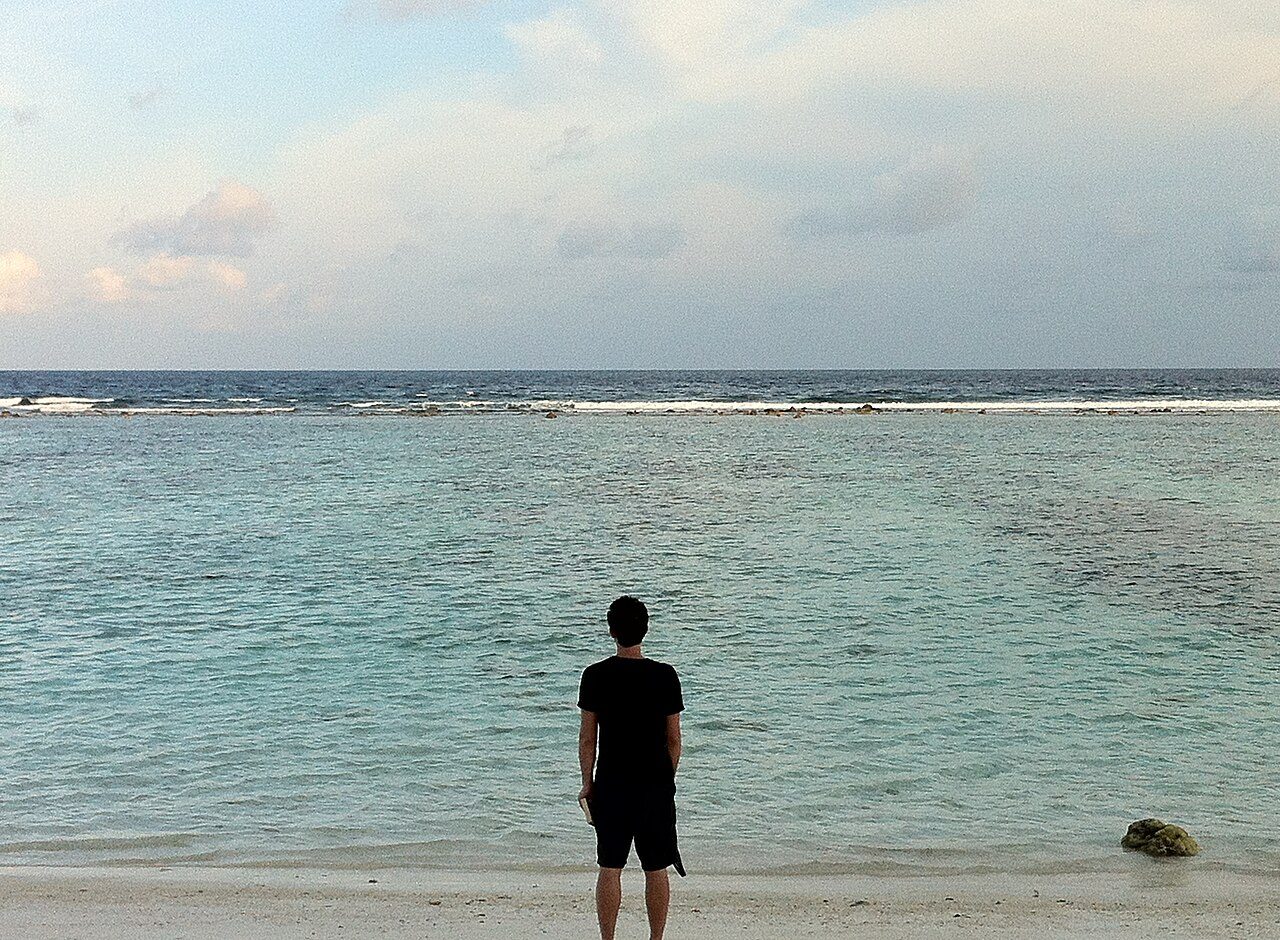
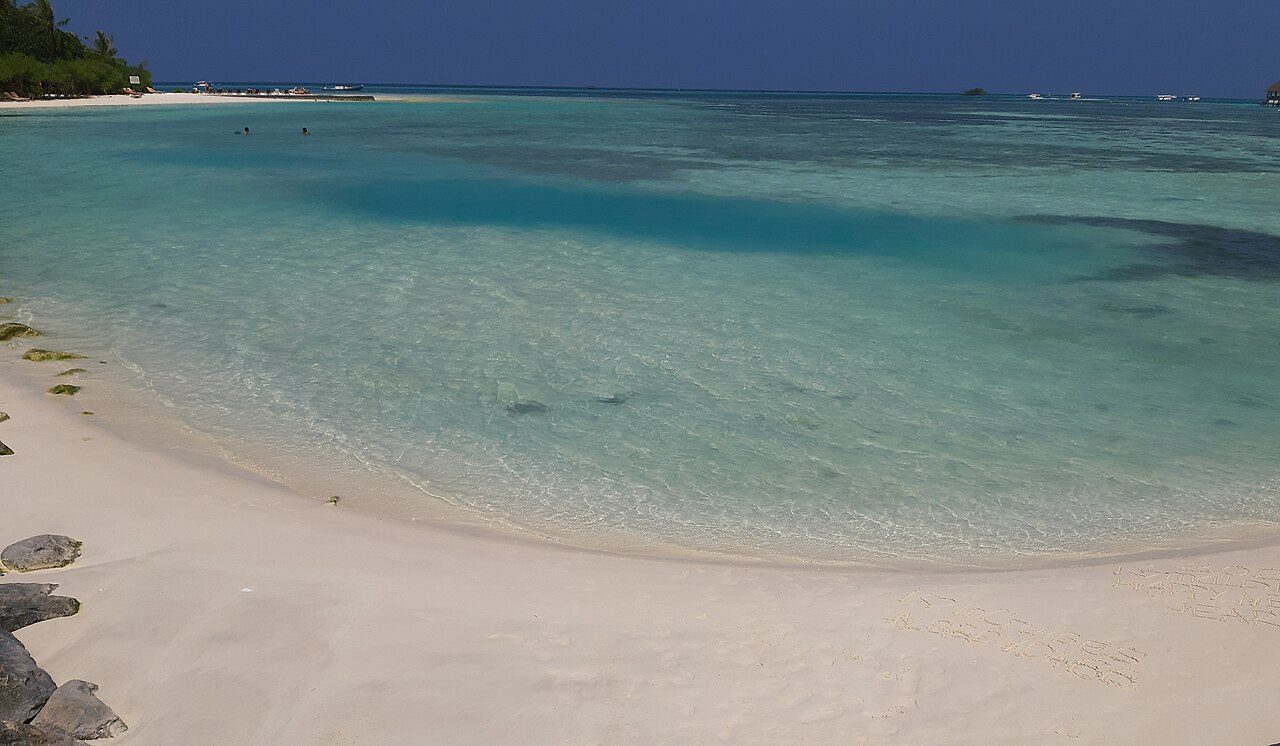
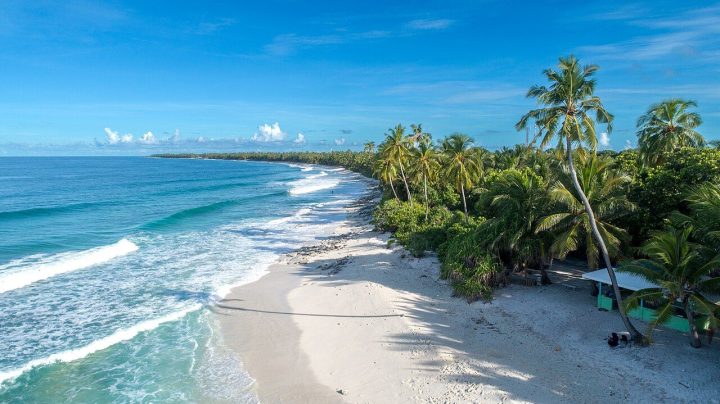
Hulhumalé is an island built on reclaimed land near Malé, begun in 1997 to ease crowding in the capital. Along its eastern side runs a long beach of white sand with a shallow lagoon protected by a reef. Guesthouses, cafes and water sports centres line the beach road. It is close to the airport, so many travellers spend a first or last night here.
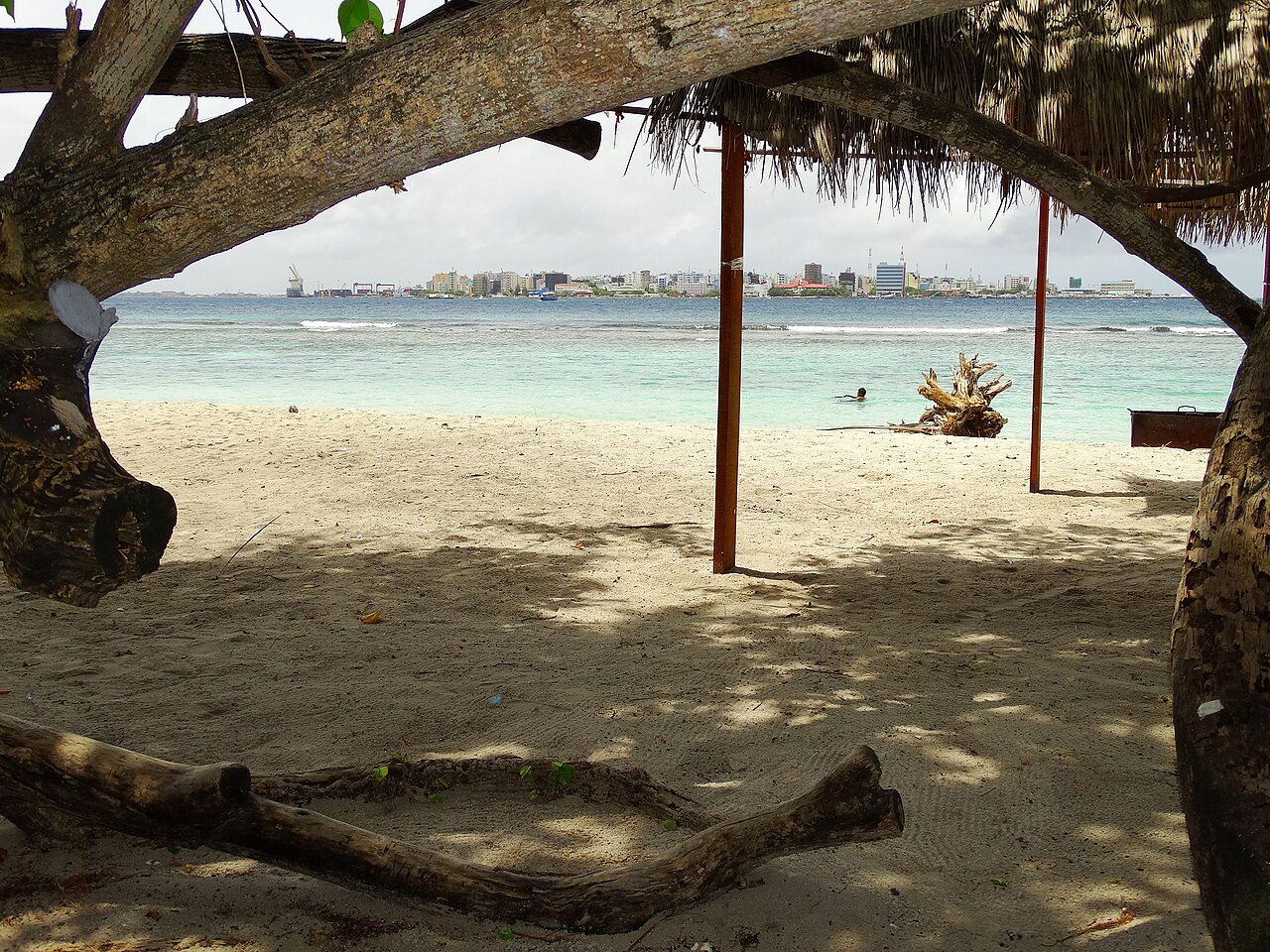
Villingili, also known as Villimalé, is a small island a ten-minute ferry ride from Malé. Once a resort, it is now a quiet housing district of the capital. It has almost no cars, shady sandy lanes and far more greenery than Malé. Its beaches and house reef are used for swimming and snorkelling by people from the city.
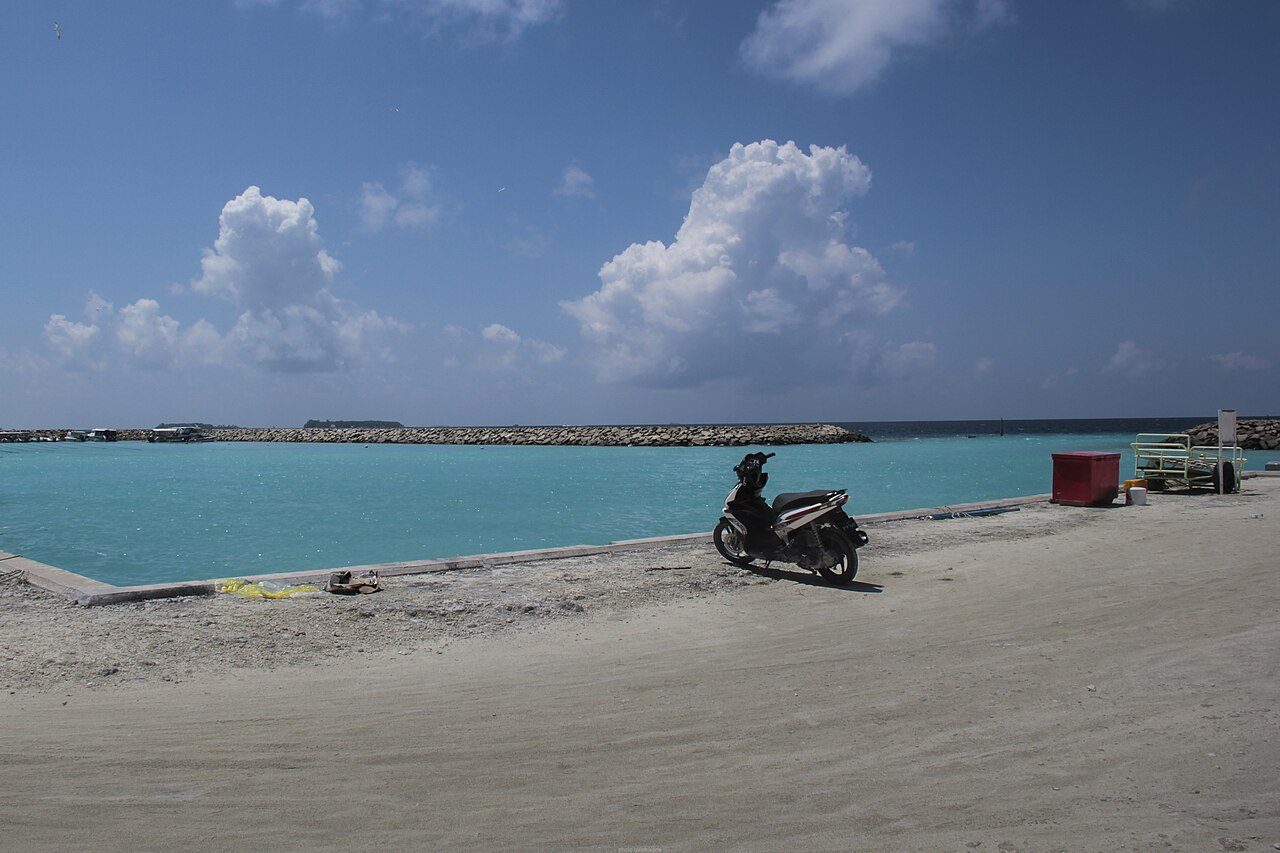
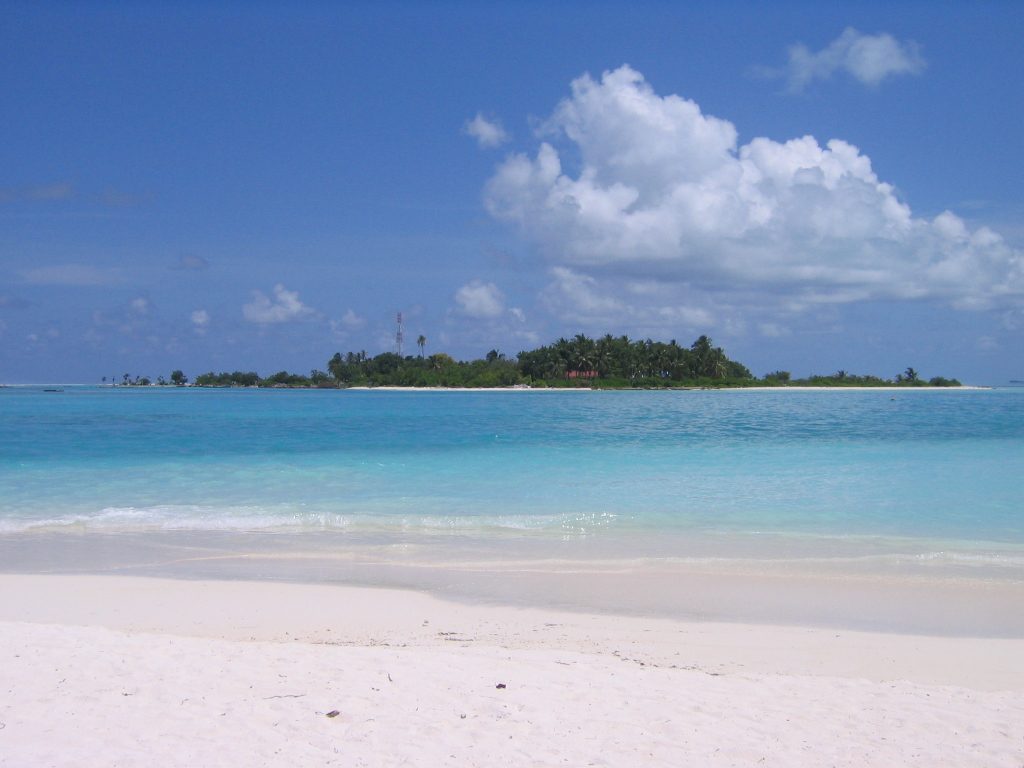
Maafushi is an inhabited island in South Malé Atoll, about 27 kilometres from Malé. It became the centre of local tourism in the Maldives after guesthouses were allowed on inhabited islands in 2009. The island now has many small hotels and a tourist beach. Boats leave daily for snorkelling, sandbank picnics and dolphin watching.
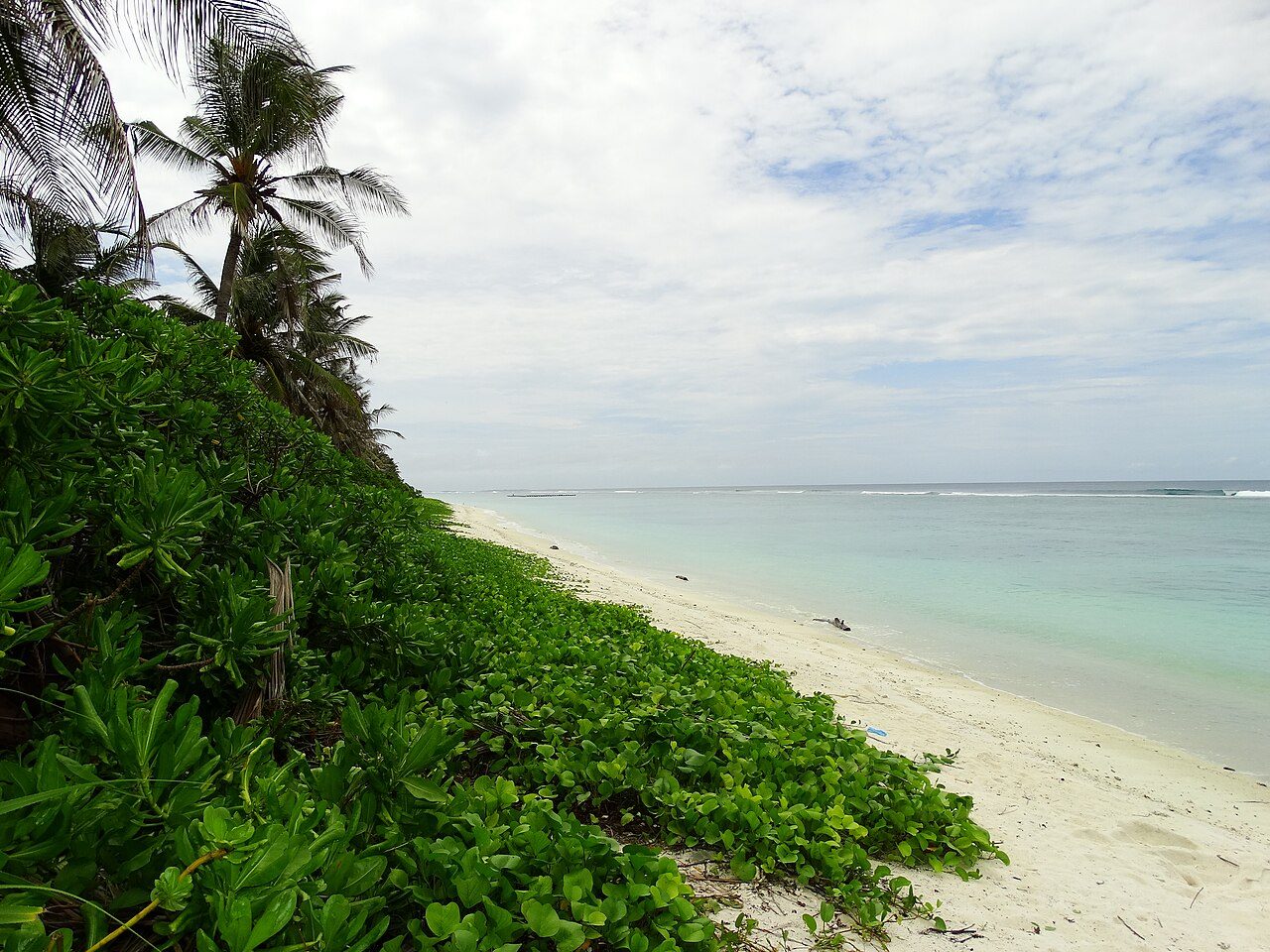
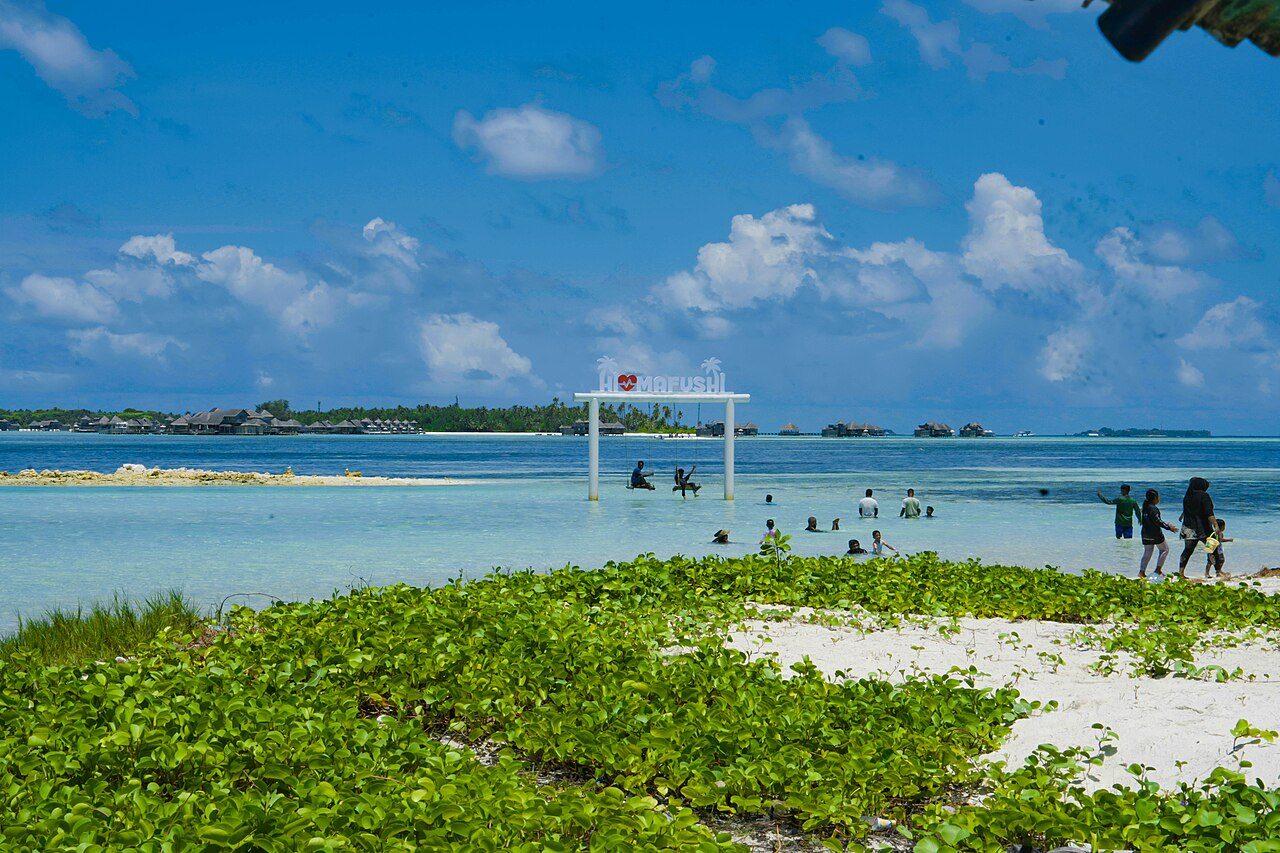
Huraa is an inhabited island in North Malé Atoll. It is unusual in the Maldives for its small mangrove lake, which is a protected area. The Huraa dynasty of sultans, who ruled the Maldives from the 18th century, had their origin here. The island has a quiet village, guesthouses and a beach, and lies close to several surf breaks.
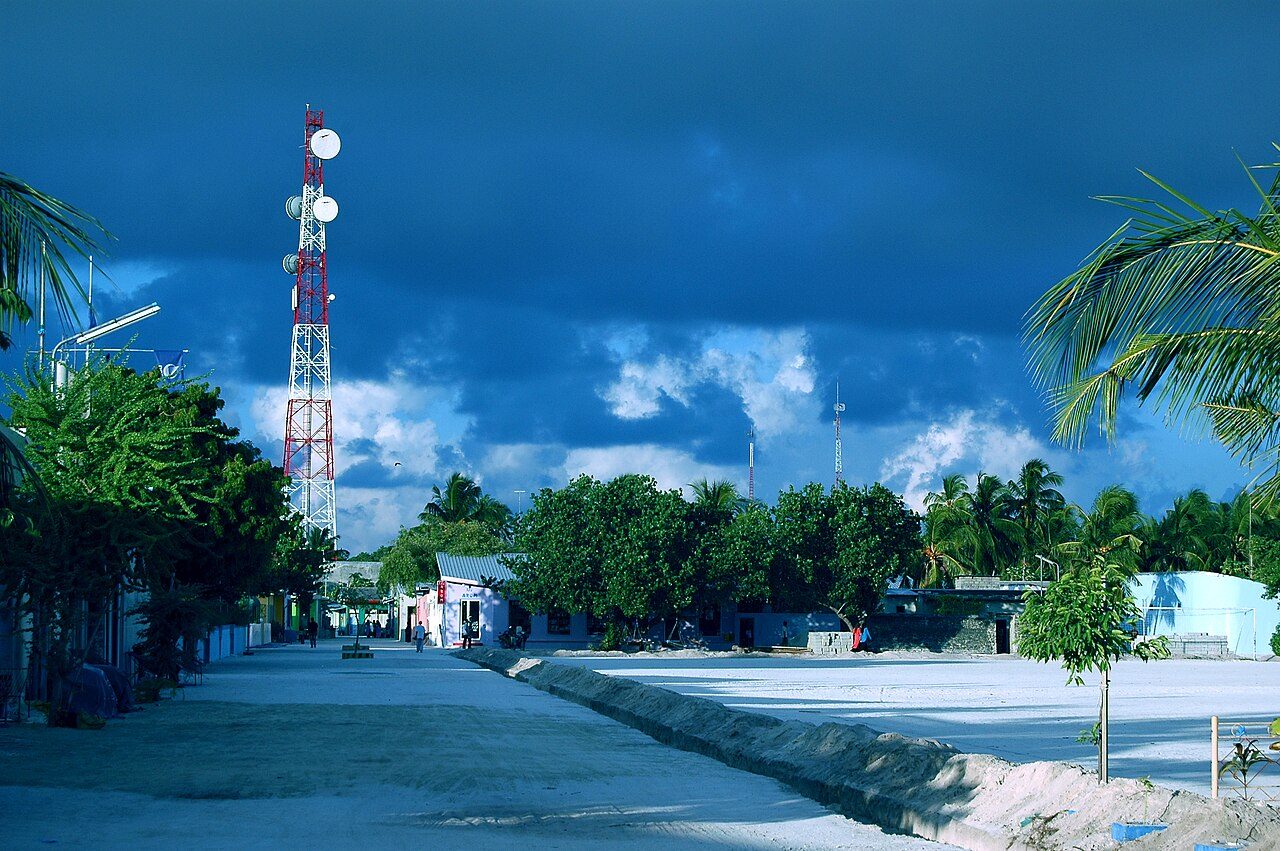
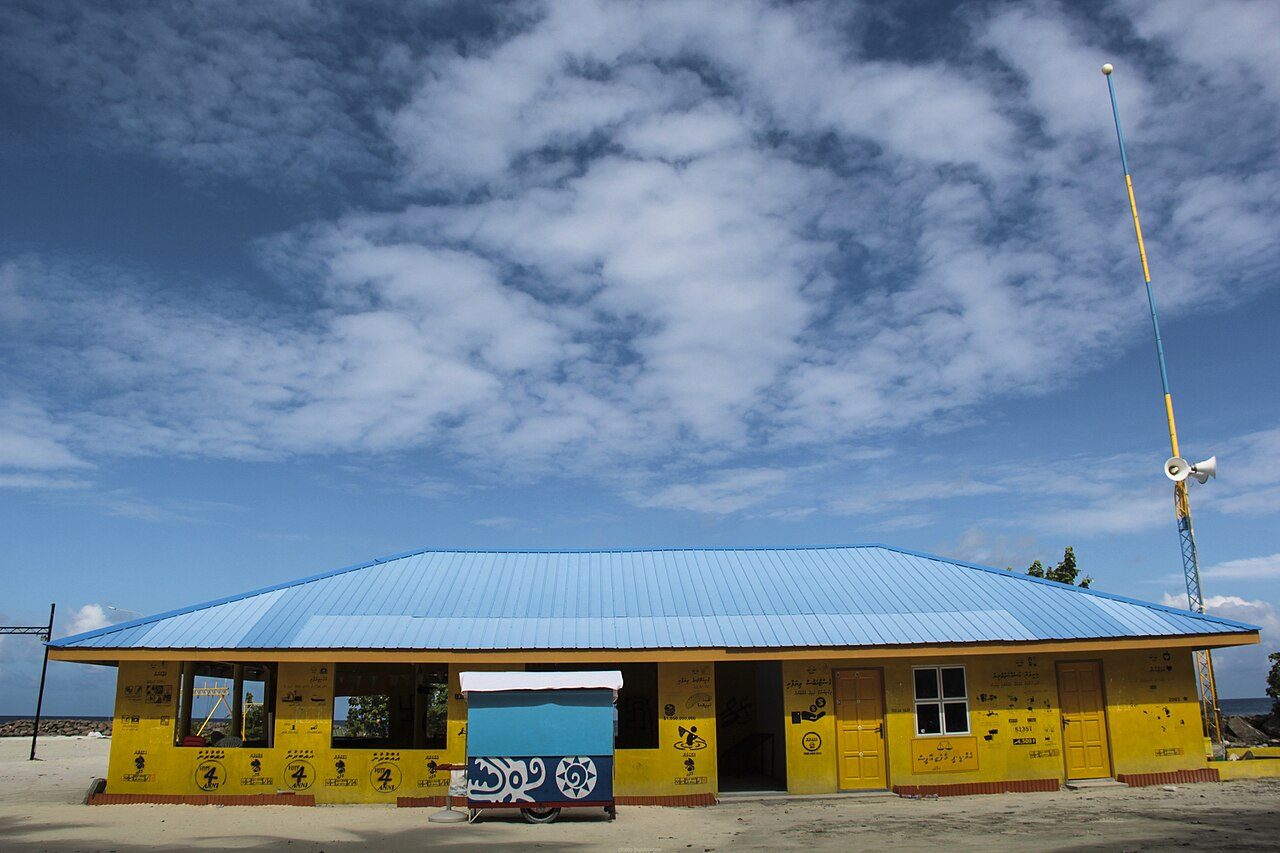
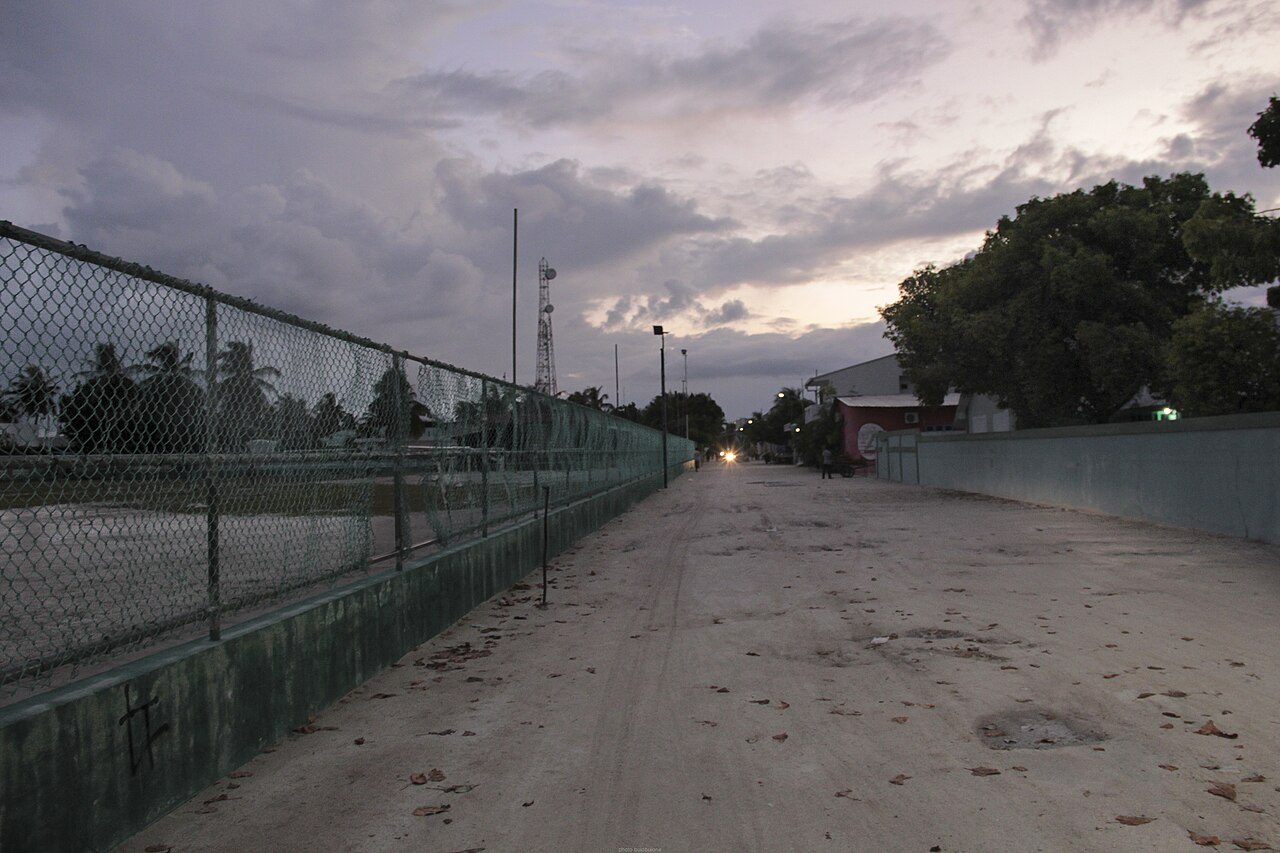
Himmafushi is a small fishing island in North Malé Atoll, reached by speedboat from Malé. It is known among surfers for the break called Jailbreaks, named after the prison that stands on the island. The village has sandy streets, souvenir shops and a few guesthouses. Fishing boats tie up in the harbour, and the lagoon is calm and shallow.
12
STOP 12 OF 12 · LAST STOP
Dhiffushi
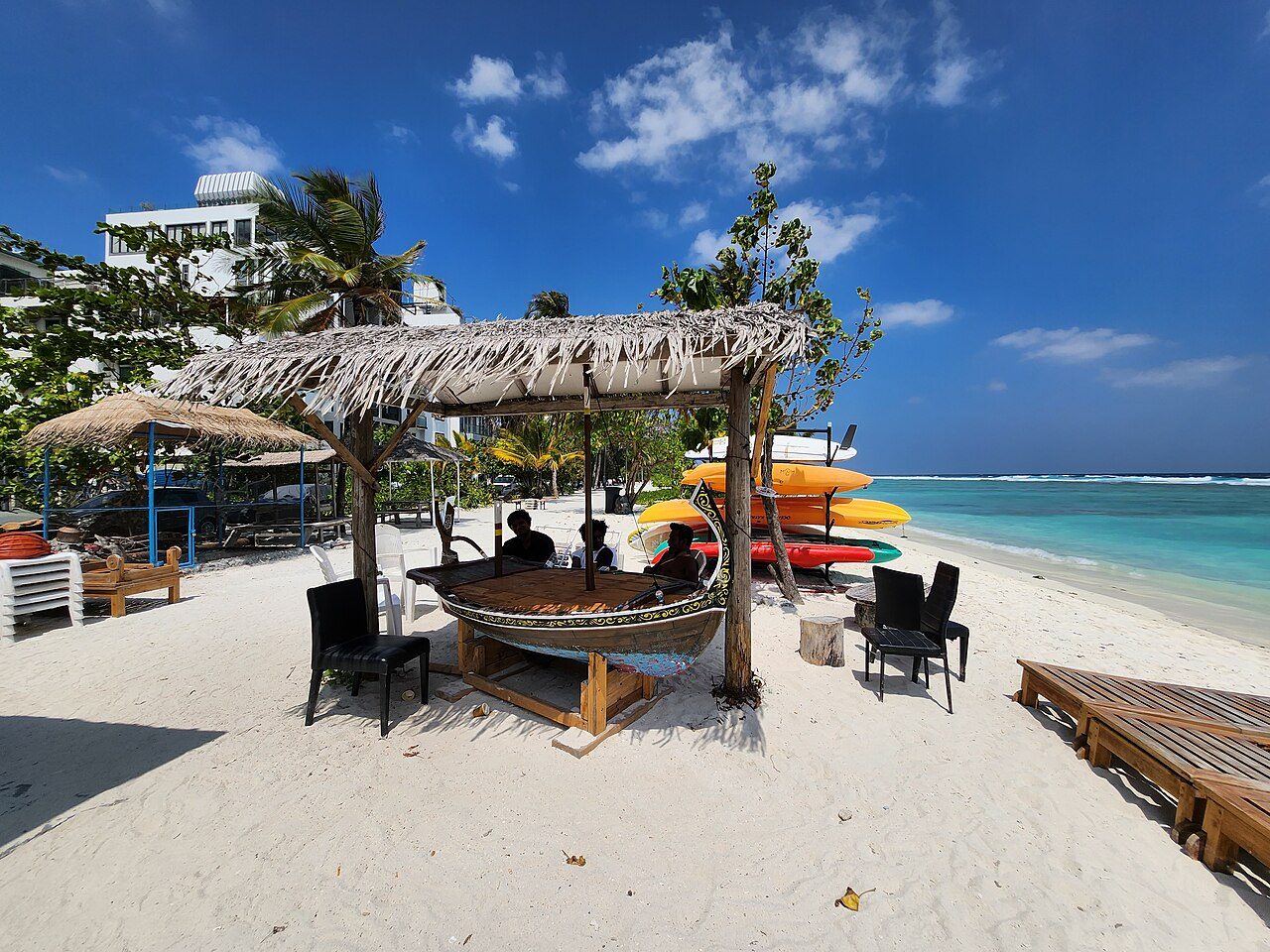
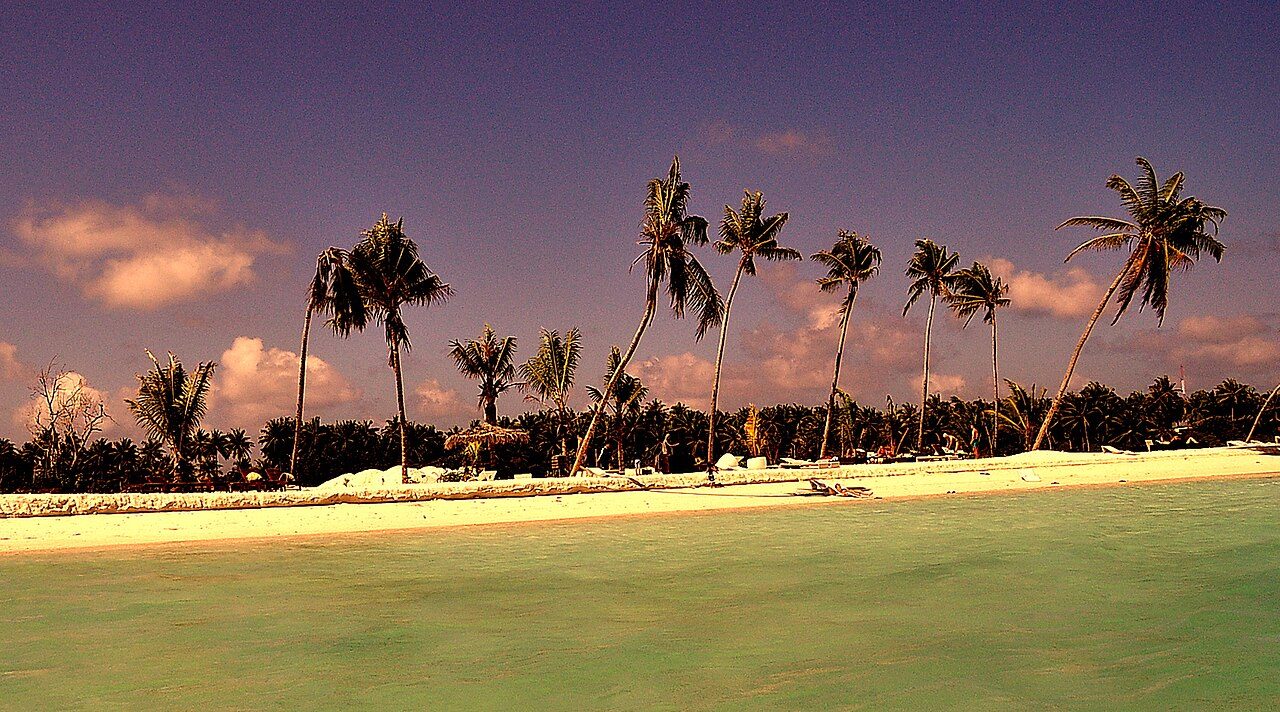
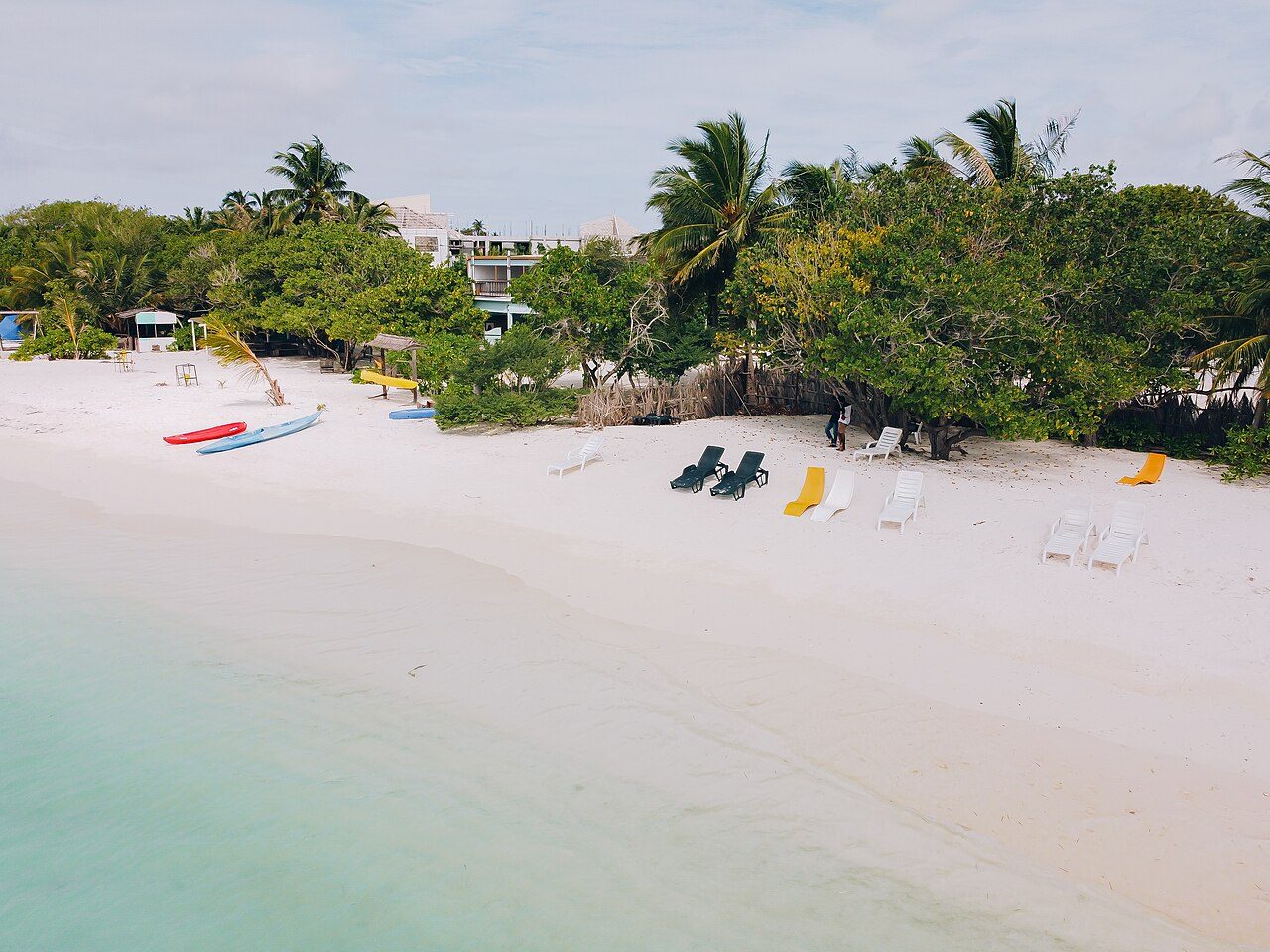
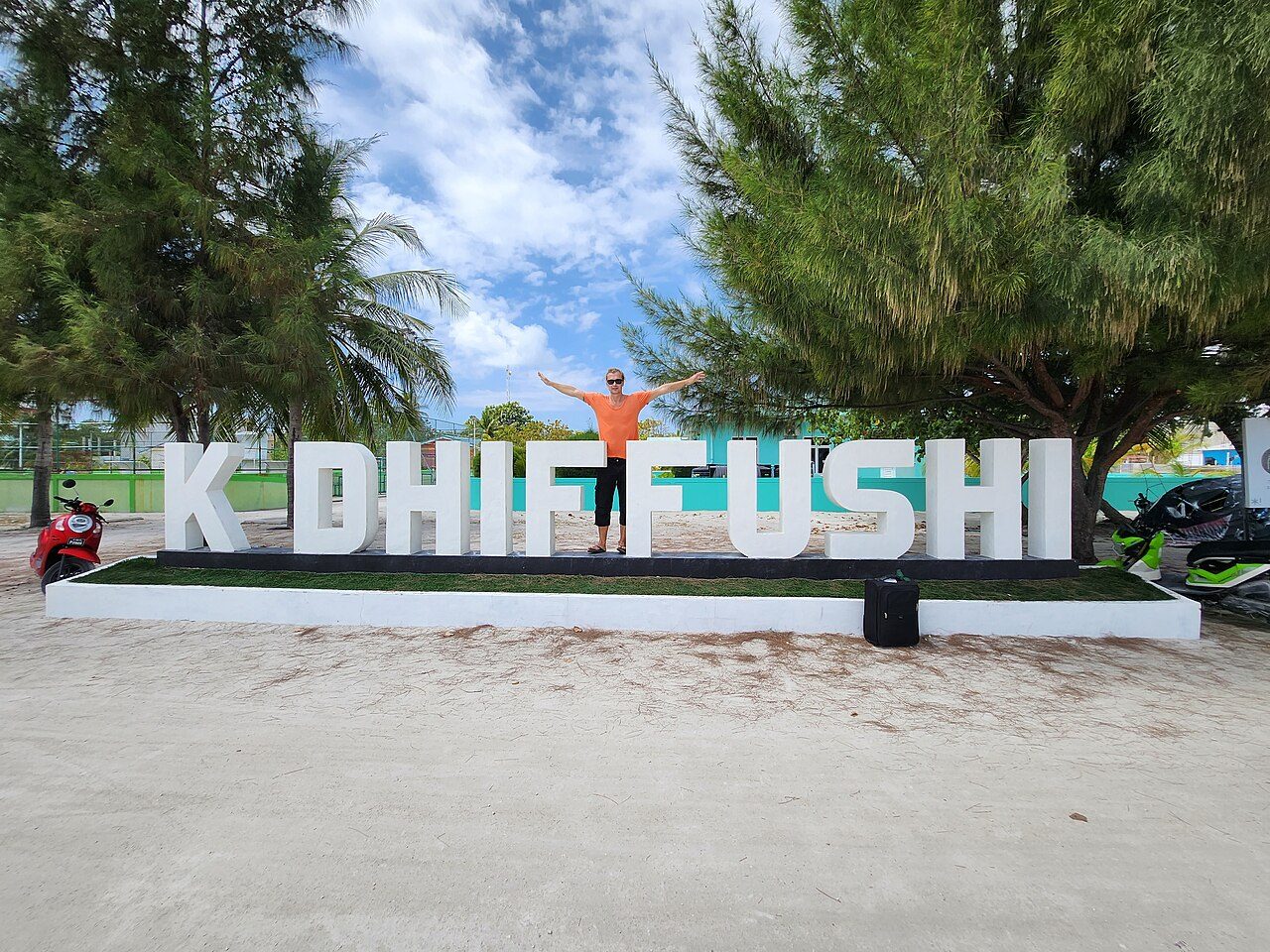
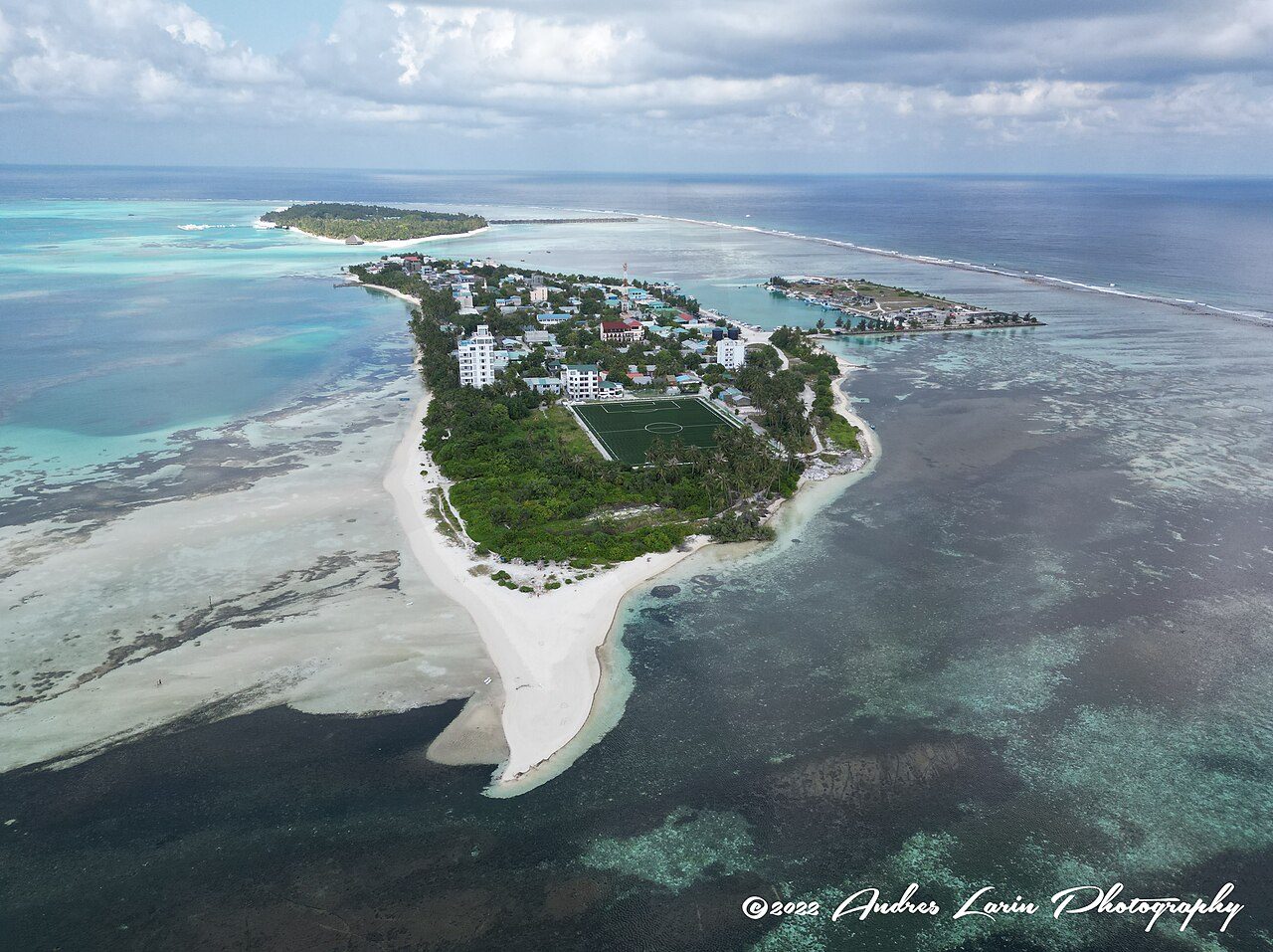
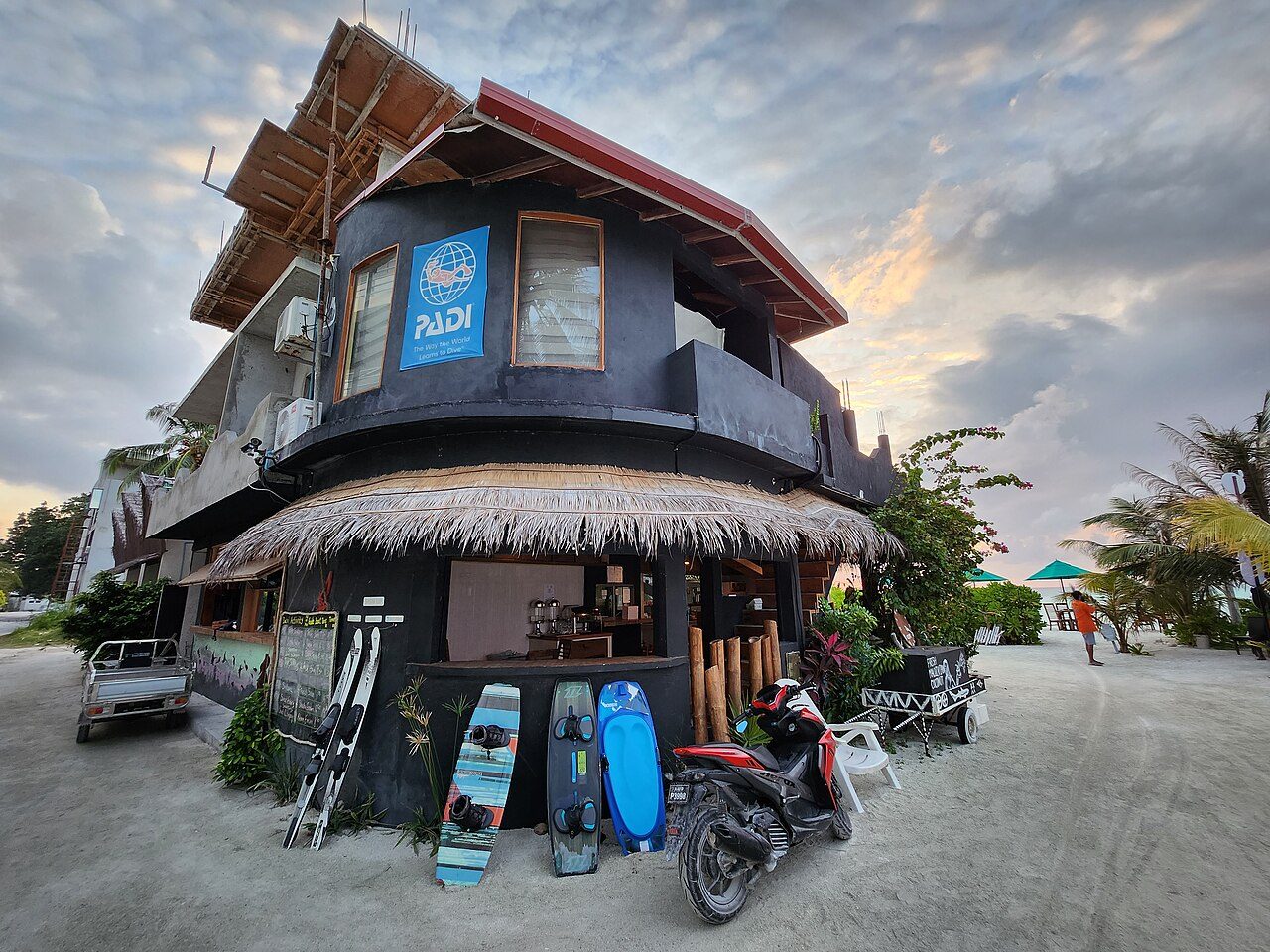
Dhiffushi is a small inhabited island at the eastern edge of North Malé Atoll, about 37 kilometres from Malé. It has a few hundred residents, guesthouses and beaches at both ends of the island. The shallow lagoon is good for swimming and kayaking, and the reef close by for snorkelling. It can be reached by public ferry or speedboat.
Seasons from 20 years of NASA POWER climate data.
 WaTrips