Karnak and Luxor Temple, the Valley of the Kings, Hatshepsut and Medinet Habu, Edfu, Kom Ombo, Philae and Abu Simbel.
The stretch of Nile between Luxor and Aswan holds Egypt's greatest temples, and it's lovely by boat. In Luxor, walk among the giant columns of Karnak, see Luxor Temple lit up at night, and cross to the West Bank for the tombs of the Valley of the Kings, Hatshepsut's terraced temple, Medinet Habu and the Colossi of Memnon. Sail south past Edfu and Kom Ombo, then explore Aswan: Philae on its island, the Unfinished Obelisk and the Nubian Museum. End at Abu Simbel at dawn. October to April is best.
01
STOP 1 OF 12
Karnak Temple
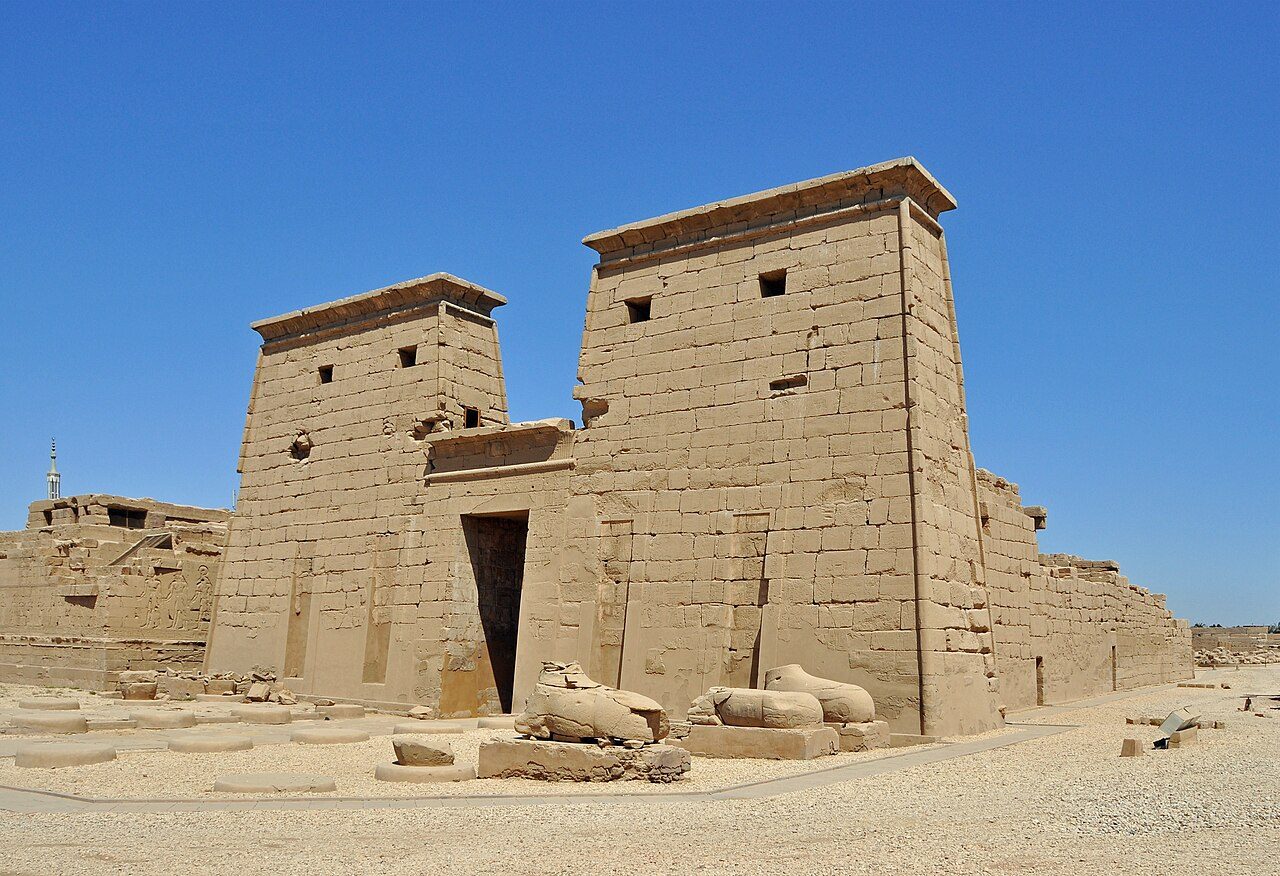
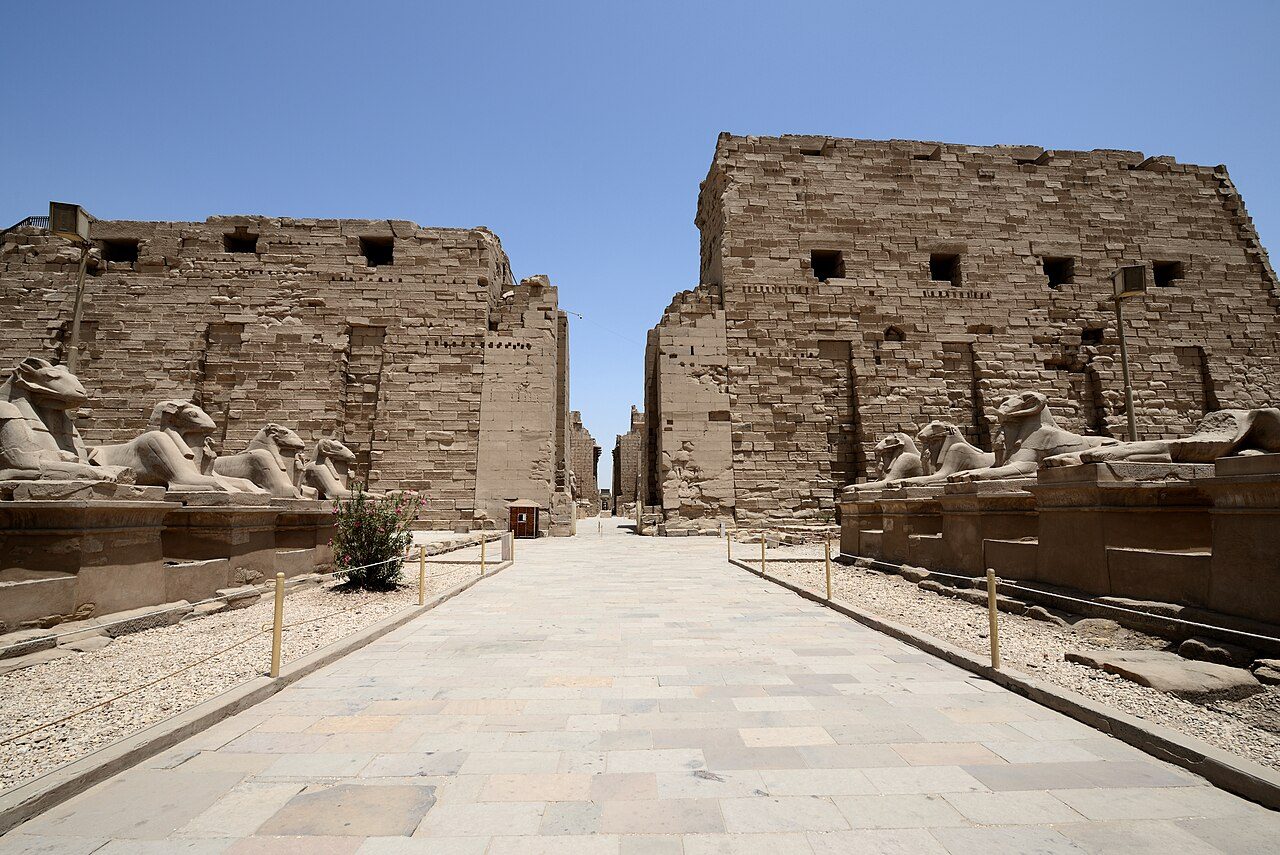
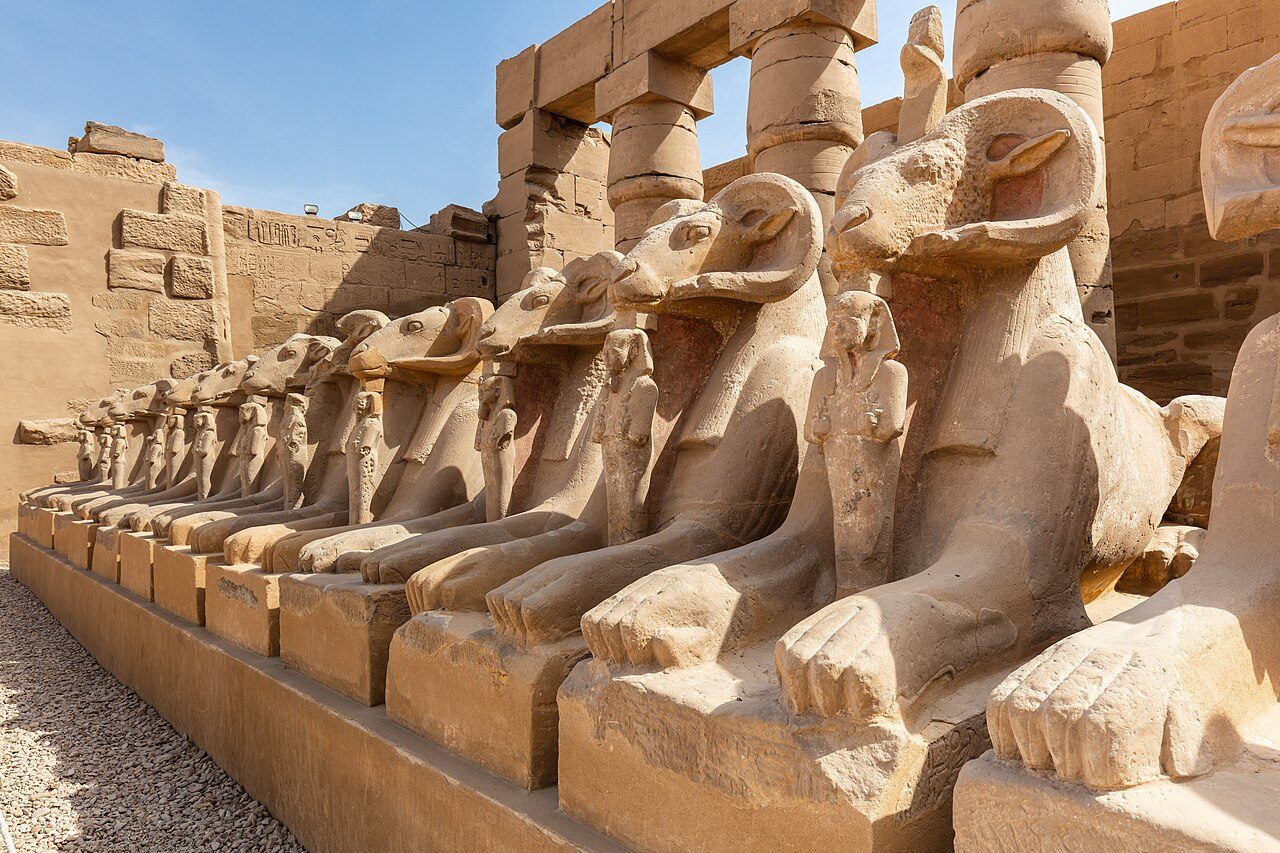
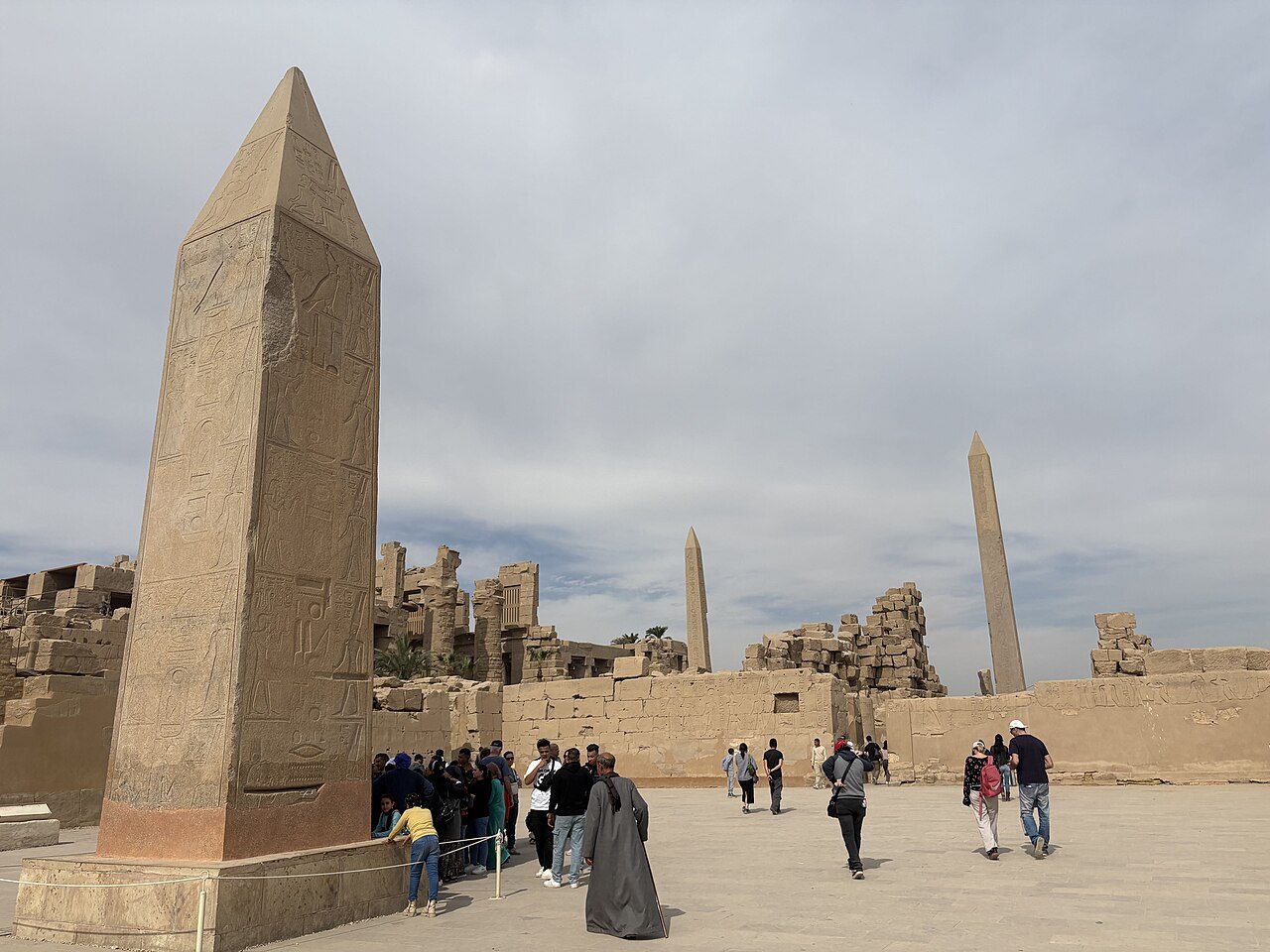
Karnak Temple is a vast temple complex built over about 2,000 years and dedicated mainly to the god Amun. Its Great Hypostyle Hall holds 134 giant columns covered in carvings. Avenues of ram-headed sphinxes, obelisks and a sacred lake complete the site. It is one of the largest religious complexes ever built. Visit early or late to avoid the midday heat.
02
STOP 2 OF 12
Luxor Temple
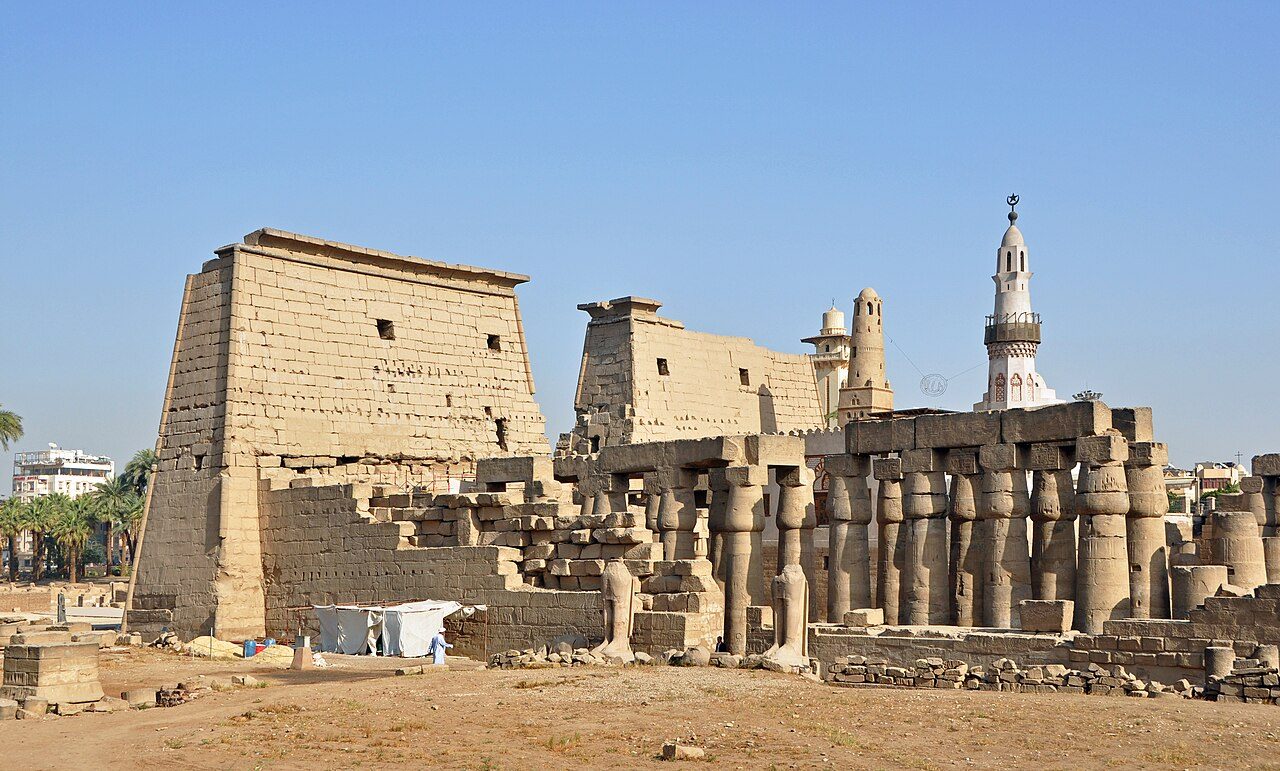
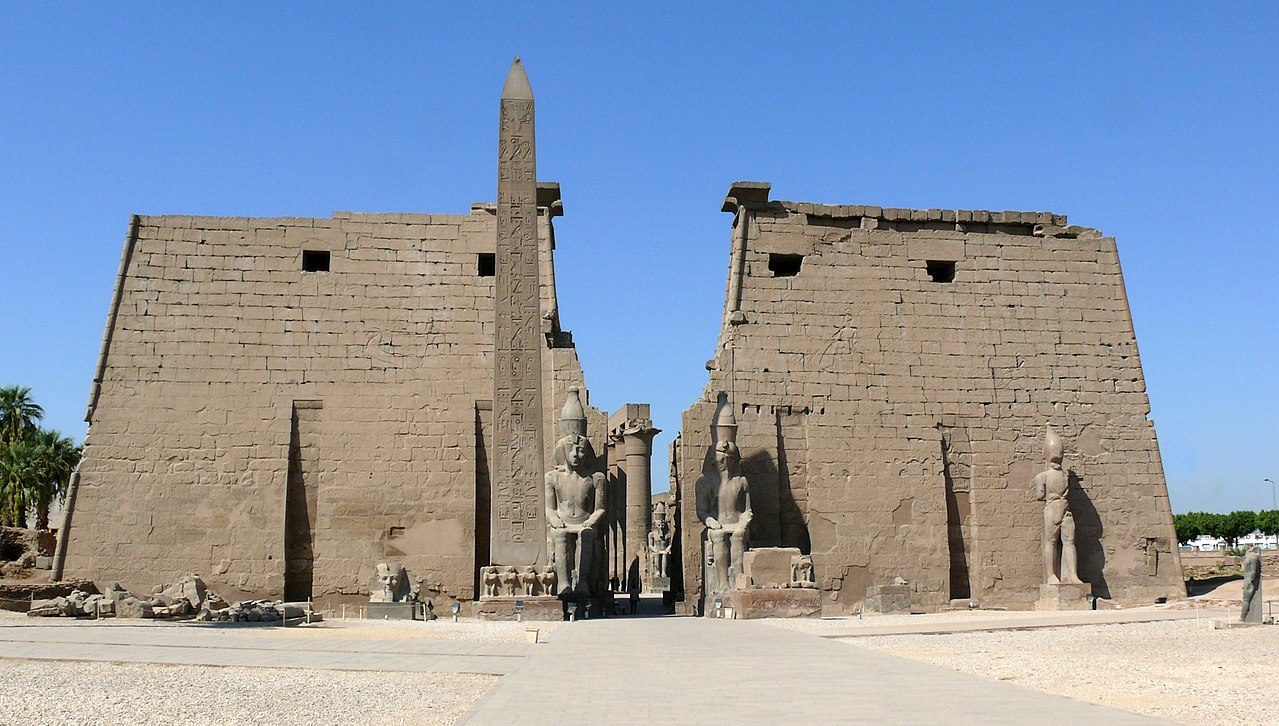
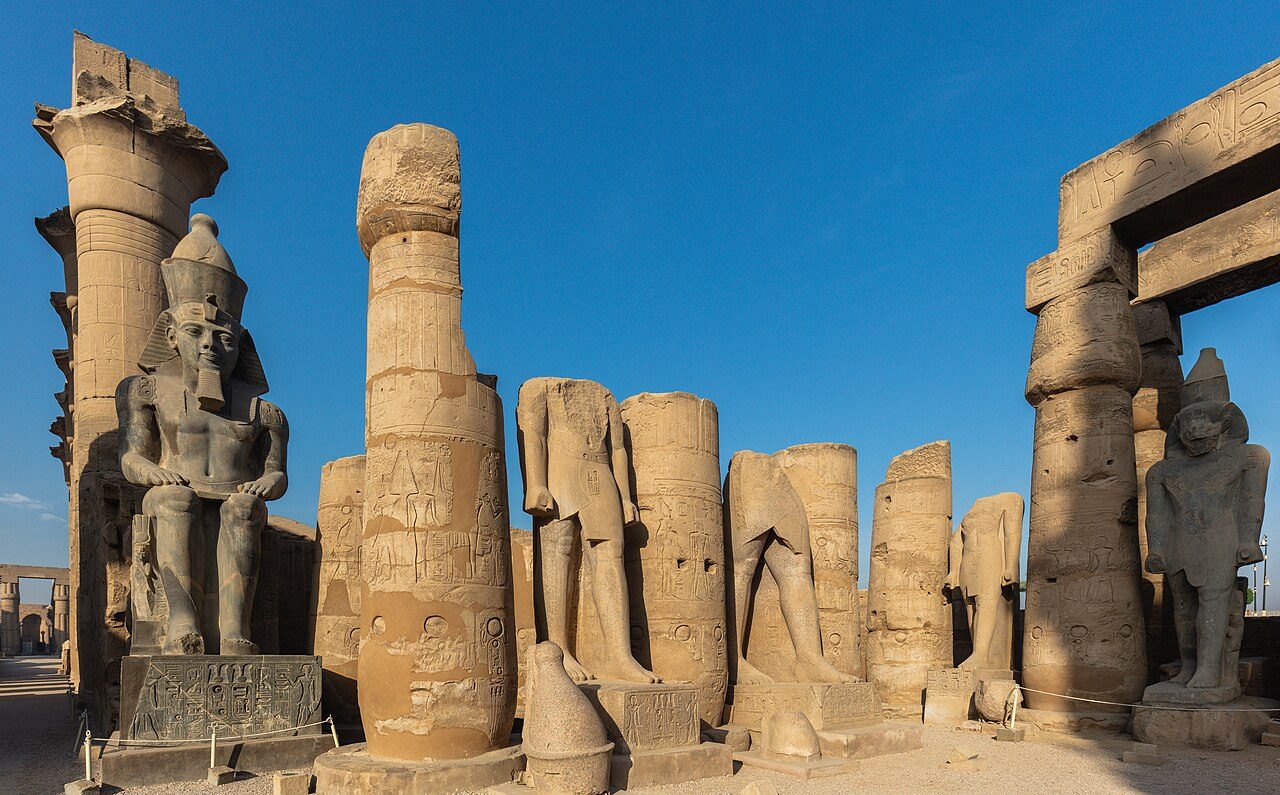
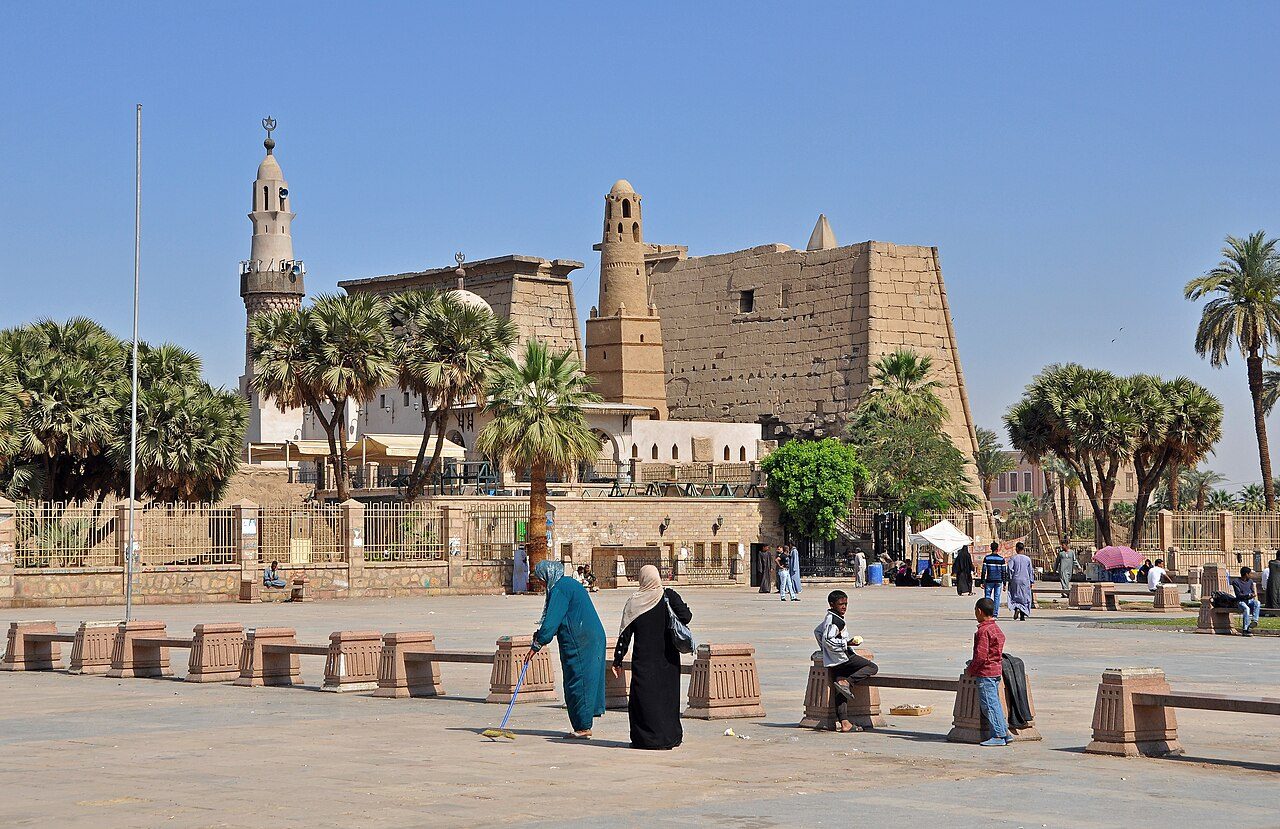
Luxor Temple stands in the centre of modern Luxor beside the Nile. It was built mainly by Amenhotep III and Ramesses II and was dedicated to the renewal of kingship. An avenue of sphinxes once linked it to Karnak. A mosque was later built inside the temple and is still in use. It is especially beautiful when lit up in the evening.
03
STOP 3 OF 12
Valley of the Kings
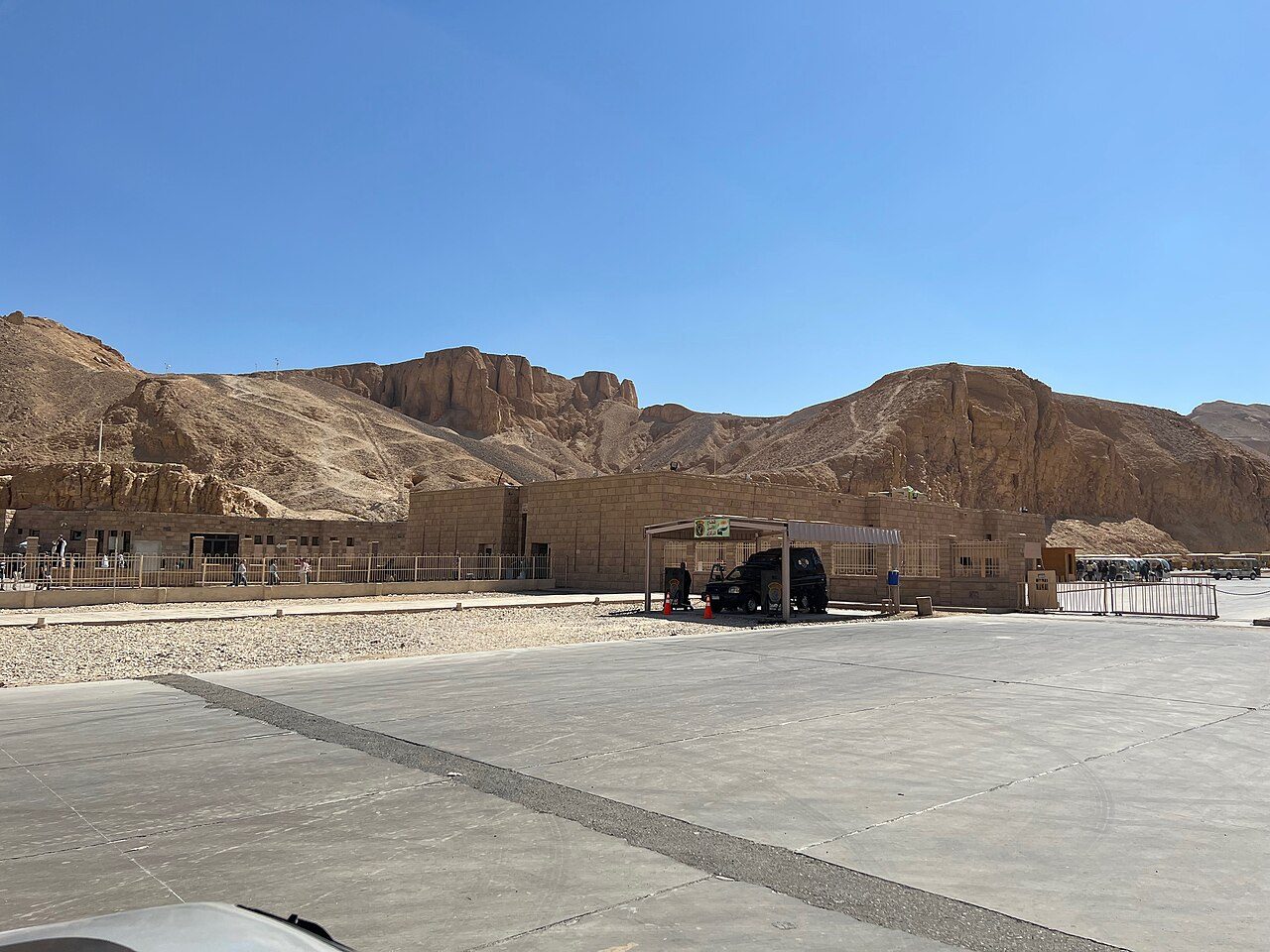
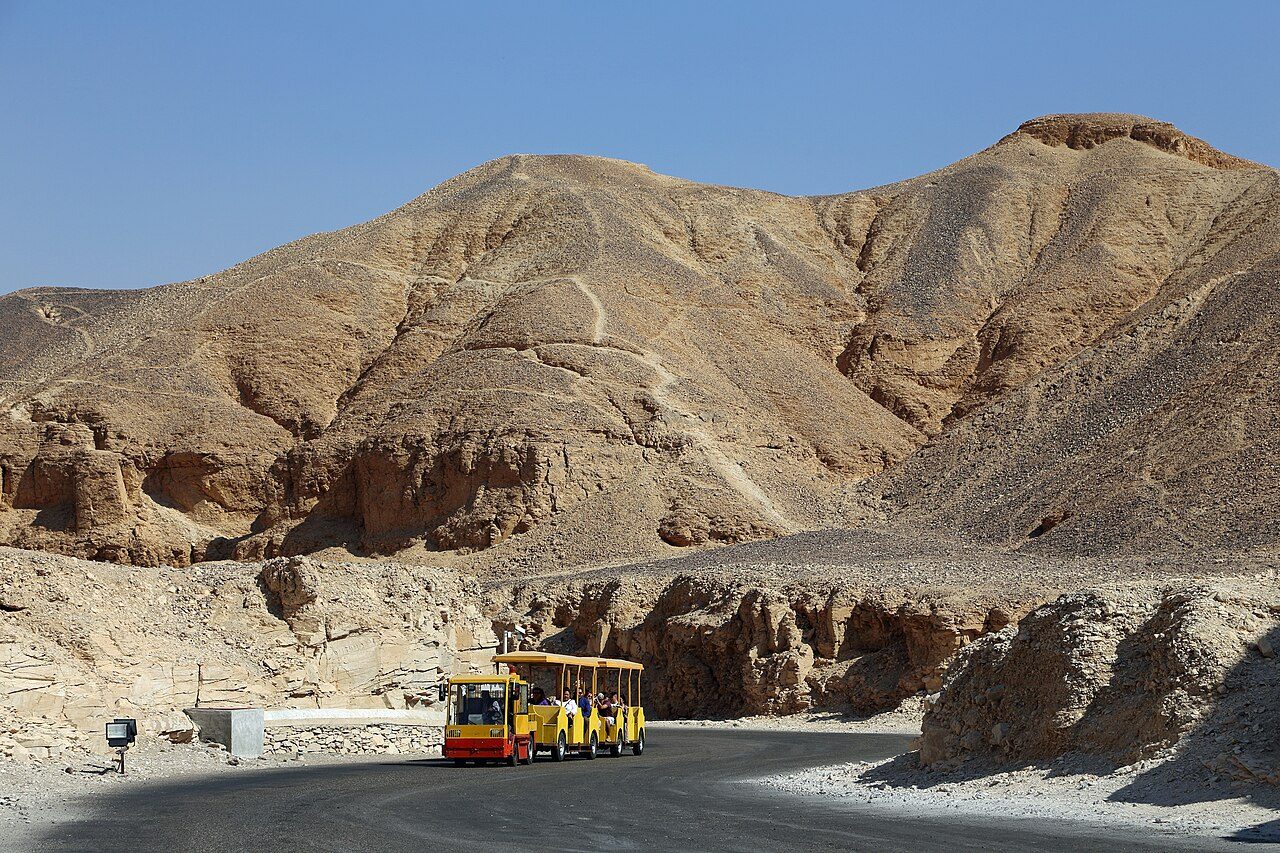
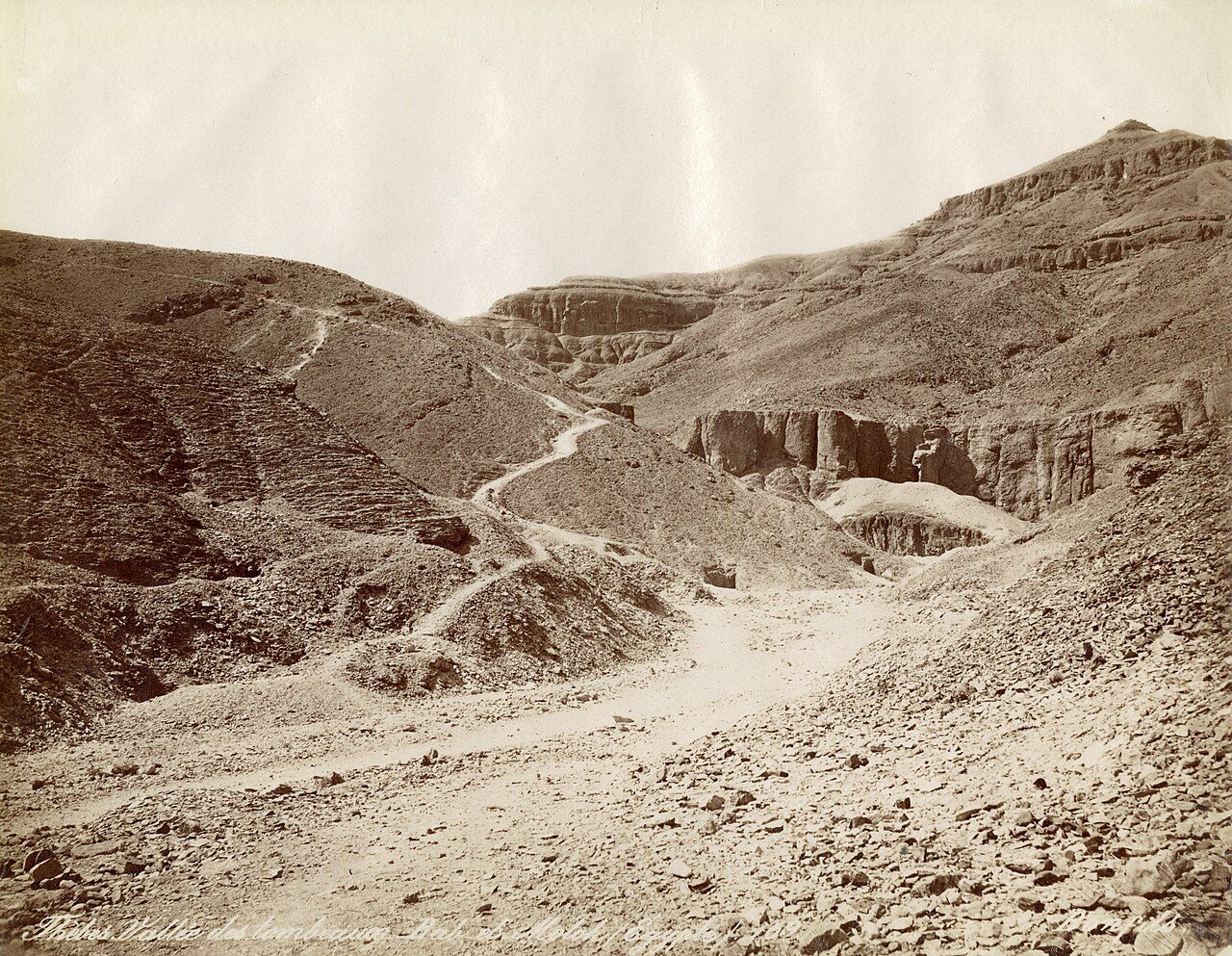
The Valley of the Kings on the west bank of Luxor was the burial place of the pharaohs of the New Kingdom. More than 60 tombs have been found, with brightly painted walls showing the king's journey through the afterlife. The standard ticket covers three tombs, with special tickets for Tutankhamun, Seti I and others. Photography rules vary, so check on arrival.
04
STOP 4 OF 12
Temple of Hatshepsut
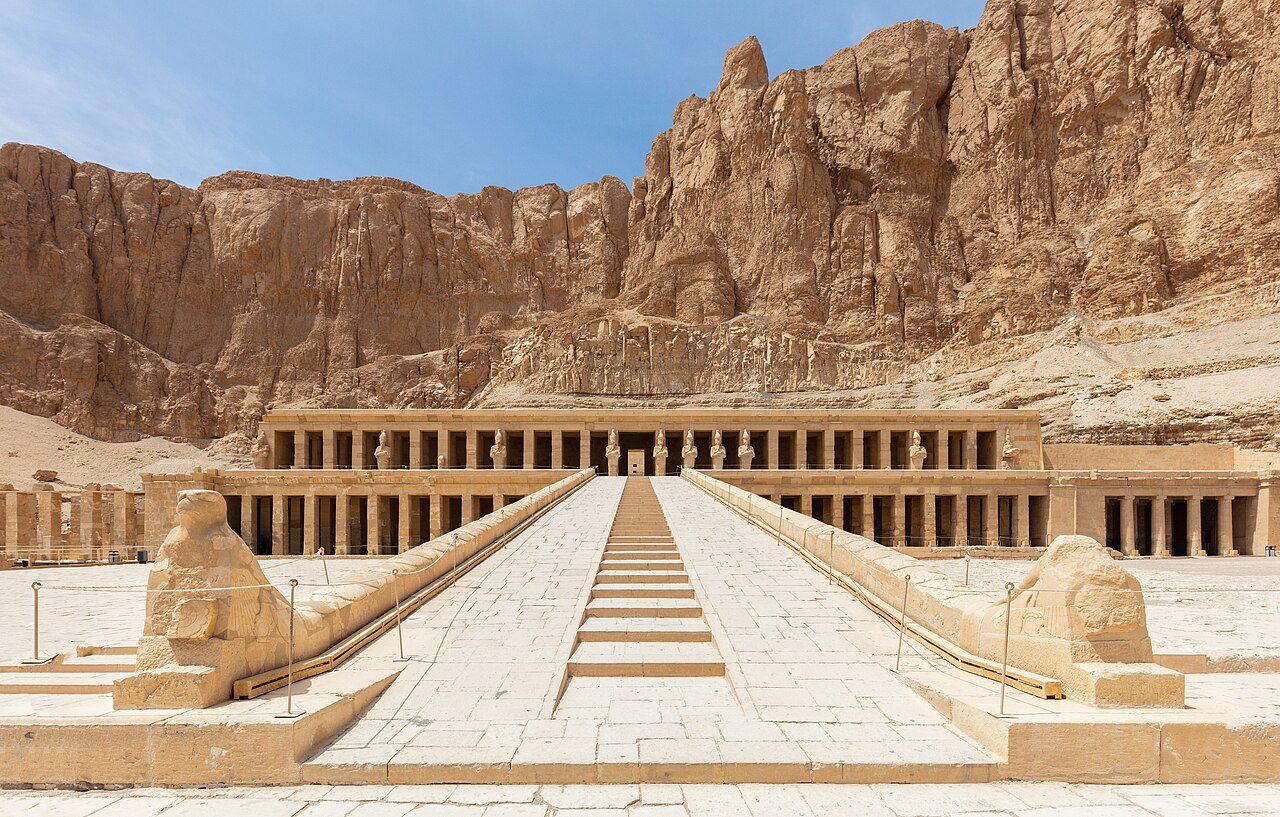
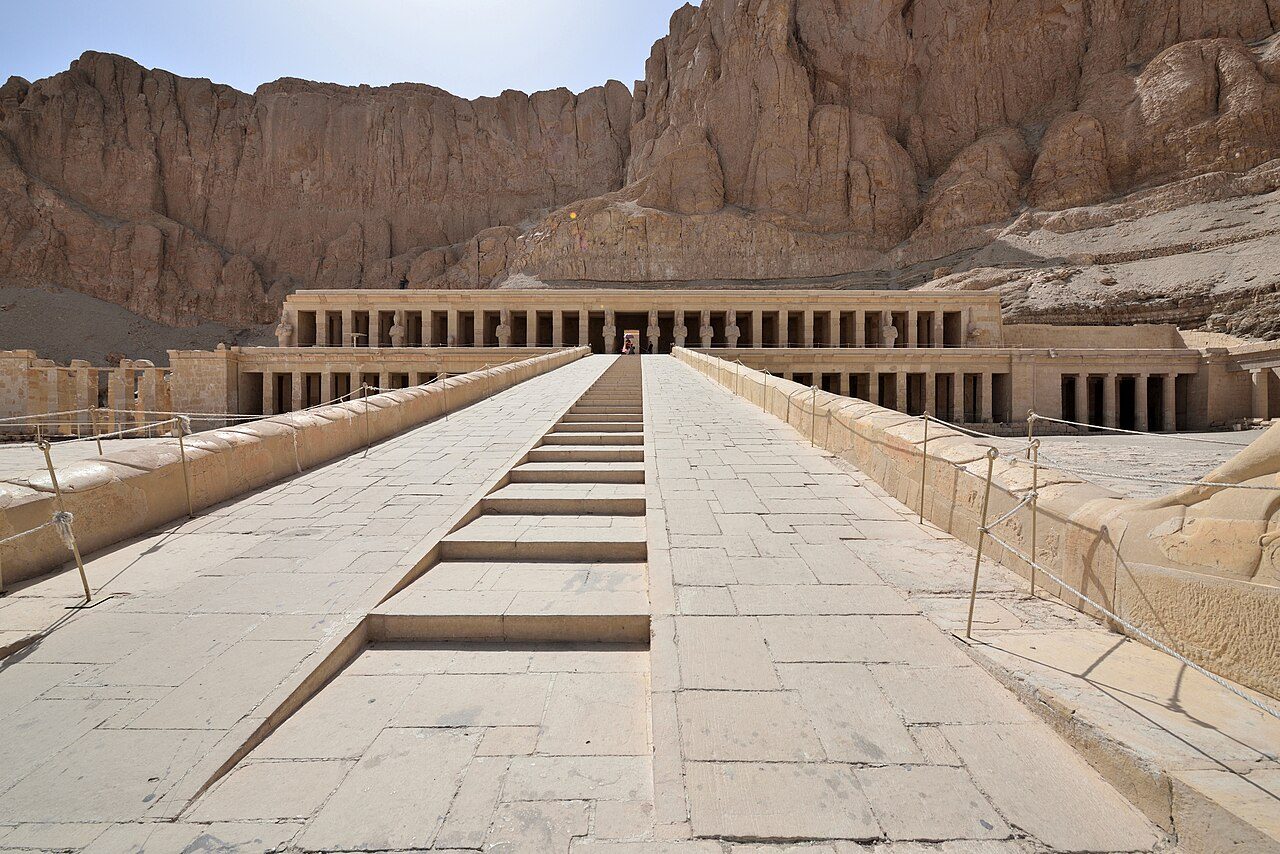
The Mortuary Temple of Hatshepsut at Deir el-Bahari is built into the cliffs on the west bank of Luxor. It honours one of Egypt's few female pharaohs and rises in three broad terraces linked by ramps. Its walls show scenes of an expedition to the land of Punt. The temple is best visited early in the morning, before the sun hits the bare cliffs.
05
STOP 5 OF 12
Colossi of Memnon
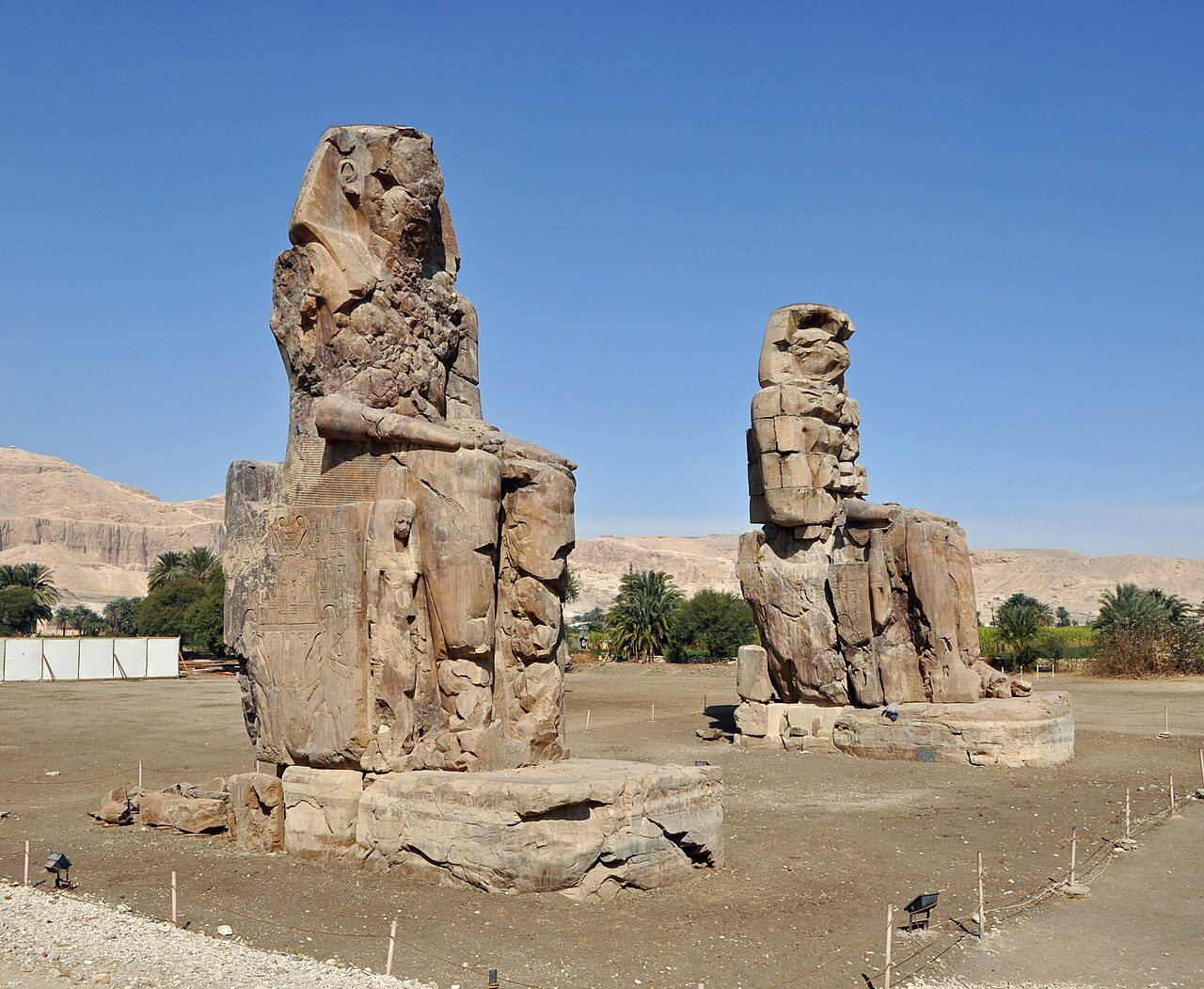
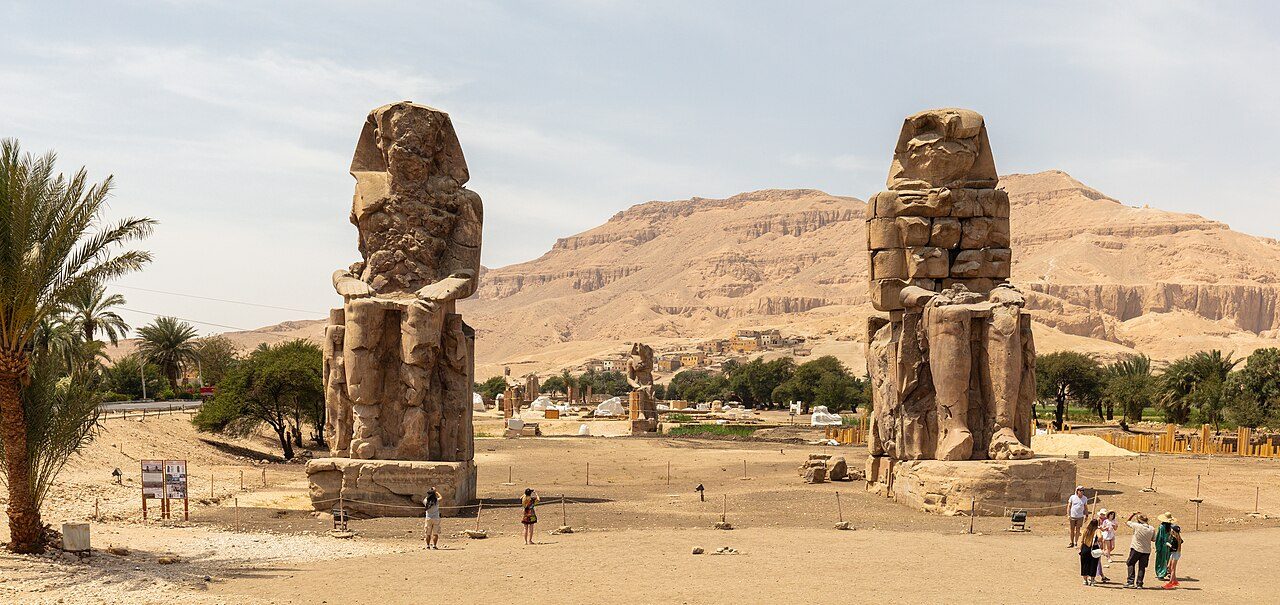
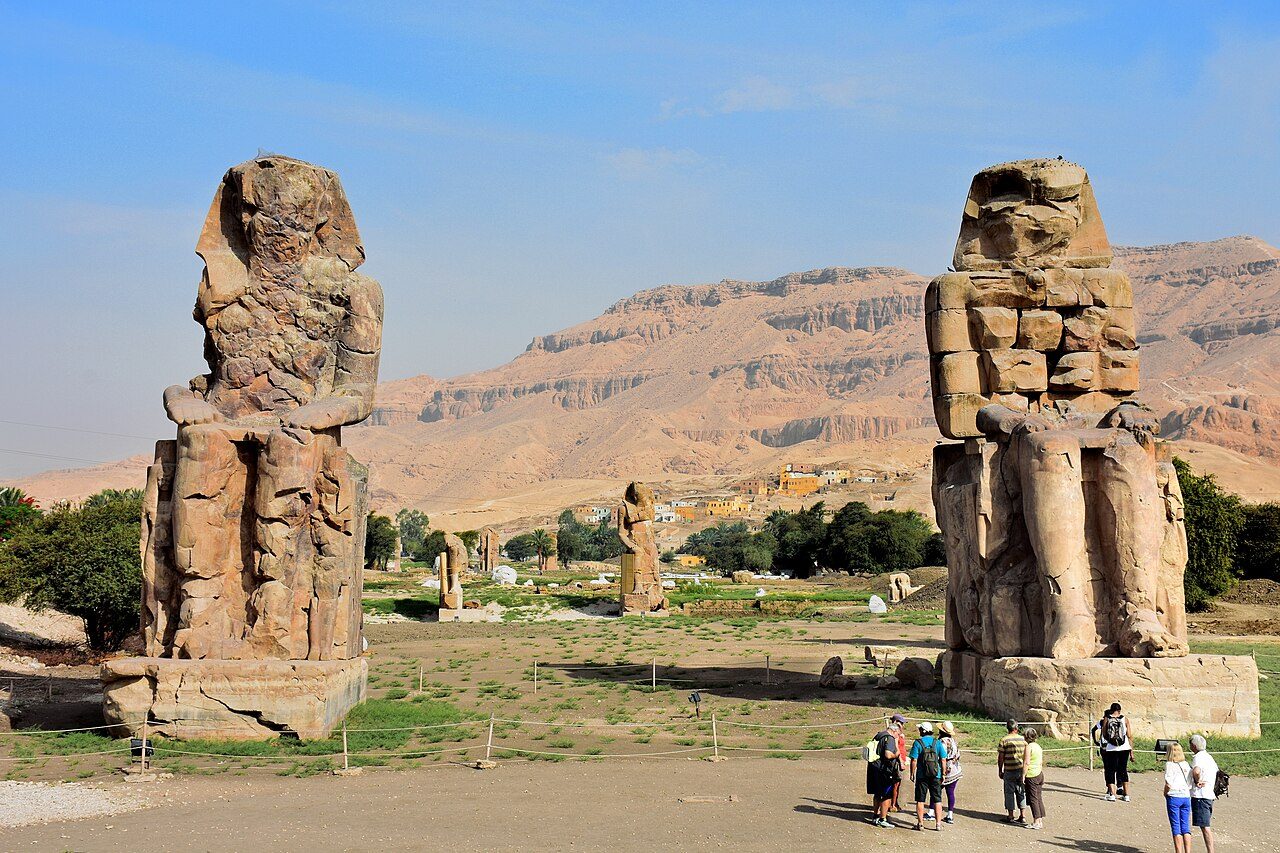
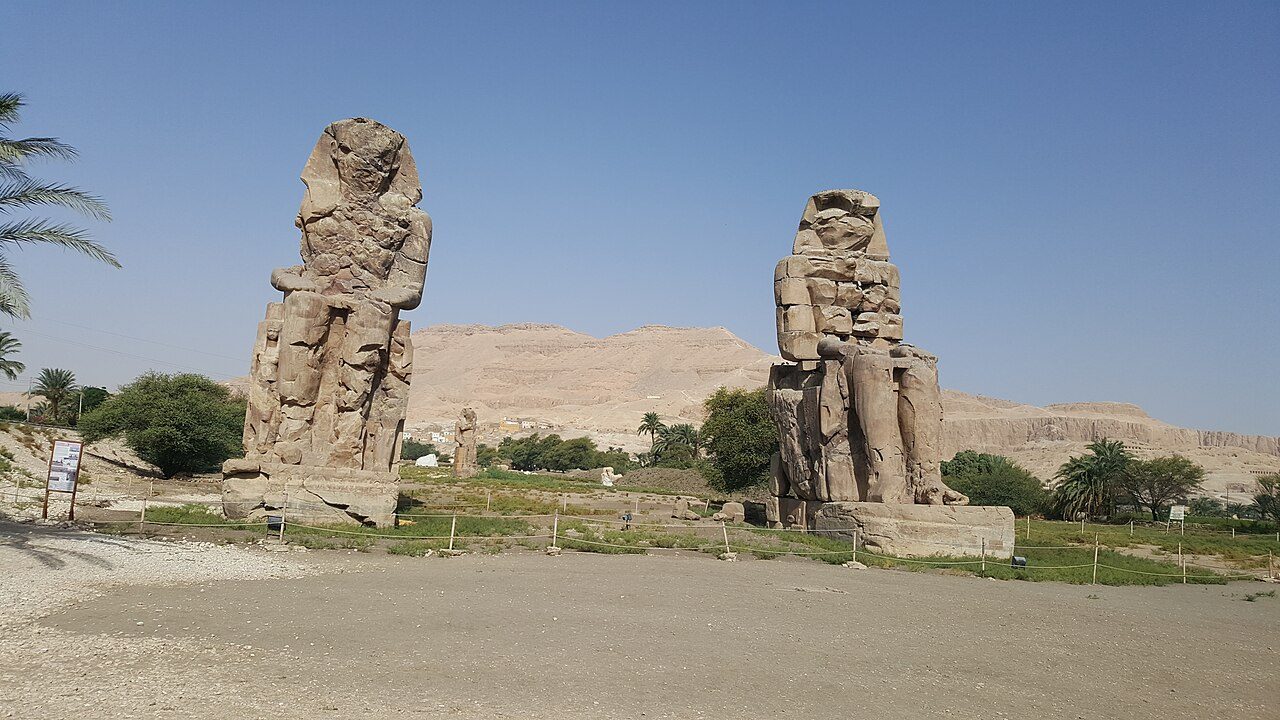
The Colossi of Memnon are two giant seated statues of Pharaoh Amenhotep III that once guarded his mortuary temple on the west bank of Luxor. Each is about 18 metres tall. In Roman times one of the statues was said to make a singing sound at dawn, attracting many visitors. They are free to see from the roadside and often the first stop on west bank tours.
06
STOP 6 OF 12
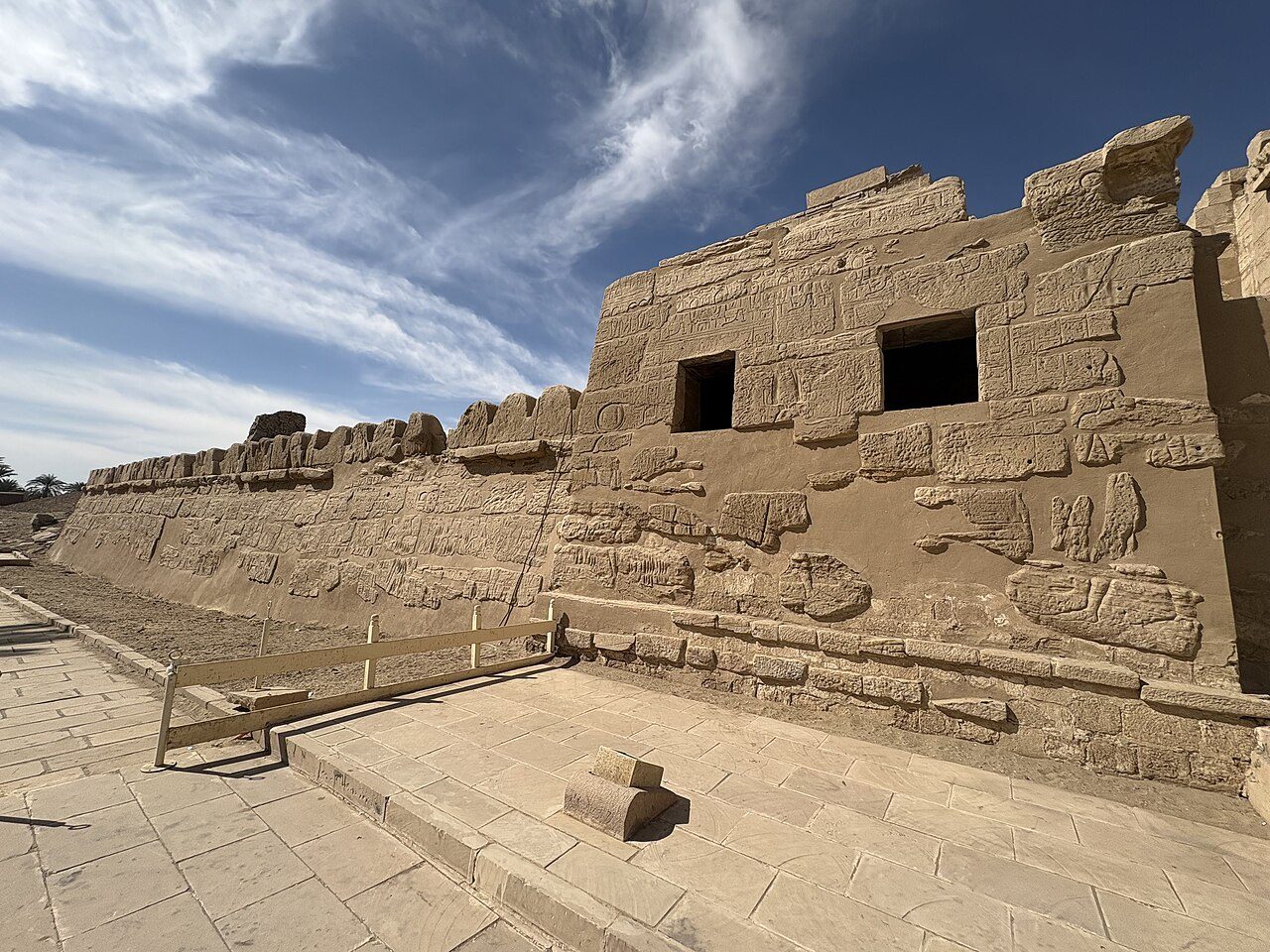
Medinet Habu
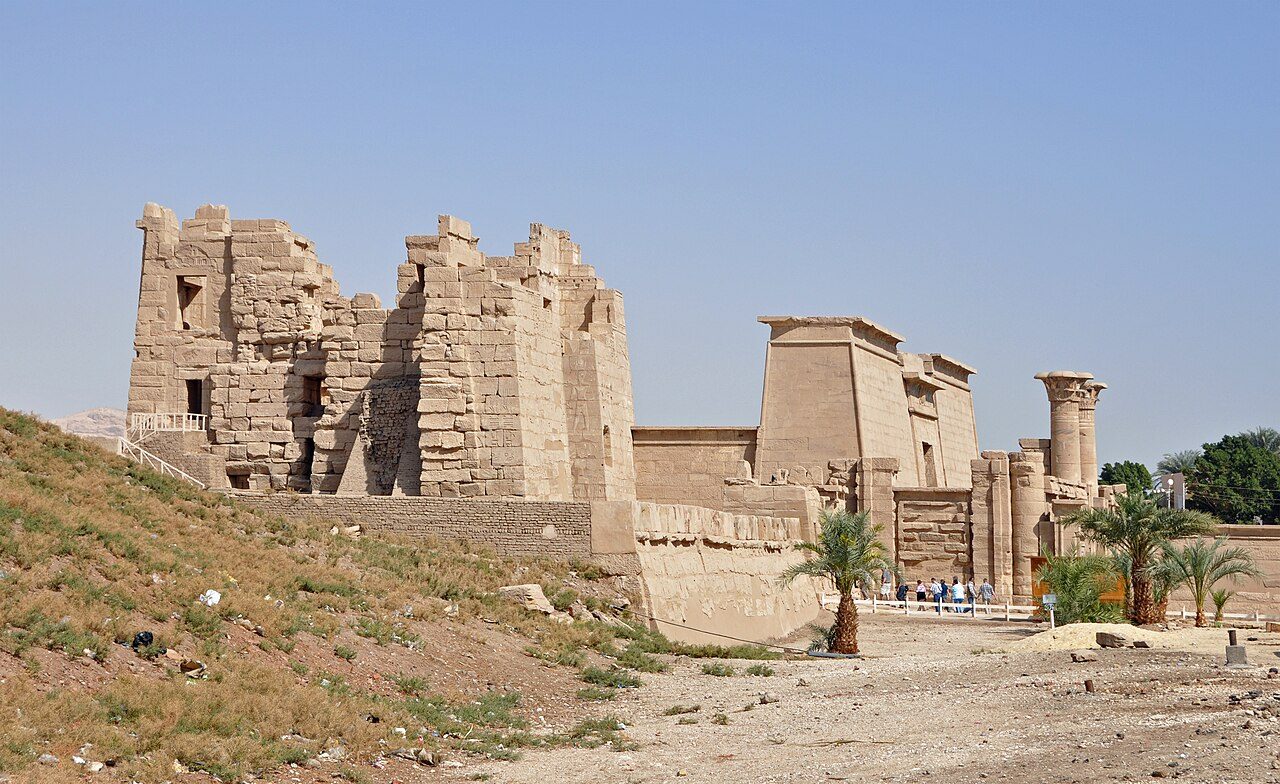
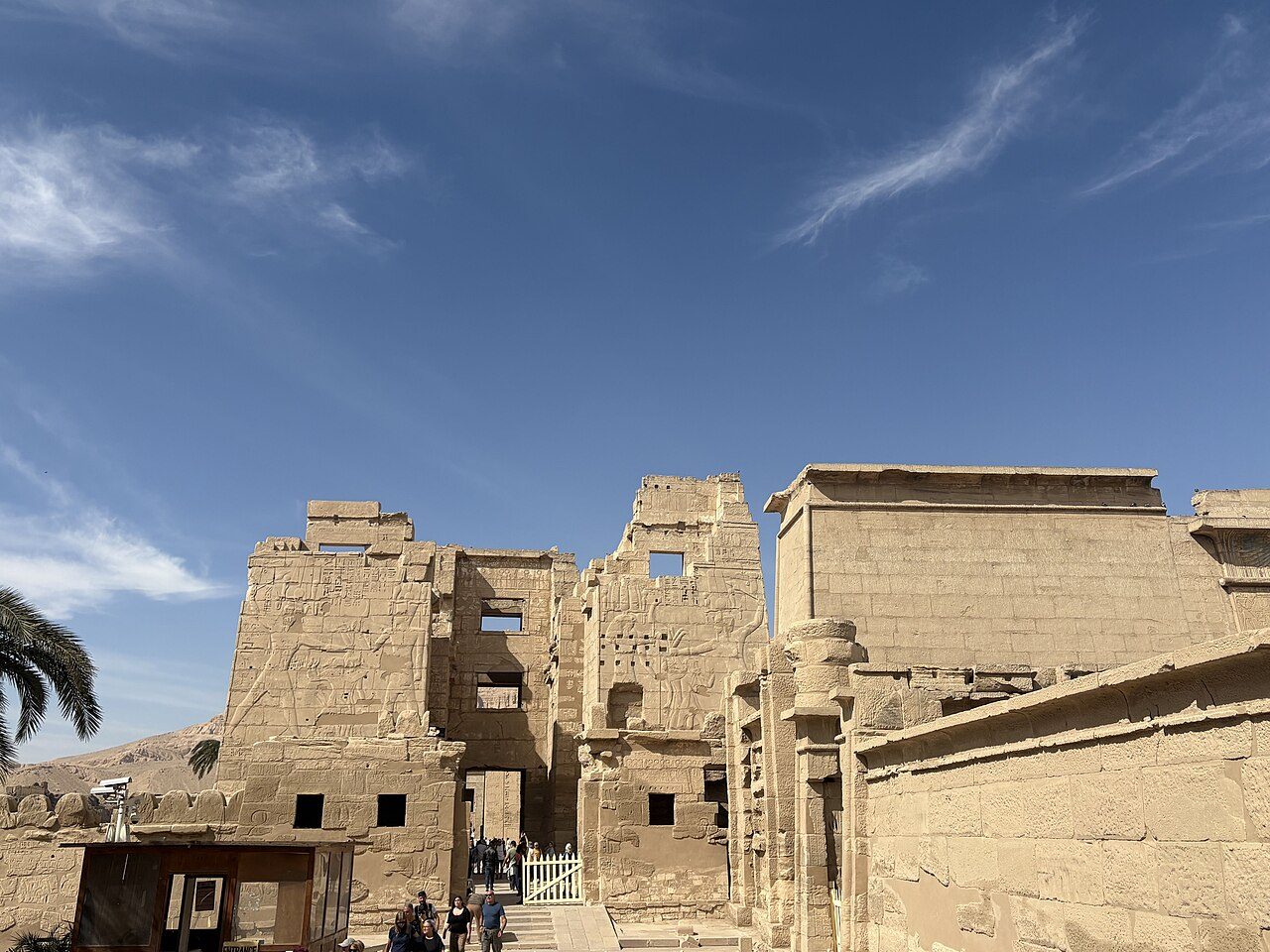
Medinet Habu is the mortuary temple of Ramesses III on the west bank of Luxor, and one of the best preserved temples in Egypt. Its walls are covered with deeply carved reliefs showing battles, including against the Sea Peoples, and some still keep their original colours. It is often quieter than the more famous sites nearby.
07
STOP 7 OF 12
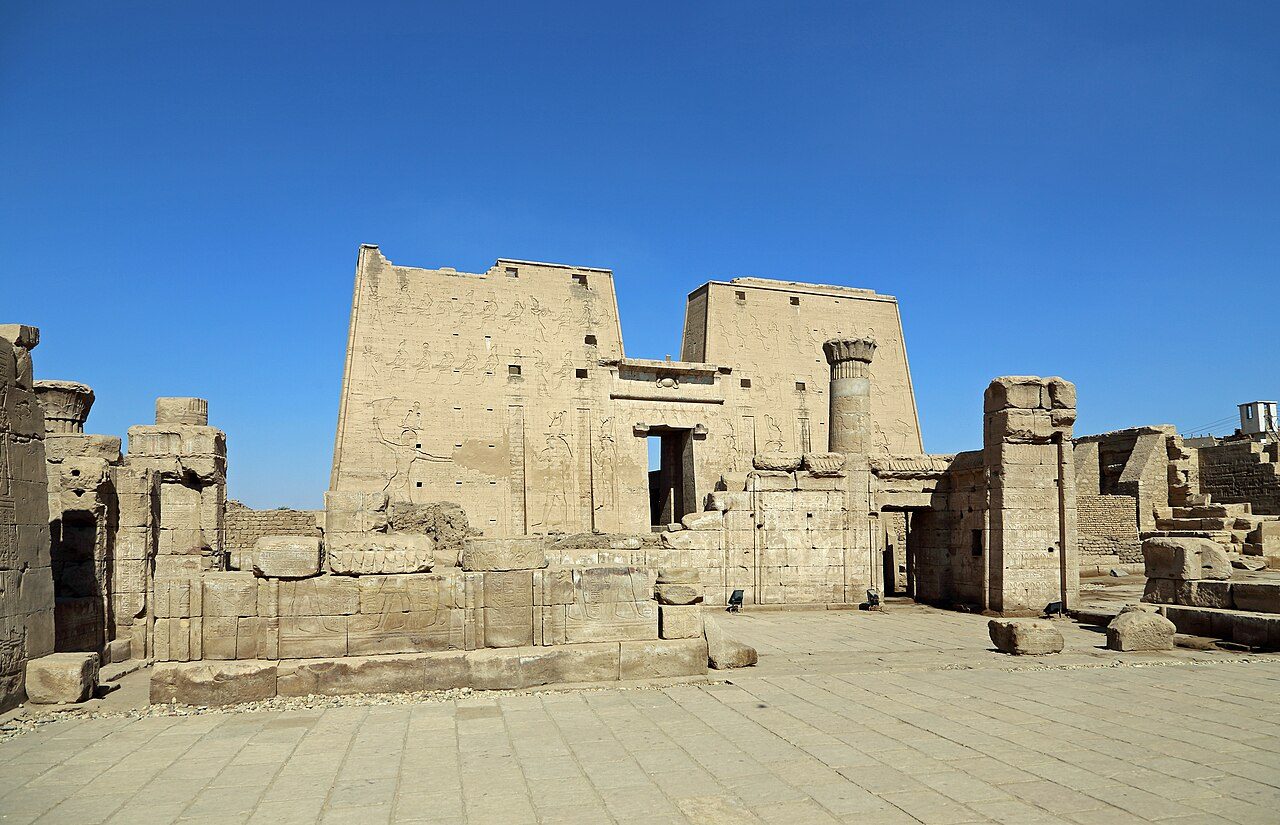
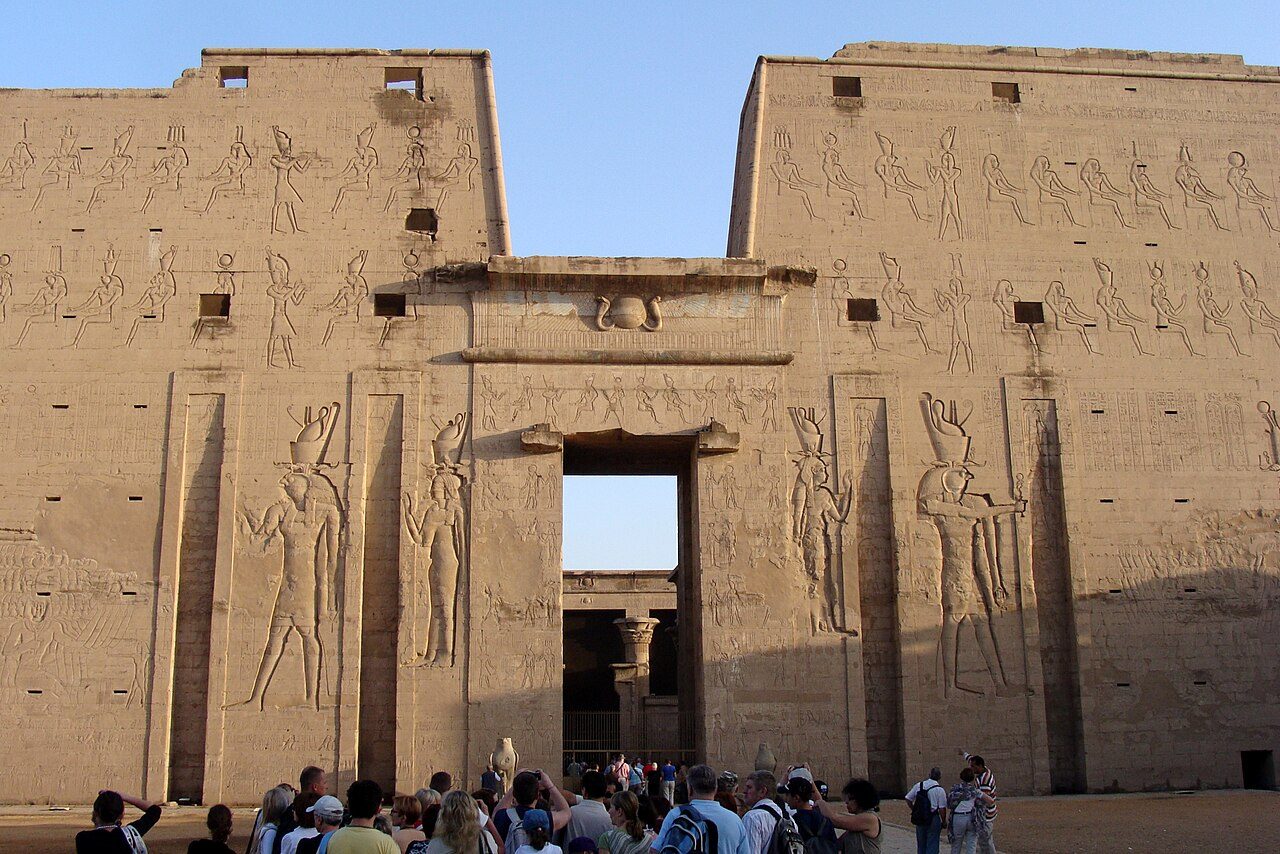
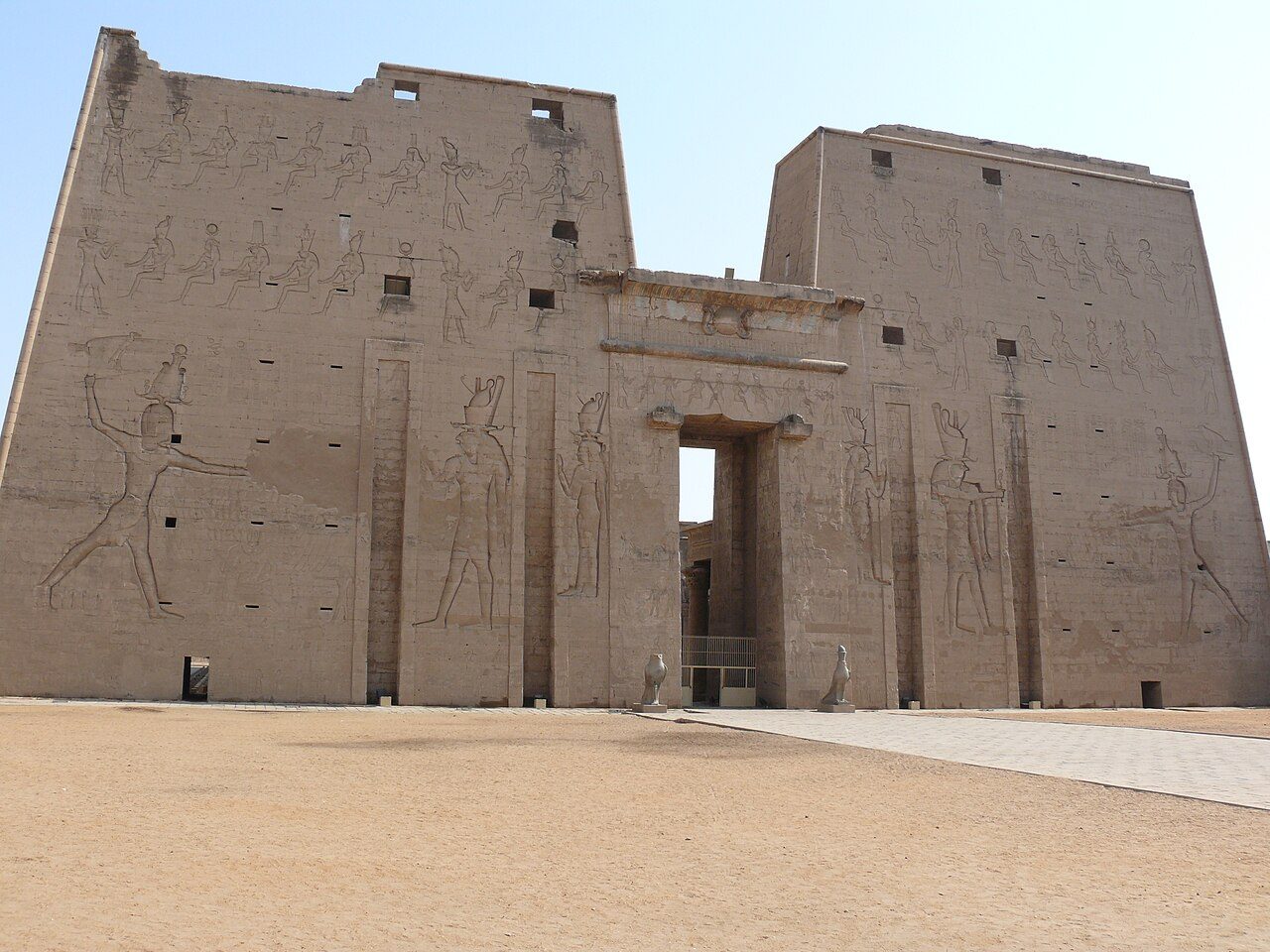
Temple of Edfu
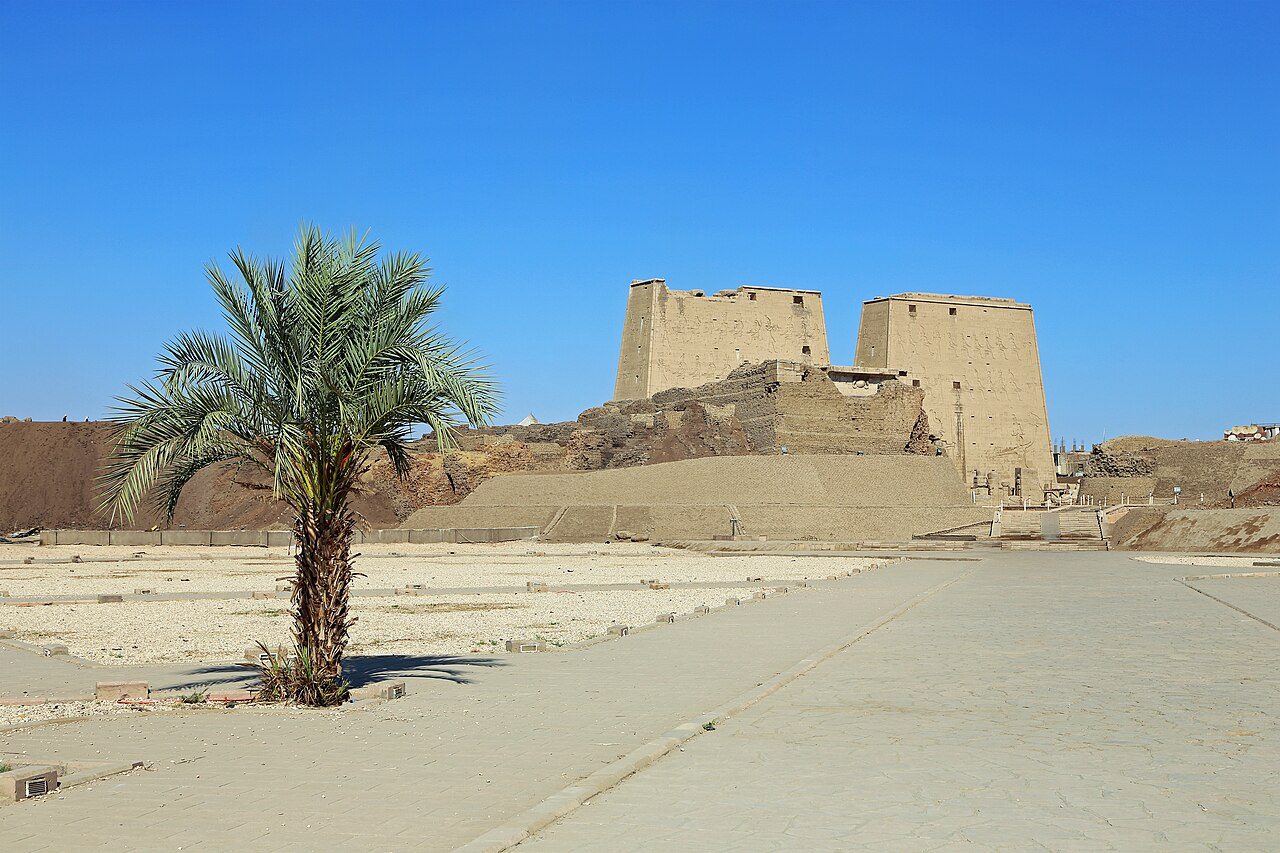
The Temple of Edfu is one of the best preserved temples in Egypt, dedicated to the falcon god Horus. Built during the Ptolemaic period, it has a huge entrance pylon, columned halls and a dark sanctuary with a granite shrine. Wall carvings tell the story of the battle between Horus and Seth. Nile cruises stop at Edfu, and visitors often arrive by horse carriage.
08
STOP 8 OF 12
Kom Ombo Temple
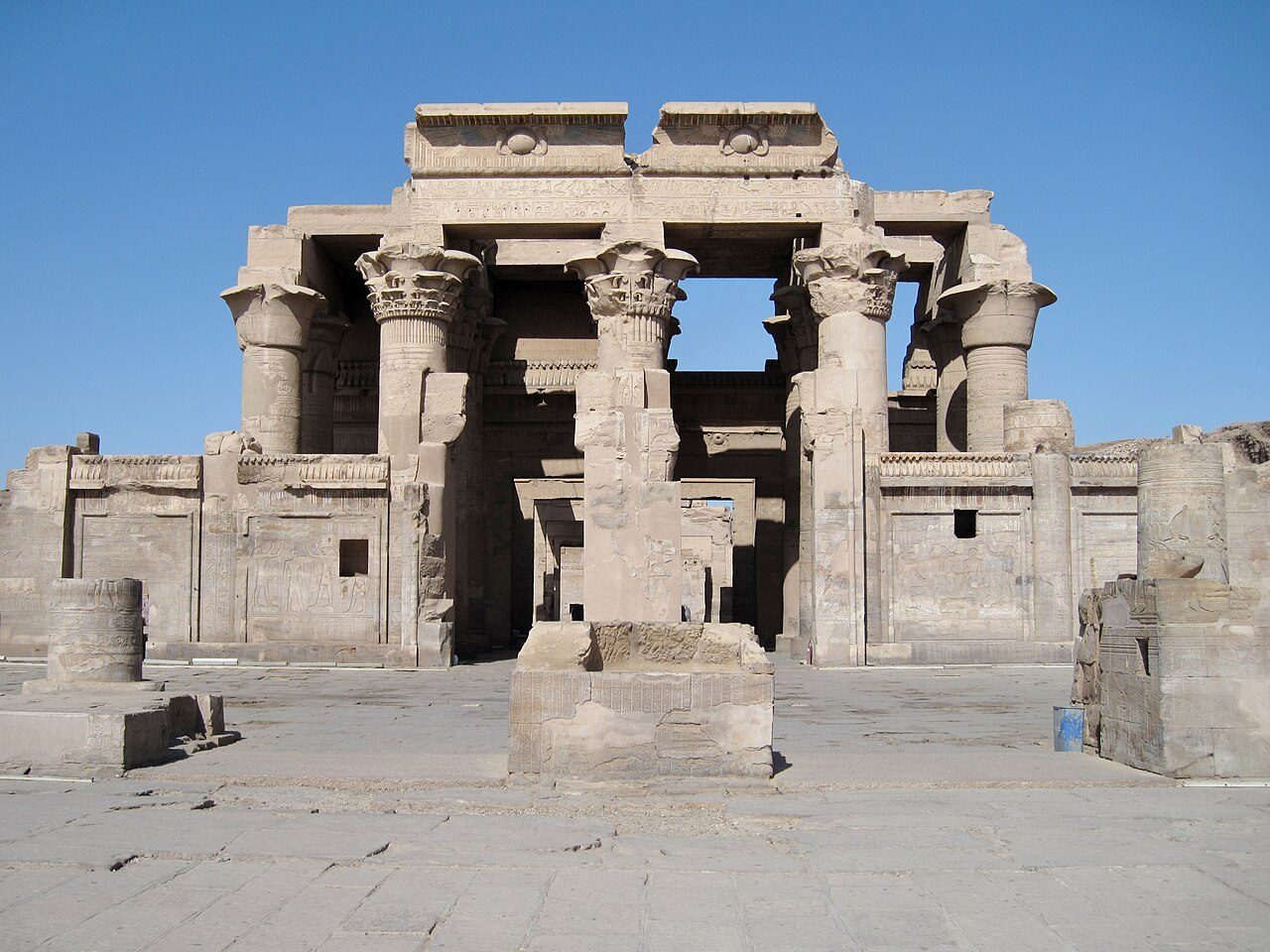
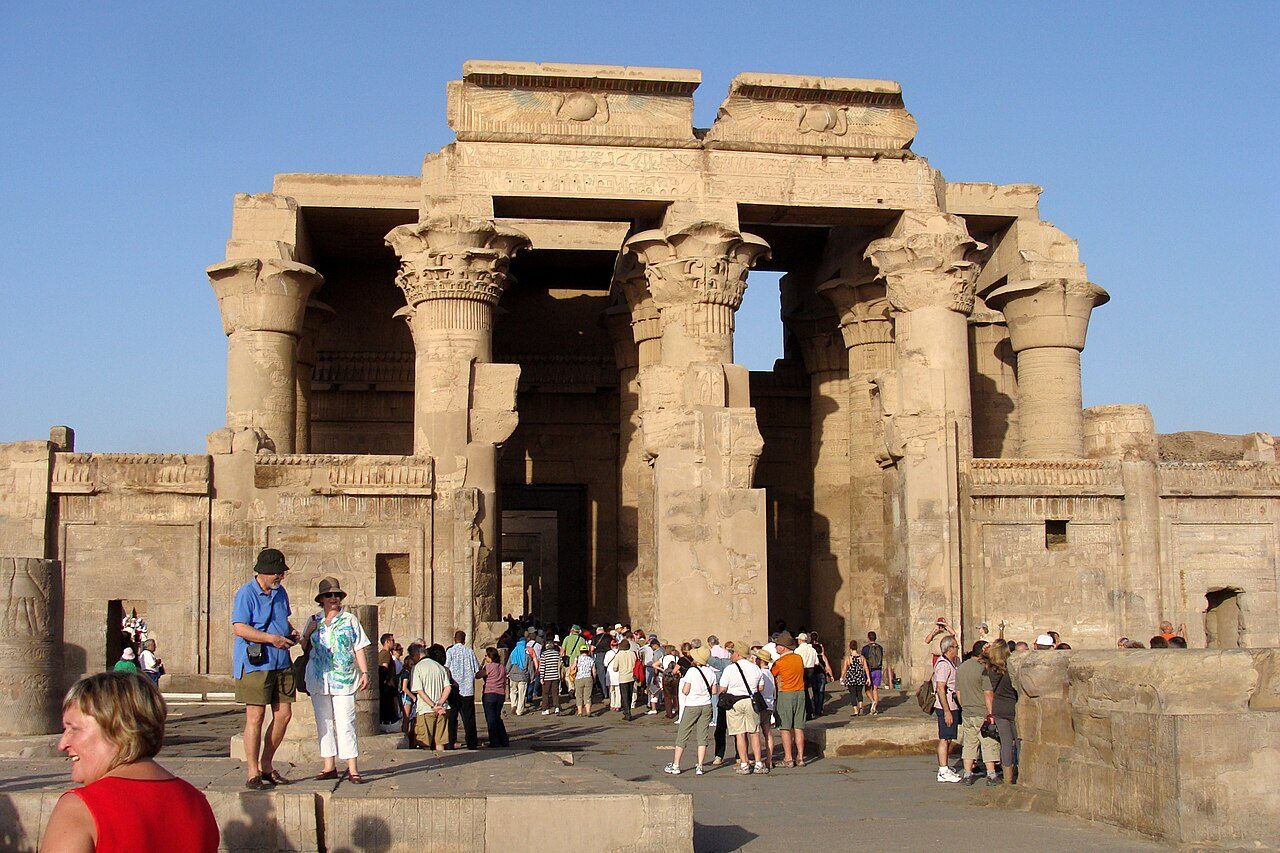
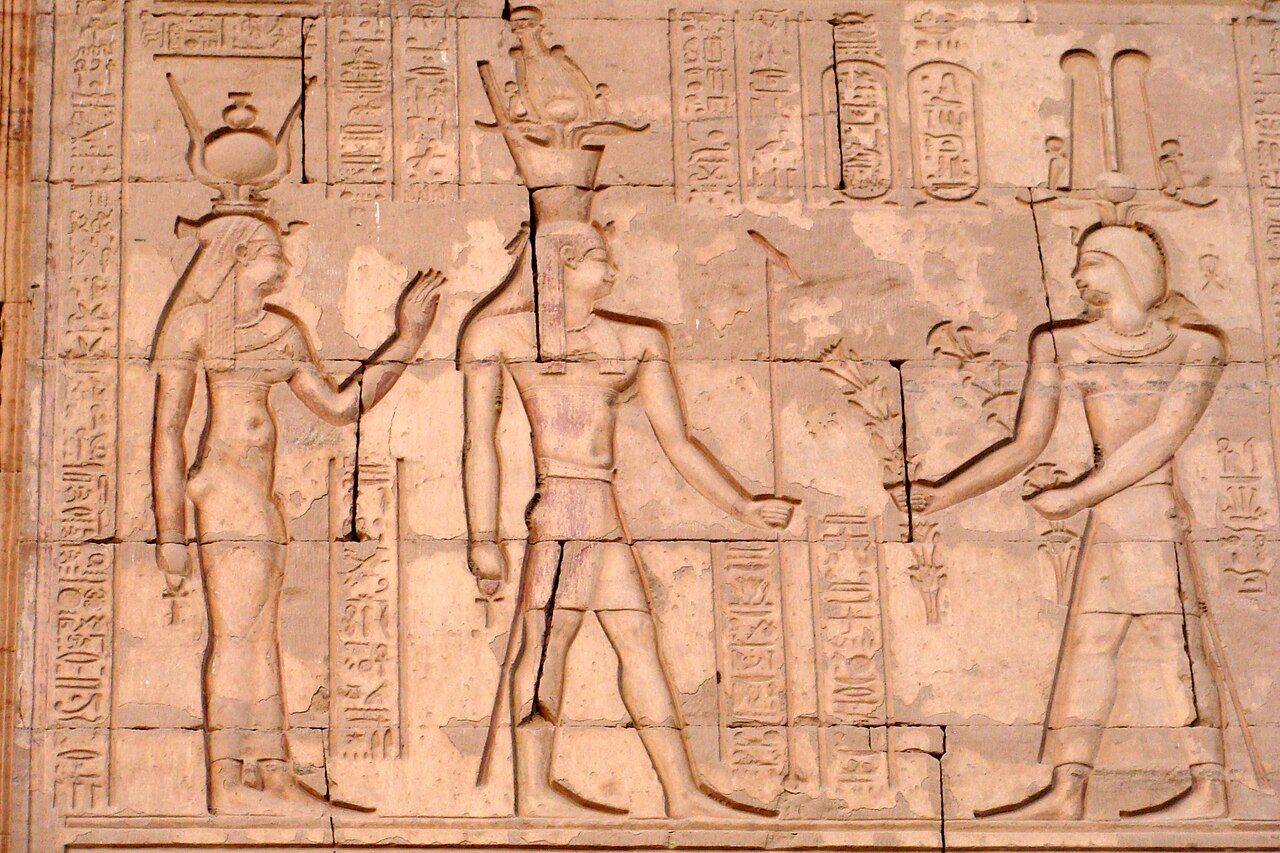
The Temple of Kom Ombo stands on a bend of the Nile and is unusual for being dedicated to two gods: the crocodile god Sobek and the falcon god Haroeris. Its double layout has two entrances and two sanctuaries. A small museum displays mummified crocodiles found nearby. Nile cruise ships stop here, and it is lovely in the late afternoon light.
09
STOP 9 OF 12
Philae Temple
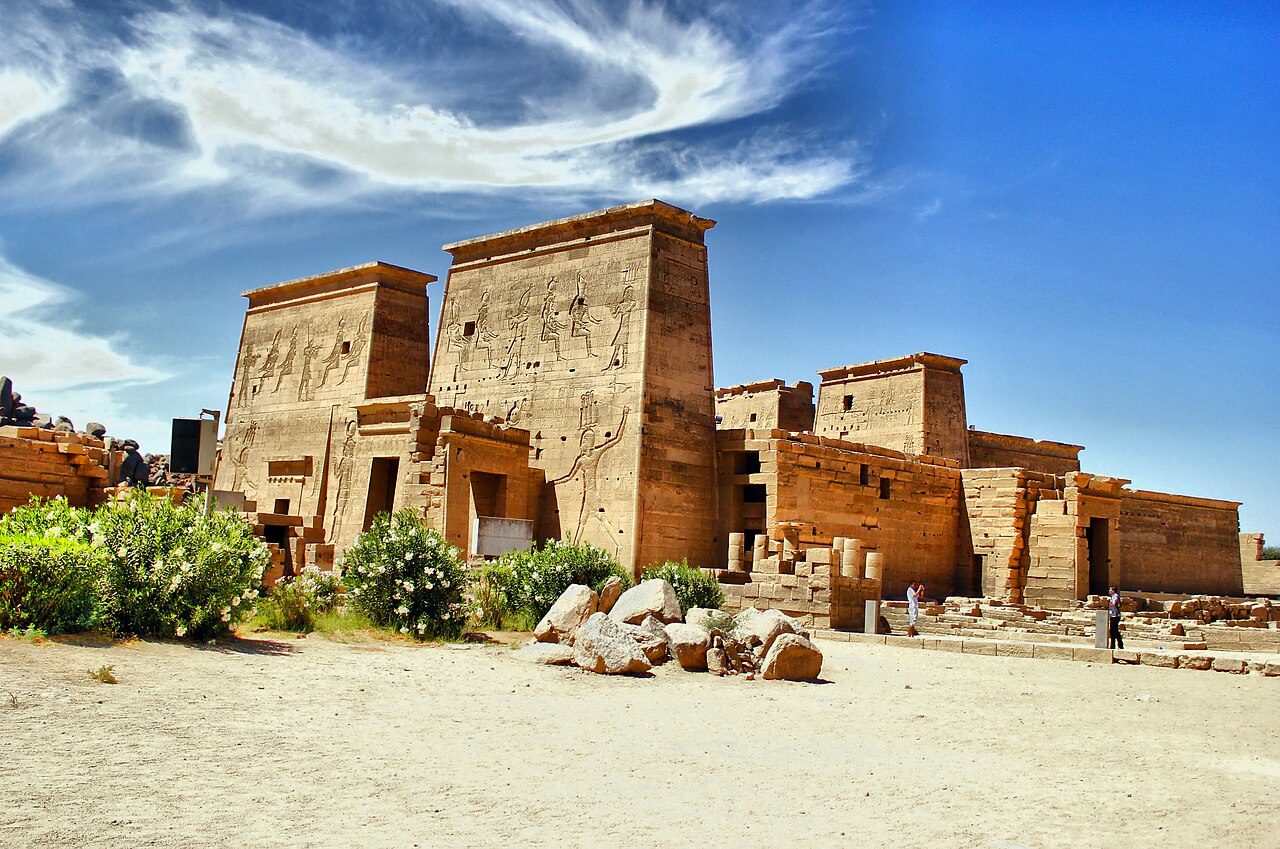
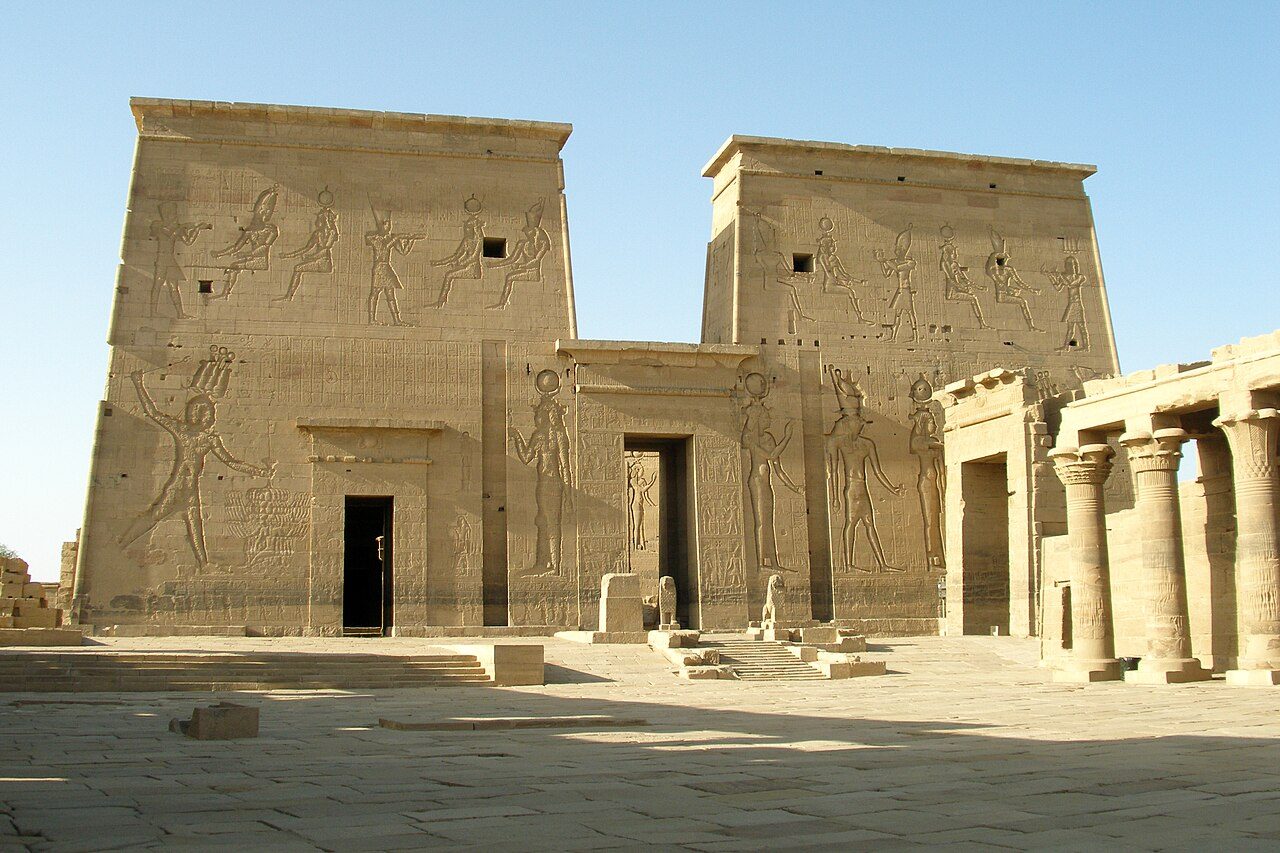
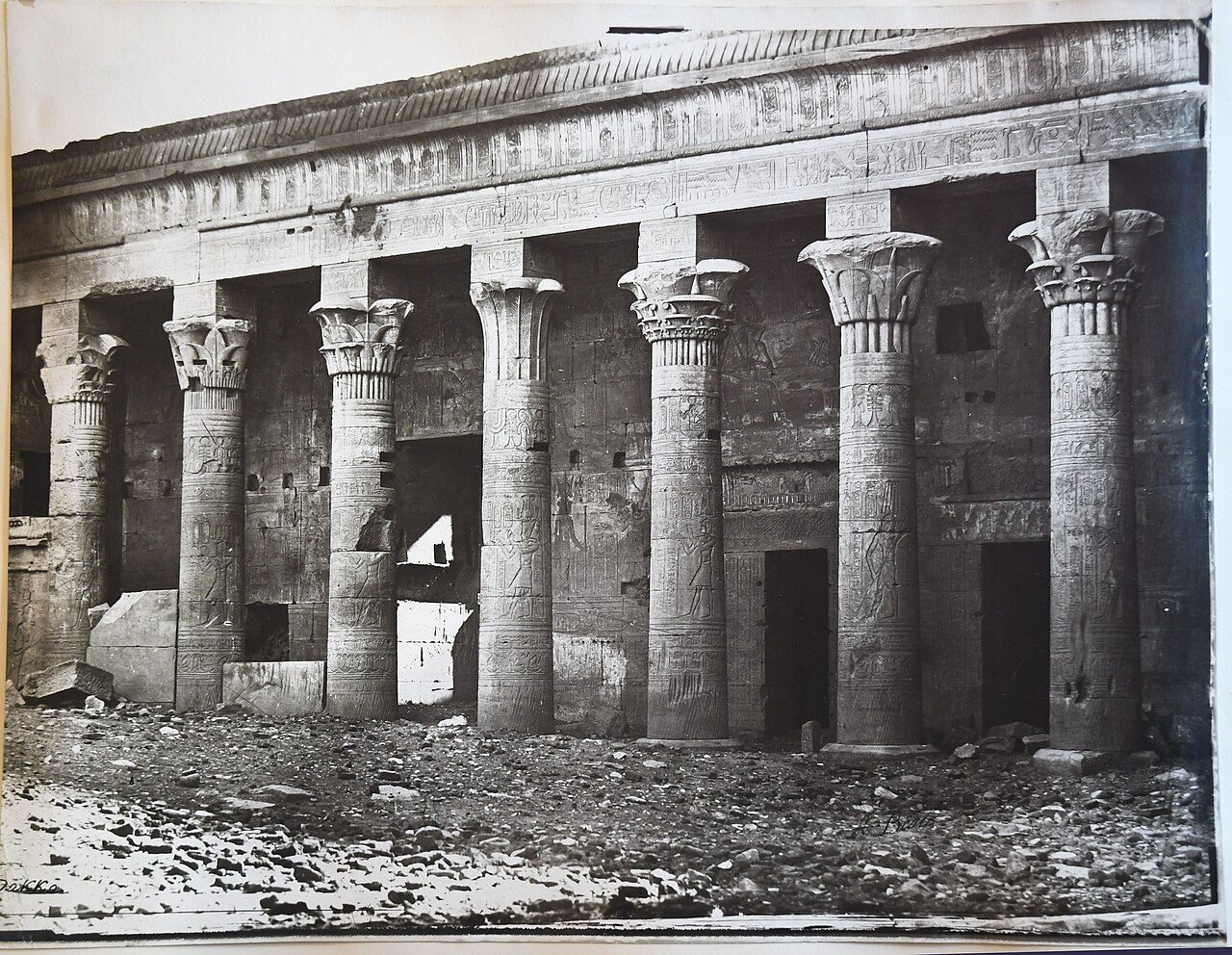
Philae Temple was built on an island in the Nile at Aswan and dedicated to the goddess Isis. When the Aswan dams threatened to flood it, the whole complex was moved stone by stone to nearby Agilkia Island in the 1970s. Visitors reach it by small boat. Its graceful pylons and the kiosk of Trajan are highlights, and an evening sound and light show is held.
10
STOP 10 OF 12
Unfinished Obelisk
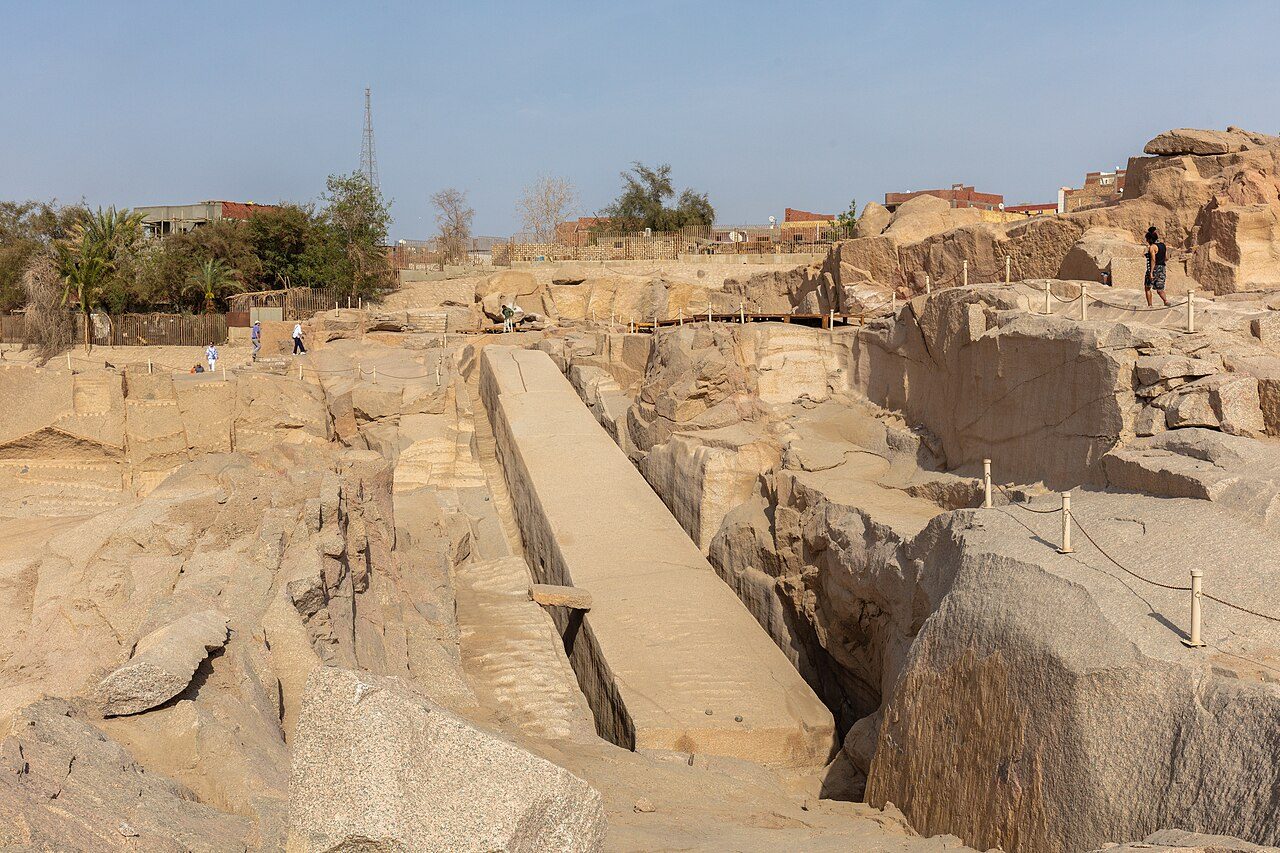
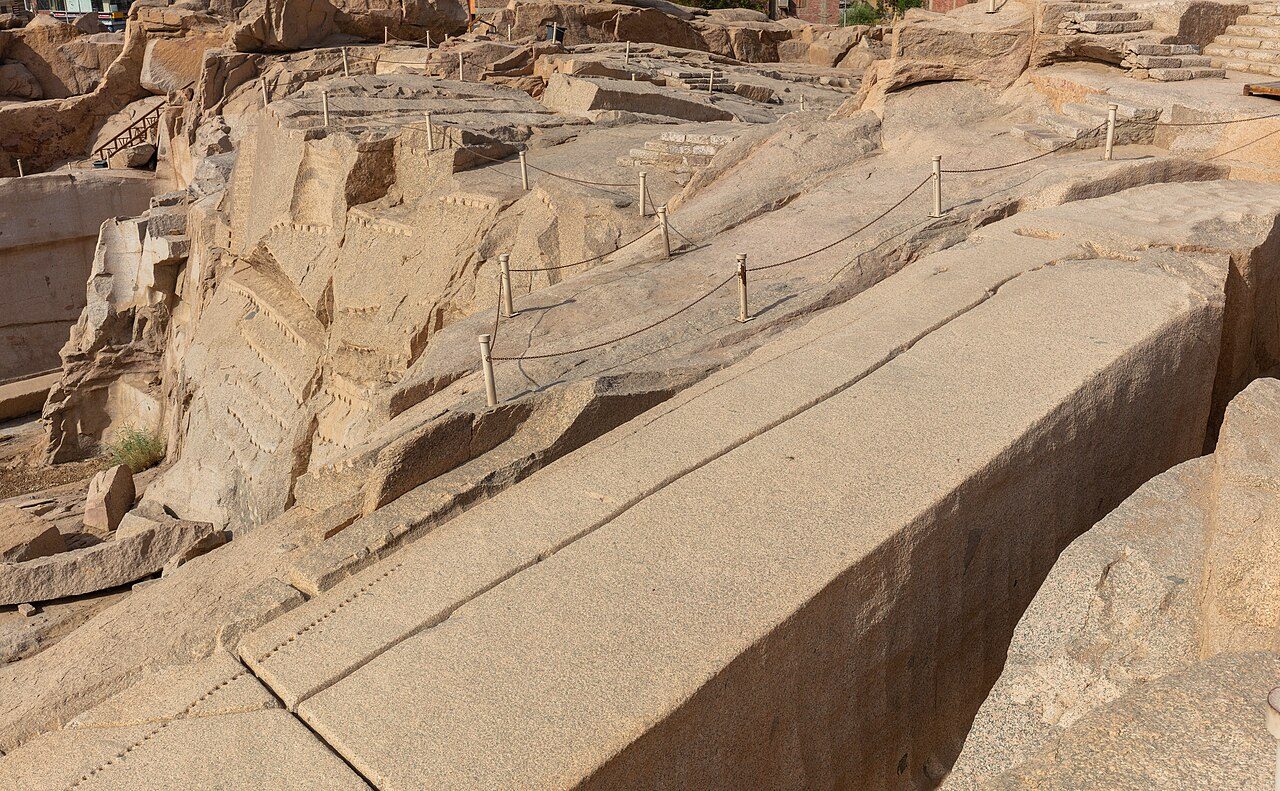
The Unfinished Obelisk lies in an ancient granite quarry in Aswan. Had it been completed, it would have been the largest obelisk ever made, about 42 metres tall. Work stopped when cracks appeared in the stone, and it was left lying in the bedrock. It shows how ancient Egyptians cut and shaped huge blocks of granite with simple tools.
11
STOP 11 OF 12
Nubian Museum
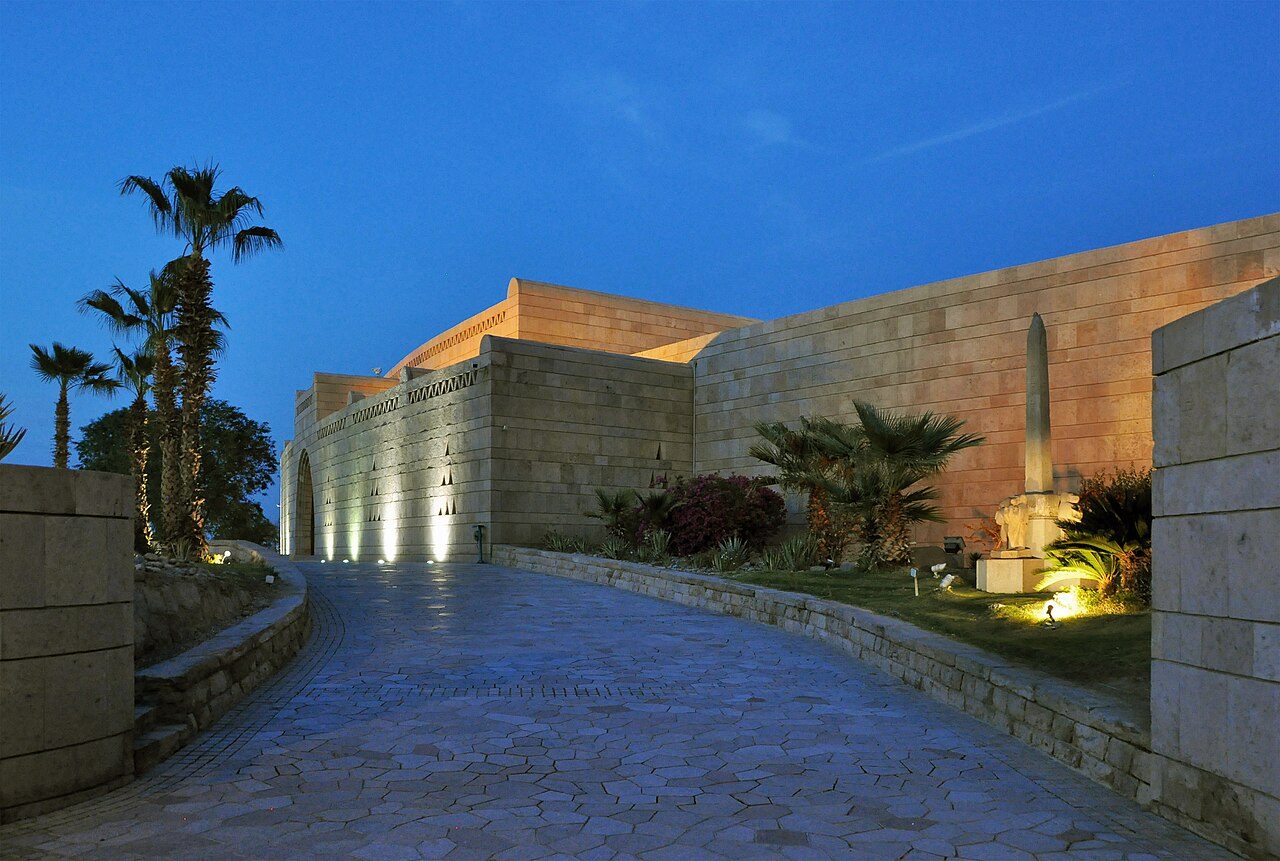
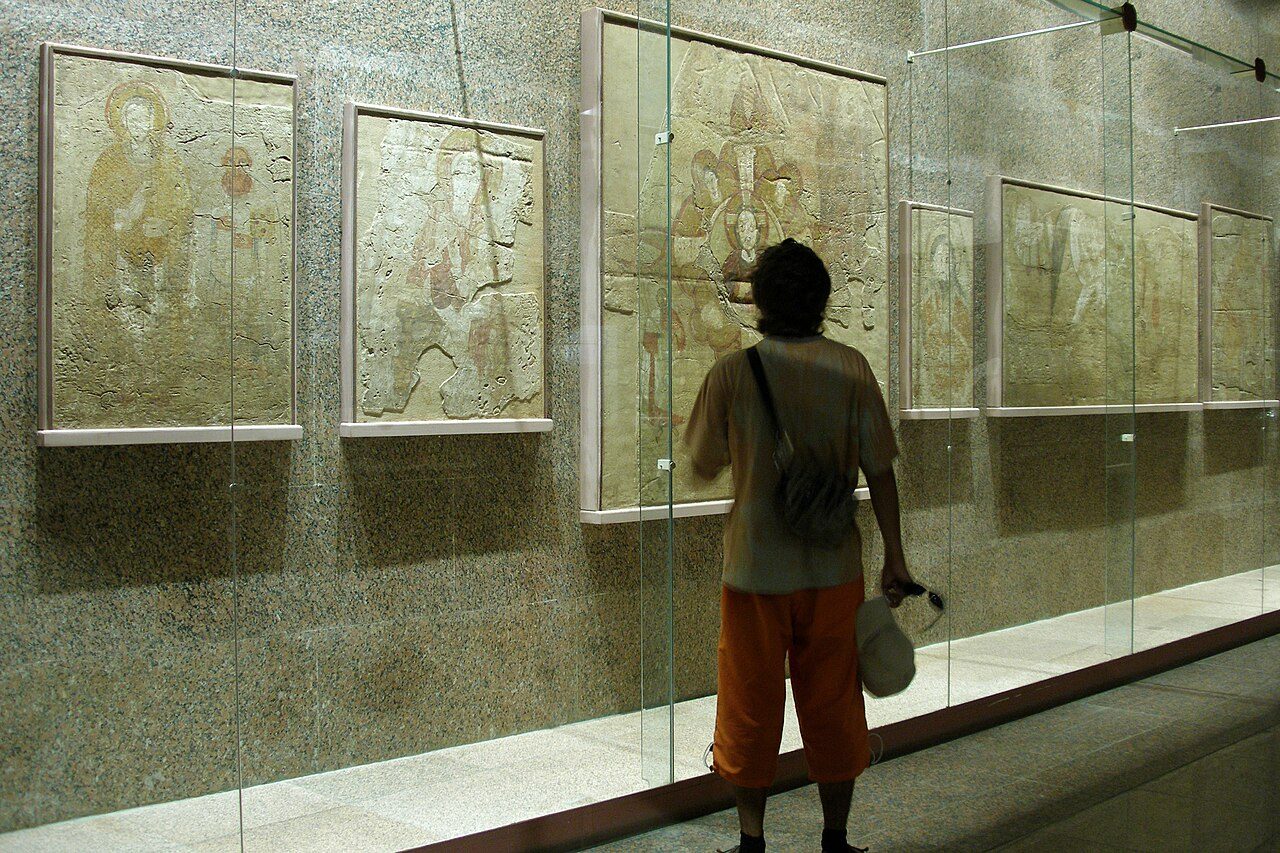
The Nubian Museum in Aswan presents the history and culture of Nubia, from prehistoric times to the present. Many objects were rescued during the UNESCO campaign to save monuments from the waters of Lake Nasser. Exhibits include statues, jewellery and a model of a traditional Nubian house. The museum garden has a waterfall and reconstructed tombs.
12
STOP 12 OF 12 · LAST STOP
Abu Simbel
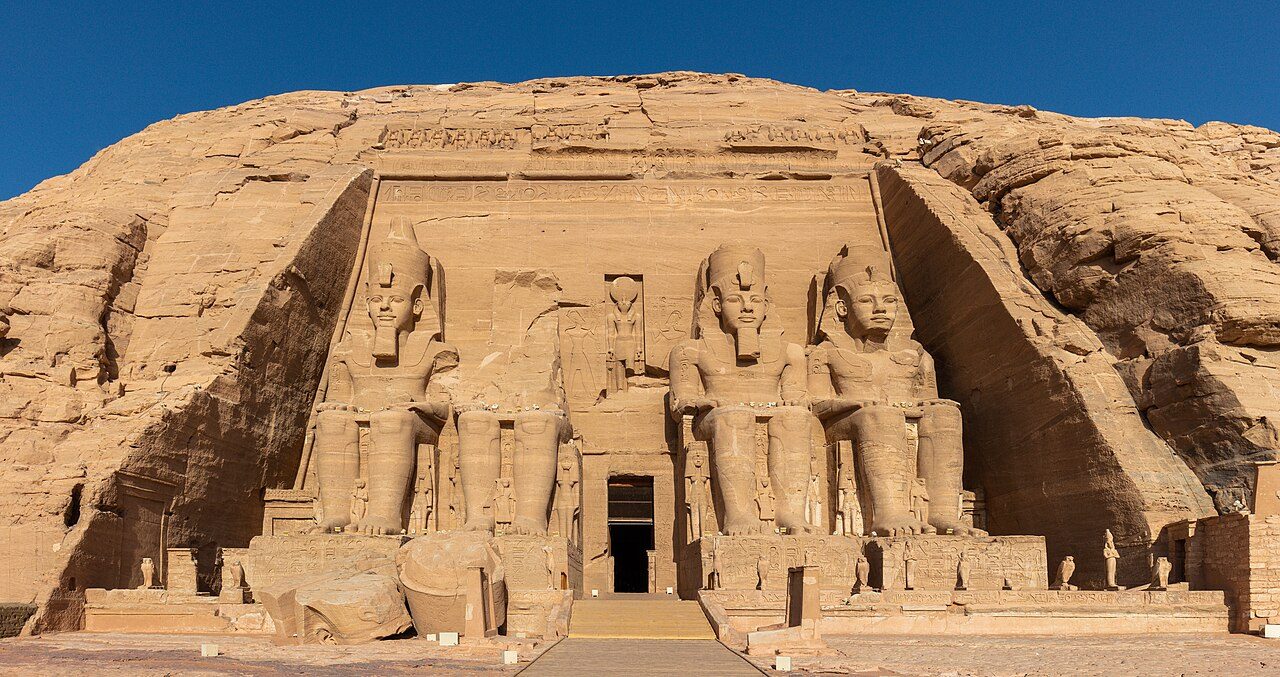
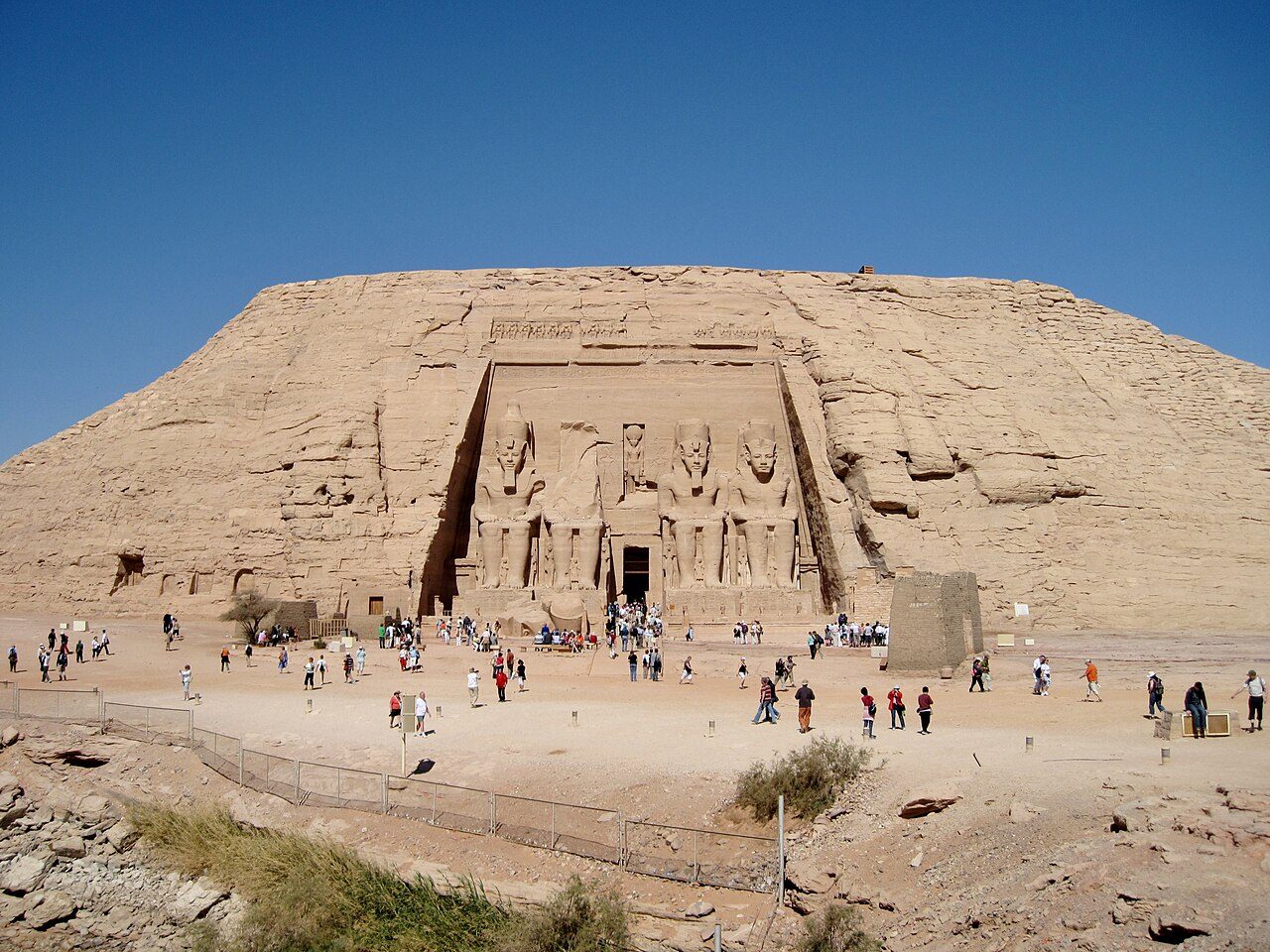
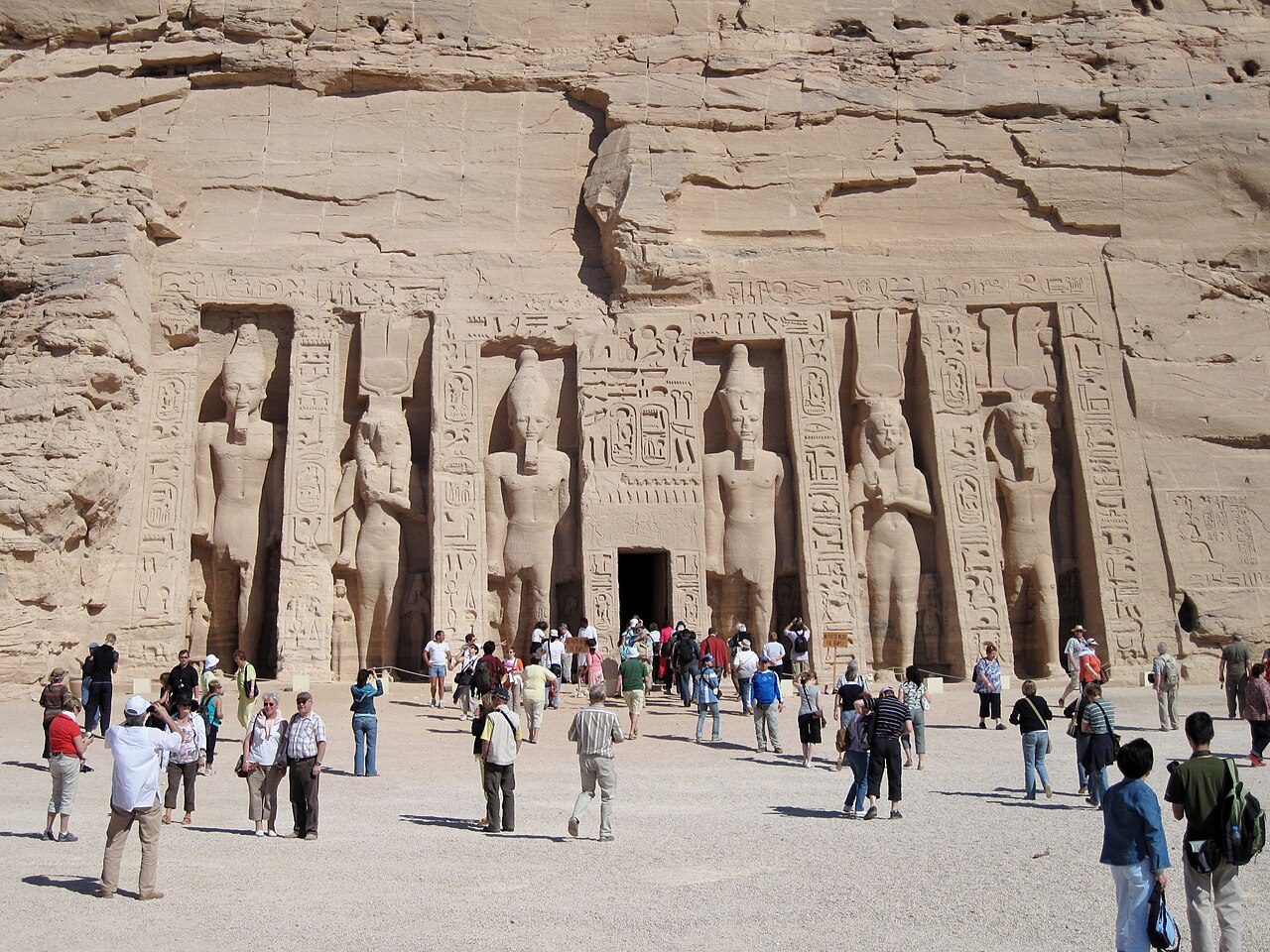
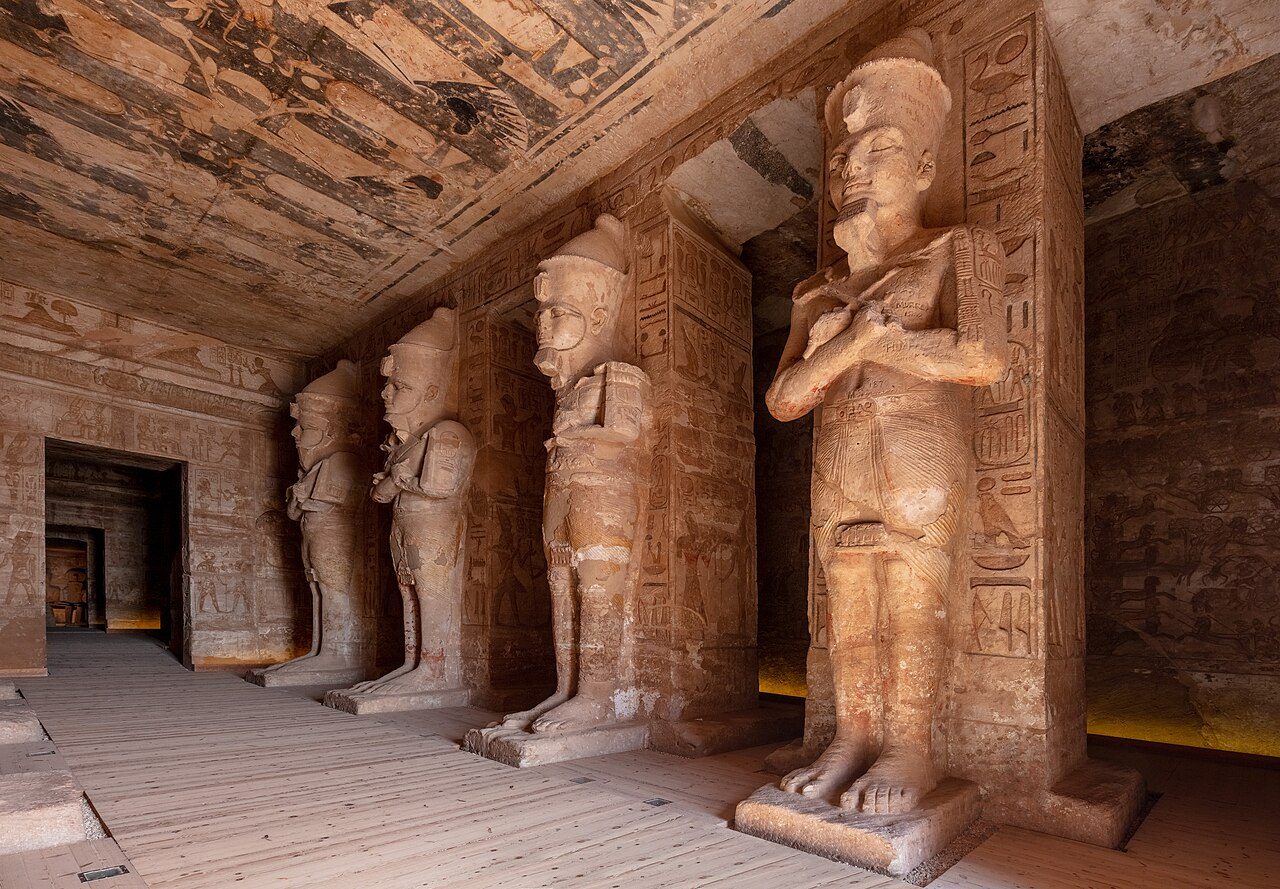
Abu Simbel is a pair of huge rock-cut temples built by Ramesses II near the southern border of Egypt. Four colossal statues of the pharaoh guard the main temple. In the 1960s, both temples were cut into blocks and moved to higher ground to save them from Lake Nasser. Twice a year sunlight reaches the inner sanctuary. Most visitors come on an early morning trip from Aswan.
 WaTrips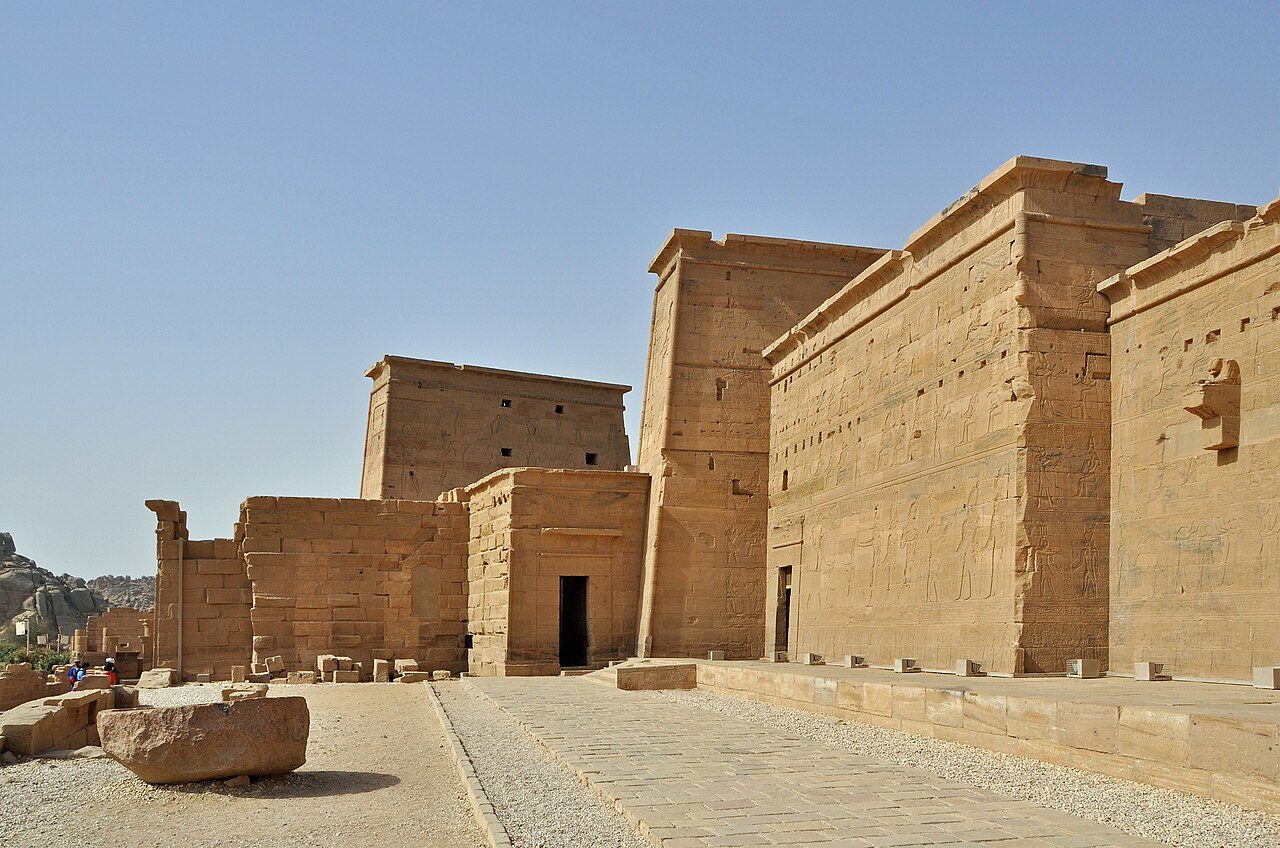





 BikesBooking
 Localrent
 Airalo
 Tiqets