The Pyramids and the Grand Egyptian Museum, Islamic and Coptic Cairo, Saqqara, Aswan and Philae, Abu Simbel, Kom Ombo, Edfu, Luxor, Dendera and Abydos.
Egypt's classic journey follows the Nile through 5,000 years of history. Start at the Pyramids and the Sphinx and the new Grand Egyptian Museum, then explore Cairo's Citadel, mosques and Khan el-Khalili bazaar, Coptic Cairo and the royal mummies. Fly to Aswan for Philae and the Nubian Museum, go to Abu Simbel at dawn, and sail north past the temples of Kom Ombo and Edfu. In Luxor, see Karnak, Luxor Temple, the Valley of the Kings and Hatshepsut's temple, and end at Dendera and Abydos. October to April avoids the heat.
01
STOP 1 OF 27
Pyramids of Giza
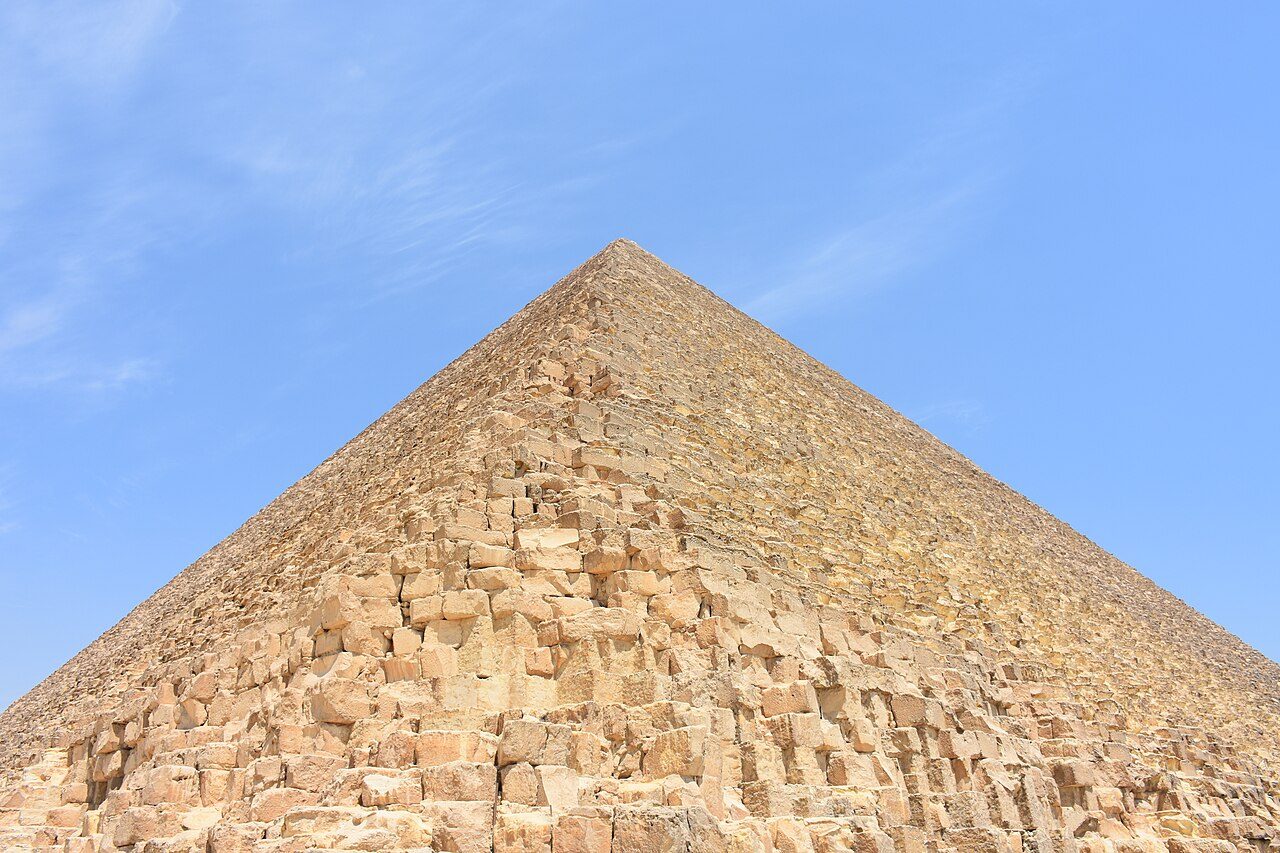
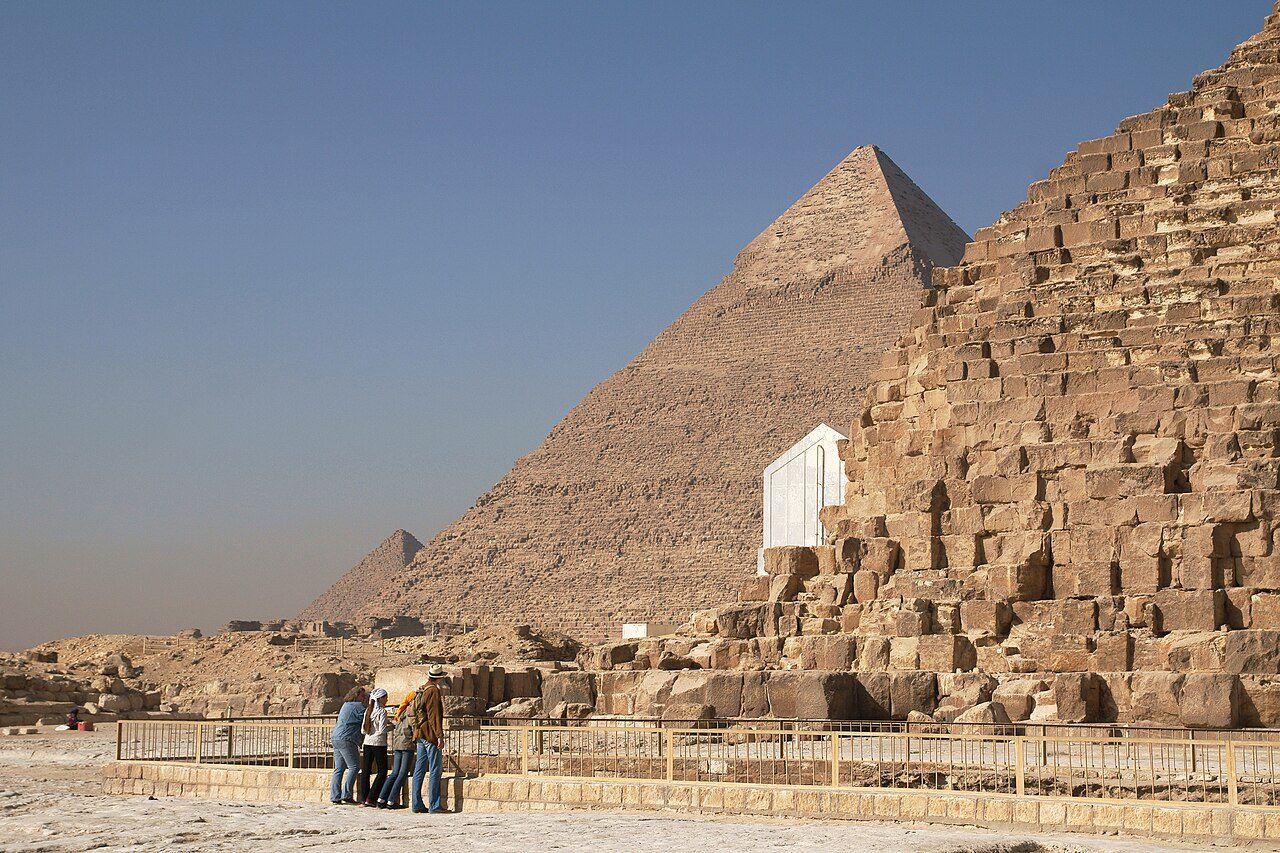
The Pyramids of Giza are the last surviving wonder of the ancient world. The Great Pyramid was built for Pharaoh Khufu about 4,500 years ago, with the pyramids of Khafre and Menkaure nearby. Visitors can enter some of the pyramids, ride camels across the plateau and enjoy panoramic viewpoints. Arrive at opening time to avoid the heat and the crowds.
02
STOP 2 OF 27
Great Sphinx of Giza
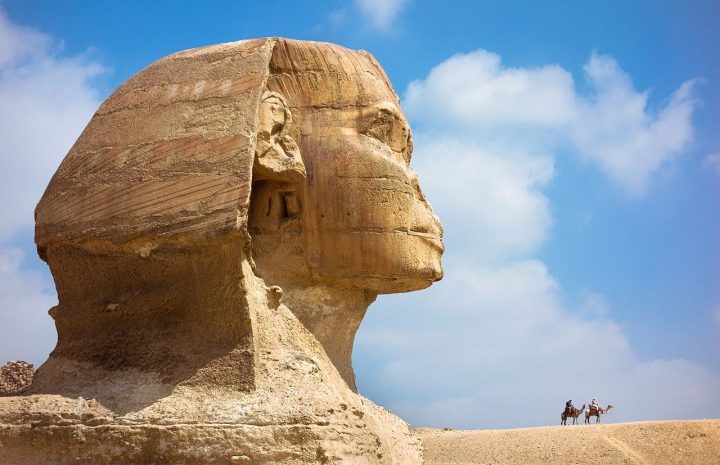
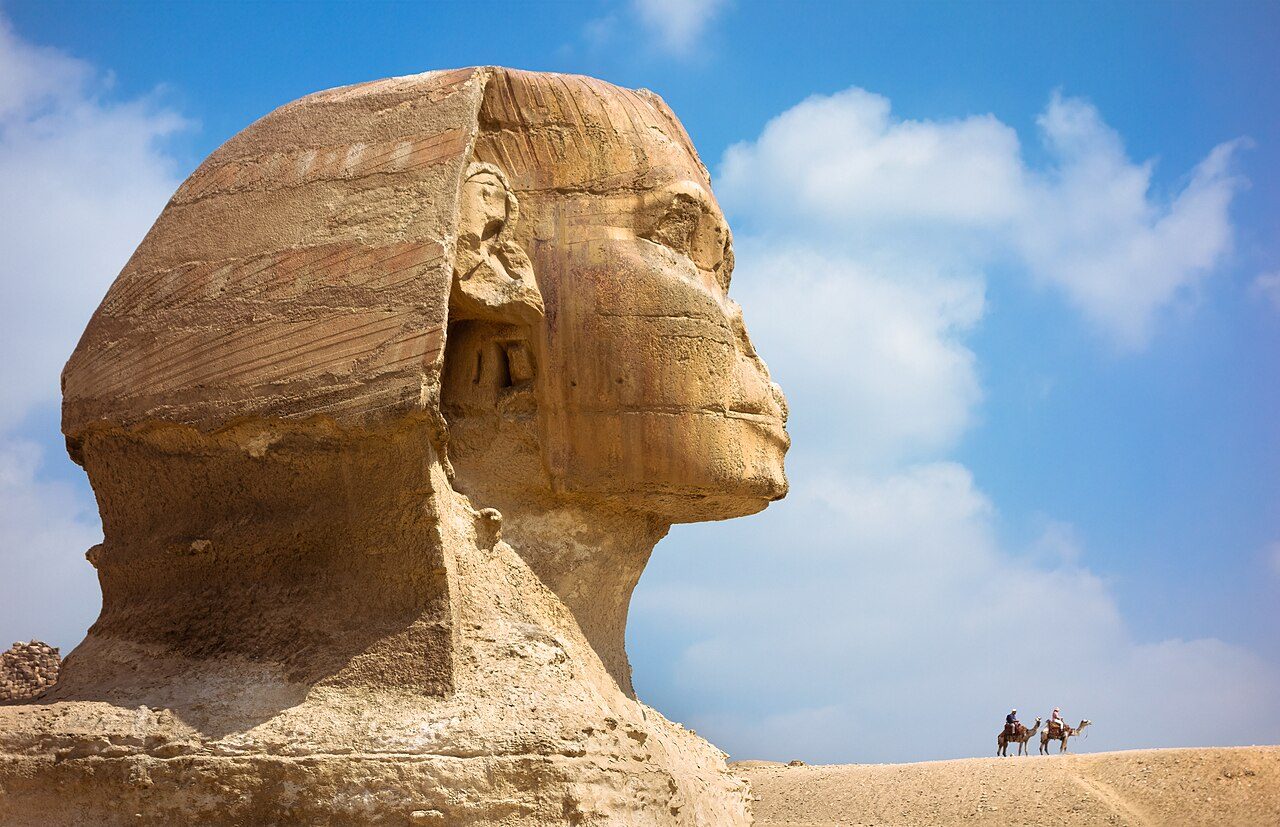
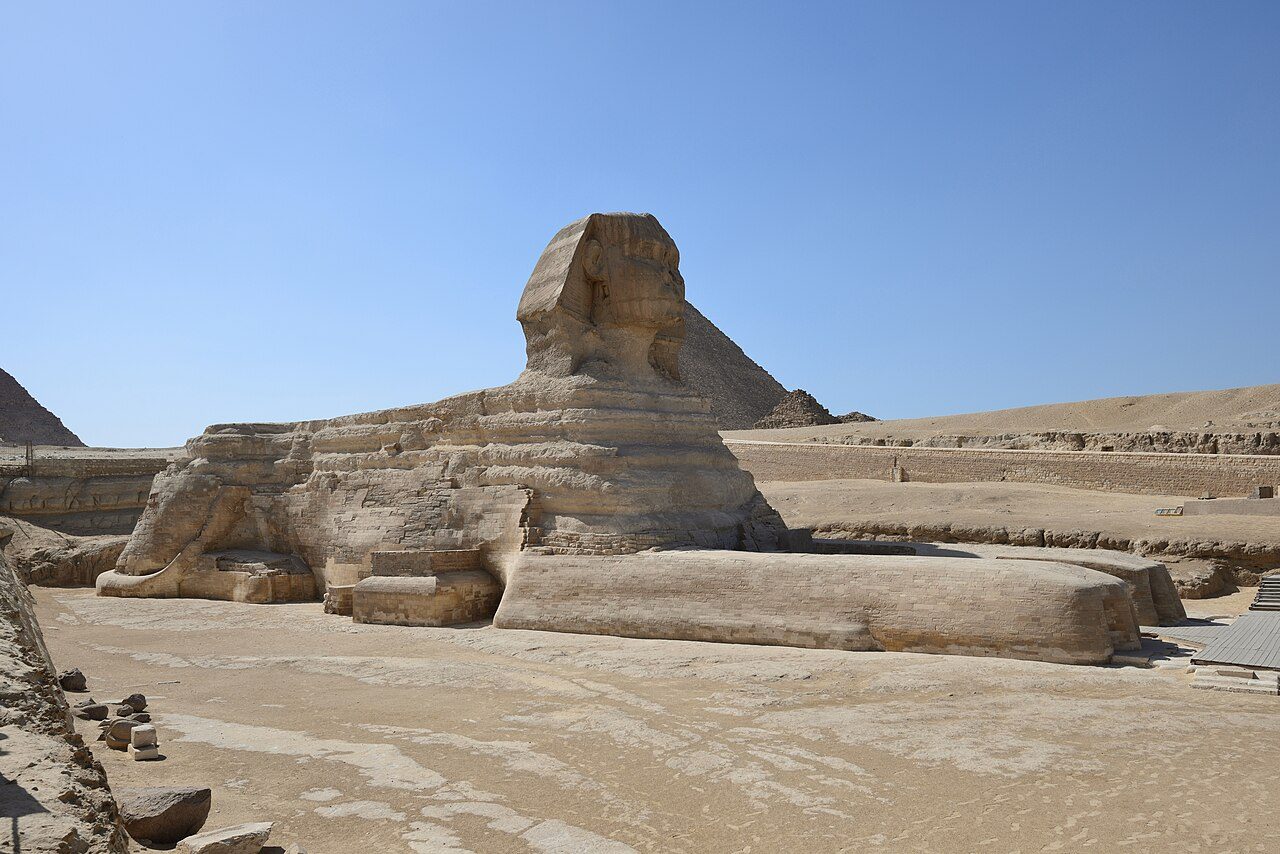
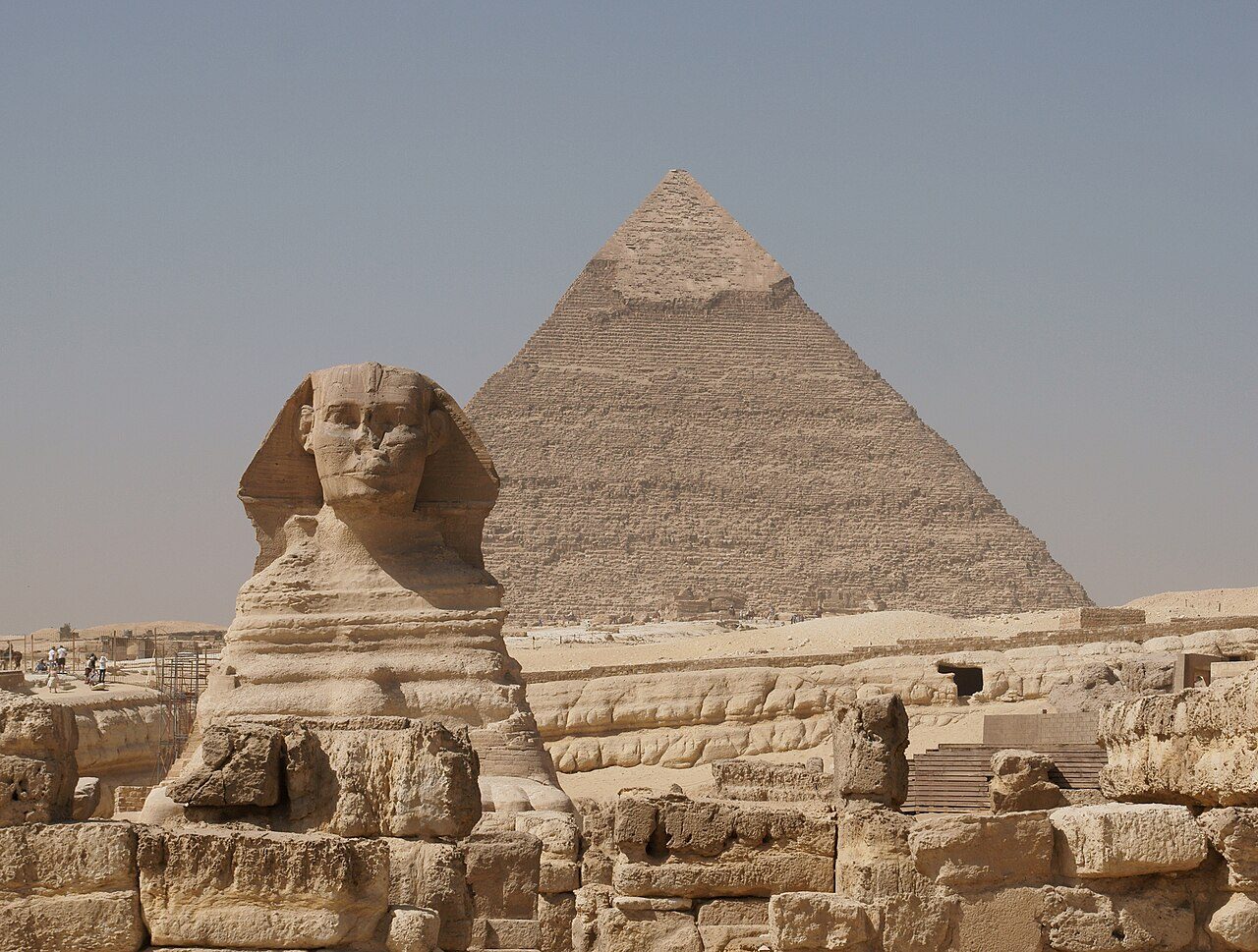
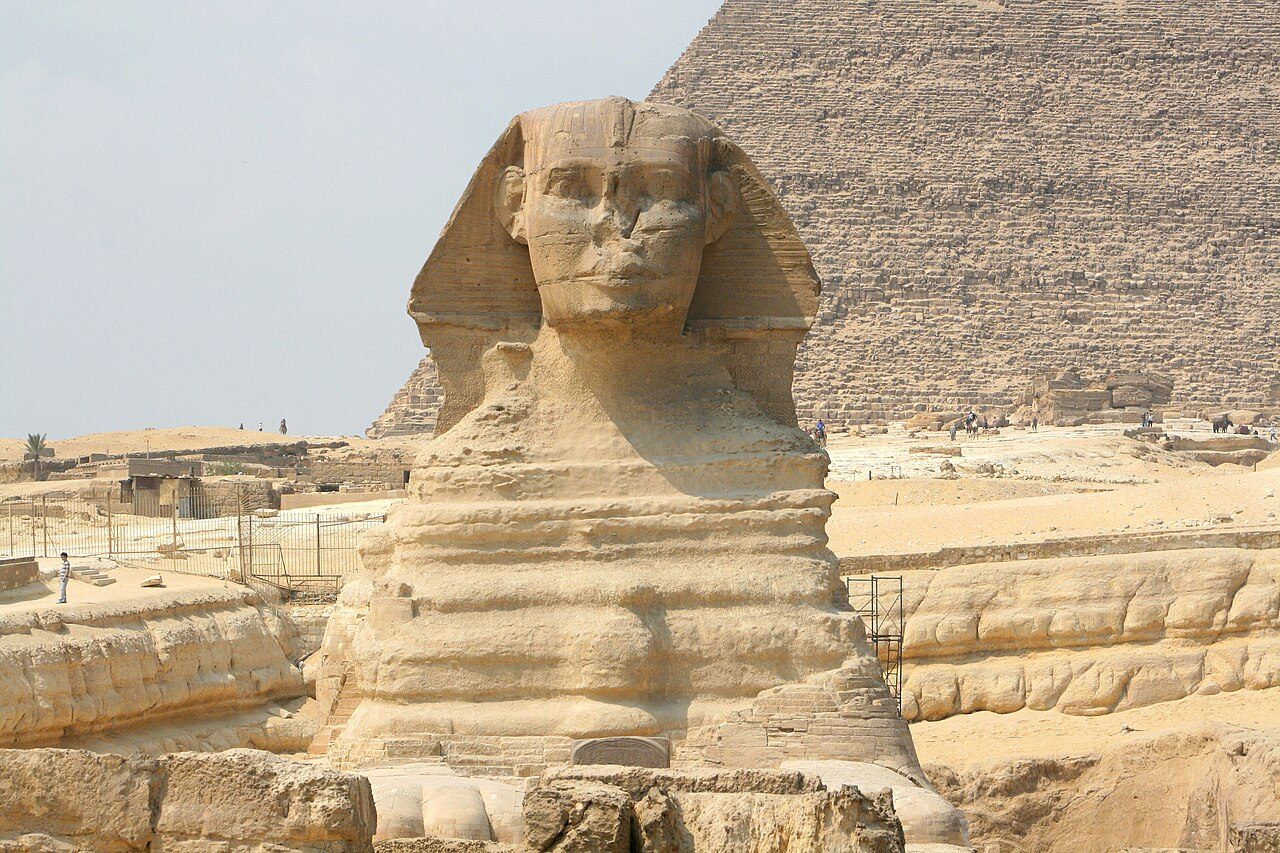
The Great Sphinx of Giza is a giant limestone statue with the body of a lion and the head of a king, generally believed to represent Pharaoh Khafre. Carved from the bedrock about 4,500 years ago, it guards the causeway to Khafre's pyramid. Visitors can view it from the Valley Temple beside it. The evening sound and light show is held nearby.
03
STOP 3 OF 27
Grand Egyptian Museum
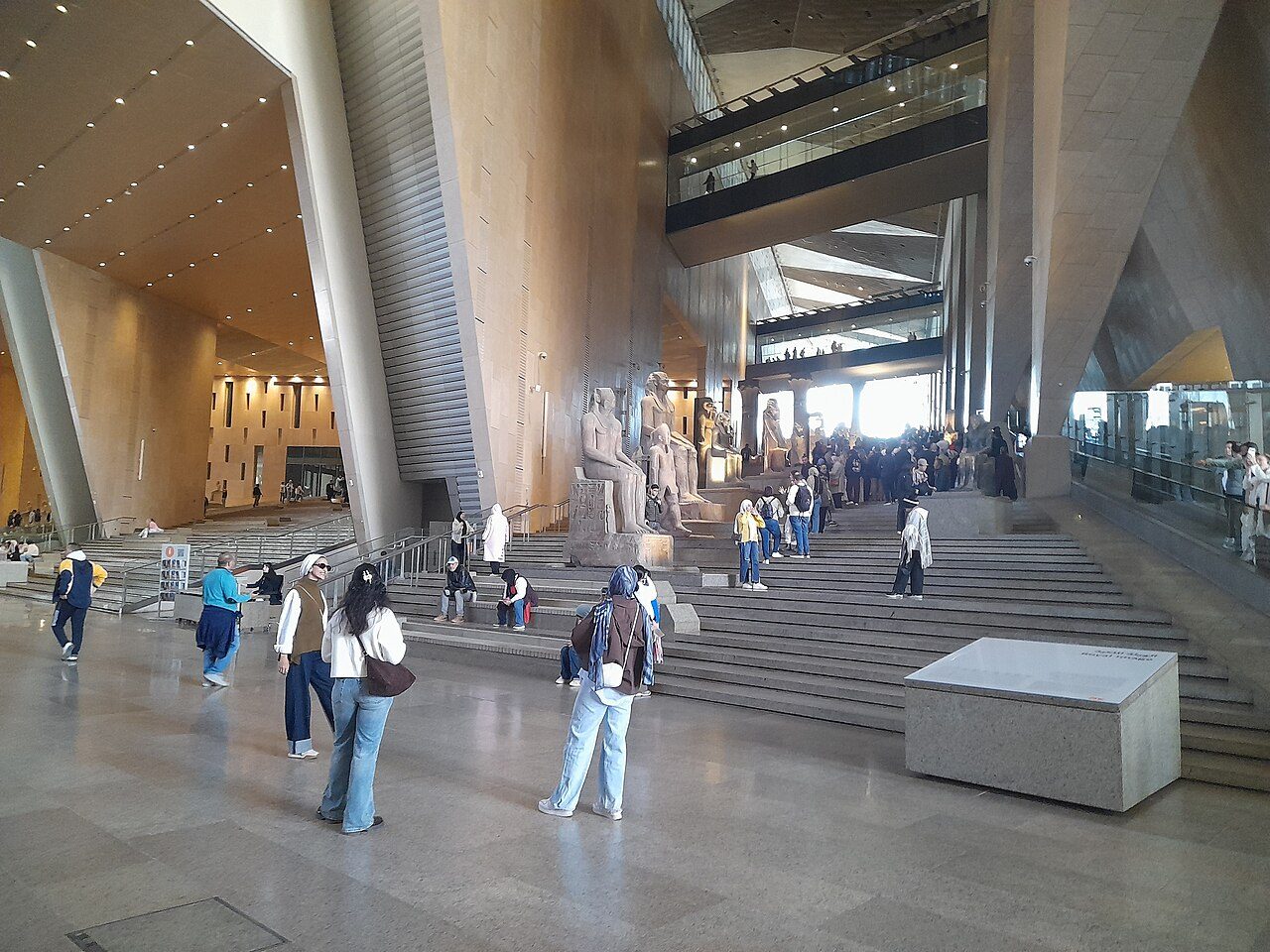
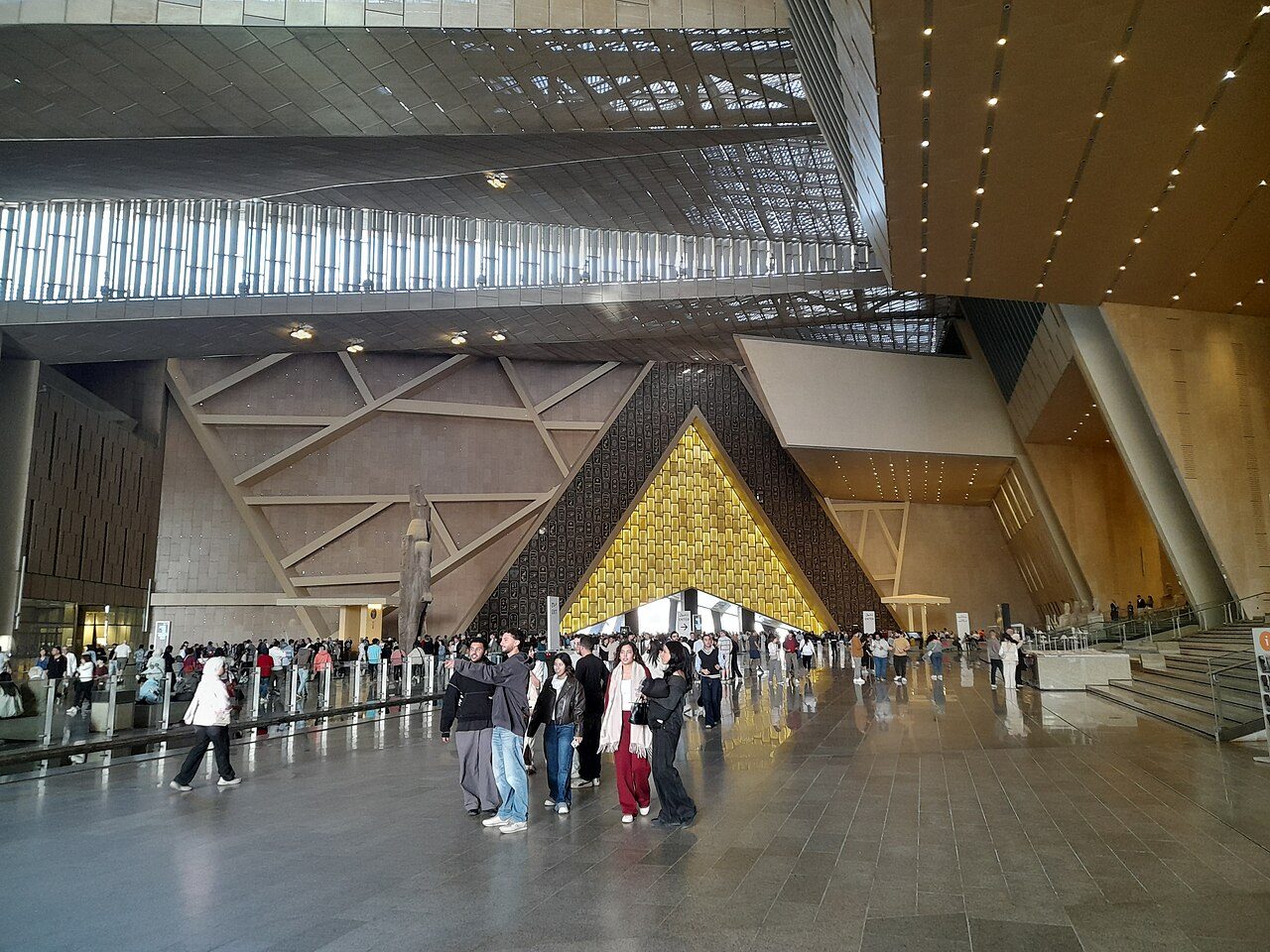
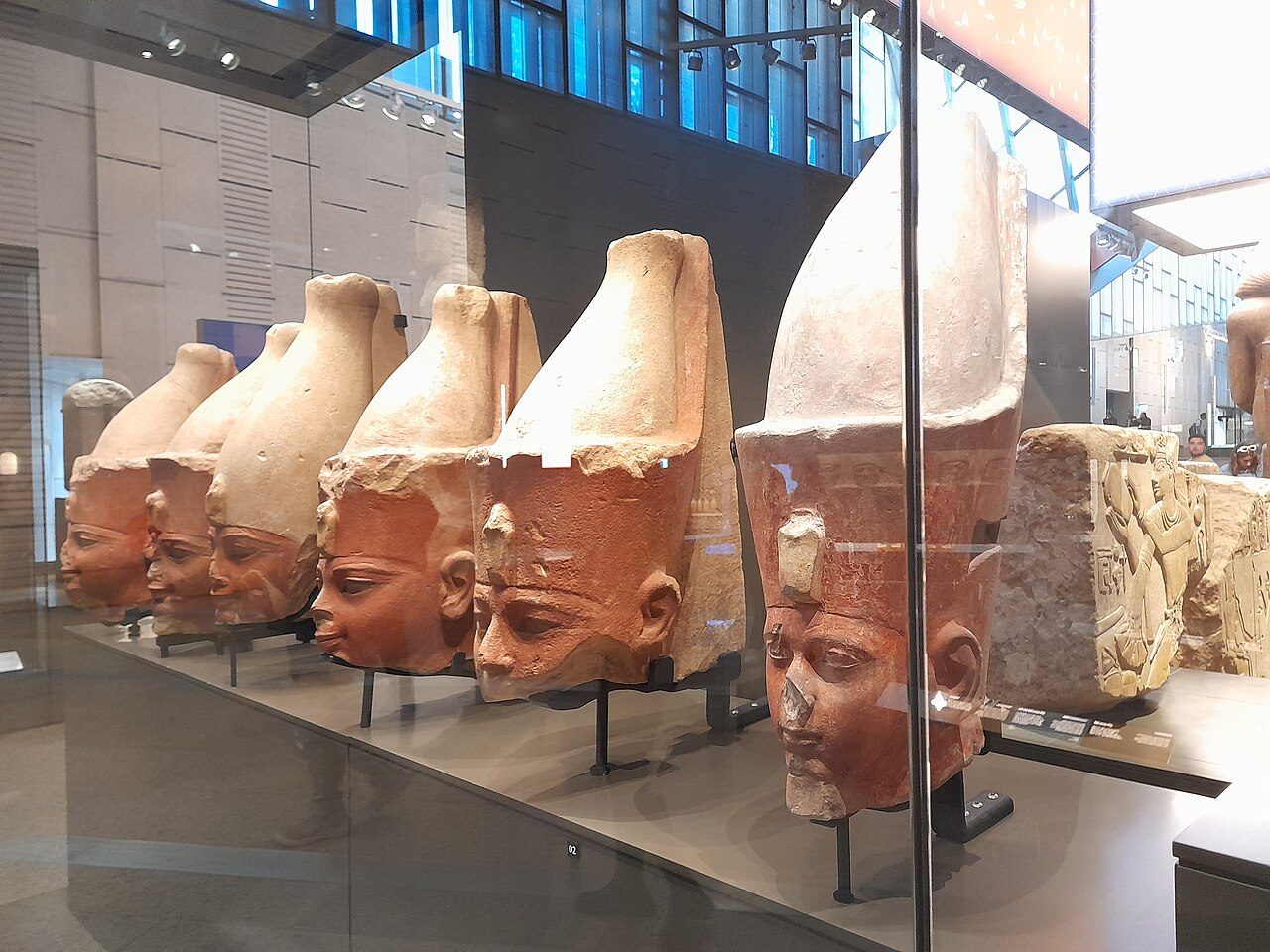
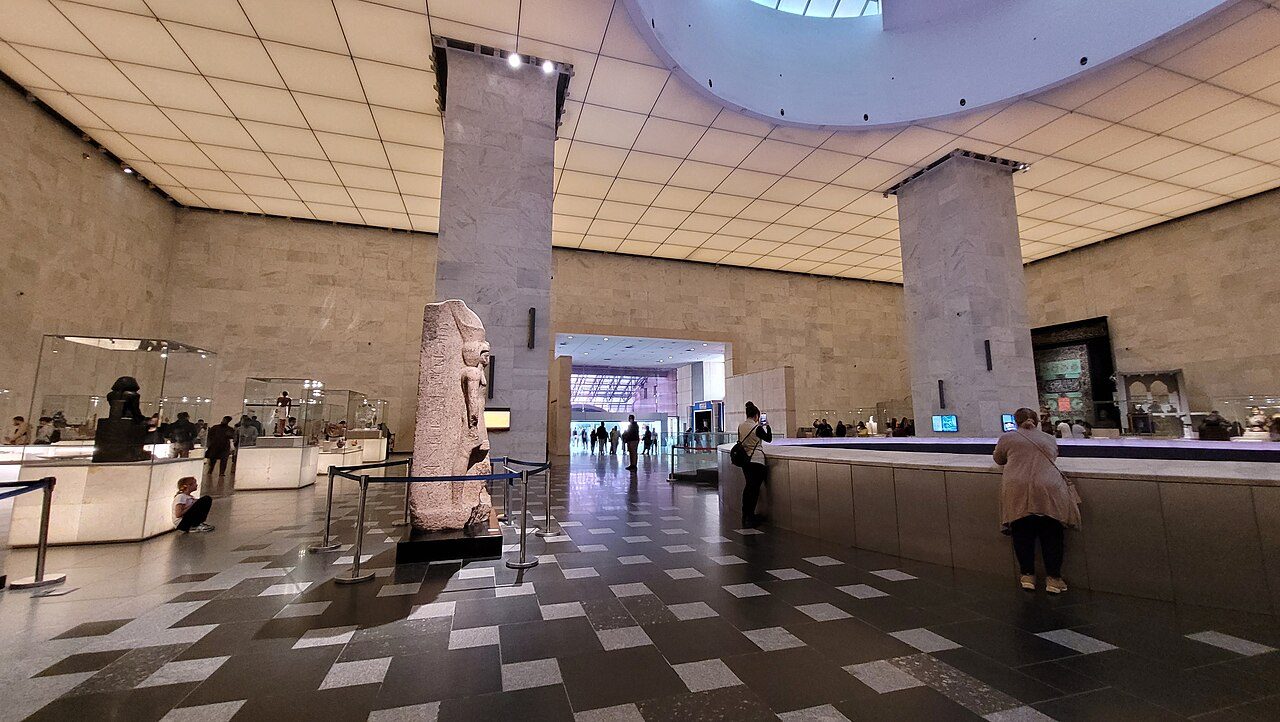
The Grand Egyptian Museum near the Pyramids of Giza is one of the largest archaeological museums in the world. A huge statue of Ramesses II greets visitors in the atrium, and a grand staircase lined with statues leads up to galleries with views of the pyramids. Its collection includes the treasures of Tutankhamun. Book tickets ahead and allow most of a day.
04
STOP 4 OF 27
Egyptian Museum
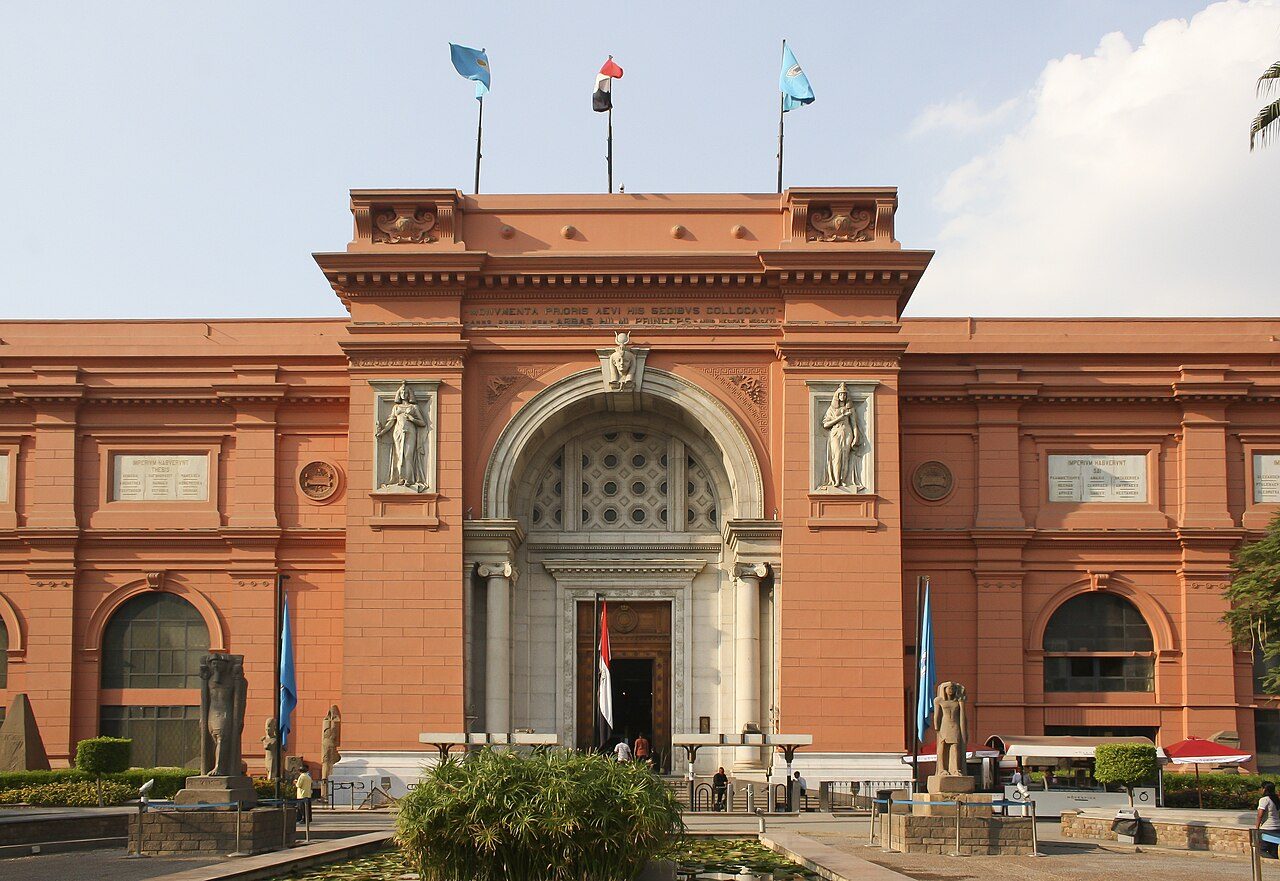
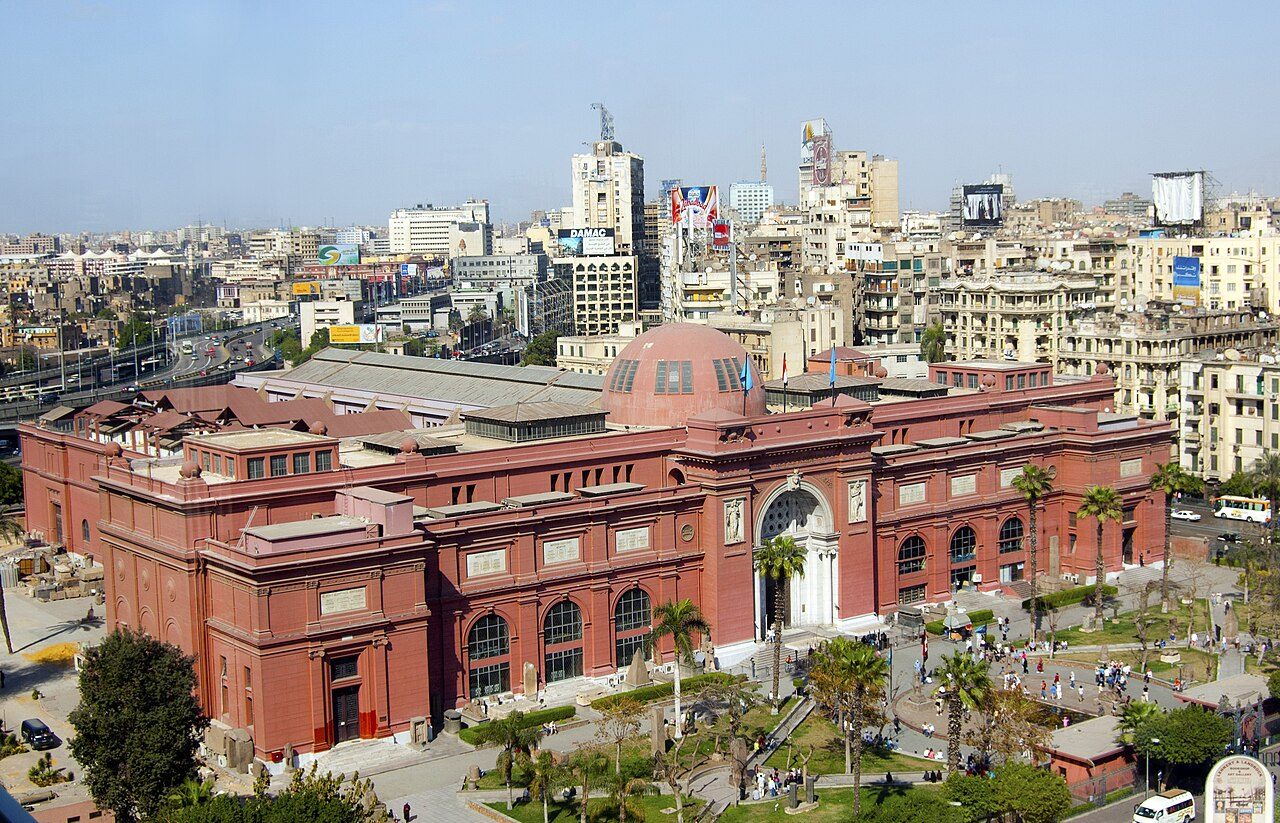
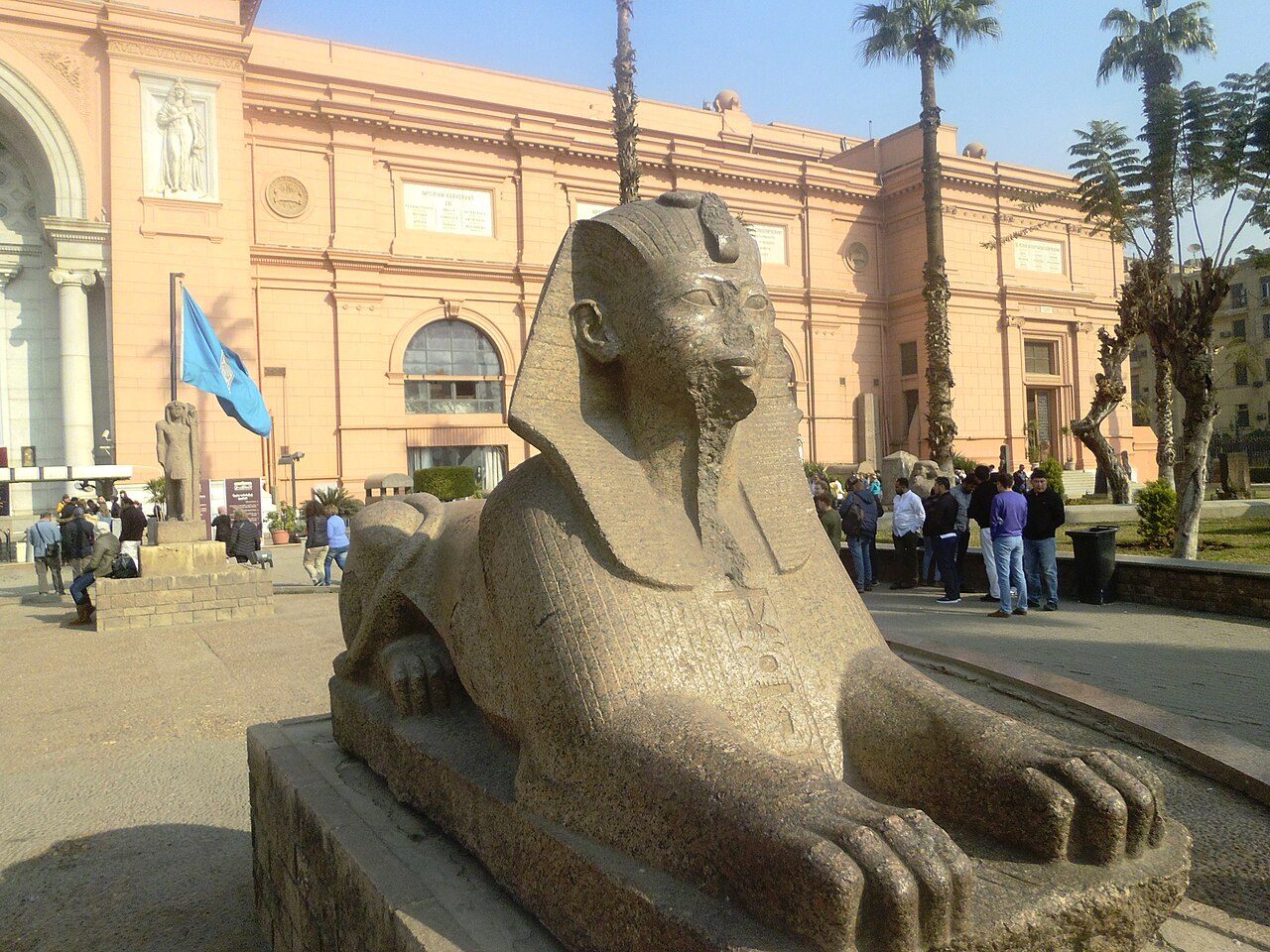
The Egyptian Museum on Tahrir Square holds one of the world's largest collections of ancient Egyptian artefacts. Opened in 1902 in a distinctive pink building, it displays statues, mummies, papyri and jewellery from every period of Egyptian history. Some highlights have moved to the Grand Egyptian Museum, but many treasures remain. Allow at least half a day.
05
STOP 5 OF 27
Cairo Citadel
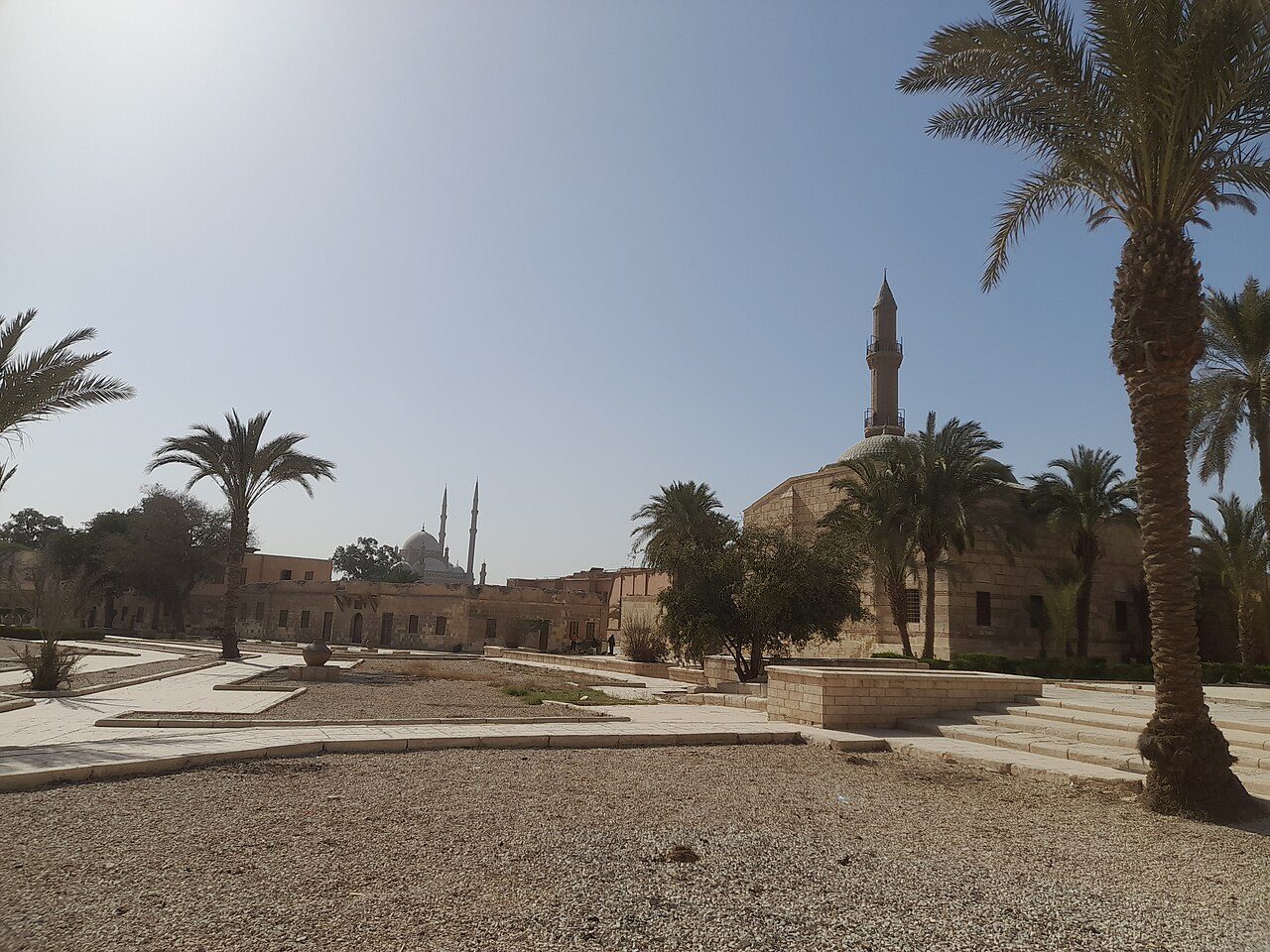
The Citadel of Saladin is a medieval fortress on the Mokattam hills, begun in the 12th century to defend Cairo. For centuries it was the seat of Egypt's rulers. Its most famous building is the Mosque of Muhammad Ali, with large domes and slender minarets that dominate the skyline. The terraces give wide views over the city, and on clear days the pyramids.
06
STOP 6 OF 27
Sultan Hassan Mosque
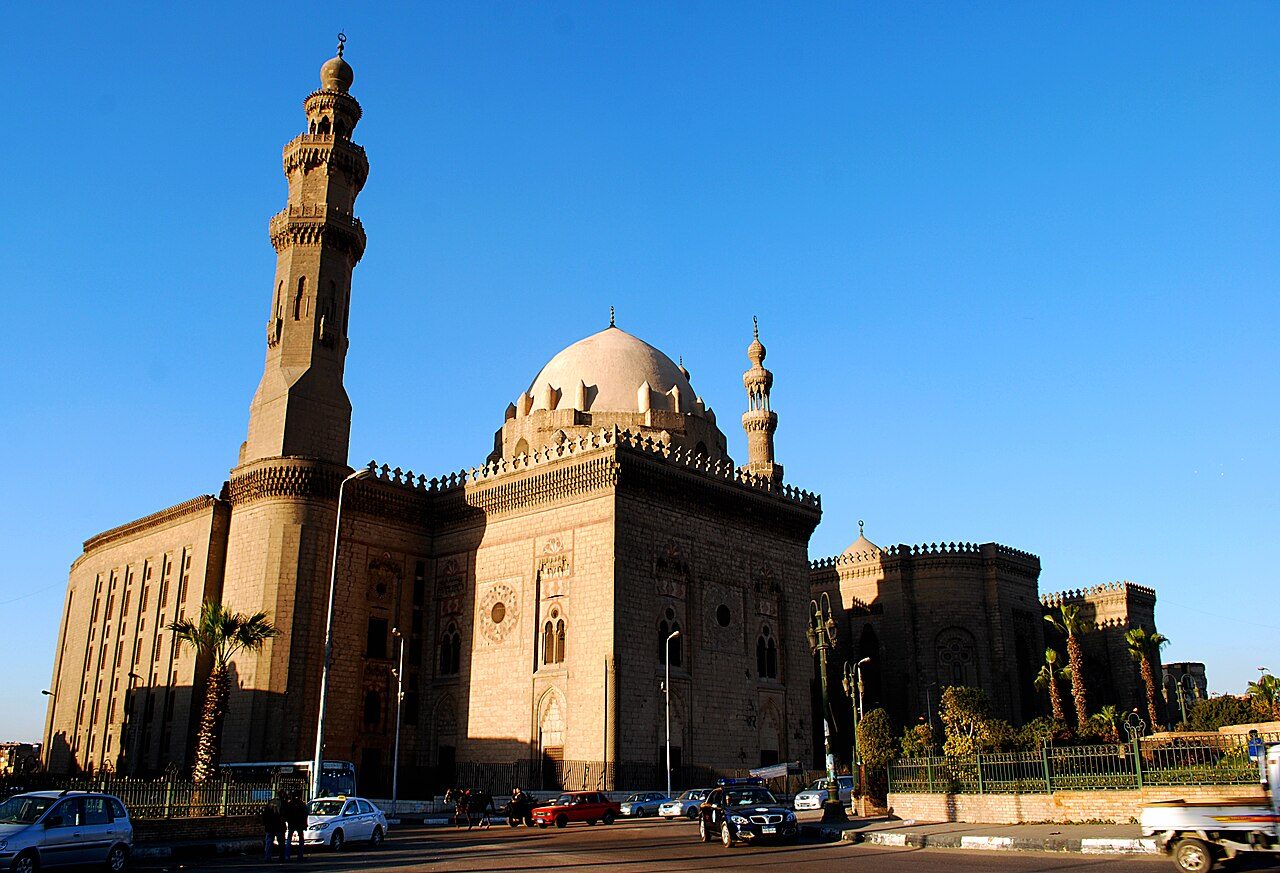
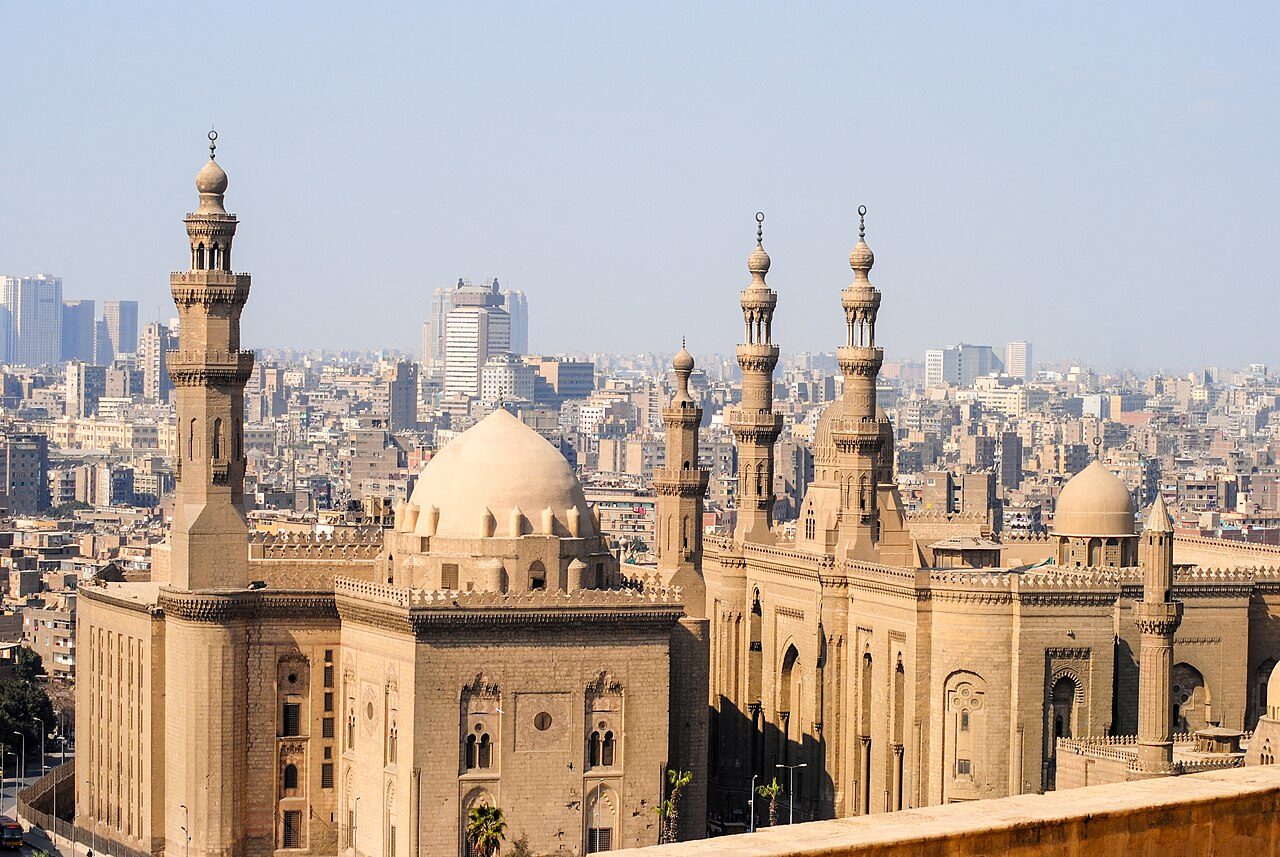
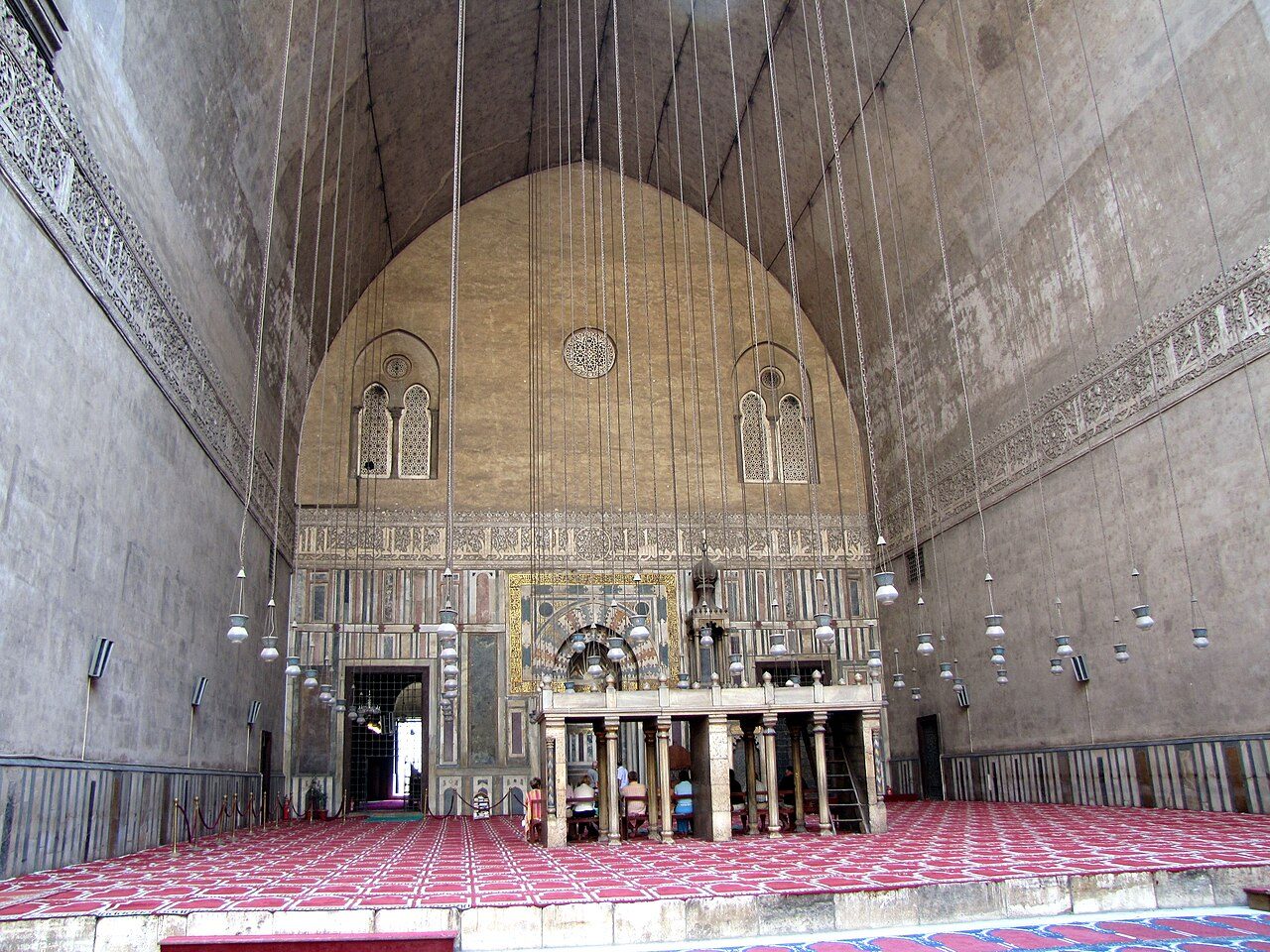
The Mosque-Madrassa of Sultan Hassan is one of the largest and most impressive medieval Islamic buildings in Cairo, built in the 14th century. Its towering walls, deep entrance portal and vast courtyard with four vaulted halls show the grandeur of the Mamluk period. It stands below the Citadel next to the Al-Rifa'i Mosque. Visitors should dress modestly.
07
STOP 7 OF 27
Al-Azhar Mosque
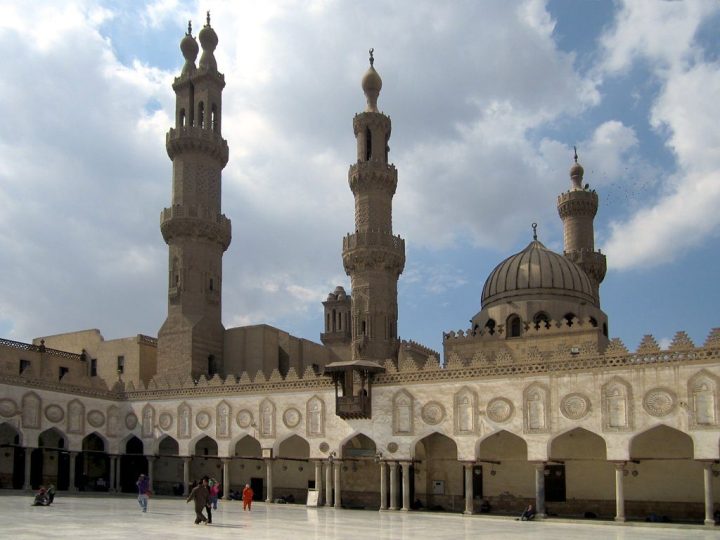
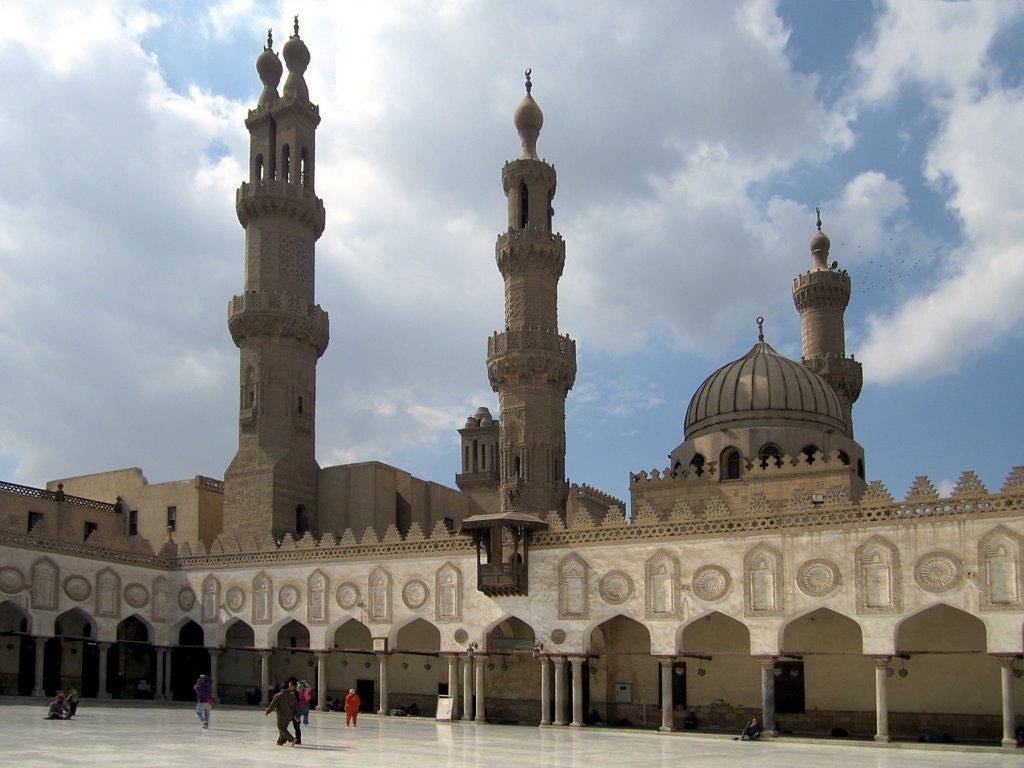
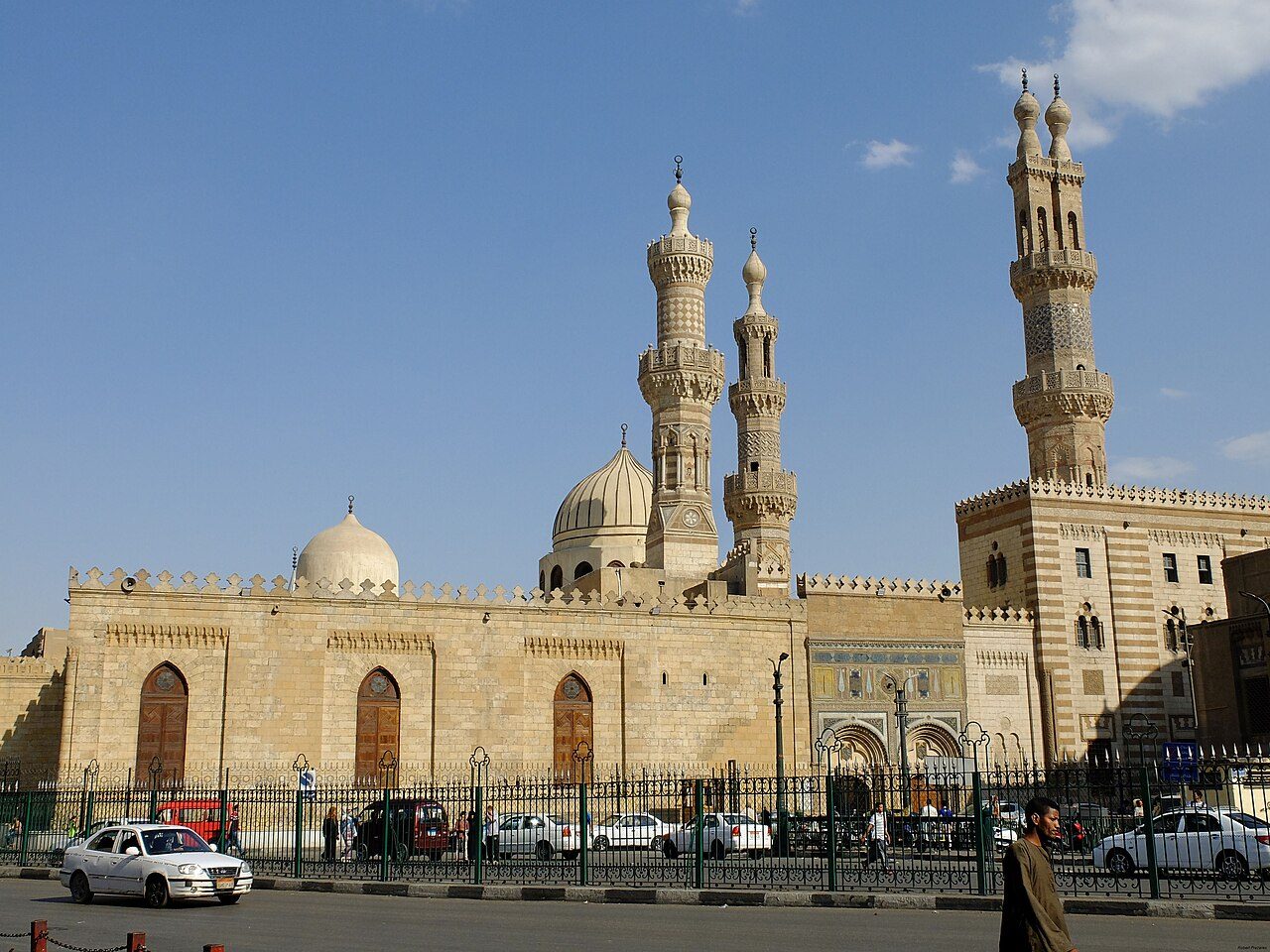
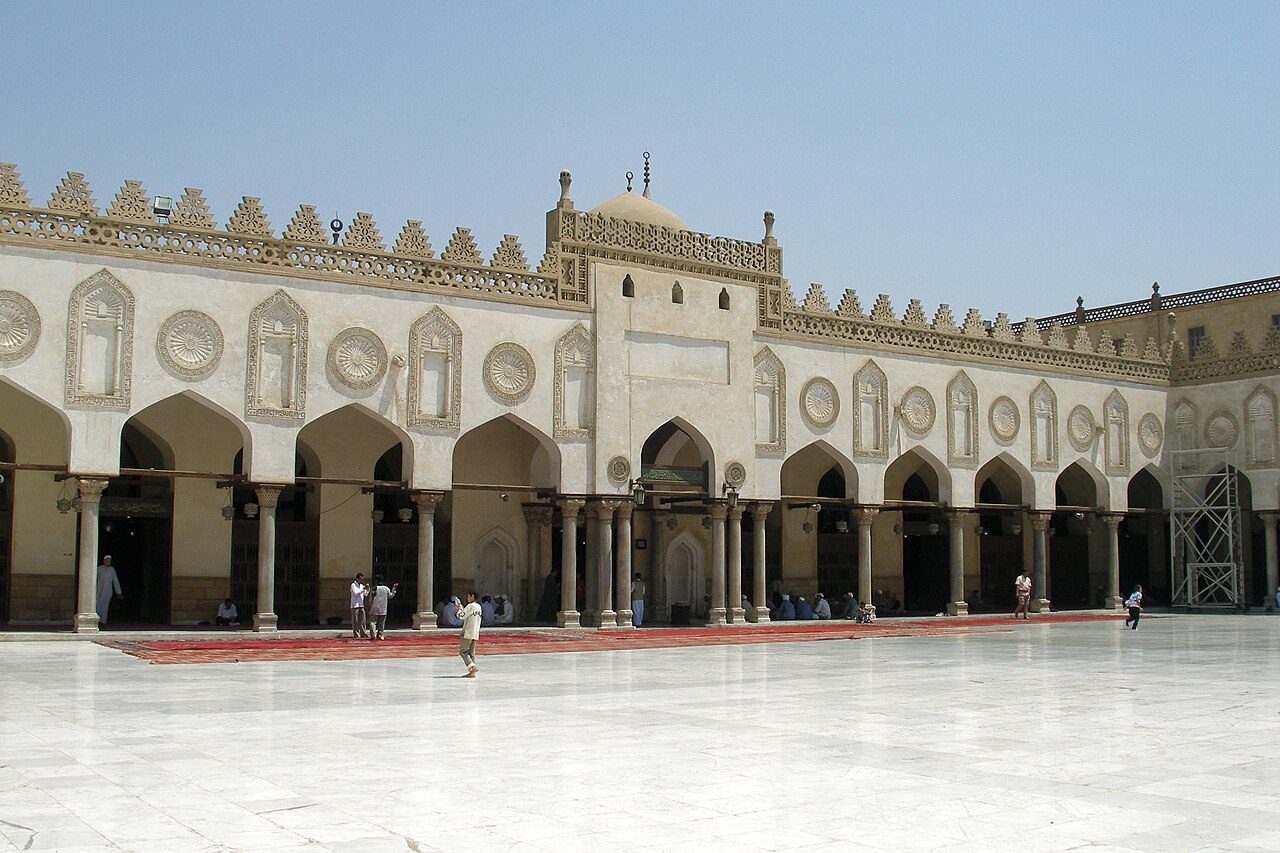
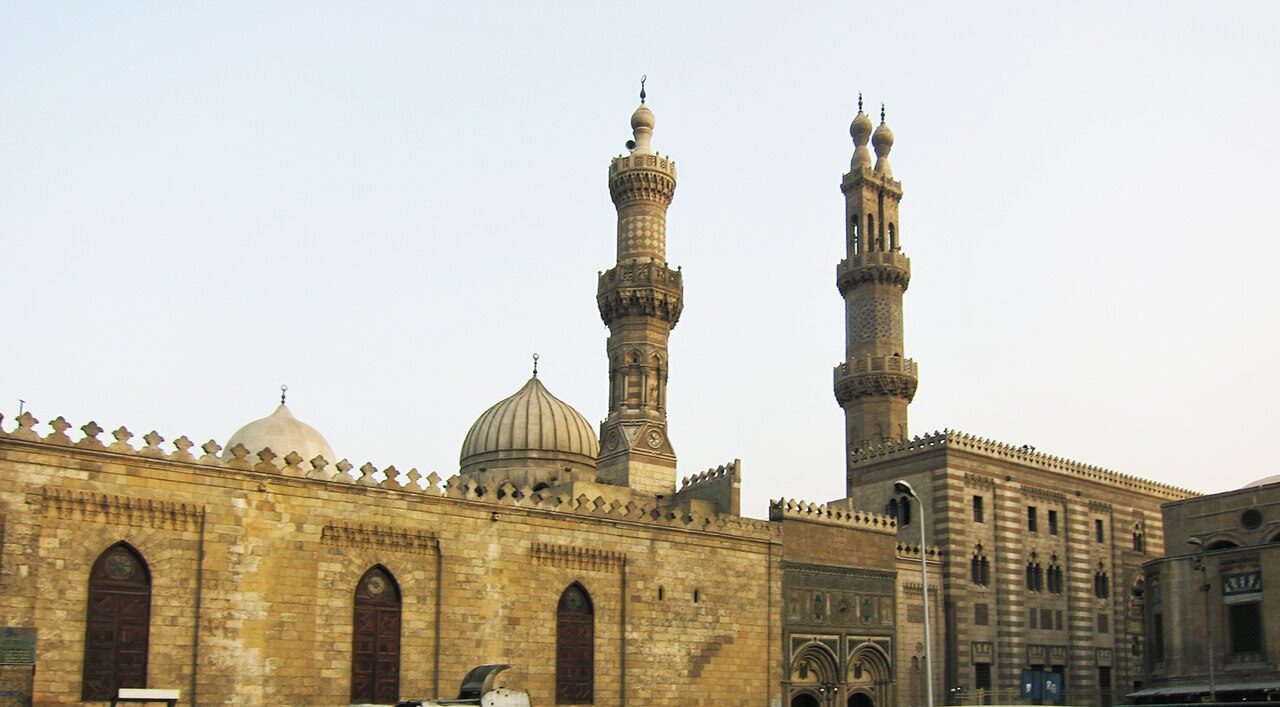
Al-Azhar Mosque was founded in 970 by the Fatimid dynasty and is one of the oldest mosques in Cairo. It is home to Al-Azhar University, one of the oldest continuously operating universities in the world. Its marble courtyard is surrounded by arcades and minarets from different eras. Visitors are welcome outside prayer times; women should cover their hair.
08
STOP 8 OF 27
Khan el-Khalili
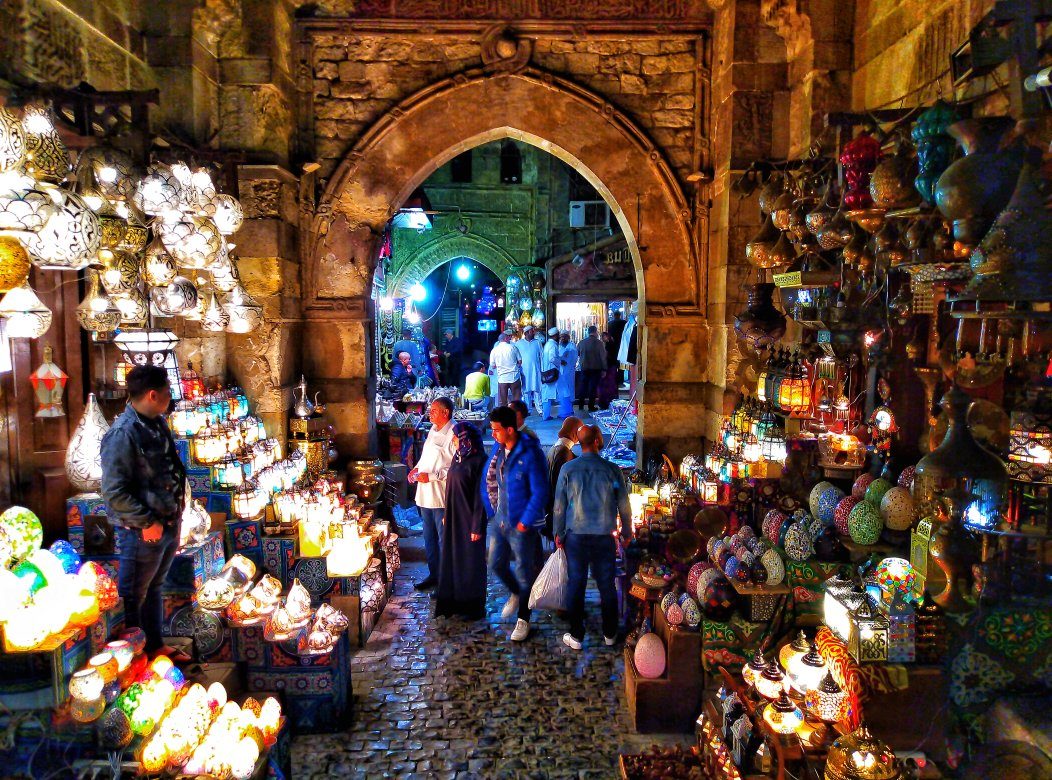
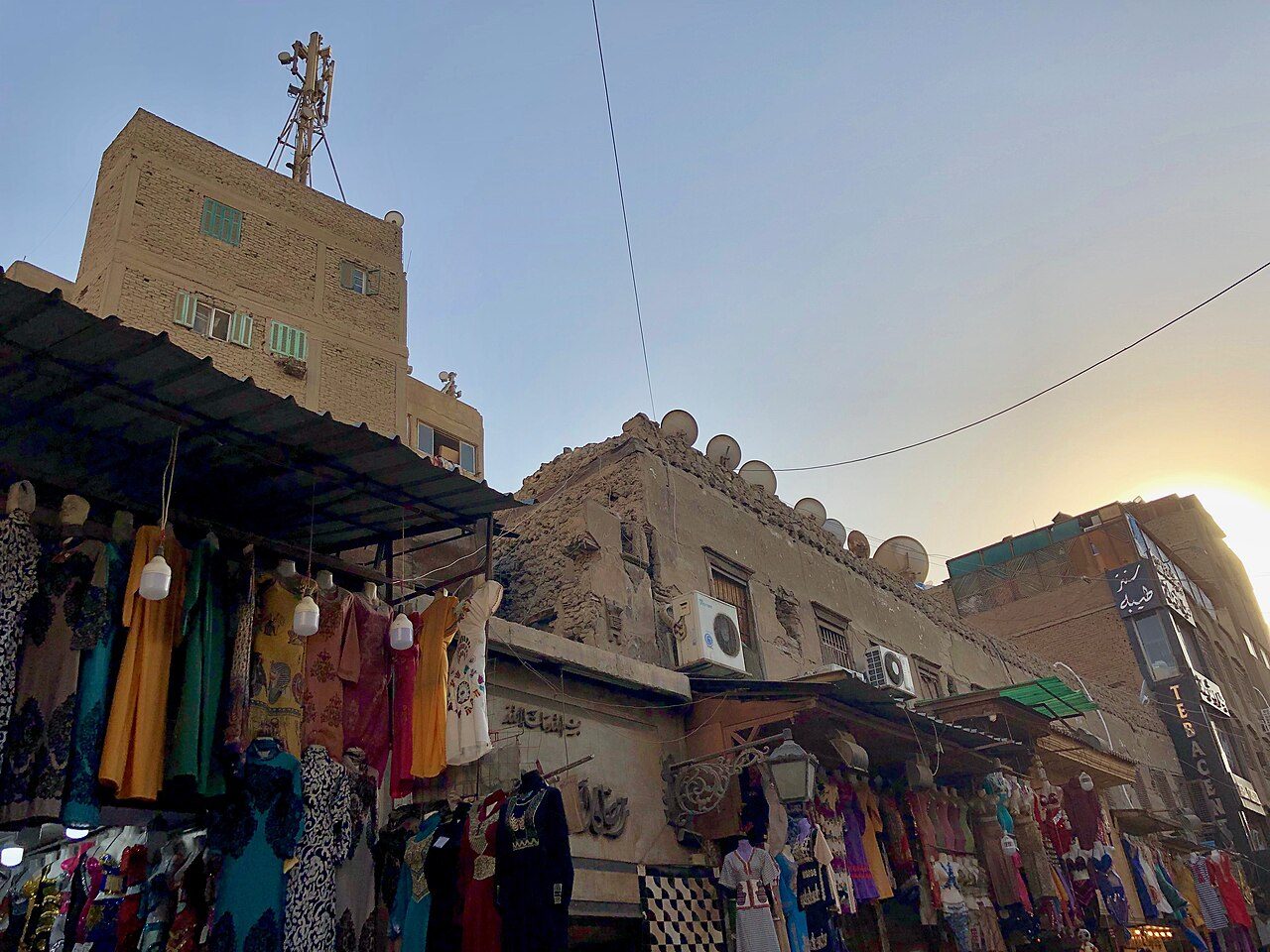
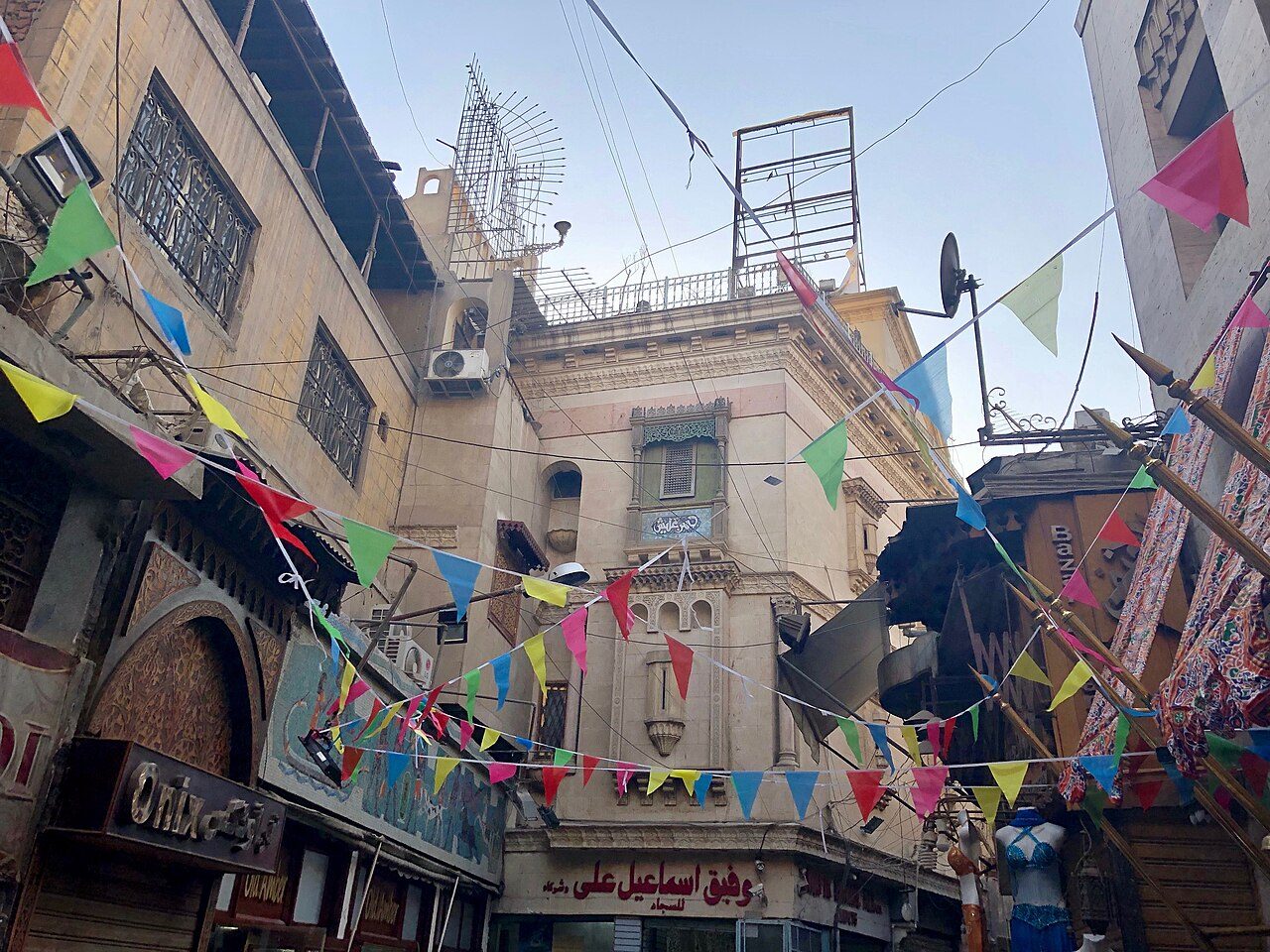
Khan el-Khalili is Cairo's most famous bazaar, a maze of narrow lanes in Islamic Cairo that dates back to the 14th century. Shops sell lamps, spices, textiles, silver and souvenirs, and bargaining is expected. The historic El Fishawy café is a favourite place to stop for mint tea. The market is lively in the evening, when lanterns light up the alleys.
09
STOP 9 OF 27
Hanging Church
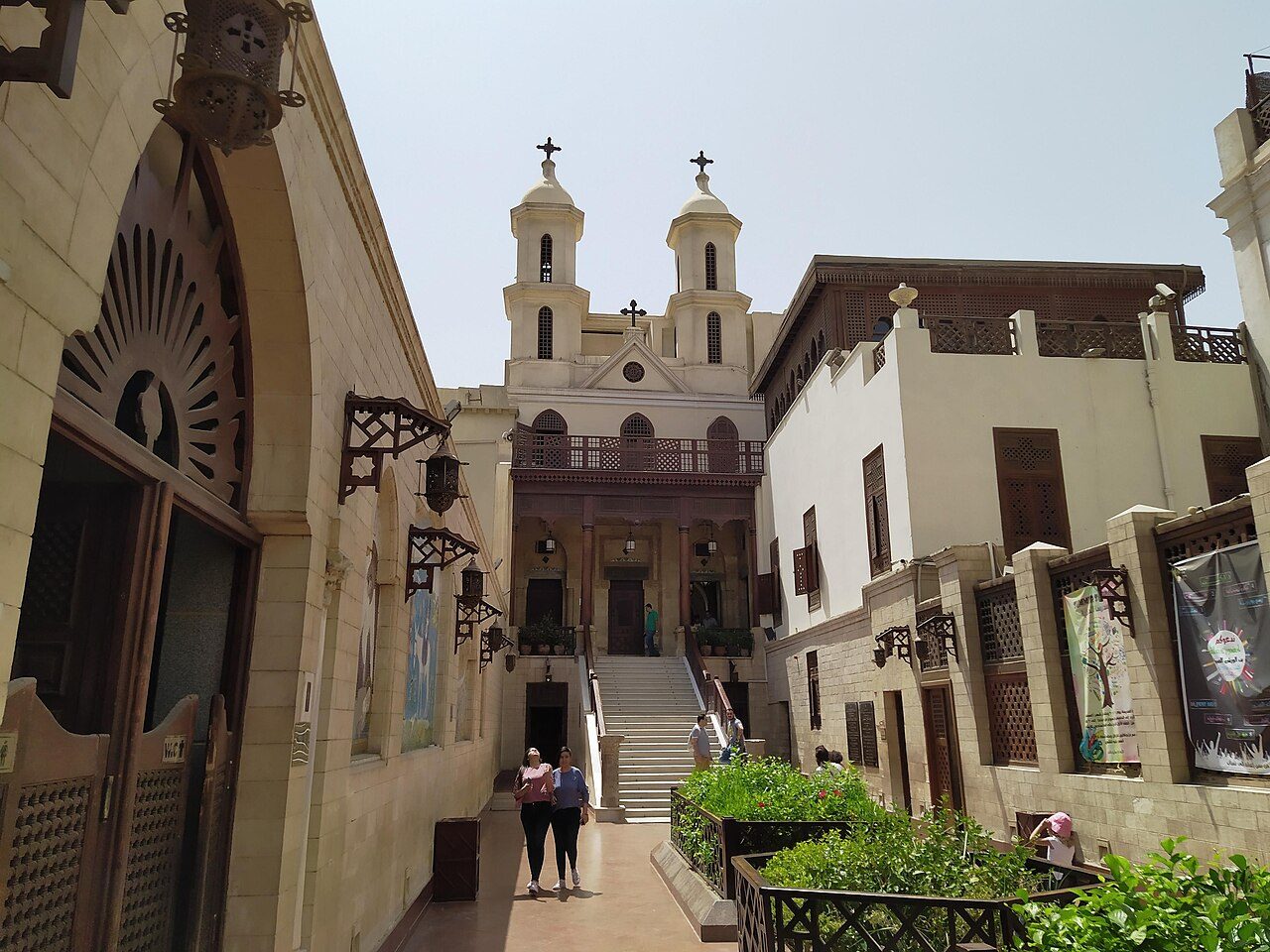
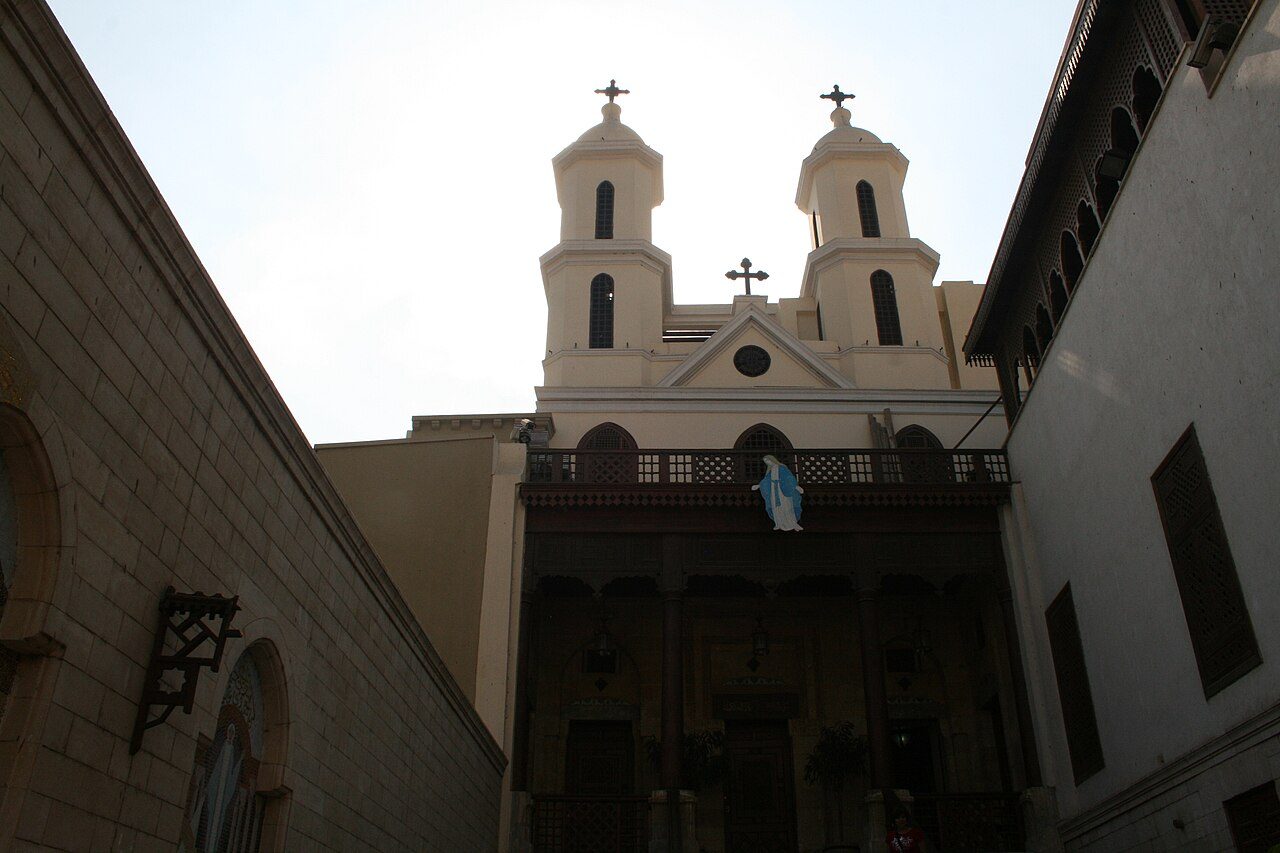
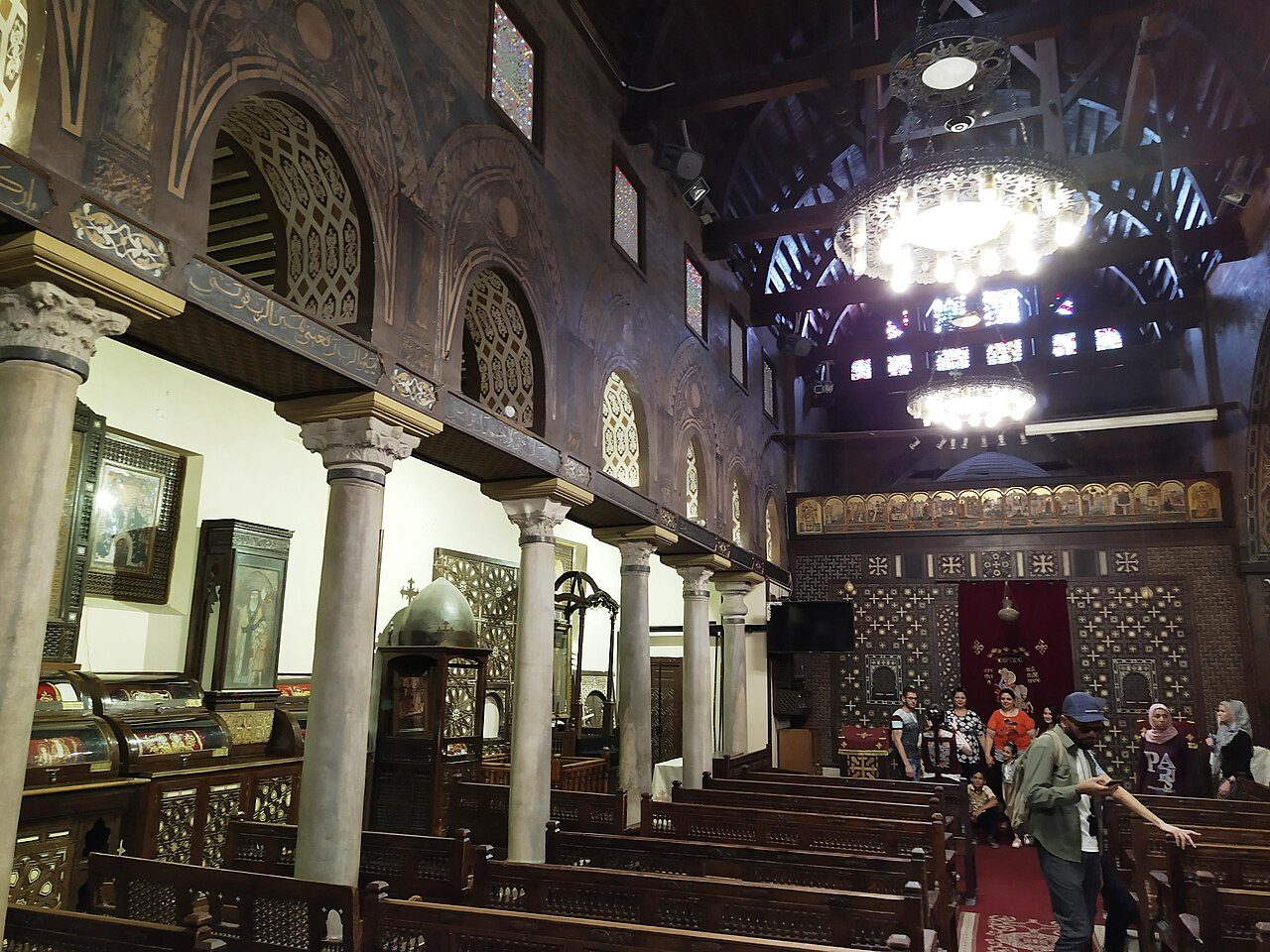
The Hanging Church, or Saint Virgin Mary's Coptic Orthodox Church, is one of the oldest churches in Egypt. It is named for being built on top of the gatehouse of the Roman Babylon Fortress, so its nave seems to hang over a passage. Inside are fine wooden screens inlaid with ivory and many icons. It is the highlight of Coptic Cairo.
10
STOP 10 OF 27
National Museum of Egyptian Civilization
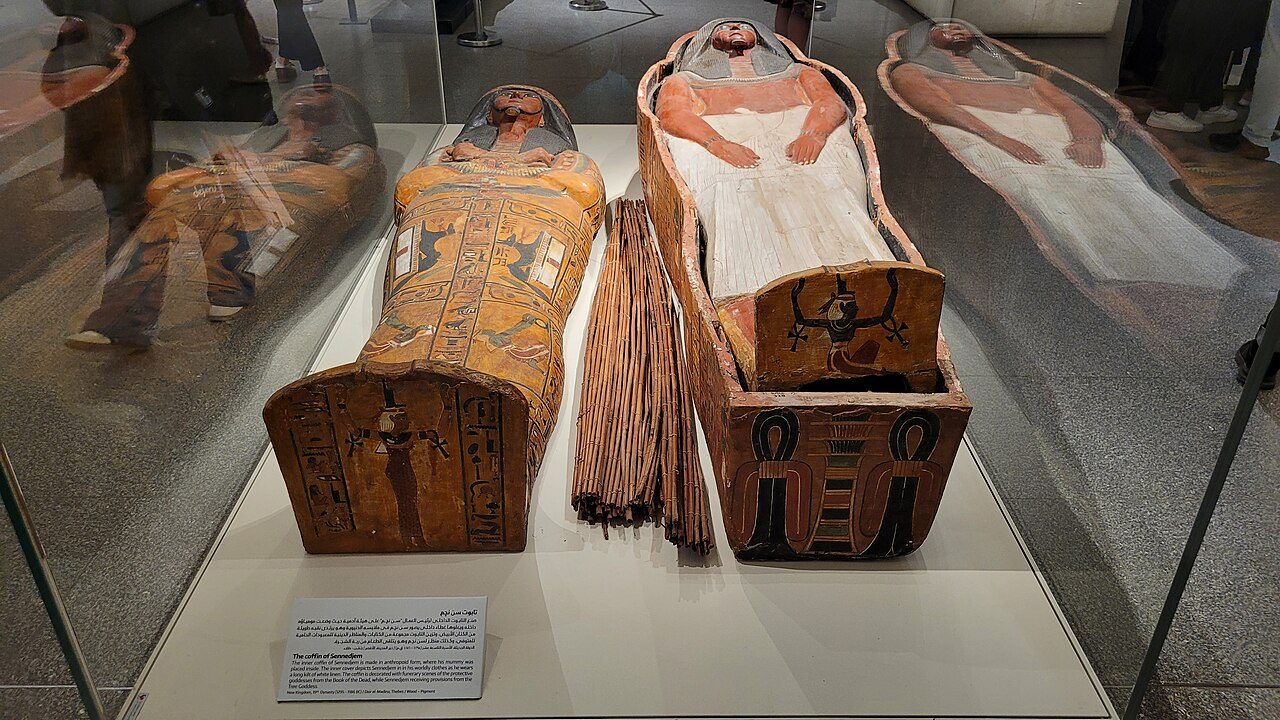
The National Museum of Egyptian Civilization in Fustat tells the story of Egypt from prehistoric times to the present day. Its highlight is the Royal Mummies Hall, where the mummies of famous pharaohs, including Ramesses II, are displayed in a dimly lit gallery. They were moved here in a grand procession in 2021. The museum overlooks Ain El Sira lake.
11
STOP 11 OF 27
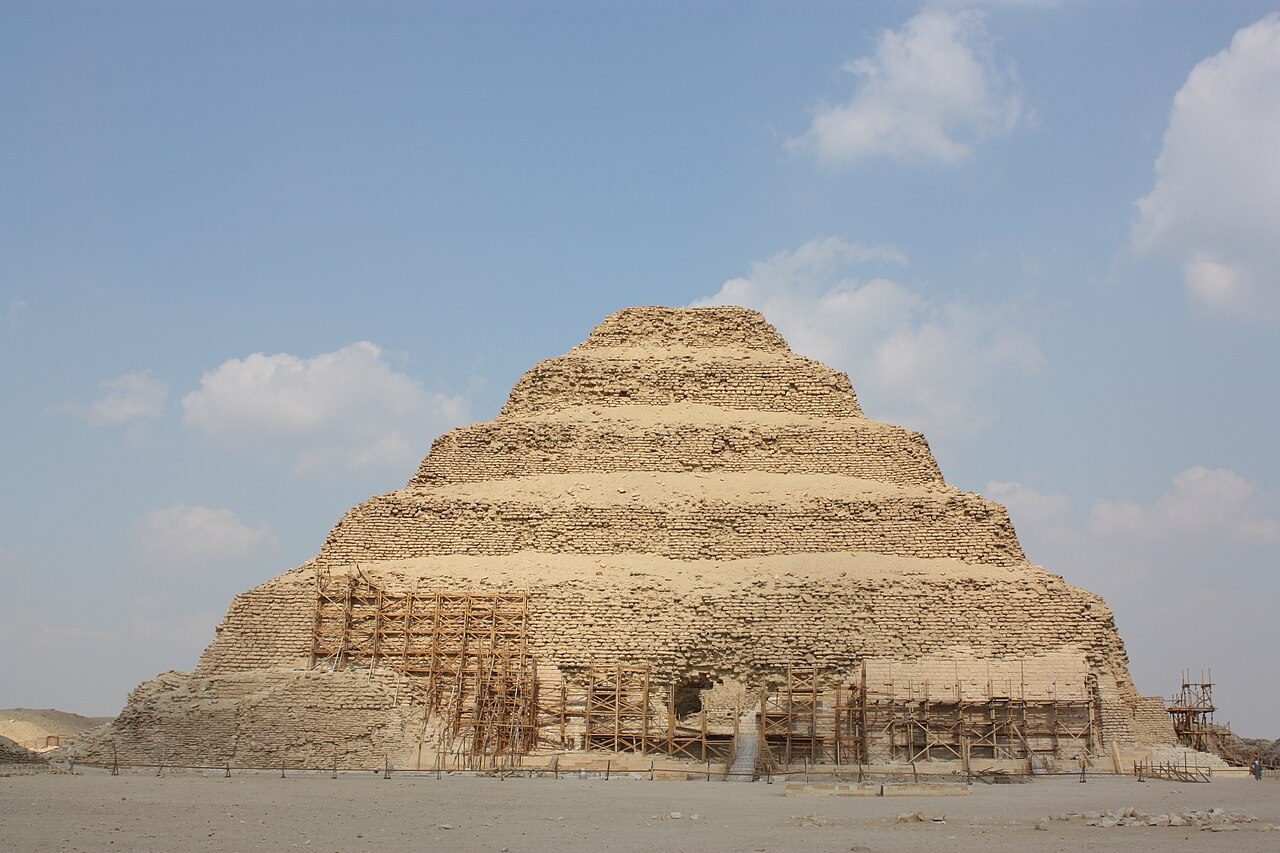
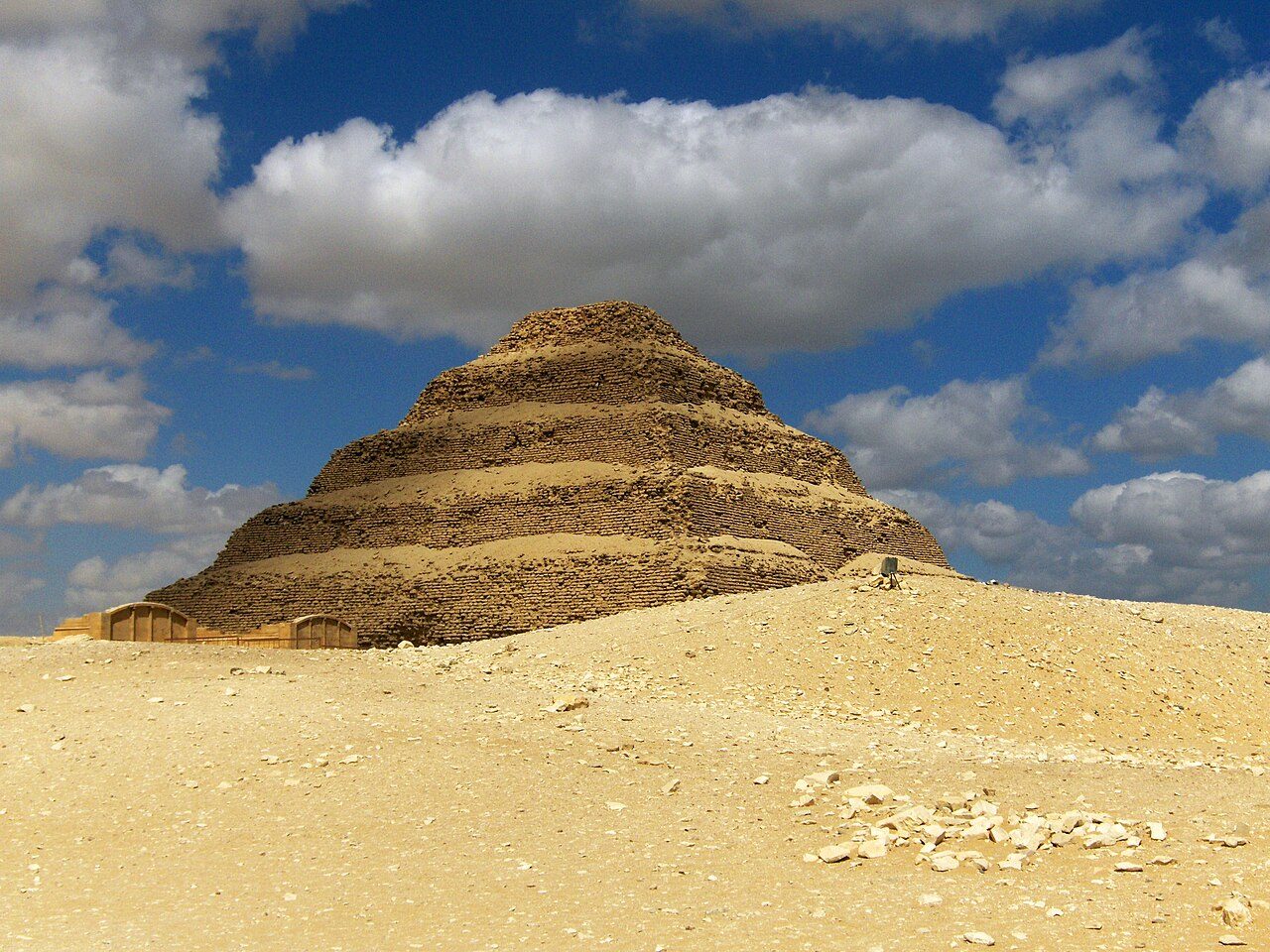
Pyramid of Djoser
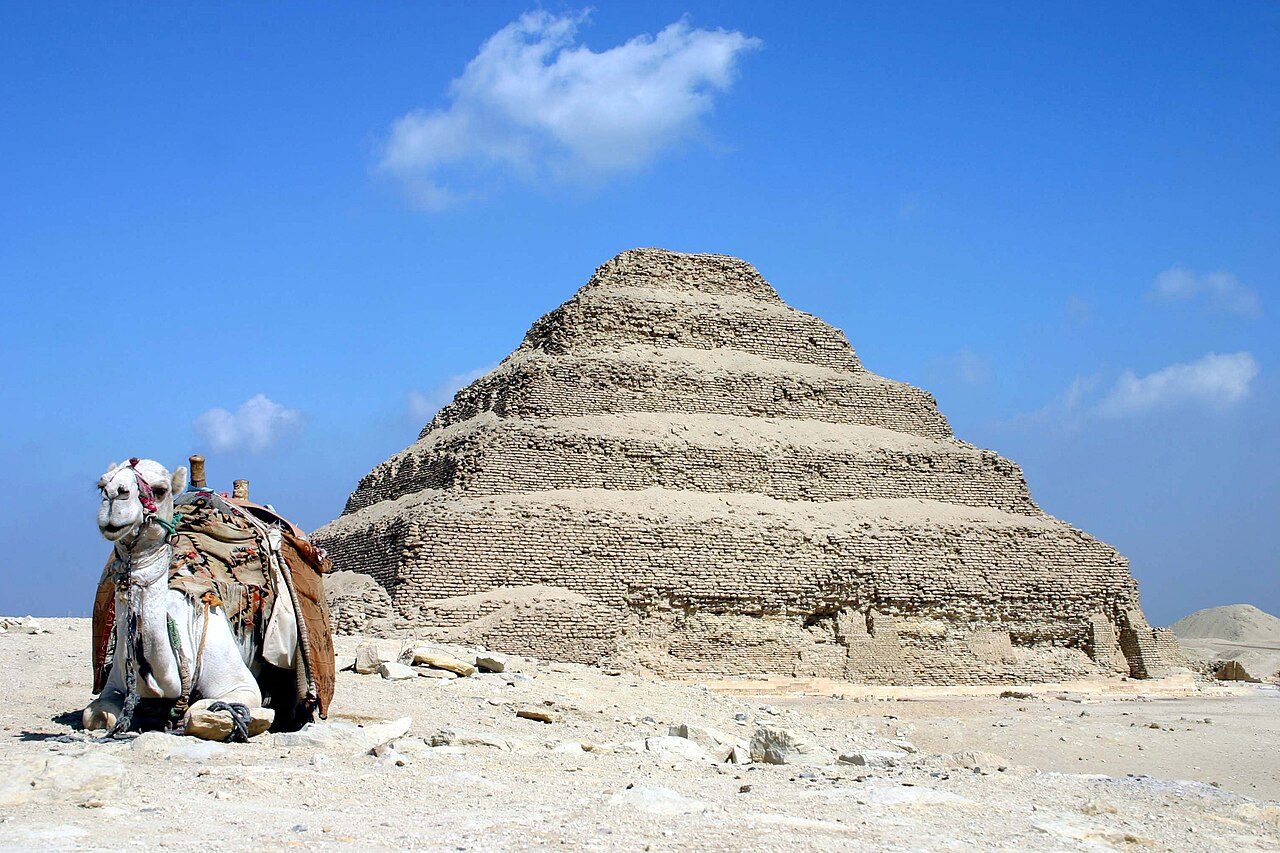
The Pyramid of Djoser at Saqqara is the oldest known stone pyramid in Egypt, built about 4,700 years ago by the architect Imhotep. Its six stepped levels mark the beginning of pyramid building. The surrounding complex includes a colonnaded entrance, courtyards and tombs with beautiful reliefs. Saqqara is part of the Memphis and its Necropolis UNESCO site.
12
STOP 12 OF 27
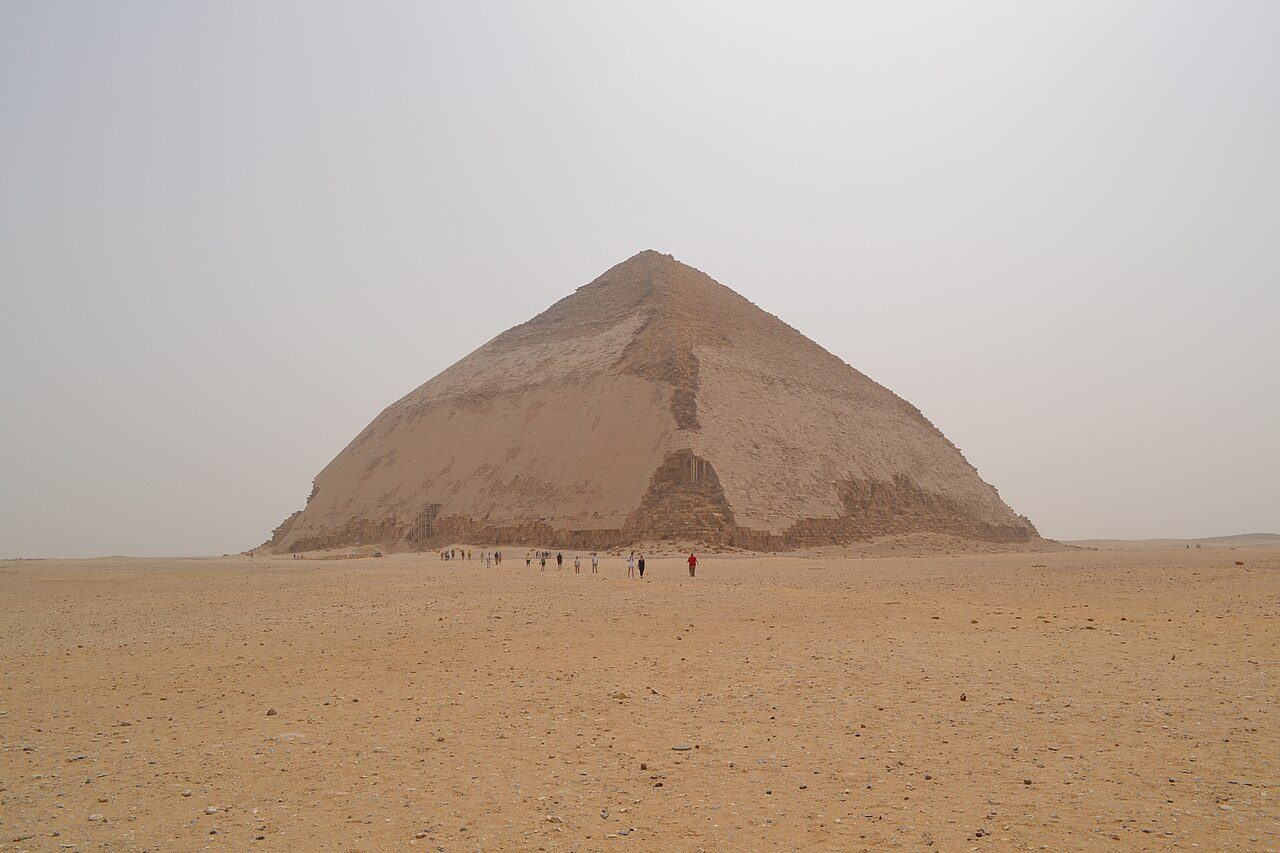
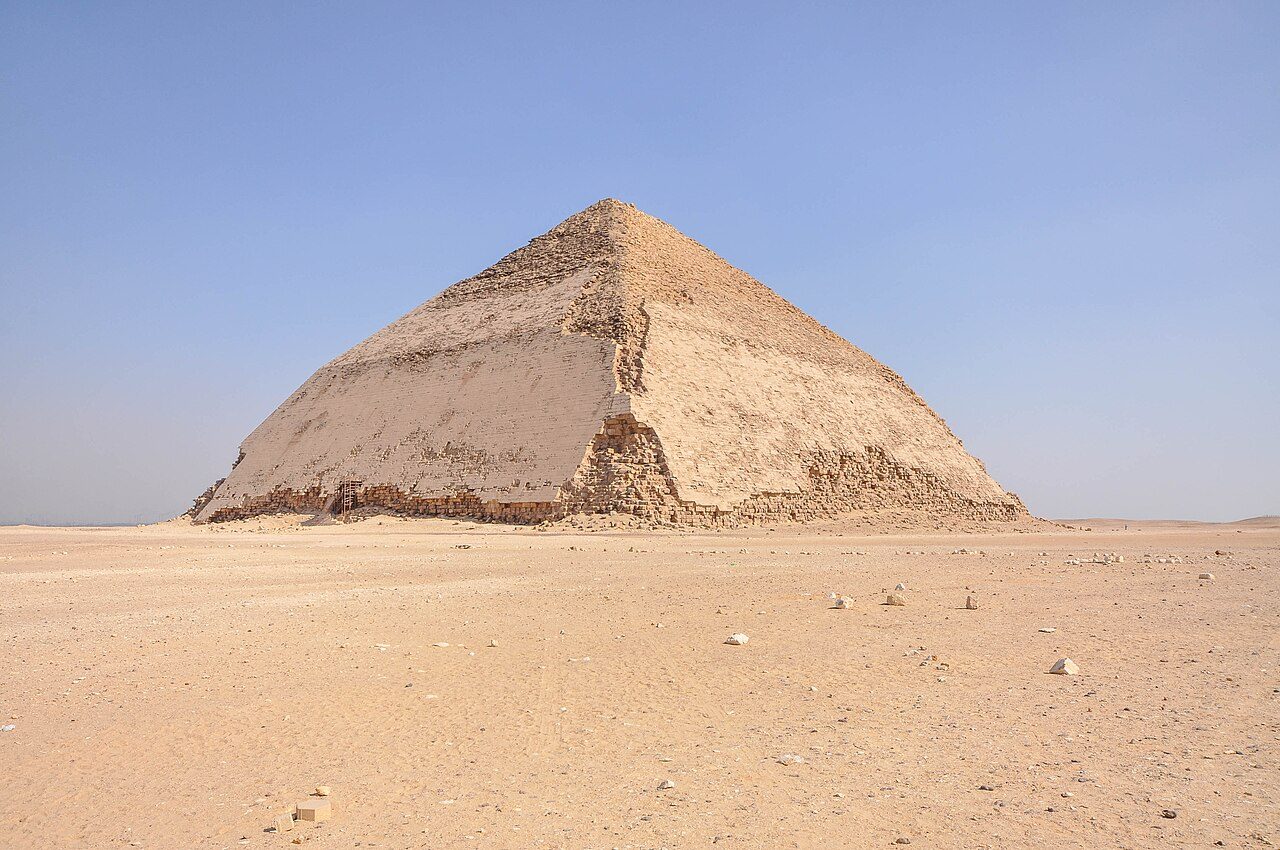
Bent Pyramid
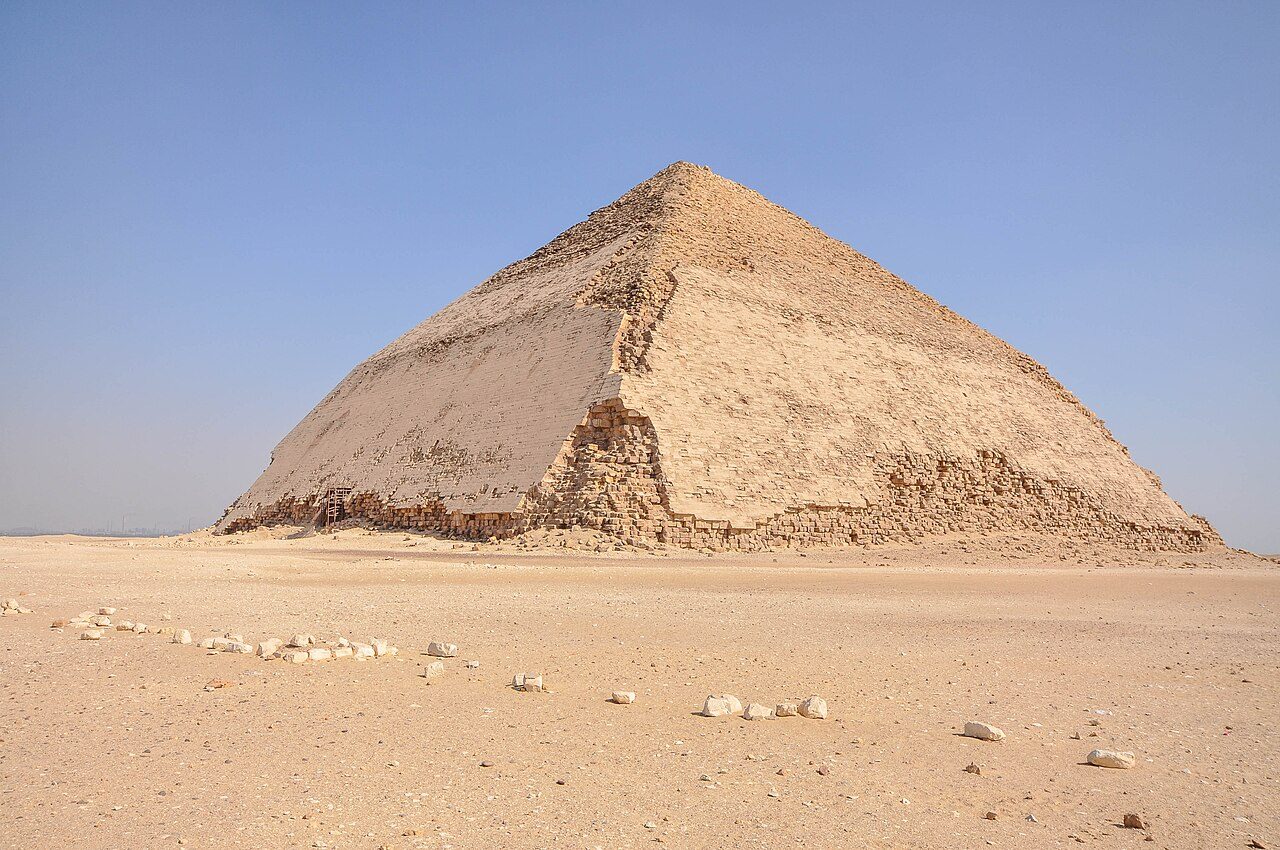
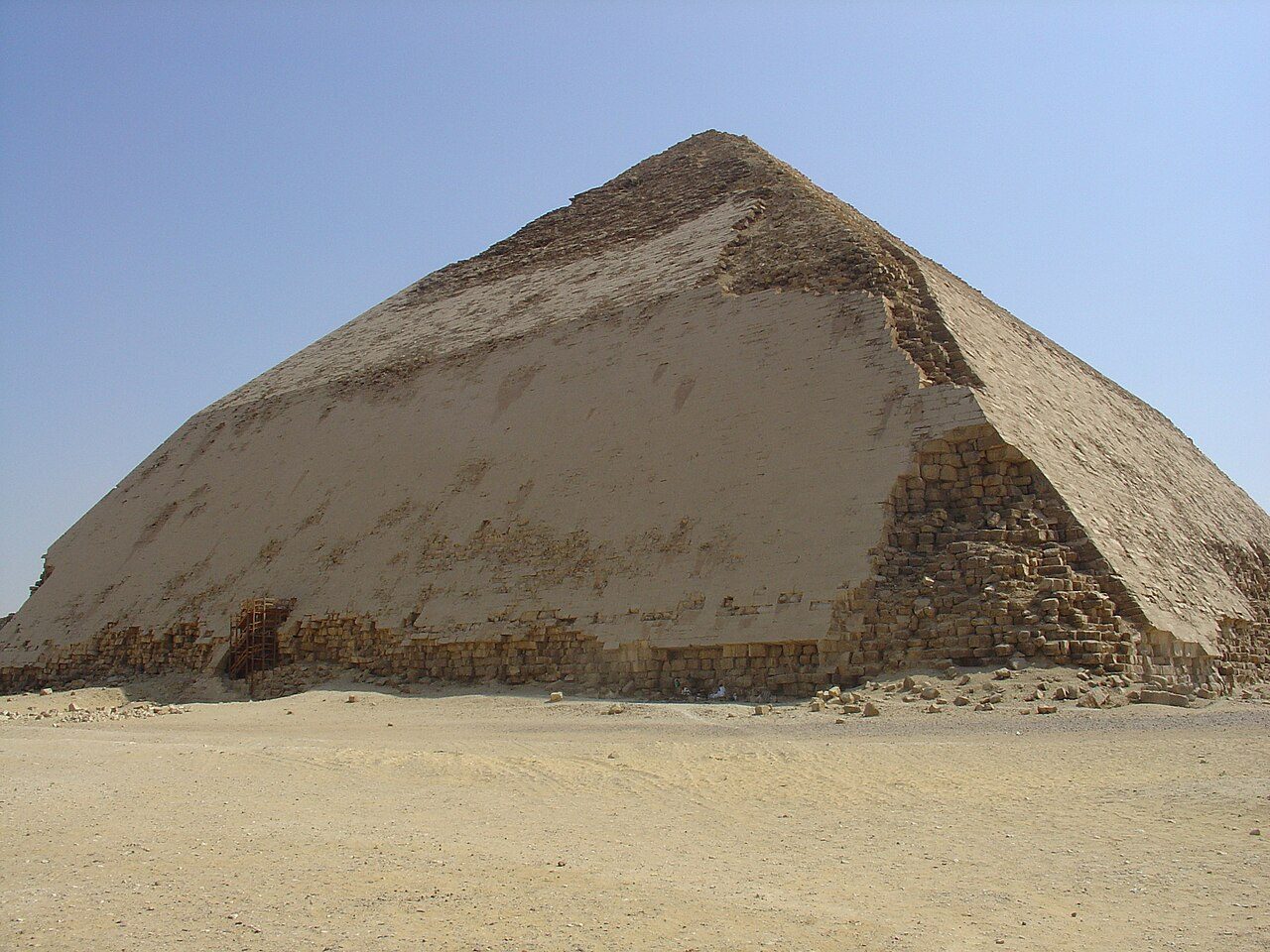
The Bent Pyramid at Dahshur was built for Pharaoh Sneferu about 4,600 years ago. Its unusual shape comes from a change in angle partway up, probably to keep it stable, and much of its smooth outer casing survives. The nearby Red Pyramid, also built by Sneferu, can be entered. Dahshur is much quieter than Giza and rewarding for its desert setting.
13
STOP 13 OF 27
Unfinished Obelisk
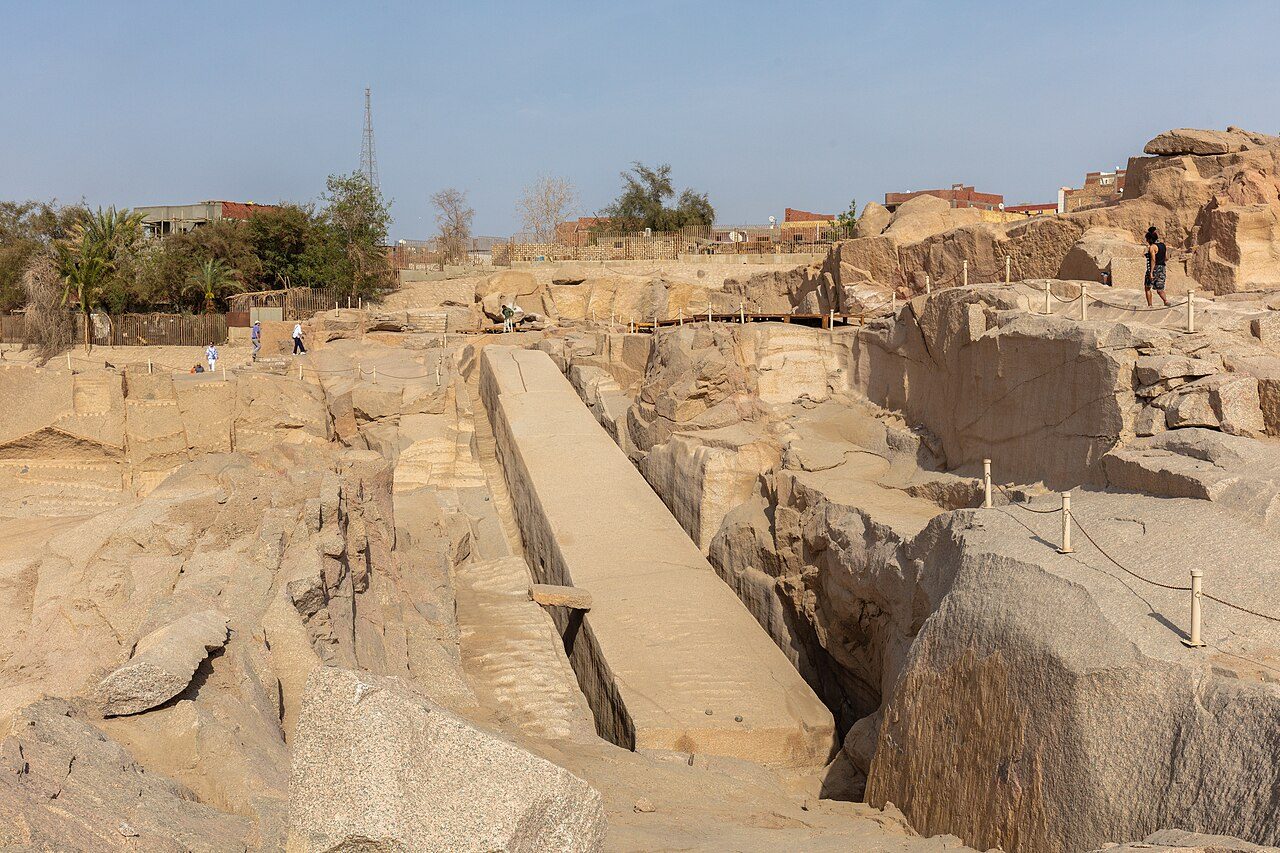
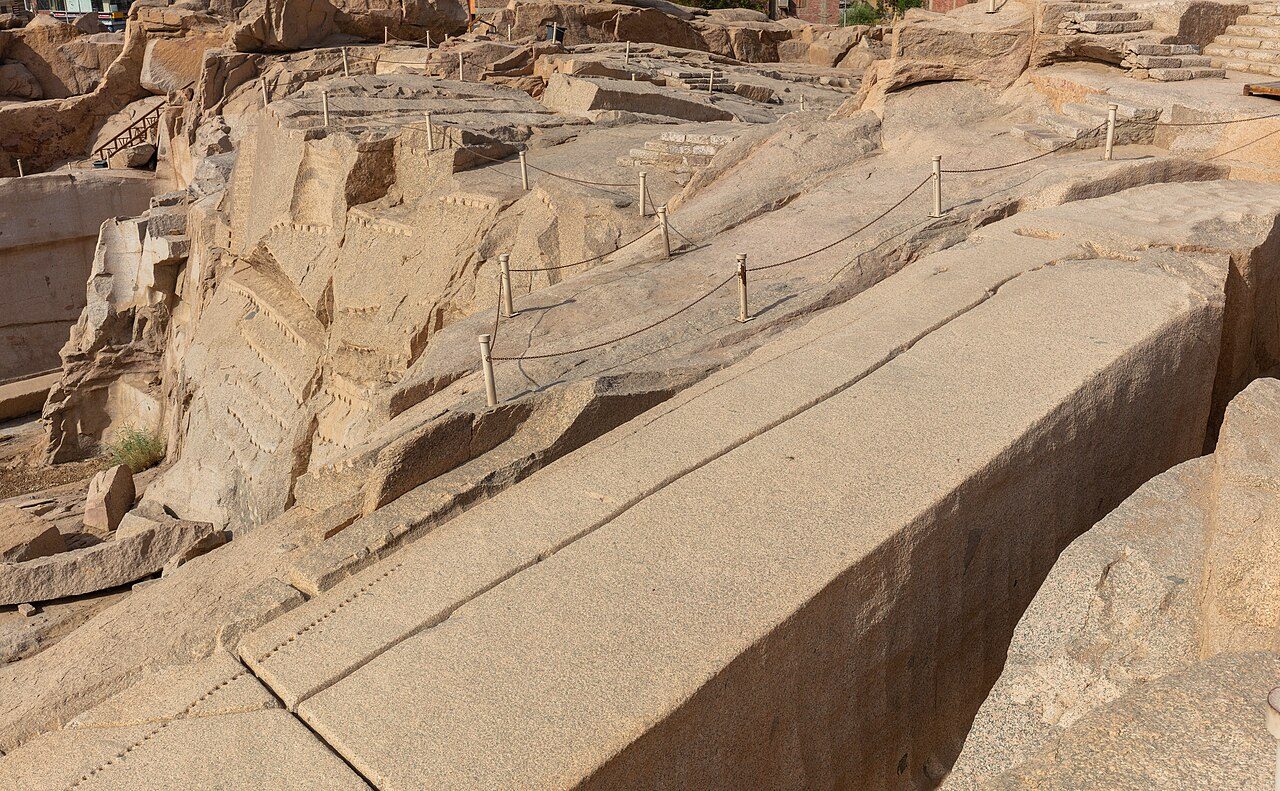
The Unfinished Obelisk lies in an ancient granite quarry in Aswan. Had it been completed, it would have been the largest obelisk ever made, about 42 metres tall. Work stopped when cracks appeared in the stone, and it was left lying in the bedrock. It shows how ancient Egyptians cut and shaped huge blocks of granite with simple tools.
14
STOP 14 OF 27
Philae Temple
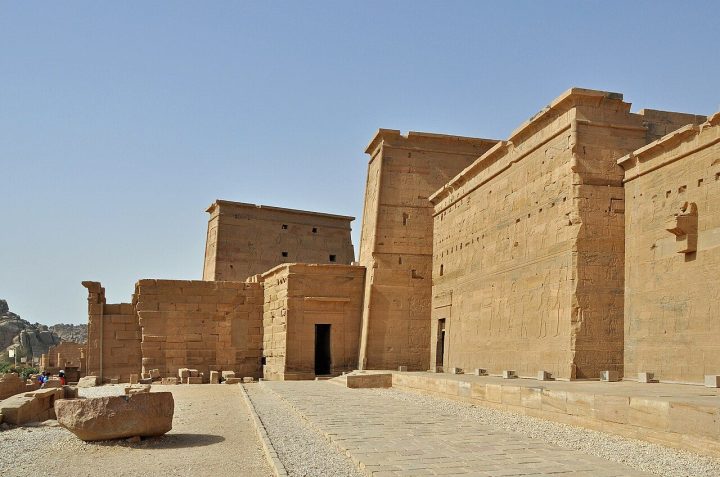
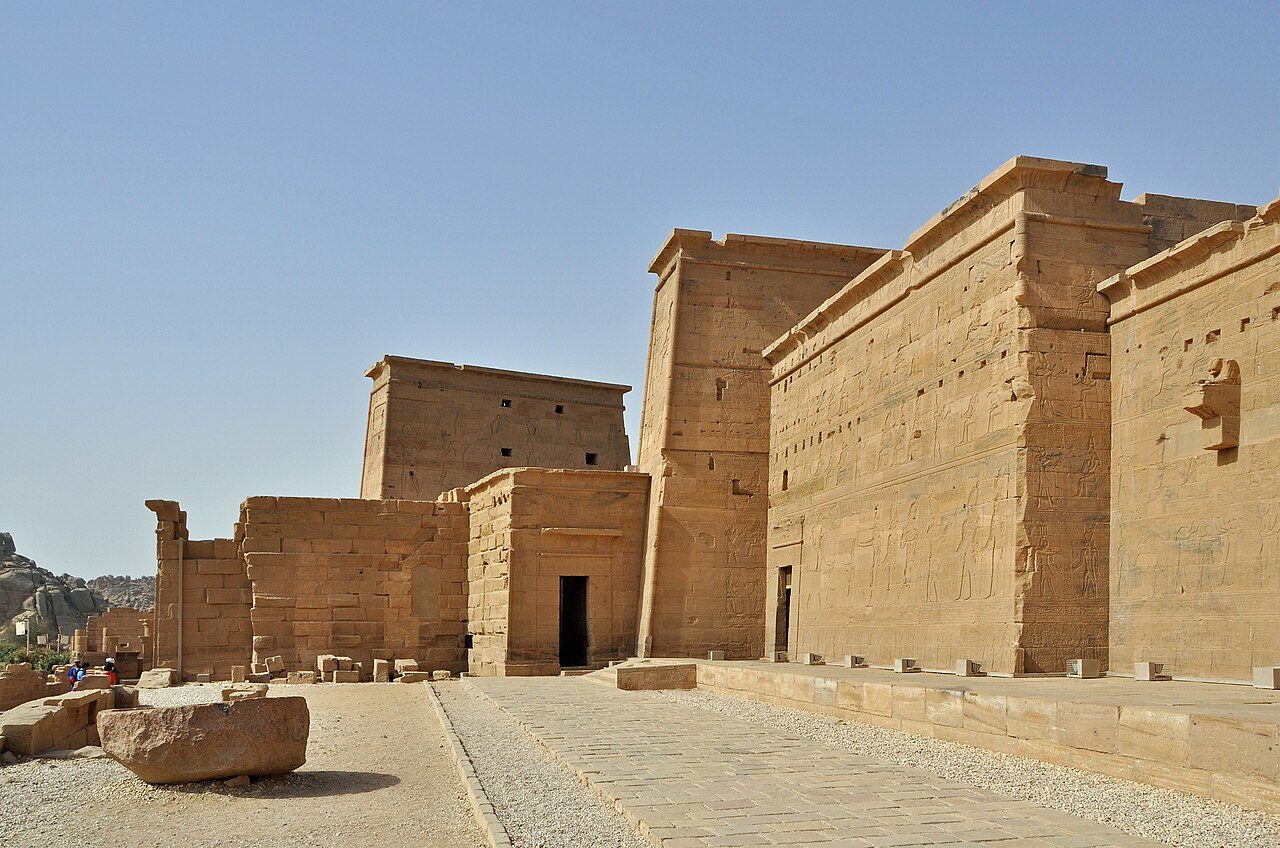
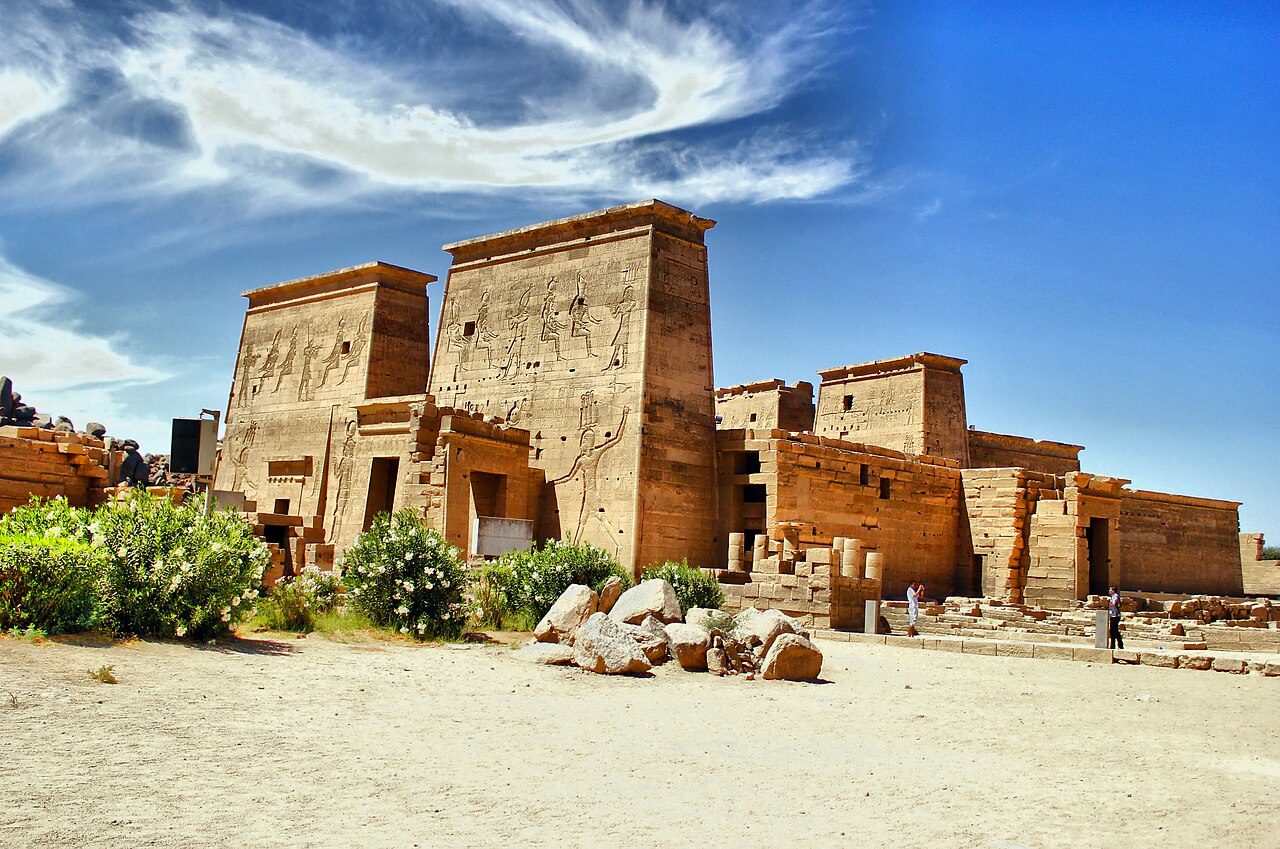
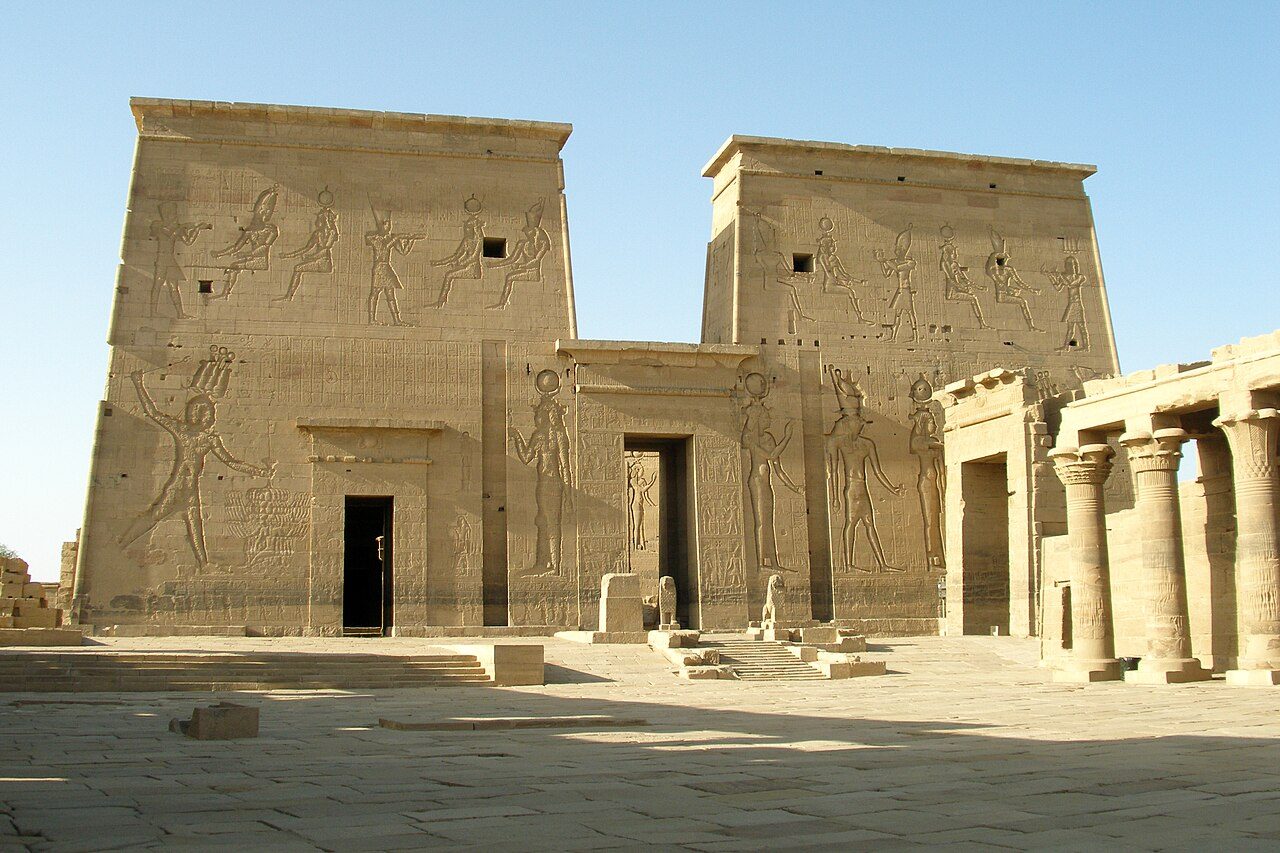
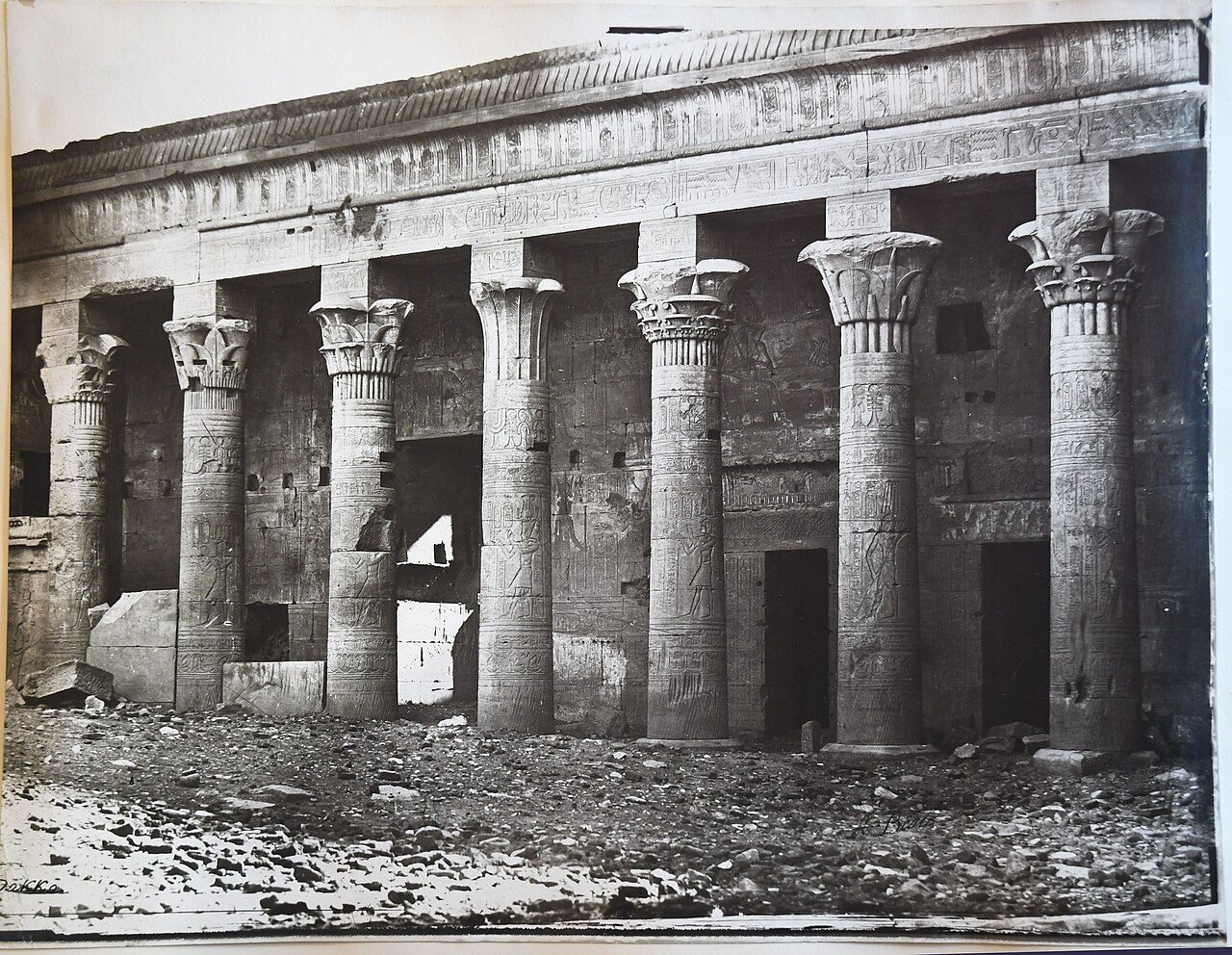
Philae Temple was built on an island in the Nile at Aswan and dedicated to the goddess Isis. When the Aswan dams threatened to flood it, the whole complex was moved stone by stone to nearby Agilkia Island in the 1970s. Visitors reach it by small boat. Its graceful pylons and the kiosk of Trajan are highlights, and an evening sound and light show is held.
15
STOP 15 OF 27
Nubian Museum
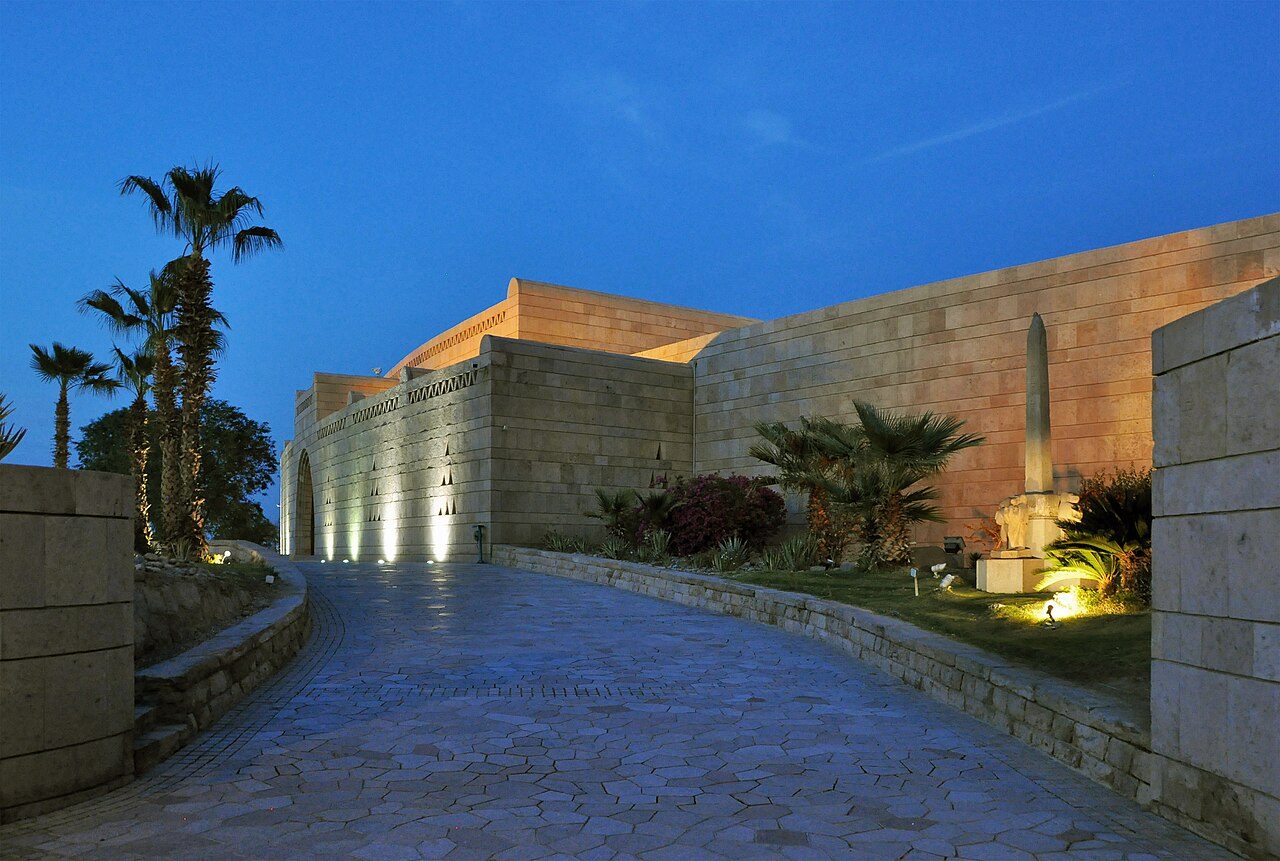
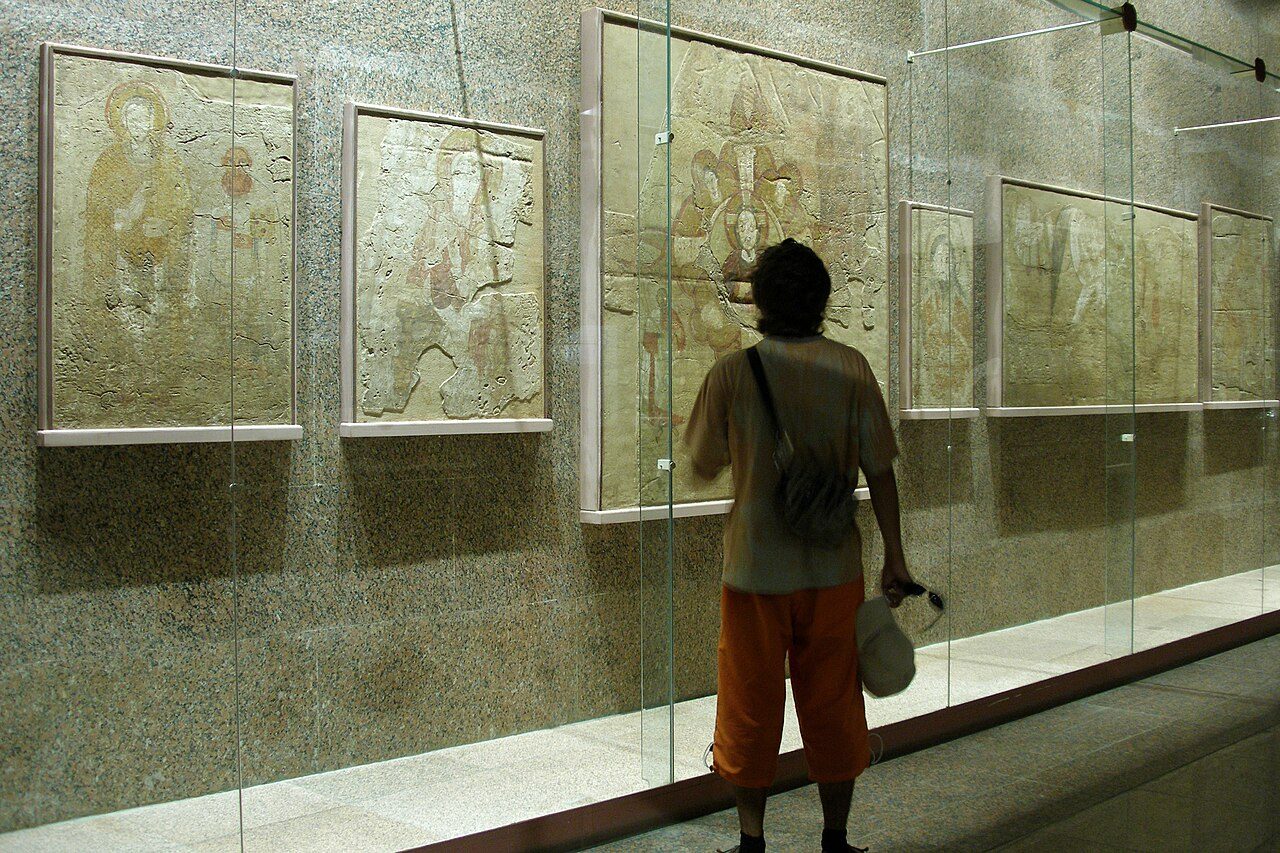
The Nubian Museum in Aswan presents the history and culture of Nubia, from prehistoric times to the present. Many objects were rescued during the UNESCO campaign to save monuments from the waters of Lake Nasser. Exhibits include statues, jewellery and a model of a traditional Nubian house. The museum garden has a waterfall and reconstructed tombs.
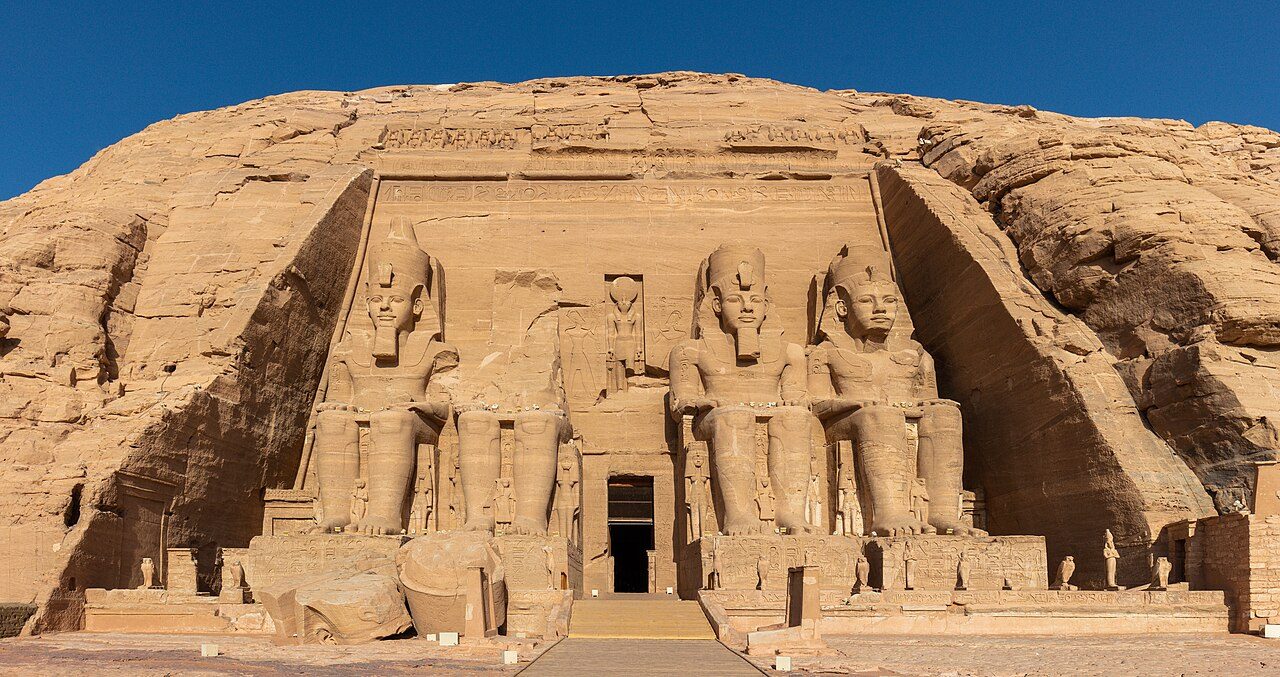
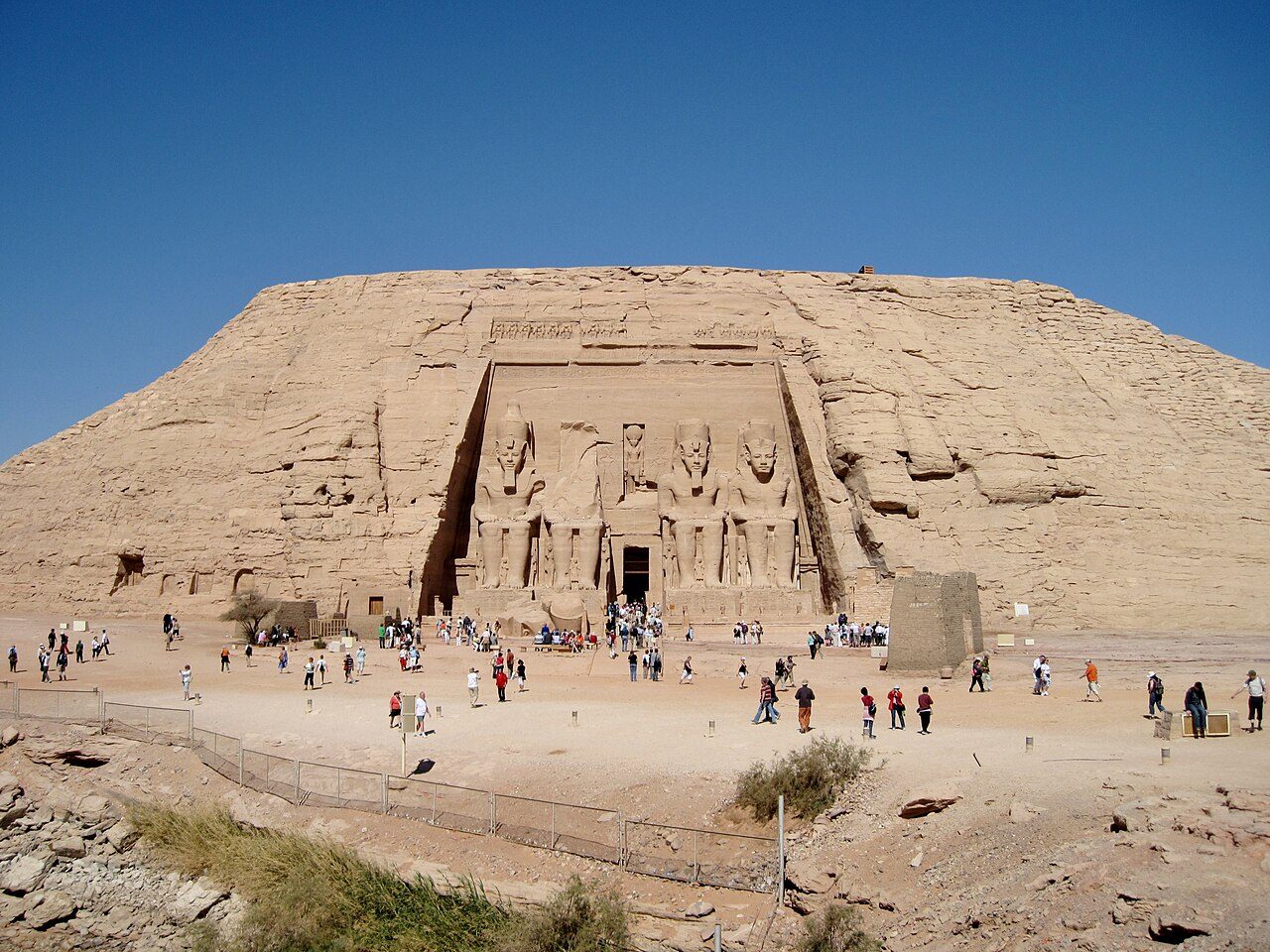
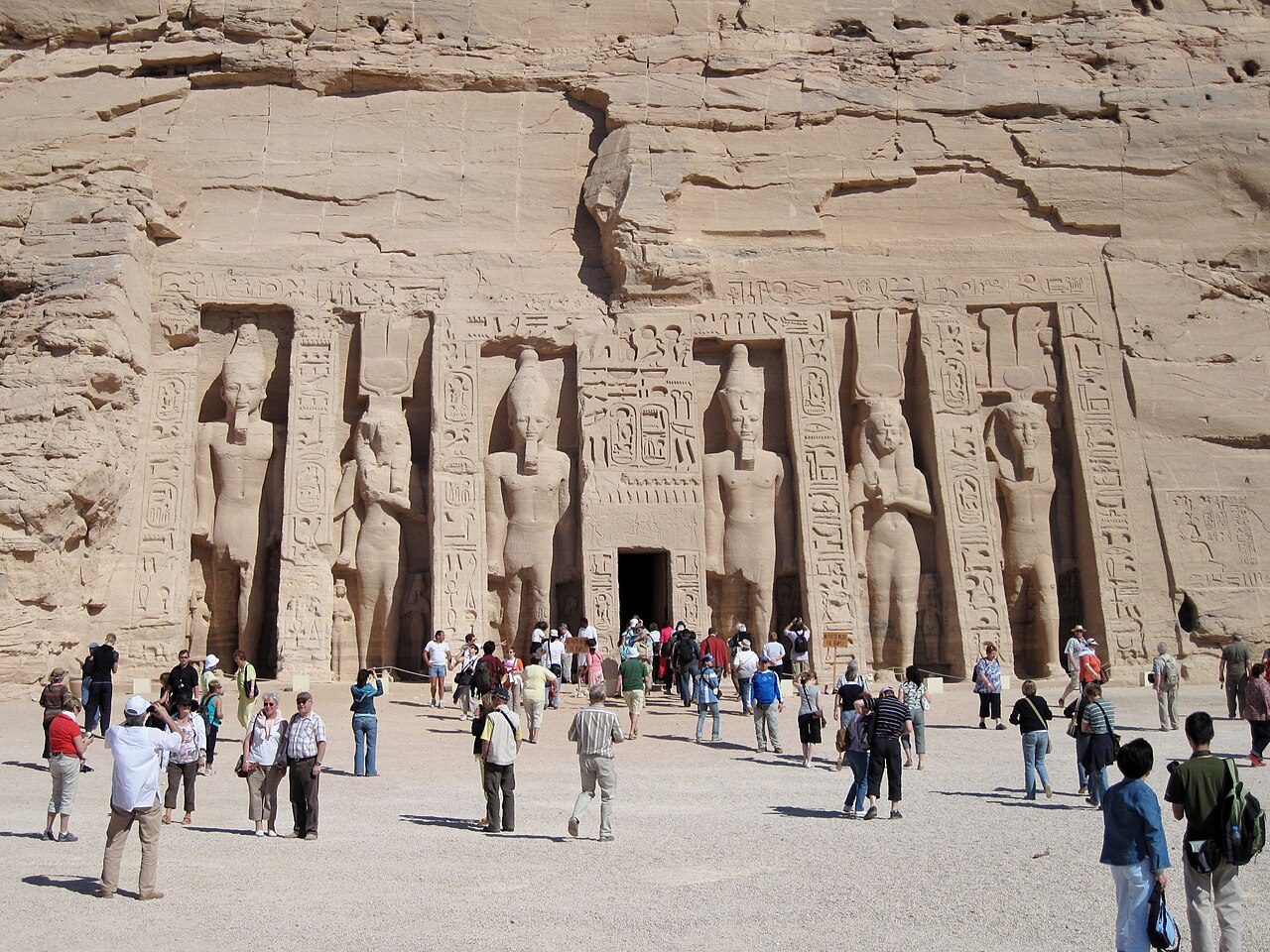
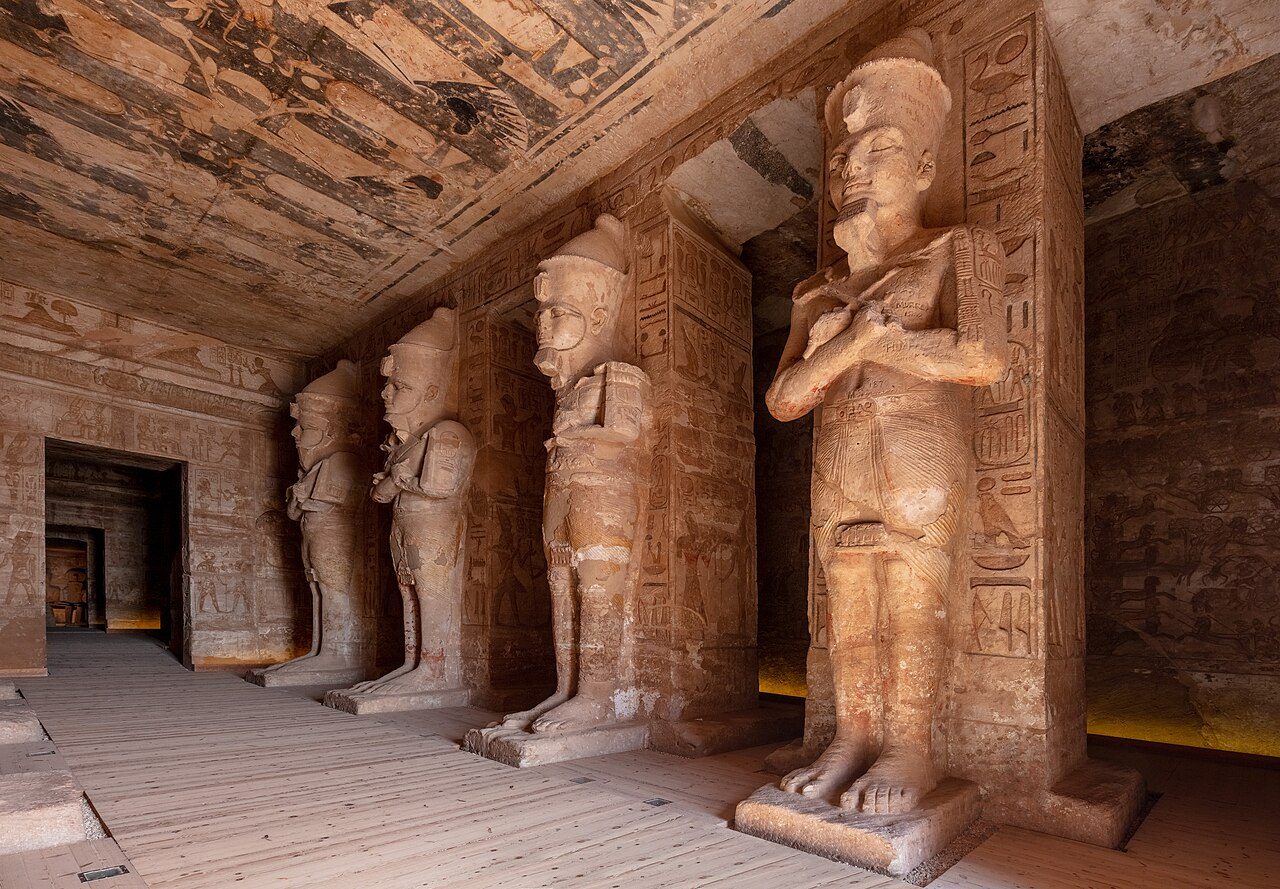
Abu Simbel is a pair of huge rock-cut temples built by Ramesses II near the southern border of Egypt. Four colossal statues of the pharaoh guard the main temple. In the 1960s, both temples were cut into blocks and moved to higher ground to save them from Lake Nasser. Twice a year sunlight reaches the inner sanctuary. Most visitors come on an early morning trip from Aswan.
17
STOP 17 OF 27
Kom Ombo Temple
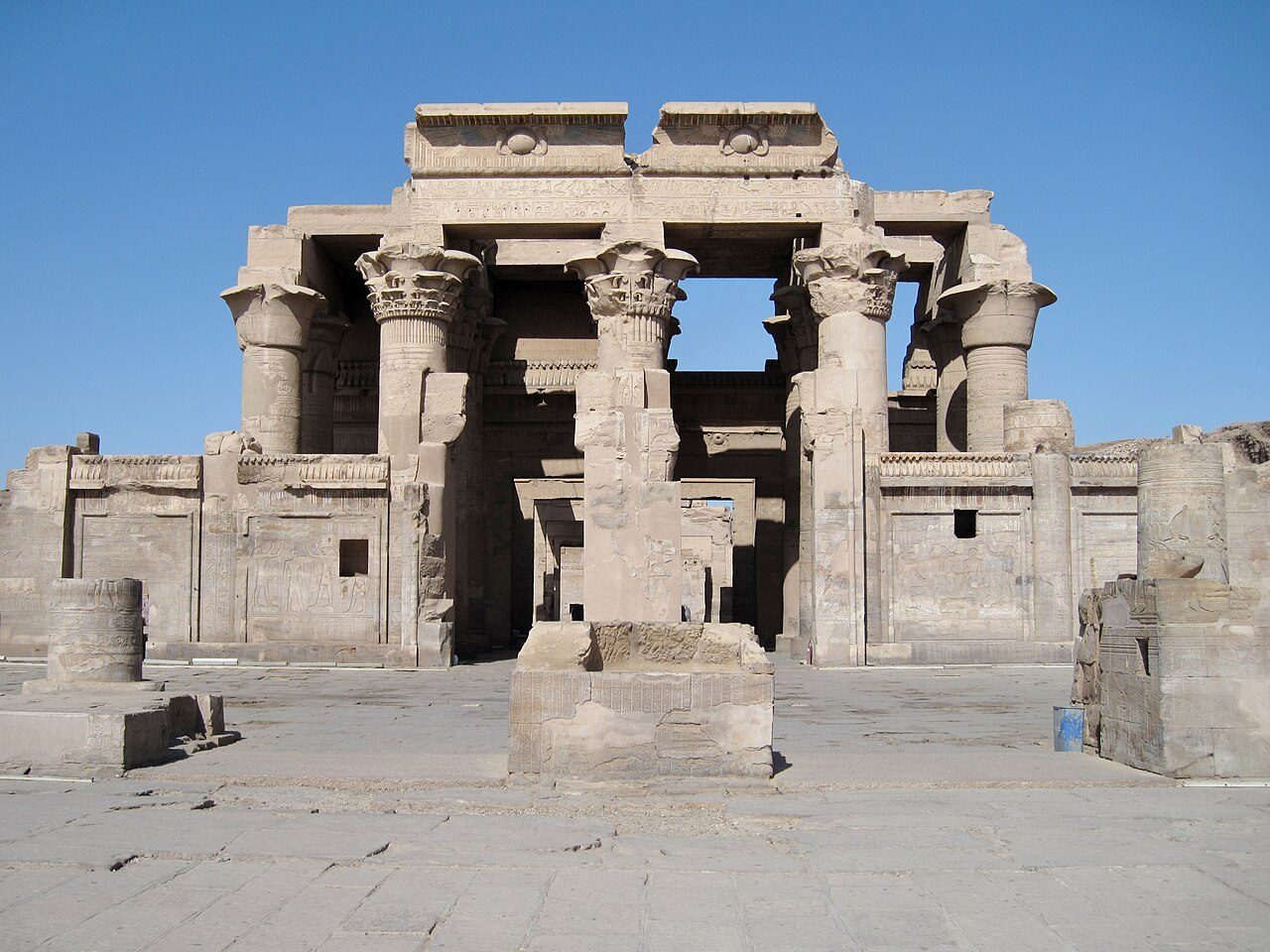
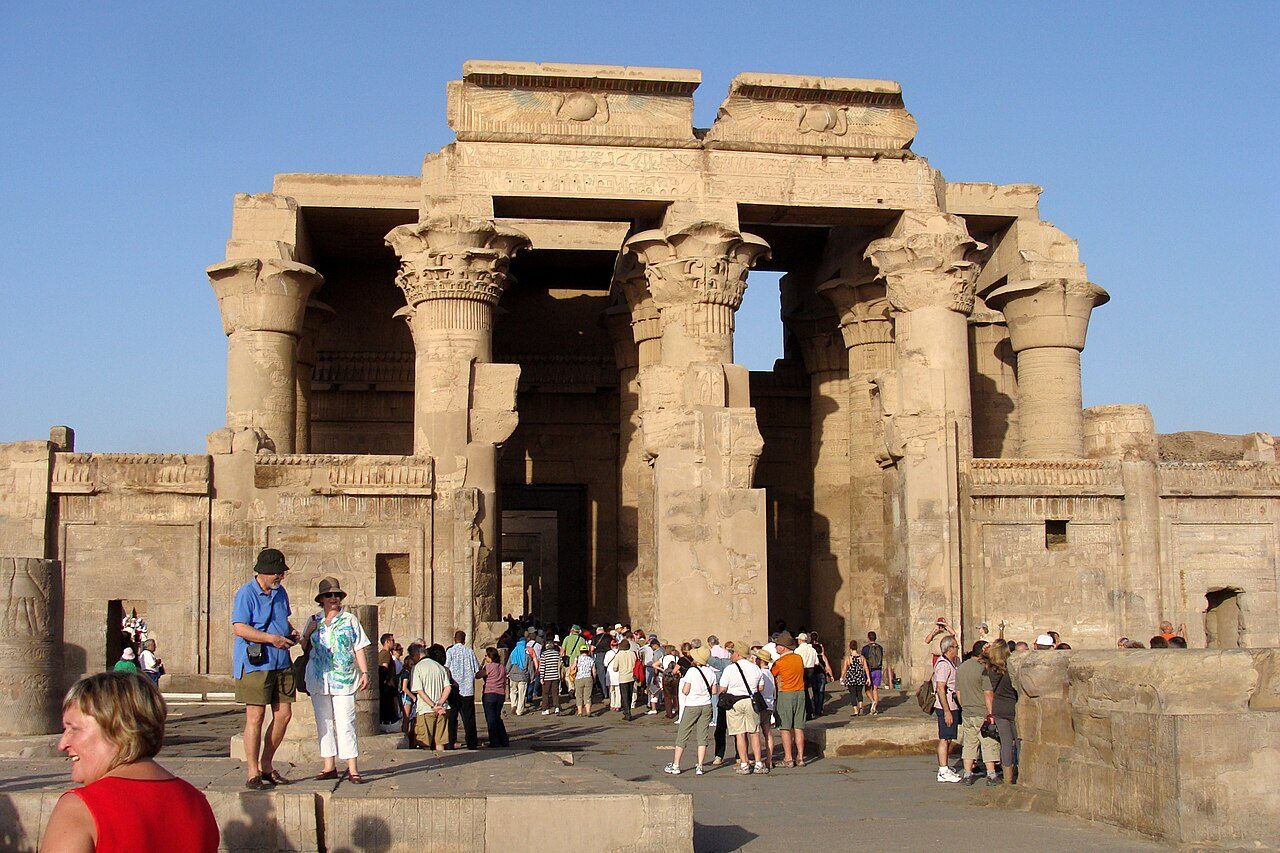
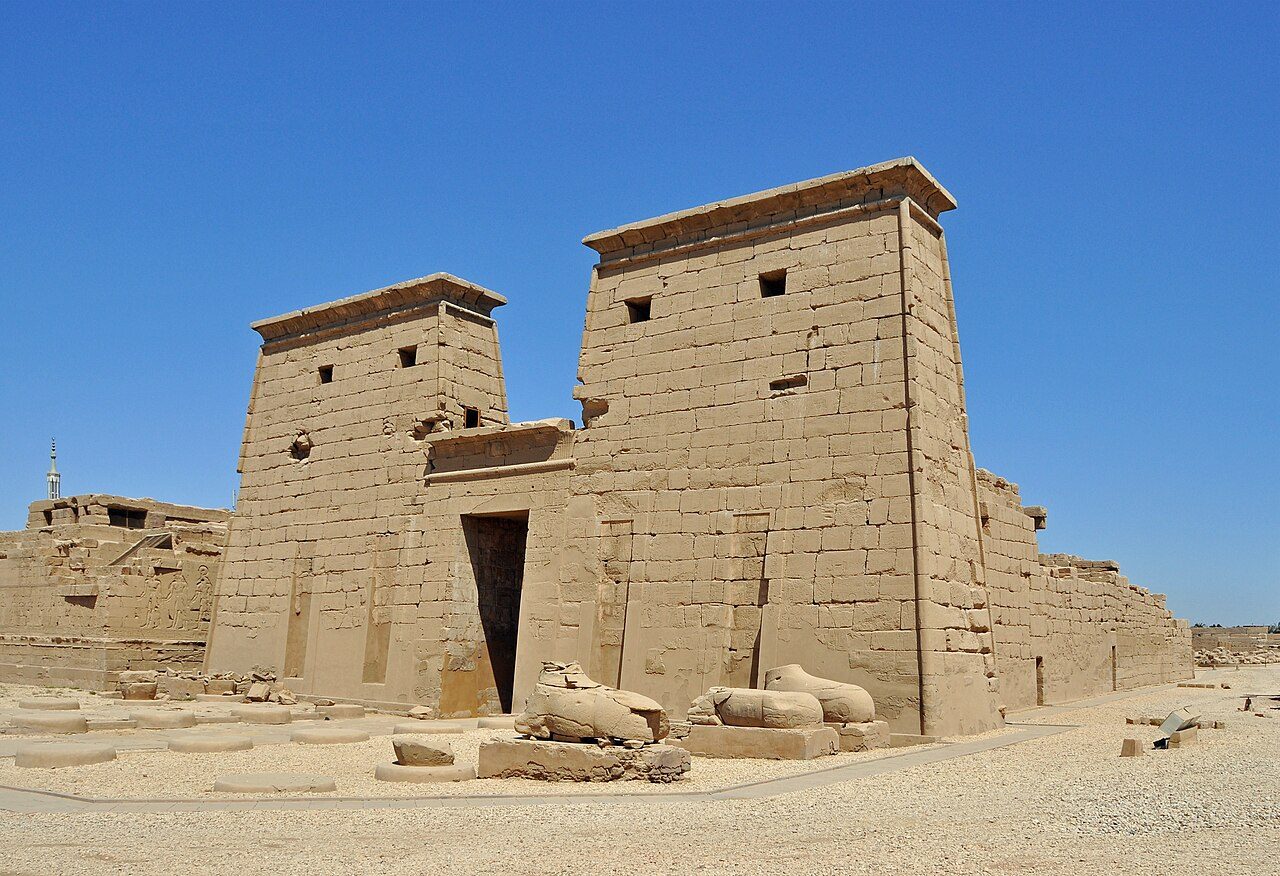
The Temple of Kom Ombo stands on a bend of the Nile and is unusual for being dedicated to two gods: the crocodile god Sobek and the falcon god Haroeris. Its double layout has two entrances and two sanctuaries. A small museum displays mummified crocodiles found nearby. Nile cruise ships stop here, and it is lovely in the late afternoon light.
18
STOP 18 OF 27
Temple of Edfu
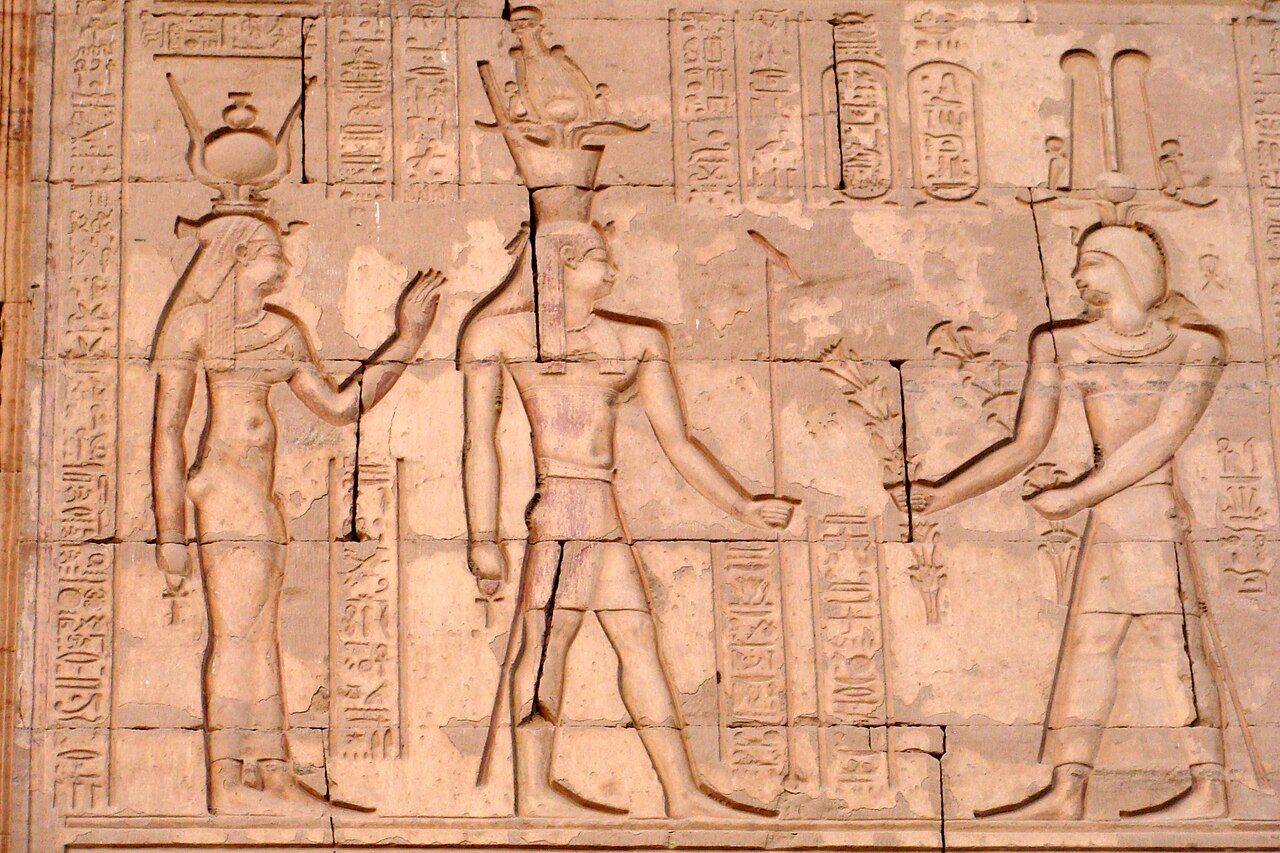
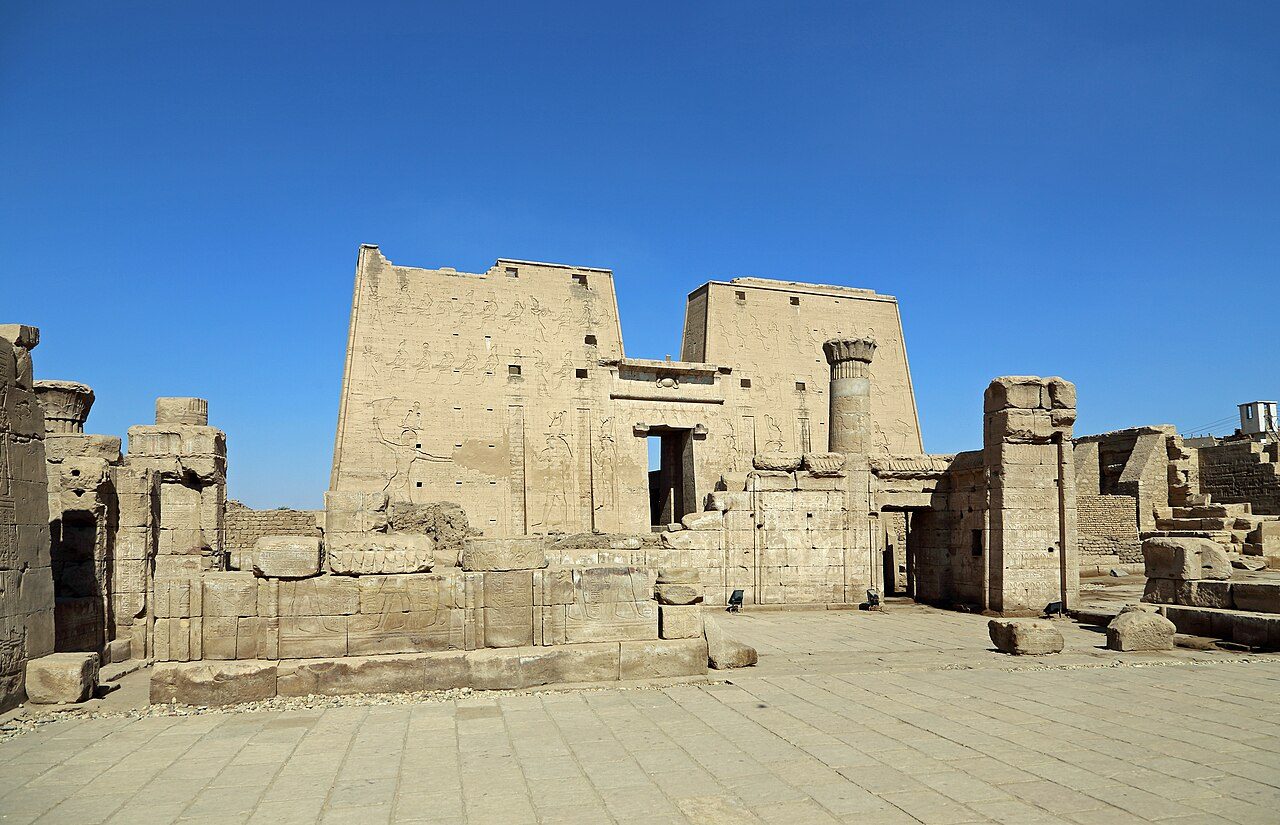
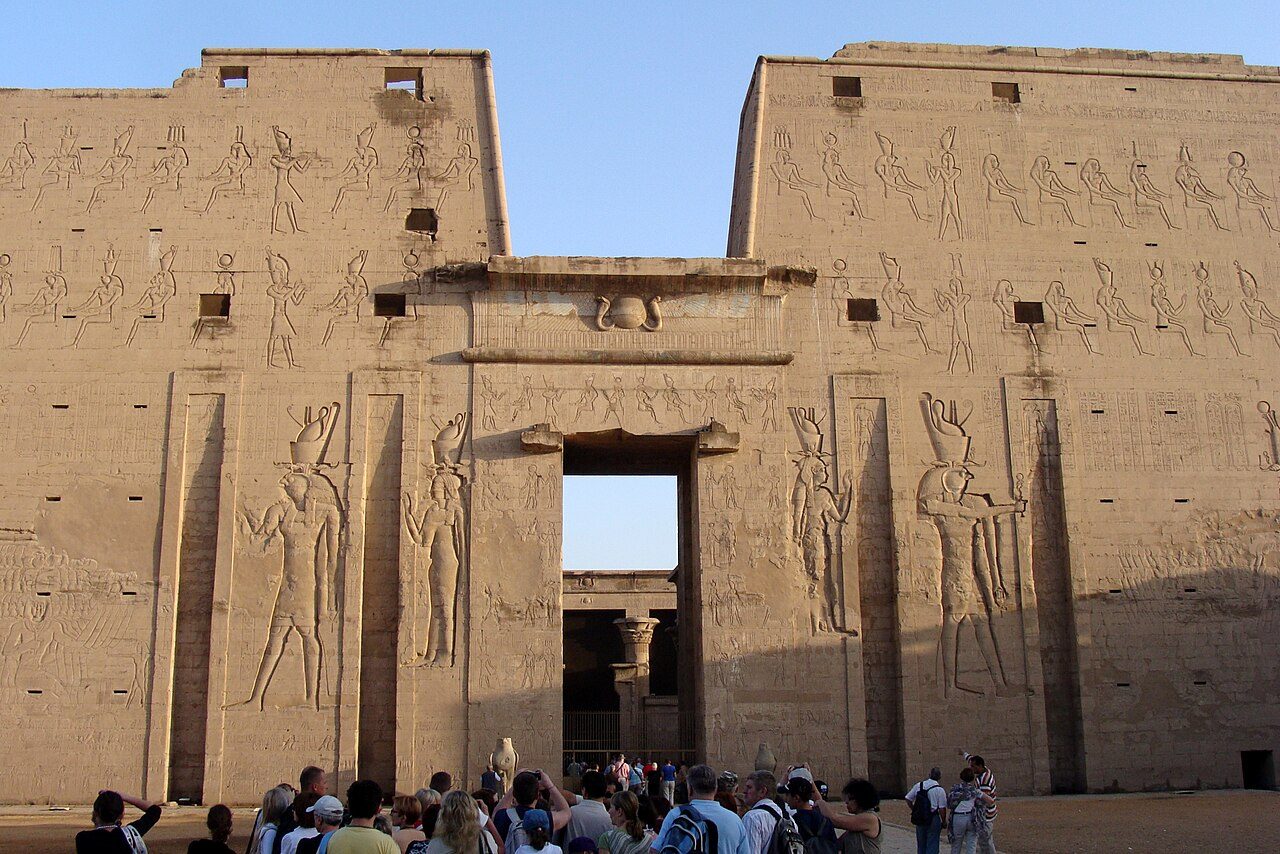
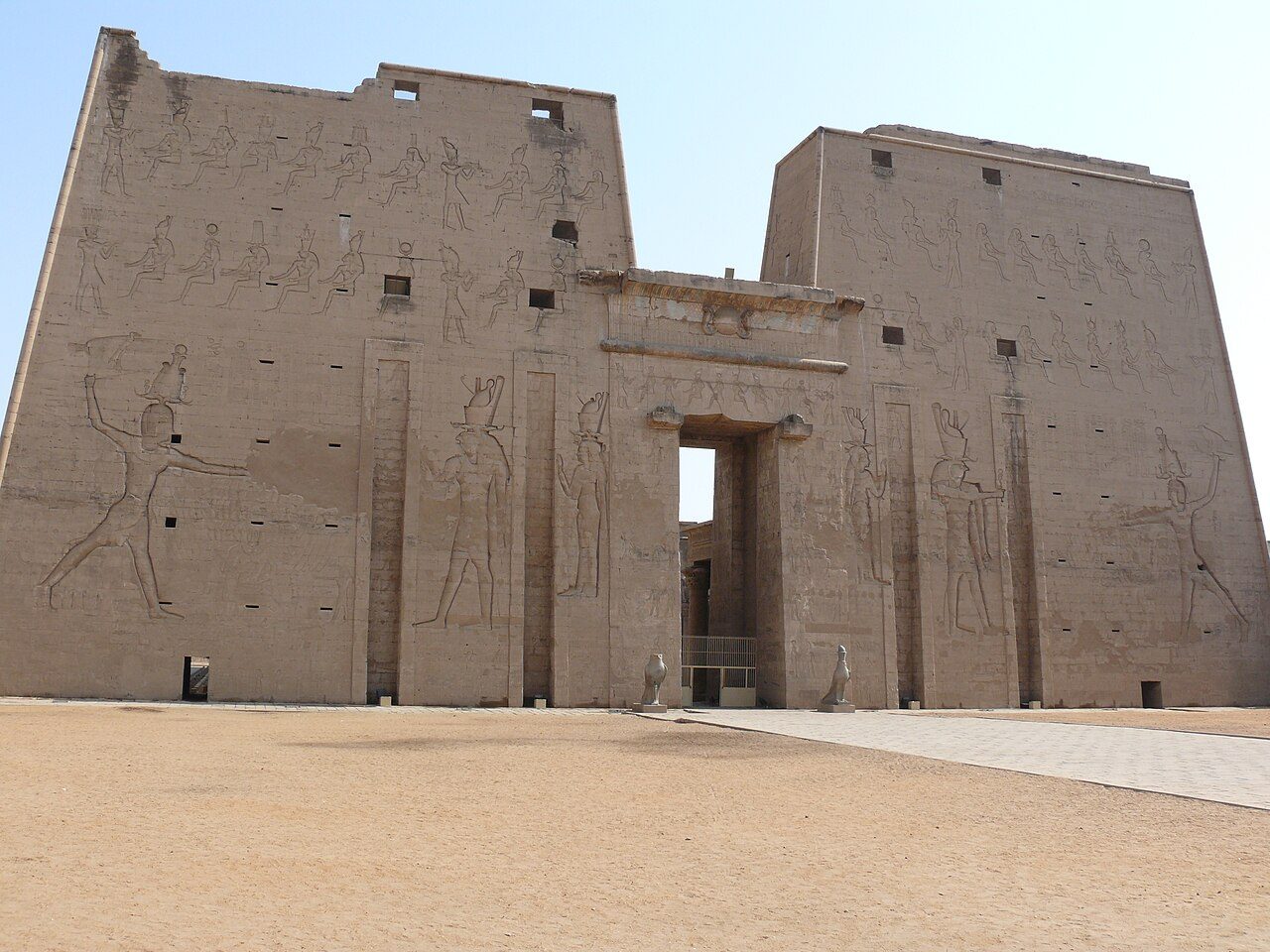
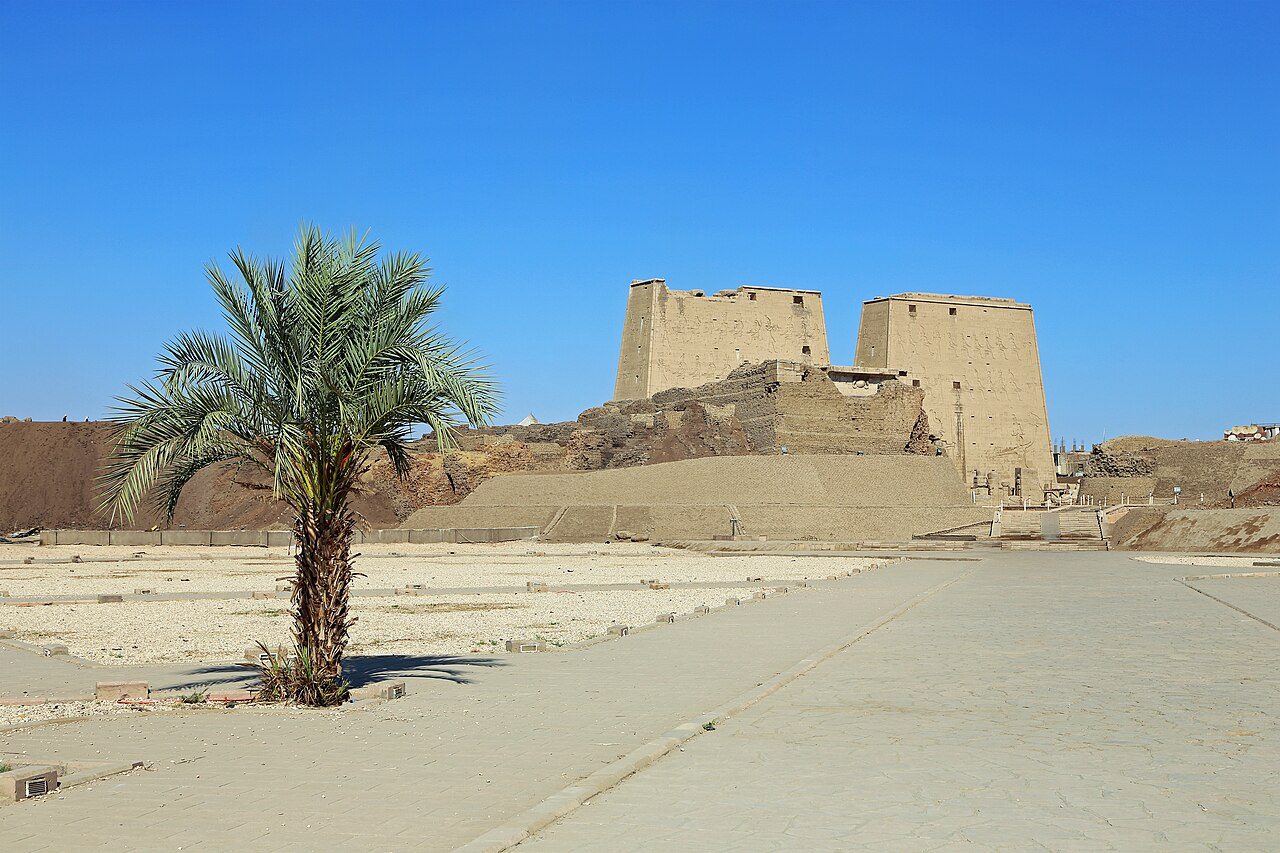
The Temple of Edfu is one of the best preserved temples in Egypt, dedicated to the falcon god Horus. Built during the Ptolemaic period, it has a huge entrance pylon, columned halls and a dark sanctuary with a granite shrine. Wall carvings tell the story of the battle between Horus and Seth. Nile cruises stop at Edfu, and visitors often arrive by horse carriage.
19
STOP 19 OF 27
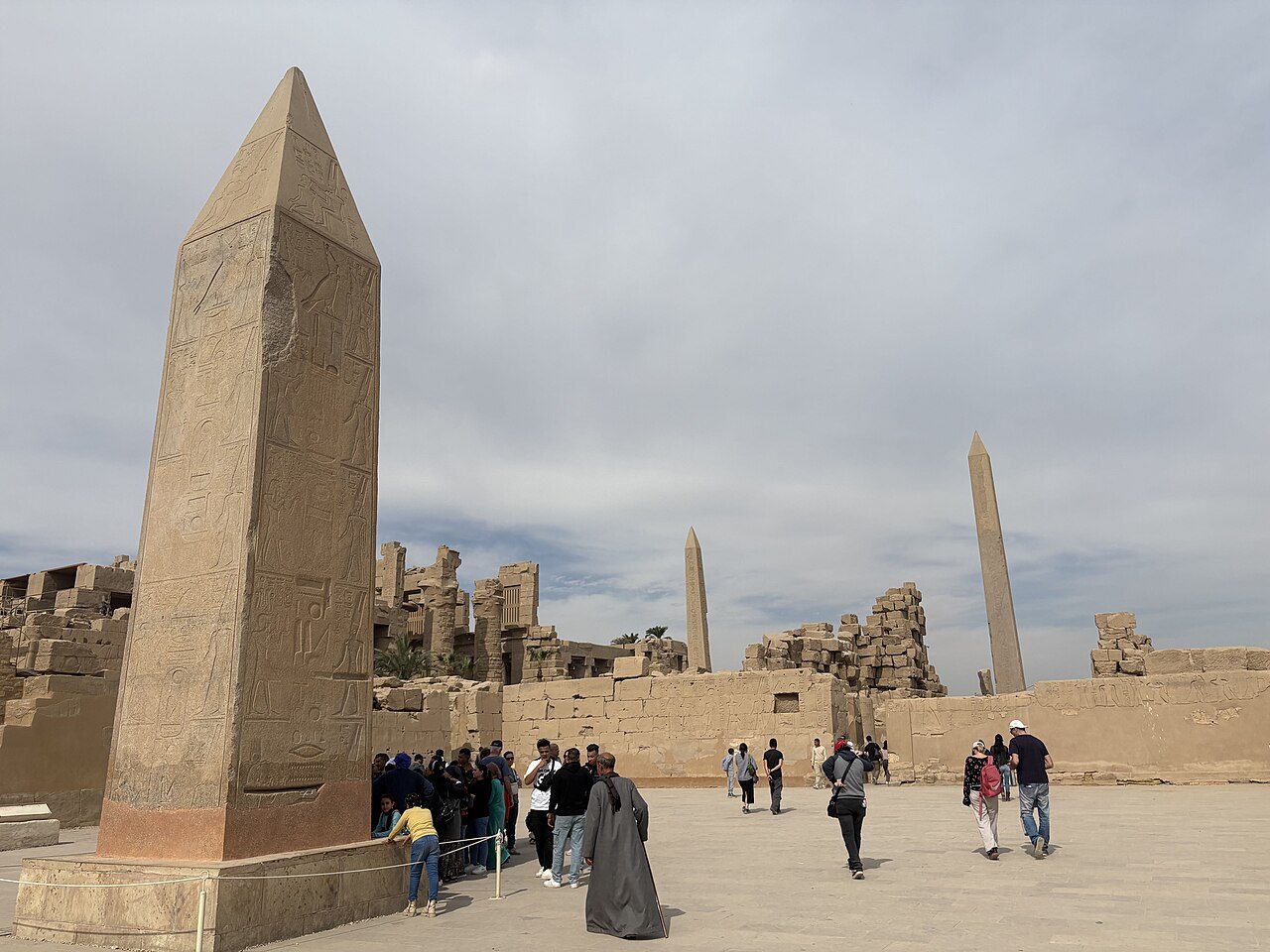
Karnak Temple
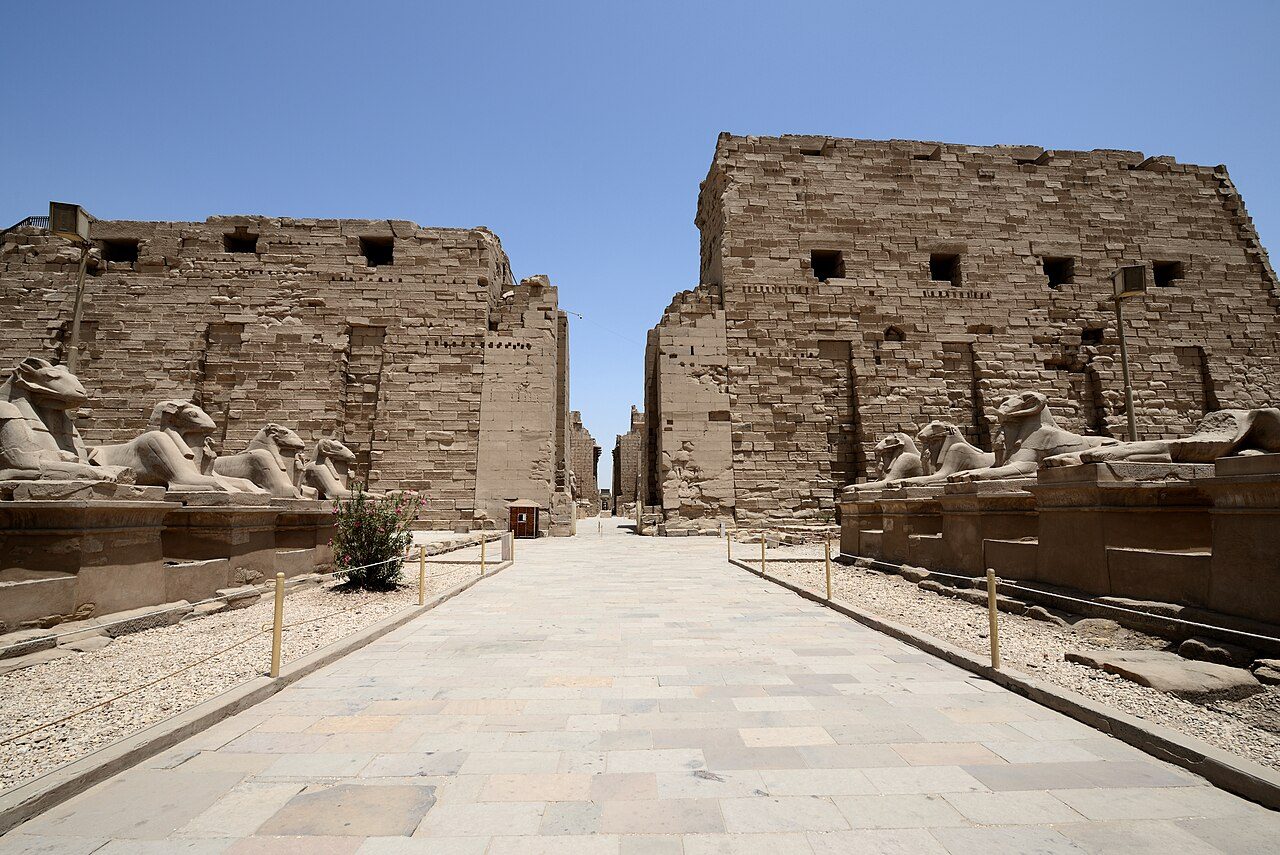
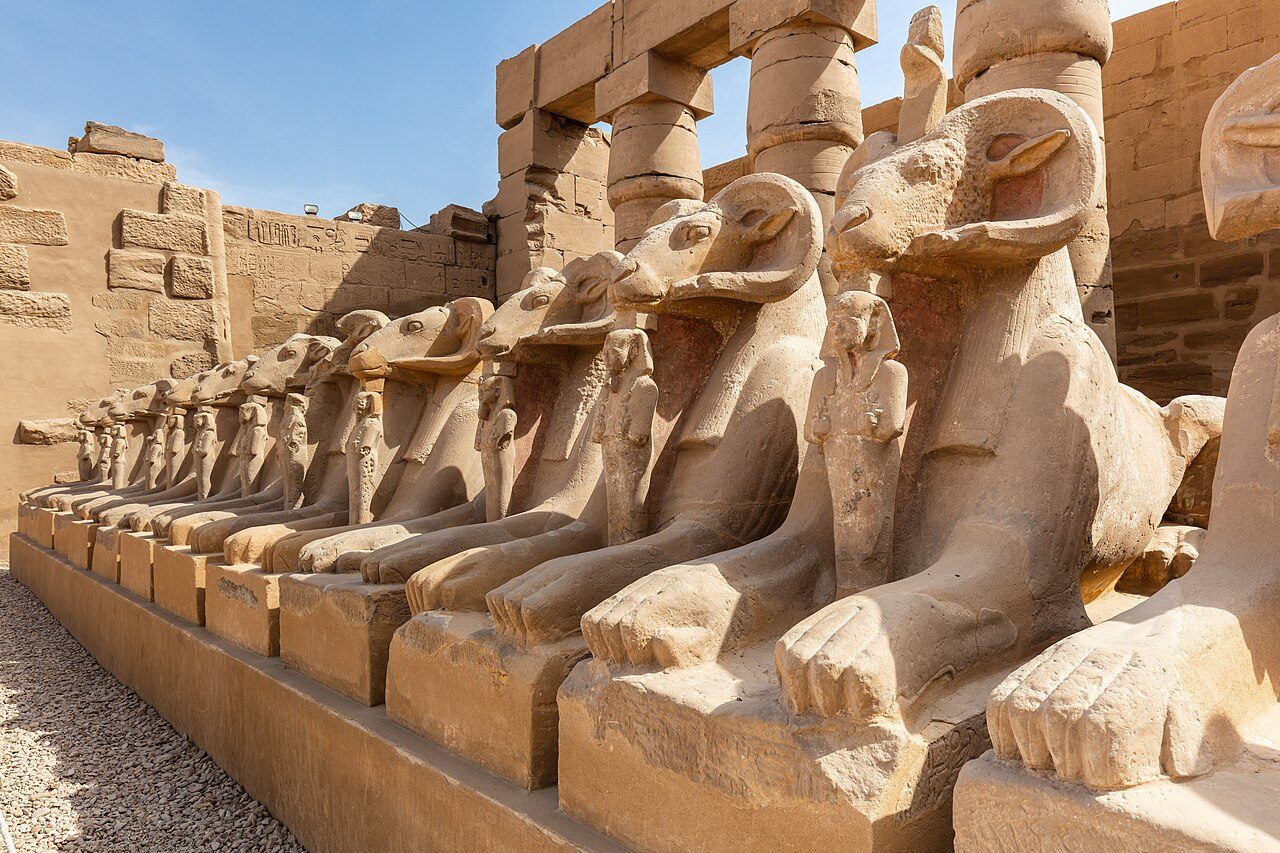
Karnak Temple is a vast temple complex built over about 2,000 years and dedicated mainly to the god Amun. Its Great Hypostyle Hall holds 134 giant columns covered in carvings. Avenues of ram-headed sphinxes, obelisks and a sacred lake complete the site. It is one of the largest religious complexes ever built. Visit early or late to avoid the midday heat.
20
STOP 20 OF 27
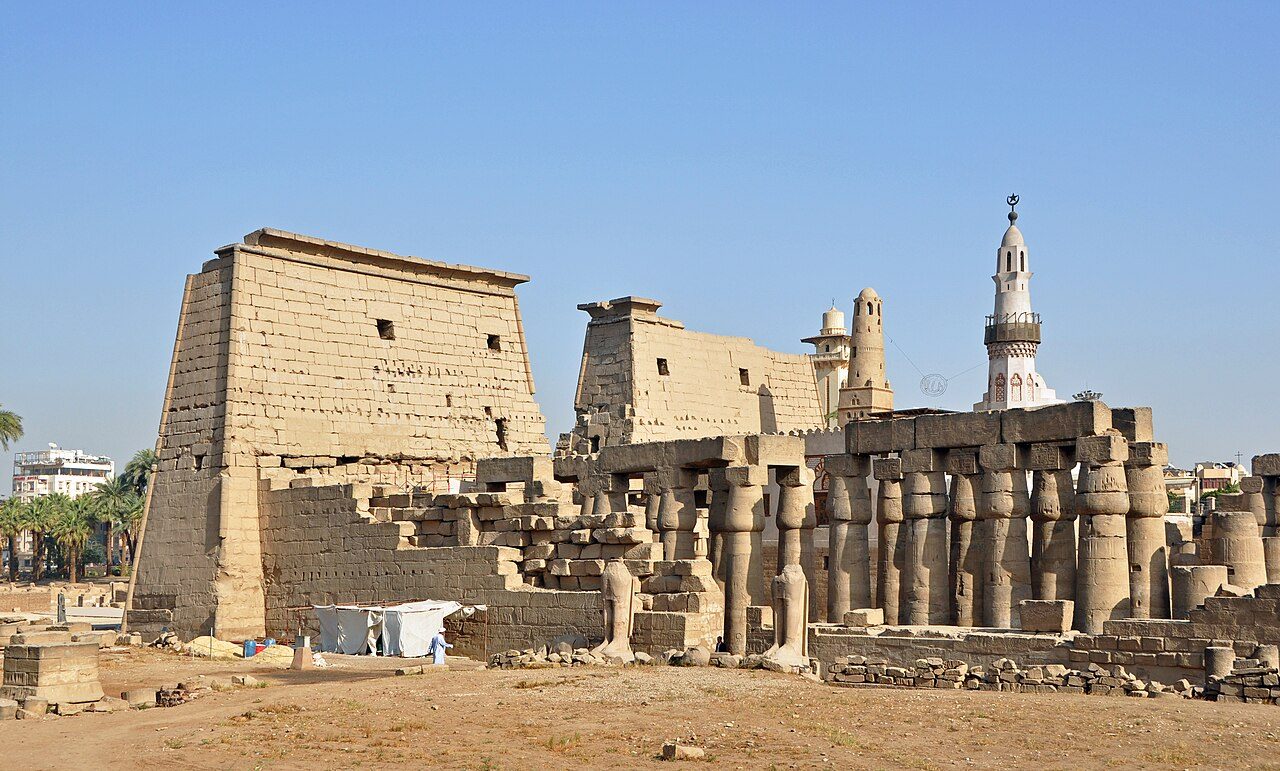
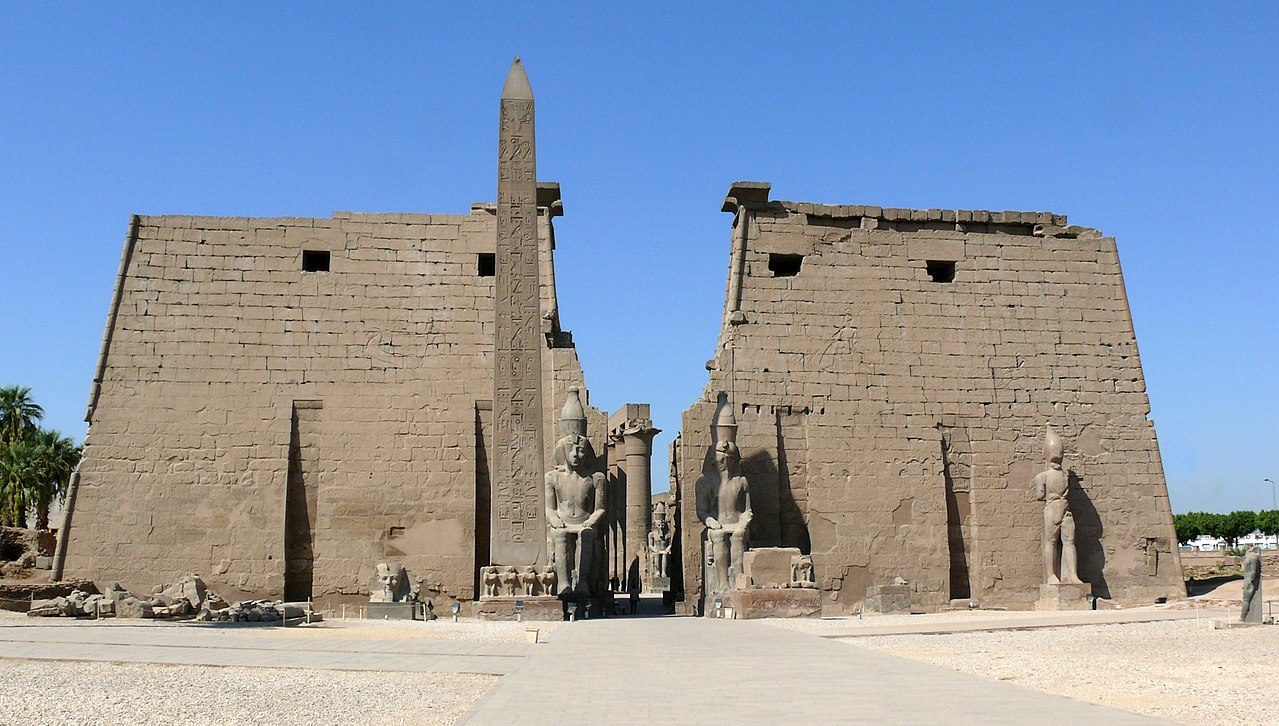
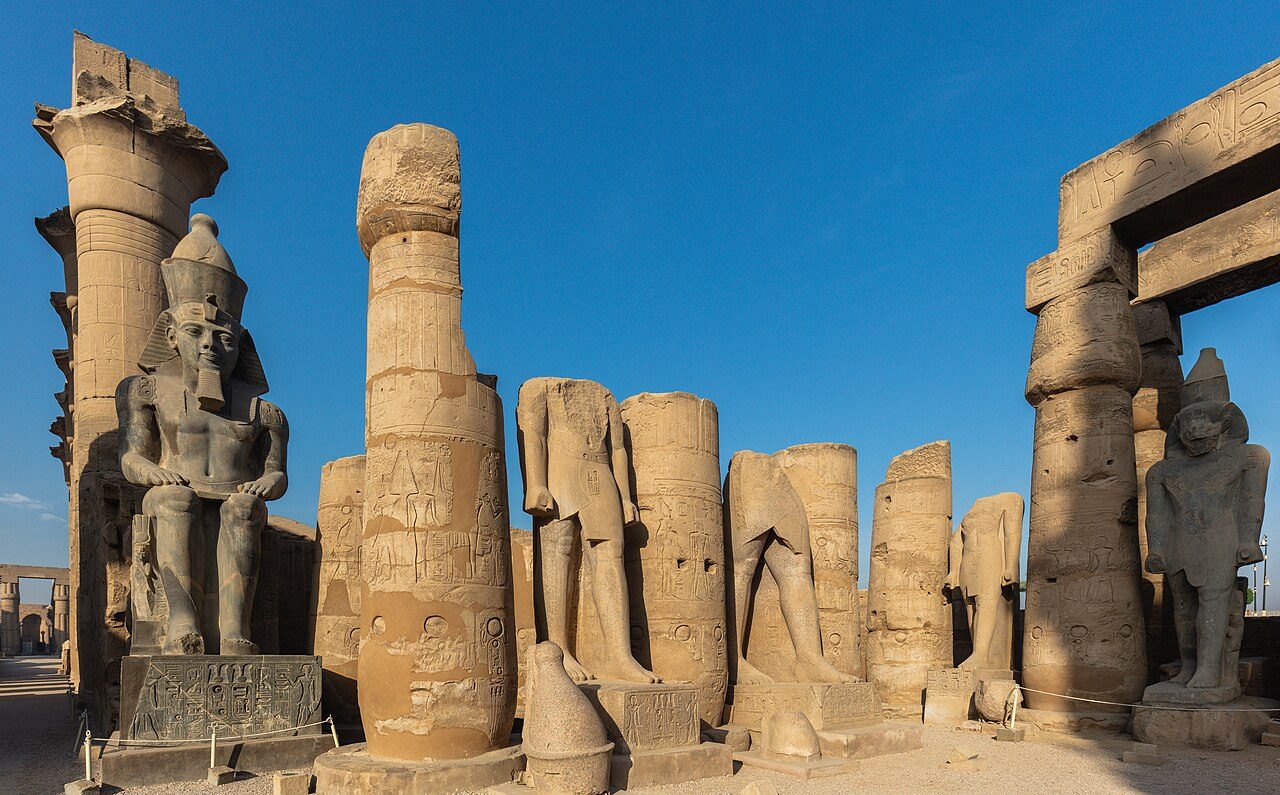
Luxor Temple
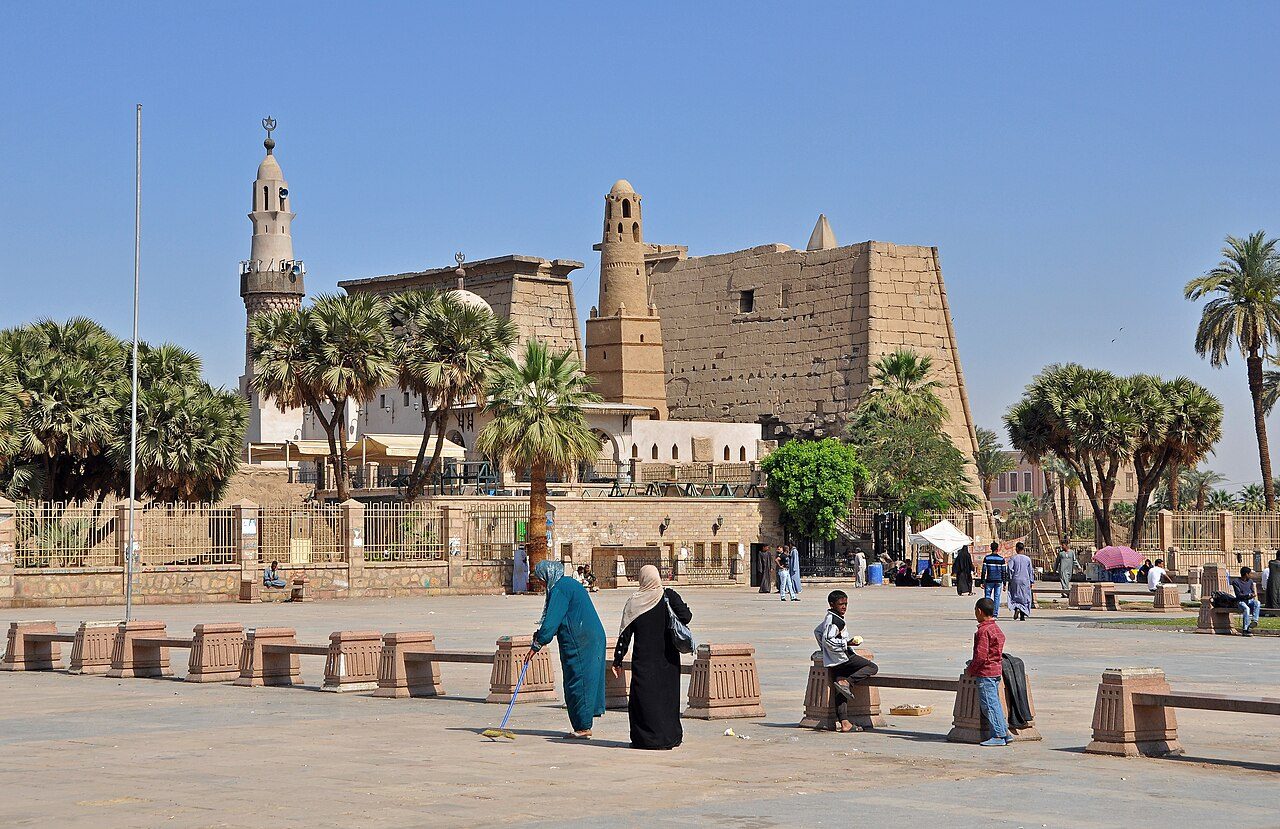
Luxor Temple stands in the centre of modern Luxor beside the Nile. It was built mainly by Amenhotep III and Ramesses II and was dedicated to the renewal of kingship. An avenue of sphinxes once linked it to Karnak. A mosque was later built inside the temple and is still in use. It is especially beautiful when lit up in the evening.
21
STOP 21 OF 27
Luxor Museum
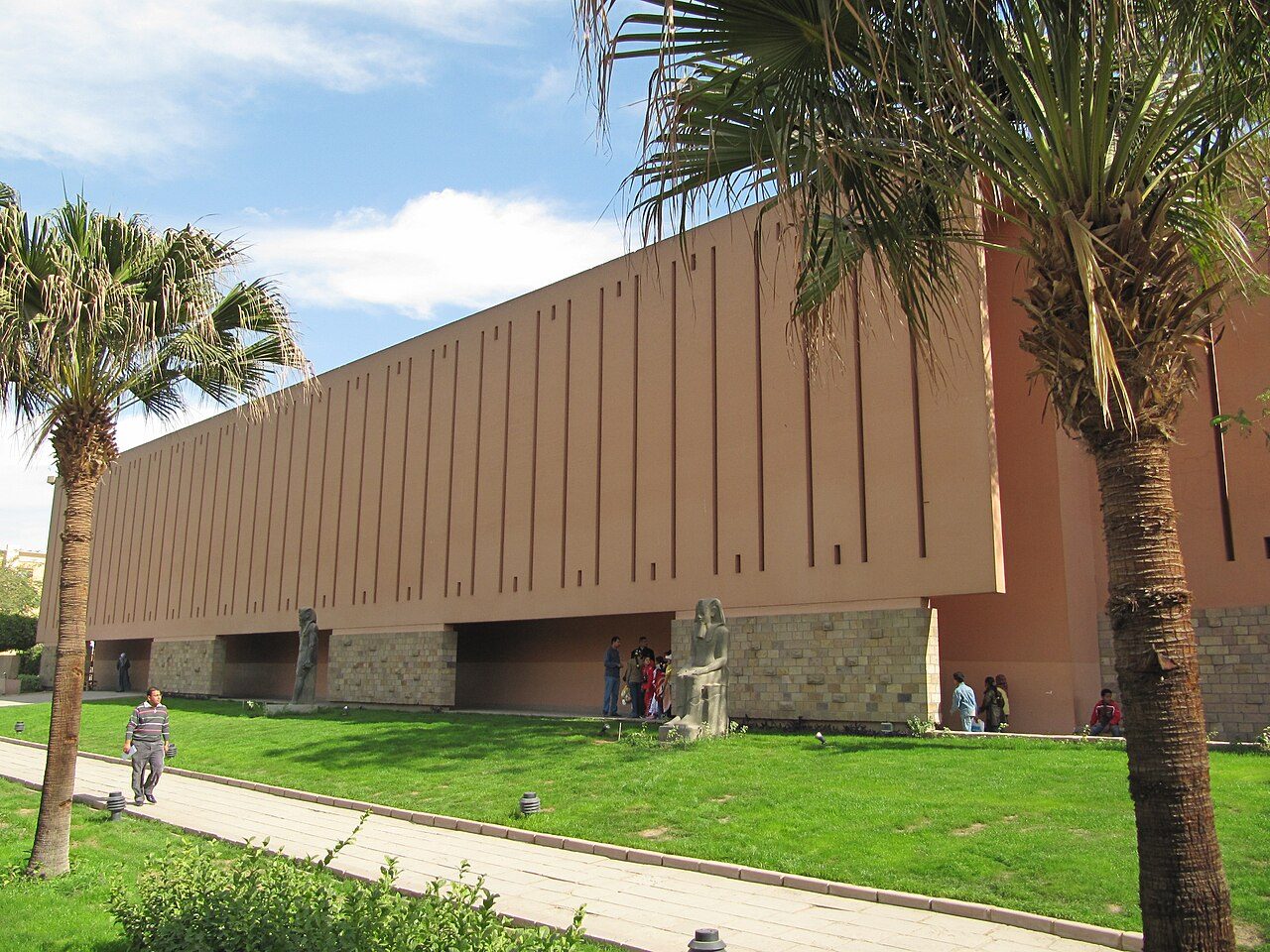
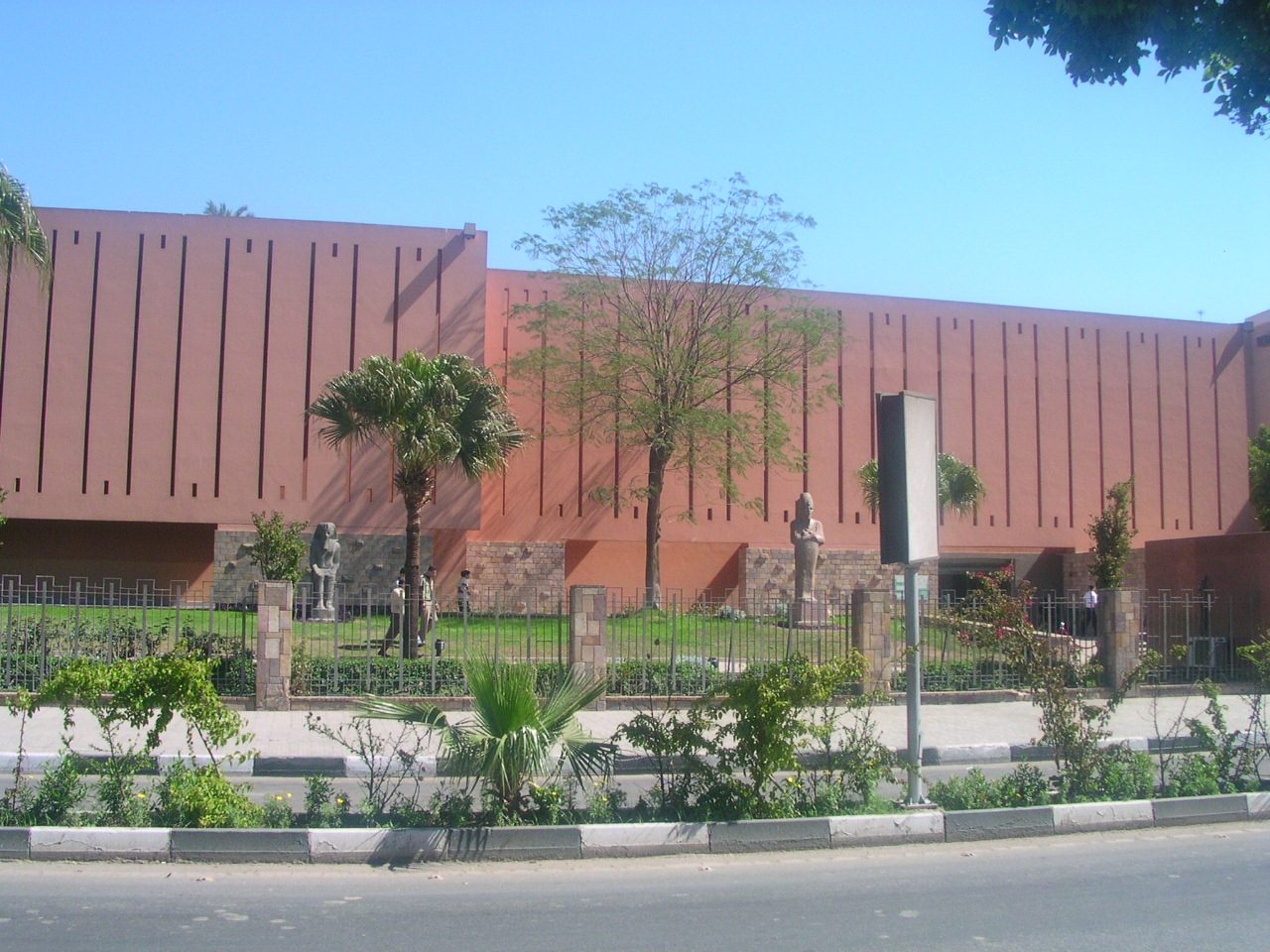
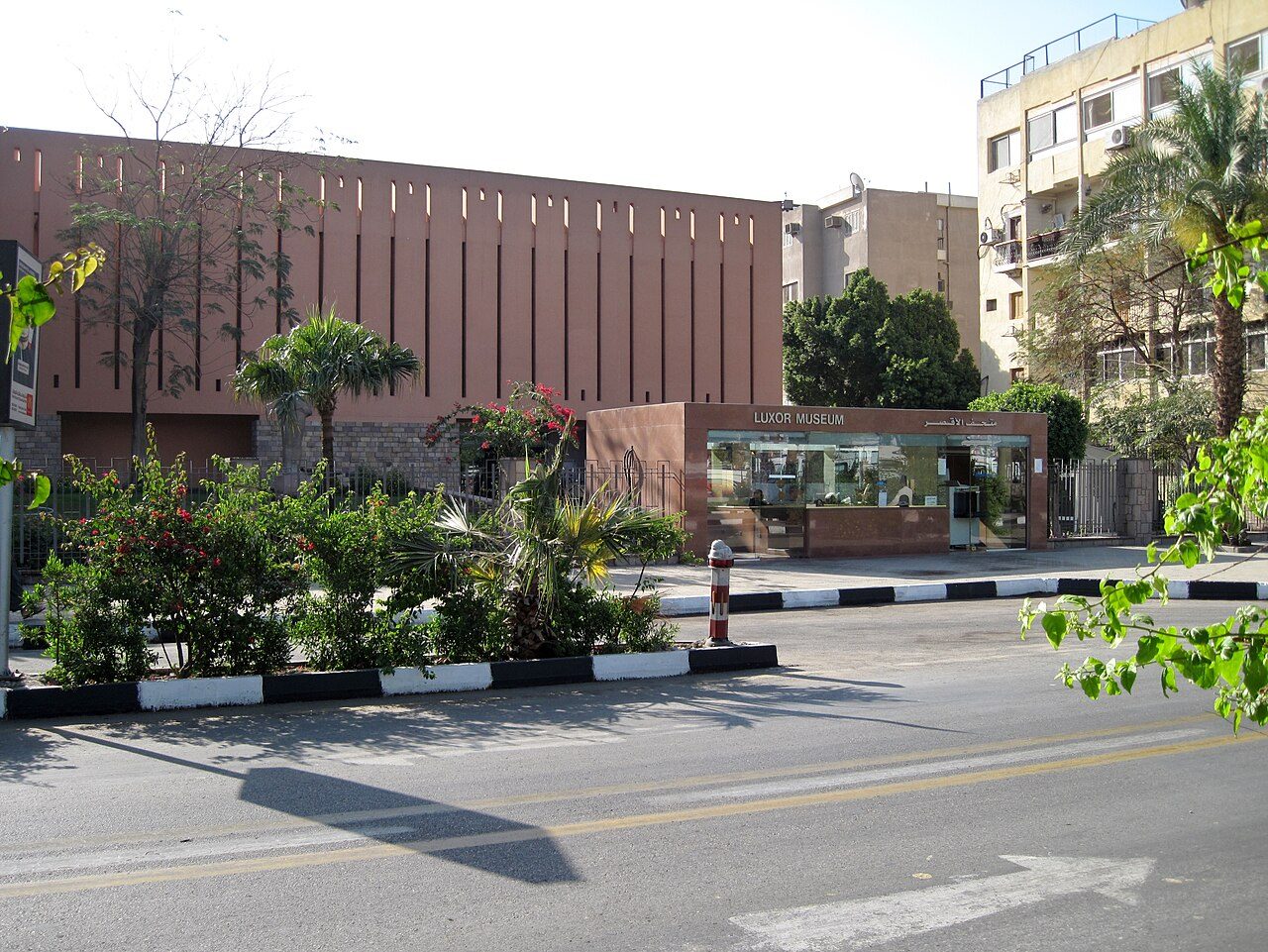
The Luxor Museum holds a small but carefully chosen collection of ancient Egyptian art found in and around Thebes. Highlights include statues found in a cache at Luxor Temple, items from Tutankhamun's tomb and two royal mummies. The well-lit displays make it easy to appreciate each piece. It is on the Corniche between Luxor Temple and Karnak.
22
STOP 22 OF 27
Valley of the Kings
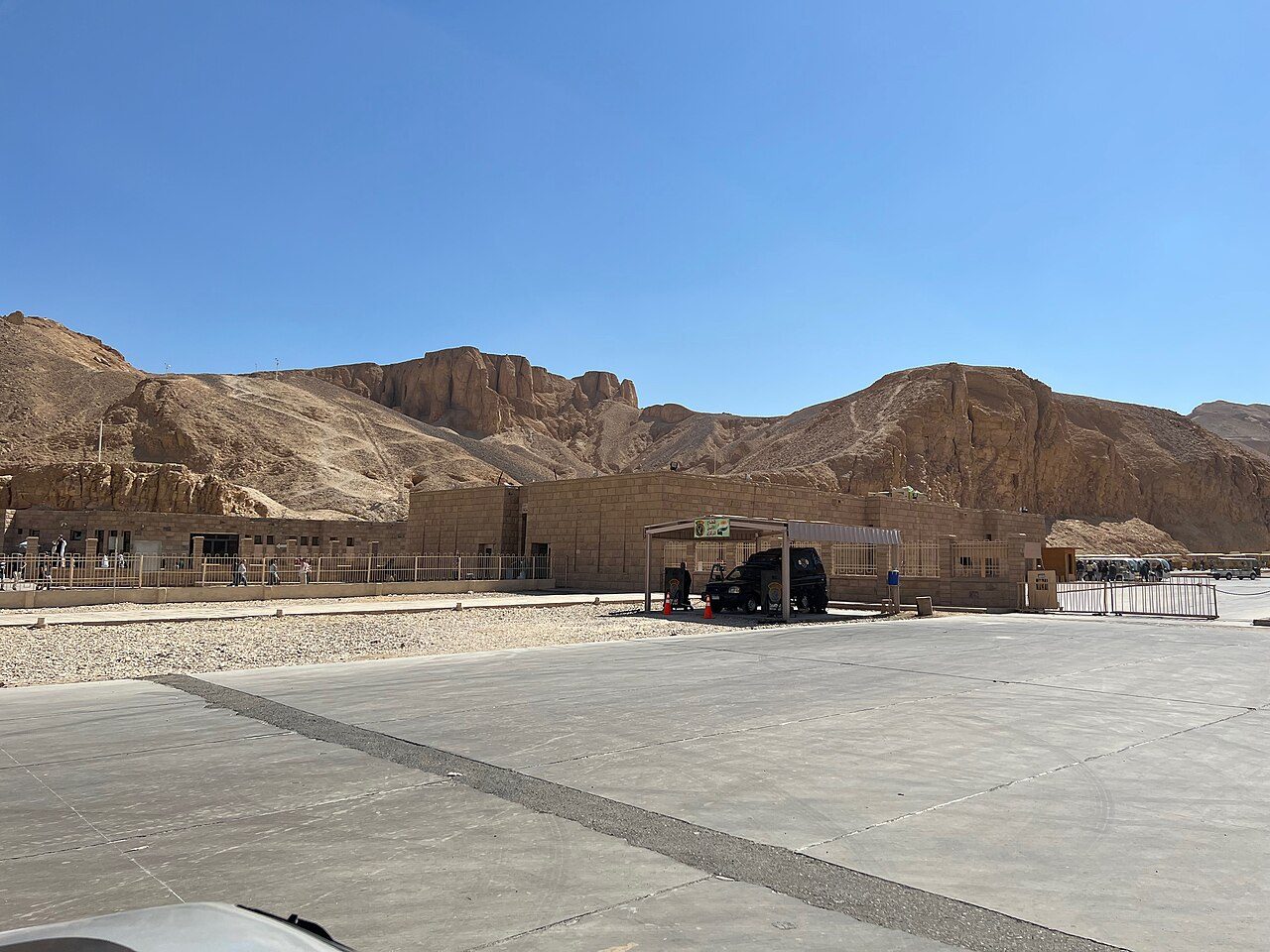
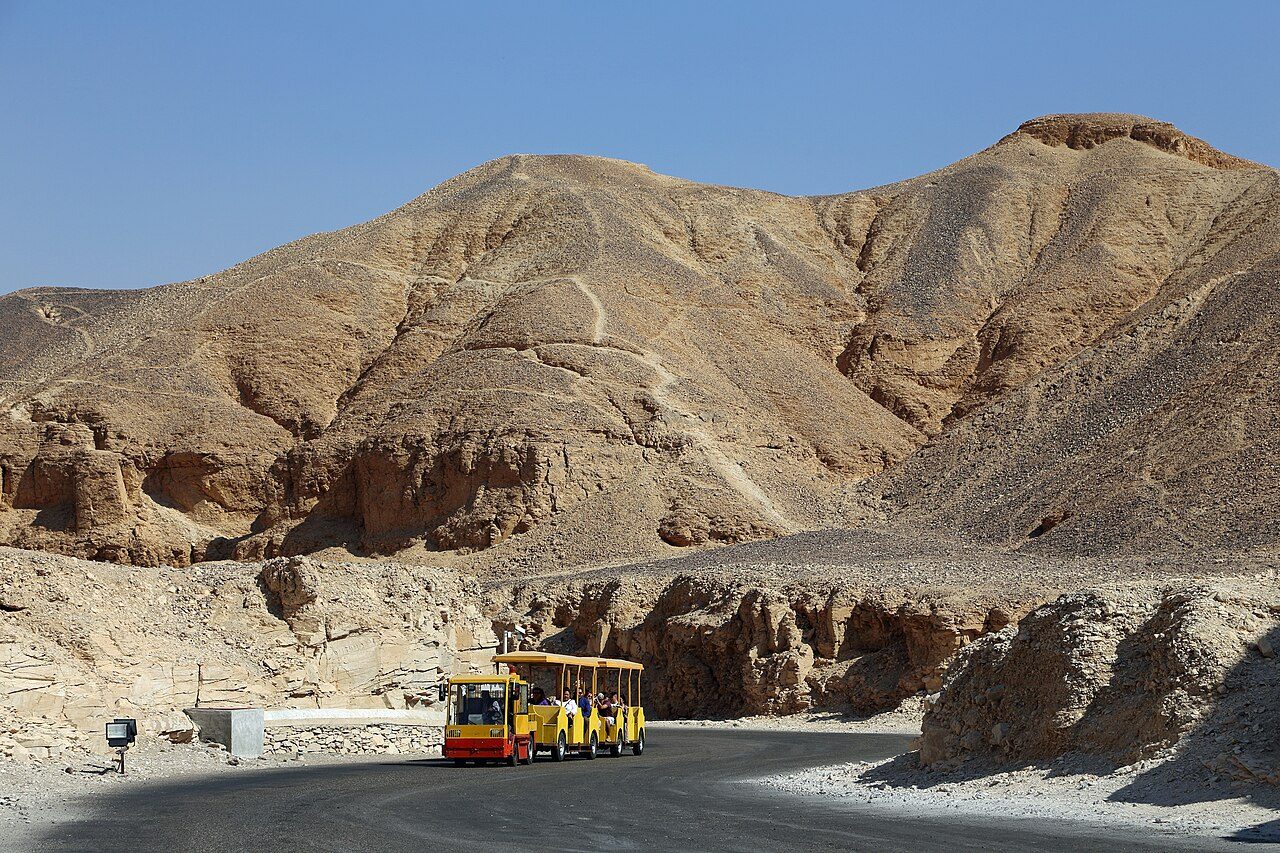
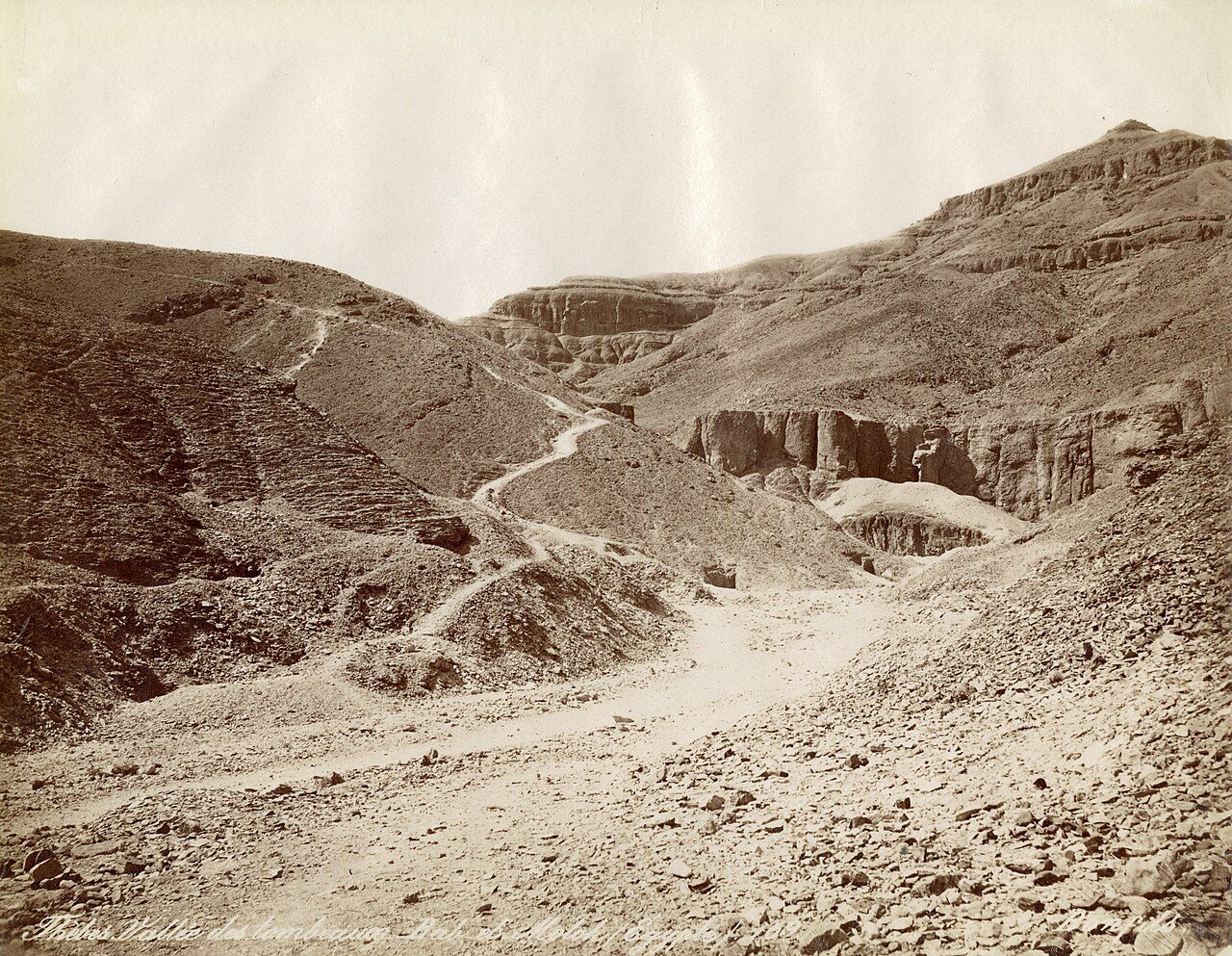
The Valley of the Kings on the west bank of Luxor was the burial place of the pharaohs of the New Kingdom. More than 60 tombs have been found, with brightly painted walls showing the king's journey through the afterlife. The standard ticket covers three tombs, with special tickets for Tutankhamun, Seti I and others. Photography rules vary, so check on arrival.
23
STOP 23 OF 27
Temple of Hatshepsut
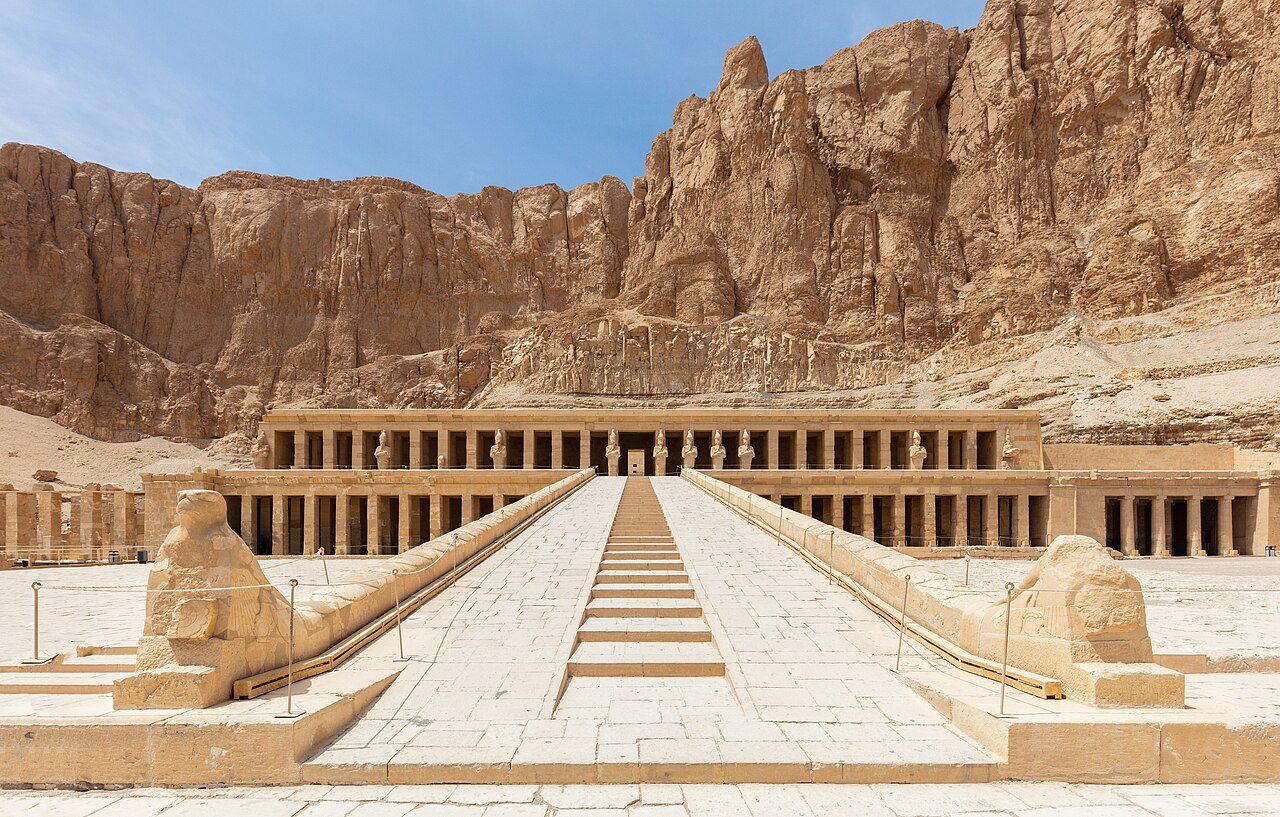
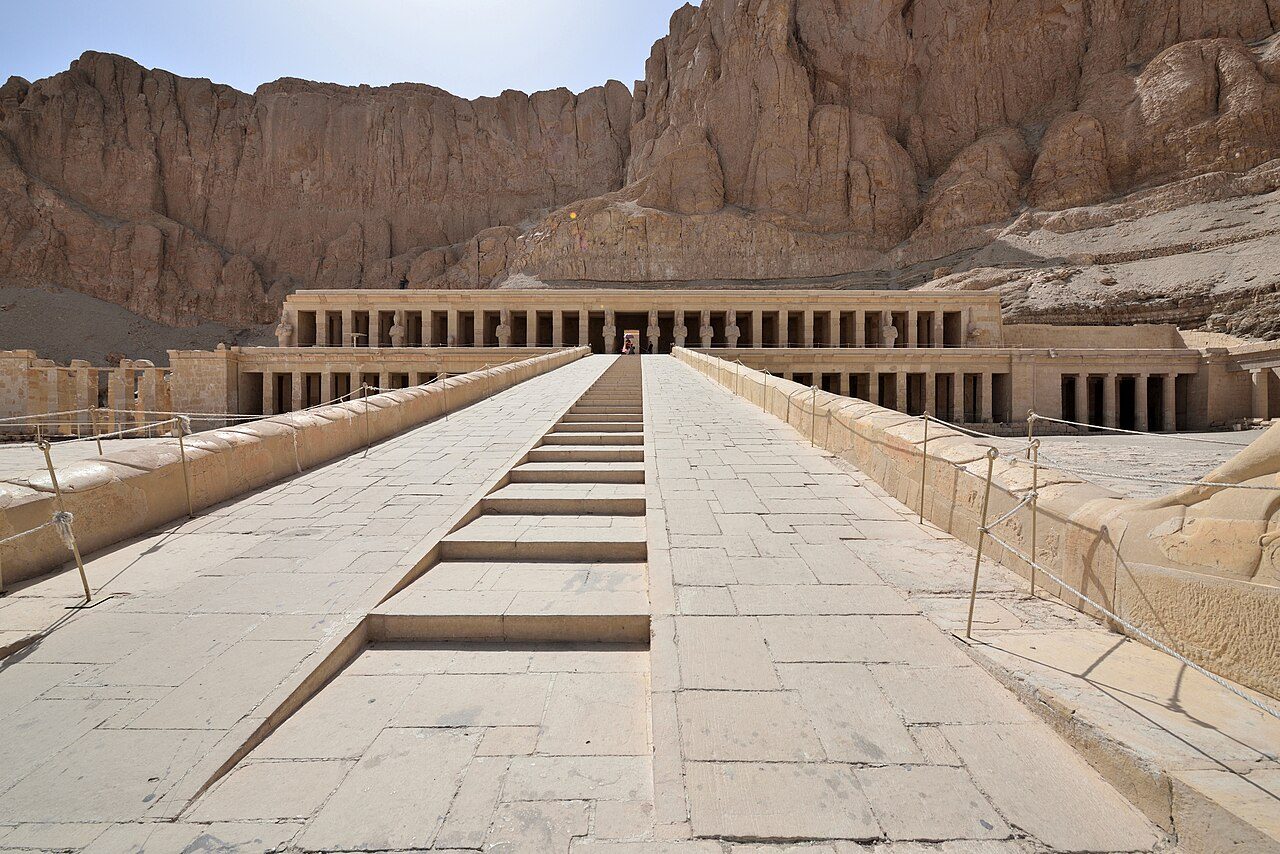
The Mortuary Temple of Hatshepsut at Deir el-Bahari is built into the cliffs on the west bank of Luxor. It honours one of Egypt's few female pharaohs and rises in three broad terraces linked by ramps. Its walls show scenes of an expedition to the land of Punt. The temple is best visited early in the morning, before the sun hits the bare cliffs.
24
STOP 24 OF 27
Medinet Habu
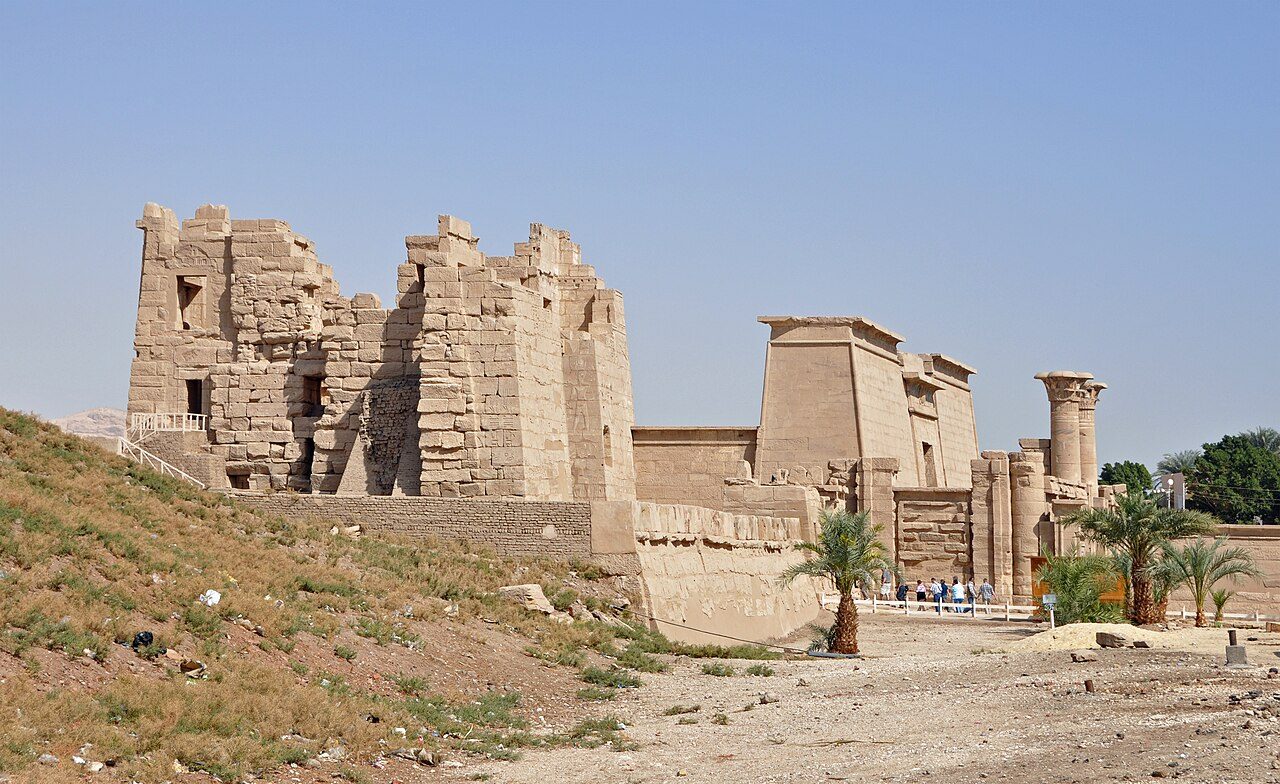
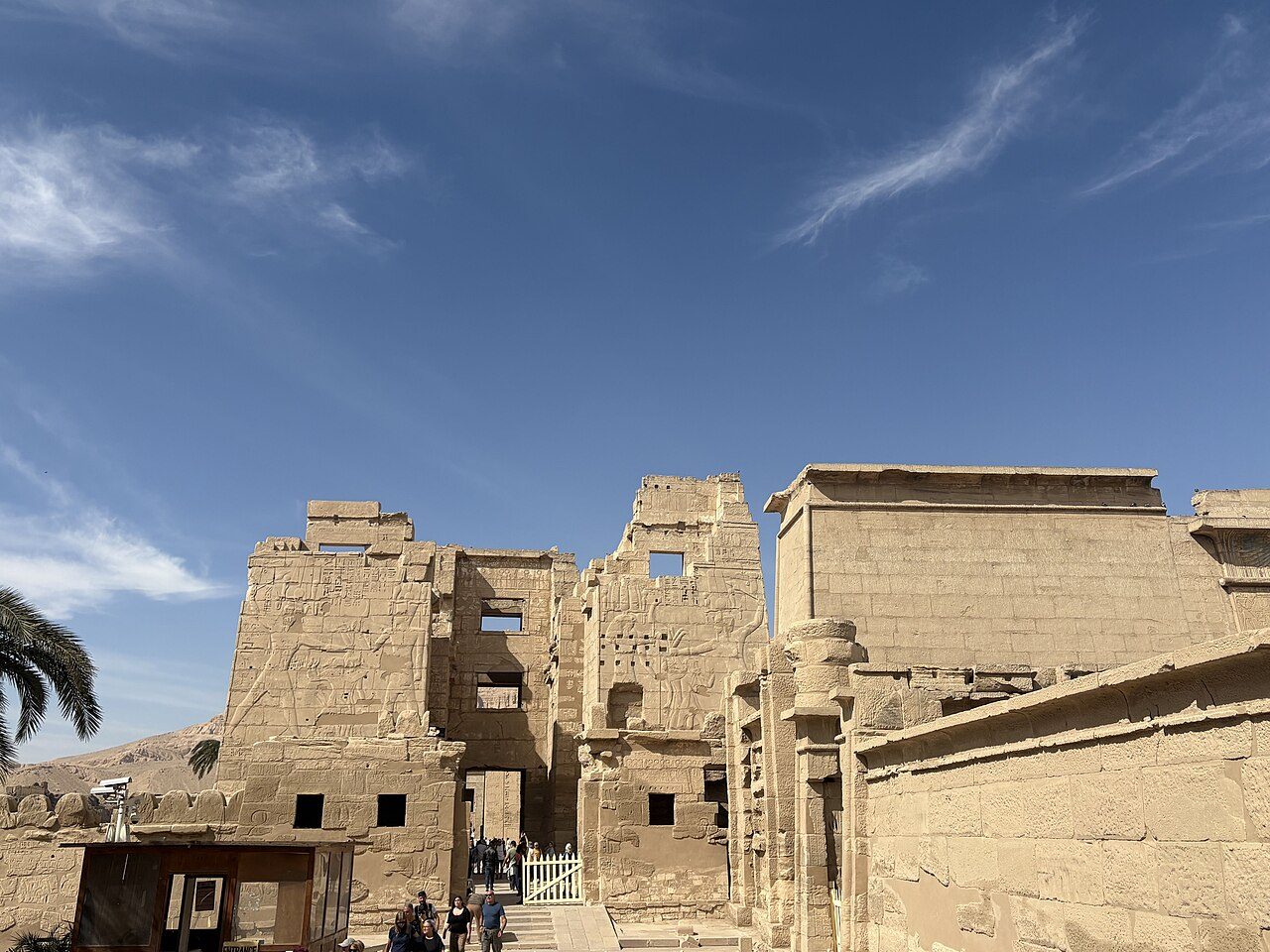
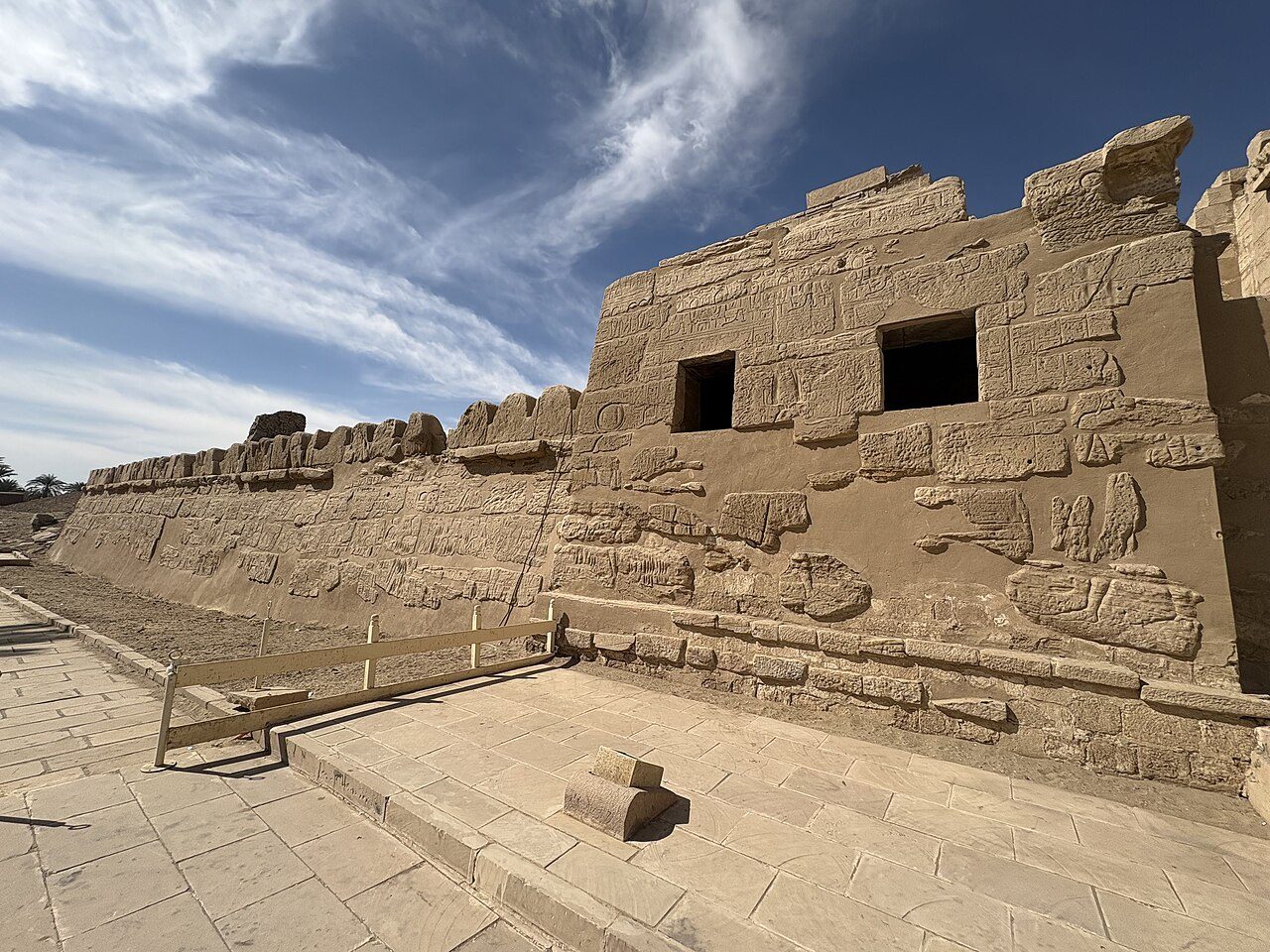
Medinet Habu is the mortuary temple of Ramesses III on the west bank of Luxor, and one of the best preserved temples in Egypt. Its walls are covered with deeply carved reliefs showing battles, including against the Sea Peoples, and some still keep their original colours. It is often quieter than the more famous sites nearby.
25
STOP 25 OF 27
Colossi of Memnon
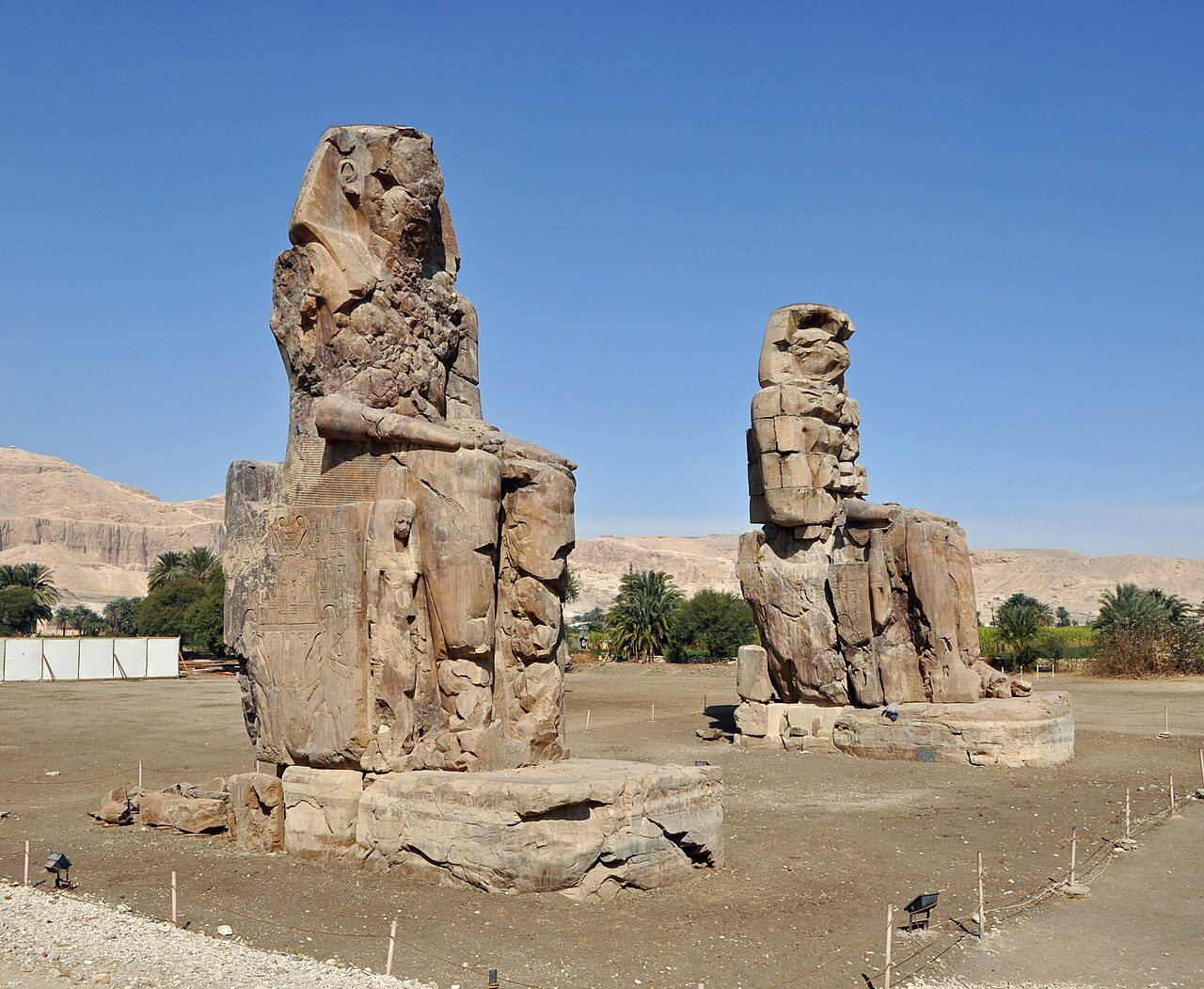
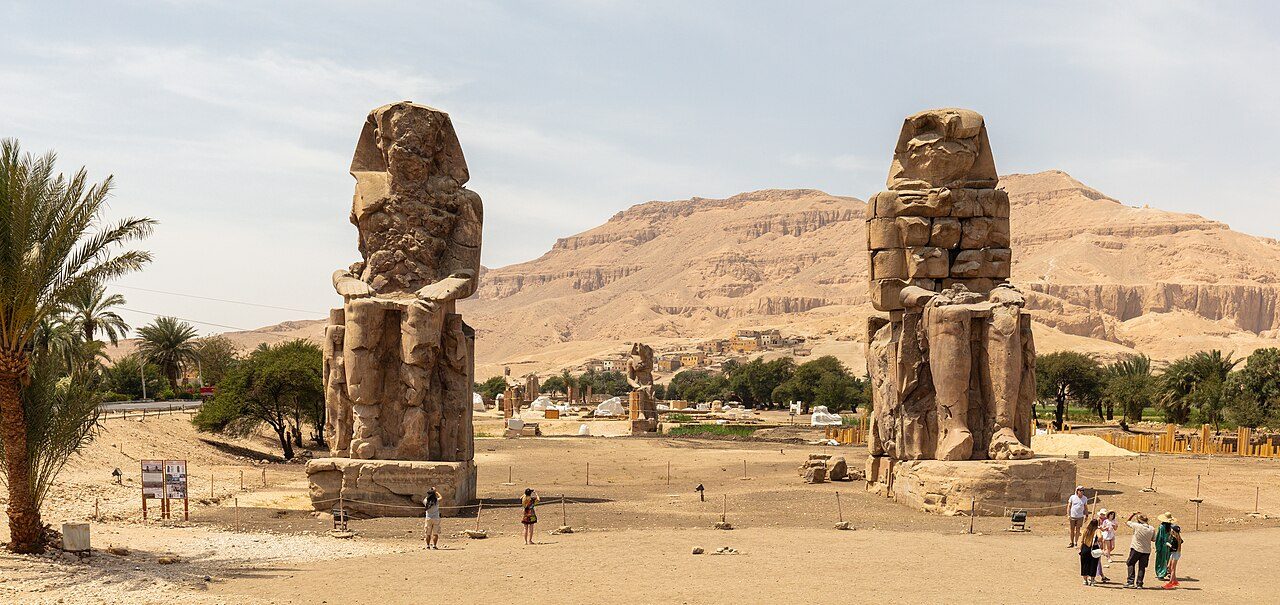
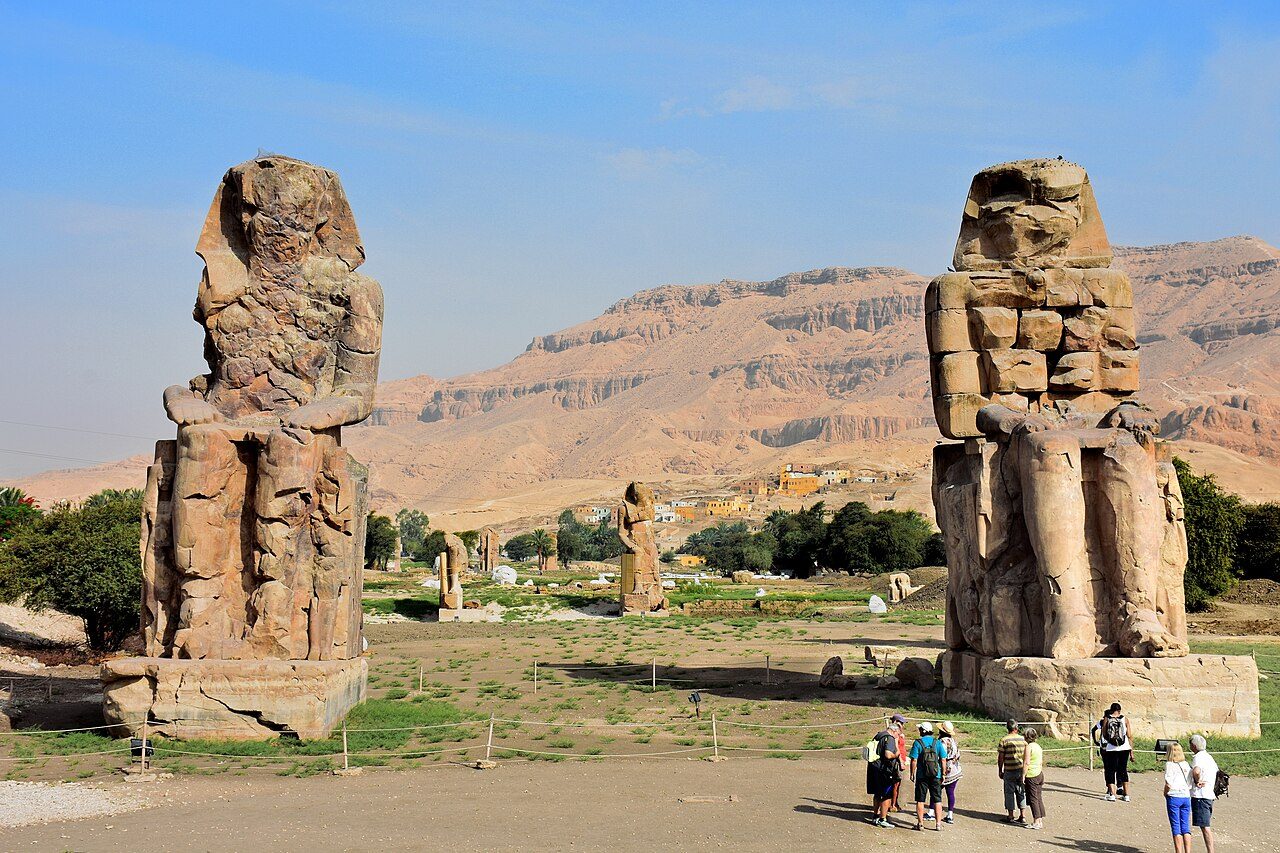
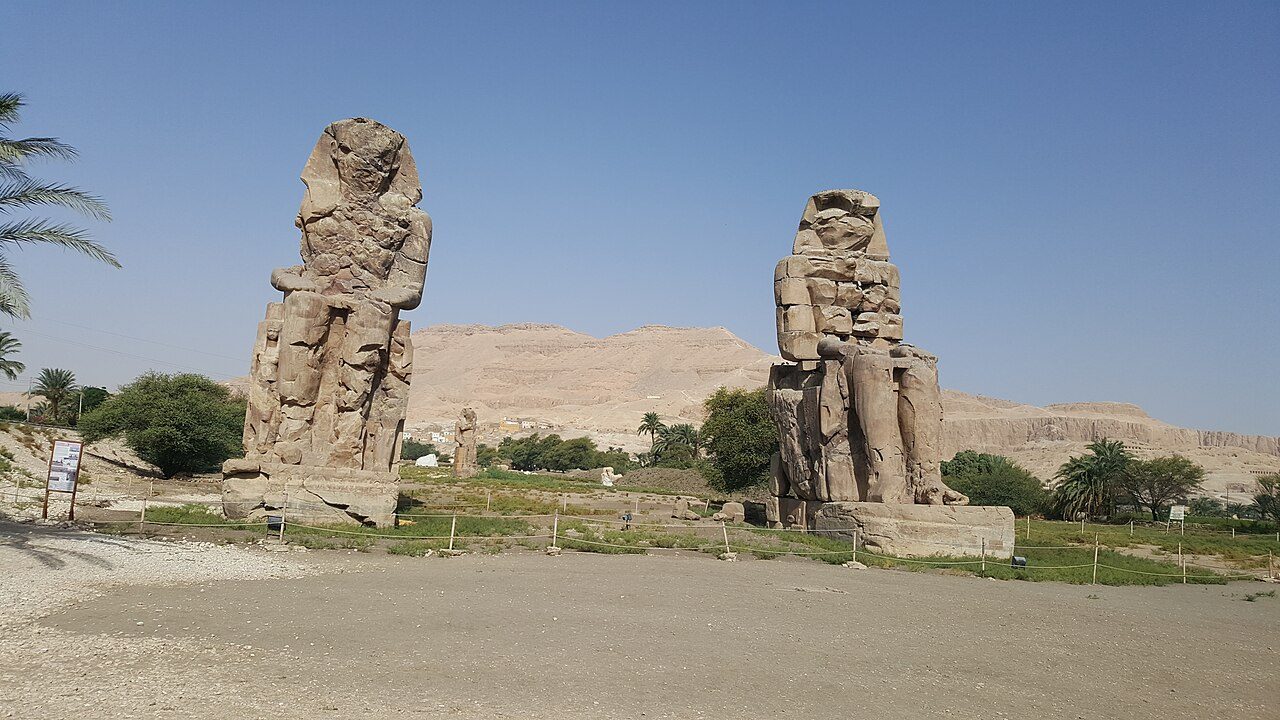
The Colossi of Memnon are two giant seated statues of Pharaoh Amenhotep III that once guarded his mortuary temple on the west bank of Luxor. Each is about 18 metres tall. In Roman times one of the statues was said to make a singing sound at dawn, attracting many visitors. They are free to see from the roadside and often the first stop on west bank tours.
26
STOP 26 OF 27
Dendera Temple
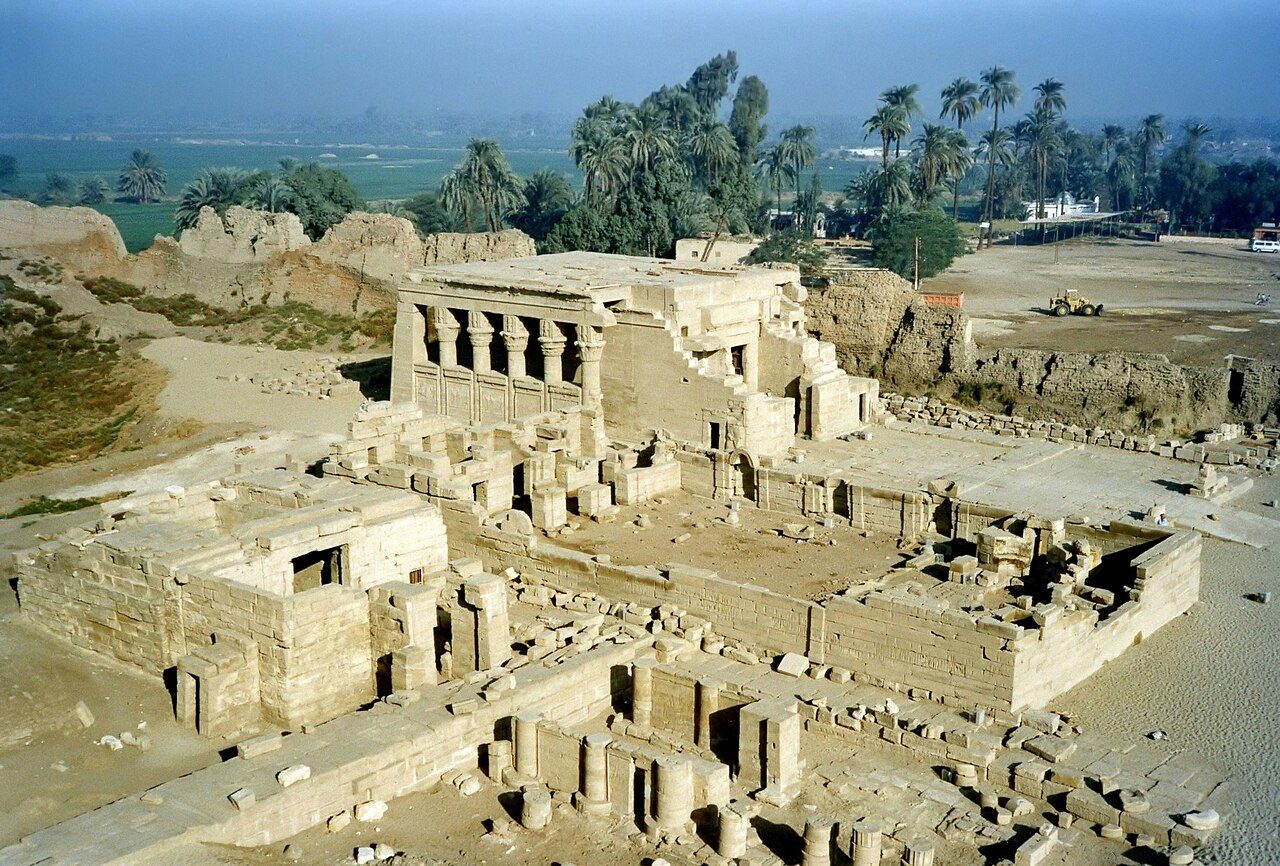
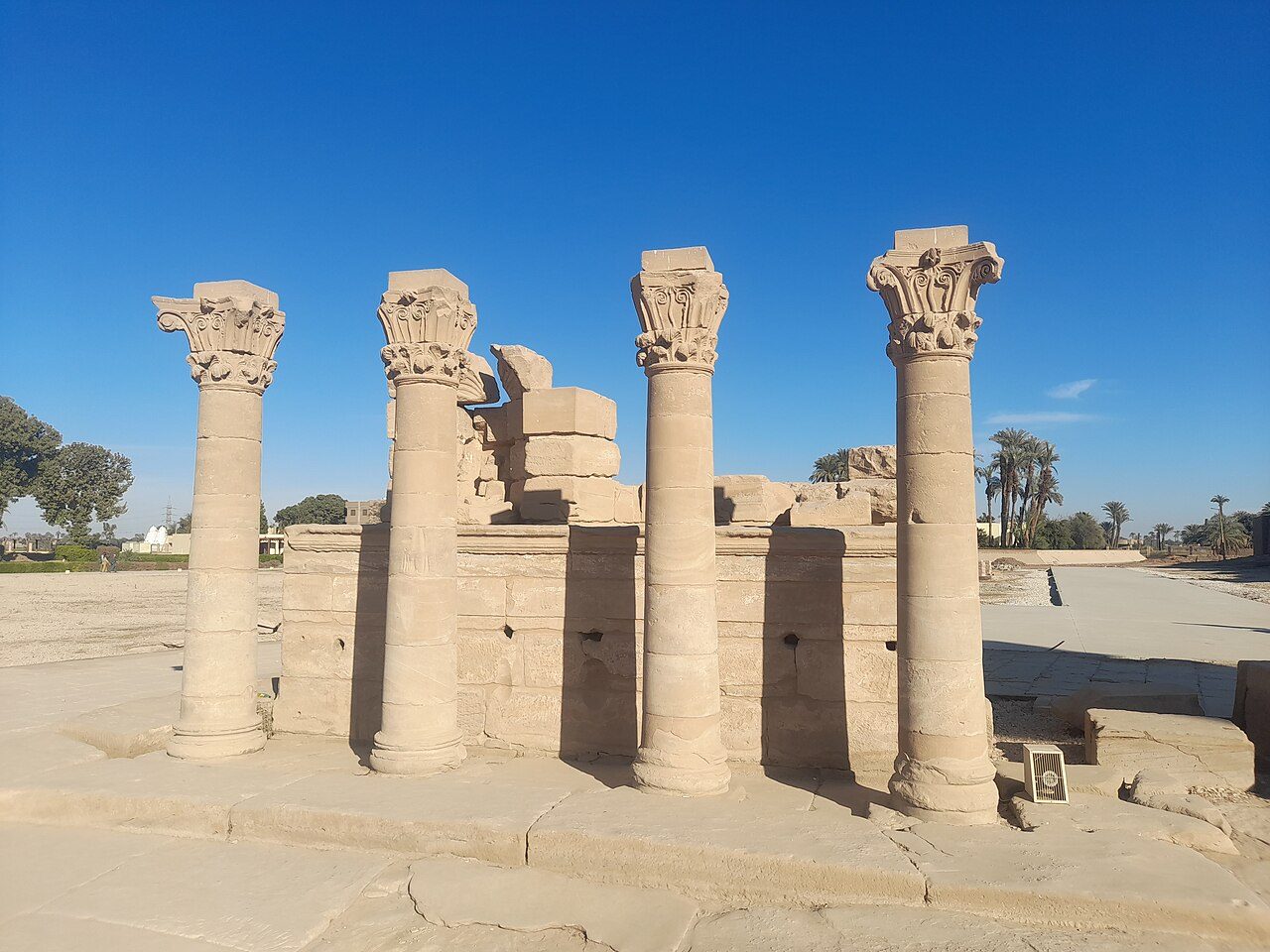
The Dendera Temple complex north of Luxor is one of the best preserved temple sites in Egypt. Its main temple, dedicated to the goddess Hathor, dates mainly from the Ptolemaic and Roman periods. Inside, its ceilings are painted with astronomical scenes, and a staircase leads to rooftop chapels. A copy of the famous Dendera zodiac is found in one of them.
27
STOP 27 OF 27 · LAST STOP
Temple of Seti I Abydos
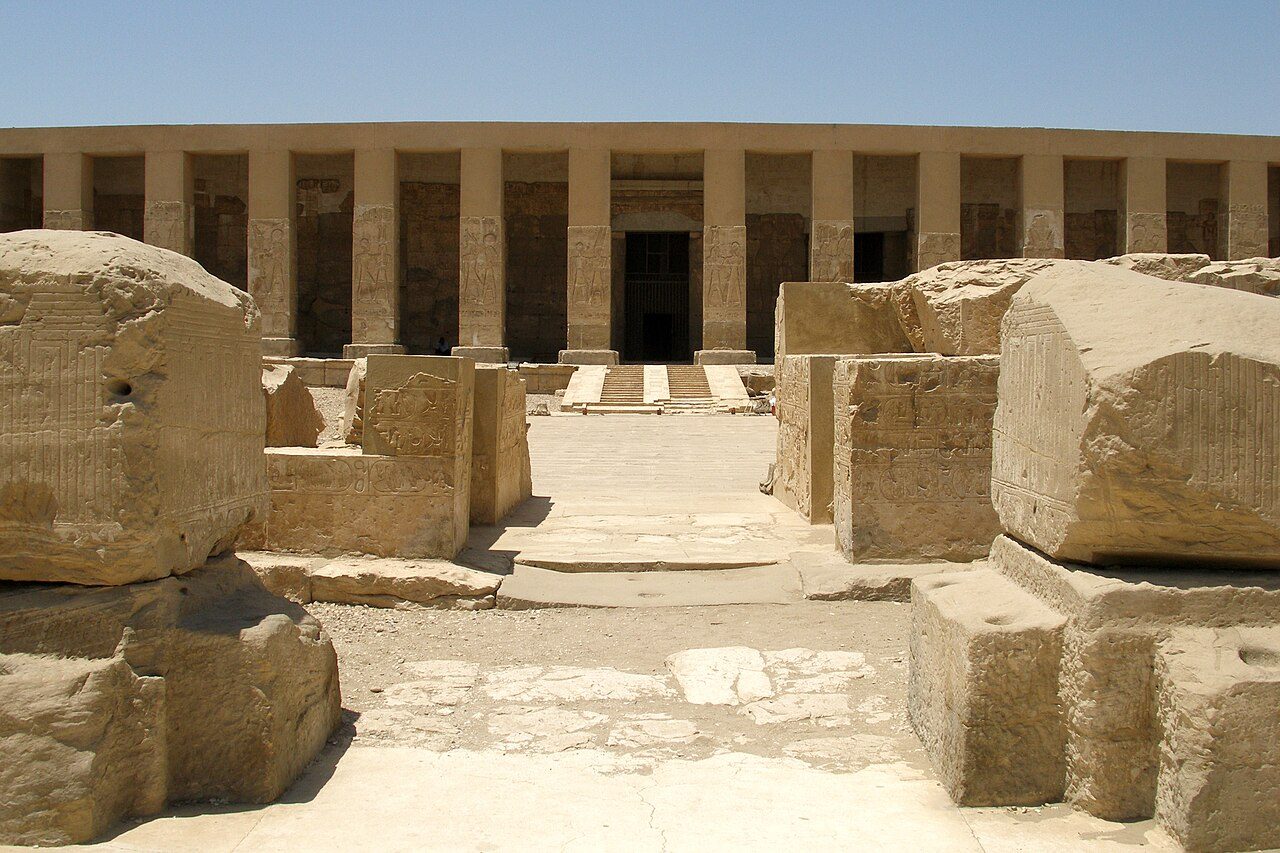
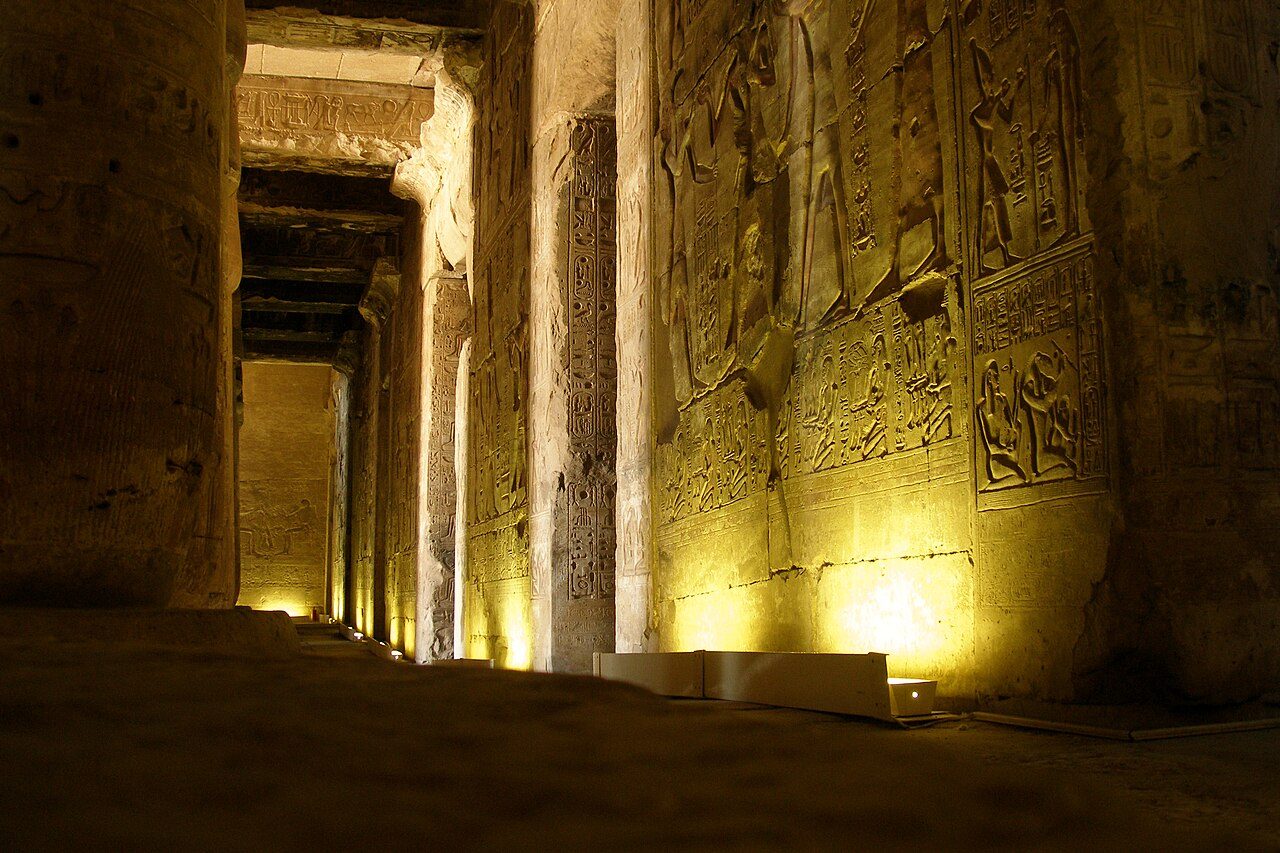
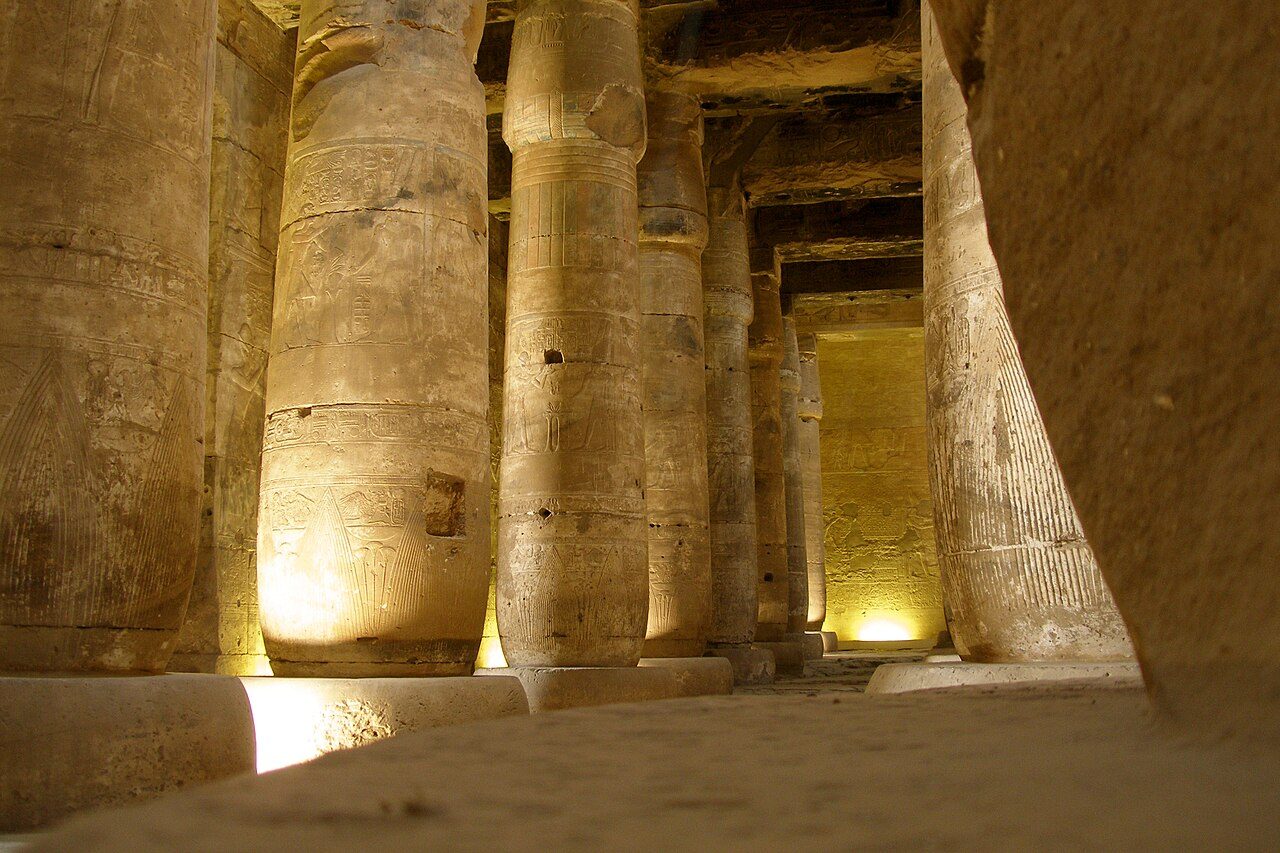
The Temple of Seti I at Abydos is famous for the finest painted reliefs of any Egyptian temple. Abydos was one of the most sacred sites in Egypt, believed to be the burial place of the god Osiris. The temple's Abydos King List records many of the pharaohs who ruled before Seti. Behind the temple lies the mysterious Osireion.
 WaTrips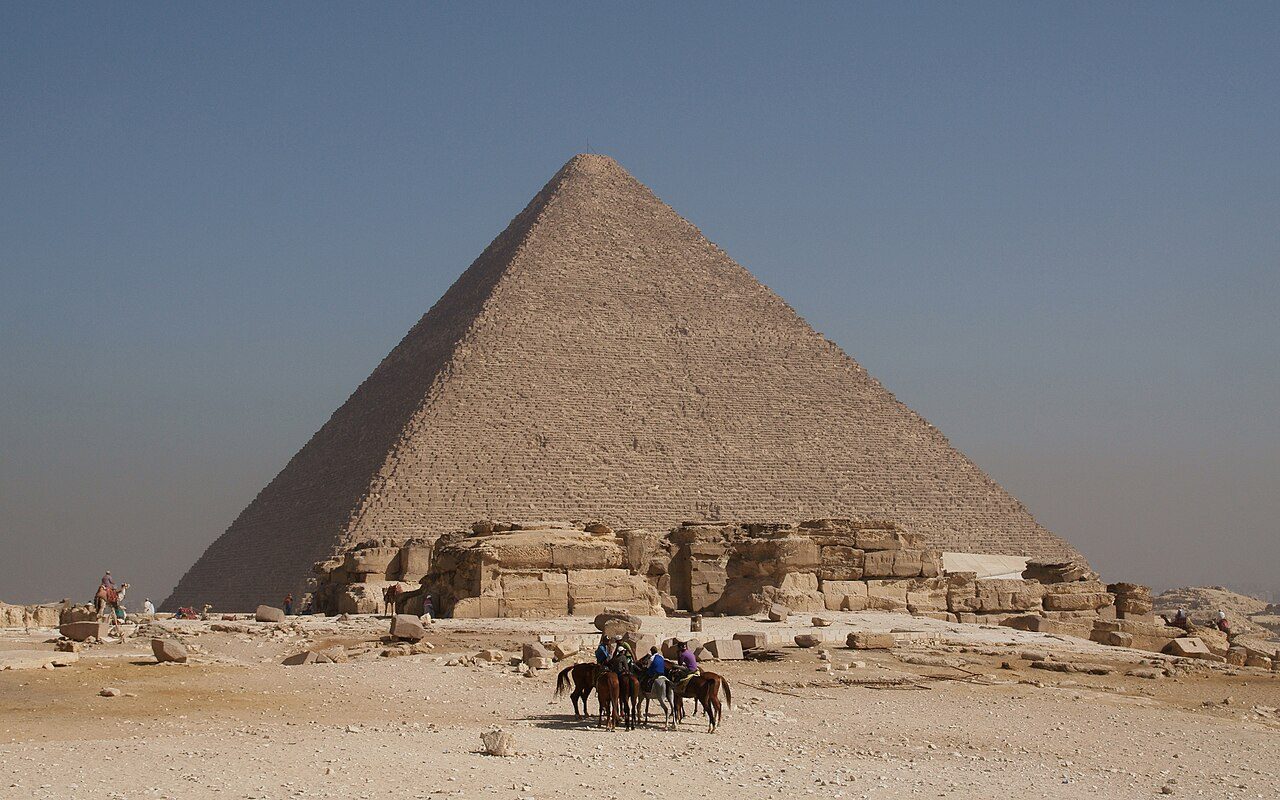











 BikesBooking
 Localrent
 Airalo
 Tiqets