The Pyramids and Sphinx, the Grand Egyptian Museum, Saqqara and Dahshur, the Egyptian Museum and royal mummies, Coptic and Islamic Cairo, and Wadi El Hitan.
Cairo is loud, huge and full of wonders. See the Pyramids and the Sphinx and spend time in the Grand Egyptian Museum with Tutankhamun's treasures, then visit the Step Pyramid at Saqqara and the Bent Pyramid at Dahshur. Explore the old Egyptian Museum, the royal mummies at the National Museum of Egyptian Civilization and the Hanging Church in Coptic Cairo. Give a day to Islamic Cairo: the Citadel, Ibn Tulun, Sultan Hassan, Al-Azhar and Khan el-Khalili, with sunset in Al-Azhar Park. End in the desert at Wadi El Hitan's fossil whales. October–April is best.
01
STOP 1 OF 16
Pyramids of Giza
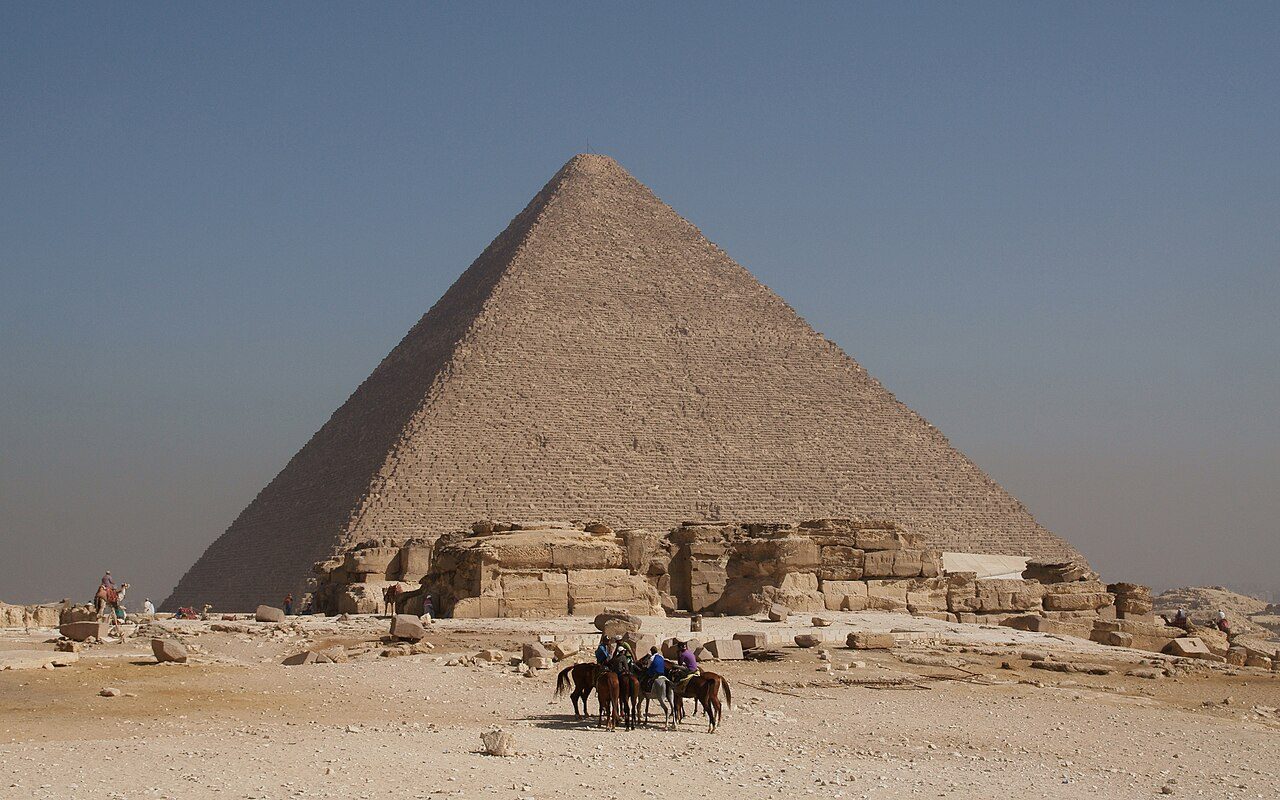
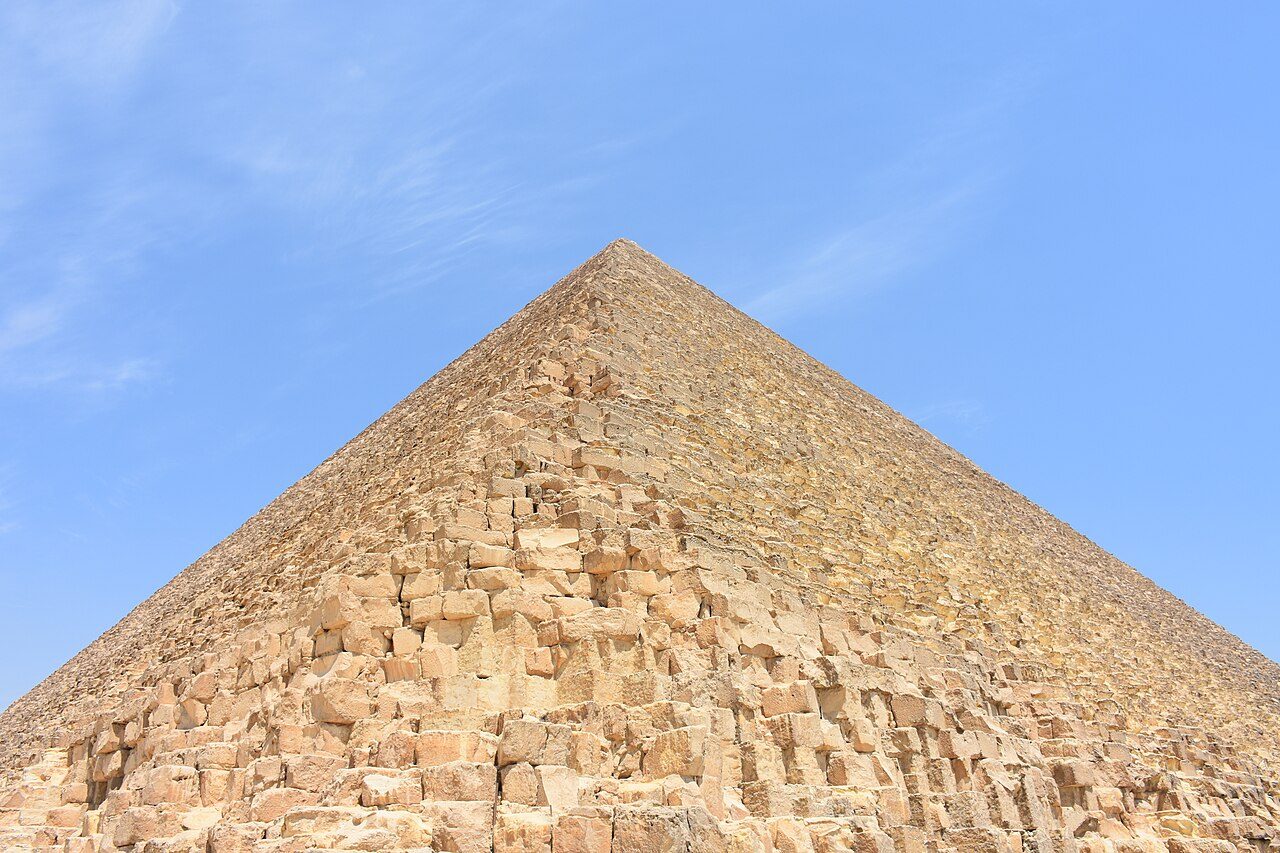
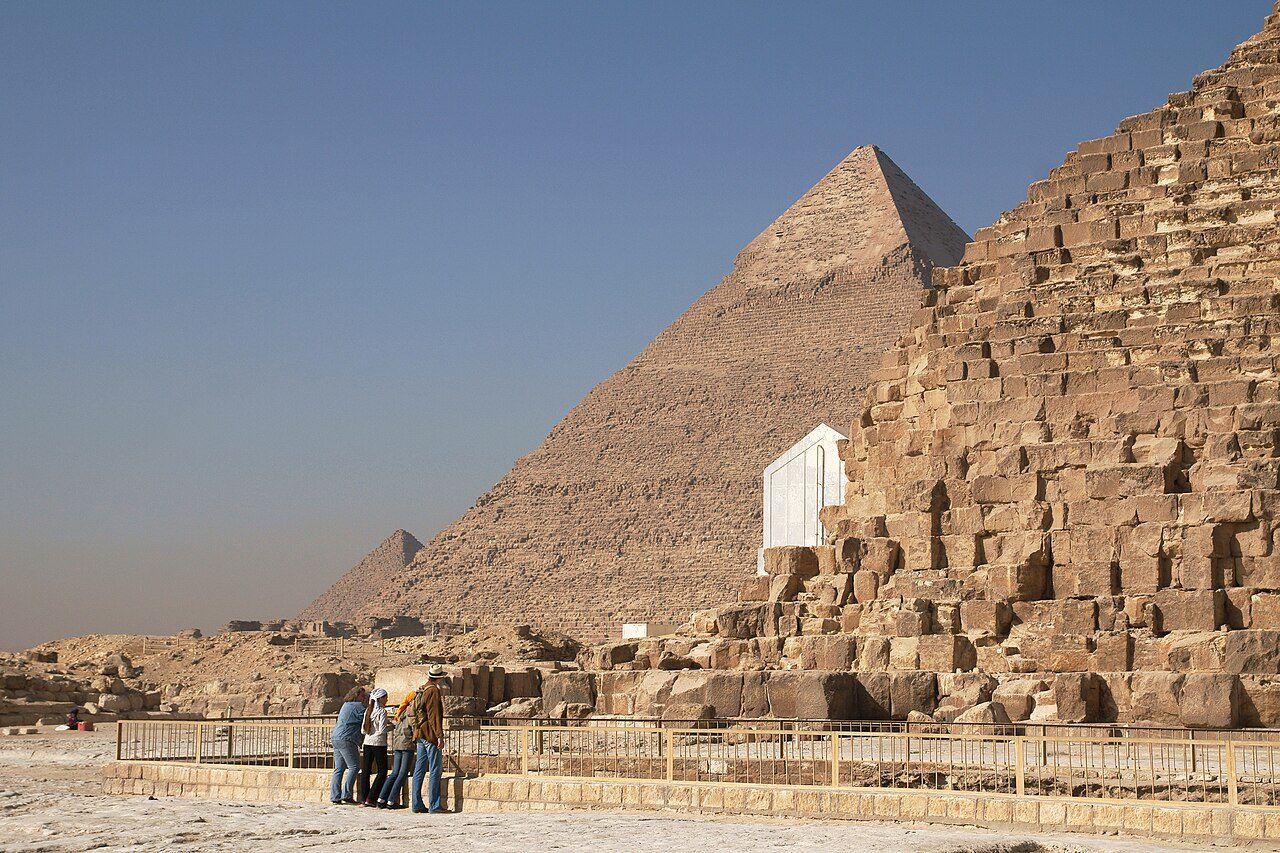
The Pyramids of Giza are the last surviving wonder of the ancient world. The Great Pyramid was built for Pharaoh Khufu about 4,500 years ago, with the pyramids of Khafre and Menkaure nearby. Visitors can enter some of the pyramids, ride camels across the plateau and enjoy panoramic viewpoints. Arrive at opening time to avoid the heat and the crowds.
02
STOP 2 OF 16
Great Sphinx of Giza
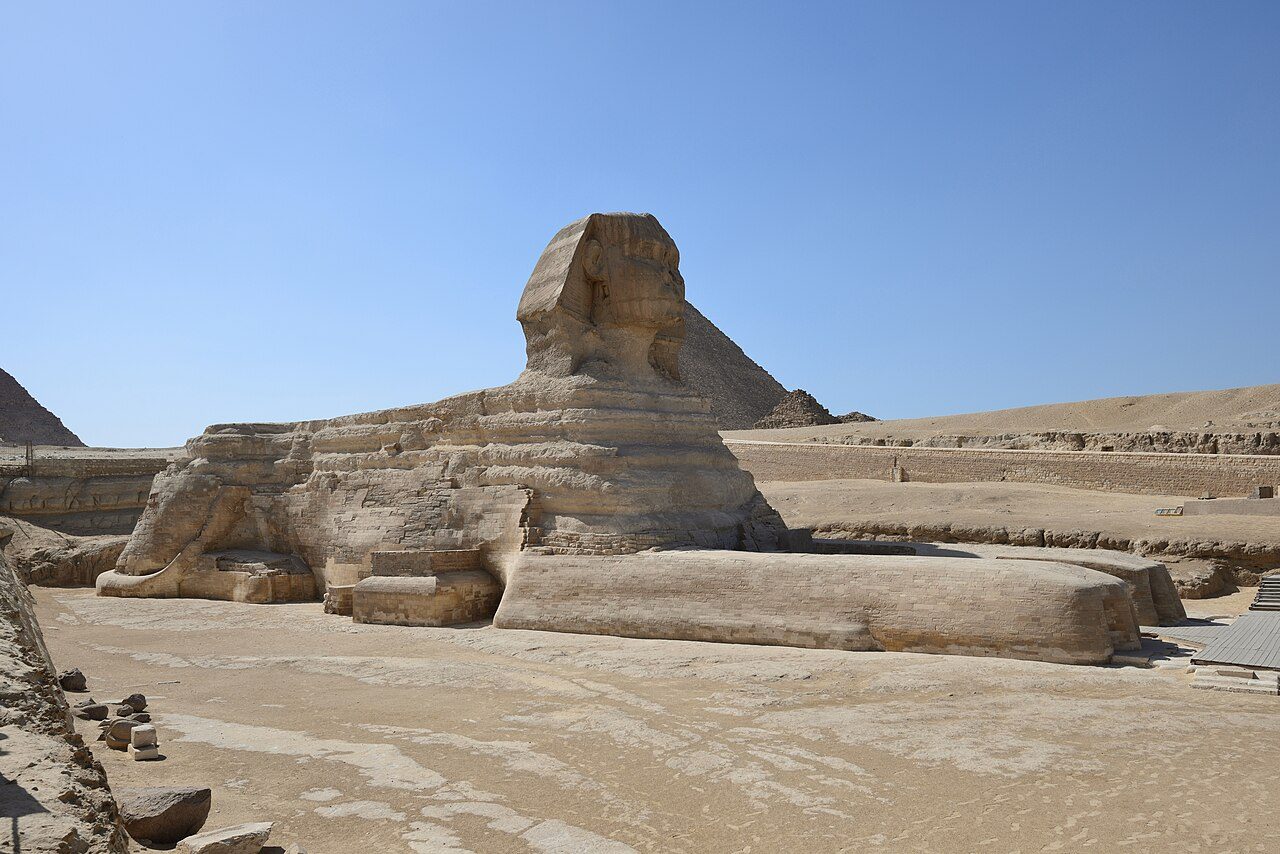
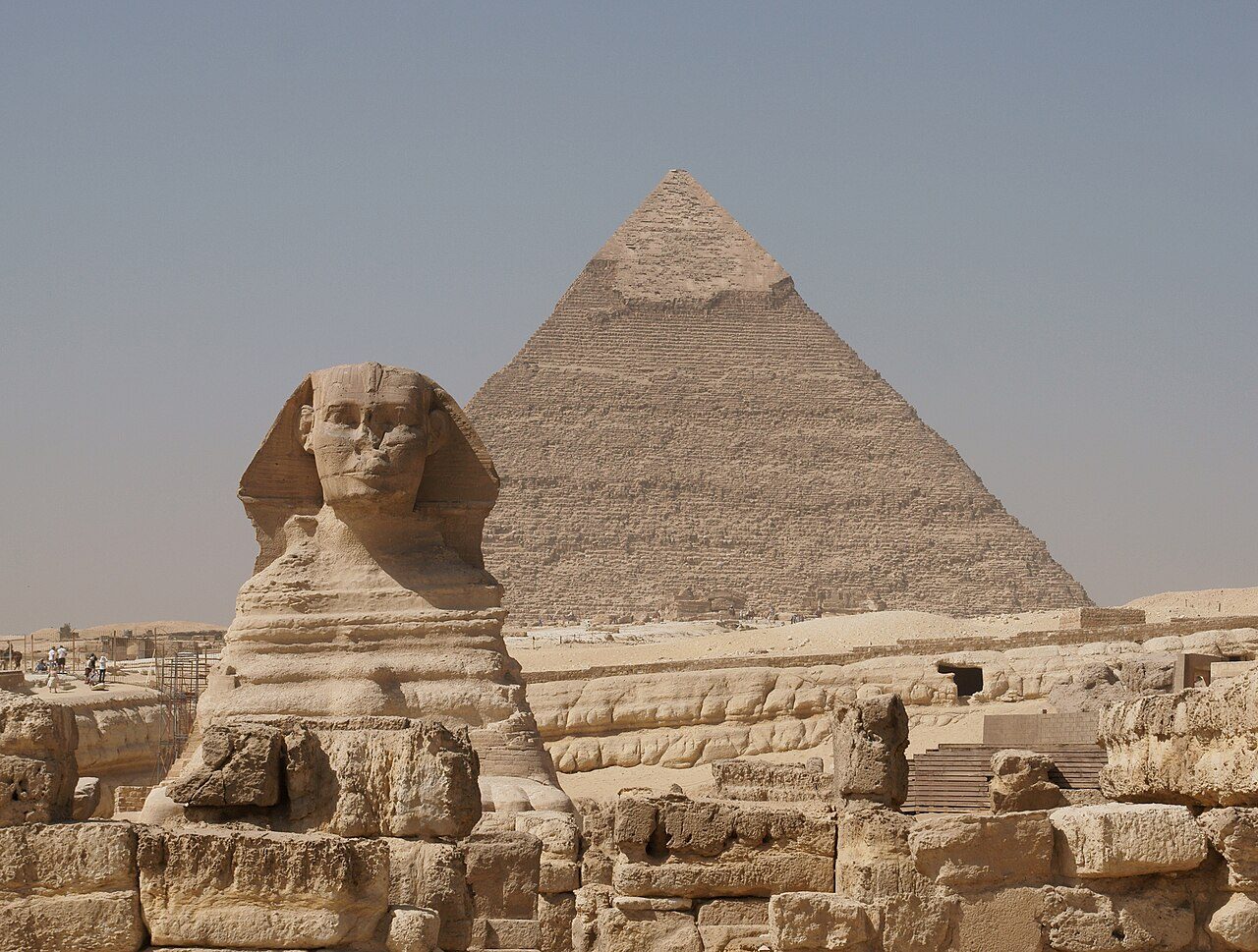
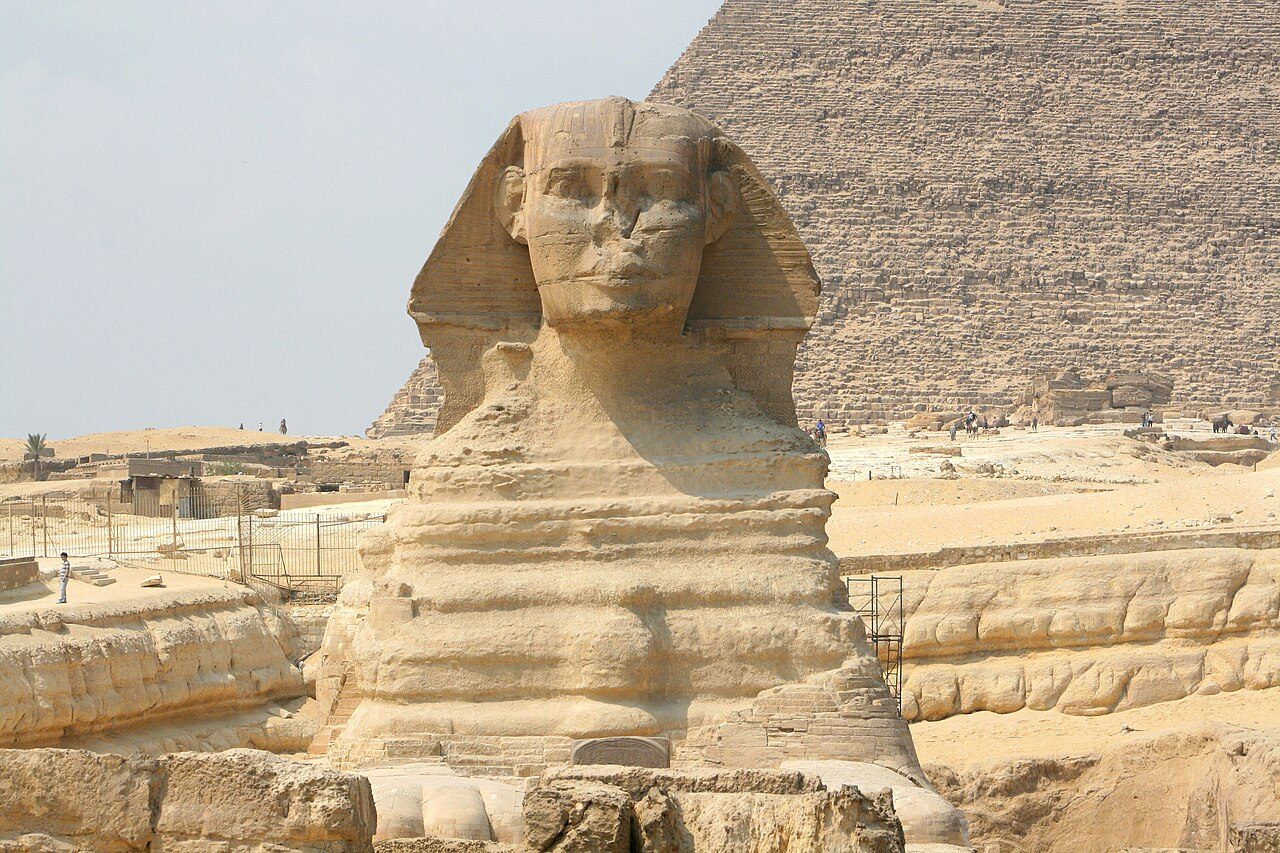
The Great Sphinx of Giza is a giant limestone statue with the body of a lion and the head of a king, generally believed to represent Pharaoh Khafre. Carved from the bedrock about 4,500 years ago, it guards the causeway to Khafre's pyramid. Visitors can view it from the Valley Temple beside it. The evening sound and light show is held nearby.
03
STOP 3 OF 16
Grand Egyptian Museum
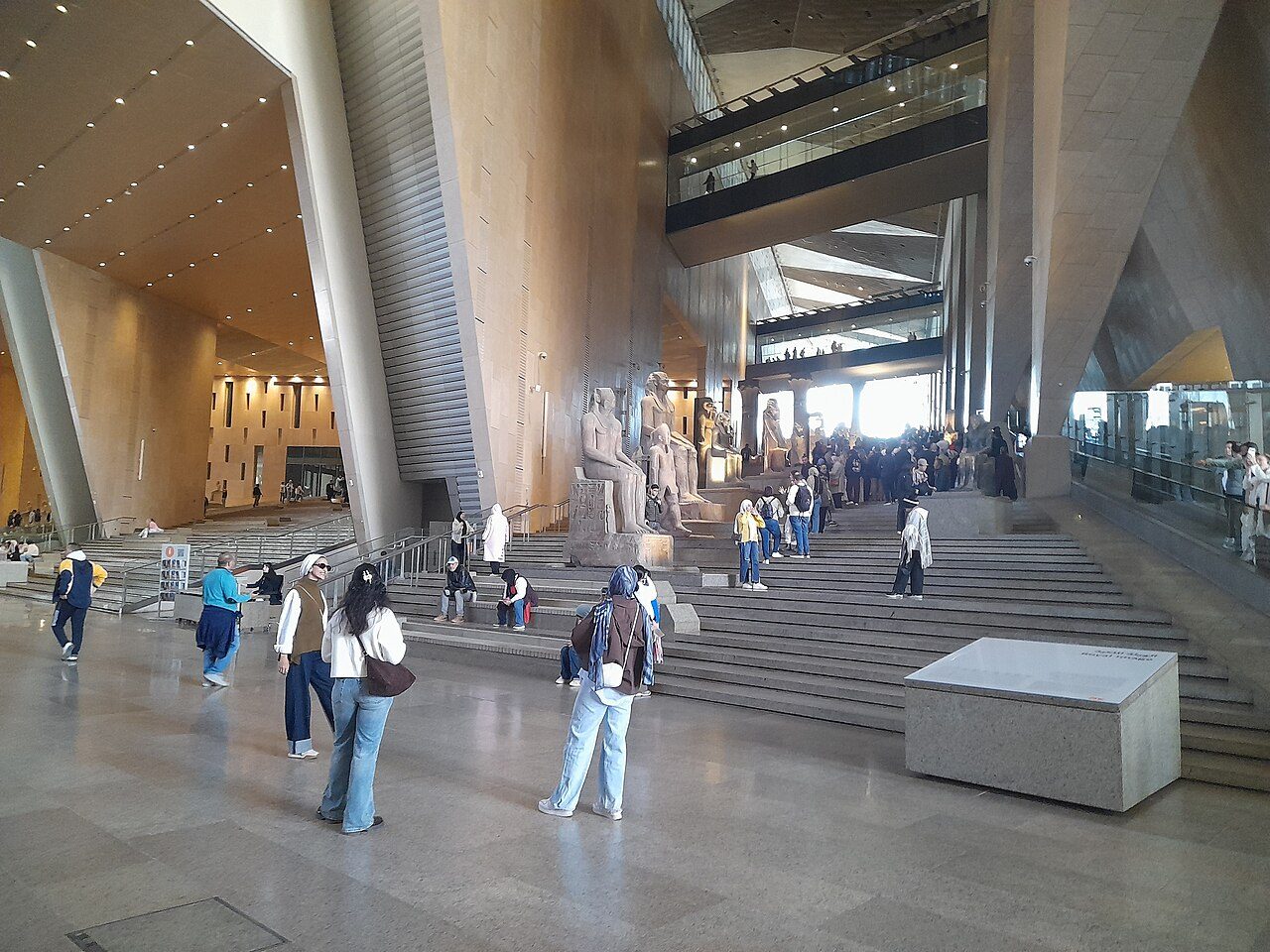
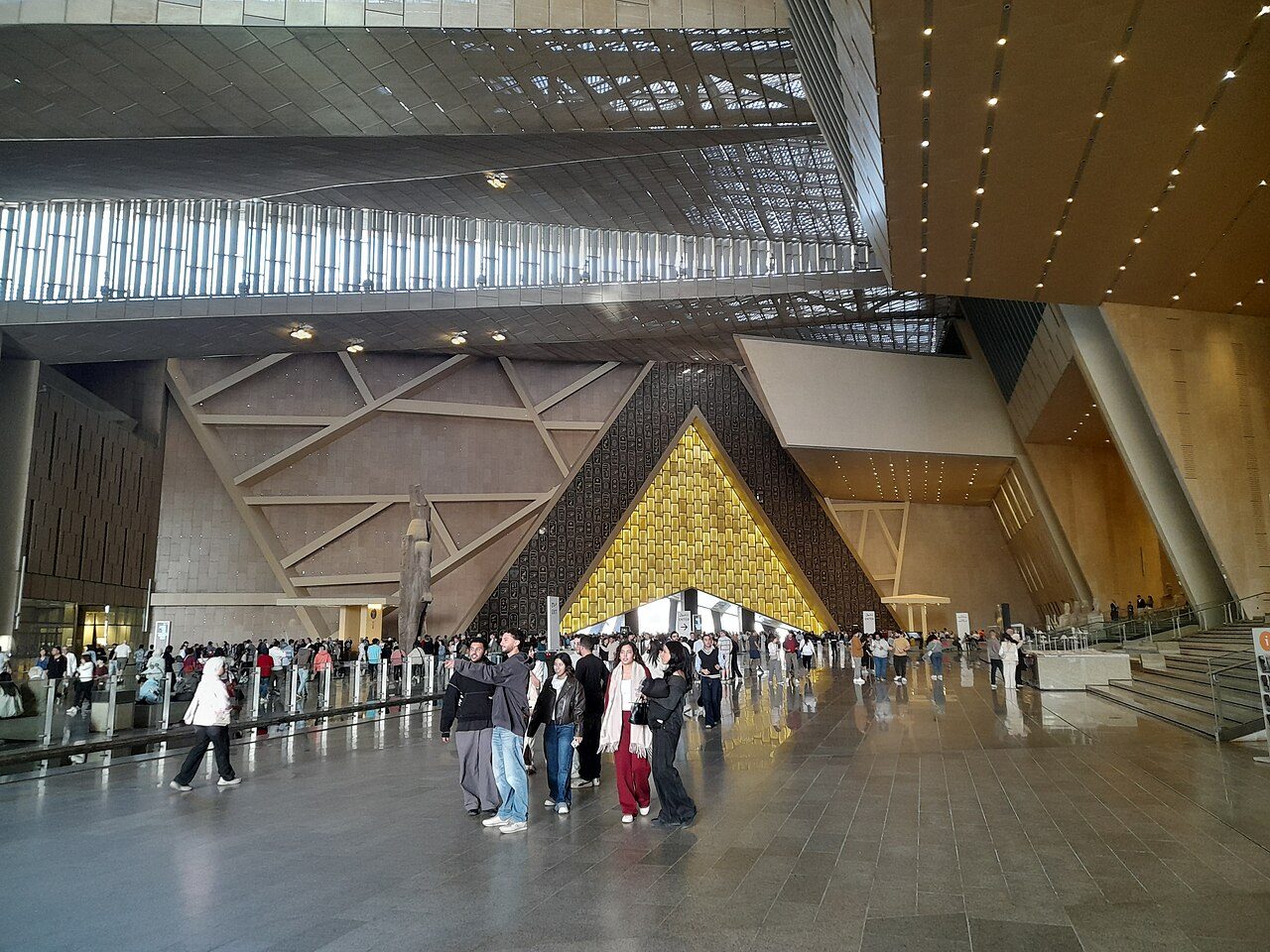
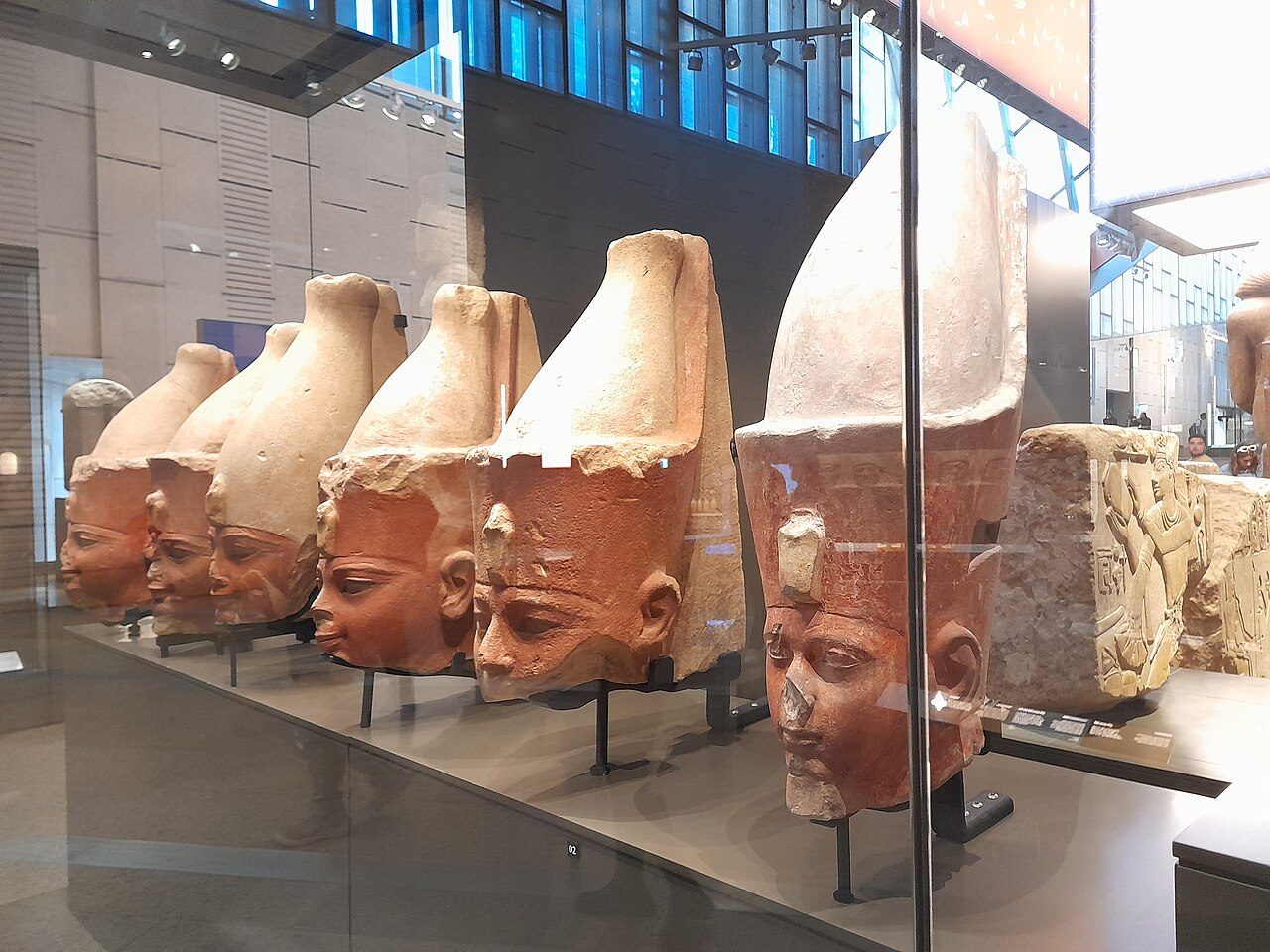
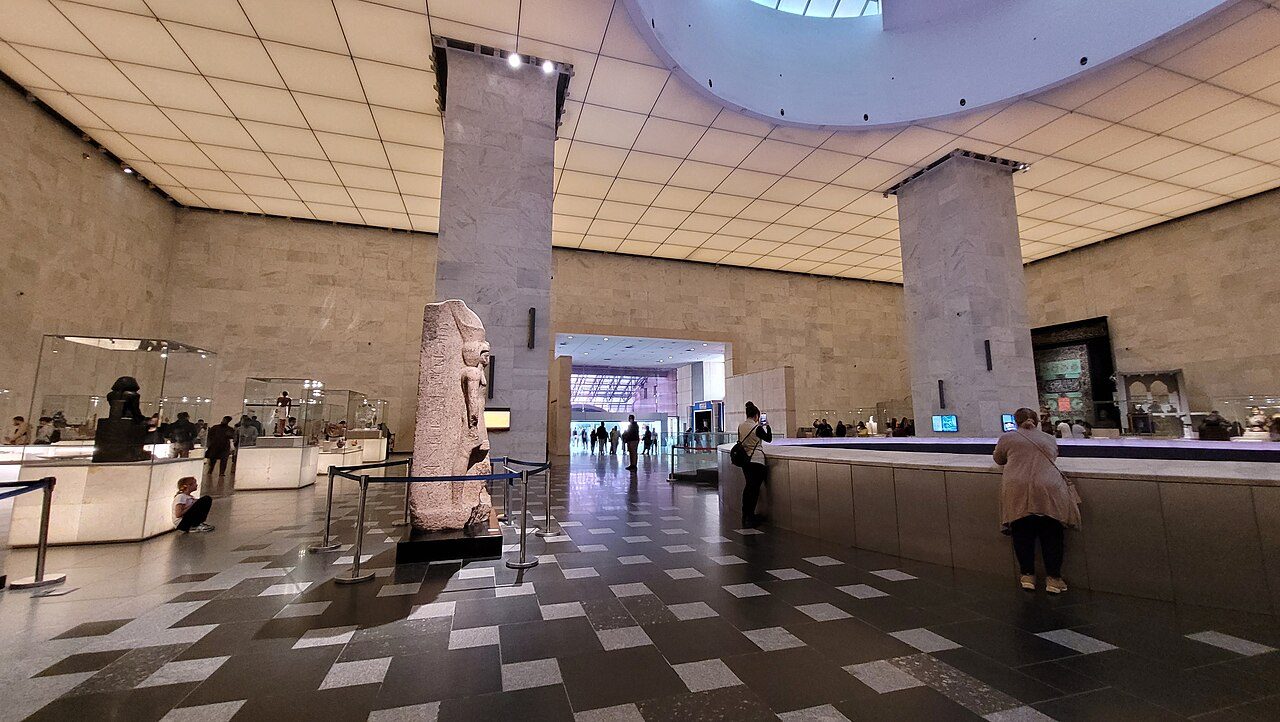
The Grand Egyptian Museum near the Pyramids of Giza is one of the largest archaeological museums in the world. A huge statue of Ramesses II greets visitors in the atrium, and a grand staircase lined with statues leads up to galleries with views of the pyramids. Its collection includes the treasures of Tutankhamun. Book tickets ahead and allow most of a day.
04
STOP 4 OF 16
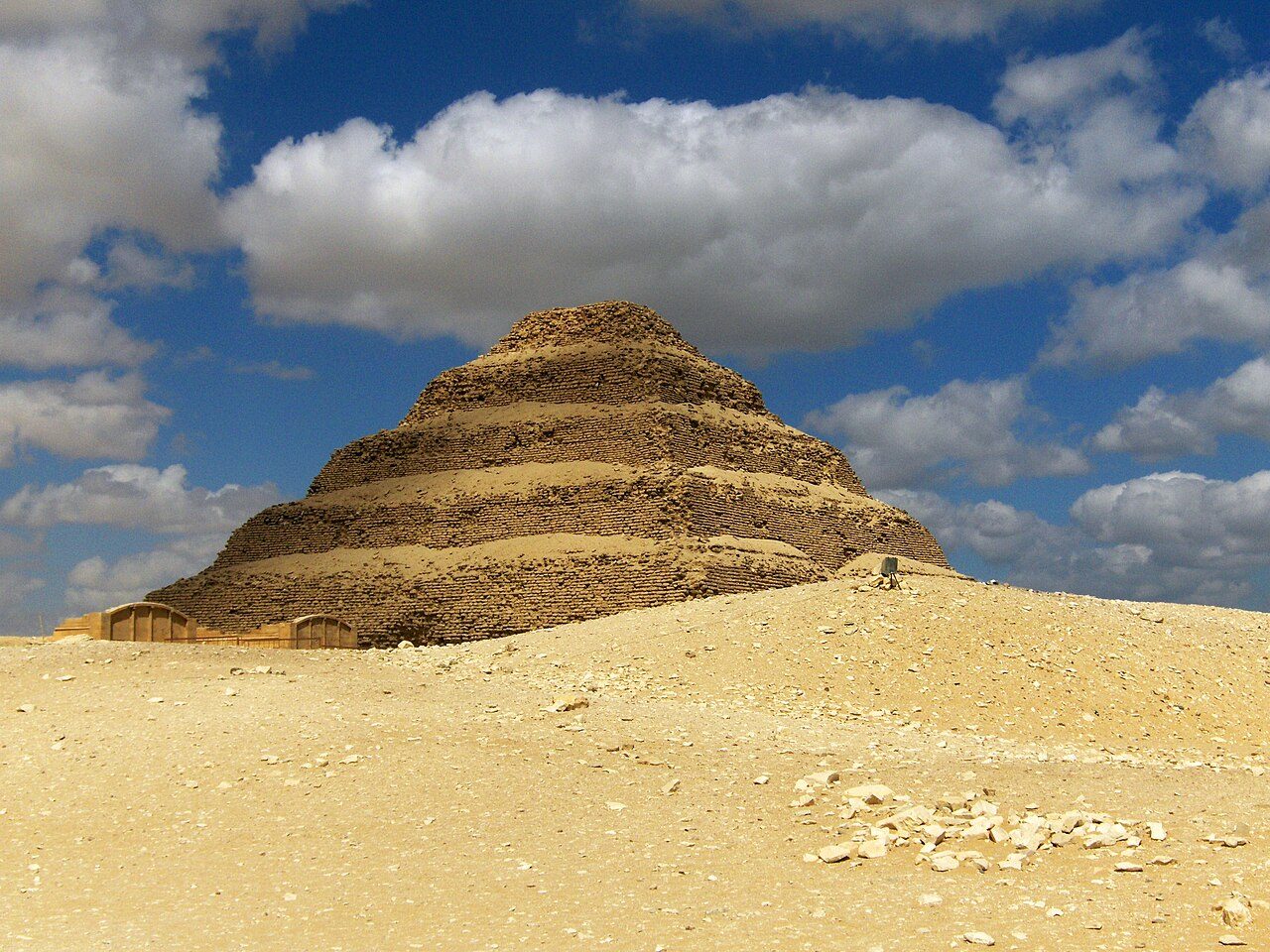
Pyramid of Djoser
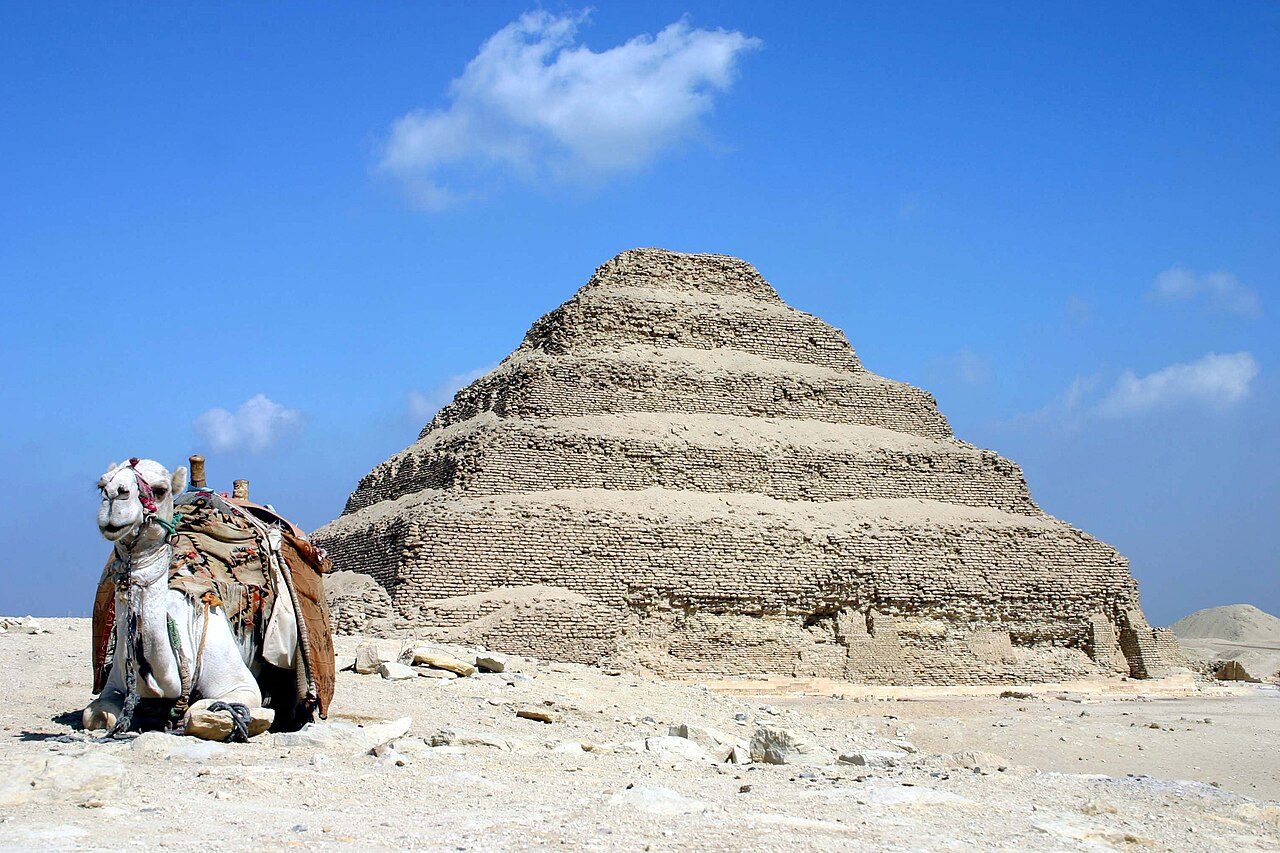
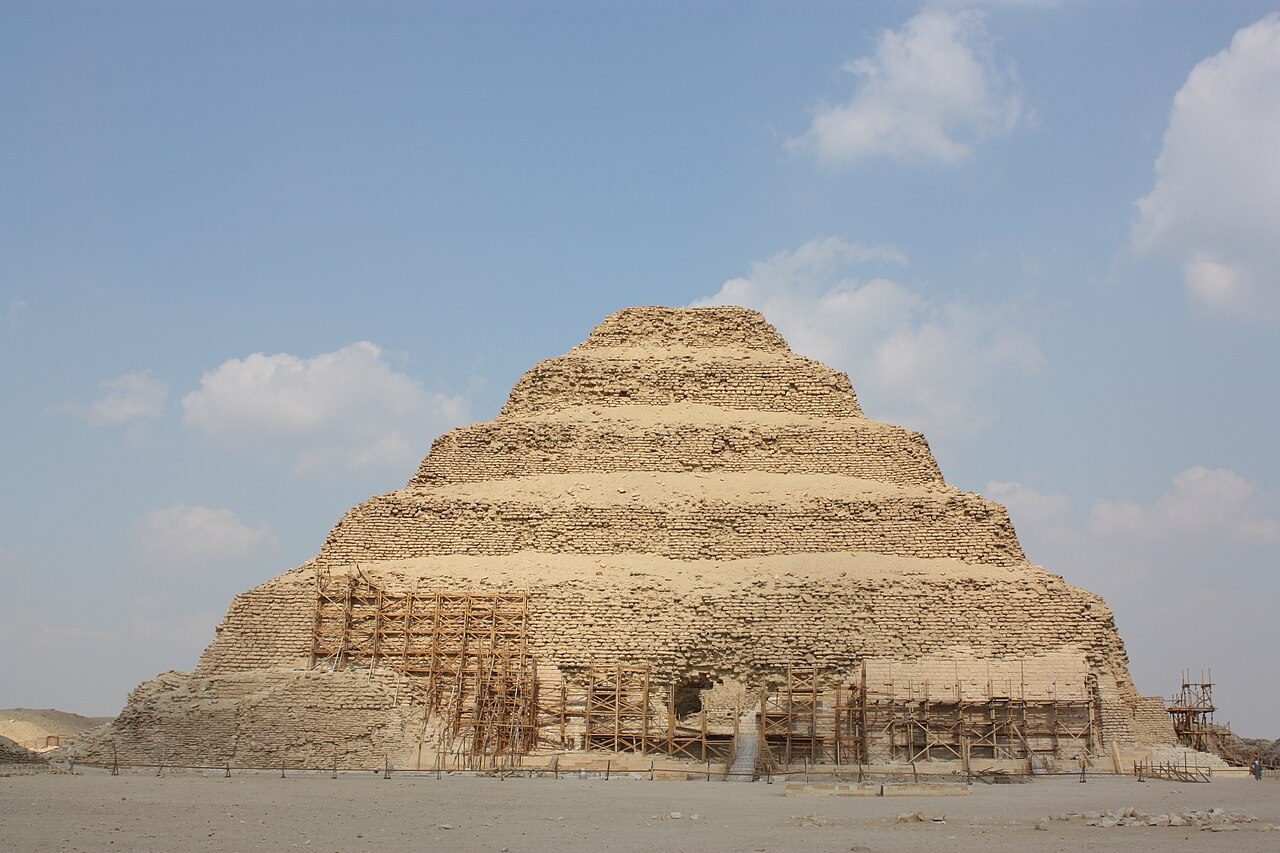
The Pyramid of Djoser at Saqqara is the oldest known stone pyramid in Egypt, built about 4,700 years ago by the architect Imhotep. Its six stepped levels mark the beginning of pyramid building. The surrounding complex includes a colonnaded entrance, courtyards and tombs with beautiful reliefs. Saqqara is part of the Memphis and its Necropolis UNESCO site.
05
STOP 5 OF 16
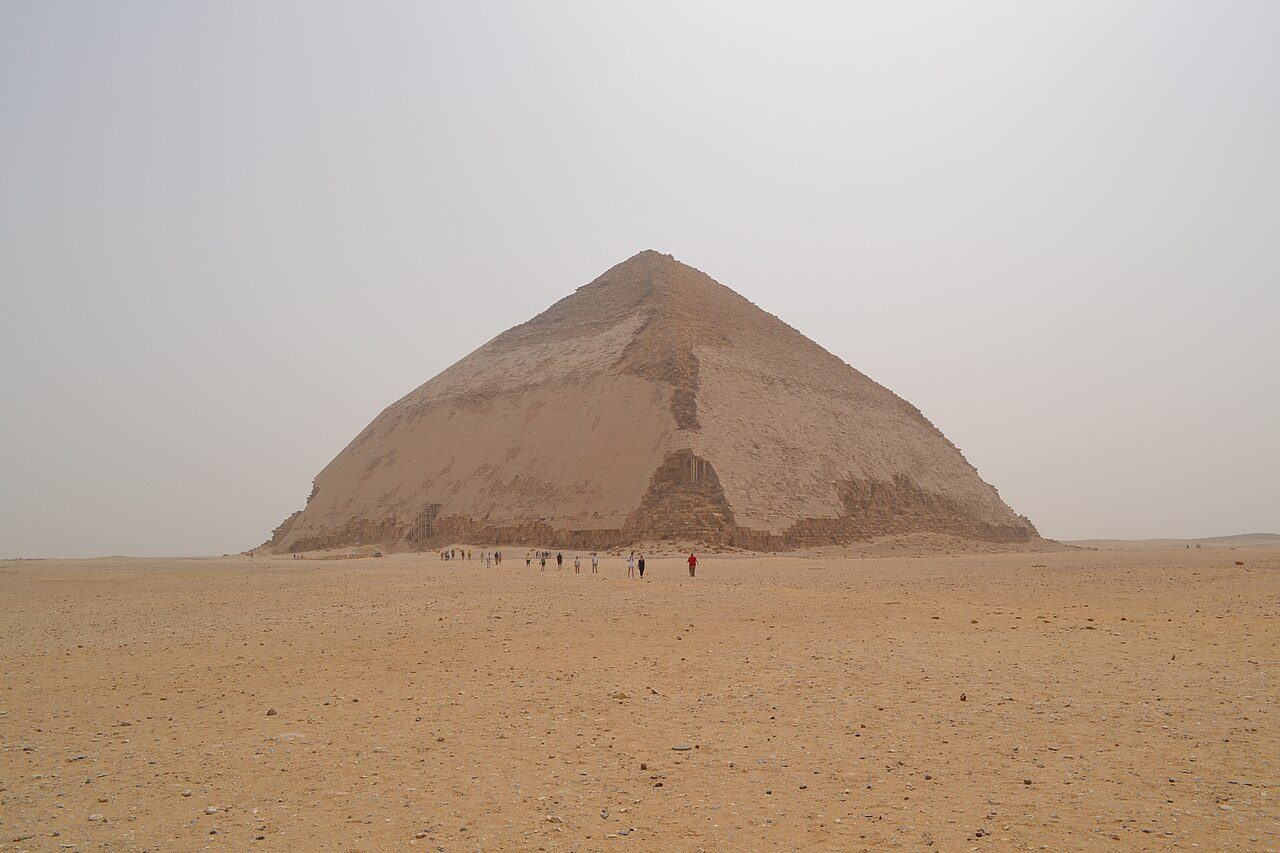
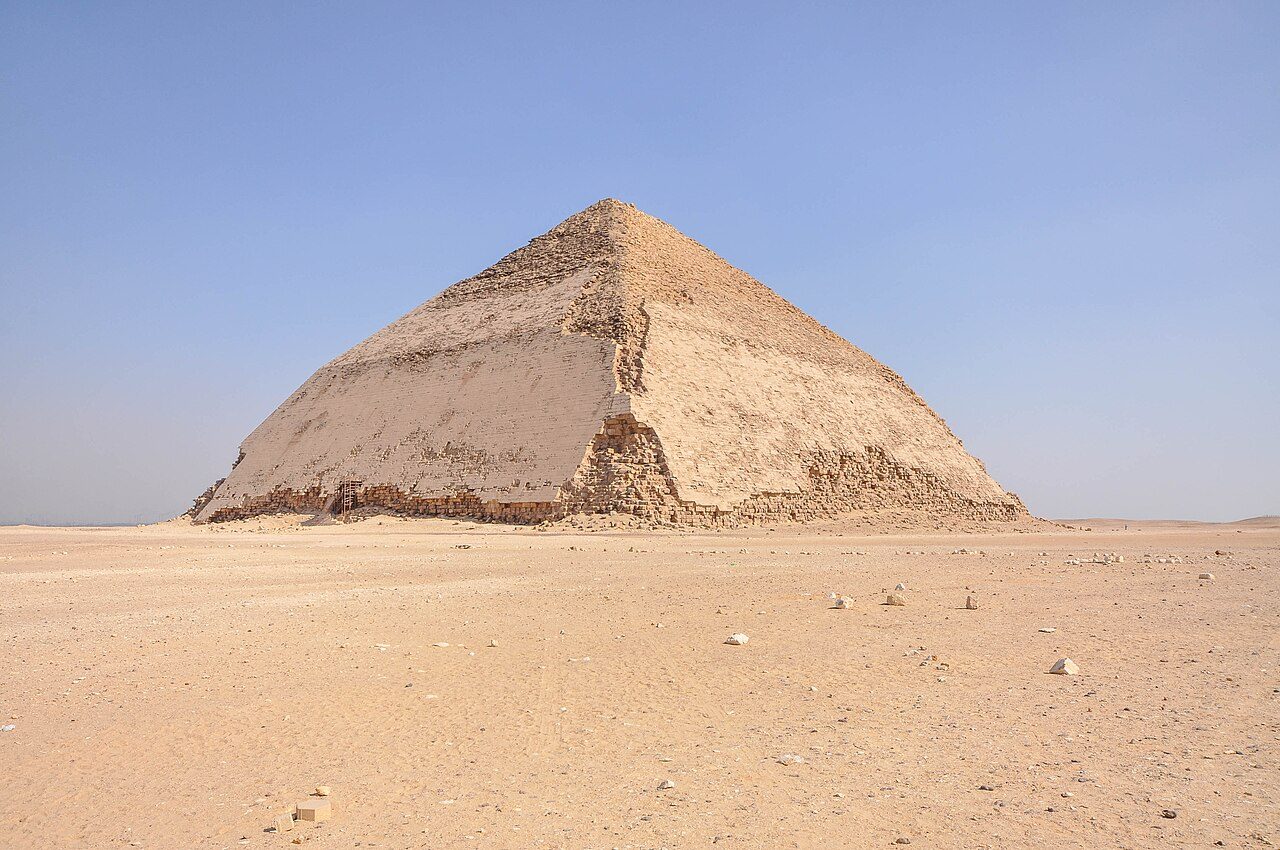
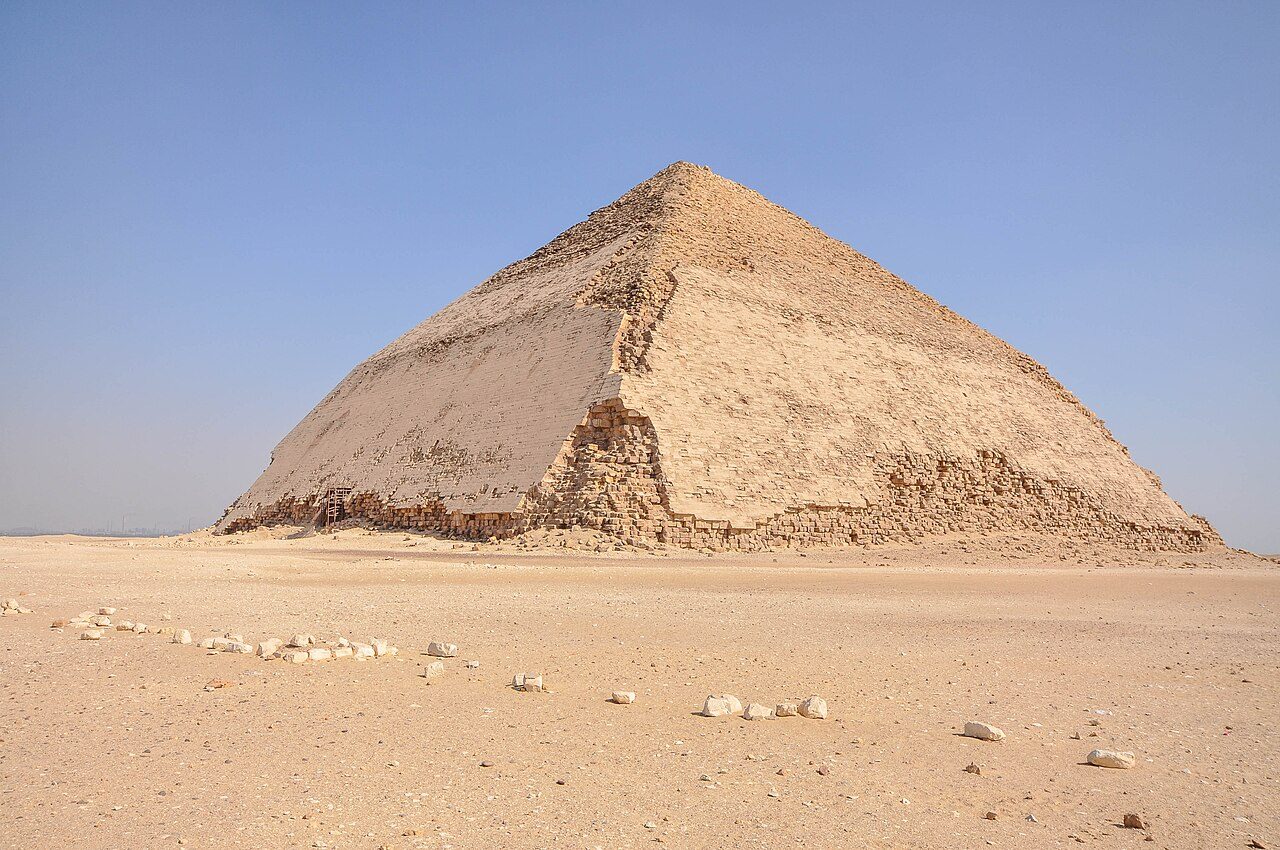
Bent Pyramid
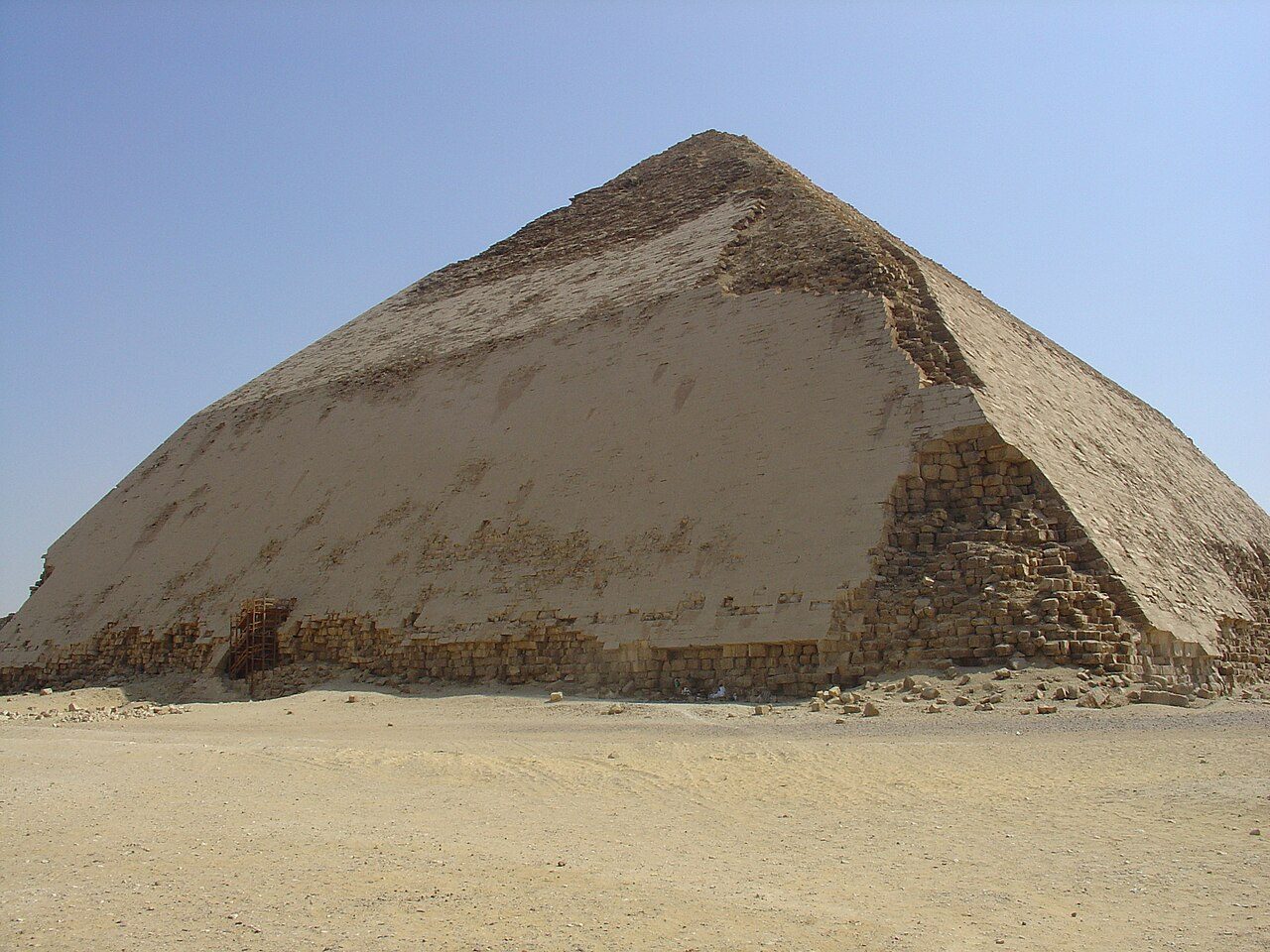
The Bent Pyramid at Dahshur was built for Pharaoh Sneferu about 4,600 years ago. Its unusual shape comes from a change in angle partway up, probably to keep it stable, and much of its smooth outer casing survives. The nearby Red Pyramid, also built by Sneferu, can be entered. Dahshur is much quieter than Giza and rewarding for its desert setting.
06
STOP 6 OF 16
Egyptian Museum
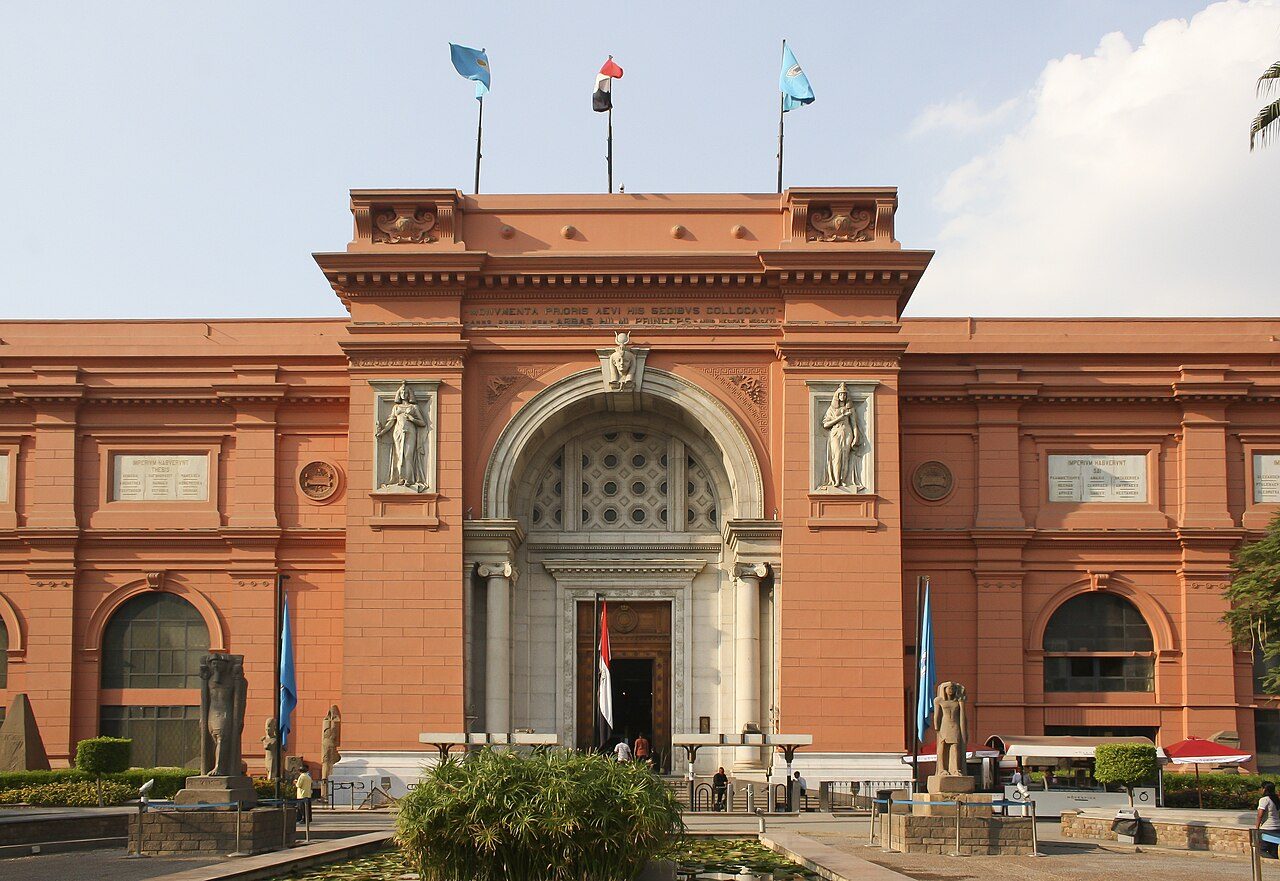
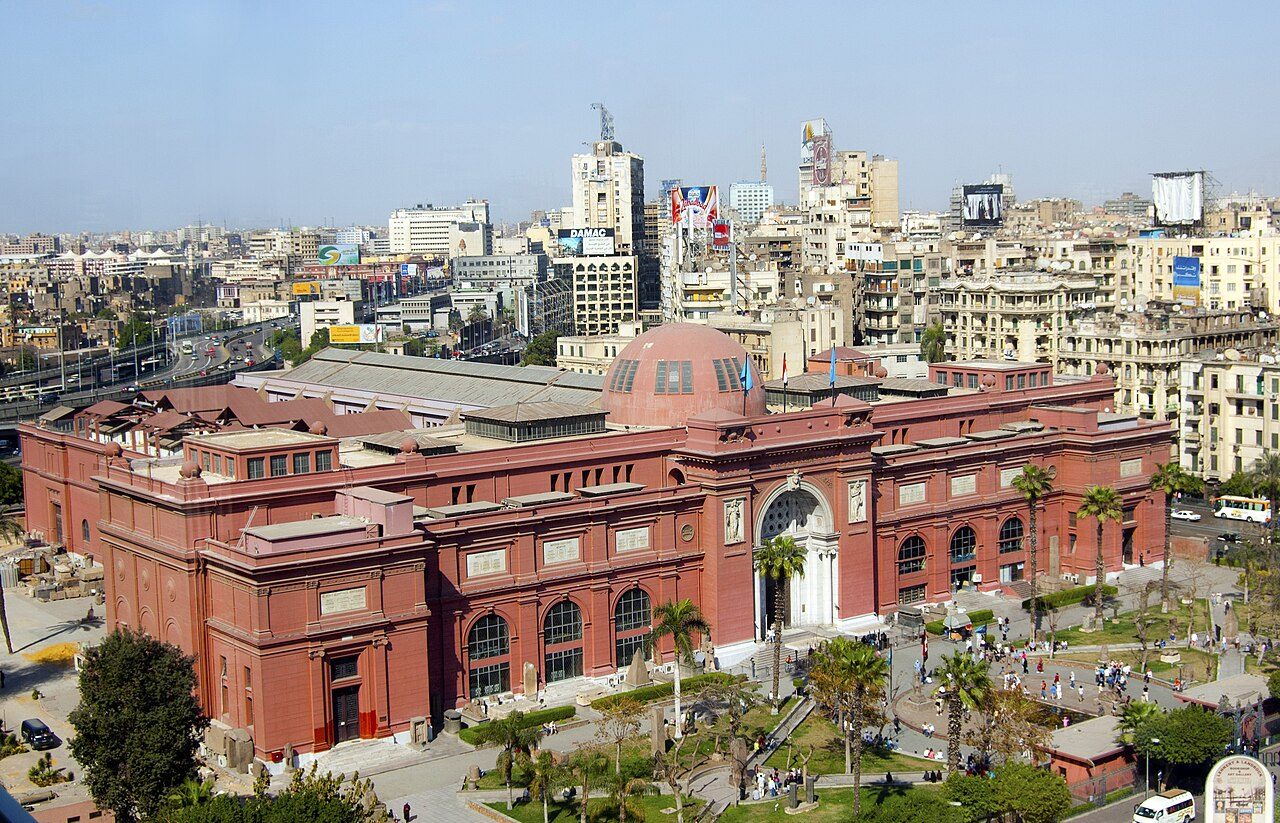
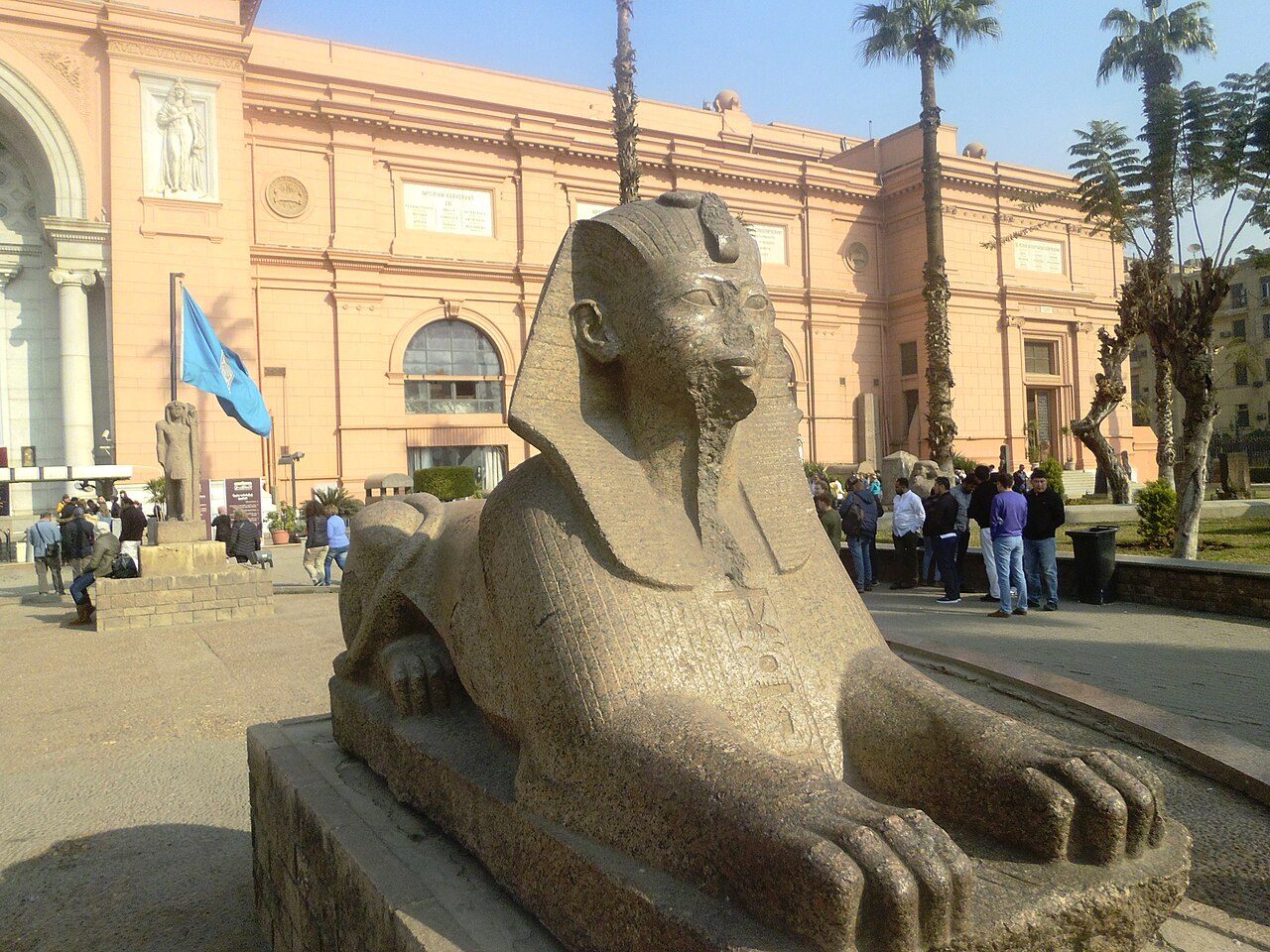
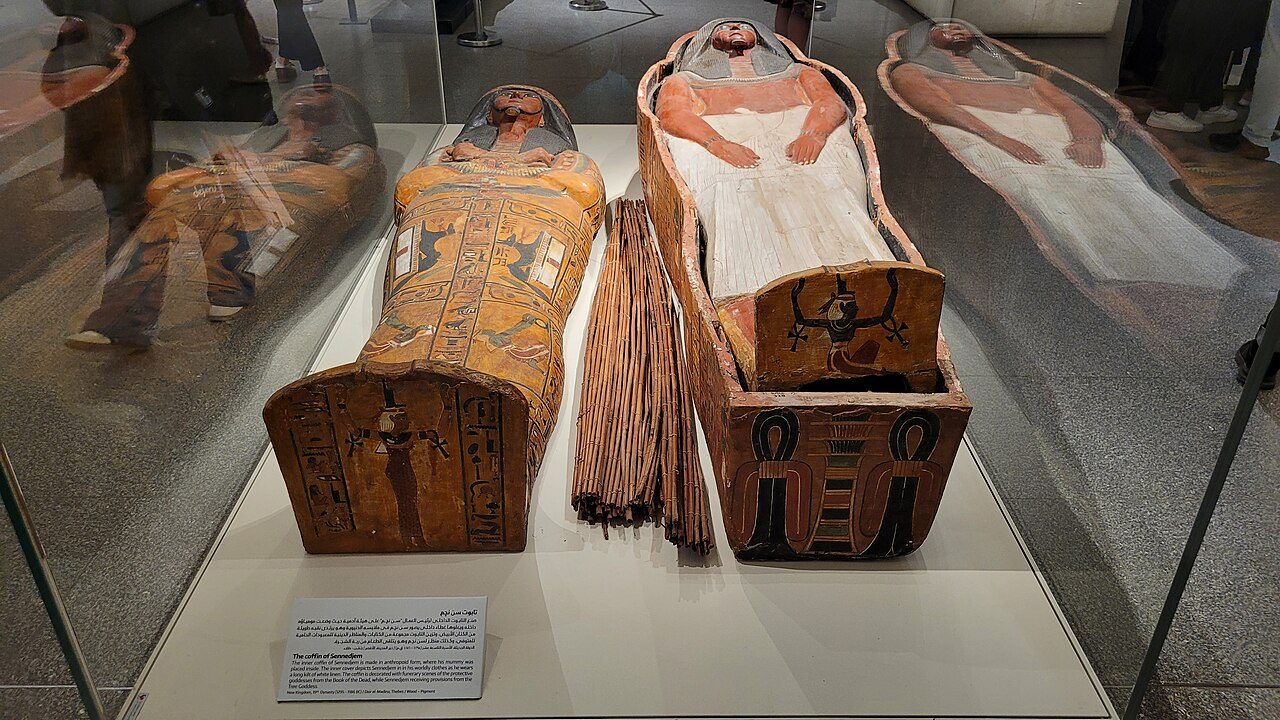
The Egyptian Museum on Tahrir Square holds one of the world's largest collections of ancient Egyptian artefacts. Opened in 1902 in a distinctive pink building, it displays statues, mummies, papyri and jewellery from every period of Egyptian history. Some highlights have moved to the Grand Egyptian Museum, but many treasures remain. Allow at least half a day.
07
STOP 7 OF 16
National Museum of Egyptian Civilization
The National Museum of Egyptian Civilization in Fustat tells the story of Egypt from prehistoric times to the present day. Its highlight is the Royal Mummies Hall, where the mummies of famous pharaohs, including Ramesses II, are displayed in a dimly lit gallery. They were moved here in a grand procession in 2021. The museum overlooks Ain El Sira lake.
08
STOP 8 OF 16
Hanging Church
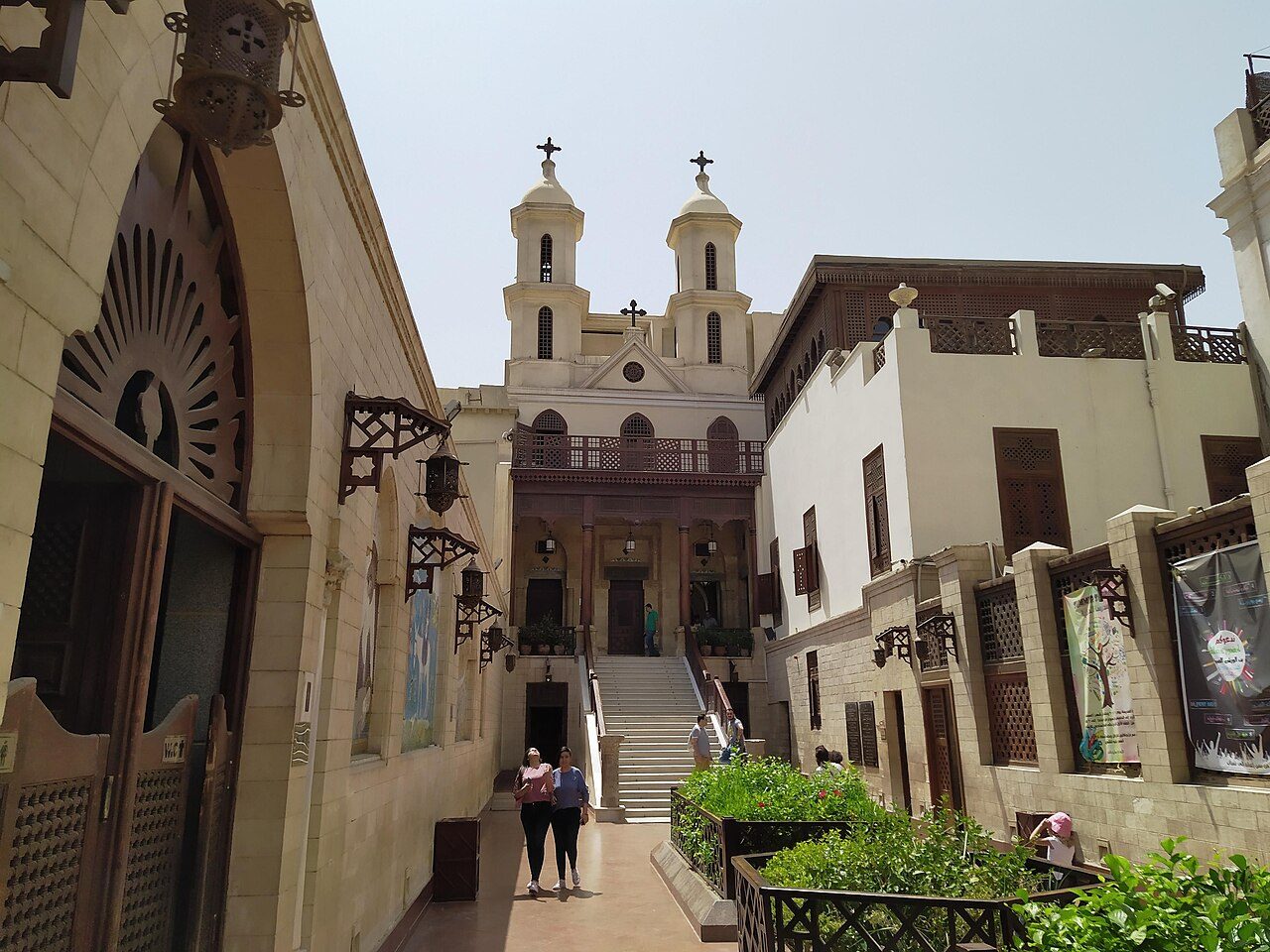
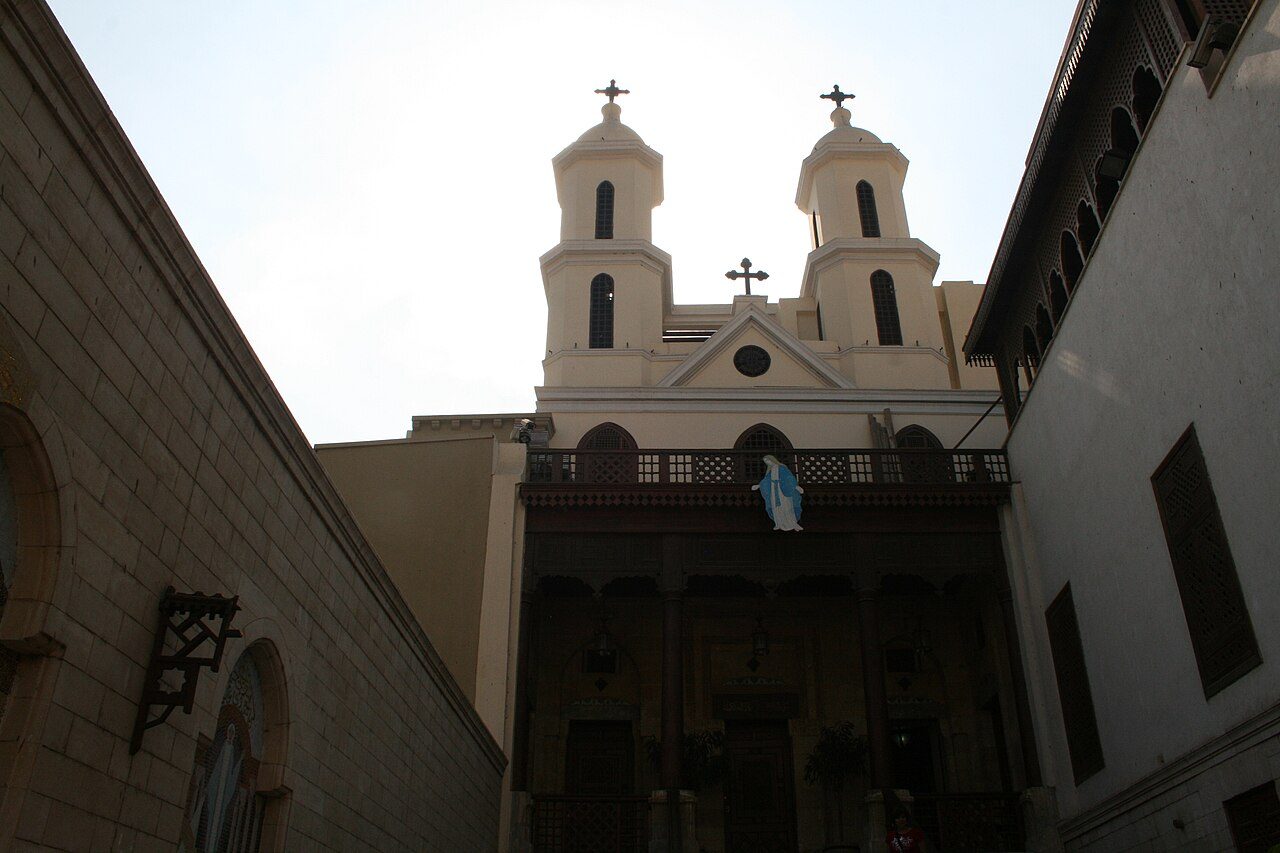
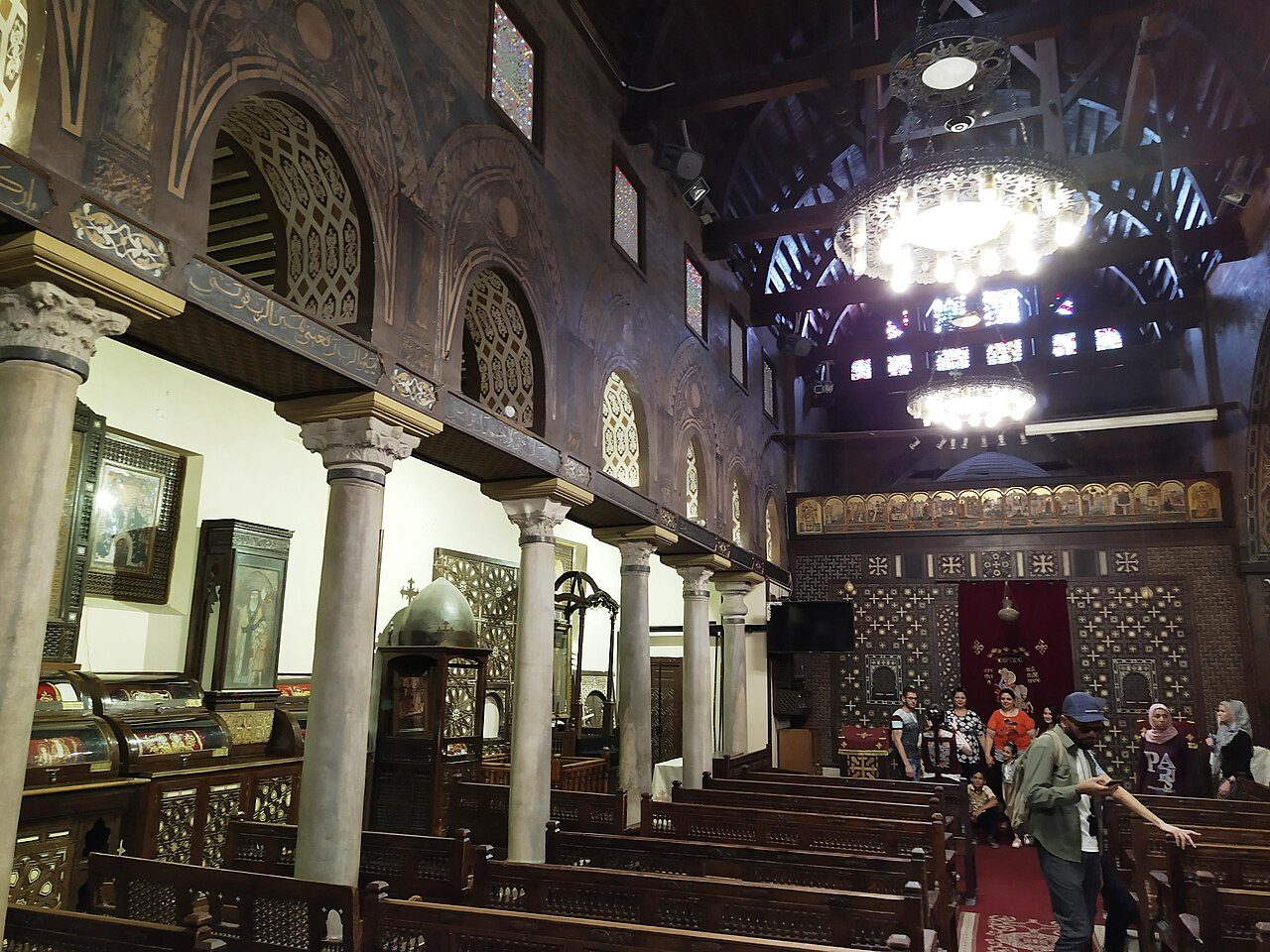
The Hanging Church, or Saint Virgin Mary's Coptic Orthodox Church, is one of the oldest churches in Egypt. It is named for being built on top of the gatehouse of the Roman Babylon Fortress, so its nave seems to hang over a passage. Inside are fine wooden screens inlaid with ivory and many icons. It is the highlight of Coptic Cairo.
09
STOP 9 OF 16
Cairo Citadel
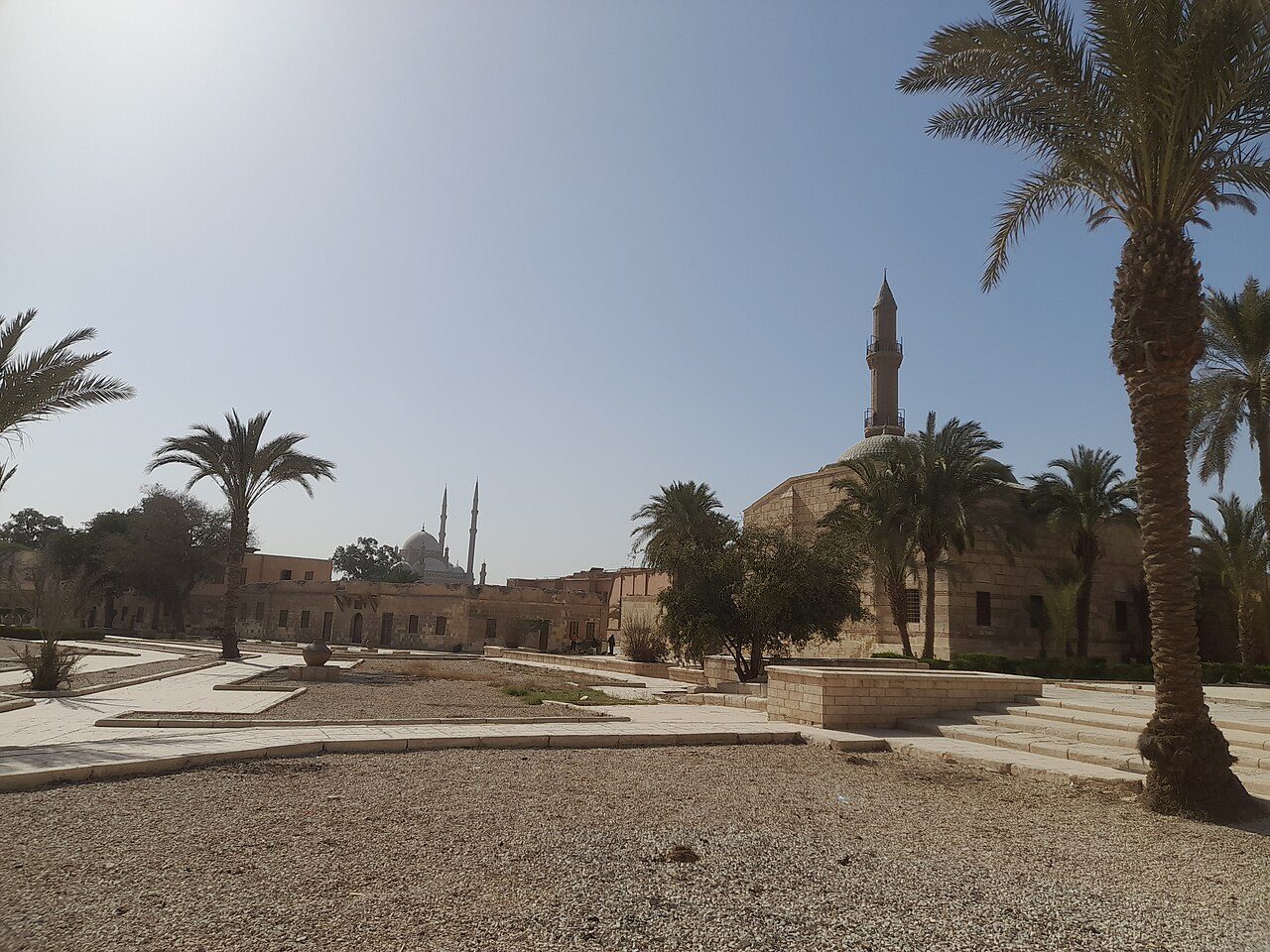
The Citadel of Saladin is a medieval fortress on the Mokattam hills, begun in the 12th century to defend Cairo. For centuries it was the seat of Egypt's rulers. Its most famous building is the Mosque of Muhammad Ali, with large domes and slender minarets that dominate the skyline. The terraces give wide views over the city, and on clear days the pyramids.
10
STOP 10 OF 16
Mosque of Ibn Tulun
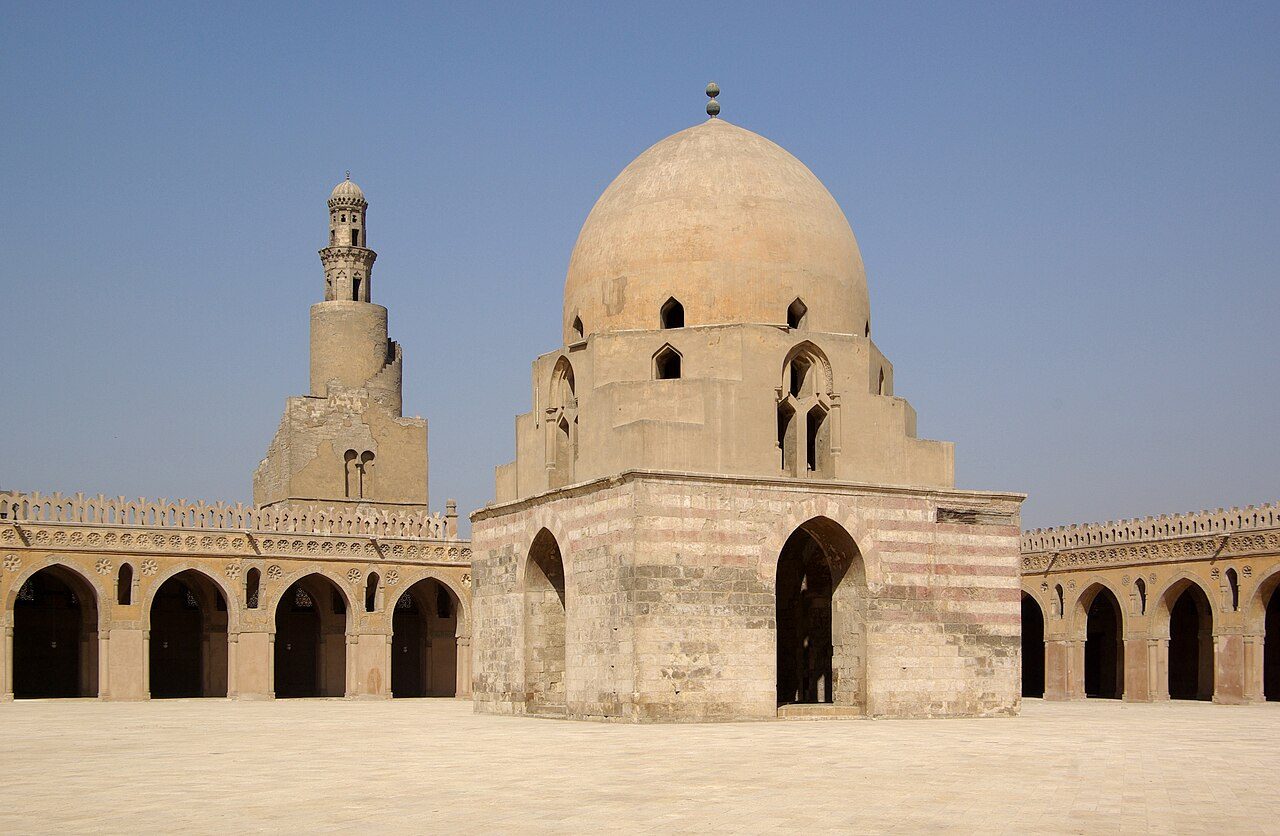
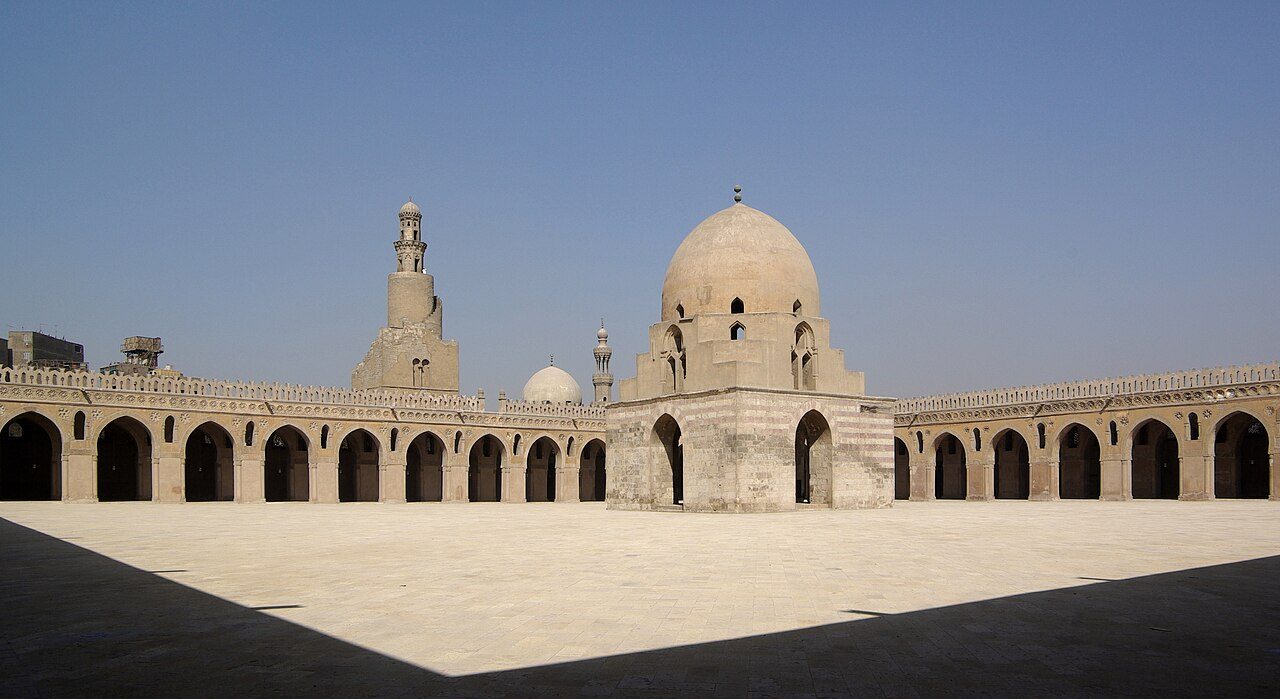
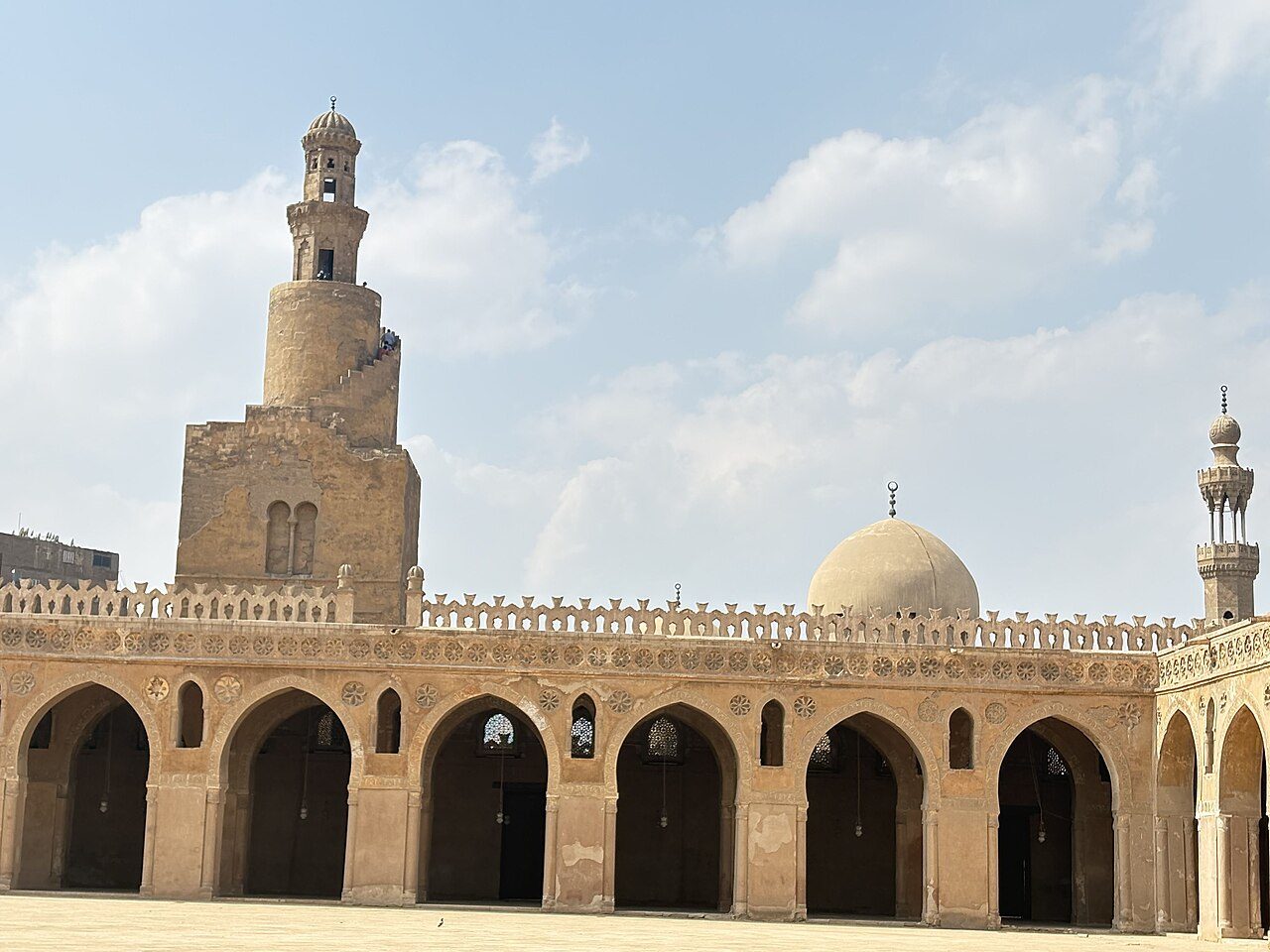
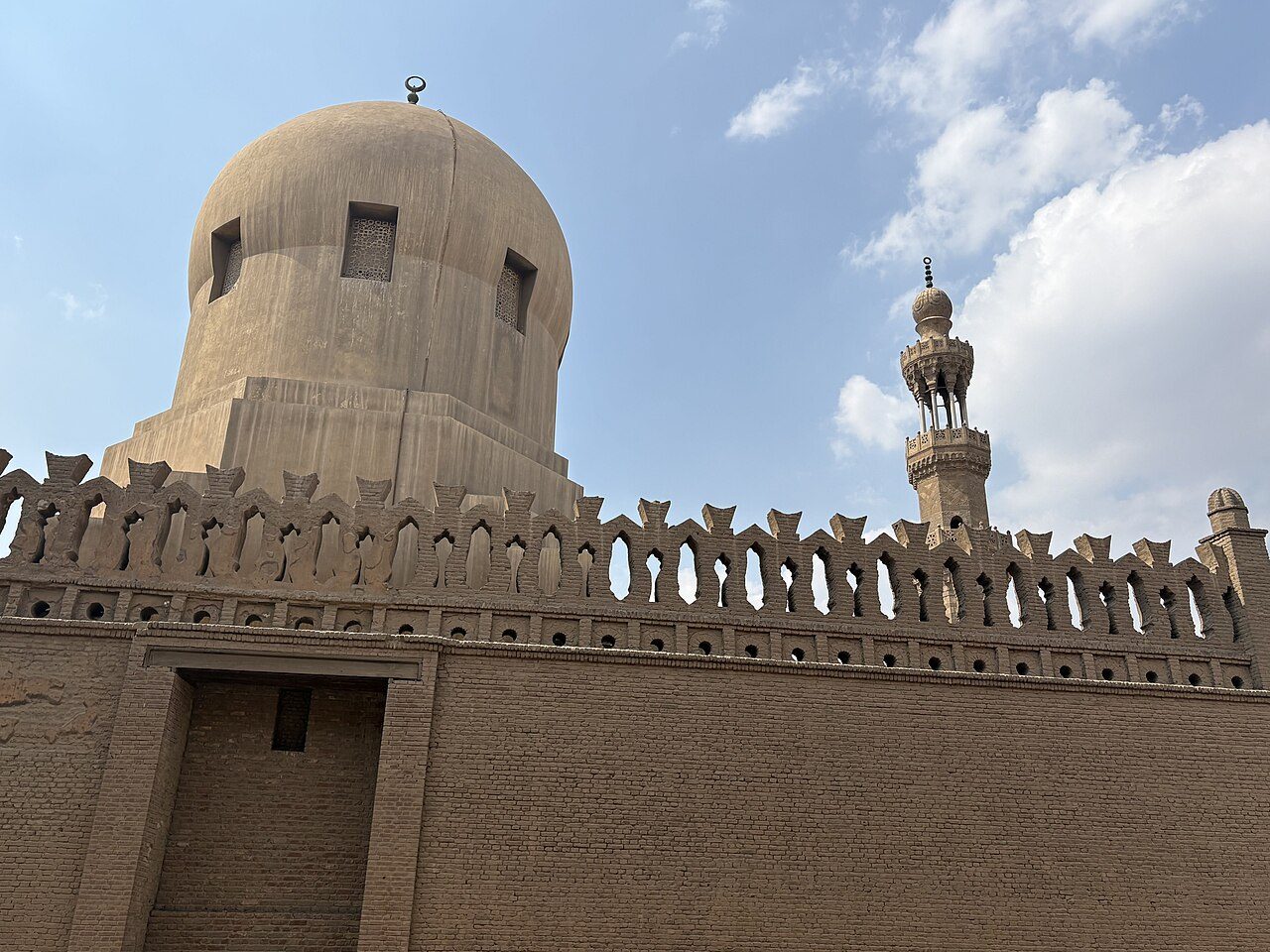
The Mosque of Ibn Tulun, completed in 879, is one of the oldest mosques in Cairo still in its original form. Its huge open courtyard is surrounded by arcades of pointed arches, and its unusual minaret has an outer spiral staircase. The calm, spacious atmosphere is very different from the busy city outside. The Gayer-Anderson Museum stands right next door.
11
STOP 11 OF 16
Sultan Hassan Mosque
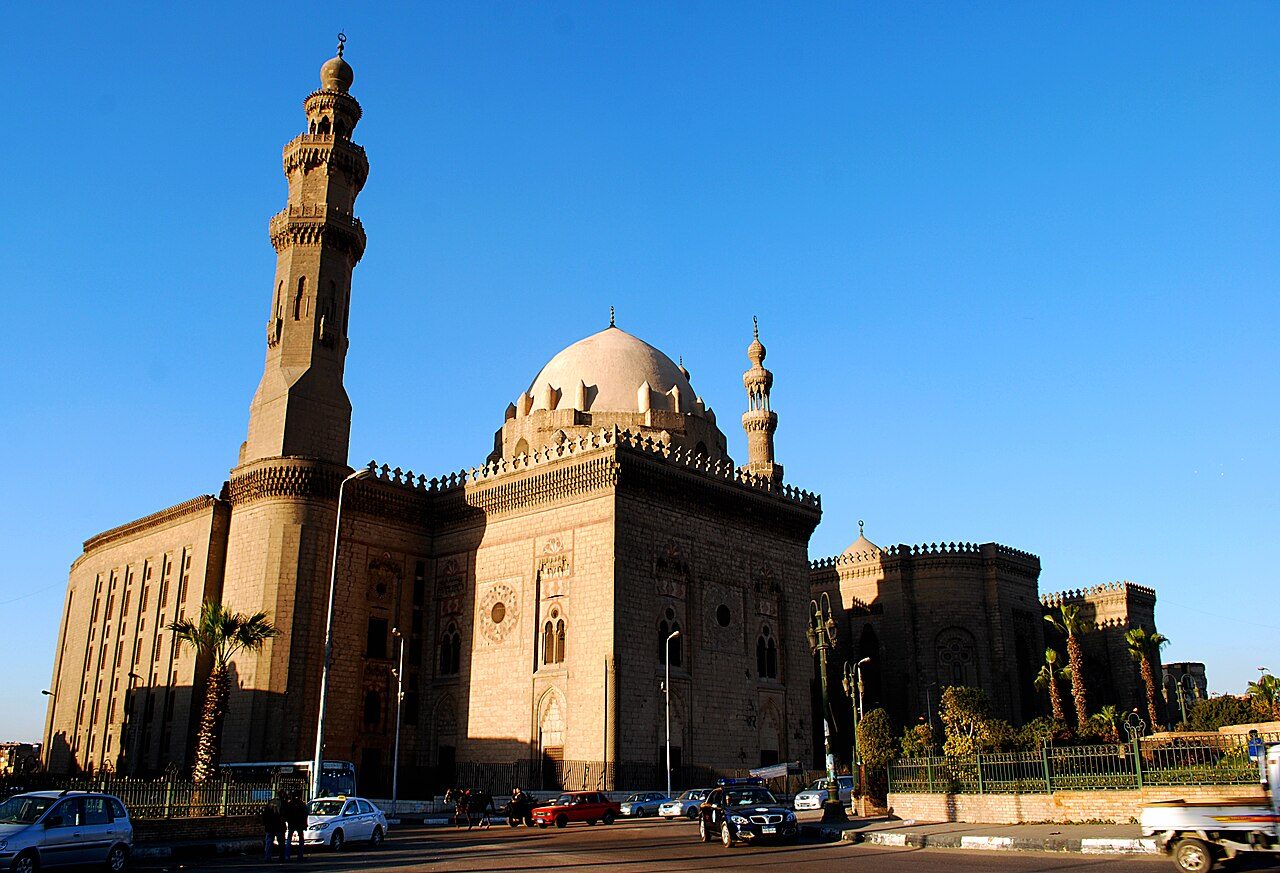
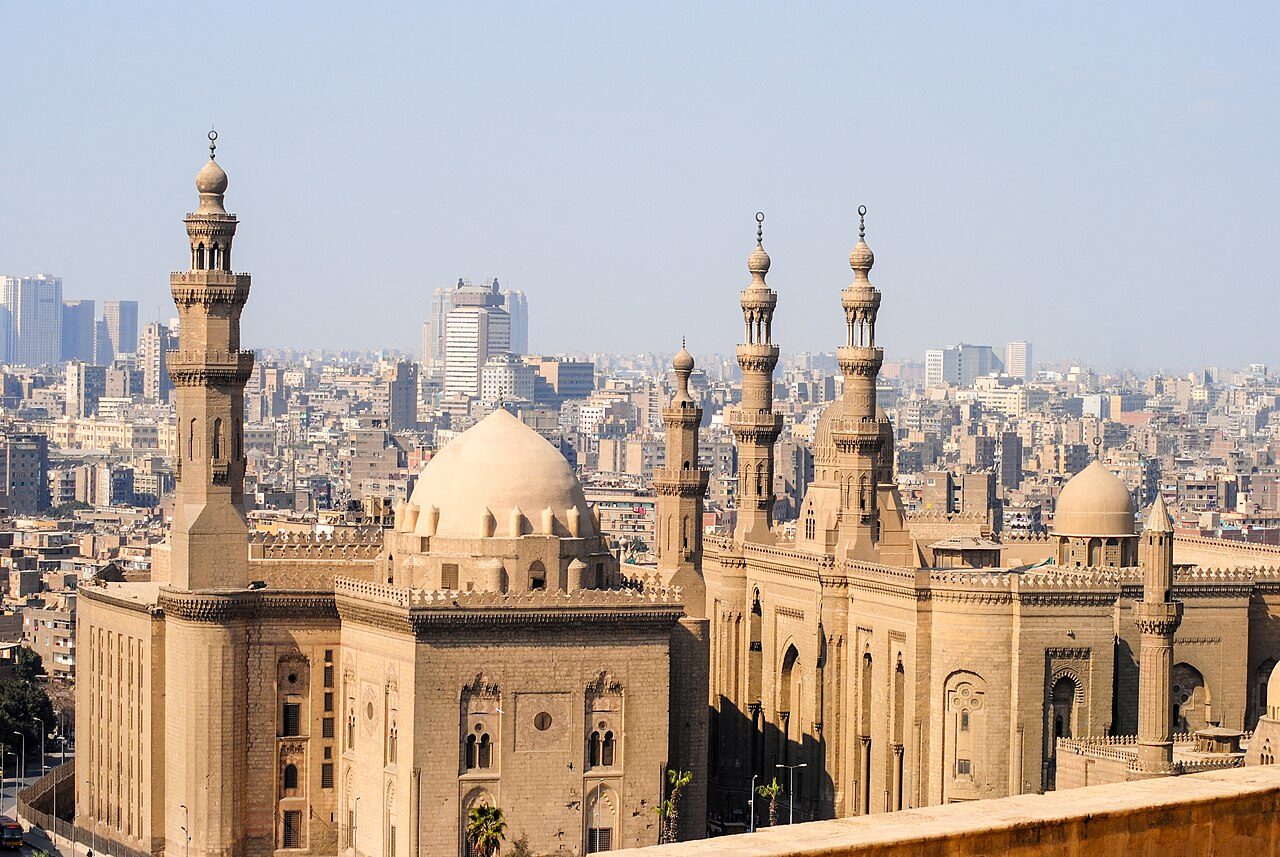
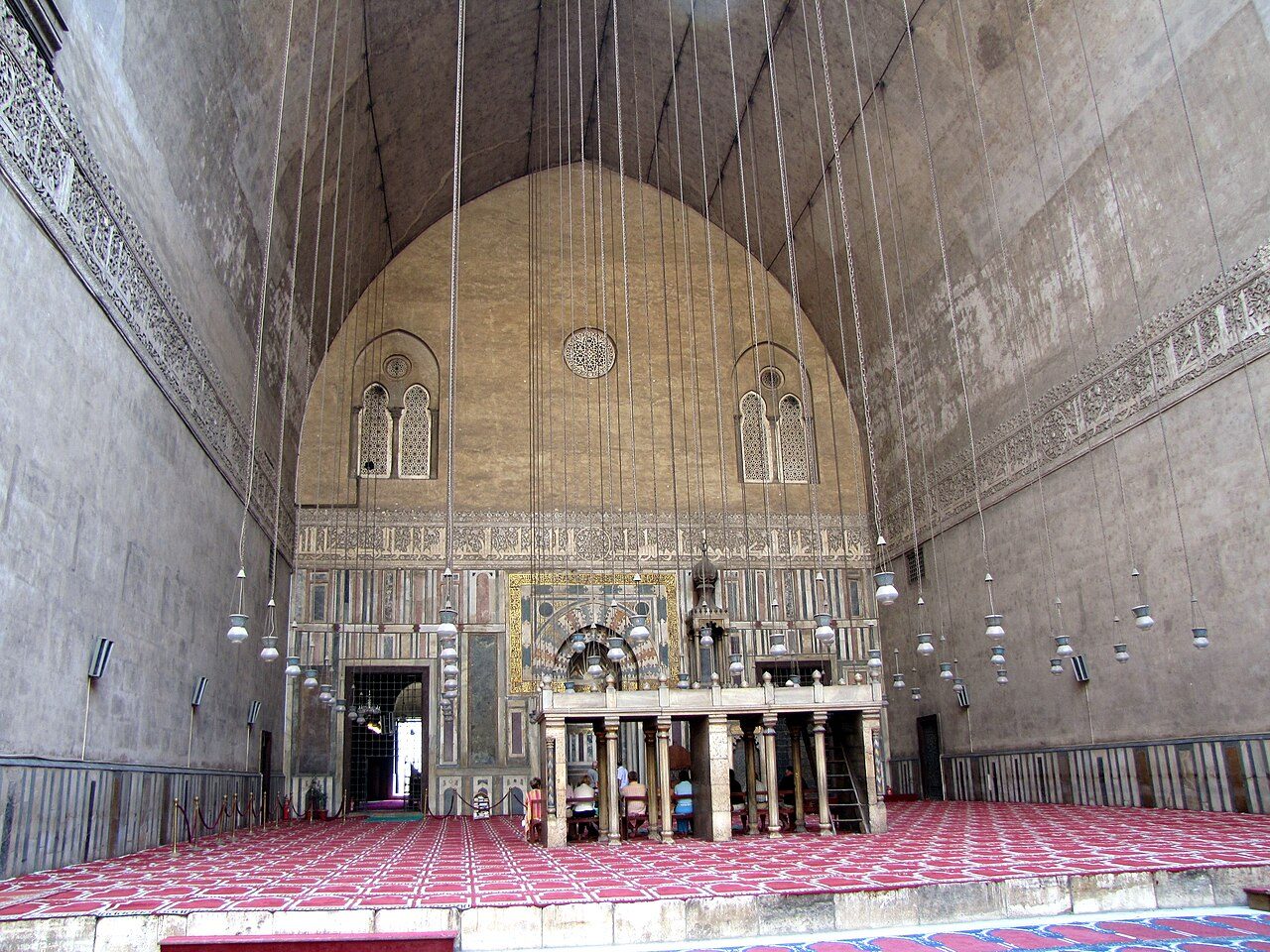
The Mosque-Madrassa of Sultan Hassan is one of the largest and most impressive medieval Islamic buildings in Cairo, built in the 14th century. Its towering walls, deep entrance portal and vast courtyard with four vaulted halls show the grandeur of the Mamluk period. It stands below the Citadel next to the Al-Rifa'i Mosque. Visitors should dress modestly.
12
STOP 12 OF 16
Al-Azhar Mosque
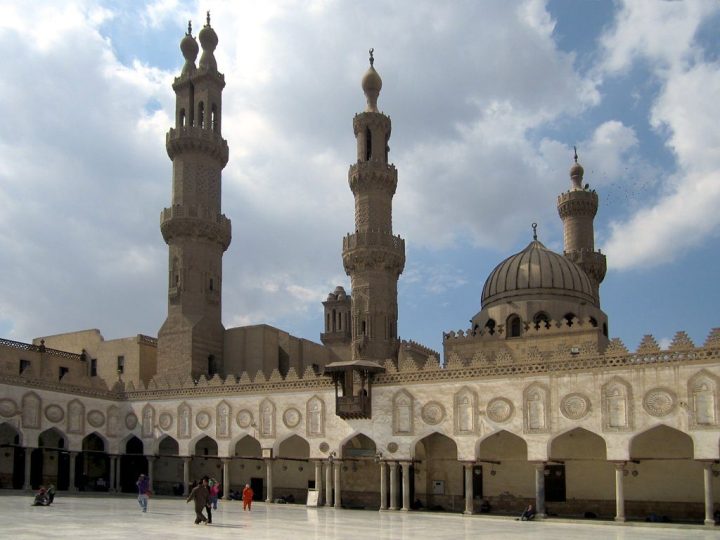
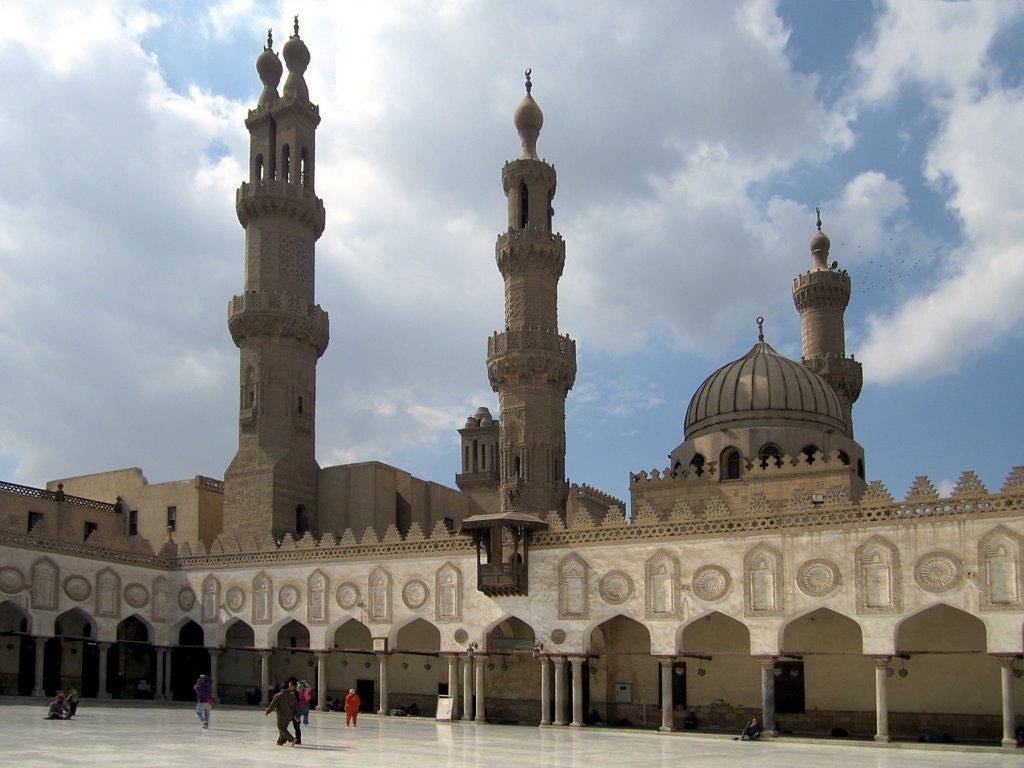
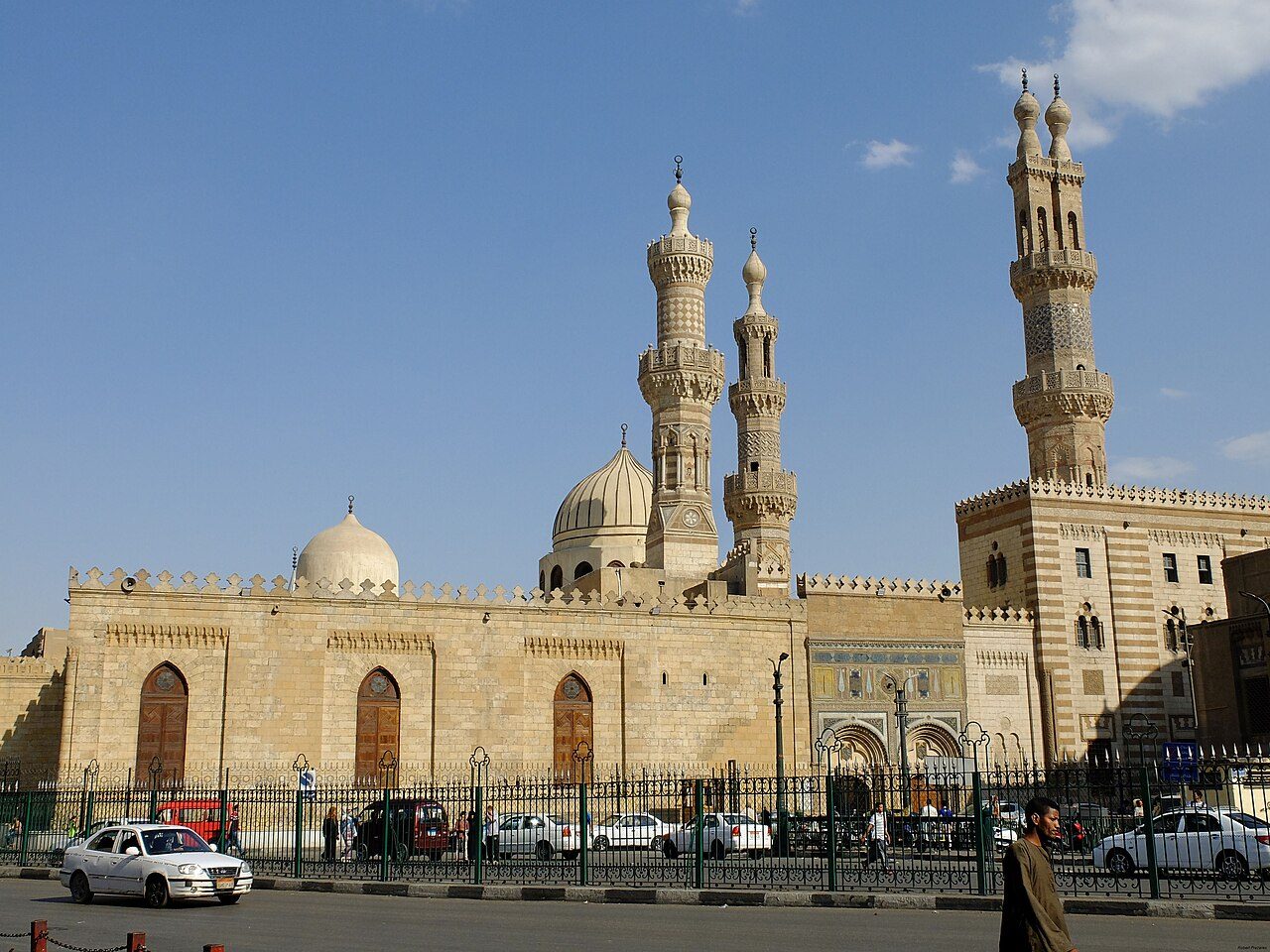
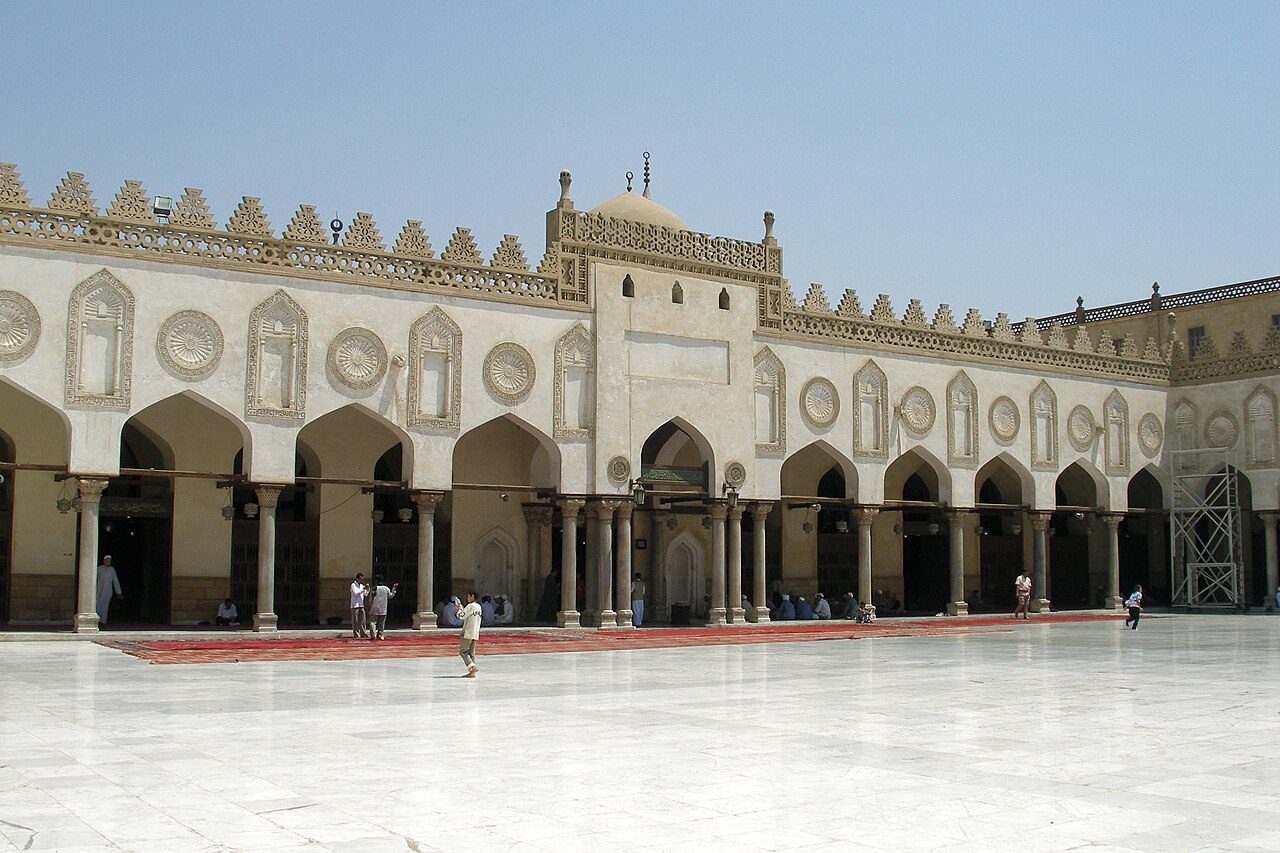
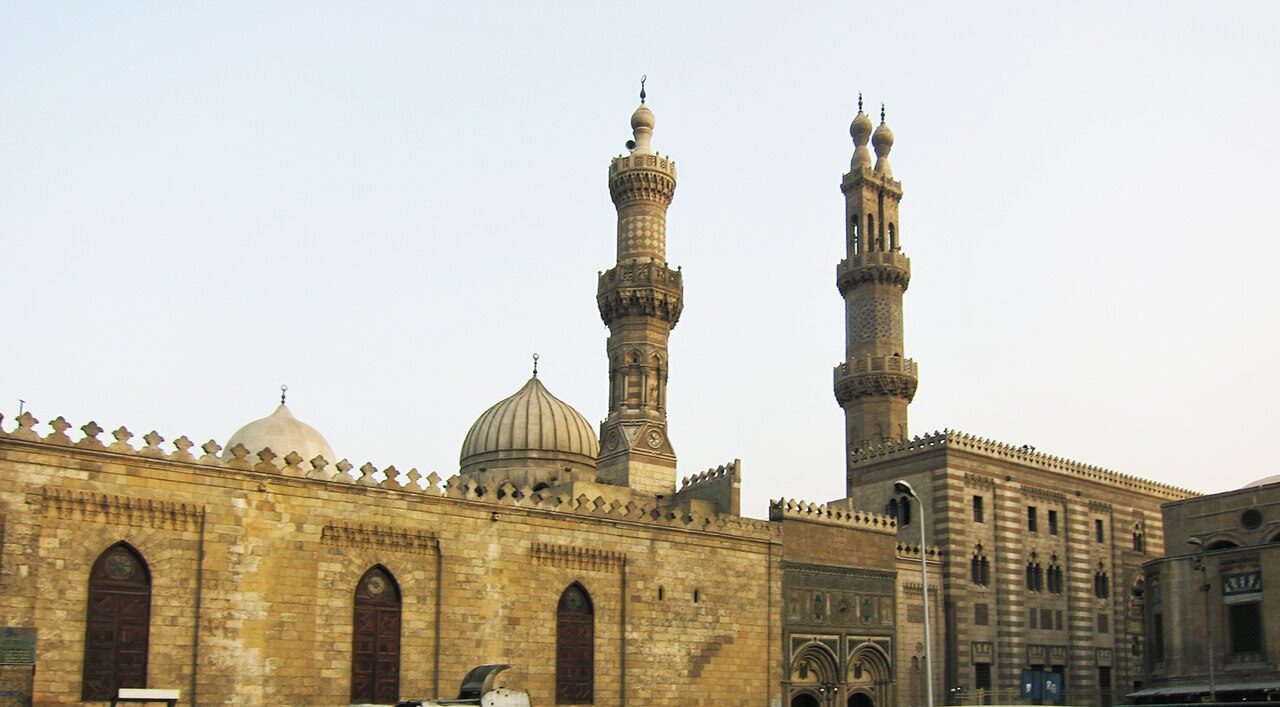
Al-Azhar Mosque was founded in 970 by the Fatimid dynasty and is one of the oldest mosques in Cairo. It is home to Al-Azhar University, one of the oldest continuously operating universities in the world. Its marble courtyard is surrounded by arcades and minarets from different eras. Visitors are welcome outside prayer times; women should cover their hair.
13
STOP 13 OF 16
Khan el-Khalili
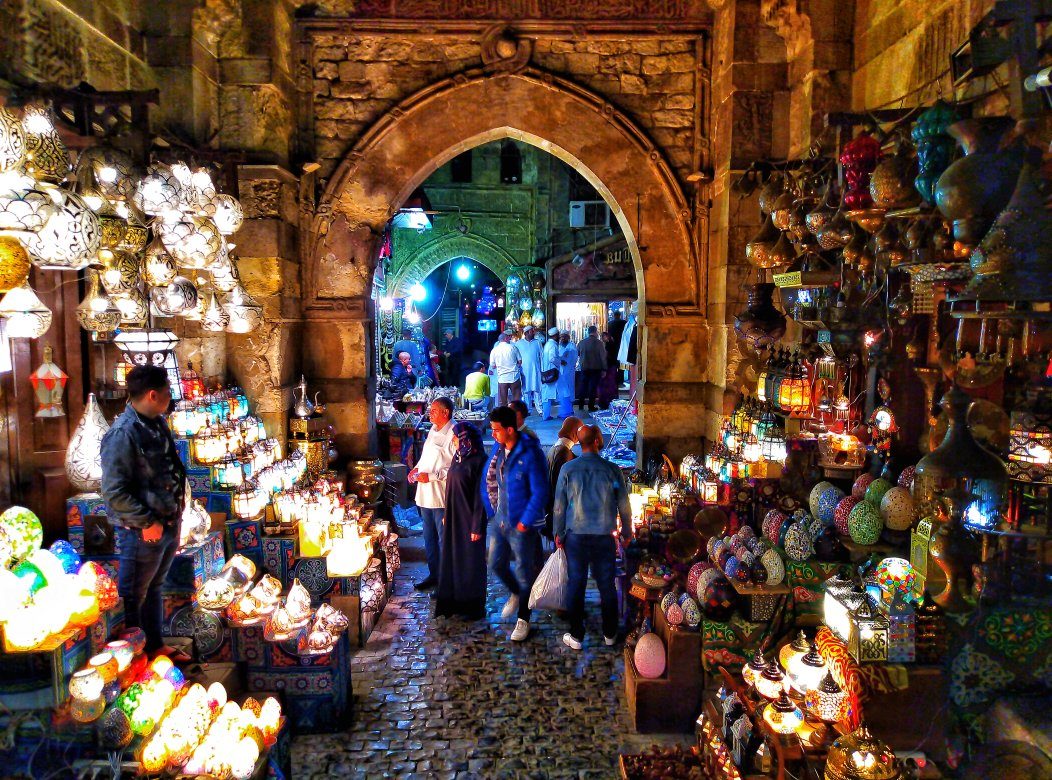
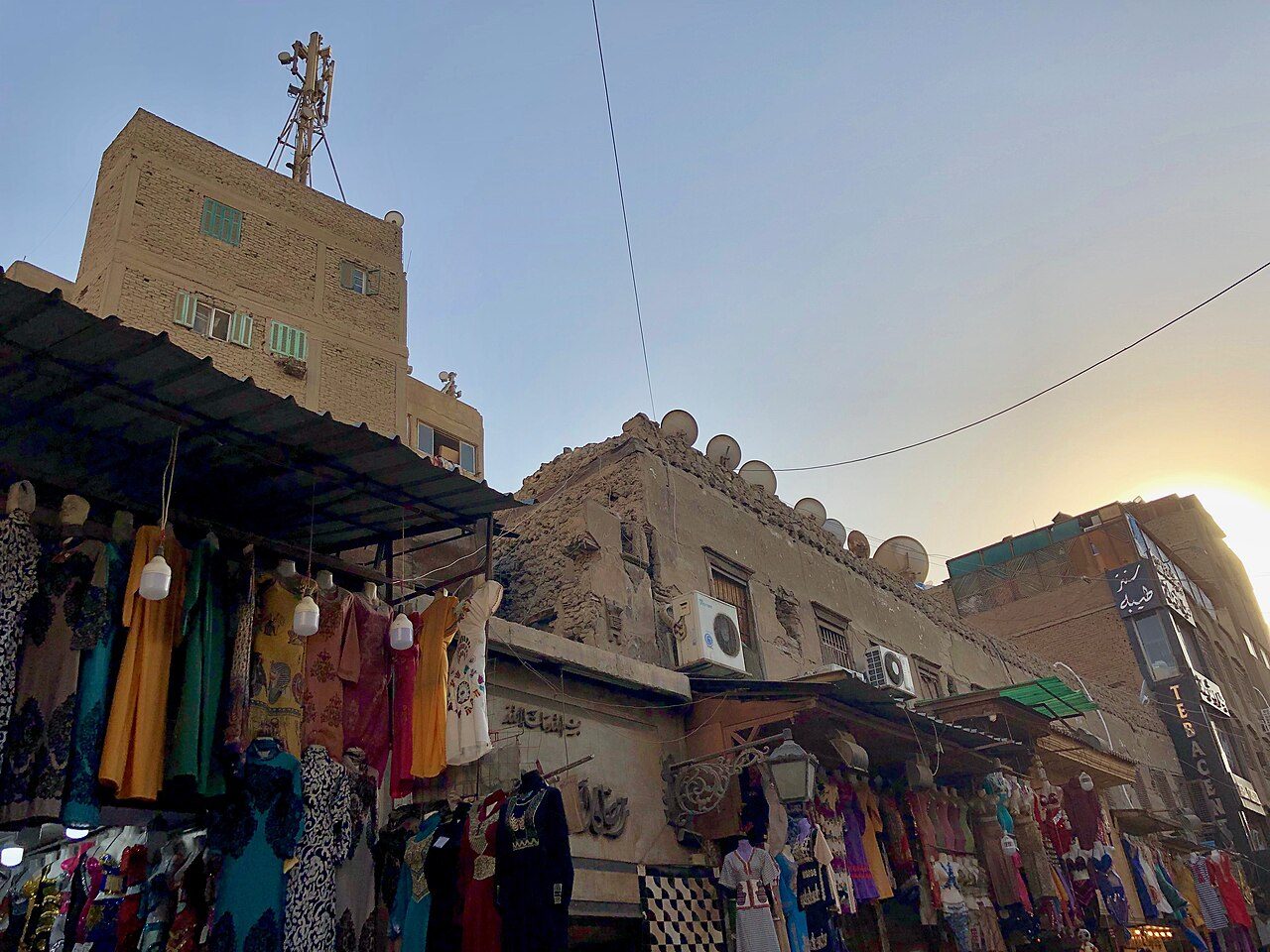
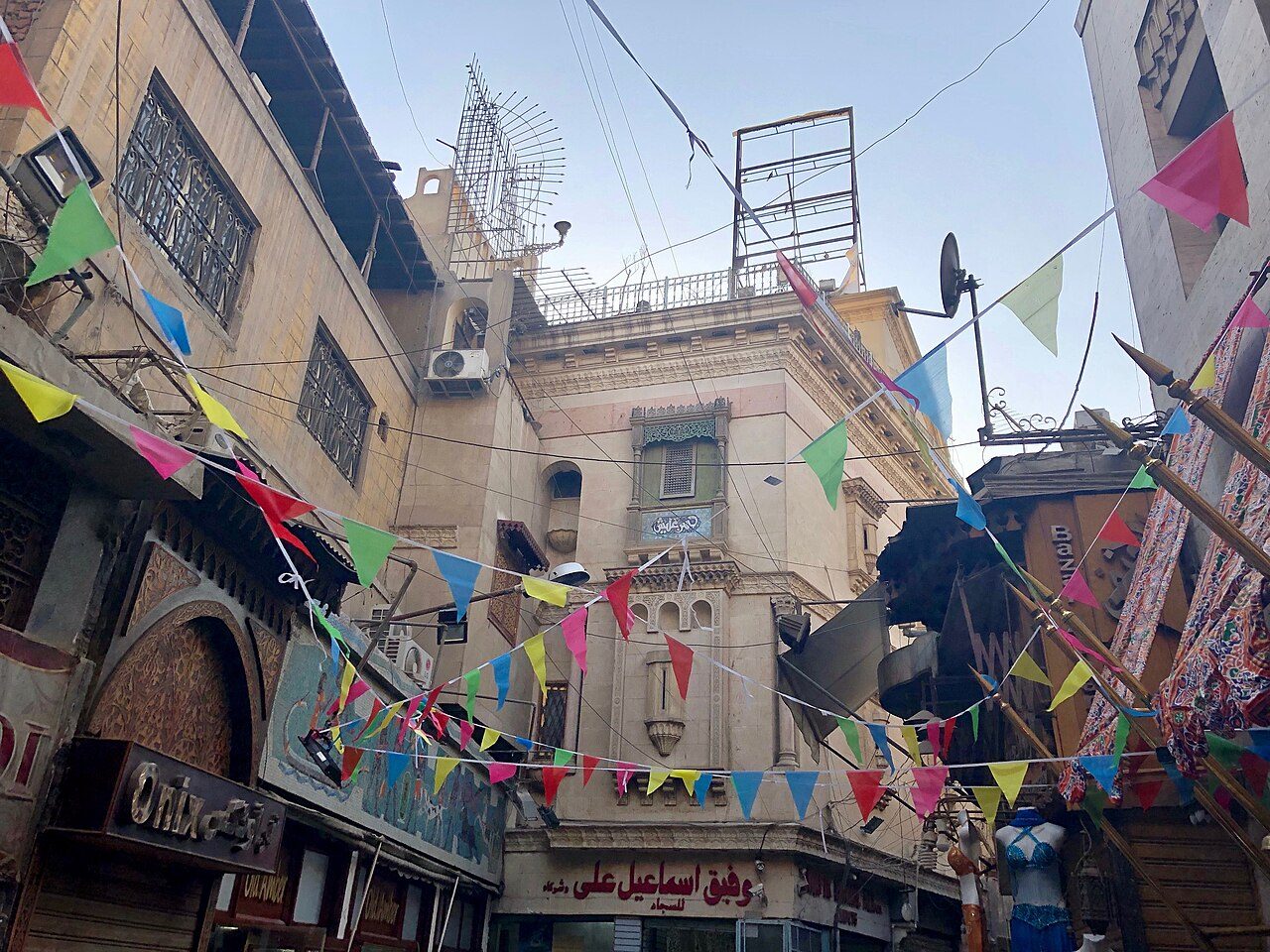
Khan el-Khalili is Cairo's most famous bazaar, a maze of narrow lanes in Islamic Cairo that dates back to the 14th century. Shops sell lamps, spices, textiles, silver and souvenirs, and bargaining is expected. The historic El Fishawy café is a favourite place to stop for mint tea. The market is lively in the evening, when lanterns light up the alleys.
14
STOP 14 OF 16
Al-Azhar Park
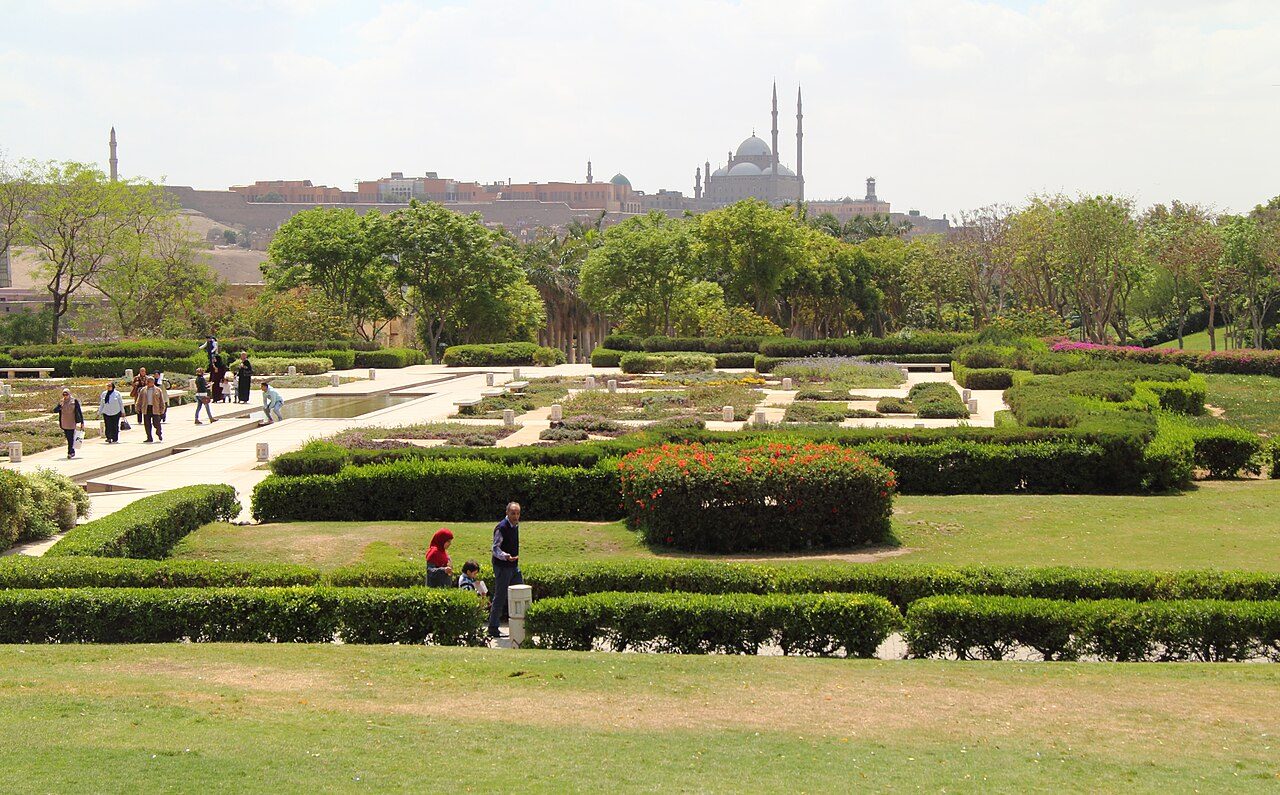
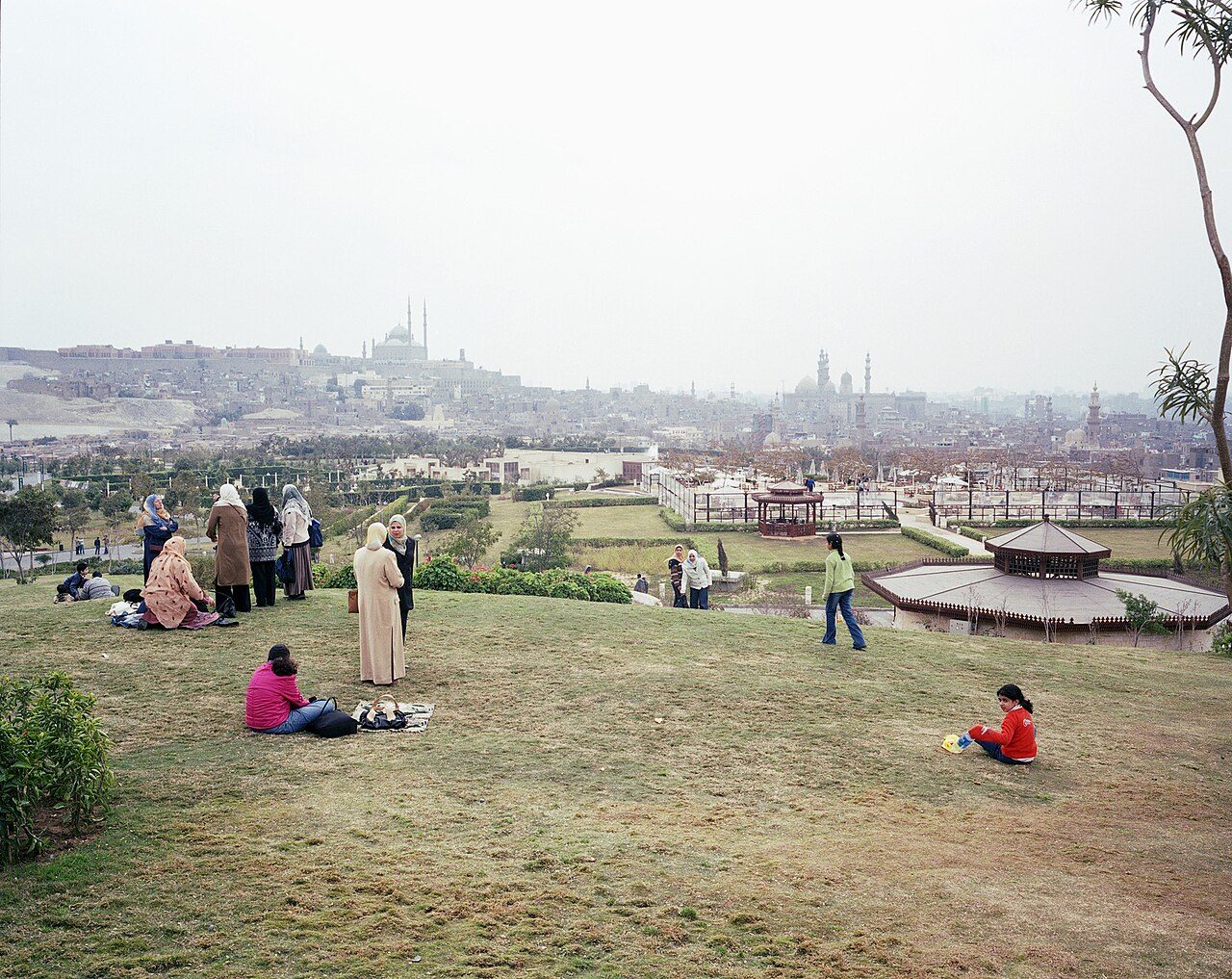
Al-Azhar Park is a large public park in the heart of Cairo, created on a former rubbish dump and opened in 2005. Its gardens, fountains and lake are laid out in Islamic garden style. The hilltop restaurants and terraces offer some of the best views of the historic minarets and domes of Islamic Cairo, especially at sunset.
15
STOP 15 OF 16
Cairo Tower
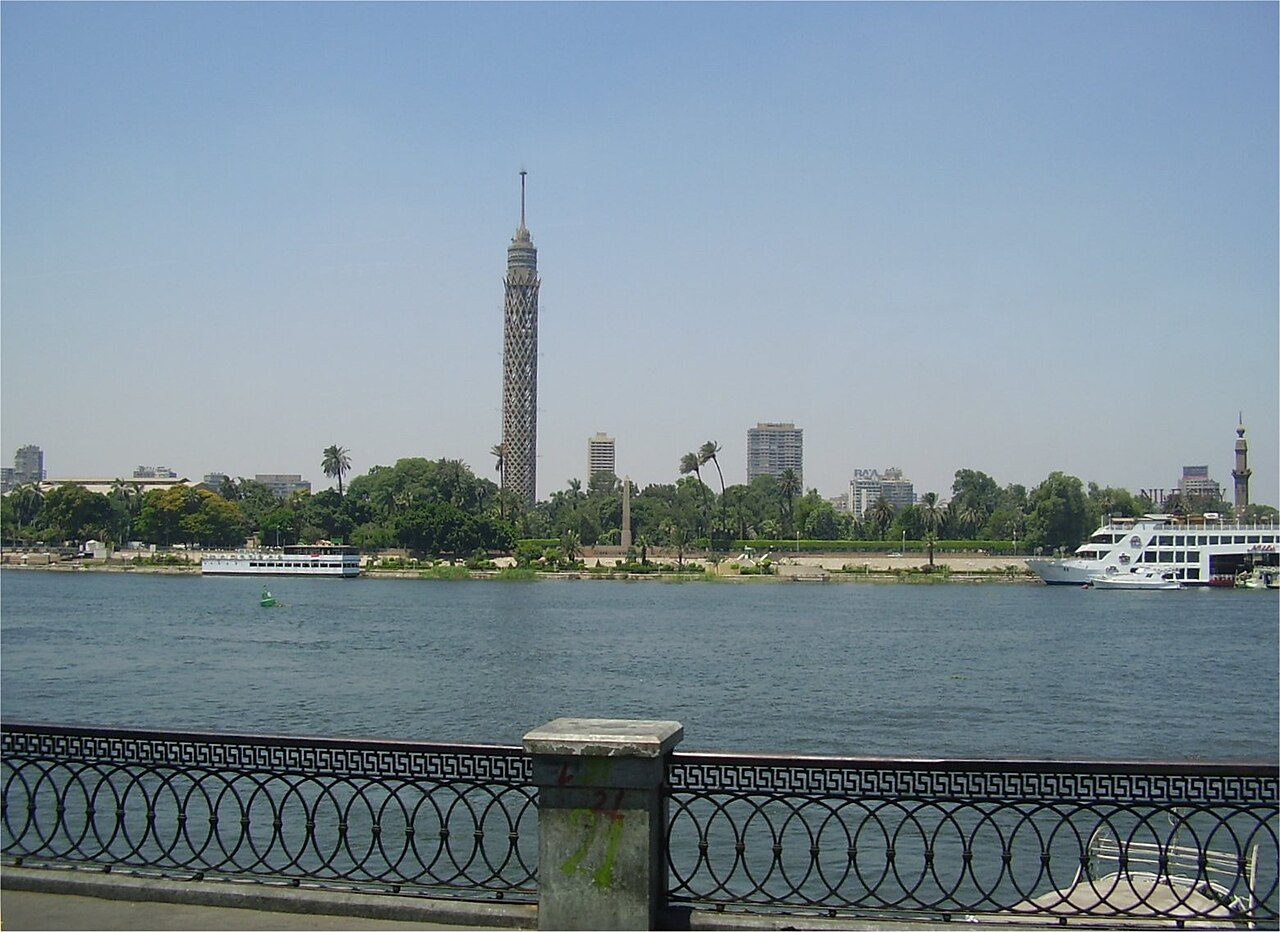
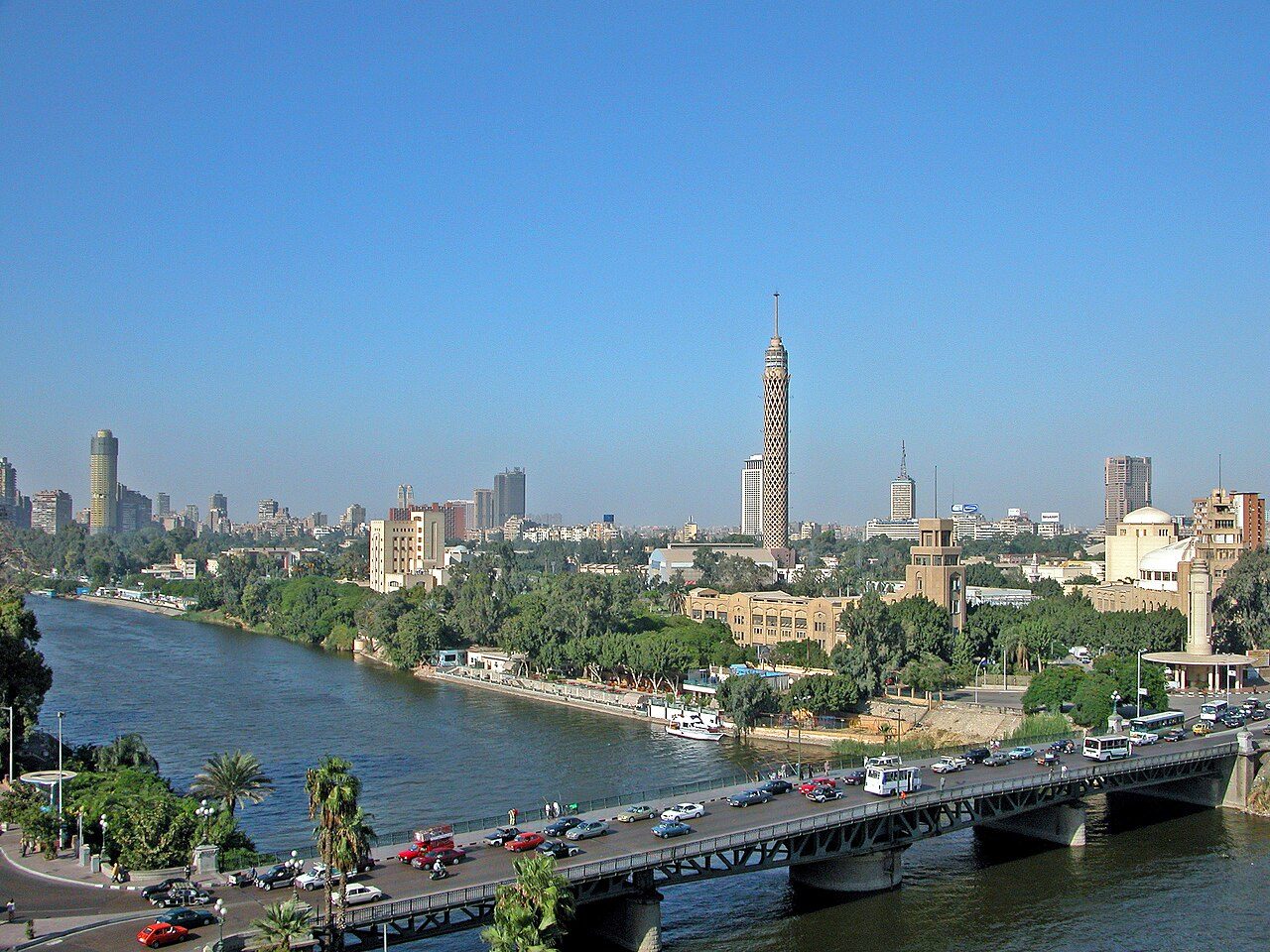
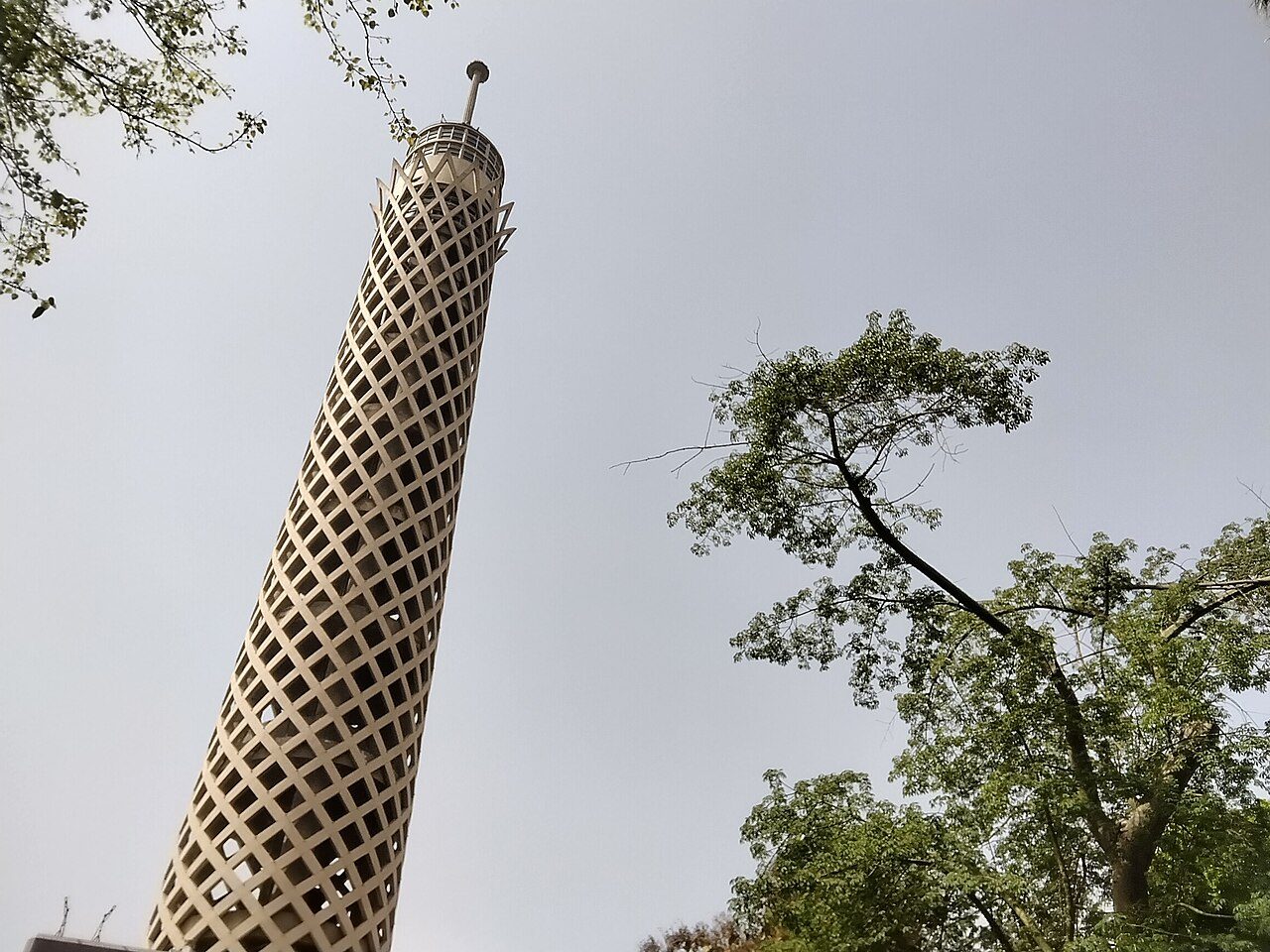
The Cairo Tower is a 187-metre concrete tower on Gezira Island in the Nile, completed in 1961. Its lattice design is inspired by the lotus plant of ancient Egypt. A fast lift takes visitors to an observation deck with views over the Nile and the whole city, and the pyramids on clear days. A revolving restaurant sits near the top.
16
STOP 16 OF 16 · LAST STOP
Wadi El Hitan
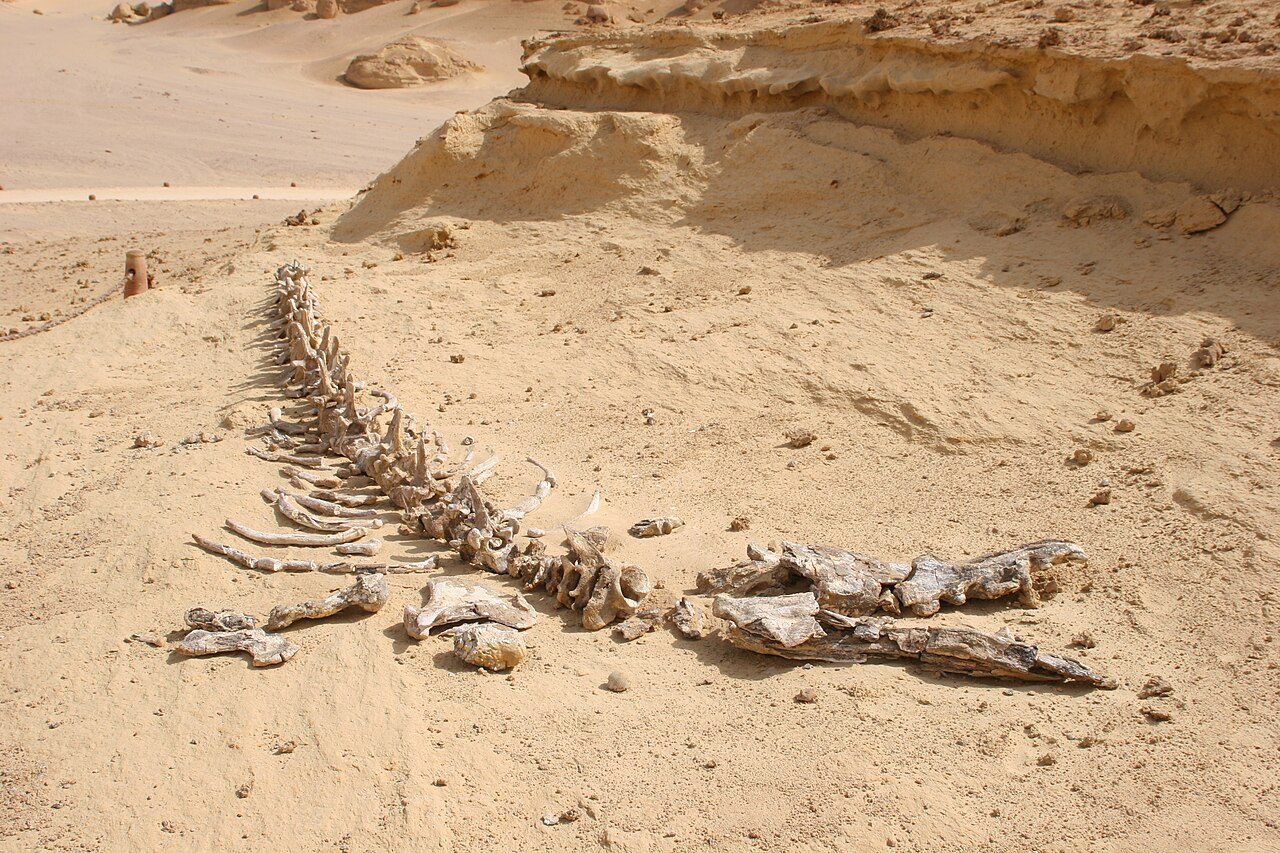
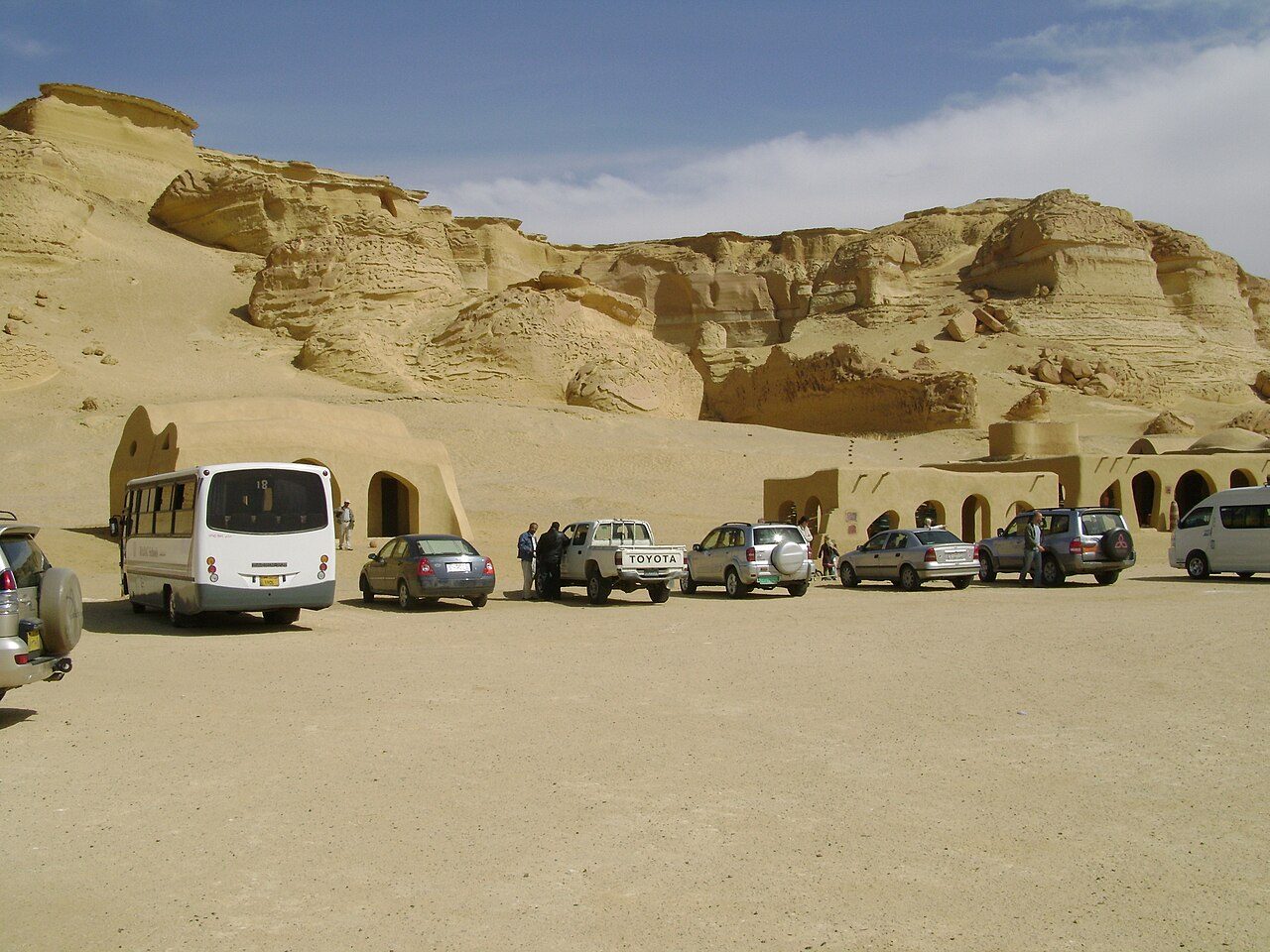
Wadi El Hitan, the Valley of the Whales, is a desert valley in Faiyum with fossils of early whales that once had legs. The skeletons, about 40 million years old, show how whales evolved from land animals. It is a UNESCO World Heritage Site. A walking trail and a fossil museum explain the finds. A four-wheel drive is needed, and camping under the stars is popular.
 WaTrips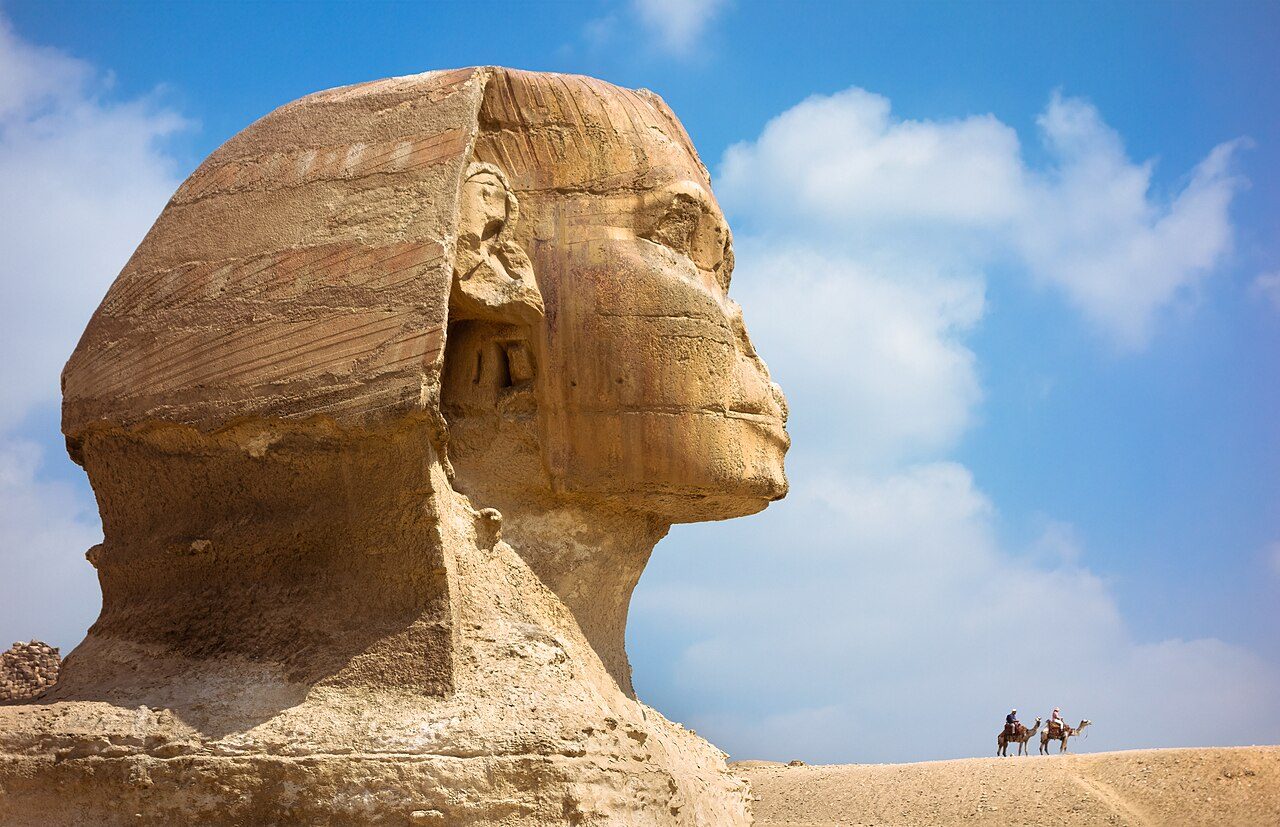










 BikesBooking
 Localrent
 Airalo
 Tiqets