Murshidabad, Malda and Nadia in 4 Days: Bengal's Old Capitals
4 DAYS12 placesby WaTrips
Mayapur and Krishnanagar, the Plassey monument, Hazarduari Palace and the Nizamat Imambara, Katra Masjid and Kathgola, then Gaur and Pandua.
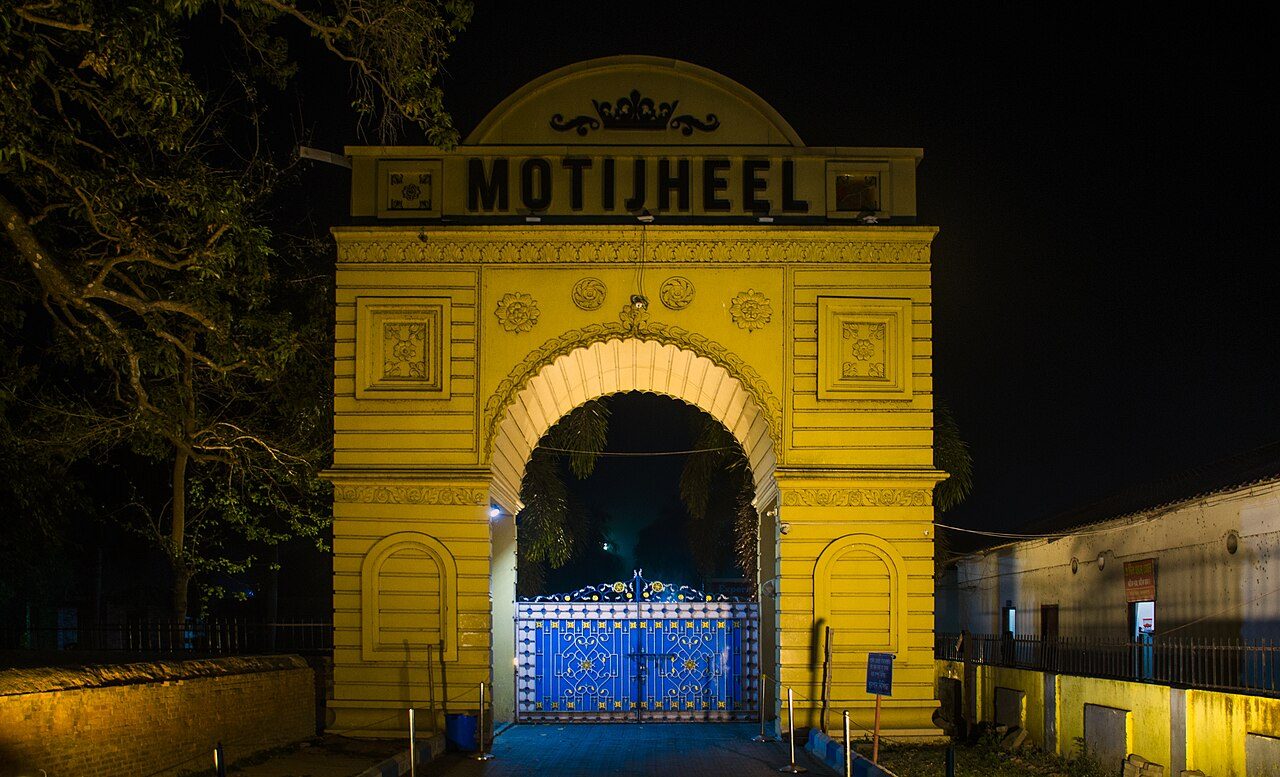
This route follows Bengal's history north from Kolkata. Day one visits Mayapur, the world headquarters of ISKCON, and the Krishnanagar Rajbari. Day two stops at Plassey, where the battle of 1757 changed India's history, and reaches Murshidabad, the last capital of the Nawabs of Bengal, for Hazarduari Palace and the Nizamat Imambara. Day three covers the Katra Masjid, Kathgola Palace and Motijhil. Day four explores the ruined capitals of Gaur and Pandua in Malda: the vast Adina Mosque, Dakhil Darwaza, Firoz Minar and the Baro Sona Masjid. October to March is best.
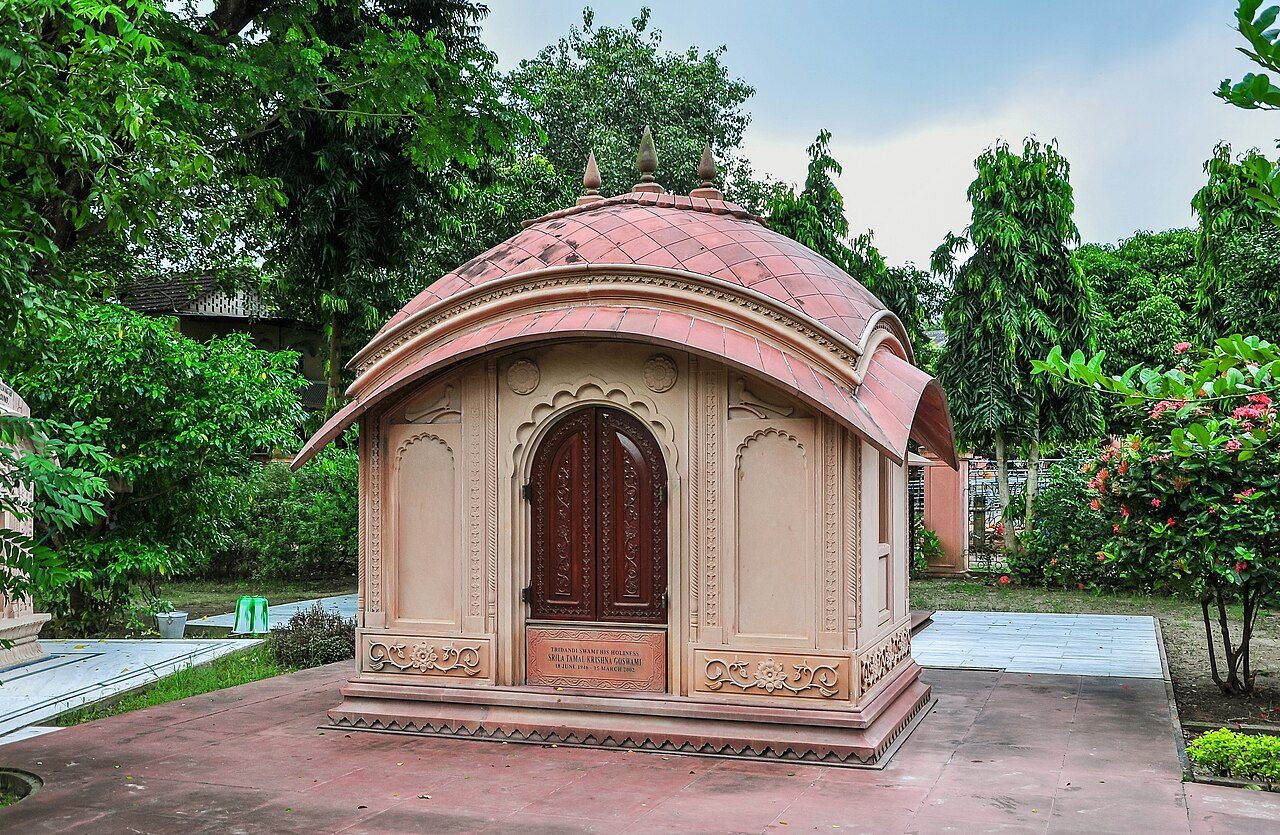
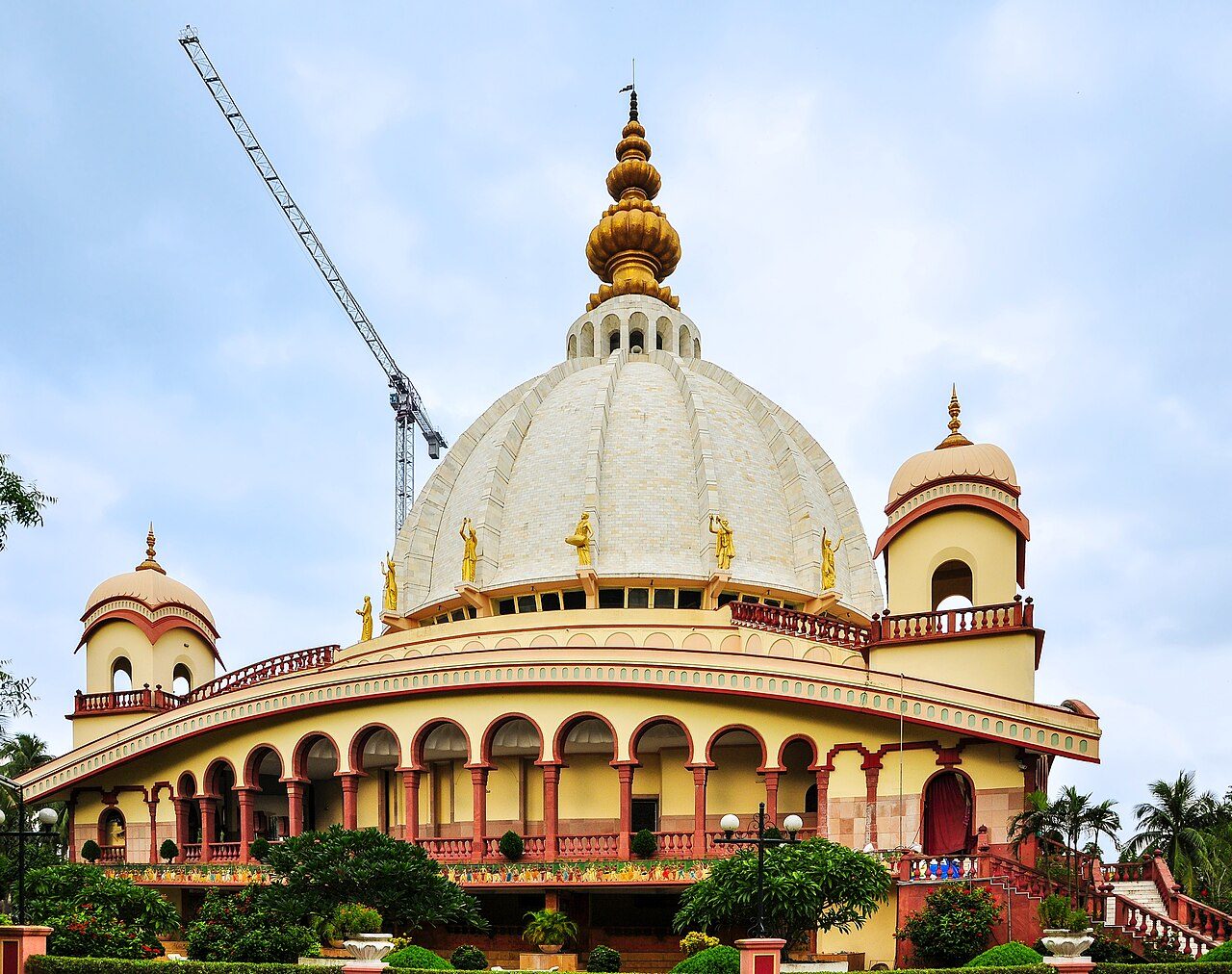
Mayapur, at the meeting of the Ganga and Jalangi rivers, is revered as the birthplace of the 15th-century saint Chaitanya Mahaprabhu and is the world headquarters of ISKCON. The campus includes the samadhi of the movement's founder and the vast Temple of the Vedic Planetarium, with one of the largest domes in the world. Gaura Purnima in spring is the main festival.
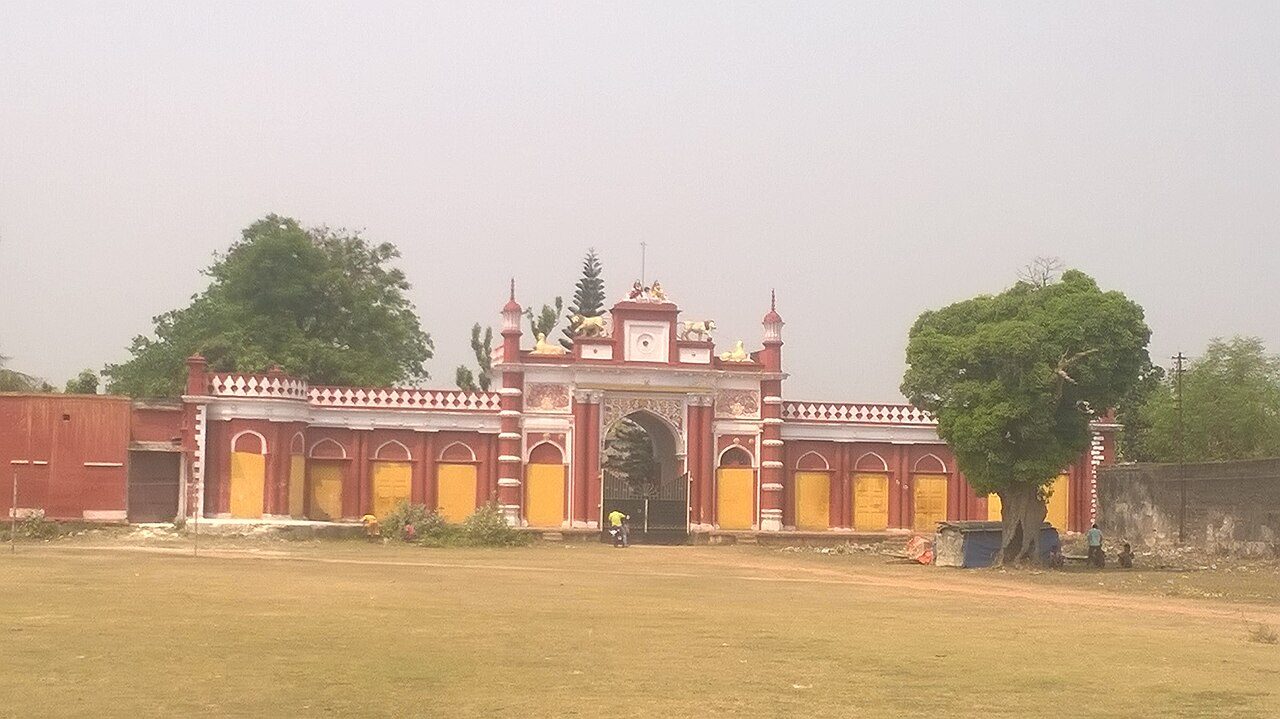
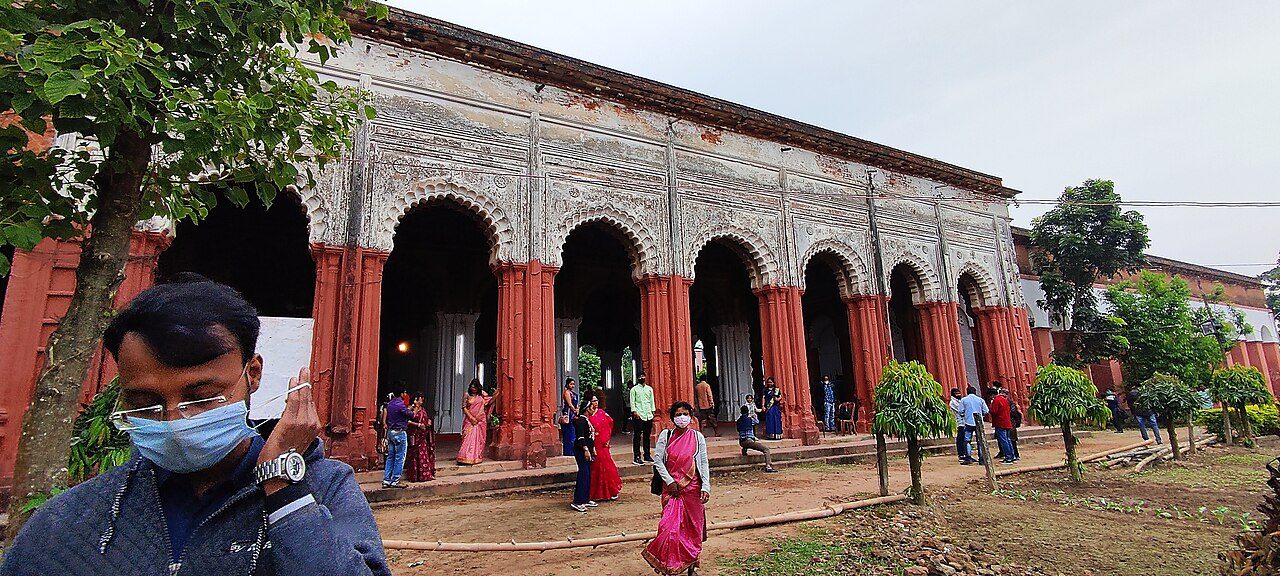
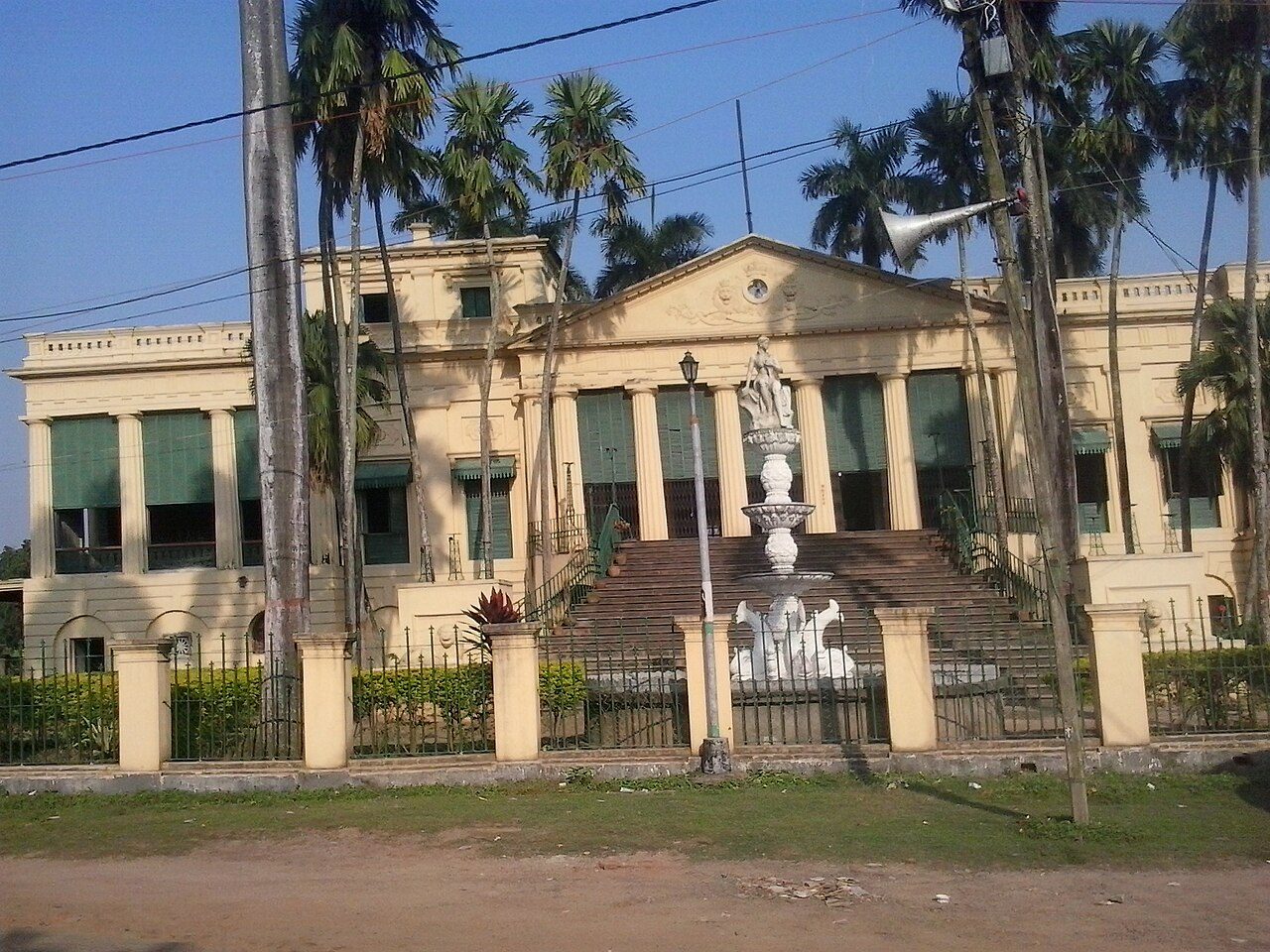
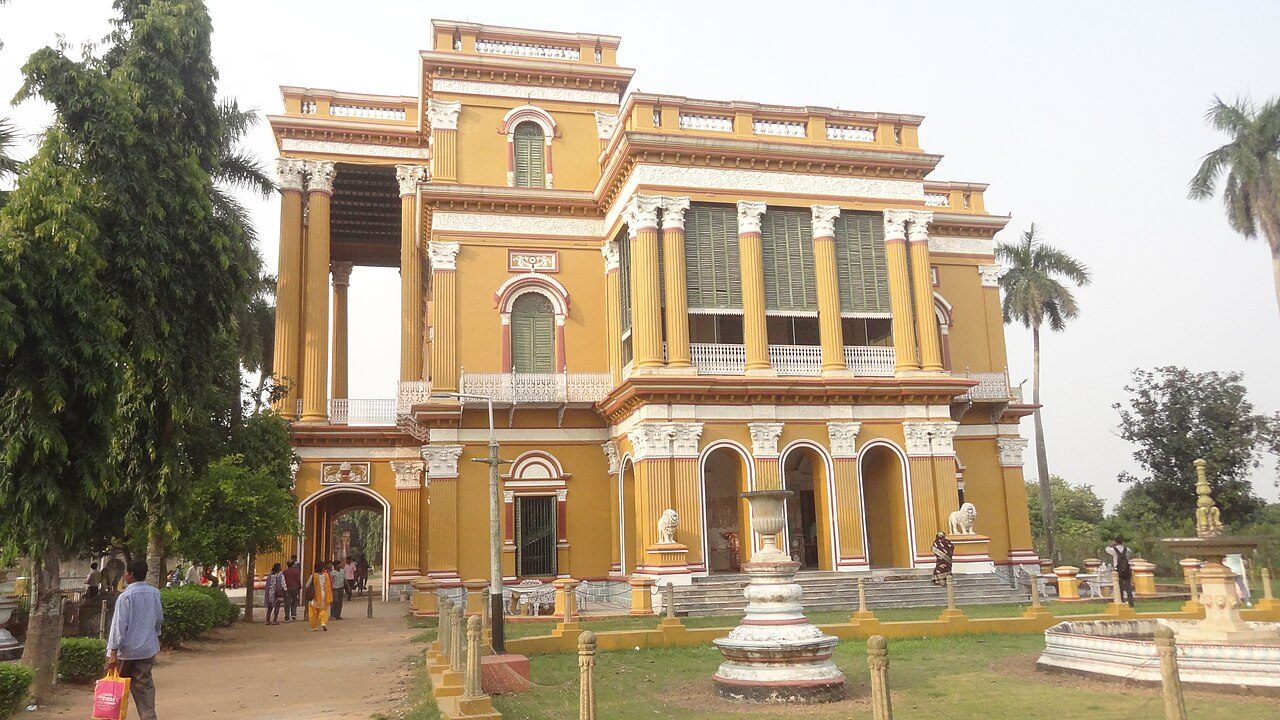
Krishnanagar Rajbari is the palace of the rajas of Nadia, built in the 18th century under Maharaja Krishnachandra, a noted patron of arts and learning. Its Durga hall has finely carved stucco arches and pillars. The palace is private and opens mainly for the Jhulan fair and Durga and Jagaddhatri pujas. The town is famous for clay dolls made at Ghurni.
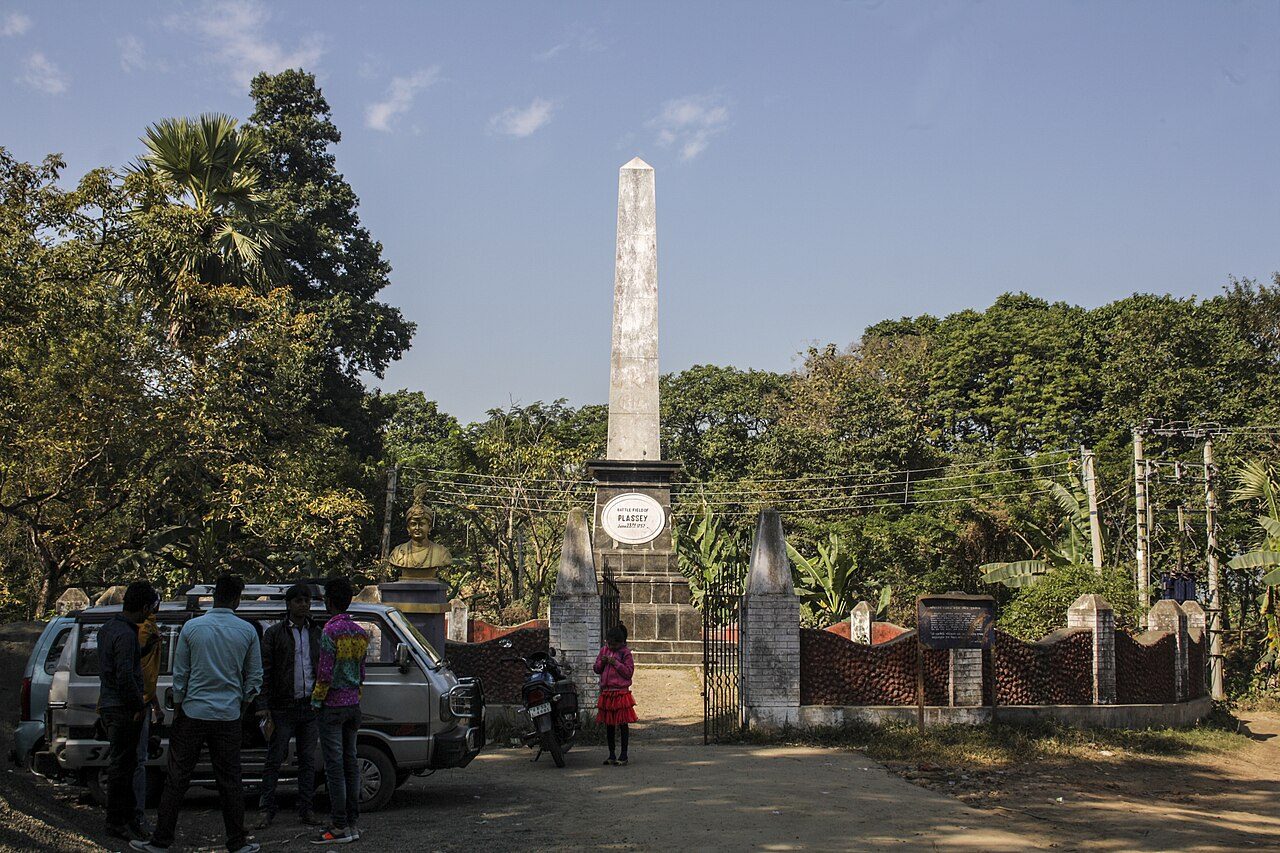
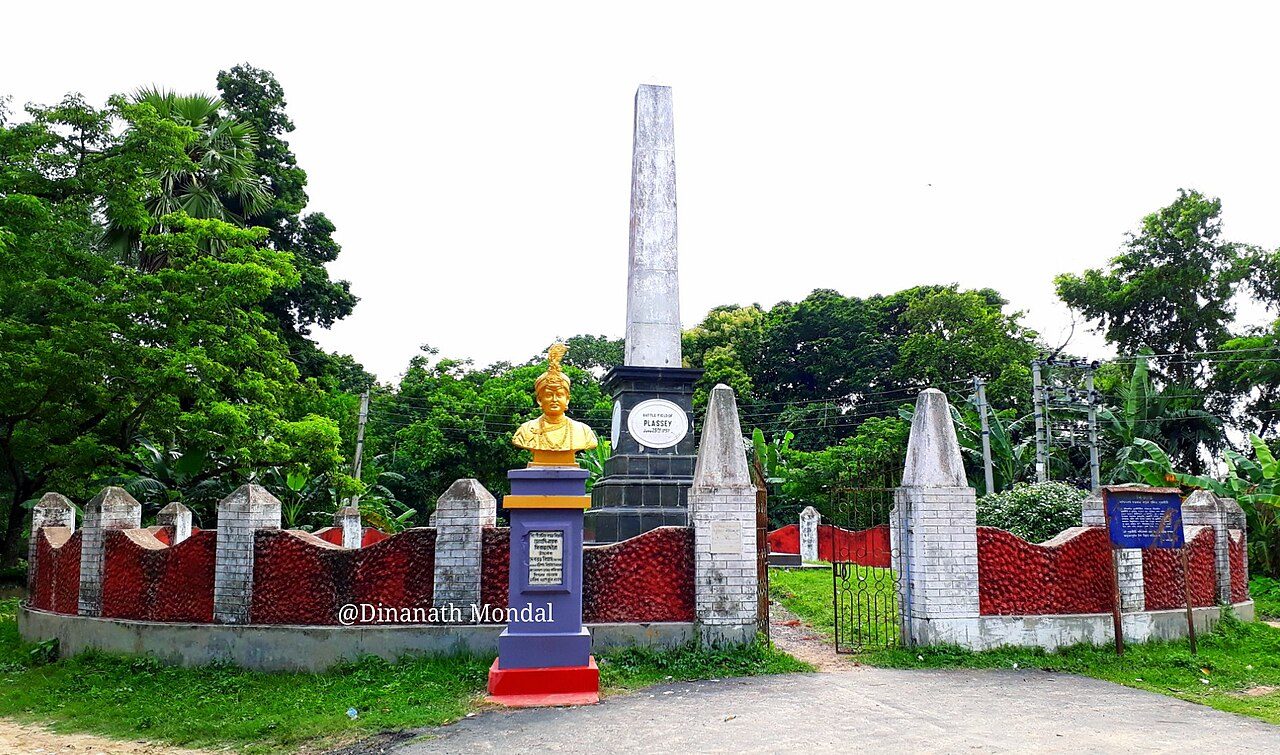
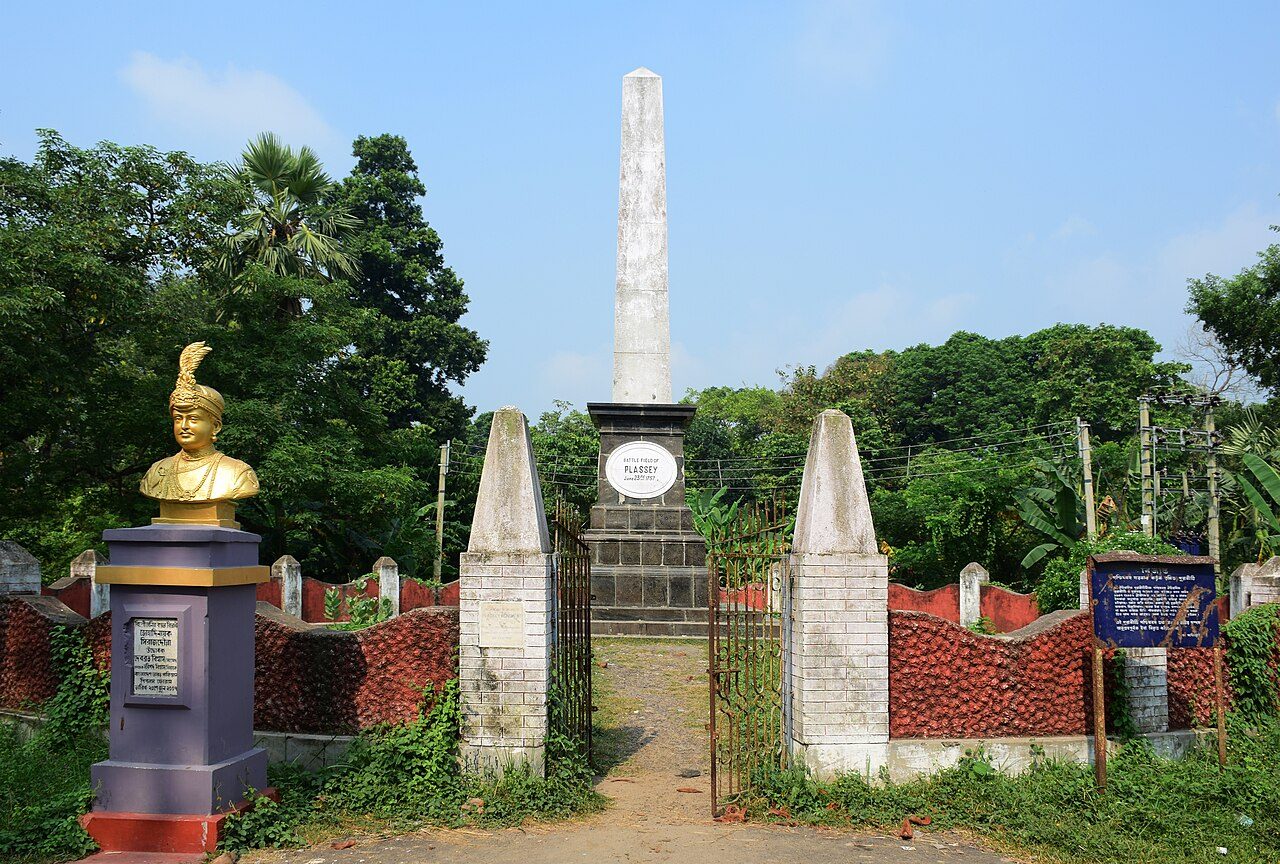
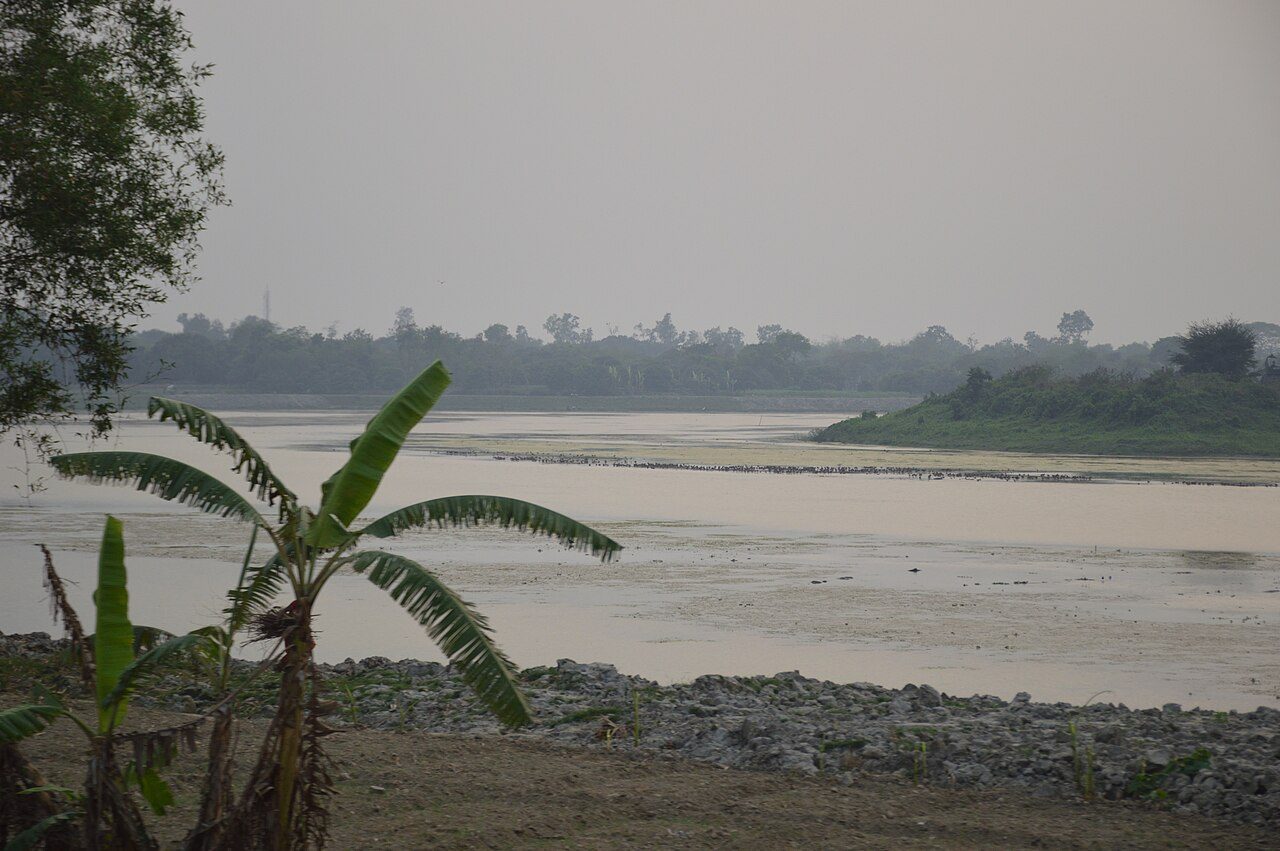
The Plassey Monument marks the battlefield where, on 23 June 1757, Robert Clive's forces defeated Nawab Siraj ud-Daulah, opening the way to British rule in India. A white obelisk stands in a small garden beside the Bhagirathi, with memorials to the Nawab's fallen commanders. The mango grove of the battle has long gone; fields now cover the site.
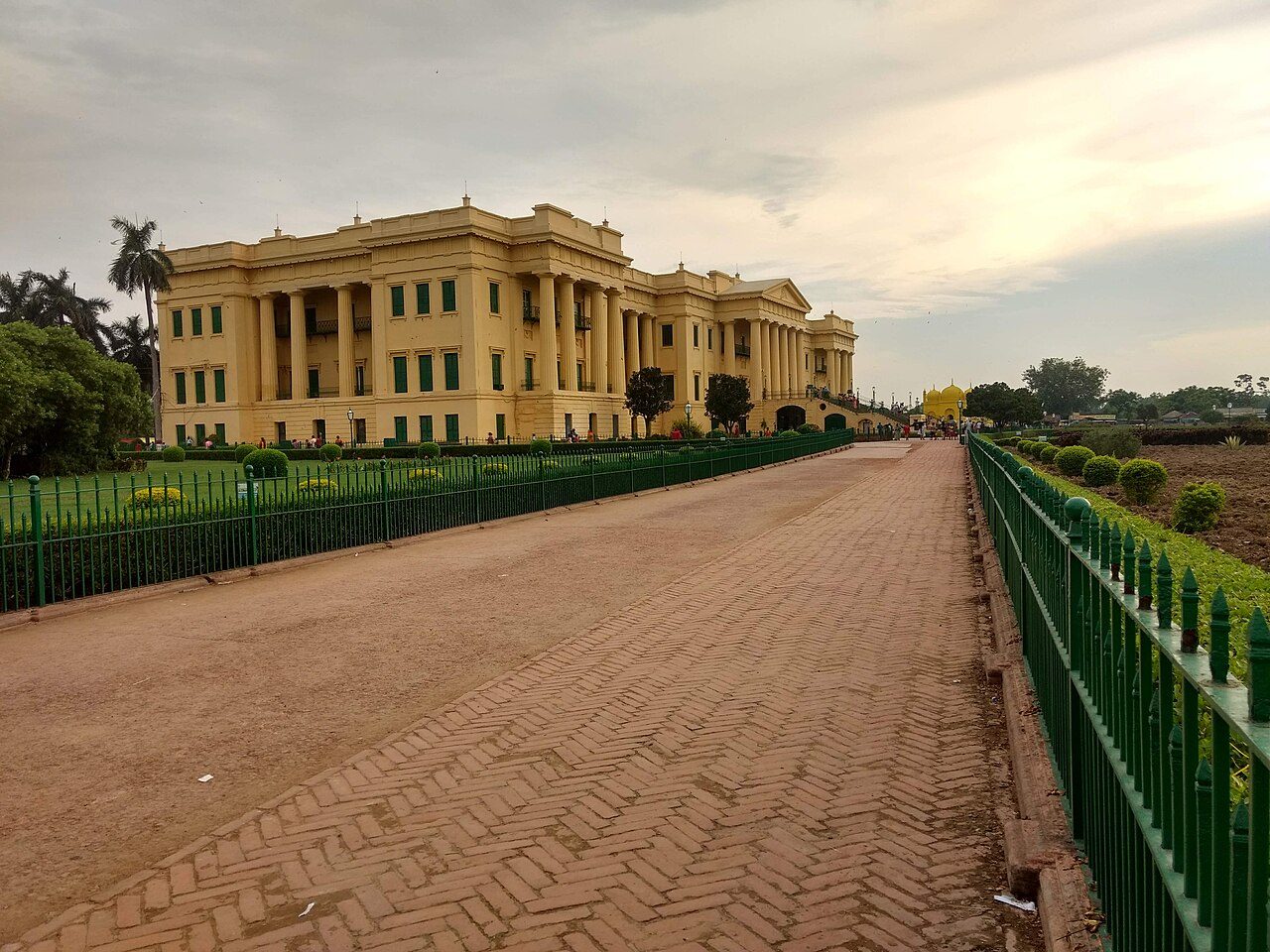
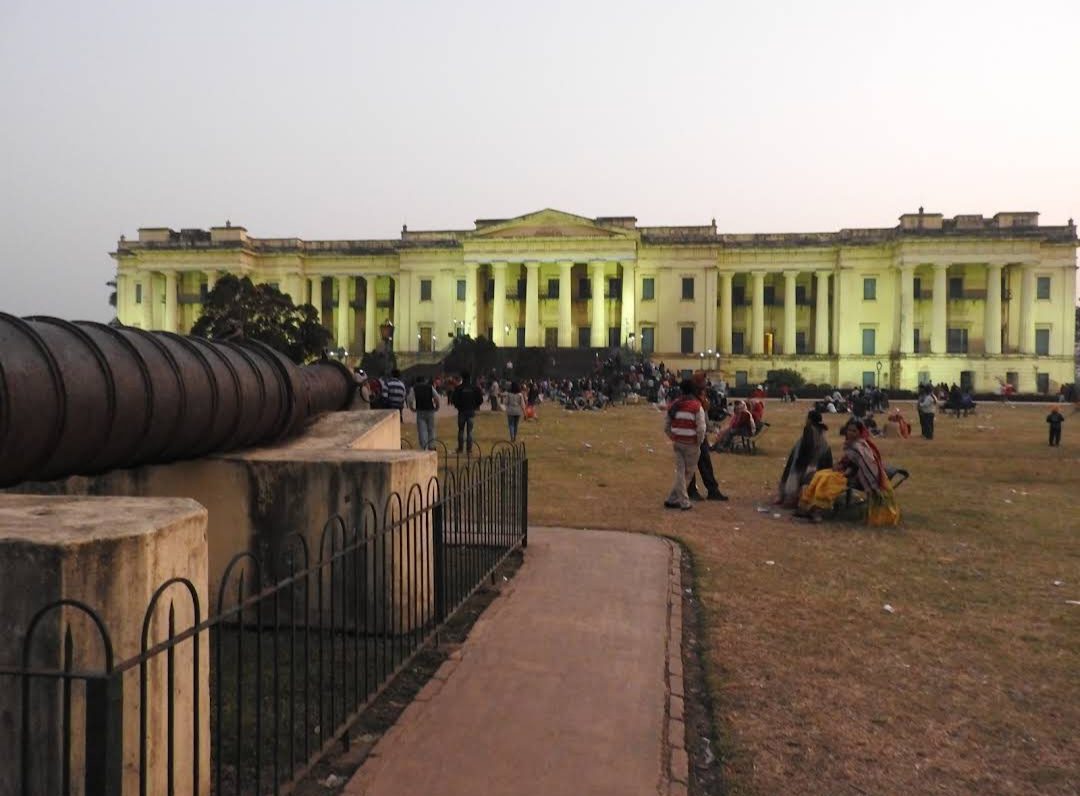
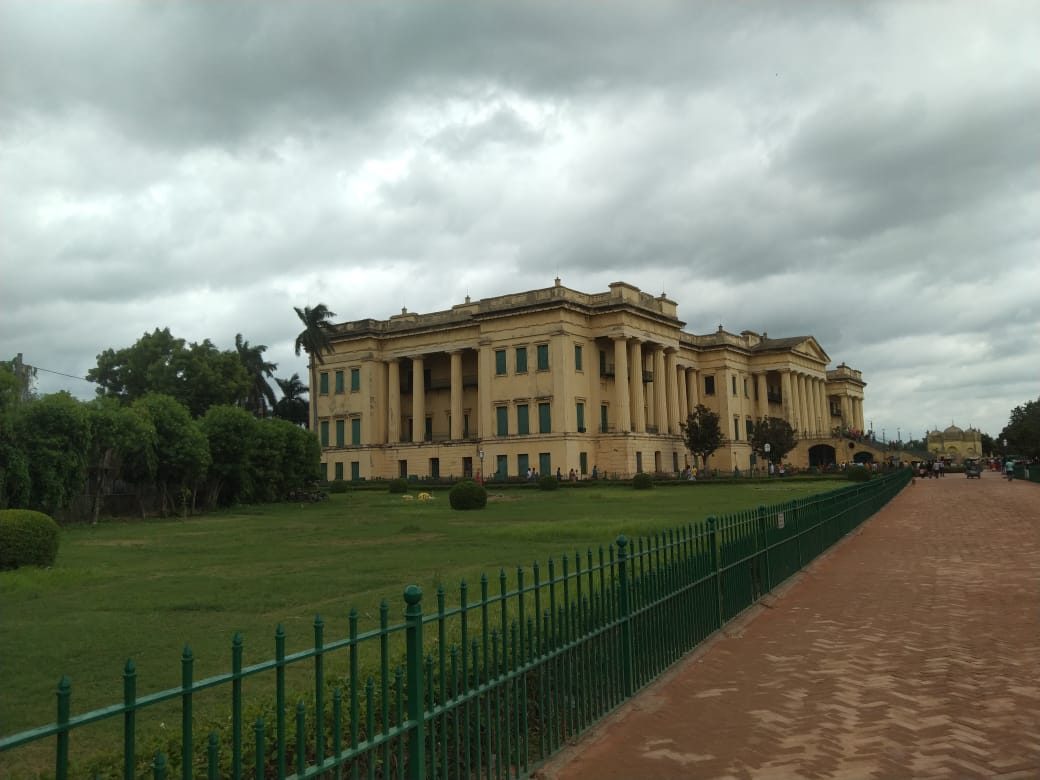
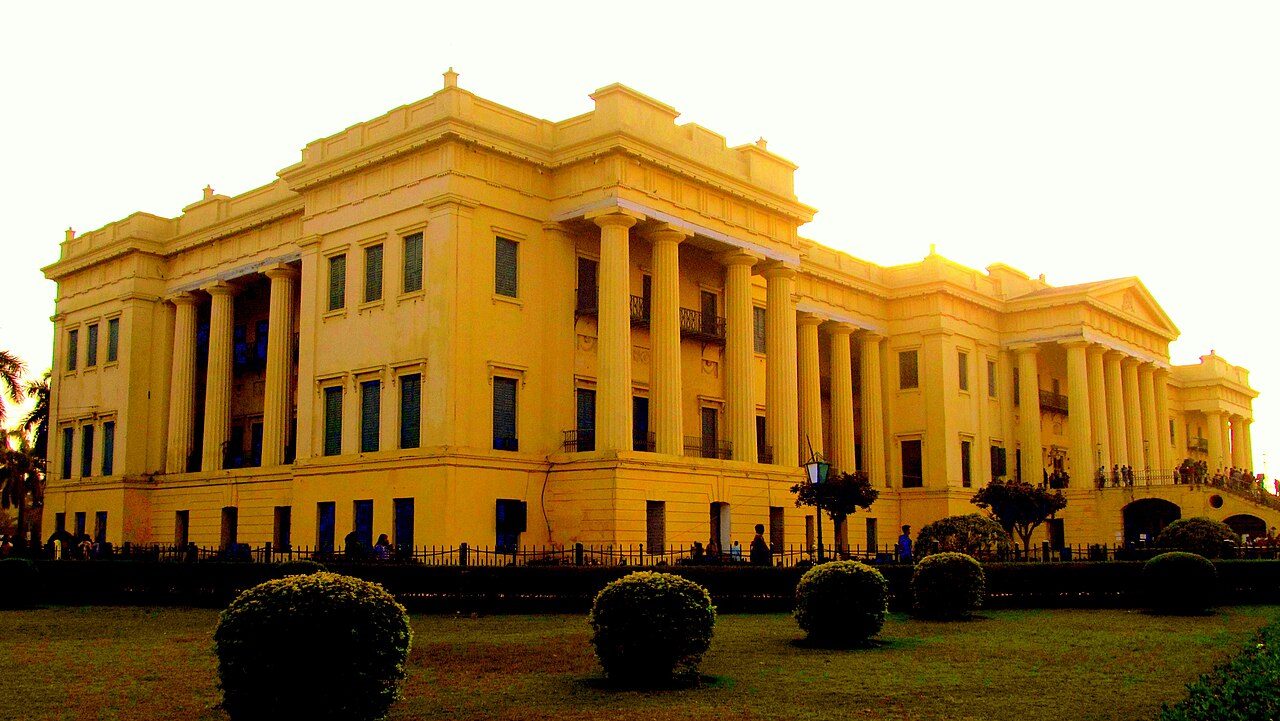
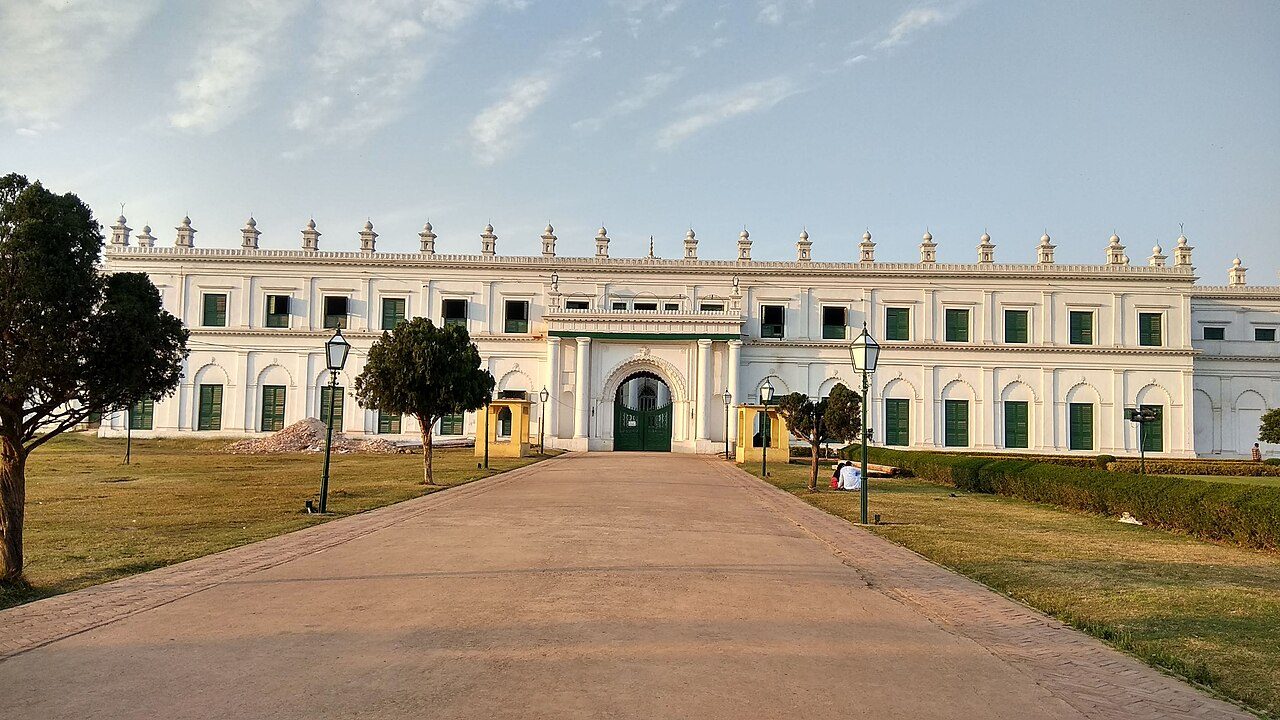
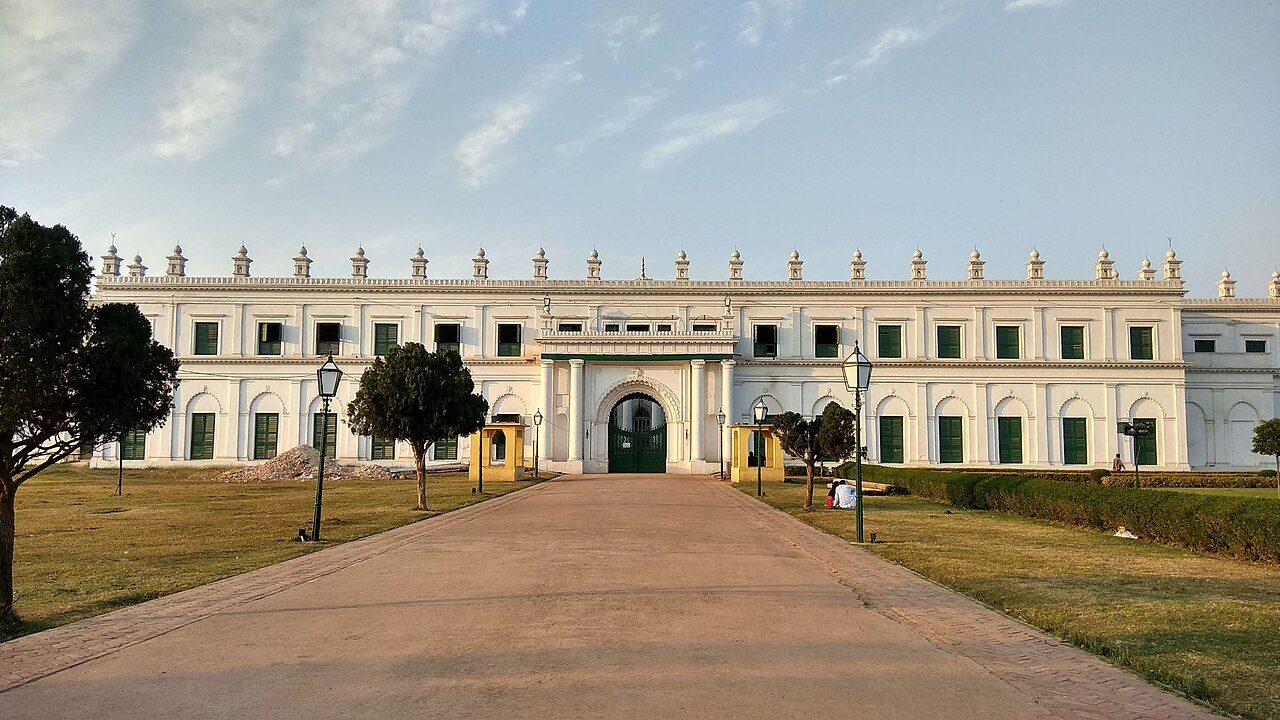
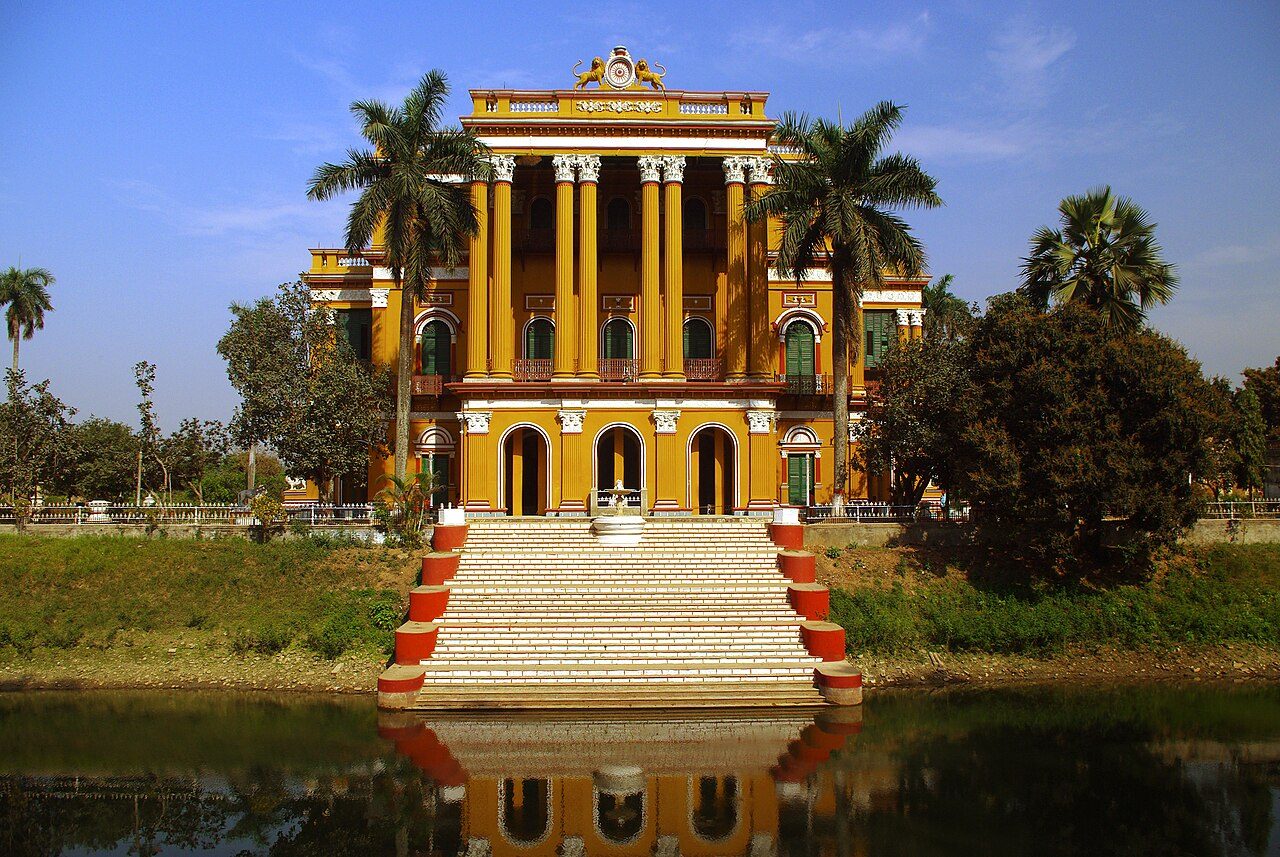
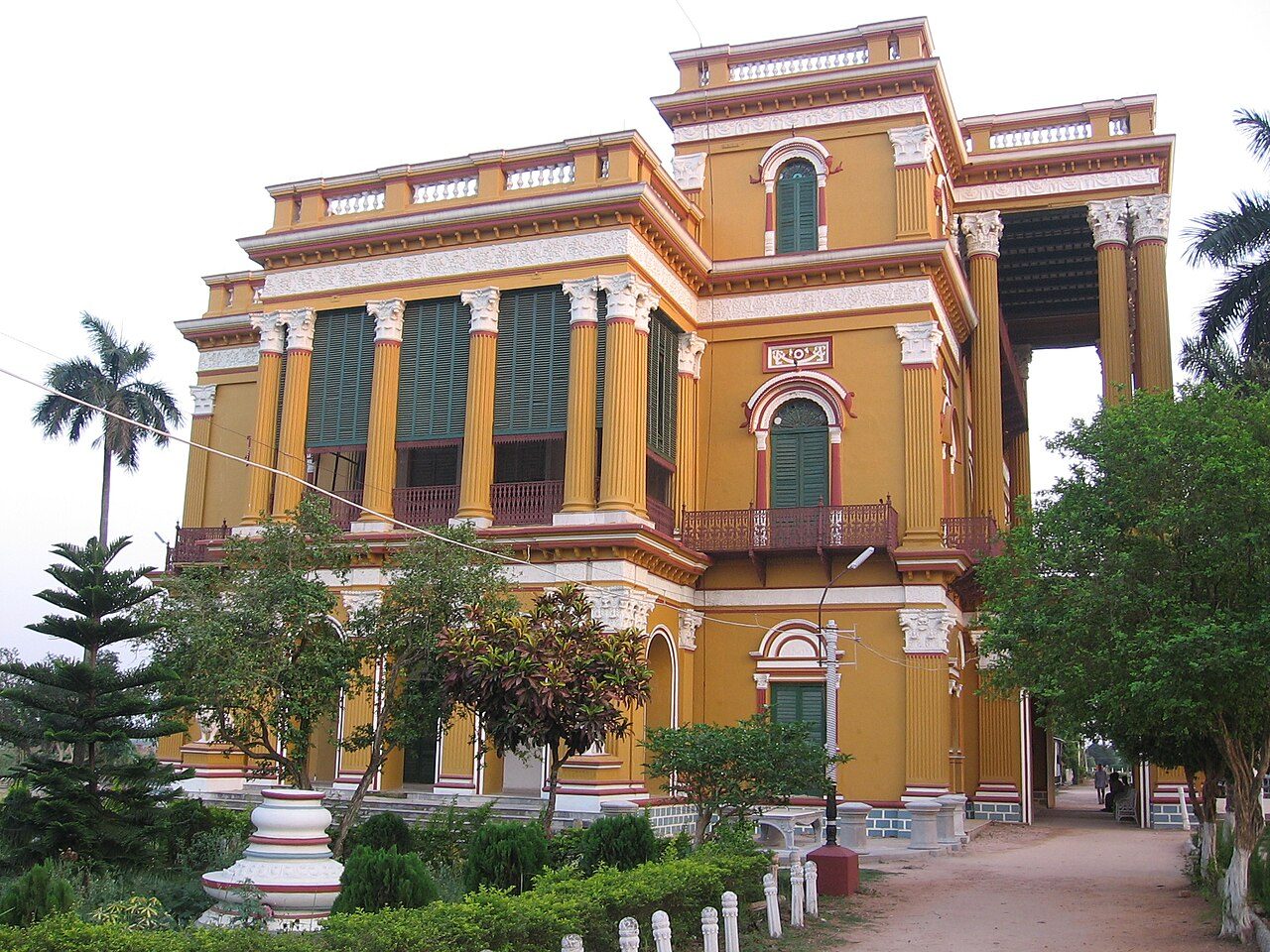
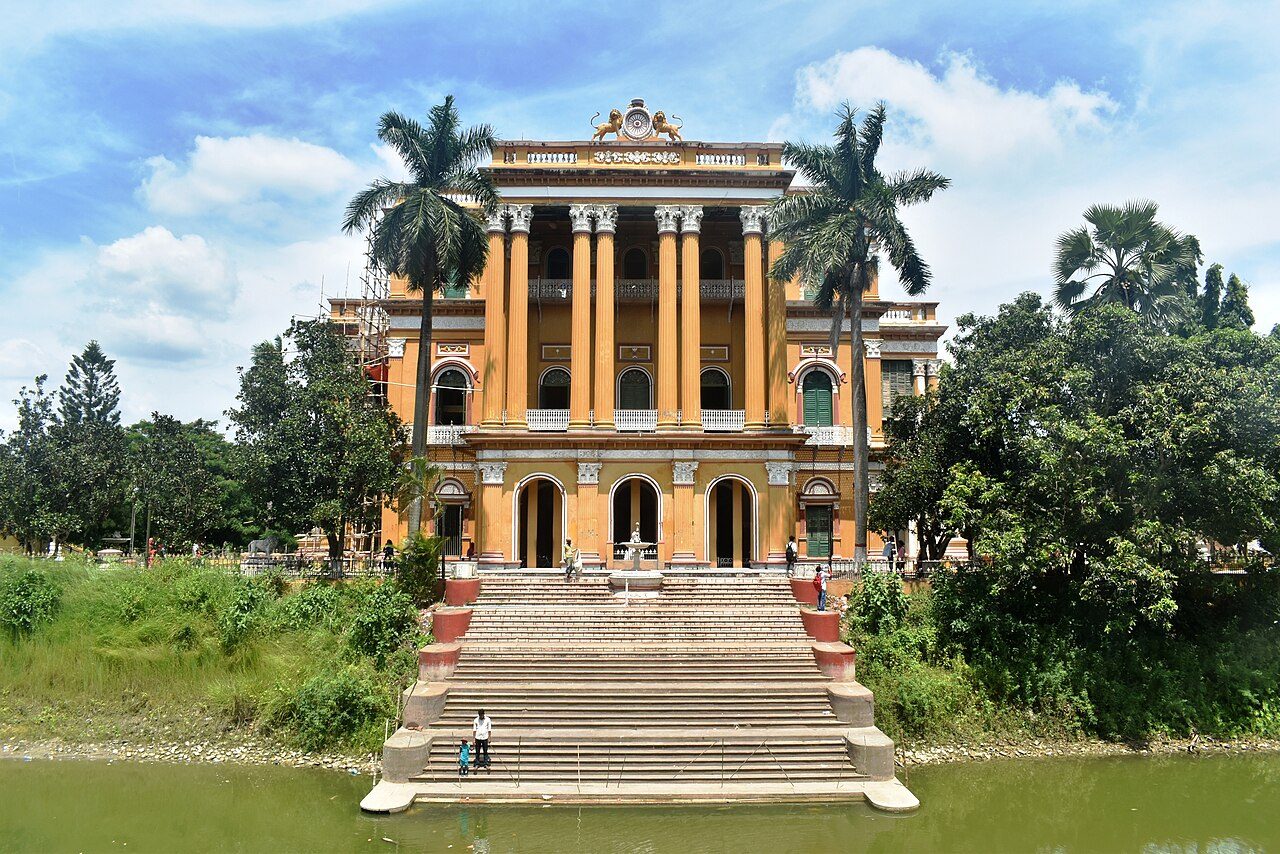
Hazarduari, the 'palace of a thousand doors', was built in 1837 for Nawab Nazim Humayun Jah of Bengal by the architect Duncan McLeod. The long Italianate building has a thousand doors, of which about a hundred are false. Now a museum, it displays the nawabs' arms, paintings, furniture, a vast chandelier and old manuscripts. It is closed on Fridays.
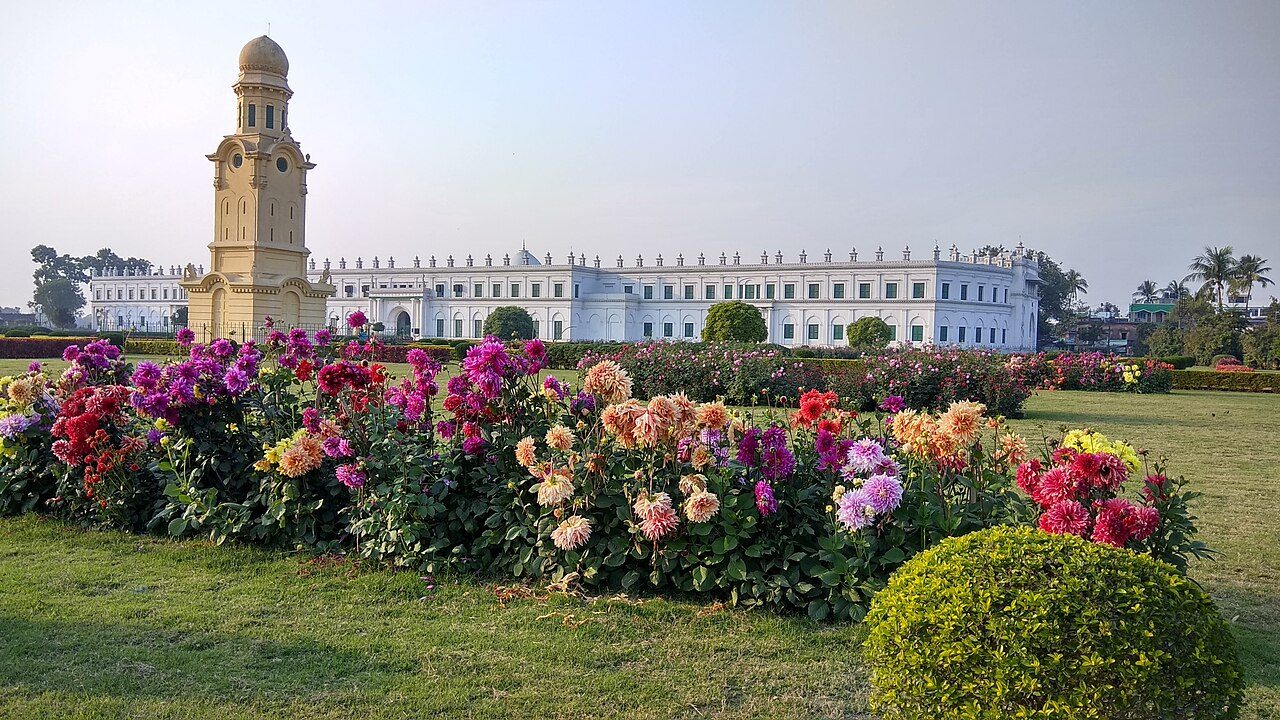
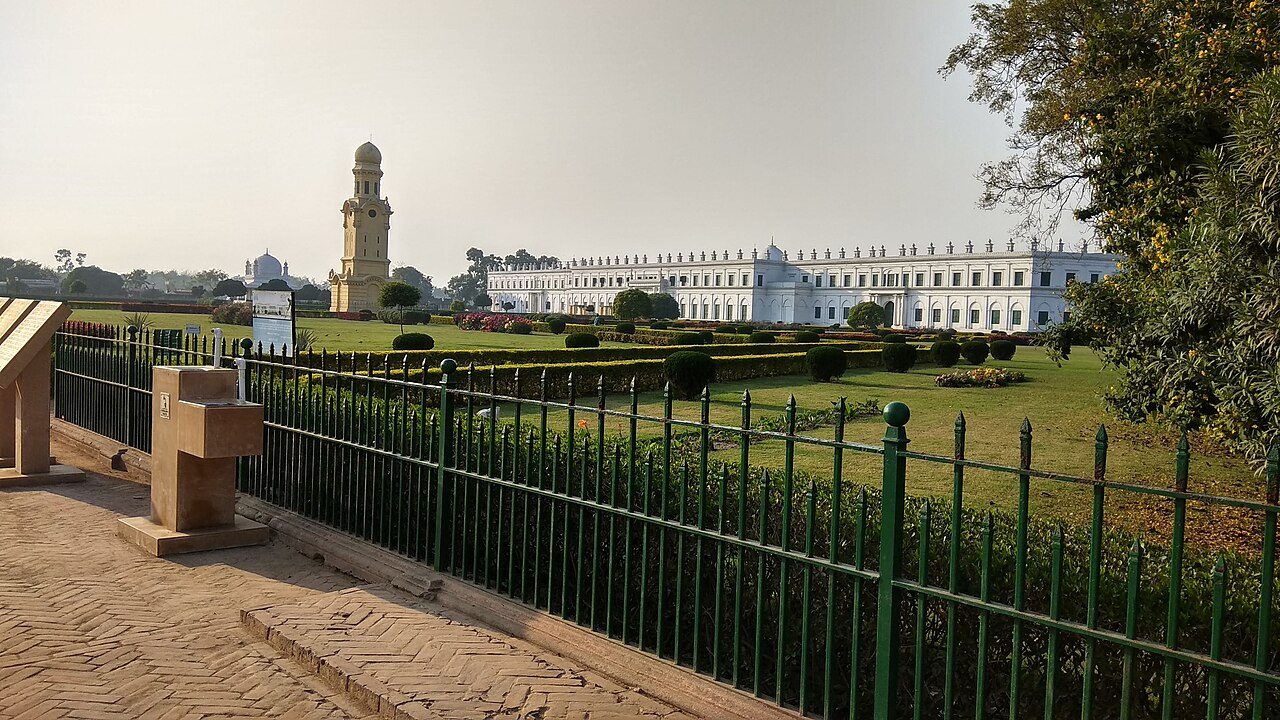
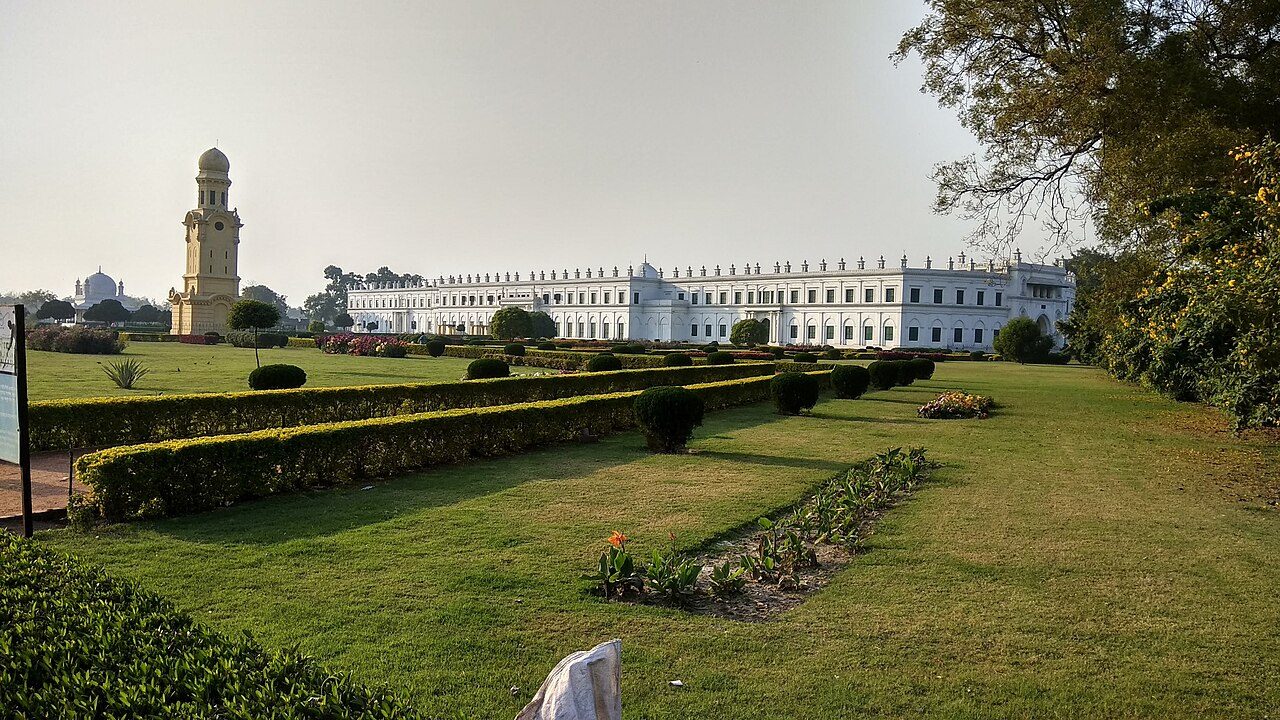
The Nizamat Imambara, facing Hazarduari Palace across the lawns, is said to be the largest imambara in India. It was rebuilt in 1847 by Nawab Mansur Ali Khan after a fire destroyed the earlier wooden building. The long white structure is opened to the public during Muharram. Between it and the palace stand a clock tower and the small Madina mosque.
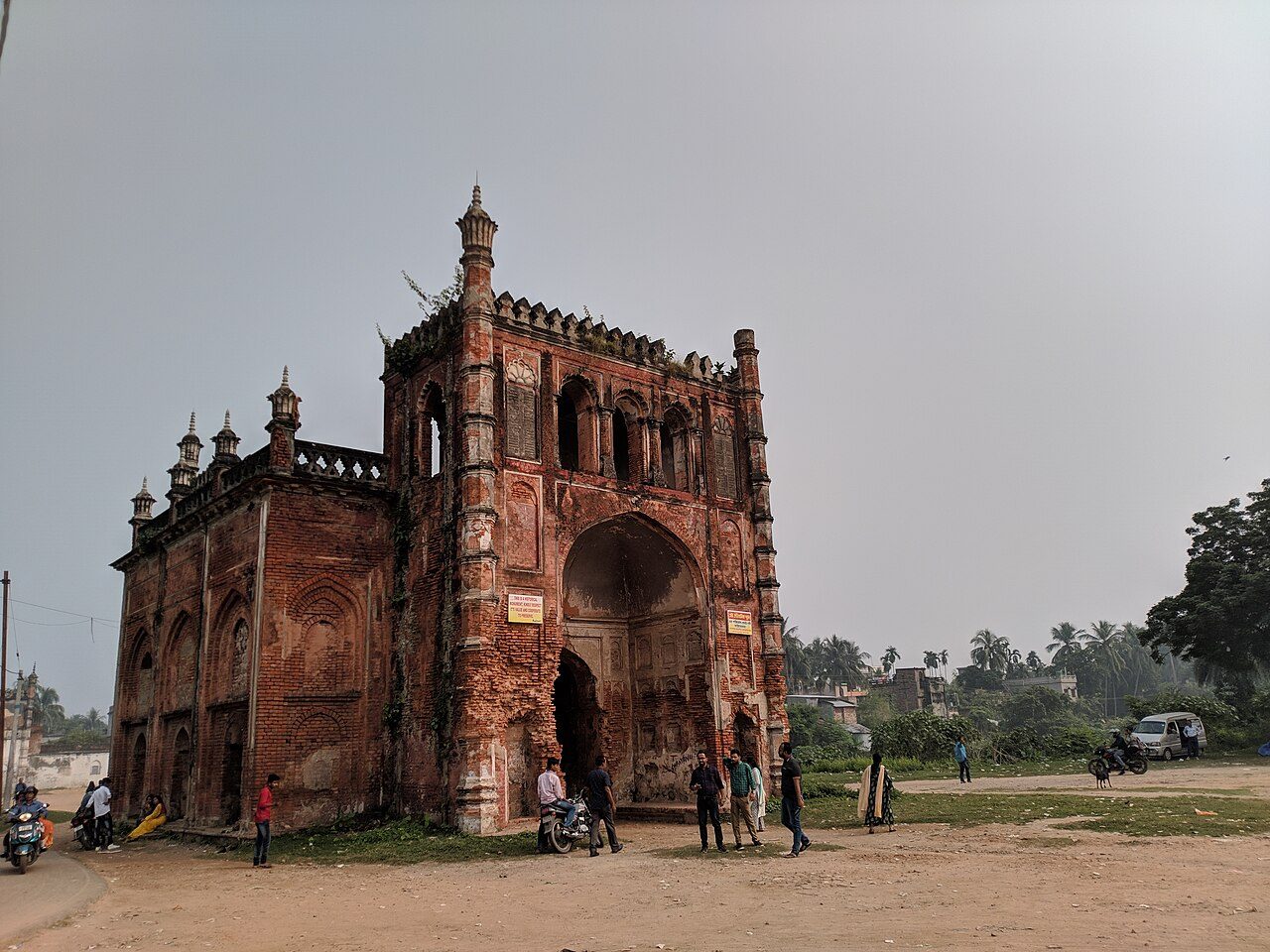
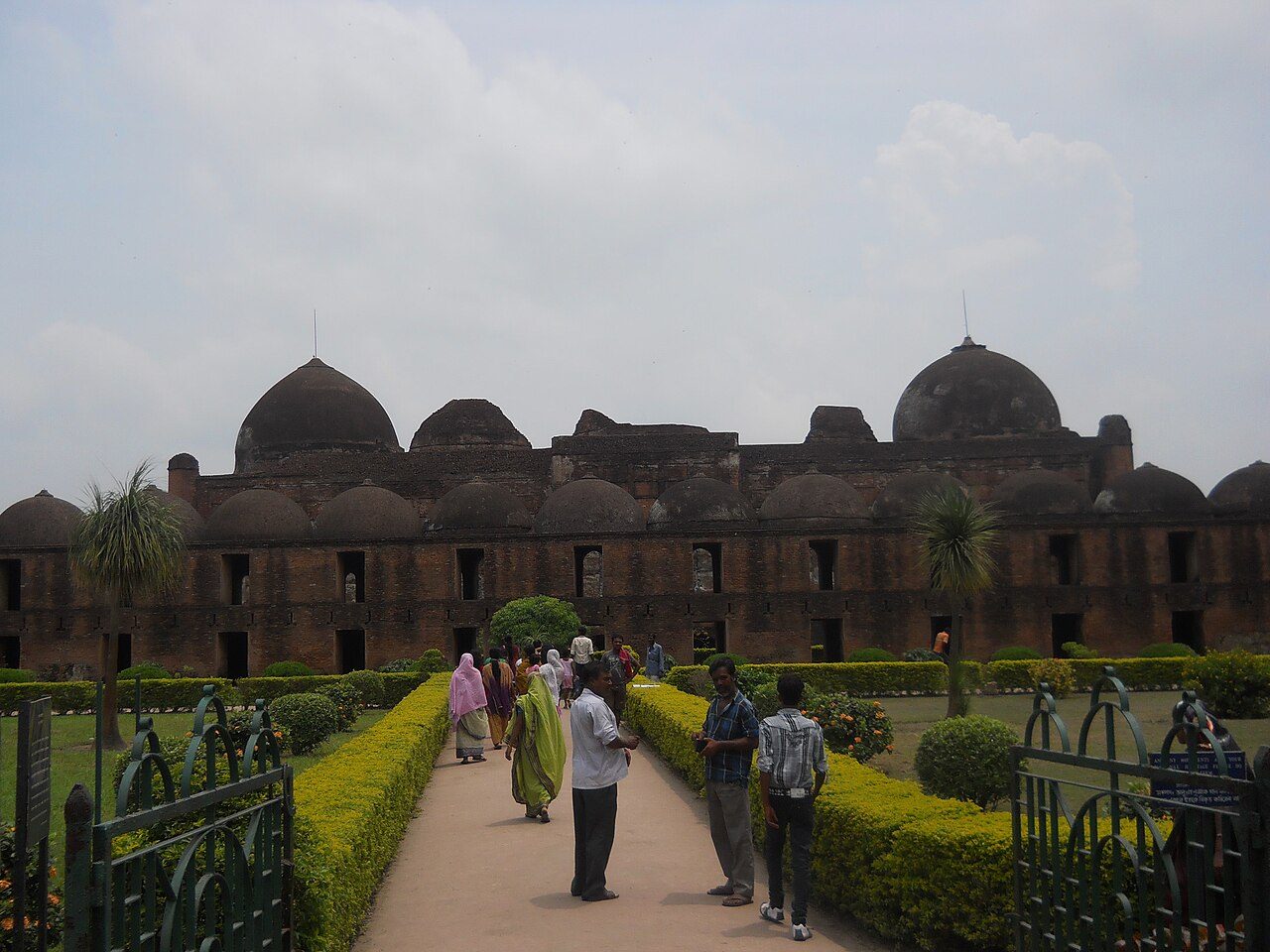
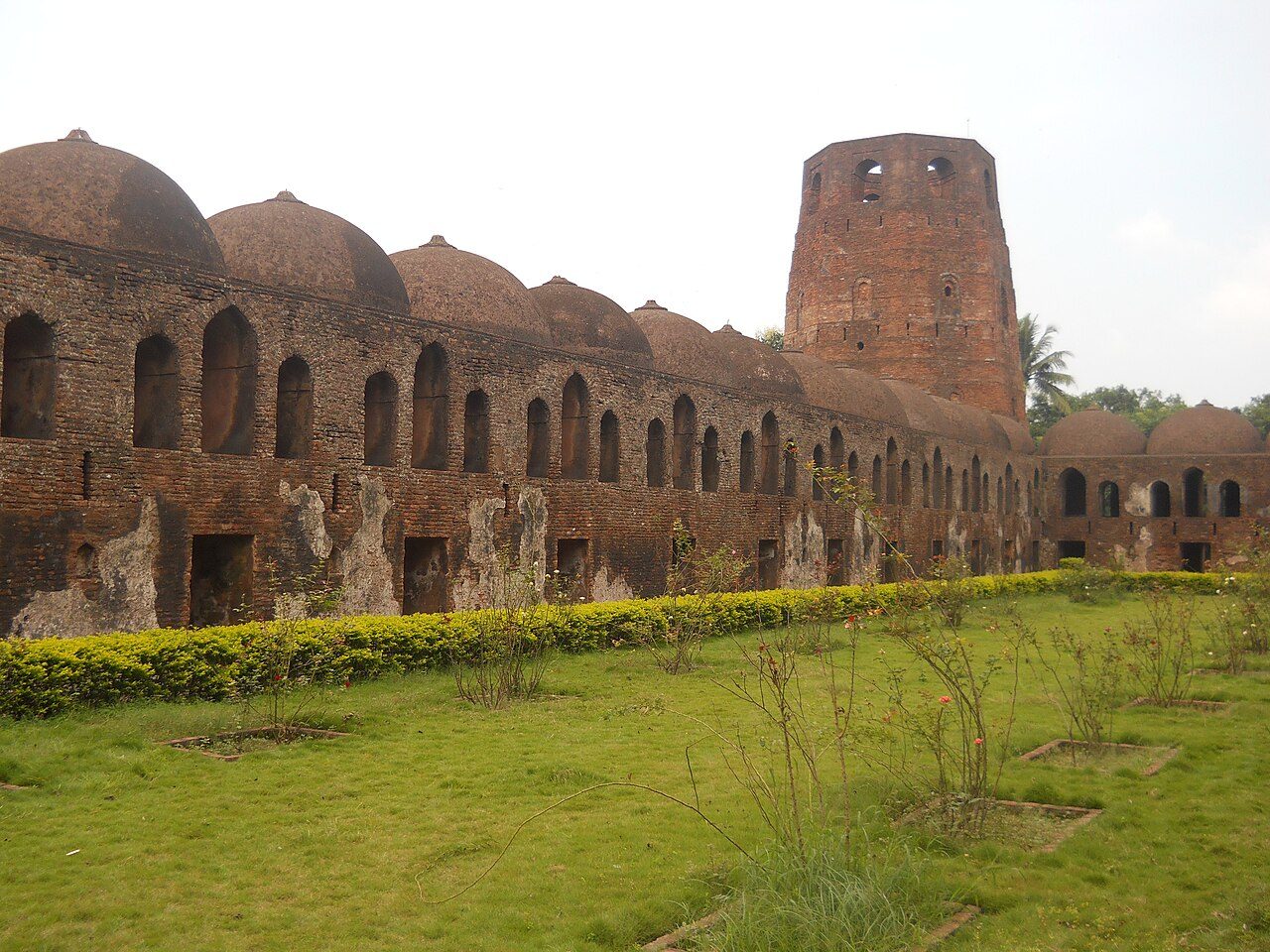
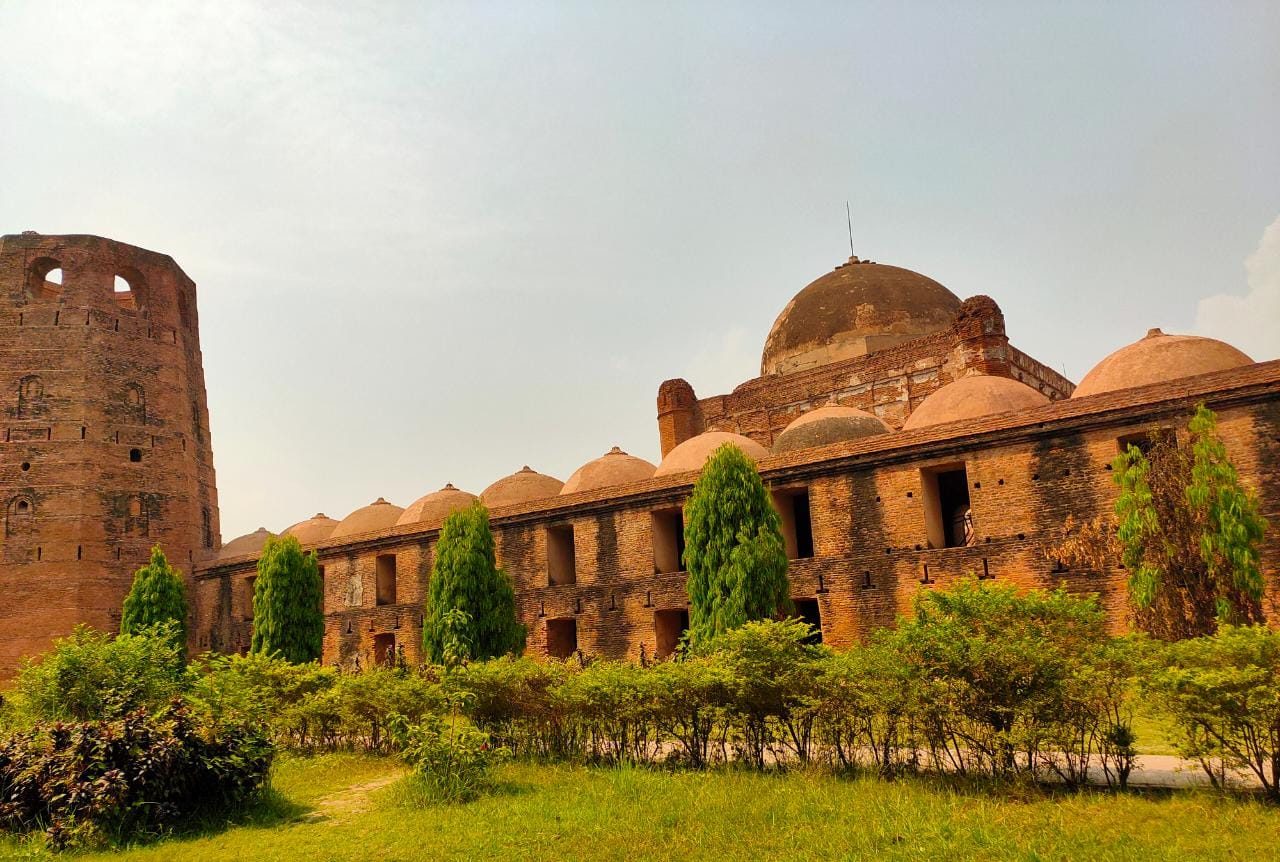
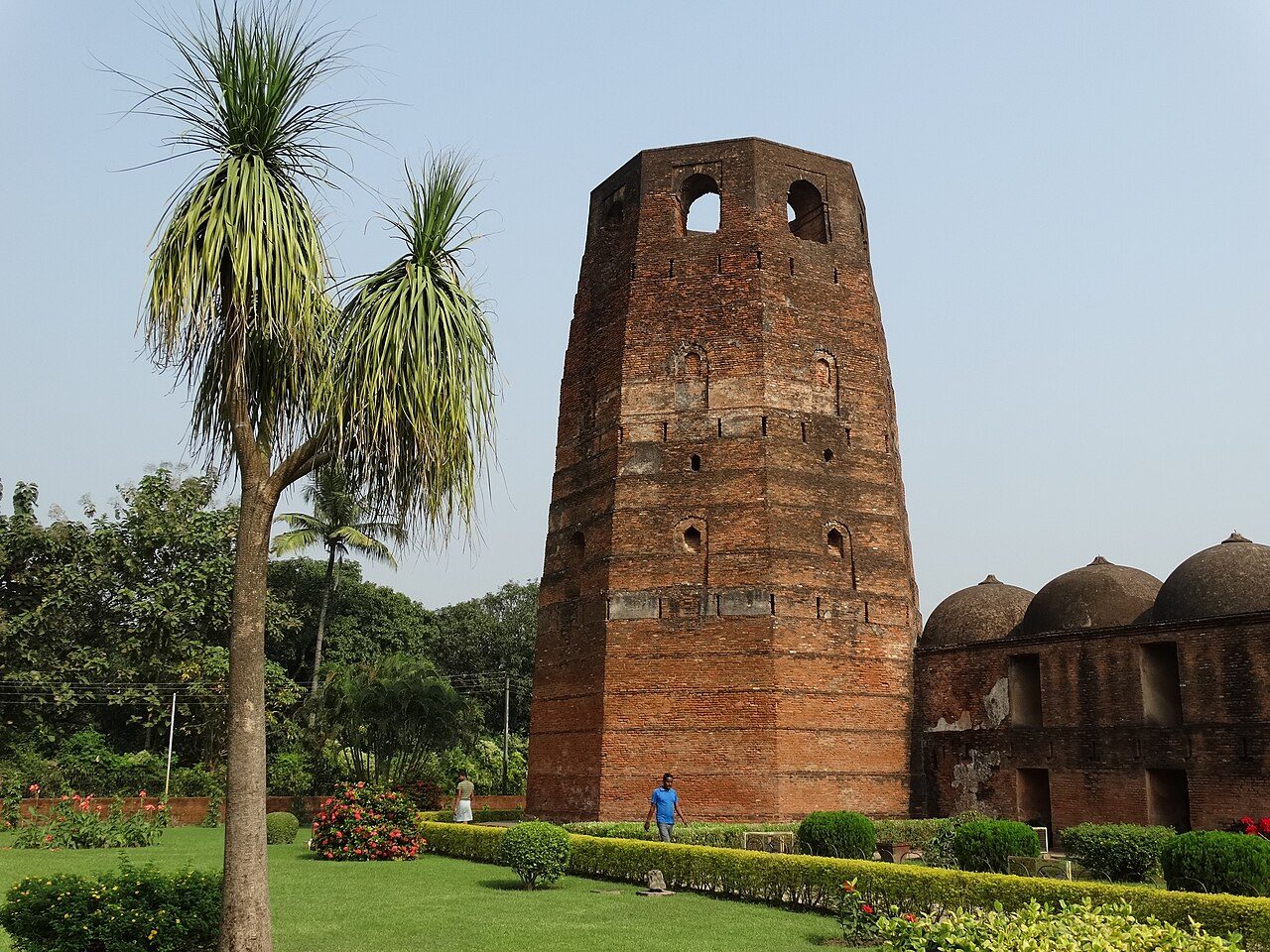
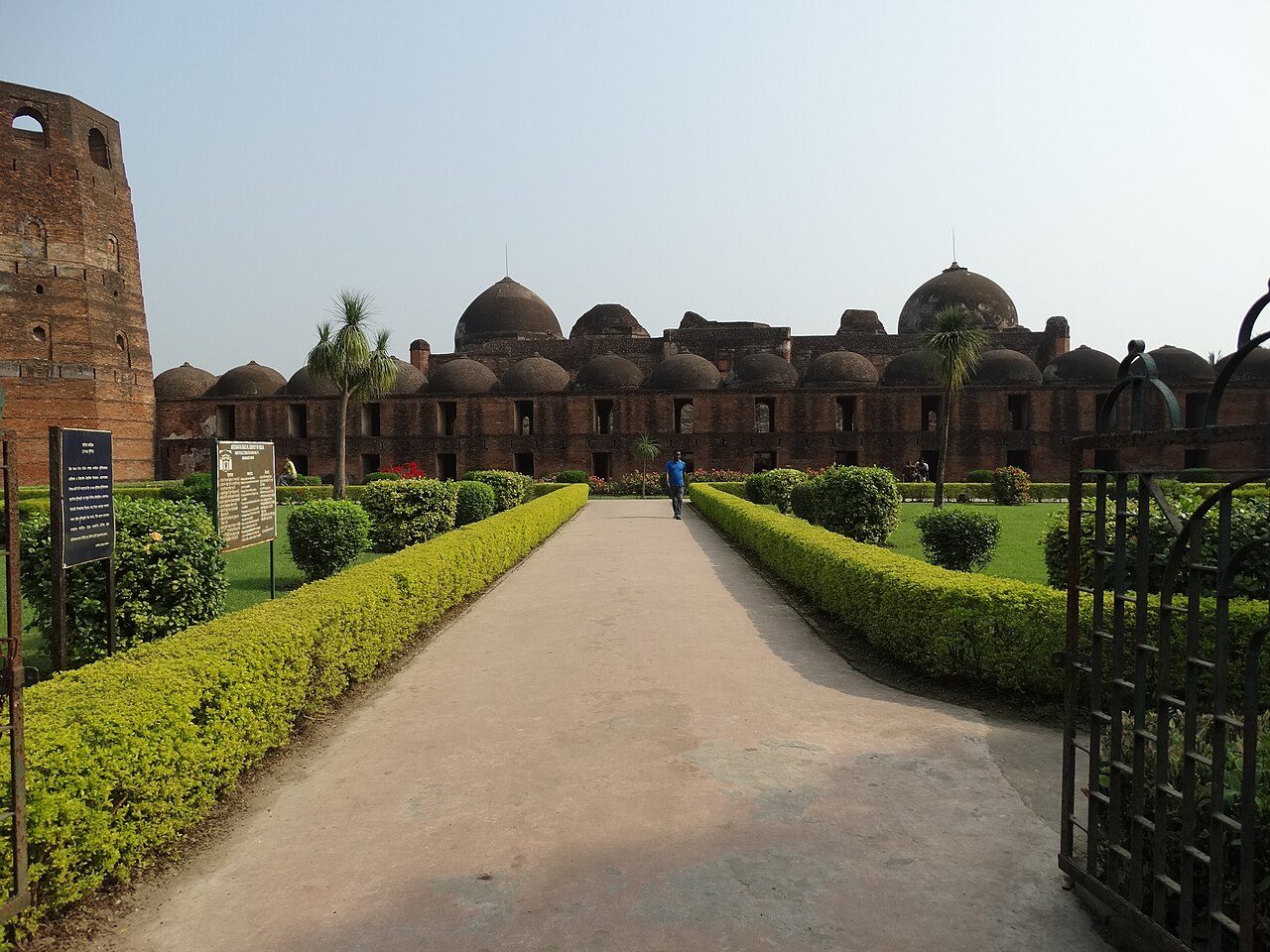
Katra Masjid in Murshidabad was built in 1723-24 by Murshid Quli Khan, the first Nawab of Bengal, who lies buried beneath its entrance stairs. The large brick mosque is surrounded by a double-storey range of domed cells that served as a madrasa, with tall octagonal towers at the corners. Damaged by an earthquake in 1897, it is still one of the most imposing monuments in the town.
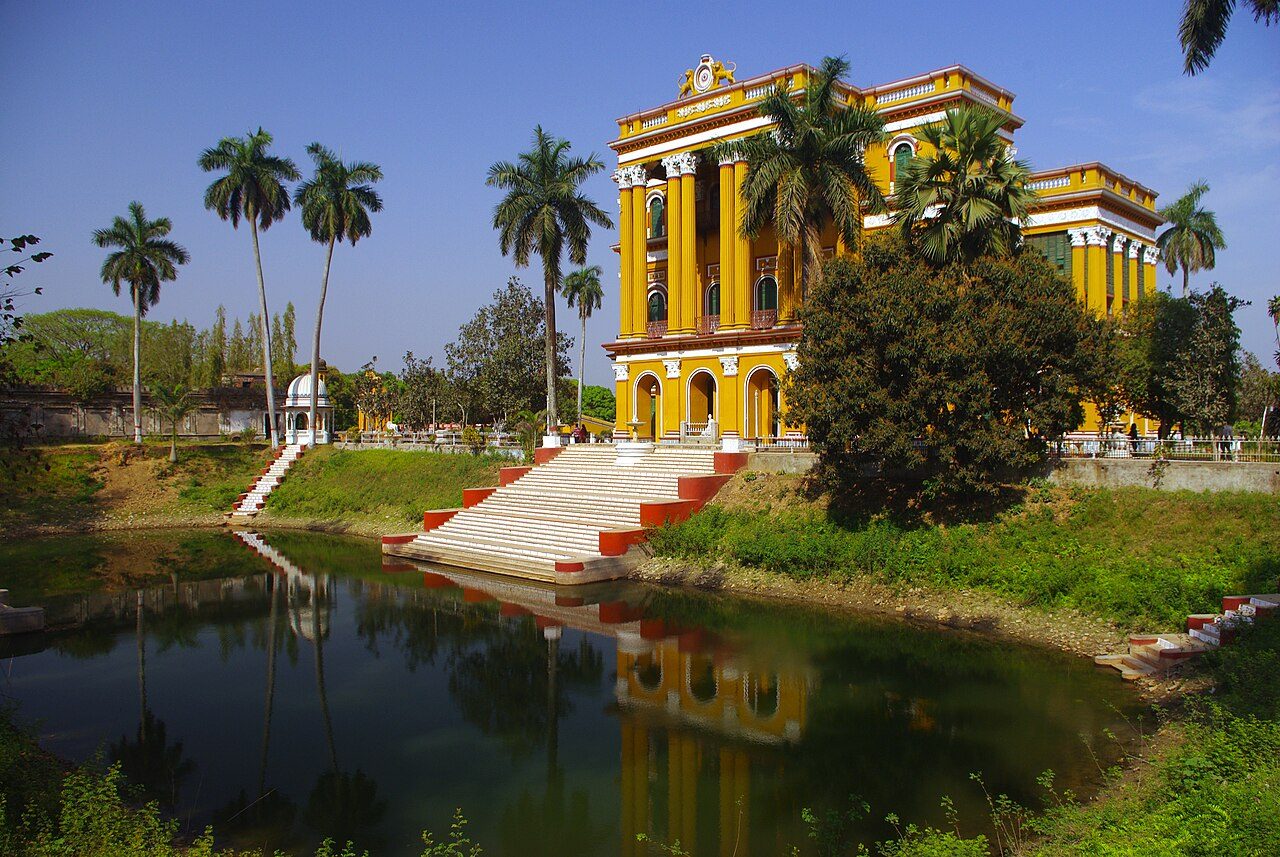
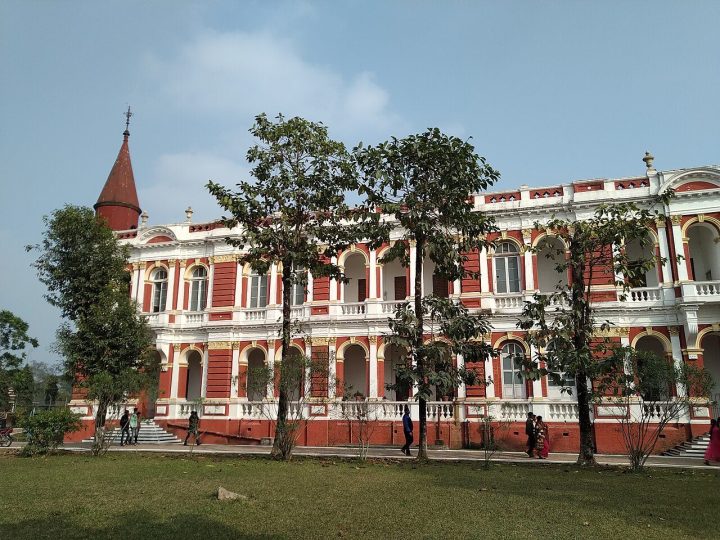
Kathgola Palace, on the outskirts of Murshidabad, is a garden house built in the 19th century by a family of Jain merchants. The four-storey mansion with ornate facades overlooks a pond and holds period furniture, mirrors and paintings. The gardens contain a stepwell, statuary and the Adinath Jain temple with fine stucco work.
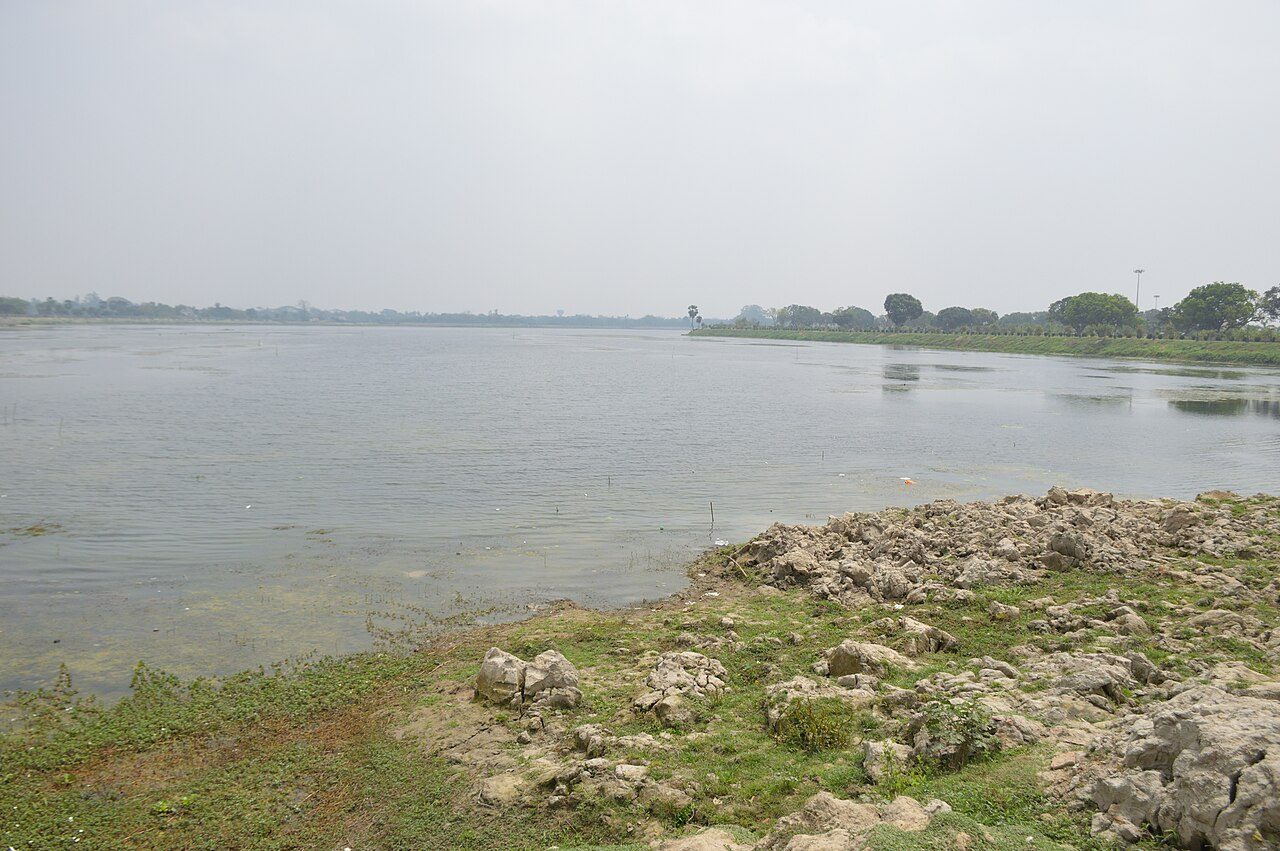
Motijhil, the 'pearl lake', is a horseshoe-shaped lake south of Murshidabad, formed from an old bed of the river. Nawazish Muhammad Khan built a palace and mosque on its bank in the mid-18th century, and Robert Clive later stayed here. The mosque and some ruins survive, and a landscaped park now runs along the water.
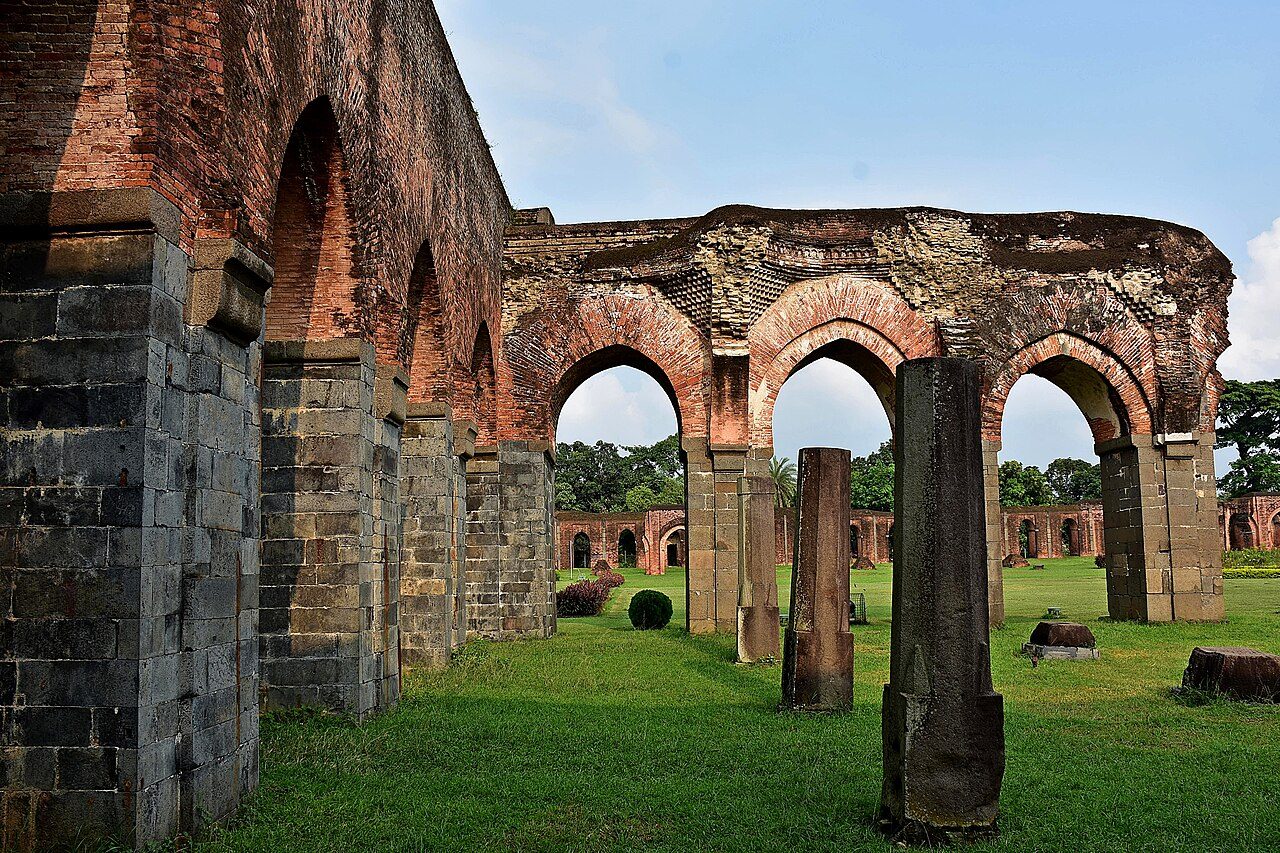
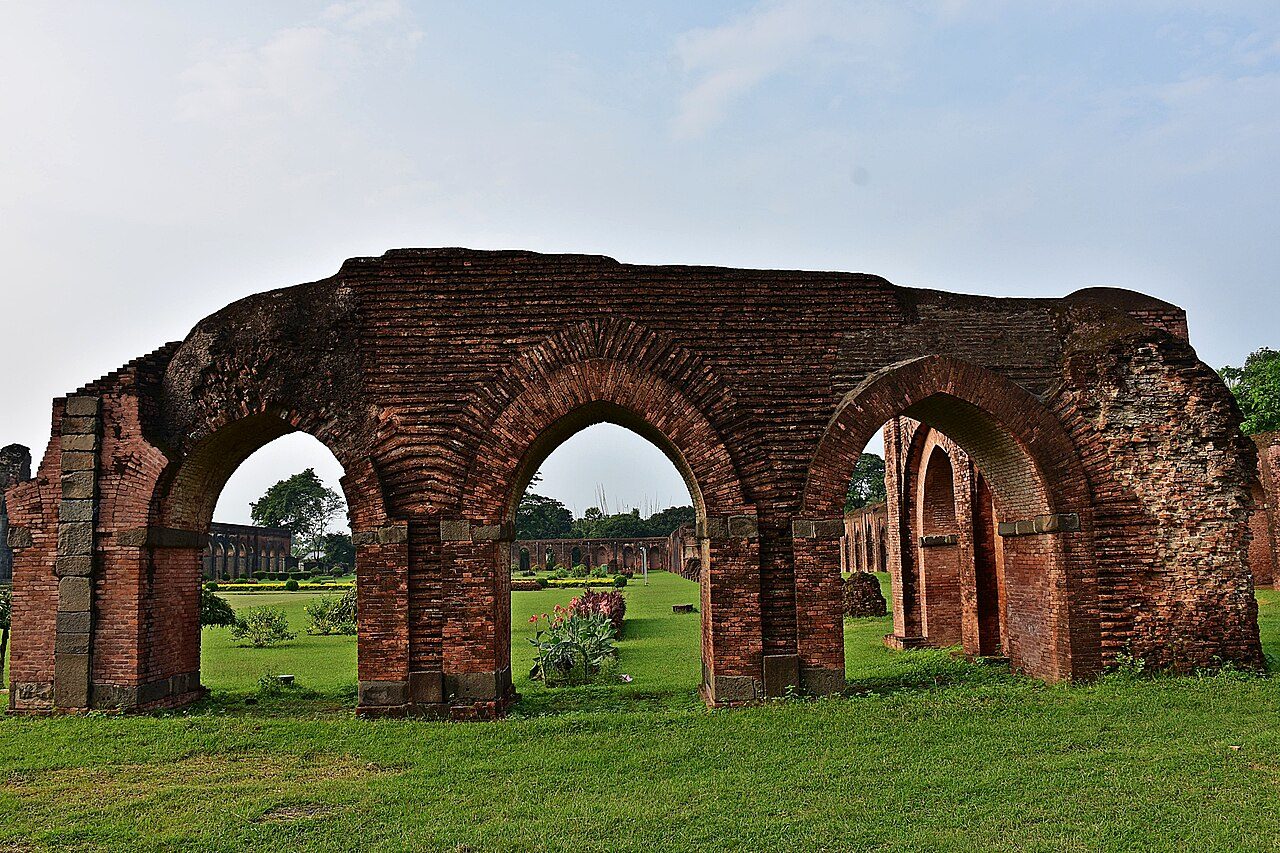
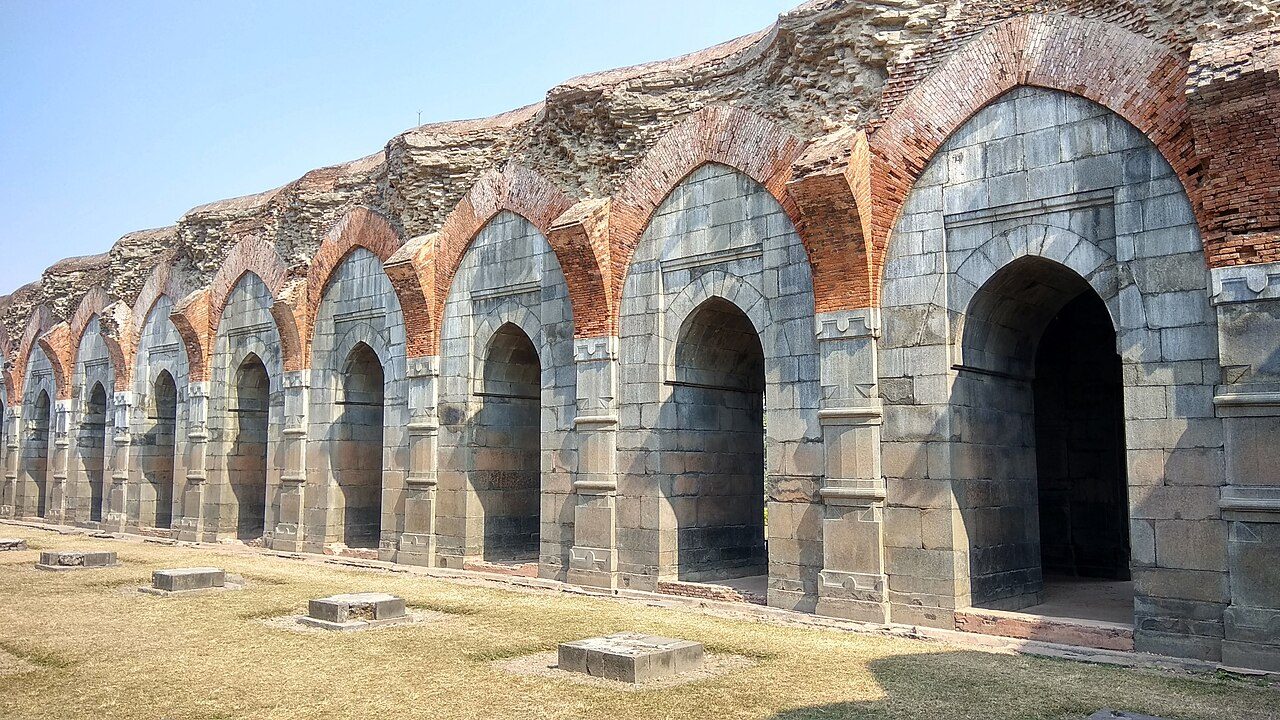
The Adina Mosque at Pandua was built in 1373 by Sultan Sikandar Shah and was the largest mosque in the Indian subcontinent in its day. Its vast courtyard was surrounded by arcades roofed with hundreds of small domes, and the central prayer hall had a soaring barrel vault. Much lies in ruin, but the carved stone mihrabs and the raised royal gallery remain impressive.
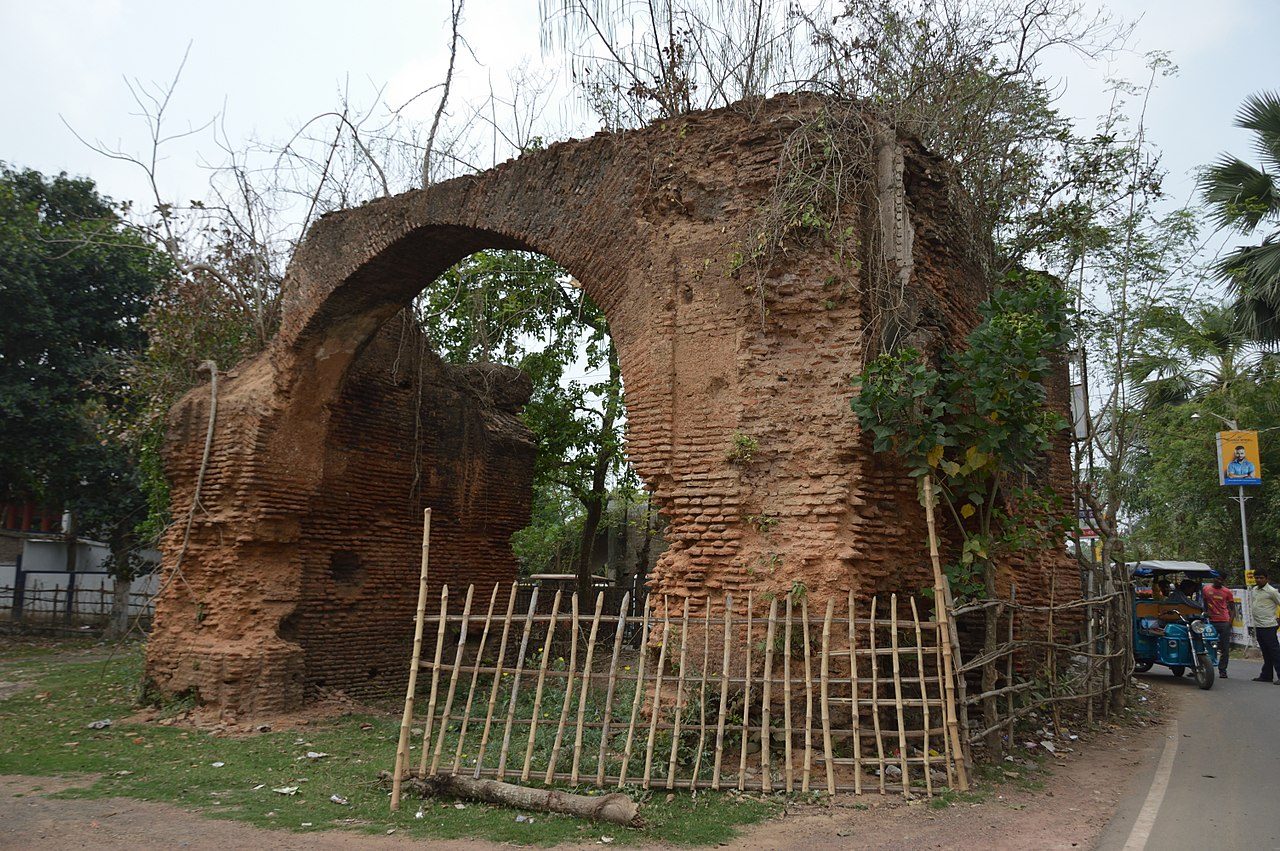
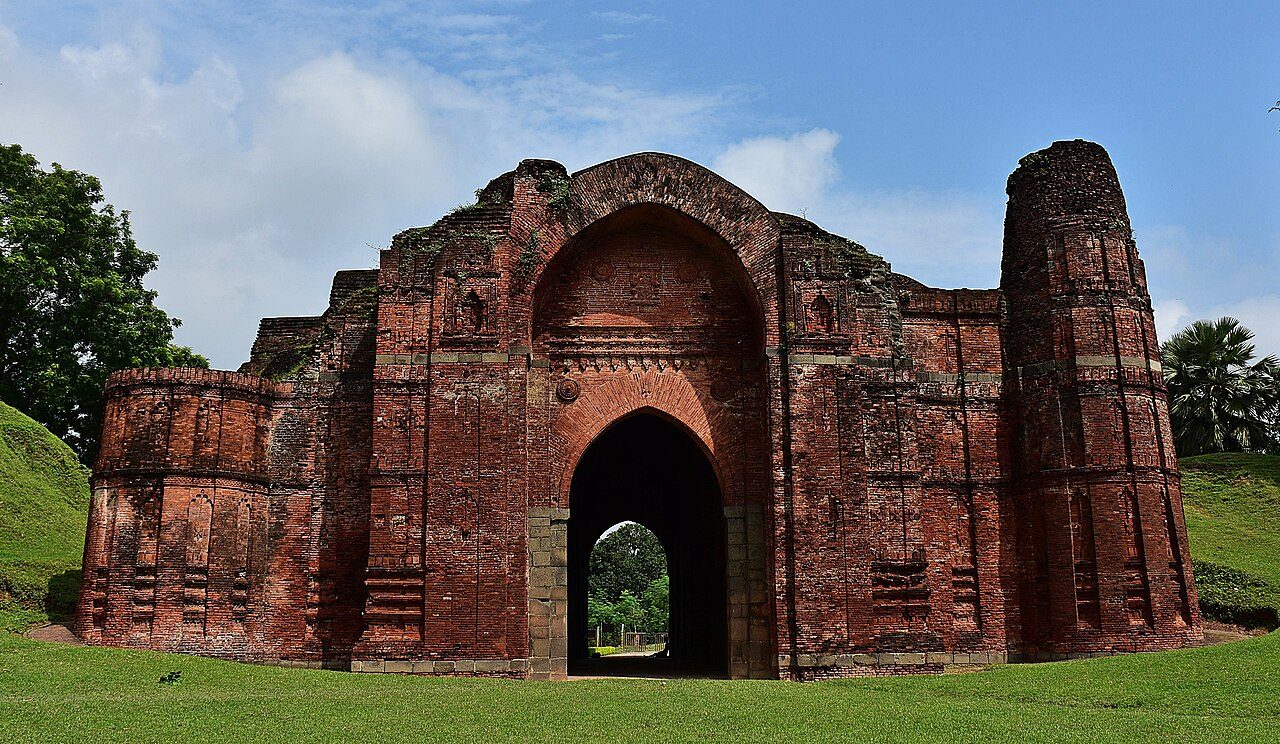
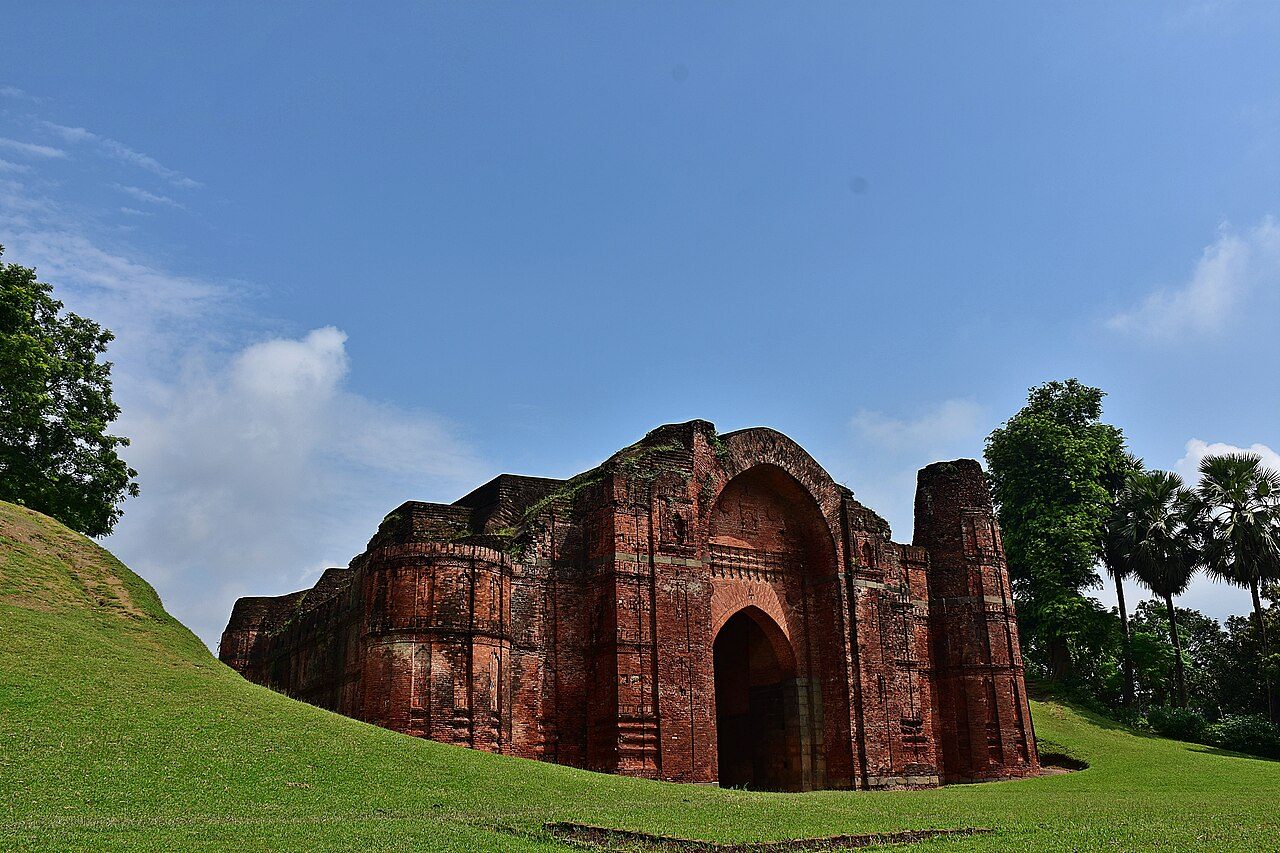
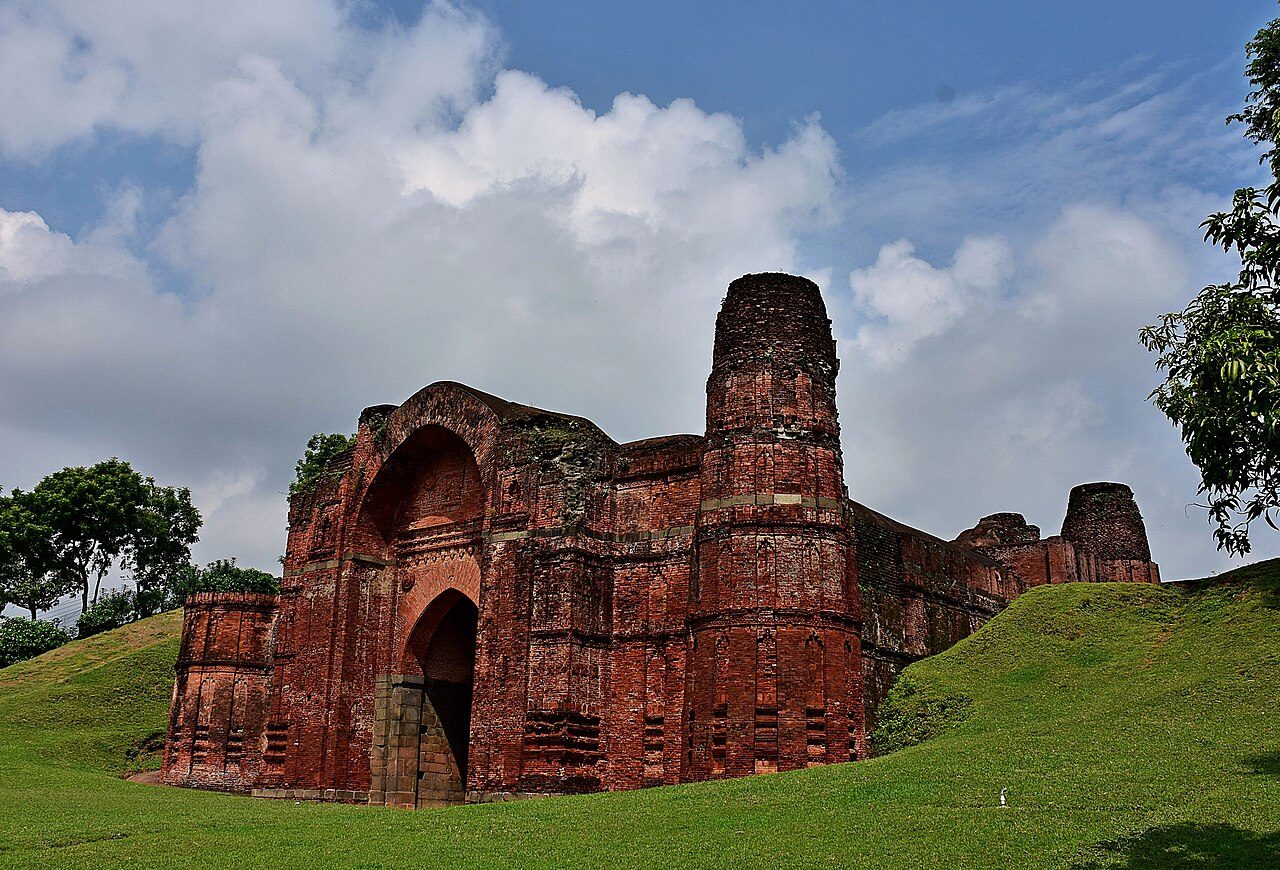
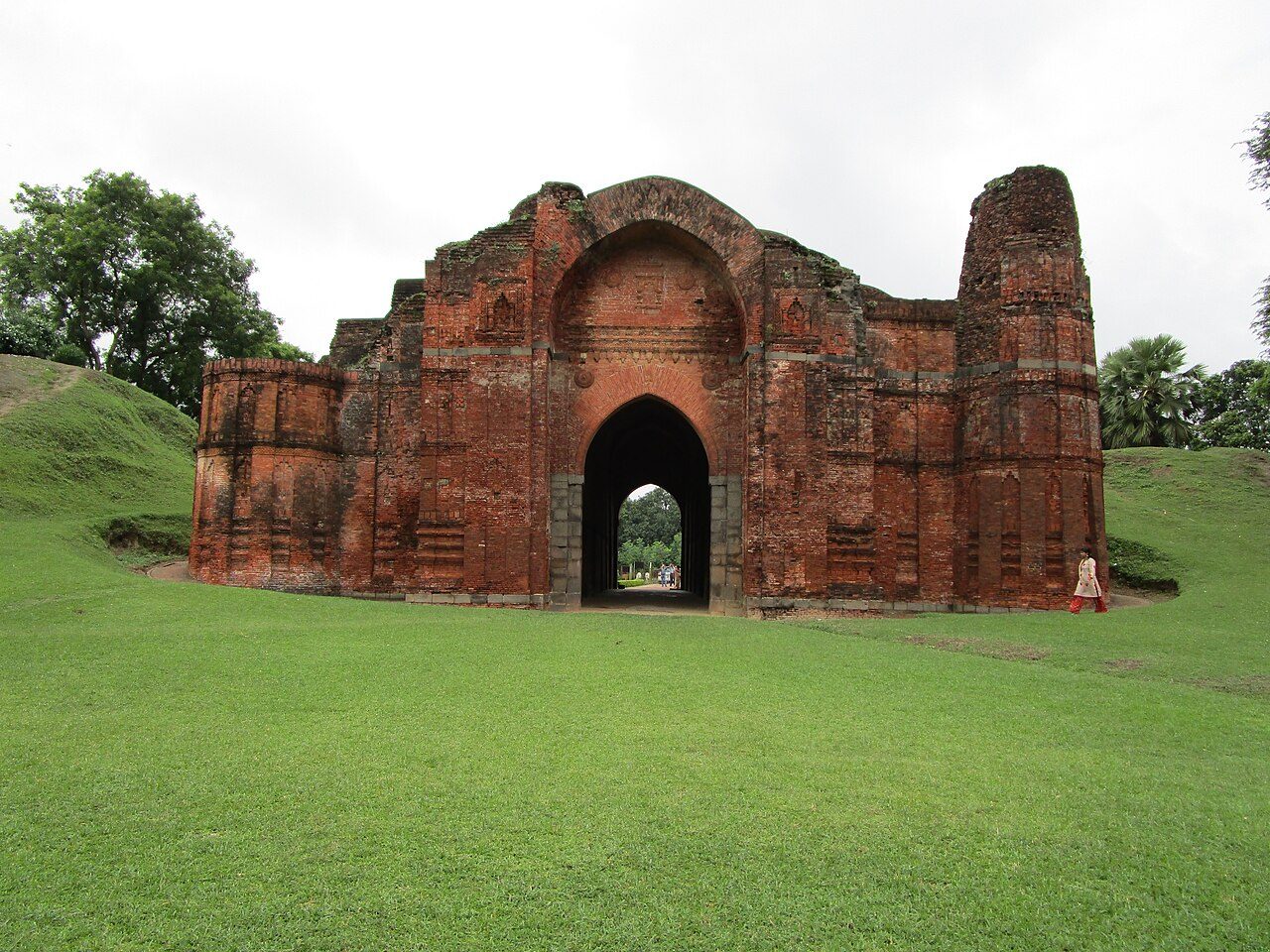
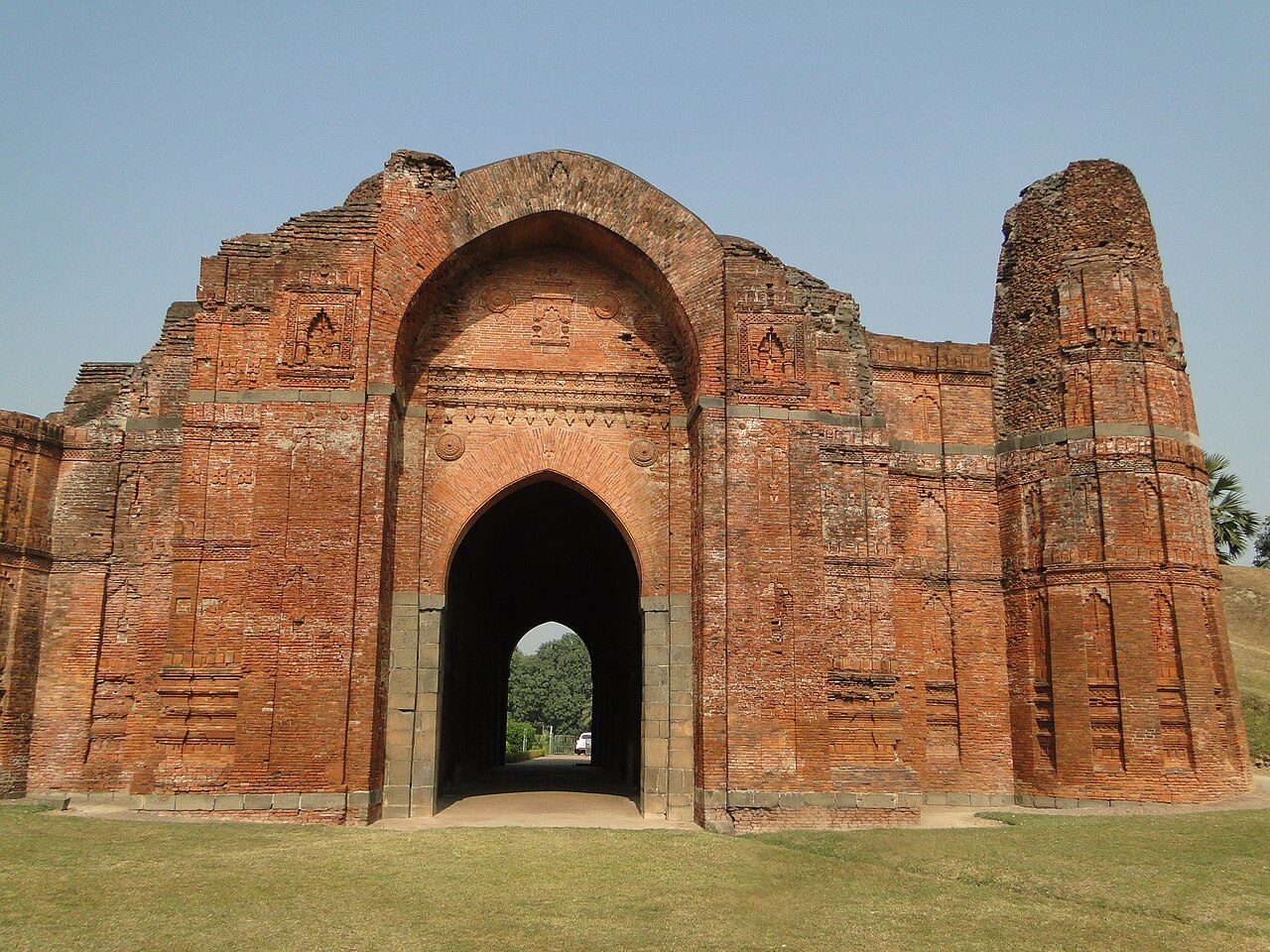
Dakhil Darwaza is the grand northern gateway to the citadel of Gaur, the medieval capital of Bengal, built in the 15th century. Made of small red bricks with terracotta ornament, it rises about 21 metres, with a long vaulted passage flanked by guardrooms and corner towers. Cannons were once fired from it, giving it the name Salami Darwaza.
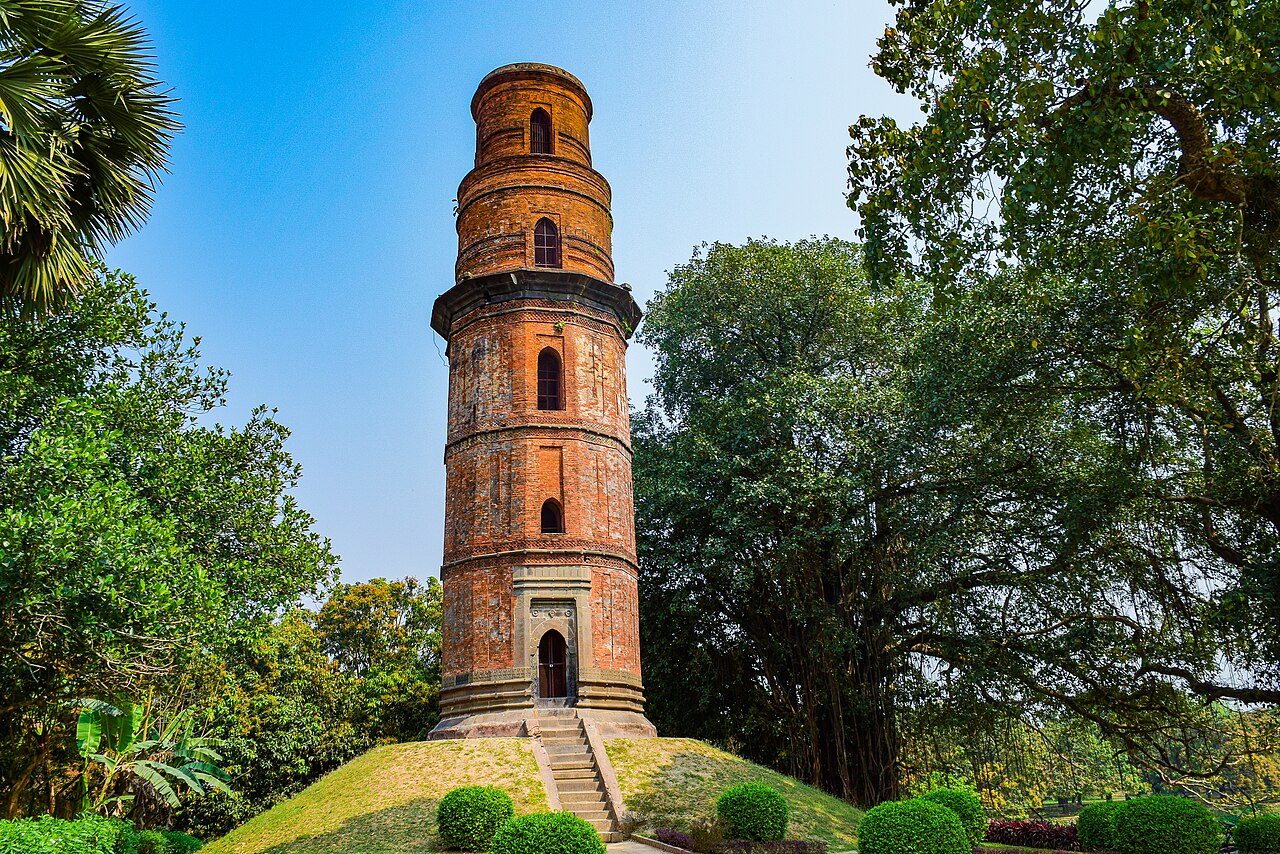
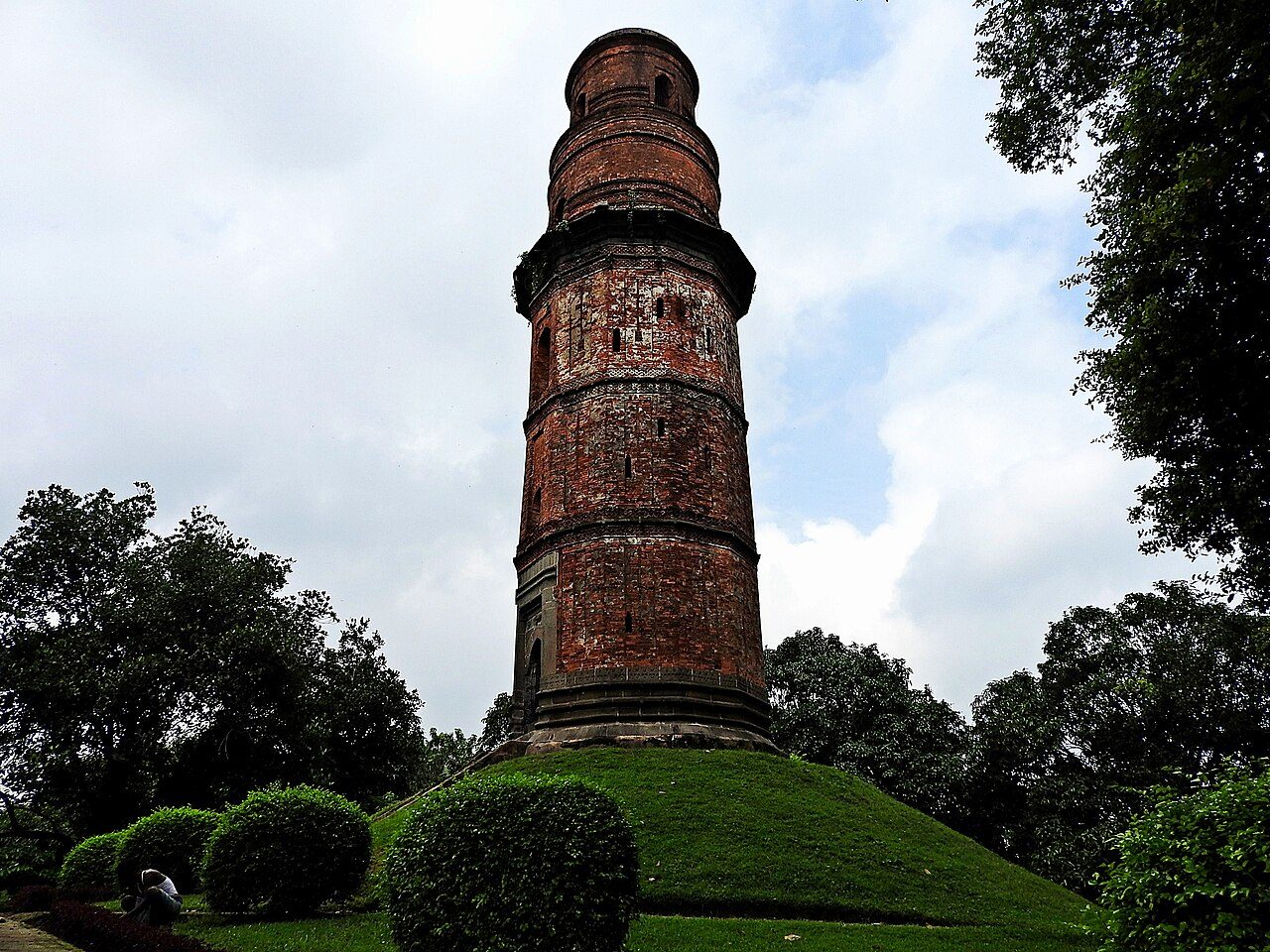
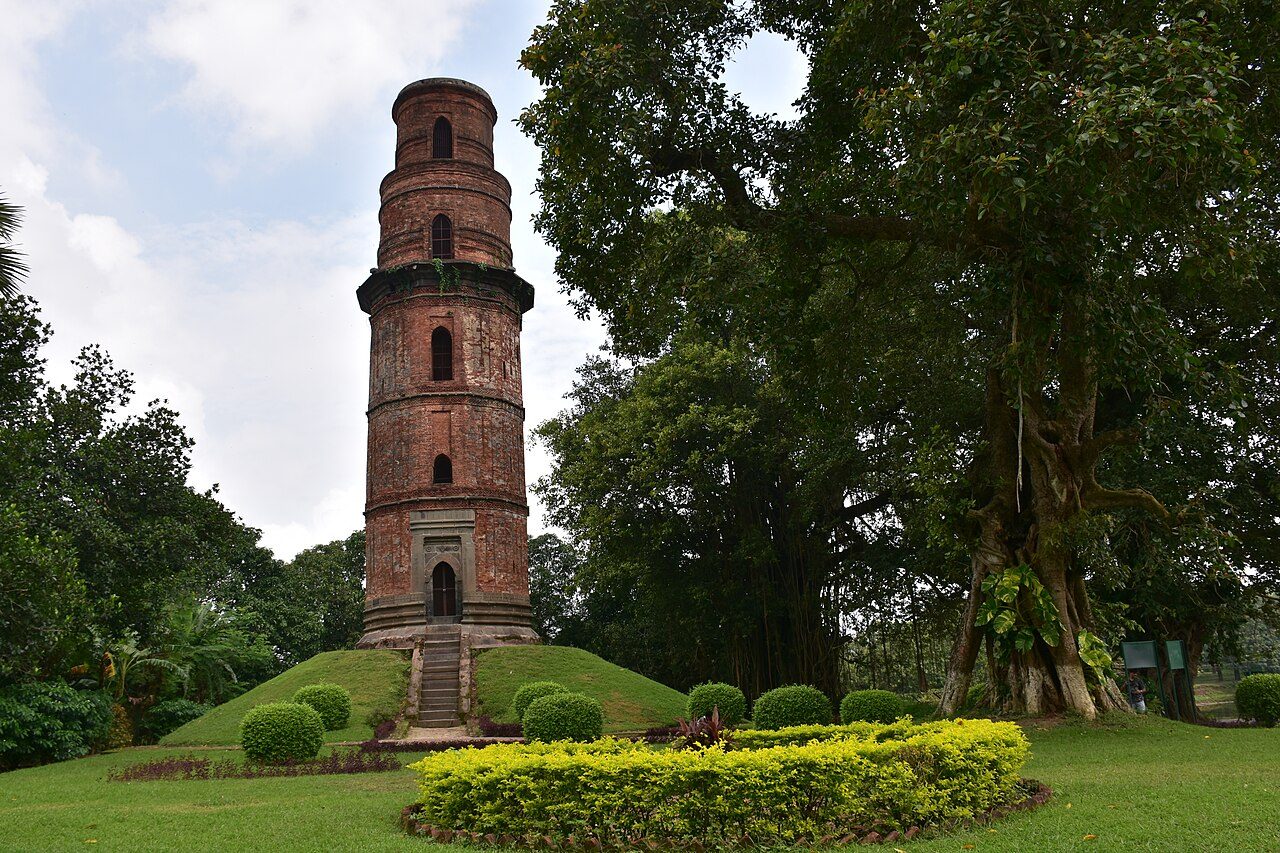
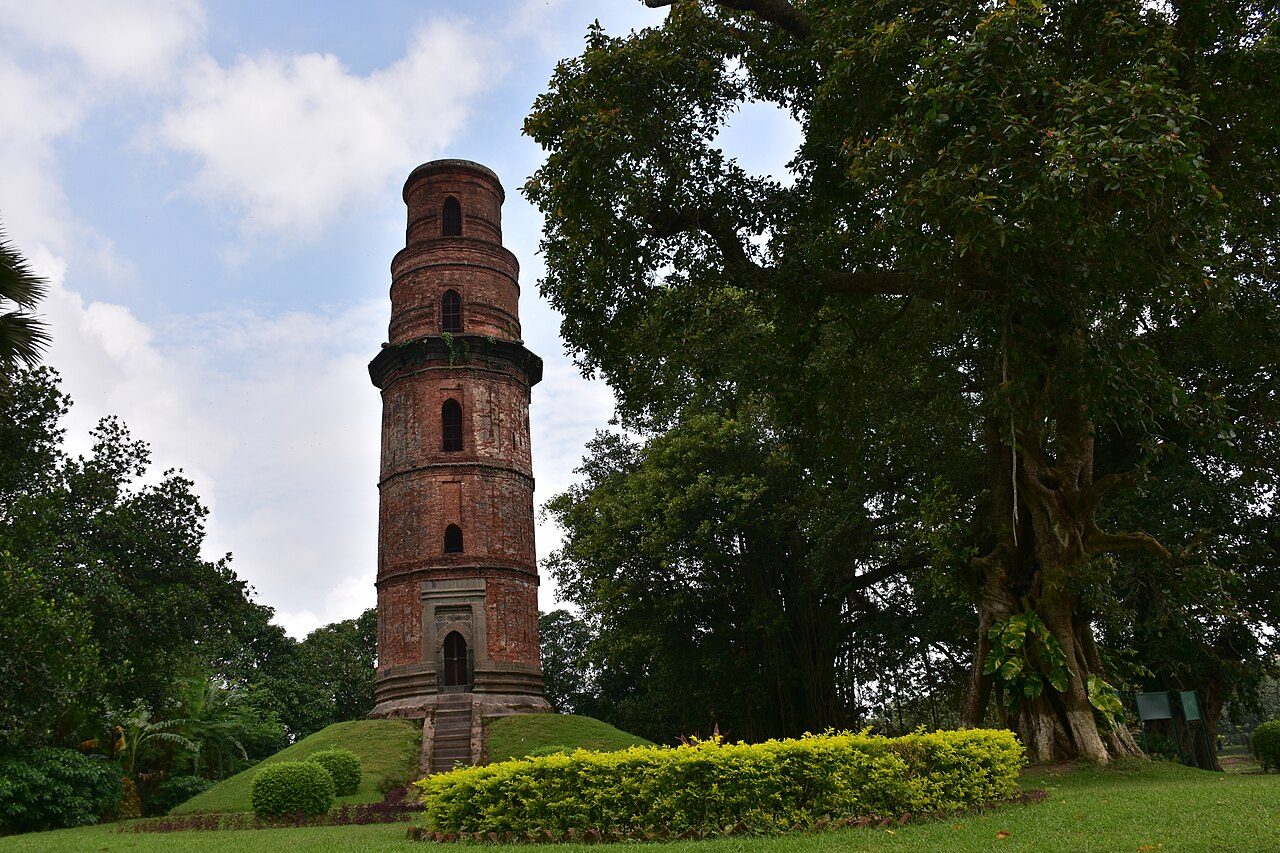
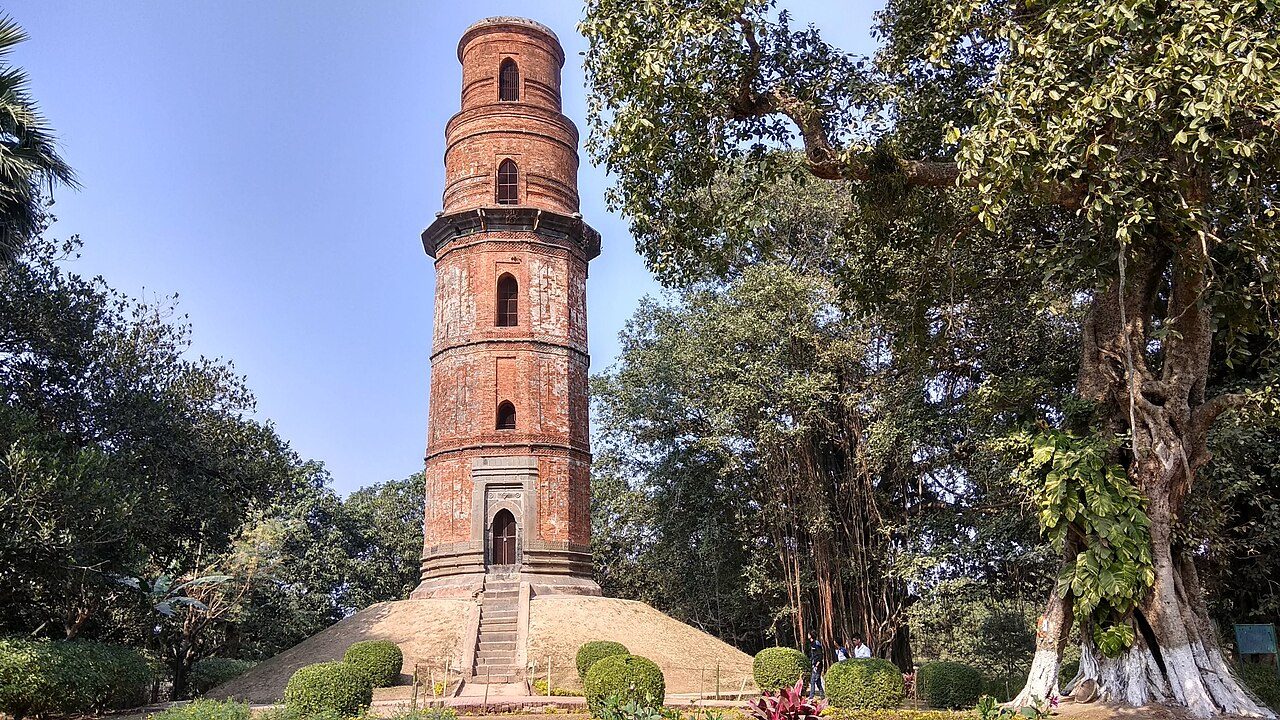
Firoz Minar is a five-storey tower at Gaur, built in the 1480s by Sultan Saifuddin Firoz Shah. About 26 metres high, it is twelve-sided in its lower three storeys and round above, with a spiral stair of 73 steps inside. The brick tower, once faced with glazed tiles, is thought to have been a victory tower or a minaret.
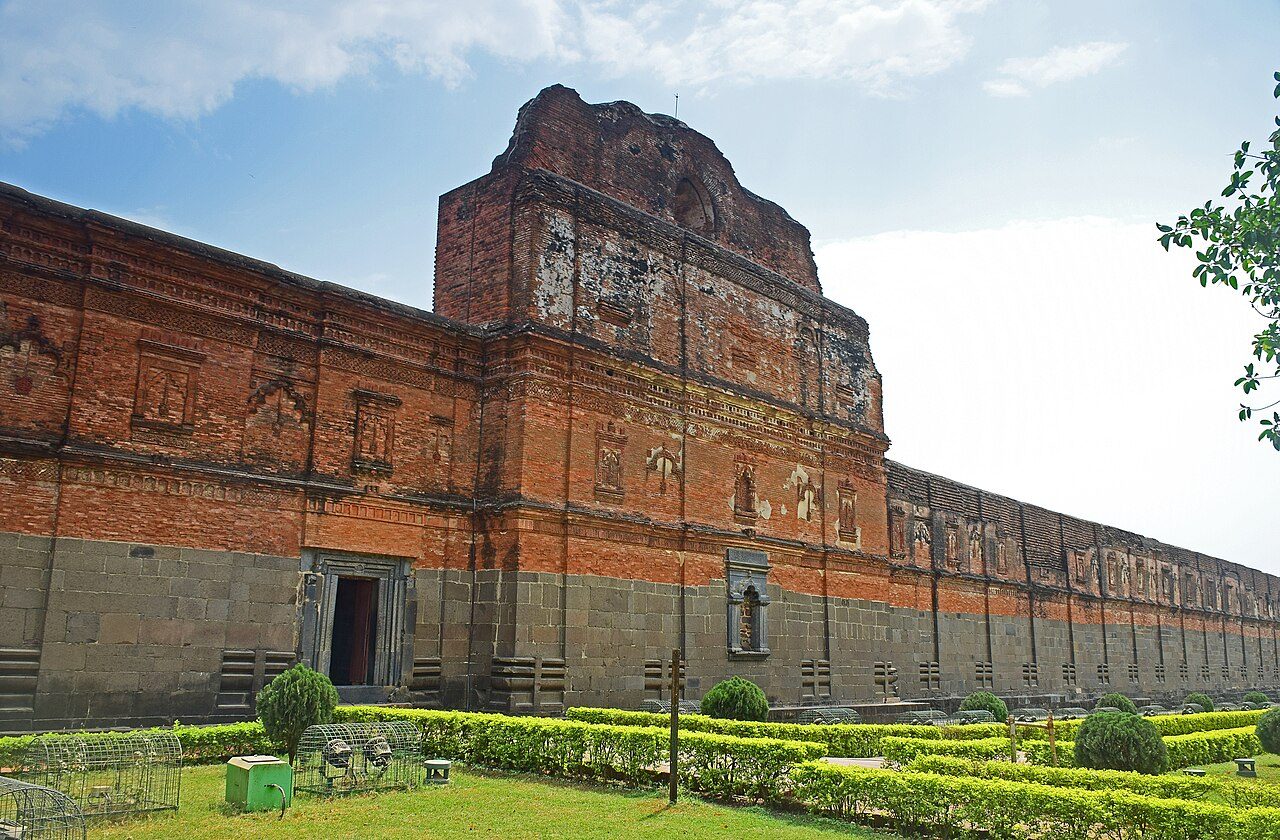
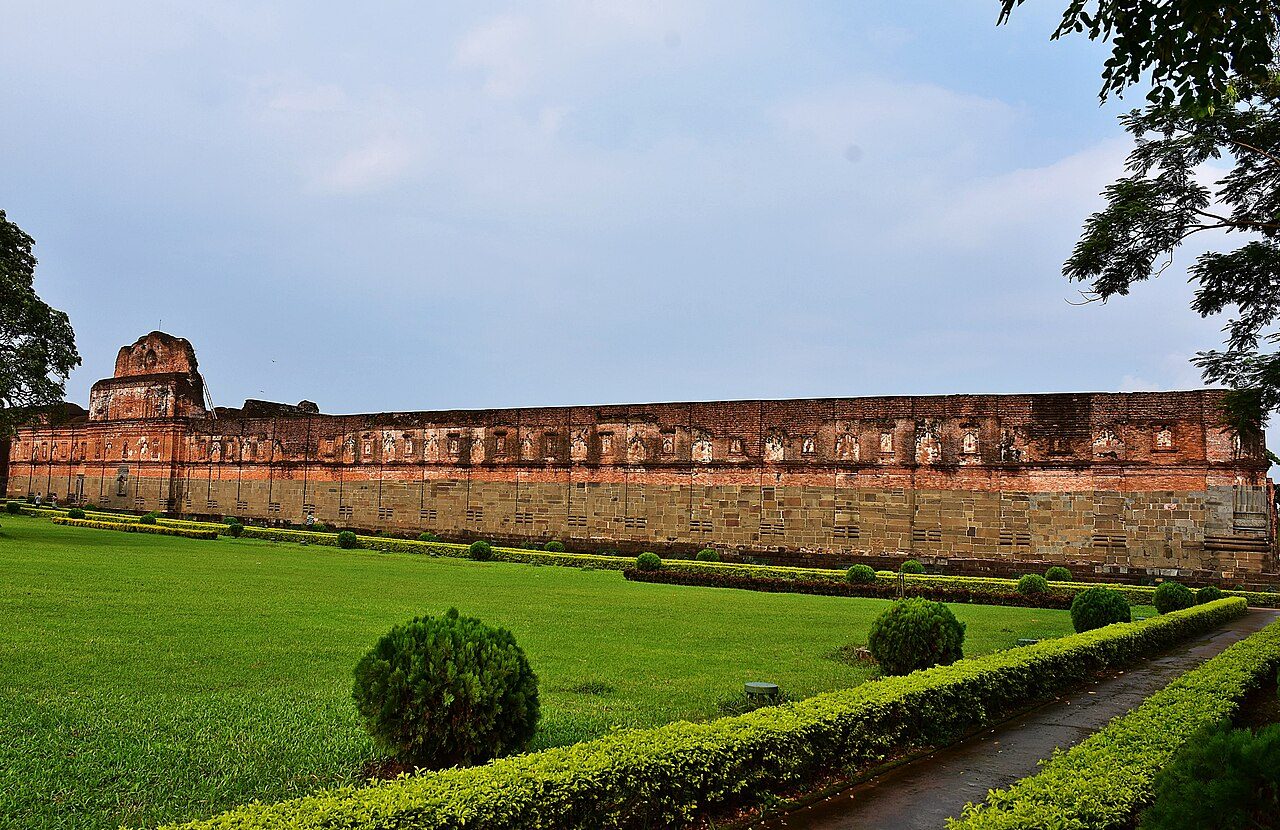
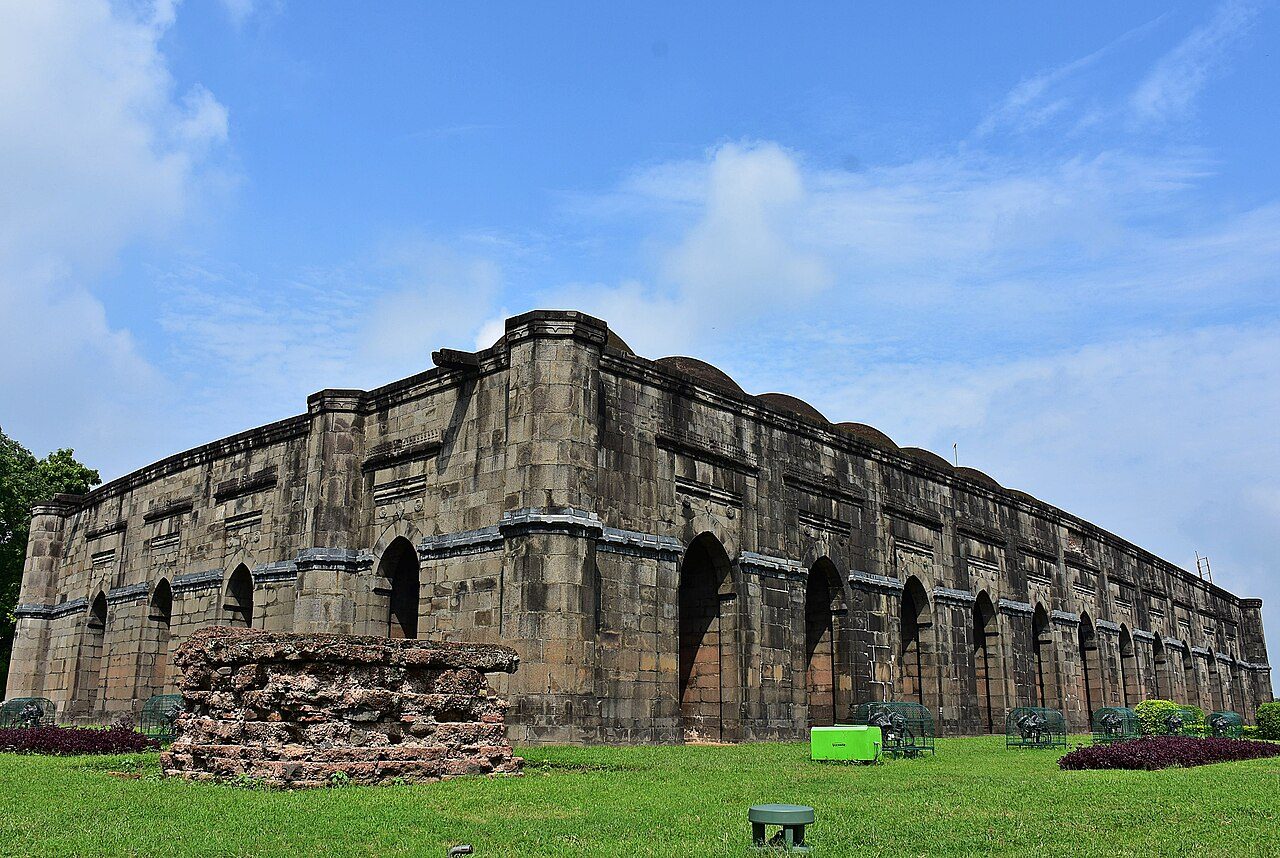
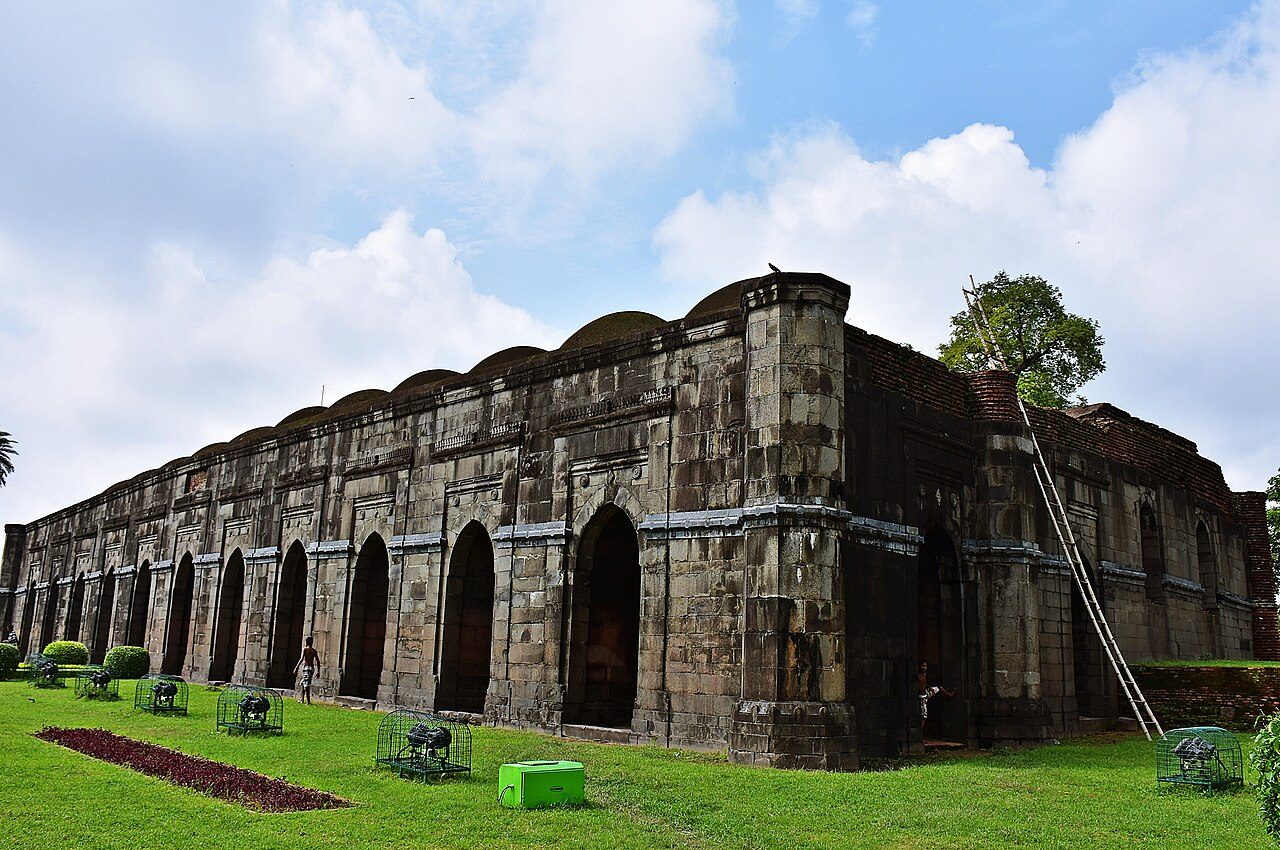
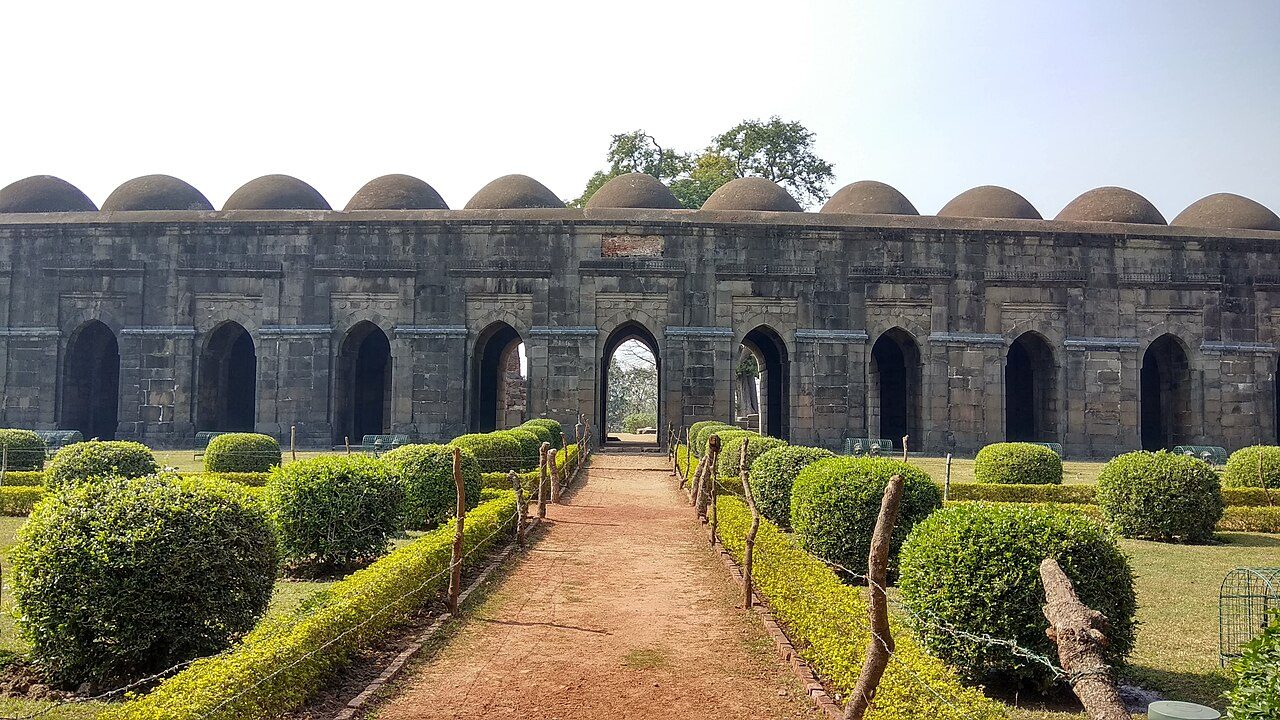
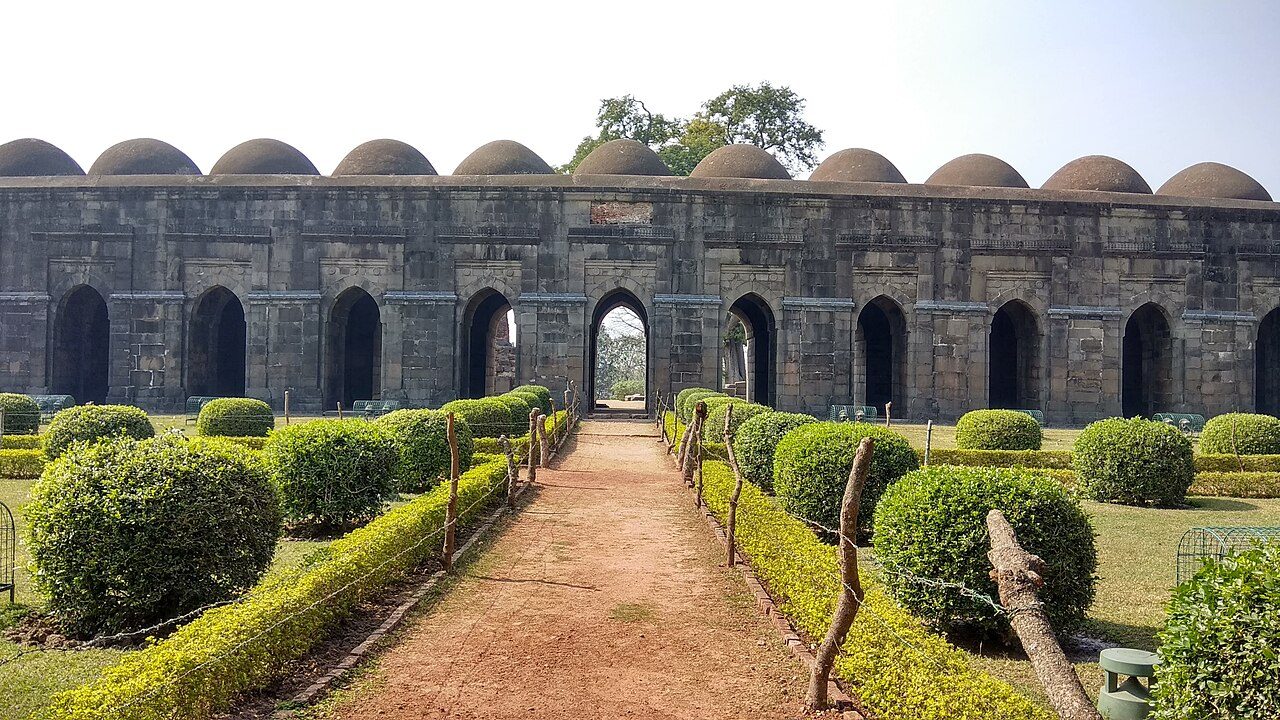
Baro Sona Masjid, also called the Baraduari, is the largest monument at Gaur. Begun by Sultan Alauddin Husain Shah and completed in 1526 by his son Nasiruddin Nusrat Shah, it is a huge rectangular mosque of brick faced with stone. Its long front has eleven arched entrances, and the surviving corridor is roofed with a row of domes that were once gilded.
Best weather: Nov – MarHeavy rain: Jul
Seasons from 20 years of NASA POWER climate data.
Was this trip blog helpful?
0
0
Ready to follow this route?
Copy all 12 stops into your trip plans in the app.
 WaTrips