Kolkata in 3 Days: Victoria Memorial, Old Calcutta and Dakshineswar
3 DAYS12 placesby WaTrips
The Victoria Memorial, St. Paul's and the Indian Museum, the Marble Palace and Jorasanko, Howrah Bridge and Prinsep Ghat, Dakshineswar and Belur Math.
Kolkata wears its history openly. Day one covers the Victoria Memorial and the green Maidan, St. Paul's Cathedral, the Indian Museum, the oldest in the country, and an evening on Park Street. Day two explores north Kolkata: the Marble Palace, Rabindranath Tagore's family home at Jorasanko, the red Writers' Building, Howrah Bridge and sunset at Prinsep Ghat. Day three goes up the Hooghly to the Dakshineswar Kali Temple and crosses by boat to Belur Math. October to March is the most comfortable time; Durga Puja in autumn is spectacular but very crowded.
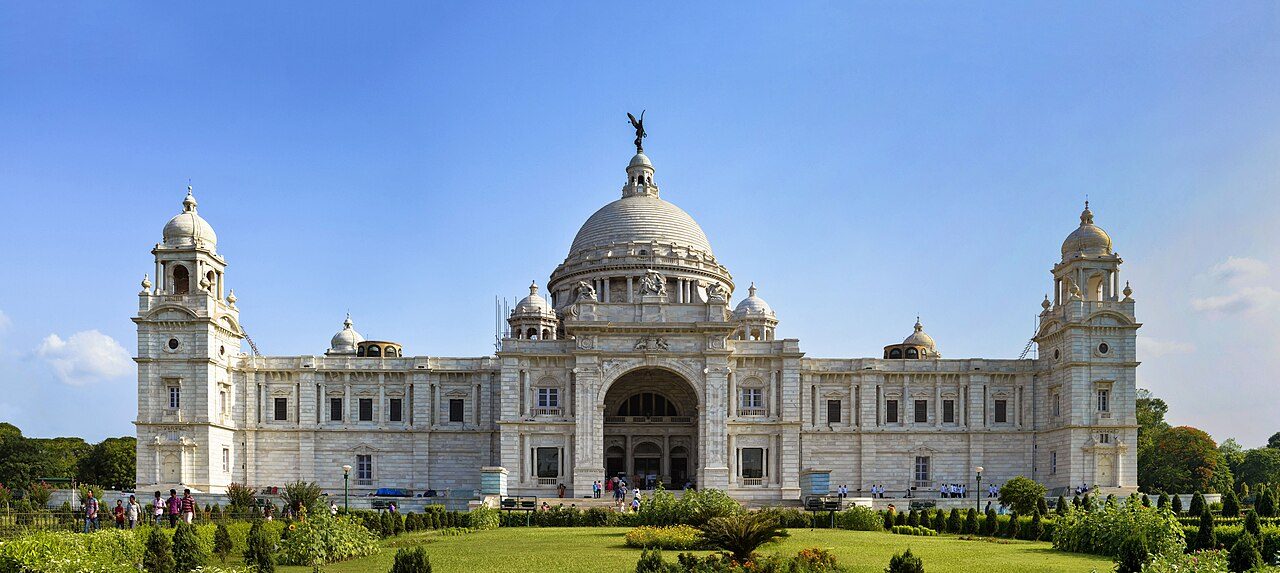
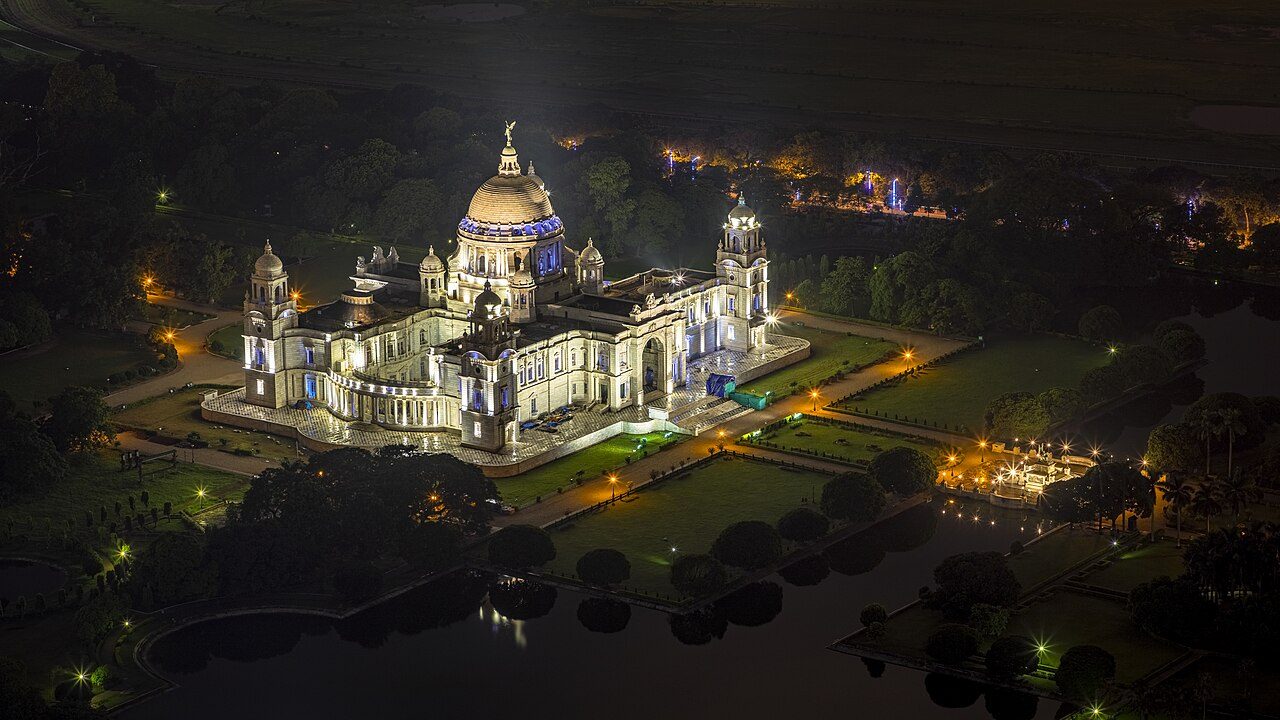
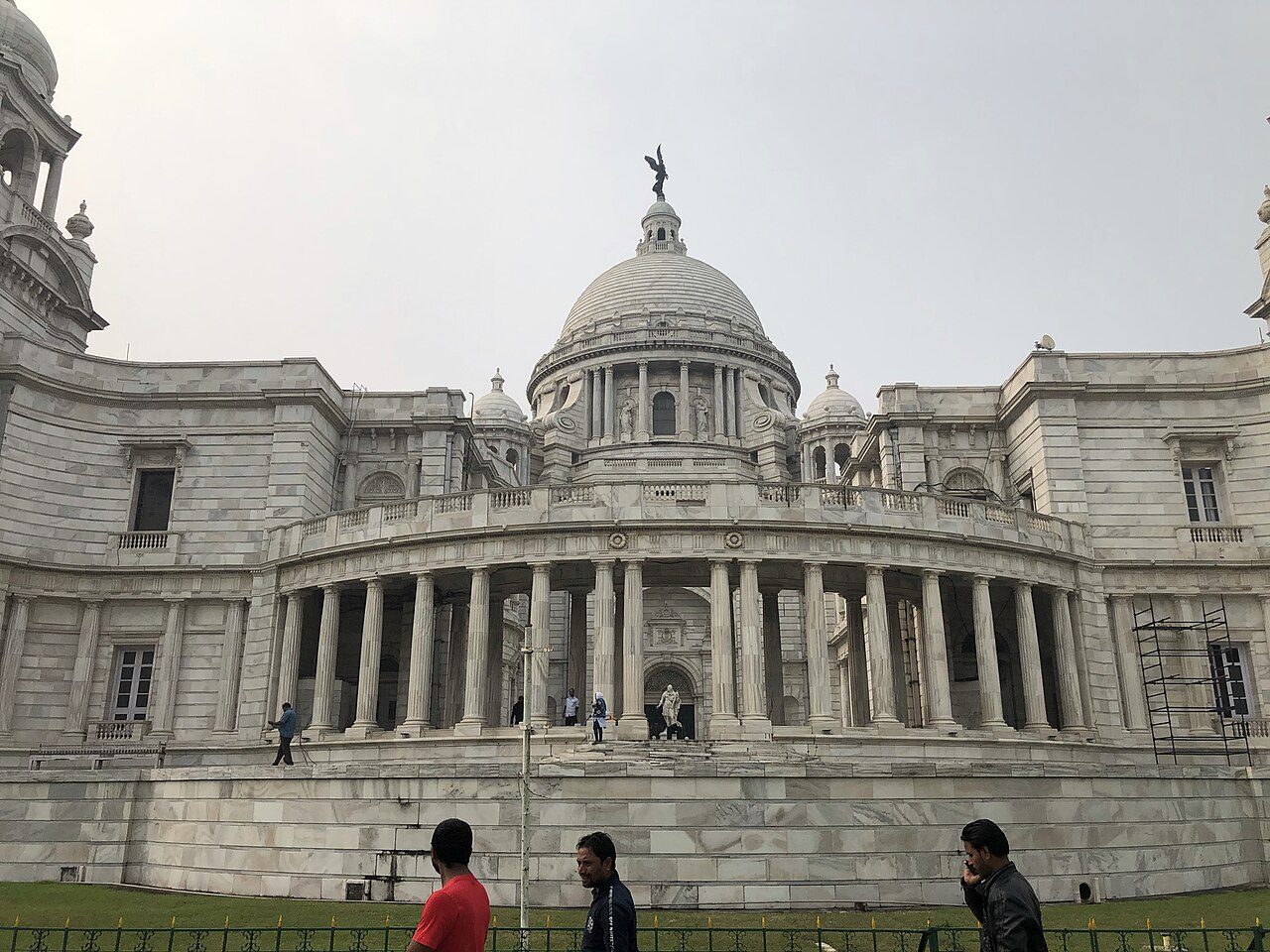
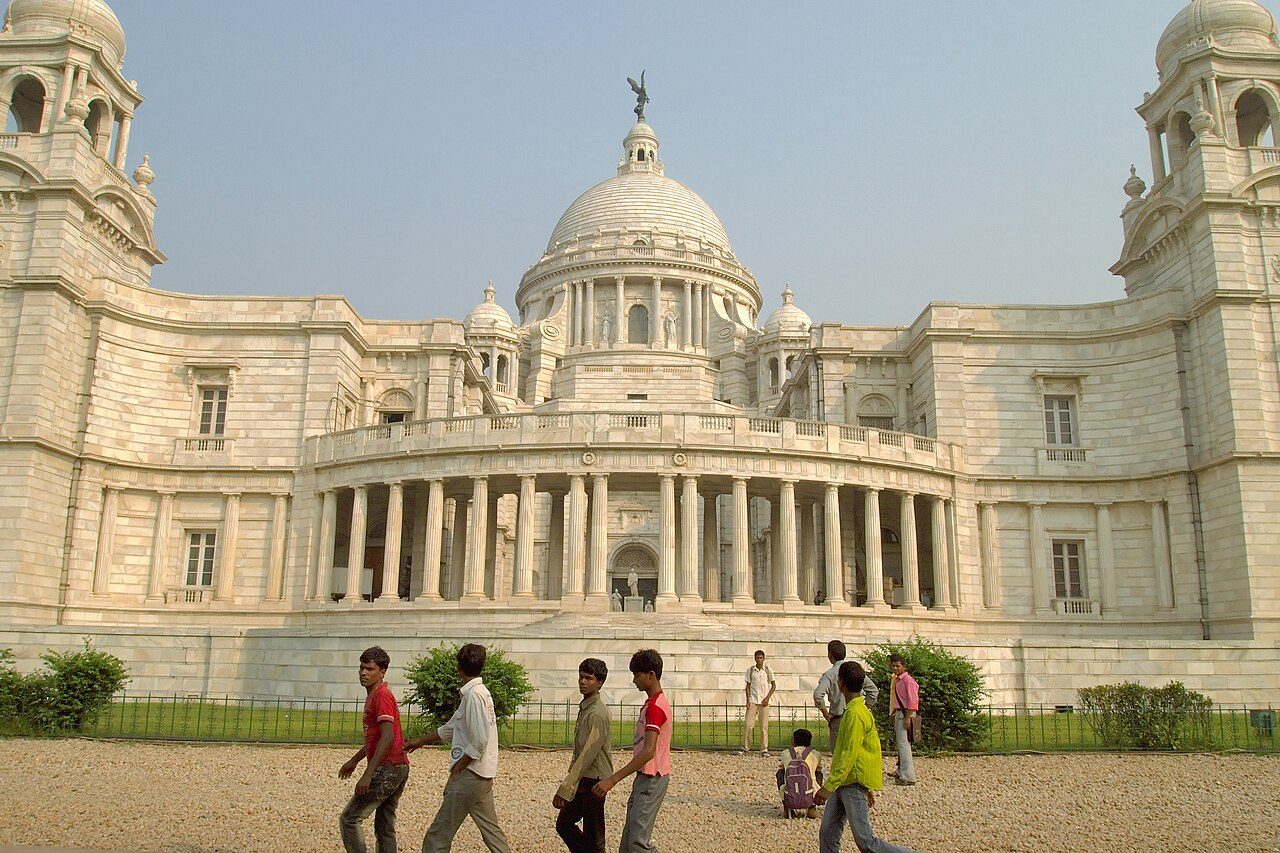
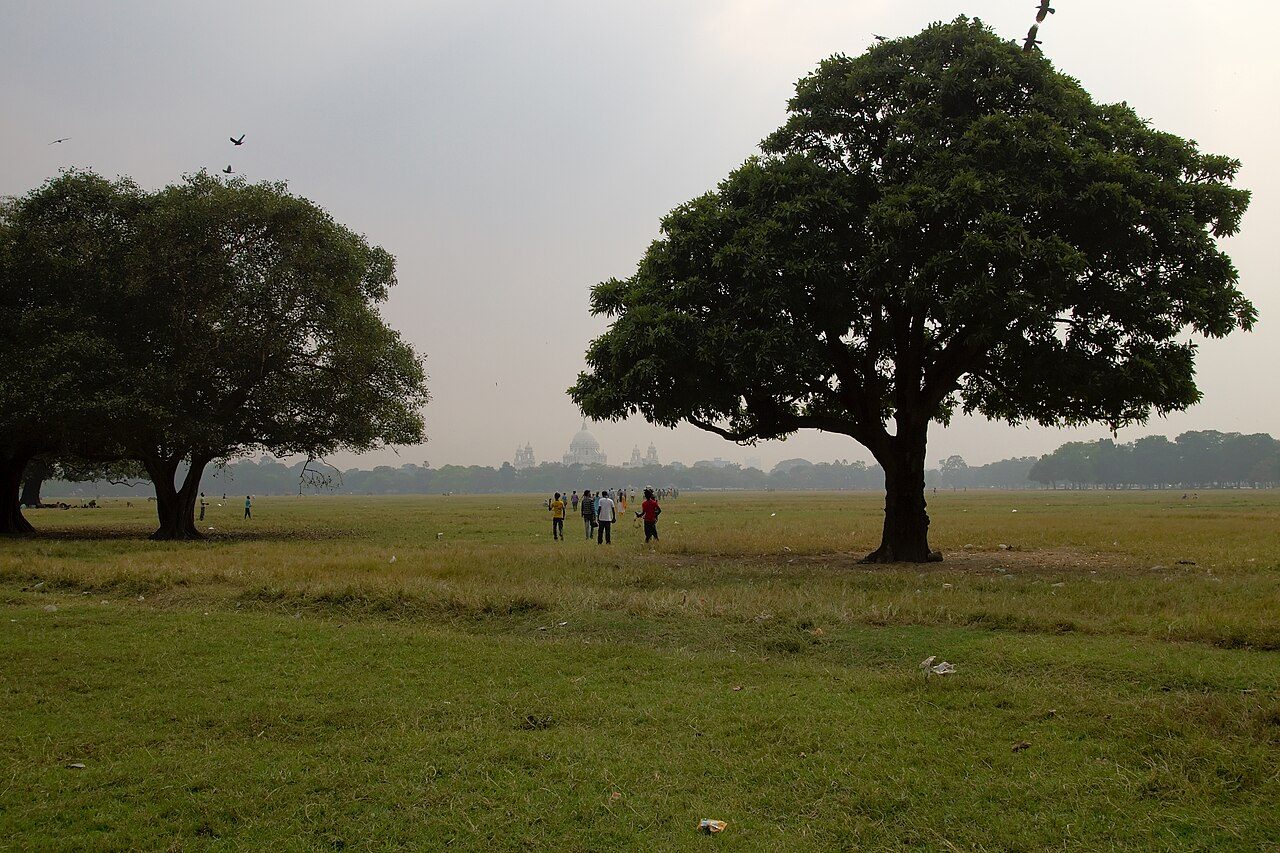
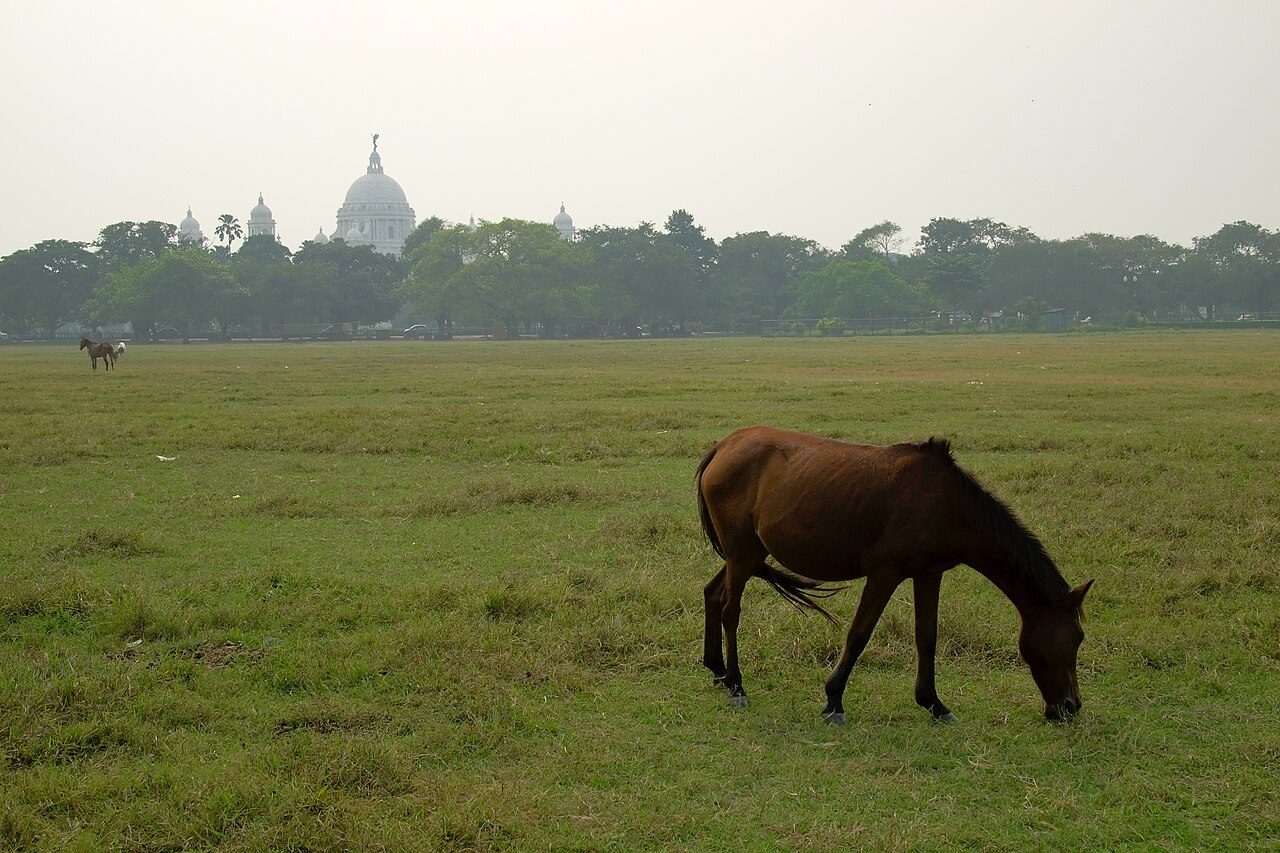
The Victoria Memorial is Kolkata's grandest monument, a white Makrana marble hall built between 1906 and 1921 in memory of Queen Victoria. Designed by William Emerson, it blends British and Mughal elements and is crowned by a bronze Angel of Victory. Inside are galleries of paintings, manuscripts and the history of Calcutta. The surrounding gardens are lovely in the early morning and when the building is lit at night. Closed on Mondays.
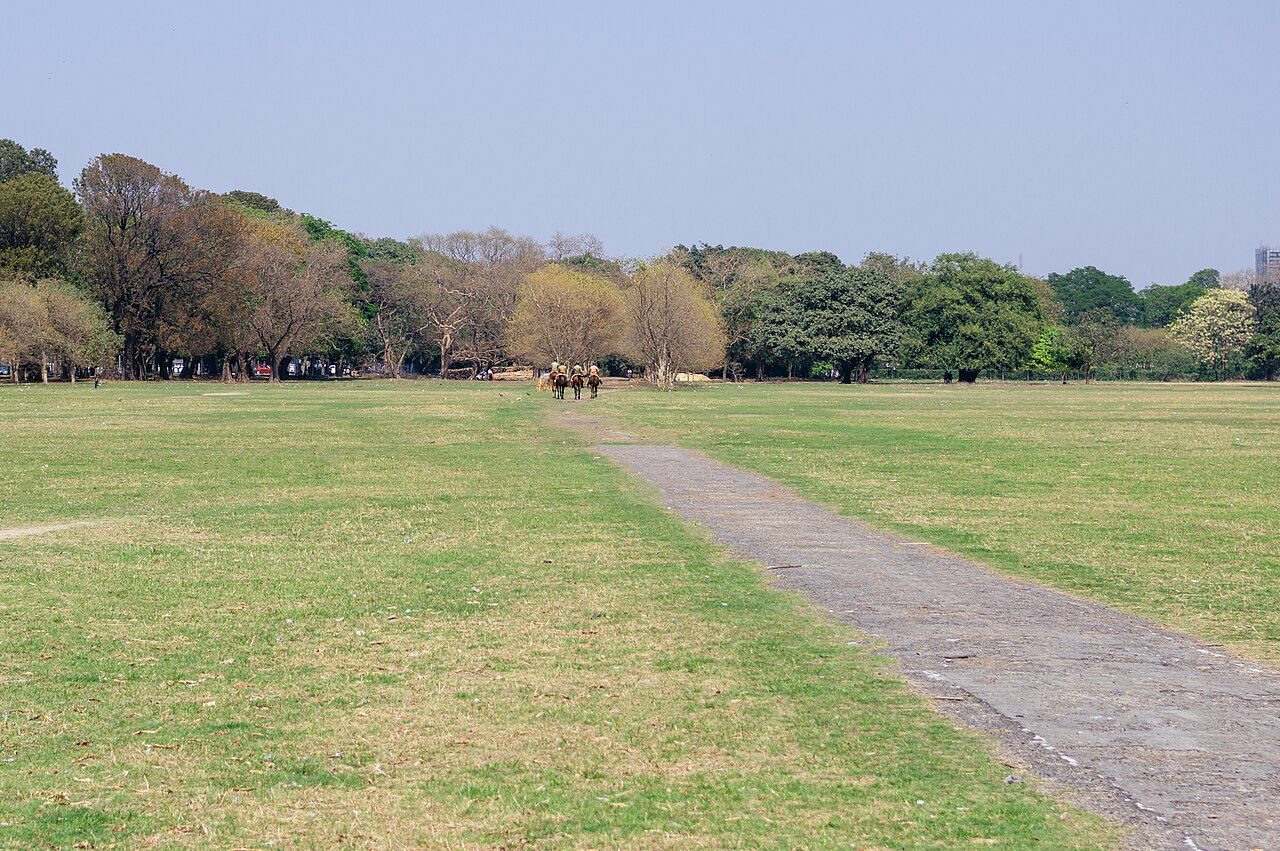
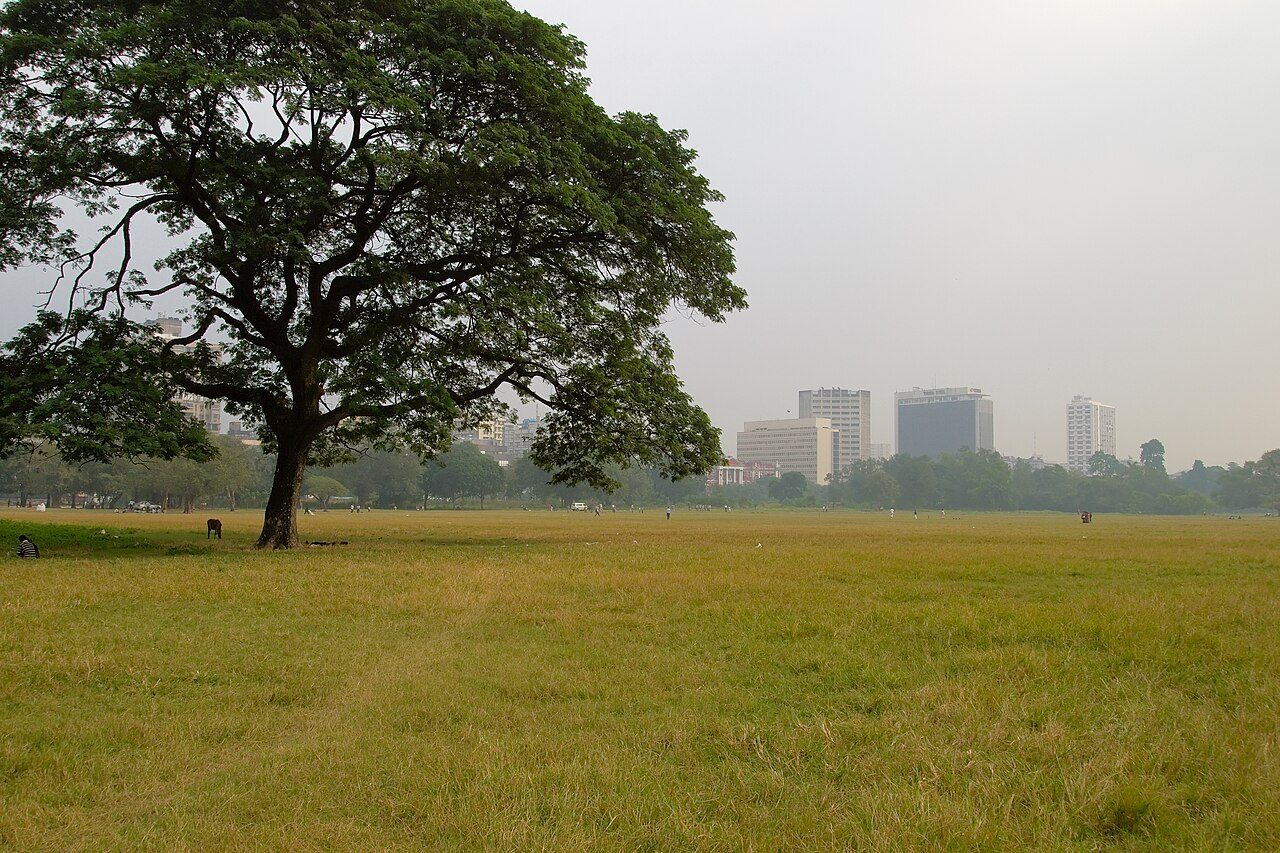
The Maidan is the great open green at the centre of Kolkata, cleared in the 18th century to give the guns of Fort William a free field of fire. Stretching about three kilometres, it holds cricket and football grounds, the racecourse and the Victoria Memorial at its southern end, and is still owned by the army. Mornings bring walkers, horses and club matches.
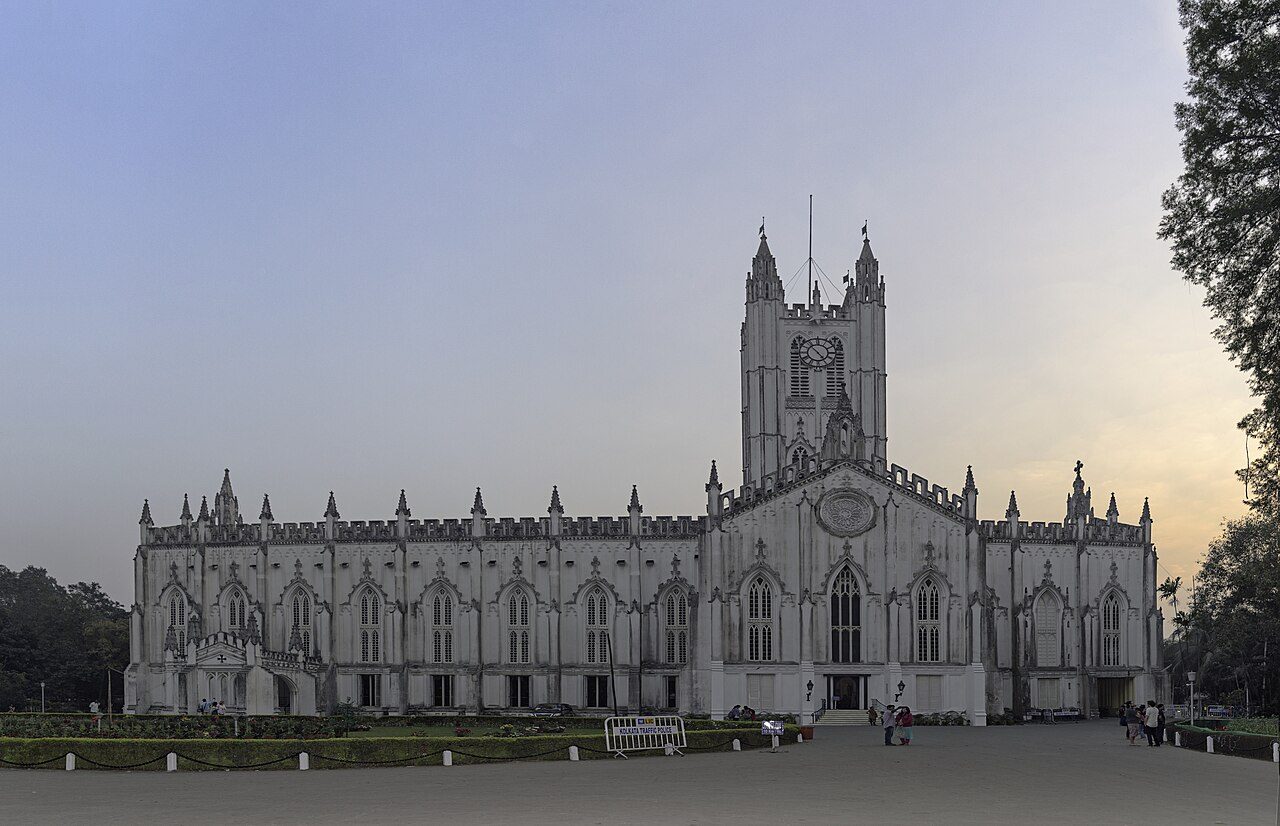
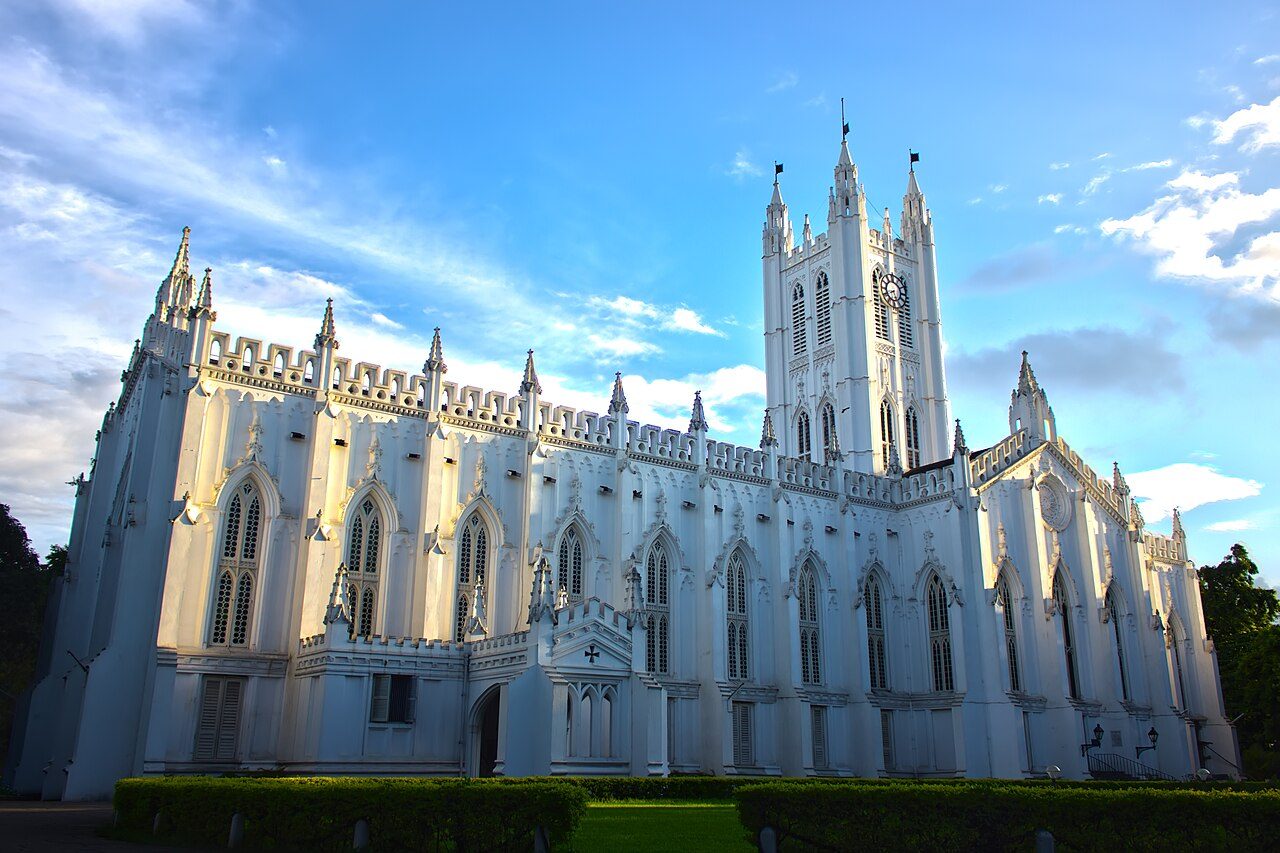
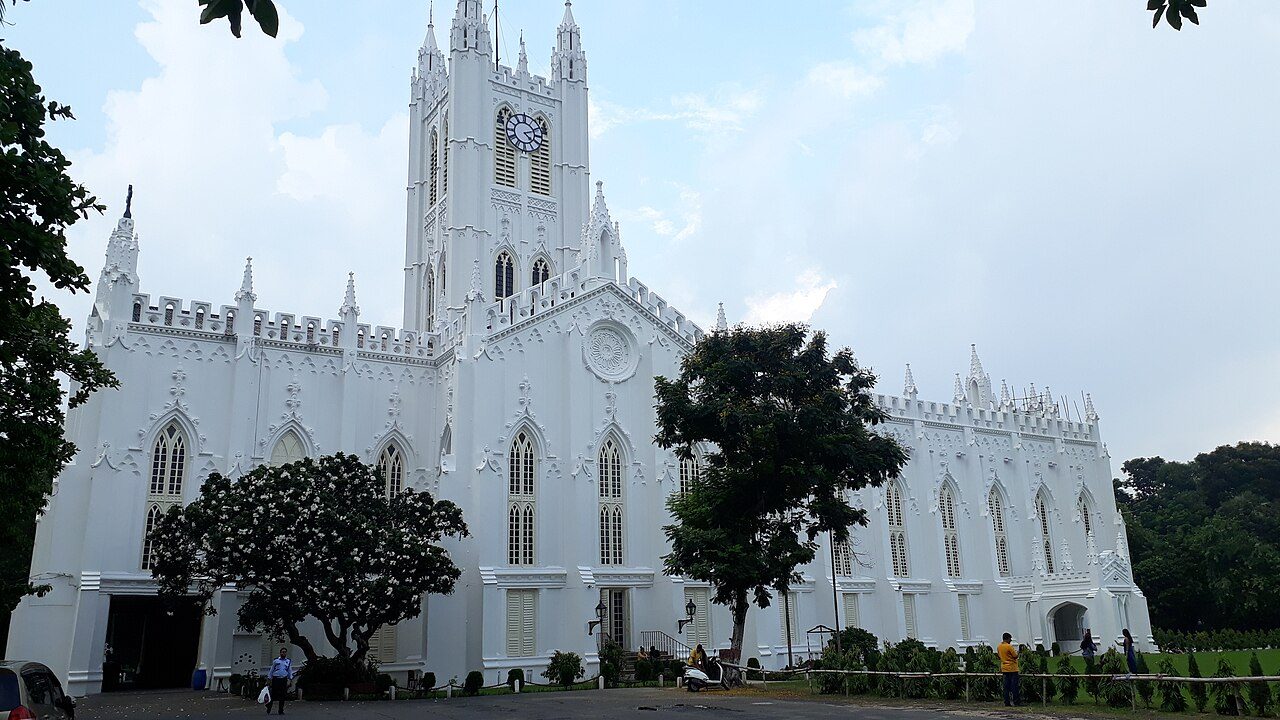
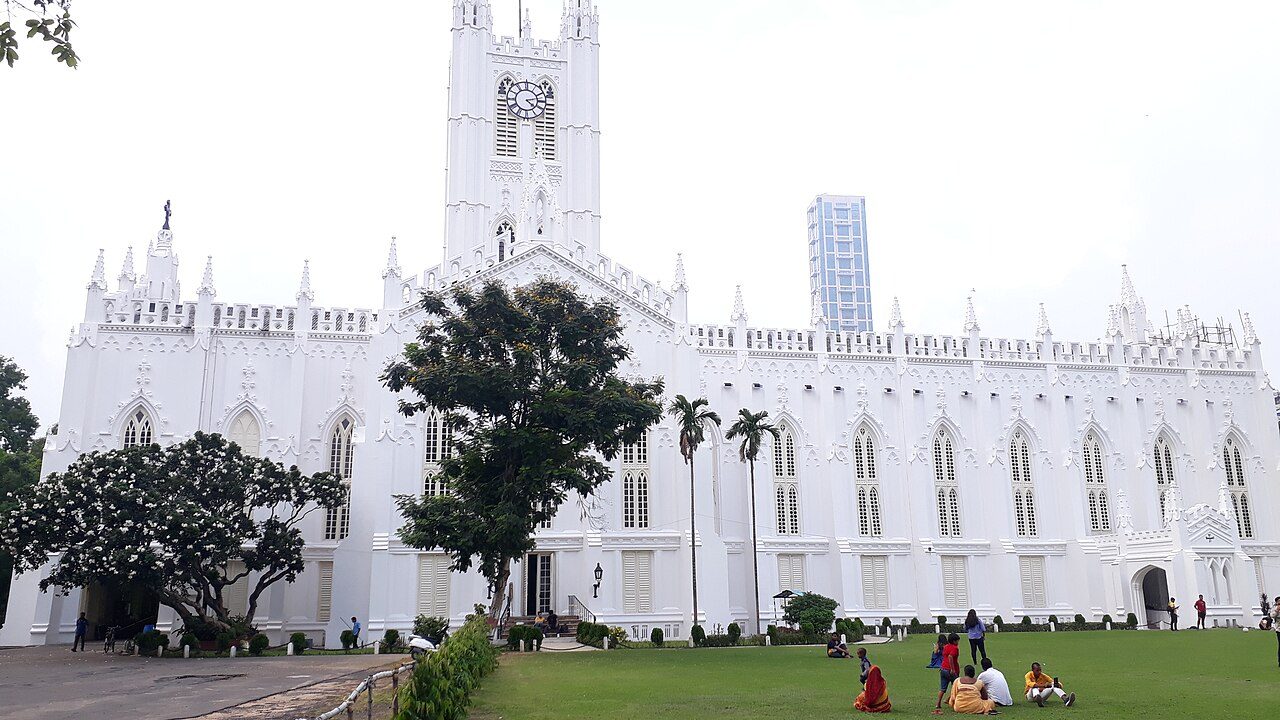
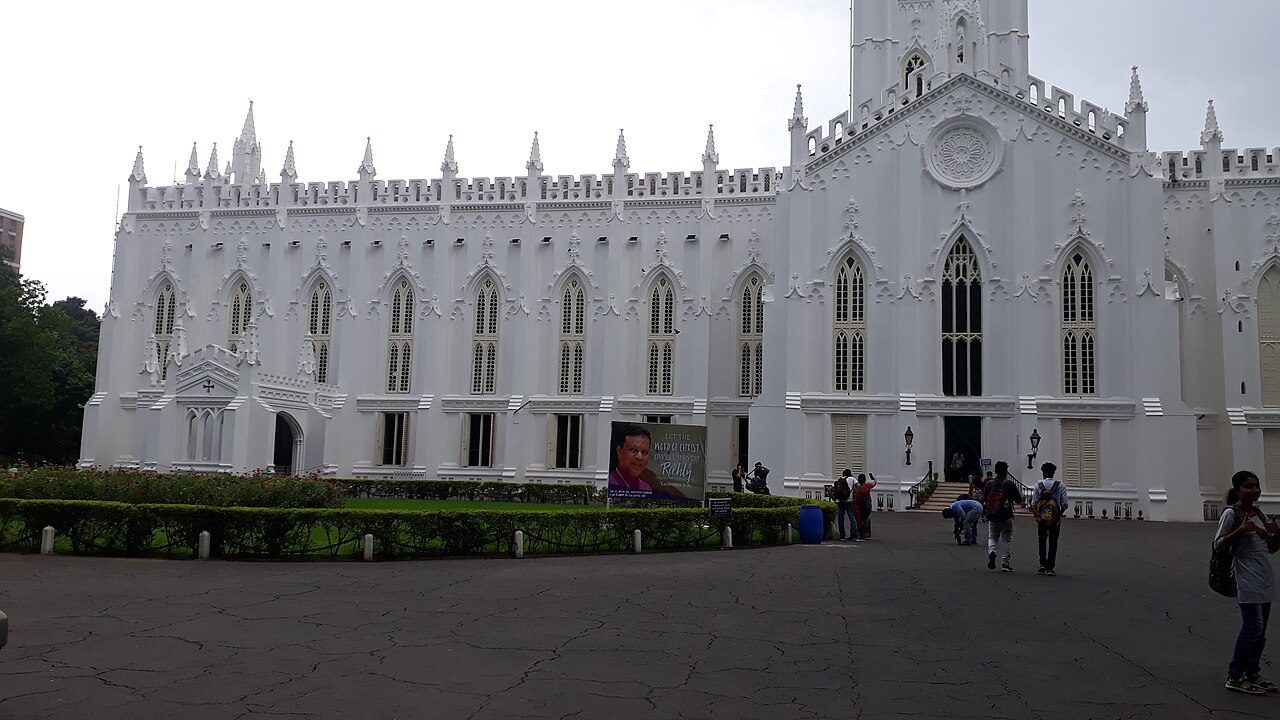
St. Paul's Cathedral, consecrated in 1847, is the seat of the Anglican Diocese of Calcutta. Built in Indo-Gothic style, it lost its original spire to earthquakes and was given a tower modelled on Canterbury Cathedral's. Inside are a fine stained-glass west window by Edward Burne-Jones, carved pews and memorials. It stands beside the Victoria Memorial on the edge of the Maidan.
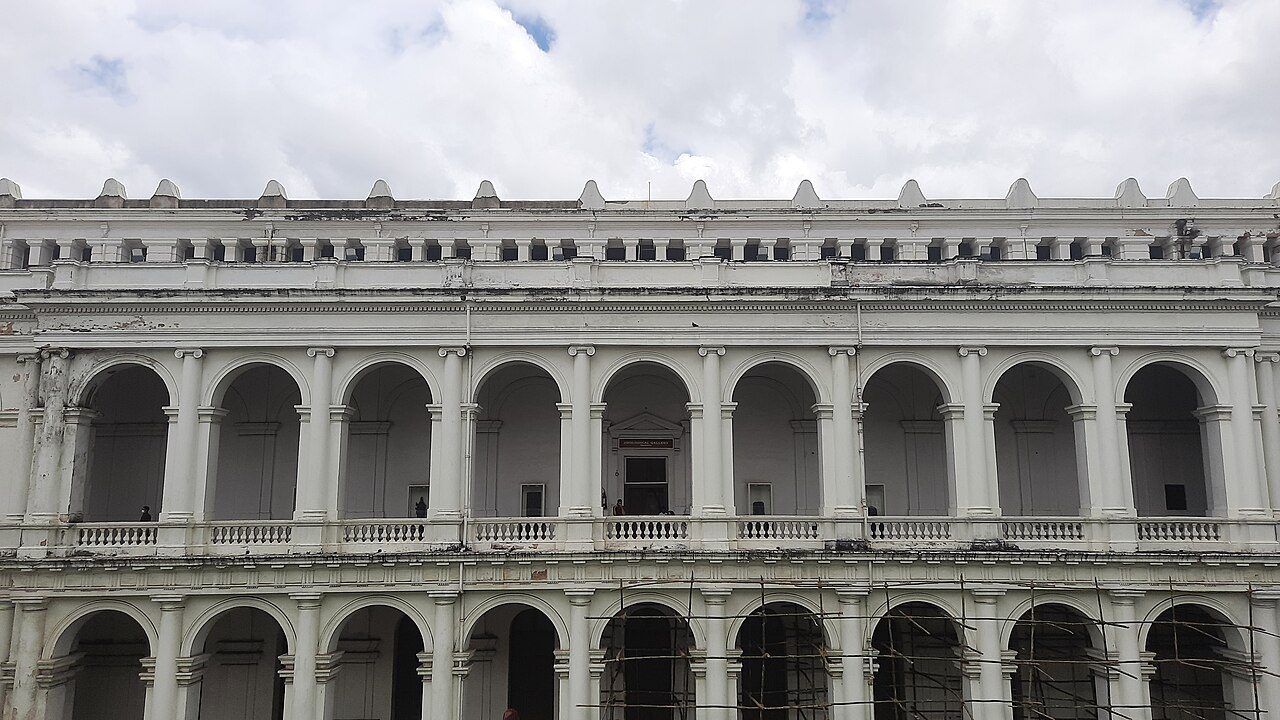
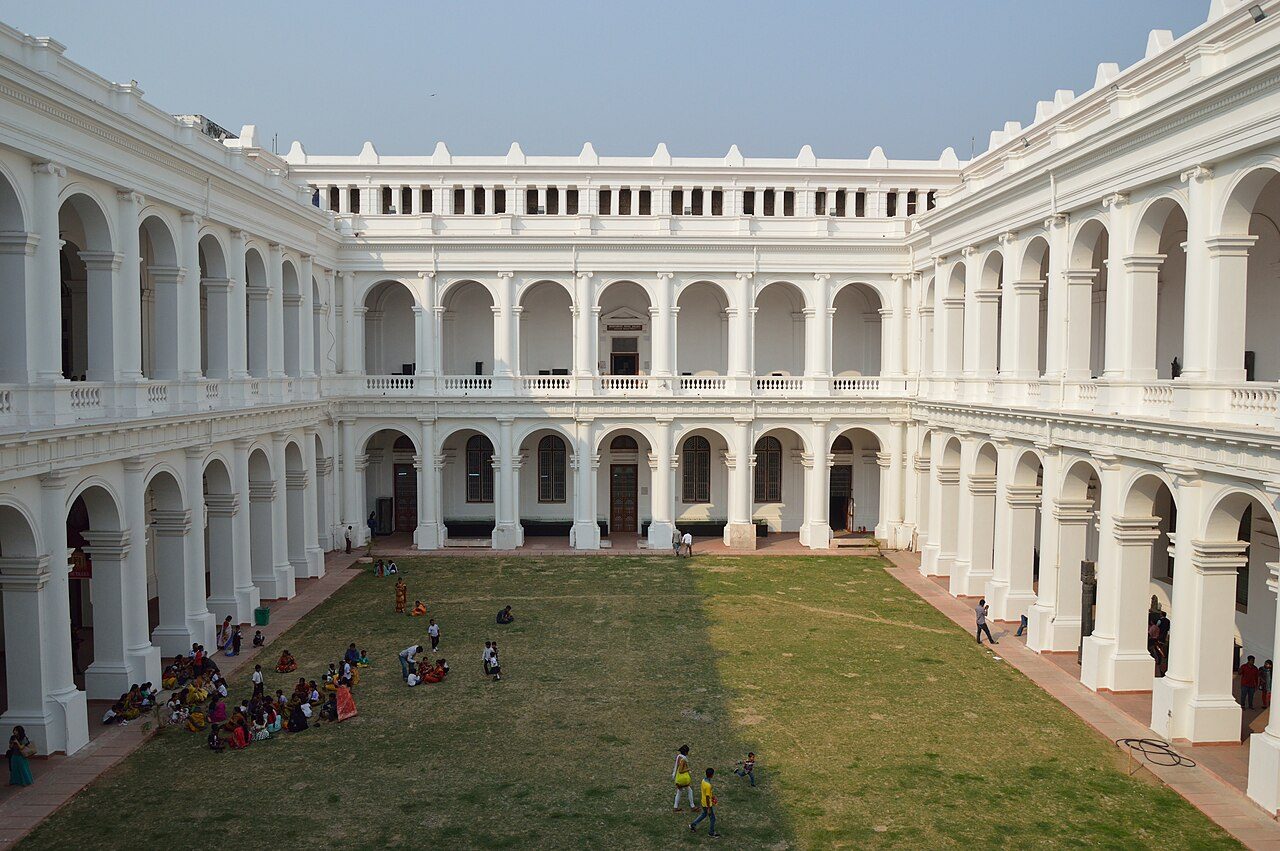
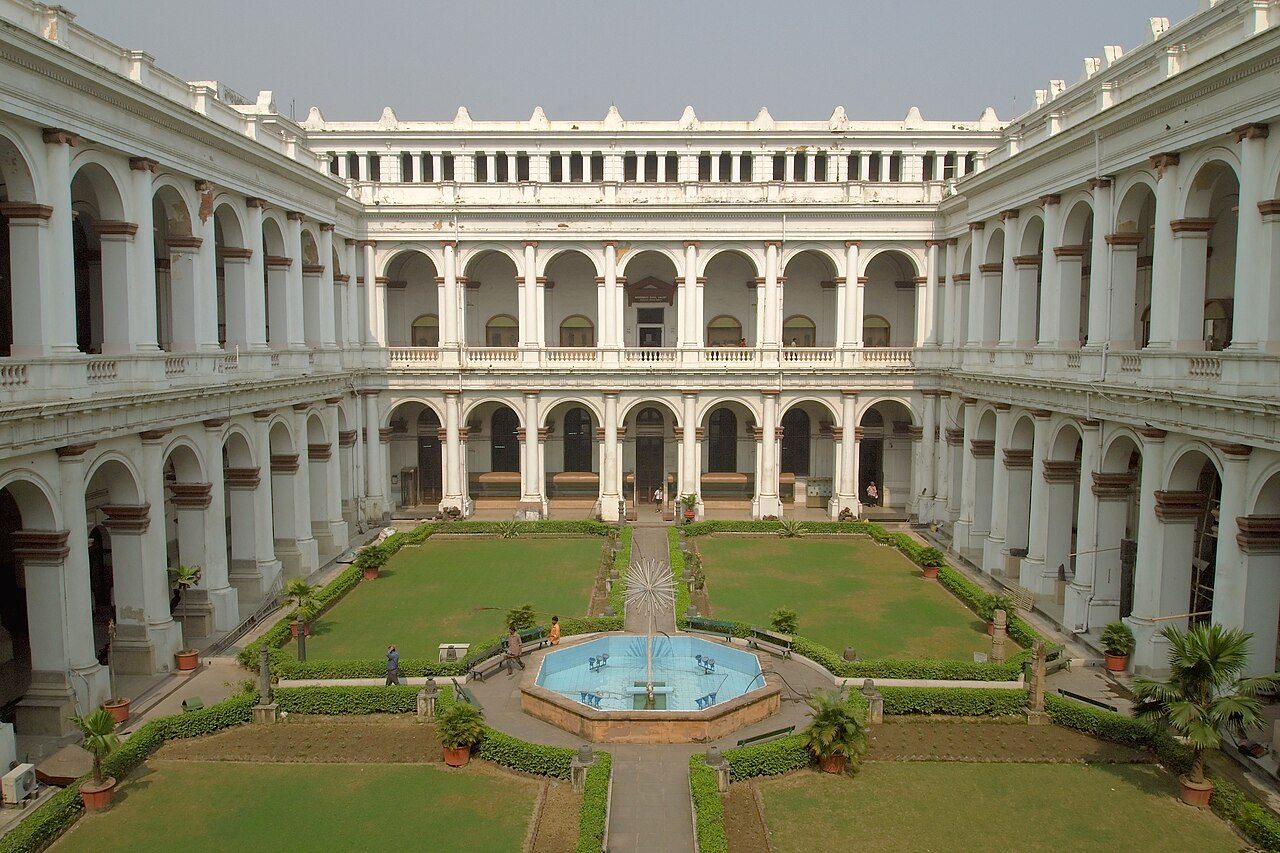
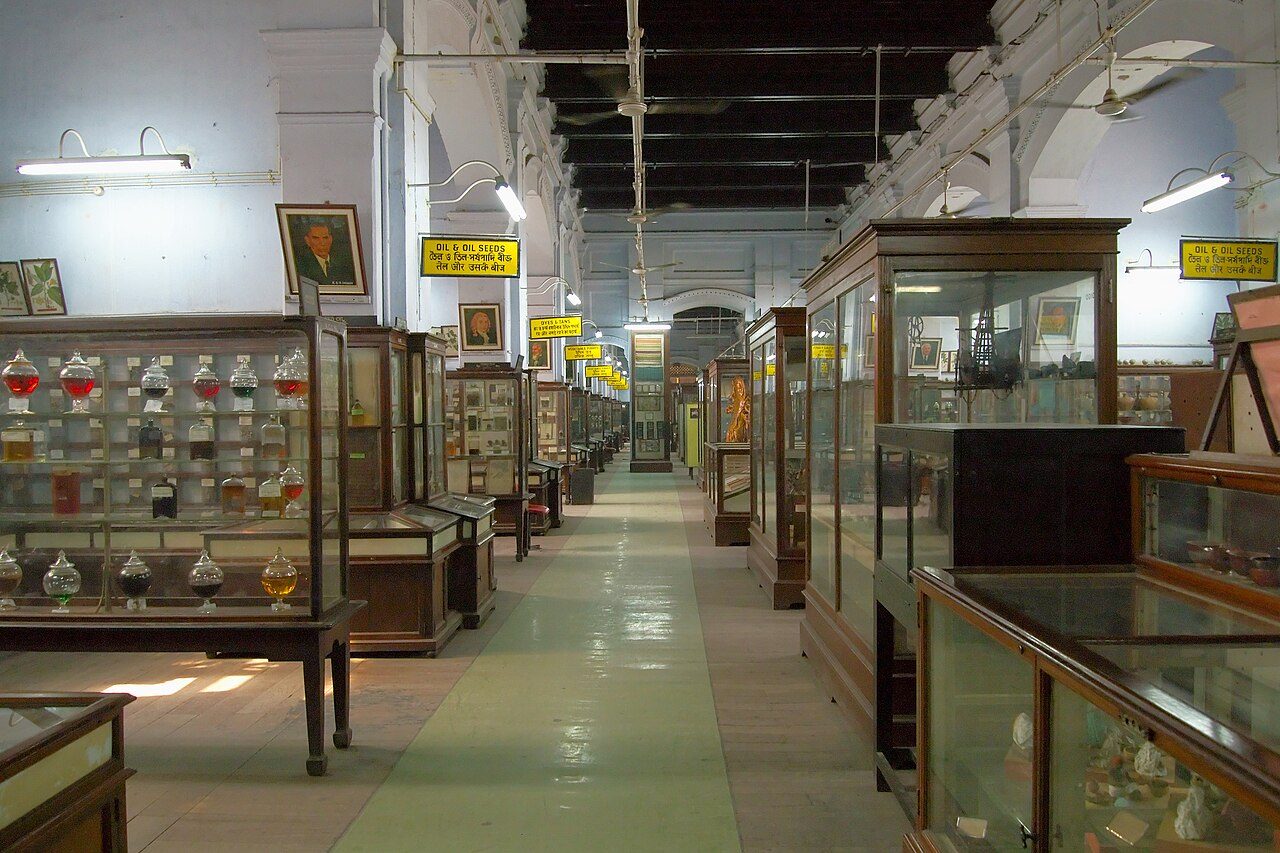
The Indian Museum in Kolkata, founded in 1814, is the oldest and largest museum in India. Its colonnaded building around a central courtyard houses galleries of archaeology, art, anthropology, geology and zoology. Highlights include the railings of the Bharhut stupa, Gandhara sculpture, an Egyptian mummy and large fossil skeletons. Allow at least half a day. Closed on Mondays.
Park Street is Kolkata's best-known avenue for dining and nightlife, running east from Chowringhee. Laid out in the 18th century, it is lined with old restaurants, tea rooms, bars, bookshops and colonial buildings such as the Asiatic Society. It is at its most festive at Christmas and New Year, when the whole street is lit and closed to traffic in the evenings.
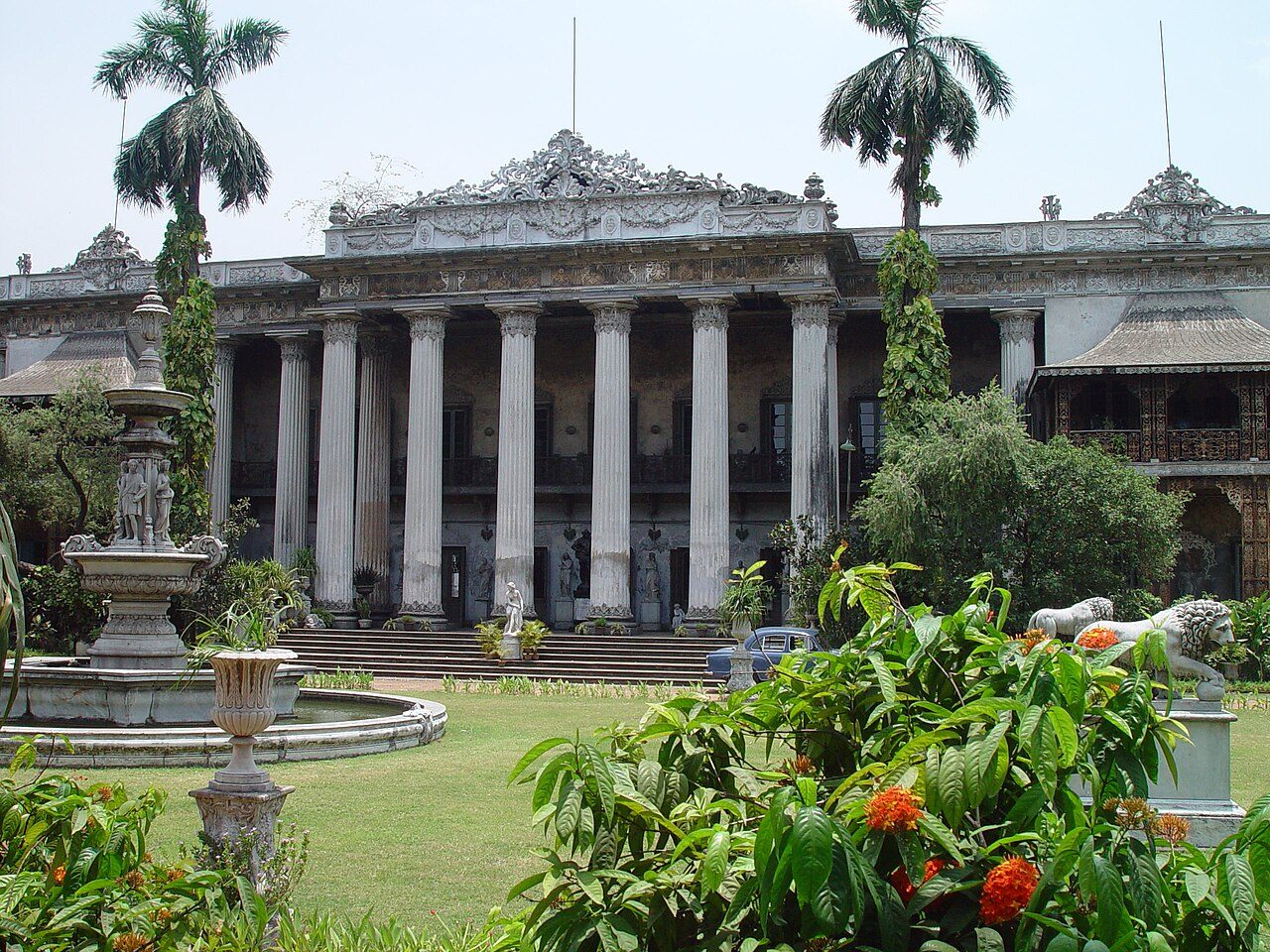
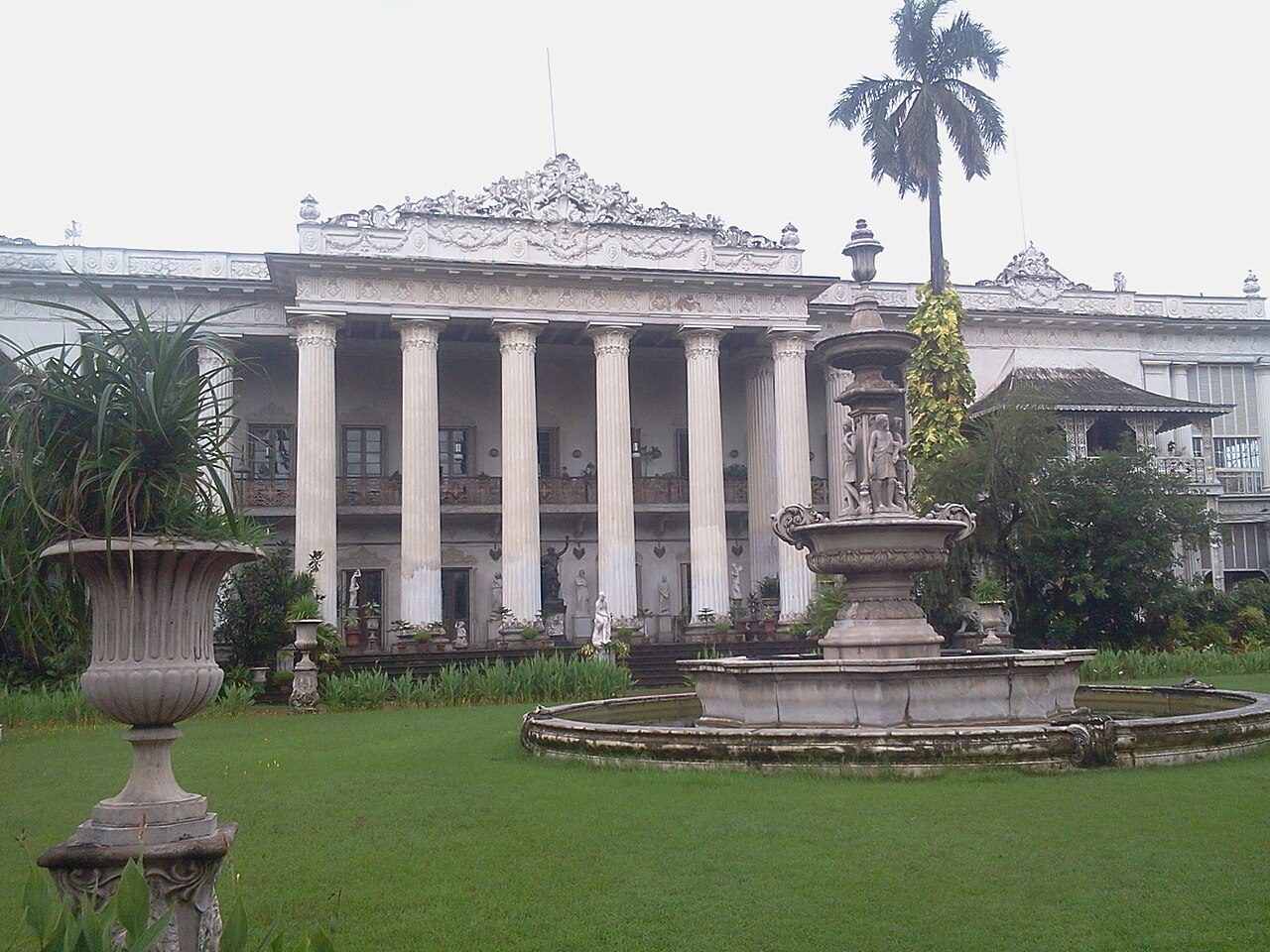
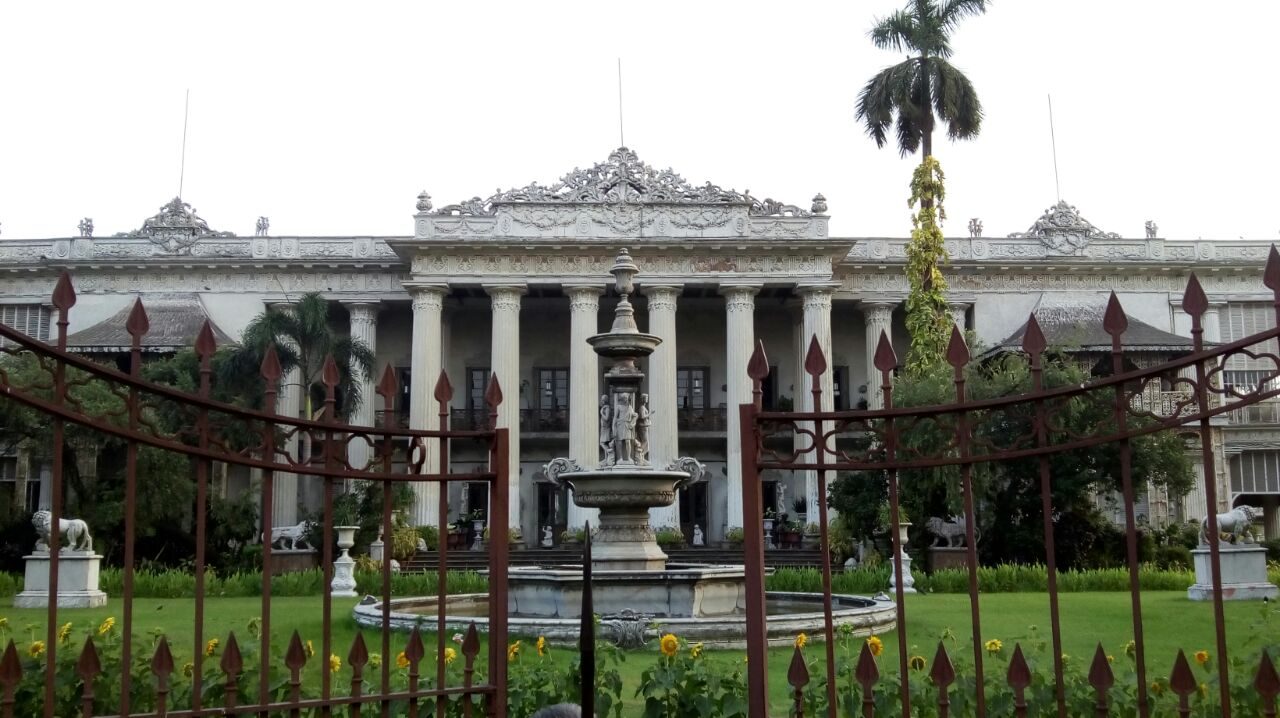
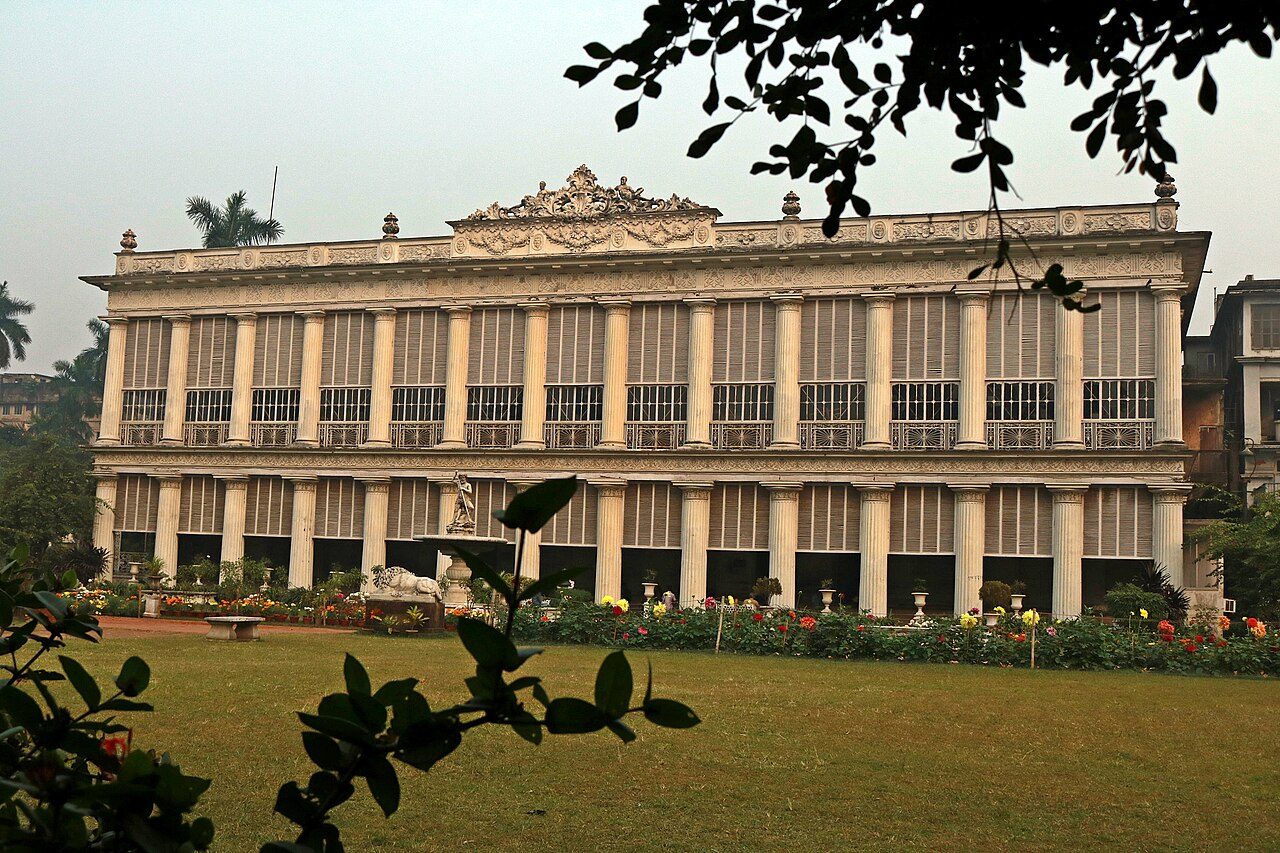
The Marble Palace in north Kolkata was built in 1835 by the wealthy merchant Raja Rajendra Mullick and is still owned by his family. The neoclassical mansion, floored and walled with many kinds of marble, is filled with European sculpture, Victorian furniture, clocks, chandeliers and paintings. Entry is free but needs a permit from the tourism office; photography is not allowed.
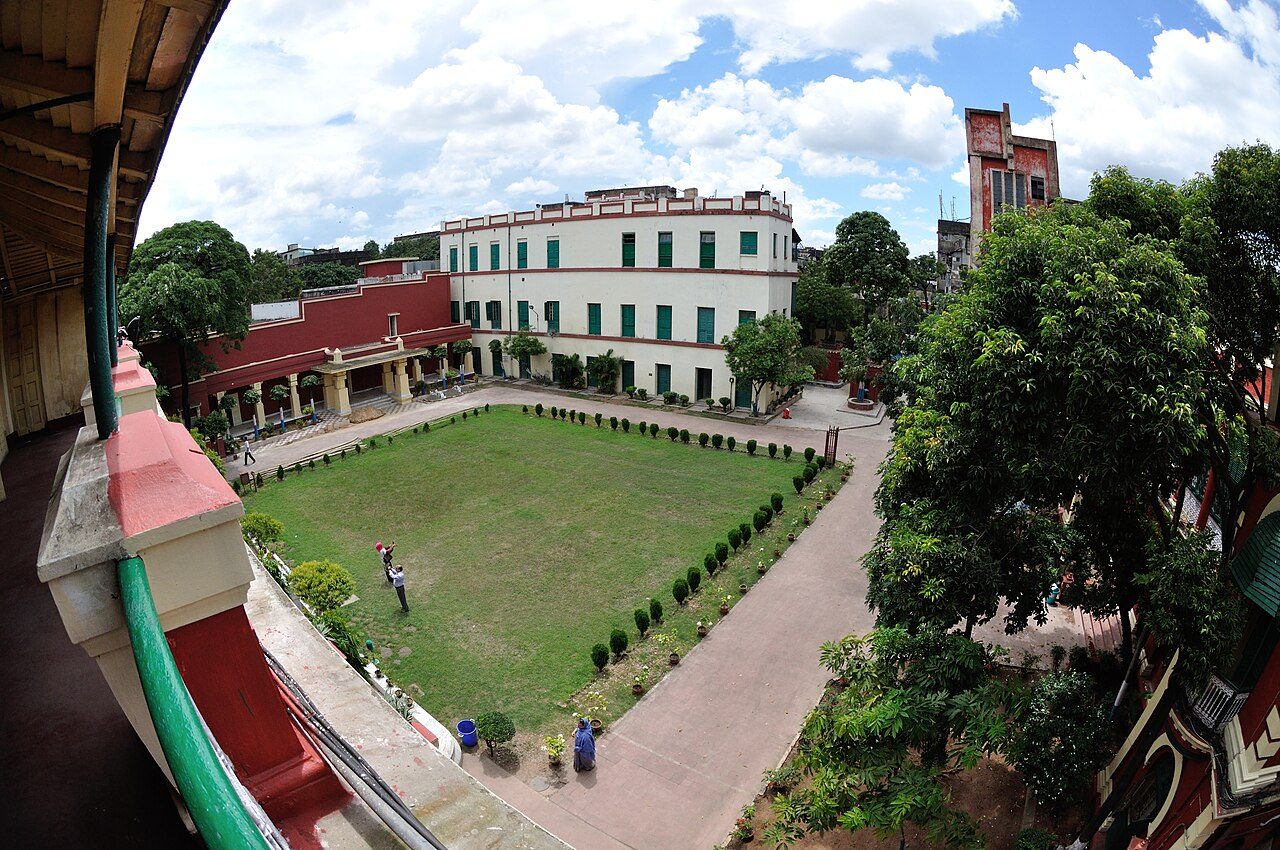
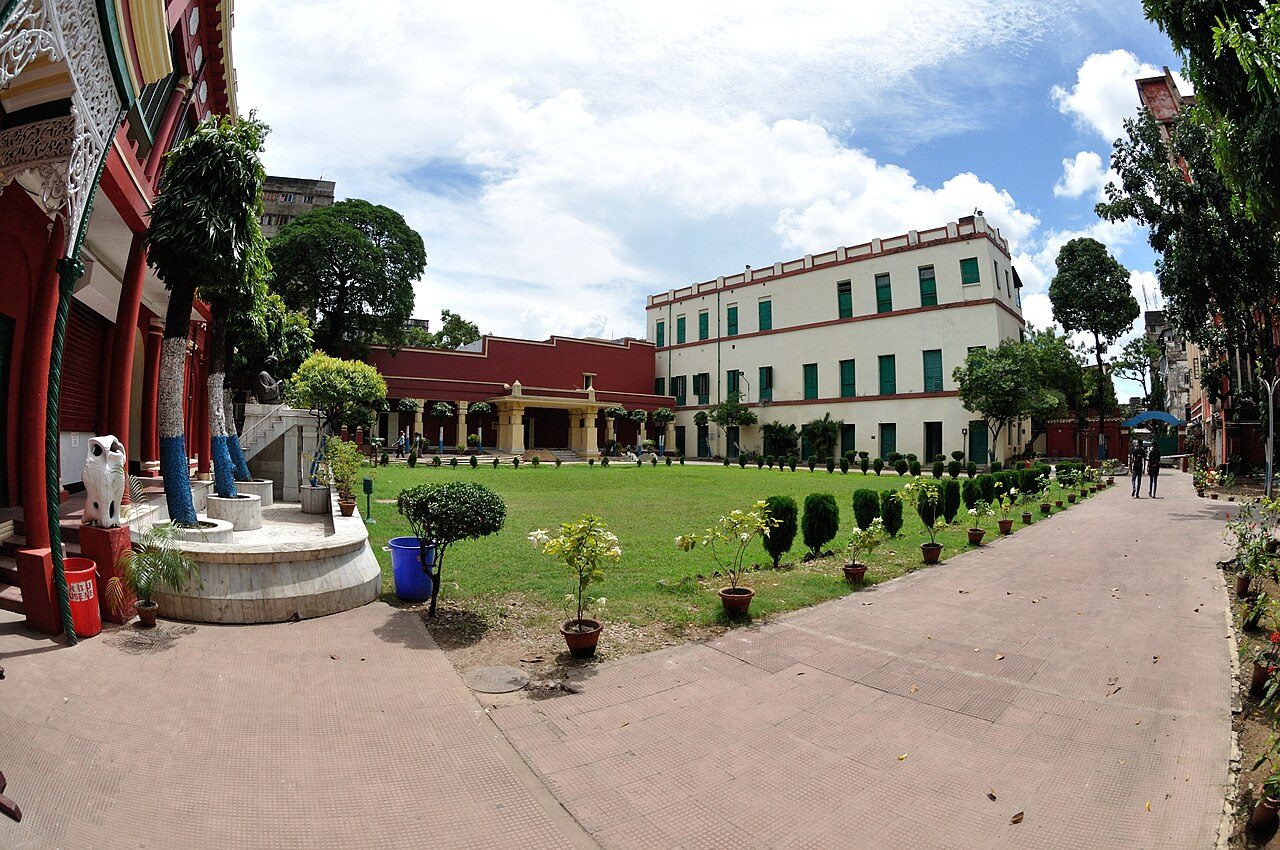
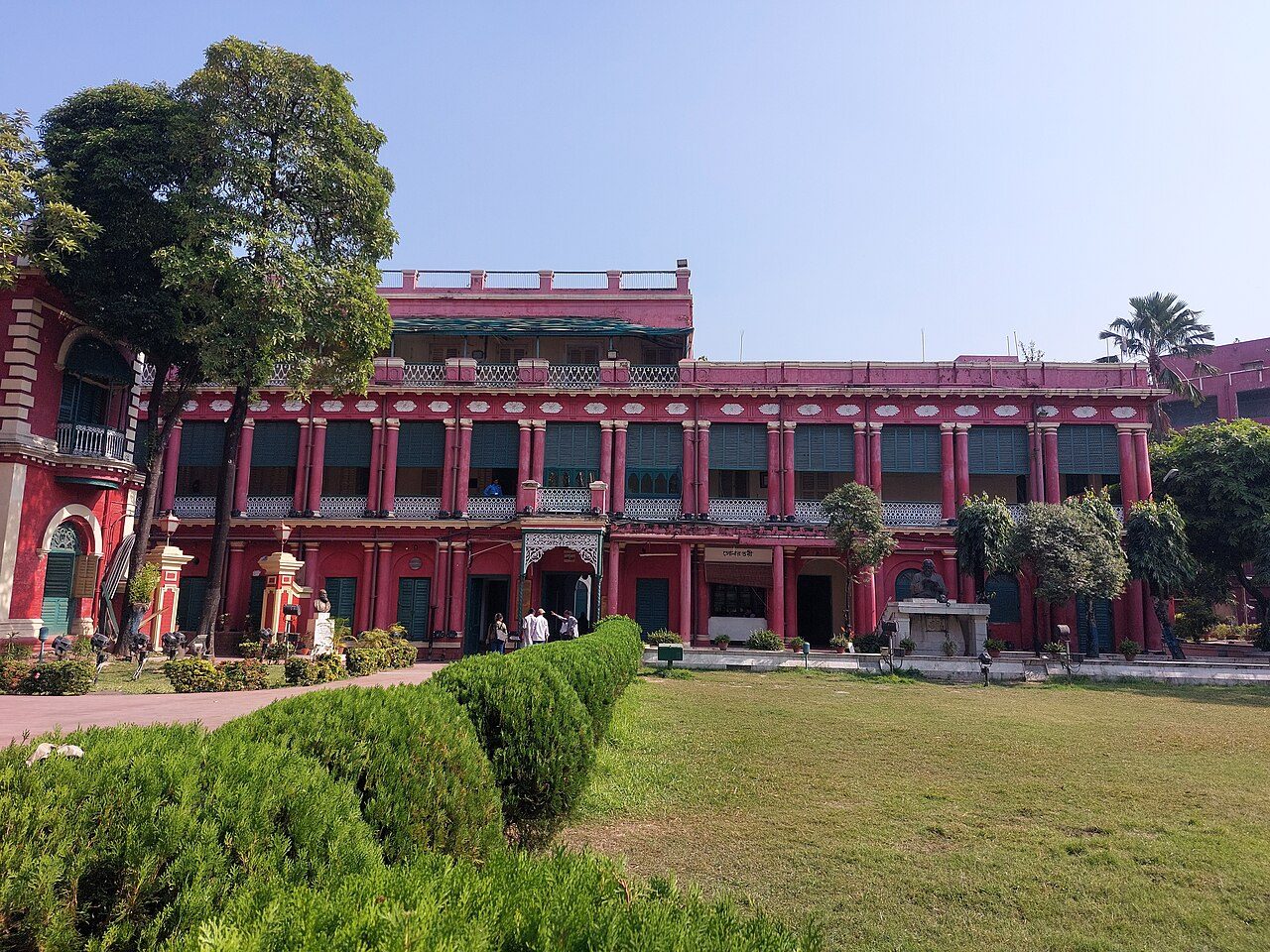
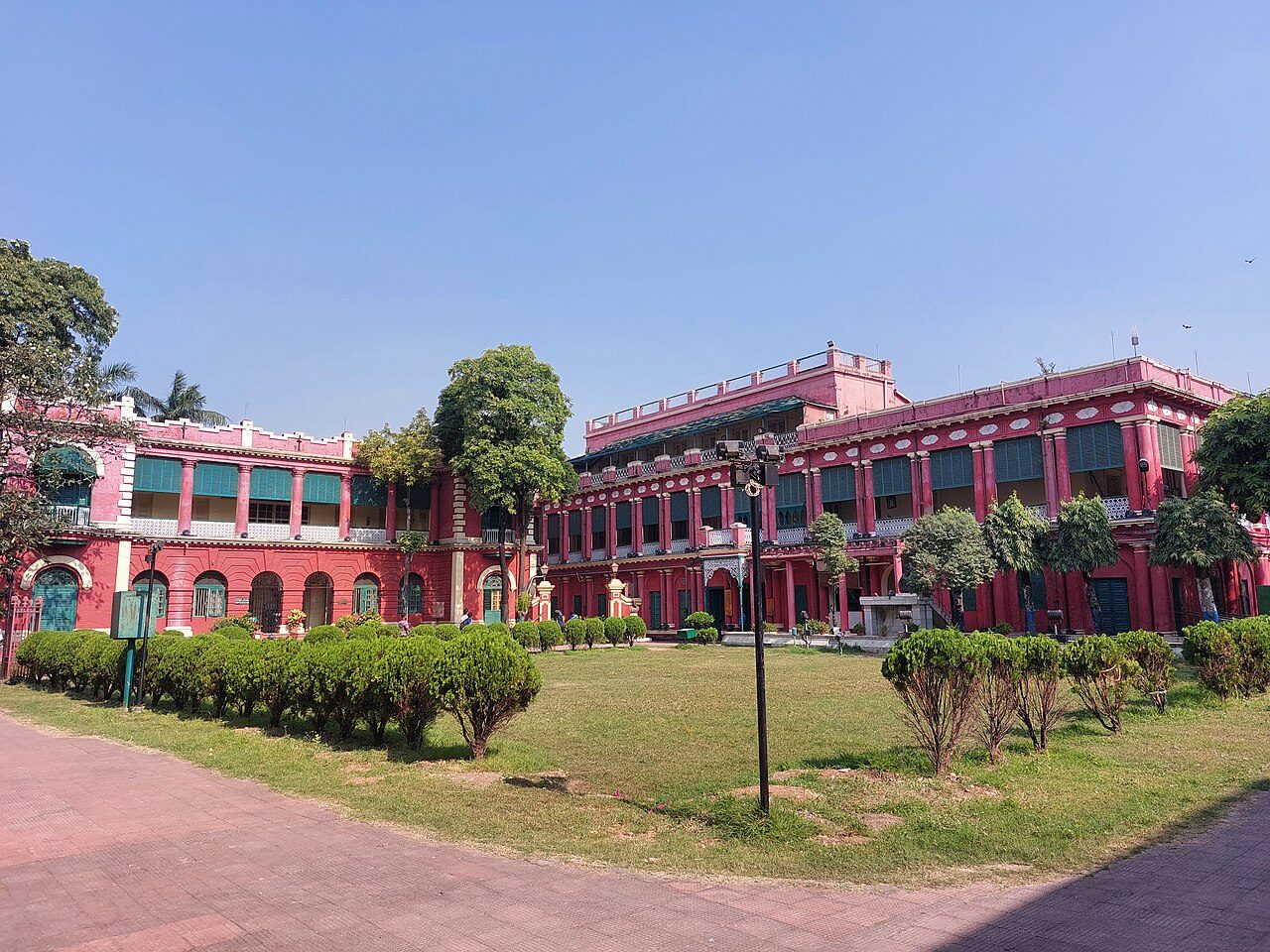
Jorasanko Thakur Bari is the ancestral home of the Tagore family in north Kolkata, where Rabindranath Tagore was born in 1861 and died in 1941. The 18th-century mansion around a courtyard is now part of Rabindra Bharati University and houses a museum with the poet's rooms, manuscripts, paintings and photographs, and galleries on other members of the family.
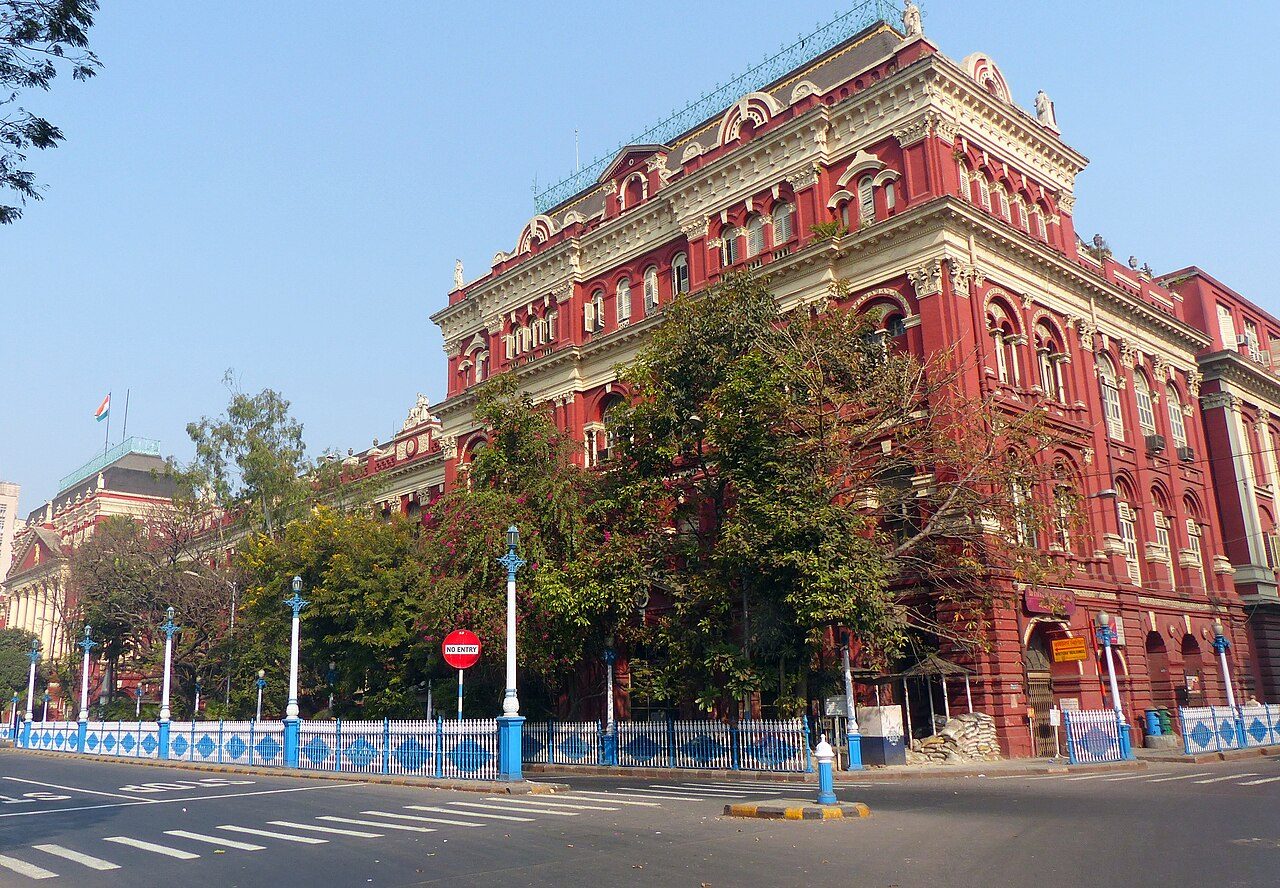
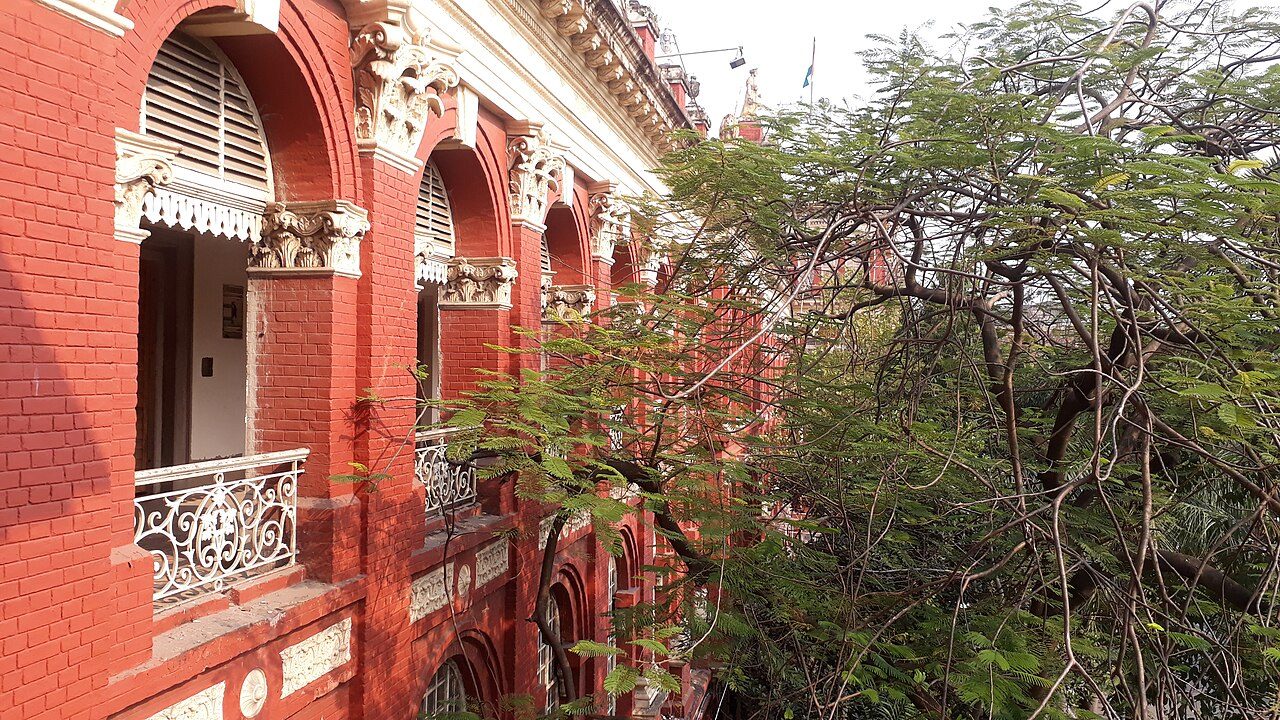
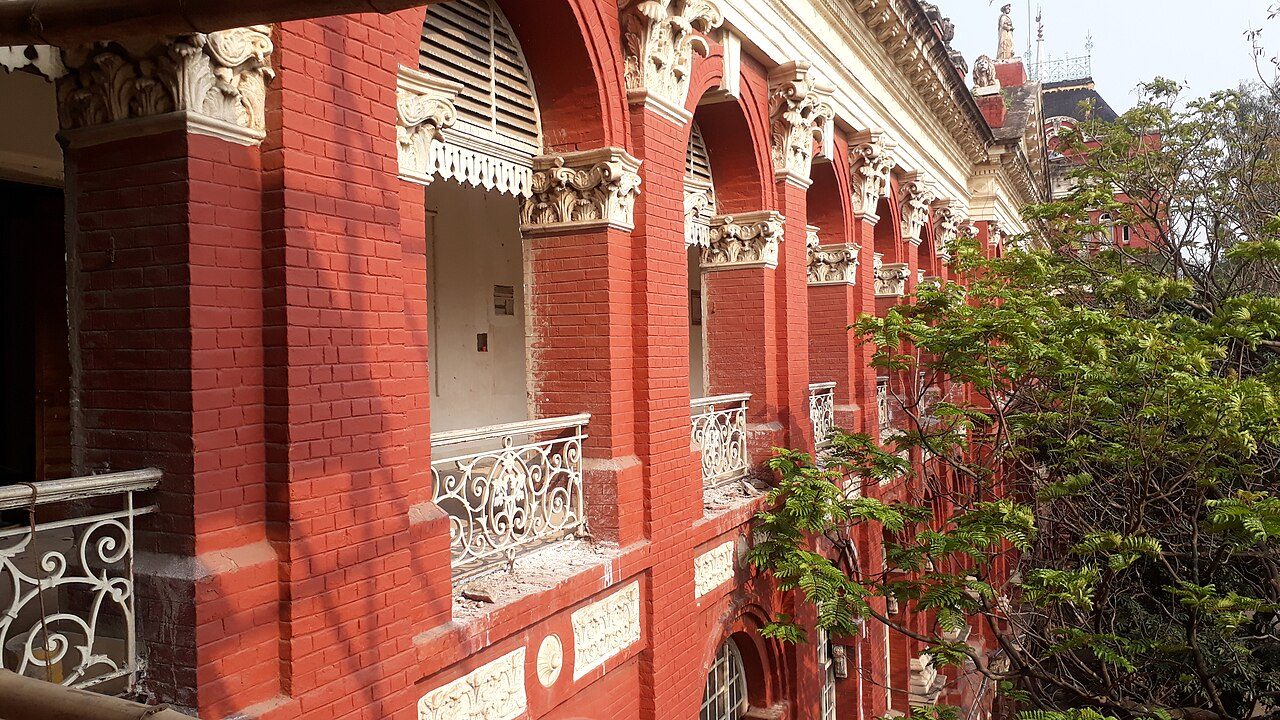
Writers' Building was built in 1777 to house the junior clerks, or 'writers', of the East India Company and later became the seat of the Government of West Bengal. Its long red-brick facade with Corinthian columns and statues fills the north side of BBD Bagh, the old Dalhousie Square. The building is under long-term renovation and can be viewed only from outside.
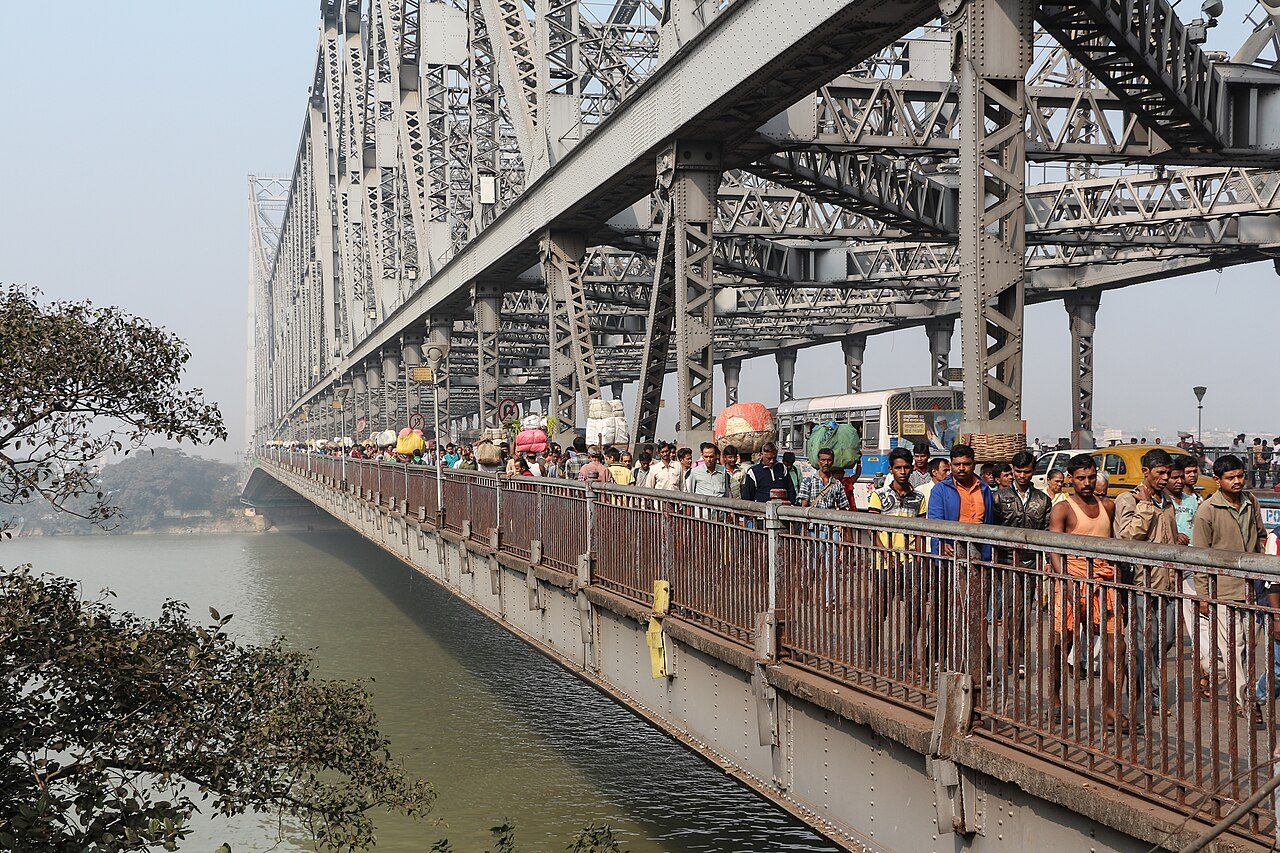
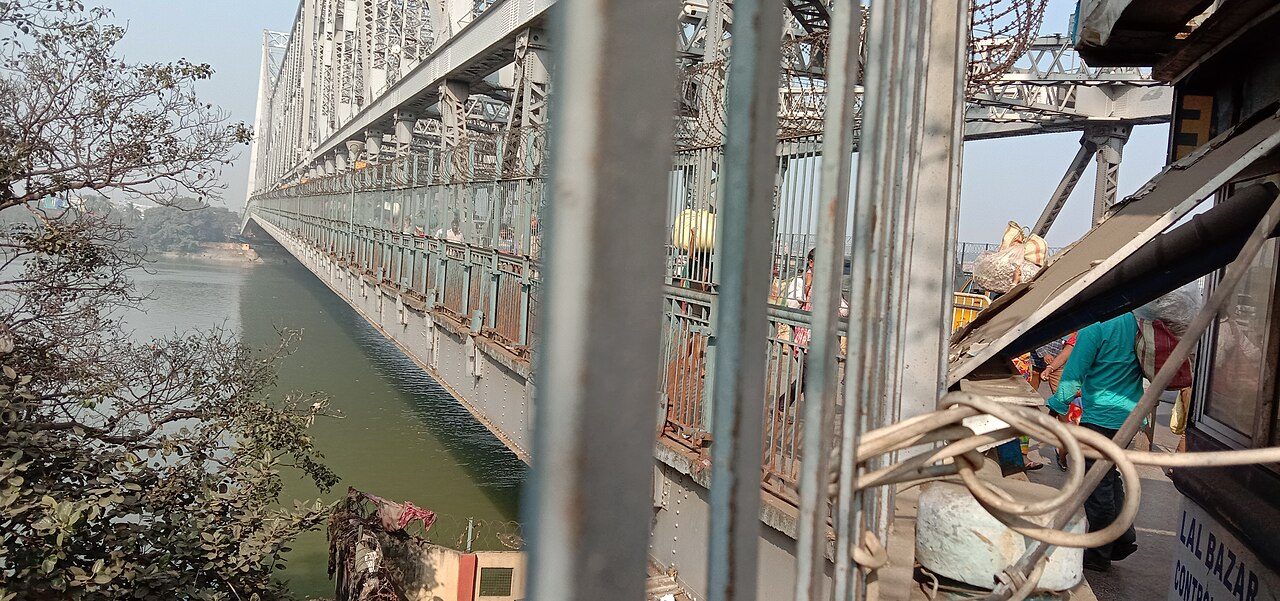
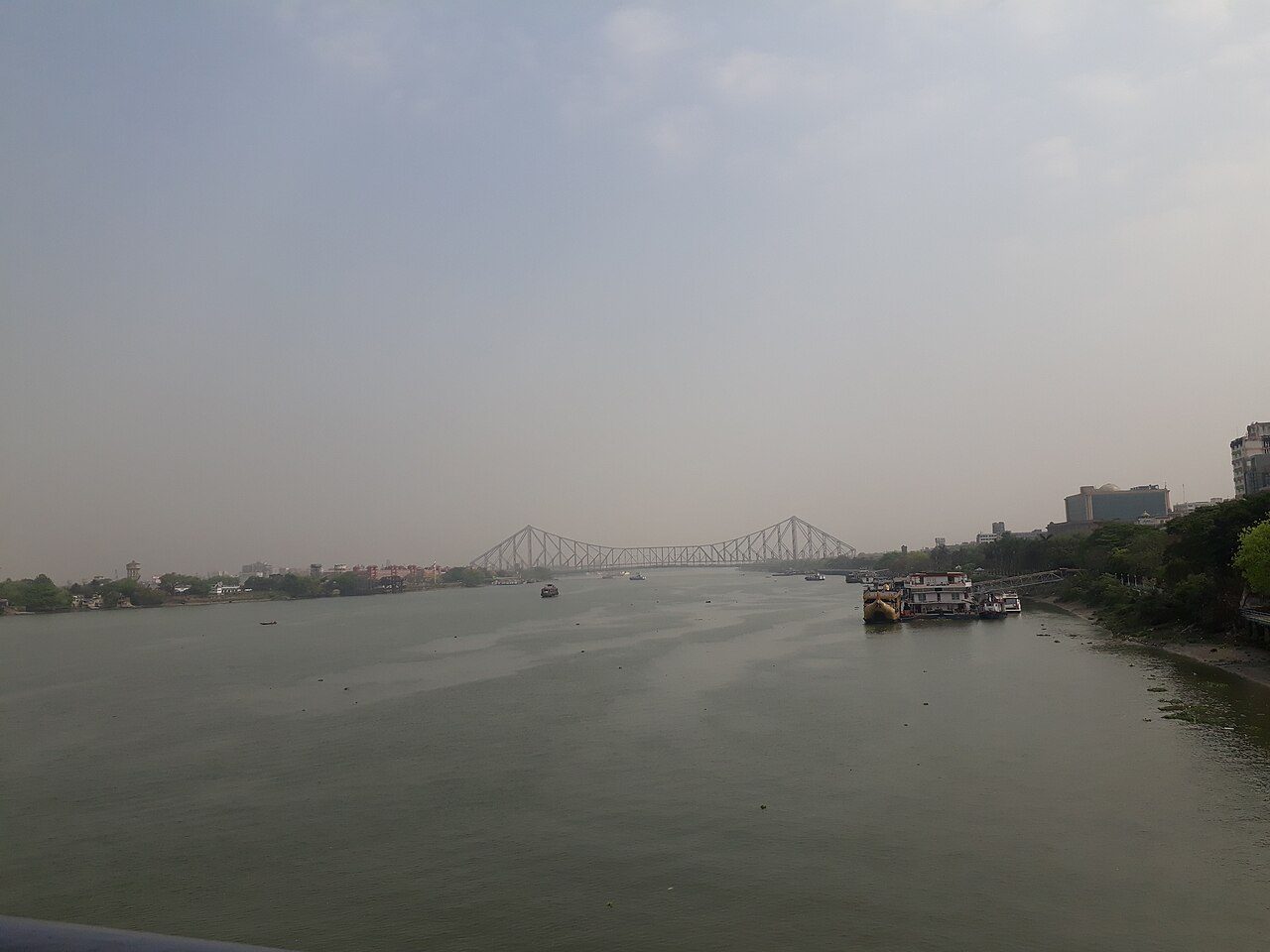
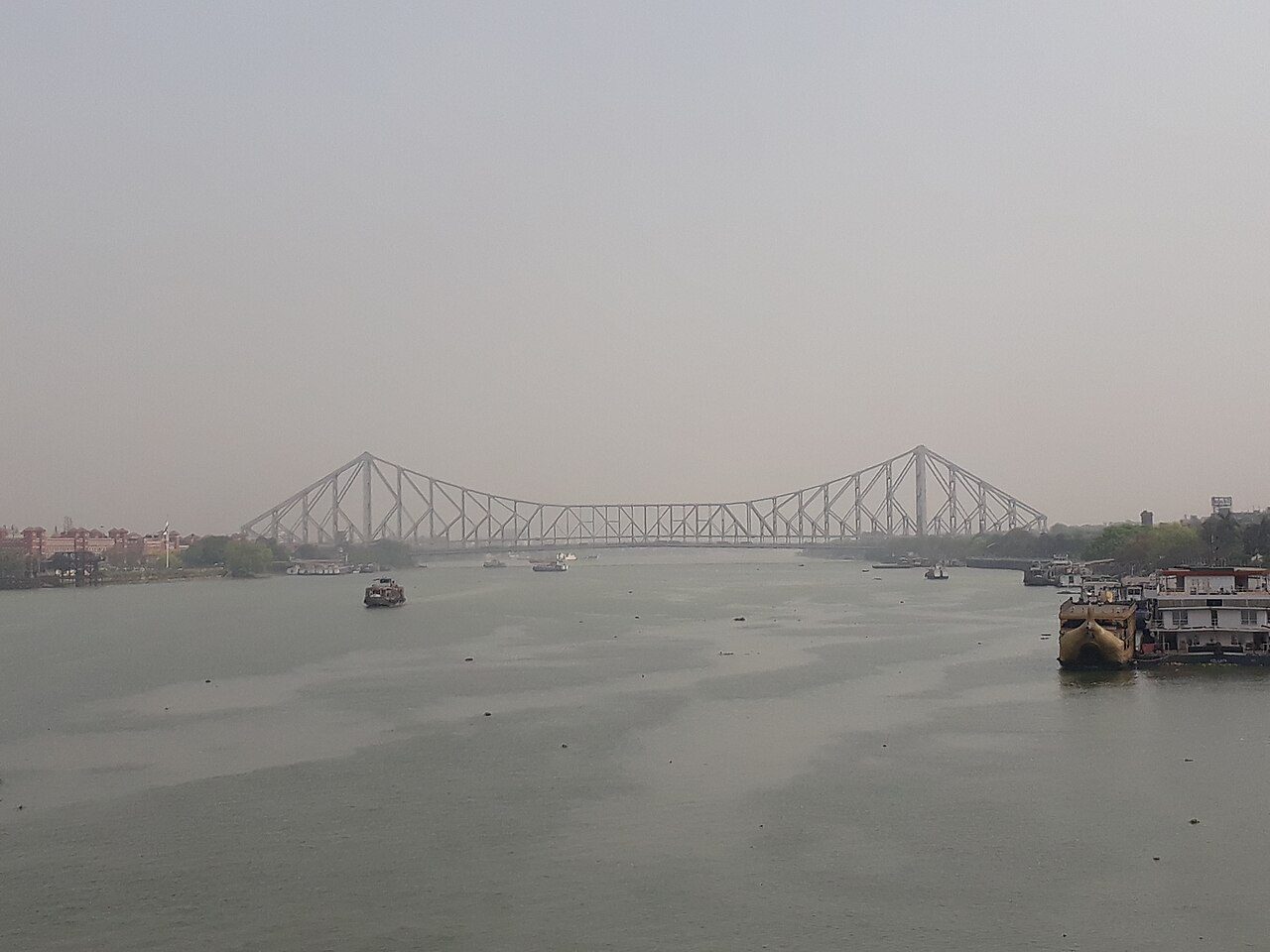
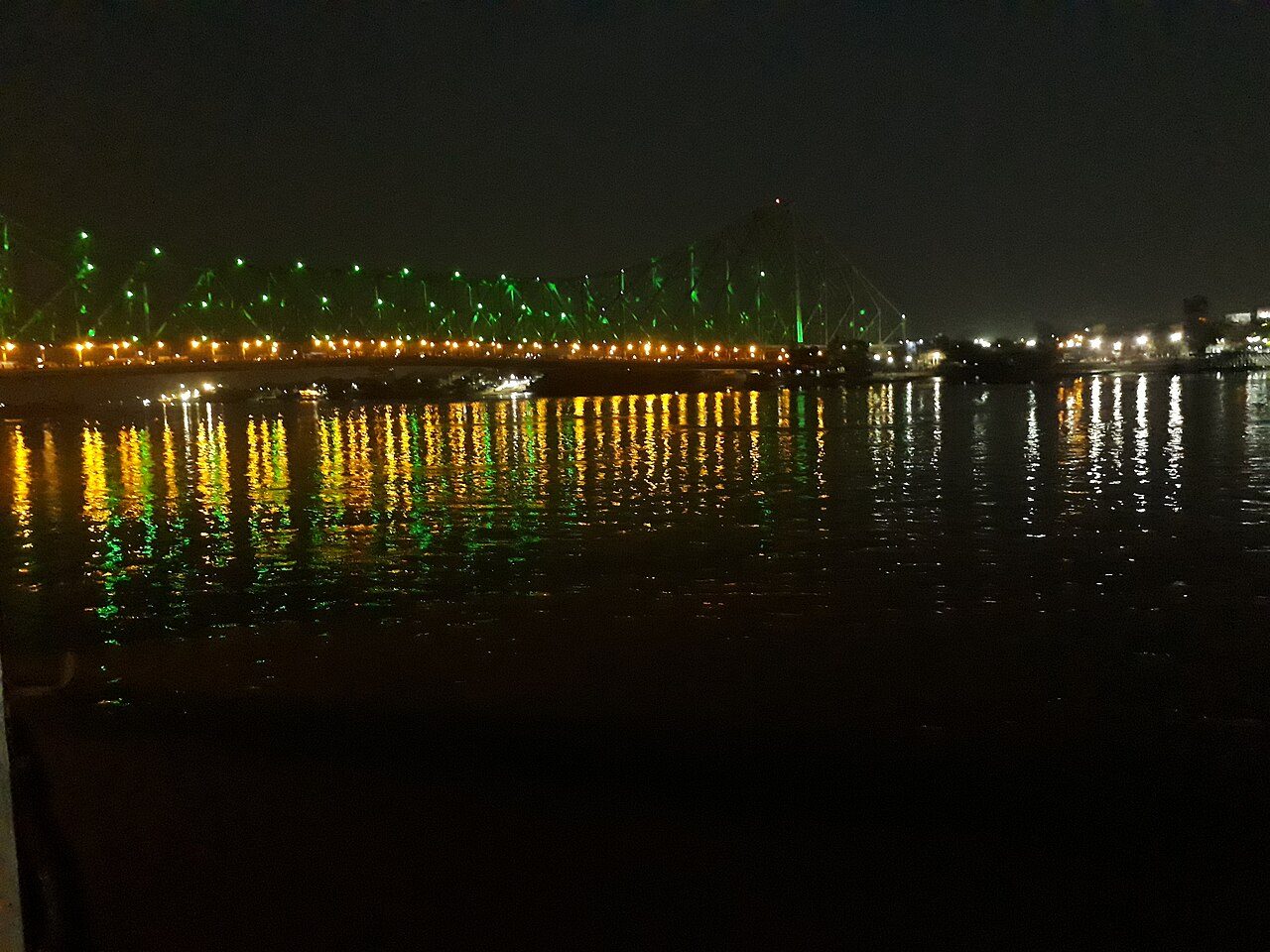
Howrah Bridge, opened in 1943 and officially named Rabindra Setu, spans the Hooghly River between Kolkata and Howrah. It is a huge steel cantilever bridge built without nuts and bolts, held together by rivets, and carries one of the heaviest flows of traffic and pedestrians in the world. The flower market at Mullick Ghat beneath its eastern end is best seen at dawn.
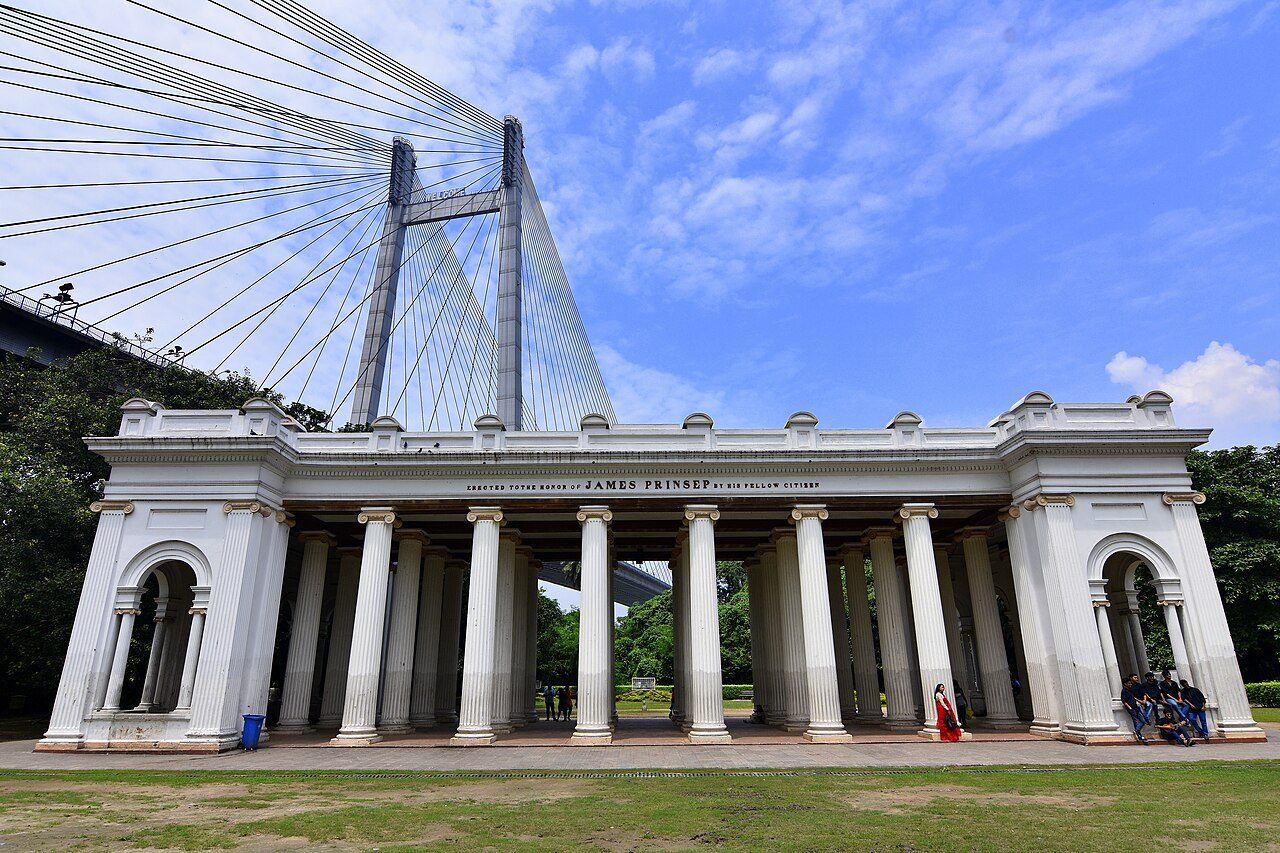
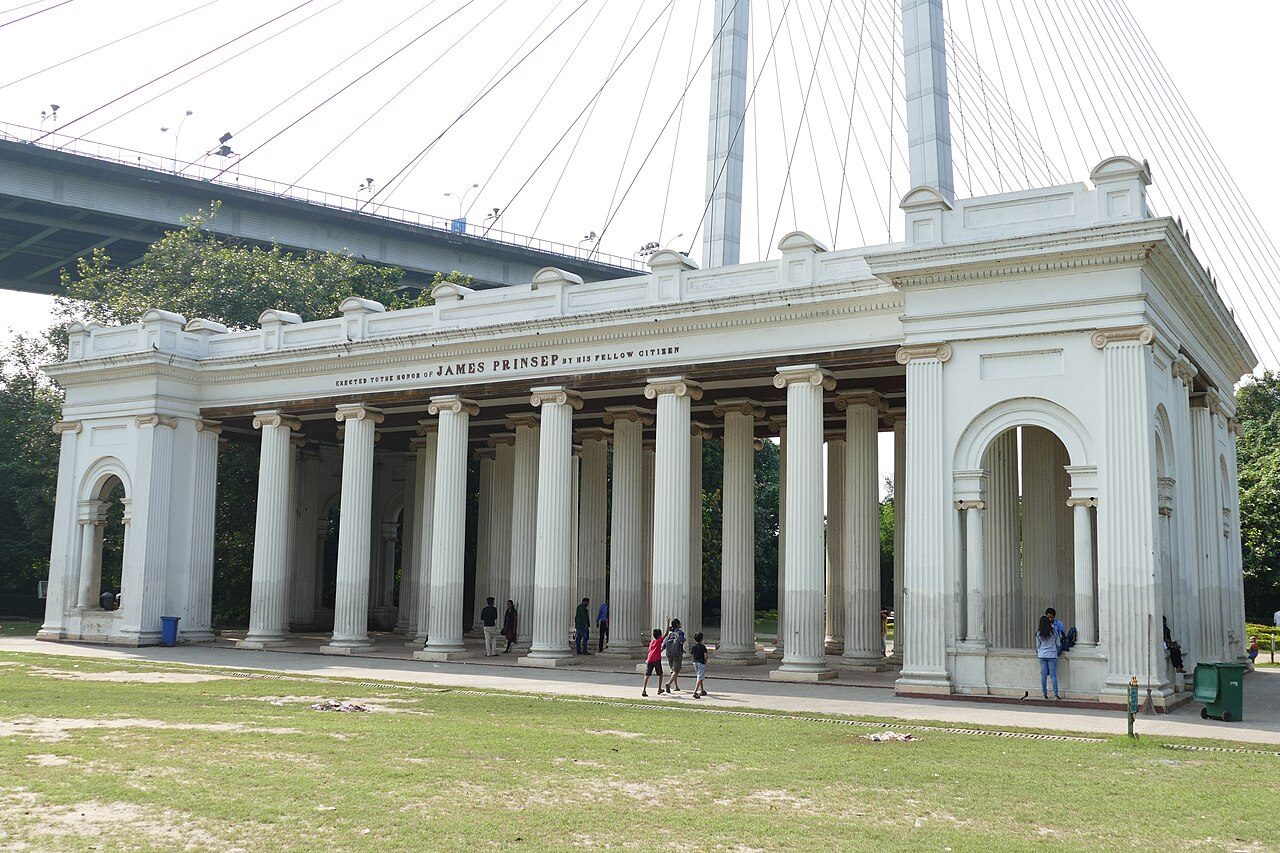
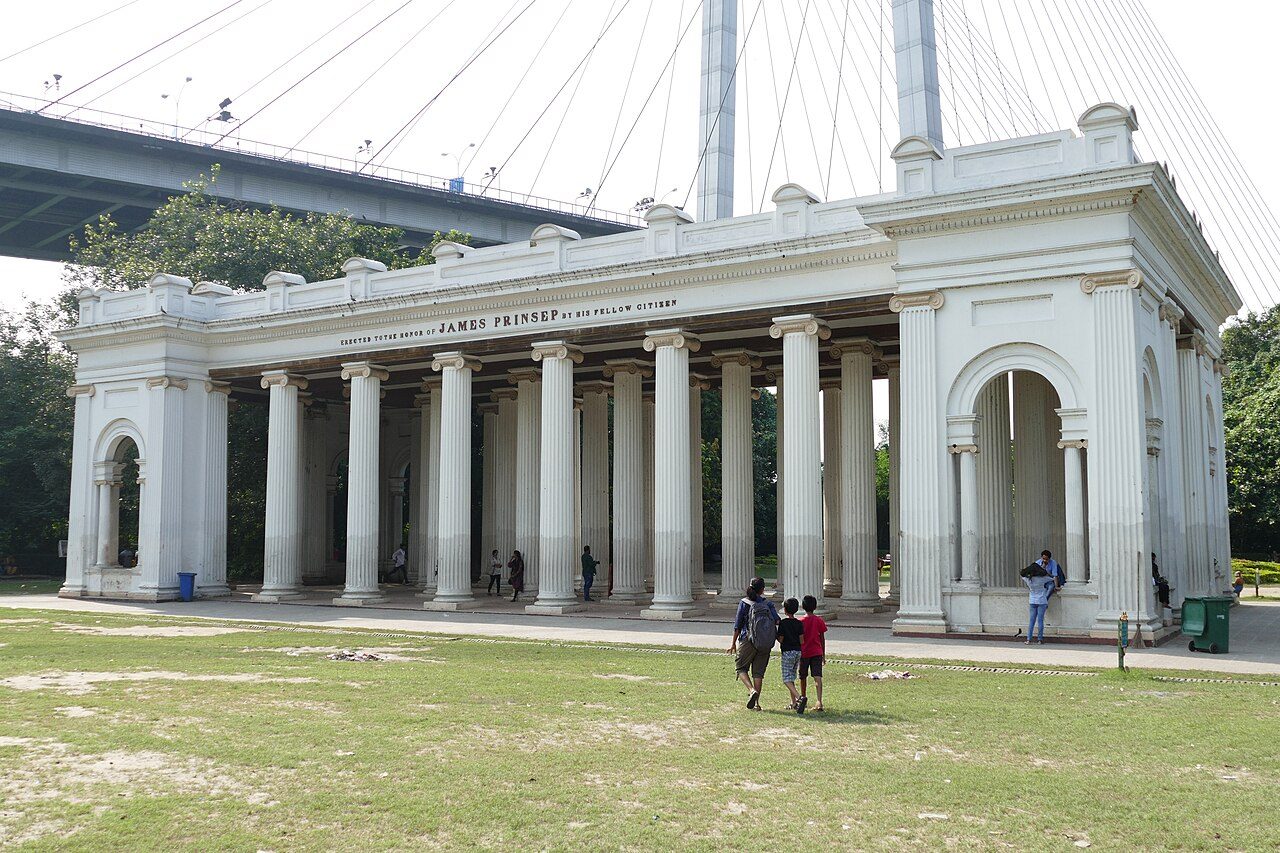
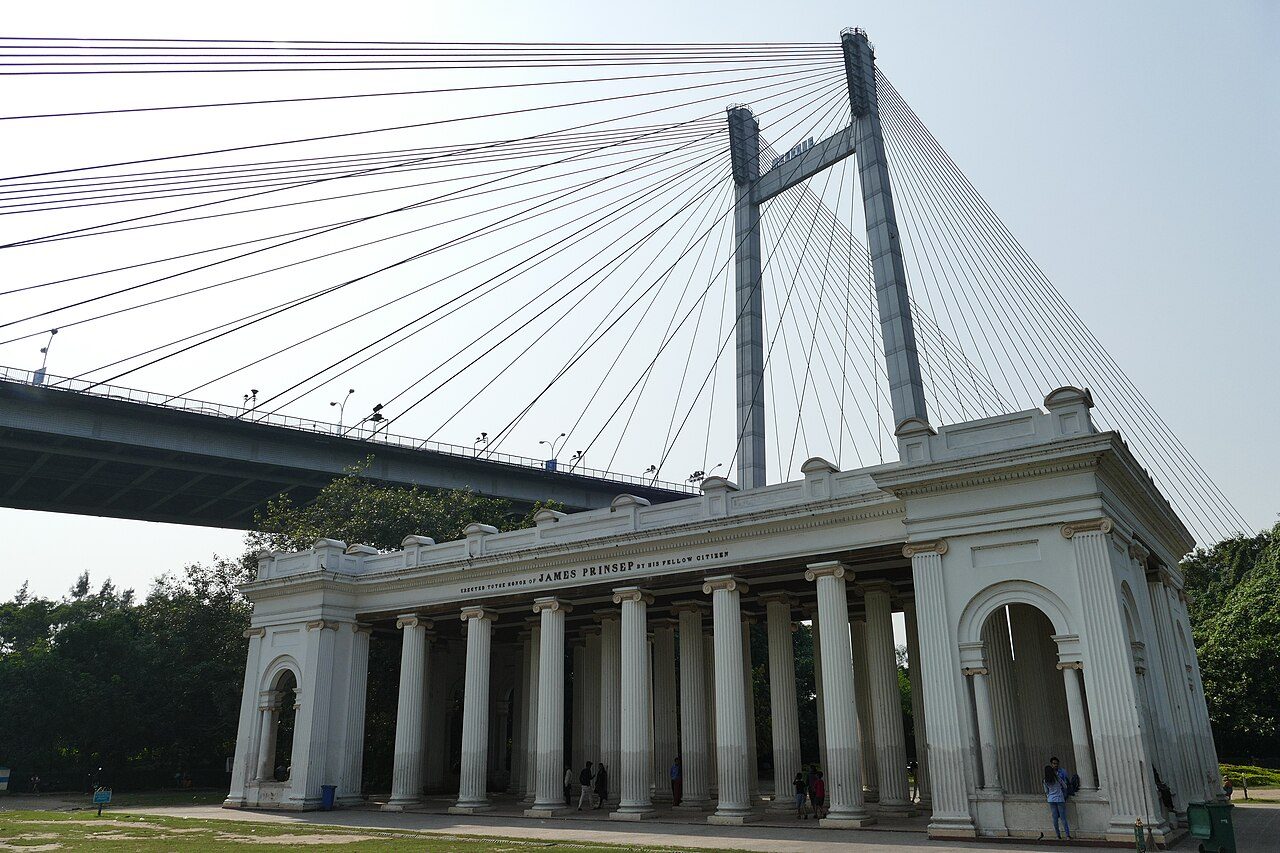
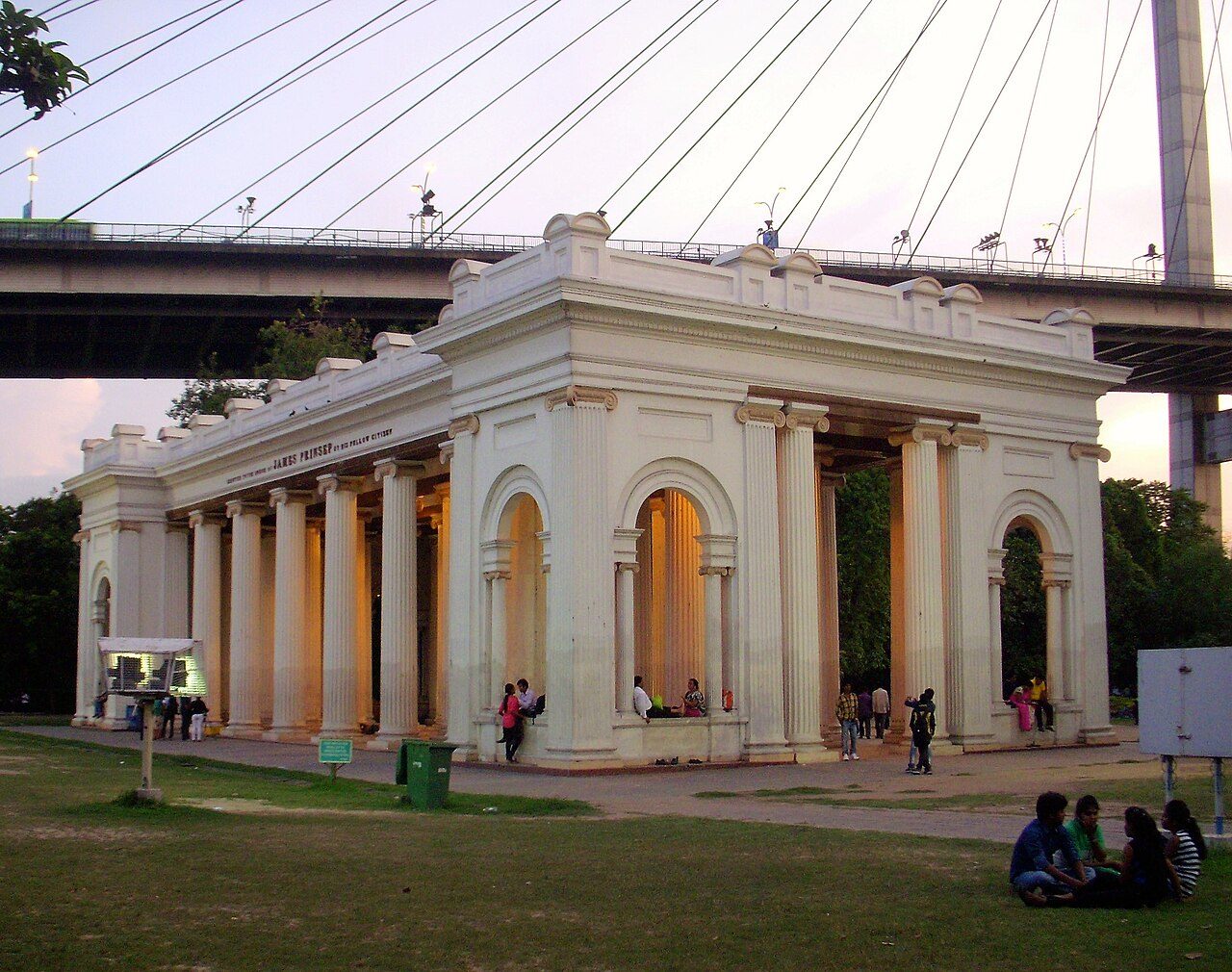
Prinsep Ghat was built in 1841 on the bank of the Hooghly in memory of the scholar James Prinsep, who deciphered the Brahmi script. Its white Palladian porch with Greek and Gothic details stands in a riverside garden beneath the cables of the Vidyasagar Setu. Evening boat rides leave from the steps, and the promenade is popular at sunset.
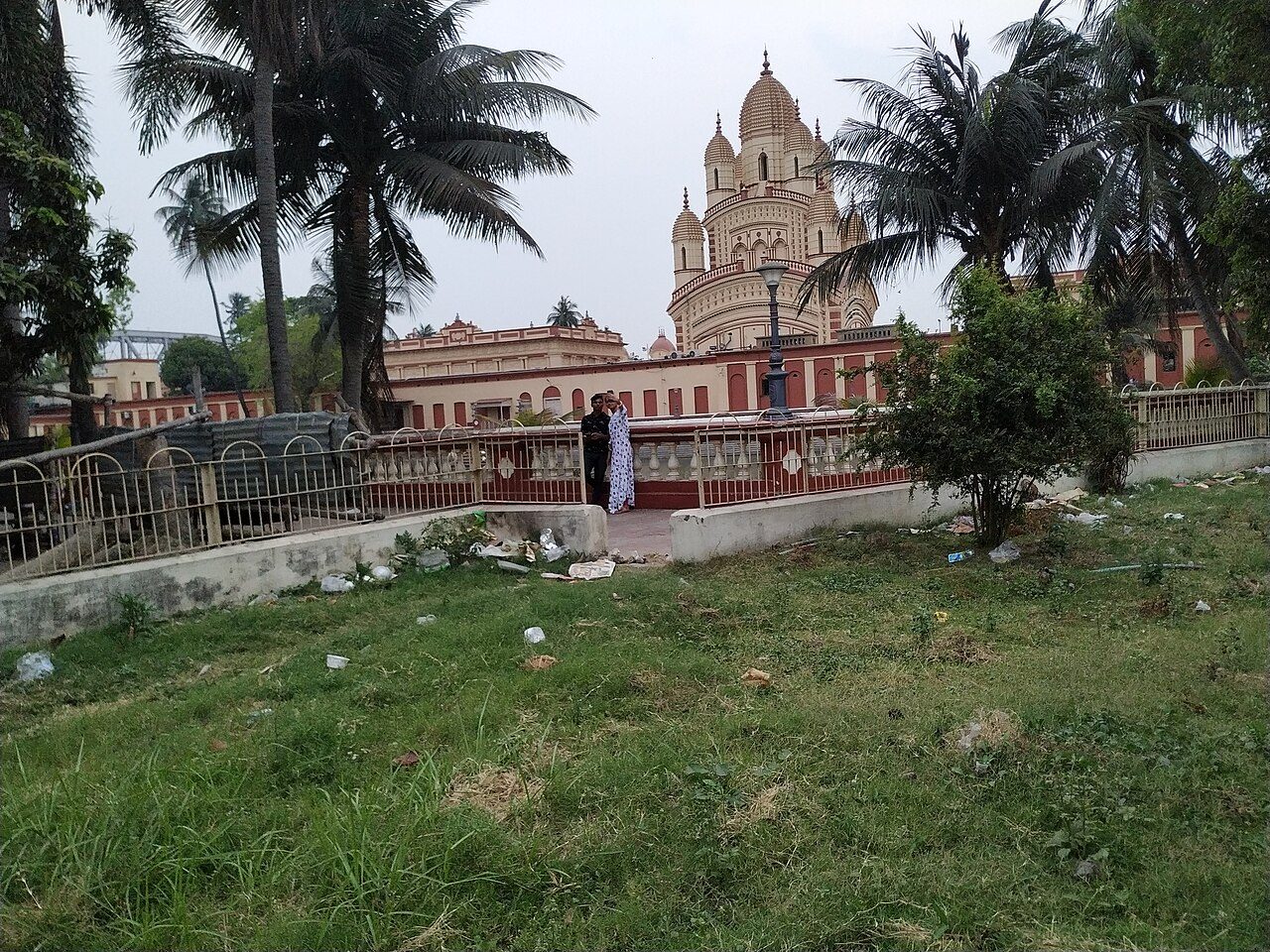
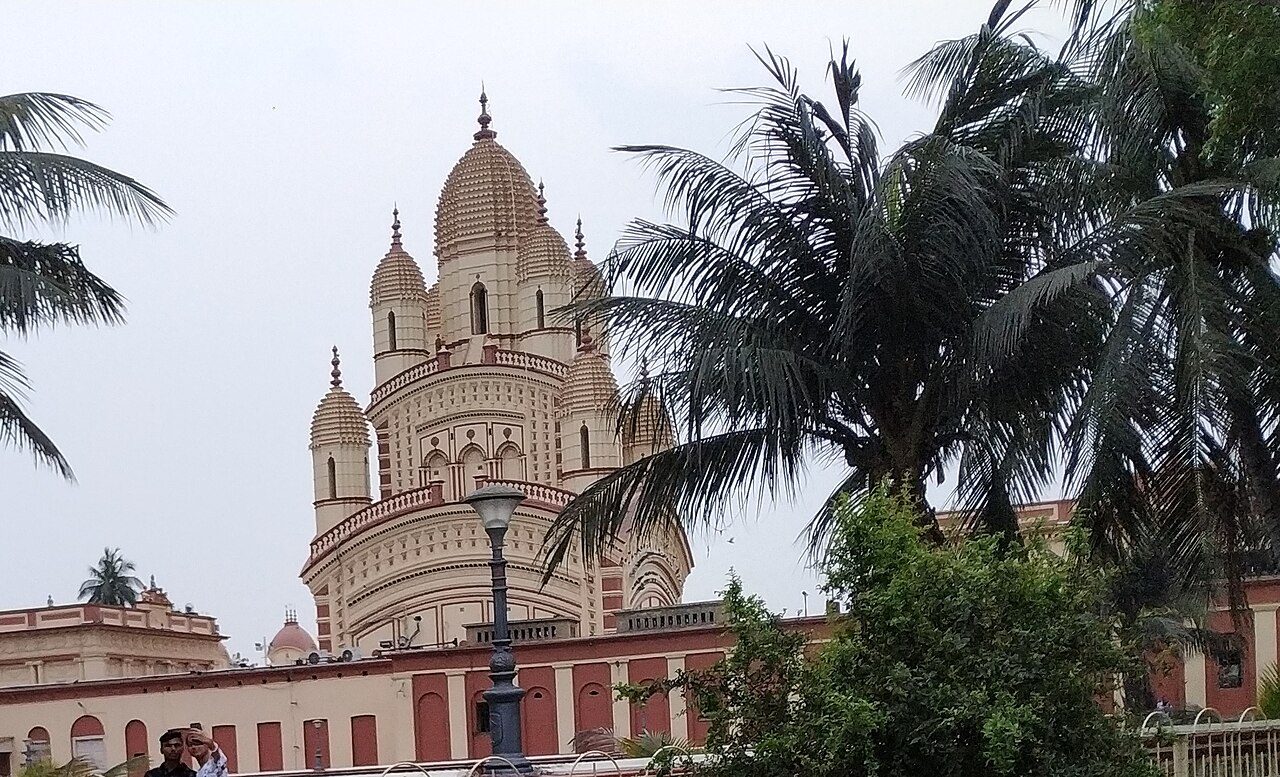
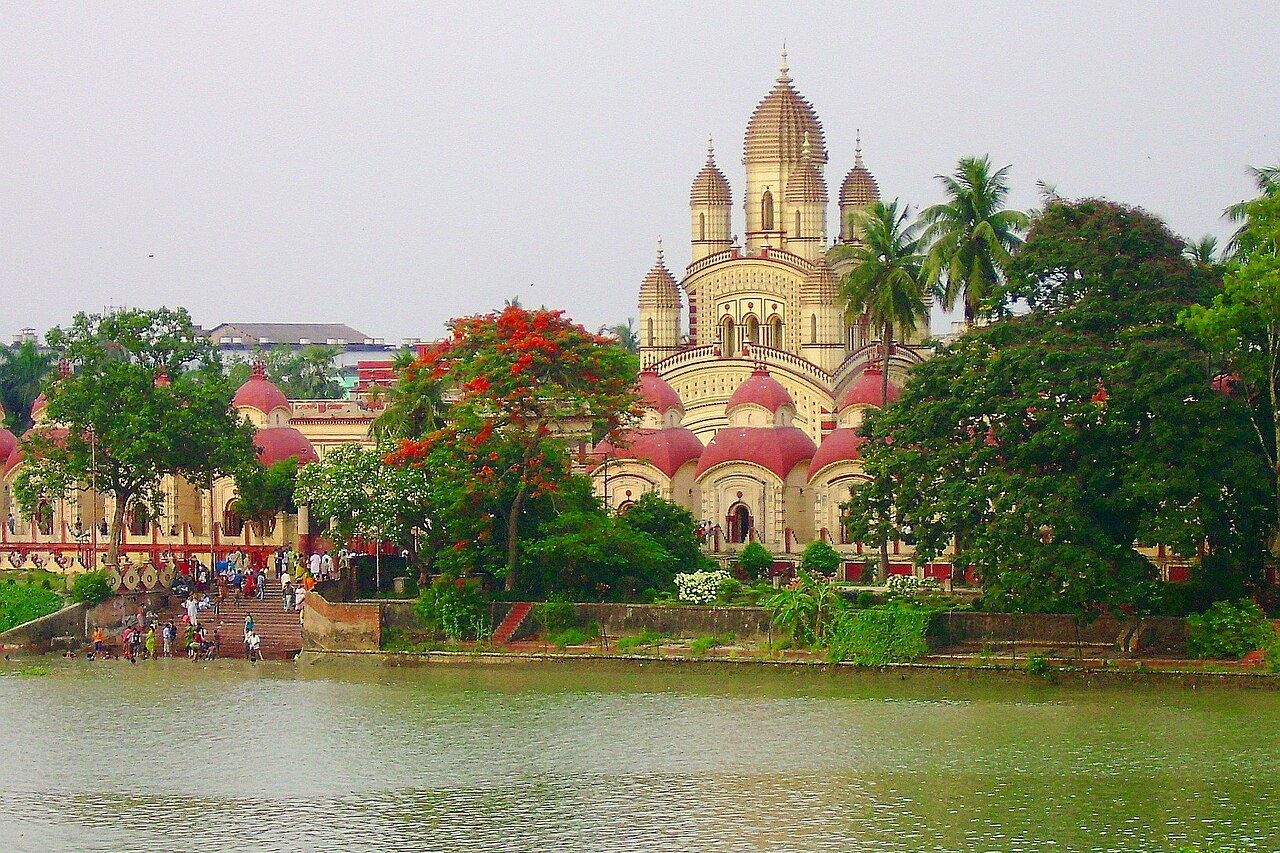
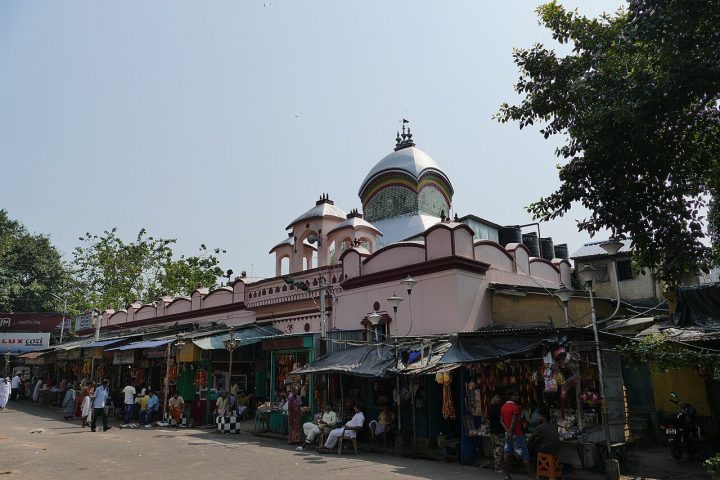
Dakshineswar Kali Temple stands on the east bank of the Hooghly, built in 1855 by Rani Rashmoni. The nine-spired temple houses Bhavatarini, a form of Kali, and is flanked by twelve small Shiva shrines along the river. The mystic Ramakrishna Paramahamsa served as priest here, and his room is preserved. Boats cross from the ghat to Belur Math.
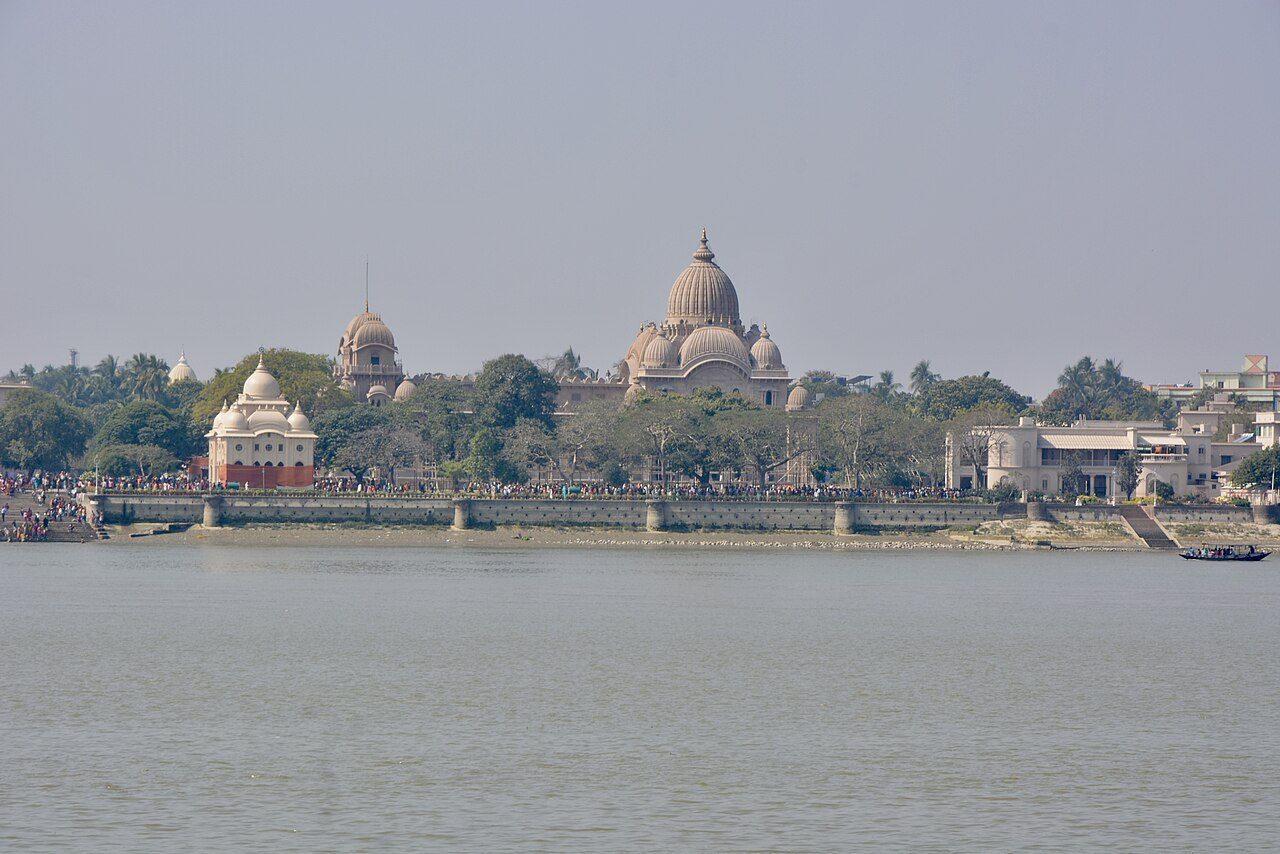
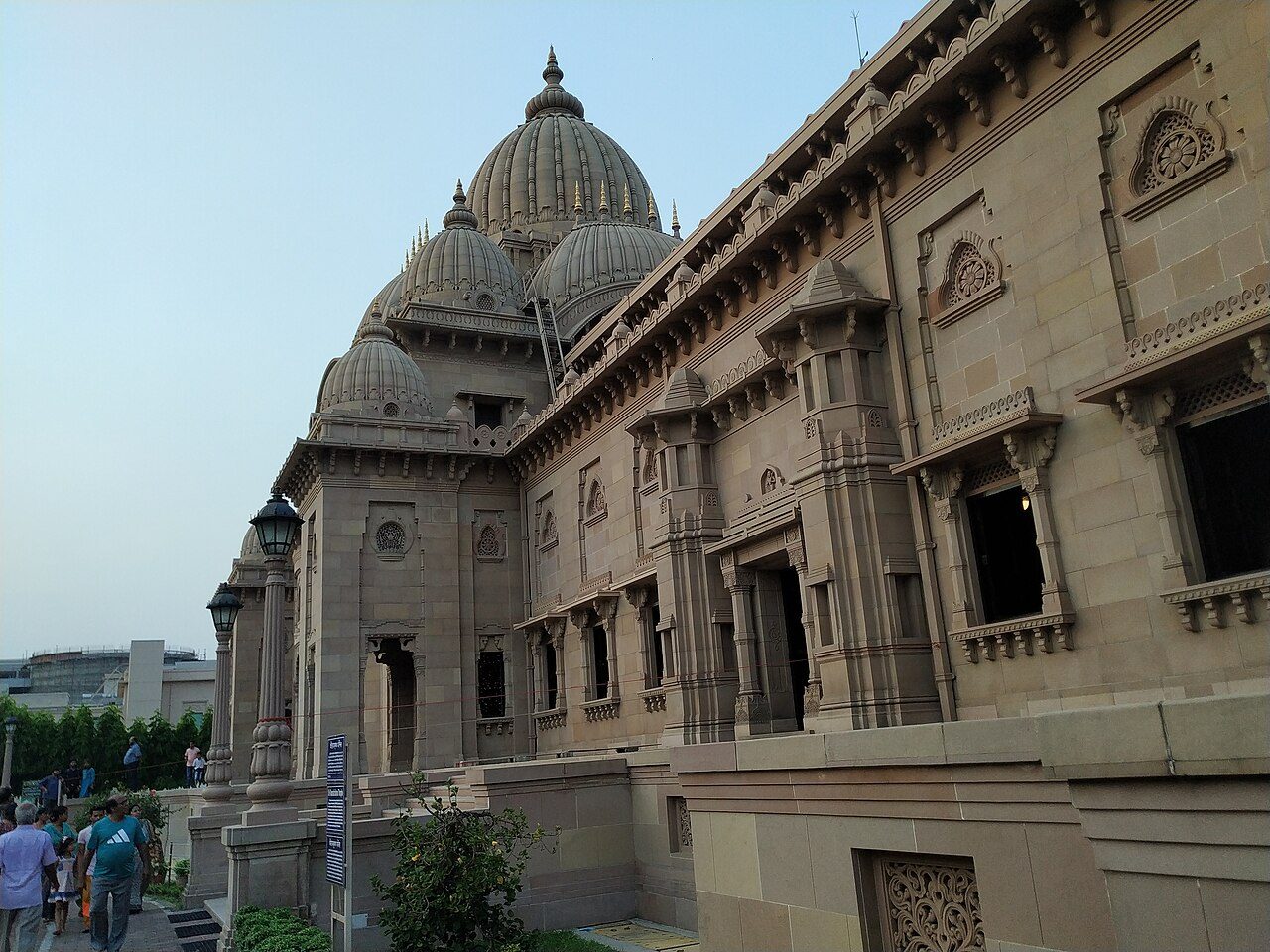
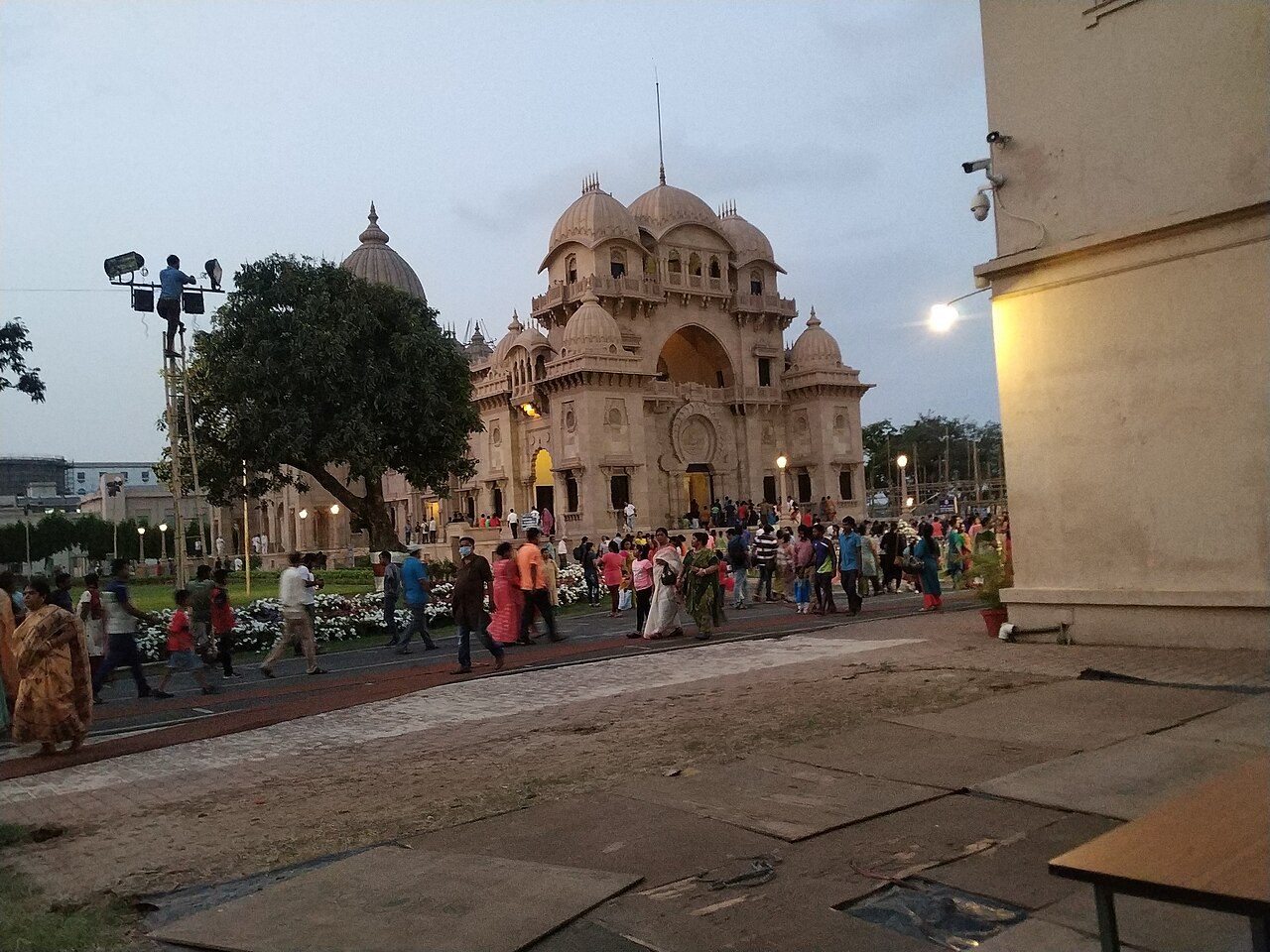
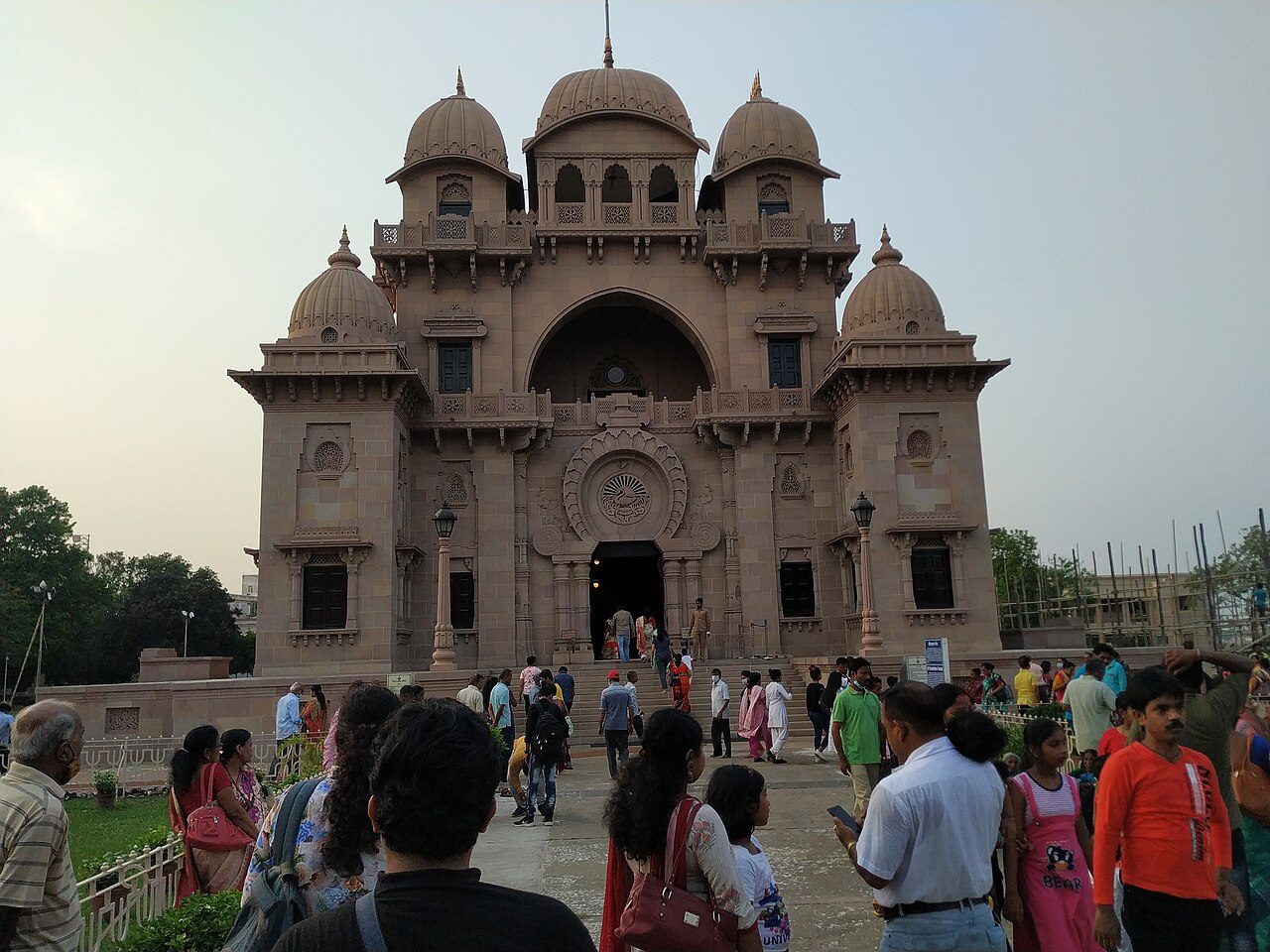
Belur Math, on the west bank of the Hooghly, is the headquarters of the Ramakrishna Math and Mission, founded by Swami Vivekananda in 1897. The main temple, consecrated in 1938, deliberately combines Hindu, Buddhist, Islamic and Christian architectural motifs to express the unity of religions. Shrines to Vivekananda and Sarada Devi stand by the river. Photography is not allowed inside the grounds.
Best weather: Nov – MarHeavy rain: Jul – Sep
Seasons from 20 years of NASA POWER climate data.
Was this trip blog helpful?
0
0
Ready to follow this route?
Copy all 12 stops into your trip plans in the app.
 WaTrips