Kalighat, St. Paul's, the Nakhoda Mosque and the Pareshnath Jain temple, then Dakshineswar, Belur Math, Bandel Church, the Hooghly Imambara and Tarakeswar.
Kolkata and the towns along the Hooghly hold temples, churches and mosques side by side. Day one visits Kalighat Kali Temple, St. Paul's Cathedral, the Nakhoda Mosque, the city's largest, and the ornate Pareshnath Jain temple. Day two goes up the river to Dakshineswar Kali Temple and Belur Math, then to Bandel Church, one of the oldest churches in Bengal, the Hooghly Imambara, Hangseshwari Temple, Chandannagar's French riverfront and the Shiva temple at Tarakeswar. Dress modestly and remove your shoes where asked. October to March is best.
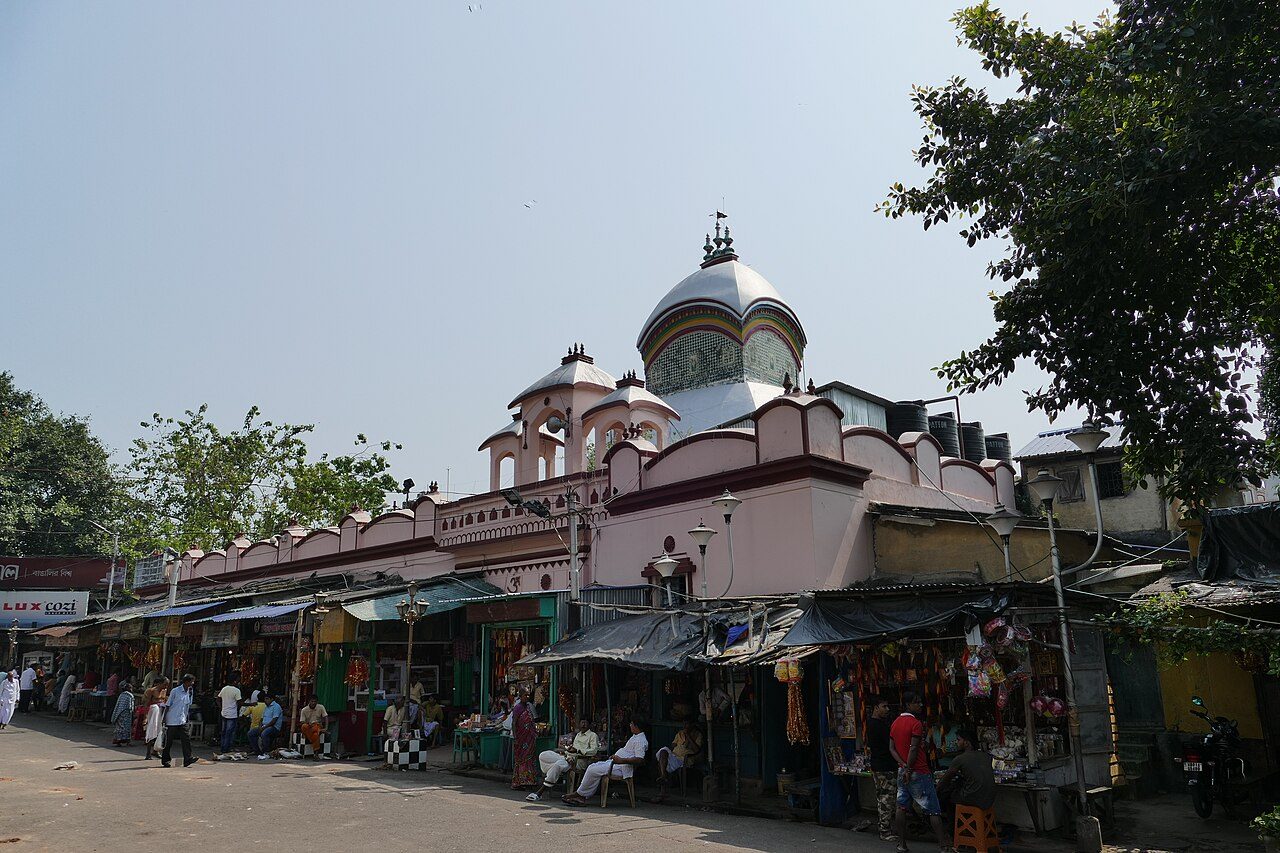
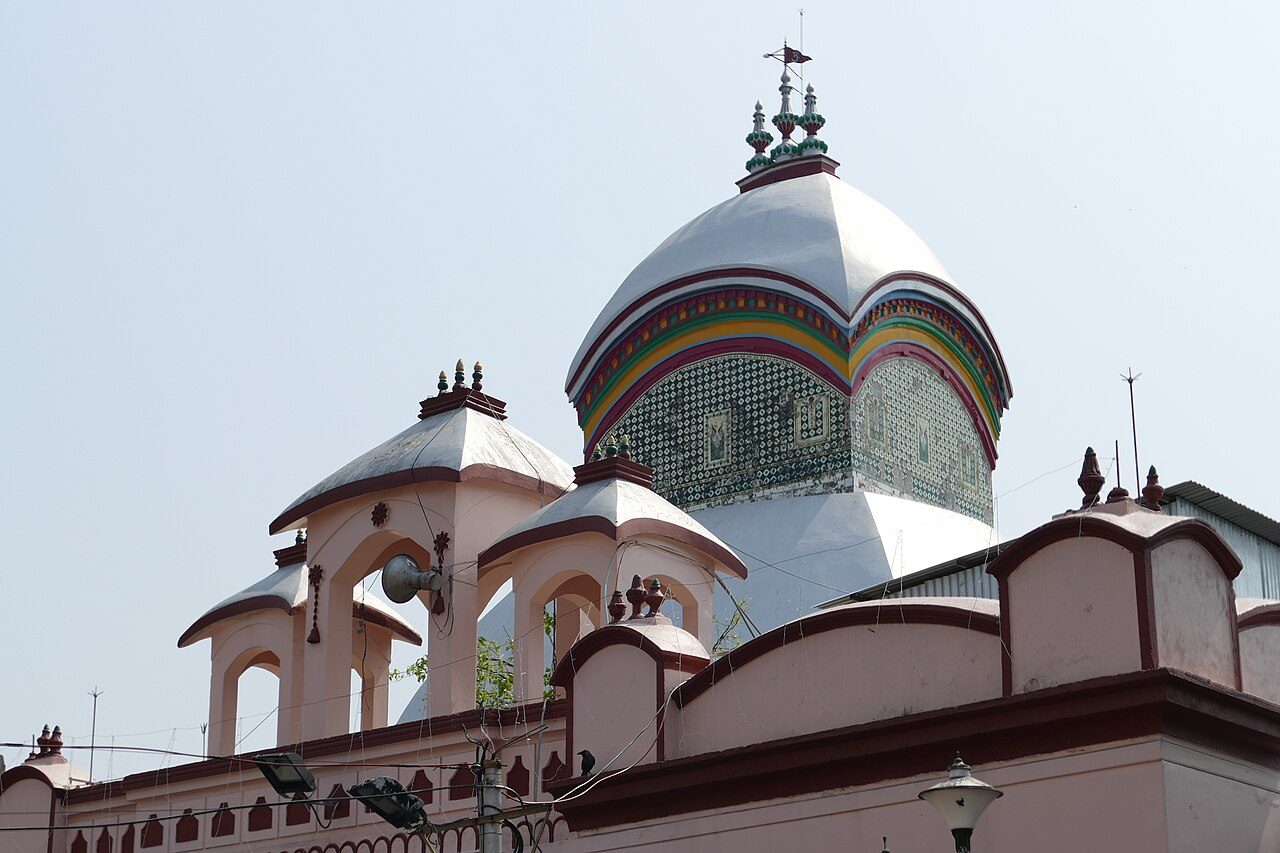
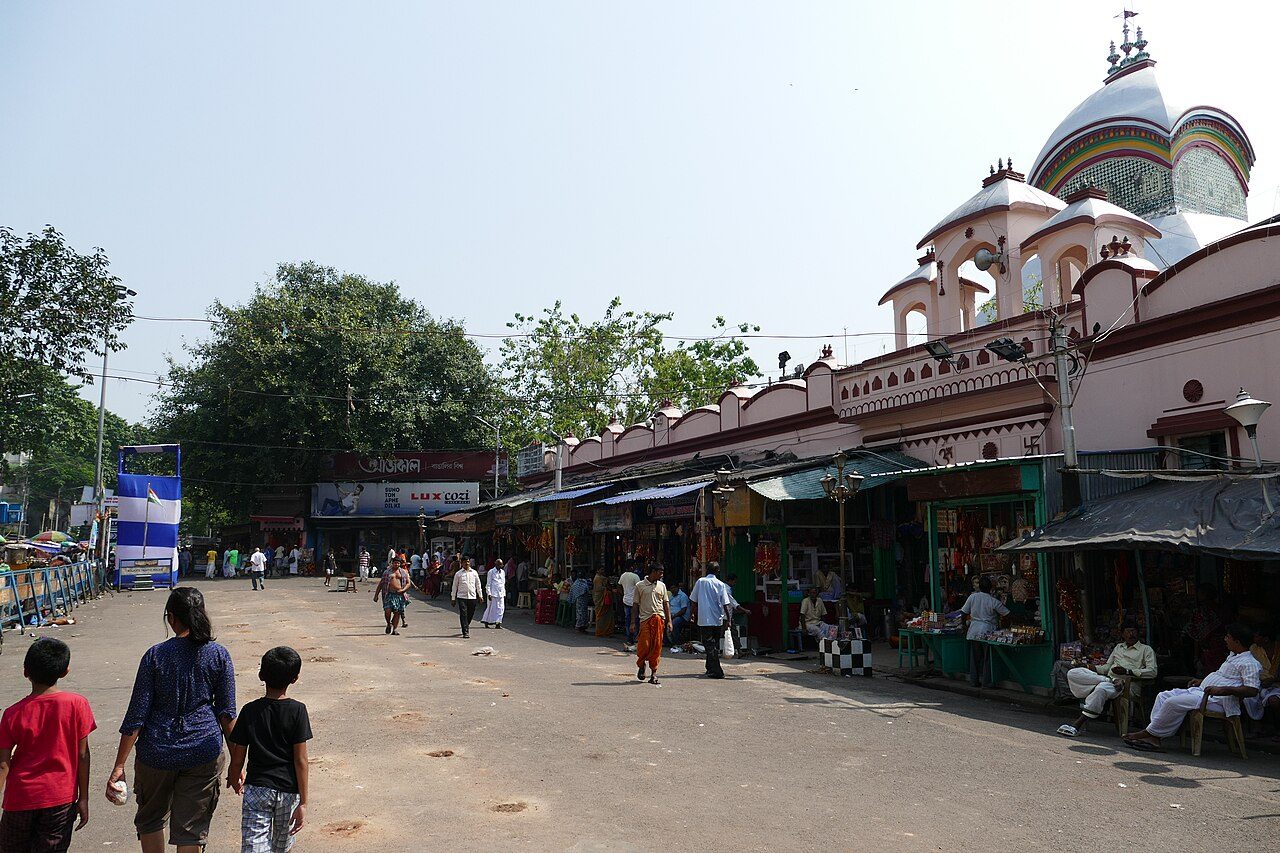
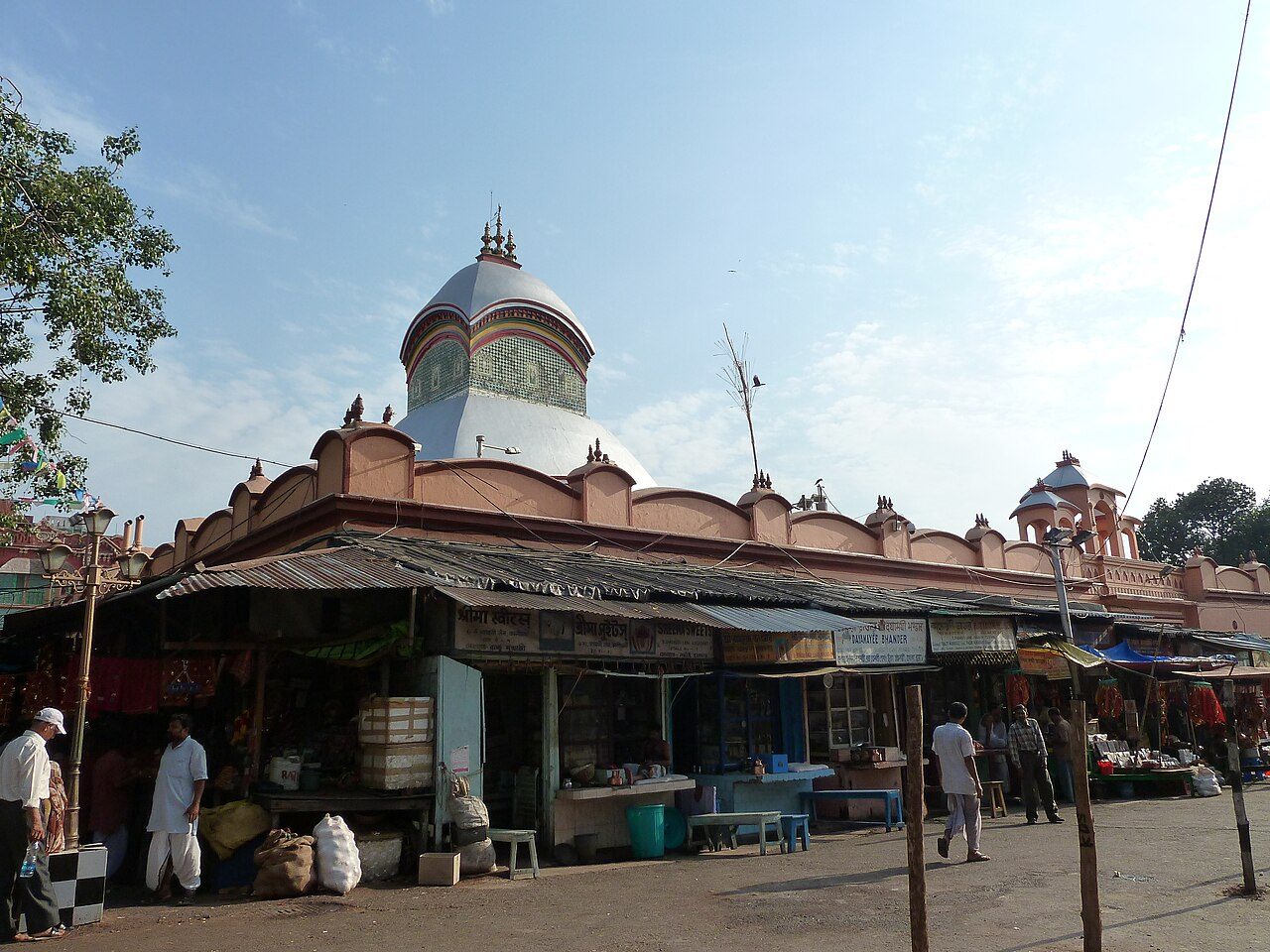
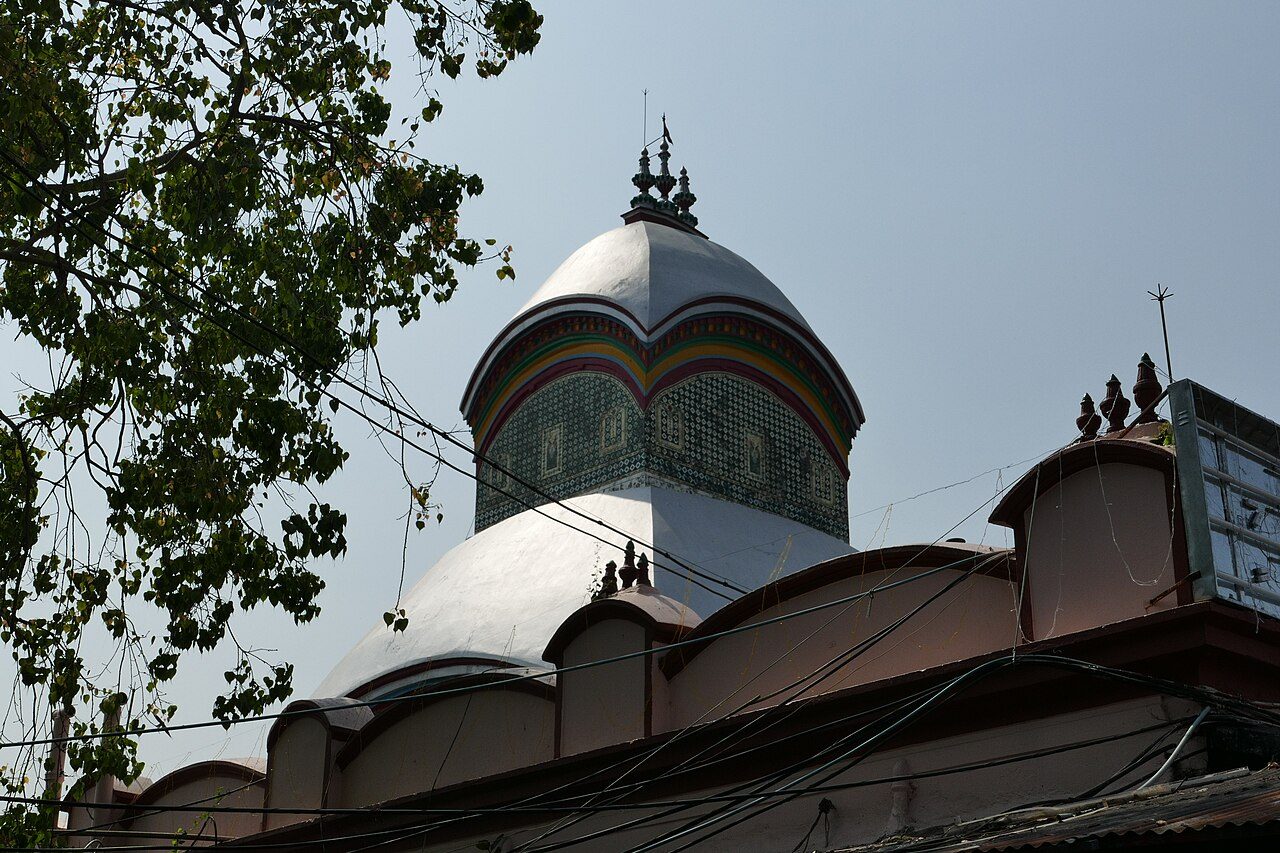
Kalighat is one of the most important Kali temples in India and is counted among the Shakti Peethas; the name Calcutta is often said to derive from it. The present temple, in the Bengali hut style with a curved roof, dates from 1809. The image of the goddess has three large eyes and a long gold tongue. It is always crowded, especially on Tuesdays and Saturdays.
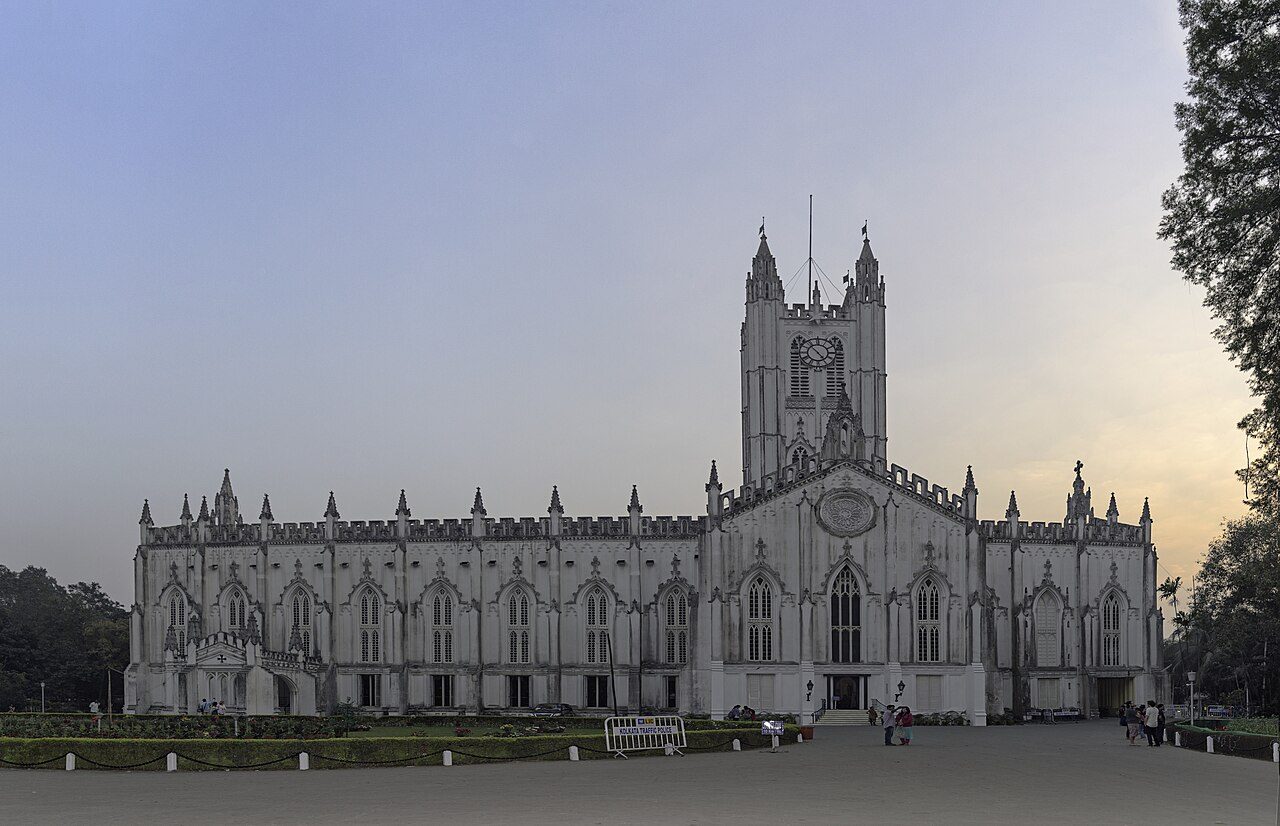
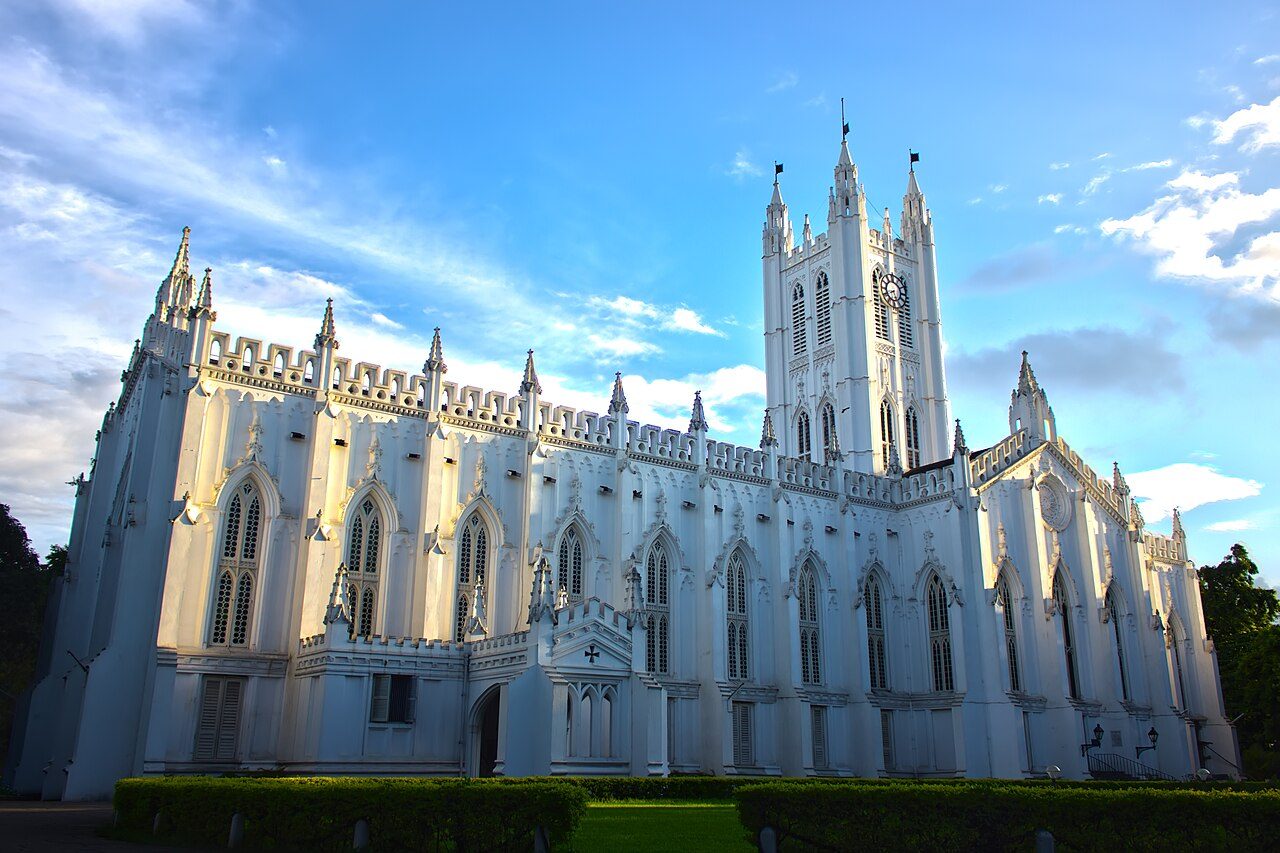
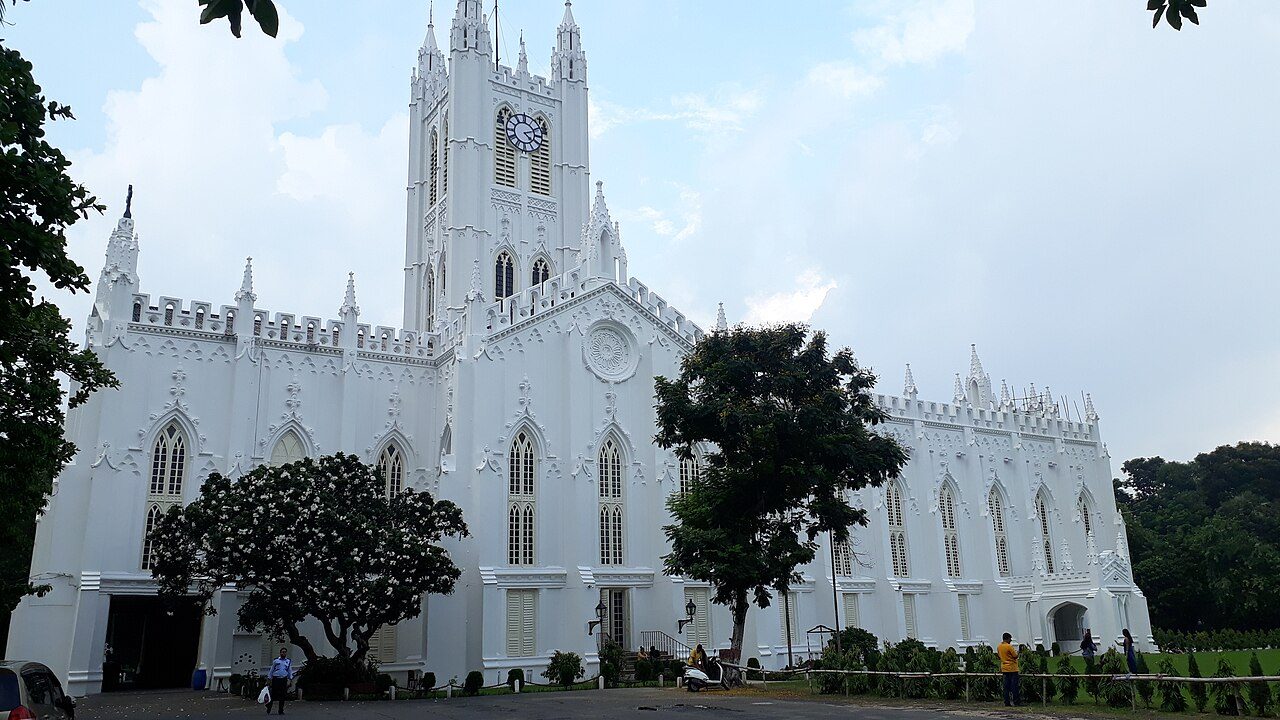
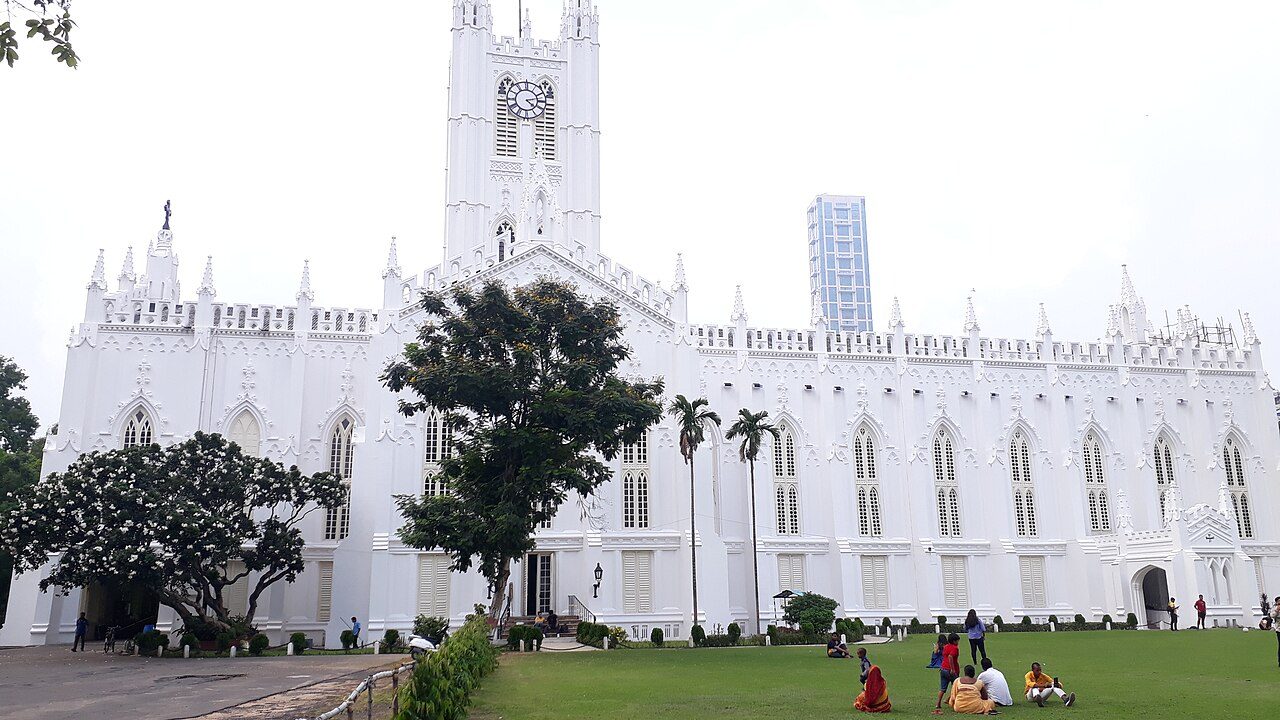
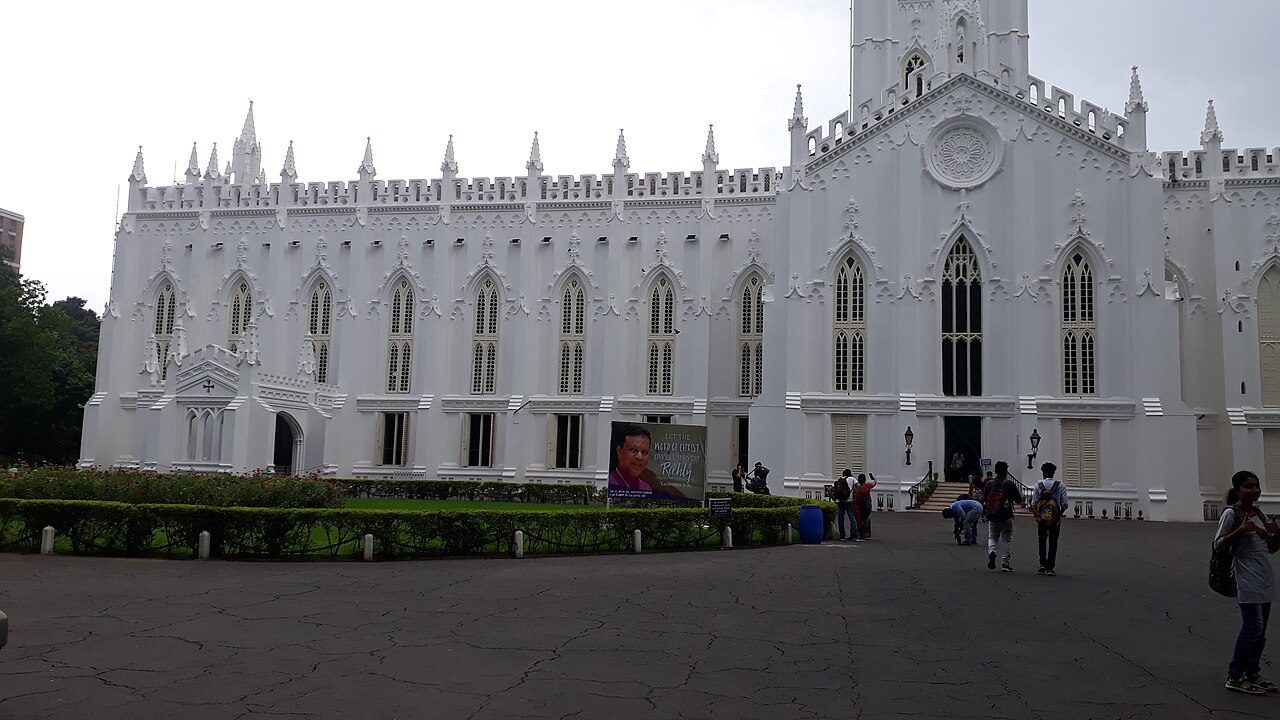
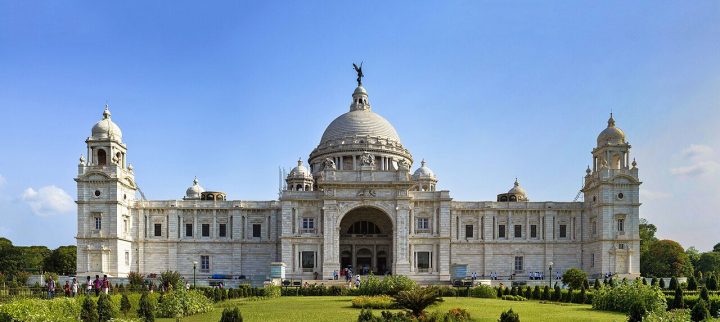
St. Paul's Cathedral, consecrated in 1847, is the seat of the Anglican Diocese of Calcutta. Built in Indo-Gothic style, it lost its original spire to earthquakes and was given a tower modelled on Canterbury Cathedral's. Inside are a fine stained-glass west window by Edward Burne-Jones, carved pews and memorials. It stands beside the Victoria Memorial on the edge of the Maidan.
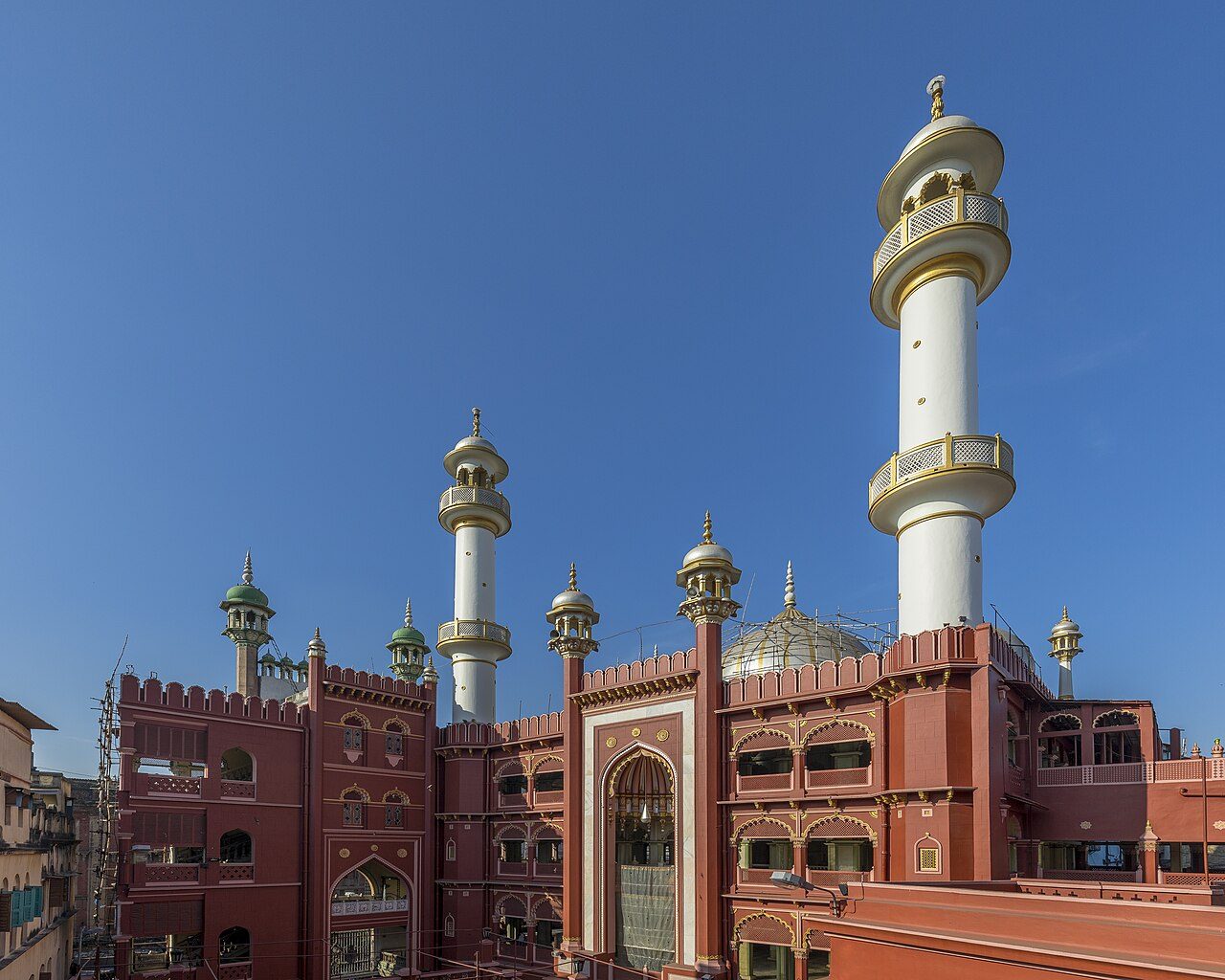
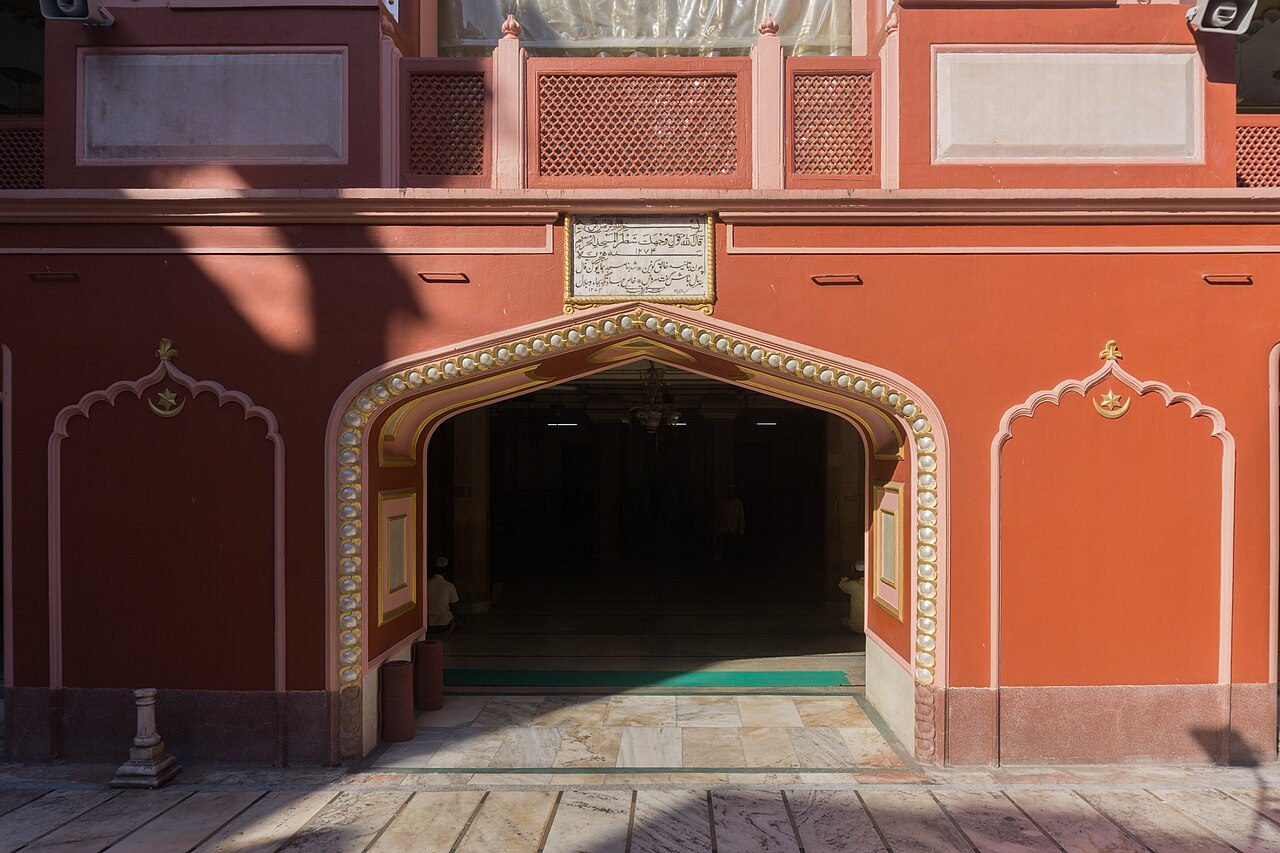
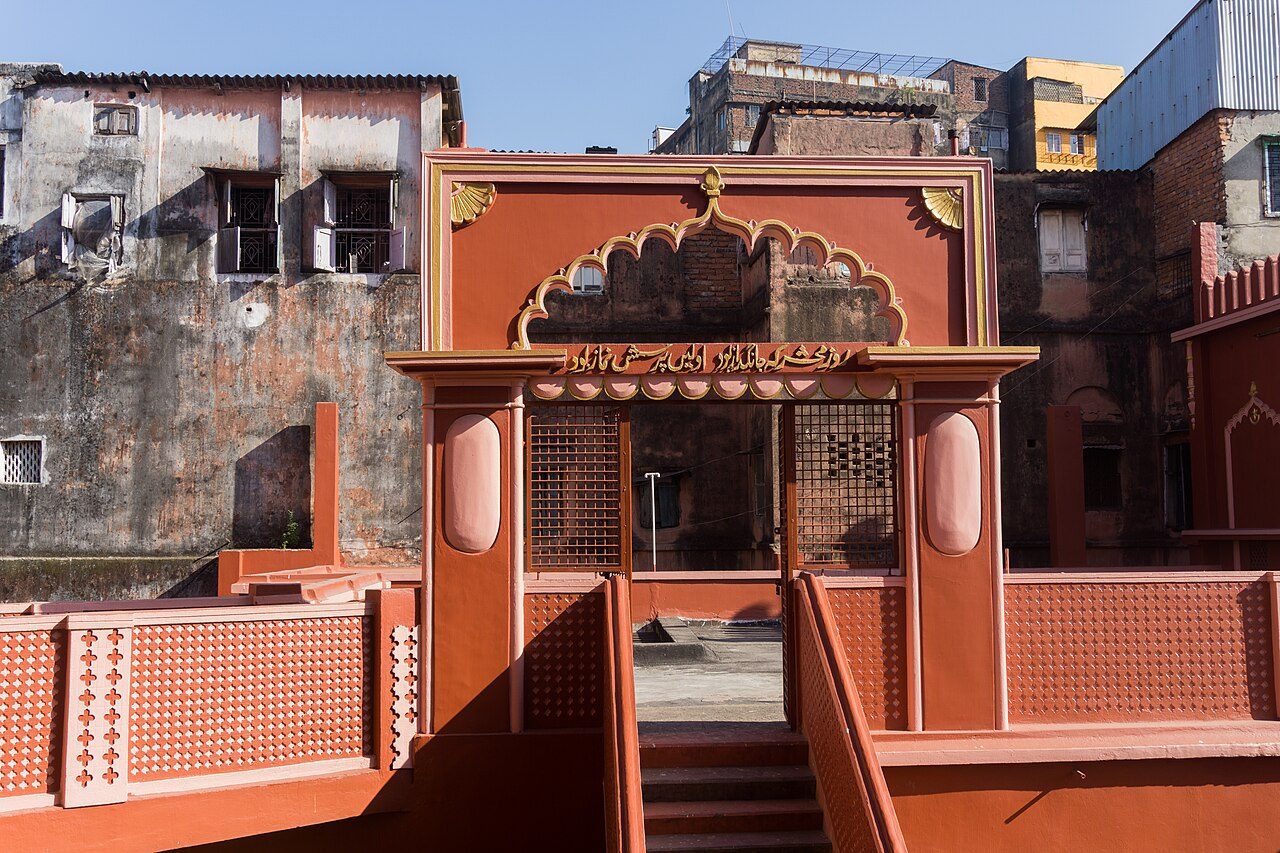
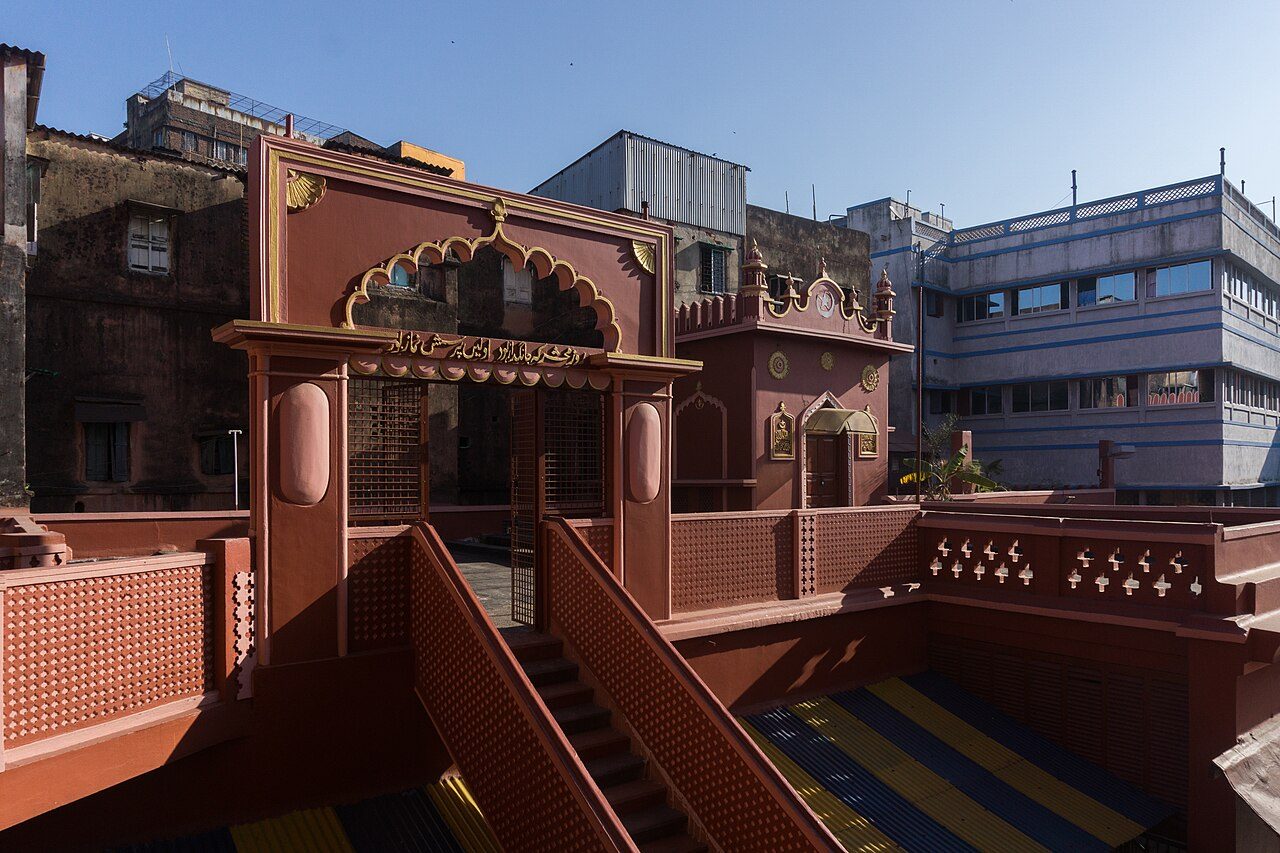
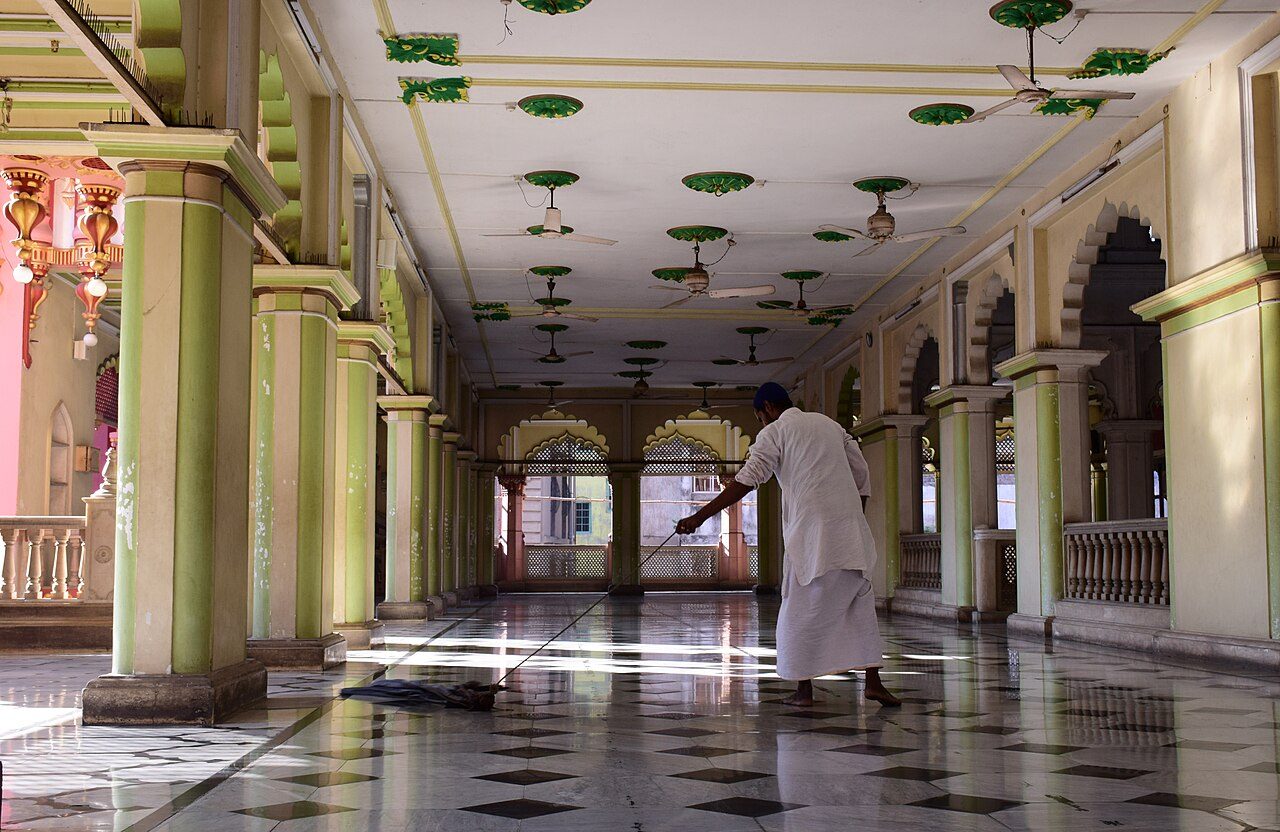
Nakhoda Mosque is the principal mosque of Kolkata, built in 1926 by a community of Kutchi Memon merchants. Modelled on Akbar's tomb at Sikandra, it is of red sandstone with a tall gateway inspired by the Buland Darwaza, a dome and two lofty minarets, and can hold some ten thousand worshippers. It stands amid the busy bazaars of Chitpur.
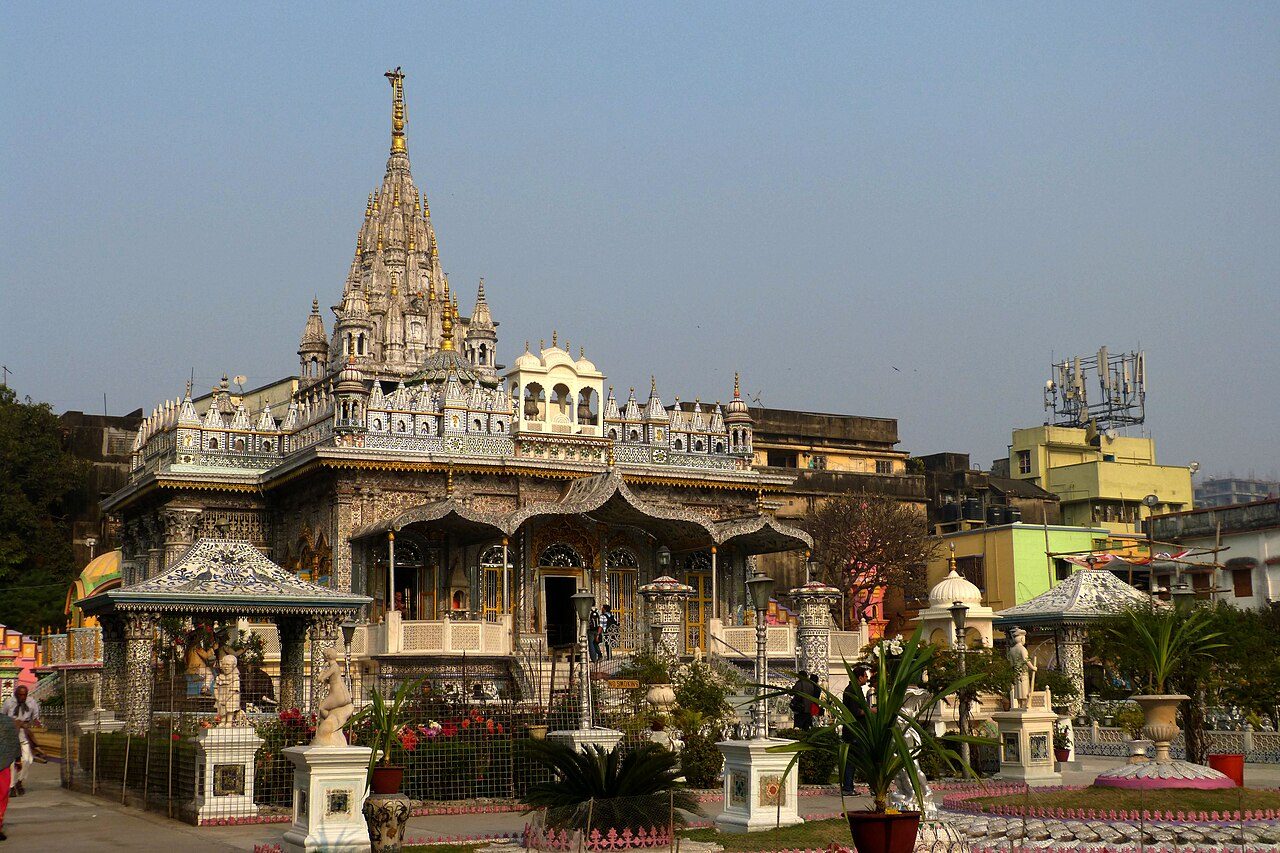
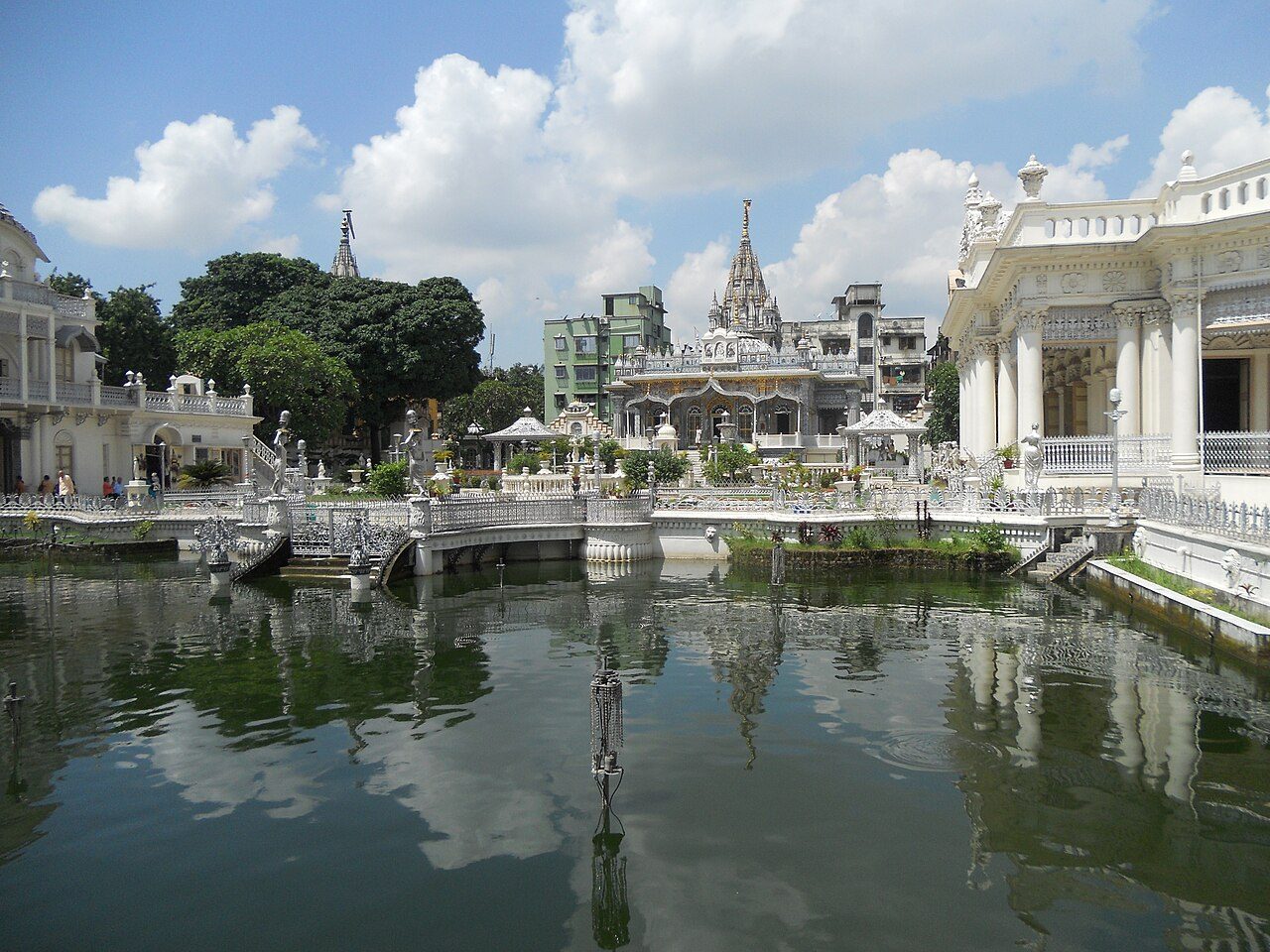
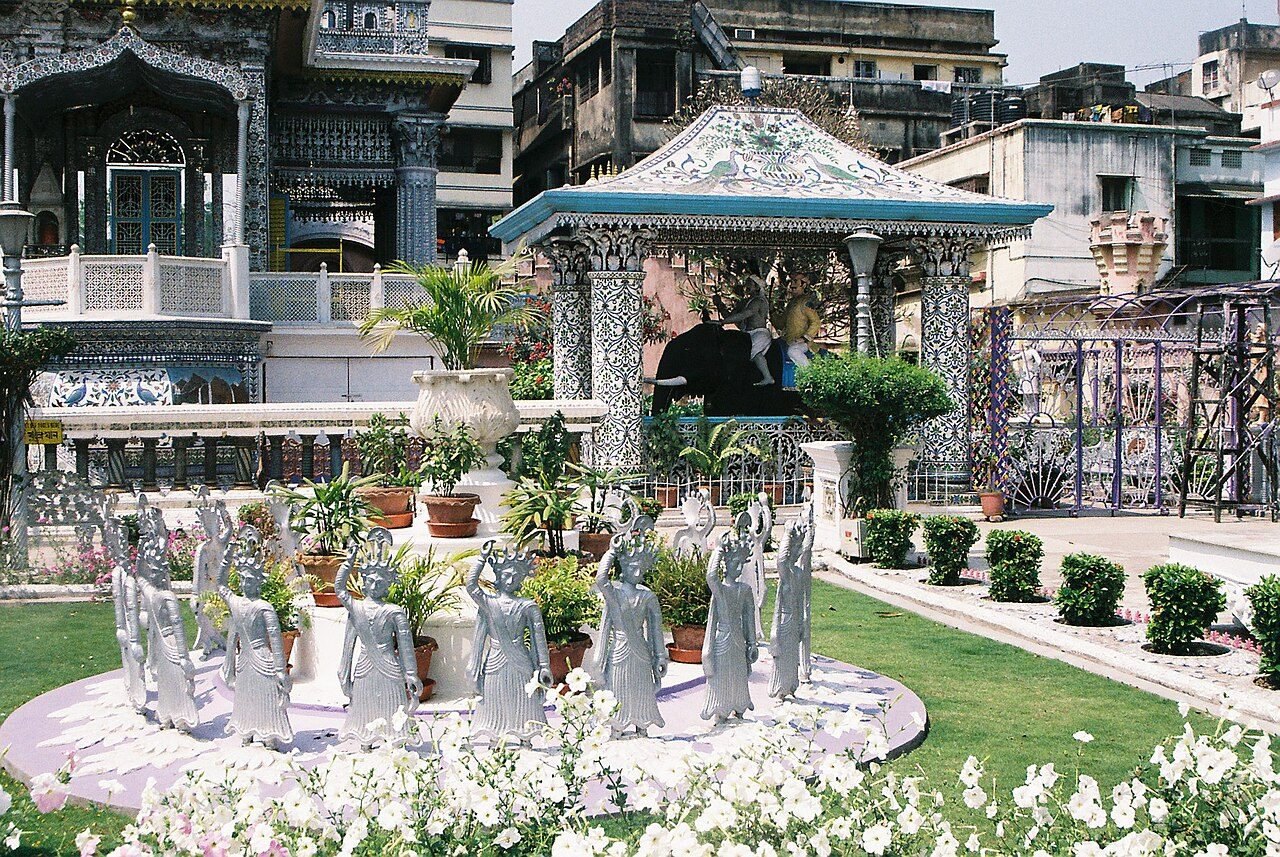
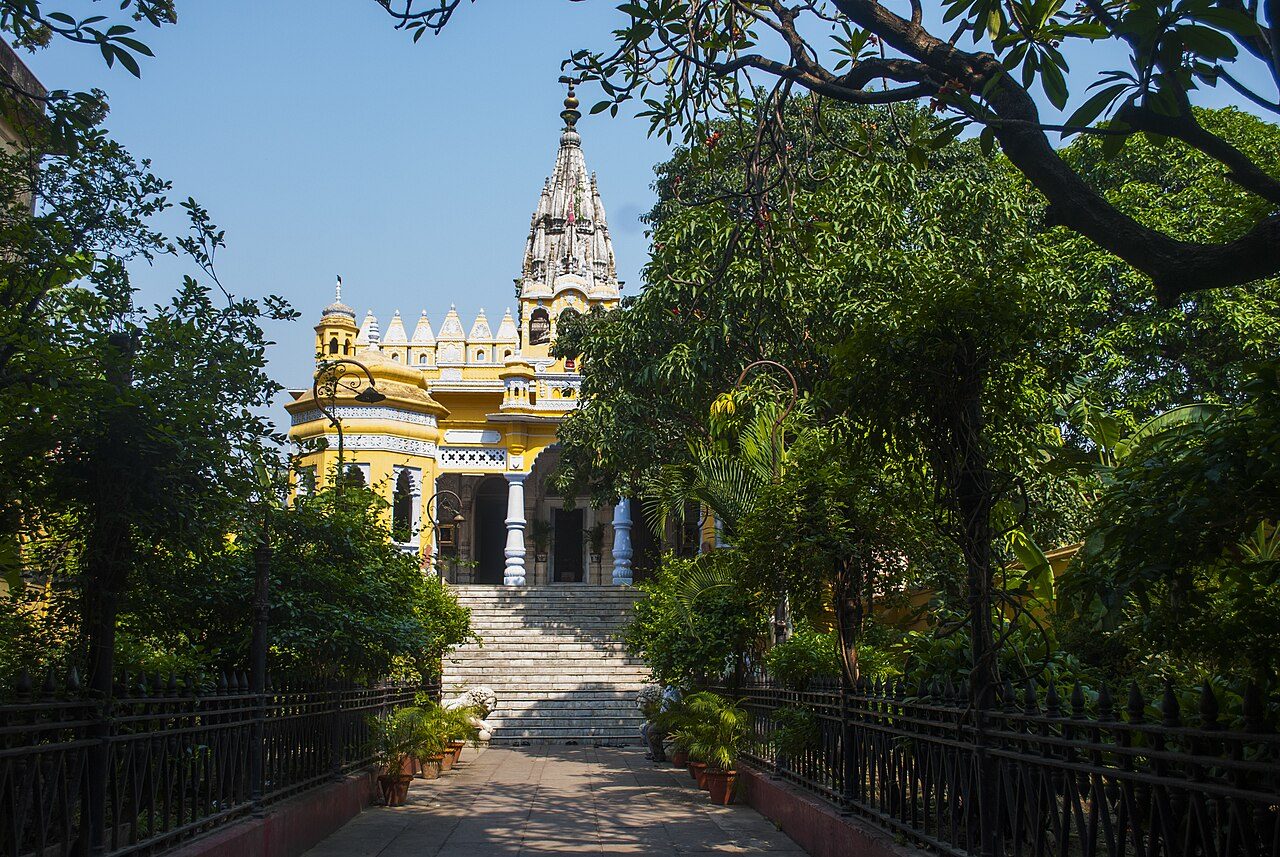
The Pareshnath Jain Temple complex in north Kolkata was built in 1867 by the jeweller Rai Badridas Bahadur. Four temples stand in a garden with fountains and a pond; the main one, to Sheetalnath, is covered inside with mirrors, coloured glass, mosaics and chandeliers. A ghee lamp in the sanctum is said to have burned without a break since the temple was built.
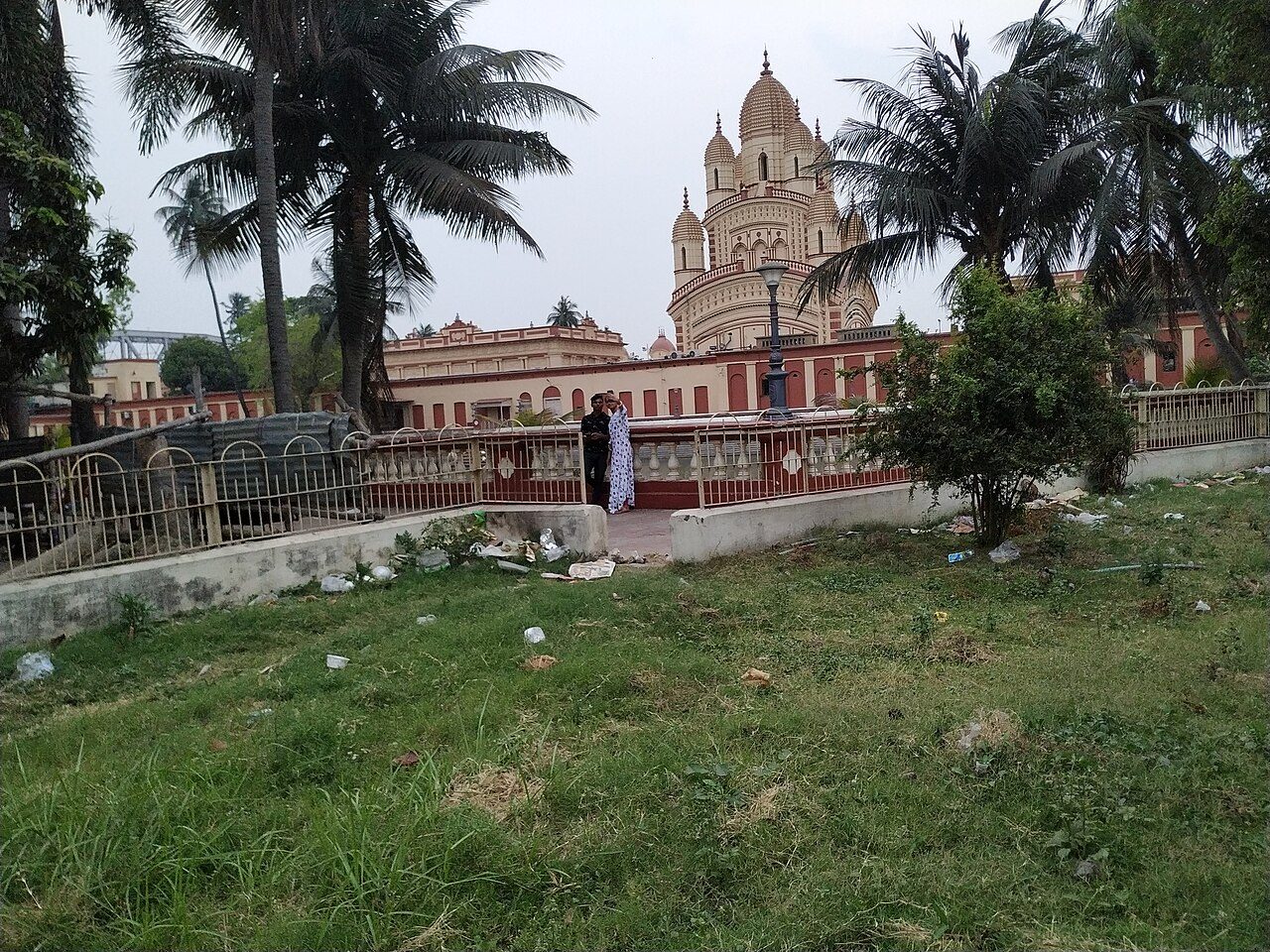
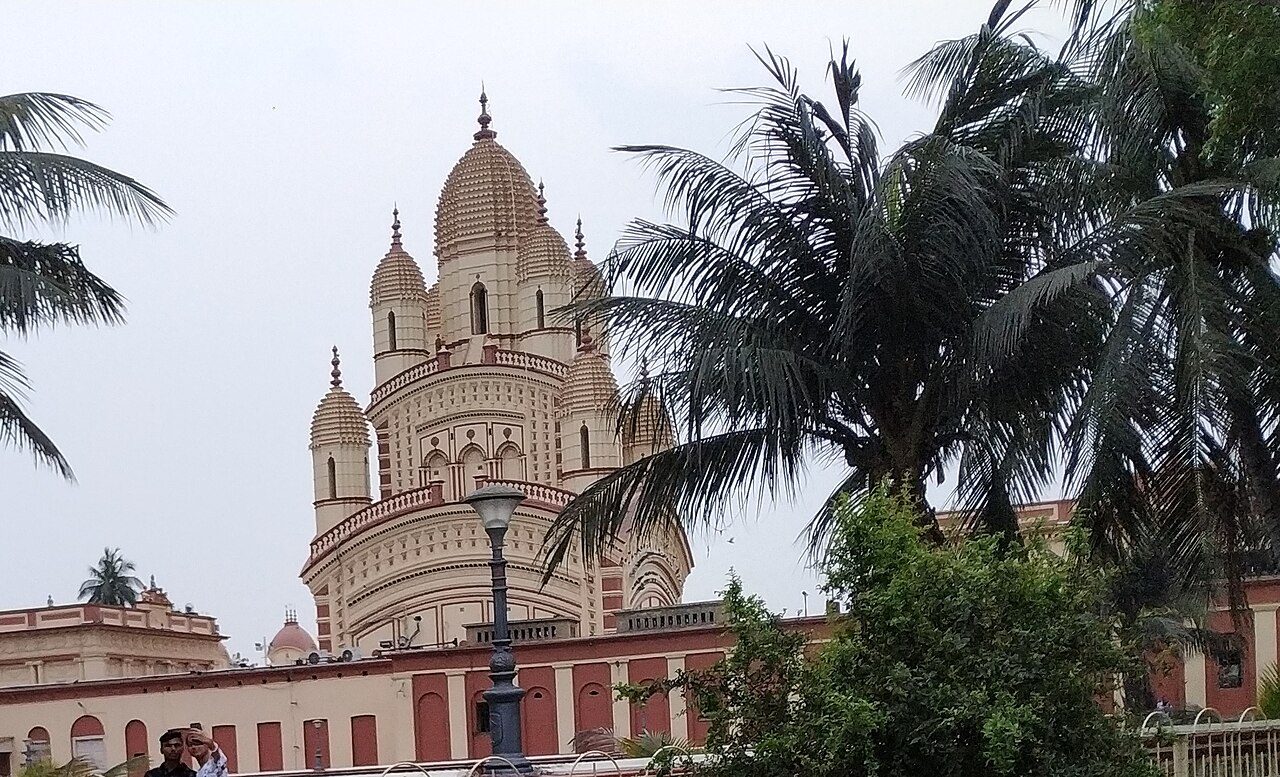
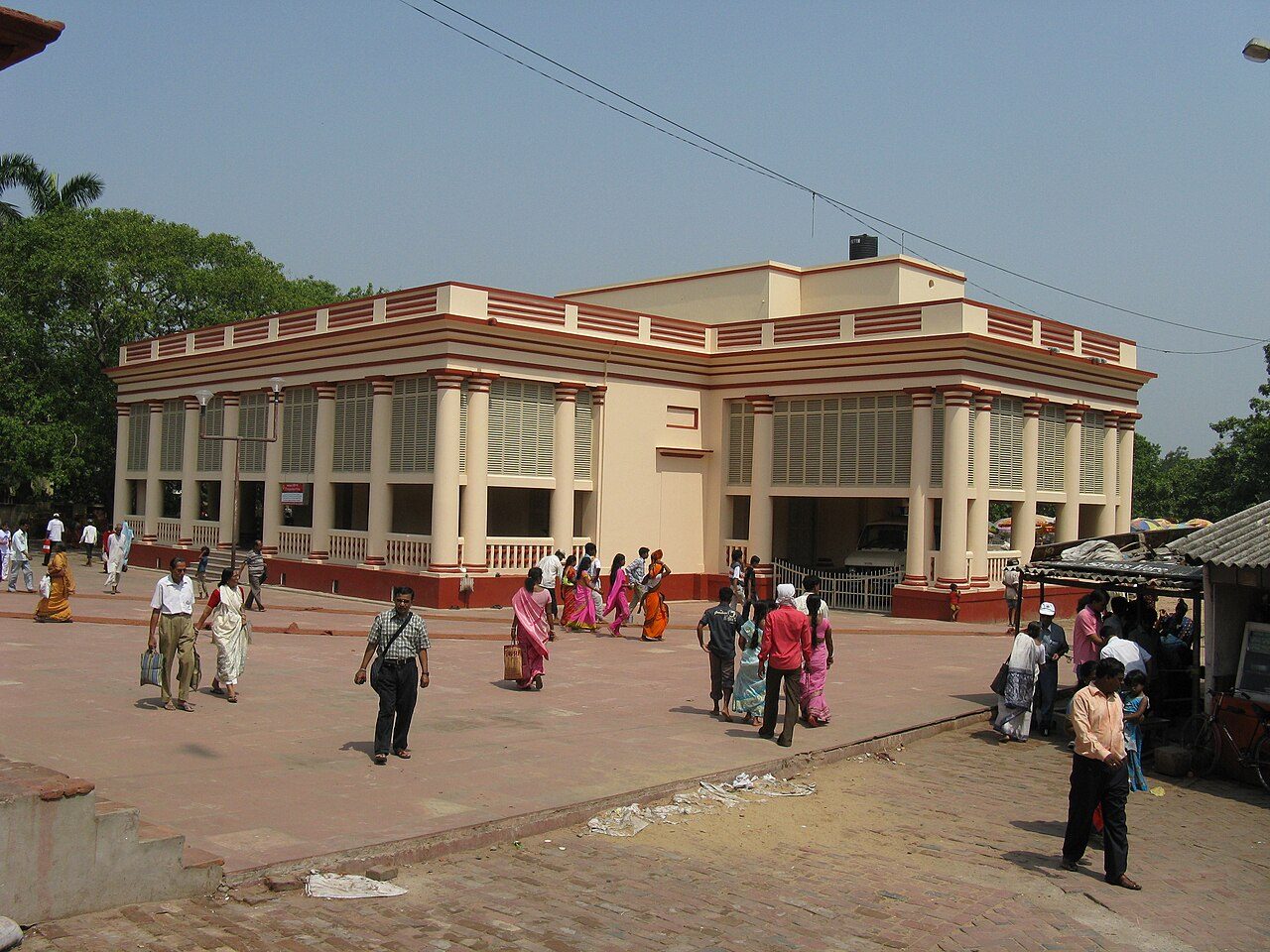
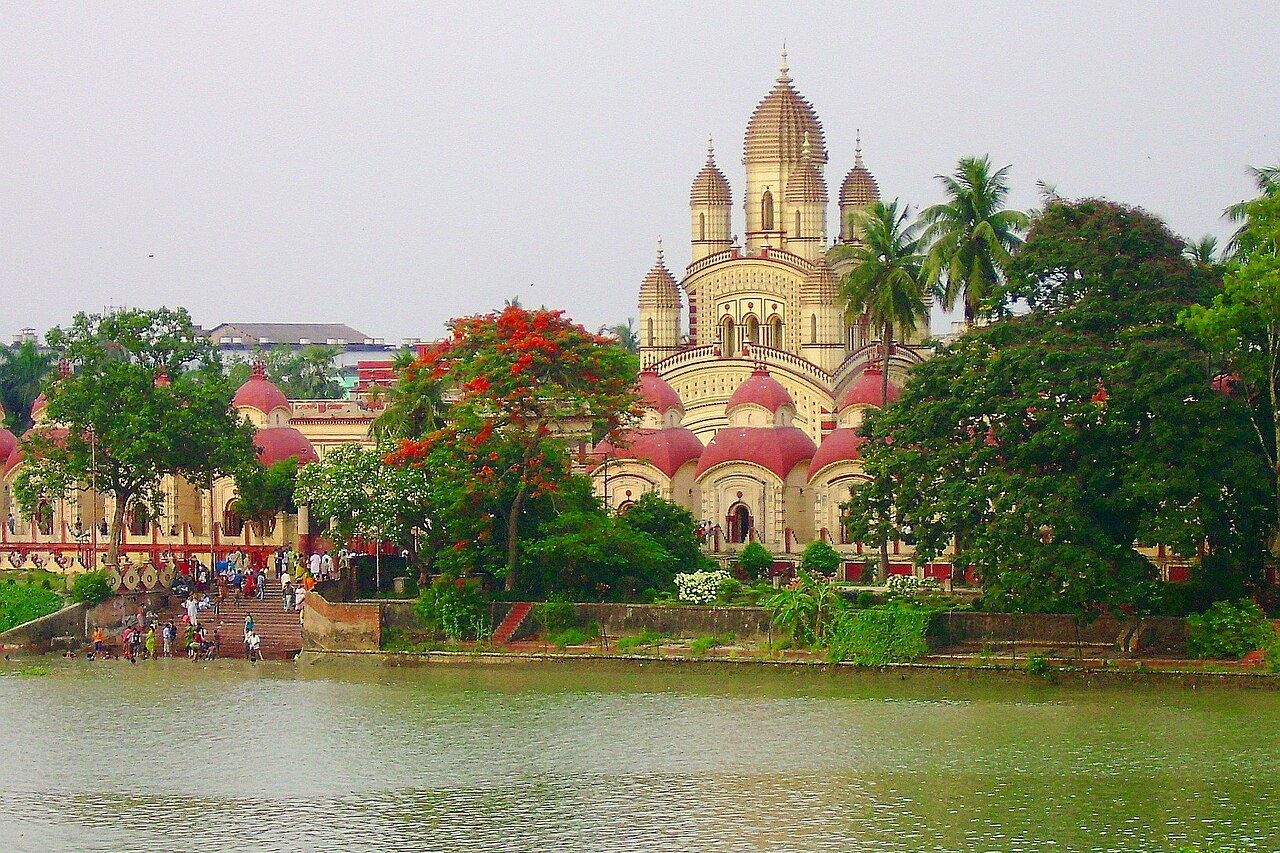
Dakshineswar Kali Temple stands on the east bank of the Hooghly, built in 1855 by Rani Rashmoni. The nine-spired temple houses Bhavatarini, a form of Kali, and is flanked by twelve small Shiva shrines along the river. The mystic Ramakrishna Paramahamsa served as priest here, and his room is preserved. Boats cross from the ghat to Belur Math.
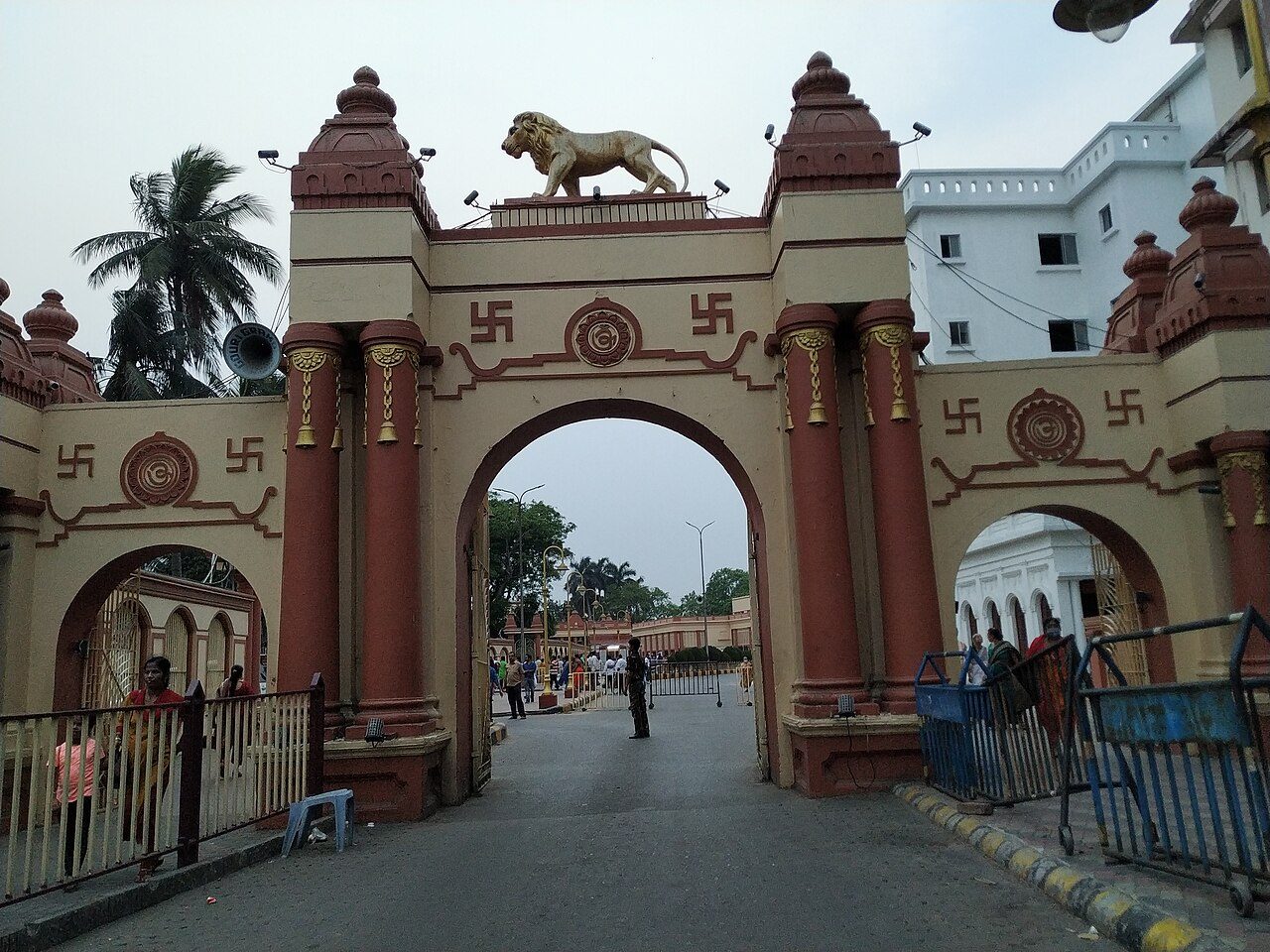
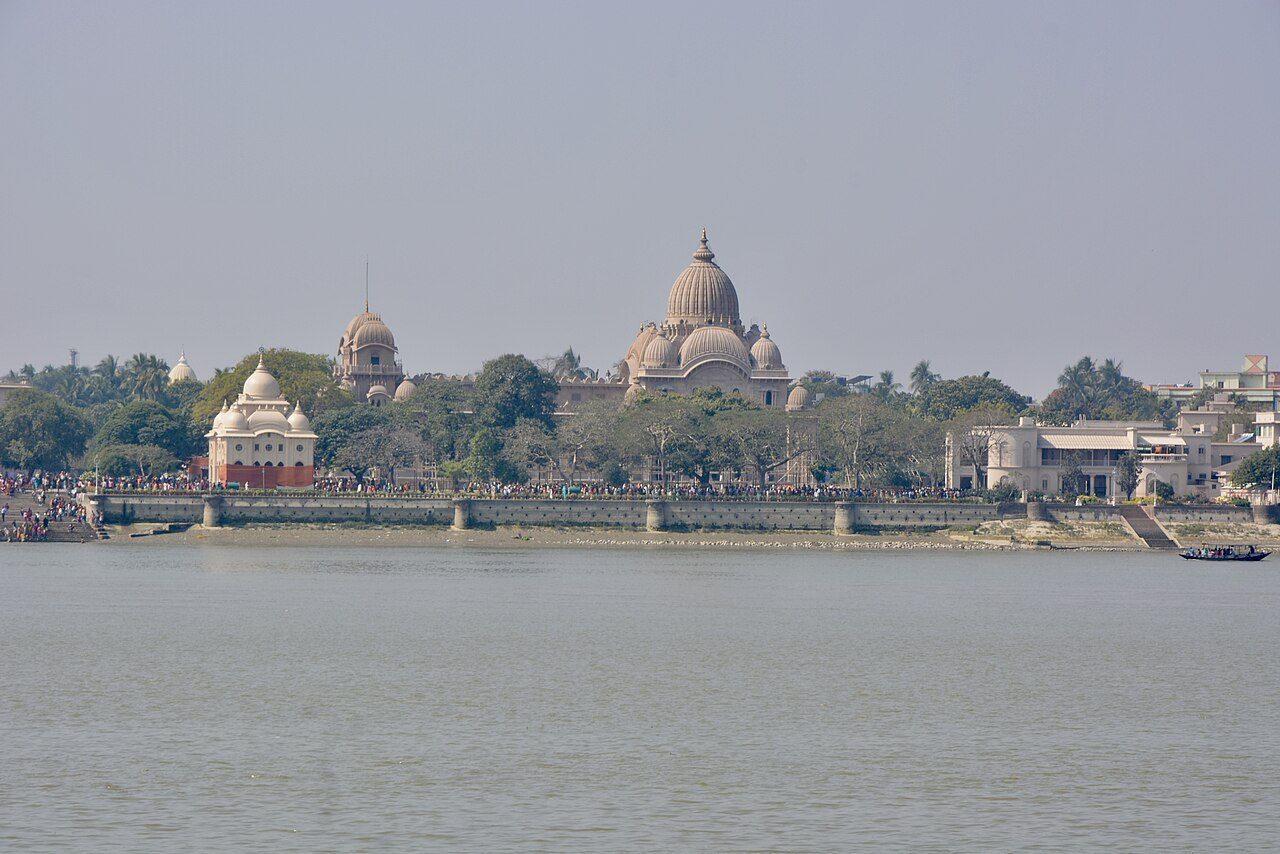
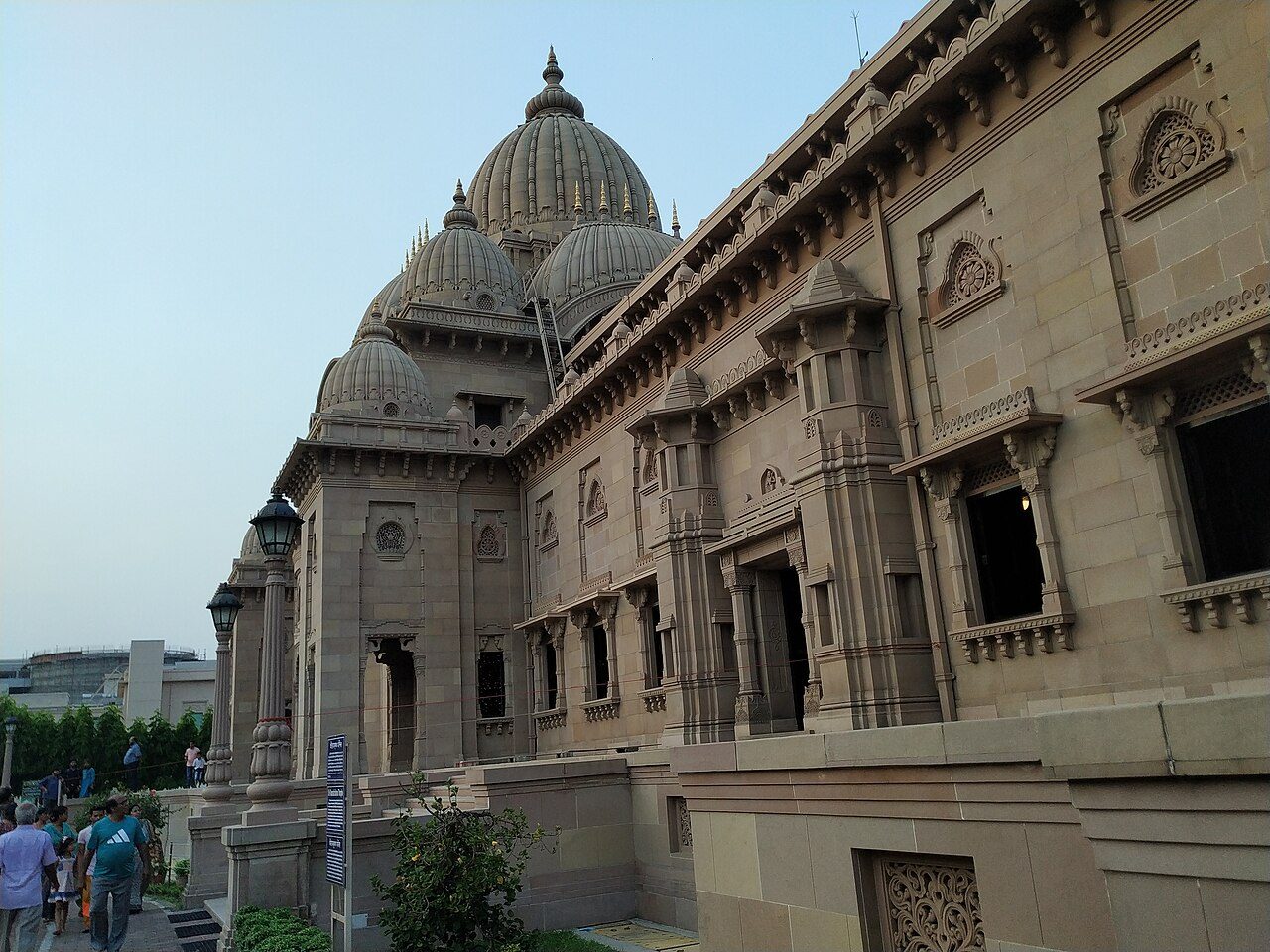
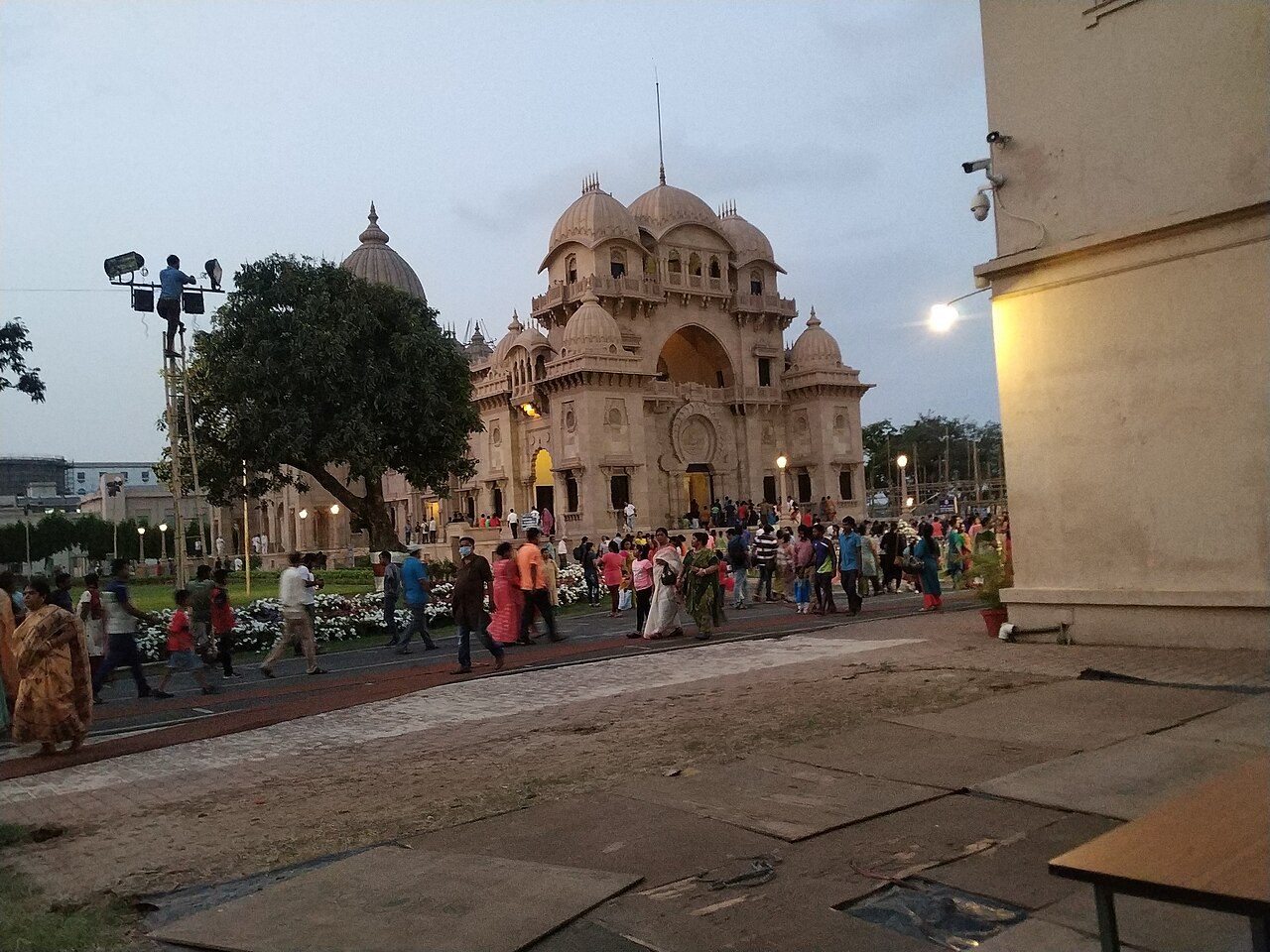
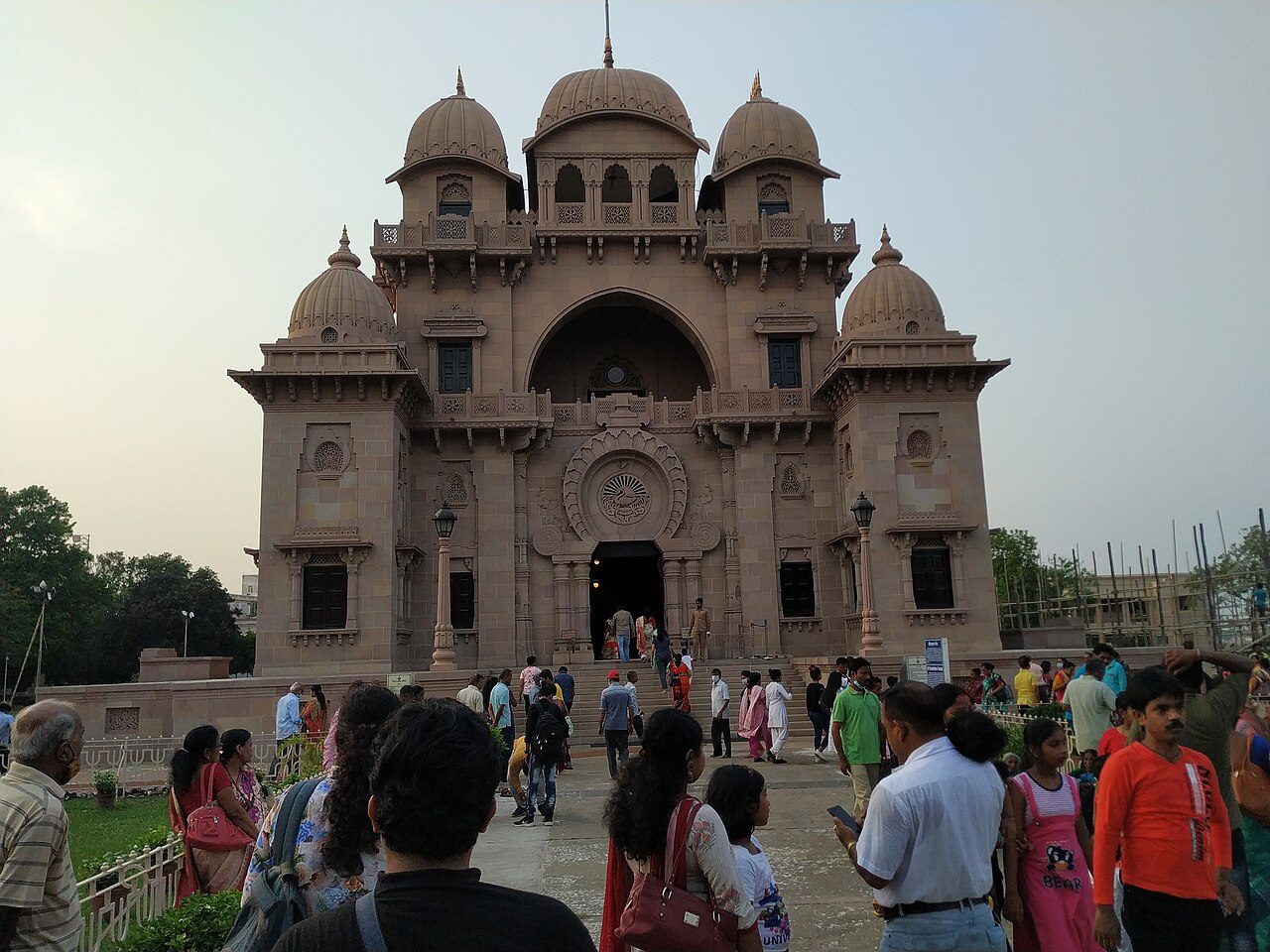
Belur Math, on the west bank of the Hooghly, is the headquarters of the Ramakrishna Math and Mission, founded by Swami Vivekananda in 1897. The main temple, consecrated in 1938, deliberately combines Hindu, Buddhist, Islamic and Christian architectural motifs to express the unity of religions. Shrines to Vivekananda and Sarada Devi stand by the river. Photography is not allowed inside the grounds.
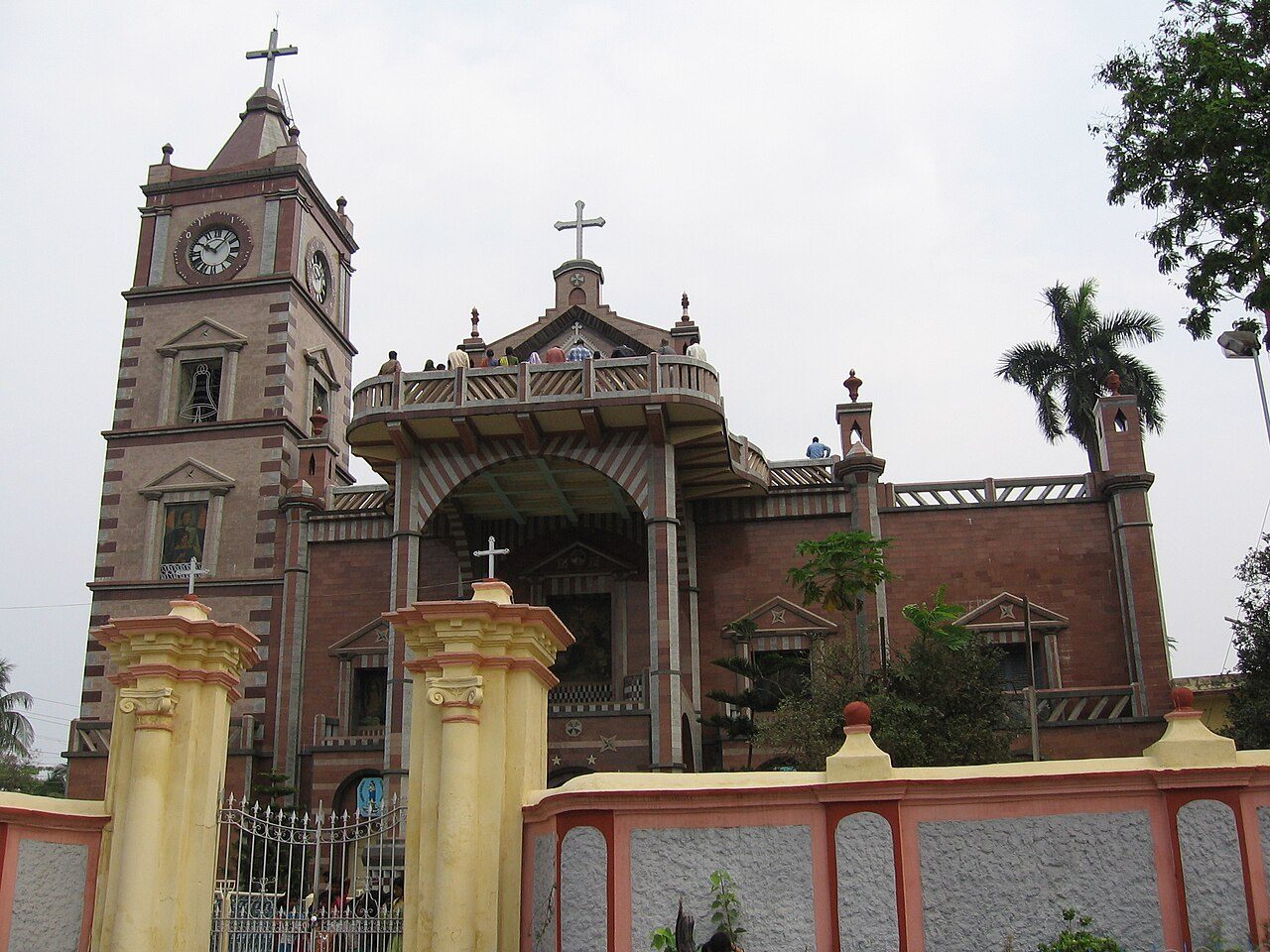
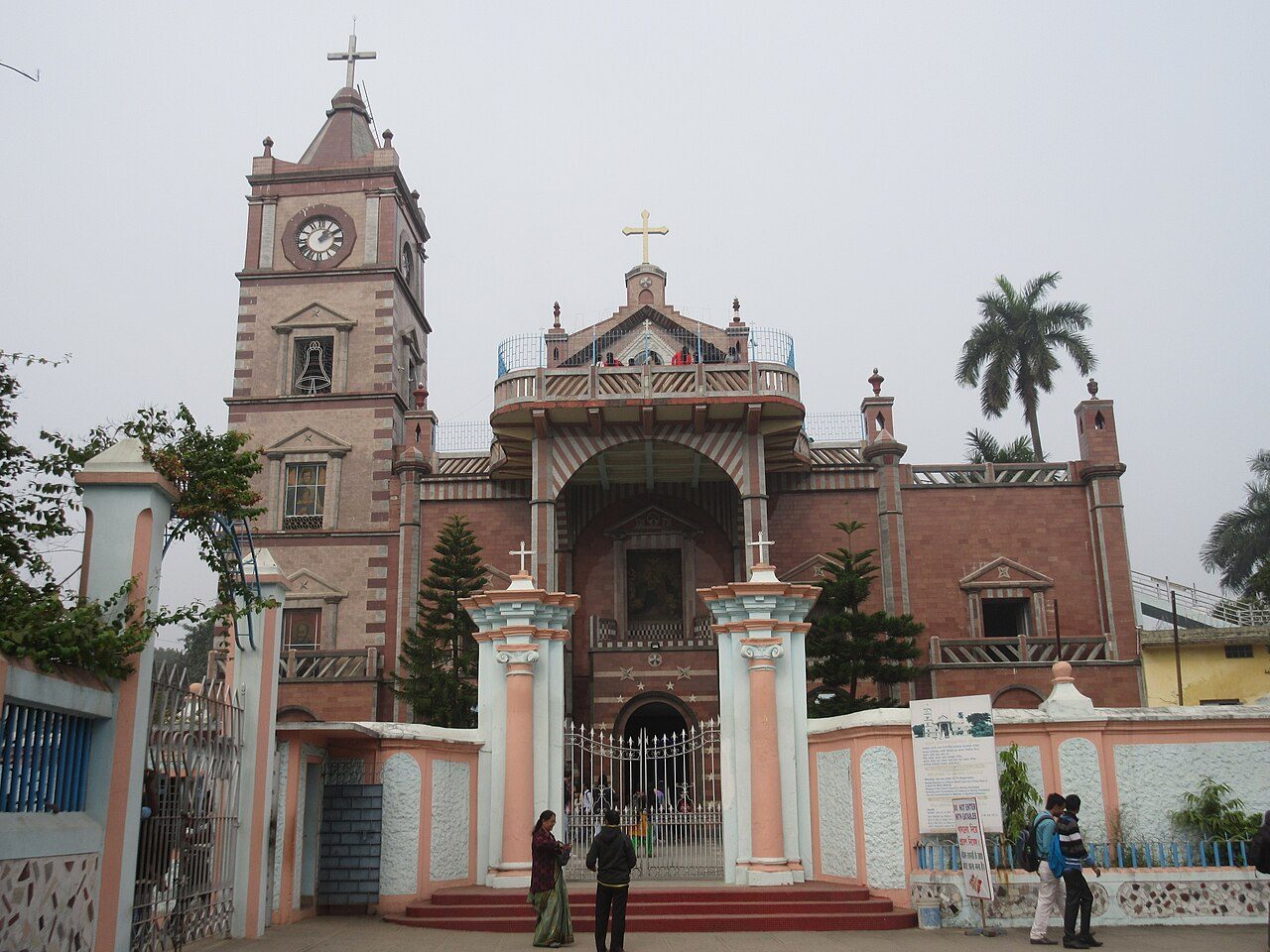
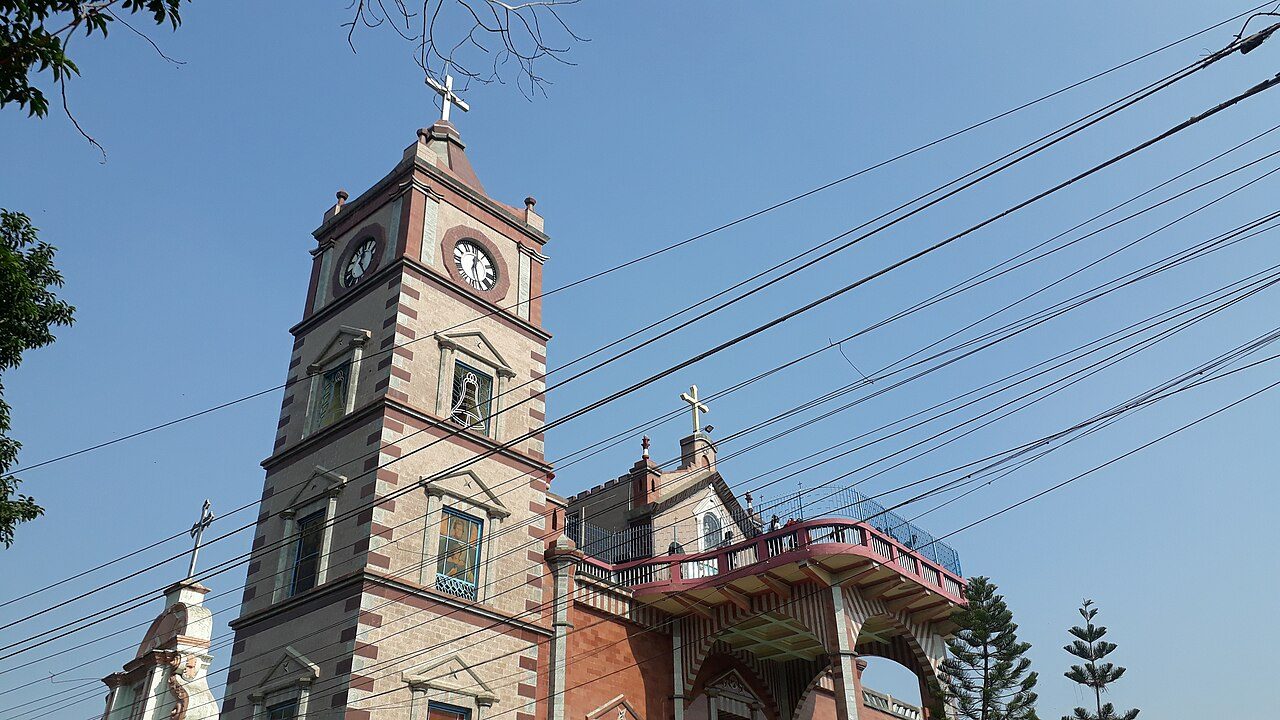
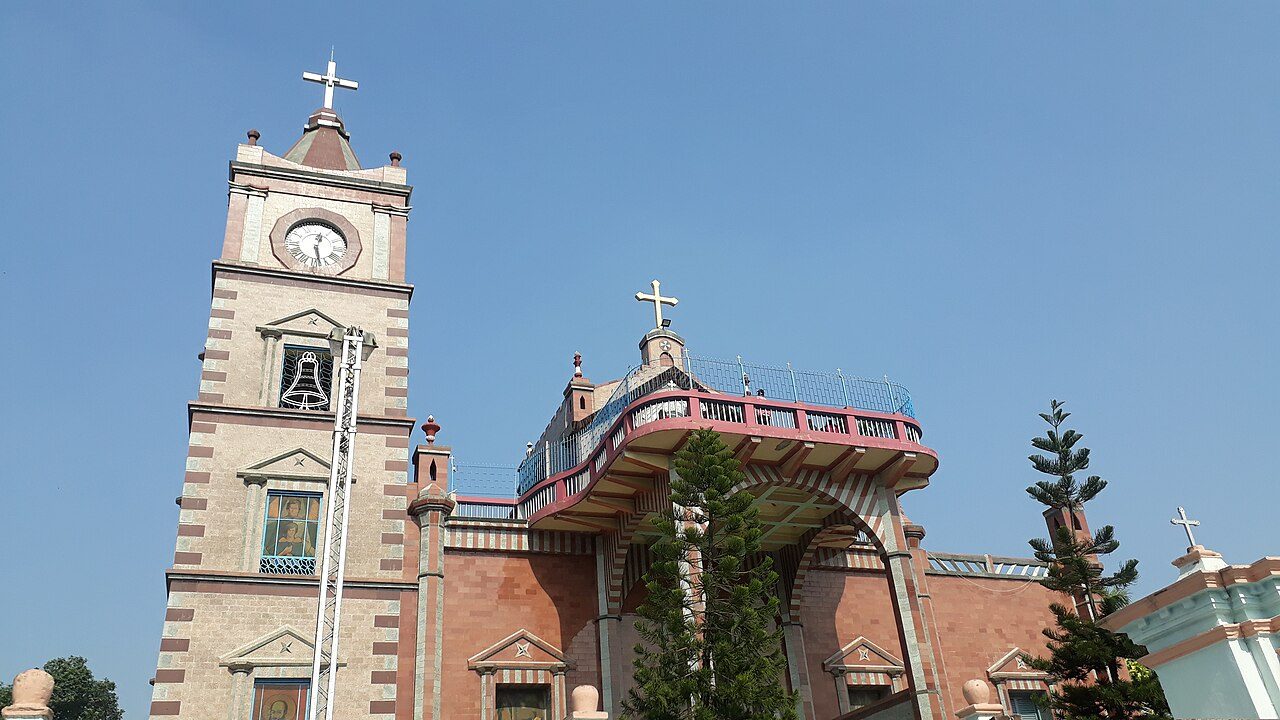
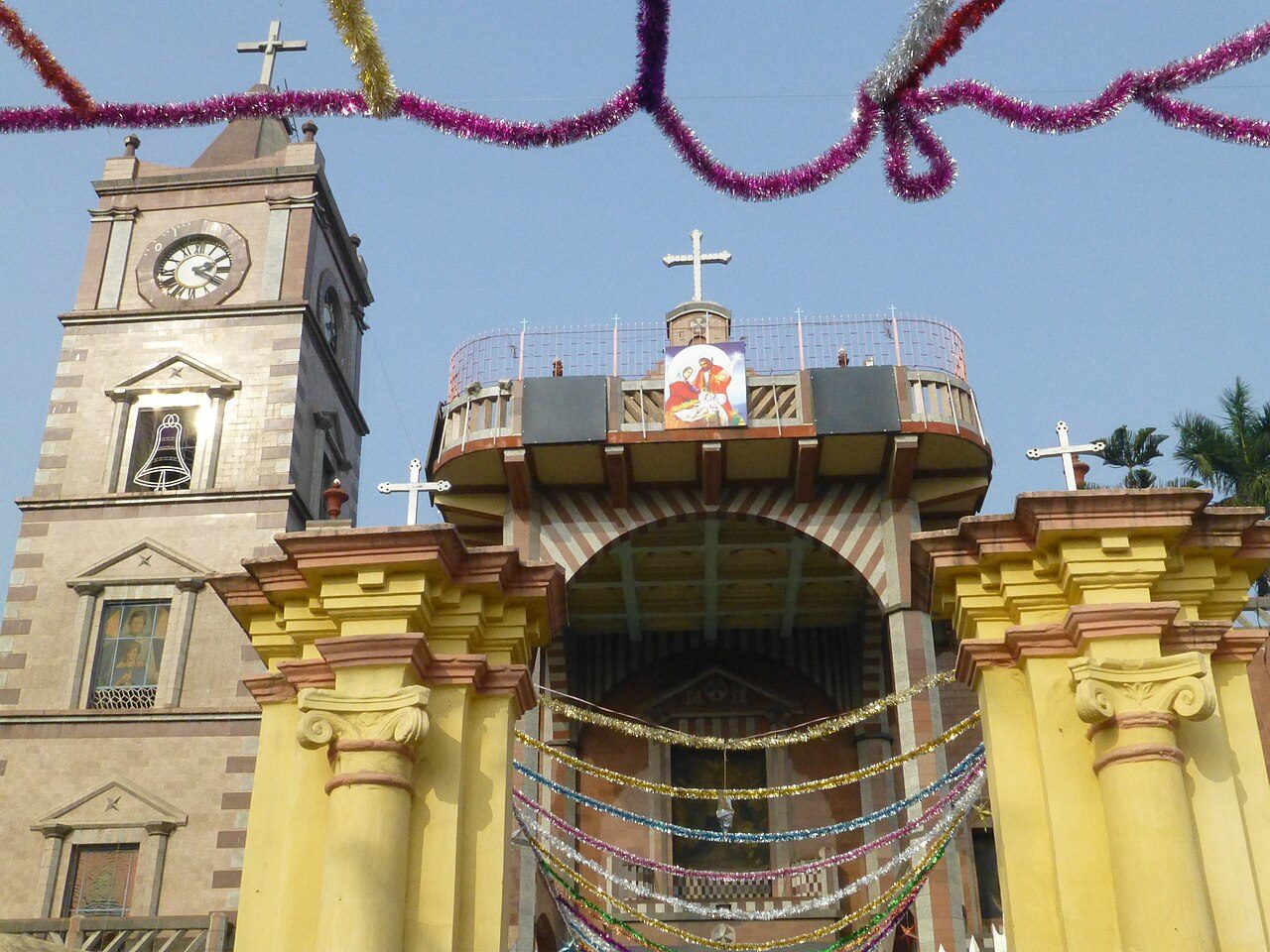
Bandel Church, the Basilica of the Holy Rosary, is one of the oldest Christian churches in West Bengal, founded by Portuguese settlers in 1599 and rebuilt in 1660. It is dedicated to Our Lady of Happy Voyage, whose statue stands above the entrance. A ship's mast in the grounds was given by a captain who survived a storm. It is a place of pilgrimage for many faiths.
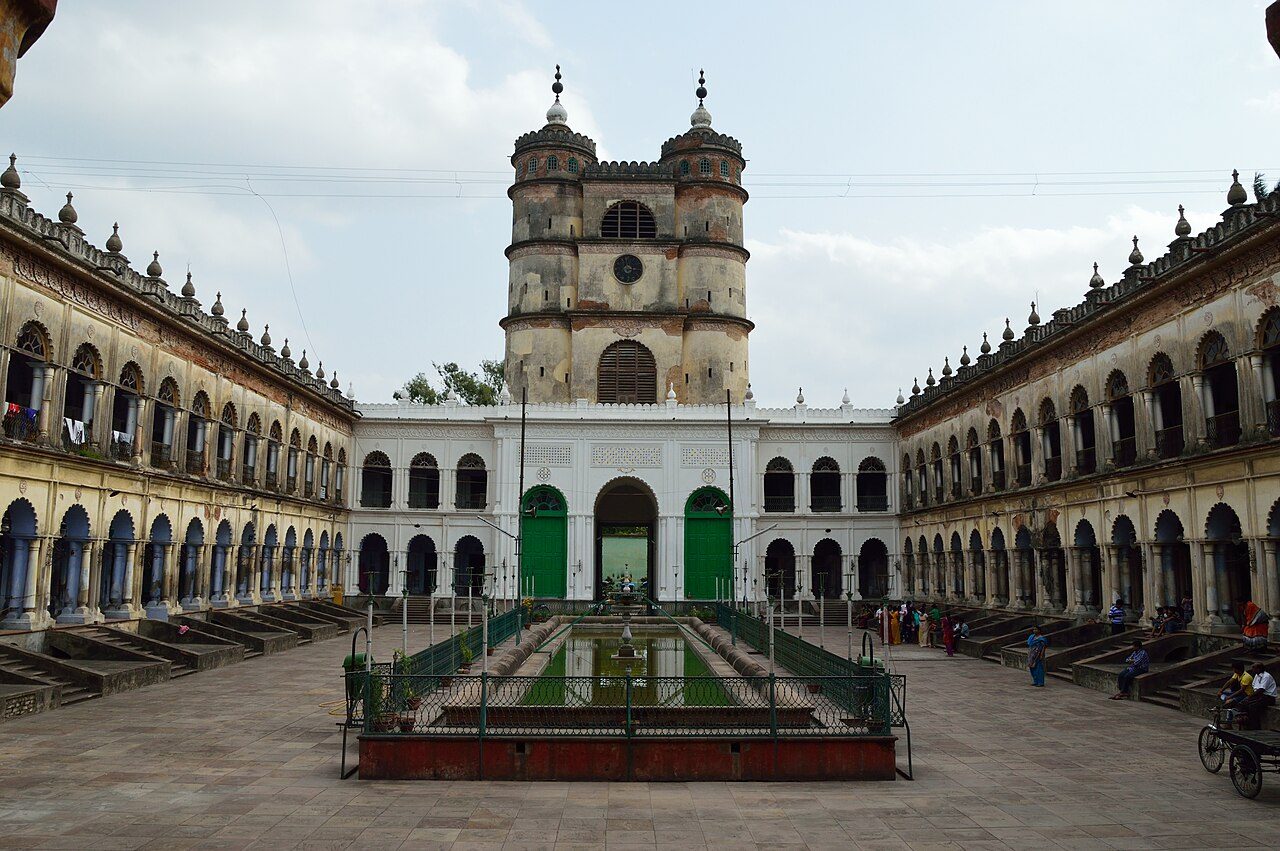
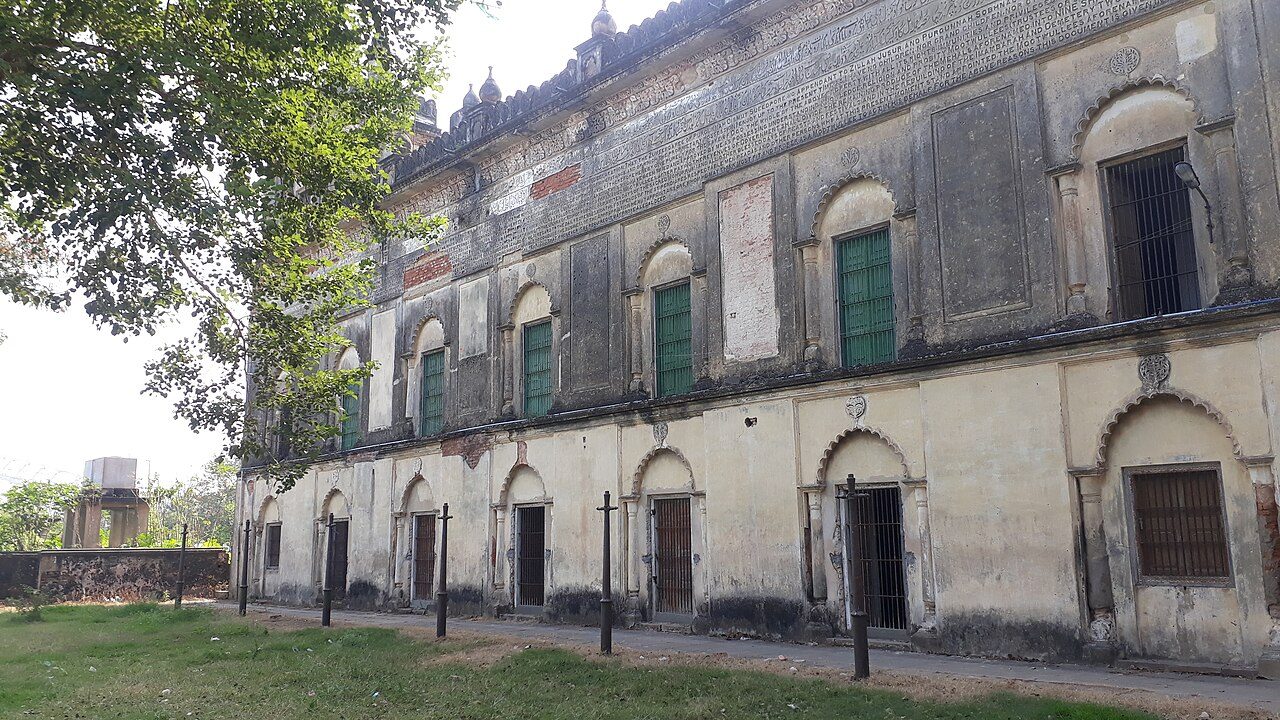
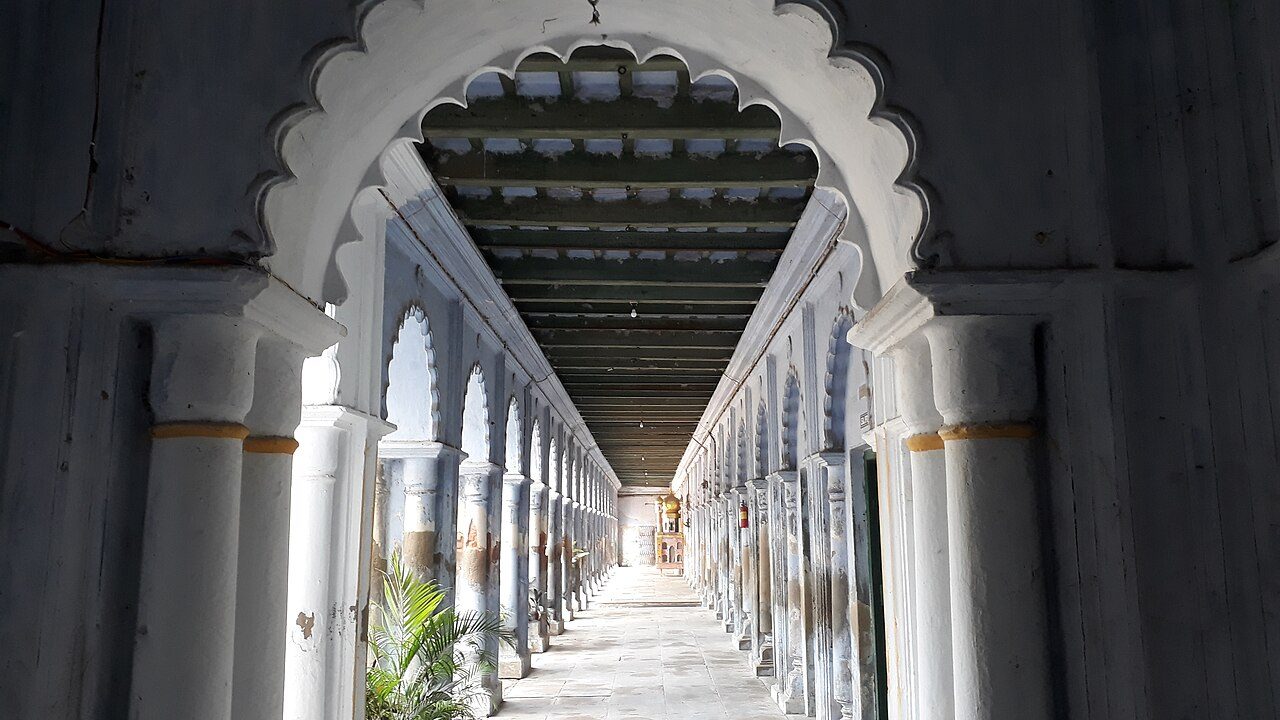
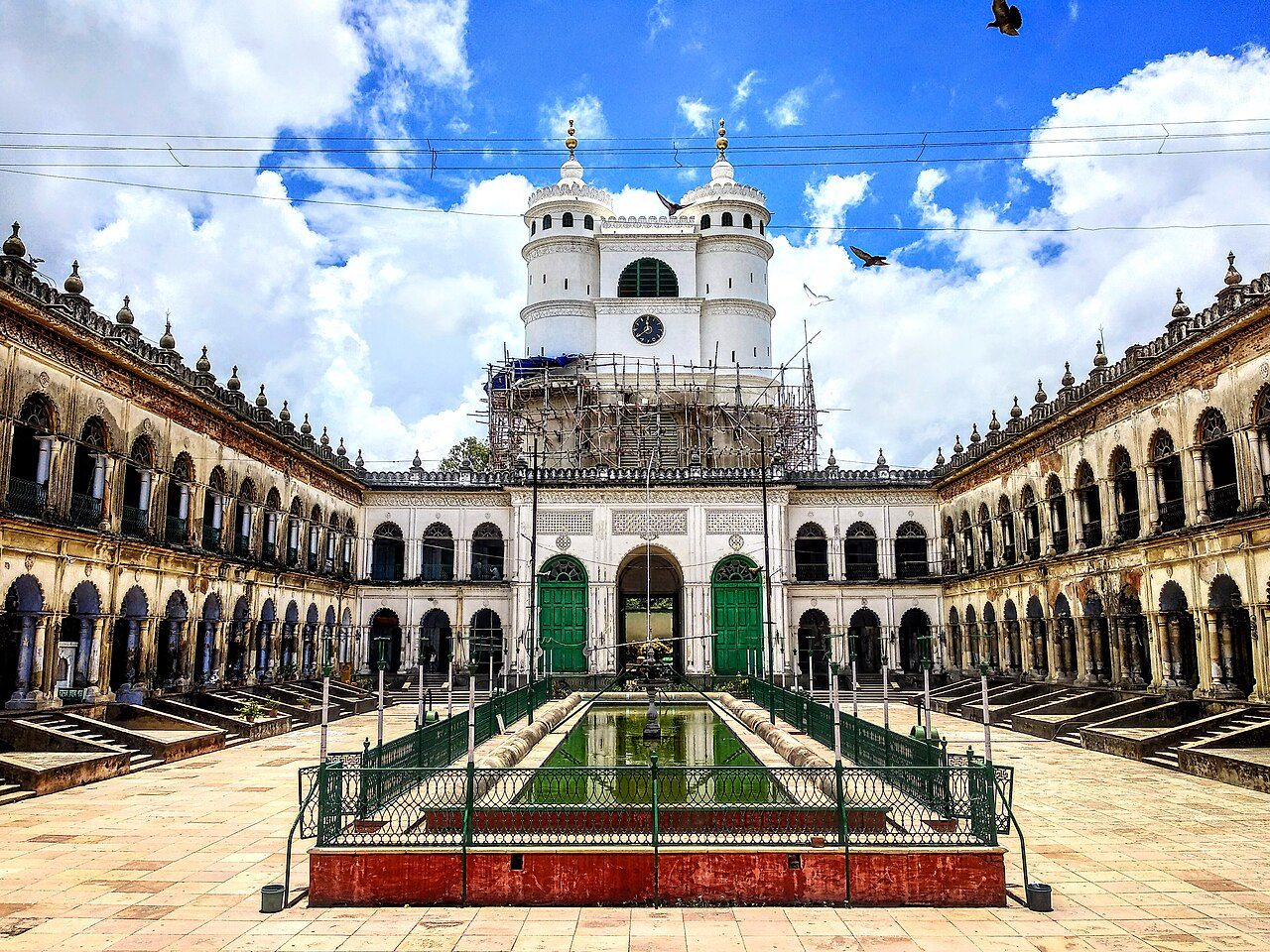
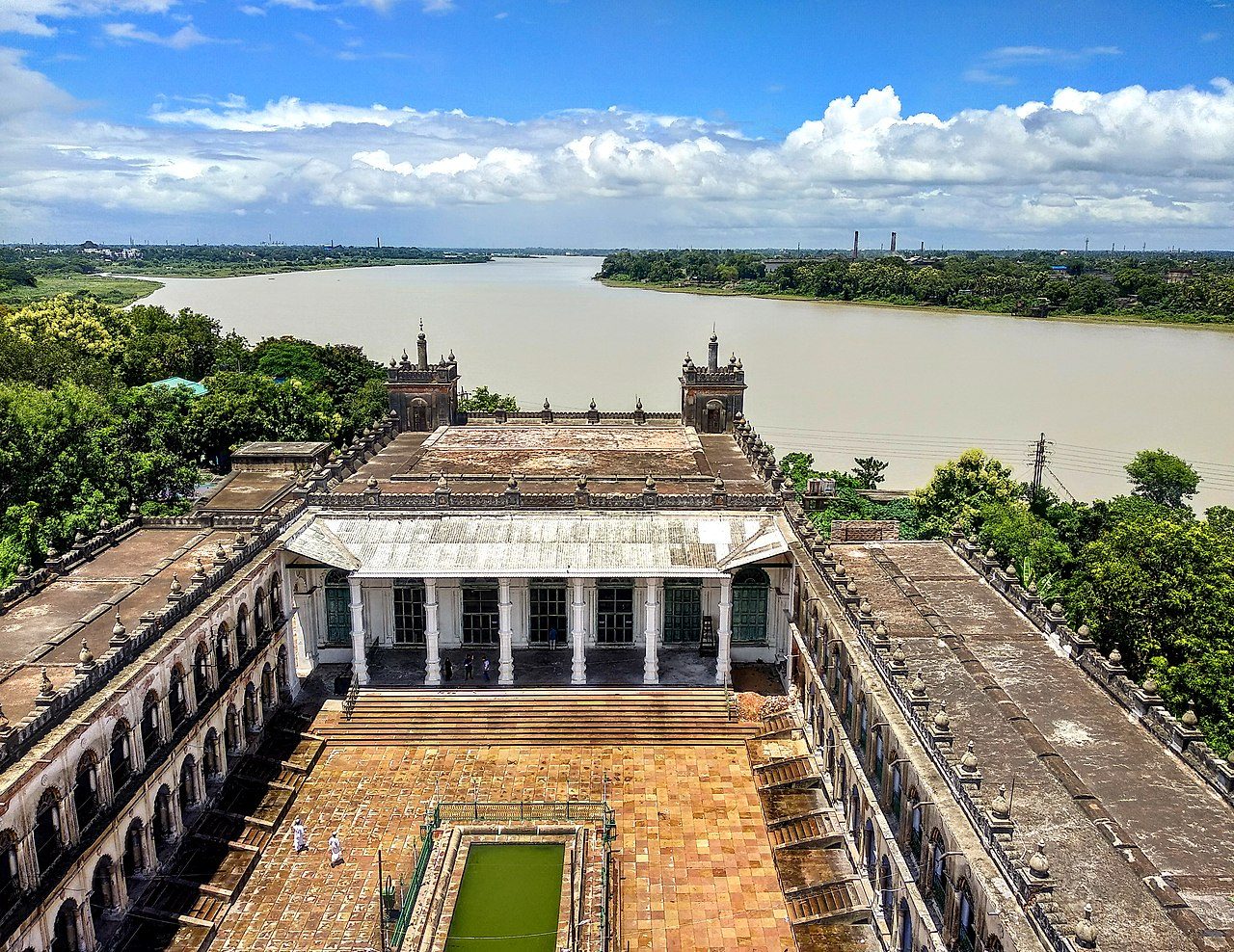
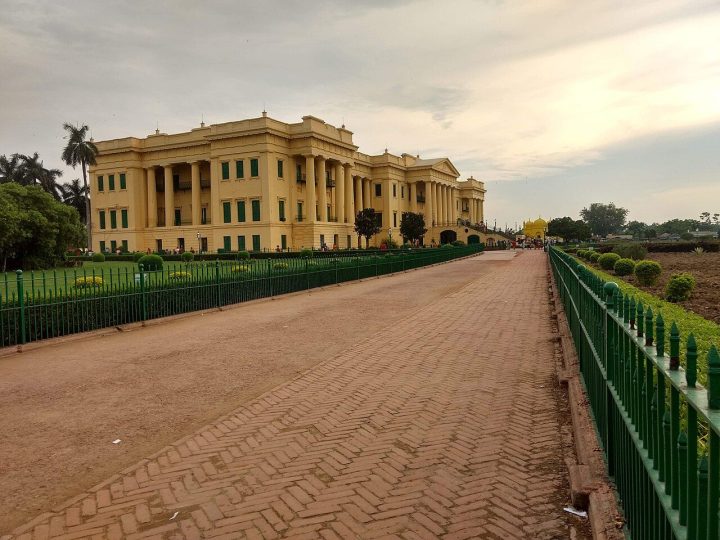
The Hooghly Imambara at Chinsurah was built between 1841 and 1861 with funds left by the philanthropist Haji Muhammad Mohsin. A two-storey building around a rectangular courtyard with a pool, it has a tall gateway flanked by twin clock towers that visitors can climb for a view of the river. The clock, brought from London, still works. Its walls are inscribed with verses from the Quran.
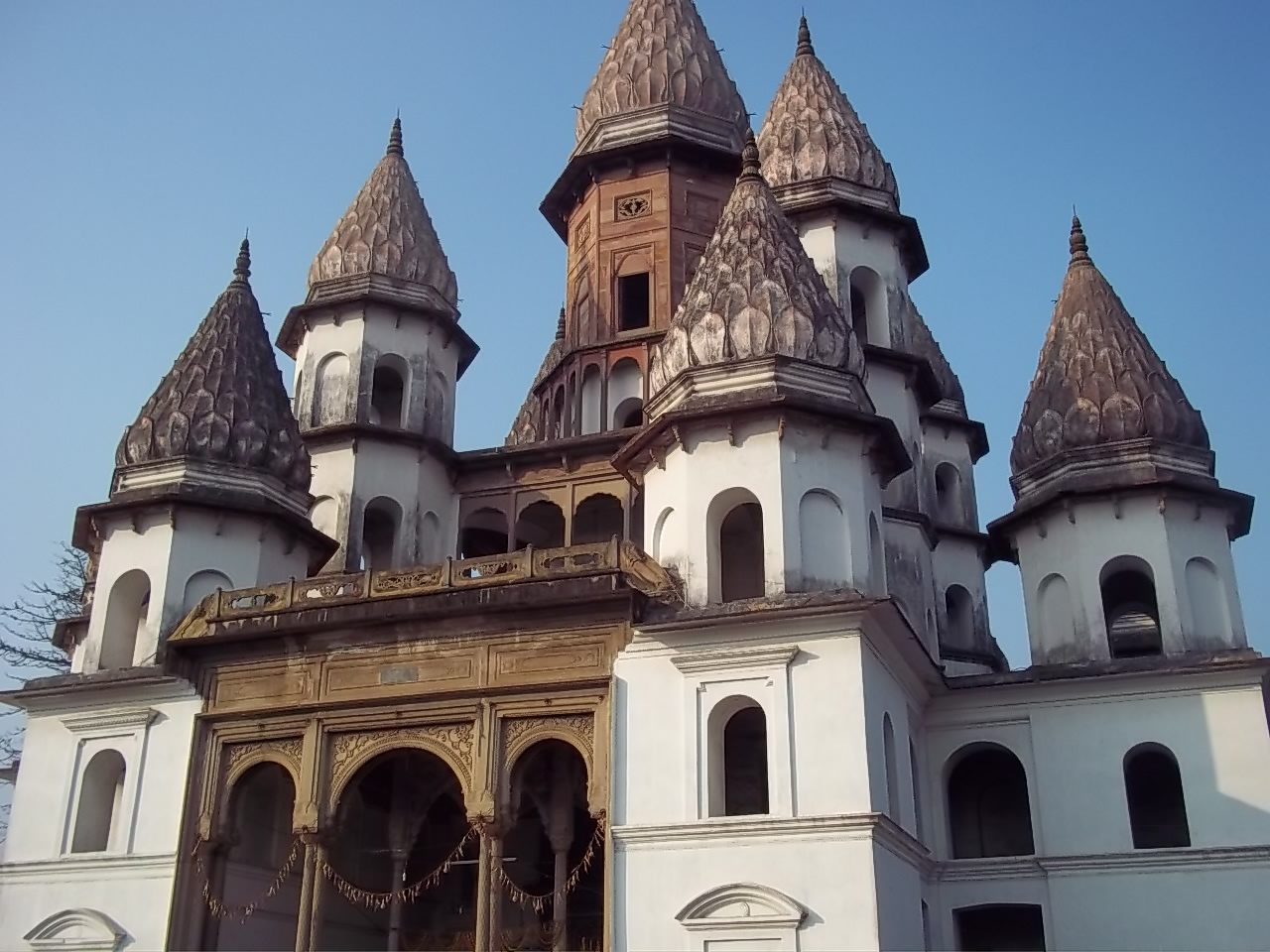
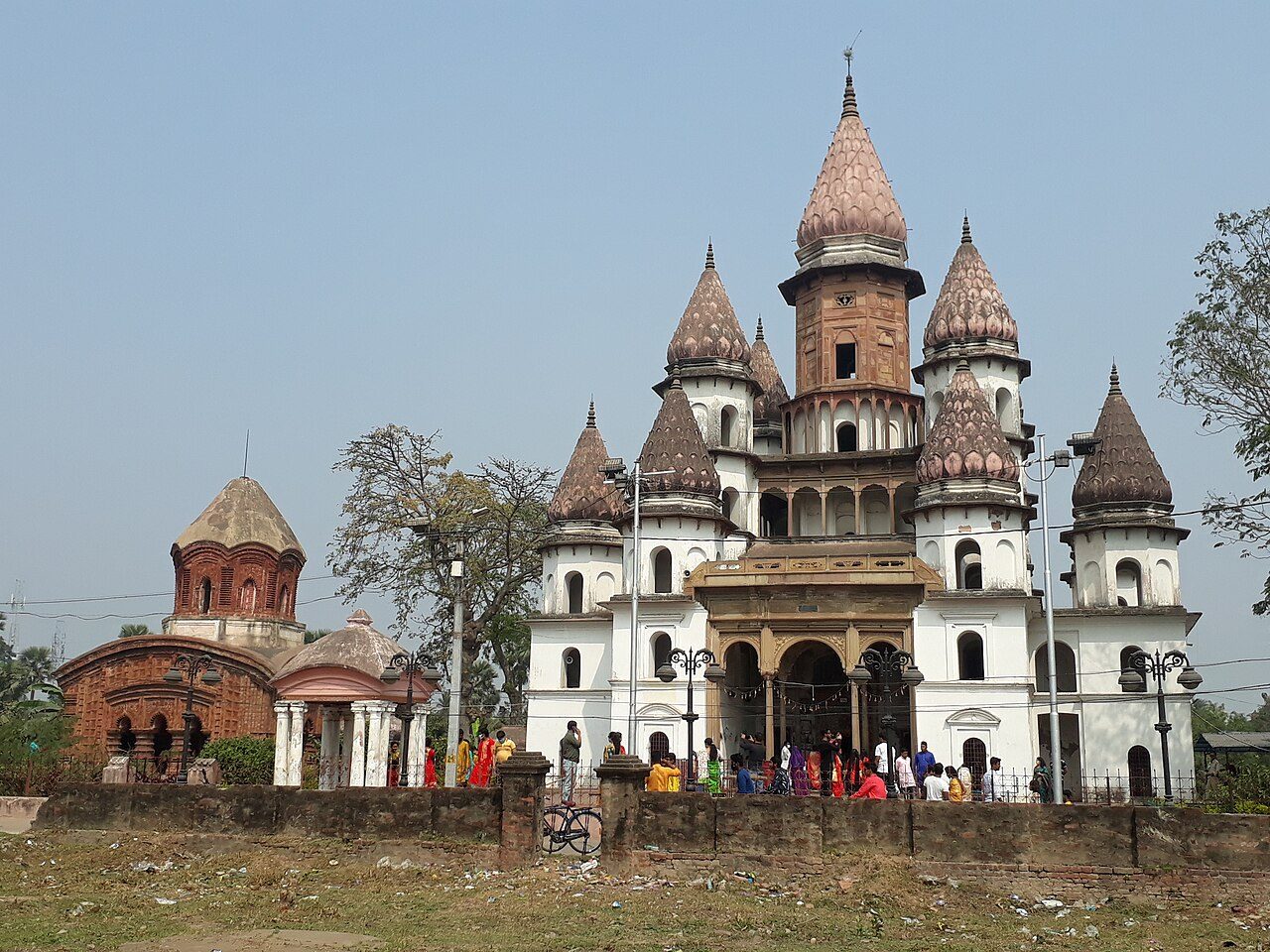
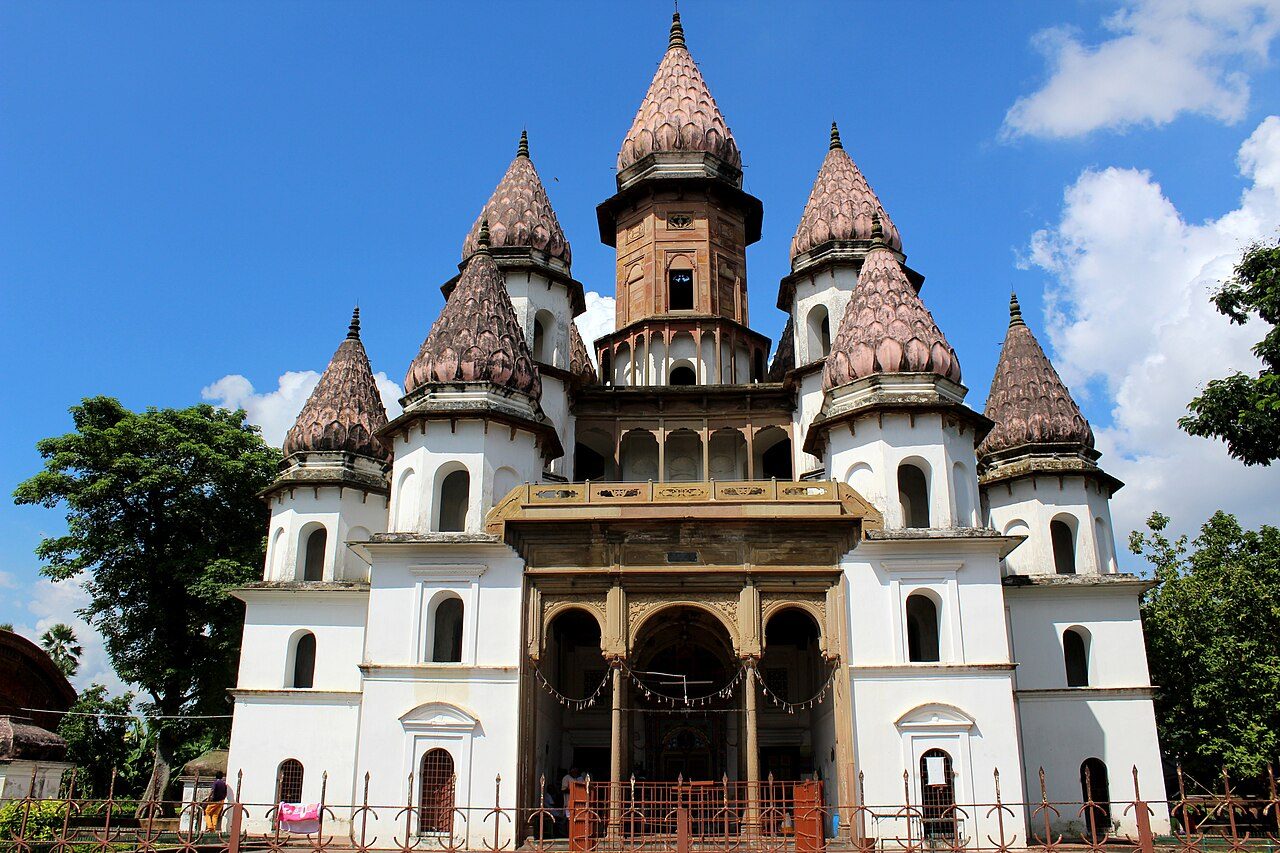
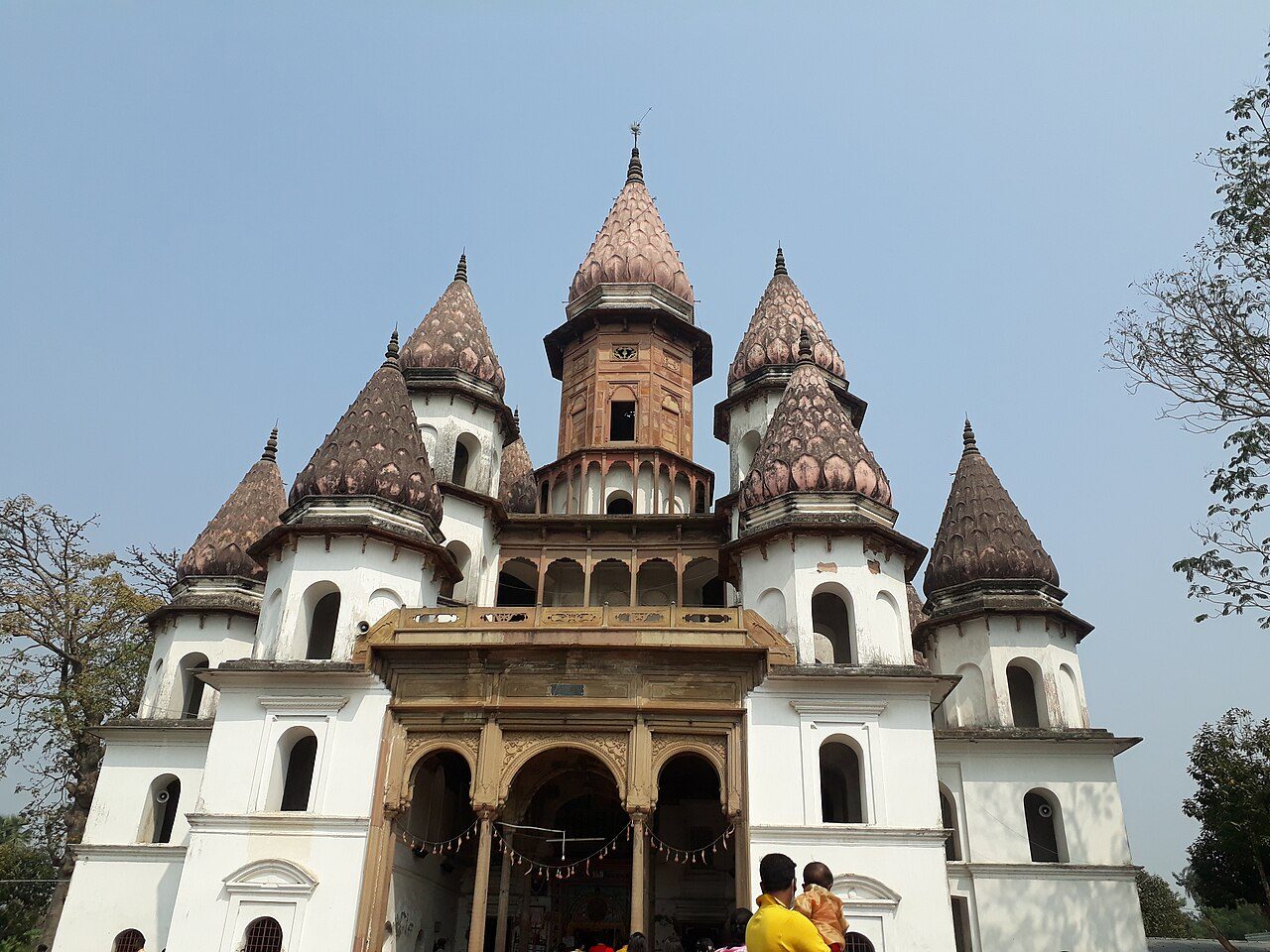
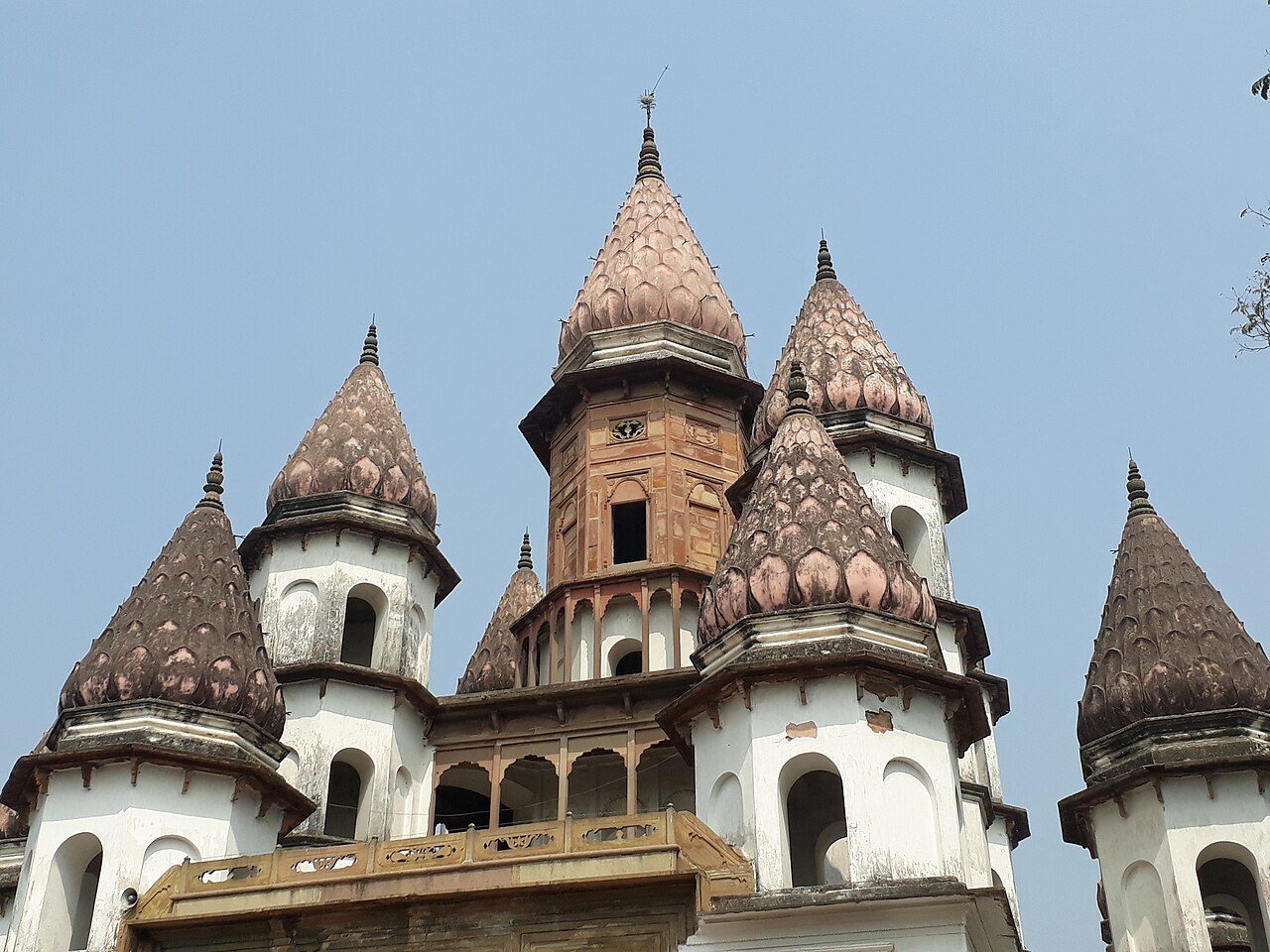
The Hangseshwari Temple at Bansberia, completed in 1814, has an unusual design based on tantric ideas of the human body: thirteen lotus-bud towers rise from a five-storey structure. The blue image of the goddess sits on a lotus that springs from the navel of a reclining Shiva. The older terracotta Ananta Basudeba temple stands in the same compound.
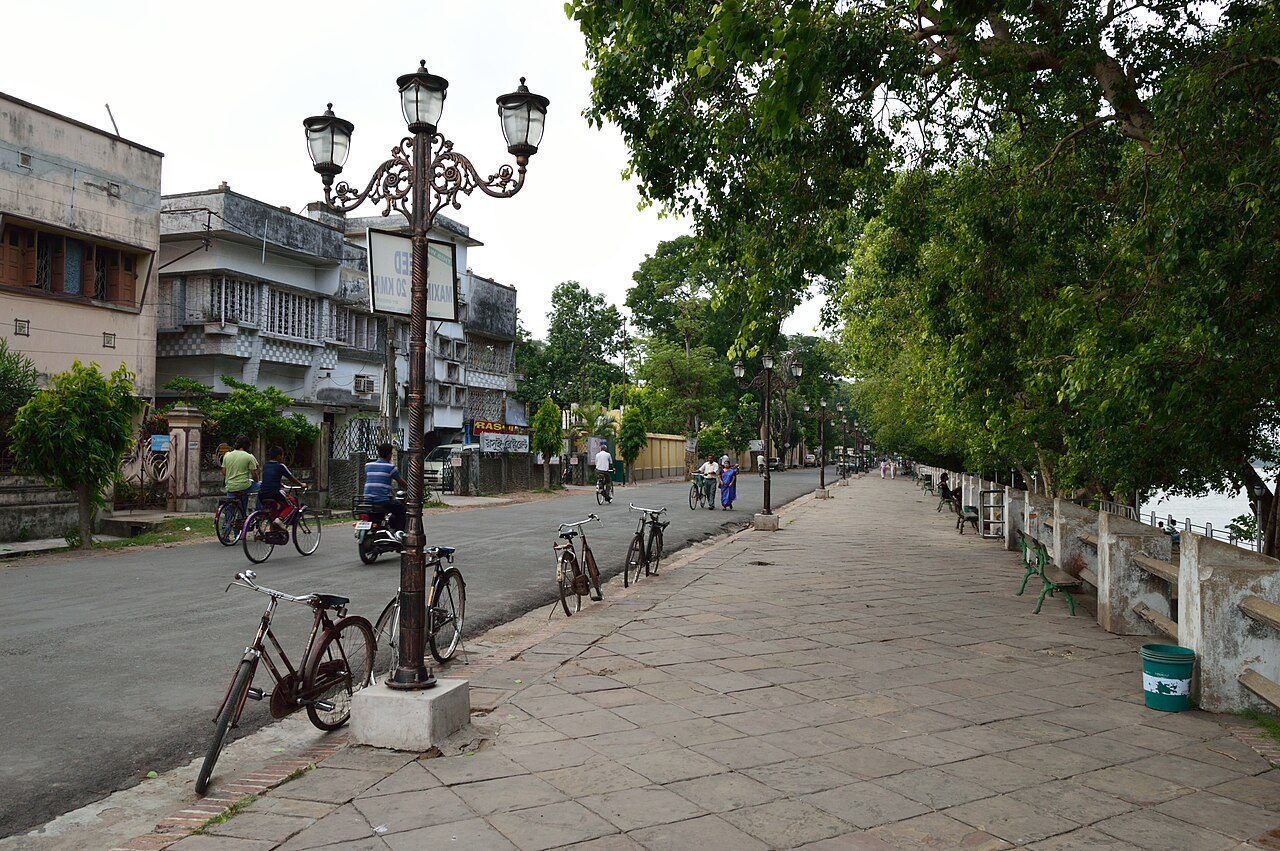
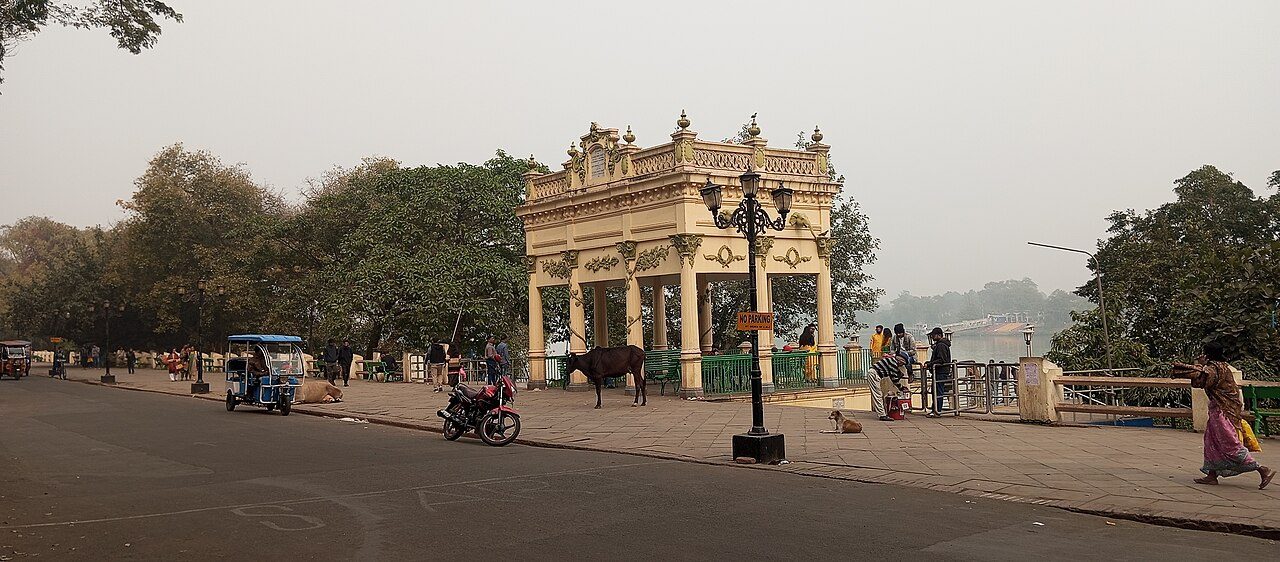
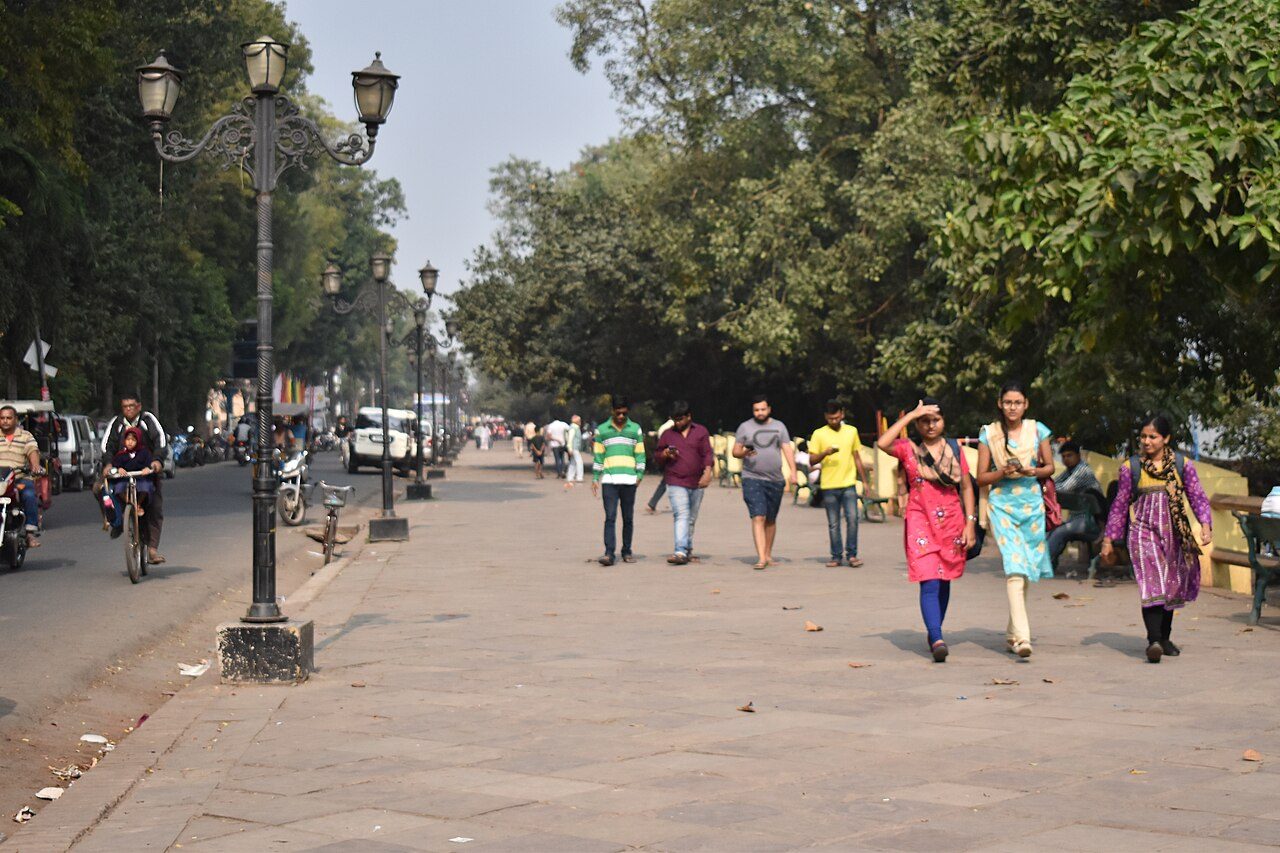
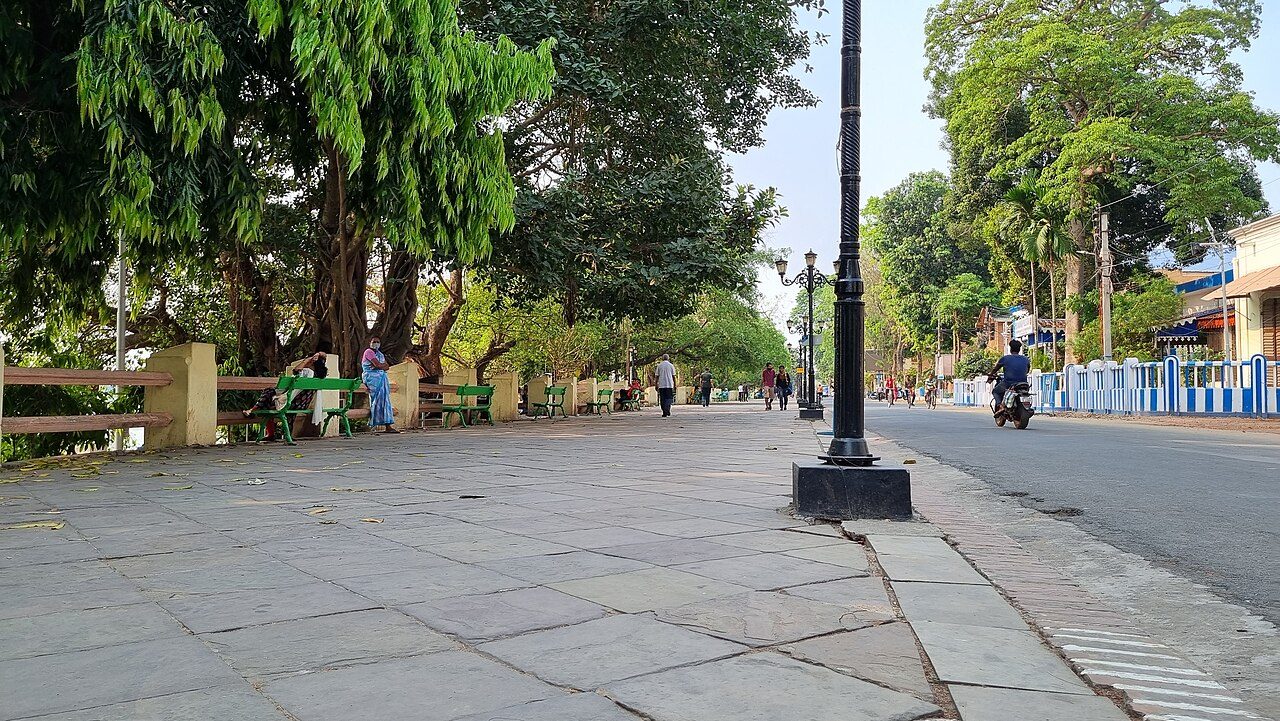
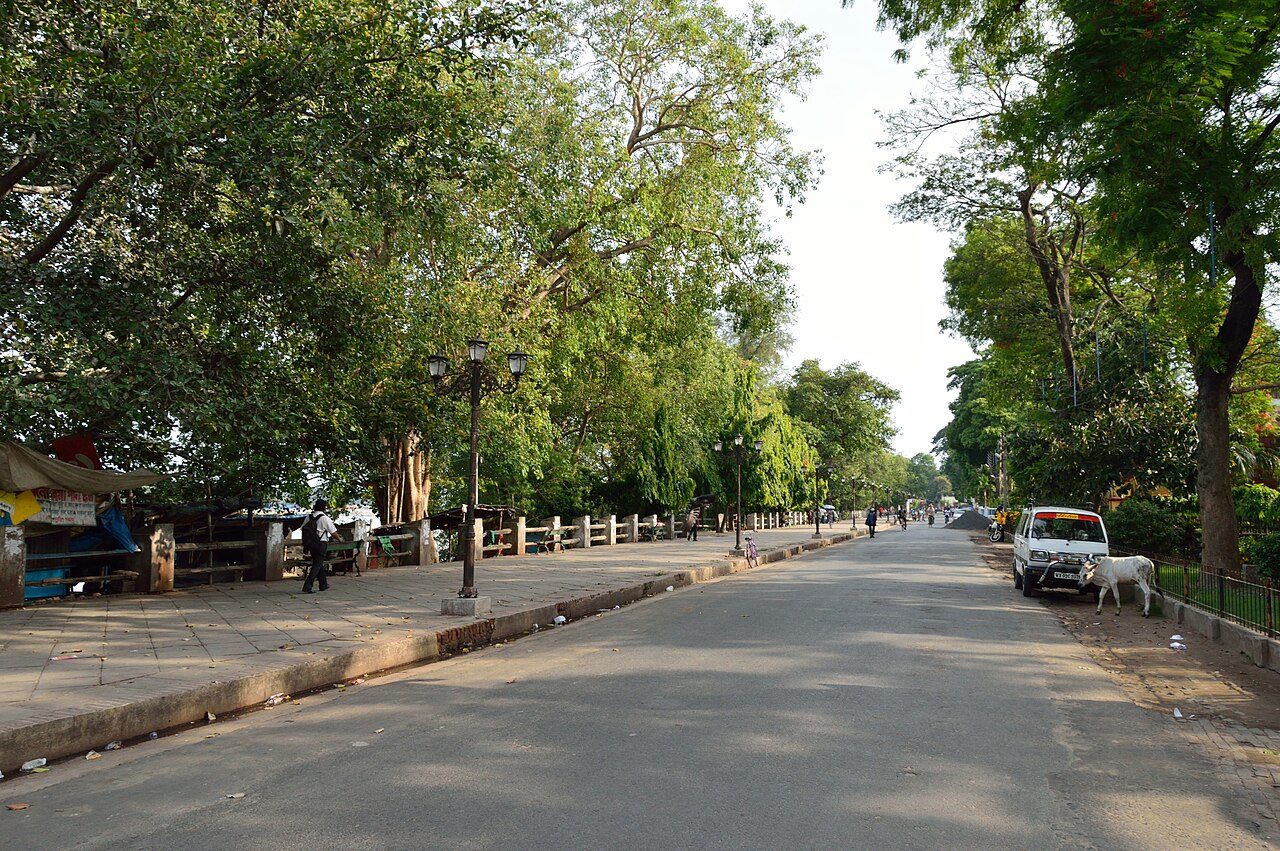
The Strand at Chandannagar is a tree-lined promenade along the Hooghly, the showpiece of a town that was a French colony until 1950. Benches and old lamp posts line the riverside walk, with a pavilion at the ghat, the former governor's residence, now a museum, and the Sacred Heart Church close by. It is at its most pleasant in the evening.
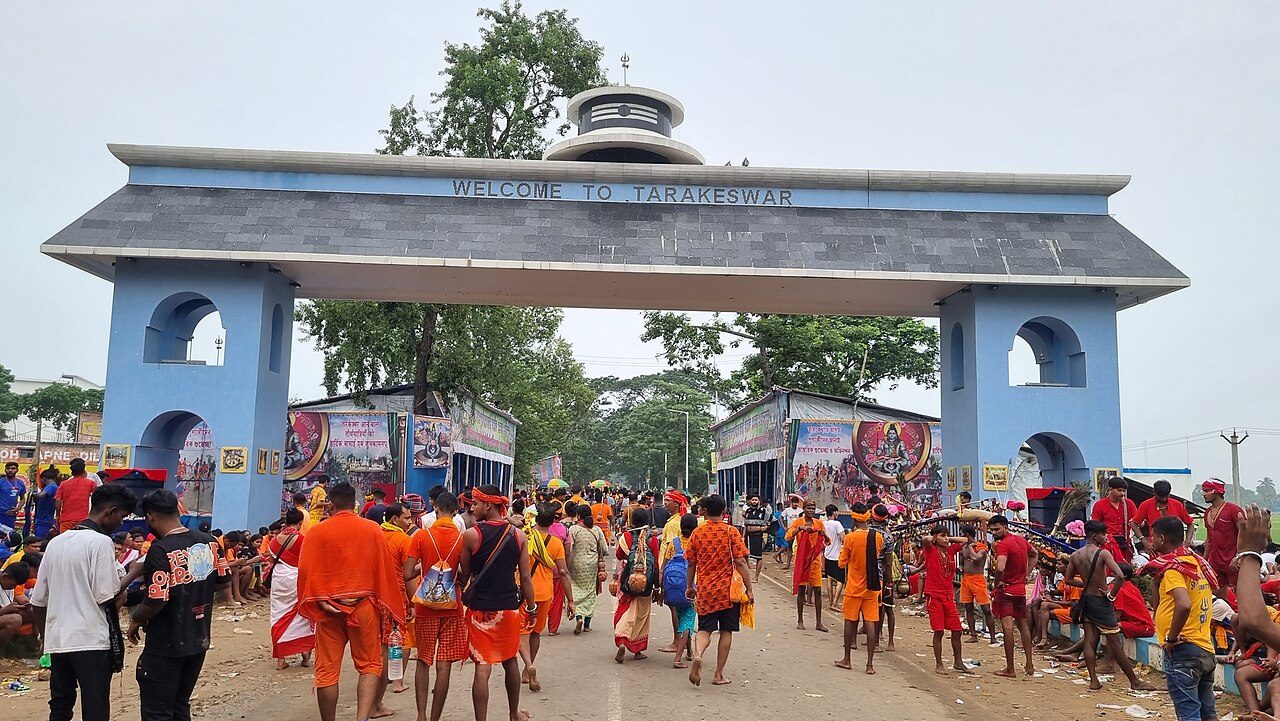
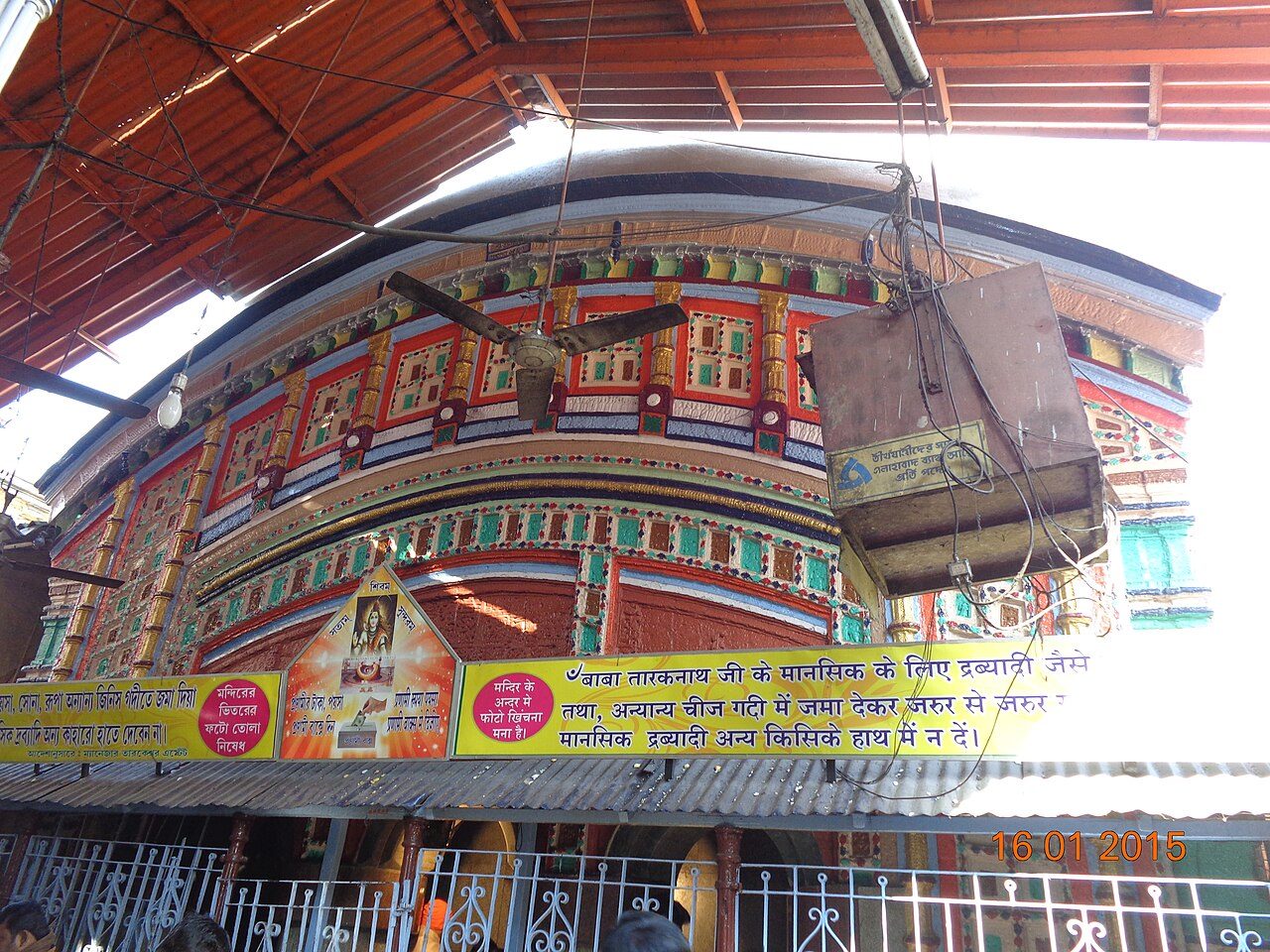
Tarakeswar is the most important Shiva shrine in West Bengal, dedicated to Taraknath. The temple, in the Bengali hut style, was built in 1729. During the month of Shravan, hundreds of thousands of pilgrims walk barefoot about 40 km from the Ganga at Sheoraphuli carrying river water to pour over the linga. Mondays and Shivaratri are also very busy.
Best weather: Nov – MarHeavy rain: Jul – Aug
Seasons from 20 years of NASA POWER climate data.
Was this trip blog helpful?
0
0
Ready to follow this route?
Copy all 11 stops into your trip plans in the app.
 WaTrips