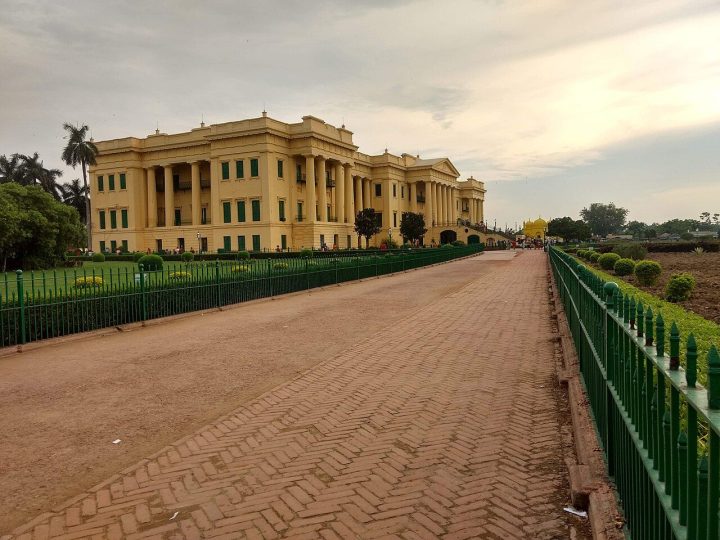
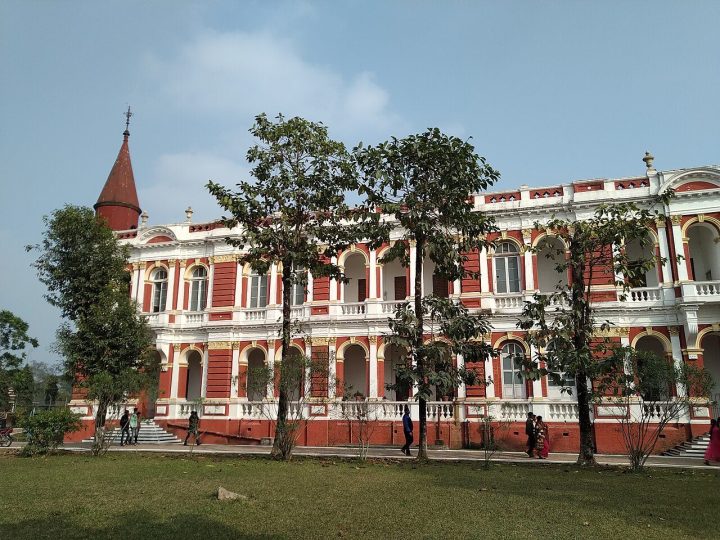
Tagore's Santiniketan, Tarapith and Bakreshwar, Bishnupur's terracotta temples and Susunia, Mukutmanipur and the Ayodhya Hills.
West Bengal's red-earth country is full of culture. Day one is Santiniketan, the university town founded by Rabindranath Tagore. Day two visits the Tarapith temple and the hot springs at Bakreshwar. Day three is Bishnupur, famous for its terracotta temples like the Rasmancha and Jor Bangla, and for its silk and pottery, with Susunia Hill nearby. Day four ends at the Mukutmanipur dam and the Ayodhya Hills of Purulia. October to March is best; Santiniketan's Poush Mela in December and Basanta Utsav in spring are highlights.
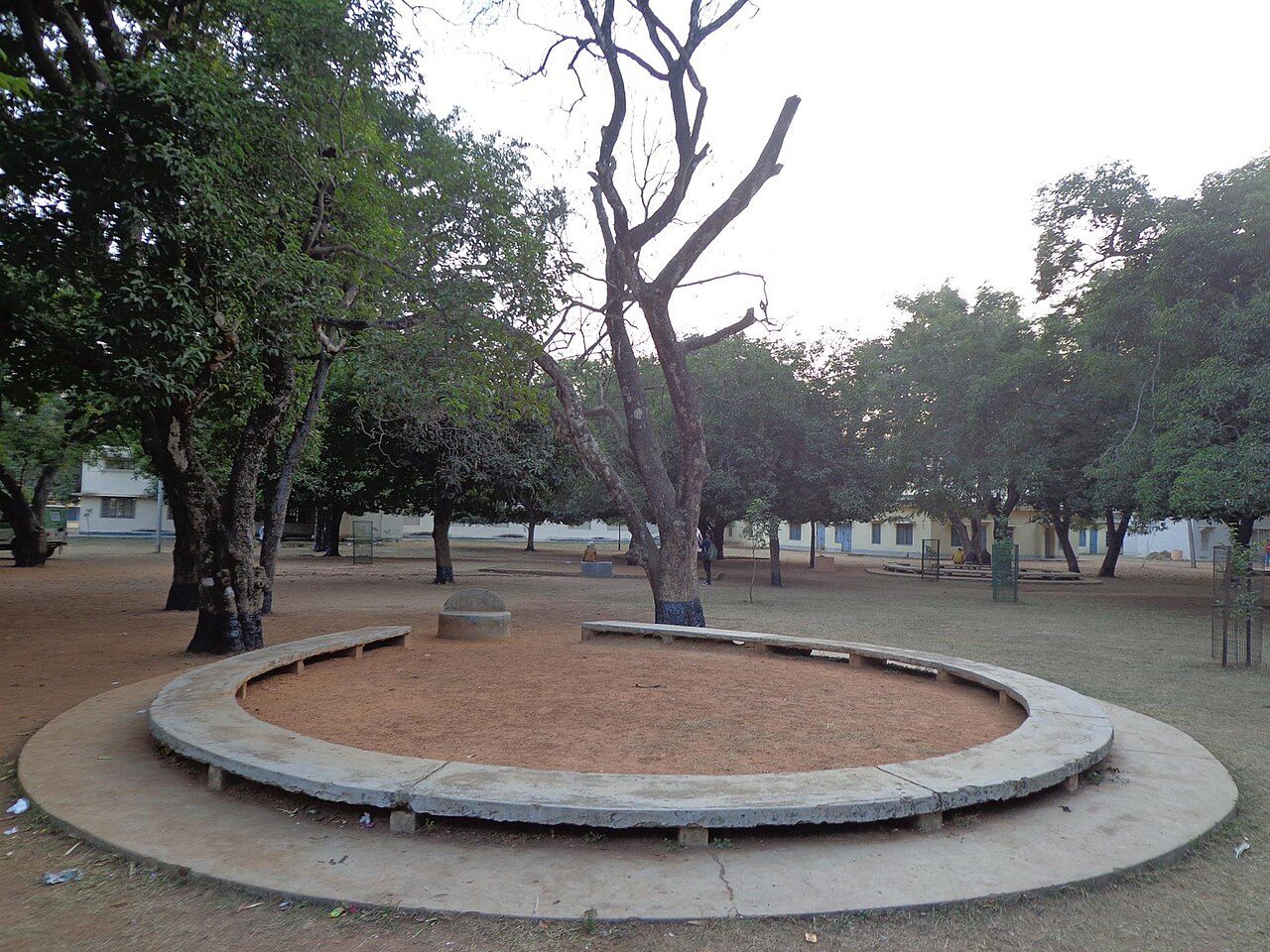
Santiniketan is the university town created by Rabindranath Tagore, who founded a school here in 1901 that grew into Visva-Bharati University. Classes are still held under the trees. The campus has the Tagore museum at Uttarayan, a glass prayer hall and murals and sculptures by Nandalal Bose and Ramkinkar Baij. It became a UNESCO World Heritage Site in 2023. Poush Mela and Basanta Utsav are the big festivals.
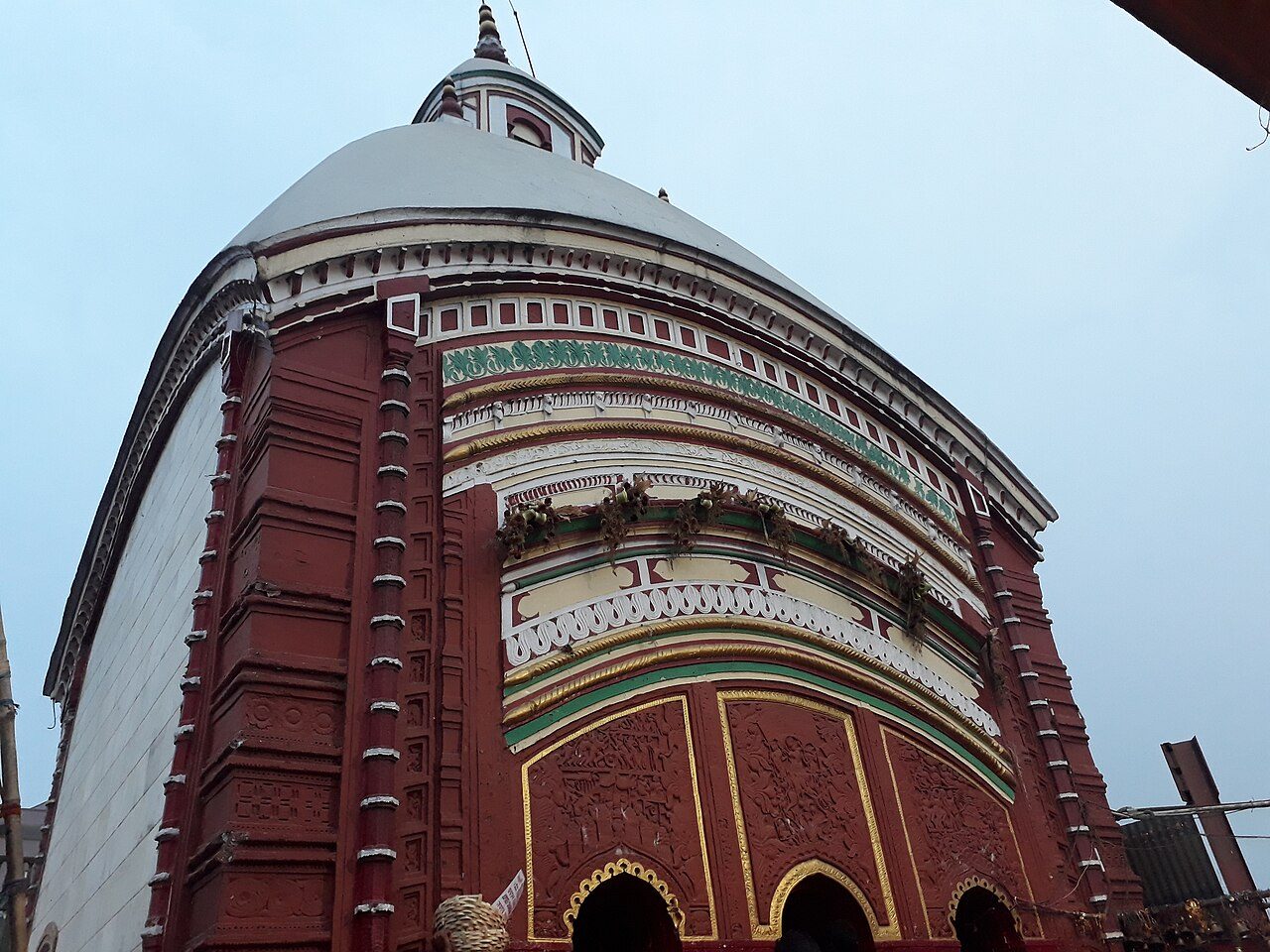
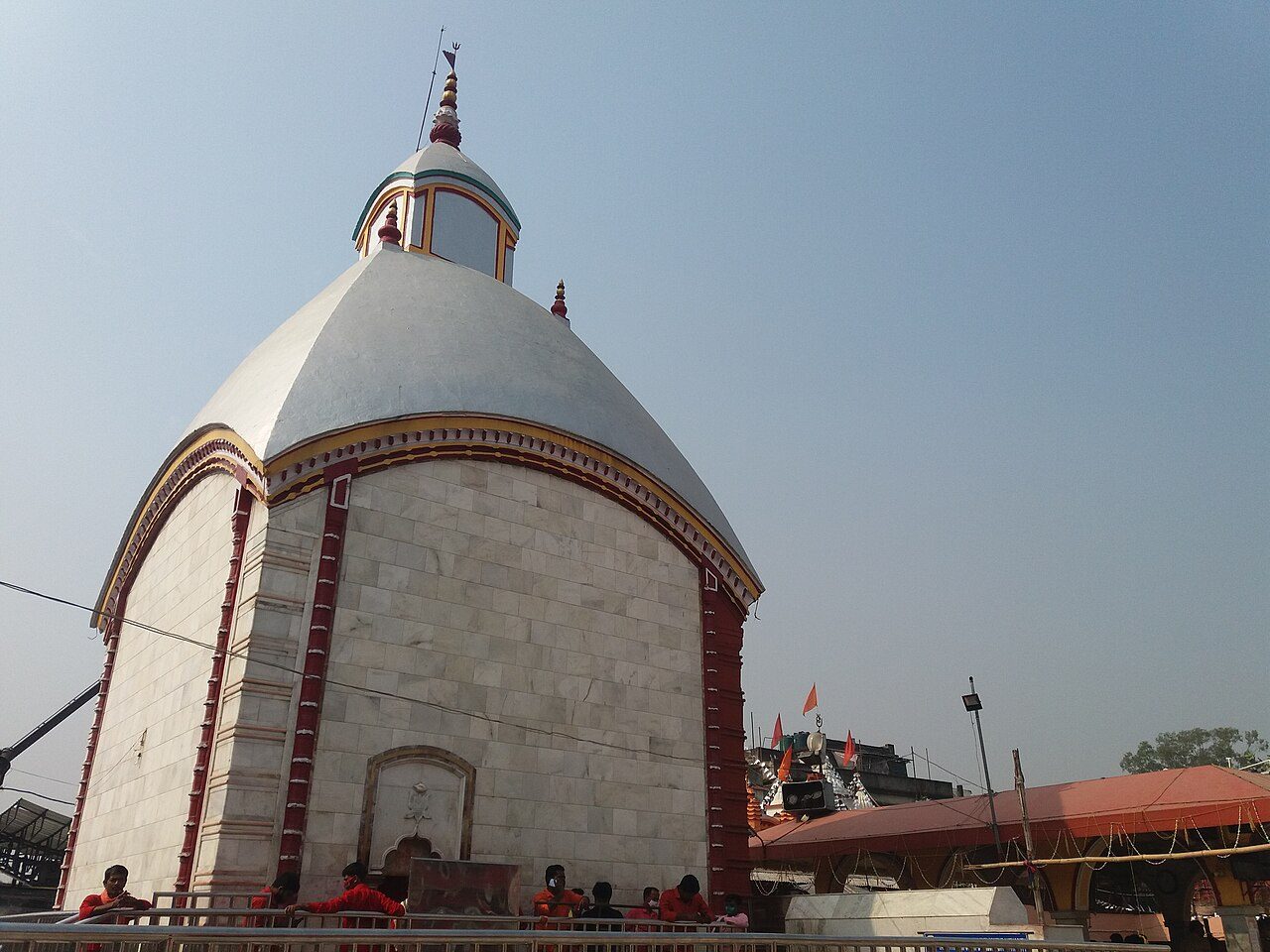
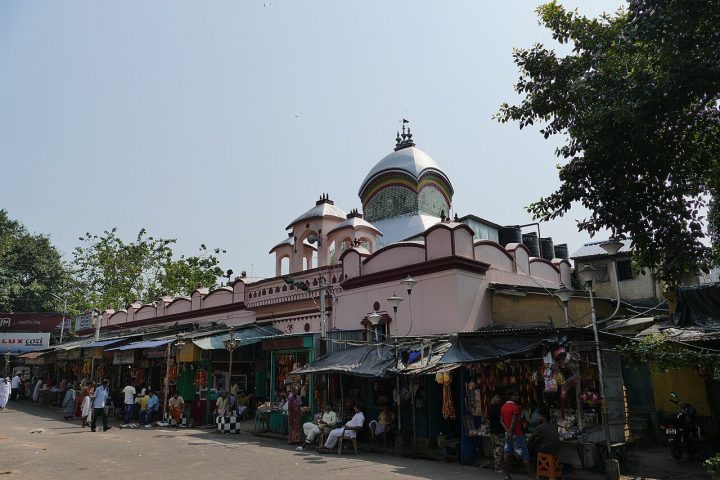
Tarapith, on the Dwarka River in Birbhum district, is one of the most important centres of tantric worship in India, dedicated to the goddess Tara. The red-brick temple with a curved roof houses the image, usually covered by a silver face. Beside it lies the cremation ground where the saint Bamakhepa lived. The temple is busy at all hours, especially on new-moon nights.
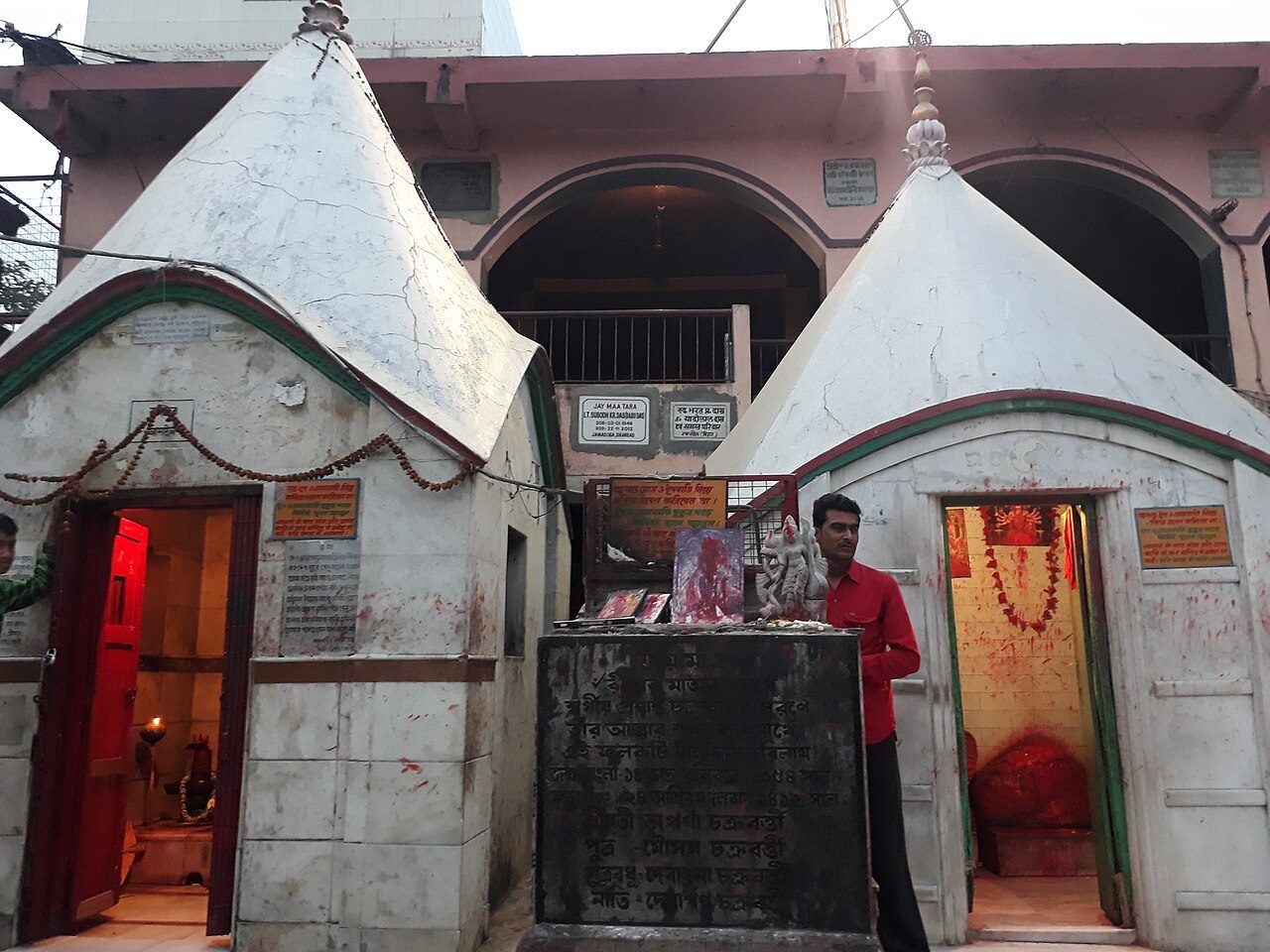
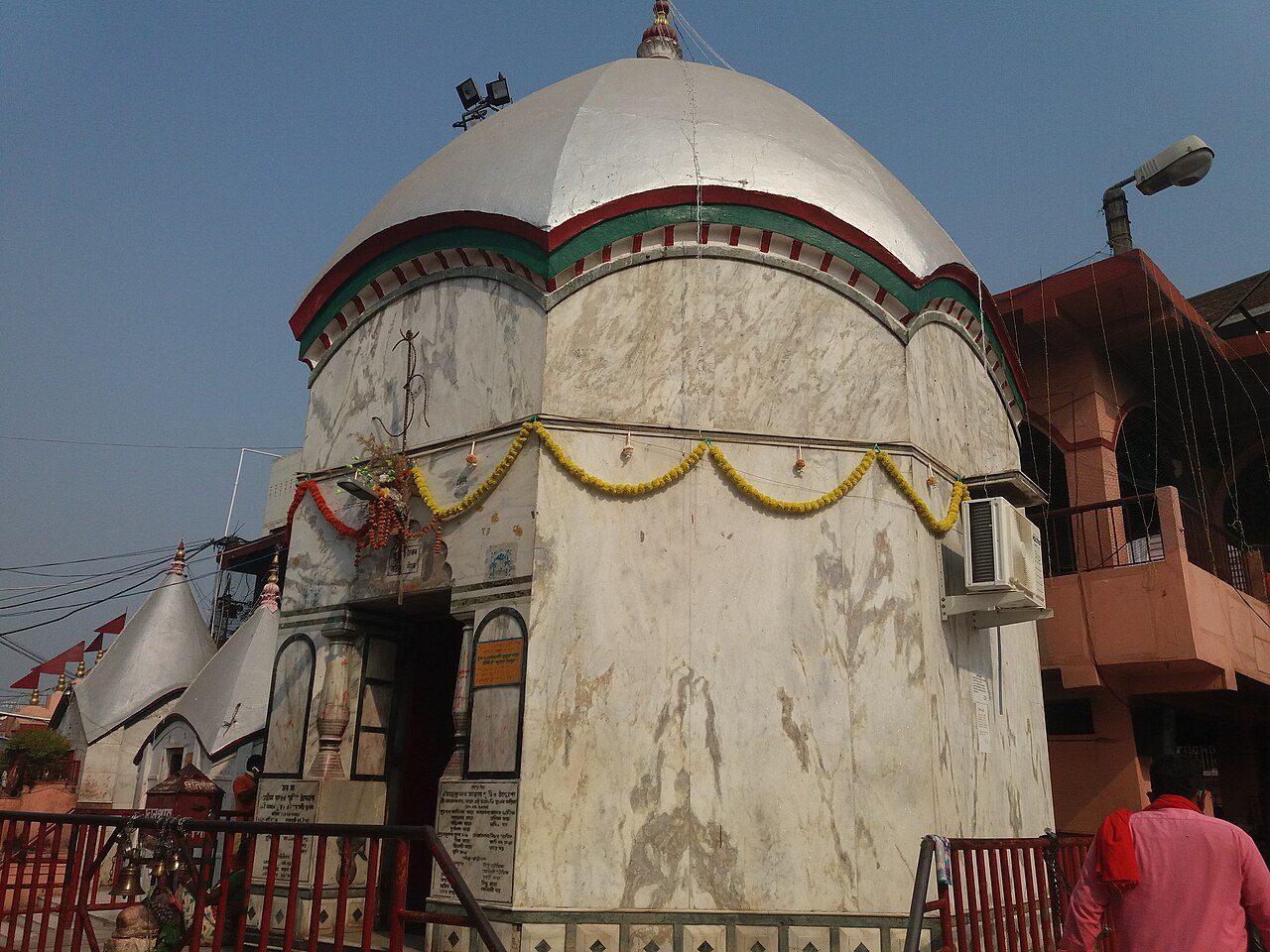
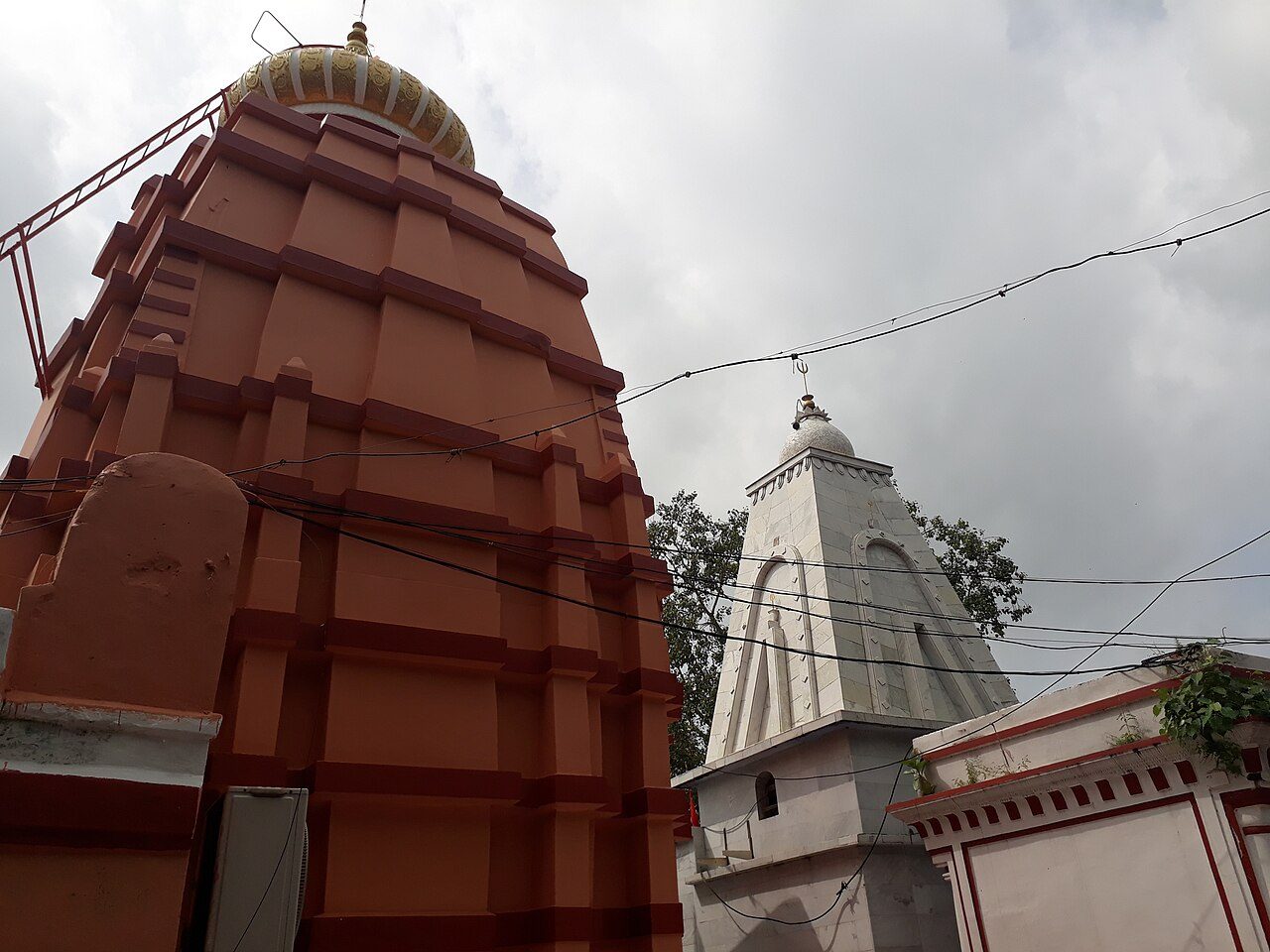
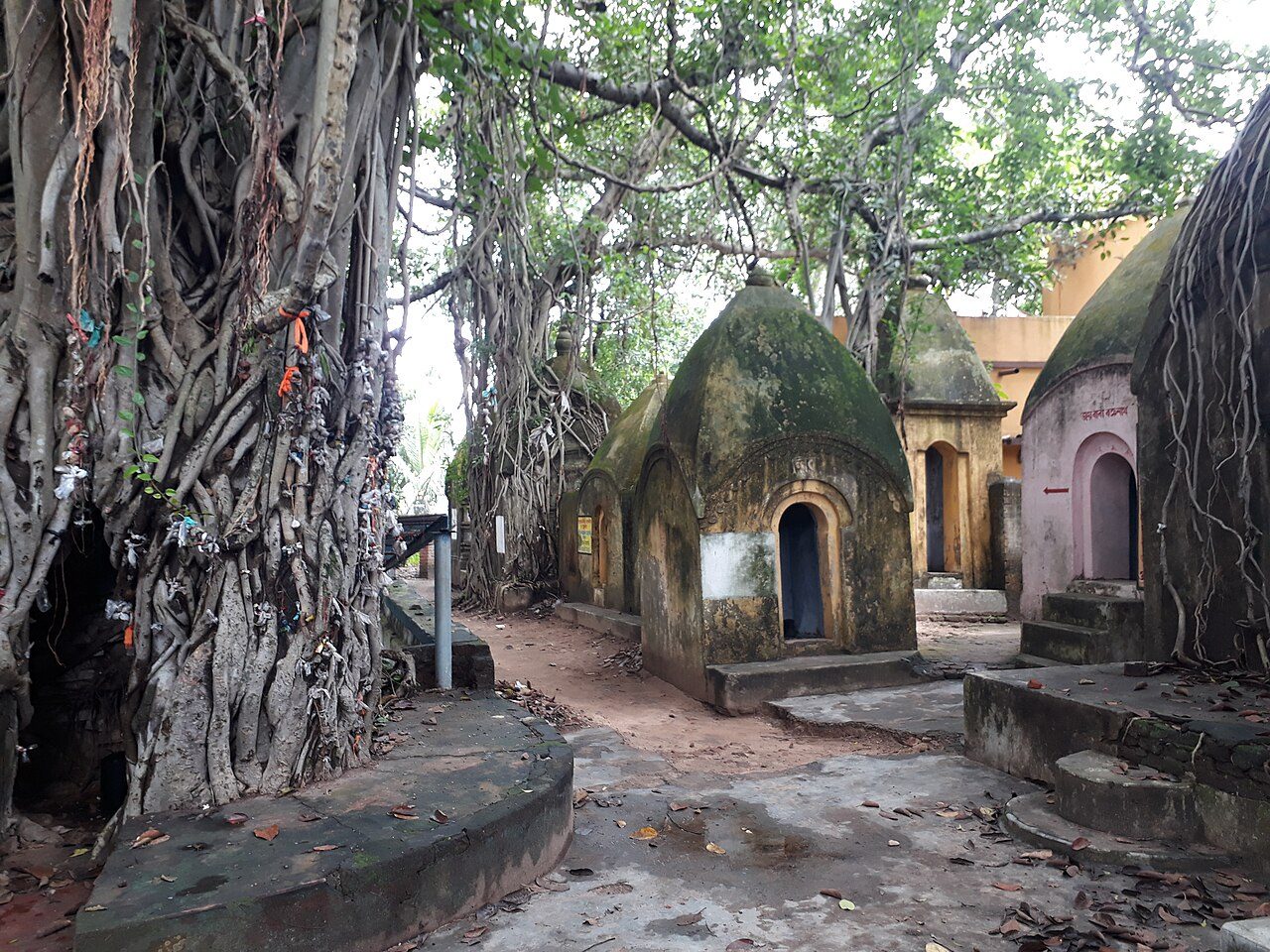
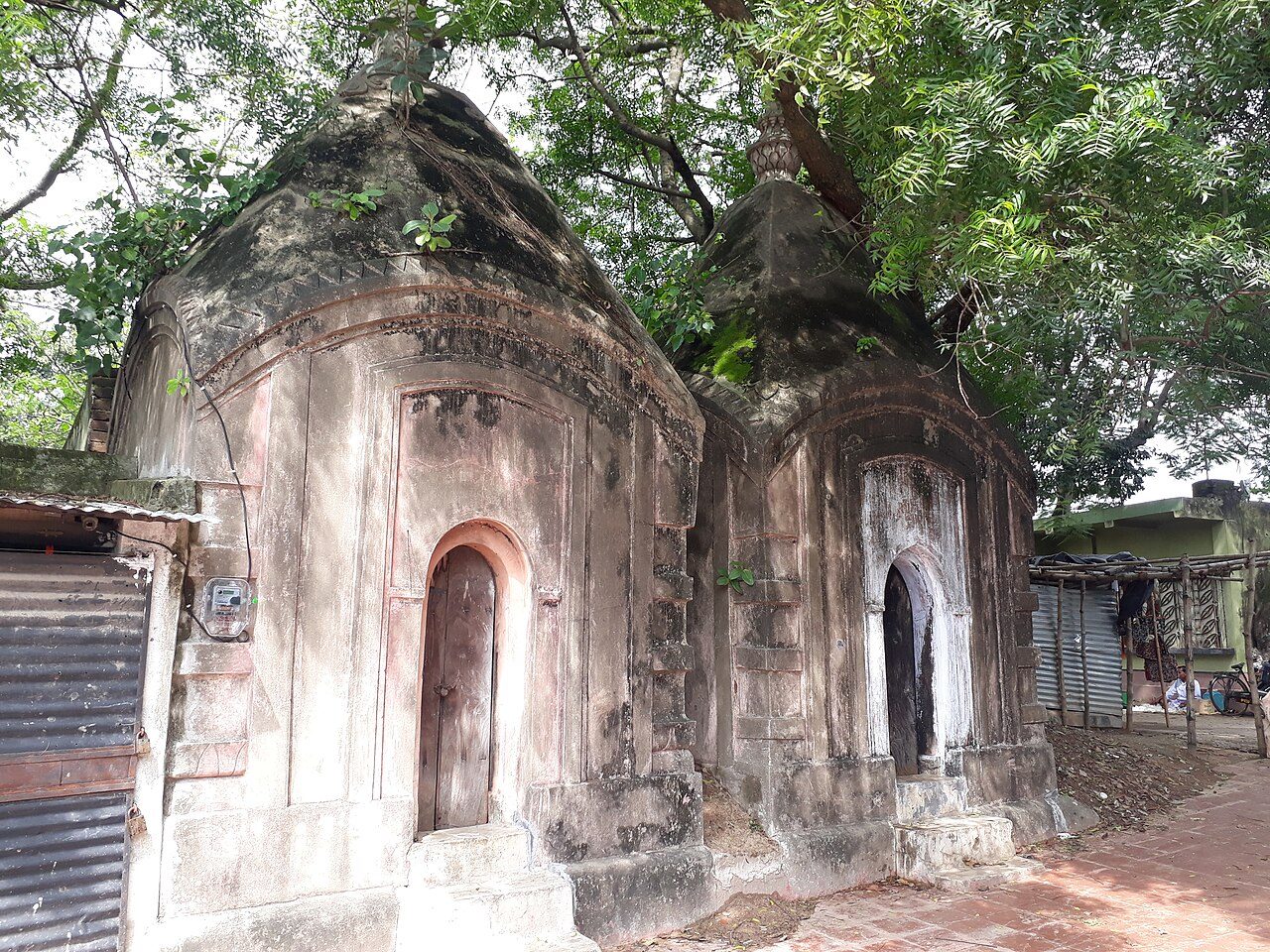
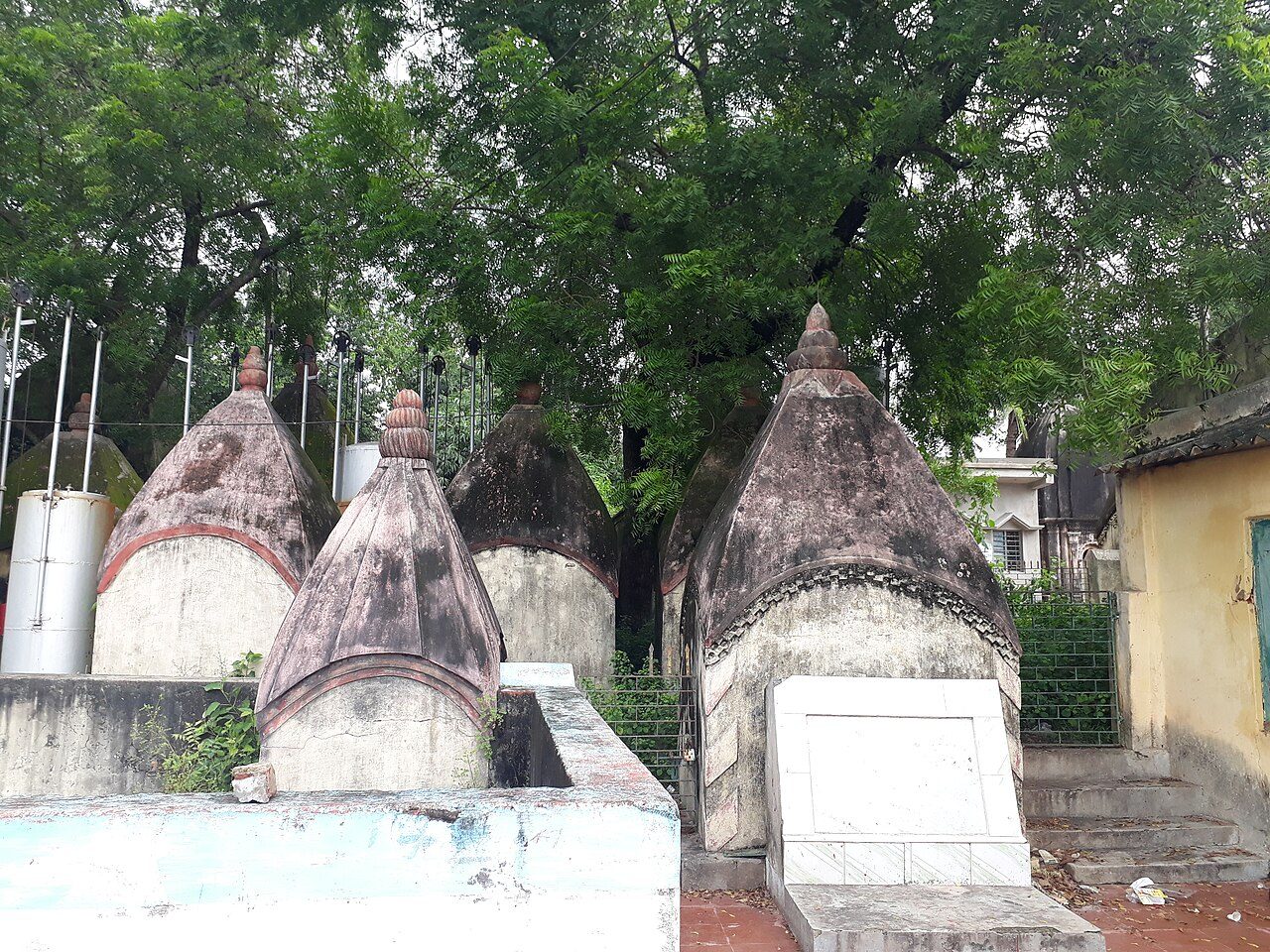
Bakreshwar, in Birbhum district, is counted among the Shakti Peethas and is known for its hot springs. The main Shiva temple, with a curved Odisha-style tower, is surrounded by many small shrines, and several spring-fed tanks of different temperatures are used for bathing. It lies about 20 km from Suri. Shivaratri brings a large fair.
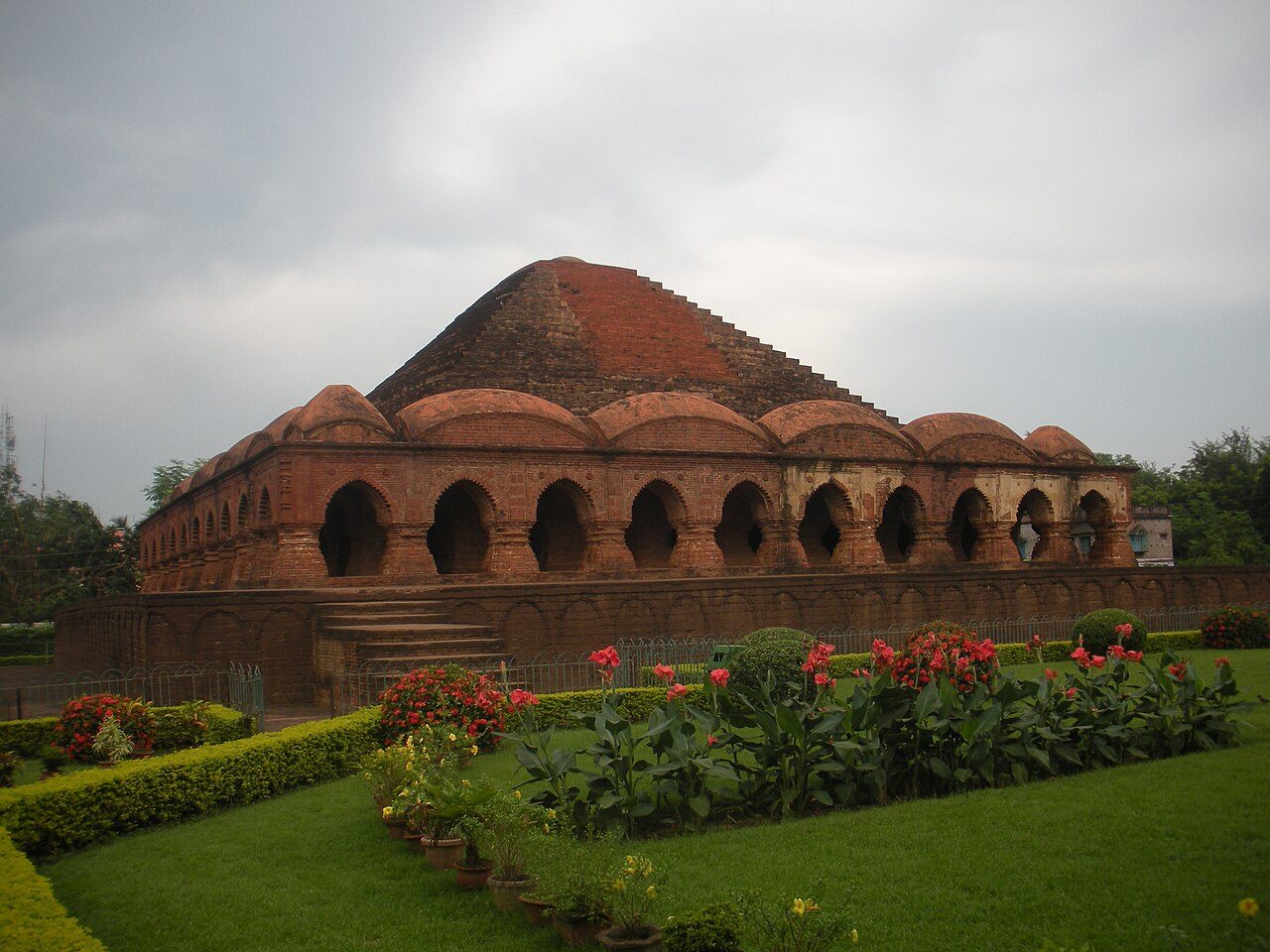
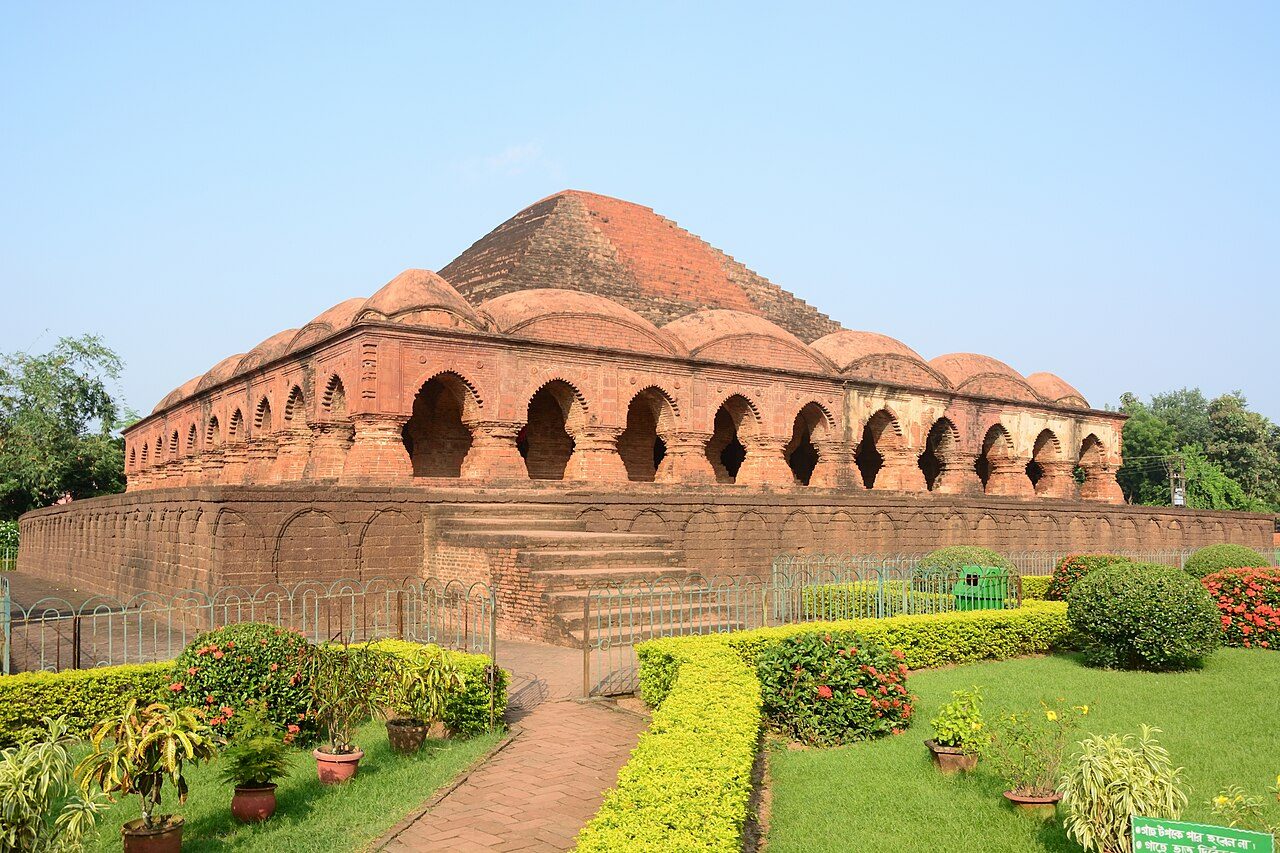
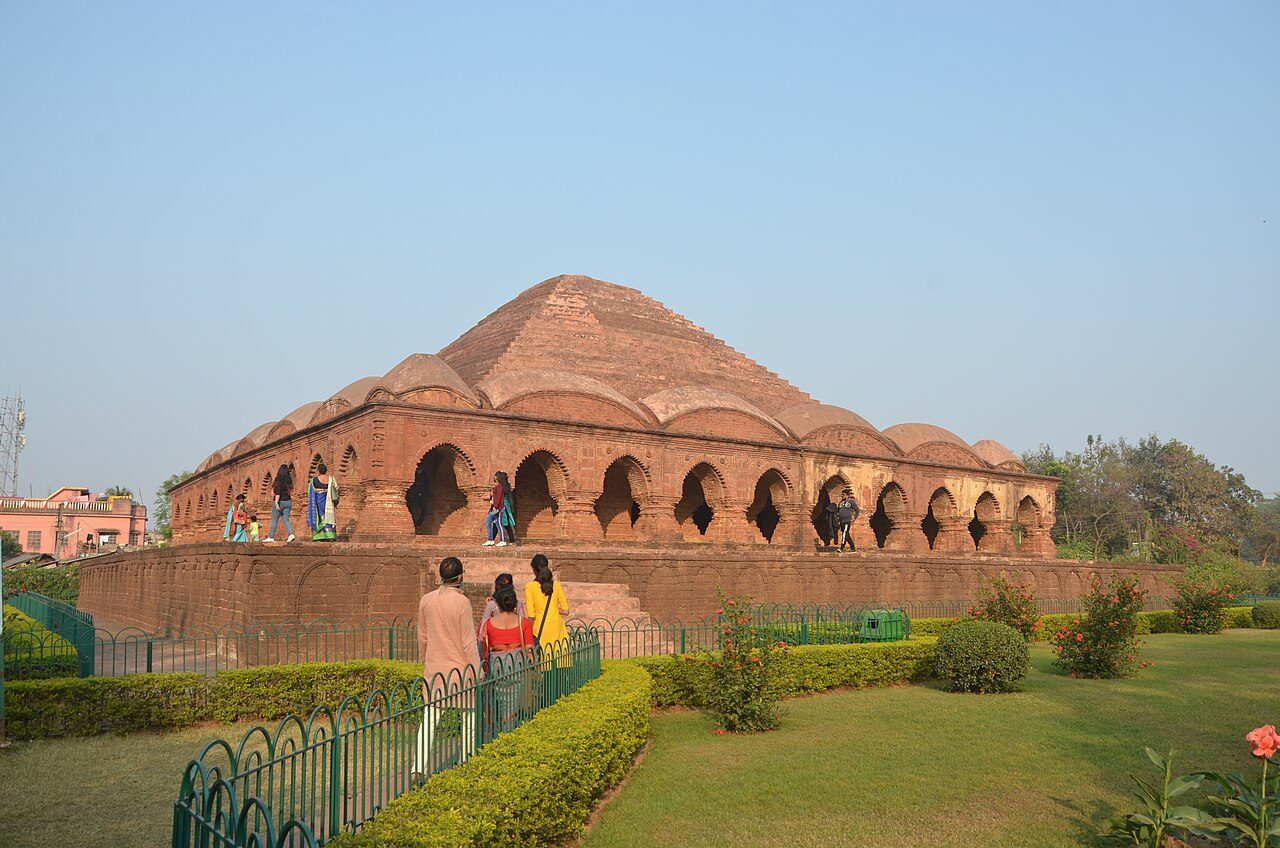
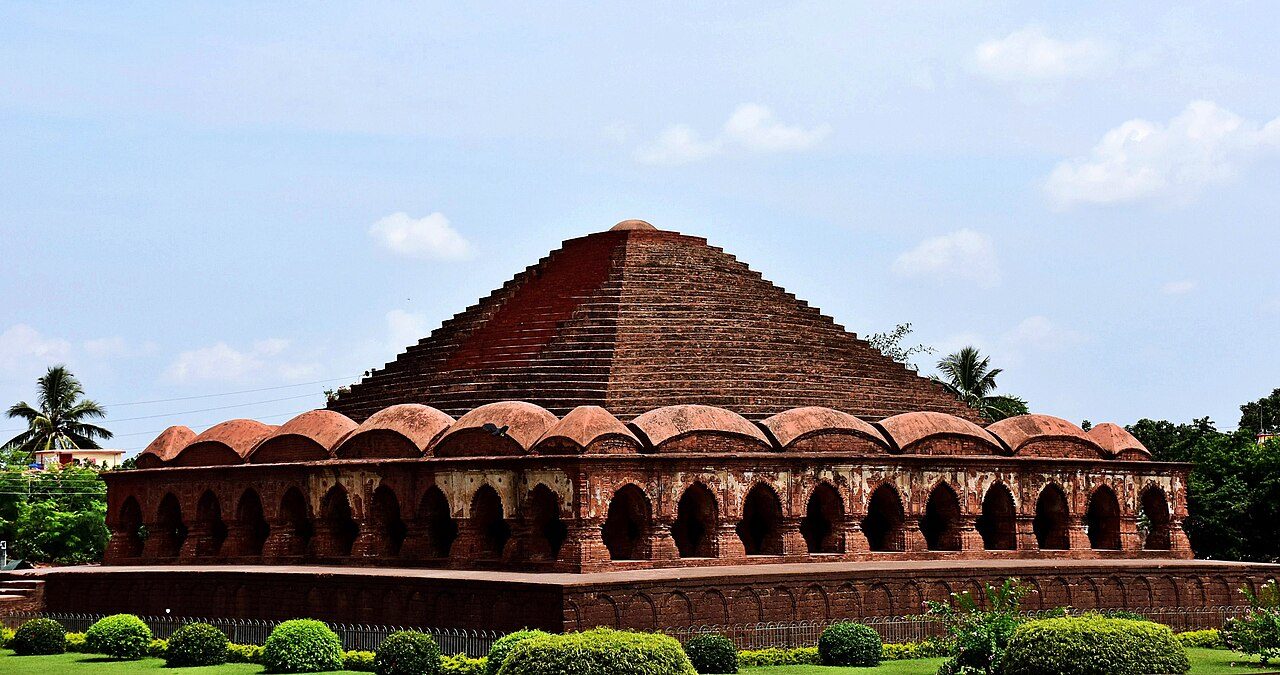
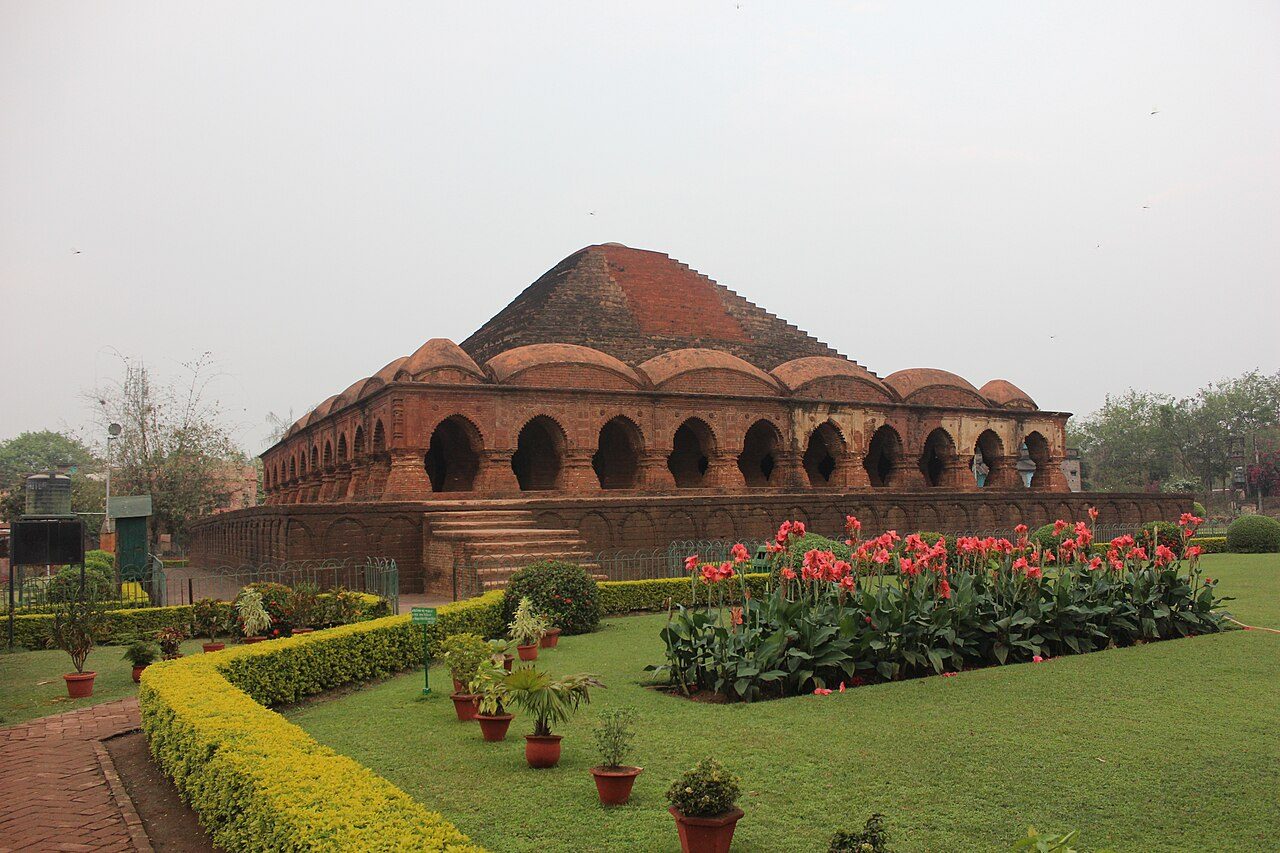
The Rasmancha at Bishnupur was built around 1600 by the Malla king Bir Hambir. Its design is unique: a stepped pyramid roof rising above three circuits of arched galleries, built of brick on a laterite plinth. During the annual Ras festival the deities from all the town's temples were once displayed here for the public. It is the oldest brick monument in Bishnupur.
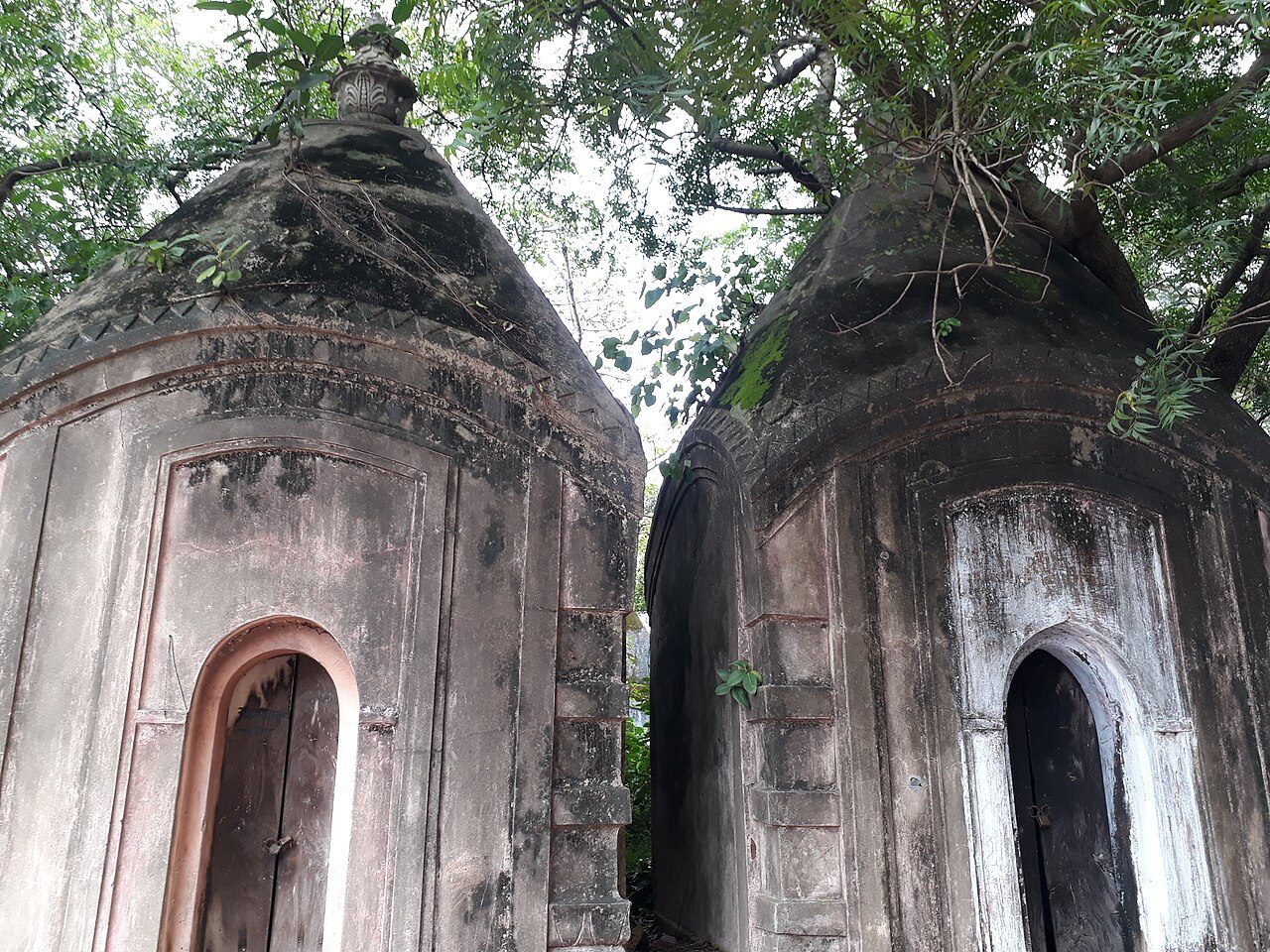
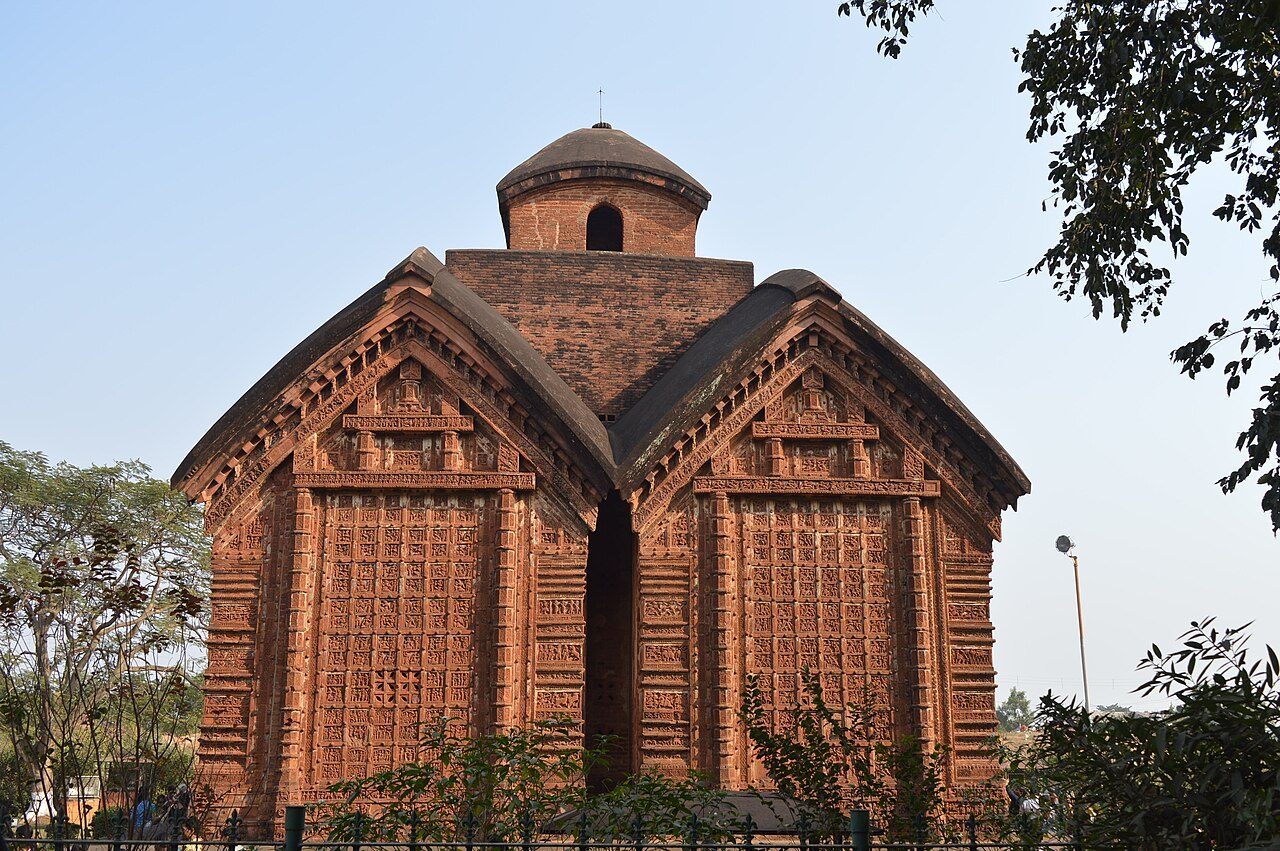
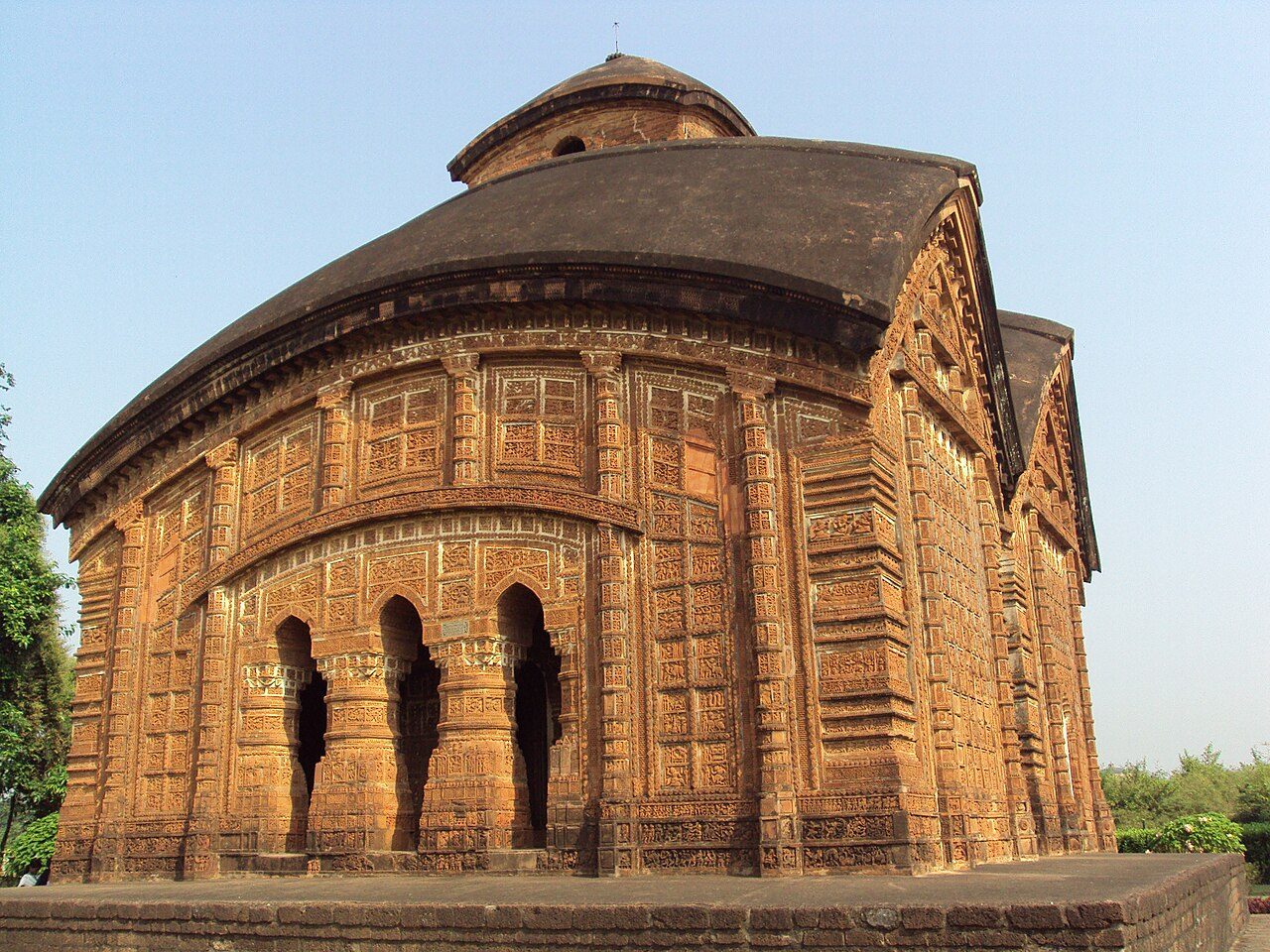
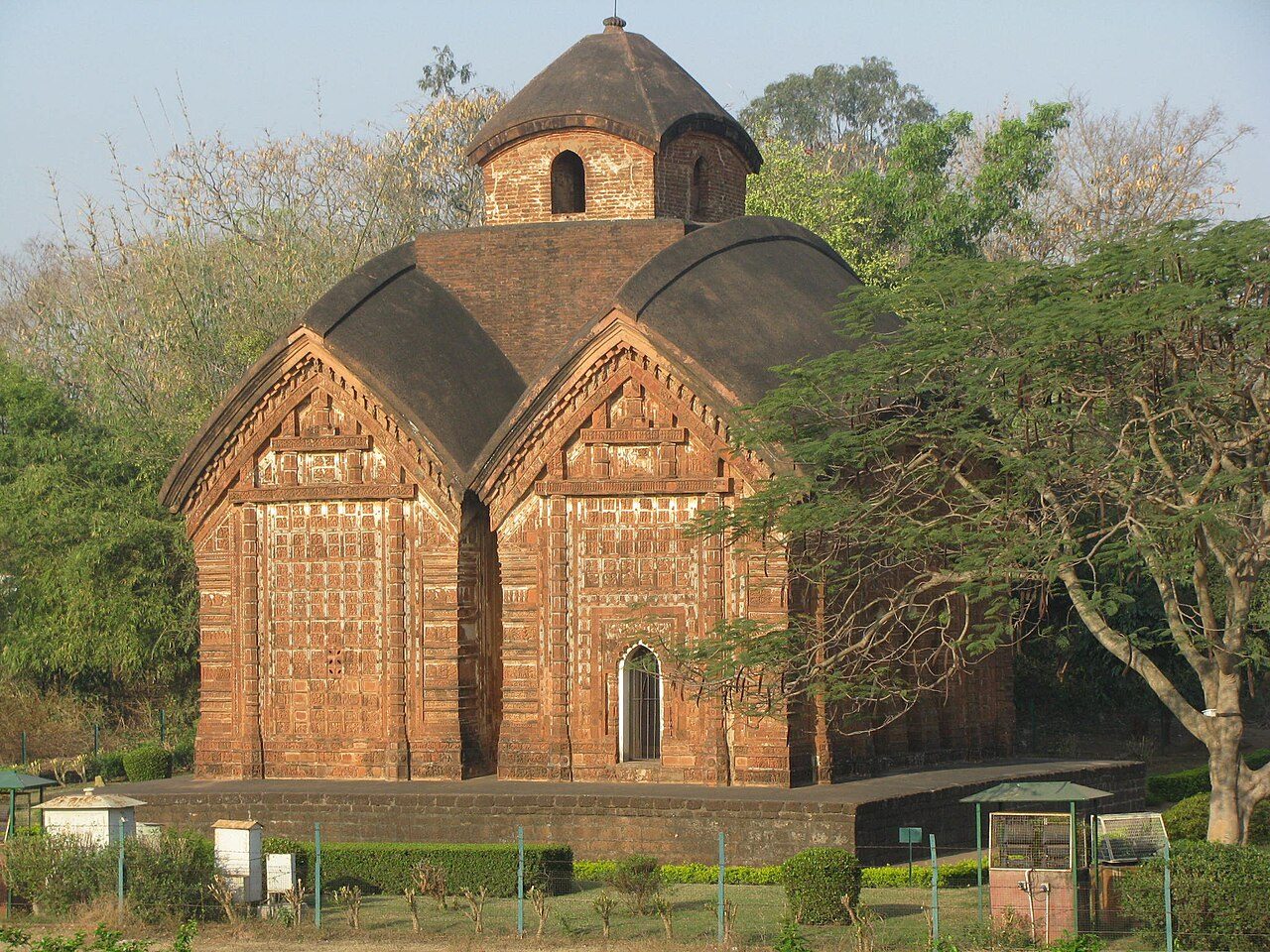
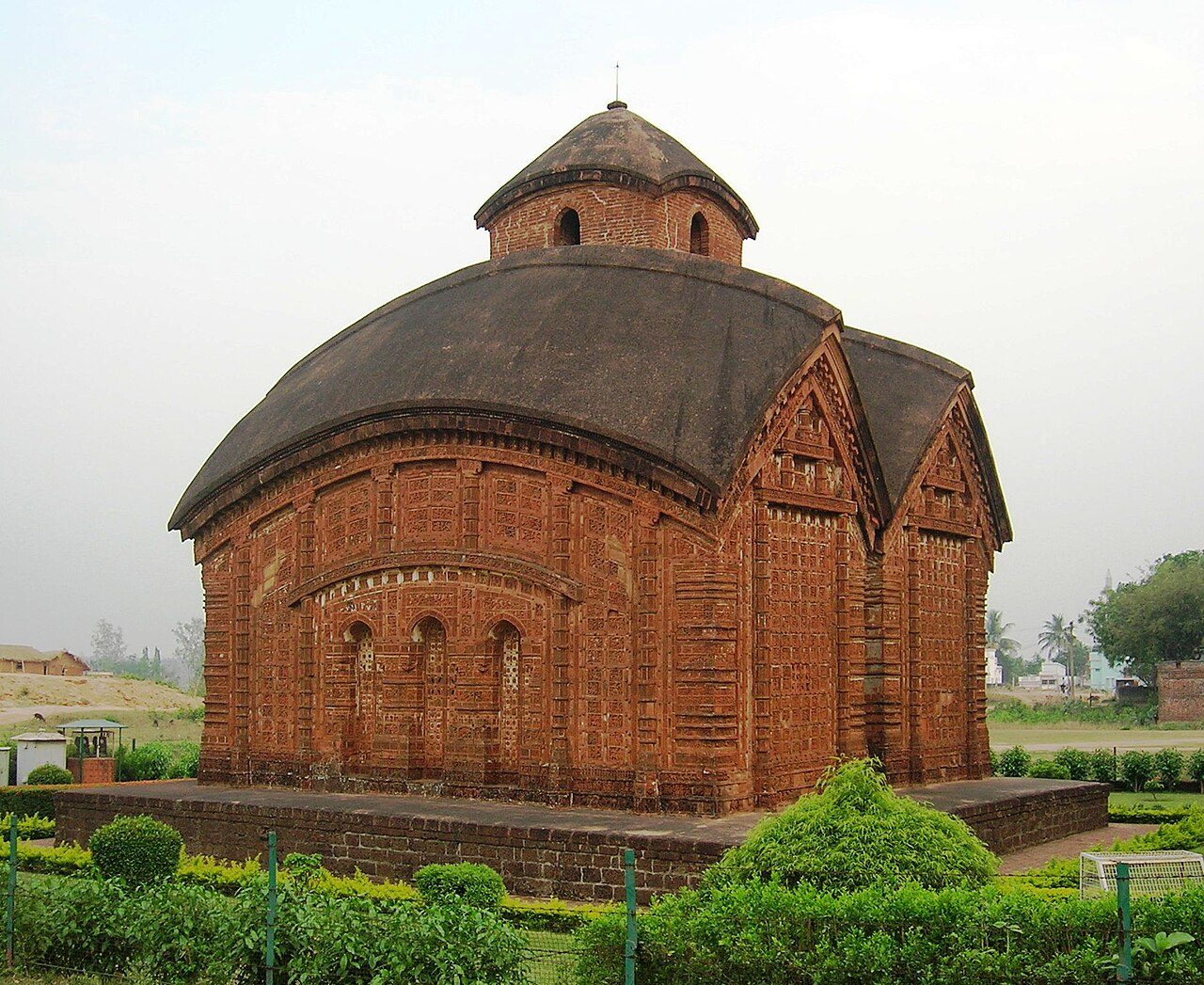
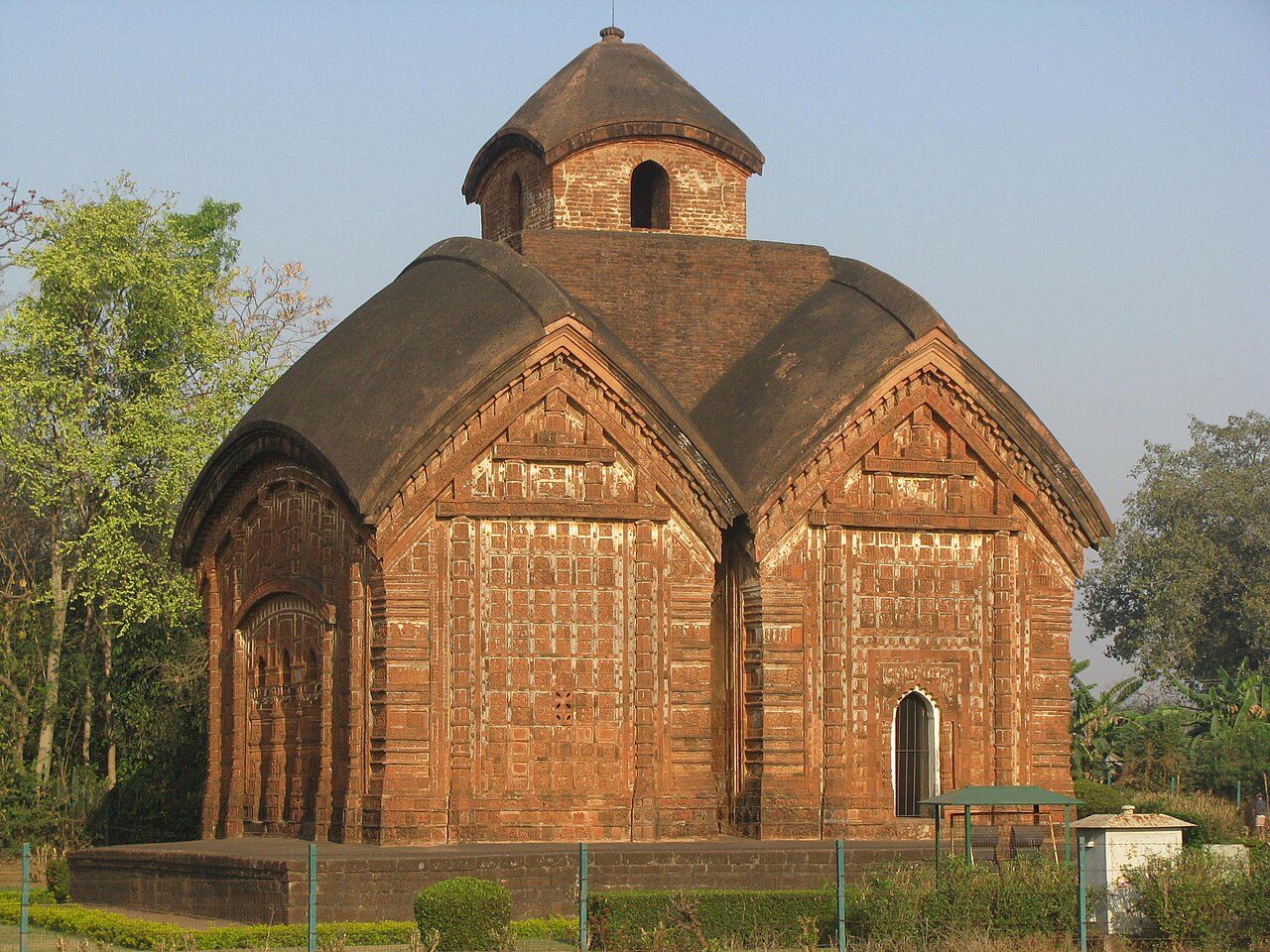
The Jor Bangla Temple at Bishnupur, also called Keshta Rai, was built in 1655 by King Raghunath Singha. Its form imitates two thatched Bengali huts joined together, crowned by a single small tower. The walls carry some of the most detailed terracotta work in Bengal, with battle scenes, royal hunts, boats and episodes from the epics.
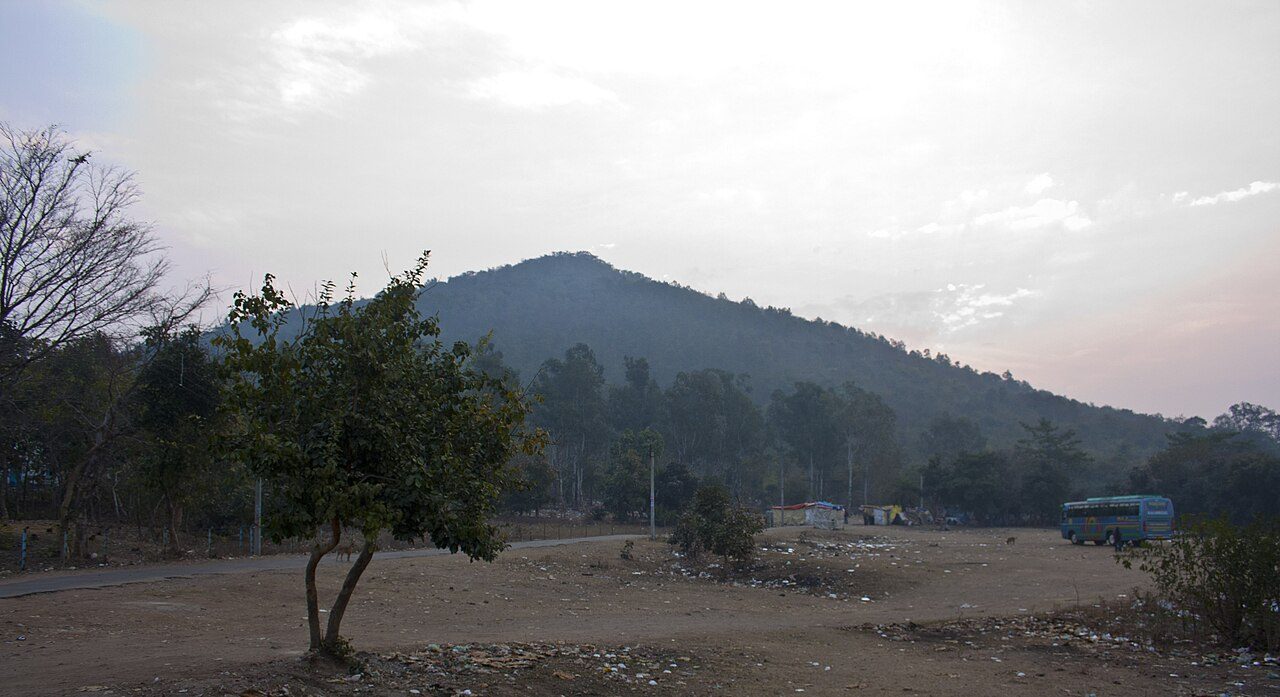
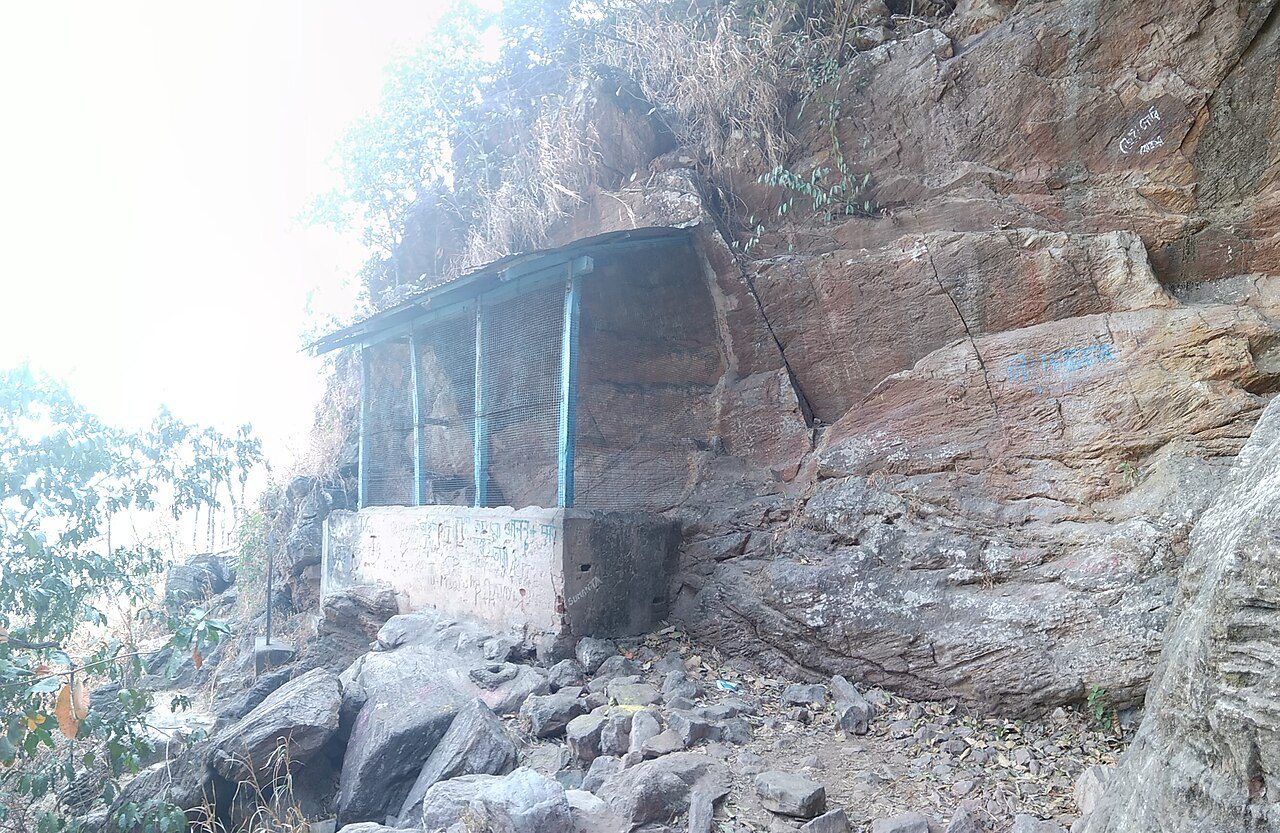
Susunia Hill in Bankura district rises to about 450 metres and is a well-known centre for rock climbing courses. A natural spring flows through an old carved stone spout at its foot. On the hill is a 4th-century rock inscription of King Chandravarman, among the oldest in Bengal. The surrounding forest is rich in medicinal plants, and the village is known for stone carving.
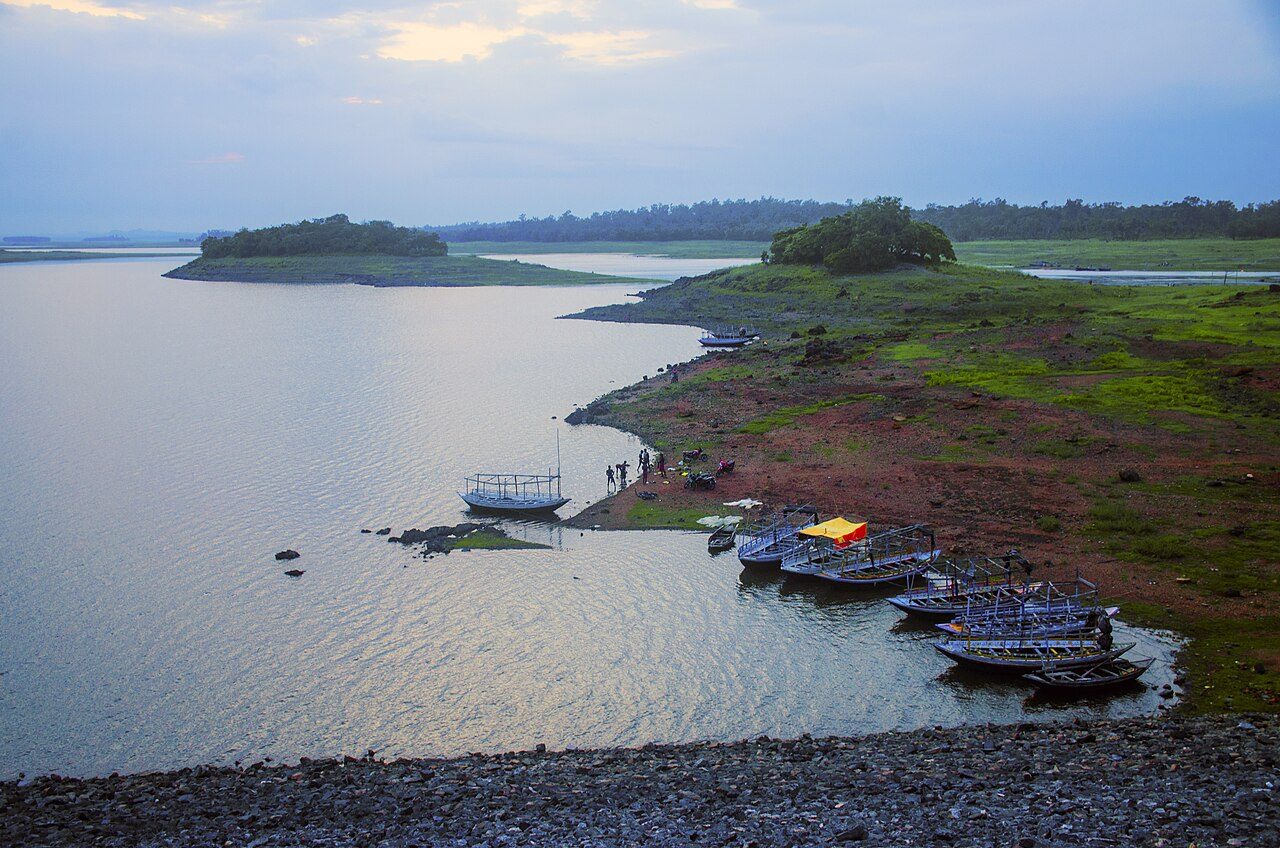
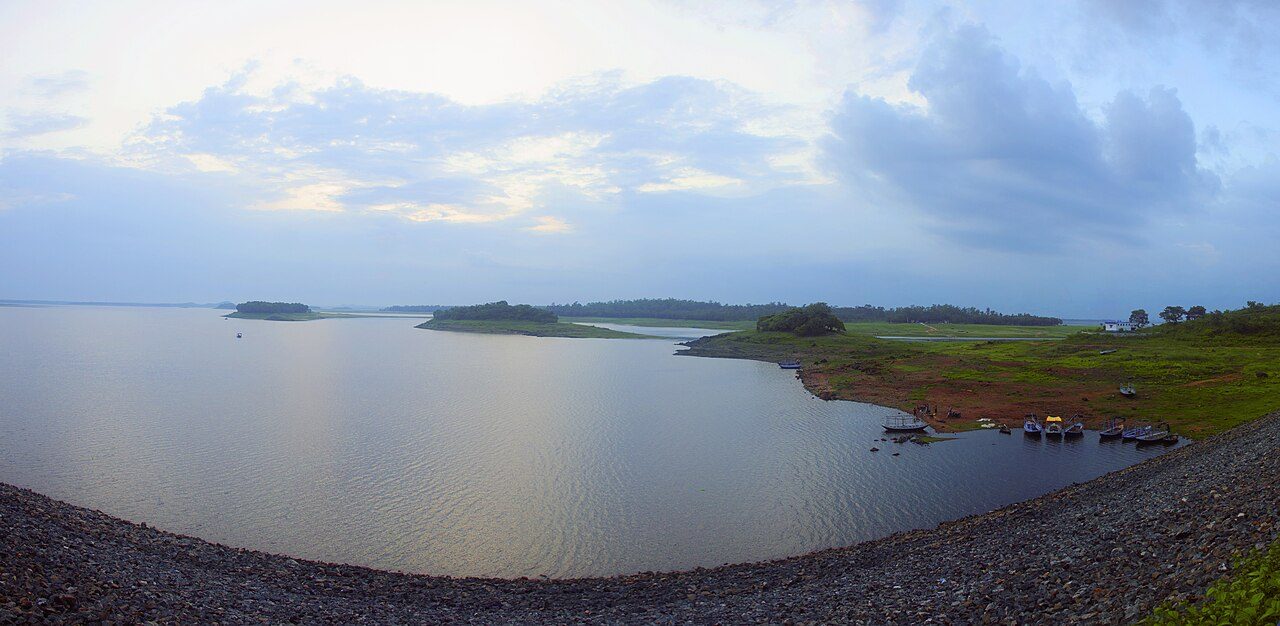
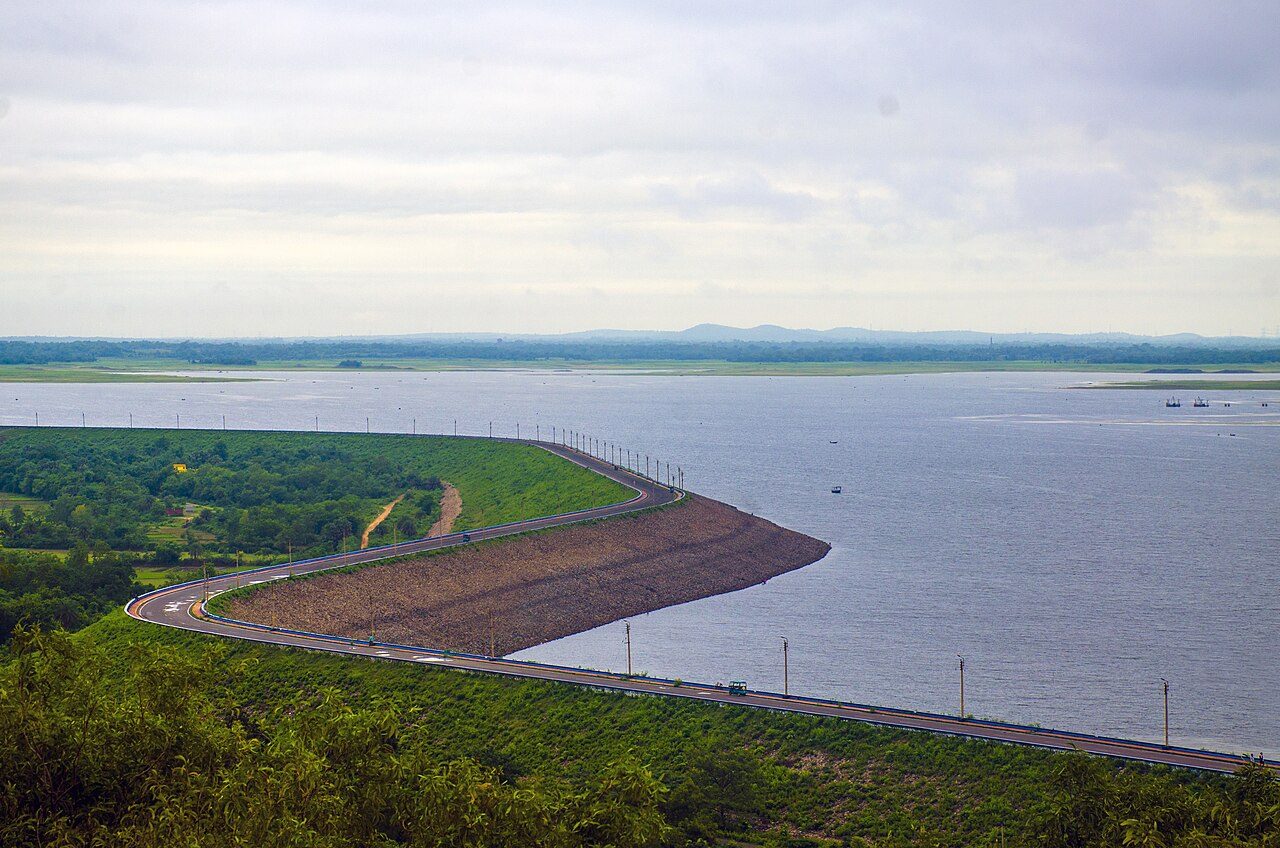
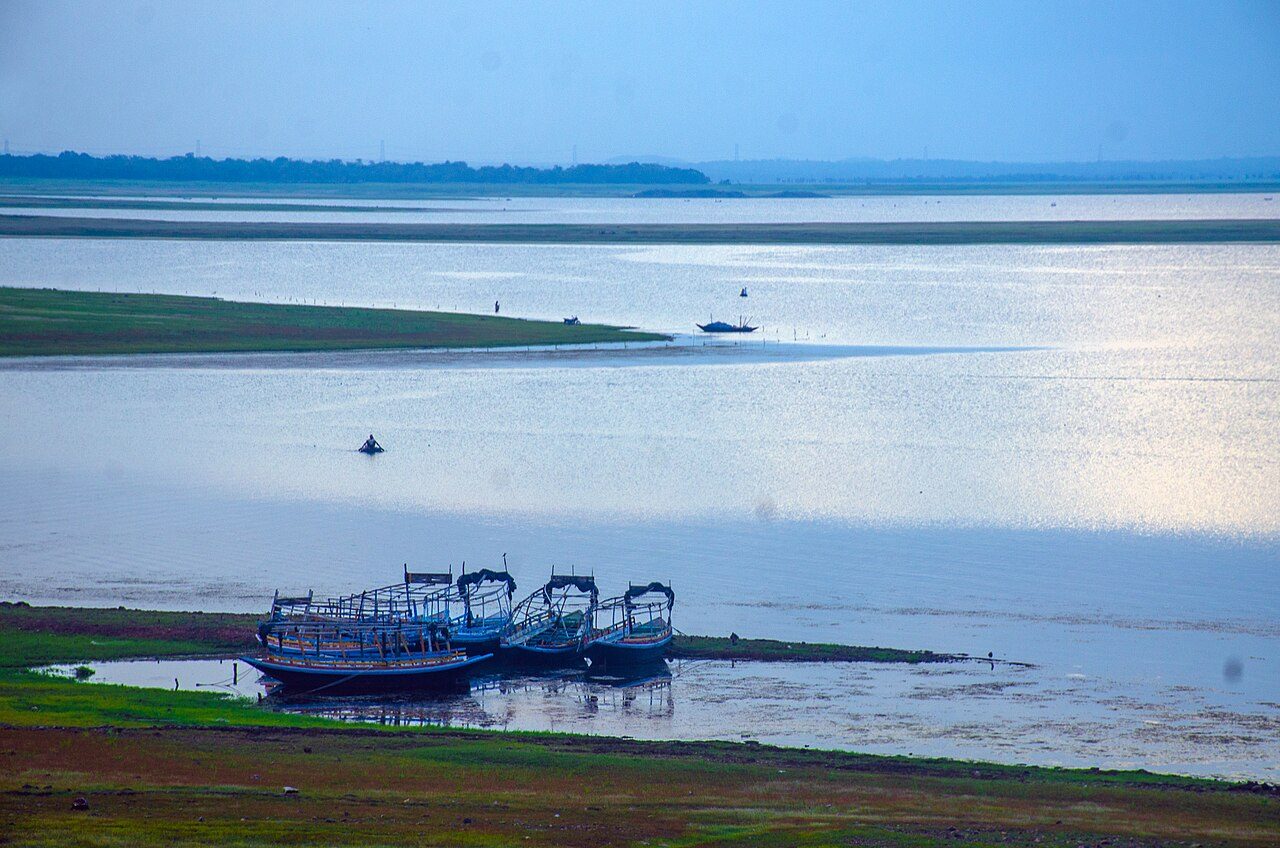
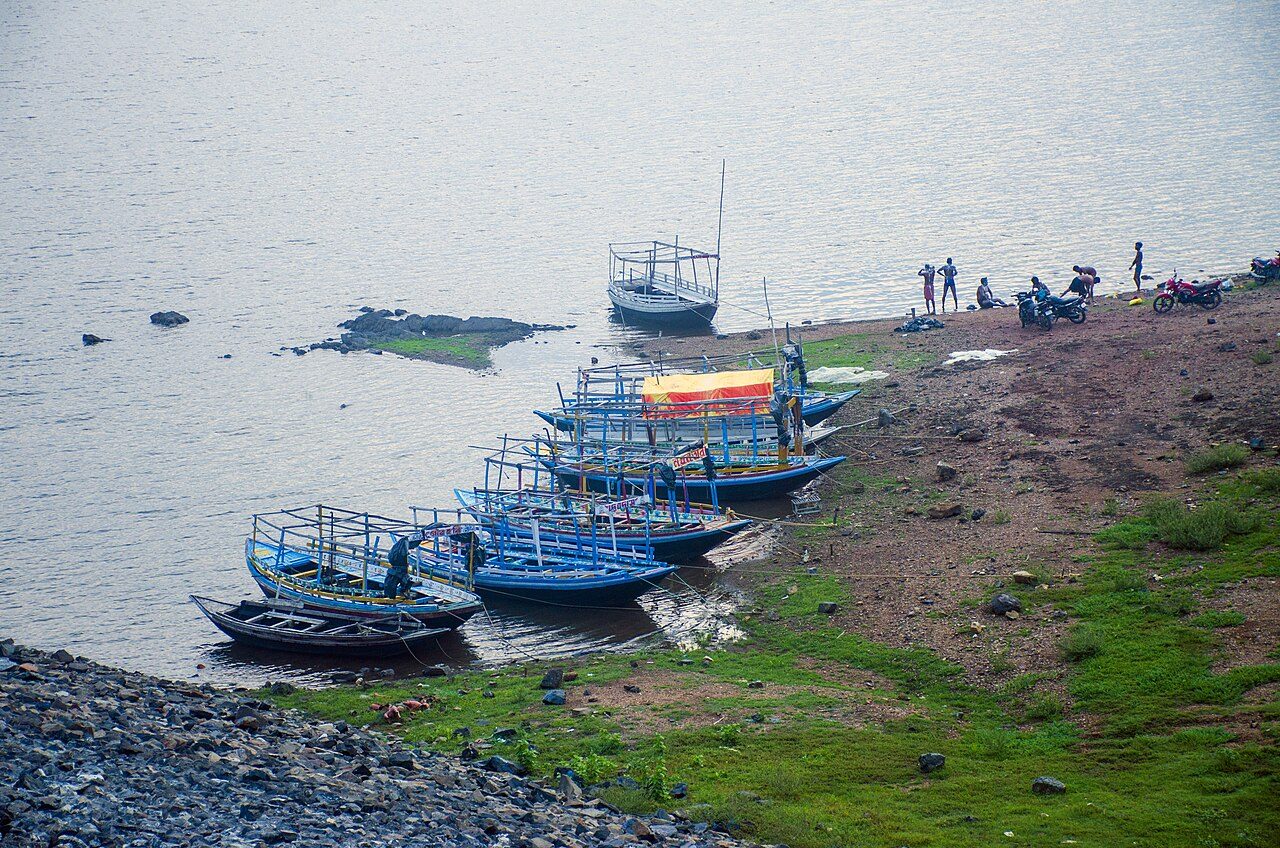
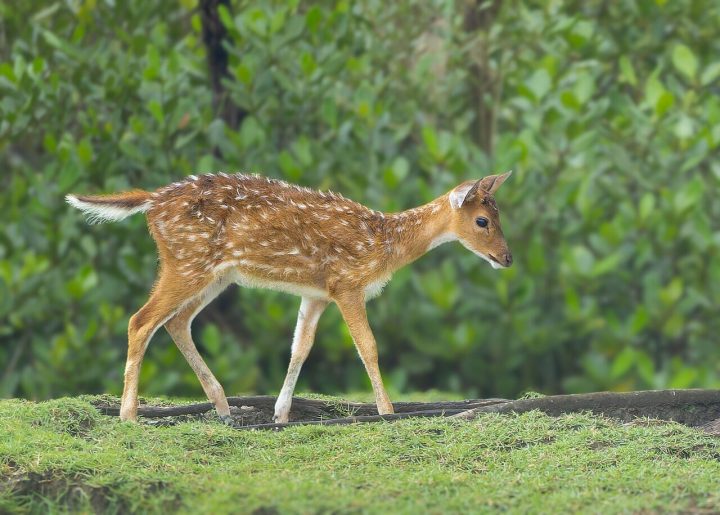
Mukutmanipur, in Bankura district, is the site of a long earthen dam built in the 1950s at the meeting of the Kangsabati and Kumari rivers. The reservoir is ringed by low green hills and red earth. Visitors boat to a deer park and to Bangopalpur, and walk along the dam at sunset. It is a quiet weekend destination, best from October to March.
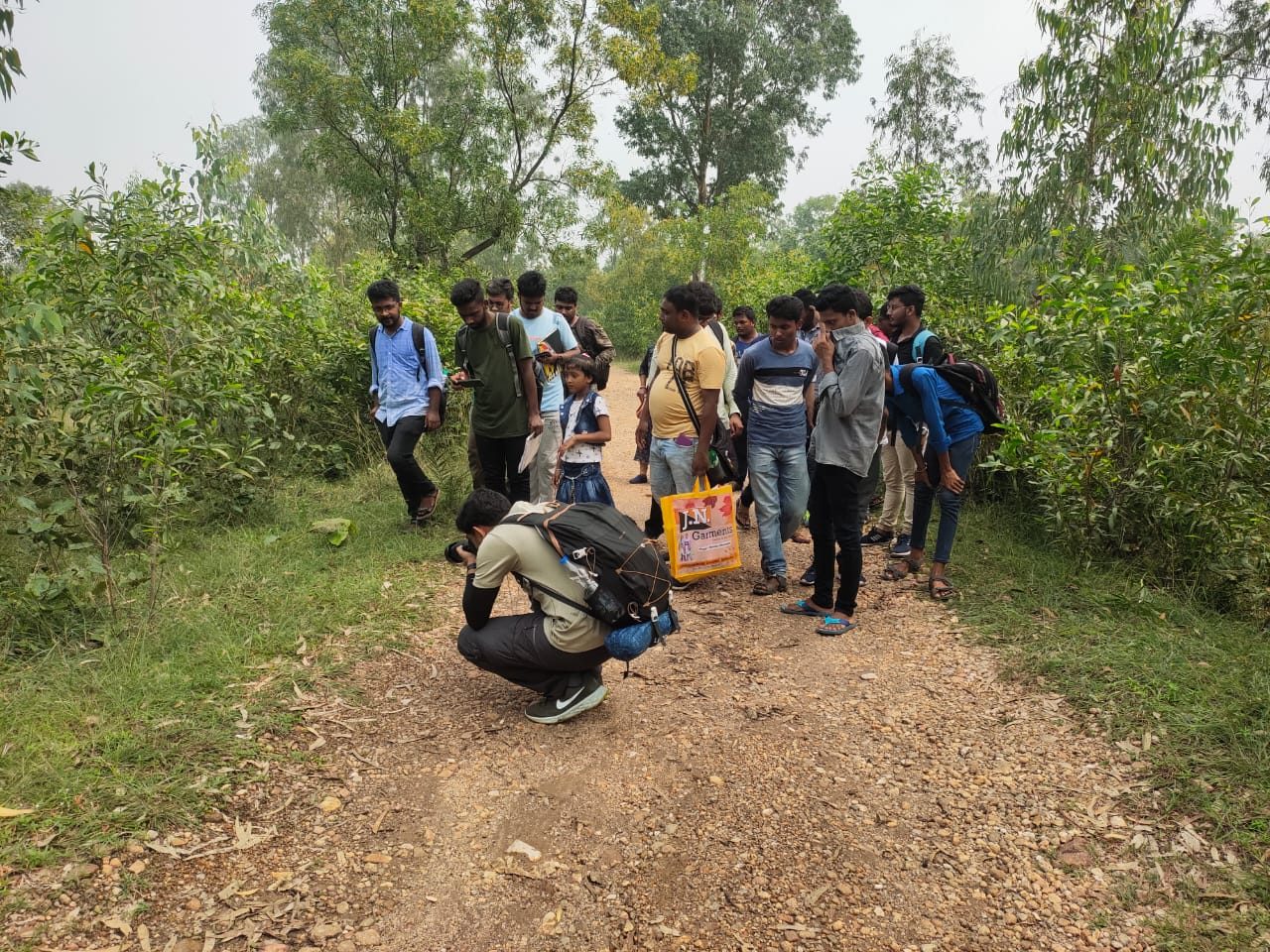
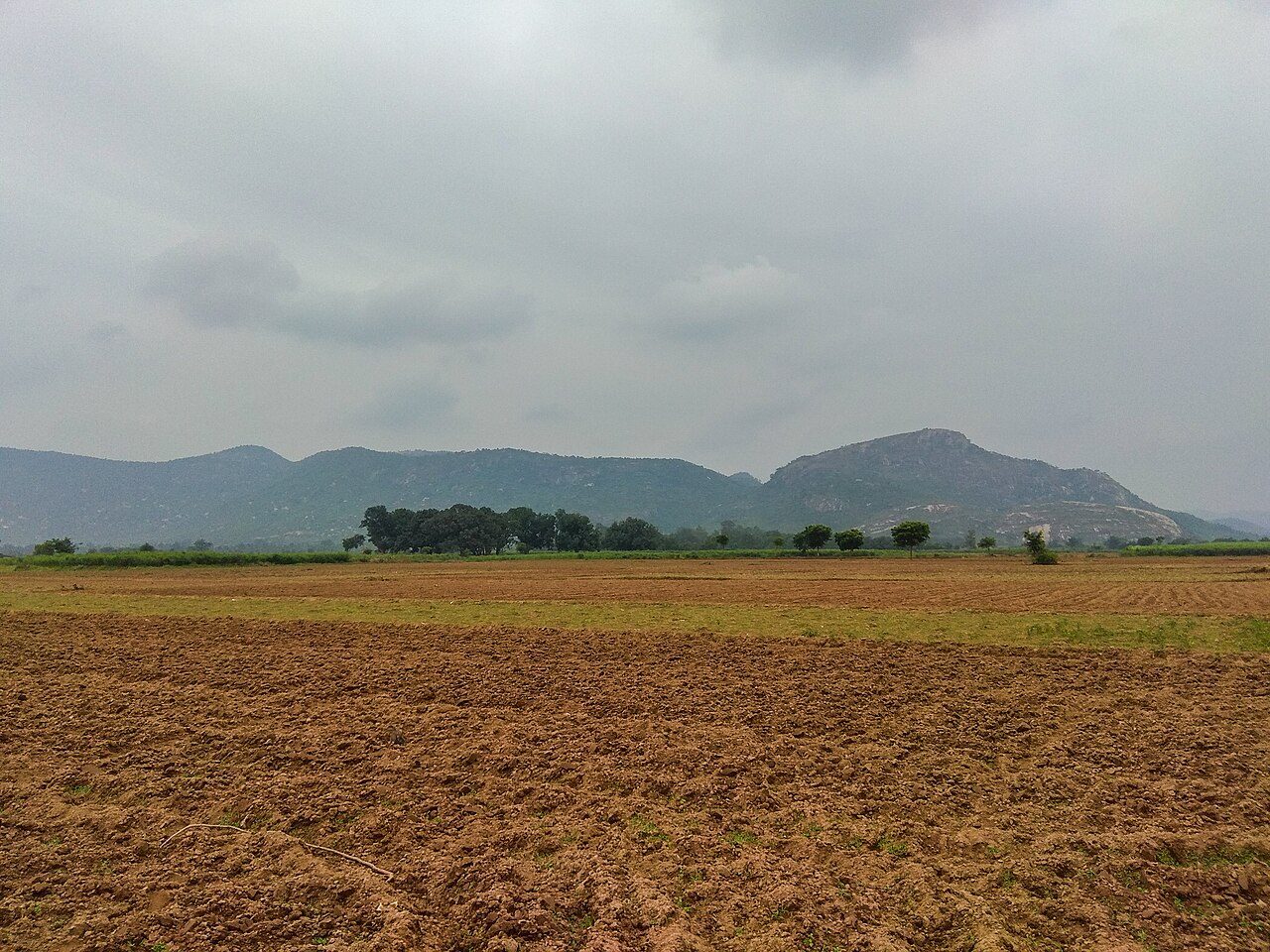
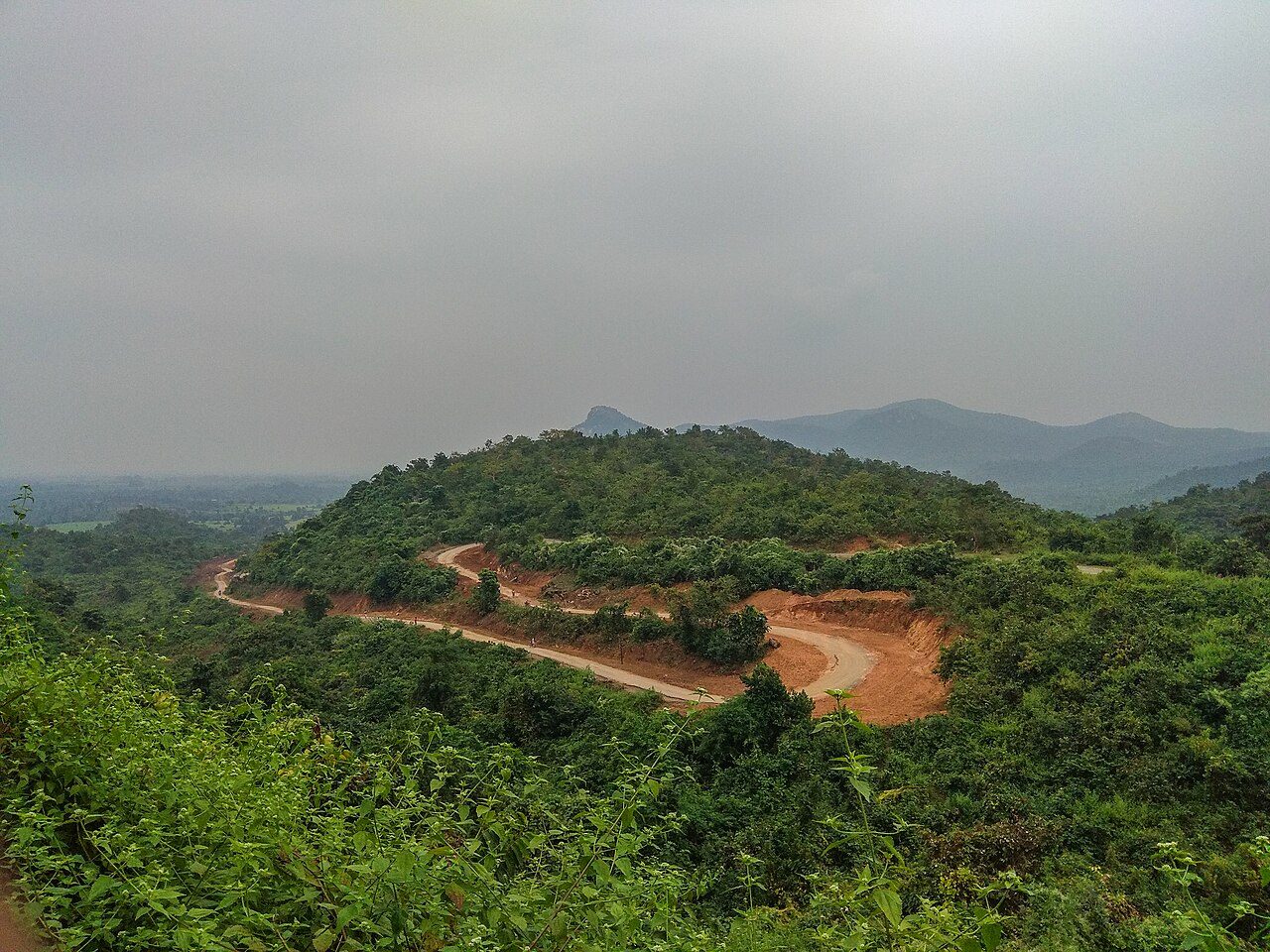
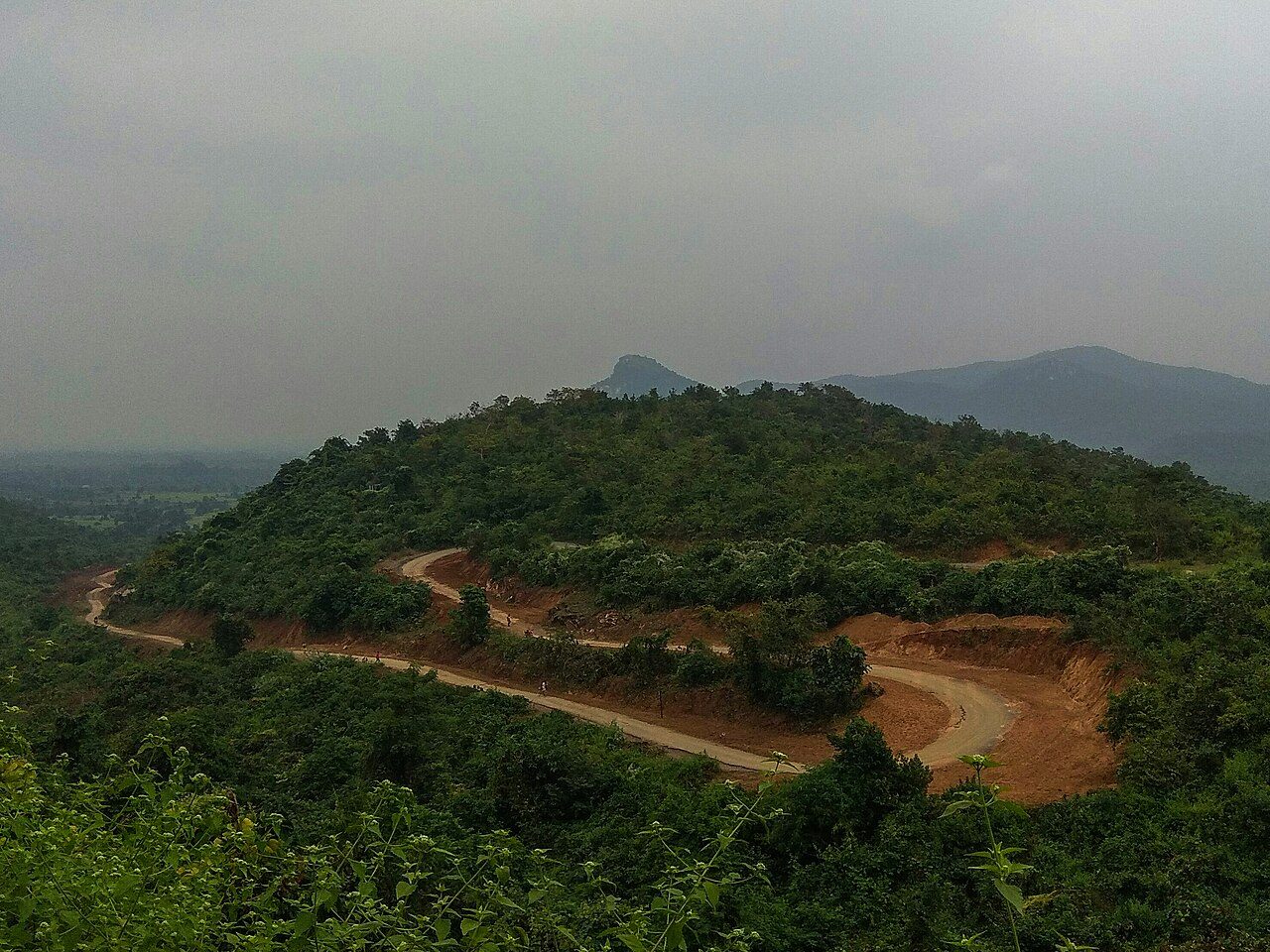
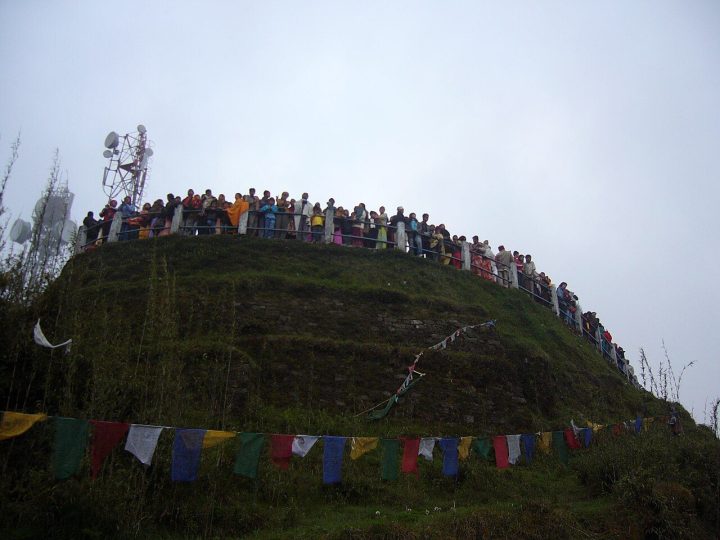
The Ayodhya Hills in Purulia district are a forested plateau on the eastern edge of the Chota Nagpur range, rising to about 700 metres. The area has waterfalls such as Bamni and Turga, the upper and lower dams of a pumped storage project, tribal villages and climbing rocks. Palash trees turn the hills red in spring. October to March is the comfortable time to visit.
 WaTrips