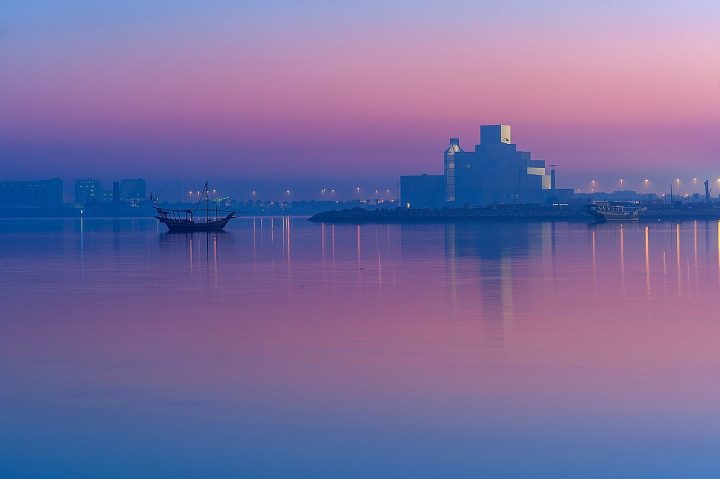
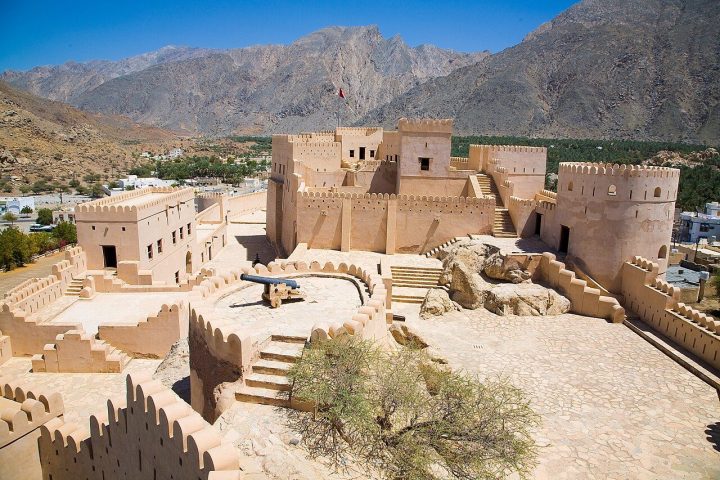
Al Fateh Grand Mosque, the National Museum, Bahrain Fort and Manama souq, Muharraq's Pearling Path, Barbar Temple, Riffa Fort, the Circuit and the Tree of Life.
Bahrain packs over four thousand years of history into a small island. Day one visits the Al Fateh Grand Mosque, the National Museum, Bahrain Fort, a UNESCO World Heritage Site from the Dilmun era, Bab Al Bahrain and the Manama souq. Day two walks the Pearling Path in Muharraq, another UNESCO site, with Arad Fort and Siyadi House, and visits the ancient Barbar Temple. Day three heads south to Riffa Fort, the Formula 1 circuit, Al Areen Wildlife Park and the lone Tree of Life in the desert. November to March is best.
01
STOP 1 OF 14
Al Fateh Grand Mosque
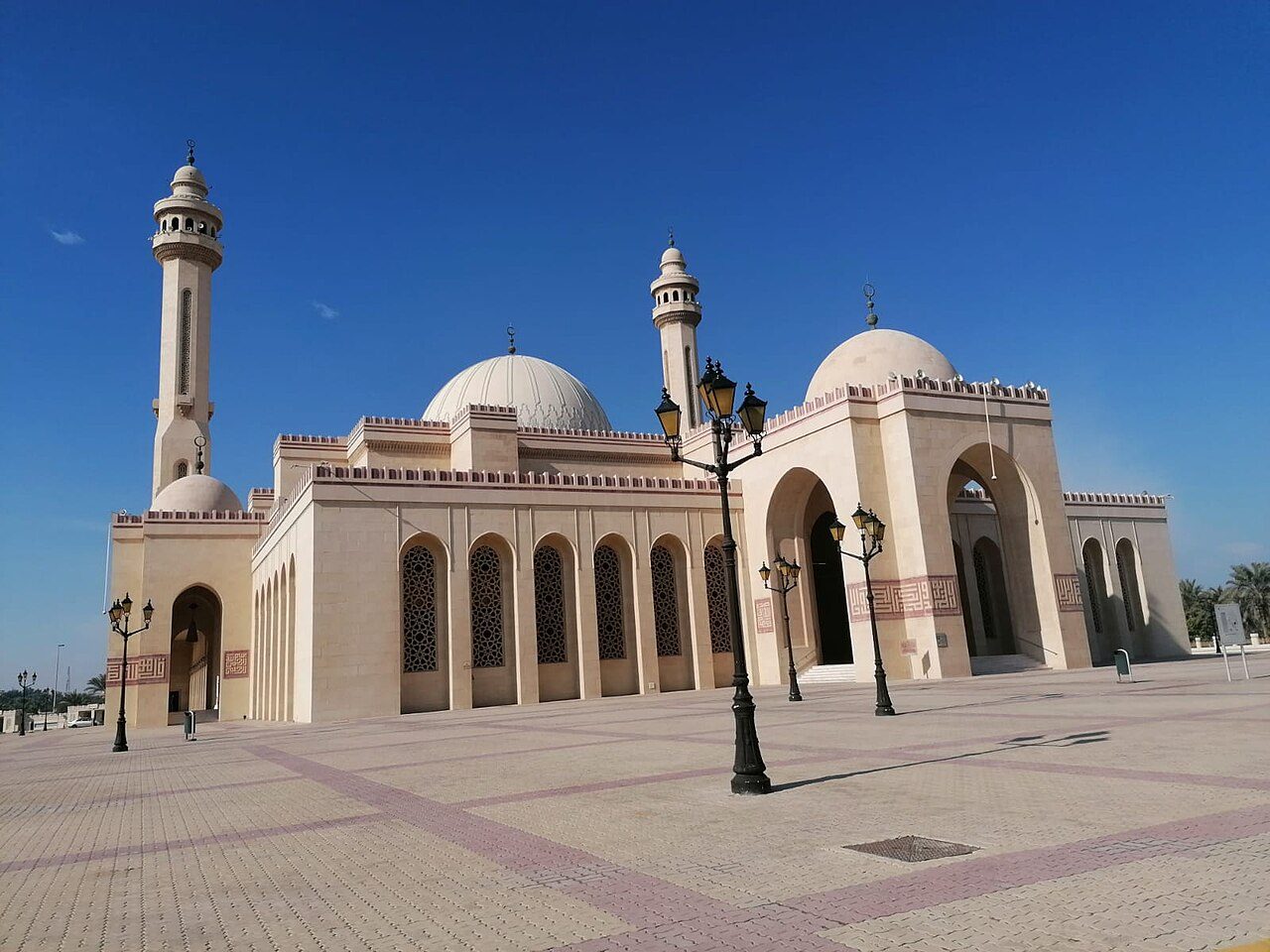
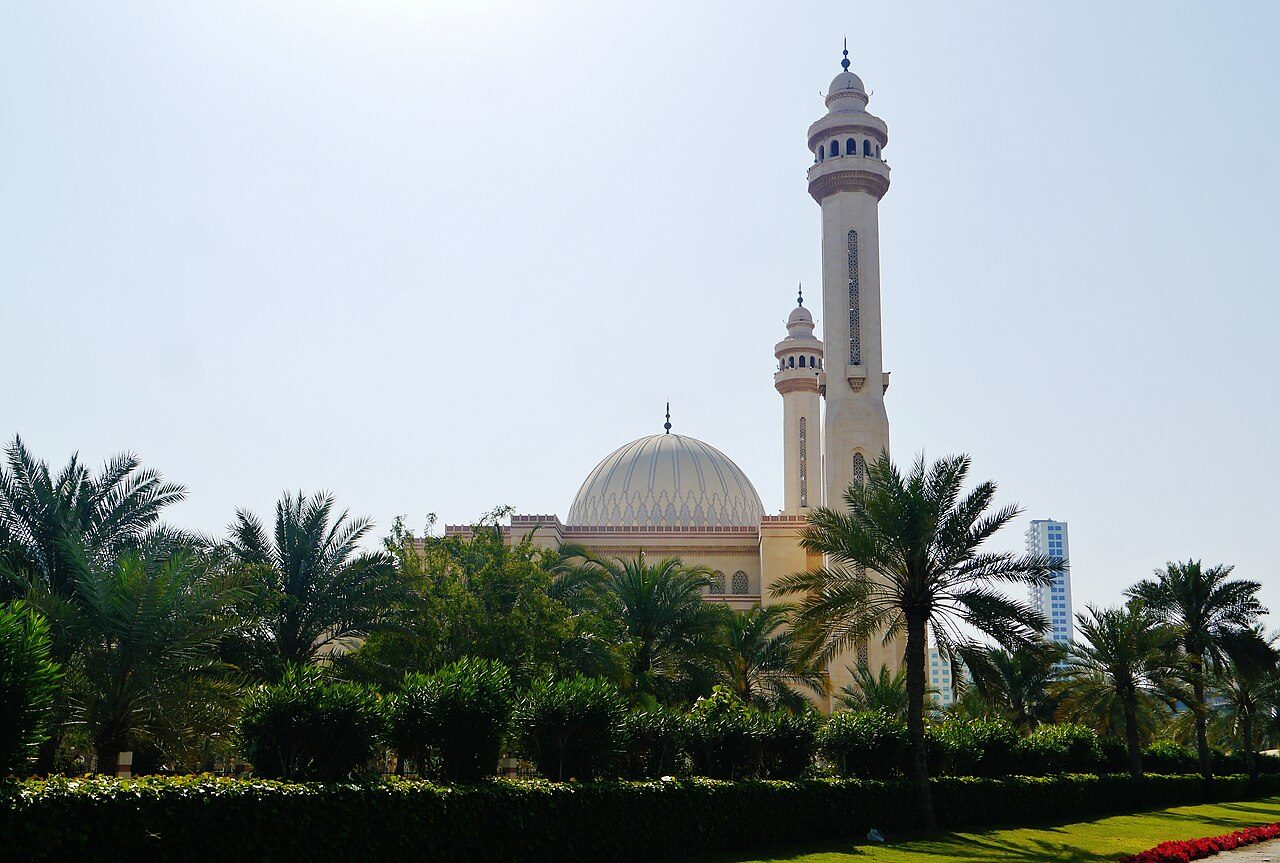
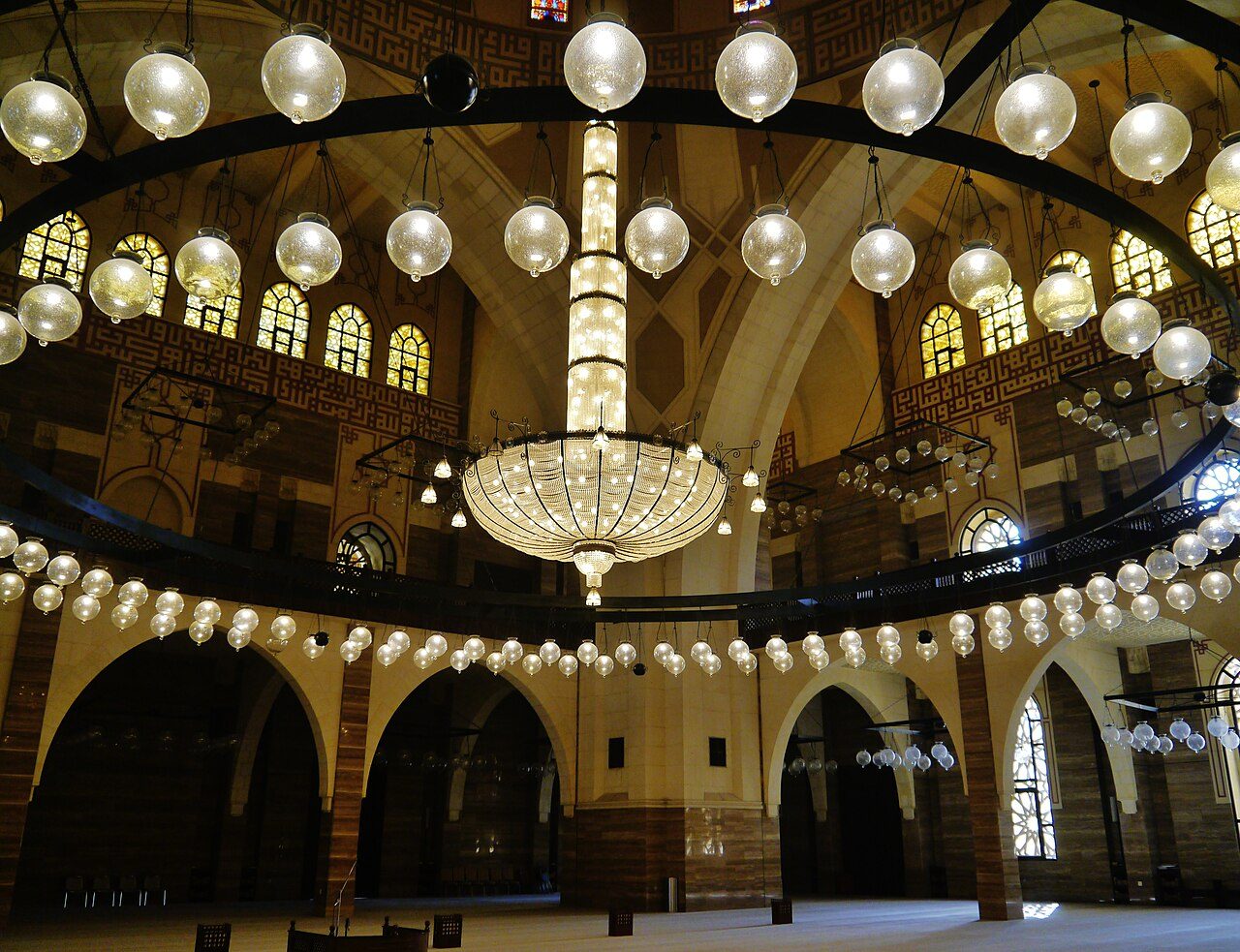
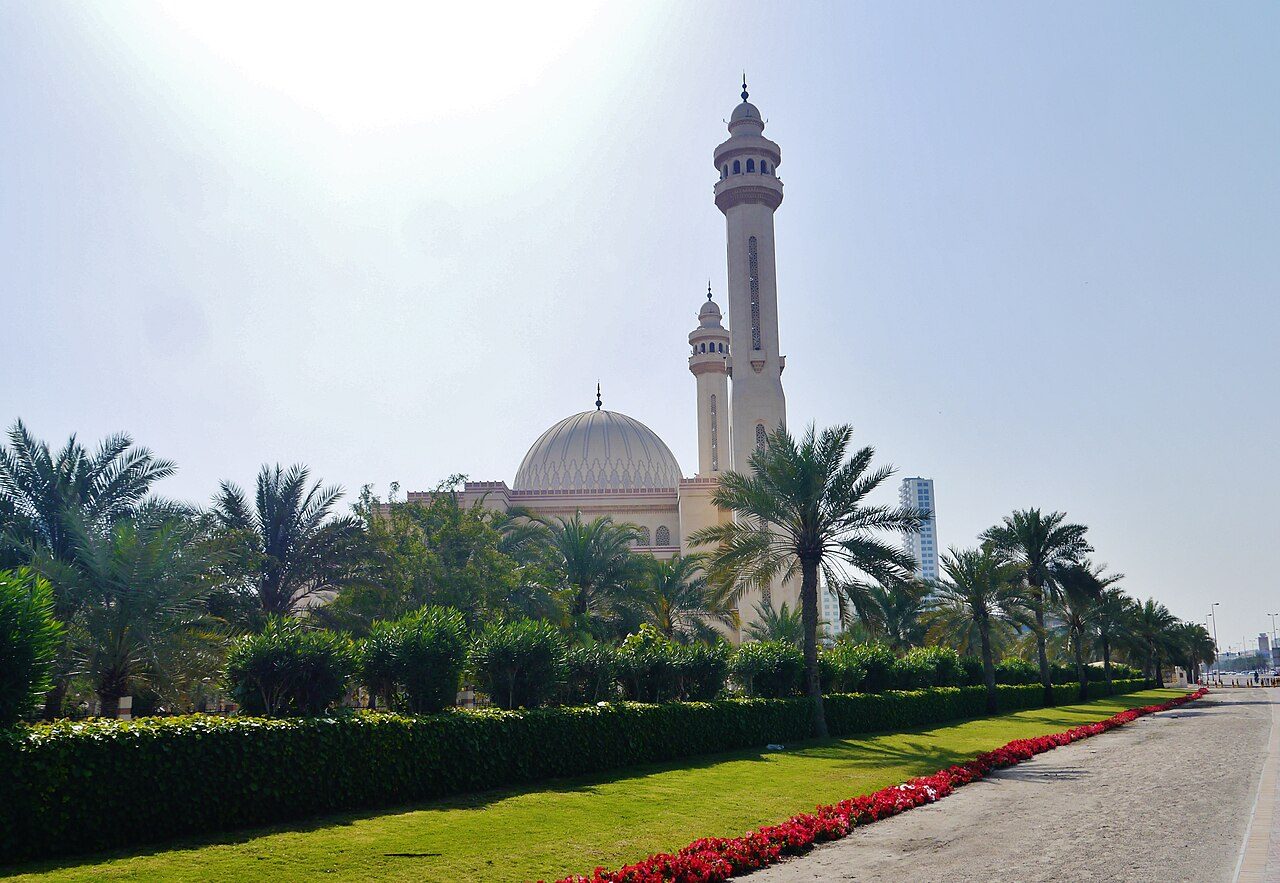
Al Fateh Grand Mosque is the largest mosque in Bahrain, able to hold about 7,000 worshippers. It was built in 1987 and named after Ahmed Al Fateh, founder of modern Bahrain. Its huge dome is made of fibreglass. The marble came from Italy, the chandelier from Austria and the carved doors from India. Guided tours are offered to visitors.
02
STOP 2 OF 14
Bahrain National Museum
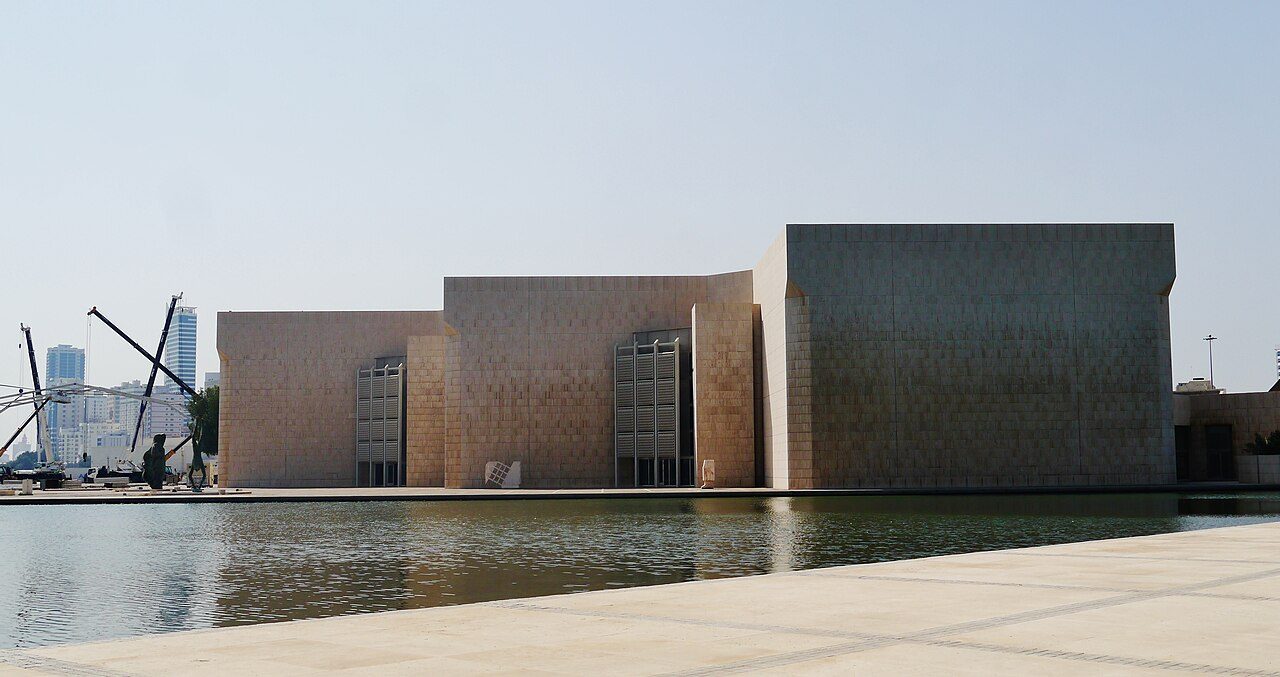
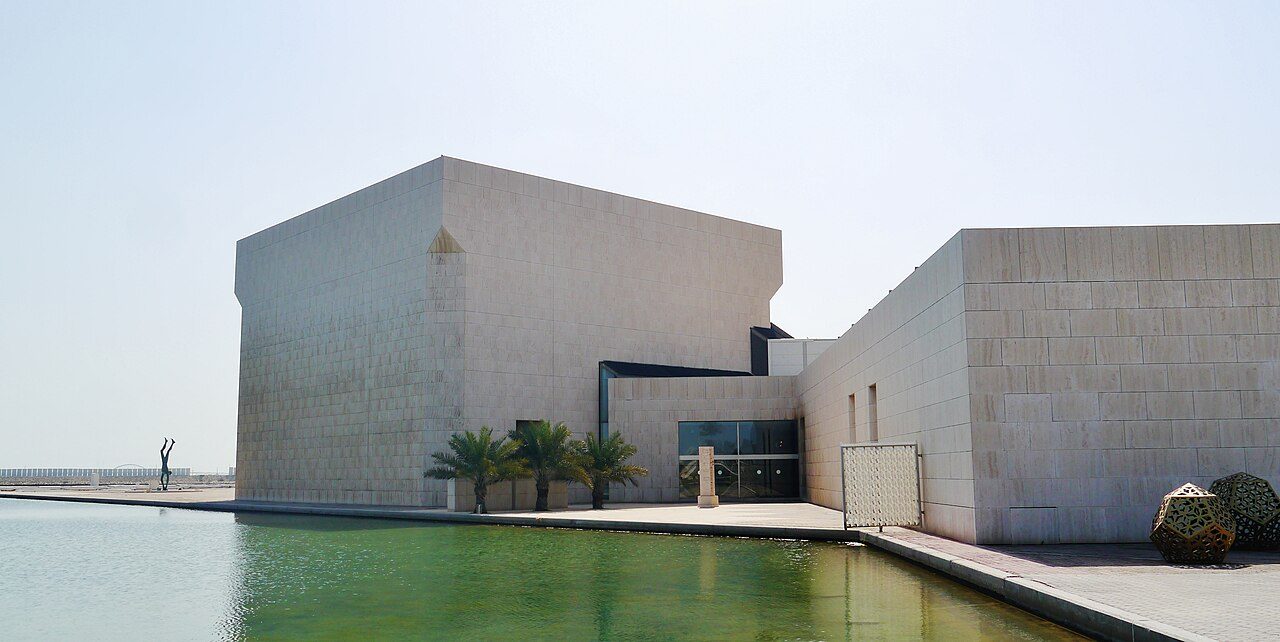
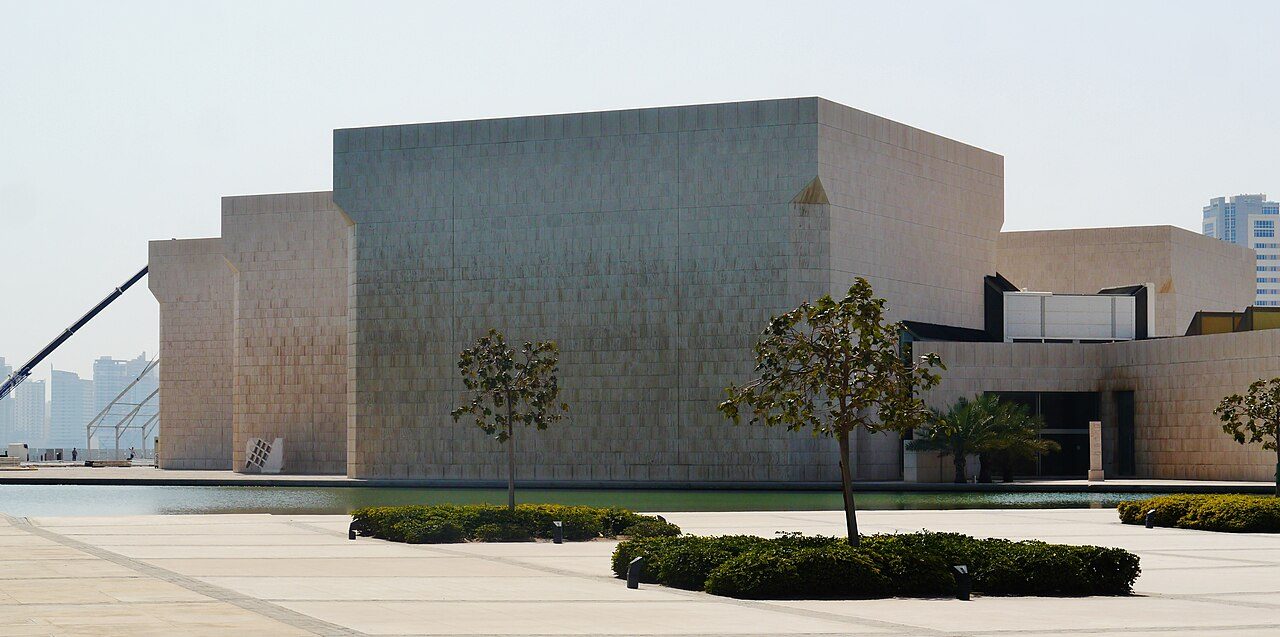
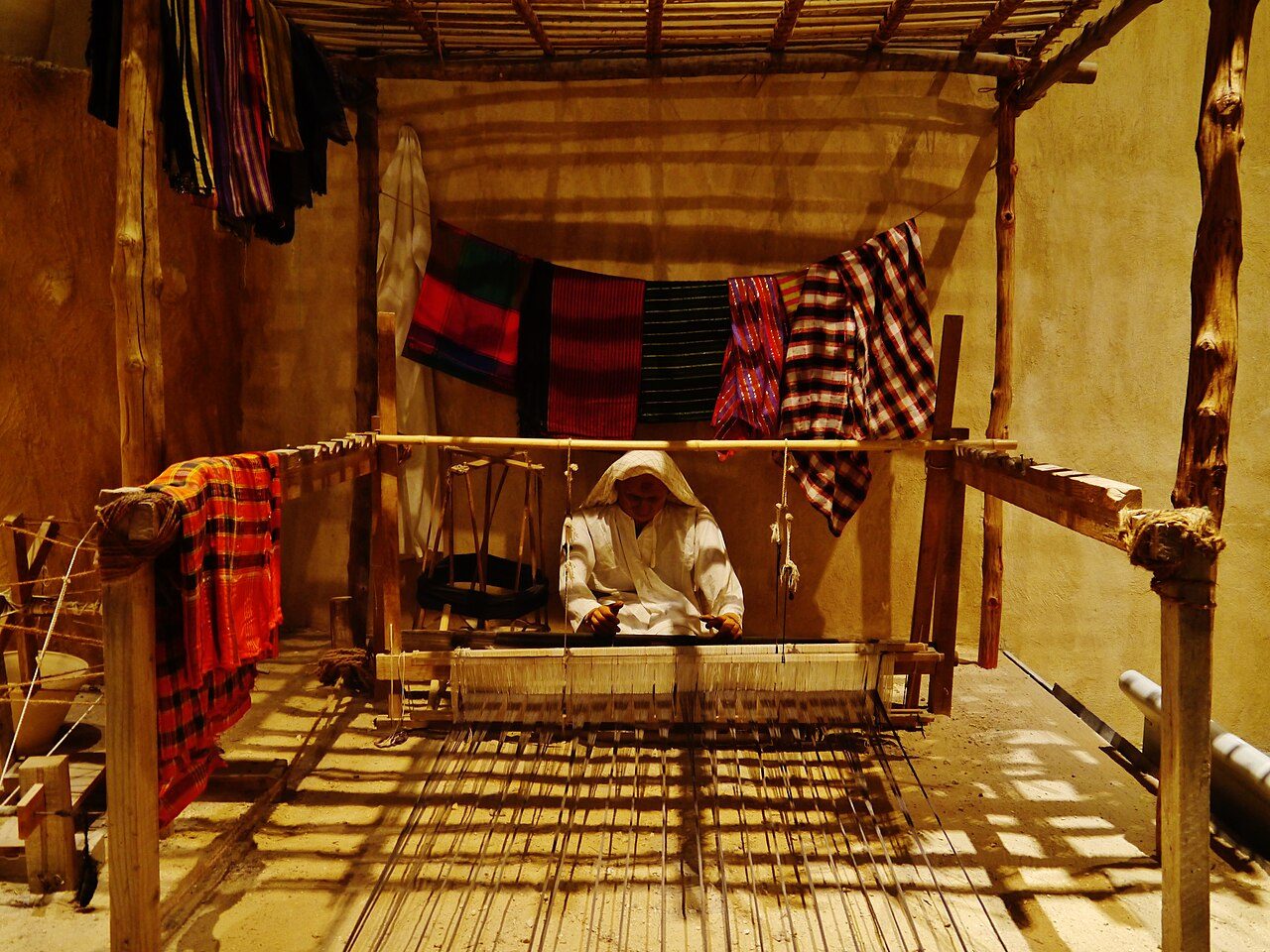
The Bahrain National Museum opened in 1988 on the waterfront in Manama. It is the country's largest museum. Its halls cover 6,000 years of history, with a section on the Dilmun civilisation and a rebuilt burial mound. Other galleries show traditional crafts, pearl diving, customs and old documents. A large satellite map of Bahrain covers the floor of the main hall.
03
STOP 3 OF 14
Bahrain Fort
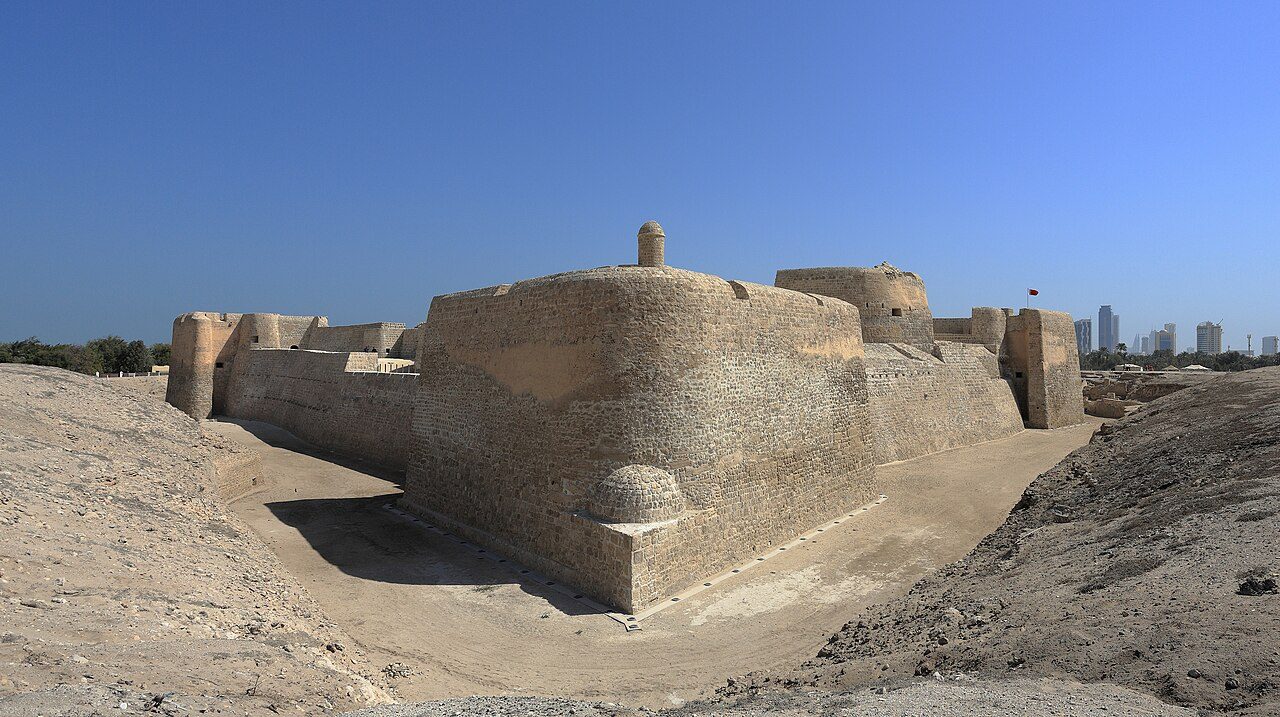
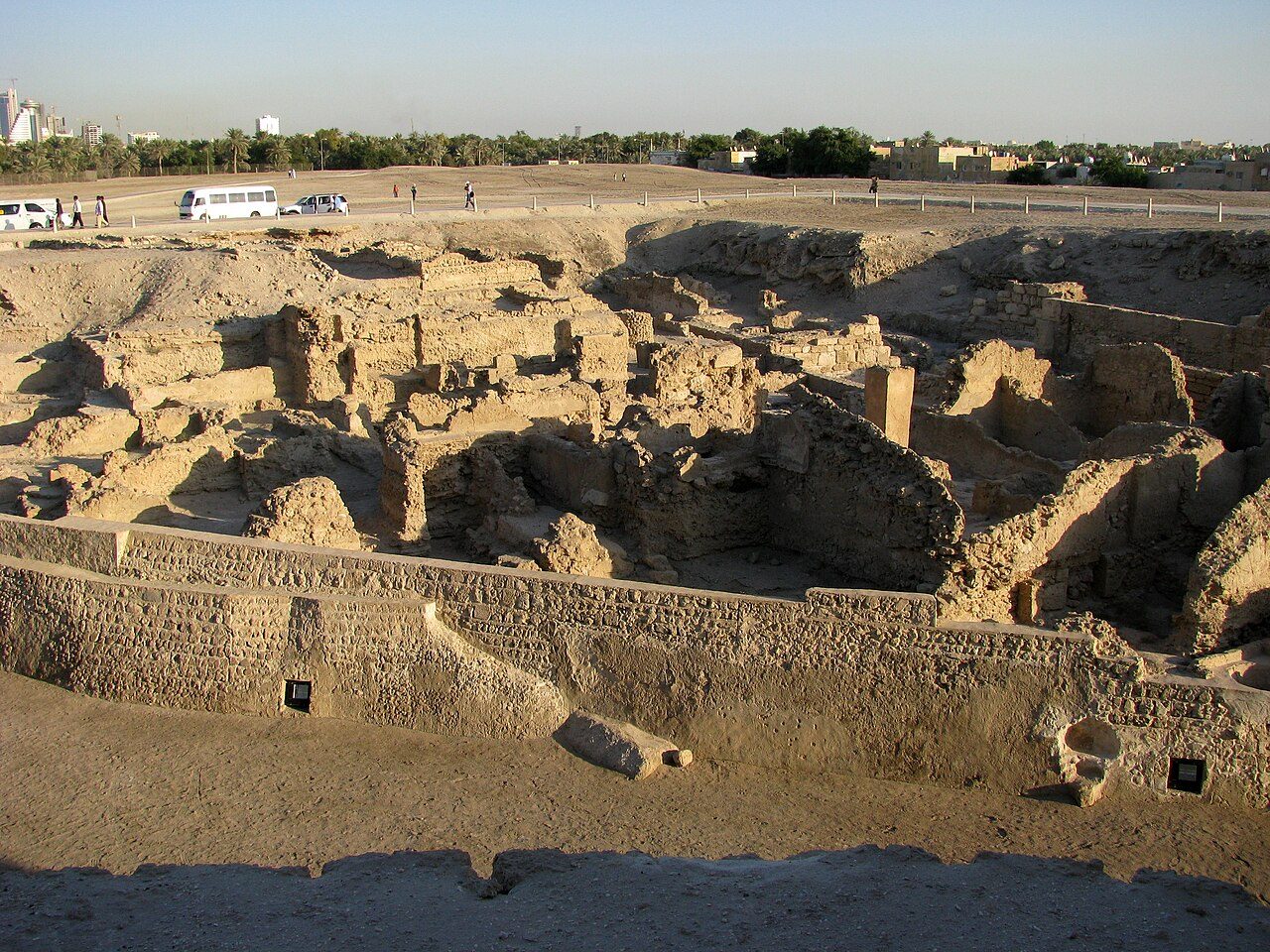
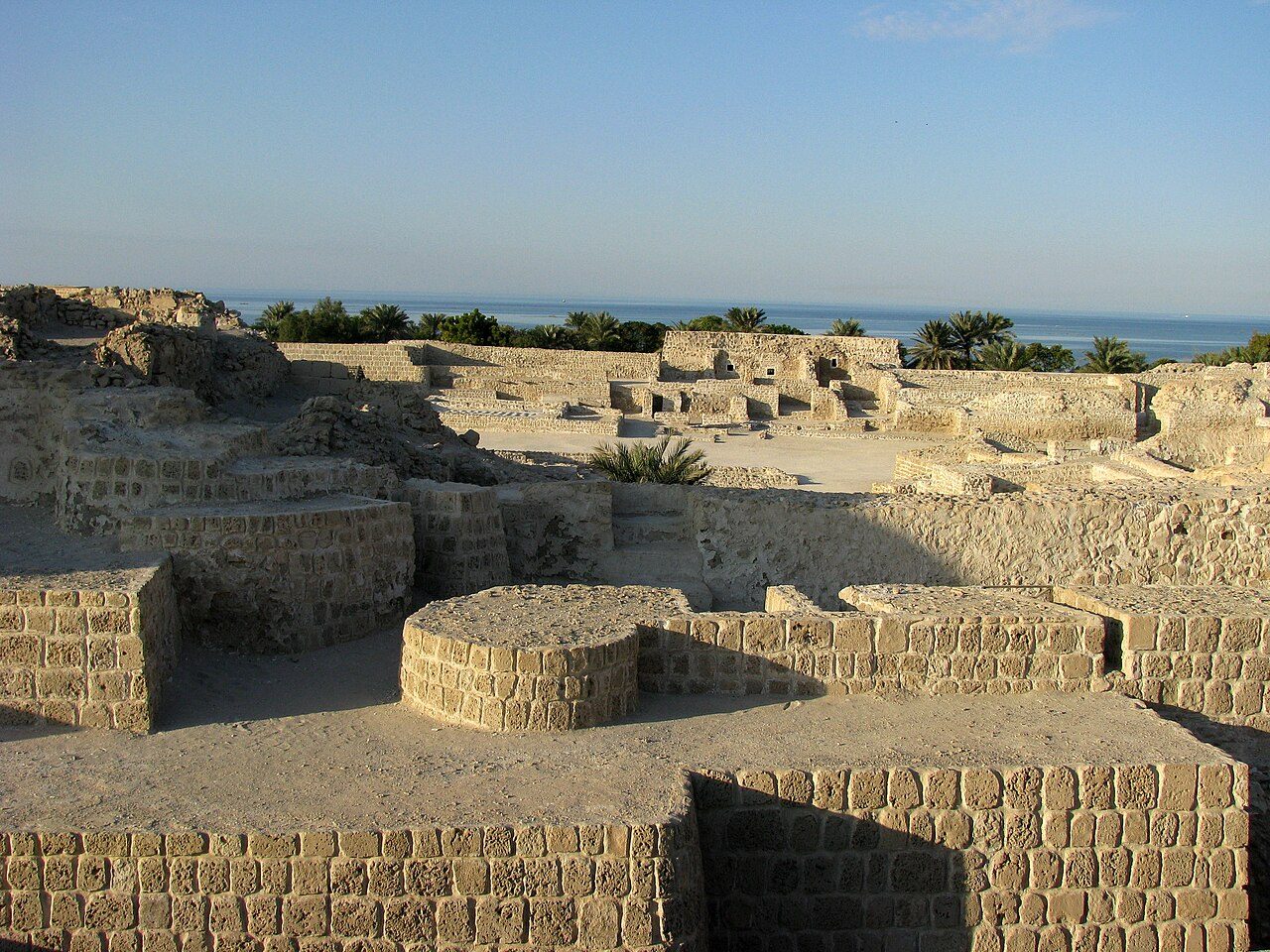
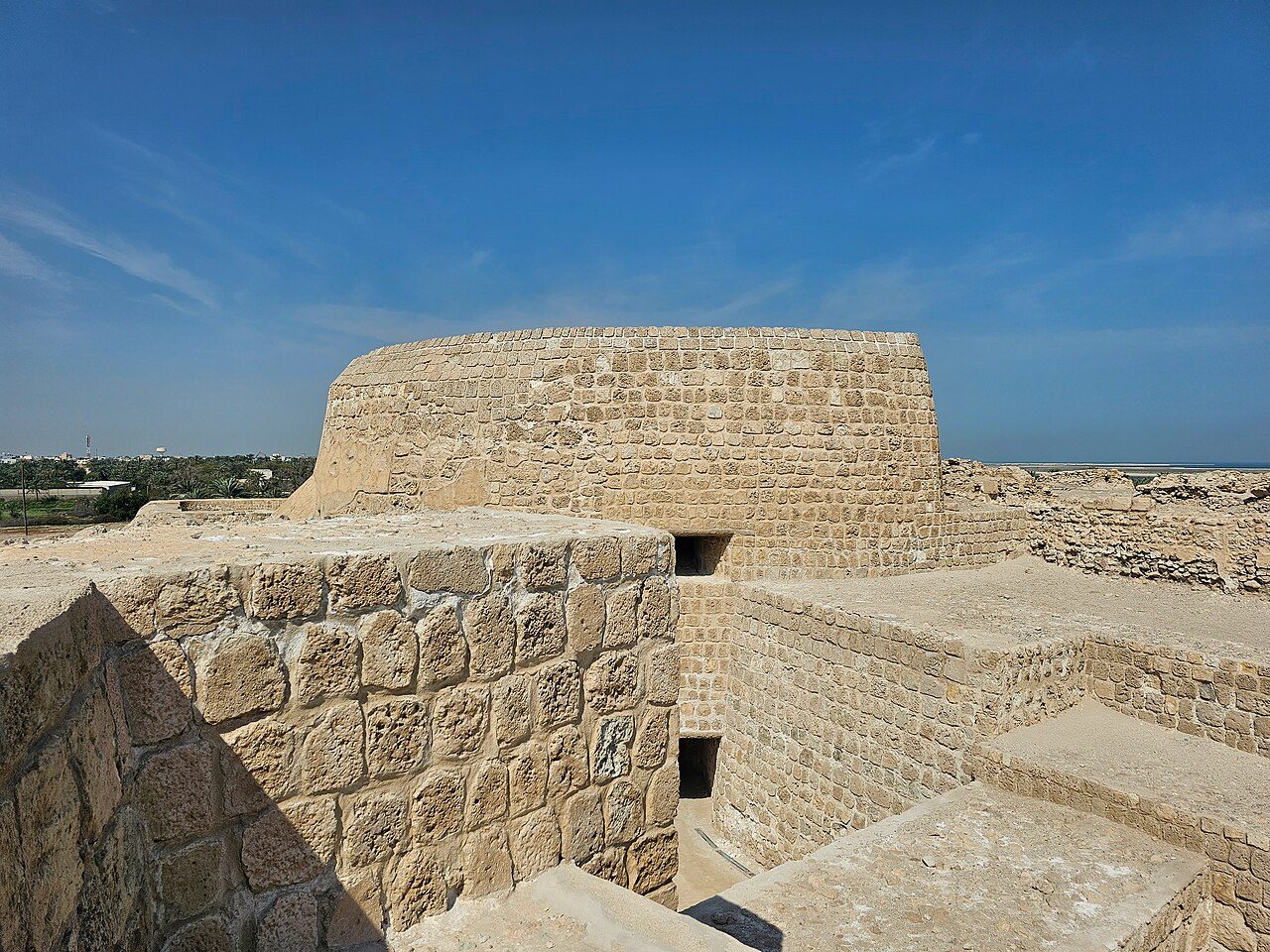
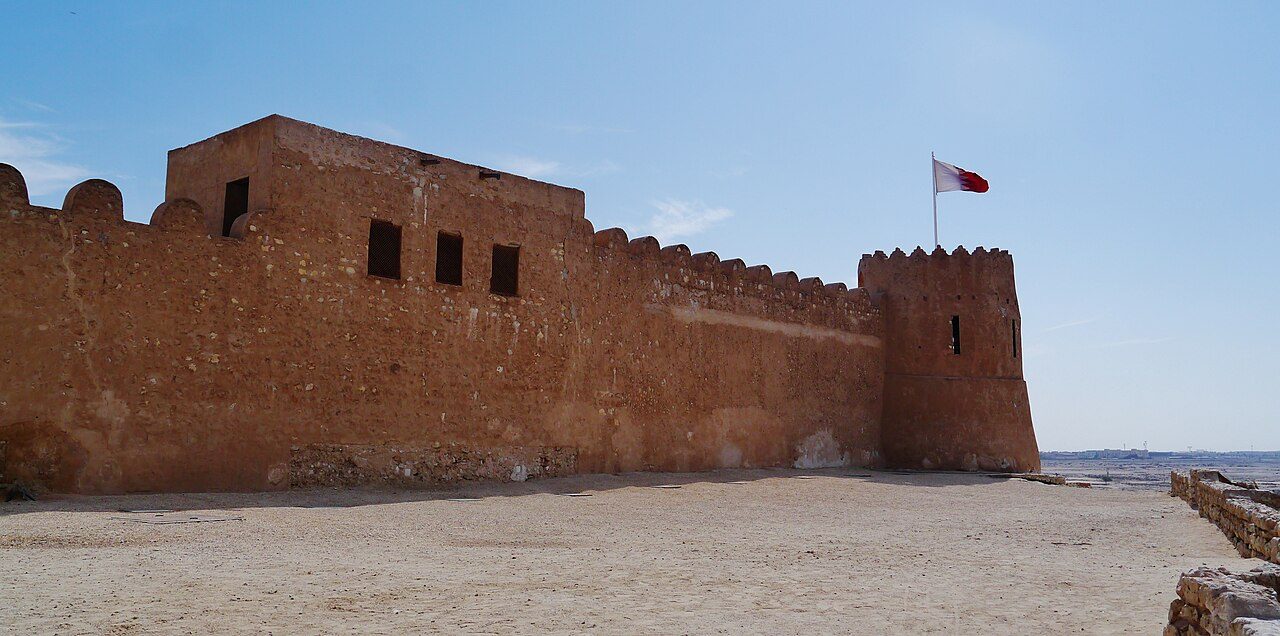
Bahrain Fort, or Qal'at al-Bahrain, stands on a mound made by about 4,000 years of human settlement. The site was the capital of the ancient Dilmun civilisation, and layers of later towns lie beneath it. The fort seen today was built by the Portuguese in the 16th century. It has been a UNESCO World Heritage Site since 2005. A museum by the sea shows finds from the digs.
04
STOP 4 OF 14
Bab Al Bahrain
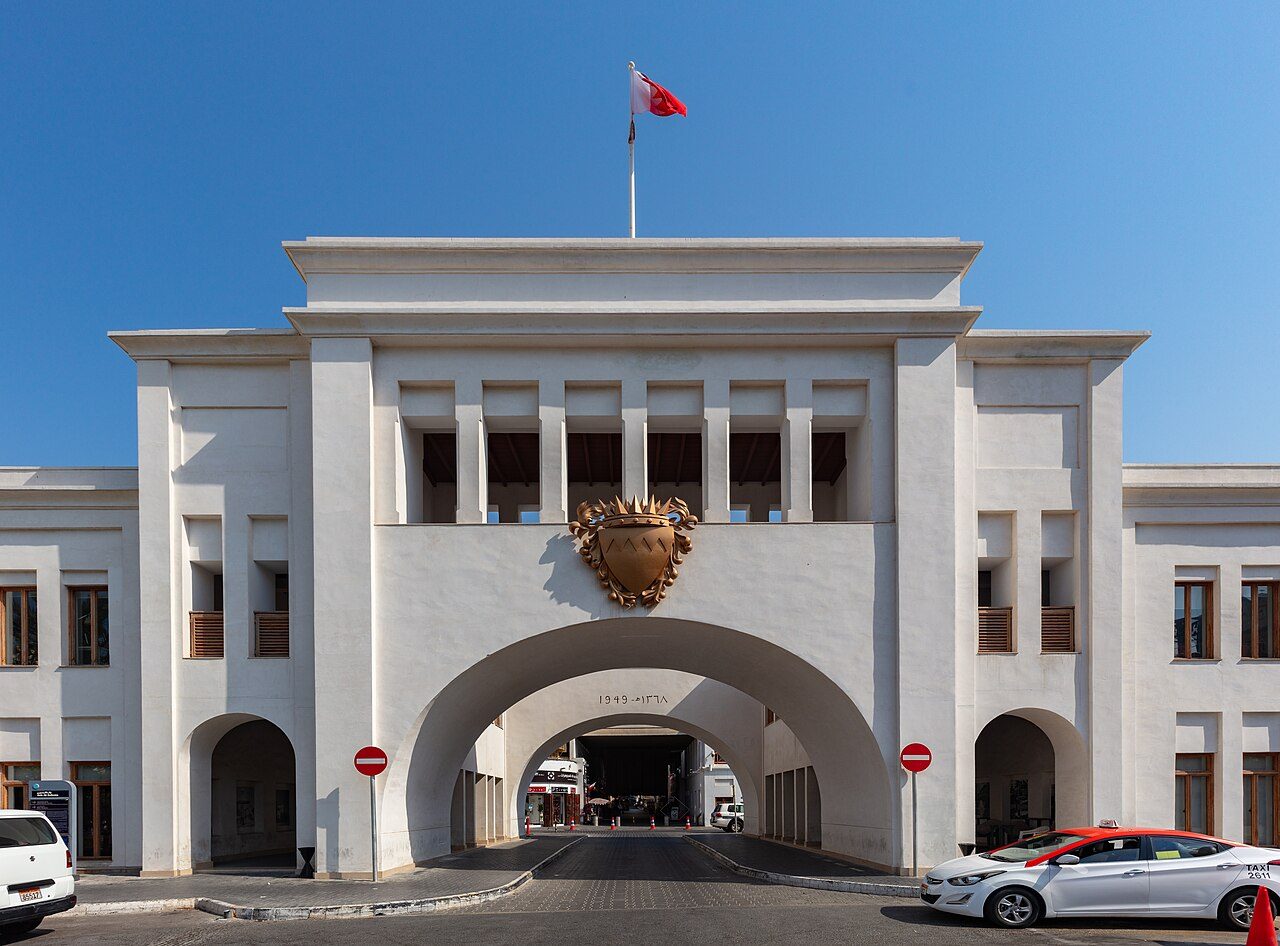
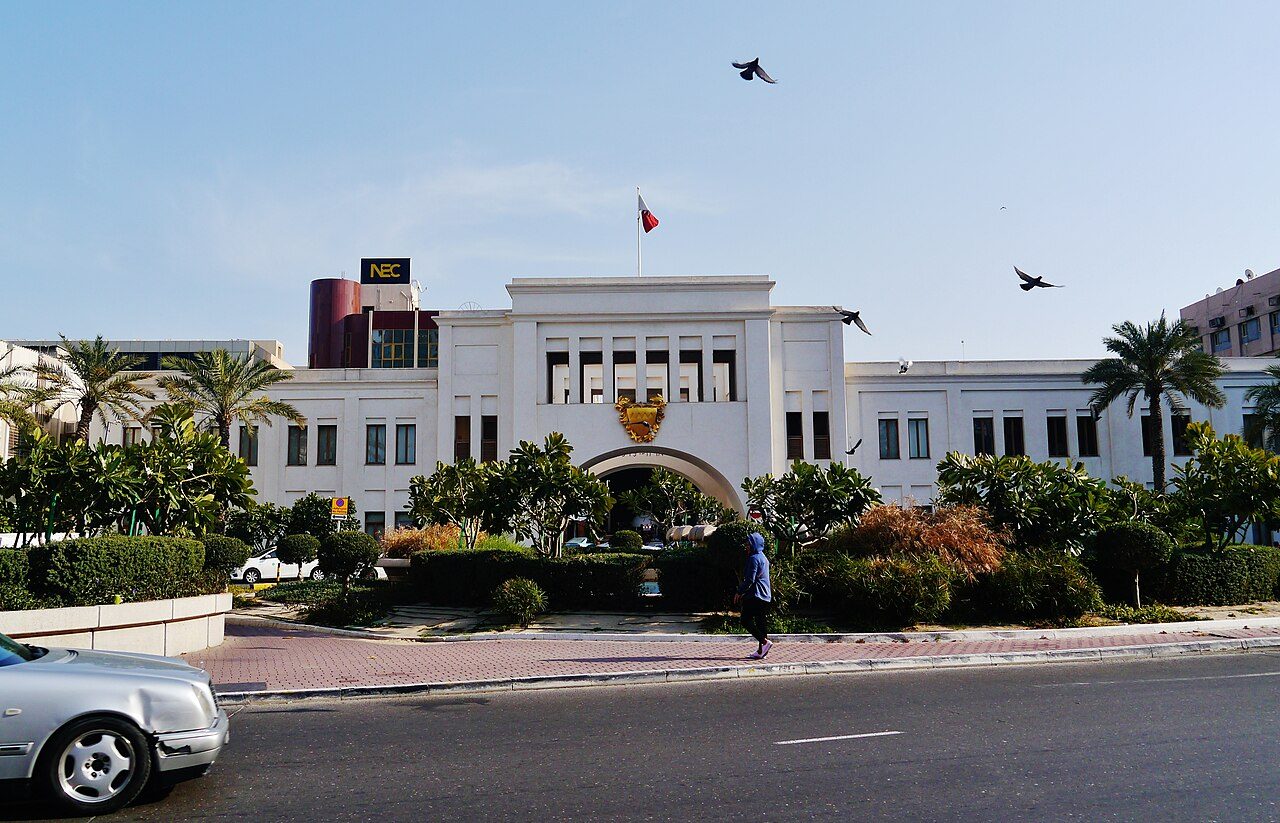
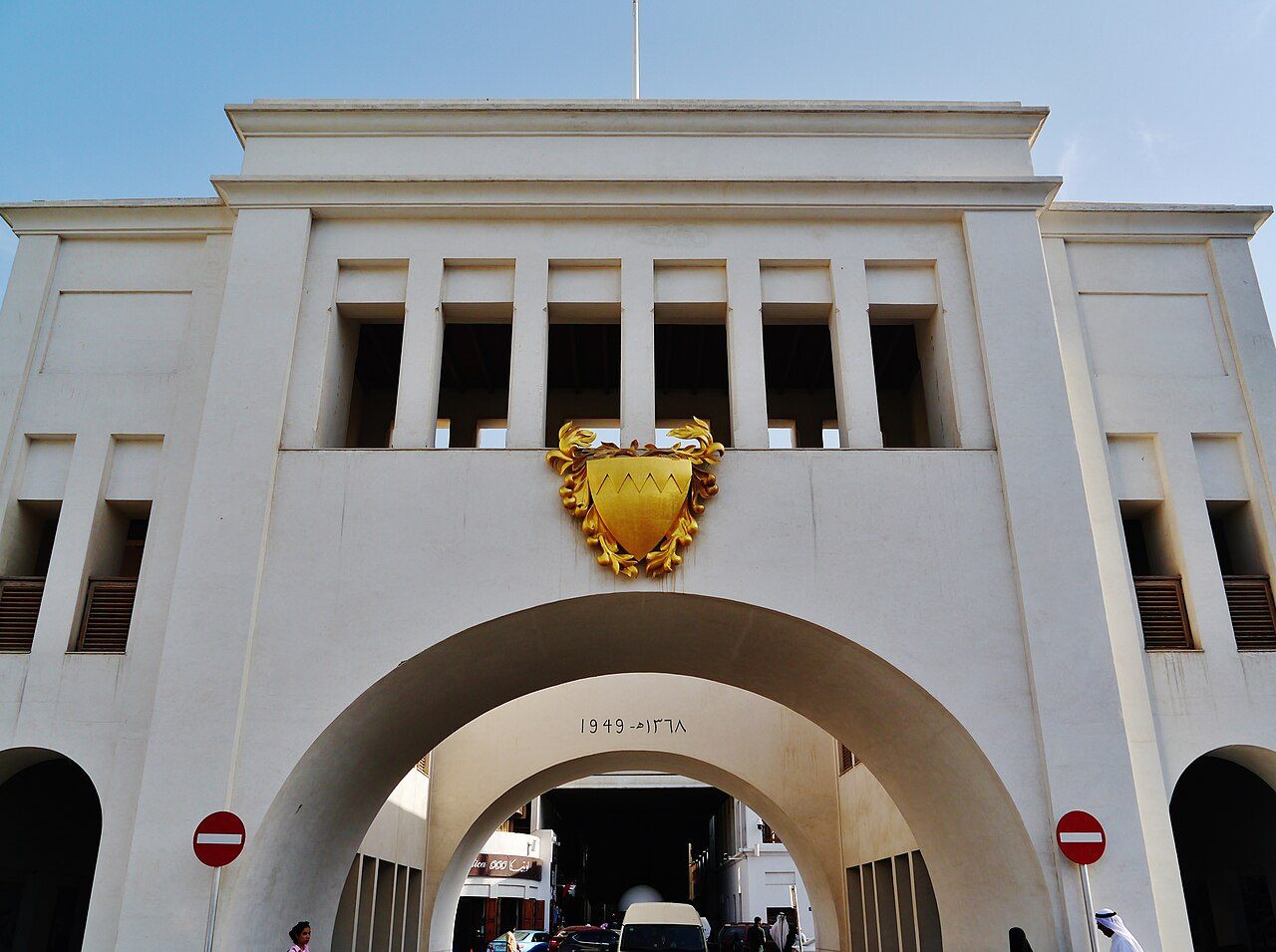
Bab Al Bahrain, the Gateway of Bahrain, stands at the entrance to the Manama Souq. It was built in 1949 to a design by Sir Charles Belgrave, adviser to the ruler, and once stood near the water's edge before land was reclaimed. The building was given a more Islamic look in 1986. It marks the old customs square of the city.
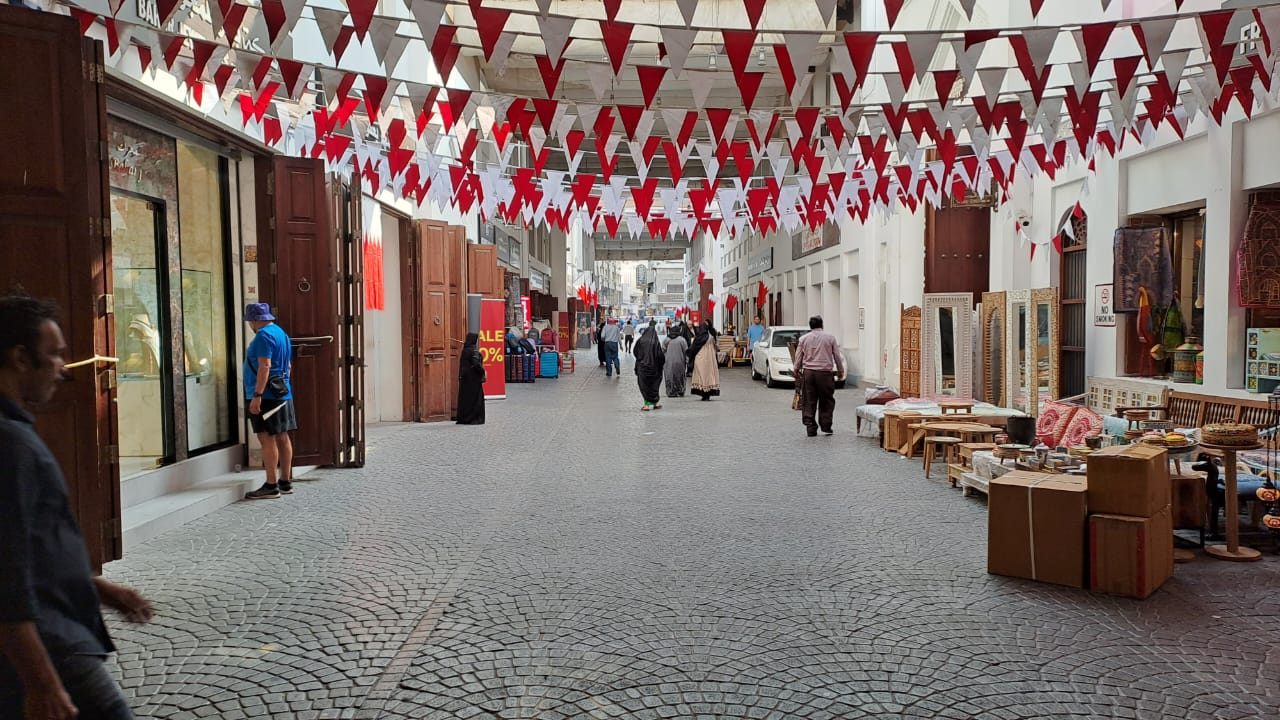
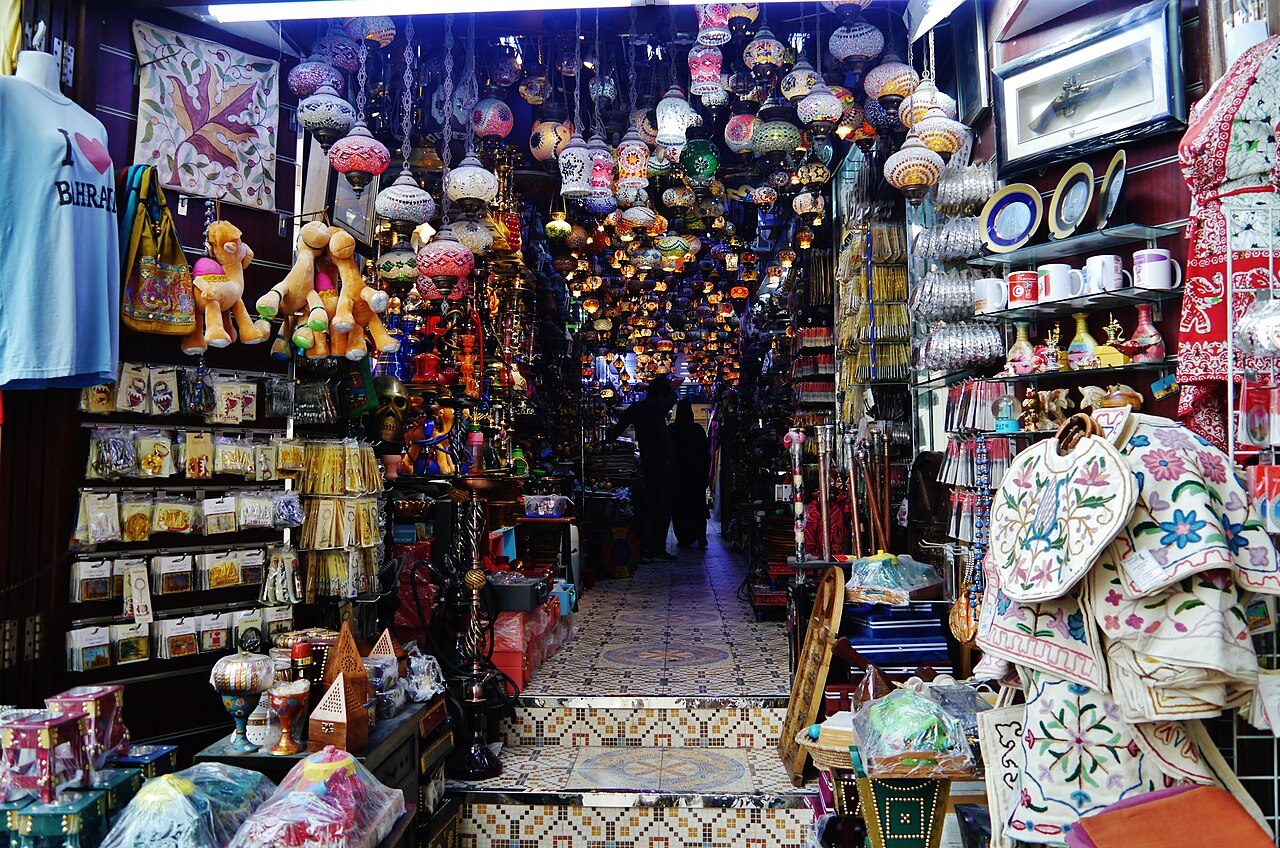
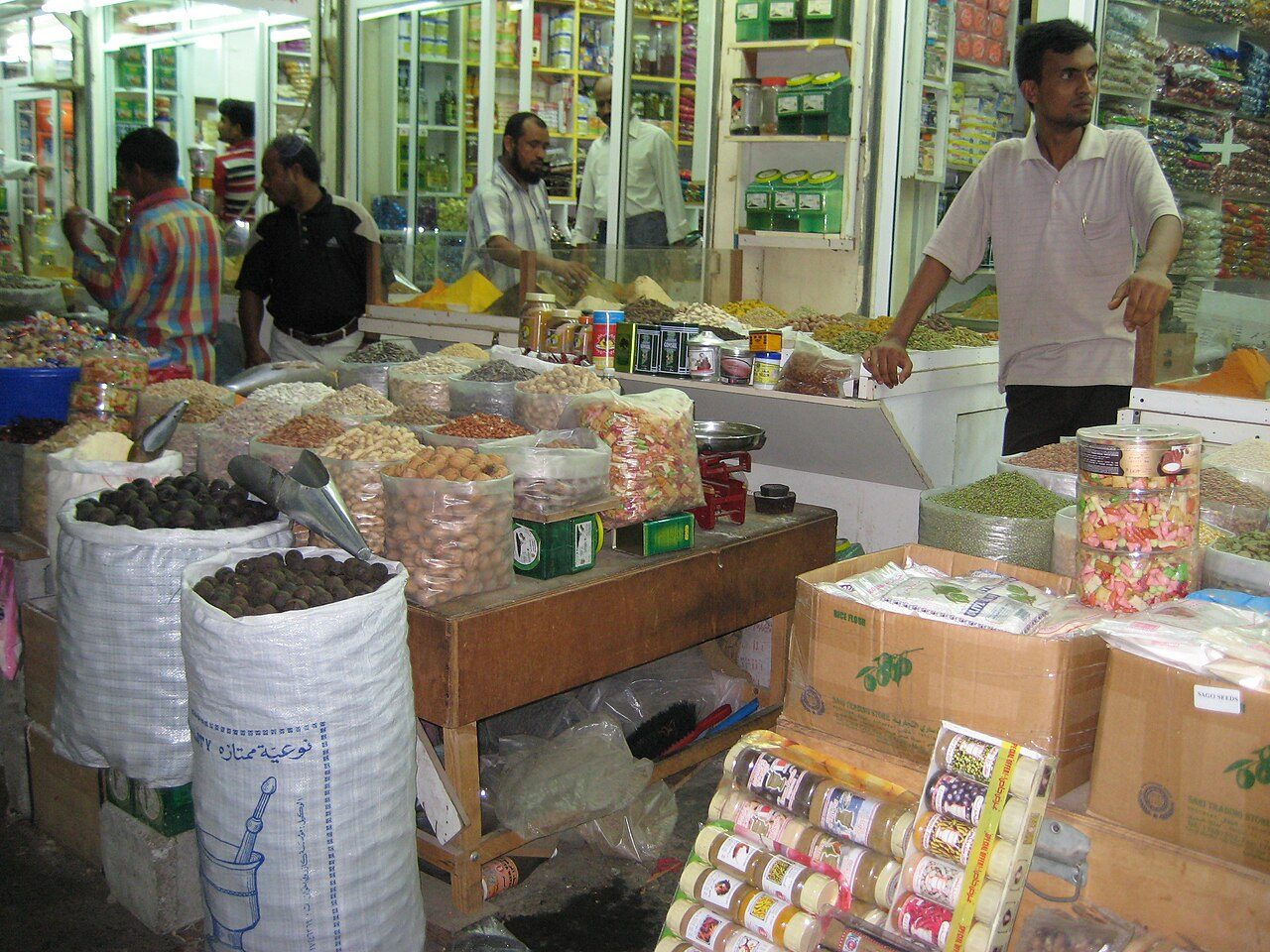
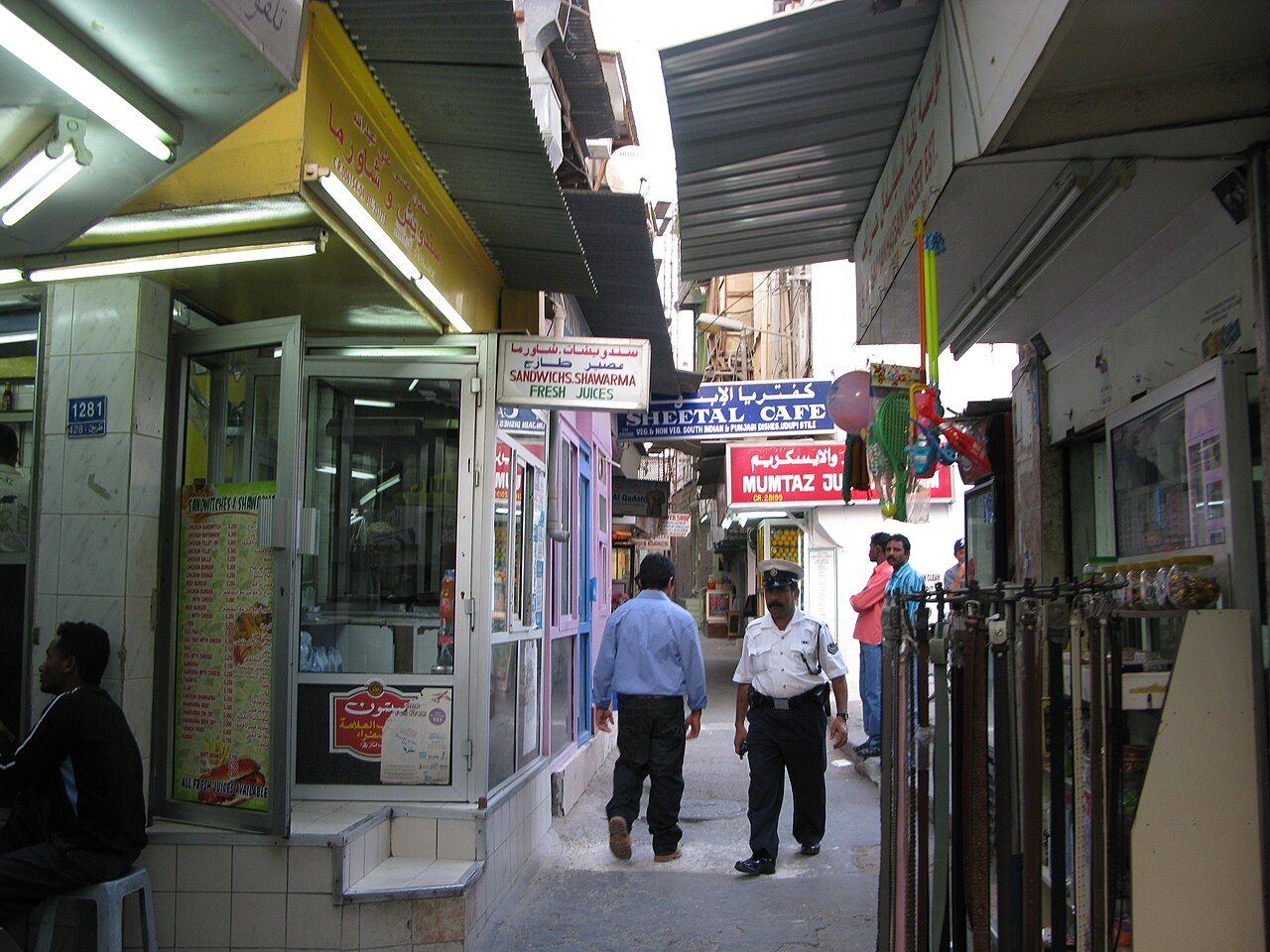
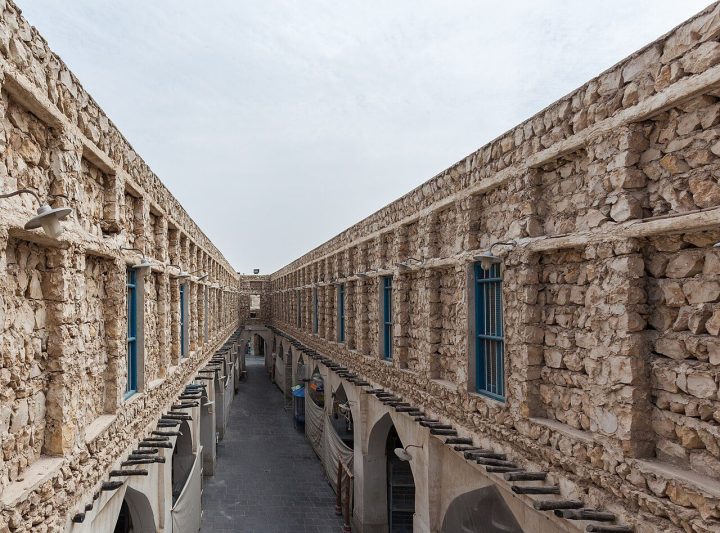
Manama Souq is the old market of Bahrain's capital, spreading out behind Bab Al Bahrain. Its narrow streets are packed with shops selling spices, cloth, perfumes, nuts, sweets and household goods. The gold souq is known for Bahraini pearls and 21-carat gold. Small cafes serve tea and local halwa. Parts of the souq have been covered and restored.
06
STOP 6 OF 14
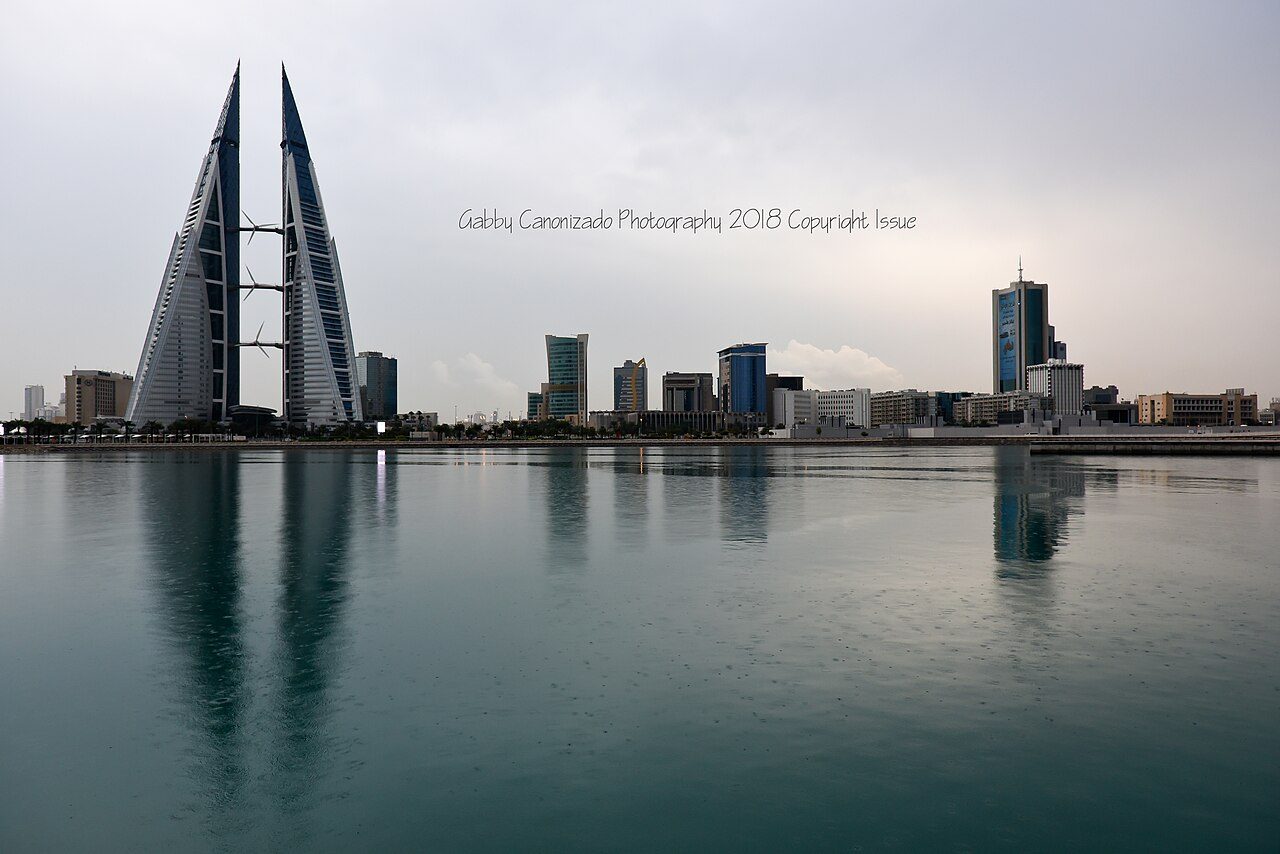
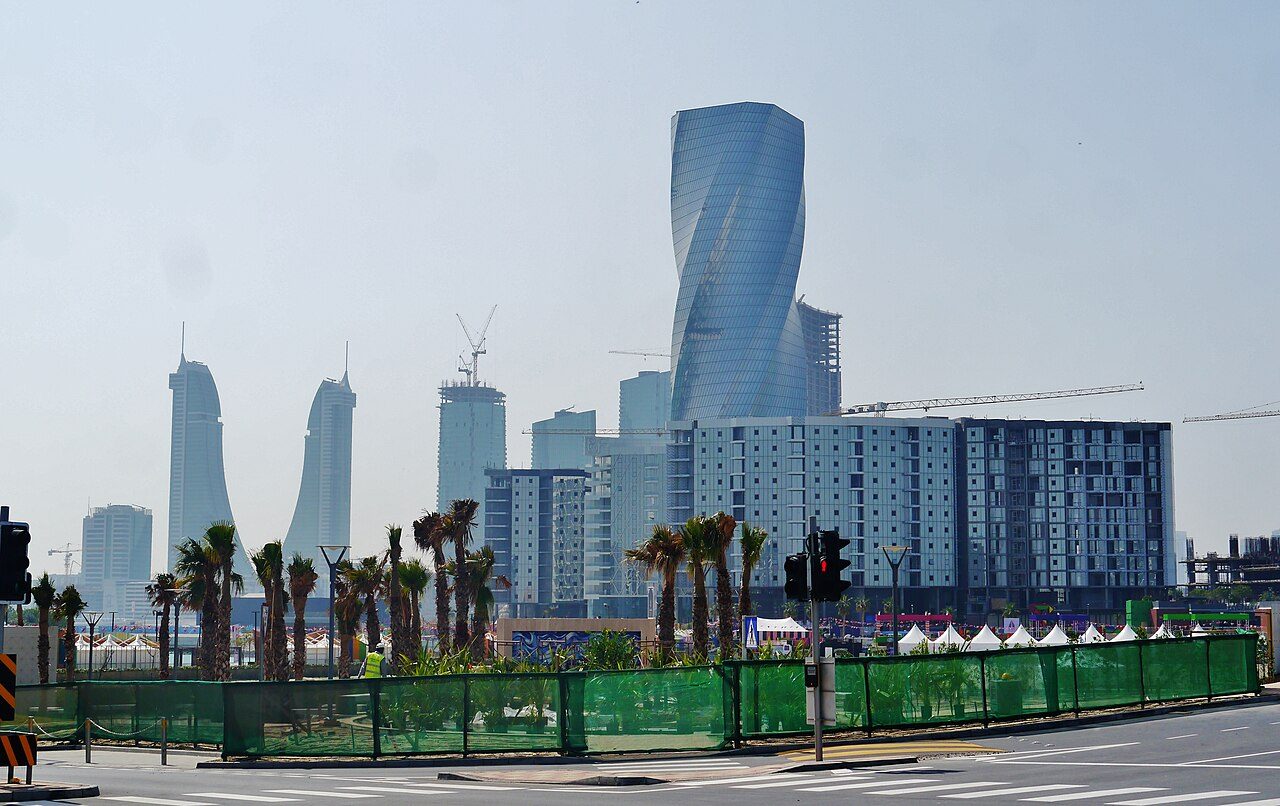
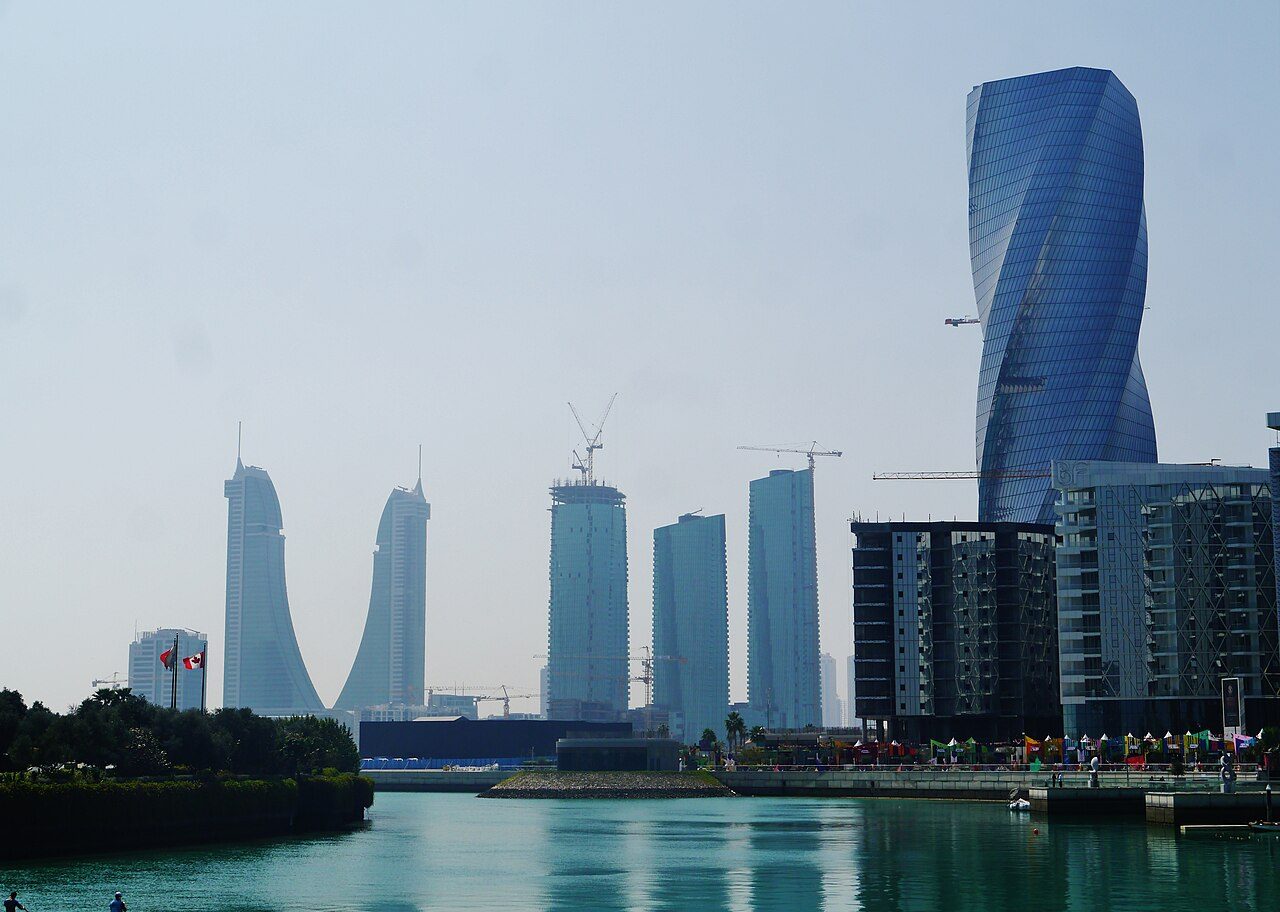
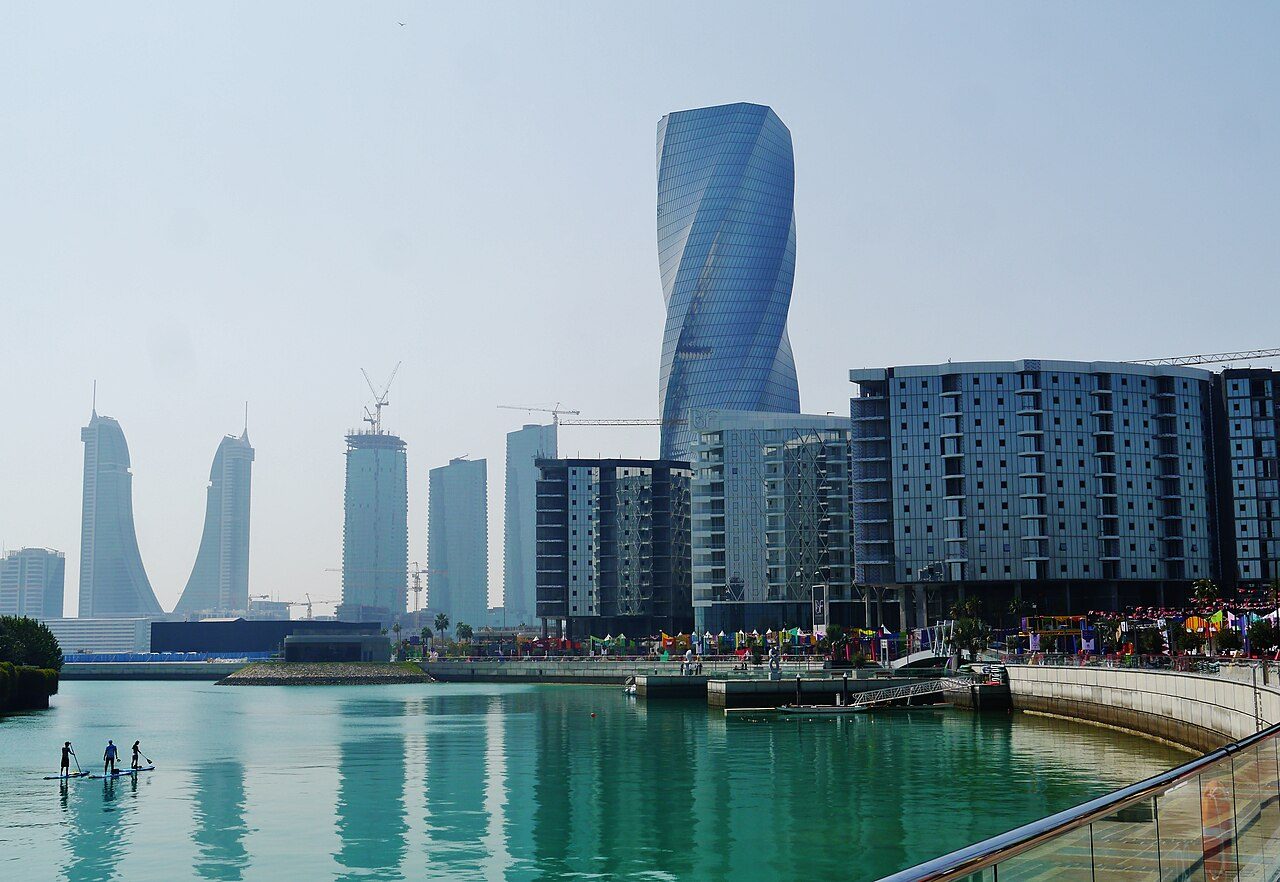
Bahrain World Trade Center
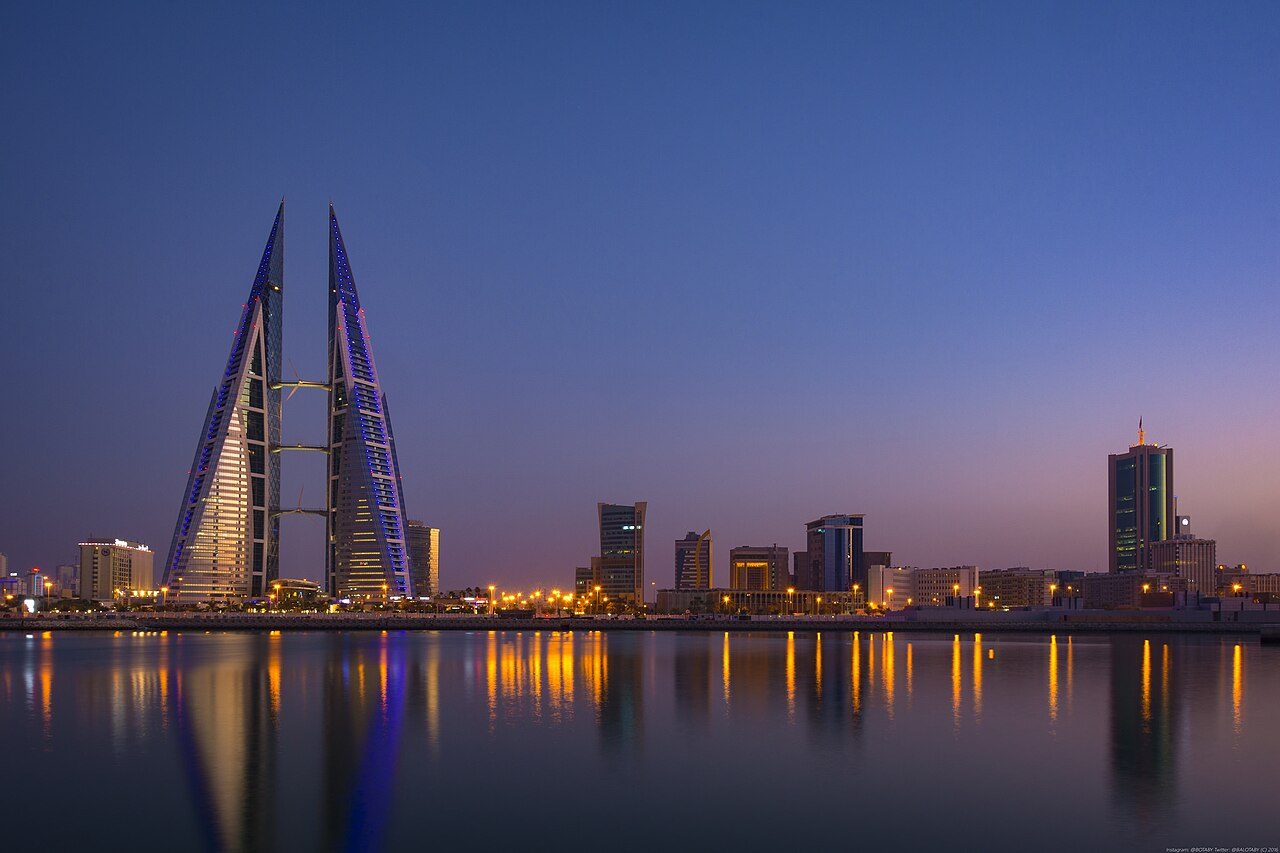
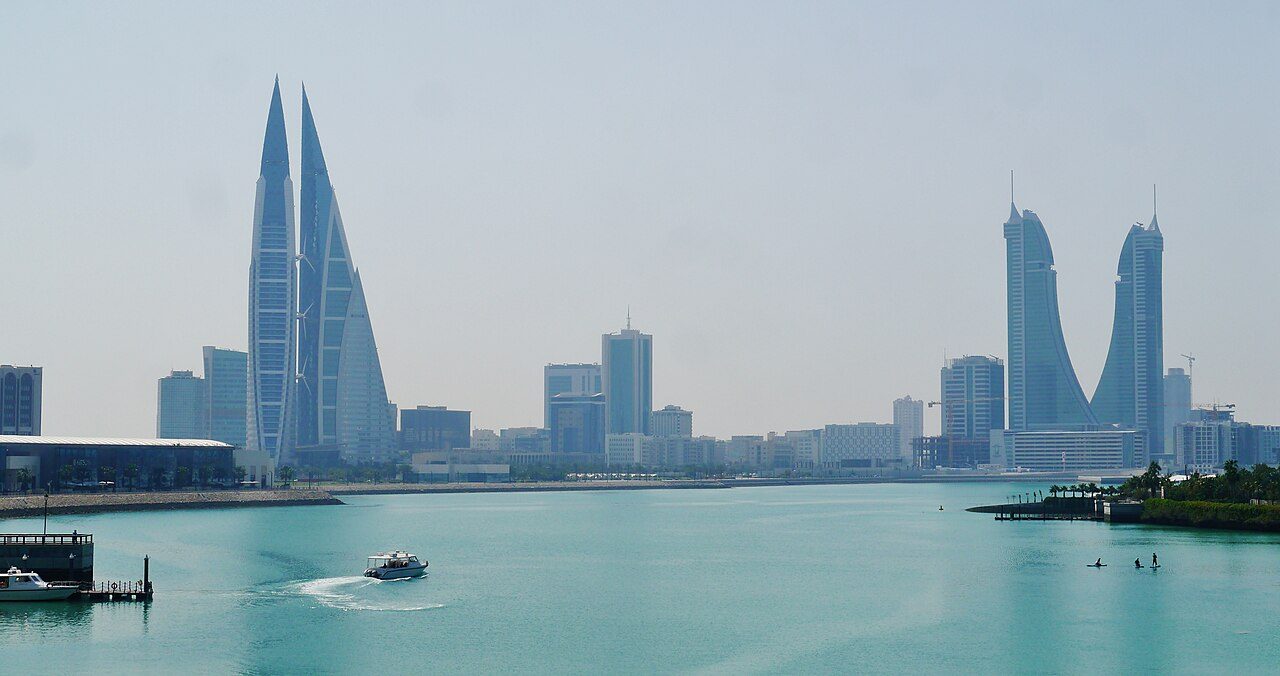
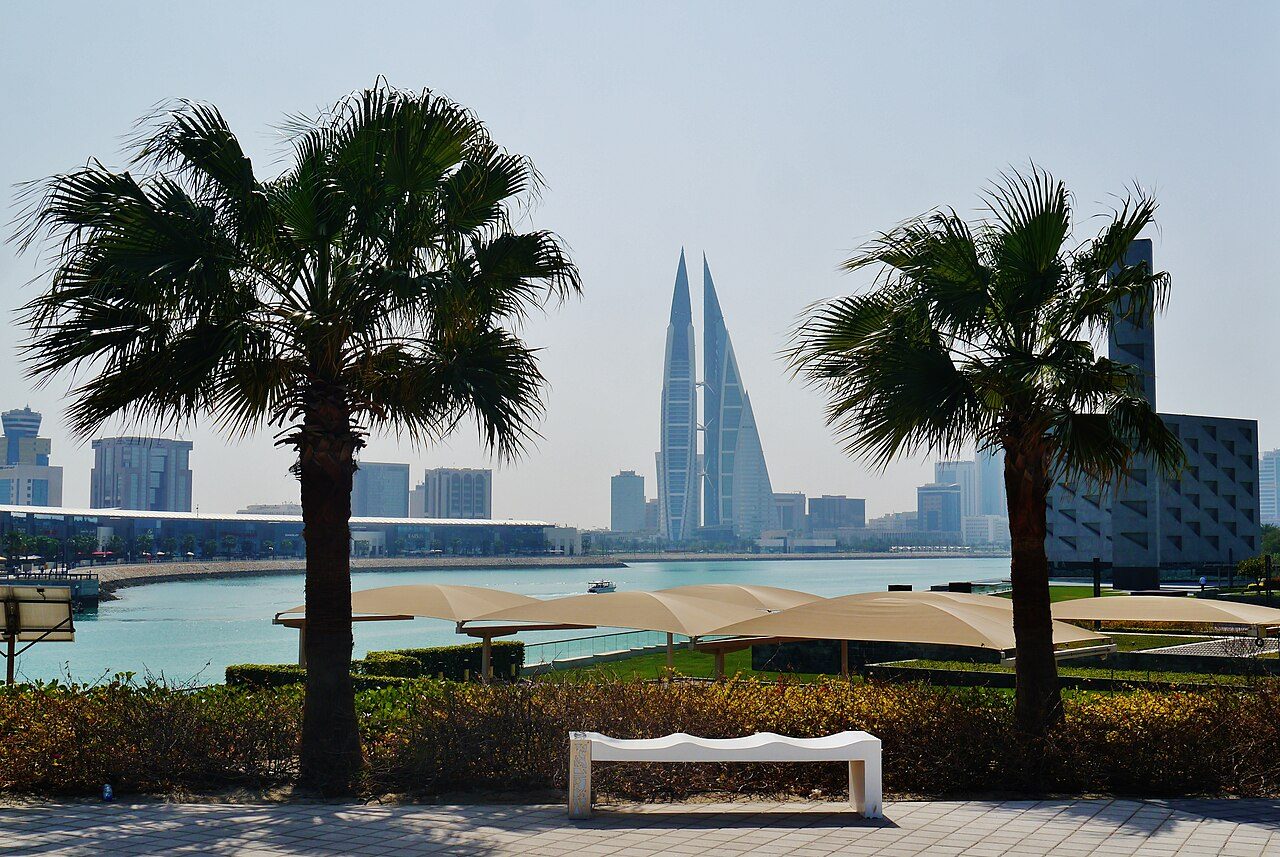
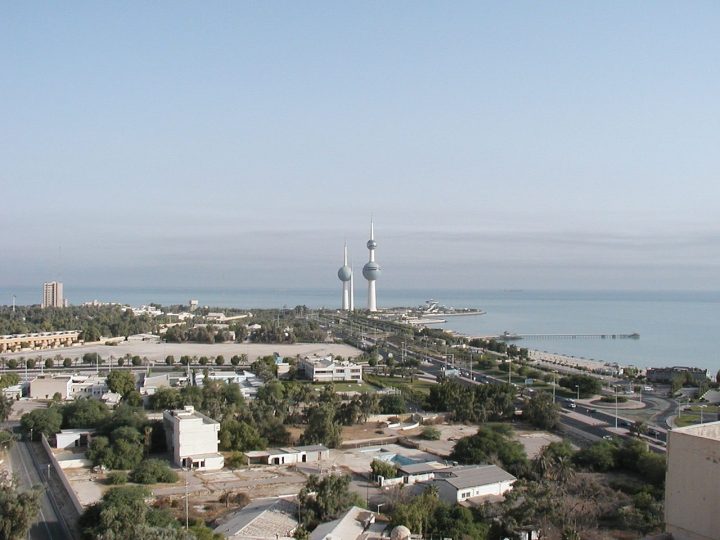
The Bahrain World Trade Center is a 240-metre twin-tower complex on the Manama waterfront, completed in 2008. The two towers are shaped like sails. Three sky bridges between them each carry a large wind turbine, making it the first skyscraper in the world to build wind turbines into its design. The towers funnel the sea breeze onto the blades.
07
STOP 7 OF 14
Bahrain Financial Harbour
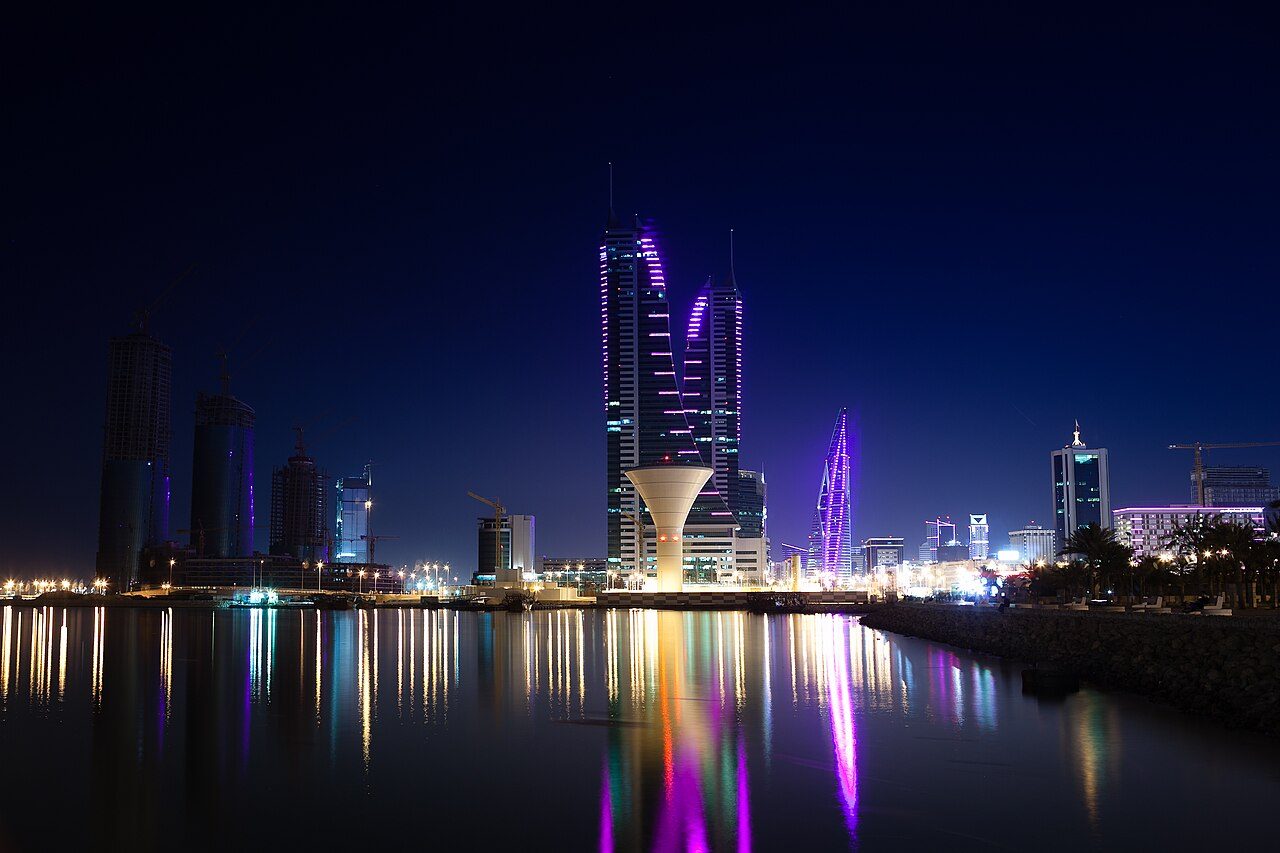
Bahrain Financial Harbour is a business district built on reclaimed land on the north shore of Manama. Its two matching Harbour Towers, completed in 2007, are 260 metres tall and were for years the tallest in the country. The glass towers face the sea beside the old dhow harbour, and form a main part of the modern skyline of the capital.
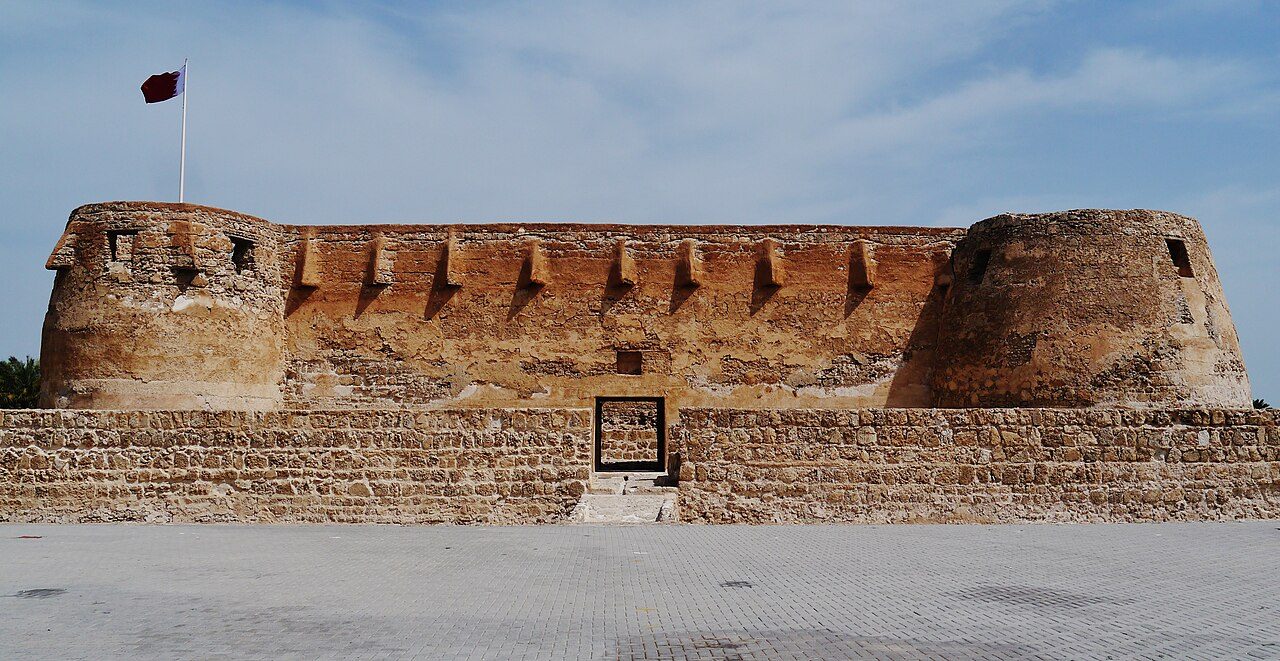
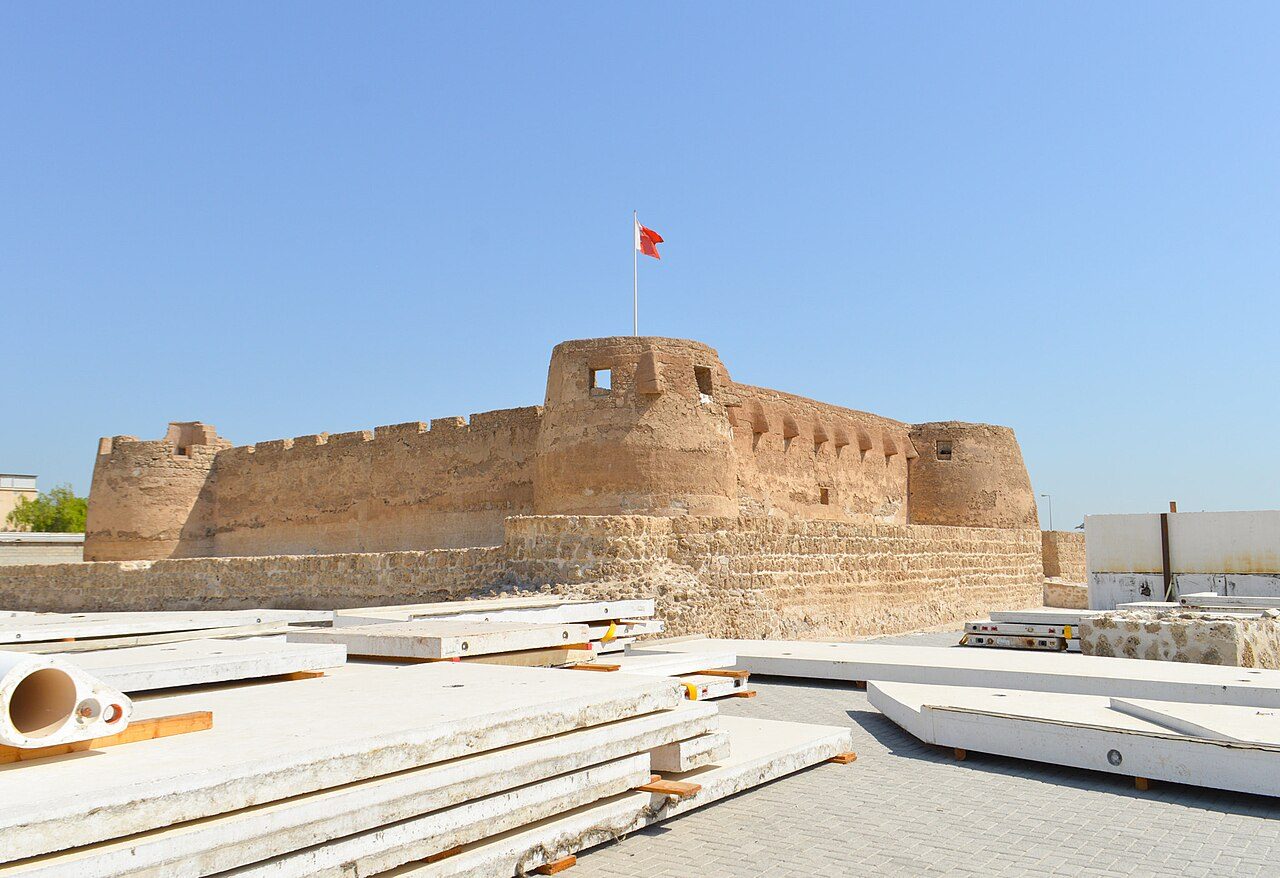
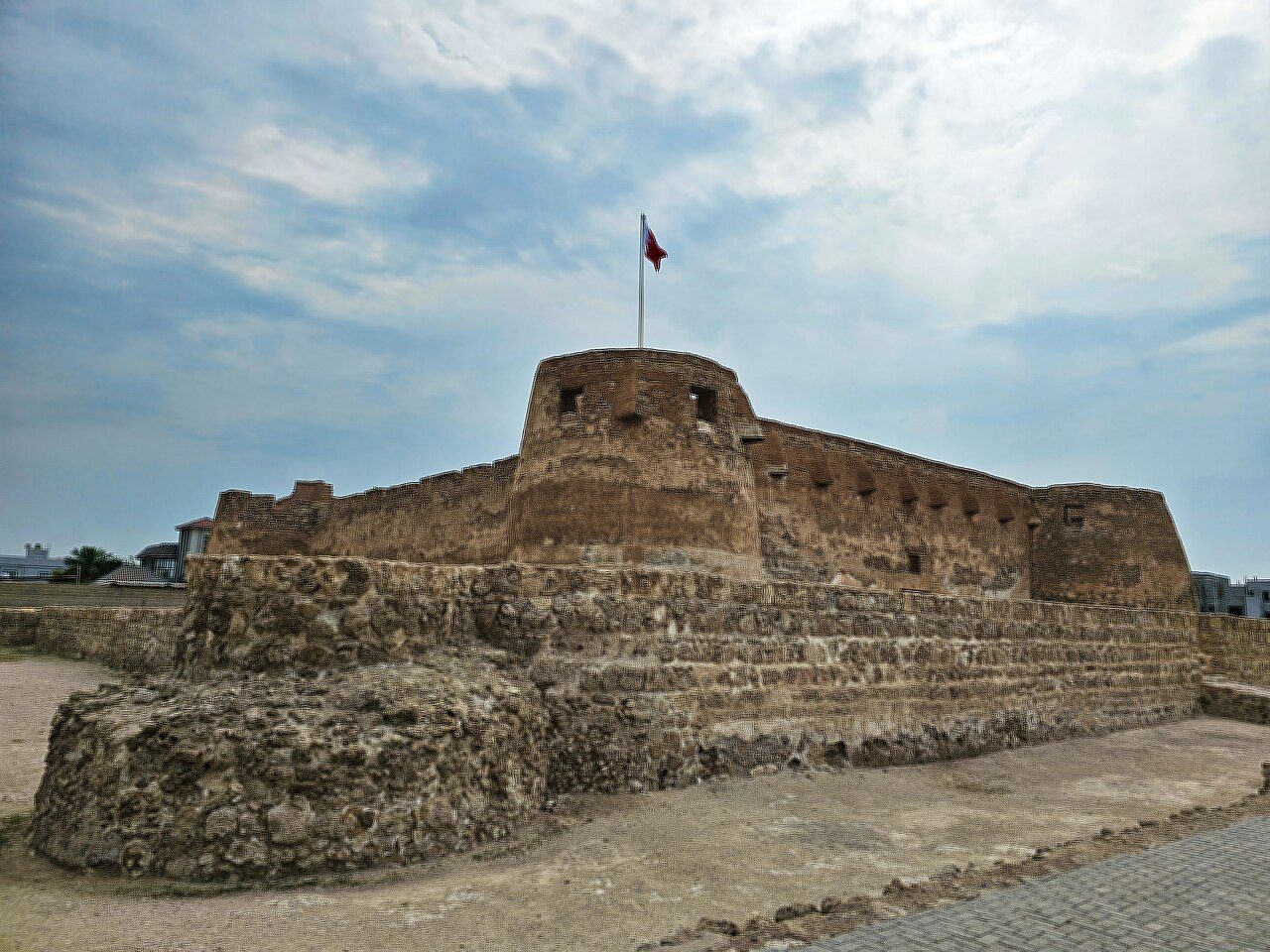
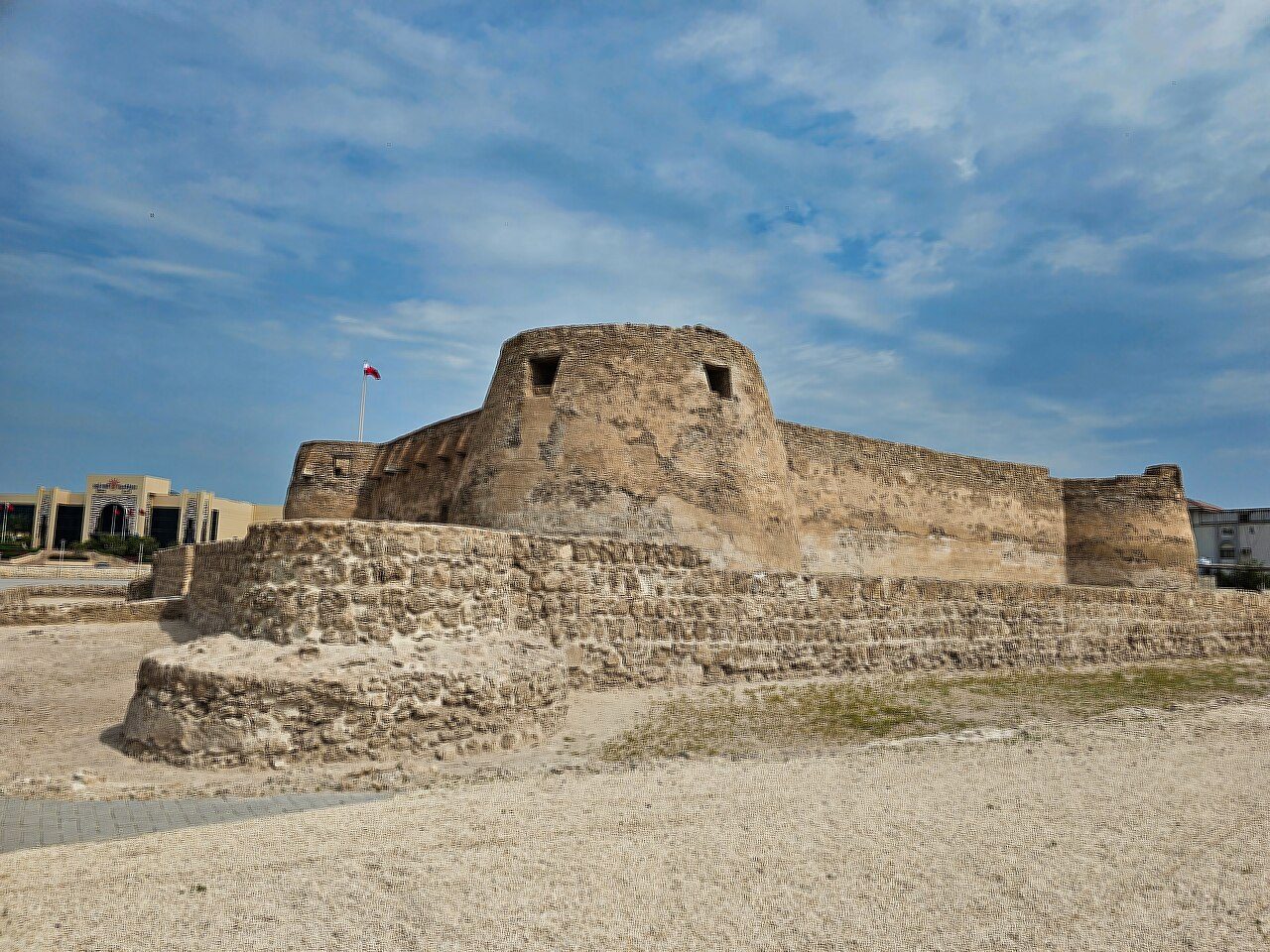
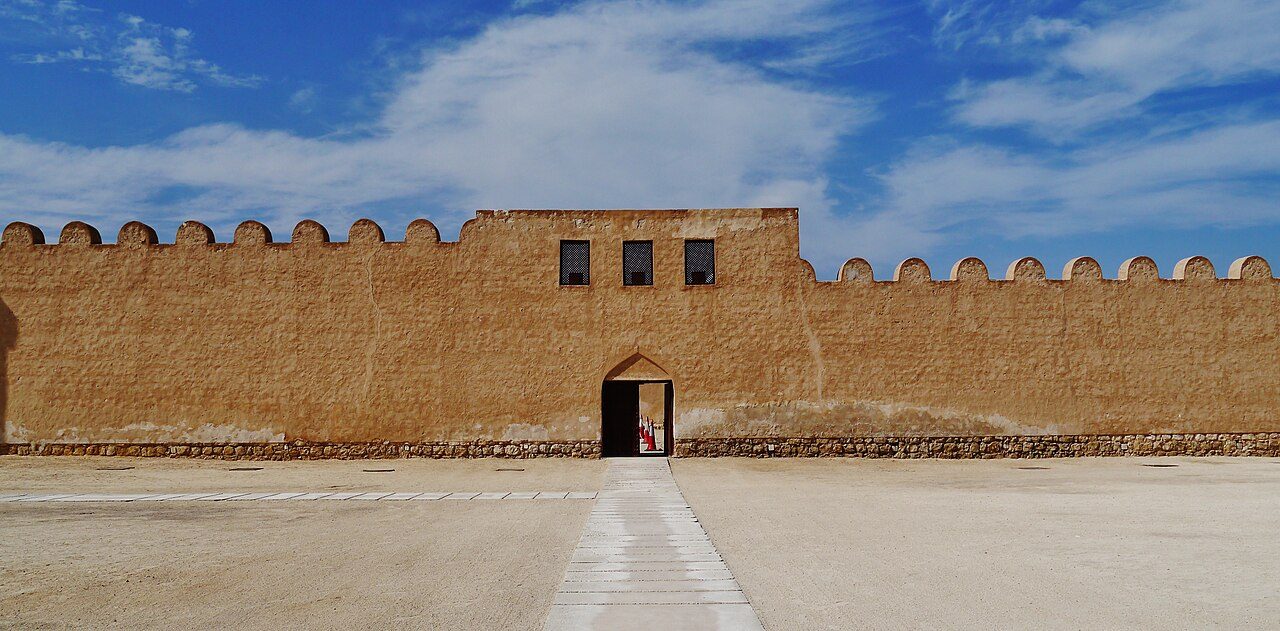
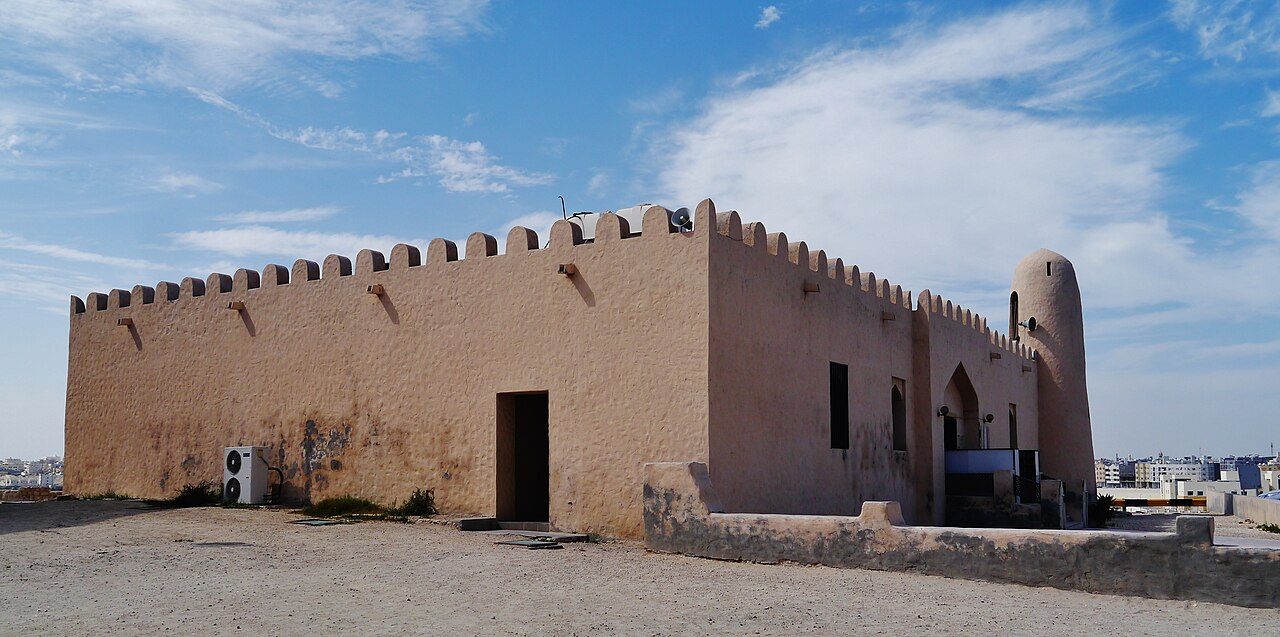
Arad Fort stands by the sea on Muharraq island, near the airport. It was built in the late 15th century in a typical Islamic style, before the Portuguese came to Bahrain in 1622. The fort is square with a round tower at each corner and was once ringed by a moat. It guarded the sea channels around Muharraq. It is lit up at night.
09
STOP 9 OF 14
Siyadi House
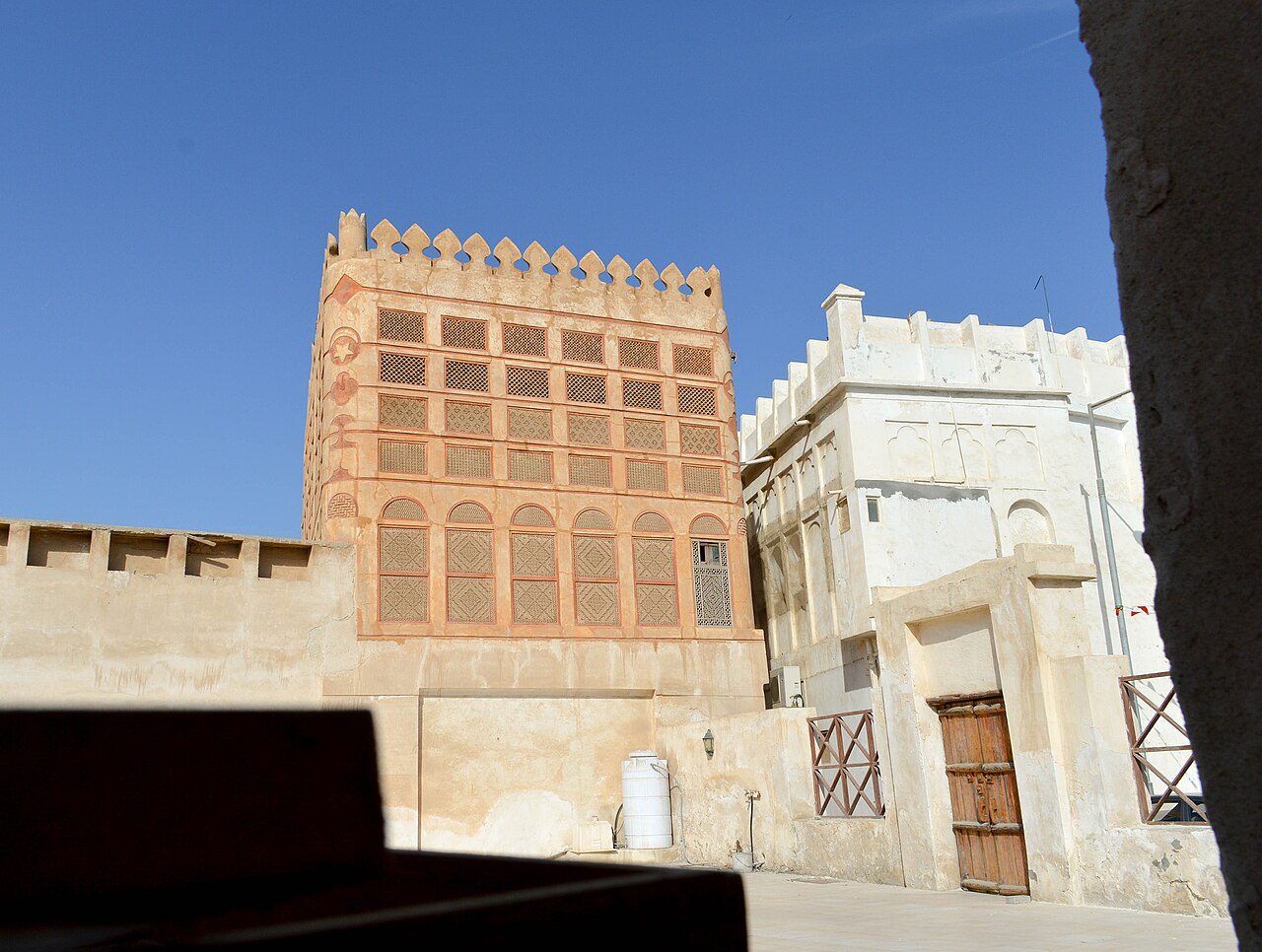
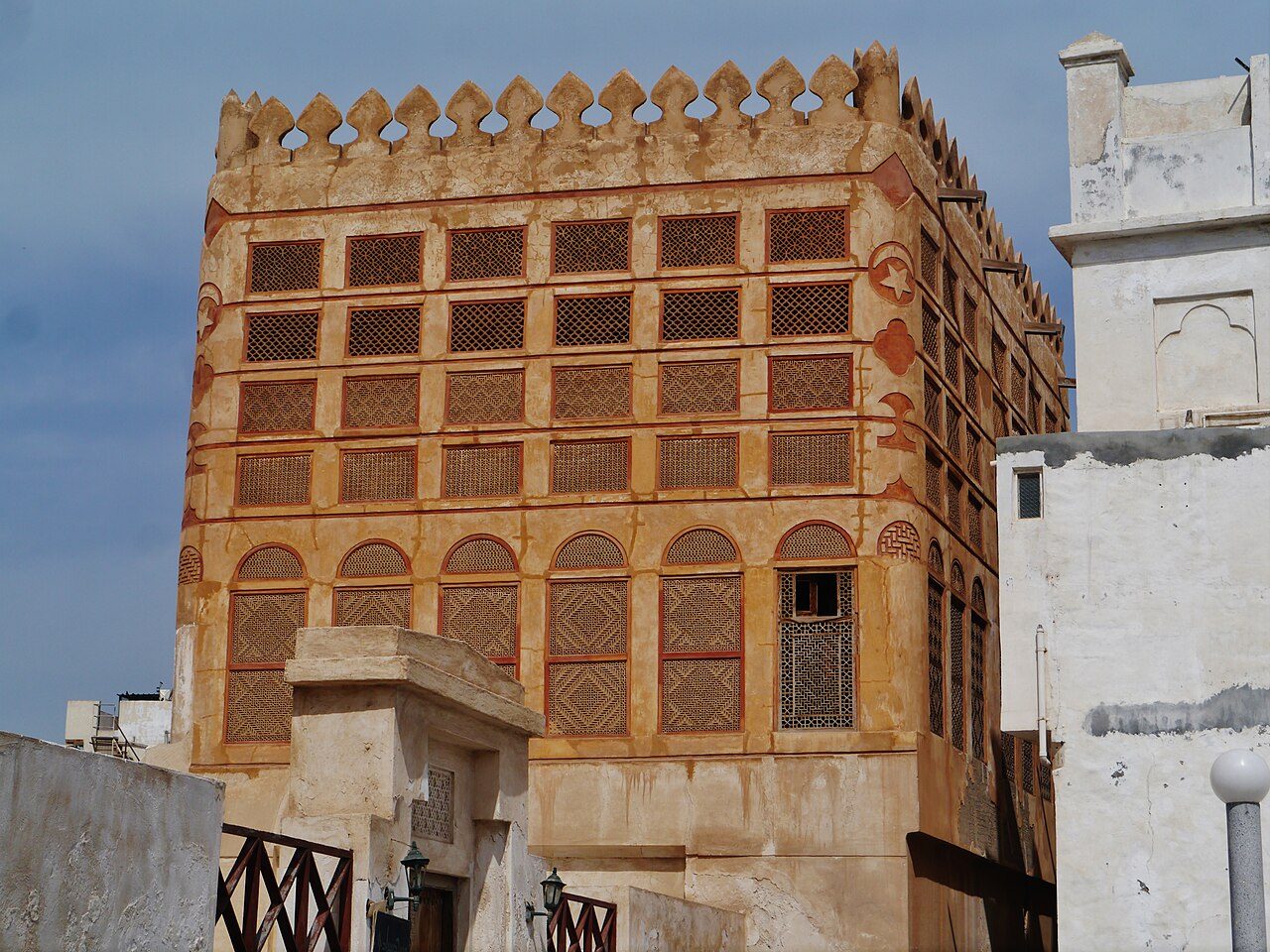
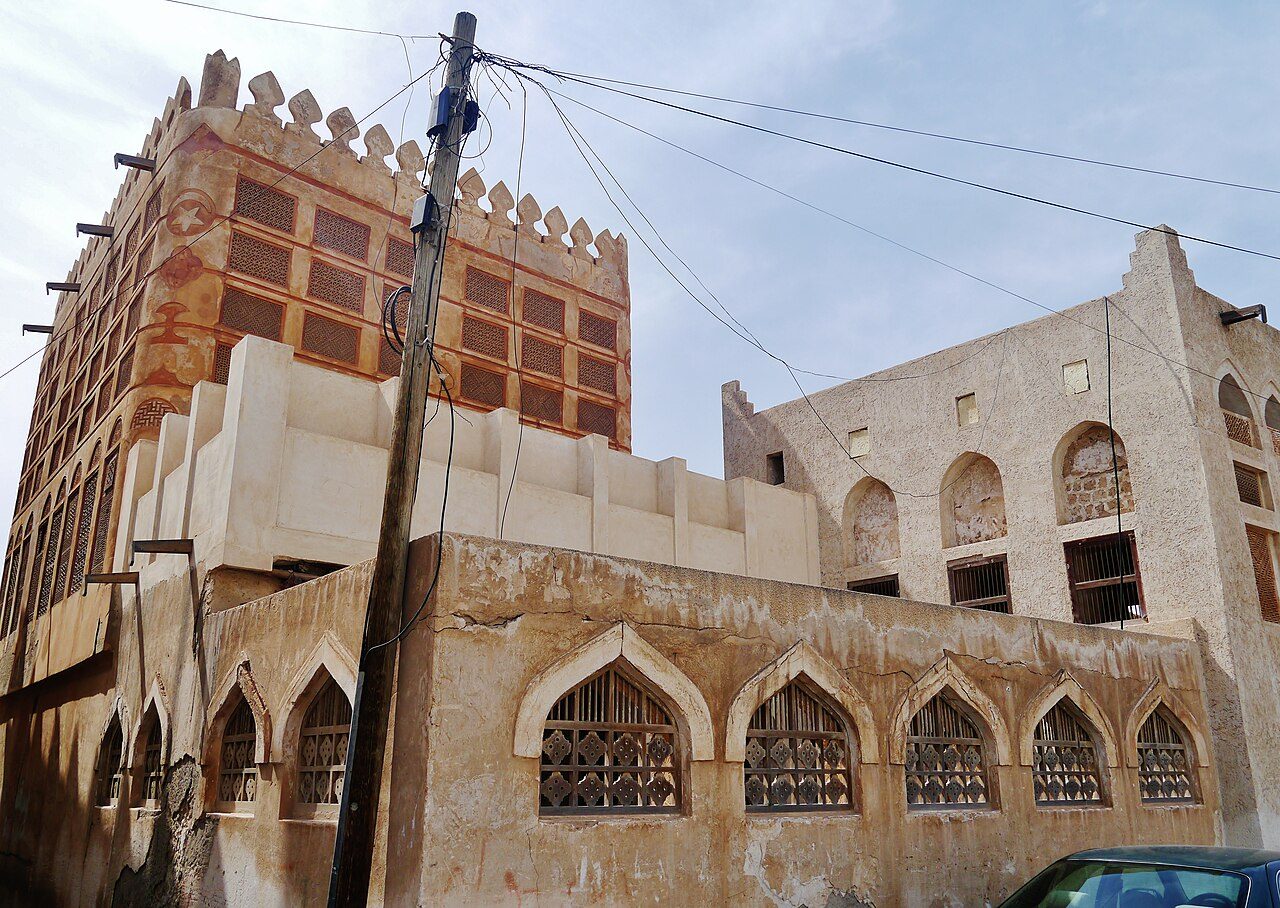
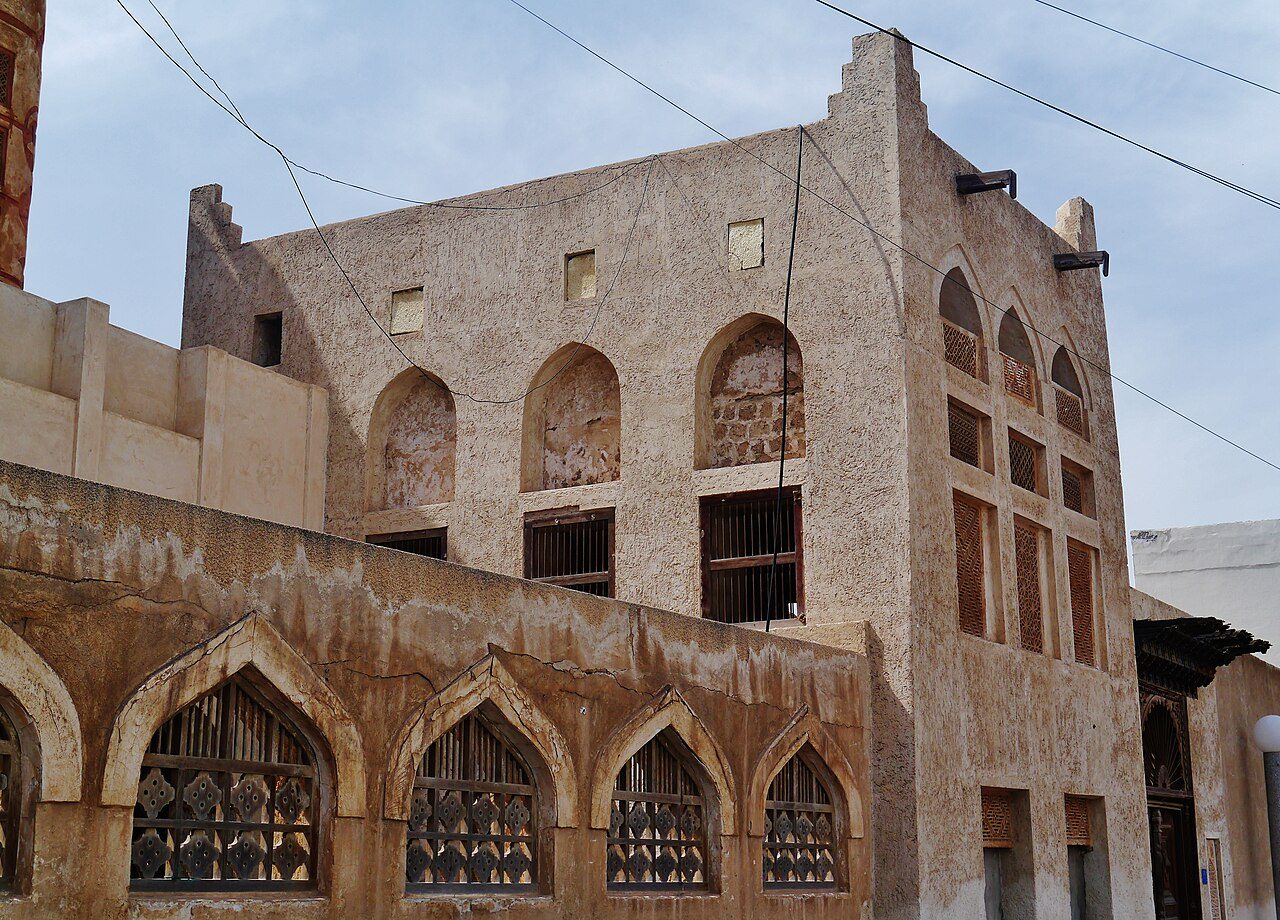
Siyadi House is a late 19th-century merchant house in the old town of Muharraq. It was built by the pearl merchant Abdullah bin Isa Siyadi. The tall house has carved wooden doors, stained glass windows and delicate plaster screens. It is part of the Pearling Path, a UNESCO World Heritage Site listed in 2012. The family's small mosque stands beside it.
10
STOP 10 OF 14
Barbar Temple
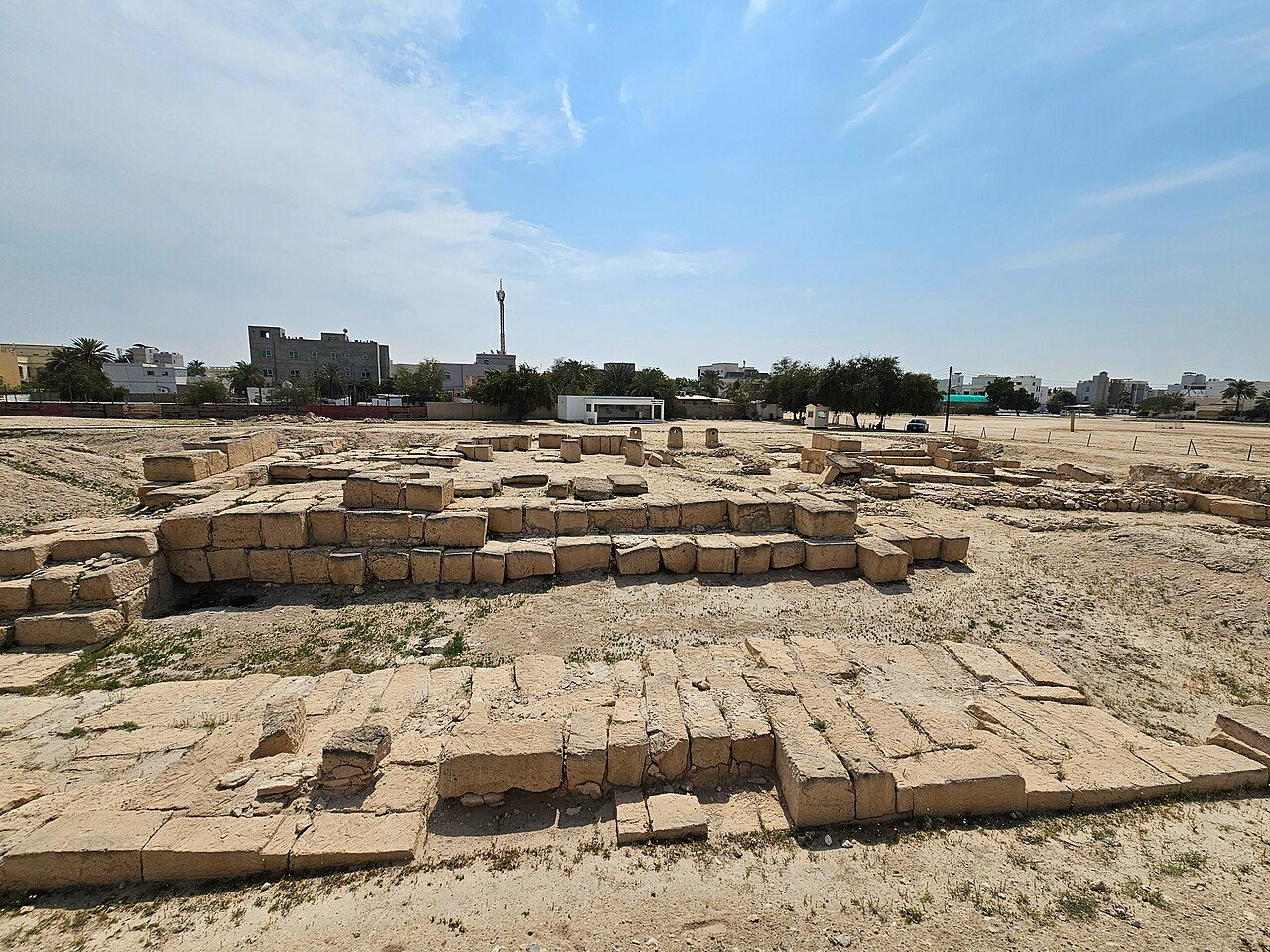
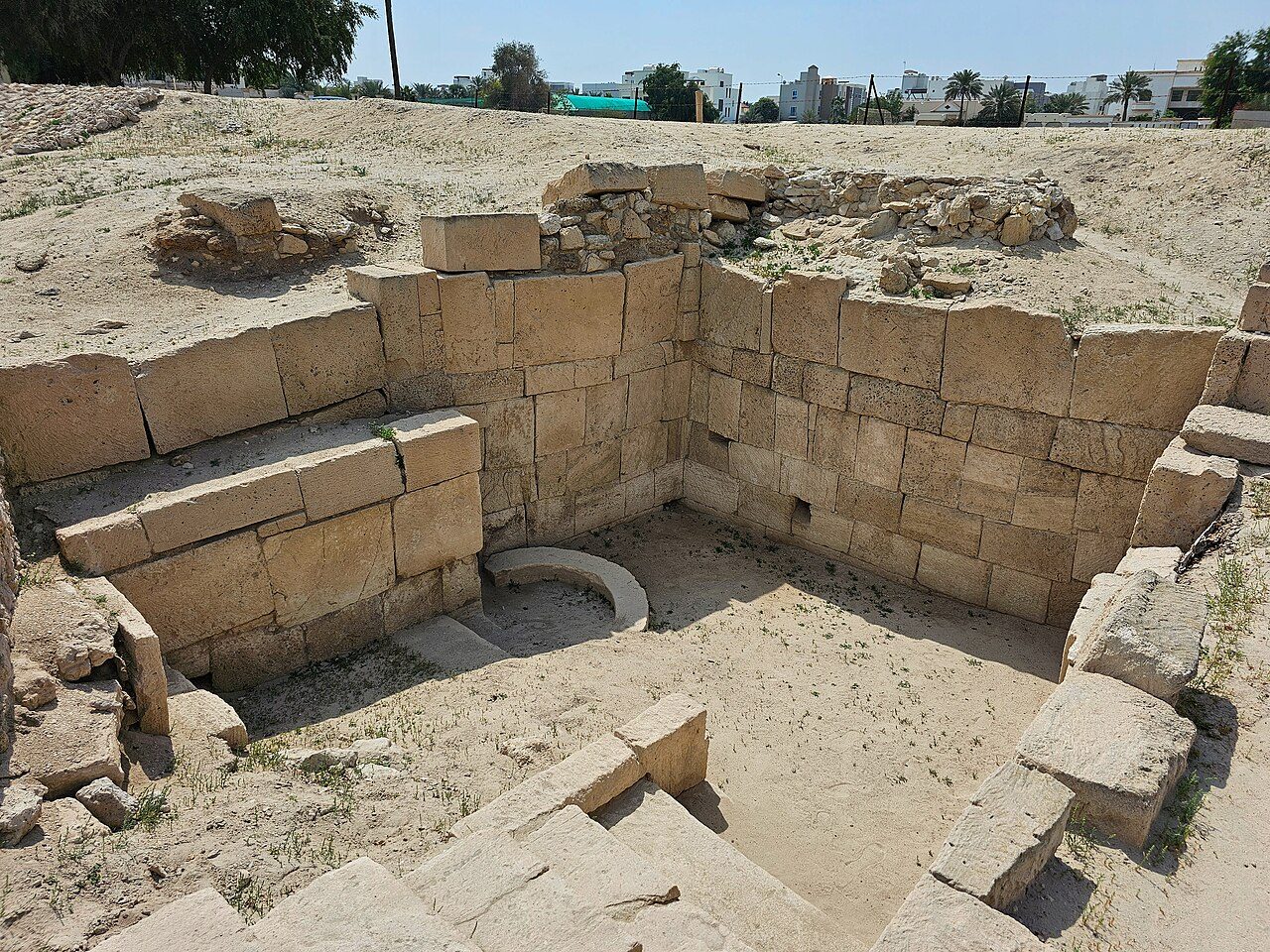
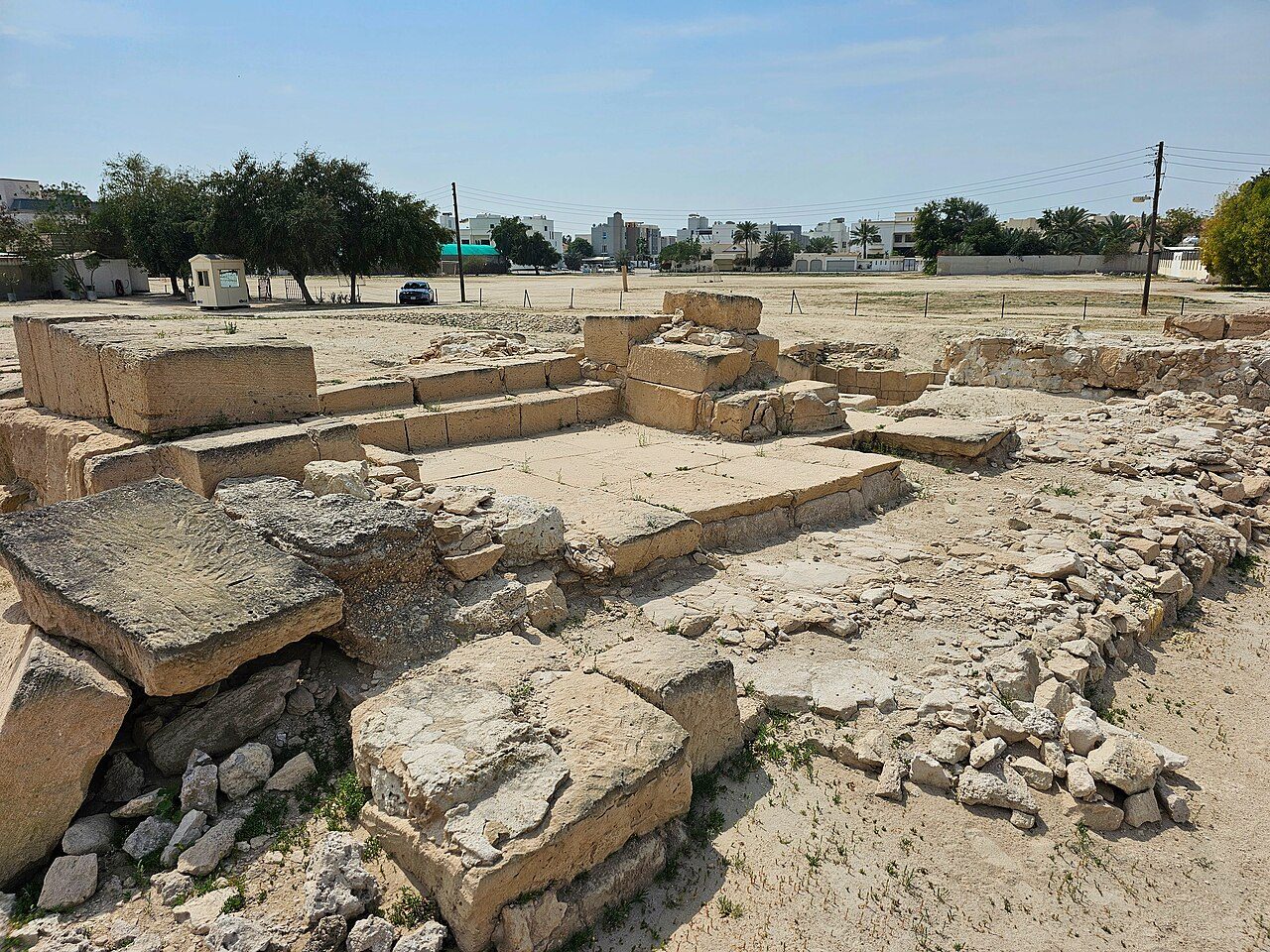
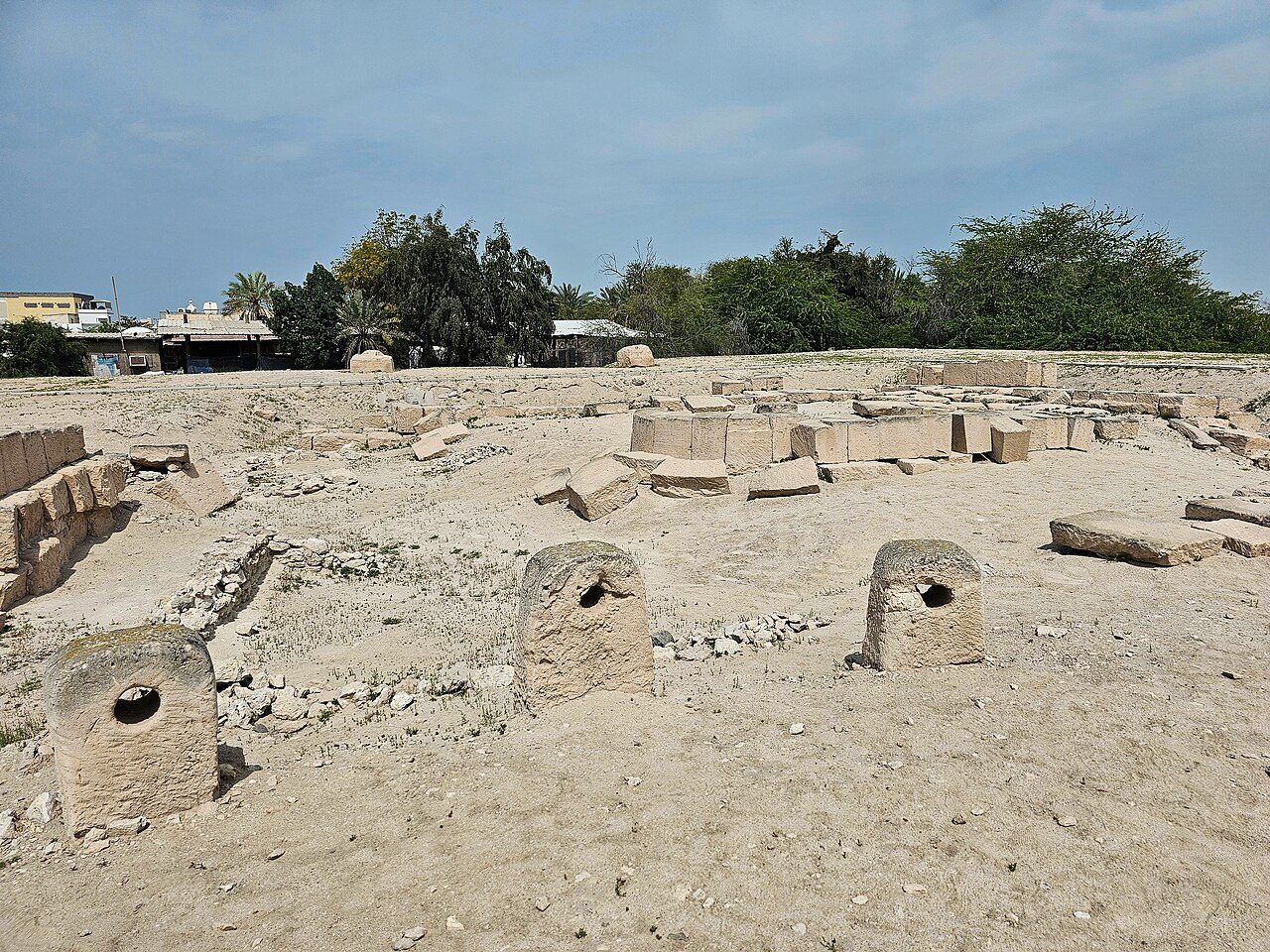
Barbar Temple is an archaeological site in the village of Barbar, in the north of Bahrain. It holds the remains of three temples built one on top of the other by the Dilmun civilisation. The oldest dates from about 3000 BC. They were built of limestone blocks around a sacred spring, and are thought to have been dedicated to Enki, god of fresh water.
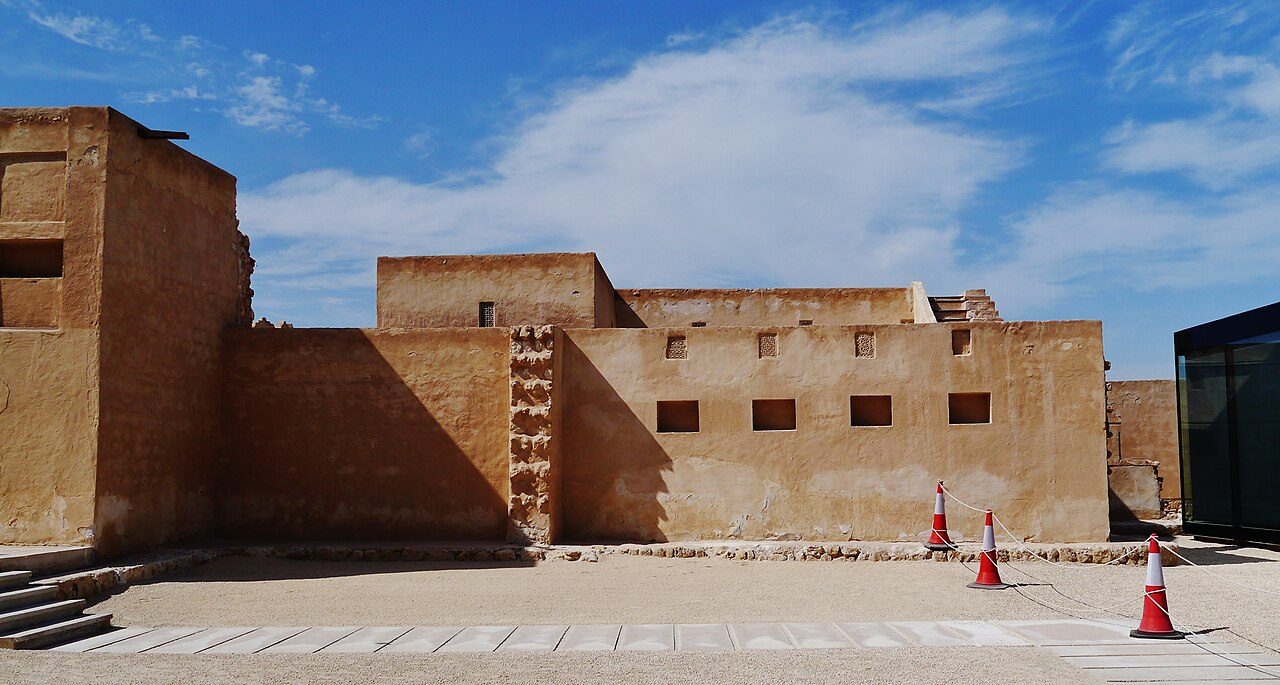
Riffa Fort, also known as Sheikh Salman bin Ahmed Al Fateh Fort, stands on a low cliff above the Hunanaiya valley. It was built in 1812 and was the home of the ruling Al Khalifa family in the 19th century. The restored fort has courtyards, living rooms and wind towers, and gives a wide view across the desert valley to Riffa.
12
STOP 12 OF 14
Bahrain International Circuit
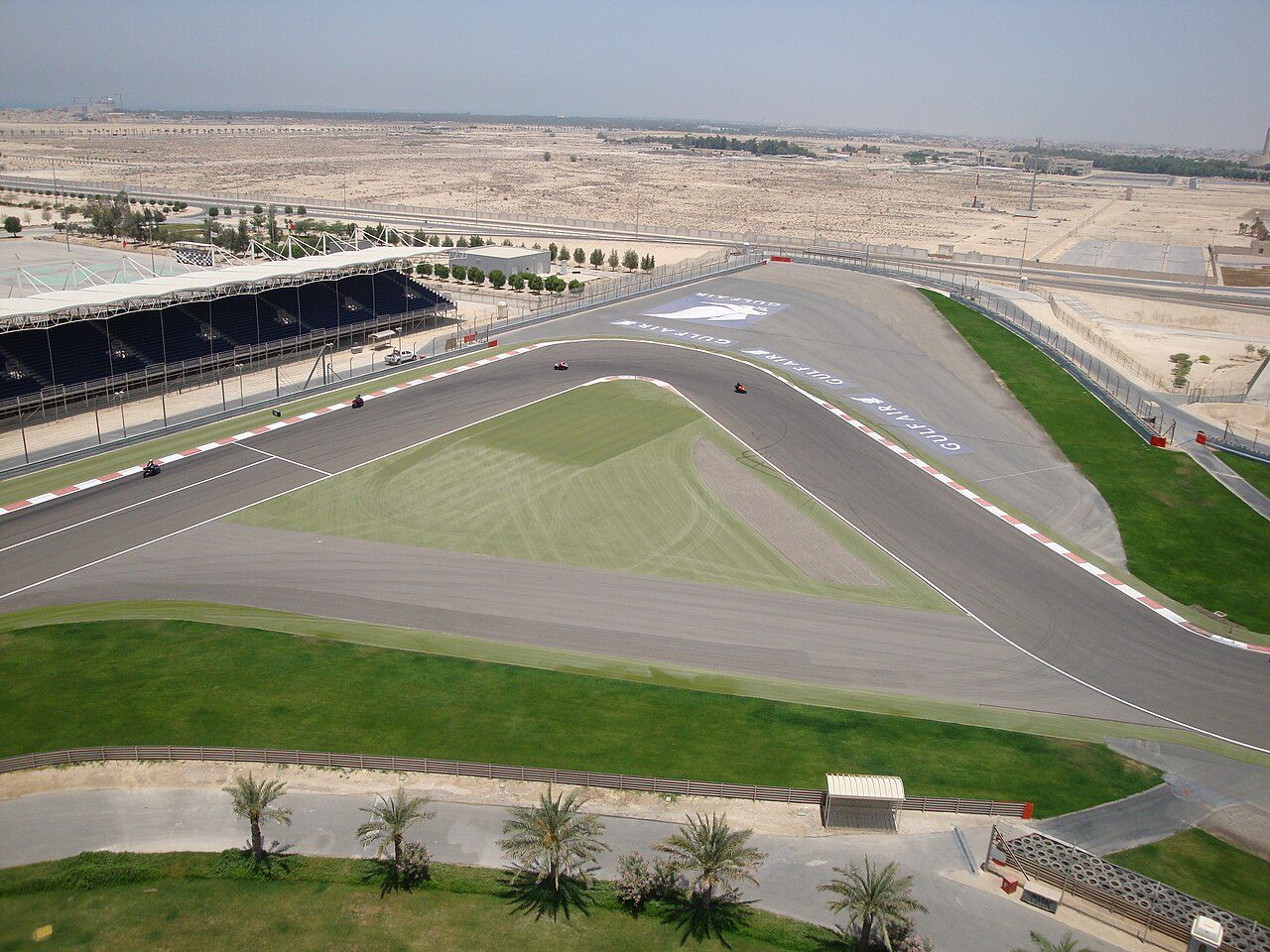
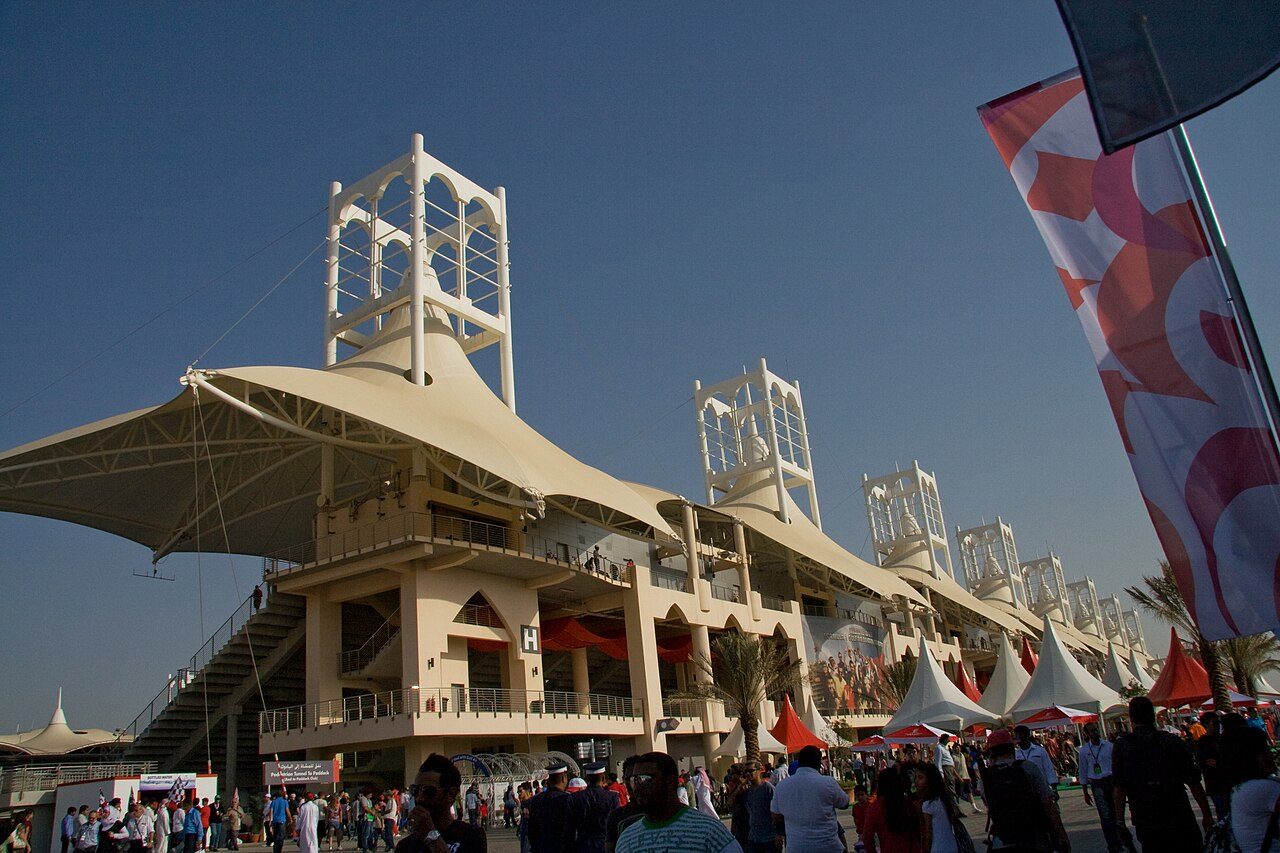
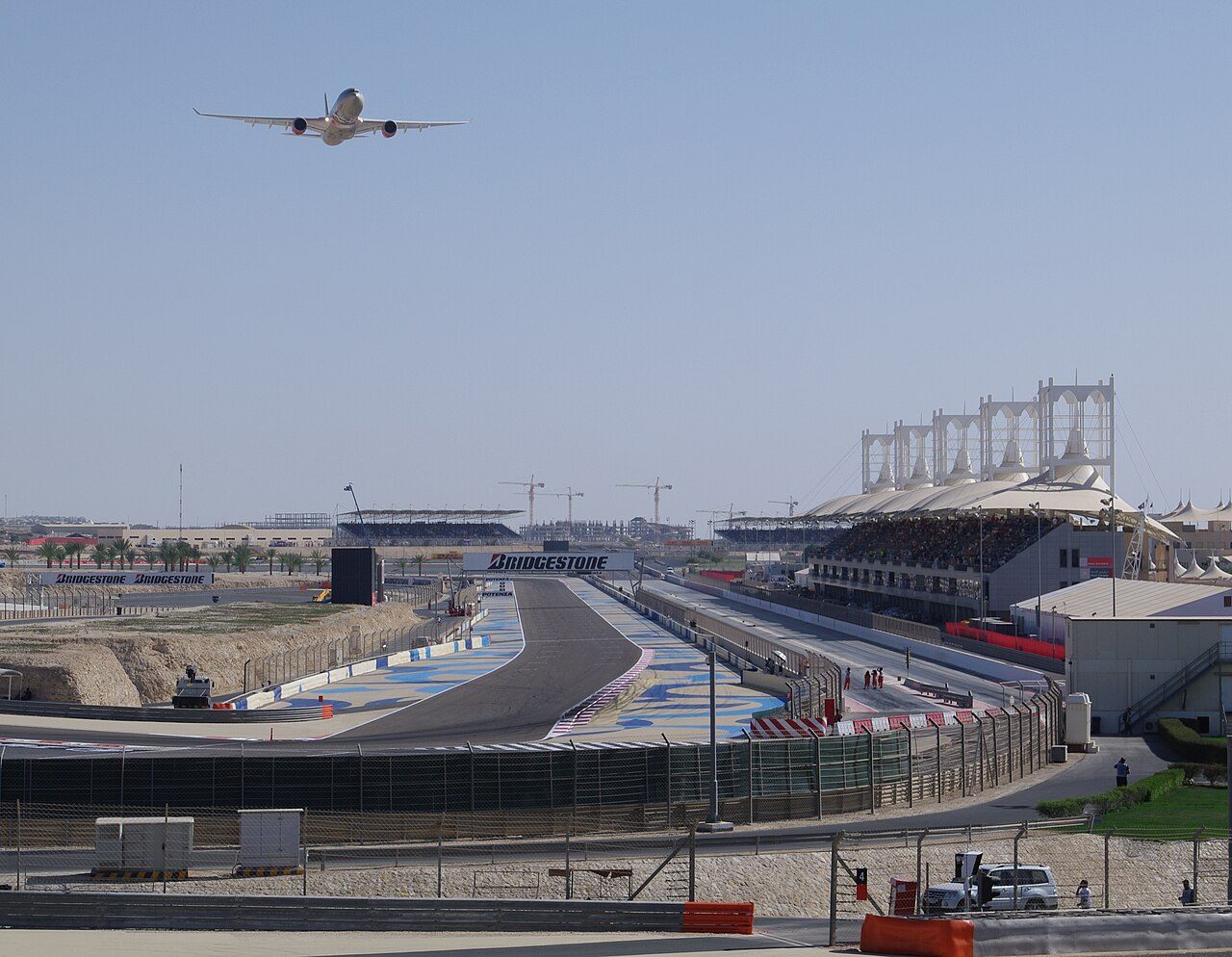
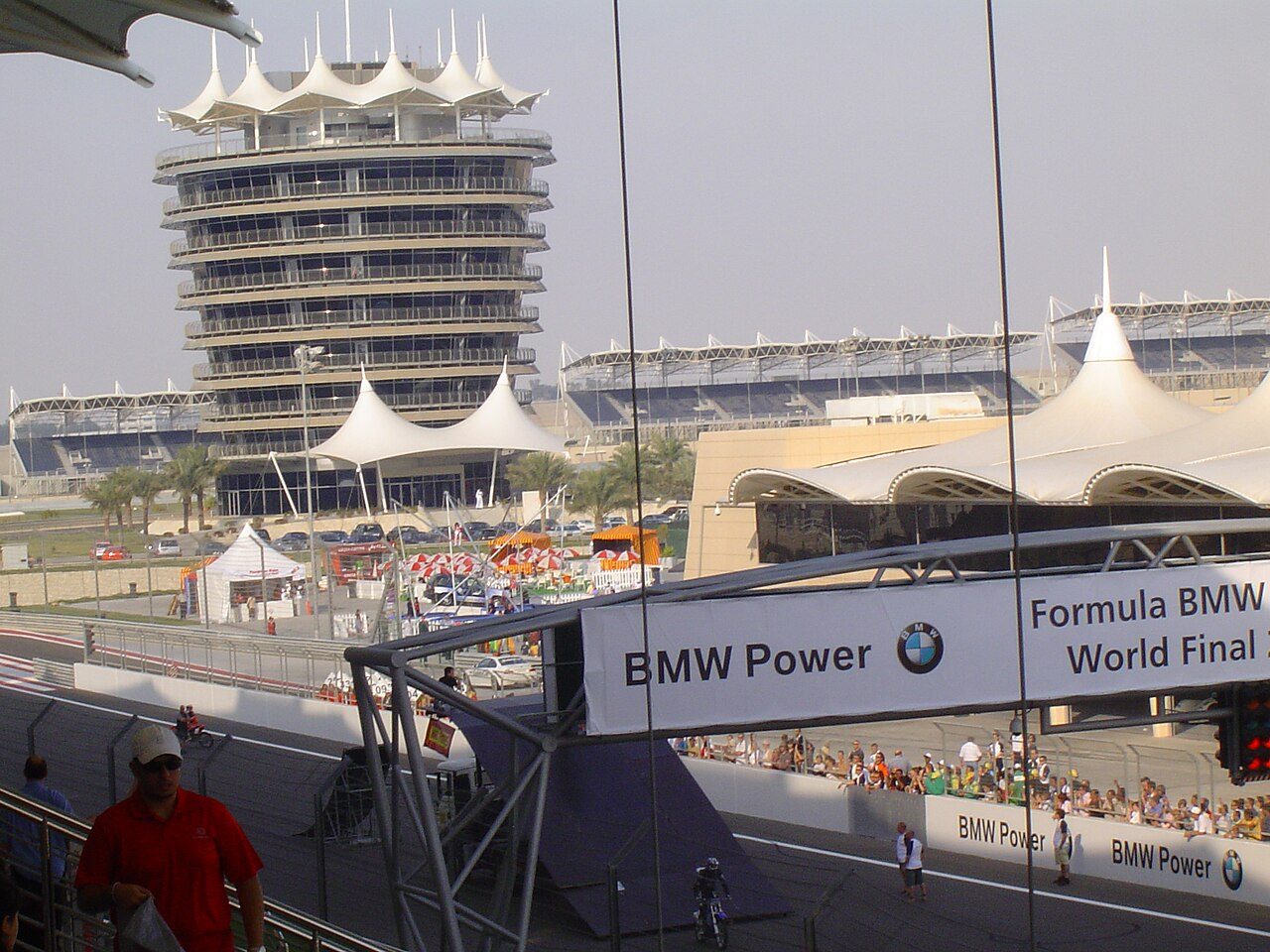
The Bahrain International Circuit at Sakhir opened in 2004 and hosted the first Formula One Grand Prix held in the Middle East. The track was built in the desert to a design by Hermann Tilke. The Bahrain Grand Prix has been run as a night race under floodlights since 2014. The eight-storey Sakhir Tower stands over the paddock.
13
STOP 13 OF 14
Al Areen Wildlife Park
Al Areen Wildlife Park is a nature reserve and zoo in the desert of Sakhir, set up in 1976. It covers about seven square kilometres. The park breeds rare Arabian animals, among them the Arabian oryx, which once died out in the wild. Visitors tour it by bus to see oryx, gazelles, ostriches and other species, along with many birds.
14
STOP 14 OF 14 · LAST STOP
Tree of Life
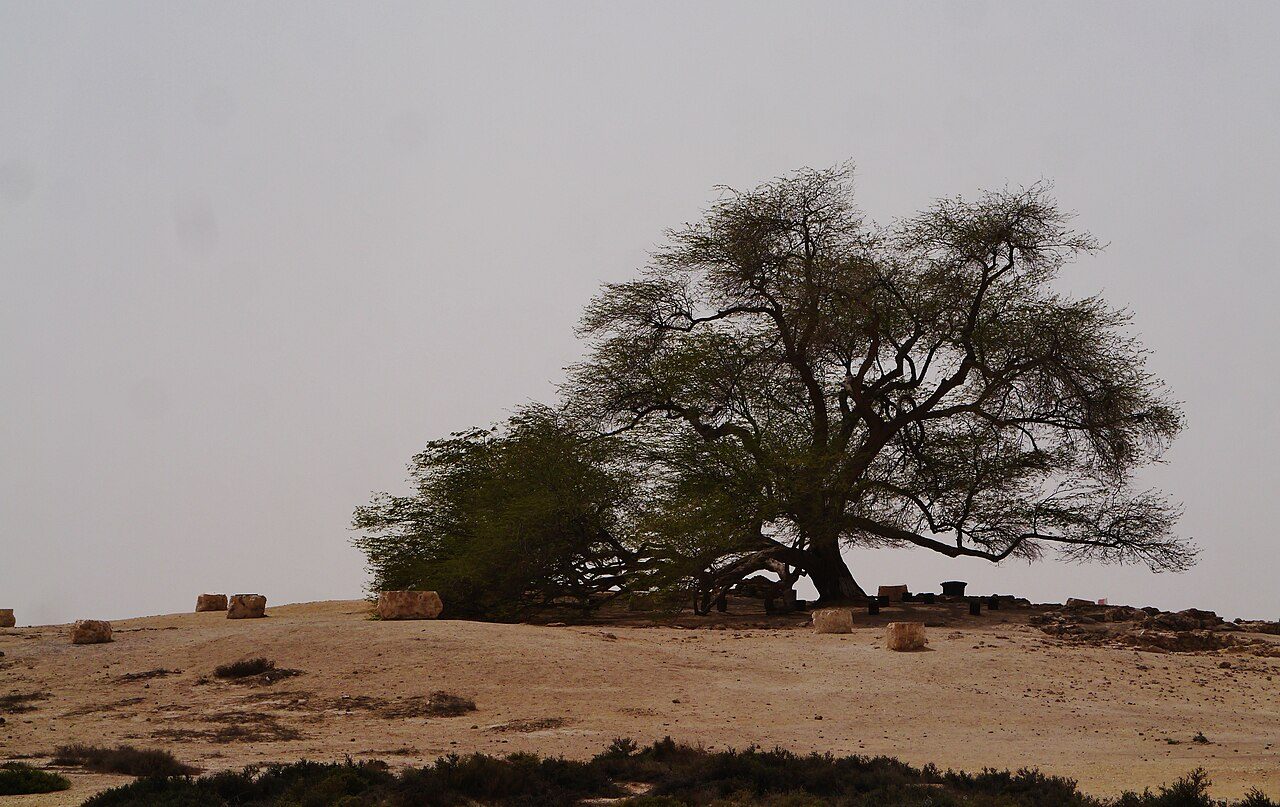
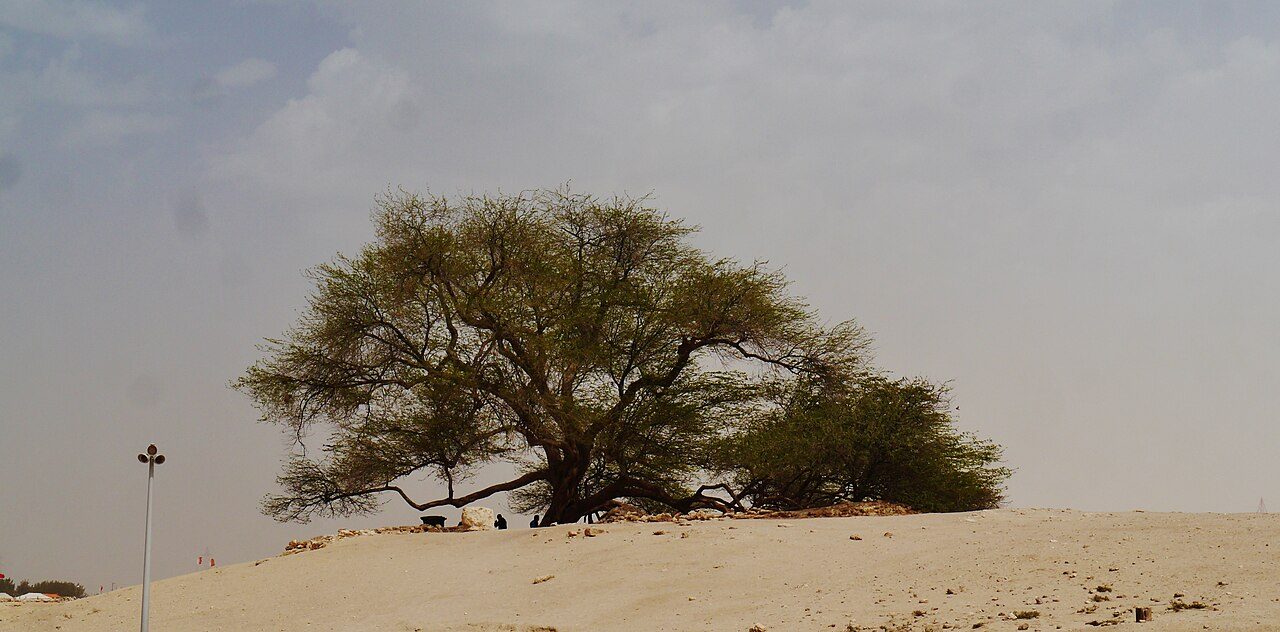
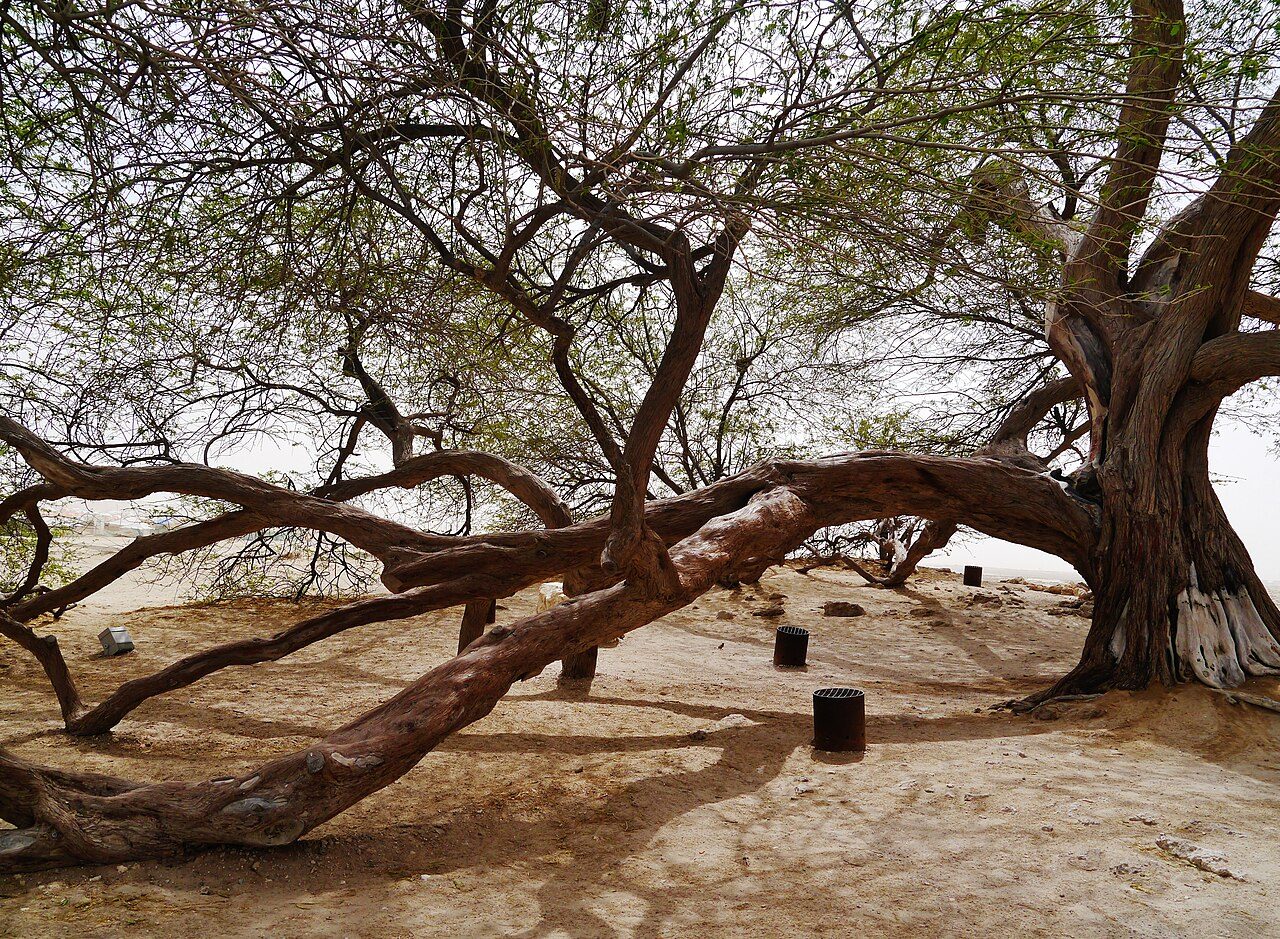
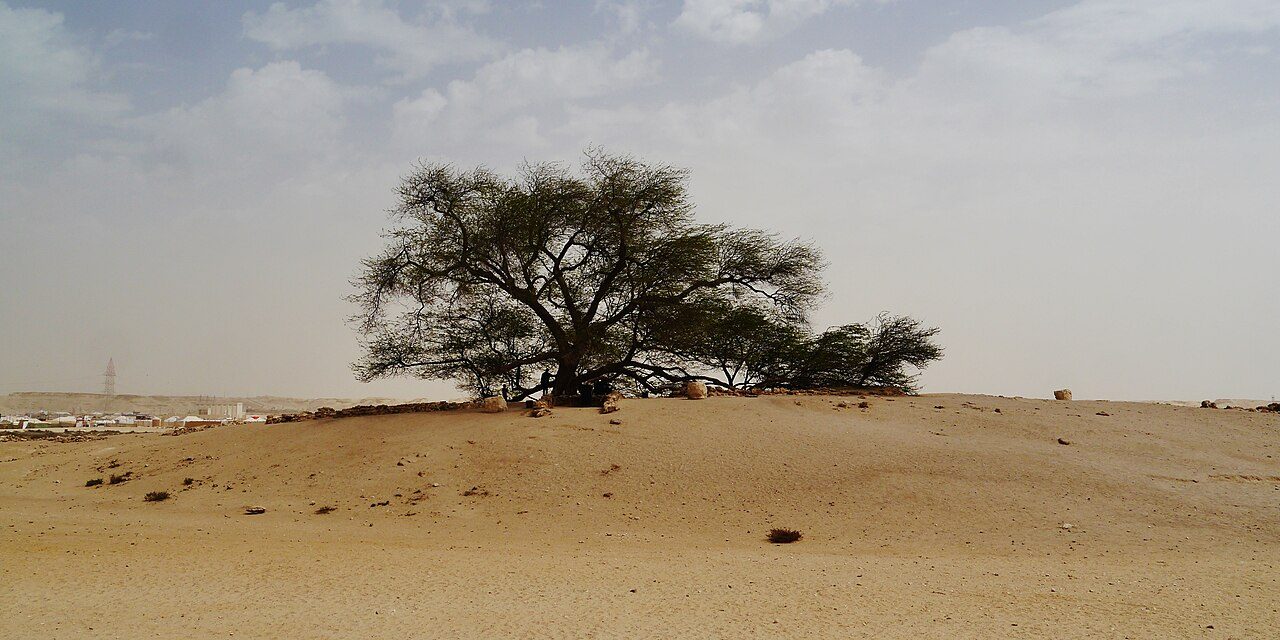
The Tree of Life is a mesquite tree about 10 metres high that stands alone on a sandy hill in the southern desert of Bahrain. It is thought to be around 400 years old. There is no visible source of water nearby, which has made the tree famous. Its roots are believed to reach deep underground water. A walkway has been built around it.
Seasons from 20 years of NASA POWER climate data.
 WaTrips