The Grand Mosque, Souq Al-Mubarakiya, Kuwait Towers and Al Shaheed Park, the Tareq Rajab Museum and Scientific Center, the Qurain Martyrs Museum, Failaka and the Red Fort.
Kuwait mixes tradition, modern architecture and recent history. Day one visits the Grand Mosque on a guided tour, Souq Al-Mubarakiya, the iconic Kuwait Towers, Al Shaheed Park and Al Hamra Tower. Day two sees the Tareq Rajab Museum of Islamic art, the Scientific Center's aquarium and the Al Qurain Martyrs Museum, a moving reminder of 1991. Day three takes the ferry to Failaka Island, with ruins from ancient Greek times to the Gulf War, and visits the Red Fort at Al Jahra. November to March is best; summers are extremely hot.
01
STOP 1 OF 10
Grand Mosque of Kuwait
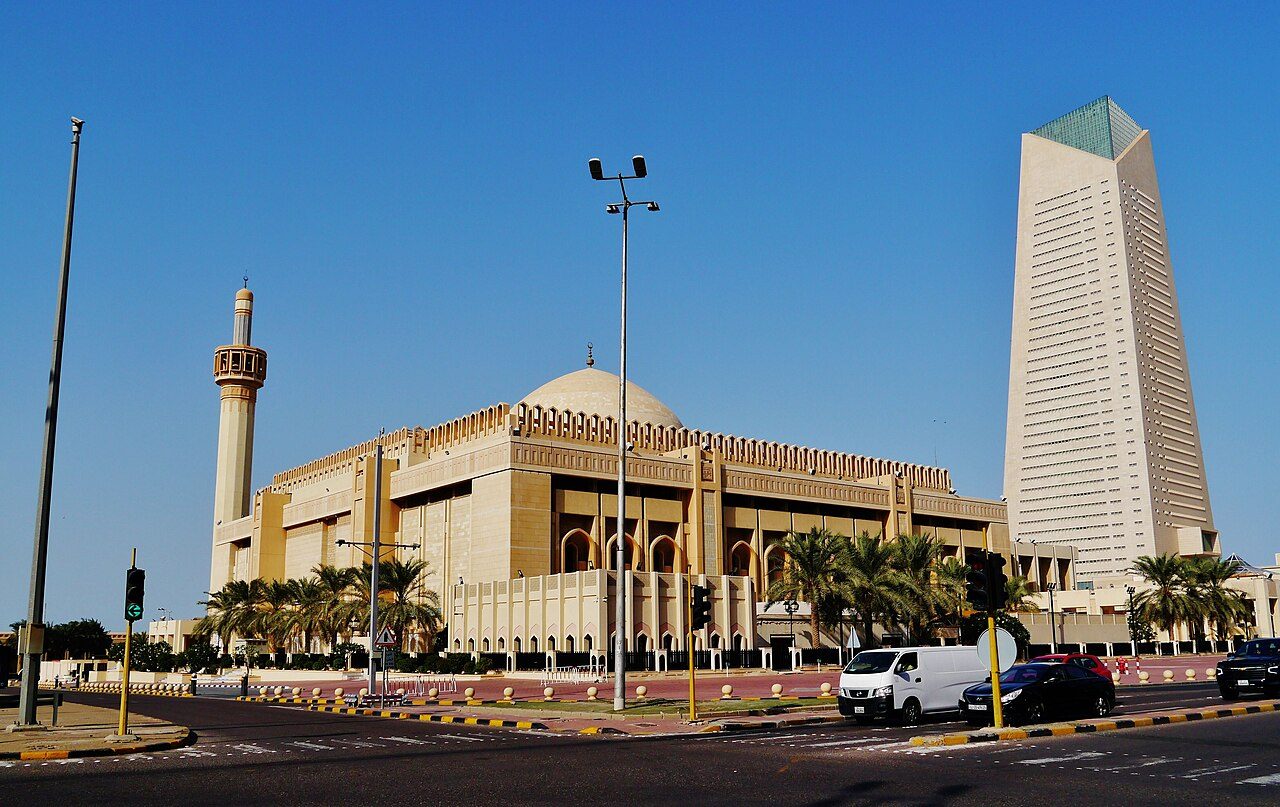
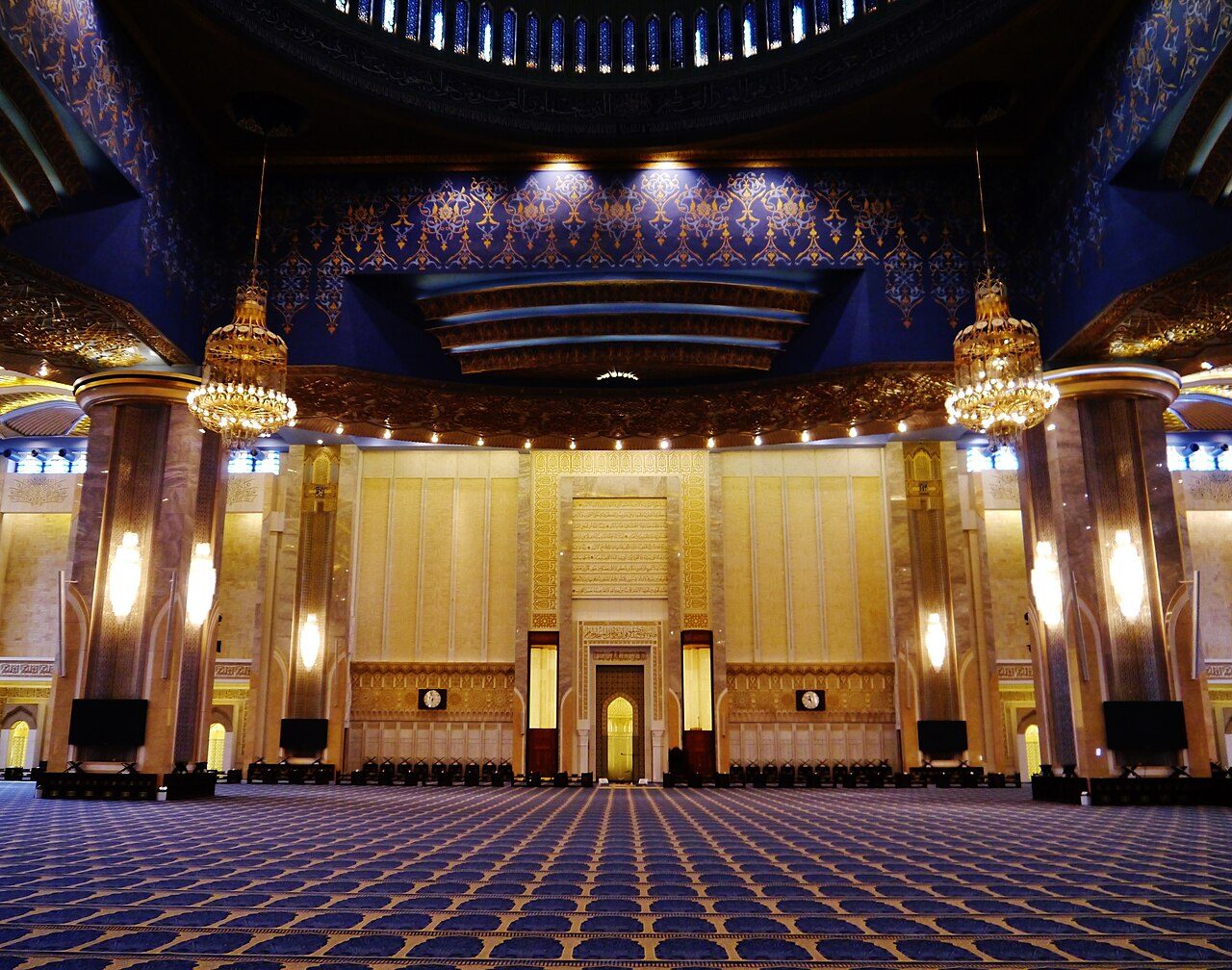
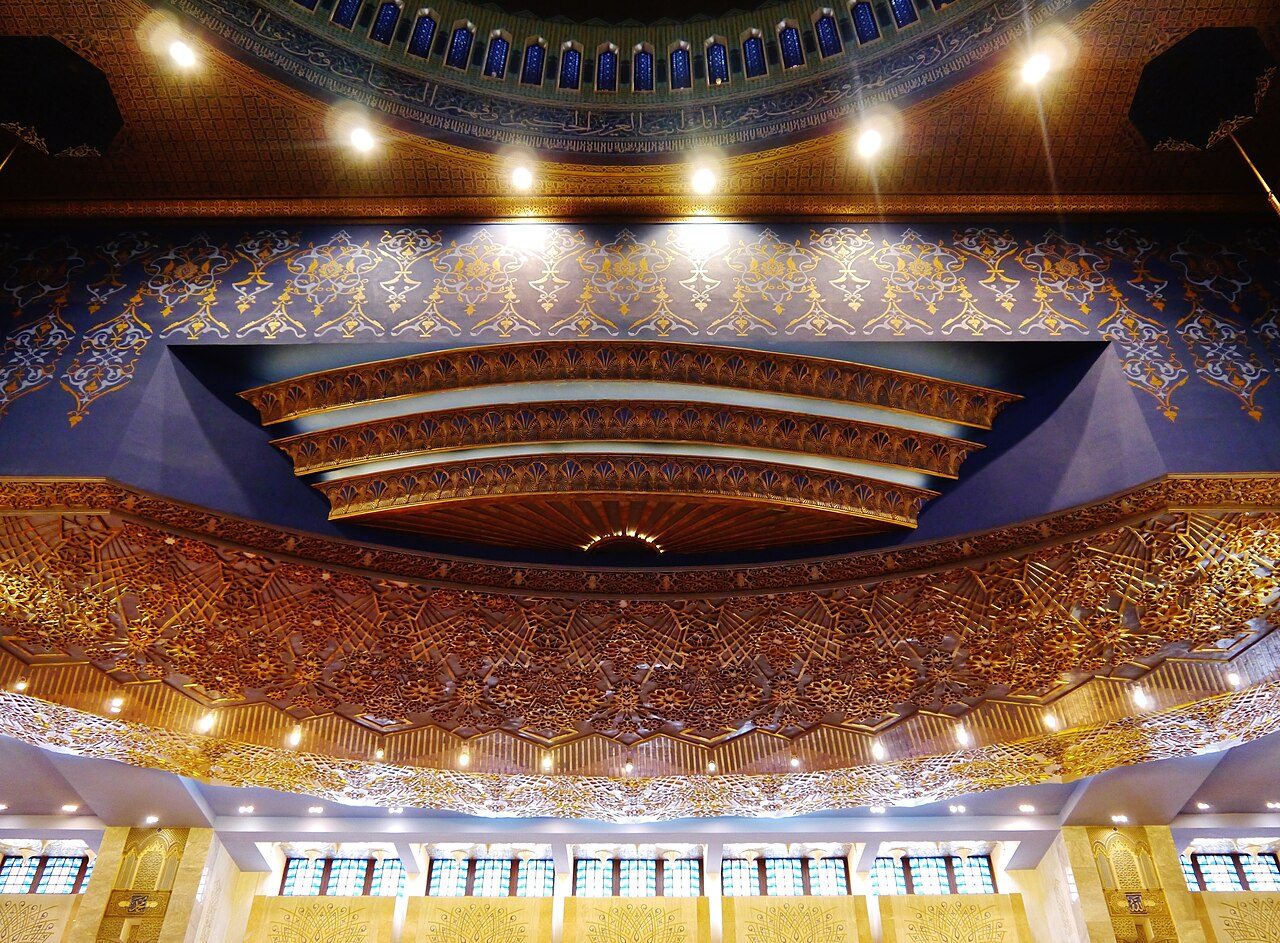
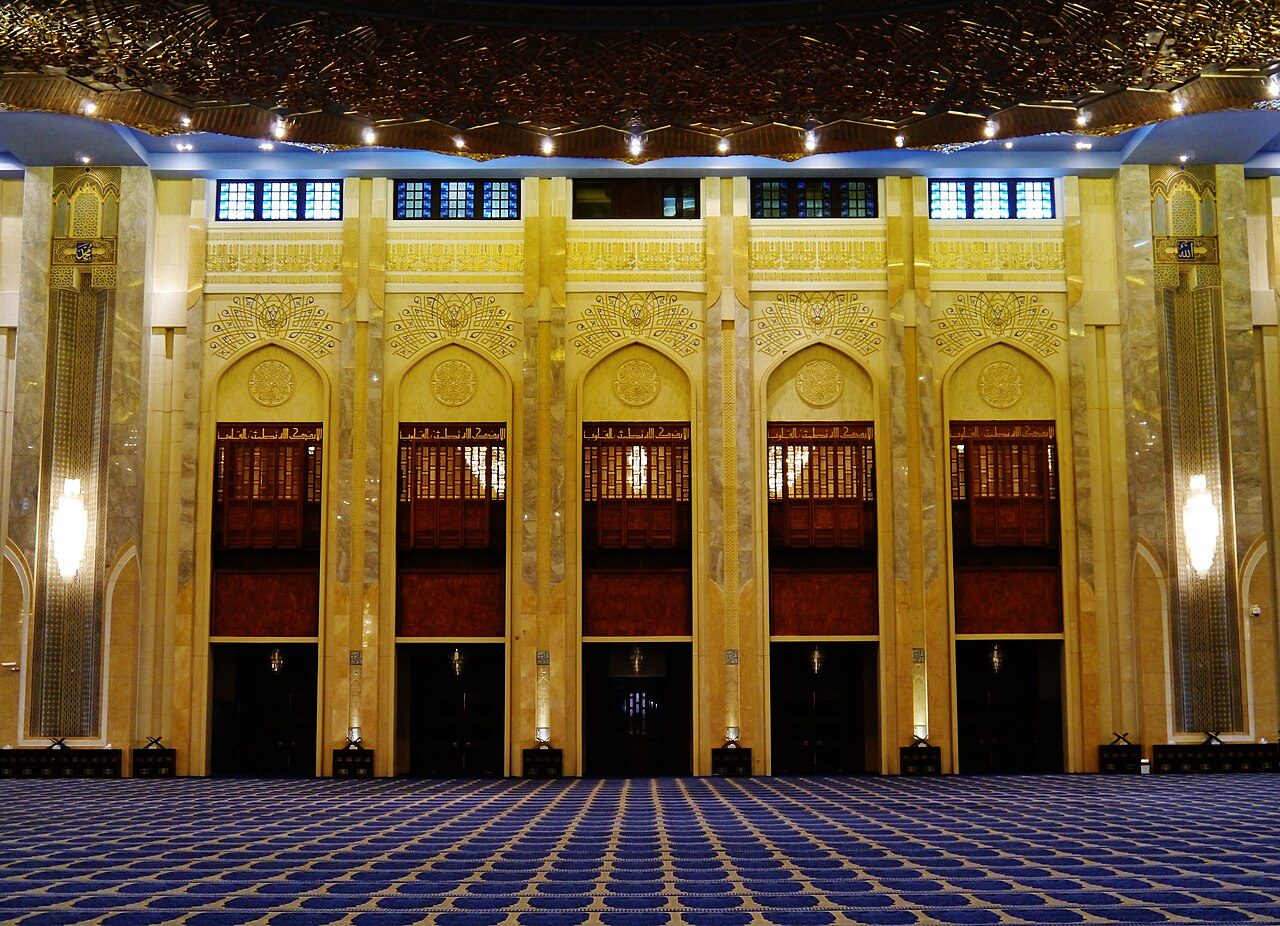
The Grand Mosque is the largest mosque in Kuwait, opened in 1986 opposite Seif Palace. Its main prayer hall can hold about 10,000 men, with a separate hall for women. The hall has teak doors, a dome 43 metres high and walls decorated with calligraphy. The minaret rises 74 metres. Guided tours are given to visitors.
02
STOP 2 OF 10
Souq Al-Mubarakiya
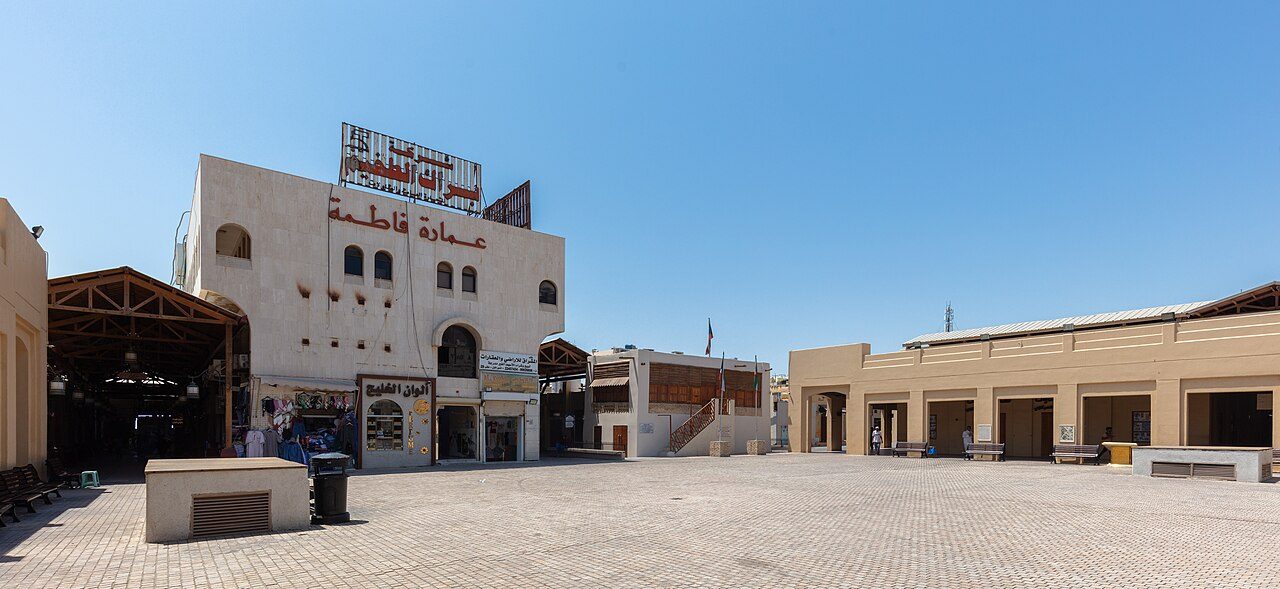
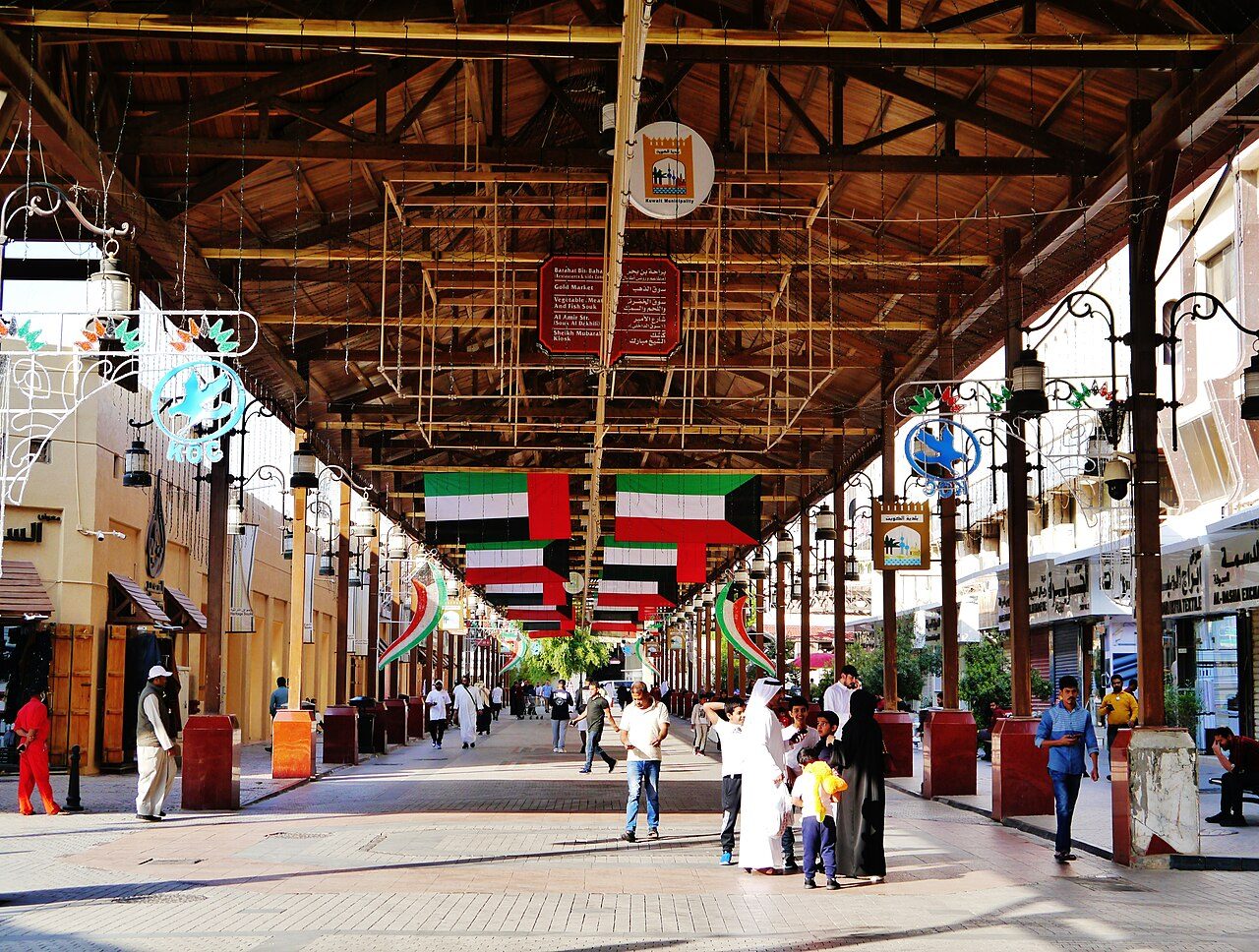
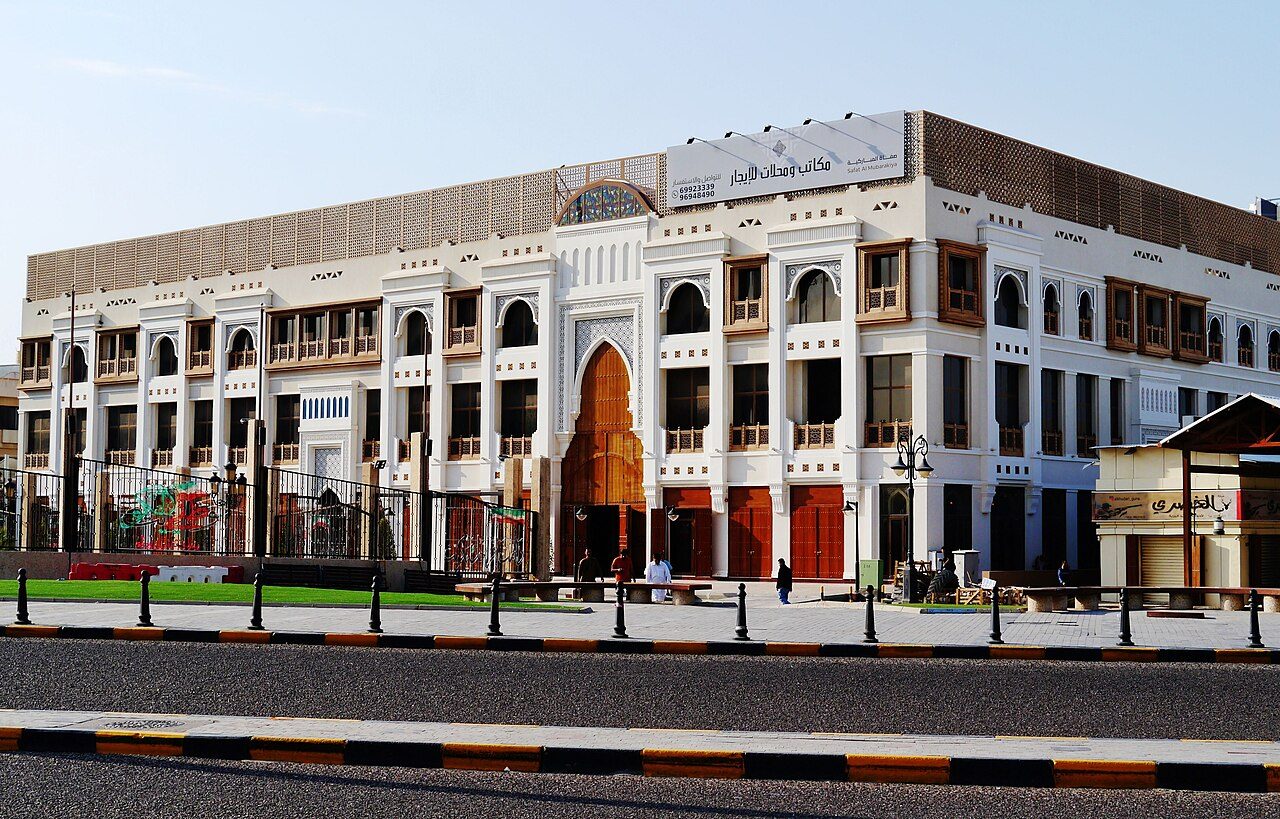
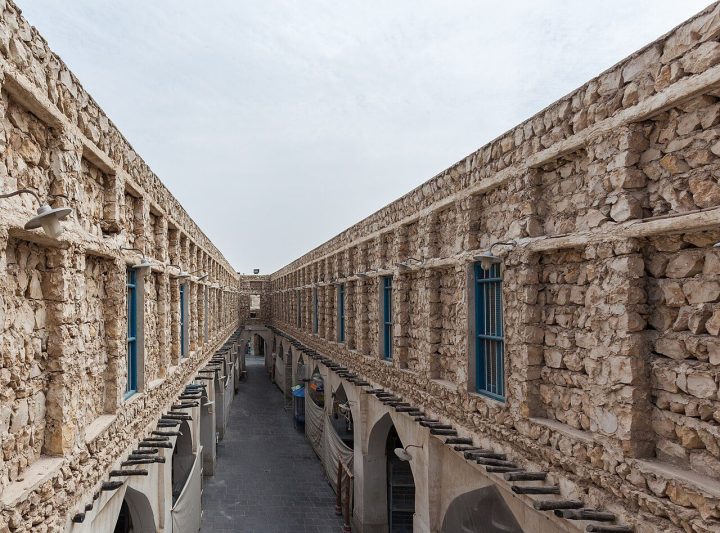
Souq Al-Mubarakiya is one of the oldest markets in Kuwait, with a history of some 200 years. It was badly damaged in the 1990 invasion and later restored. Its covered lanes sell dates, spices, honey, perfumes, carpets and traditional clothes. There are also fish, meat and vegetable markets. Simple restaurants in the open square serve Kuwaiti food.
03
STOP 3 OF 10
Kuwait Towers
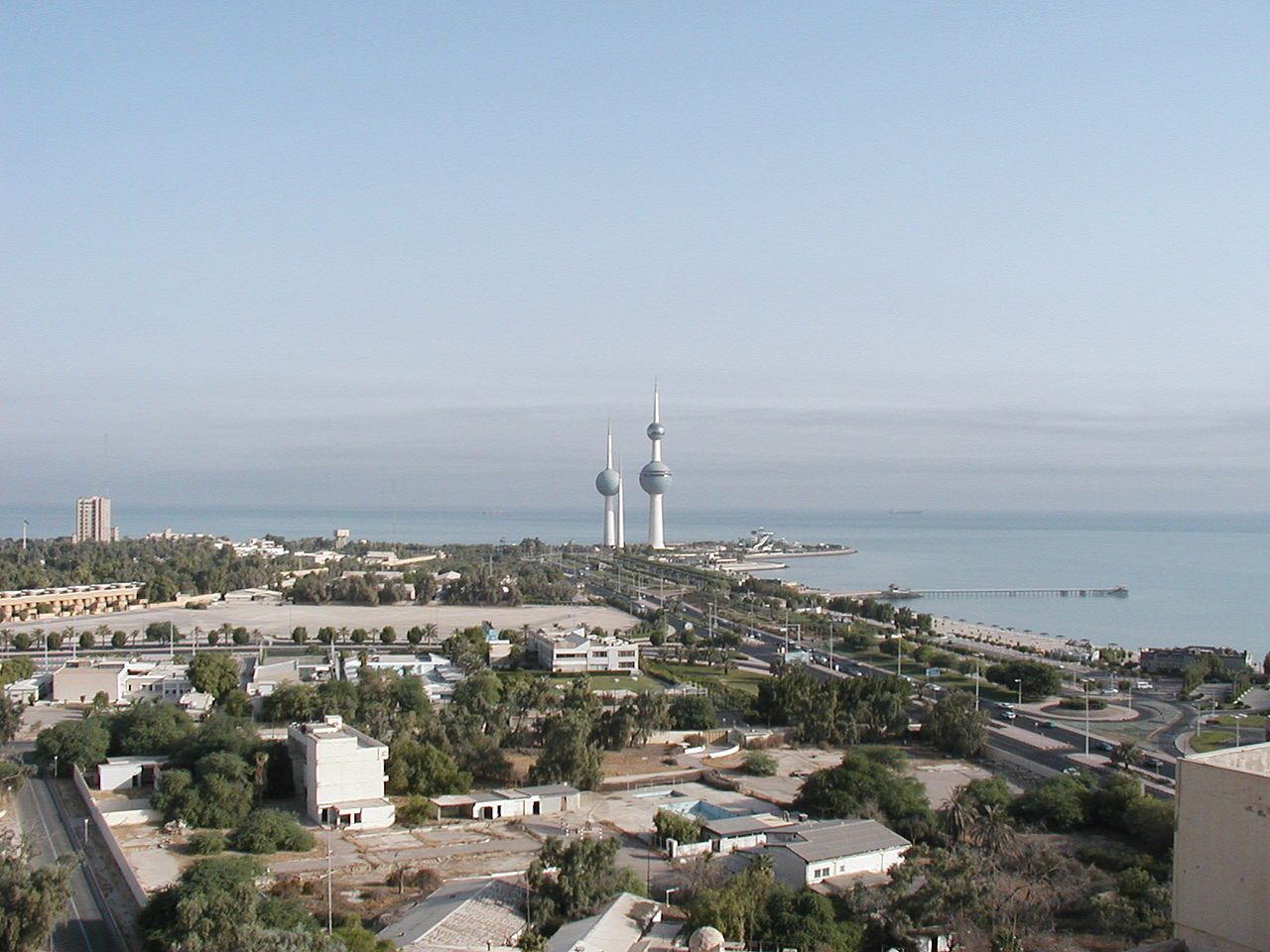
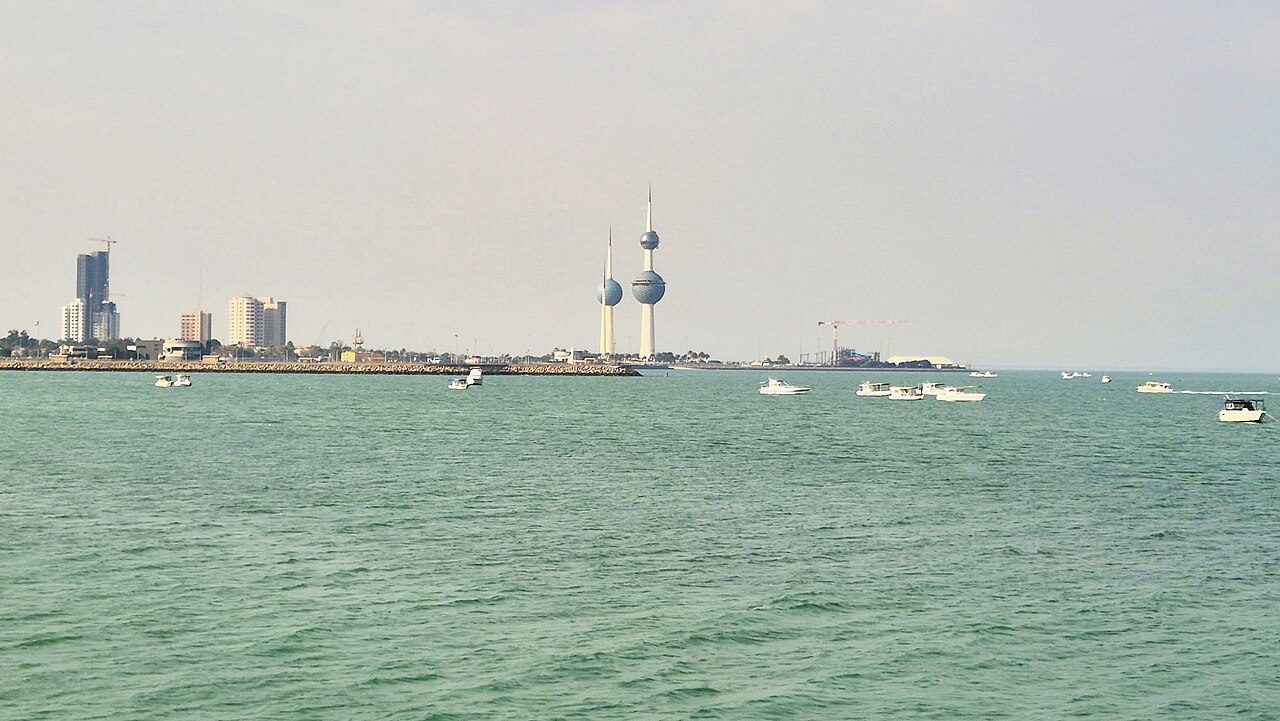
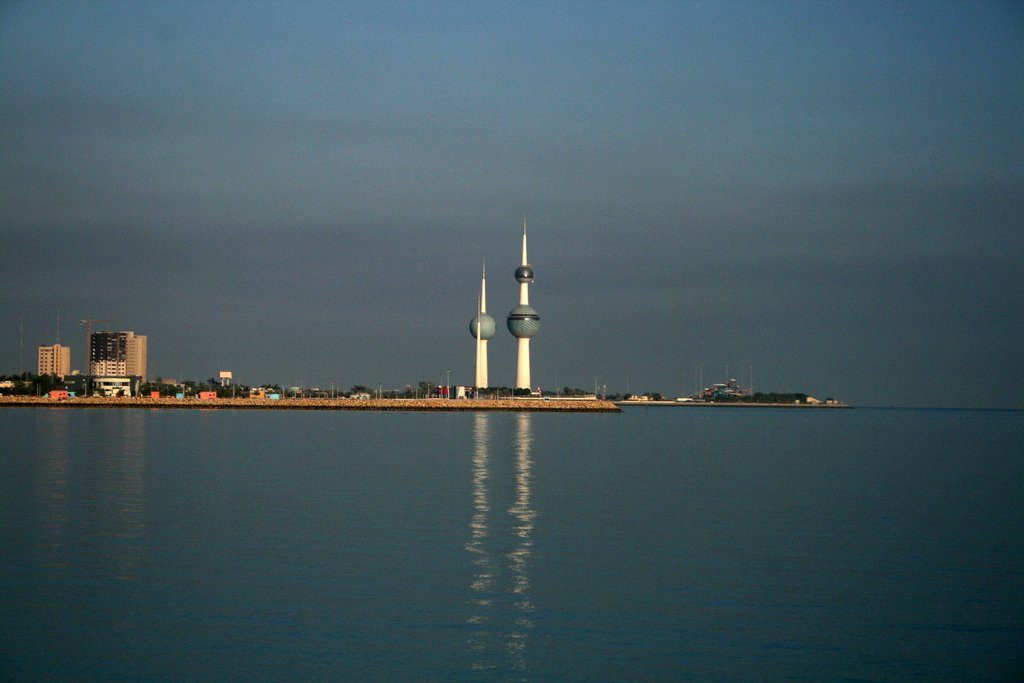
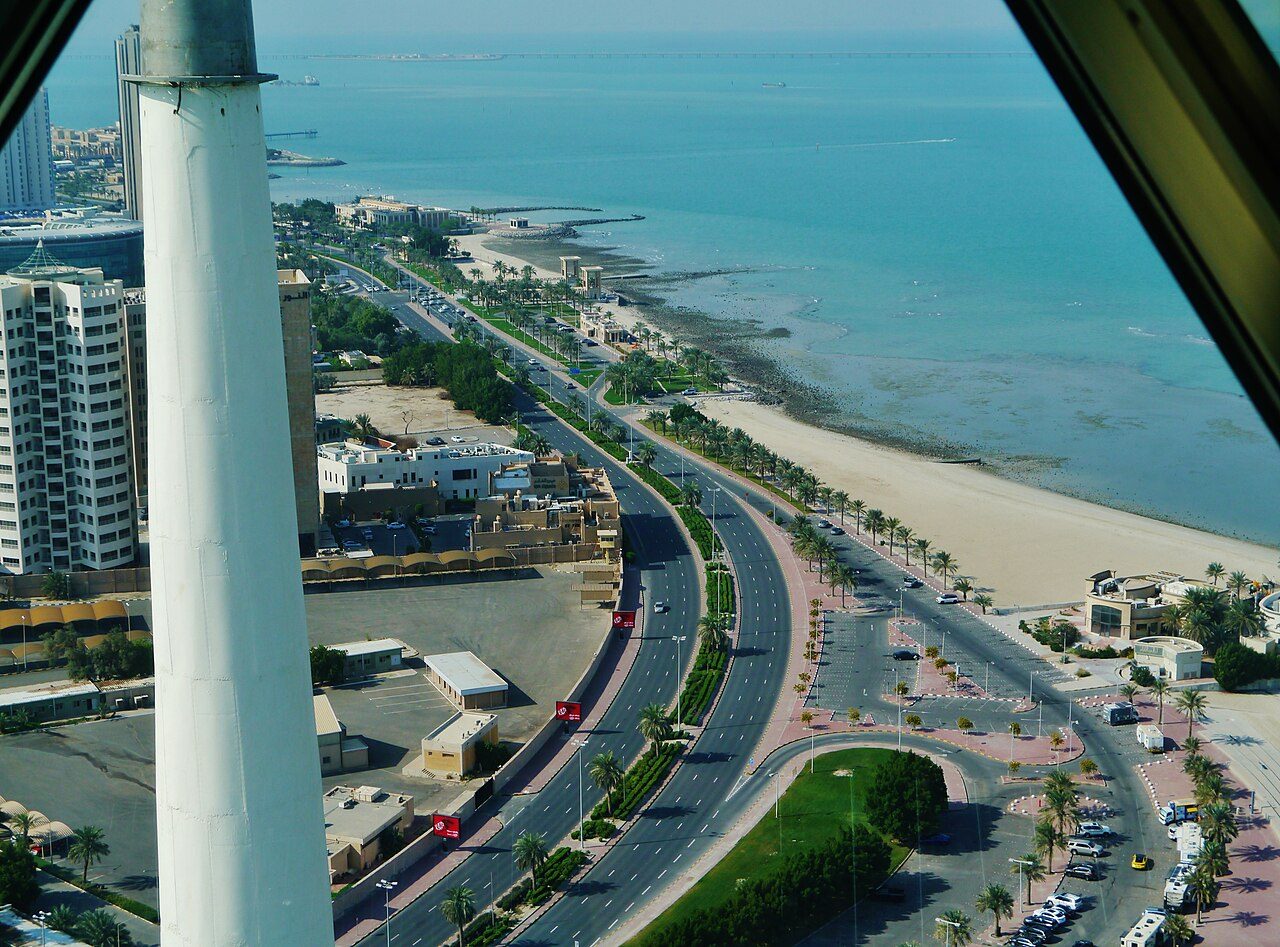
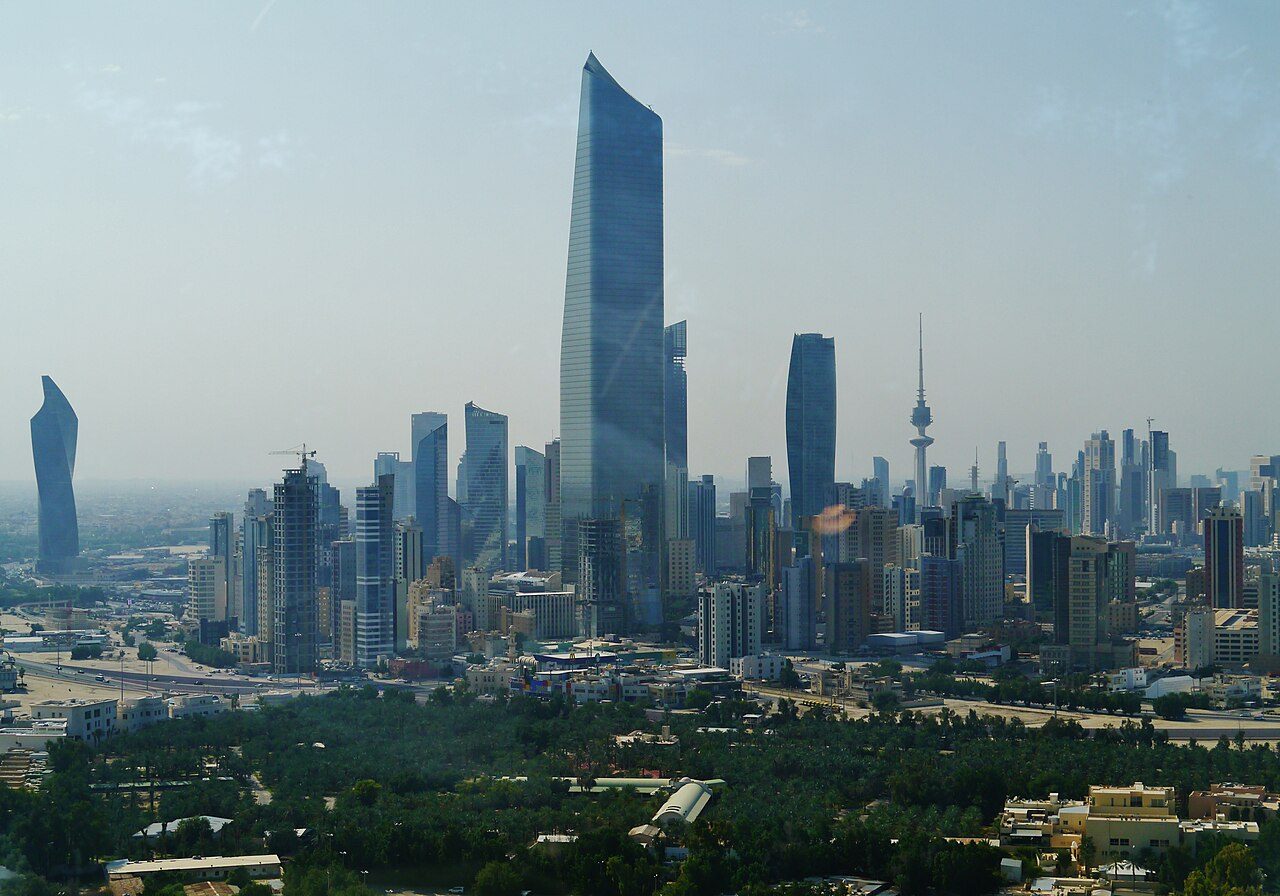
The Kuwait Towers are three slender towers on a point of land in Kuwait City, opened in 1979. The tallest is 187 metres high. Its two spheres hold a restaurant and a revolving viewing deck, while the other spheres store water. The spheres are covered with thousands of blue-green steel discs. The towers are the best known symbol of Kuwait.
04
STOP 4 OF 10
Al Shaheed Park
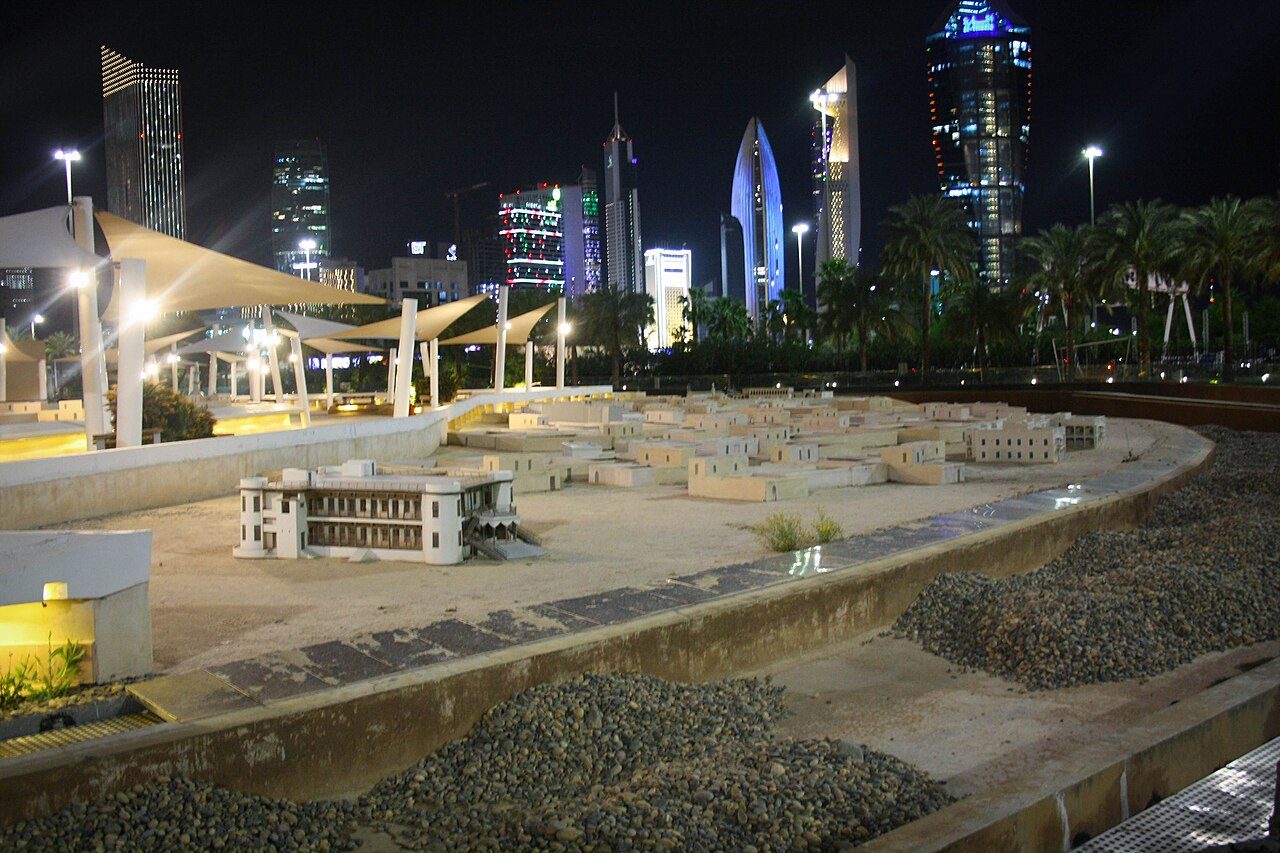
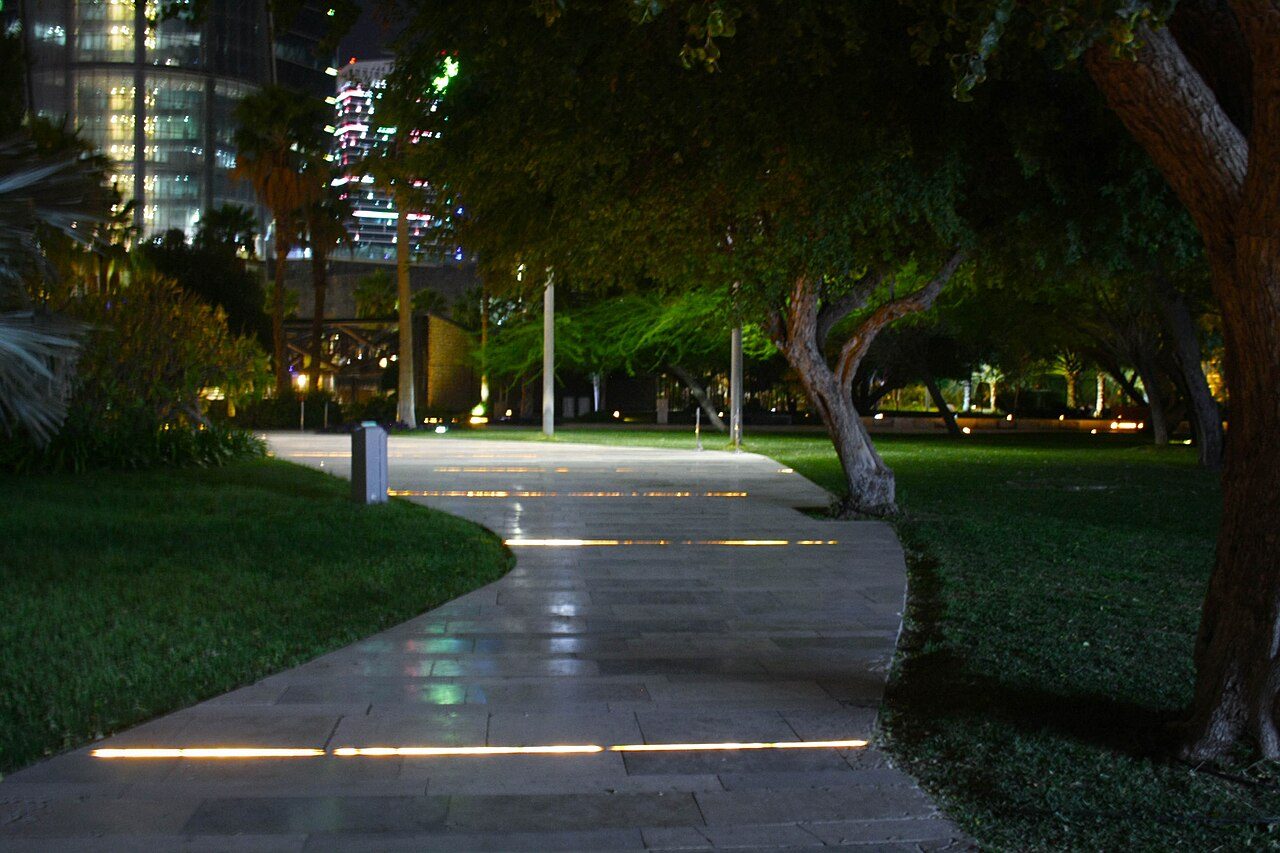
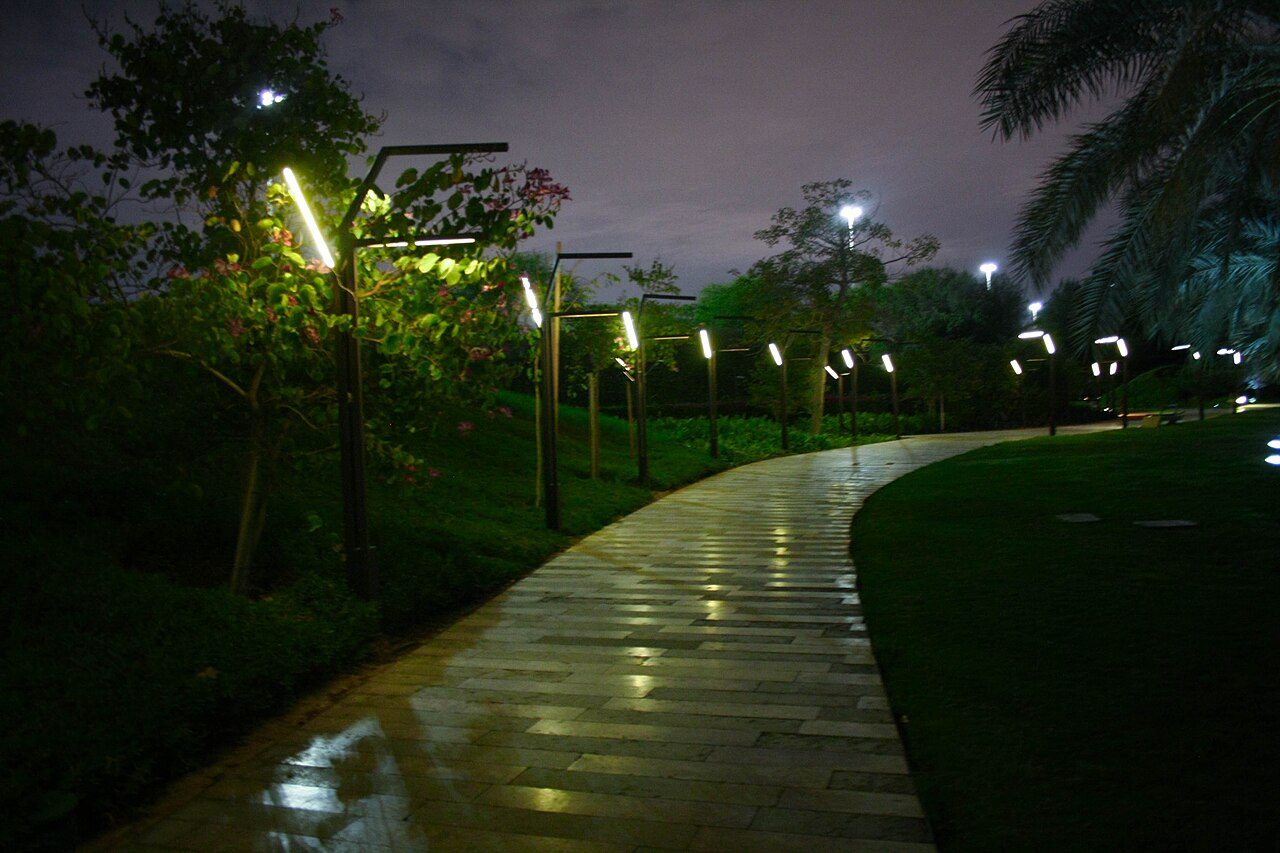
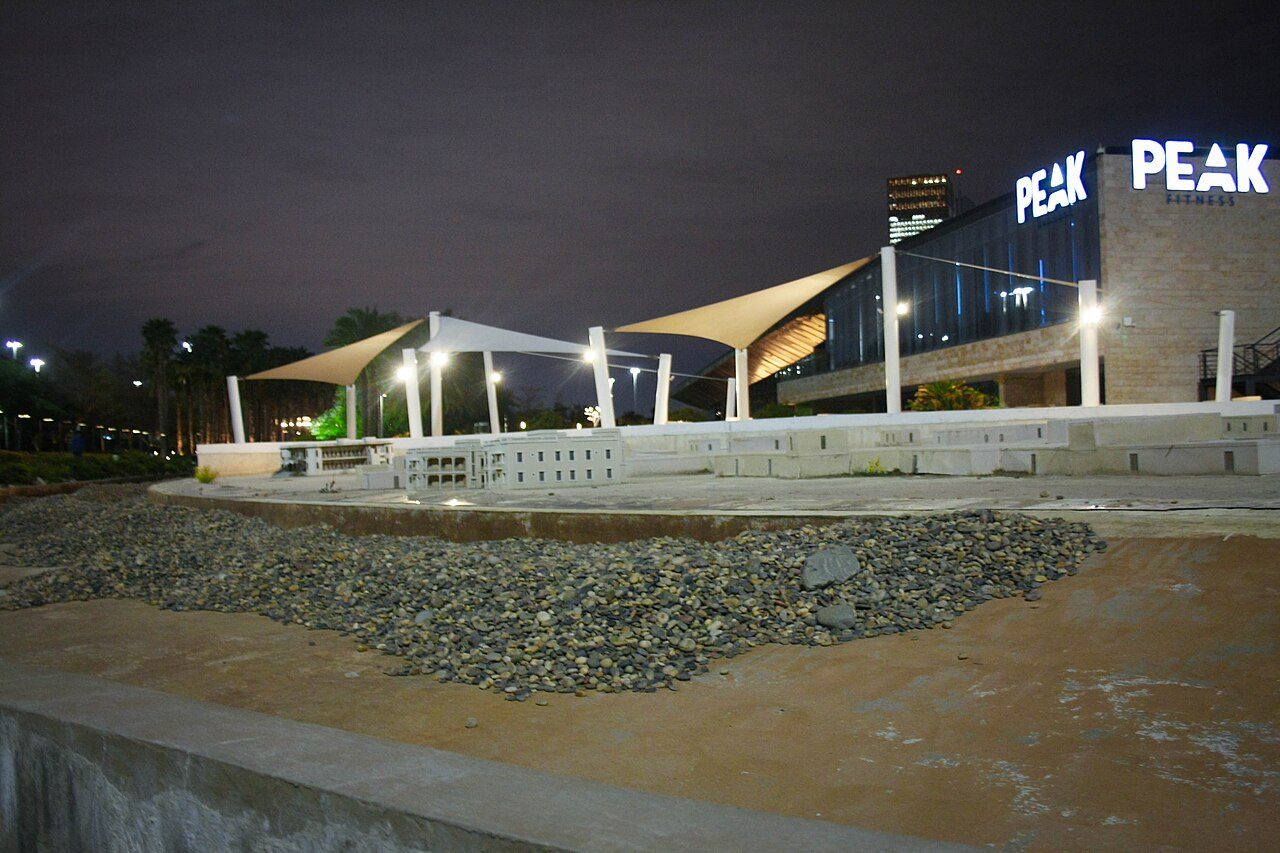
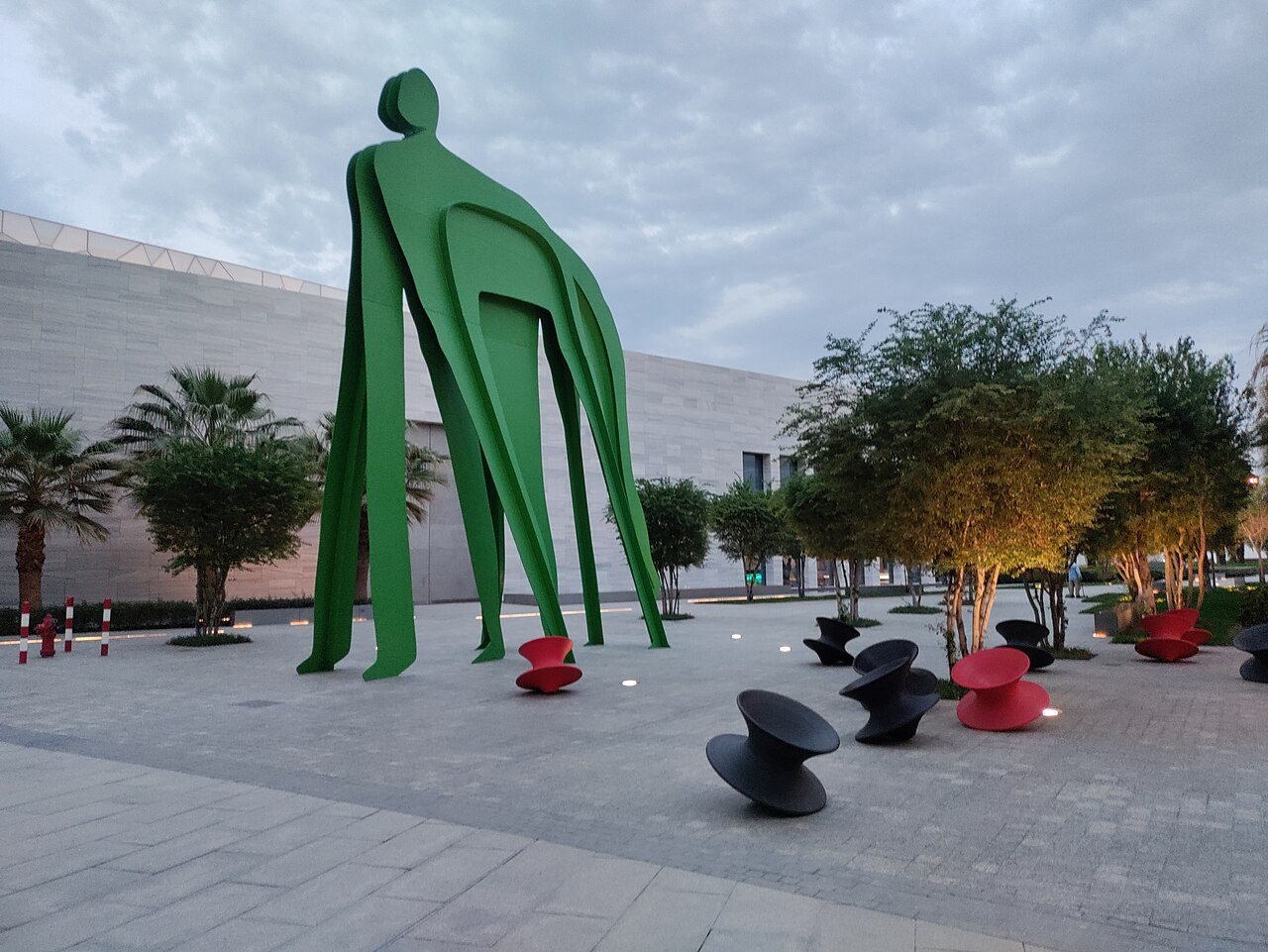
Al Shaheed Park is the largest urban park in Kuwait, laid out along the old green belt of Kuwait City. It opened in 2015 and was later extended. The park has gardens, a lake, walking and running paths and outdoor sculpture. Two small museums cover the country's history and its natural habitats. A memorial honours those who died for Kuwait.
05
STOP 5 OF 10
Al Hamra Tower
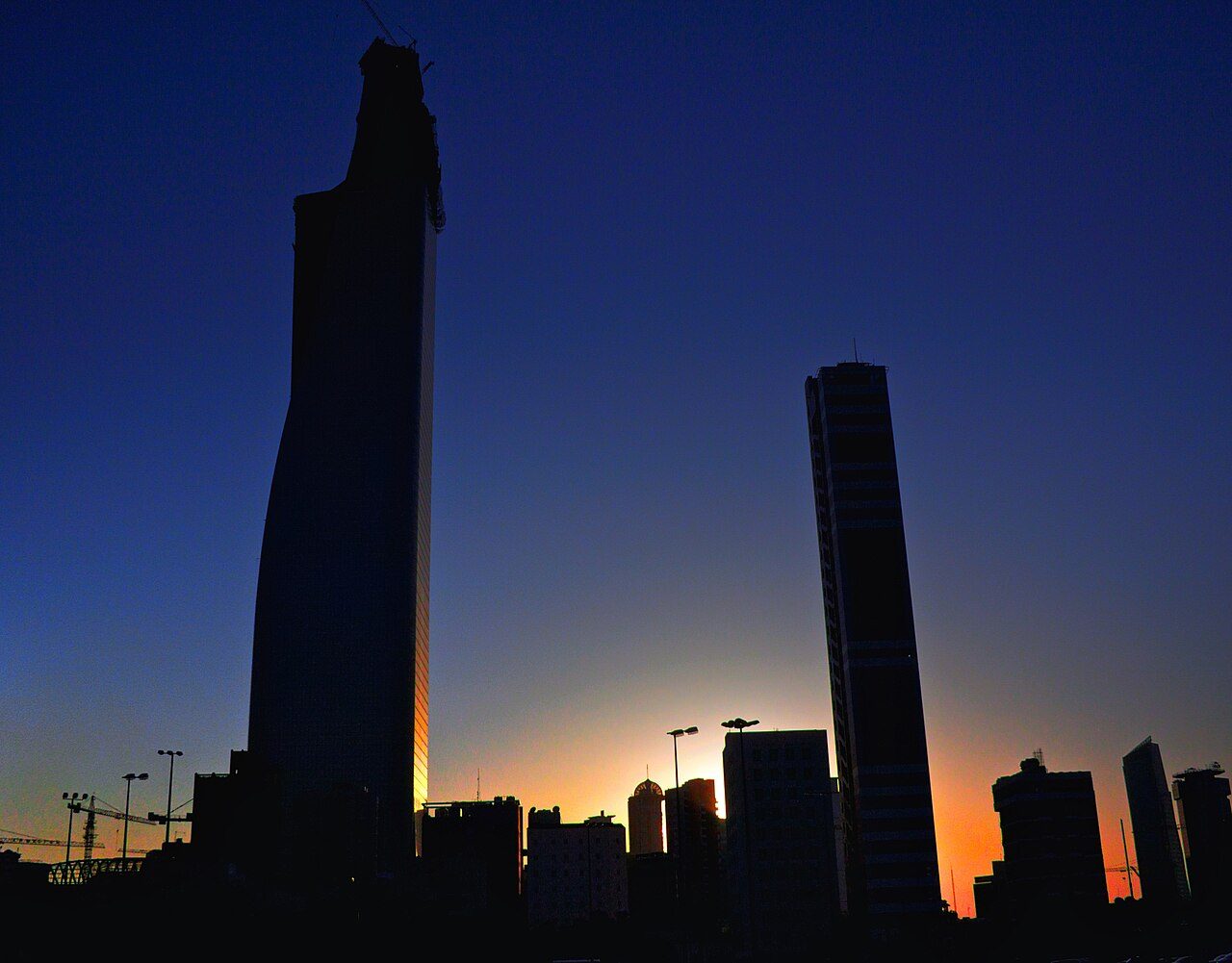
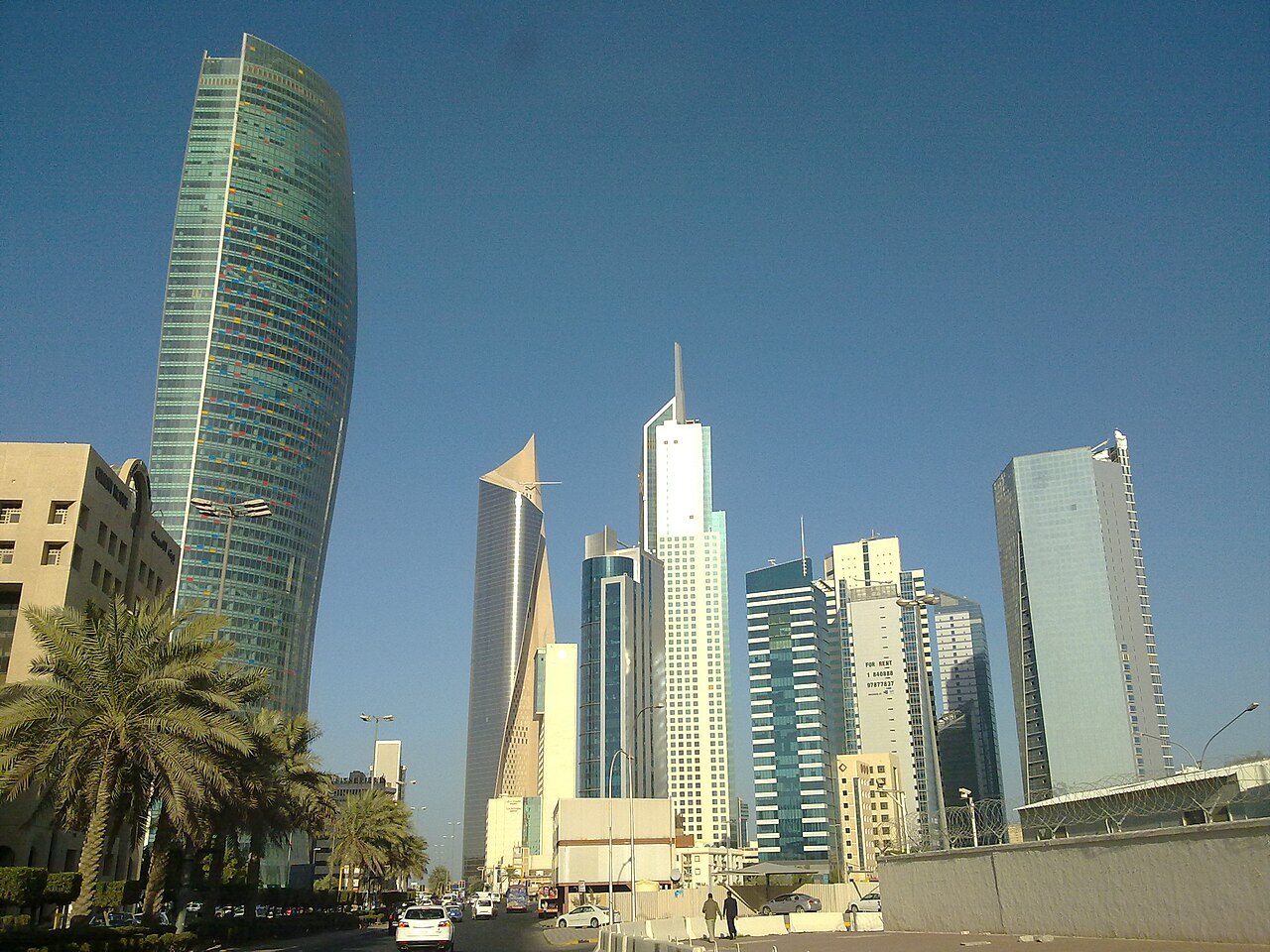
Al Hamra Tower is the tallest building in Kuwait, at about 413 metres. Completed in 2011, it was designed by Skidmore, Owings and Merrill. The tower seems to twist as it rises, like a cloak wrapped around a body. Its south wall is solid stone to block the desert sun. It holds offices, with a shopping mall at its base.
06
STOP 6 OF 10
Tareq Rajab Museum
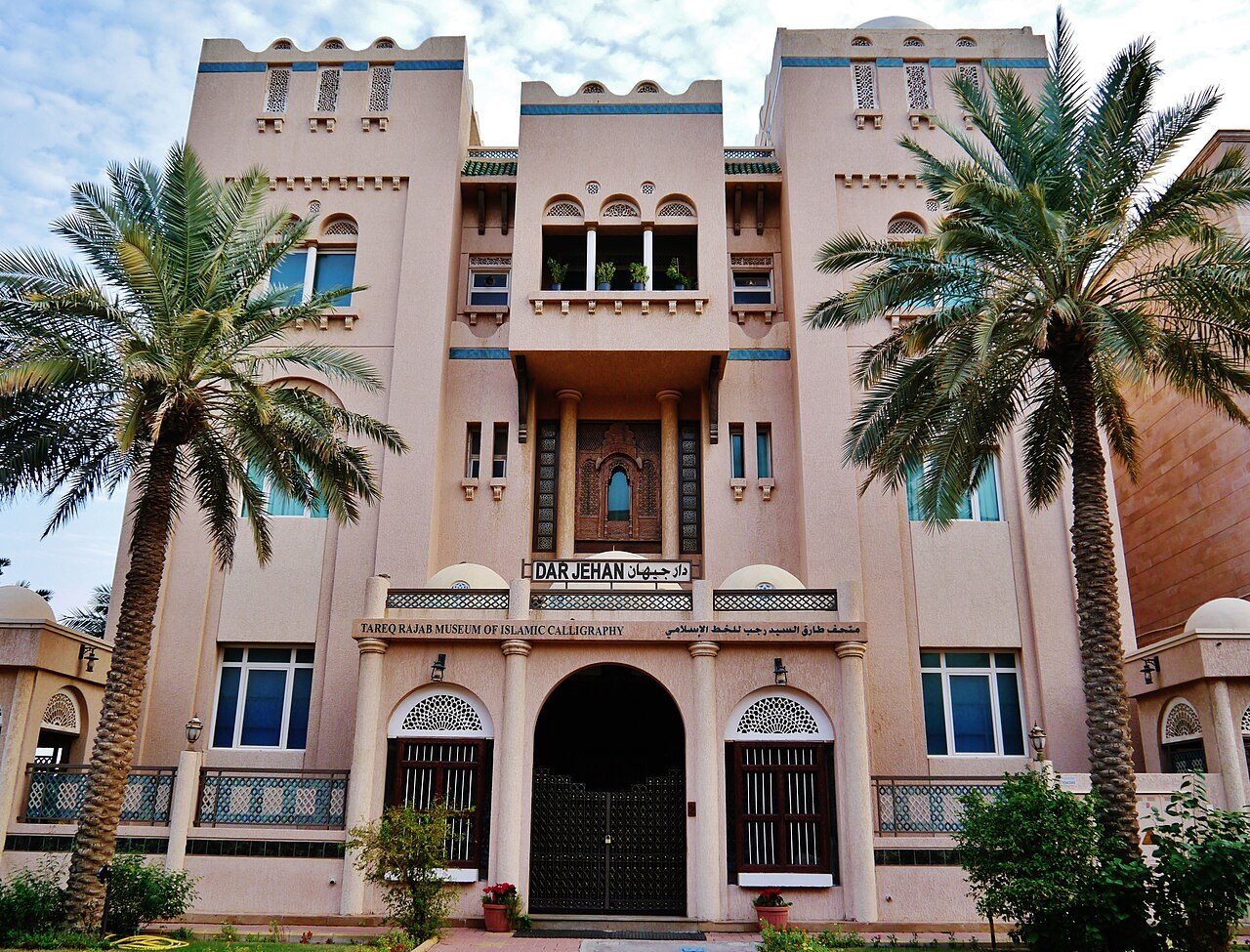
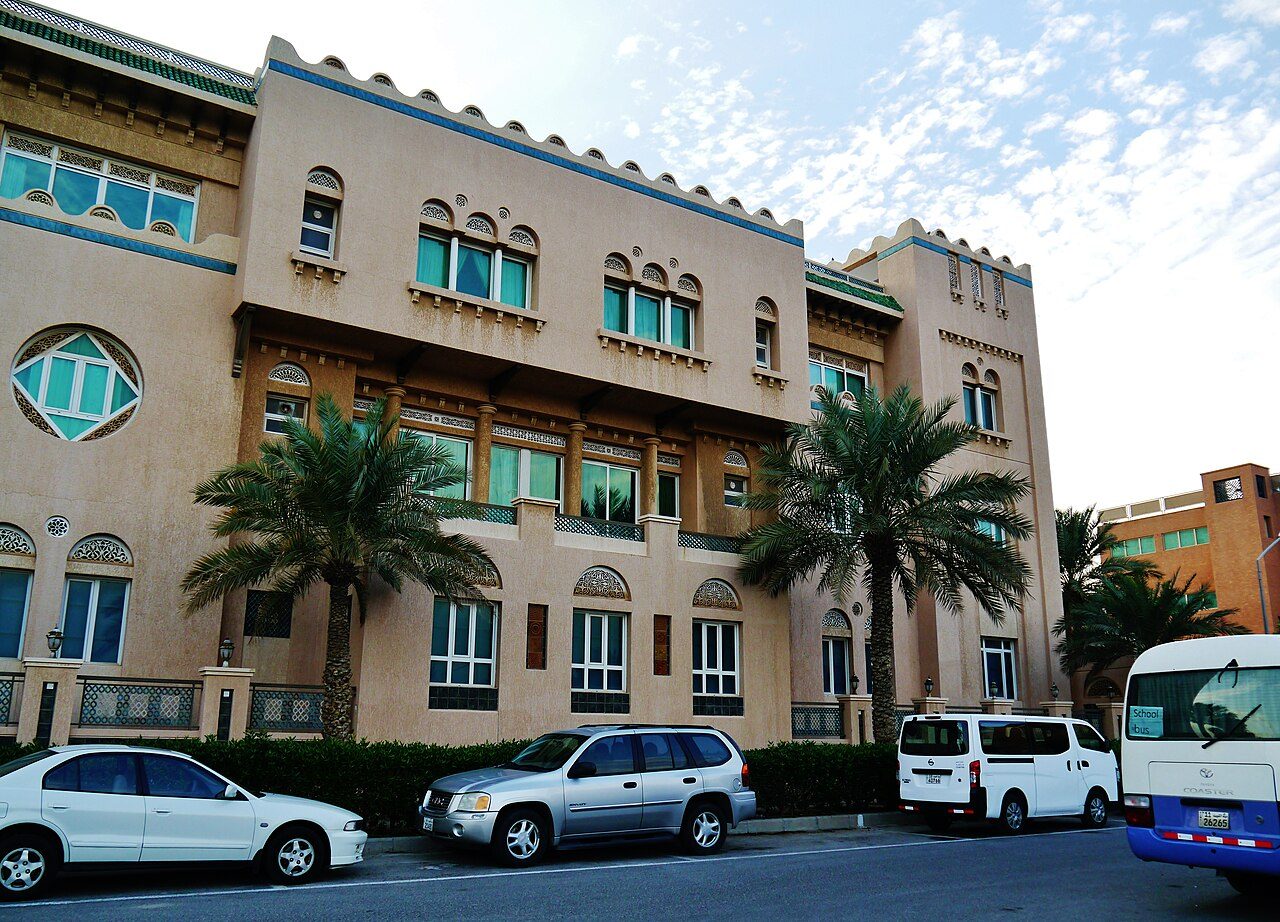
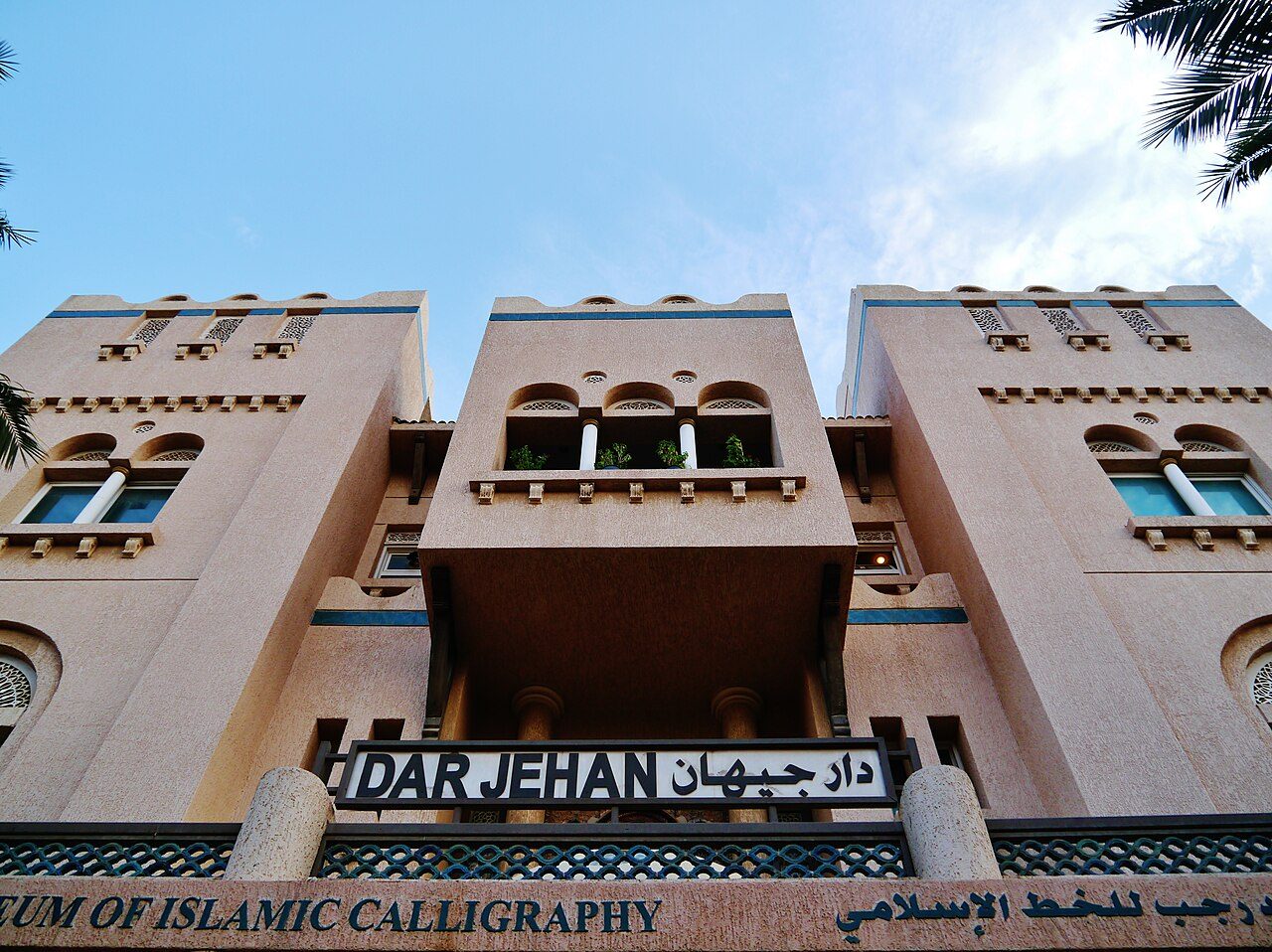
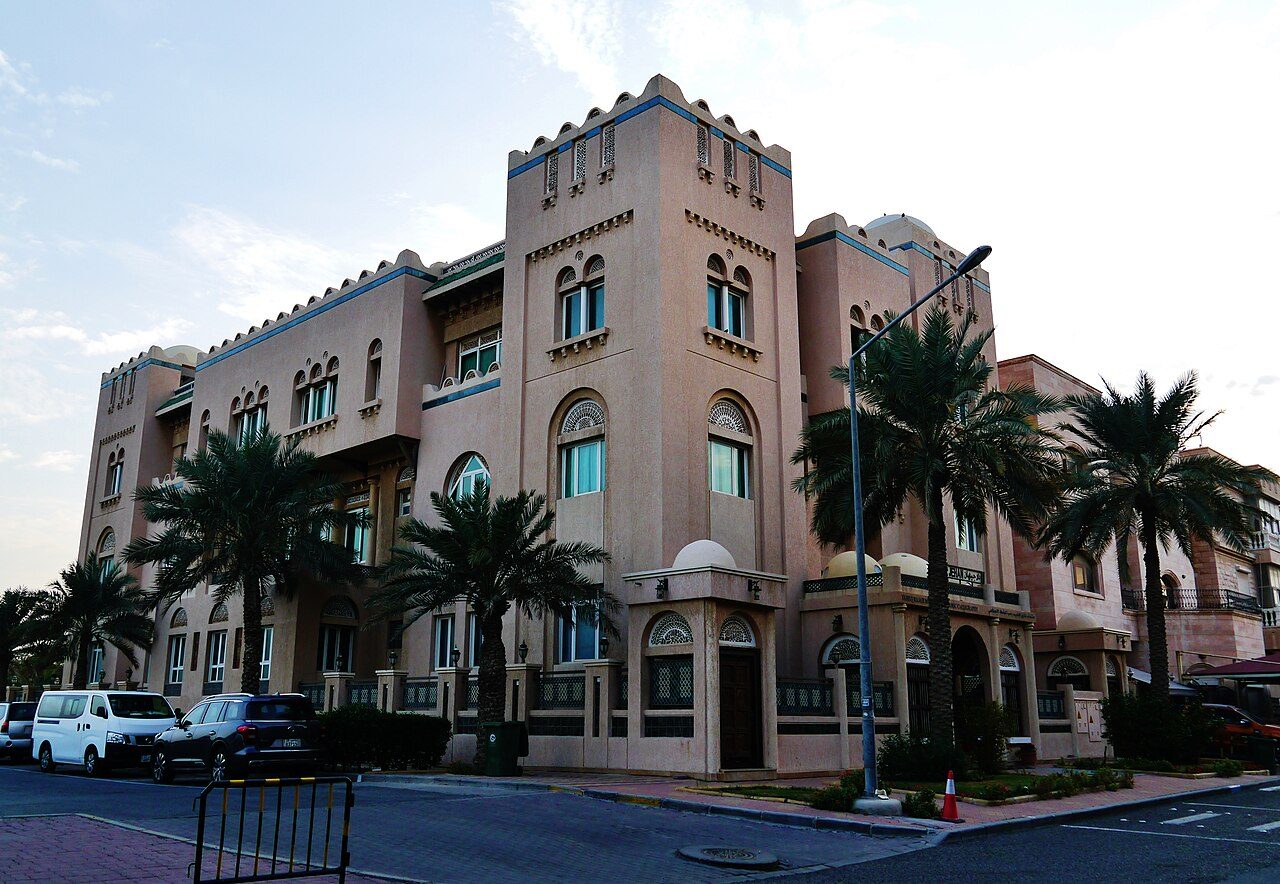
The Tareq Rajab Museum is a private museum in a house in Jabriya. It was opened in 1980 by Tareq Rajab and his wife Jehan. During the 1990 invasion the collection was hidden and saved. It includes Arabic manuscripts and calligraphy, ceramics, metalwork, glass, costumes and musical instruments, and a great amount of silver and gold jewellery.
07
STOP 7 OF 10
The Scientific Center
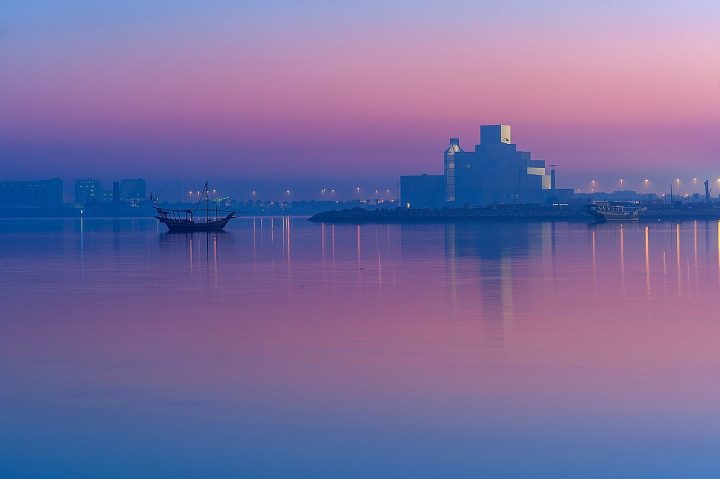
The Scientific Center stands on the seafront of Salmiya. Opened in 2000, it holds one of the largest aquariums in the Middle East. Its tanks and habitats show the animals of the desert, the coast and the sea of Arabia, including sharks and rays. The building's sail-like shapes recall old dhows. A dhow harbour with old wooden boats lies beside it.
08
STOP 8 OF 10
Al Qurain Martyrs Museum
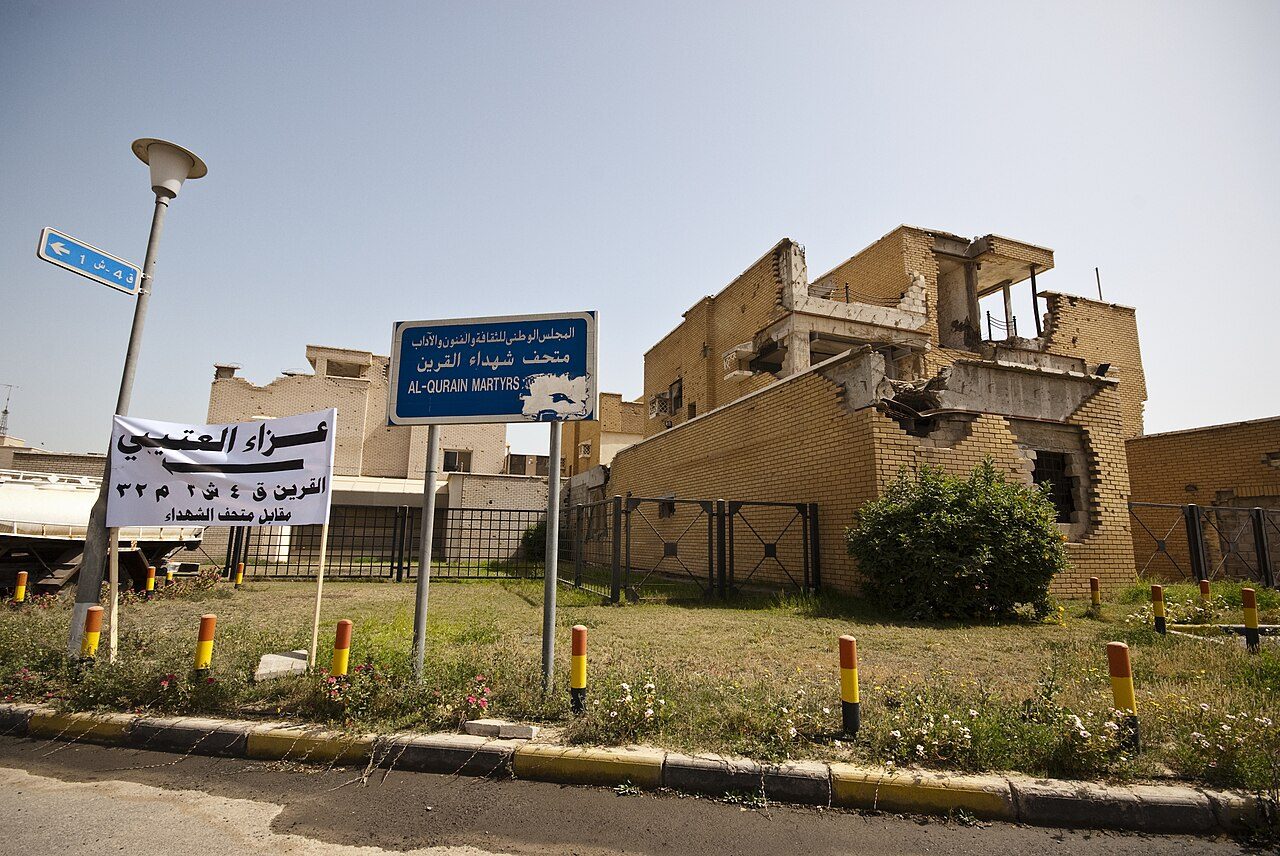
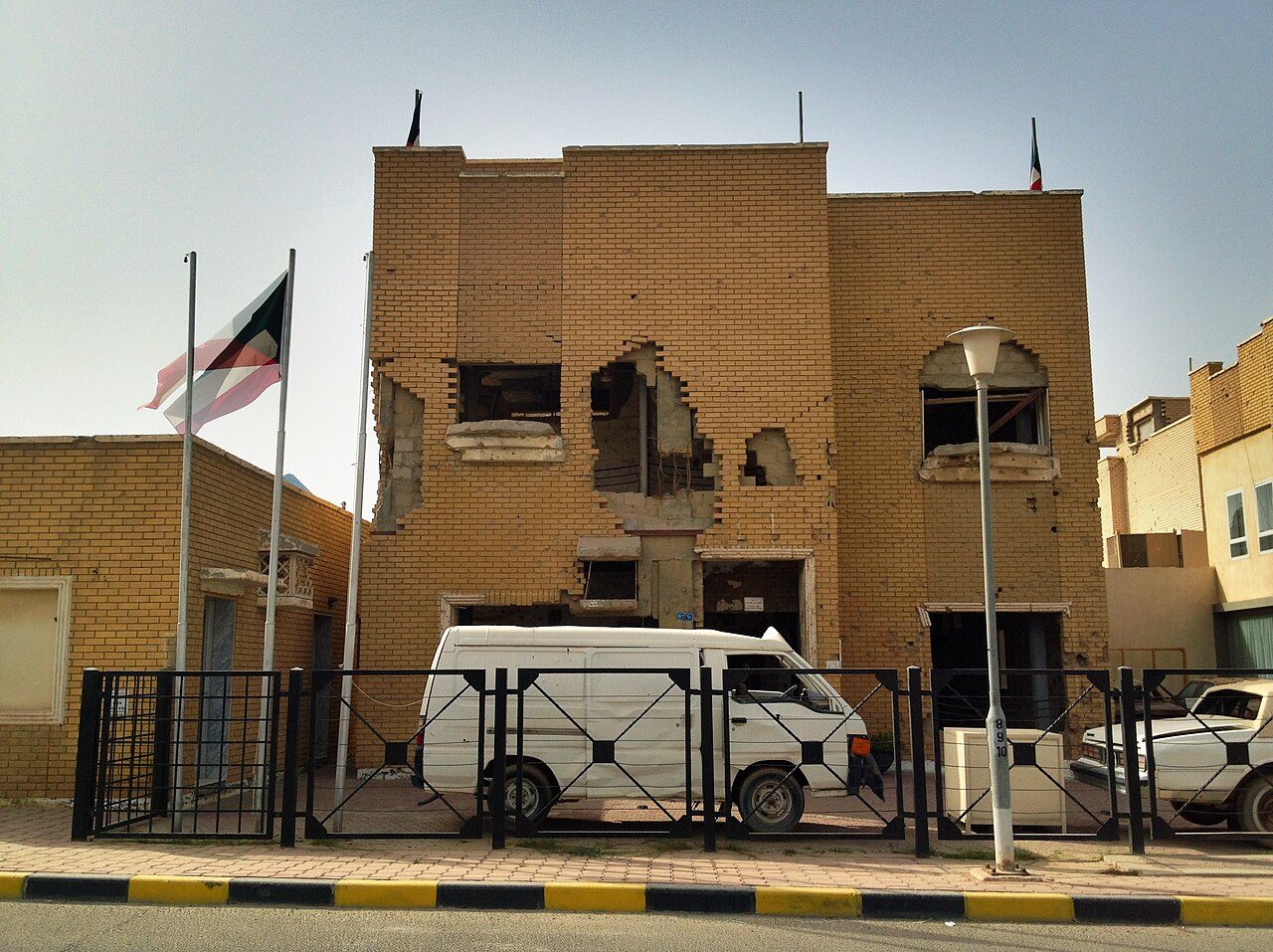
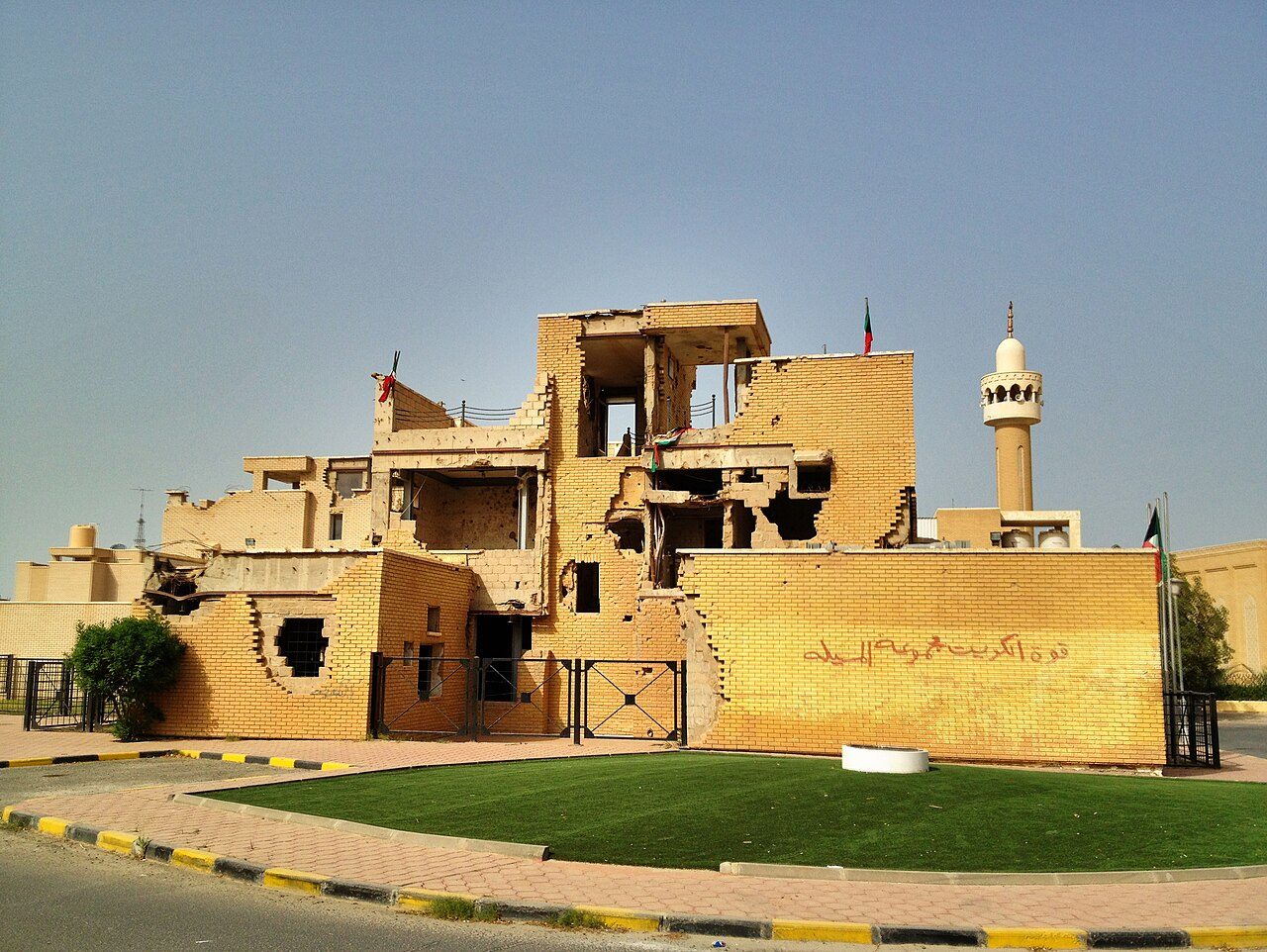
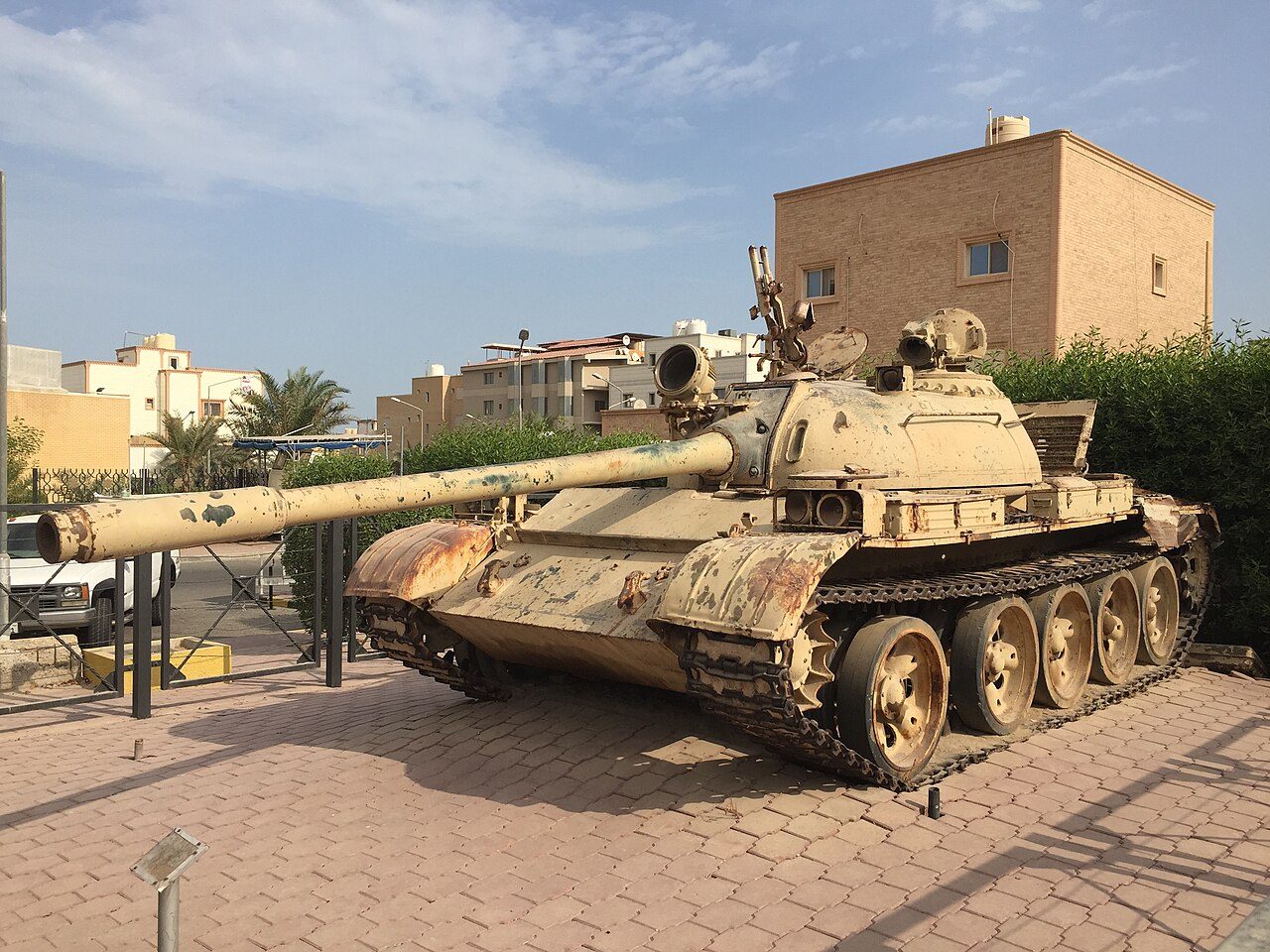
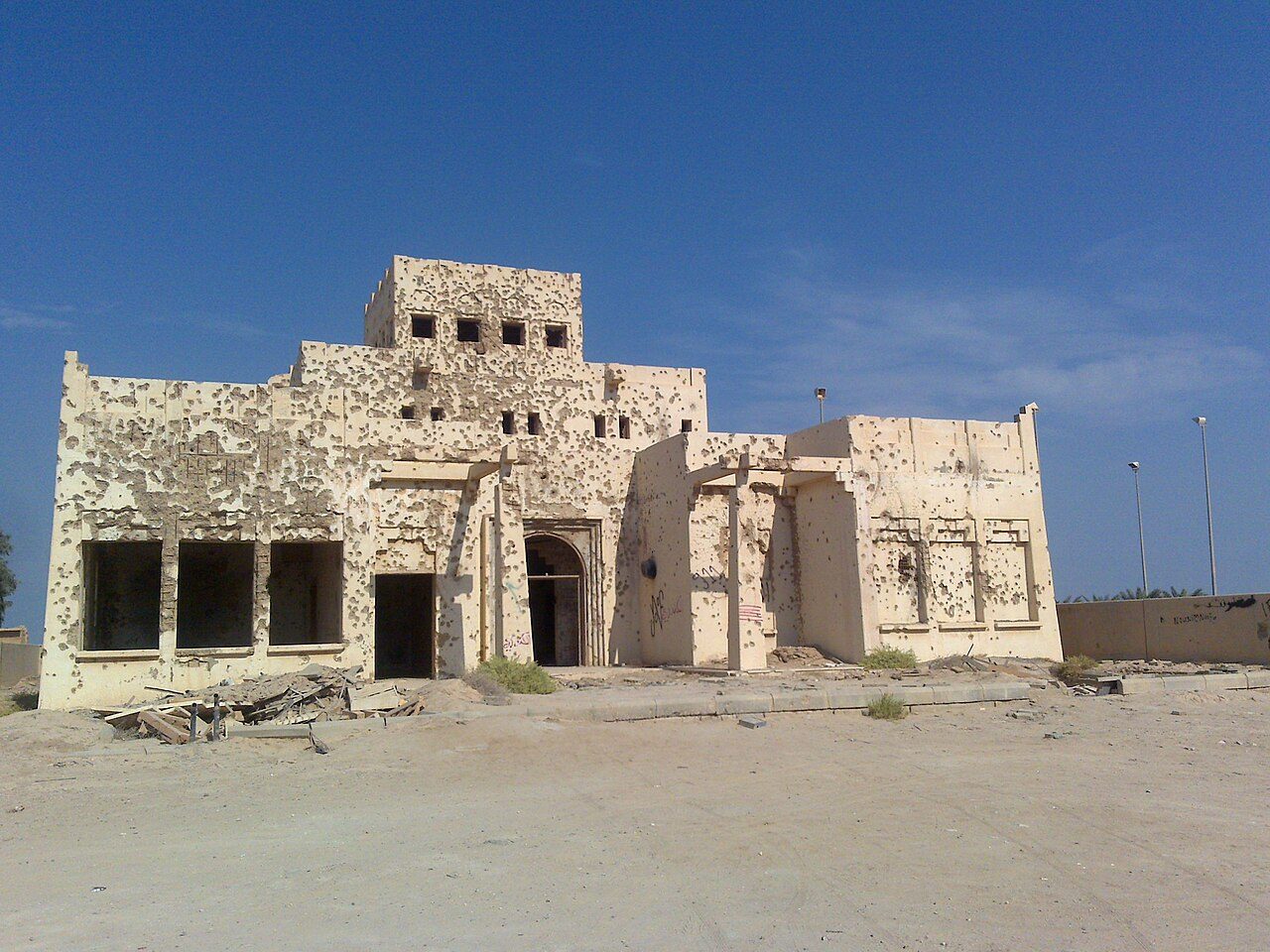
Al Qurain Martyrs Museum is a house in the suburb of Al Qurain where a group of Kuwaiti resistance fighters held out against Iraqi troops for ten hours on 24 February 1991, days before the liberation. Twelve of them were killed. The house has been kept as it was after the battle, with bullet and shell holes in its walls.
09
STOP 9 OF 10
Failaka Island
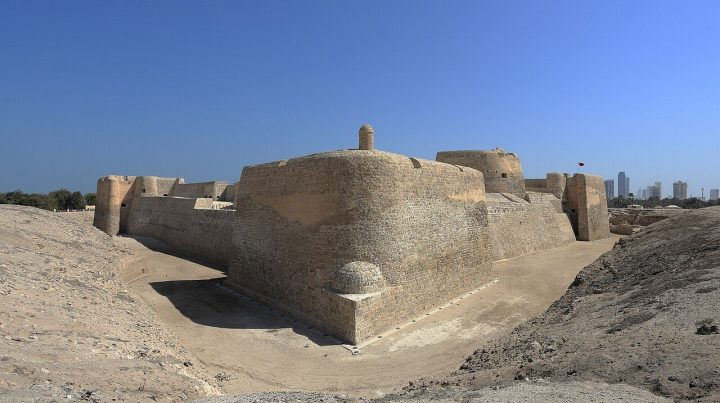
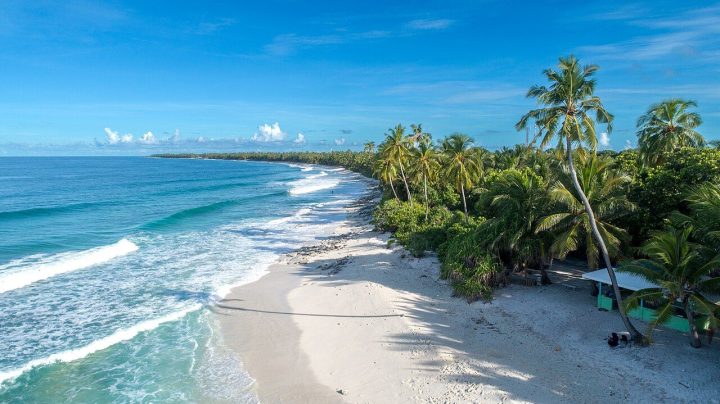
Failaka Island lies about 20 kilometres off Kuwait City at the mouth of Kuwait Bay. People have lived on it since the Bronze Age, when it was part of the Dilmun civilisation. The ancient Greeks, who called it Ikaros, built a fort and temple here. The islanders were moved out during the 1990 Iraqi invasion, and ruined houses remain. Ferries bring day visitors.
10
STOP 10 OF 10 · LAST STOP
Red Fort Al Jahra
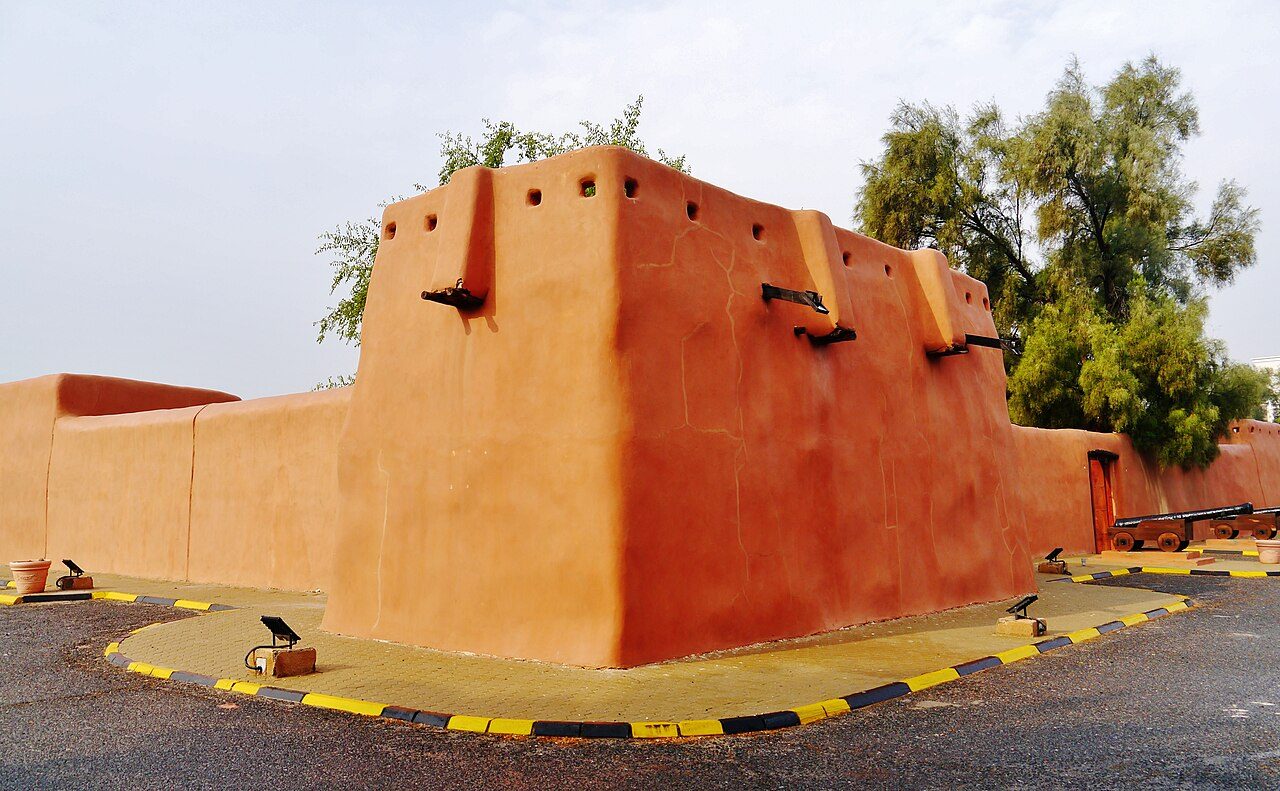
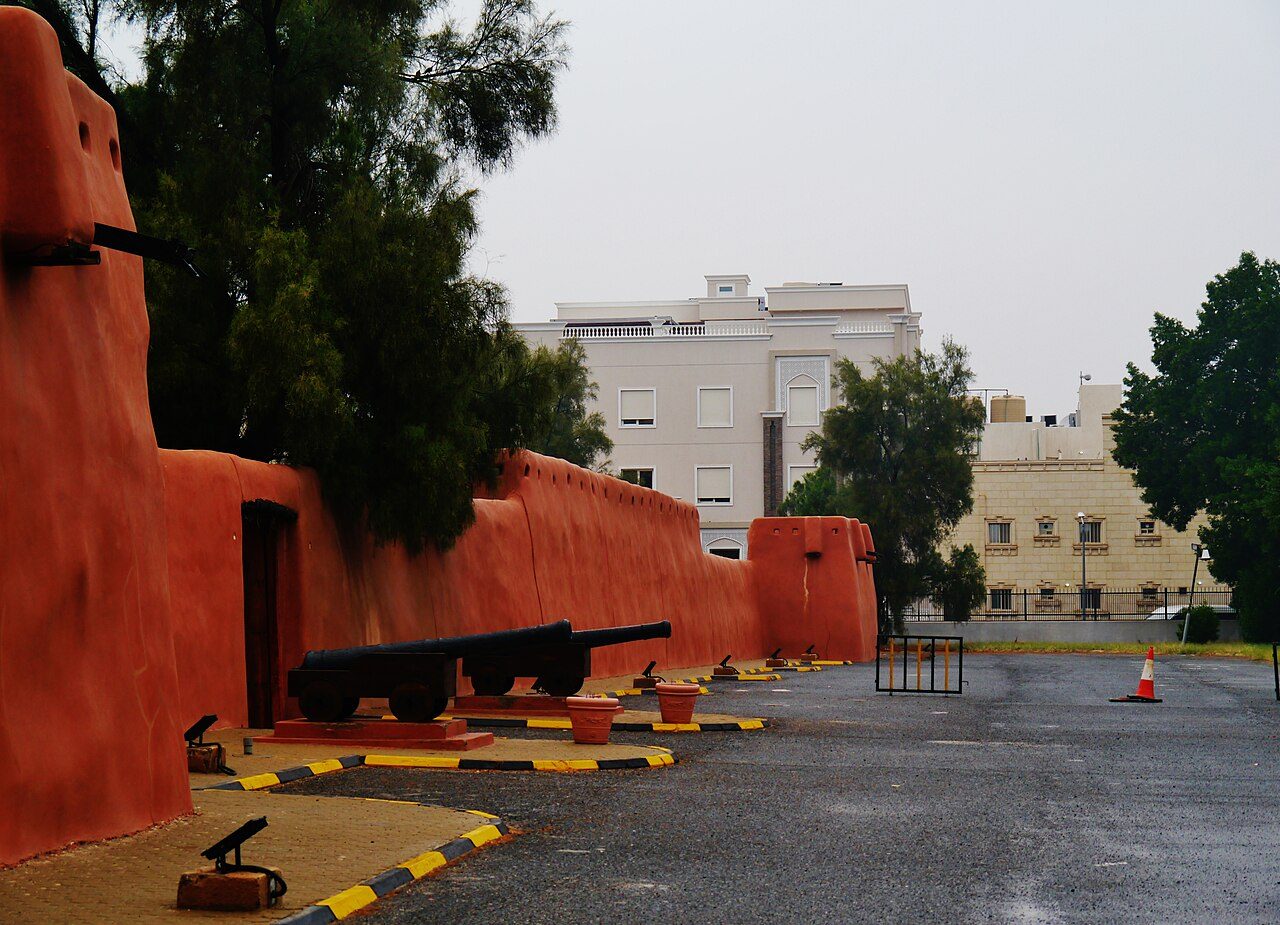
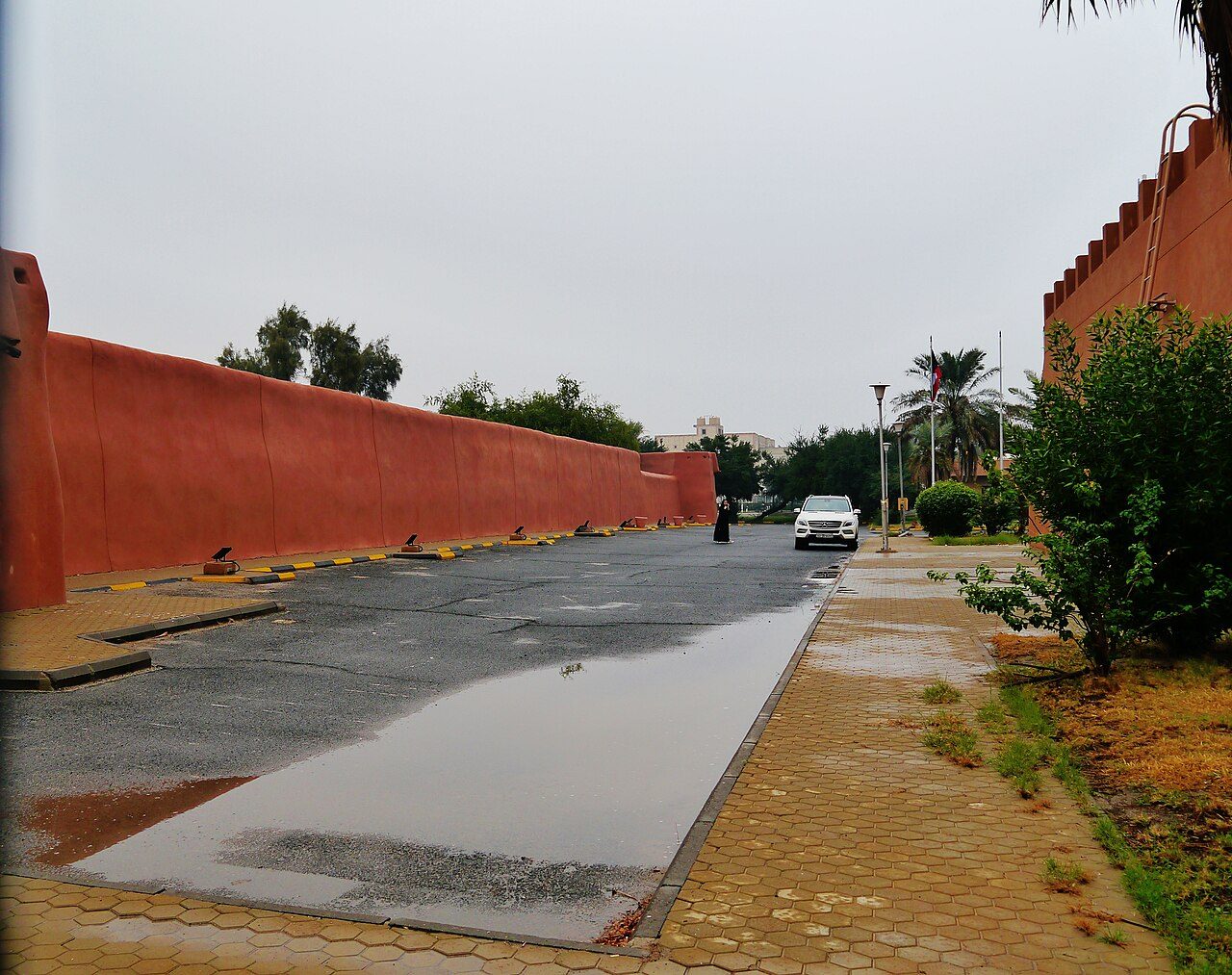
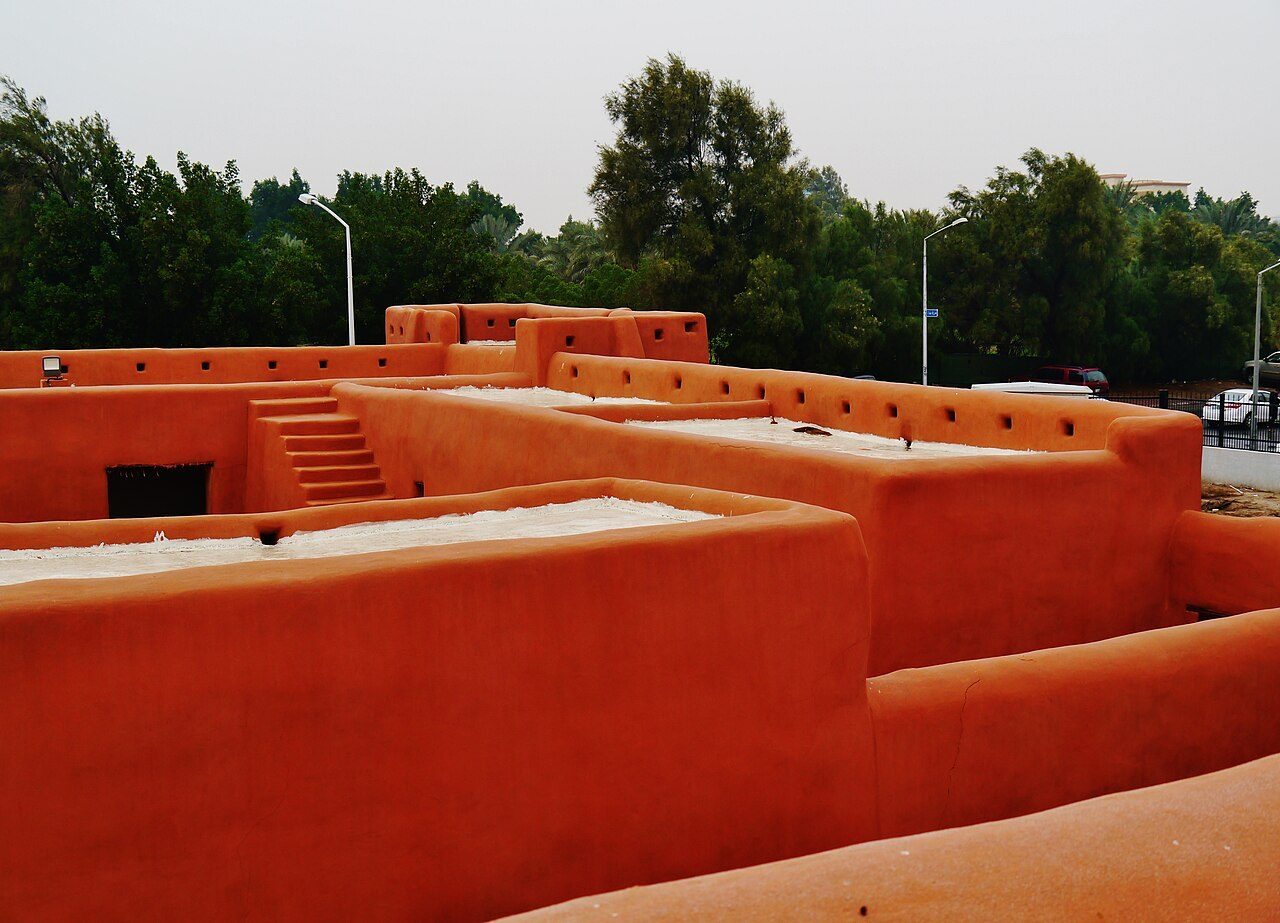
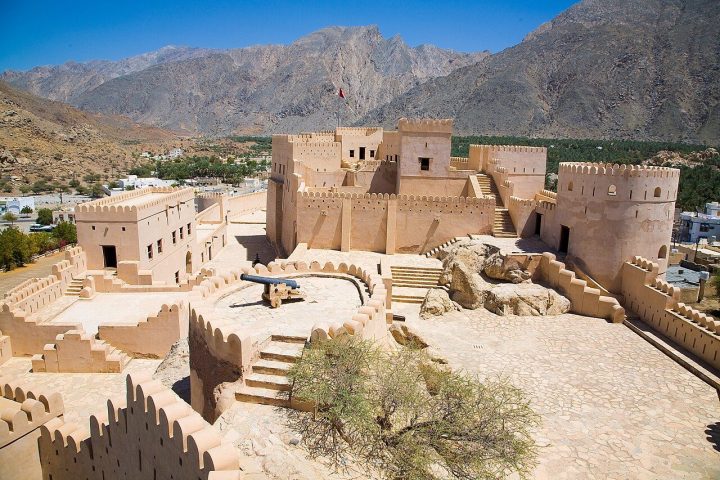
The Red Fort, or Red Palace, stands in Al Jahra, west of Kuwait City. It was built in 1896 and takes its name from the colour of its mud walls. In 1920 it was the scene of the Battle of Jahra, when Kuwaiti defenders under Sheikh Salem Al Mubarak Al Sabah held the fort against attackers. The low fort has a large courtyard and four corner towers.
 WaTrips