Java in 9 Days: Jakarta, Yogyakarta, Borobudur, Prambanan, Bromo and Ijen
9 DAYS20 placesby WaTrips
Jakarta, Yogyakarta's Kraton, Borobudur at sunrise, Prambanan, Merapi, Solo, Tumpak Sewu, Bromo and Ijen's blue fire.
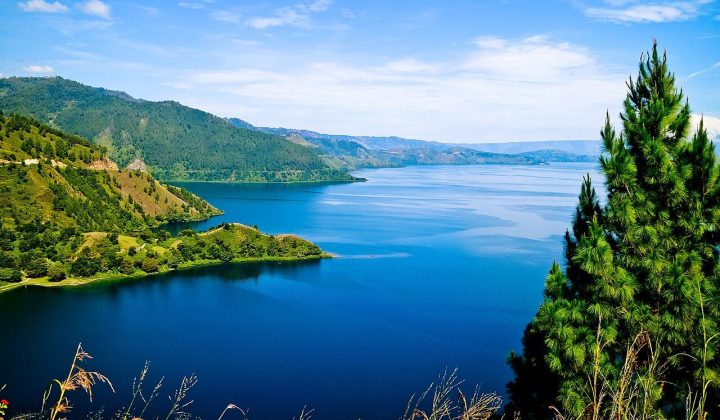
Java is the heart of Indonesia: crowded, volcanic and full of history. Start in Jakarta, then fly to Yogyakarta for the Sultan's palace and the Taman Sari water castle. Watch the sunrise at Borobudur, the world's largest Buddhist monument, see the Hindu towers of Prambanan and sunset at Ratu Boko, and take a jeep up Mount Merapi. Visit the court city of Solo and the odd temple of Sukuh, then head east to the curtain falls of Tumpak Sewu, sunrise over Bromo and the night climb to Ijen's blue flames. May to September is the dry season.
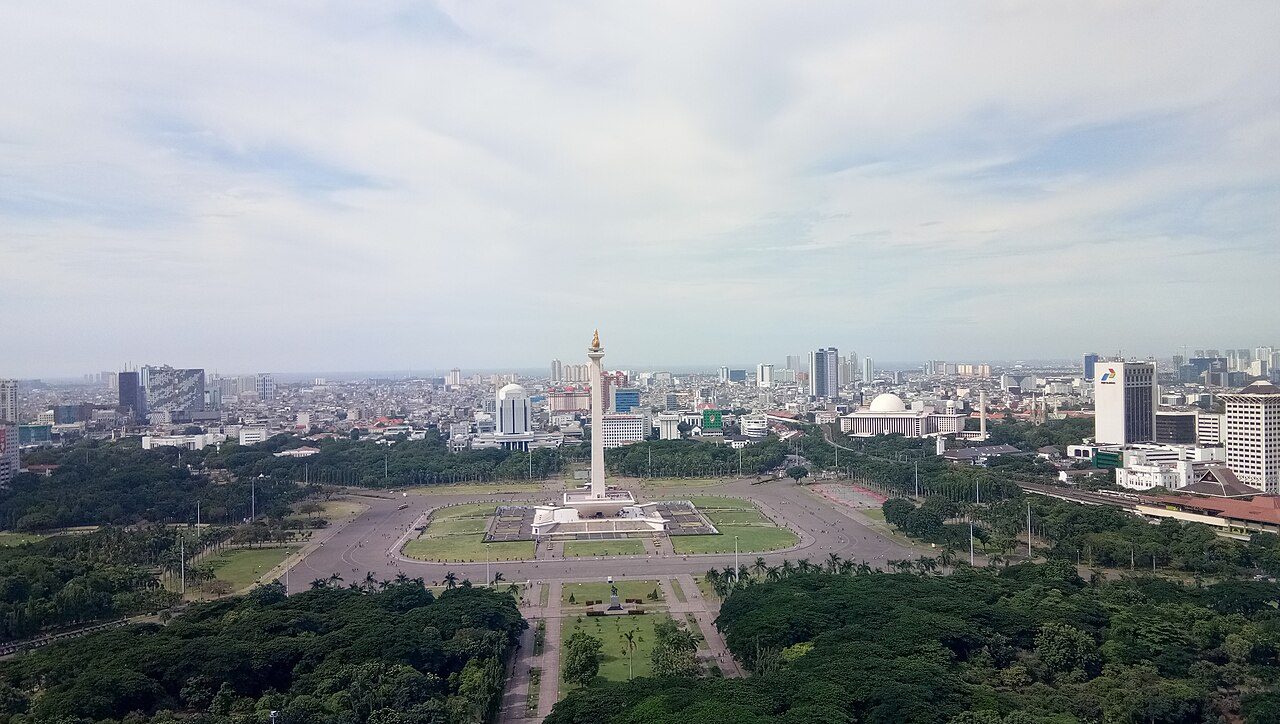
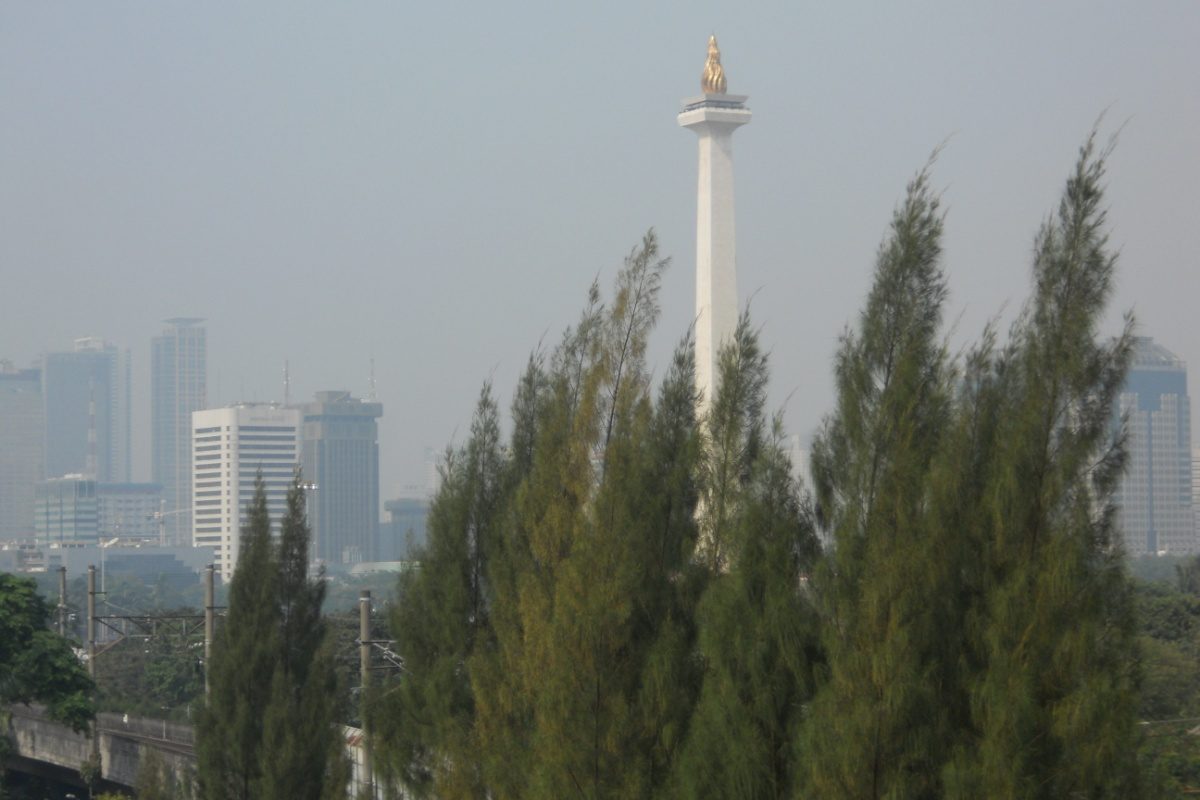
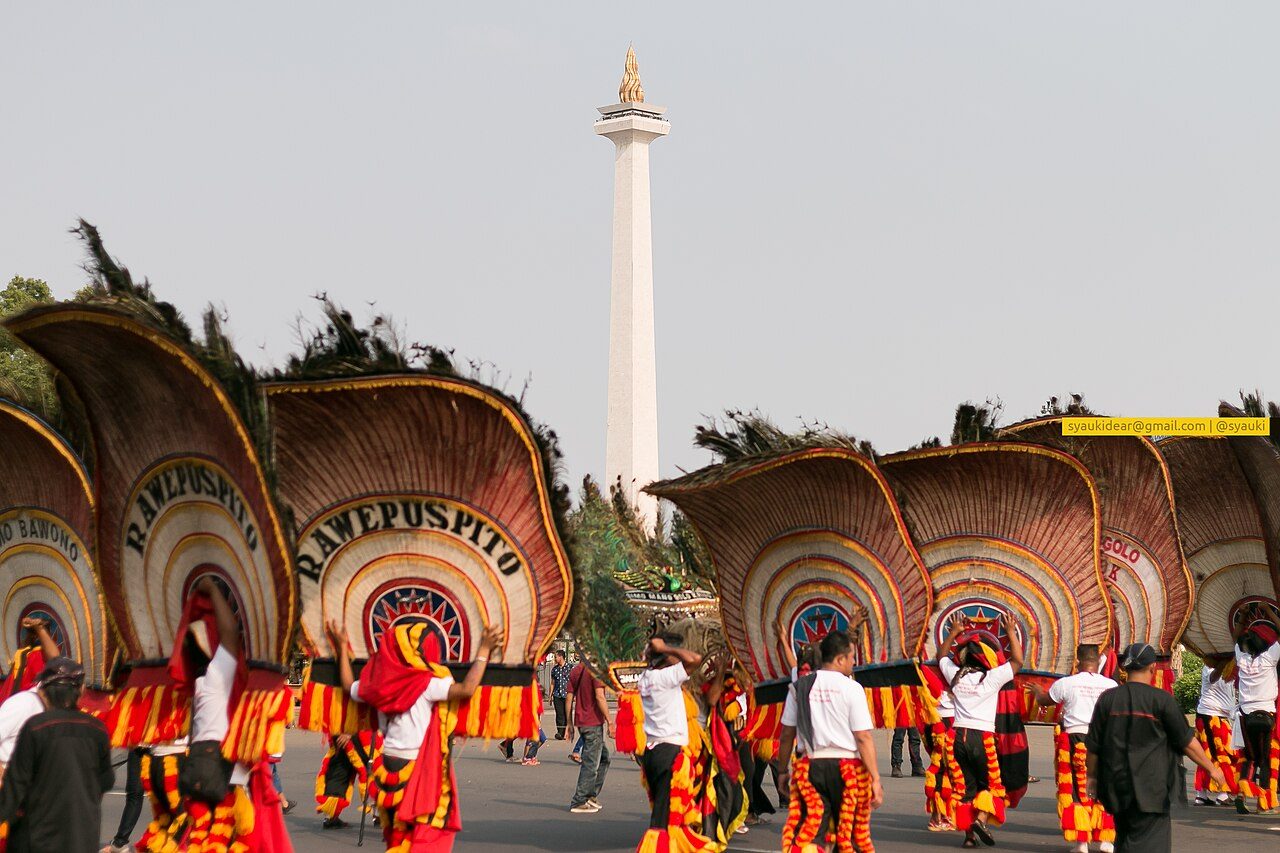
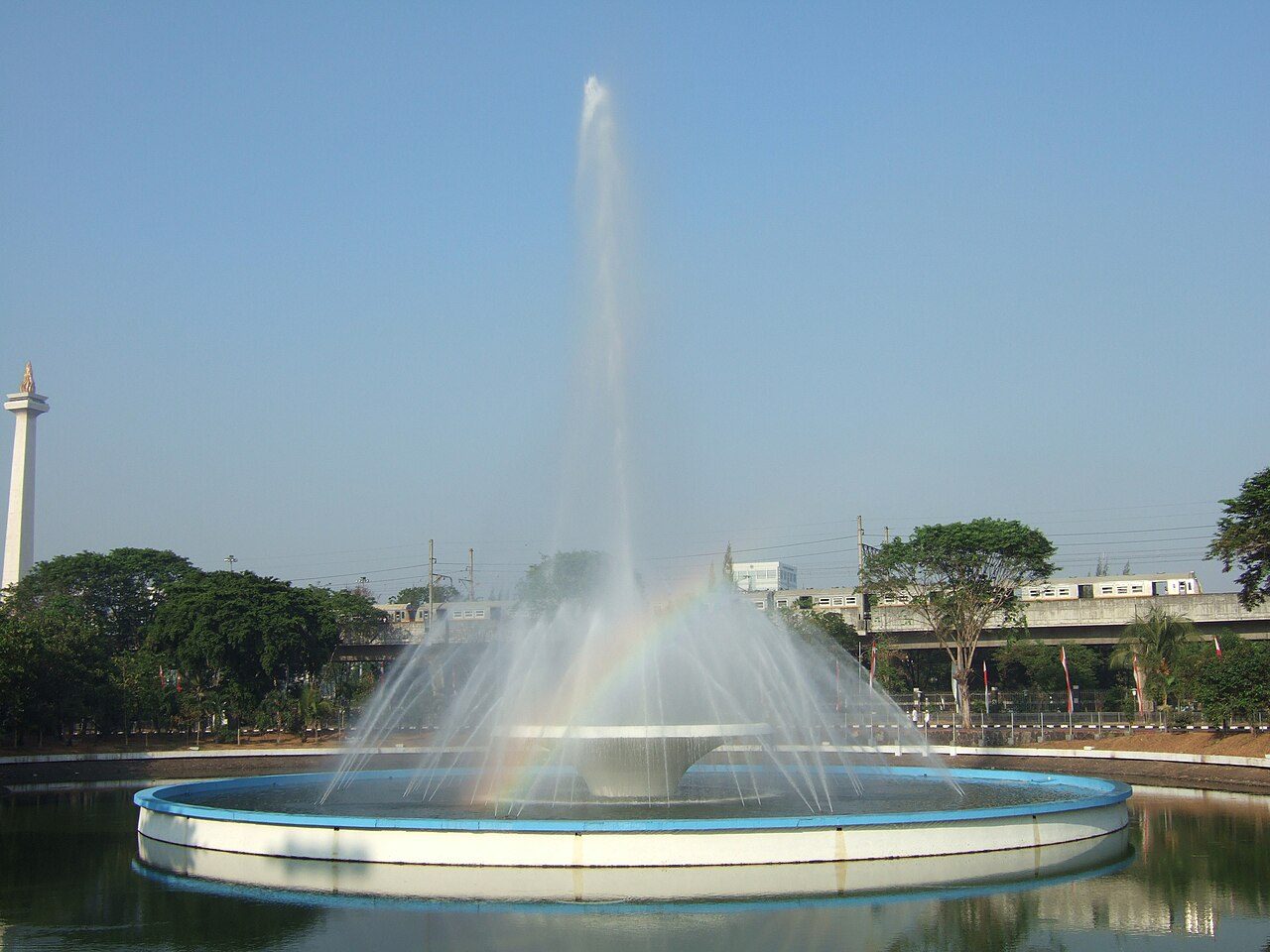
The National Monument, known as Monas, is a 132-metre tower in Merdeka Square in the centre of Jakarta. It was built from 1961 to 1975 to mark Indonesia's struggle for independence. The tower is topped with a flame covered in gold foil. A museum in its base tells the history of Indonesia in dioramas, and a lift takes visitors to a viewing deck near the top.
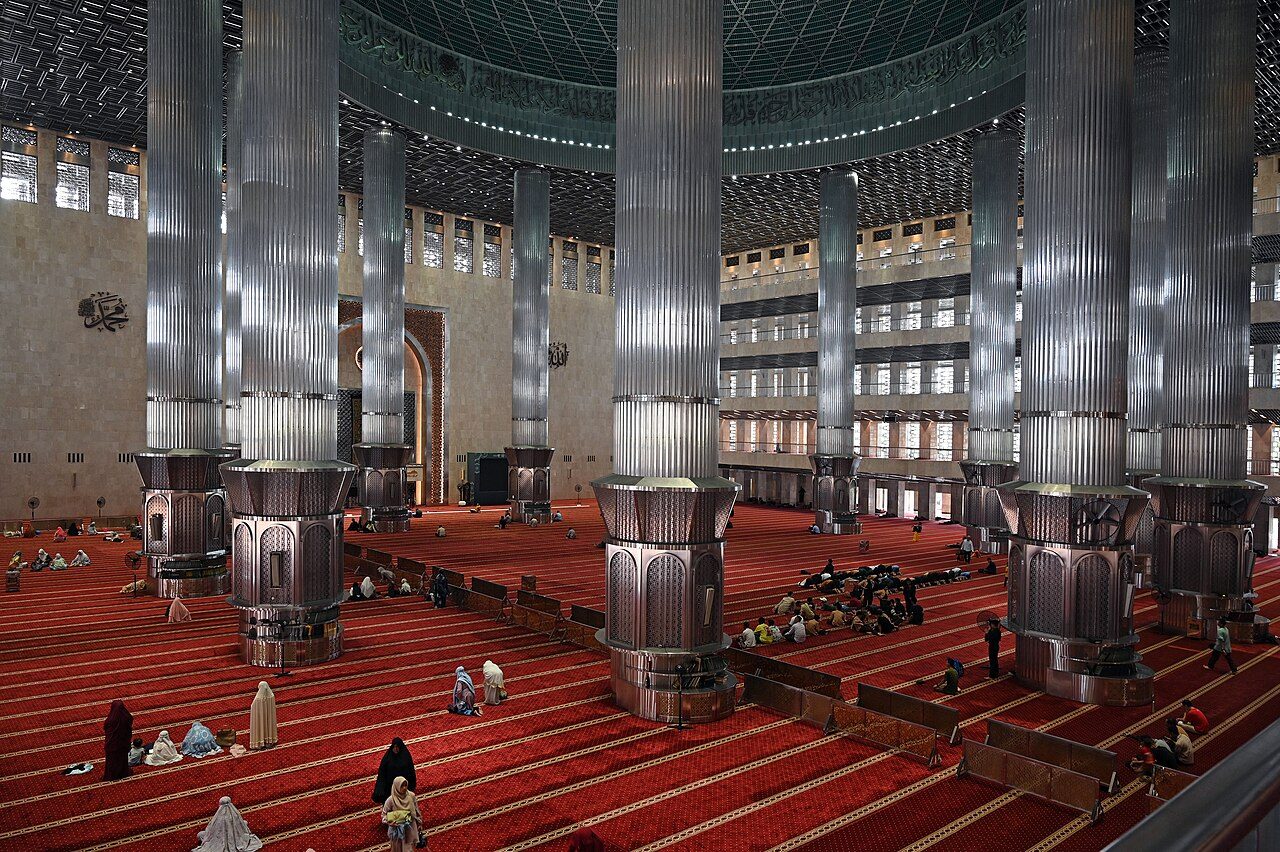
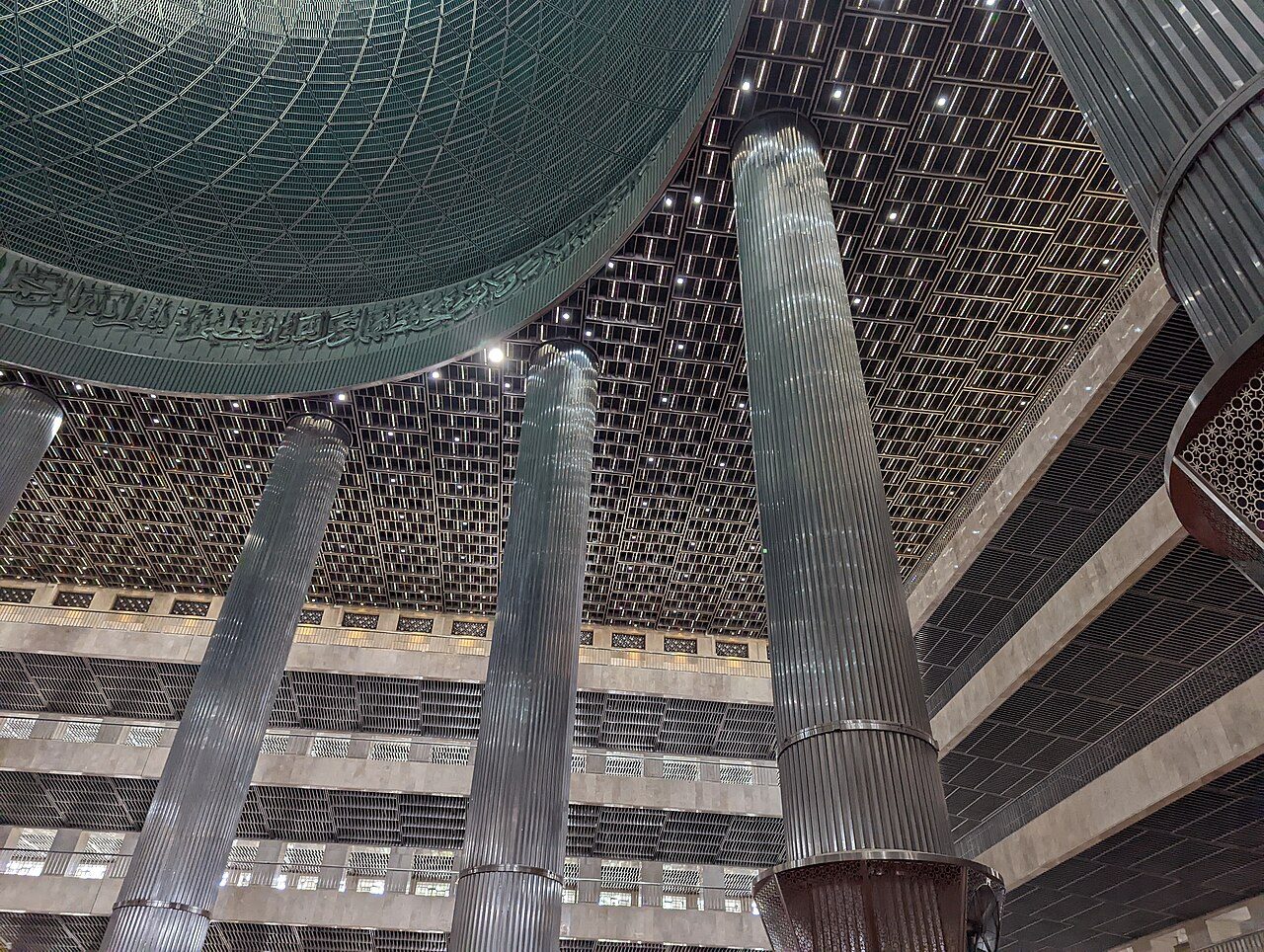
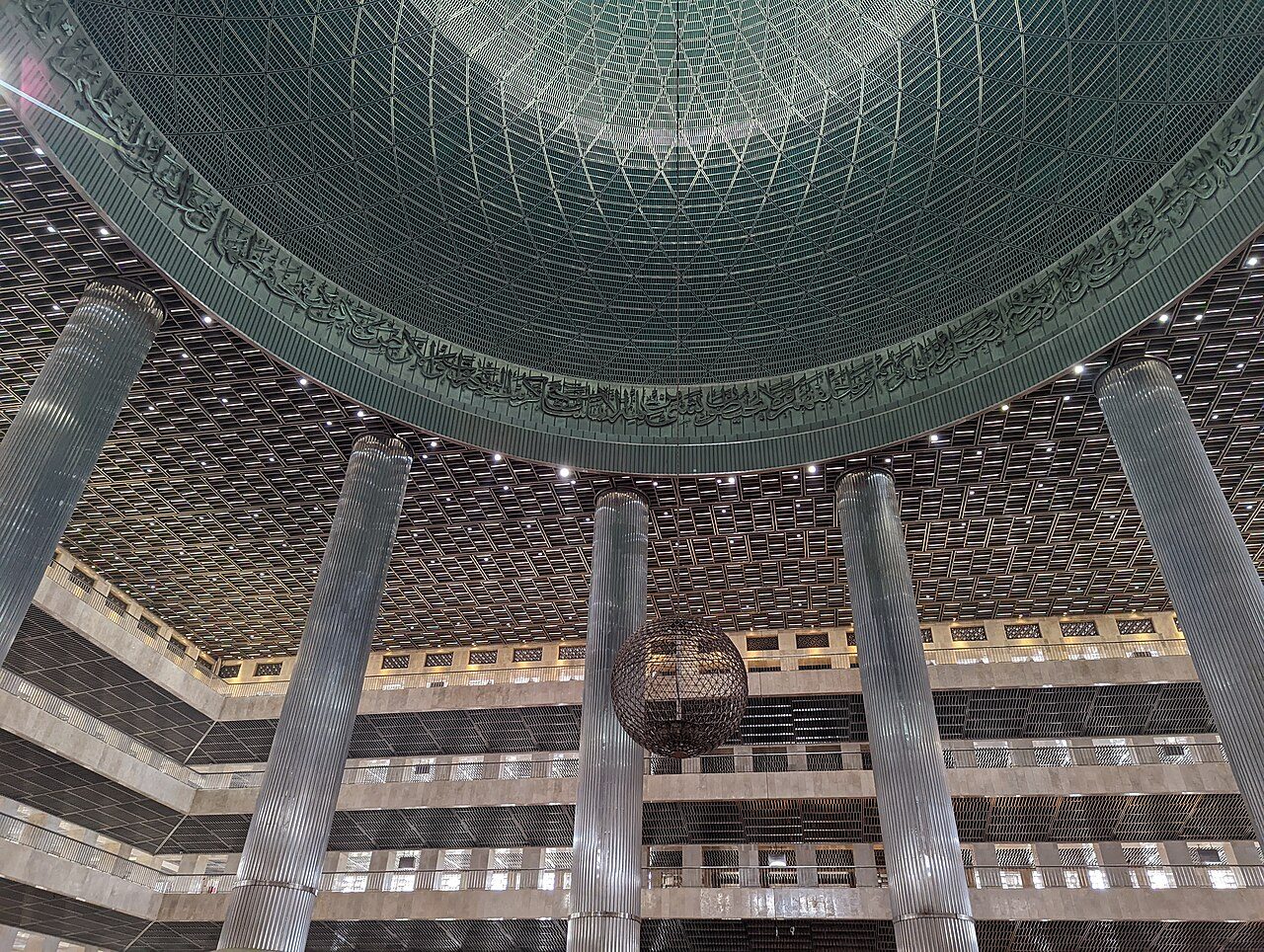
The Istiqlal Mosque in Jakarta is the largest mosque in Southeast Asia, able to hold about 200,000 people. Its name means independence. It was built between 1961 and 1978 to a design by Frederich Silaban, a Christian architect. A 45-metre dome covers the prayer hall. It stands across the road from Jakarta Cathedral, a sign of religious harmony.
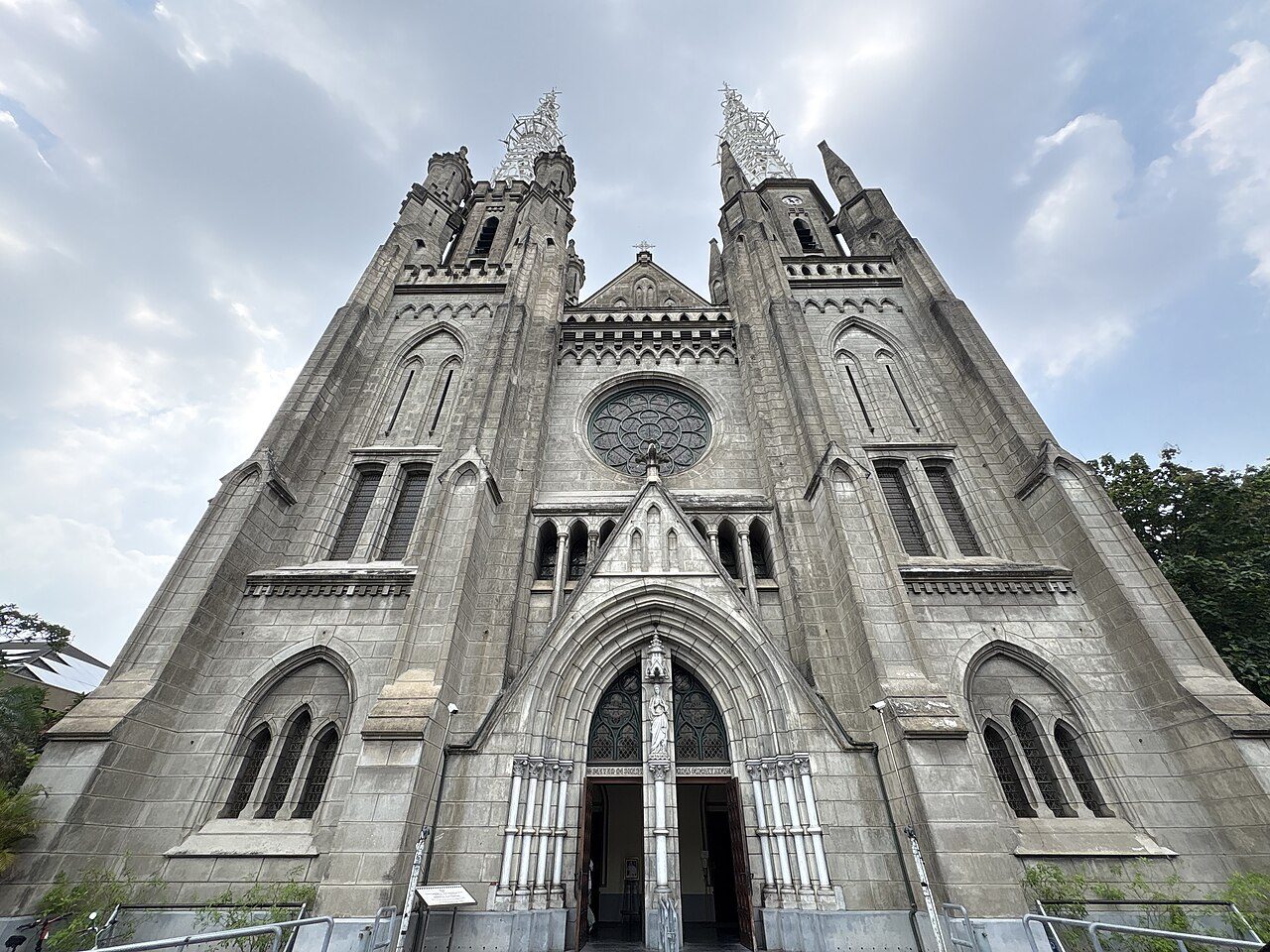
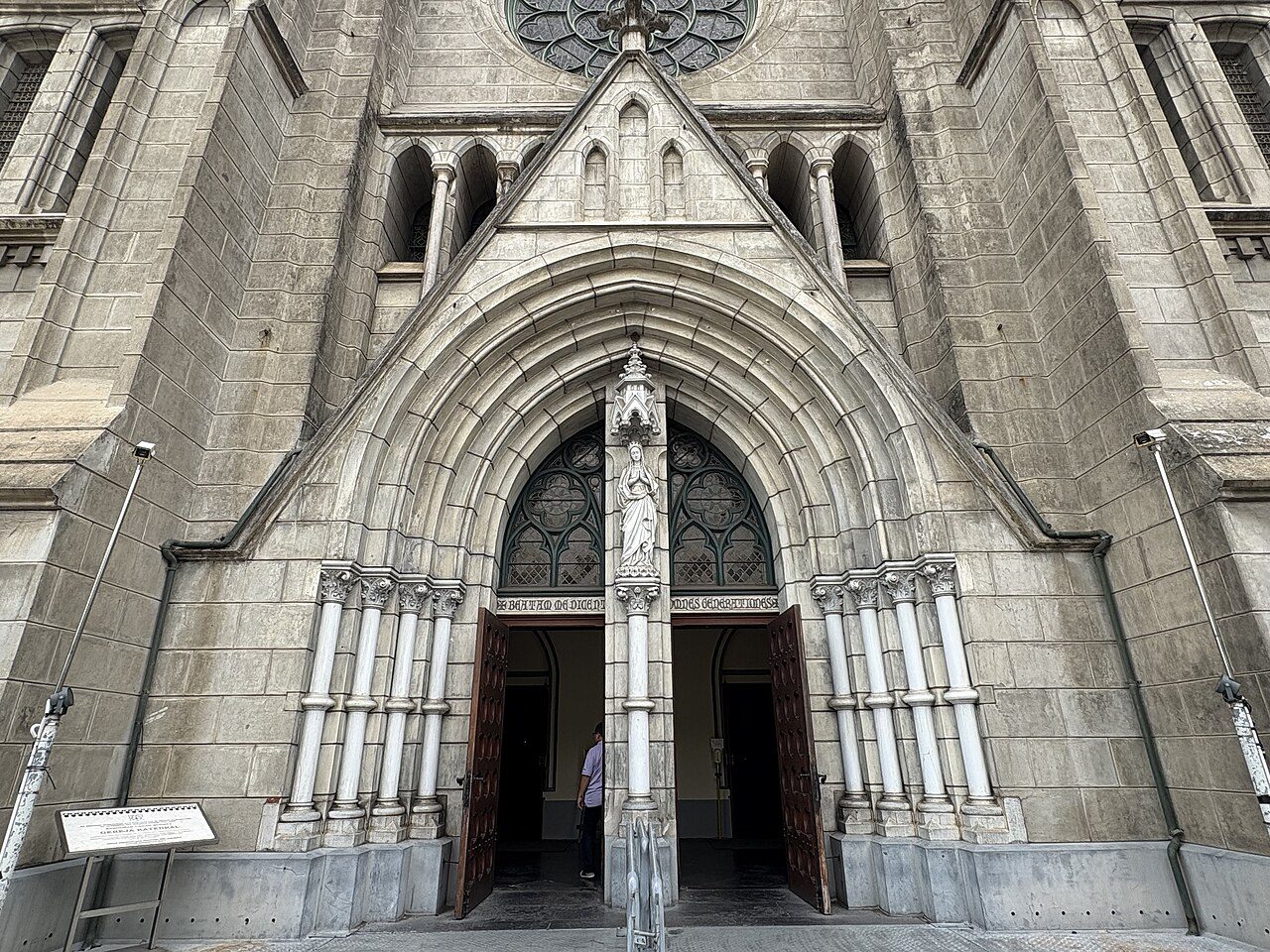
Jakarta Cathedral is the main Catholic church of Jakarta, finished in 1901. It is built in Neo-Gothic style, with three spires made of iron, the tallest about 60 metres. Inside are stained glass windows, a wooden pulpit and a museum on the history of the Catholic Church in Indonesia. It faces the Istiqlal Mosque across the road.
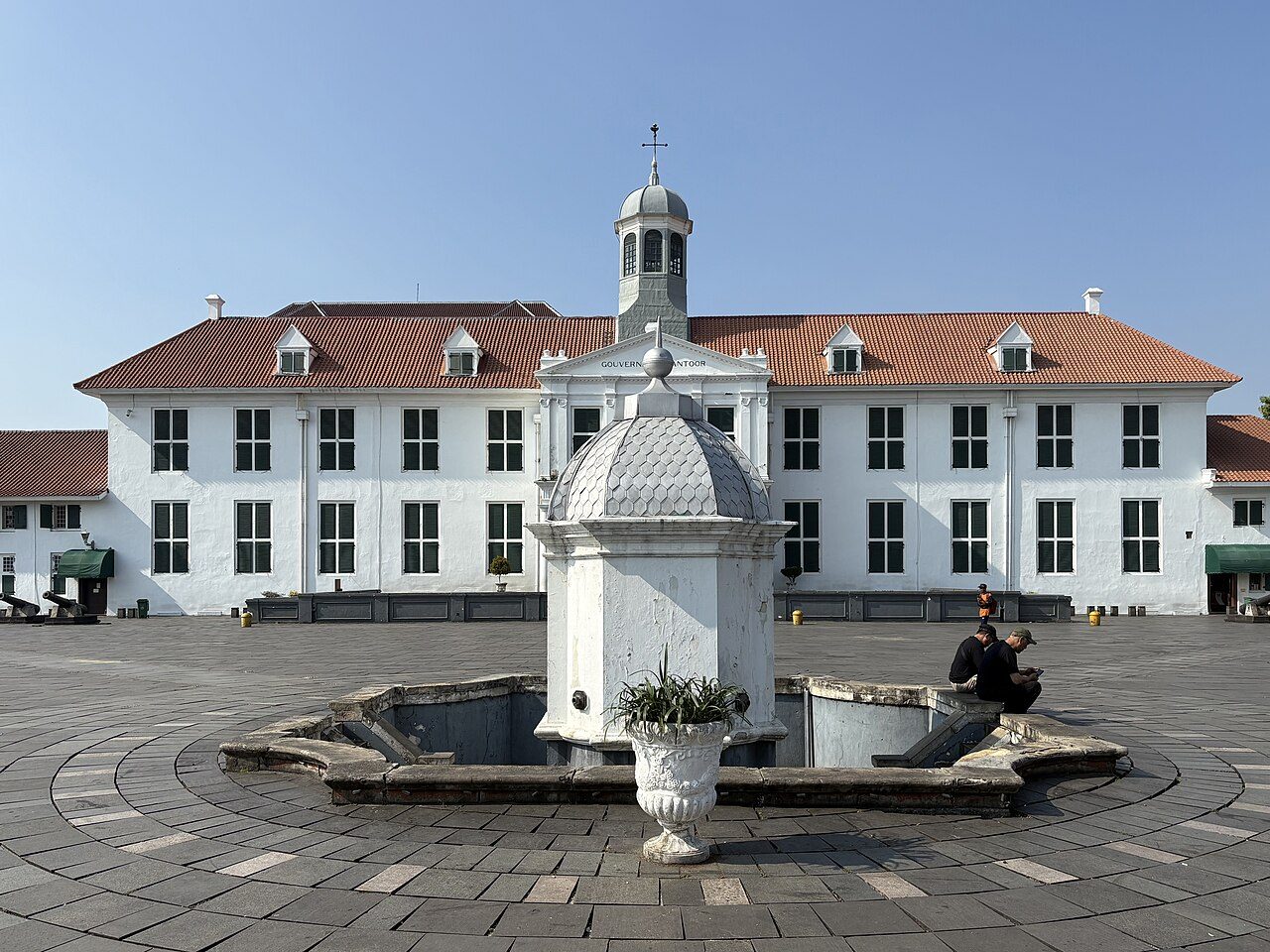
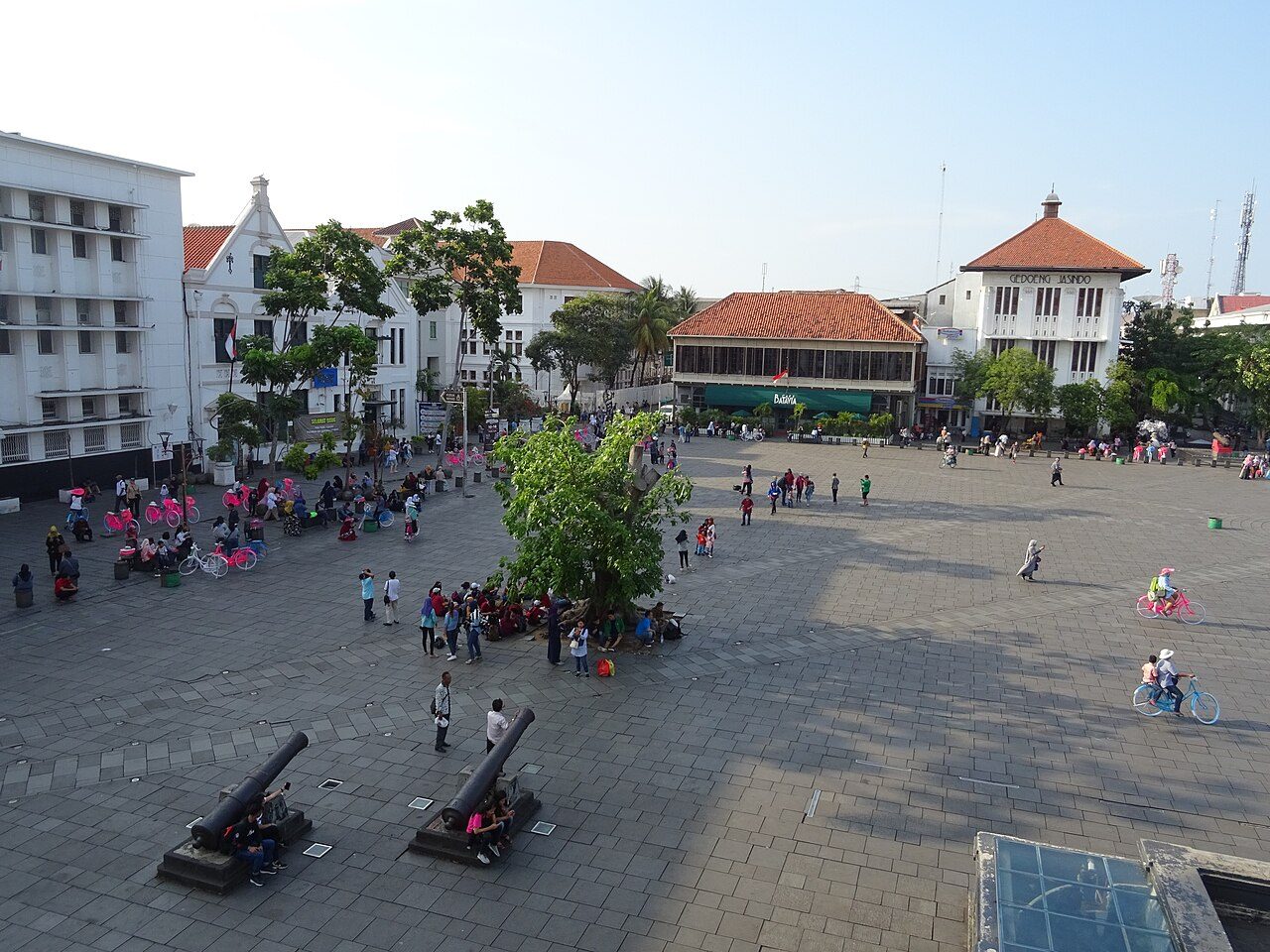
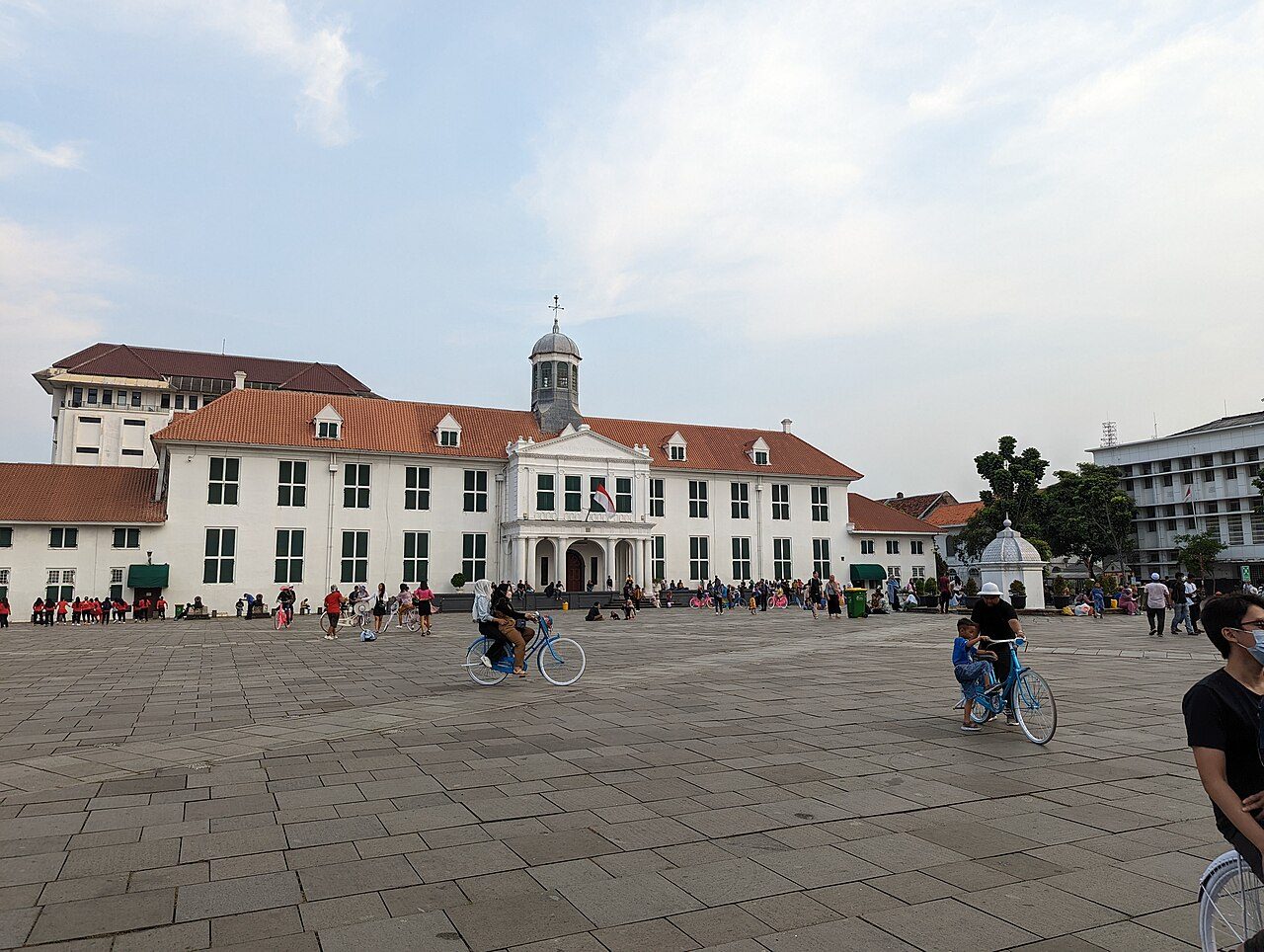
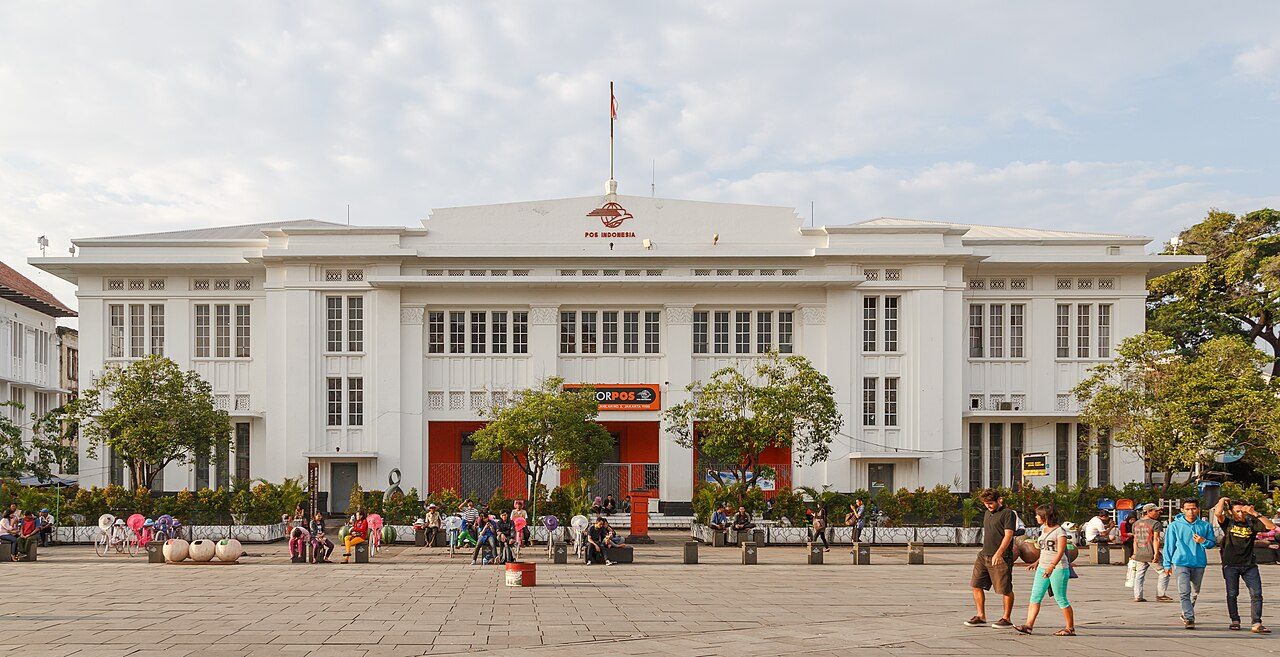
Fatahillah Square is the heart of Kota Tua, the old town of Jakarta, once the centre of Dutch Batavia. On its south side stands the former city hall, built in 1710 and now the Jakarta History Museum. Other colonial buildings around the square hold the Wayang Museum and the Fine Art and Ceramic Museum. Visitors hire coloured bicycles to ride around it.
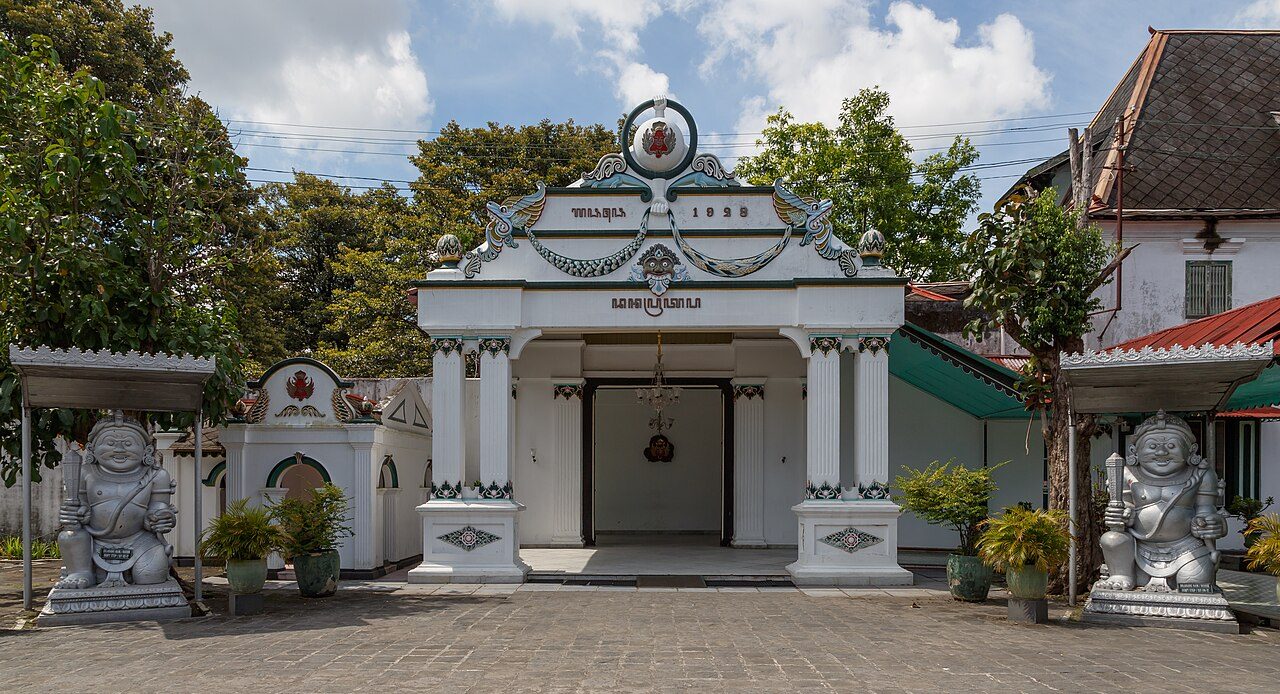
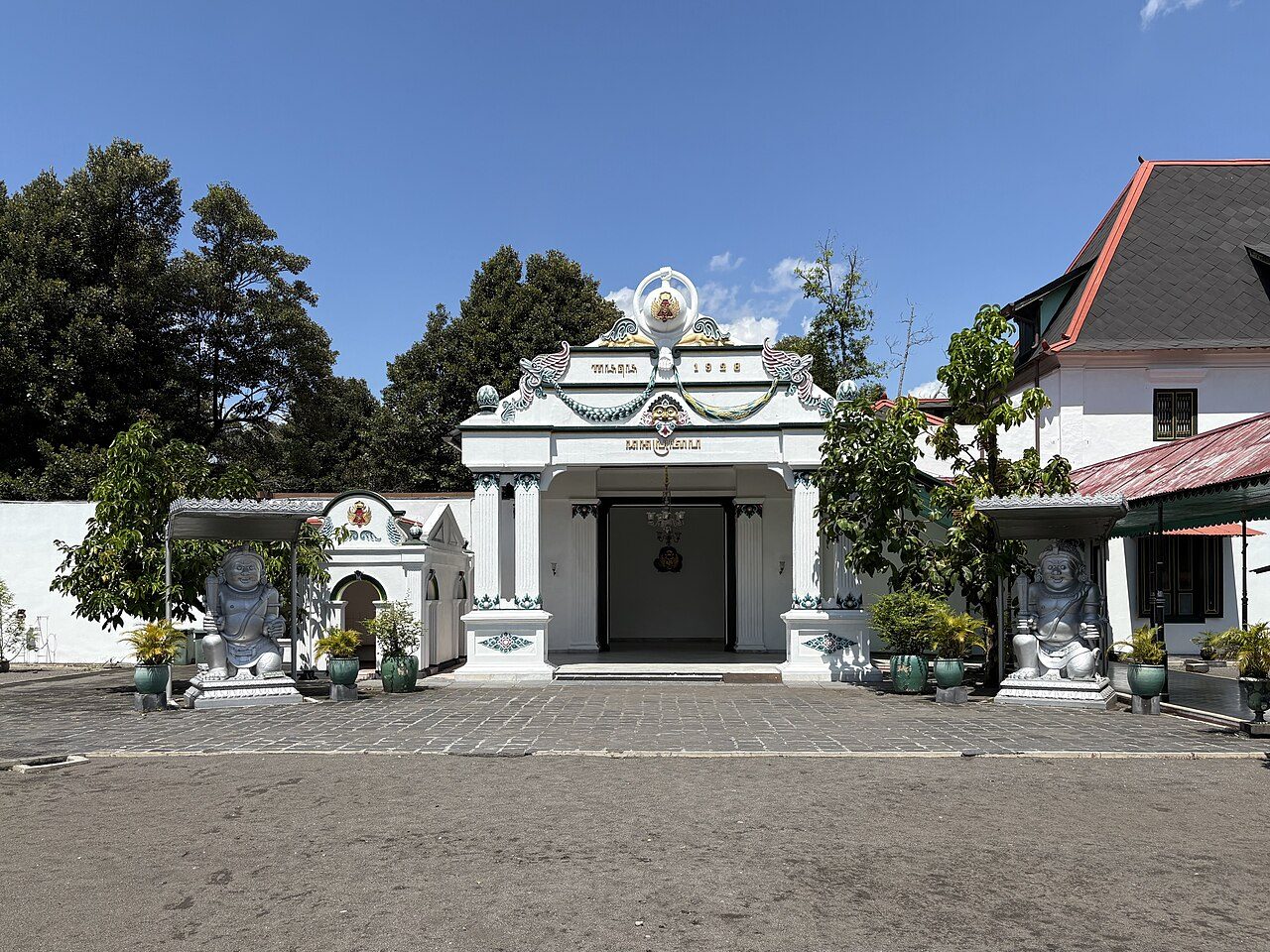
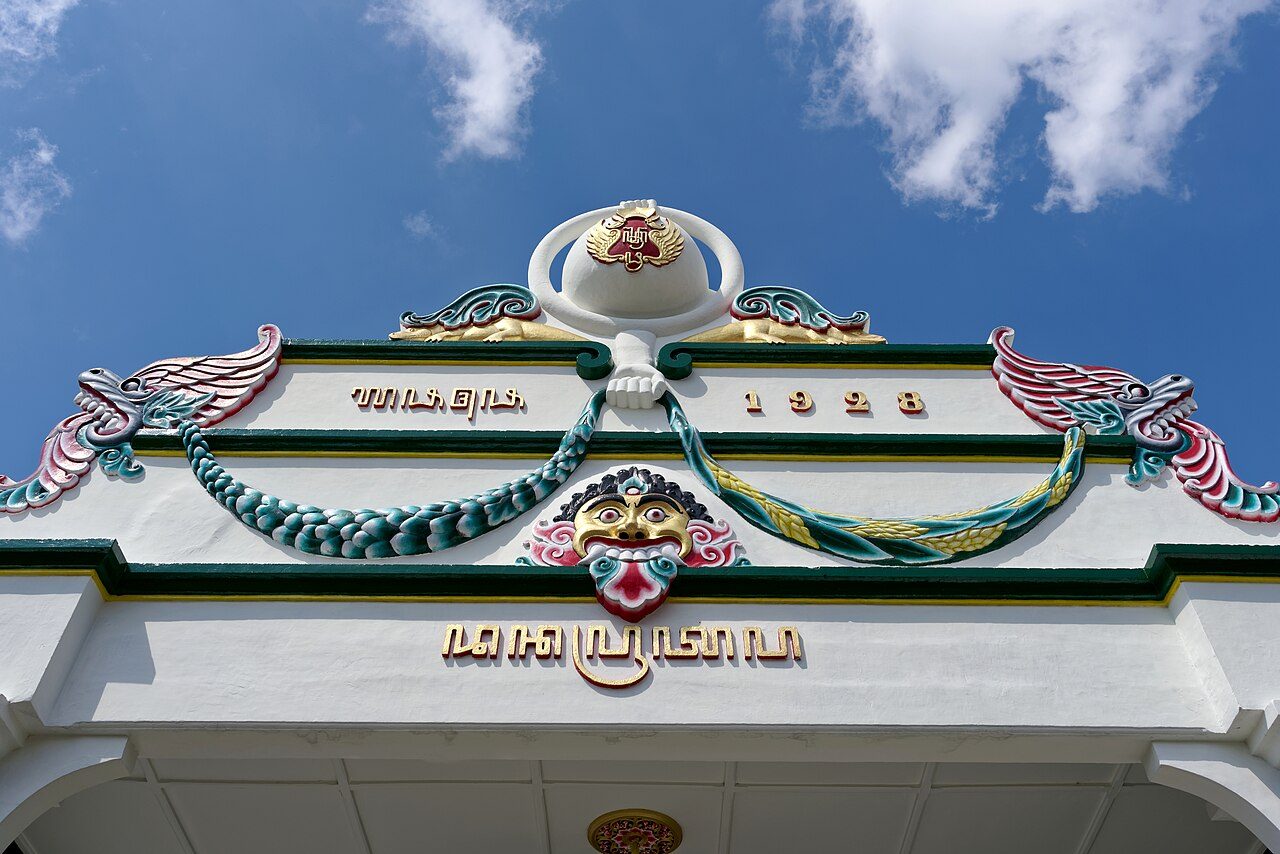
The Kraton Yogyakarta is the palace of the Sultan of Yogyakarta, built in 1755 after the Mataram kingdom was divided. The Sultan still lives here. Its courtyards and pavilions are laid out on a north-south line between Mount Merapi and the Indian Ocean. Visitors can see royal heirlooms, carriages and gamelan, and watch performances of music, dance and shadow puppets.
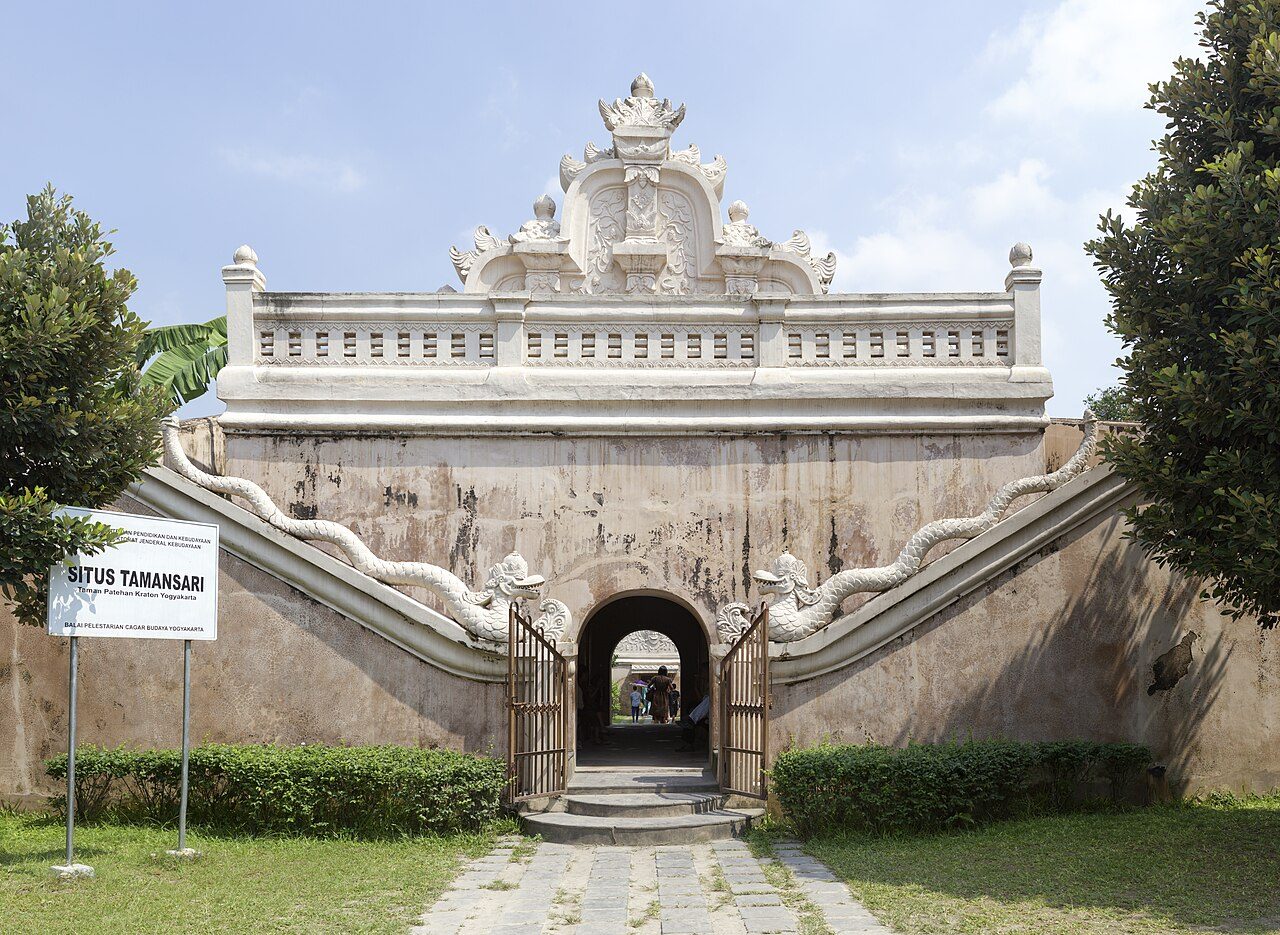
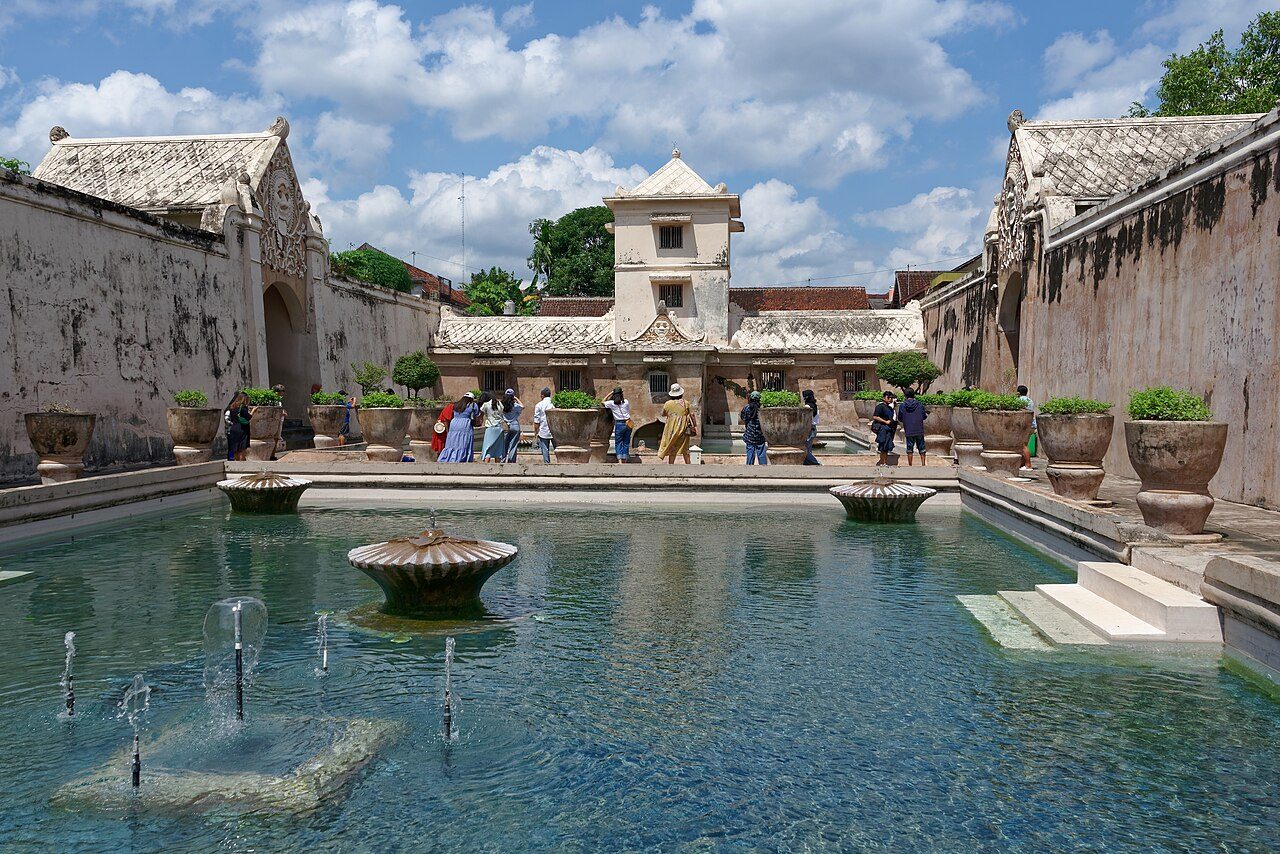
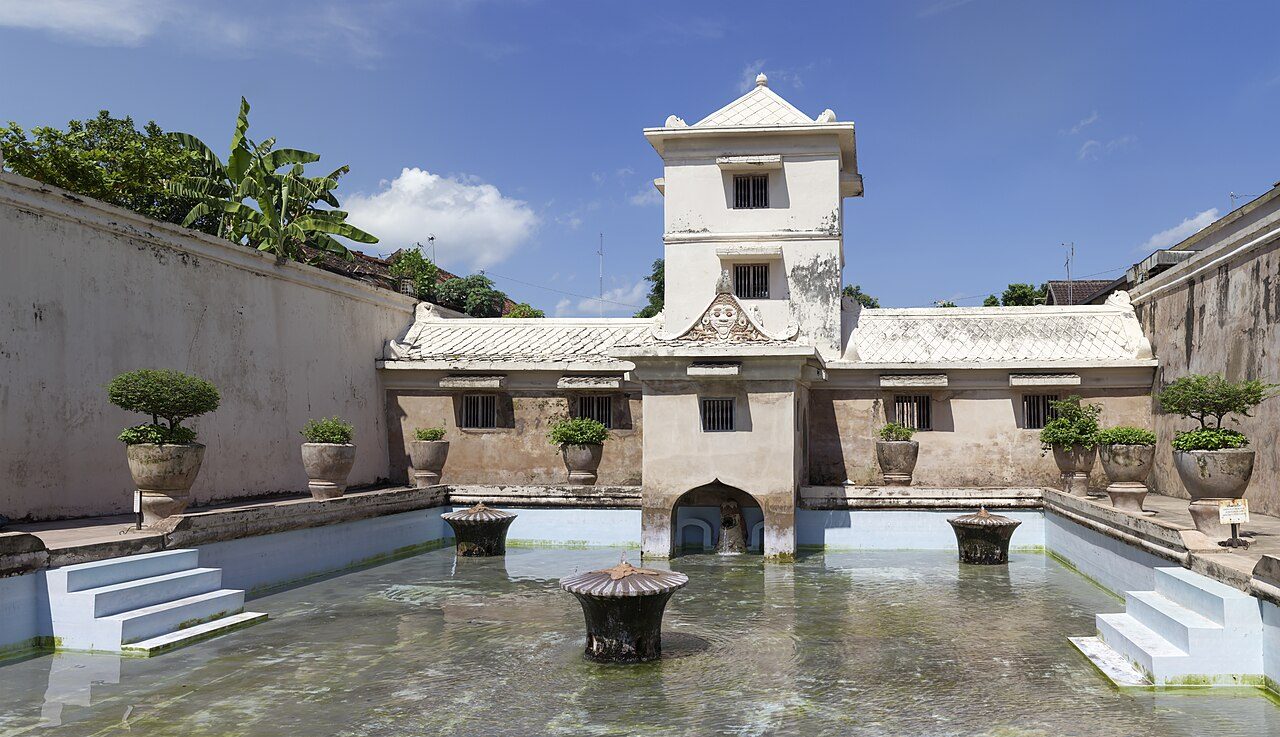
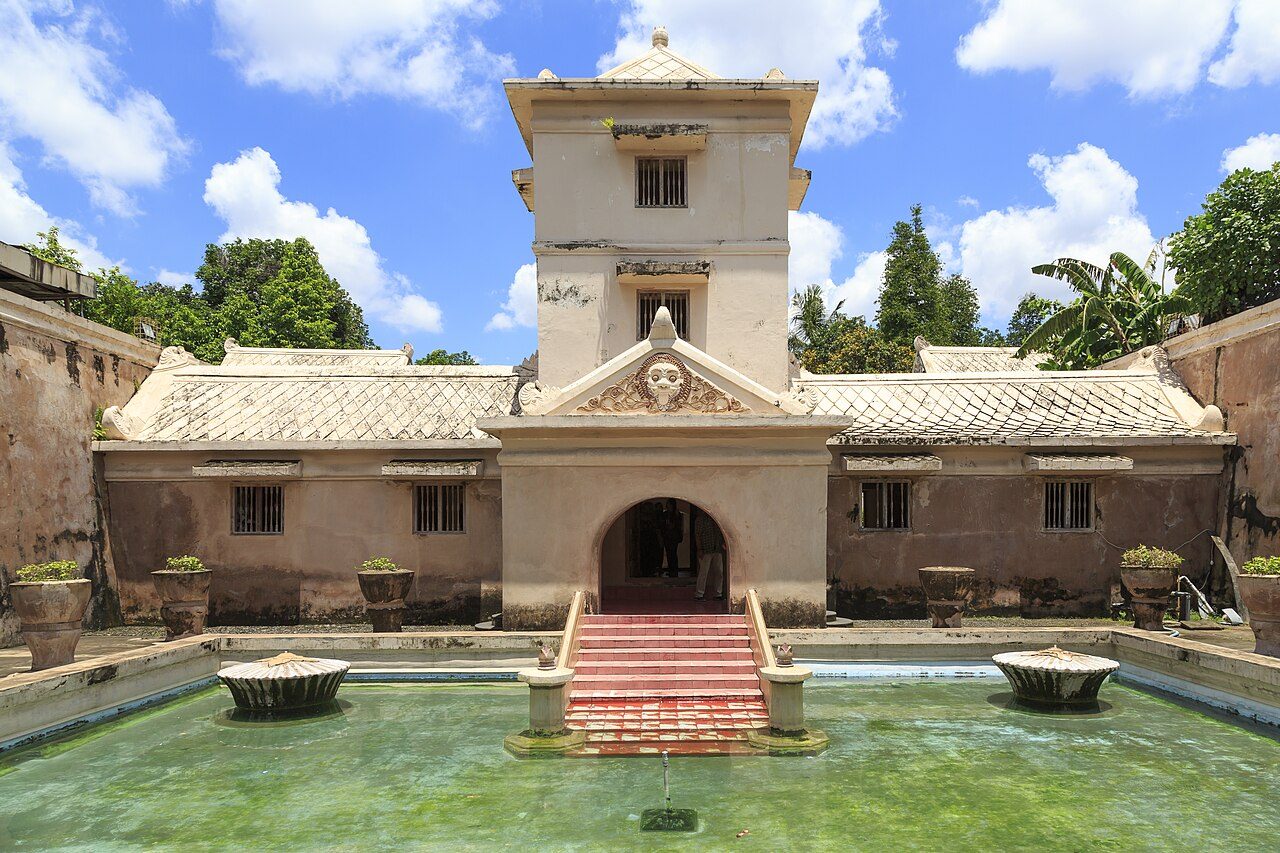
Taman Sari is the former royal garden of the Sultan of Yogyakarta, built in the mid-18th century. It was a place of rest, meditation and defence, with bathing pools, an artificial lake, tunnels and an underground mosque. The restored Umbul Binangun bathing complex has turquoise pools and carved gates. The old kampung around it is full of narrow lanes and batik shops.
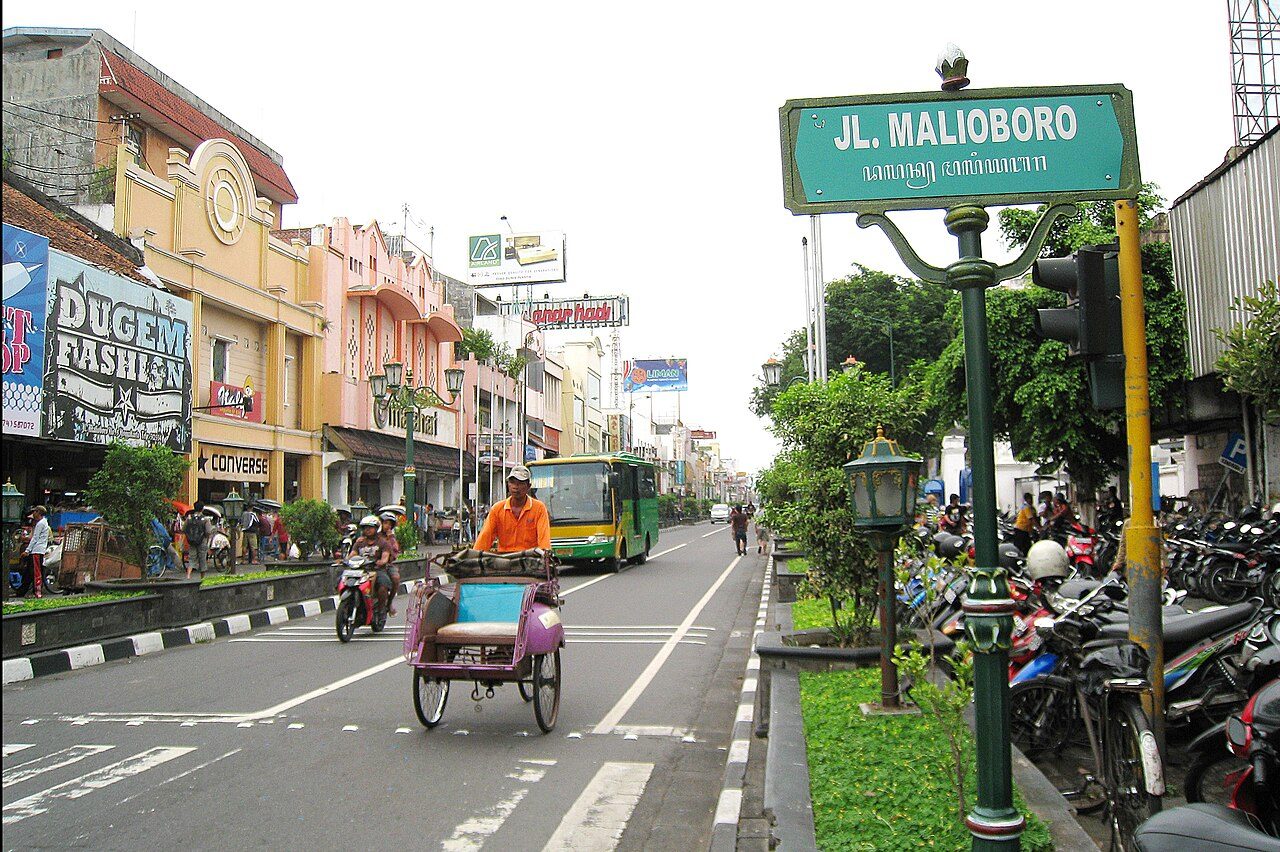
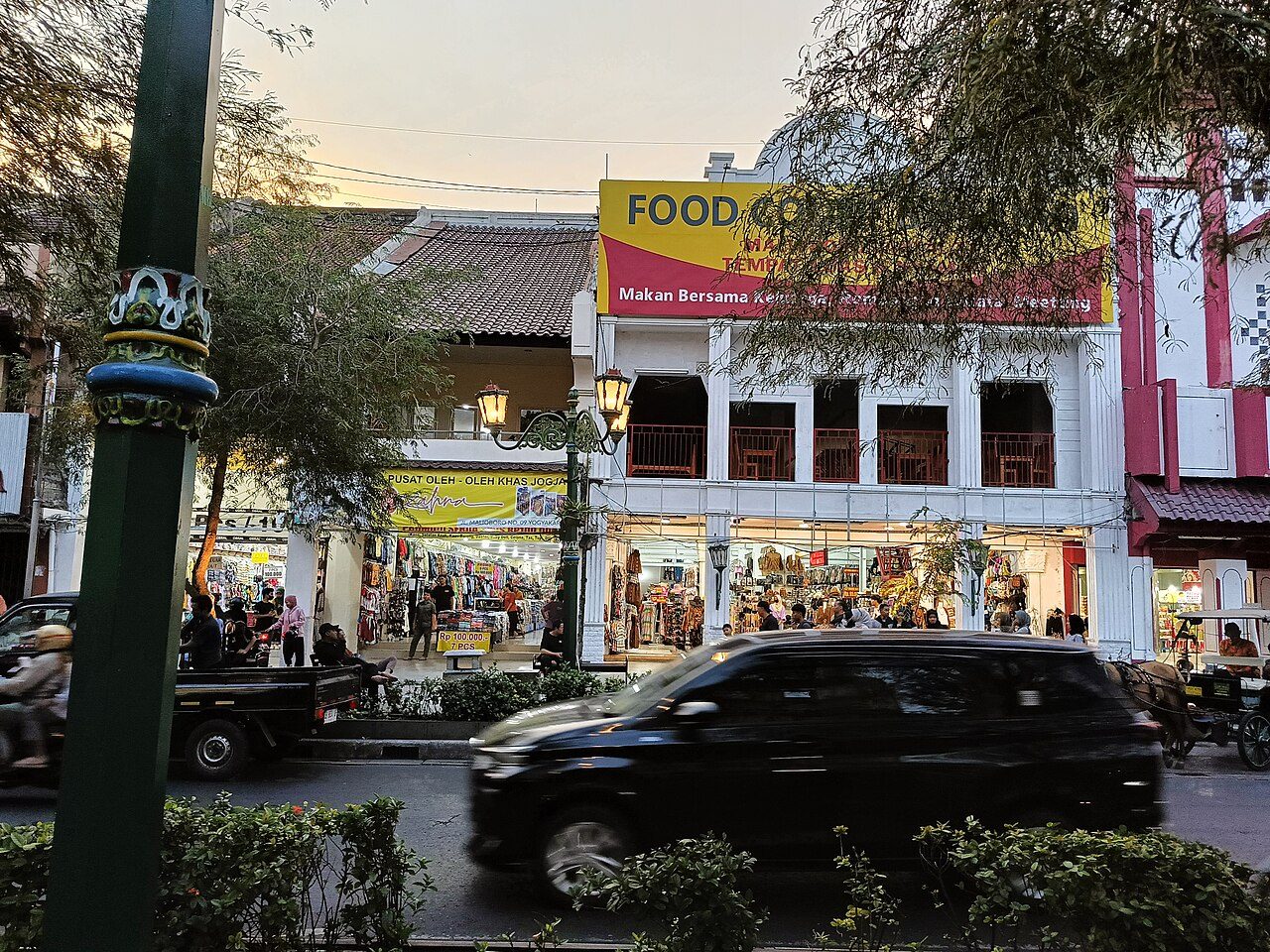
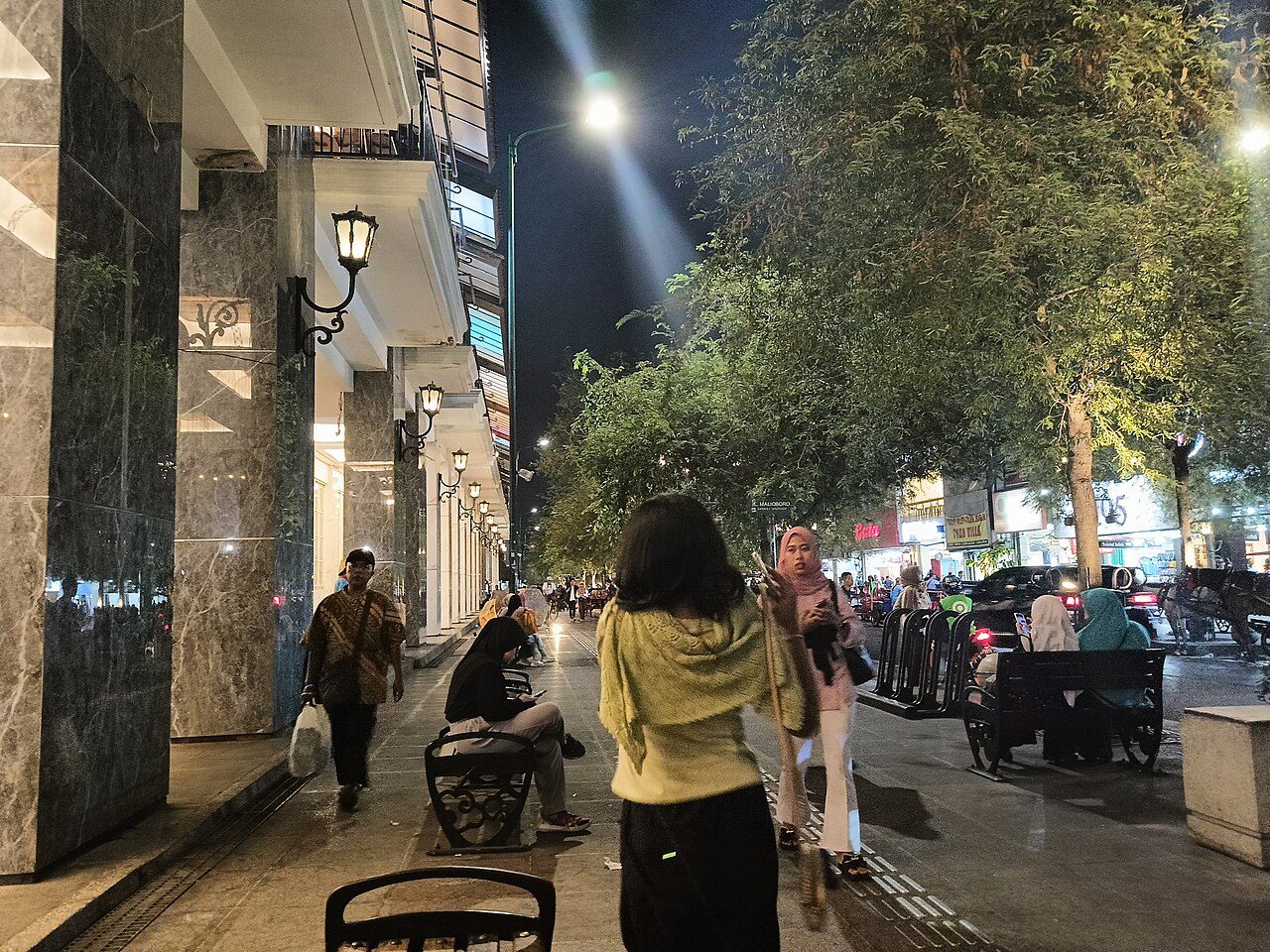
Malioboro is the main street of Yogyakarta, running north from the Kraton. It is lined with shops, a large market and street stalls selling batik, leather, crafts and snacks. In the evening, food stalls spread over the pavements, and street musicians play. Horse-drawn carriages and becak cycle rickshaws carry visitors. It ends near Tugu, the city's white monument.
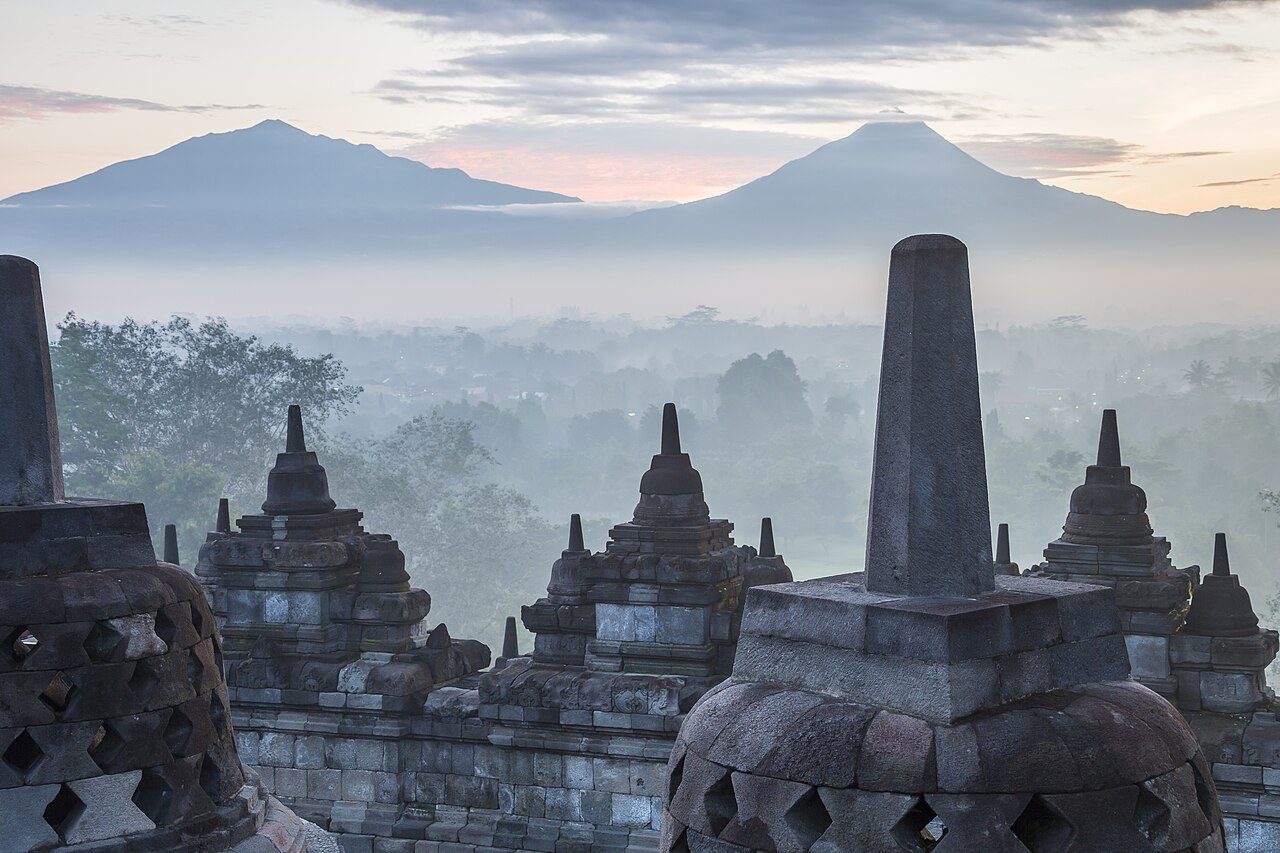
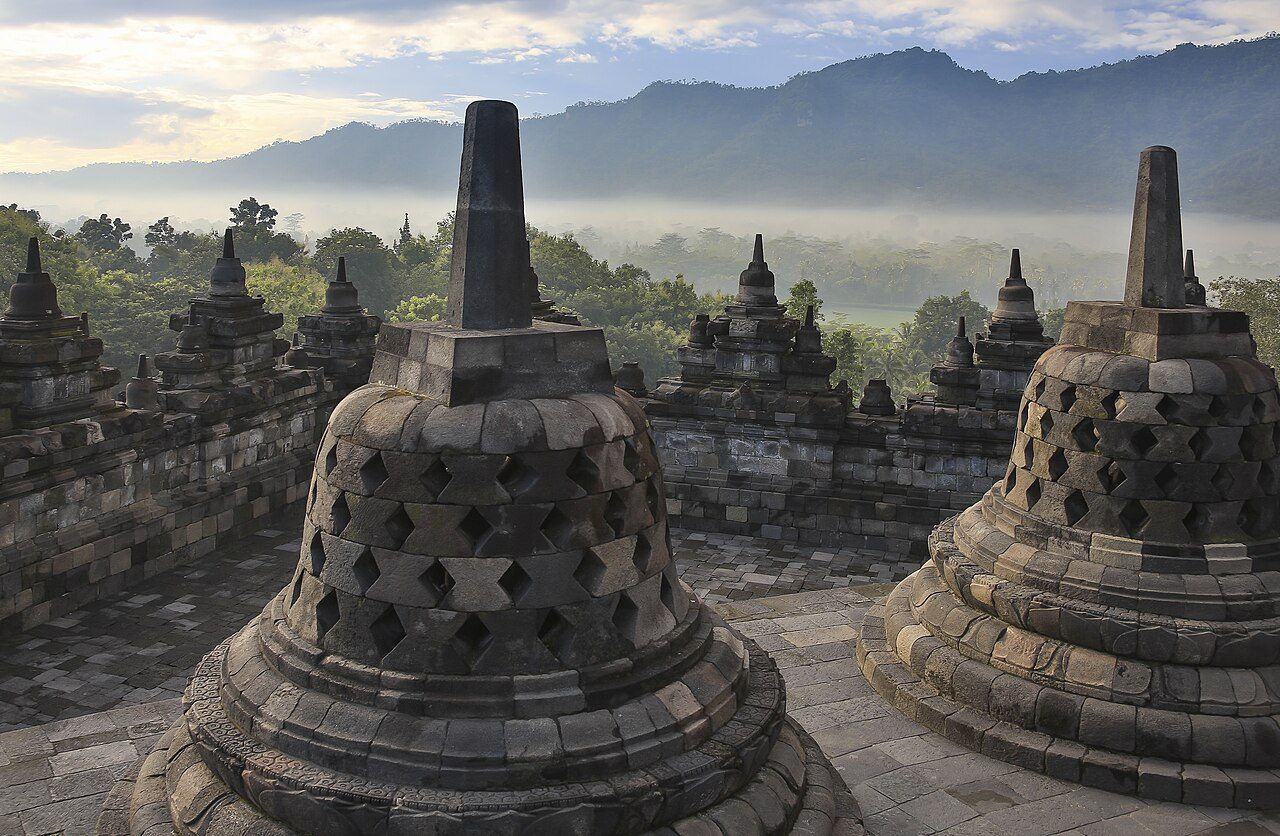
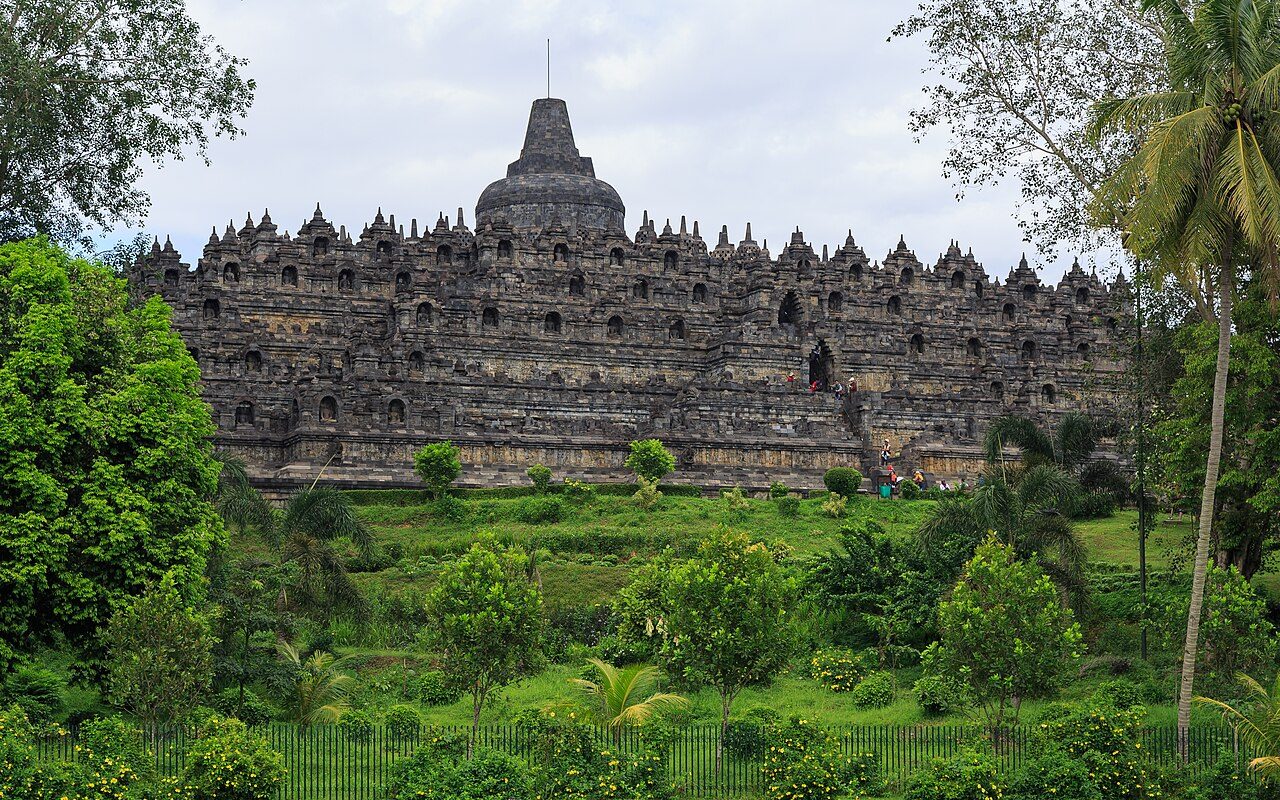
Borobudur, near Magelang in Central Java, is the largest Buddhist temple in the world. It was built in the 8th and 9th centuries under the Sailendra dynasty. The temple rises in nine stacked platforms crowned by a central stupa, with 504 Buddha statues and over 2,600 relief panels. Abandoned for centuries, it was restored with UNESCO's help and listed as a World Heritage Site in 1991.
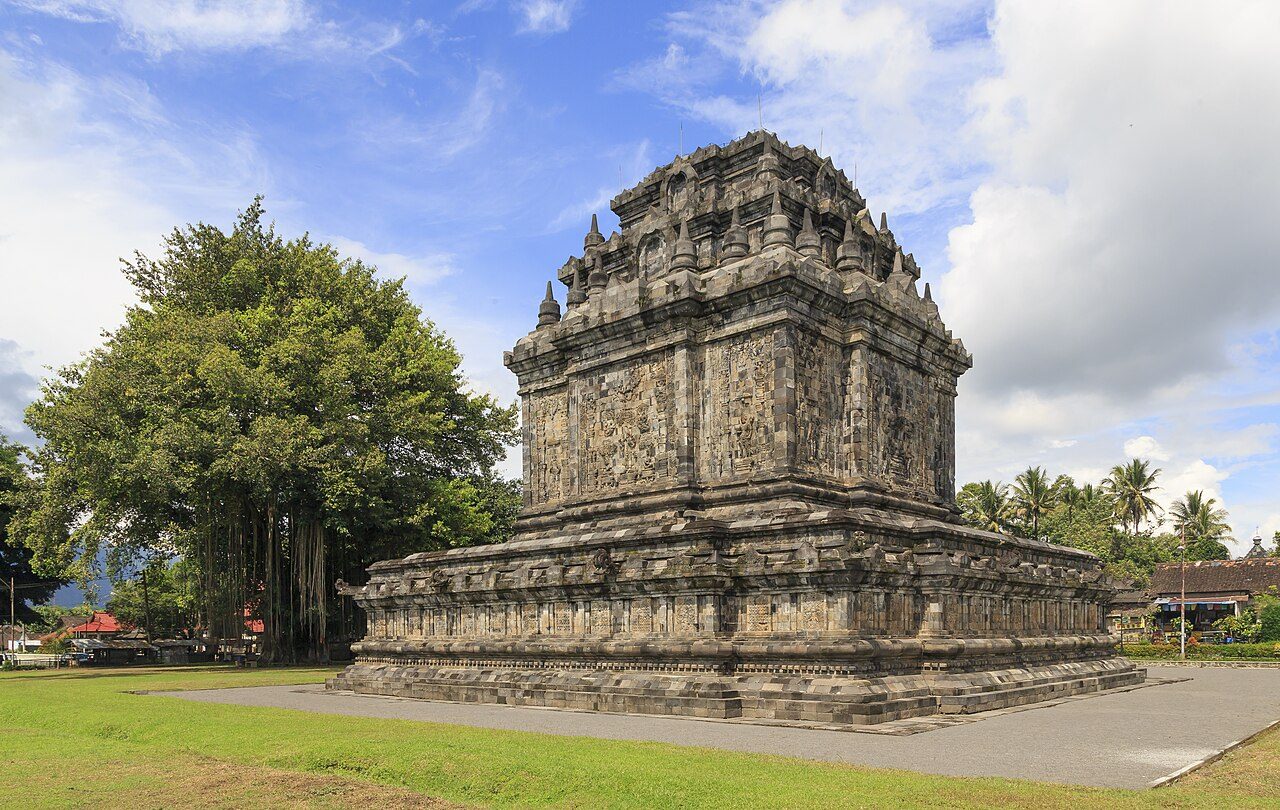
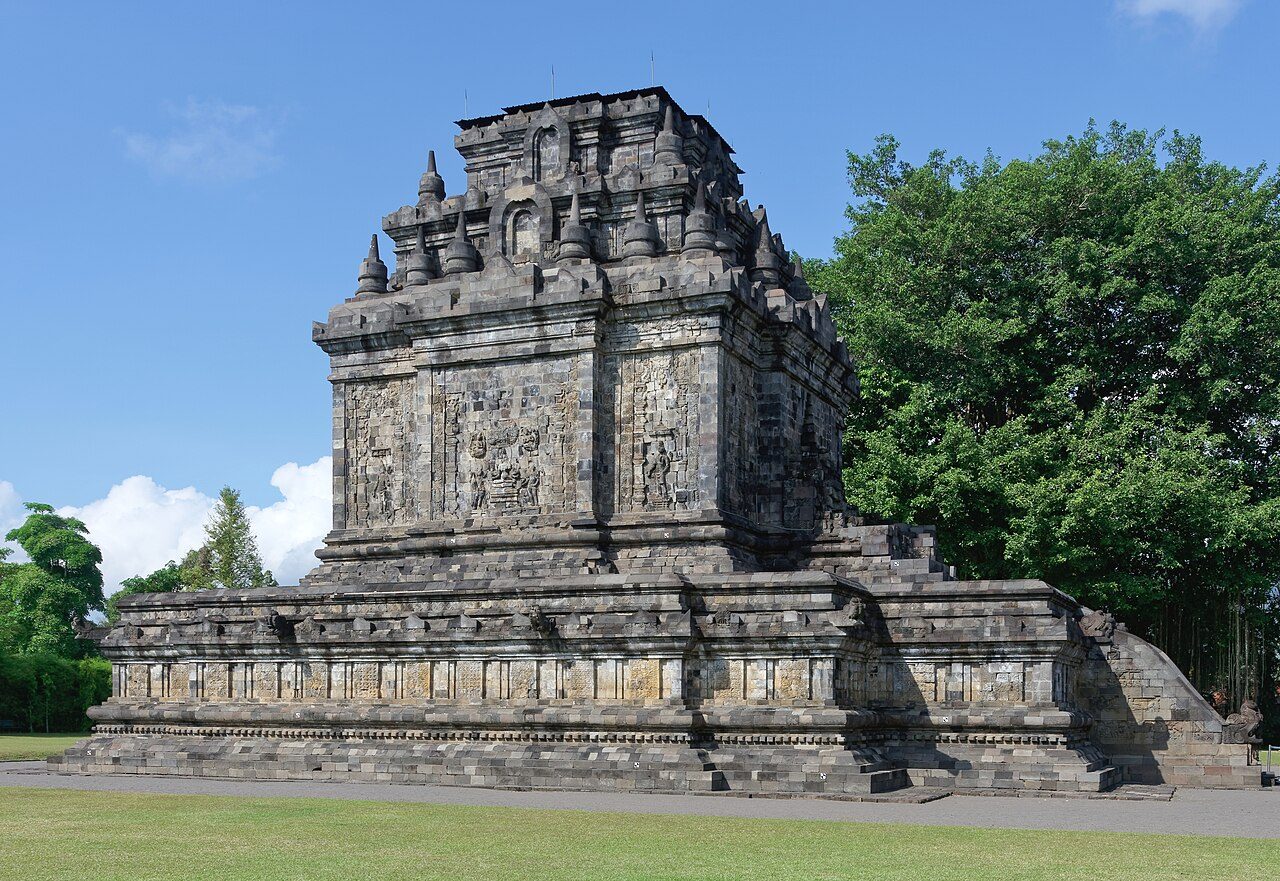
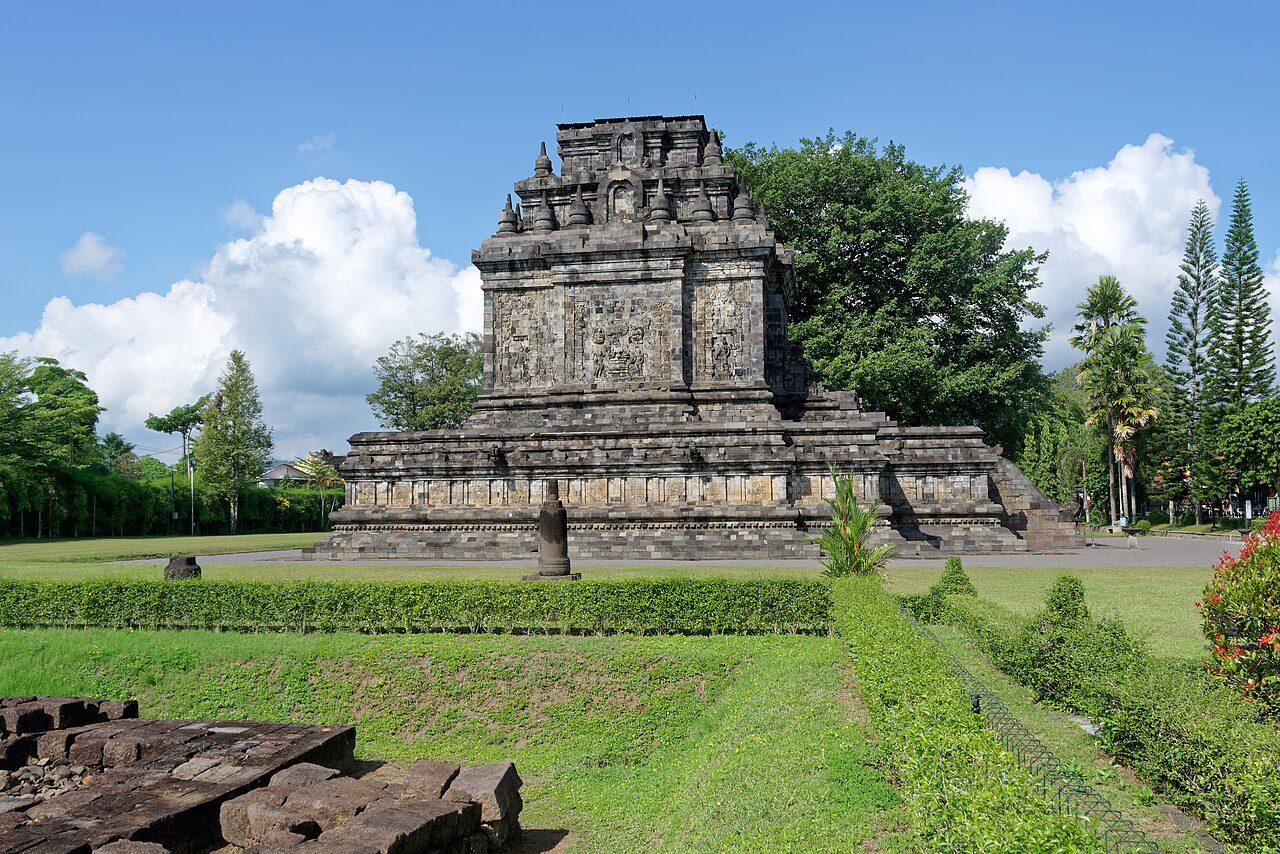
Mendut Temple is a Buddhist temple about three kilometres east of Borobudur, built in the early 9th century. It is linked with Borobudur and Pawon along a straight line. Inside its chamber sit three large stone statues: a seated Buddha flanked by two bodhisattvas, among the finest of their kind in Java. It is part of the Borobudur World Heritage Site.
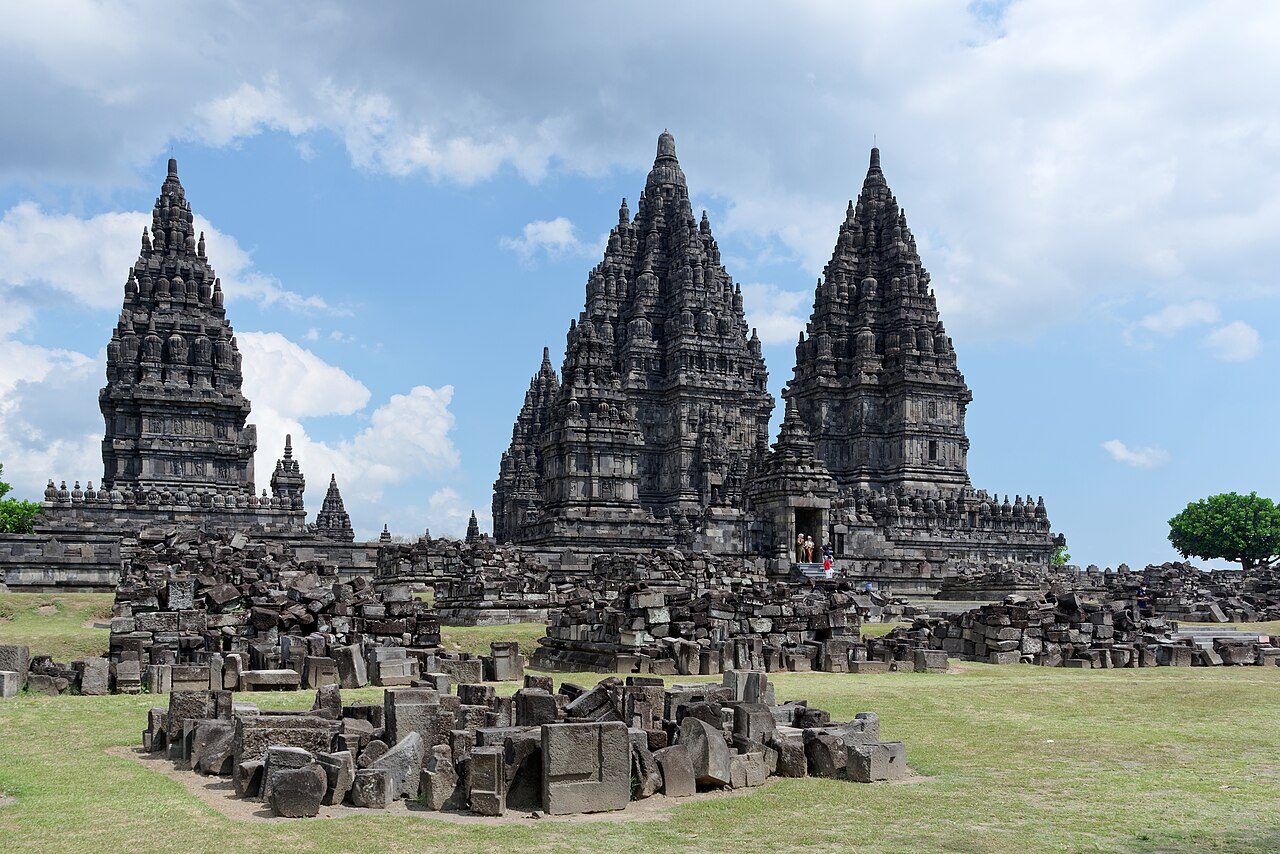
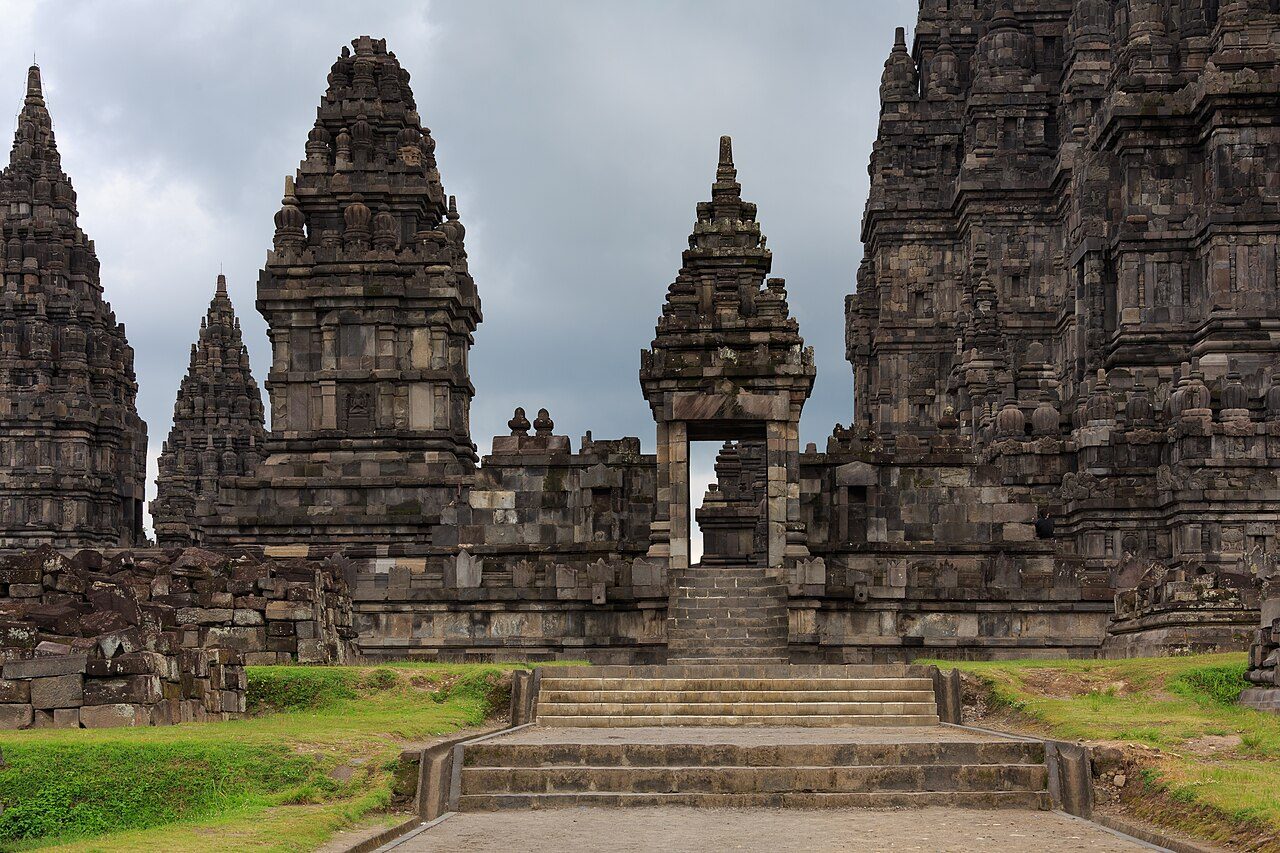
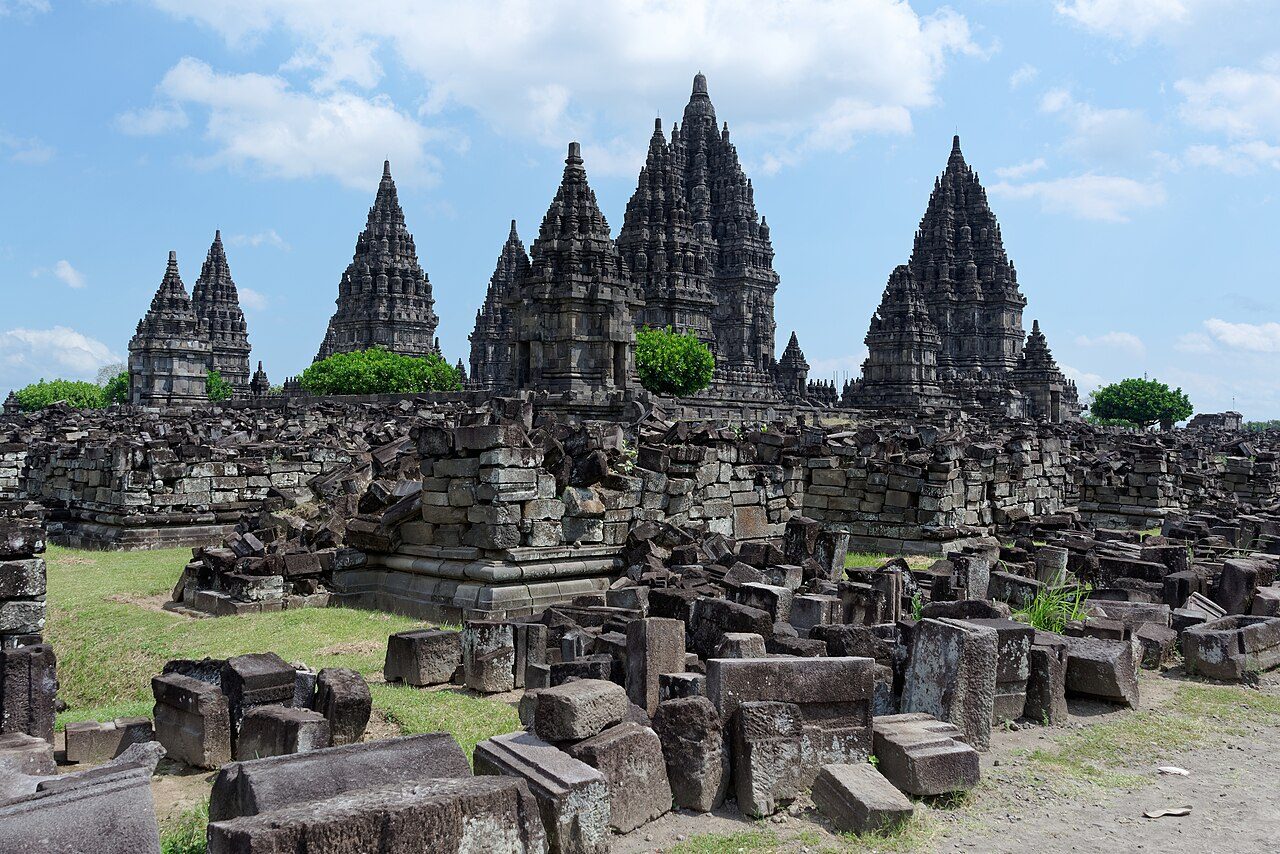
Prambanan is the largest Hindu temple complex in Indonesia, built in the 9th century near Yogyakarta. Its three main temples honour Shiva, Vishnu and Brahma, with the central Shiva temple rising 47 metres. The walls are carved with scenes from the Ramayana, which is also performed as a ballet on an open-air stage at night. It has been a UNESCO World Heritage Site since 1991.
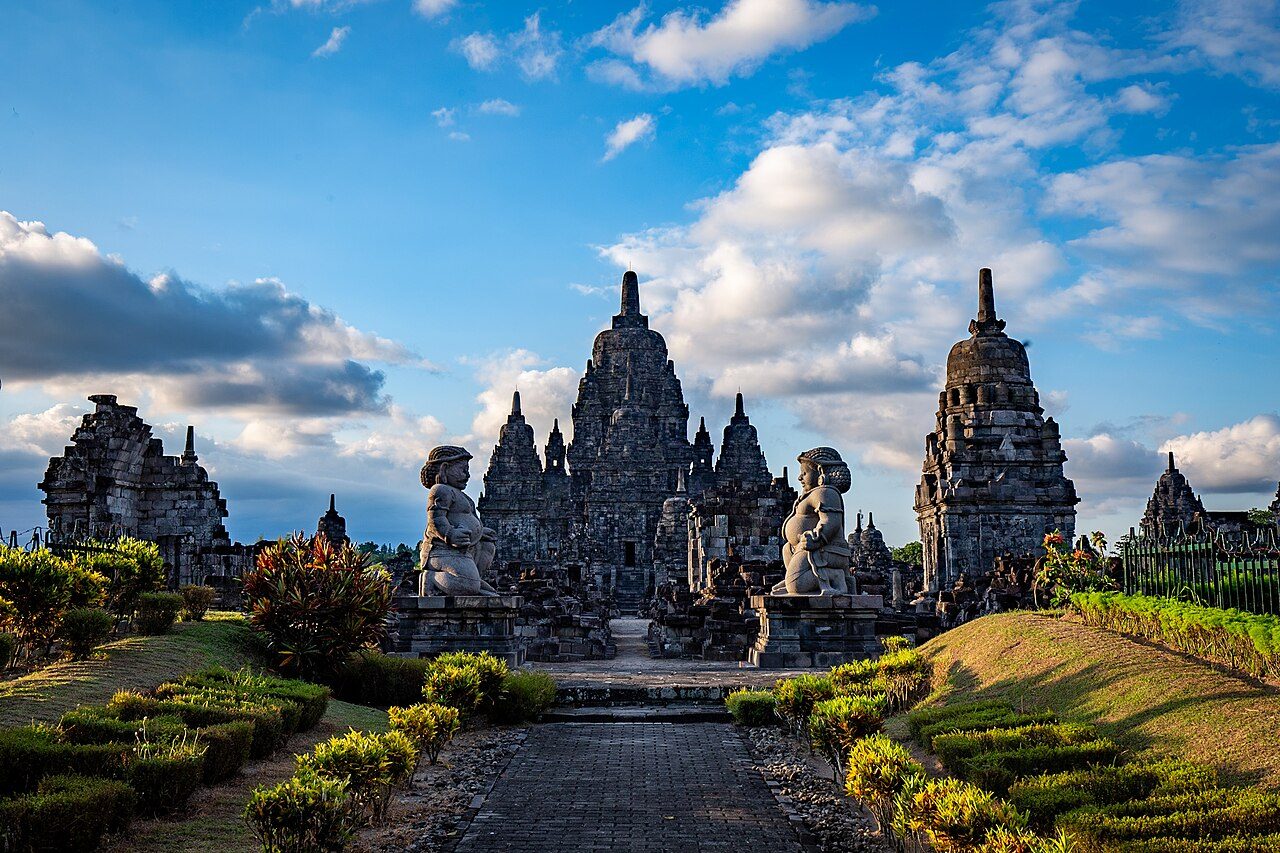
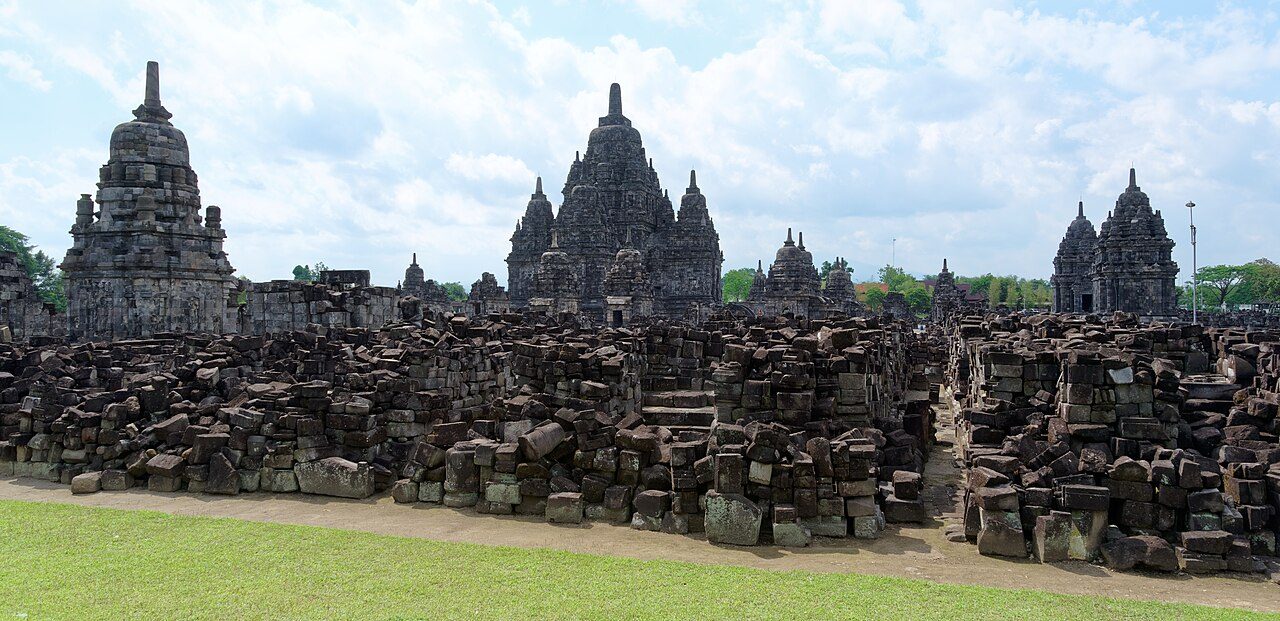
Sewu Temple is the second largest Buddhist temple complex in Indonesia, after Borobudur. It lies just north of Prambanan and was built in the late 8th century. Its name means thousand temples, though there are 249 buildings, arranged in rings around a large central shrine. Many of the small temples were damaged and are slowly being rebuilt.
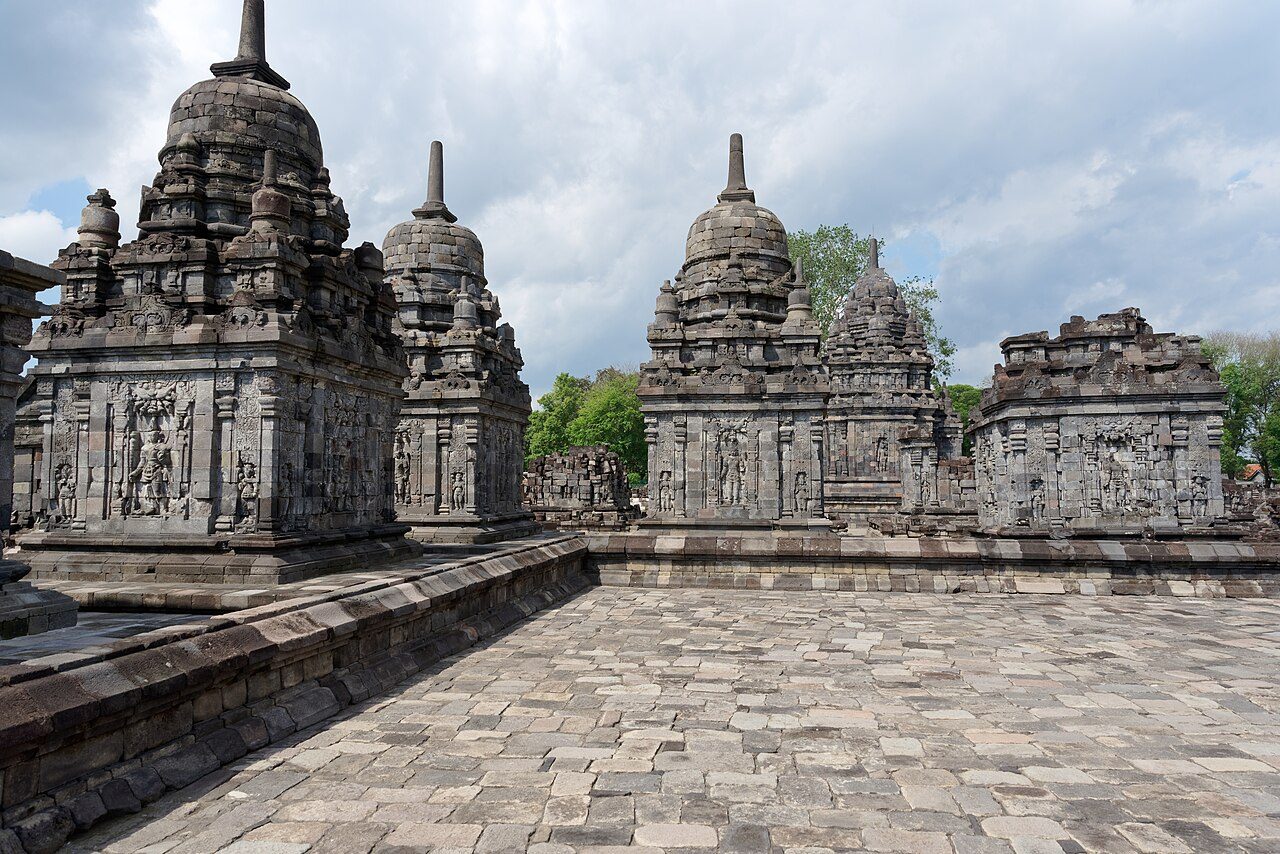
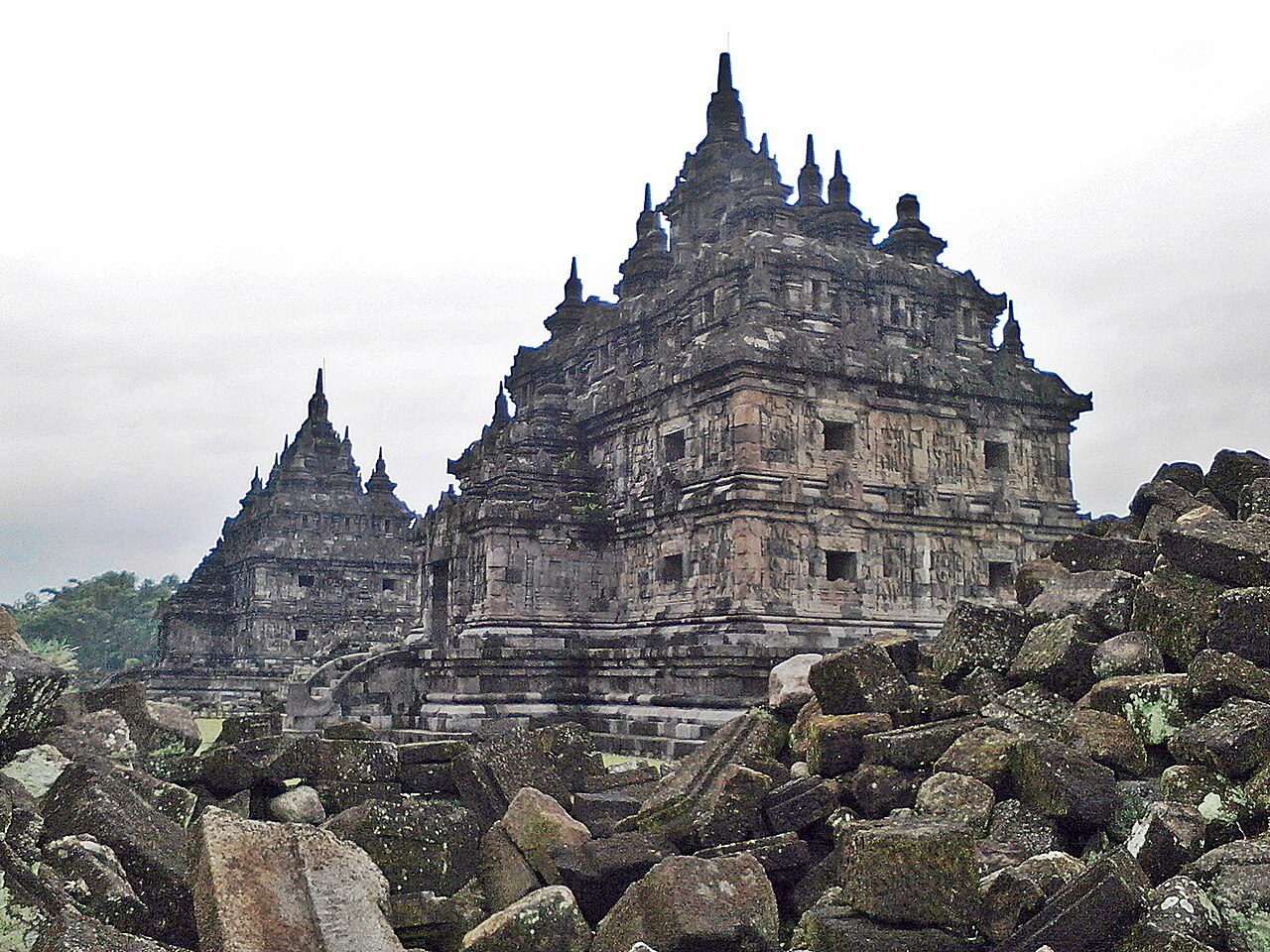
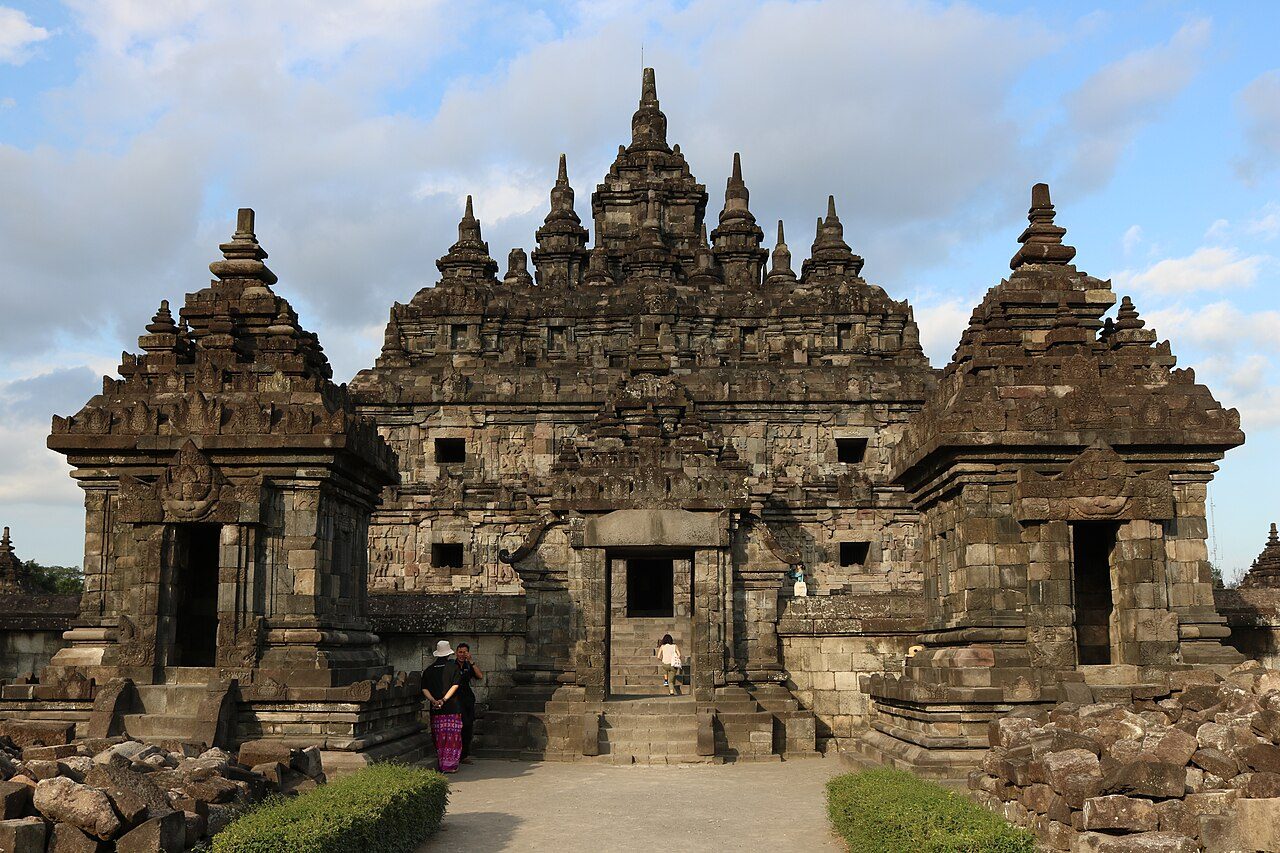
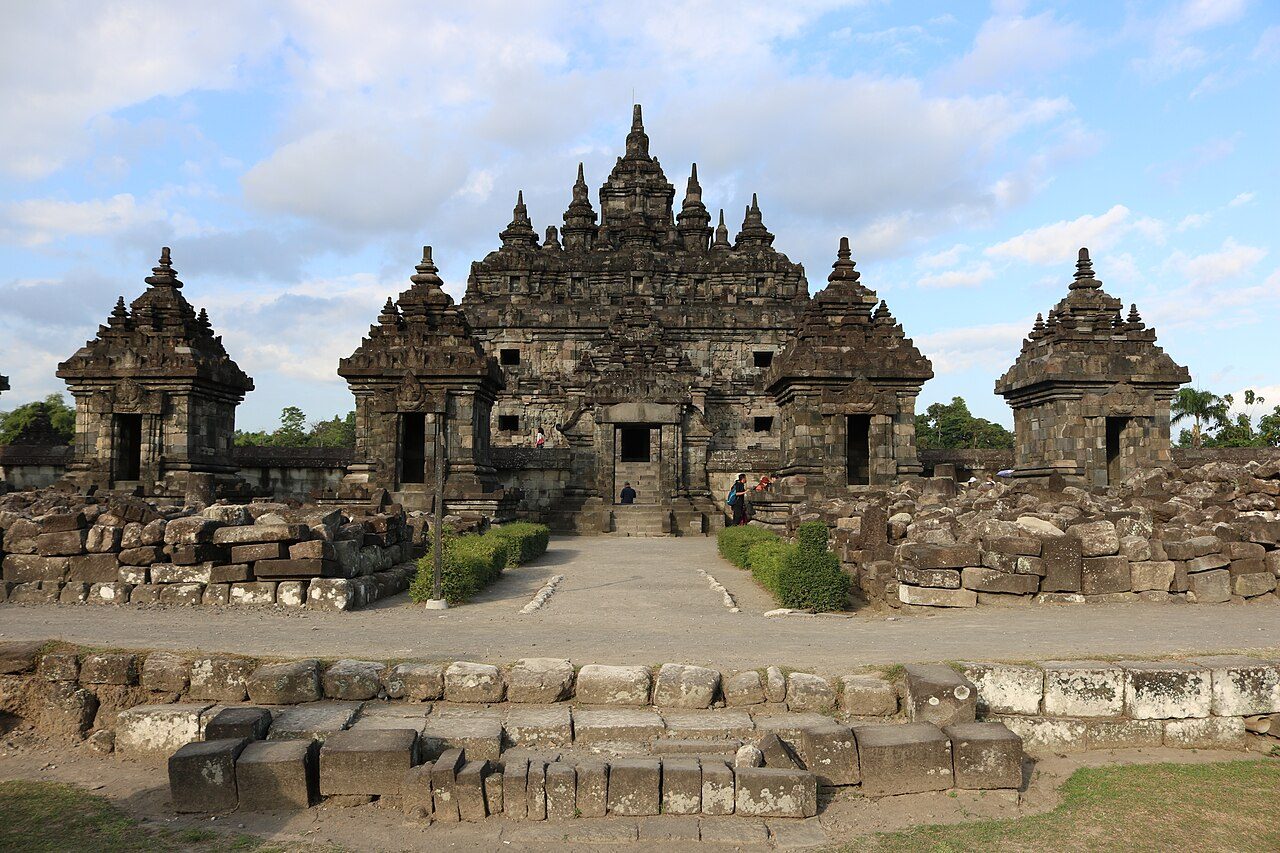
Plaosan is a pair of Buddhist temples near Prambanan, built in the mid-9th century. The two main shrines, Plaosan Lor, are two-storey buildings surrounded by rows of small stupas and shrines. Inscriptions suggest they were built by a Hindu king for his Buddhist queen. Its carved reliefs show men and women of the court.
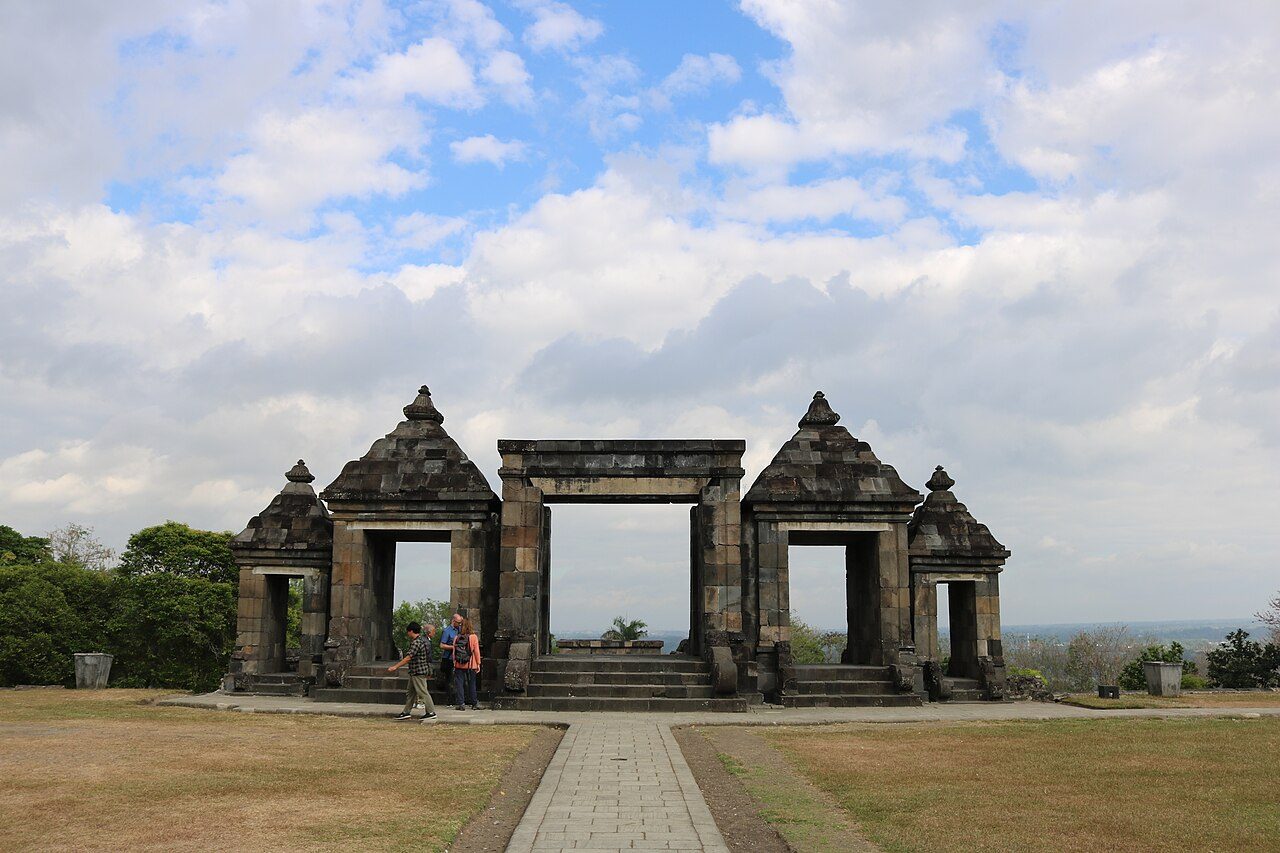
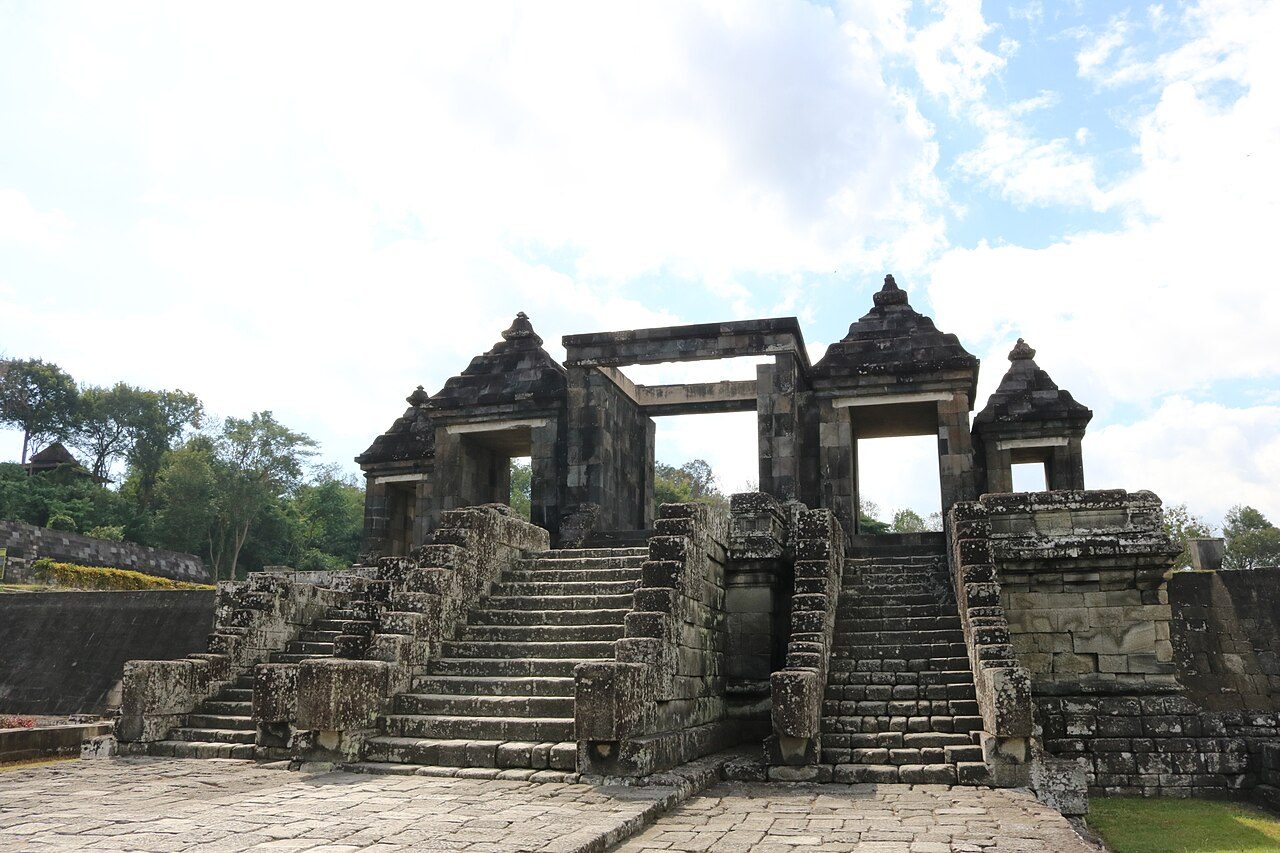
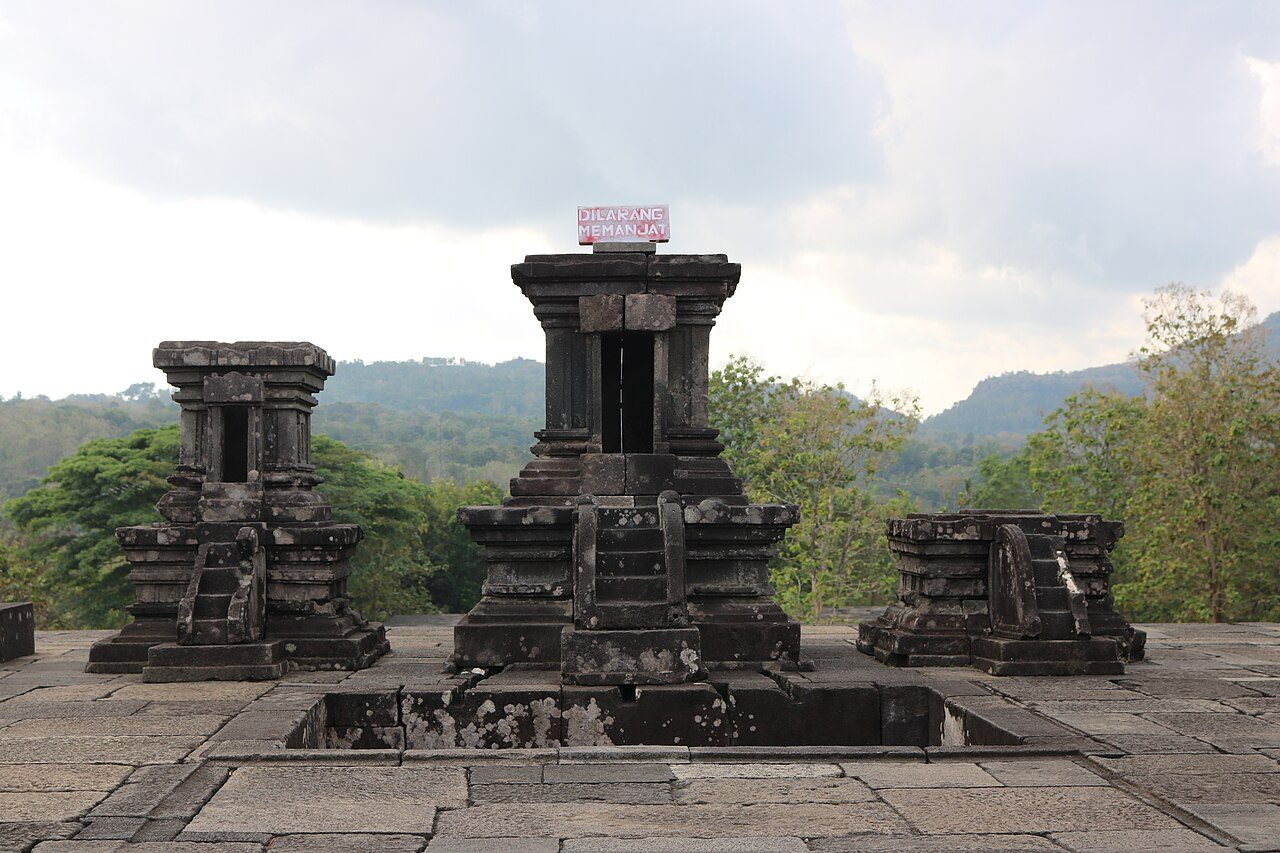
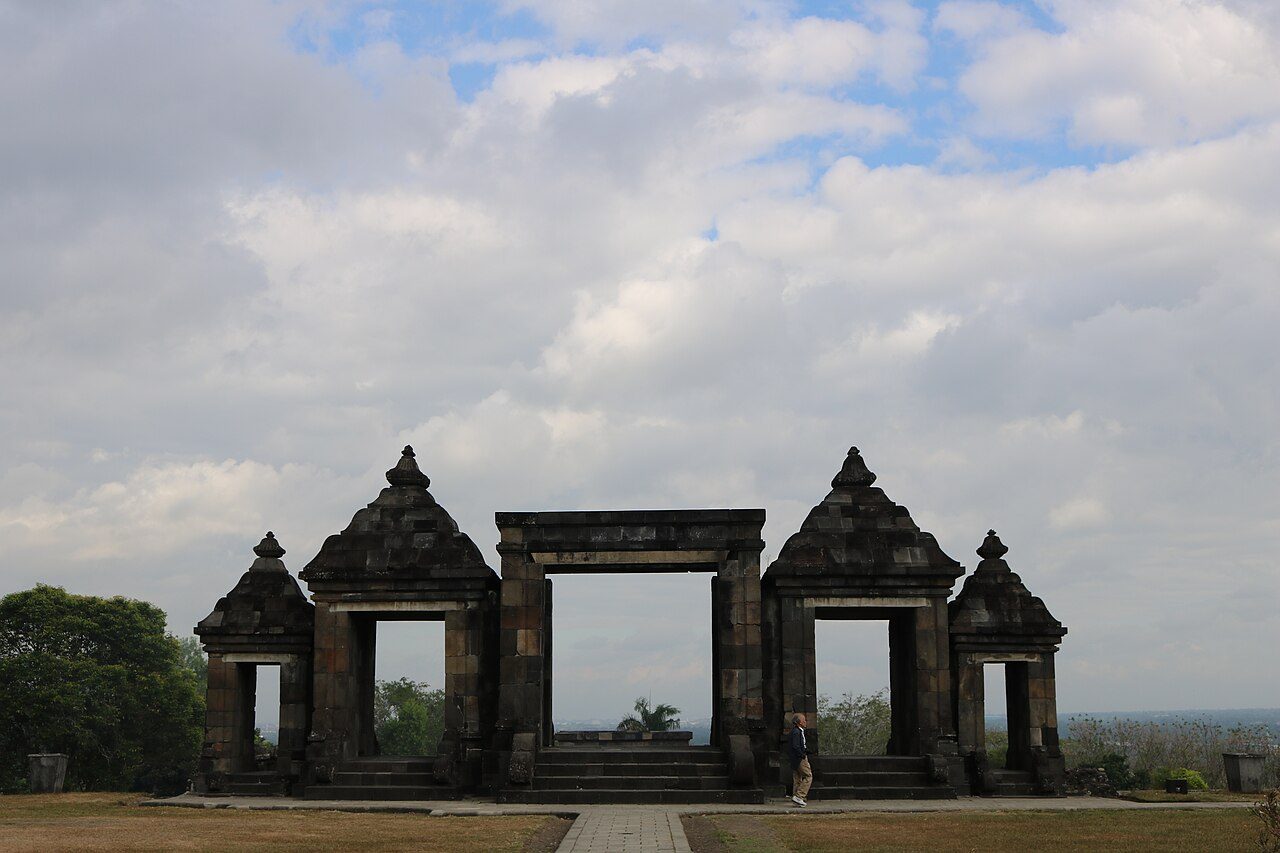
Ratu Boko is an archaeological site on a hilltop south of Prambanan. It is thought to have been a palace or fortified complex of the Mataram kingdom in the 8th and 9th centuries. Its best known feature is a large stone gateway with several arches. Remains of terraces, bathing pools and caves are spread over the plateau, which is famous for its sunset views.
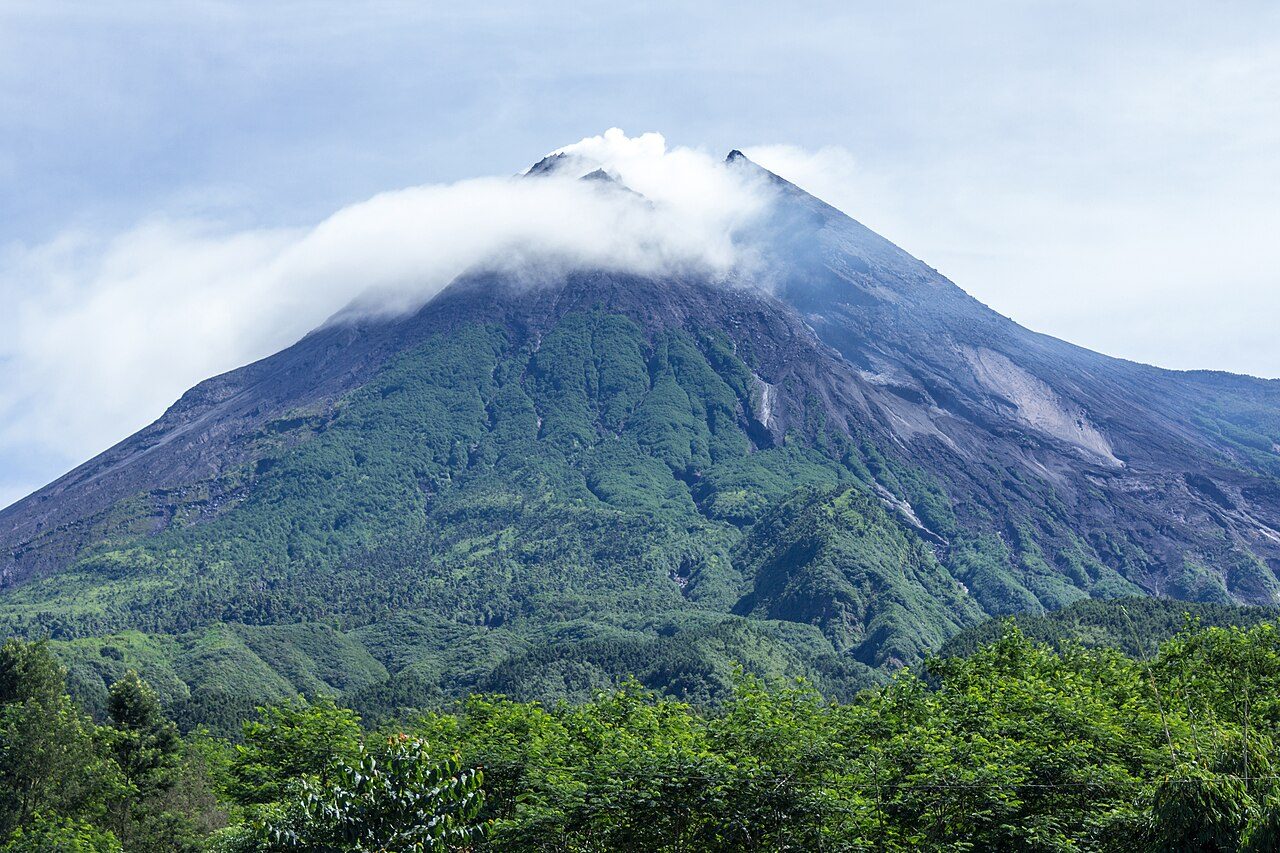
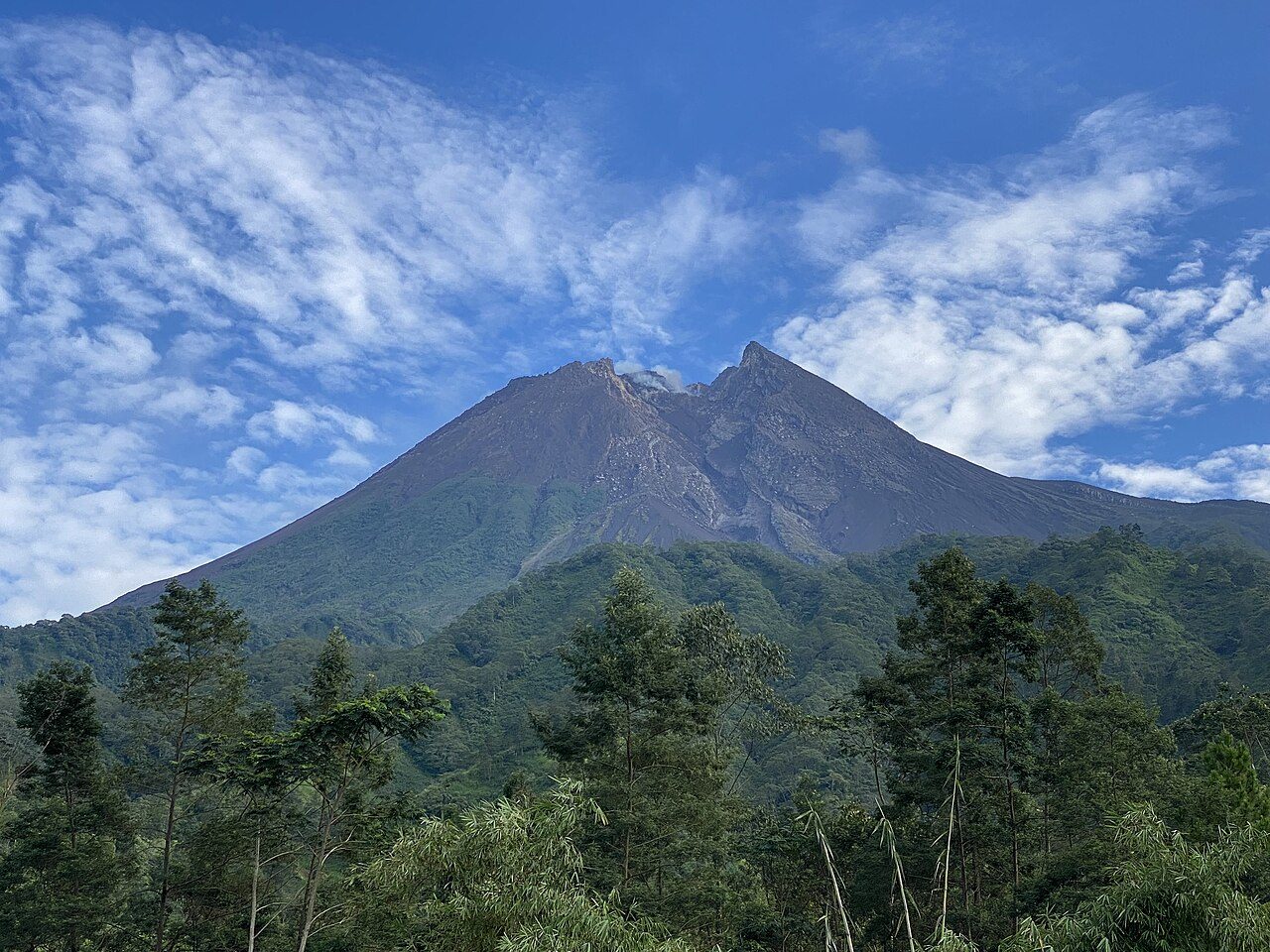
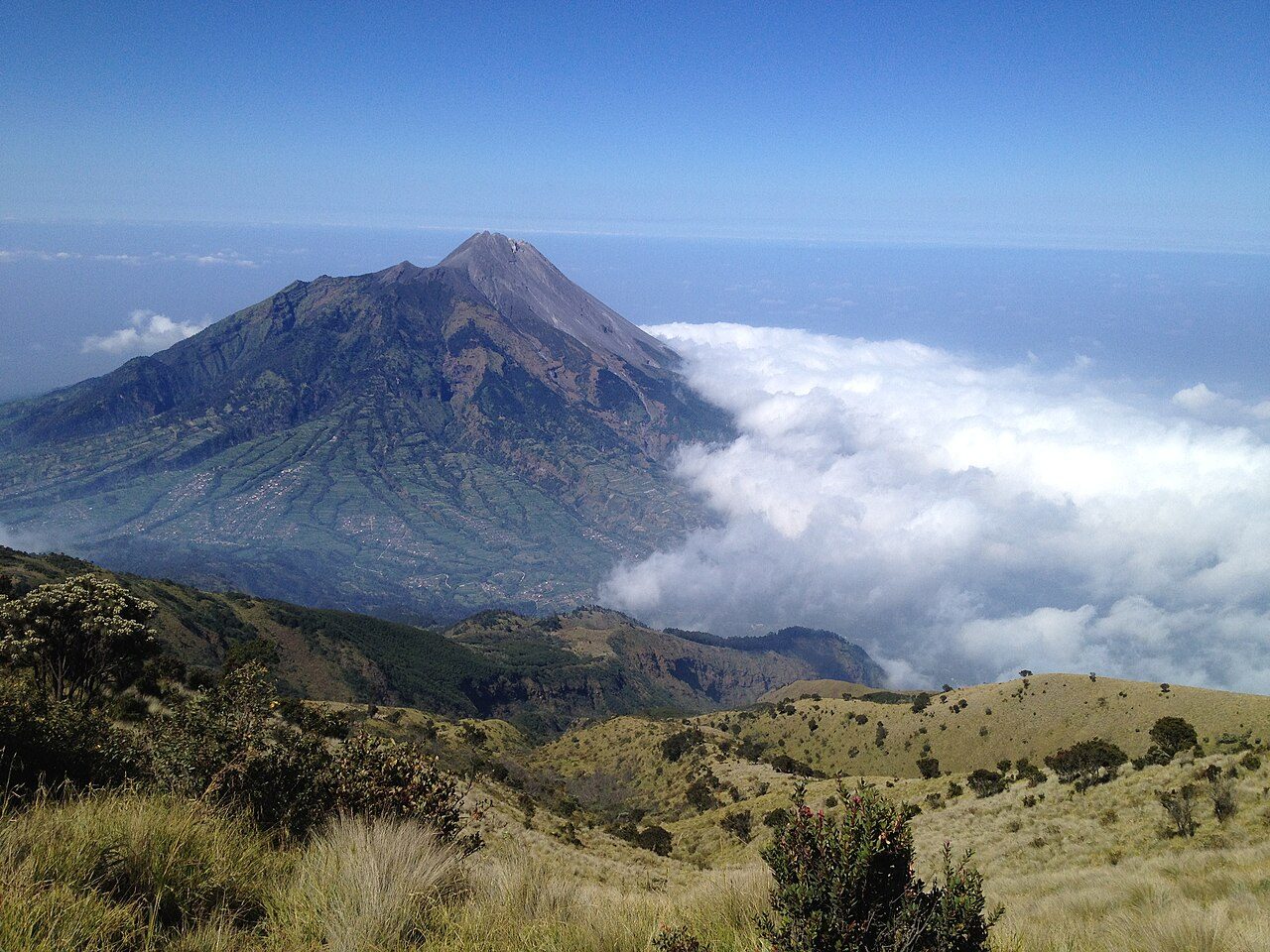
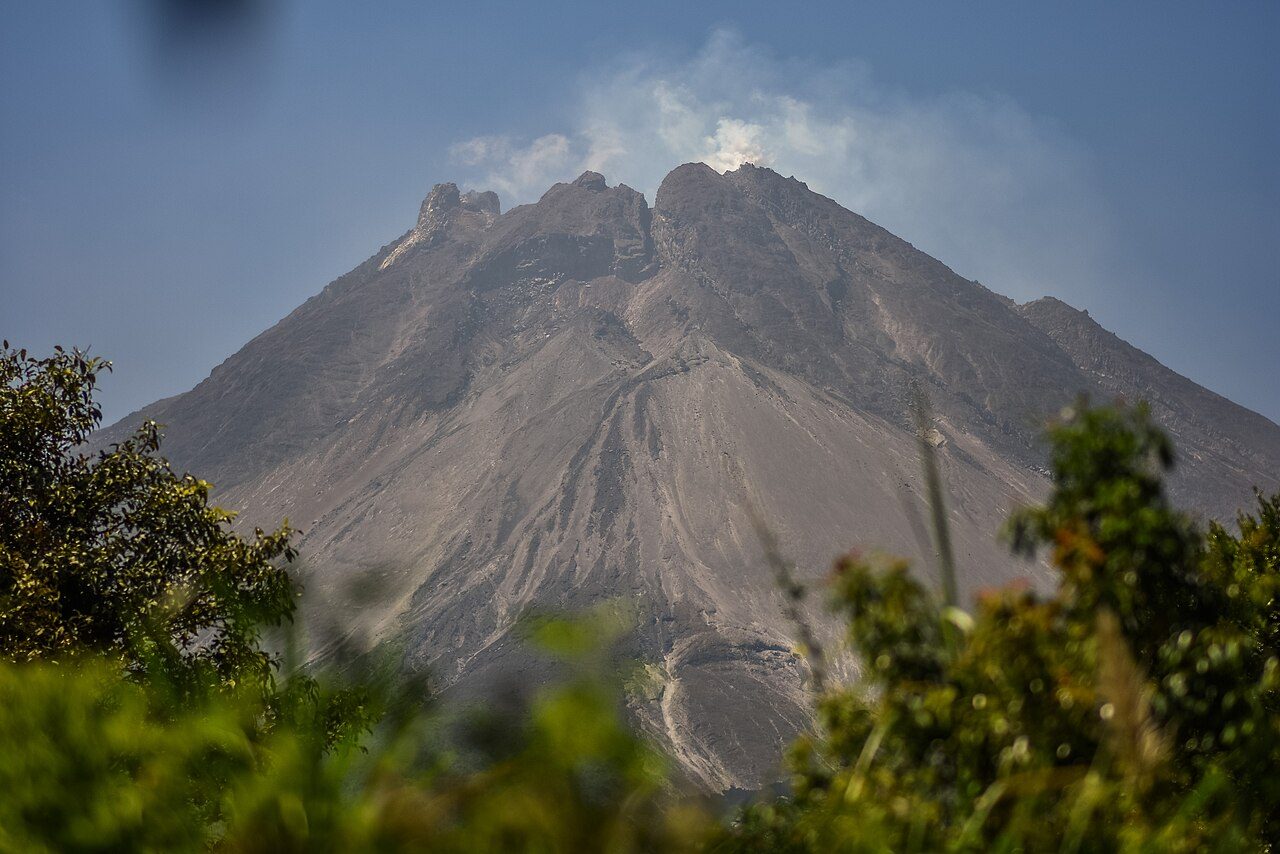
Mount Merapi is the most active volcano in Indonesia, rising to about 2,900 metres north of Yogyakarta. It erupts every few years. In 2010 a large eruption killed over 300 people. Jeep tours cross its southern slopes to see villages destroyed by the eruption, lava flows and a small museum. On clear mornings the peak can be seen smoking from Yogyakarta.
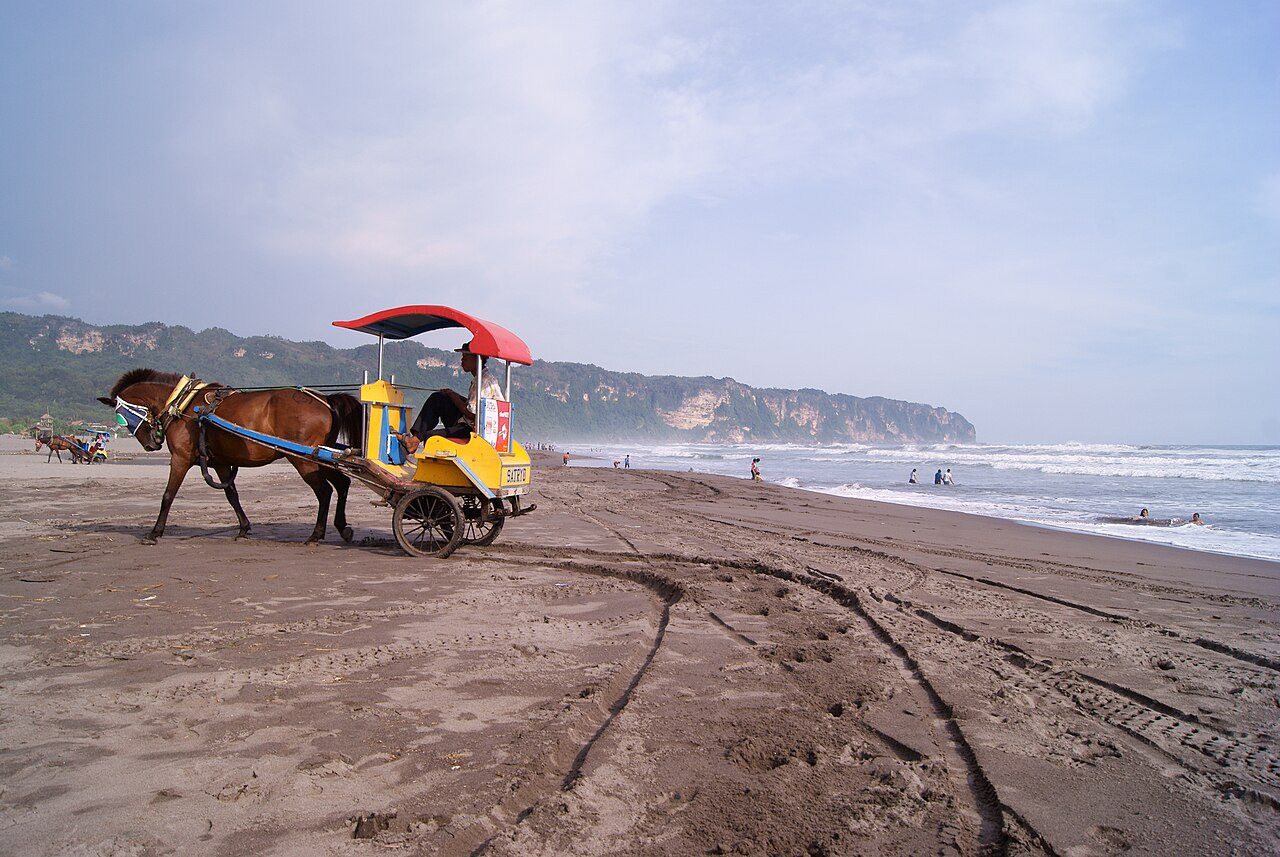
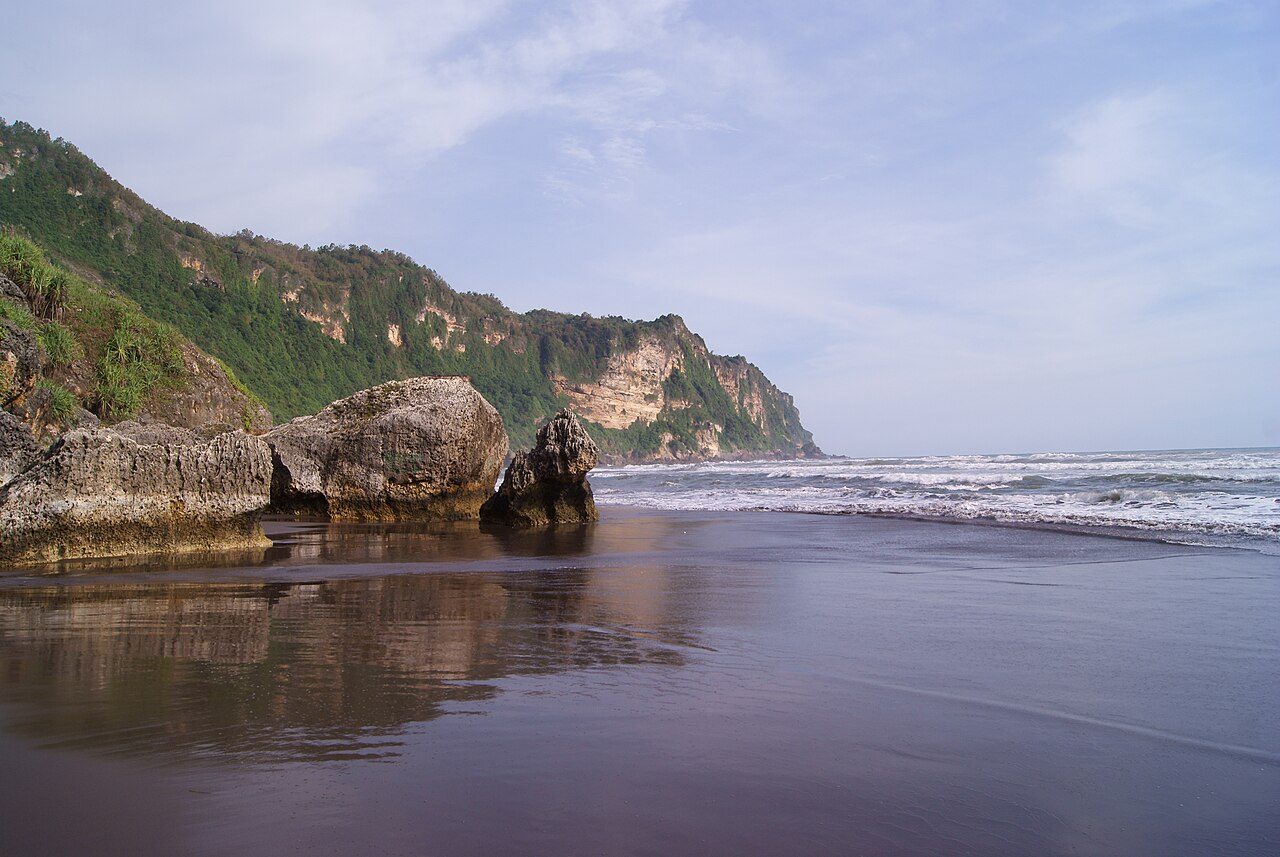
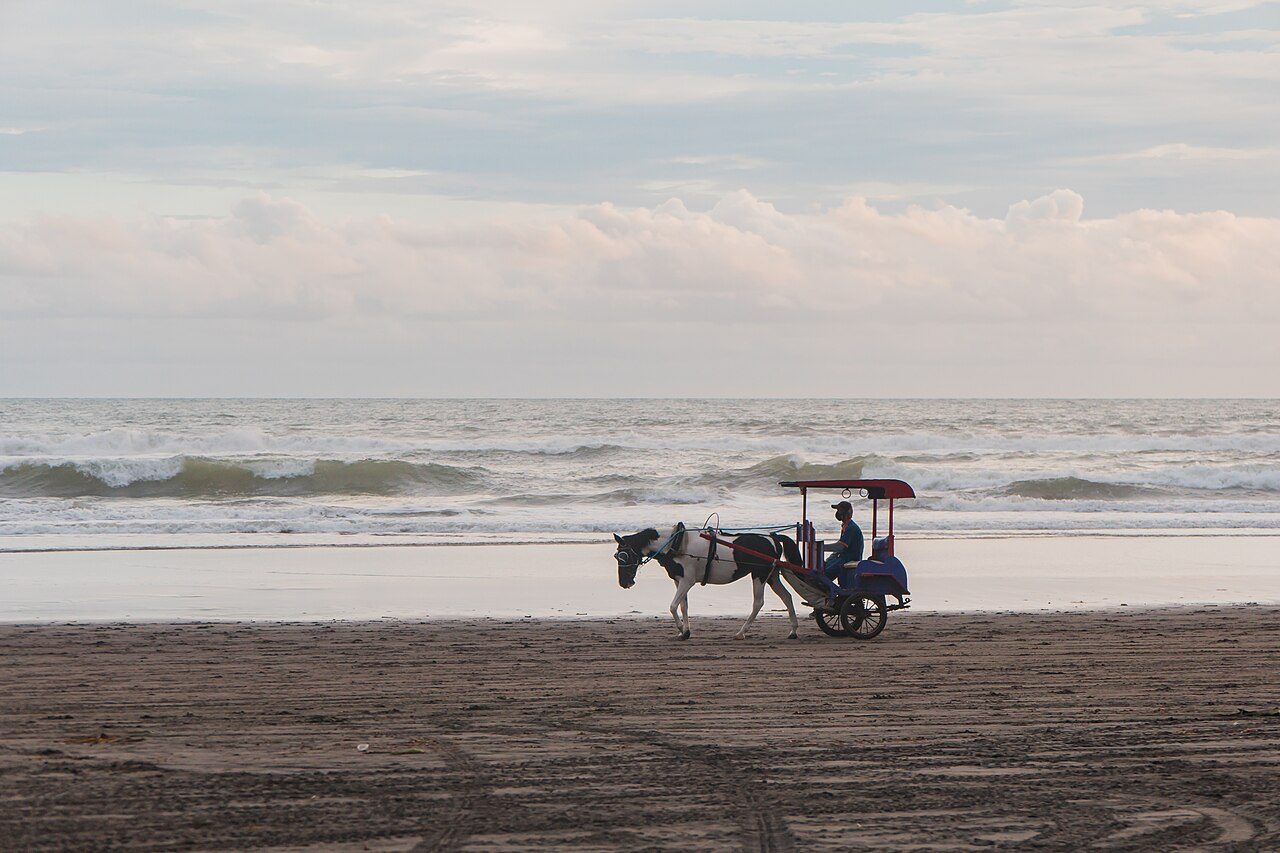
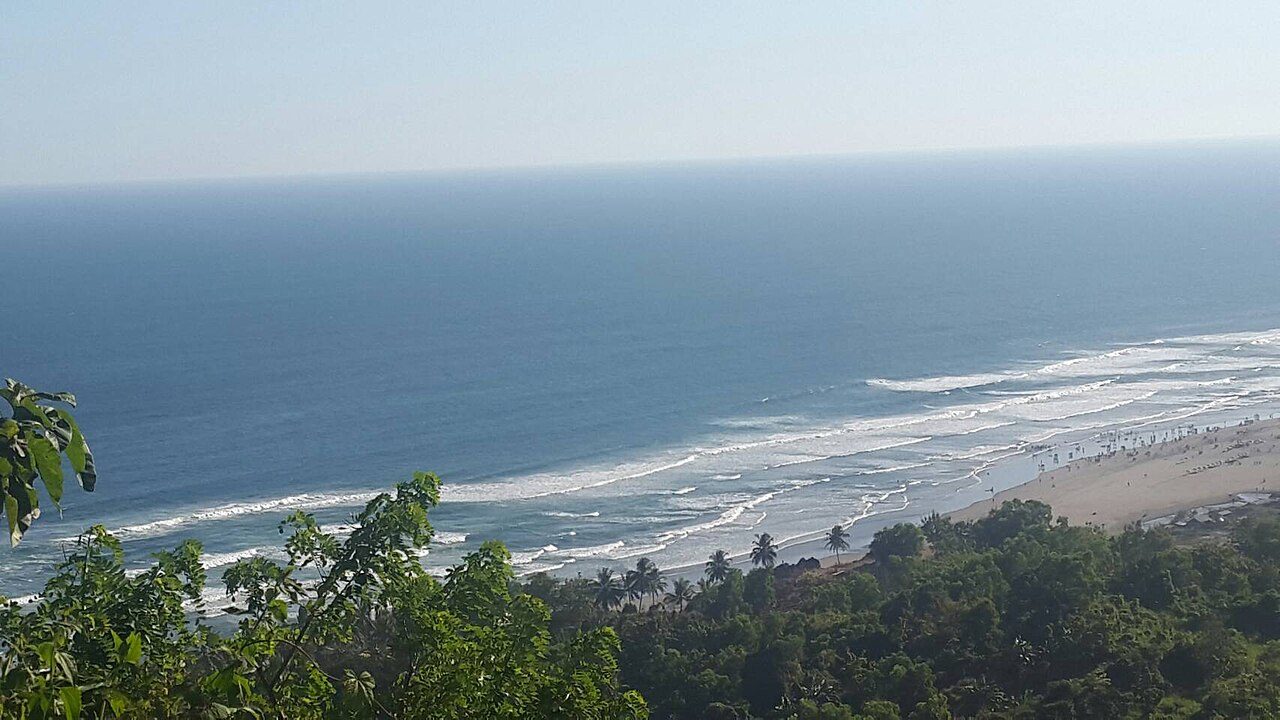
Parangtritis is a beach on the Indian Ocean about 27 kilometres south of Yogyakarta. It has wide grey sand, strong waves and high cliffs at its eastern end. Swimming is dangerous. The beach is linked with Nyai Roro Kidul, the Javanese queen of the southern sea. Horse carts and buggies ride on the sand, and sand dunes nearby are used for sandboarding.
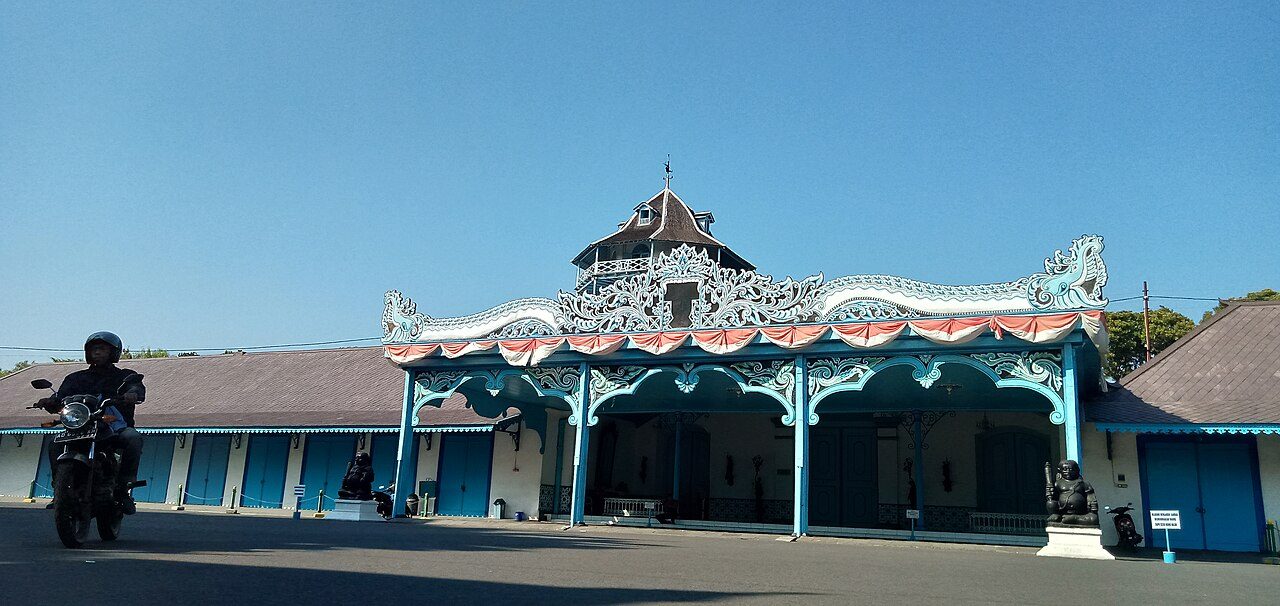
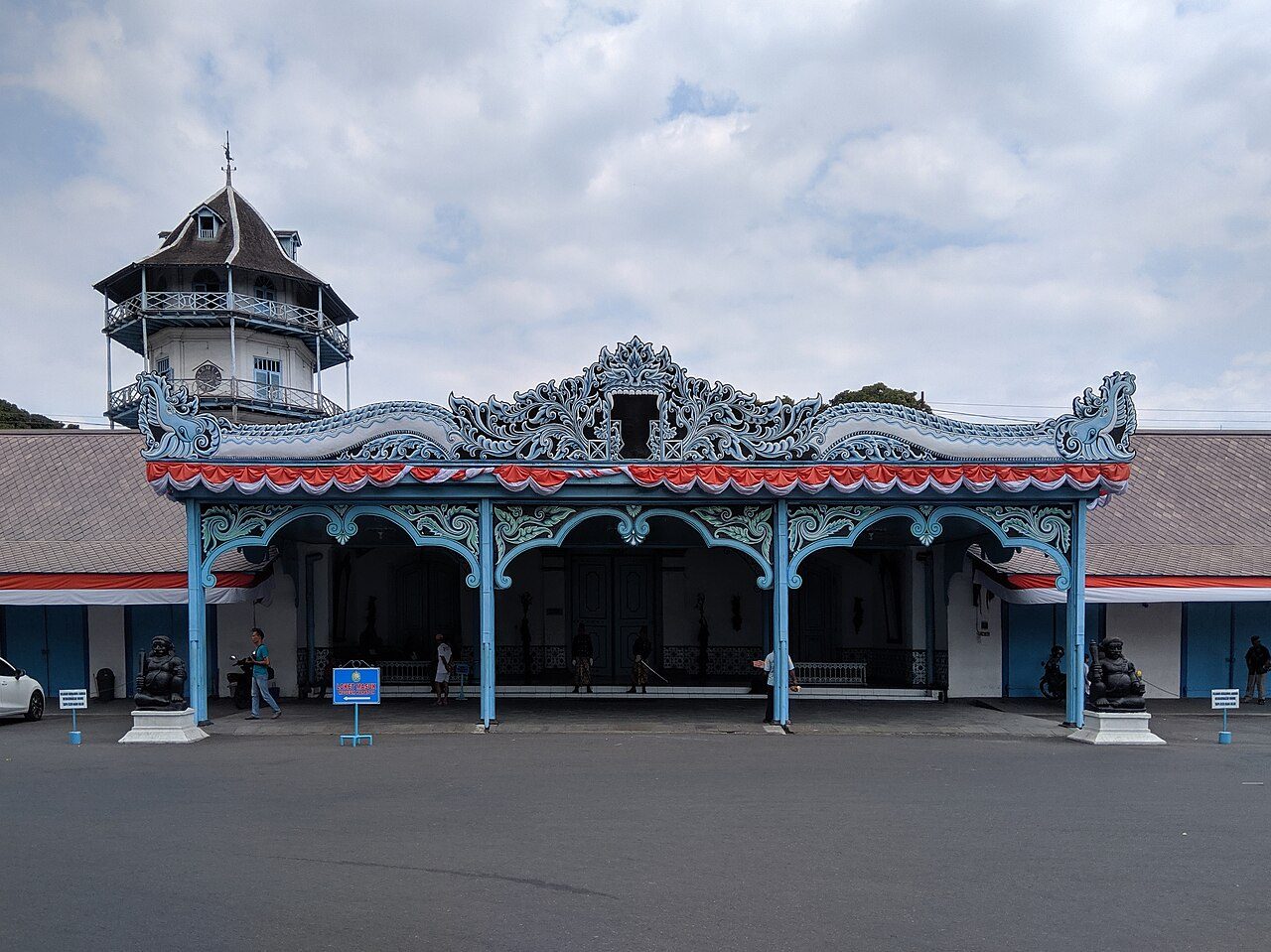
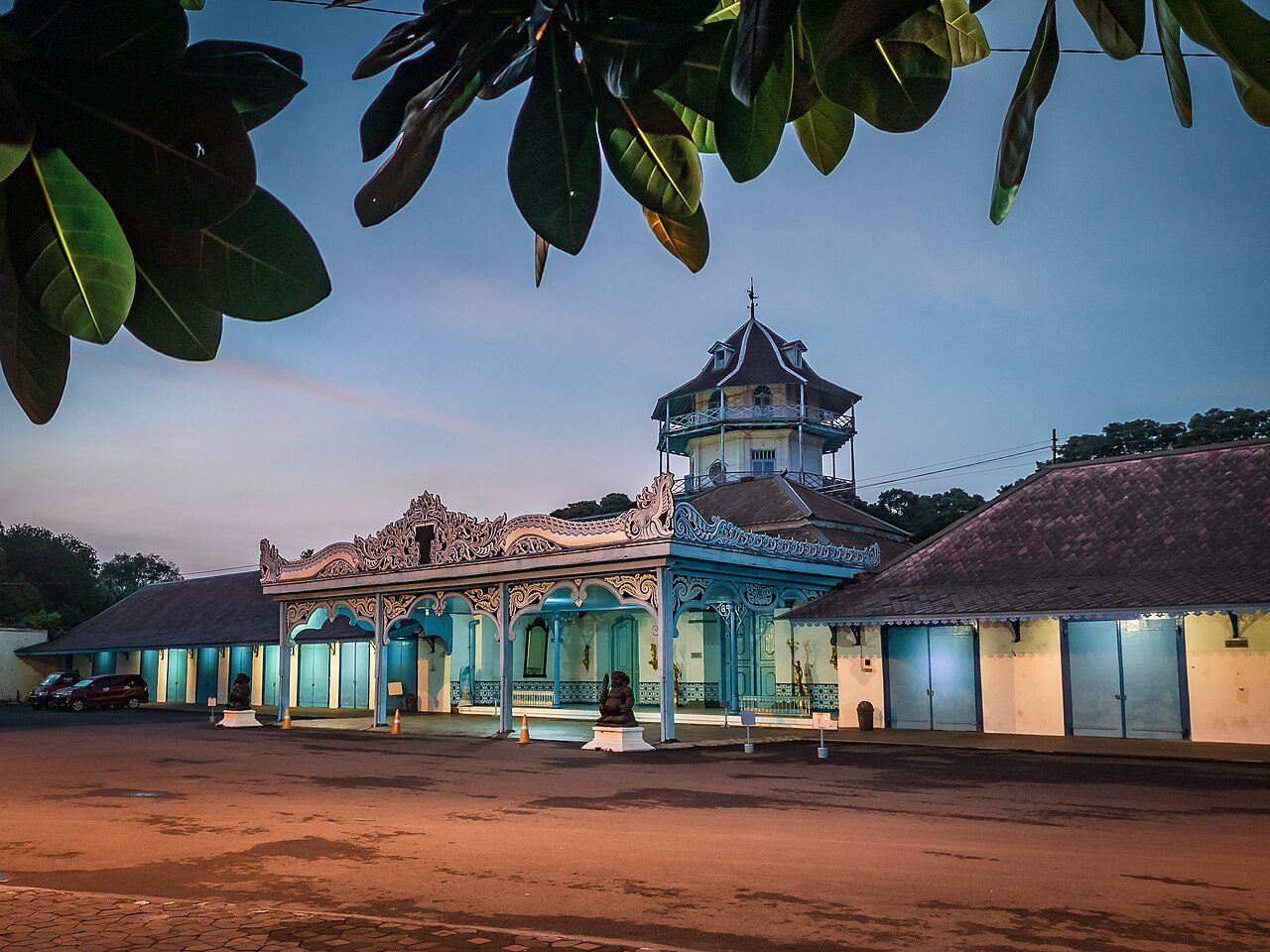
The Kraton Surakarta is the palace of the Sunan of Surakarta, built in 1745 when the court moved here from Kartasura. It mixes Javanese pavilions with European touches. Its museum displays carriages, gamelan instruments, weapons and royal heirlooms. The palace still holds ceremonies, and a tall tower called Panggung Songgo Buwono stands inside its walls.
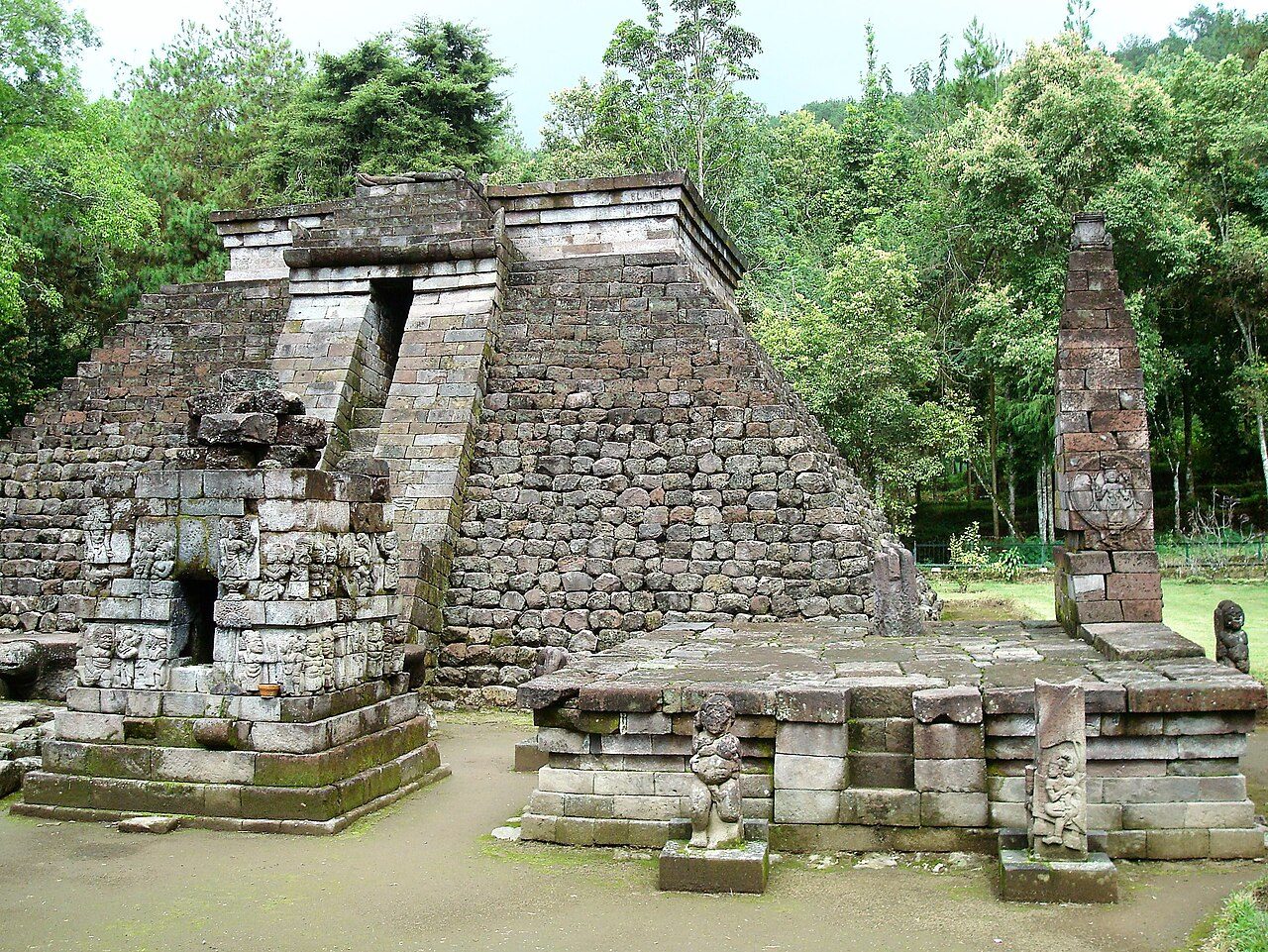
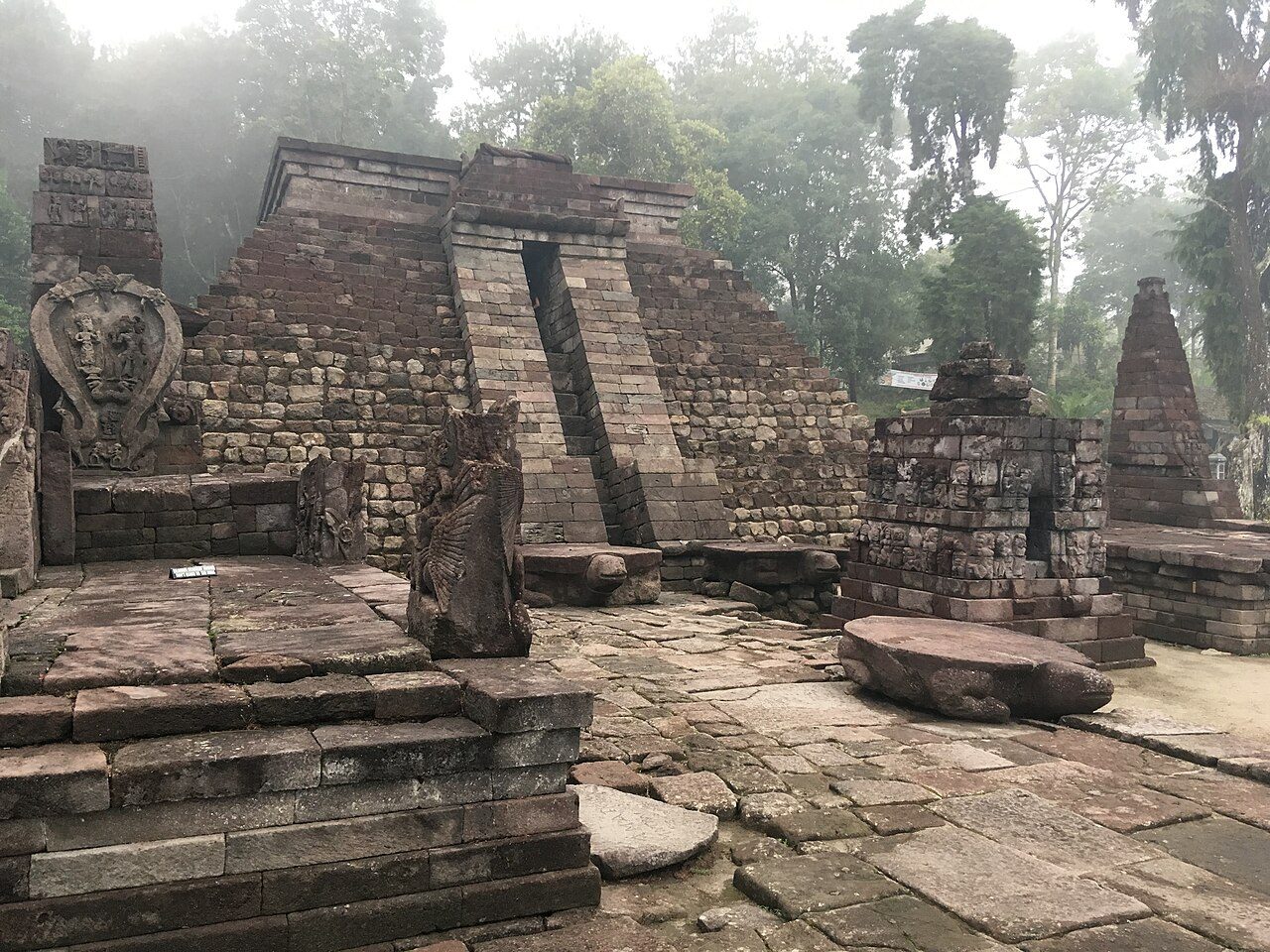
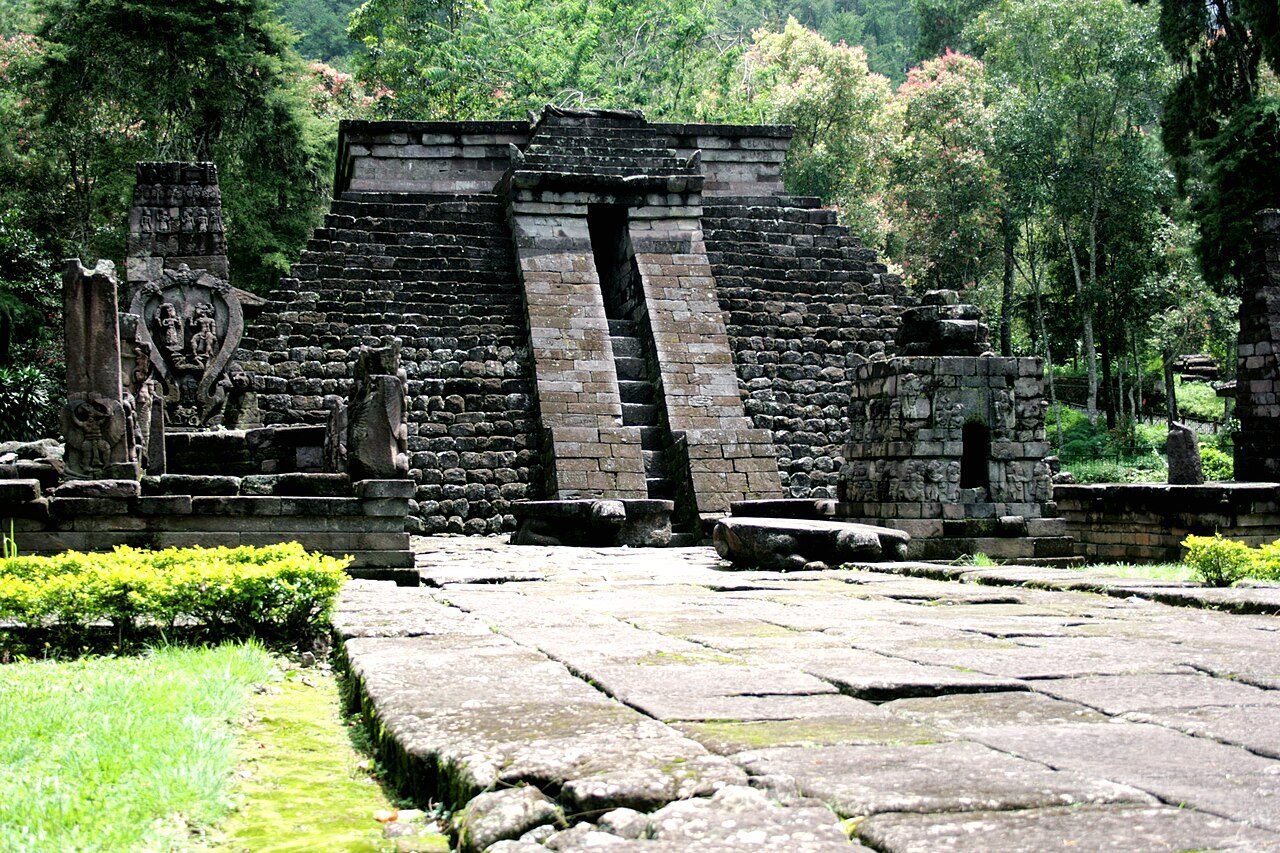
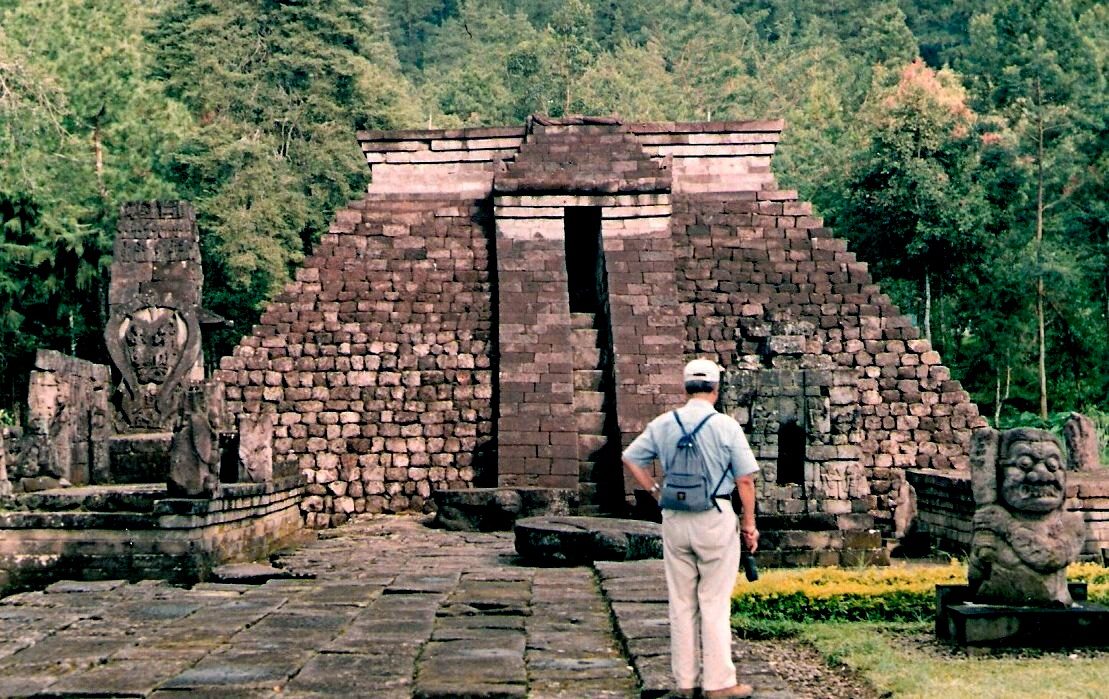
Sukuh Temple lies on the western slope of Mount Lawu in Central Java, about 900 metres above sea level. It was built in the 15th century, late in the Majapahit era. Unlike most Javanese temples, its main building is a stepped pyramid that looks like the temples of Central America. Its carvings include fertility symbols and scenes from Javanese legends.
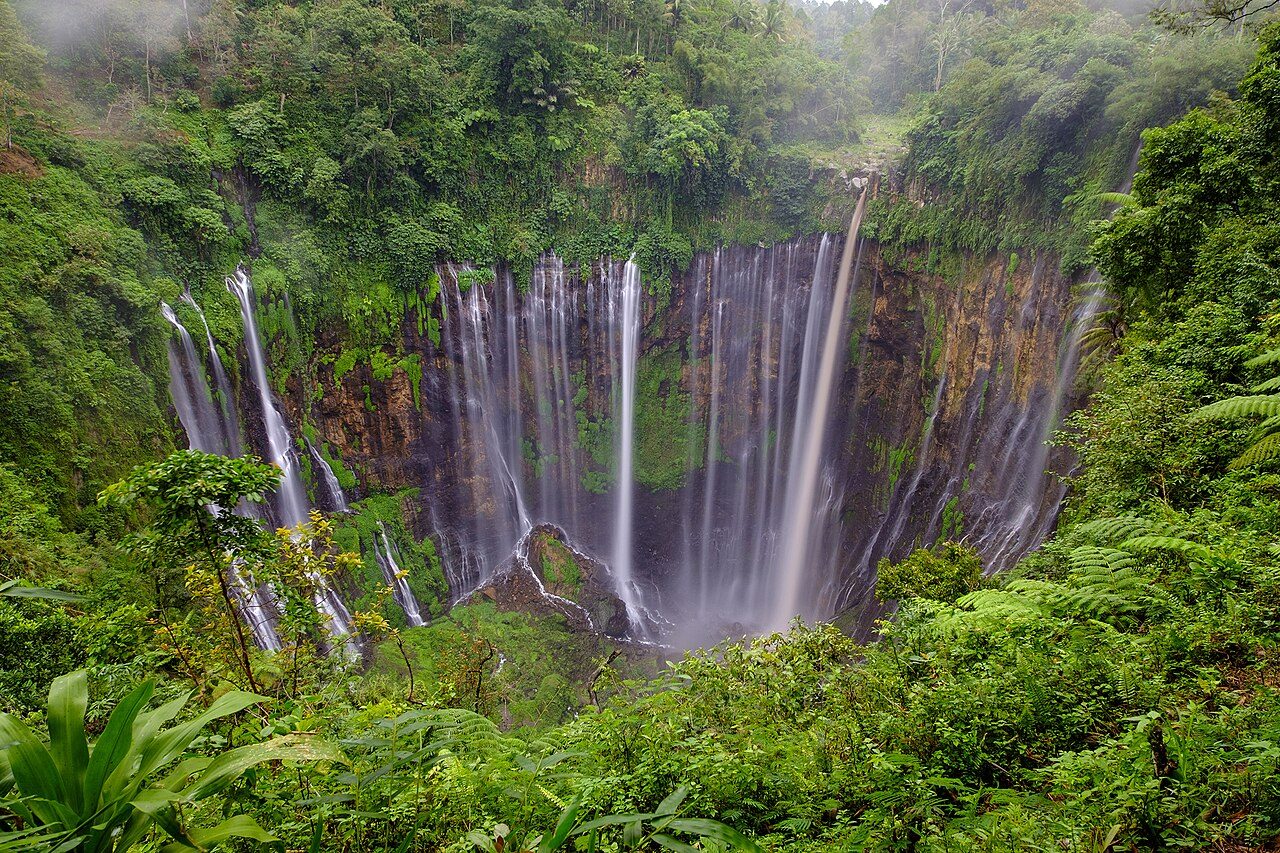
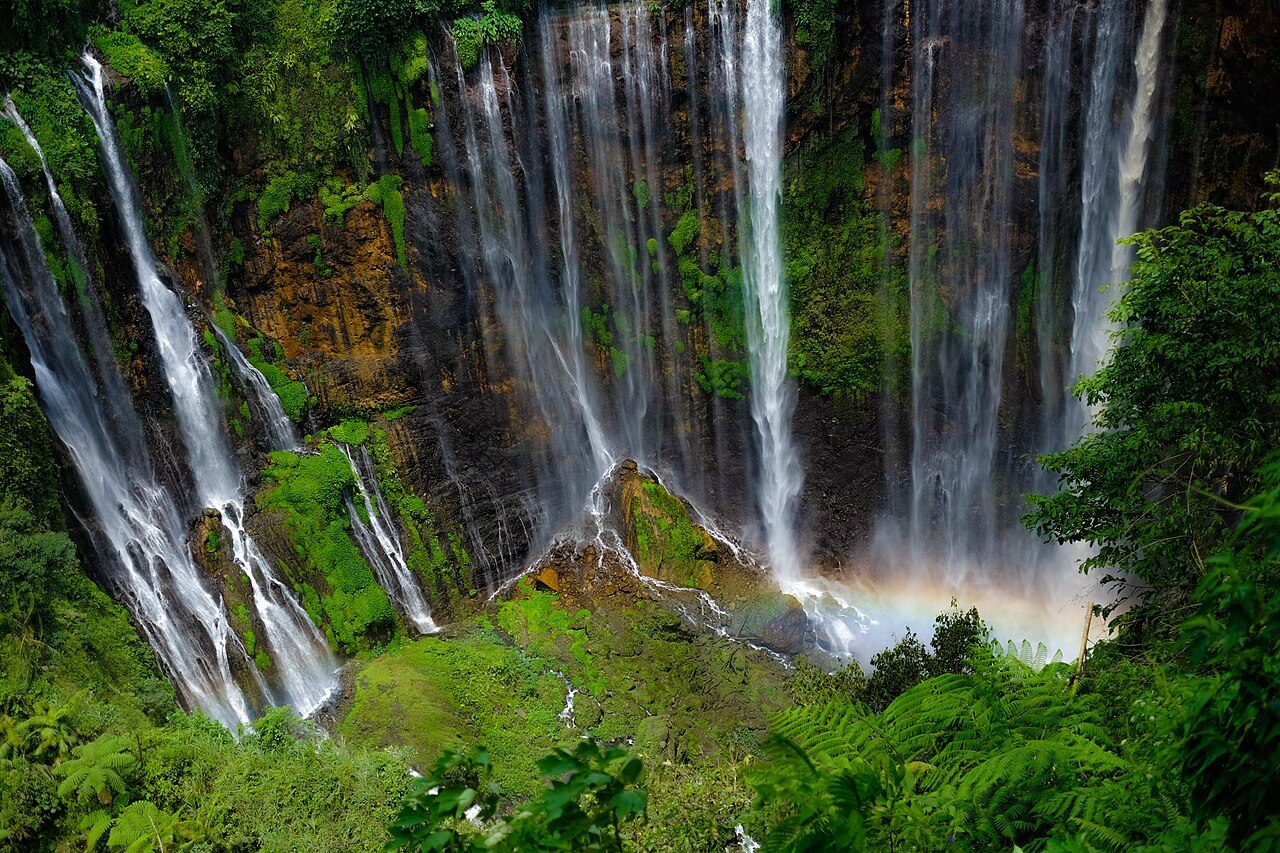
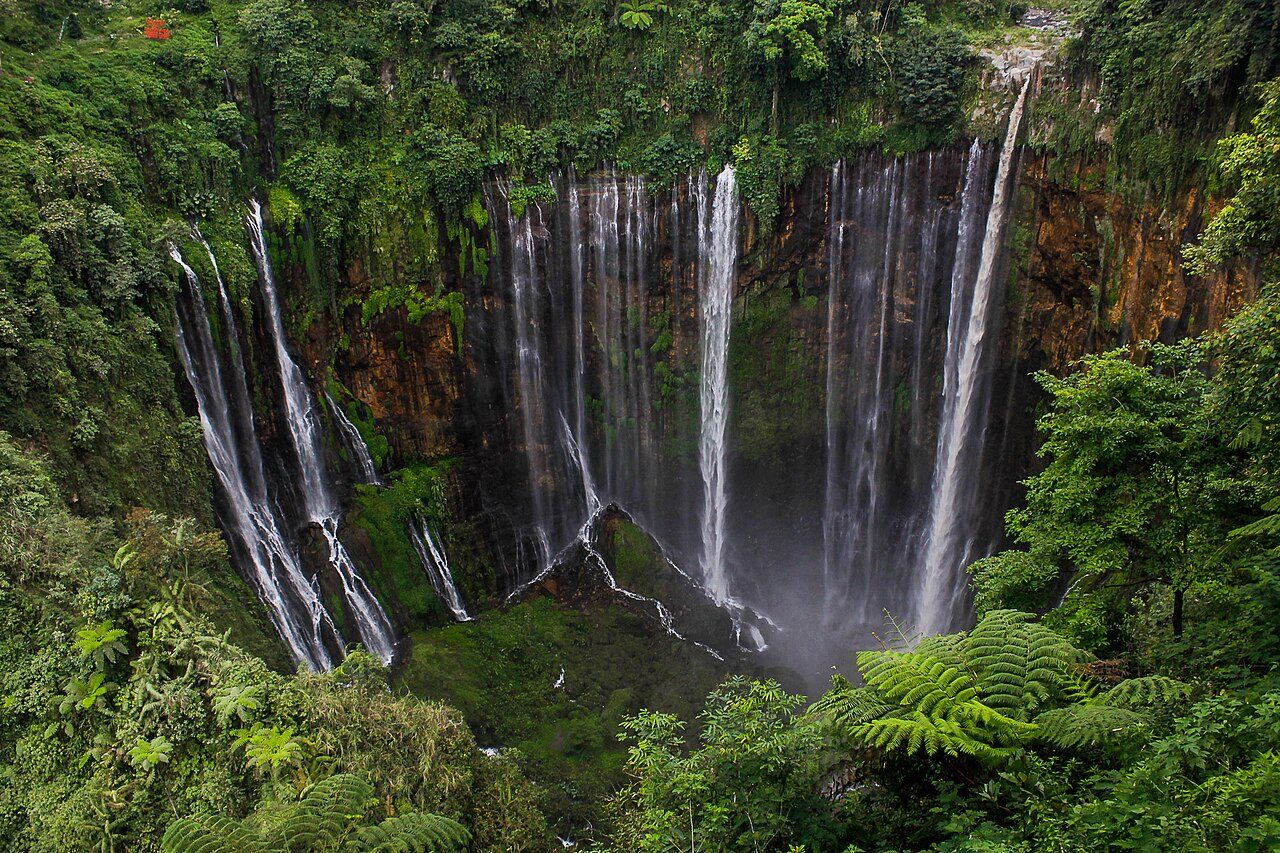
Tumpak Sewu is a waterfall in Lumajang, East Java, at the foot of Mount Semeru. Water falls in many curtains from a semicircular cliff about 120 metres high, which has earned it the nickname Niagara of Java. A viewpoint at the top shows the whole curve of the falls, and a steep path with ladders leads down to the base of the gorge.
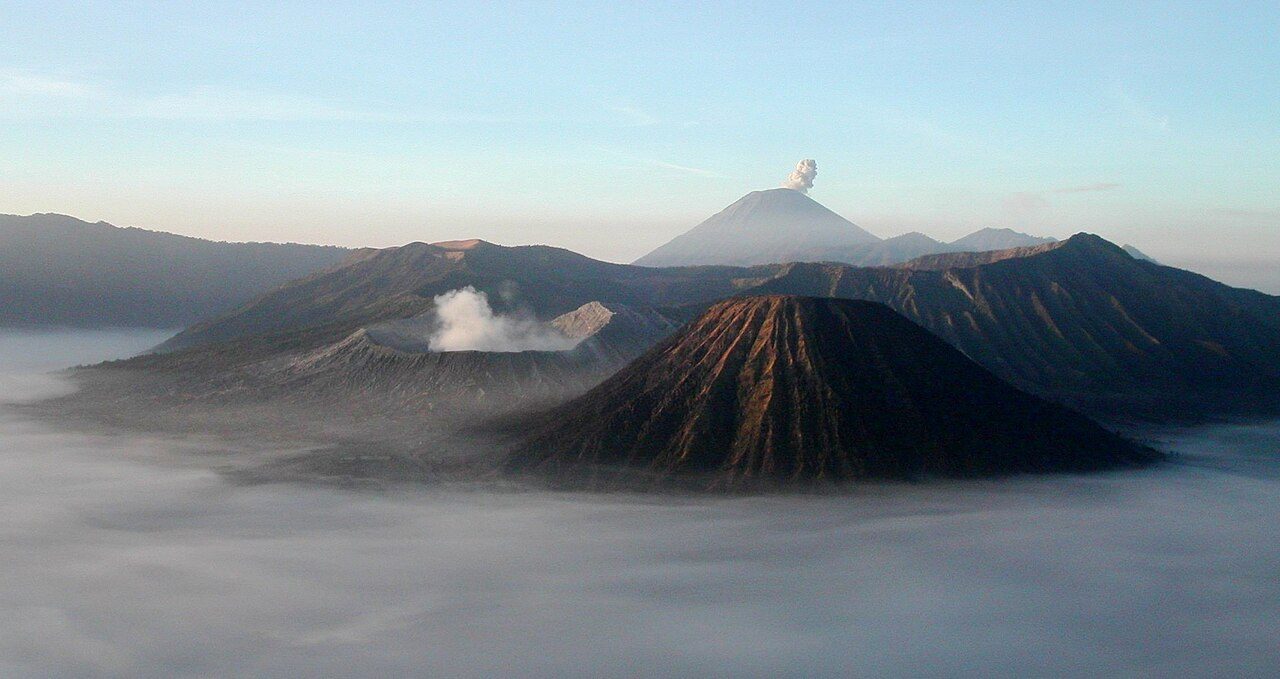
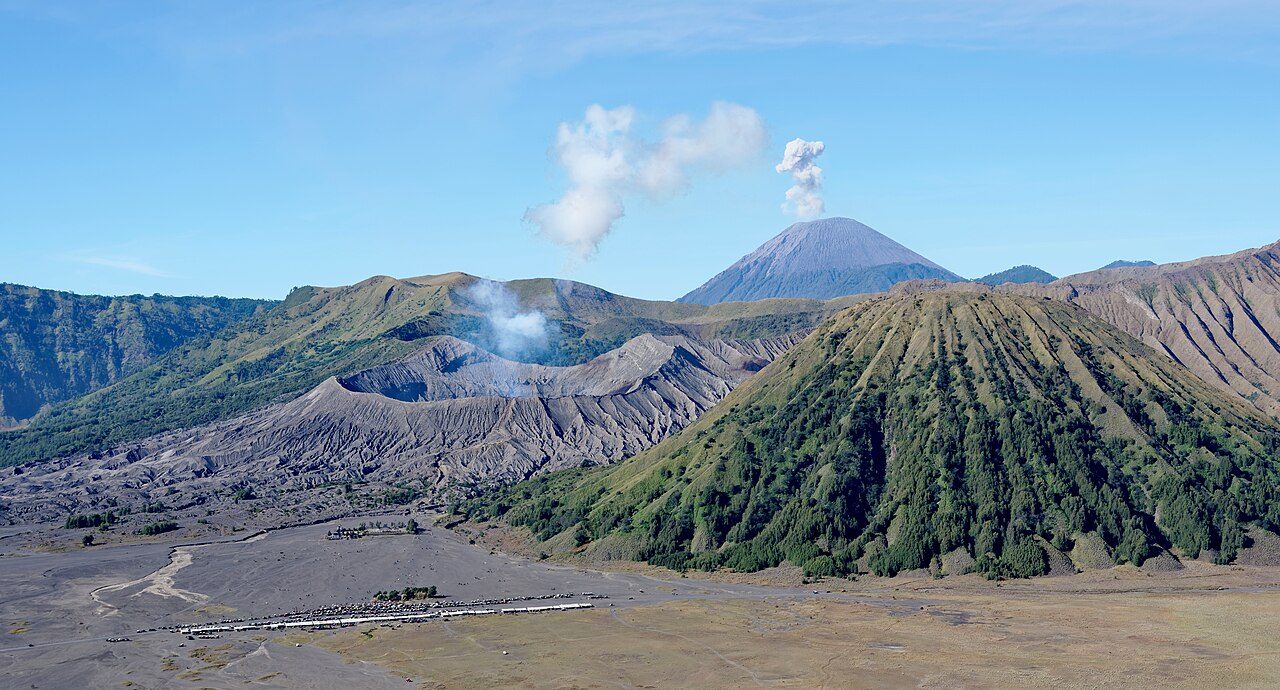
Mount Bromo is an active volcano in East Java, standing in the vast Tengger caldera with a sea of sand around it. It is part of Bromo Tengger Semeru National Park. Before dawn, visitors go to viewpoints such as Penanjakan to see the sunrise over Bromo, Batok and Semeru. They then cross the sand and climb a stairway to the steaming crater rim. The Tengger people hold the Kasada ceremony here.
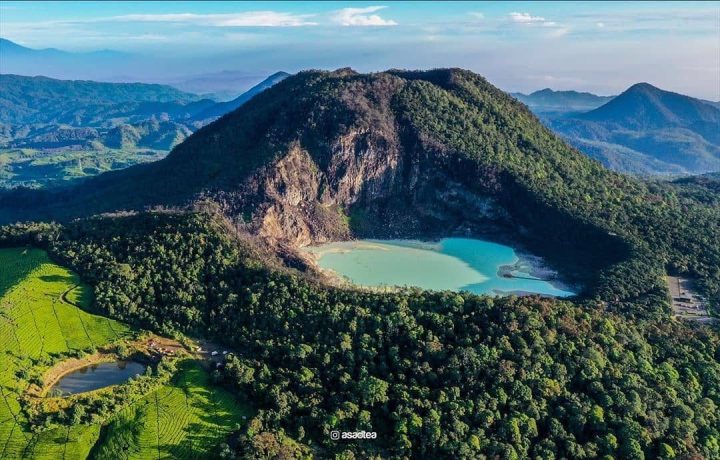
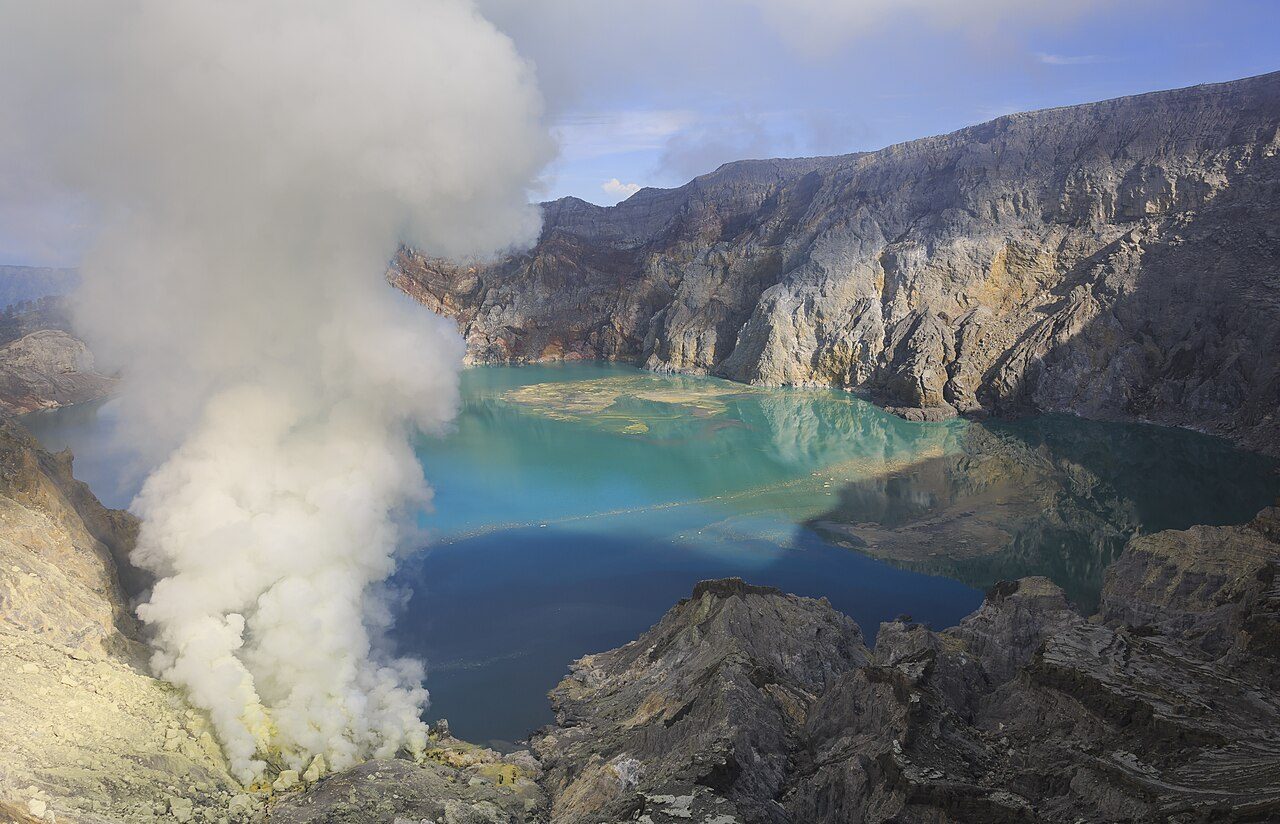
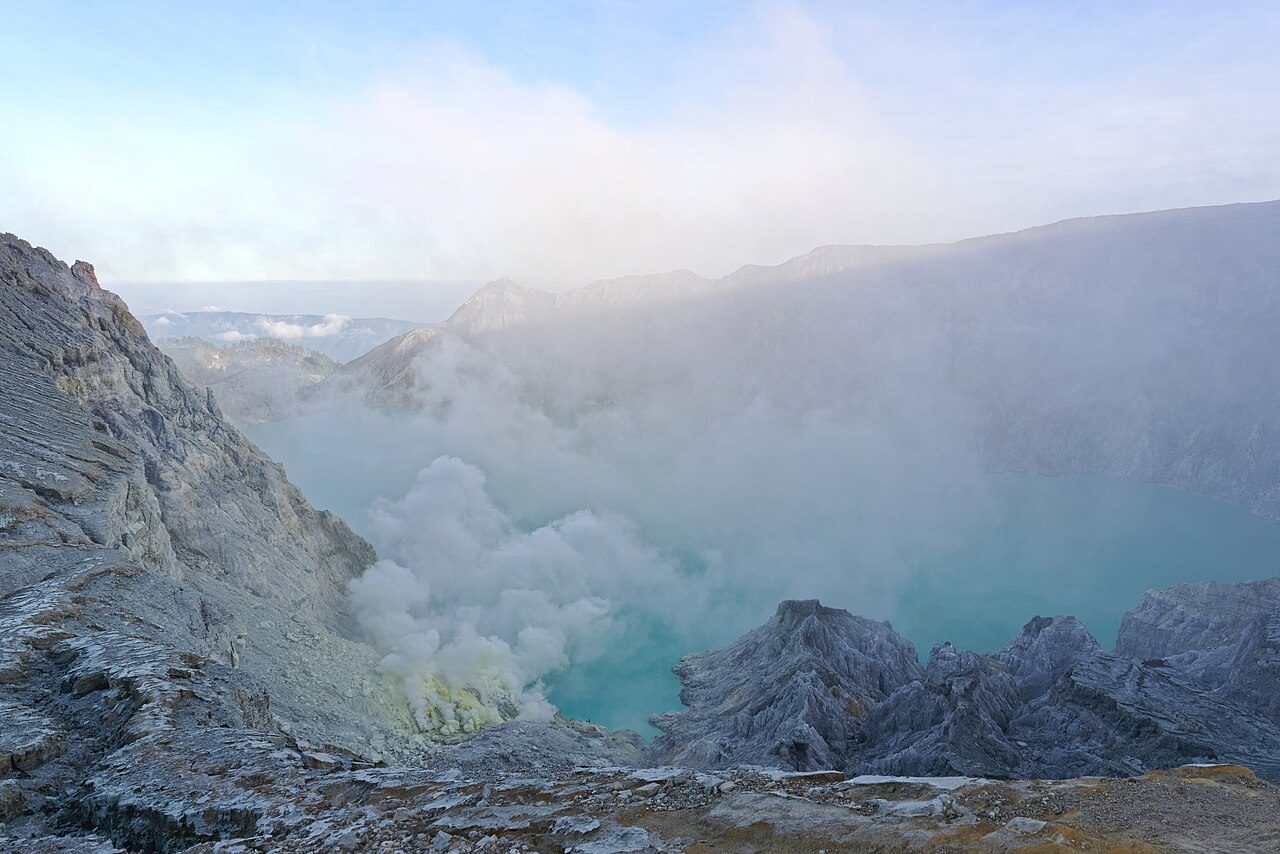
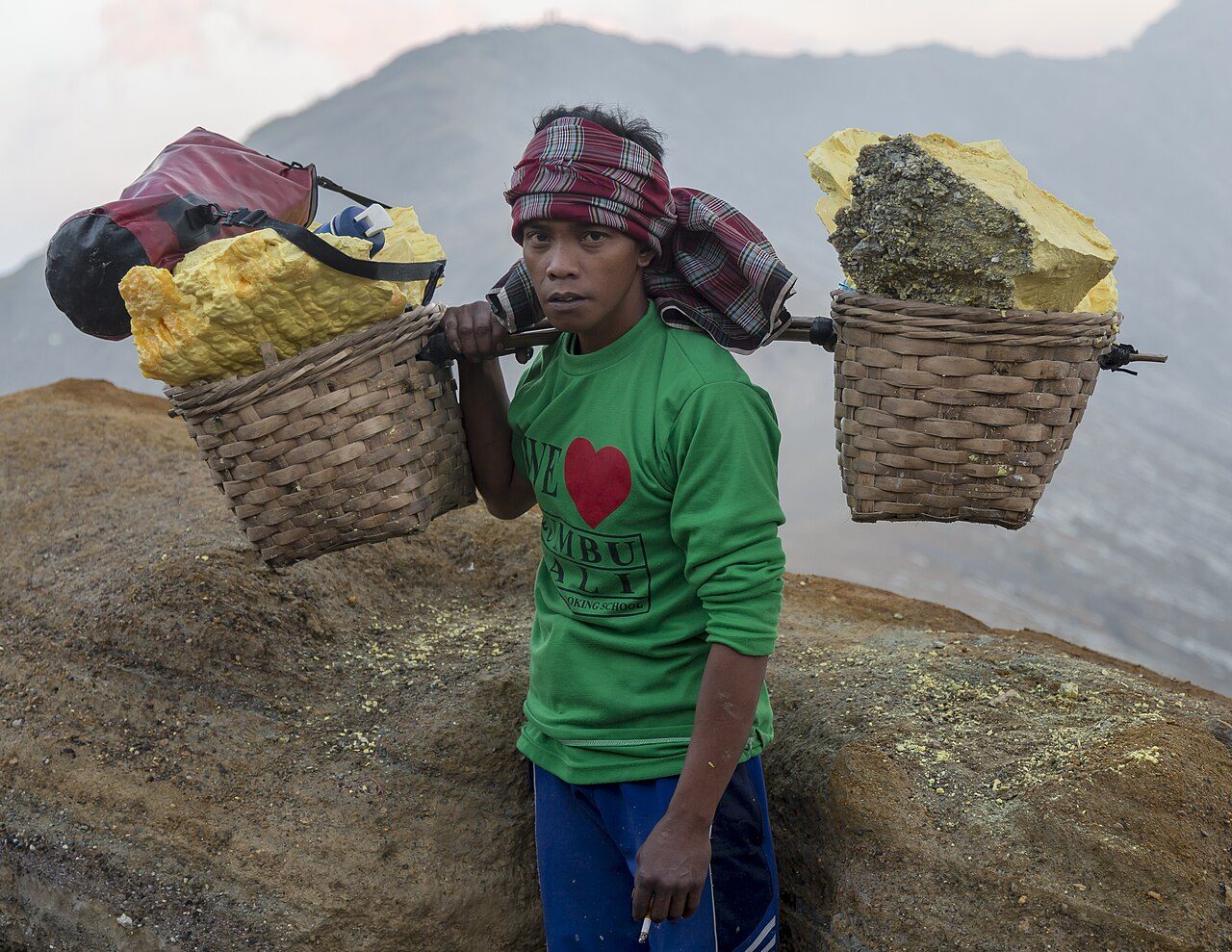
Ijen is a volcano complex in East Java whose crater holds a turquoise acid lake, the largest of its kind in the world. Miners carry heavy loads of sulphur up from the crater by hand. At night, burning sulphuric gases create blue flames that can be seen near the crater. Hikers start the climb in the middle of the night to reach the rim by dawn.
Best weather: Jun – OctHeavy rain: Dec – Mar
Seasons from 20 years of NASA POWER climate data.
Was this trip blog helpful?
0
0
Ready to follow this route?
Copy all 20 stops into your trip plans in the app.
 WaTrips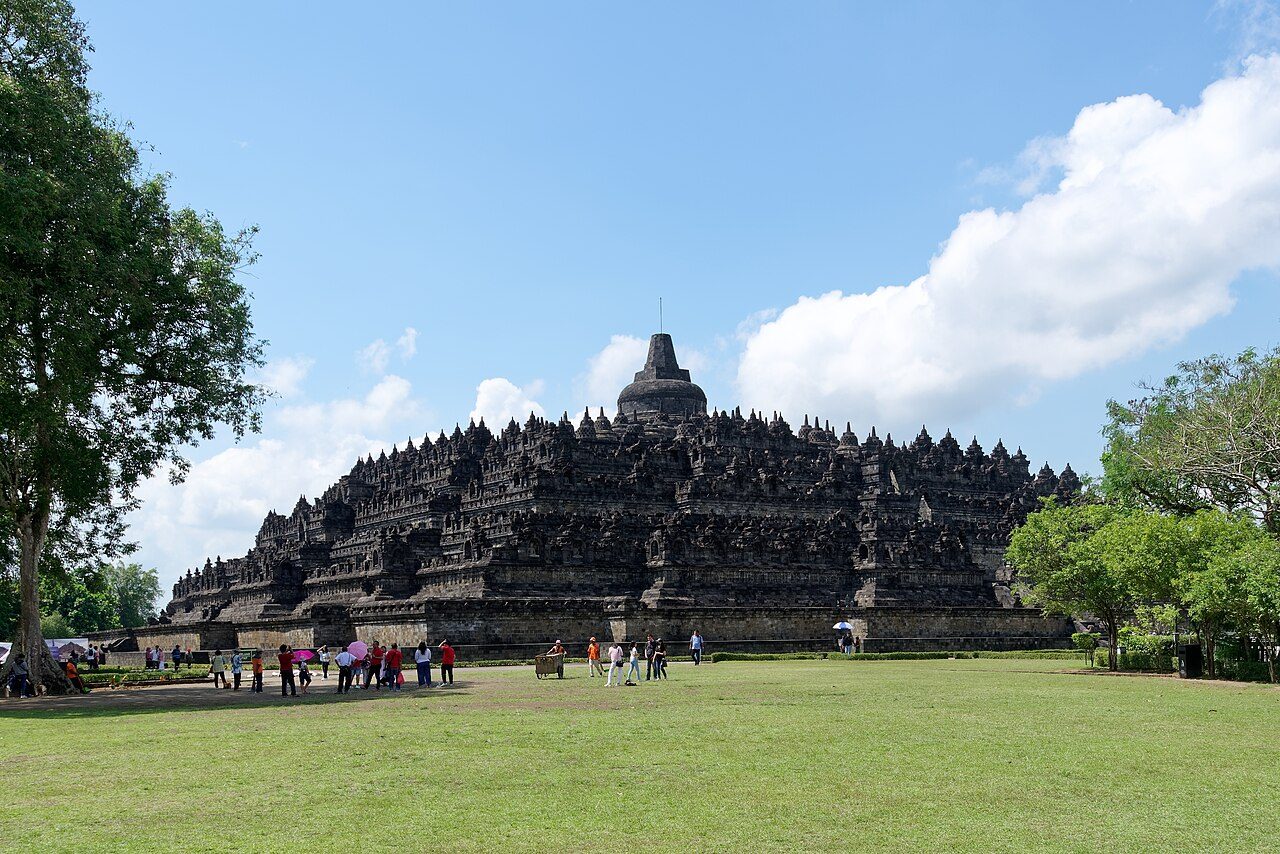








 BikesBooking
 Localrent
 Airalo
 Tiqets