Jakarta and West Java: Old Batavia, Bogor, Bandung's Craters and Pangandaran
6 DAYS15 placesby WaTrips
Jakarta's monuments and old Batavia, Taman Mini, Bogor's gardens and palace, Bandung, Tangkuban Perahu, Kawah Putih and Green Canyon.
Jakarta is a sprawling capital, but there's history and nature within easy reach. See the National Monument, the Istiqlal Mosque and the cathedral that faces it, the old Dutch quarter around Fatahillah Square and the wooden schooners of Sunda Kelapa. Spend a day at Bogor's botanical gardens and palace, then head up to cool Bandung, a city of art deco buildings with volcanic craters around it: Tangkuban Perahu and the white-green lake of Kawah Putih. Finish by body-rafting through Green Canyon at Pangandaran. Go May to September.
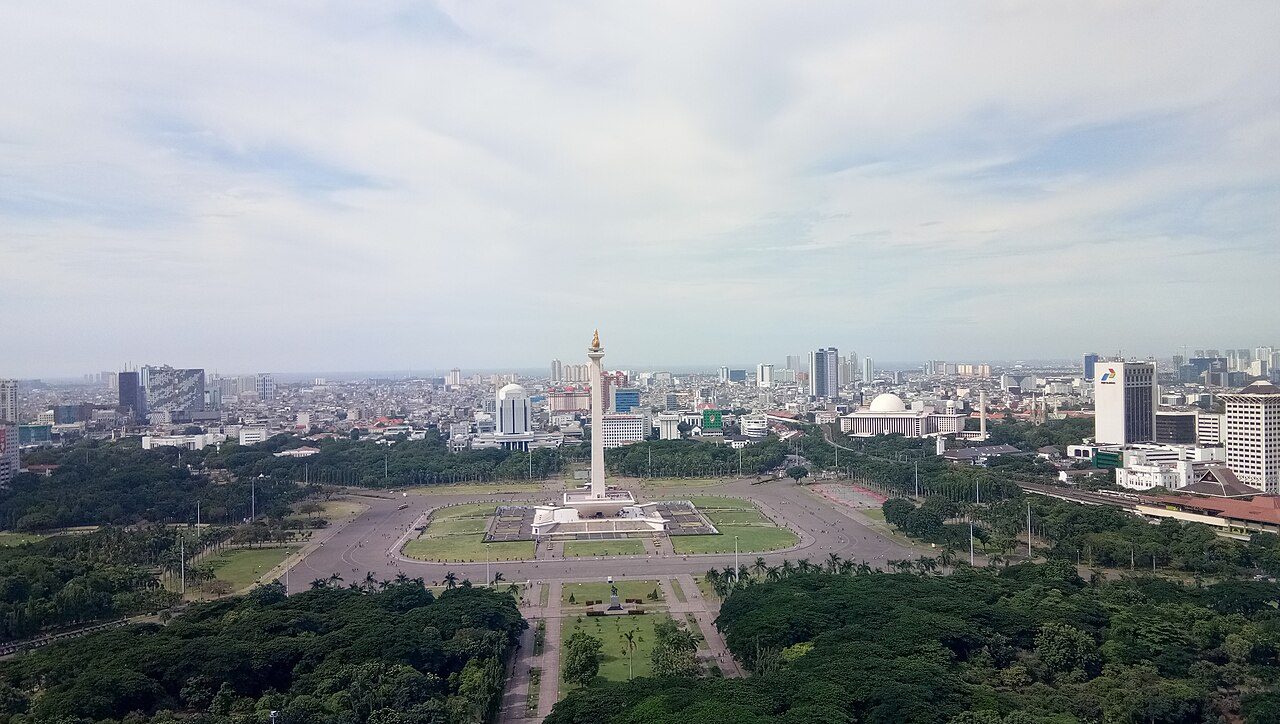
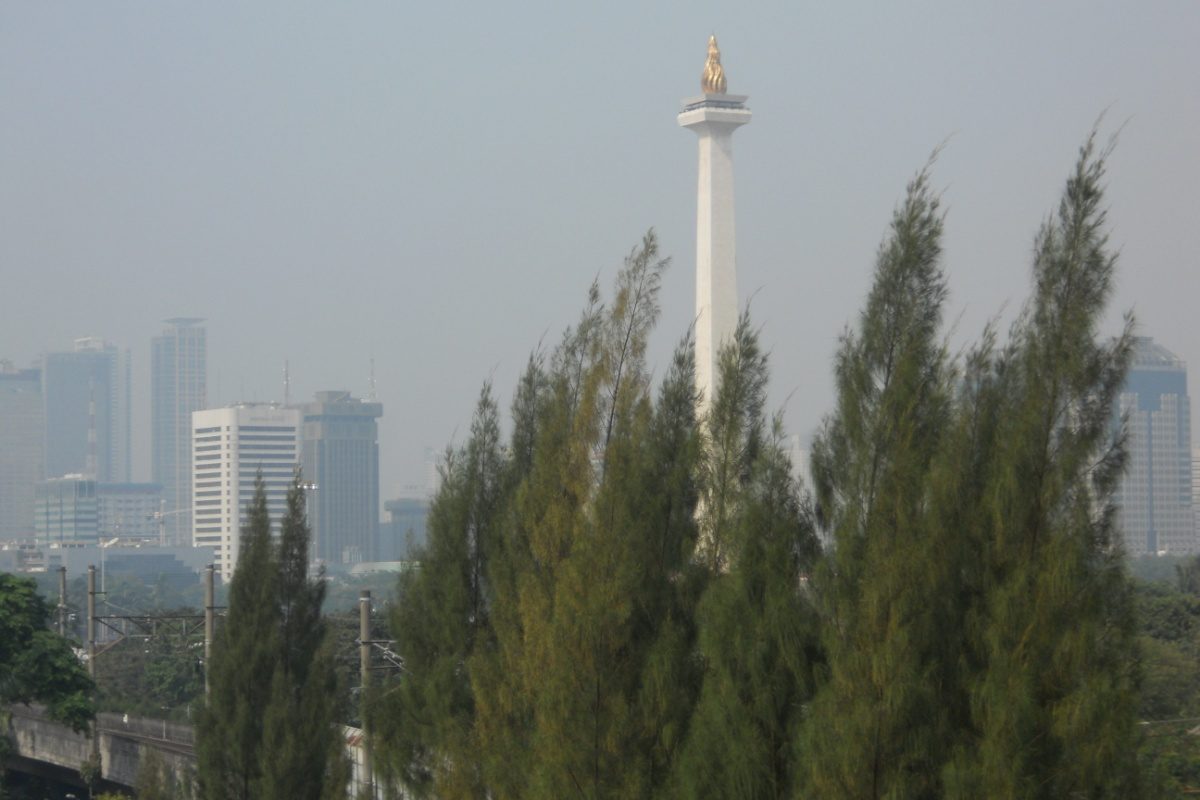
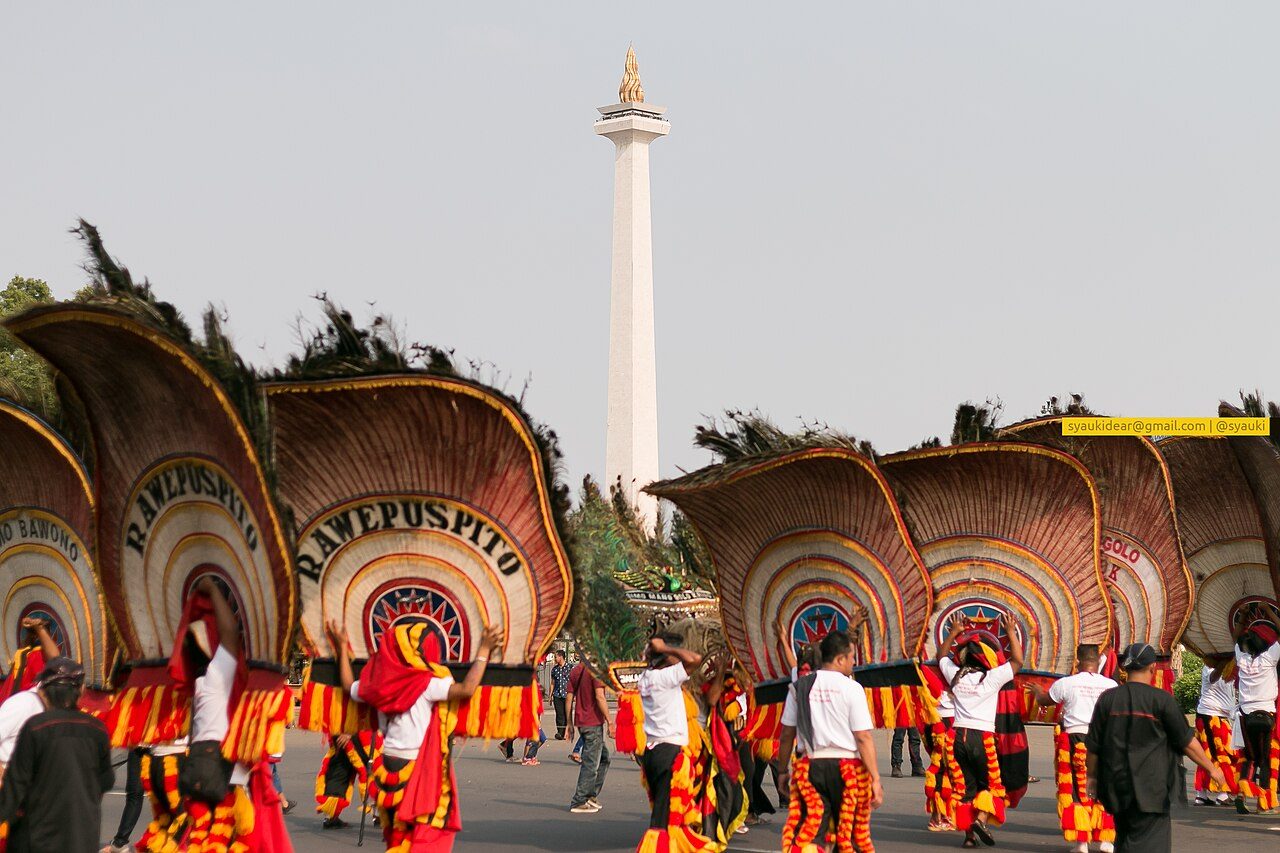
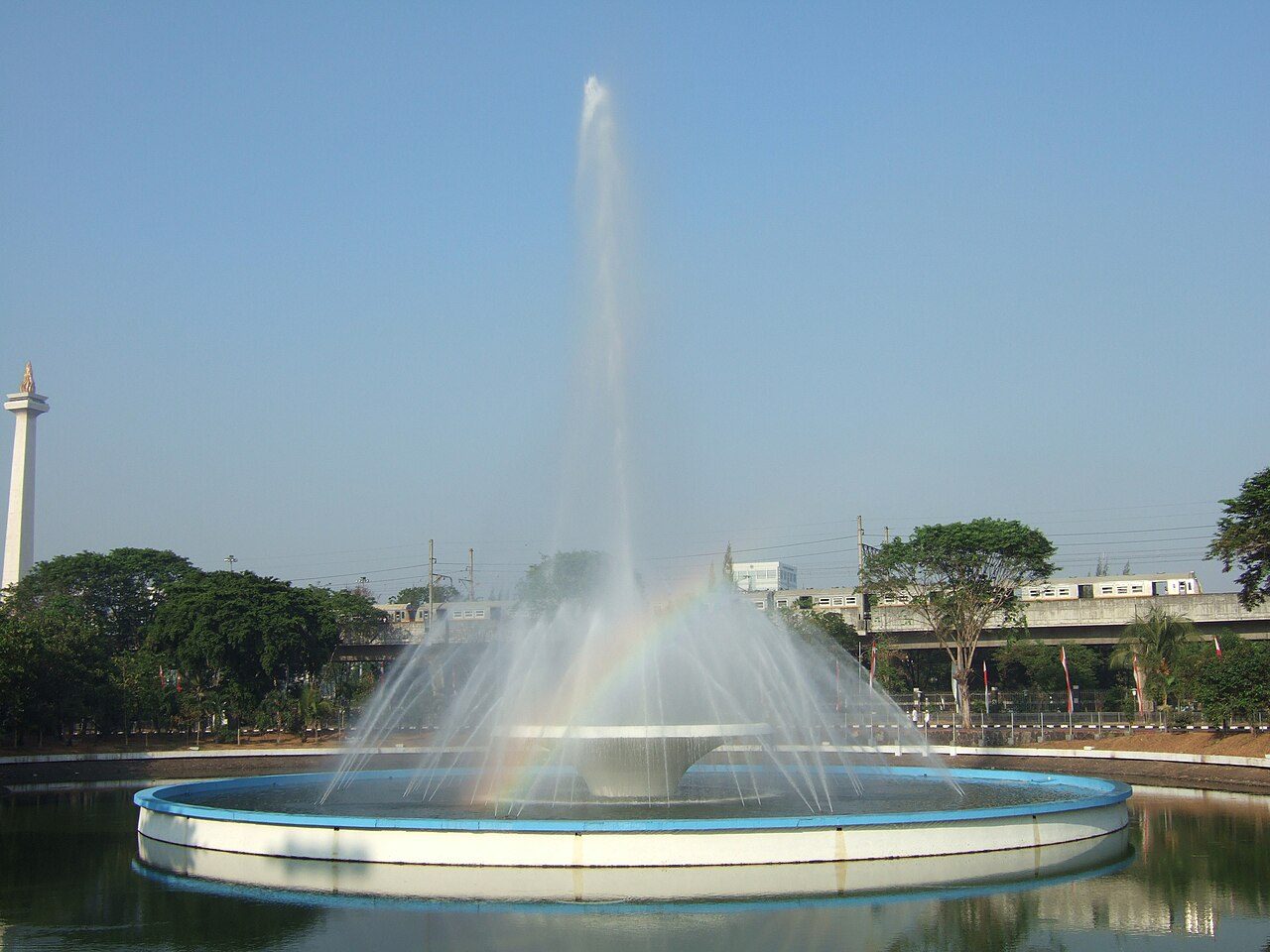
The National Monument, known as Monas, is a 132-metre tower in Merdeka Square in the centre of Jakarta. It was built from 1961 to 1975 to mark Indonesia's struggle for independence. The tower is topped with a flame covered in gold foil. A museum in its base tells the history of Indonesia in dioramas, and a lift takes visitors to a viewing deck near the top.
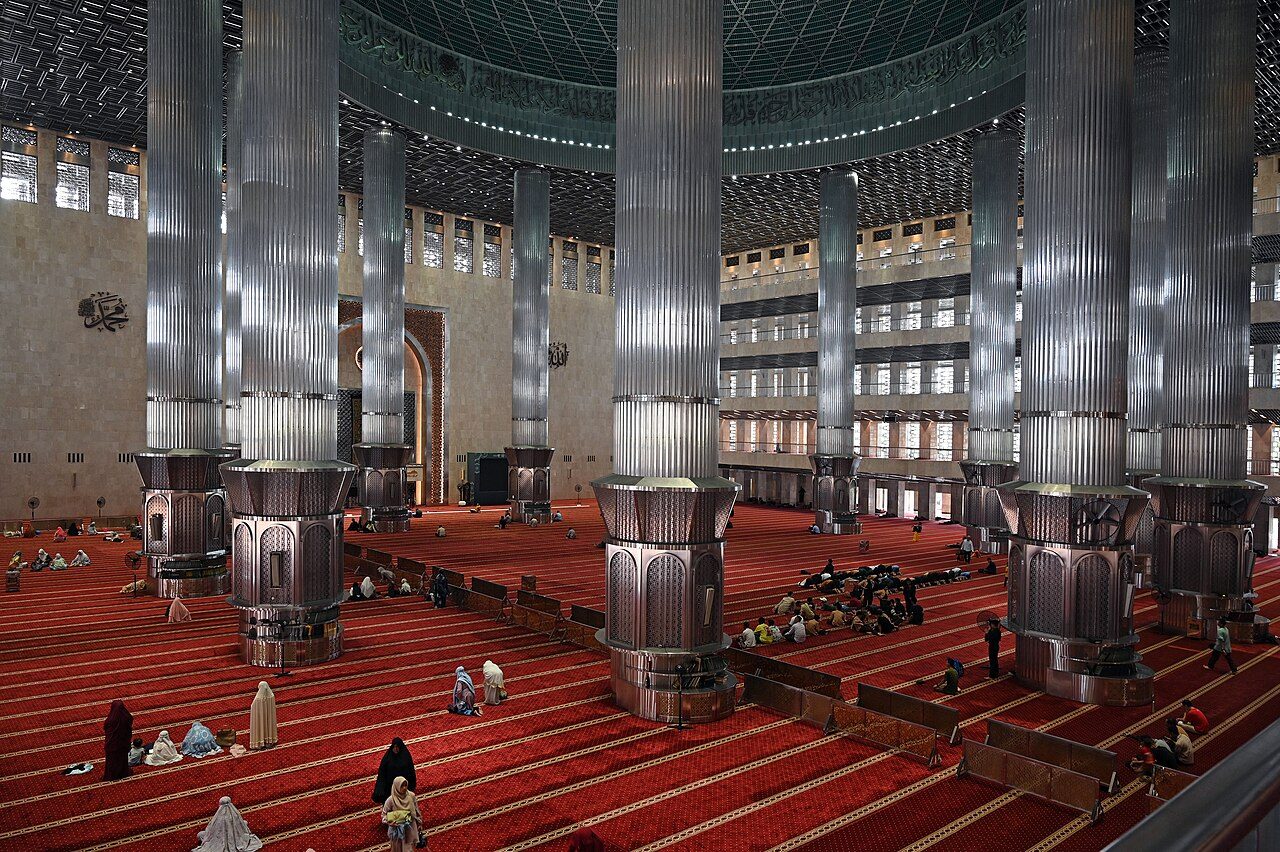
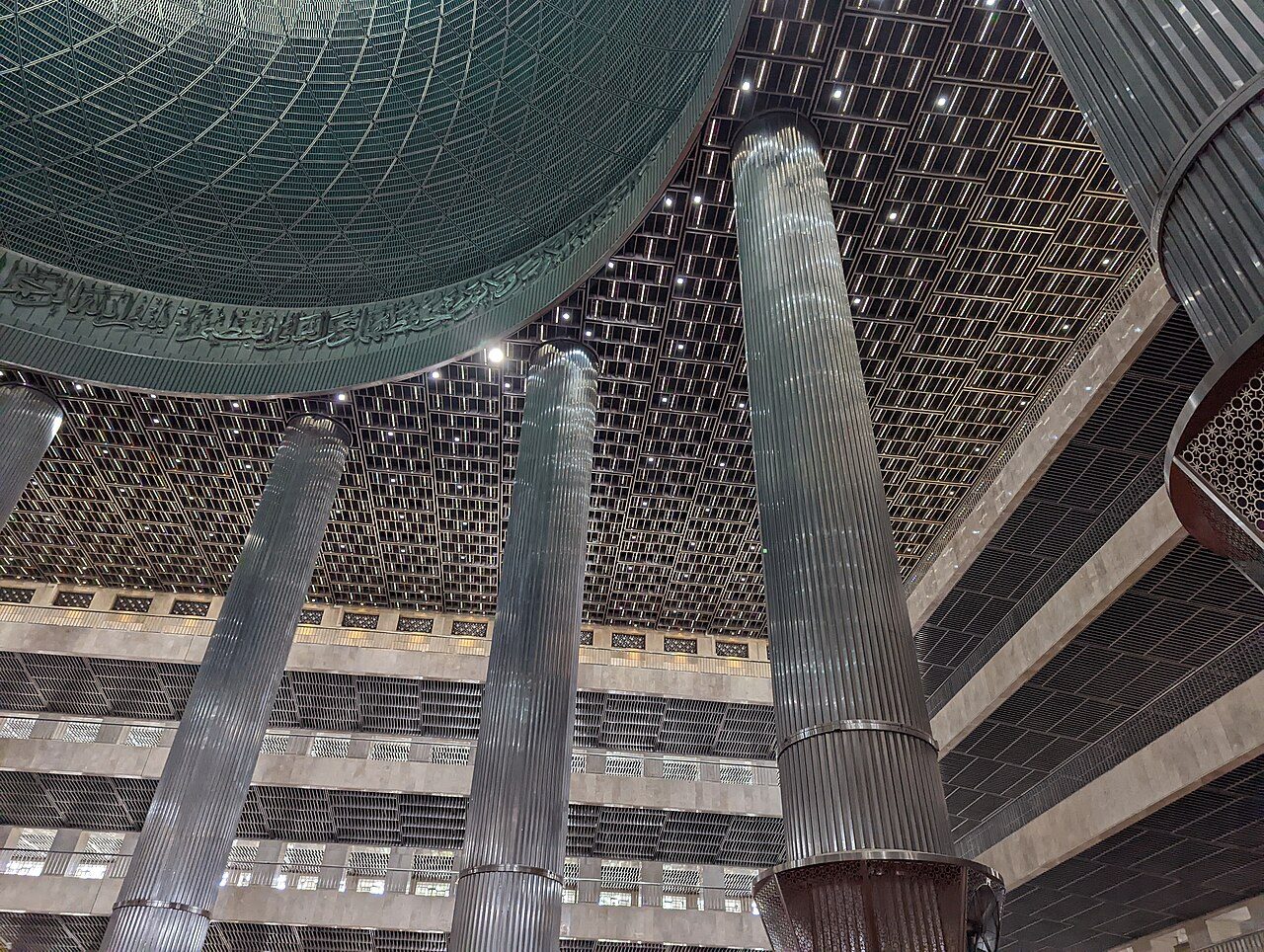
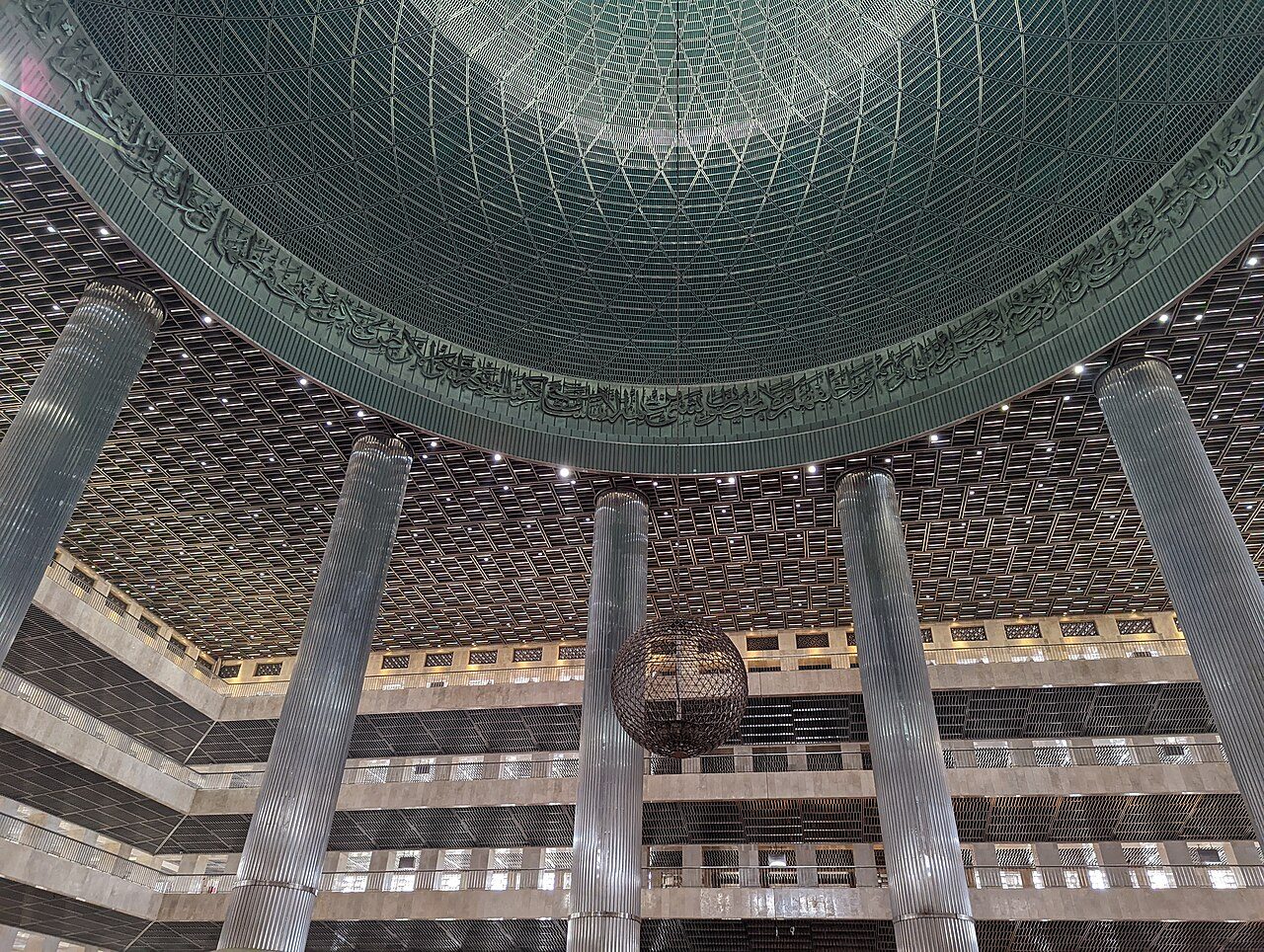
The Istiqlal Mosque in Jakarta is the largest mosque in Southeast Asia, able to hold about 200,000 people. Its name means independence. It was built between 1961 and 1978 to a design by Frederich Silaban, a Christian architect. A 45-metre dome covers the prayer hall. It stands across the road from Jakarta Cathedral, a sign of religious harmony.
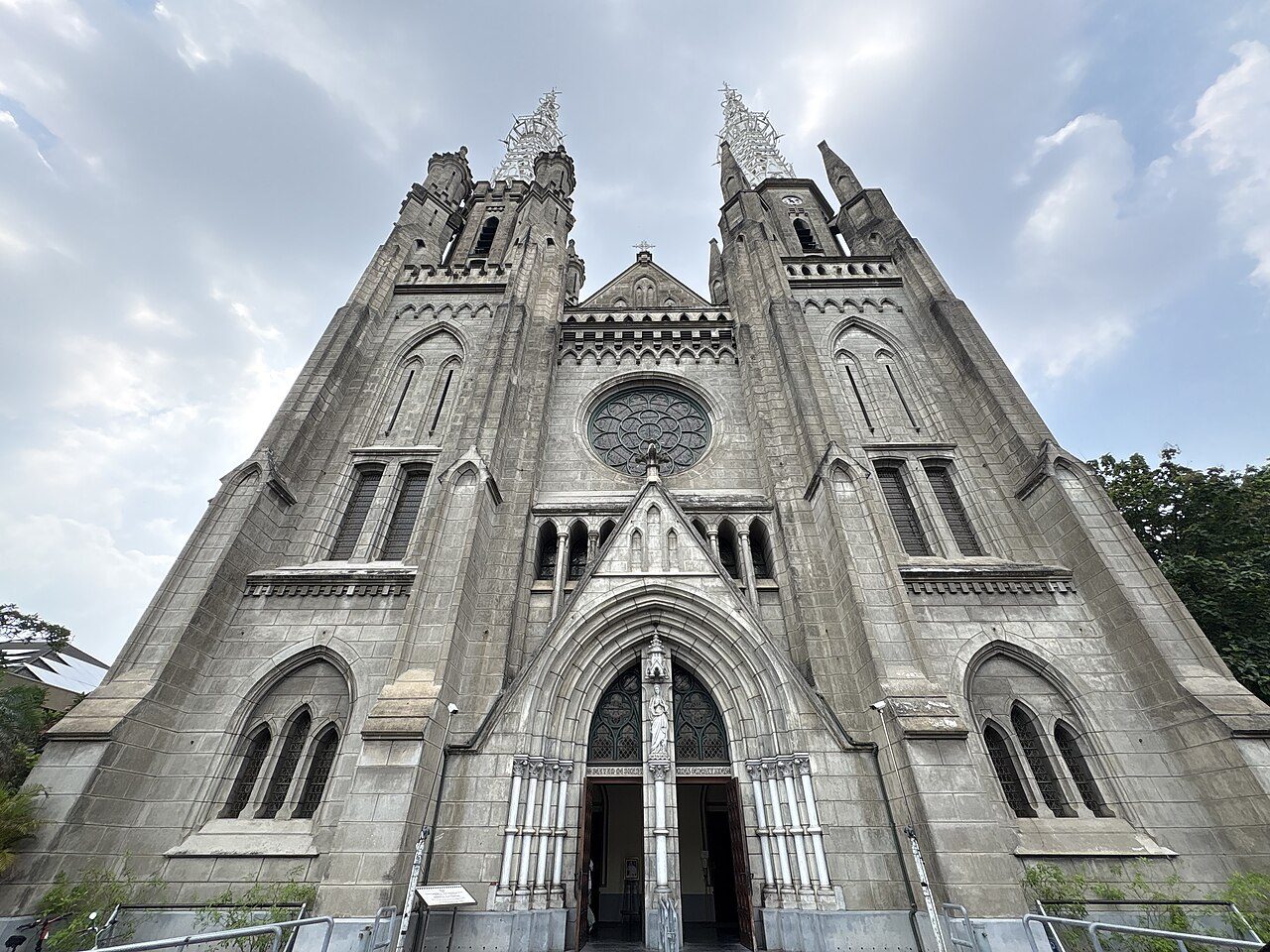
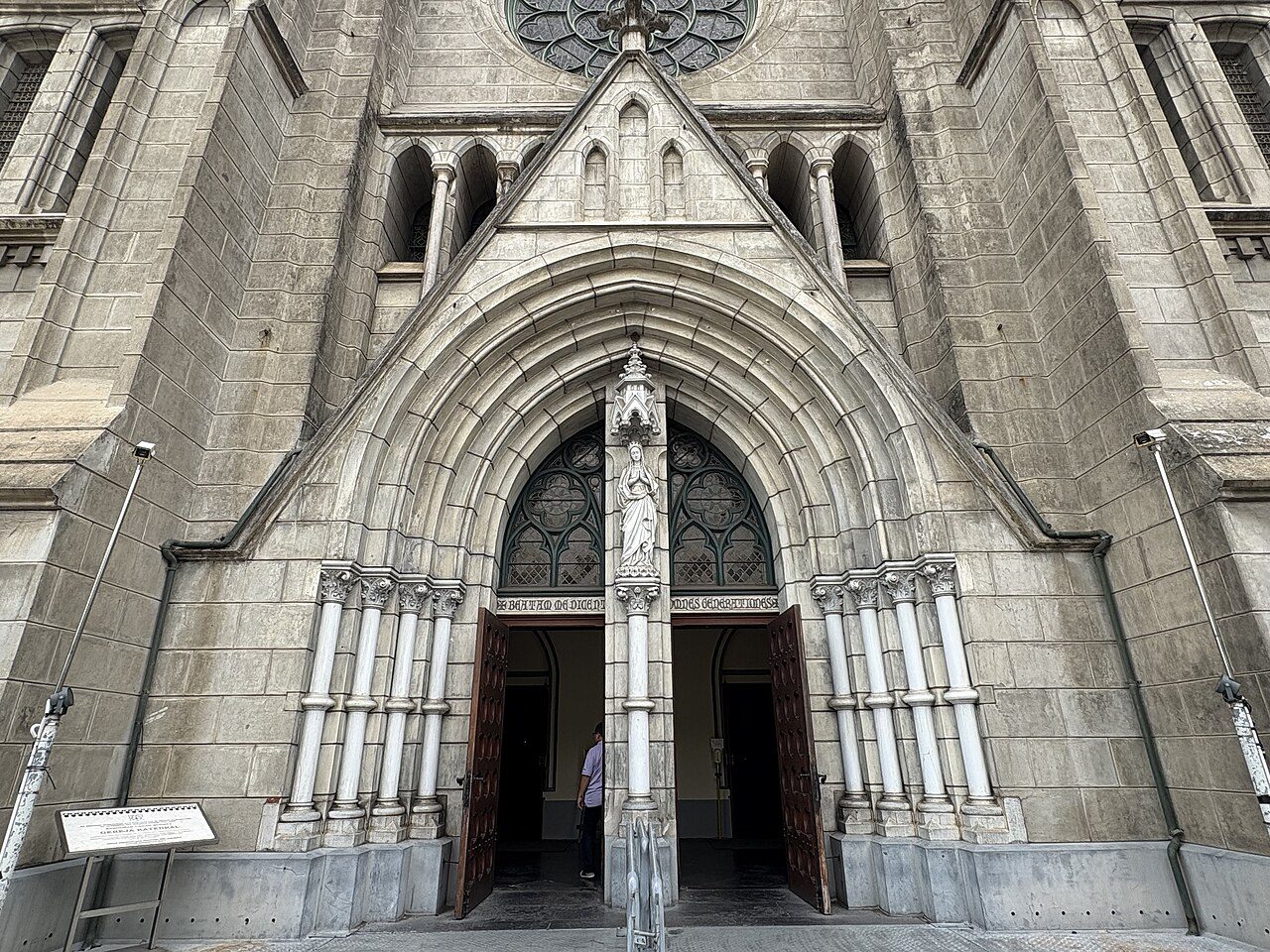
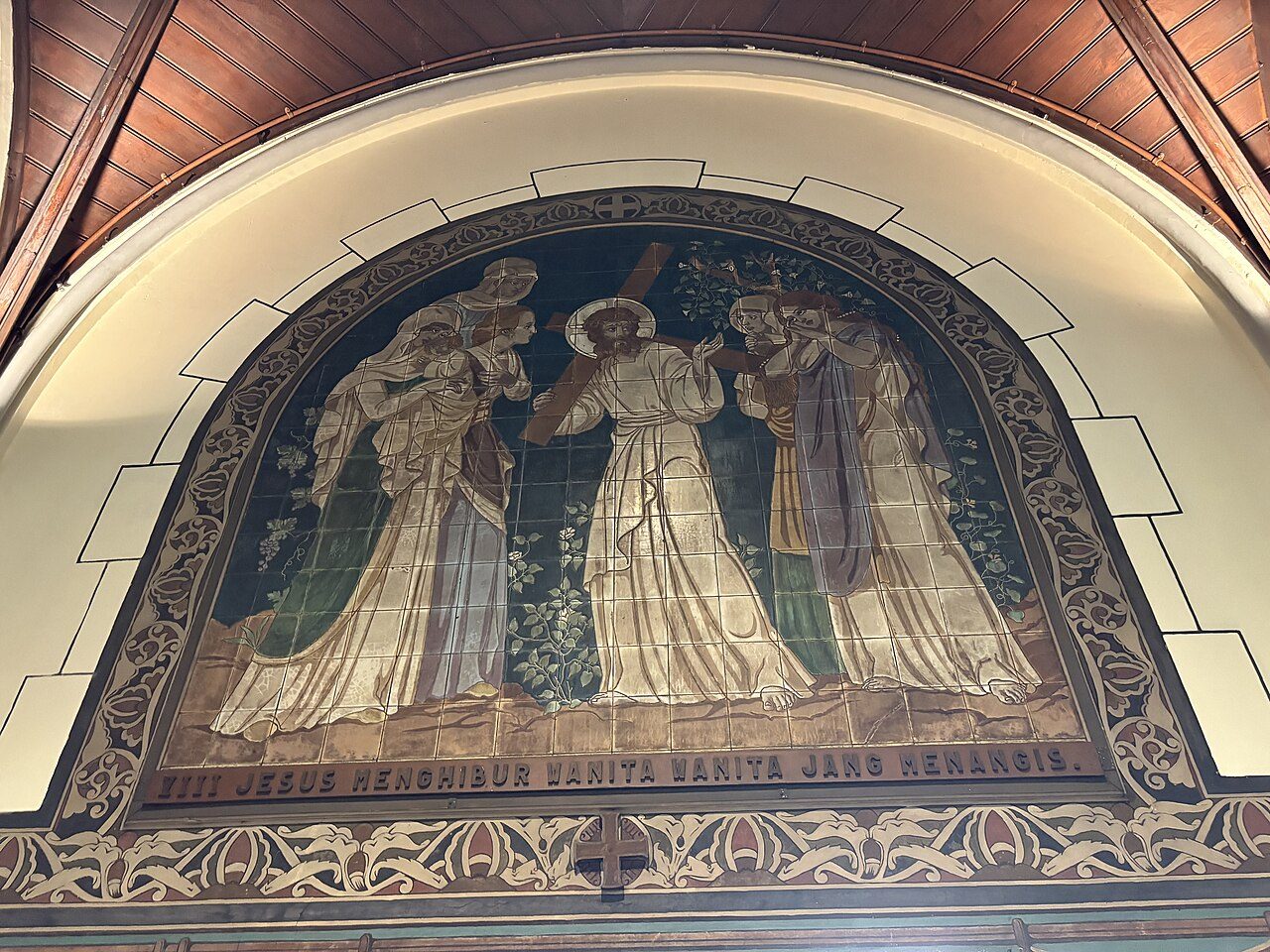
Jakarta Cathedral is the main Catholic church of Jakarta, finished in 1901. It is built in Neo-Gothic style, with three spires made of iron, the tallest about 60 metres. Inside are stained glass windows, a wooden pulpit and a museum on the history of the Catholic Church in Indonesia. It faces the Istiqlal Mosque across the road.
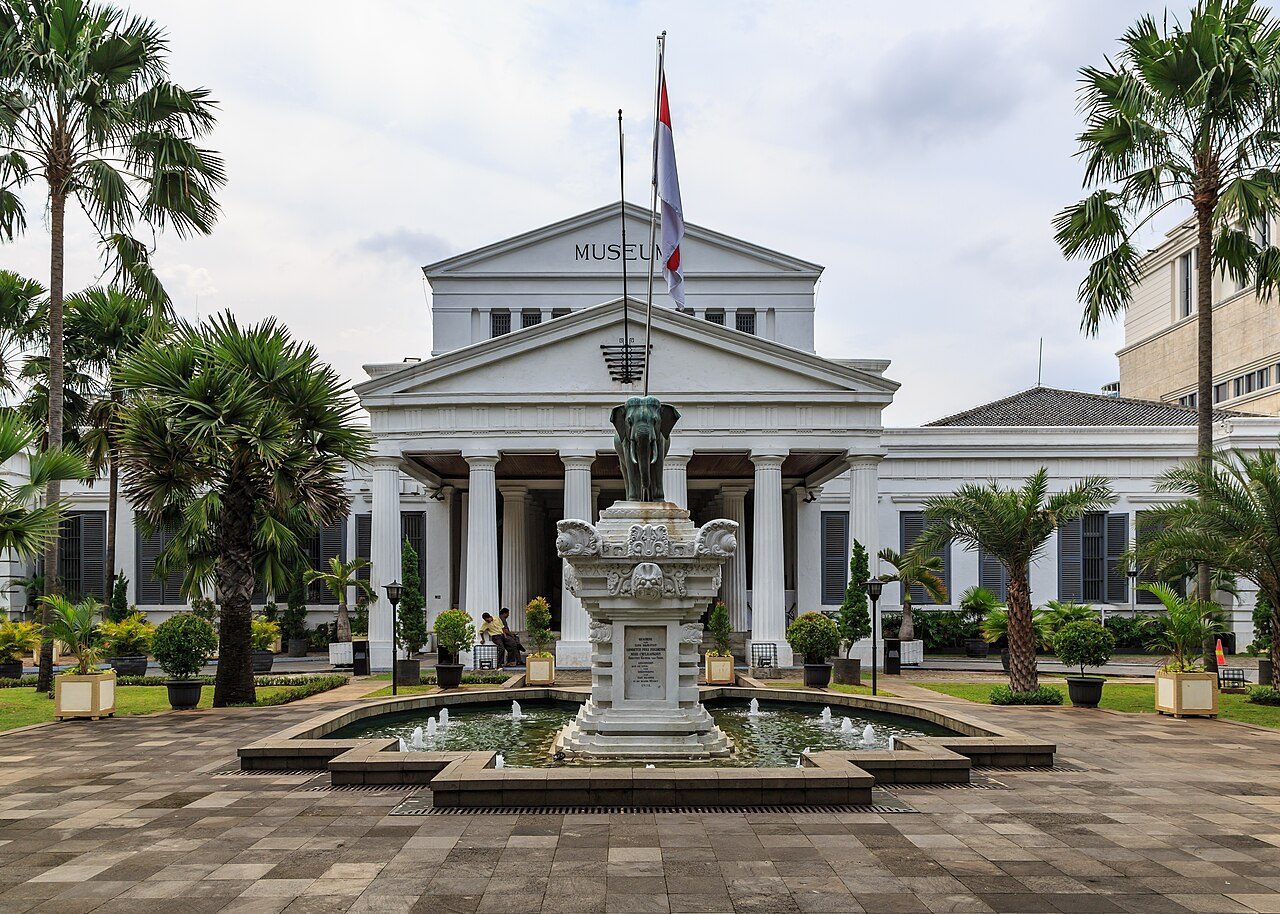
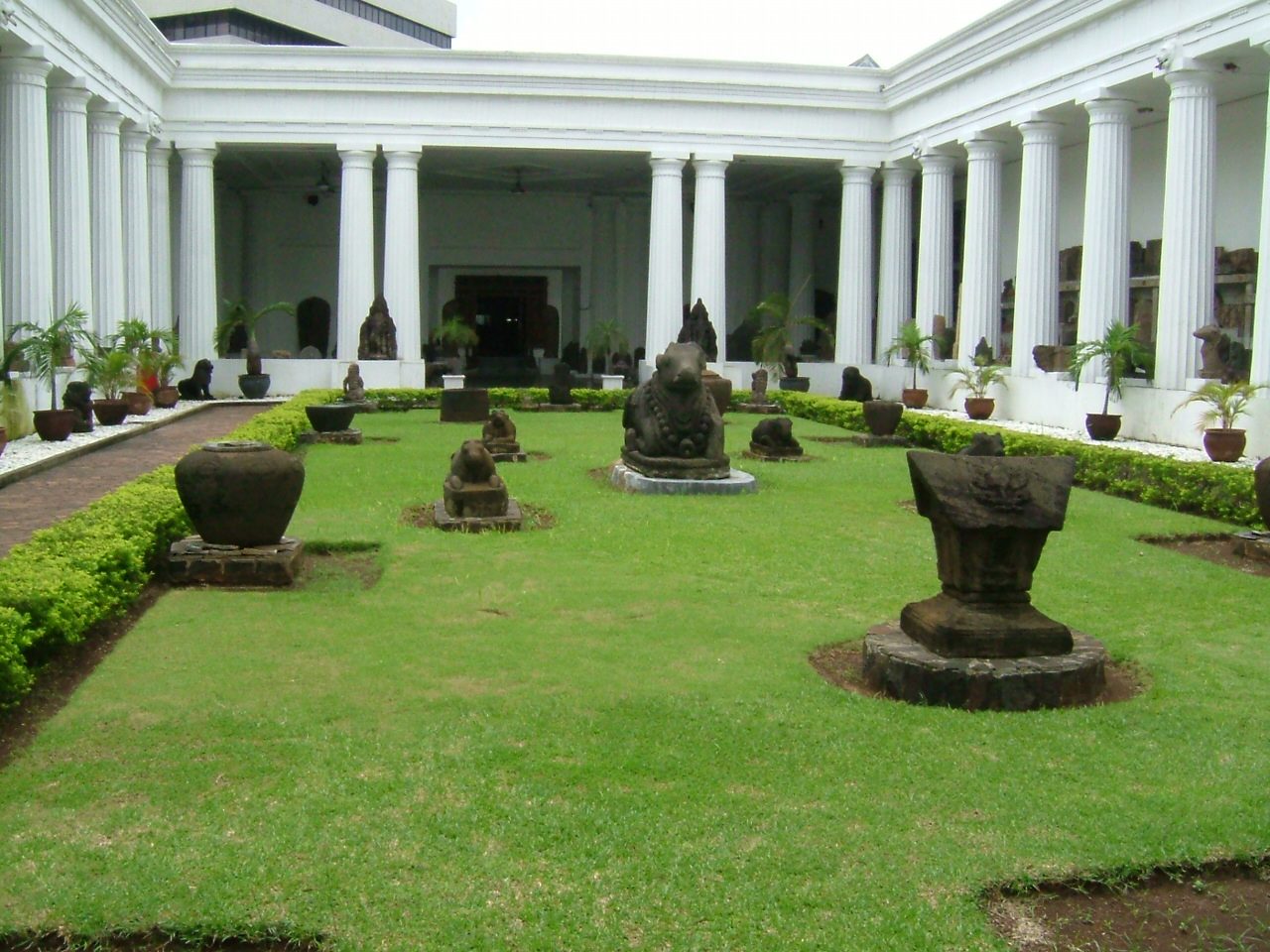
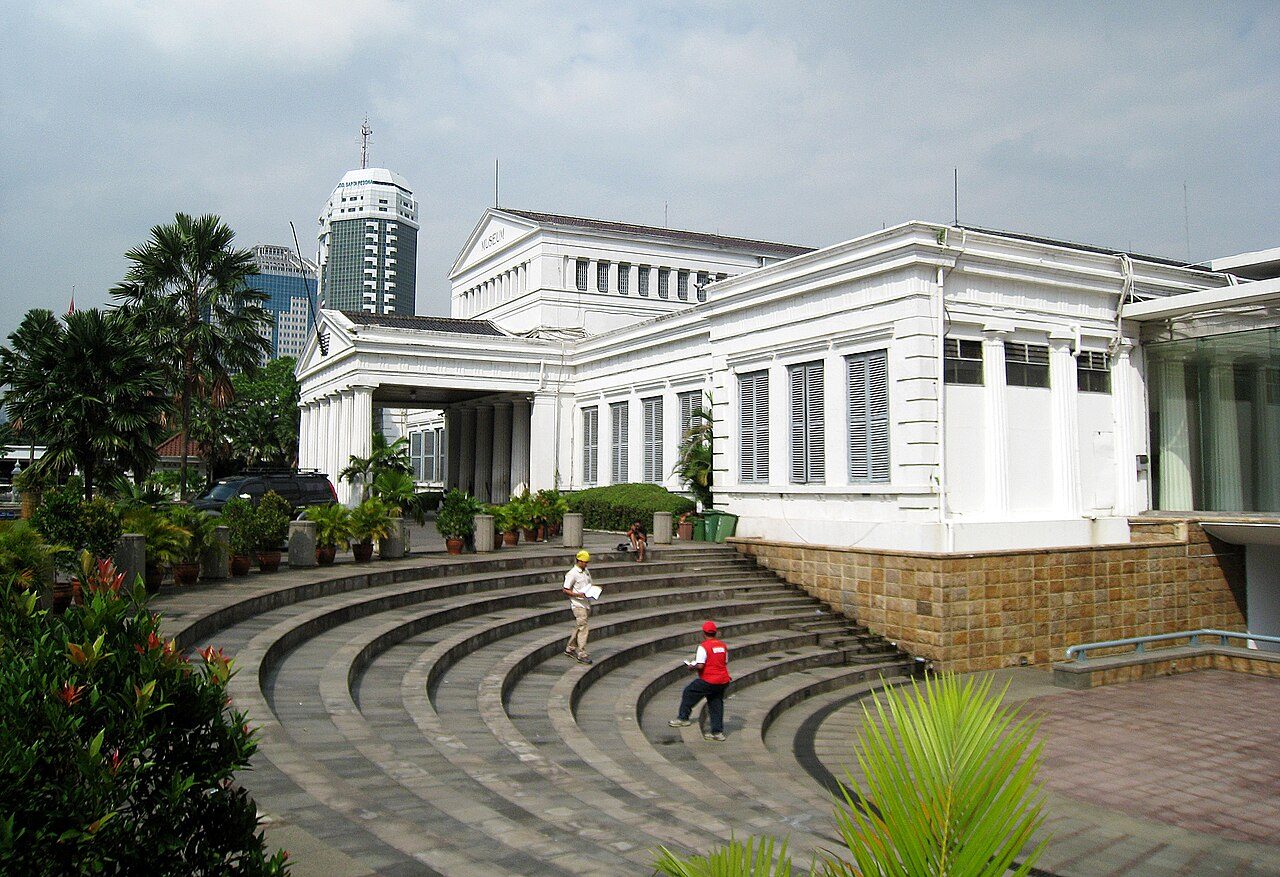
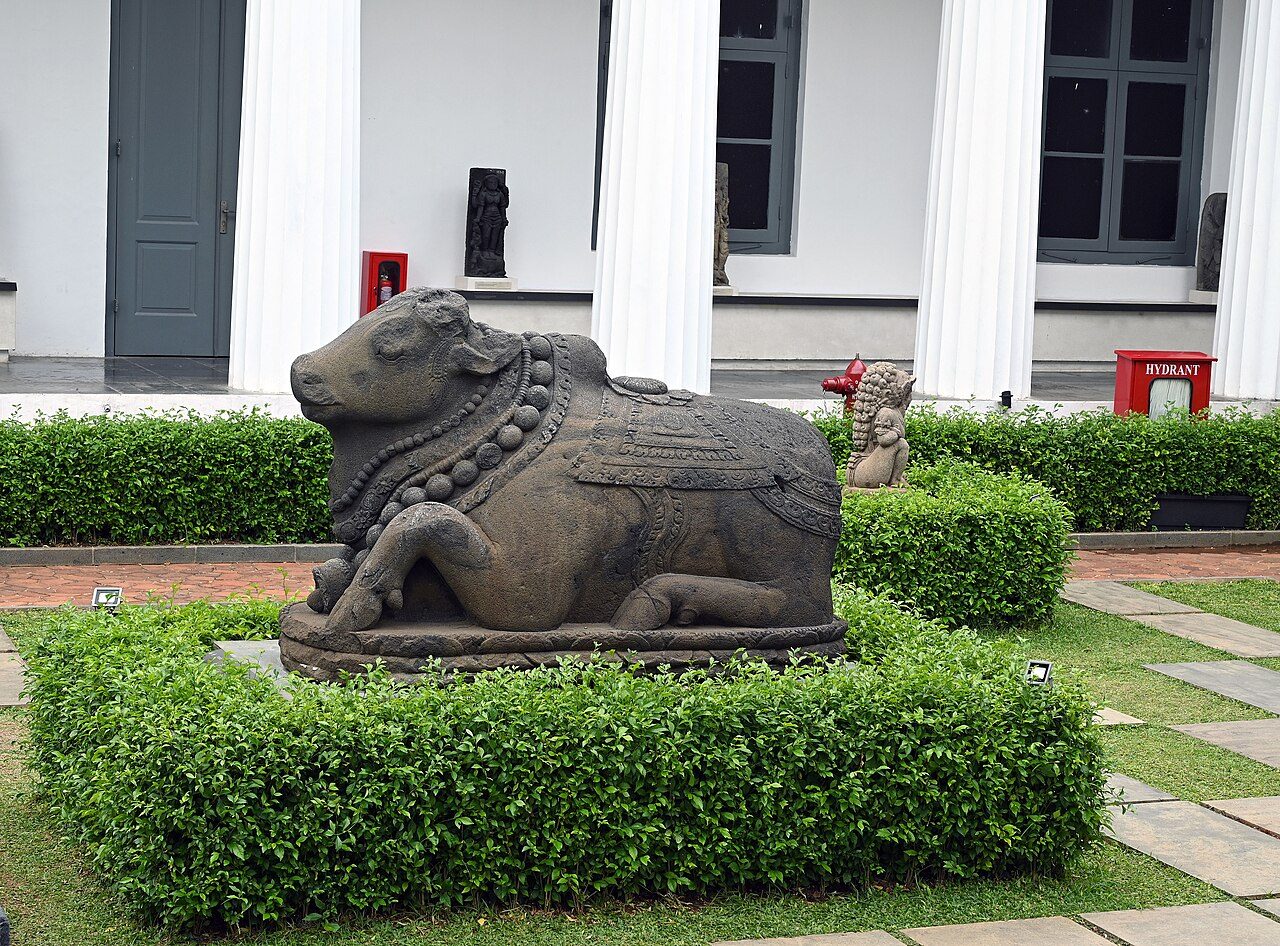
The National Museum of Indonesia stands on the west side of Merdeka Square in Jakarta. It was founded in 1778 by a Dutch scientific society and moved to its present building in 1868. It is also called the Elephant Museum, after a bronze elephant given by the King of Siam in 1871. Its collections include Hindu-Buddhist statues, ceramics and ethnographic objects from across the archipelago.
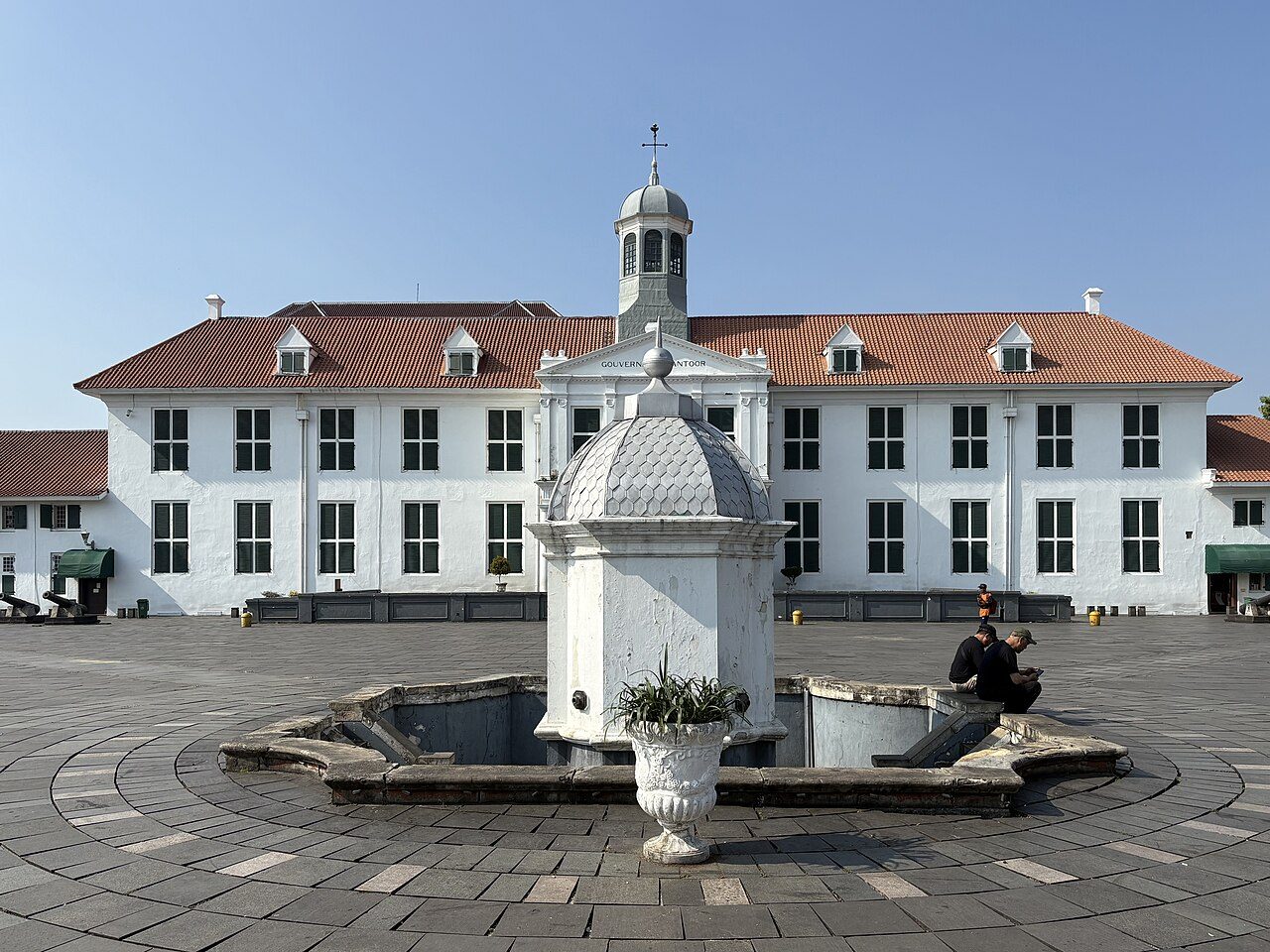
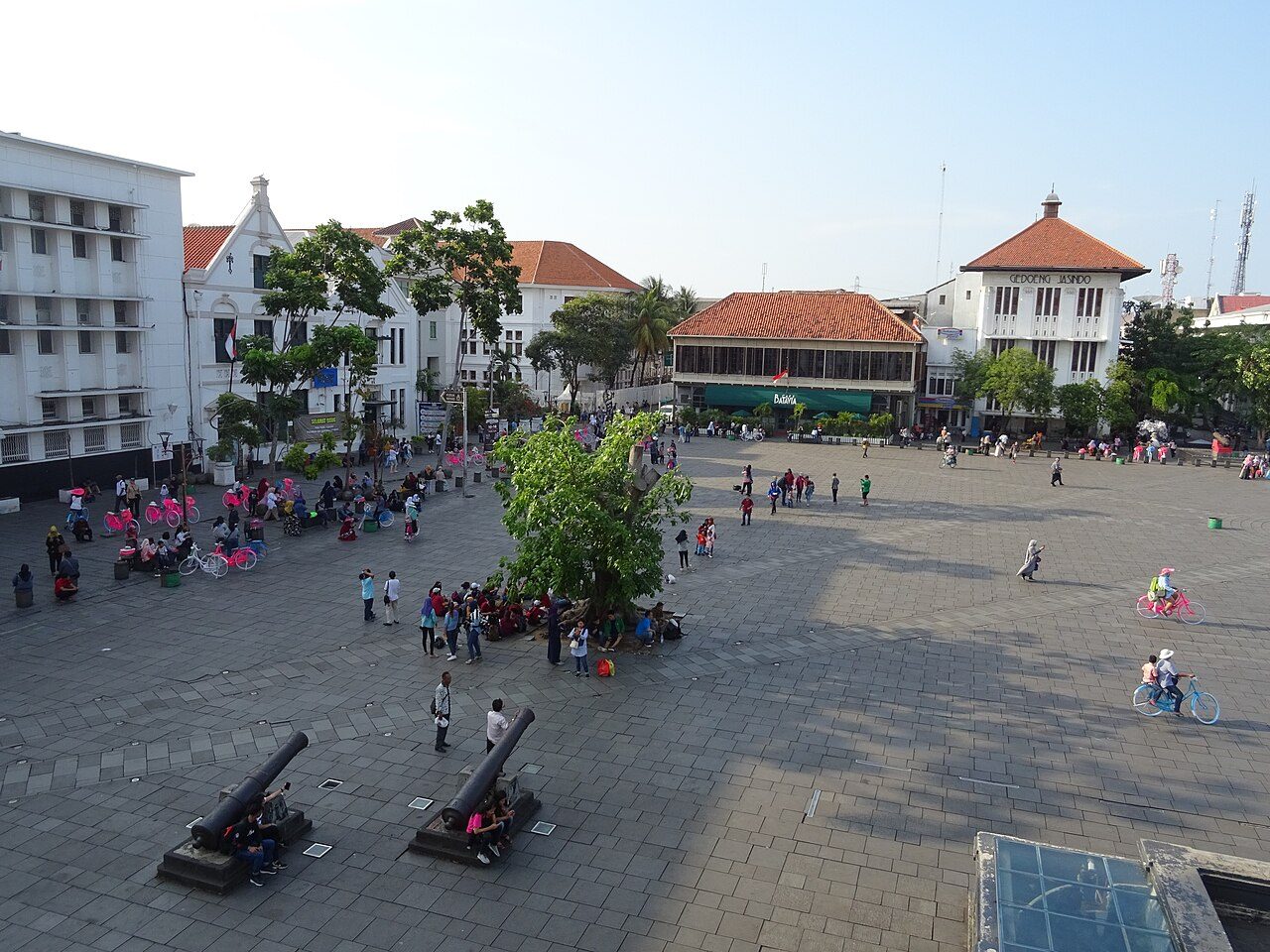
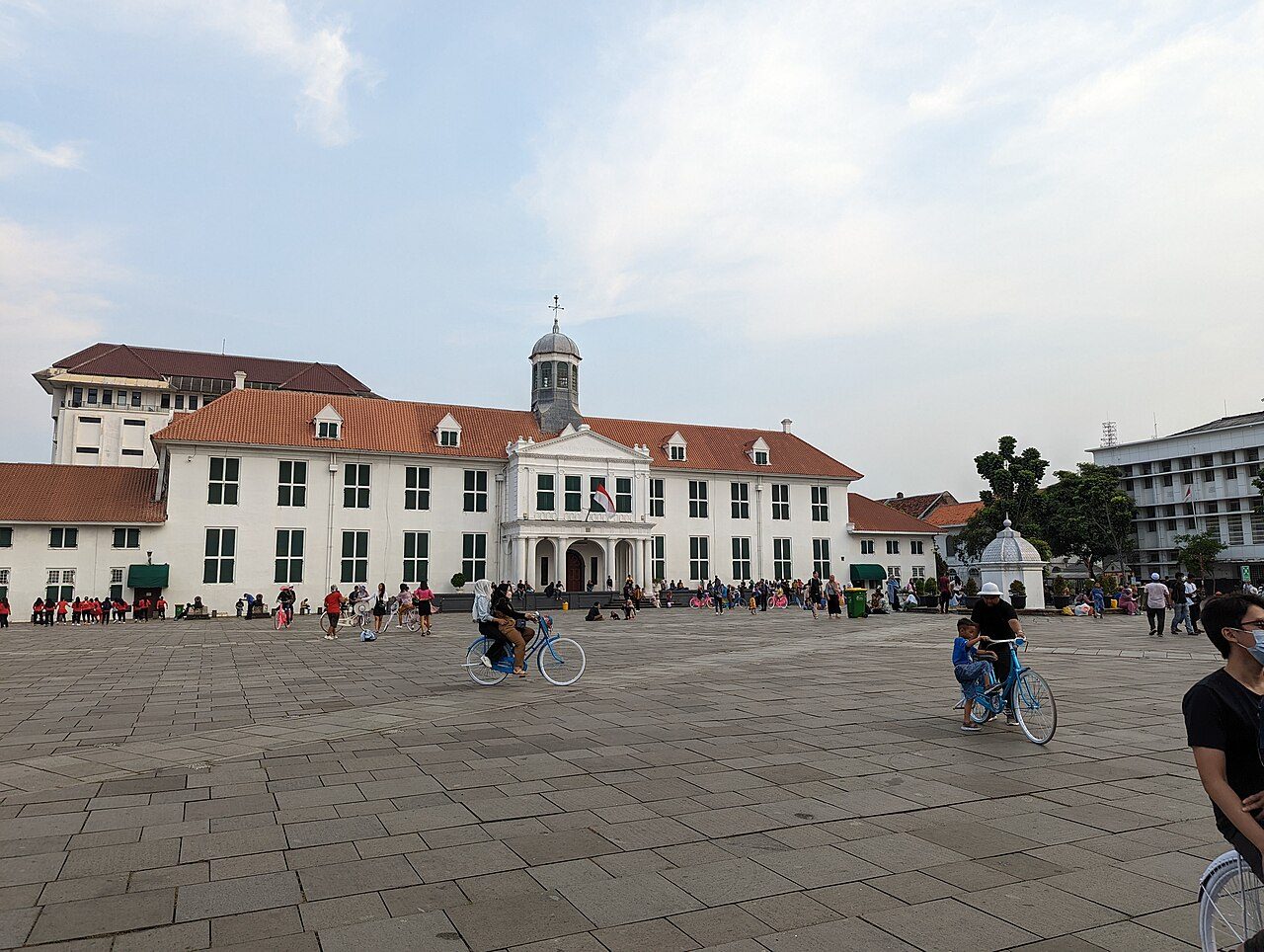
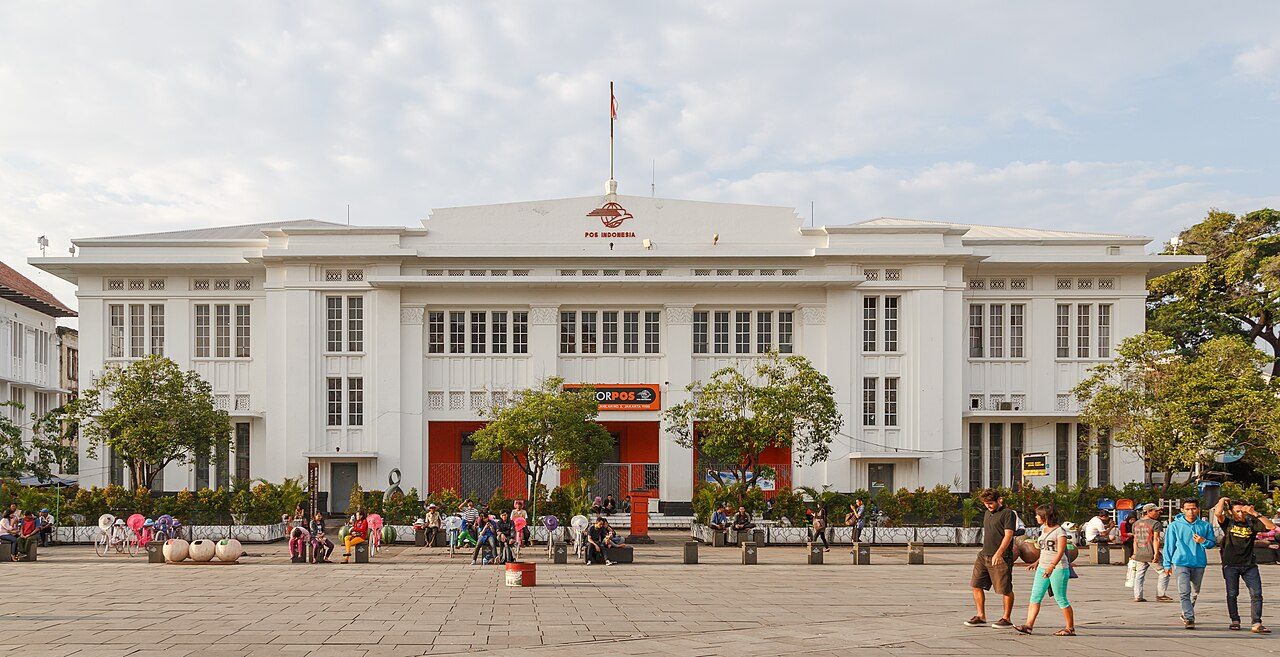
Fatahillah Square is the heart of Kota Tua, the old town of Jakarta, once the centre of Dutch Batavia. On its south side stands the former city hall, built in 1710 and now the Jakarta History Museum. Other colonial buildings around the square hold the Wayang Museum and the Fine Art and Ceramic Museum. Visitors hire coloured bicycles to ride around it.
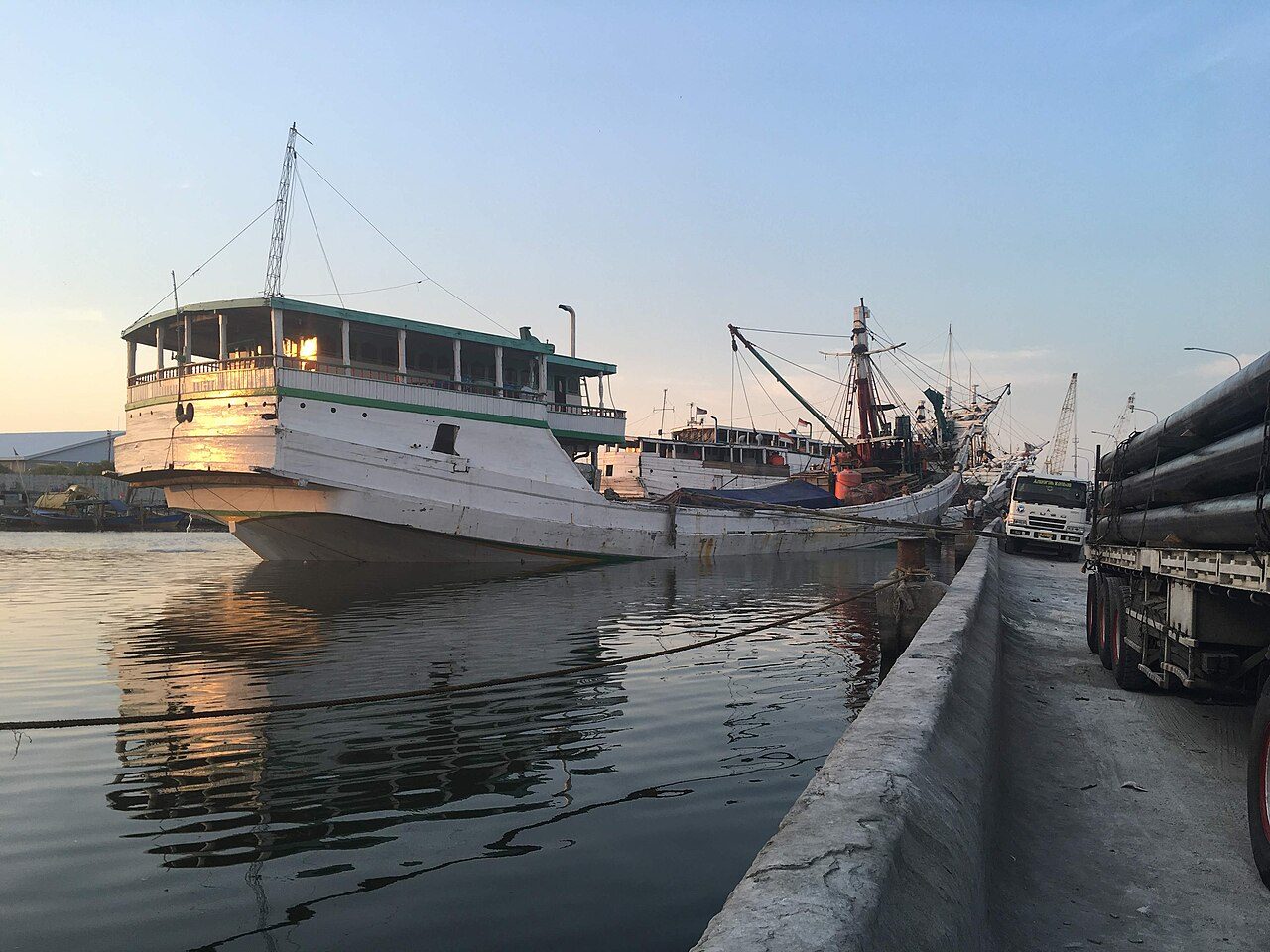
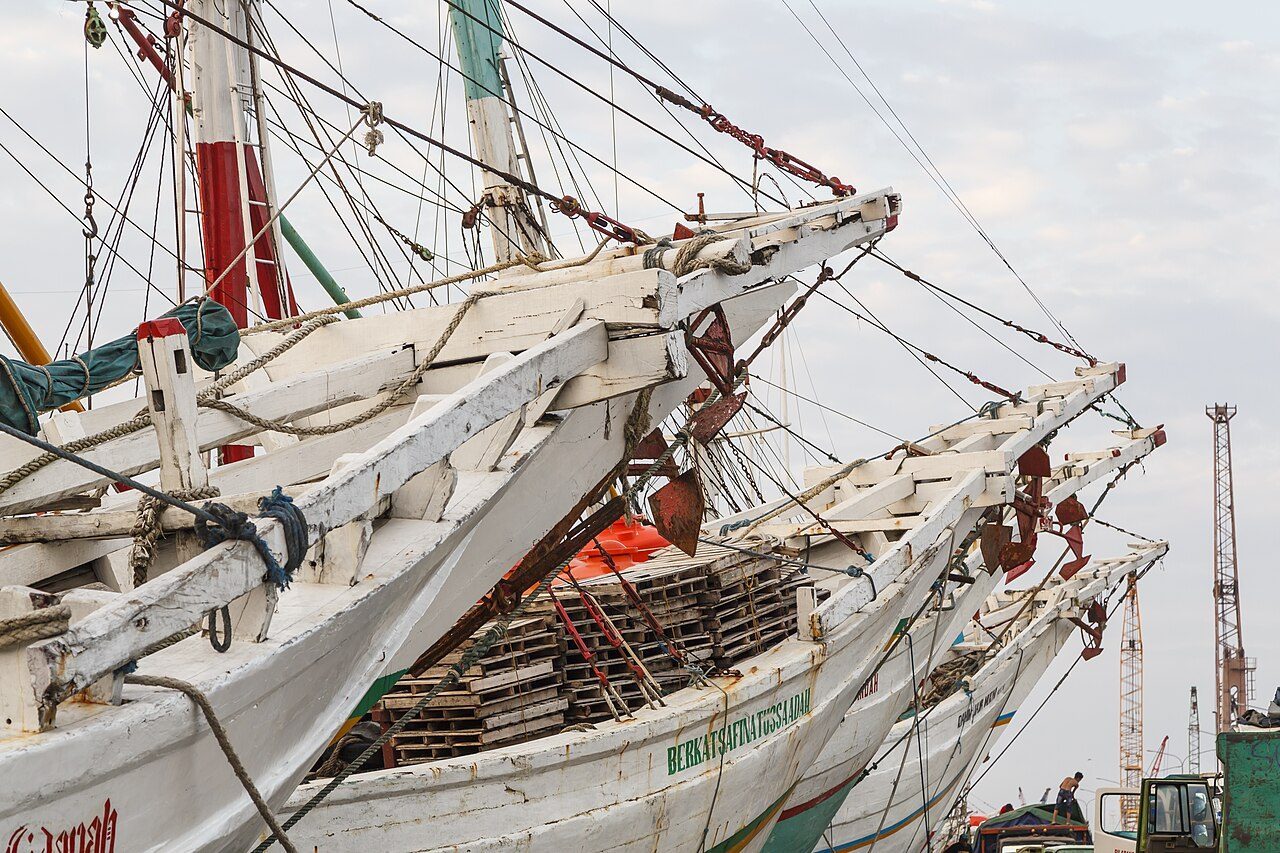
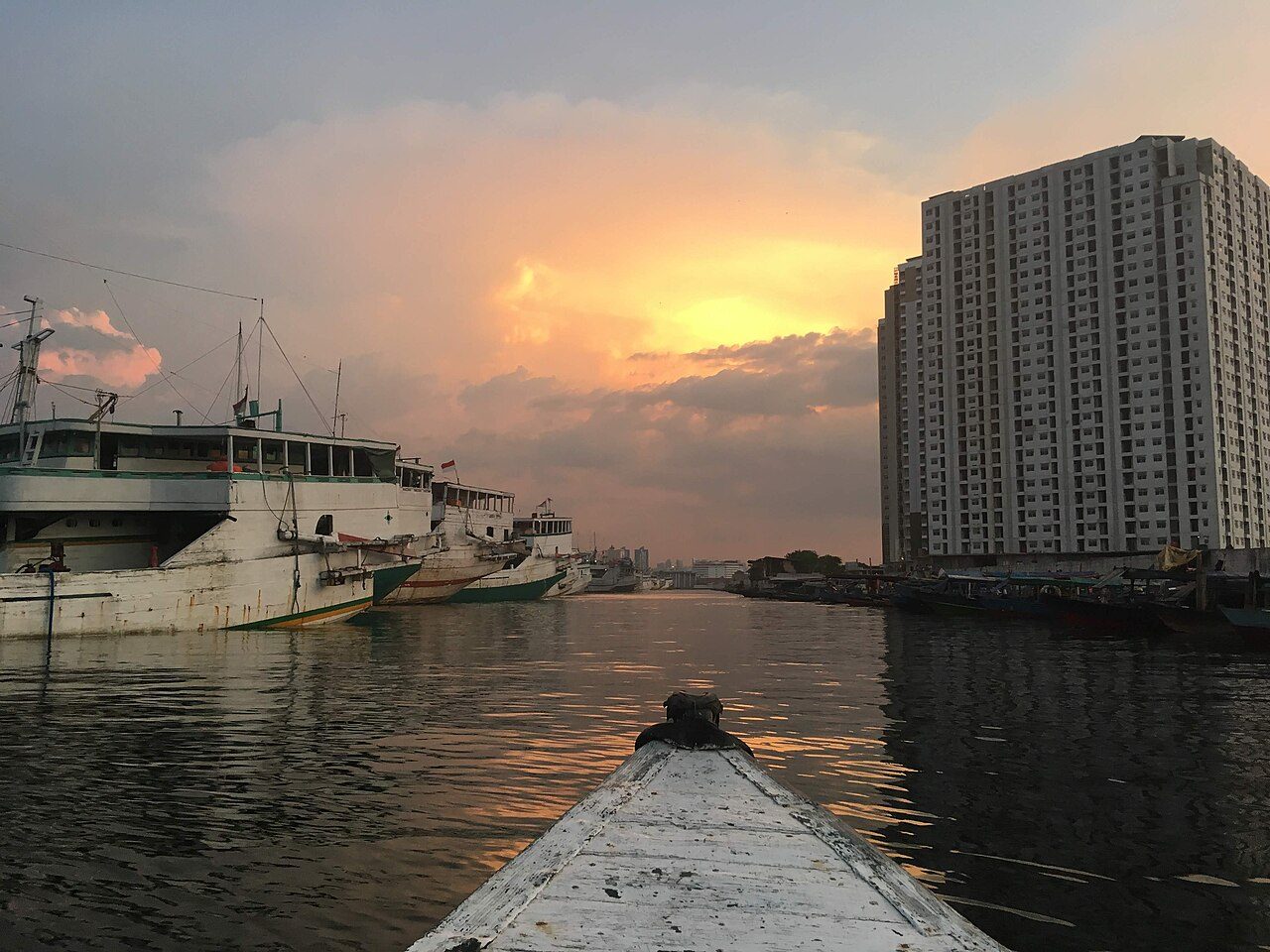
Sunda Kelapa is the old harbour of Jakarta, used since the time of the Sunda kingdom. The Dutch built Batavia around it in the 17th century. Today it is still a working port where traditional wooden pinisi schooners from Sulawesi and Kalimantan load and unload cargo by hand. Nearby are the Maritime Museum in old Dutch warehouses and a lookout tower.
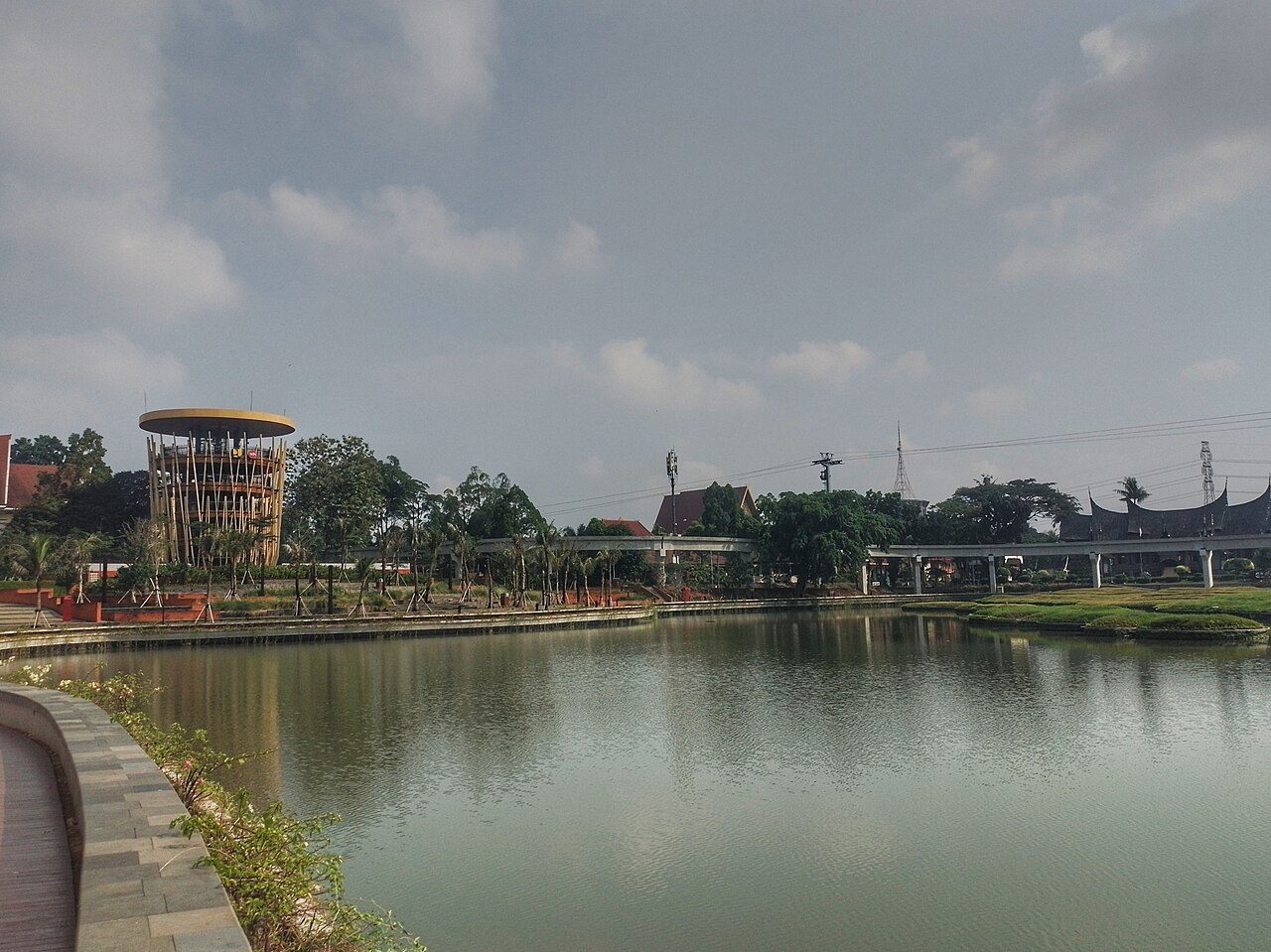
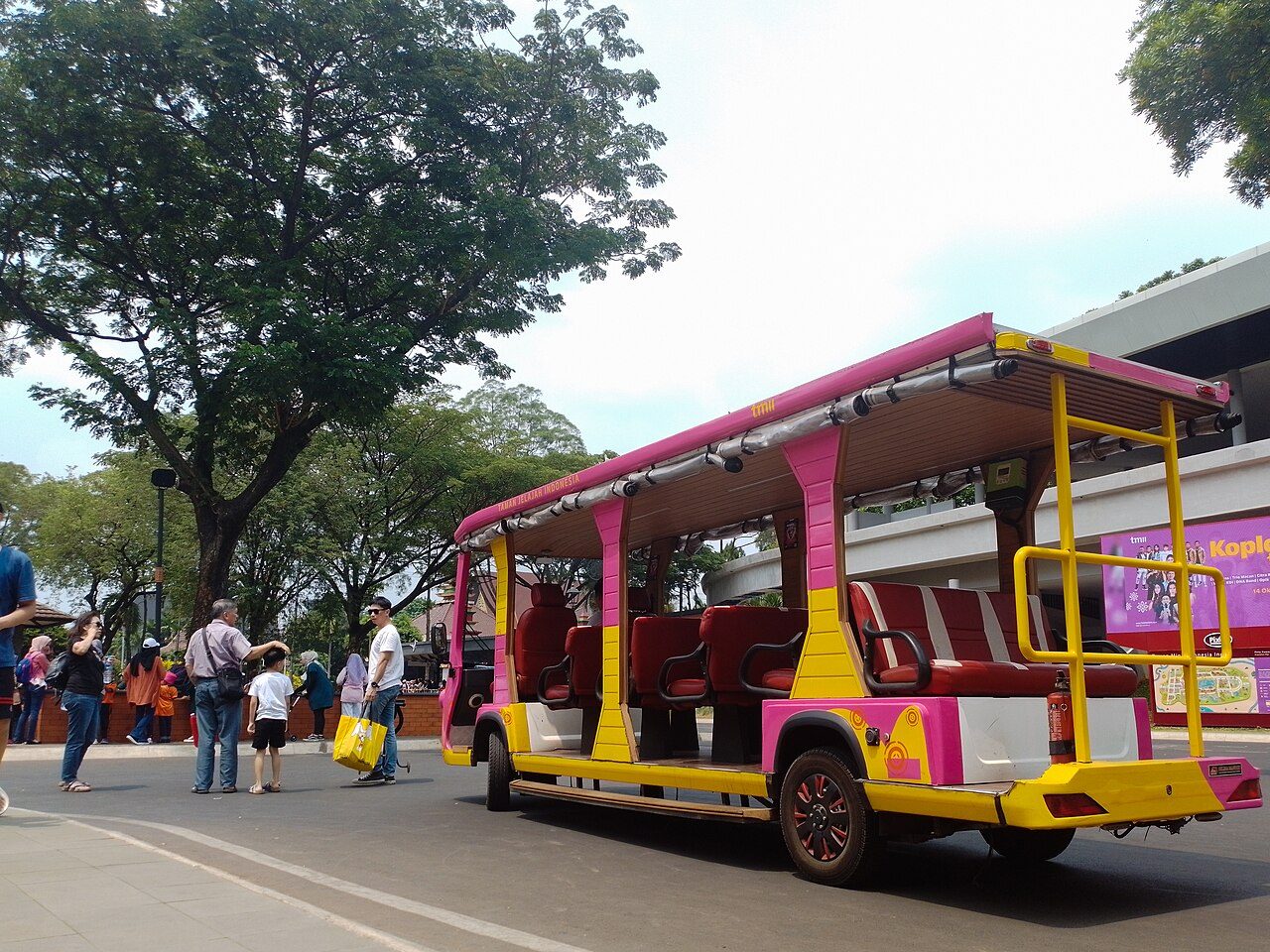
Taman Mini Indonesia Indah is a large culture park in East Jakarta, opened in 1975. It shows the diversity of Indonesia, with full-size traditional houses from every province, set around a lake with a map of the archipelago. The park also has museums, places of worship of the main religions, gardens and a cable car. It was renovated in 2022.
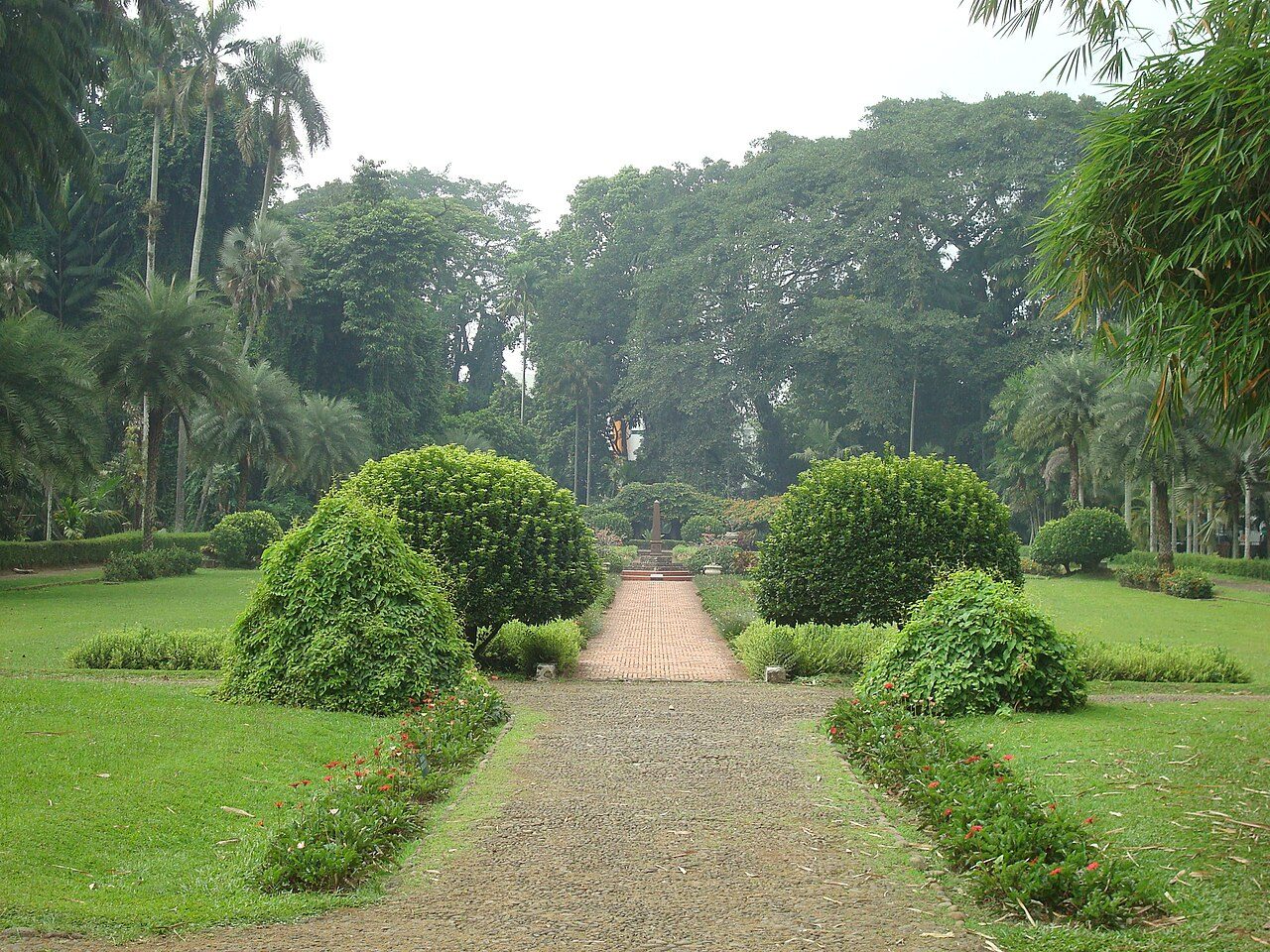
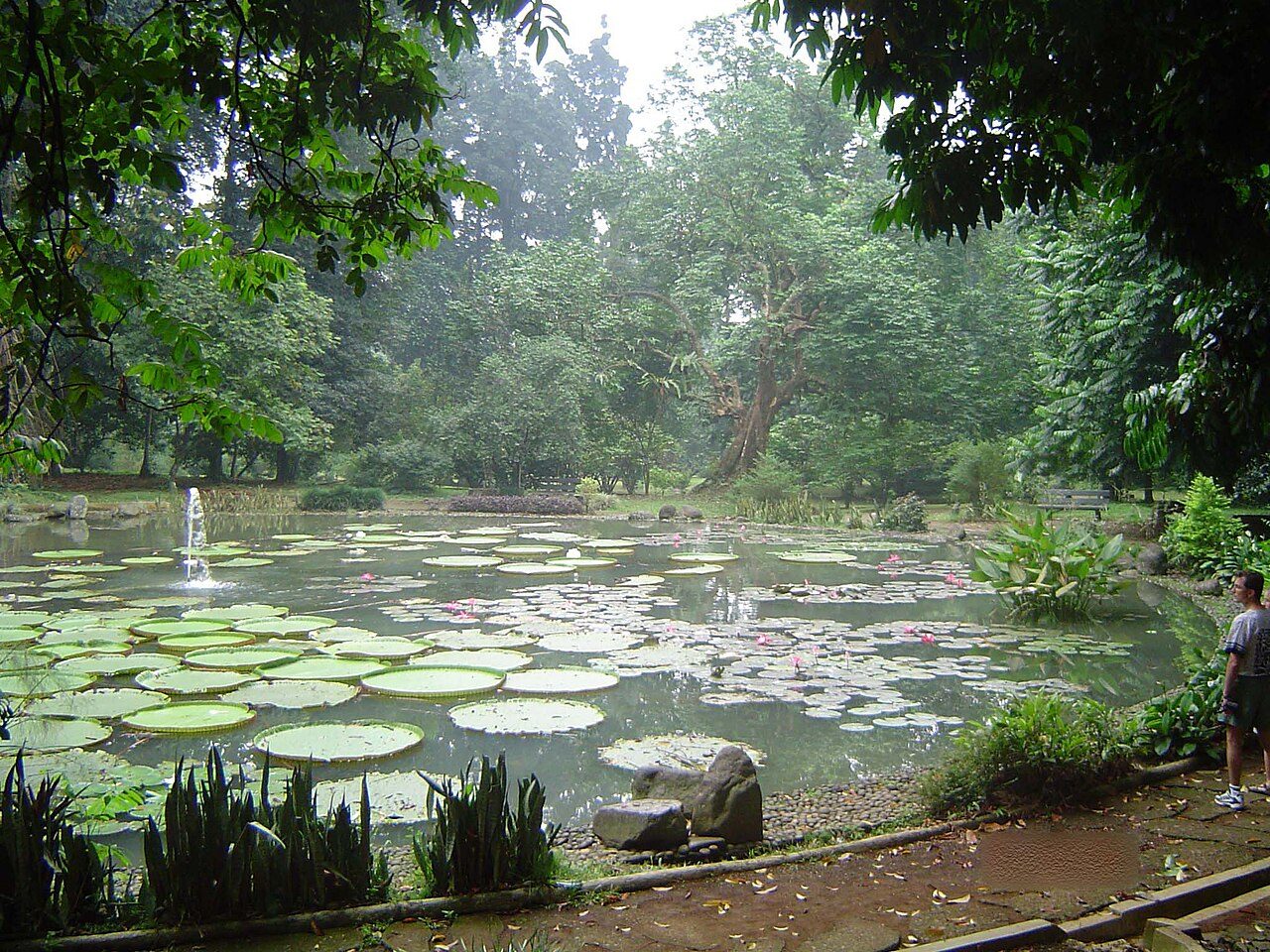
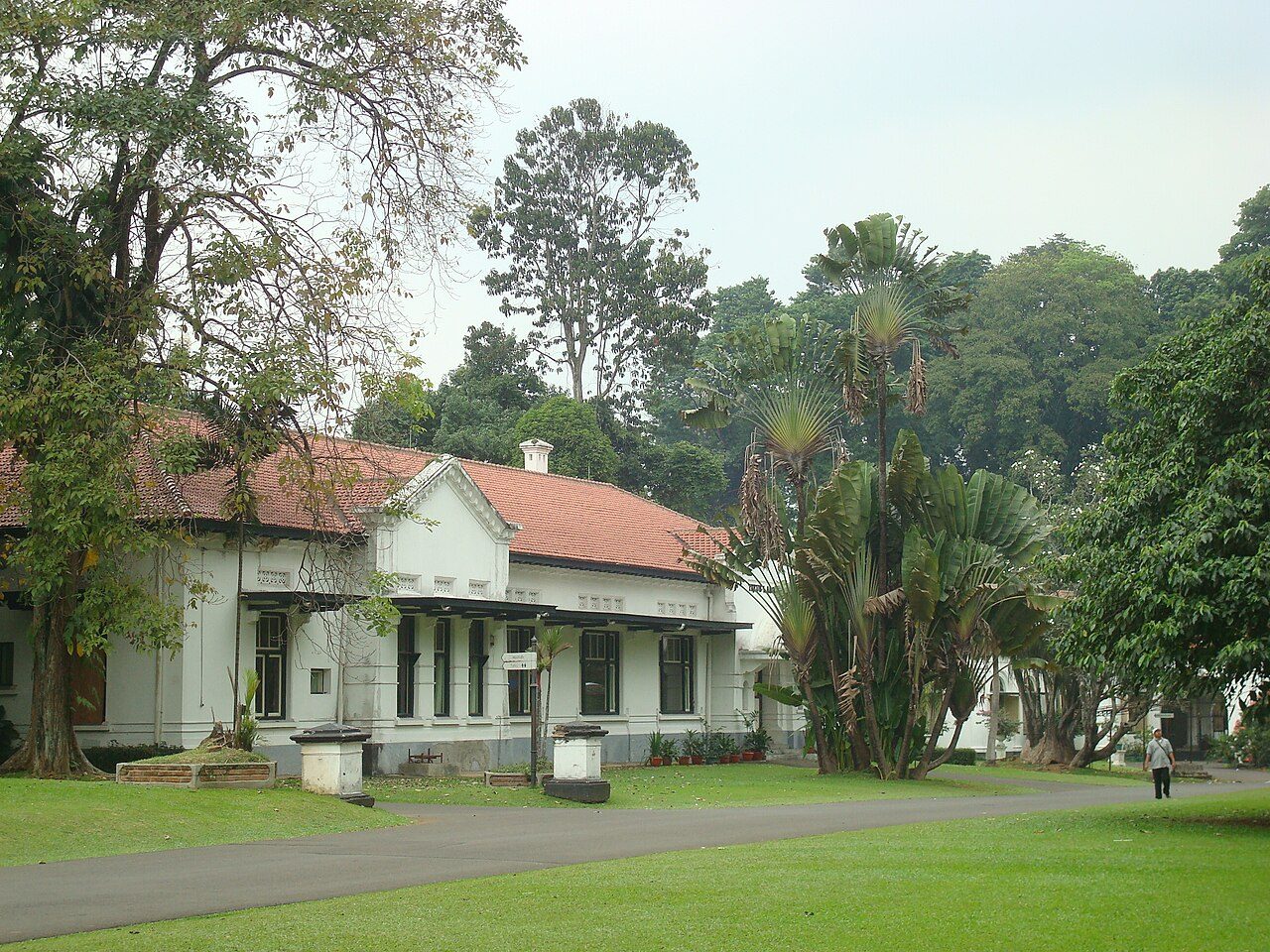
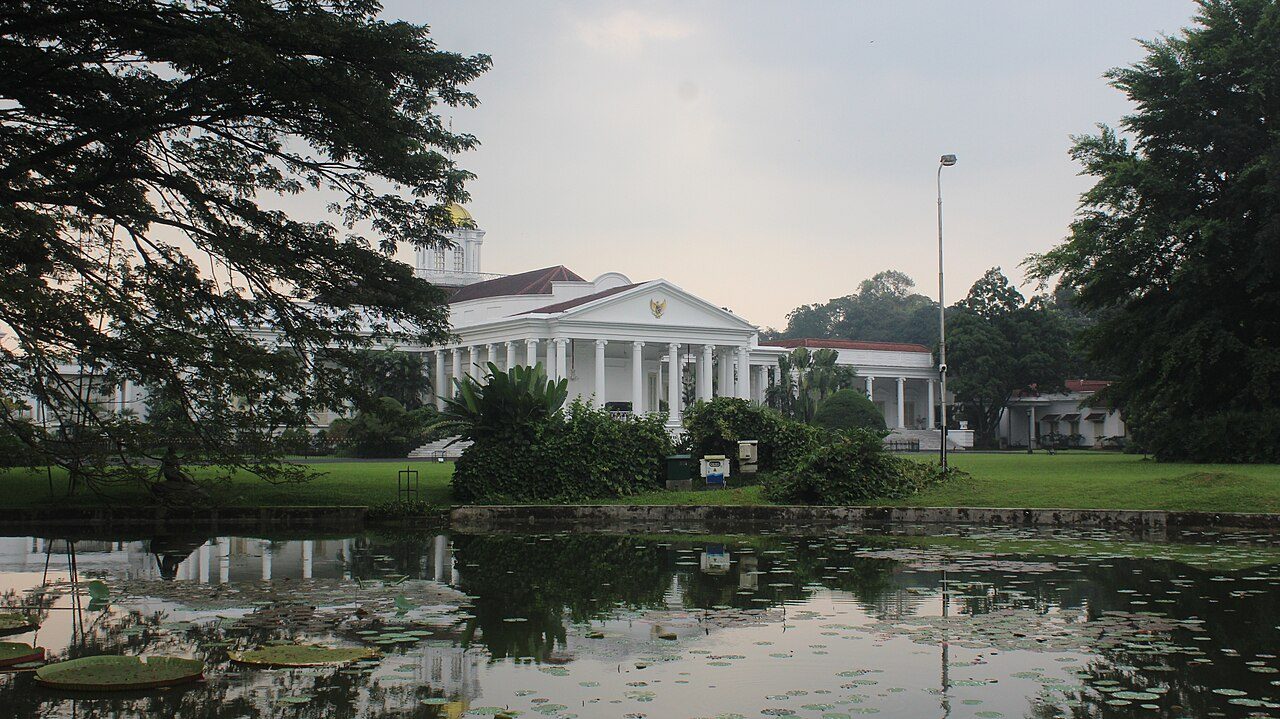
The Bogor Botanical Gardens, Kebun Raya Bogor, were founded in 1817 and cover about 87 hectares in the centre of Bogor. They hold over 13,000 plants, including giant water lilies, orchids, palms and a famous titan arum. Long avenues of tall trees lead past ponds and old buildings. The gardens lie beside the Bogor Presidential Palace.
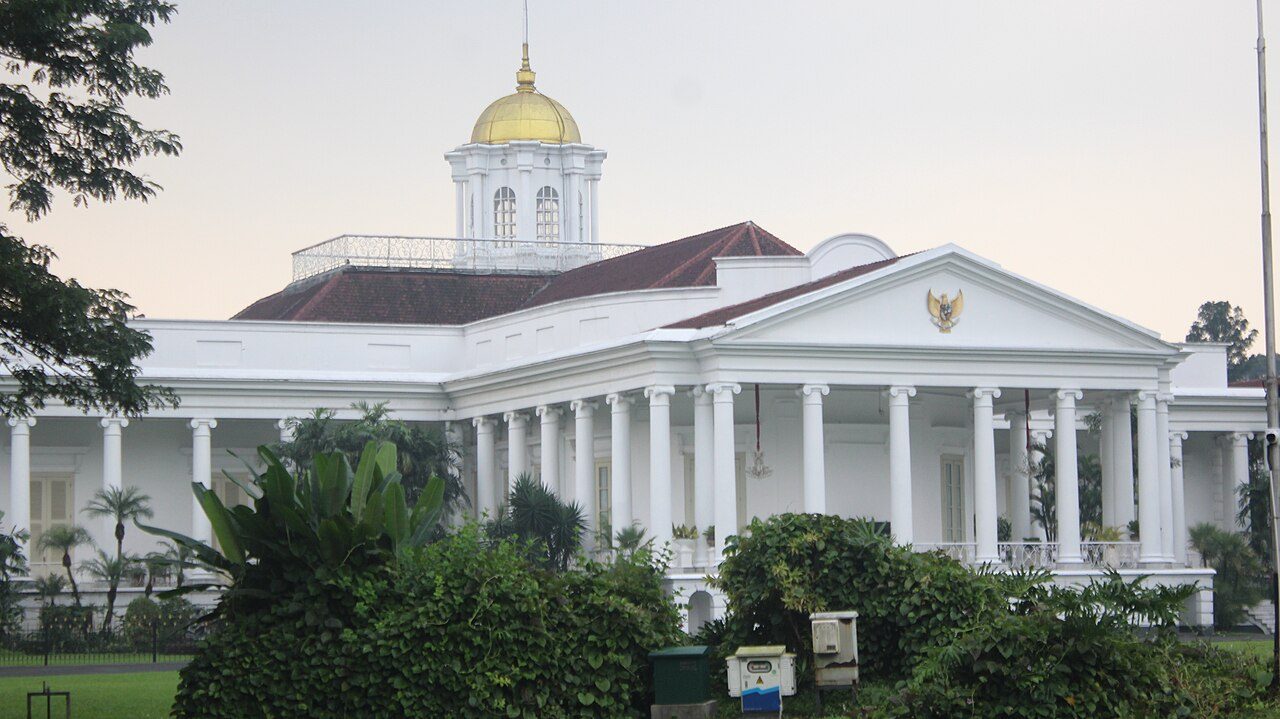
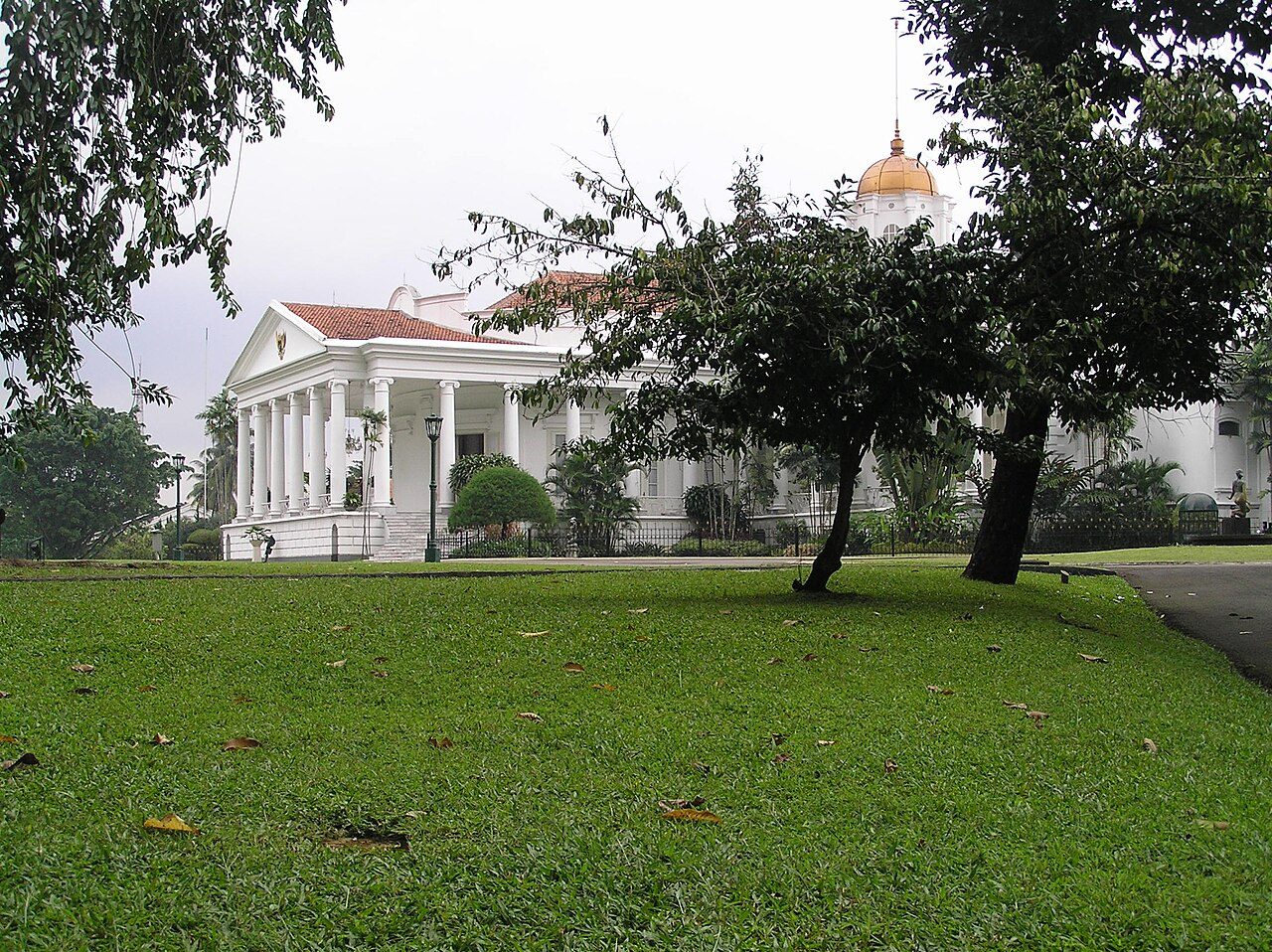
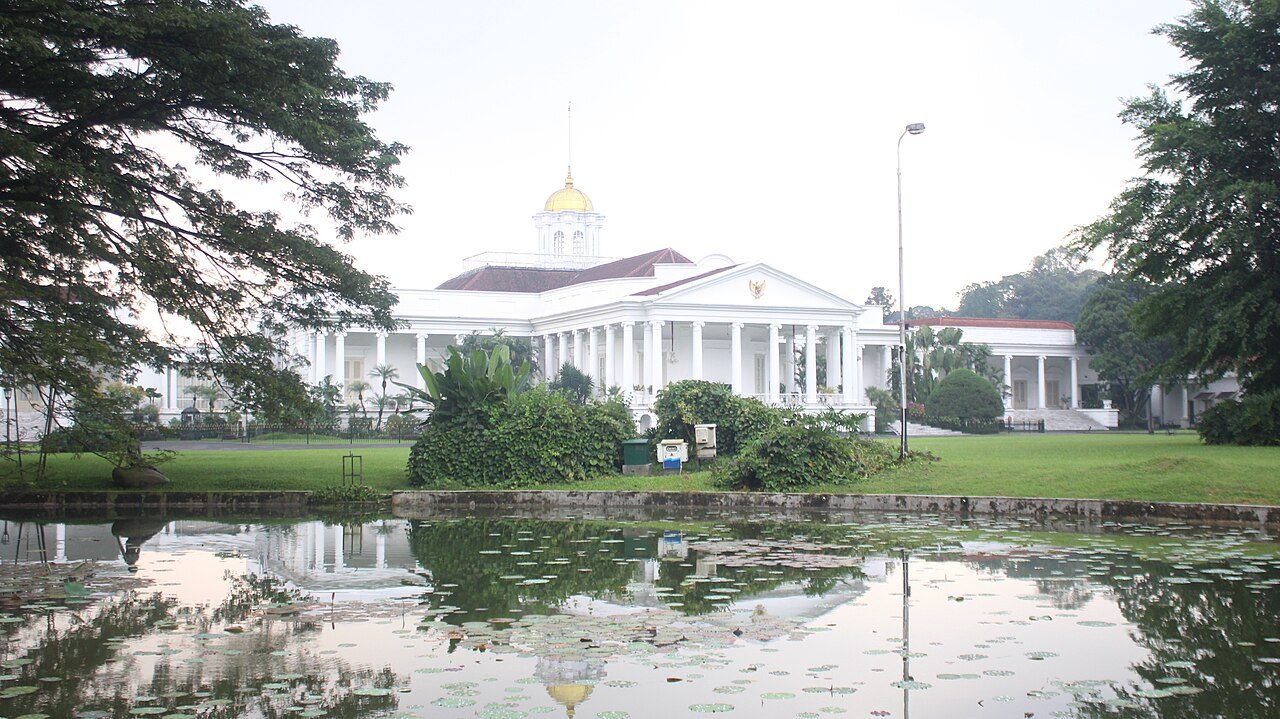
Bogor Palace is one of the six presidential palaces of Indonesia. It was built in the 18th century as a country house for the Dutch governor-general and rebuilt after an earthquake in 1834. The white palace stands in a wide park where hundreds of spotted deer graze on the lawns. It holds a large collection of art. Tours are possible on certain days.
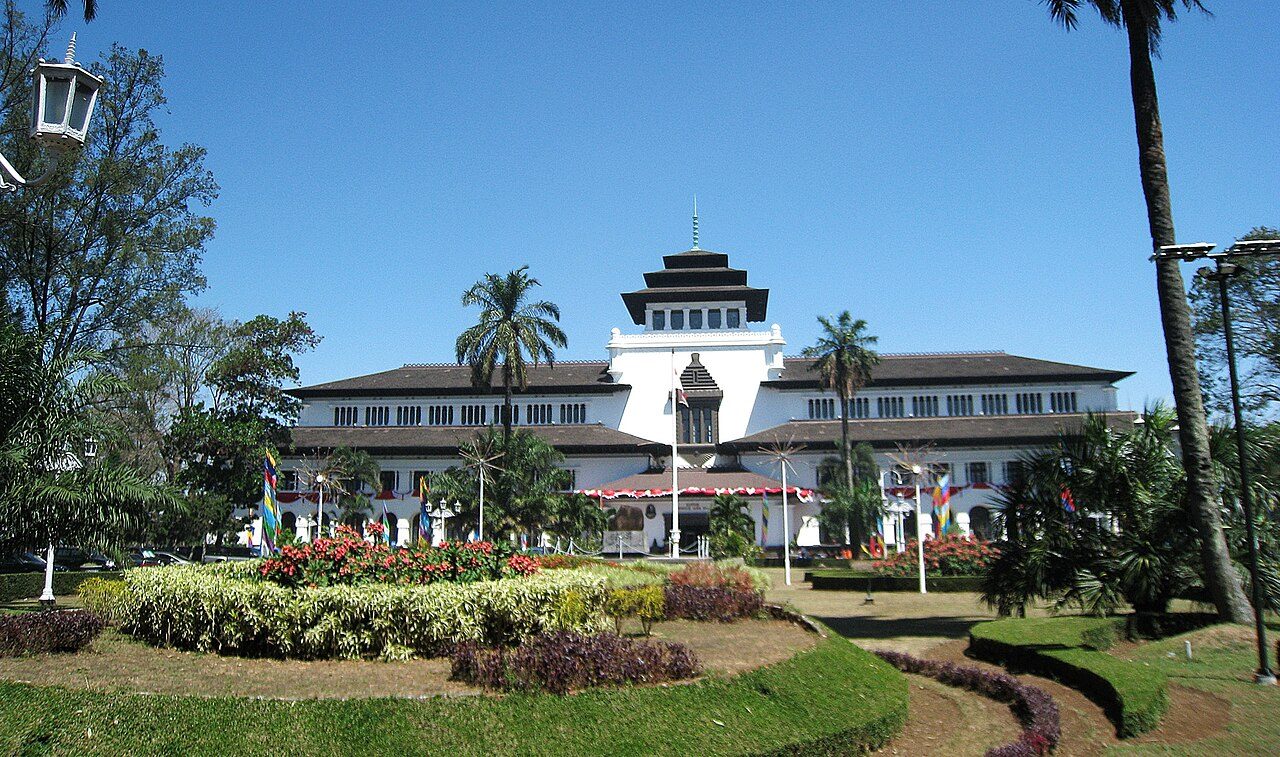
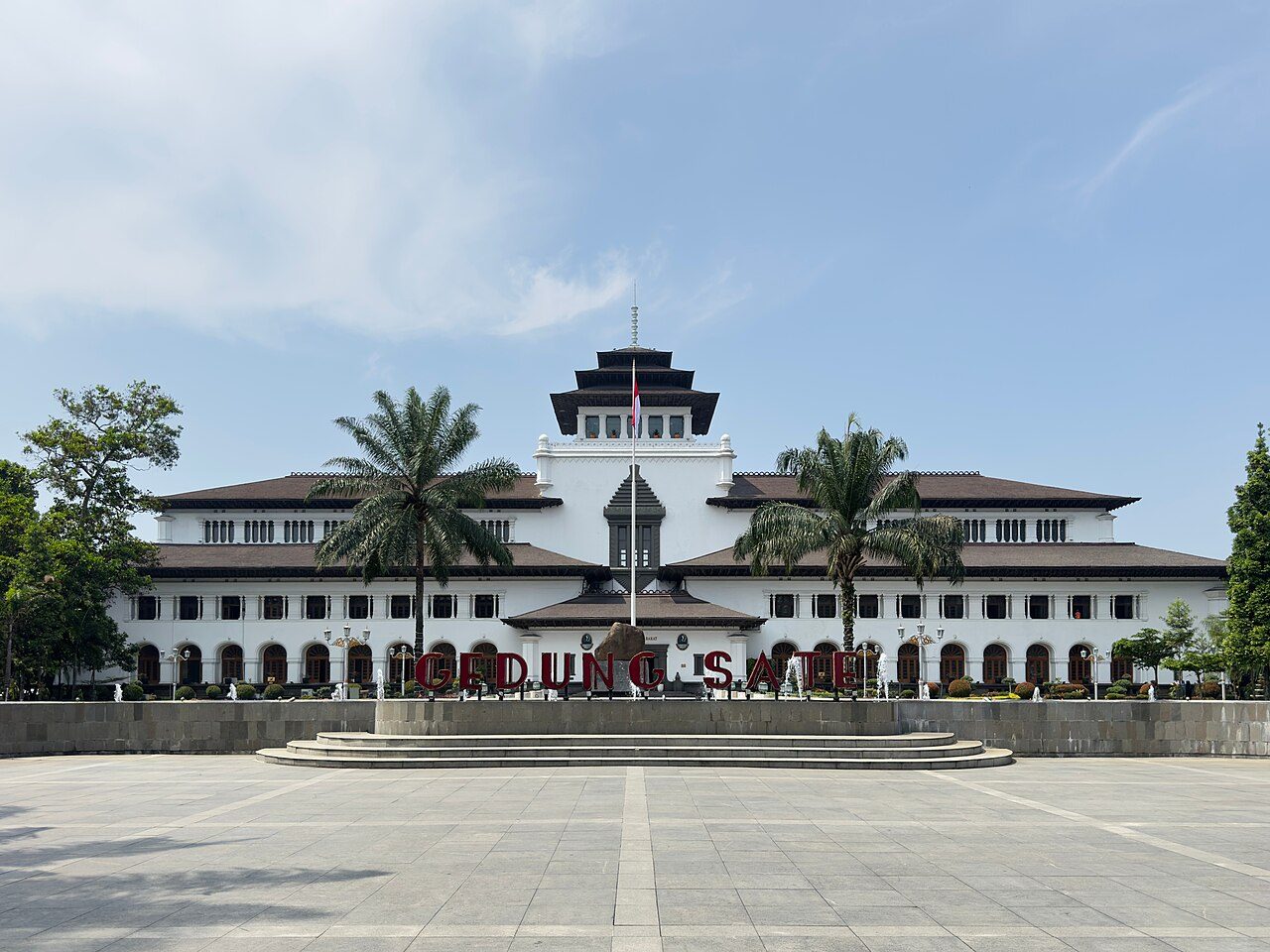
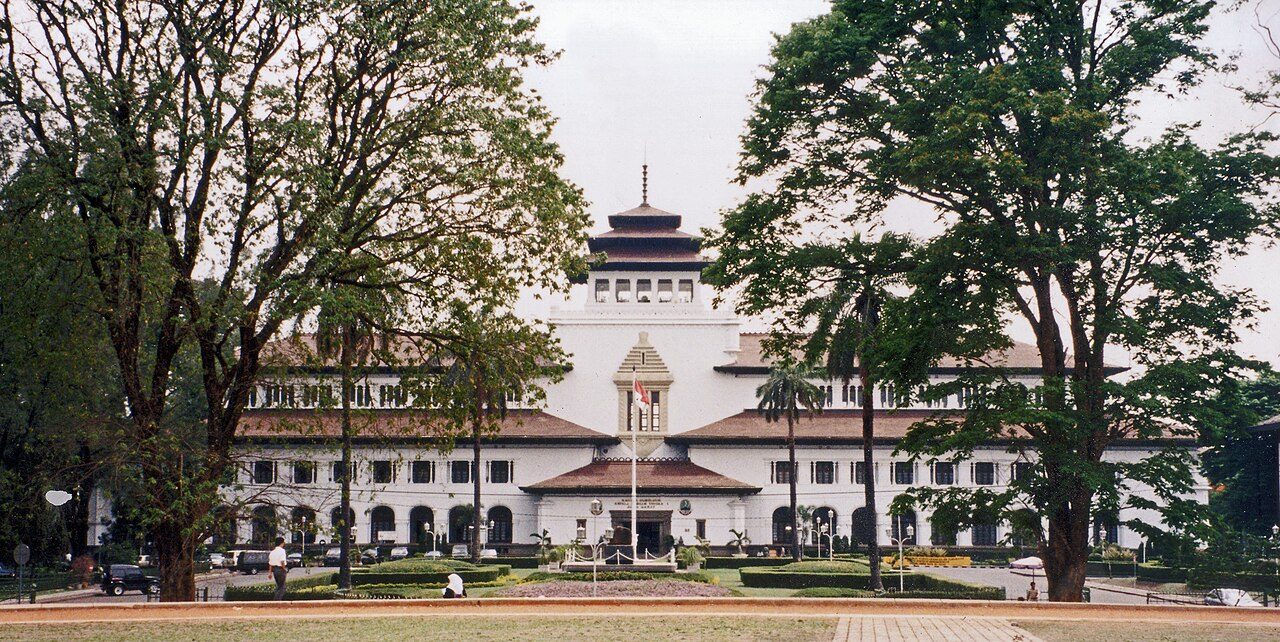
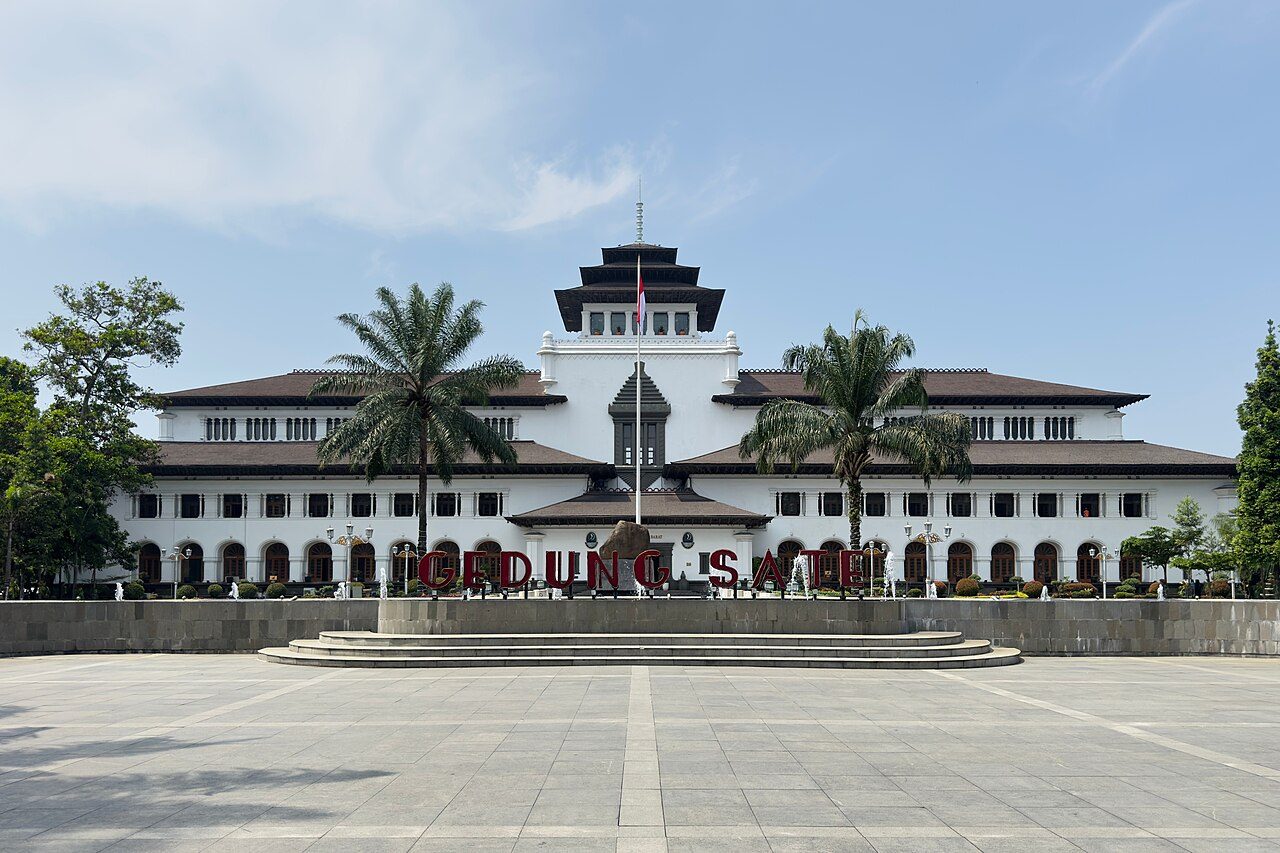
Gedung Sate is the office of the governor of West Java in Bandung, built from 1920 to 1924. Its name means satay building, after the ornament on its central roof that looks like satay skewers. The building mixes European and Indonesian styles, with a tiered tower roof like a Javanese pavilion. A museum inside tells its history, and a park lies in front.
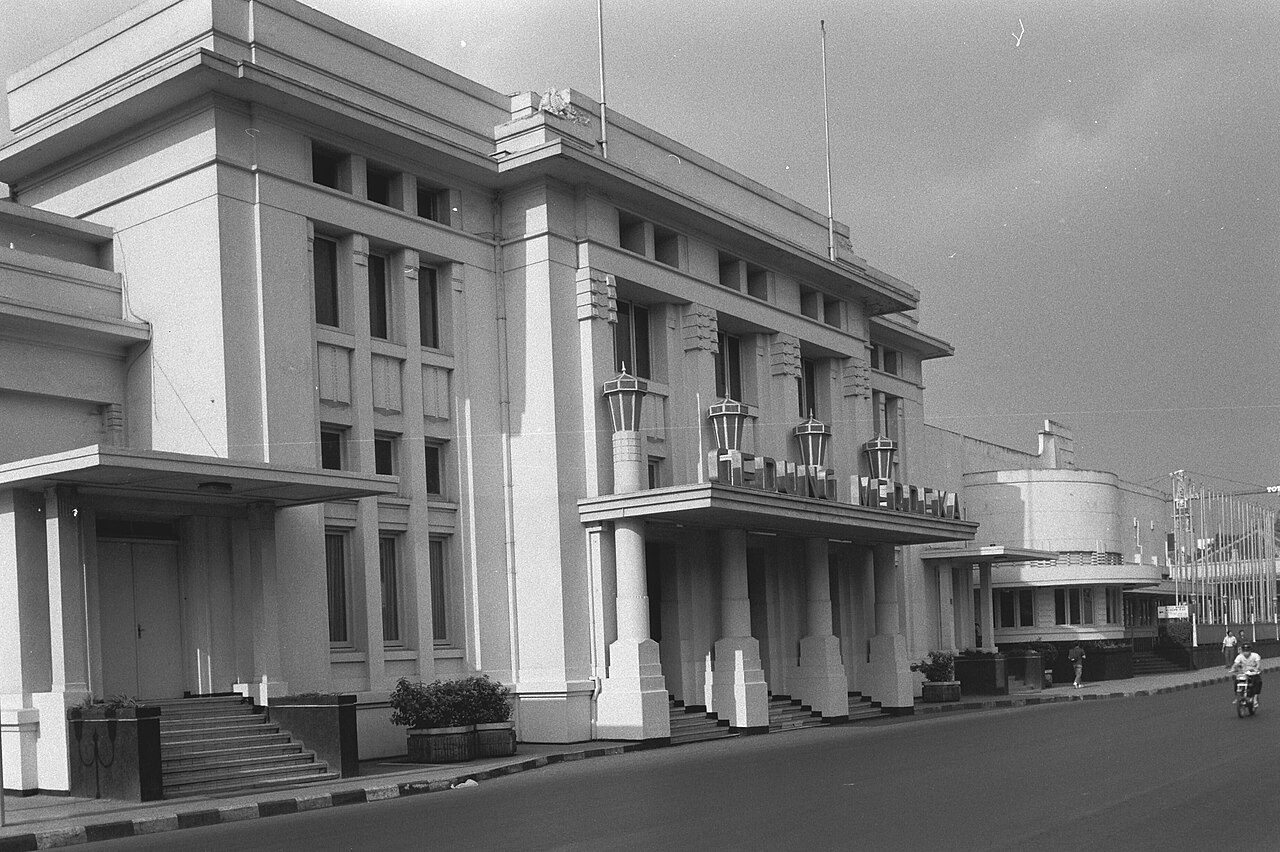
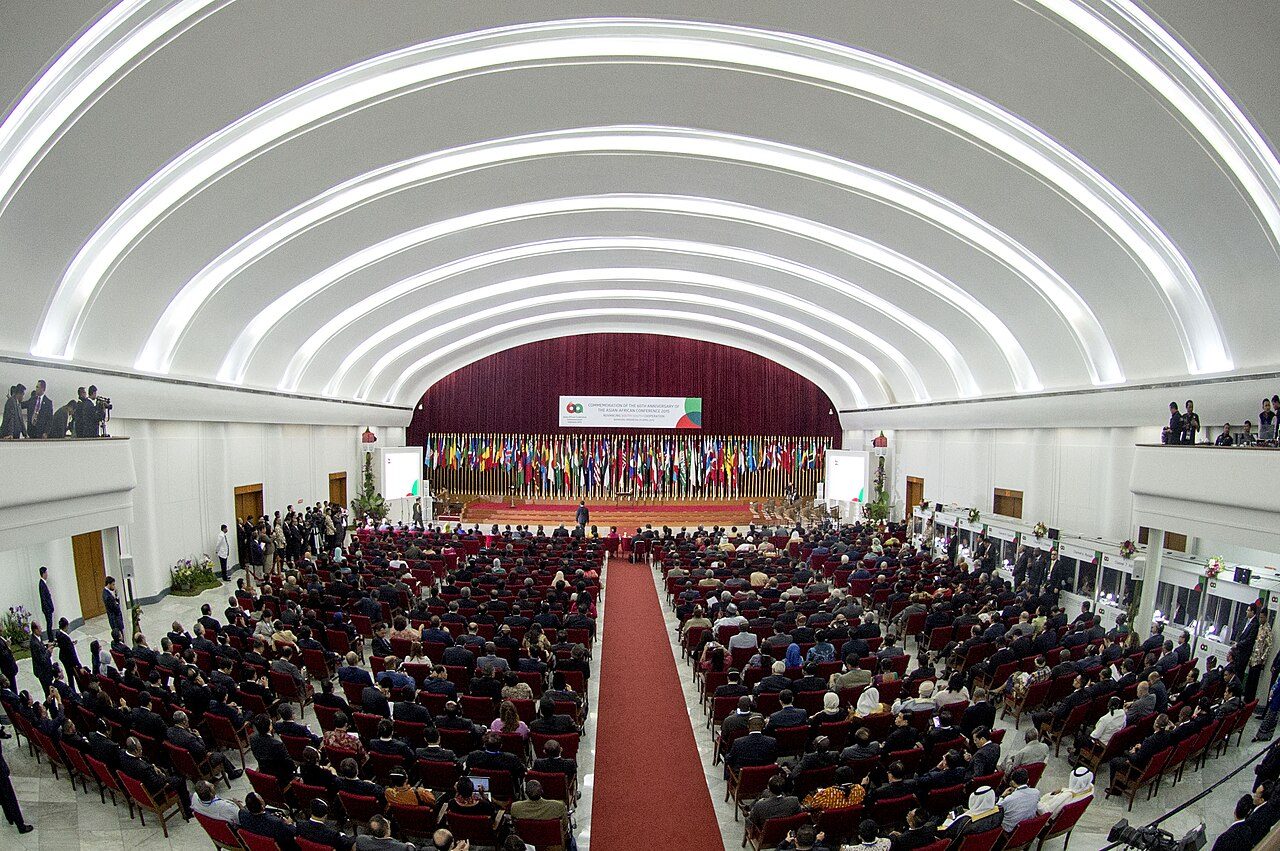
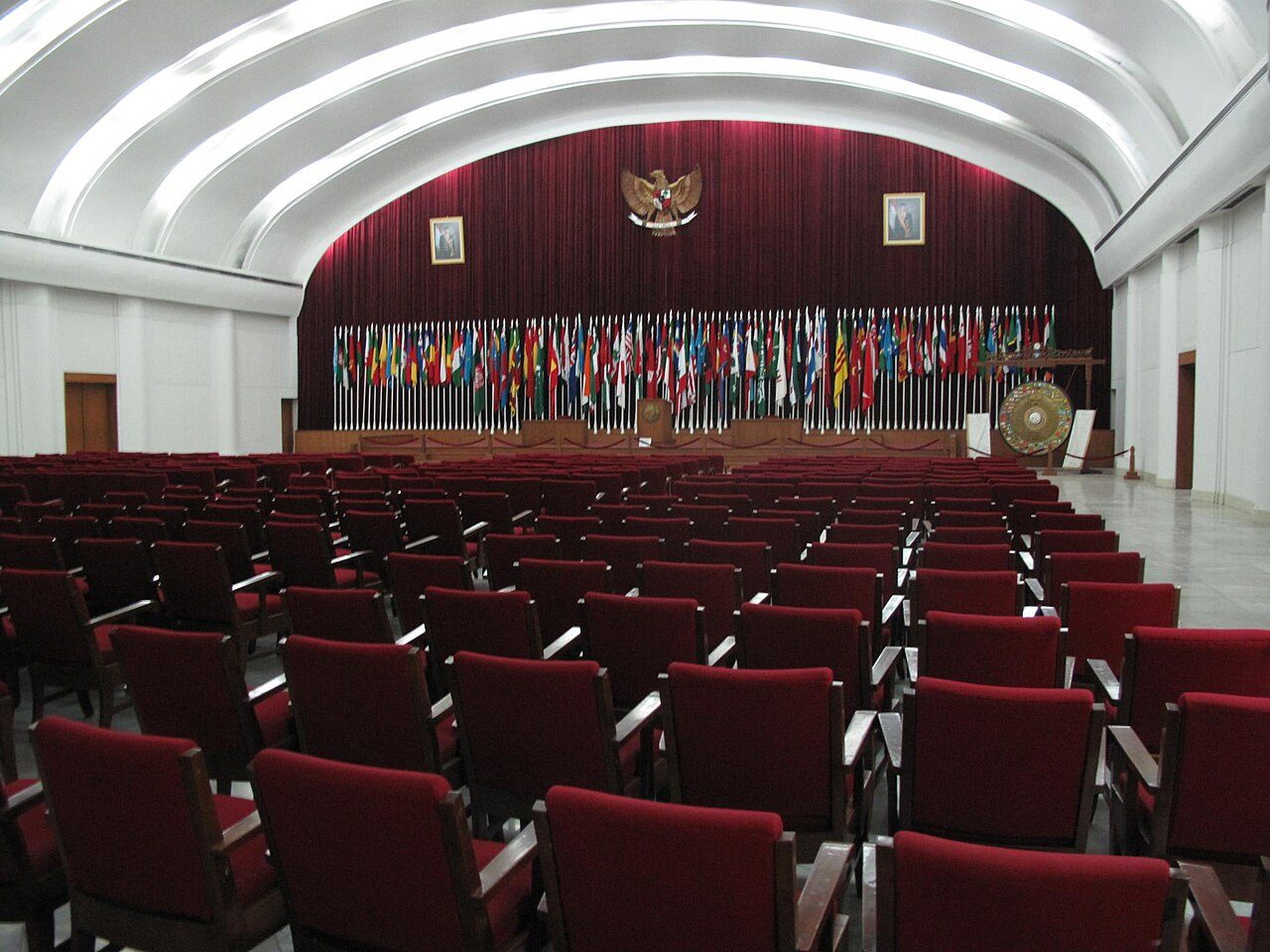
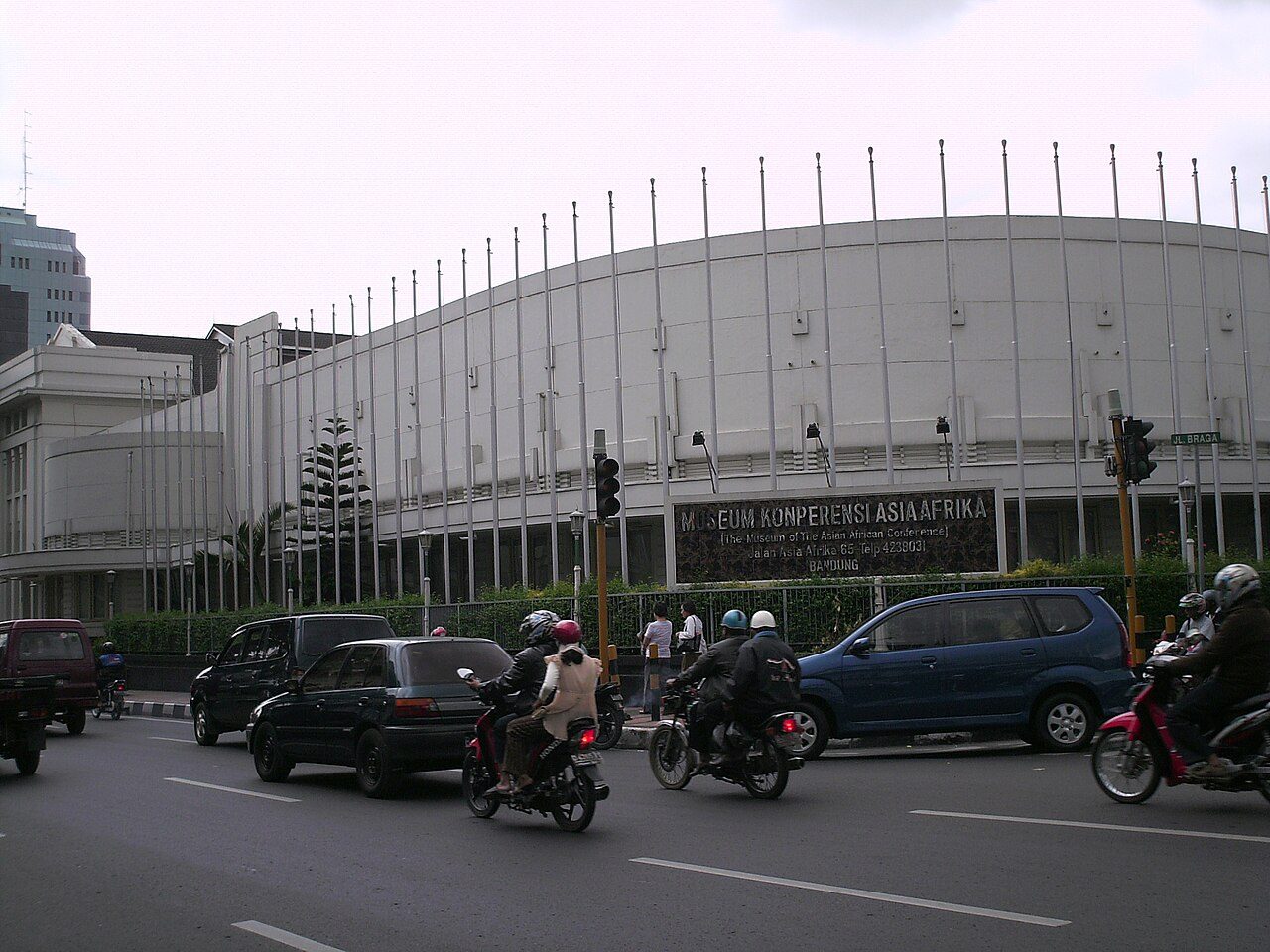
The Museum of the Asian-African Conference is in Gedung Merdeka in Bandung. In 1955 leaders of 29 newly independent Asian and African countries met here in the Bandung Conference, a key step towards the Non-Aligned Movement. The museum shows photographs, documents and figures of the leaders. The main hall is still used for meetings.
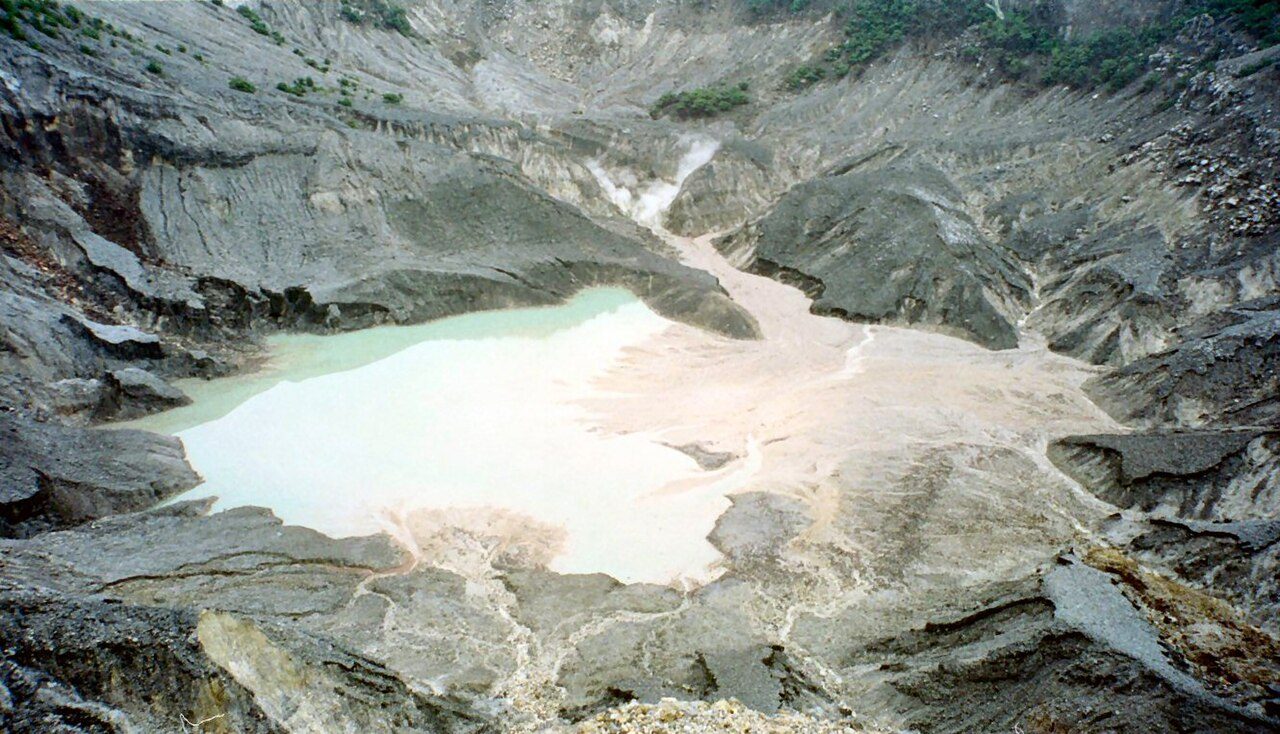
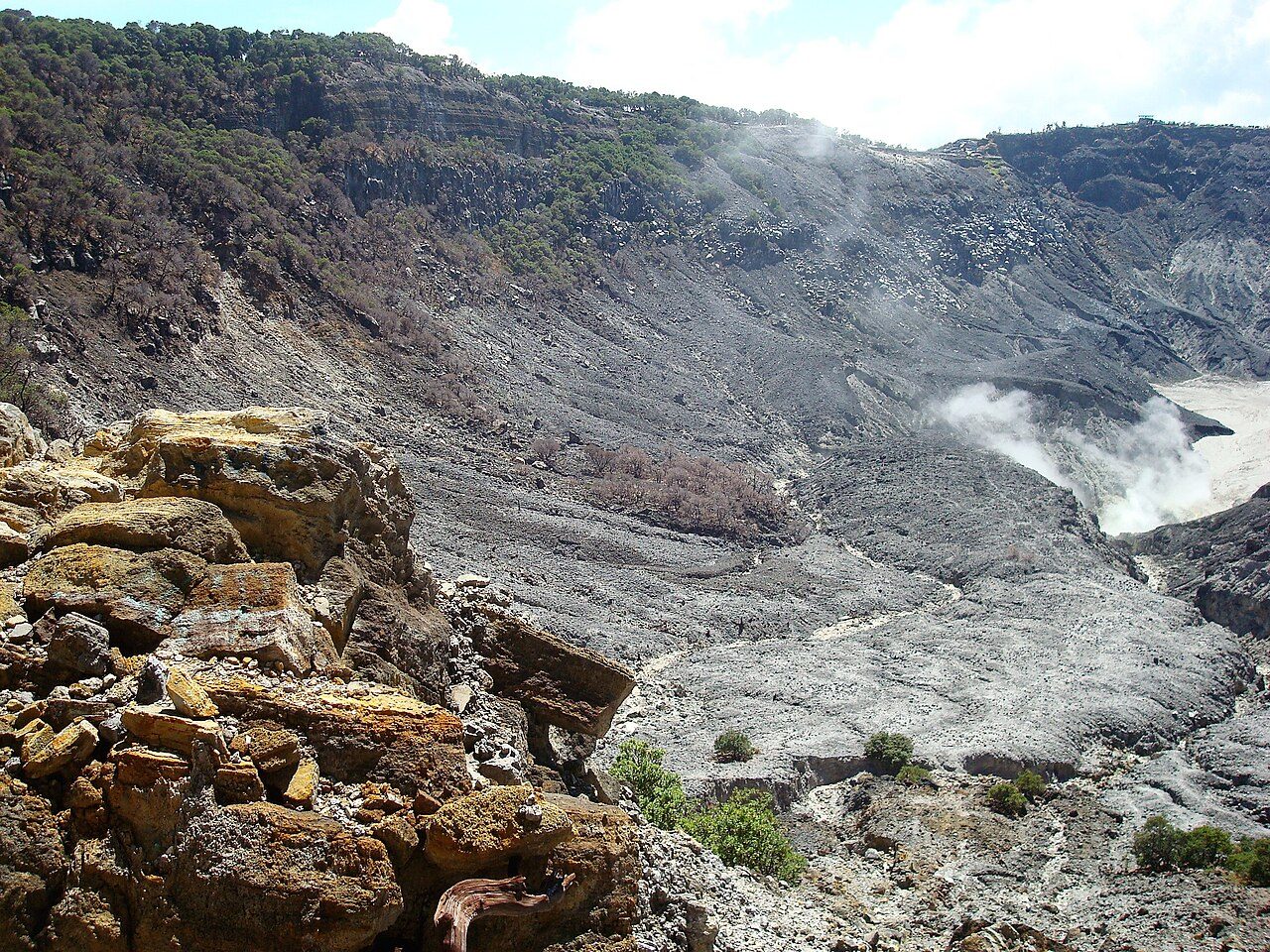
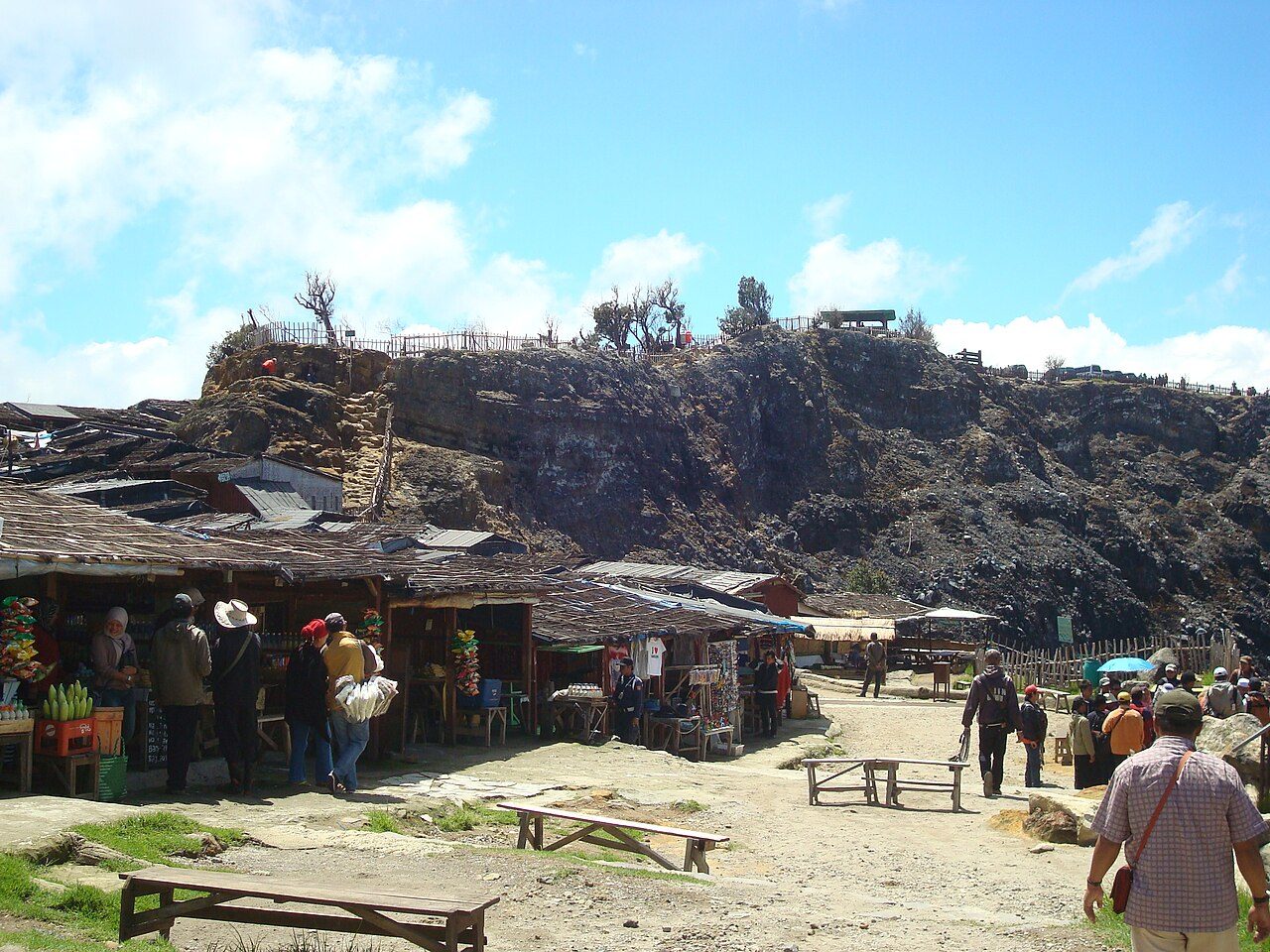
Tangkuban Perahu is an active volcano north of Bandung, rising to about 2,084 metres. Its name means upturned boat, from its shape and a Sundanese legend. A road leads right to the rim of Kawah Ratu, its largest crater, where steam and sulphur rise from the grey floor. Smaller craters can be reached on foot. Tea plantations cover the slopes below.
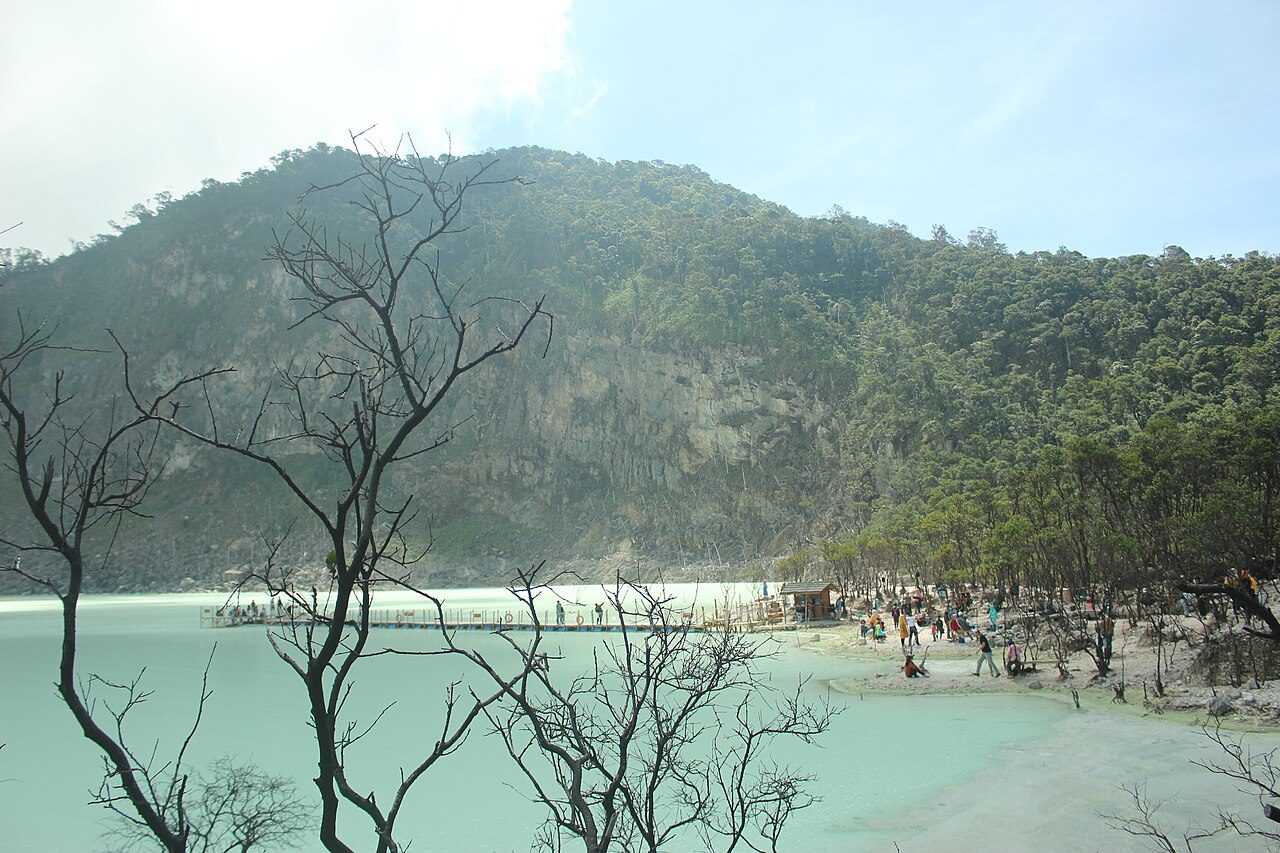
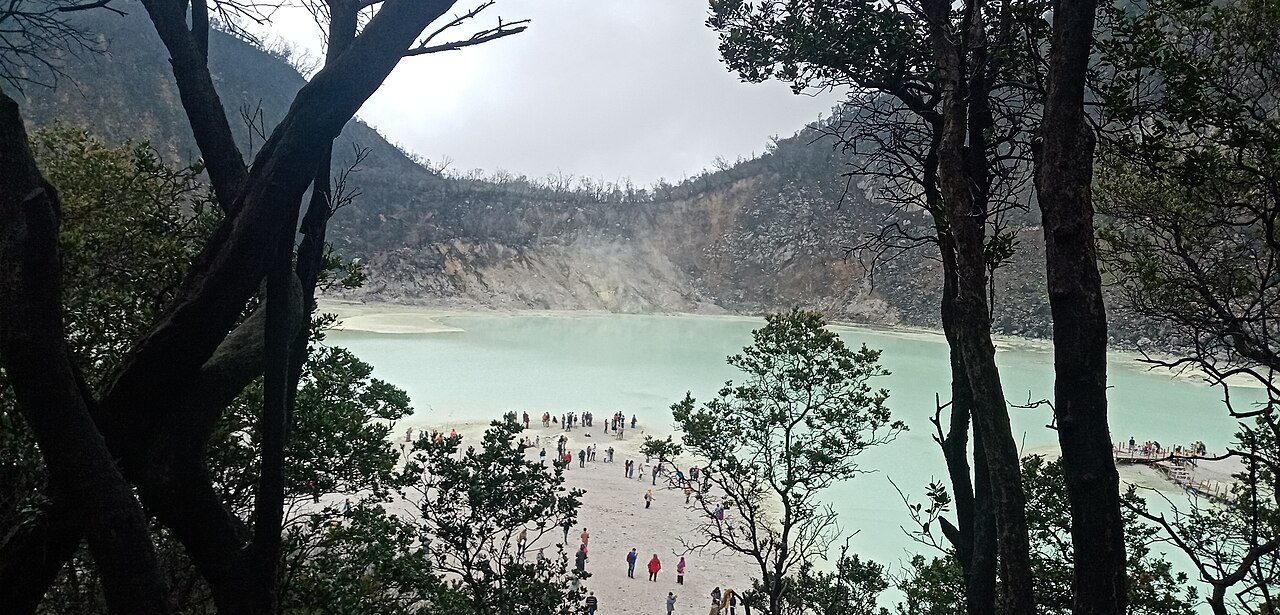
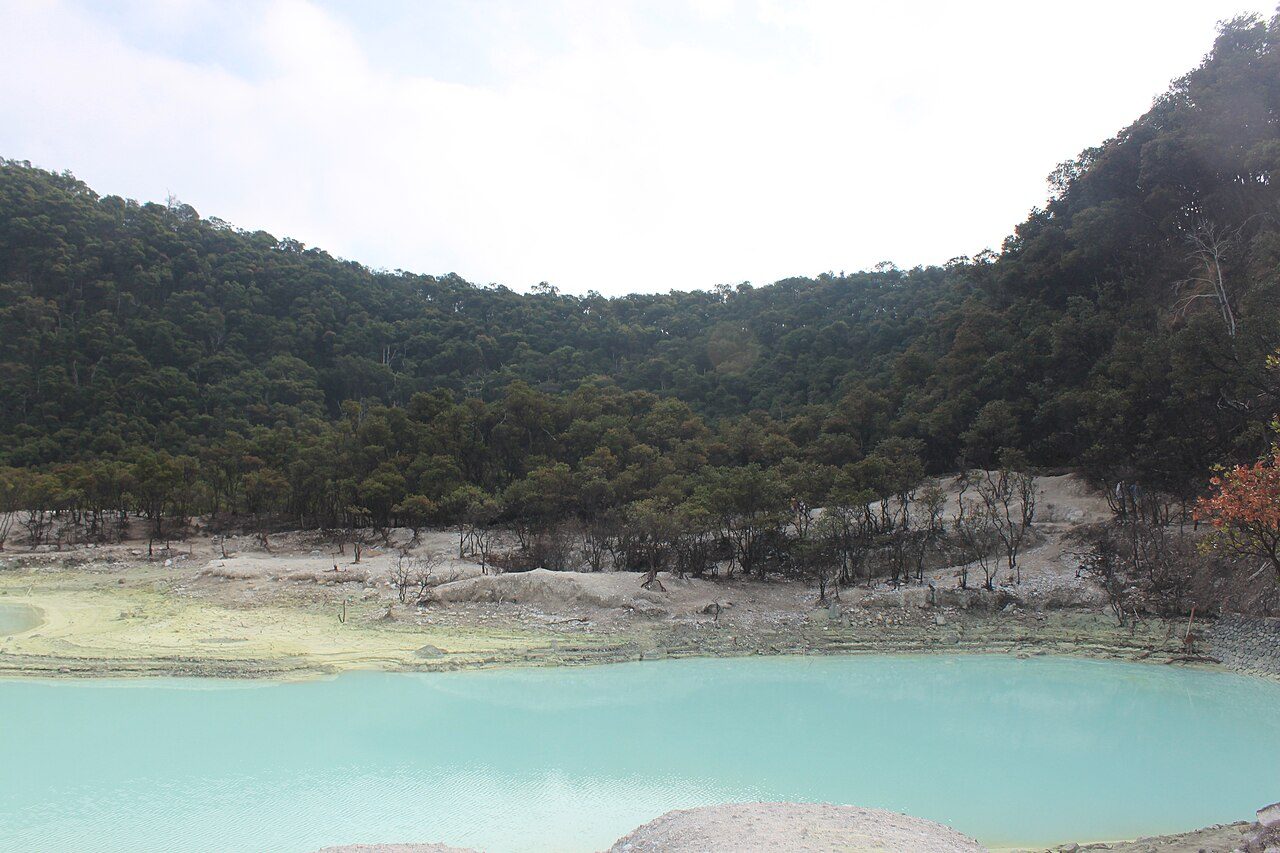
Kawah Putih is a crater lake on Mount Patuha, south of Bandung, about 2,400 metres above sea level. Its name means white crater. The lake changes colour from pale turquoise to milky white depending on the weather and minerals. Dead trees and white sand line its shores, and mist often drifts across the water. Sulphur was once mined here.
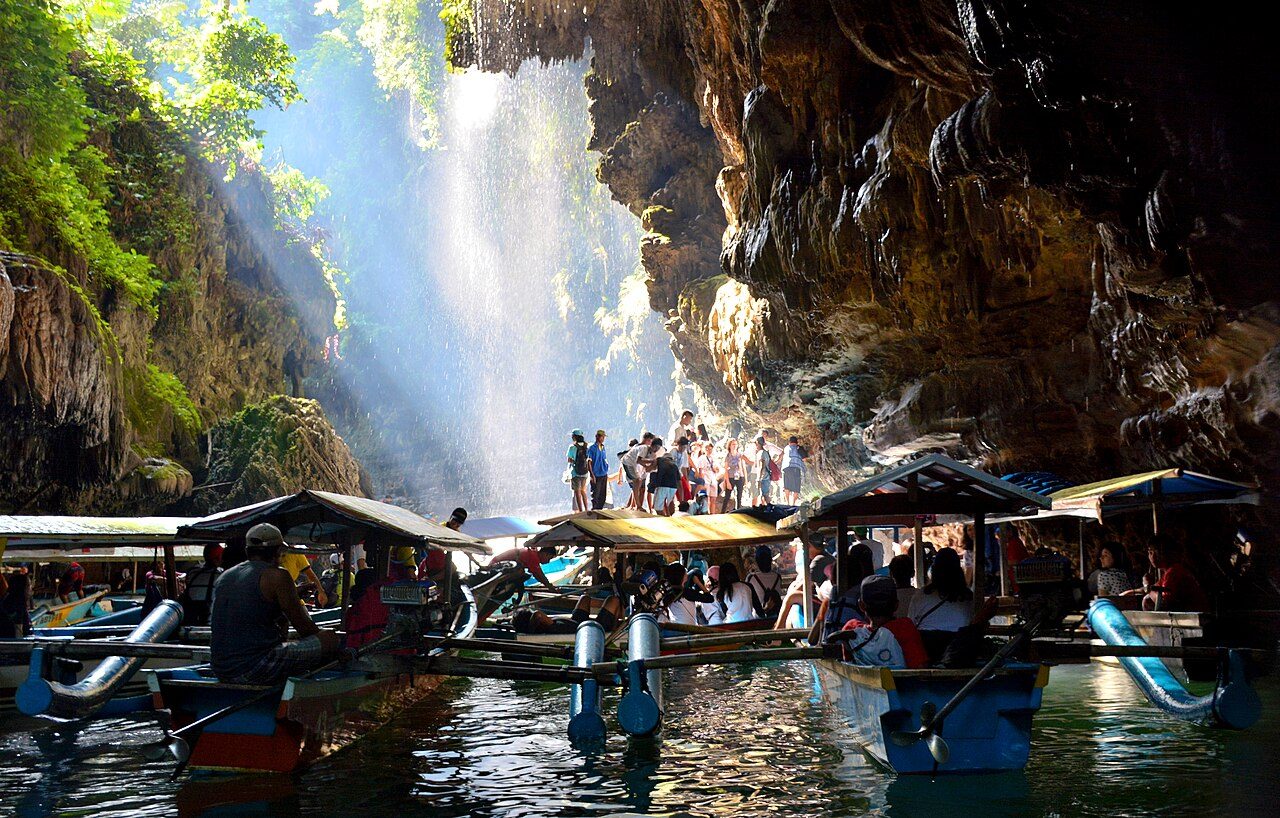
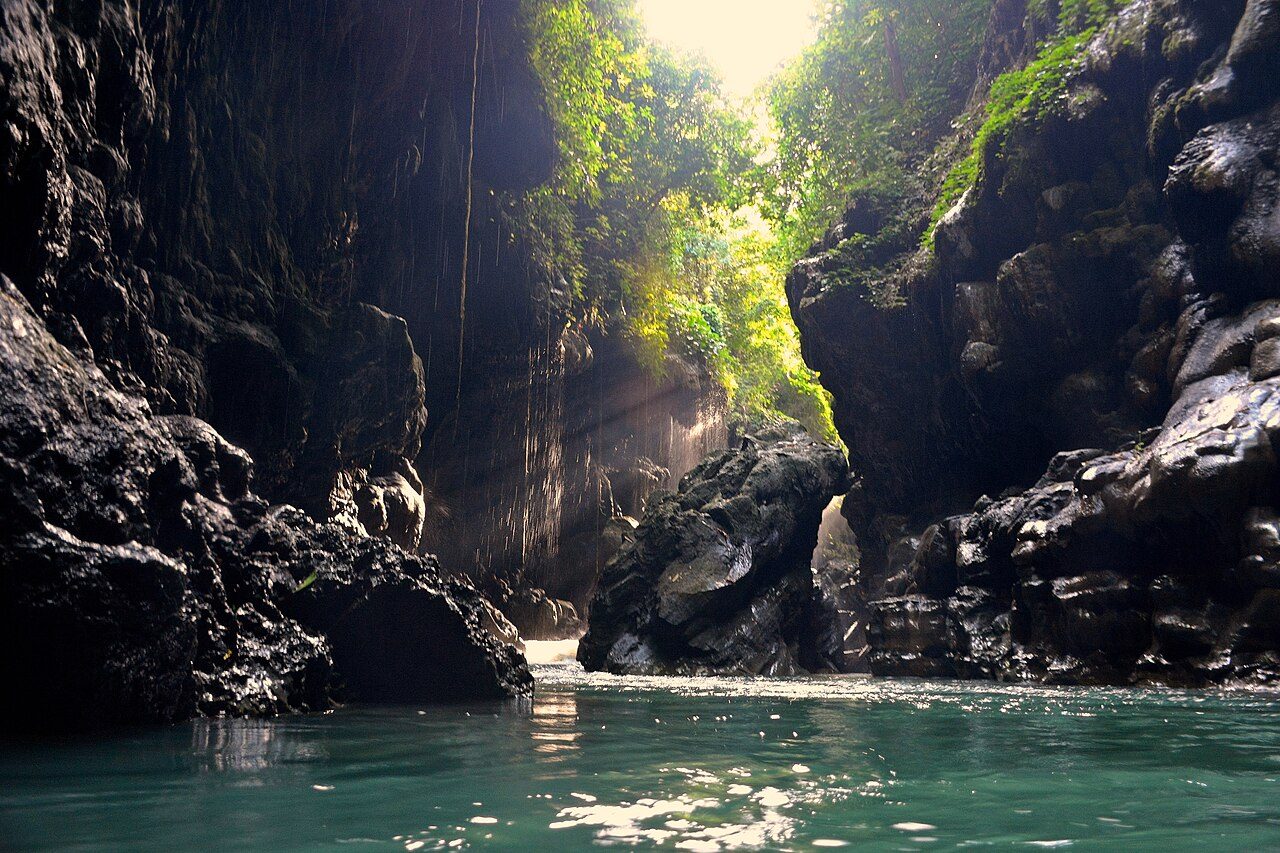
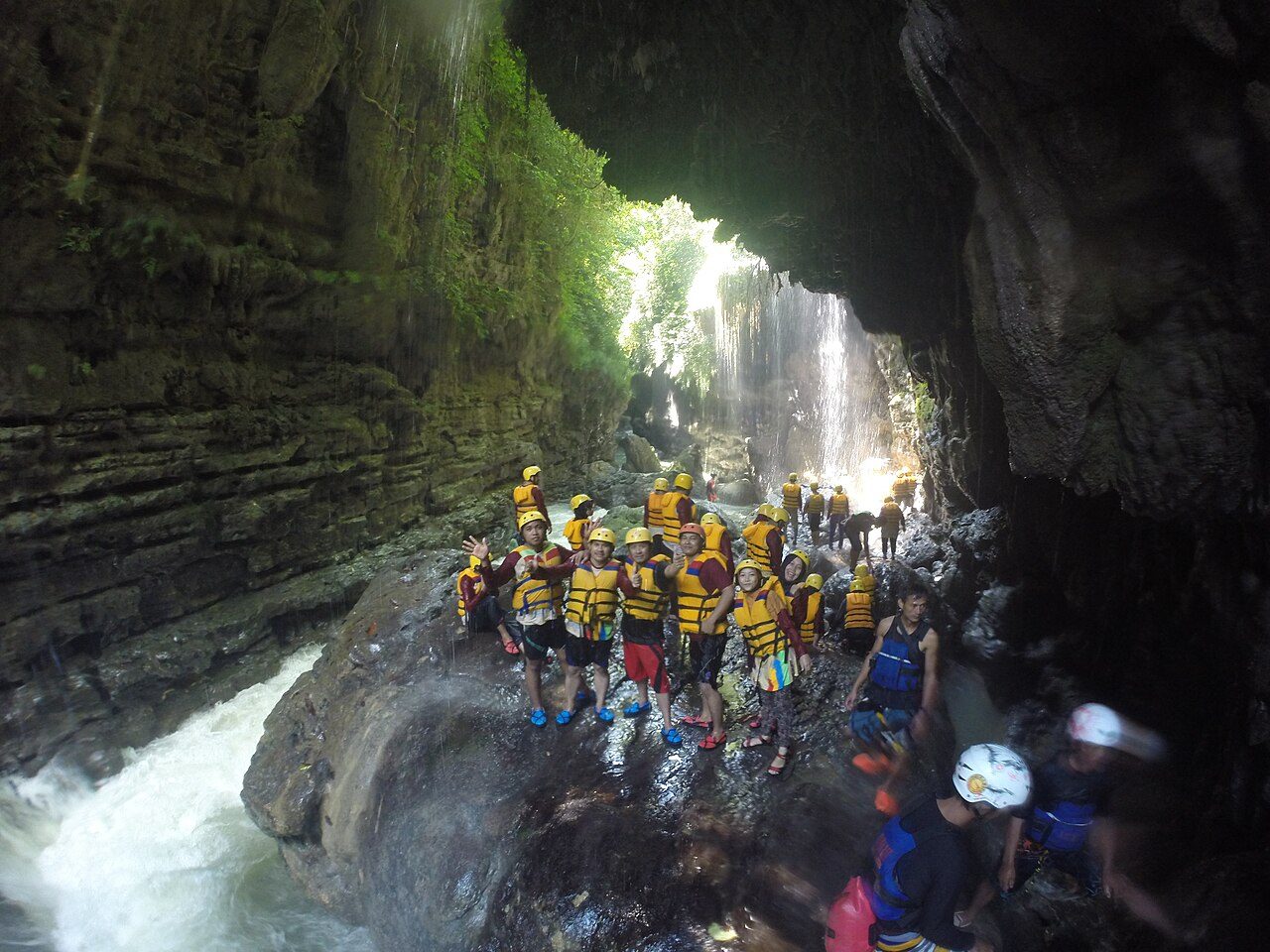
Green Canyon, Cukang Taneuh, is a gorge on the Cijulang River near Pangandaran in West Java. The green river flows between cliffs covered with ferns and moss. Boats carry visitors upstream to the narrow part of the canyon, where they can swim or float through, under dripping rocks and small waterfalls. The water is deep and calm in the dry season.
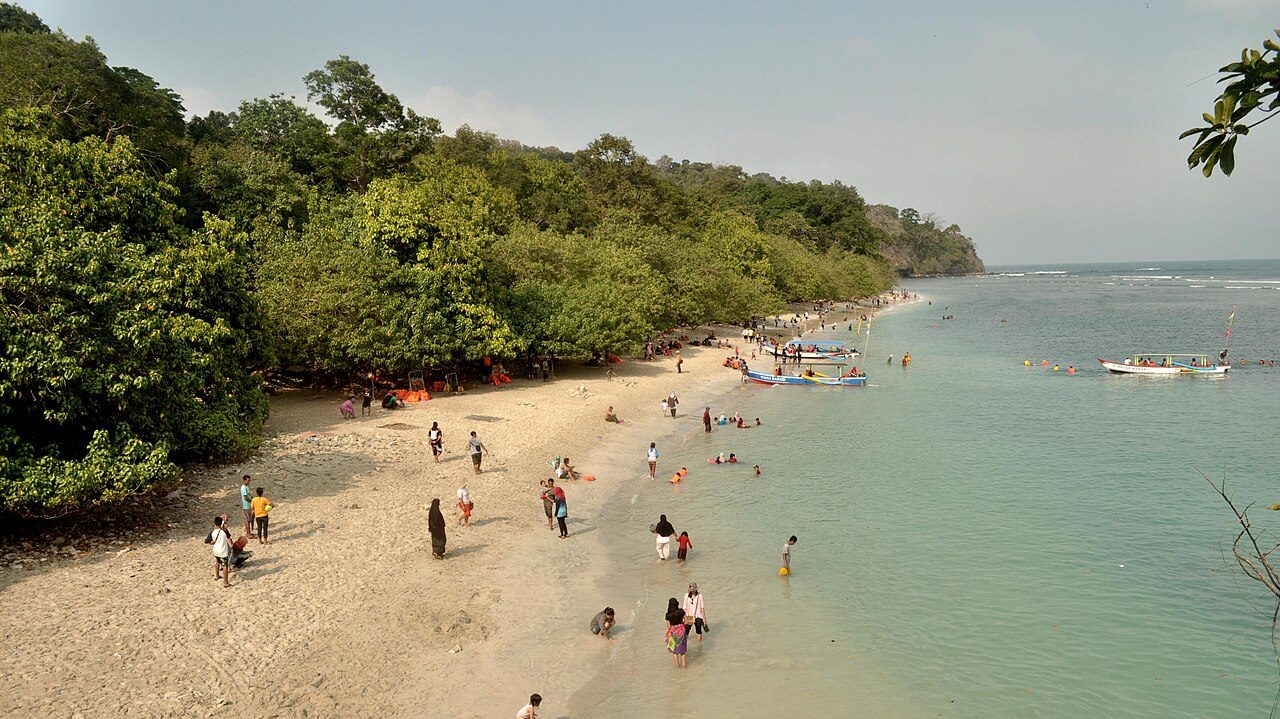
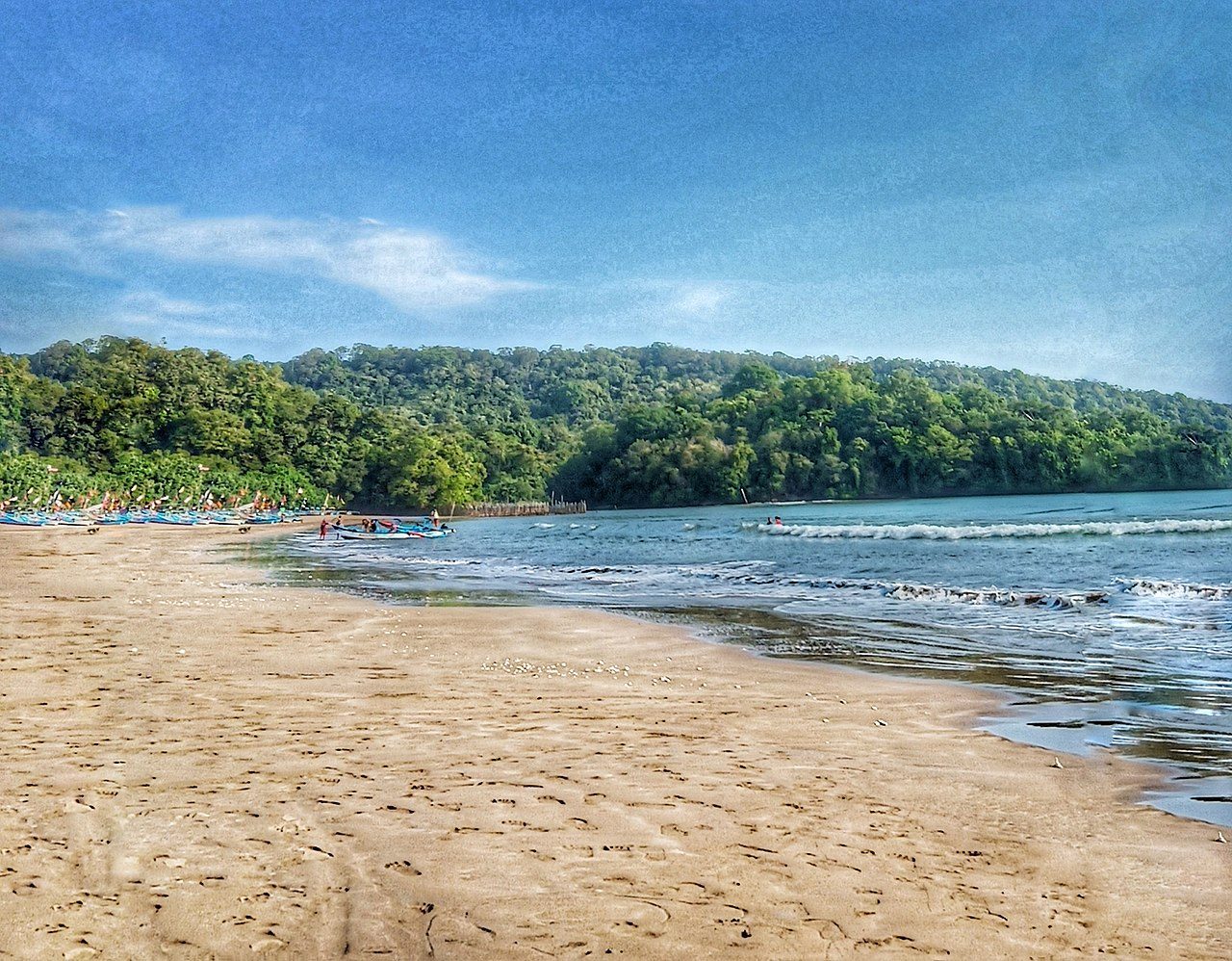
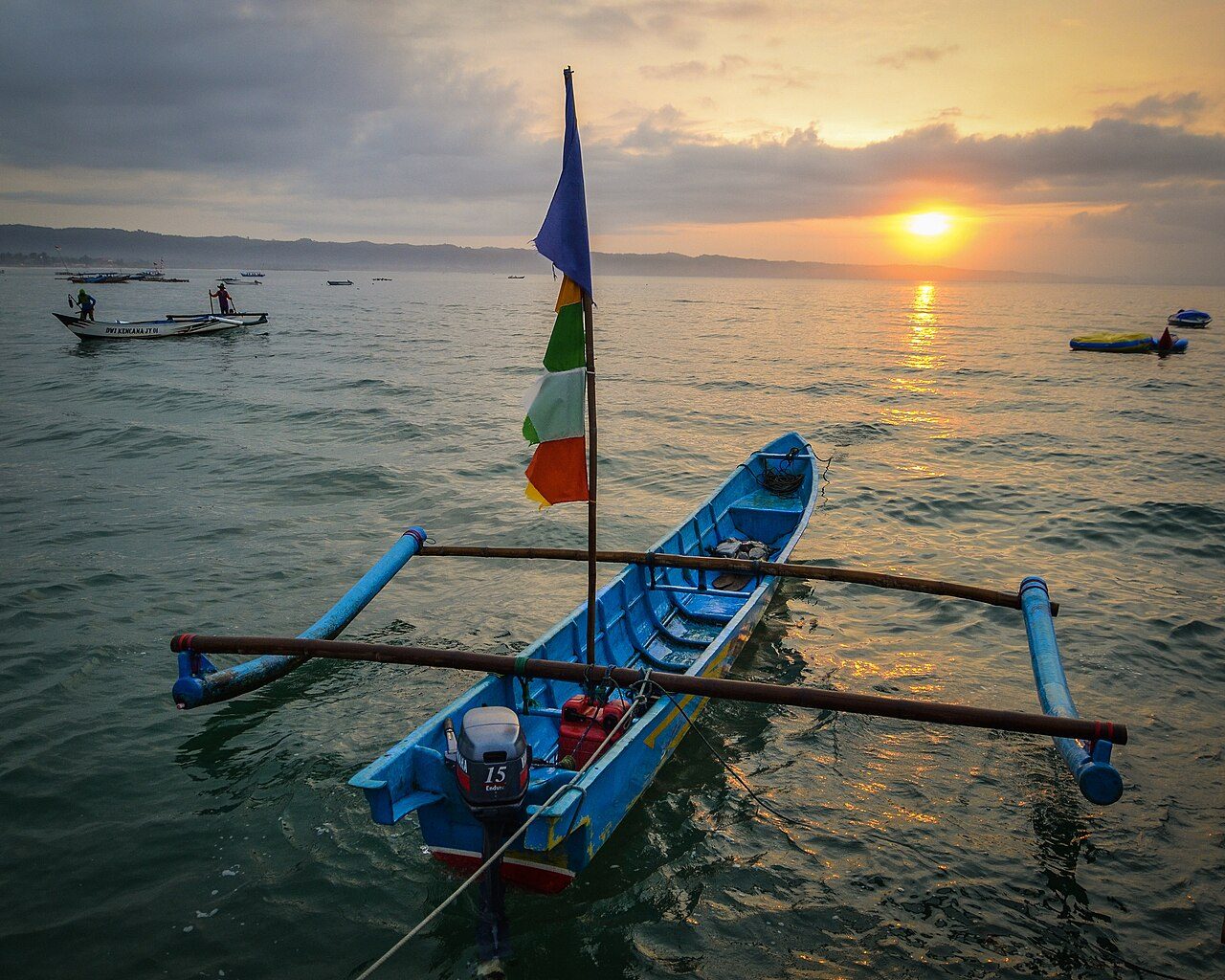
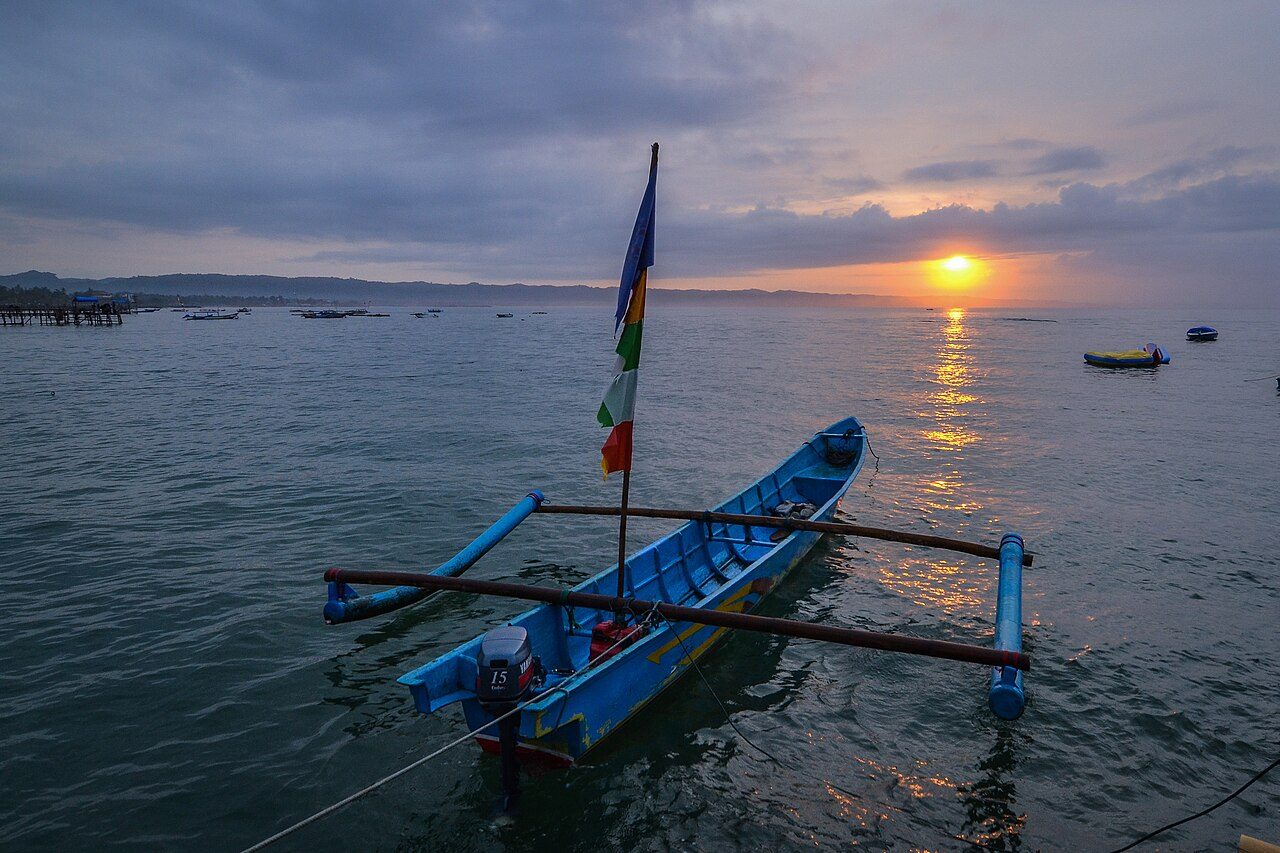
Pangandaran is a beach town on the south coast of West Java. It lies on a narrow neck of land between two bays, so the sun can be seen rising and setting over the sea. The peninsula at its tip is a nature reserve with forest, caves, monkeys and deer. The beach is popular for swimming, surfing lessons and seafood. The town was hit by a tsunami in 2006.
Best weather: Jul – SepHeavy rain: Nov – Apr
Seasons from 20 years of NASA POWER climate data.
Was this trip blog helpful?
0
0
Ready to follow this route?
Copy all 15 stops into your trip plans in the app.
 WaTrips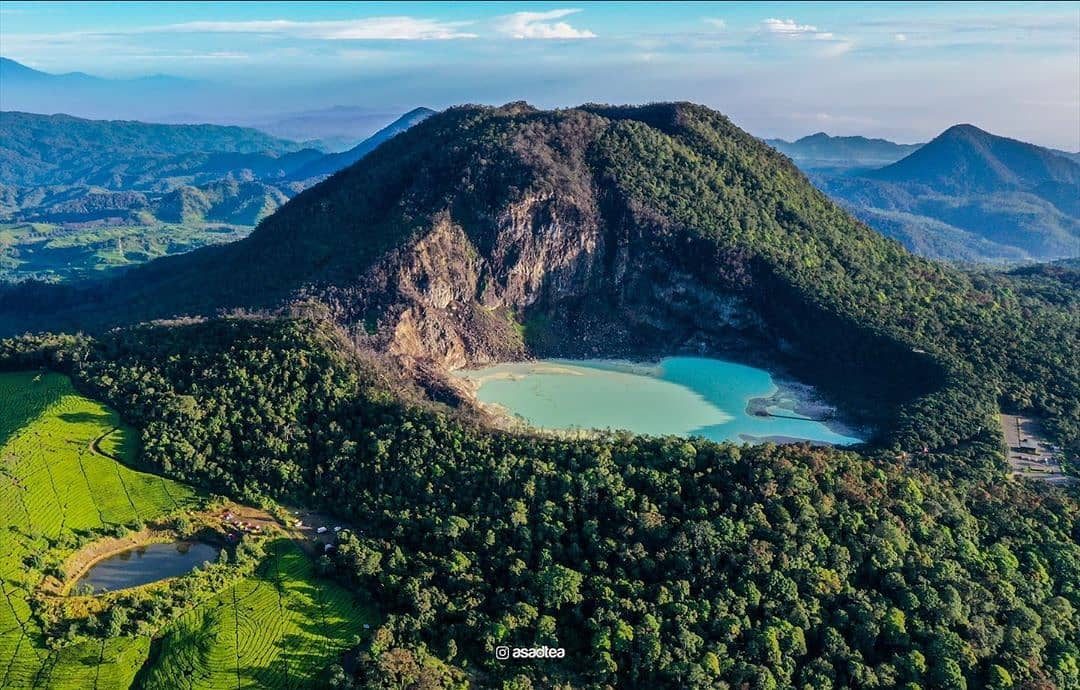




 BikesBooking
 Localrent
 Airalo
 Tiqets