 WaTrips
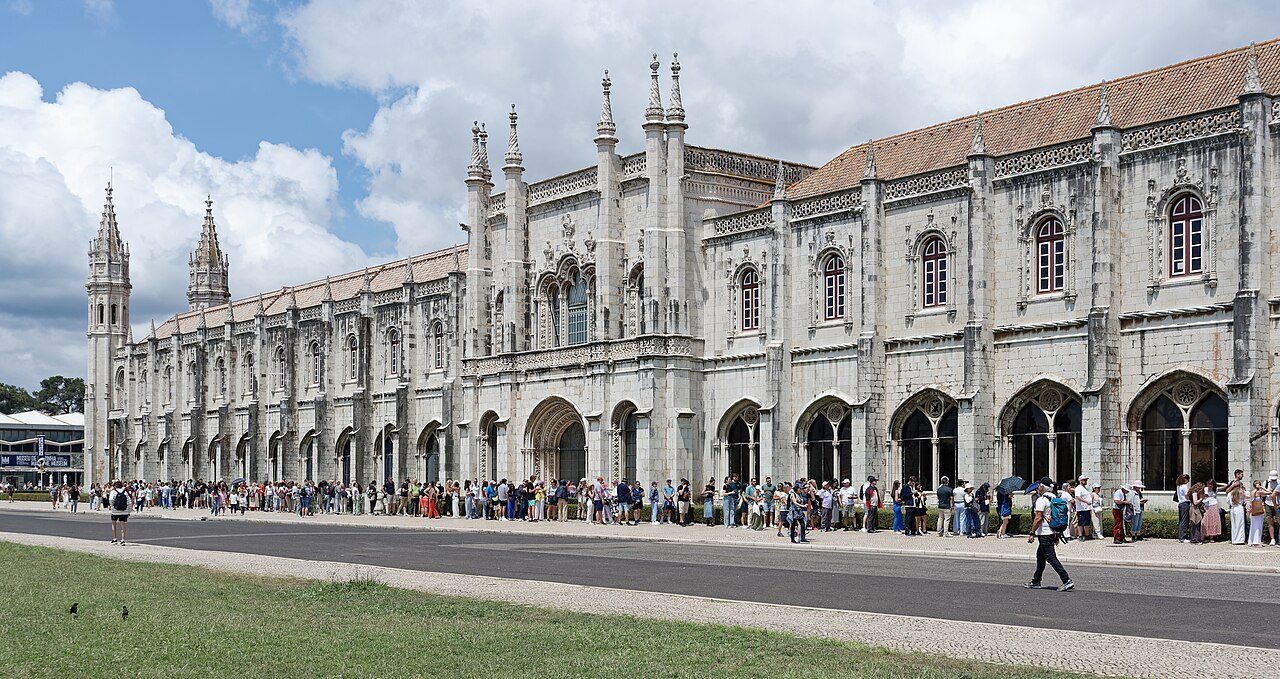
The Jerónimos Monastery, the Mosteiro dos Jerónimos, is the masterpiece of Portugal's Manueline style and one of the most magnificent monasteries in Europe. Its long limestone facade stretches for some three hundred metres along the Belém waterfront in Lisbon, and inside, a soaring church and a breathtaking two-storey cloister are covered in carvings of ropes, sea creatures, exotic plants and symbols of the Age of Discoveries. It is also the resting place of the explorer Vasco da Gama and the poet Luís de Camões.
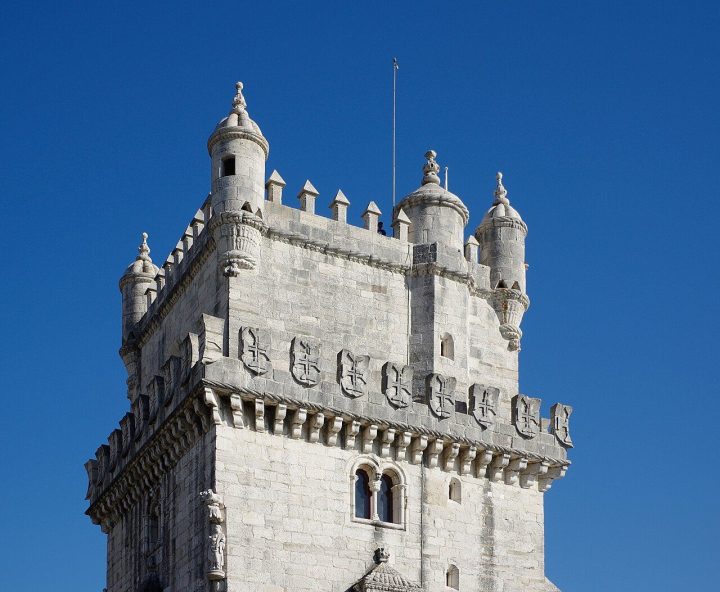
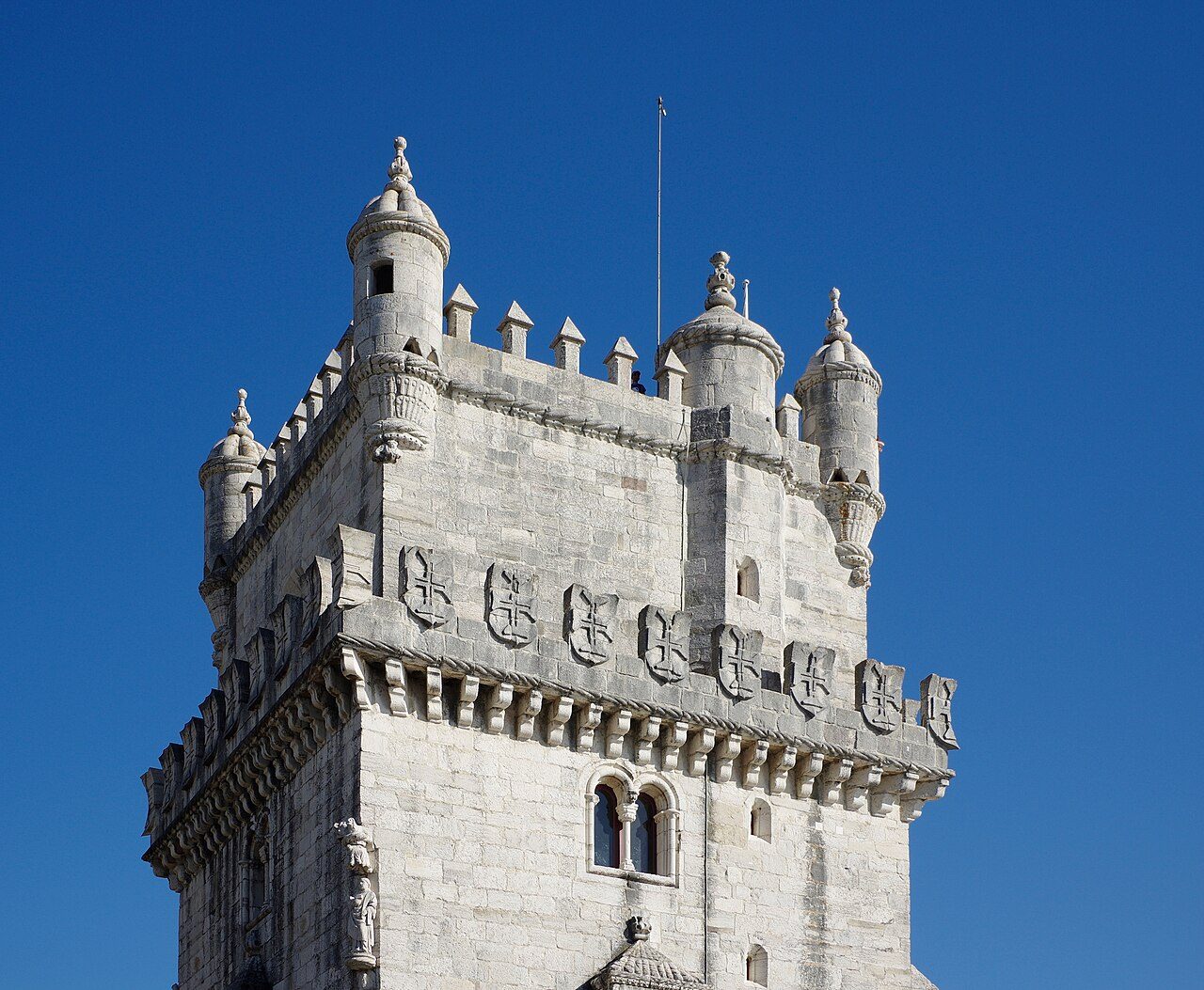
The monastery and the nearby Belém Tower were declared a UNESCO World Heritage Site in 1983, and the monastery is one of the most visited monuments in Portugal.
A Short History
King Manuel I commissioned the monastery at the beginning of the sixteenth century, on the site of a small chapel where Vasco da Gama and his crew are said to have prayed before setting sail for India in 1497. Work began around 1501 and was funded largely by the wealth flowing from the spice trade. The architect Diogo de Boitaca began the project, and after his departure João de Castilho continued it, introducing elements of the Spanish Plateresque and Renaissance styles.
The monastery was entrusted to the Order of Saint Jerome, whose monks prayed for the king's soul and gave spiritual support to sailors. It survived the great Lisbon earthquake of 1755 with relatively little damage. After religious orders were dissolved in 1833, the buildings were used as a school and orphanage, and wings were added in the nineteenth century, now home to the National Archaeology Museum and the Navy Museum. In 2007 the Treaty of Lisbon of the European Union was signed here.
What to See
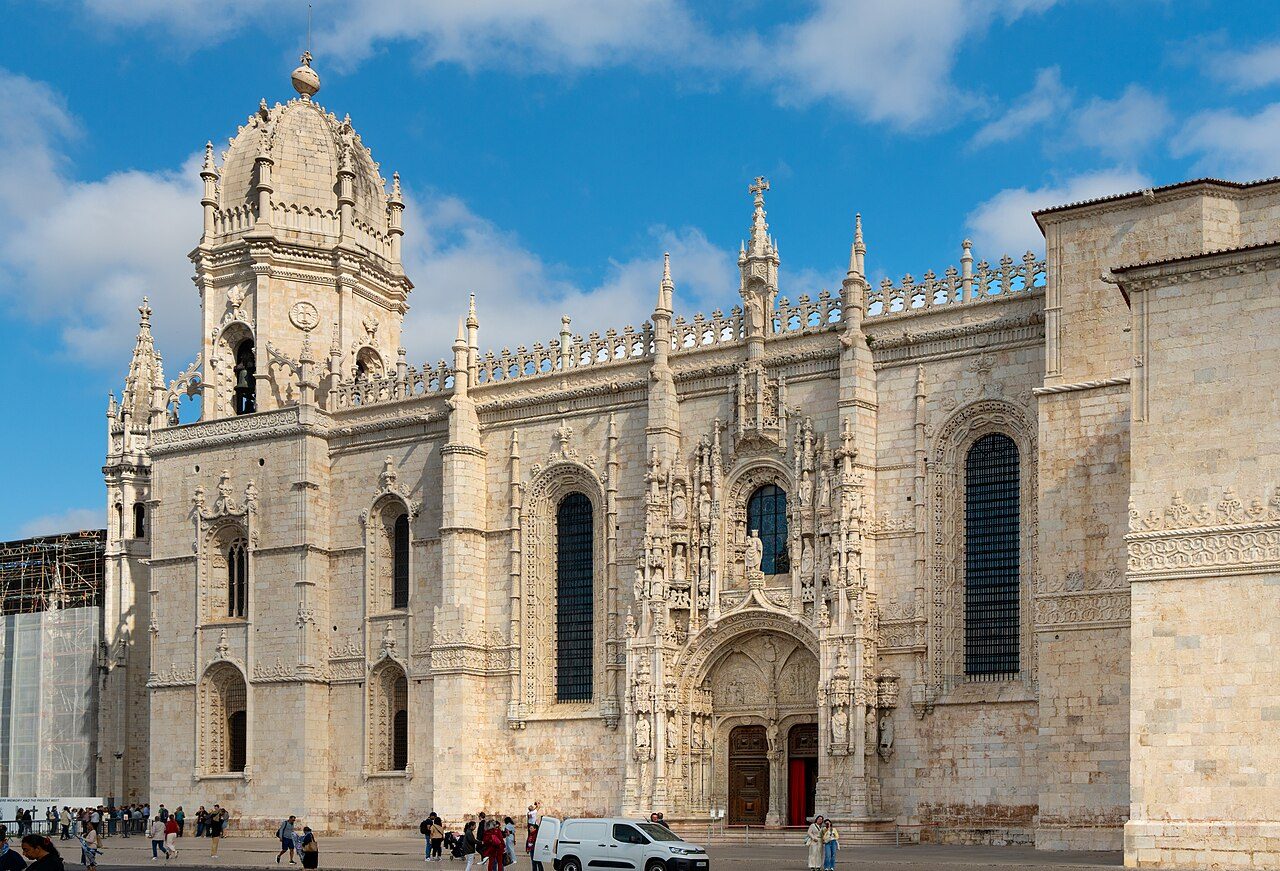
The south portal of the church, facing the river, is a towering composition of carved niches, saints, pinnacles and canopies, with the figure of Henry the Navigator among them. Inside the Church of Santa Maria, slender columns carved like palm trees rise to an intricate ribbed vault that seems to float overhead, and the wide nave, built without interior walls dividing the aisles, creates a remarkable sense of space. Near the entrance lie the carved tombs of Vasco da Gama and of Luís de Camões, the poet of Portugal's epic, The Lusiads, while kings and queens are buried in the chancel and transepts.
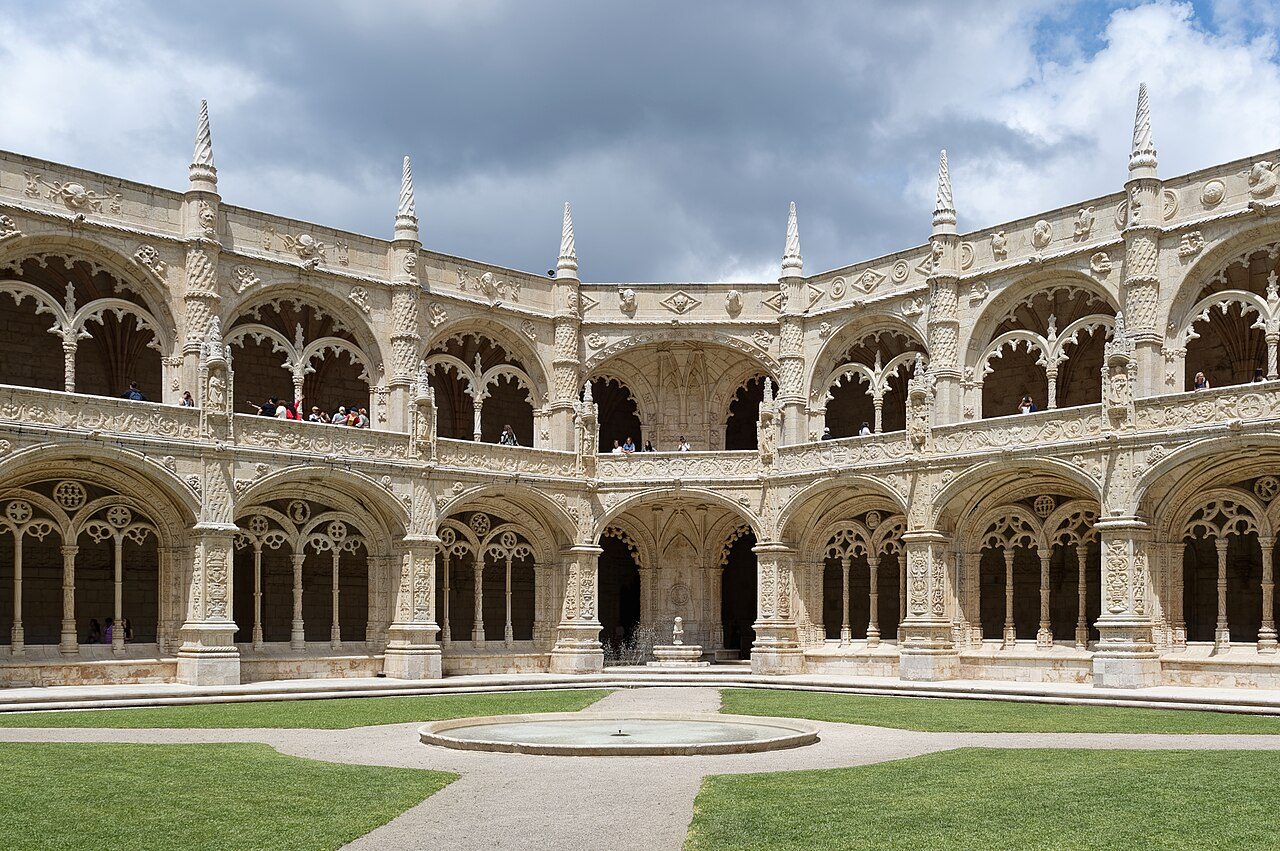
The cloister is the highlight of a visit. Its two storeys of arcades are covered in delicate stone carvings of ropes, armillary spheres, crosses of the Order of Christ, leaves, animals and fantastic creatures. The lower level is heavier and richly decorated, while the upper gallery is lighter. The tomb of the poet Fernando Pessoa lies in the cloister, and the old refectory and chapter house open off it.
The National Archaeology Museum, in the west wing, holds archaeological treasures from Portugal, while the Navy Museum displays models of ships, navigational instruments and royal barges, telling the story of Portuguese seafaring.
Things to Do
- ✓Admire the carved south portal facing the river.
- ✓See the tombs of Vasco da Gama and Luís de Camões.
- ✓Walk the two levels of the Manueline cloister.
- ✓Visit the Navy Museum in the monastery wing.
- ✓Try pastéis de Belém at the historic bakery nearby.
Practical Tips
The monastery is generally closed on Mondays and some public holidays. Entry to the church has traditionally been free, while the cloister requires a ticket, and combined tickets with Belém Tower and other museums are available. Lines for the cloister can be very long, especially in summer and on weekends, so book online in advance and arrive early. The church may close to visitors during services and weddings.
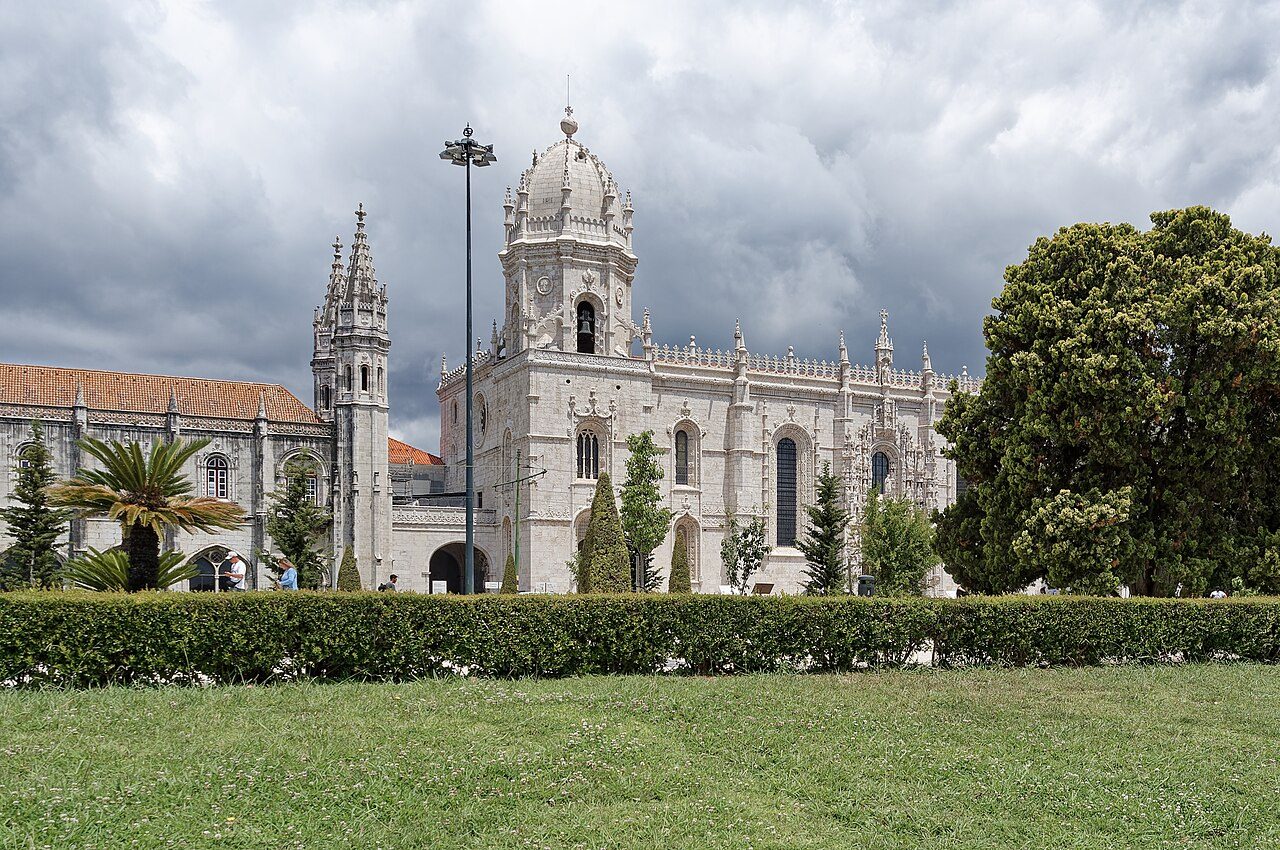
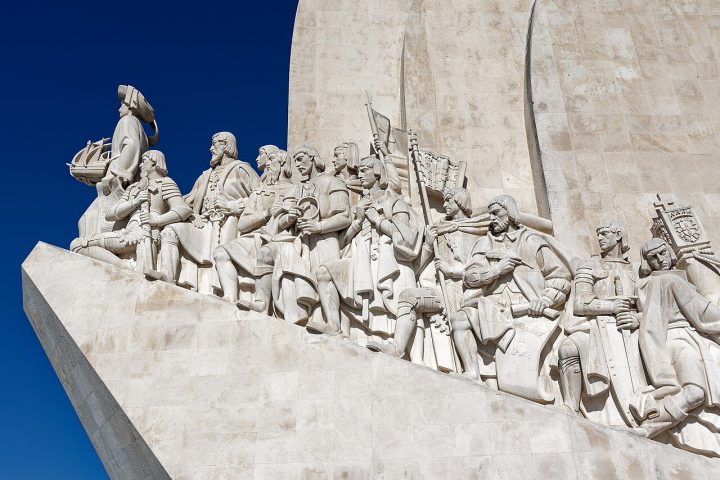
Belém is about six kilometres west of central Lisbon. Tram 15 and several buses stop right in front of the monastery, and the Belém train station on the Cascais line is a short walk away. The monastery faces the Praça do Império gardens, with a fountain, and is a pleasant walk from the Belém Tower and the Padrão dos Descobrimentos.
Combining Your Visit
Belém has many other attractions within walking distance, including Belém Tower, the Padrão dos Descobrimentos, the Belém Cultural Centre, the National Coach Museum and the MAAT on the waterfront. The Antiga Confeitaria de Belém, famous for its custard tarts since 1837, is just down the road. Allow one and a half to two hours for the monastery.

Comments
Been here, or planning to go? Share a tip or ask a question.
Sign in with Google to comment or vote. Your email is never shown.