Lisbon and Belém, Sintra and Cabo da Roca, Óbidos, Nazaré, Alcobaça and Batalha, Fátima, Coimbra, Aveiro, Porto, the Douro Valley and Bom Jesus.
Portugal is small, friendly and full of variety. Spend two days in Lisbon, from Alfama's castle to the Manueline monuments of Belém, then the palaces of Sintra and Cabo da Roca, Europe's westernmost point. Visit walled Óbidos, the big waves of Nazaré and the monasteries of Alcobaça and Batalha, then the Sanctuary of Fátima and the old university of Coimbra. See Aveiro's canals, spend a day in Porto, cruise the Douro Valley's vineyards and end at Bom Jesus in Braga. Spring and autumn are ideal.
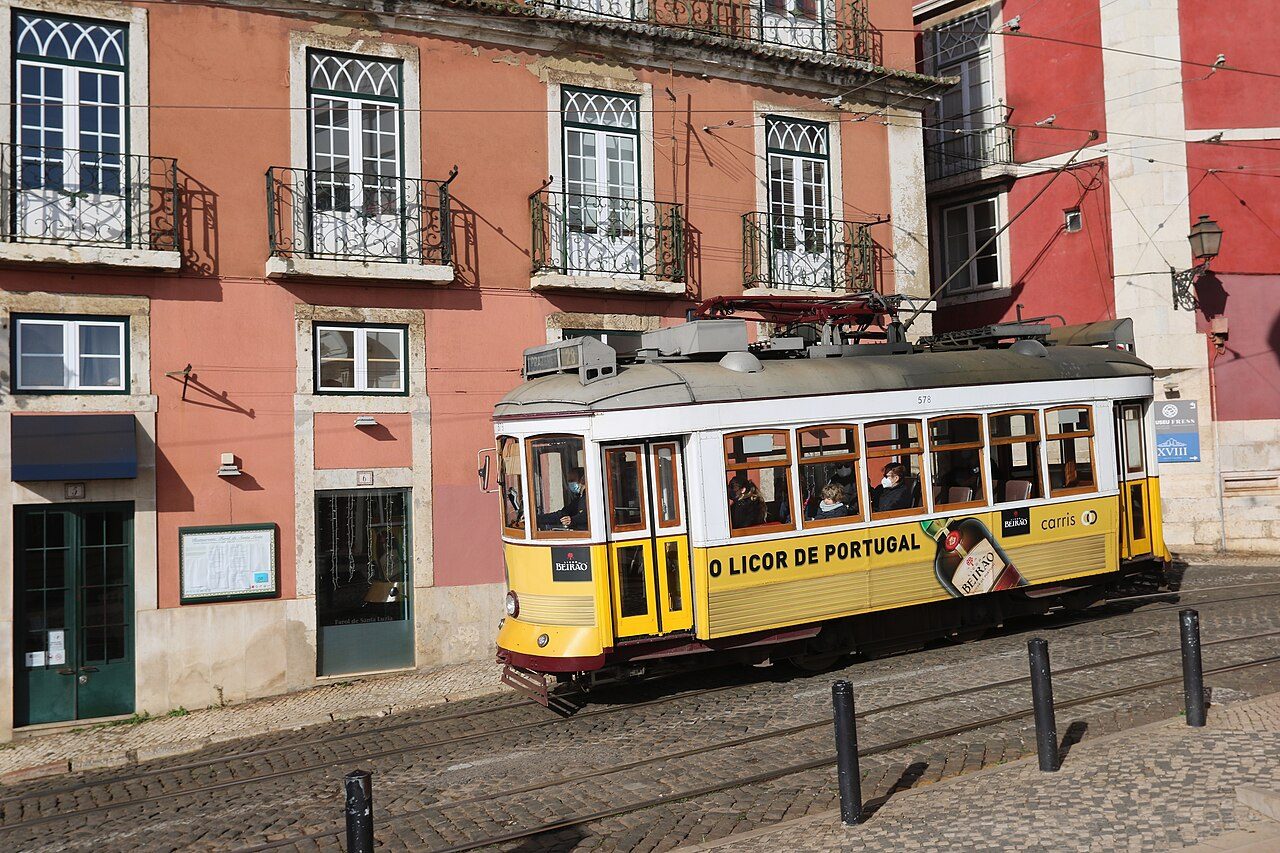
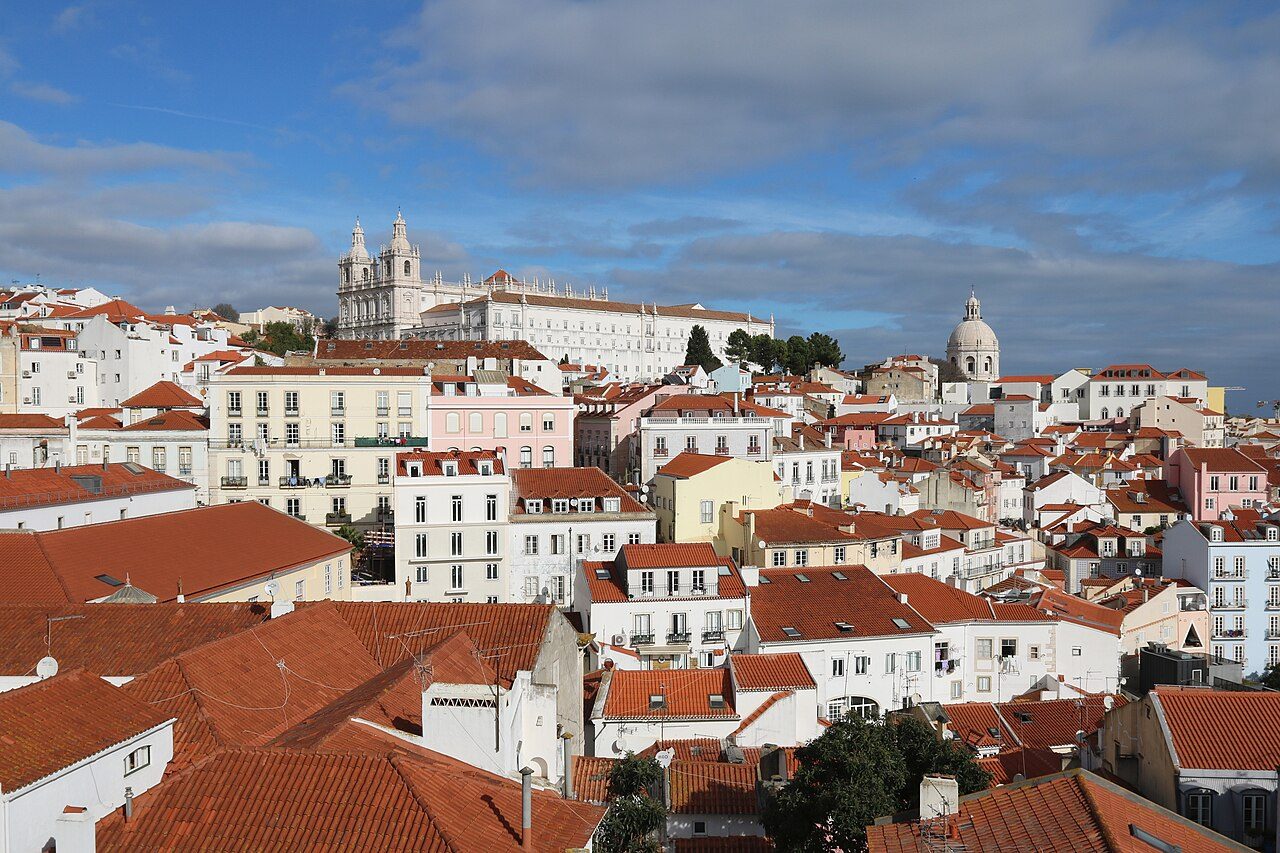
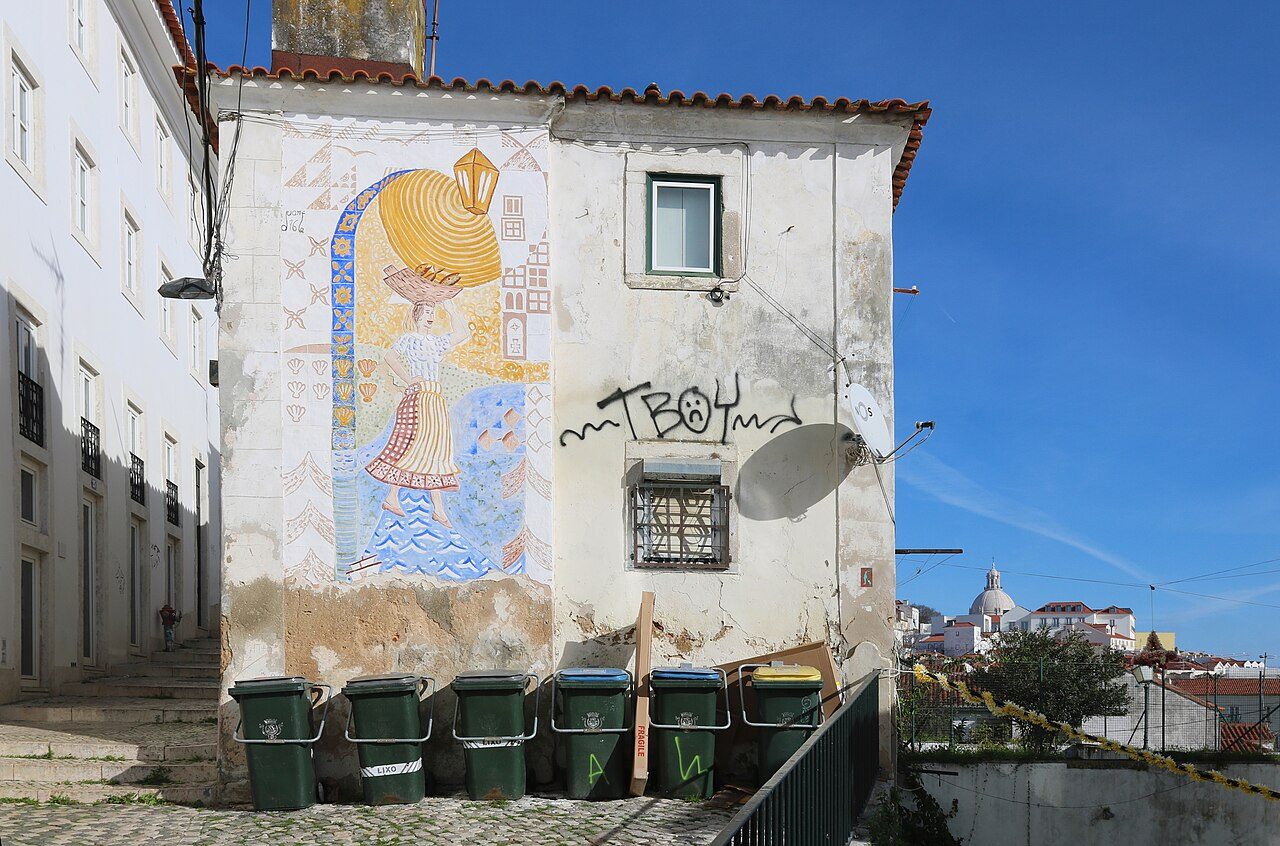
Alfama is the oldest district of Lisbon, a maze of steep, narrow streets and stairways running down from São Jorge Castle to the river. It survived the great earthquake of 1755. Its houses are decorated with tiles and washing lines. The famous yellow tram 28 rattles through it. Small restaurants play fado, the traditional Portuguese song.
02
STOP 2 OF 27
São Jorge Castle
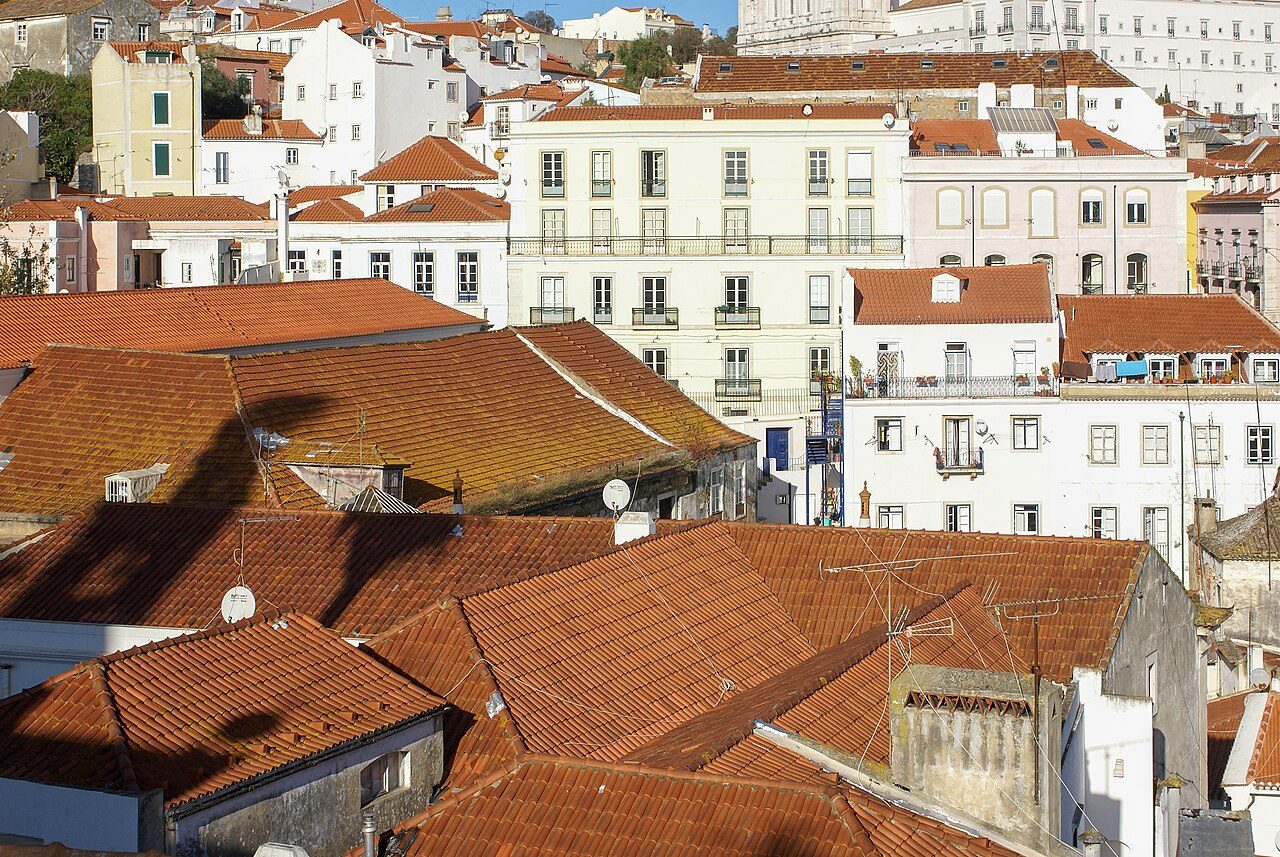
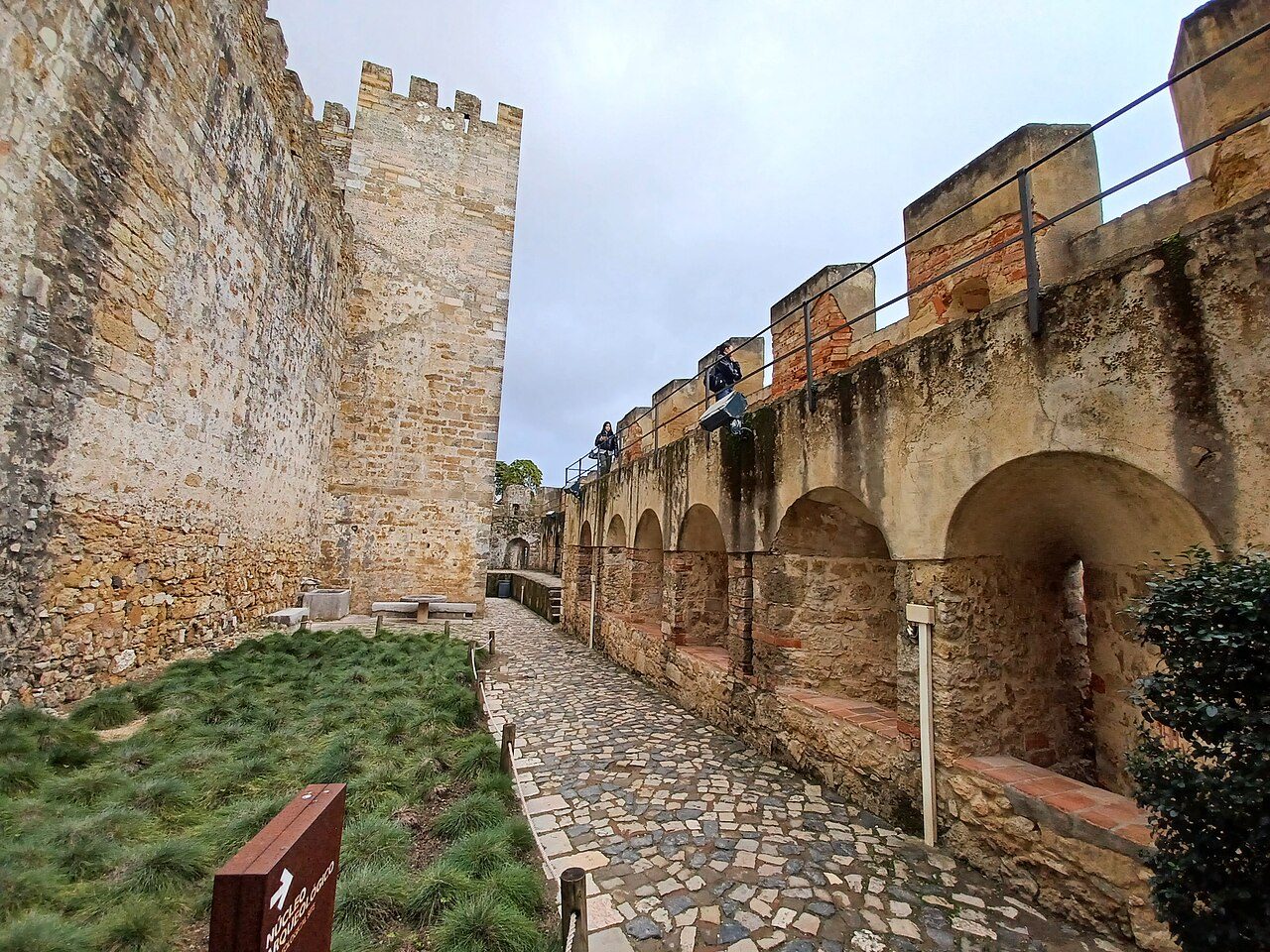
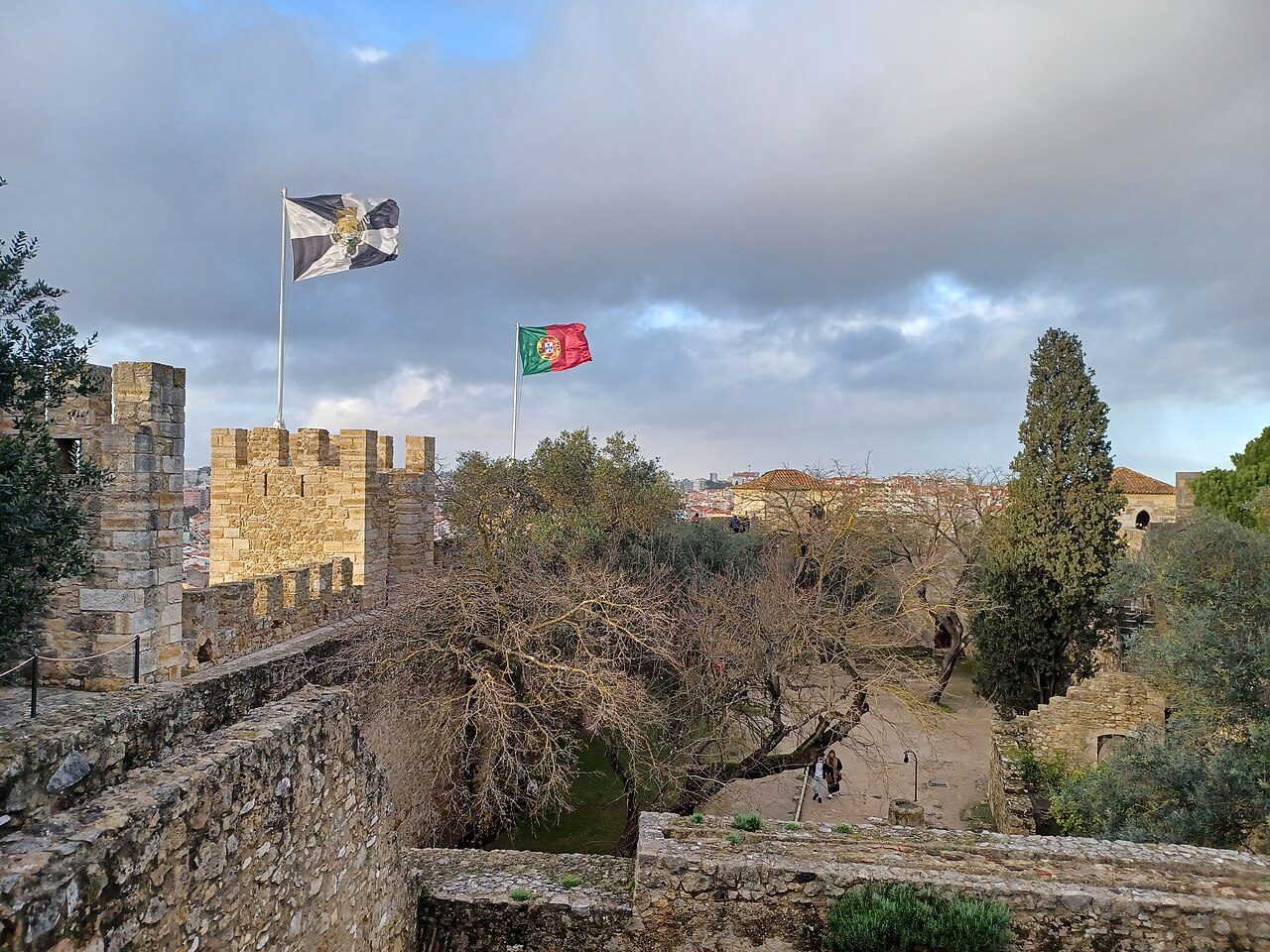
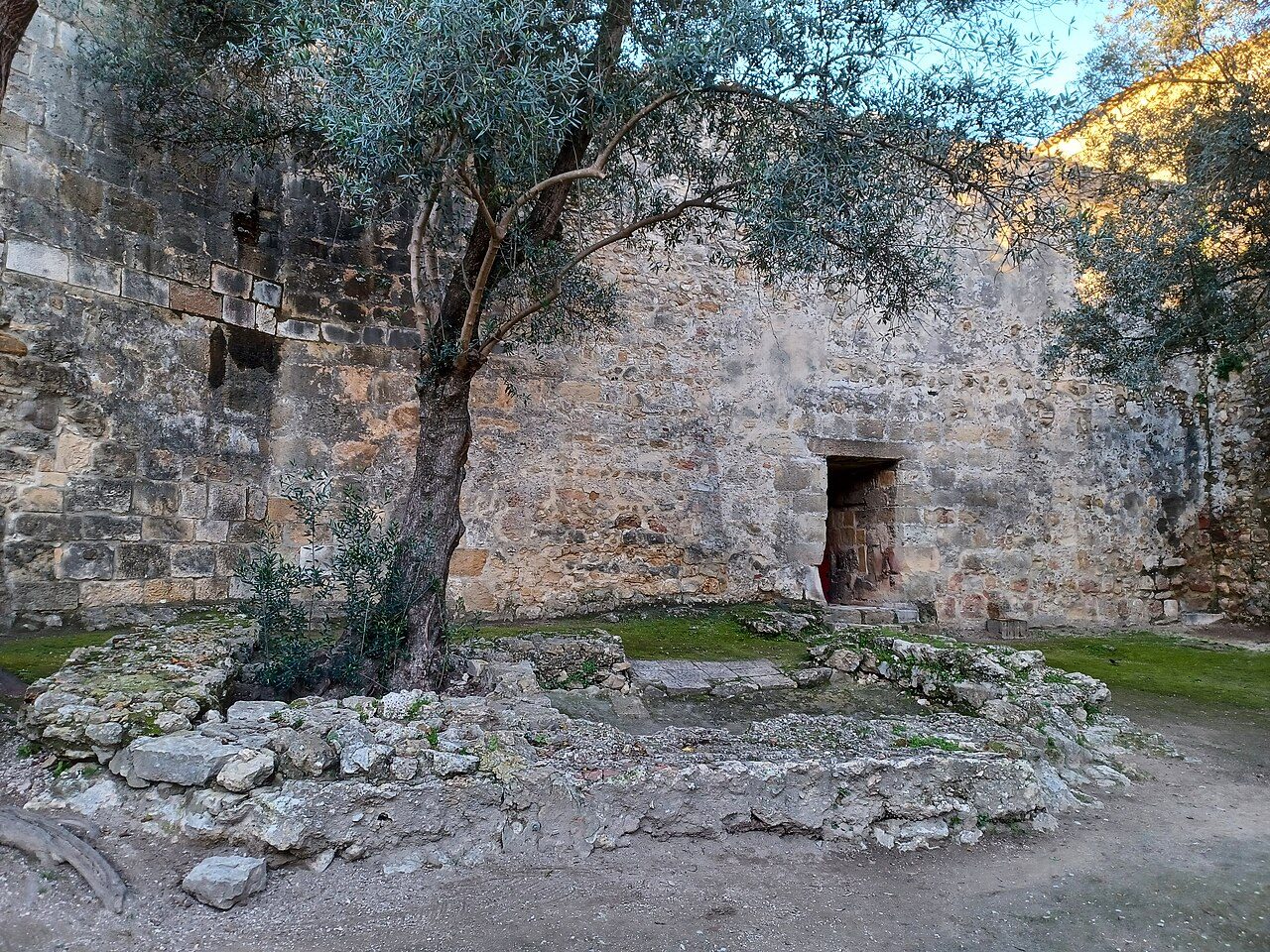
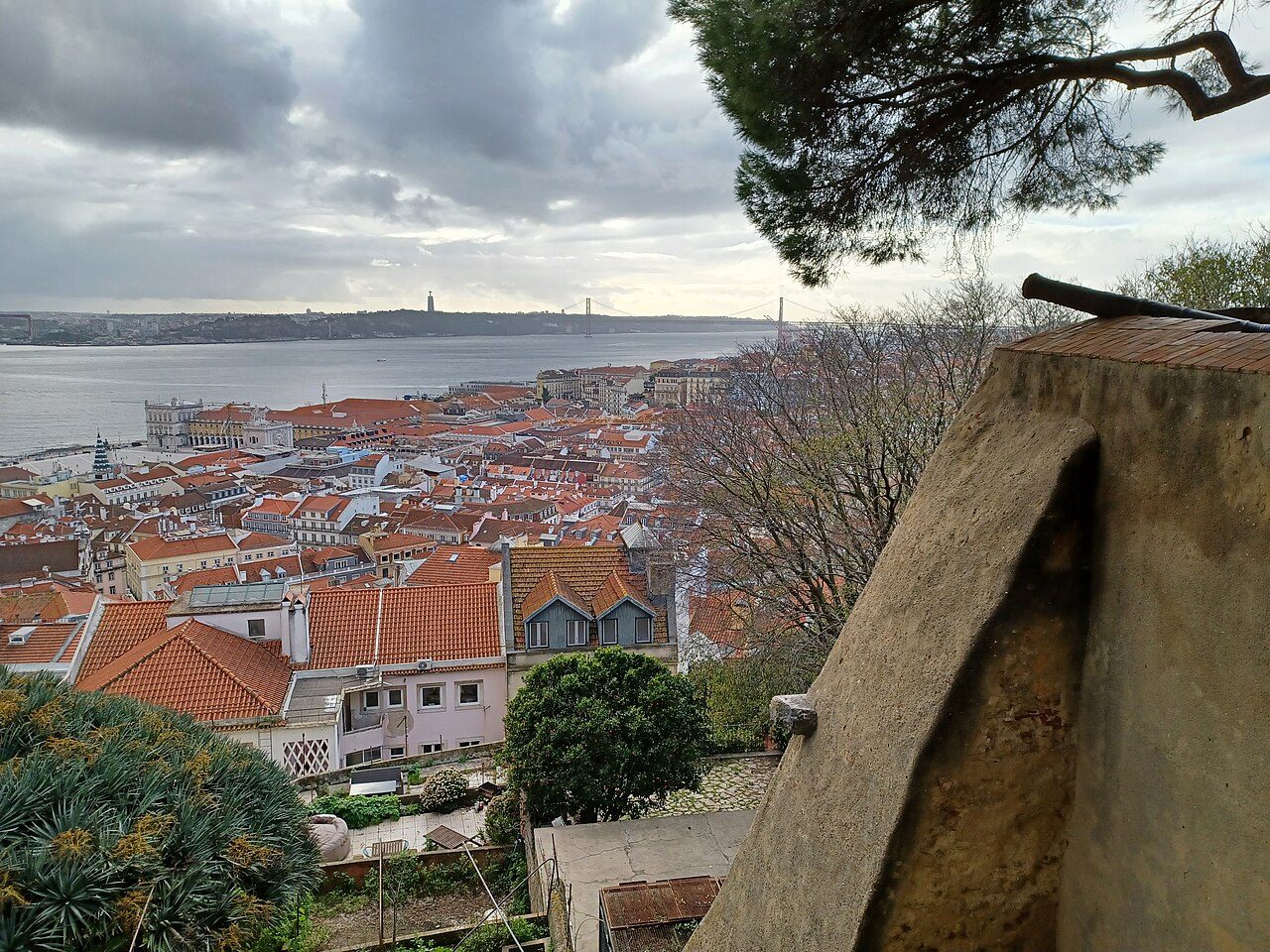
São Jorge Castle stands on the highest hill of central Lisbon. A fortress has stood here since Roman times; the Moors built much of the present walls, and it was taken by the Portuguese in 1147. Its walls and towers give the best views over Lisbon, the river and the red roofs of Alfama below. Peacocks roam the gardens.
03
STOP 3 OF 27
Praça do Comércio
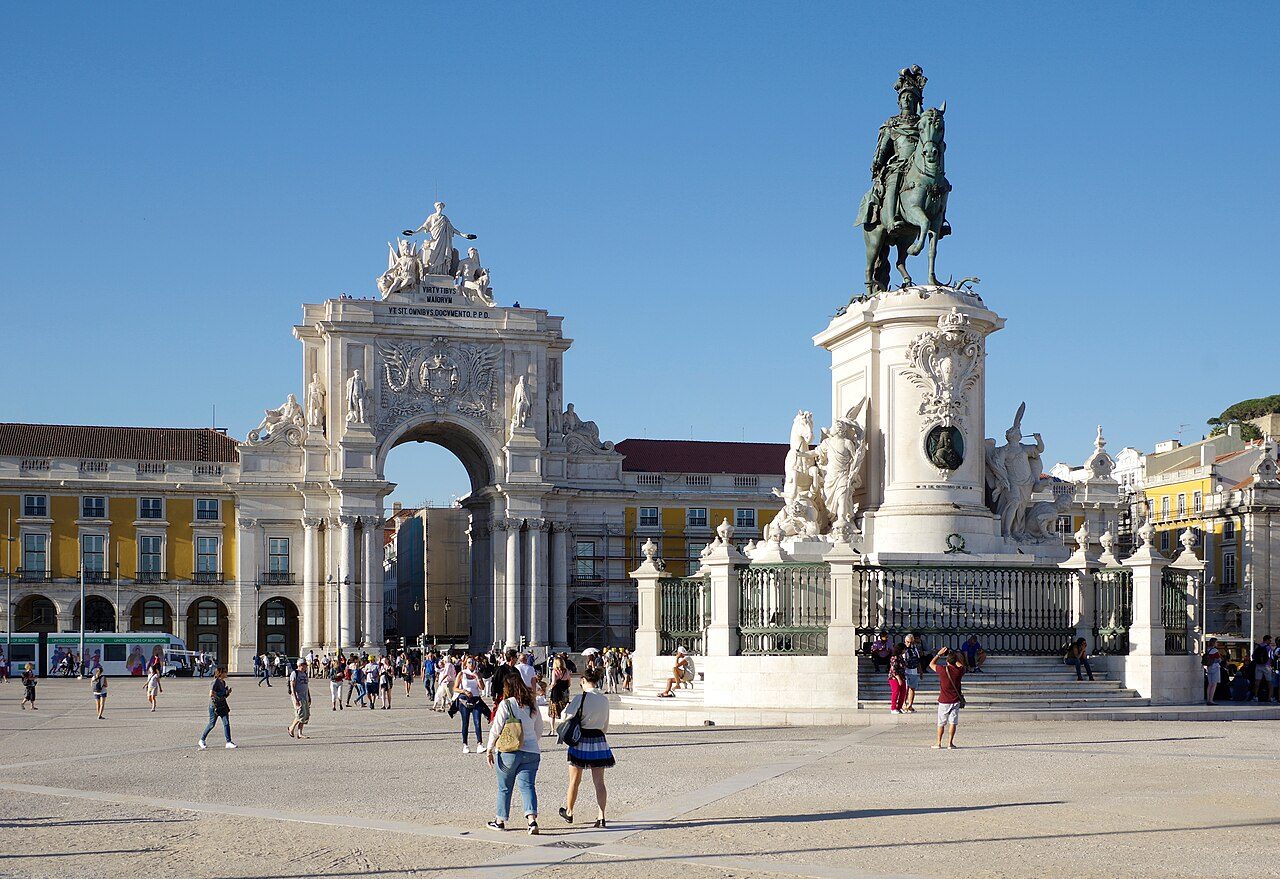
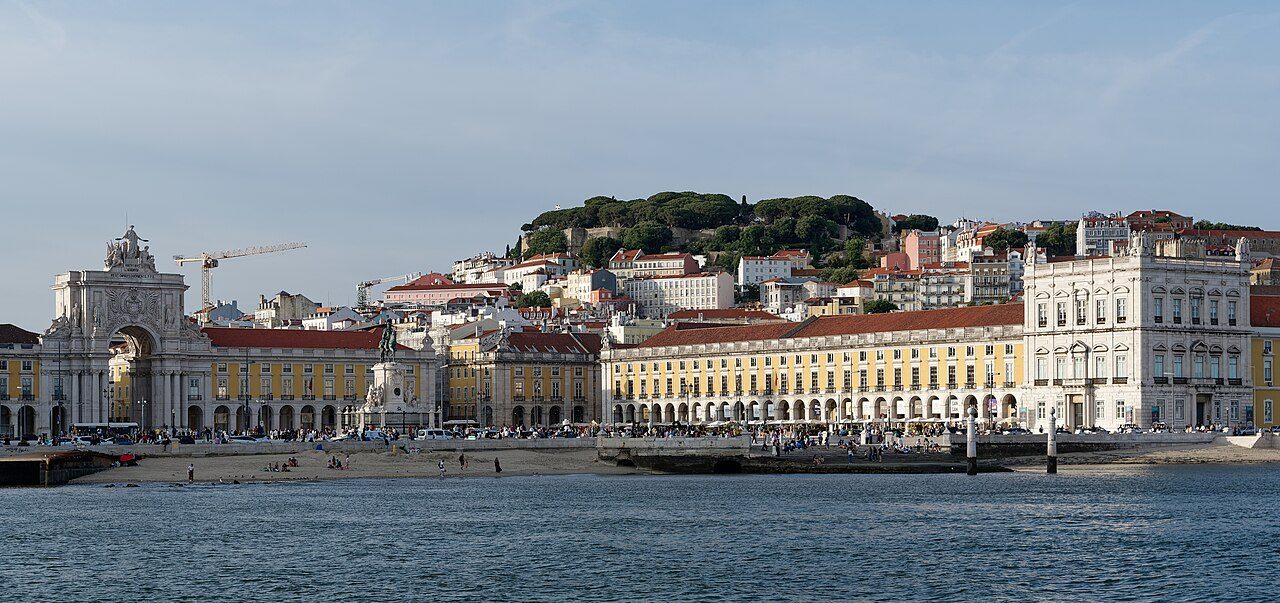
Praça do Comércio is a grand square on the Tagus River in Lisbon, rebuilt after the 1755 earthquake on the site of the royal palace. Yellow arcaded buildings surround it on three sides, with a triumphal arch, the Arco da Rua Augusta, leading into the Baixa district. A bronze statue of King José I on horseback stands in the centre.
04
STOP 4 OF 27
Santa Justa Lift
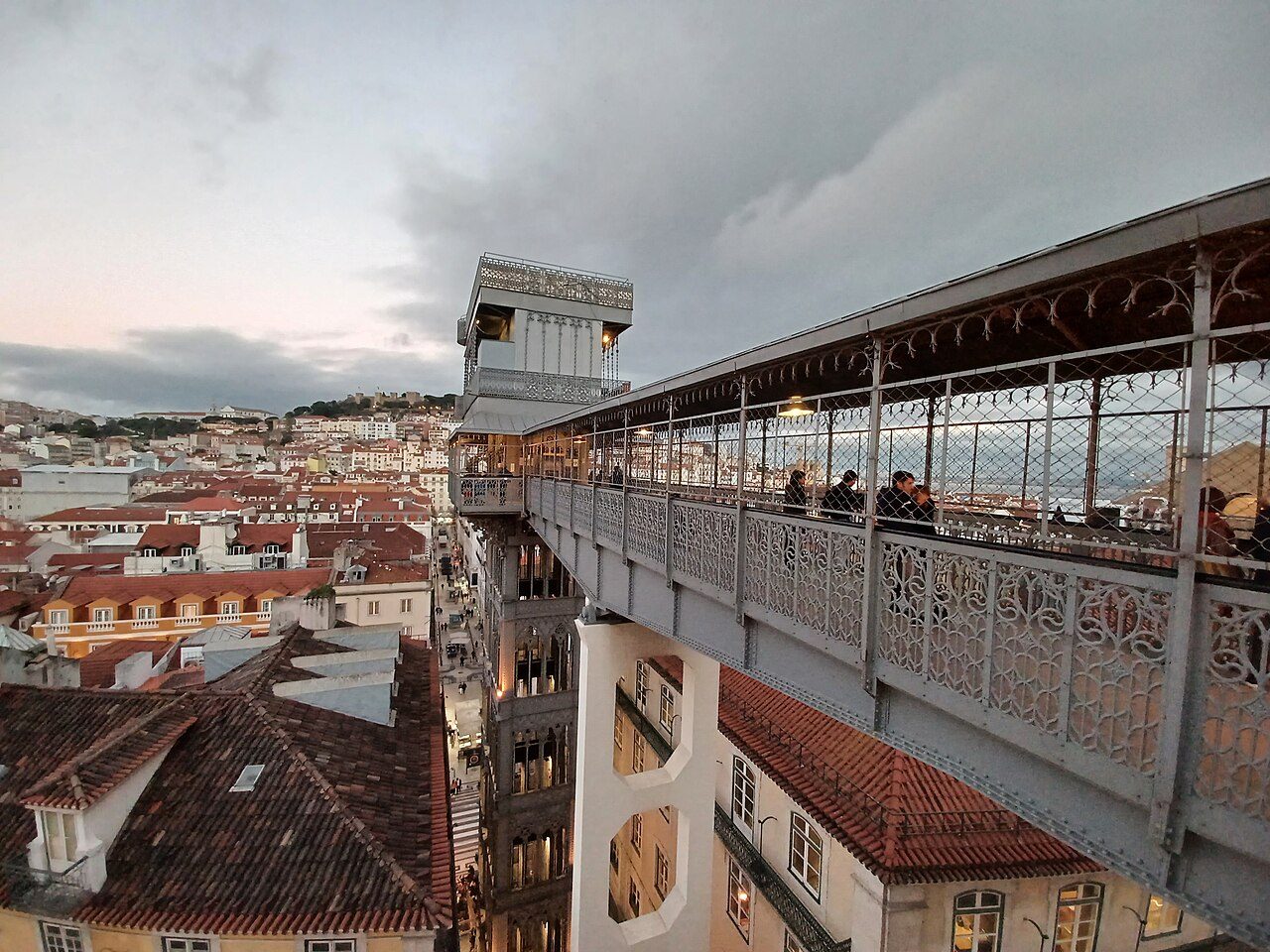
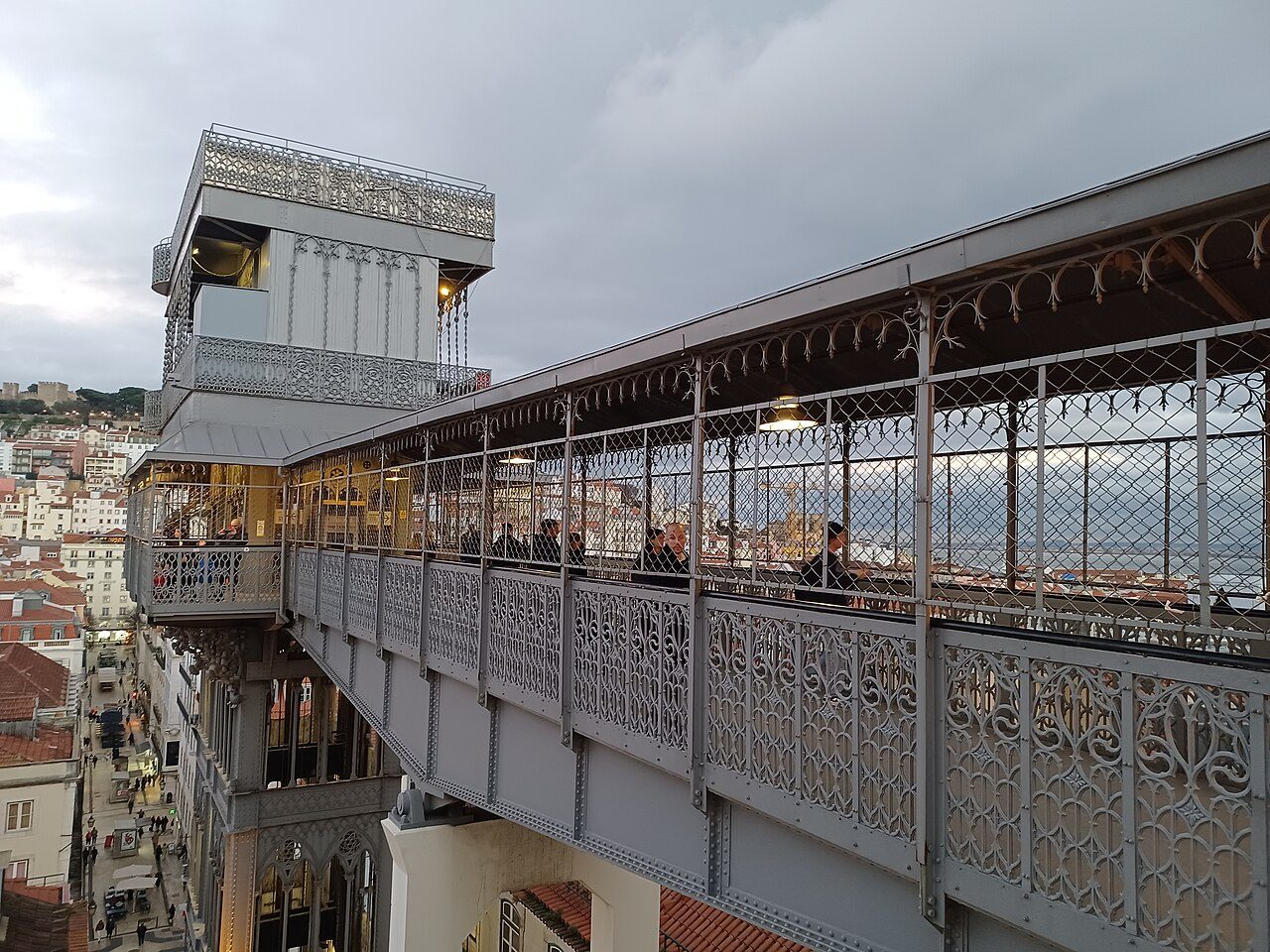
The Santa Justa Lift is an iron elevator in central Lisbon, opened in 1902, linking the low Baixa district with the higher Carmo square. Its neo-Gothic iron tower was designed by Raoul Mesnier du Ponsard. Wooden cabins carry passengers up about 45 metres. A viewing platform at the top looks over the castle and the city.
05
STOP 5 OF 27
Jerónimos Monastery
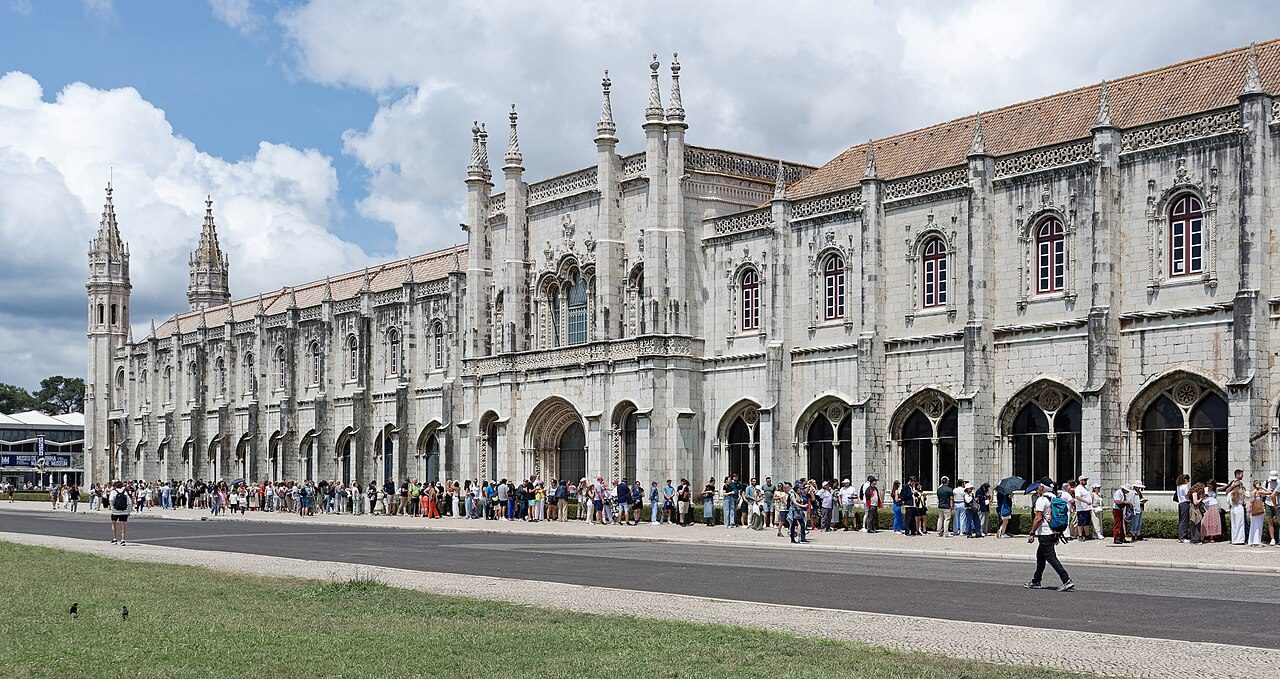
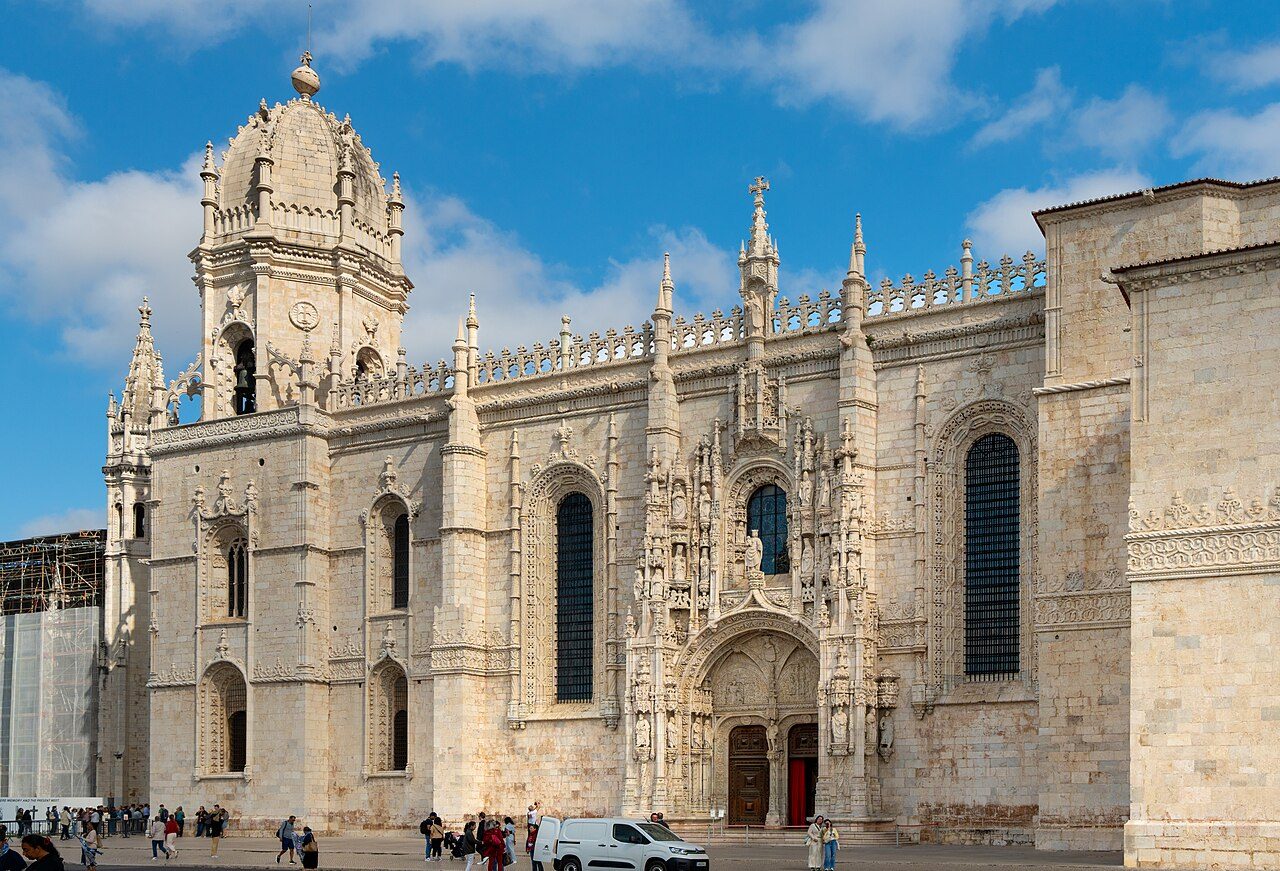
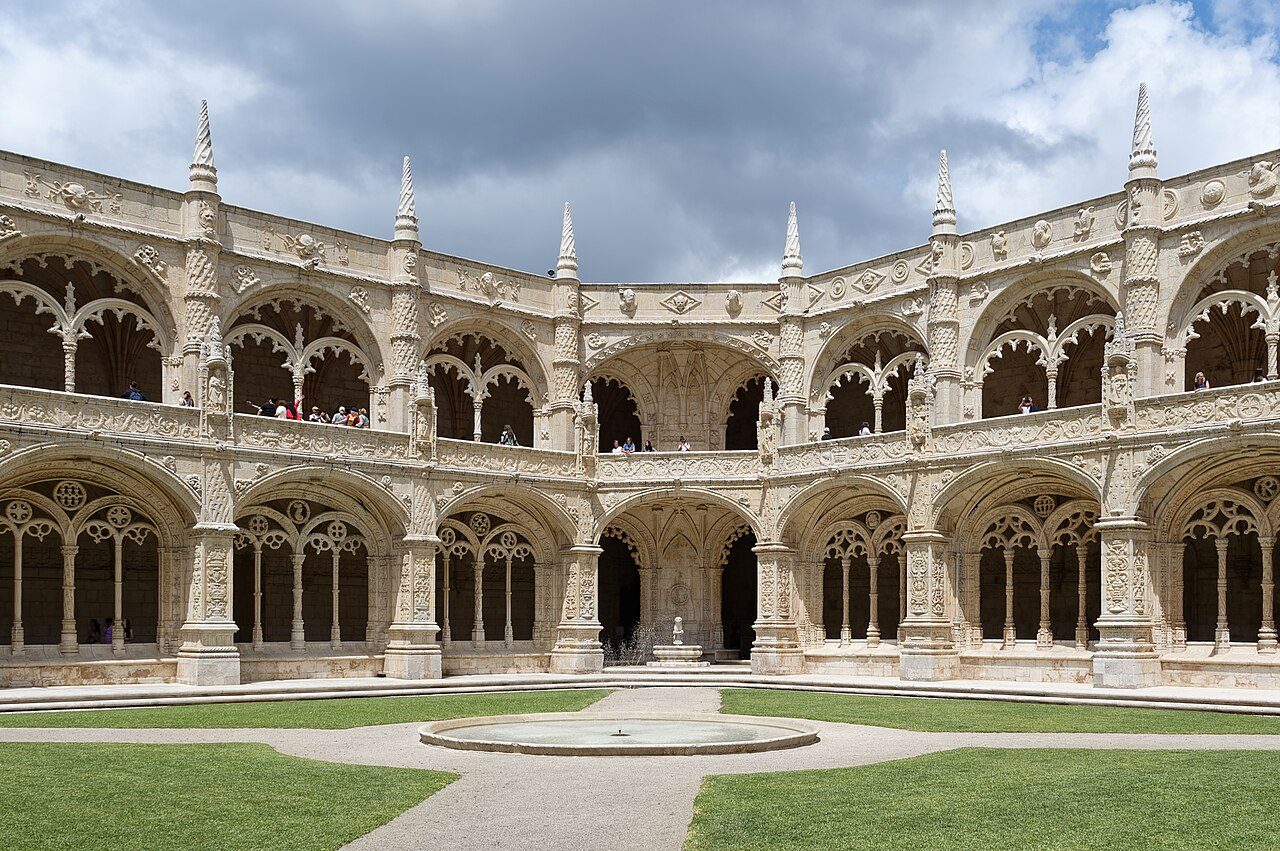
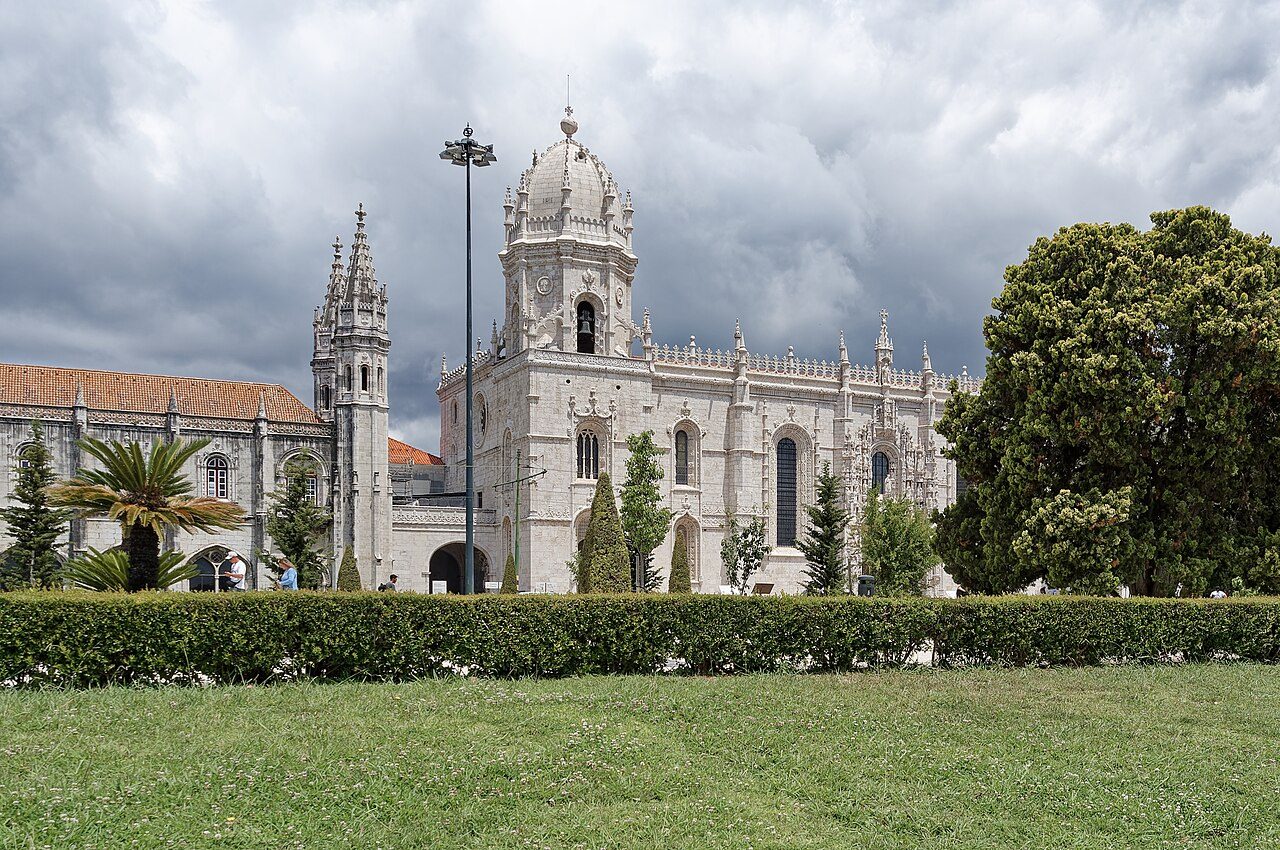
The Jerónimos Monastery in Belém, Lisbon, was built from 1501, paid for by the spice trade. It is the finest example of the Manueline style, with richly carved stone columns and a two-storey cloister. The explorer Vasco da Gama and the poet Luís de Camões are buried in its church. It is a UNESCO World Heritage Site.
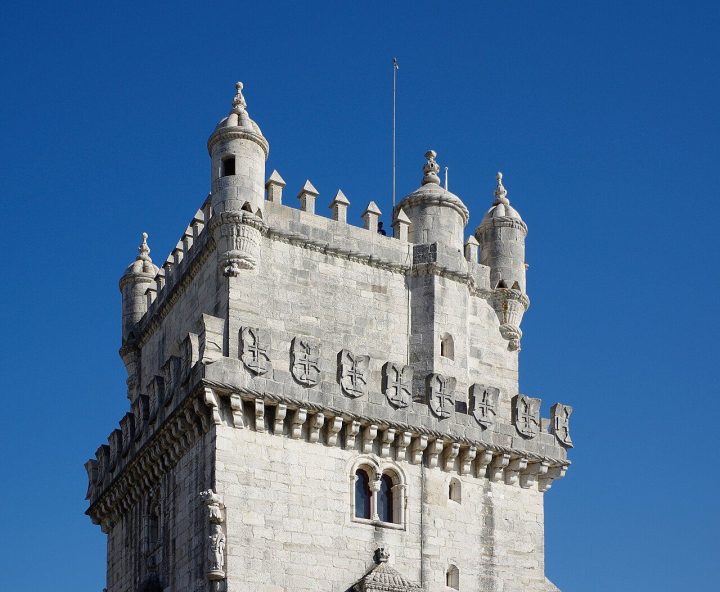
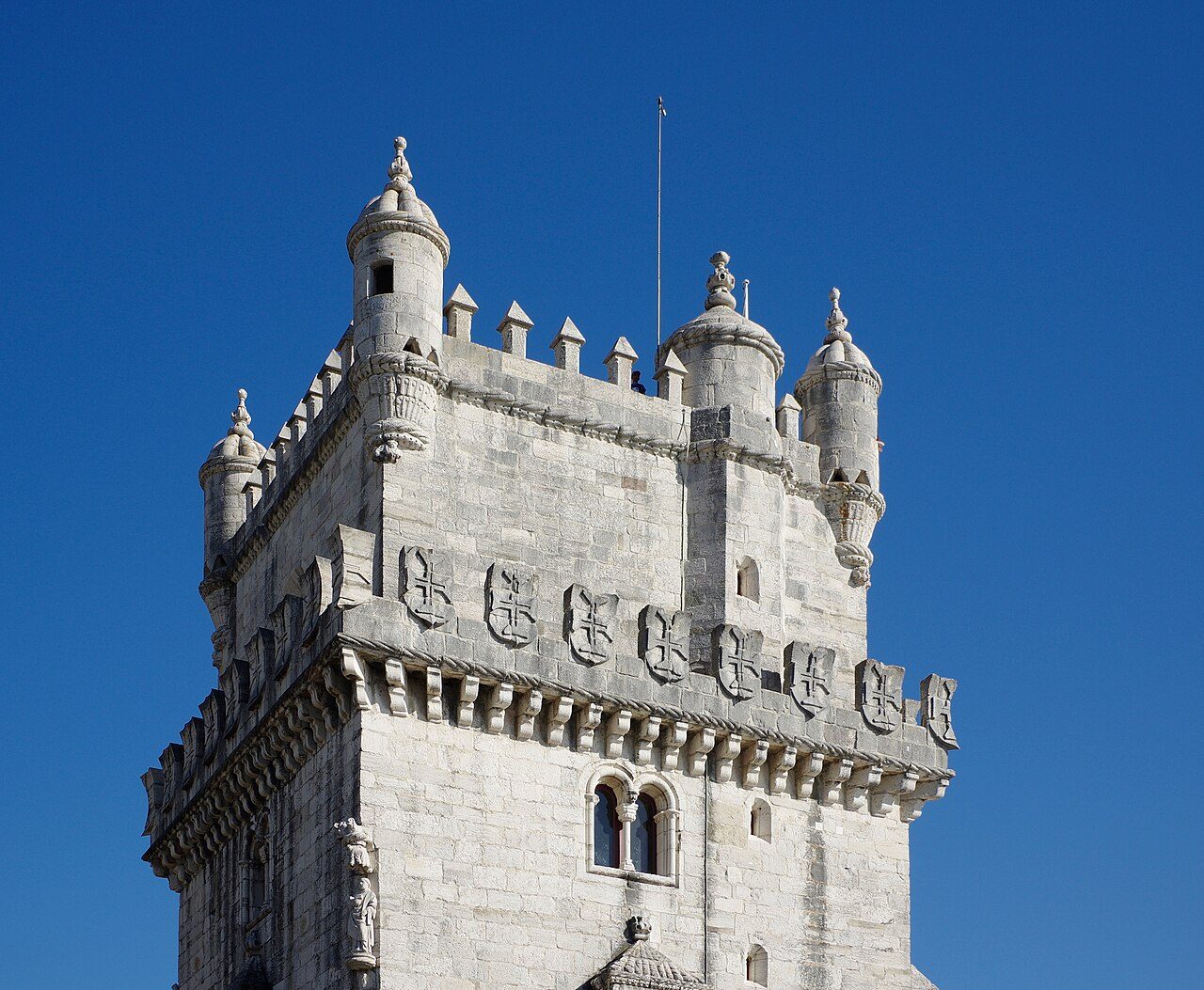
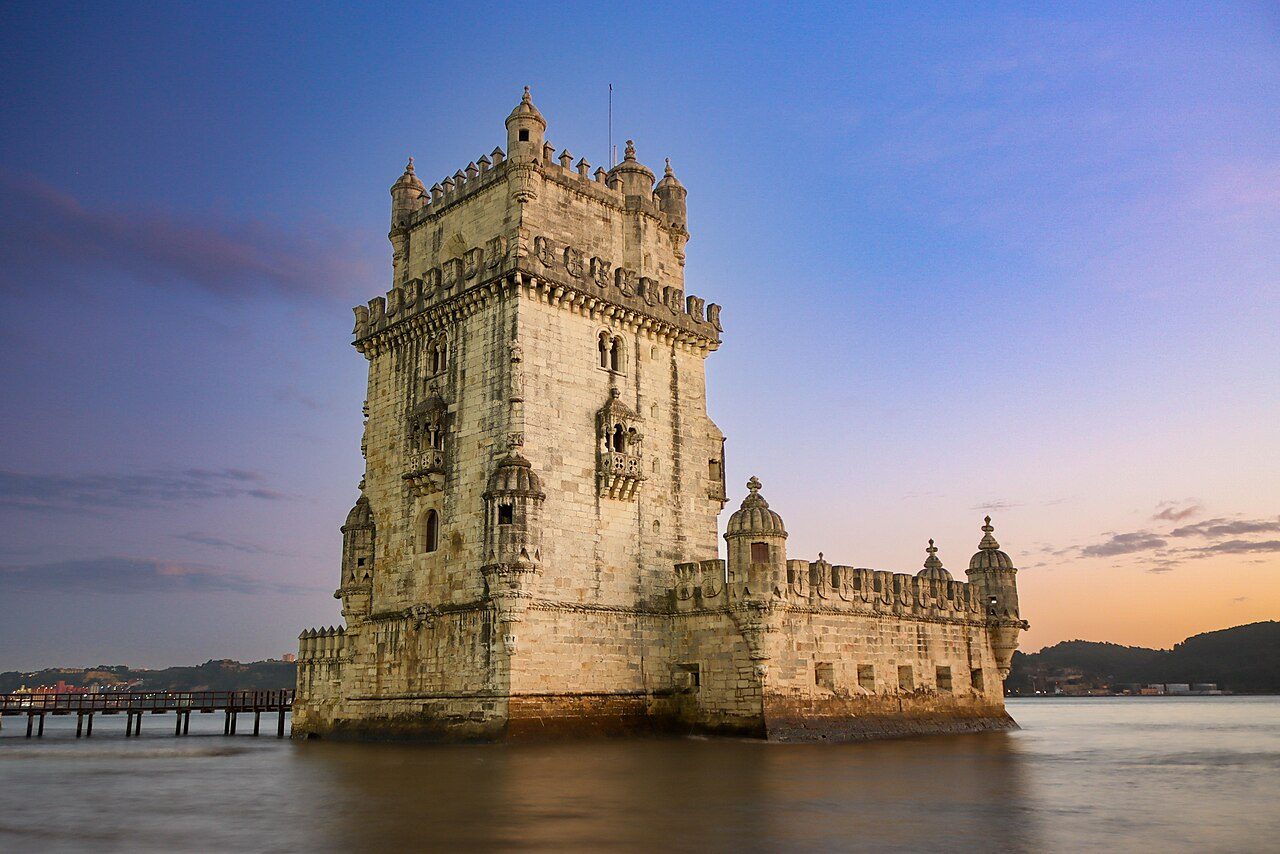
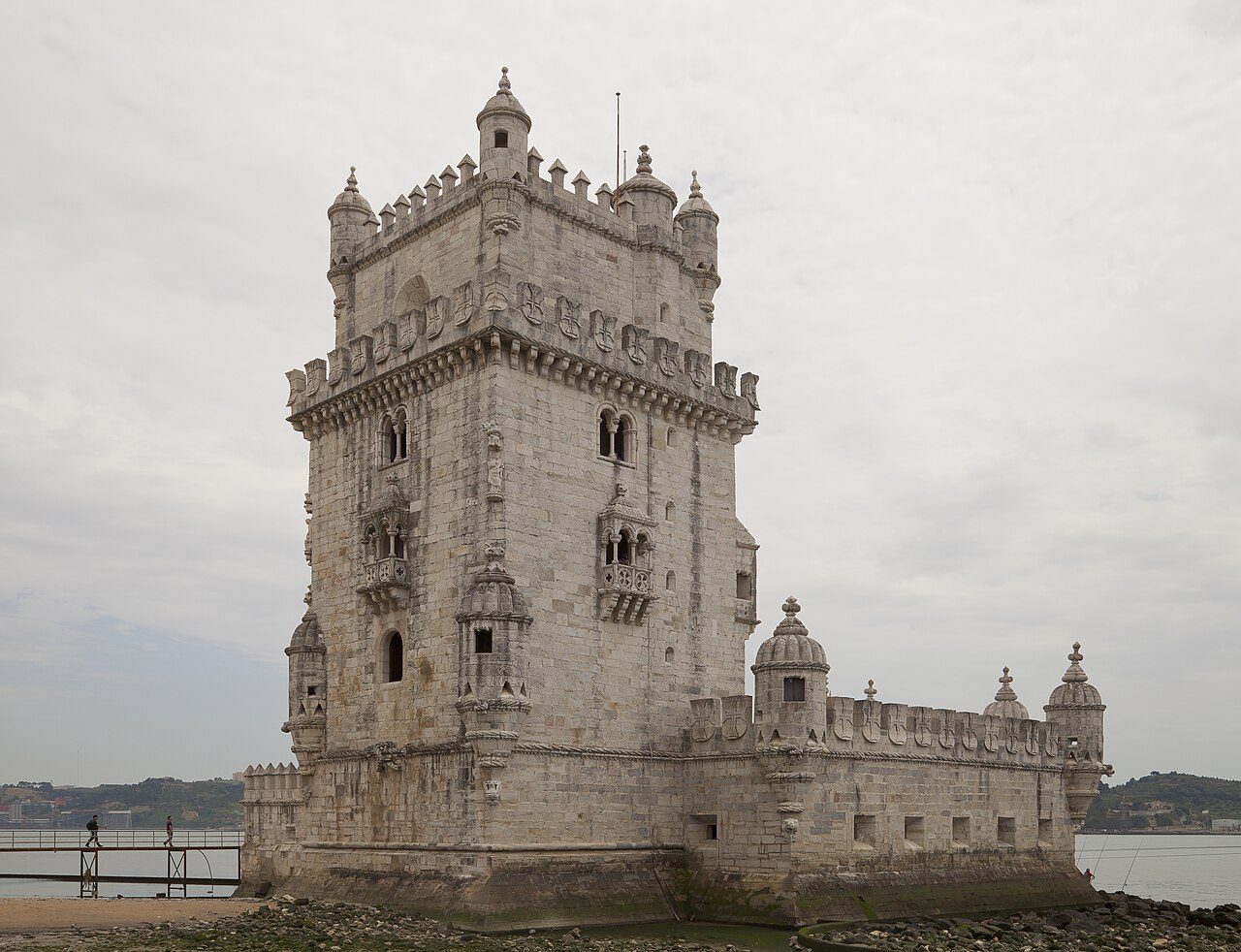
Belém Tower is a fortified tower on the bank of the Tagus River in Lisbon, built between 1514 and 1519 to guard the entrance to the harbour. It is a masterpiece of the Manueline style, decorated with carved ropes, armillary spheres and a rhinoceros. It was the starting point for many voyages of discovery. With the Jerónimos Monastery it is a UNESCO World Heritage Site.
07
STOP 7 OF 27
Padrão dos Descobrimentos
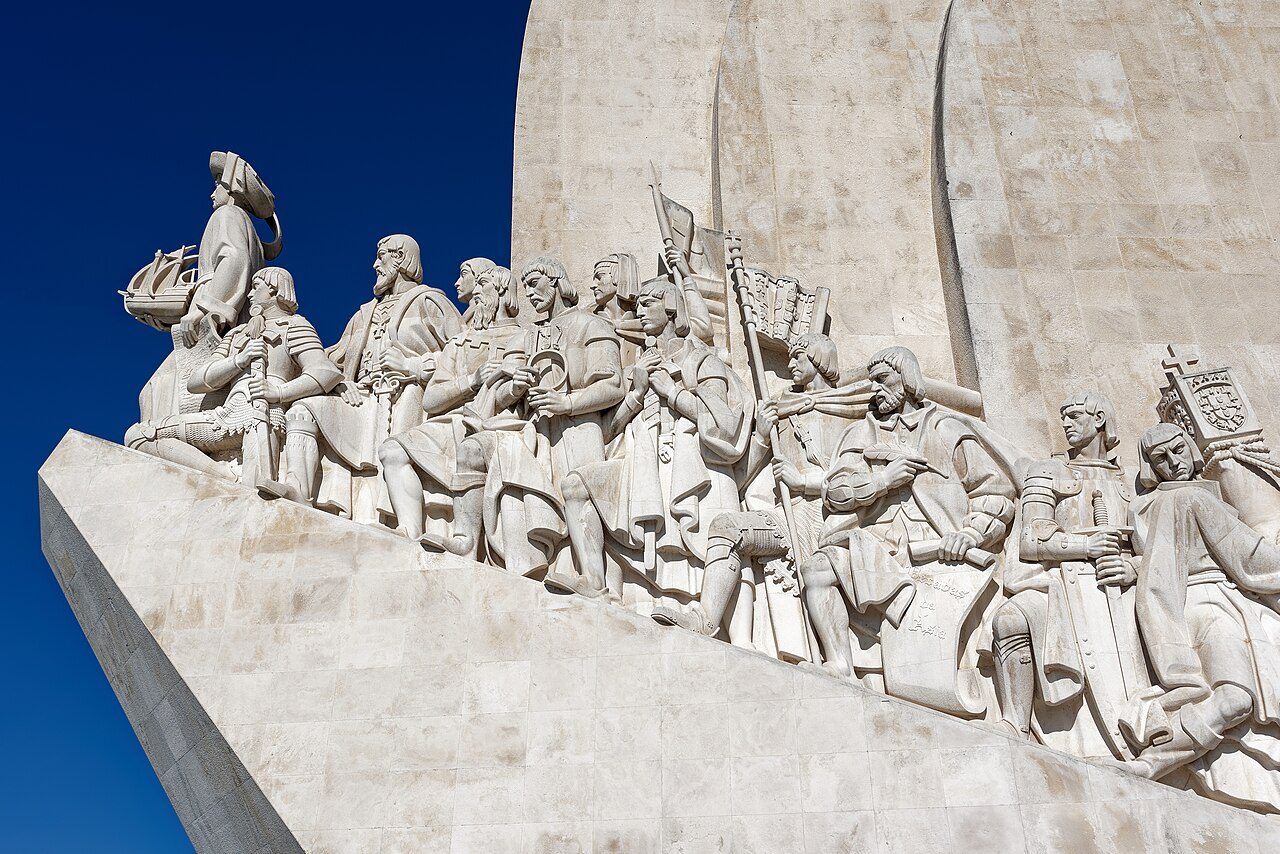
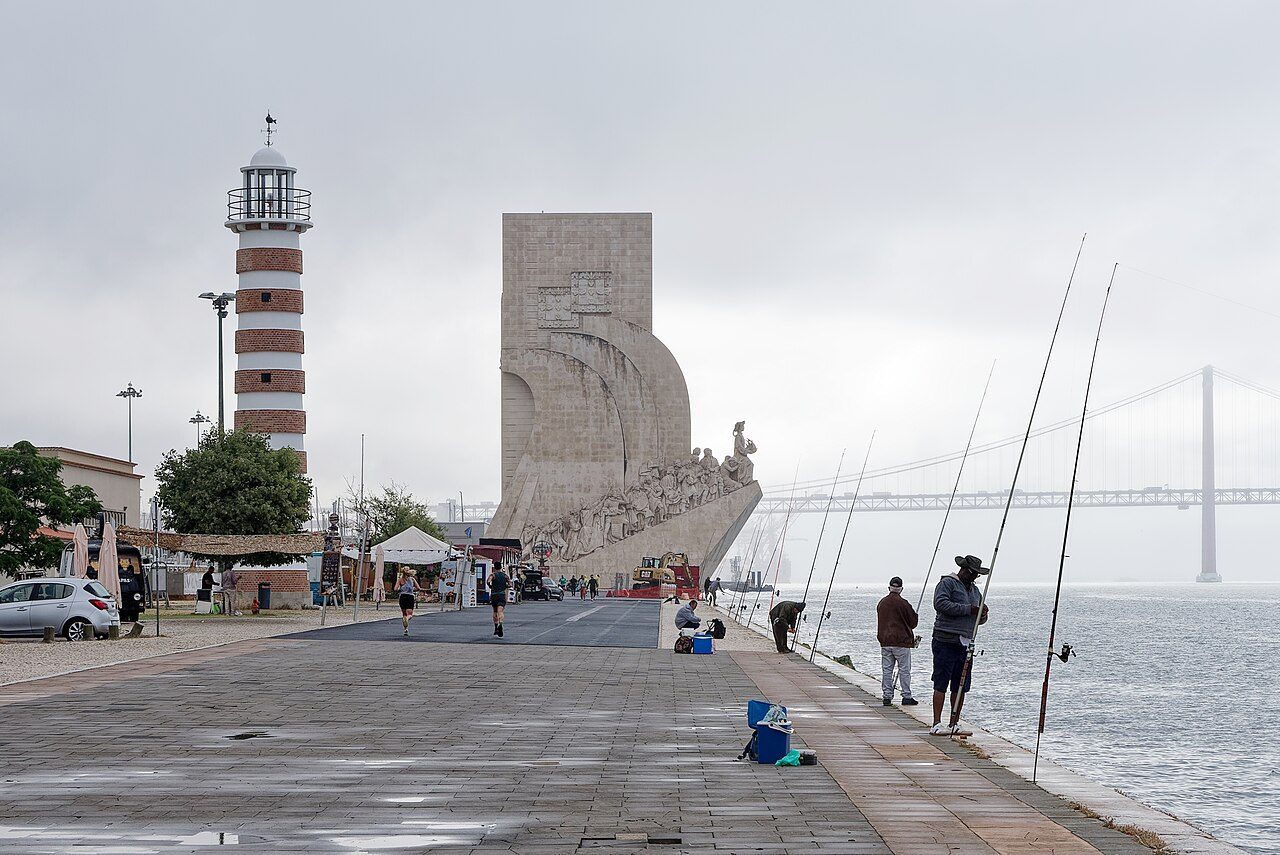
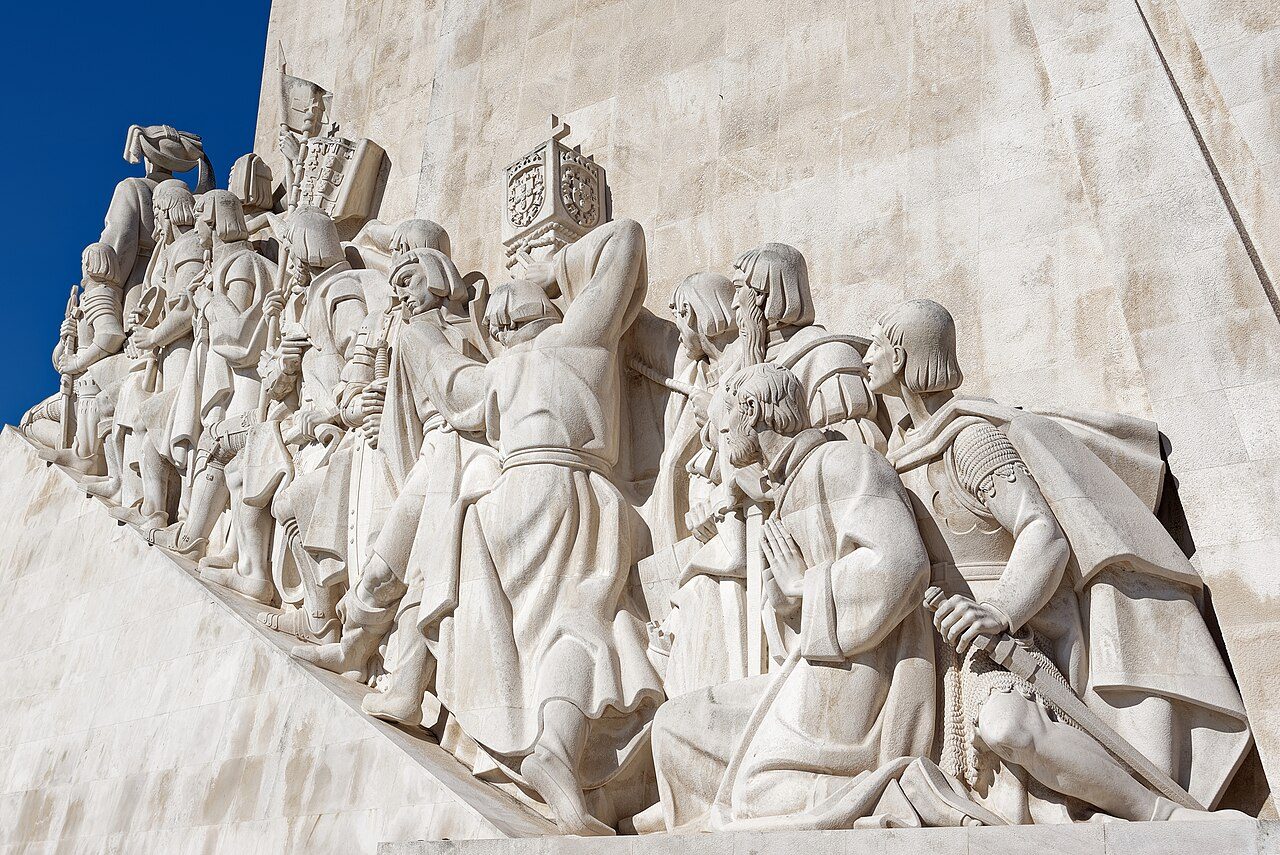
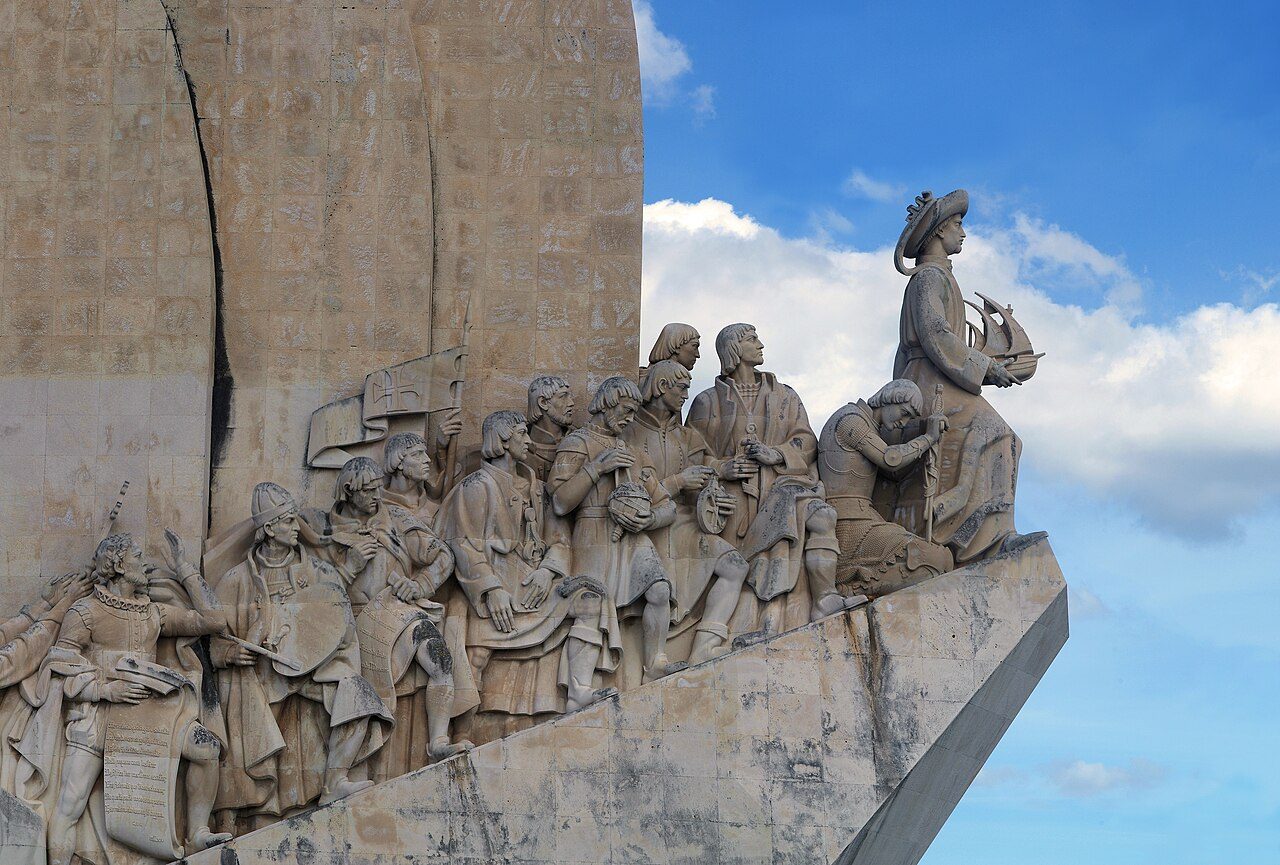
The Padrão dos Descobrimentos, the Monument to the Discoveries, stands on the river bank in Belém, Lisbon. Built in its present form in 1960, it is shaped like the prow of a ship, with statues of Henry the Navigator and other figures of the Age of Discovery. A huge compass rose with a world map is set in the pavement in front.
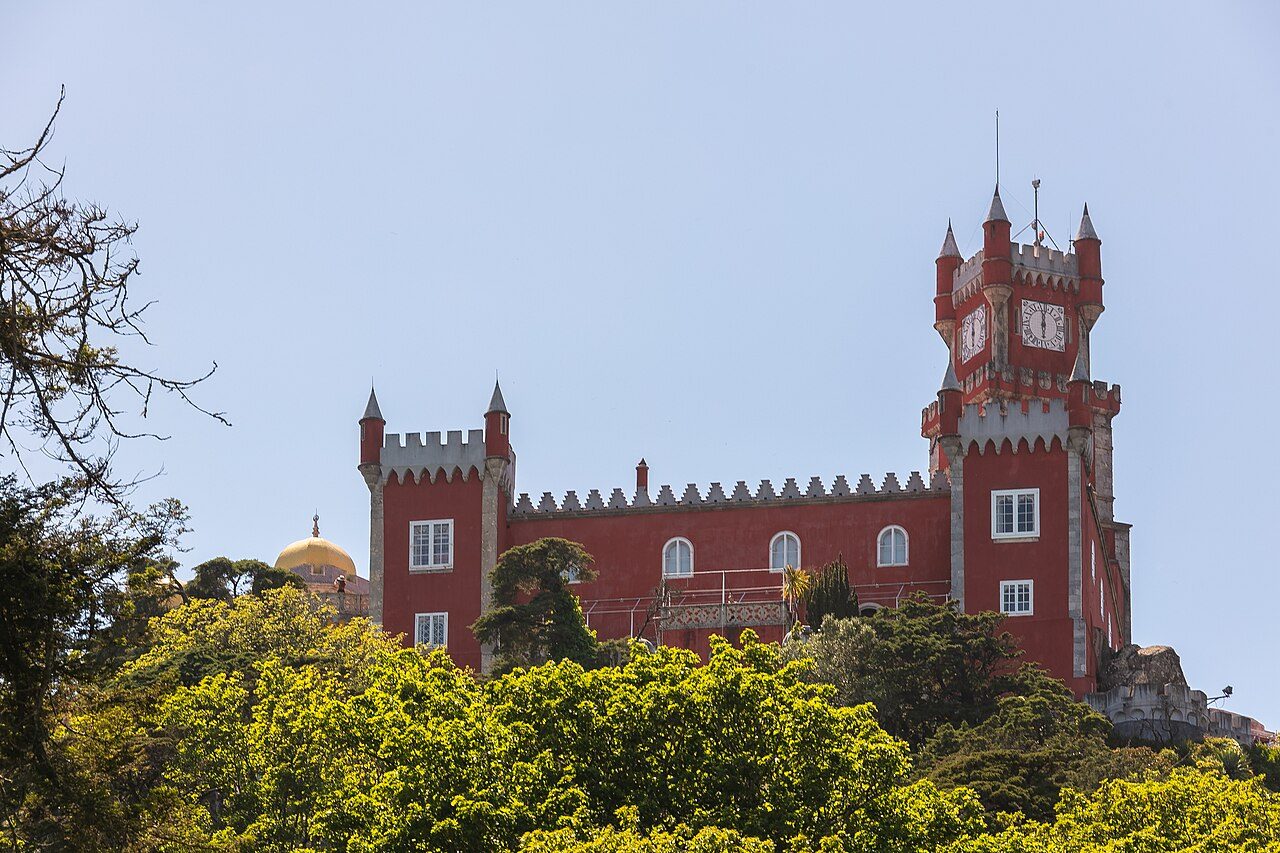
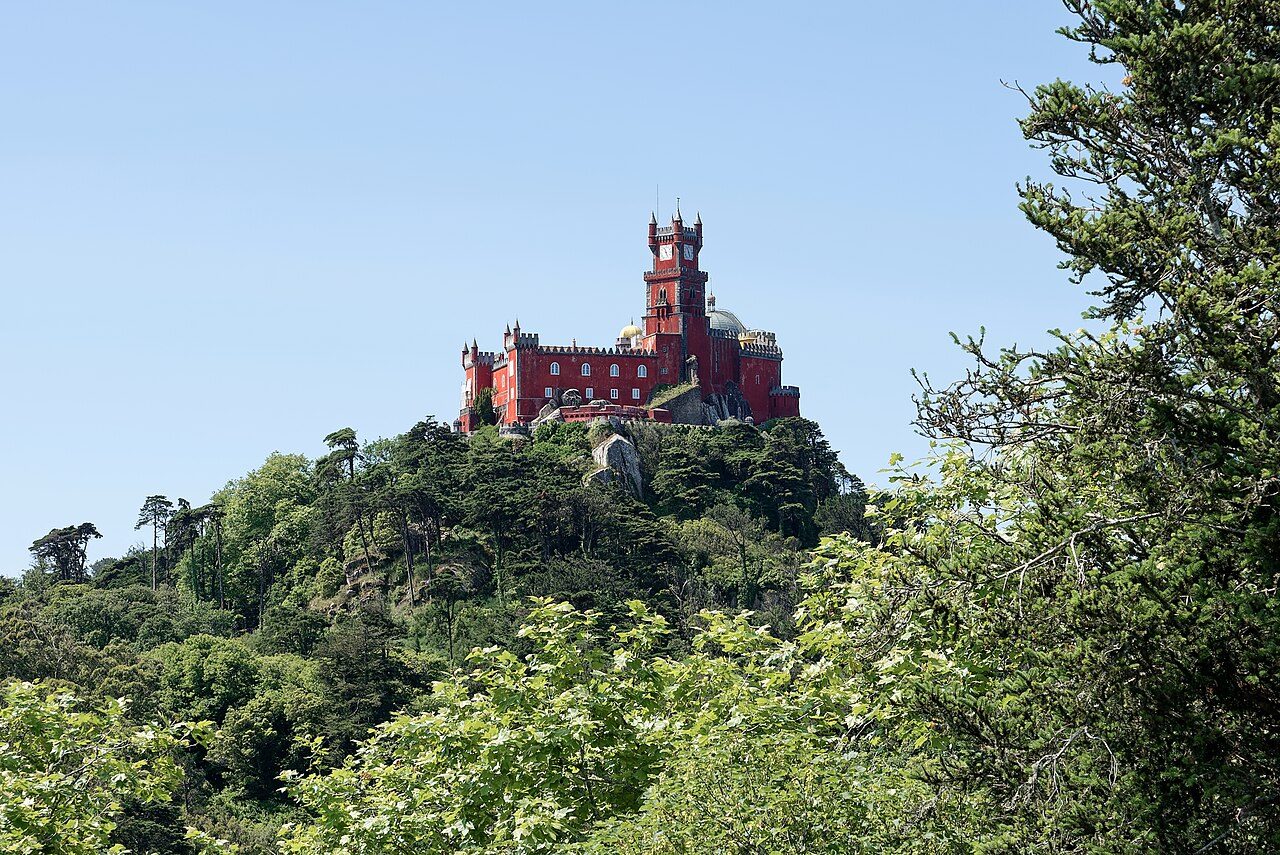
Pena Palace stands on a hilltop in the Sintra mountains, surrounded by a large park. It was built in the 19th century by King Ferdinand II on the ruins of a monastery. Its colourful walls in red and yellow, towers and domes mix Gothic, Manueline and Moorish styles. It is a symbol of Romanticism and part of the Cultural Landscape of Sintra UNESCO site.
09
STOP 9 OF 27
Quinta da Regaleira
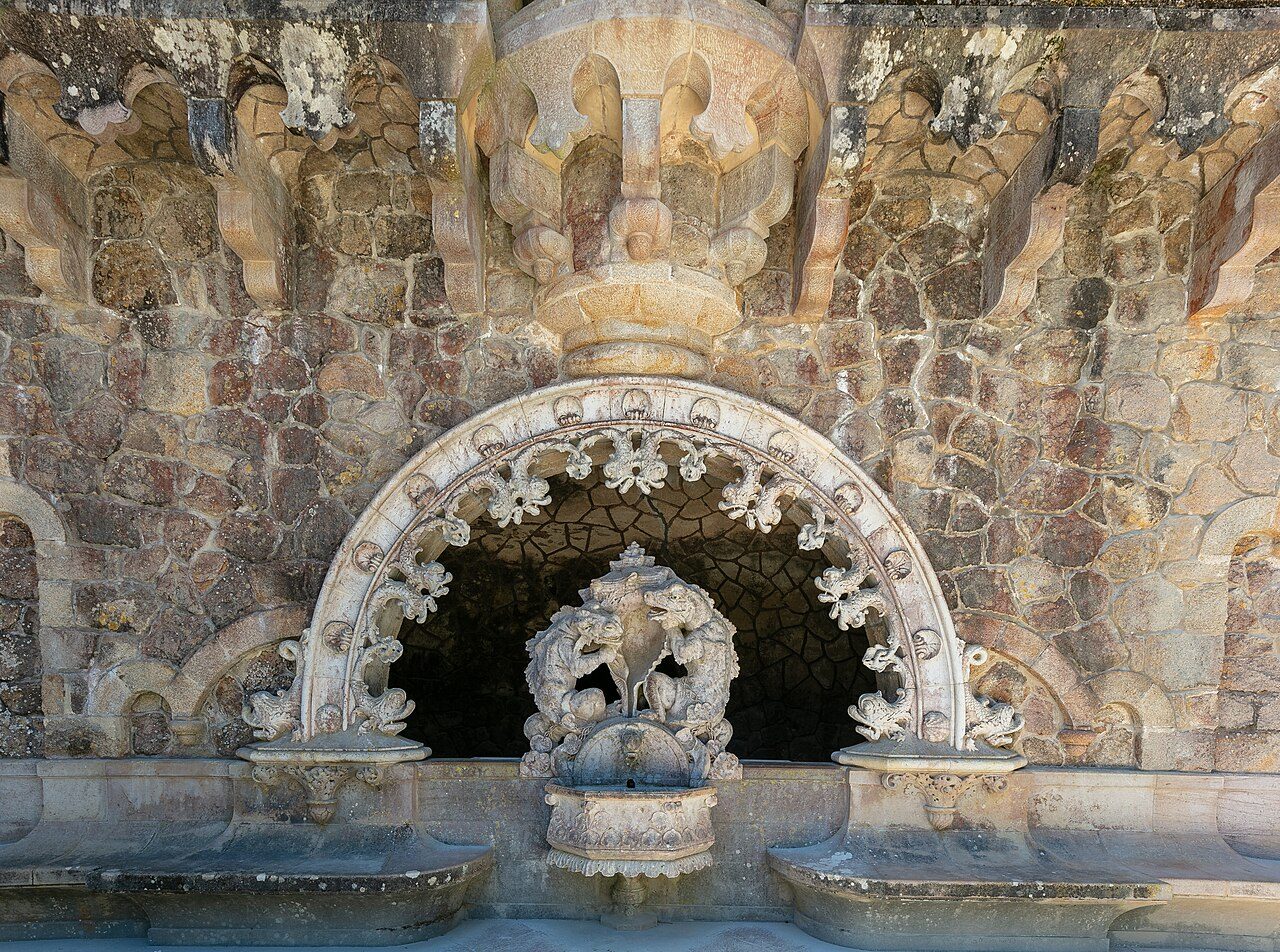
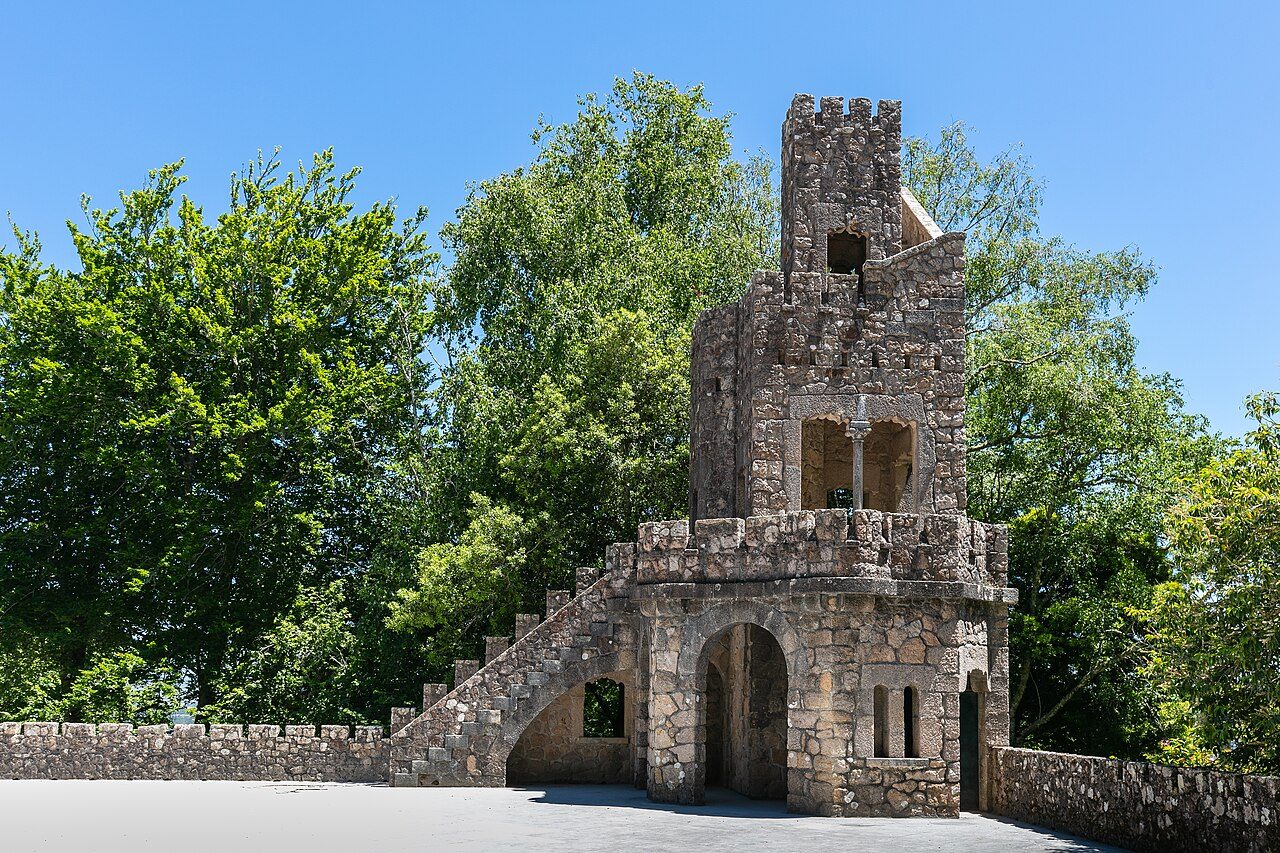
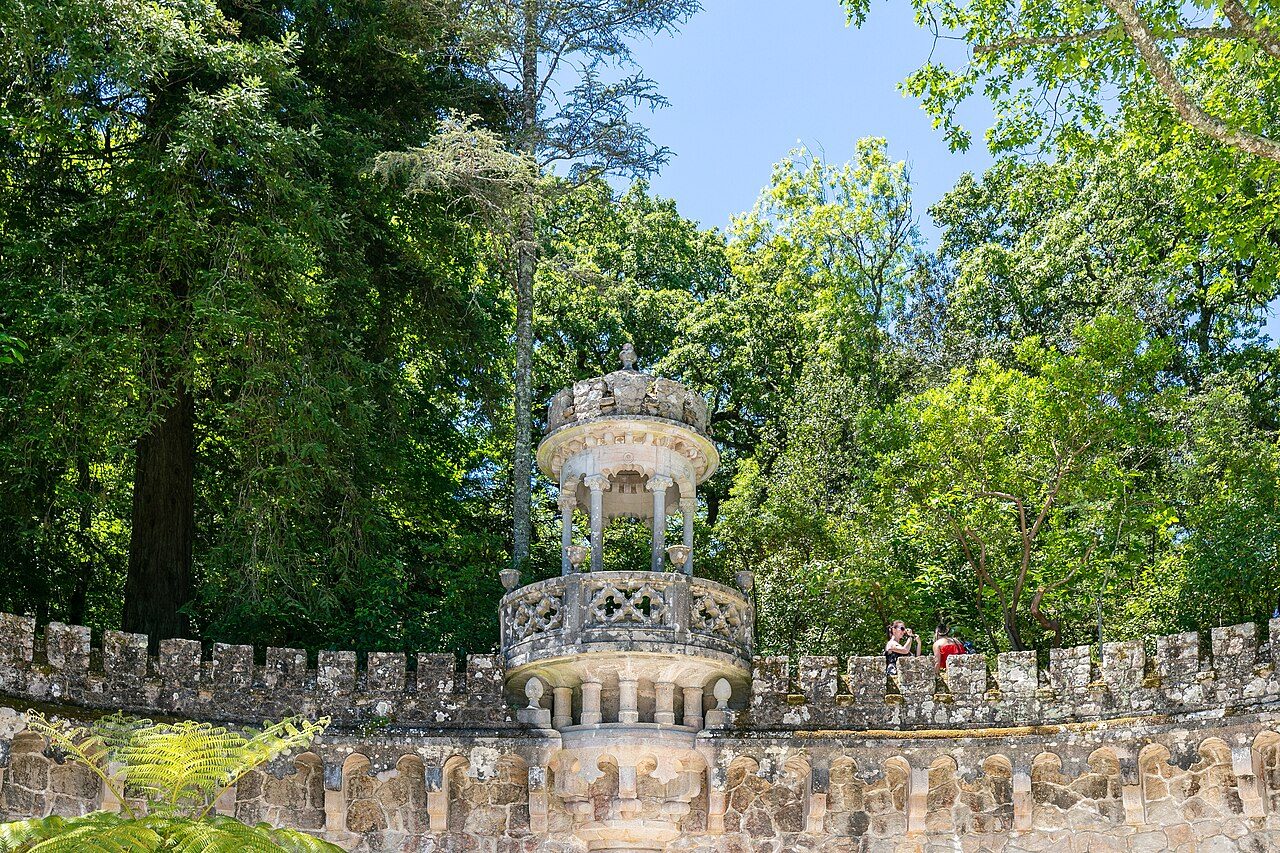
Quinta da Regaleira is an estate in Sintra built in the early 20th century for the millionaire António Carvalho Monteiro. Its Gothic palace and chapel are surrounded by gardens full of grottoes, tunnels, lakes and towers with mystical symbols. Its best known feature is the Initiation Well, a deep spiral staircase leading underground.
10
STOP 10 OF 27
Moorish Castle Sintra
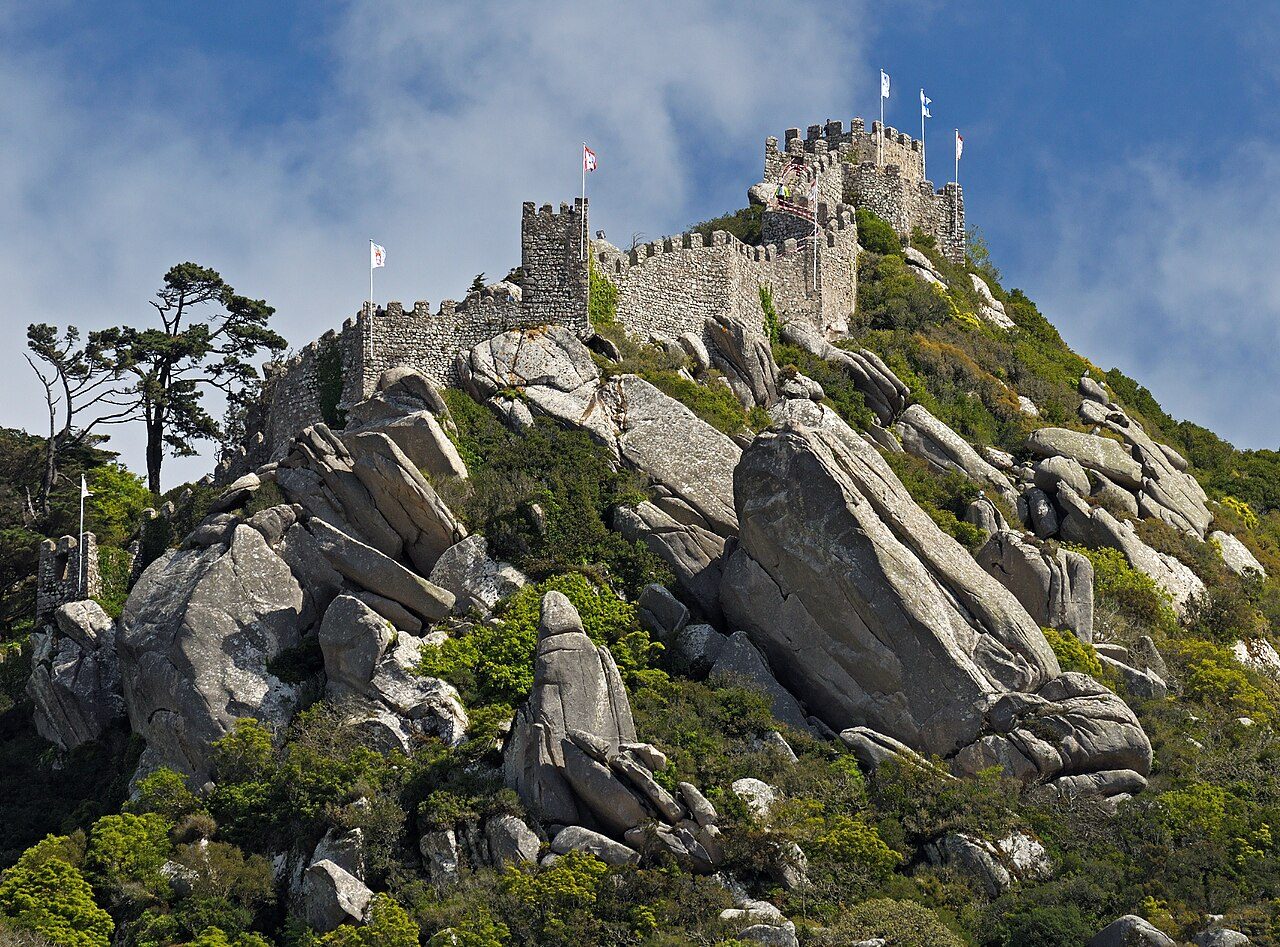
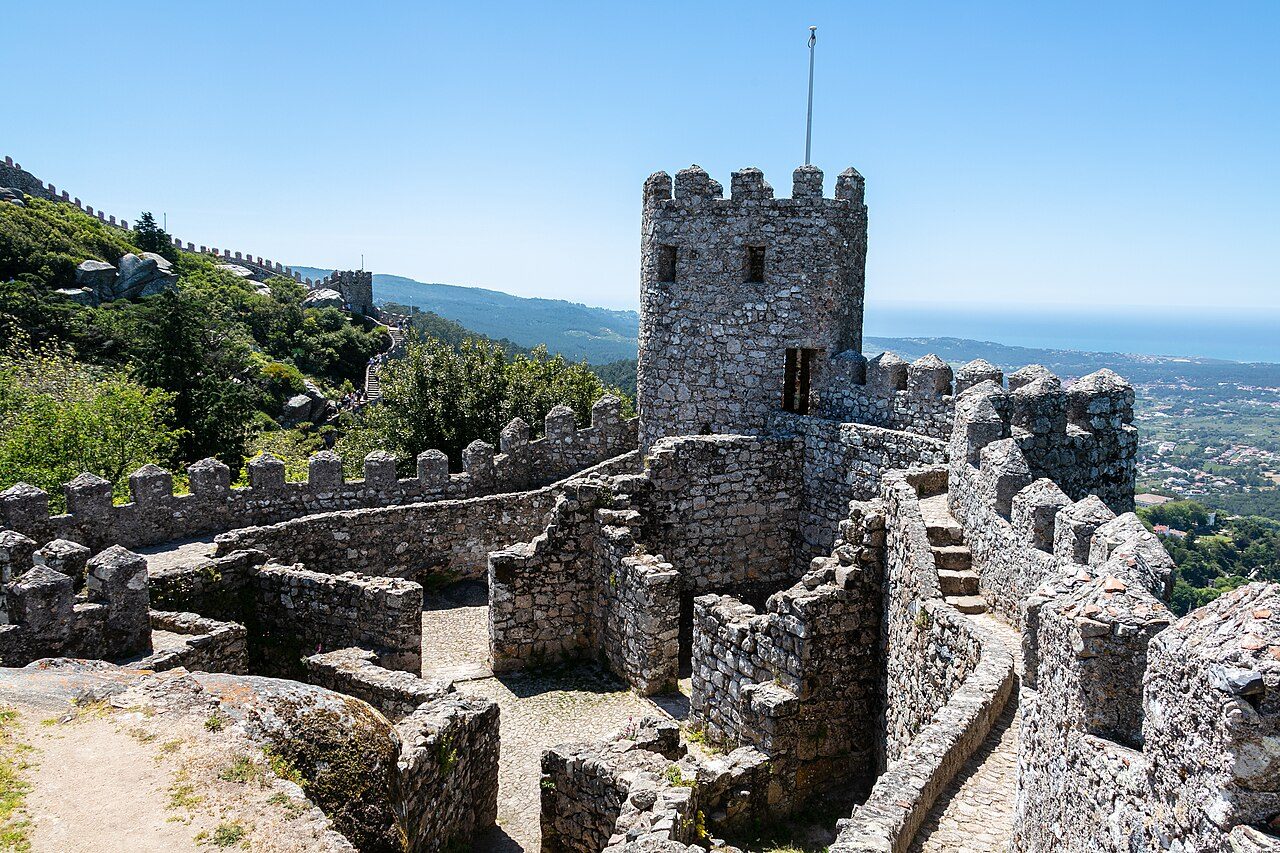
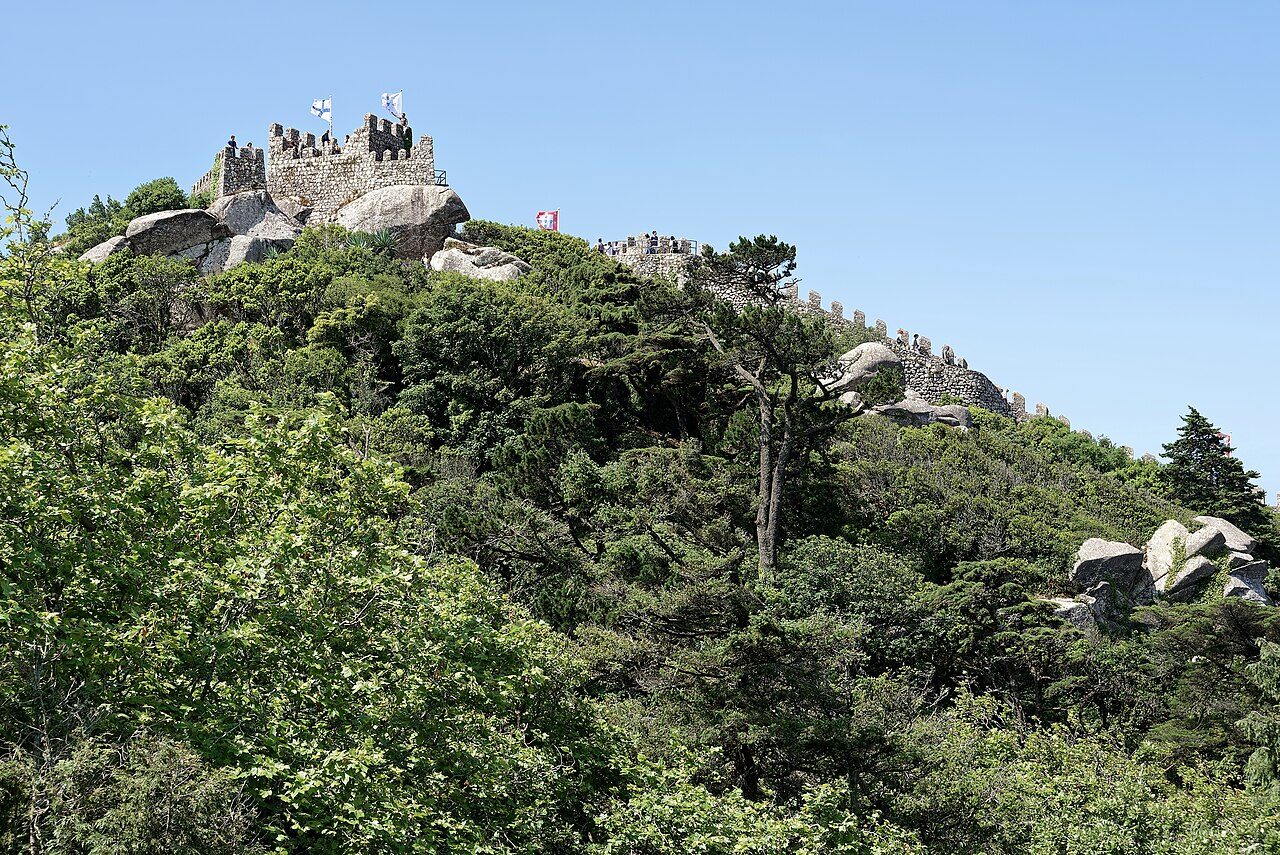
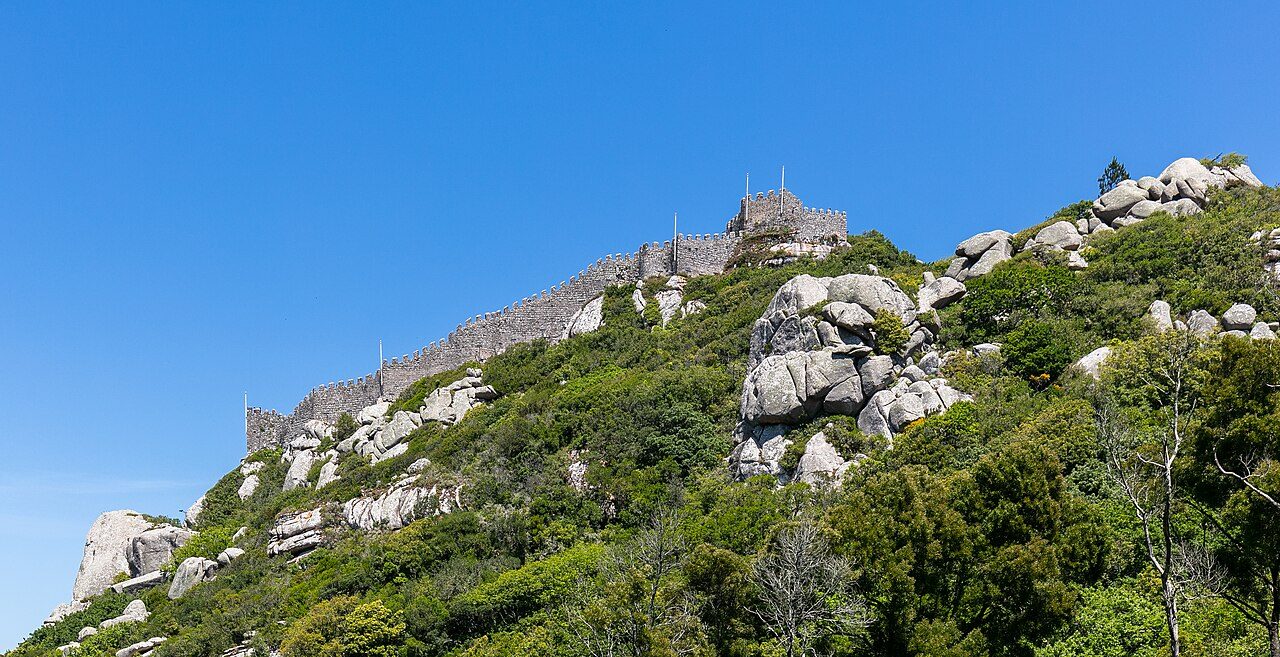
The Moorish Castle sits on a mountain top above Sintra. It was built by the Moors in the 8th and 9th centuries and taken by the Portuguese in 1147. Its battlements snake along the rocky ridge, with towers that give views over Sintra, Pena Palace and the coast. It was restored in the 19th century by King Ferdinand II.
11
STOP 11 OF 27
Cabo da Roca
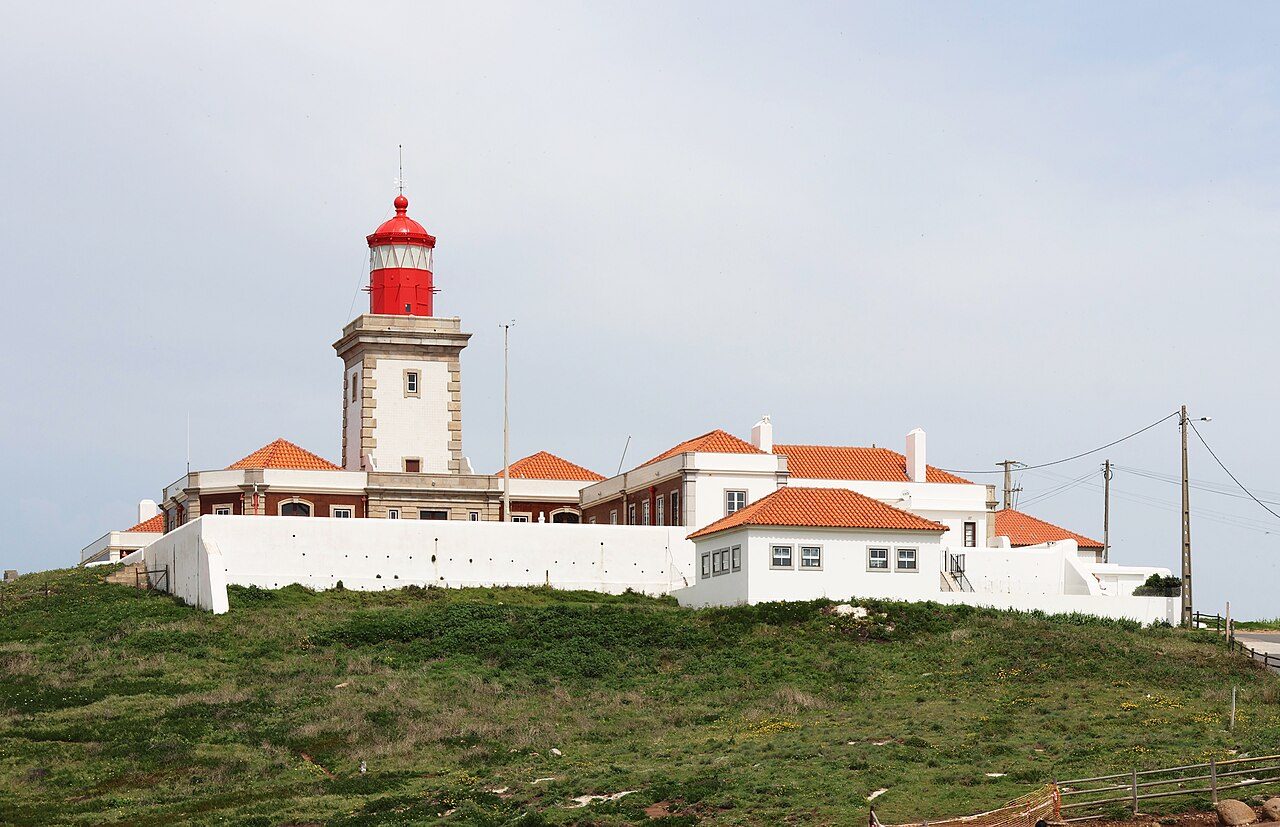
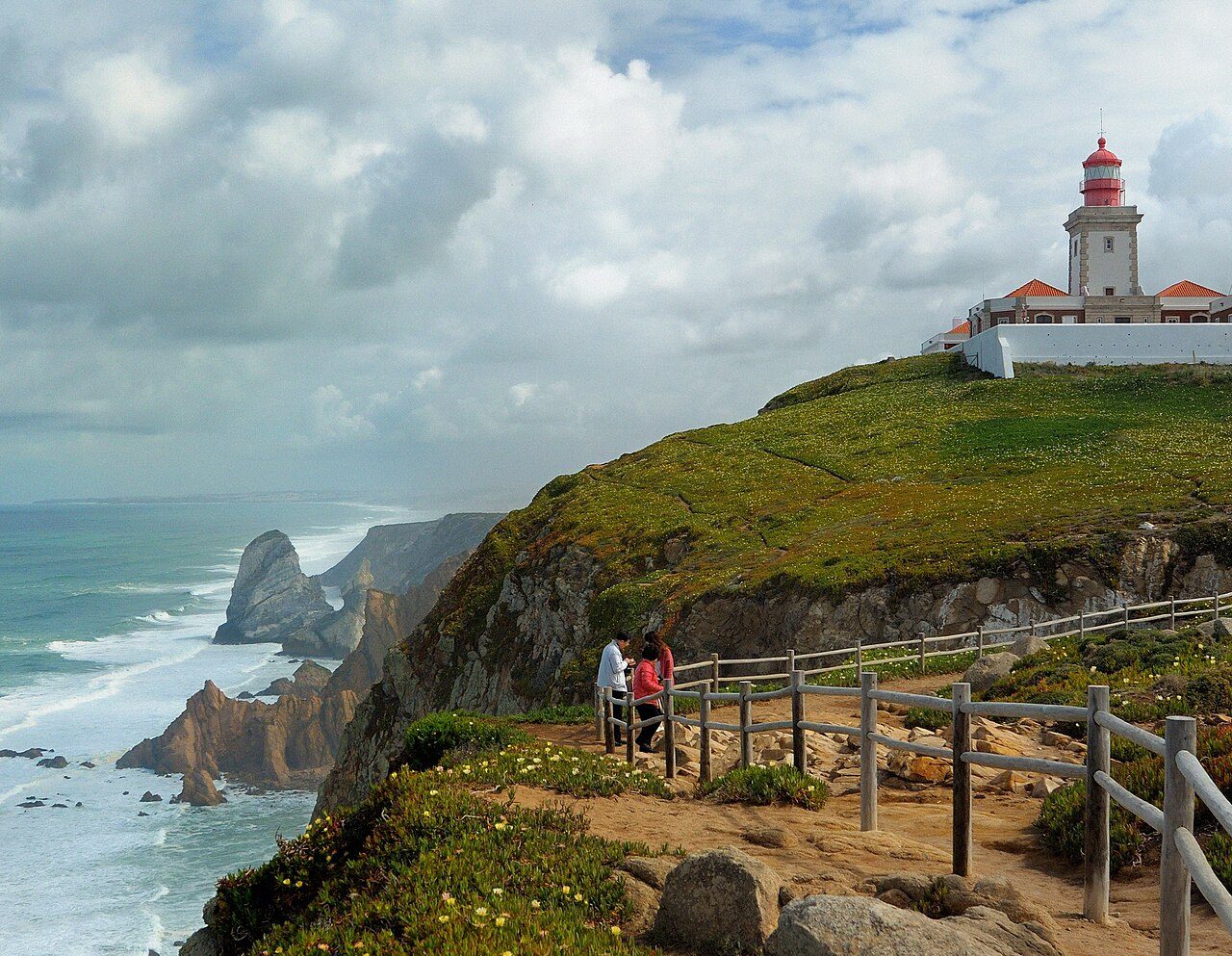
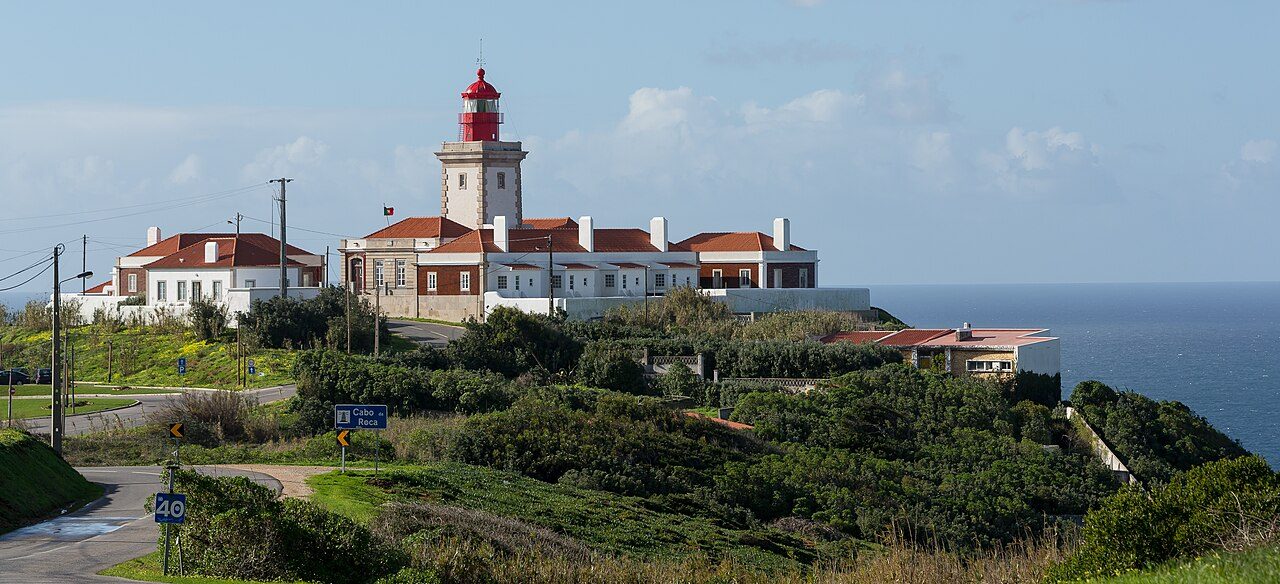
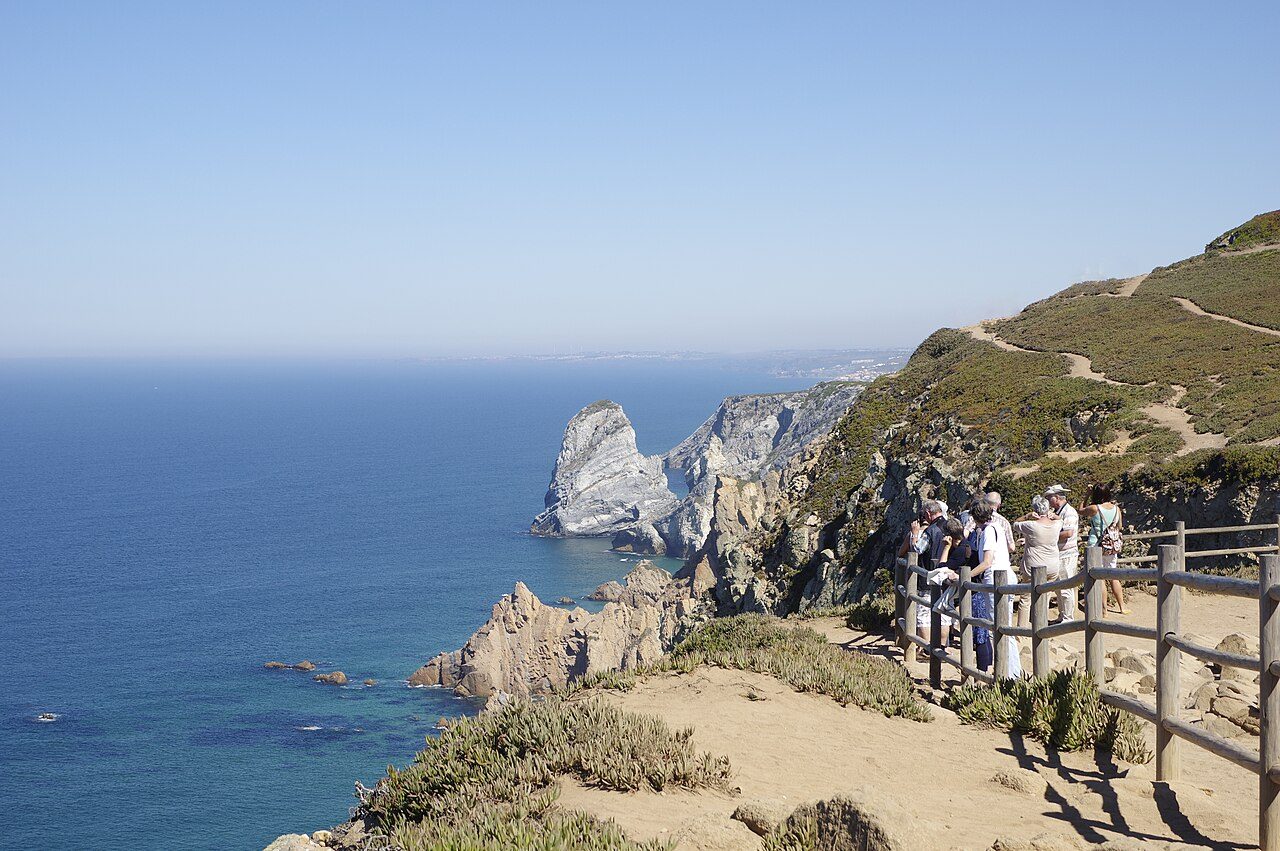
Cabo da Roca is the westernmost point of mainland Europe, on cliffs about 140 metres above the Atlantic near Sintra. A monument bears the words of the poet Camões: where the land ends and the sea begins. A red-topped lighthouse stands nearby. The windswept headland is part of the Sintra-Cascais Natural Park.
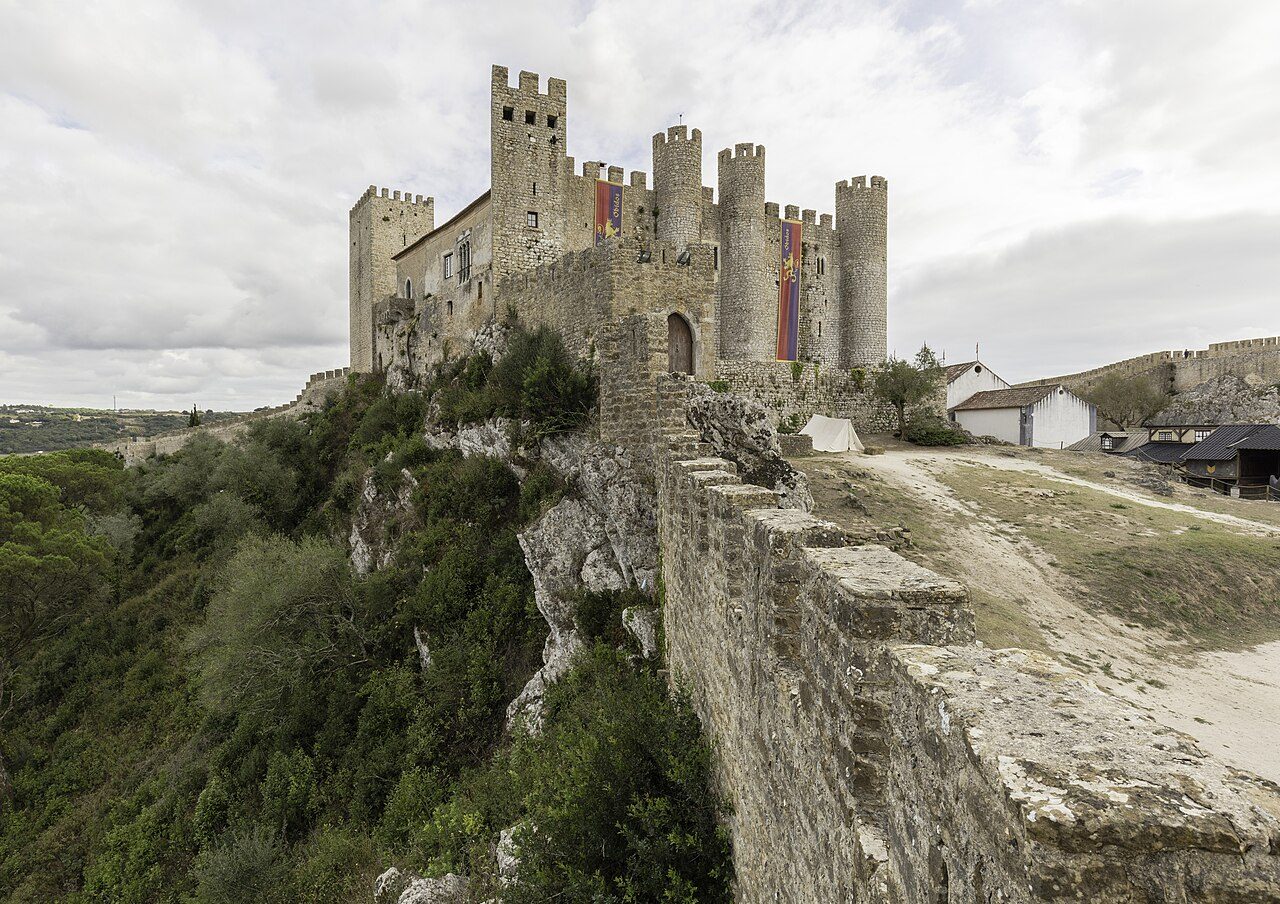
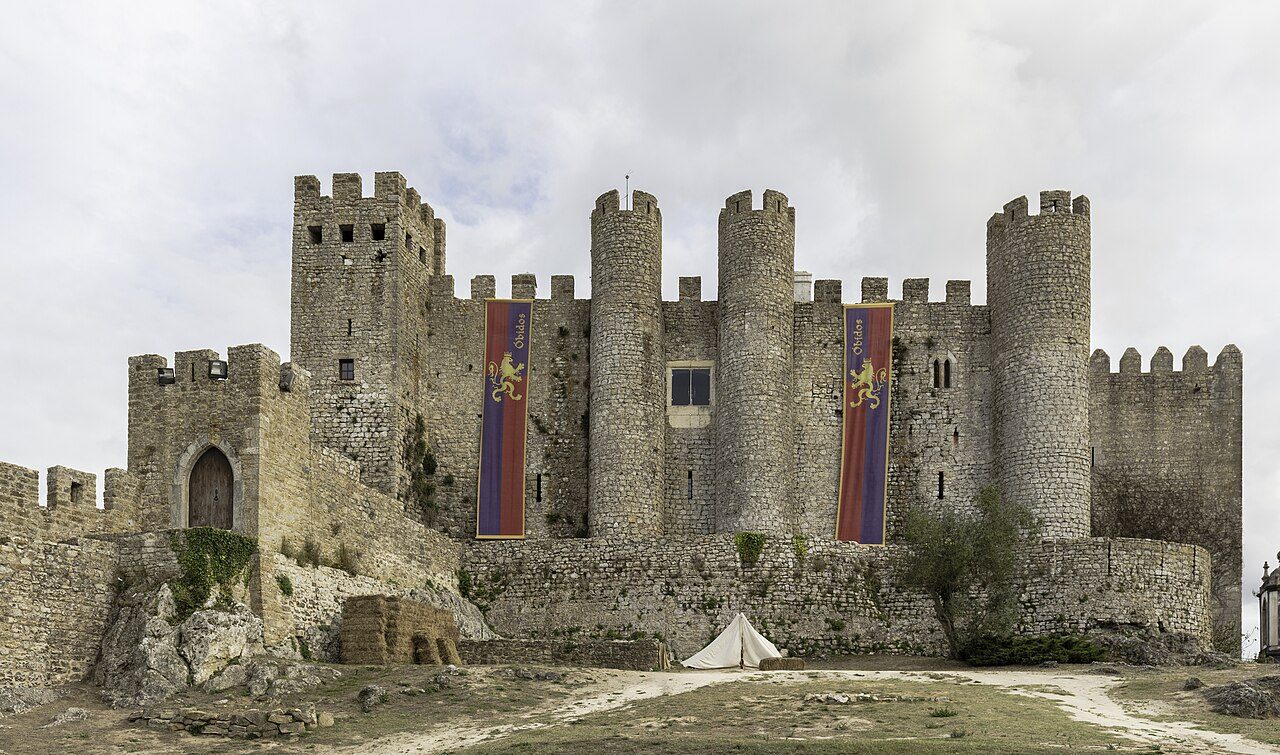
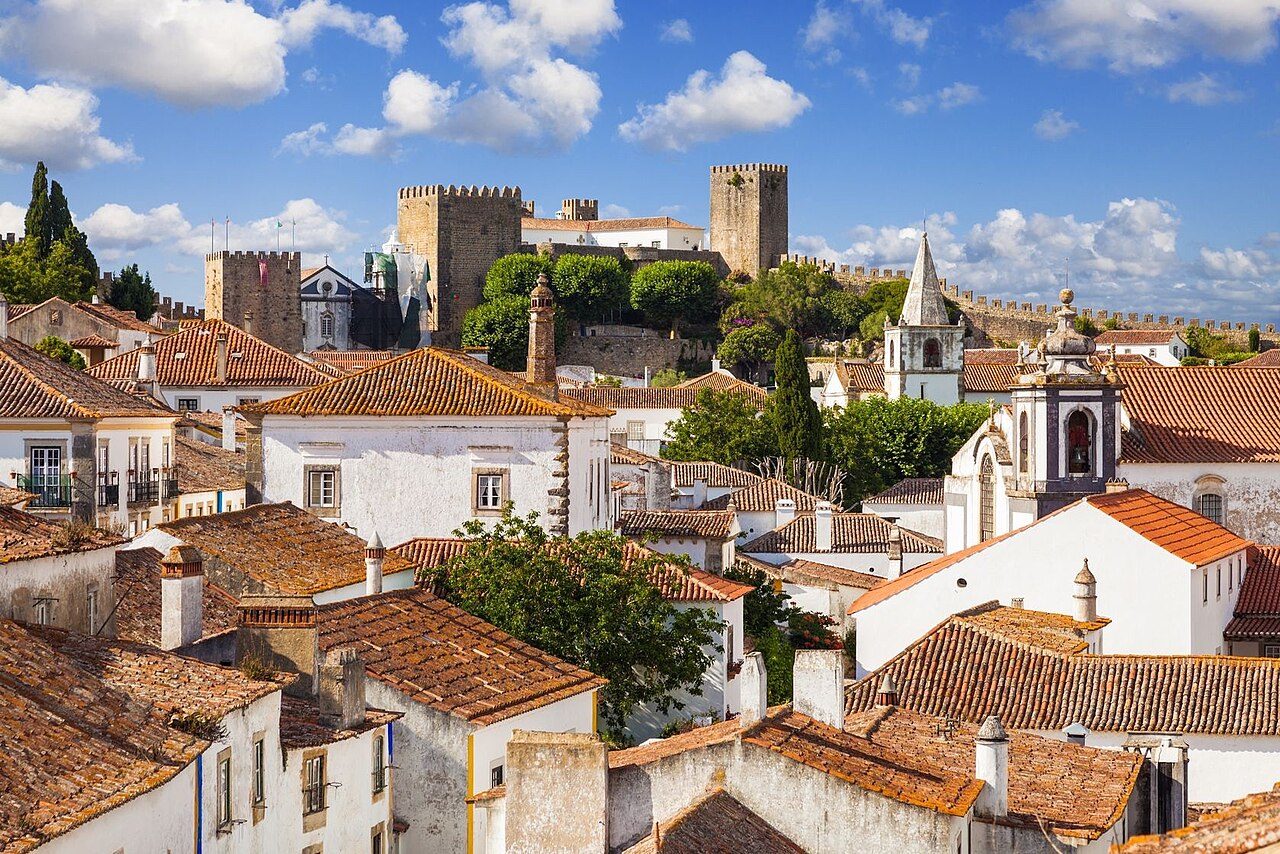
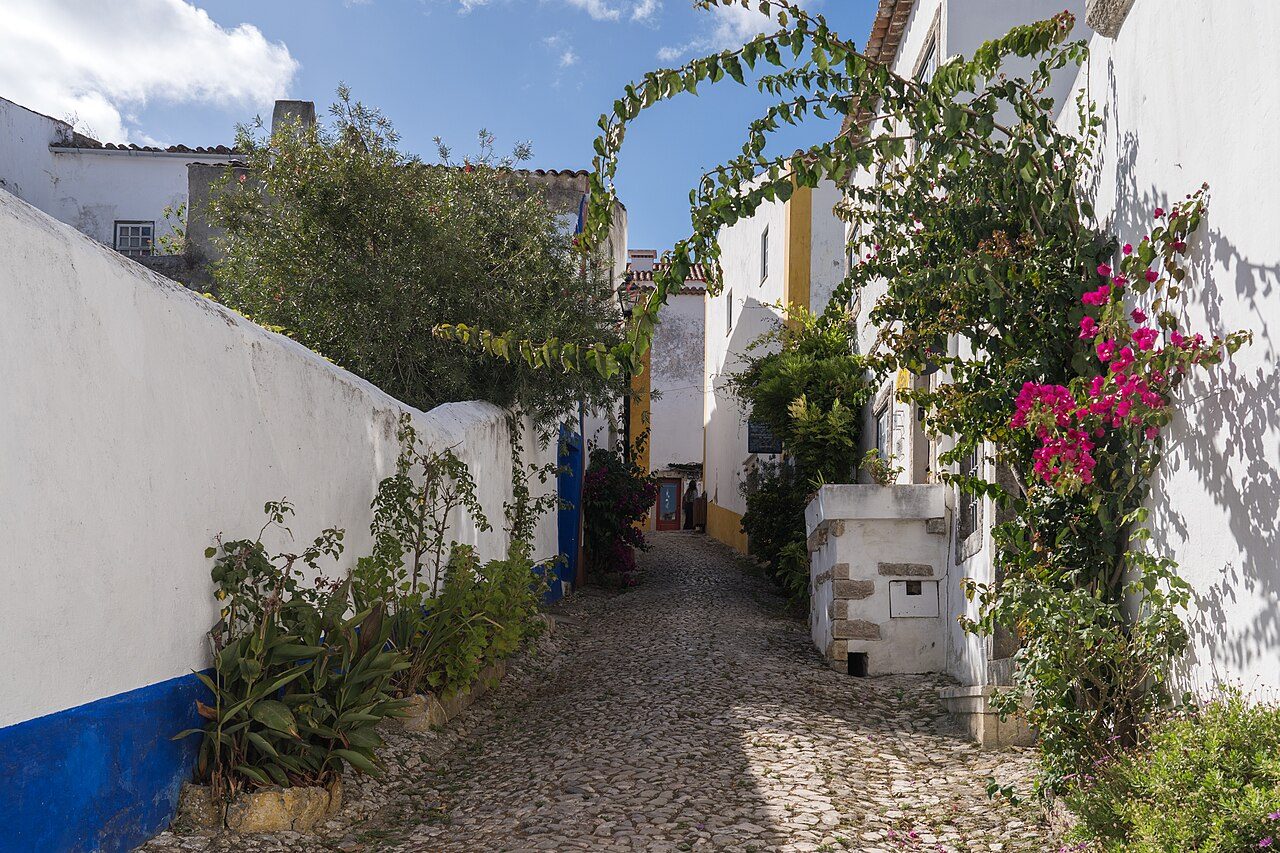
Óbidos is a small walled medieval town north of Lisbon. Its white houses with blue and yellow borders line narrow cobbled streets inside the walls, which visitors can walk along. A castle, now a hotel, stands at one end. The town was traditionally given as a wedding gift to Portuguese queens. It is known for ginjinha cherry liqueur served in chocolate cups.
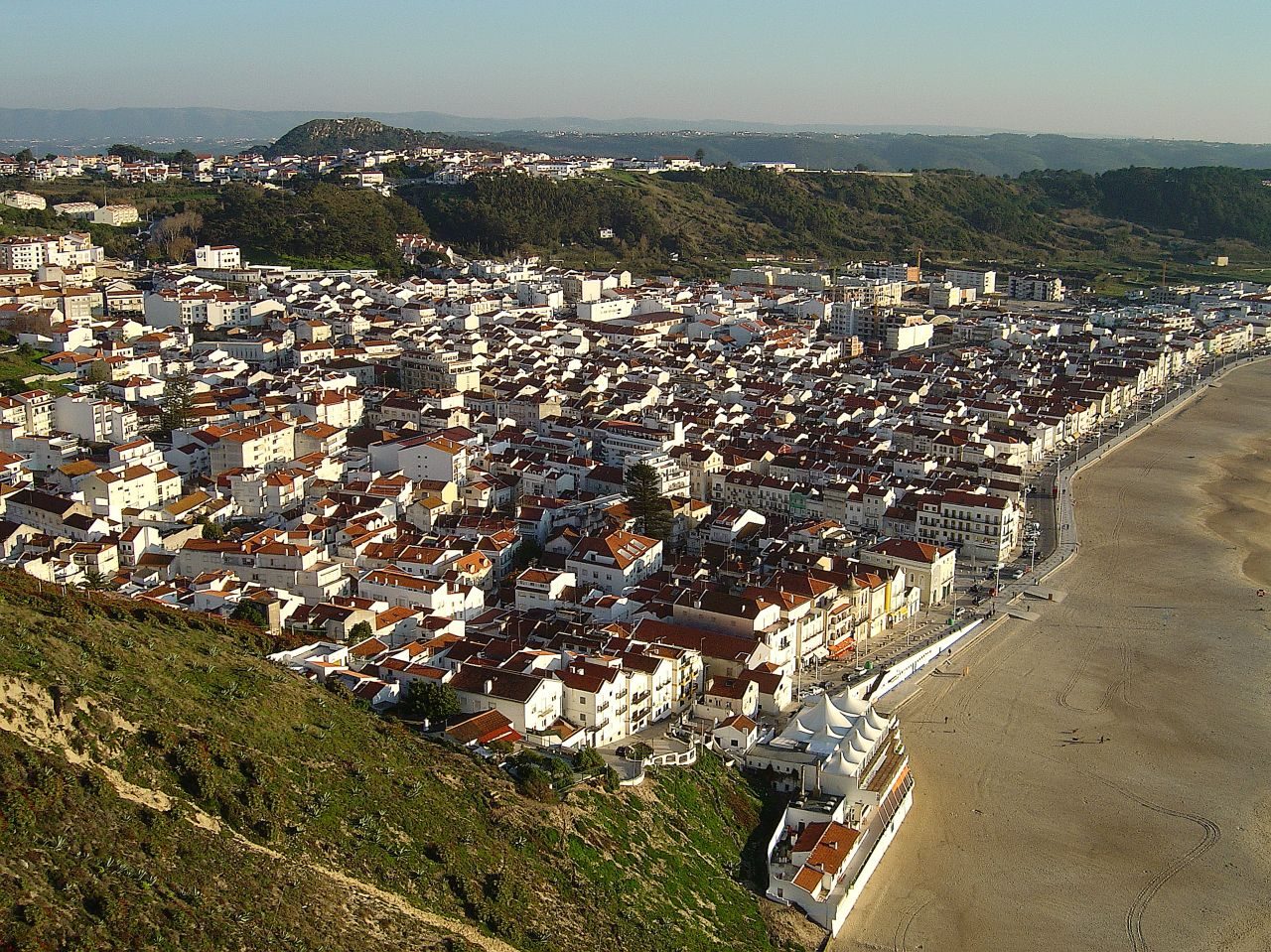
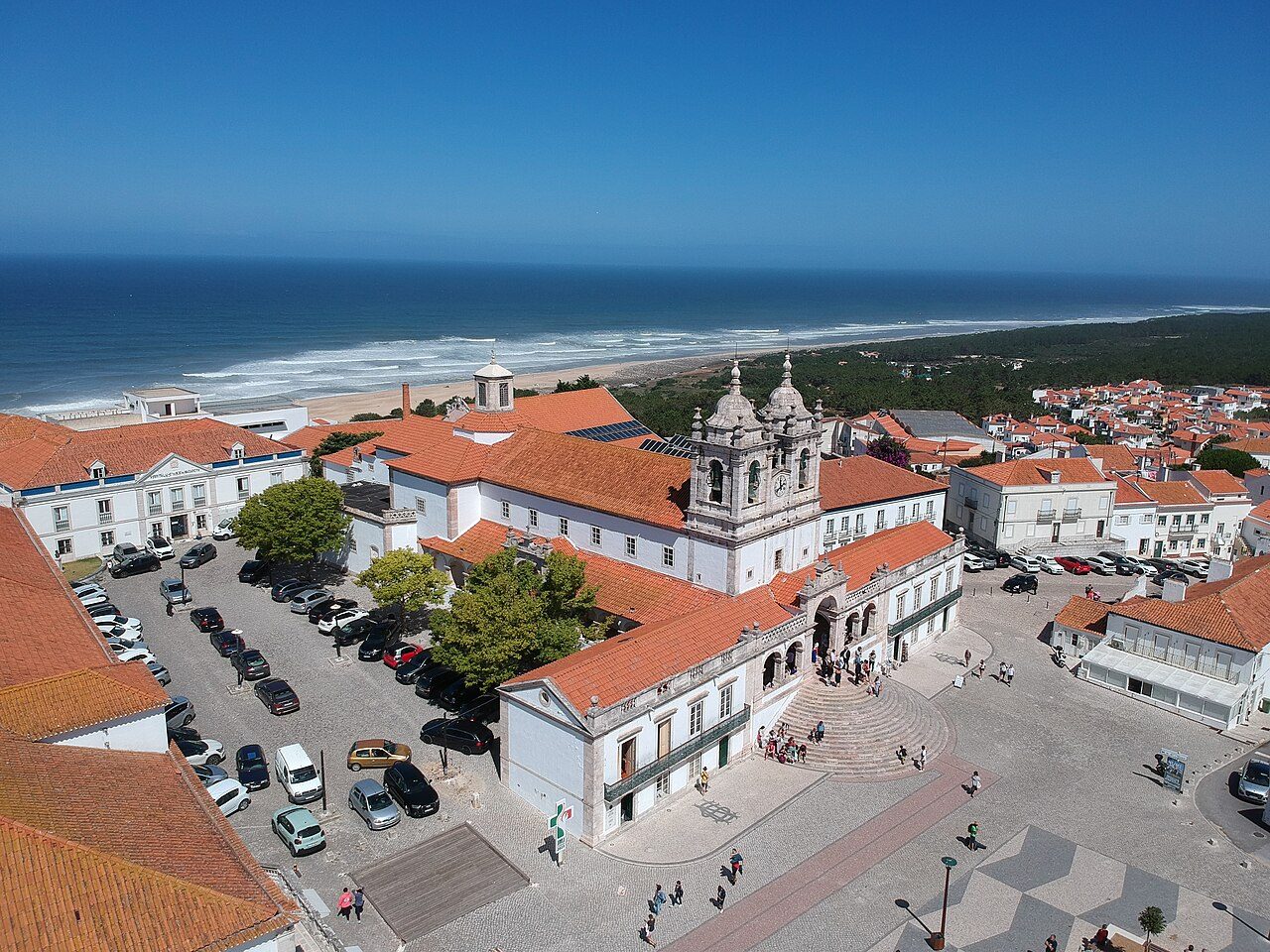
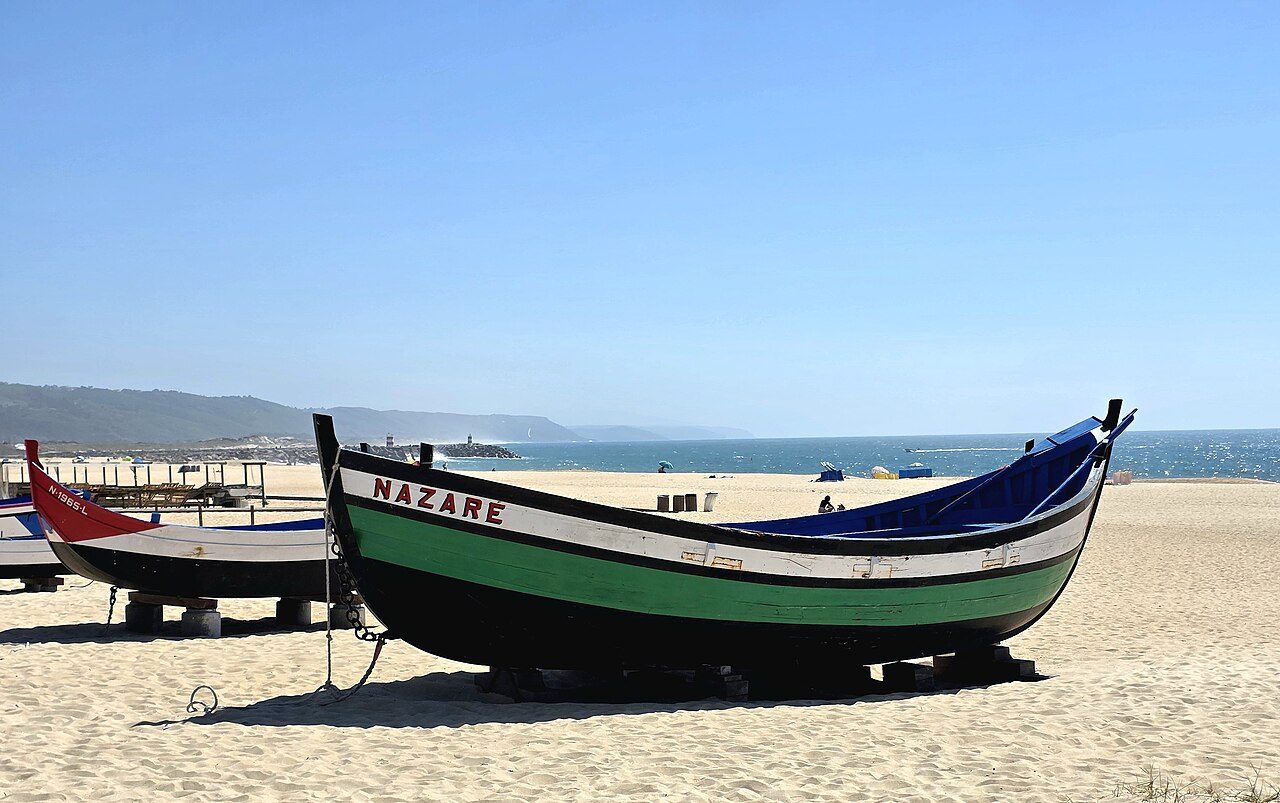
Nazaré is a fishing town on the Atlantic coast of Portugal. It has a long sandy beach and an upper town, Sítio, on a cliff reached by funicular. Off its headland, the Nazaré Canyon creates some of the biggest waves in the world in winter, where surfers have ridden record waves. Fishermen's wives still wear traditional skirts.
14
STOP 14 OF 27
Alcobaça Monastery
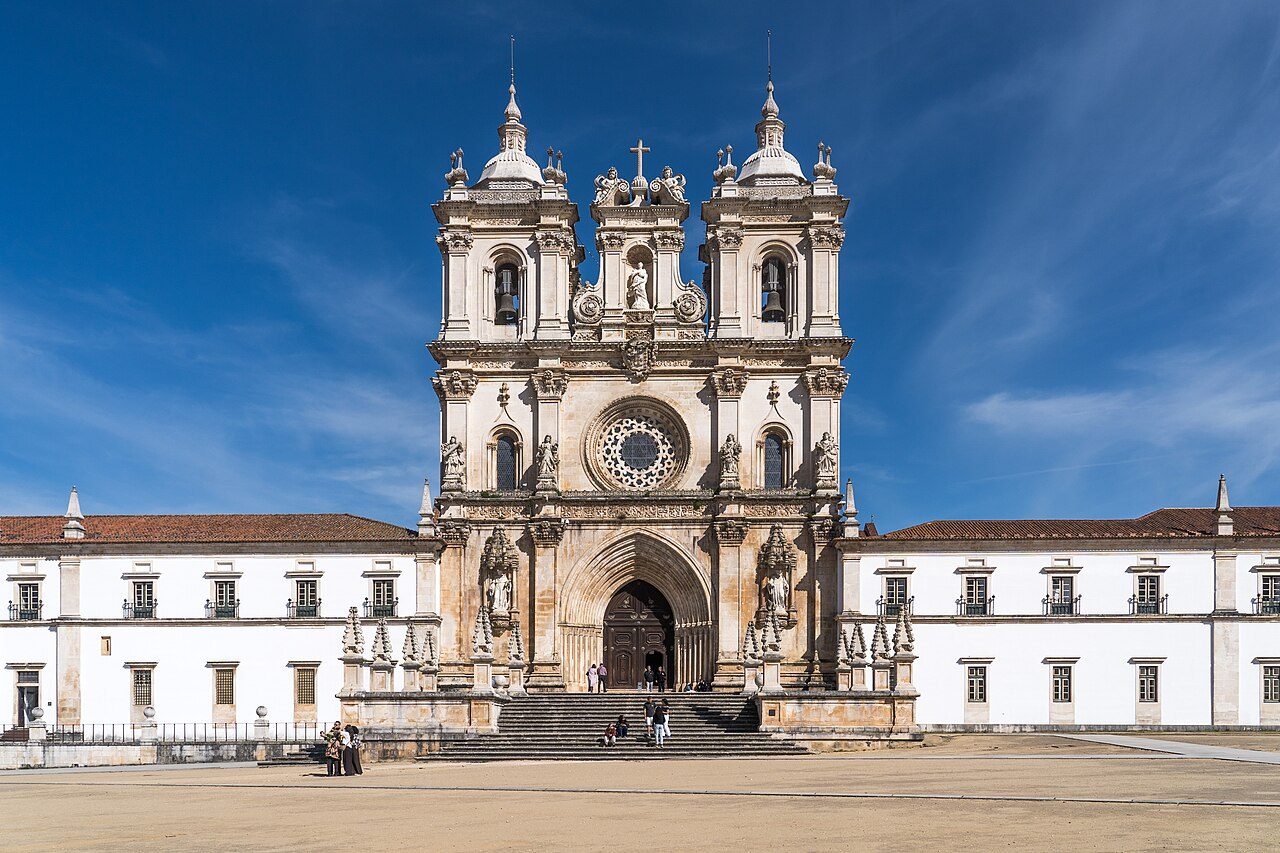
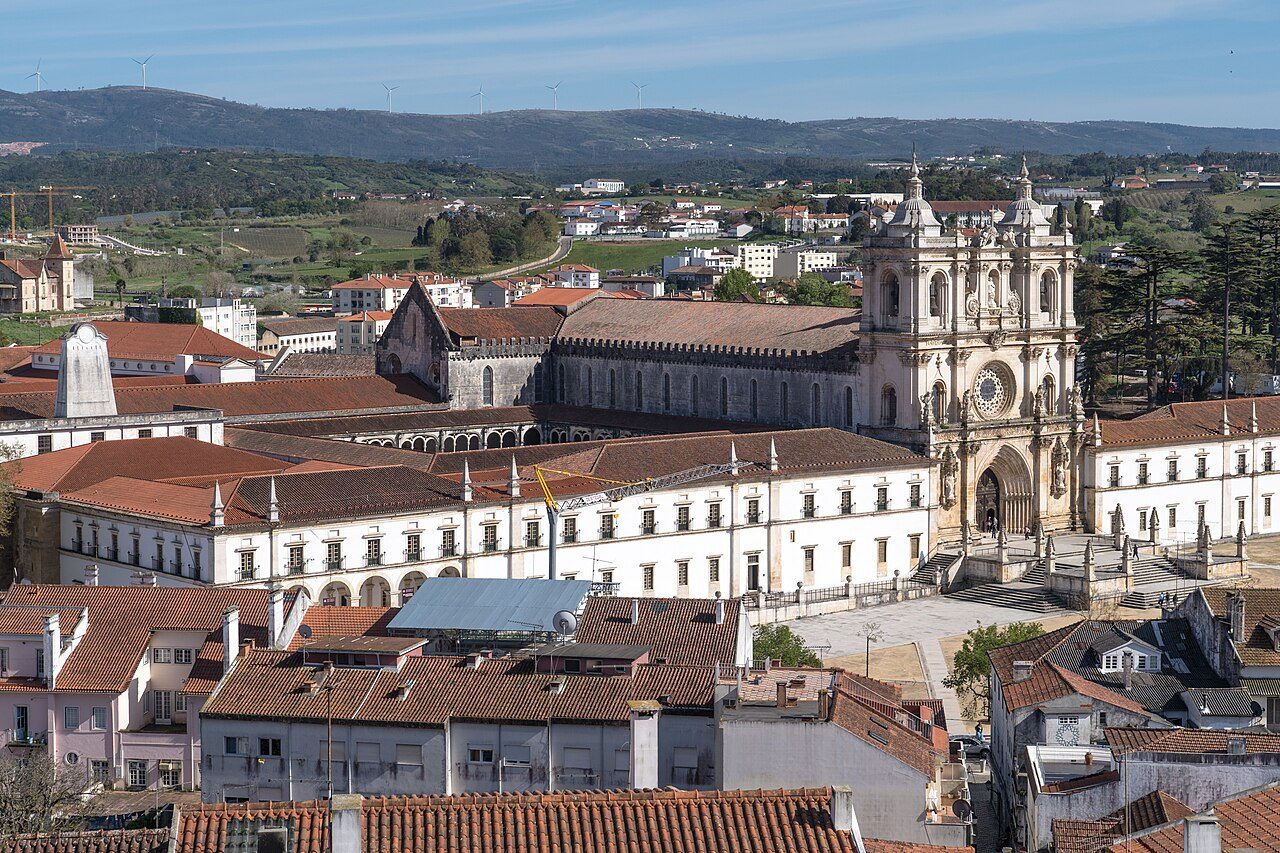
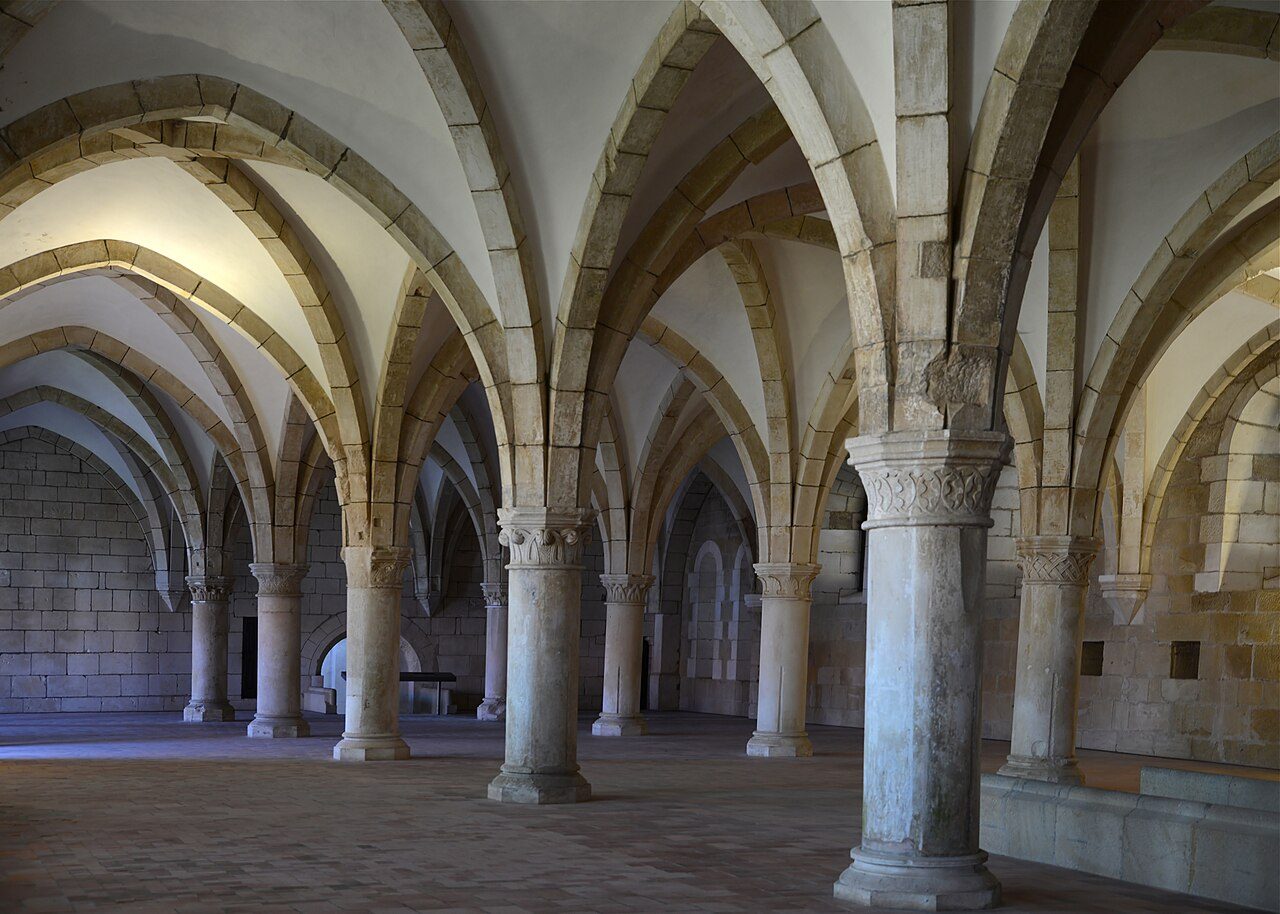
The Alcobaça Monastery was founded in 1153 by the first king of Portugal, Afonso Henriques, and given to the Cistercian monks. Its church is the largest in Portugal and one of the first Gothic buildings in the country. It holds the carved tombs of King Pedro I and Inês de Castro, a famous tragic love story. It is a UNESCO World Heritage Site.
15
STOP 15 OF 27
Batalha Monastery
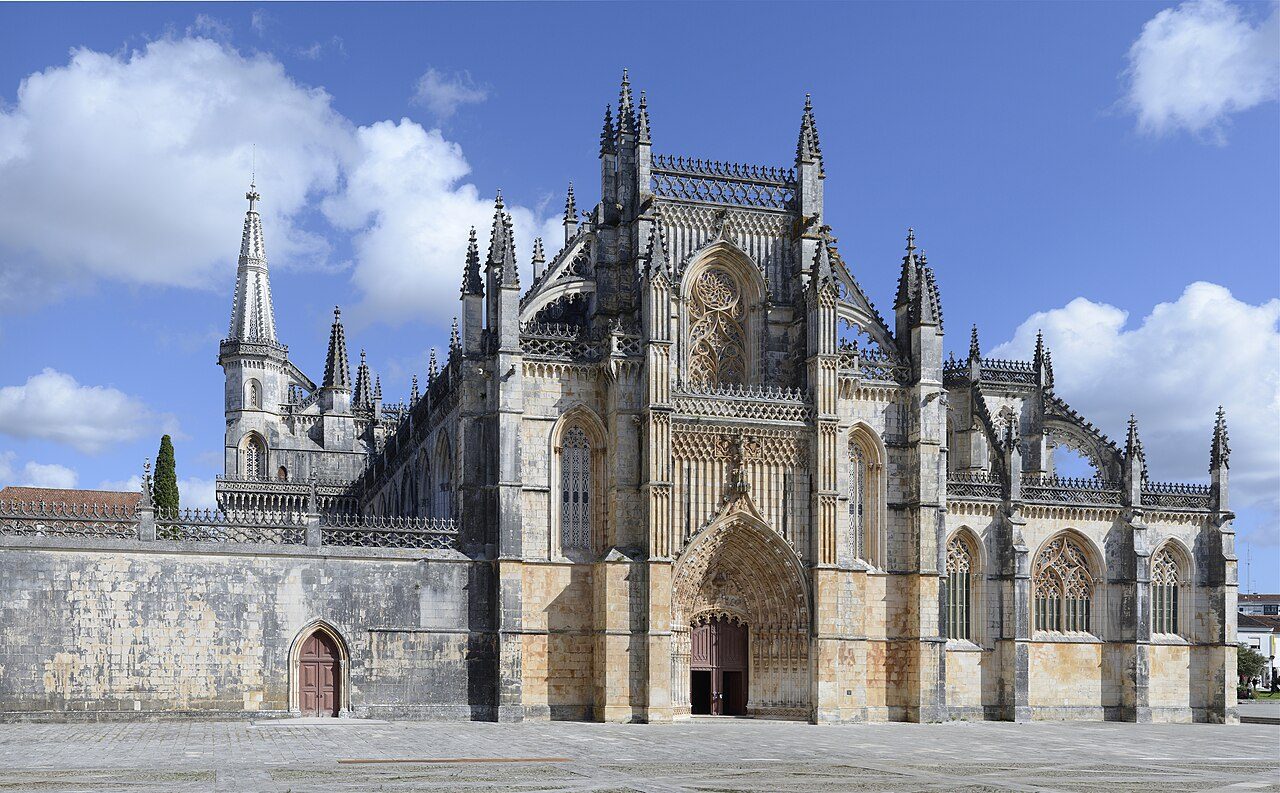
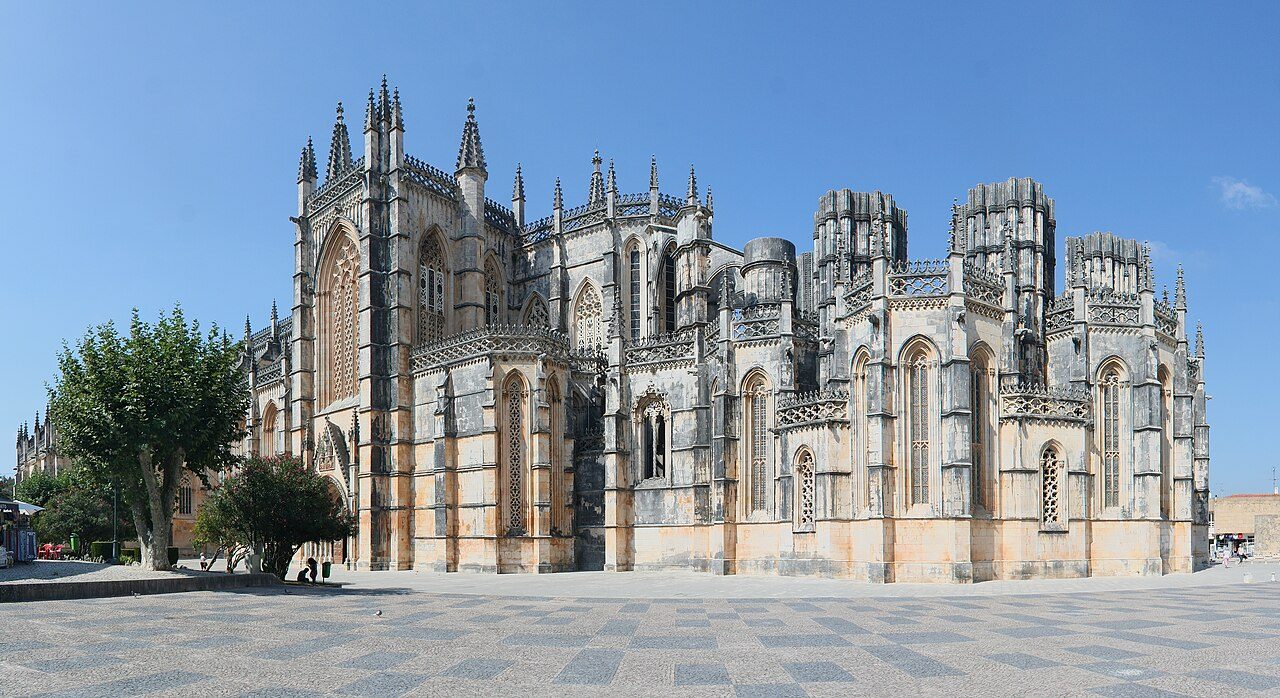
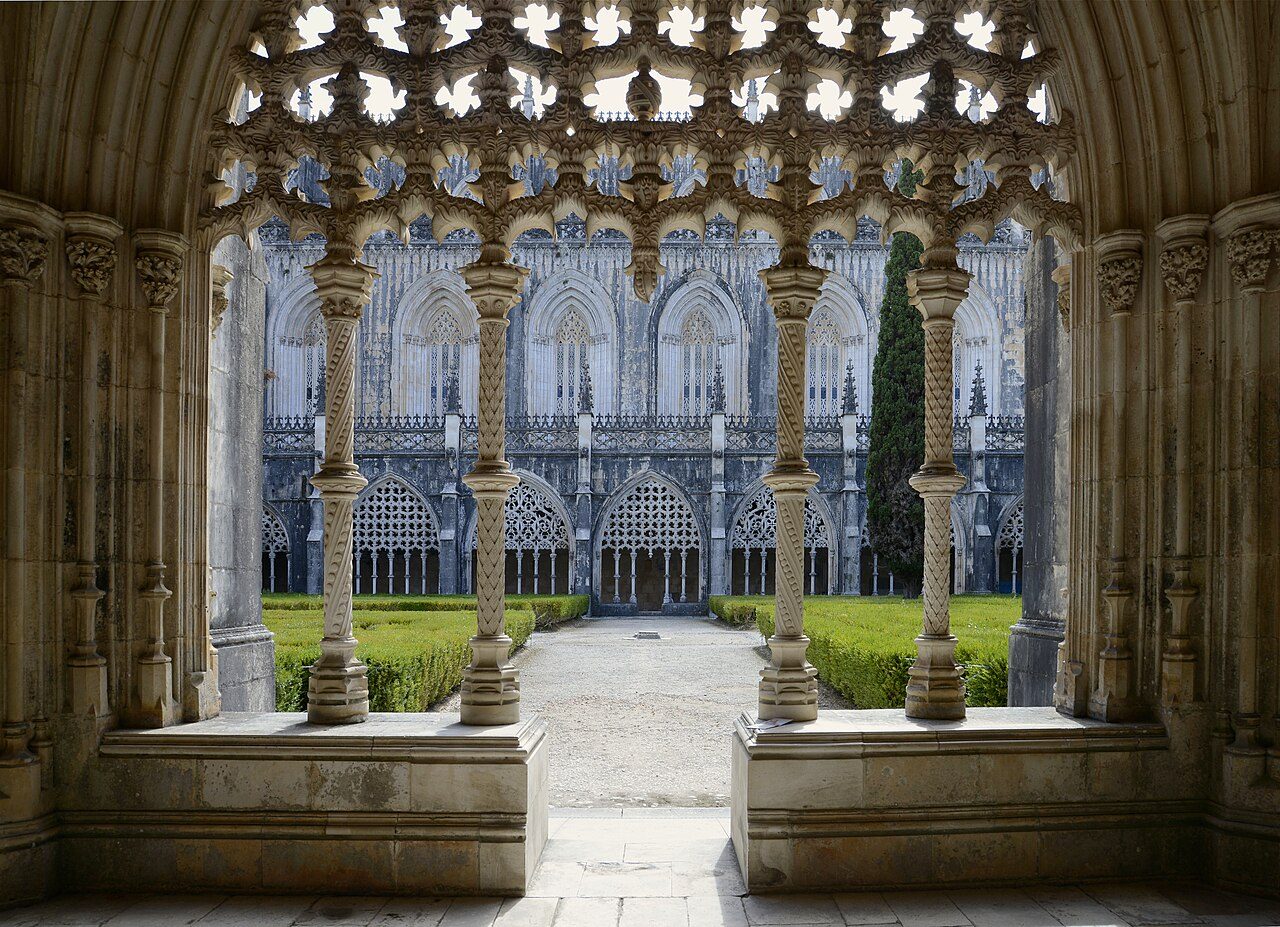
The Batalha Monastery was built from 1386 to thank the Virgin Mary for the Portuguese victory at the Battle of Aljubarrota. It is a masterpiece of Portuguese Gothic and Manueline architecture. The Founder's Chapel holds the tomb of King João I, and the Unfinished Chapels are open to the sky. It is a UNESCO World Heritage Site.
16
STOP 16 OF 27
Sanctuary of Fátima
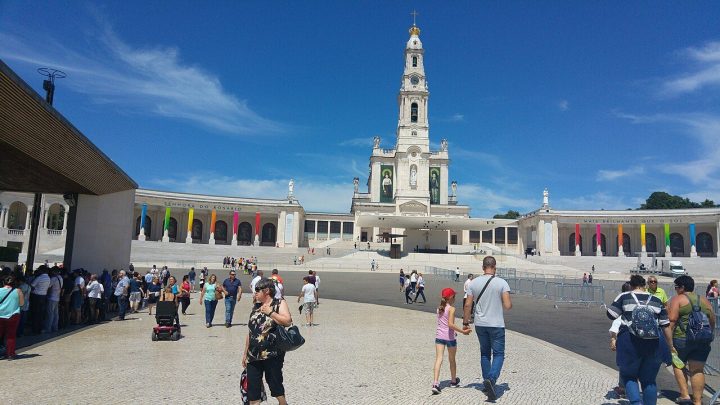
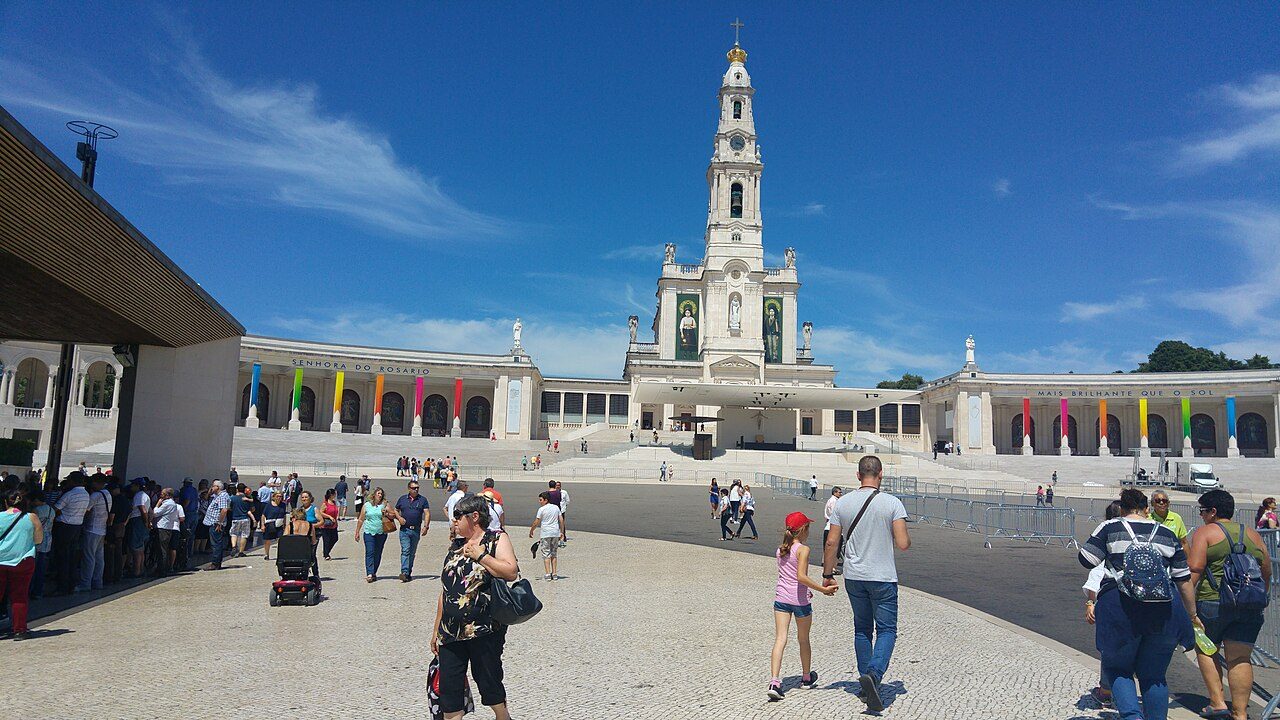
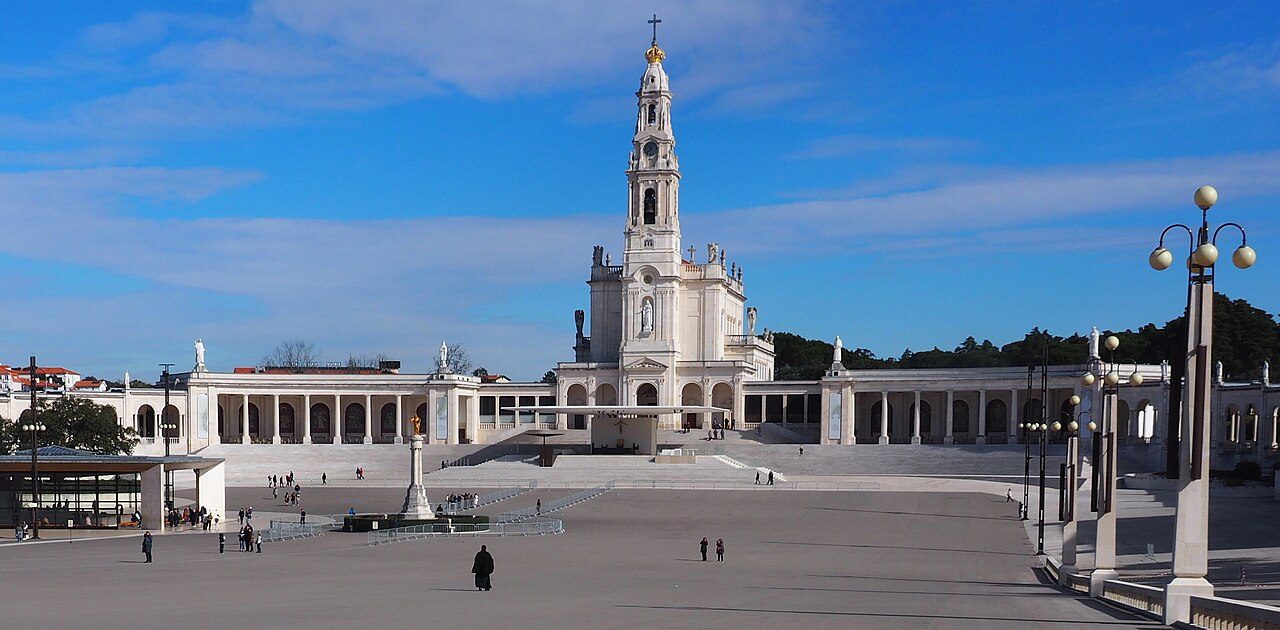
The Sanctuary of Fátima is one of the most important Catholic shrines in the world. In 1917, three shepherd children reported visions of the Virgin Mary here. A large basilica with a tall tower faces a huge open square, with the small Chapel of the Apparitions. Millions of pilgrims visit, especially on 13 May and 13 October.
17
STOP 17 OF 27
University of Coimbra
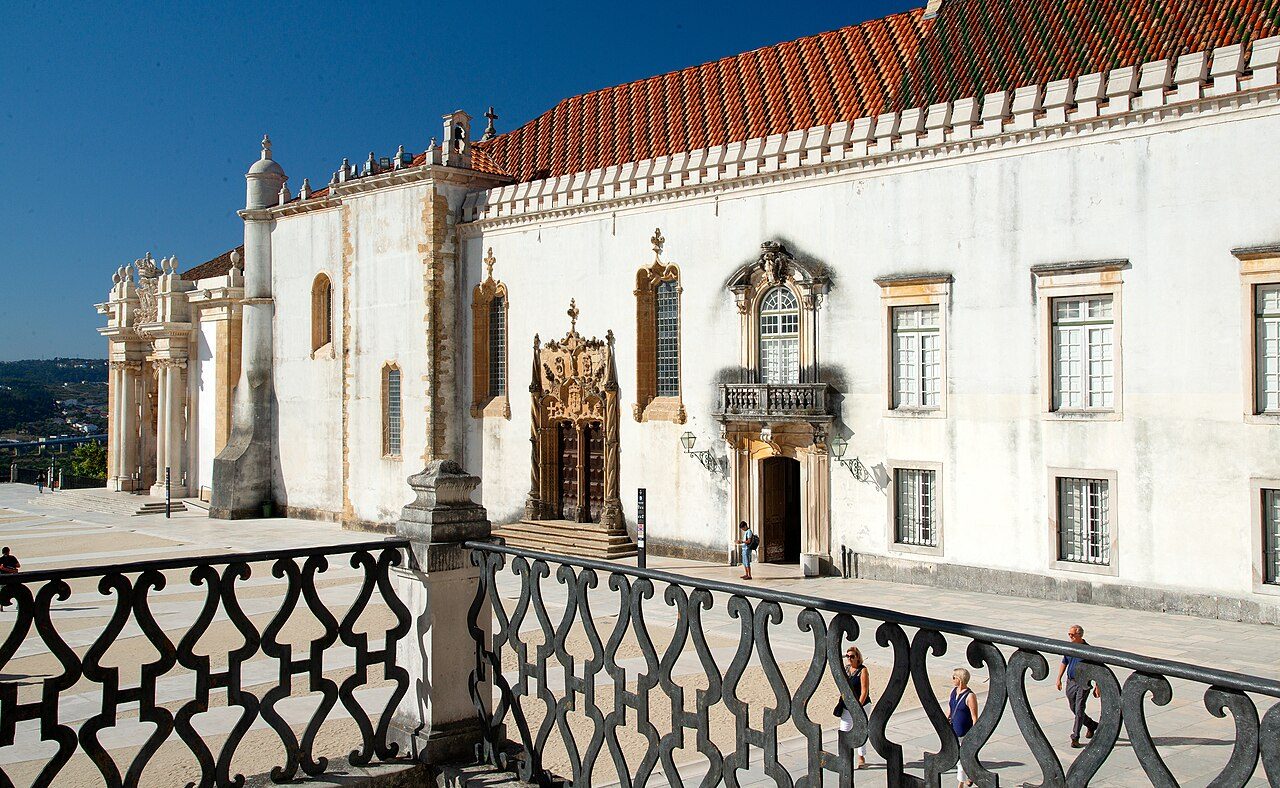
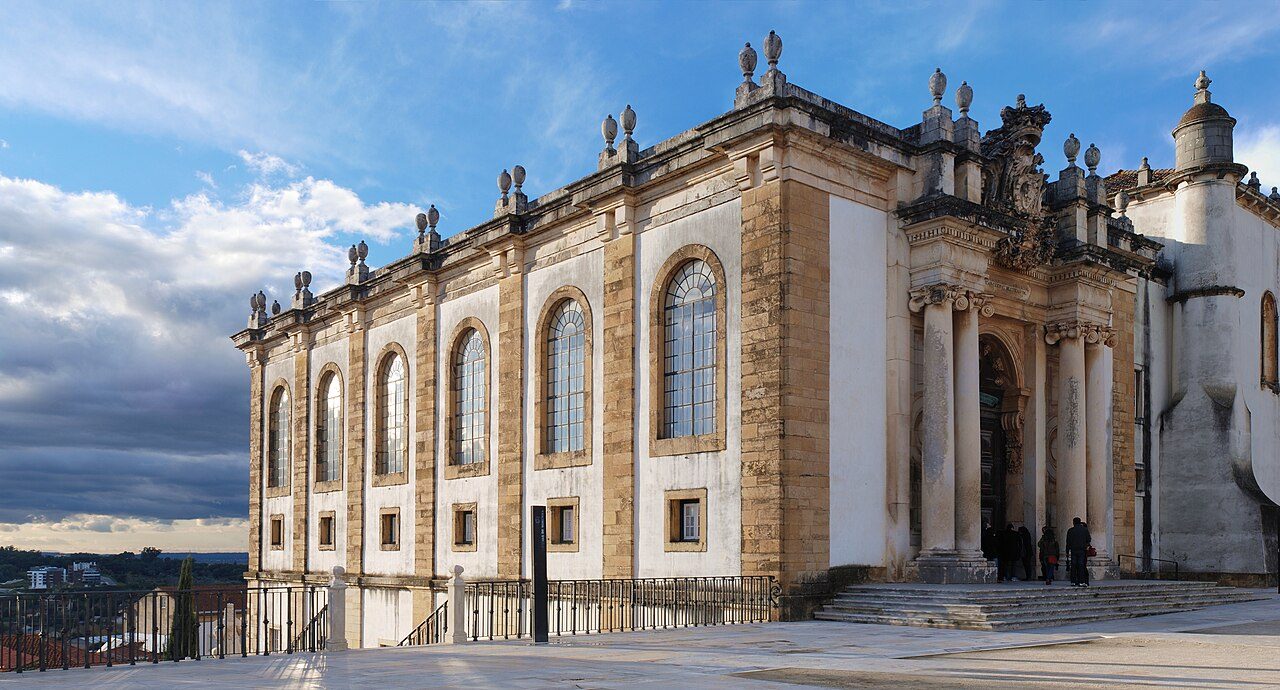
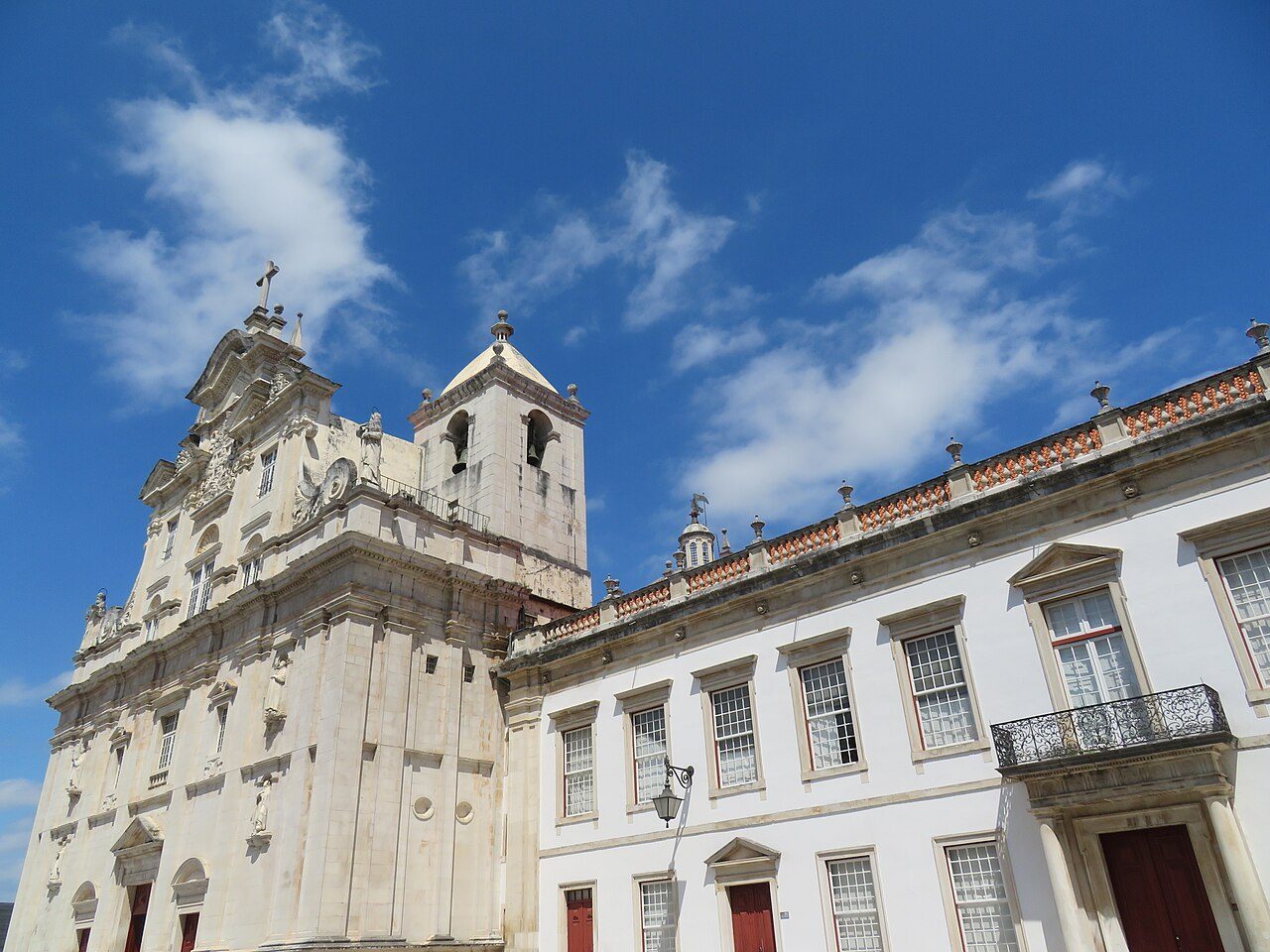
The University of Coimbra is one of the oldest universities in the world, founded in 1290 and settled in Coimbra in 1537. Its old buildings on top of the hill include the former royal palace, the Baroque Joanina Library with gilded wood shelves, and a bell tower. Students still wear black capes. It is a UNESCO World Heritage Site.
18
STOP 18 OF 27
Aveiro Canals
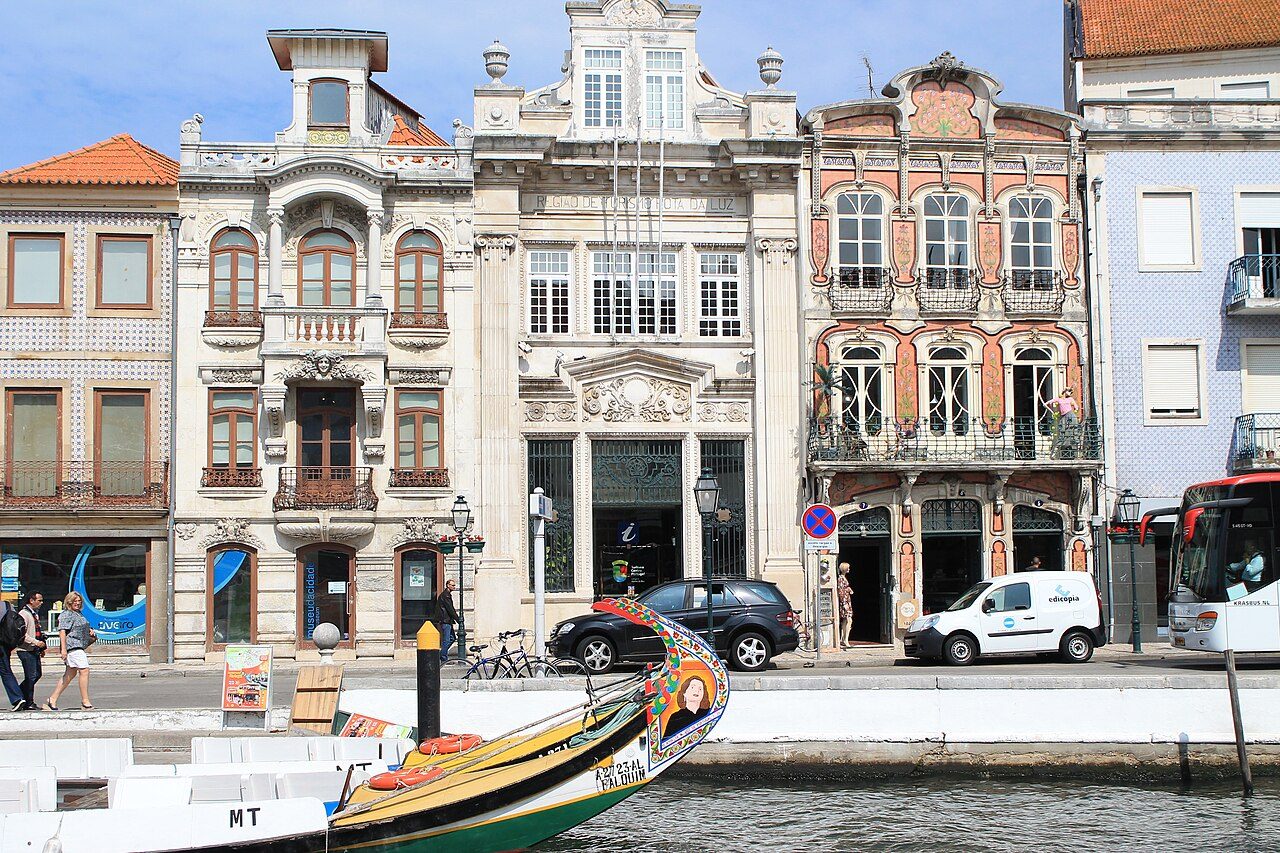
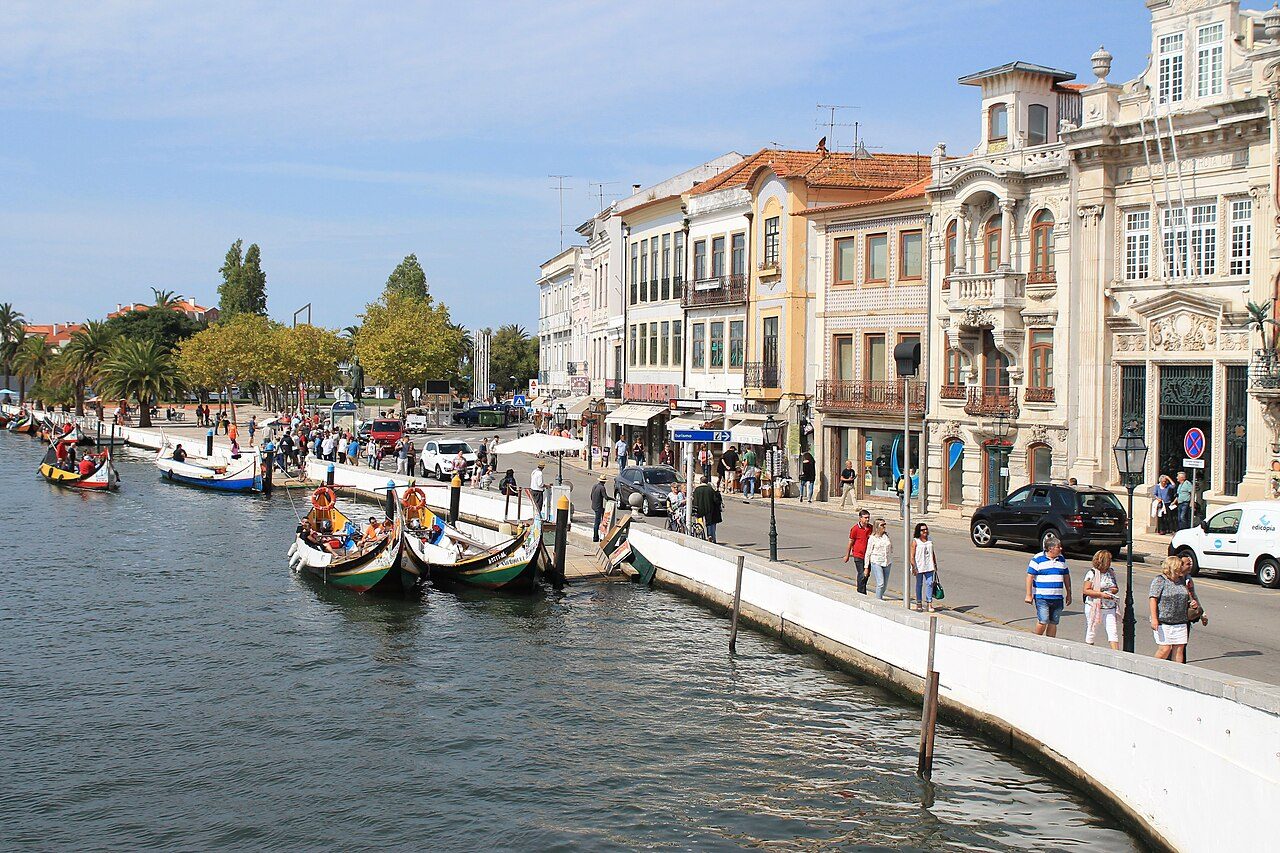
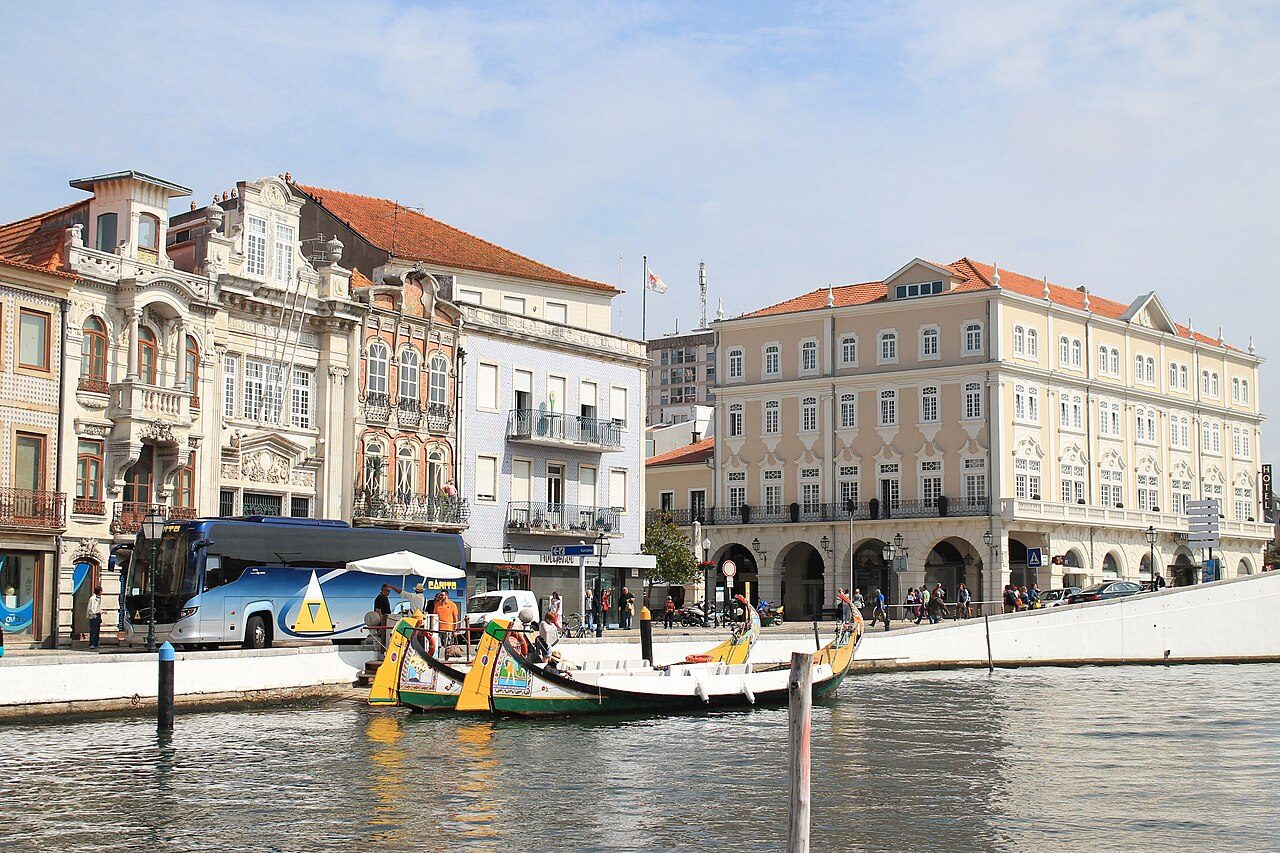
Aveiro is a city on a lagoon on the Portuguese coast, often called the Venice of Portugal. Colourful boats called moliceiros, once used to collect seaweed, now carry visitors along its canals. Art Nouveau buildings line the water. The city is famous for ovos moles, a sweet made of egg yolk and sugar.
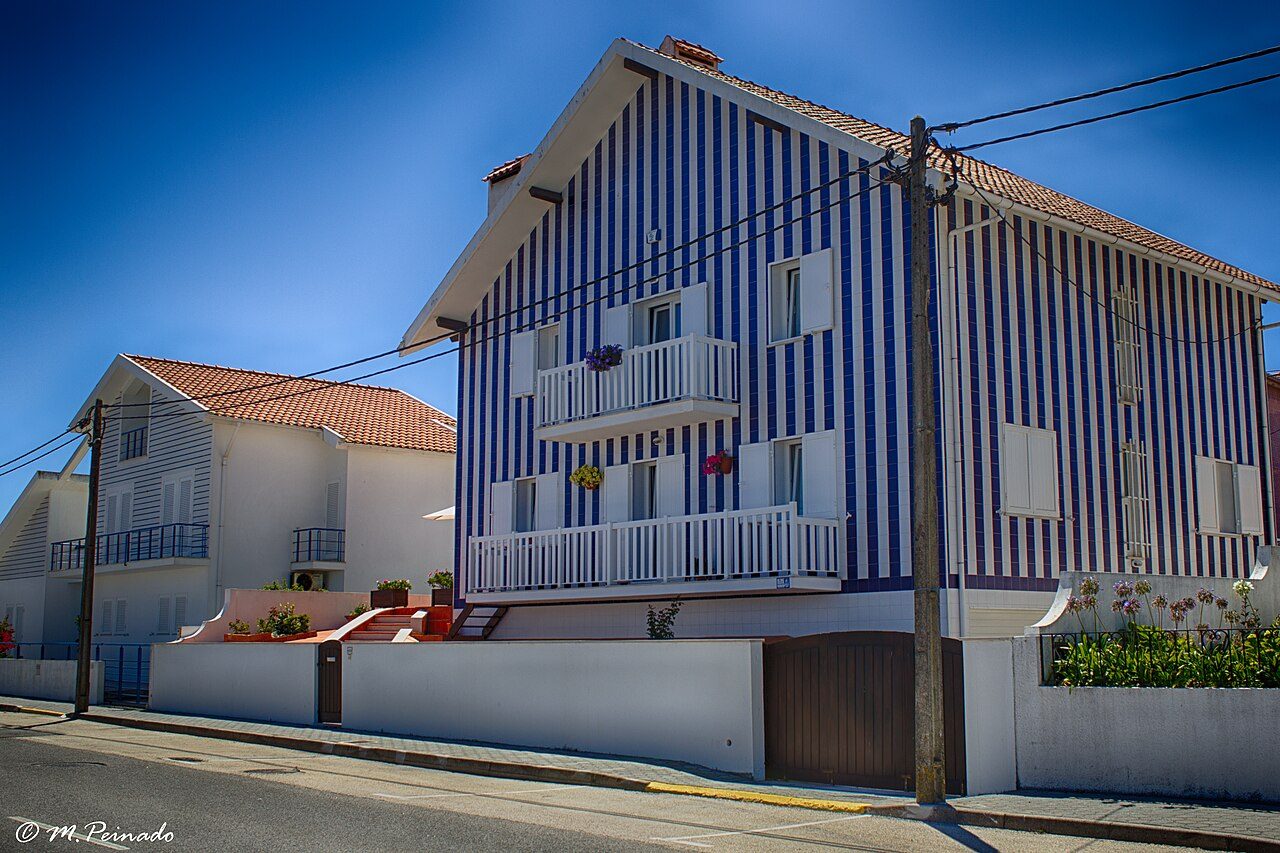
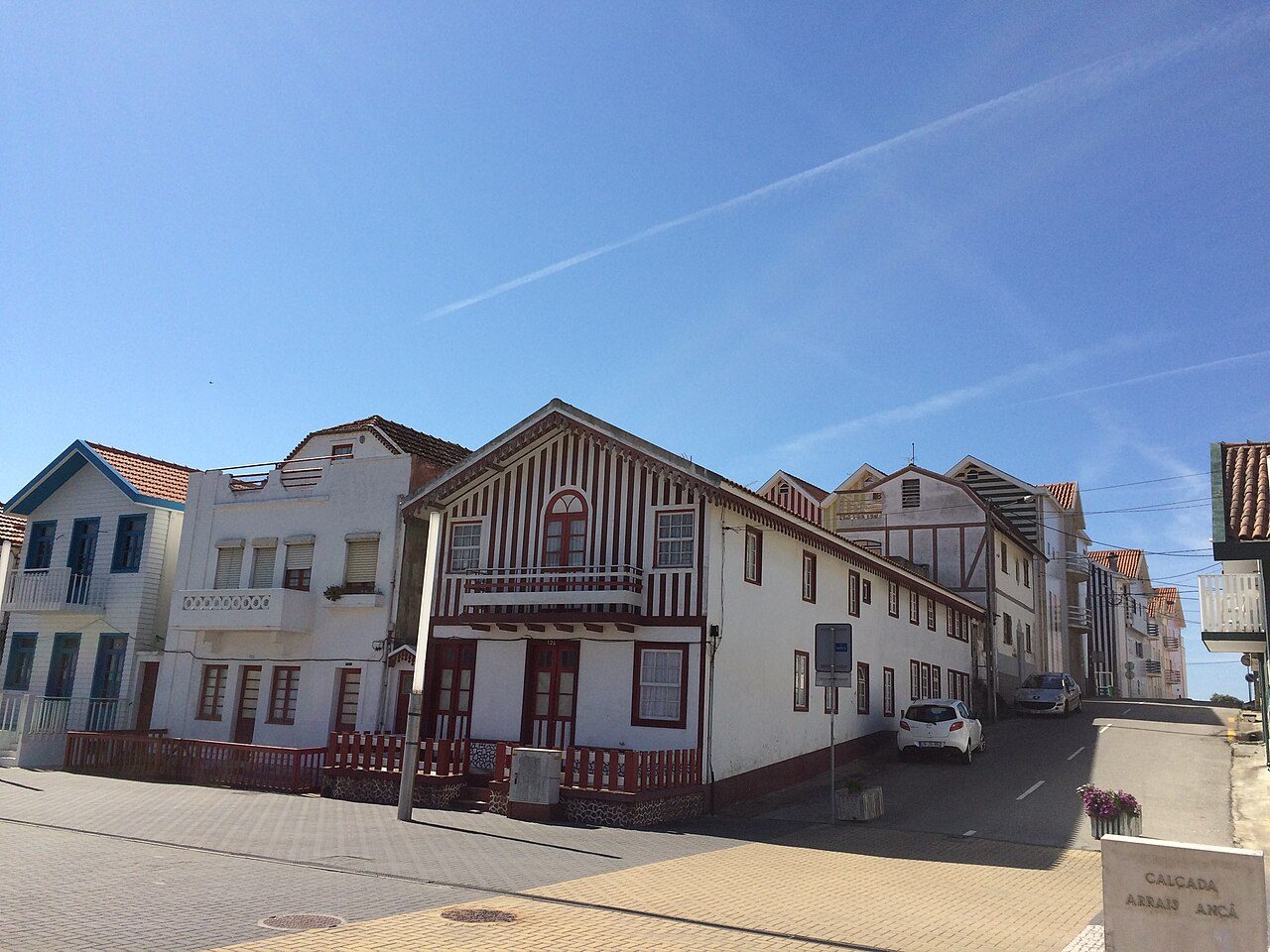
Costa Nova is a beach village near Aveiro famous for its houses painted with bright vertical and horizontal stripes in red, blue, green and yellow. They were originally fishermen's storage huts. The village lies between the lagoon and a long sandy beach on the Atlantic.
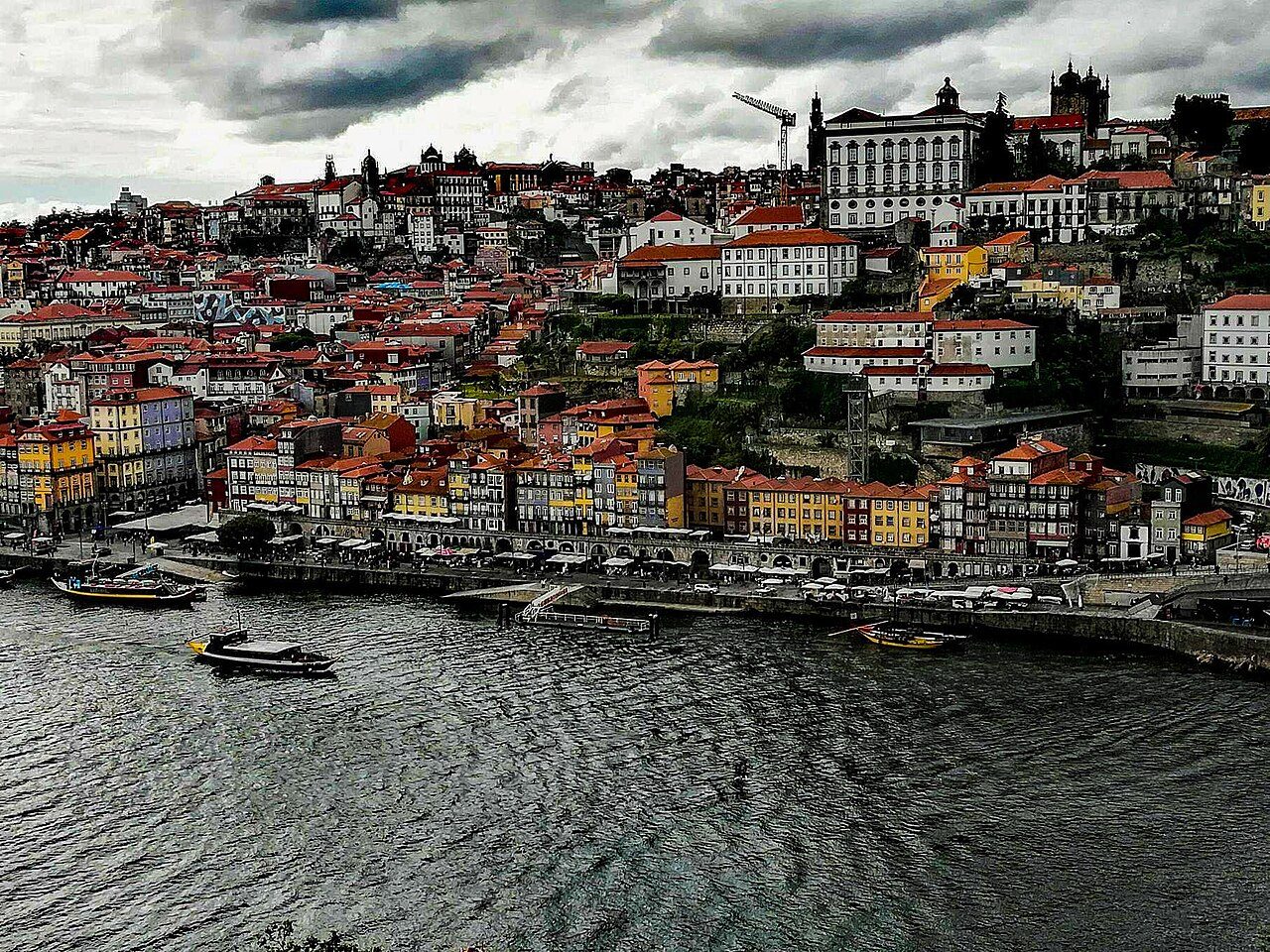
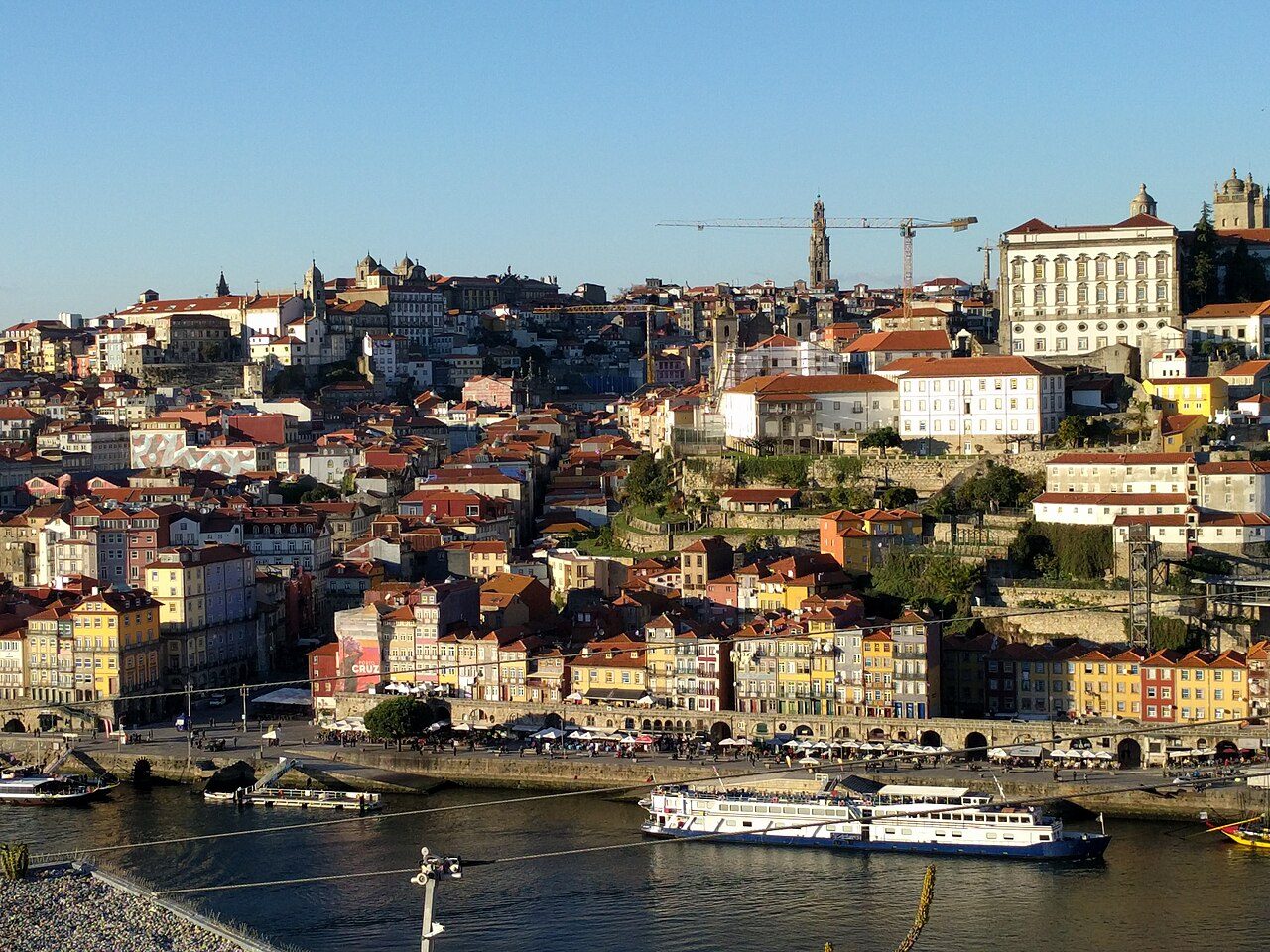
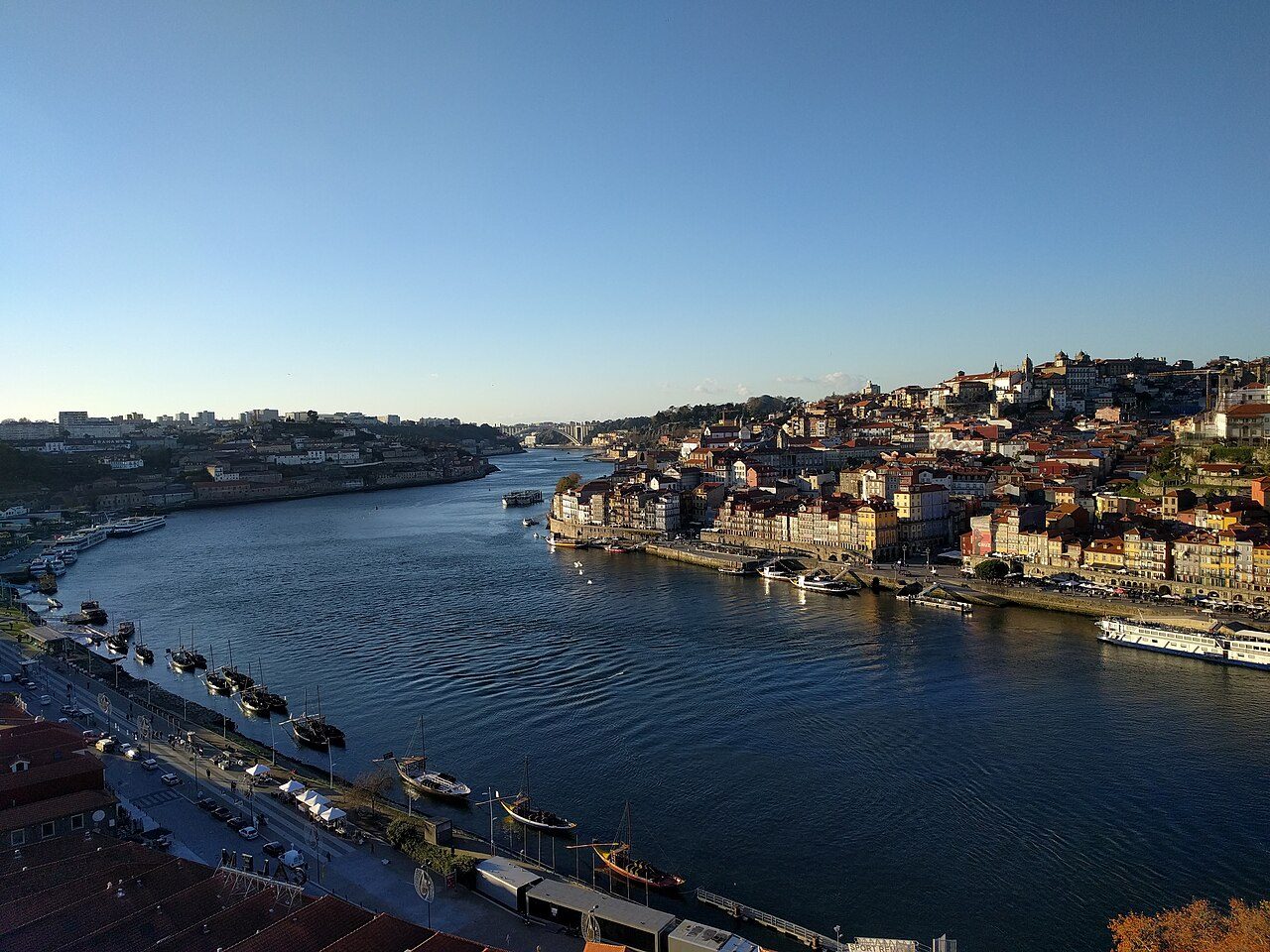
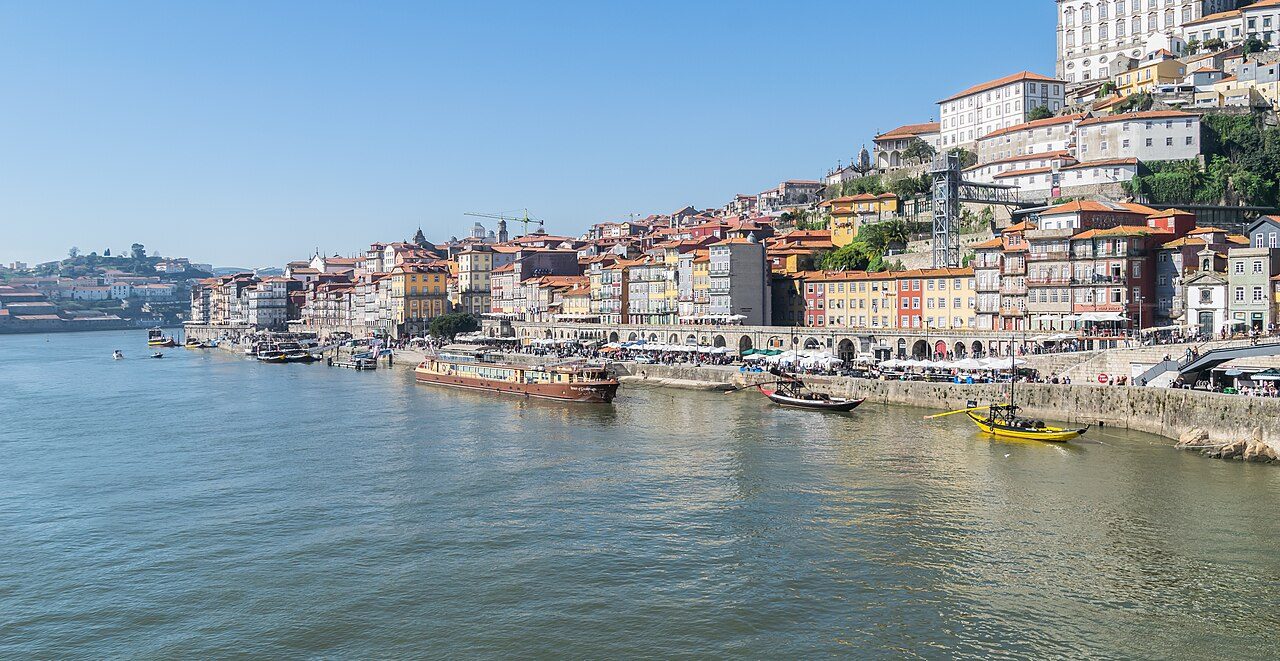
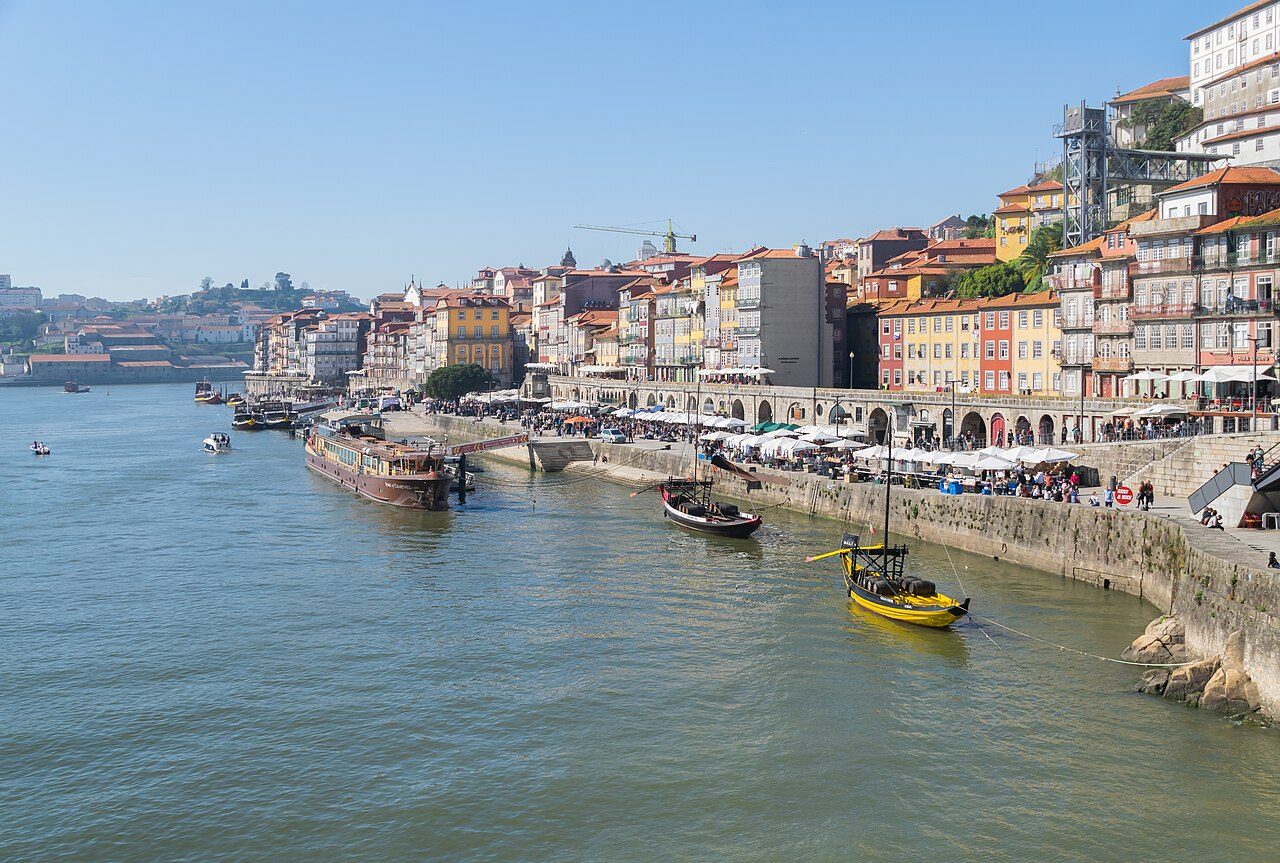
Ribeira is the historic riverside district of Porto on the bank of the Douro River. Its colourful tall houses rise up the hillside above the quay, lined with cafes and restaurants. Traditional rabelo boats, once used to carry port wine, are moored along the river. It is part of the UNESCO-listed historic centre of Porto.
21
STOP 21 OF 27
Dom Luís I Bridge
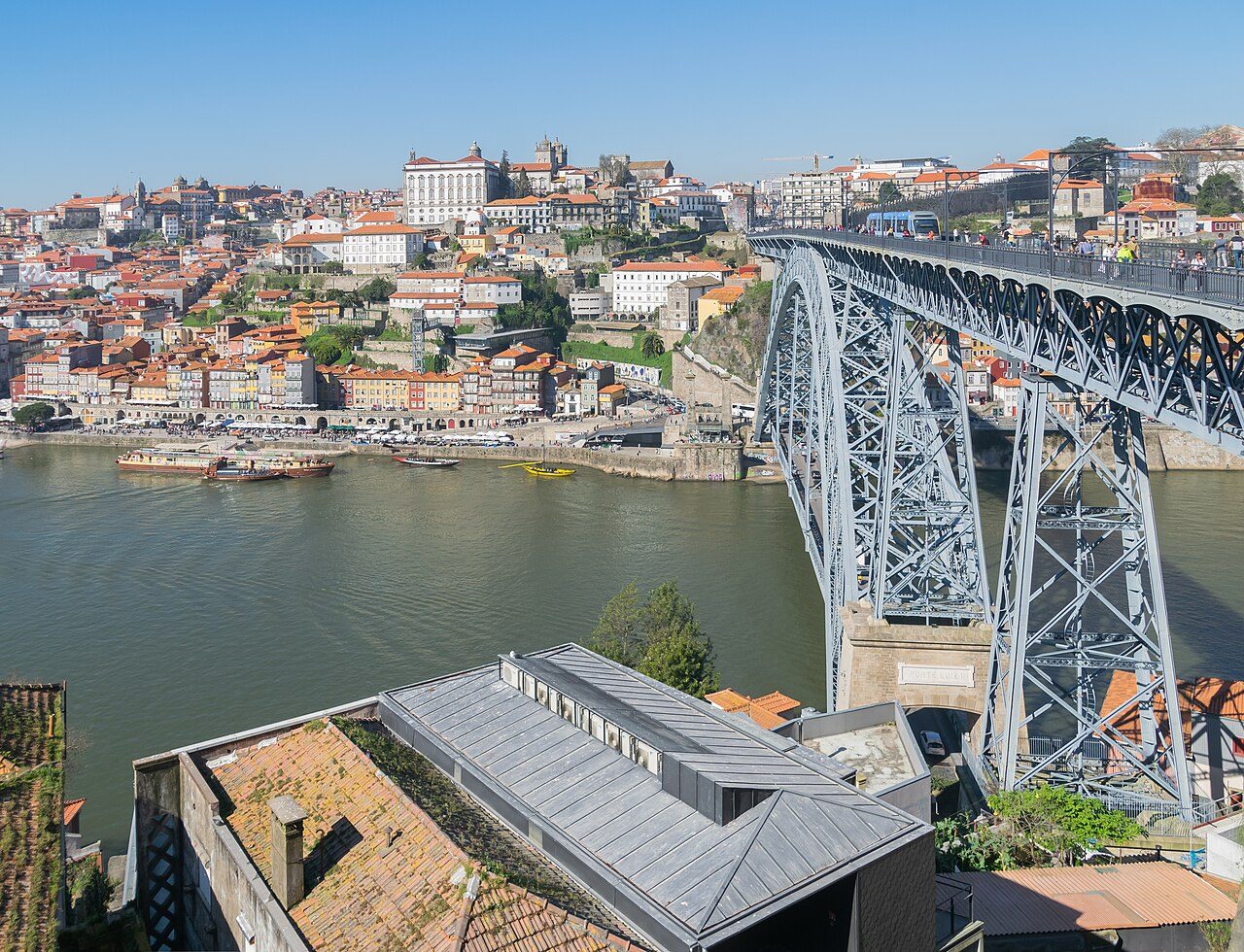
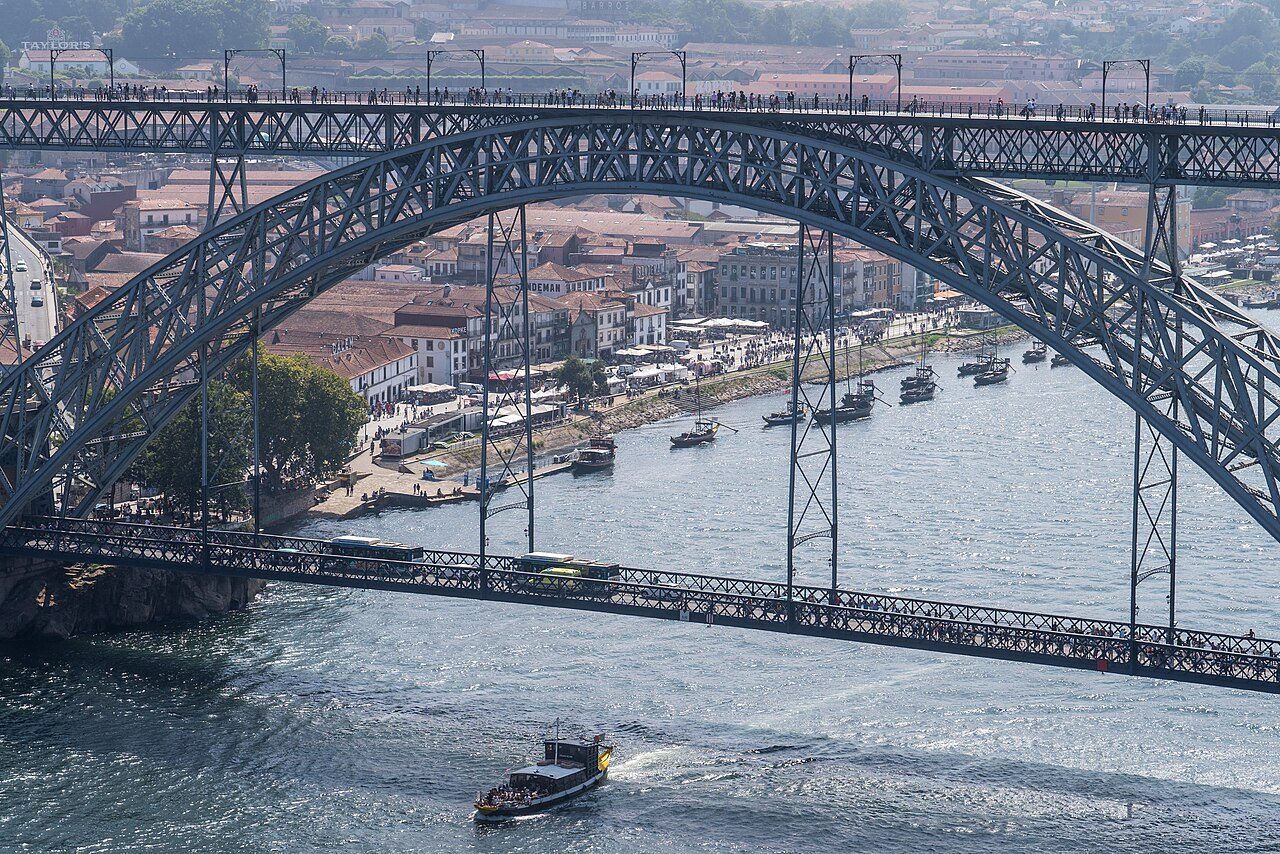
The Dom Luís I Bridge is a double-deck iron arch bridge over the Douro River in Porto, opened in 1886. It was designed by Théophile Seyrig, a partner of Gustave Eiffel. Its upper deck carries the metro and pedestrians high above the river, linking Porto with Vila Nova de Gaia and its port wine cellars.
22
STOP 22 OF 27
São Bento Station
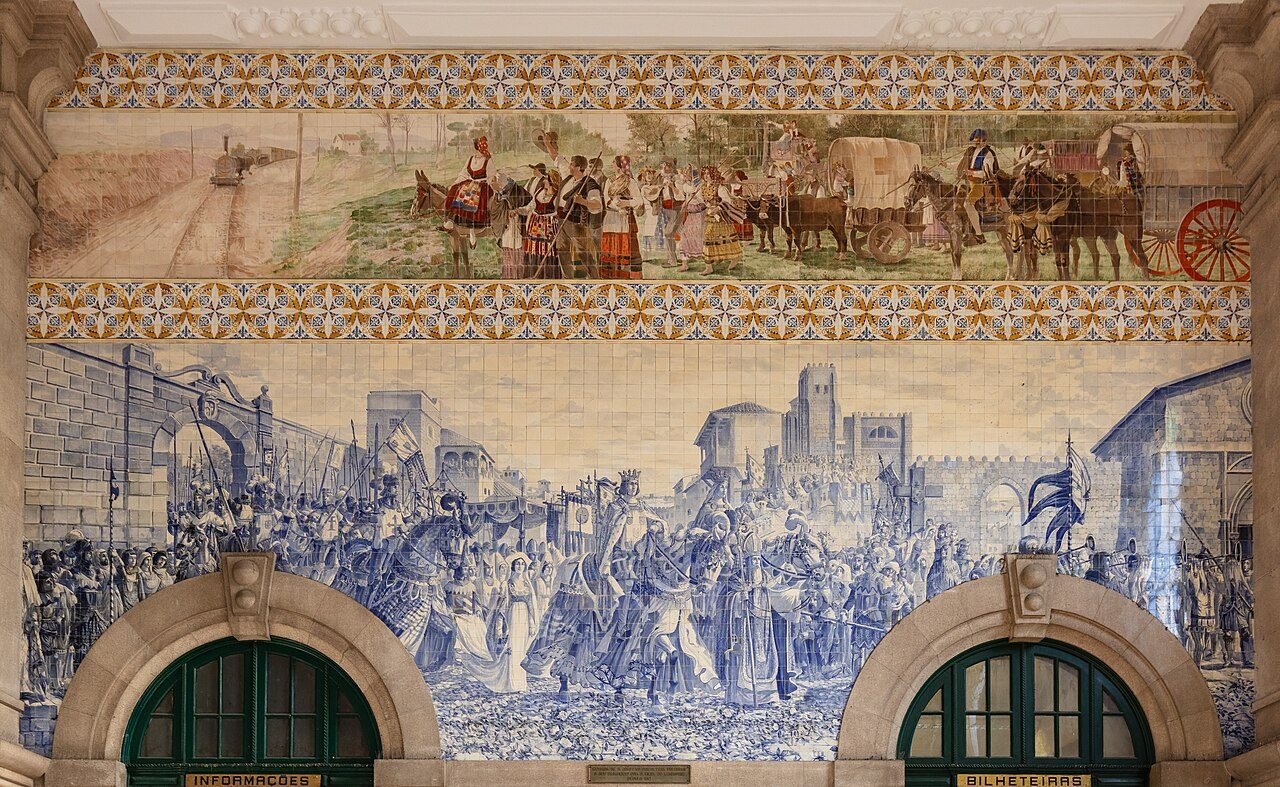
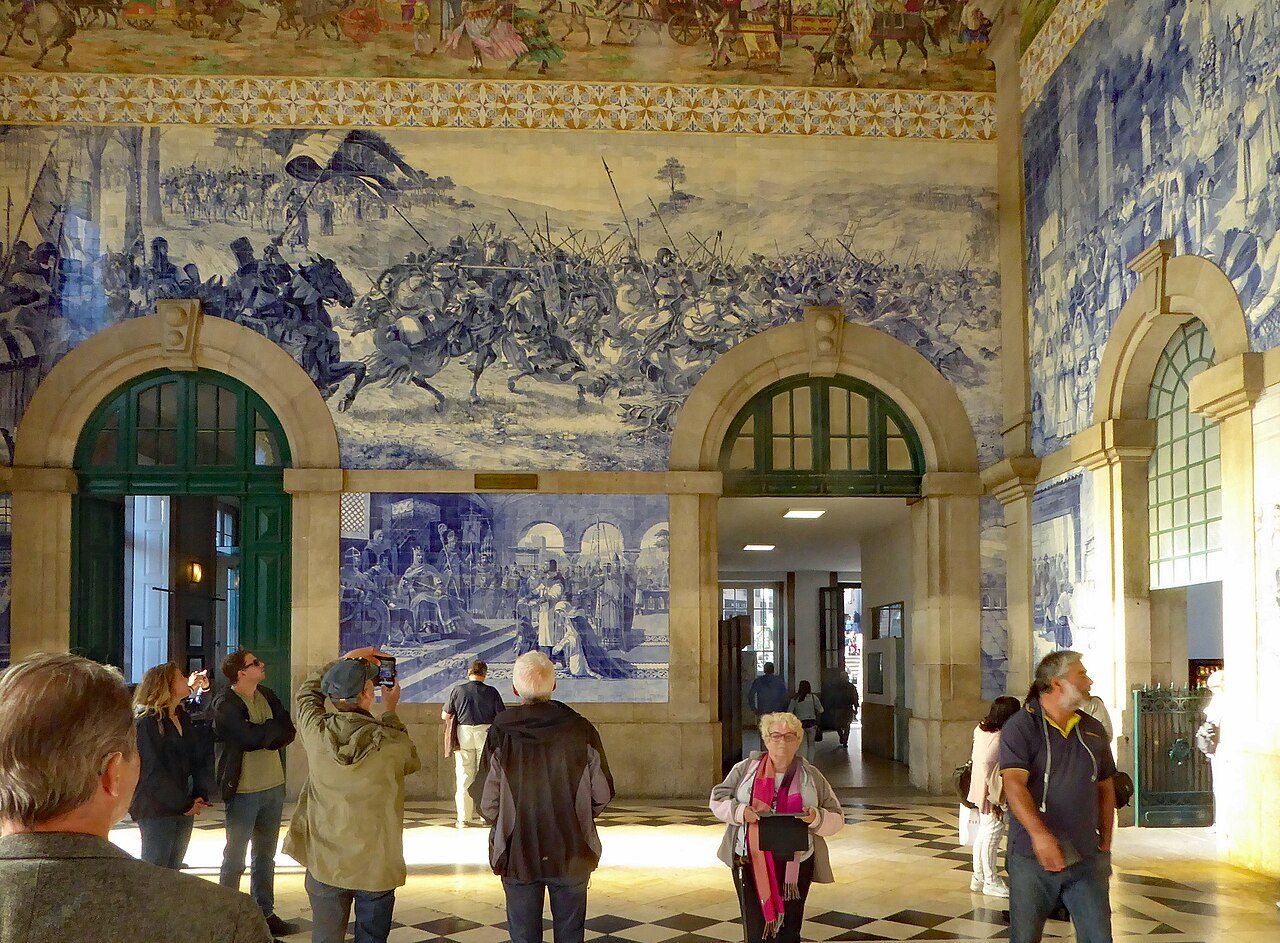
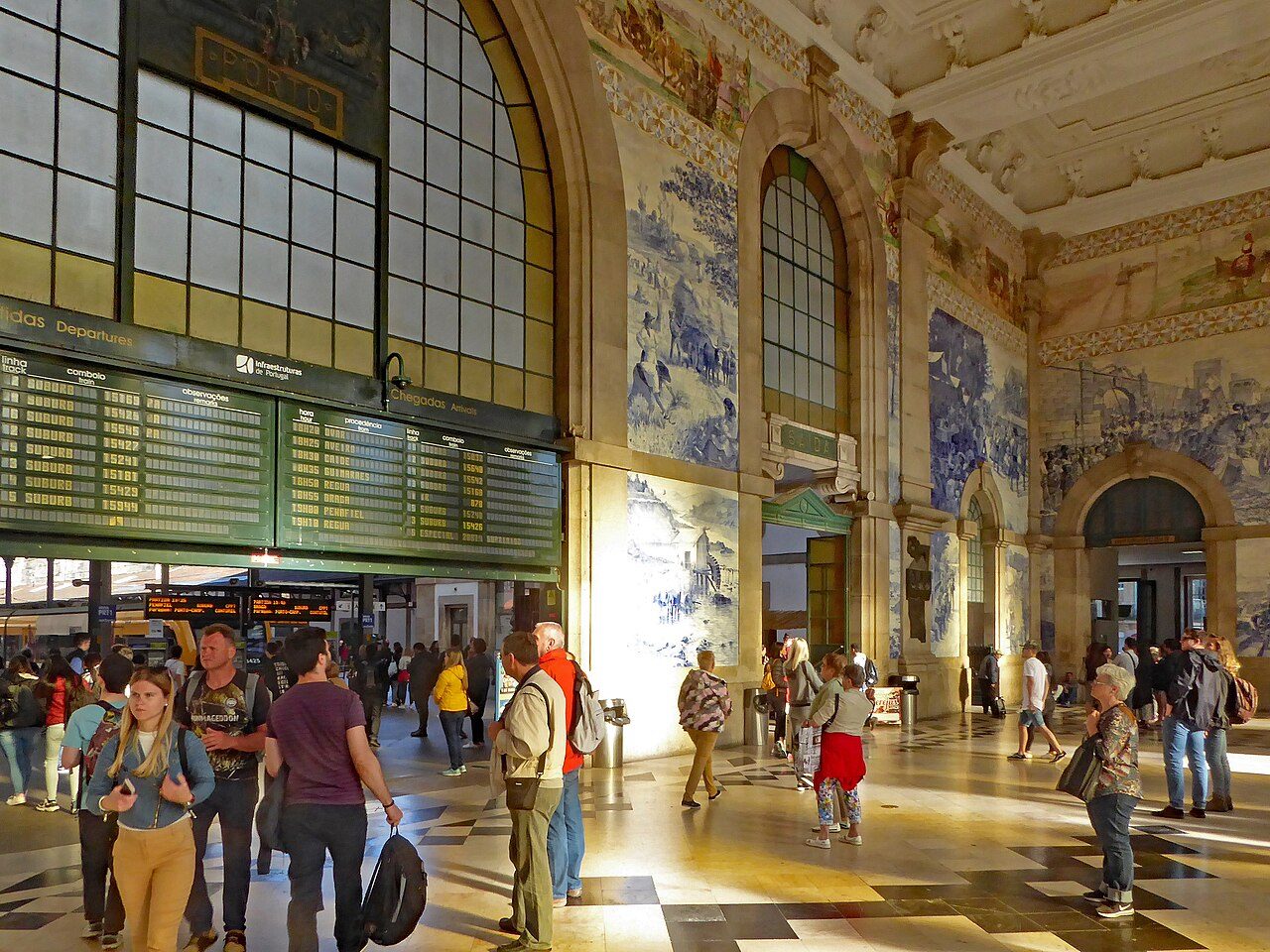
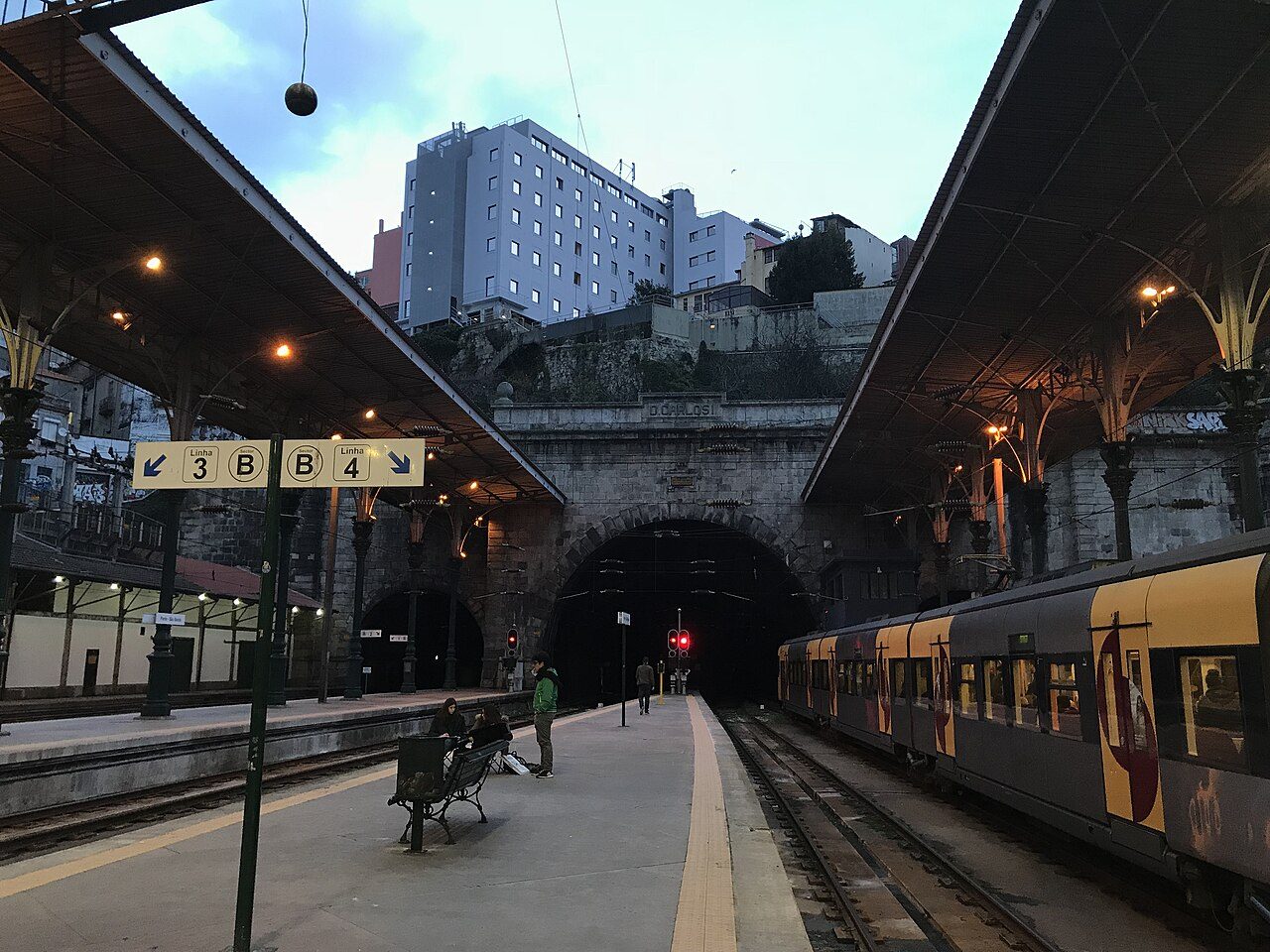
São Bento Station is a railway station in central Porto, opened in 1916. Its entrance hall is decorated with about 20,000 blue and white azulejo tiles by Jorge Colaço, showing scenes from Portuguese history and rural life. It is still a working station, with trains to the Douro Valley and beyond.
23
STOP 23 OF 27
Clérigos Tower
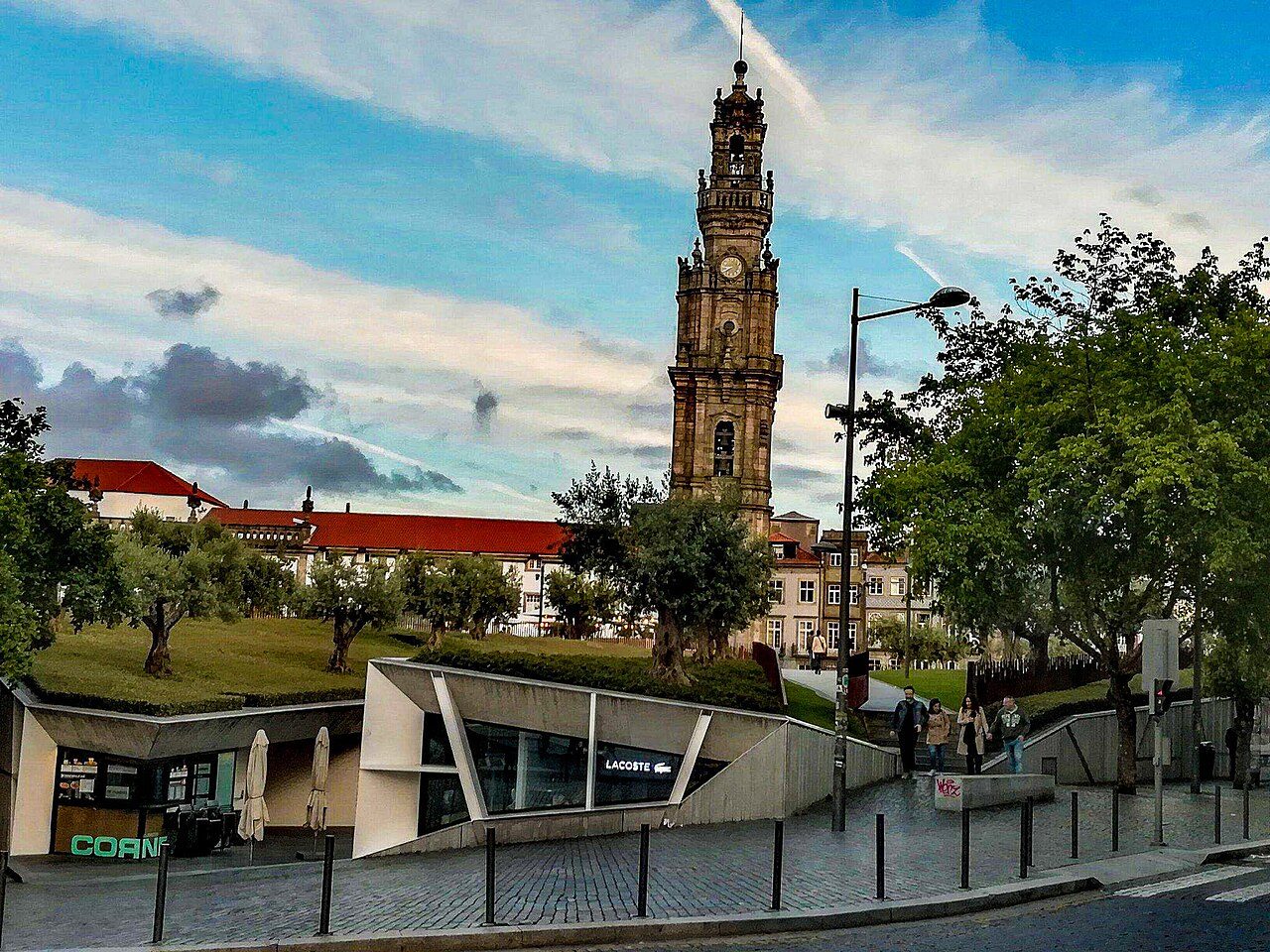
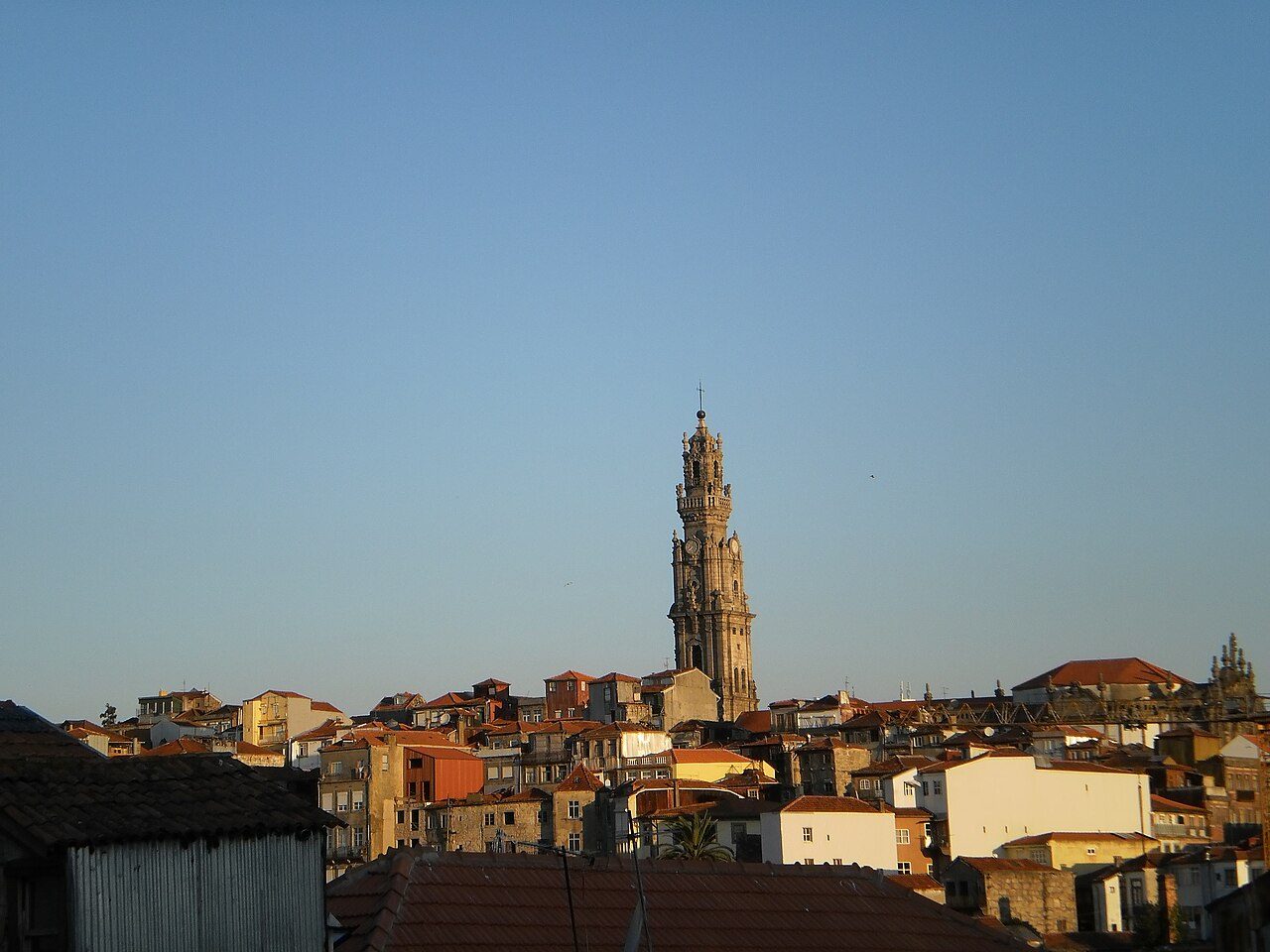
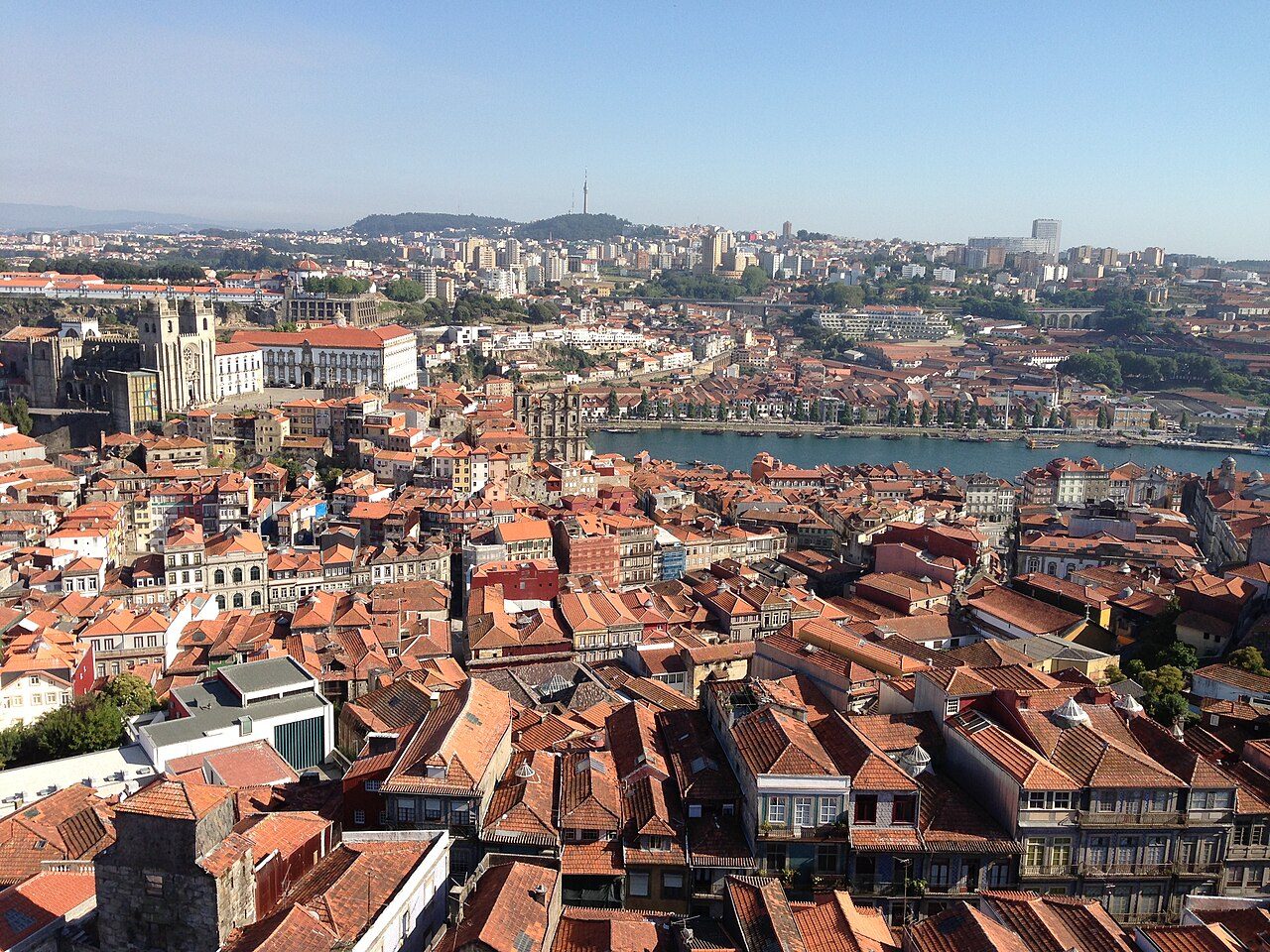
The Clérigos Tower is the bell tower of the Clérigos Church in Porto, designed by Nicolau Nasoni and completed in 1763. At about 75 metres, it was long the tallest building in Portugal. Visitors climb about 240 steps to the top for a view over Porto and the Douro River. It is a symbol of the city.
24
STOP 24 OF 27
Porto Cathedral
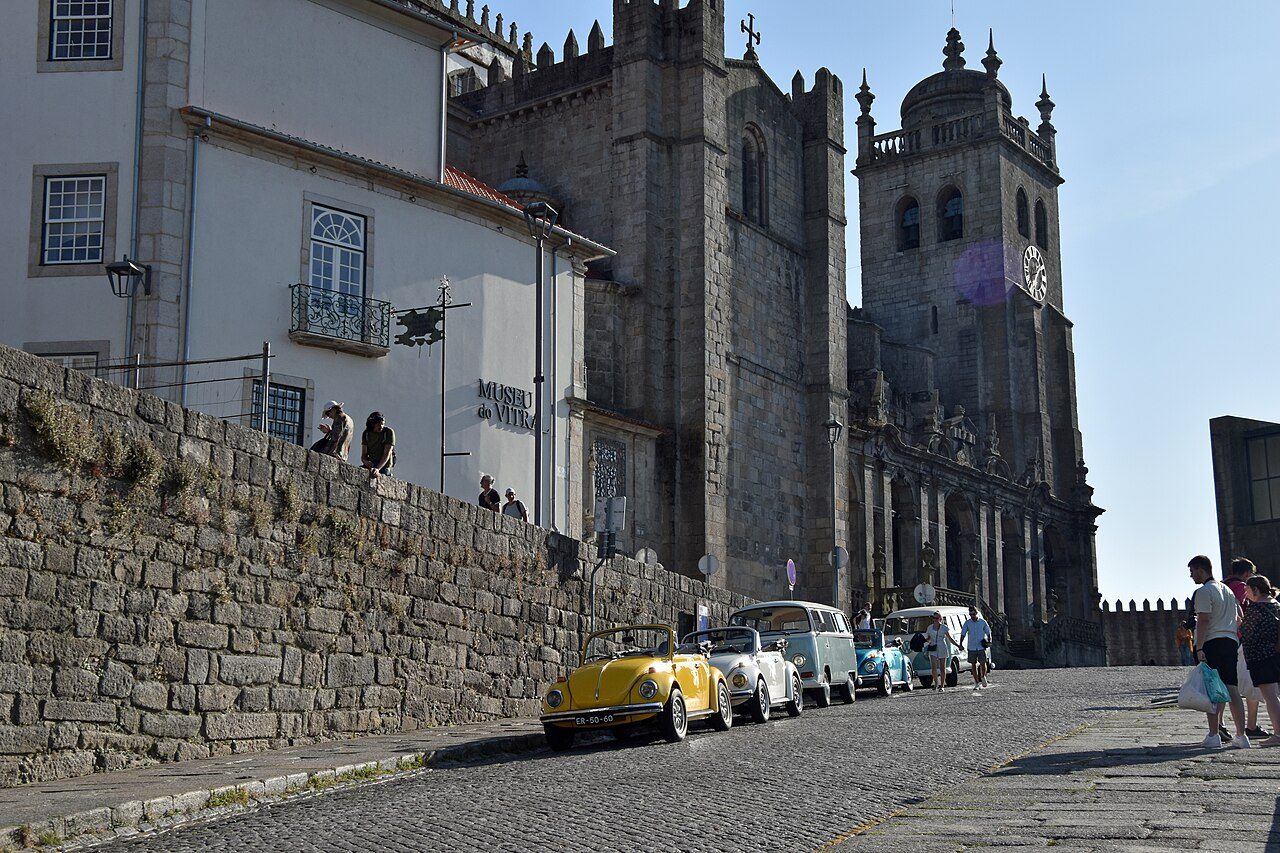
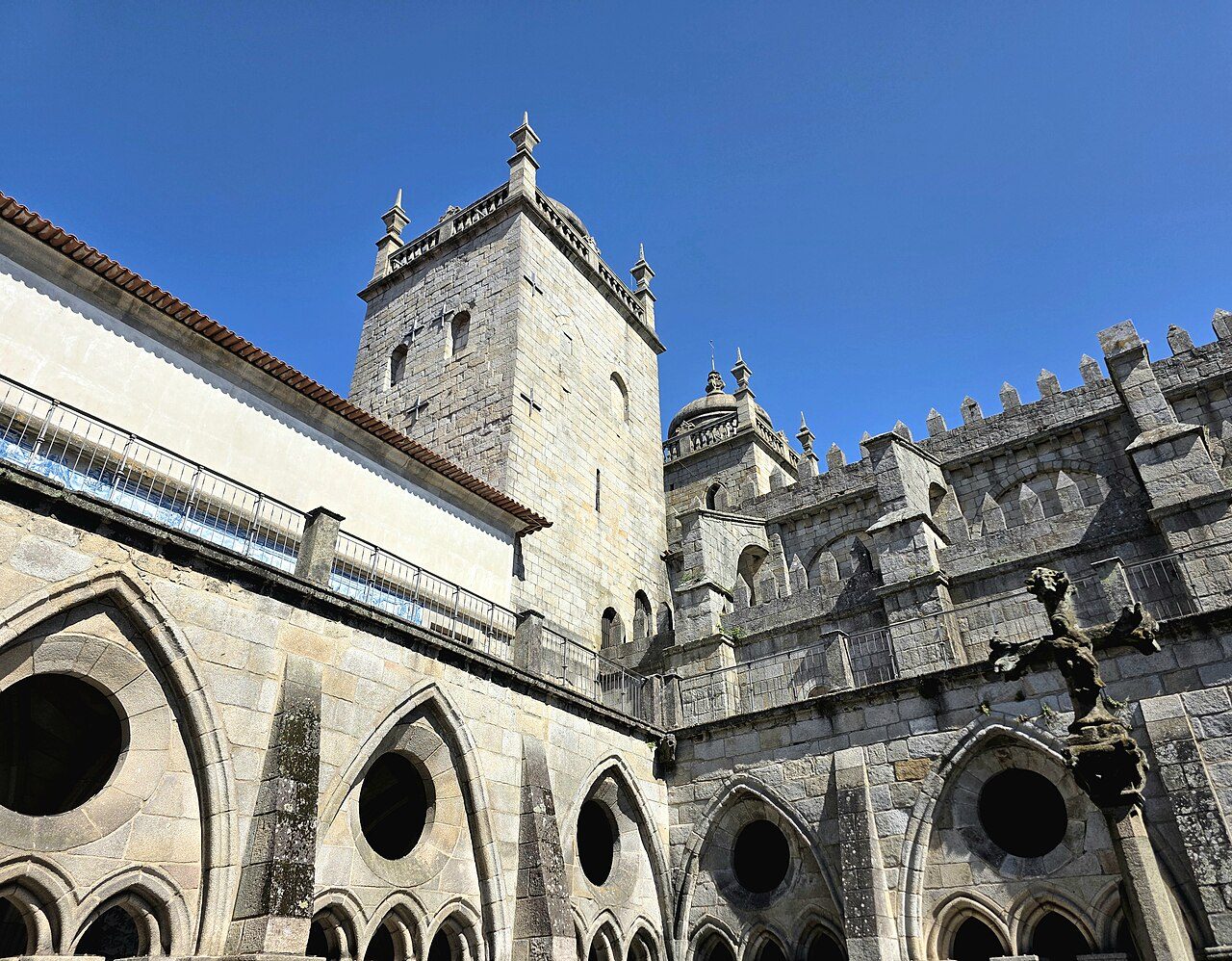
Porto Cathedral, the Sé, stands on a hilltop in the old centre of Porto. It was begun in the 12th century as a fortress church and later changed in Gothic and Baroque styles. Its Gothic cloister is decorated with blue azulejo tiles. The terrace in front gives views over the rooftops of Porto and the river.
25
STOP 25 OF 27
Livraria Lello
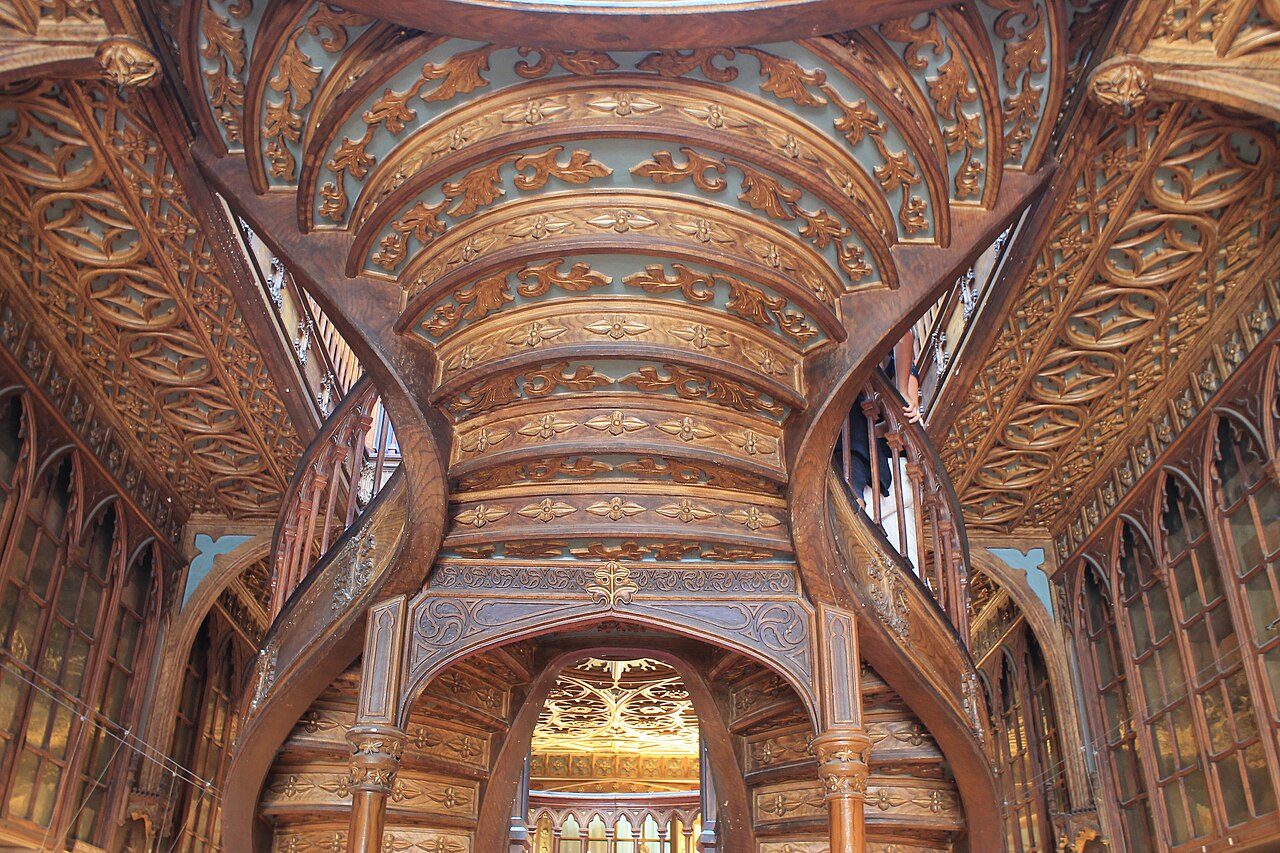
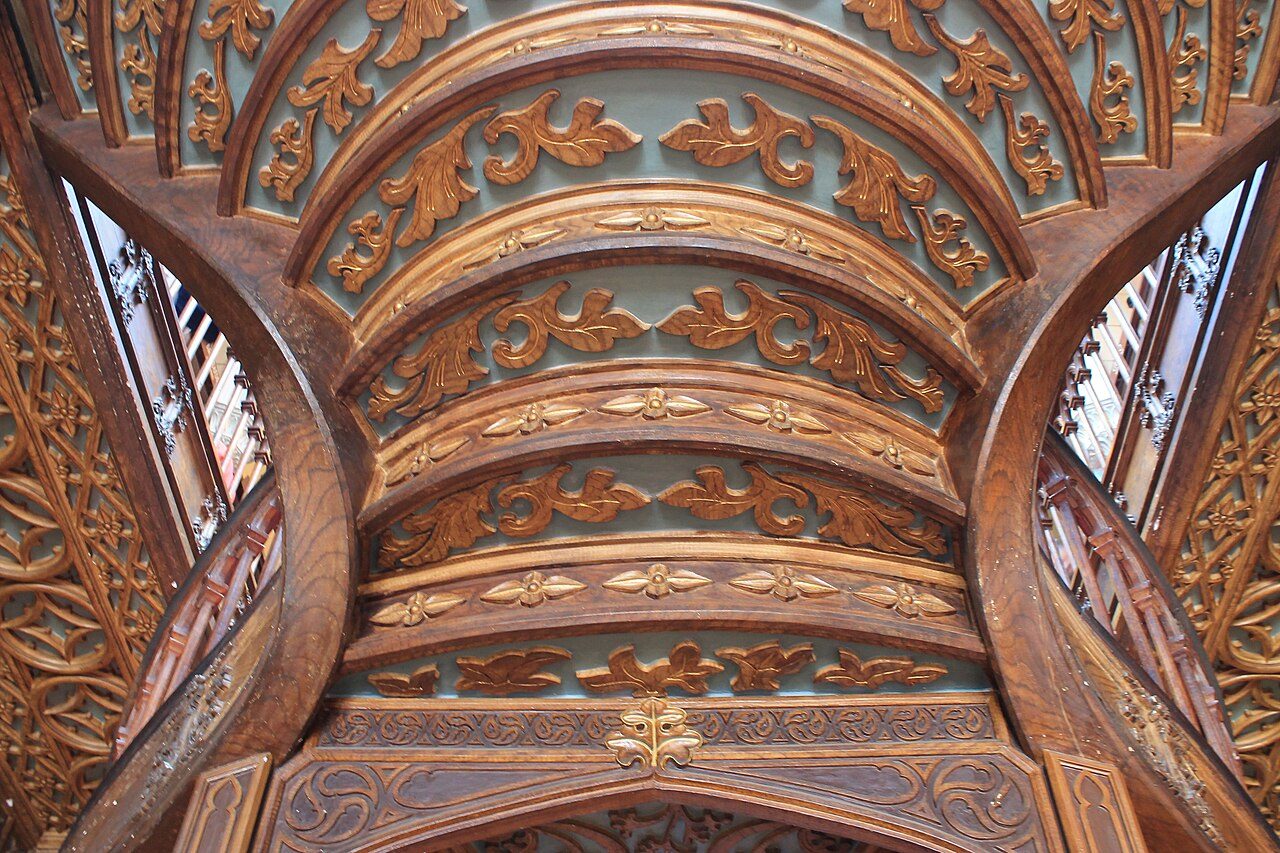
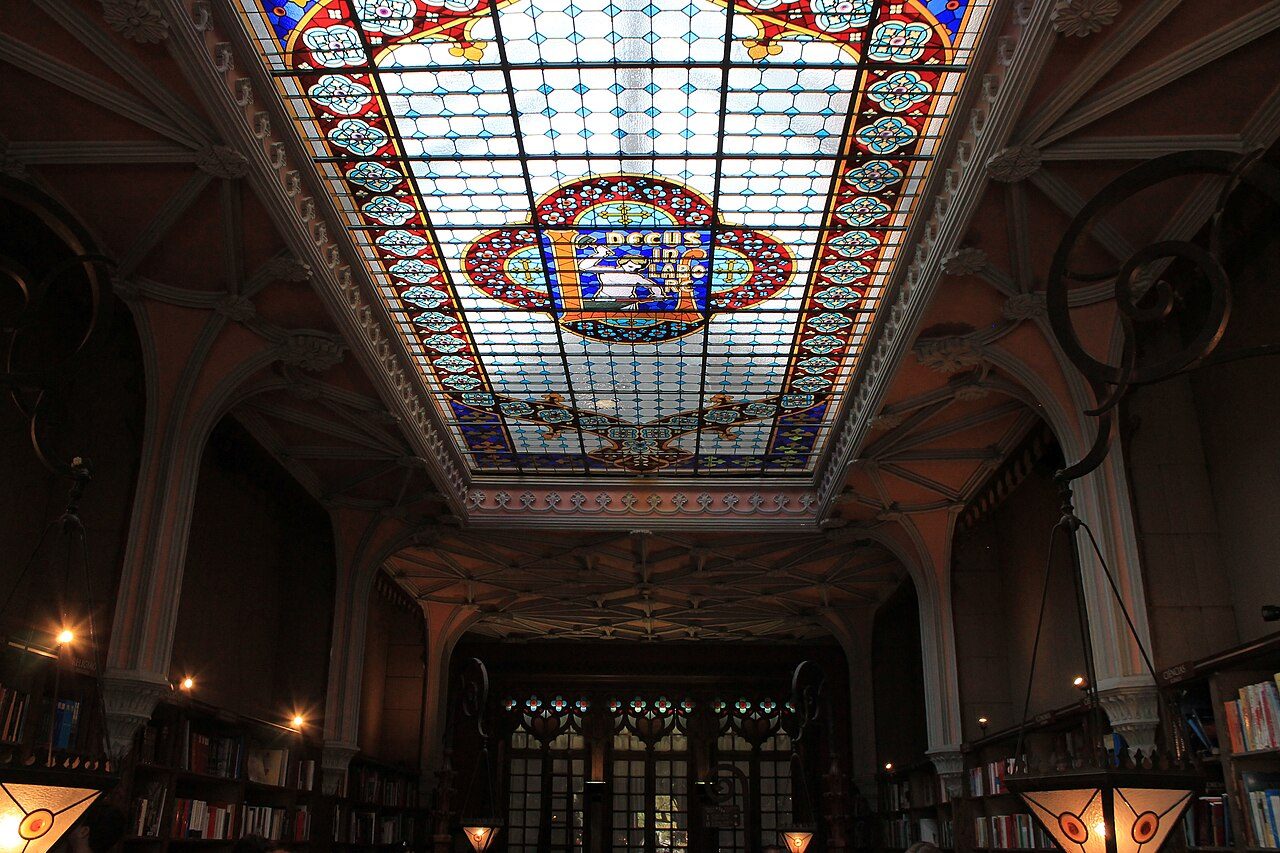
Livraria Lello is a bookshop in Porto opened in its present building in 1906. Its neo-Gothic facade leads into an interior of carved wood, a stained glass skylight and a famous red curving staircase. It is often called one of the most beautiful bookshops in the world. Visitors buy a ticket to enter, which counts towards a book.
26
STOP 26 OF 27
Douro Valley
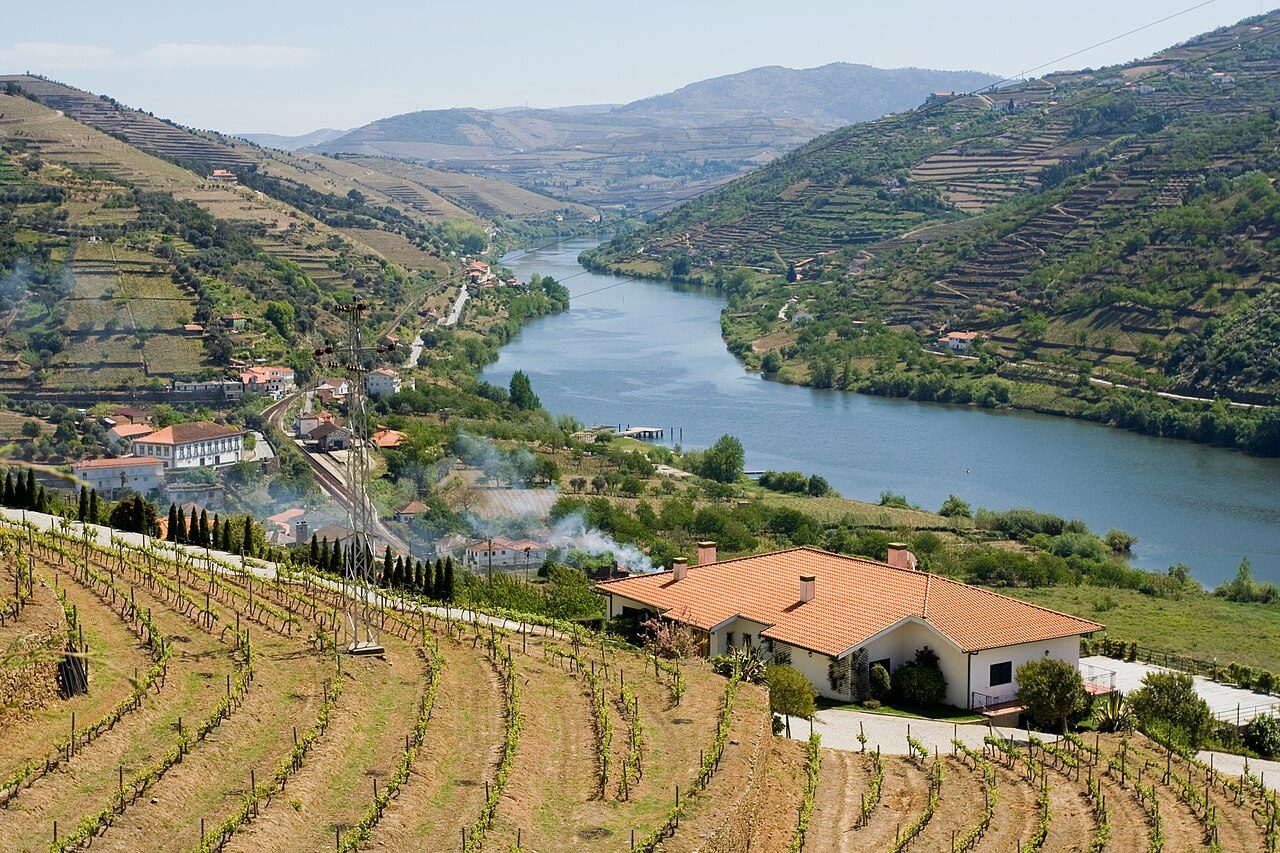
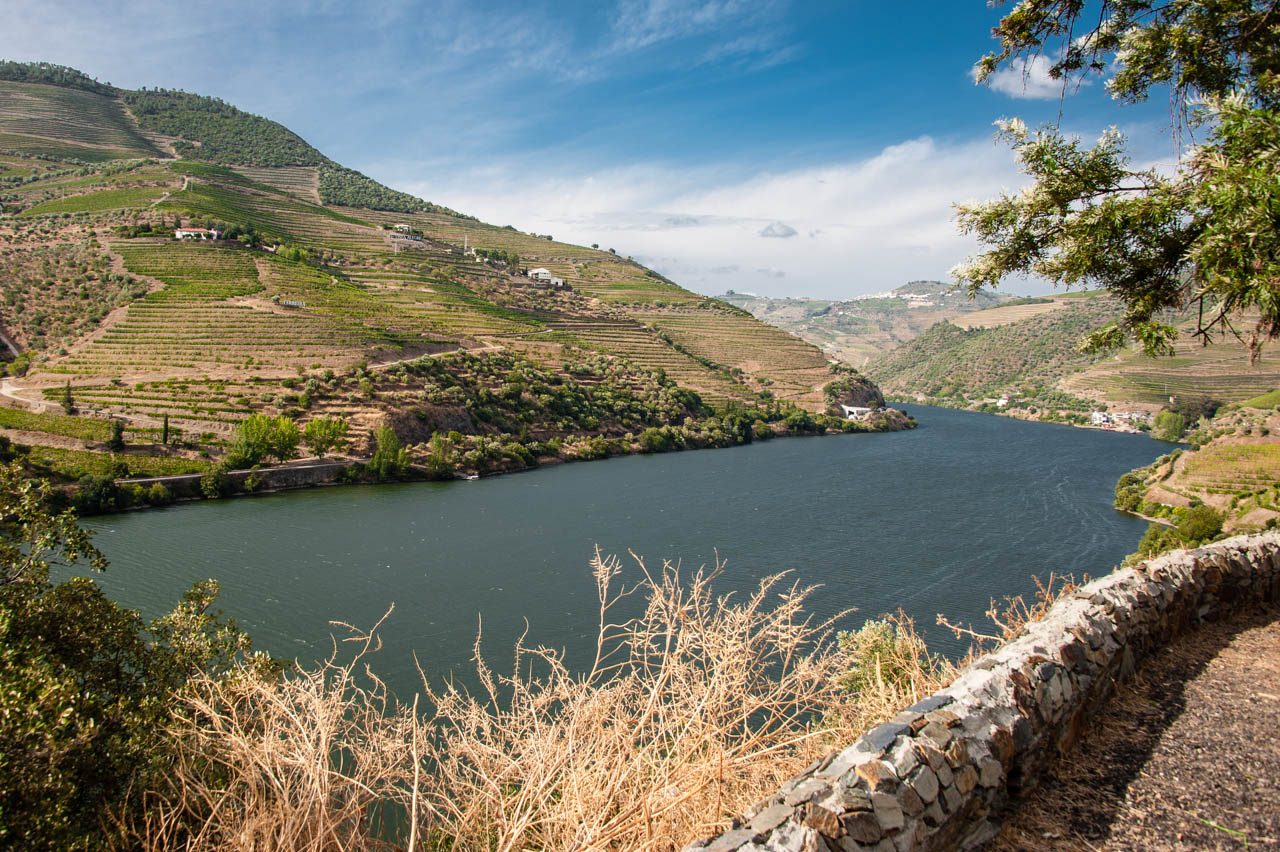
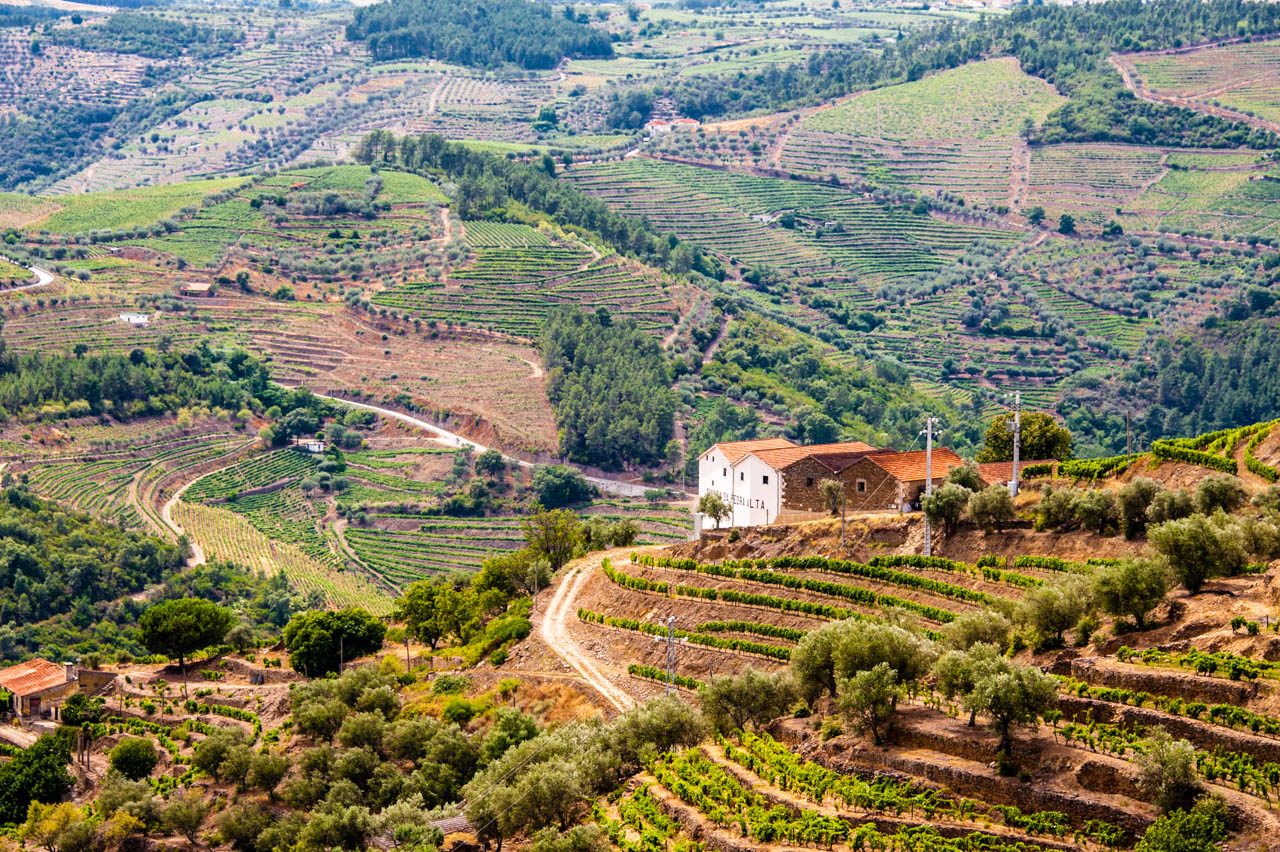
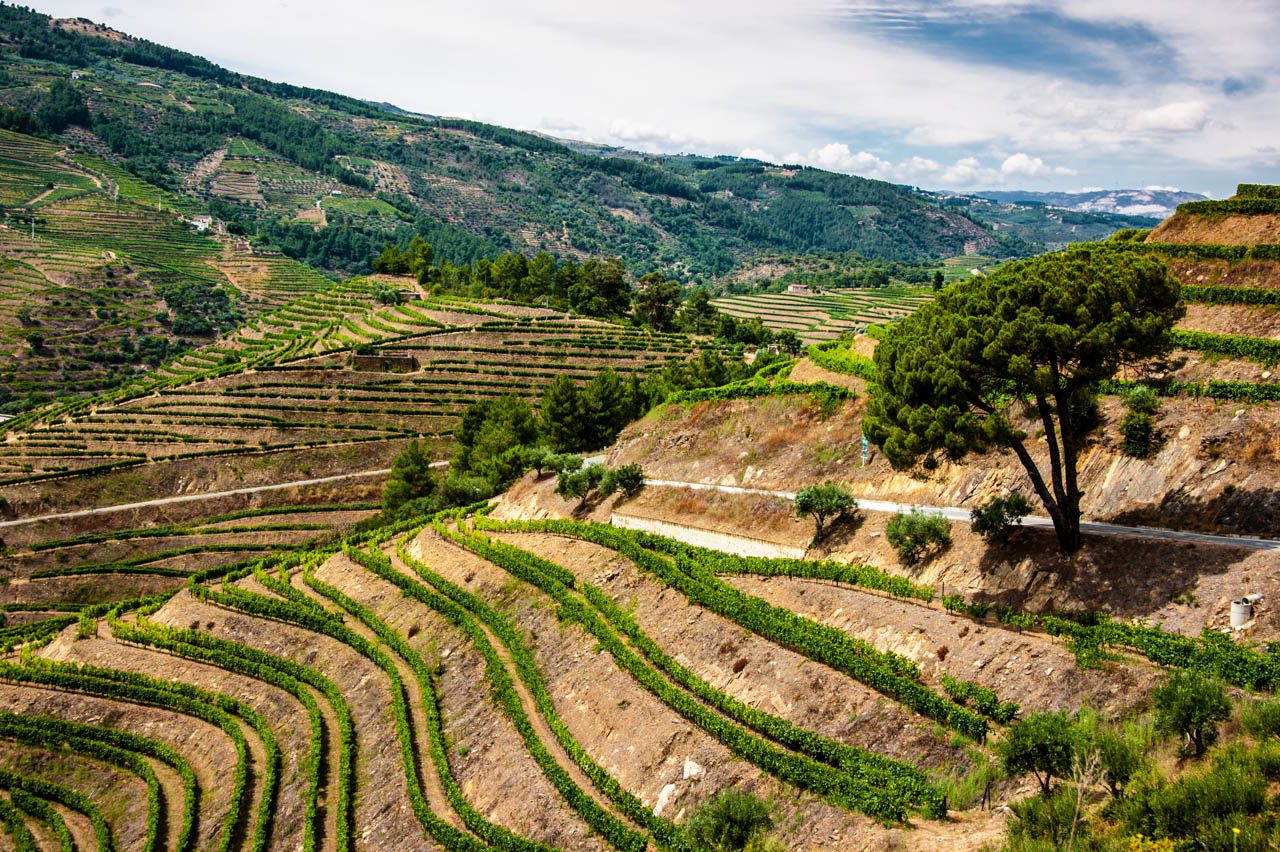
The Douro Valley in northern Portugal is the oldest demarcated wine region in the world, home of port wine. Steep terraced vineyards line the slopes above the winding Douro River. The village of Pinhão is at its heart, with wine estates called quintas offering tastings. The region is a UNESCO World Heritage Site.
27
STOP 27 OF 27 · LAST STOP
Bom Jesus do Monte
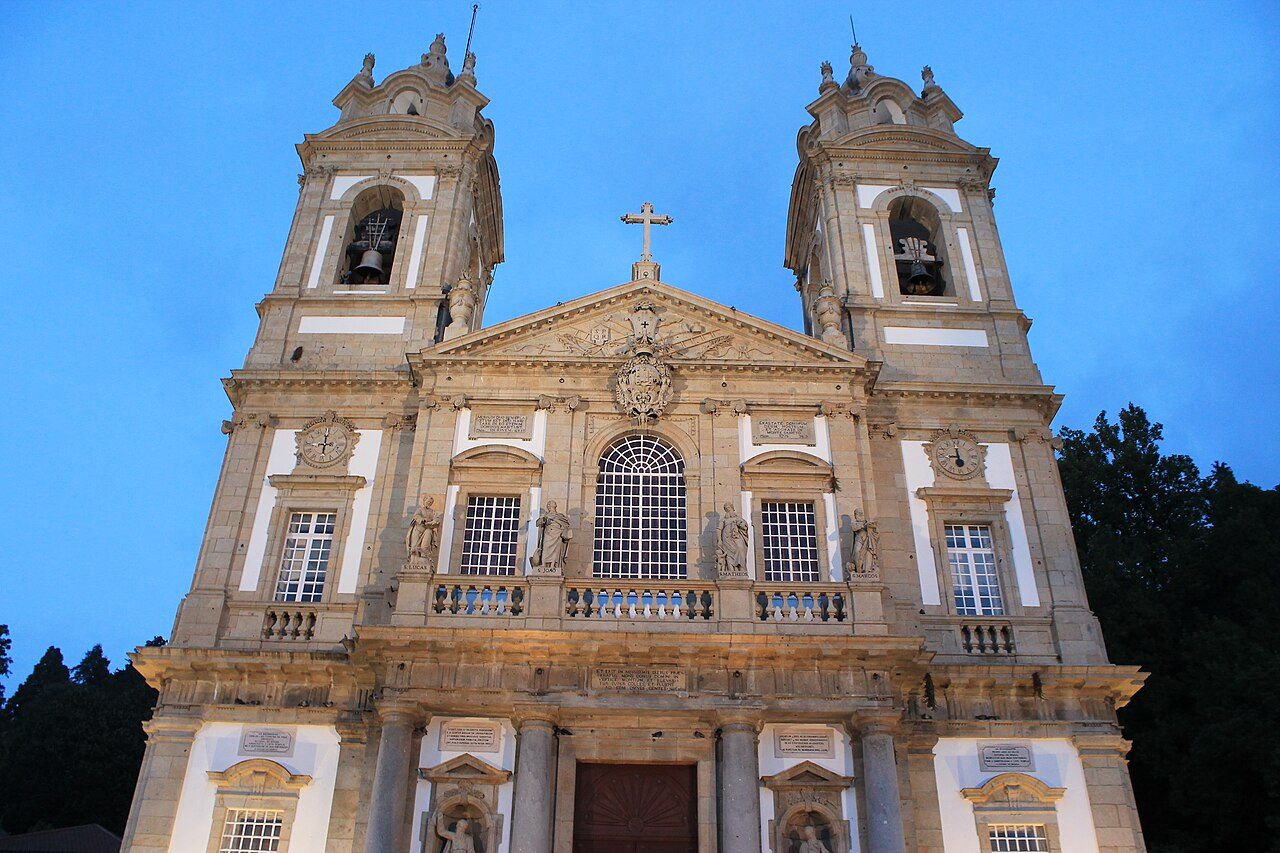
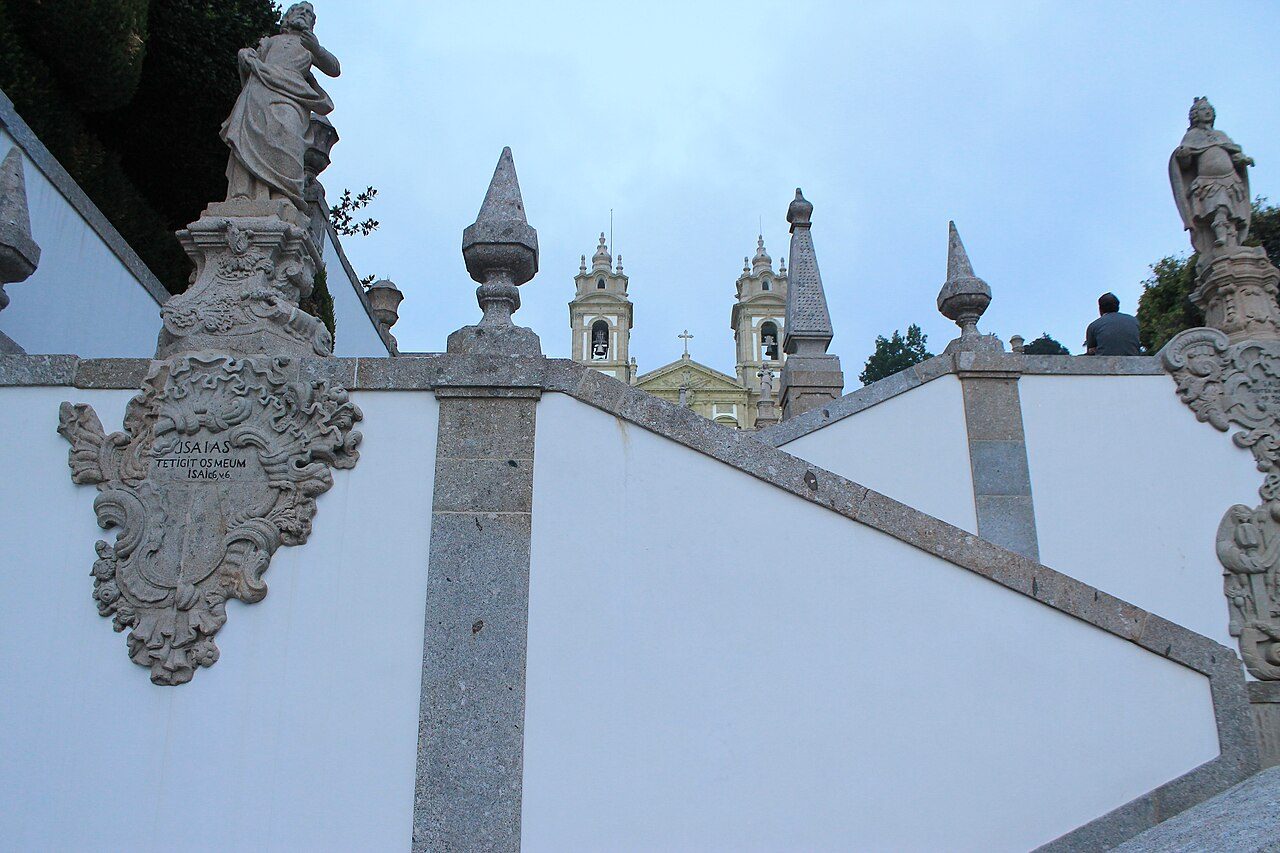
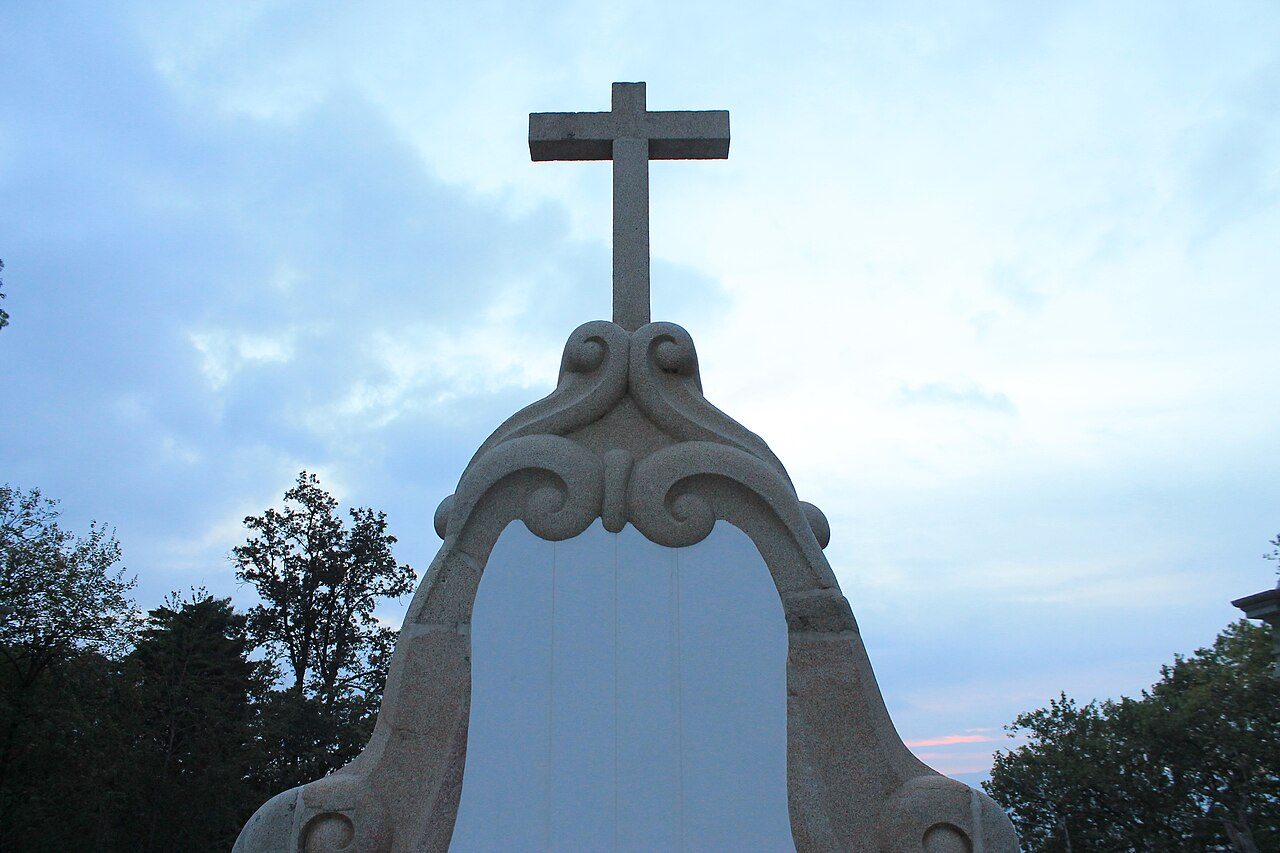
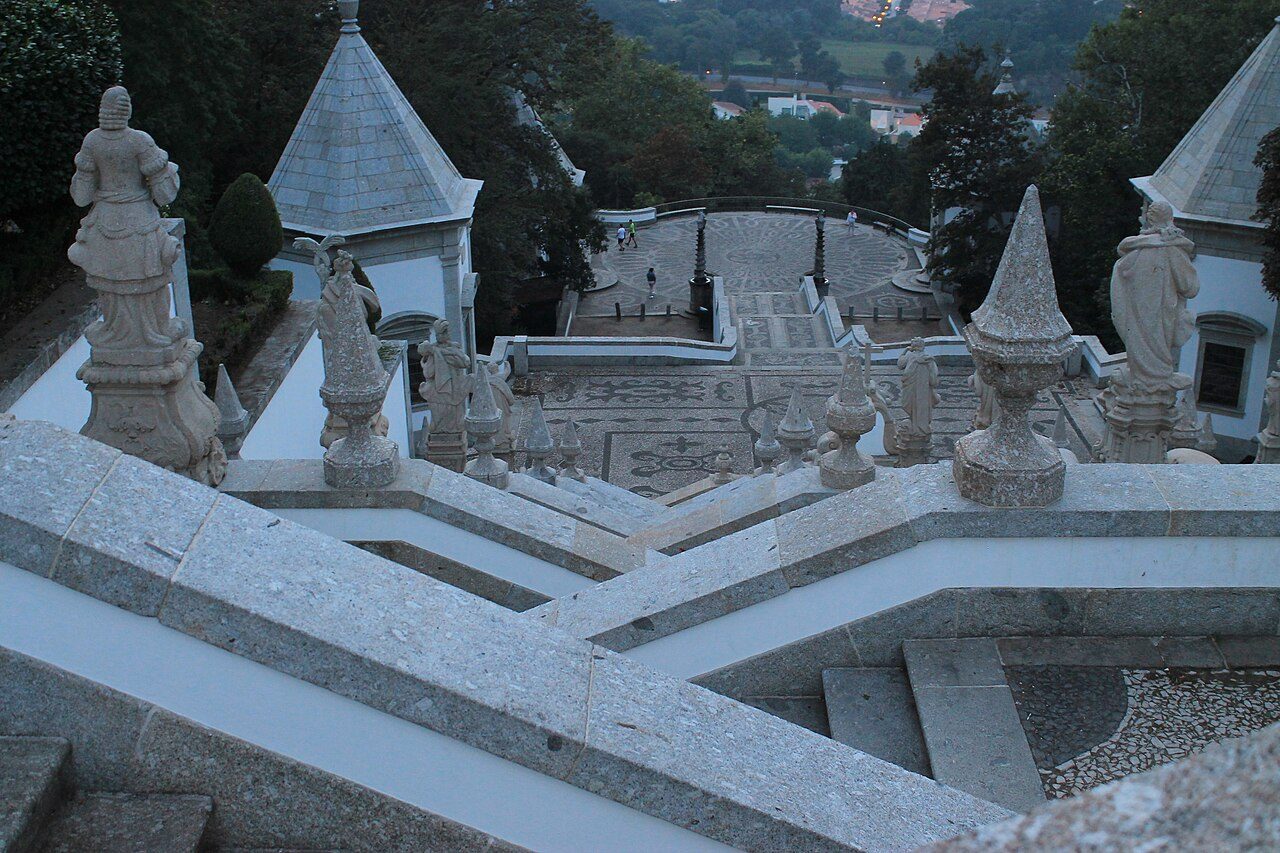
Bom Jesus do Monte is a sanctuary on a hill above Braga, famous for its Baroque zigzag stairway. The stairs, with chapels, fountains and statues representing the senses and virtues, climb 116 metres to the church at the top. Pilgrims sometimes climb on their knees. A water-powered funicular from 1882 also goes up. It is a UNESCO World Heritage Site.
Seasons from 20 years of NASA POWER climate data.
 WaTrips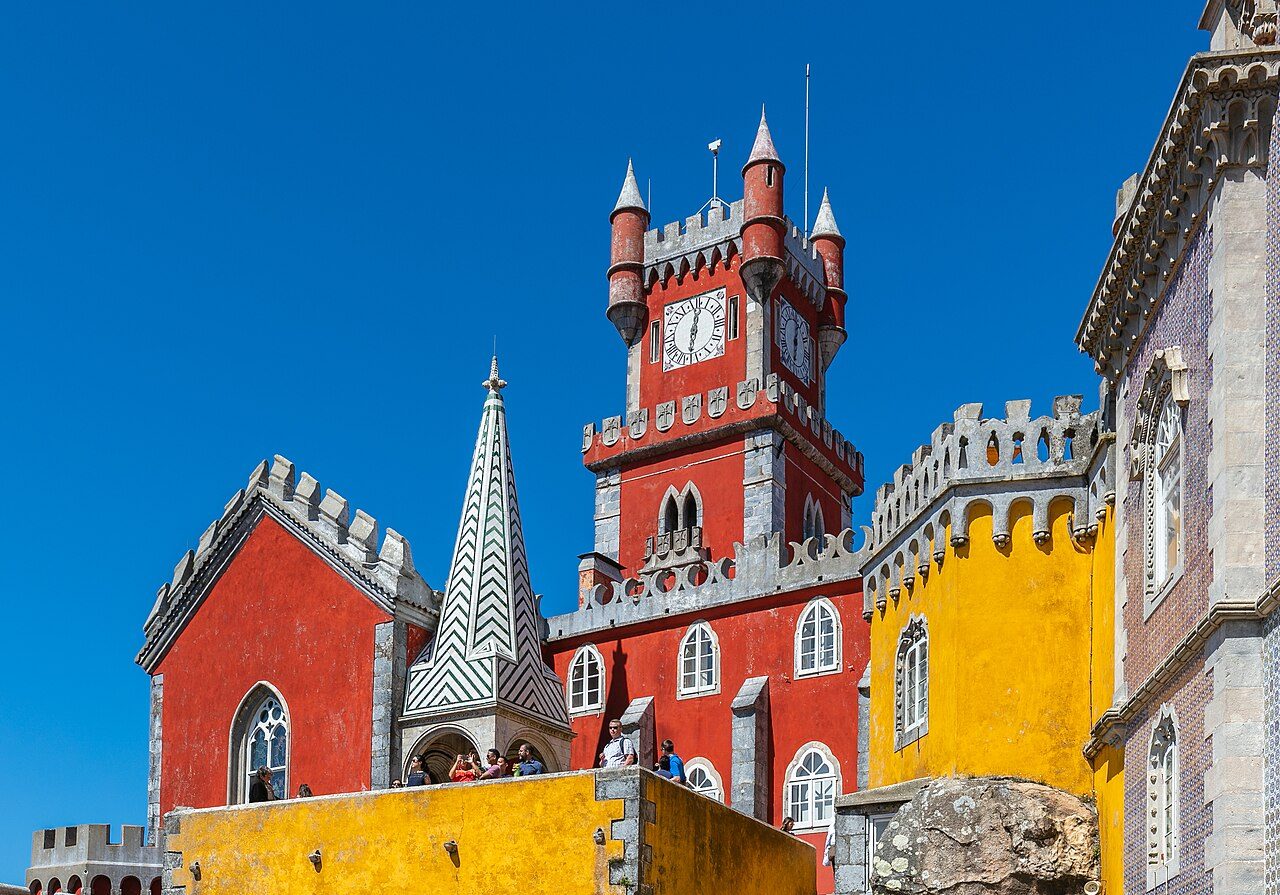
















 BikesBooking
 Localrent
 Airalo
 Tiqets