Alfama, São Jorge Castle, Praça do Comércio and the Santa Justa Lift, Belém and LX Factory, Pena Palace, Quinta da Regaleira, Cabo da Roca and Cascais.
Lisbon is a city of hills, trams and views. Wander Alfama up to São Jorge Castle, then down to Praça do Comércio and the Santa Justa Lift. Spend a day in Belém at the Jerónimos Monastery, Belém Tower and the Discoveries Monument, with pastéis de nata and LX Factory. Go to Sintra for the colourful Pena Palace, the mystical well of Quinta da Regaleira and the Moorish Castle, and end at Cabo da Roca and the seaside town of Cascais. Good all year; summers are hot.
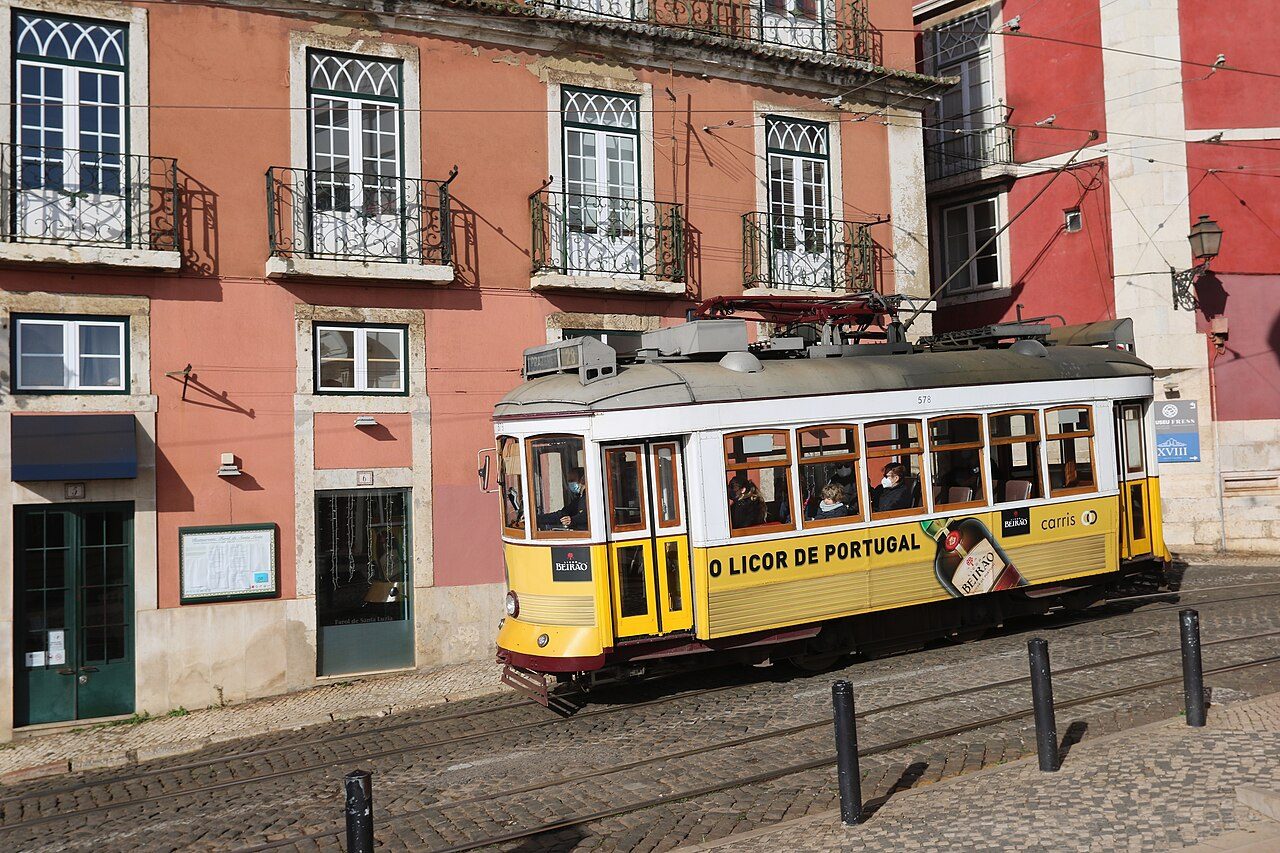
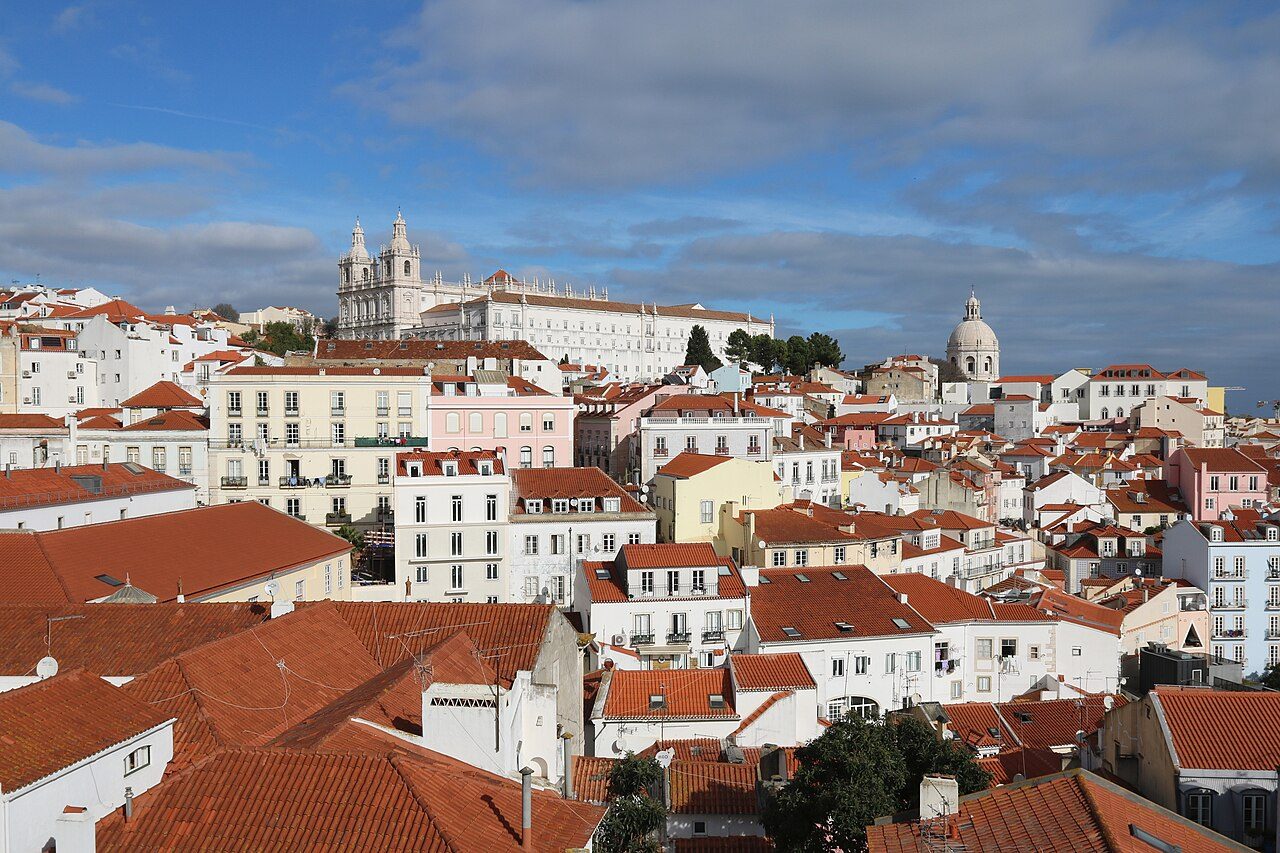
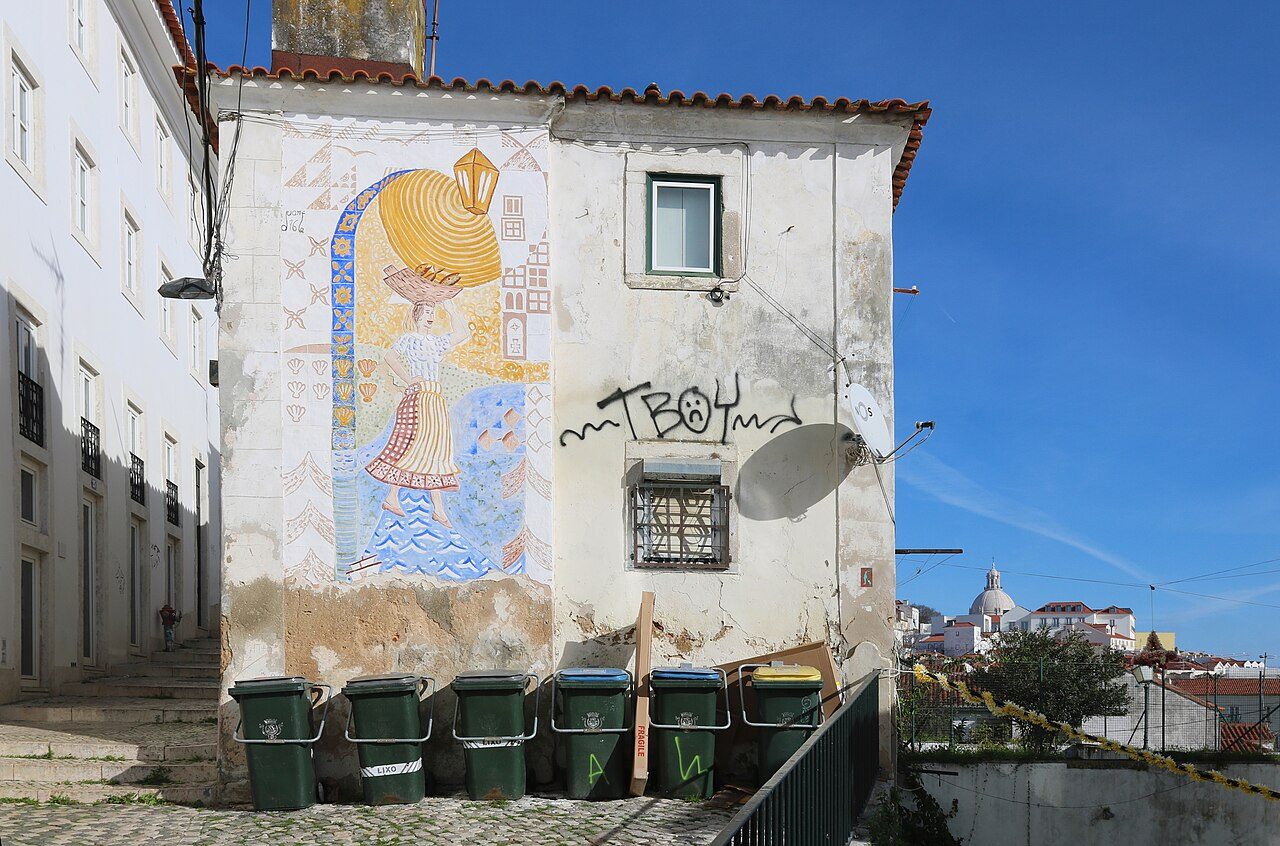
Alfama is the oldest district of Lisbon, a maze of steep, narrow streets and stairways running down from São Jorge Castle to the river. It survived the great earthquake of 1755. Its houses are decorated with tiles and washing lines. The famous yellow tram 28 rattles through it. Small restaurants play fado, the traditional Portuguese song.
02
STOP 2 OF 13
São Jorge Castle
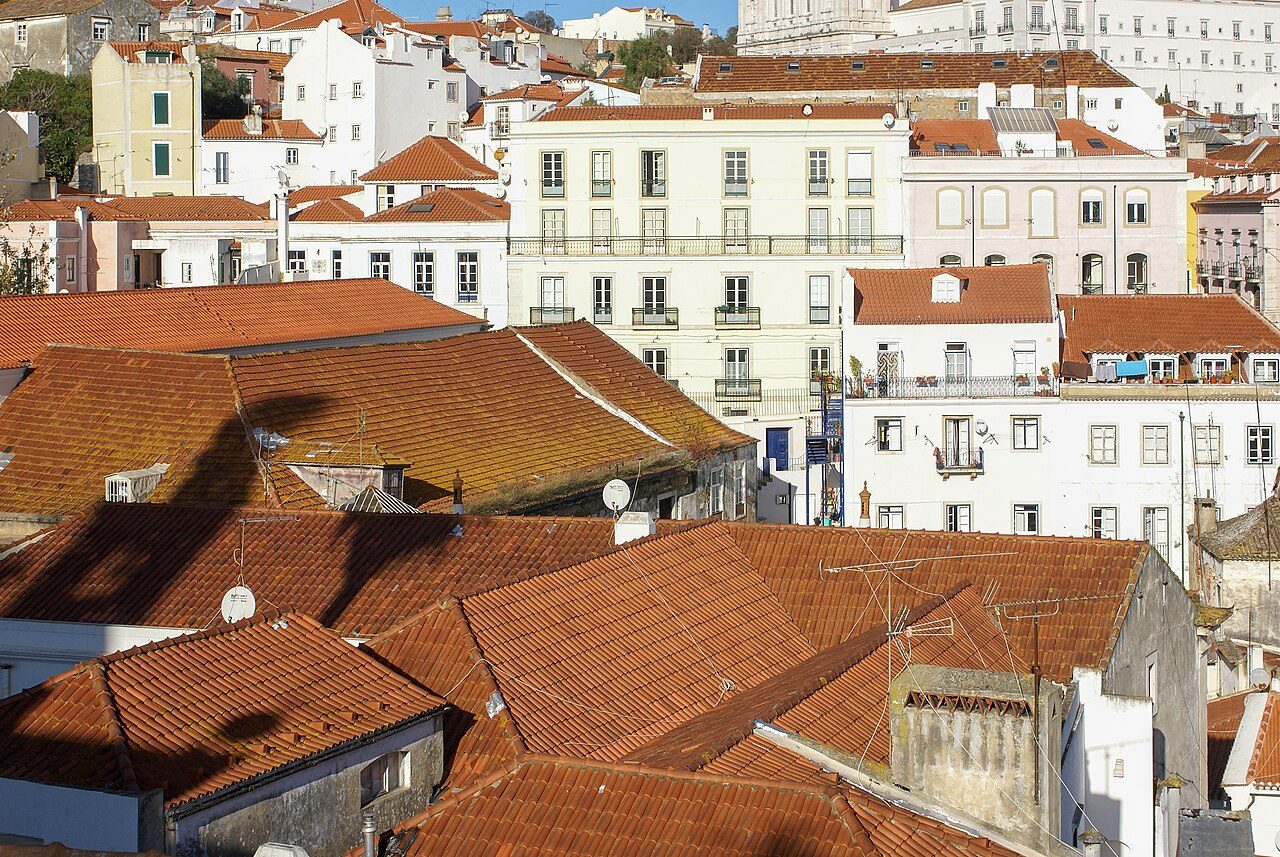
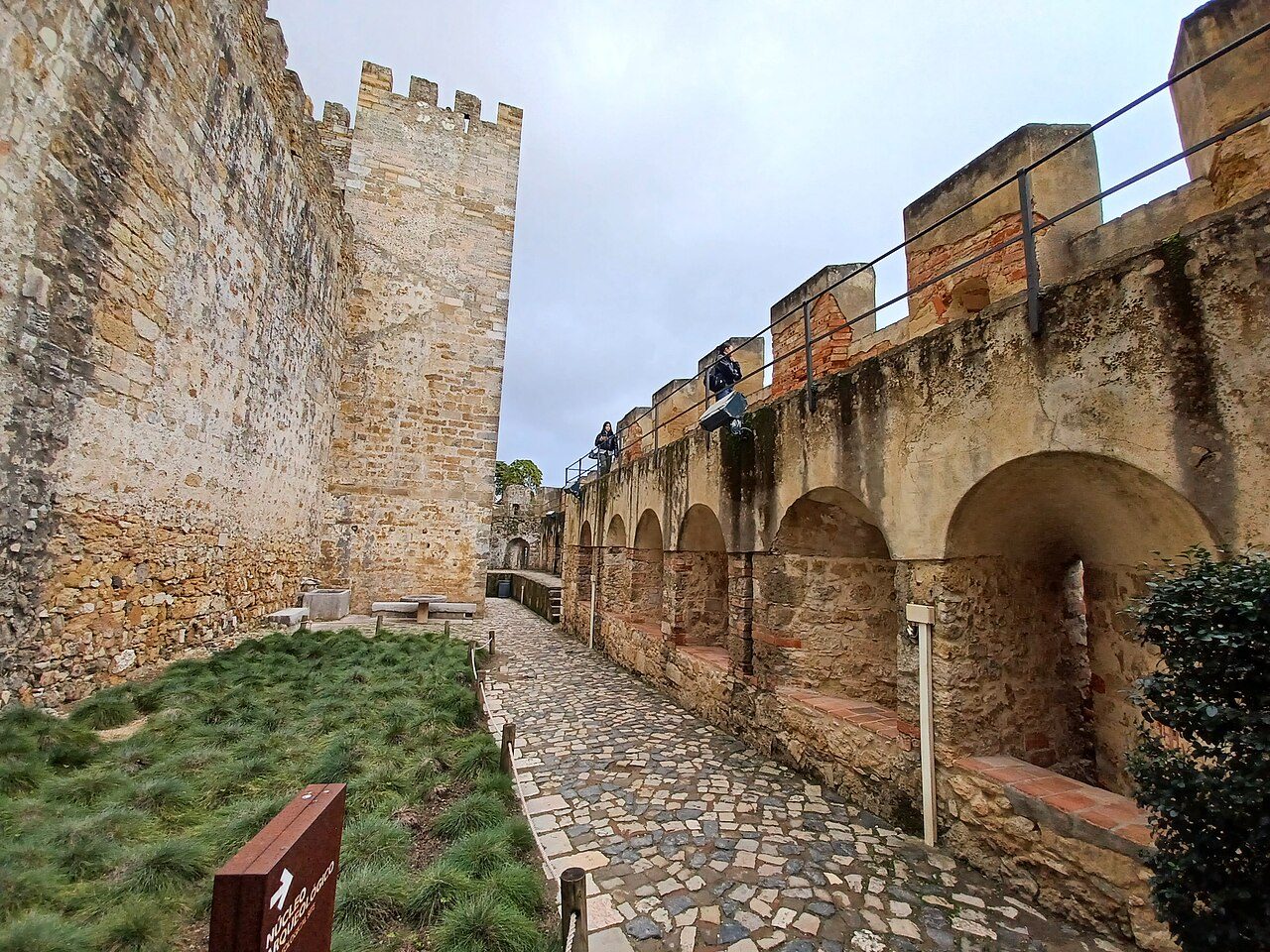
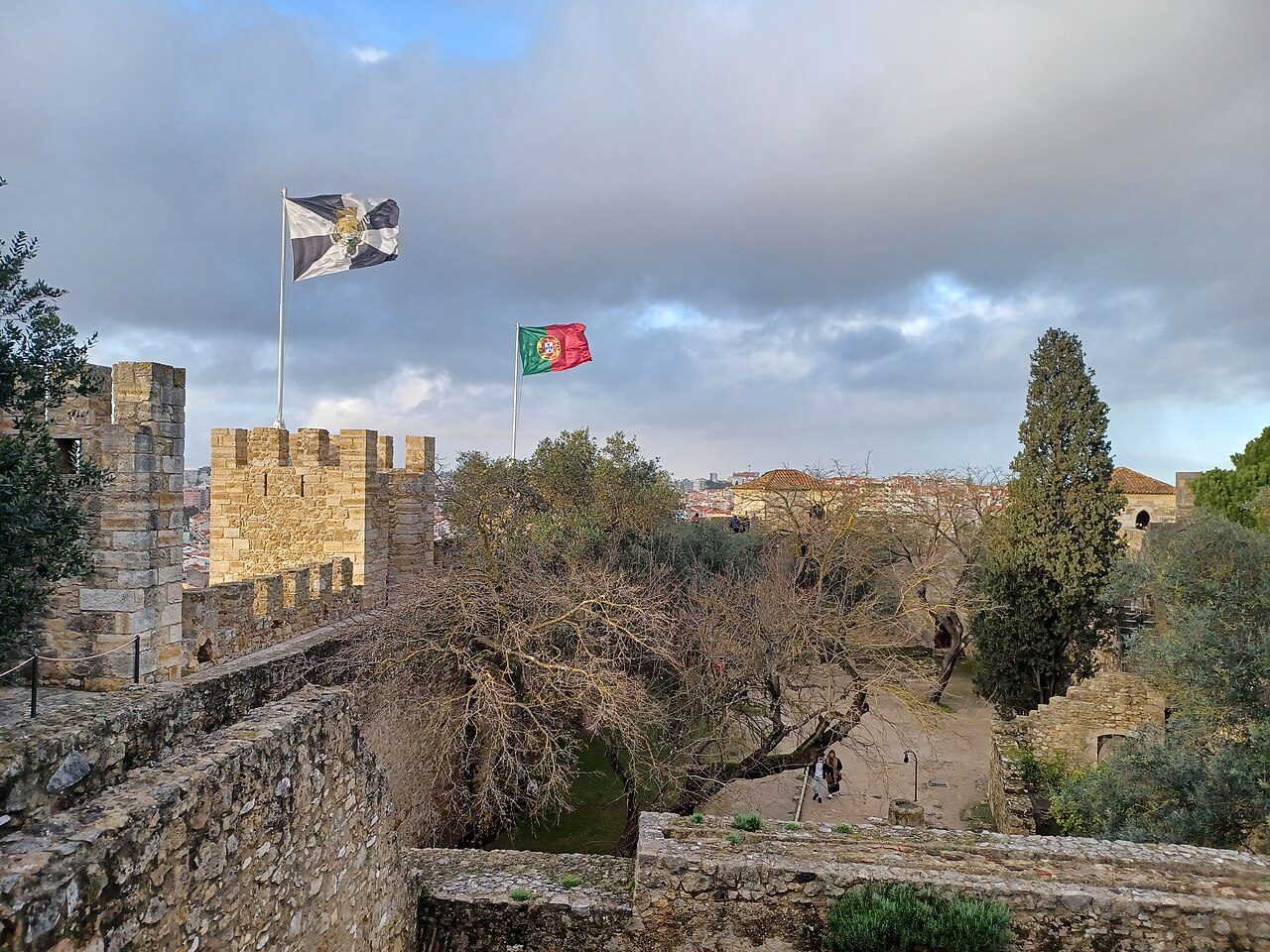
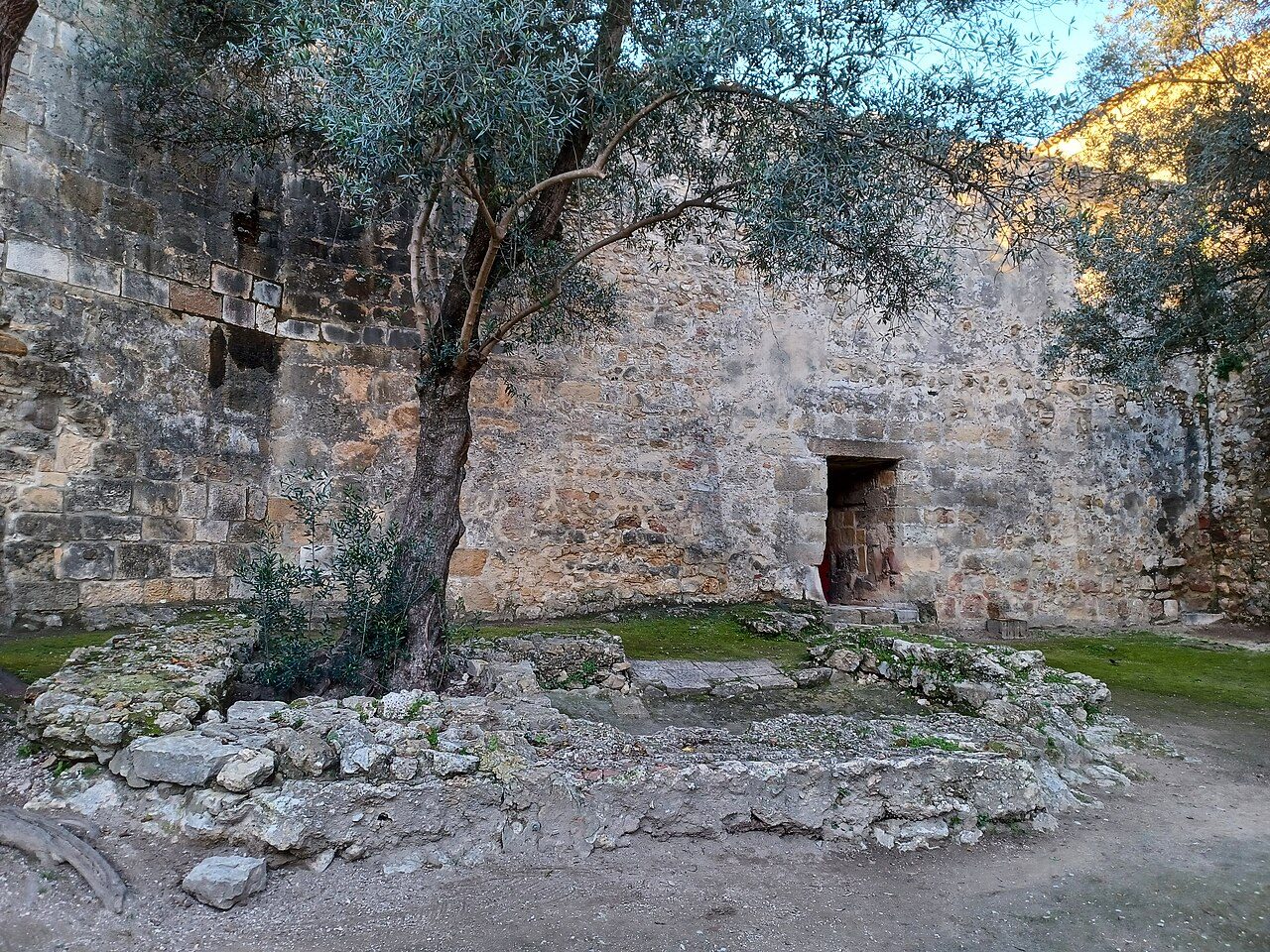
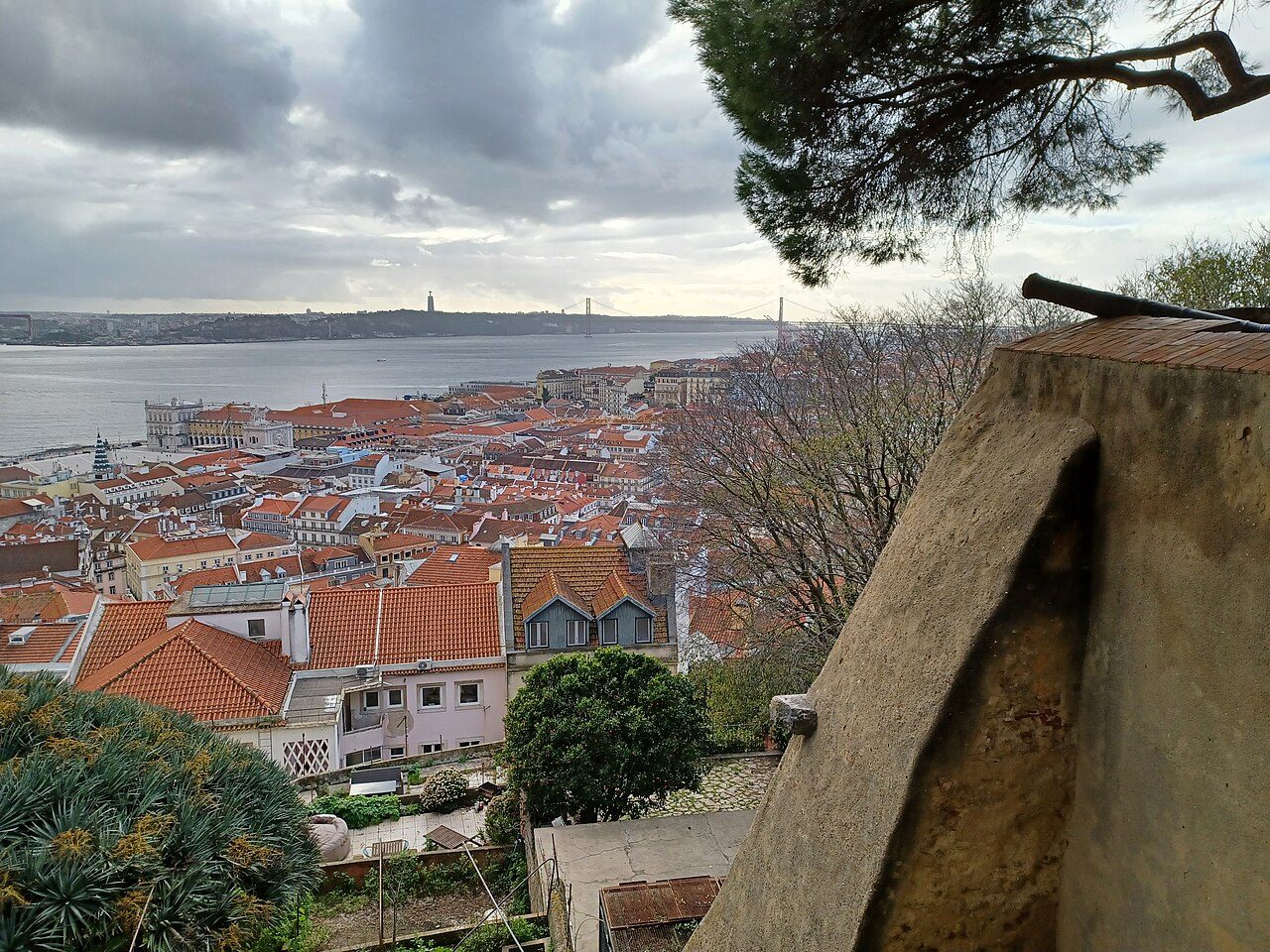
São Jorge Castle stands on the highest hill of central Lisbon. A fortress has stood here since Roman times; the Moors built much of the present walls, and it was taken by the Portuguese in 1147. Its walls and towers give the best views over Lisbon, the river and the red roofs of Alfama below. Peacocks roam the gardens.
03
STOP 3 OF 13
Praça do Comércio
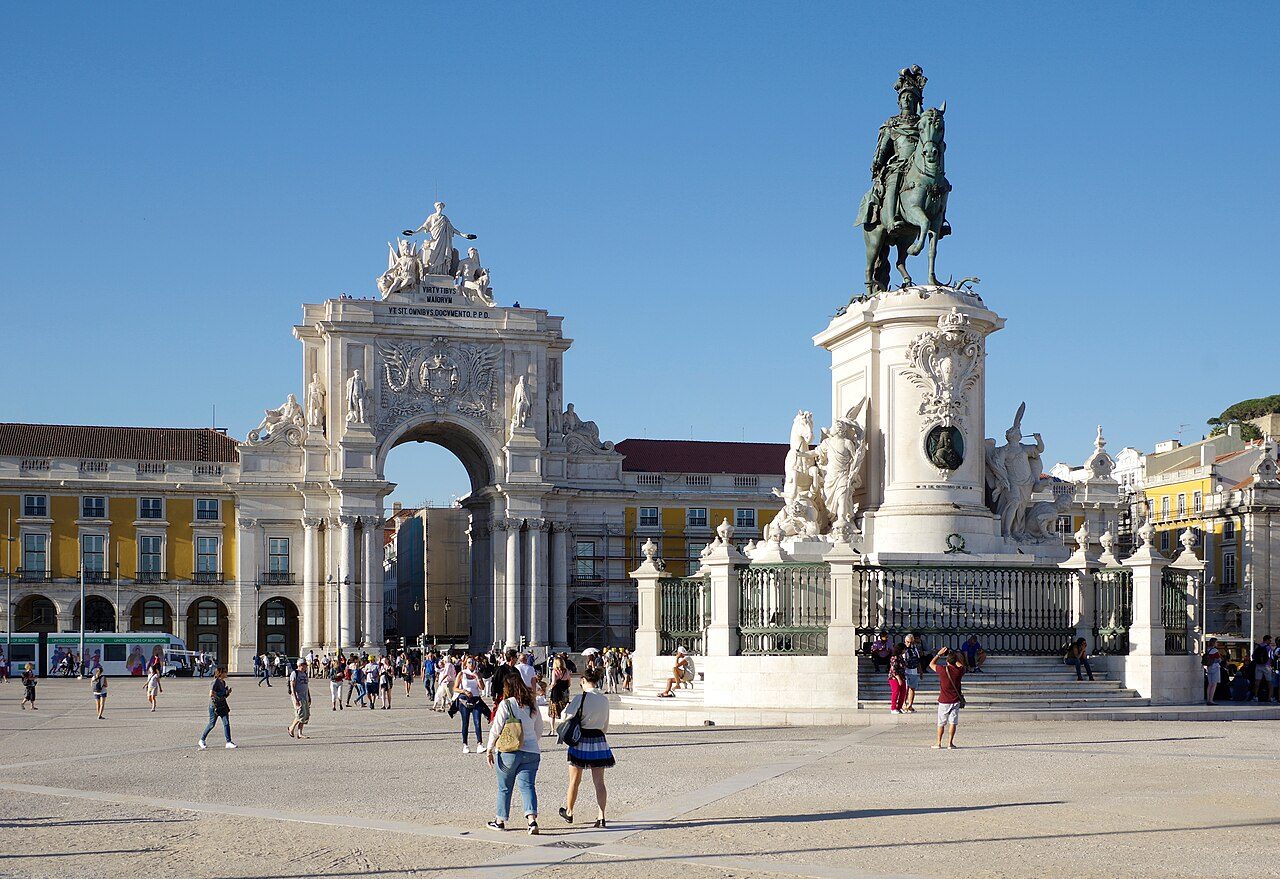
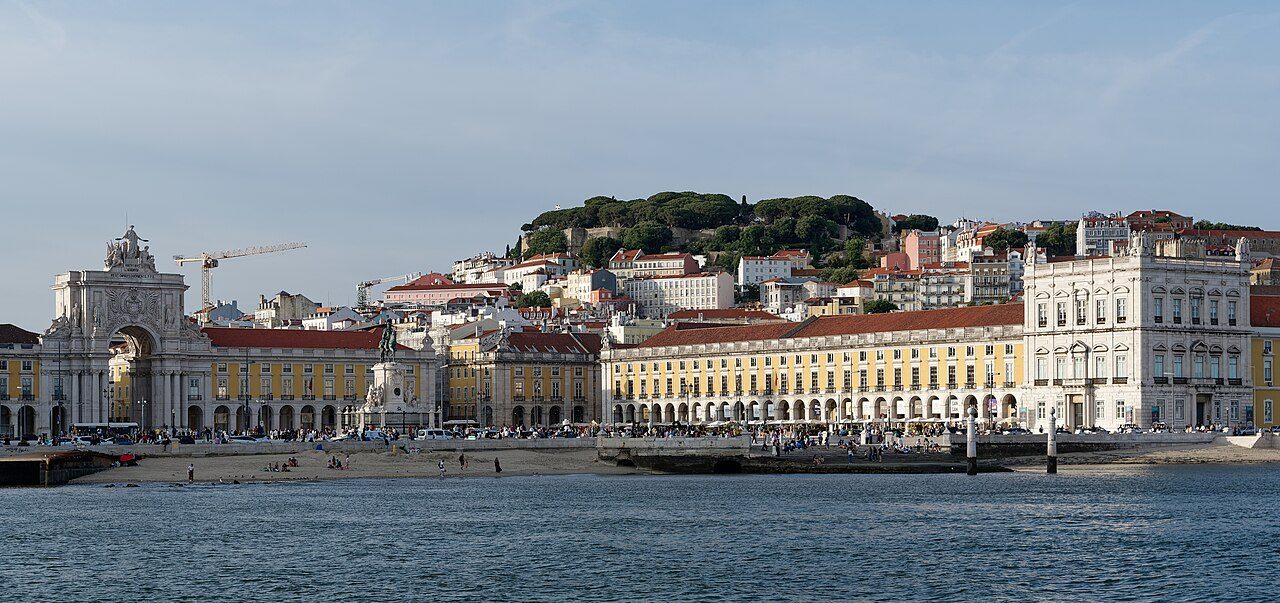
Praça do Comércio is a grand square on the Tagus River in Lisbon, rebuilt after the 1755 earthquake on the site of the royal palace. Yellow arcaded buildings surround it on three sides, with a triumphal arch, the Arco da Rua Augusta, leading into the Baixa district. A bronze statue of King José I on horseback stands in the centre.
04
STOP 4 OF 13
Santa Justa Lift
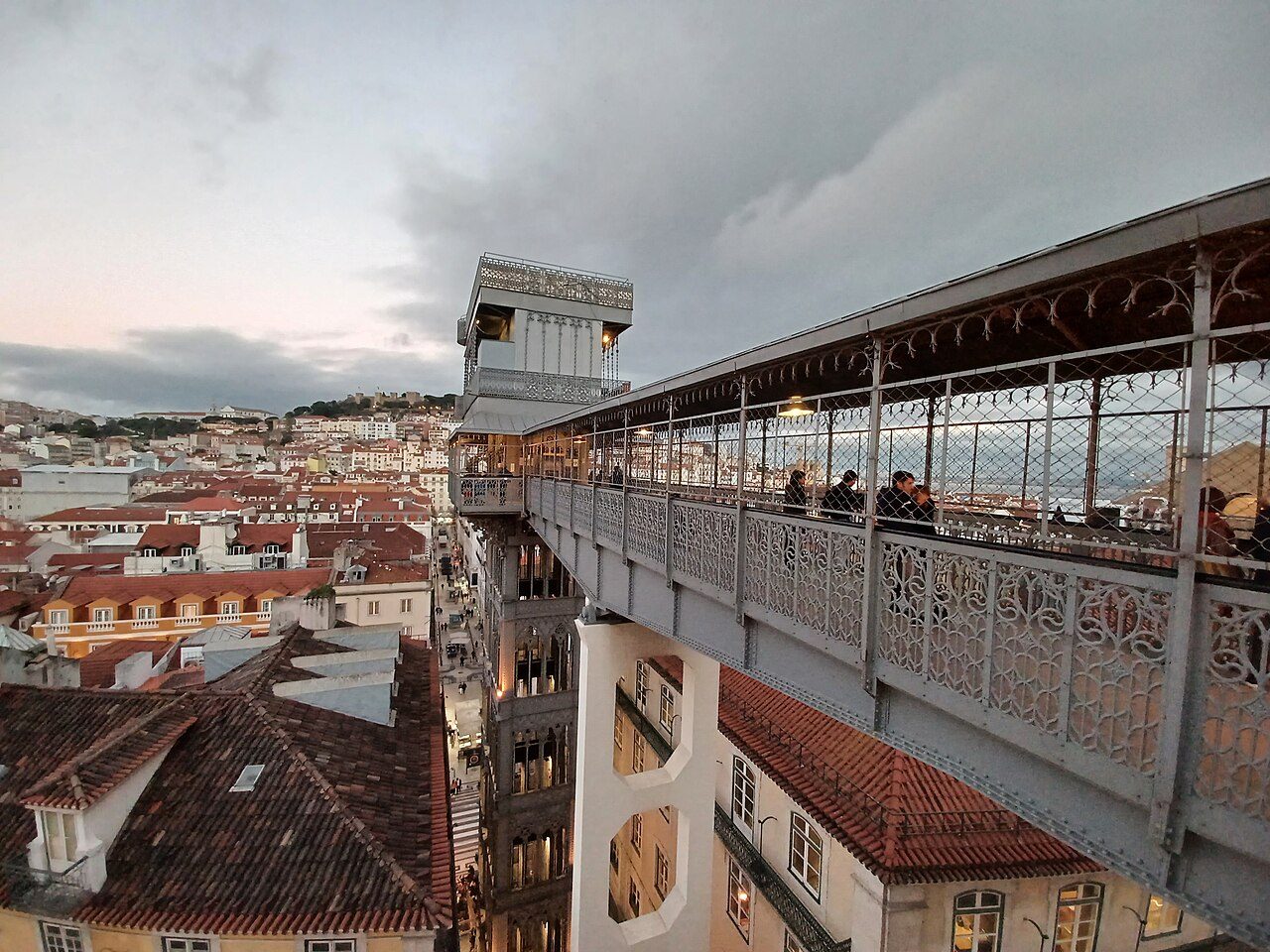
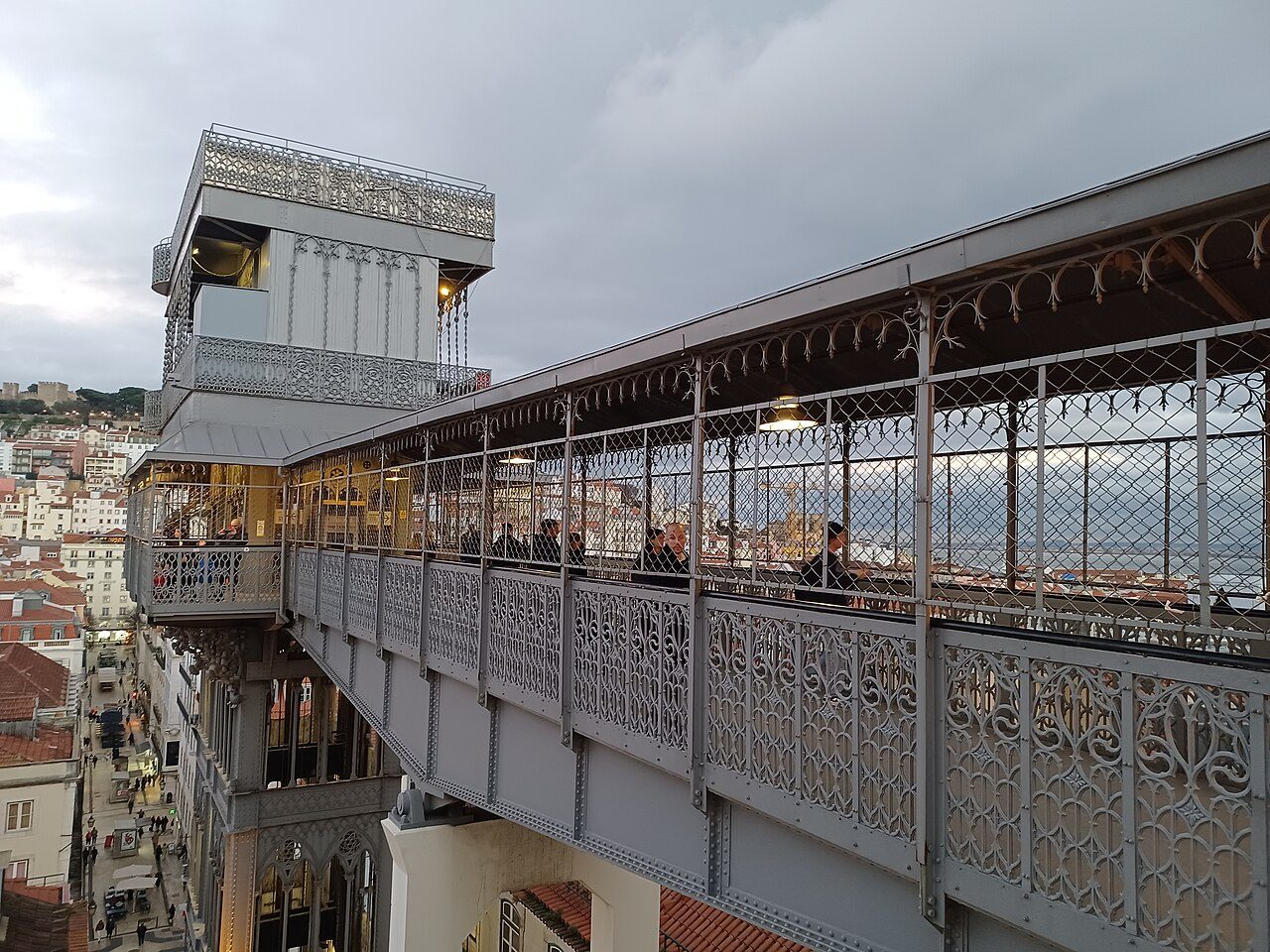
The Santa Justa Lift is an iron elevator in central Lisbon, opened in 1902, linking the low Baixa district with the higher Carmo square. Its neo-Gothic iron tower was designed by Raoul Mesnier du Ponsard. Wooden cabins carry passengers up about 45 metres. A viewing platform at the top looks over the castle and the city.
05
STOP 5 OF 13
Jerónimos Monastery
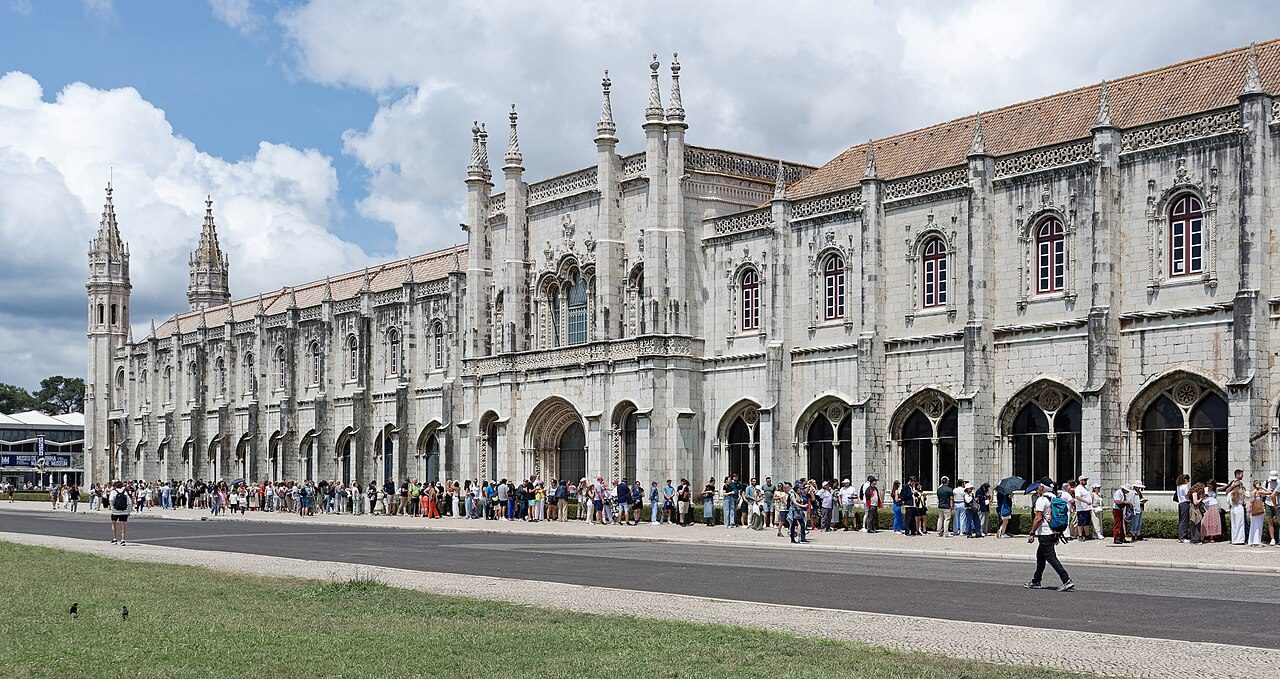
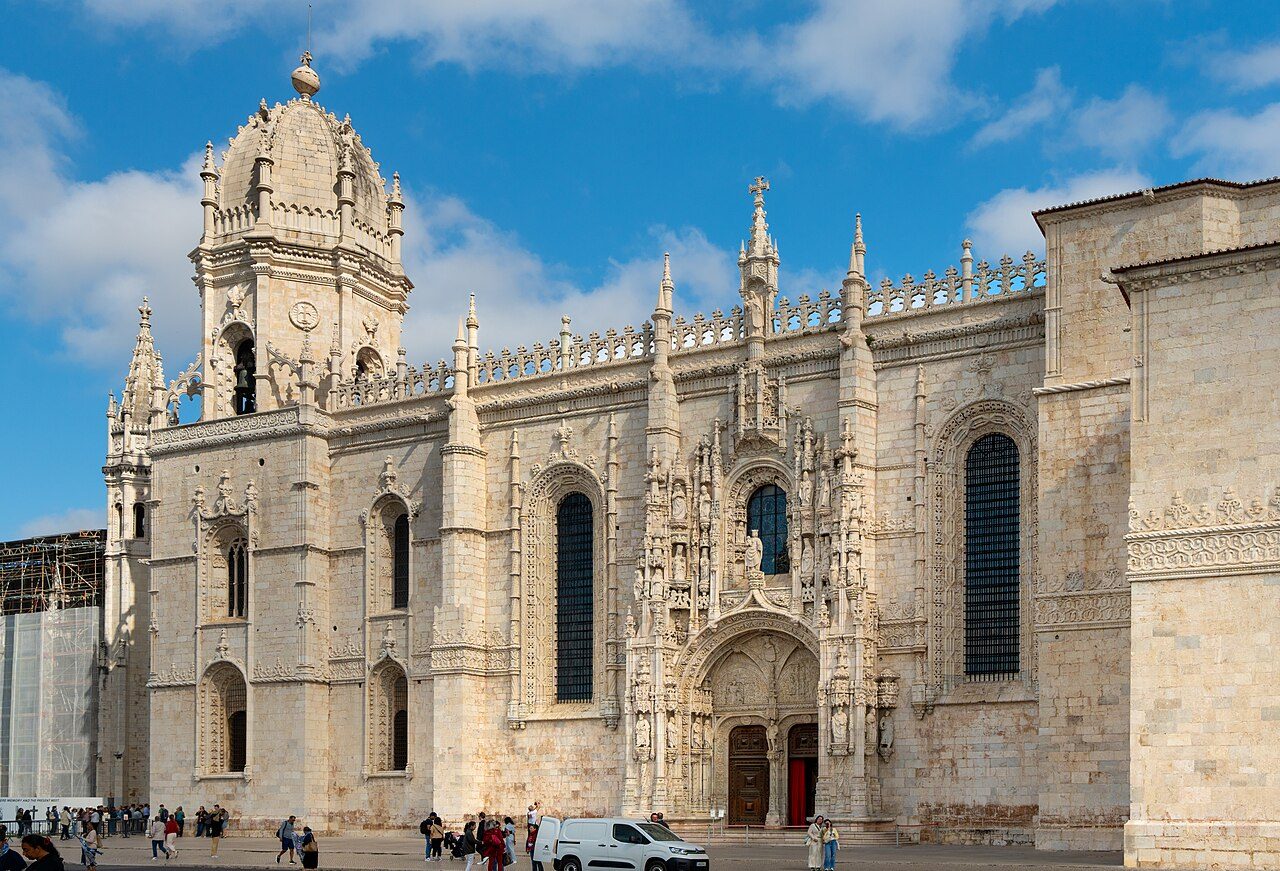
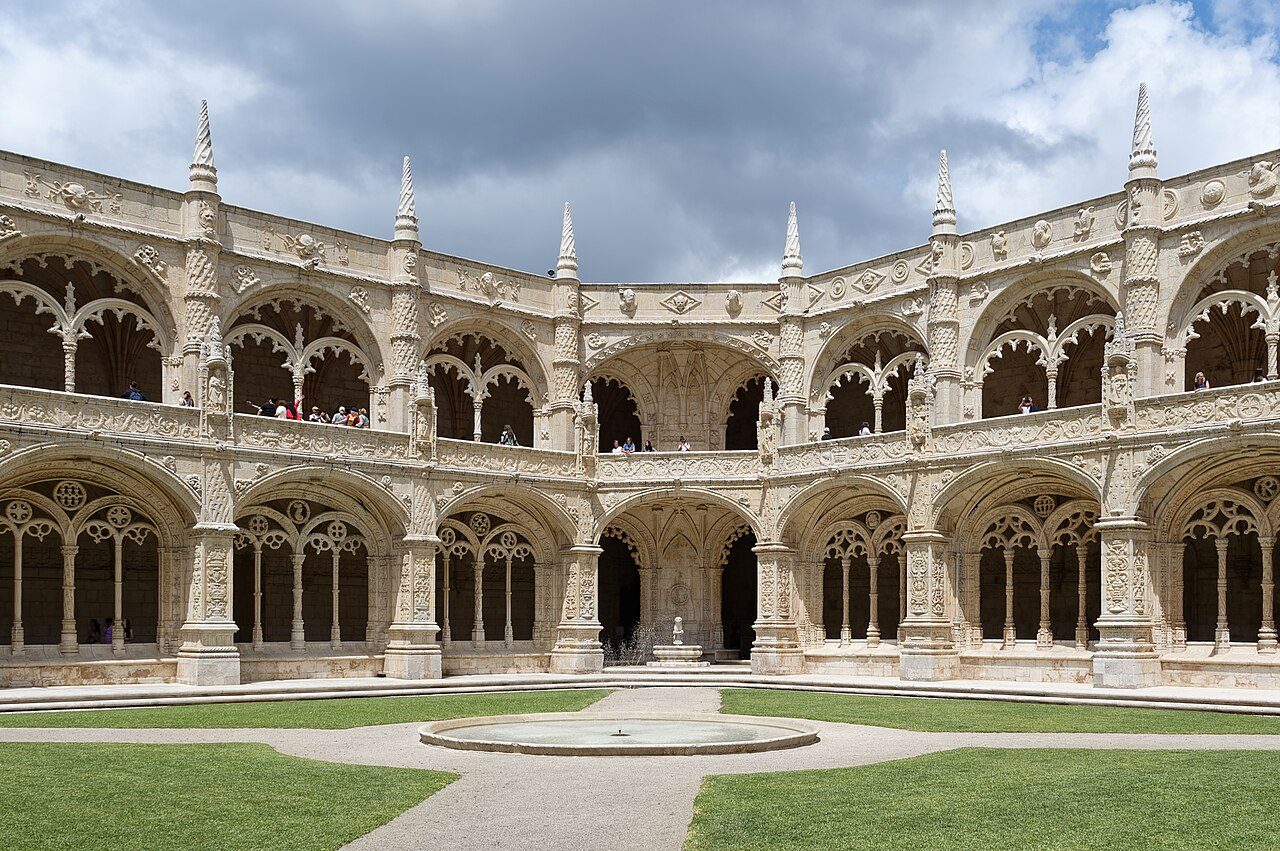
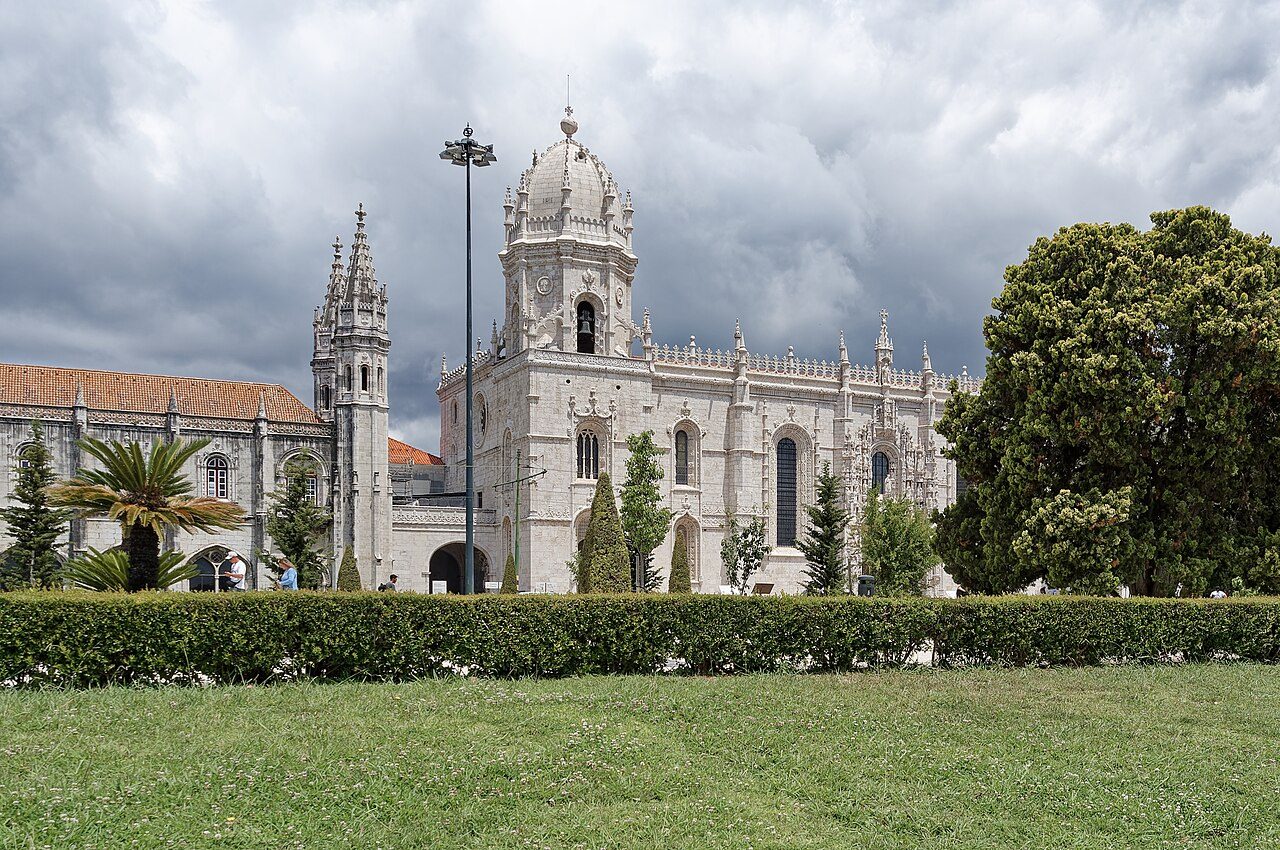
The Jerónimos Monastery in Belém, Lisbon, was built from 1501, paid for by the spice trade. It is the finest example of the Manueline style, with richly carved stone columns and a two-storey cloister. The explorer Vasco da Gama and the poet Luís de Camões are buried in its church. It is a UNESCO World Heritage Site.
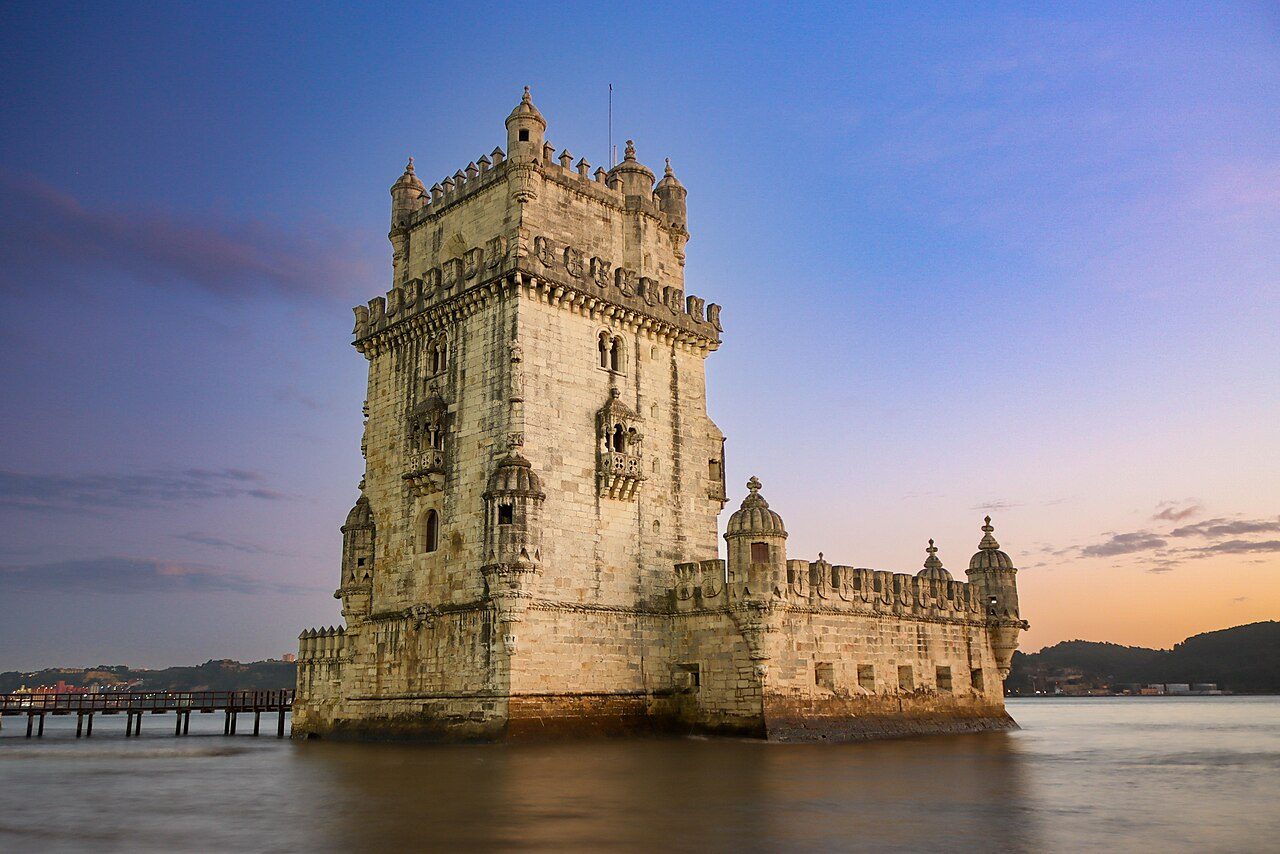
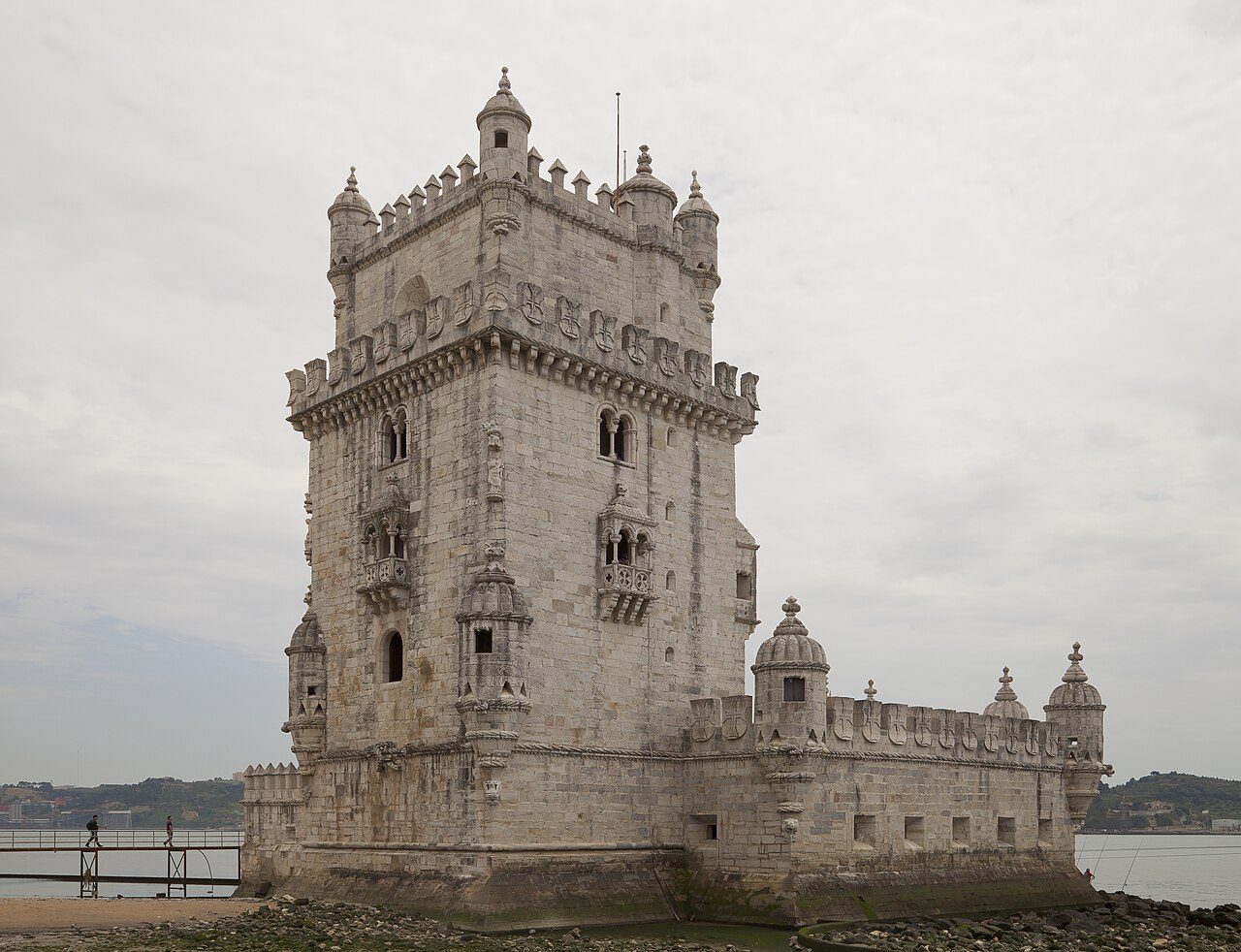
Belém Tower is a fortified tower on the bank of the Tagus River in Lisbon, built between 1514 and 1519 to guard the entrance to the harbour. It is a masterpiece of the Manueline style, decorated with carved ropes, armillary spheres and a rhinoceros. It was the starting point for many voyages of discovery. With the Jerónimos Monastery it is a UNESCO World Heritage Site.
07
STOP 7 OF 13
Padrão dos Descobrimentos
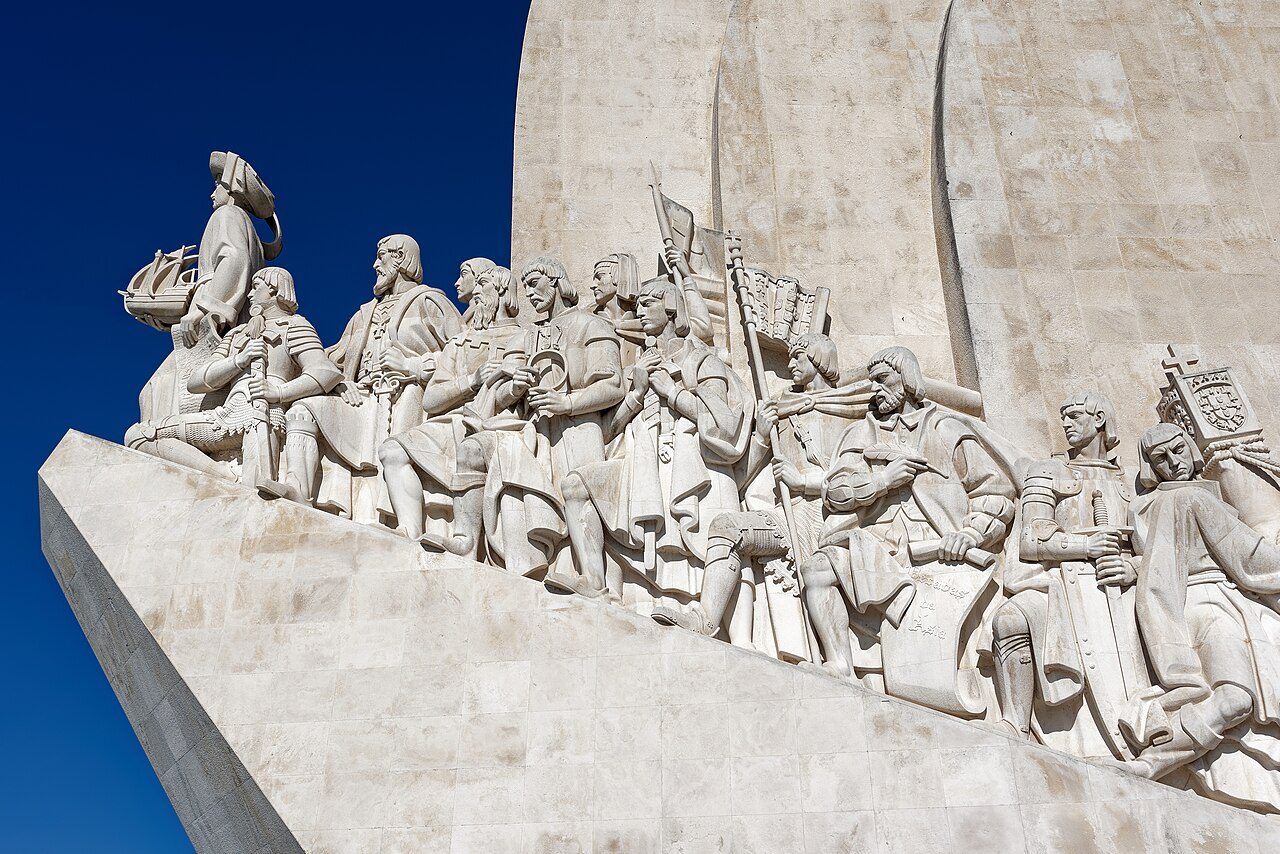
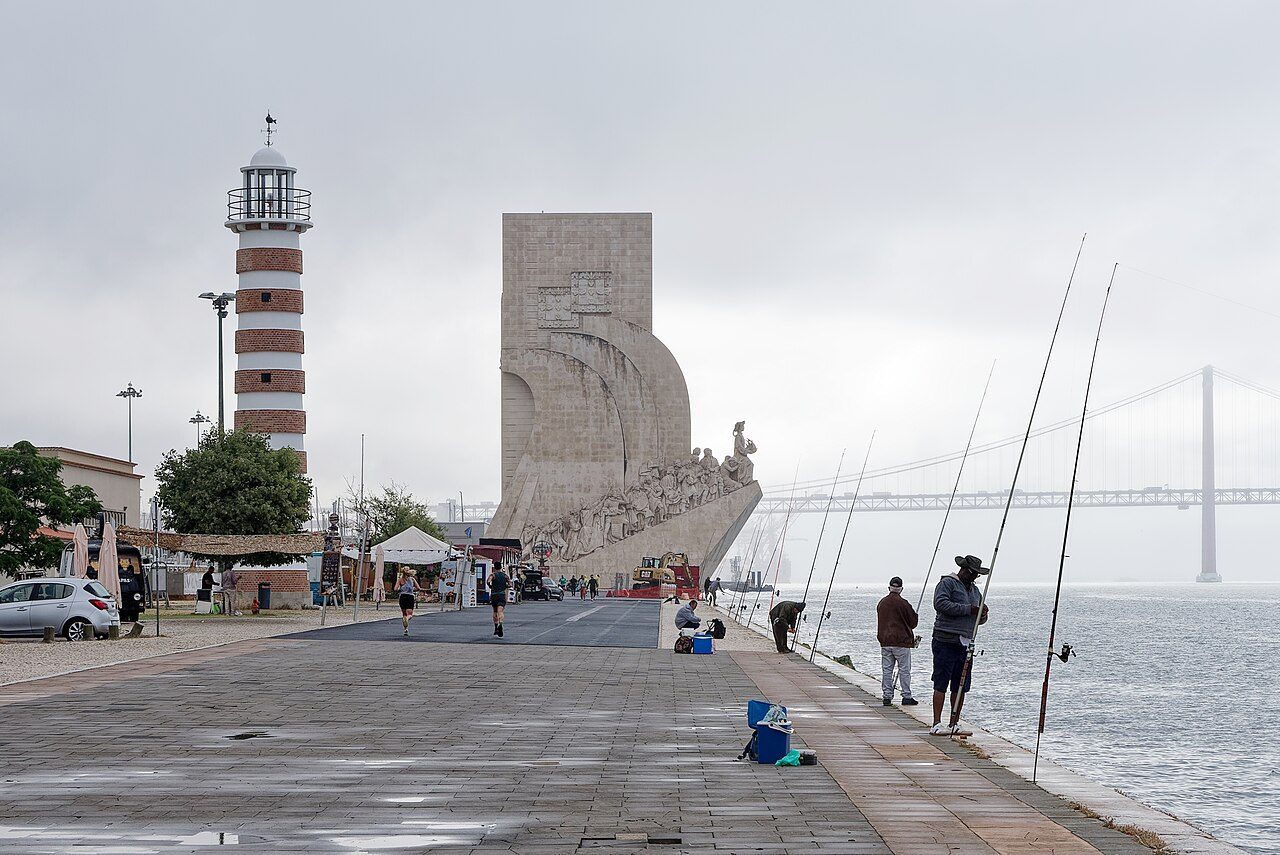
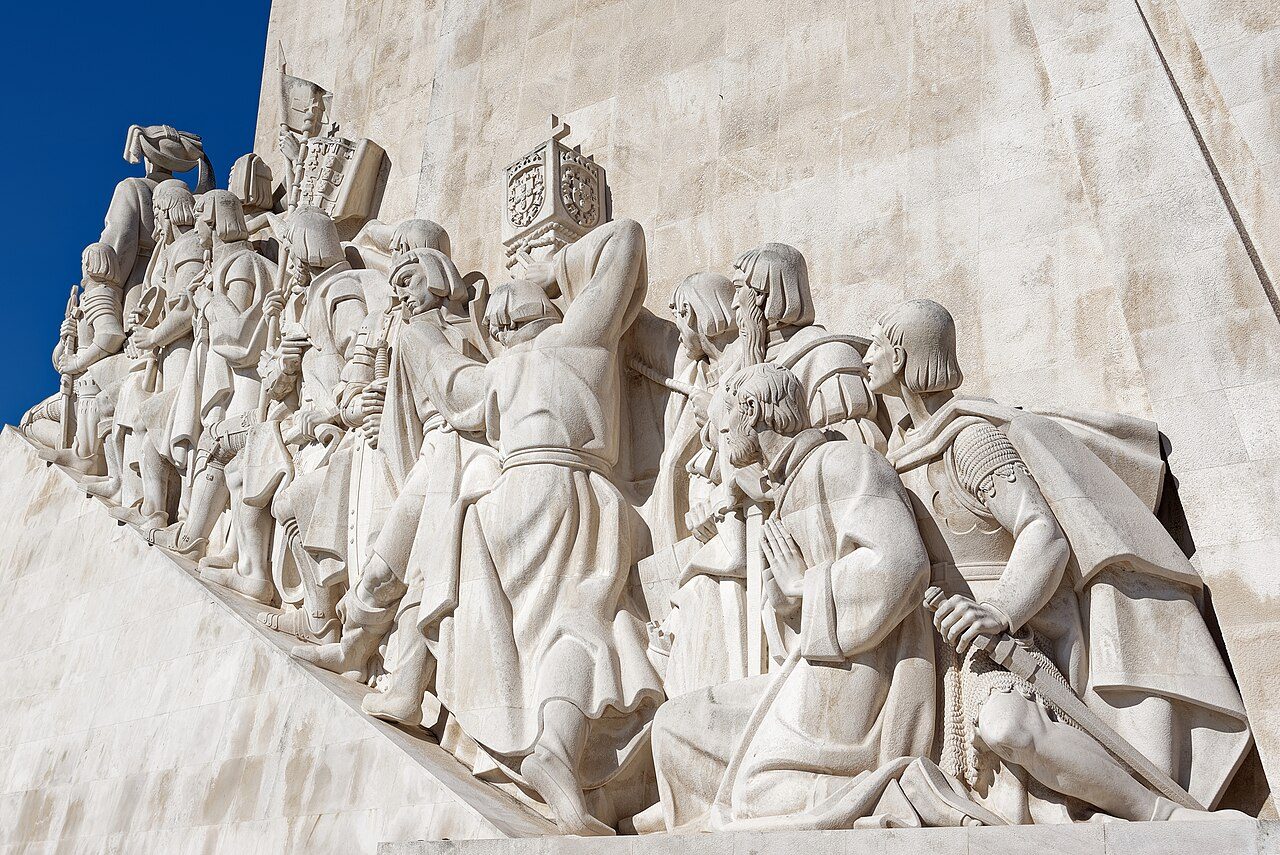
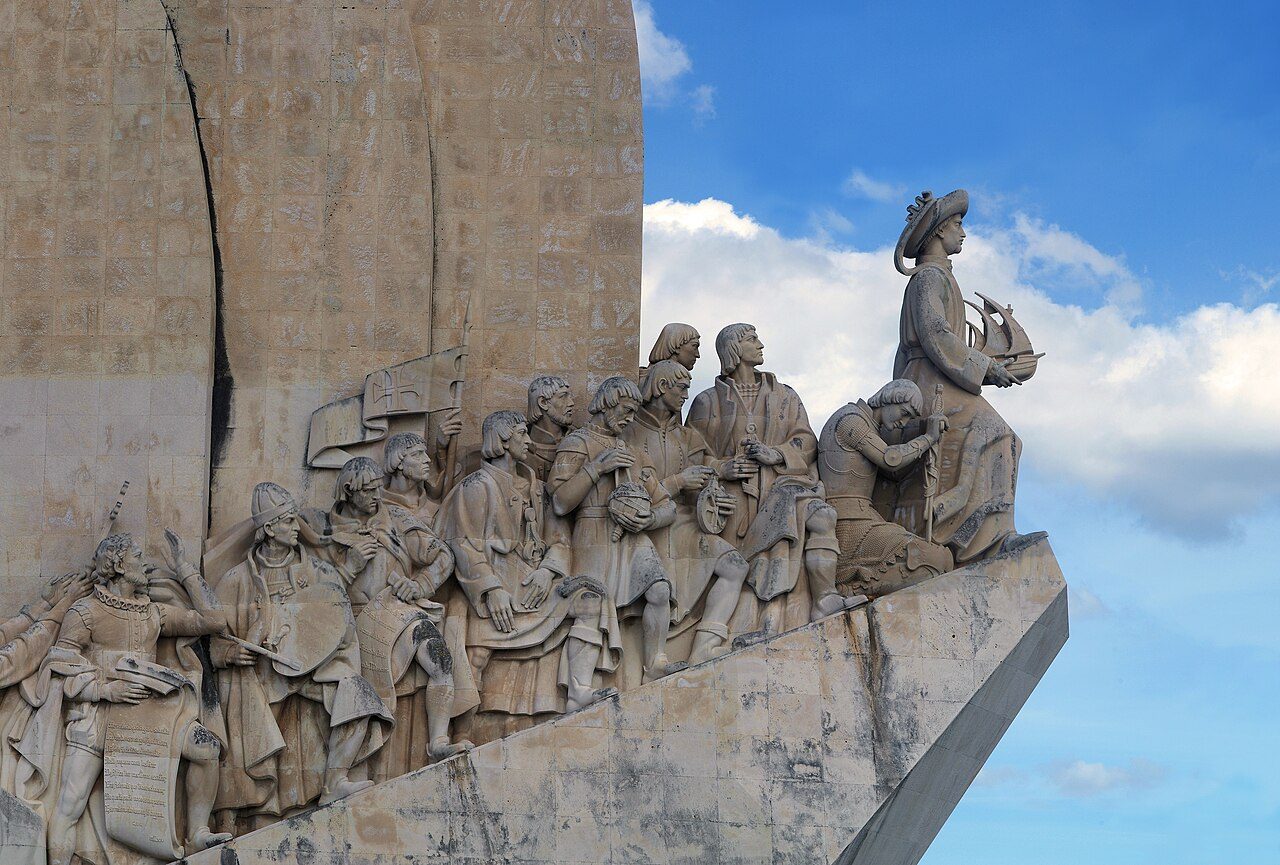
The Padrão dos Descobrimentos, the Monument to the Discoveries, stands on the river bank in Belém, Lisbon. Built in its present form in 1960, it is shaped like the prow of a ship, with statues of Henry the Navigator and other figures of the Age of Discovery. A huge compass rose with a world map is set in the pavement in front.
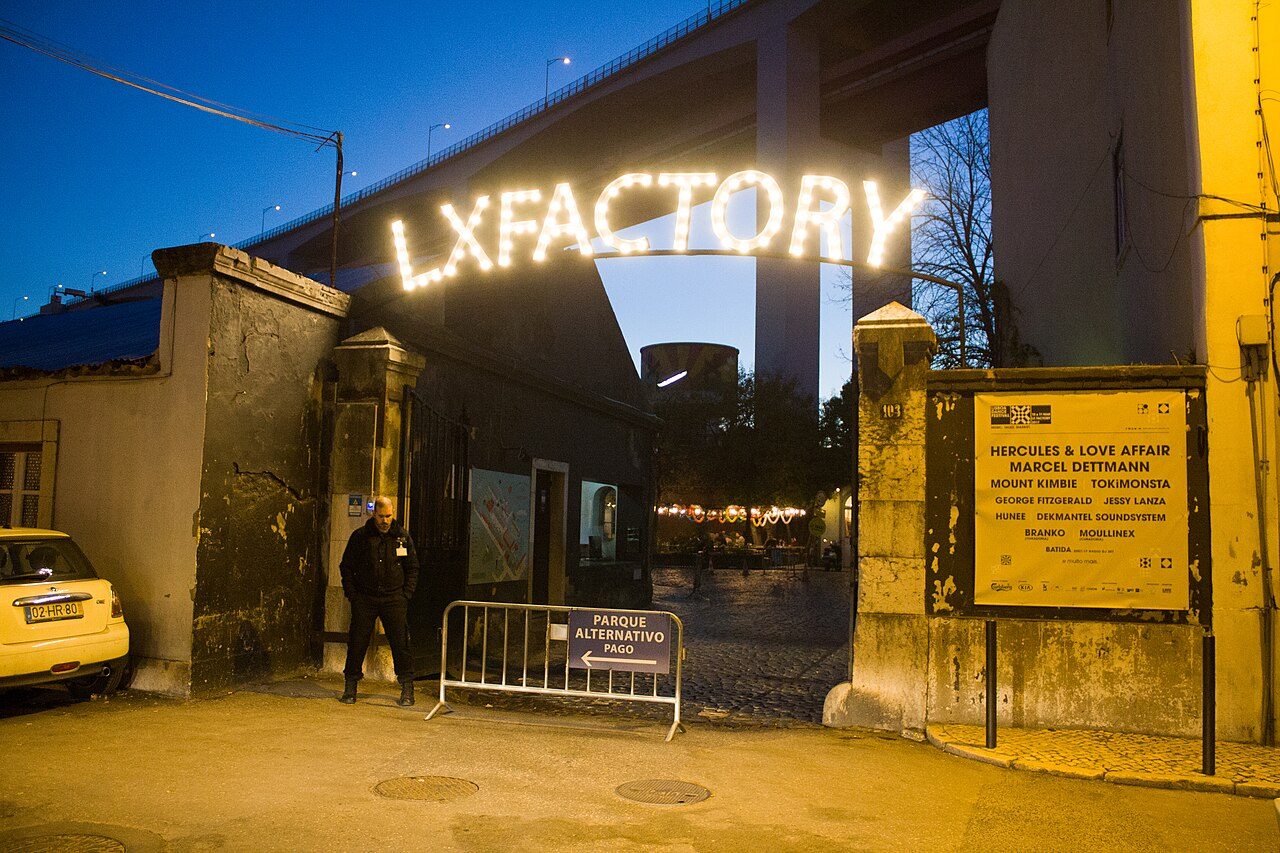
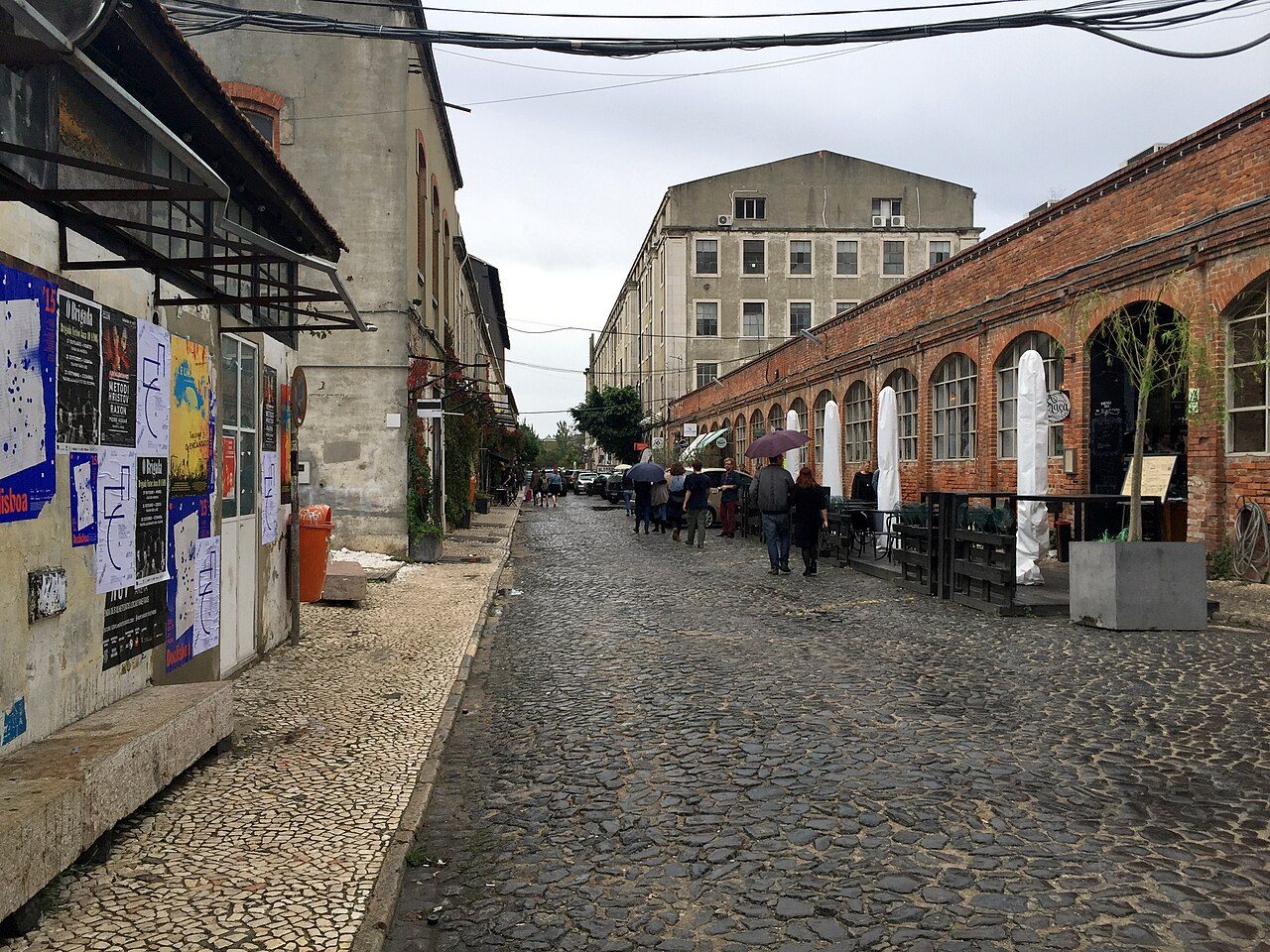
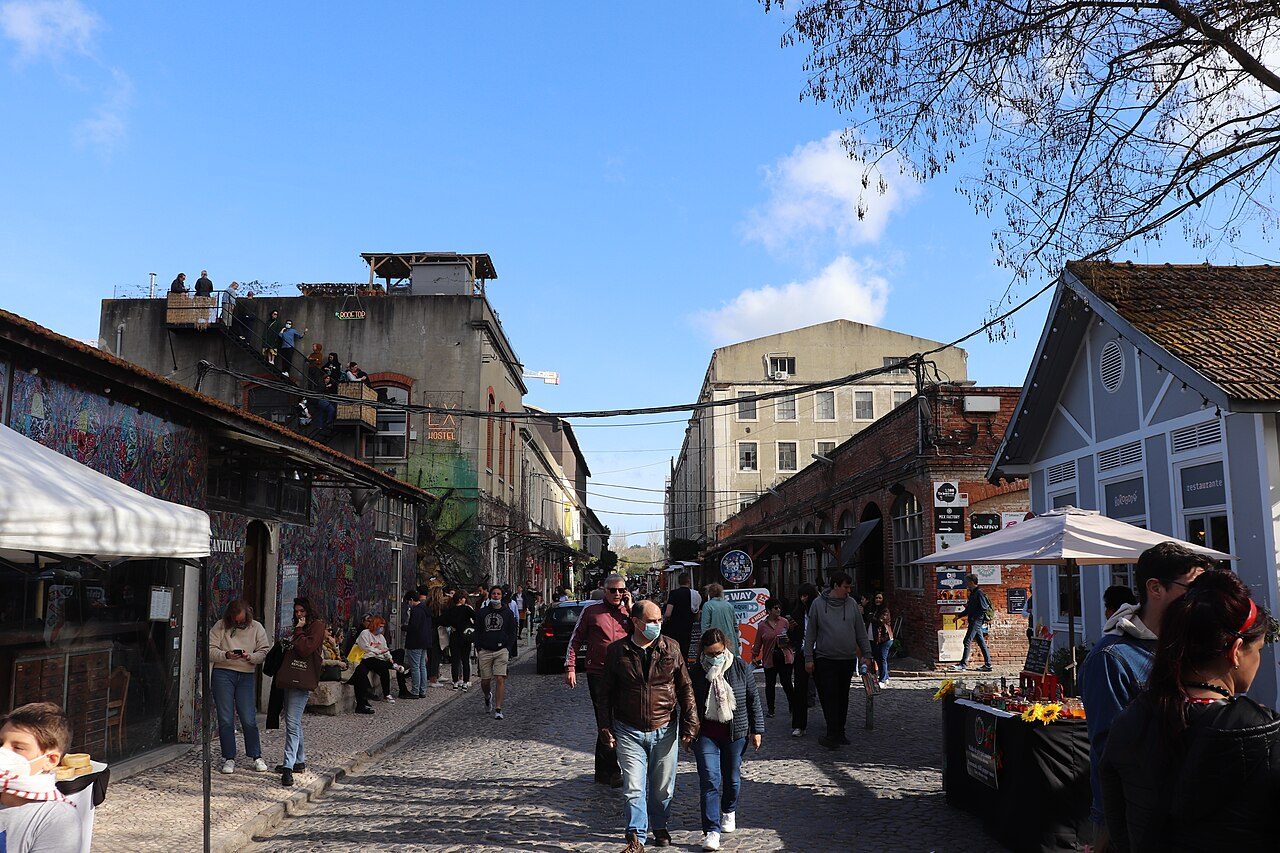
LX Factory is a creative district in an old industrial complex under the 25 de Abril Bridge in Lisbon. The 19th-century factory buildings, once used for textiles and printing, now hold shops, cafes, restaurants, design studios and a famous bookshop, Ler Devagar. Street art covers the walls, and a Sunday market draws crowds.
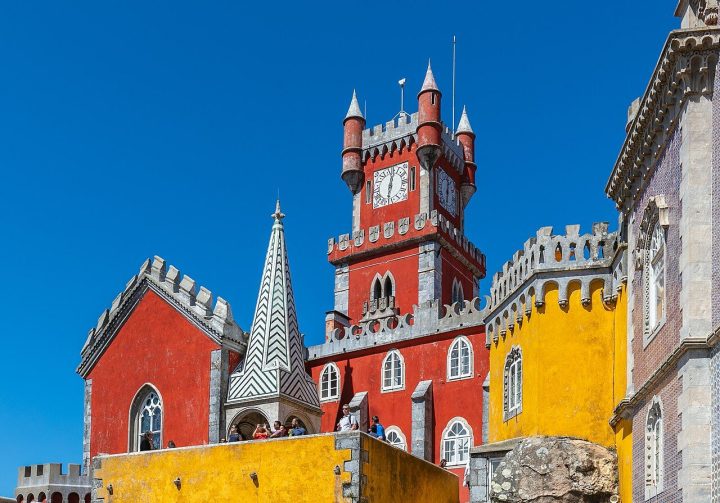
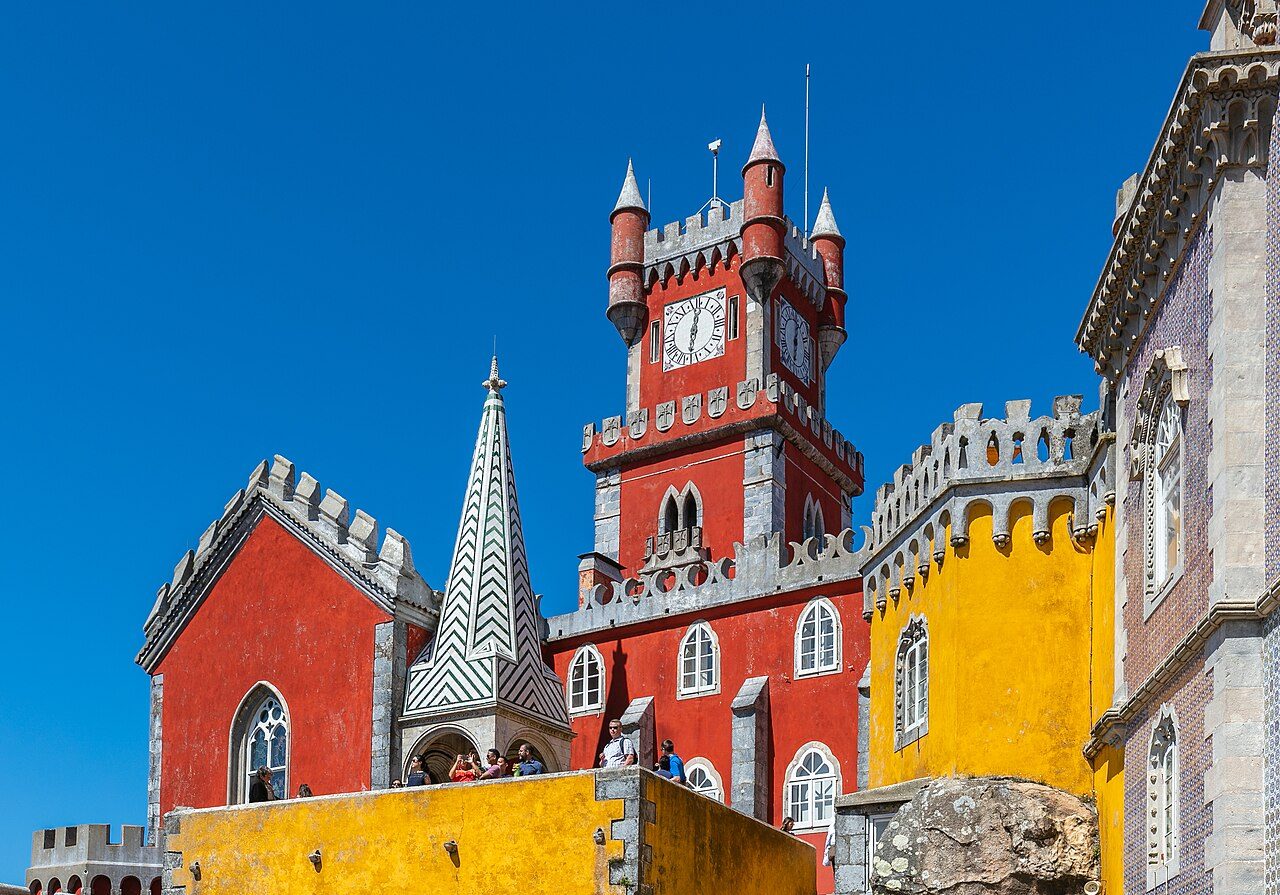
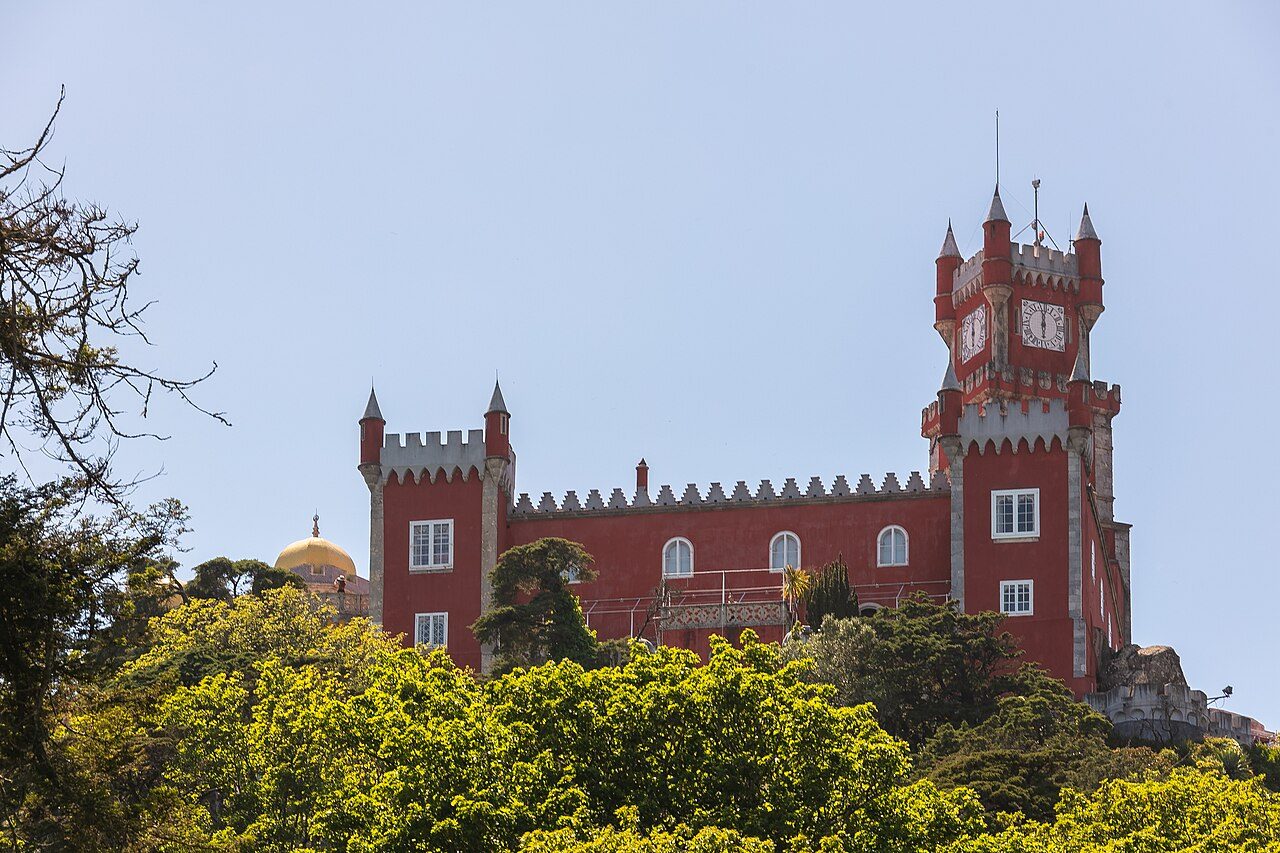
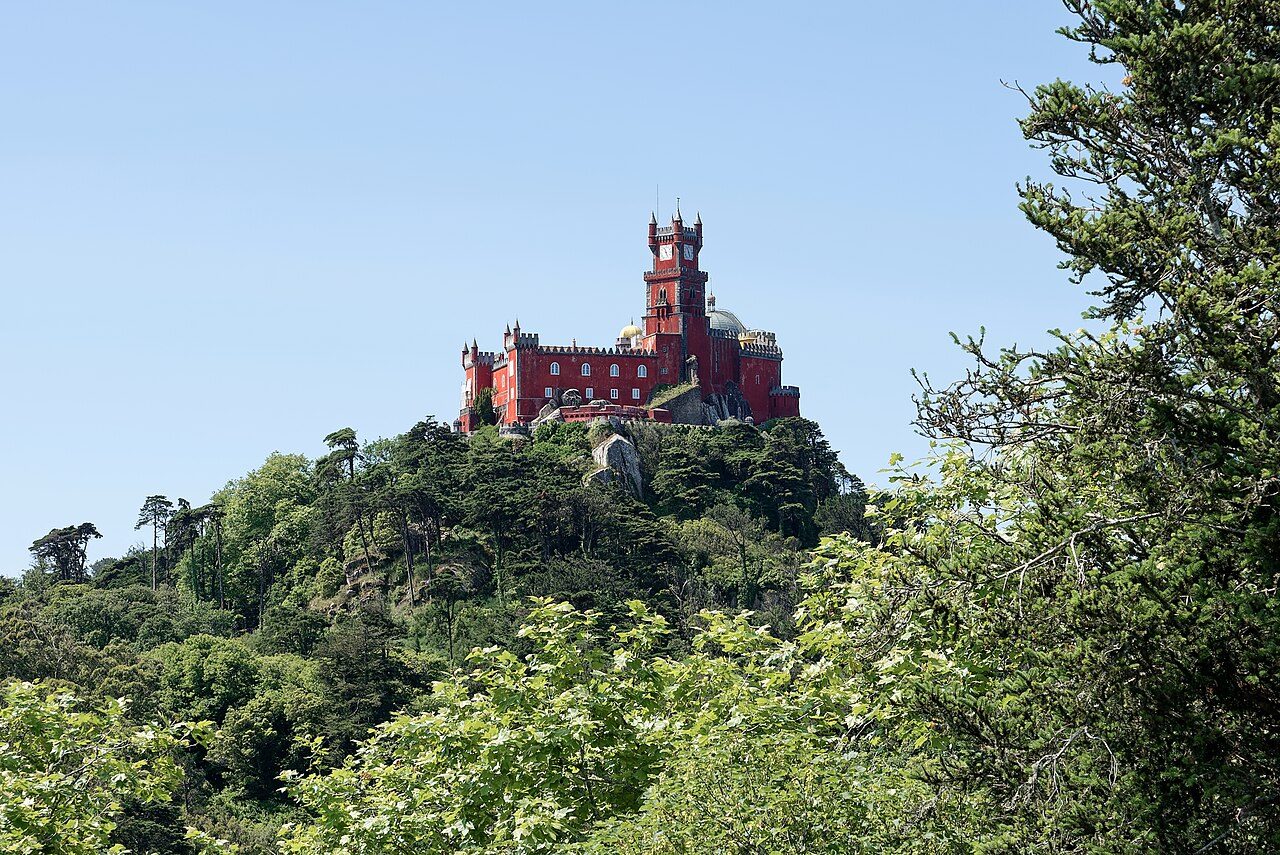
Pena Palace stands on a hilltop in the Sintra mountains, surrounded by a large park. It was built in the 19th century by King Ferdinand II on the ruins of a monastery. Its colourful walls in red and yellow, towers and domes mix Gothic, Manueline and Moorish styles. It is a symbol of Romanticism and part of the Cultural Landscape of Sintra UNESCO site.
10
STOP 10 OF 13
Quinta da Regaleira
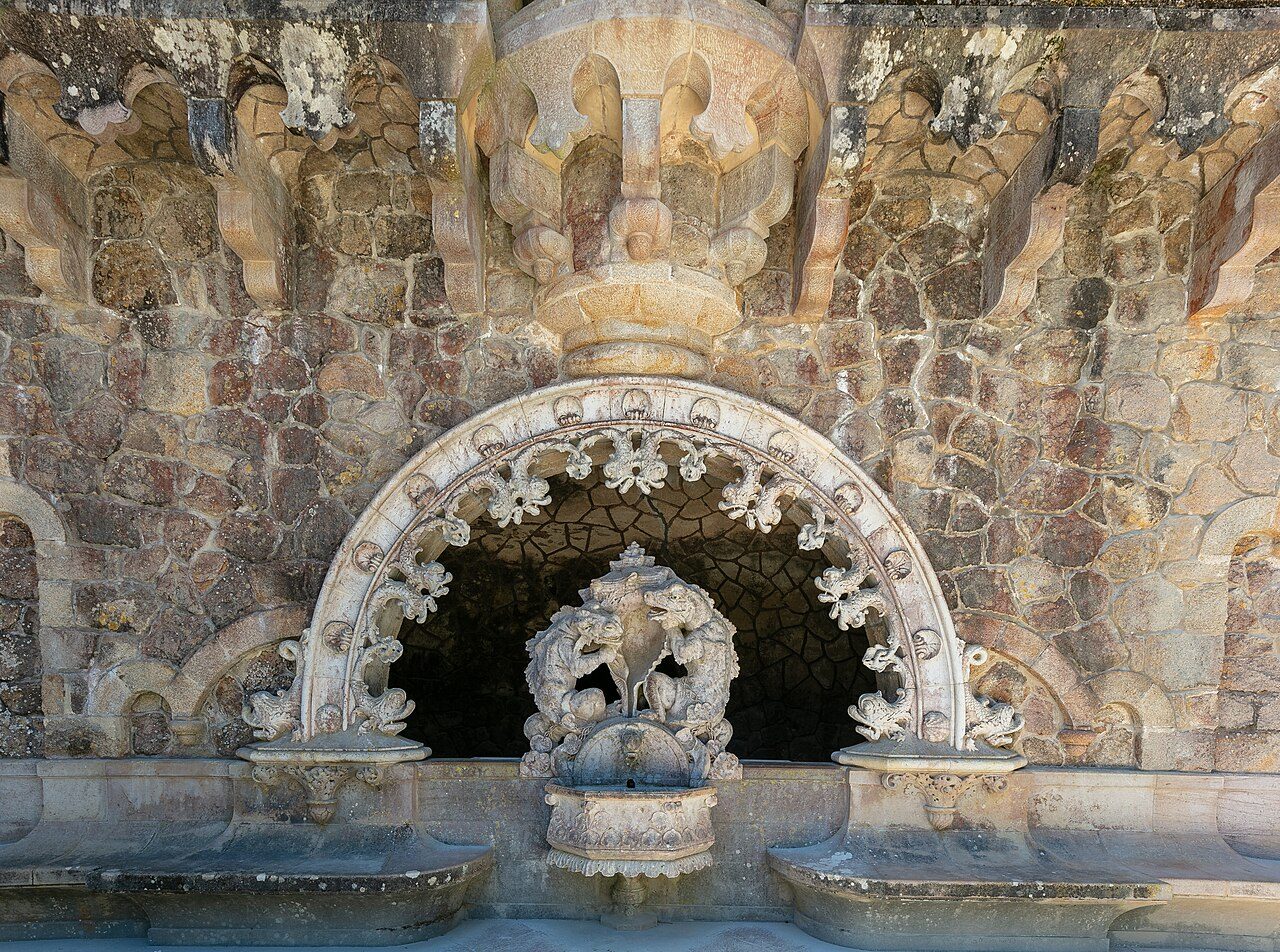
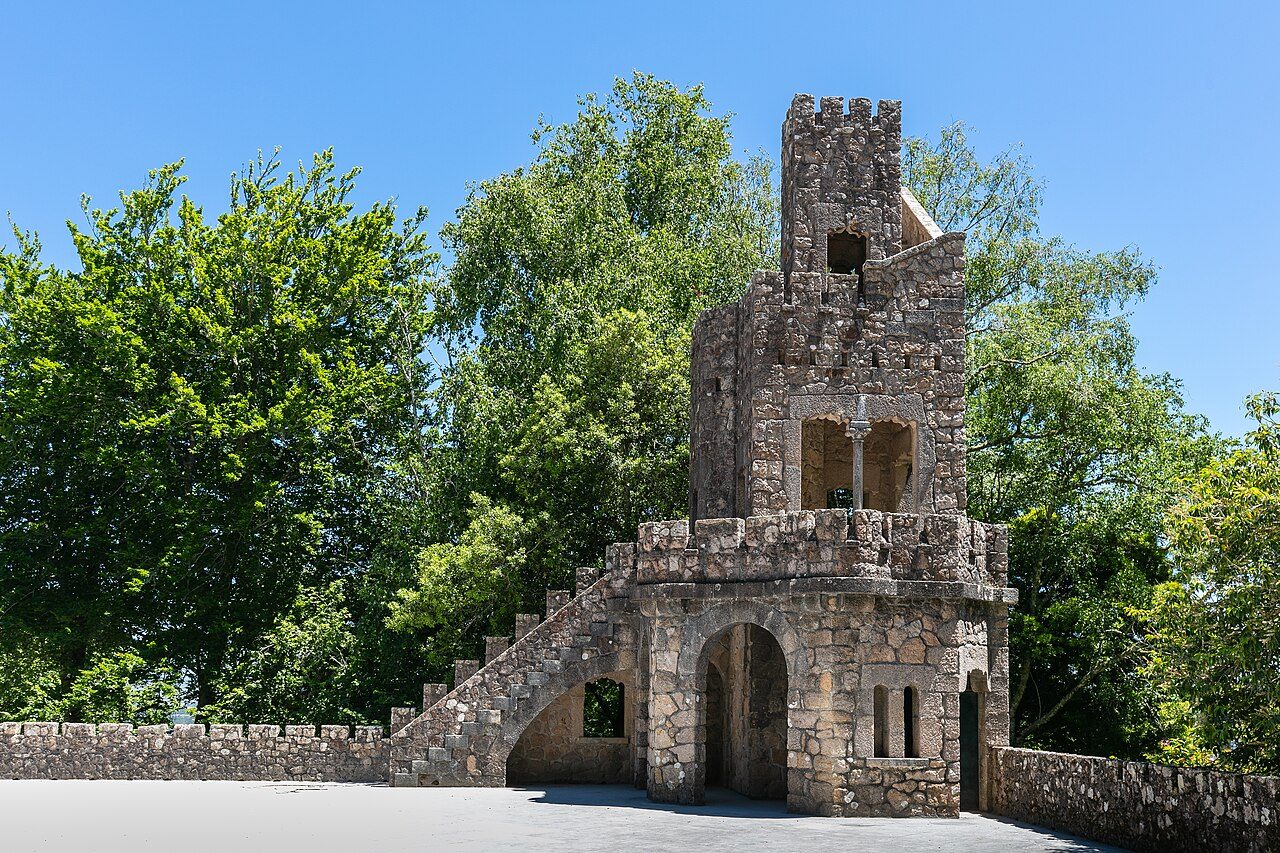
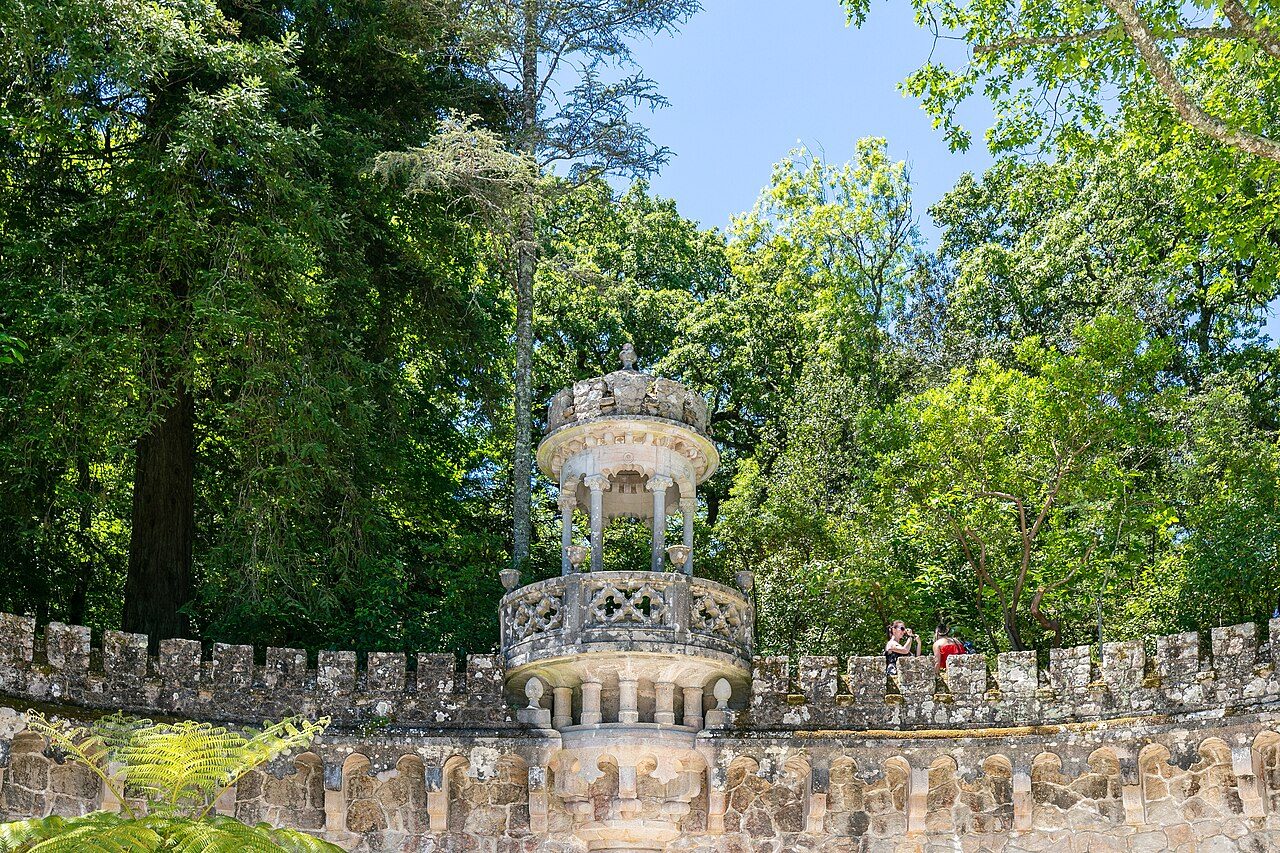
Quinta da Regaleira is an estate in Sintra built in the early 20th century for the millionaire António Carvalho Monteiro. Its Gothic palace and chapel are surrounded by gardens full of grottoes, tunnels, lakes and towers with mystical symbols. Its best known feature is the Initiation Well, a deep spiral staircase leading underground.
11
STOP 11 OF 13
Moorish Castle Sintra
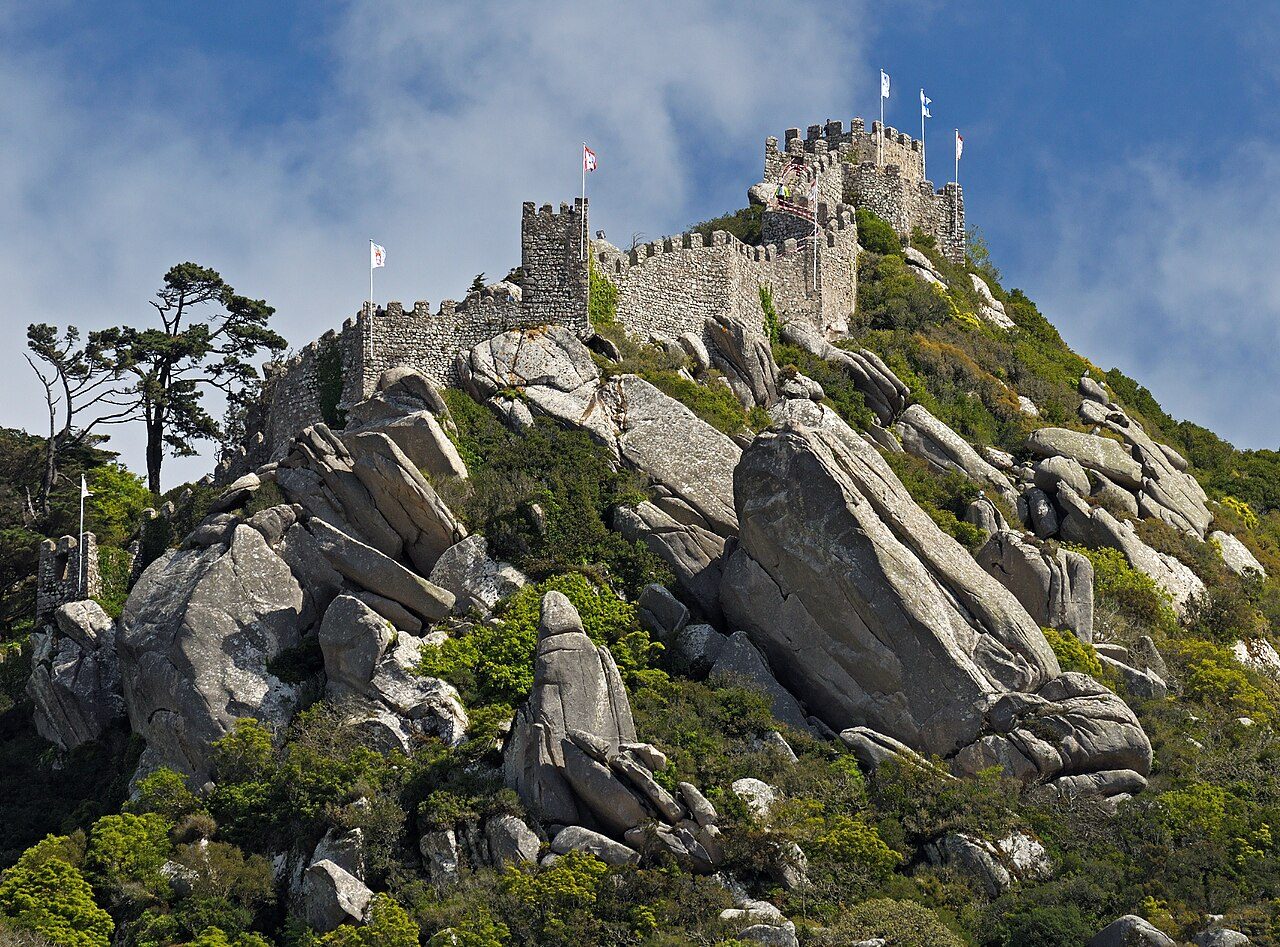
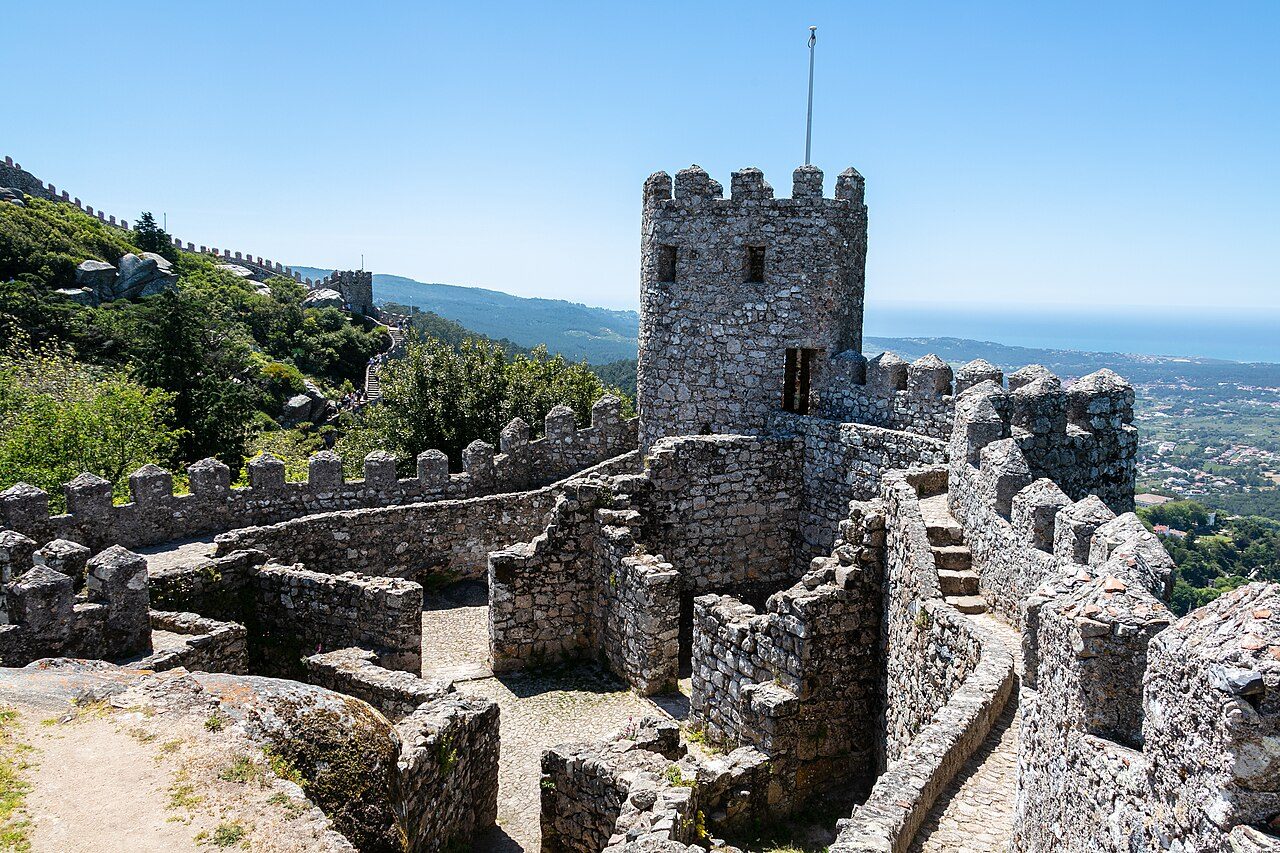
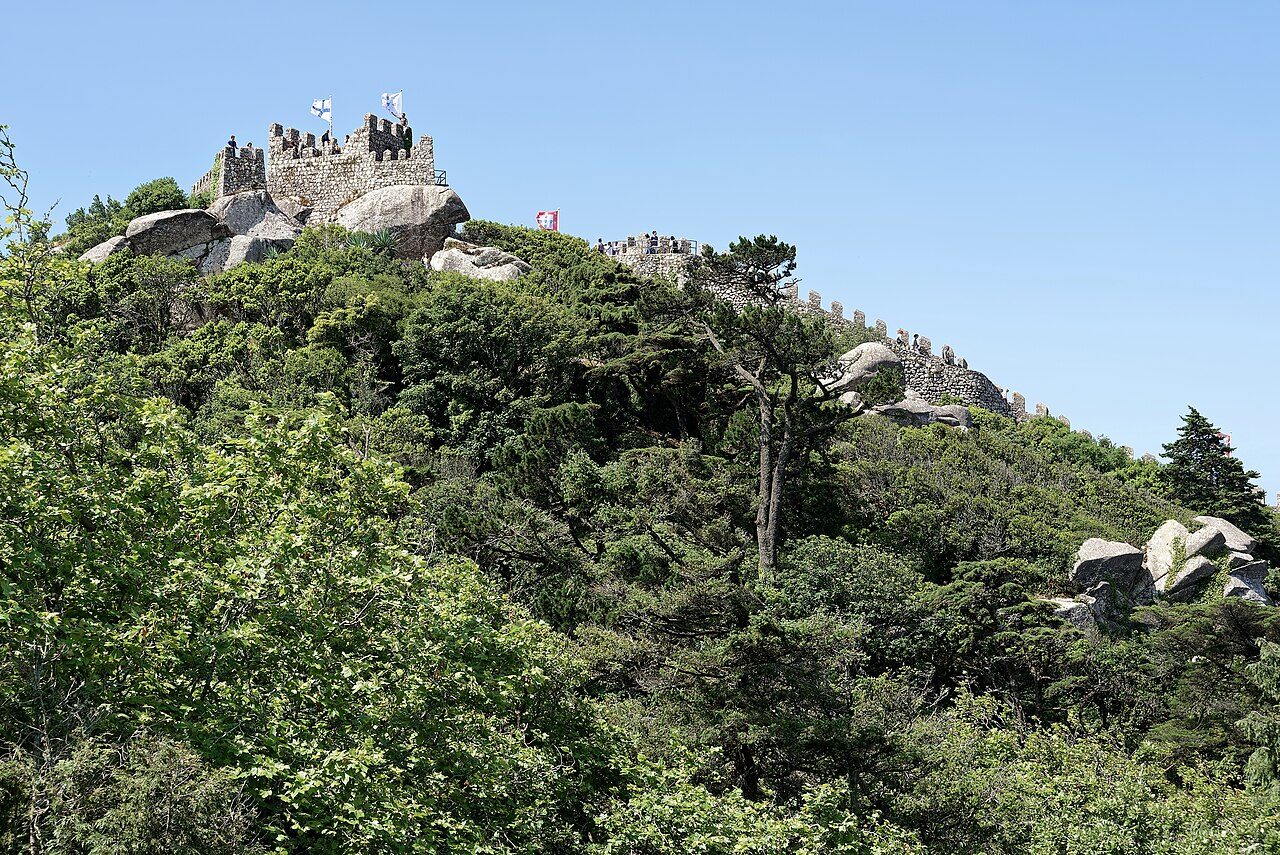
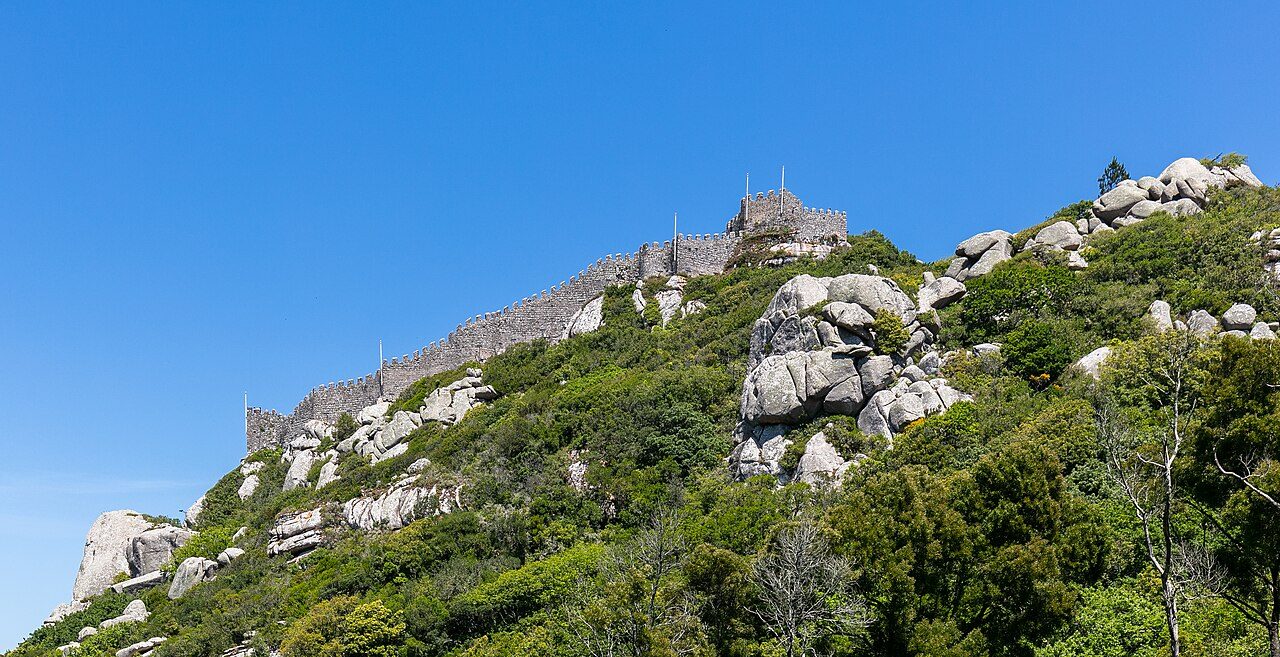
The Moorish Castle sits on a mountain top above Sintra. It was built by the Moors in the 8th and 9th centuries and taken by the Portuguese in 1147. Its battlements snake along the rocky ridge, with towers that give views over Sintra, Pena Palace and the coast. It was restored in the 19th century by King Ferdinand II.
12
STOP 12 OF 13
Cabo da Roca
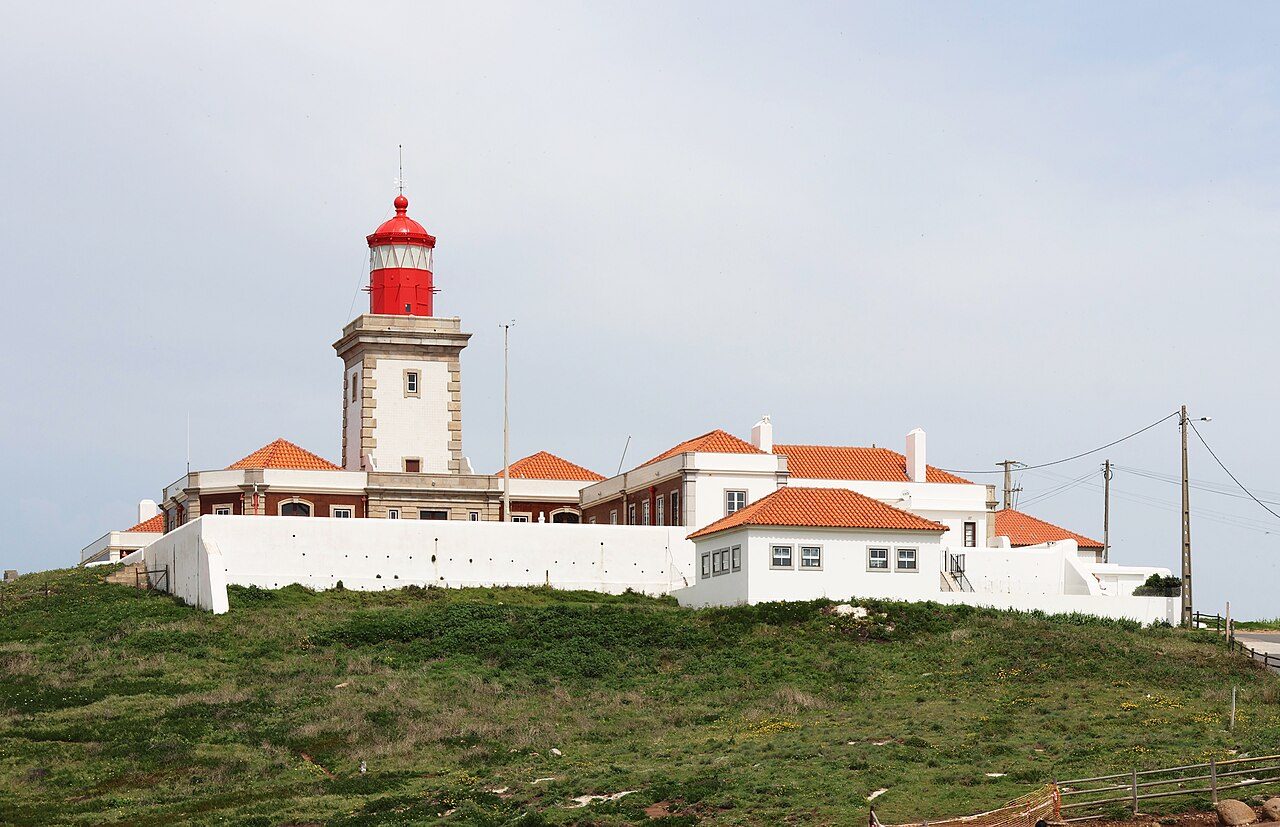
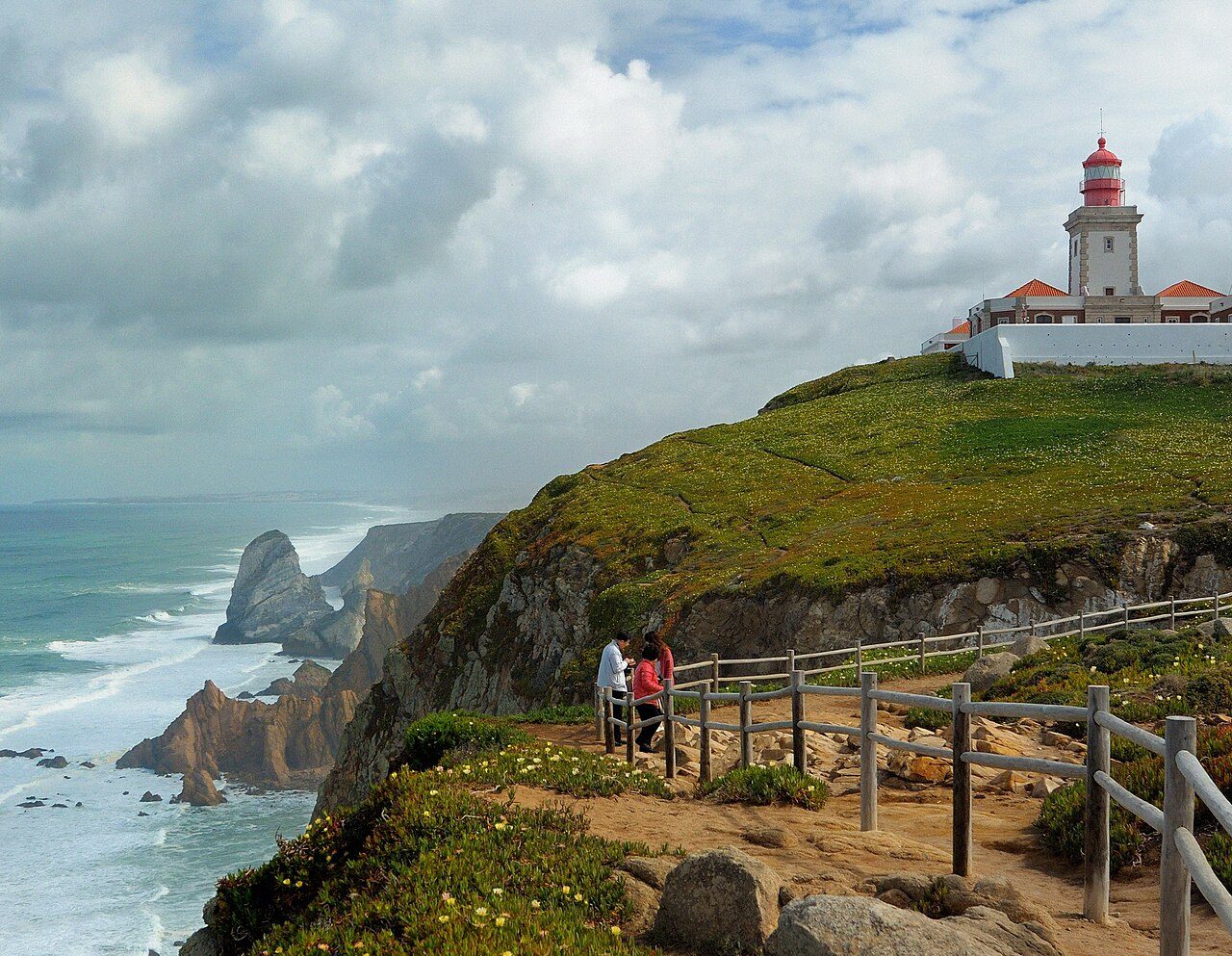
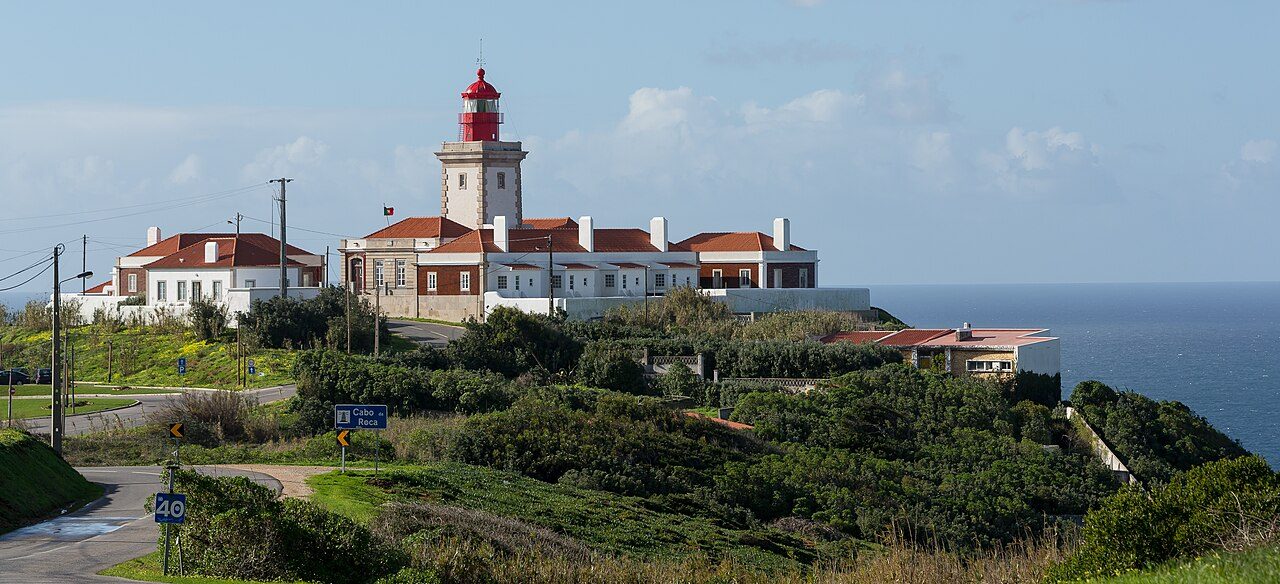
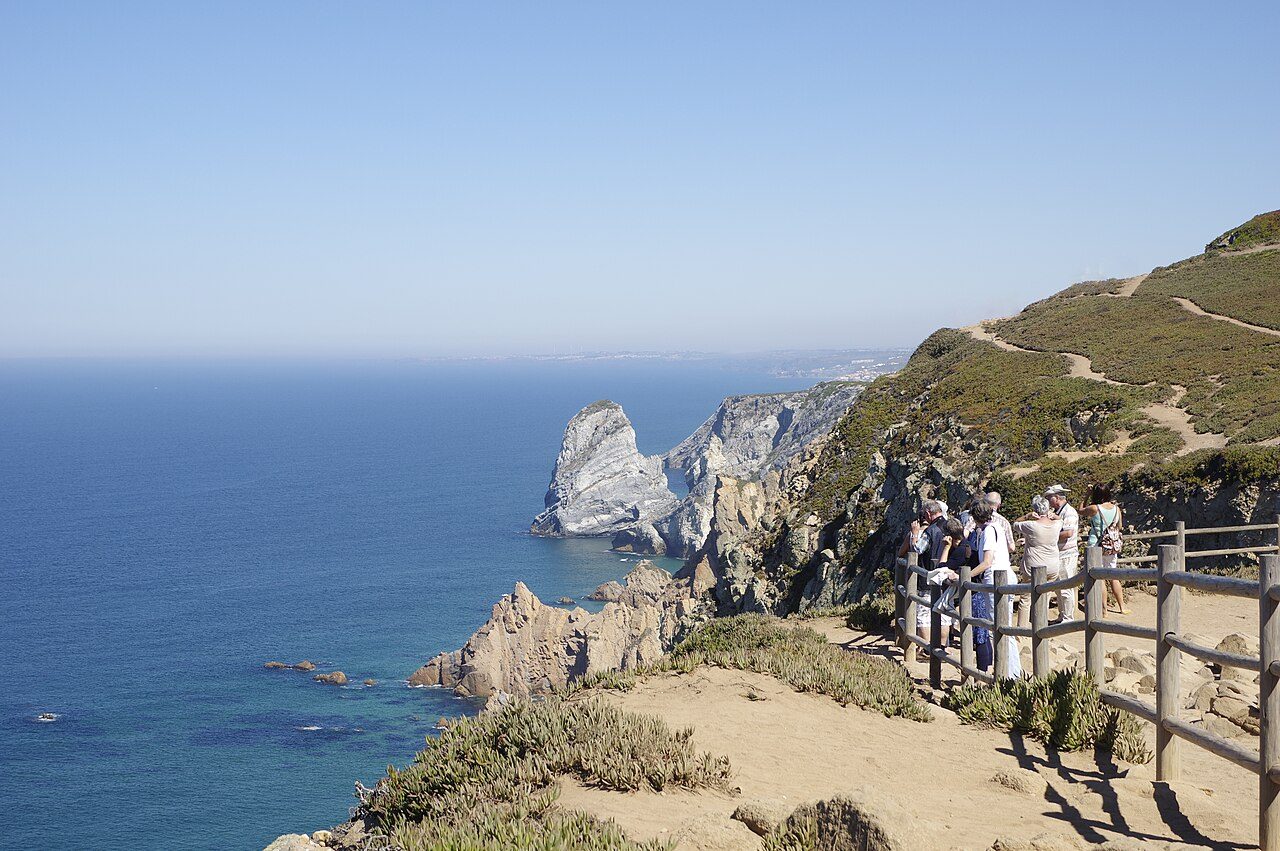
Cabo da Roca is the westernmost point of mainland Europe, on cliffs about 140 metres above the Atlantic near Sintra. A monument bears the words of the poet Camões: where the land ends and the sea begins. A red-topped lighthouse stands nearby. The windswept headland is part of the Sintra-Cascais Natural Park.
13
STOP 13 OF 13 · LAST STOP
Cascais
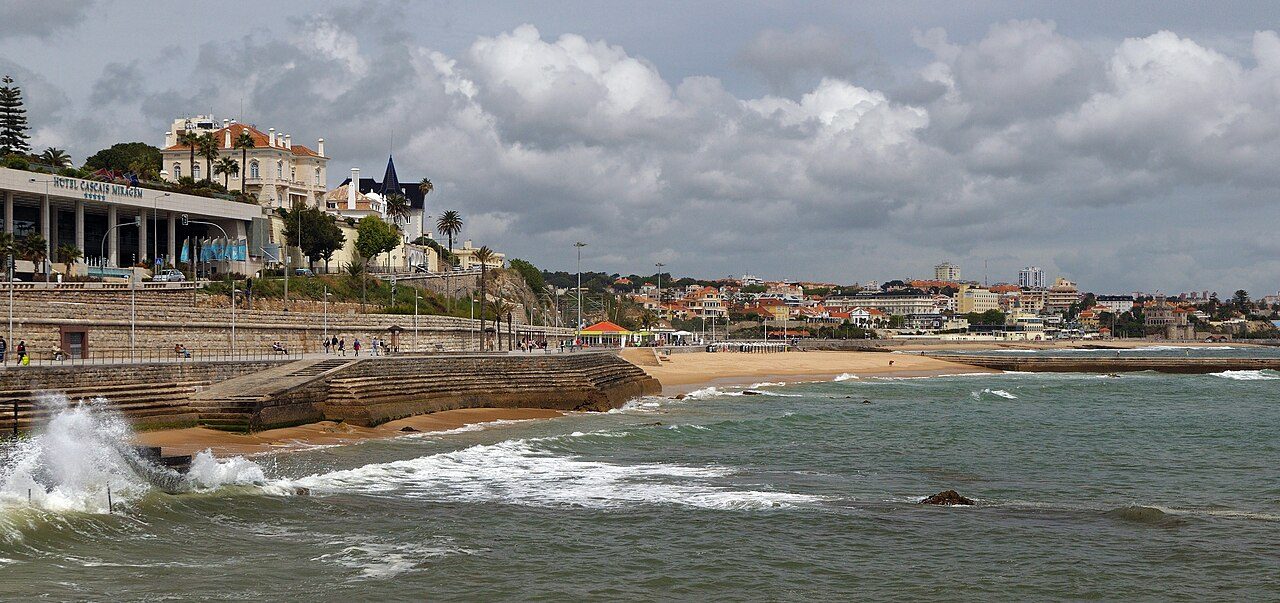
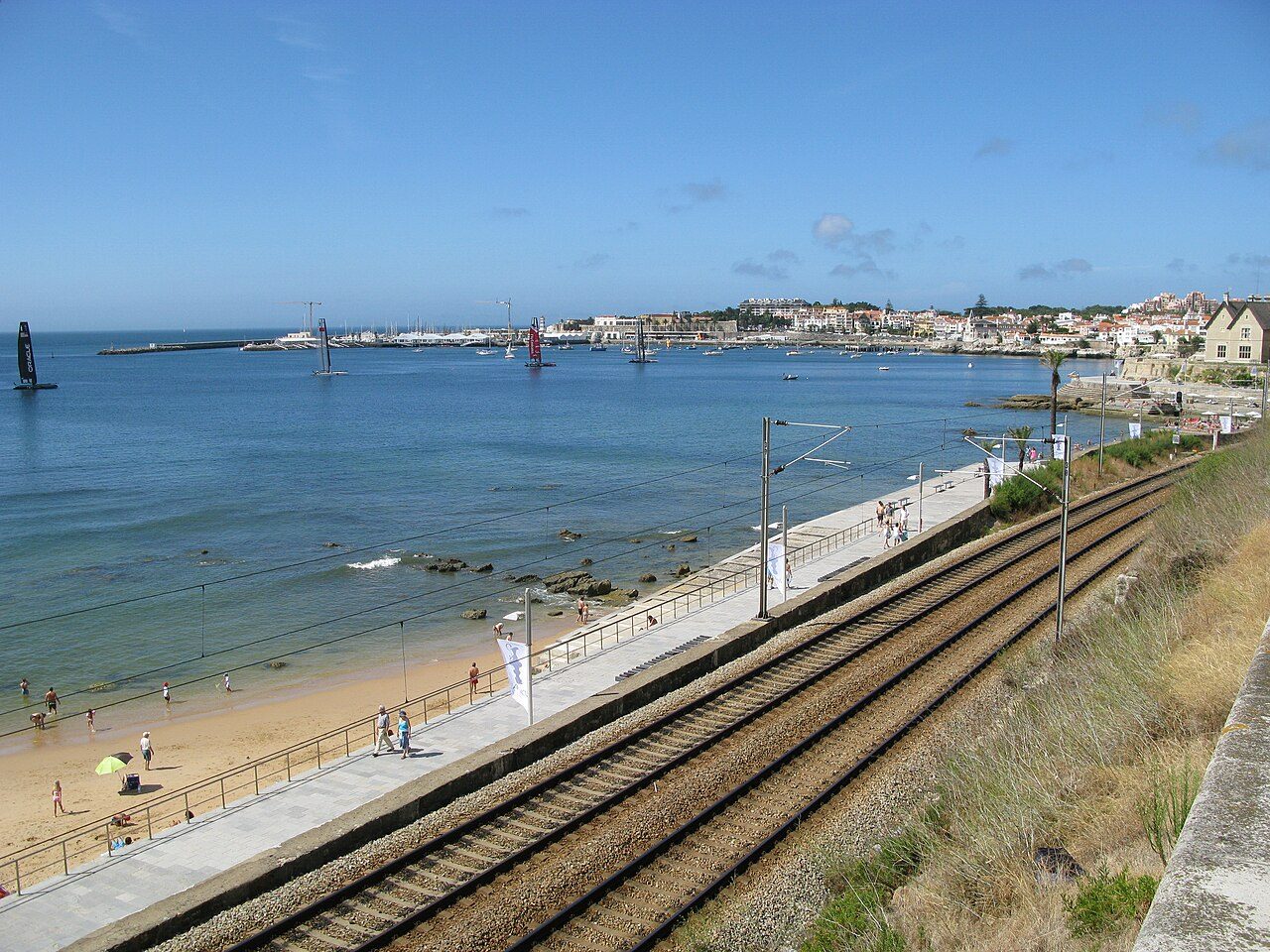
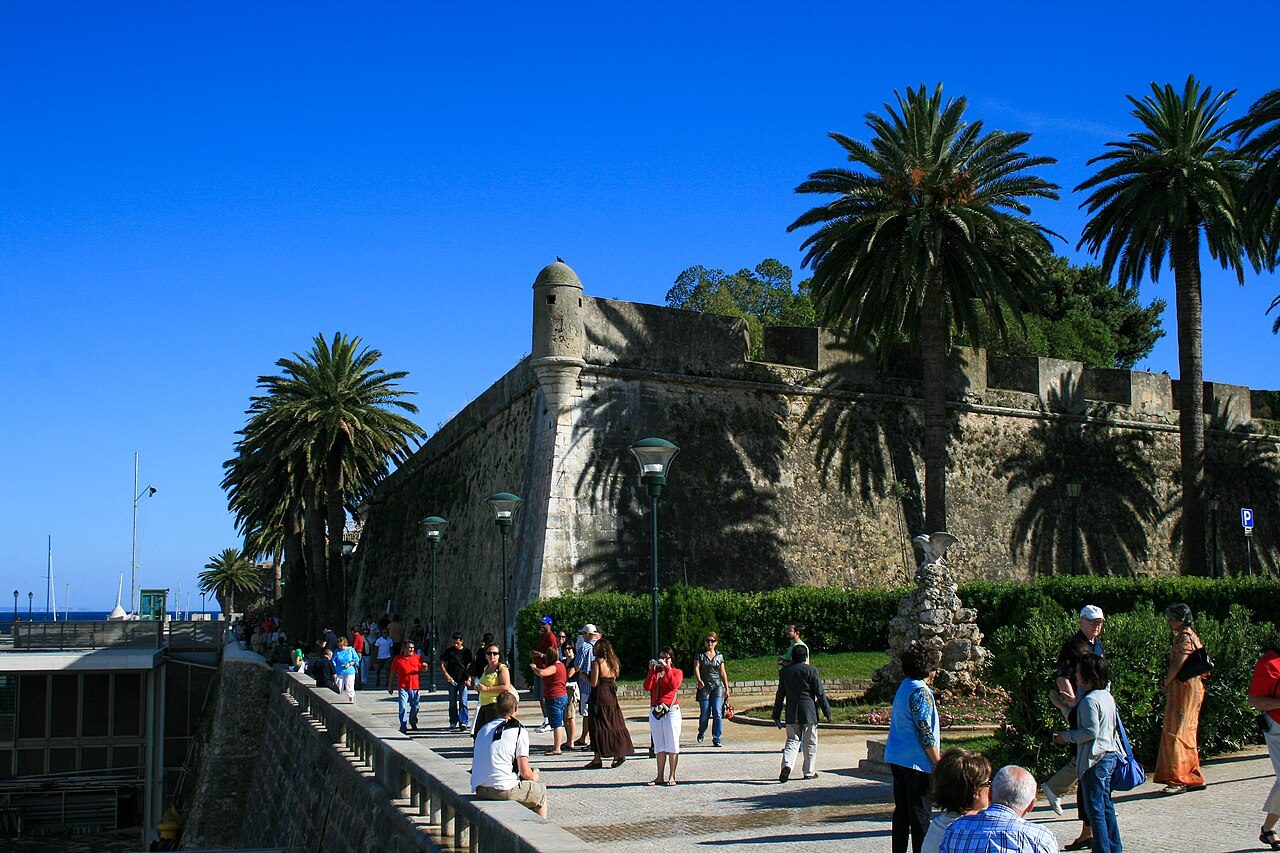
Cascais is a seaside town west of Lisbon, once a fishing village and later a summer resort of the Portuguese royal family. It has sandy beaches, a marina, a historic centre and mansions. Nearby, Boca do Inferno is a dramatic cliff chasm where waves crash. Trains from Lisbon reach it along the coast.
Seasons from 20 years of NASA POWER climate data.
 WaTrips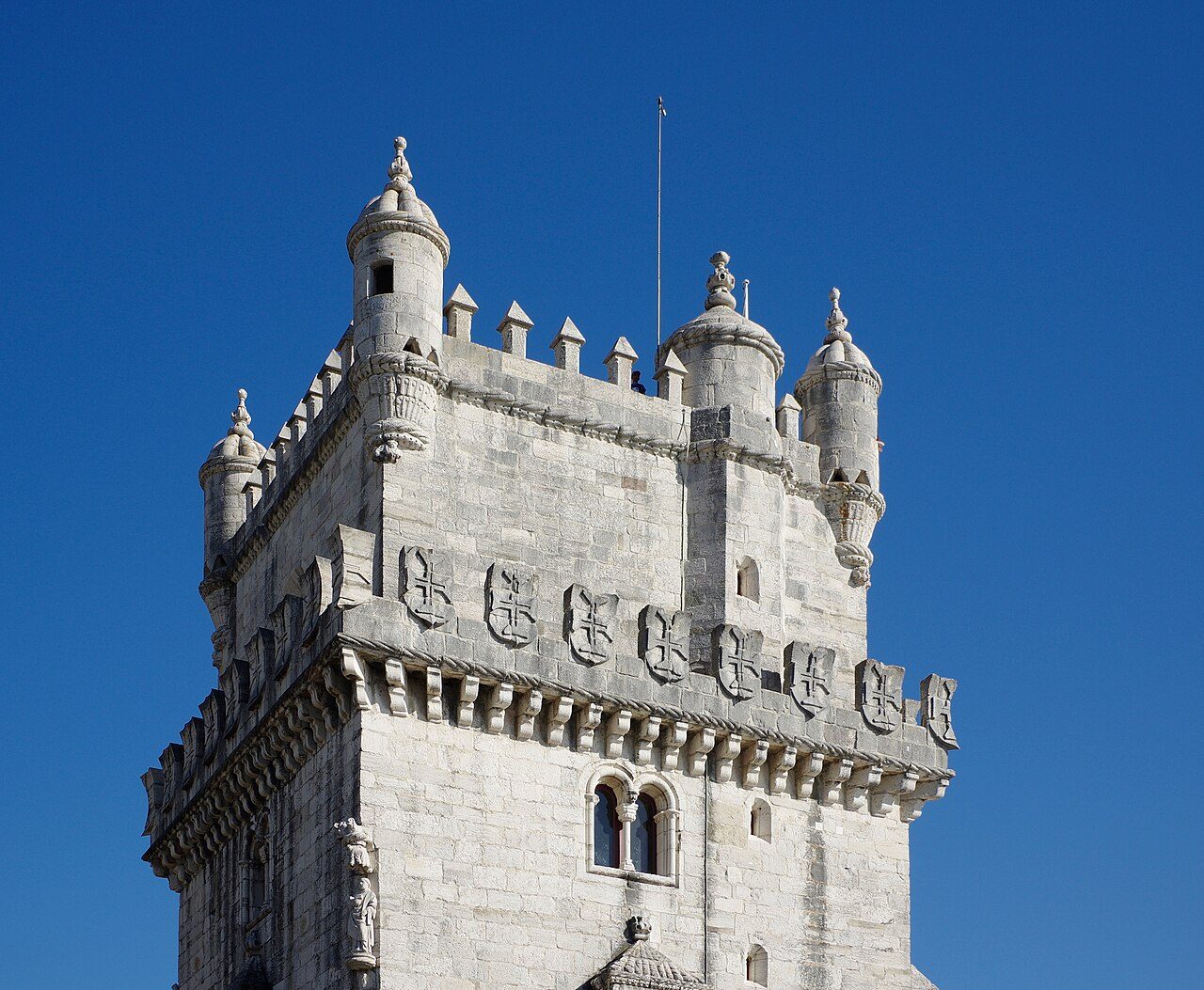








 BikesBooking
 Localrent
 Airalo
 Tiqets