 WaTrips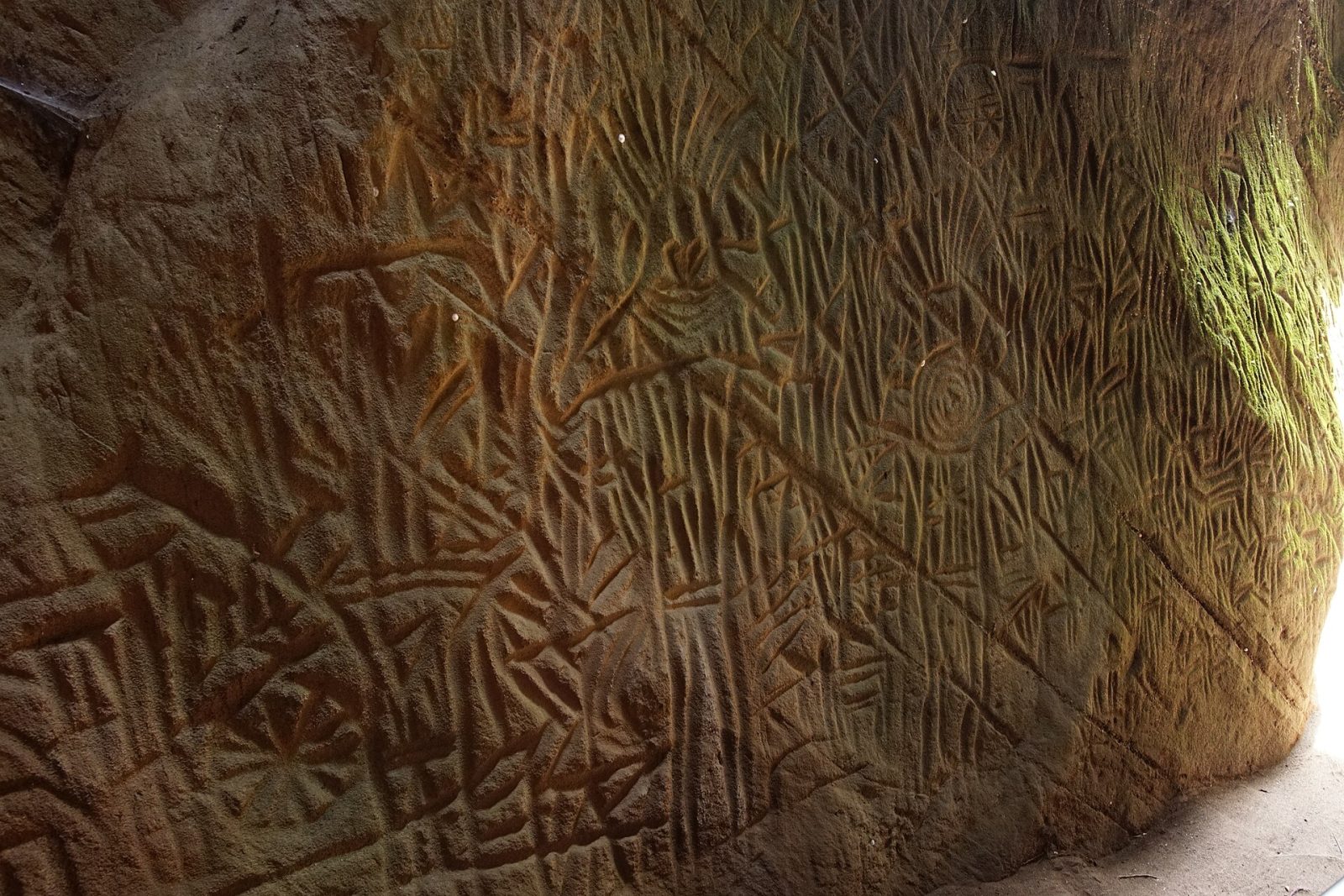
High on Ambukuthi hill in Wayanad, the Edakkal caves hold some of the oldest rock carvings in south India. Figures of people, animals and strange symbols cover the walls — left by people who lived here thousands of years ago.
Not quite a cave
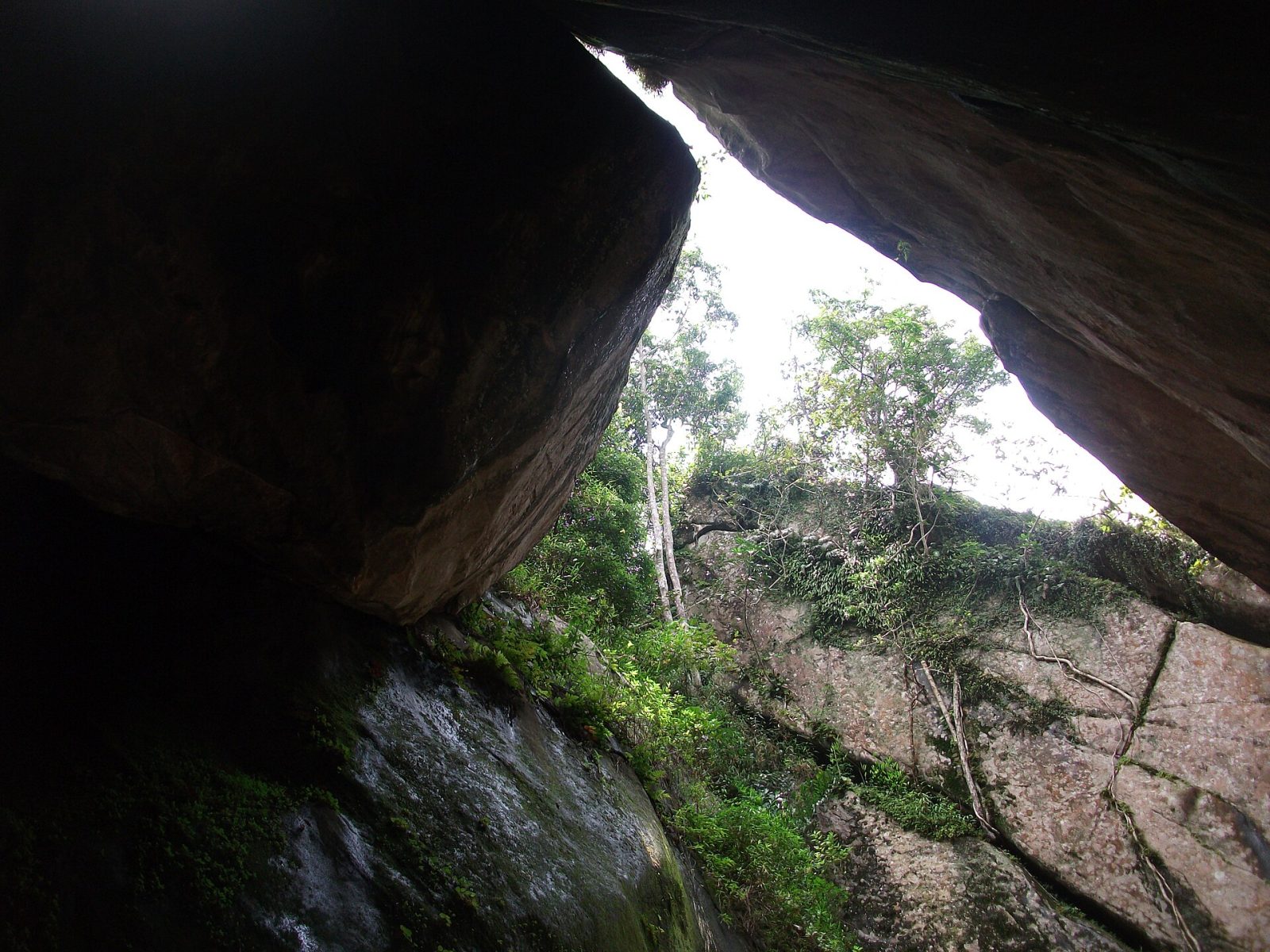
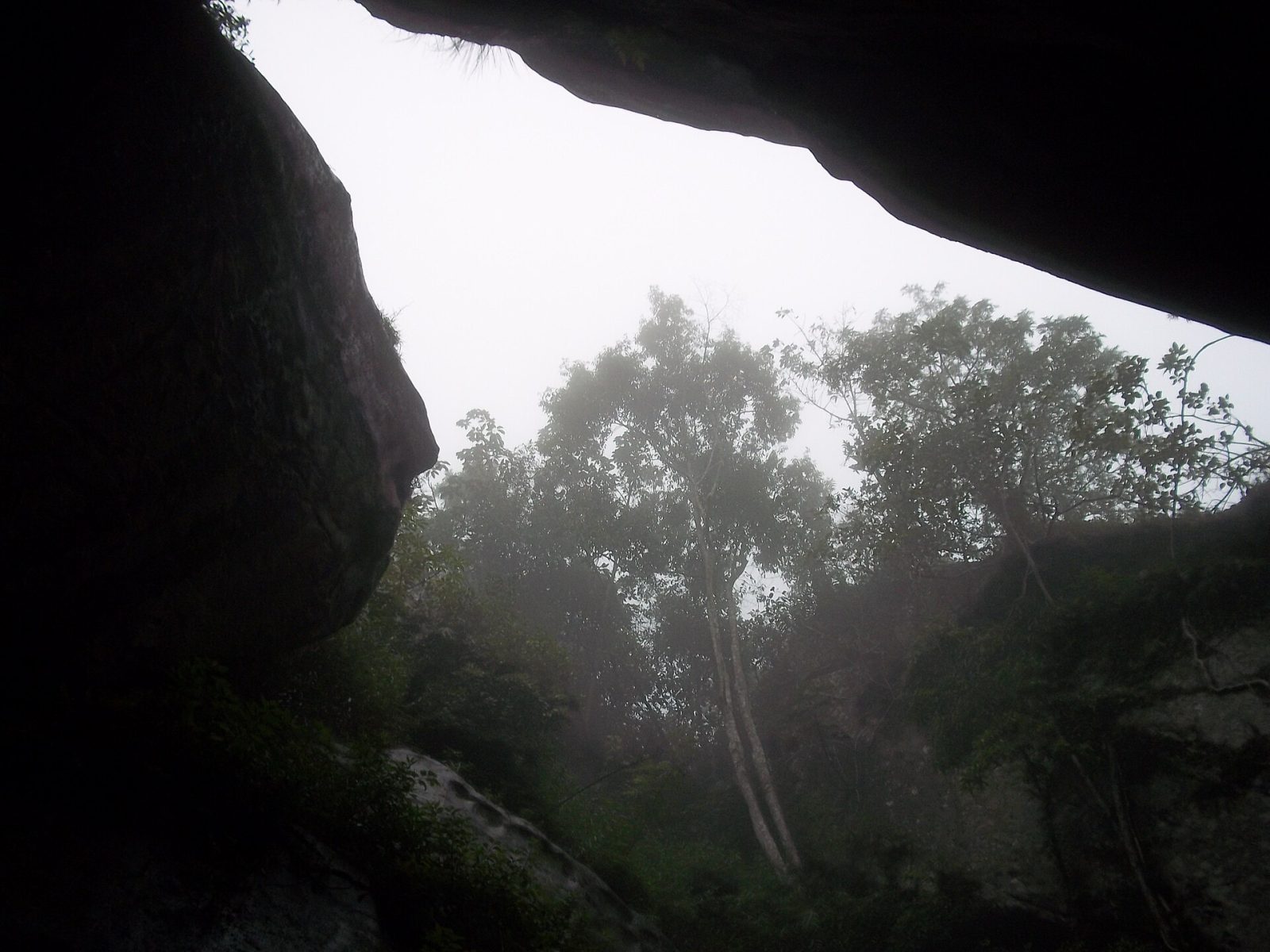
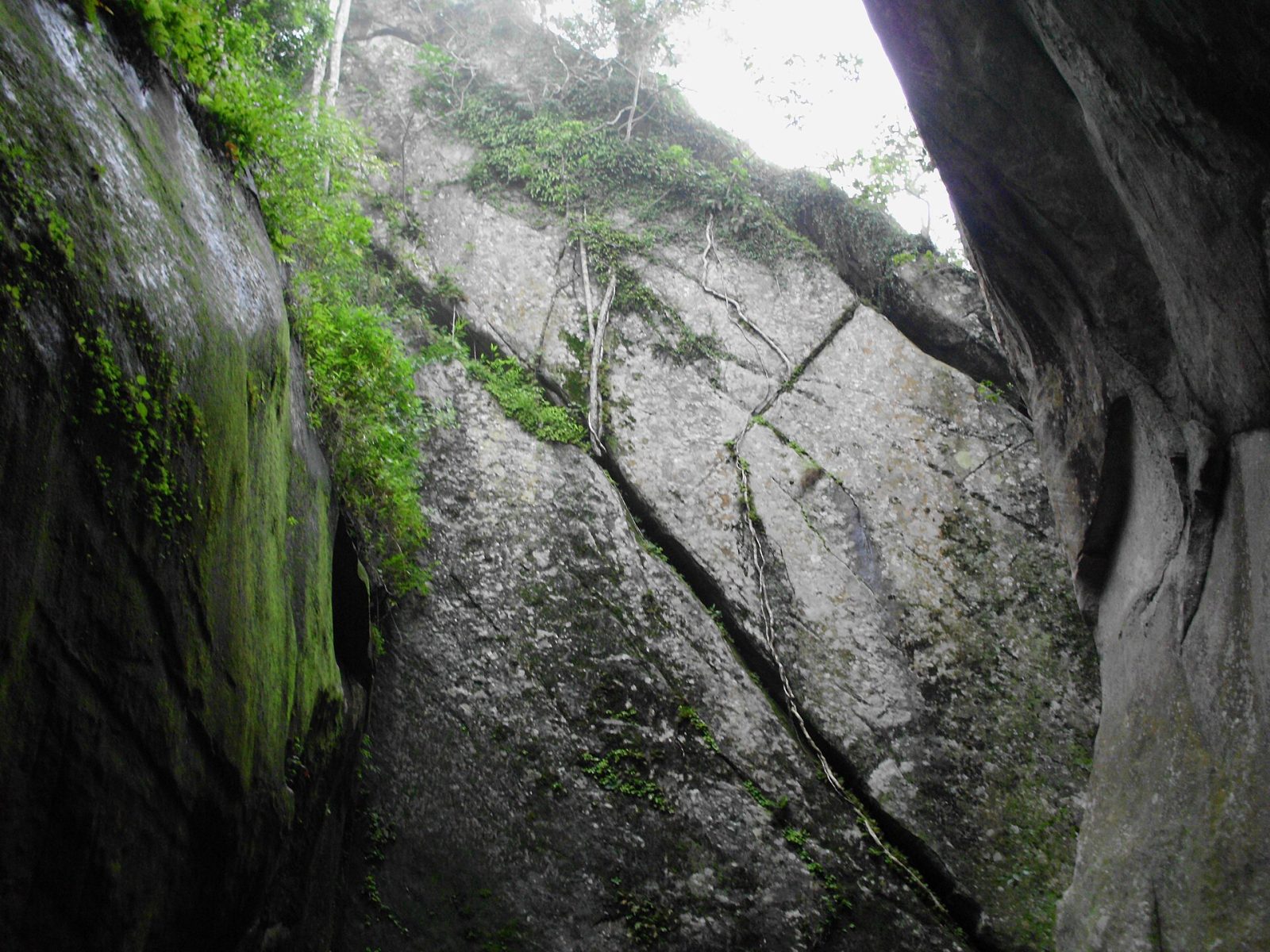
The two caves are not true caves at all, but a deep cleft about 29 metres long, formed when a huge piece of rock split away from the hillside. A boulder weighing several tons fell across the gap and forms the roof. The site lies about 1,200 metres above sea level, near an ancient route between the Mysore plateau and the Malabar coast.
The carvings
The walls are covered with petroglyphs — figures of people and animals, tools and symbols that have never been deciphered. They come from several periods, the oldest believed to date back to at least 6000 BCE, which makes Edakkal one of the most important prehistoric sites in the country.
The caves came to wider attention in 1890, when Fred Fawcett, a police official of the Malabar district, explored them and recognised their importance. One of the later carvings, a man holding a jar, has been compared with motifs from the Indus Valley civilisation.
The climb
From the parking area a road and then steep paths and steps lead up the hill. The climb takes around half an hour to the caves, and the view across the Wayanad hills from the top is a reward of its own.
When to visit
December to April is the best time, with dry paths and clear views. The monsoon, especially June to August, makes the climb wet and slippery, and the site can close in heavy rain.
Tips for your visit
- Opening days — the caves are usually closed on Mondays — check before you go.
- Footwear — wear shoes with good grip for the steep steps.
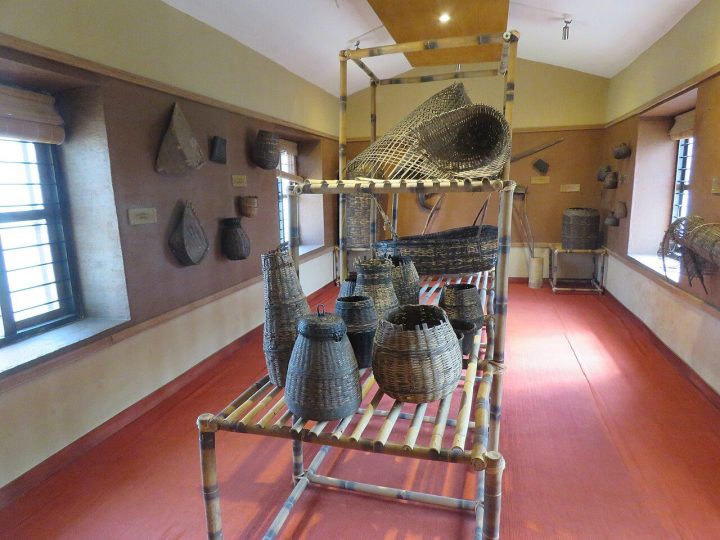
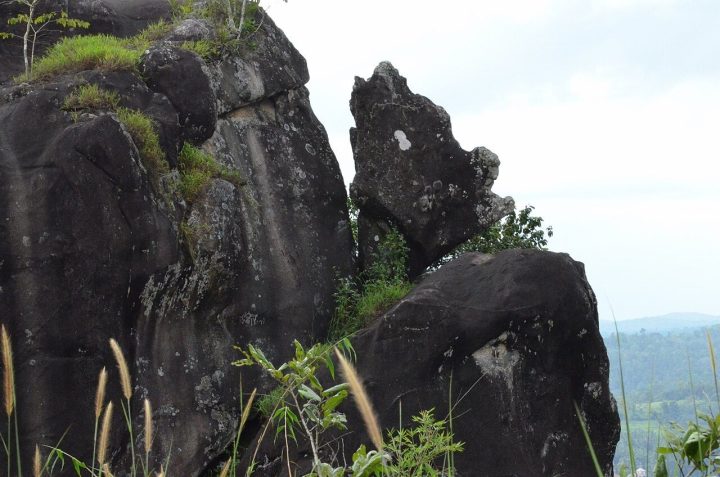
- Nearby — Wayanad Heritage Museum at Ambalavayal is about 3 km away, and Phantom Rock about 4 km.
- Fitness — the climb is steep; take your time.

Comments
Been here, or planning to go? Share a tip or ask a question.
Sign in with Google to comment or vote. Your email is never shown.