Malabar & Wayanad: Kozhikode, Hill Lakes and Kannur in 4 Days
4 DAYS15 placesby WaTrips
Kozhikode's beaches and old town, two days in green Wayanad with caves, lakes and waterfalls, then forts and a drive-in beach in Kannur.
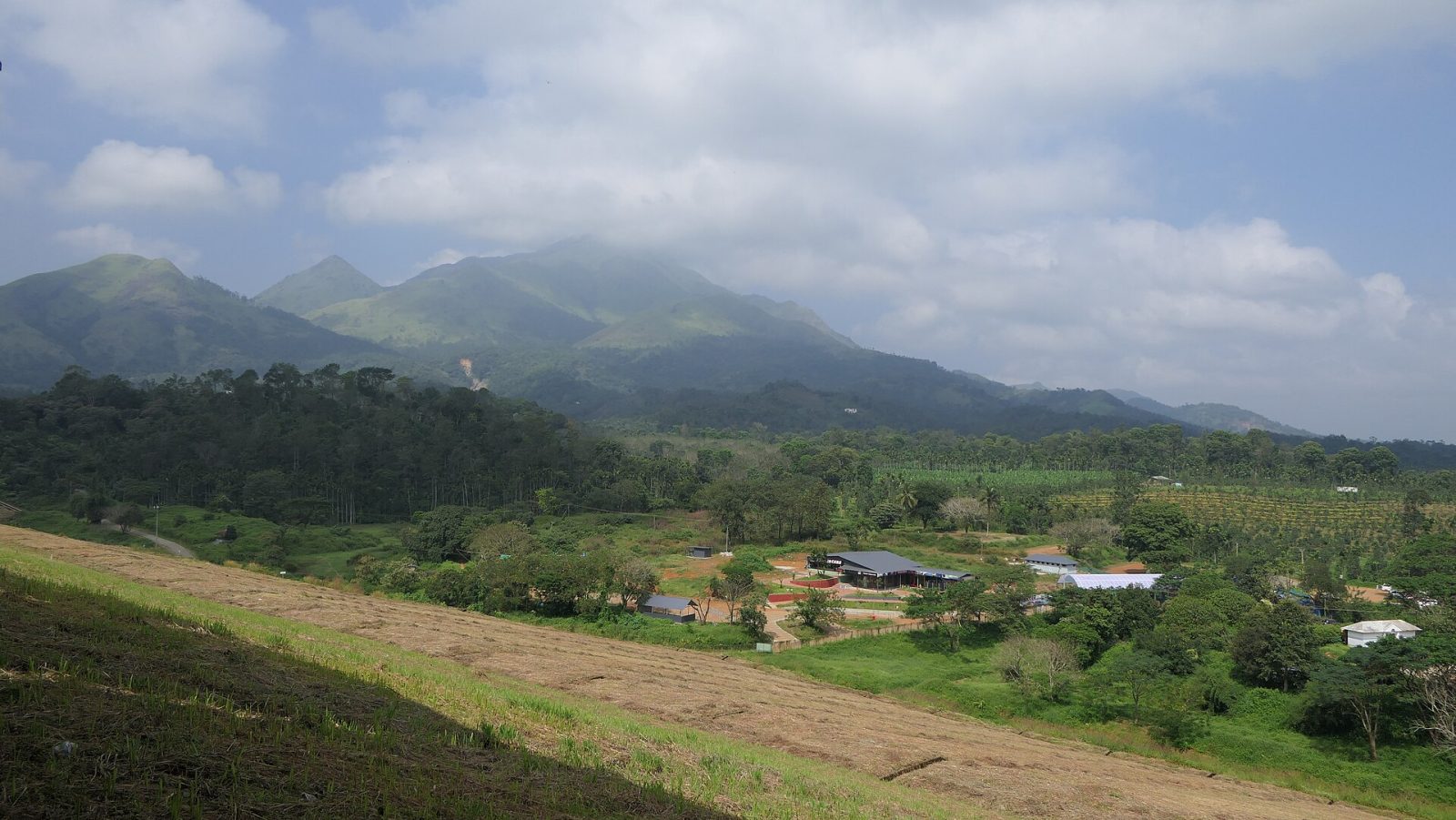
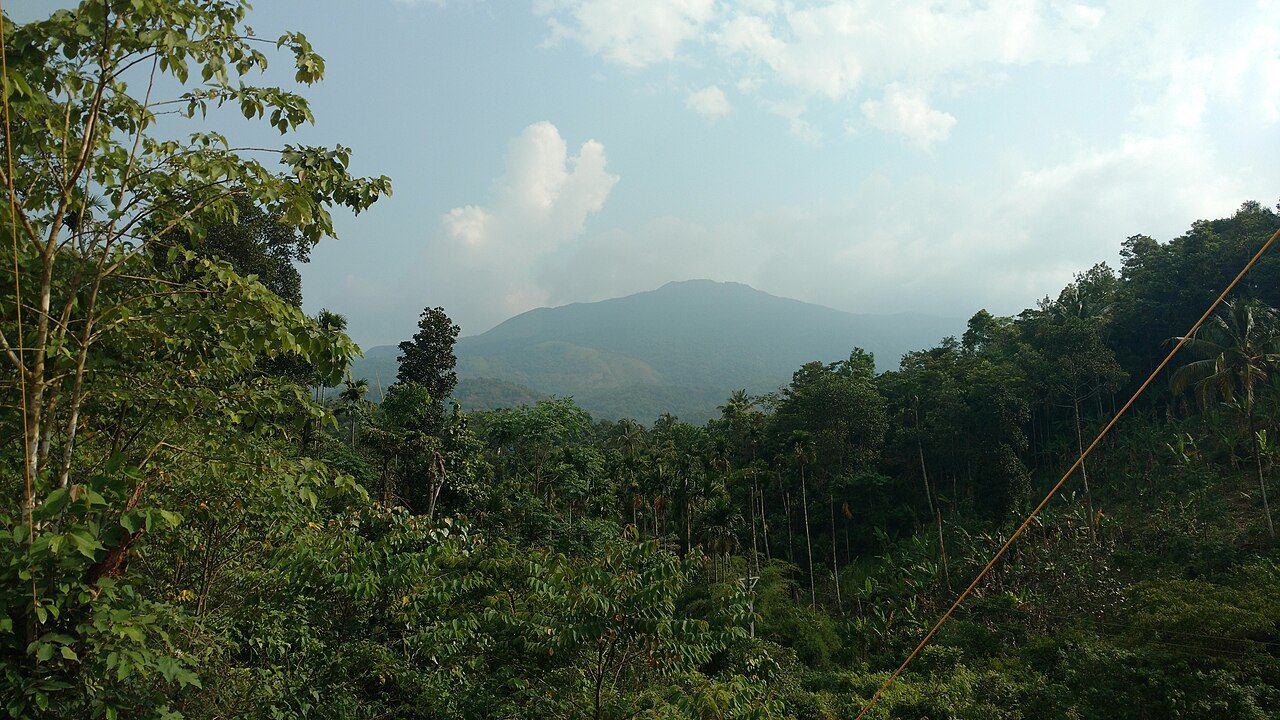
Northern Kerala is less crowded than the south and full of history. Kozhikode has a long sea front, the historic Thali temple and Kappad Beach, where Vasco da Gama landed in 1498. The ghat road then climbs to Wayanad: Pookode Lake, the huge Banasura Sagar Dam and Karlad Lake on day two, and on day three the ancient carvings inside Edakkal Caves, Phantom Rock, Soochipara Falls and the old Jain temple at Sultan Bathery. Come down to Kannur for the Muzhappilangad drive-in beach and the sea forts at Thalassery and St. Angelo. Edakkal involves a steep climb and is closed on Mondays, so plan day three around that.
Weather: MET Norway
01
STOP 1 OF 15
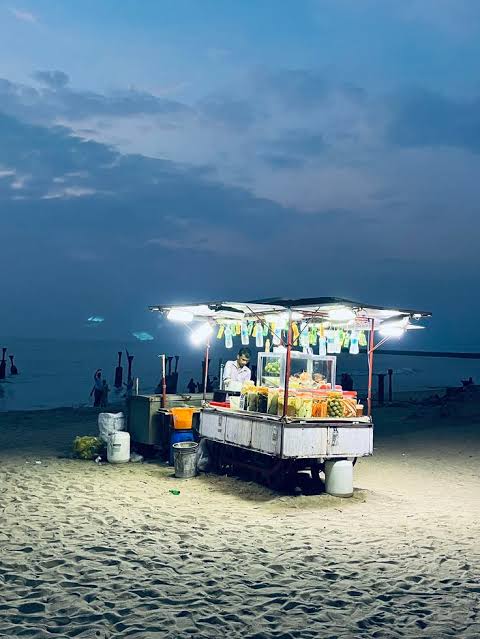
Kozhikode Beach
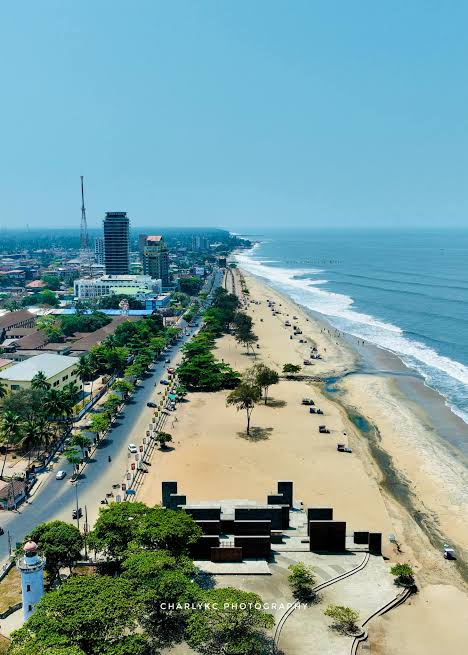
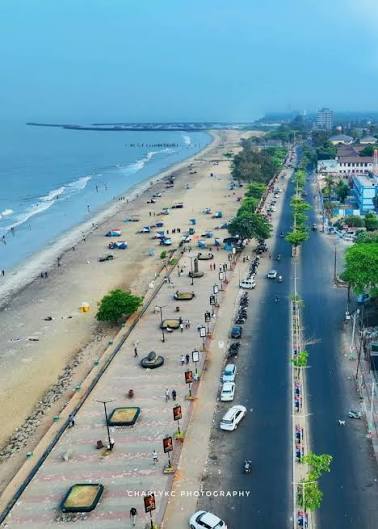
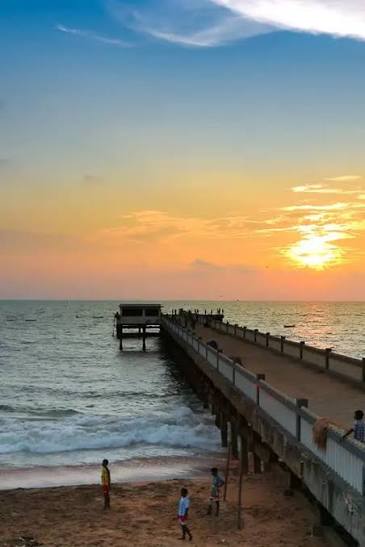
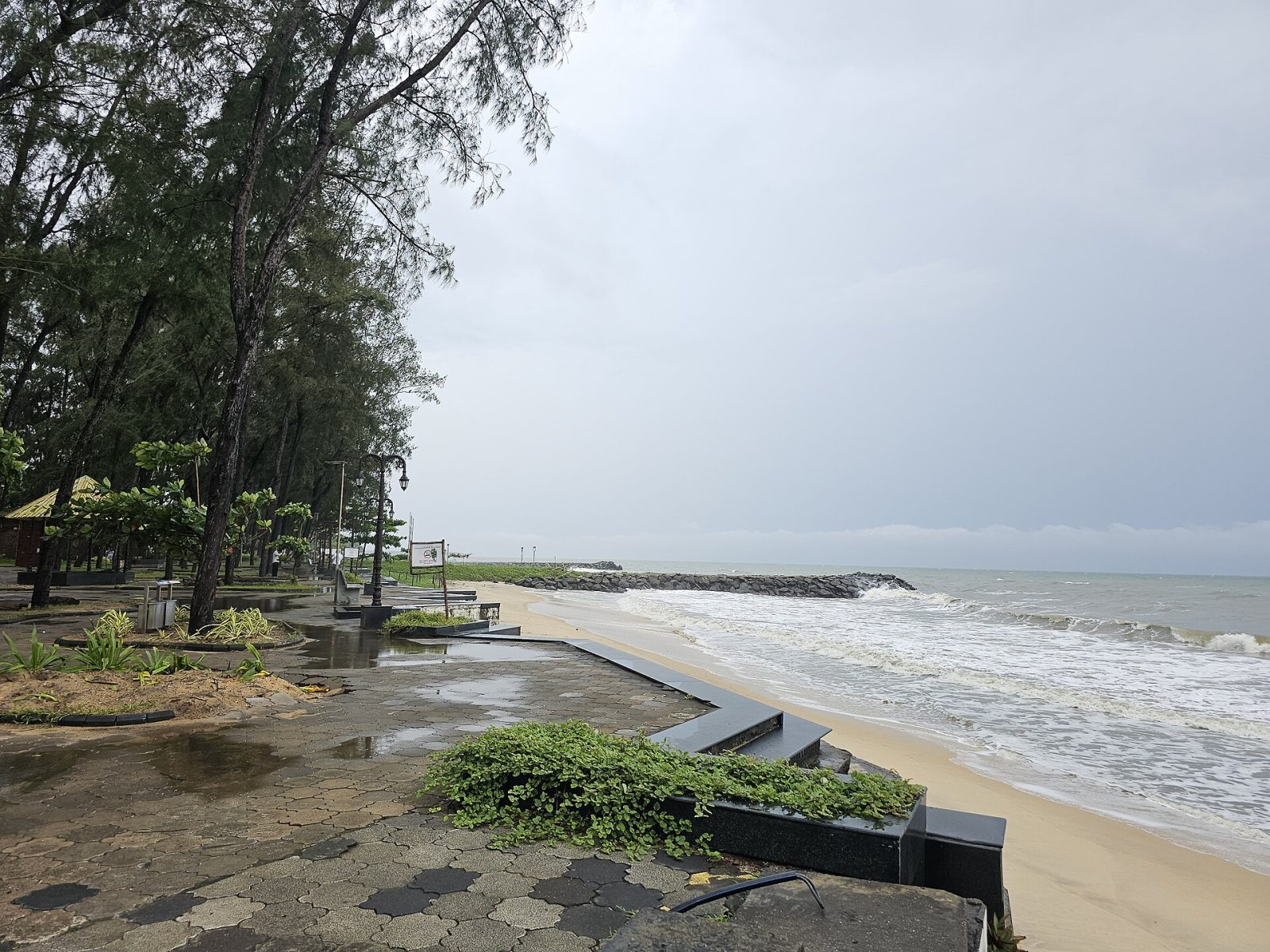
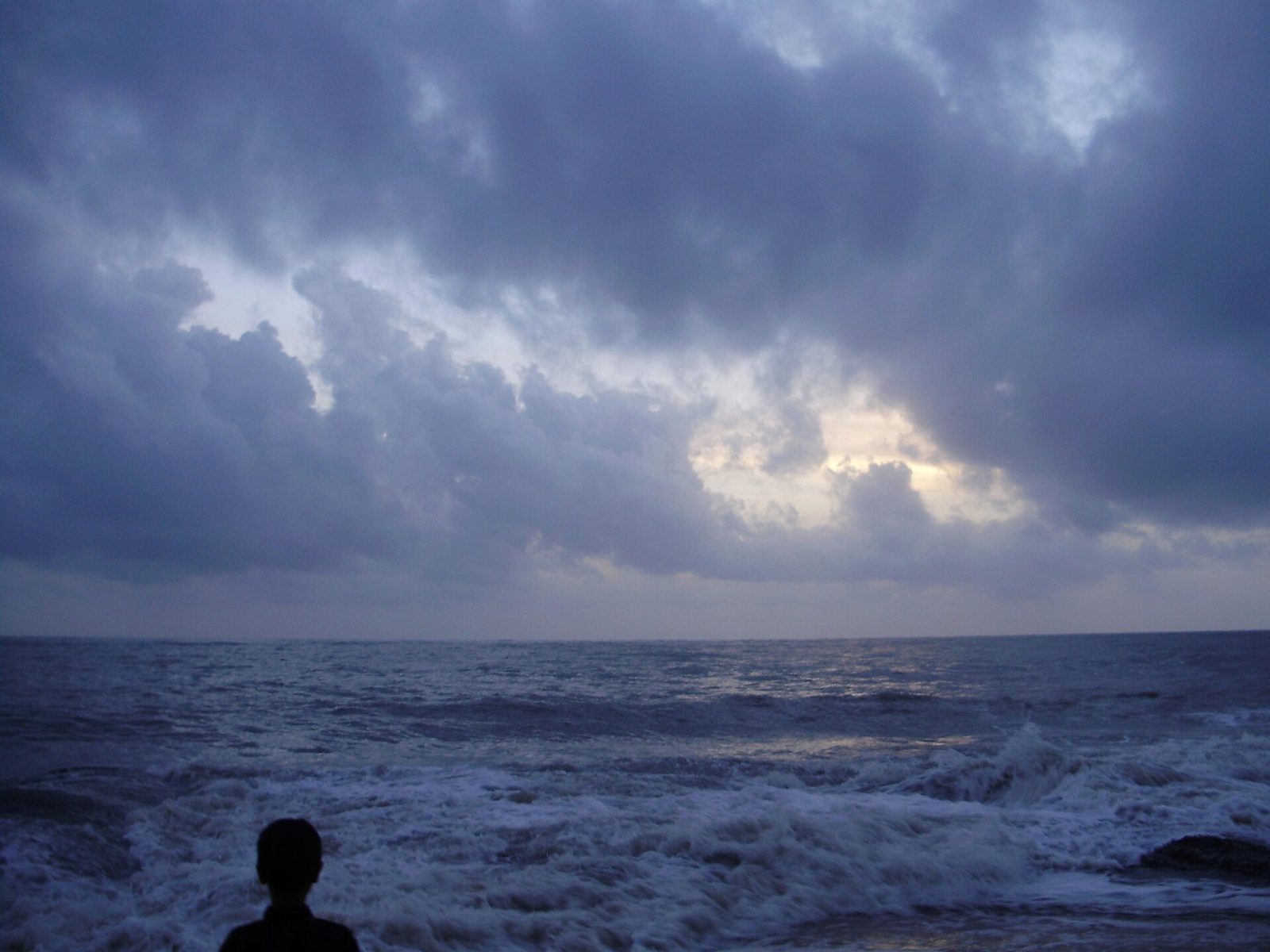
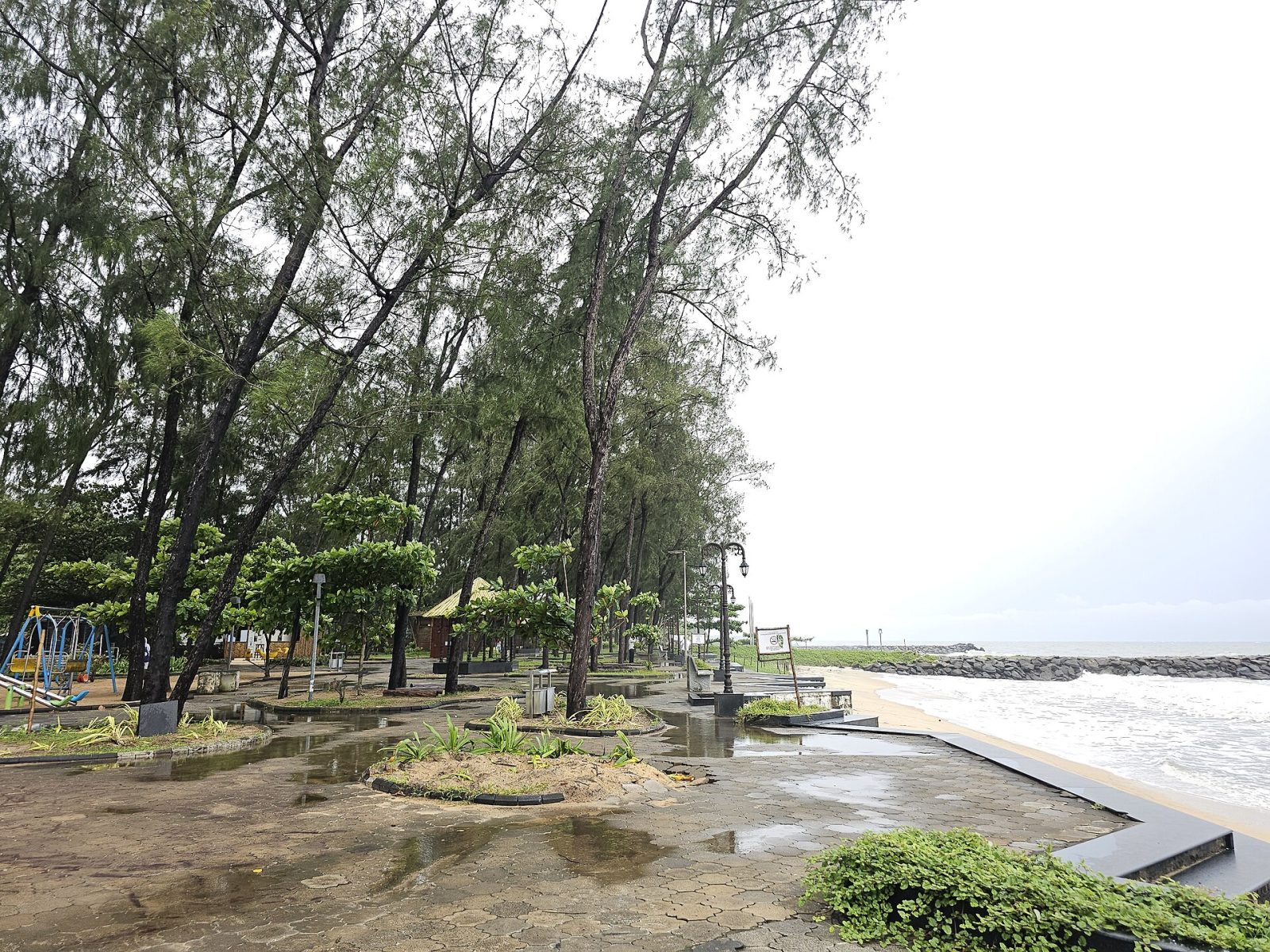
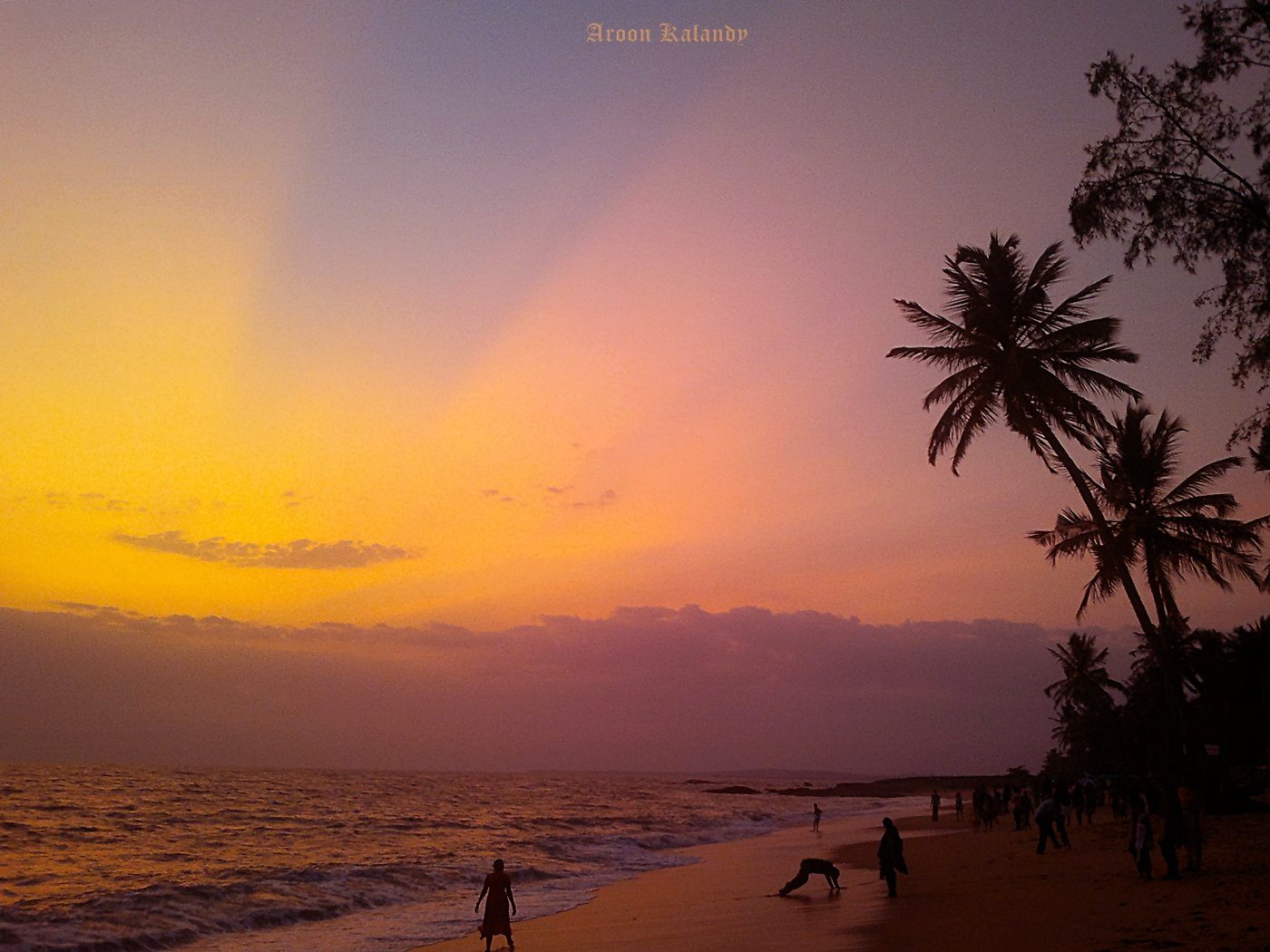
Kozhikode's long sea front is where the city comes out in the evening. Walk the promenade at sunset, see the old pier ruins and the lighthouse, and try the street food stalls — kallummakaya (mussels), sweet Kozhikode halwa and fresh sulaimani tea. It gets busy after five, which is part of the fun.
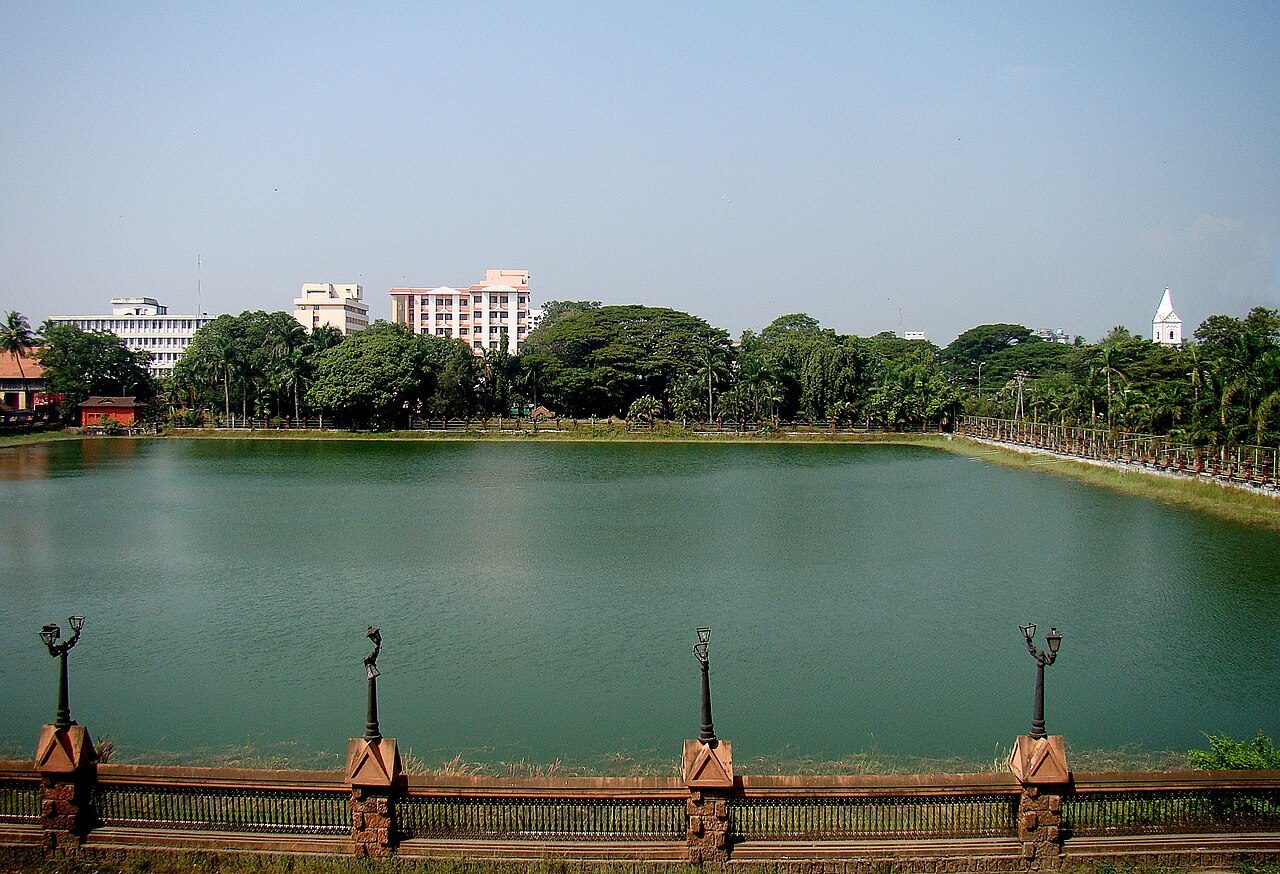
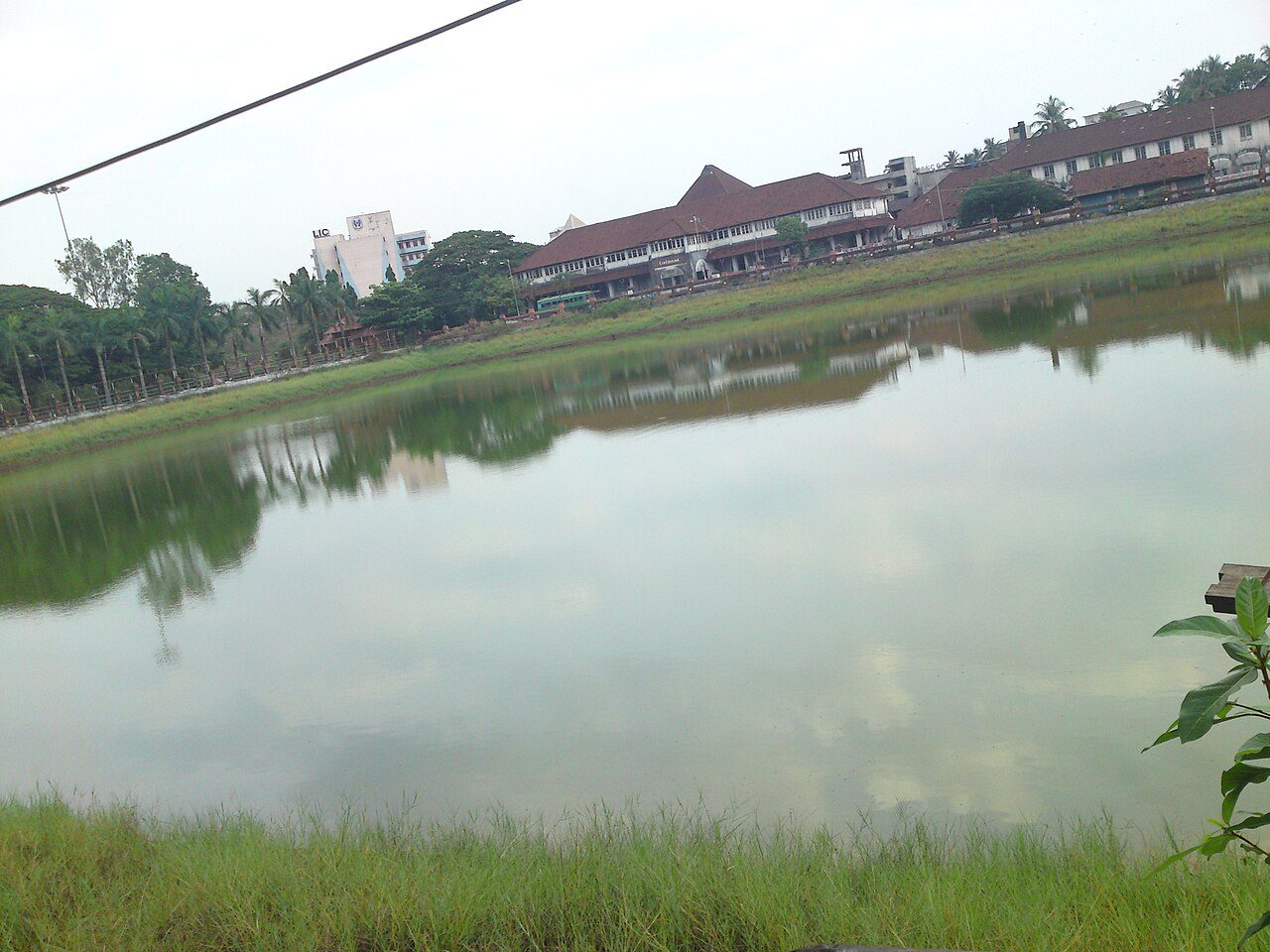
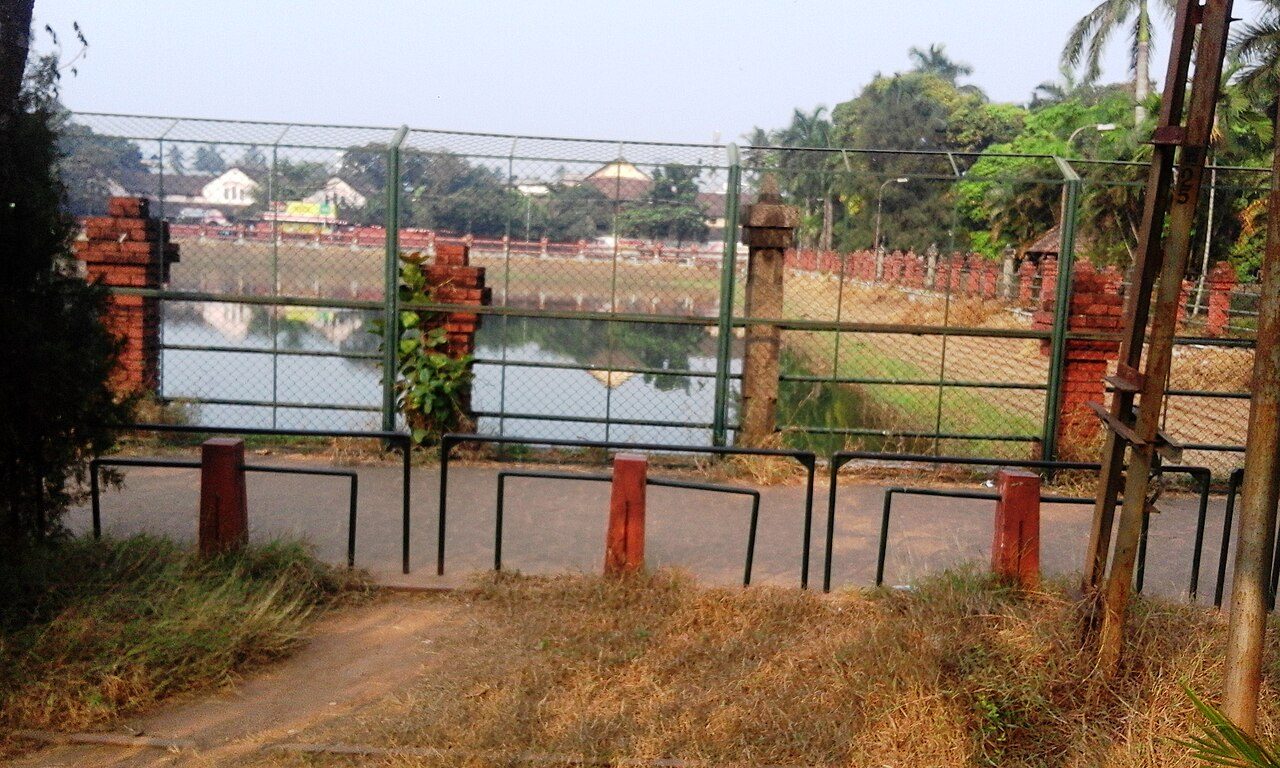
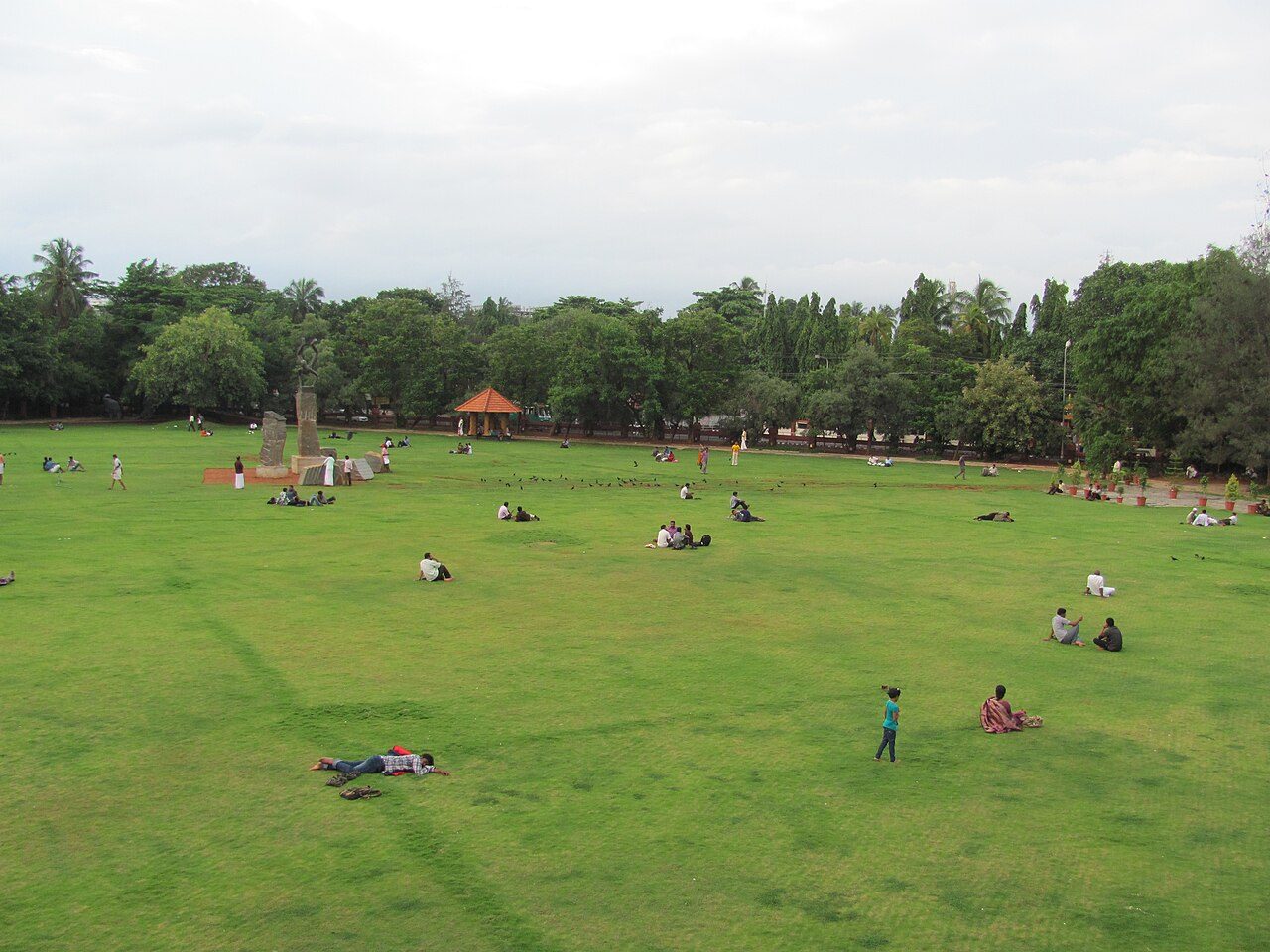
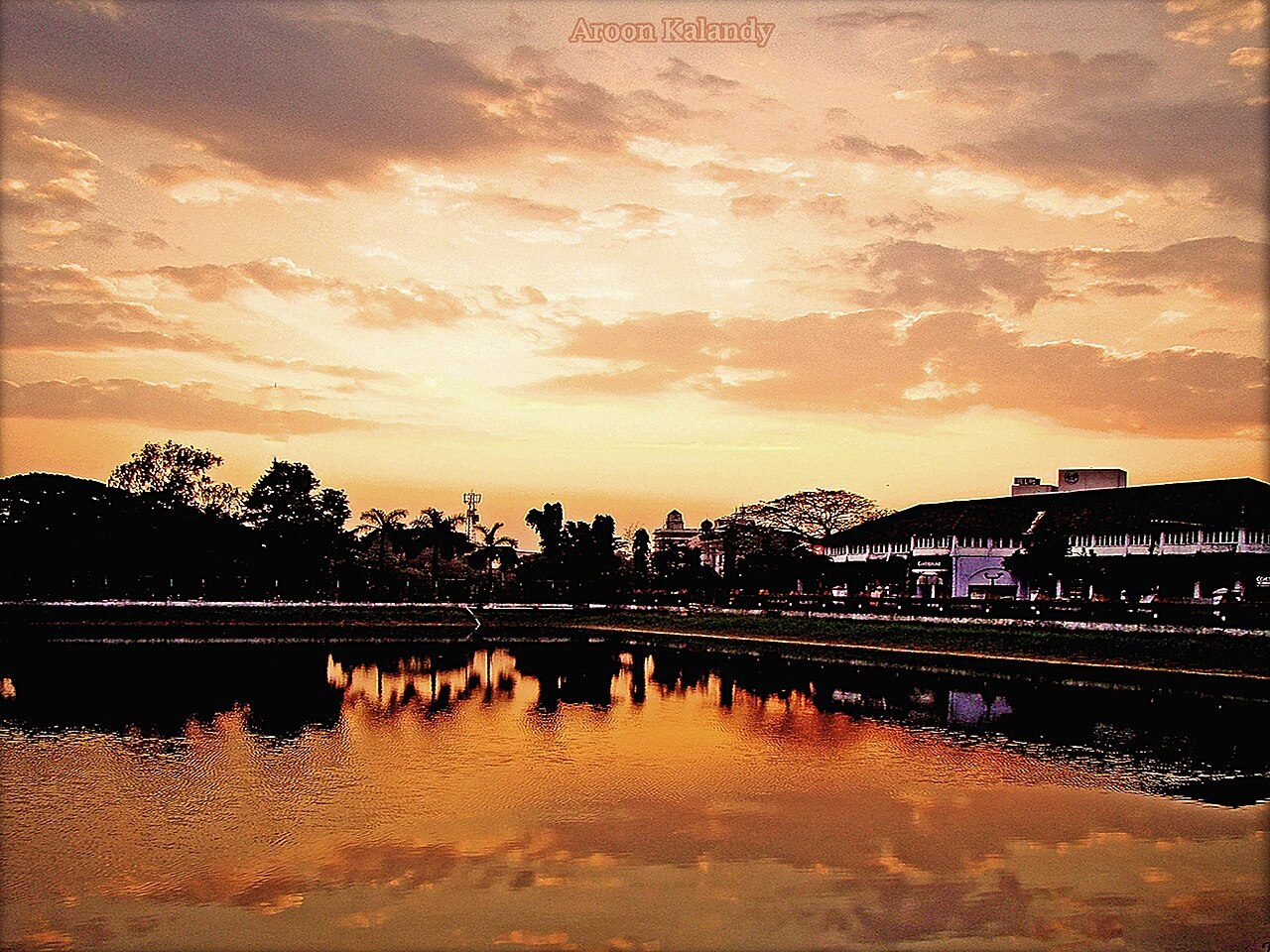
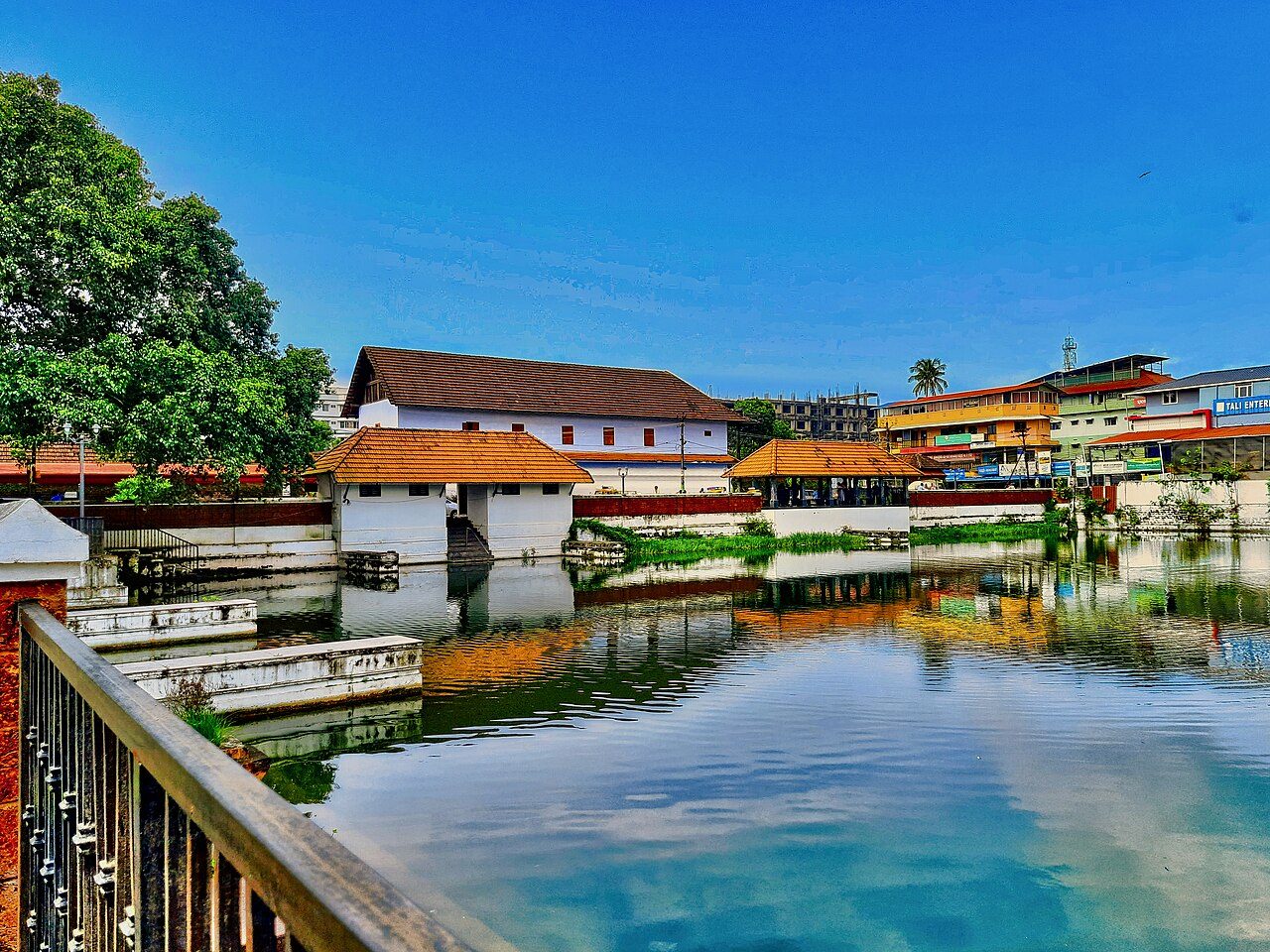
Mananchira is a large rectangular tank in the middle of Kozhikode, fed by springs and once the bathing pond of the Zamorin's palace. The square around it has lawns, an open-air stage, a music fountain and an artificial hill.
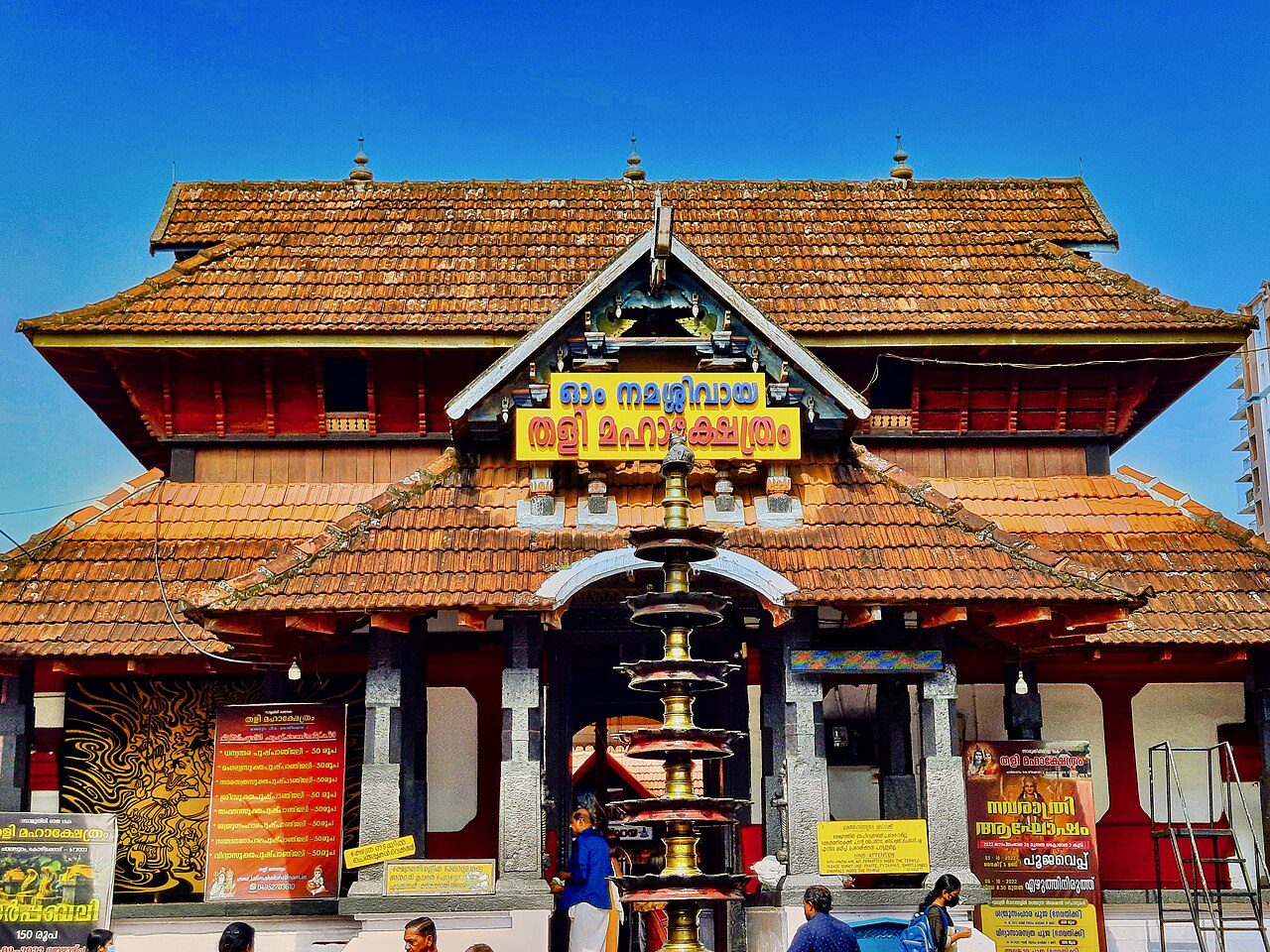
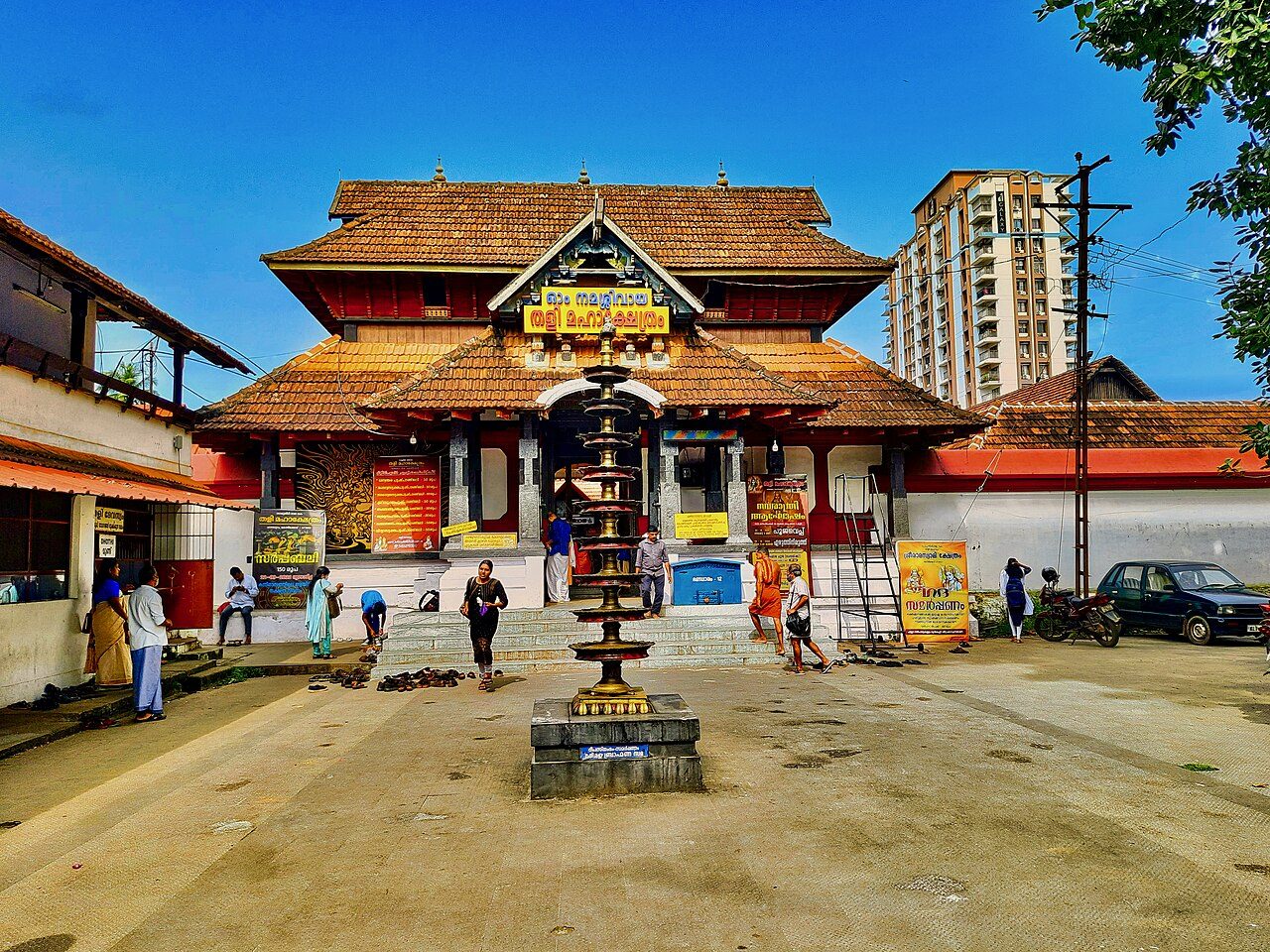
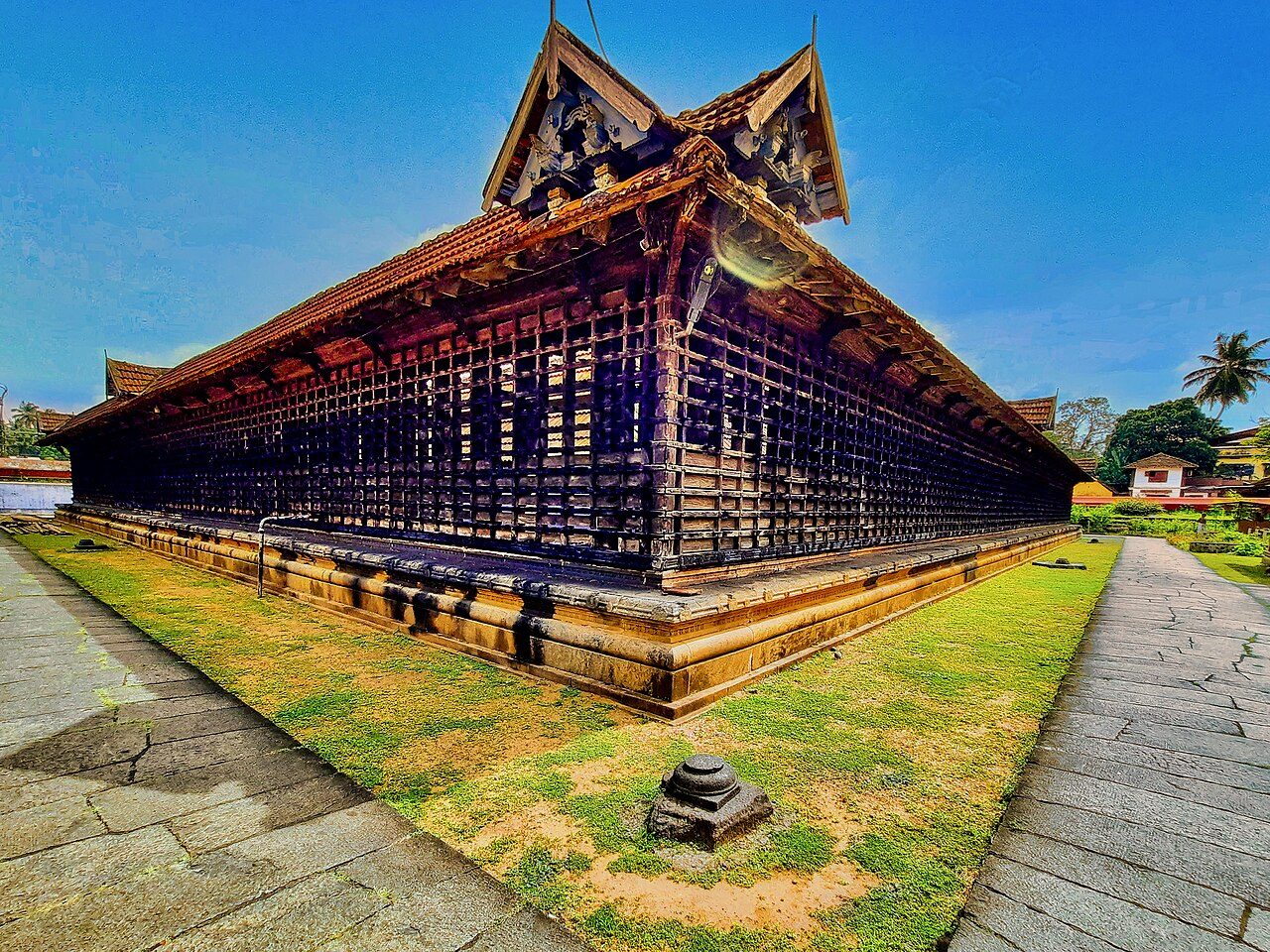
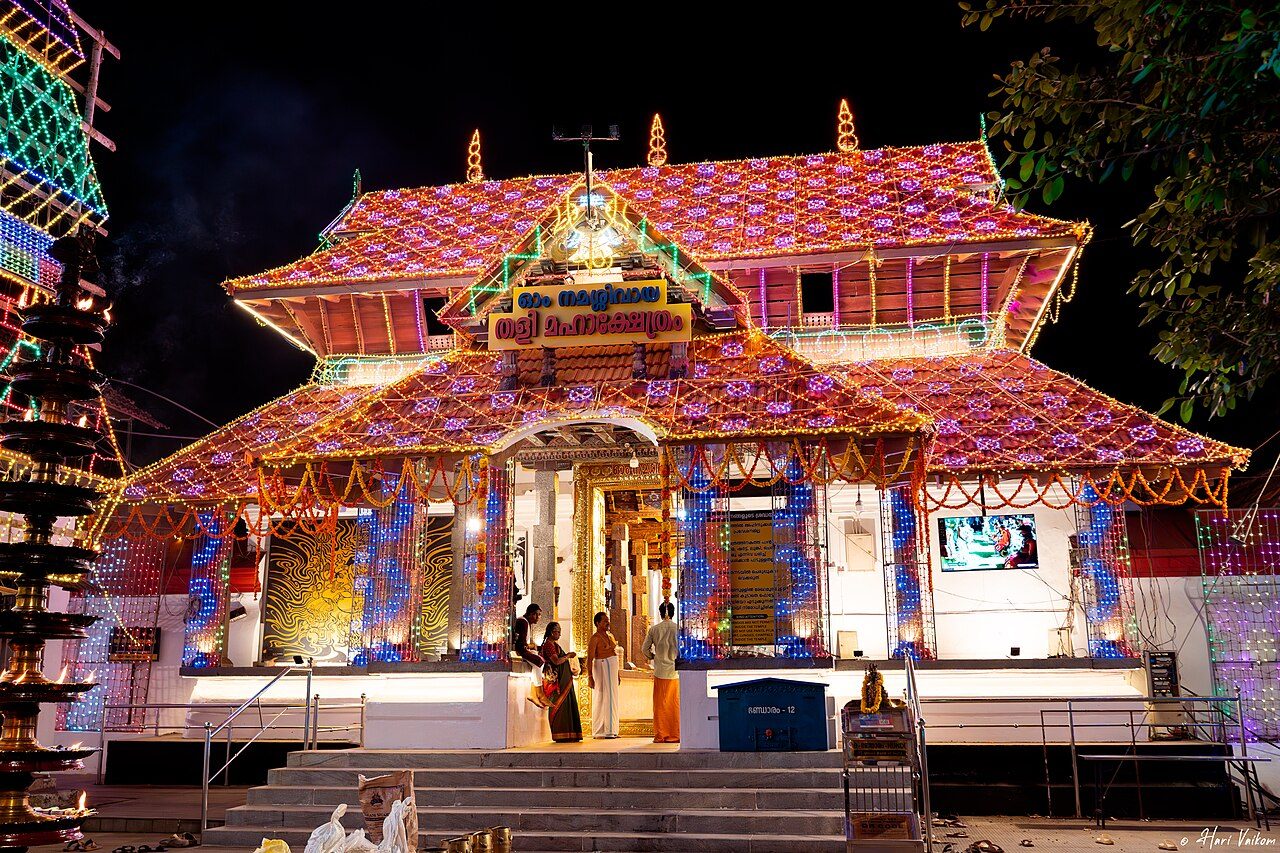
The Thali Temple was built in the 14th century by Swathi Thirunal Udaya Varman Kulasekhara, the Zamorin, and is one of the finest examples of Kerala temple woodwork. The Revathi Pattathanam, a scholarly assembly, has been held here for centuries.
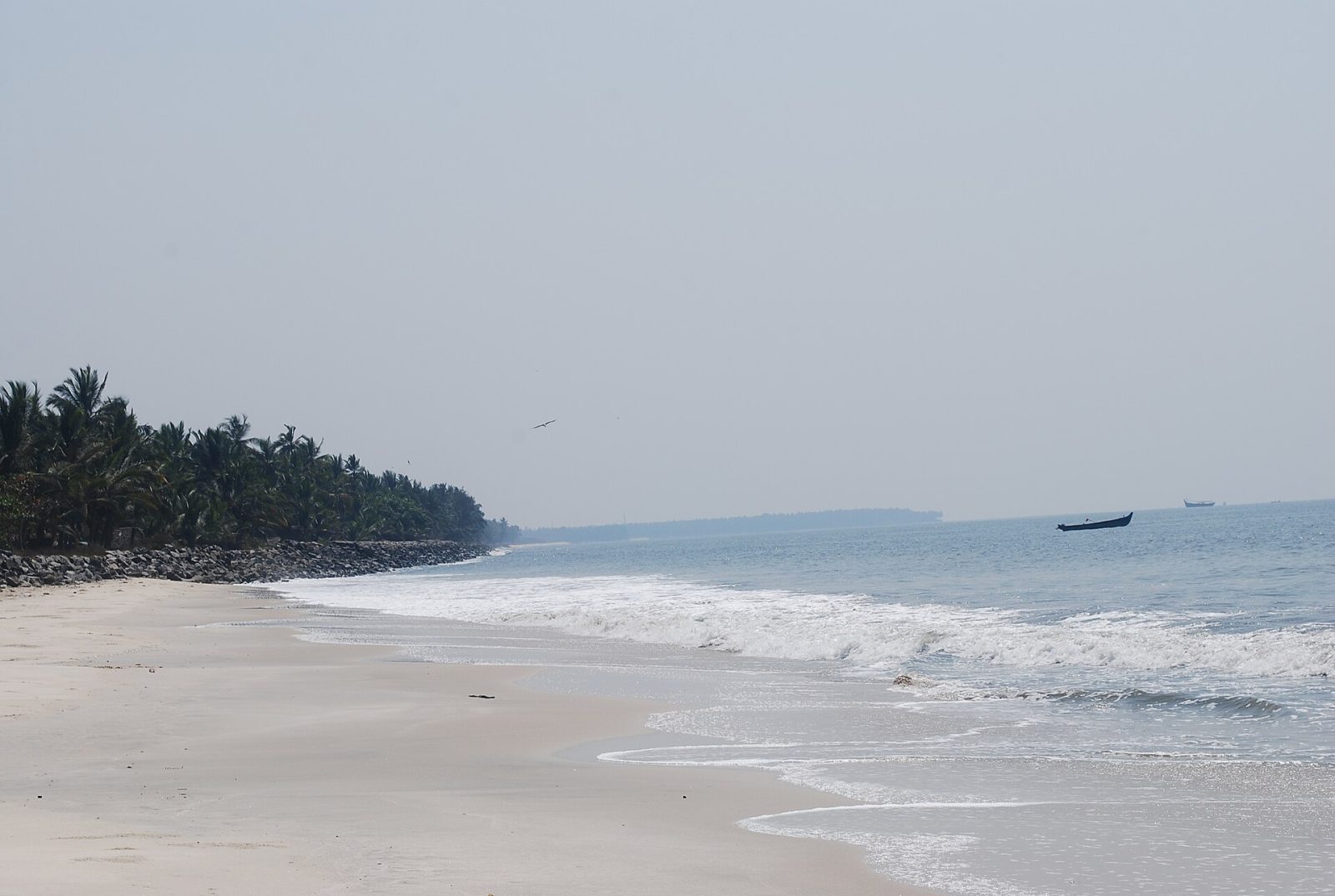
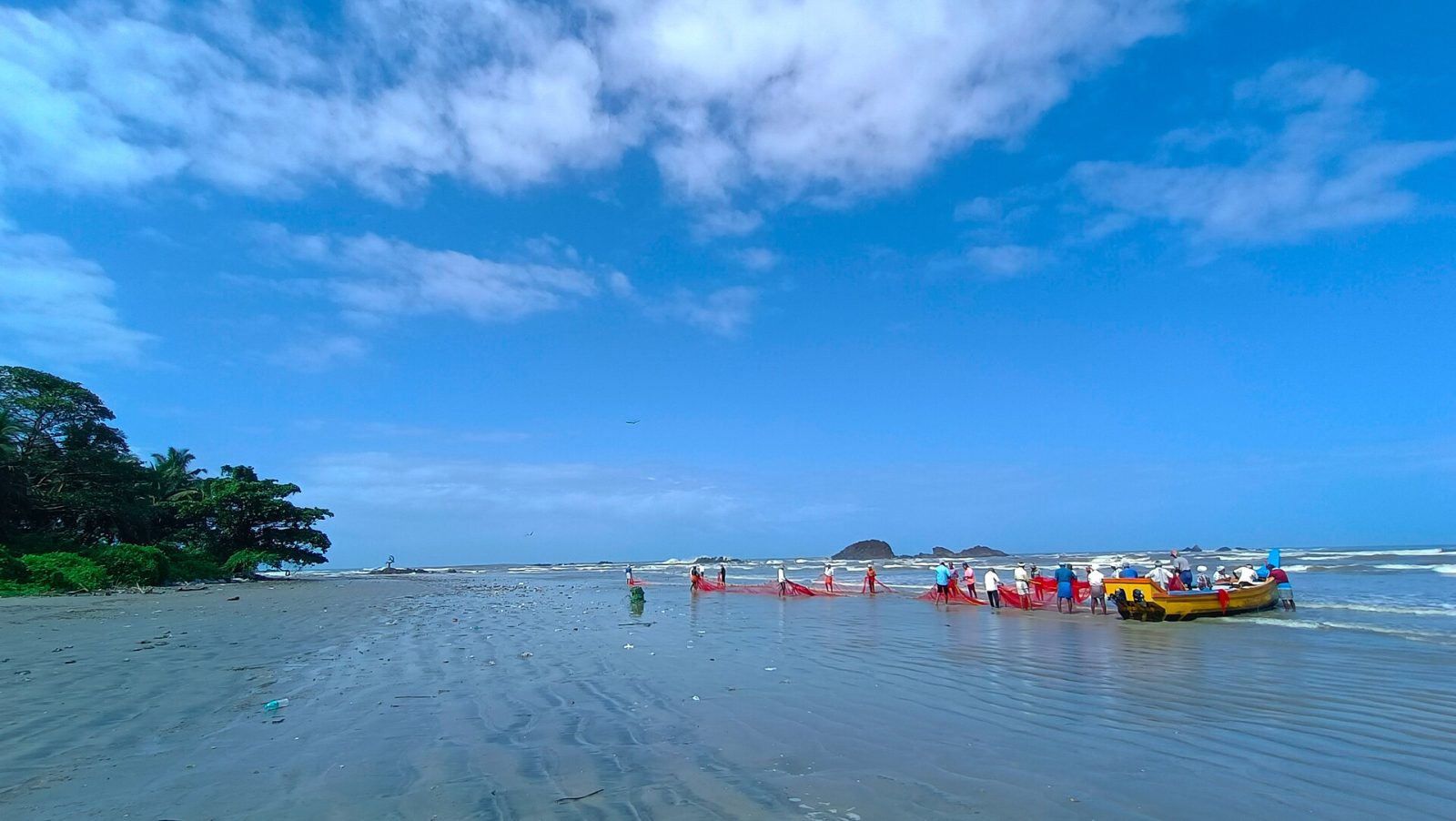
Kappad, about 16 km north of Kozhikode, is the beach where Vasco da Gama landed in May 1498 with three ships, opening the sea route from Europe to India and changing the history of the Malabar coast. A stone monument on the shore marks the event. The beach itself is rocky and calm, with a 800-year-old temple on a rock that juts into the sea and fishing boats drawn up along the sand. It is far quieter than Kerala's resort beaches, better for a walk and a sunset than for swimming. Local fishermen still work the same waters that carried the first Portuguese fleet.
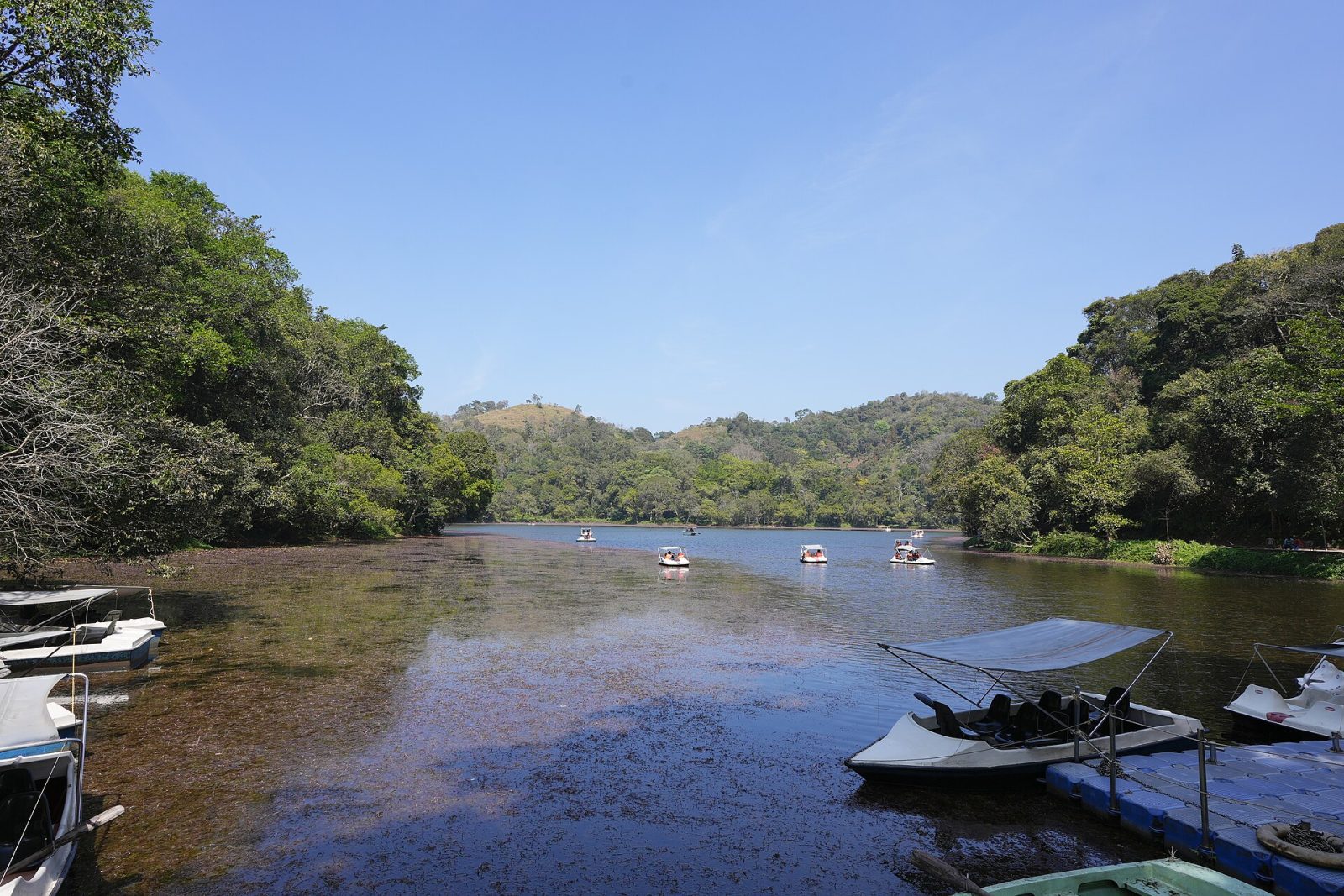
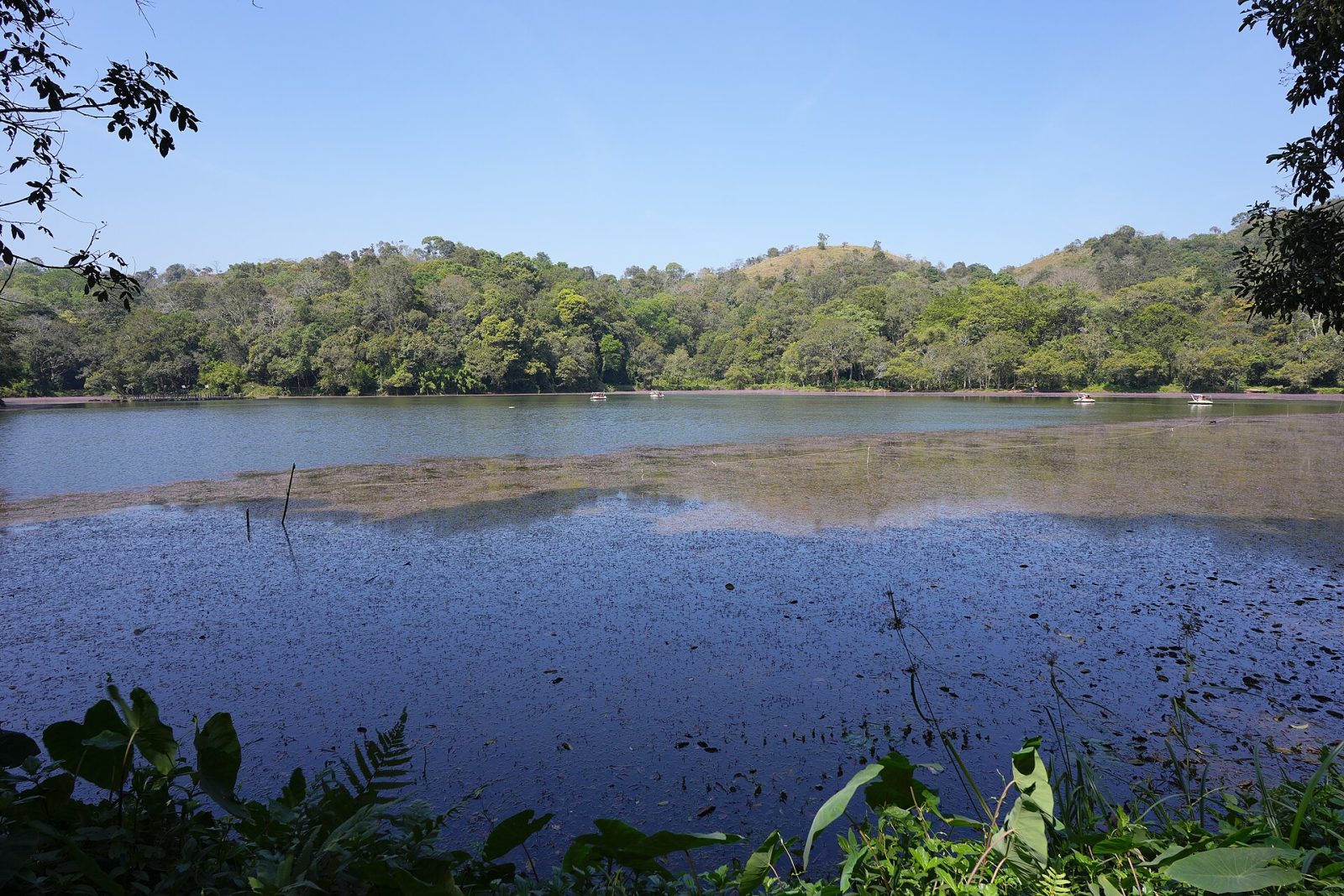
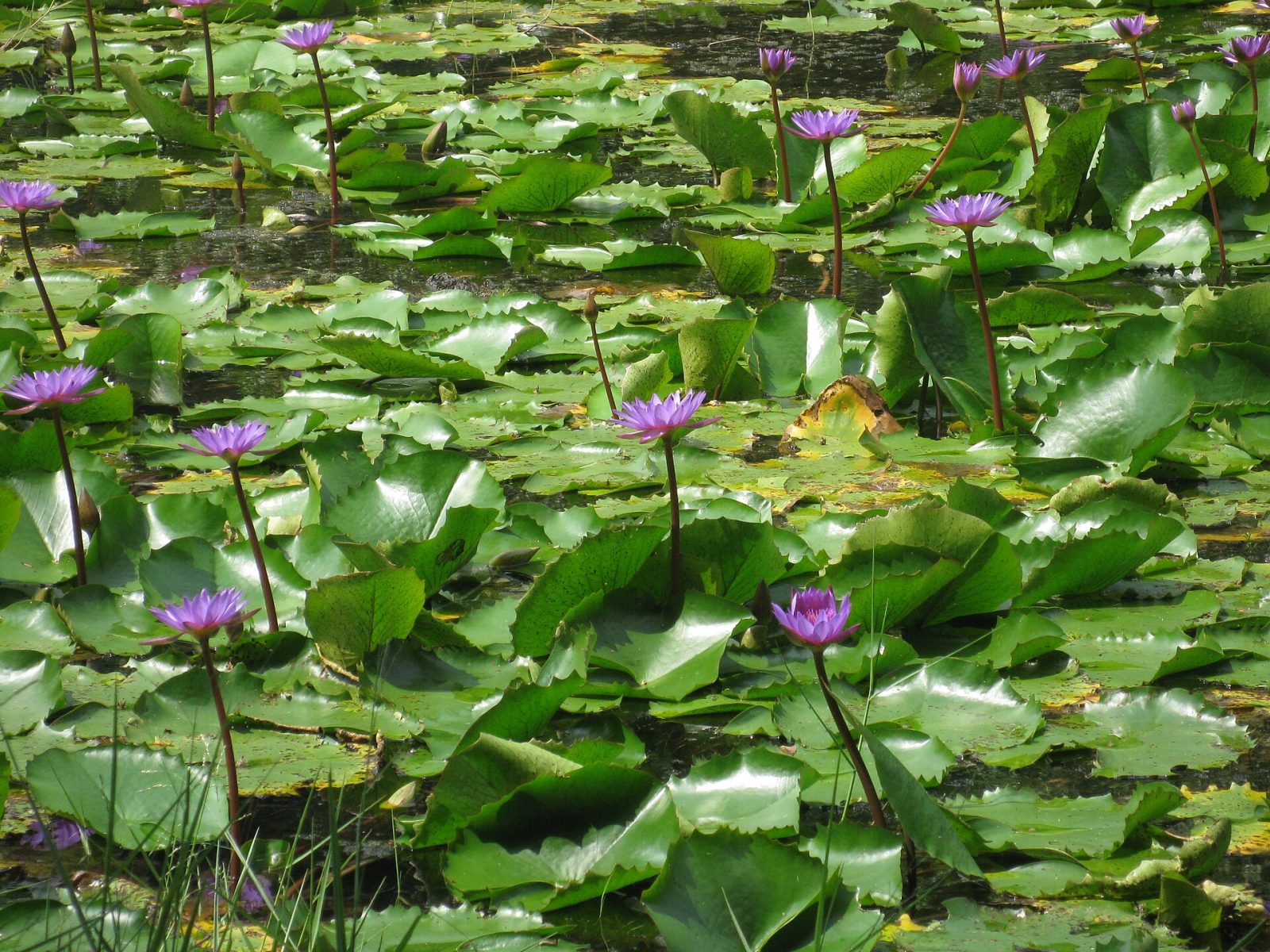
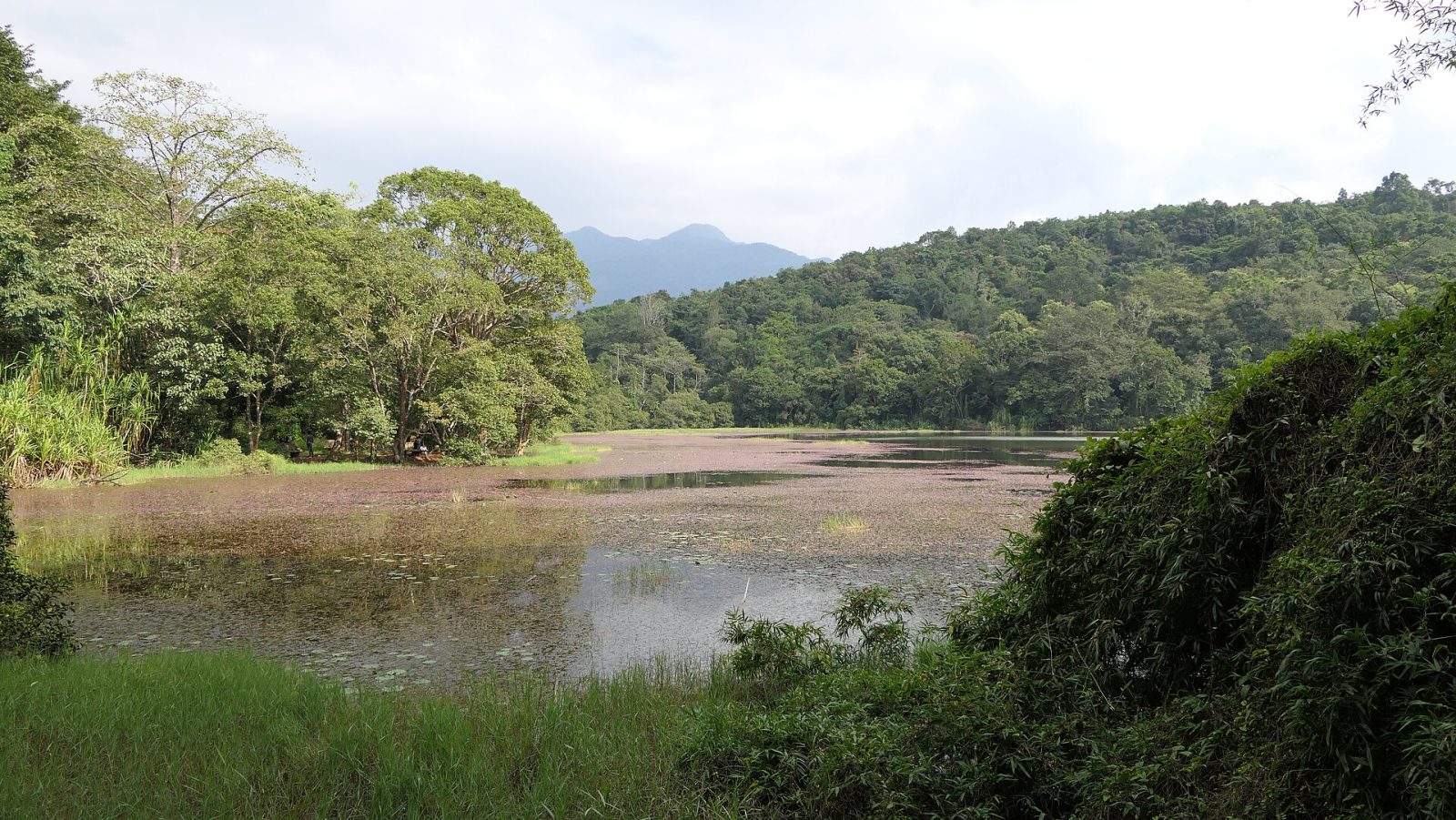
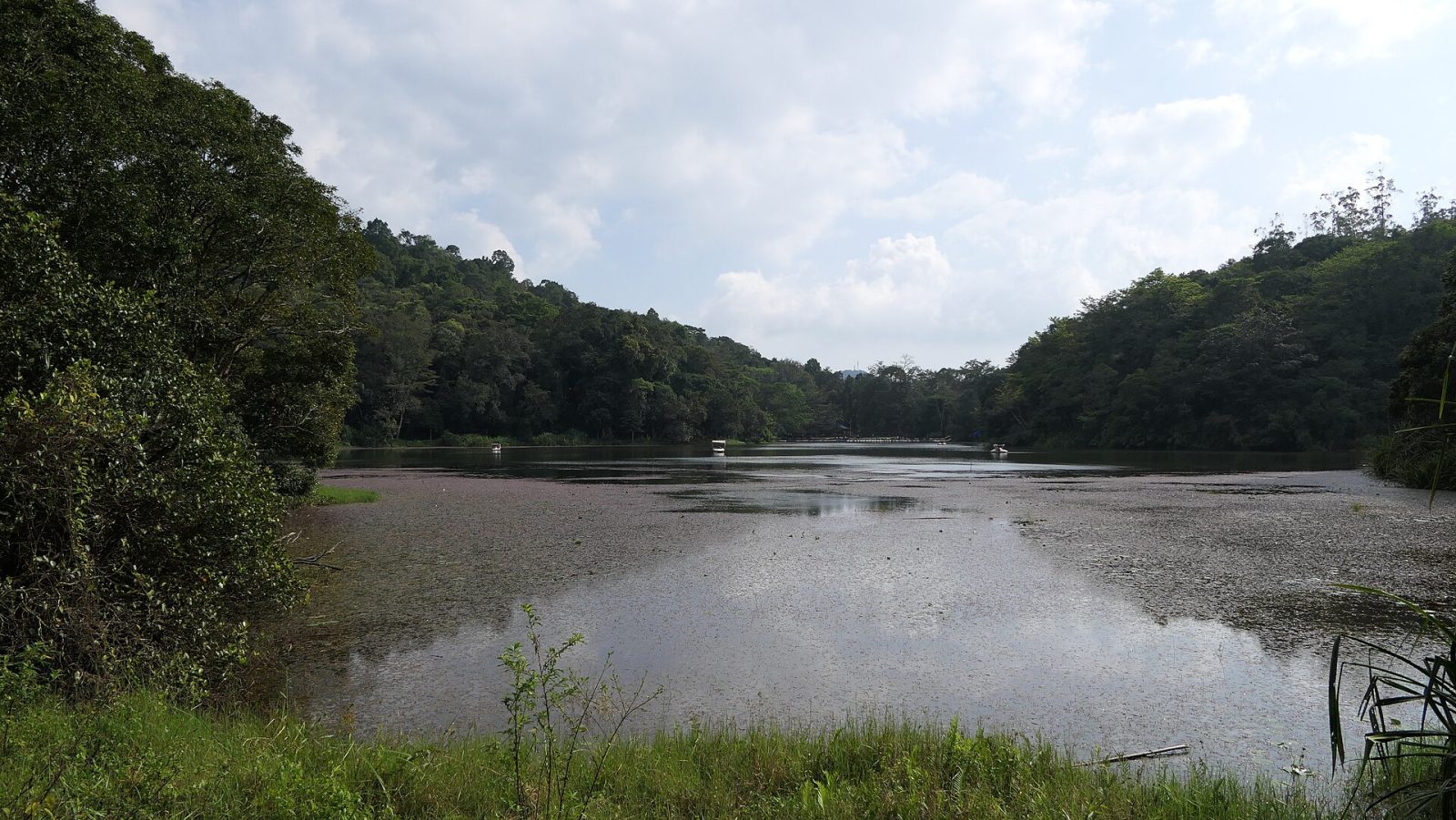
Pookode is a small natural freshwater lake set in evergreen forest near Vythiri in Wayanad, shaped a little like the map of India. It sits about 2,100 metres above sea level and is fed by springs, making it one of the highest lakes in Kerala. A paved path runs right around the water under thick trees, and pedal boats take visitors onto the lake, which is covered in blue water lilies in season. A small freshwater aquarium, a children's park and handicraft stalls sit at the entrance. It is an easy stop on the road between Kozhikode and Kalpetta and works well with Lakkidi viewpoint nearby.
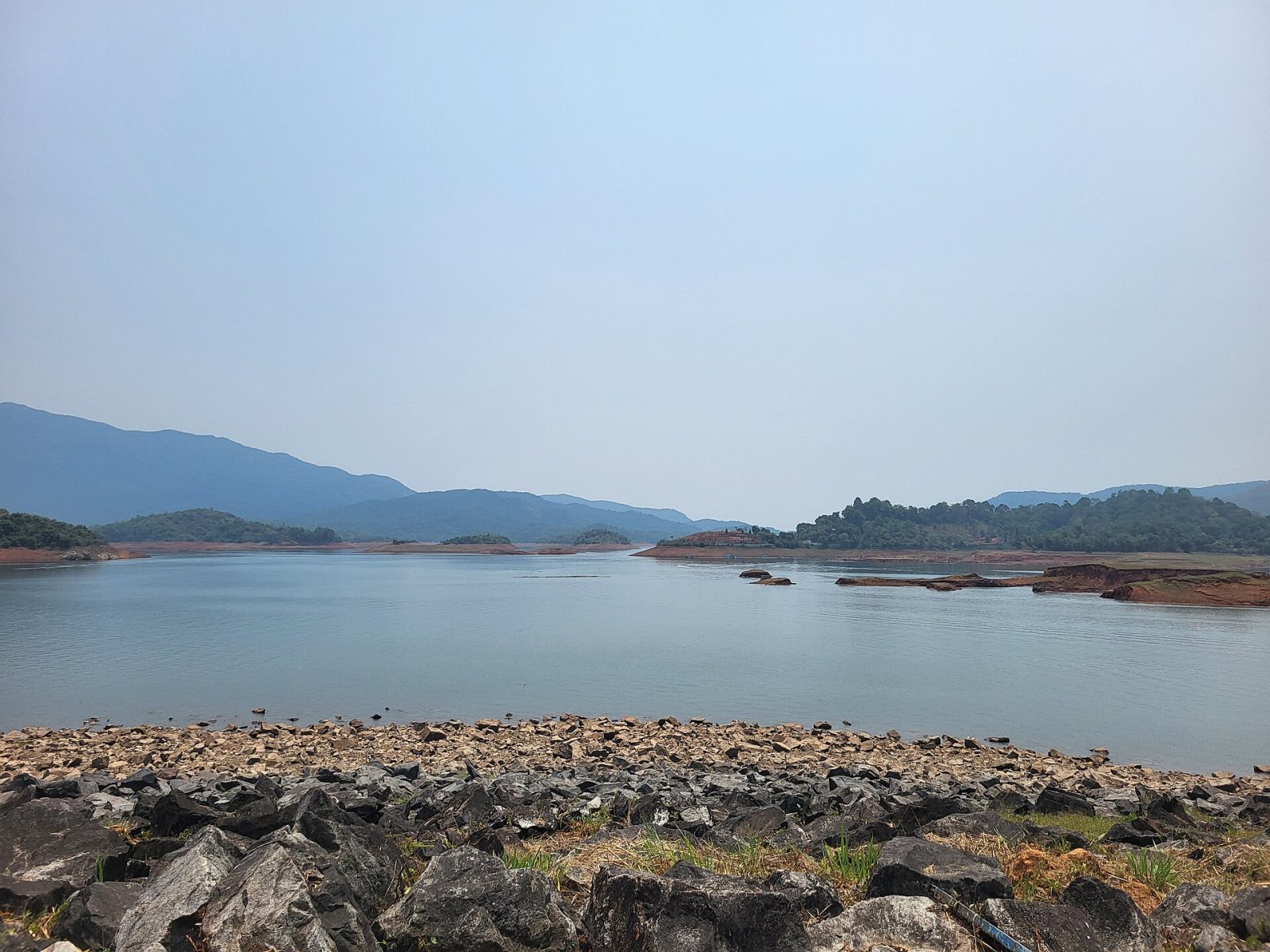
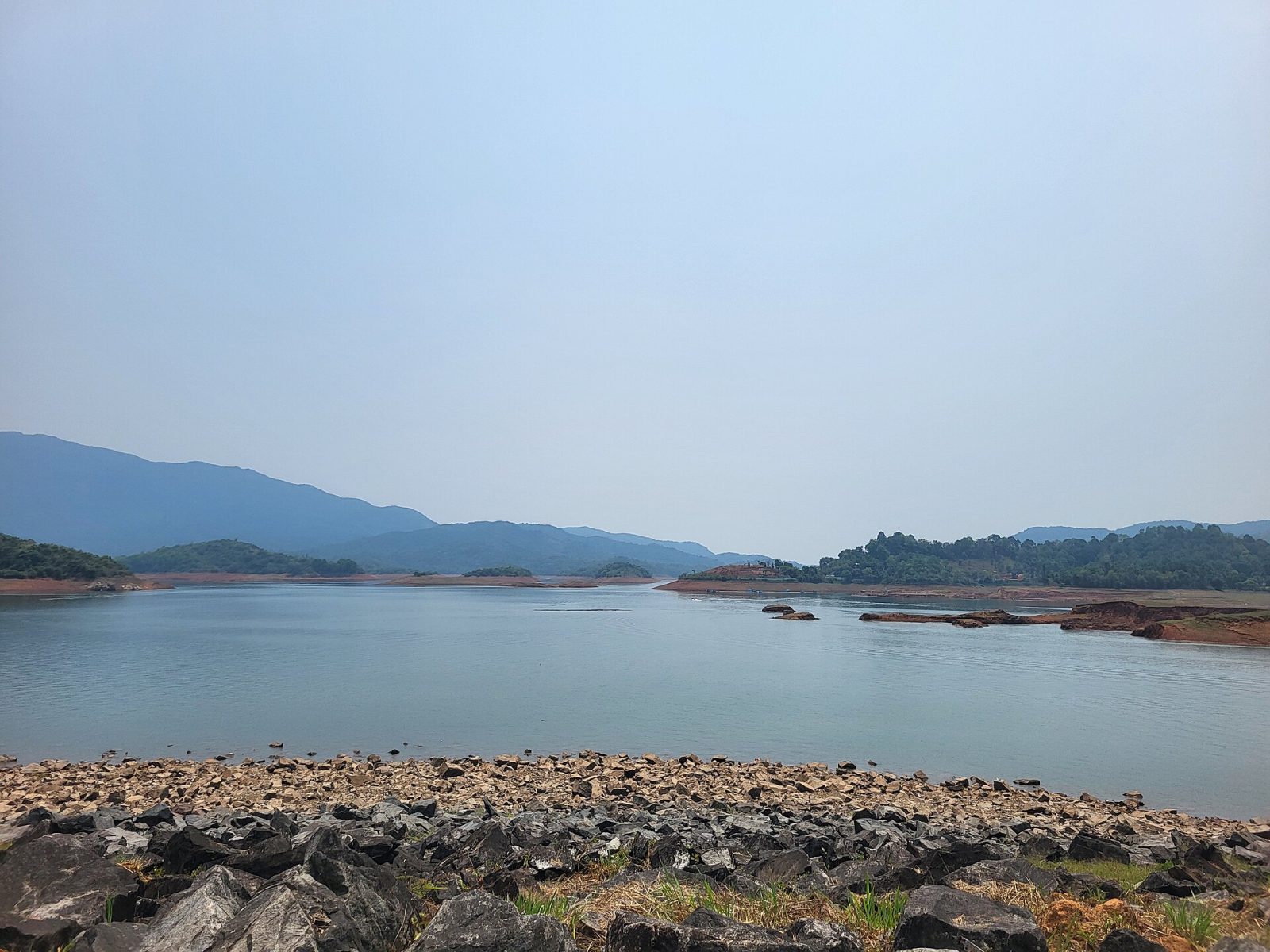
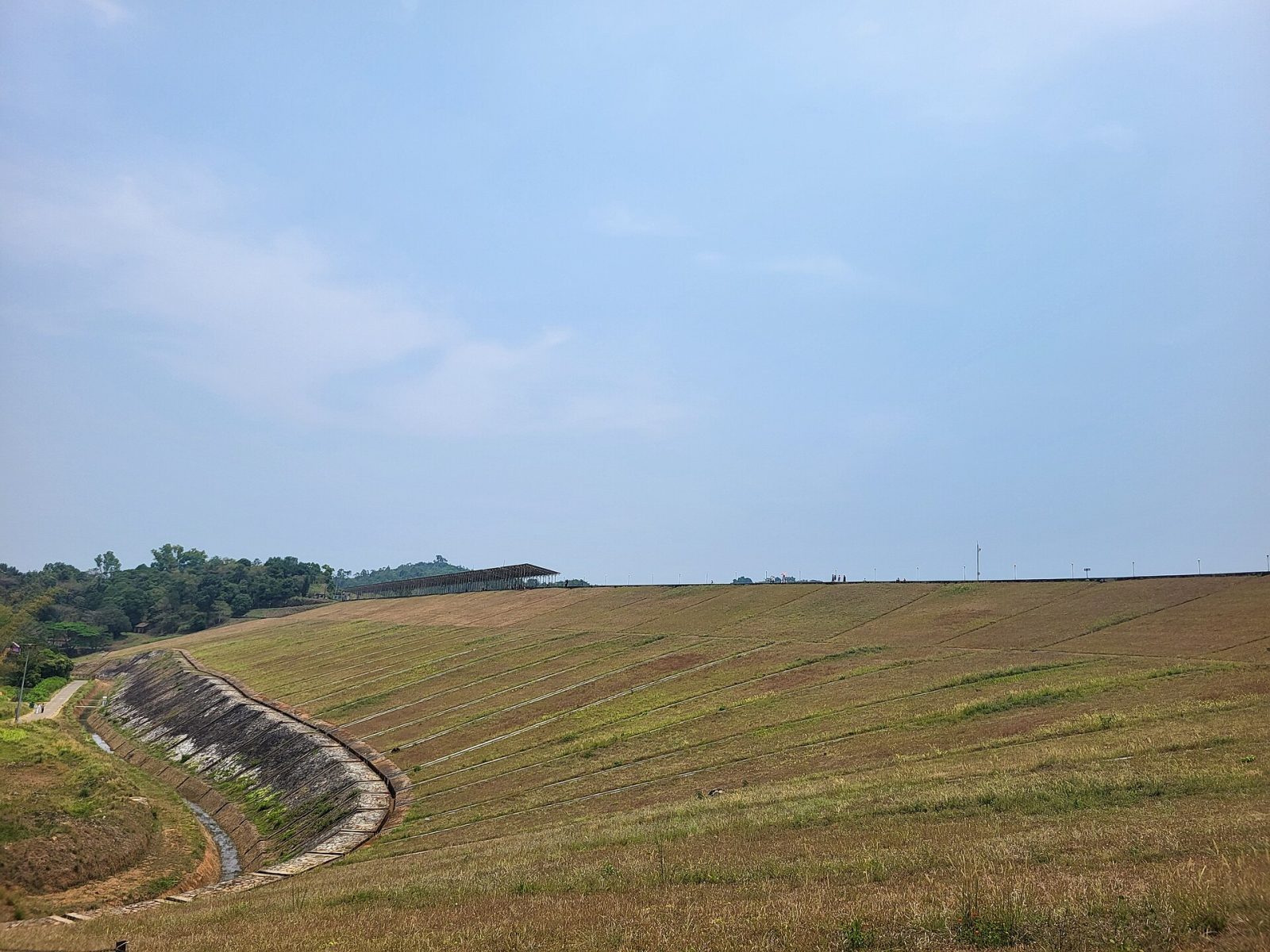
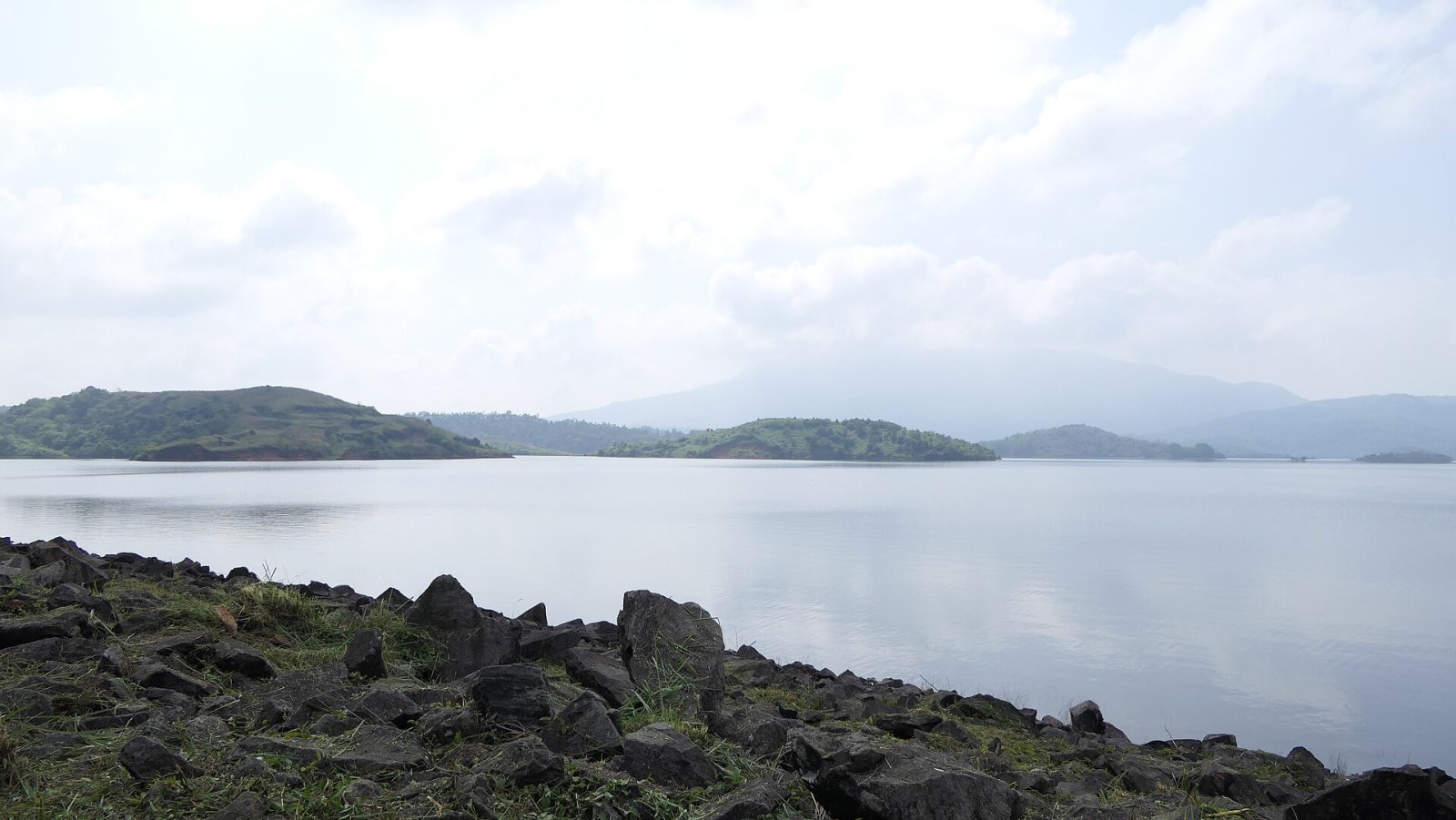
Banasura Sagar, near Padinjarathara in Wayanad, is the largest earth dam in India and the second largest in Asia, built from stones and boulders rather than concrete. It is named after Banasura, the asura king of local legend, whose fort is said to have stood on the hill behind. When the reservoir filled, the tops of submerged hills were left standing as a scatter of small green islands, which is what most people come to see. Speedboat and pedal boat rides go out among the islands, and trails lead up towards Banasura peak for trekkers. The water is highest and greenest after the monsoon, from September to January.
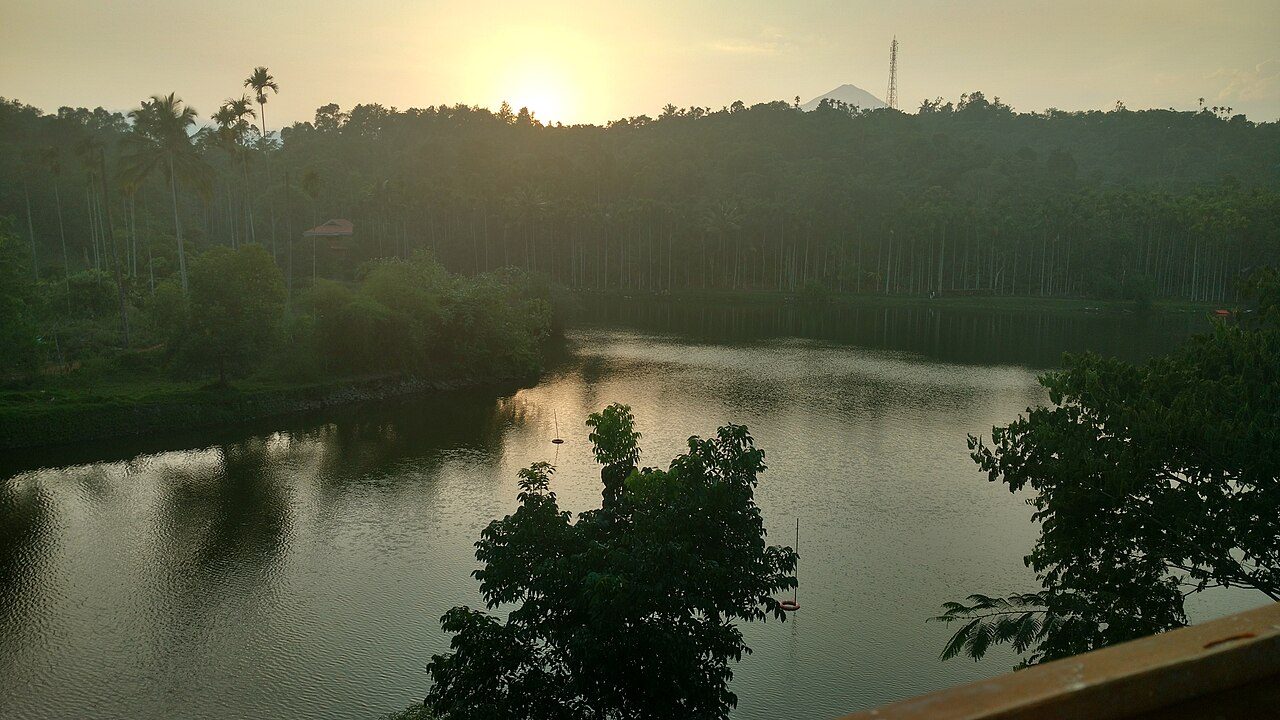
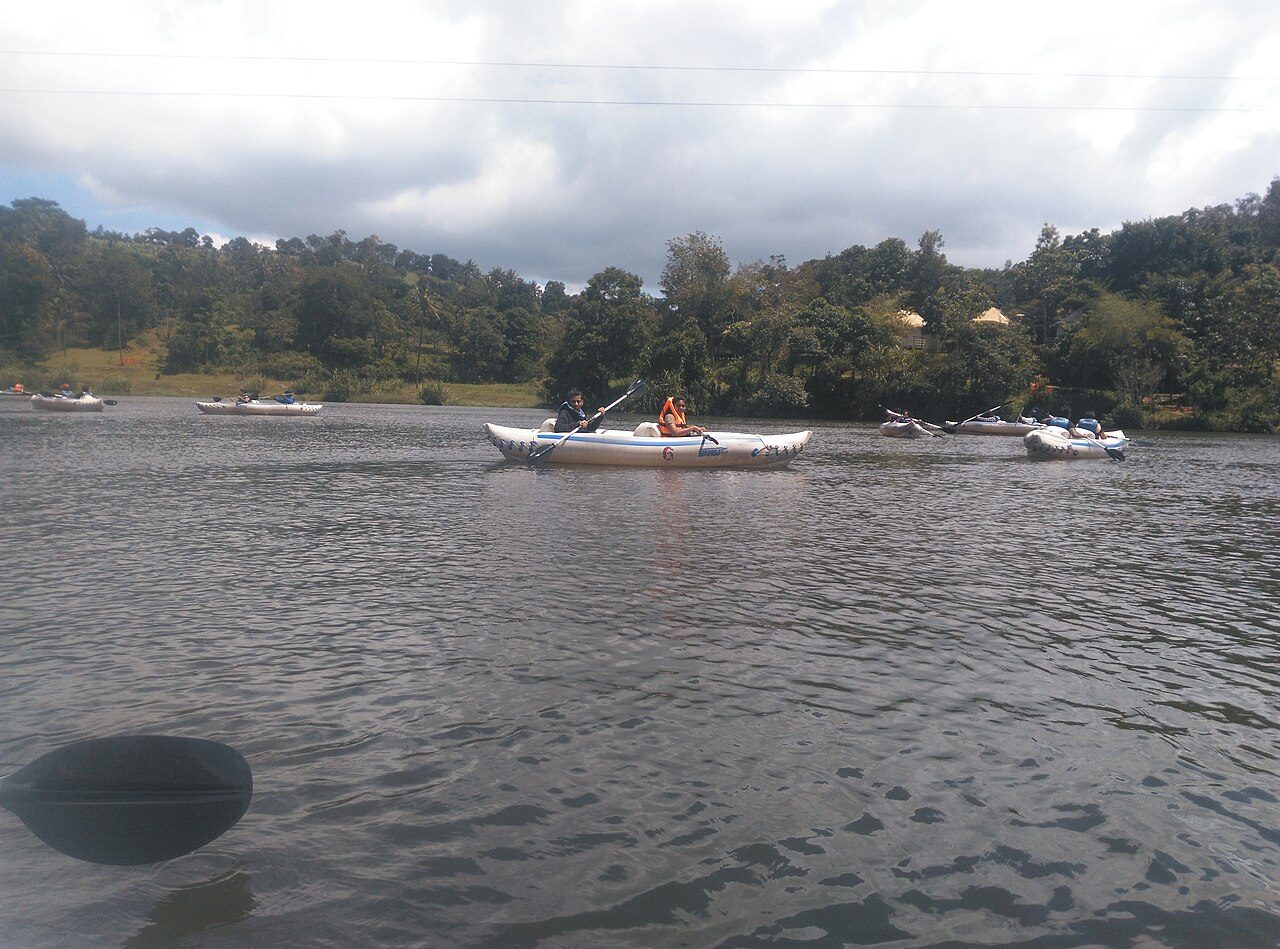
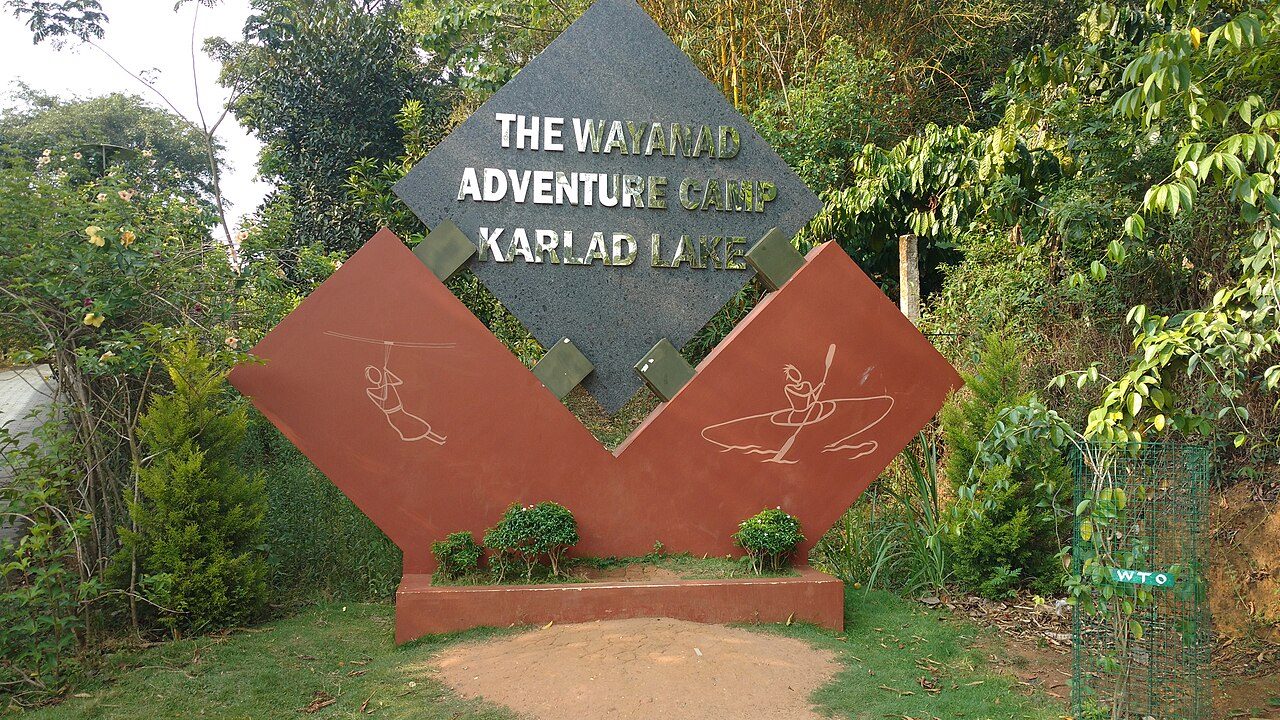
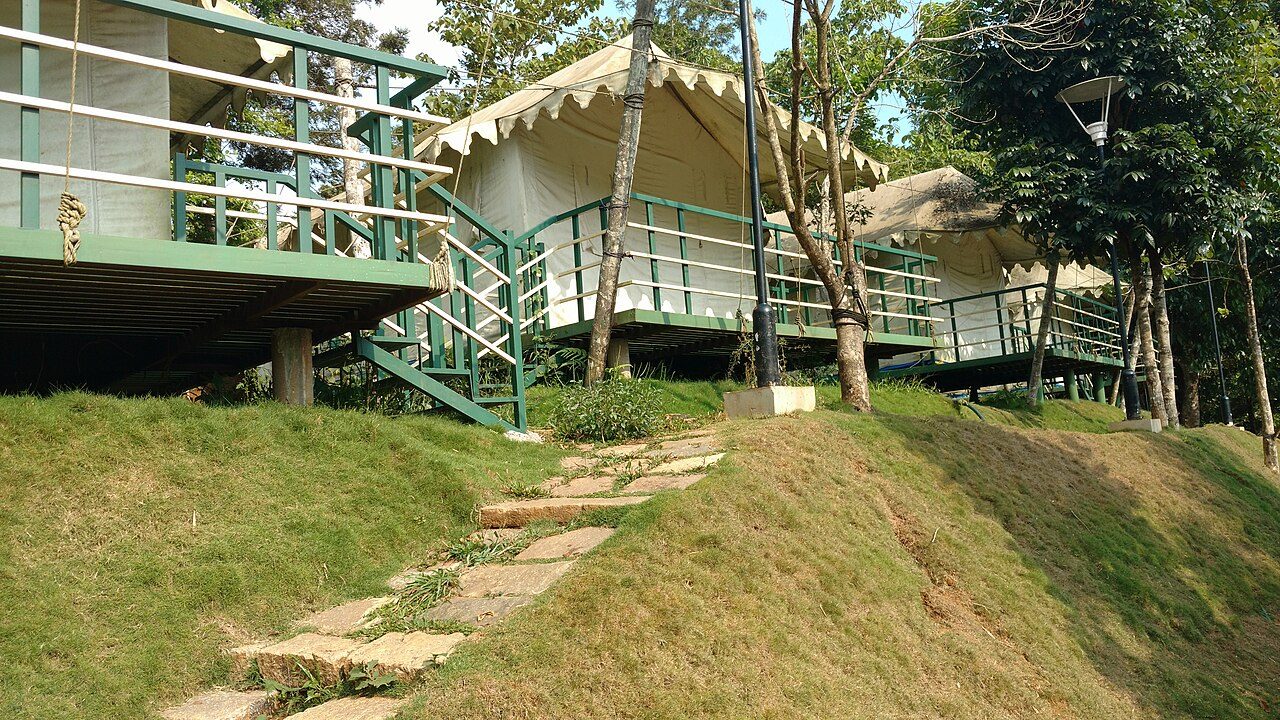
Karlad is a freshwater lake near Vythiri, ringed by hills and used for kayaking, zip-lining and other activities. It is quieter than the better-known Pookode Lake.
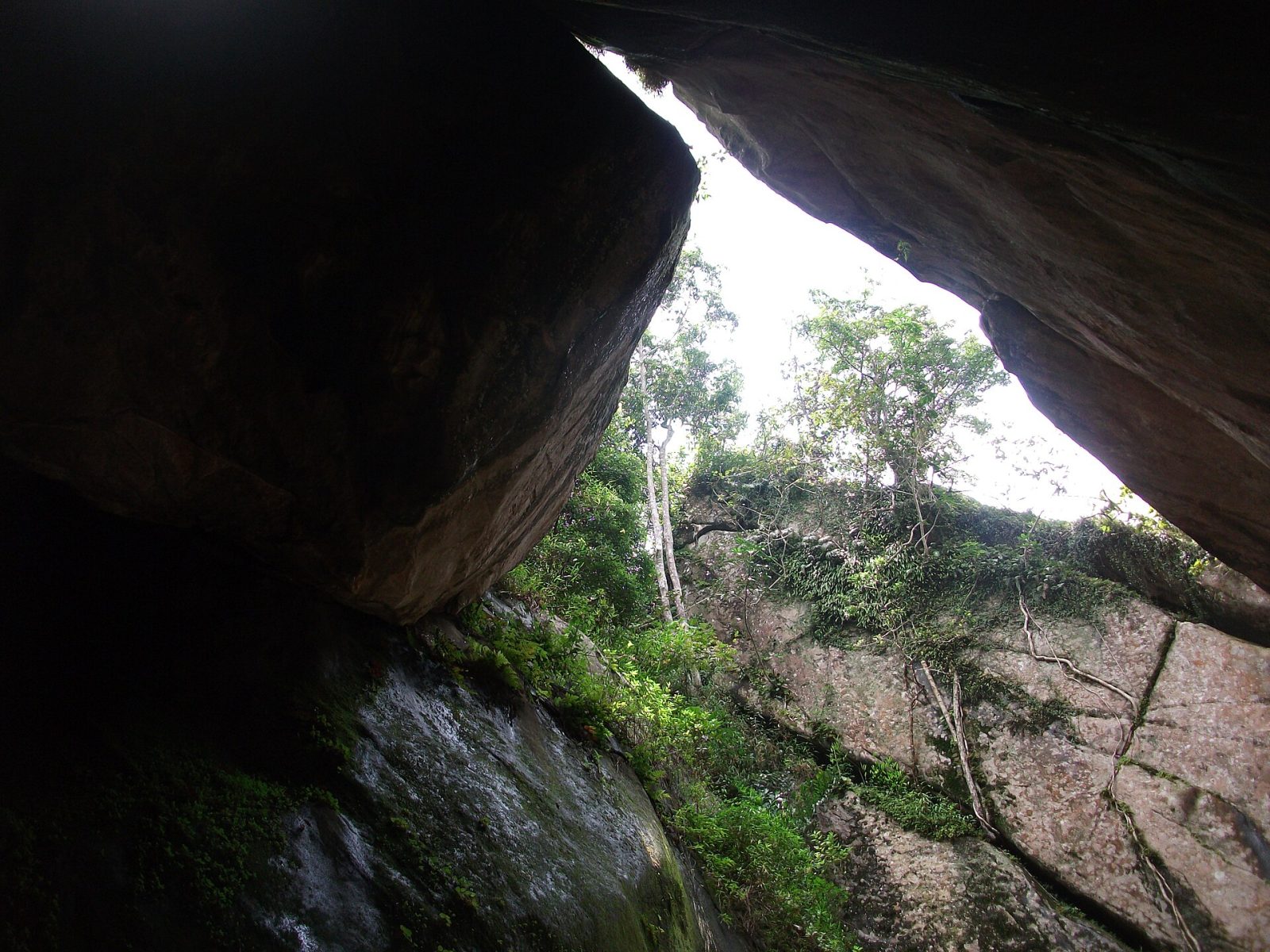
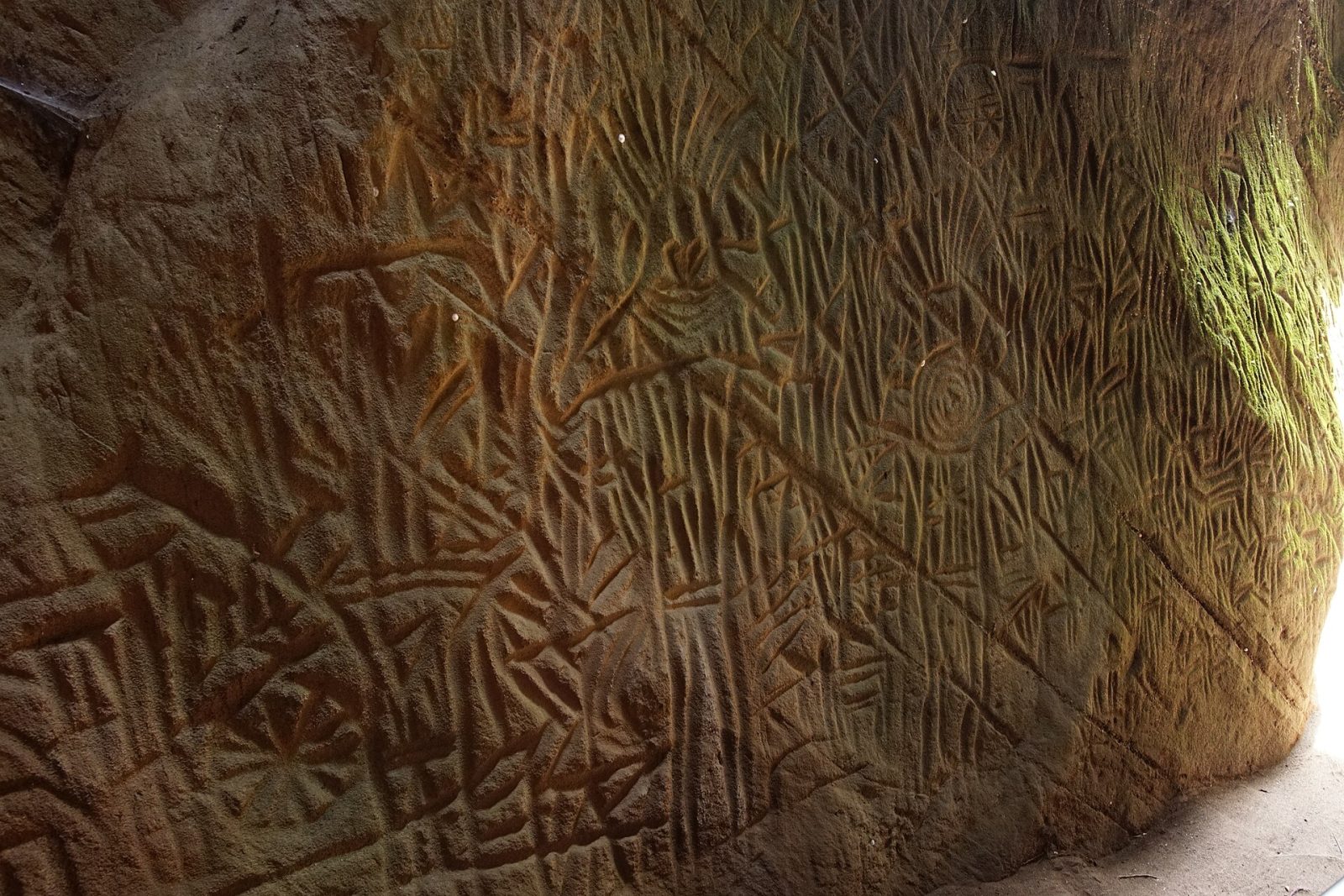
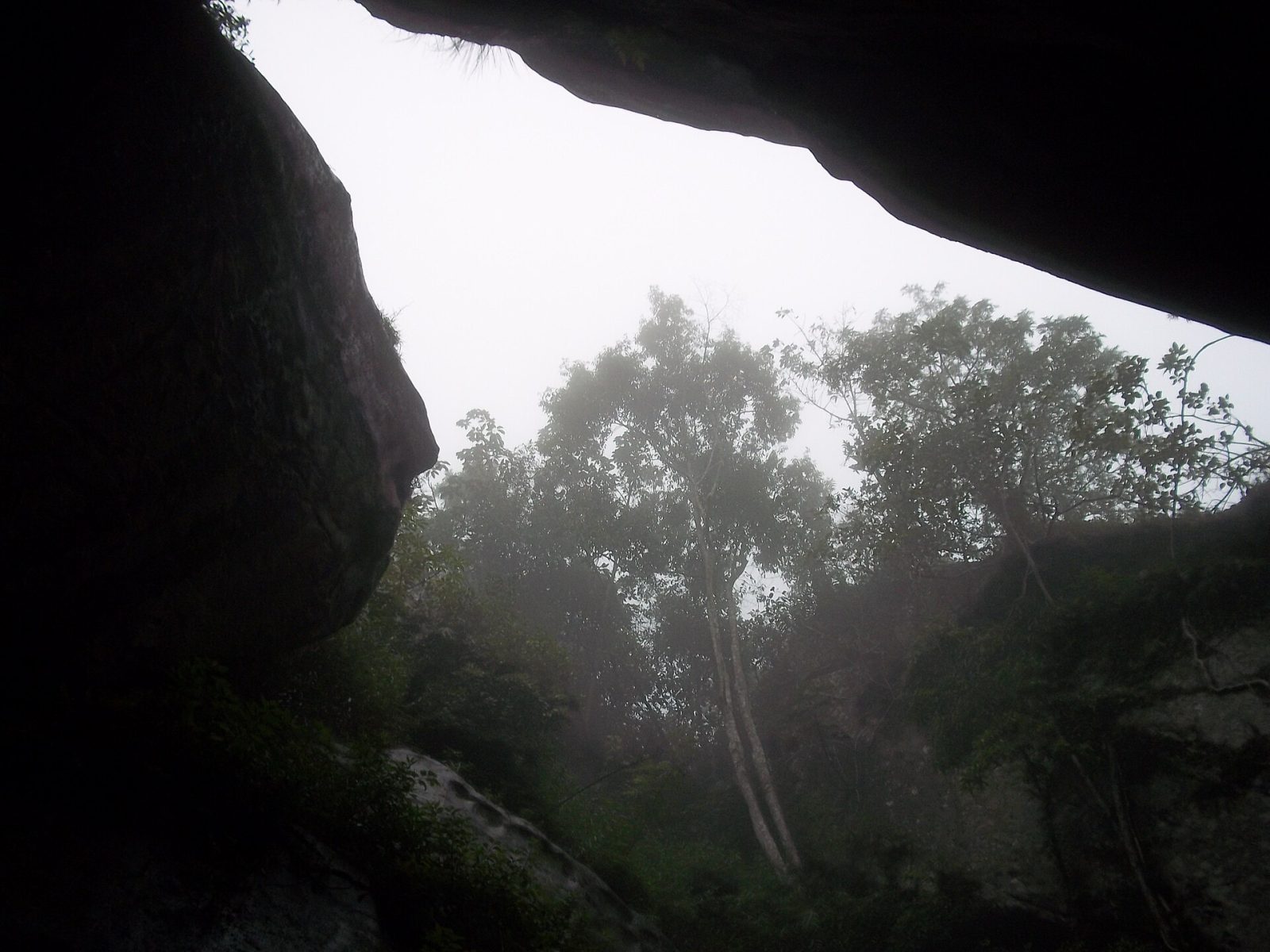
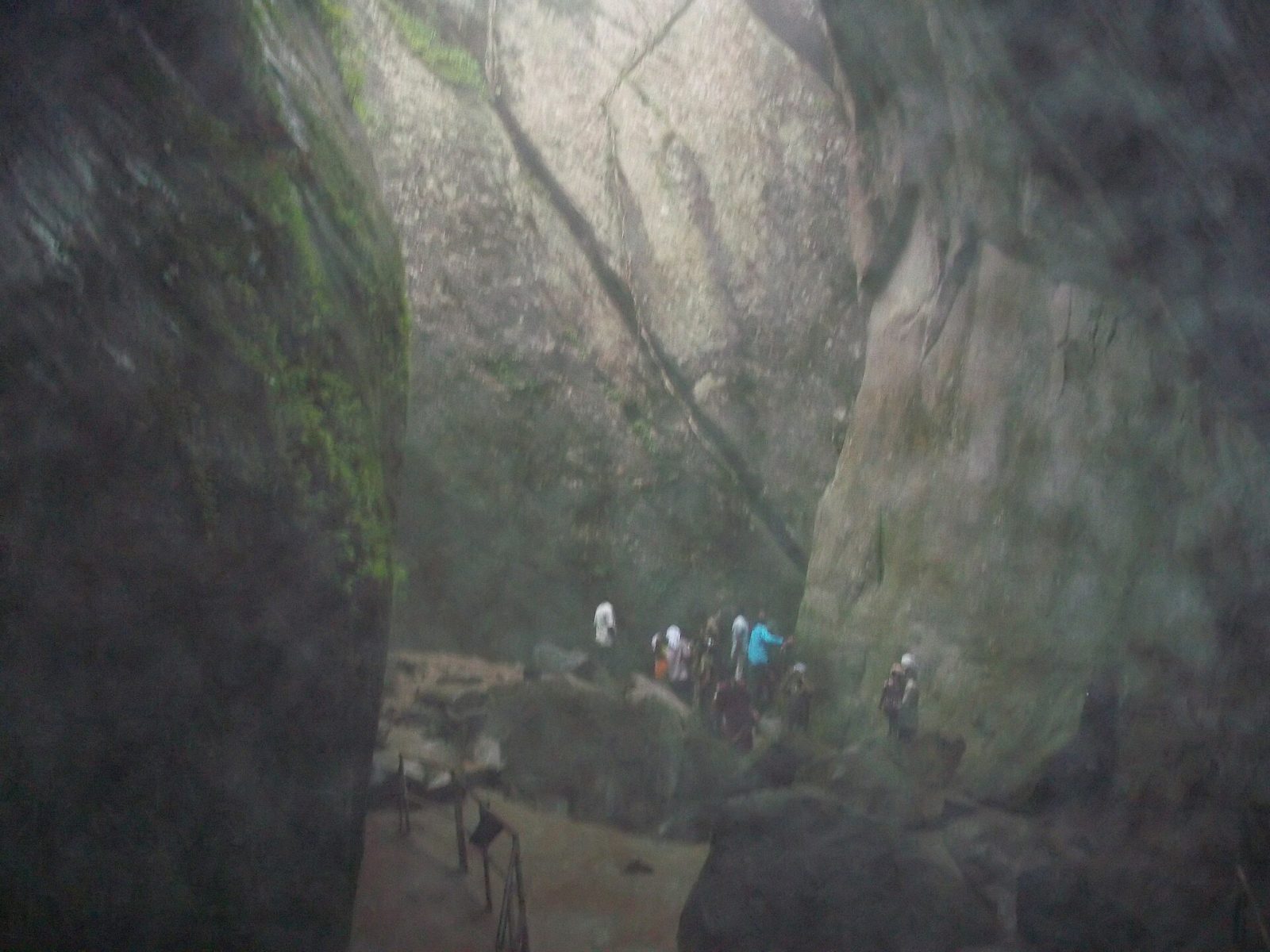
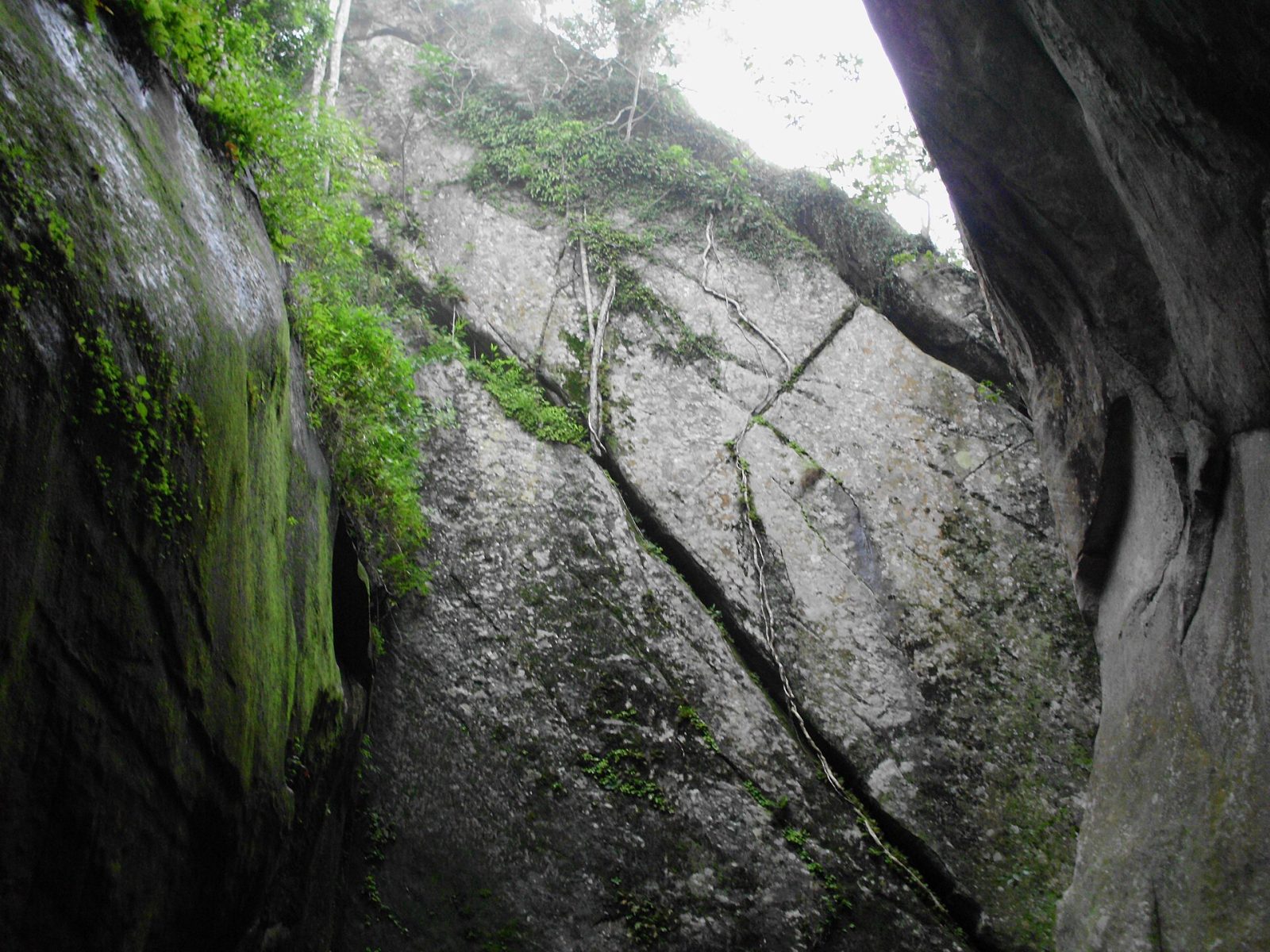
The Edakkal caves at Ambalavayal in Wayanad are not true caves but a cleft formed when a huge boulder fell across a split in the rock on Ambukuthi hill. The walls carry petroglyphs, carved figures of people, animals, wheels and symbols, some believed to be several thousand years old, making this one of the most important prehistoric sites in south India. They were brought to wider notice in 1890 by Fred Fawcett, a British police official, who recognised their age. The climb takes about half an hour up a steep path and steps, and the view over the Wayanad hills from the top is worth it on its own. The site closes on Mondays and gets crowded by late morning.
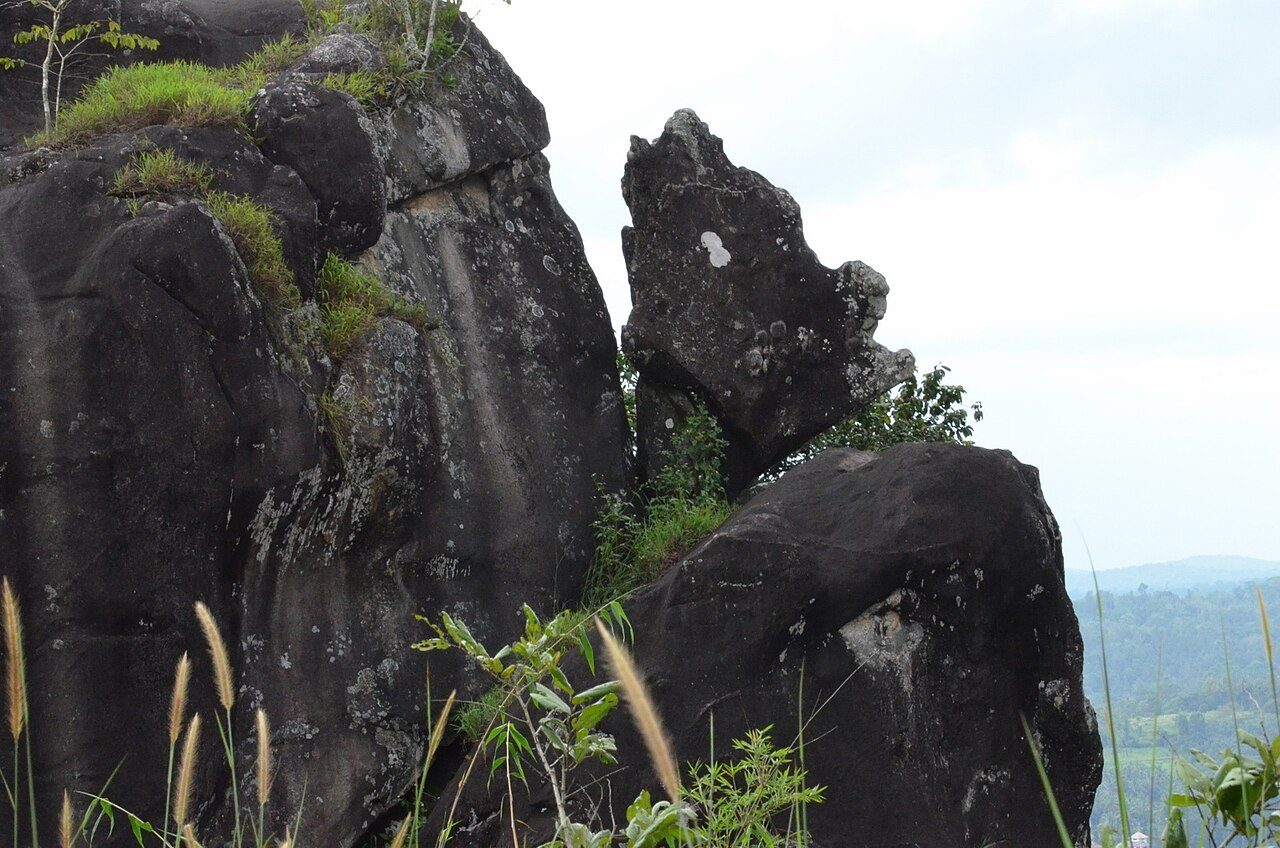
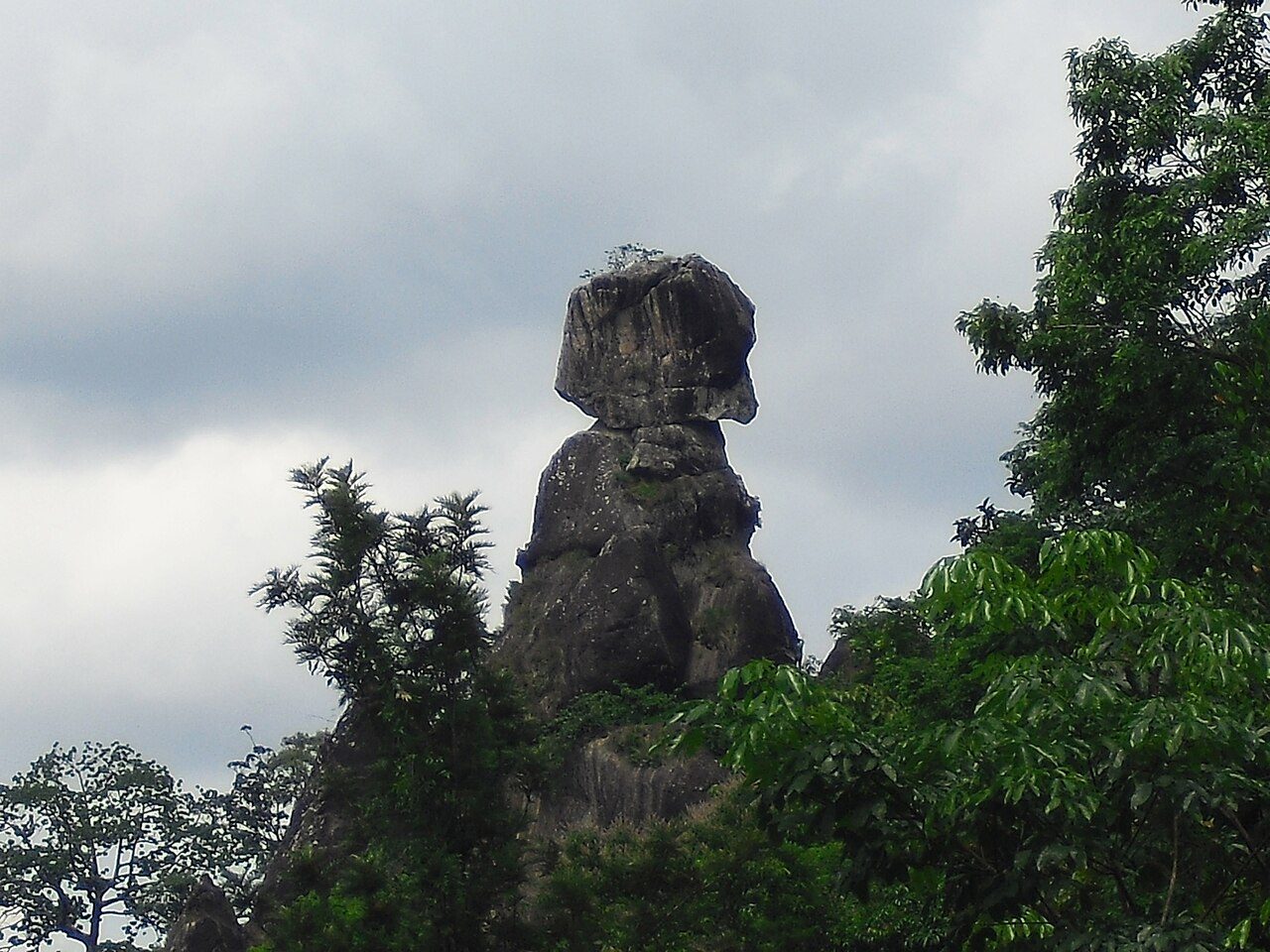
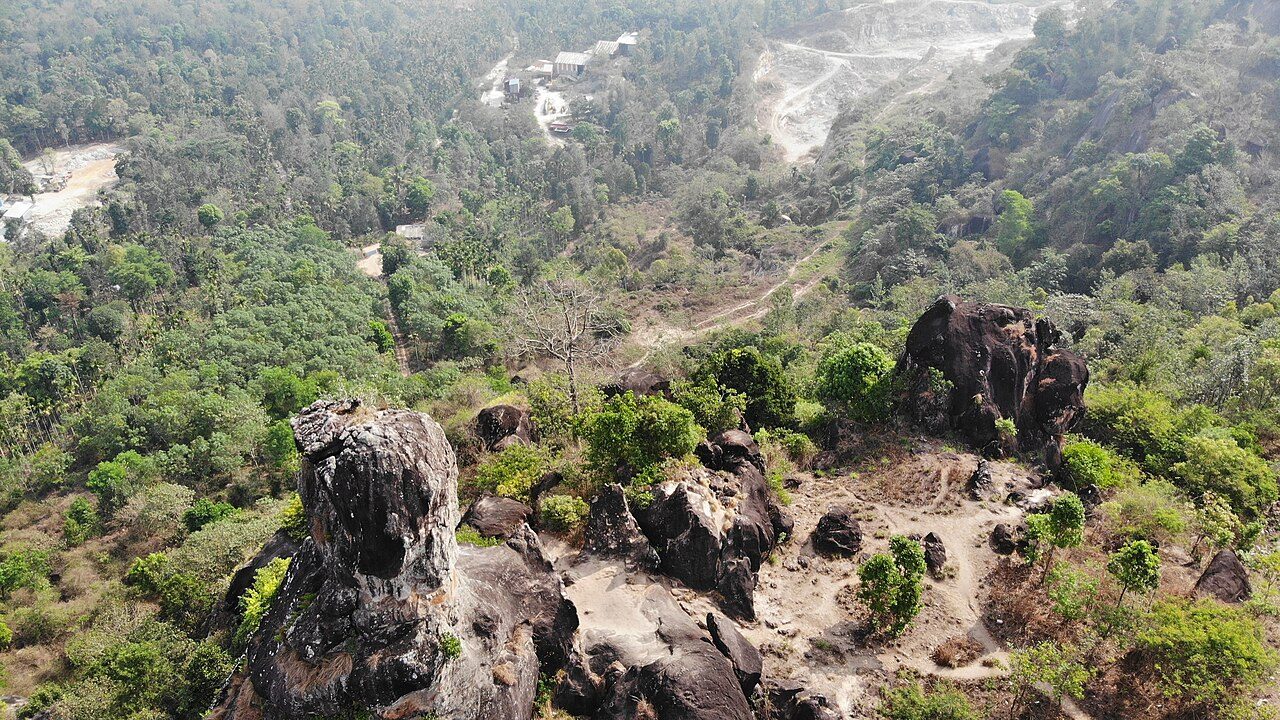
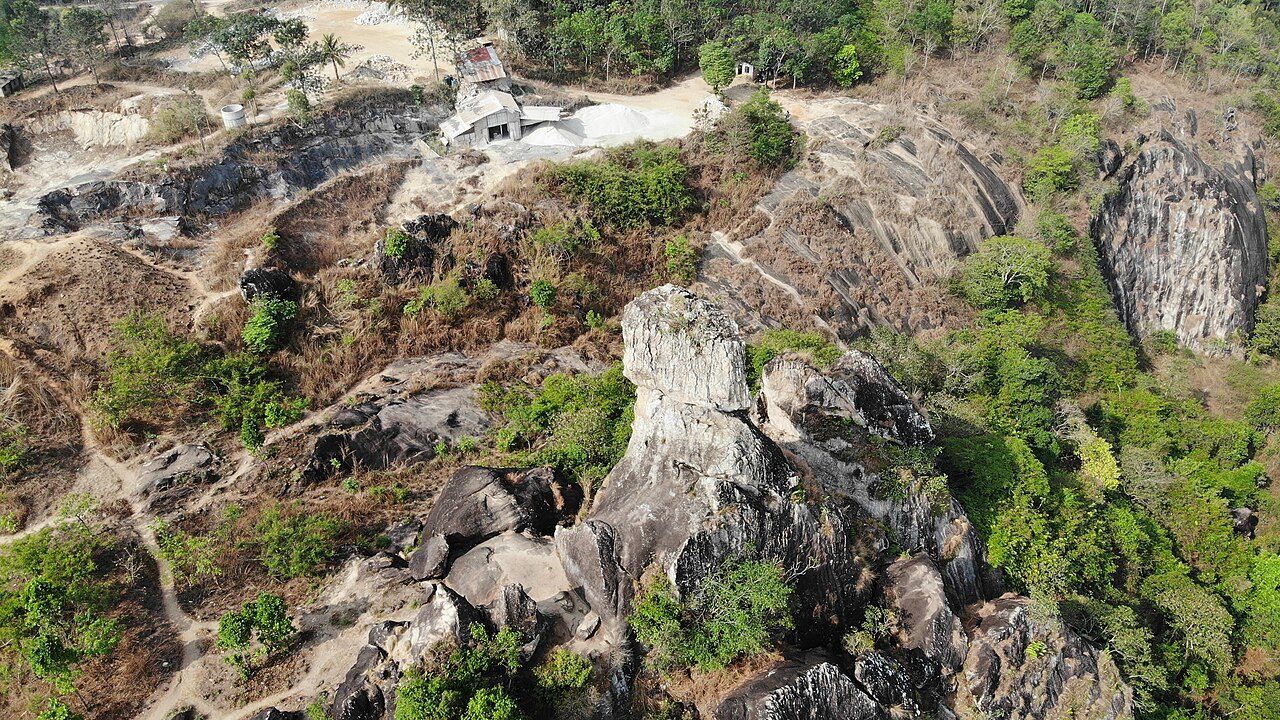
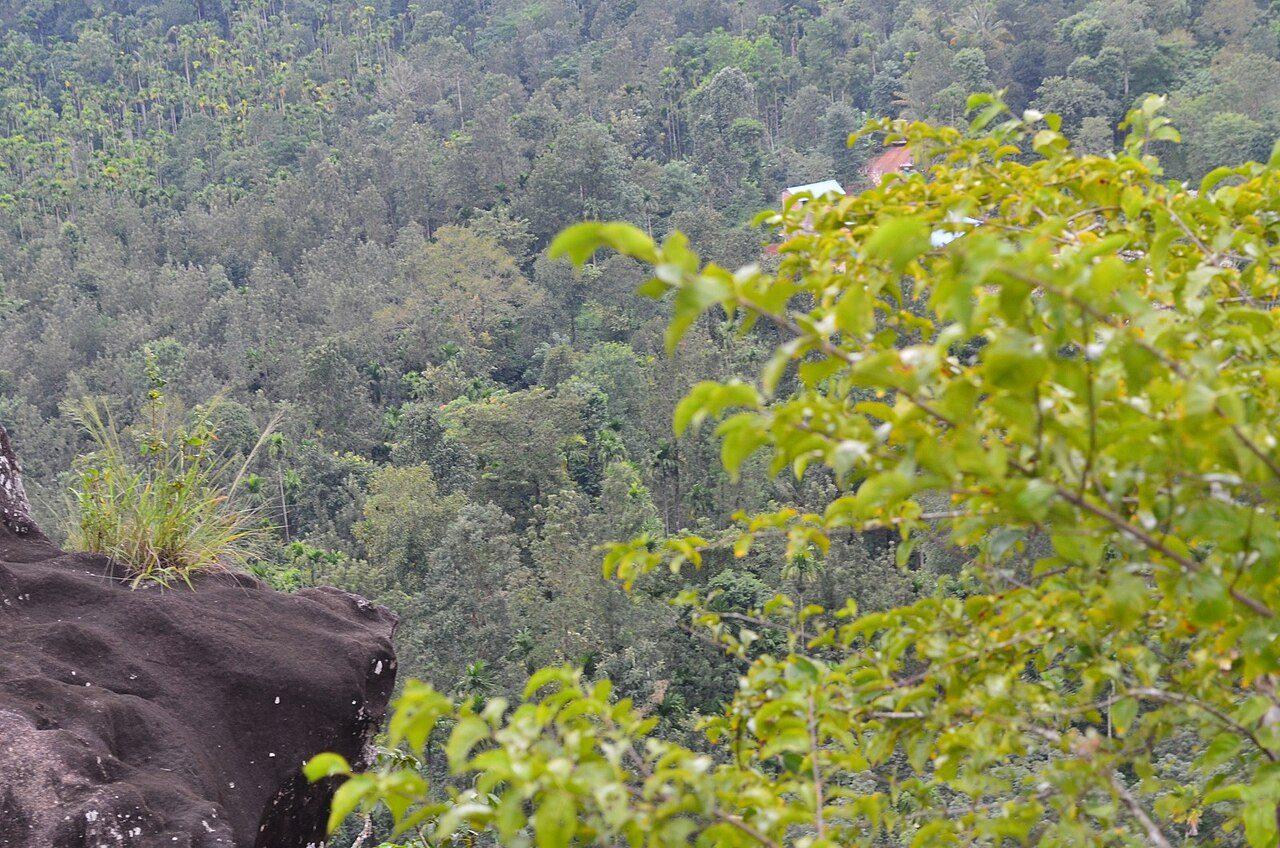
Phantom Rock, known locally as Cheengeri Mala, is a natural rock formation shaped like a skull, standing above the plateau near Ambalavayal. The short climb gives a wide view over the surrounding hills.
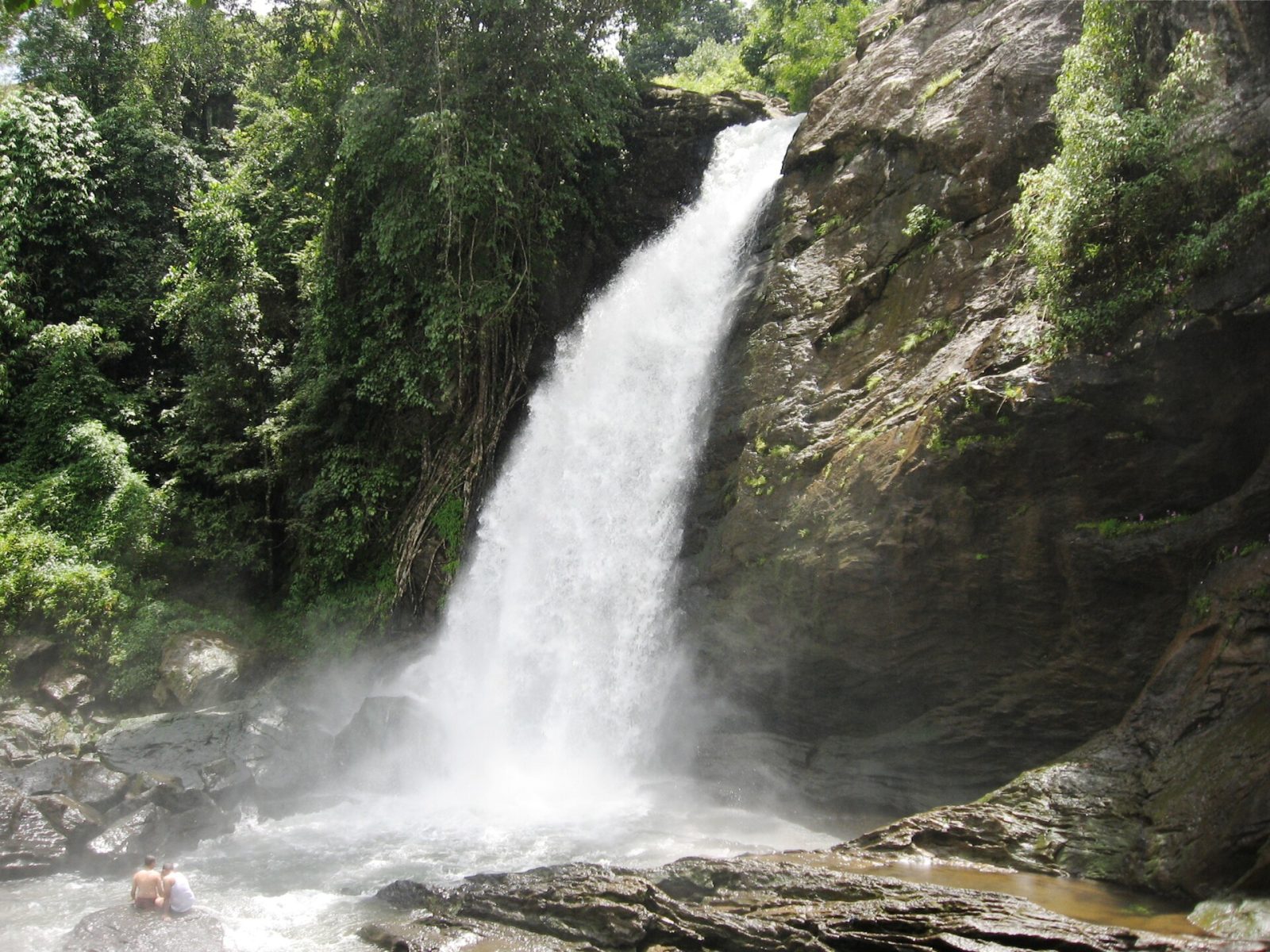
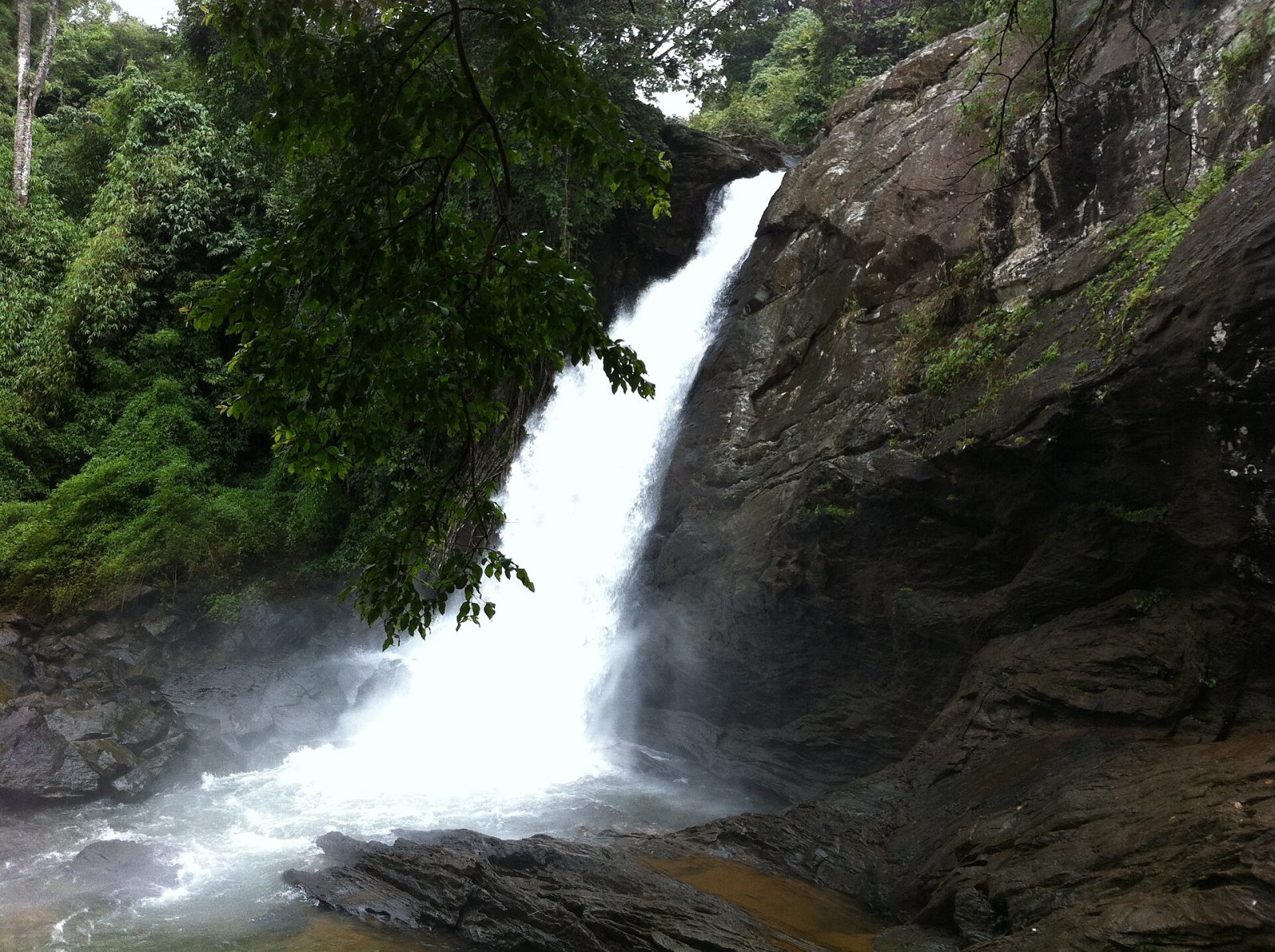
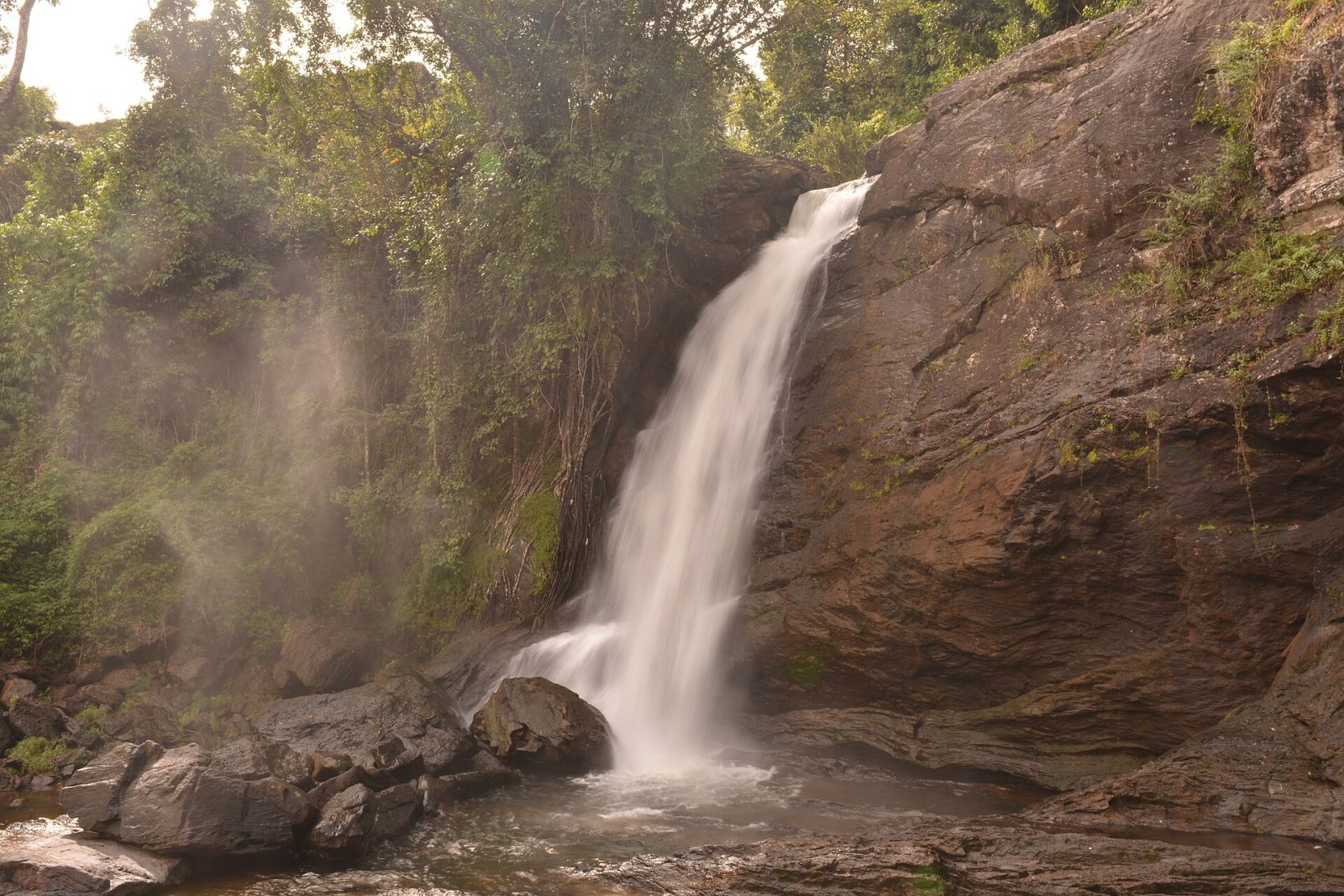
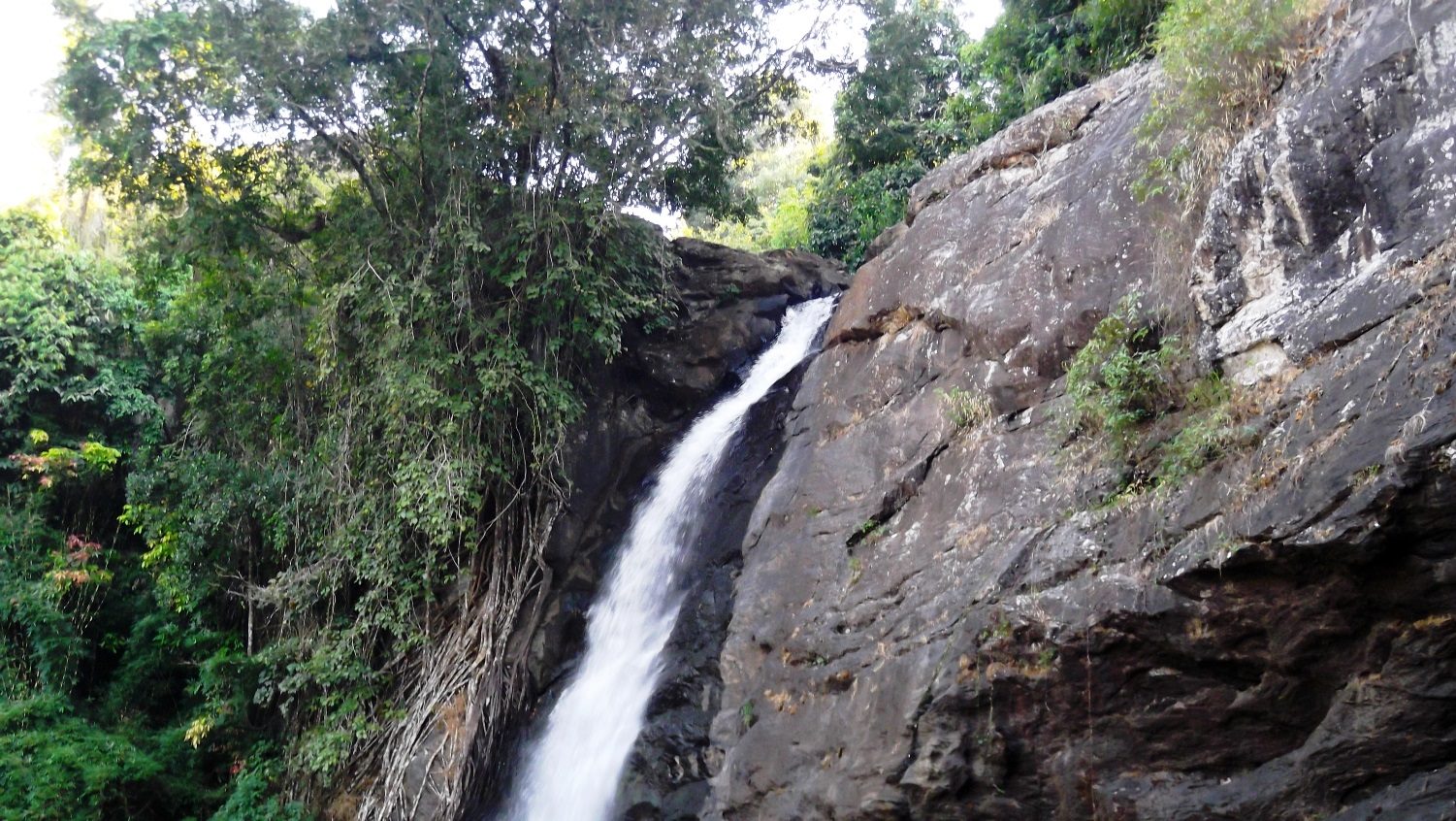
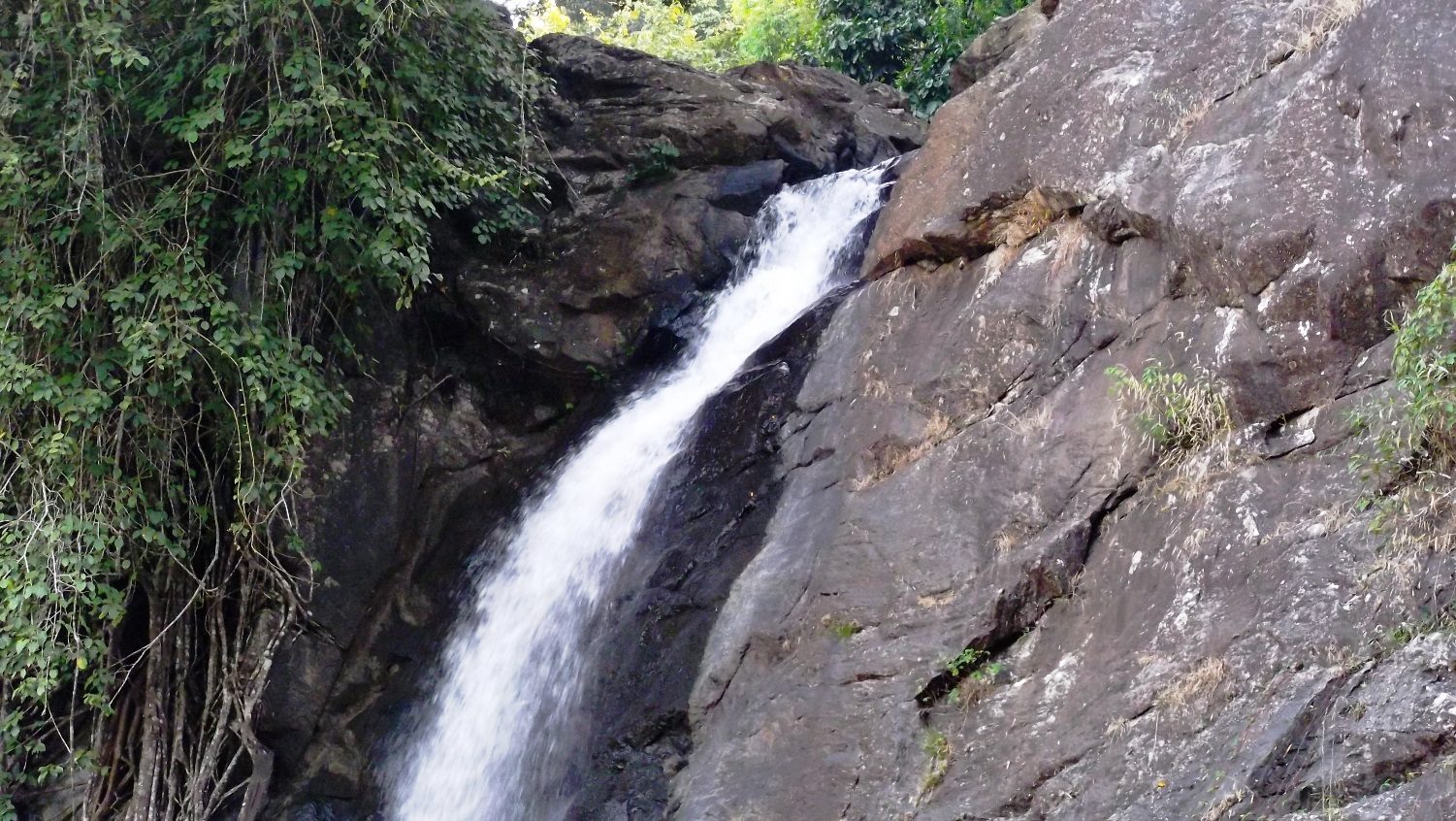
Soochipara, also called Sentinel Rock Falls, is a three-tiered waterfall near Meppadi in Wayanad, dropping about 60 metres into a pool below. The name means needle rock, after the sharp cliff beside it, which is popular with rock climbers. A path of about a kilometre leads down through thick forest to the base, where visitors can bathe in the pool when the water level allows. From the rocks there are views over the tea estates and the Western Ghats beyond. The falls run strongest from June to January, and the descent is steep, so sturdy footwear helps.
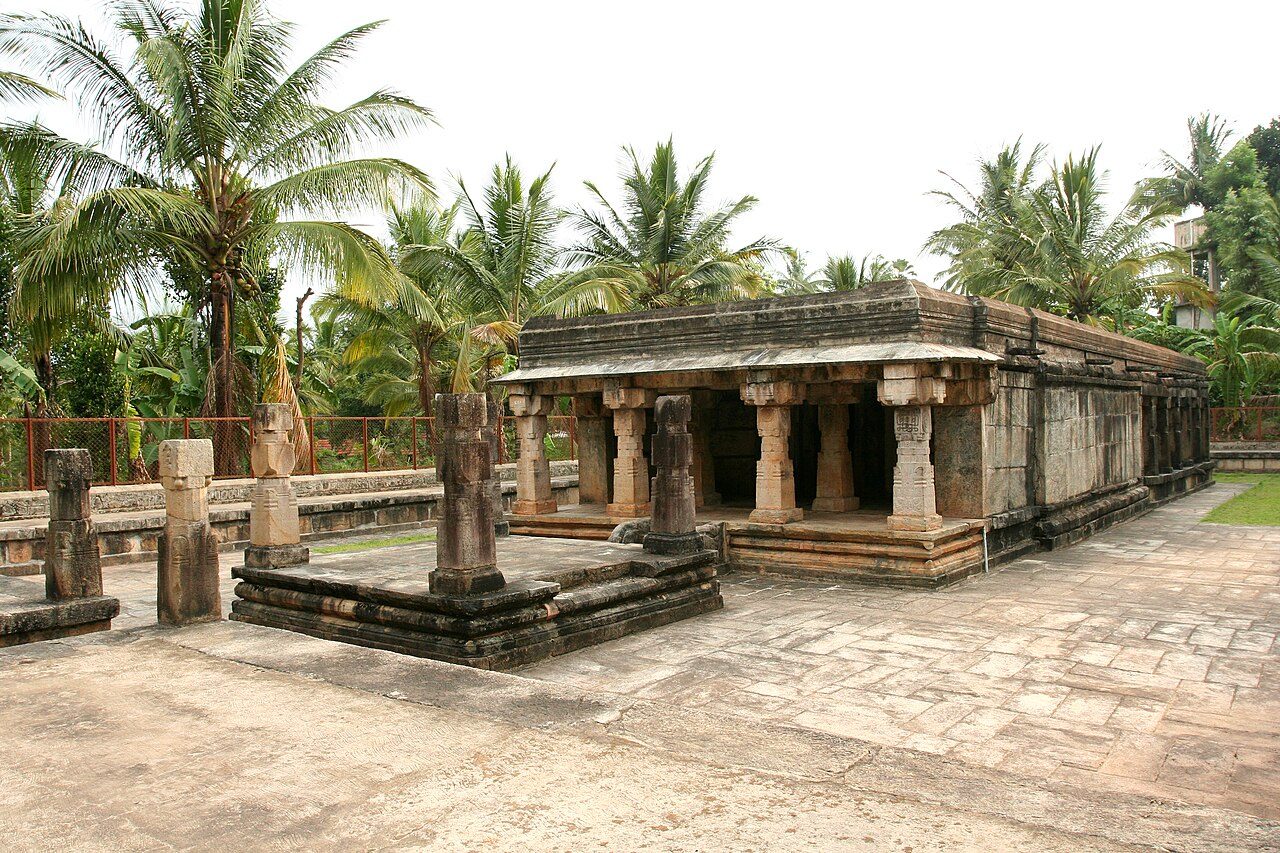
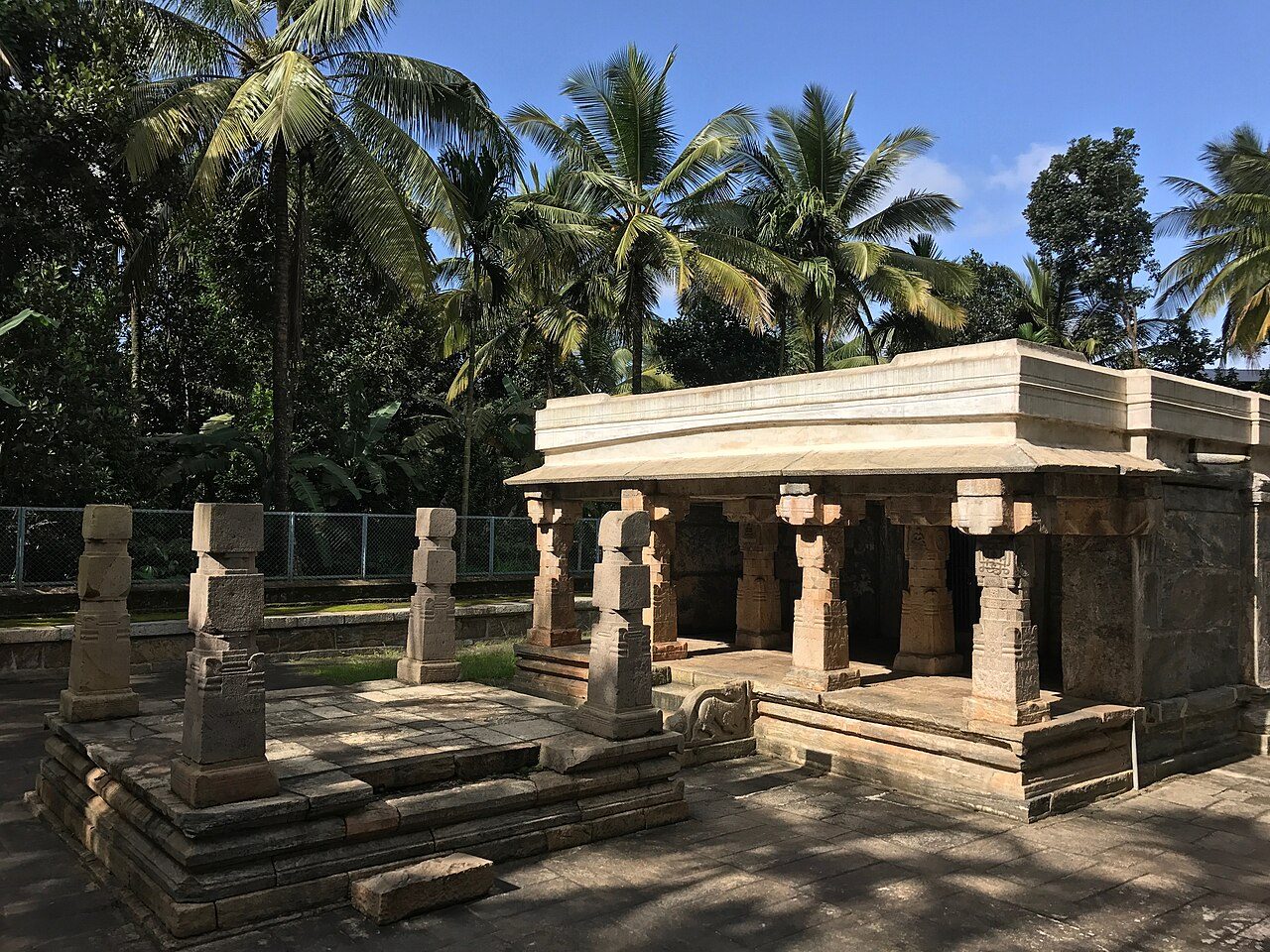
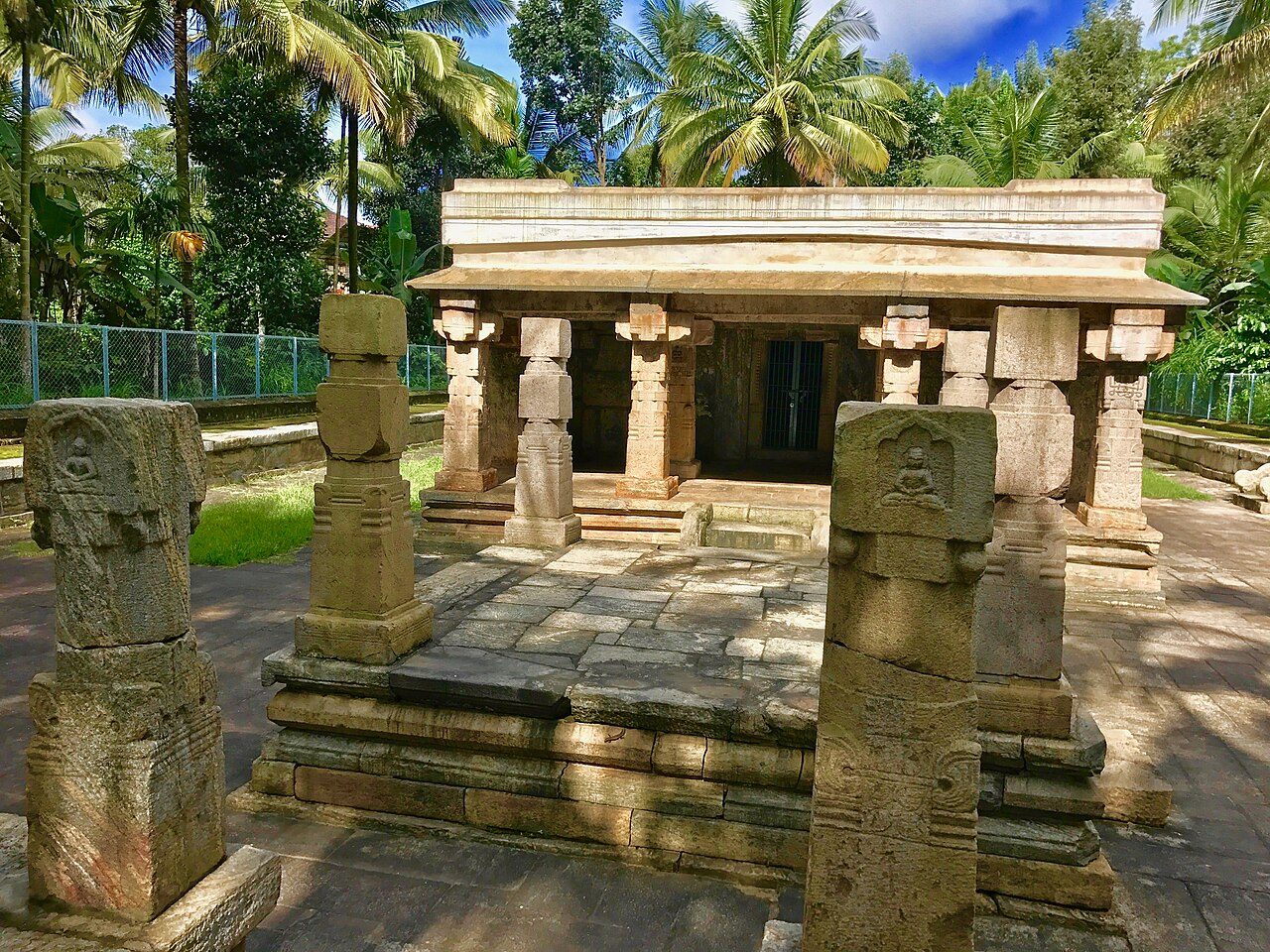
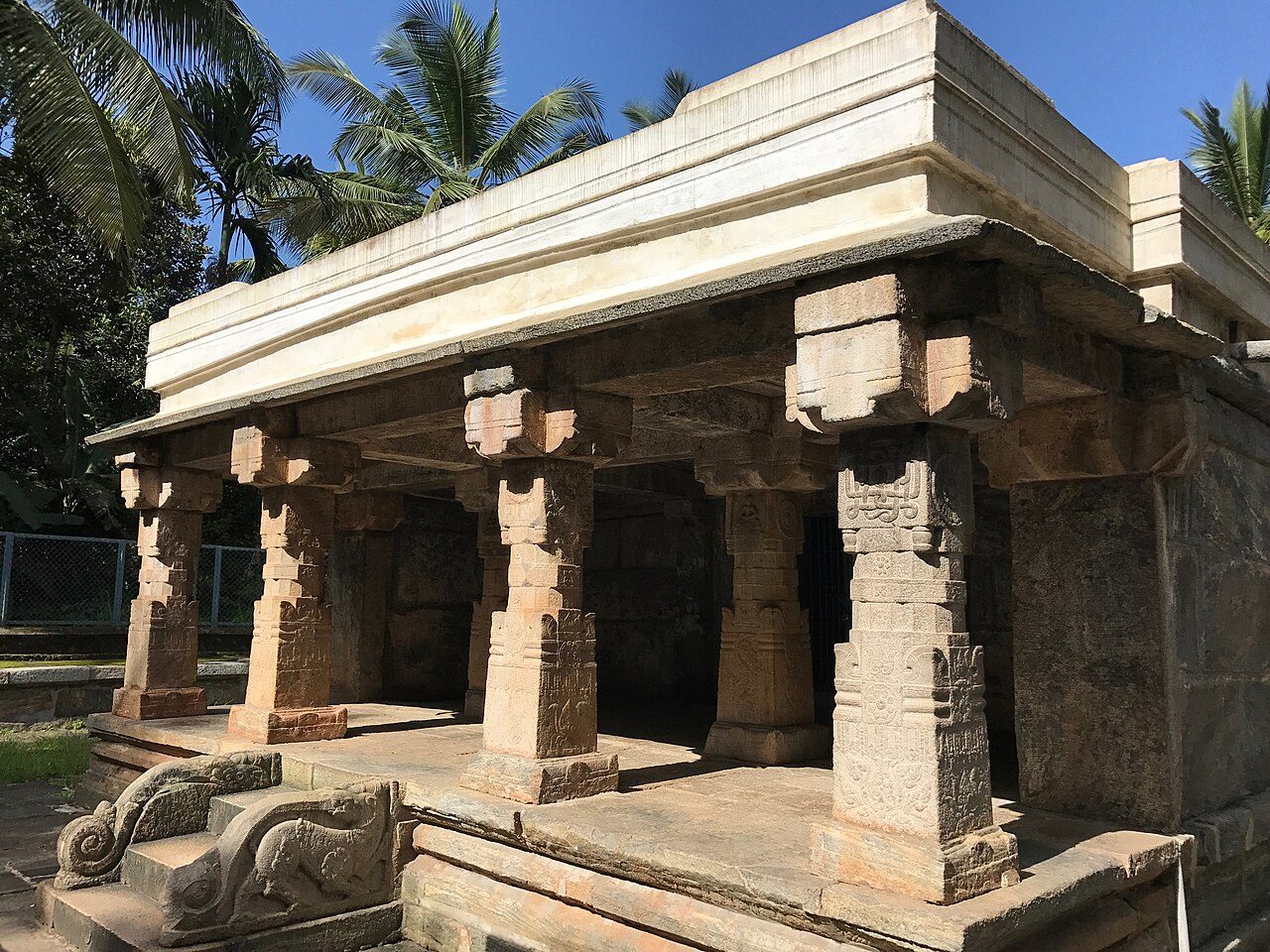
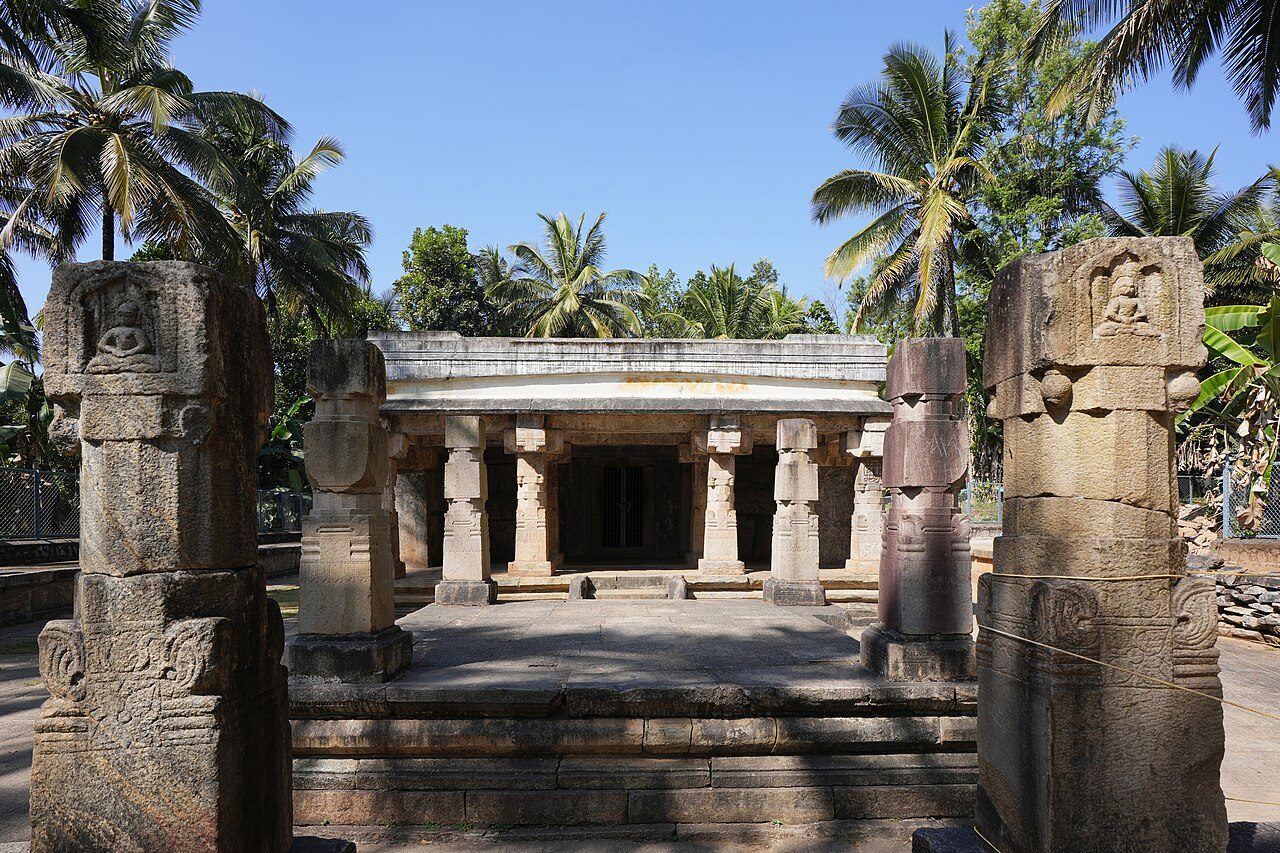
This 13th-century Jain temple of granite at Sulthan Bathery was later used by Tipu Sultan as an ammunition store, which gave the town its name. It is a protected monument with carved pillars and an open mandapa.
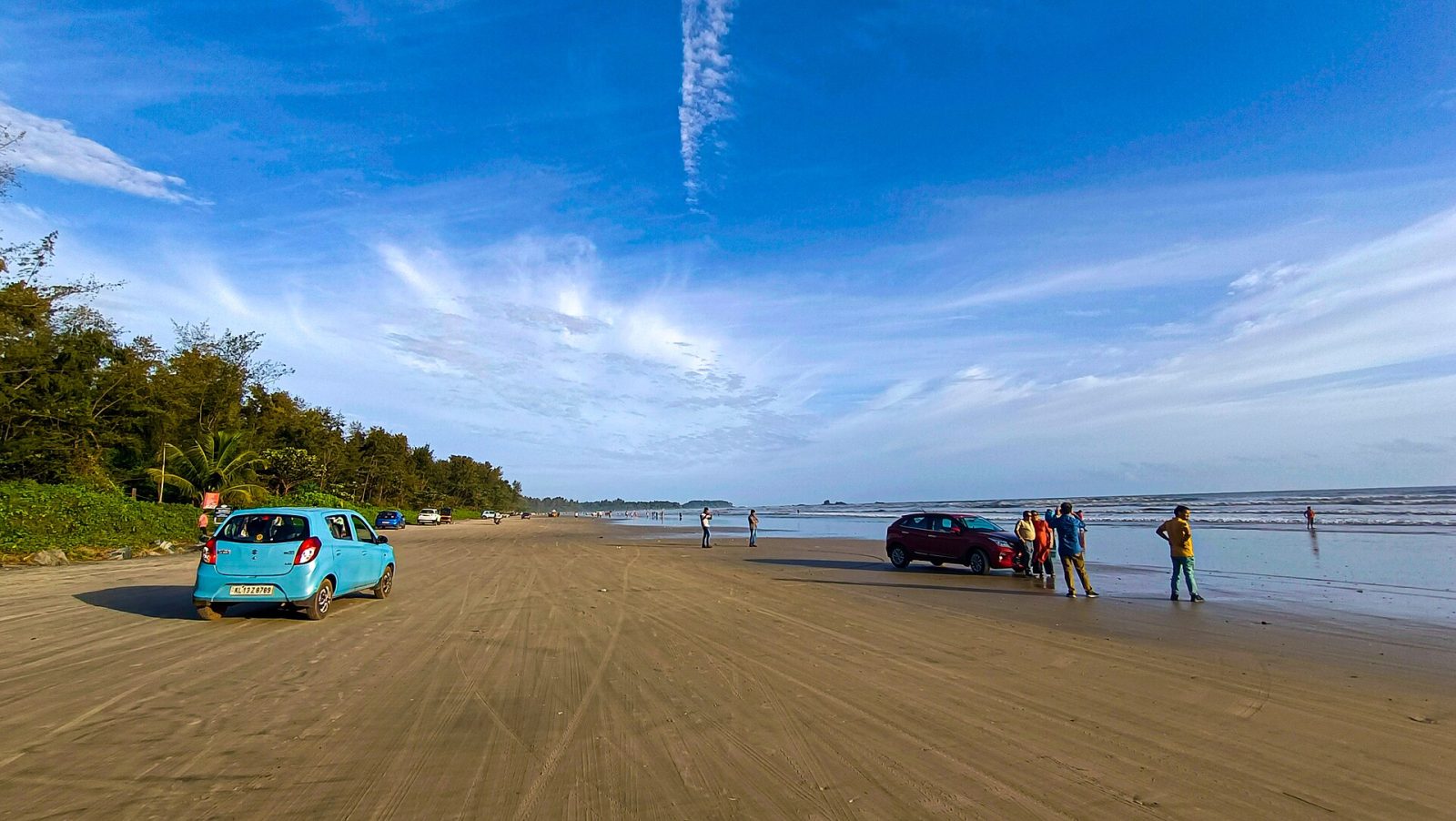
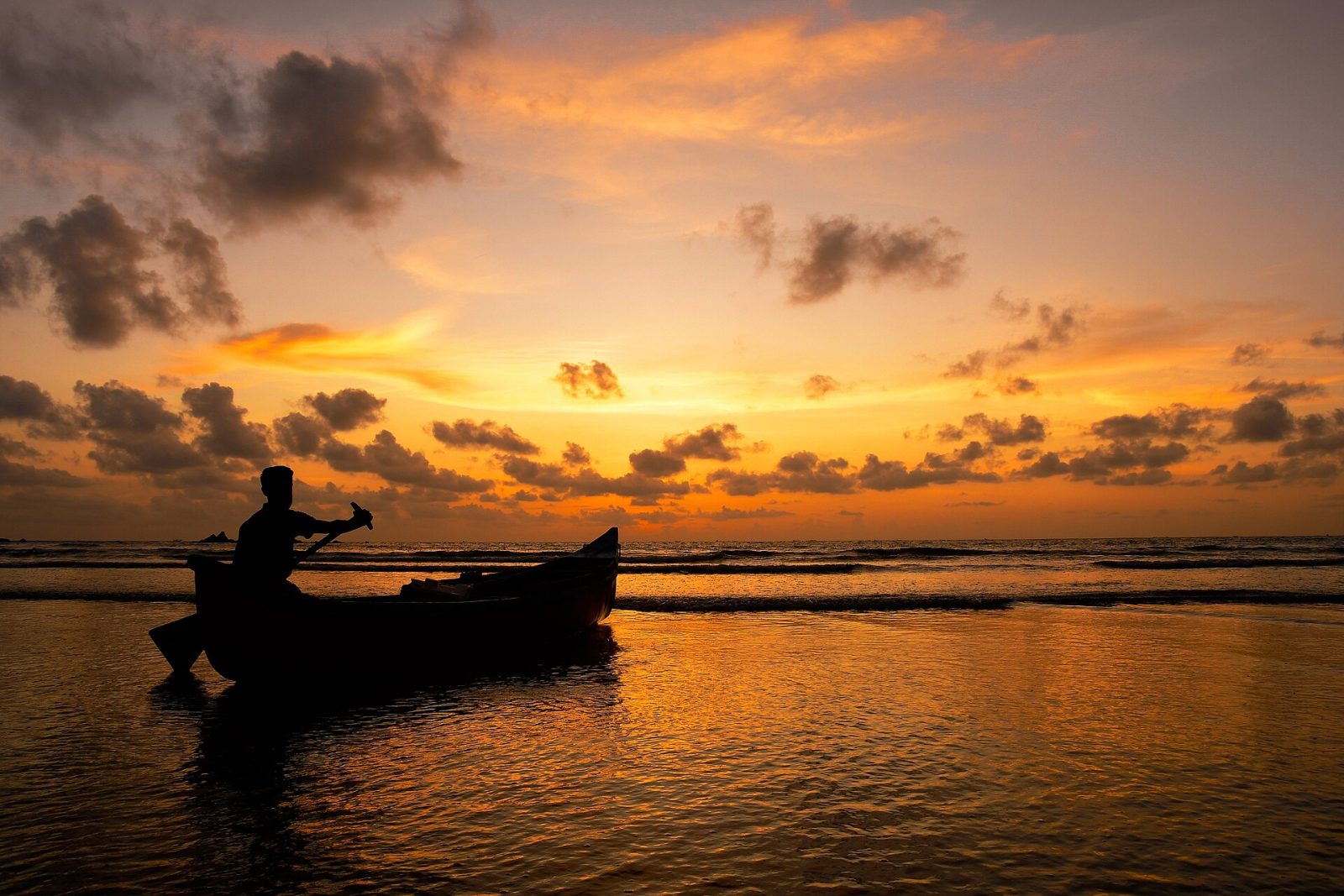
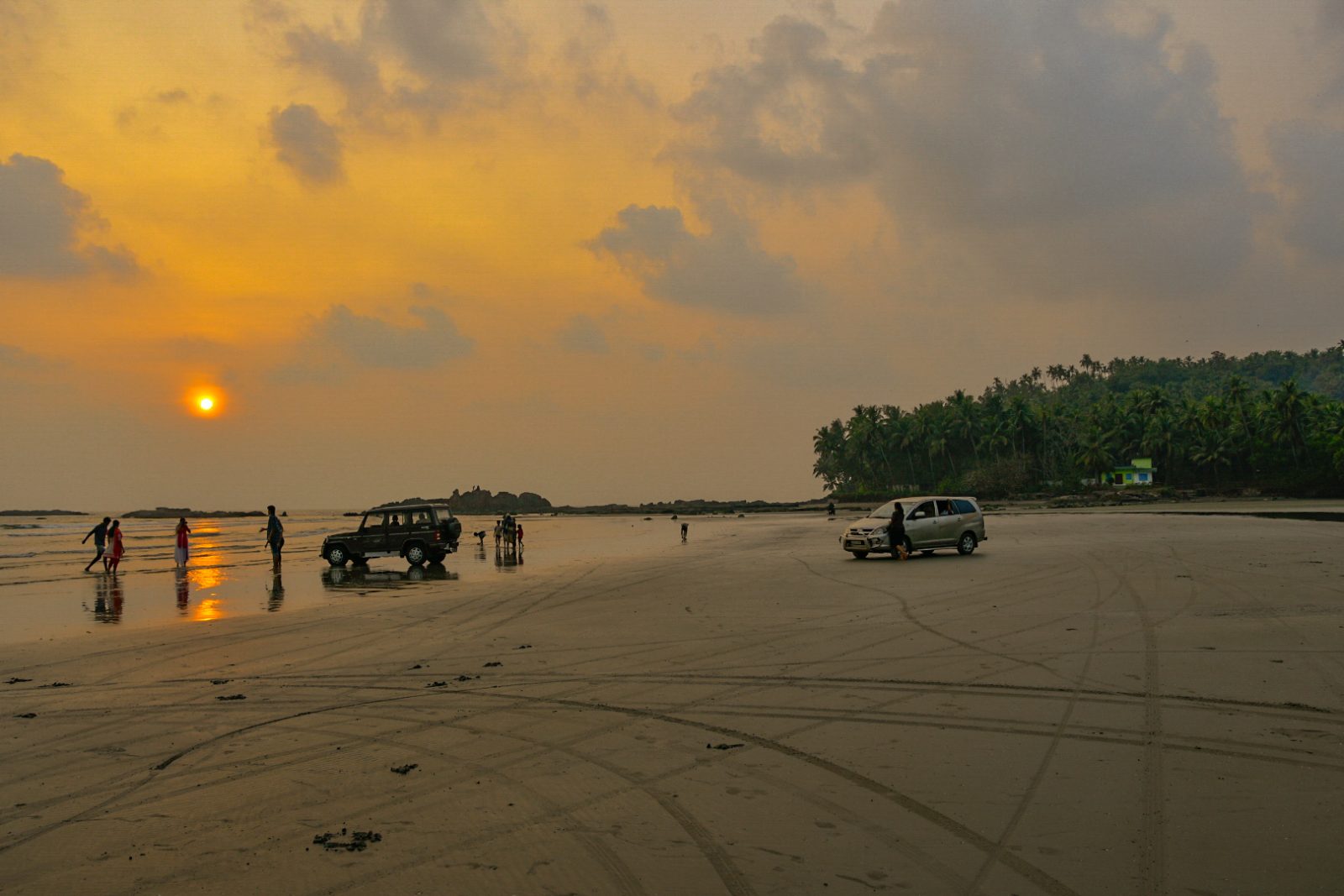
Muzhappilangad, between Thalassery and Kannur, is the longest drive-in beach in Asia, a firm four-kilometre strip of sand where cars and motorbikes are allowed to drive right along the shore. Black rocks at either end keep the sea calm and shallow, so it is one of the safer beaches in north Kerala for swimming, and lifeguards watch the main stretch. Beach volleyball, paragliding and car rallies are held here, and the small Dharmadam island lies just offshore, reachable on foot at low tide. Fishermen work the same water and their boats line the far end. It has a Blue Flag rating, and sunset is when the beach is at its best.
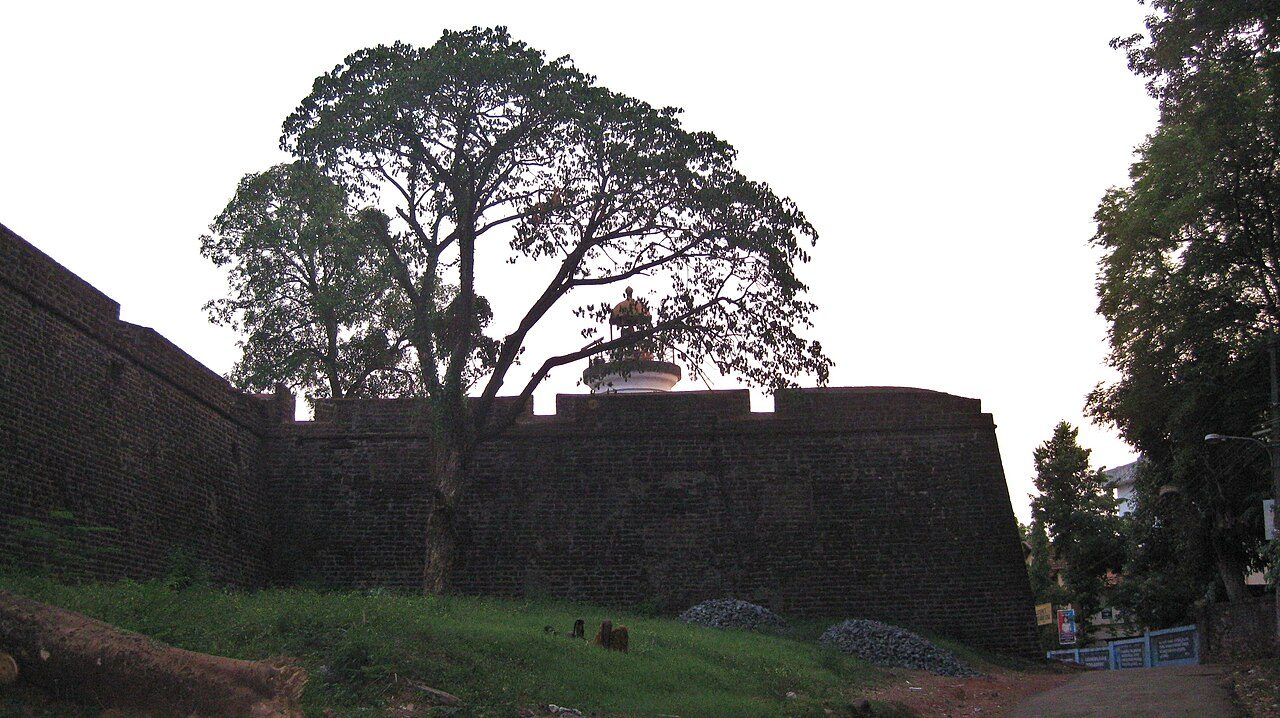
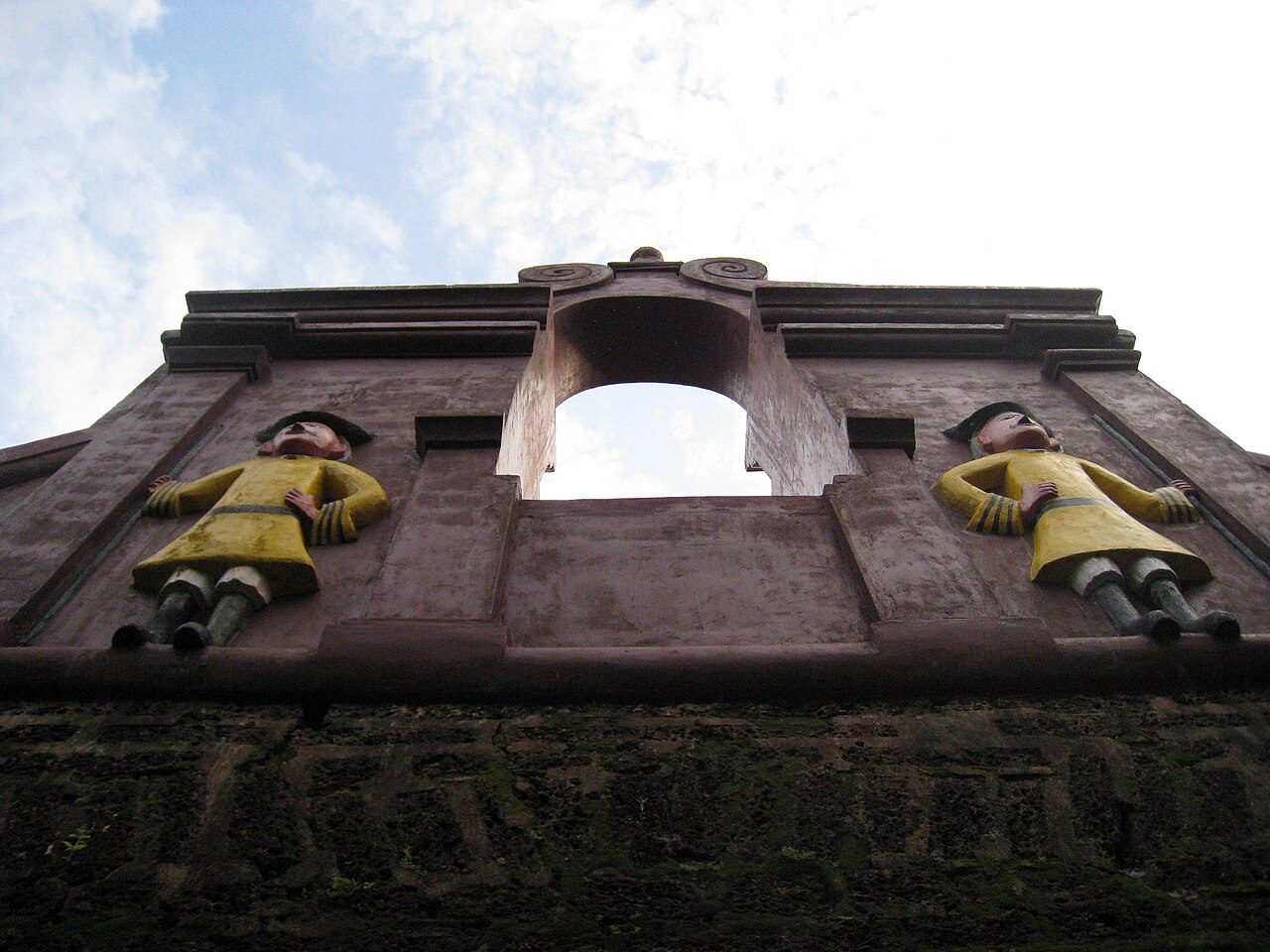
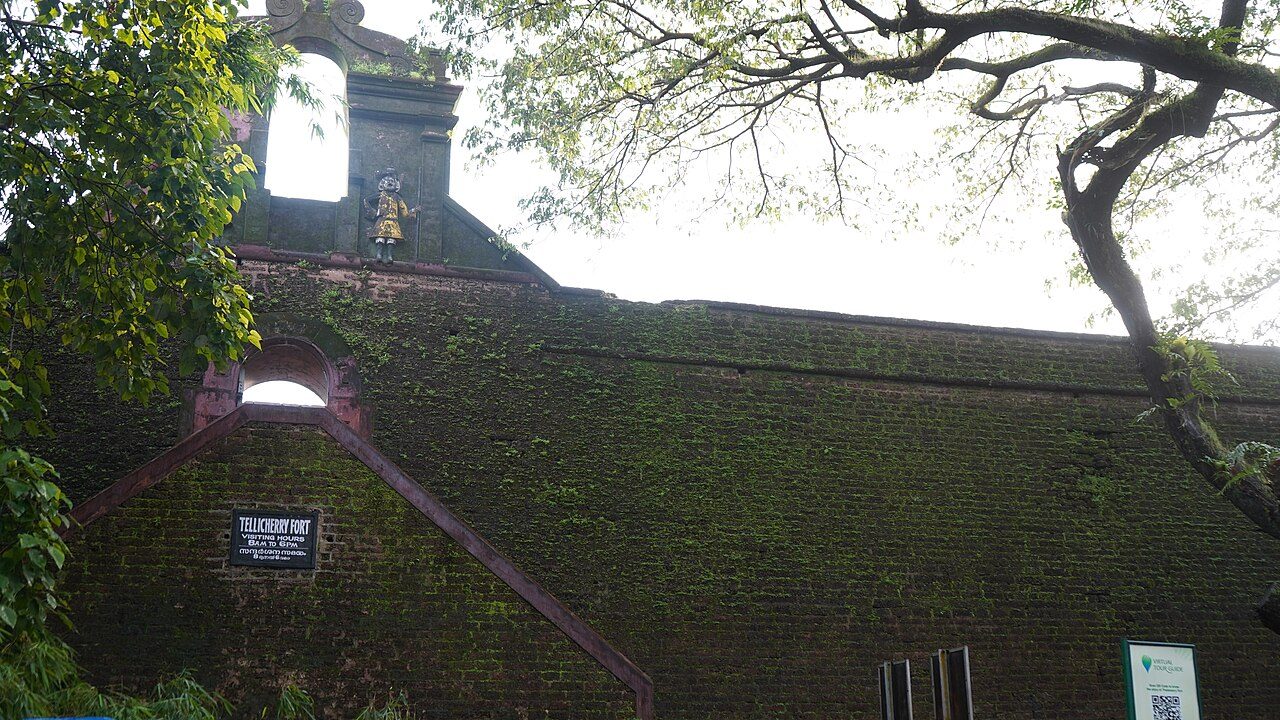
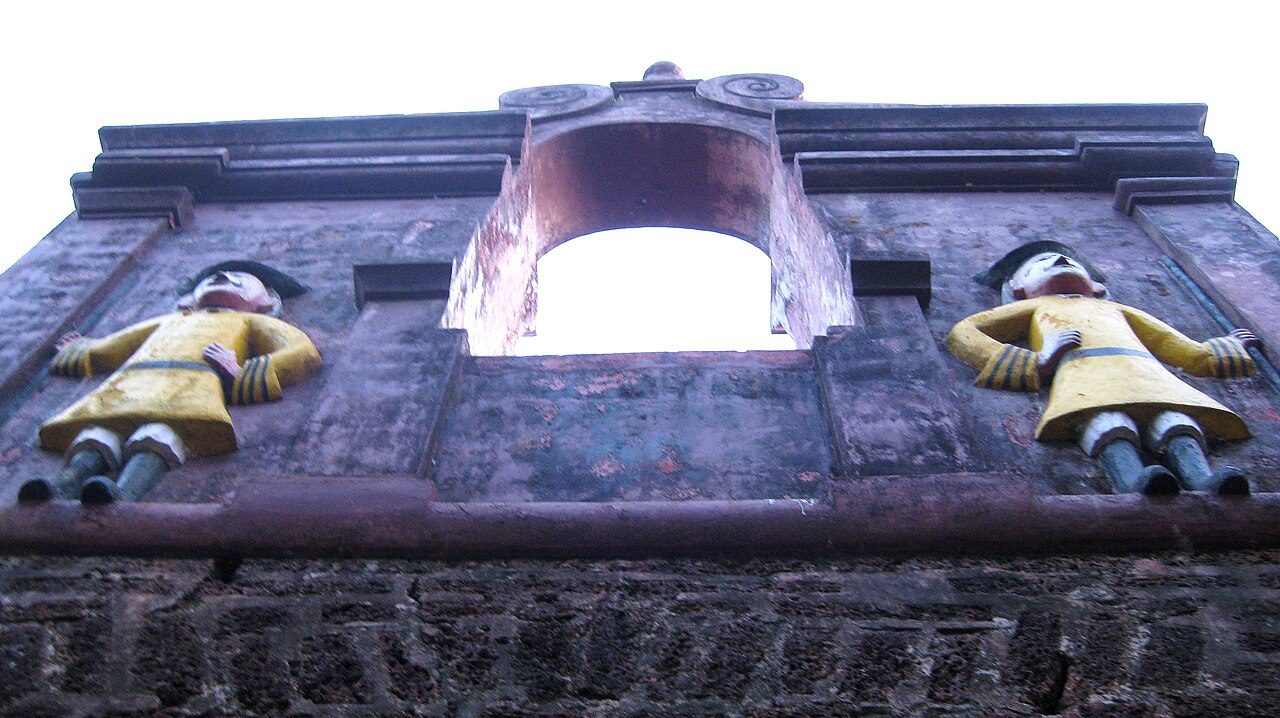
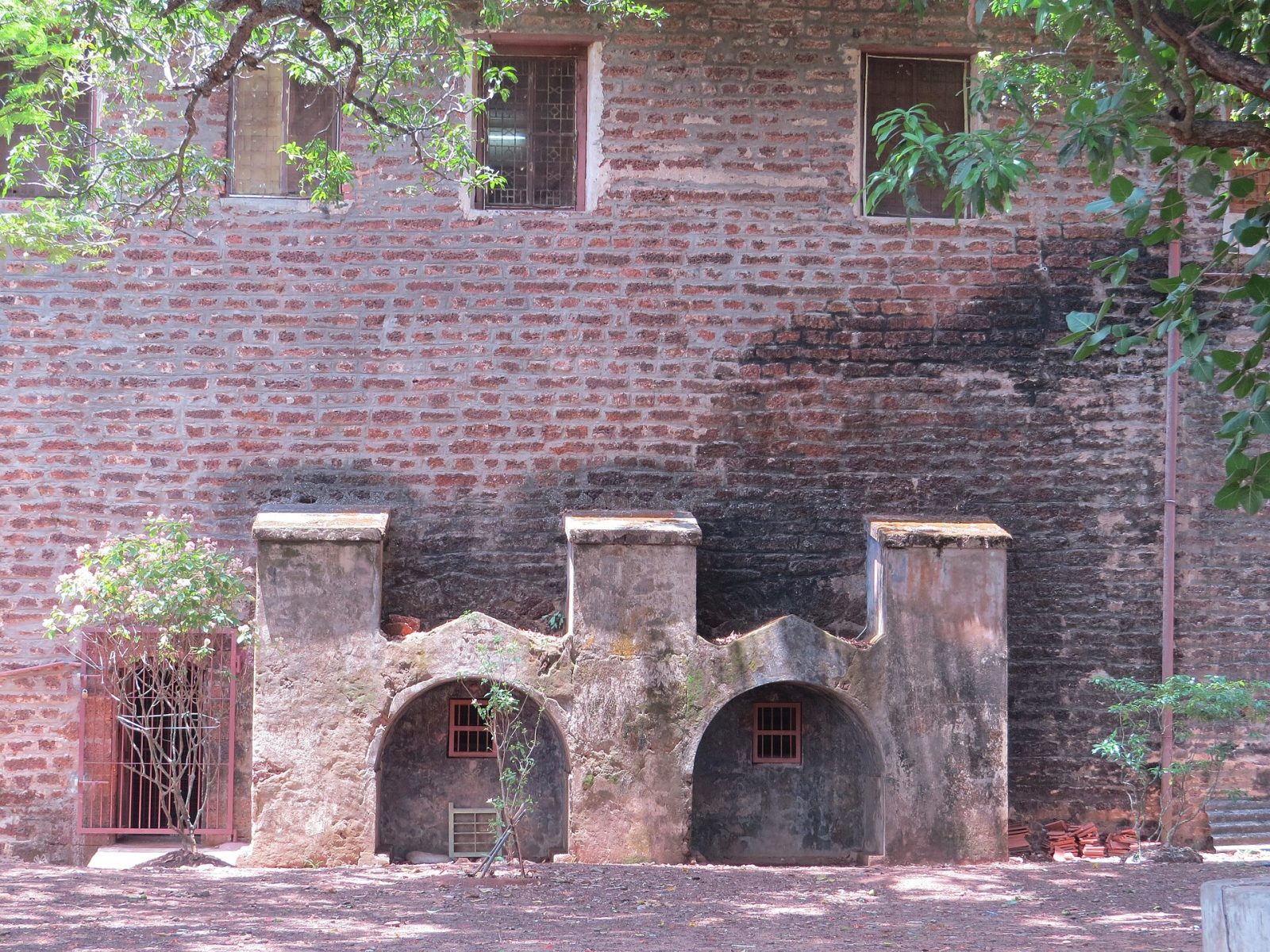
The East India Company built this square laterite fort at Thalassery in 1708 as a trading post for pepper and cardamom. Its heavy walls, carved doors and secret tunnels to the sea are still in place, and it is a protected monument.
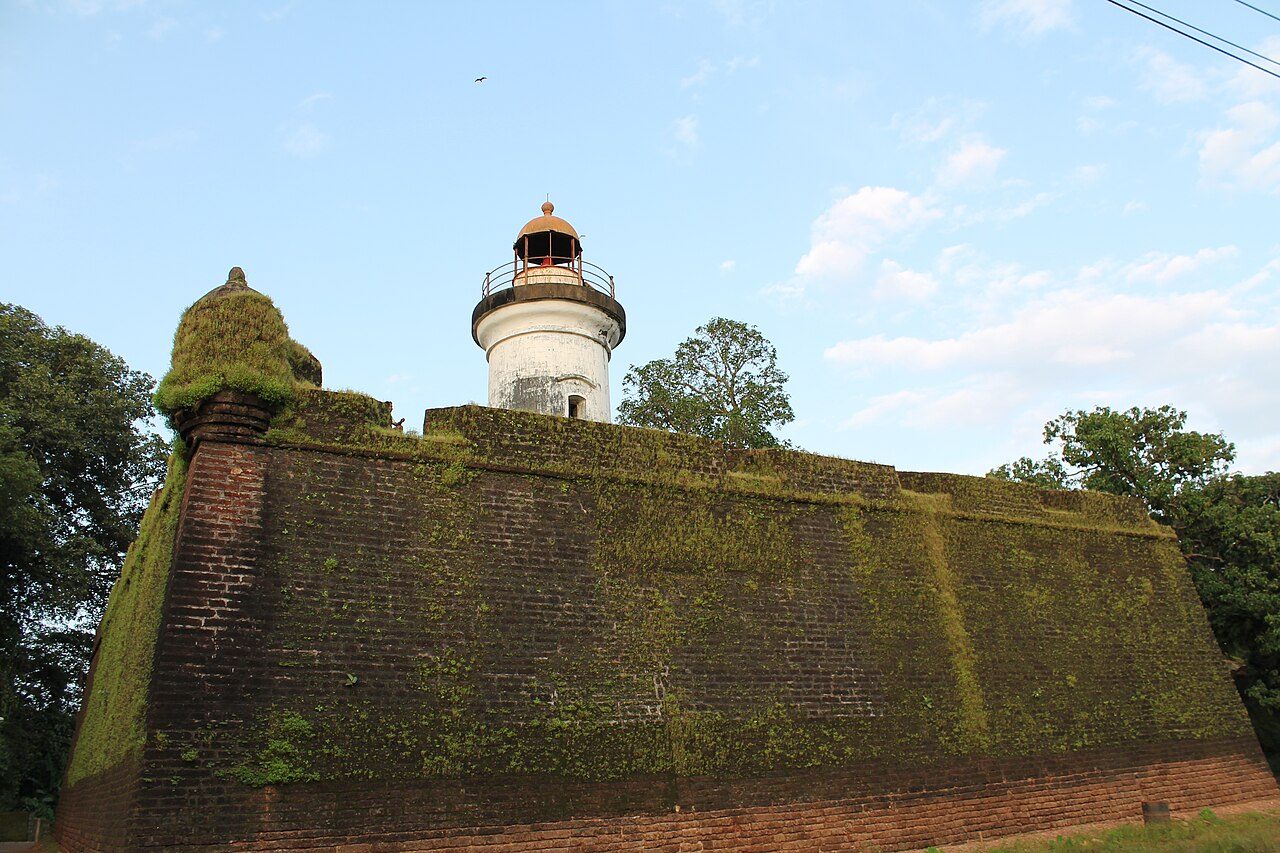
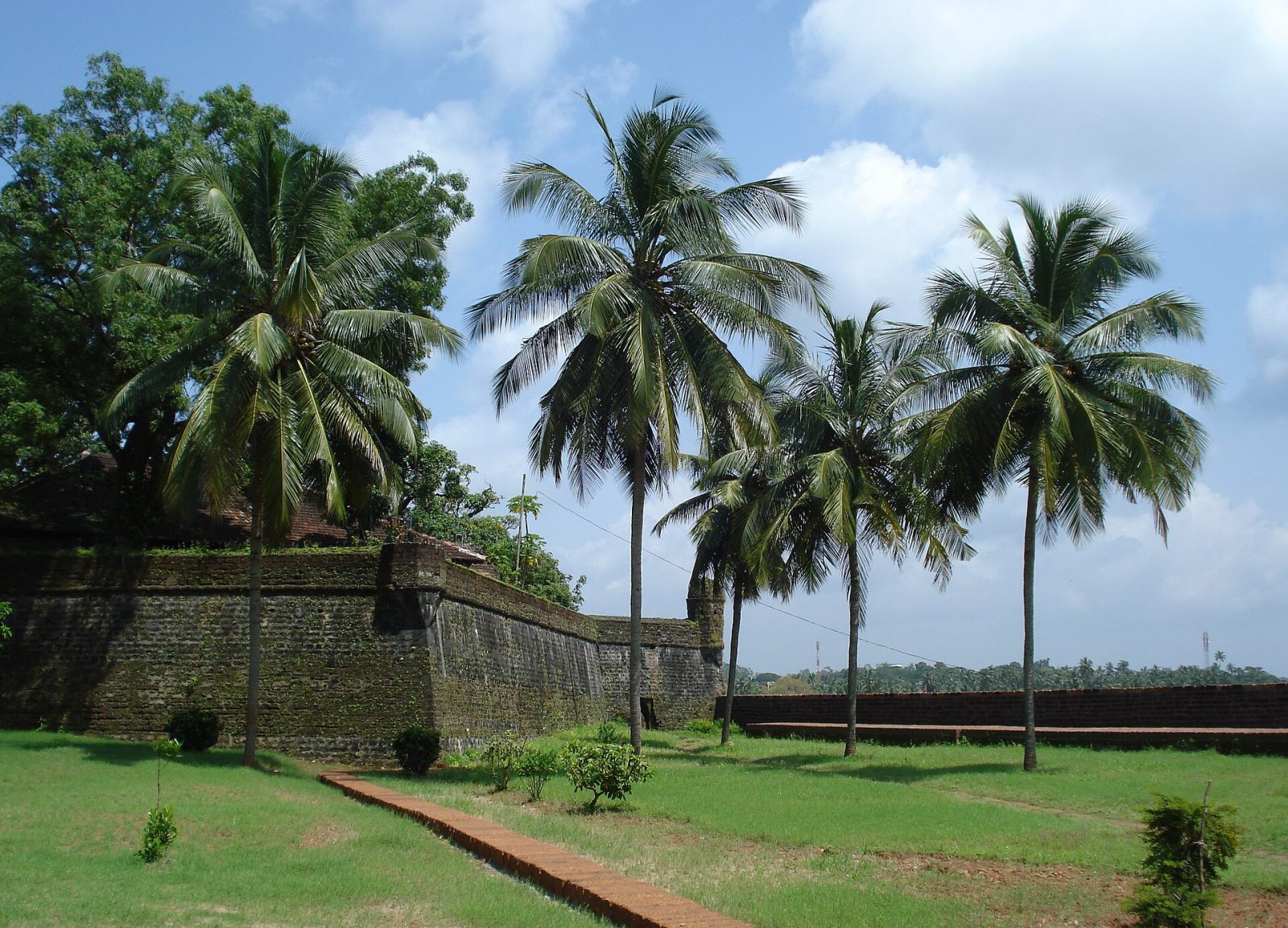
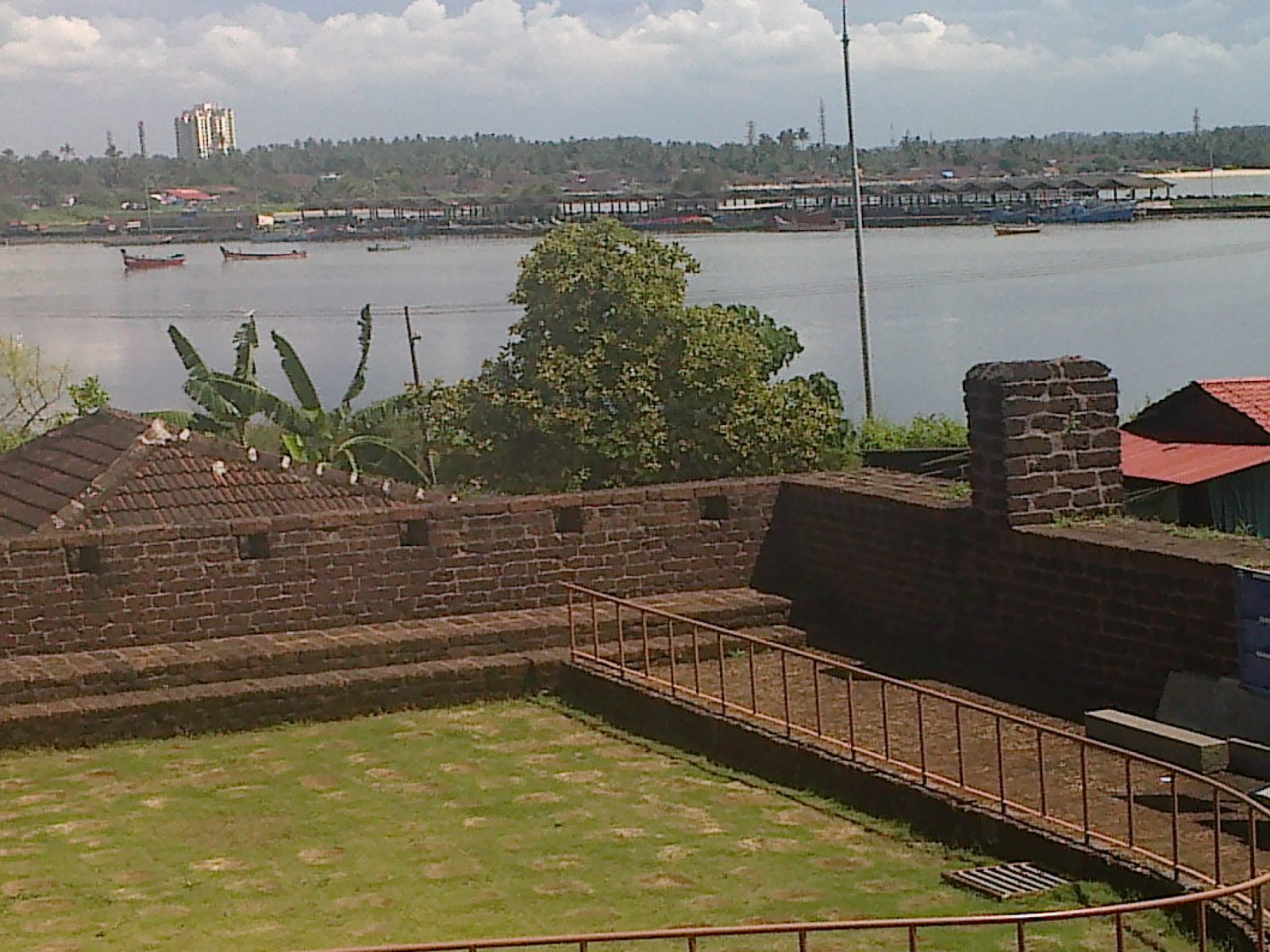
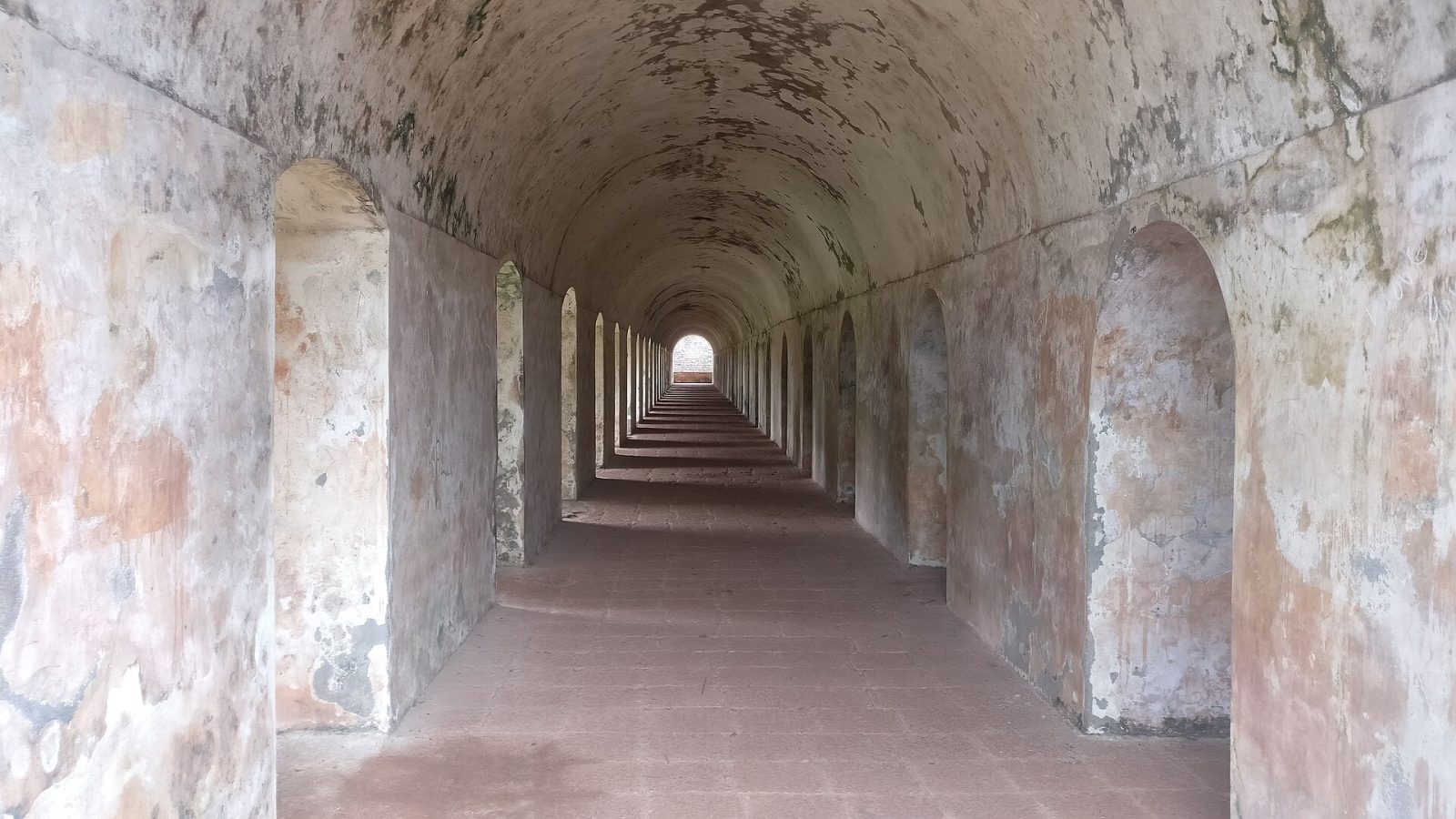
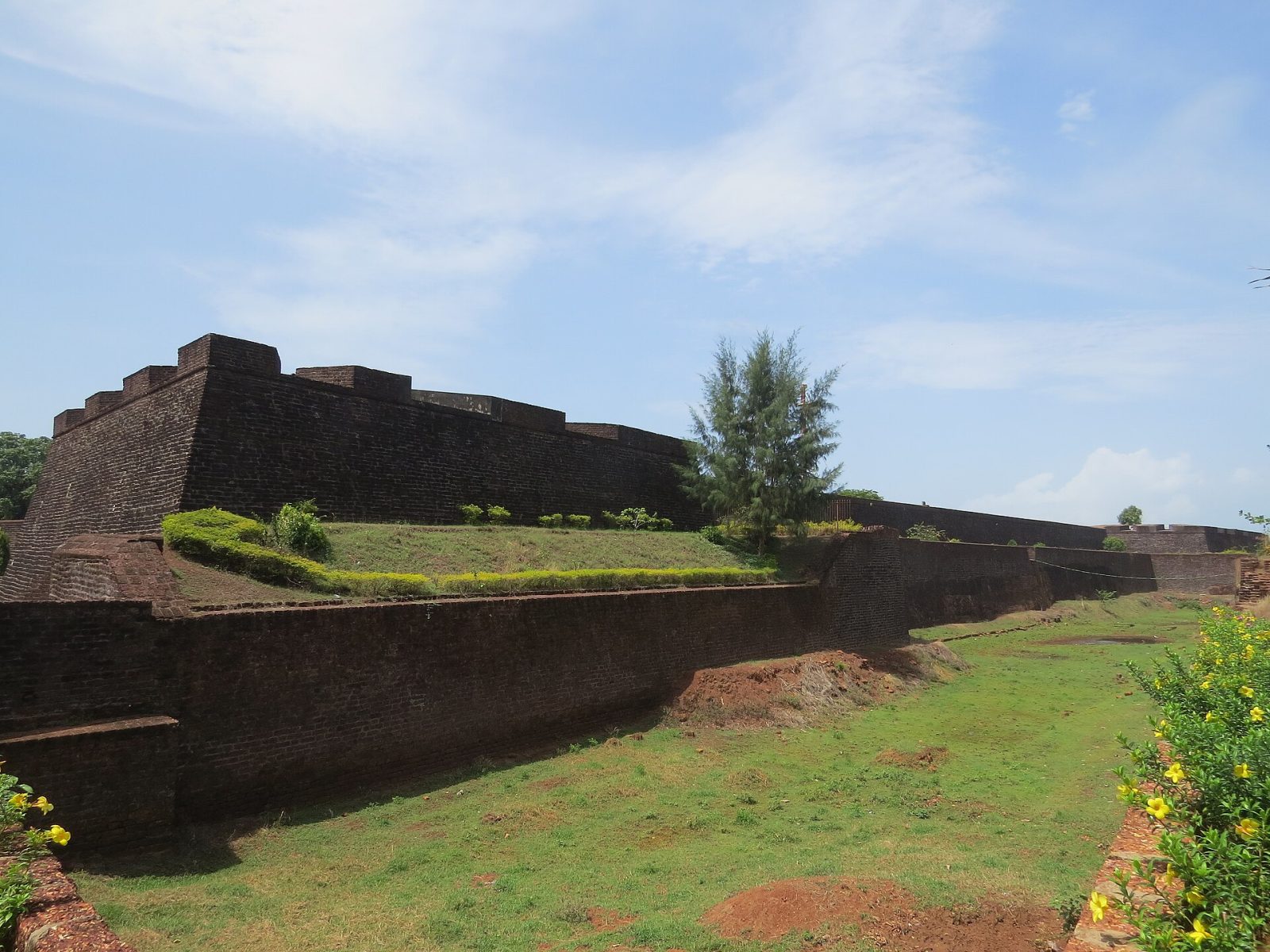
St Angelo Fort stands on a headland over the Arabian Sea at Kannur, built in 1505 by Dom Francisco de Almeida, the first Portuguese viceroy of India. Its massive laterite walls, shaped like a triangle with bastions at the corners, passed from the Portuguese to the Dutch, who sold it to the Arakkal royal family, and then to the British, who made it a military base. From the ramparts you look down on the Mappila Bay fishing harbour and its breakwater, still busy with boats. Inside are old cannon, a chapel and a tunnel to the sea. The Archaeological Survey of India maintains it, entry is free, and late afternoon is the best time.
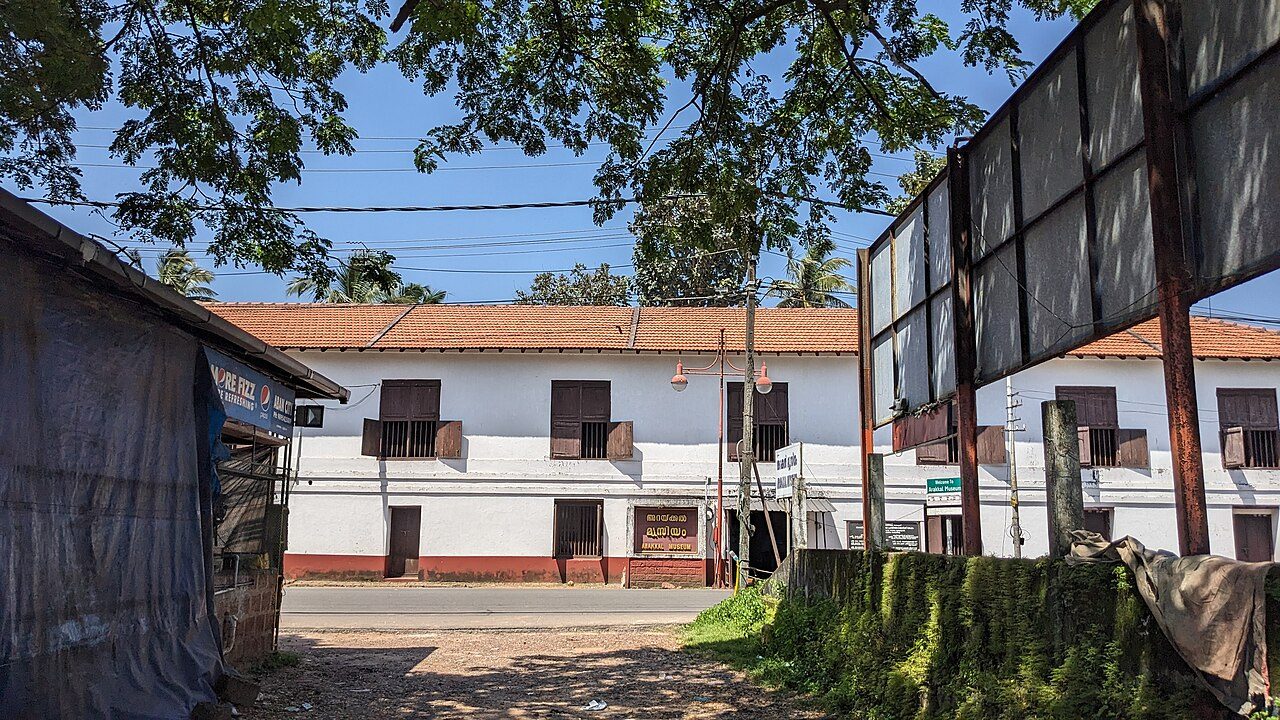
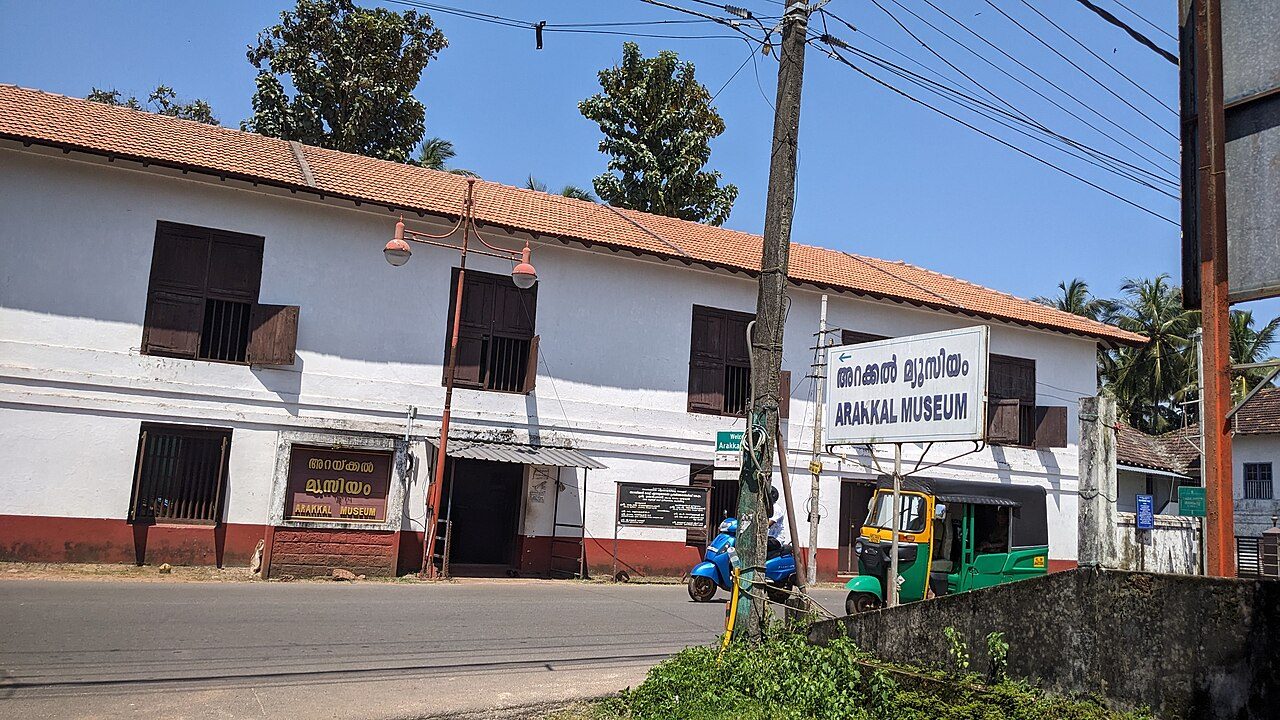
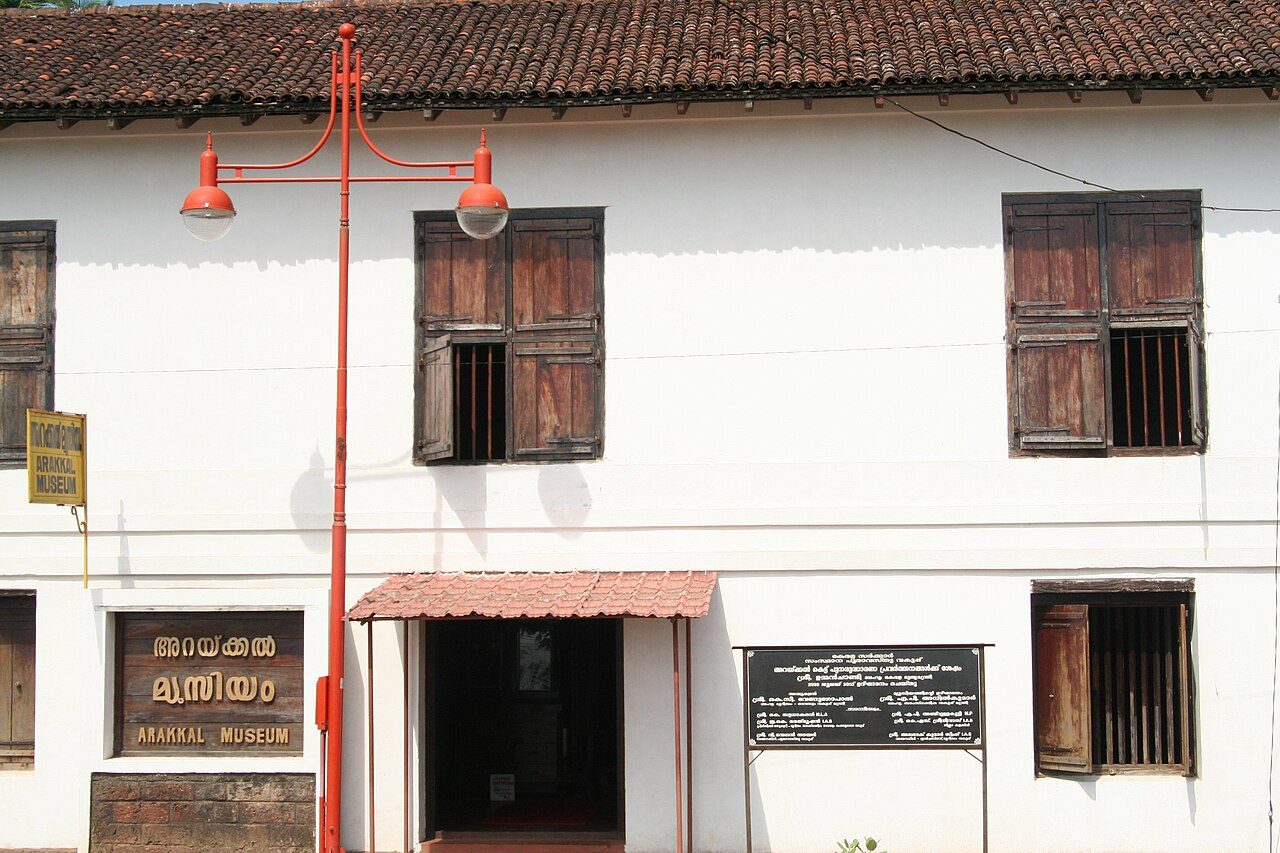
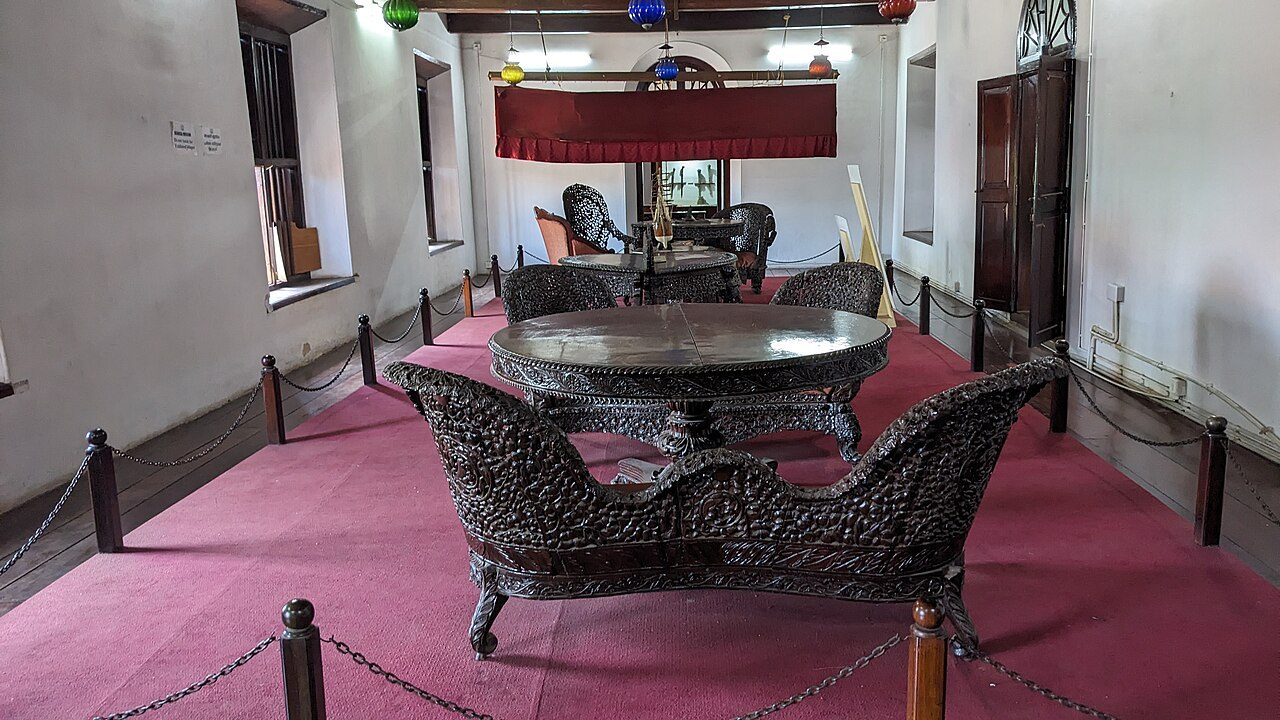
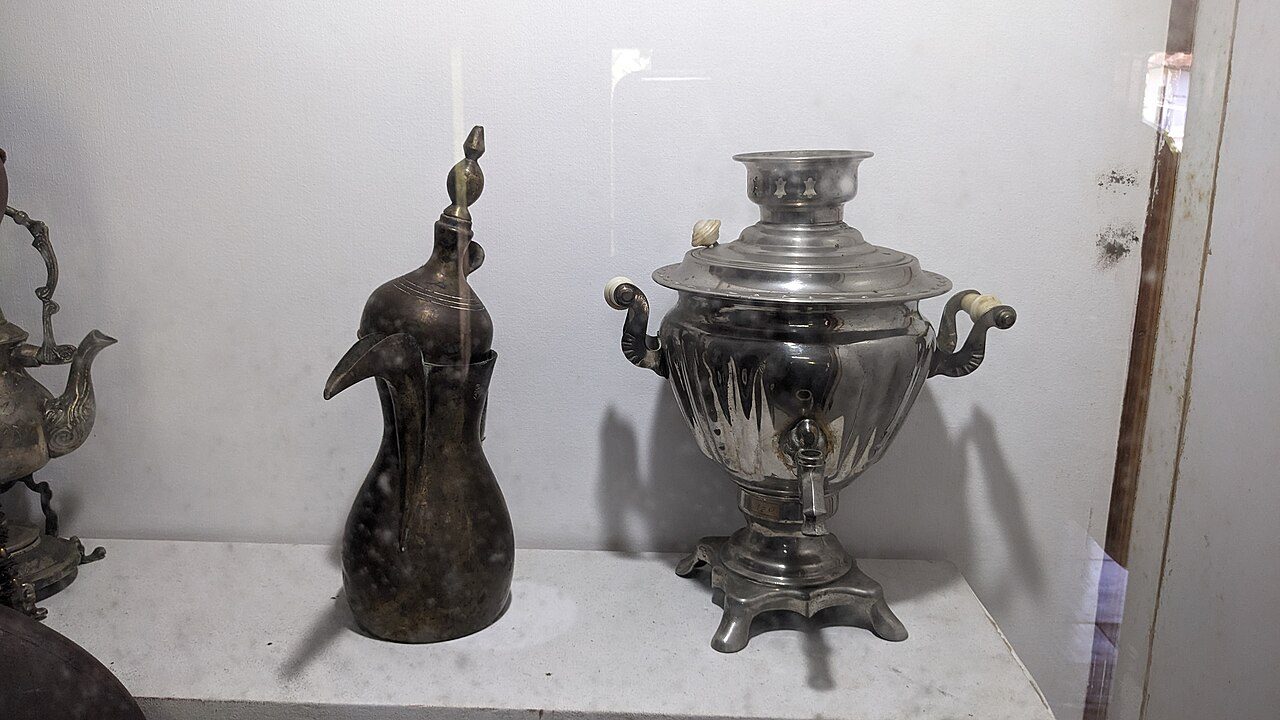
The Arakkal Museum occupies part of the Arakkal Kettu, the residence of the Arakkal family, the only Muslim royal house in Kerala. It shows family records, weapons, furniture and the seals of the Ali Rajas.
Best weather: Nov – FebHeavy rain: Jun – Oct
Seasons from 20 years of NASA POWER climate data.
Was this trip blog helpful?
0
0
Ready to follow this route?
Copy all 15 stops into your trip plans in the app.
 WaTrips