 WaTrips
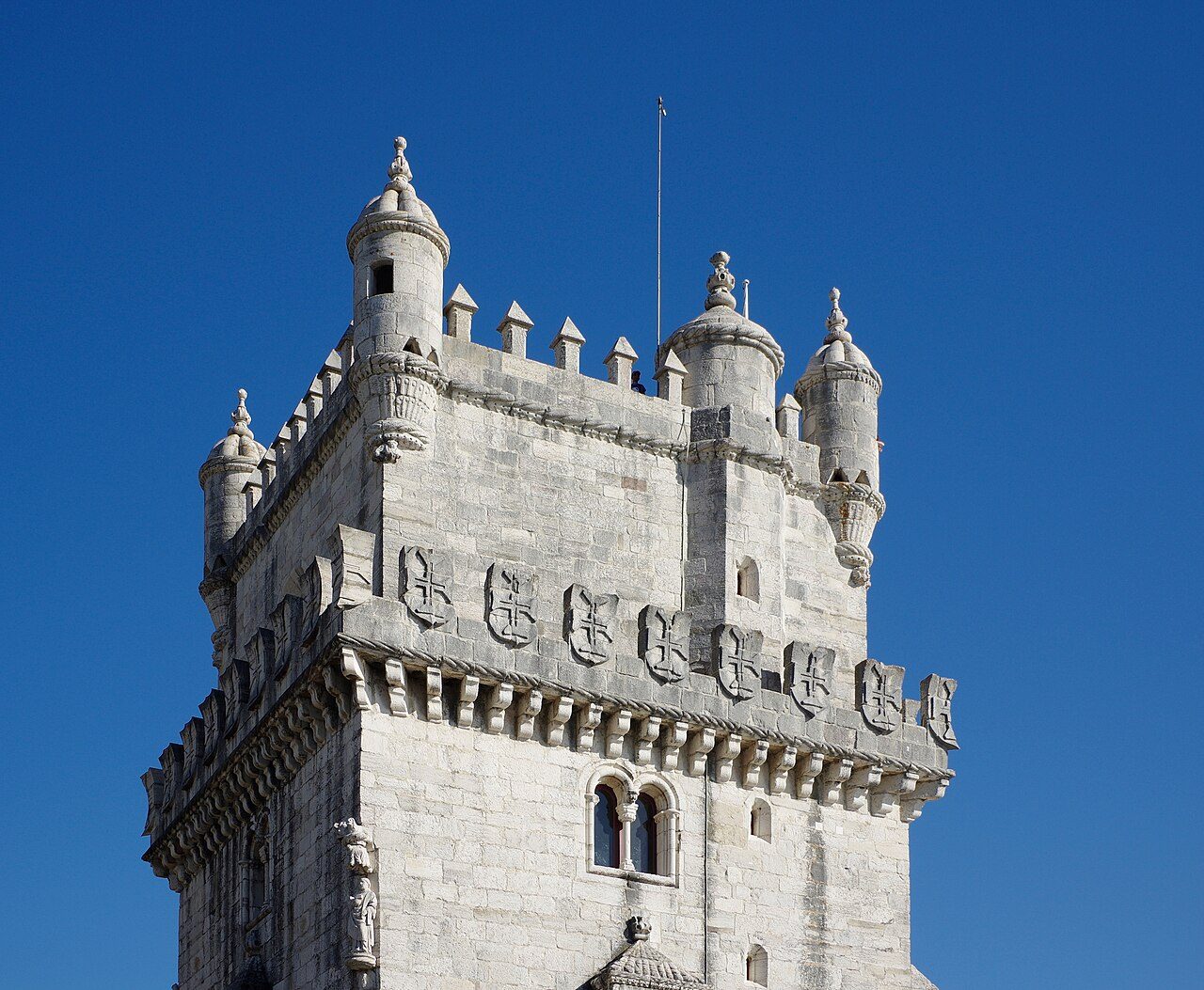
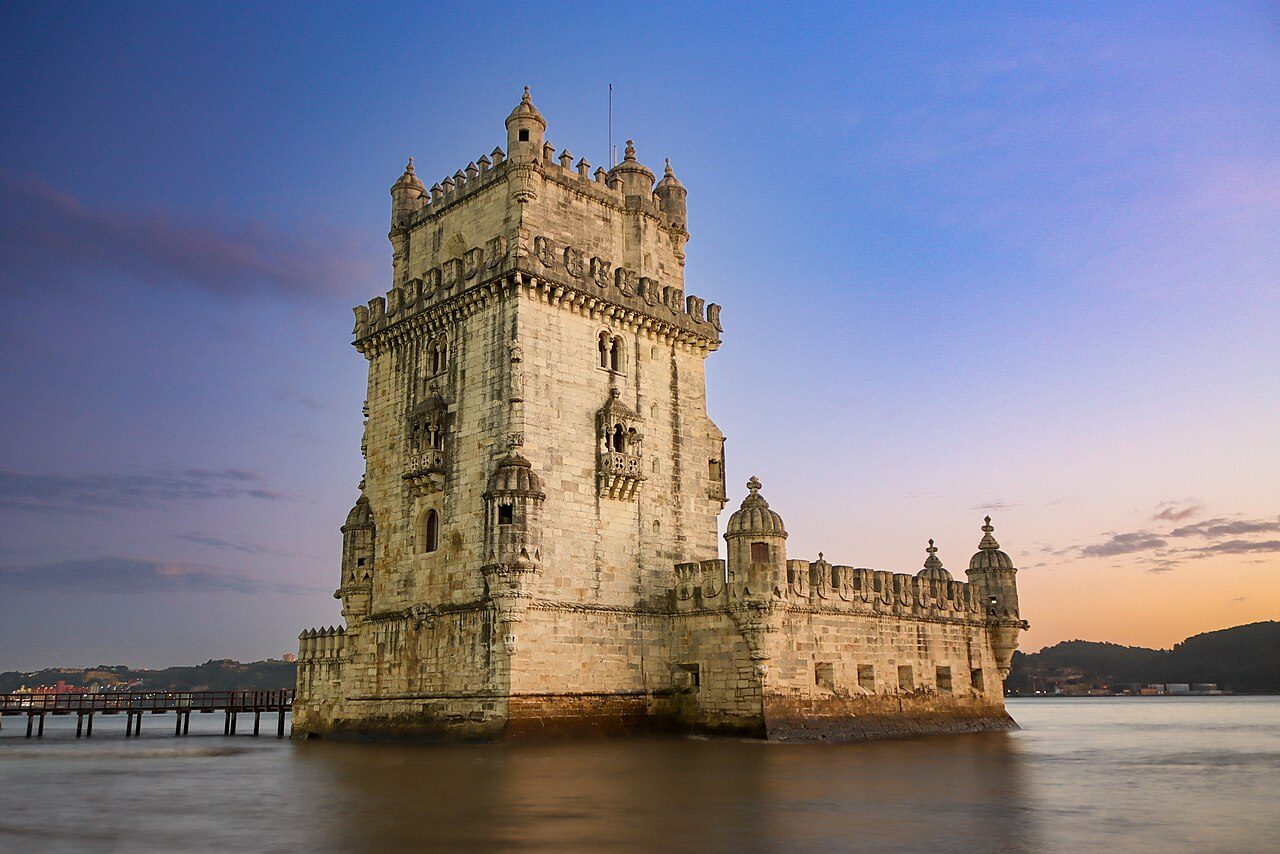
Belém Tower, the Torre de Belém, is one of the most iconic symbols of Lisbon and of Portugal's Age of Discoveries. Standing at the edge of the River Tagus, where caravels once set sail for Africa, India and Brazil, this elegant fortress is decorated like a jewellery box, with carved ropes, armillary spheres, crosses of the Order of Christ and watchtowers in a style that mixes Gothic, Moorish and Renaissance influences. Its white limestone glows in the sun against the blue of the river.
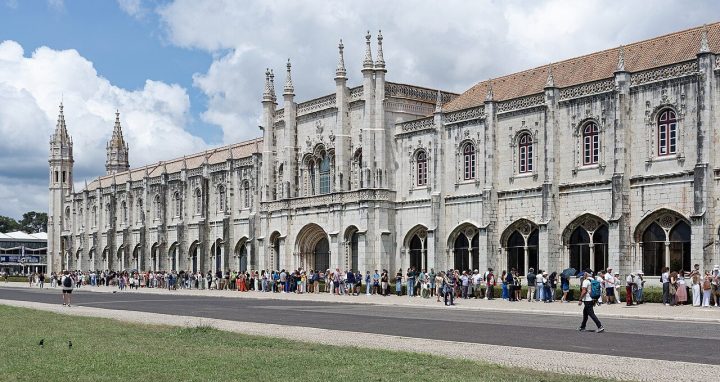
Together with the nearby Jerónimos Monastery, the tower was declared a UNESCO World Heritage Site in 1983.
A Short History
The tower was built between about 1514 and 1520 under King Manuel I, to defend the entrance to Lisbon's harbour and to serve as a ceremonial gateway to the city. It was designed by the military architect Francisco de Arruda, who had worked on Portuguese fortresses in Morocco, which may explain some of its North African touches. The tower originally stood on a small rocky island in the river; changes to the riverbank over the centuries, including the 1755 earthquake, left it much closer to the shore.
Over time the tower served as a fortress, a lighthouse, a customs post and even a prison, with dungeons below the waterline. It is a masterpiece of the Manueline style, Portugal's own exuberant late Gothic style, named after King Manuel I and full of maritime motifs celebrating the voyages of discovery.
What to See
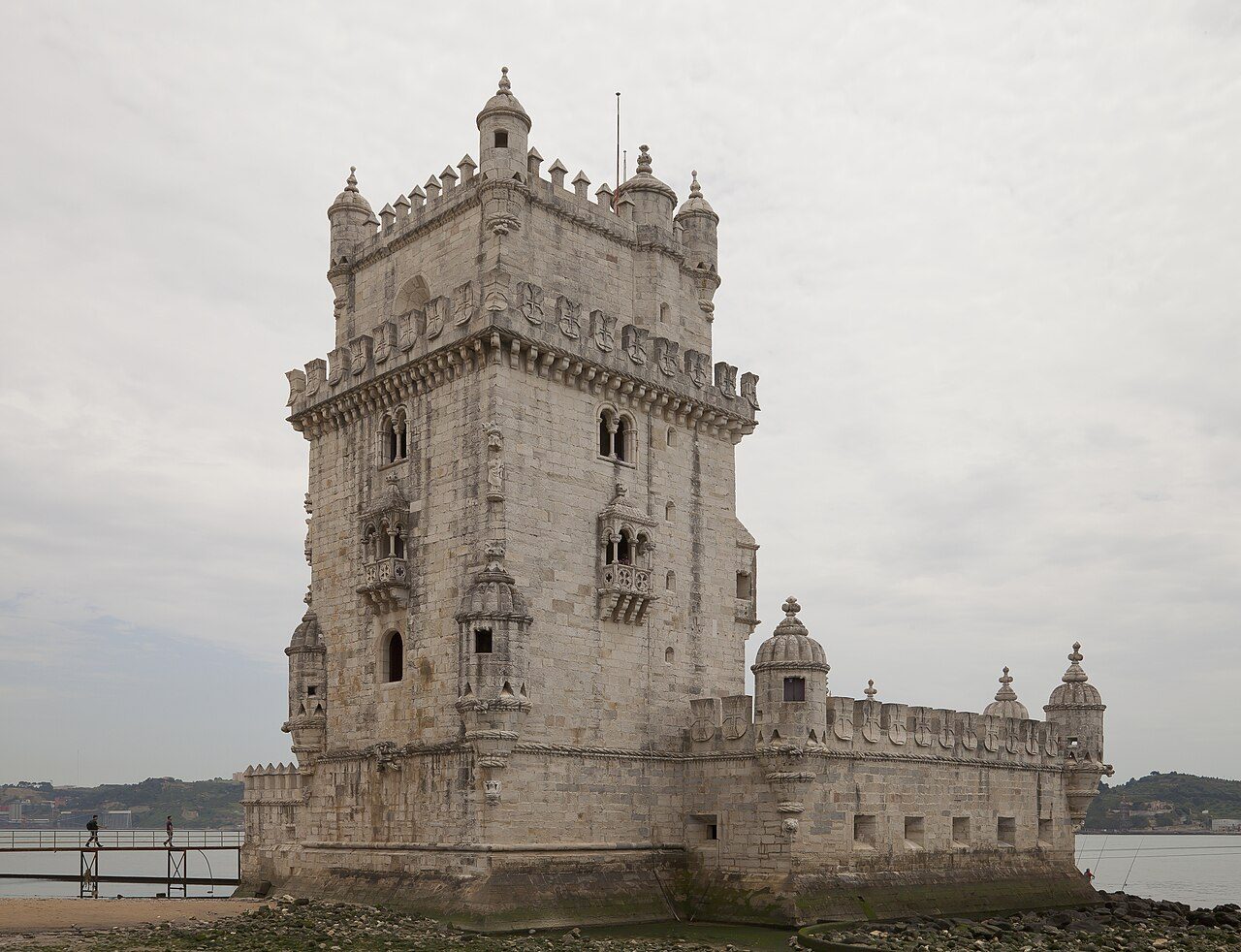
The tower has two main parts: a low, hexagonal bastion jutting into the river, lined with cannon openings, and a tall, four-storey tower behind it. Walk around the outside to see the carved details, including stone ropes and knots, shields with the cross of the Order of Christ and small domed watchtowers inspired by Moroccan architecture. Look out for a carved rhinoceros head beneath one of the watchtowers, thought to recall the rhinoceros sent to King Manuel from India in 1515, a sensation in Europe at the time.
Inside, the bastion holds the old gun deck, and below it the former dungeons. The tower rooms, including the Governor's Hall, the King's Hall with its loggia overlooking the river, the Audience Hall and a chapel, are linked by a narrow spiral staircase. At the top, a terrace offers views of the Tagus, the 25 de Abril Bridge, the Padrão dos Descobrimentos and the Belém waterfront. On the river side, a statue of the Virgin and Child, Our Lady of Safe Homecoming, watches over sailors.

The tower's interior is small, and the staircase is narrow, with only one-way traffic at a time, so the visit can feel crowded at busy hours, but the views and details make it worthwhile.
Things to Do
- ✓Walk around the outside to admire the carved Manueline decoration.
- ✓Find the rhinoceros head beneath a watchtower.
- ✓Climb the spiral staircase to the rooftop terrace.
- ✓Photograph the tower from the riverside gardens at sunset.
- ✓Combine your visit with the Jerónimos Monastery nearby.
Practical Tips
The tower is generally closed on Mondays and some public holidays. Entry is by ticket, and combined tickets with the Jerónimos Monastery and other Belém museums have been available. Queues can be long, especially in summer and at weekends, so arrive at opening time or late in the day, and buy tickets online if possible. The tower has also closed at times for restoration, so check the official website before your visit.
Belém is about six kilometres west of central Lisbon. Tram 15 runs from Praça da Figueira and Praça do Comércio to Belém, and trains on the Cascais line stop at Belém station. From the Jerónimos Monastery, it is a pleasant walk of about fifteen minutes through the riverside gardens to the tower.
Combining Your Visit
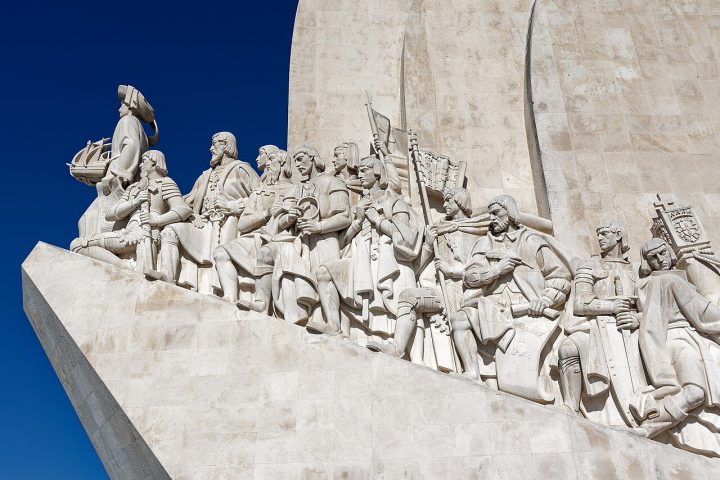
Belém is packed with sights. The Jerónimos Monastery, the Padrão dos Descobrimentos, the MAAT Museum of Art, Architecture and Technology, the National Coach Museum and the Belém Cultural Centre are all close by. No visit is complete without trying the famous pastéis de Belém, custard tarts made at the historic bakery near the monastery since 1837. Allow about an hour for the tower.

Comments
Been here, or planning to go? Share a tip or ask a question.
Sign in with Google to comment or vote. Your email is never shown.