 WaTrips
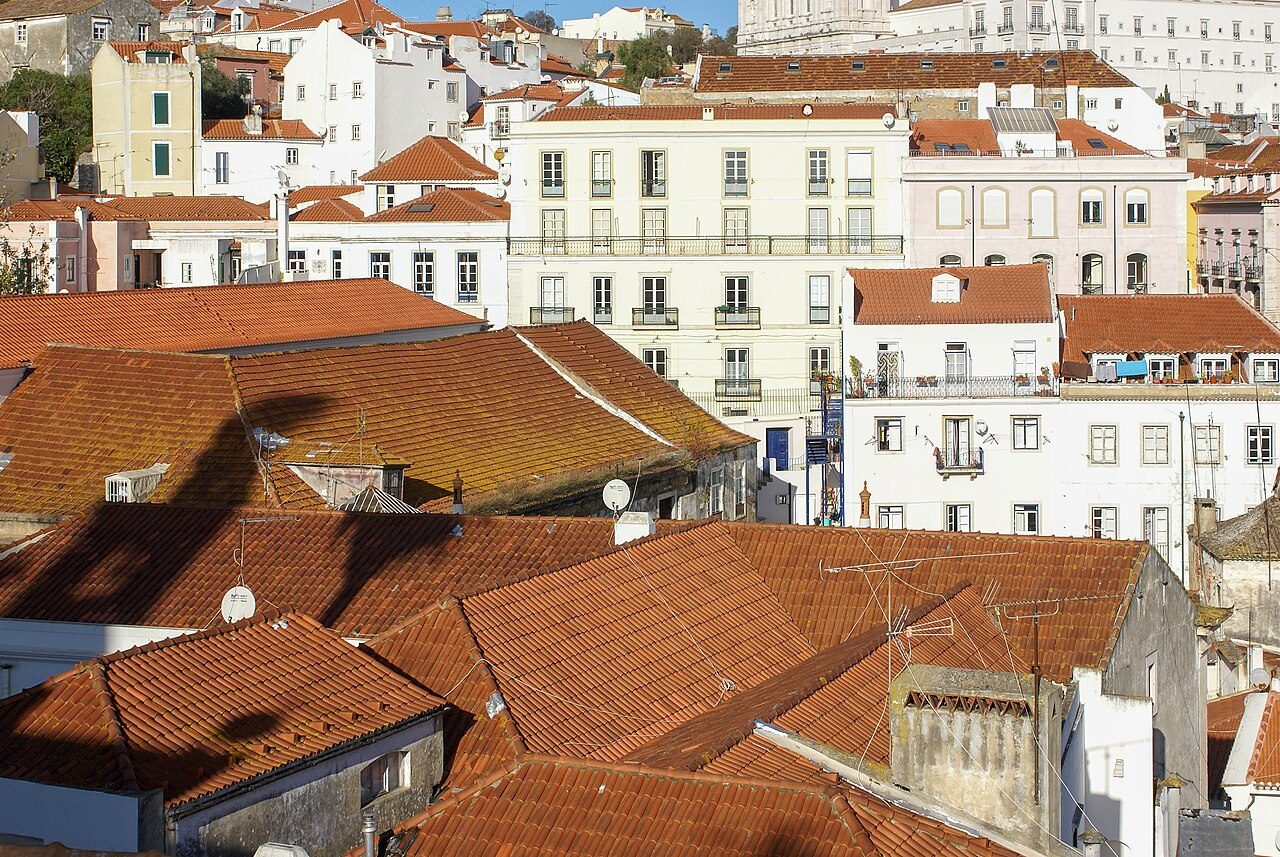
The Alfama is Lisbon's oldest neighbourhood, a labyrinth of steep, narrow lanes, stairways and tiny squares tumbling down the hillside between São Jorge Castle and the River Tagus. Laundry hangs from balconies, azulejo tiles decorate the houses, the smell of grilled sardines drifts from small restaurants, and in the evening the sound of fado, Portugal's soulful traditional music, spills out of doorways. It is the most atmospheric part of the city and the place where Lisbon feels most like a village.
Getting lost among its alleys is part of the experience, with views over the rooftops and the river appearing at almost every turn.
A Short History
The Alfama's name comes from the Arabic word al-hamma, linked to hot springs or baths, recalling the period when Lisbon was a Muslim city. Under Moorish rule, the neighbourhood was the heart of the city, and its tangled street plan still reflects that era. After the Christian conquest in 1147, wealthier residents gradually moved to other areas, and the Alfama became home to fishermen, sailors and working families.
Built on solid bedrock, the Alfama survived the great earthquake of 1755 better than most of Lisbon, which is why so much of its old fabric remains. The district is closely tied to fado, which developed in Lisbon's poorer neighbourhoods in the nineteenth century and was recognised by UNESCO as part of the Intangible Cultural Heritage of Humanity in 2011.
What to See
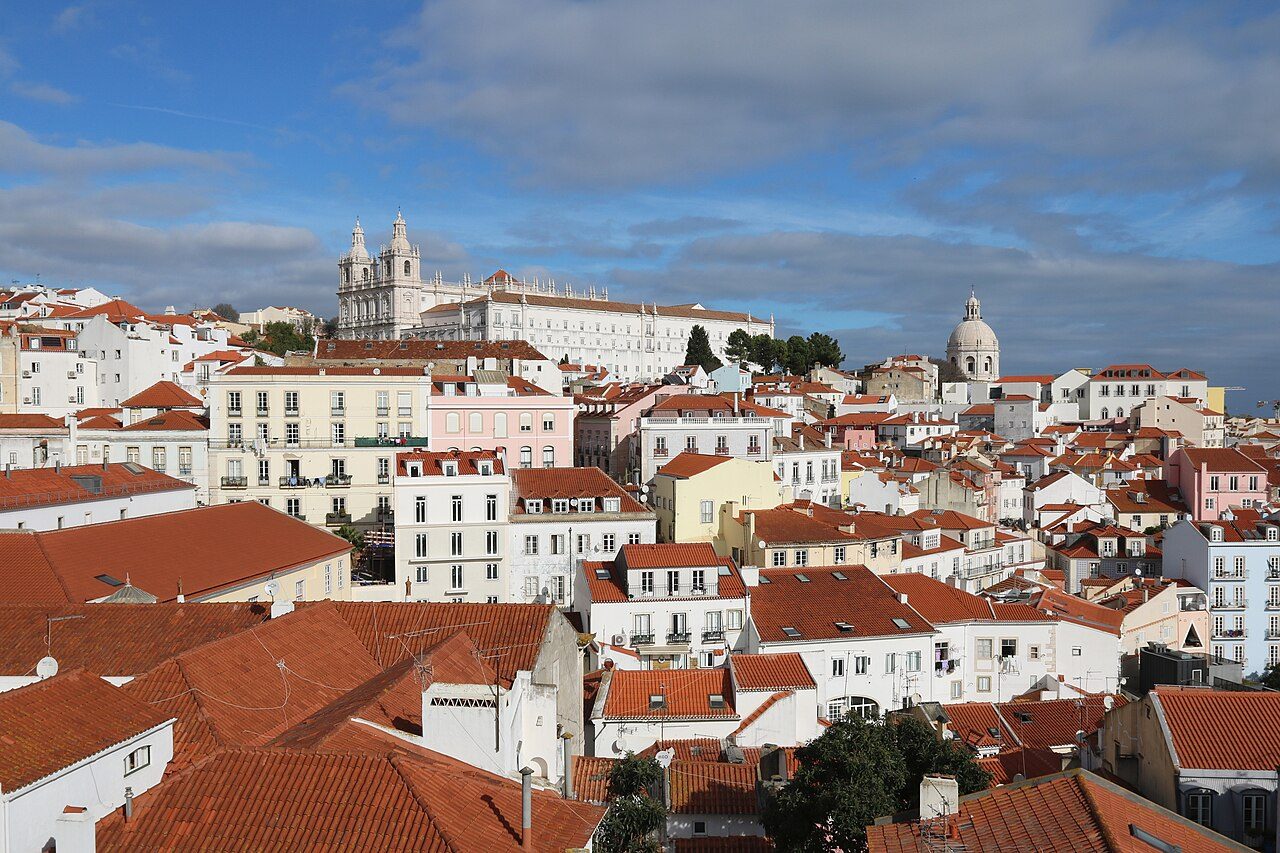
Two of the most famous viewpoints in Lisbon are at the top of the Alfama. The Miradouro de Santa Luzia, with its tiled walls, pergola and bougainvillea, looks out over the rooftops and the river, and the nearby Miradouro das Portas do Sol offers an even wider panorama, with the white dome of the National Pantheon in the distance. Both are lovely at sunset.
Lower down, Lisbon Cathedral, the Sé, is a sturdy Romanesque church built after the conquest of 1147, with fortress-like towers and a cloister where excavations have uncovered Roman and Islamic remains. Further east, the National Pantheon, in the former Church of Santa Engrácia, holds the tombs of famous Portuguese figures, including the fado singer Amália Rodrigues, and its dome offers excellent views. The Fado Museum, near the riverfront, tells the story of this music and its great performers.
On Tuesdays and Saturdays, the Feira da Ladra, Lisbon's flea market, fills the Campo de Santa Clara with stalls selling antiques, books, tiles and bric-a-brac. In June, during the Festas de Lisboa, especially around the feast of Saint Anthony on 12 and 13 June, the Alfama is decorated with garlands and lights and its streets fill with music, dancing and the smoke of grilling sardines.
Things to Do
- ✓Watch the sunset from the Miradouro de Santa Luzia or Portas do Sol.
- ✓Listen to fado in a traditional Alfama restaurant.
- ✓Visit Lisbon Cathedral and its cloister excavations.
- ✓Browse the Feira da Ladra flea market.
- ✓Join the street parties of the Santo António festival in June.
Practical Tips
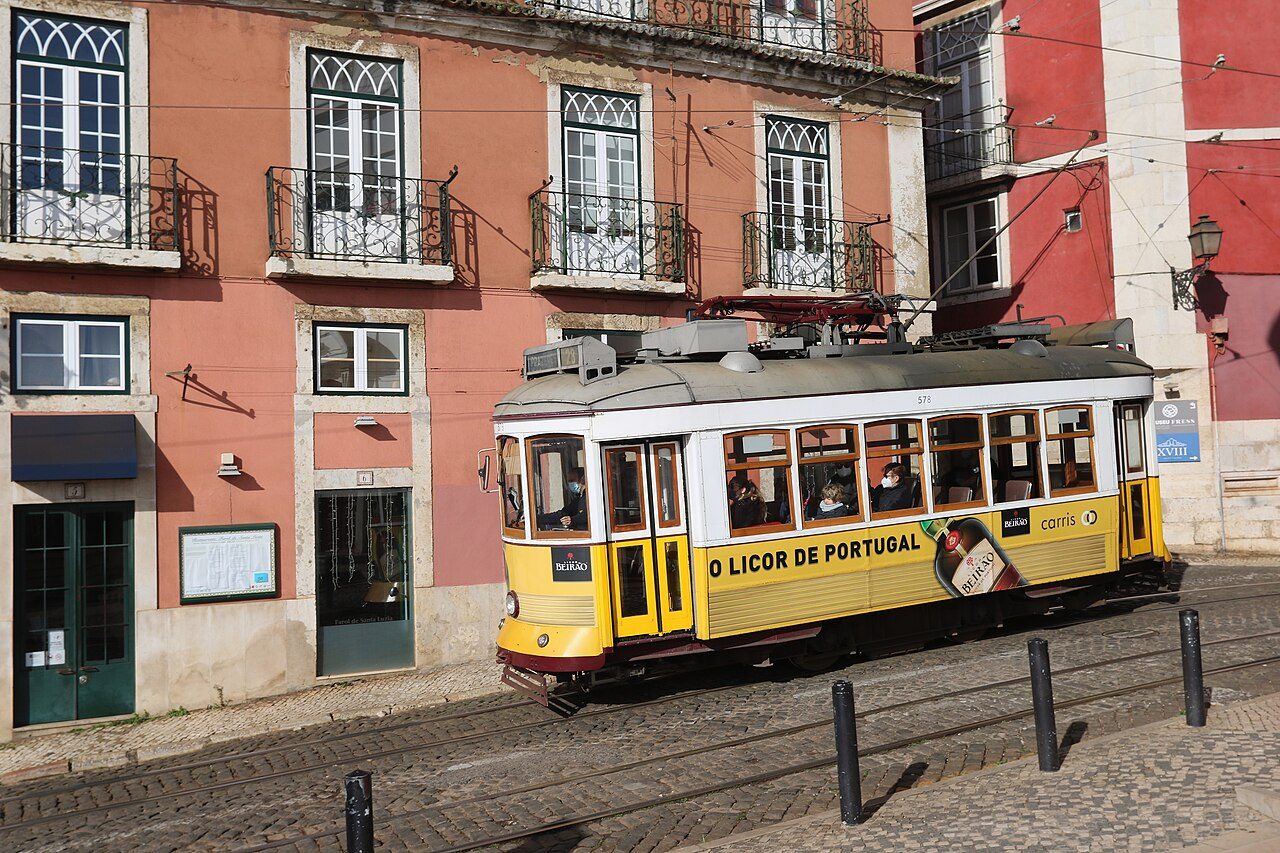
The Alfama is a public neighbourhood, free to explore at any time. Its streets are steep and paved with slippery stone cobbles, so wear comfortable shoes with good grip. Tram 28 runs through the edge of the district and up to the viewpoints, but it is often crowded and a favourite of pickpockets, so keep an eye on your belongings. Bus 737 runs to the castle, and walking down from the top is easier than walking up.
Many fado houses are small and fill up quickly, especially at weekends, so book a table in advance. Most serve dinner with live performances, and some charge a minimum spend. Remember that the Alfama is a residential area: be respectful of locals, especially late at night.
Combining Your Visit
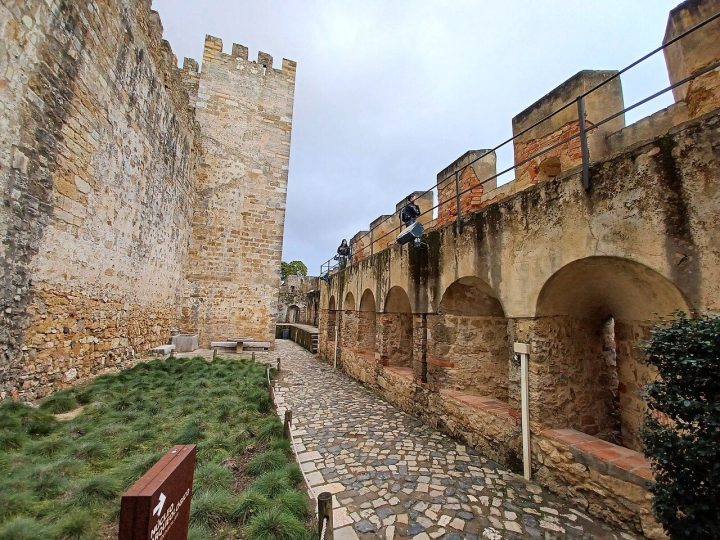
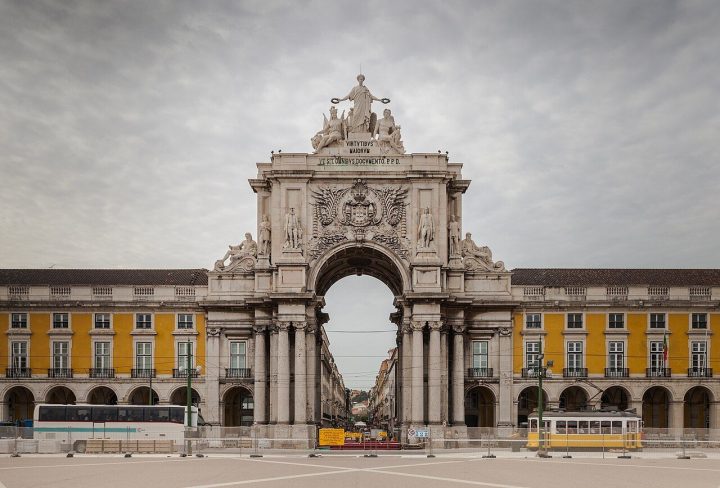
São Jorge Castle, above the Alfama, offers more views and history. Downhill, the Baixa and the Praça do Comércio lead to the riverfront, and to the east, the National Tile Museum, in a former convent, showcases the art of Portuguese azulejos. Allow at least half a day to wander the Alfama, plus an evening for fado.


Comments
Been here, or planning to go? Share a tip or ask a question.
Sign in with Google to comment or vote. Your email is never shown.