Old Dubai and its souks, Burj Khalifa and the Palm, Sharjah and Ajman, Abu Dhabi's Grand Mosque and Louvre, Al Ain, the east coast and Jebel Jais.
A week is enough to see all sides of the Emirates. Start in old Dubai's Al Fahidi lanes and souks, then the glitz of Burj Khalifa, the fountain show and the Palm. Day three visits Sharjah, the cultural capital, and Ajman's museum fort. Day four is Abu Dhabi: the white Sheikh Zayed Grand Mosque, Qasr Al Watan and the Louvre. Day five heads inland to Al Ain's UNESCO-listed oasis and the drive up Jebel Hafeet. Day six crosses to the east coast at Fujairah, with the UAE's oldest mosque and snorkelling at Snoopy Island, and day seven ends on Jebel Jais, the country's highest peak. November to March is the most comfortable time.
01
STOP 1 OF 24
Al Fahidi Historical Neighbourhood
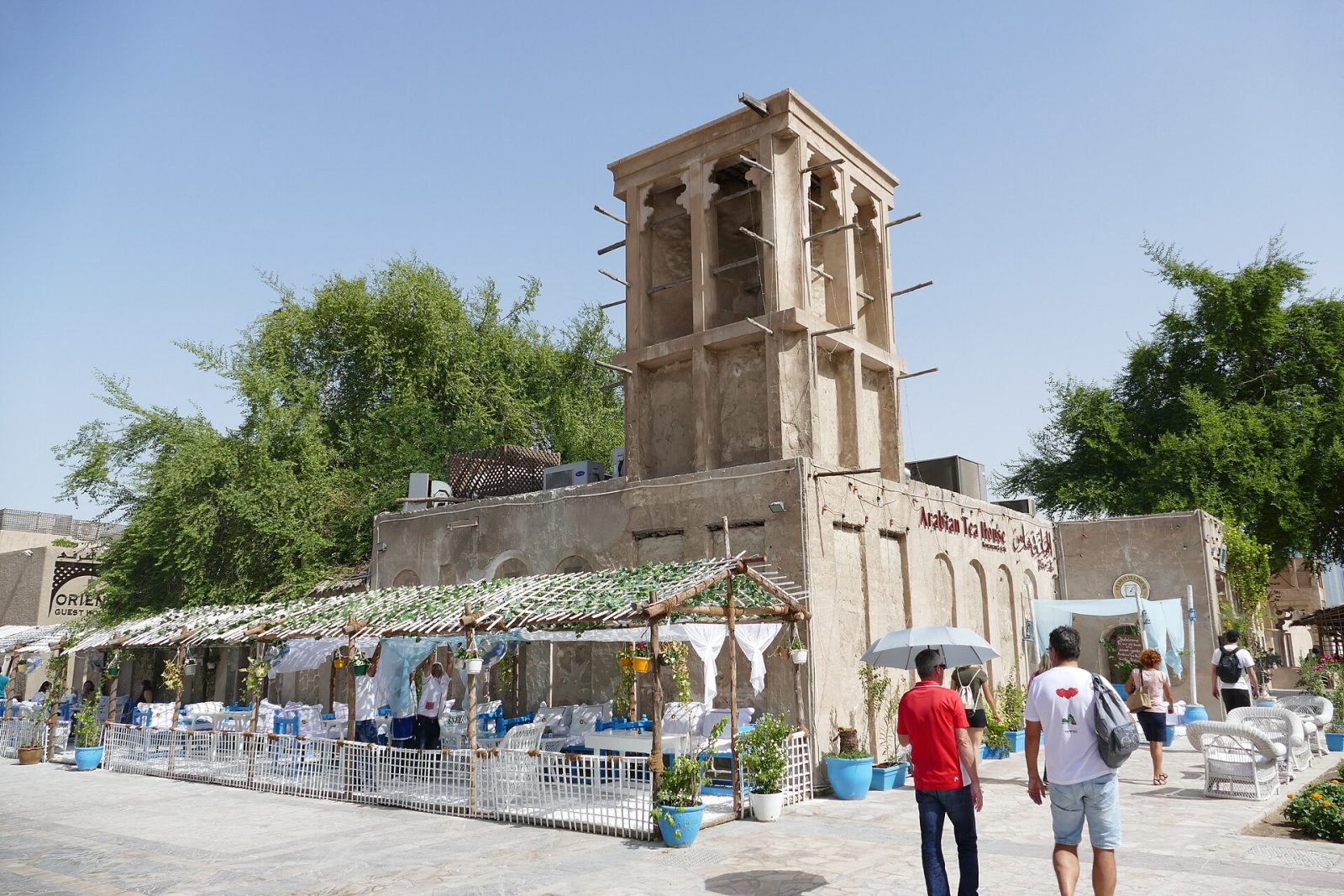
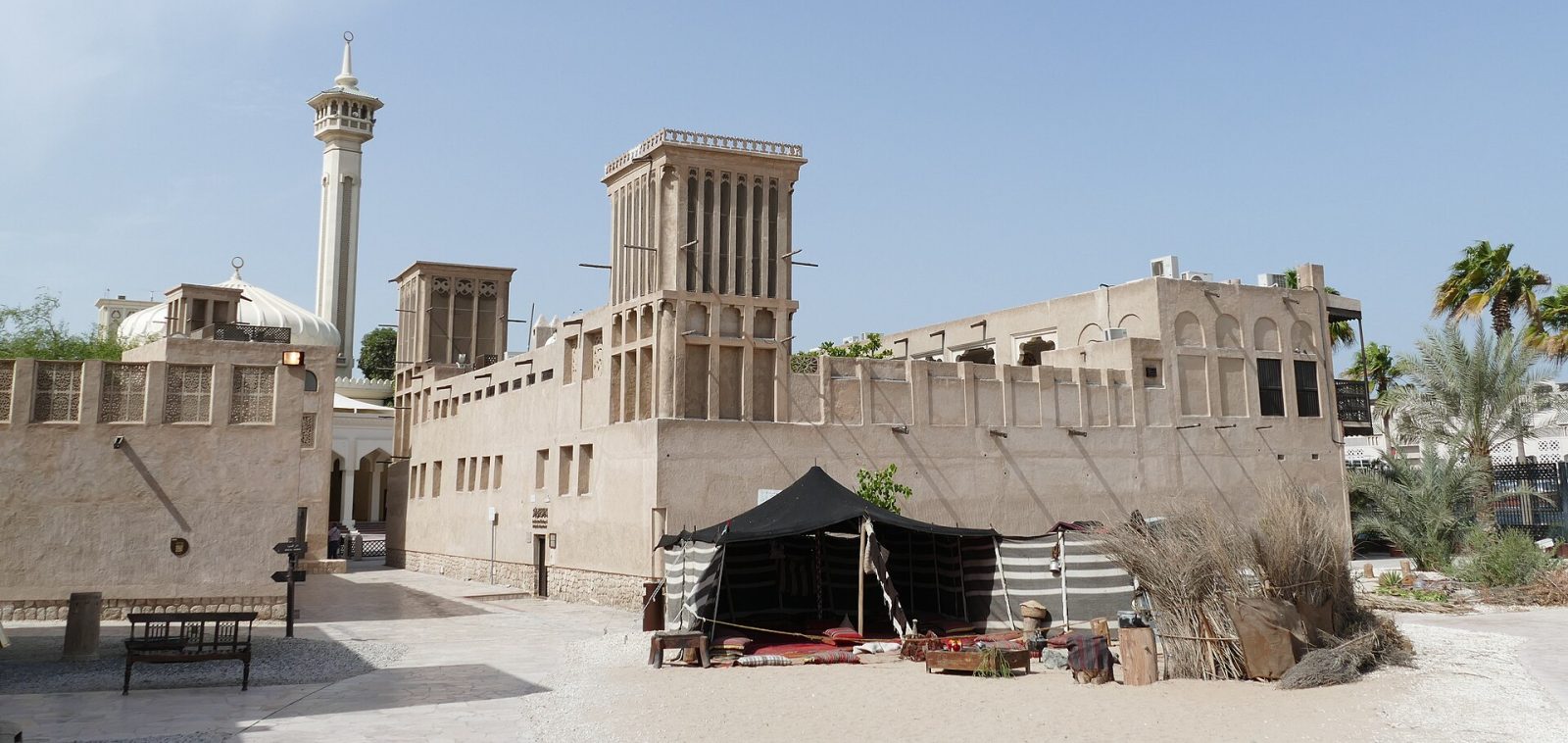
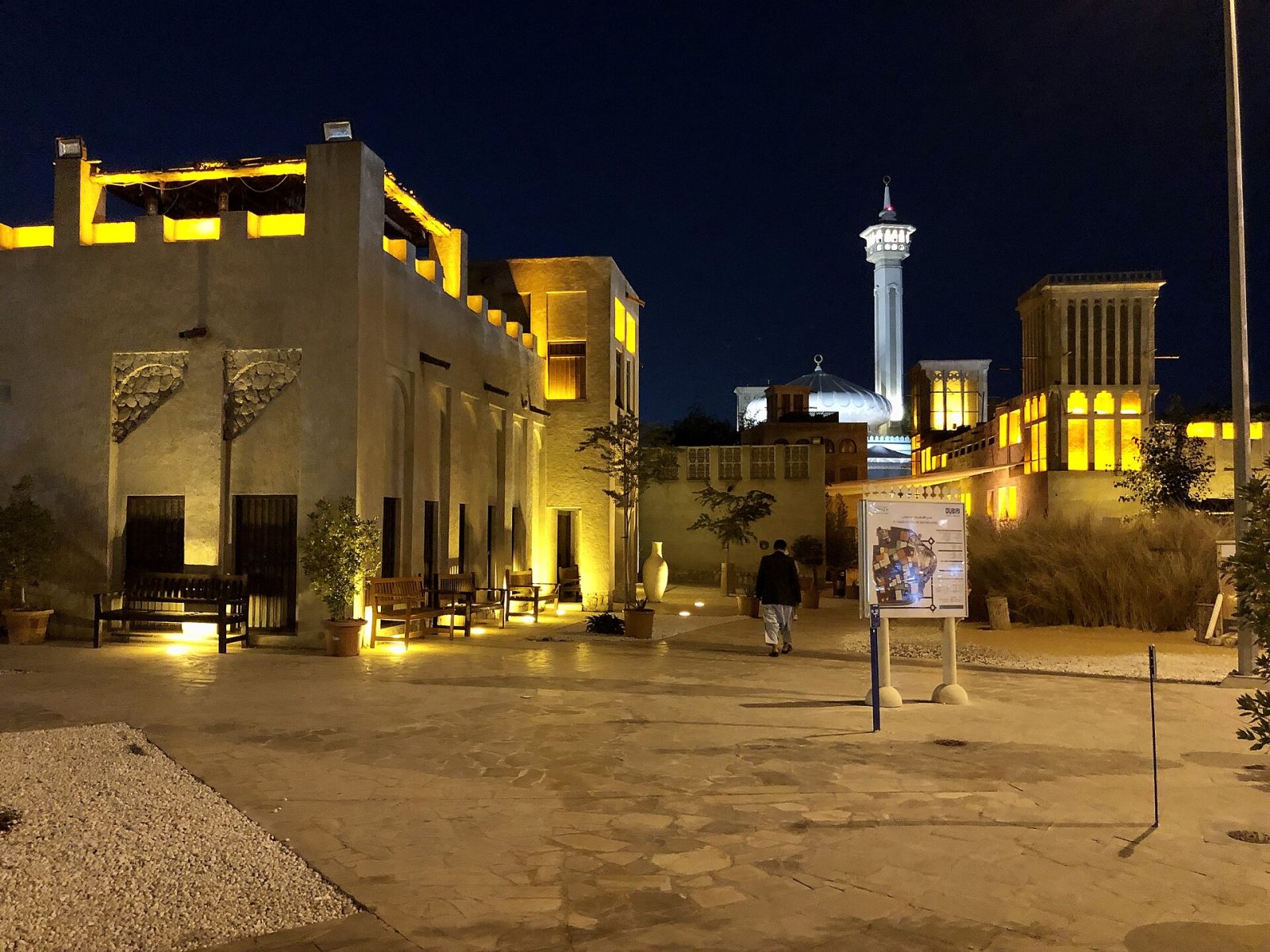
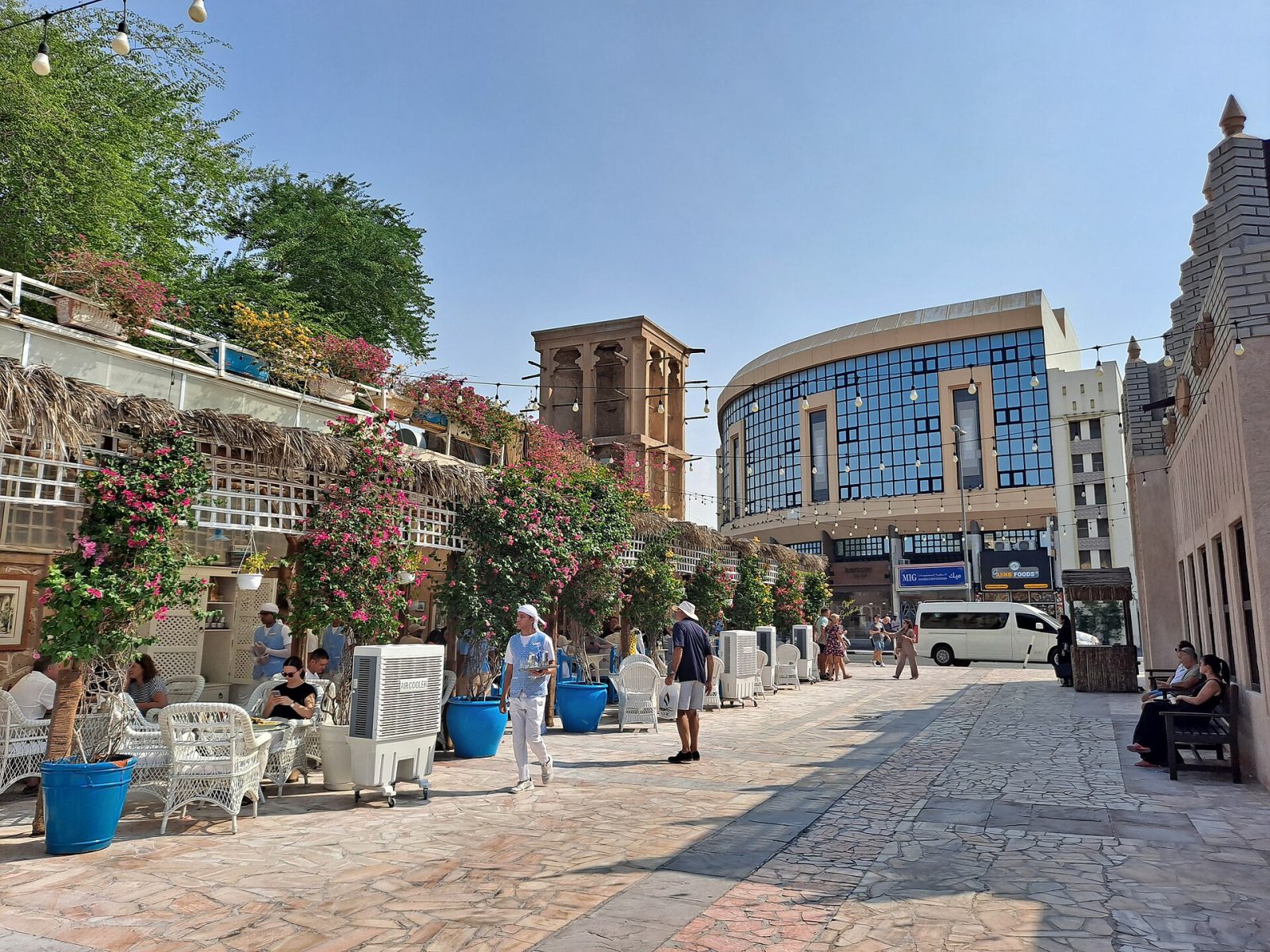
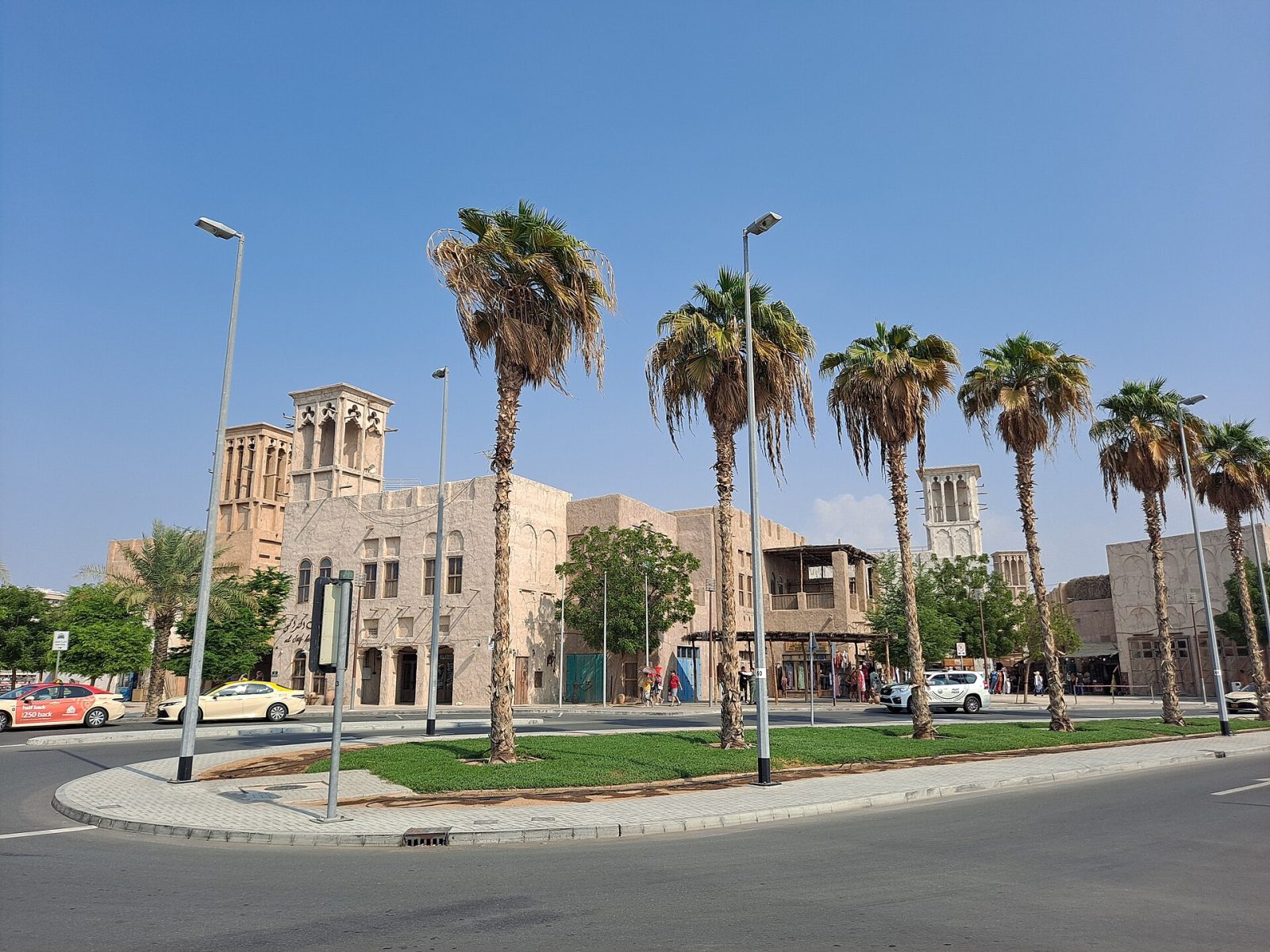
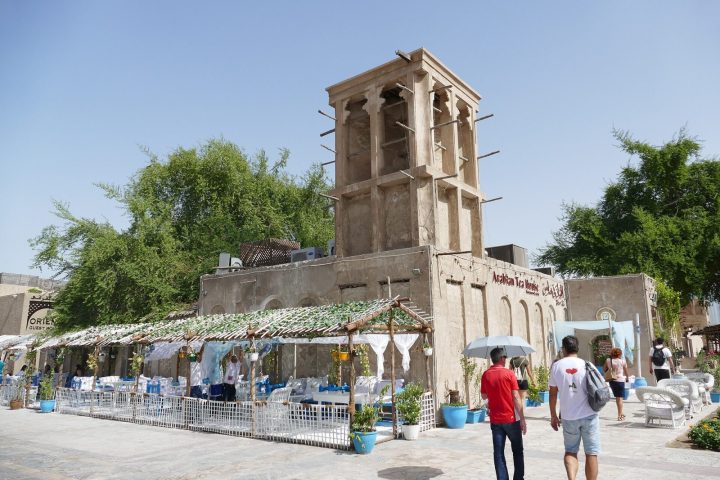
Al Fahidi, still widely called Bastakiya, is the best-preserved piece of old Dubai, built in the late 19th century by merchants from Bastak in southern Iran who settled along the Creek. Its narrow lanes run between coral and gypsum houses topped with barjeel wind towers, an early form of air conditioning that funnels breeze down into the rooms. The quarter now holds small museums, galleries, courtyard cafes and the Sheikh Mohammed Centre for Cultural Understanding, which runs meals and talks explaining Emirati customs. Al Fahidi Fort, the oldest building in Dubai, stands at one end and houses the Dubai Museum. Mornings and evenings are cooler for walking the lanes.
02
STOP 2 OF 24
Dubai Creek & Abra Ride
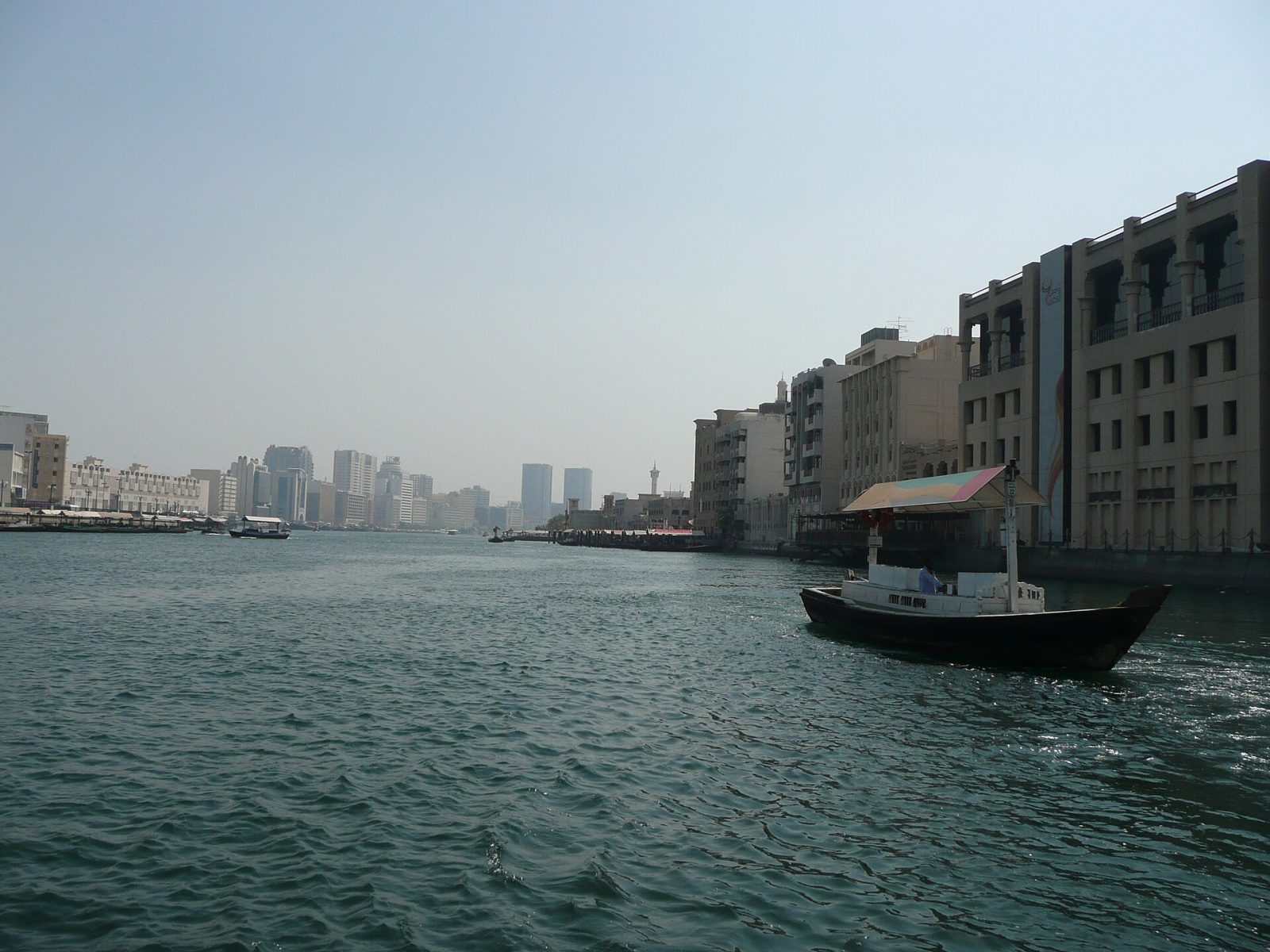
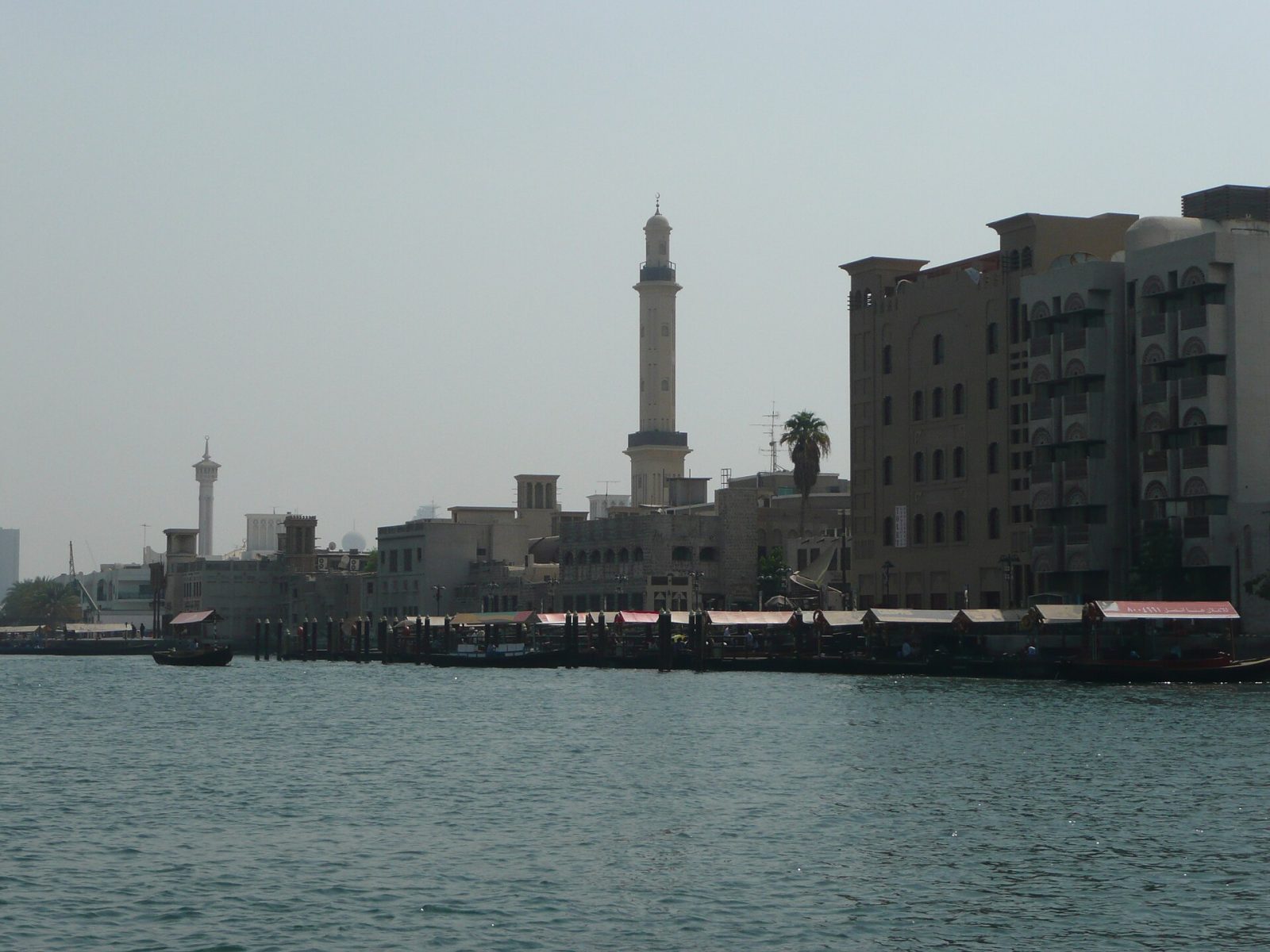
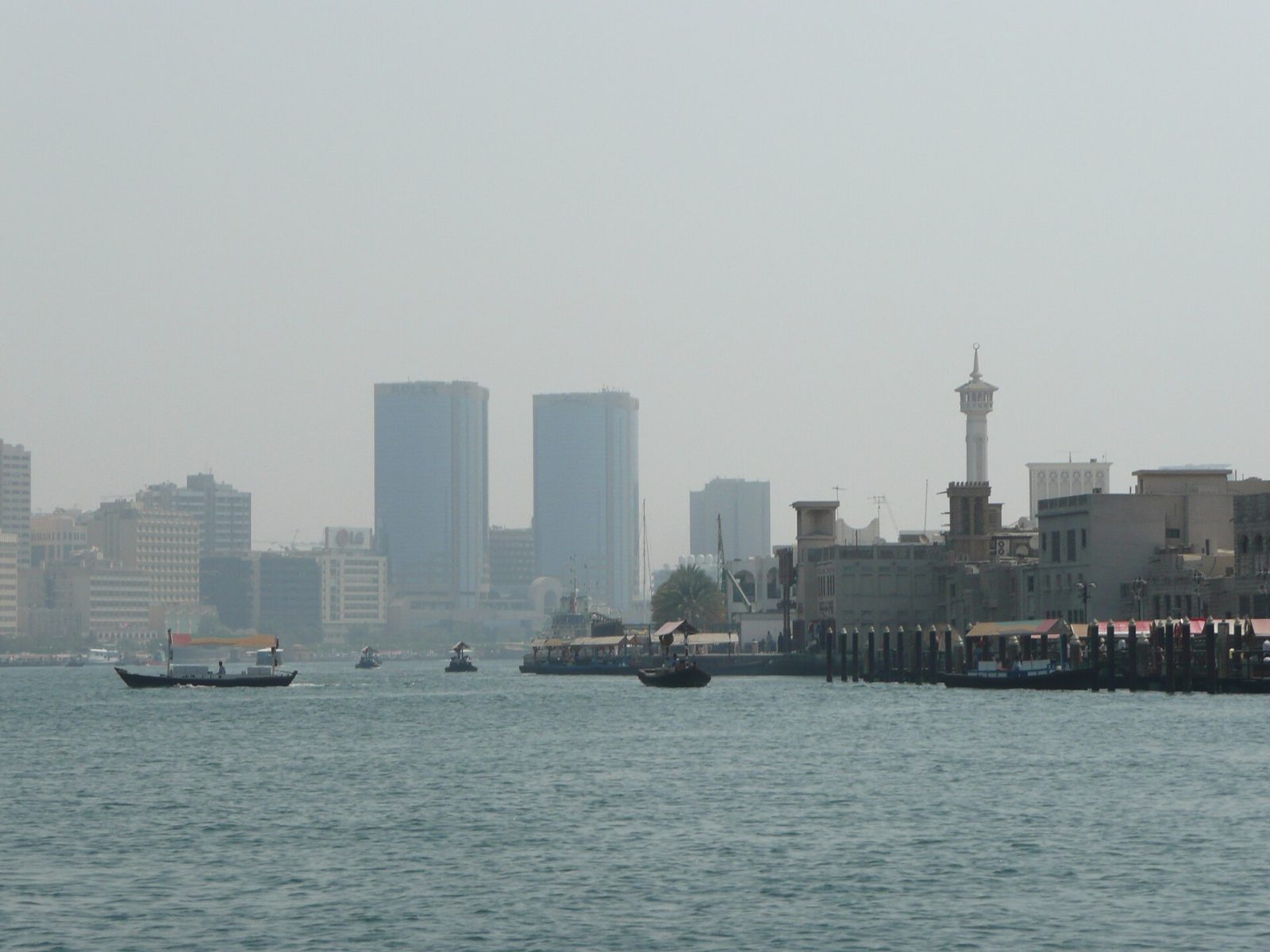
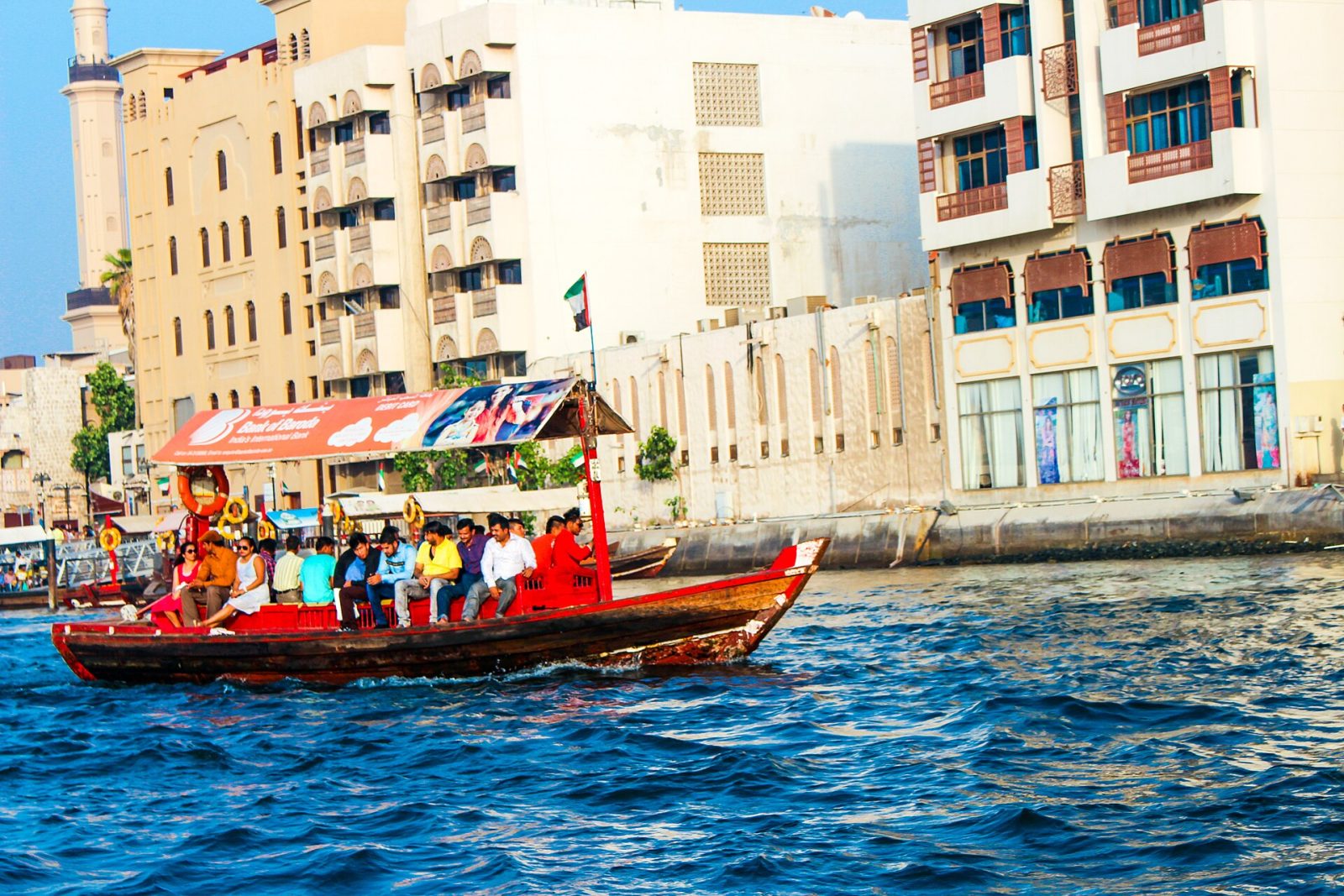
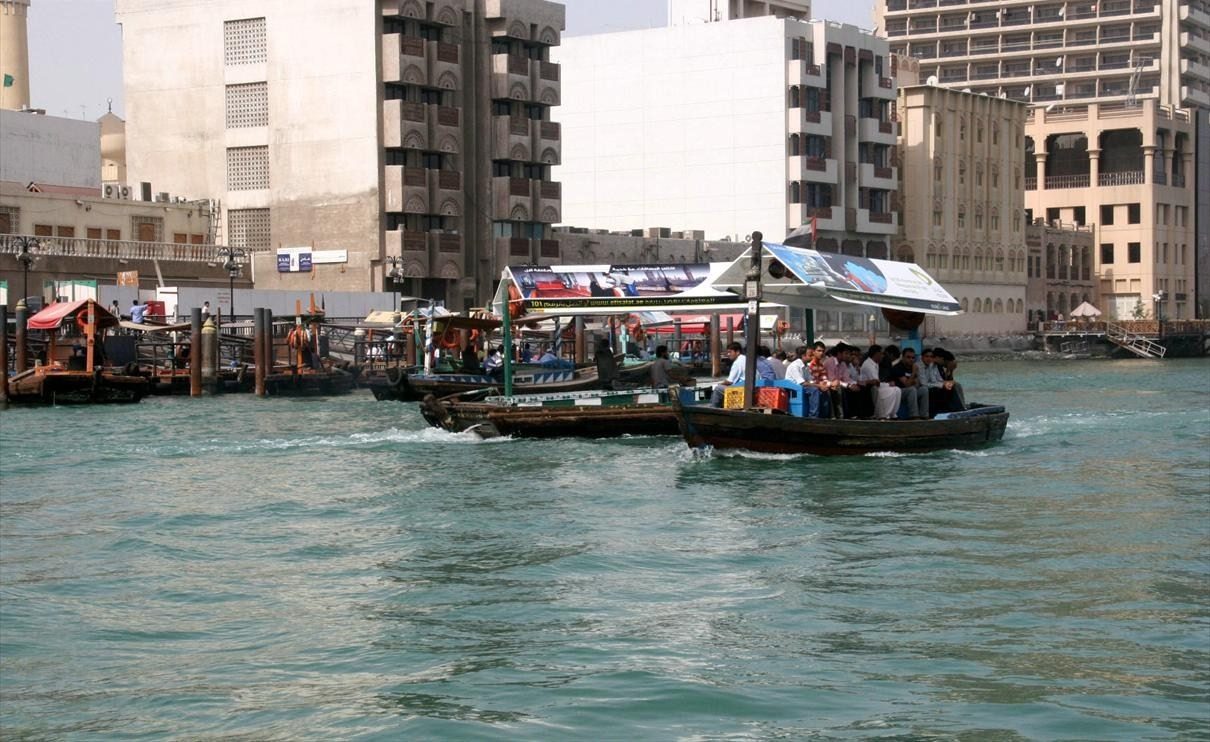
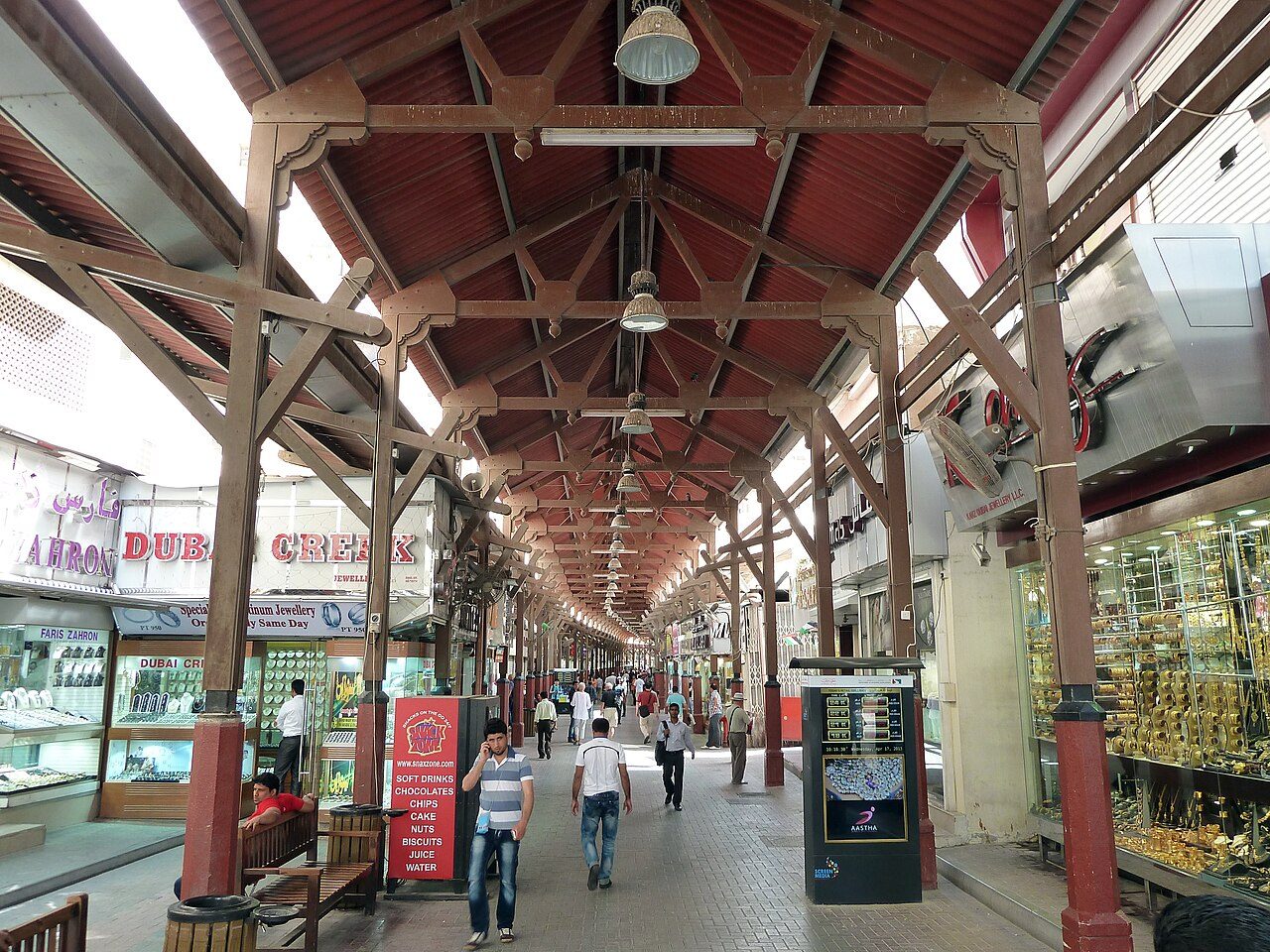
Dubai Creek is the saltwater inlet that made the city, separating Deira from Bur Dubai and serving as the harbour where pearl divers, fishermen and dhow traders worked long before oil. Wooden abras still ferry passengers across for a token fare, and the short crossing between the souq stations is one of the cheapest and best rides in the Gulf. On the Deira side are the gold, spice and textile souqs; on the Bur Dubai side, the old quarter and the fort. Cargo dhows still load goods for Iran and East Africa along the wharfs. Late afternoon, when the light softens and the souqs reopen, is the best time.
03
STOP 3 OF 24
Dubai Gold Souk
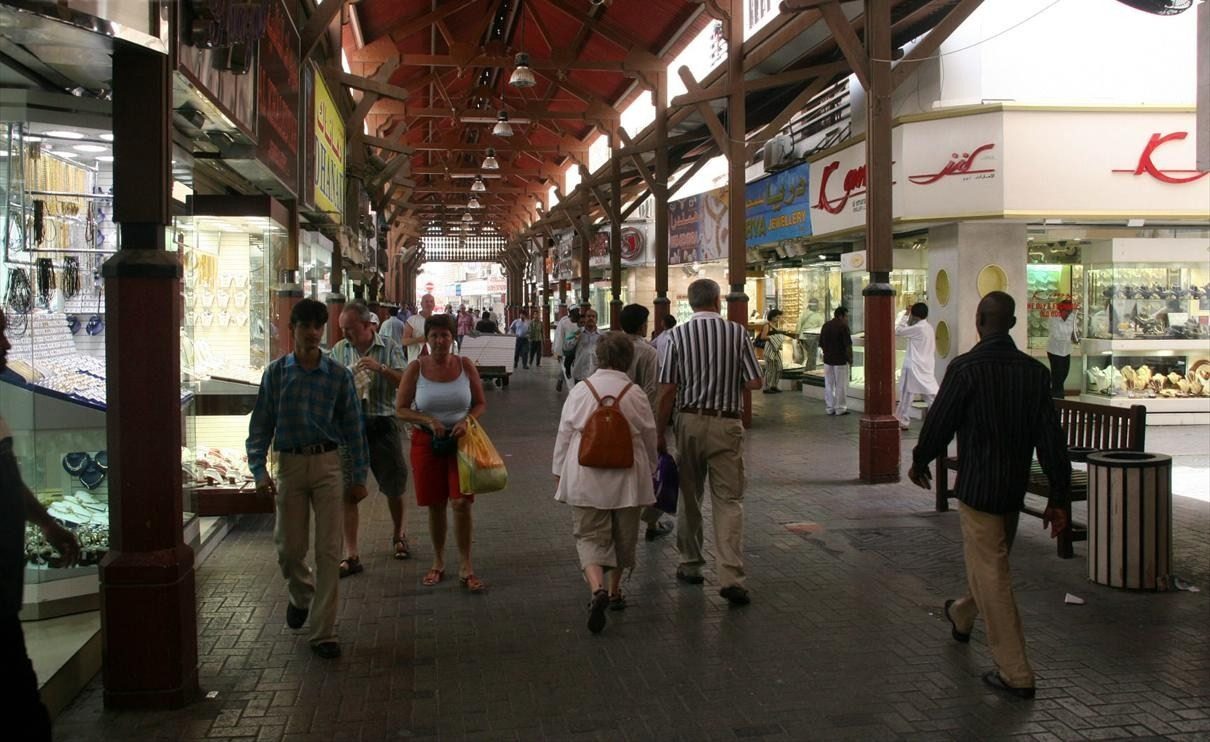
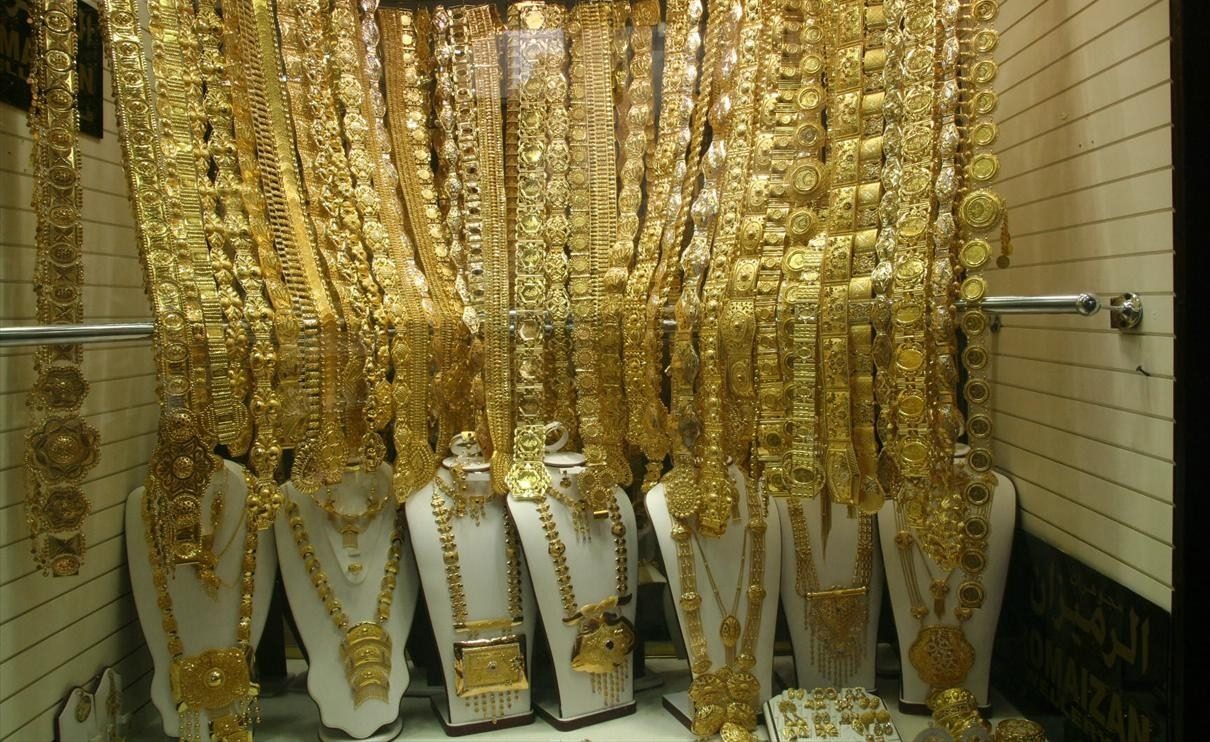
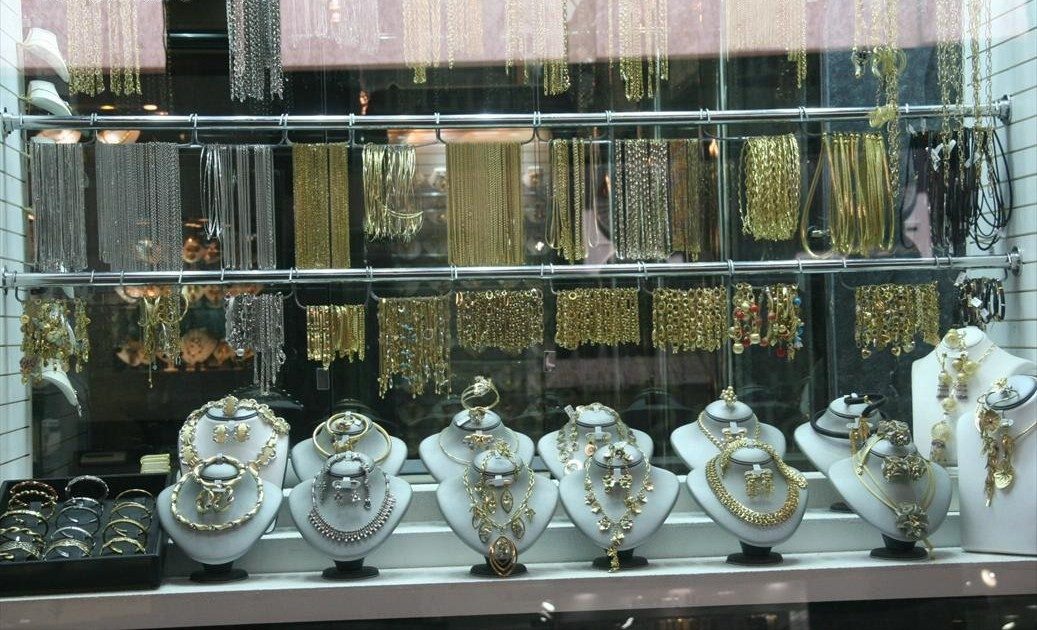
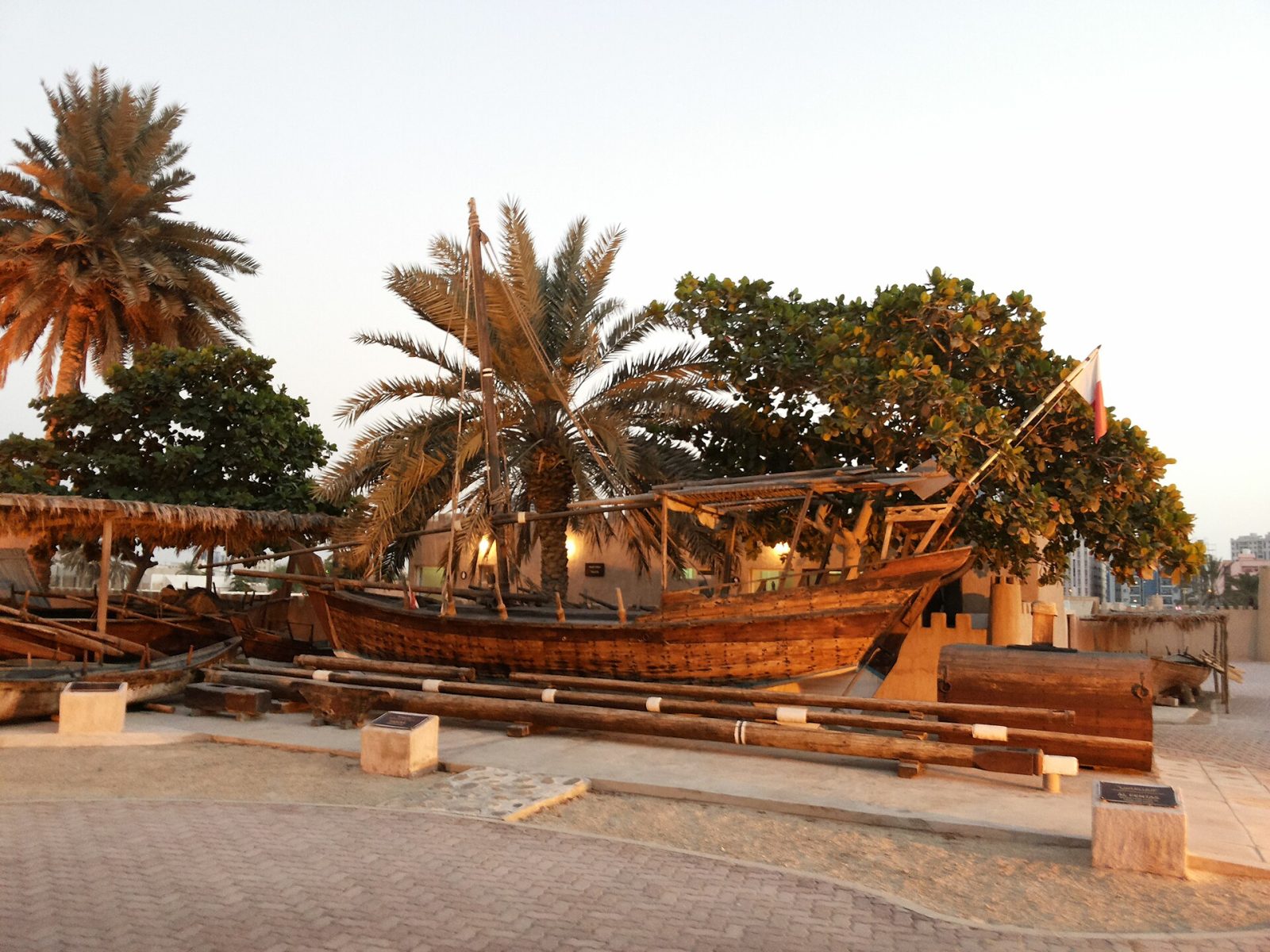
The Dubai Gold Souk in Deira is a covered market street with several hundred jewellery shops. Window after window is filled with gold necklaces, bangles and wedding sets, mostly in 18, 21 and 22 carat. Prices follow the daily gold rate, plus a making charge that is open to bargaining. The Spice Souk and the creek are a short walk away.
04
STOP 4 OF 24
Dubai Spice Souk
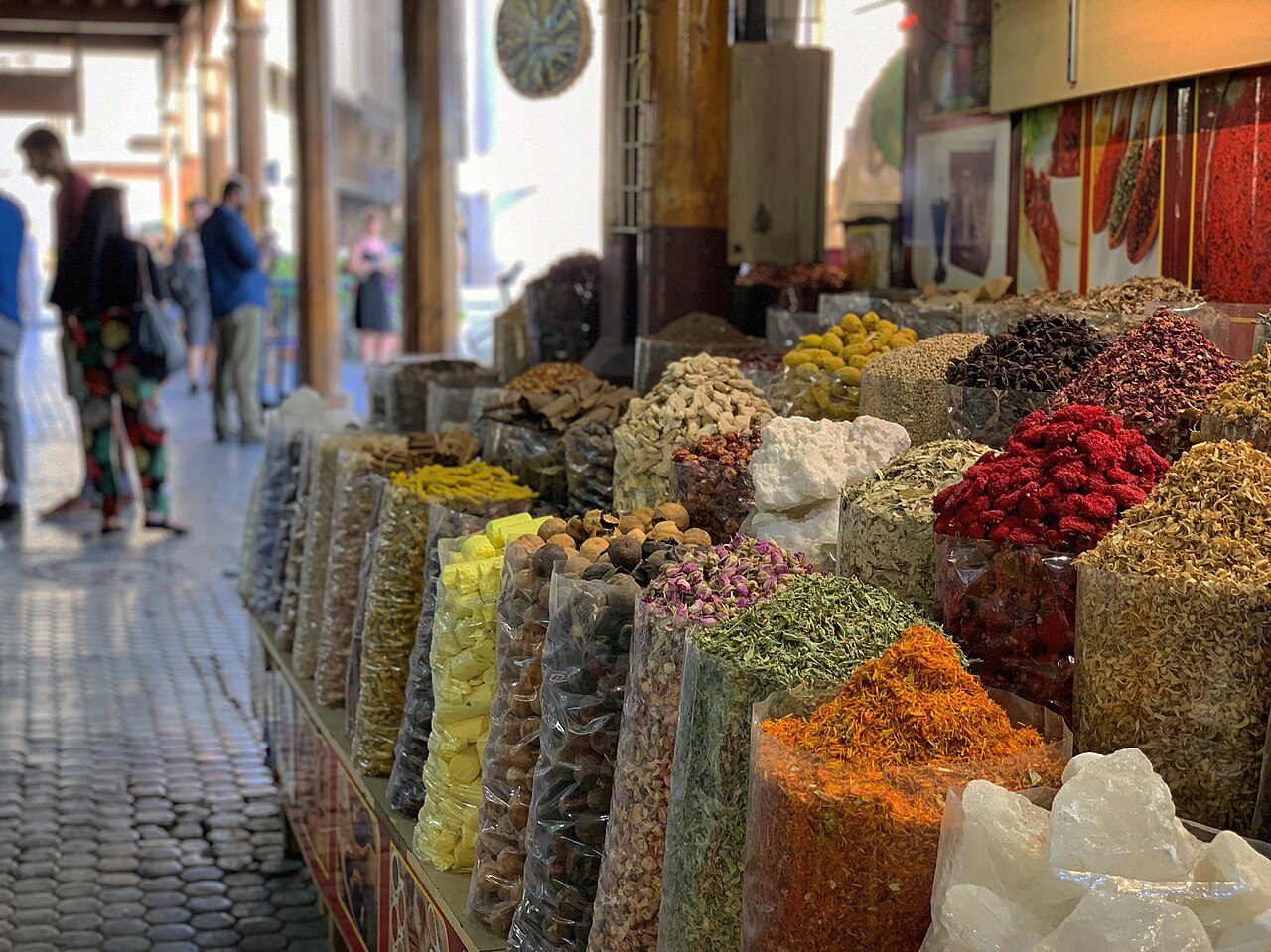
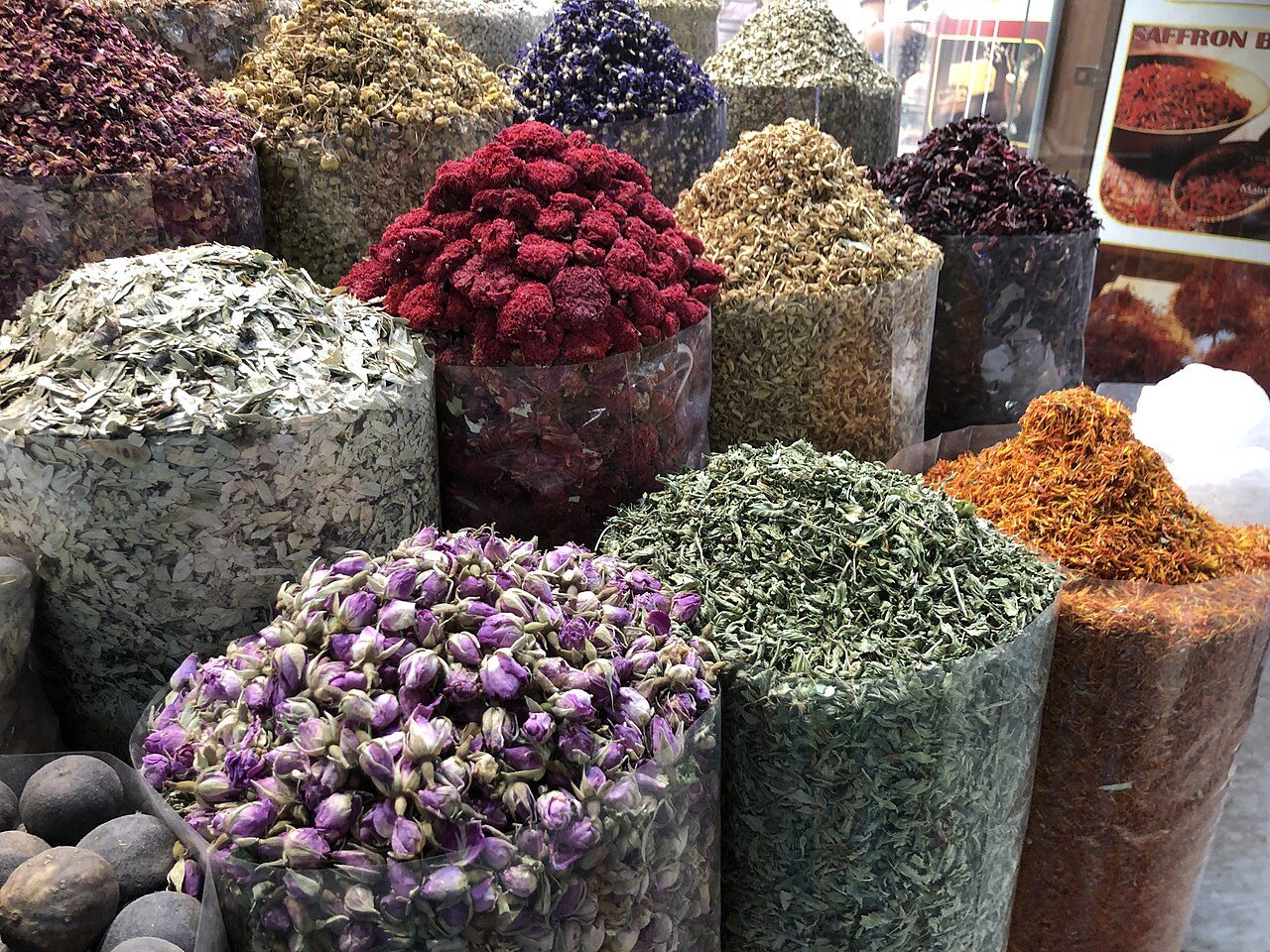
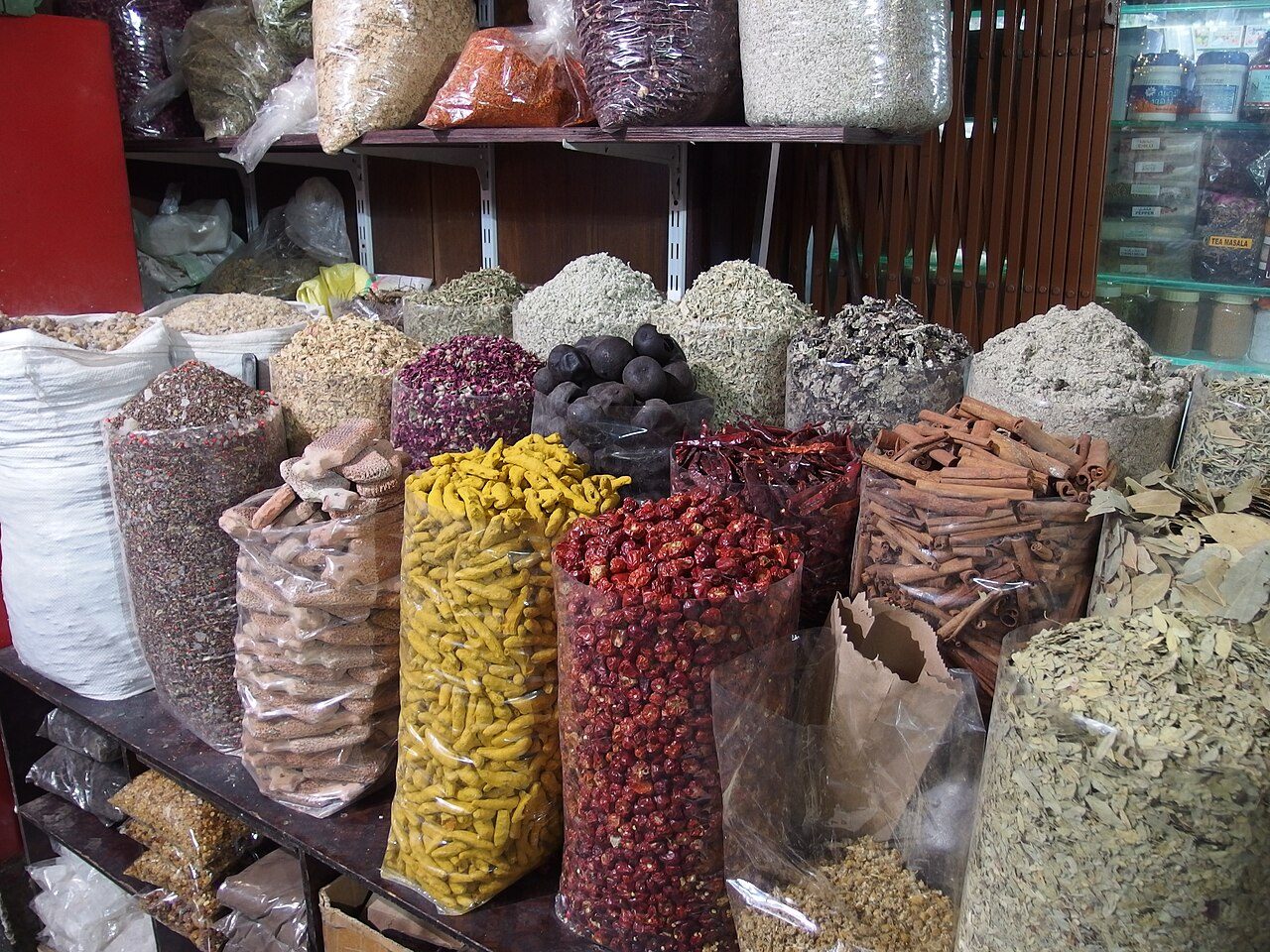
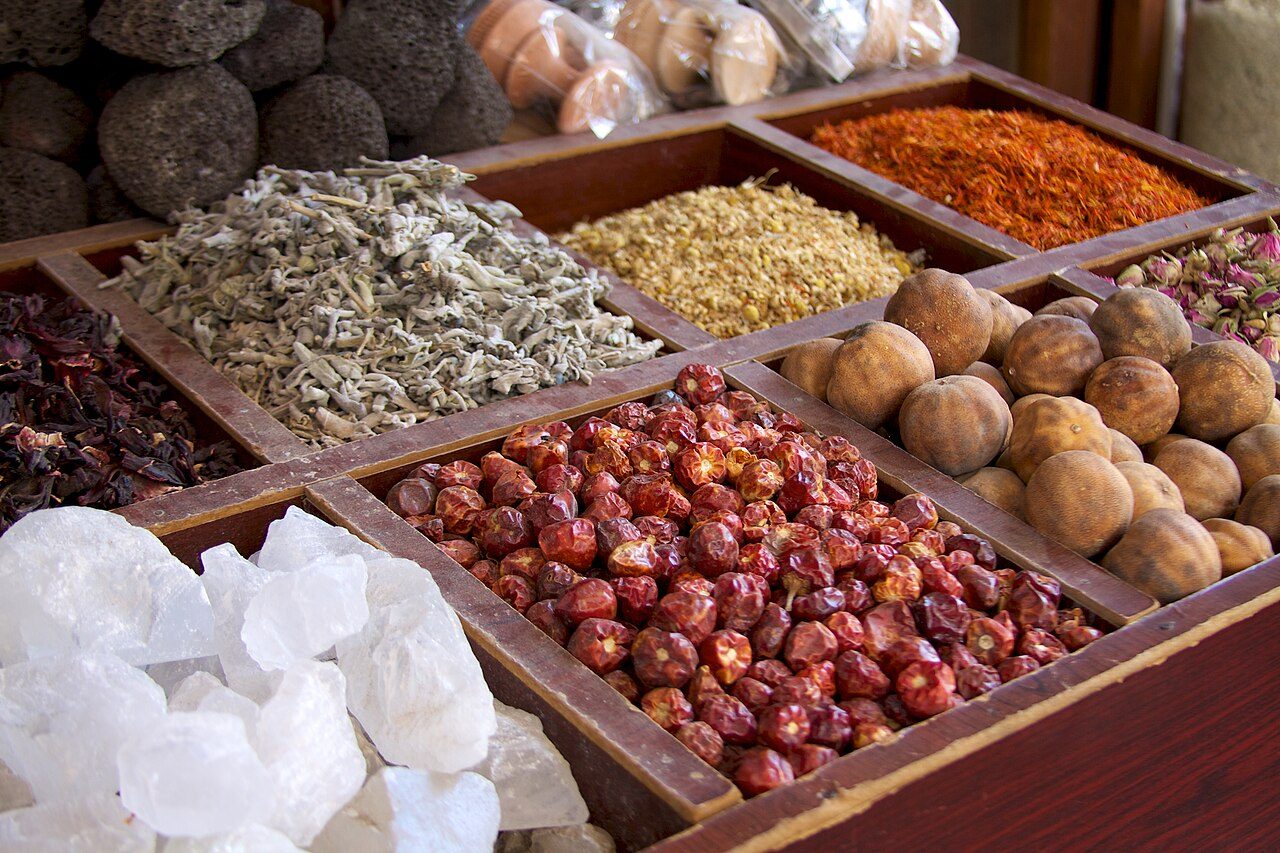
The Dubai Spice Souk is a set of narrow lanes in Deira, next to the Gold Souk and the creek. Sacks and baskets are piled with saffron, dried limes, cardamom, frankincense, rose petals and dried fruit, much of it traded with Iran and India. An abra across the creek from Bur Dubai lands right beside it.
05
STOP 5 OF 24
Burj Khalifa
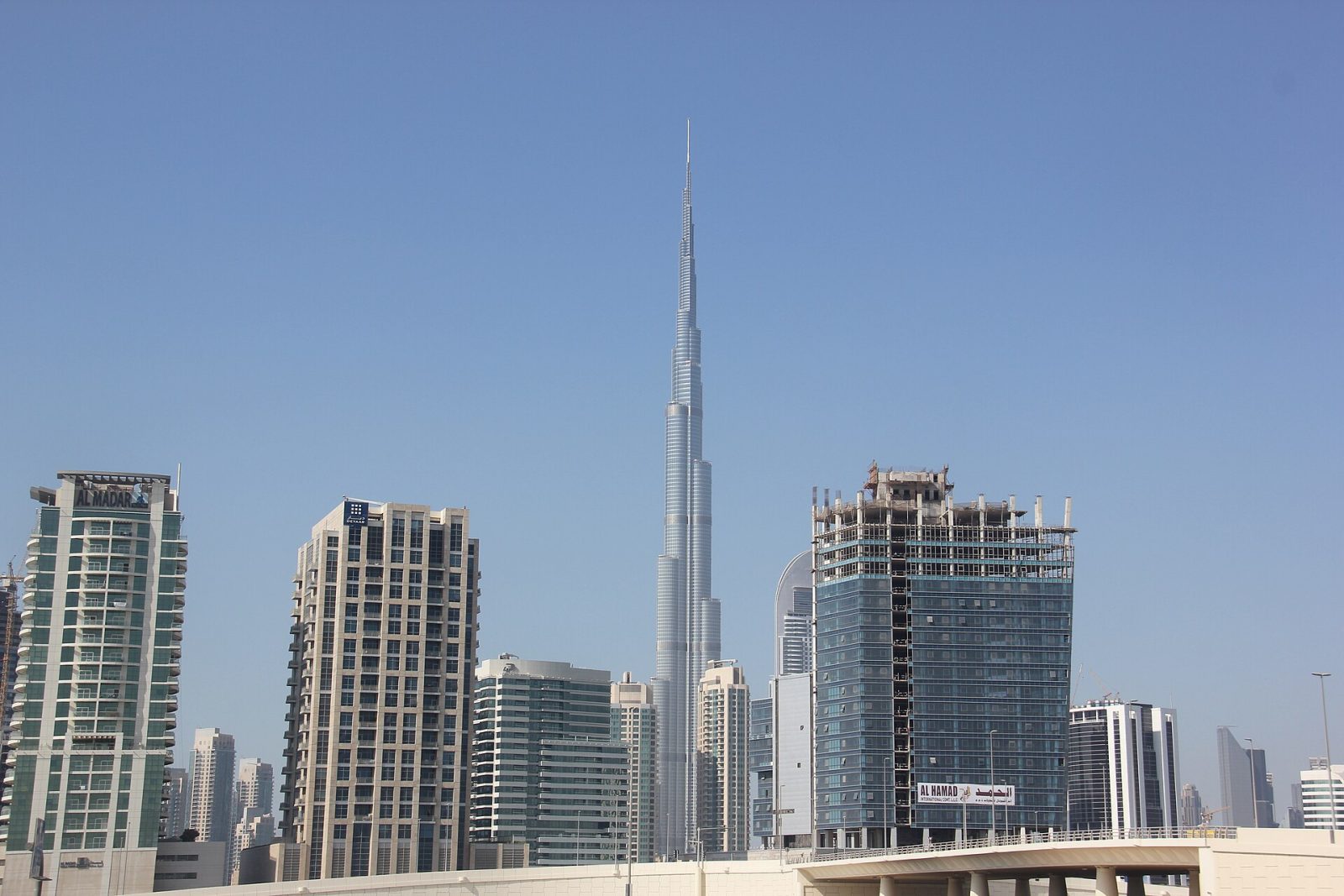
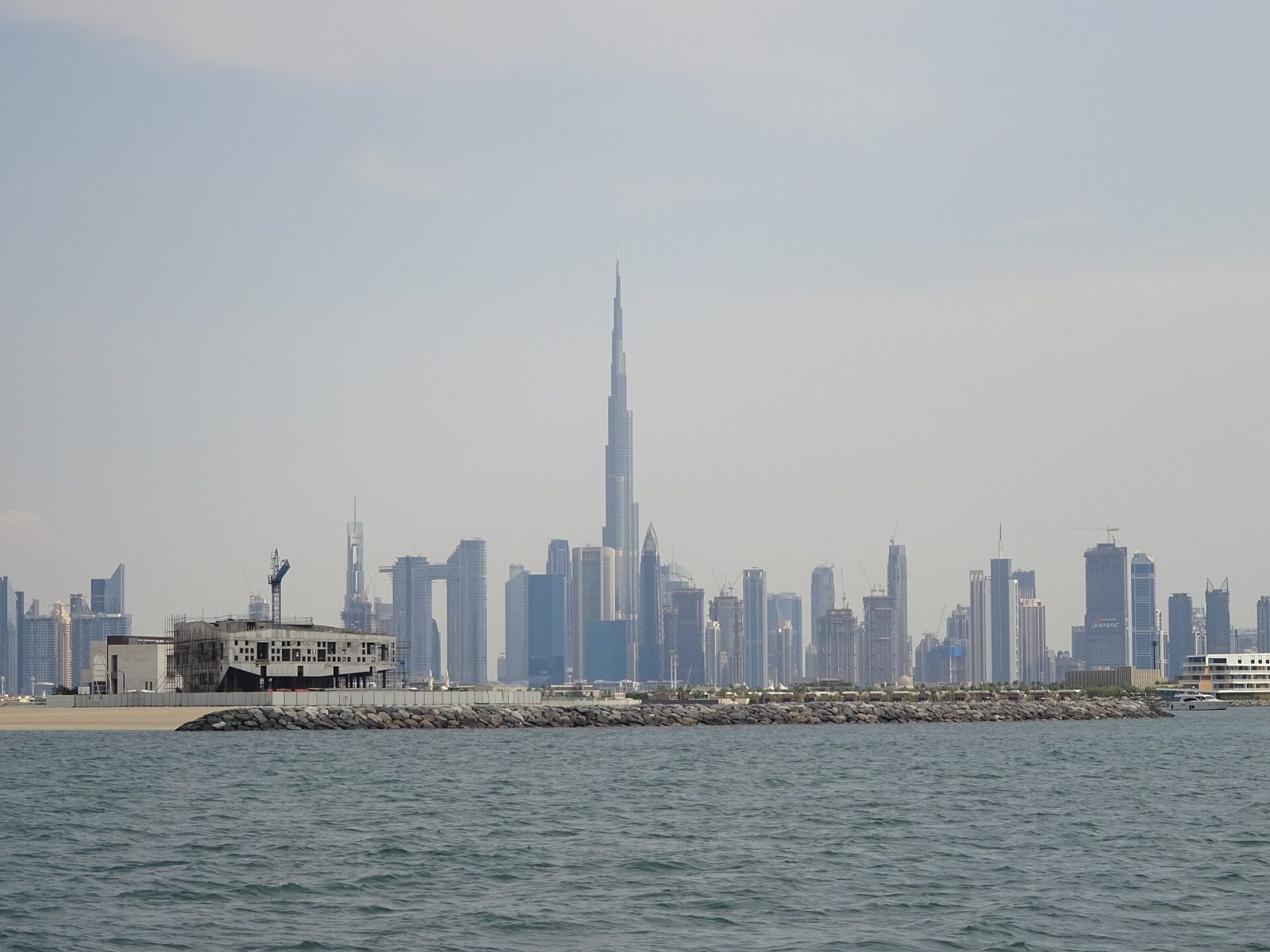
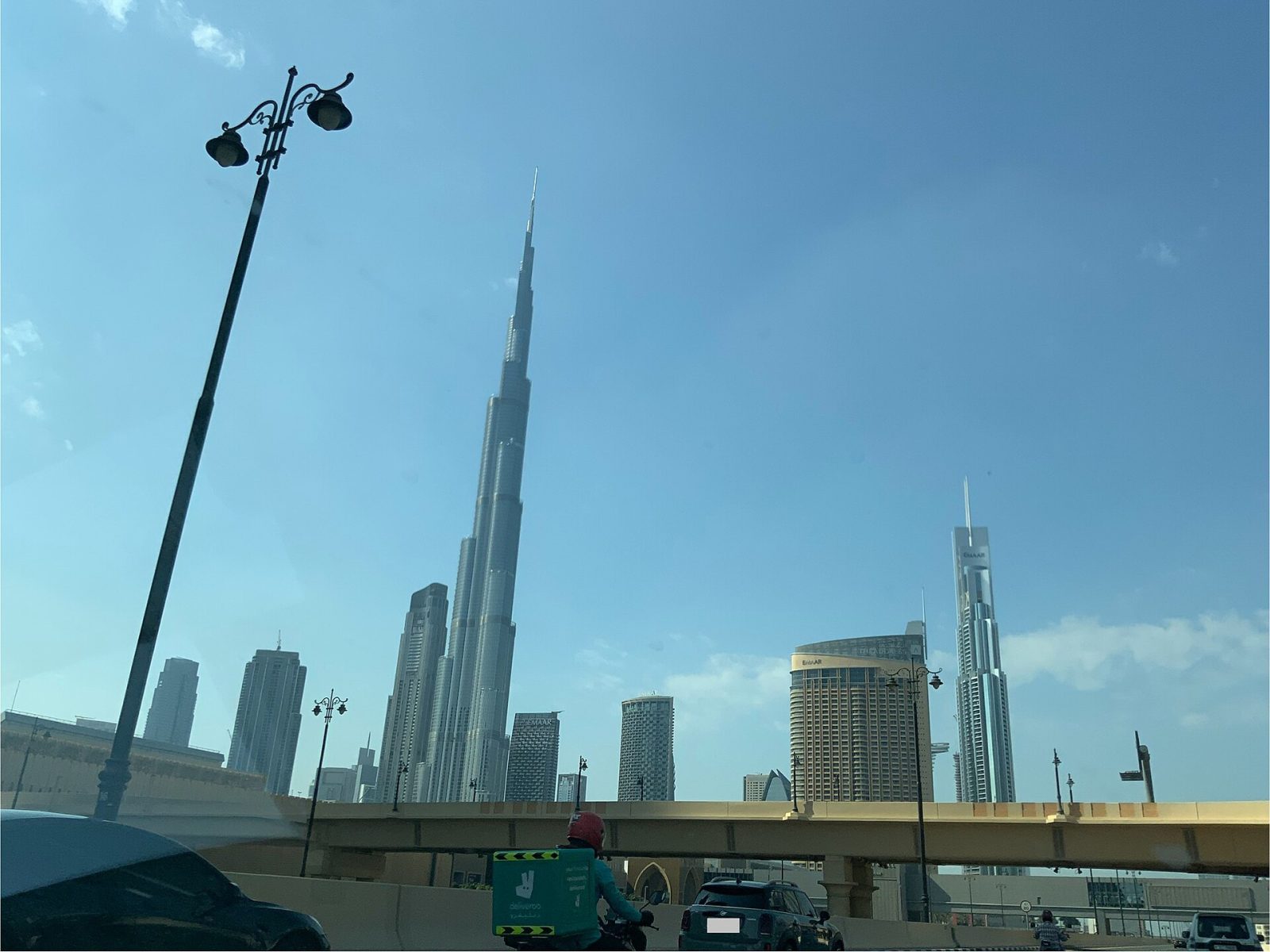
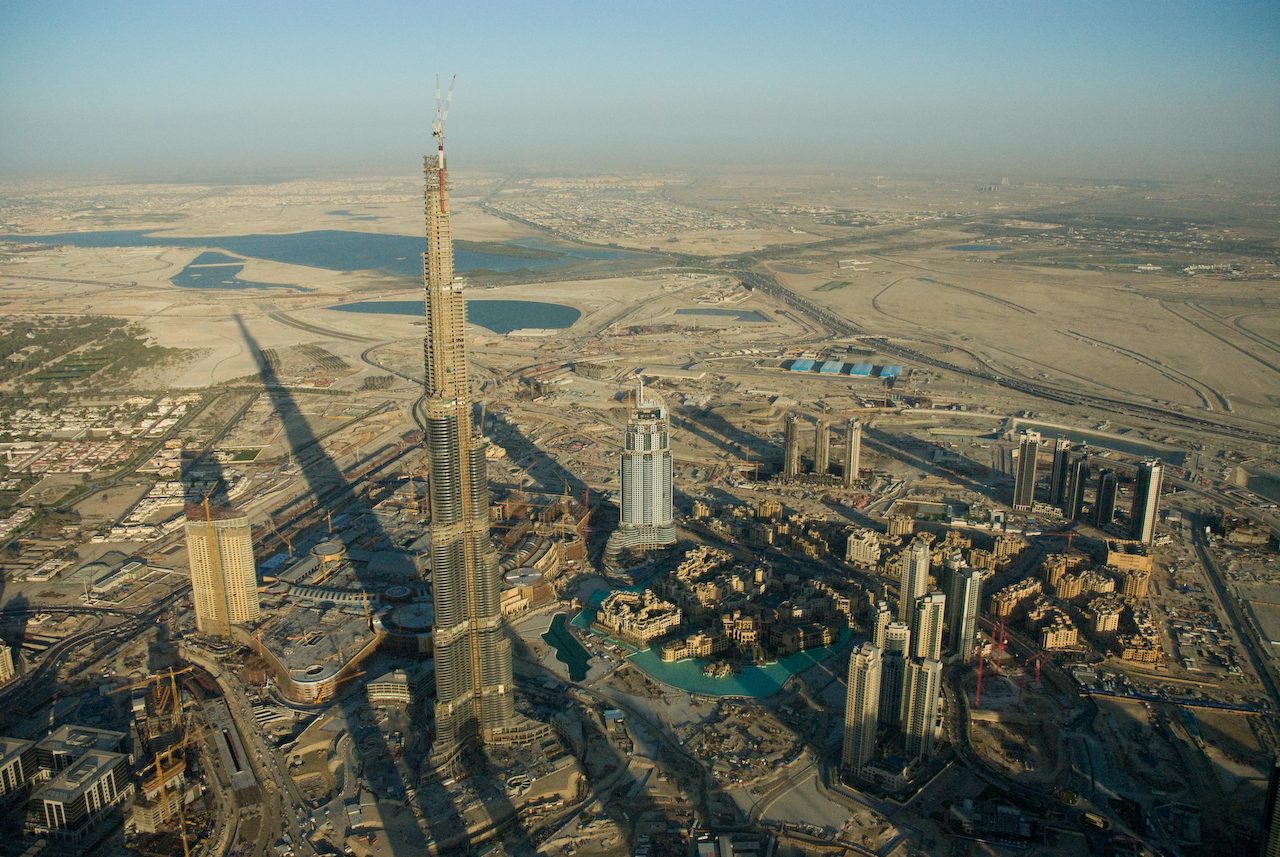
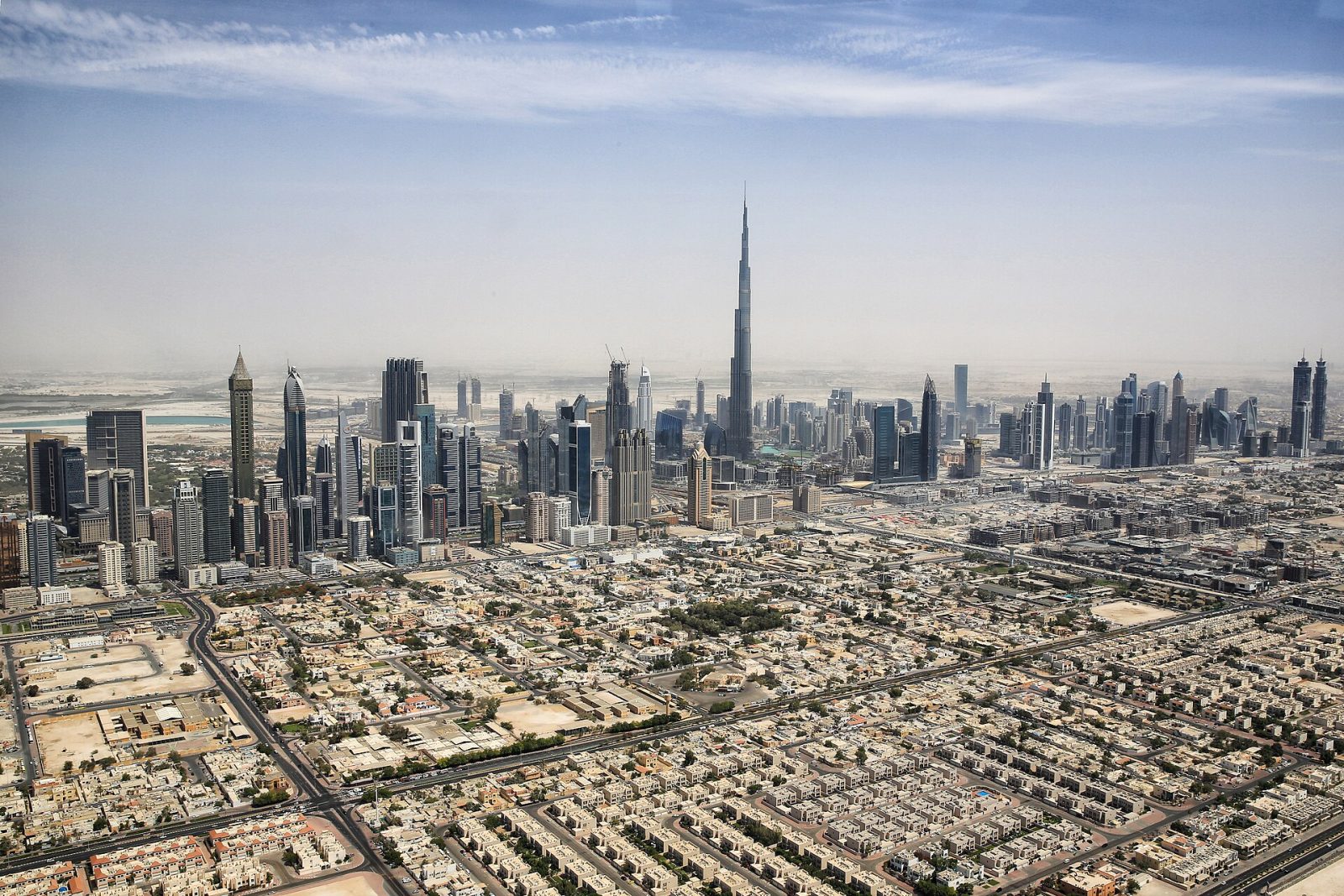
At 828 metres and 163 floors, Burj Khalifa has been the tallest building in the world since it opened in 2010. Designed by Adrian Smith of SOM, its stepped triangular plan was inspired by the desert flower Hymenocallis and helps it stand against the wind. Observation decks on levels 124, 125 and 148 give views across Dubai to the Gulf and the desert, and on a clear day you can see for nearly 100 km. The tower holds apartments, offices and the Armani Hotel, and its spire is visible far outside the city. Book a timed ticket, and choose sunset if you want both day and night views.
06
STOP 6 OF 24
The Dubai Mall
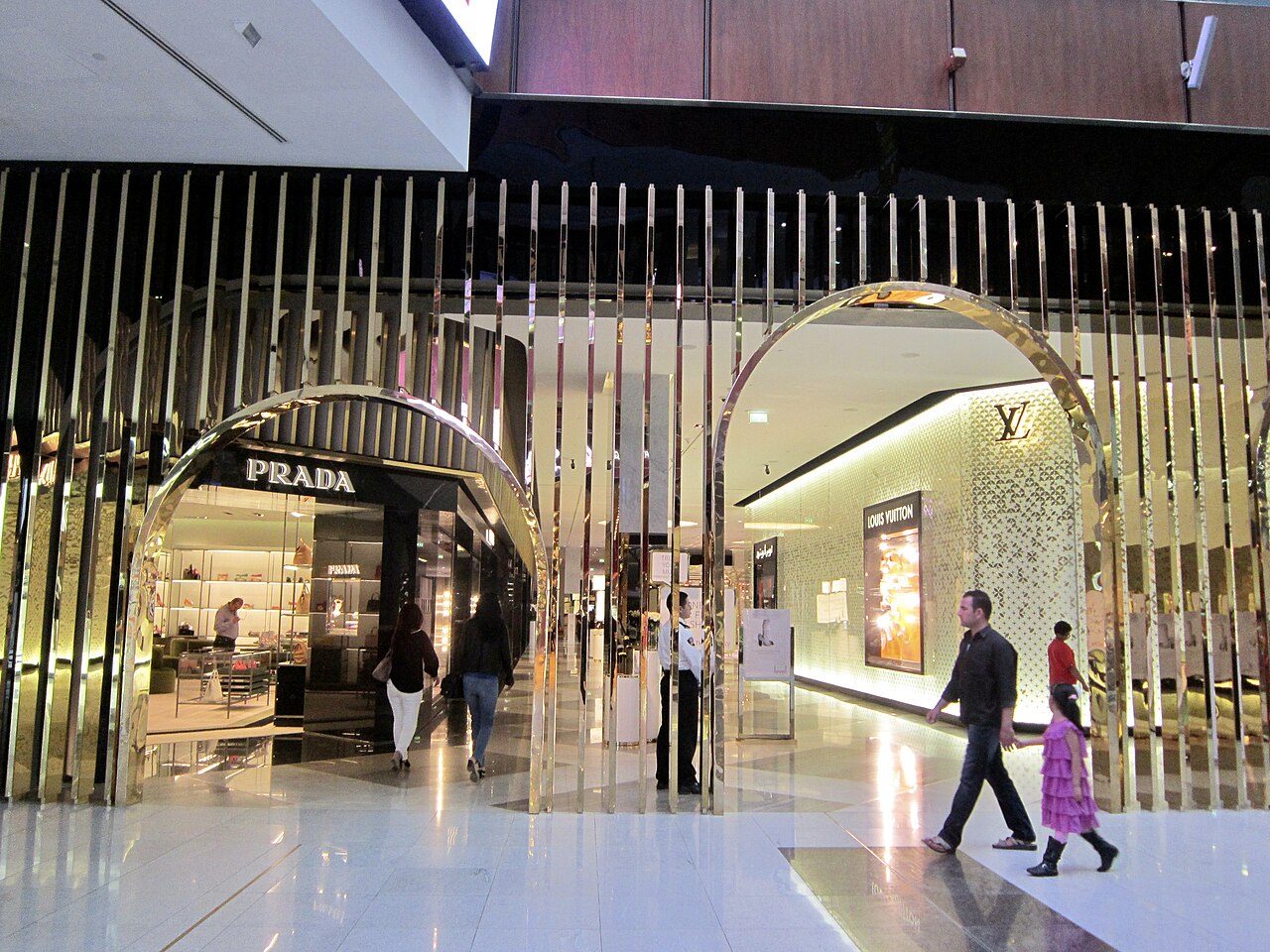
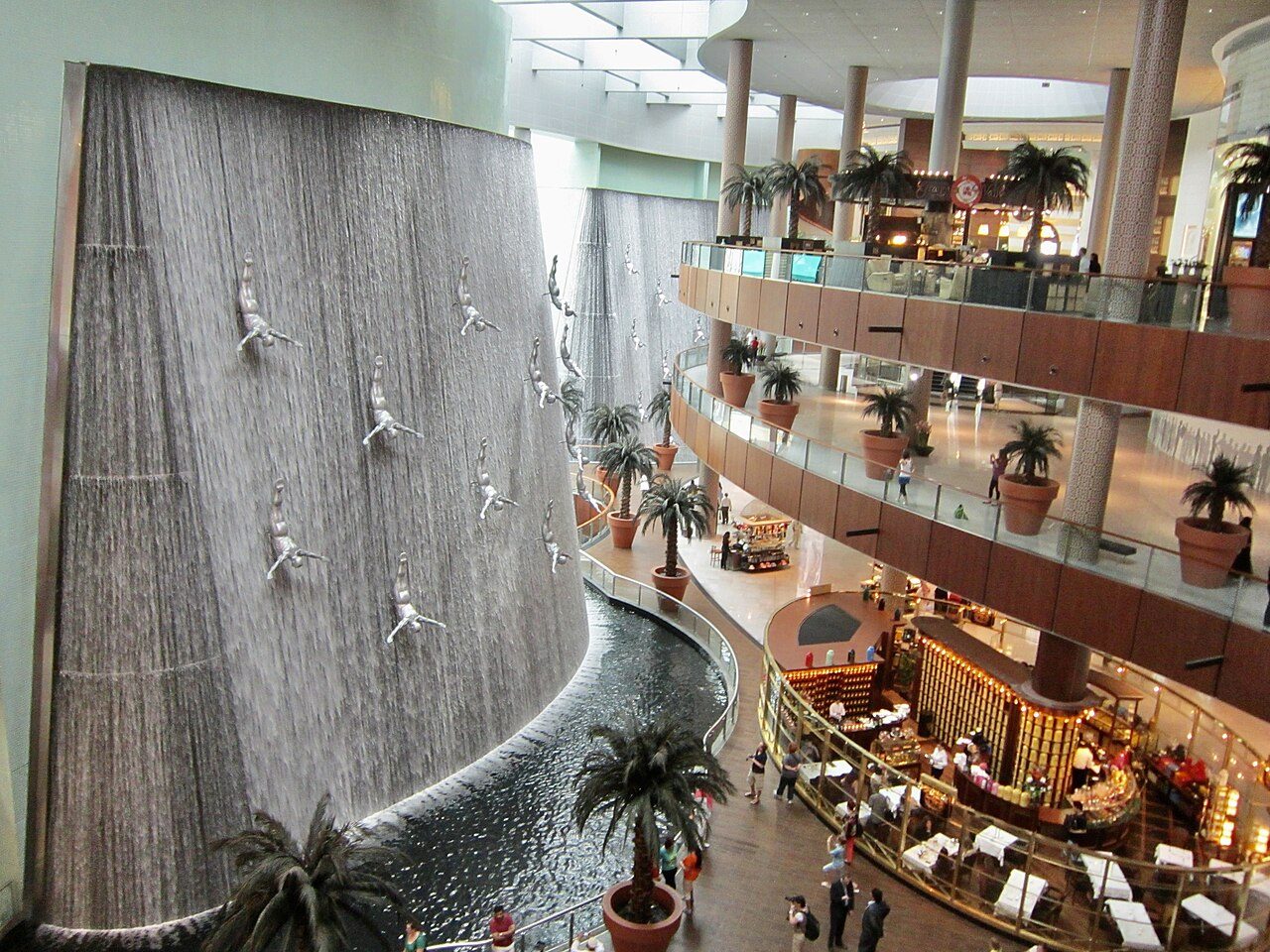
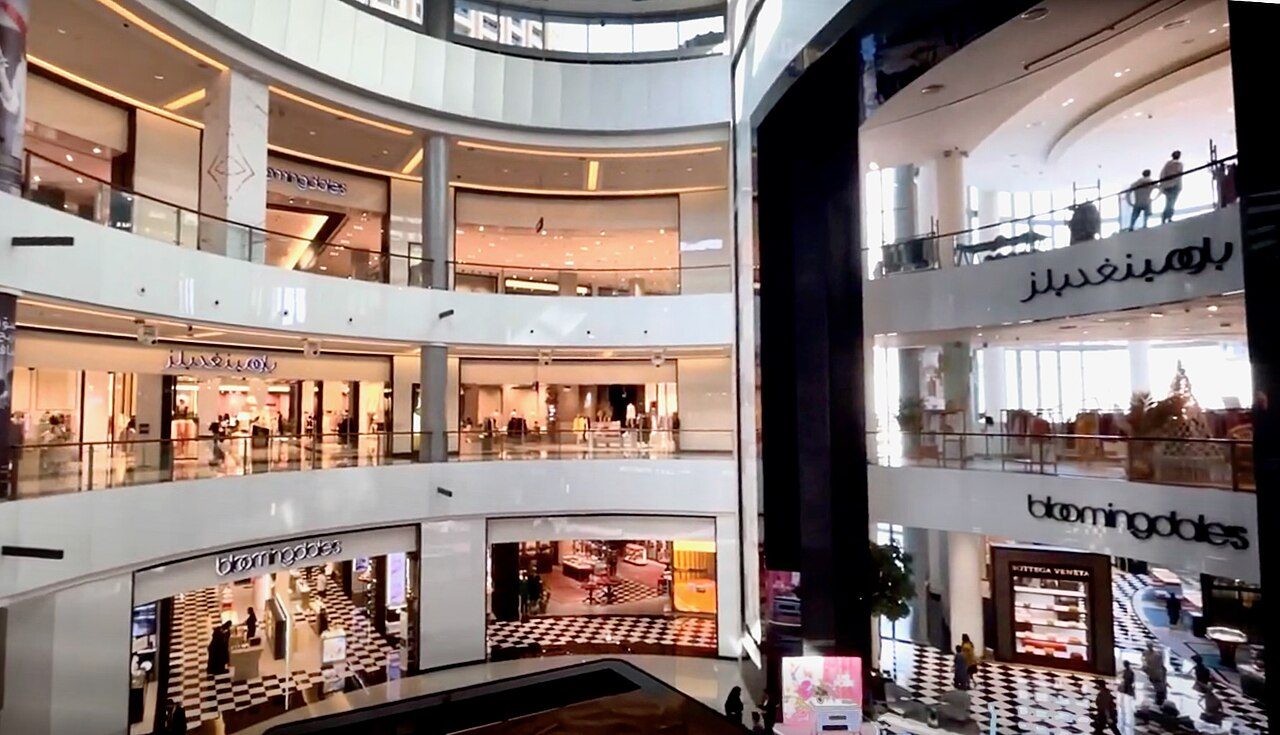
The Dubai Mall opened in 2008 at the foot of the Burj Khalifa and is one of the largest shopping malls in the world, with well over a thousand shops. It also holds a huge aquarium, an indoor waterfall with diving figures, an ice rink and a traditional-style souk. The Dubai Fountain plays on the lake just outside.
07
STOP 7 OF 24
The Dubai Fountain
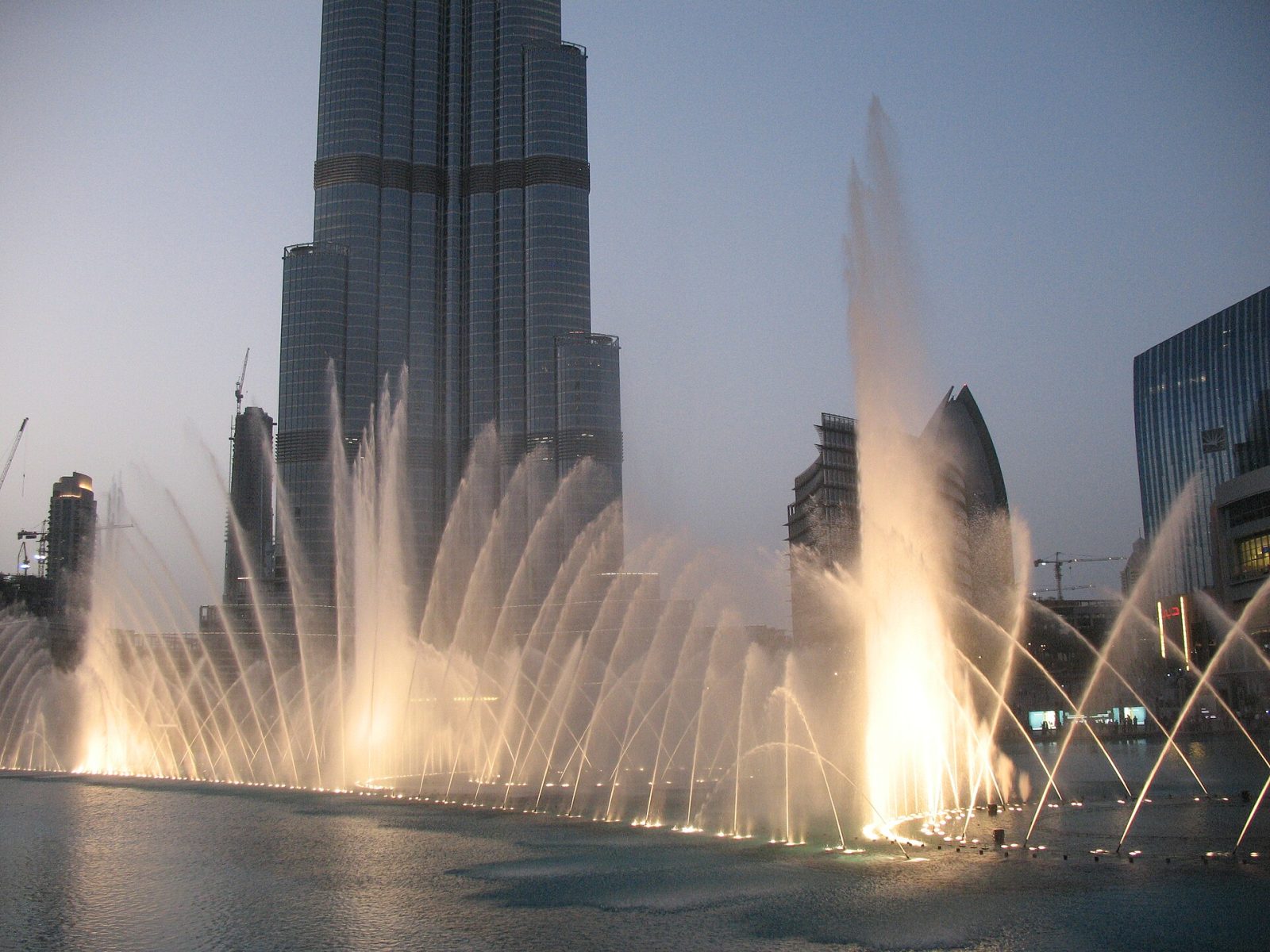
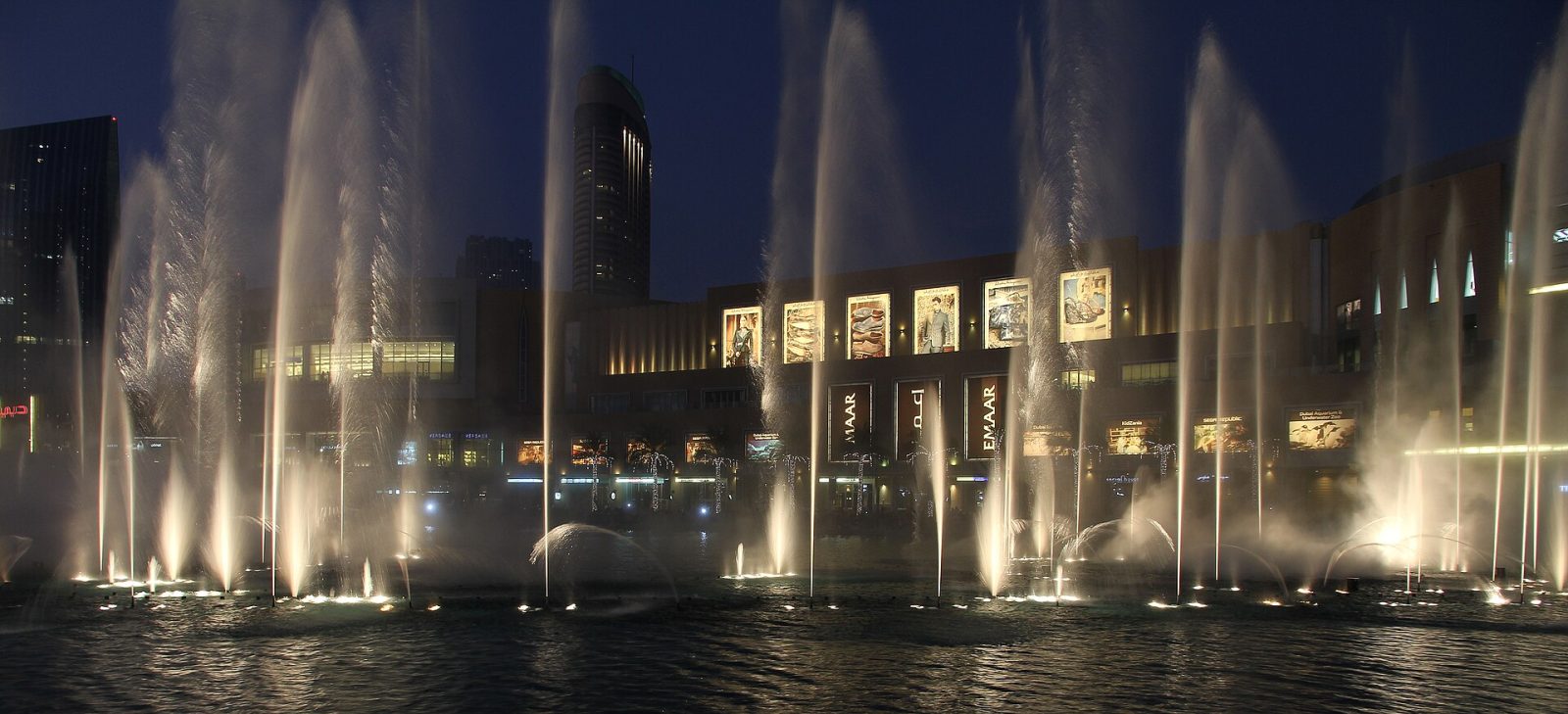
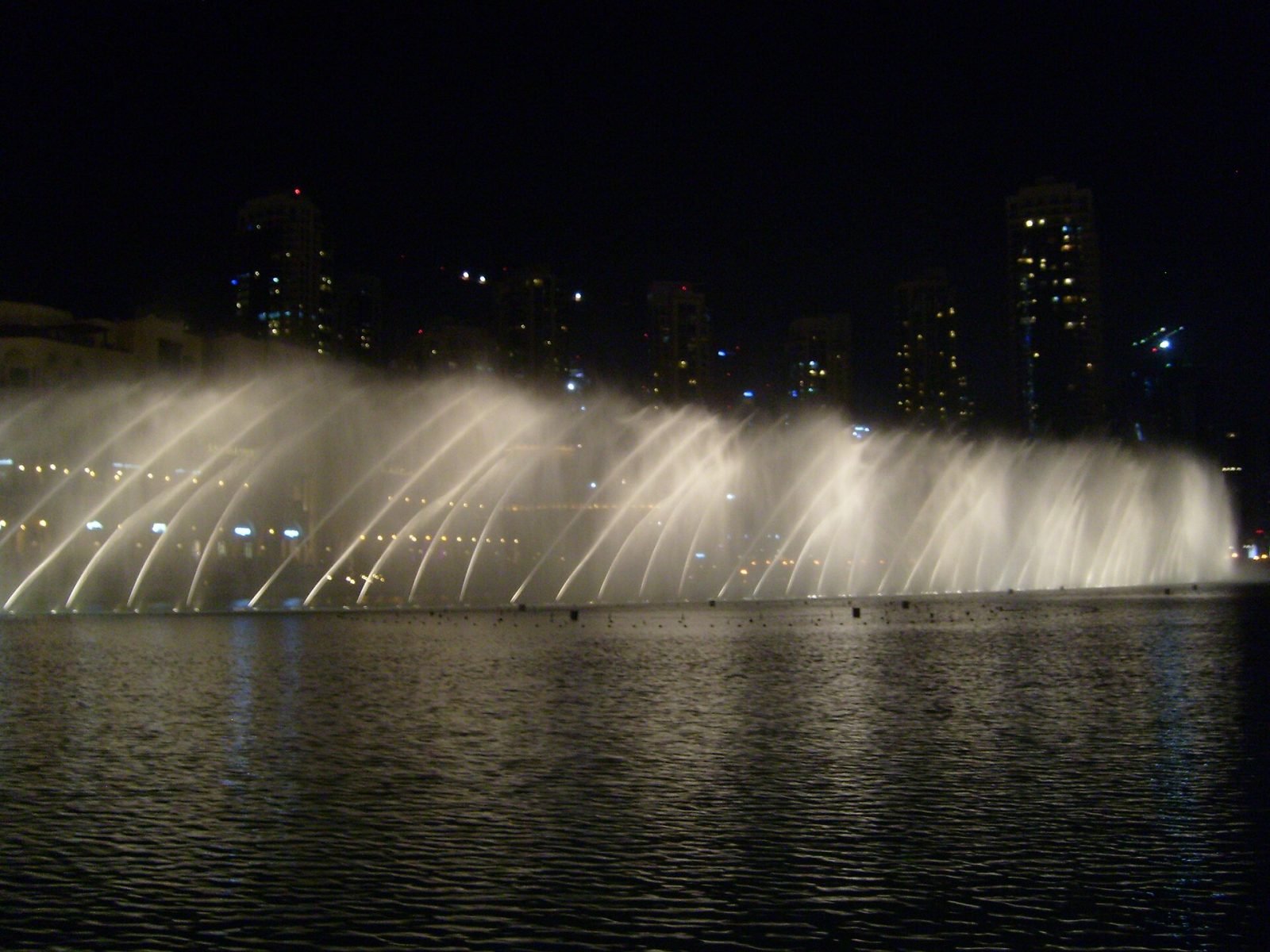
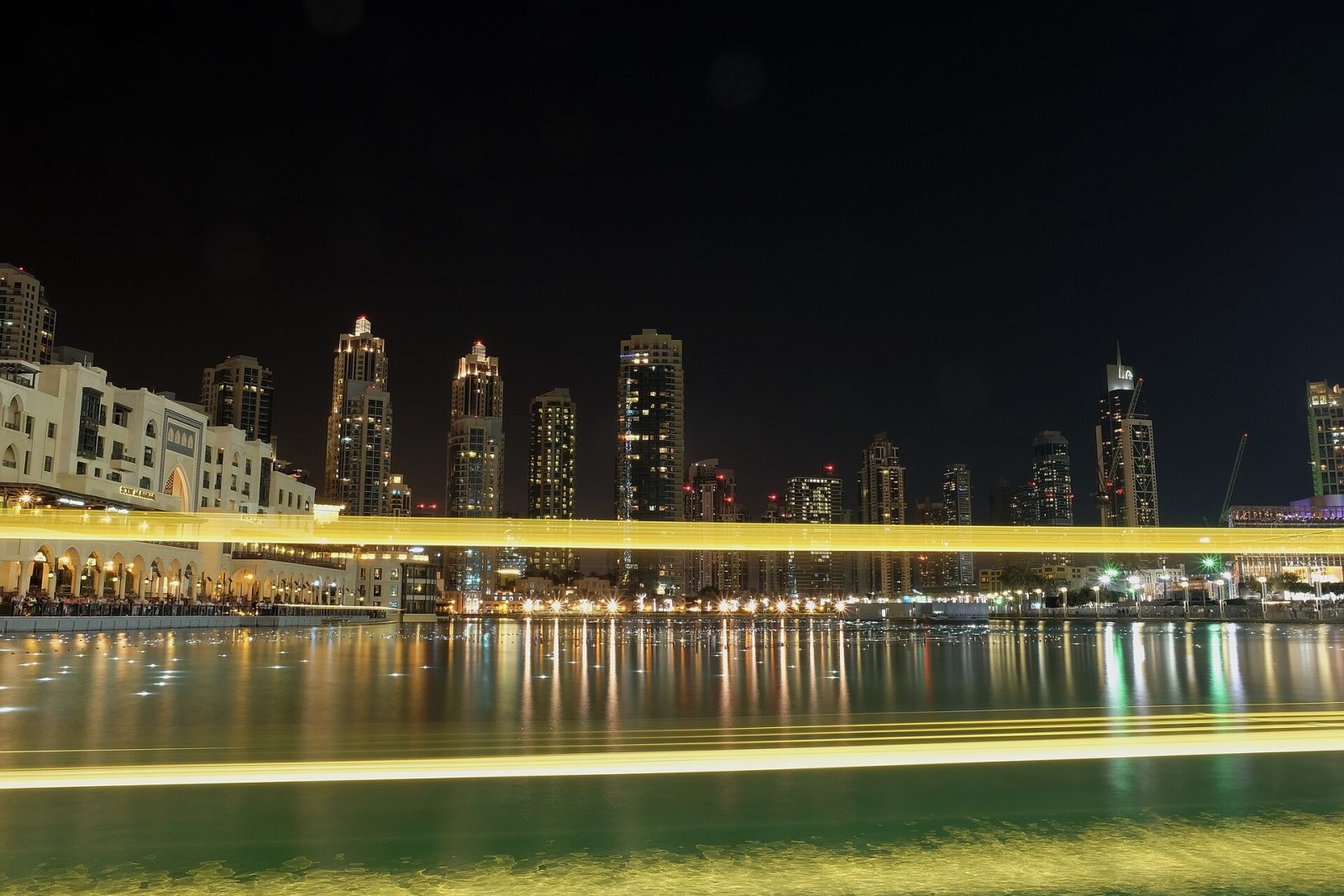
The Dubai Fountain performs on the 30-acre lake between Burj Khalifa and Dubai Mall, shooting water up to about 150 metres, roughly the height of a 50-storey building. It was built by the same company behind the Bellagio fountains in Las Vegas and uses more than 6,600 lights and 25 colour projectors. Shows run every half hour in the evening and a couple of times in the afternoon, set to Arabic, classical and international music. You can watch free from the waterfront promenade and the bridge, or pay for a boat on the lake. Arrive a little early in the evening, as the best spots fill quickly.
08
STOP 8 OF 24
Burj Al Arab
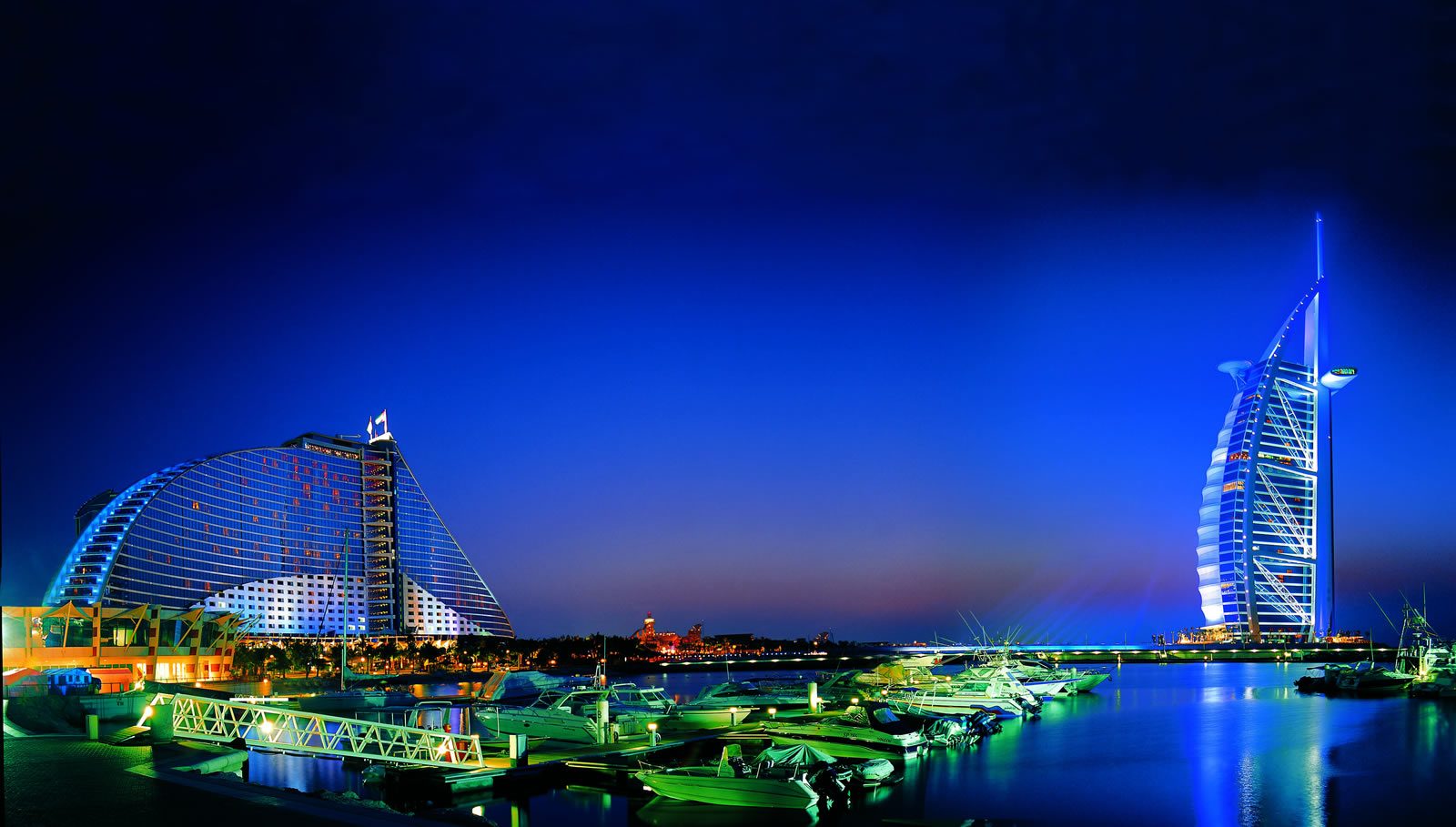
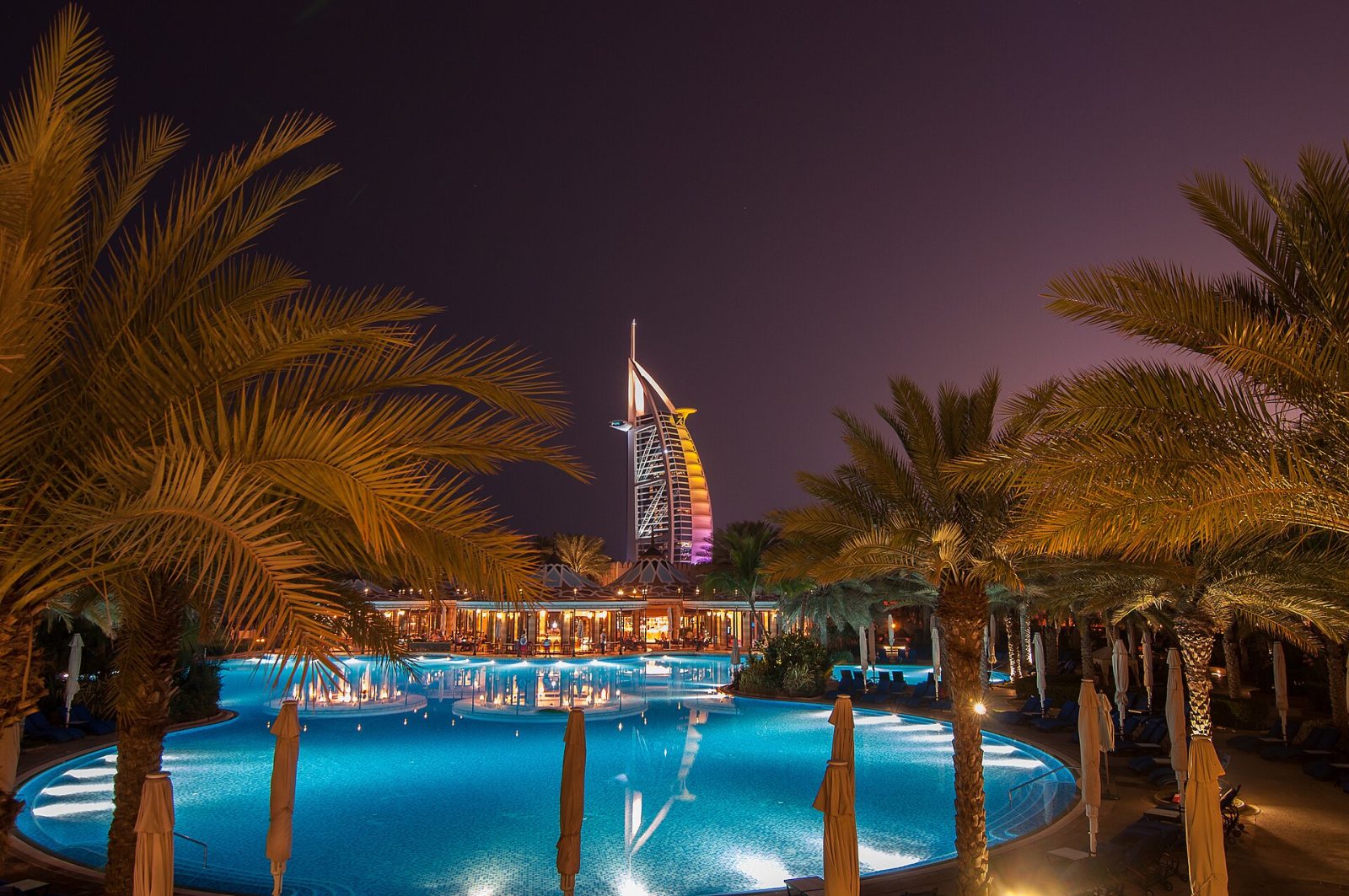
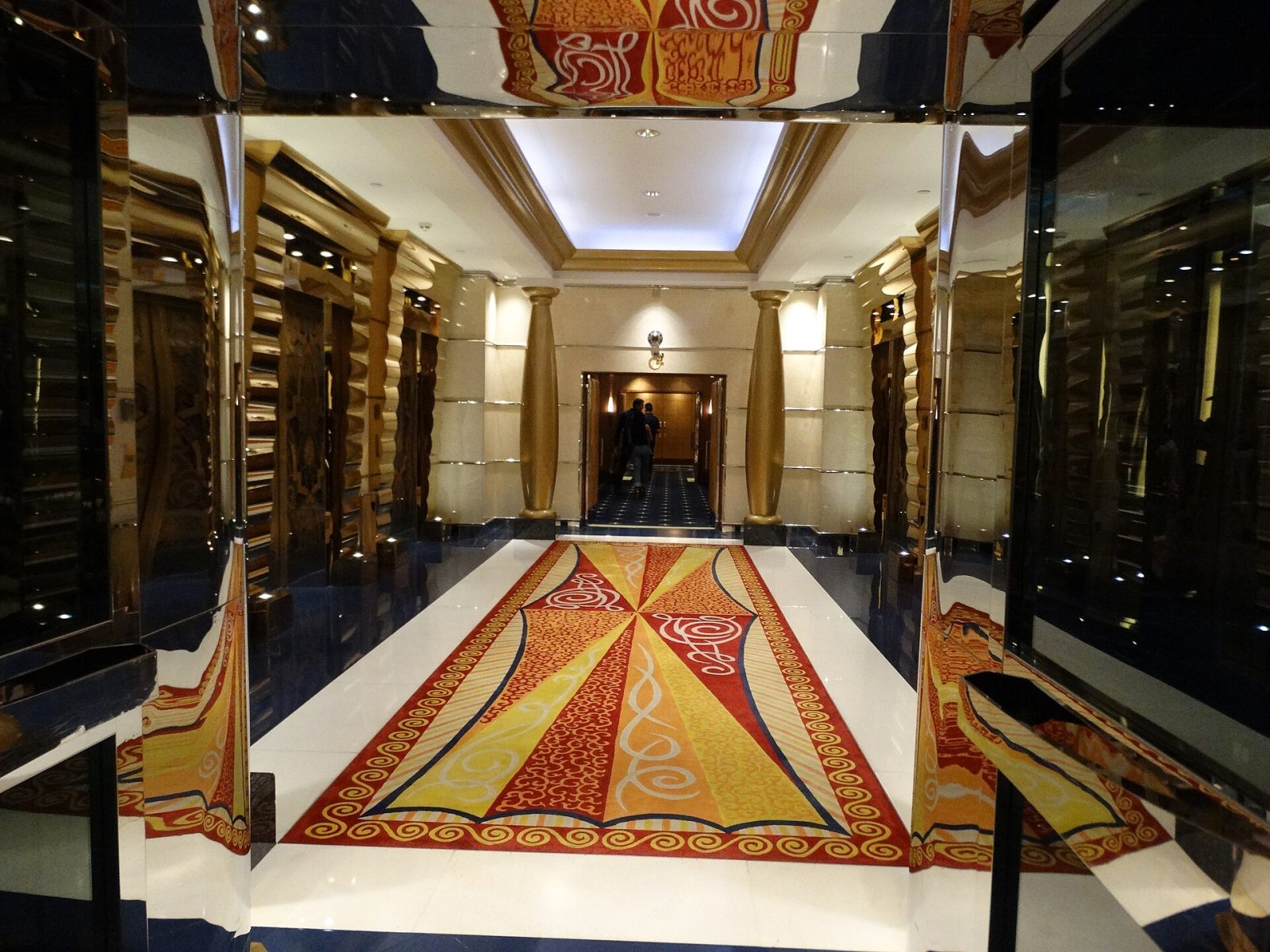
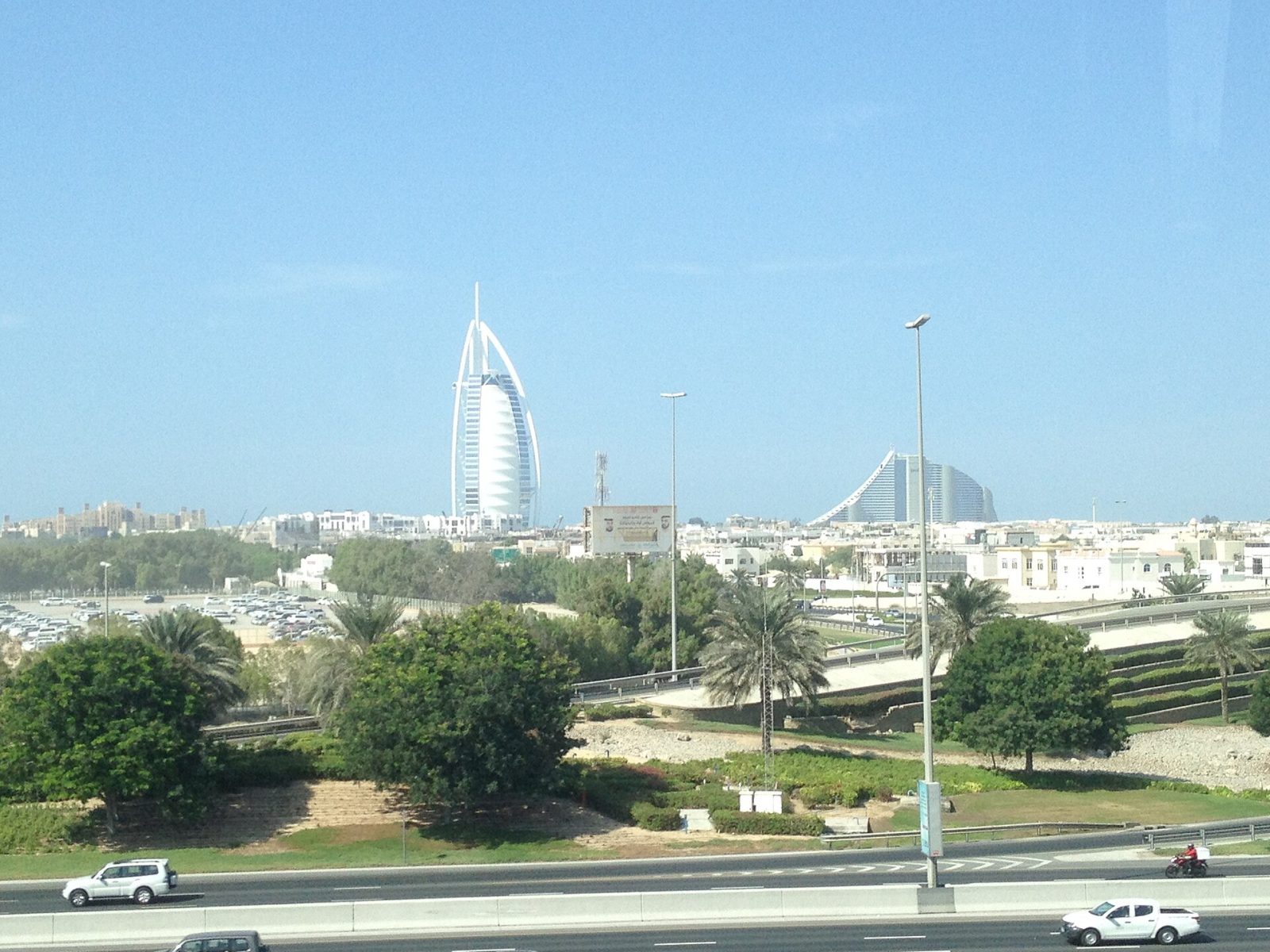
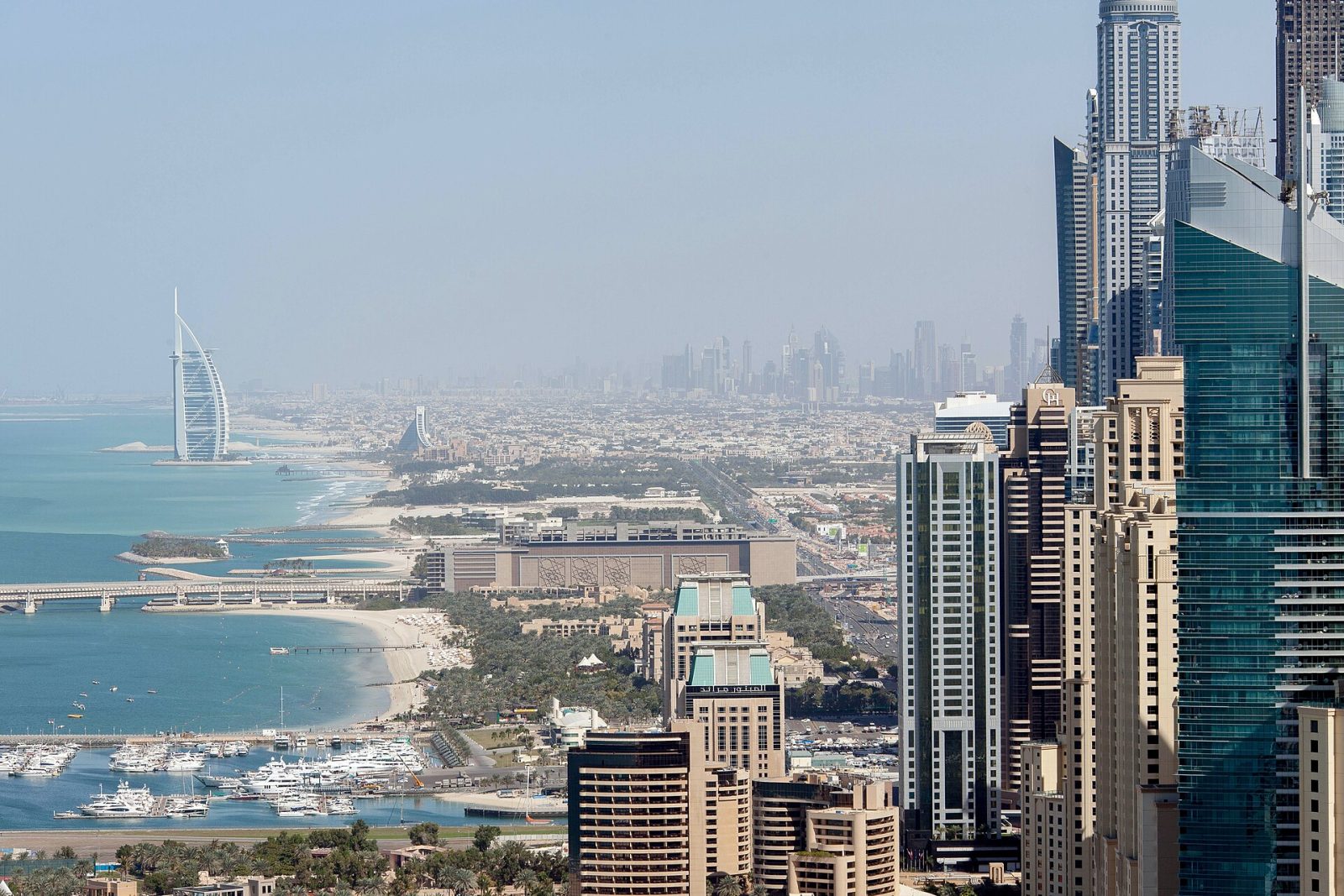
Burj Al Arab stands on its own artificial island off Jumeirah Beach, shaped like the billowing sail of a dhow and 321 metres tall. It opened in 1999 and quickly became the symbol of modern Dubai, known for its suites on two levels, a helipad near the top that has hosted tennis matches and golf shots, and an atrium tall enough to hold a small skyscraper. A curved bridge is the only road to the island, and access is limited to guests and people with restaurant or tour bookings. The best free views are from the public beach at Umm Suqeim, especially at sunset. The hotel is lit in changing colours at night.
09
STOP 9 OF 24
Palm Jumeirah
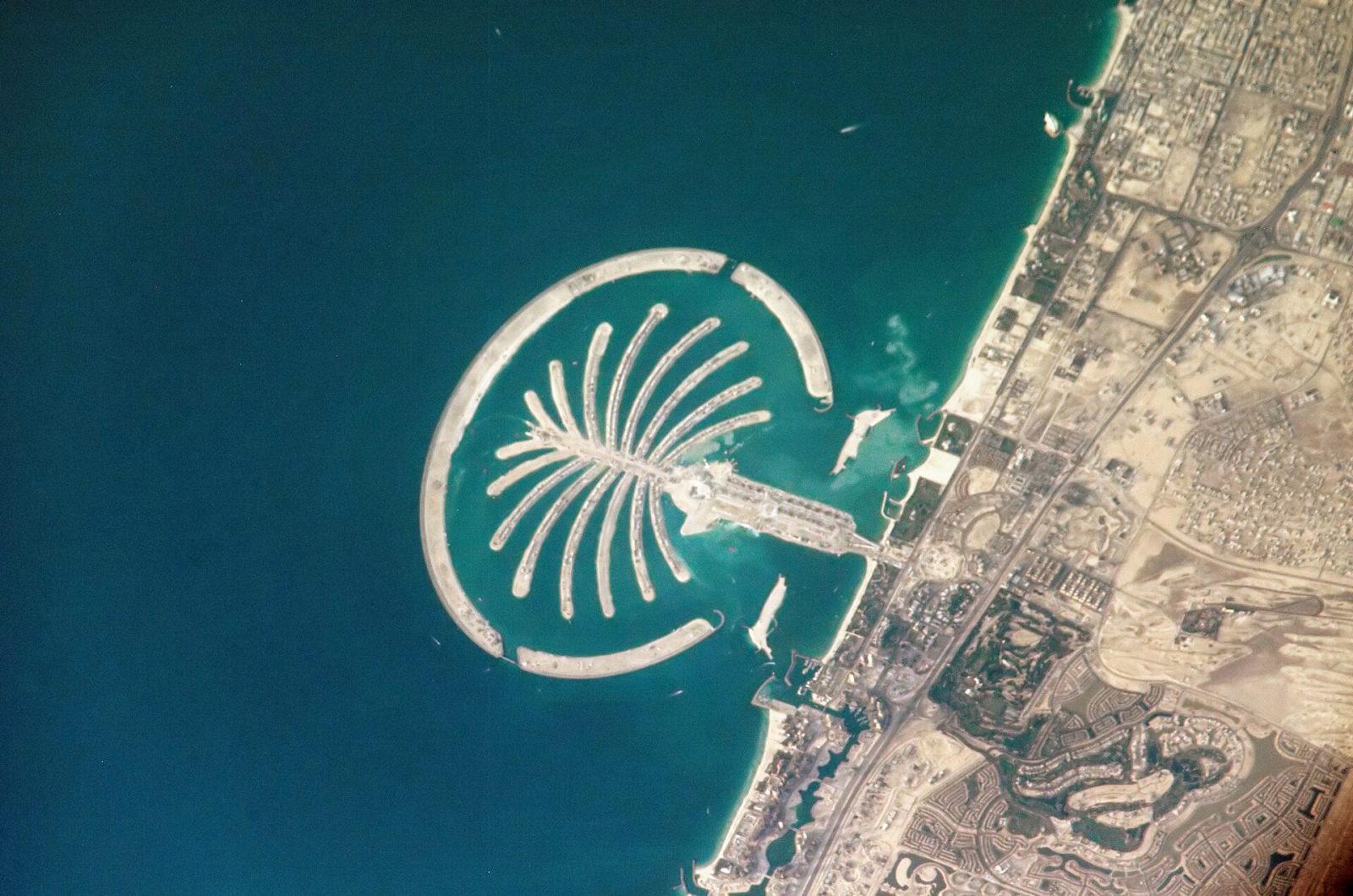
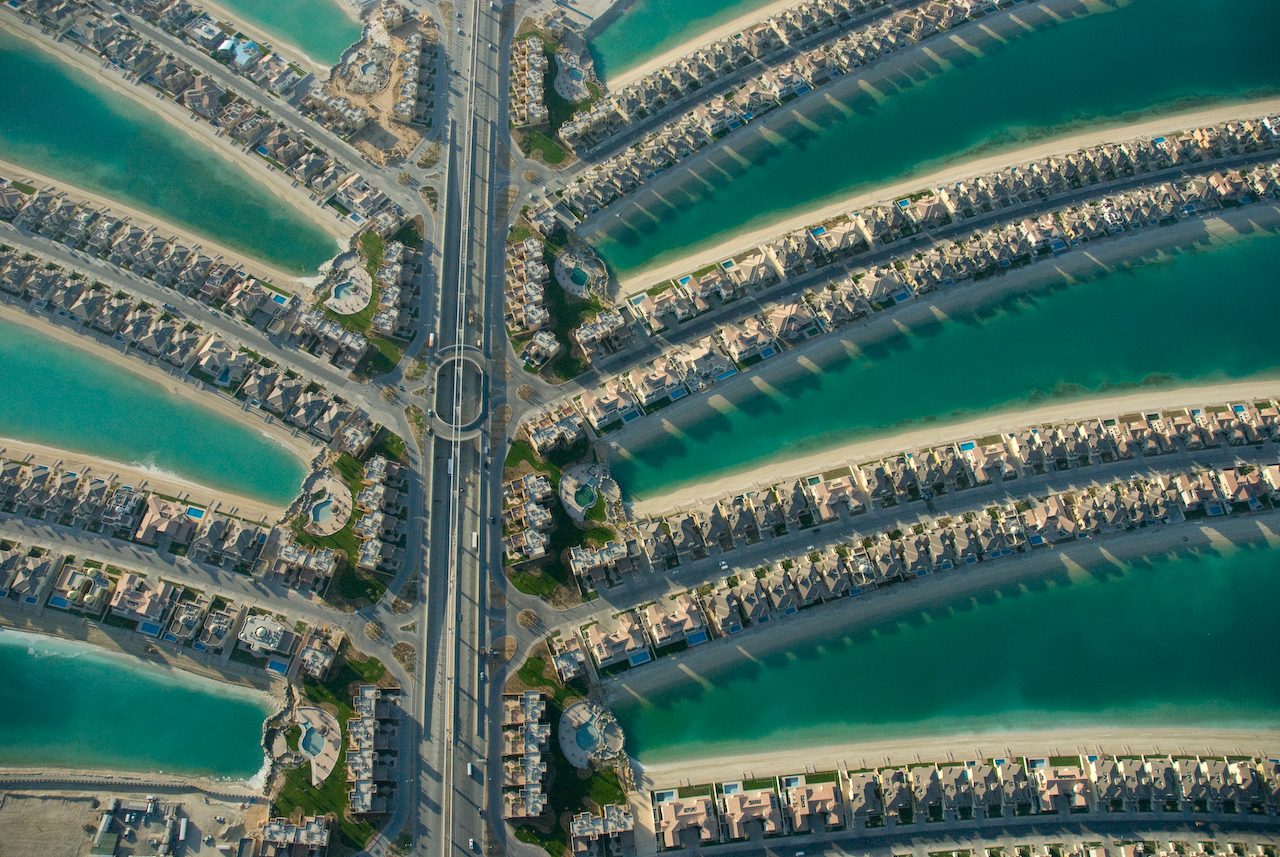
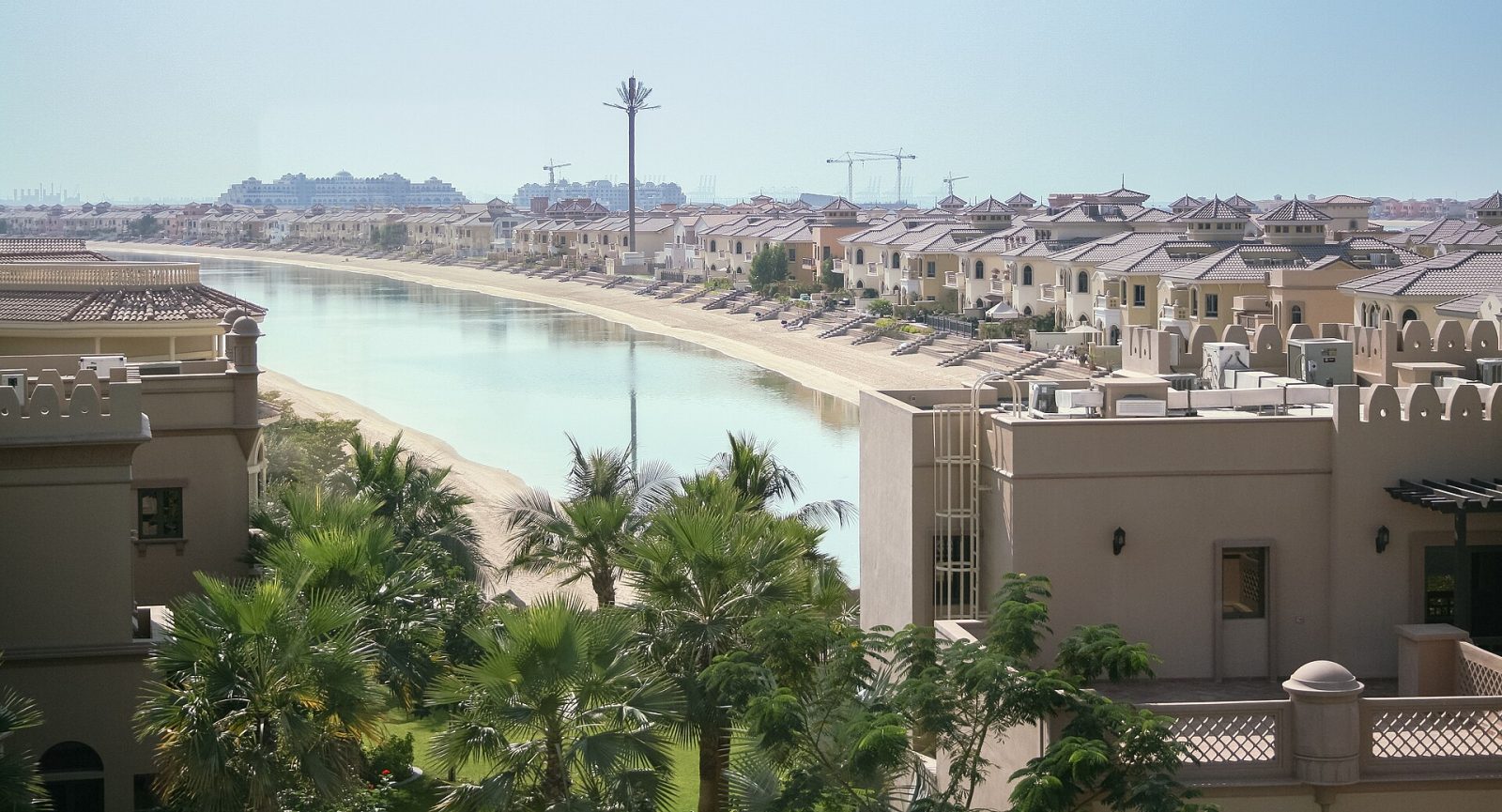
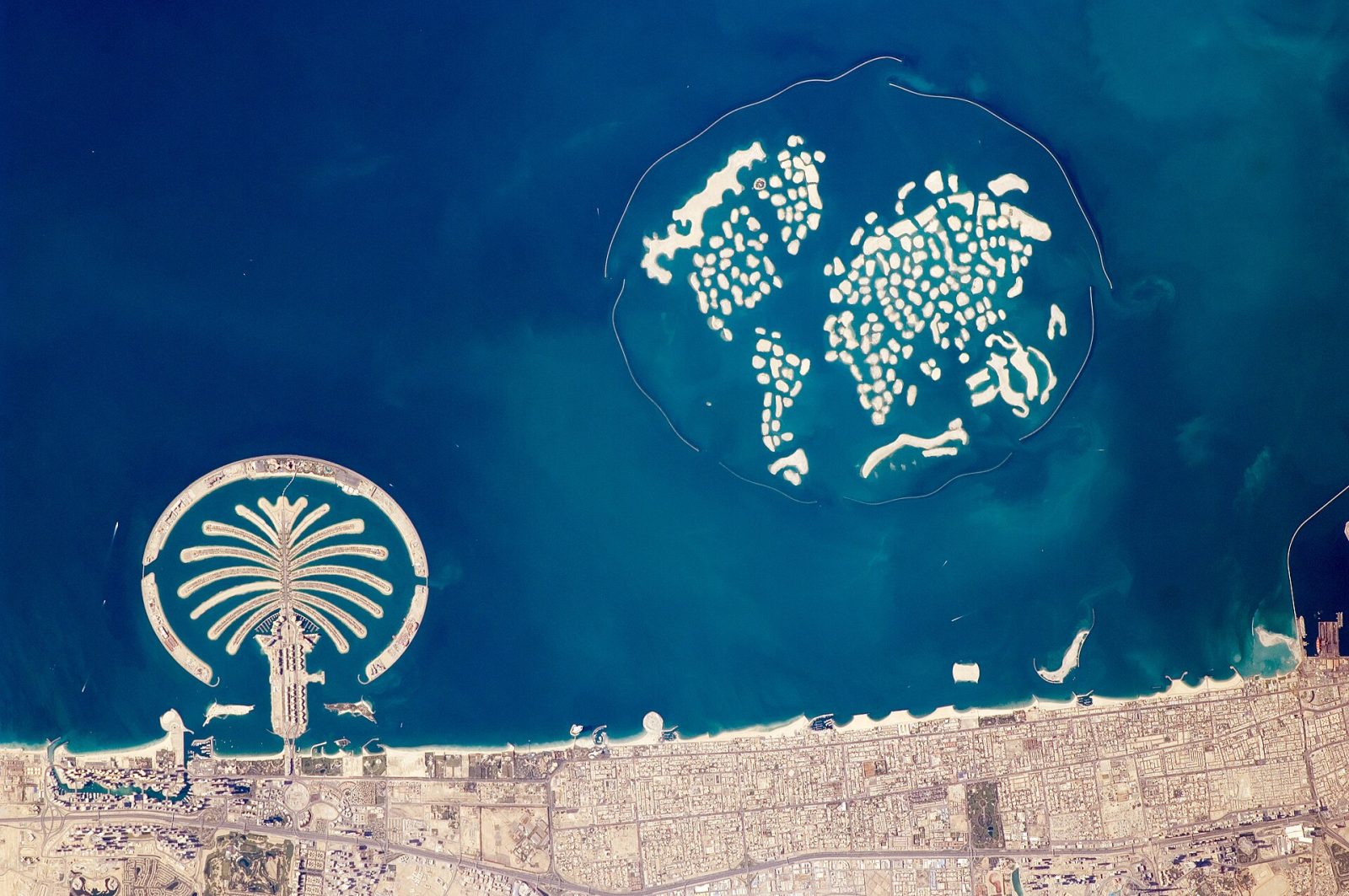
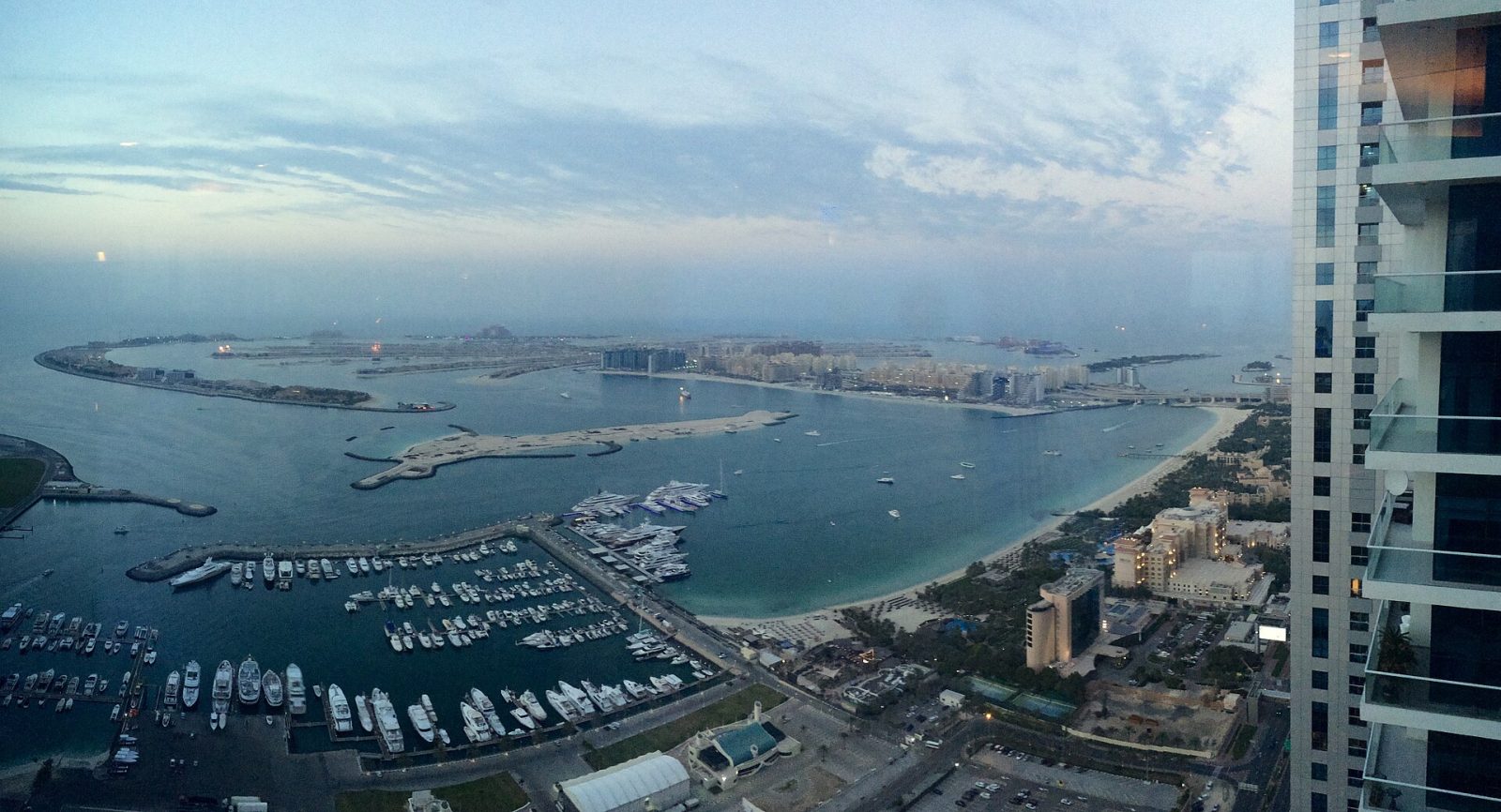
Palm Jumeirah is an artificial island off the Dubai coast built in the shape of a palm tree, with a trunk, sixteen fronds and a curving breakwater around them. It was reclaimed from the sea in the 2000s using sand dredged from the Gulf and rock from the mountains, adding about 56 km of new shoreline. The island holds hotels, apartments, beach clubs and the Atlantis resort at the far end, linked by a monorail along the trunk. The View at The Palm observation deck looks down on the whole shape, which is best appreciated from above. Public beaches and the Boardwalk are open to everyone.
10
STOP 10 OF 24
Sharjah Fort (Al Hisn)
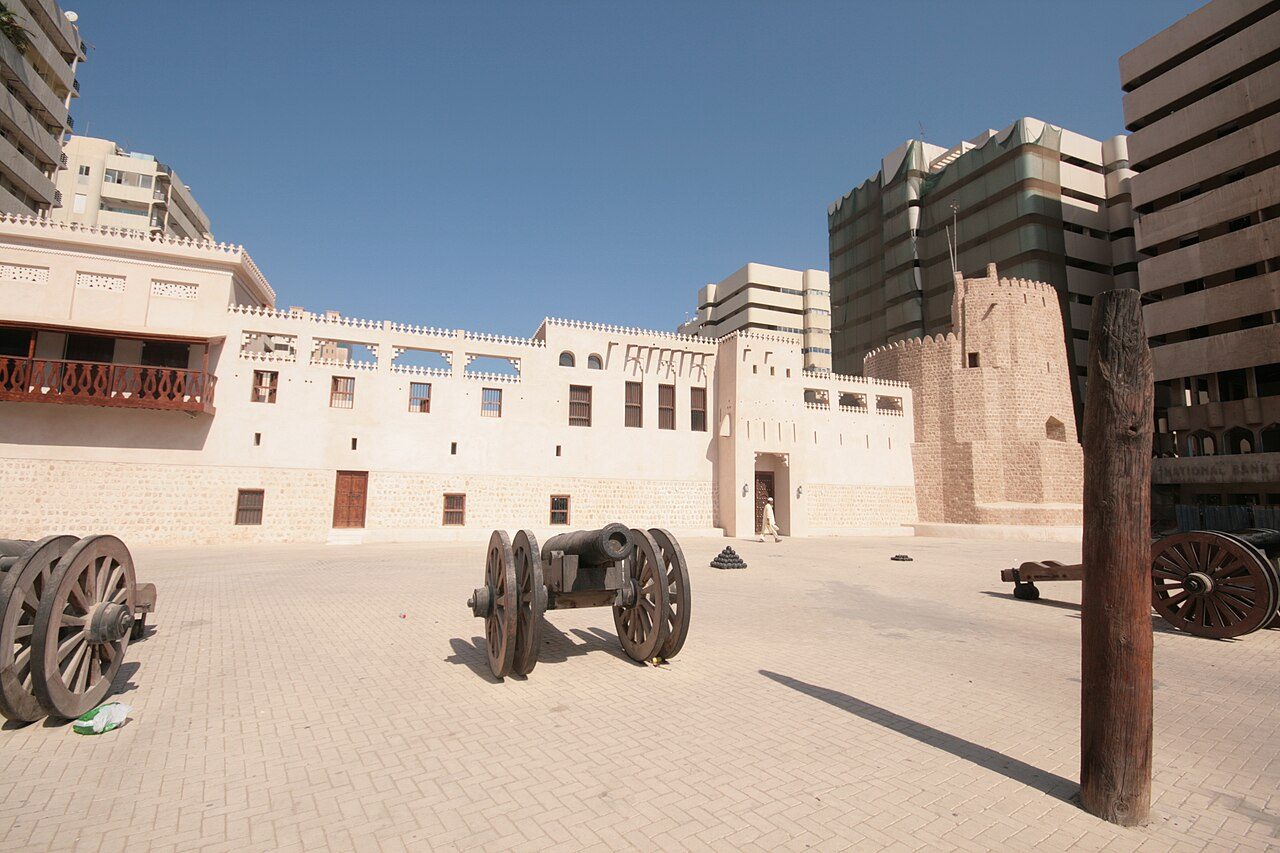
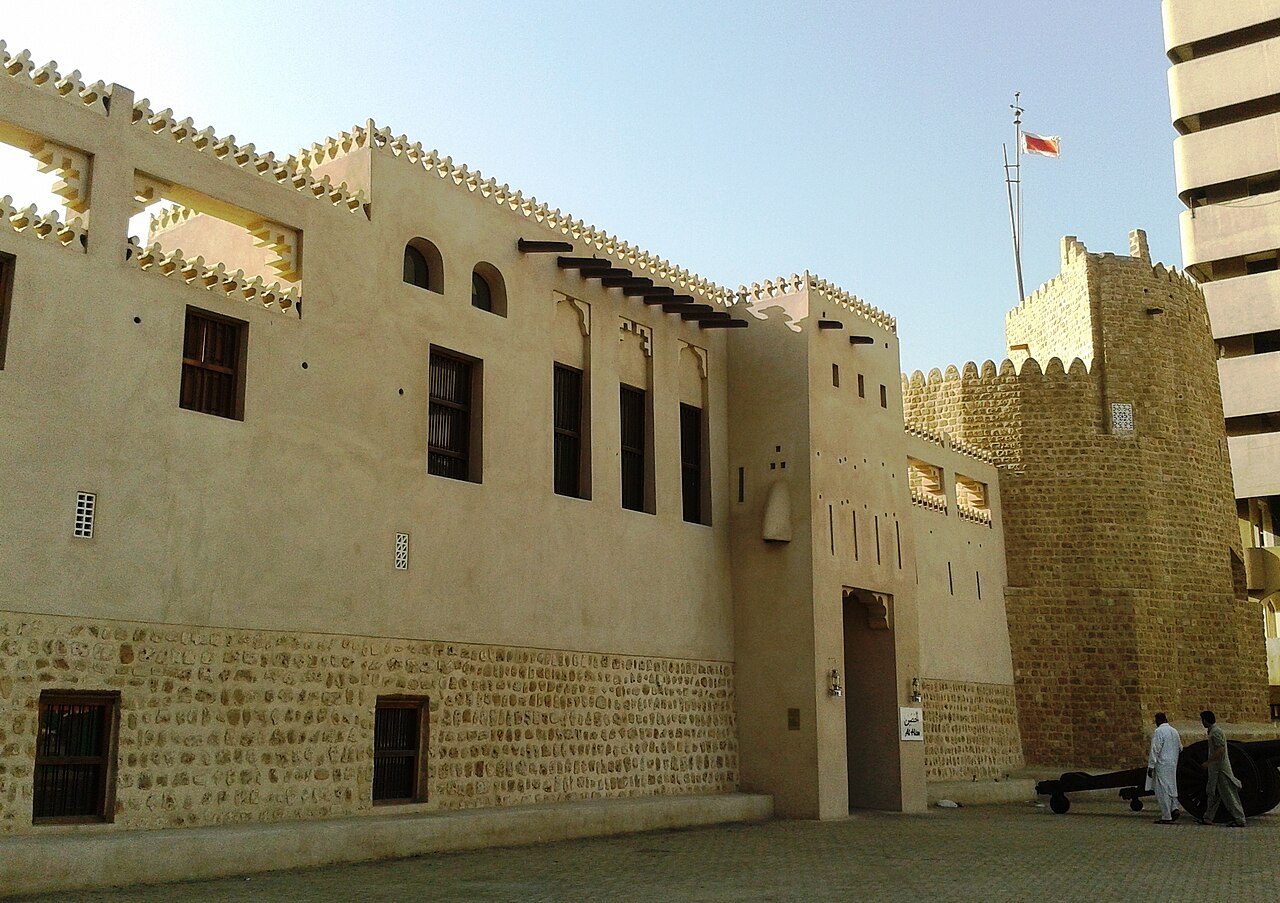
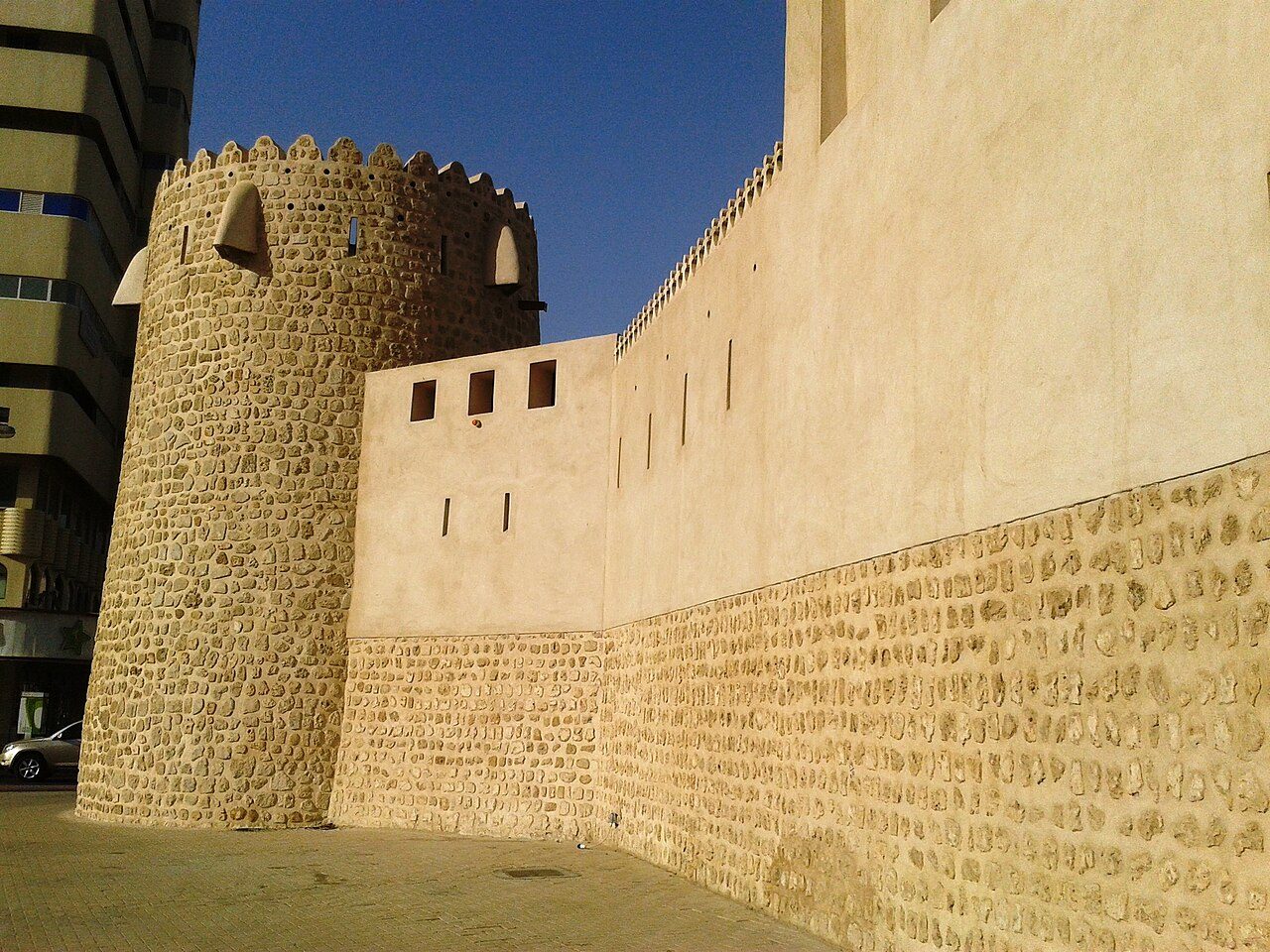
Sharjah Fort, Al Hisn, was built in 1823 as the seat of the ruling Al Qasimi family and the defence of the town. Most of it was pulled down in 1970, but one tower survived, and the fort was rebuilt on its old plan and reopened as a museum in 1997. Its rooms show weapons, photographs and the life of the rulers.
11
STOP 11 OF 24
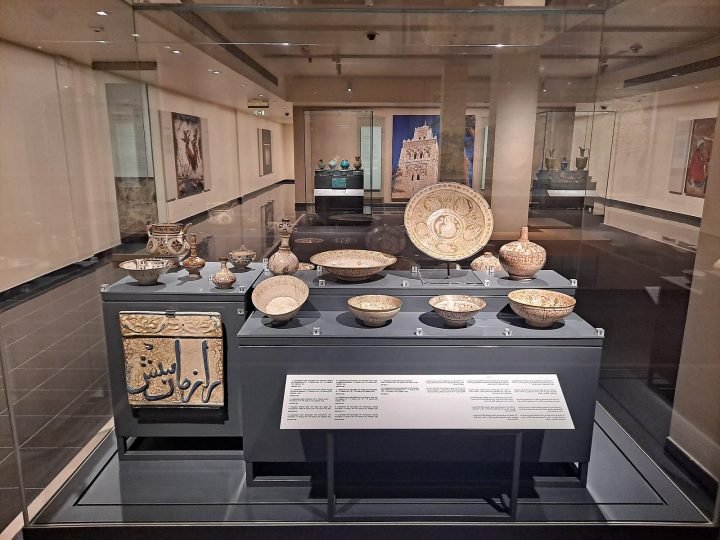
Sharjah Museum of Islamic Civilization
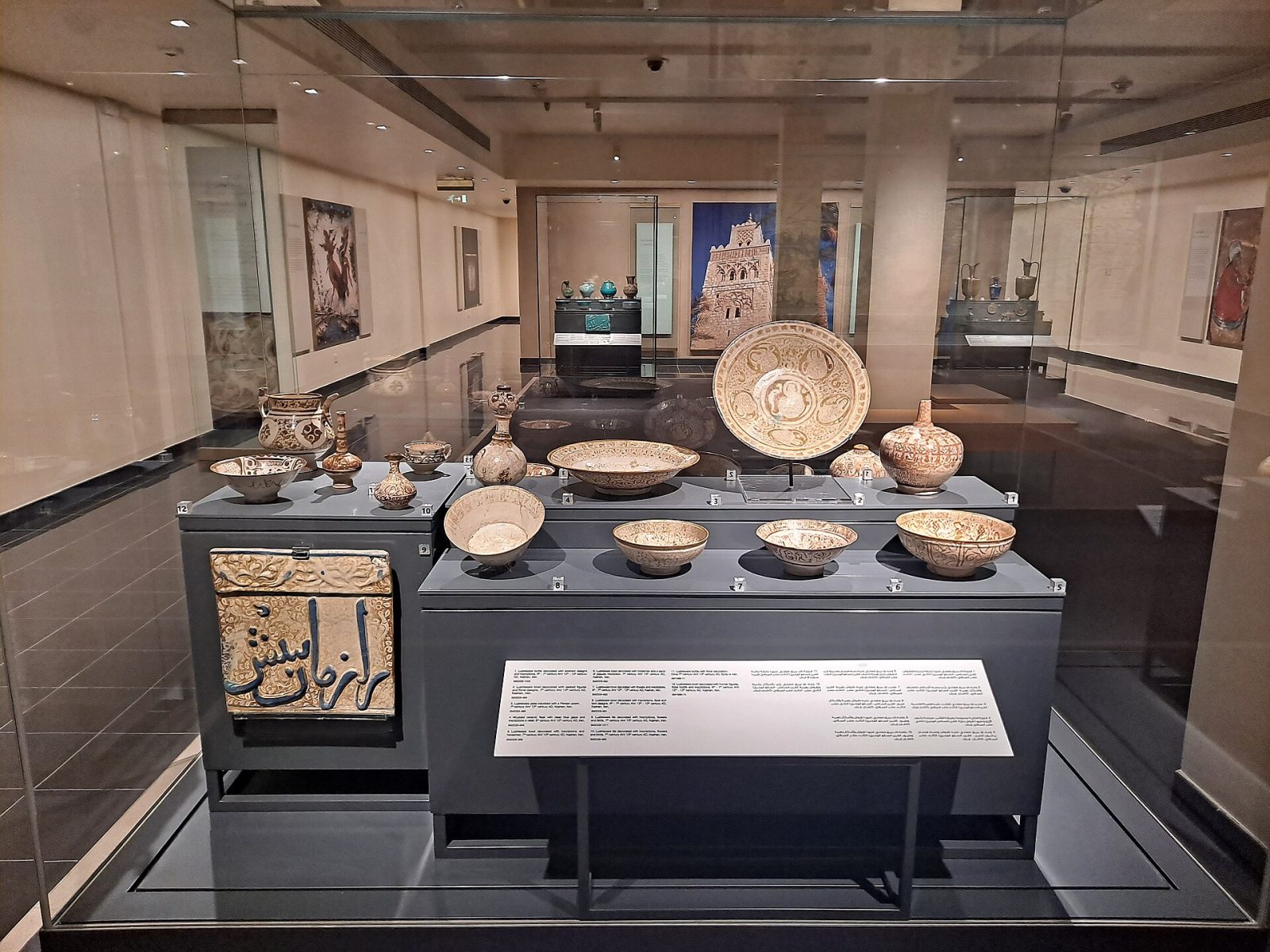
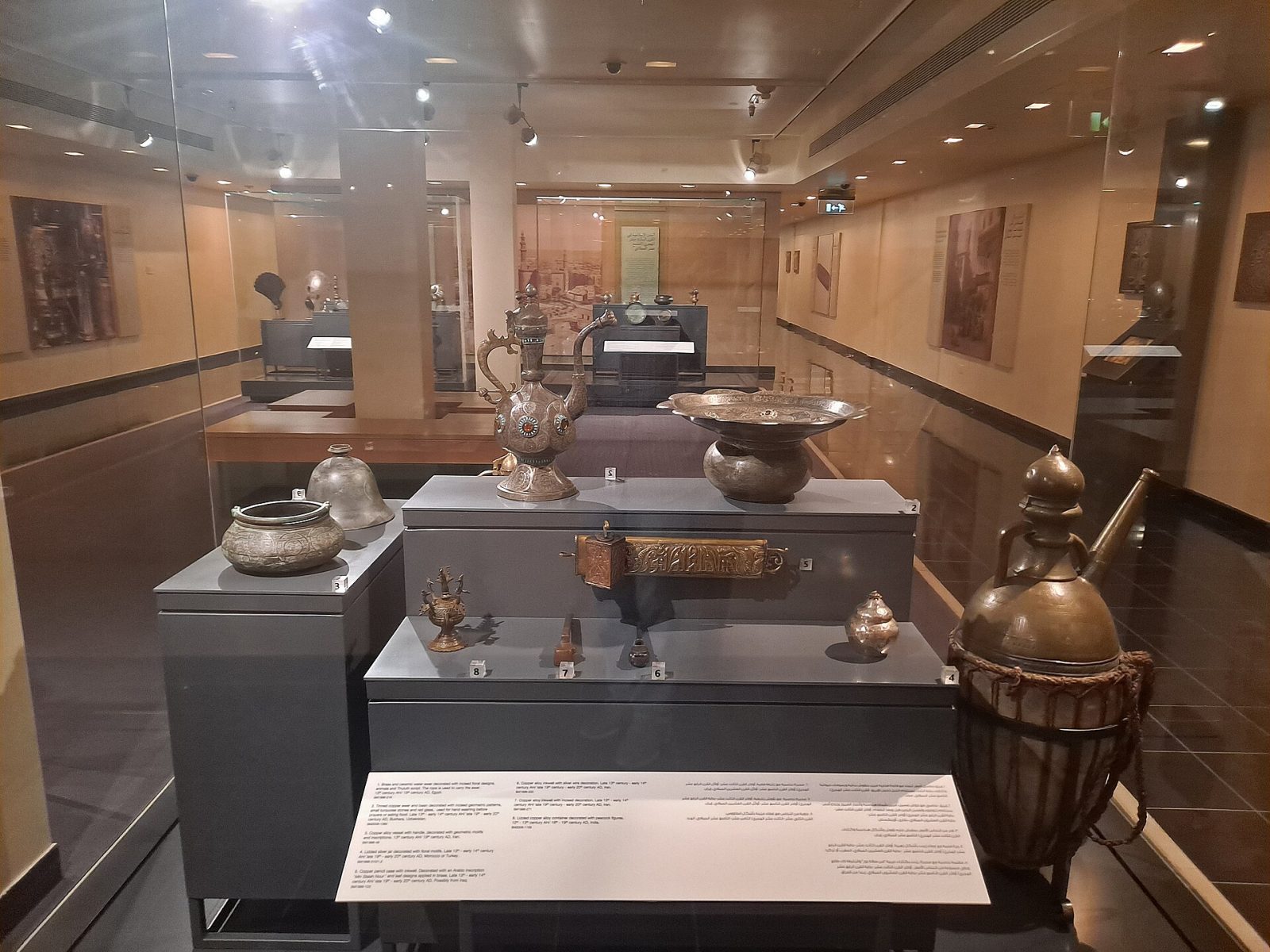
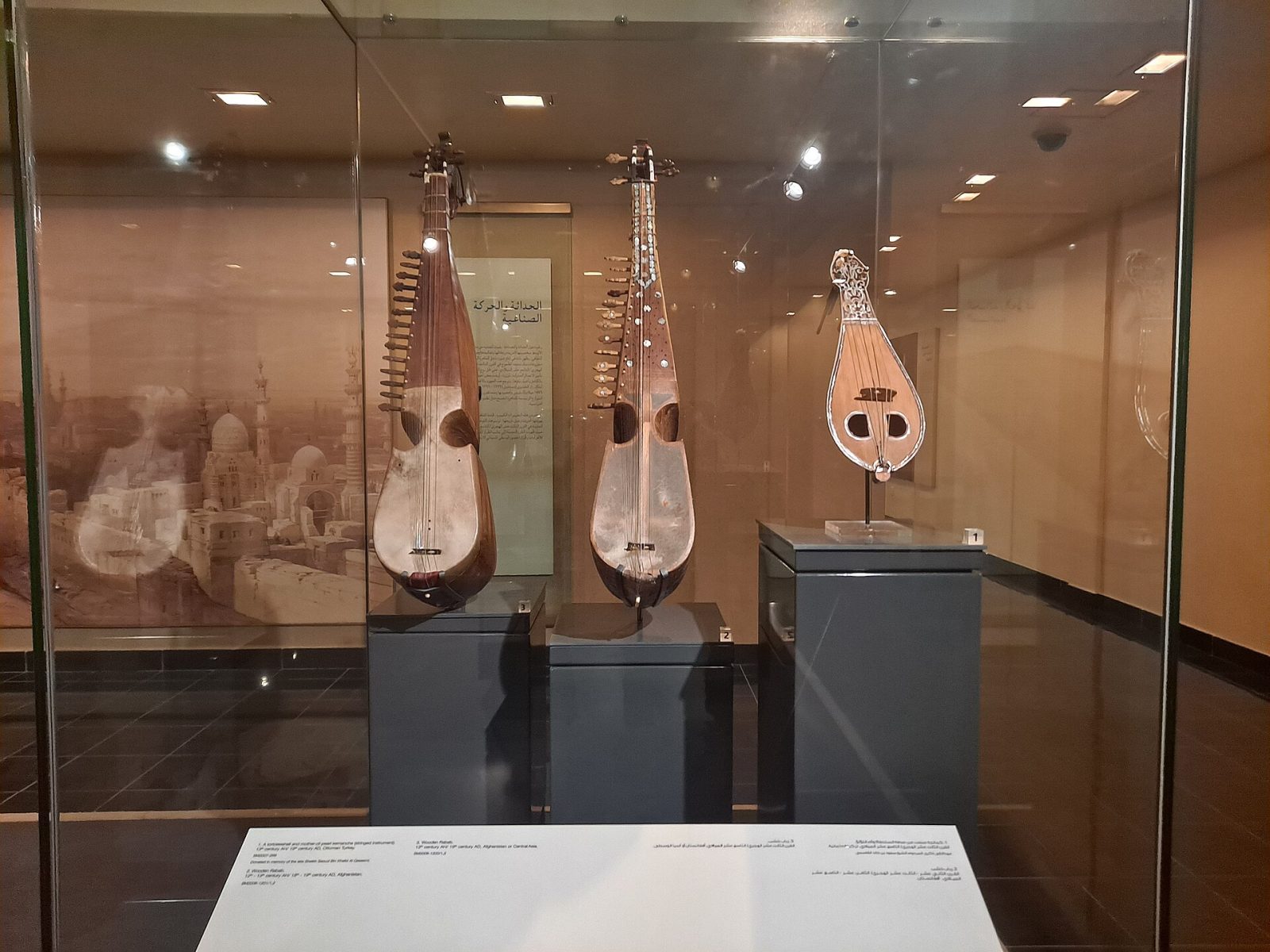
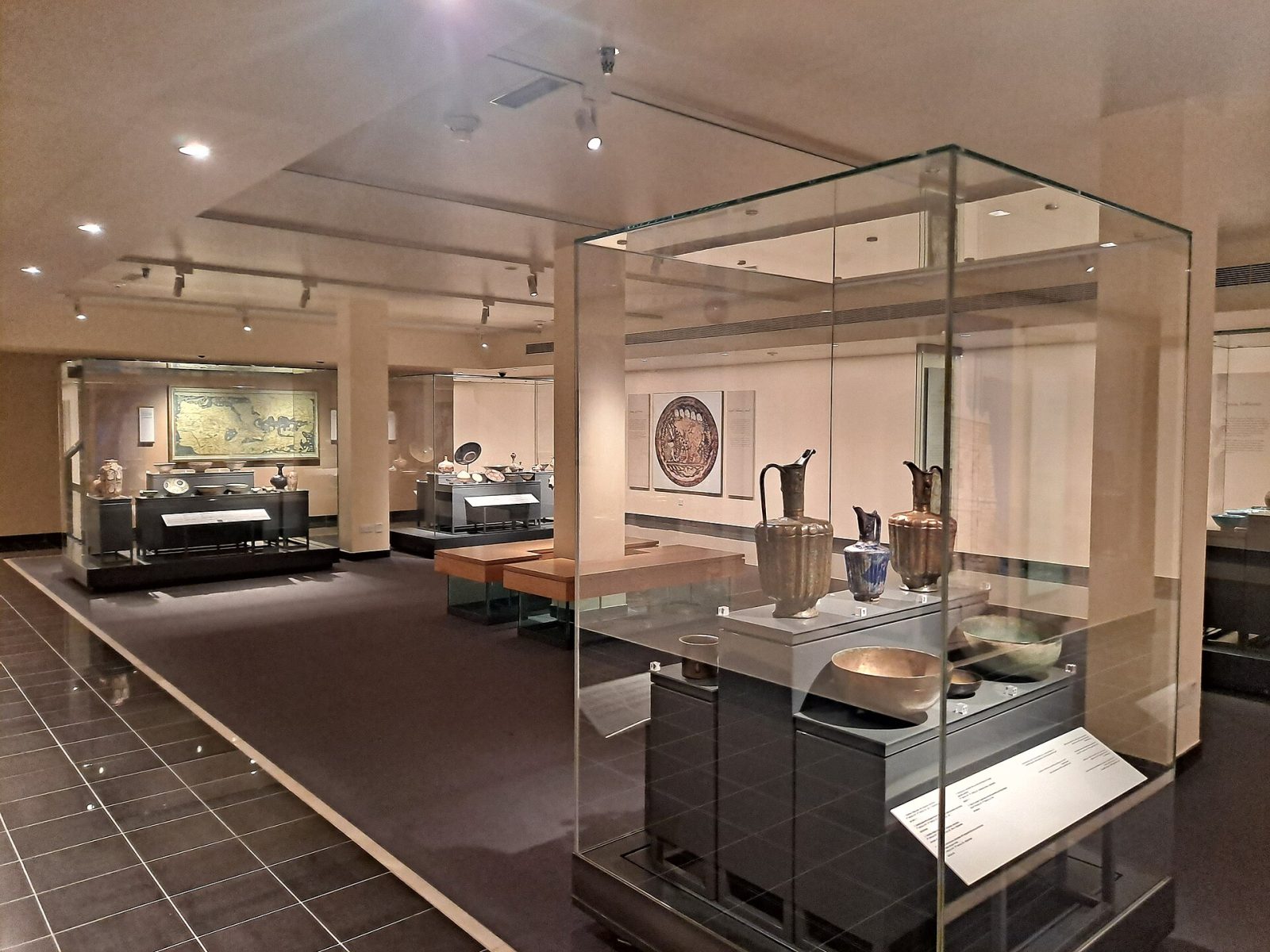
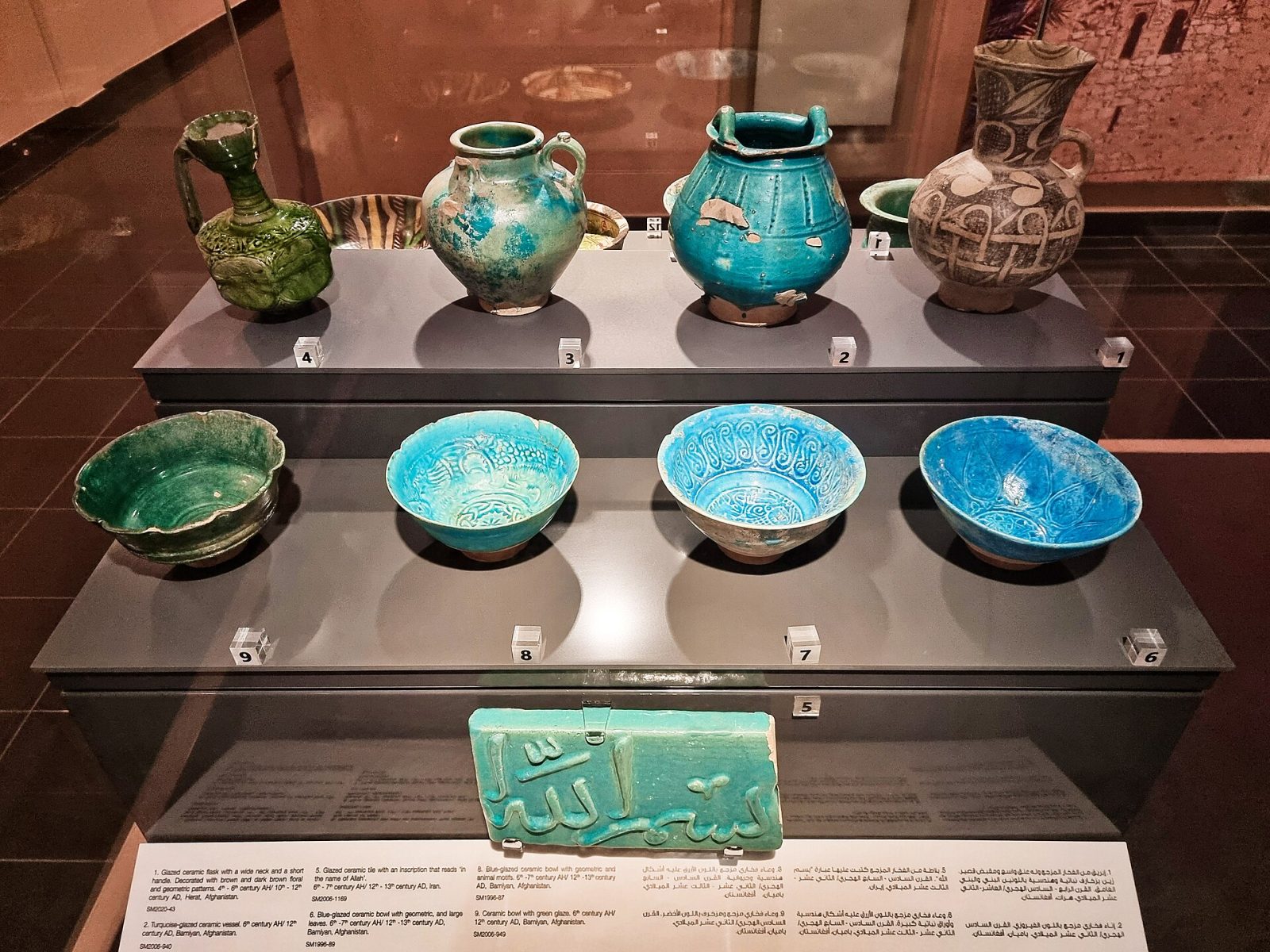
The Sharjah Museum of Islamic Civilization occupies a restored souq building on the Corniche, with a golden dome and a long arcaded front facing the creek. Its galleries hold more than five thousand objects: Quran manuscripts, astrolabes and scientific instruments from the Islamic golden age, ceramics, glass, coins, armour and textiles from across the Muslim world. One hall is devoted to Islamic faith and practice, others to art by century and region, and the dome is painted with the signs of the zodiac. Sharjah is the UAE's cultural capital and holds several museums, but this is the flagship. It closes on Monday mornings and dress is conservative.
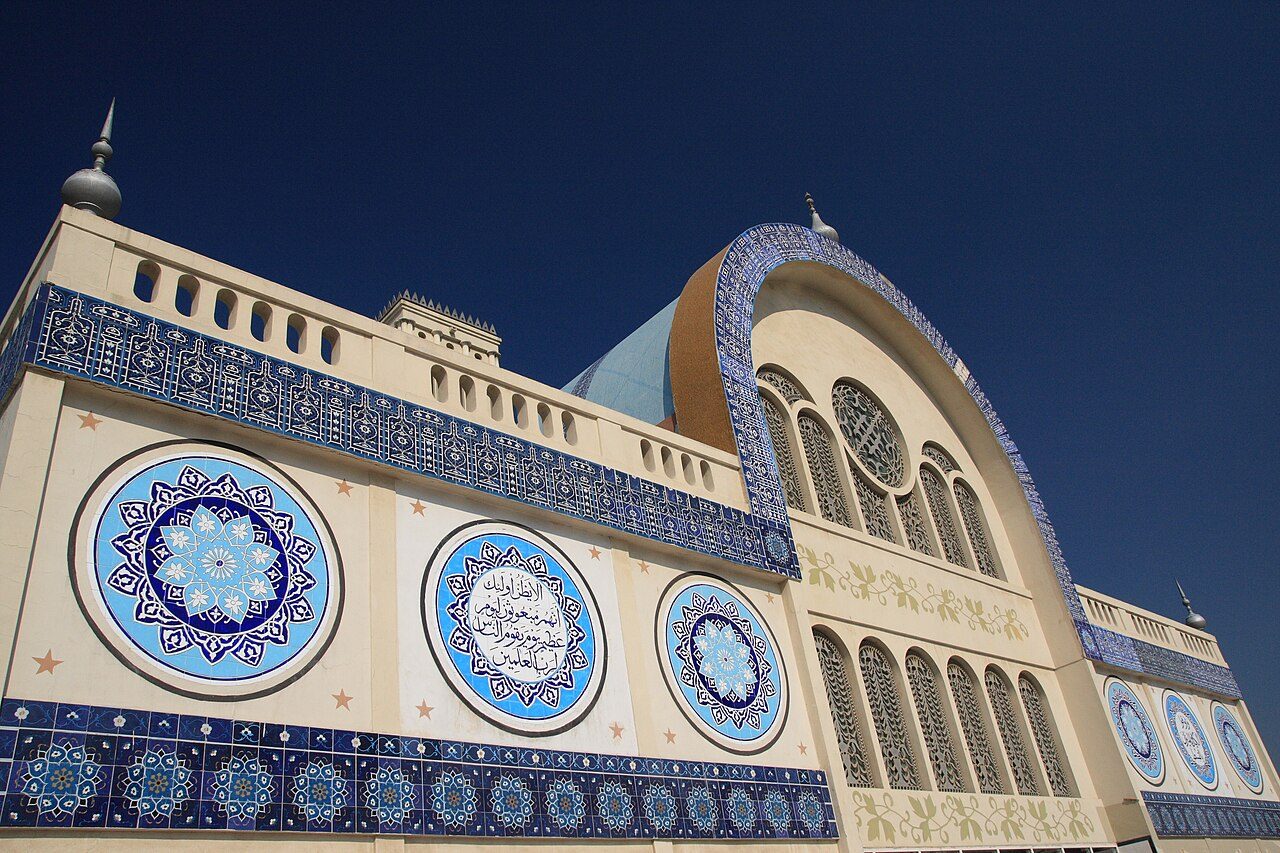
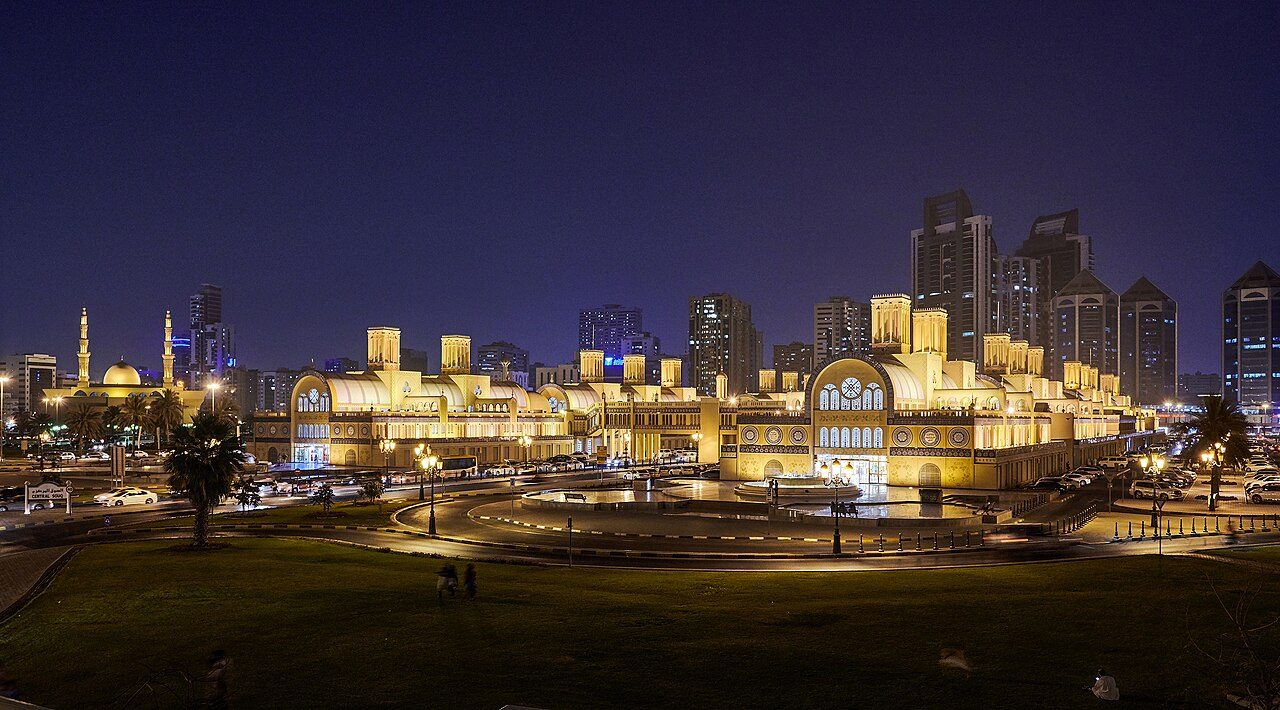
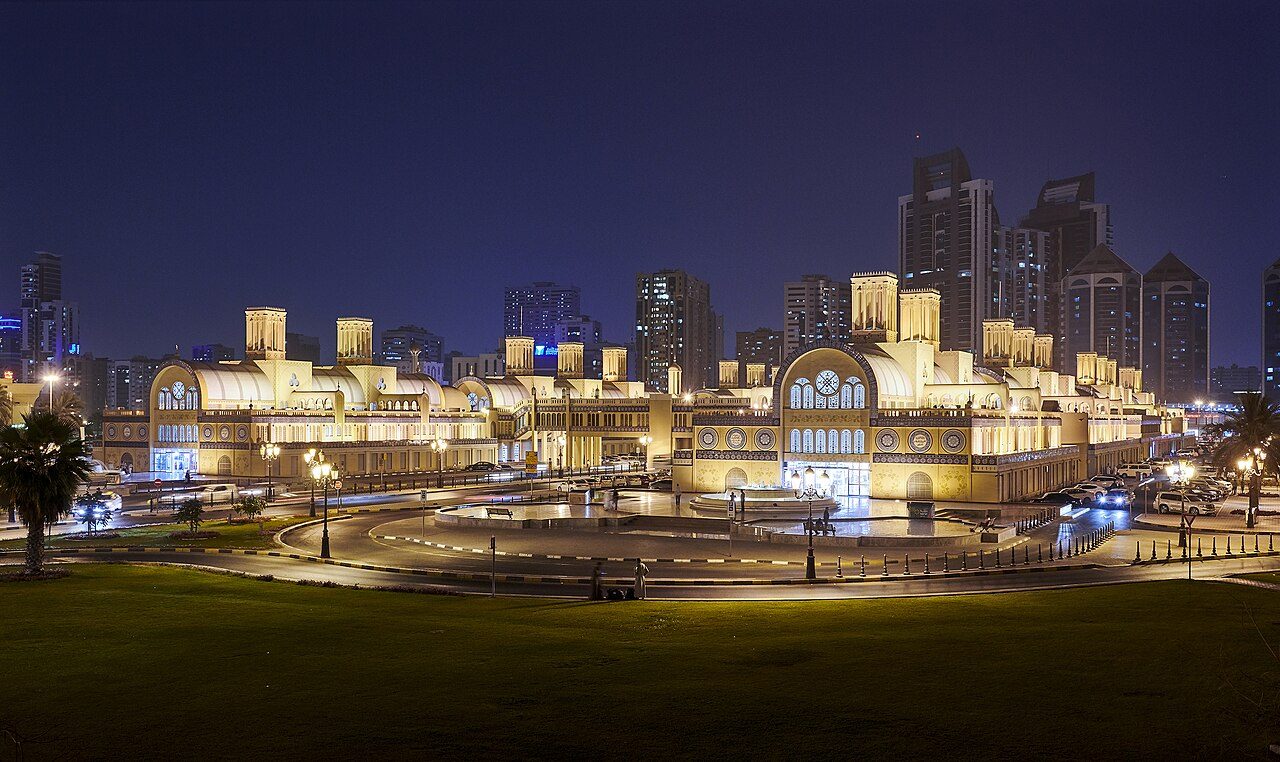
The Blue Souk, officially the Central Souq, stands beside Khalid Lagoon in Sharjah. Opened in 1978, its two long halls with barrel roofs and wind towers are covered in blue tiles. The ground floor is mostly gold and jewellery; upstairs are carpets, antiques, and crafts from across the region. Bargaining is expected.
13
STOP 13 OF 24
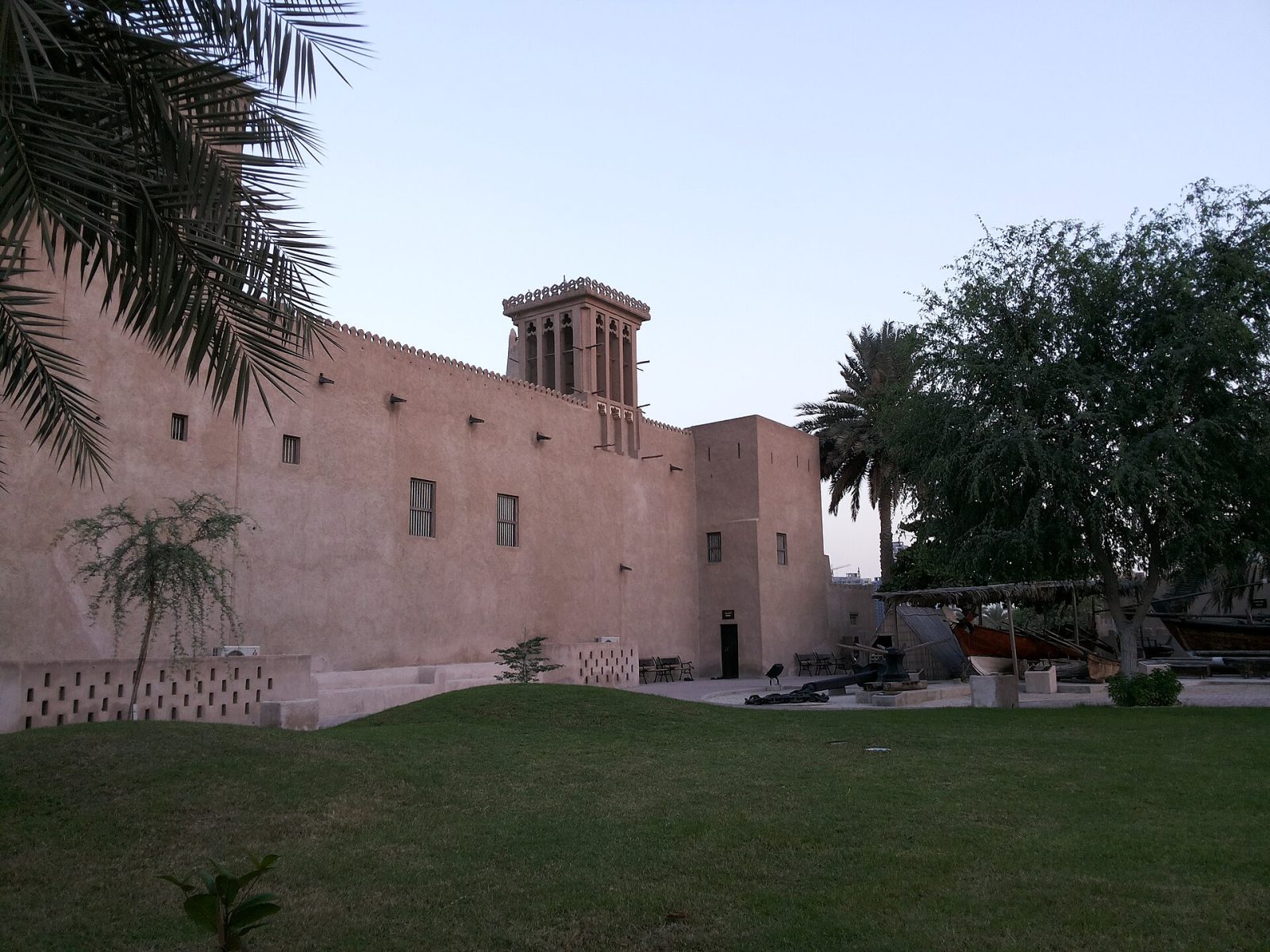
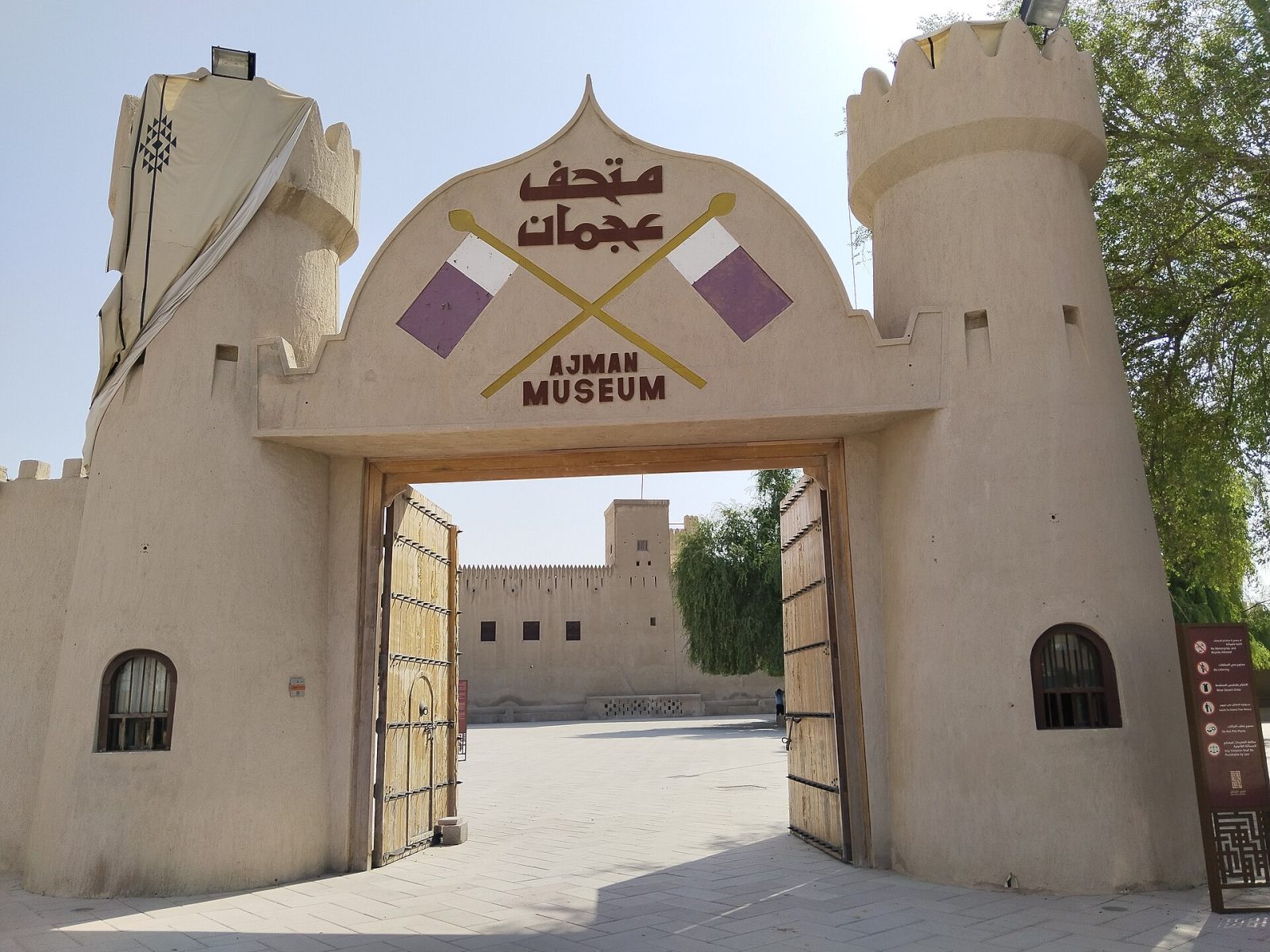
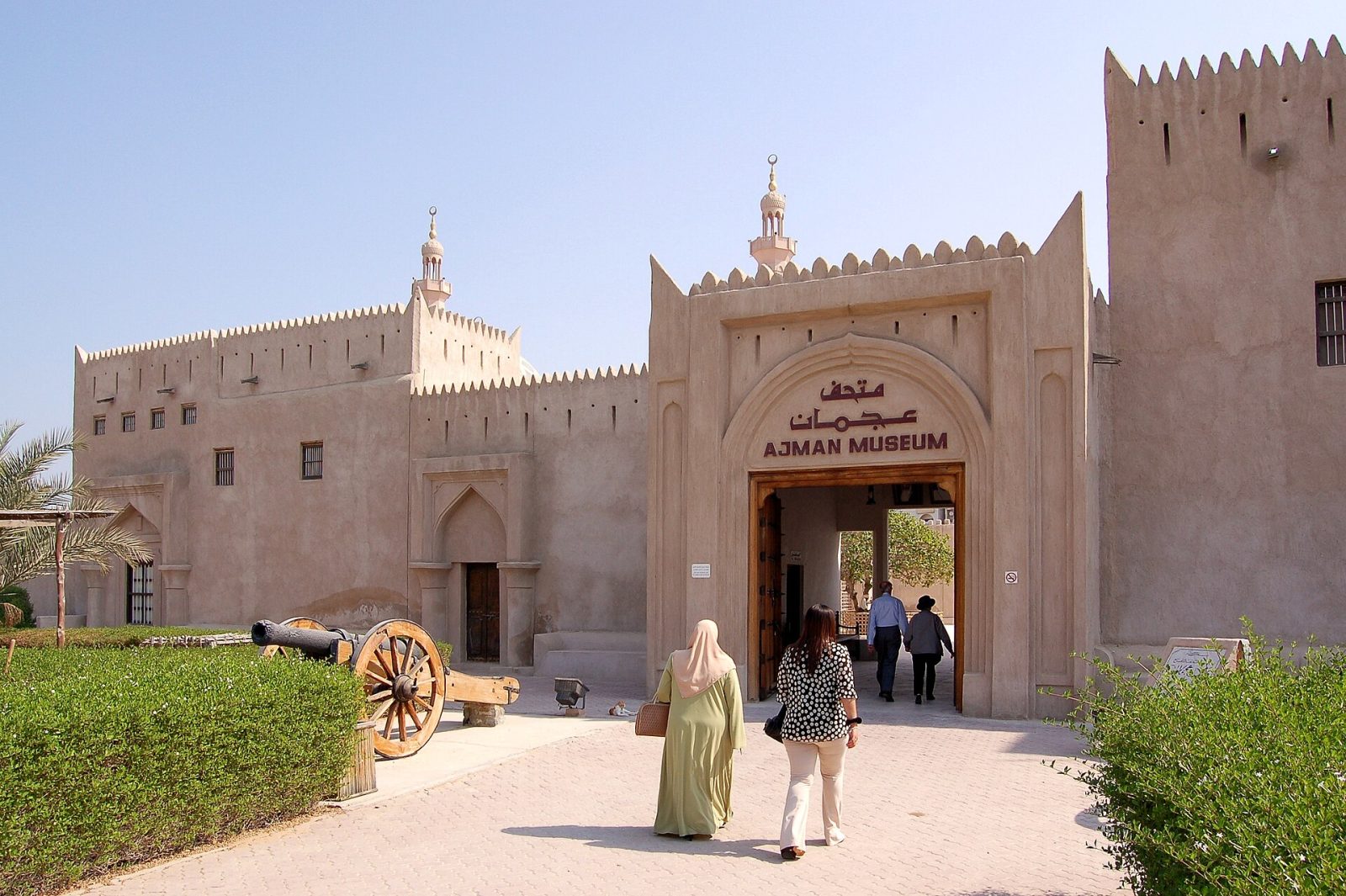
Ajman Museum (Ajman Fort)
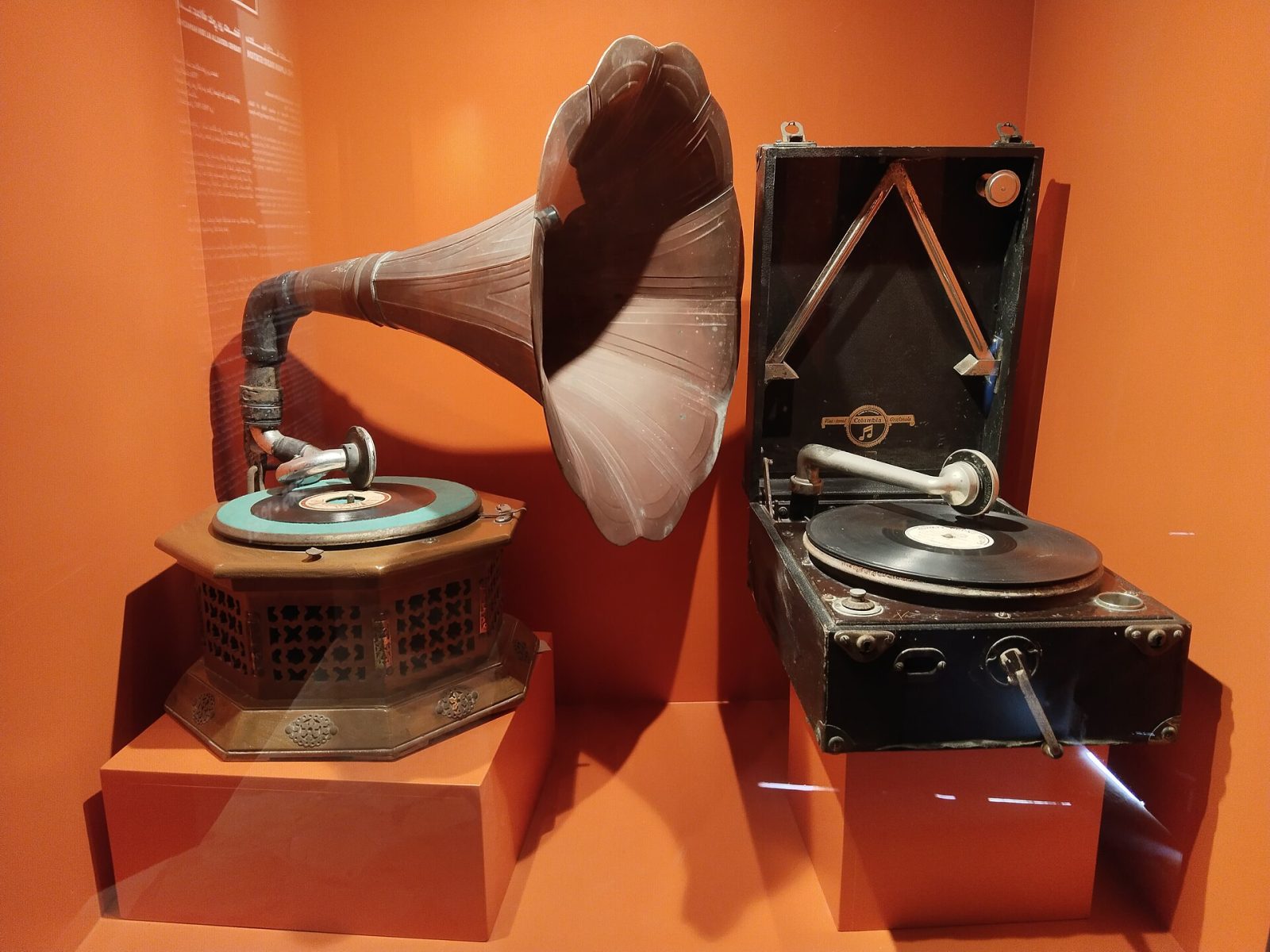
Ajman Museum is housed in the emirate's 18th-century fort, which served as the ruler's residence and later as the police headquarters until 1978. Its mud-brick and coral walls, round watchtowers and wind tower stand in the middle of the old town near the souq. Inside are rooms set out as they once were, along with weapons, manuscripts, archaeological finds from Mowaihat, old passports and the first Ajman police radio equipment. Displays of pearl diving and boat building explain how the town lived before oil. It is small, inexpensive and usually quiet, and closes on Mondays.
14
STOP 14 OF 24
Sheikh Zayed Grand Mosque
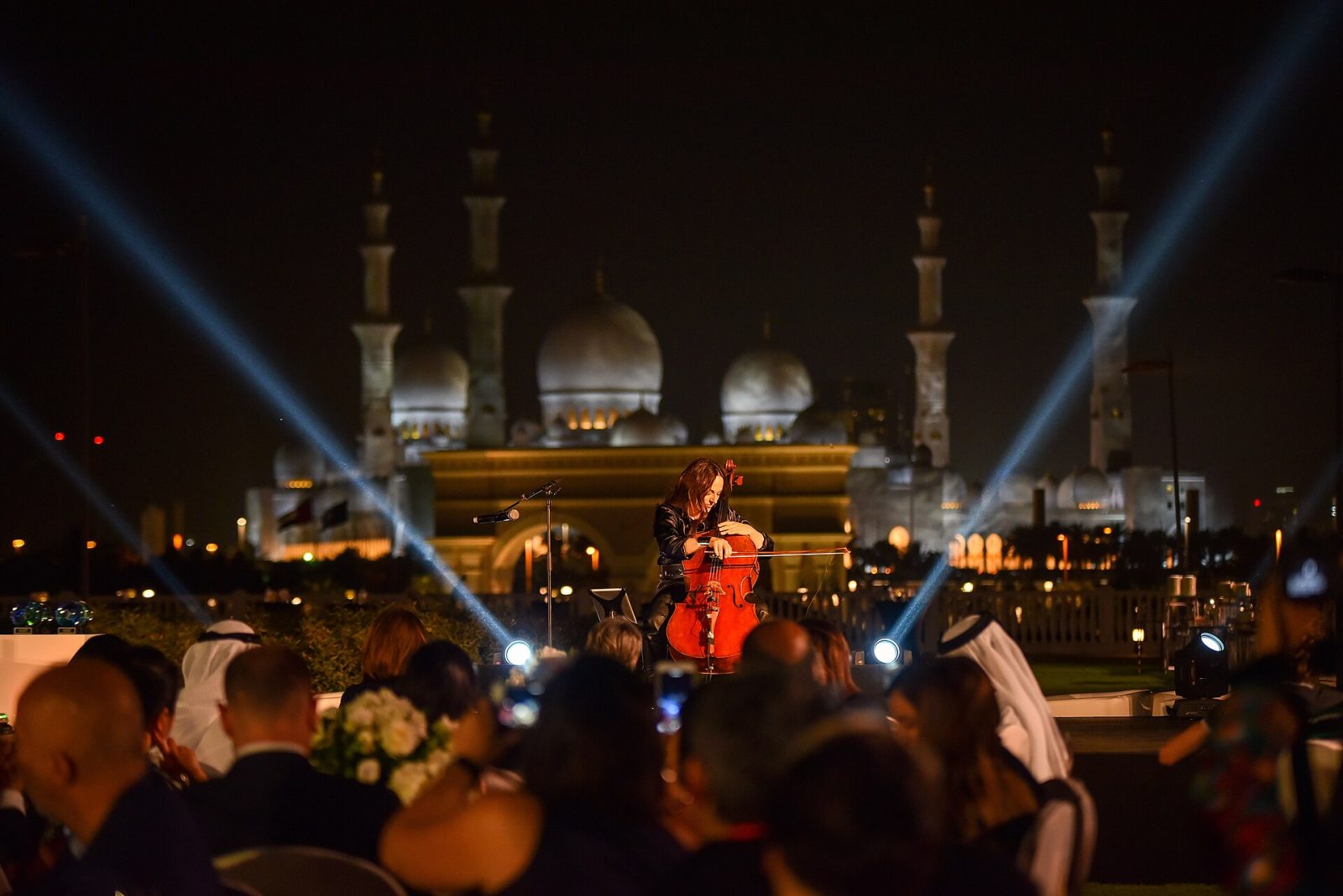
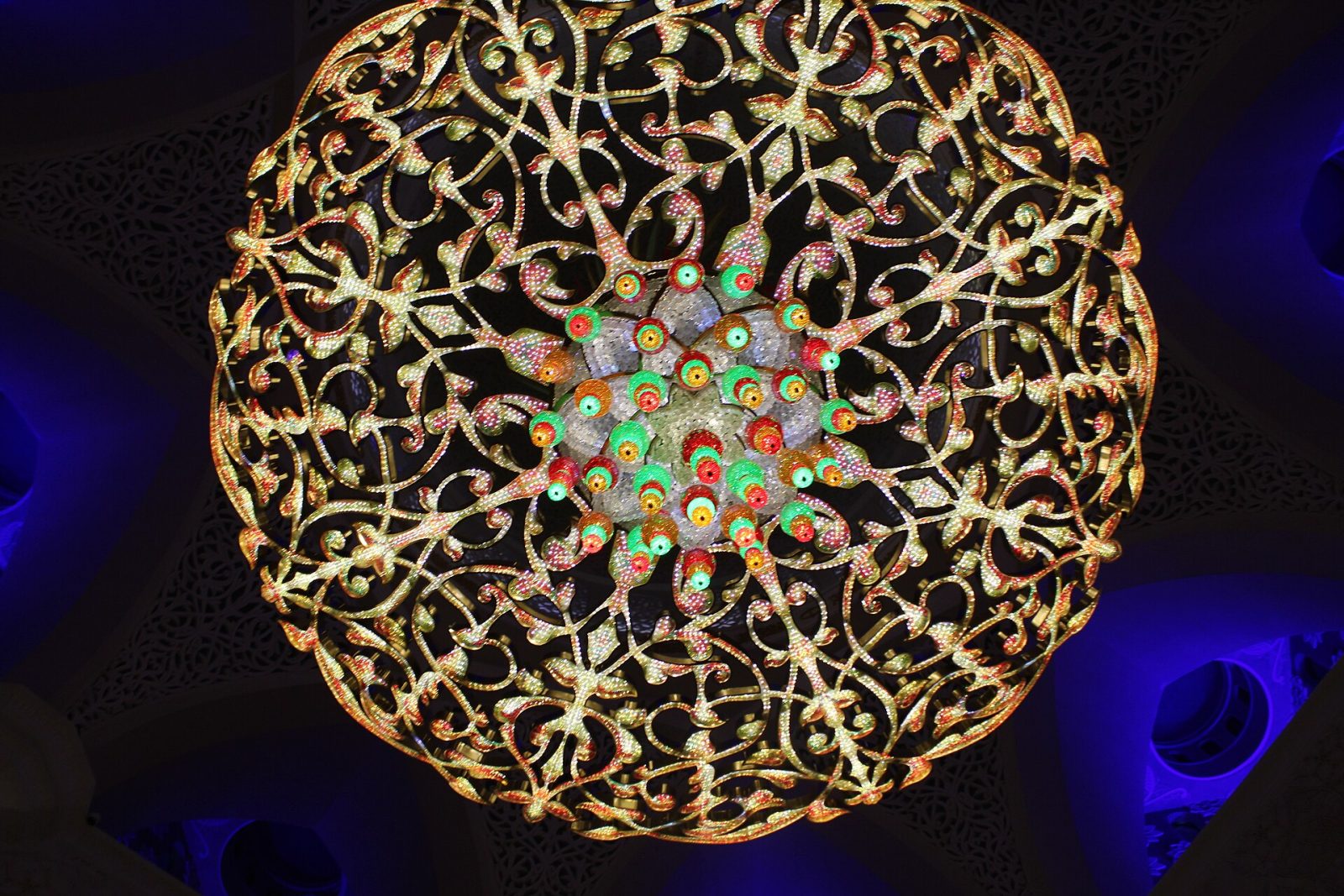
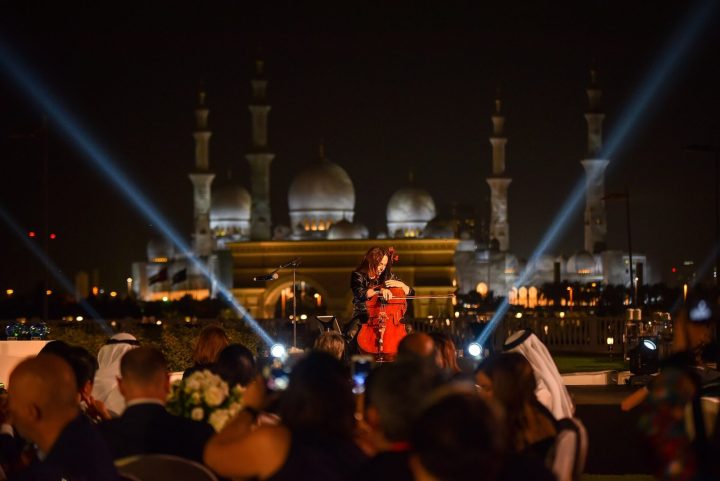
The Sheikh Zayed Grand Mosque in Abu Dhabi was the vision of the UAE's founding president, Sheikh Zayed bin Sultan Al Nahyan, who is buried in the courtyard beside it. Completed in 2007, it holds more than 40,000 worshippers and is built of white Macedonian marble with 82 domes, over a thousand columns and reflective pools that double the building at night. Inside are the largest hand-knotted carpet in the world, made by Iranian weavers, and chandeliers of Swarovski crystal. Craftsmen from many countries worked on it, and floral marble inlay covers the courtyard. Non-Muslim visitors are welcome outside prayer times, with free guided tours and a dress code of loose clothing and headscarves for women.
15
STOP 15 OF 24
Qasr Al Watan
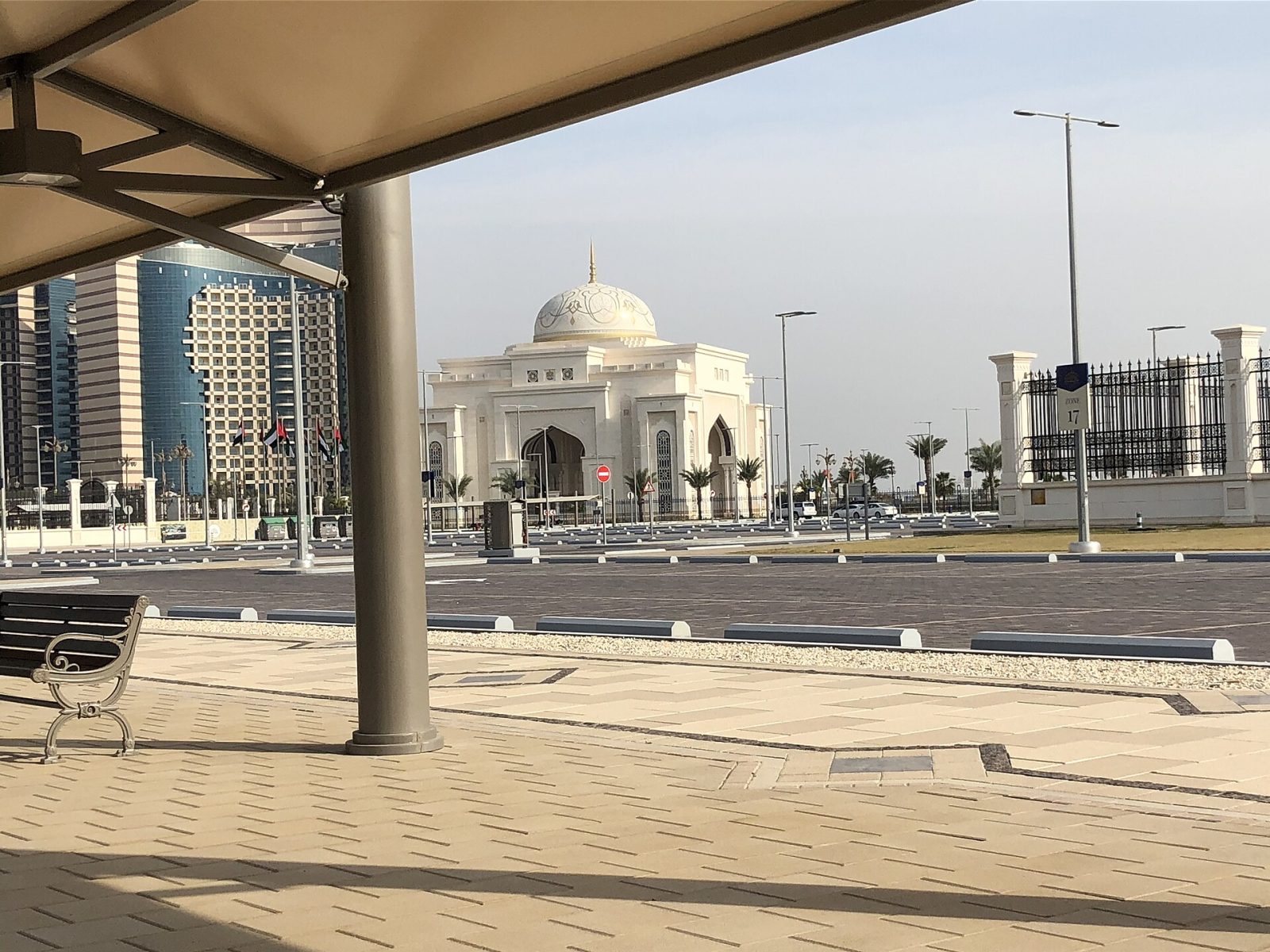
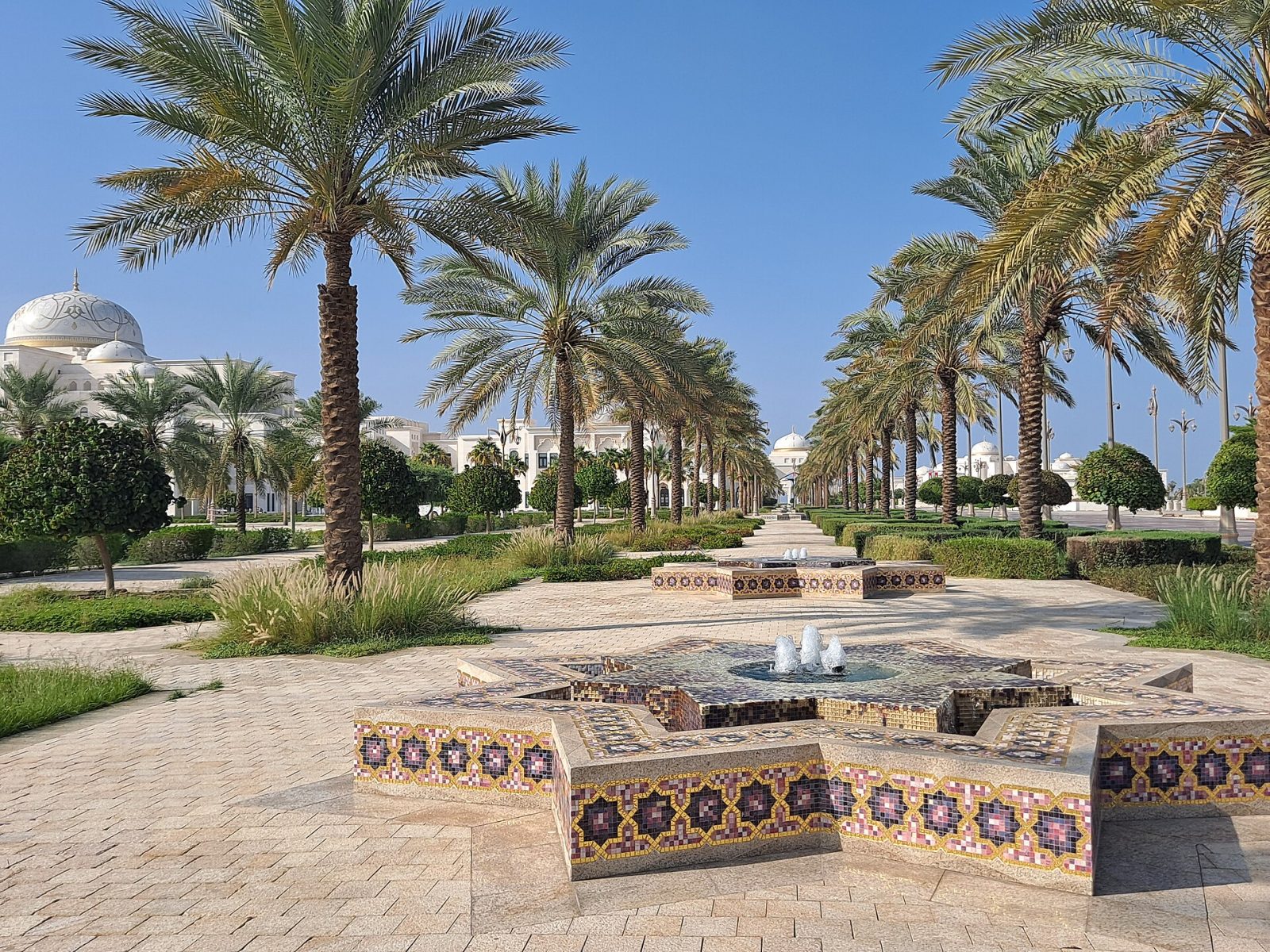
Qasr Al Watan, the Palace of the Nation, is a working presidential palace in Abu Dhabi that opened part of its rooms to the public in 2019. It was built in white granite and marble in a modern Arabian style, with a great domed hall 37 metres across and a chandelier of crystal and steel at its centre. Visitors walk through the Presidential Banquet Hall, the council chamber where the UAE cabinet meets and the House of Knowledge, which displays rare manuscripts. In the evening a light and sound show is projected on the palace walls. Tickets are timed, and the gardens along the approach are part of the visit.
16
STOP 16 OF 24
Louvre Abu Dhabi
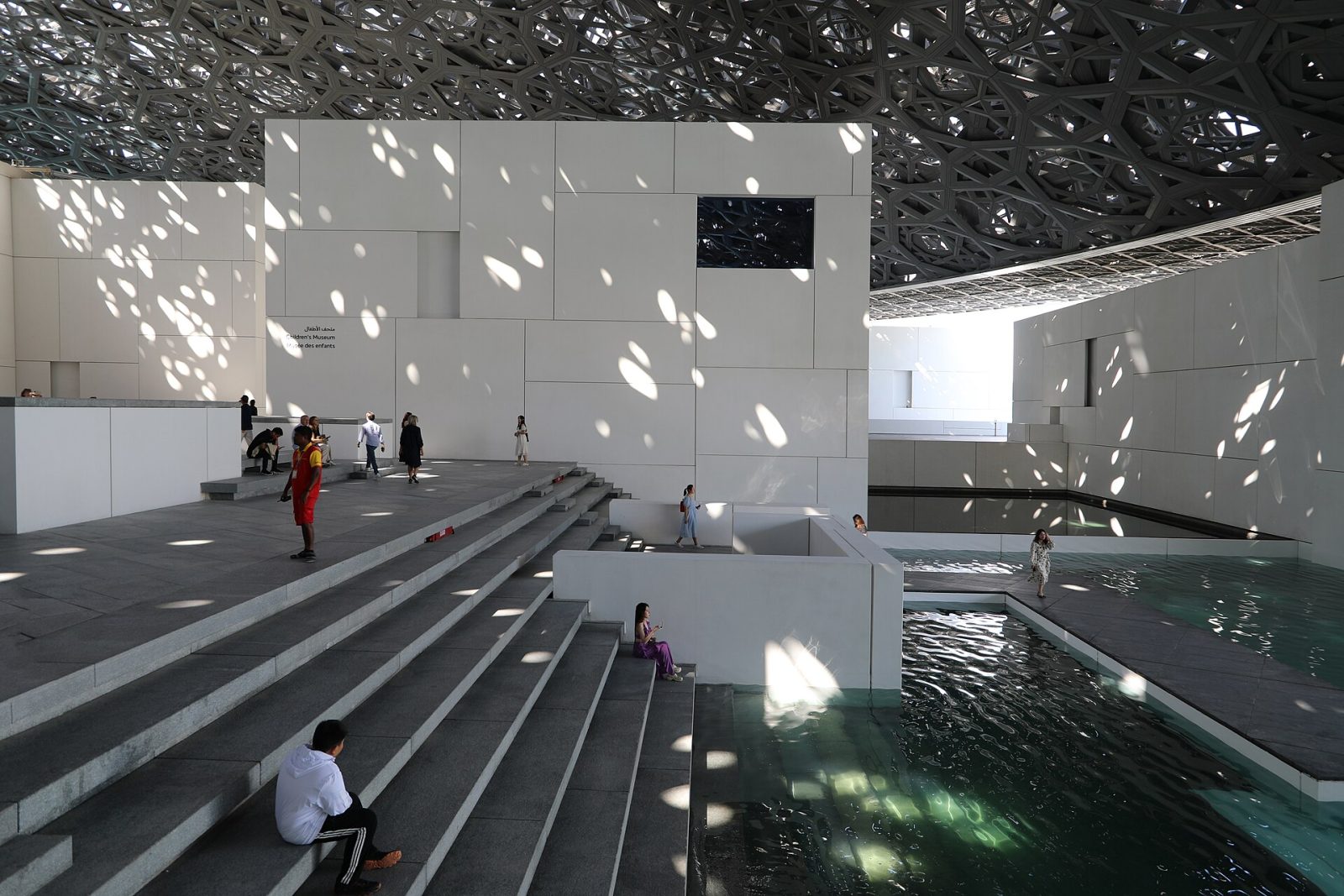
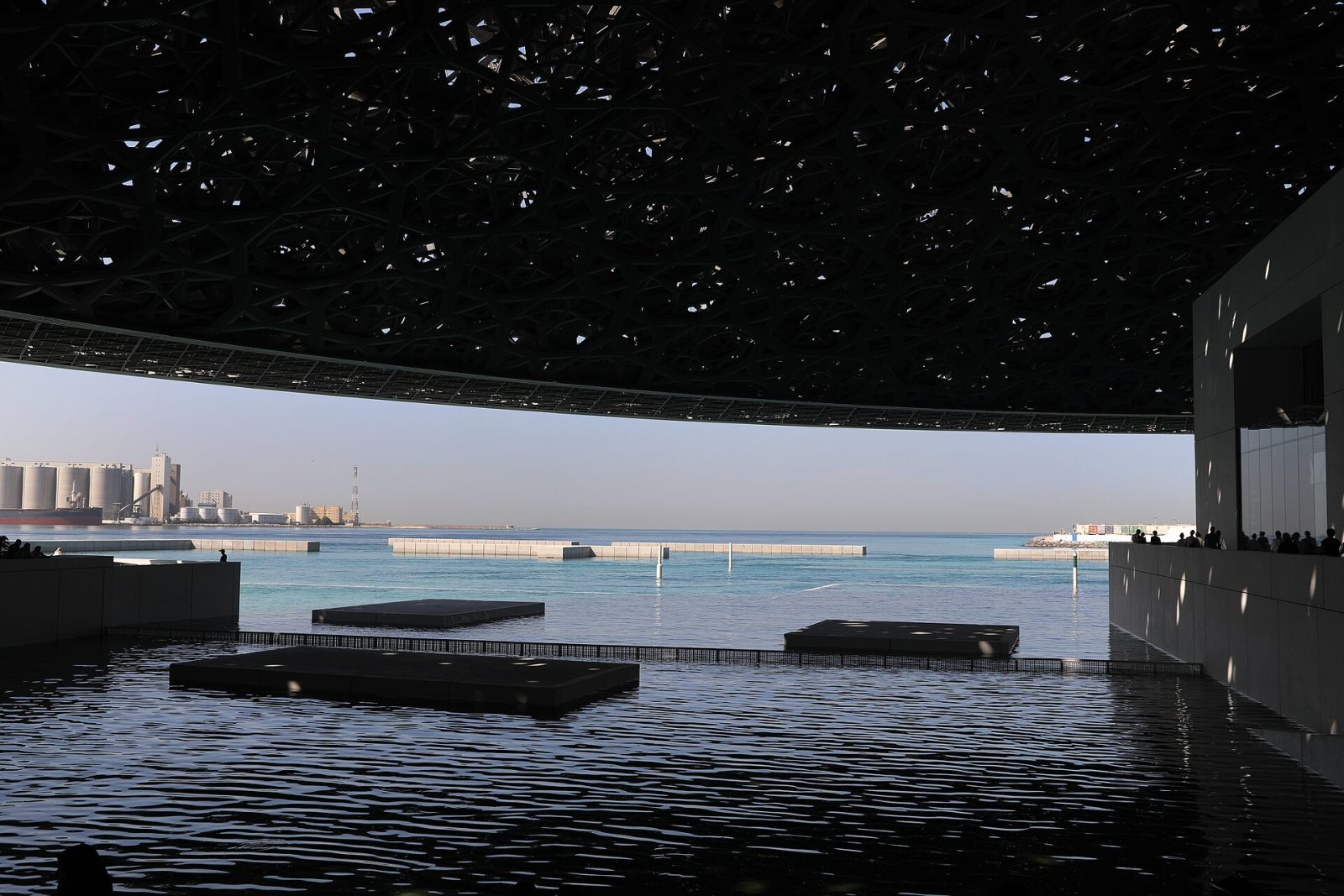
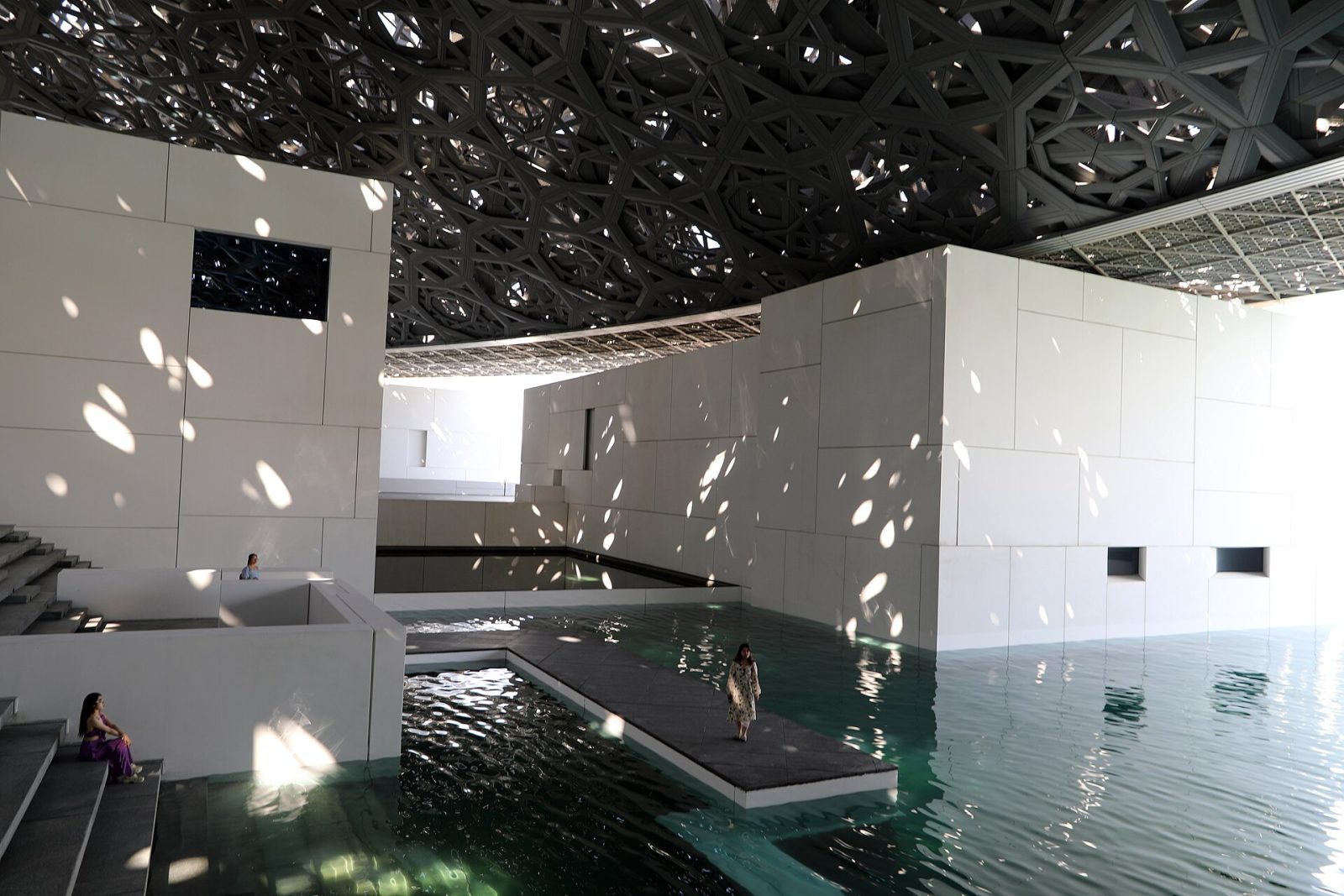
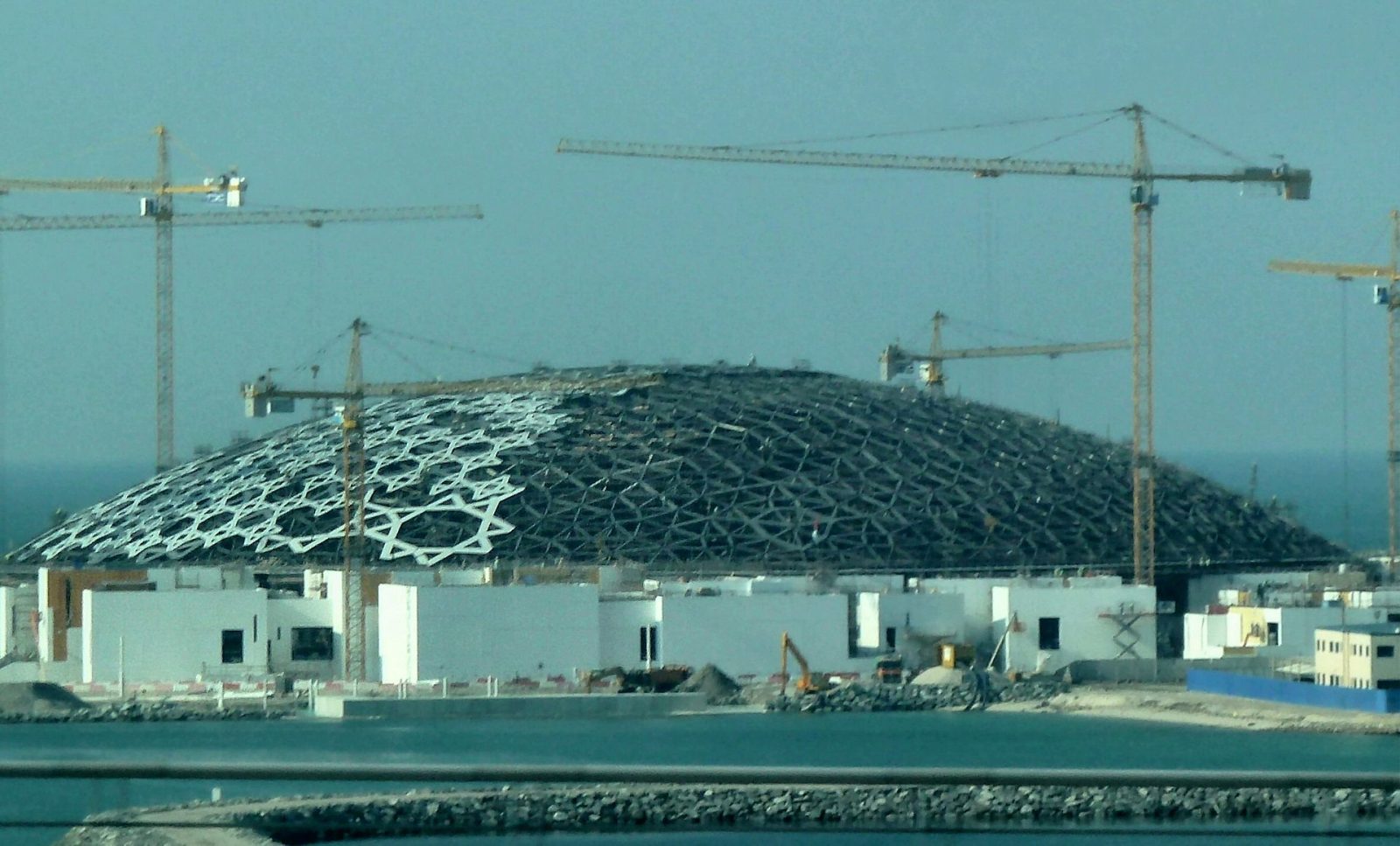
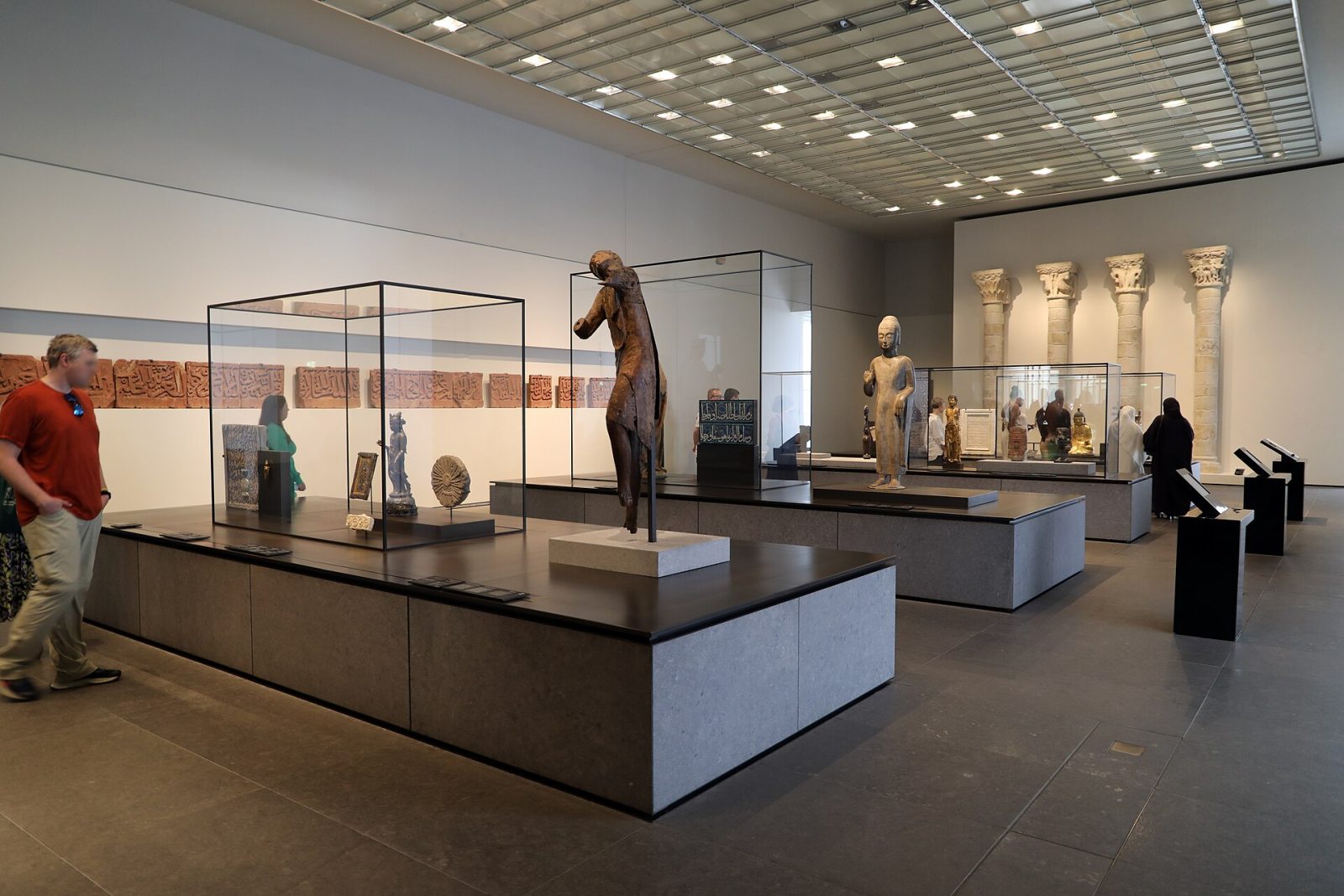
Louvre Abu Dhabi opened on Saadiyat Island in 2017 under an agreement that lets it use the Louvre name and borrow works from French museums. Jean Nouvel designed it as a cluster of white buildings under a vast perforated dome, so that sunlight falls through in a pattern he called a rain of light. The galleries tell a single story of human creativity across cultures rather than separating art by country, placing a Buddha beside a Madonna or an African mask beside a Greek statue. Works by Leonardo, Van Gogh and Monet hang alongside objects from ancient Arabia and Asia. It is closed on Mondays and is best combined with the other Saadiyat museums.
17
STOP 17 OF 24
Al Jahili Fort
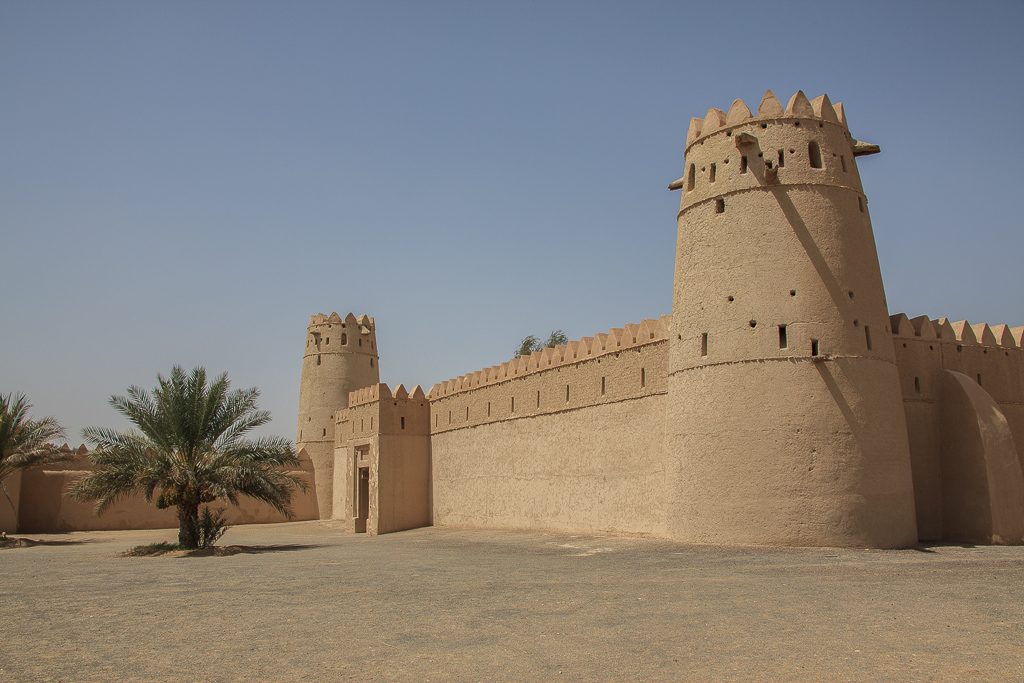
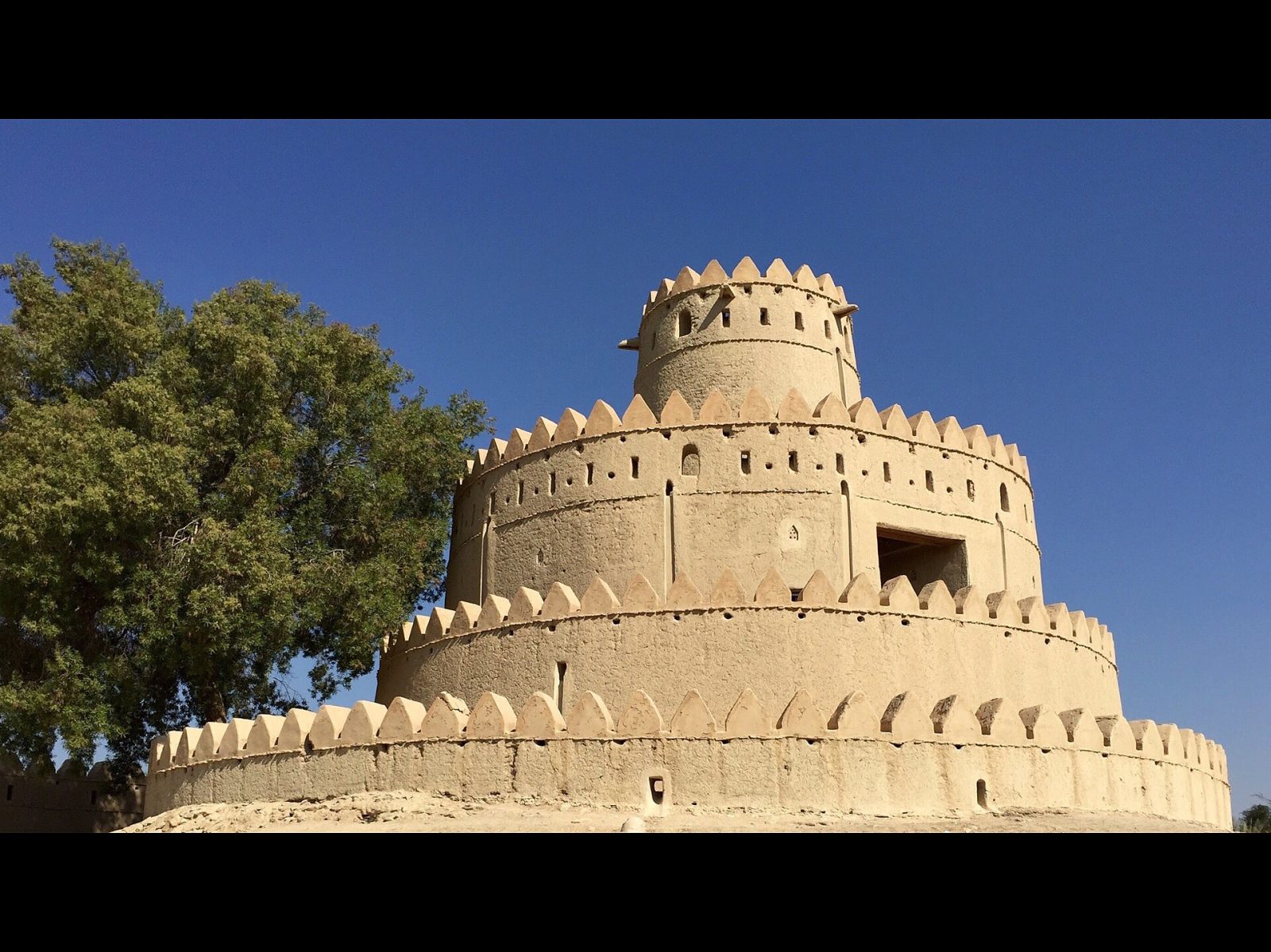
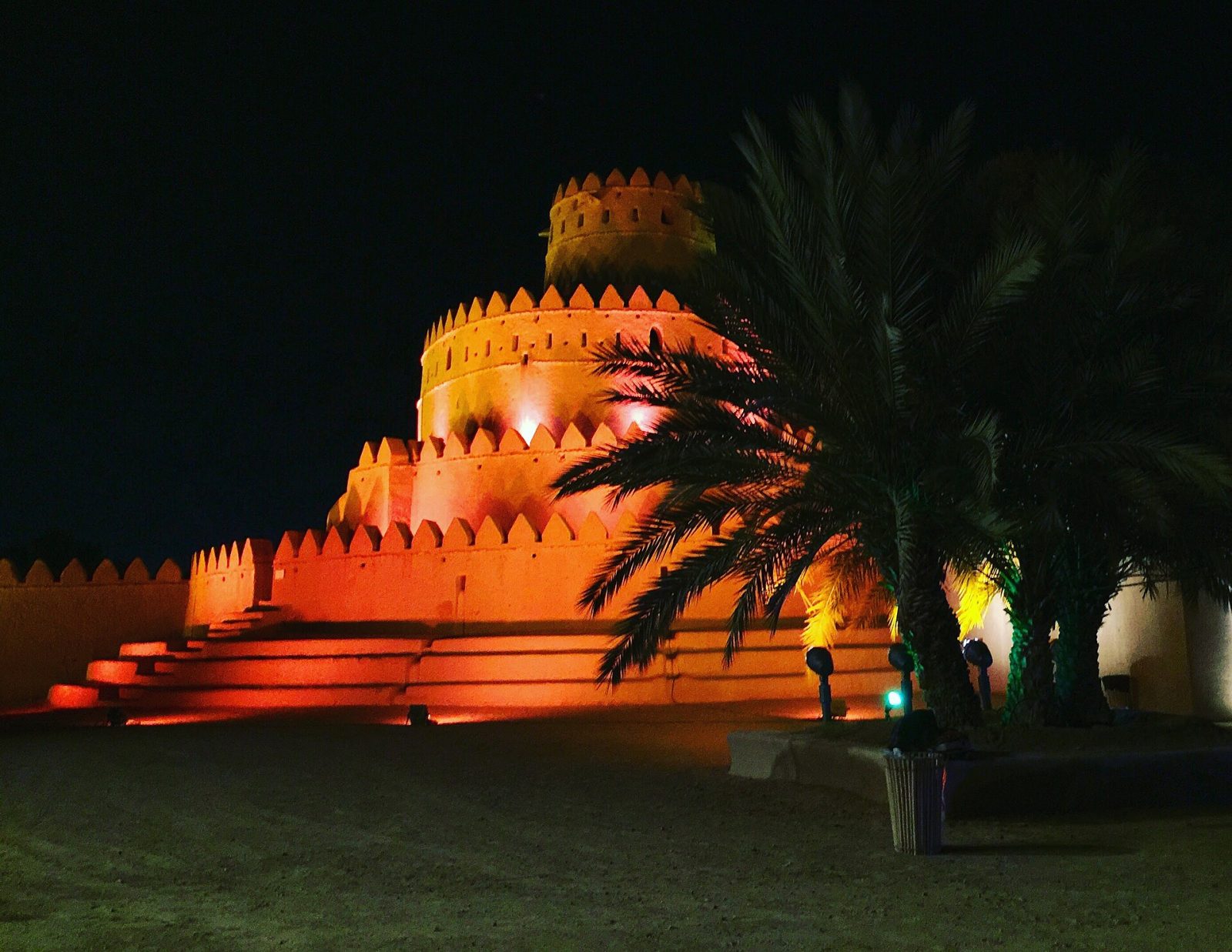
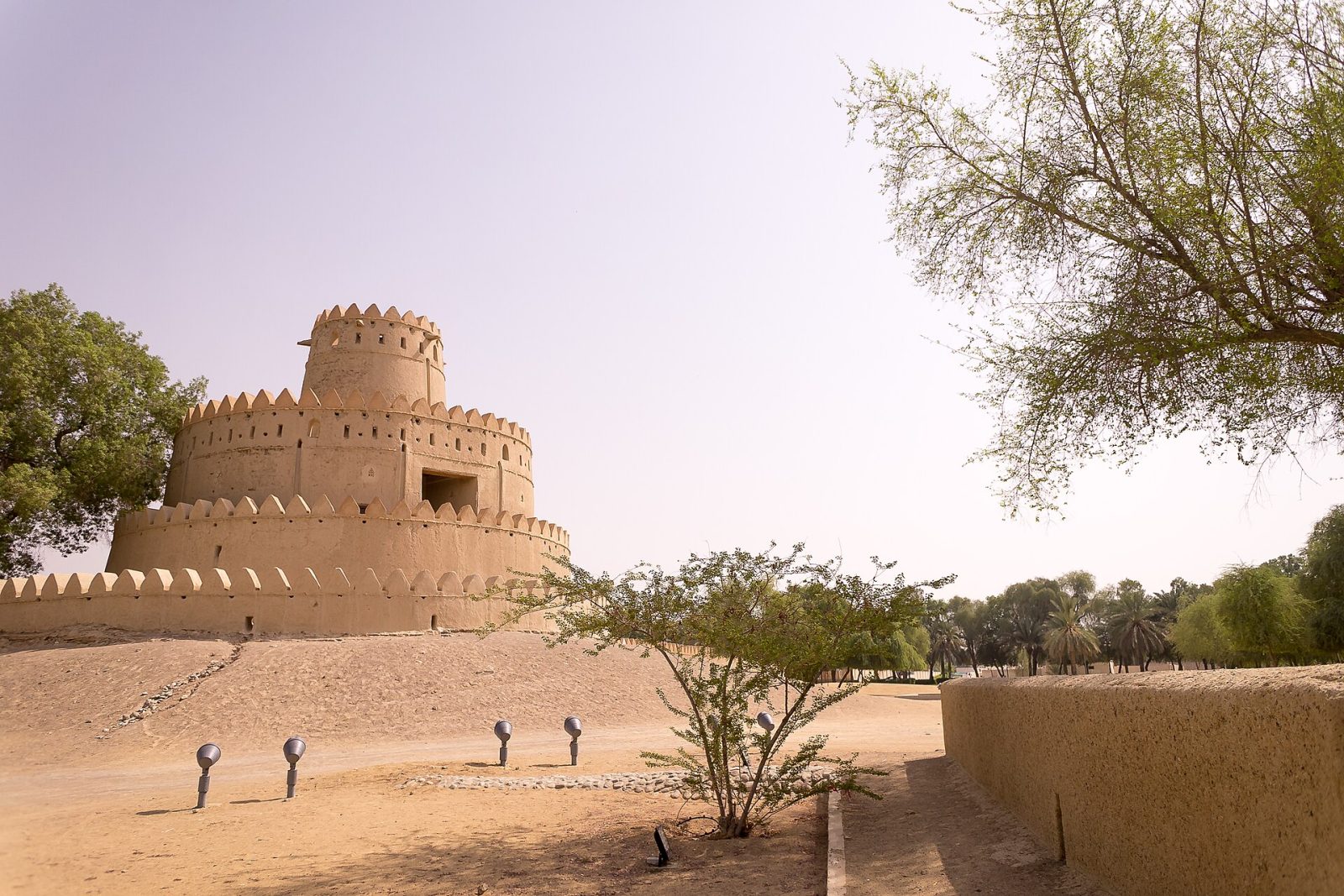
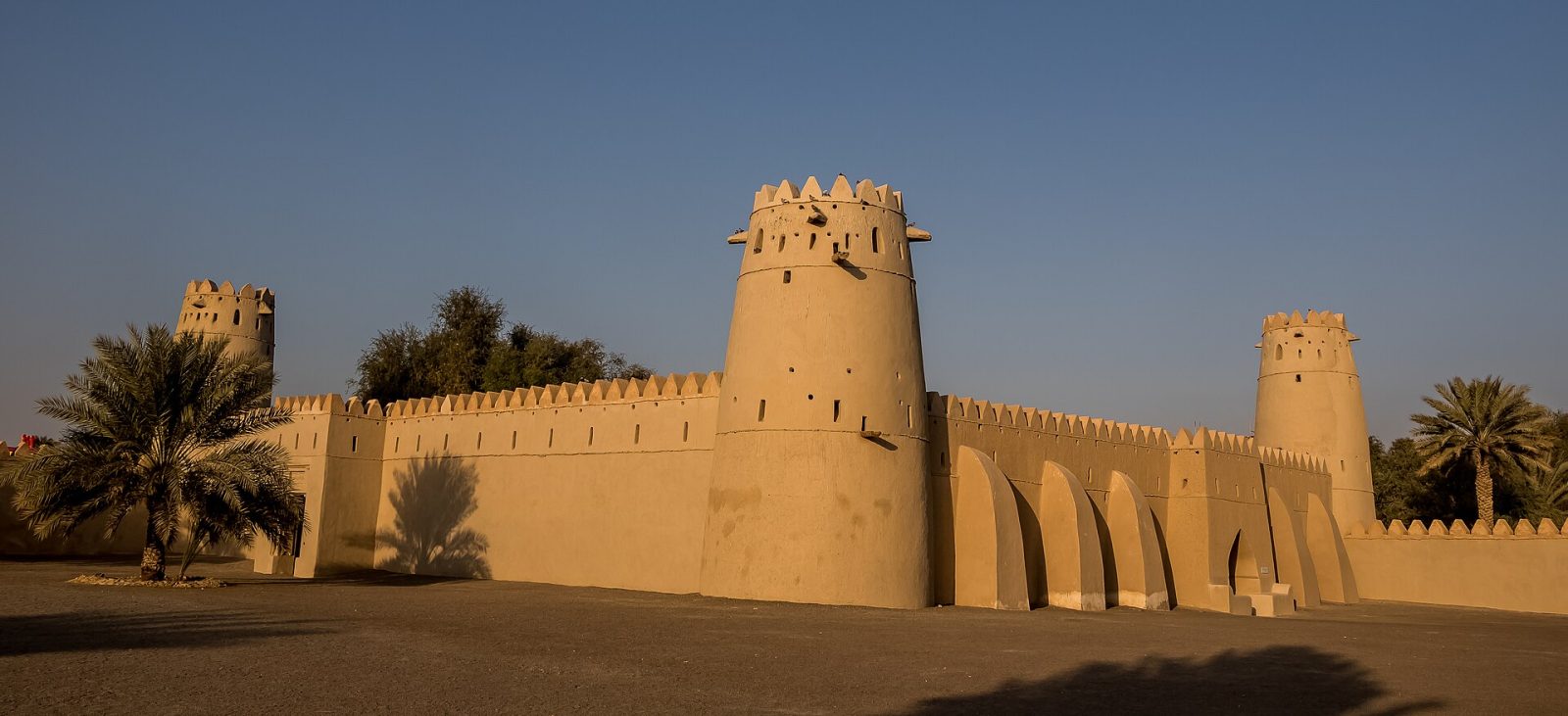
Al Jahili Fort in Al Ain was built in the 1890s for Sheikh Zayed bin Khalifa, known as Zayed the First, to defend the oasis and its palm groves. Its round stepped tower and square walls of mud brick are among the largest historic buildings in the UAE. In the 20th century it housed the Oman Trucial Scouts, and it was restored in 2008, winning an international award for conservation. Inside is a permanent exhibition on Wilfred Thesiger, the British explorer who crossed the Empty Quarter in the 1940s and photographed life in the region. Entry is free, it closes on Mondays, and the surrounding park is pleasant in the cooler months.
18
STOP 18 OF 24
Al Ain Oasis
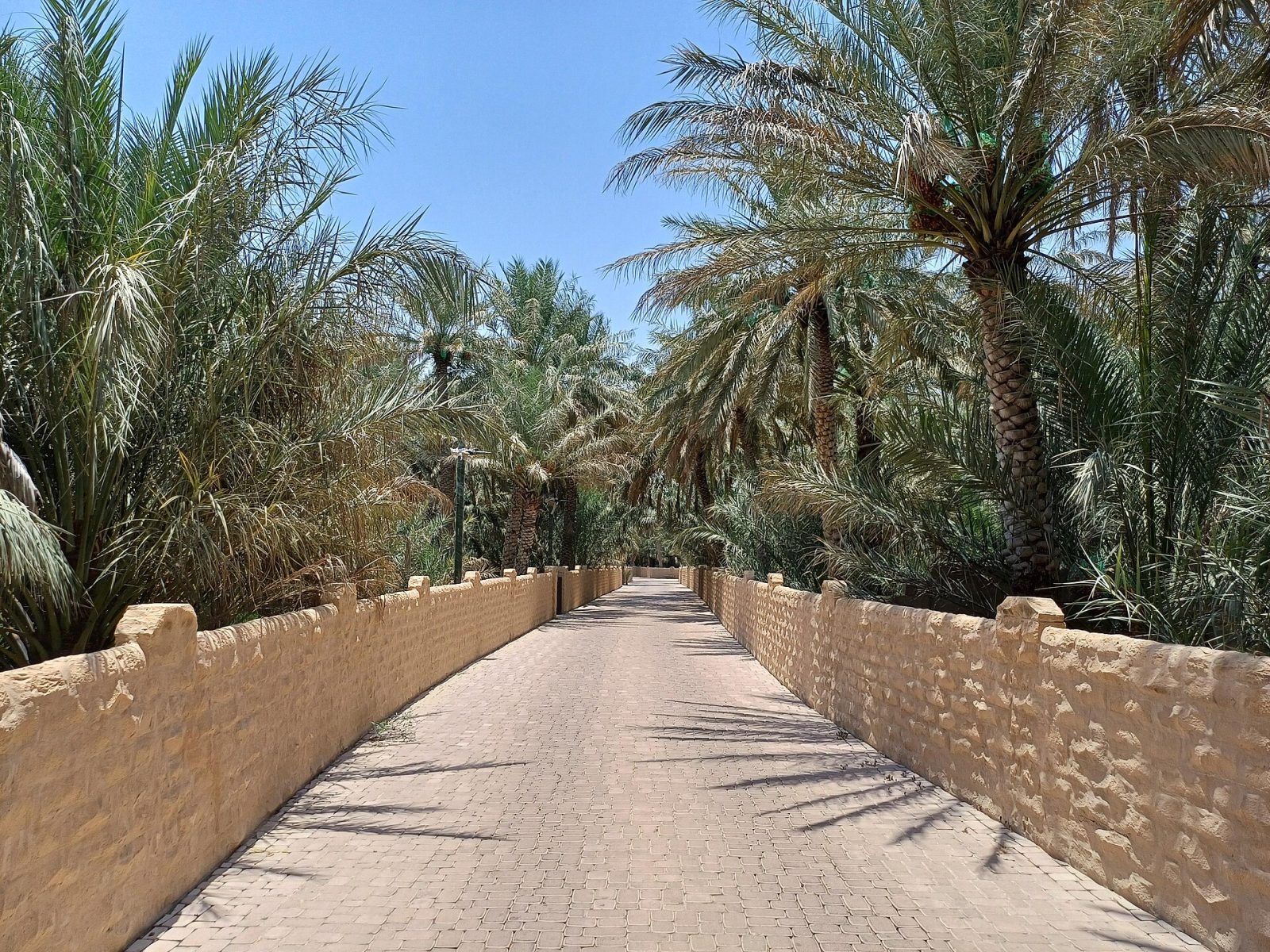
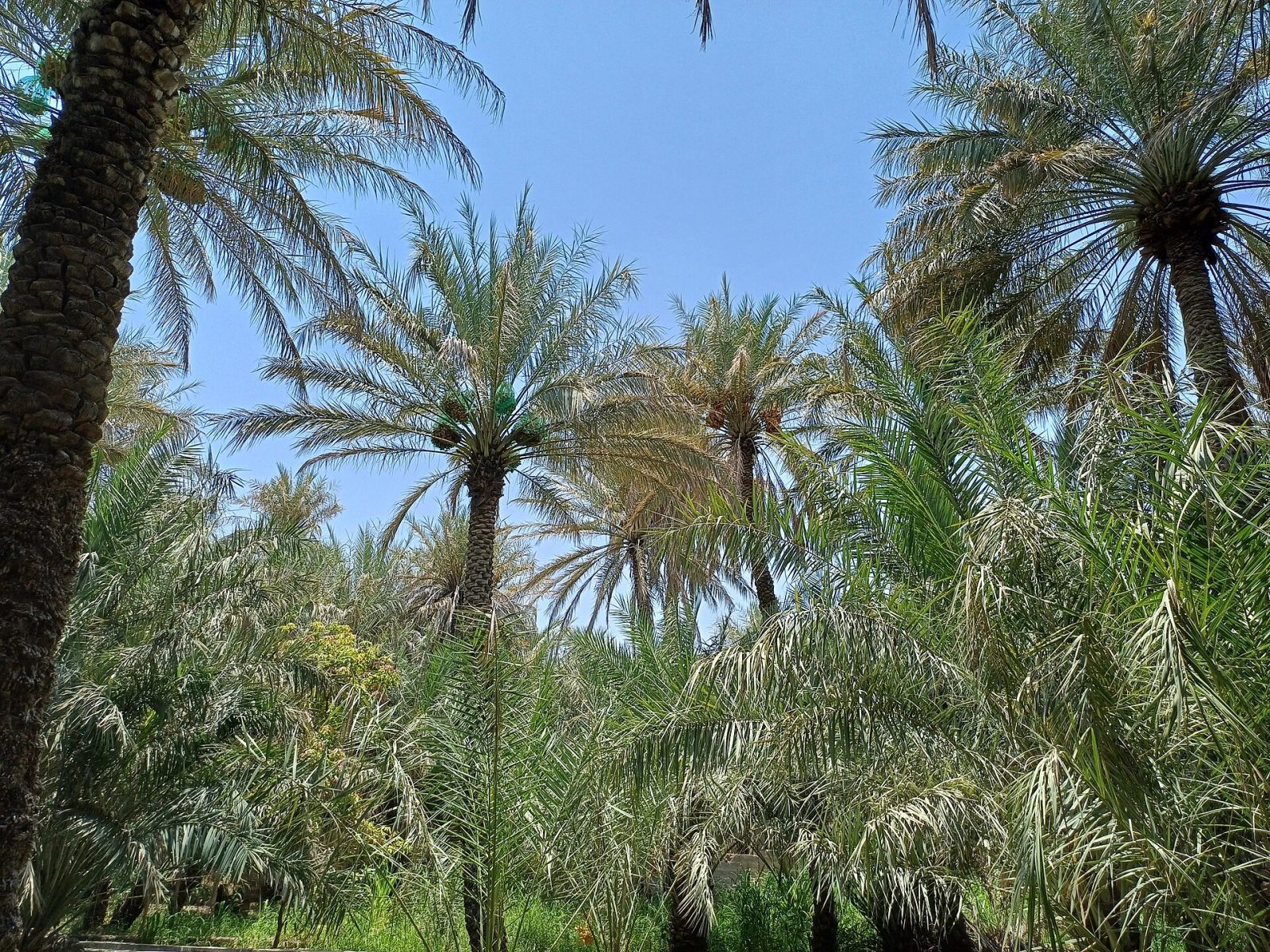
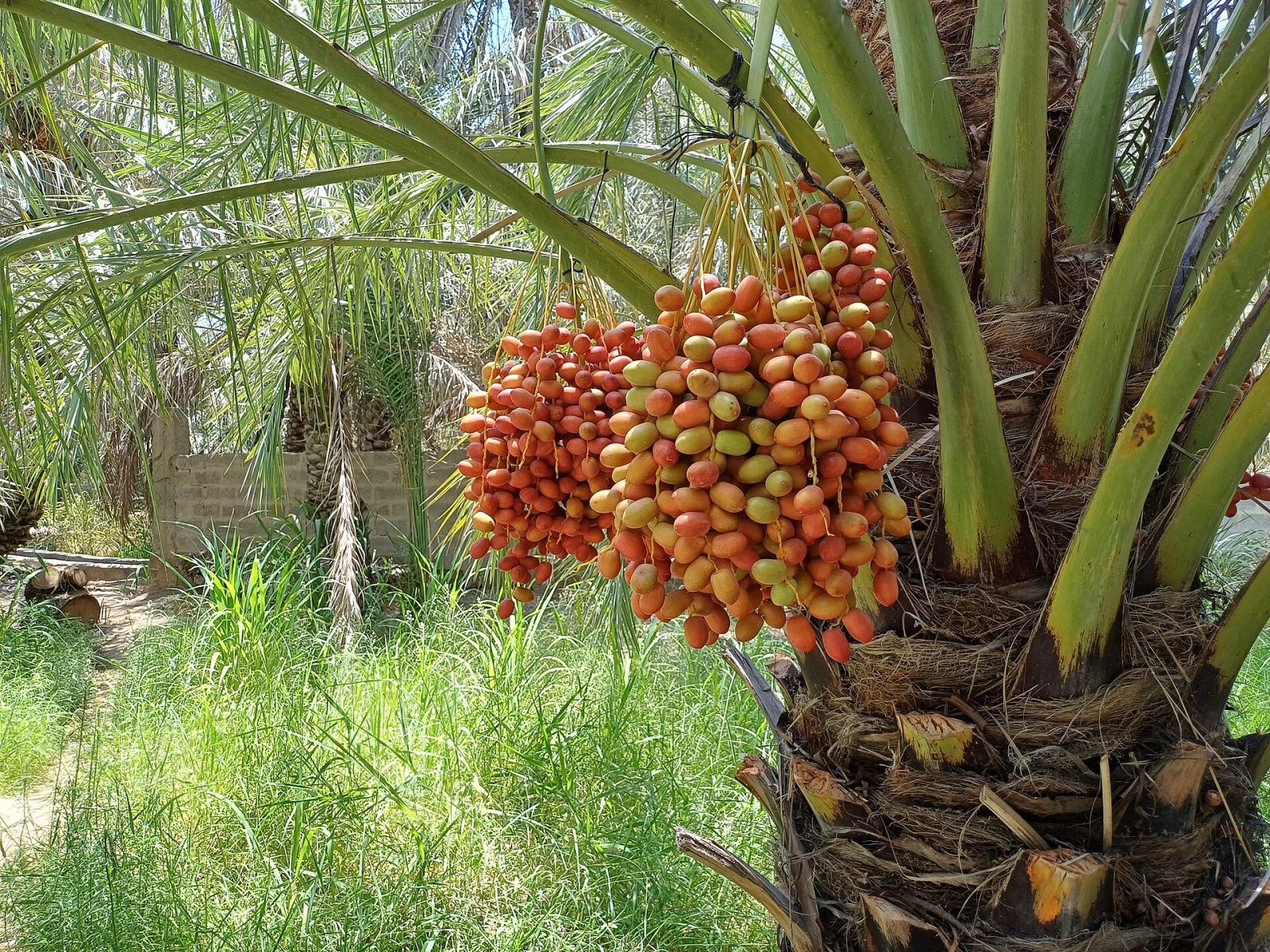
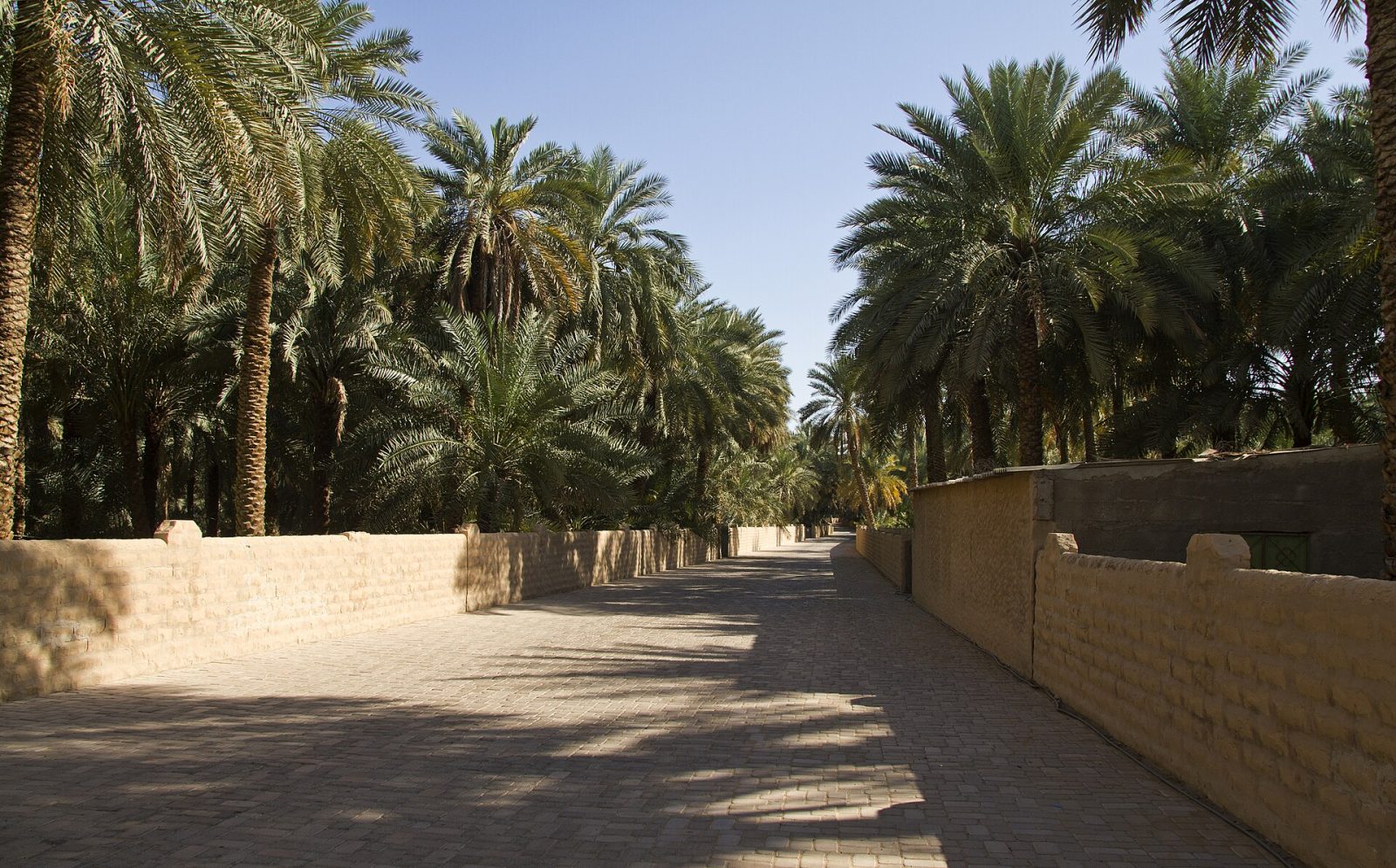
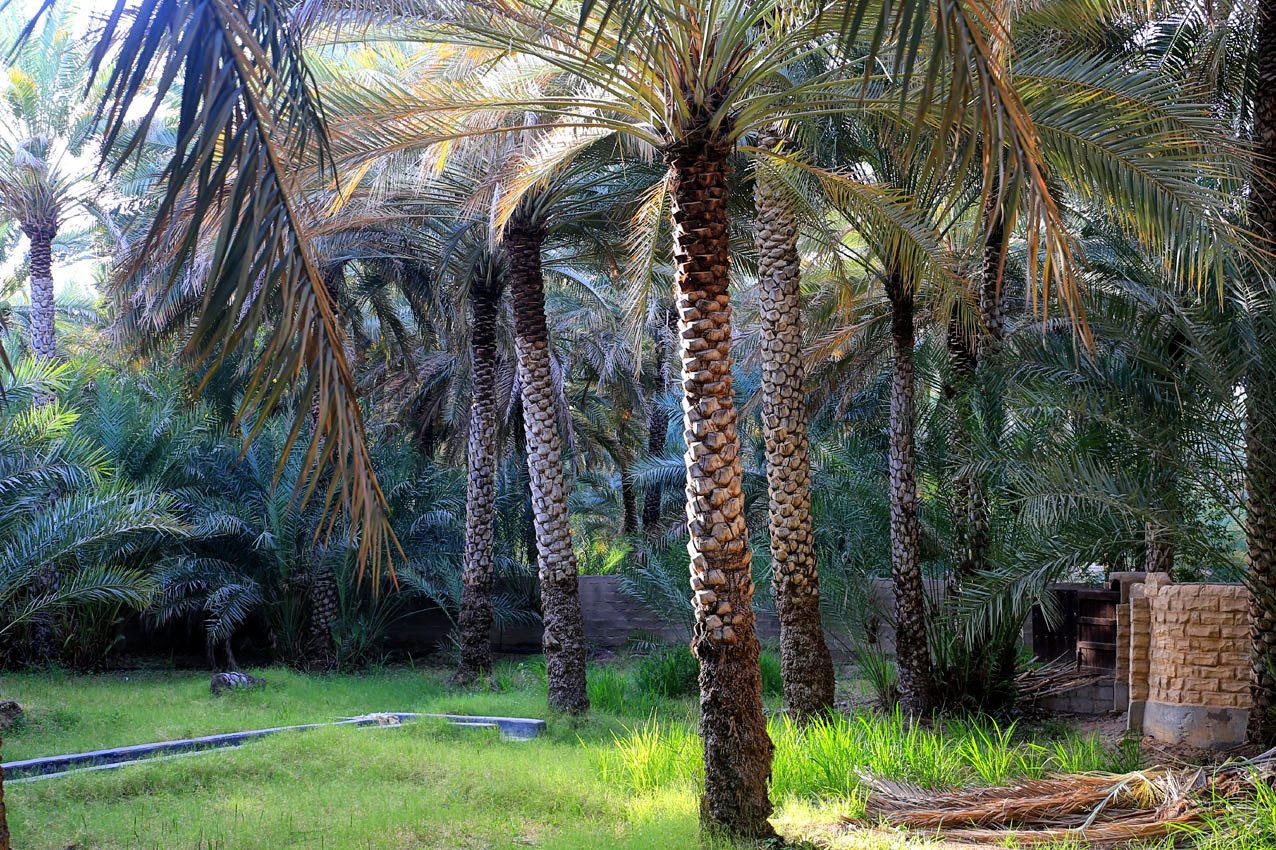
Al Ain Oasis is the largest of the oases in the garden city of Al Ain, with about 147,000 date palms across 1,200 hectares in the middle of town. It is watered by falaj channels, an underground irrigation system brought to the area some three thousand years ago, and several are still running today. Shaded walkways lead between the plantations, and an eco-centre explains how the falaj works and why the oasis mattered to trade and settlement. Along with the nearby tombs and forts, it forms the UAE's first UNESCO World Heritage Site. Entry is free and the shade makes it walkable even on warm days.
19
STOP 19 OF 24
Jebel Hafeet
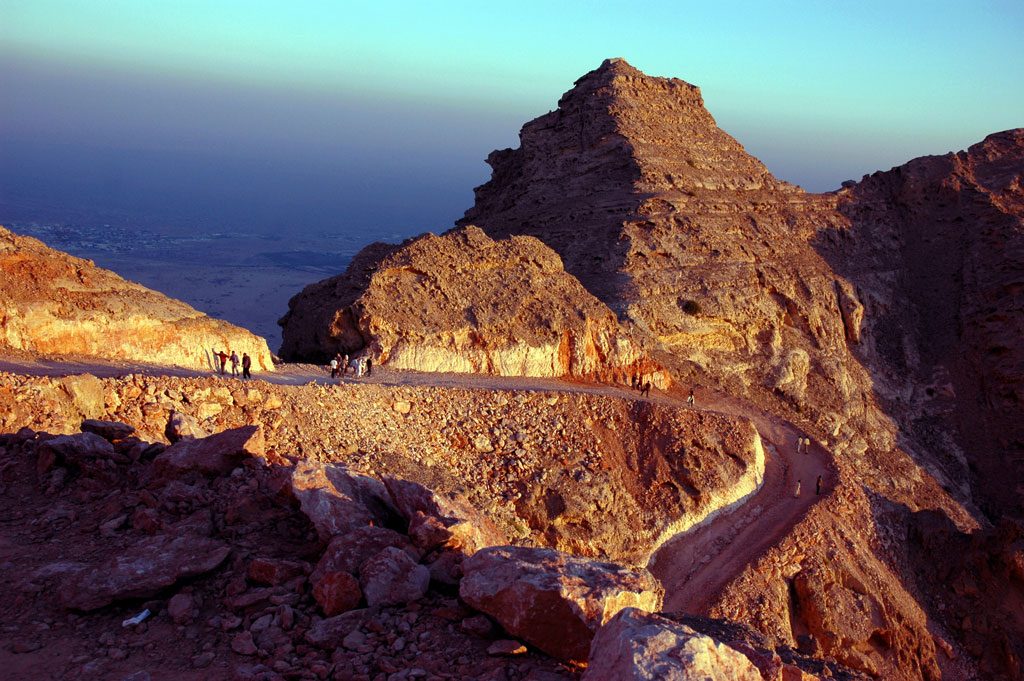
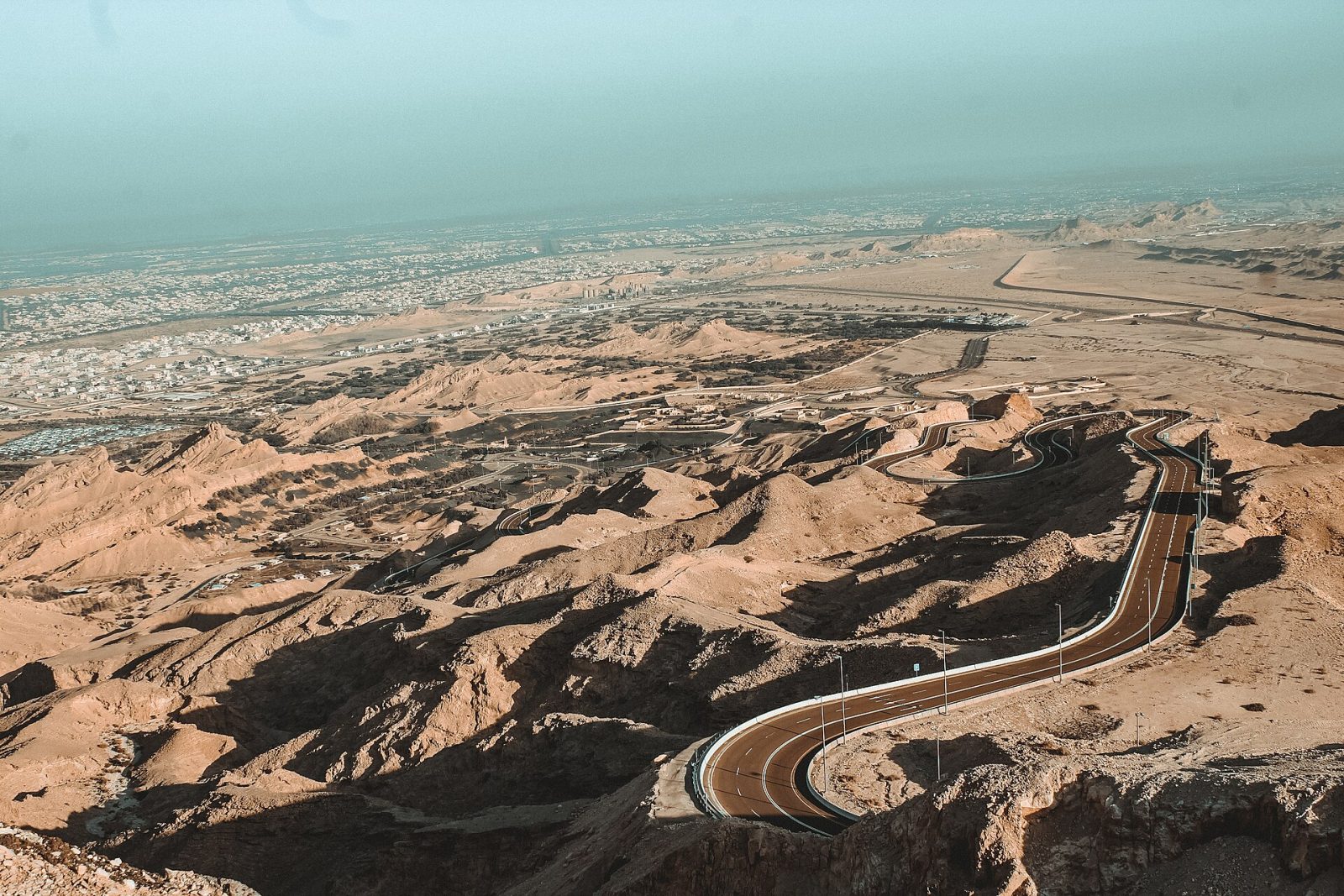
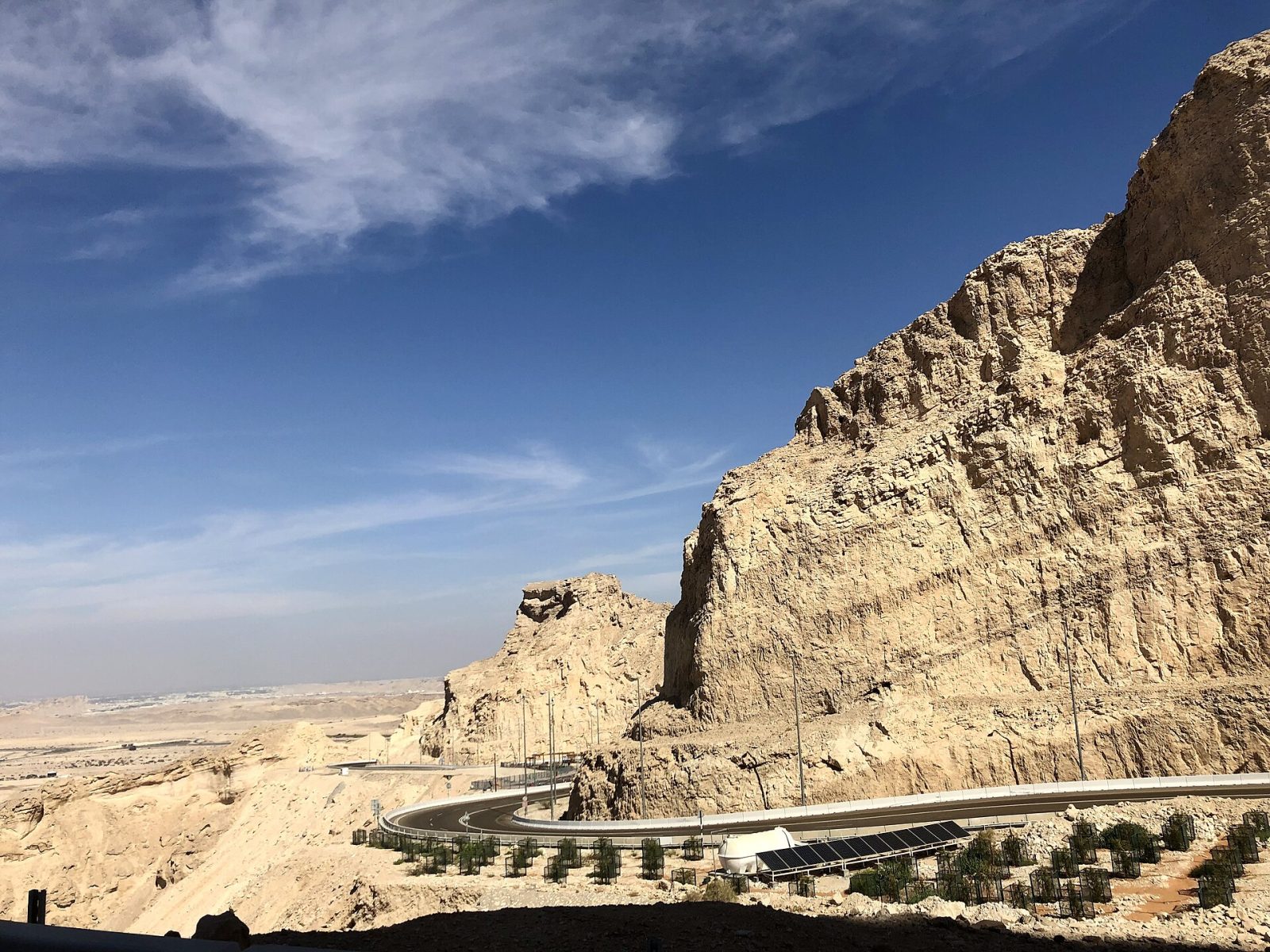
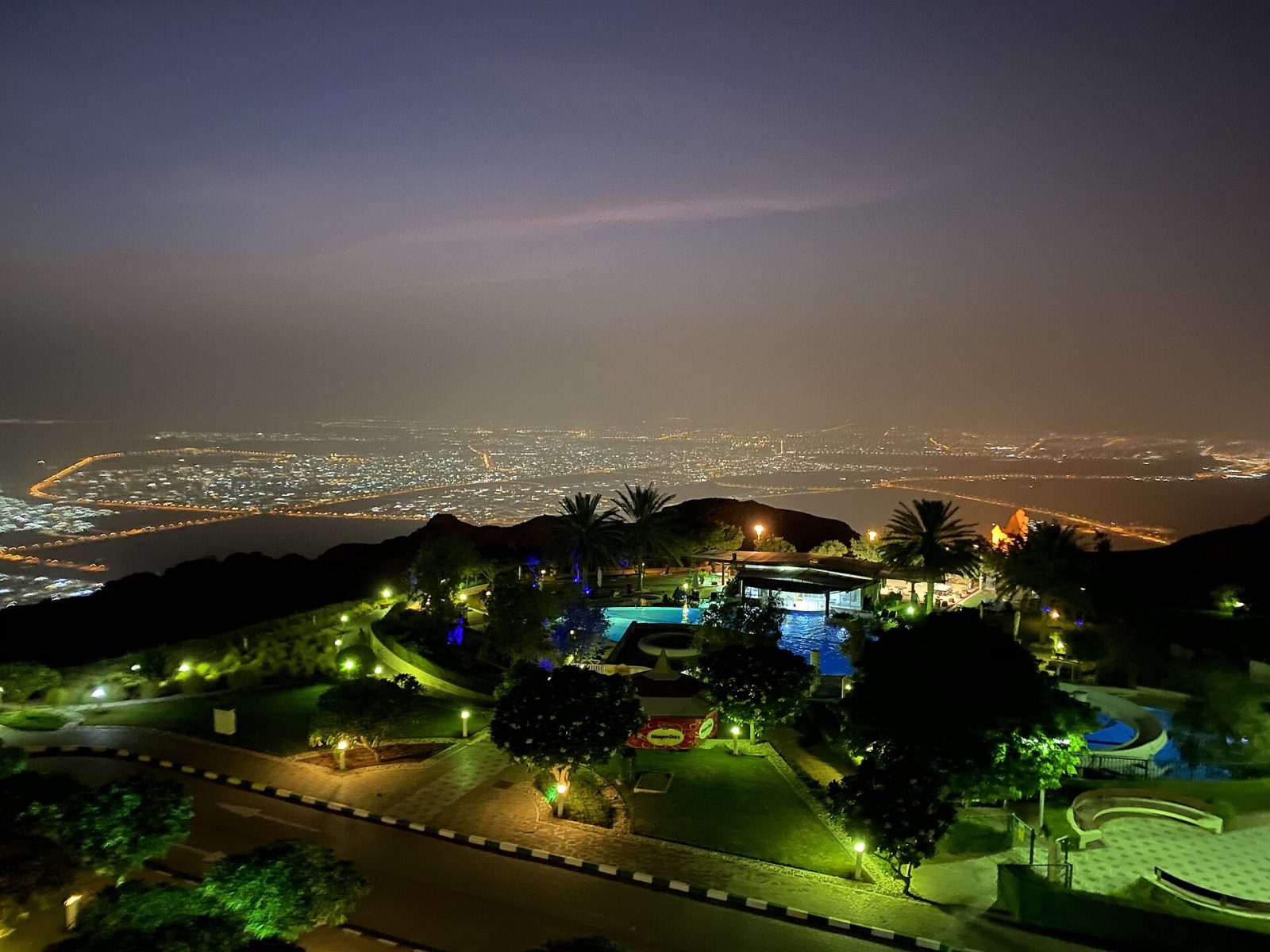
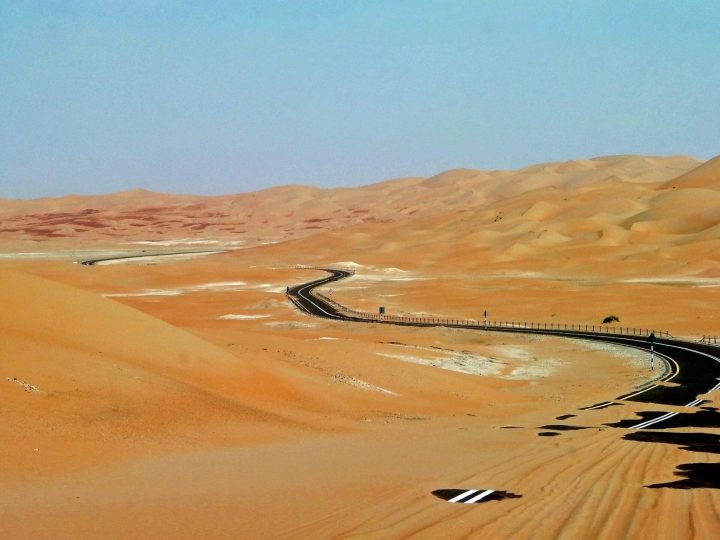
Jebel Hafeet rises about 1,240 metres above Al Ain on the border with Oman and is one of the highest points in the UAE. A twelve-kilometre road of sweeping curves climbs to the summit, often called one of the great driving roads in the world, ending at a viewpoint and hotel that look over the city and the desert. At the foot of the mountain are Bronze Age beehive tombs some 5,000 years old, part of the Al Ain UNESCO World Heritage listing, and the warm Green Mubazzarah springs with parks and chalets. Fossils in the limestone show the mountain was once under a shallow sea. Sunset from the top is the classic visit.
20
STOP 20 OF 24
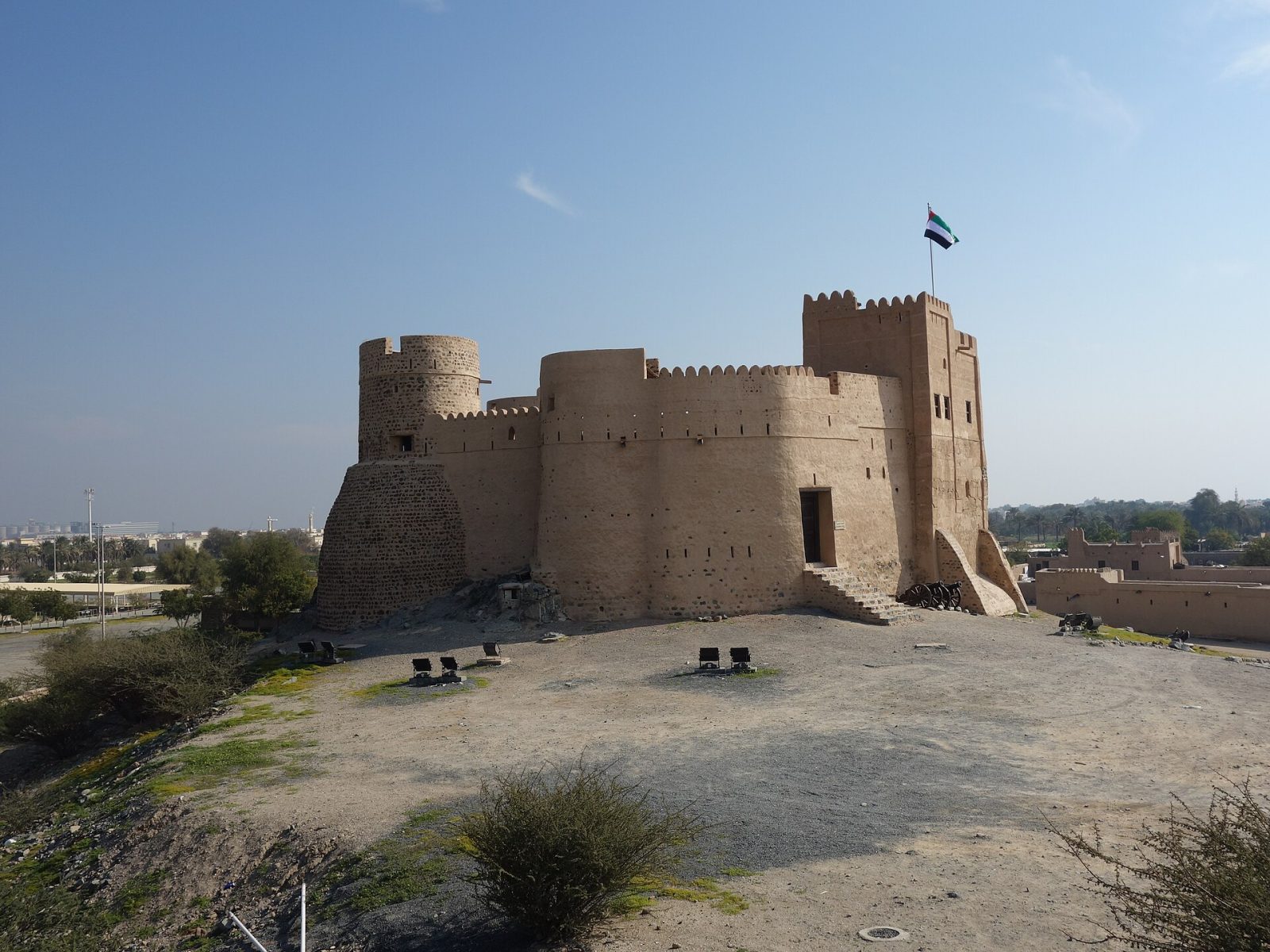
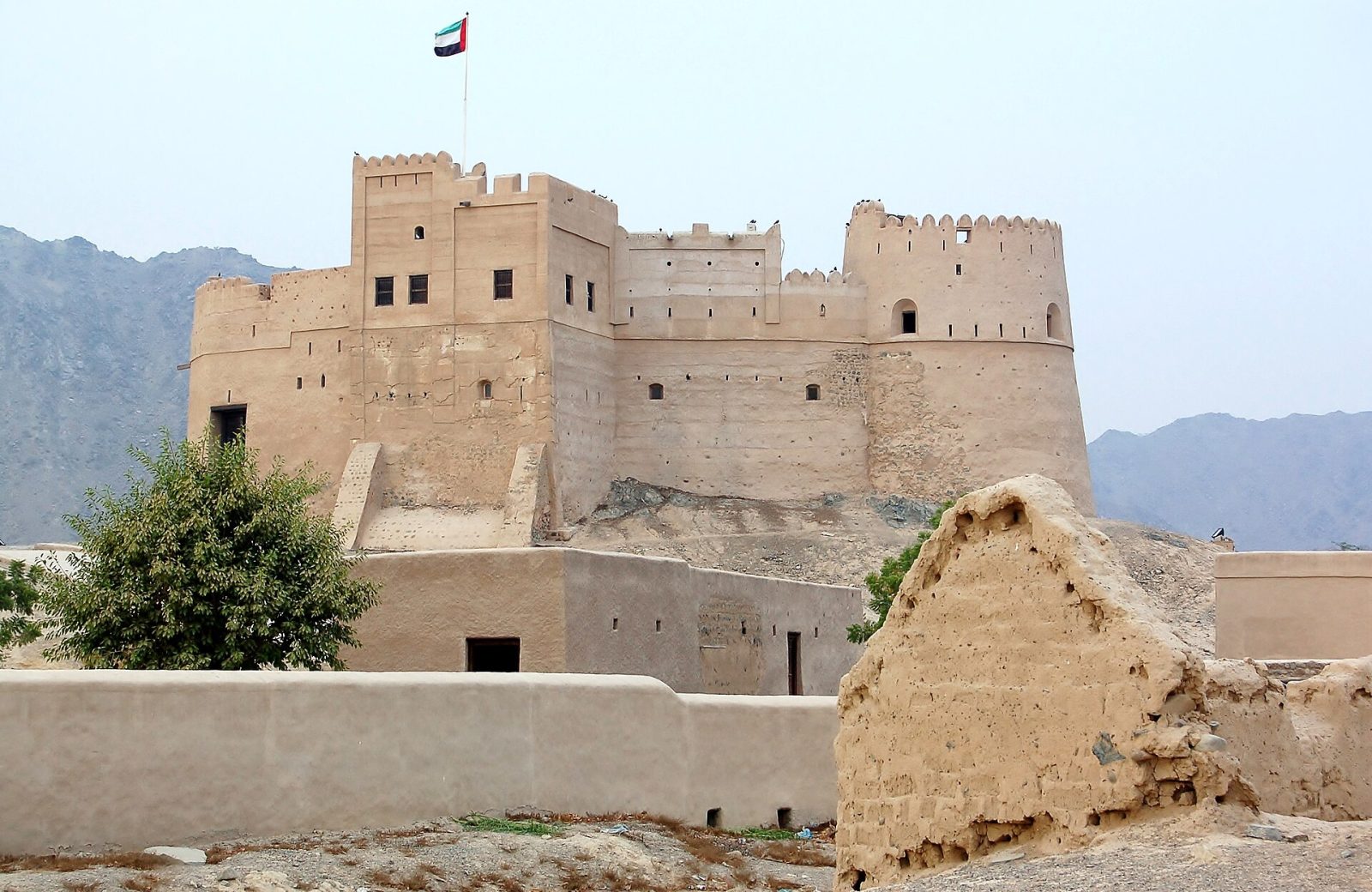
Fujairah Fort
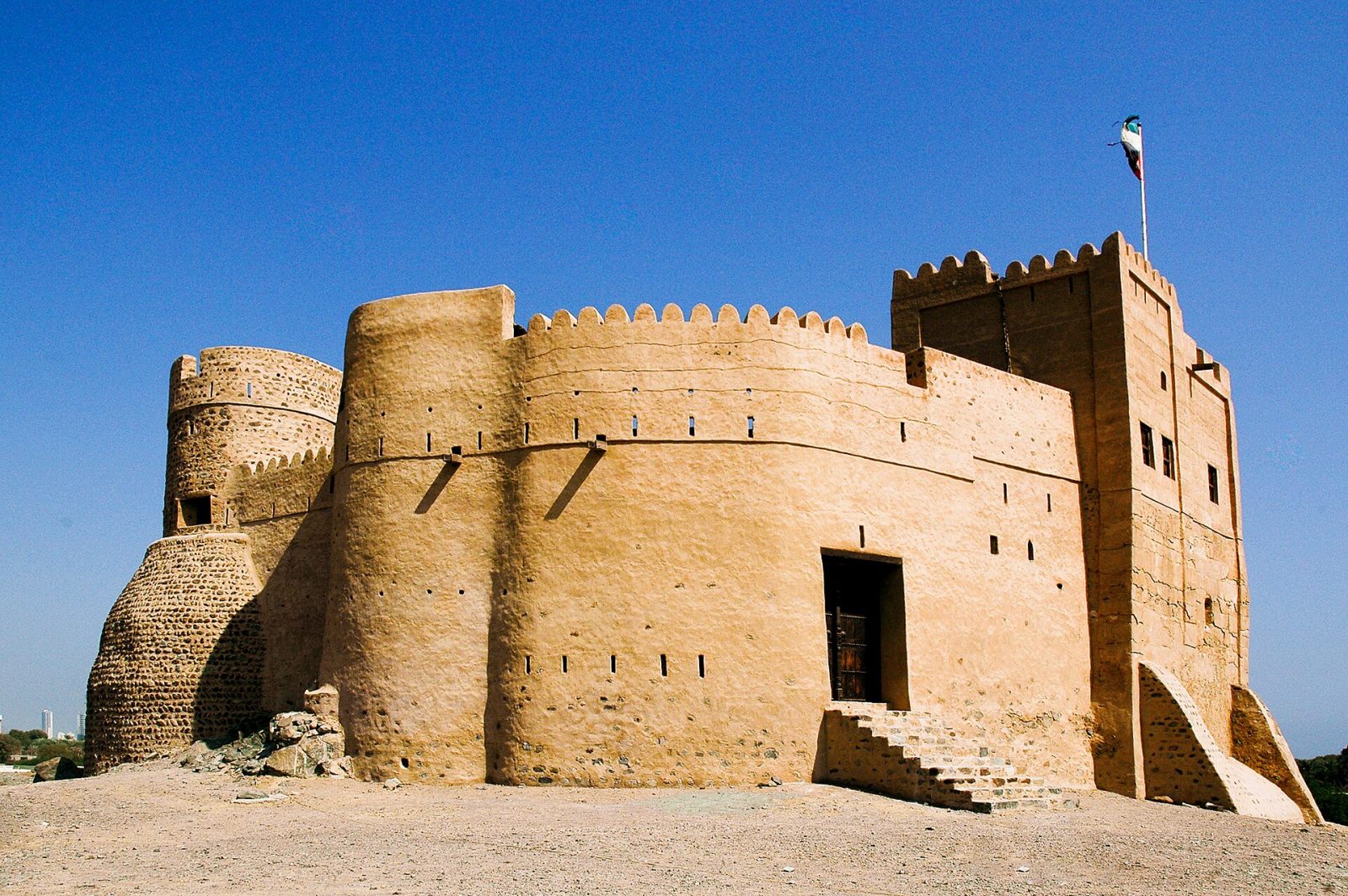
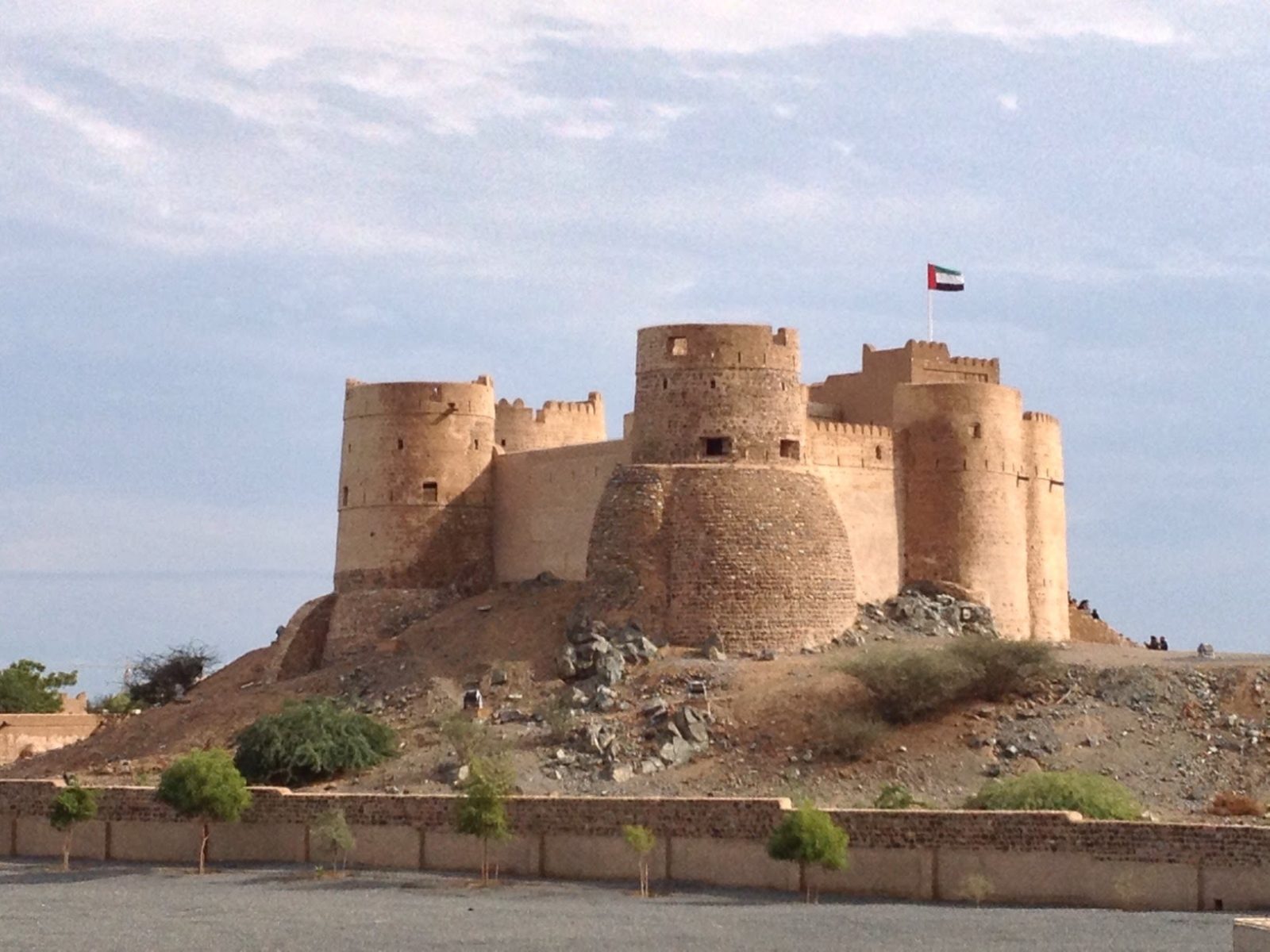
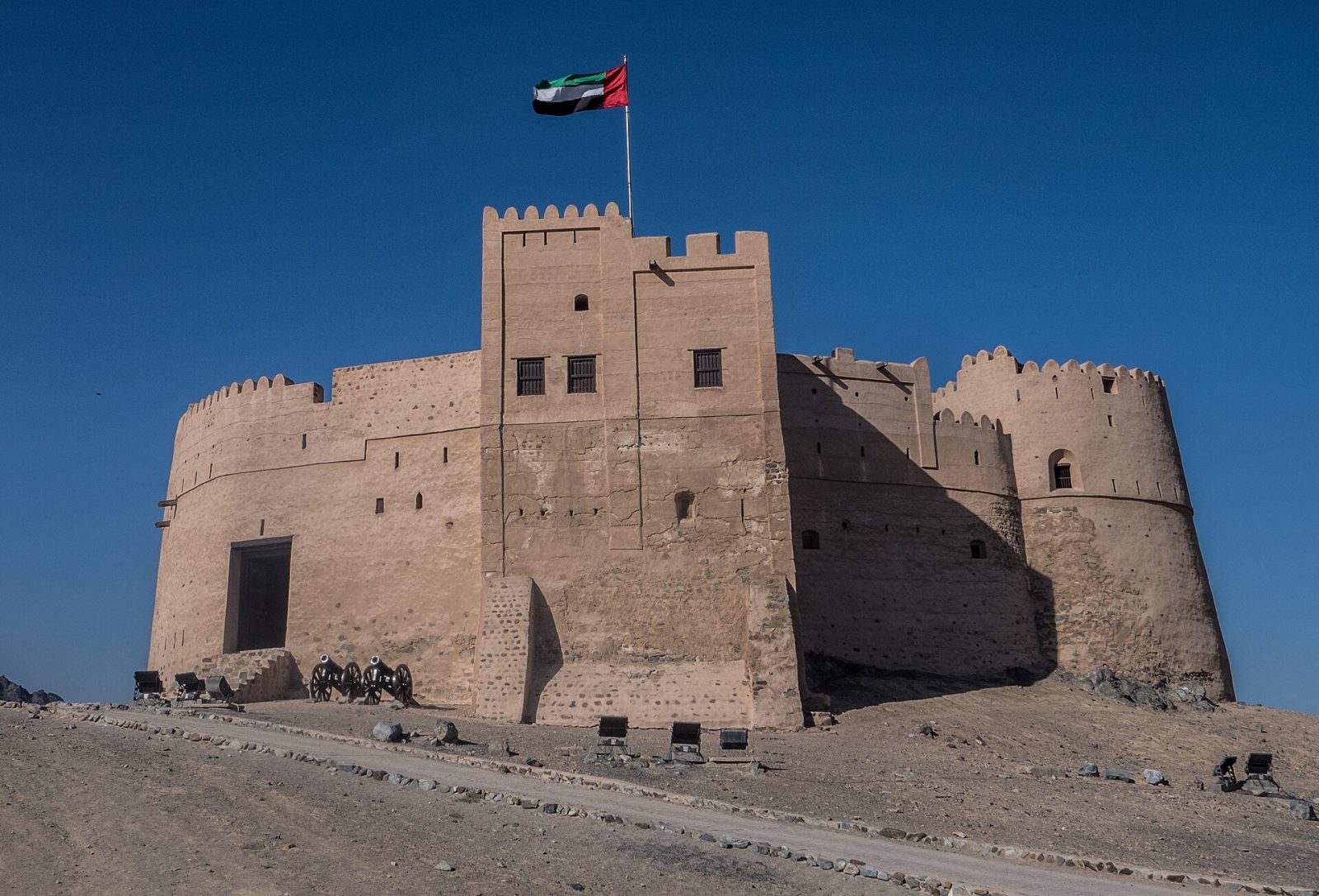
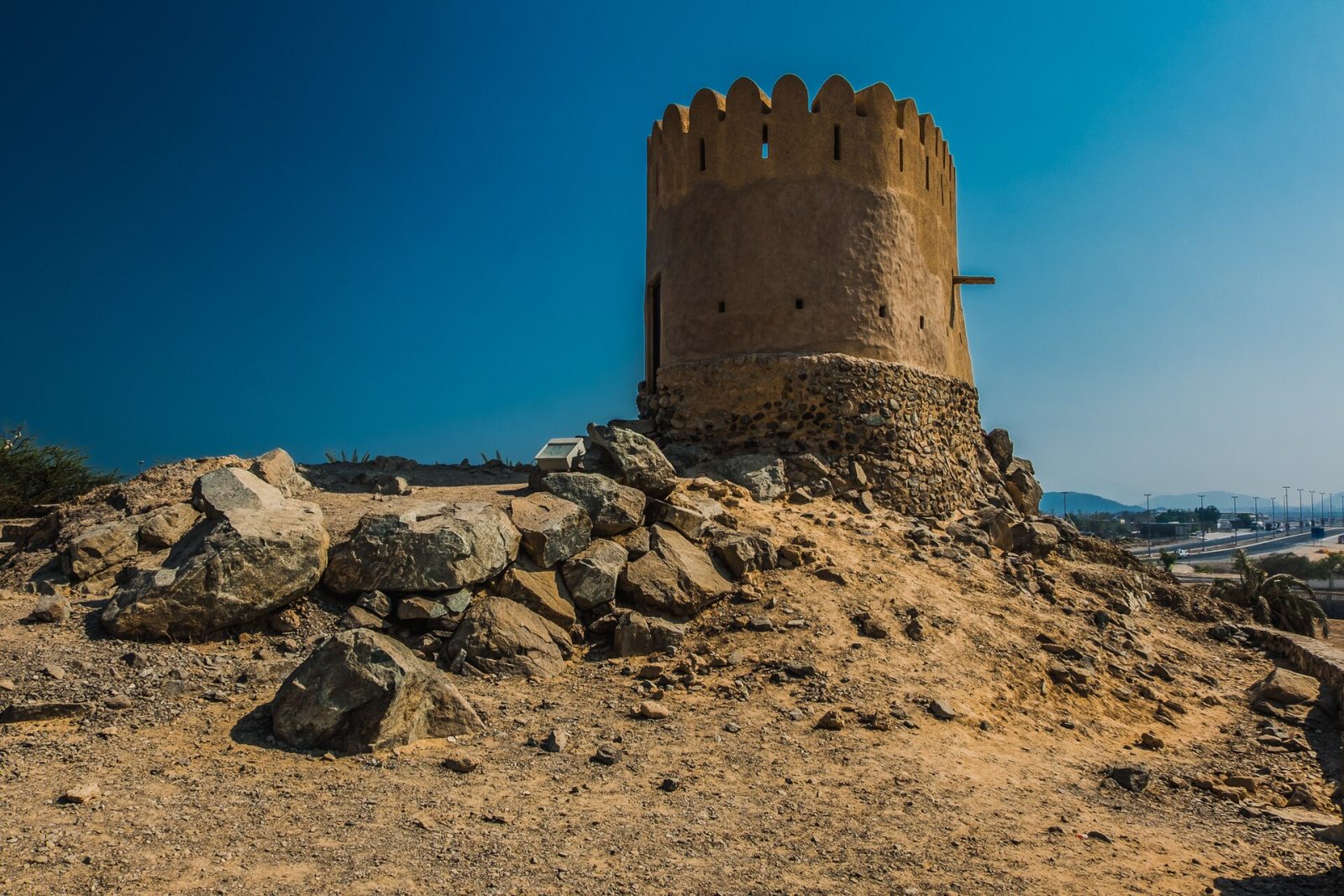
Fujairah Fort is the oldest fort in the UAE, built in the 16th century of stone, gravel and mud on a low hill above the coastal plain. It has three main sections, a round tower and two square towers, and it served as both a defence and the home of the ruling family. Portuguese forces held this coast for a time, and the fort was shelled by British ships in 1925 during a dispute with the local ruler. Restoration in the 2000s repaired the damage, and the old village of stone houses and a mosque at its foot is part of the heritage site. The surrounding date gardens and the mountains behind make it a striking setting.
21
STOP 21 OF 24
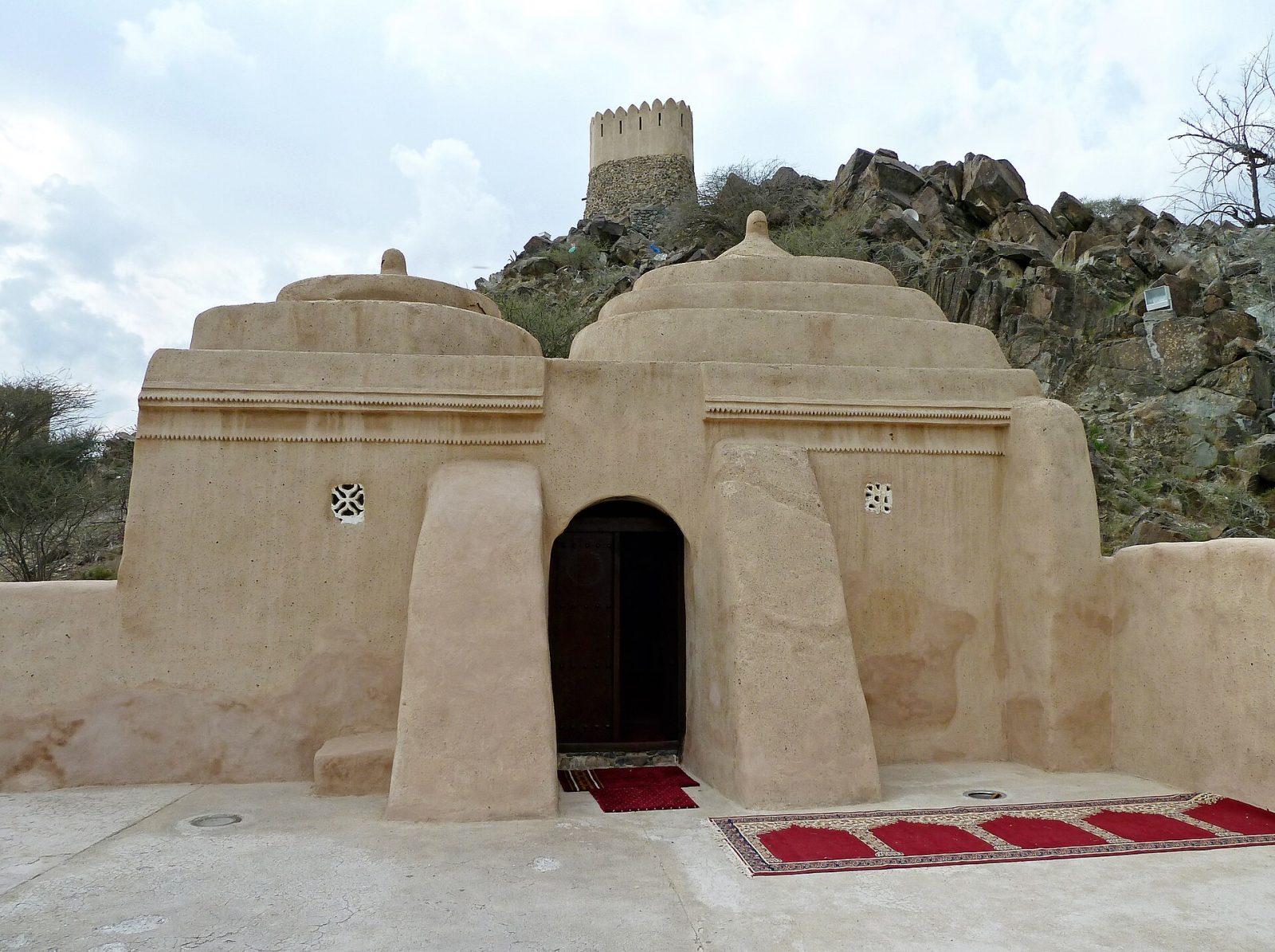
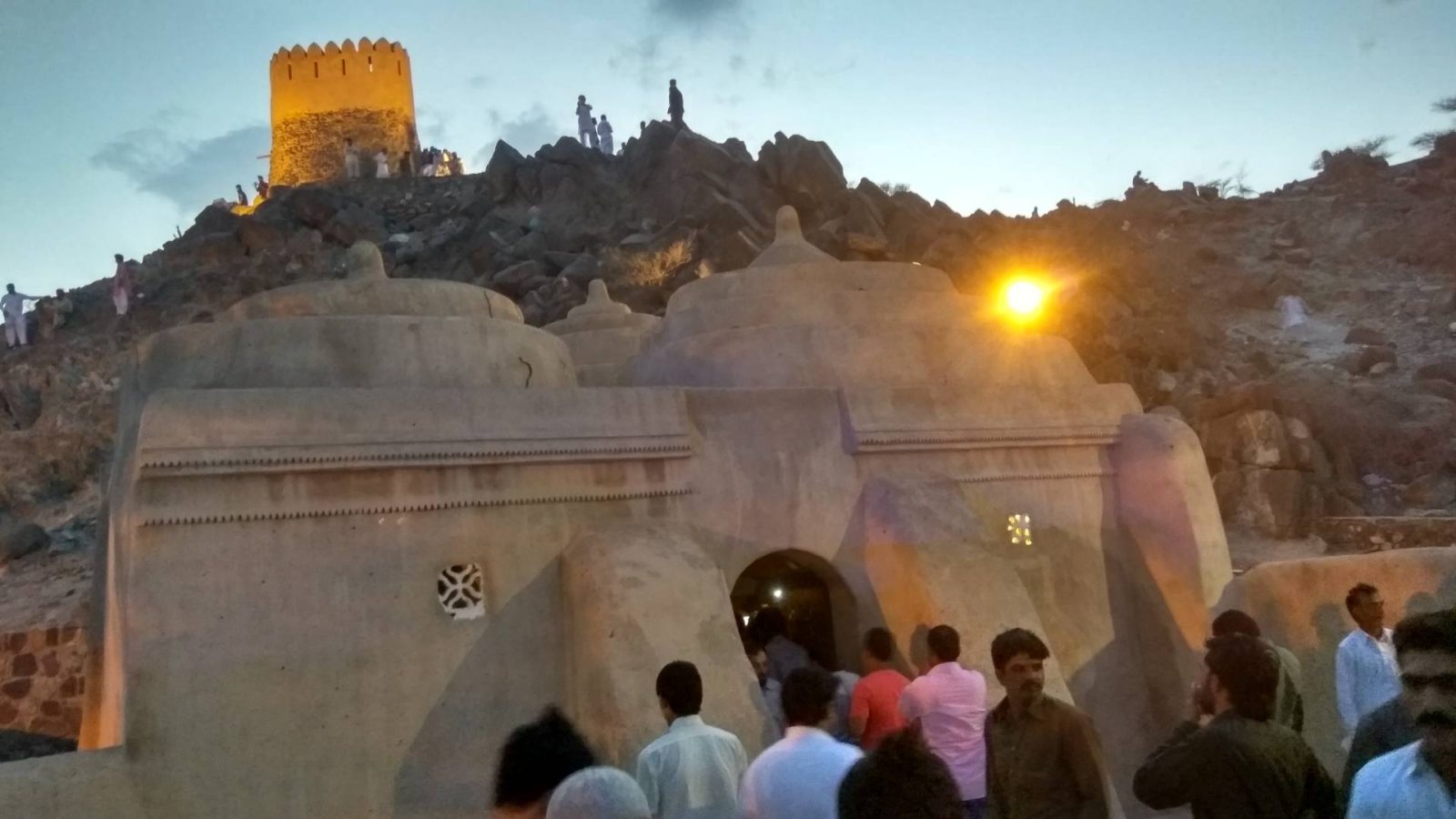
Al Badiyah Mosque
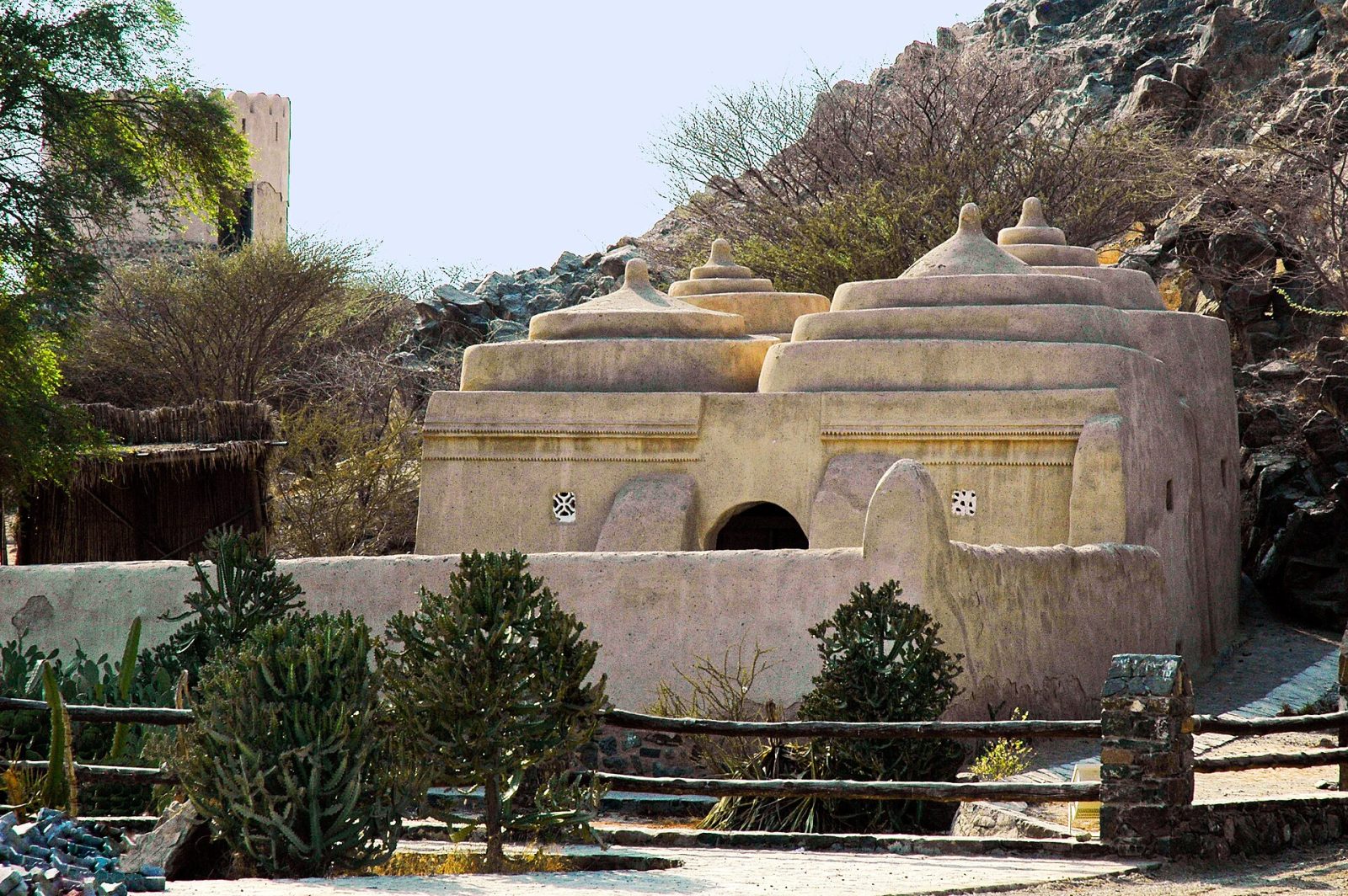
Al Badiyah, on the coast road north of Fujairah, is the oldest known mosque in the UAE, usually dated to around 1446. It is small and simple: four domes of different sizes resting on a single central pillar, walls of stone and mud plastered white, and a prayer hall that holds only a few dozen people. There is no minaret, which is unusual and points to its age. Watchtowers on the hill behind were built to guard the village and give a view over the mosque and the sea. It is still in use for prayer, and visitors are welcome outside prayer times if dressed modestly.
22
STOP 22 OF 24
Snoopy Island & Al Aqah Beach
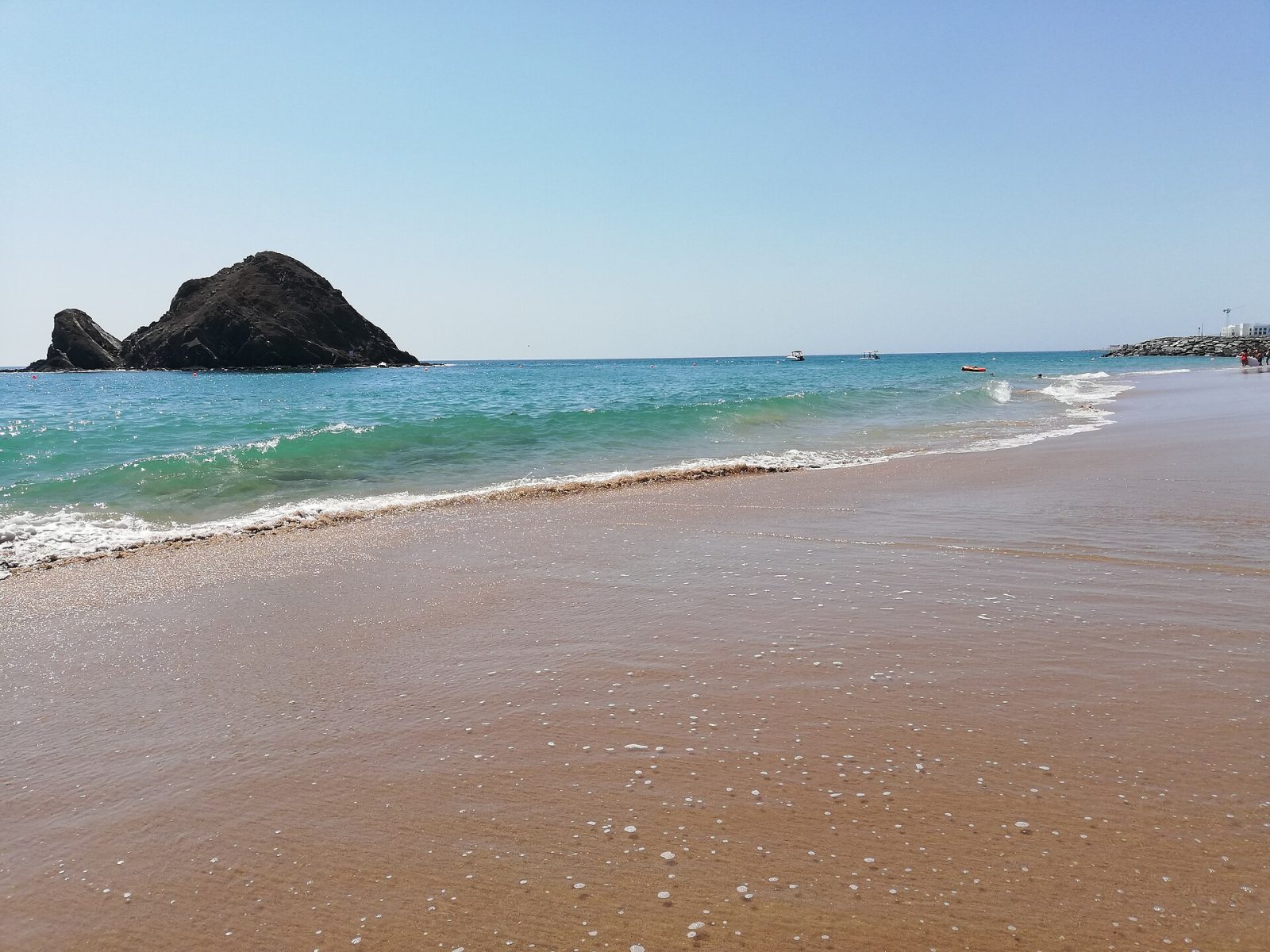
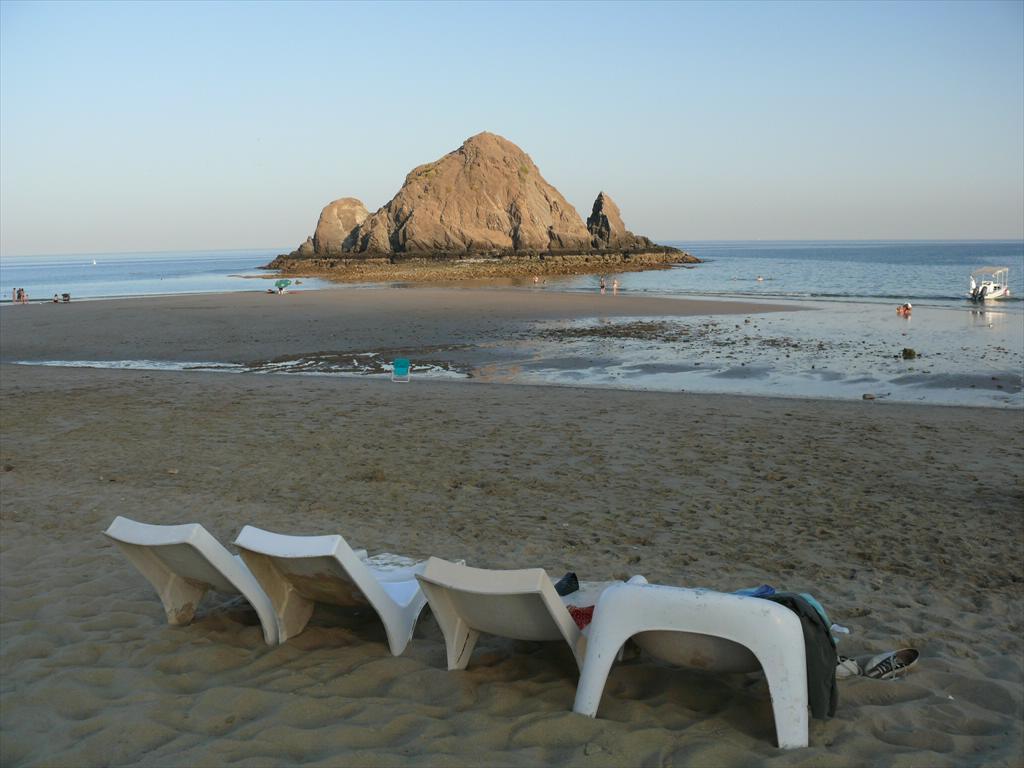
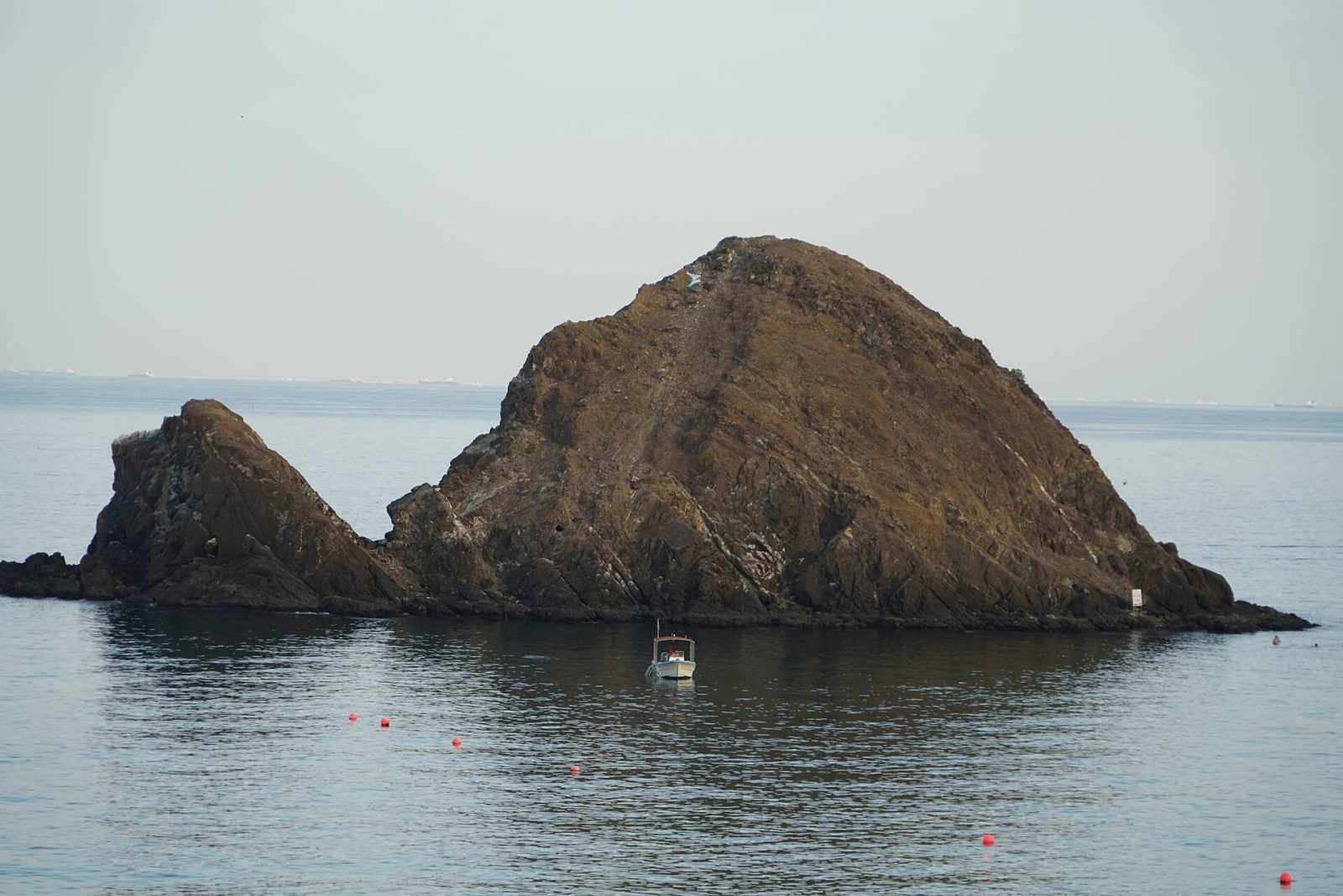
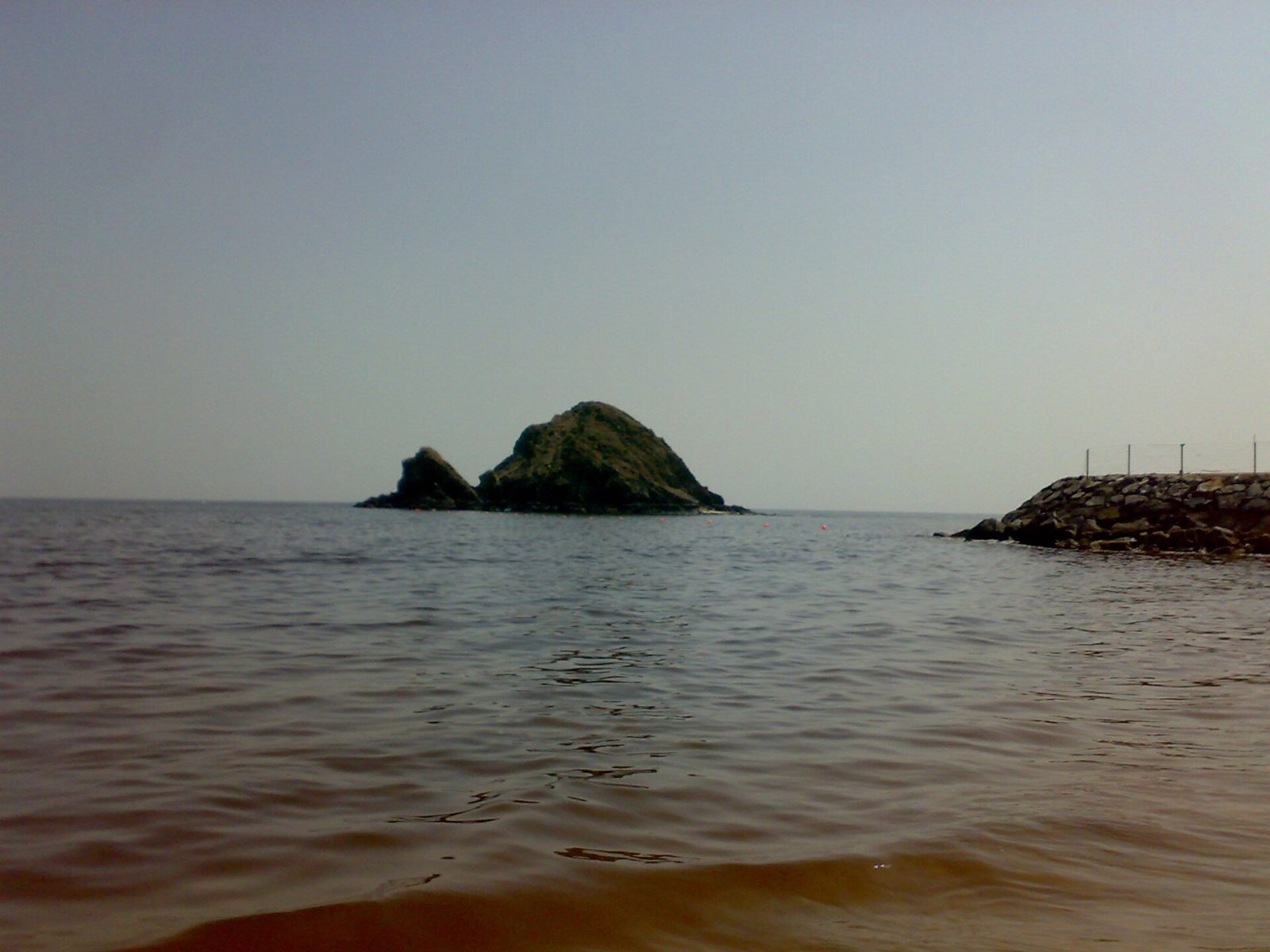
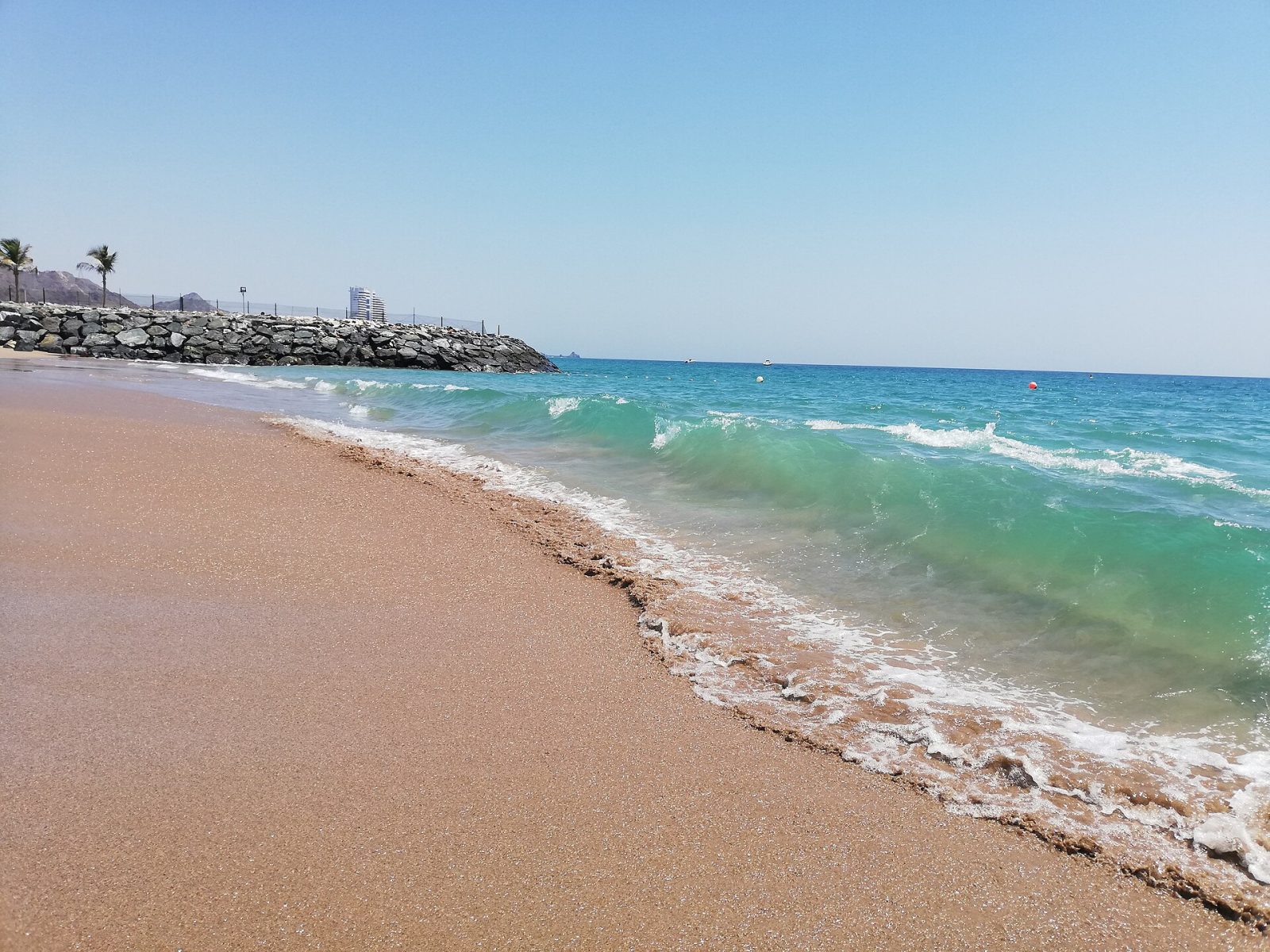
Snoopy Island is a small rocky outcrop off Al Aqah beach in Fujairah, named because from the shore it looks like the cartoon dog lying on his back. The rock is ringed by coral reef in shallow water, and it is the best shore snorkelling site in the UAE, with reef fish, turtles and harmless blacktip reef sharks often seen. Al Aqah beach faces the Gulf of Oman, so the water is clearer and cooler than on the west coast, and a line of resorts runs along the sand. Diving centres here also run boat trips to nearby dive sites. Conditions are calmest from October to May.
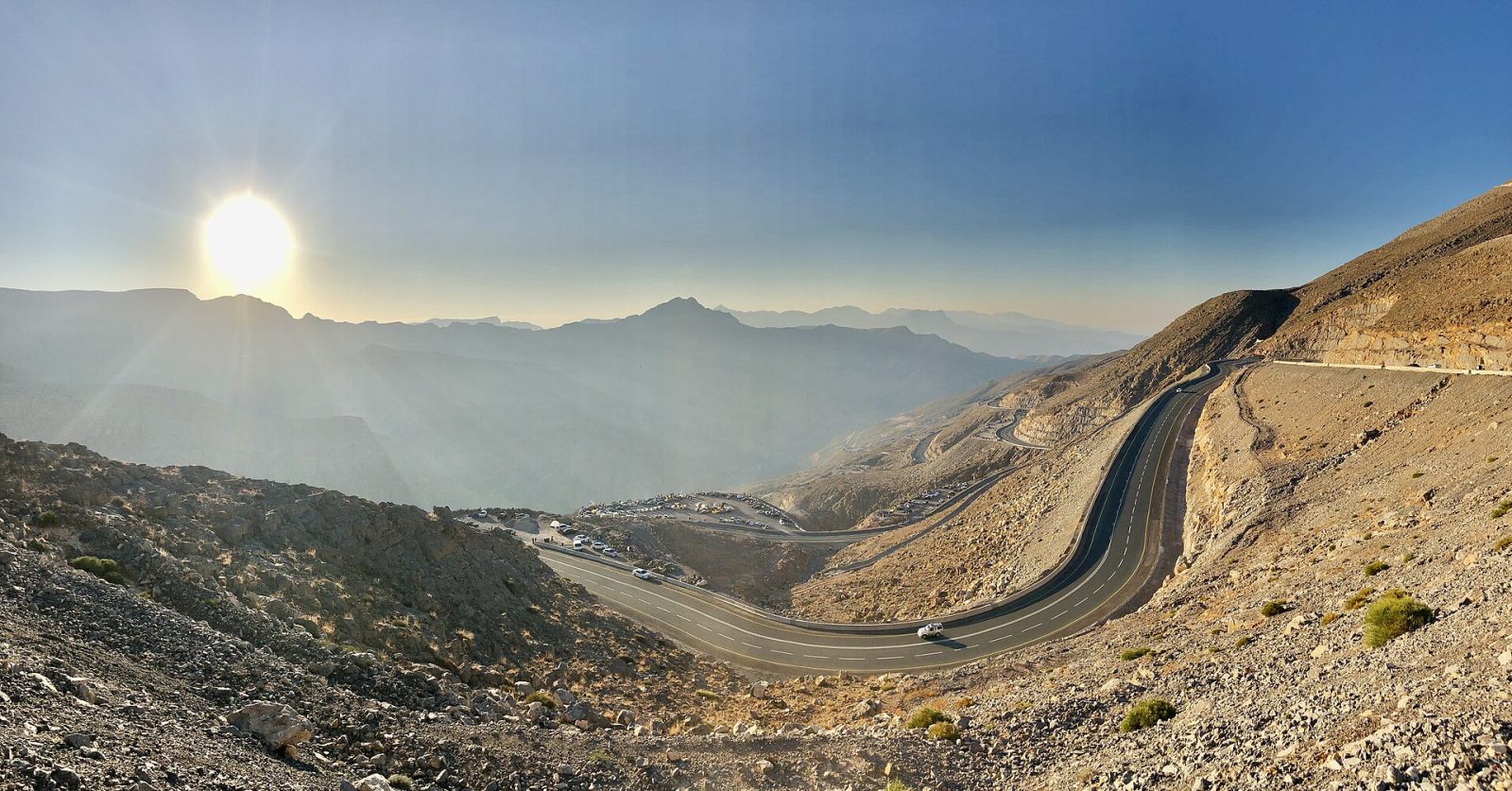
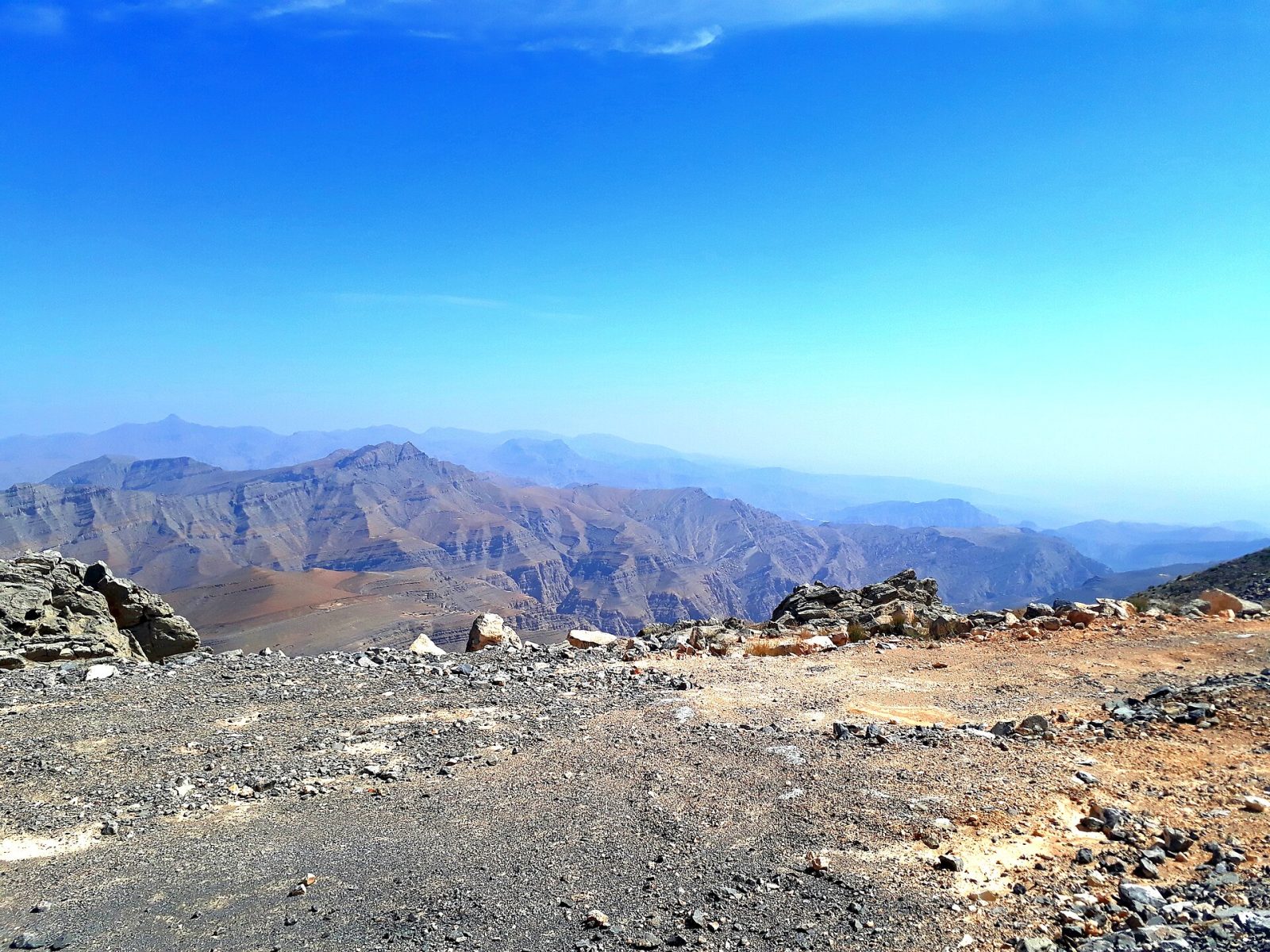
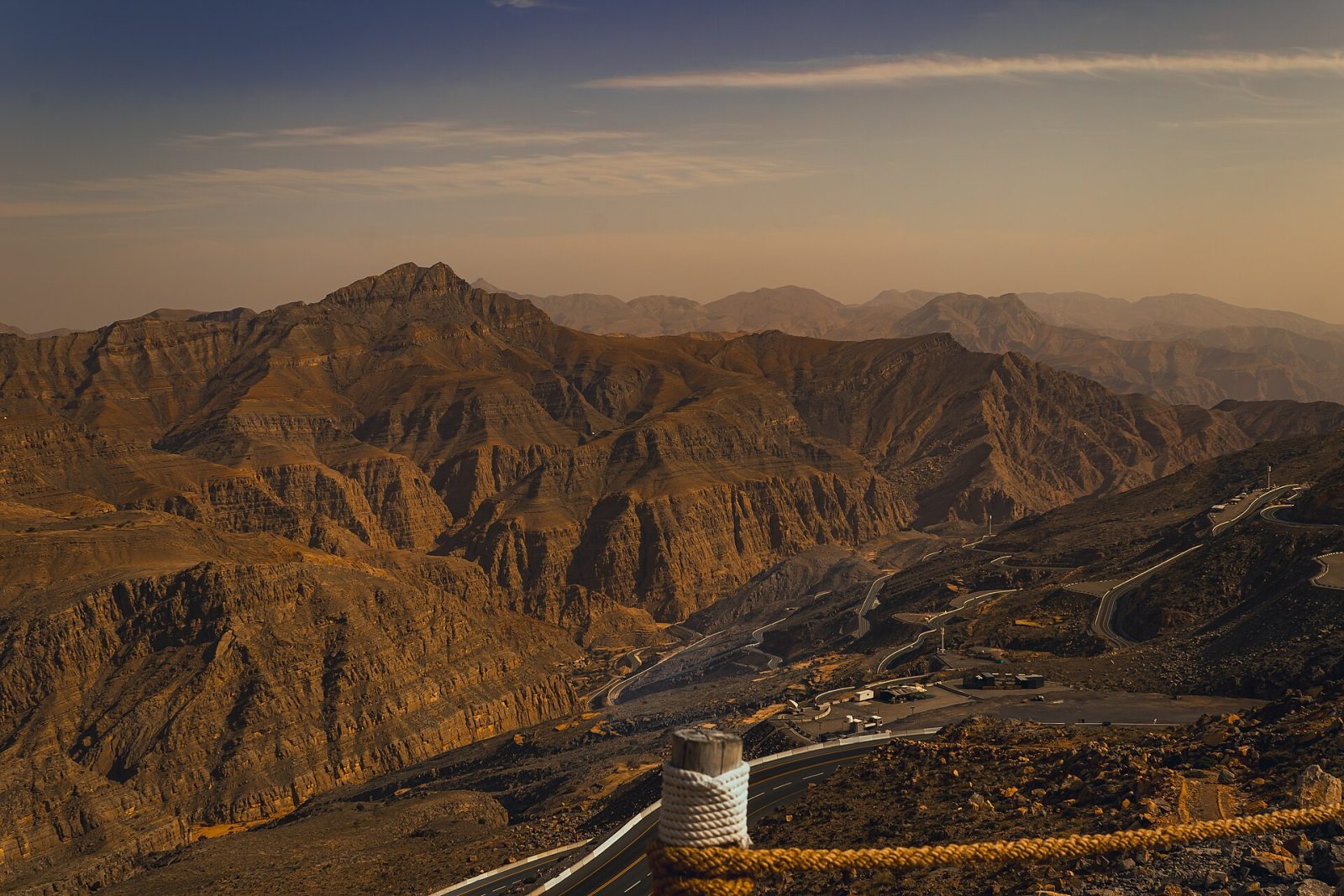
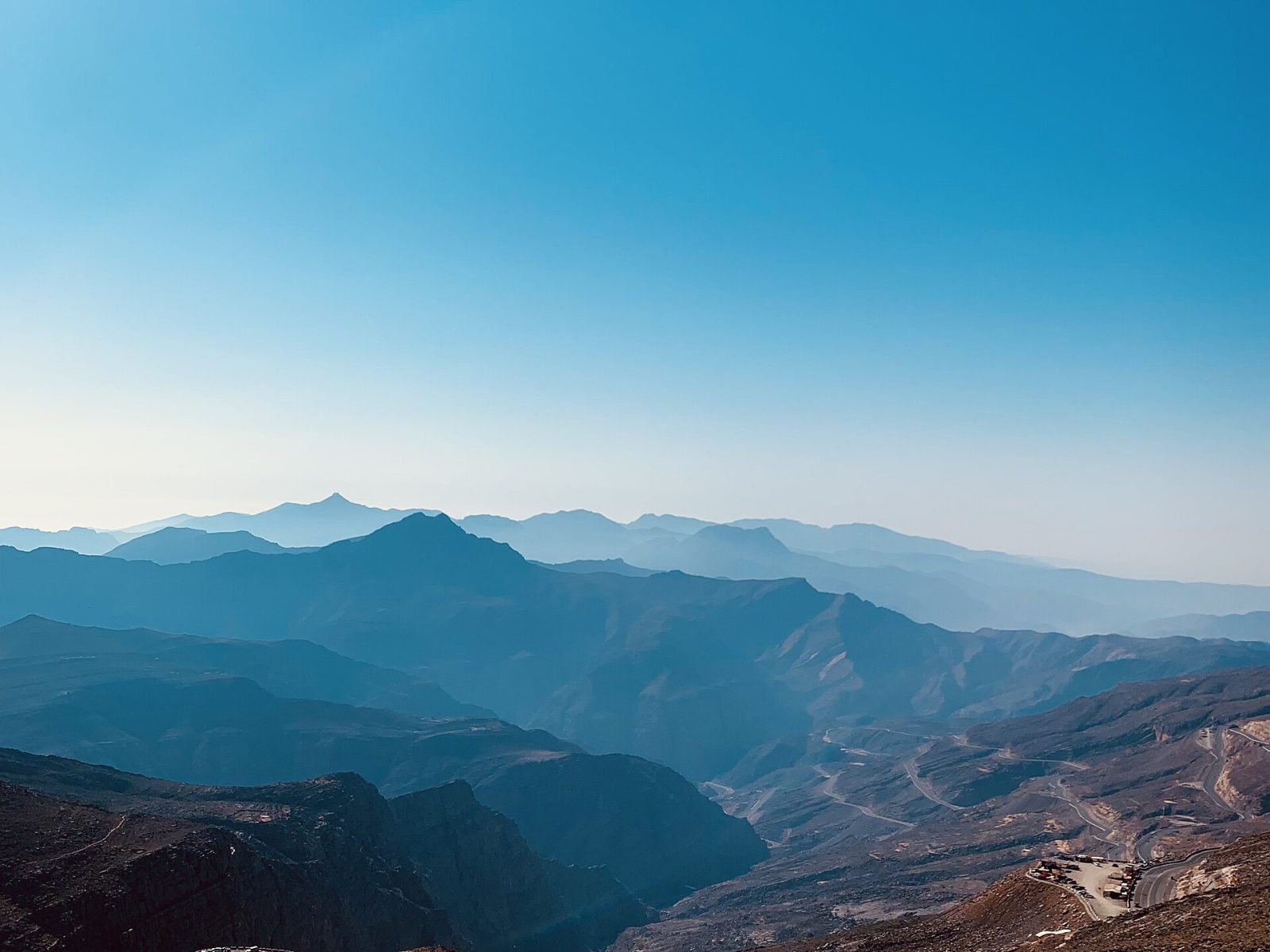
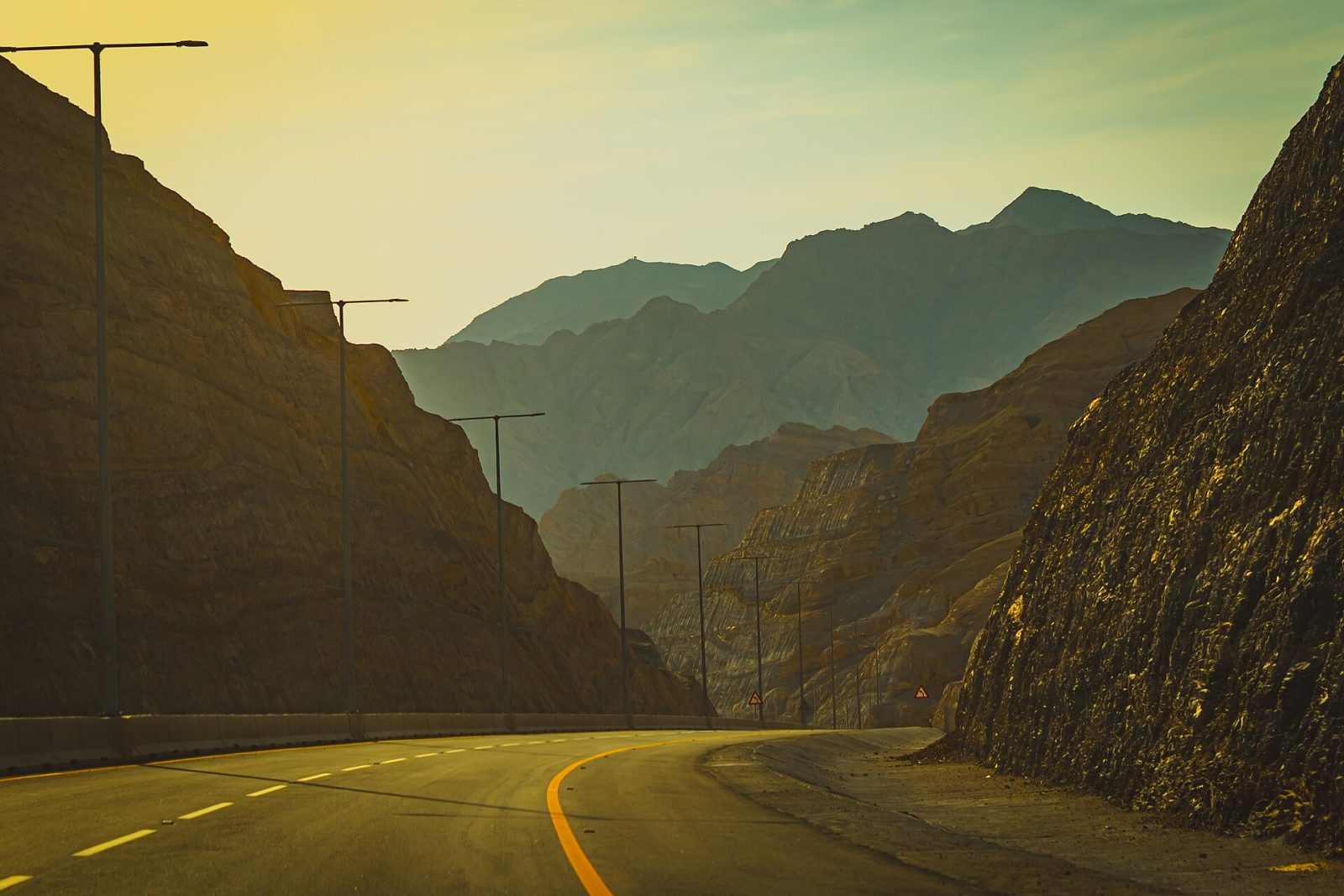
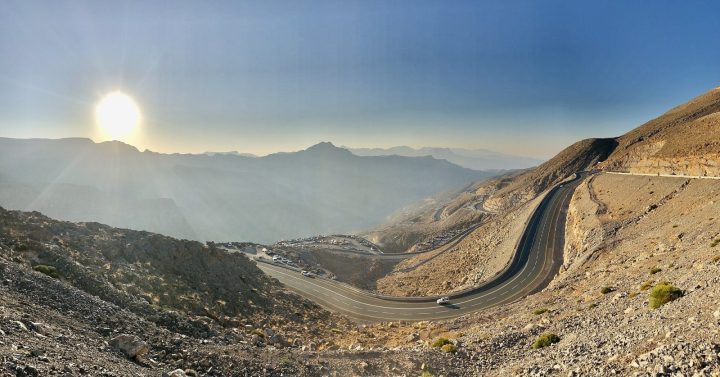
Jebel Jais in Ras Al Khaimah is the highest mountain in the UAE, rising to about 1,934 metres in the Hajar range, where winter temperatures can drop close to freezing and snow has fallen on rare occasions. A modern road climbs to viewing decks and a mountain restaurant with views over layered limestone ridges and deep wadis. It is best known for the Jais Flight, the world's longest zipline at nearly 2.83 km, along with a via ferrata, sledder ride and hiking trails. The rock here is ancient seabed, folded upward over millions of years. Sunset is the busiest time, and the temperature at the top is several degrees cooler than the coast.
24
STOP 24 OF 24 · LAST STOP
Al Jazirat Al Hamra Heritage Village
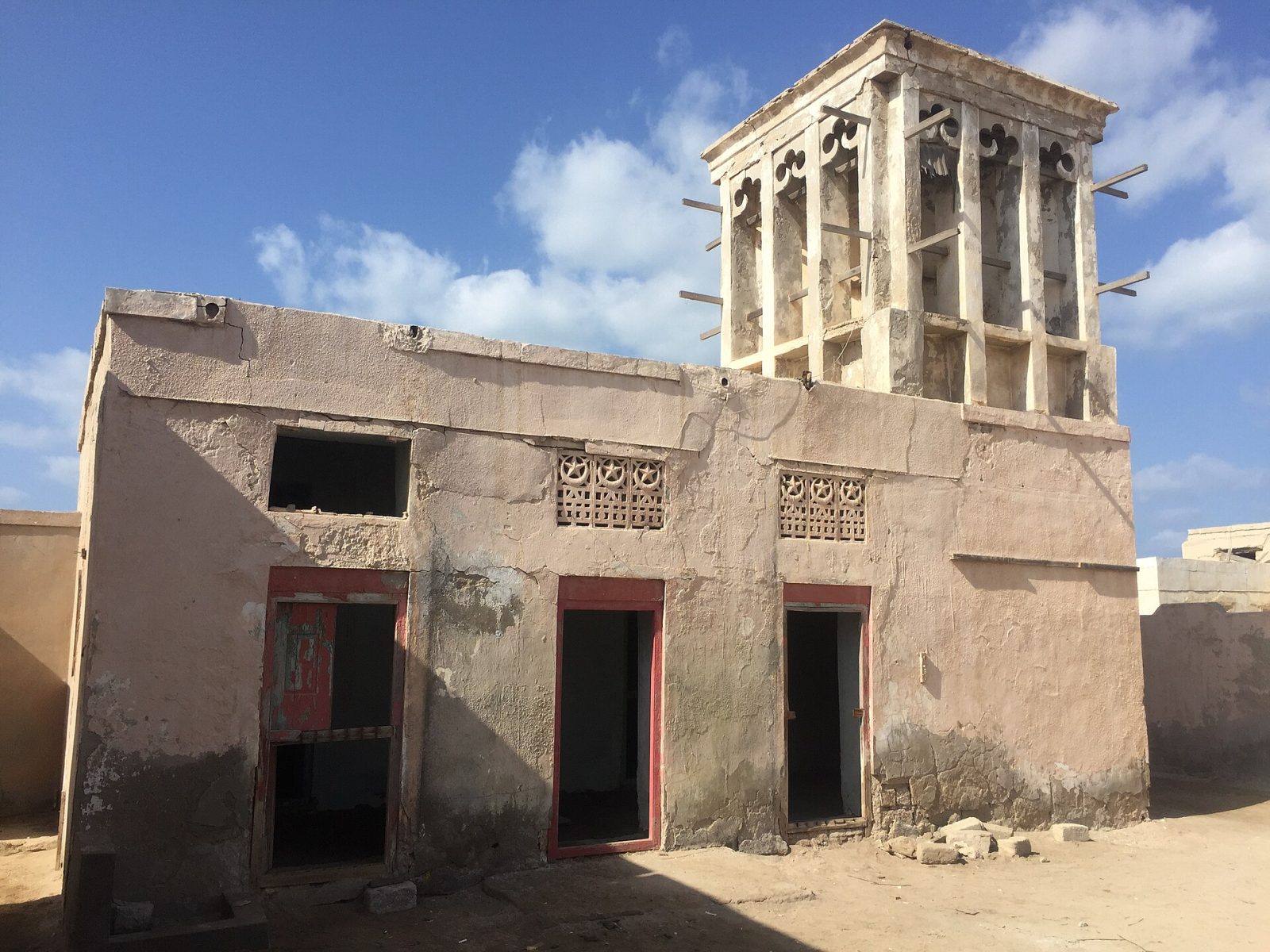
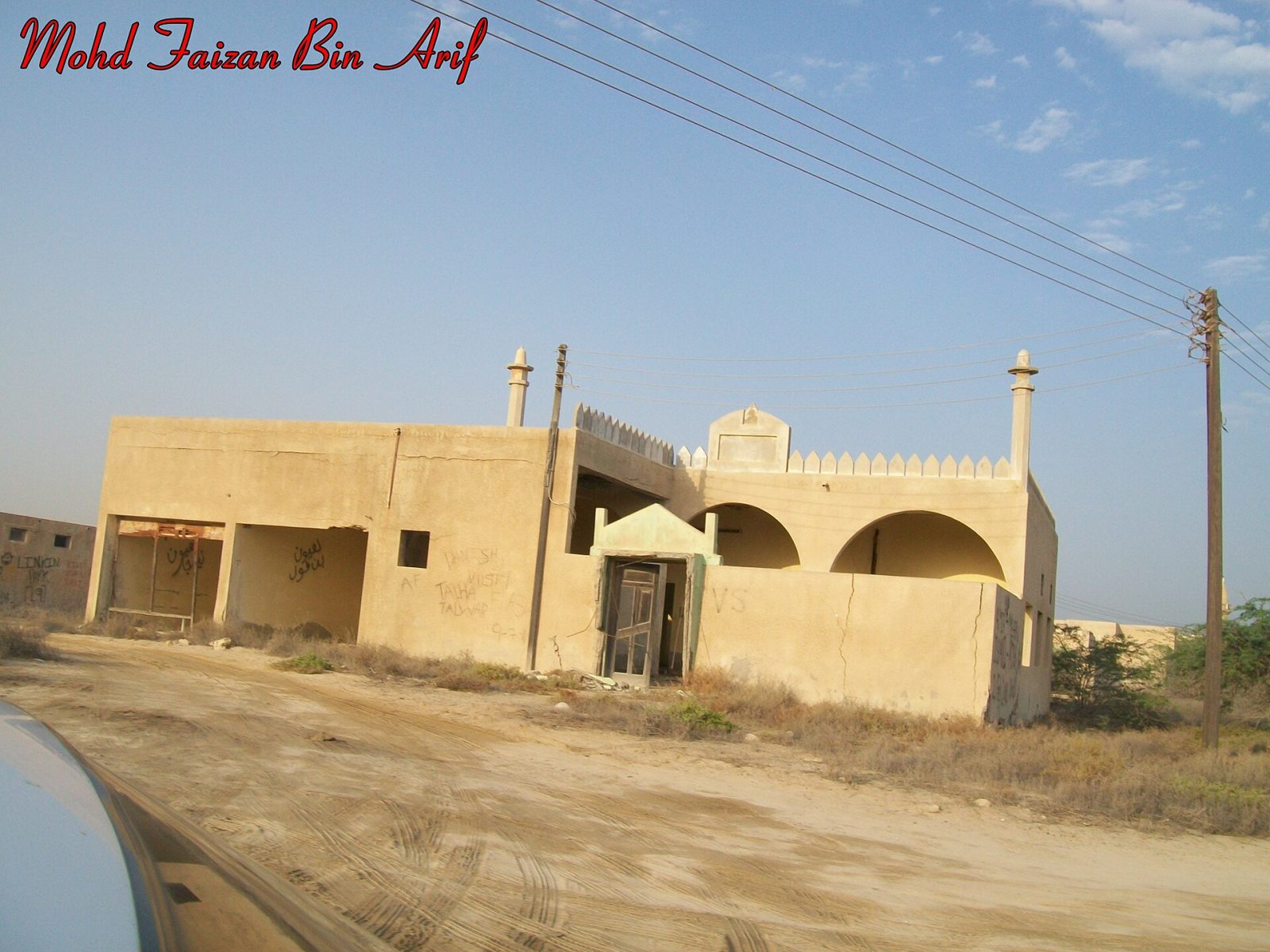
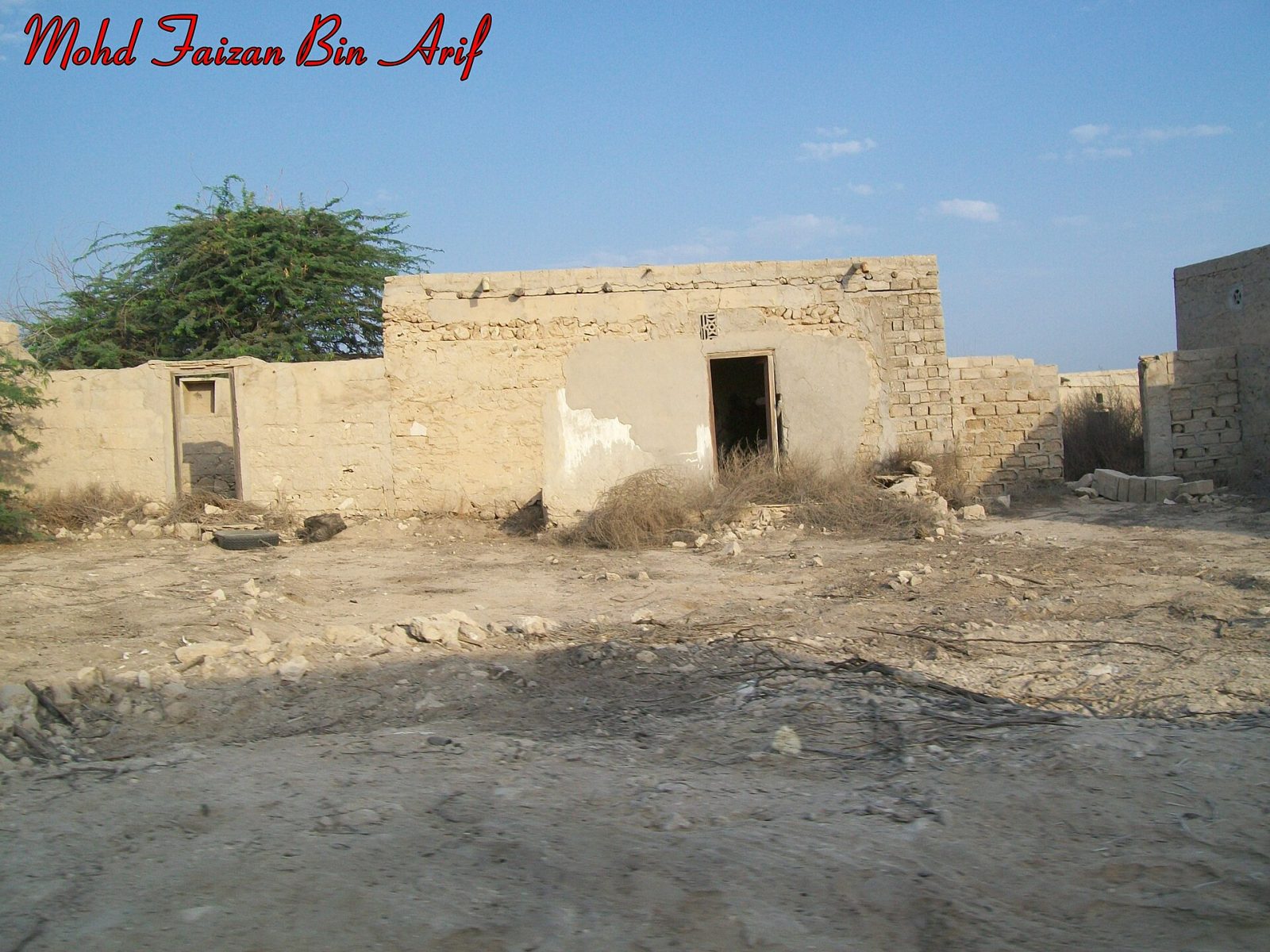
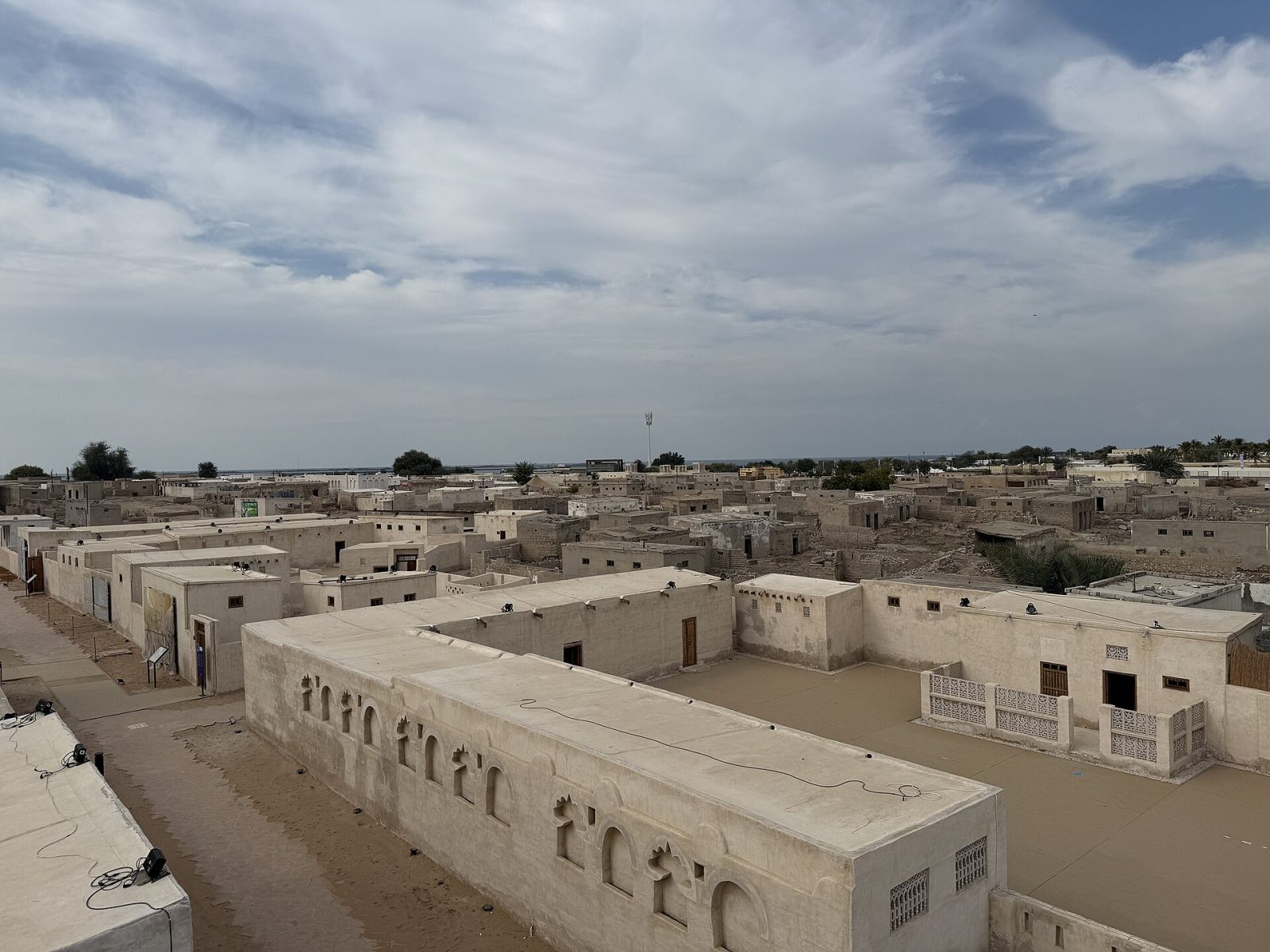
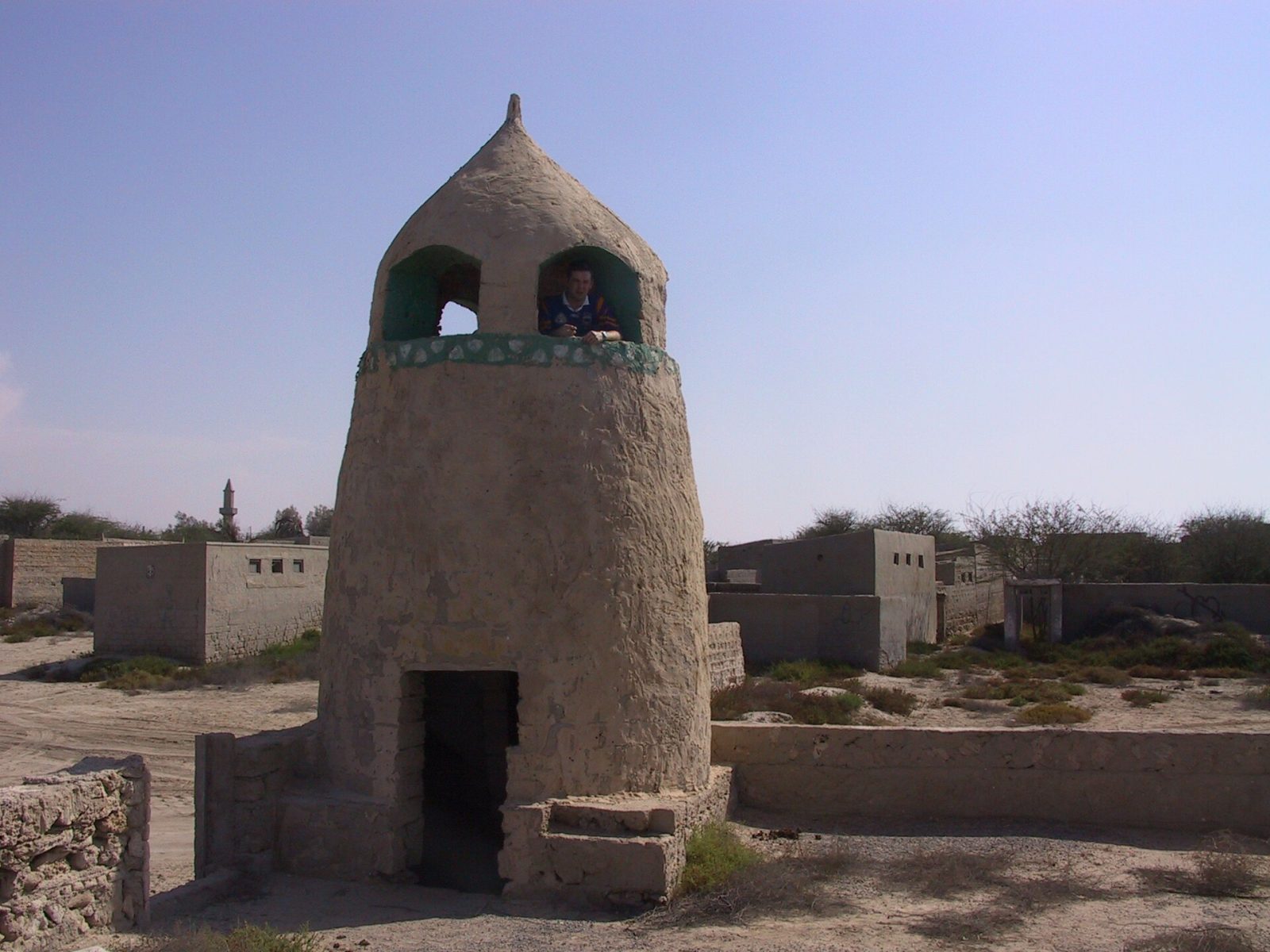
Al Jazirat Al Hamra, south of Ras Al Khaimah city, is the best-preserved pearling village in the Gulf. It was once an island settlement of coral-stone houses, mosques, a souq and a fort, home to the Zaab tribe, and it was left almost entirely in 1968 when most of the community moved away. Because it was abandoned rather than rebuilt, the streets, wind towers and courtyard houses still stand as they were. Local stories about jinn have given it a haunted reputation, and it has been used as a film location. Restoration work is underway and parts are open to visitors; daytime is the practical time to walk it.
Seasons from 20 years of NASA POWER climate data.
 WaTrips