Mleiha and Fossil Rock, Fujairah's fort, museum and mosque, Al Badiyah, Snoopy Island and Wadi Wurayah, then Kalba, Khor Fakkan and Al Rafisah.
The east coast faces the Gulf of Oman, with mountains behind the beaches. Day one stops at Mleiha's archaeological centre and Fossil Rock, then visits Fujairah's fort, museum and white Sheikh Zayed Mosque. Day two goes to the little Al Badiyah mosque, the oldest in the UAE, snorkels at Snoopy Island and walks in Wadi Wurayah. Day three visits the Kalba mangroves, Khor Fakkan beach and the Al Rafisah dam. The water is clearest from October to May.
01
STOP 1 OF 11
Mleiha Archaeological Centre
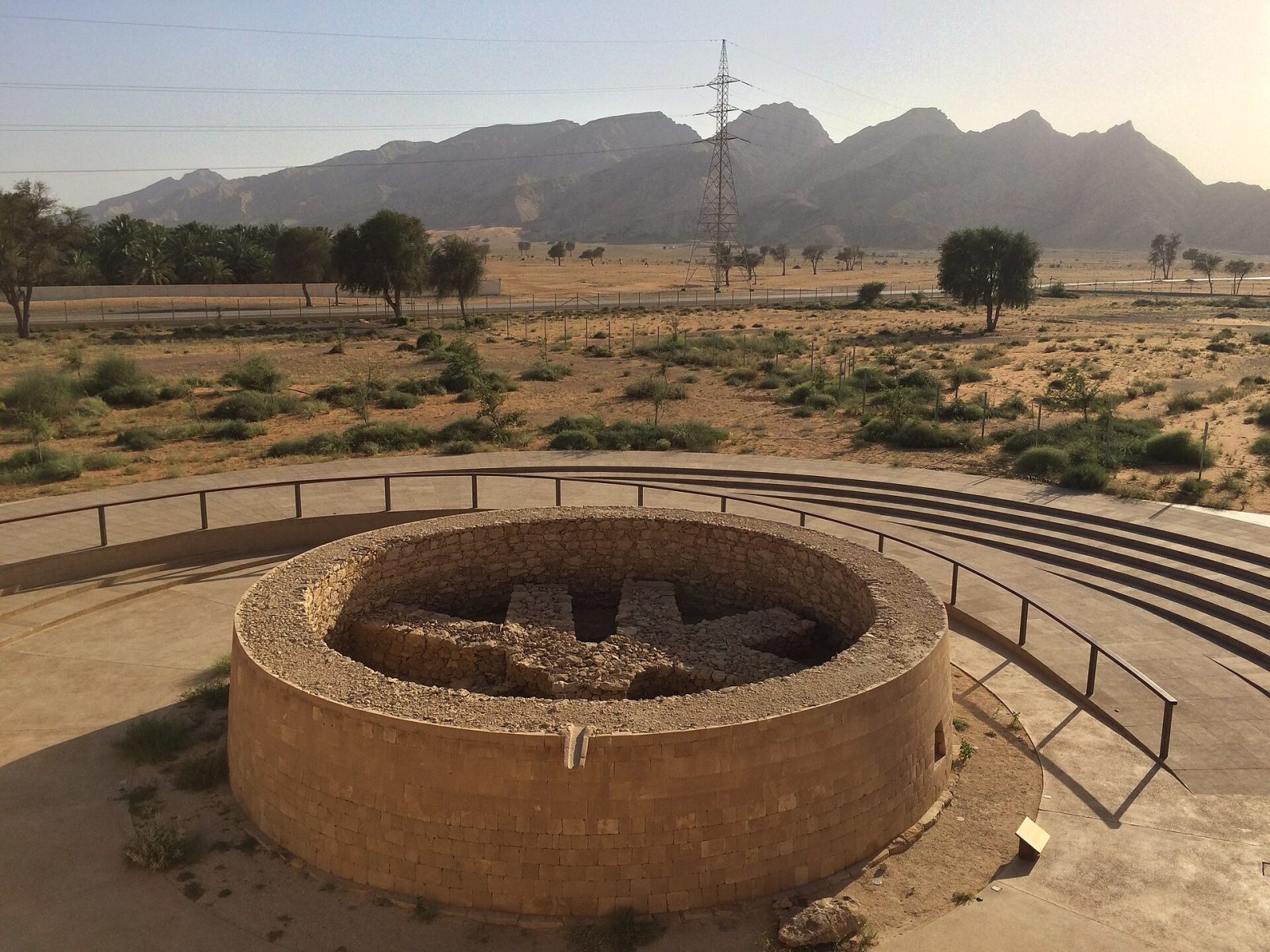
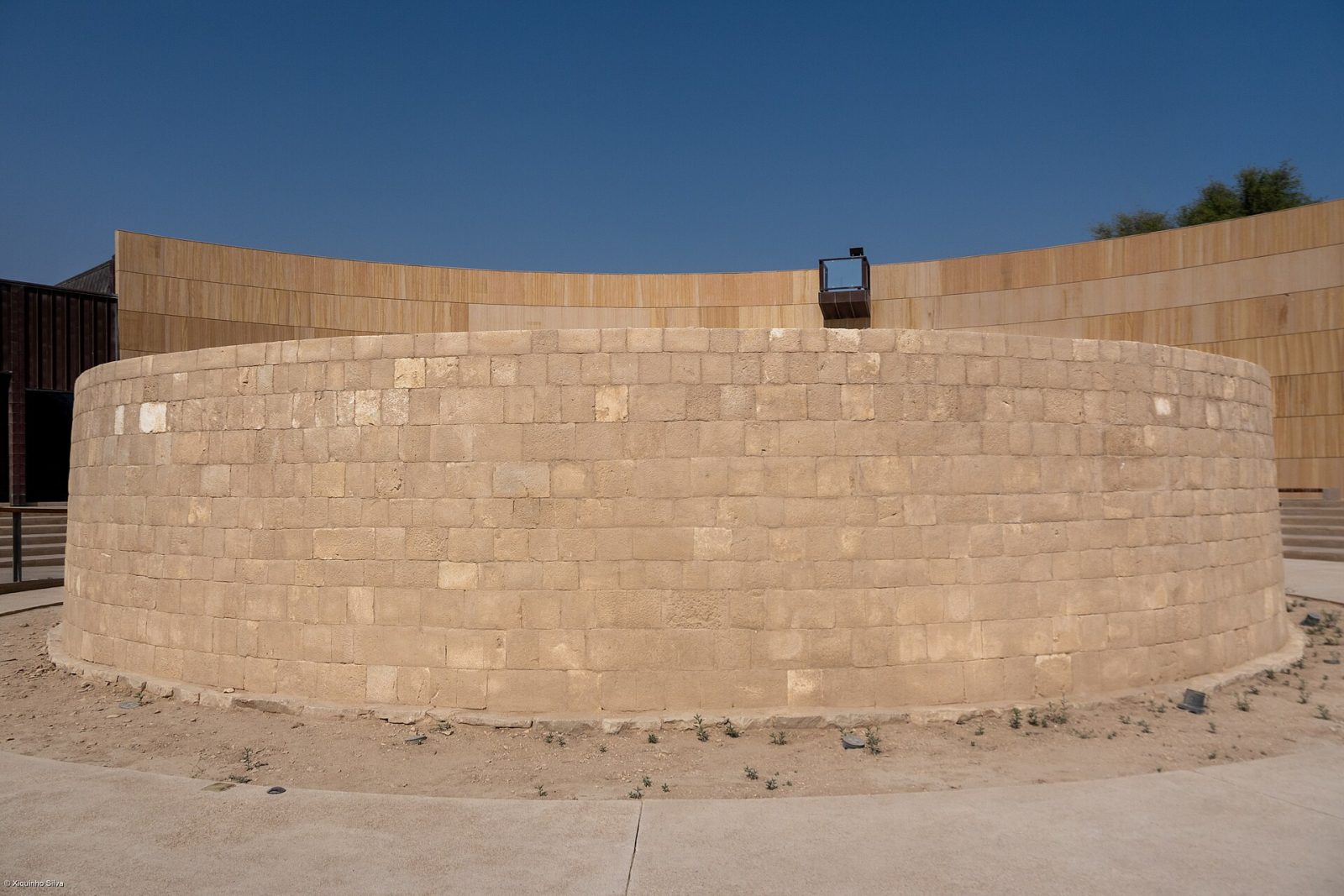
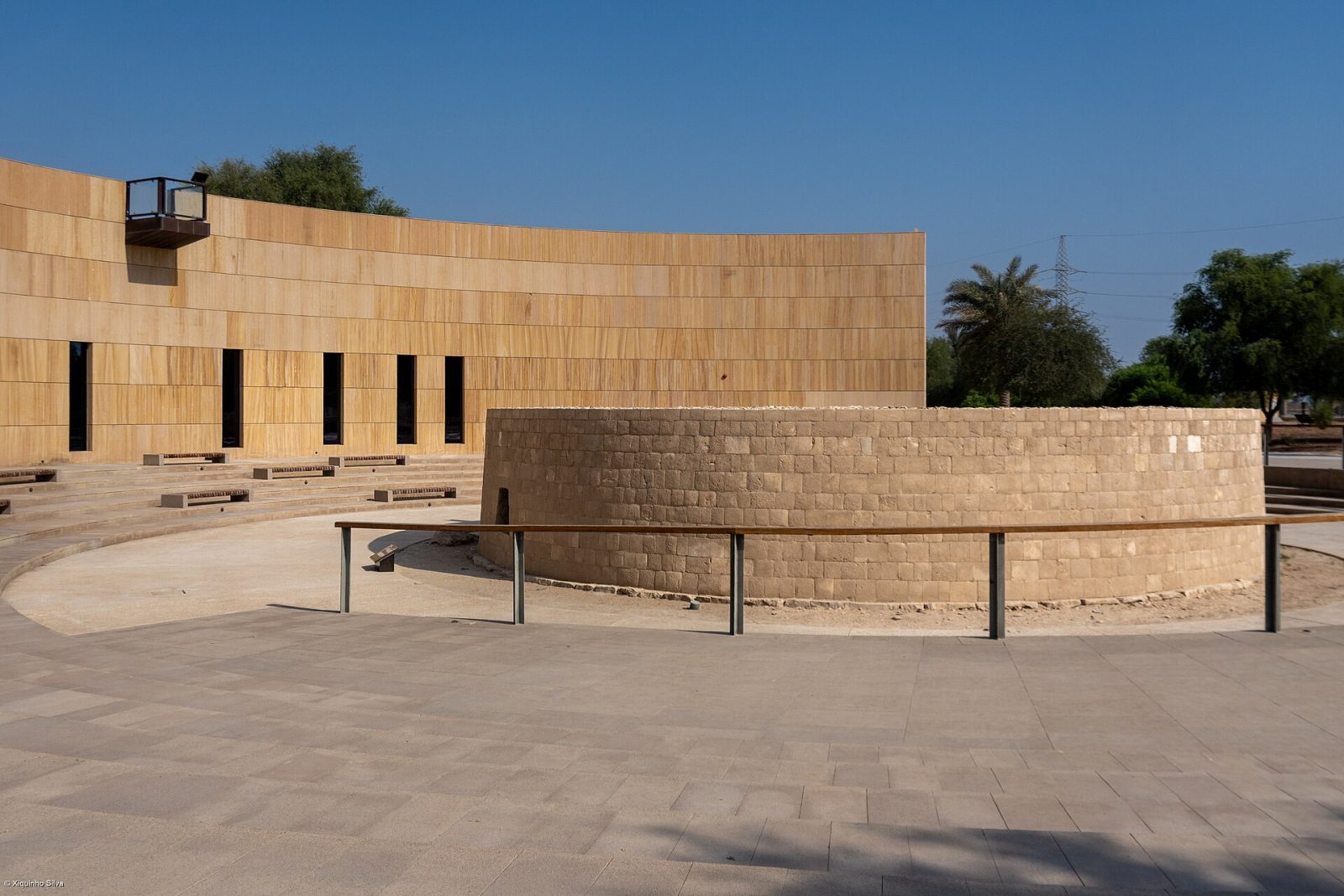
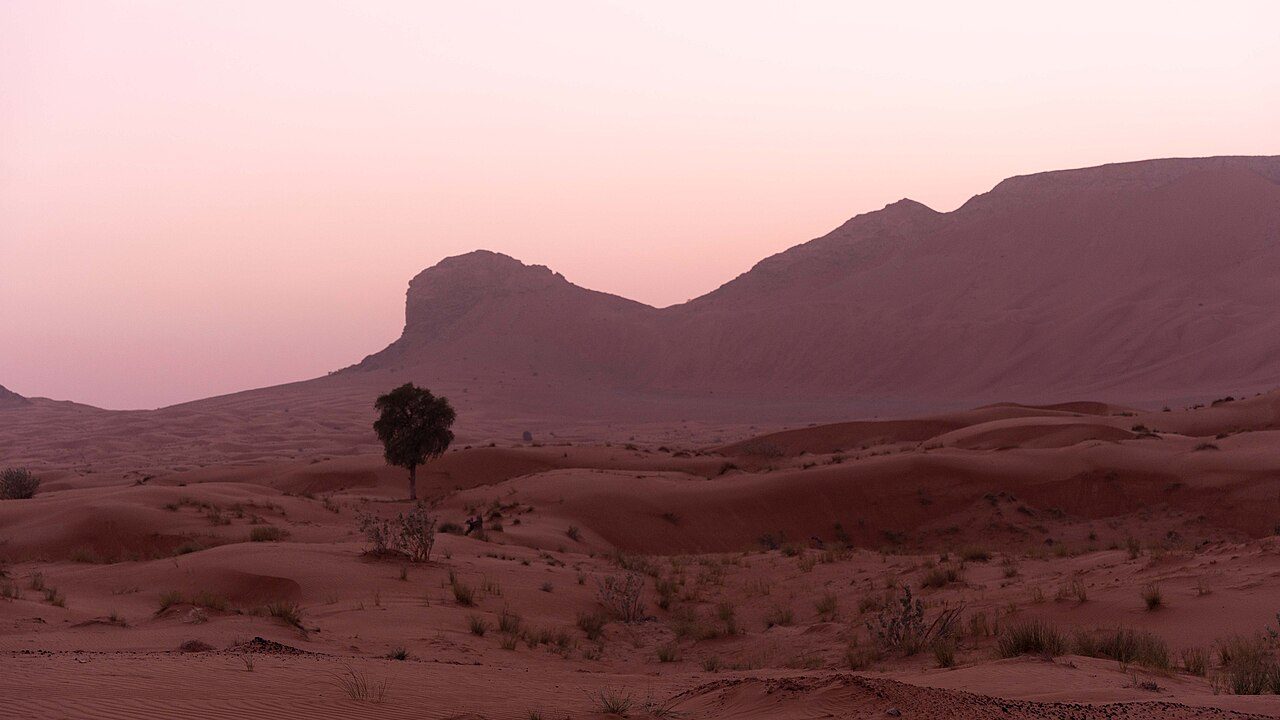
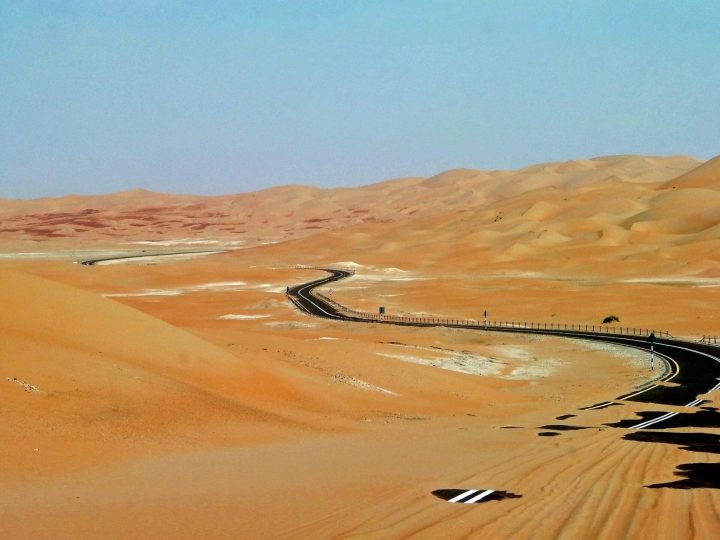
Mleiha, in the desert interior of Sharjah, is one of the most important archaeological areas in the Gulf, with traces of human settlement going back more than 125,000 years. Excavations have found Stone Age tools, Bronze Age tombs including the reconstructed Umm an-Nar circular tomb, and a fortified pre-Islamic town with camel burials and a mint. The modern visitor centre is built over one of the tombs and explains the finds, and it runs tours to the sites, Fossil Rock and the surrounding dunes. Dune drives, stargazing and mountain biking are offered from the same base. Cooler months are the season for the outdoor tours.
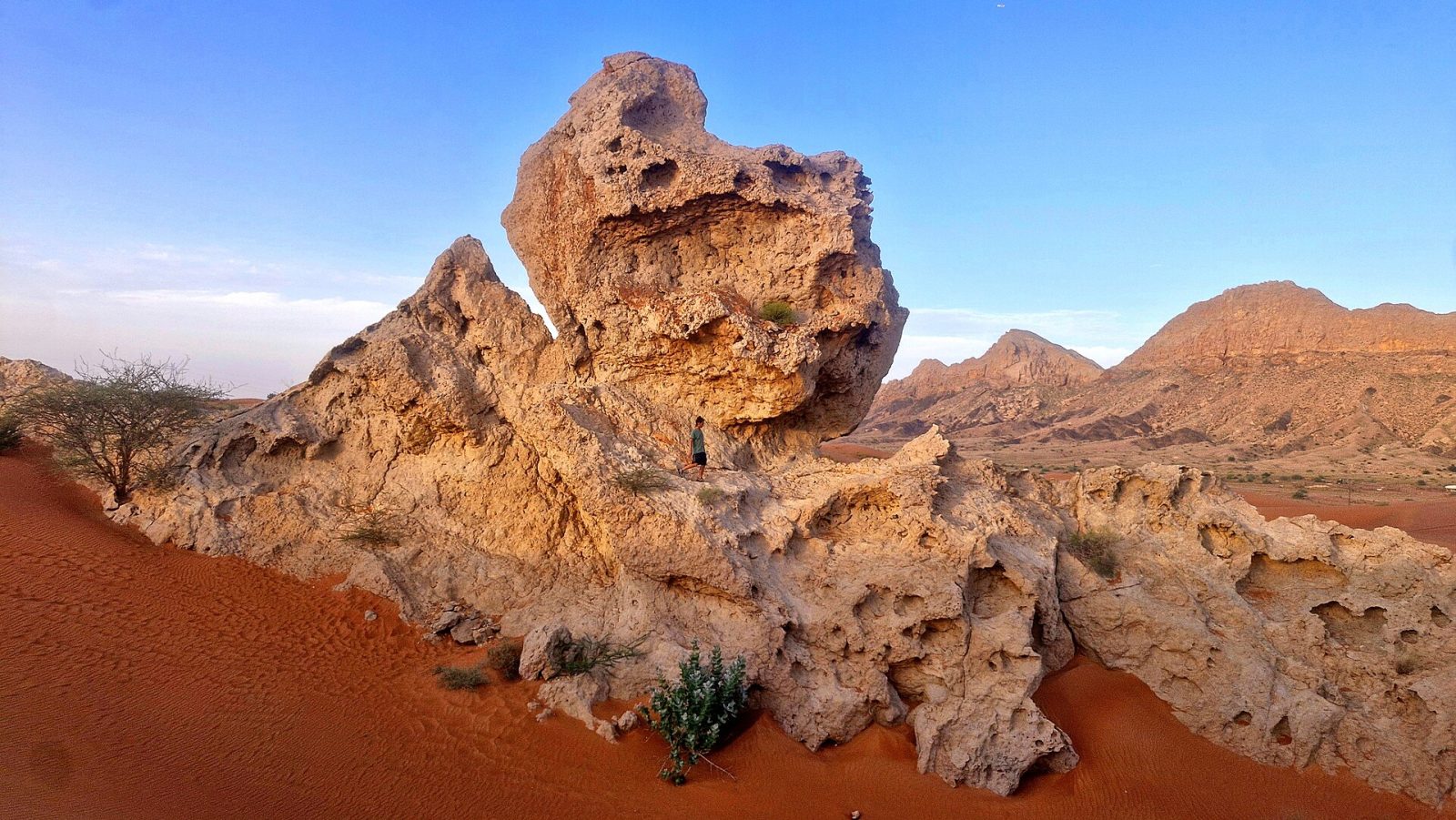
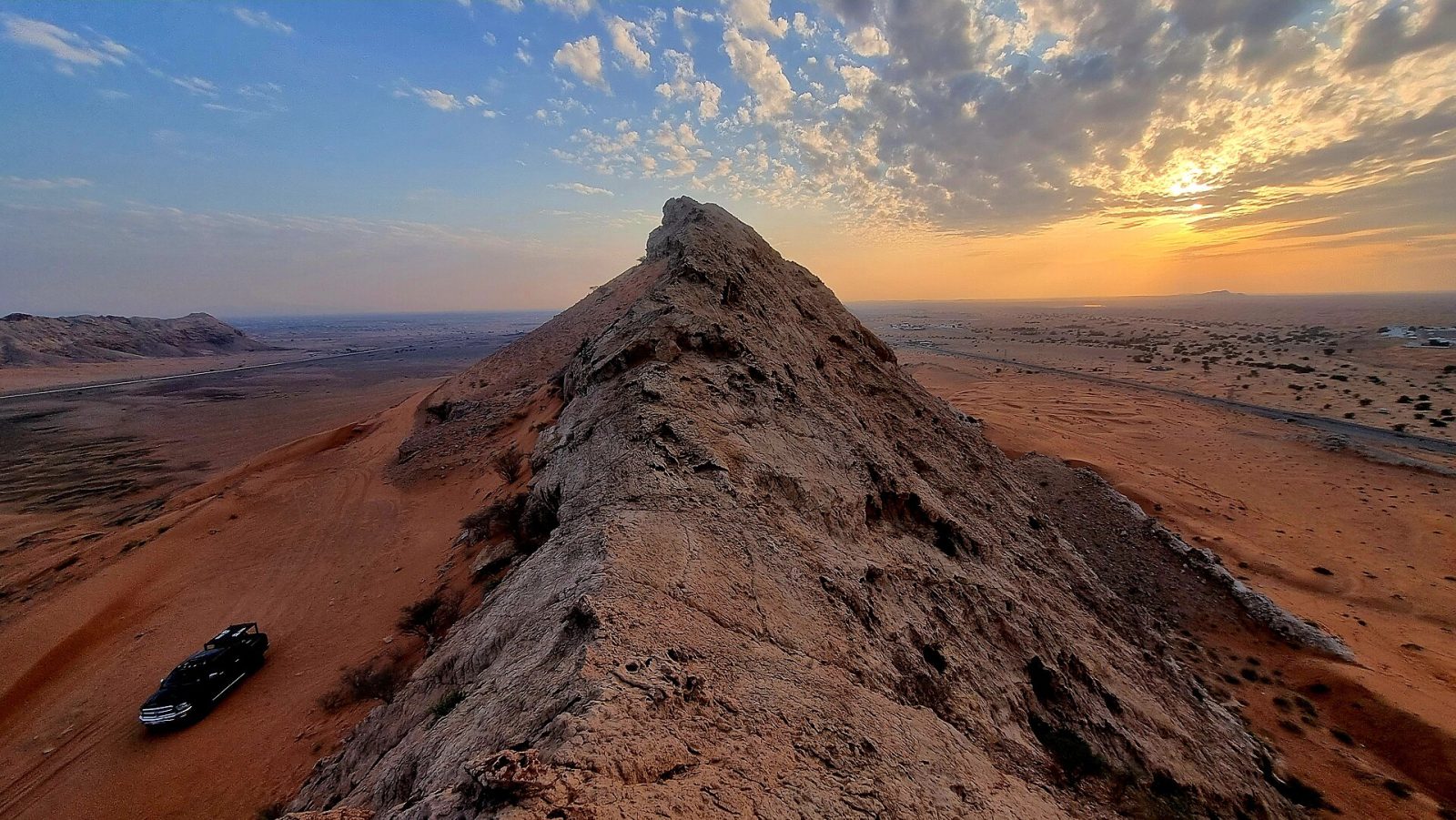
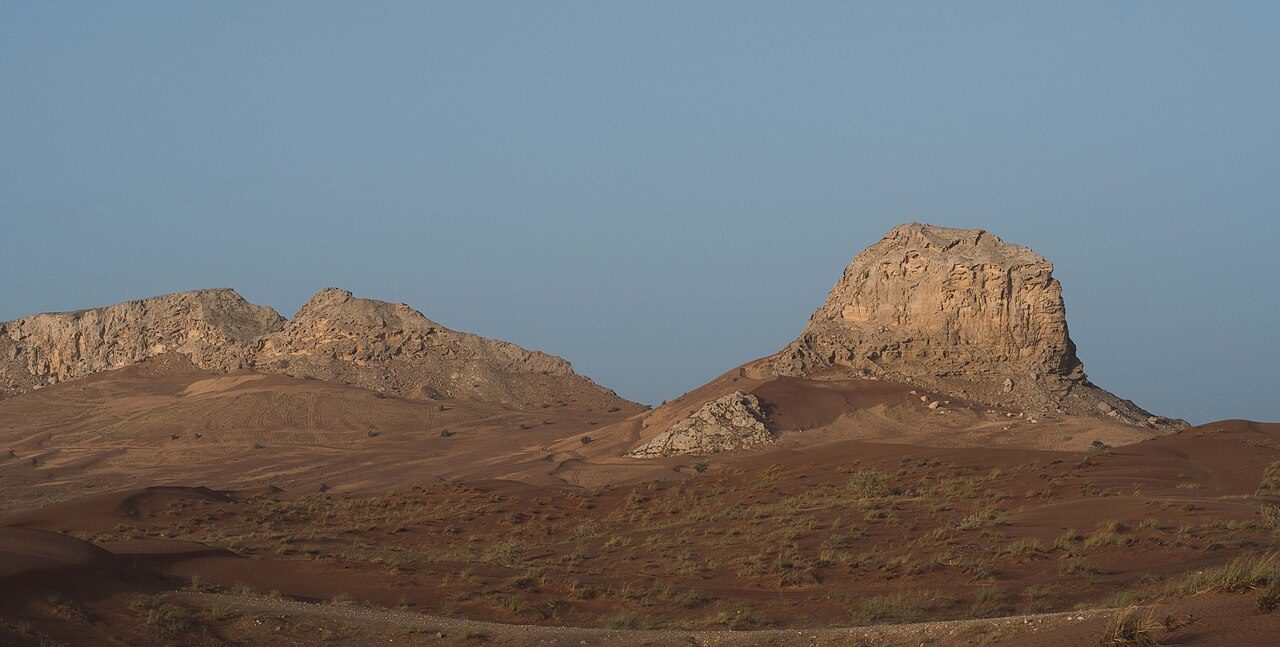
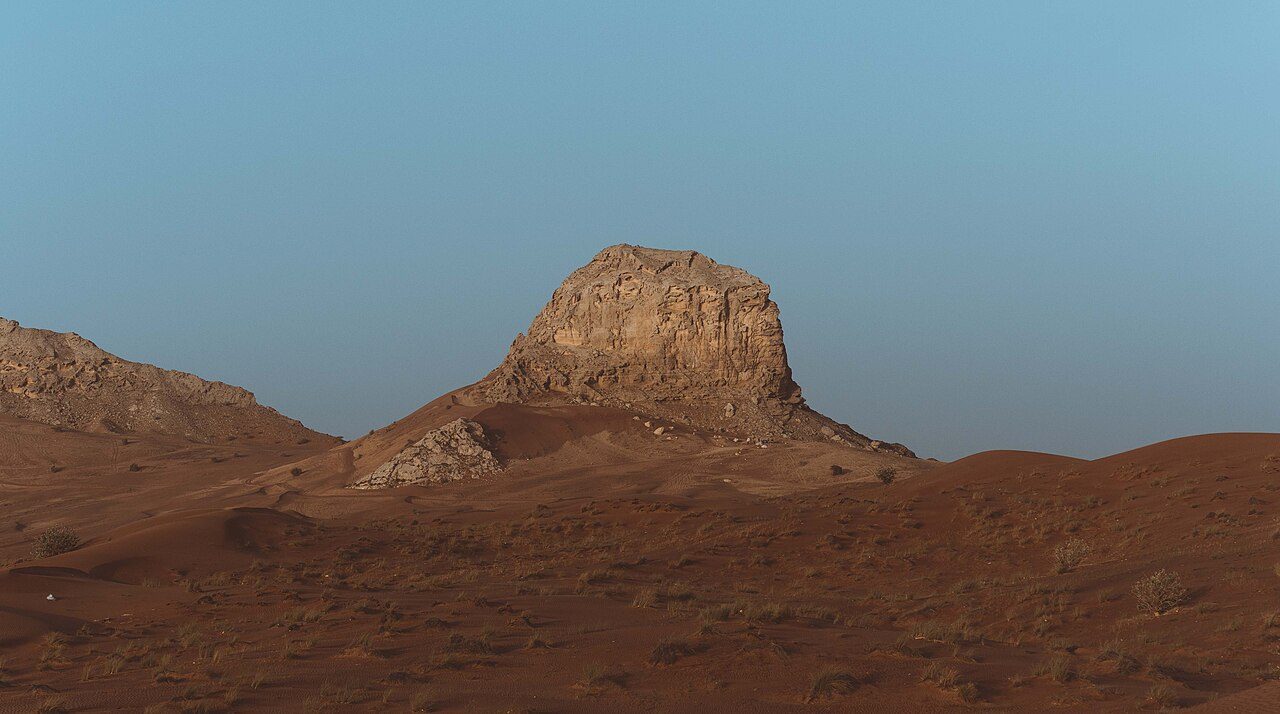
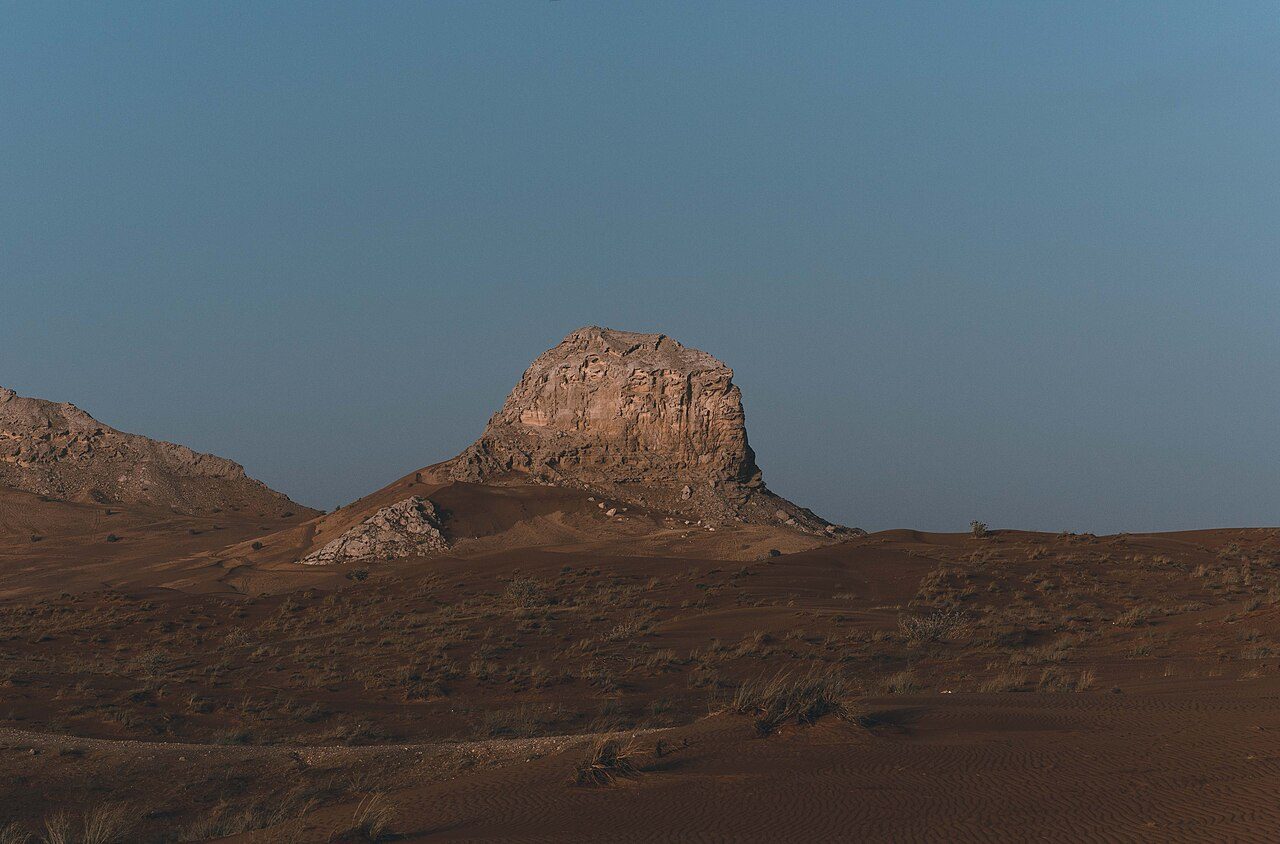
Fossil Rock, known locally as Jebel Maleihah, is a rocky ridge that rises out of red dunes in the desert of Sharjah near Mleiha. Marine fossils from about 80 million years ago, when the area lay under a shallow sea, can be found in its limestone. It is a favourite goal for dune driving, hiking and sunset trips.
03
STOP 3 OF 11
Fujairah Fort
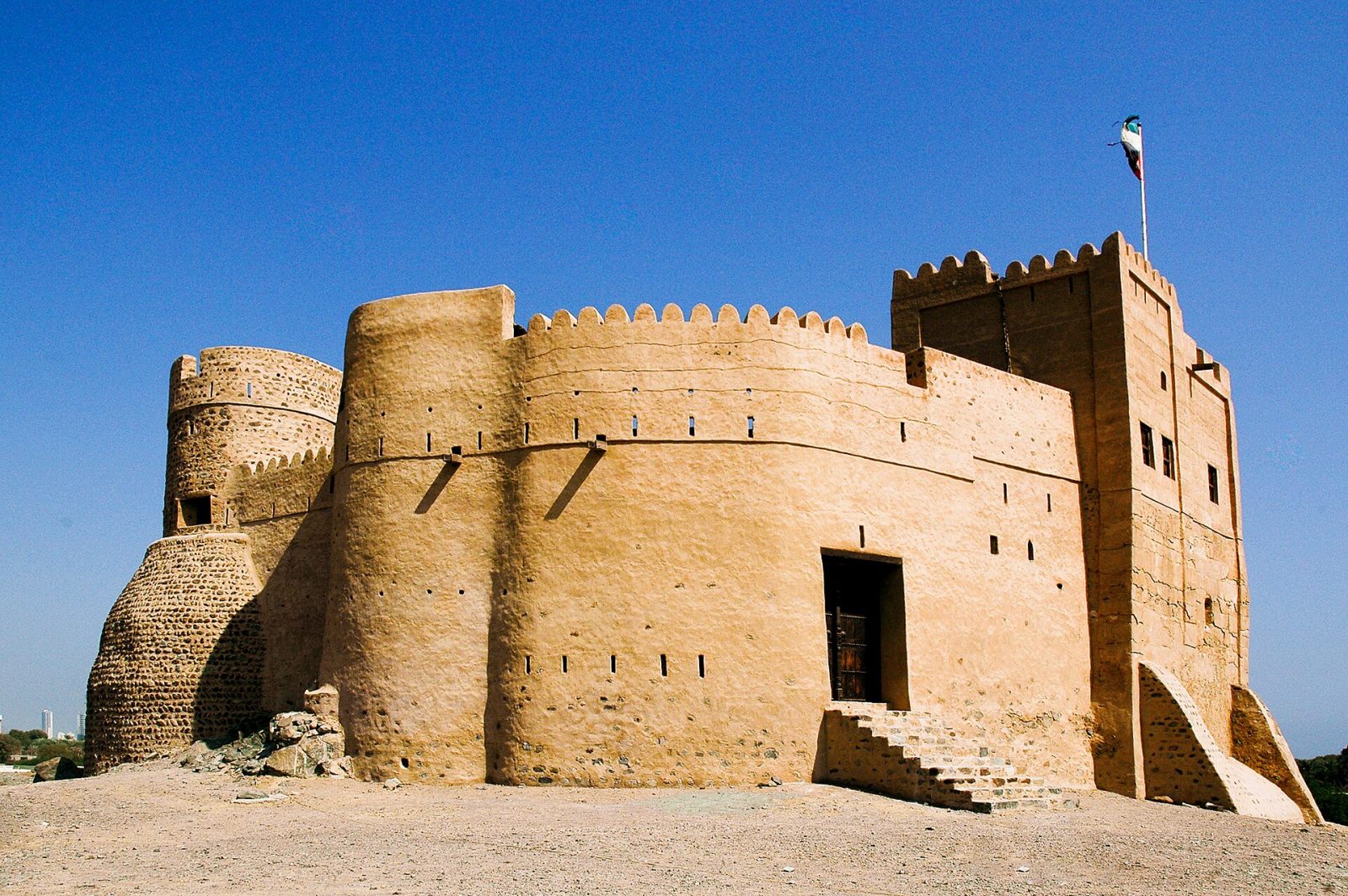
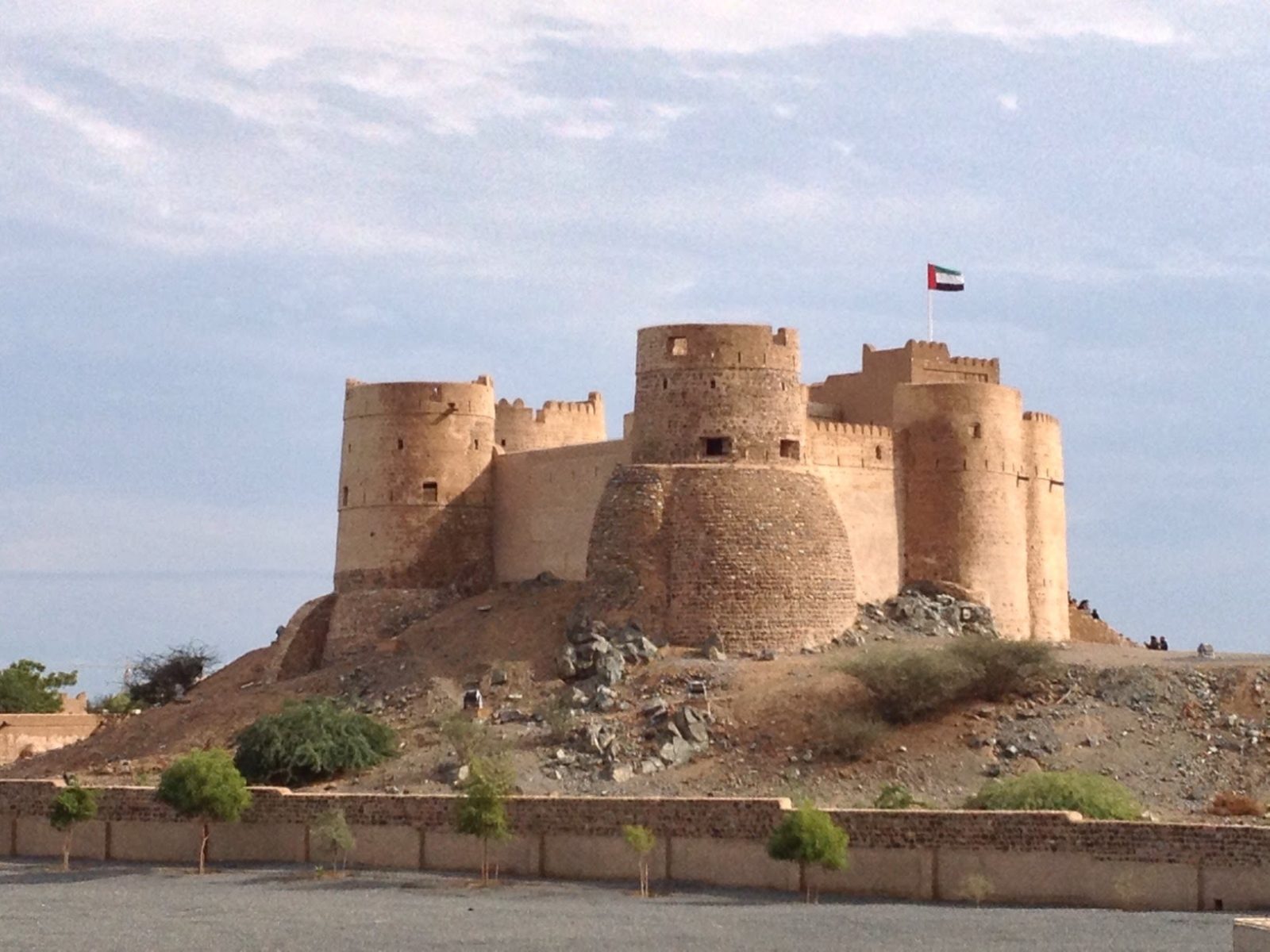
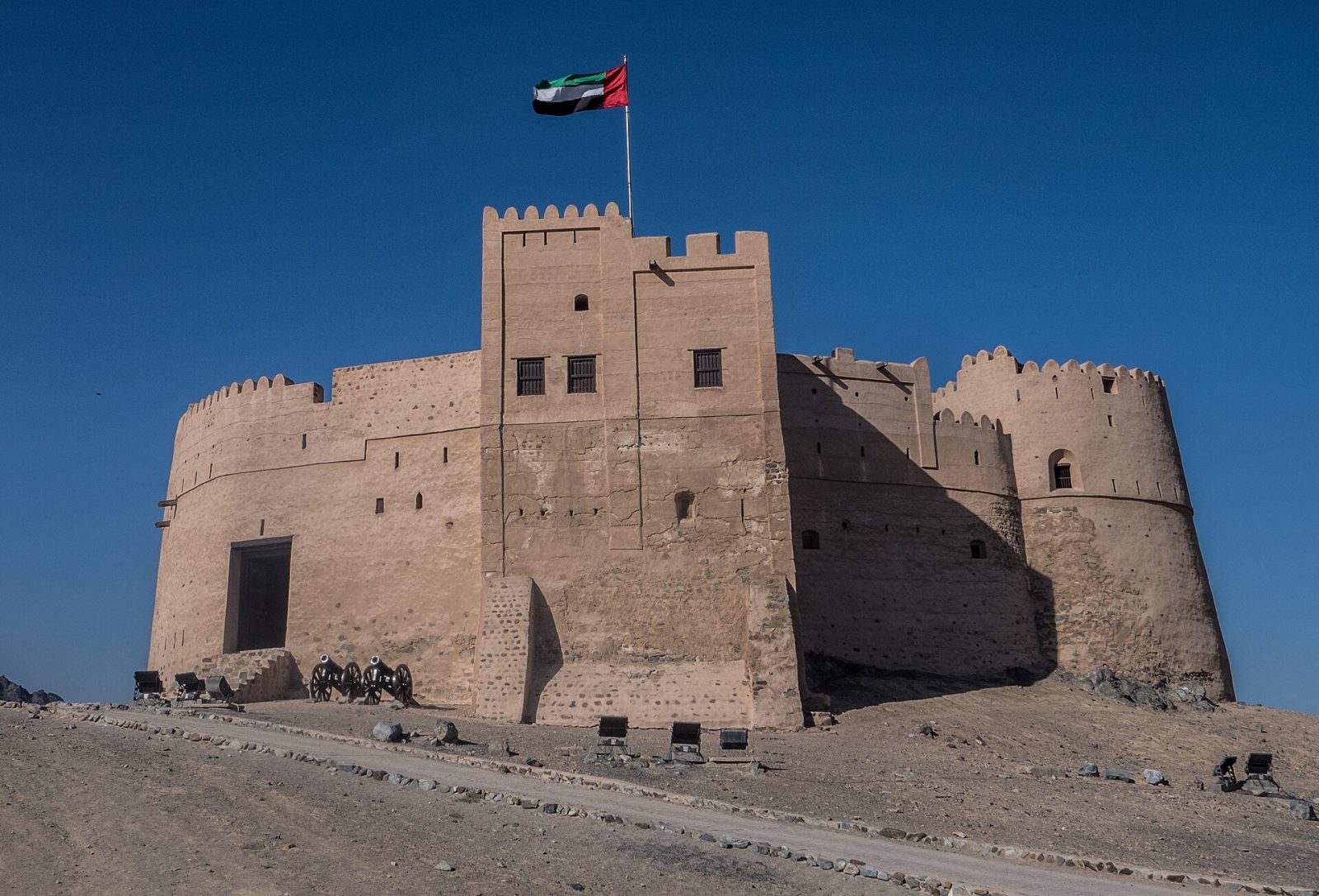
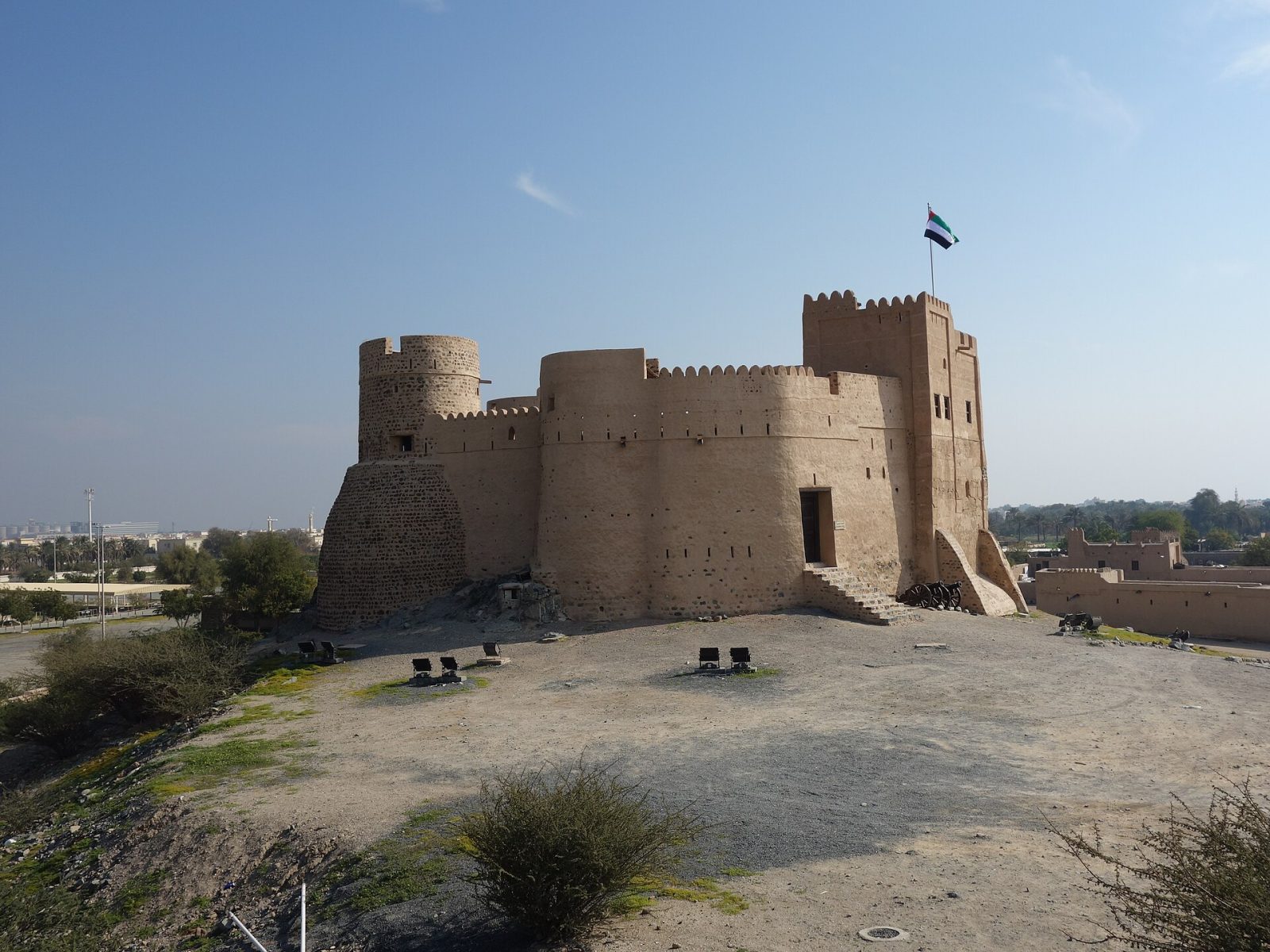
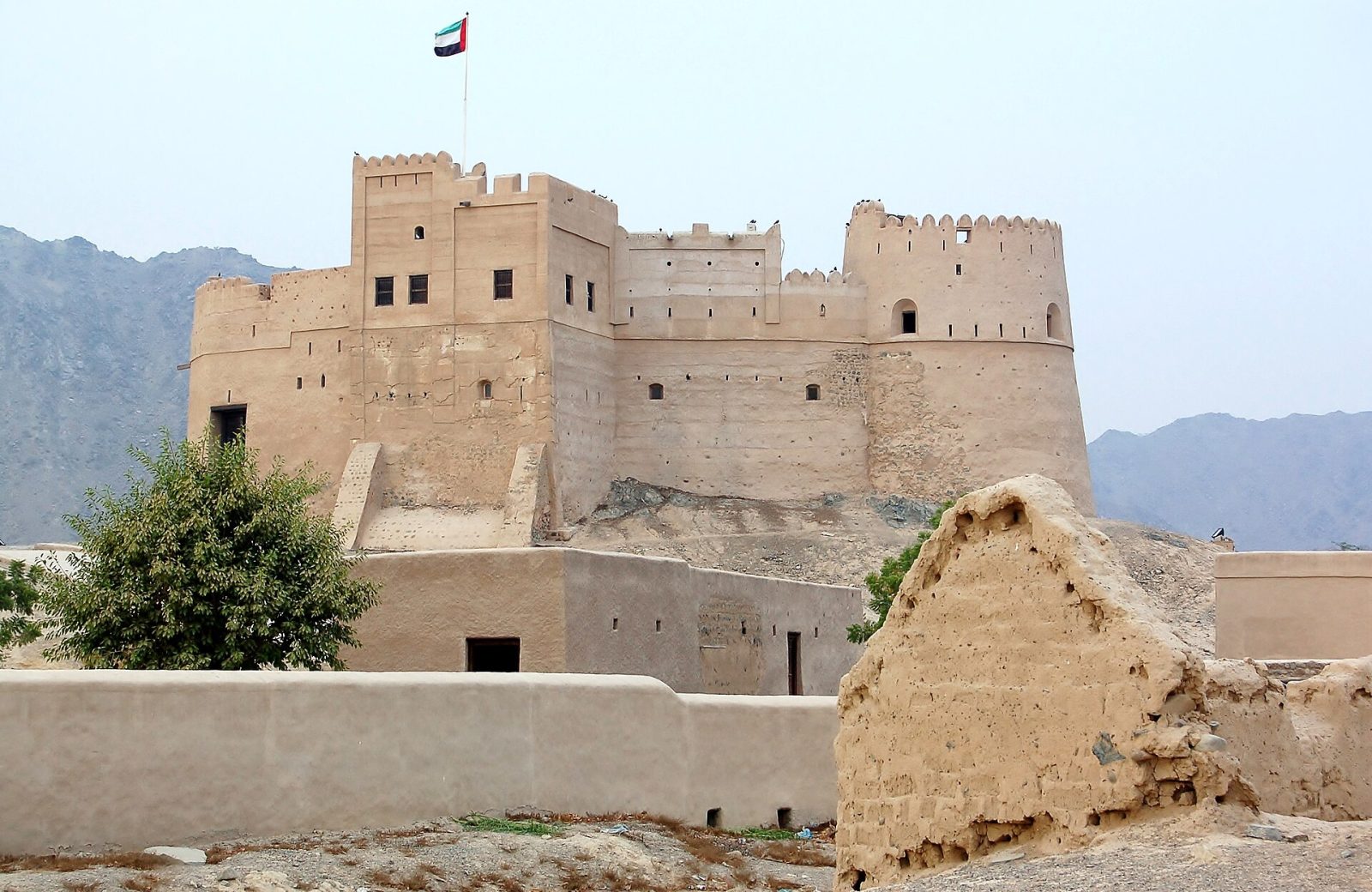
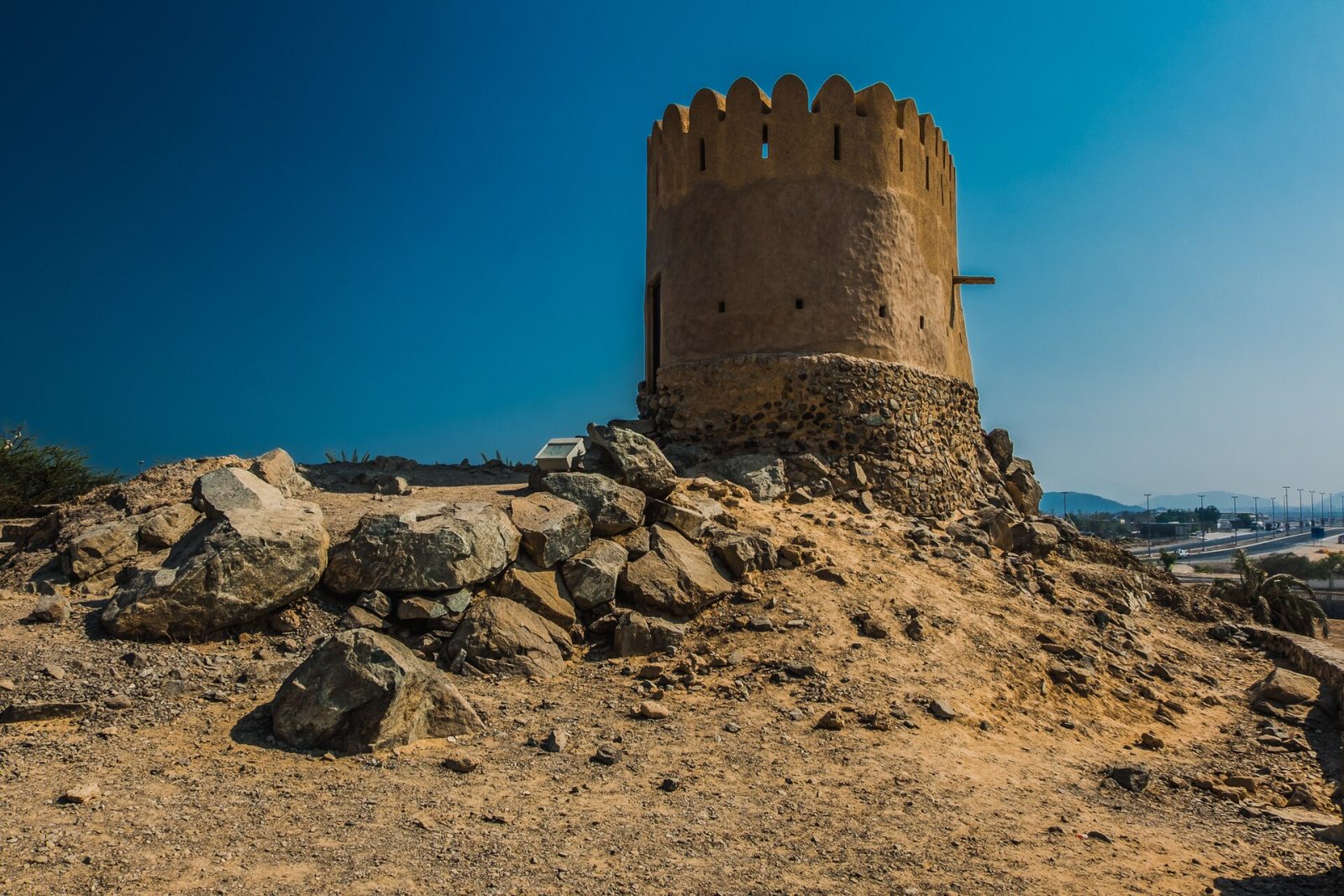
Fujairah Fort is the oldest fort in the UAE, built in the 16th century of stone, gravel and mud on a low hill above the coastal plain. It has three main sections, a round tower and two square towers, and it served as both a defence and the home of the ruling family. Portuguese forces held this coast for a time, and the fort was shelled by British ships in 1925 during a dispute with the local ruler. Restoration in the 2000s repaired the damage, and the old village of stone houses and a mosque at its foot is part of the heritage site. The surrounding date gardens and the mountains behind make it a striking setting.
04
STOP 4 OF 11
Fujairah Museum
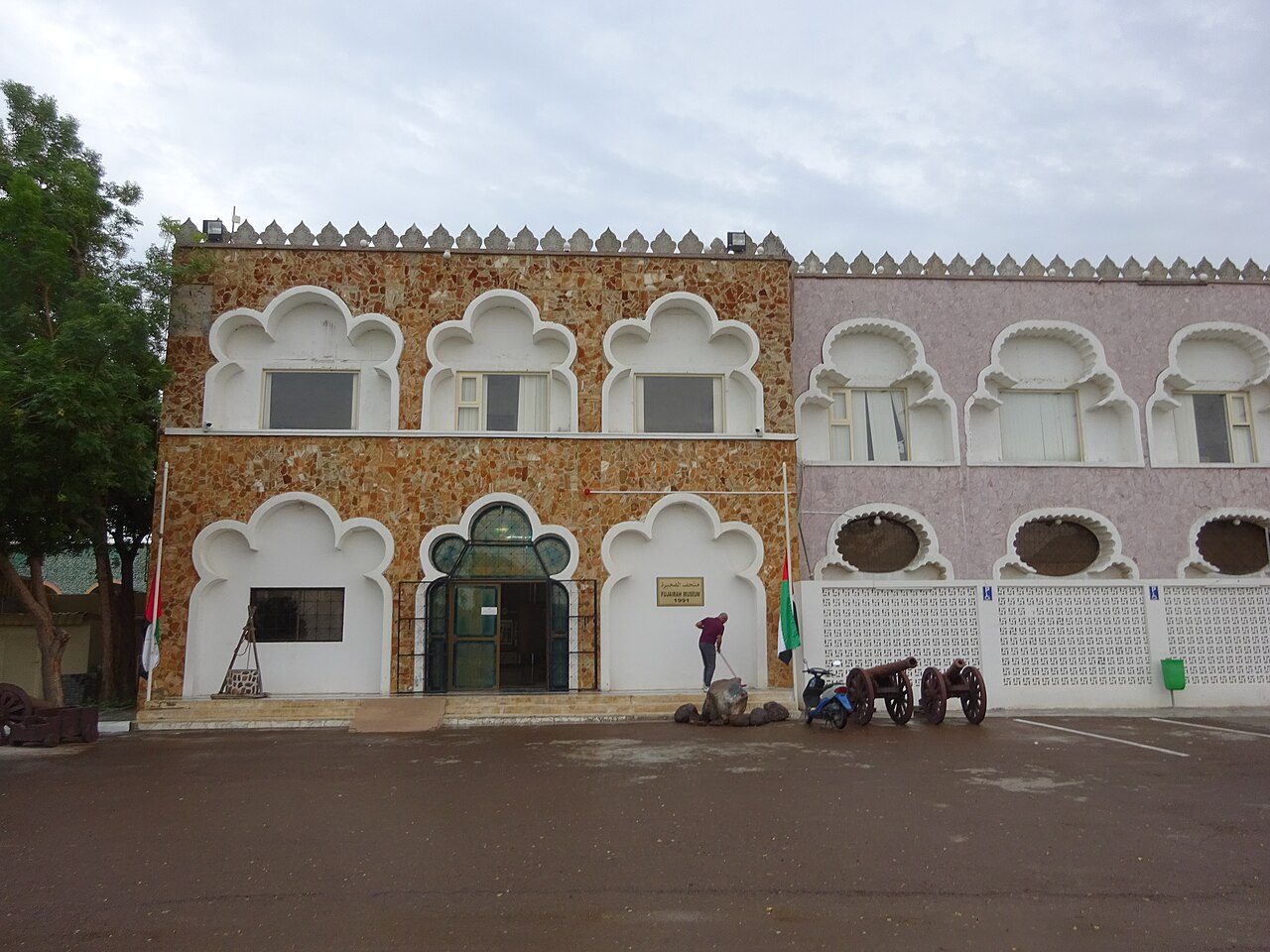
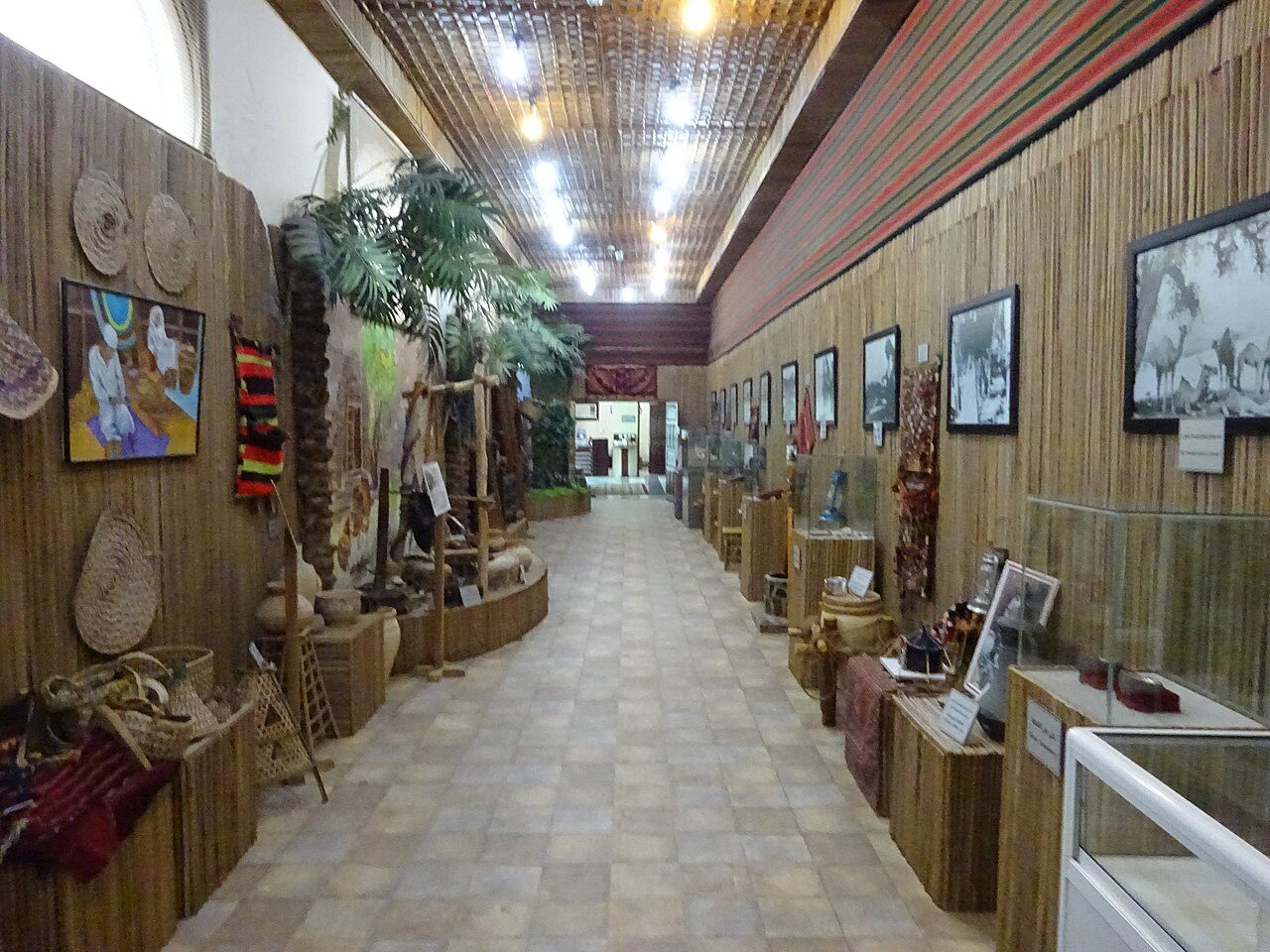
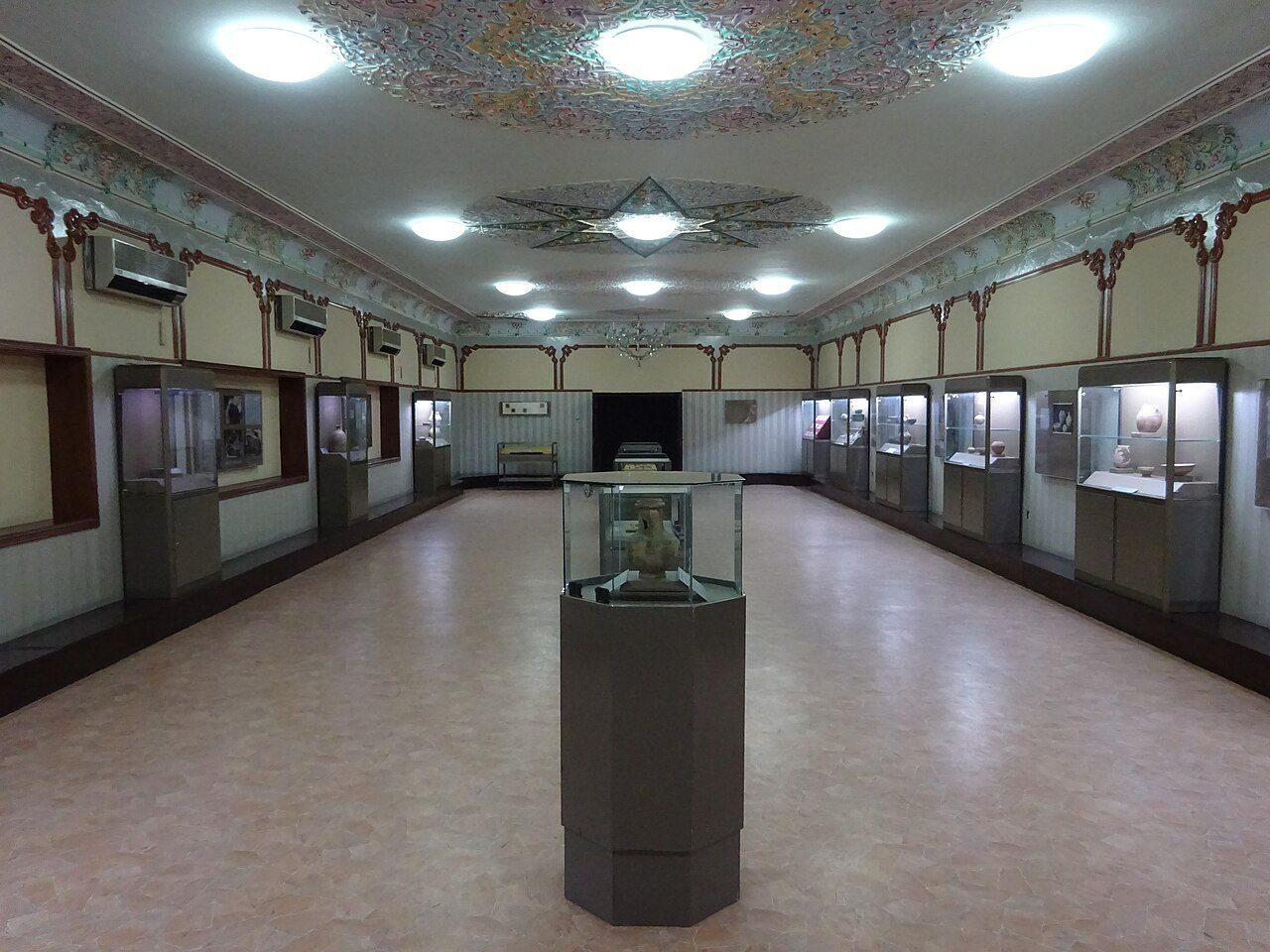
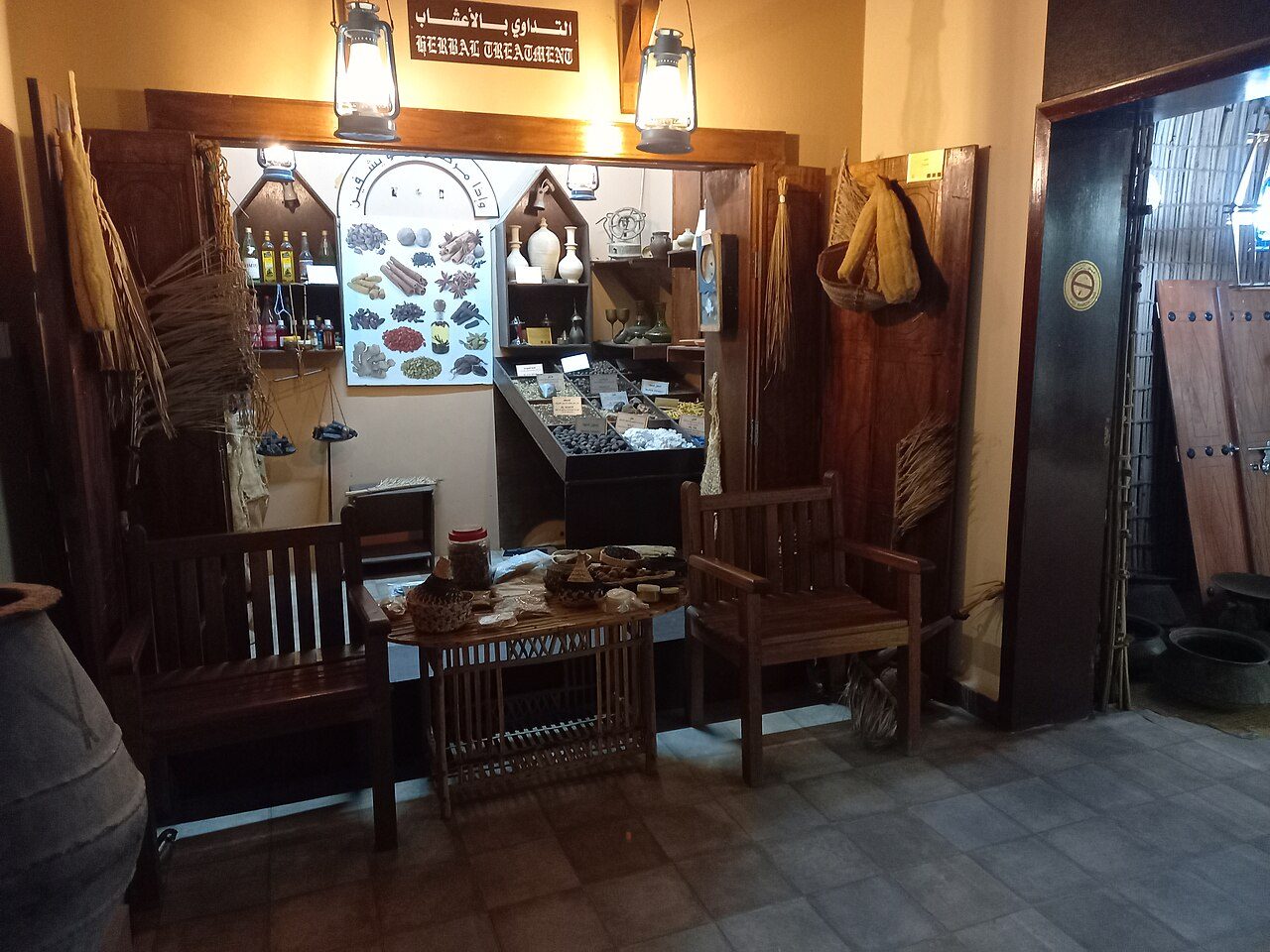
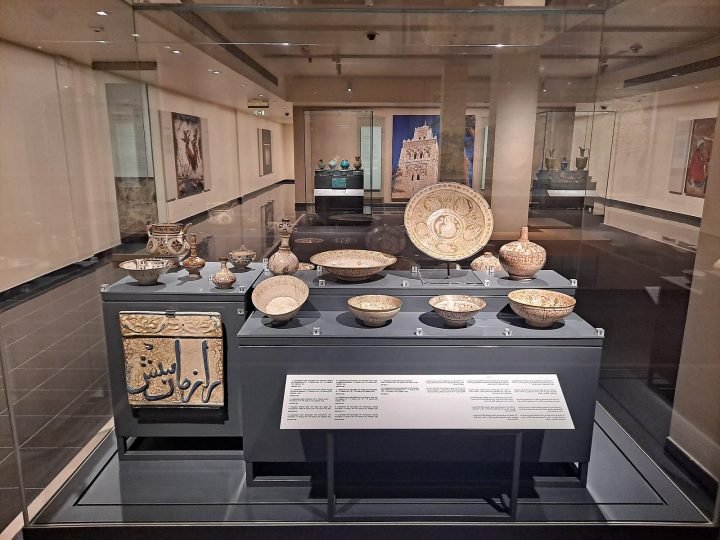
Fujairah Museum stands just south of Fujairah Fort. Opened in 1991, it has an archaeology hall with finds from local sites such as Qidfa and Bithnah, including Bronze Age pottery, weapons and a soft-stone bowl, and a heritage hall showing traditional dress, farming tools, weapons and household life in the mountains and on the coast.
05
STOP 5 OF 11
Sheikh Zayed Mosque Fujairah
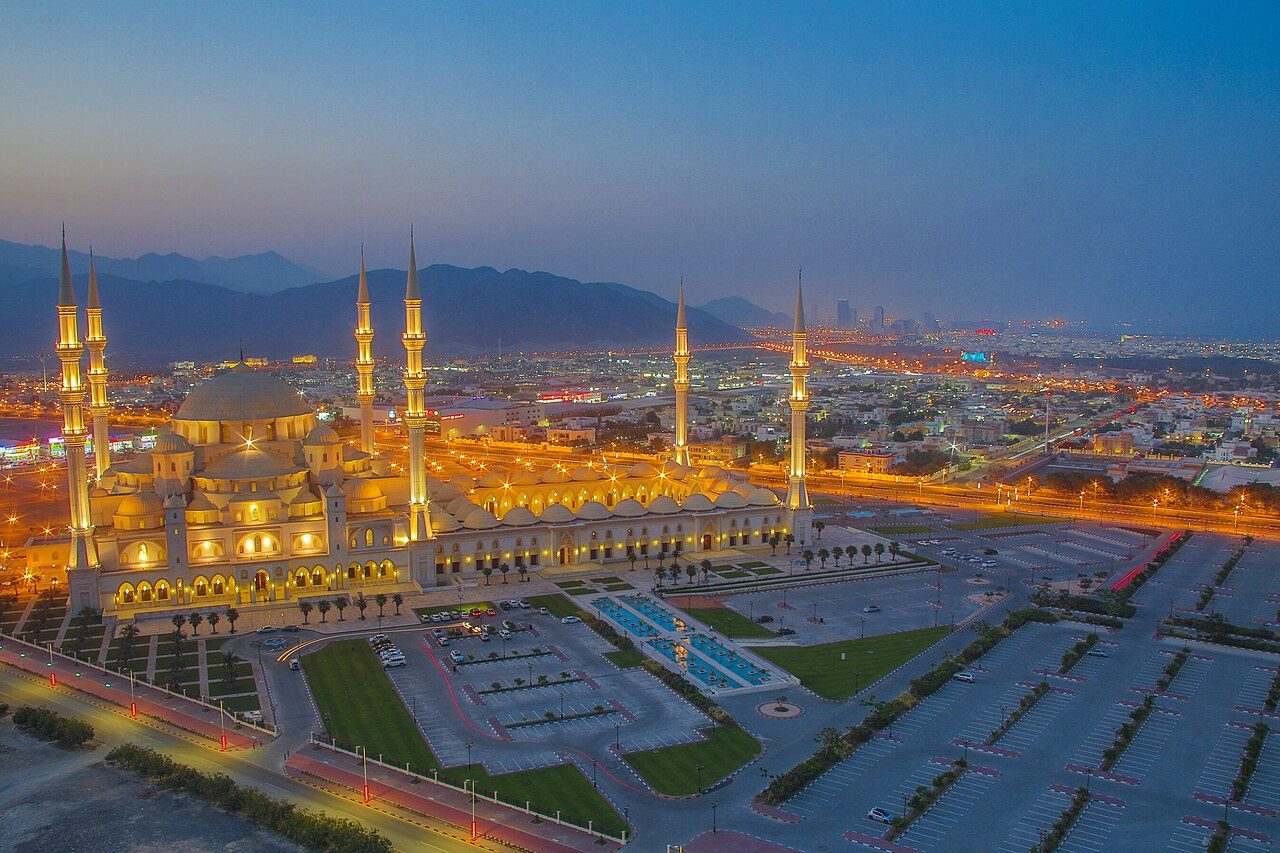
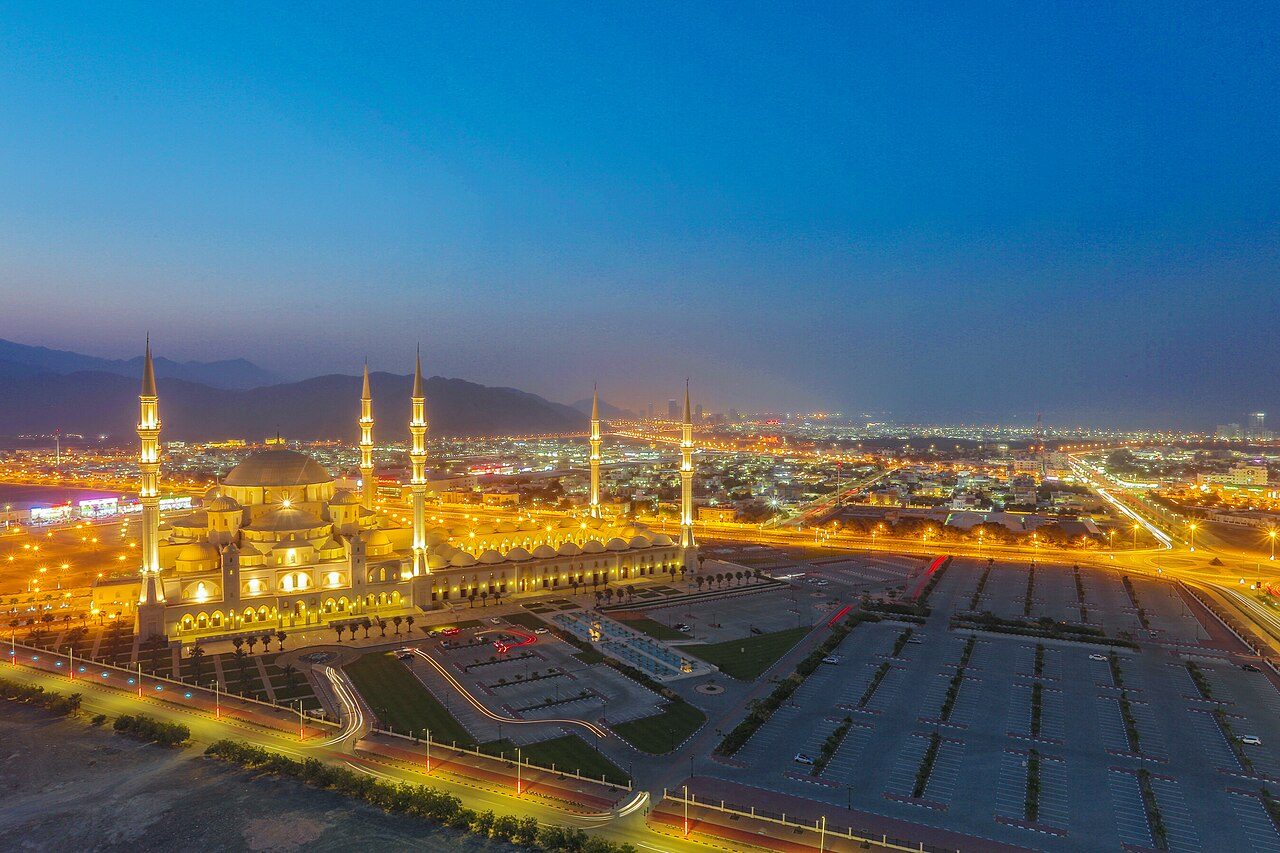
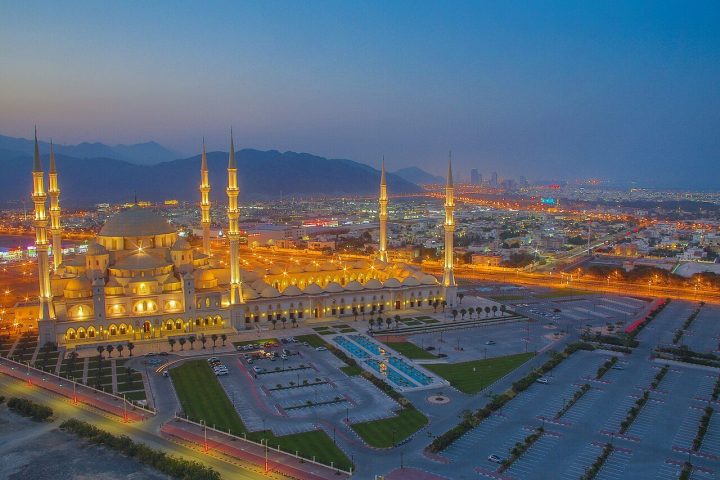
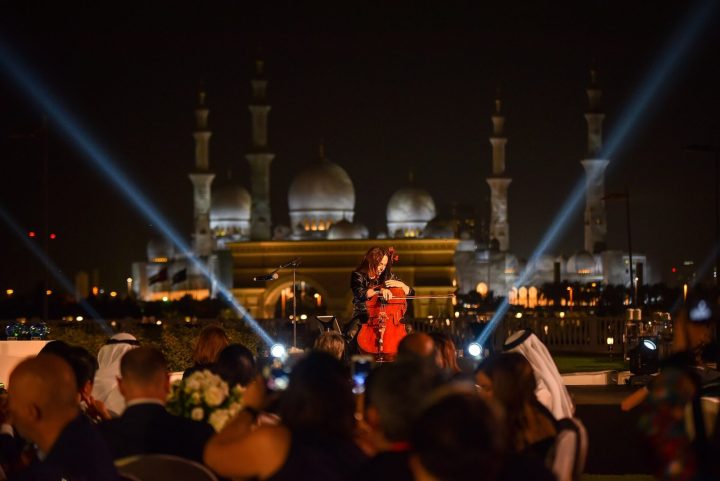
Sheikh Zayed Mosque in Fujairah is the second largest mosque in the UAE. Opened in 2015, it has six minarets about 100 metres high and a cluster of white domes, in a style inspired by Ottoman mosques. The prayer hall and courtyard together hold around 28,000 worshippers. It is striking when lit at night against the Hajar Mountains.
06
STOP 6 OF 11
Al Badiyah Mosque
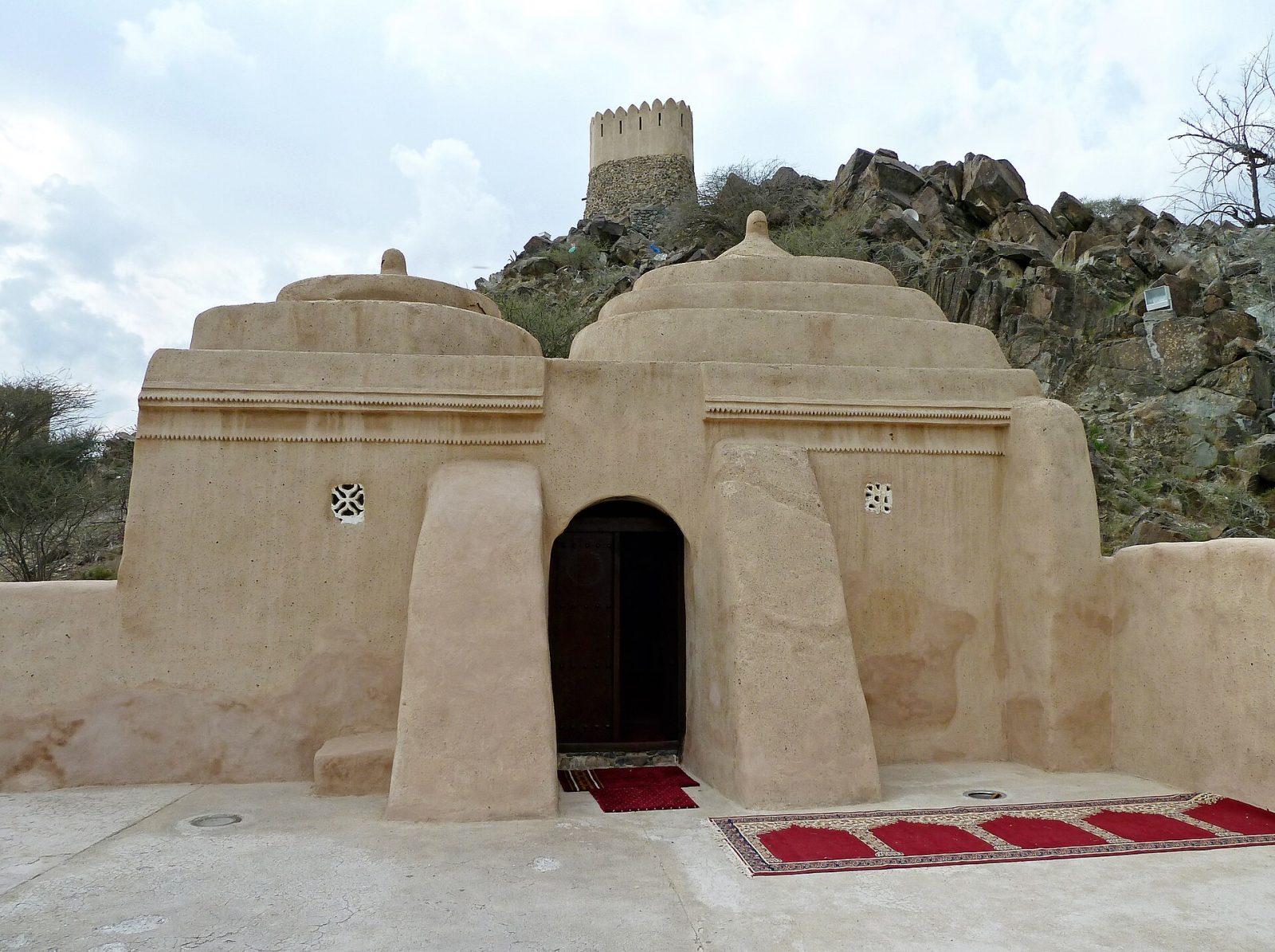
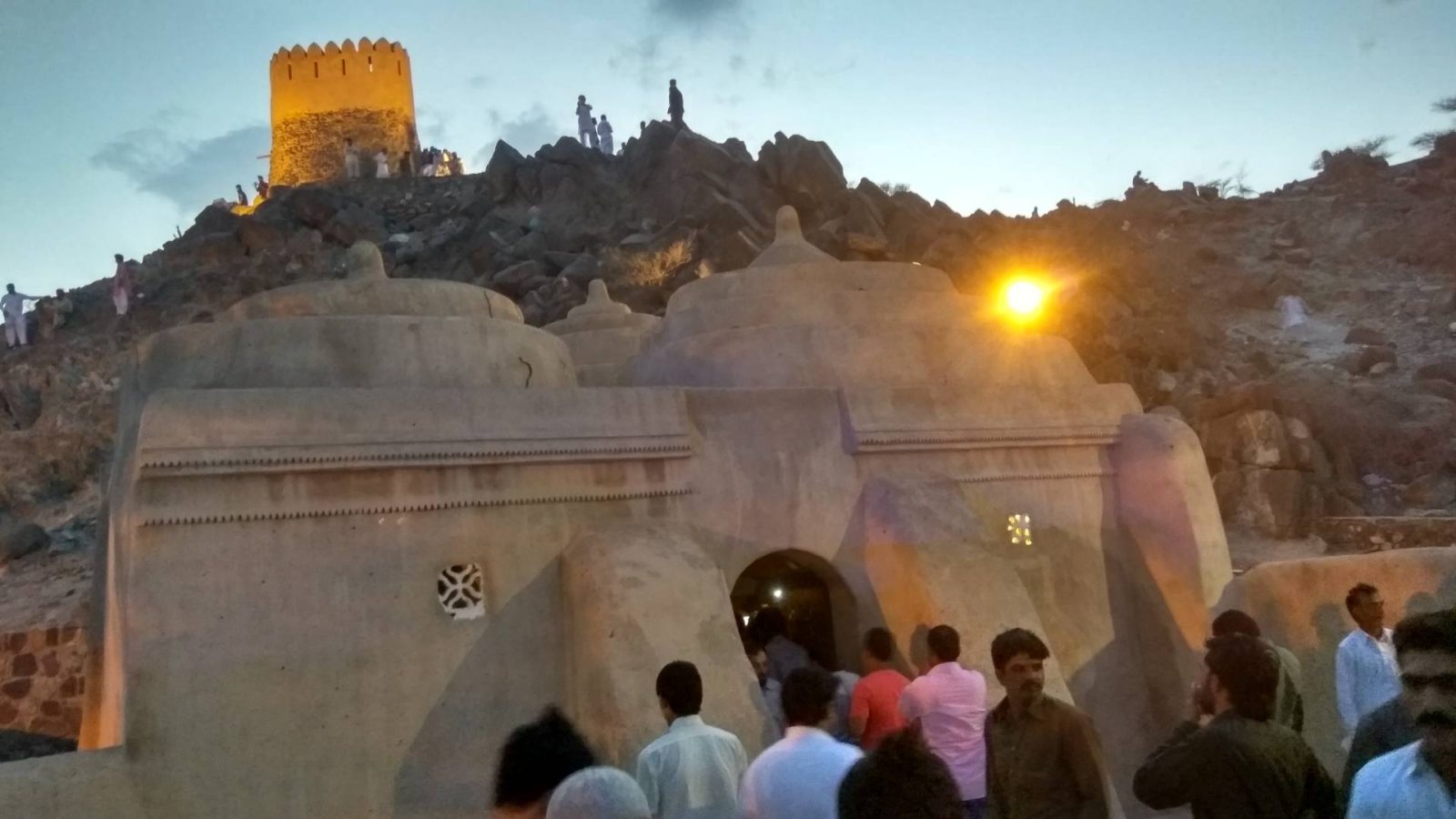
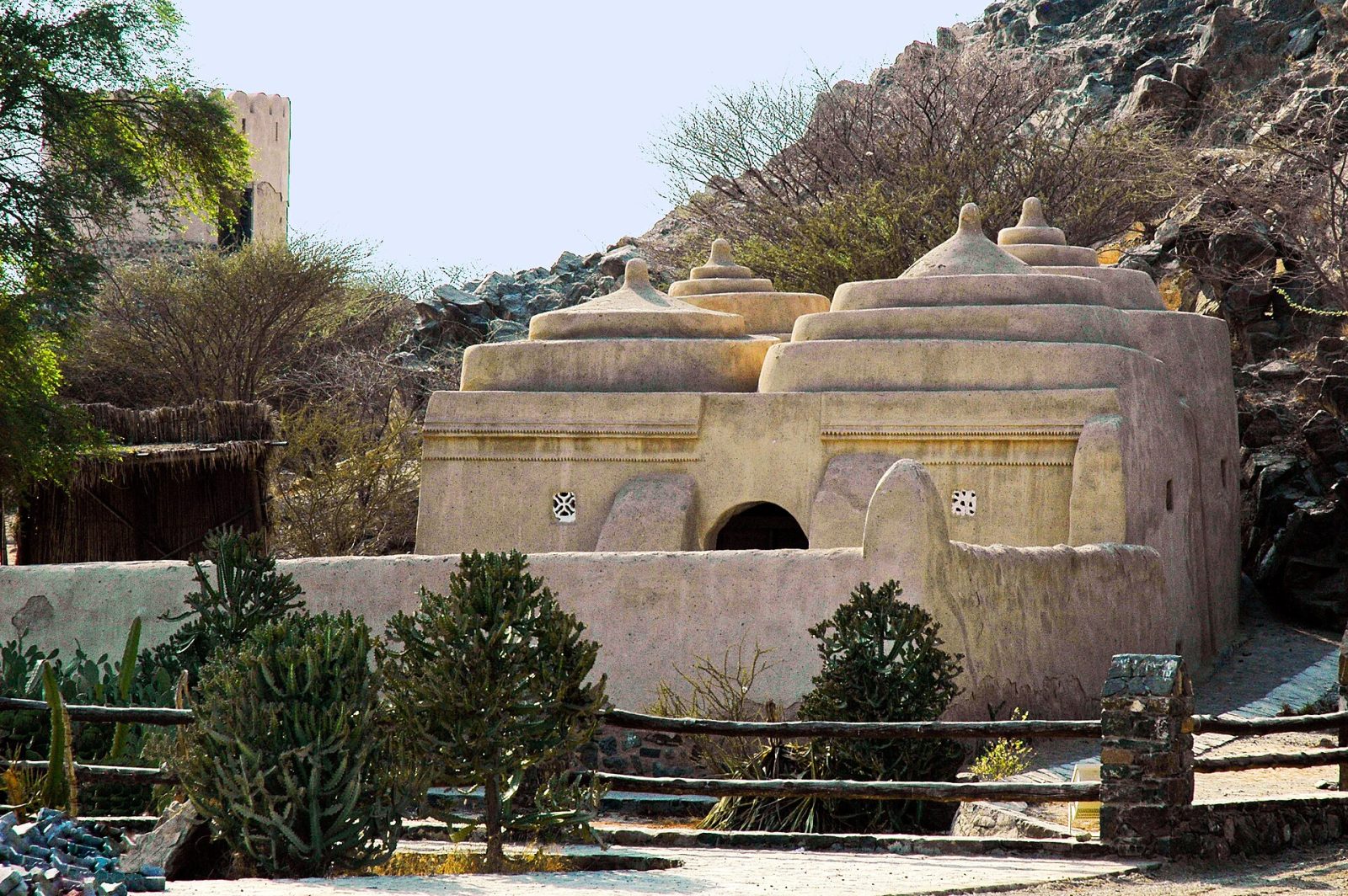
Al Badiyah, on the coast road north of Fujairah, is the oldest known mosque in the UAE, usually dated to around 1446. It is small and simple: four domes of different sizes resting on a single central pillar, walls of stone and mud plastered white, and a prayer hall that holds only a few dozen people. There is no minaret, which is unusual and points to its age. Watchtowers on the hill behind were built to guard the village and give a view over the mosque and the sea. It is still in use for prayer, and visitors are welcome outside prayer times if dressed modestly.
07
STOP 7 OF 11
Snoopy Island & Al Aqah Beach
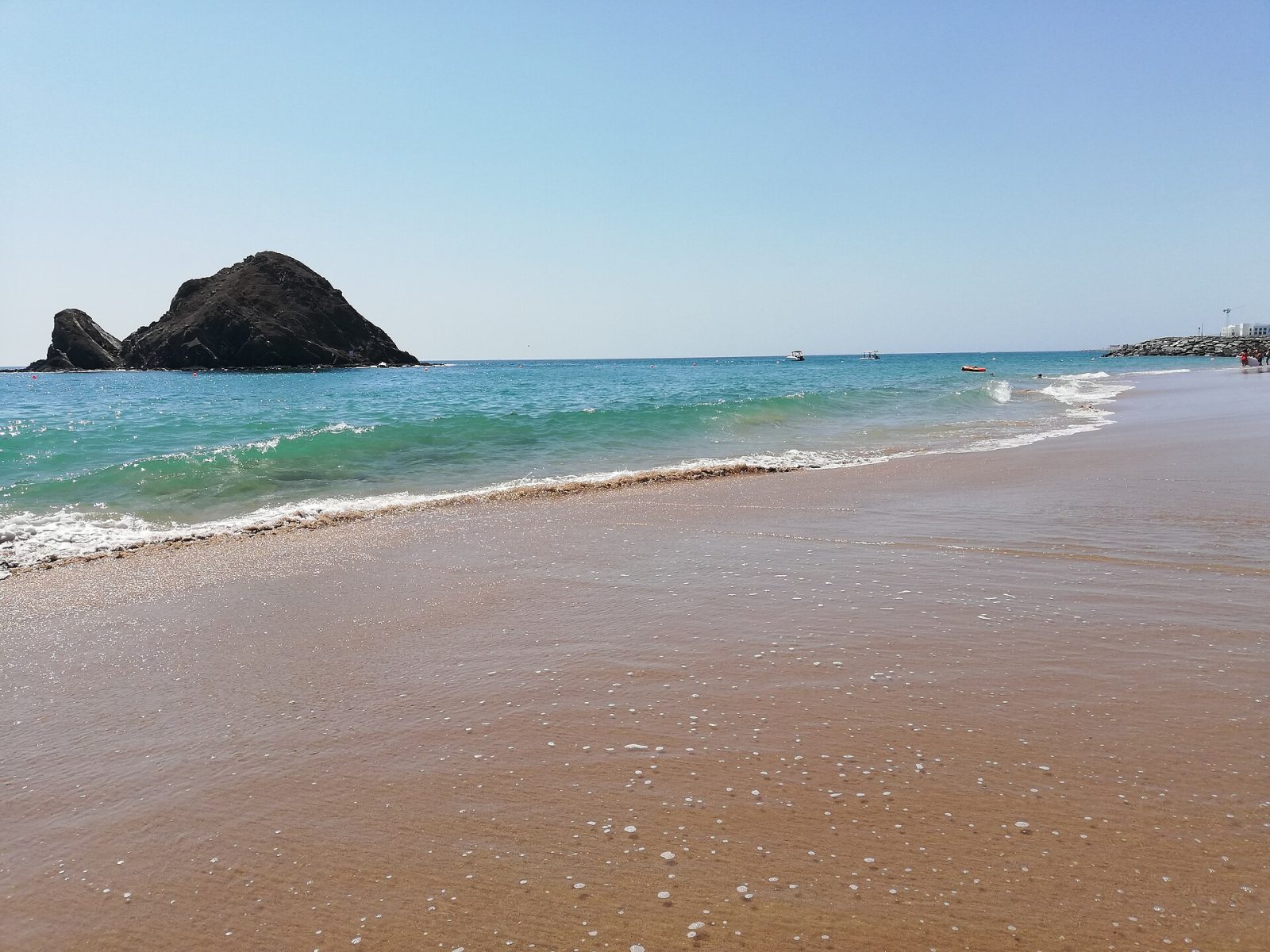
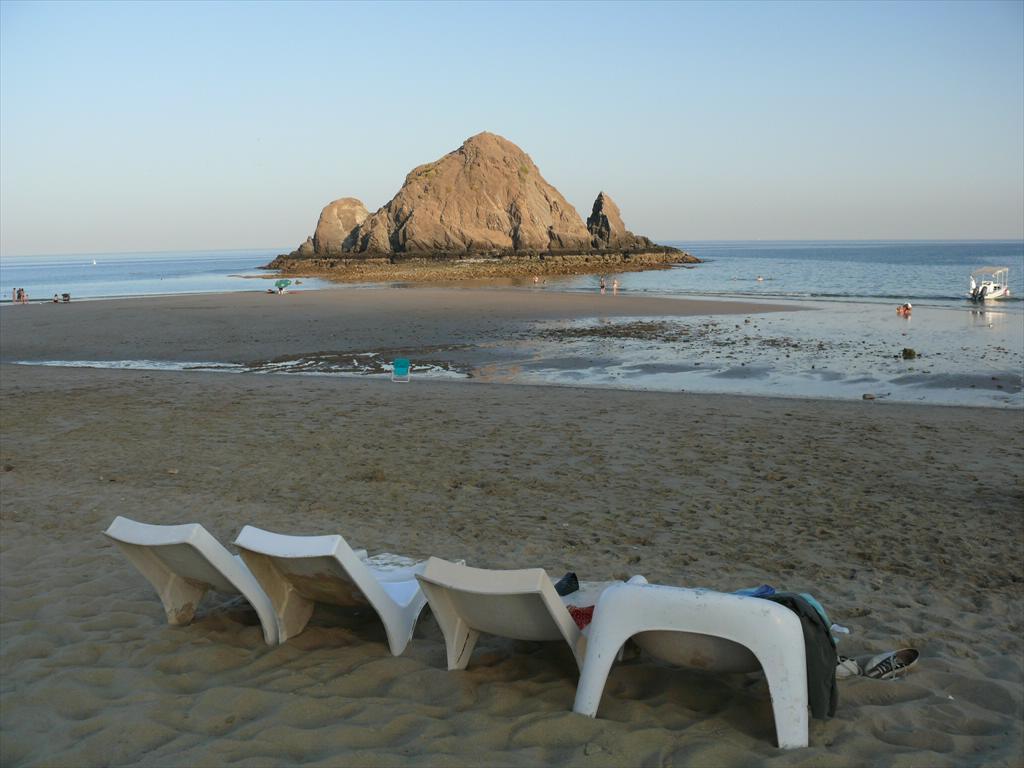
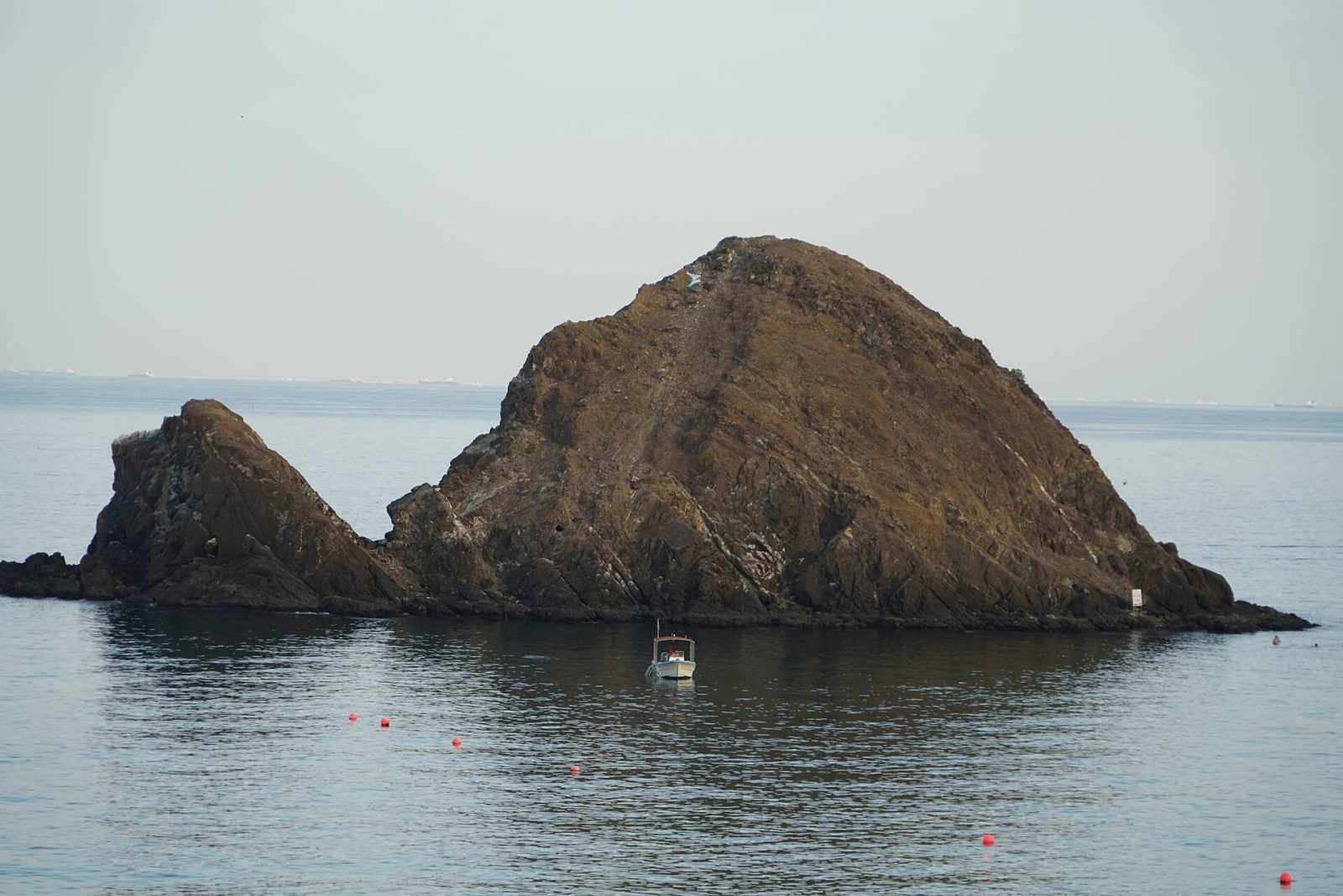
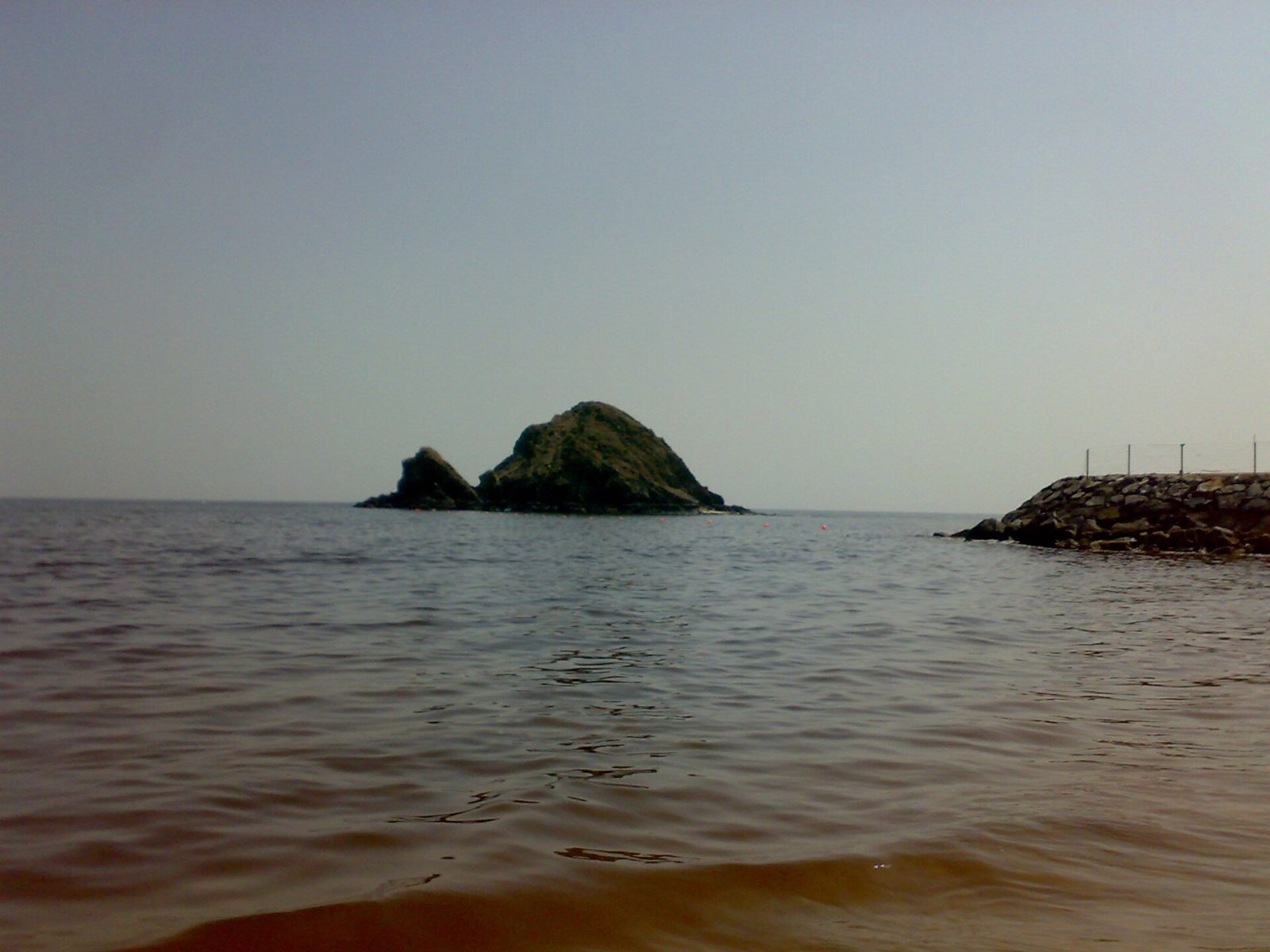
Snoopy Island is a small rocky outcrop off Al Aqah beach in Fujairah, named because from the shore it looks like the cartoon dog lying on his back. The rock is ringed by coral reef in shallow water, and it is the best shore snorkelling site in the UAE, with reef fish, turtles and harmless blacktip reef sharks often seen. Al Aqah beach faces the Gulf of Oman, so the water is clearer and cooler than on the west coast, and a line of resorts runs along the sand. Diving centres here also run boat trips to nearby dive sites. Conditions are calmest from October to May.
08
STOP 8 OF 11
Wadi Wurayah
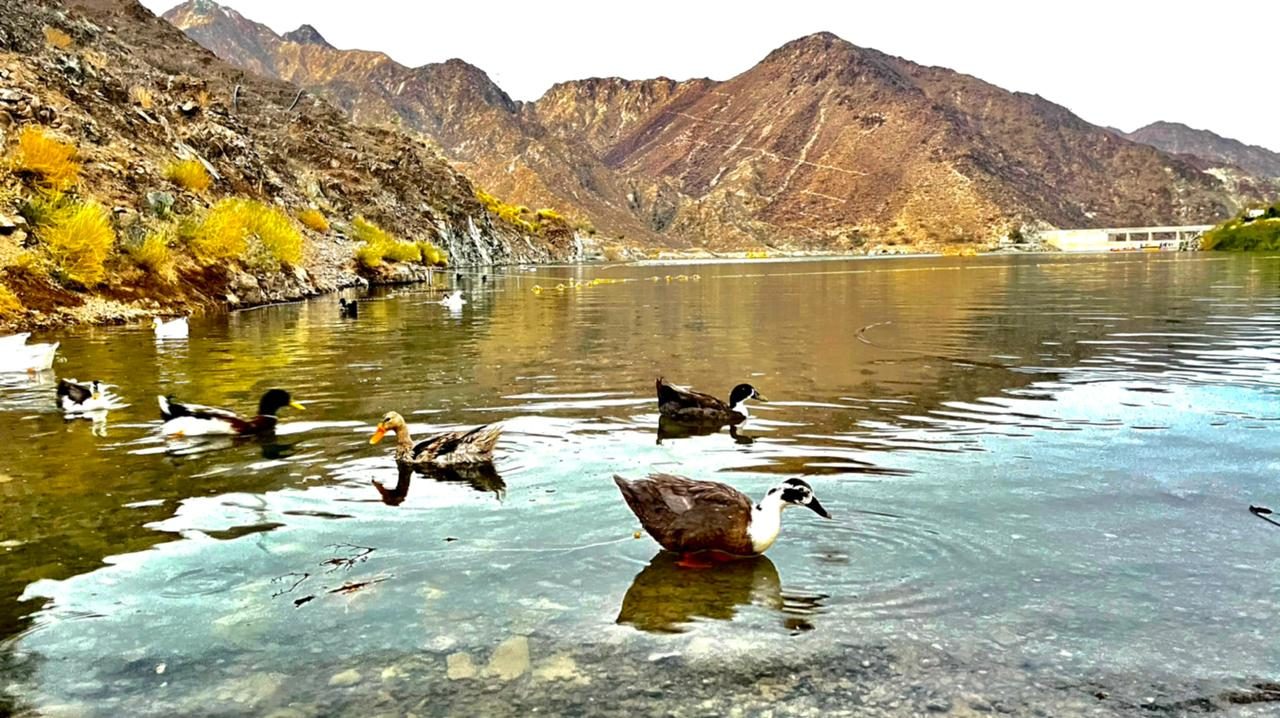
Wadi Wurayah is a mountain valley in Fujairah with permanent pools and streams, rare in the UAE. It was declared the country's first mountain protected area in 2009 and is a UNESCO biosphere reserve. It shelters the Arabian tahr, caracal and many dragonflies and orchids. Access to the upper wadi is restricted, so check before visiting.
09
STOP 9 OF 11
Khor Kalba Mangroves
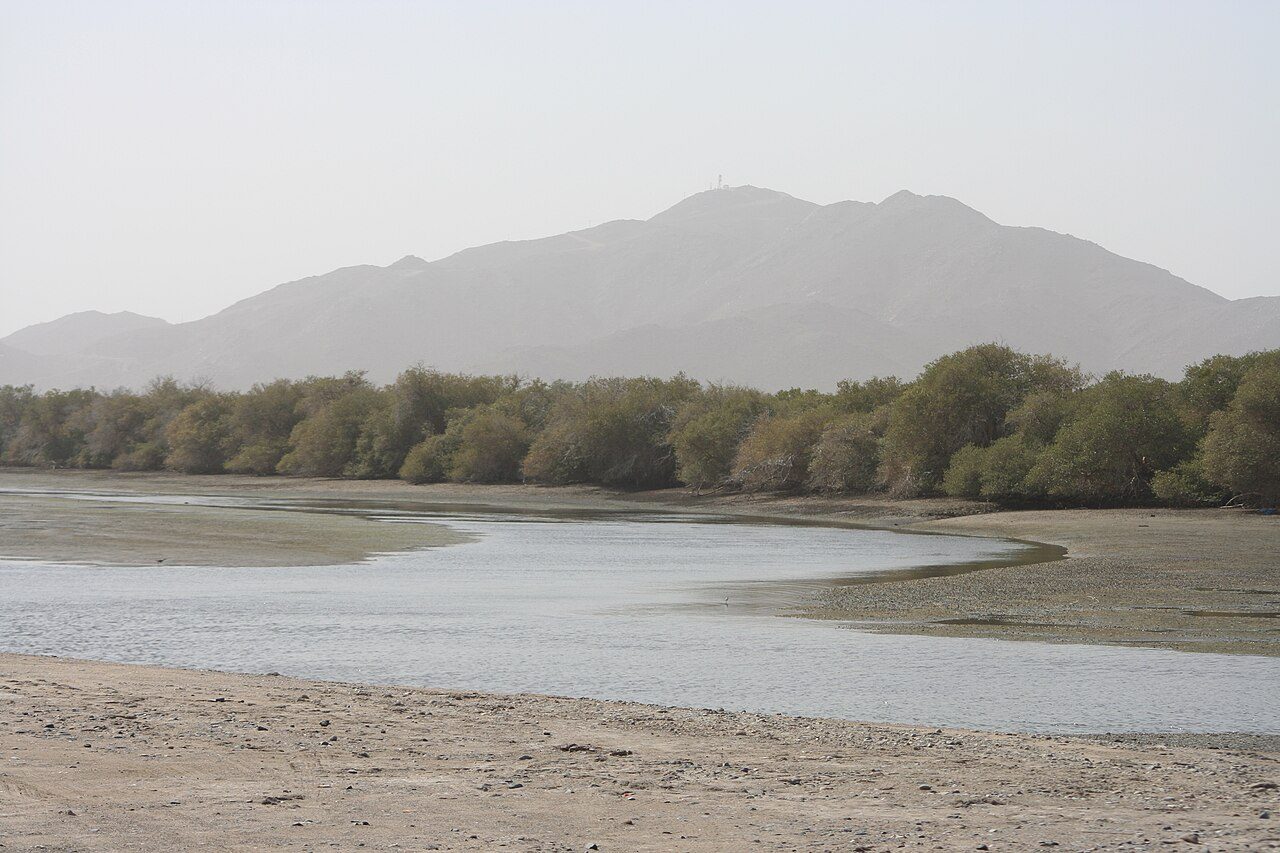
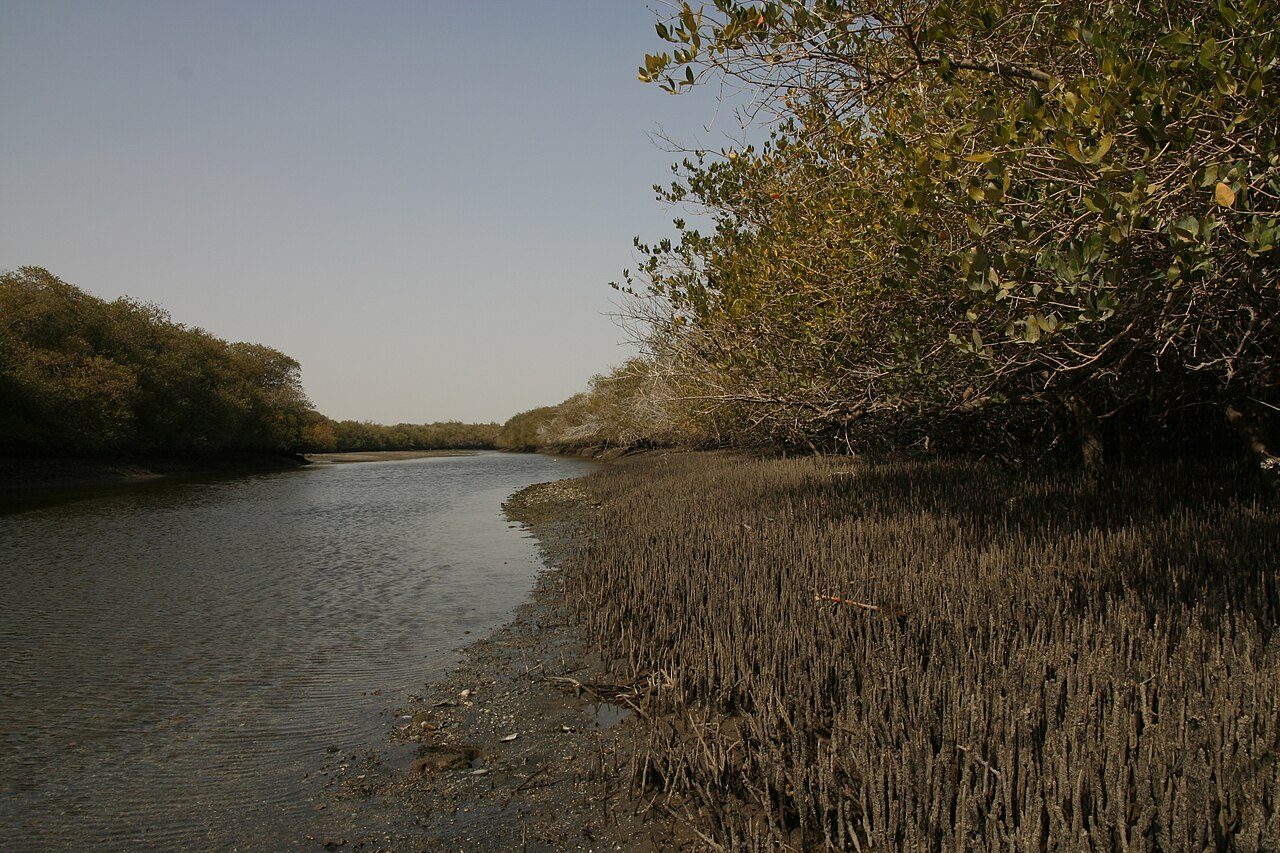
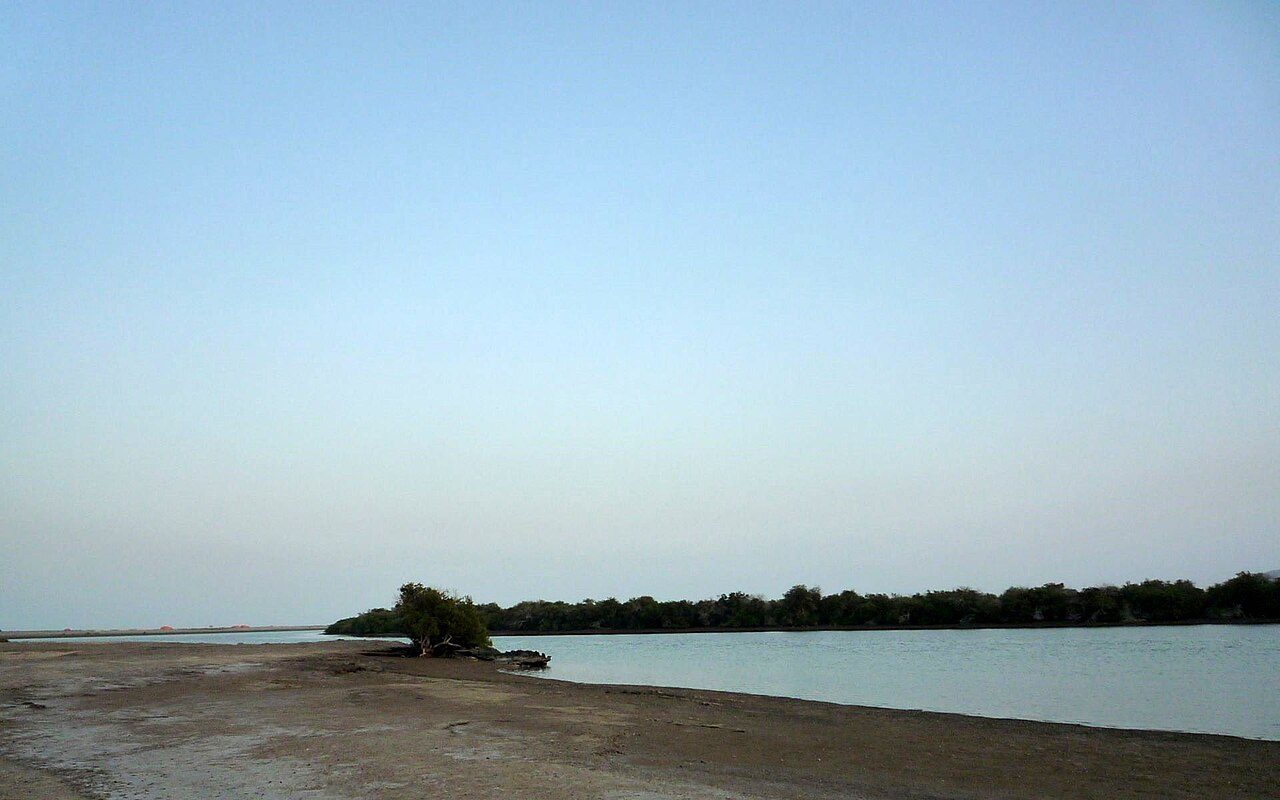
Khor Kalba, on the east coast of Sharjah emirate near the Oman border, has one of the oldest mangrove forests in Arabia. The tidal creek is protected as a conservation reserve and is home to turtles, crabs and rare birds, including a kingfisher found nowhere else in the country. A visitor centre and kayak trips let people see it.
10
STOP 10 OF 11
Khor Fakkan Beach
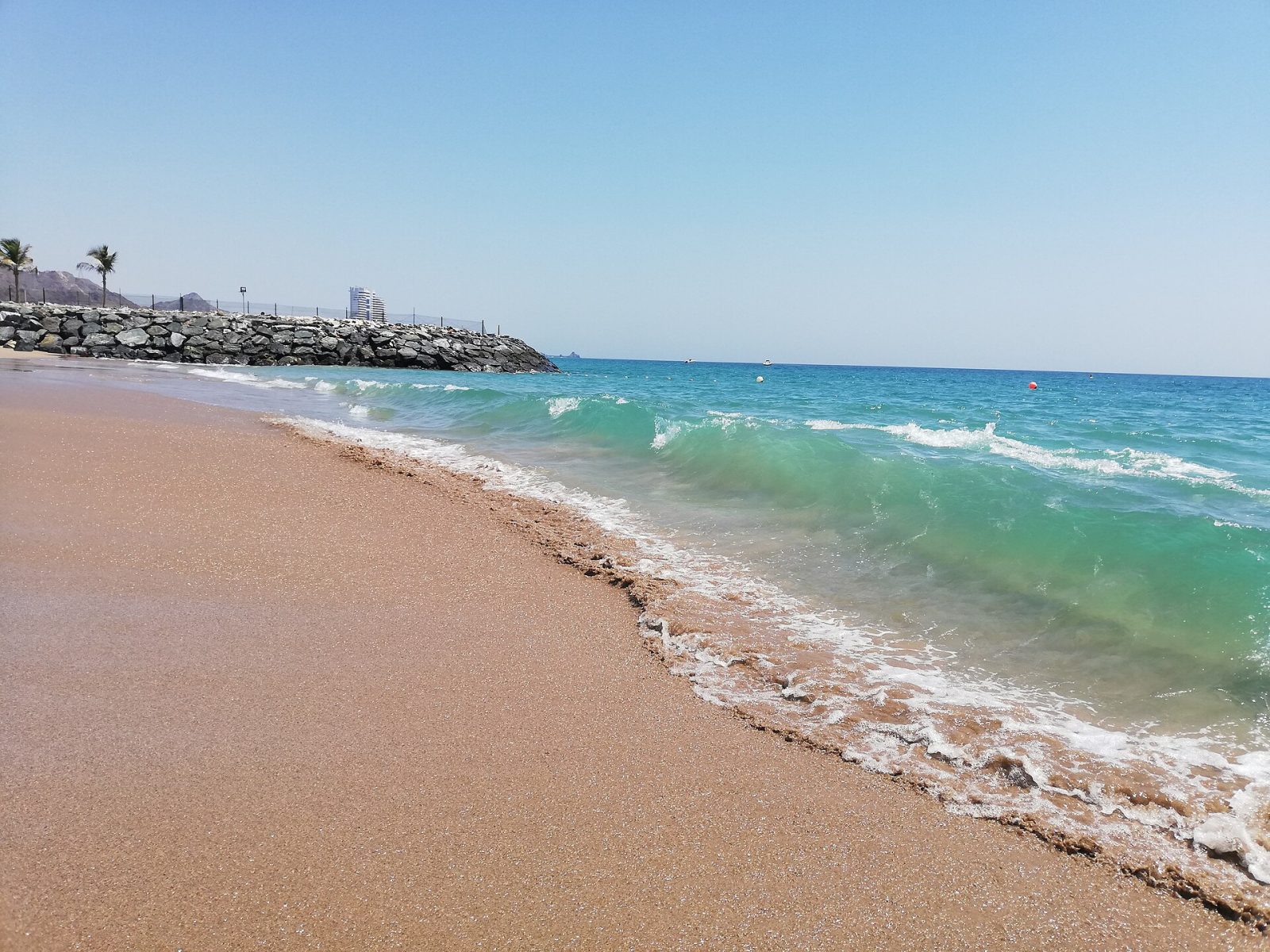
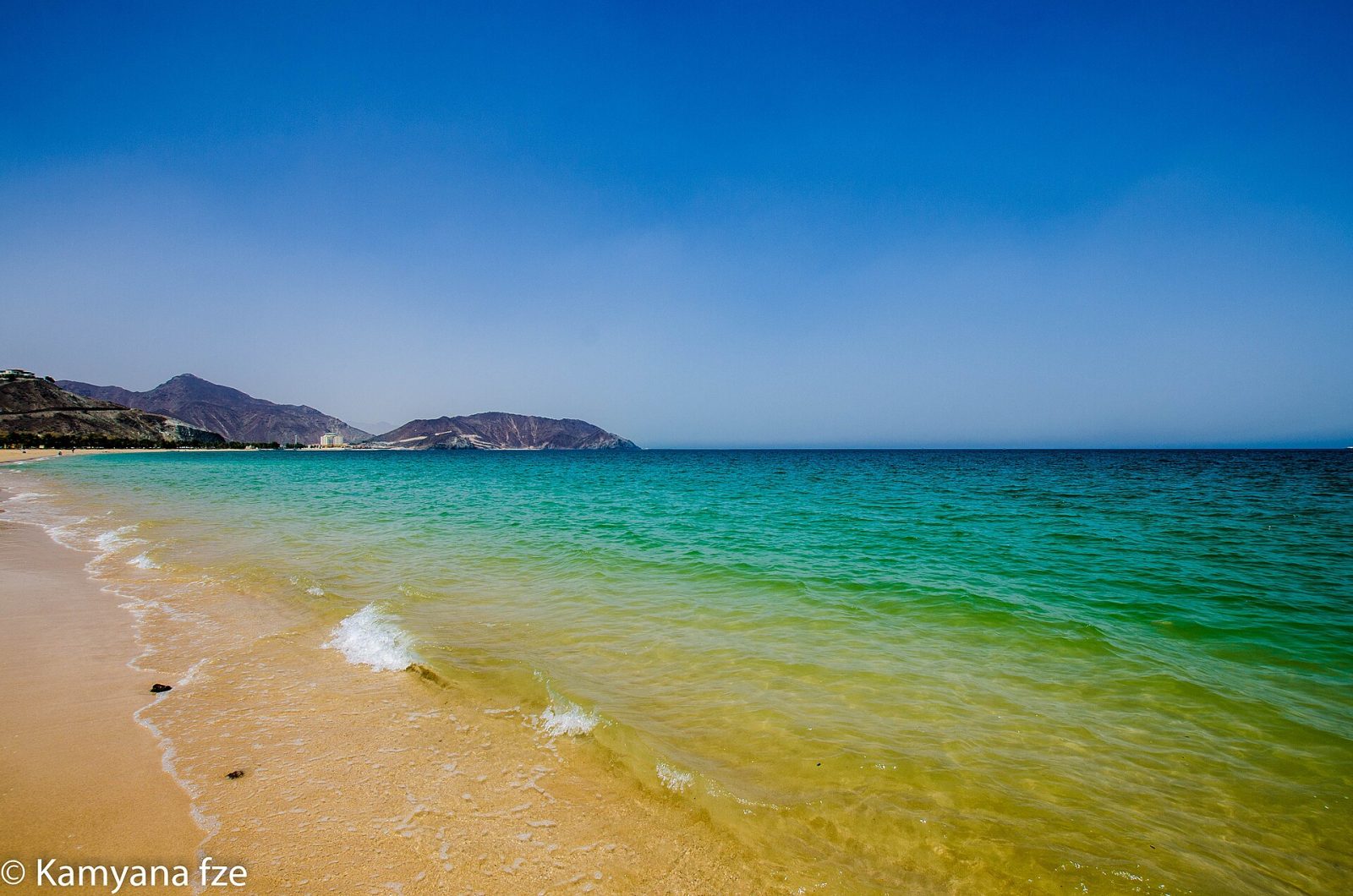
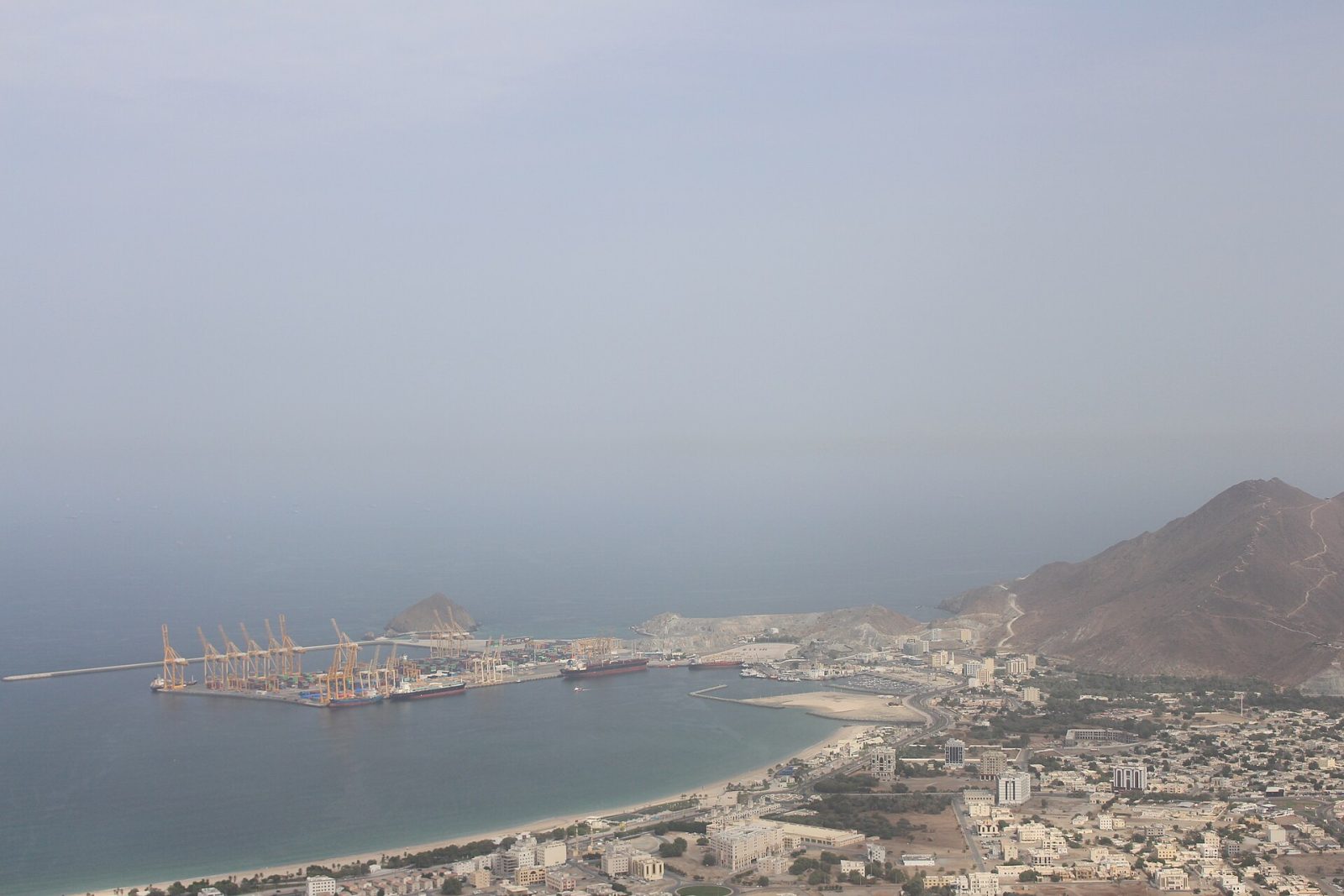
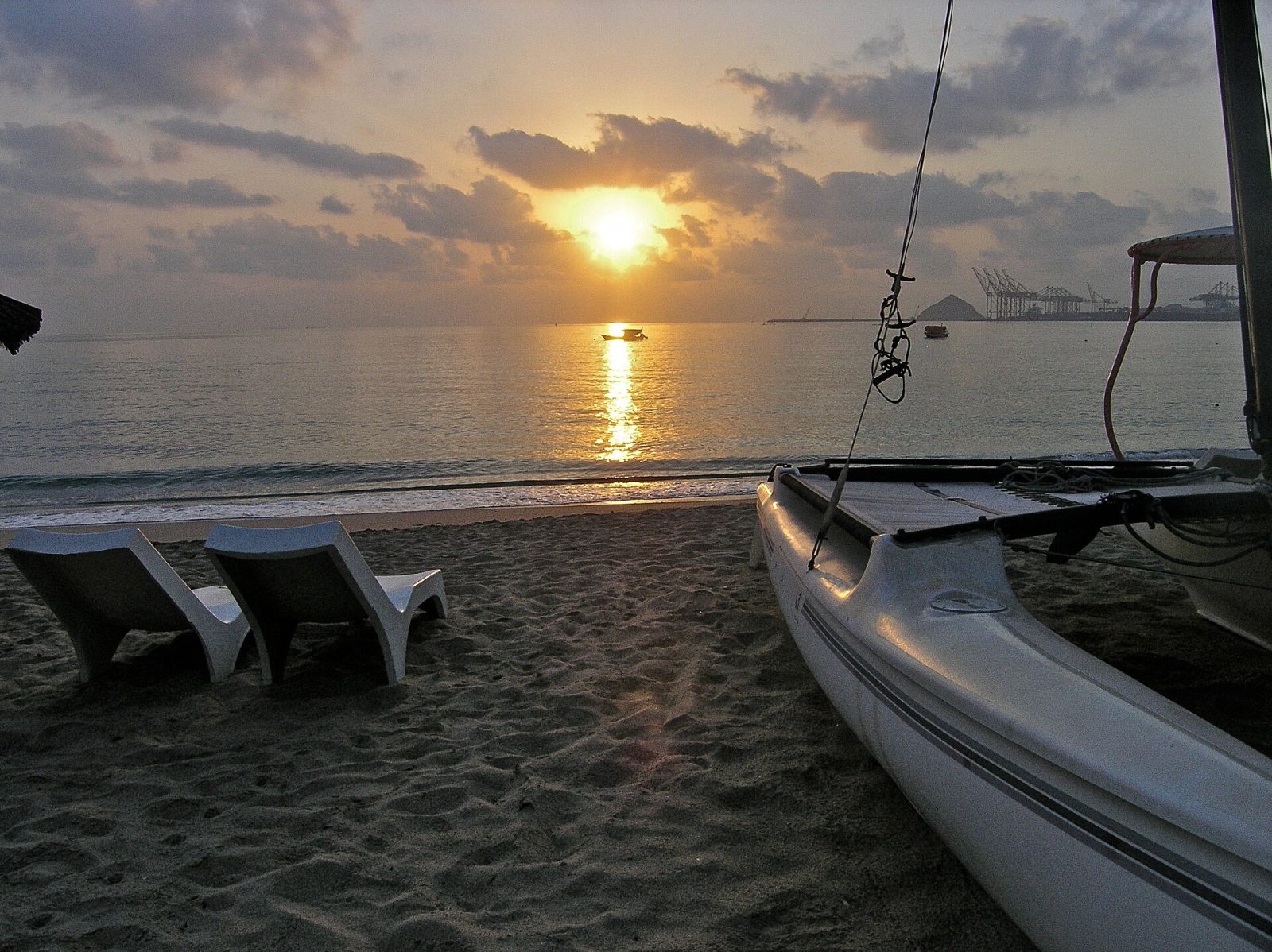
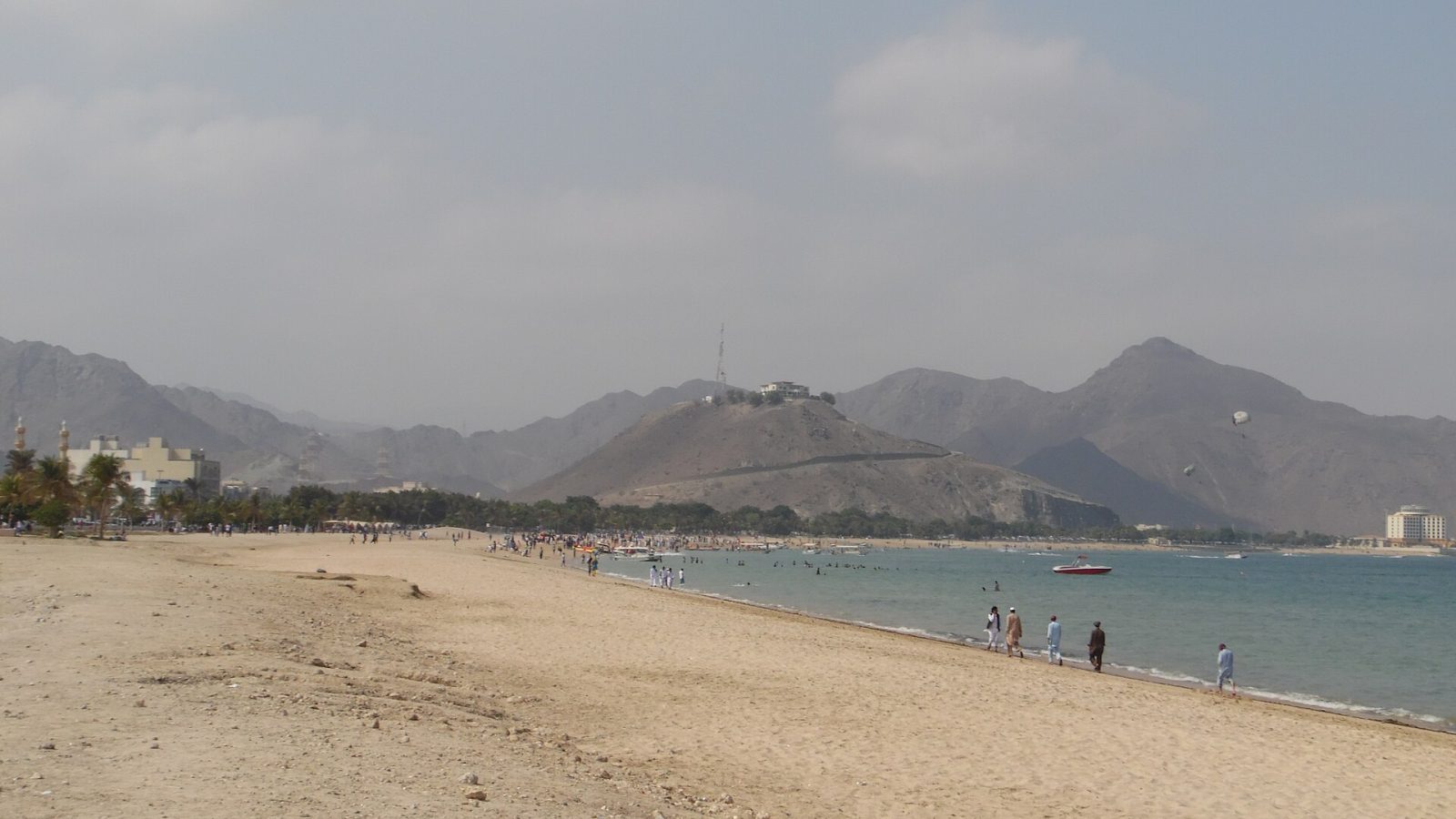
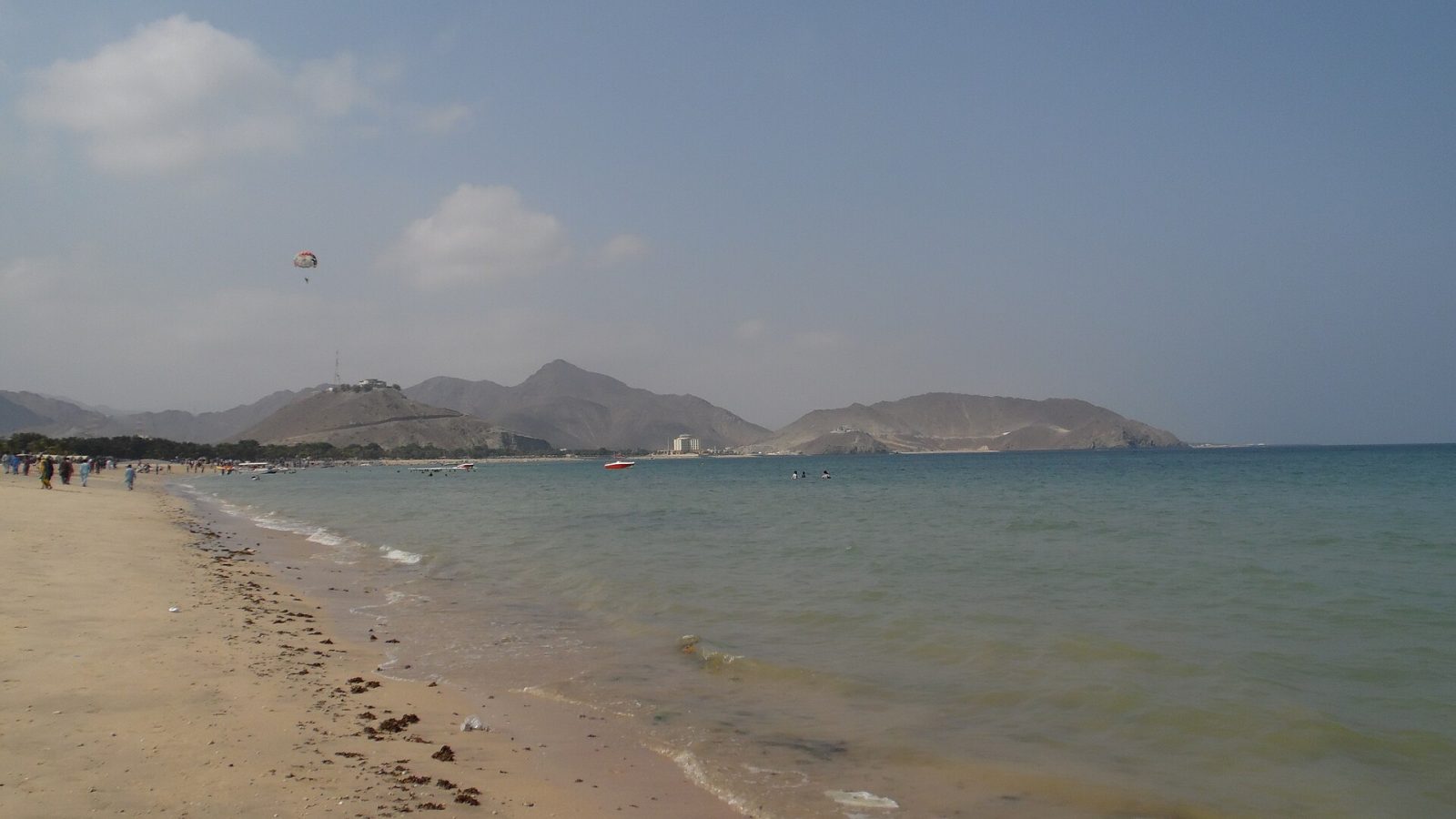
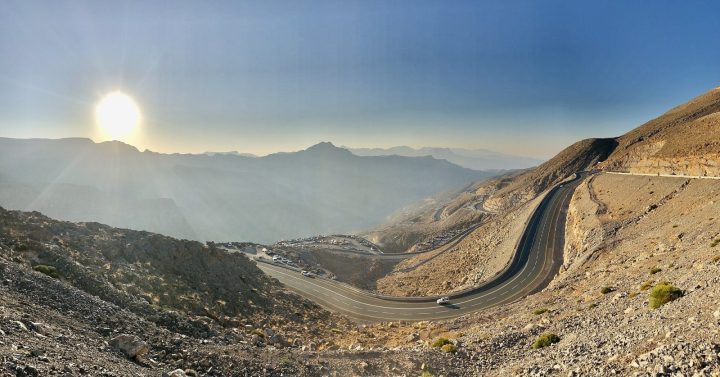
Khor Fakkan is a Sharjah enclave on the UAE's east coast, set in a bay between the Hajar mountains and the Gulf of Oman. The beach is a curve of sand with clear, deeper water than the Arabian Gulf side, good for swimming and snorkelling, and Shark Island lies just offshore. Behind the corniche the town has an amphitheatre built into the hillside and a waterfall feature, and the mountain road from Sharjah through Wadi Shees and Al Rafisah dam is spectacular. Its deepwater port has made it a busy container harbour, visible from the far end of the bay. It is an easy weekend drive from Dubai.
11
STOP 11 OF 11 · LAST STOP
Al Rafisah Dam
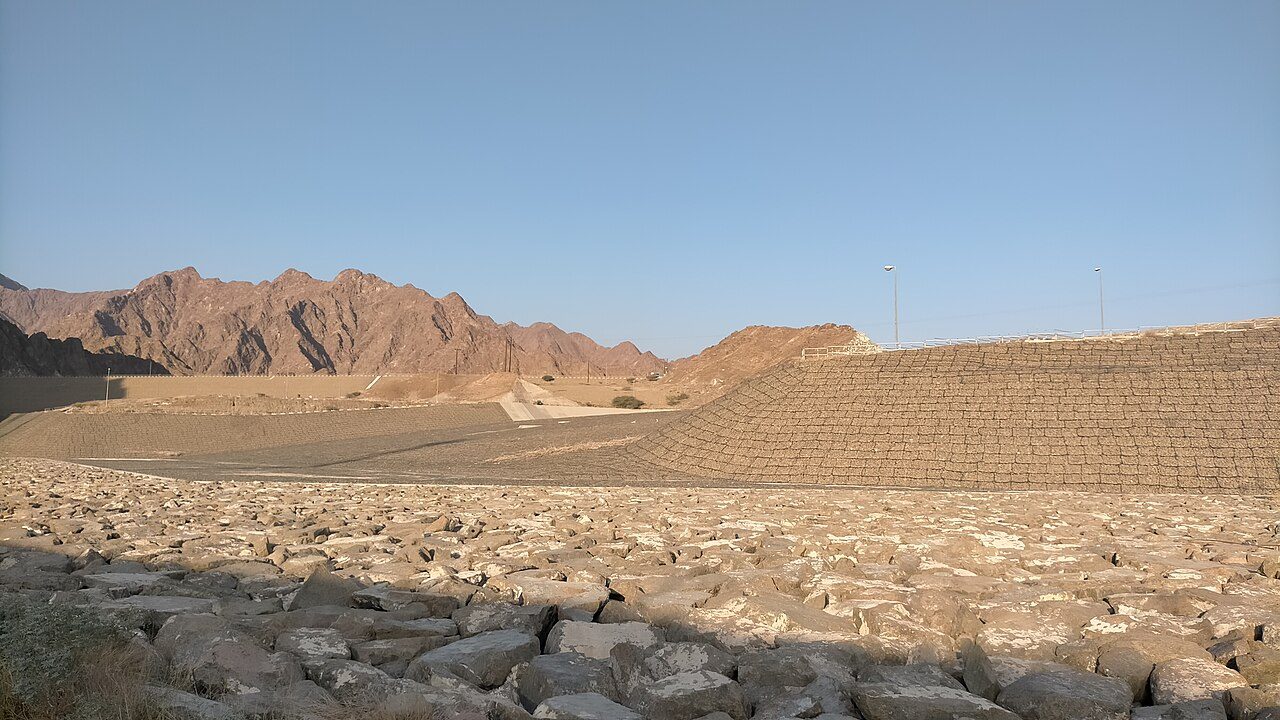
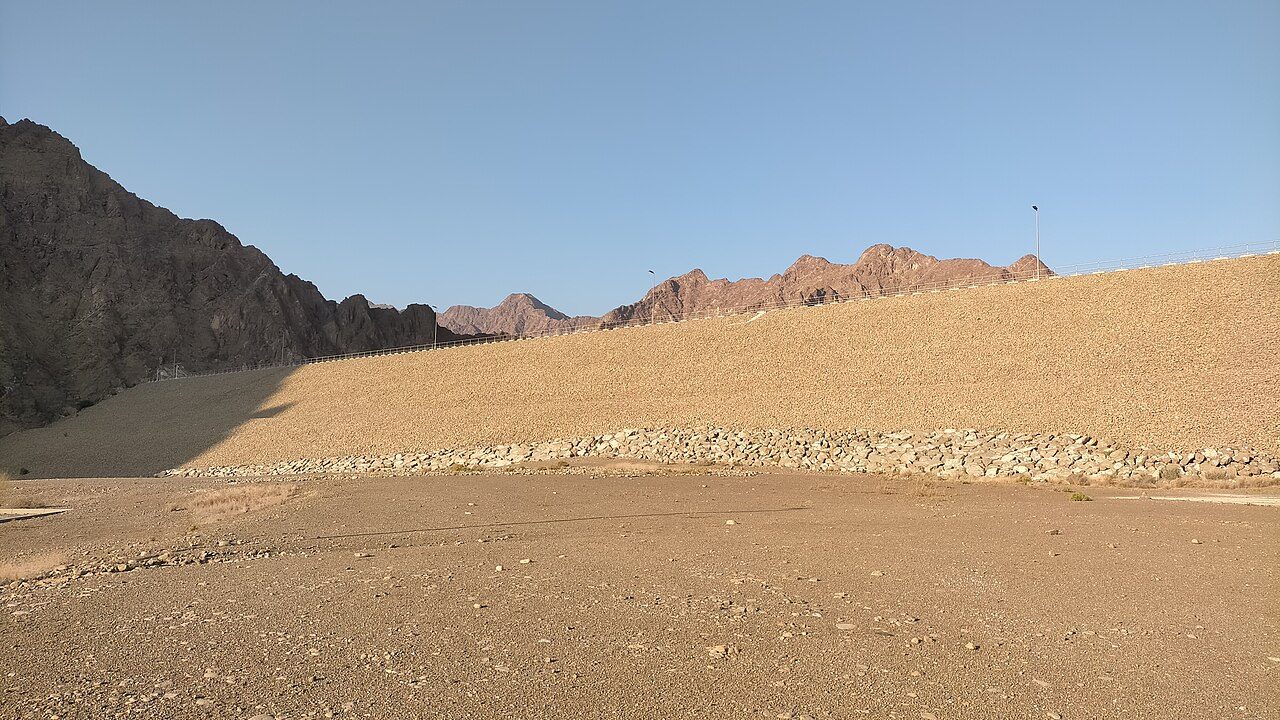
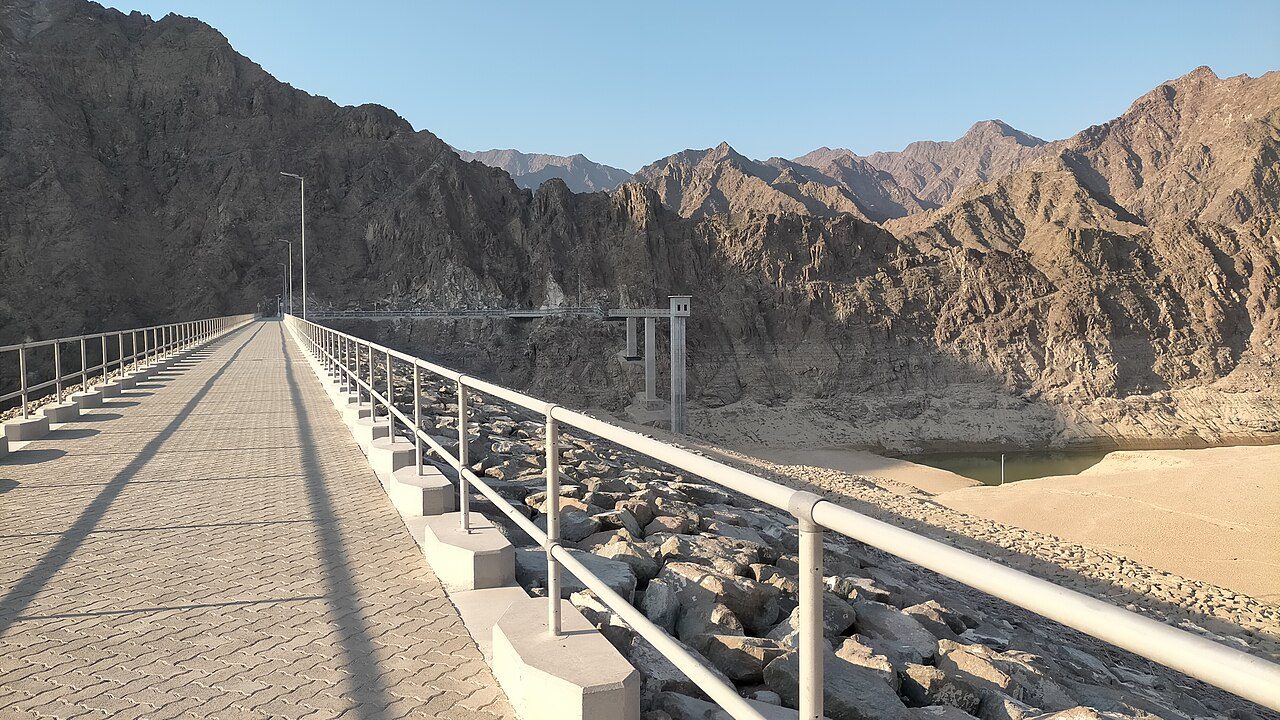
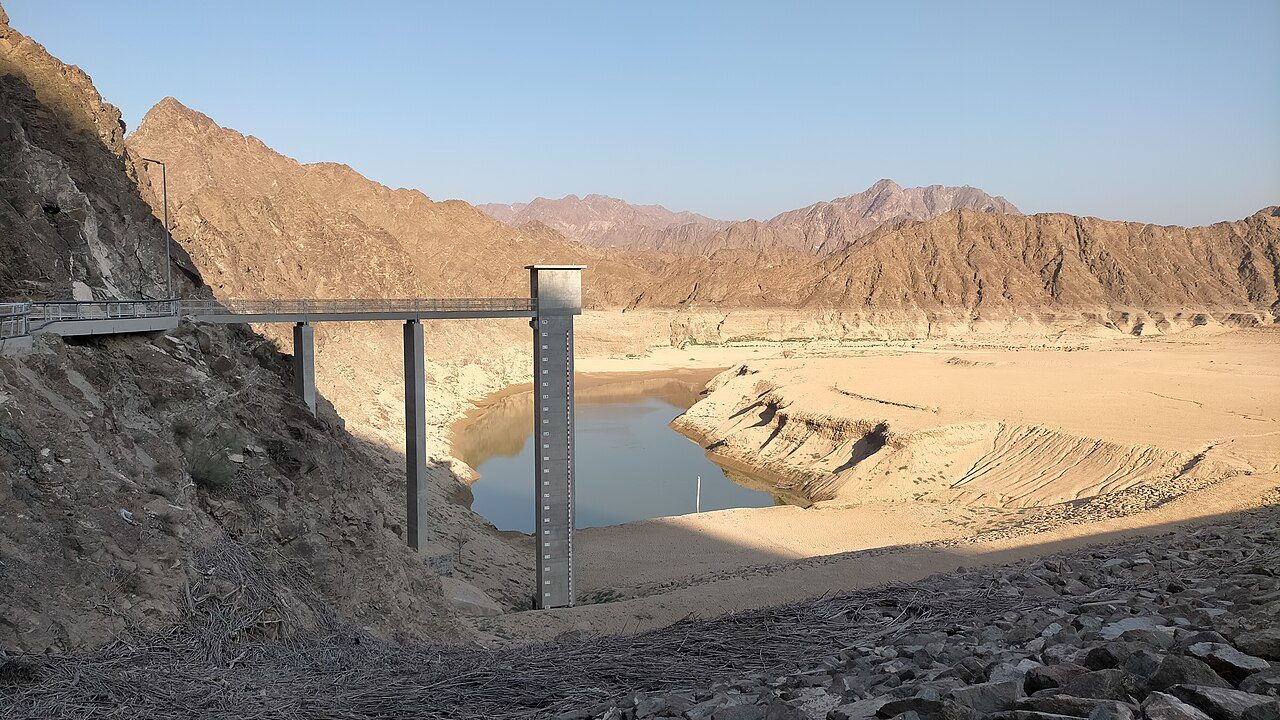
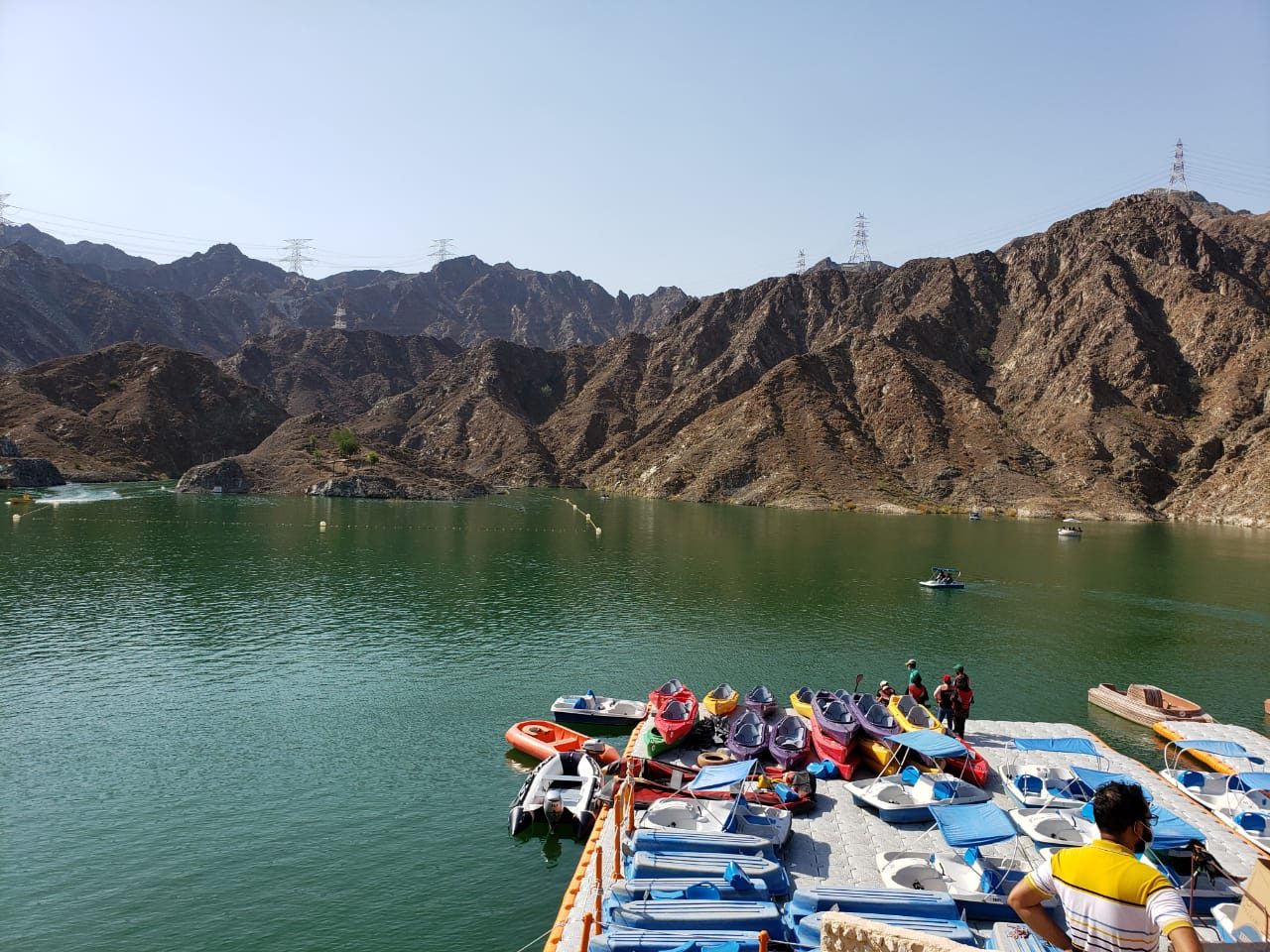
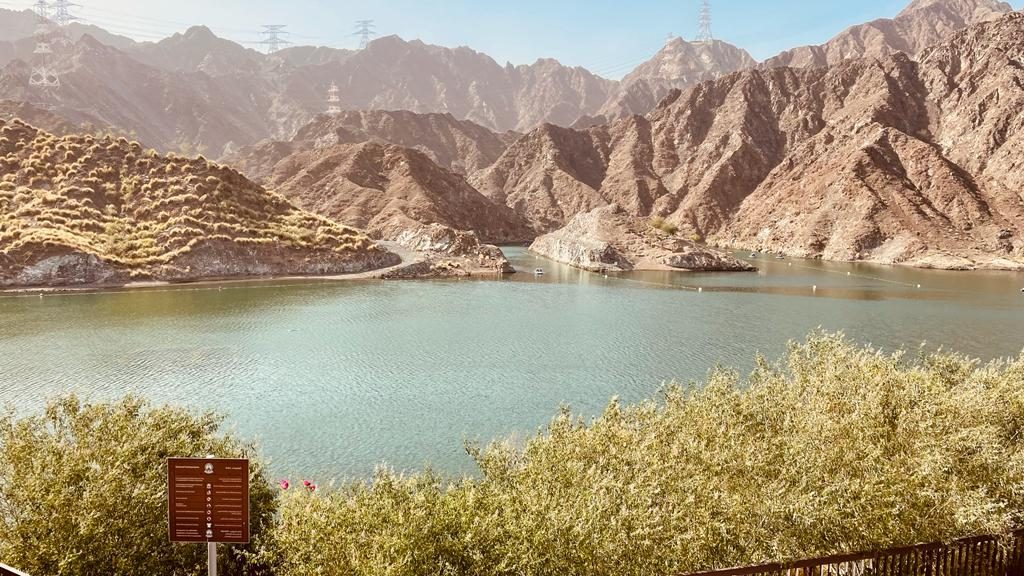
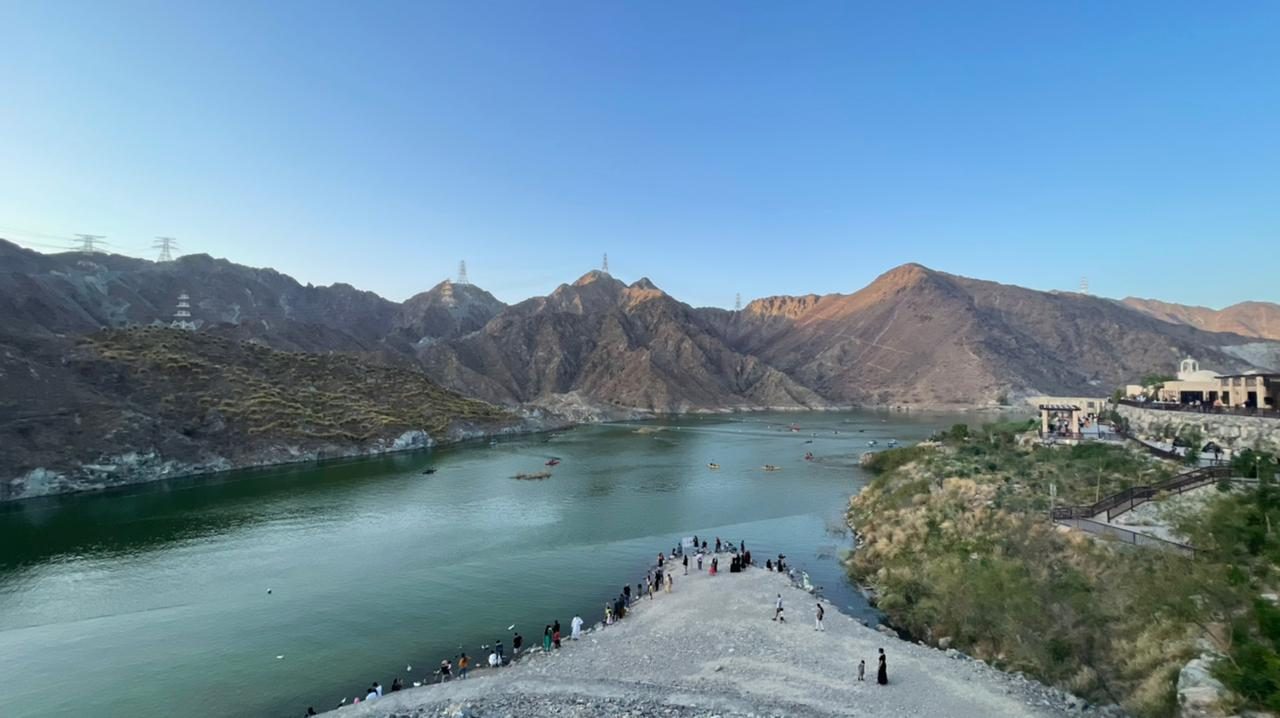
Al Rafisah Dam lies in the mountains above Khor Fakkan, beside the road from Sharjah. Built in the 1980s to hold flood water, its lake was landscaped as a rest area and opened in 2019. Visitors rent pedal boats and kayaks, walk the path along the water, and eat at the restaurant overlooking the turquoise lake and bare peaks.
Seasons from 20 years of NASA POWER climate data.
 WaTrips