The Grand Mosque, Wahat Al Karama and Qasr Al Watan, the Louvre and Saadiyat, Yas Island, the mangroves, then Al Ain's fort, oasis and Jebel Hafeet.
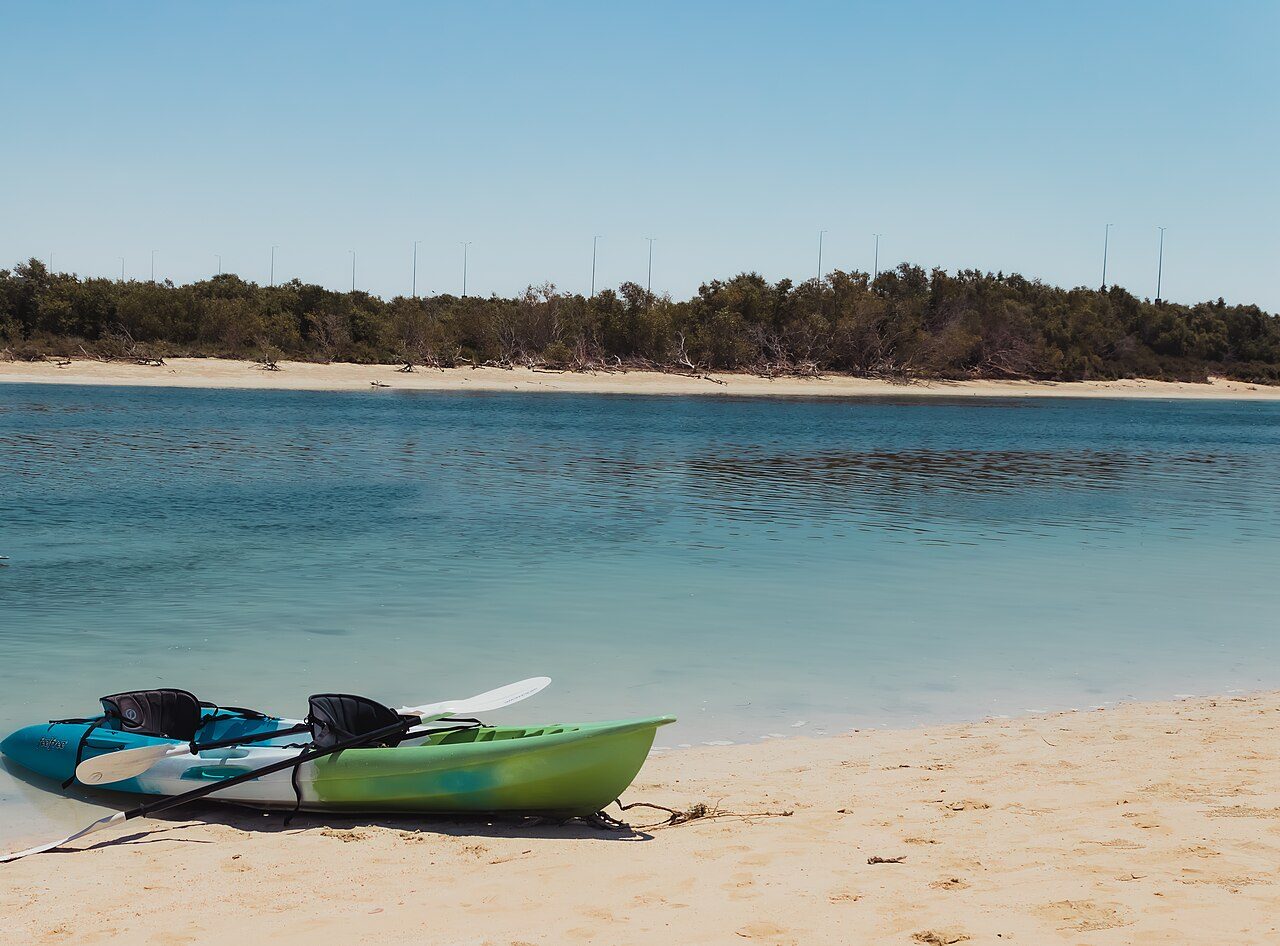
The UAE's capital is calmer than Dubai and full of culture. Day one visits the Sheikh Zayed Grand Mosque, one of the largest in the world, Wahat Al Karama, the presidential palace Qasr Al Watan and Emirates Palace. Day two covers the Louvre Abu Dhabi, Saadiyat Beach, Qasr Al Hosn, the city's oldest building, the Heritage Village and the Corniche. Day three is Yas Island and kayaking in the Mangrove National Park. Day four drives to Al Ain, a UNESCO World Heritage Site, for its forts, oasis, museums and the road up Jebel Hafeet. Dress modestly at the mosque. November to March is best.
01
STOP 1 OF 18
Sheikh Zayed Grand Mosque
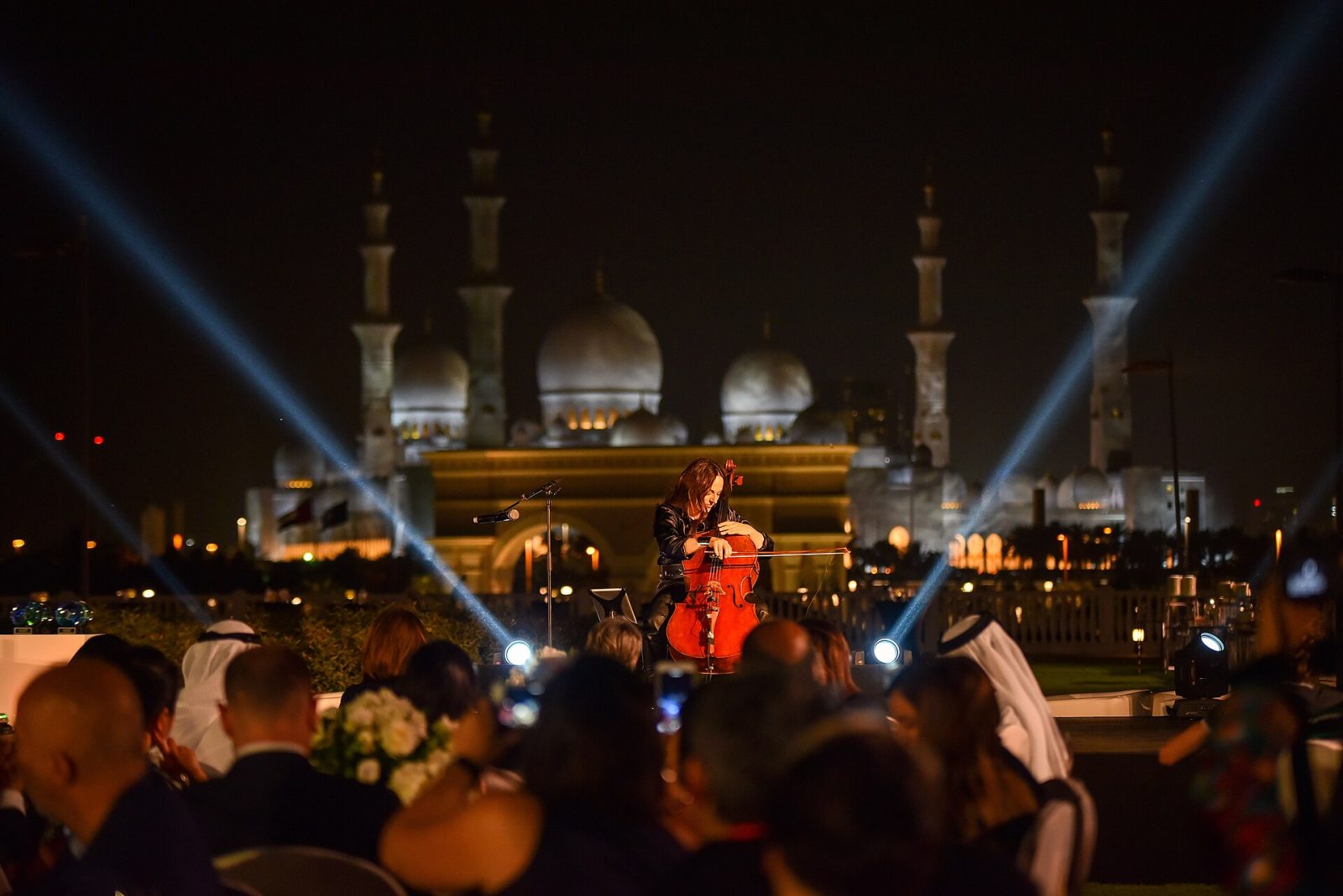
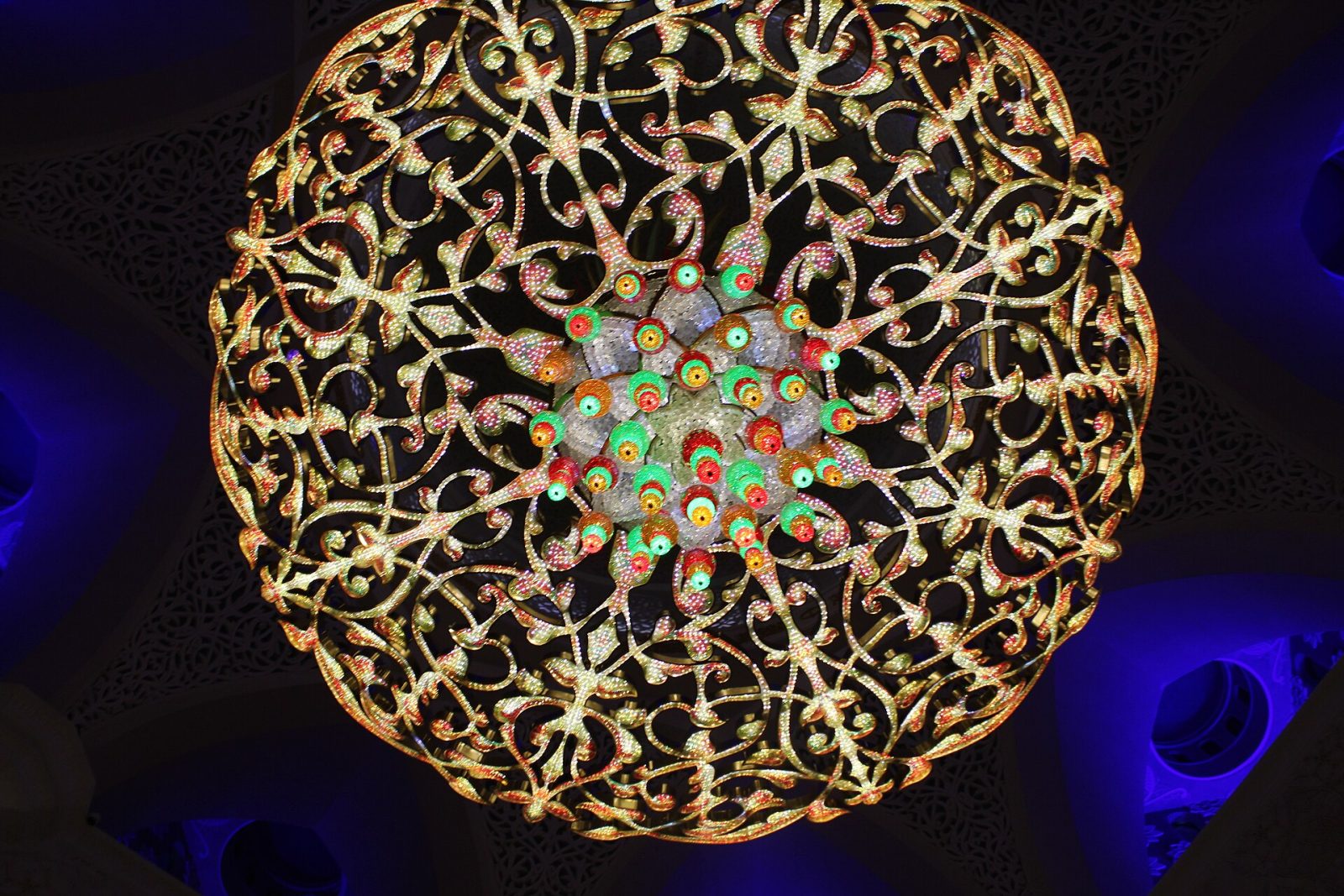
The Sheikh Zayed Grand Mosque in Abu Dhabi was the vision of the UAE's founding president, Sheikh Zayed bin Sultan Al Nahyan, who is buried in the courtyard beside it. Completed in 2007, it holds more than 40,000 worshippers and is built of white Macedonian marble with 82 domes, over a thousand columns and reflective pools that double the building at night. Inside are the largest hand-knotted carpet in the world, made by Iranian weavers, and chandeliers of Swarovski crystal. Craftsmen from many countries worked on it, and floral marble inlay covers the courtyard. Non-Muslim visitors are welcome outside prayer times, with free guided tours and a dress code of loose clothing and headscarves for women.
02
STOP 2 OF 18
Wahat Al Karama
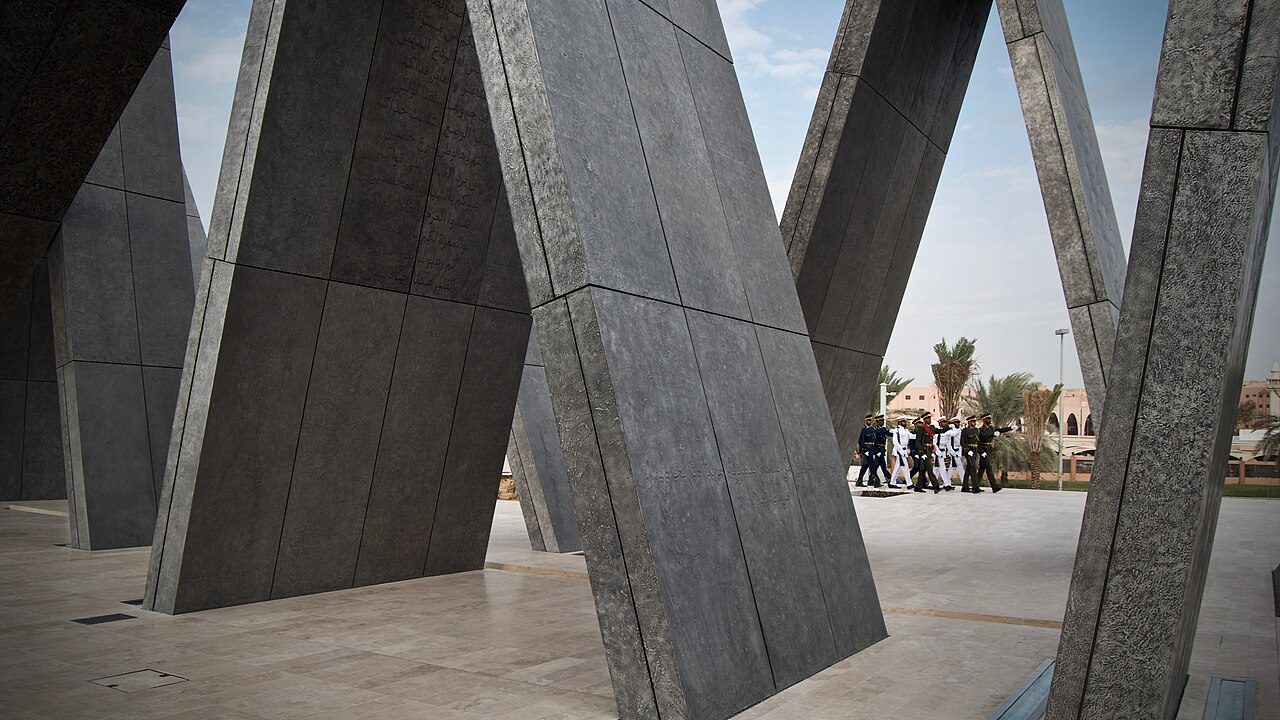
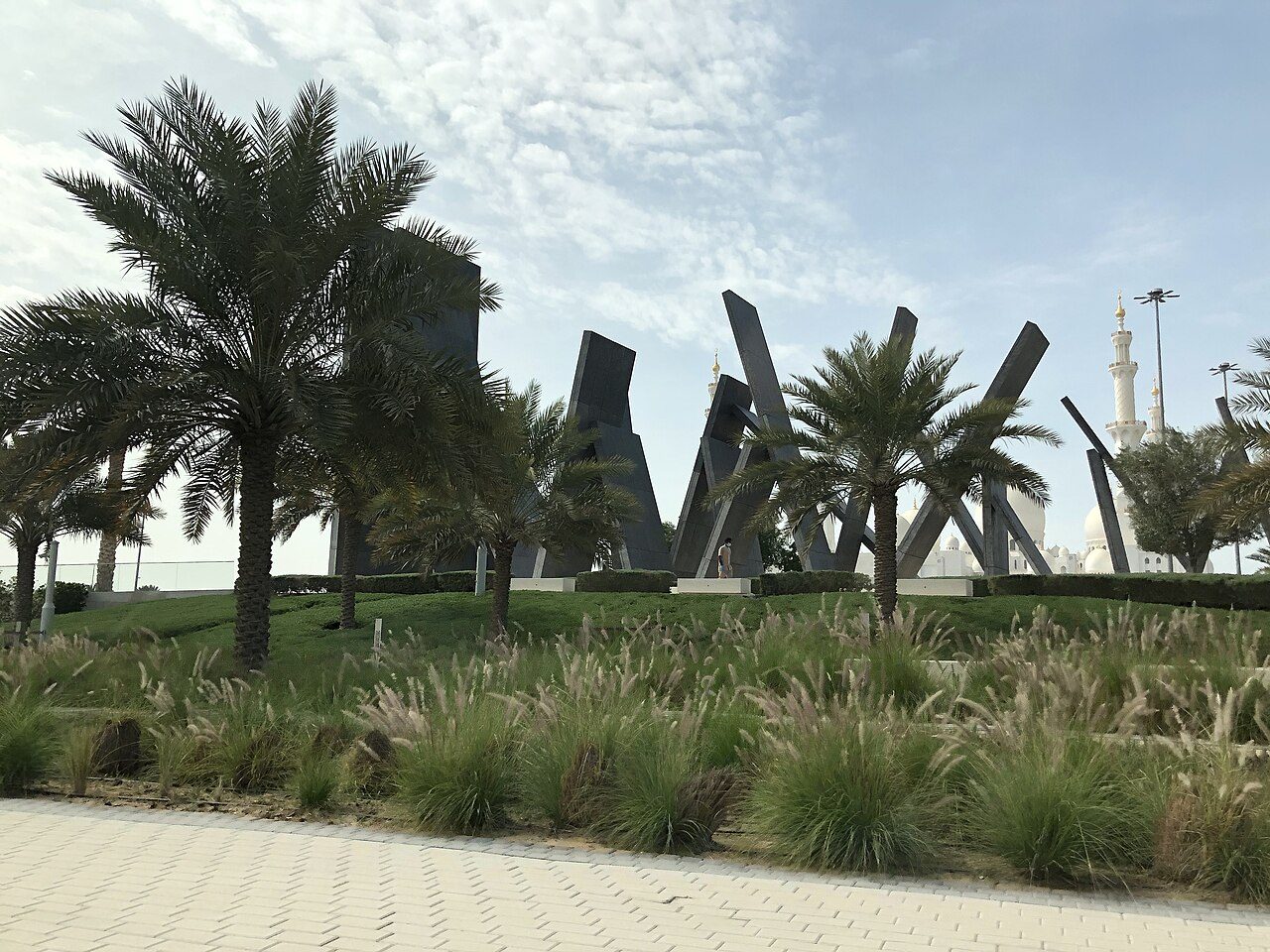
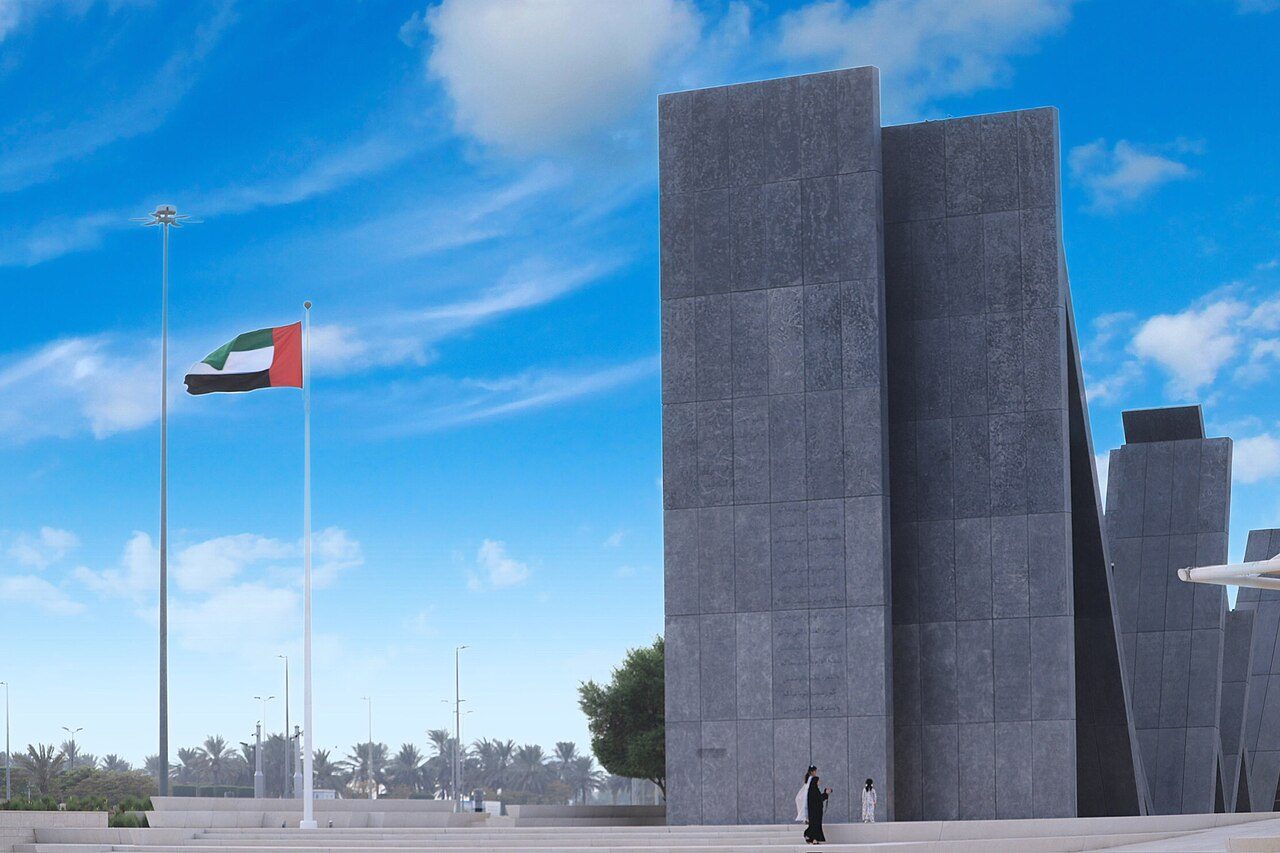
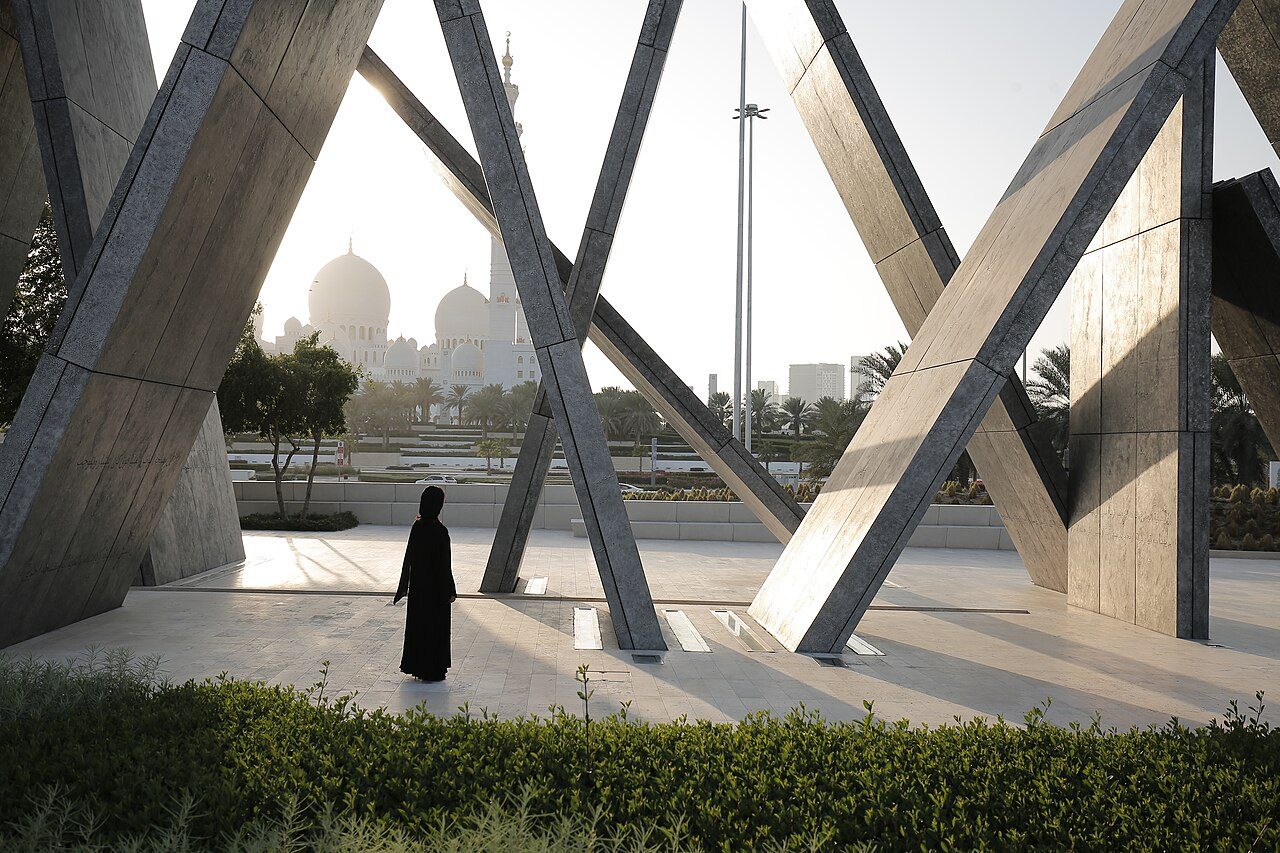
Wahat Al Karama, the Oasis of Dignity, is the national war memorial of the United Arab Emirates, opened in 2016 opposite the Sheikh Zayed Grand Mosque. Its centrepiece is a group of 31 huge aluminium-clad panels that lean on one another, engraved with poems and quotations. A pavilion lists the names of those who died in service.
03
STOP 3 OF 18
Qasr Al Watan
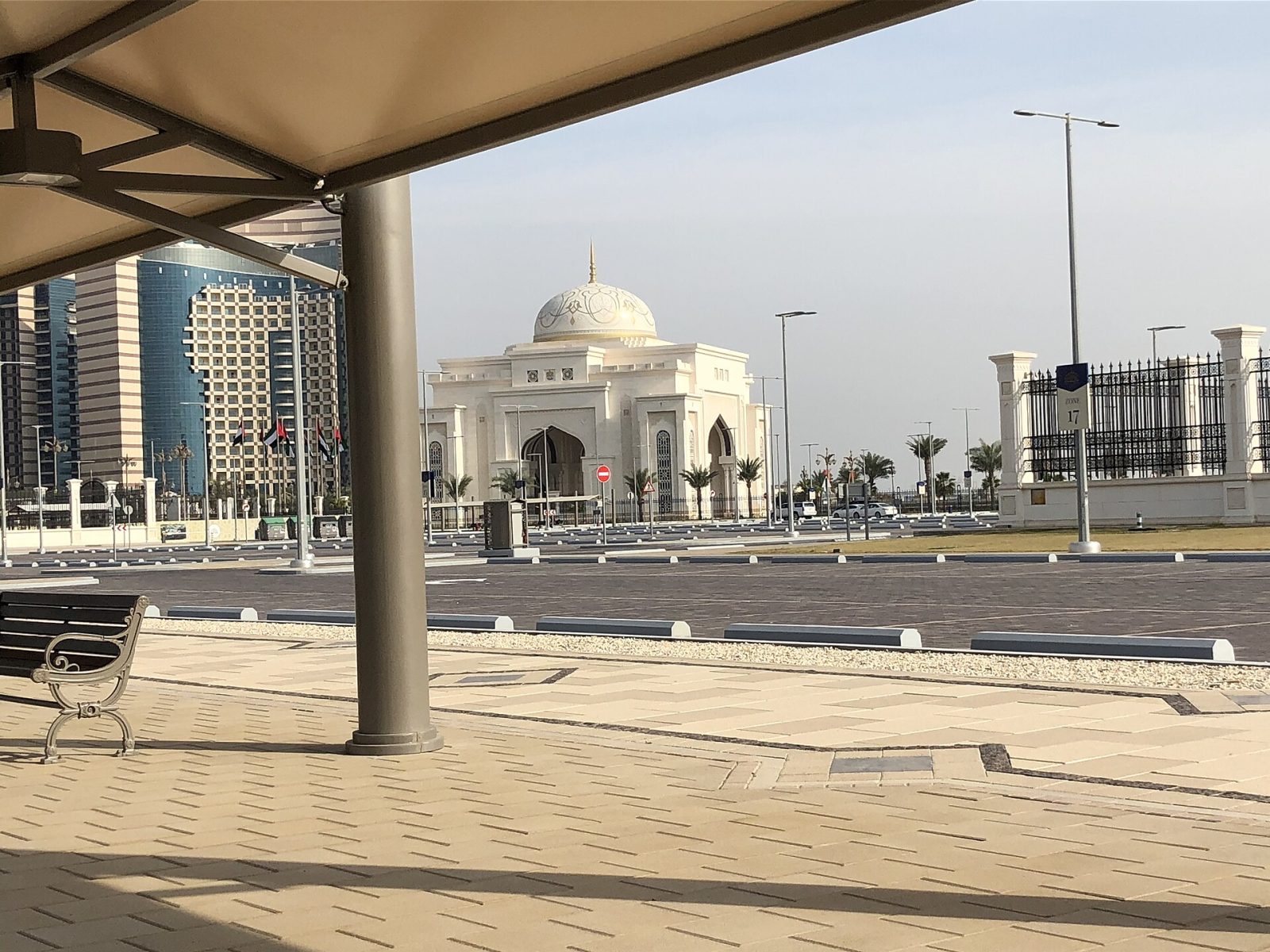
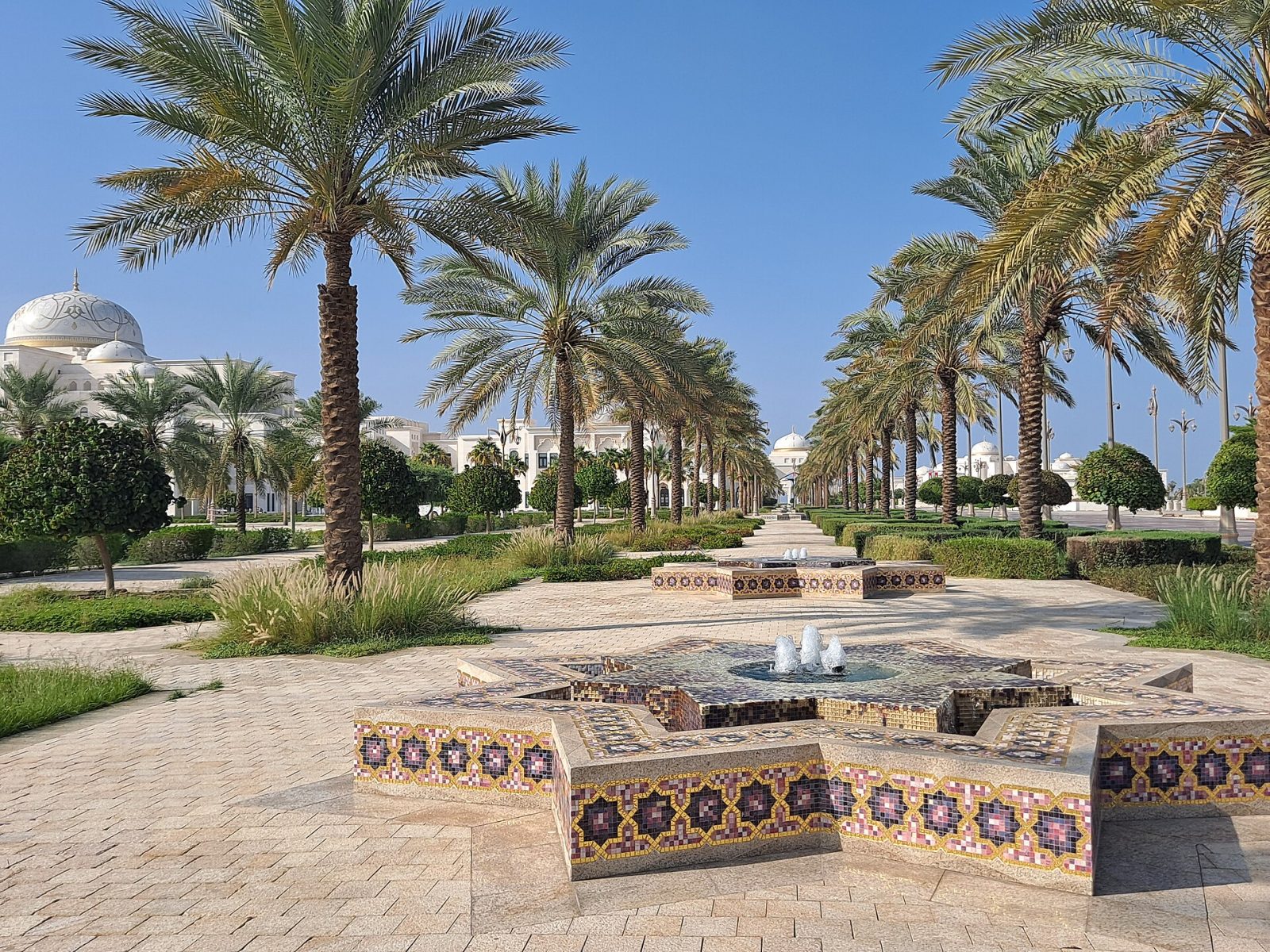
Qasr Al Watan, the Palace of the Nation, is a working presidential palace in Abu Dhabi that opened part of its rooms to the public in 2019. It was built in white granite and marble in a modern Arabian style, with a great domed hall 37 metres across and a chandelier of crystal and steel at its centre. Visitors walk through the Presidential Banquet Hall, the council chamber where the UAE cabinet meets and the House of Knowledge, which displays rare manuscripts. In the evening a light and sound show is projected on the palace walls. Tickets are timed, and the gardens along the approach are part of the visit.
04
STOP 4 OF 18
Emirates Palace
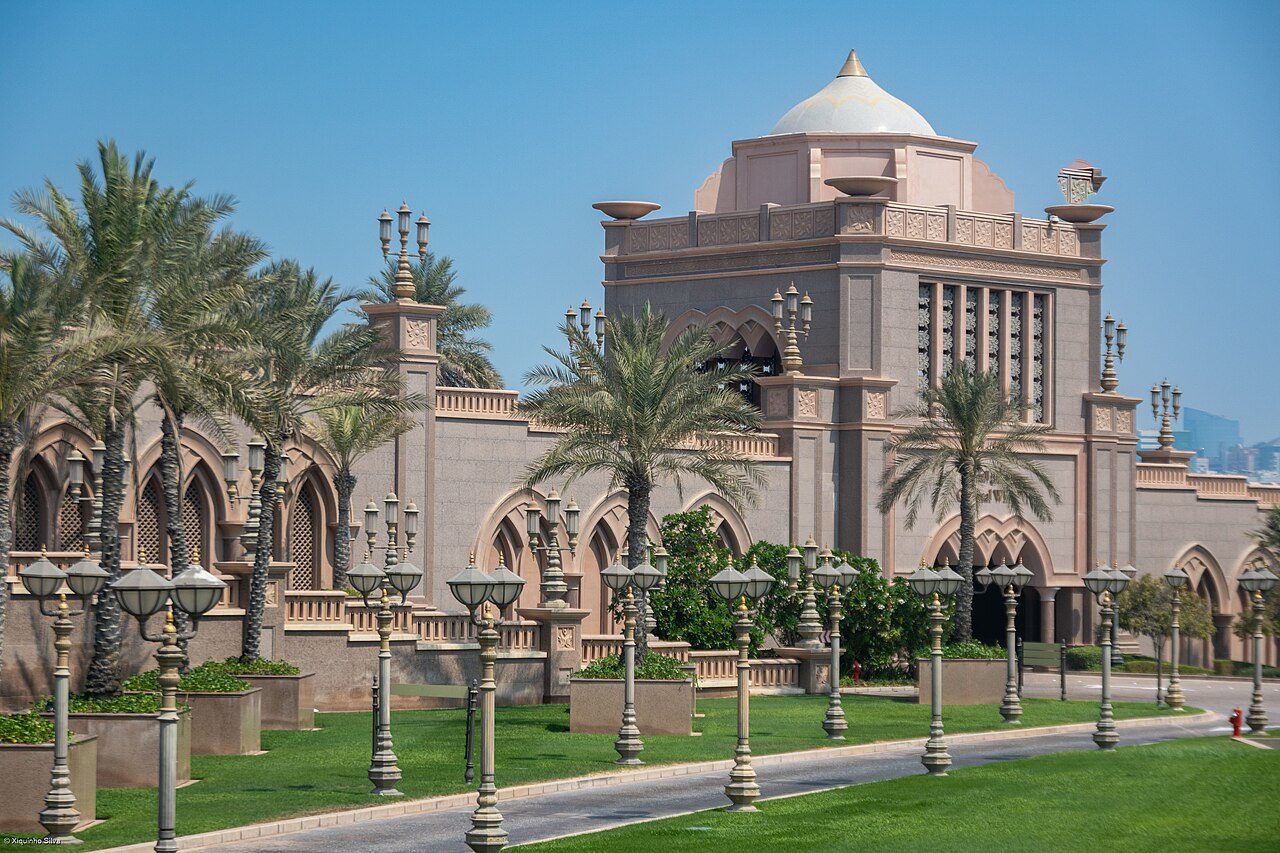
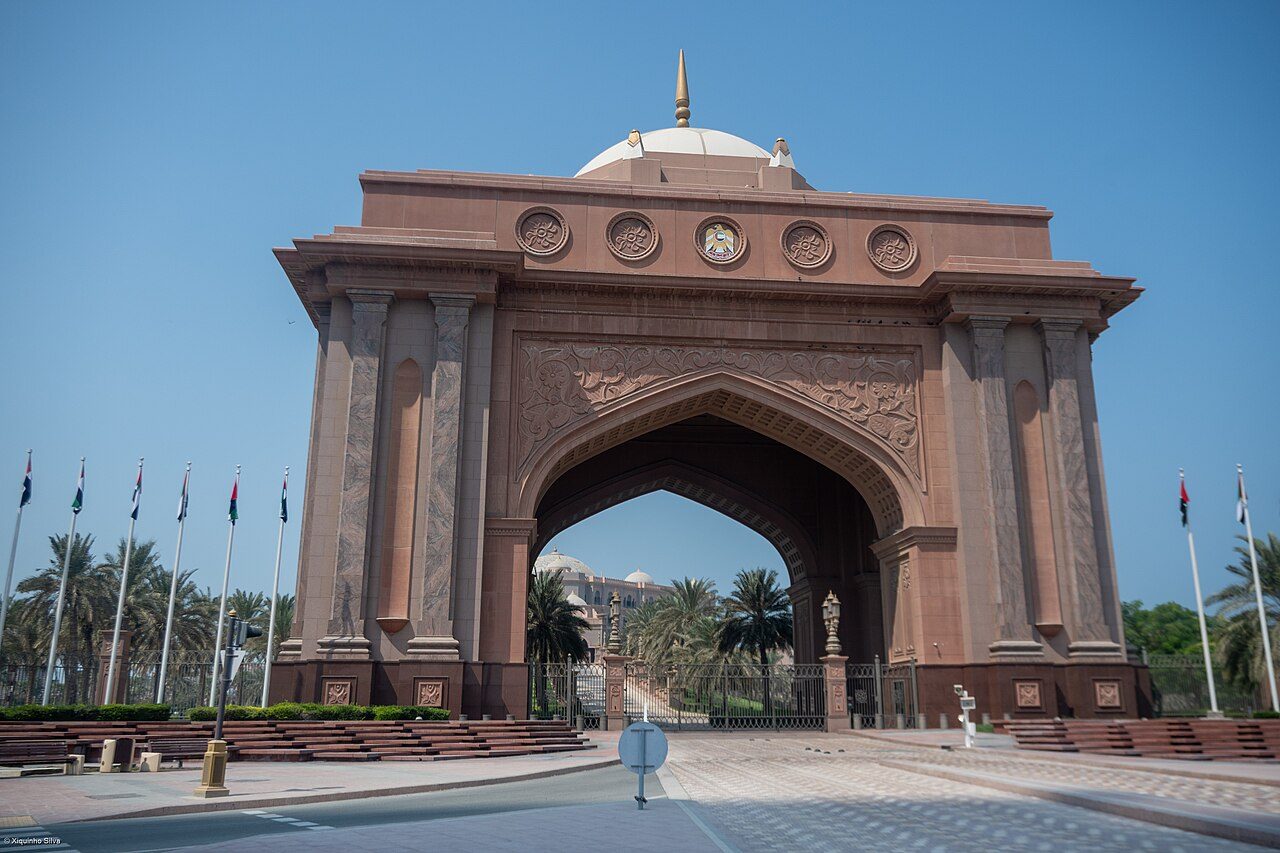
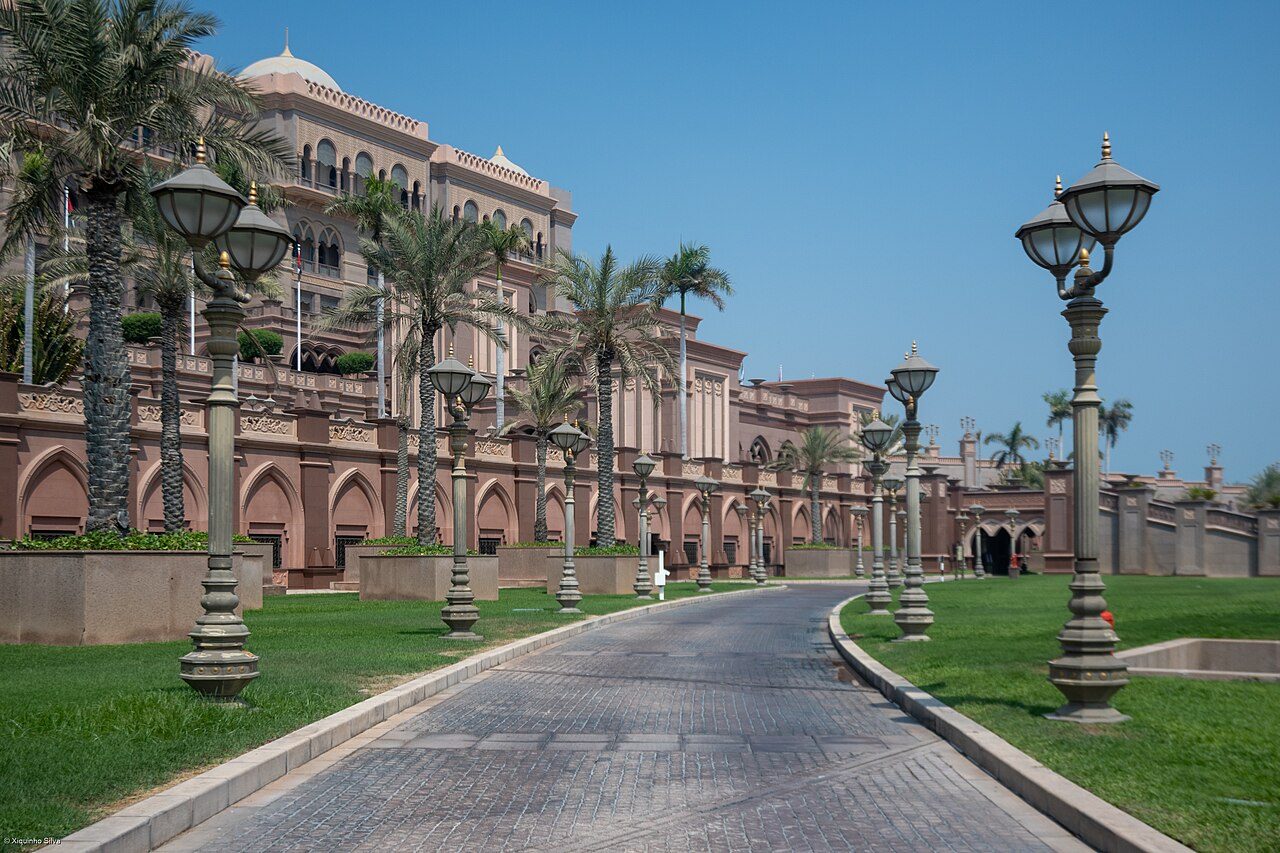
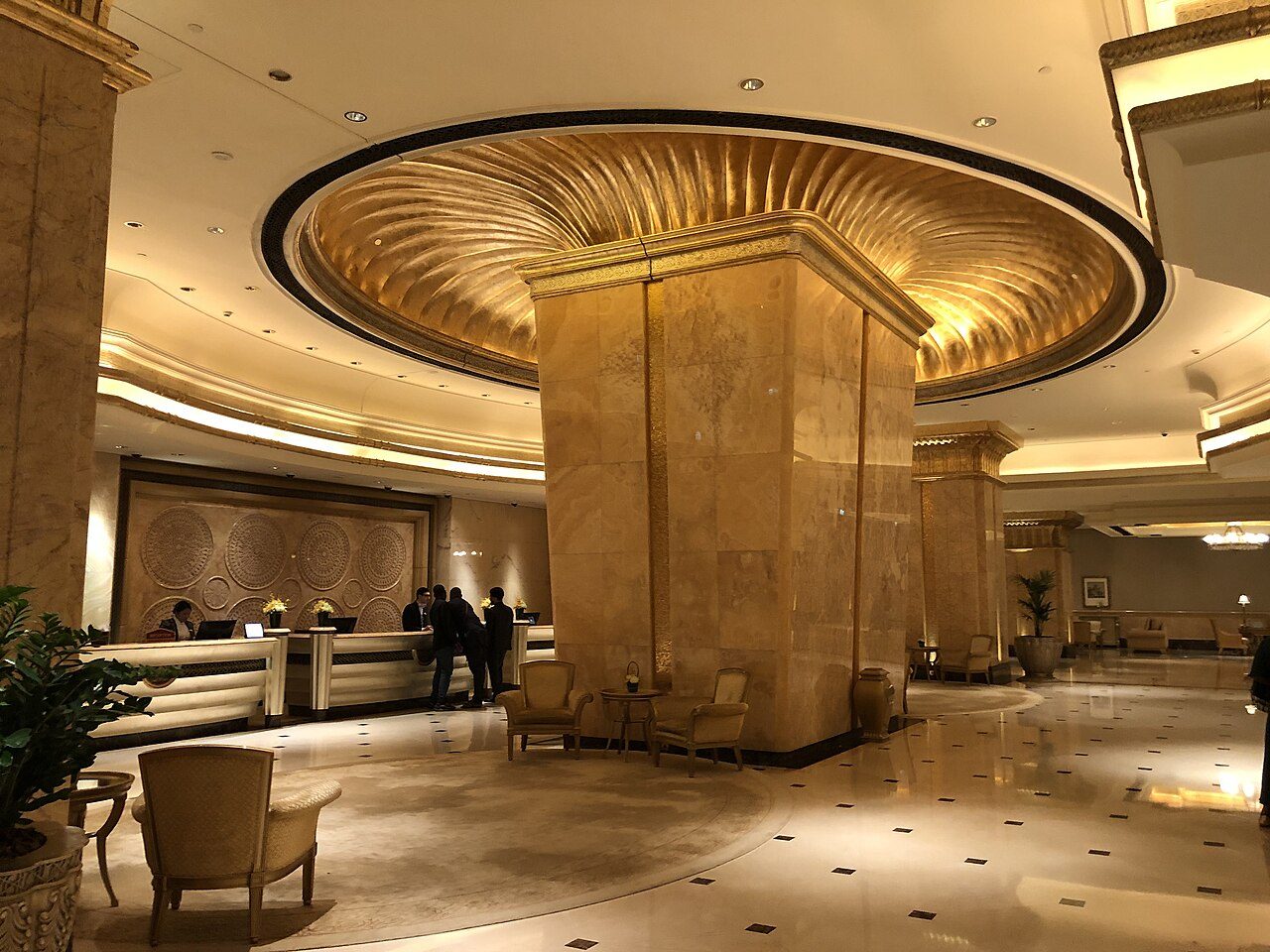
Emirates Palace is a vast luxury hotel on its own beach at the western end of the Abu Dhabi Corniche, opened in 2005. It was built by the government of Abu Dhabi as a showpiece, with more than a hundred domes, gold-leaf interiors and a central dome over 70 metres high. Visitors who are not staying usually come for coffee, a meal or a walk through the public halls.
05
STOP 5 OF 18
Louvre Abu Dhabi
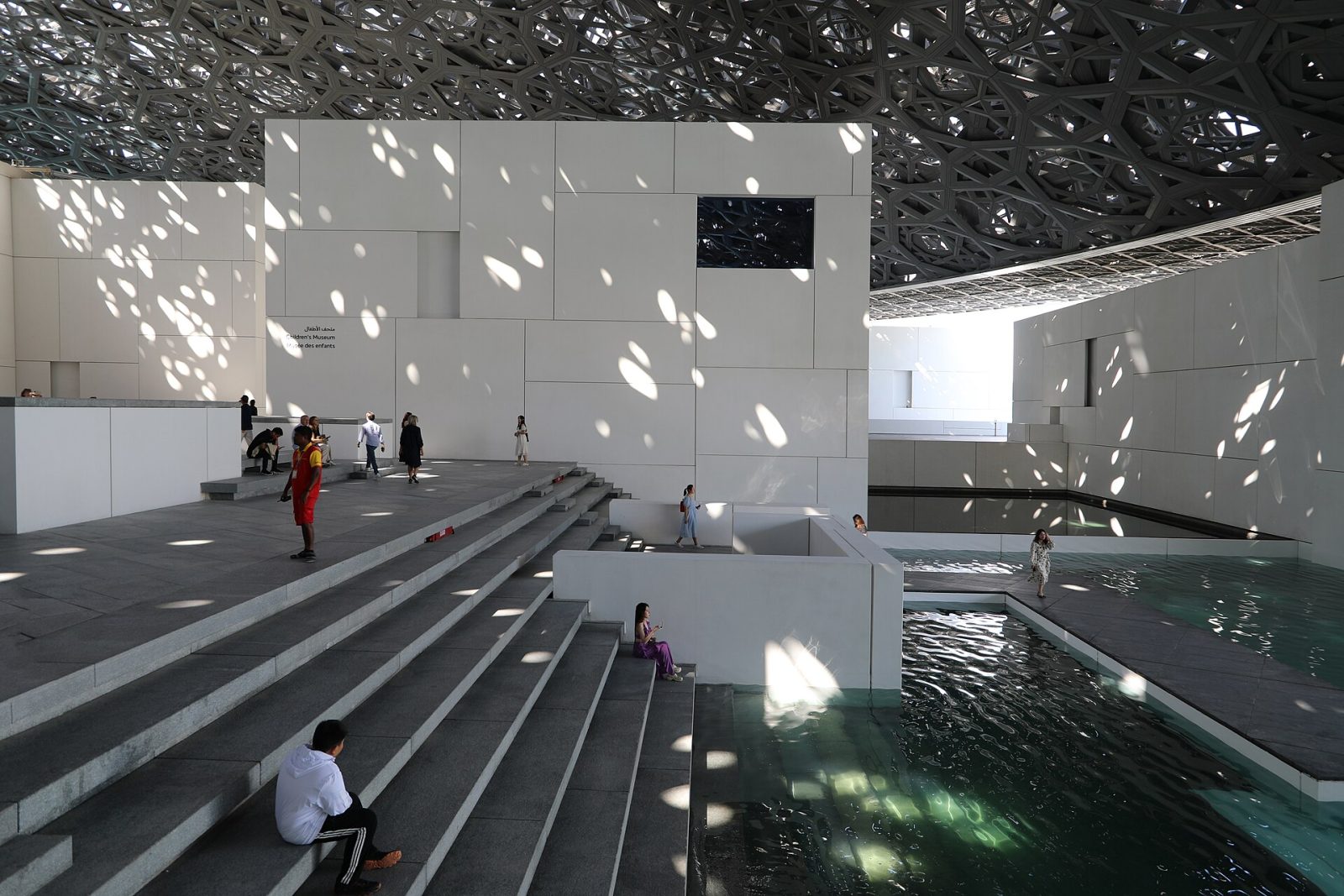
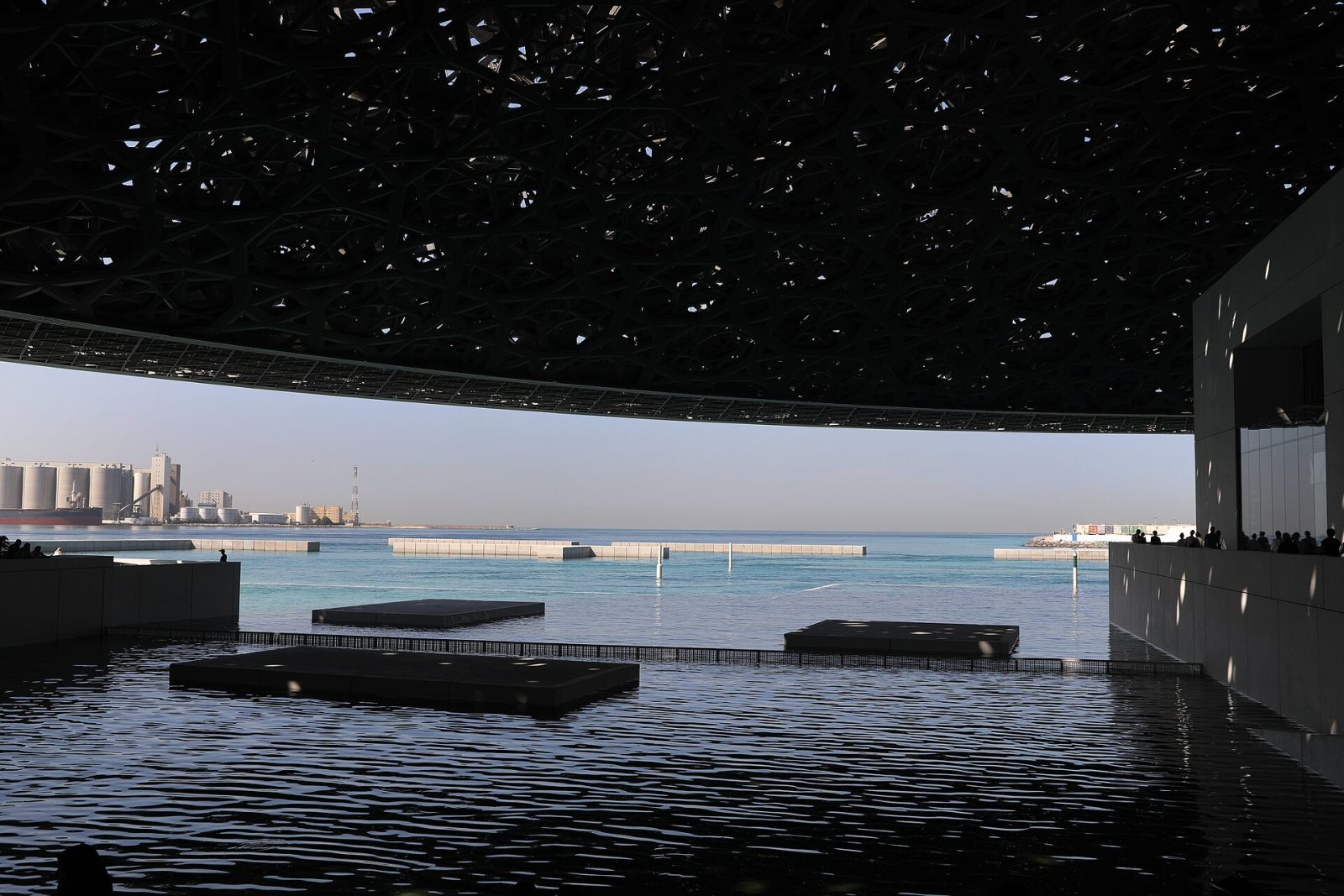
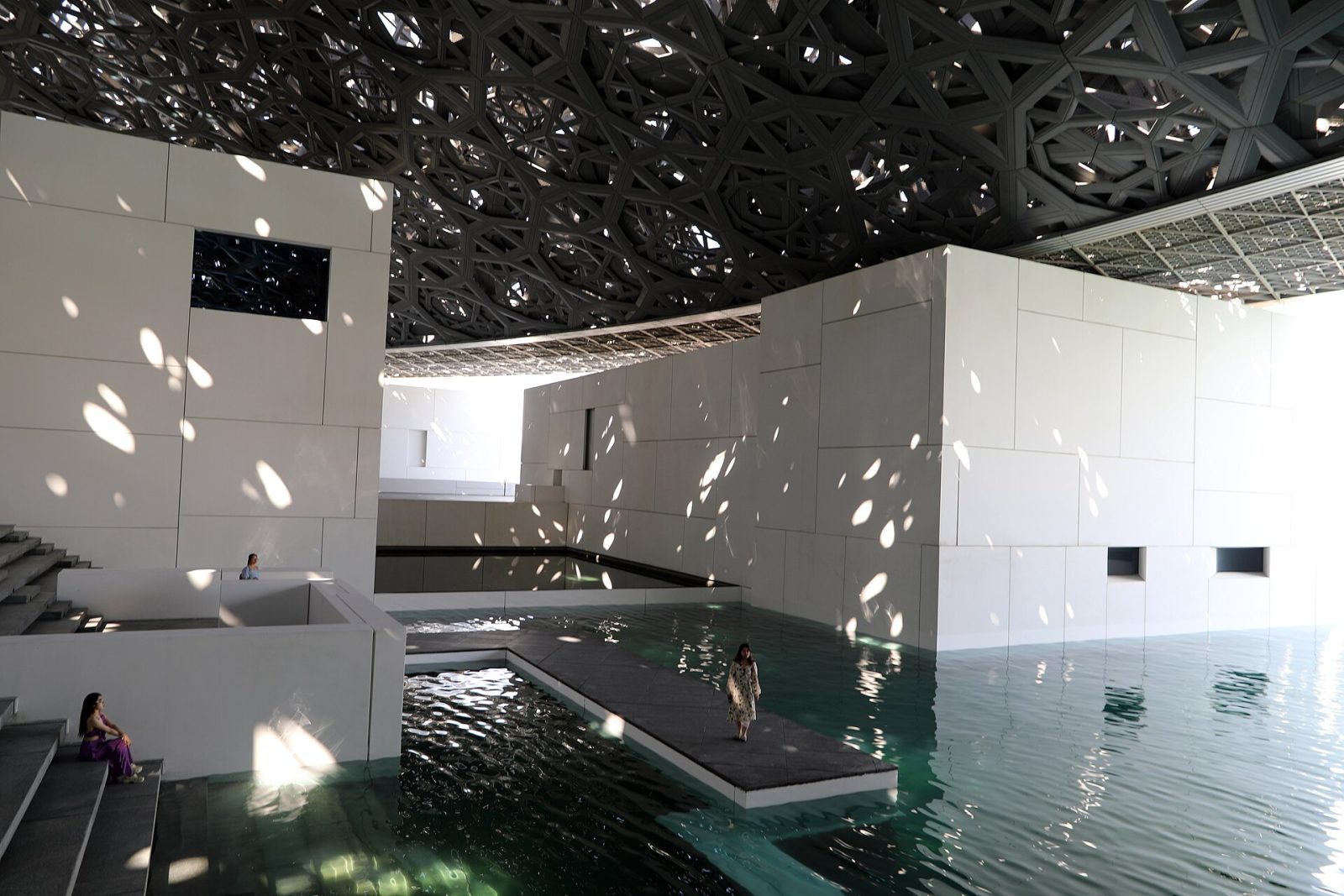
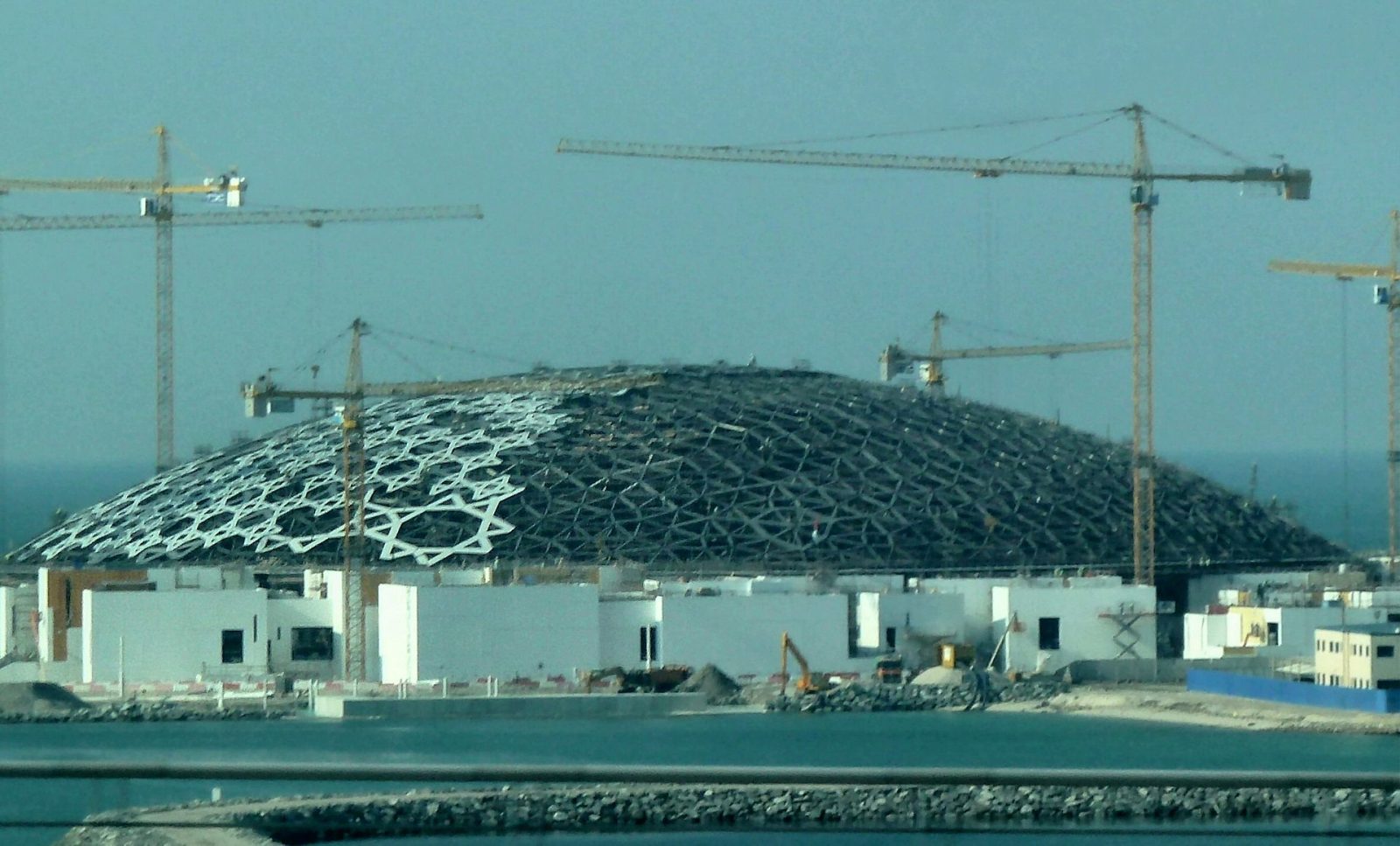
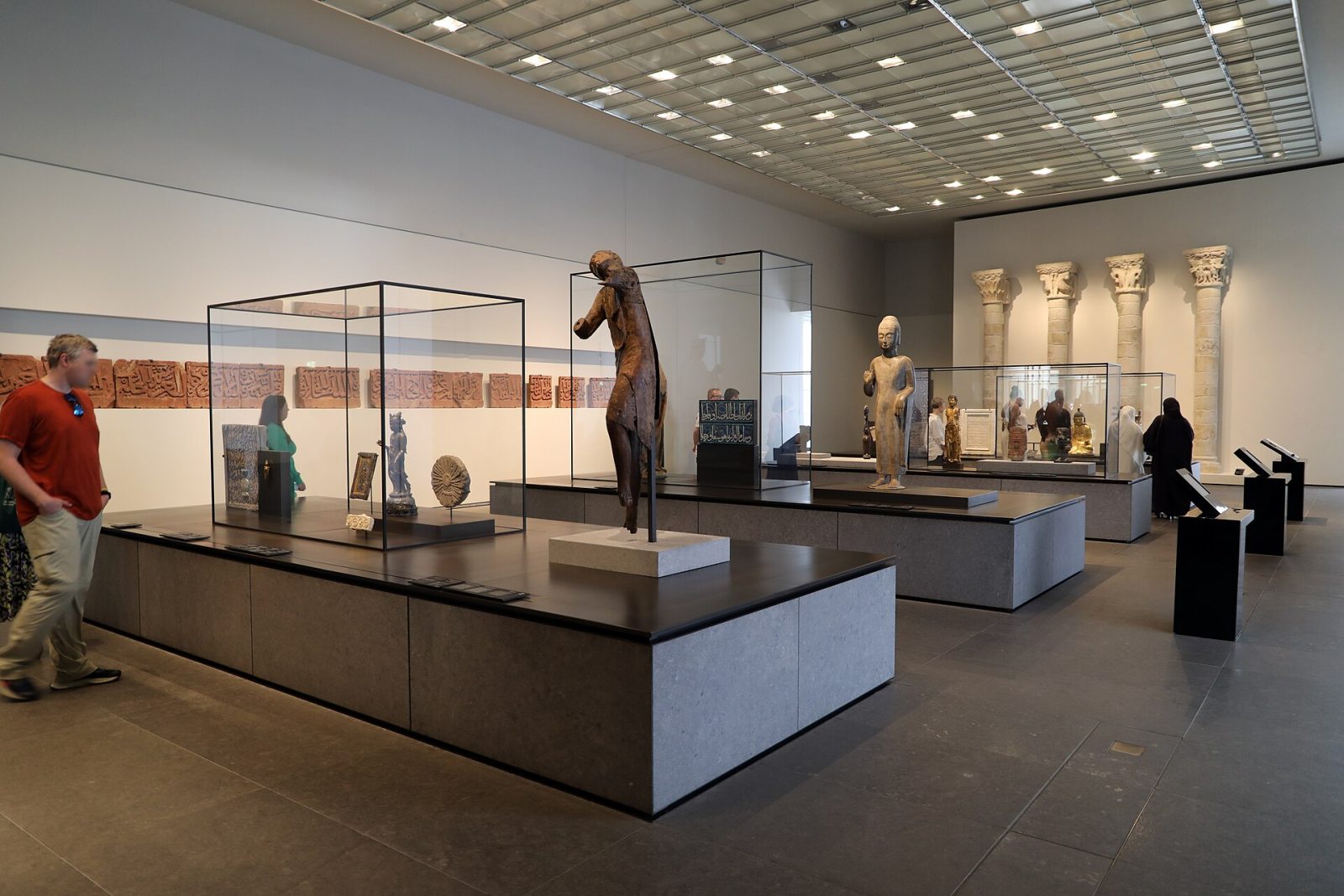
Louvre Abu Dhabi opened on Saadiyat Island in 2017 under an agreement that lets it use the Louvre name and borrow works from French museums. Jean Nouvel designed it as a cluster of white buildings under a vast perforated dome, so that sunlight falls through in a pattern he called a rain of light. The galleries tell a single story of human creativity across cultures rather than separating art by country, placing a Buddha beside a Madonna or an African mask beside a Greek statue. Works by Leonardo, Van Gogh and Monet hang alongside objects from ancient Arabia and Asia. It is closed on Mondays and is best combined with the other Saadiyat museums.
06
STOP 6 OF 18
Saadiyat Beach
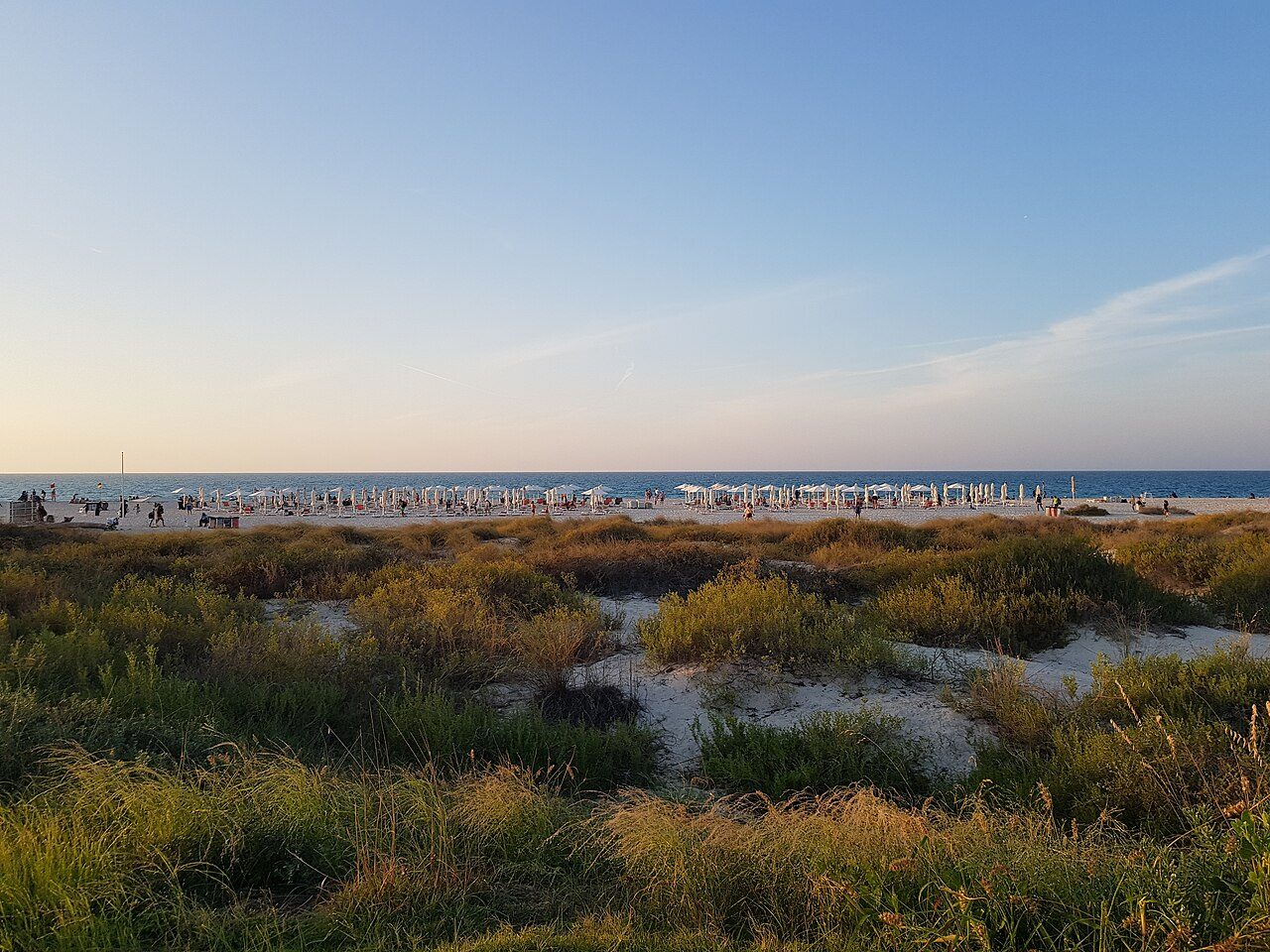
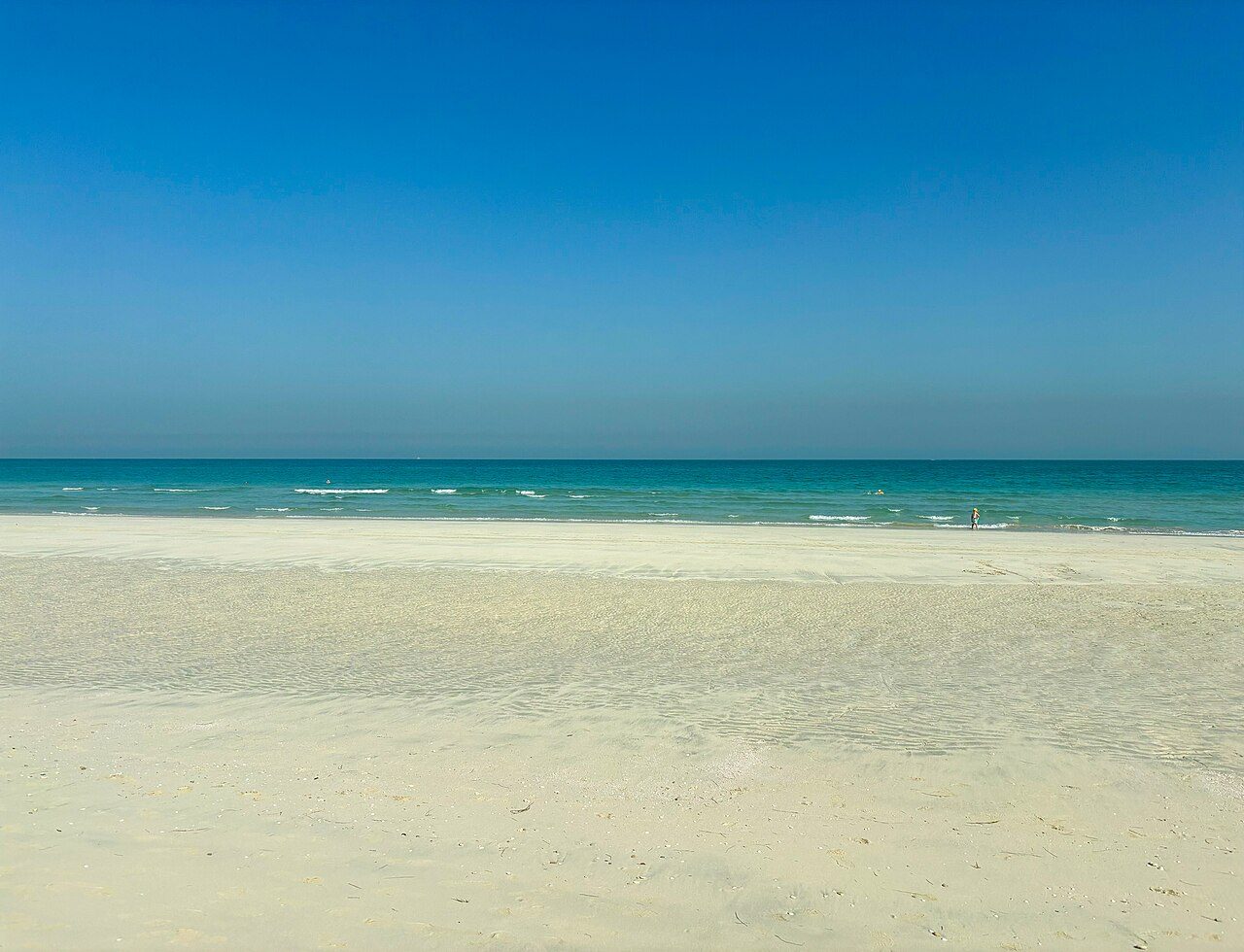
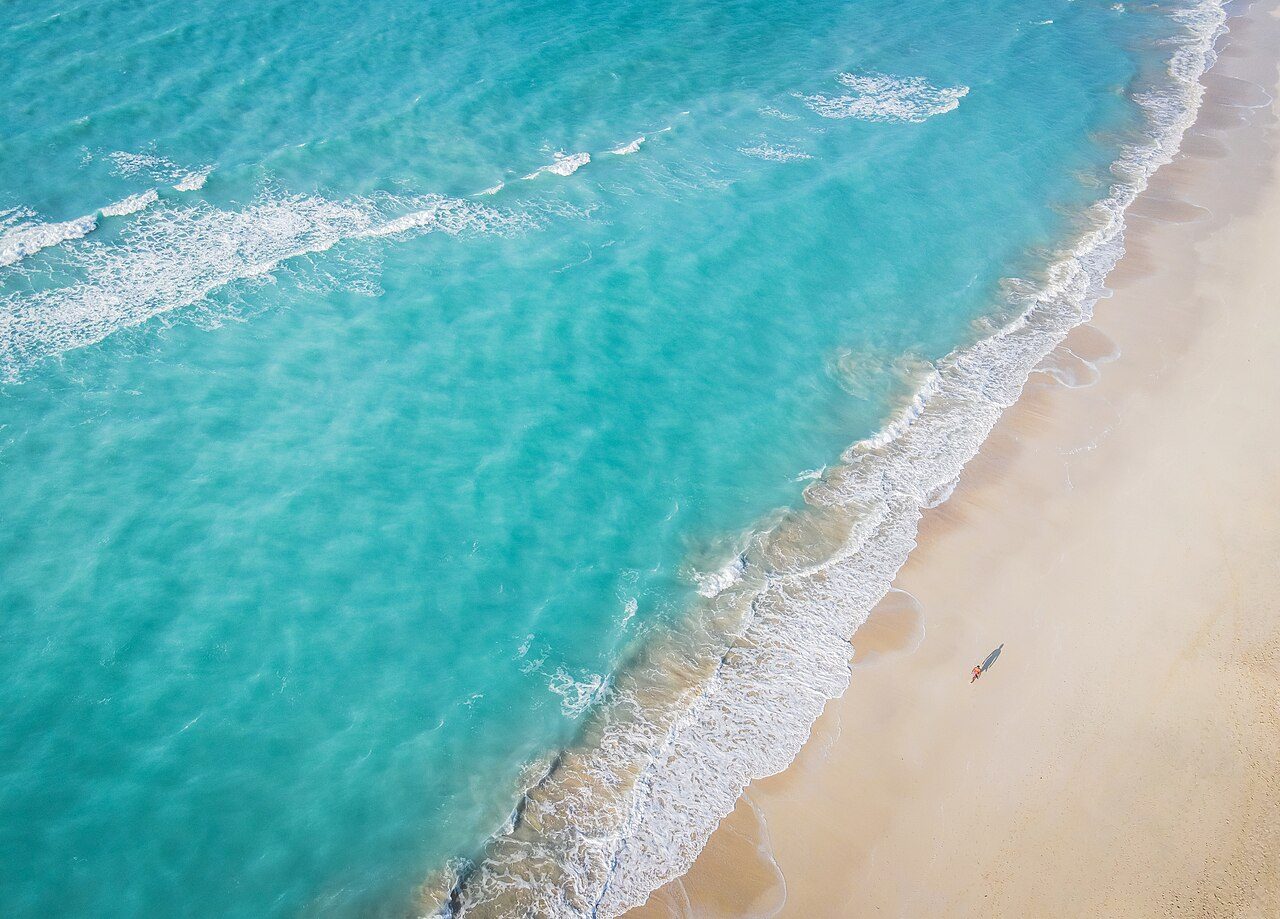
Saadiyat Beach is a long stretch of natural white sand on the north shore of Saadiyat Island, a short drive from central Abu Dhabi. The dunes behind it are protected, and hawksbill turtles nest here in season. The public beach has loungers, showers and lifeguards for a small entry fee. The Louvre Abu Dhabi is on the same island.
07
STOP 7 OF 18
Qasr Al Hosn
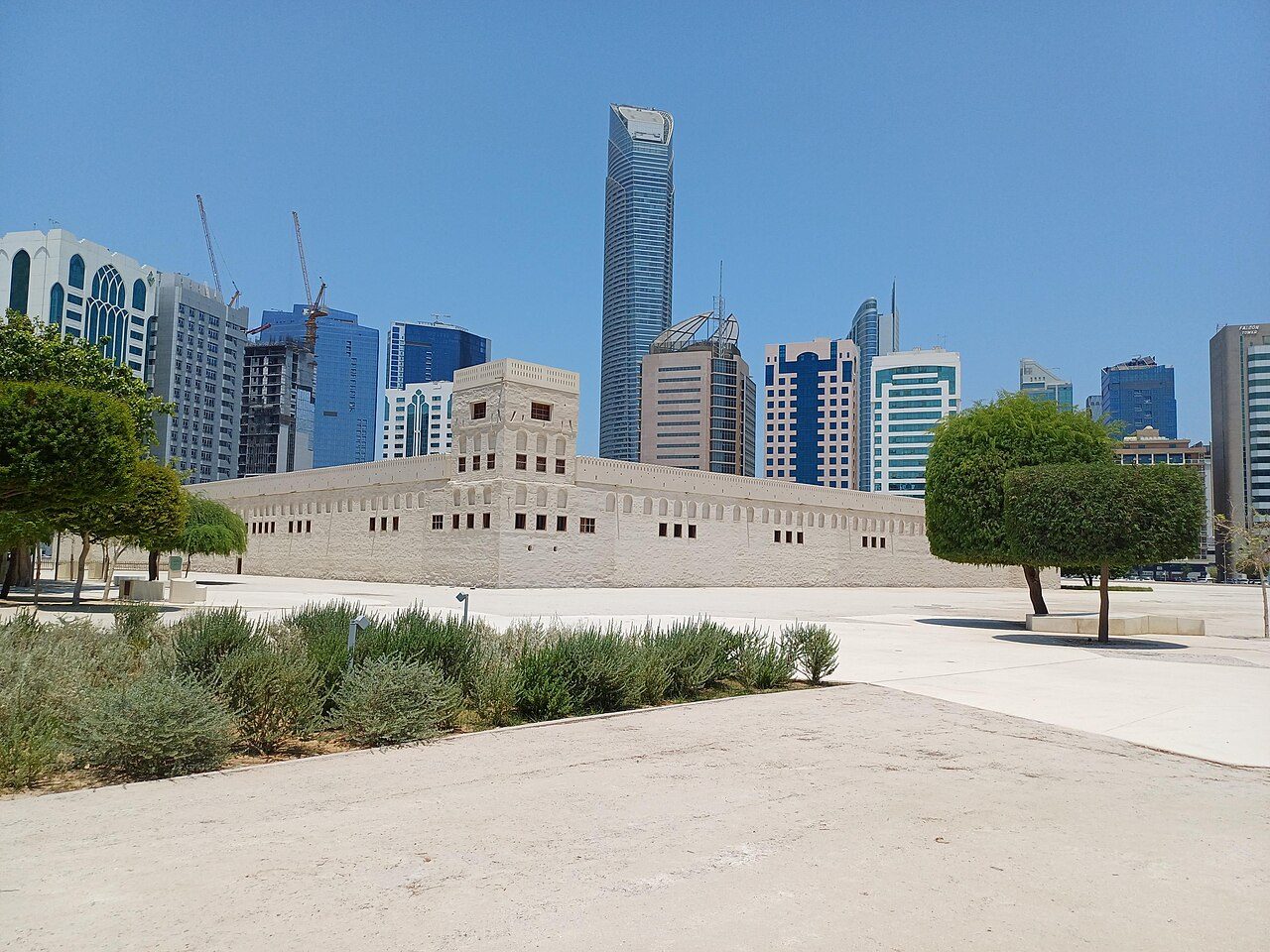
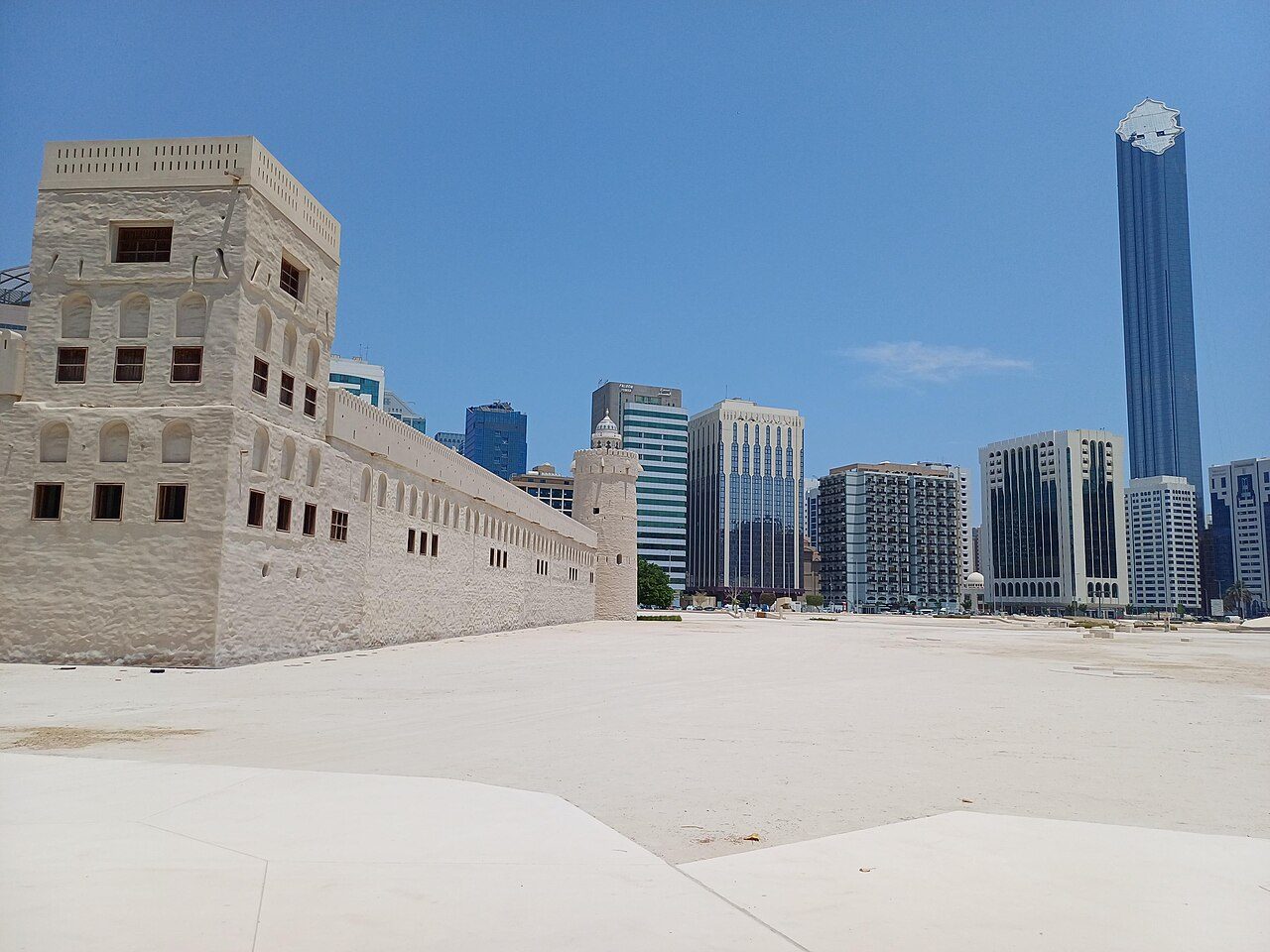
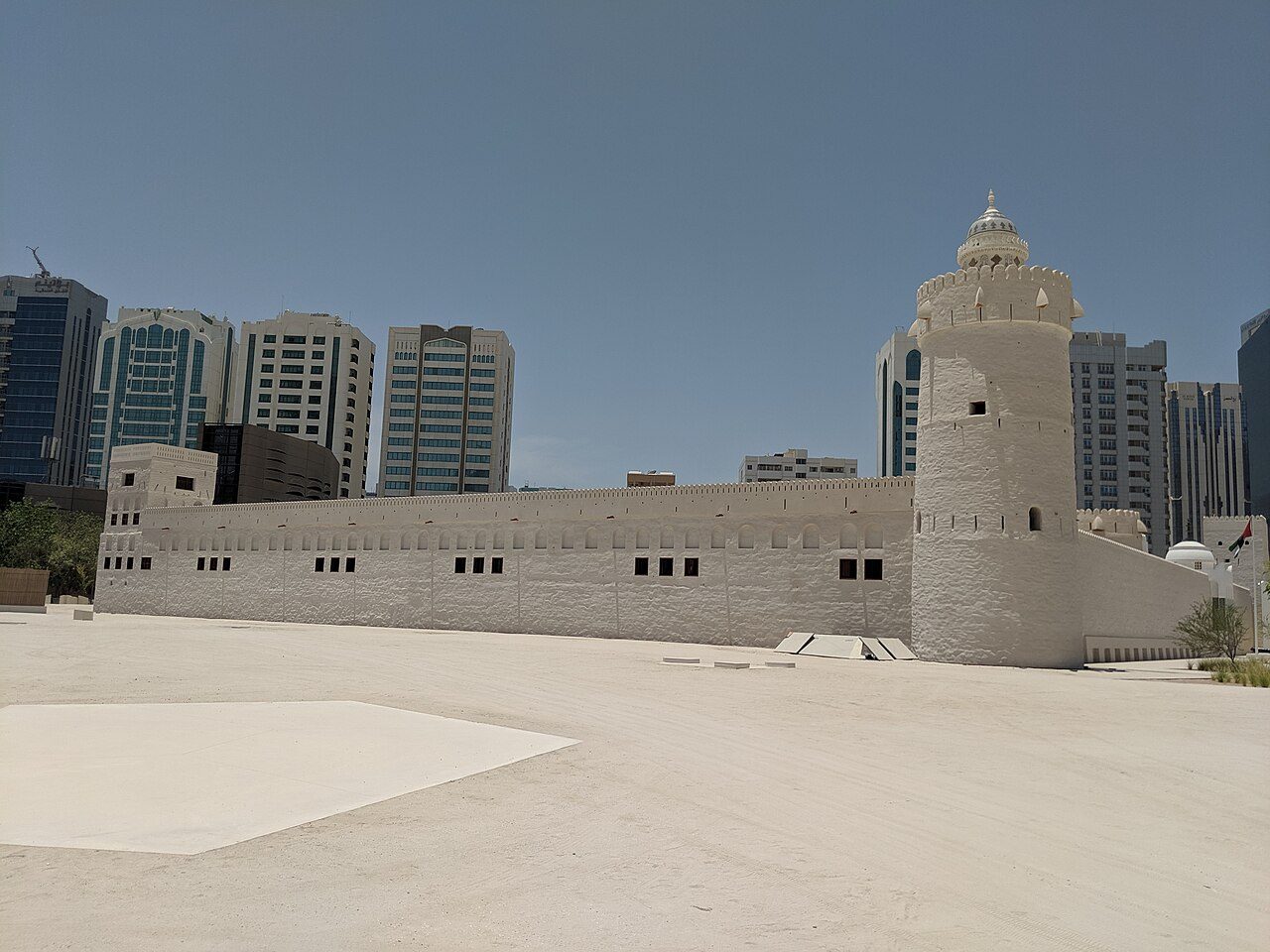
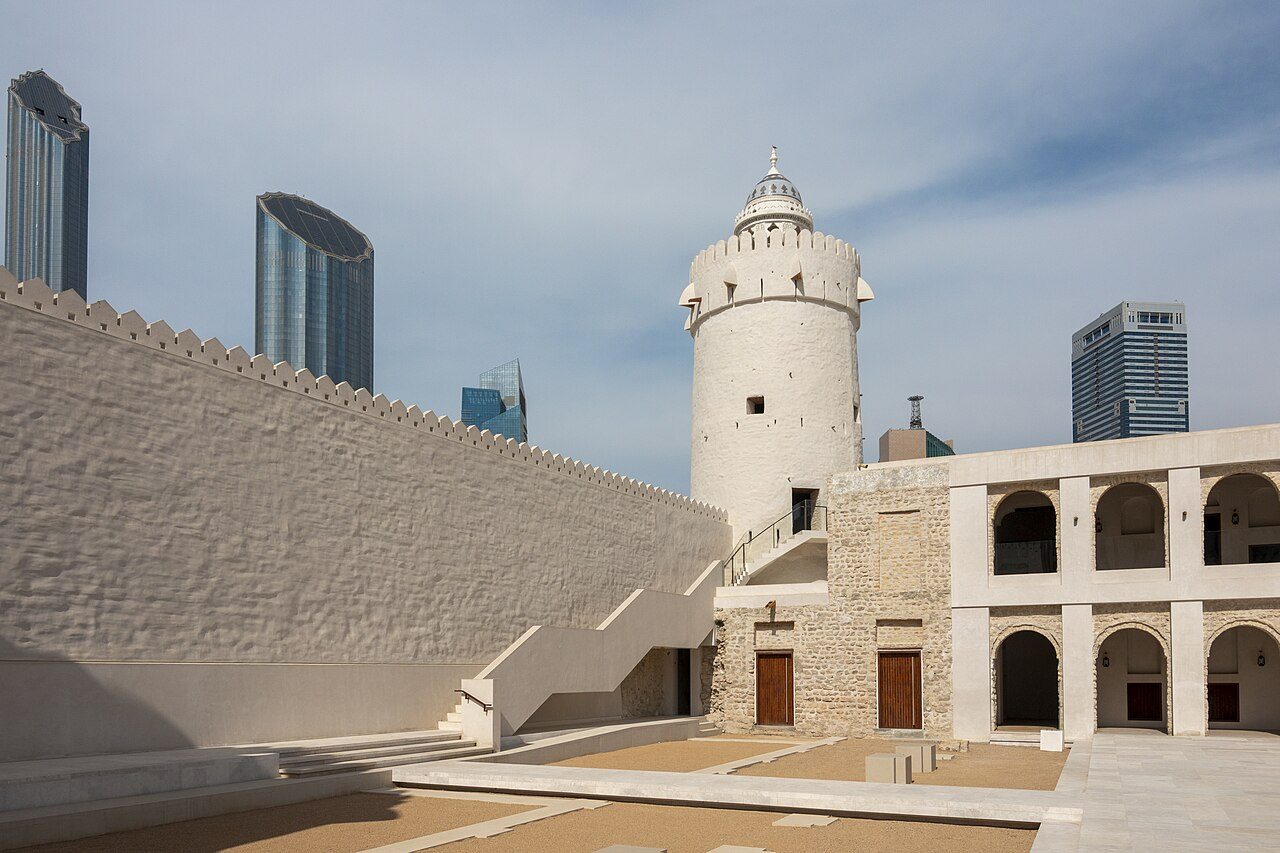
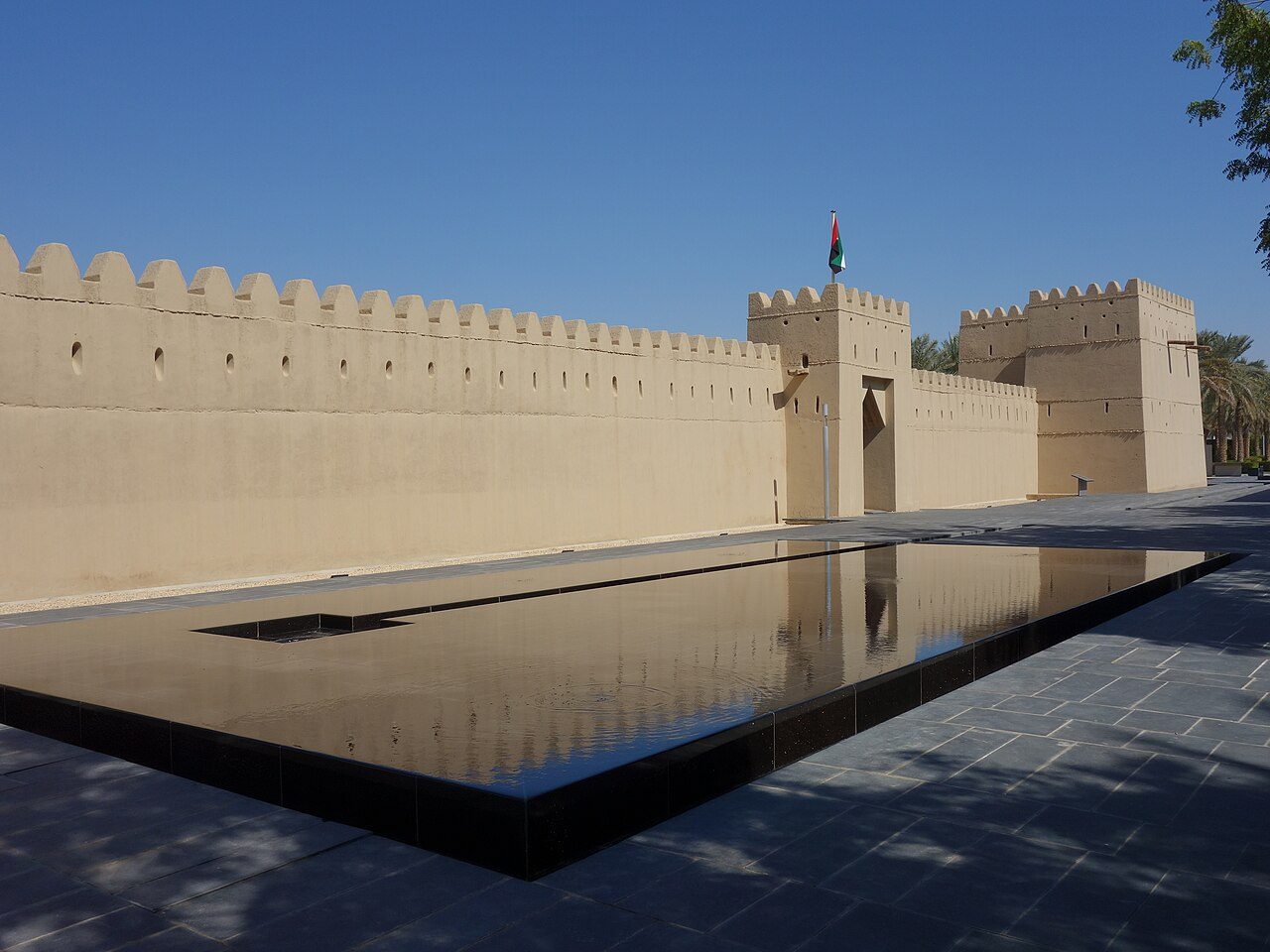
Qasr Al Hosn is the oldest stone building in Abu Dhabi. It began around 1790 as a watchtower guarding the island's only freshwater well and grew into the fort and palace of the ruling Al Nahyan family. After long restoration it reopened in 2018 as a museum that tells the story of Abu Dhabi from fishing and pearling settlement to modern capital.
08
STOP 8 OF 18
Heritage Village Abu Dhabi
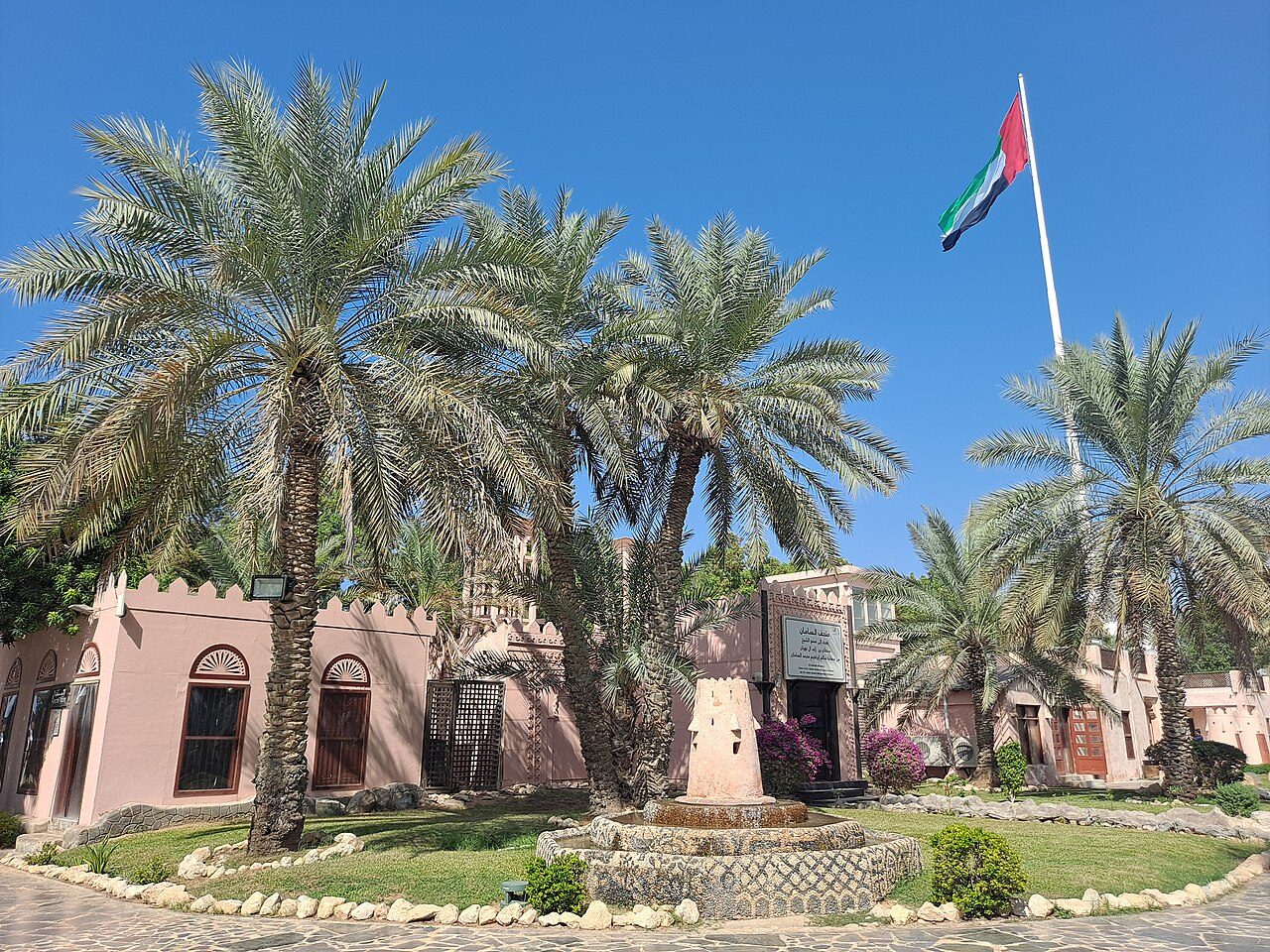
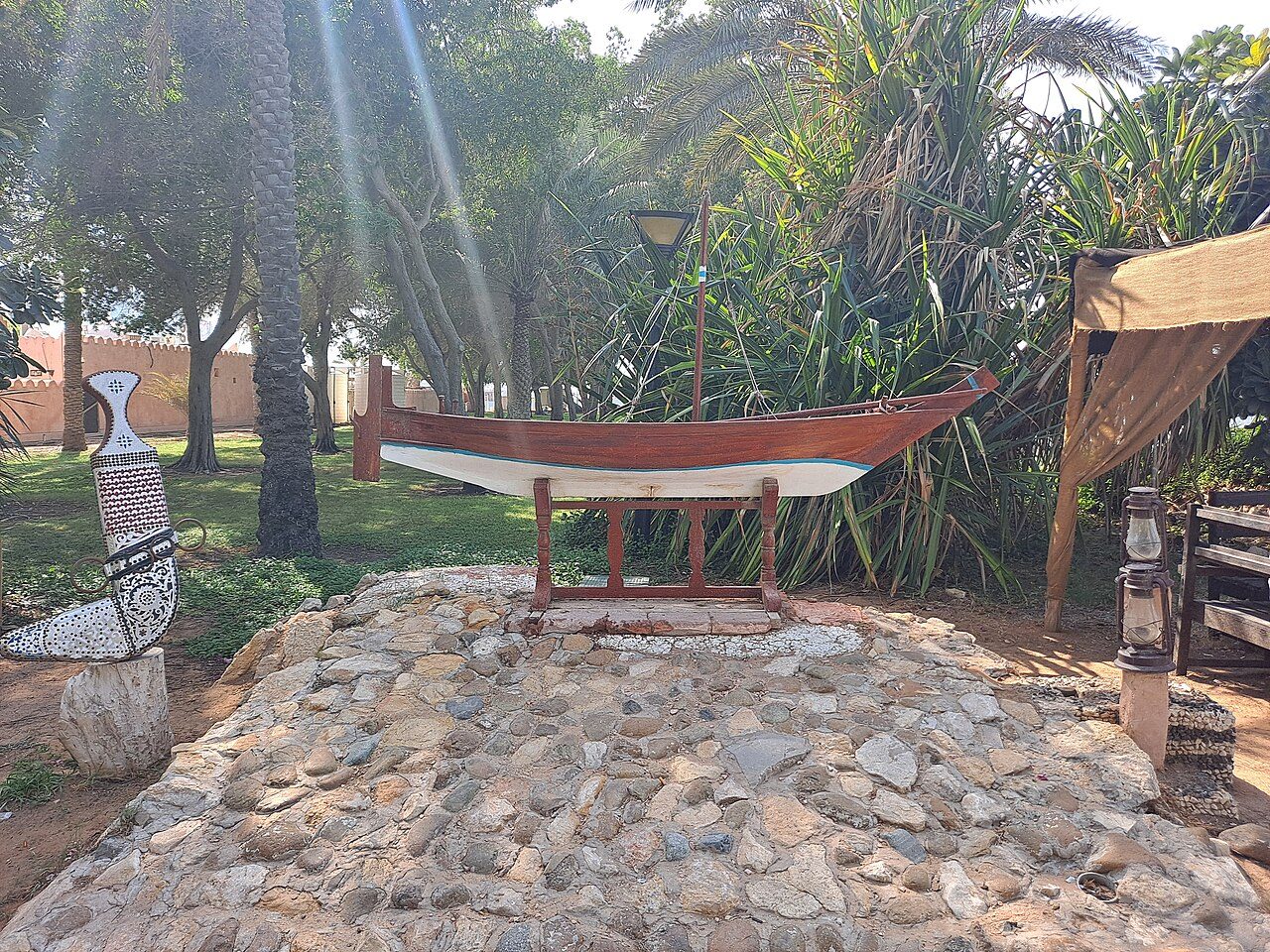
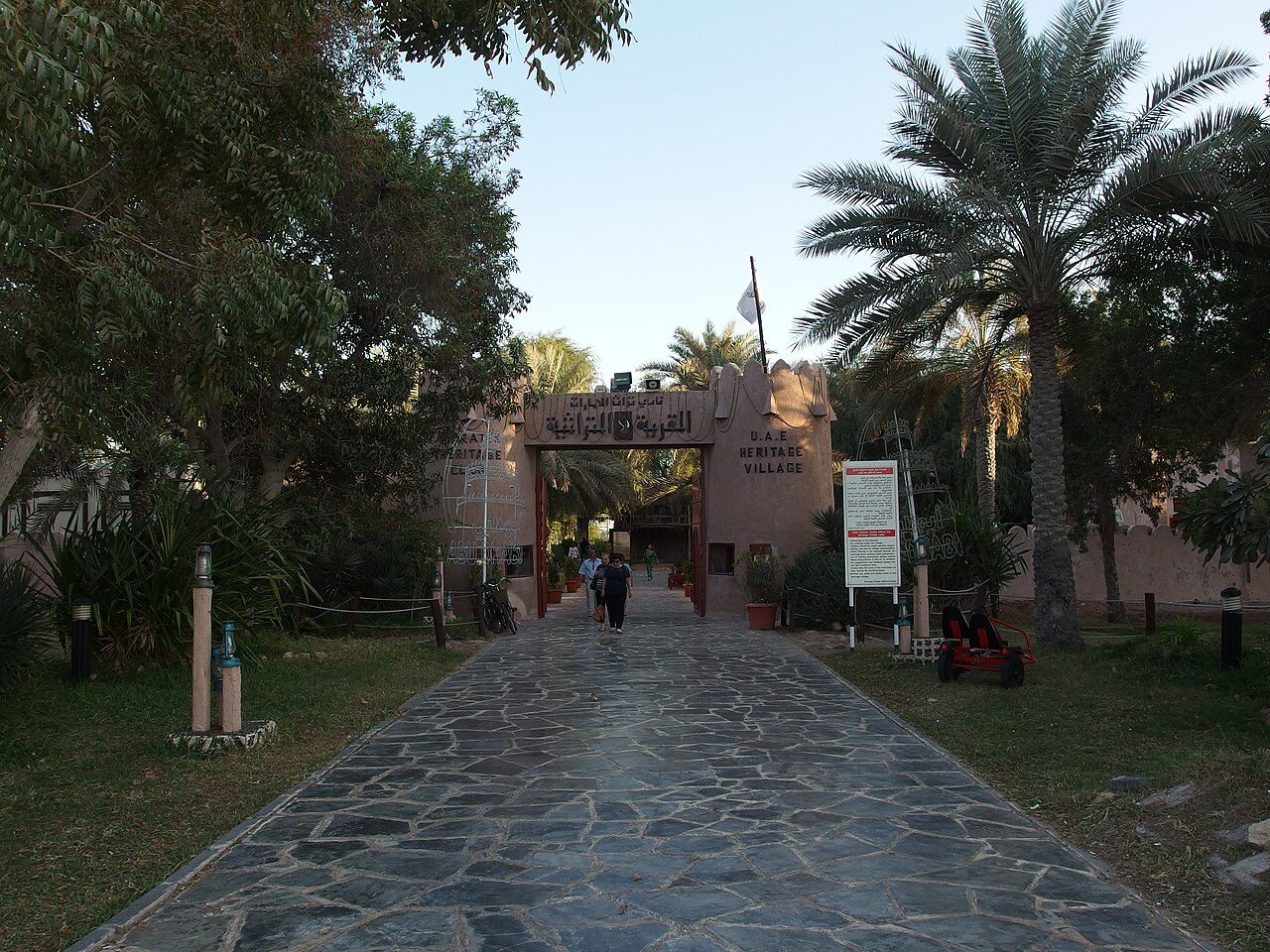
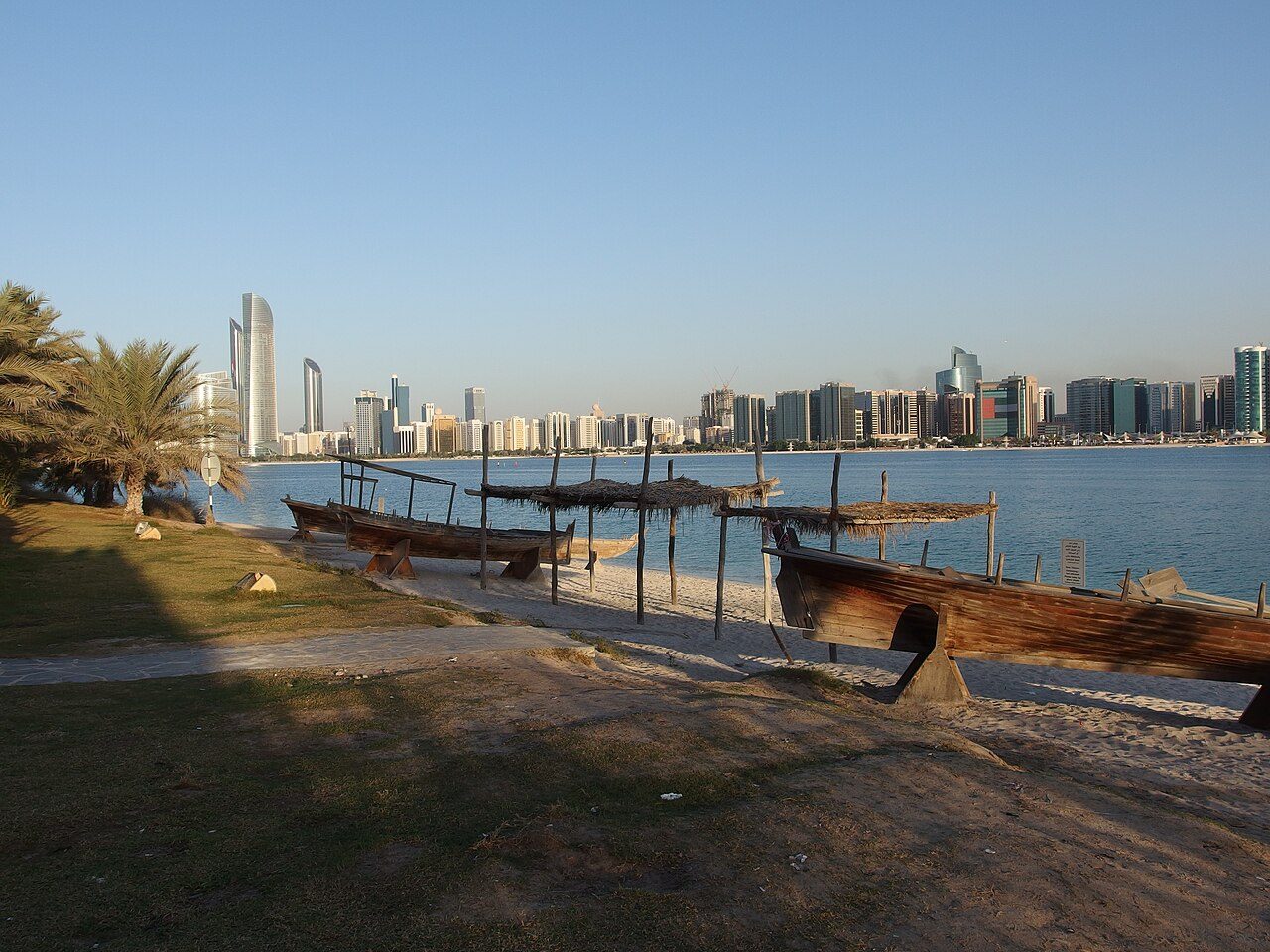
The Heritage Village in Abu Dhabi is a reconstruction of a traditional oasis settlement, run by the Emirates Heritage Club on the breakwater facing the city. It shows a desert camp with goat-hair tents, a falaj irrigation channel, a small fort and a souk. Craftsmen demonstrate pottery, weaving and metalwork in the workshops, and the beach looks across to the skyline.
09
STOP 9 OF 18
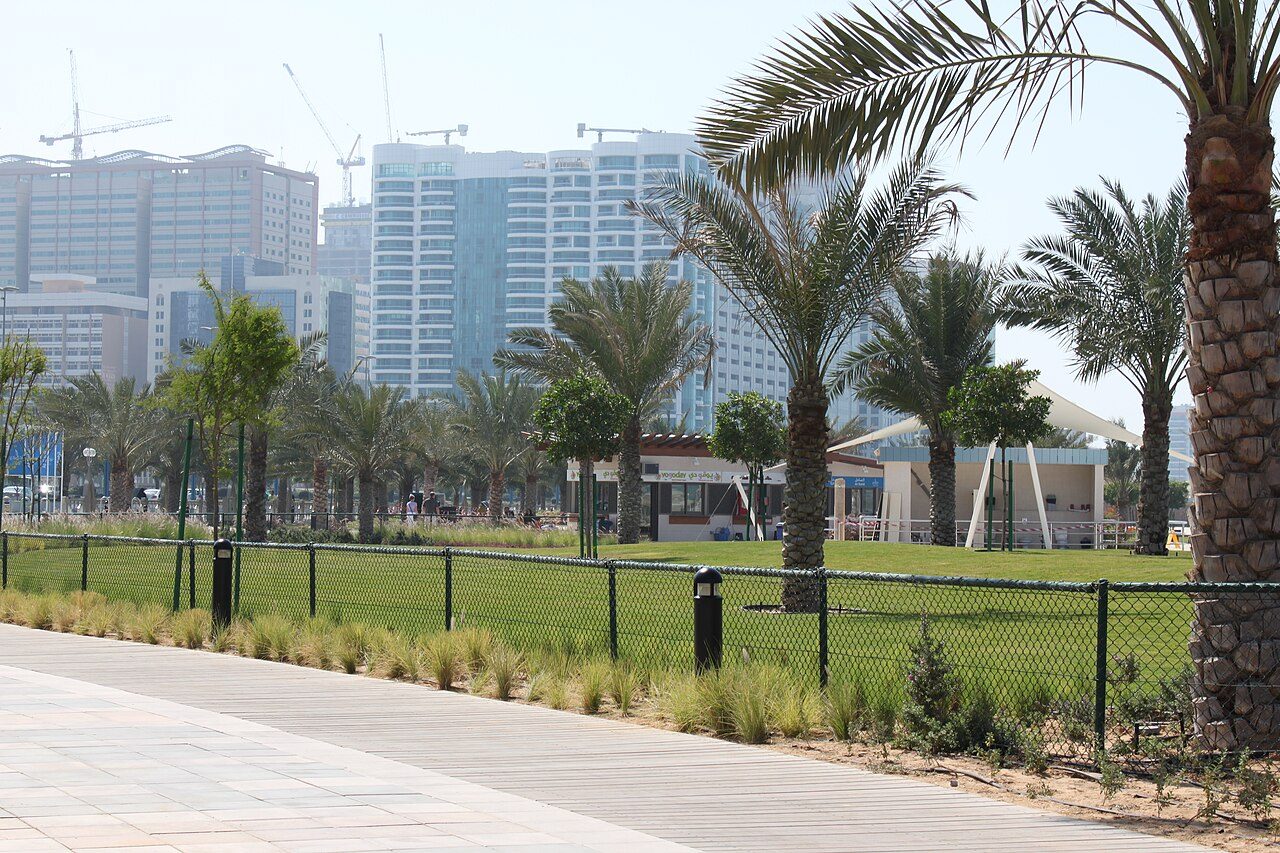
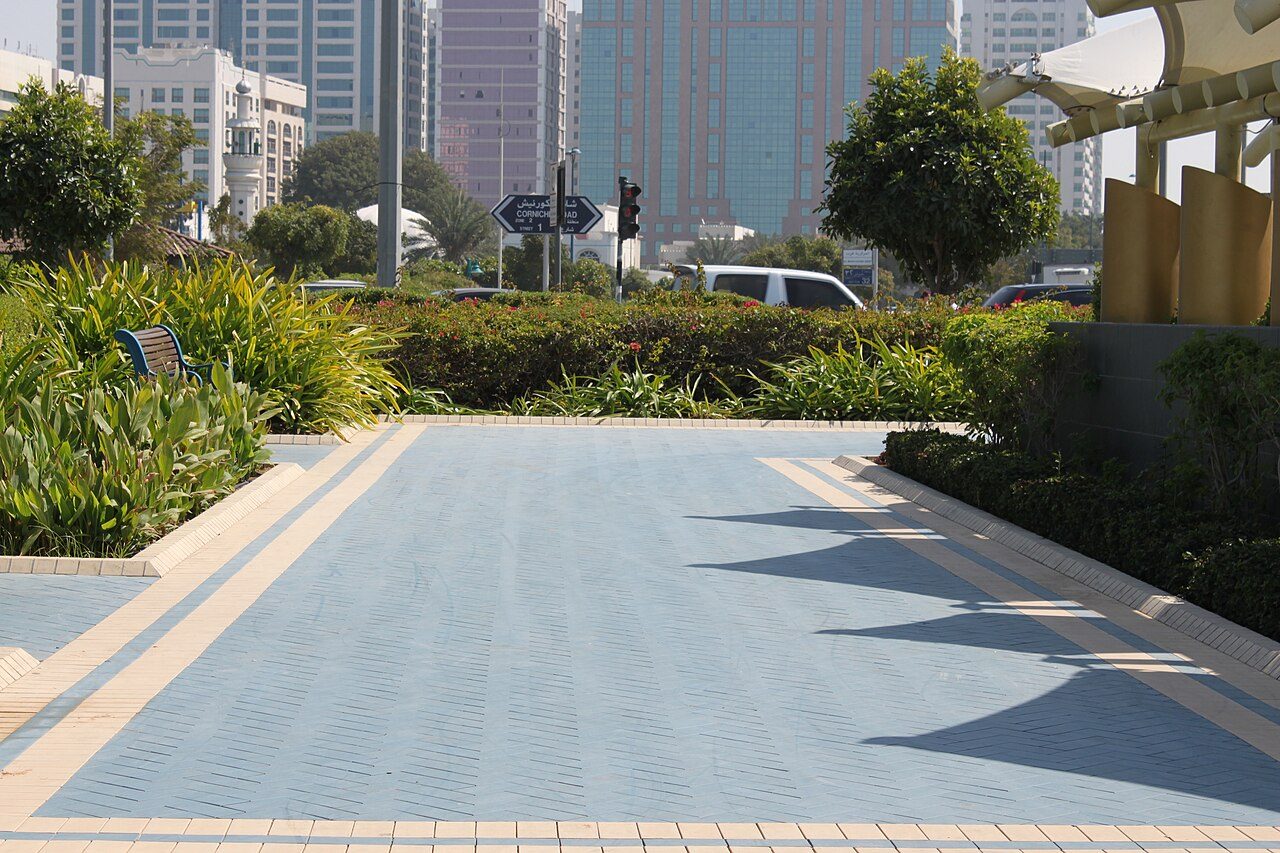
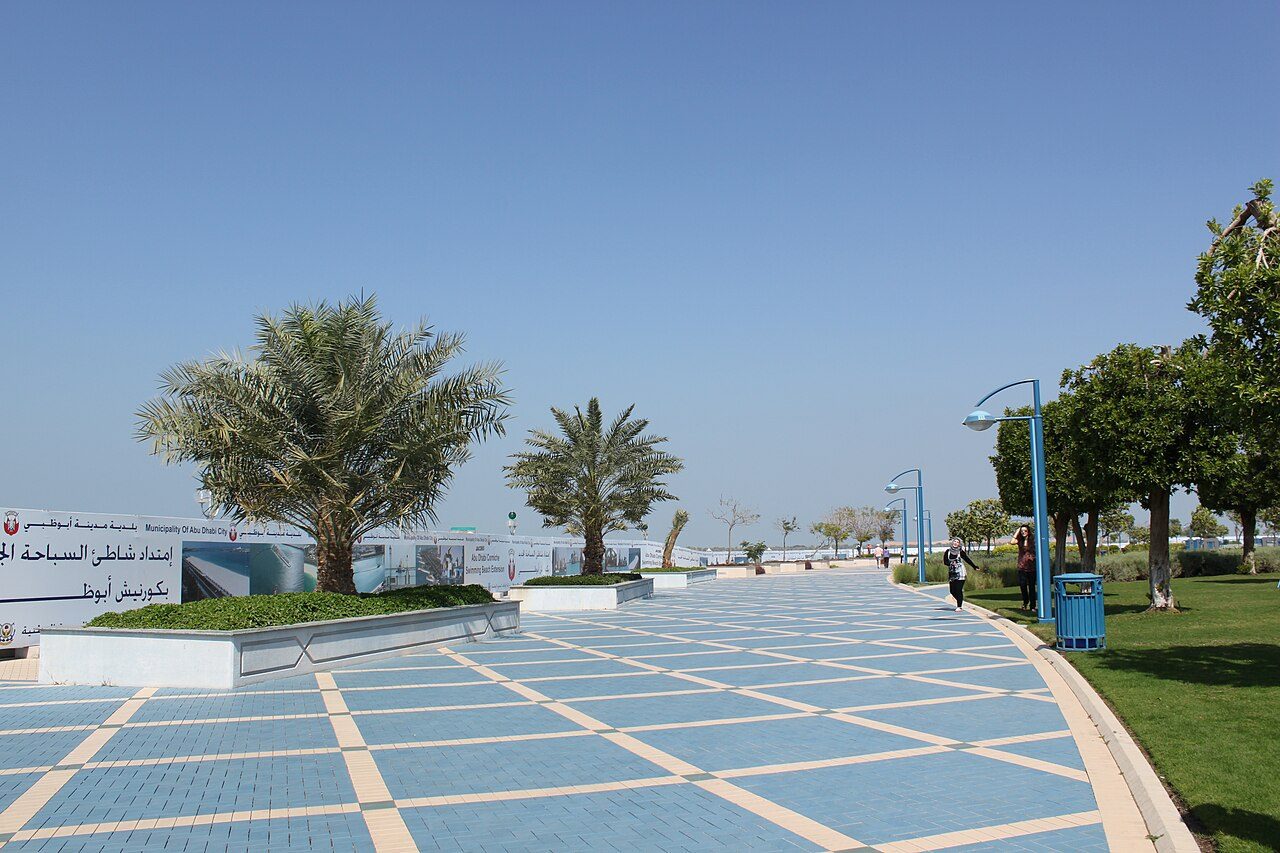
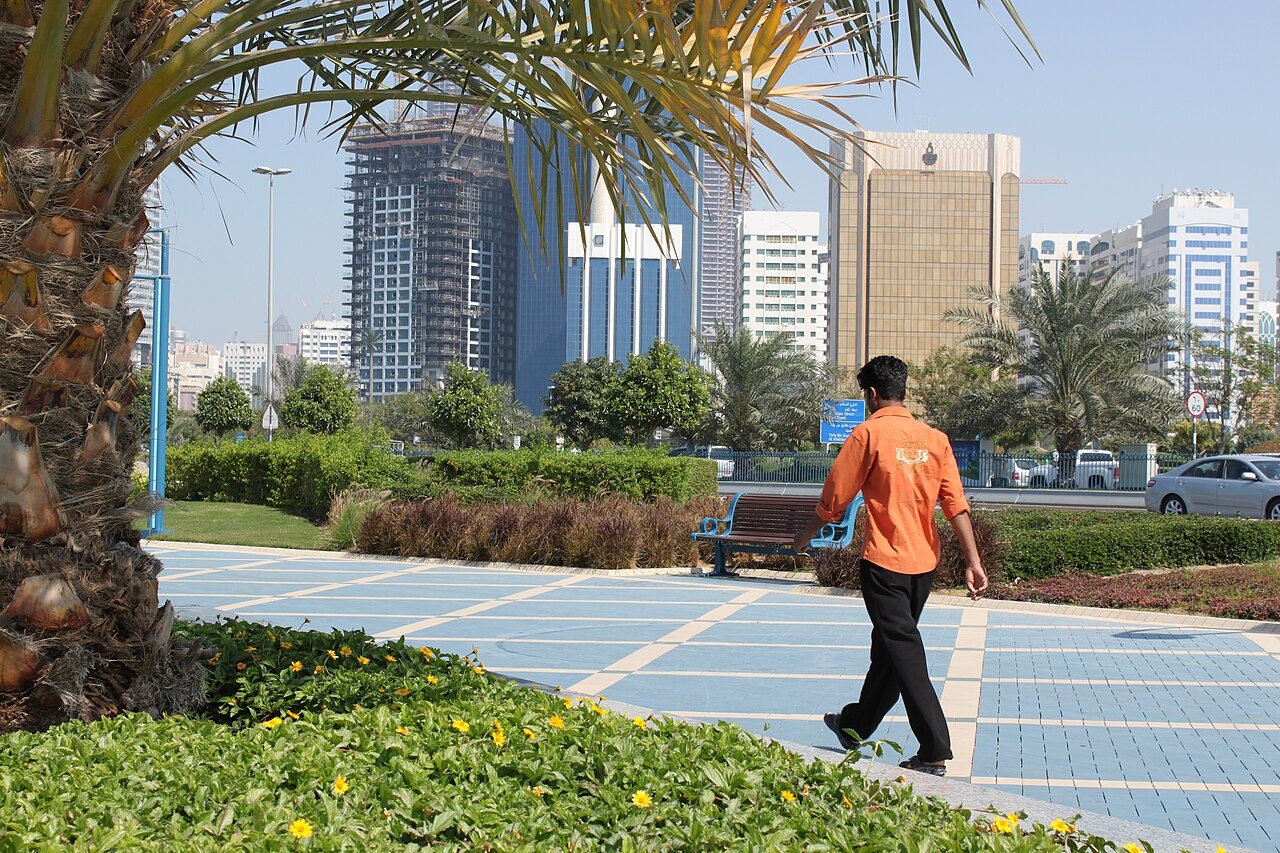
Abu Dhabi Corniche
The Abu Dhabi Corniche is a waterfront promenade that runs for about eight kilometres along the northern shore of Abu Dhabi island. It has separate paths for walkers and cyclists, landscaped gardens, play areas and cafes. Part of the shore is a managed public beach with lifeguards. The city skyline rises directly behind it.
10
STOP 10 OF 18
Yas Marina Circuit
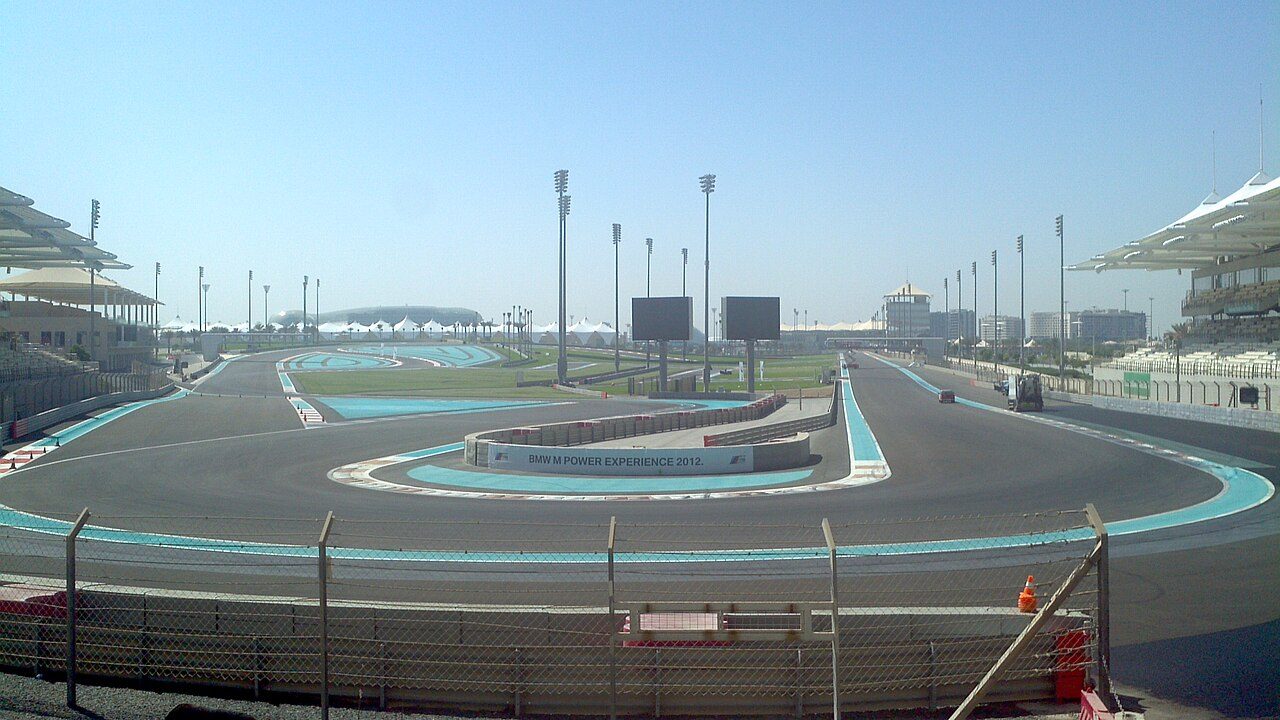
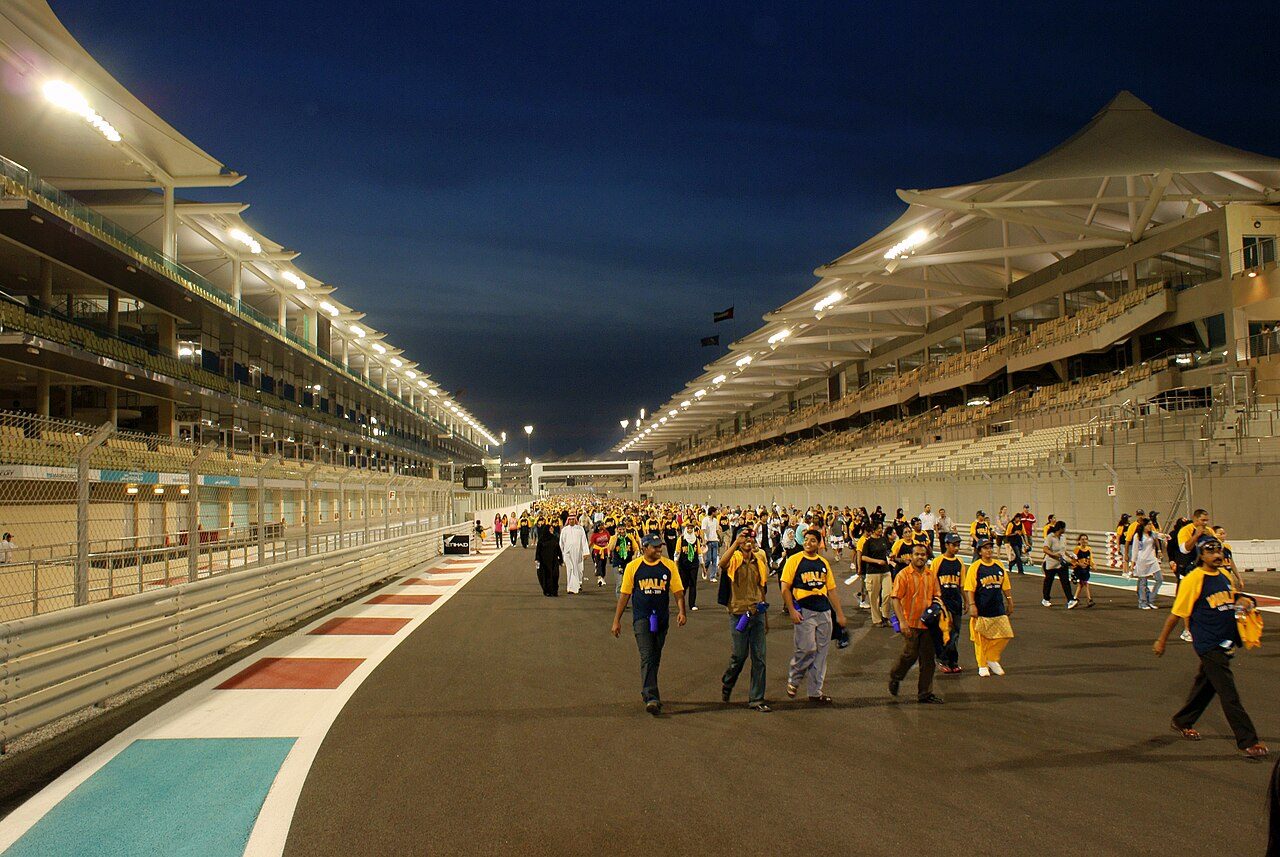
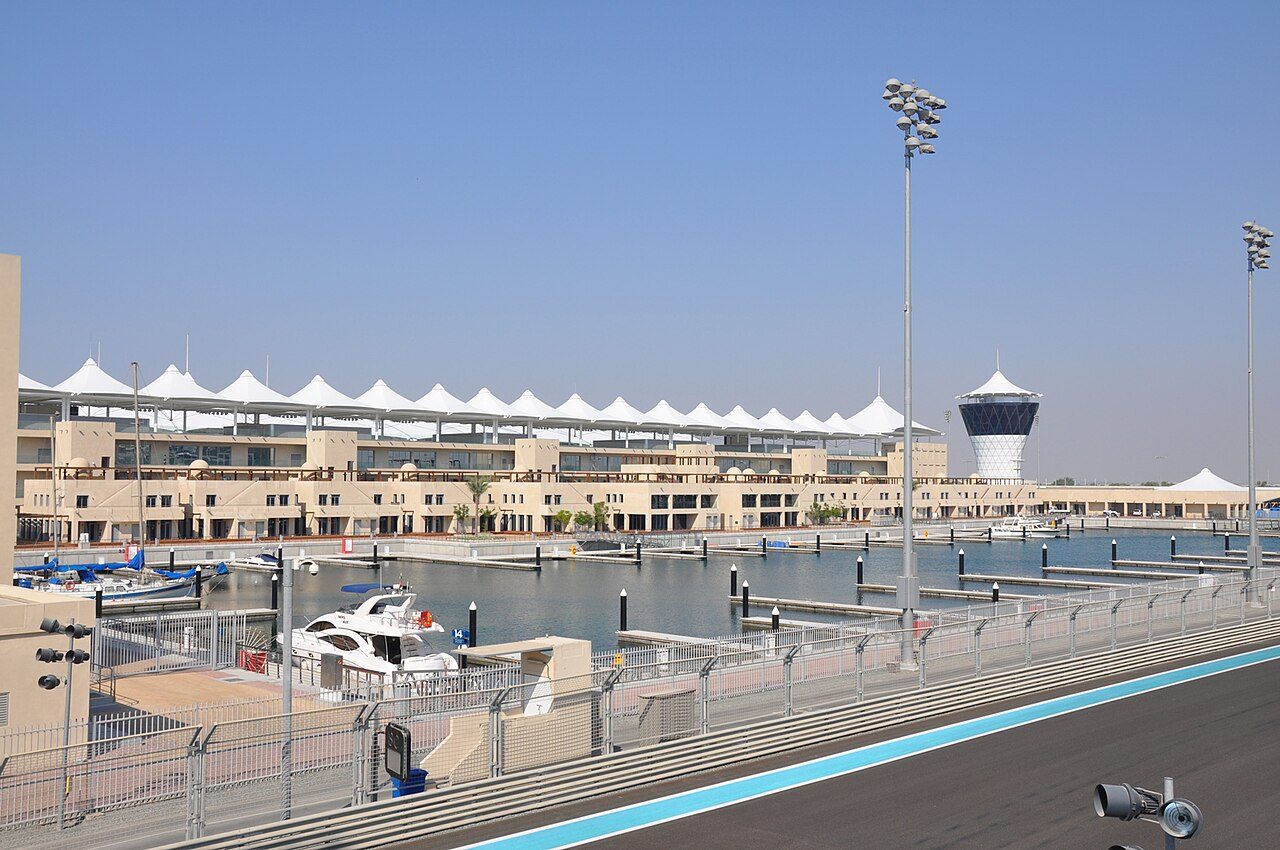
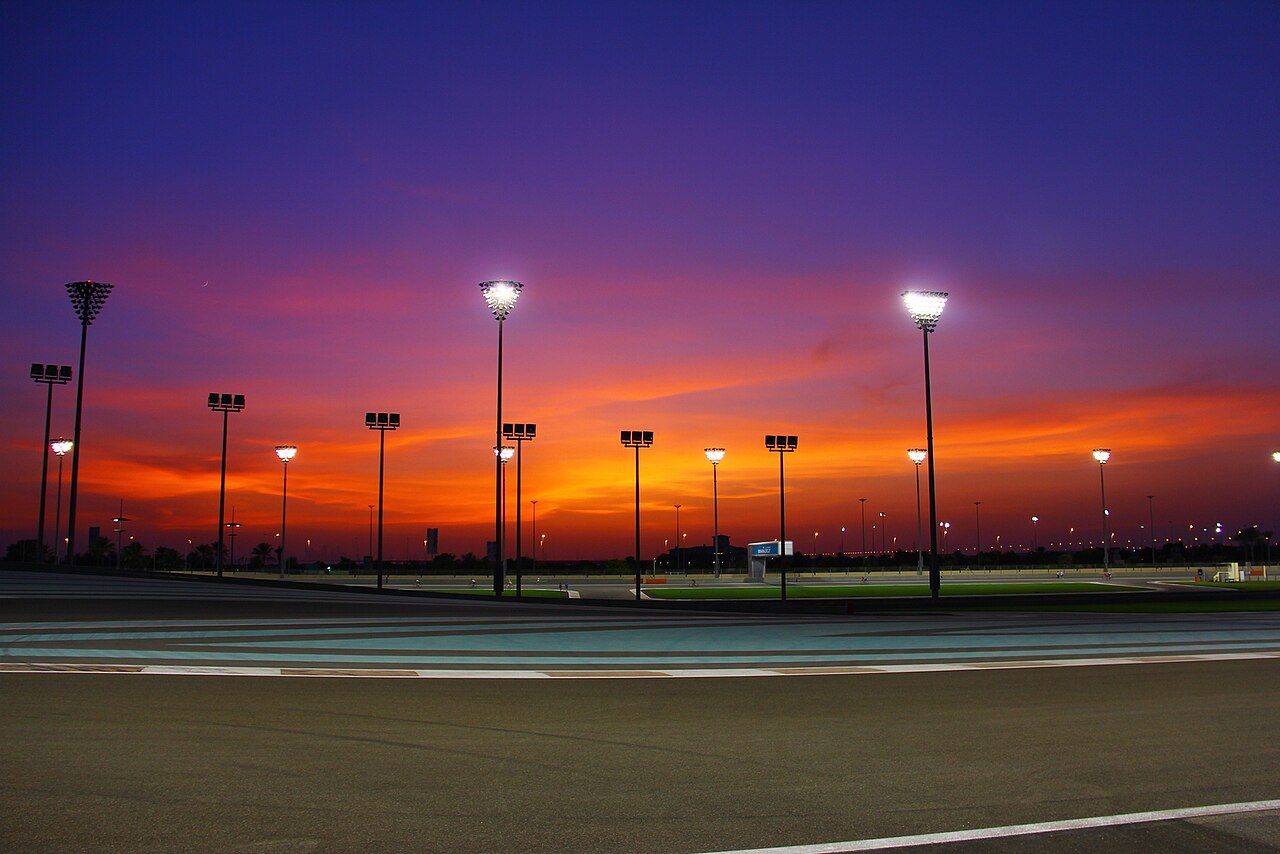
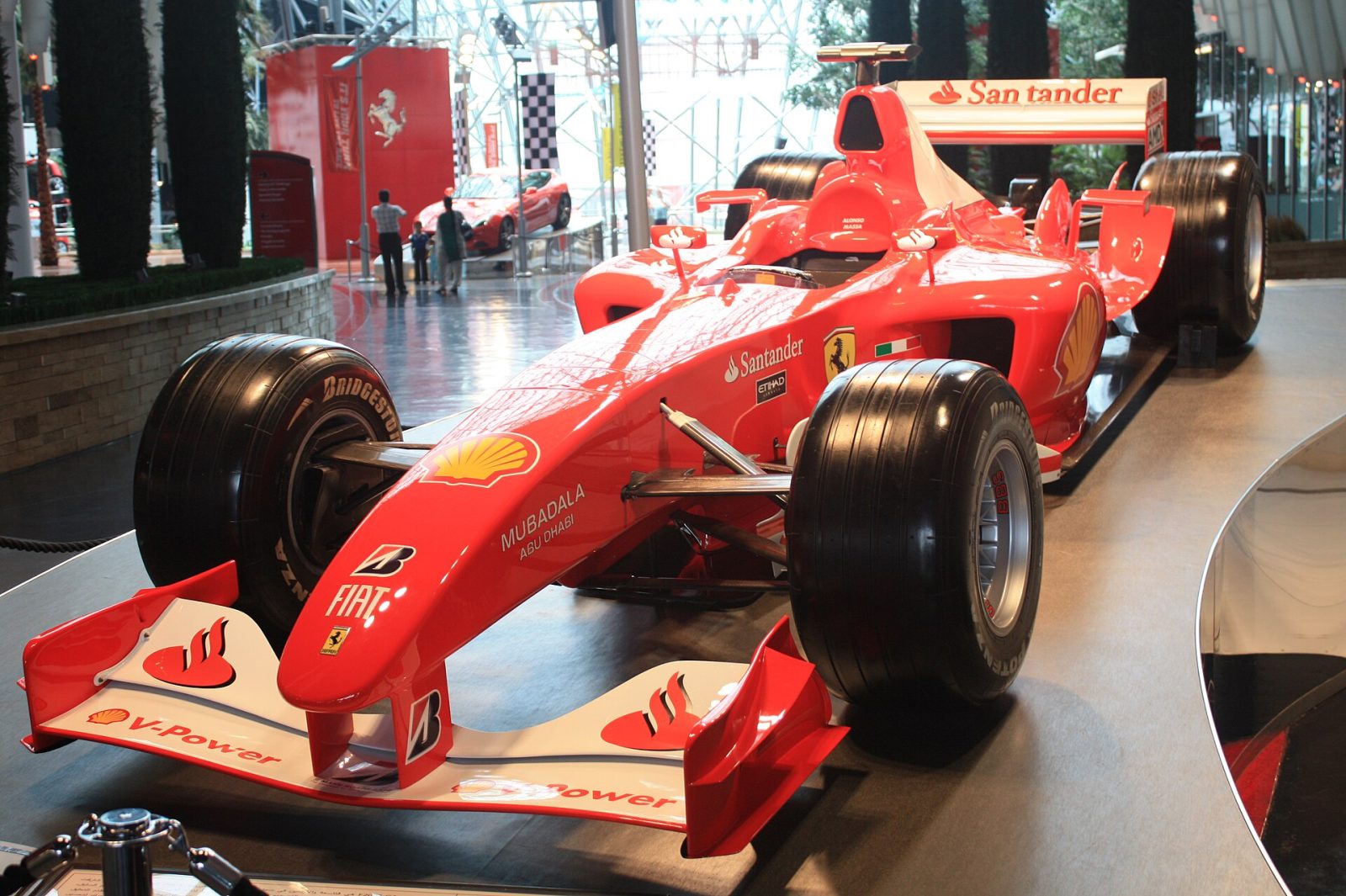
Yas Marina Circuit on Yas Island has hosted the Abu Dhabi Grand Prix since 2009, usually as the last race of the Formula One season, run from daylight into night. The 5.3 km track passes a marina and runs beneath a hotel that spans it. Outside race week the venue offers driving experiences, karting, tours and evenings when the track opens for cycling and running.
11
STOP 11 OF 18
Ferrari World
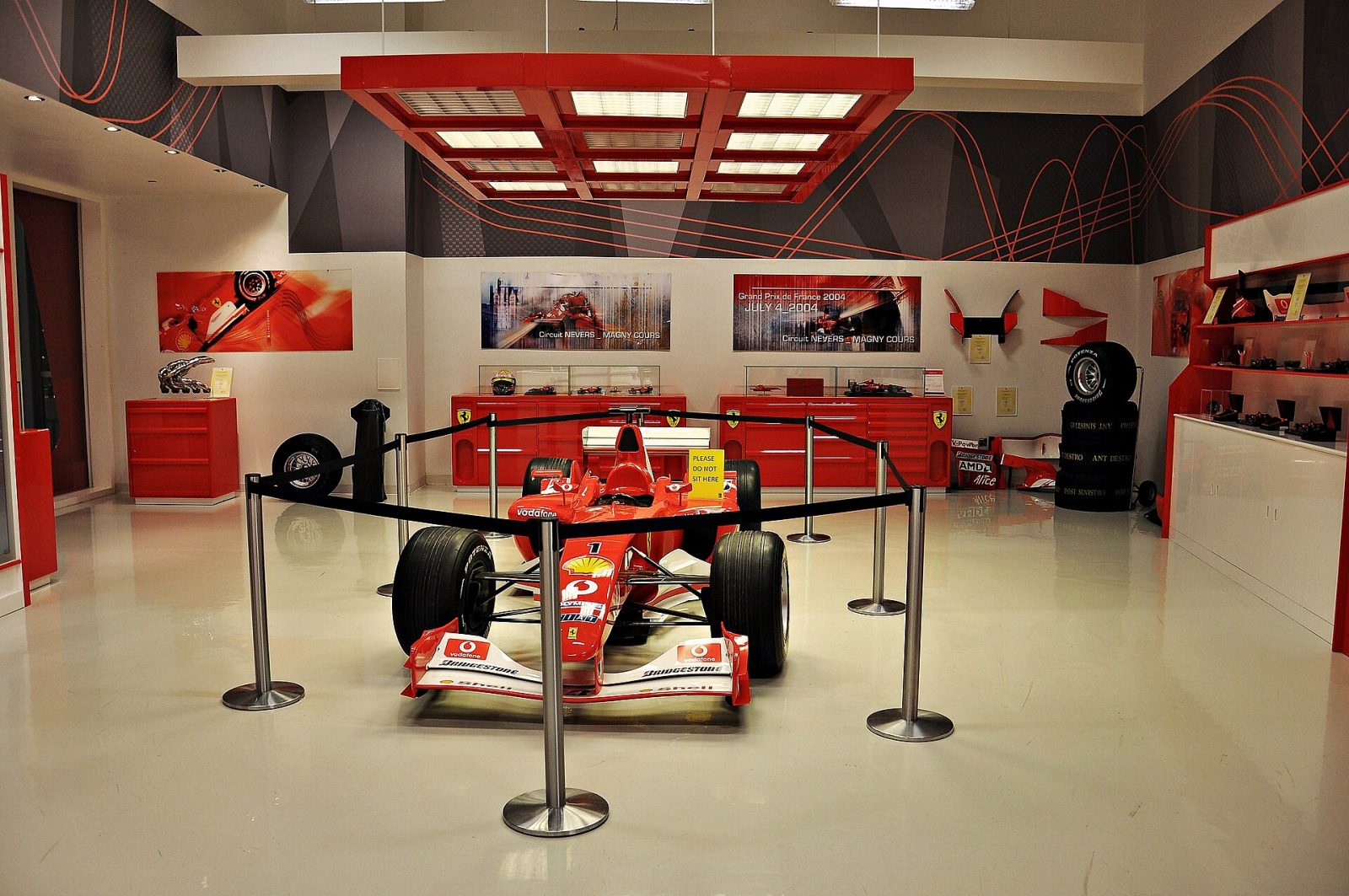
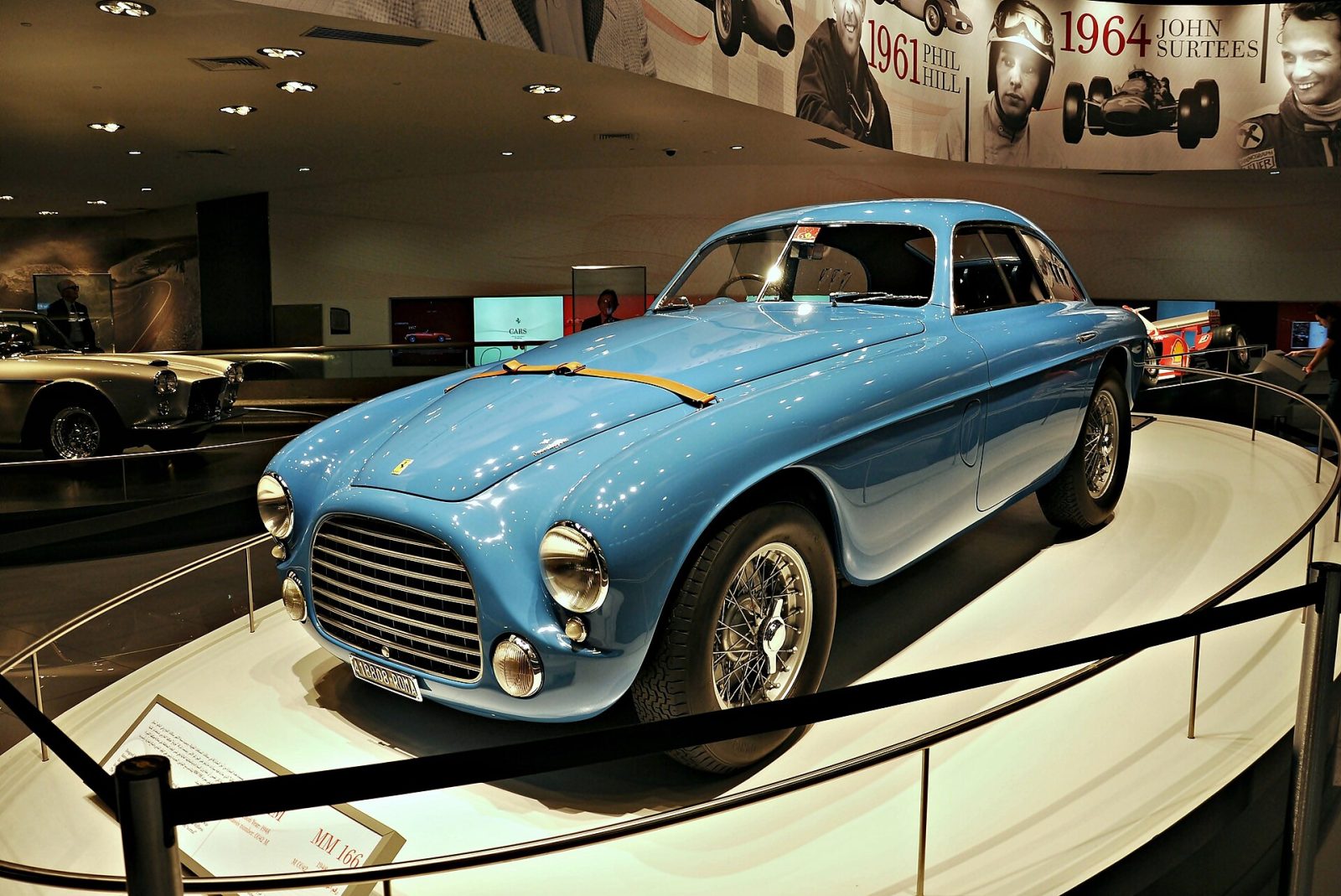
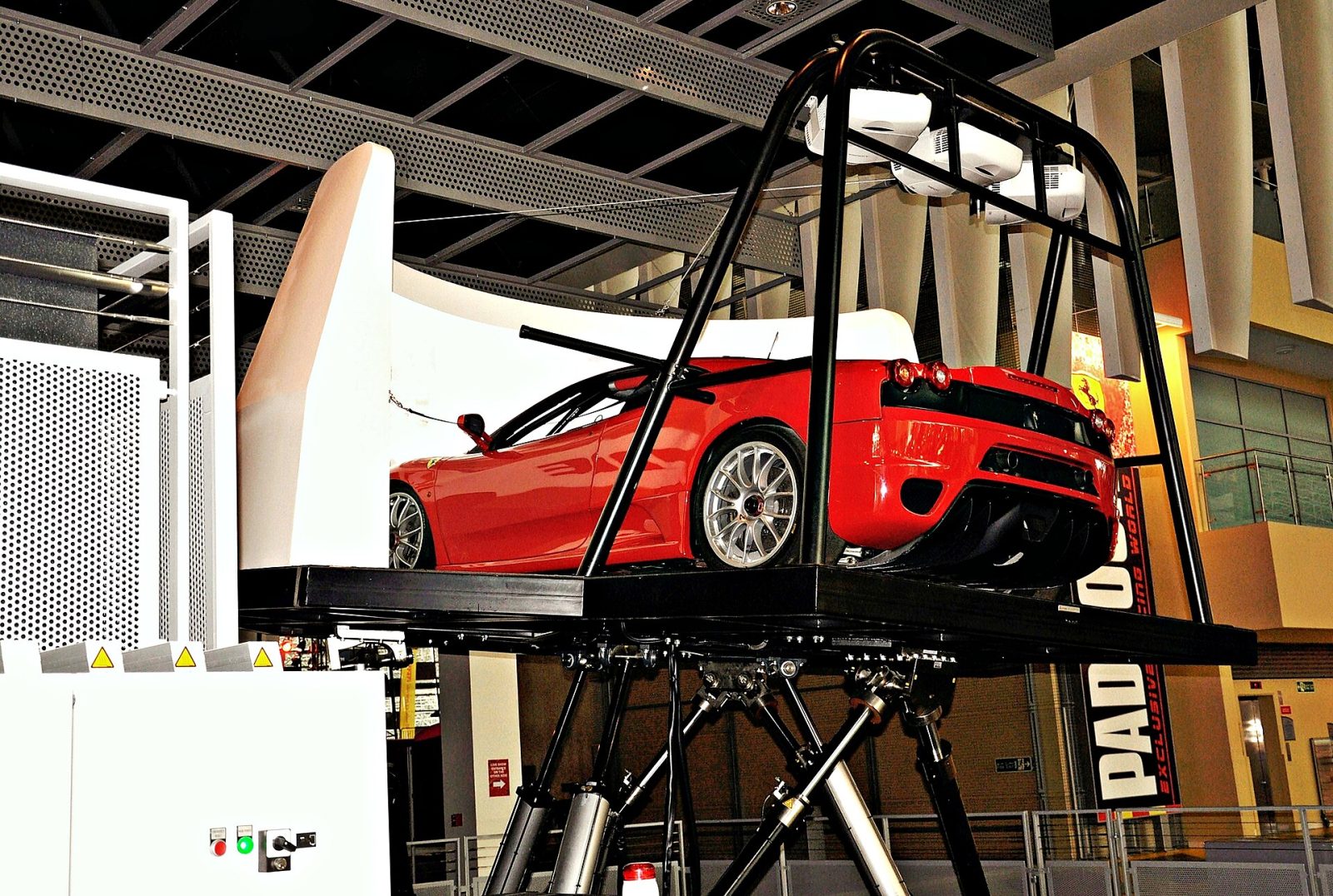
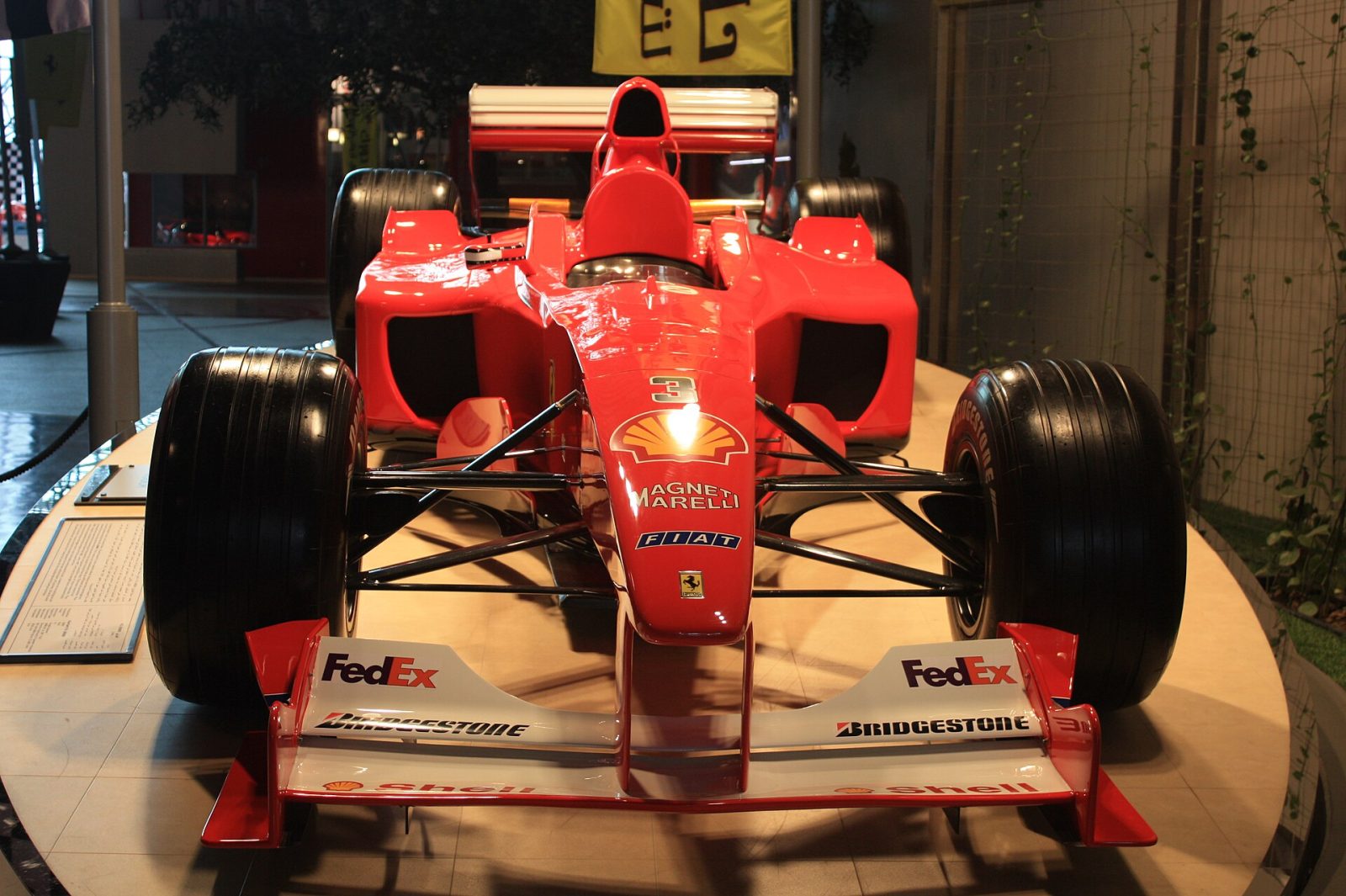
Ferrari World opened on Yas Island in 2010 as the first Ferrari-branded theme park in the world, under a red roof shaped like a car body and covering about 200,000 square metres. Its best-known ride, Formula Rossa, is the fastest roller coaster anywhere, reaching 240 km/h in under five seconds, which is why riders wear protective goggles. Other attractions include a vertical-drop coaster, driving experiences, a Ferrari museum and rides built for children. The park sits beside the Yas Marina Formula 1 circuit and the island's water park. It is indoors and air-conditioned, which makes it a good choice in the summer heat.
12
STOP 12 OF 18
Mangrove National Park
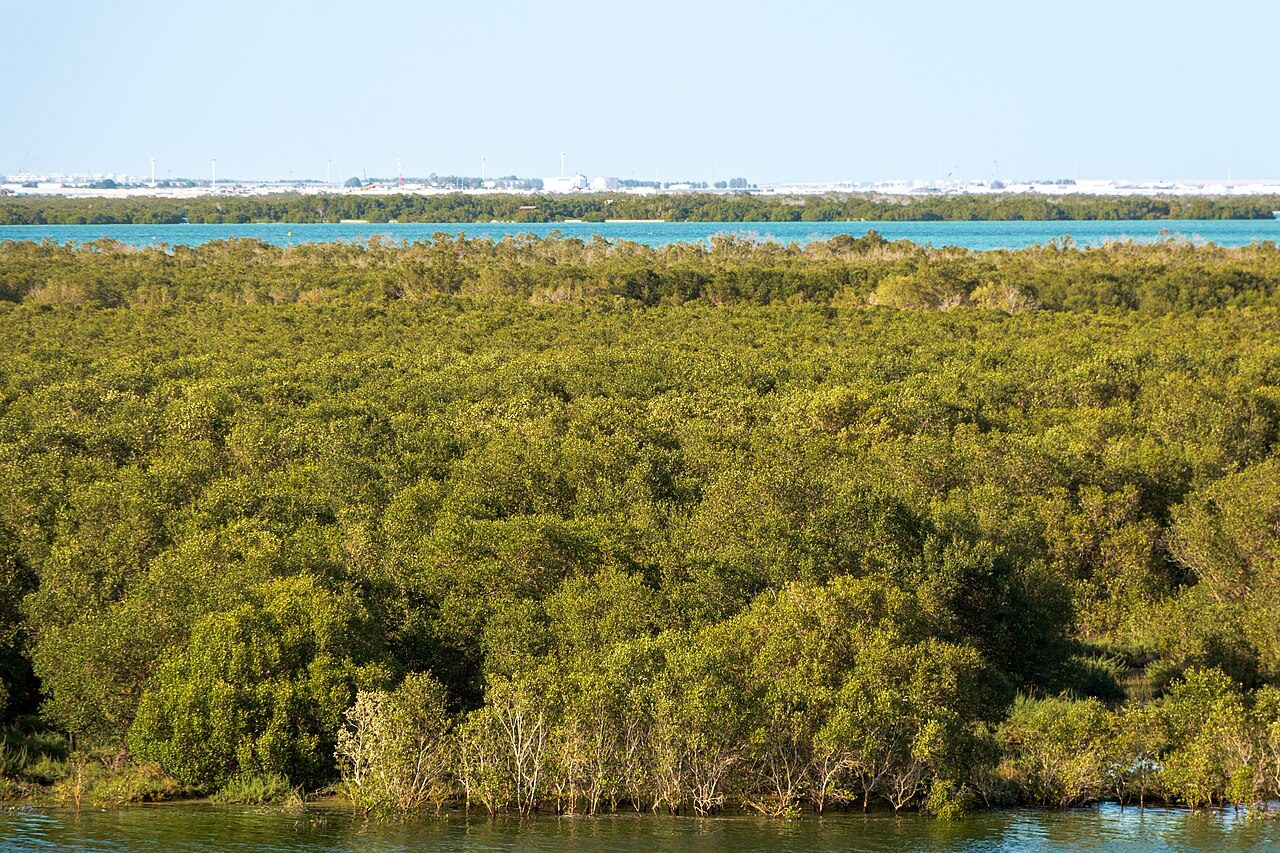
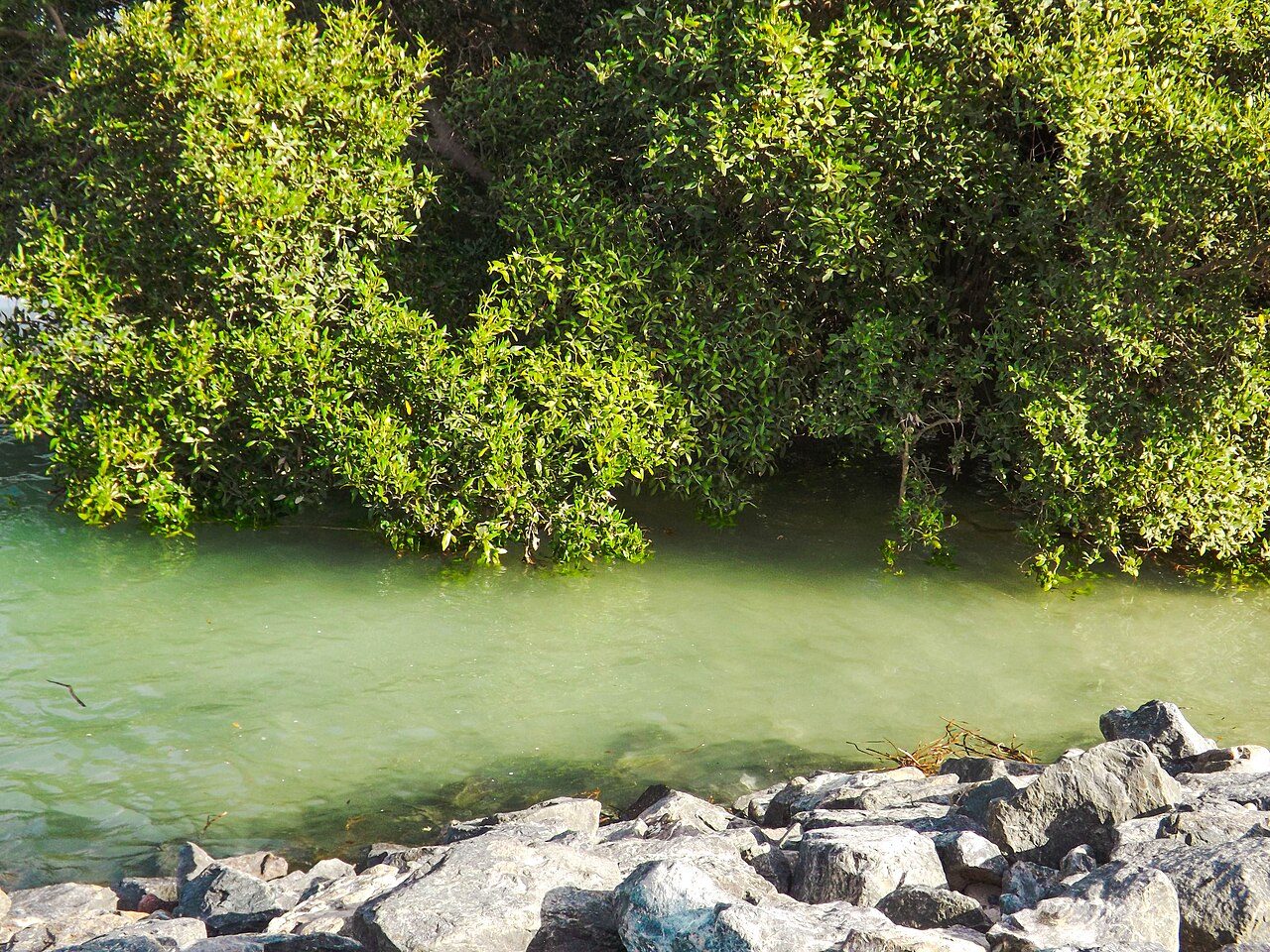
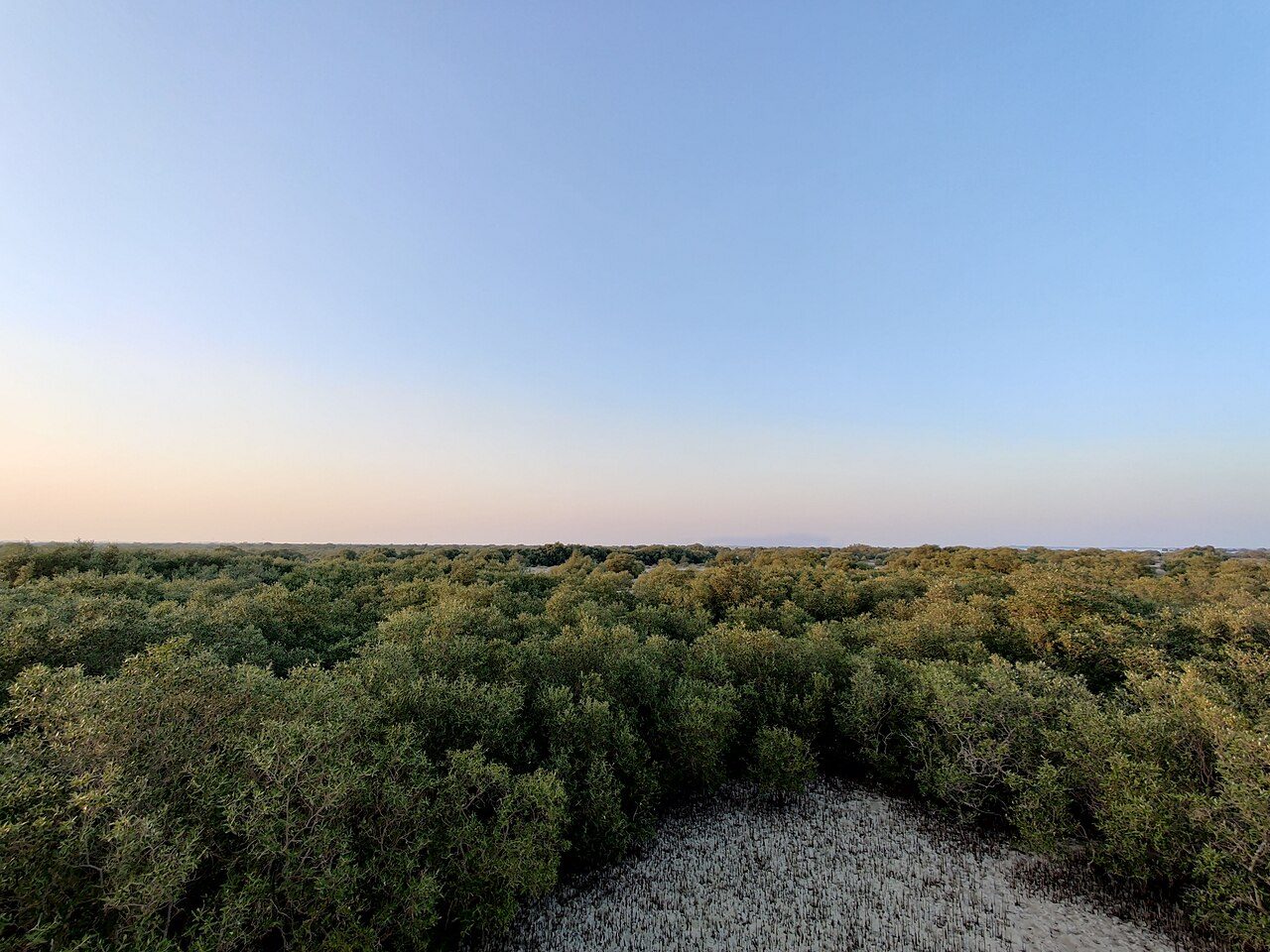
Mangrove National Park protects the dense mangrove forest along the eastern side of Abu Dhabi island, a large share of the mangroves of the whole country. The tidal channels shelter herons, flamingos, crabs and young fish. Visitors explore by kayak or electric boat with licensed operators, or walk the boardwalk at Jubail Island nearby.
13
STOP 13 OF 18
Al Jahili Fort
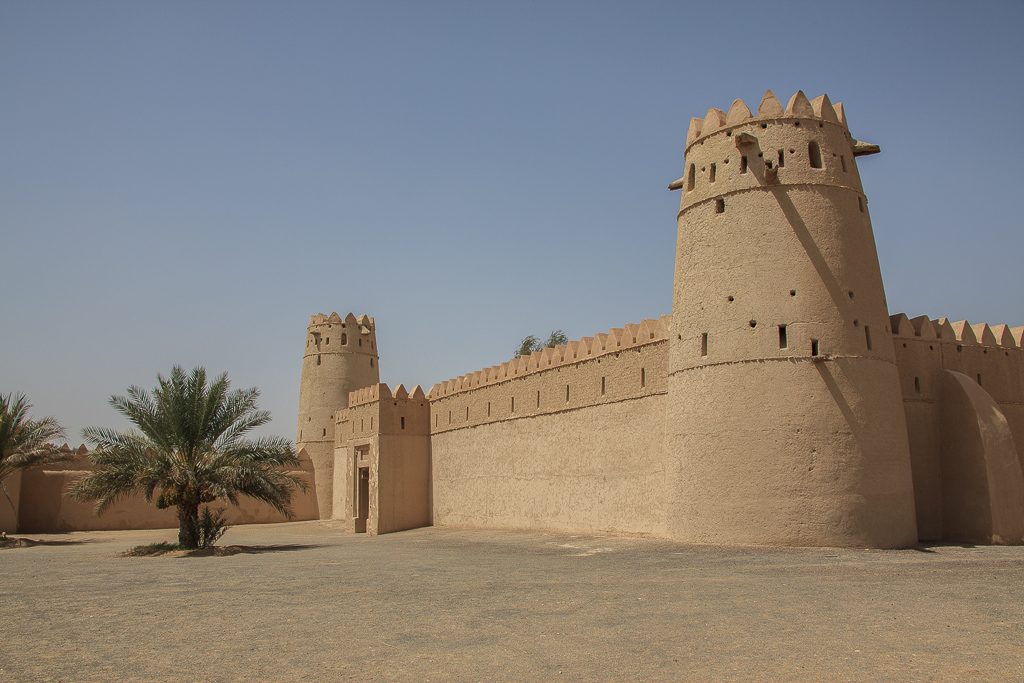
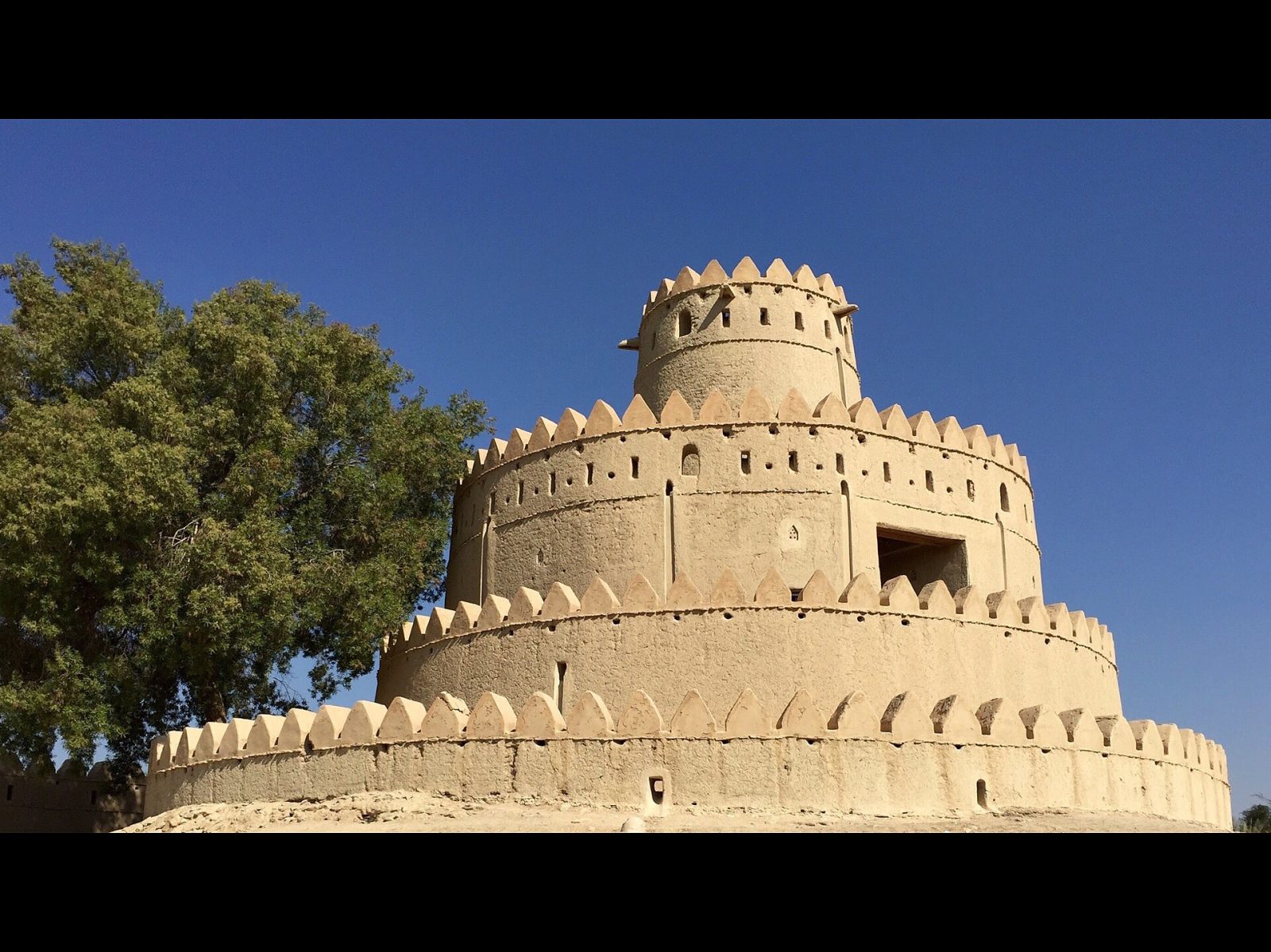
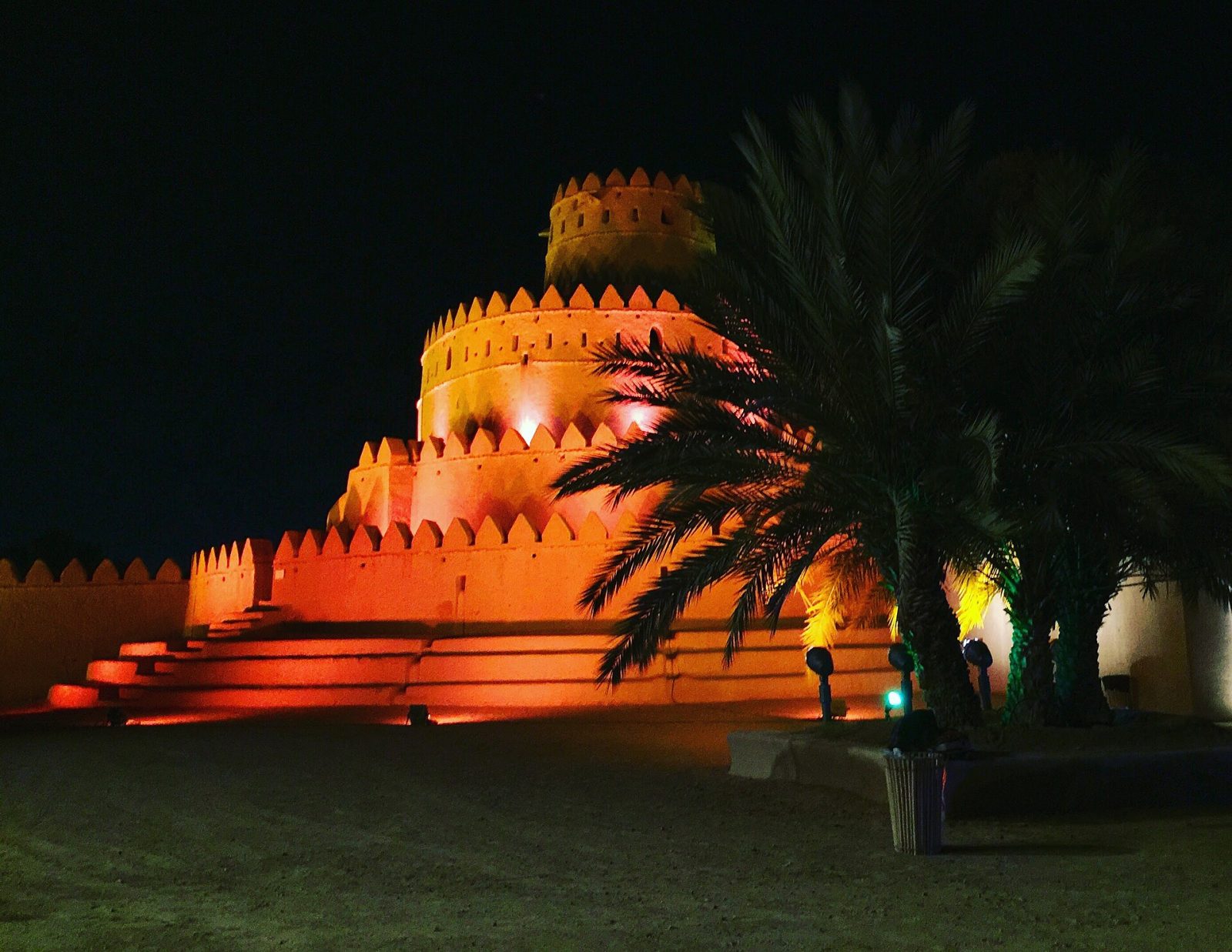
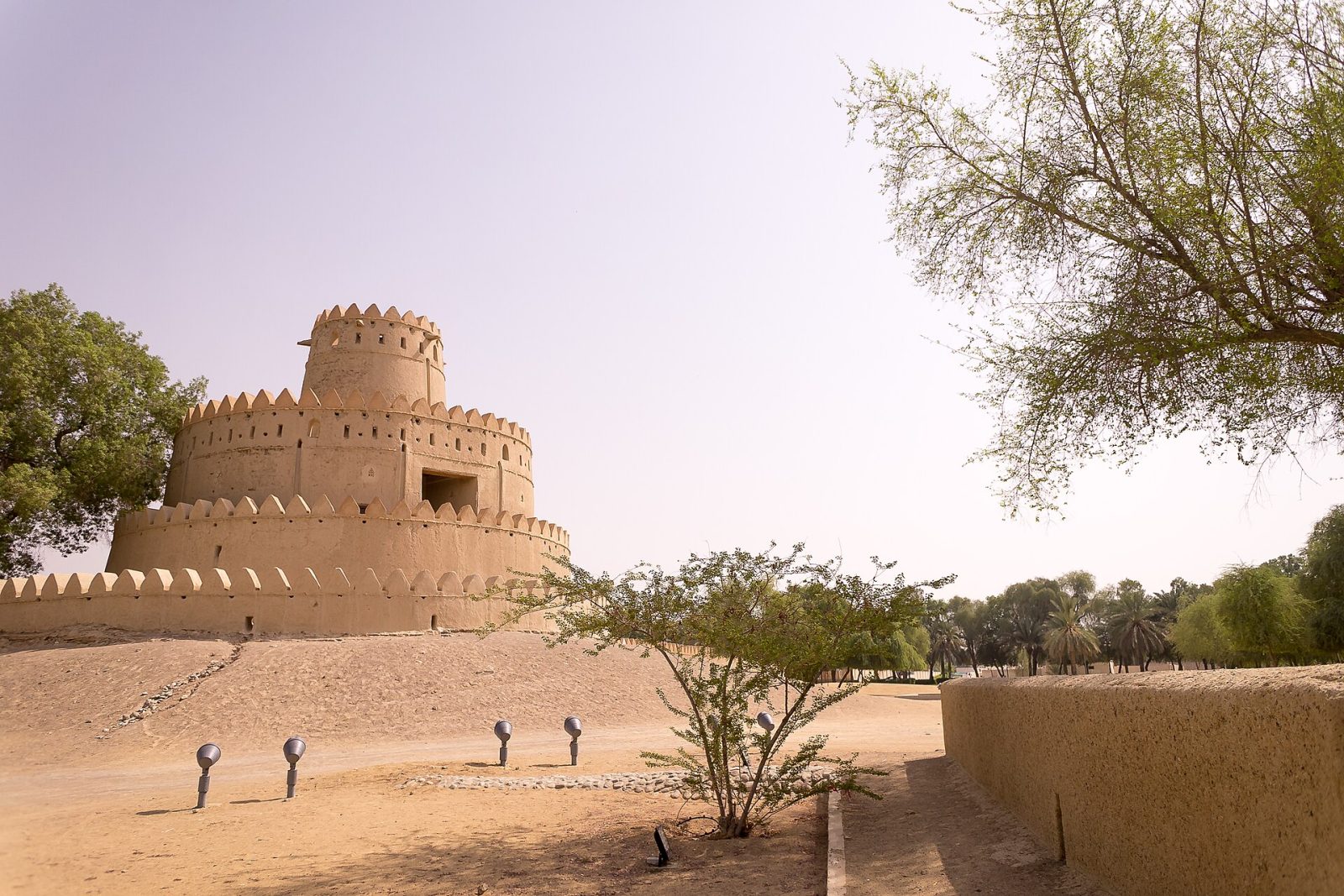
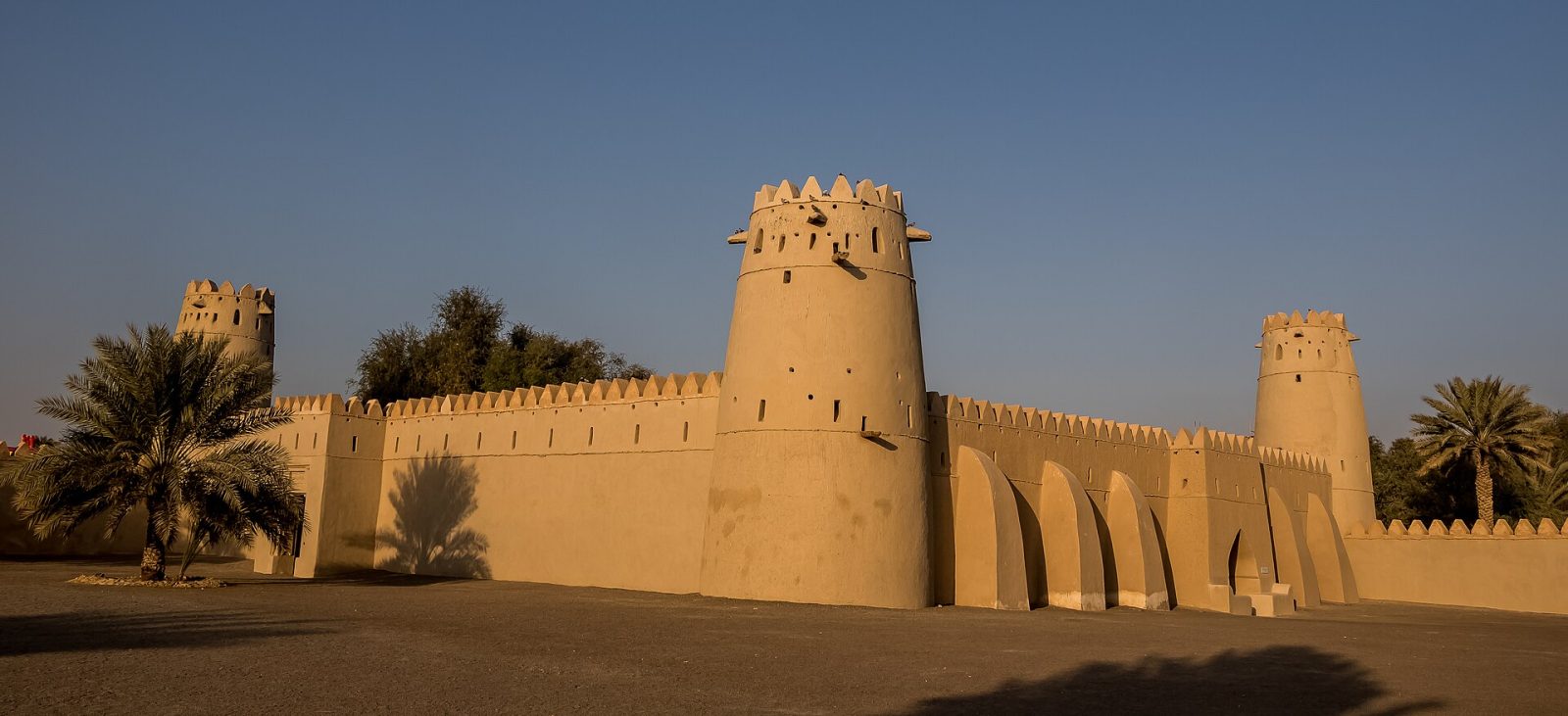
Al Jahili Fort in Al Ain was built in the 1890s for Sheikh Zayed bin Khalifa, known as Zayed the First, to defend the oasis and its palm groves. Its round stepped tower and square walls of mud brick are among the largest historic buildings in the UAE. In the 20th century it housed the Oman Trucial Scouts, and it was restored in 2008, winning an international award for conservation. Inside is a permanent exhibition on Wilfred Thesiger, the British explorer who crossed the Empty Quarter in the 1940s and photographed life in the region. Entry is free, it closes on Mondays, and the surrounding park is pleasant in the cooler months.
14
STOP 14 OF 18
Al Ain Oasis
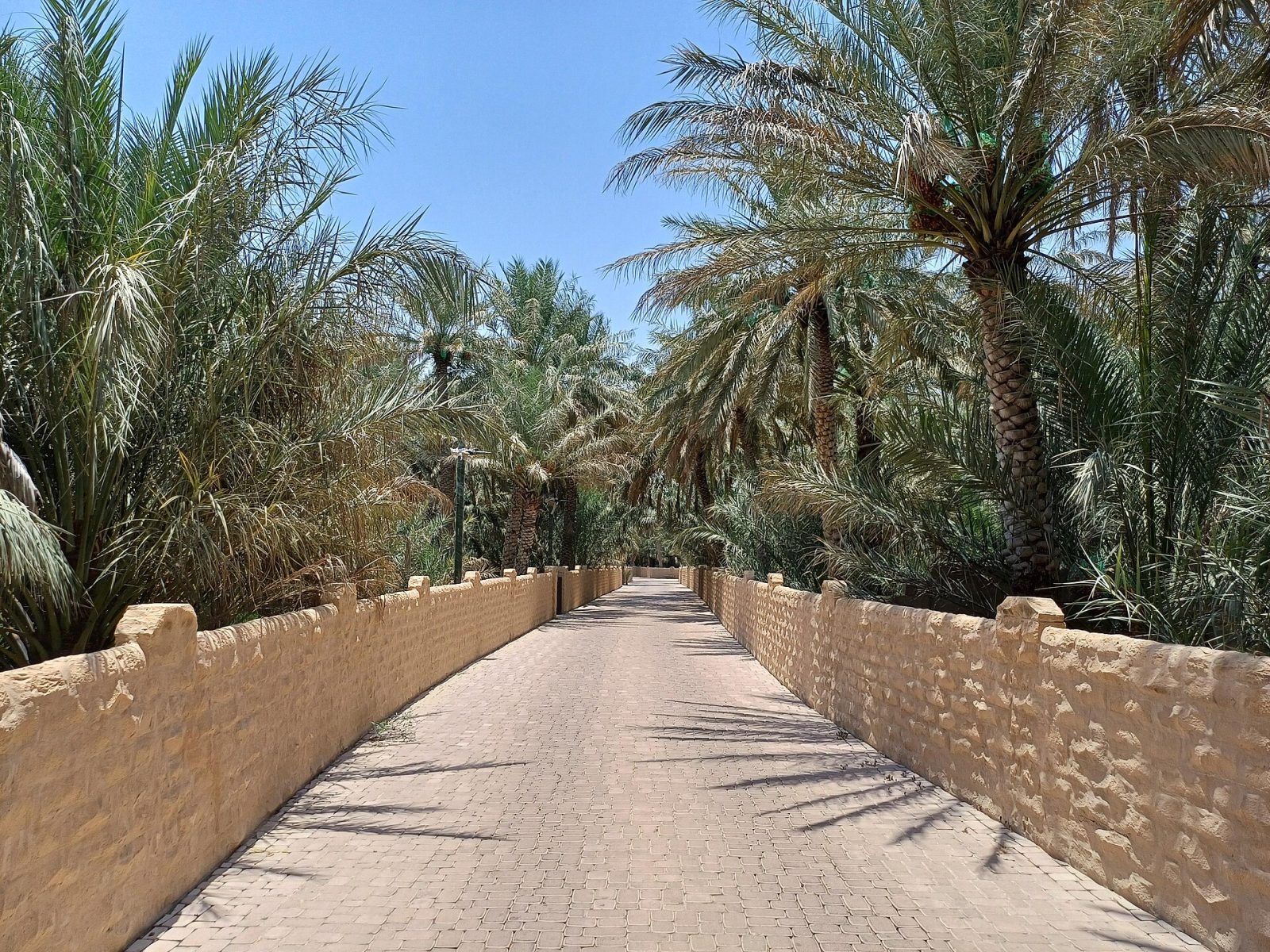
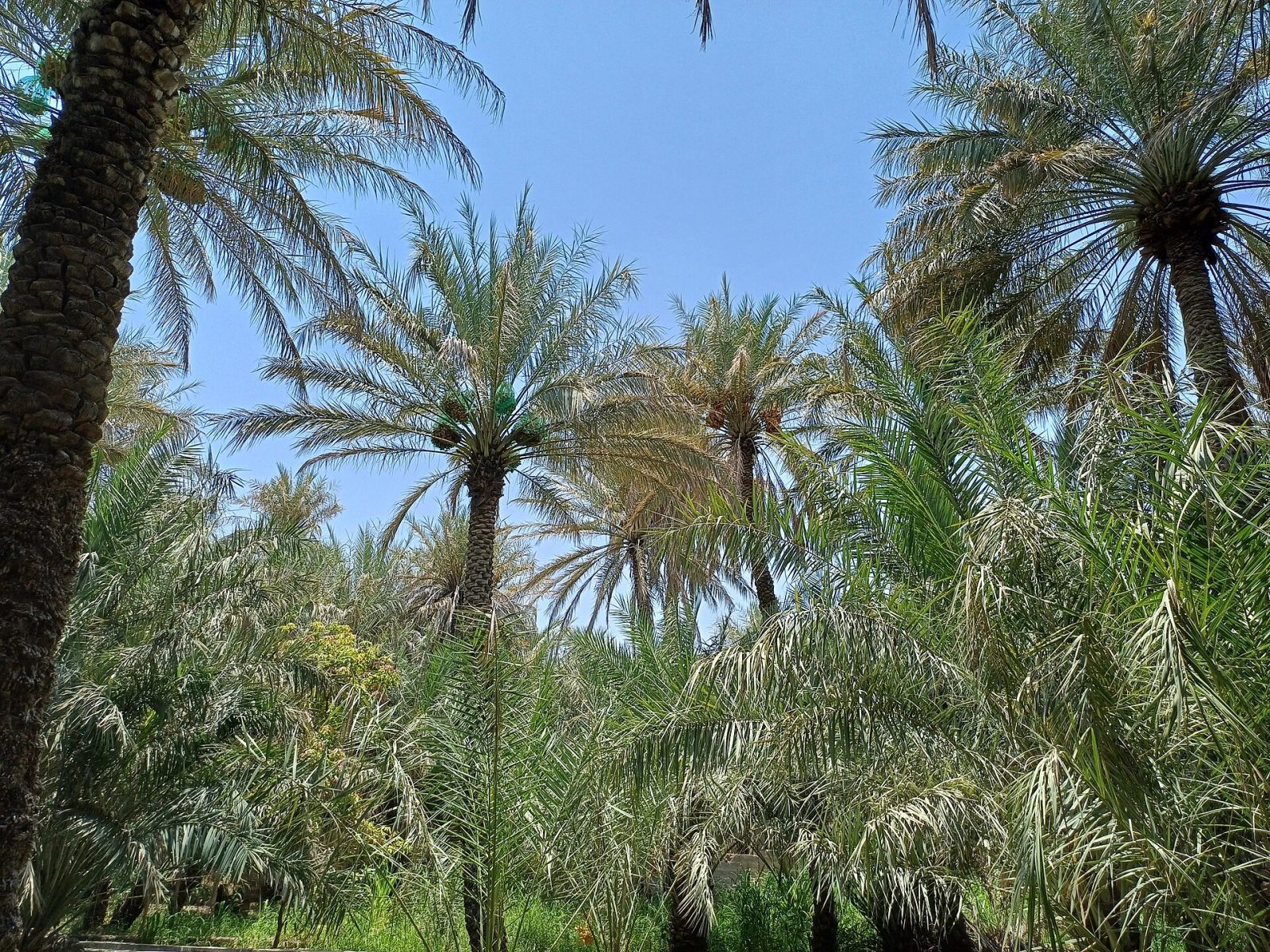
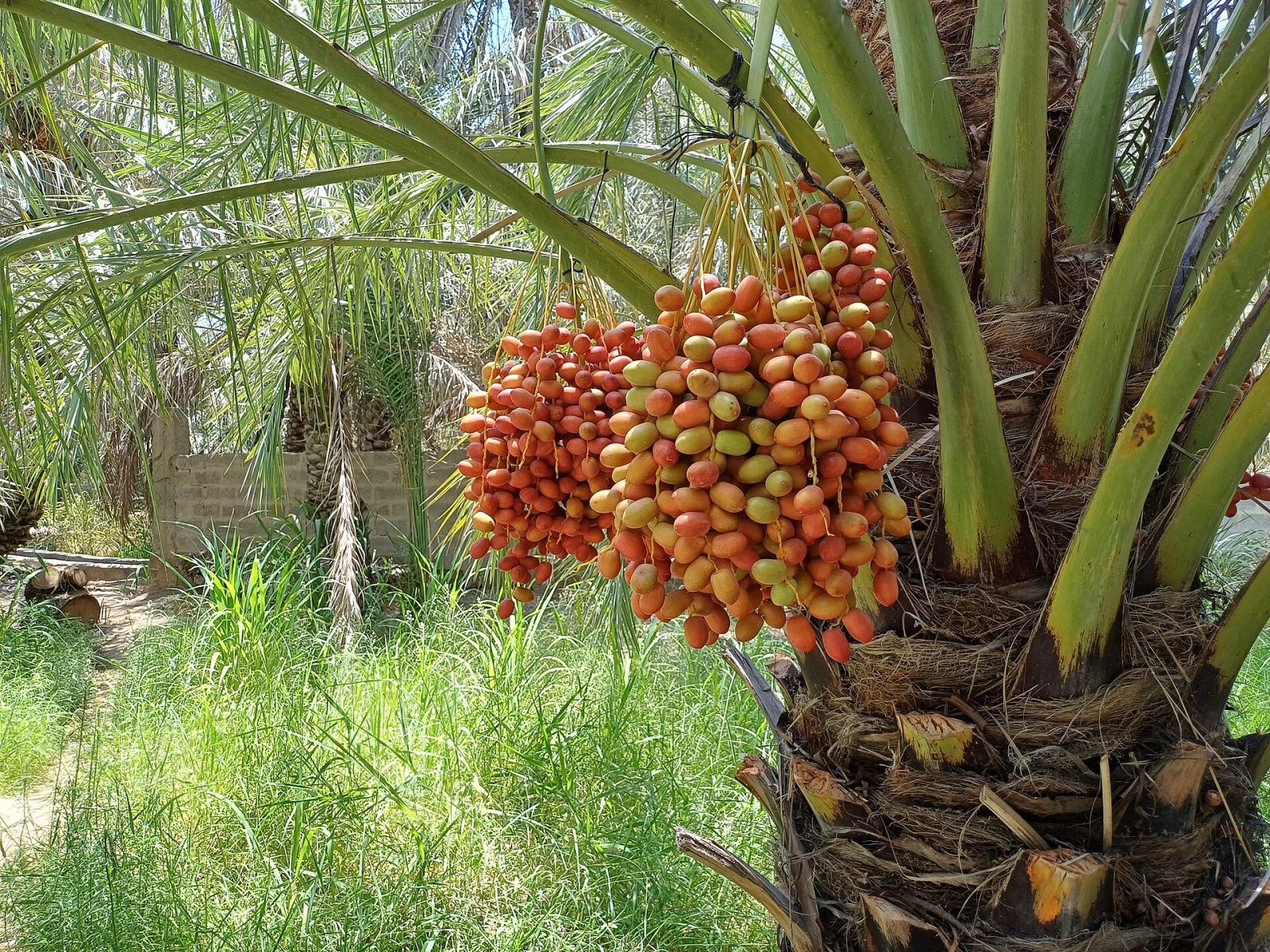
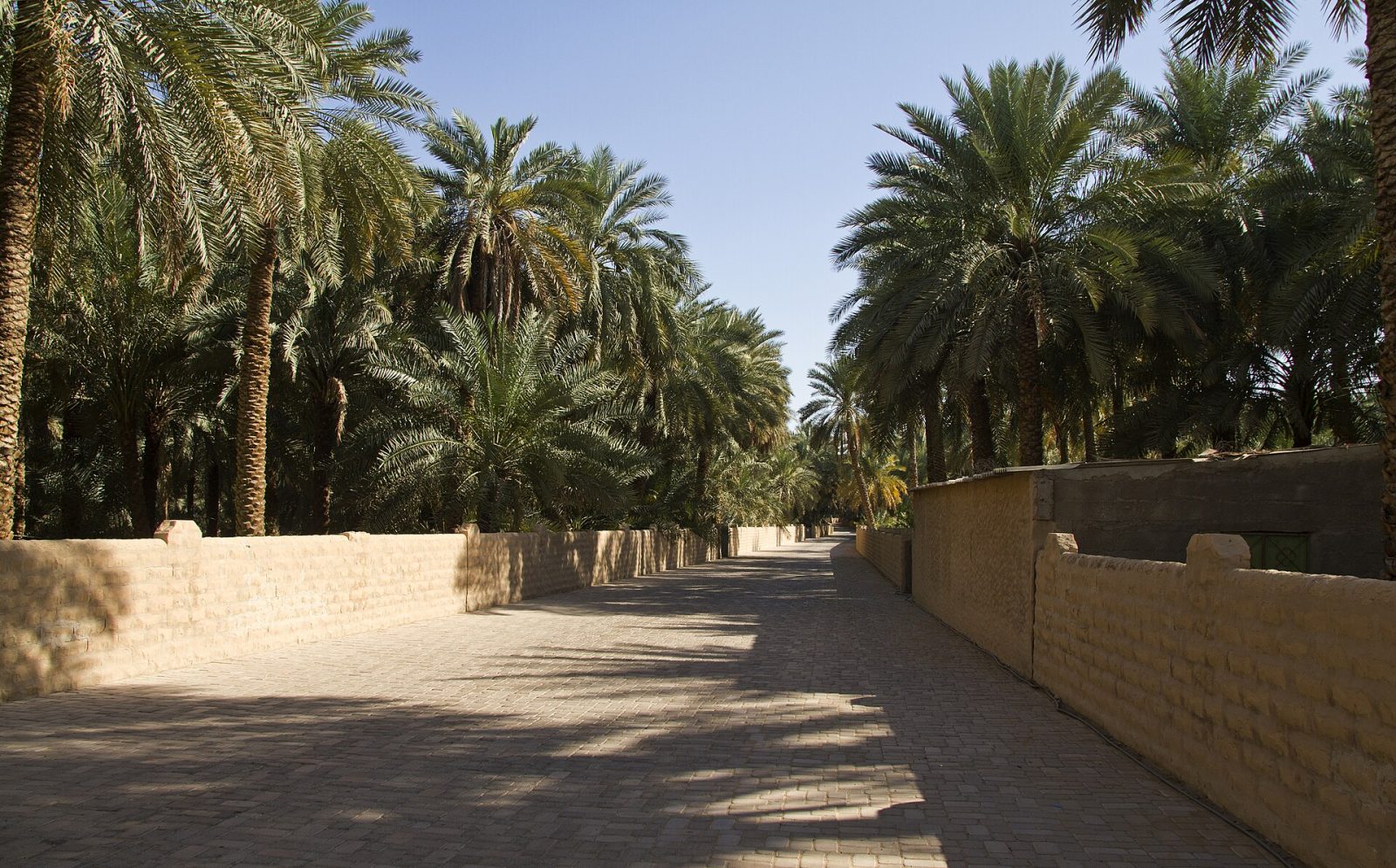
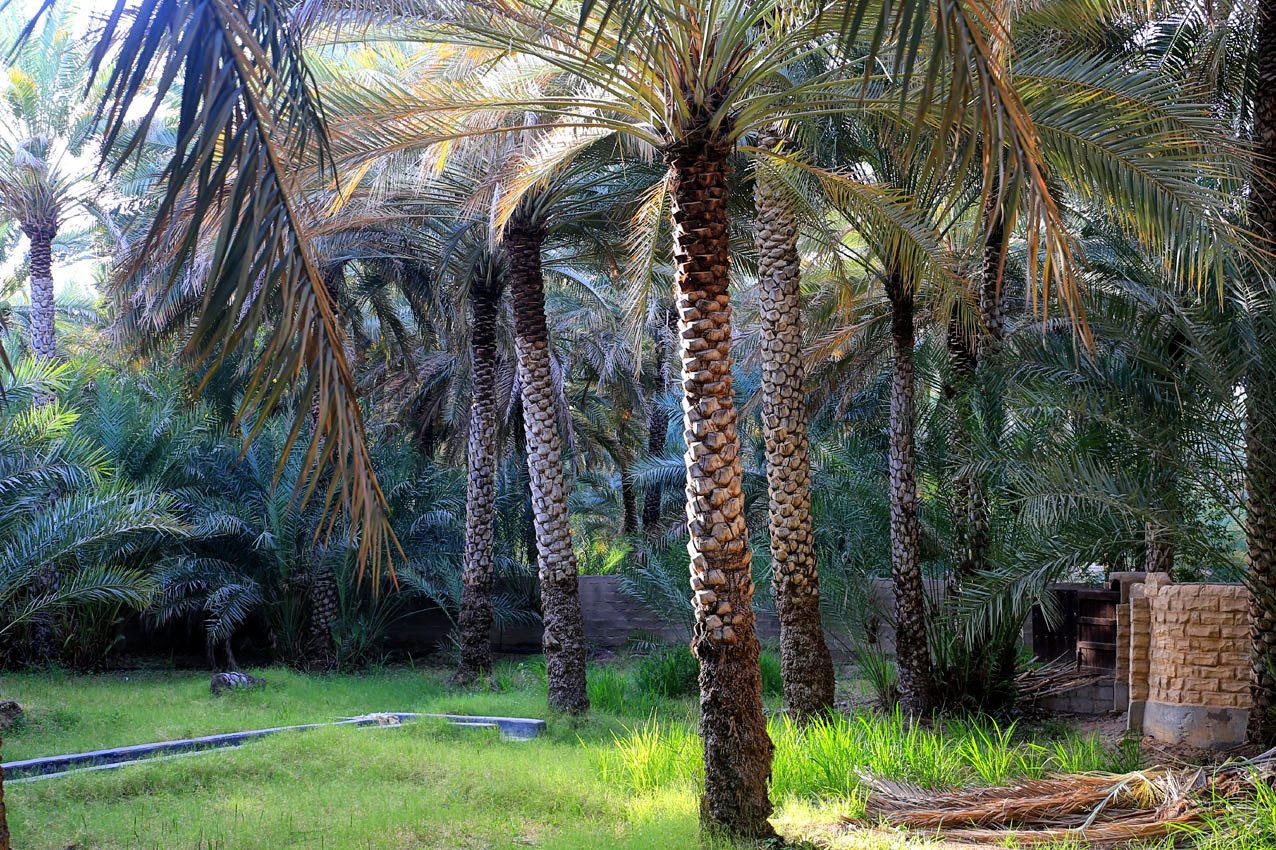
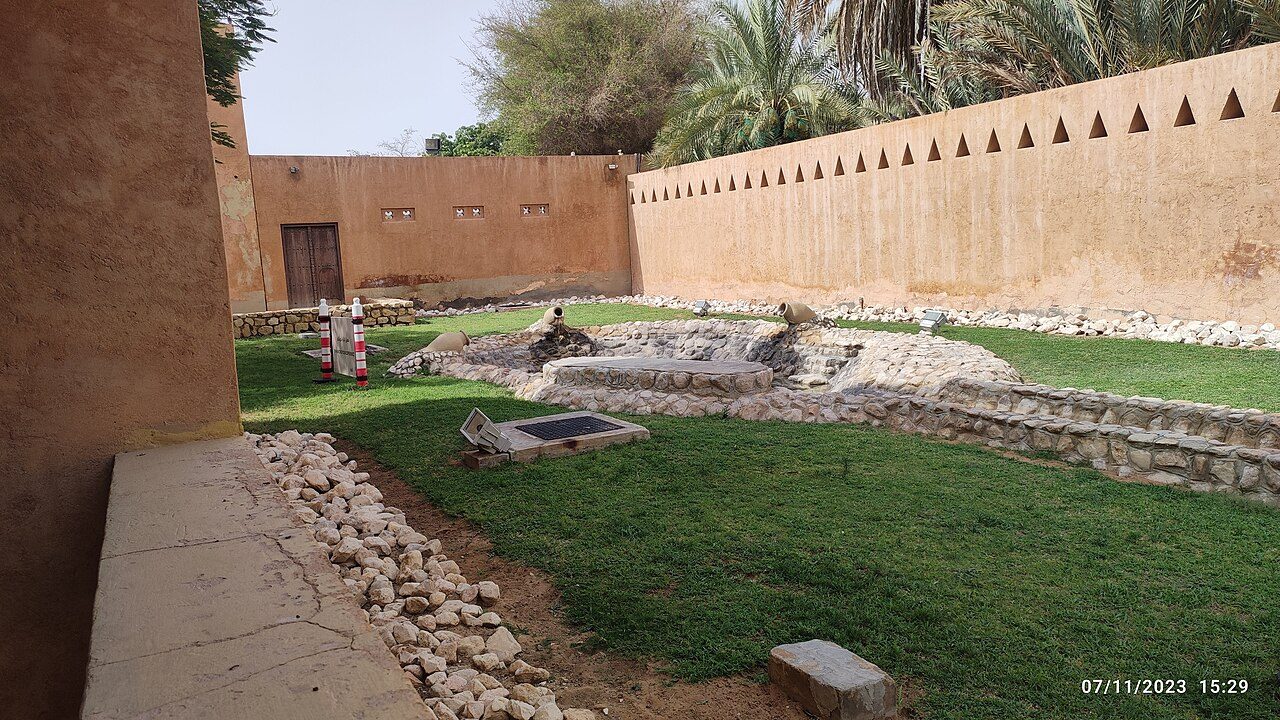
Al Ain Oasis is the largest of the oases in the garden city of Al Ain, with about 147,000 date palms across 1,200 hectares in the middle of town. It is watered by falaj channels, an underground irrigation system brought to the area some three thousand years ago, and several are still running today. Shaded walkways lead between the plantations, and an eco-centre explains how the falaj works and why the oasis mattered to trade and settlement. Along with the nearby tombs and forts, it forms the UAE's first UNESCO World Heritage Site. Entry is free and the shade makes it walkable even on warm days.
15
STOP 15 OF 18
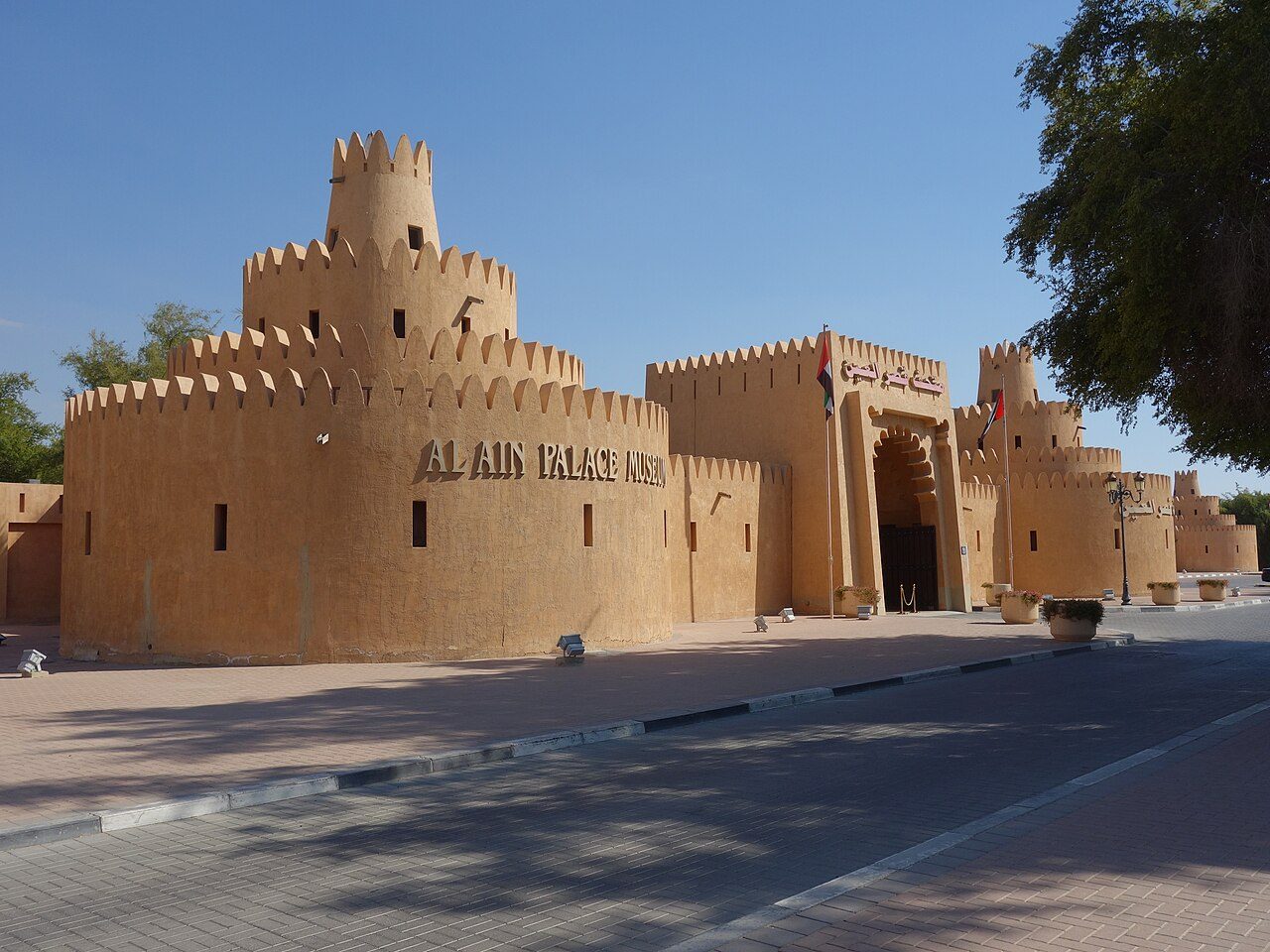
Al Ain Palace Museum
Al Ain Palace Museum was the home of Sheikh Zayed bin Sultan Al Nahyan and his family until 1966, when he became ruler of Abu Dhabi. Built in 1937 beside the Al Ain Oasis, the complex of courtyards, guest rooms and private quarters was opened as a museum in 2001. A replica of the tent used to receive guests stands in the grounds.
16
STOP 16 OF 18
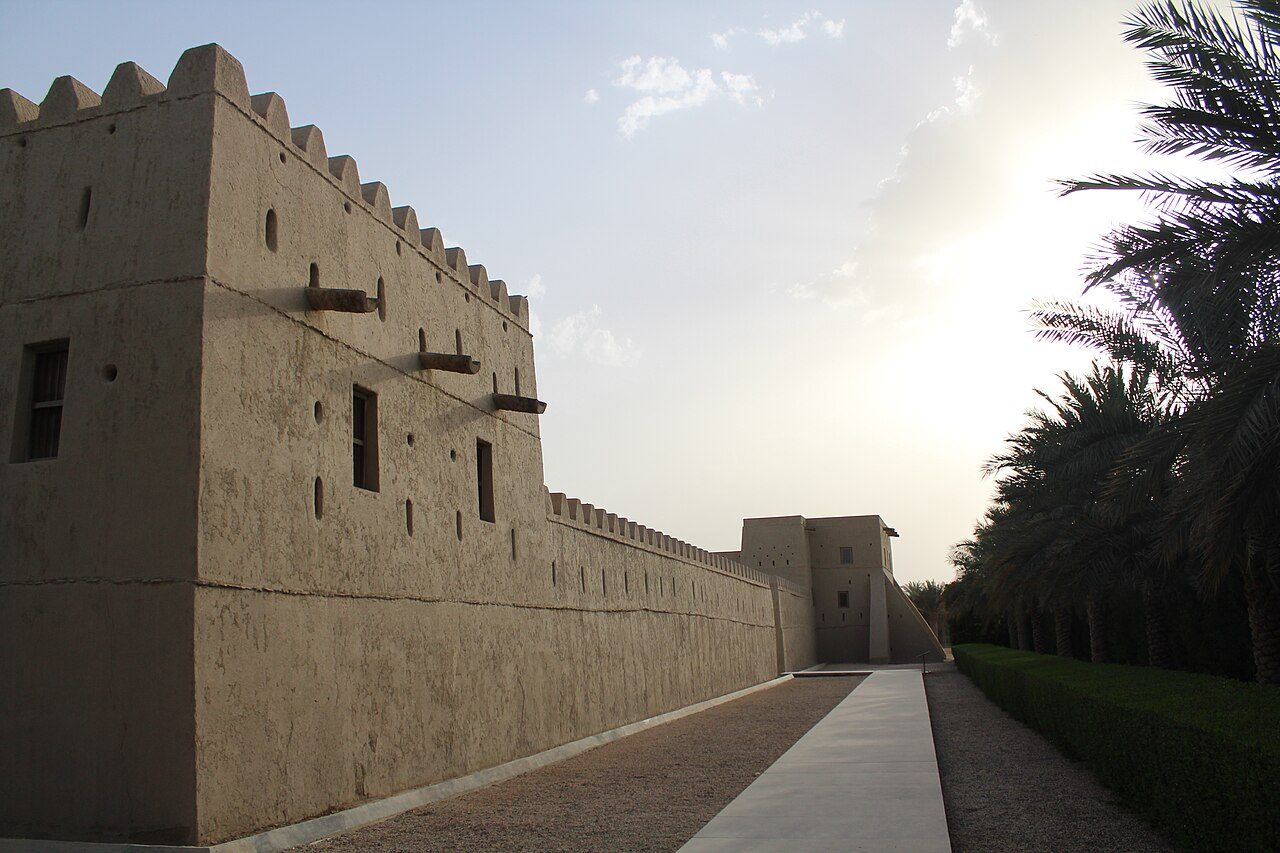
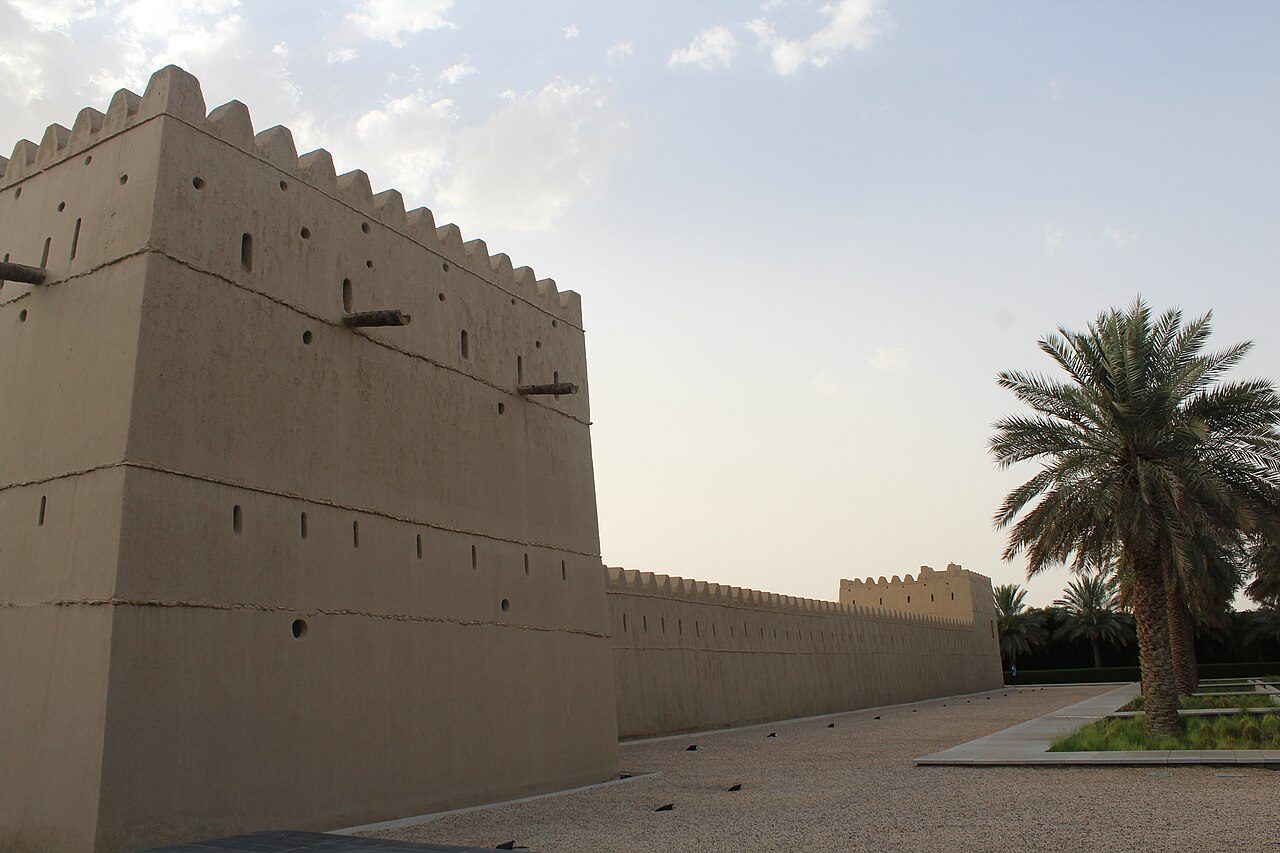
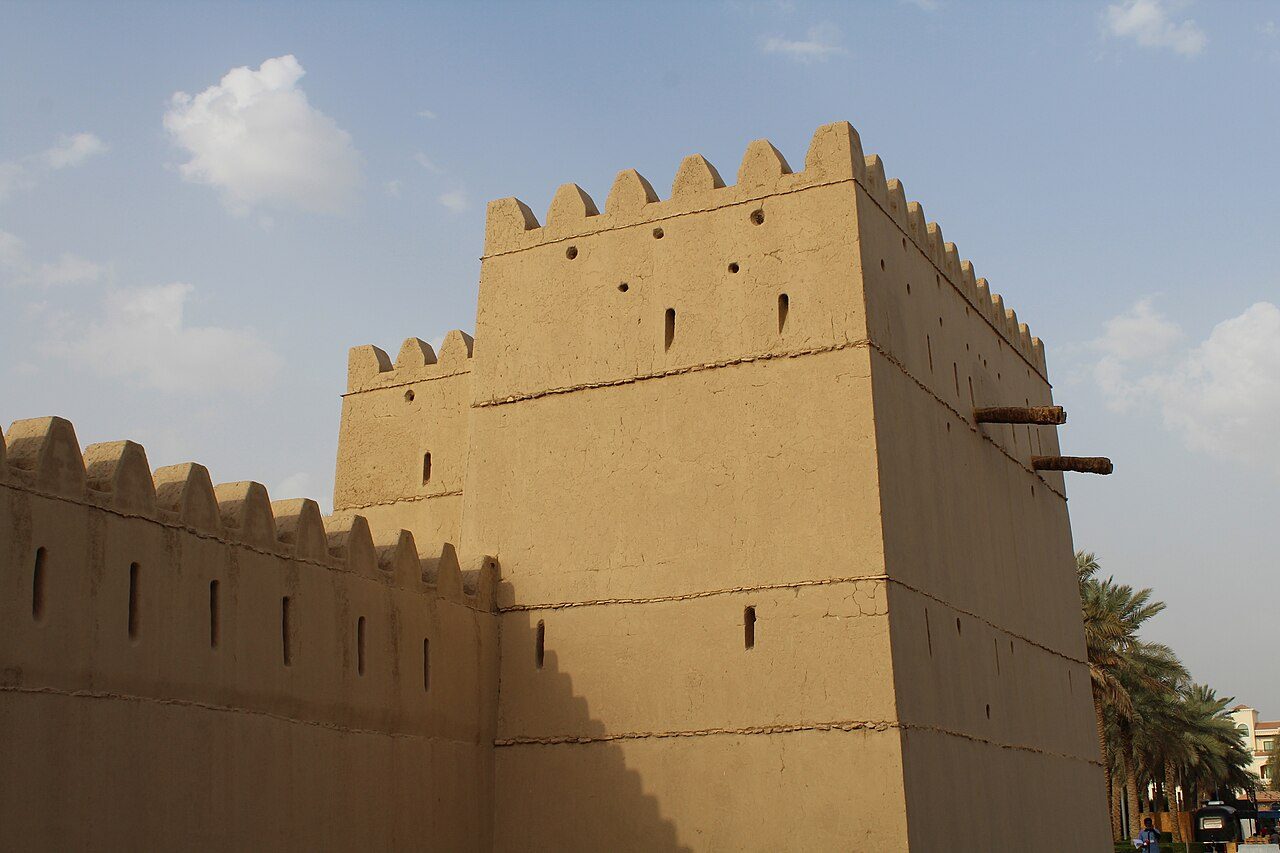
Qasr Al Muwaiji
Qasr Al Muwaiji is a square mud-brick fort in Al Ain, built in the early 20th century. It was the home and office of Sheikh Zayed when he was the ruler's representative in the region, and Sheikh Khalifa was born here in 1948. Restored and opened as a museum, it stands in a palm garden with a glass-walled exhibition hall in the courtyard.
17
STOP 17 OF 18
Hili Archaeological Park
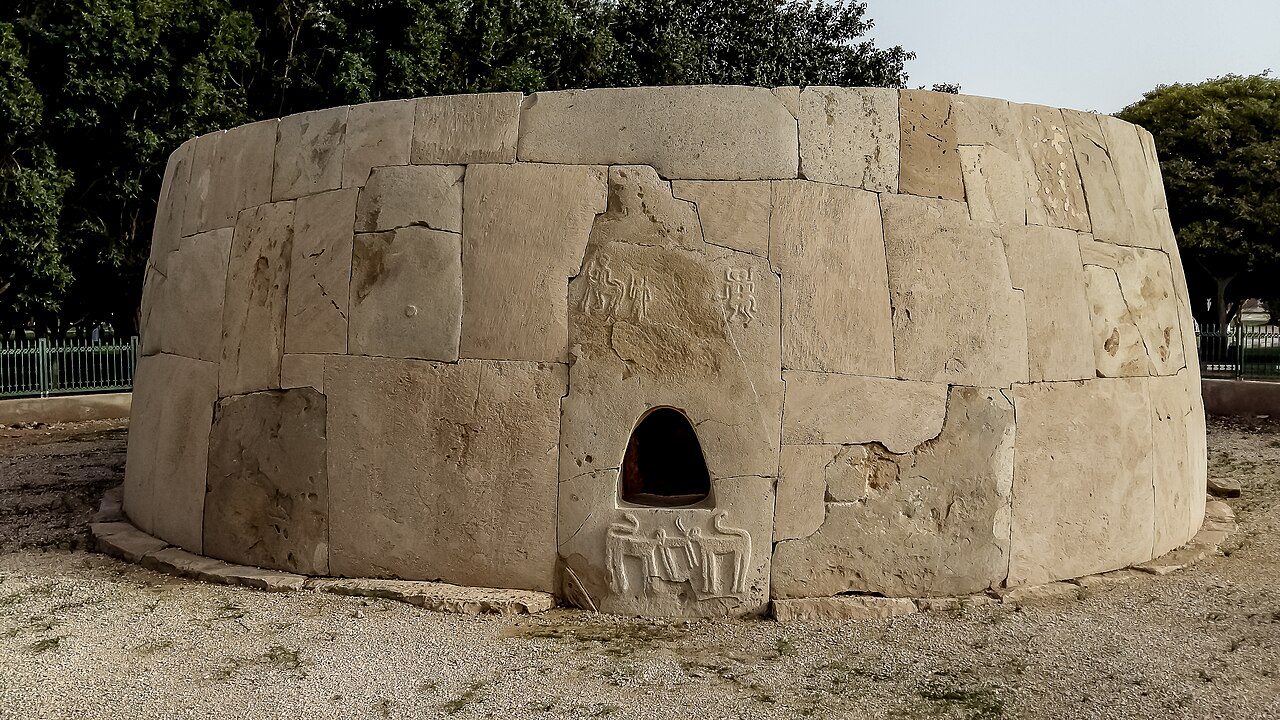
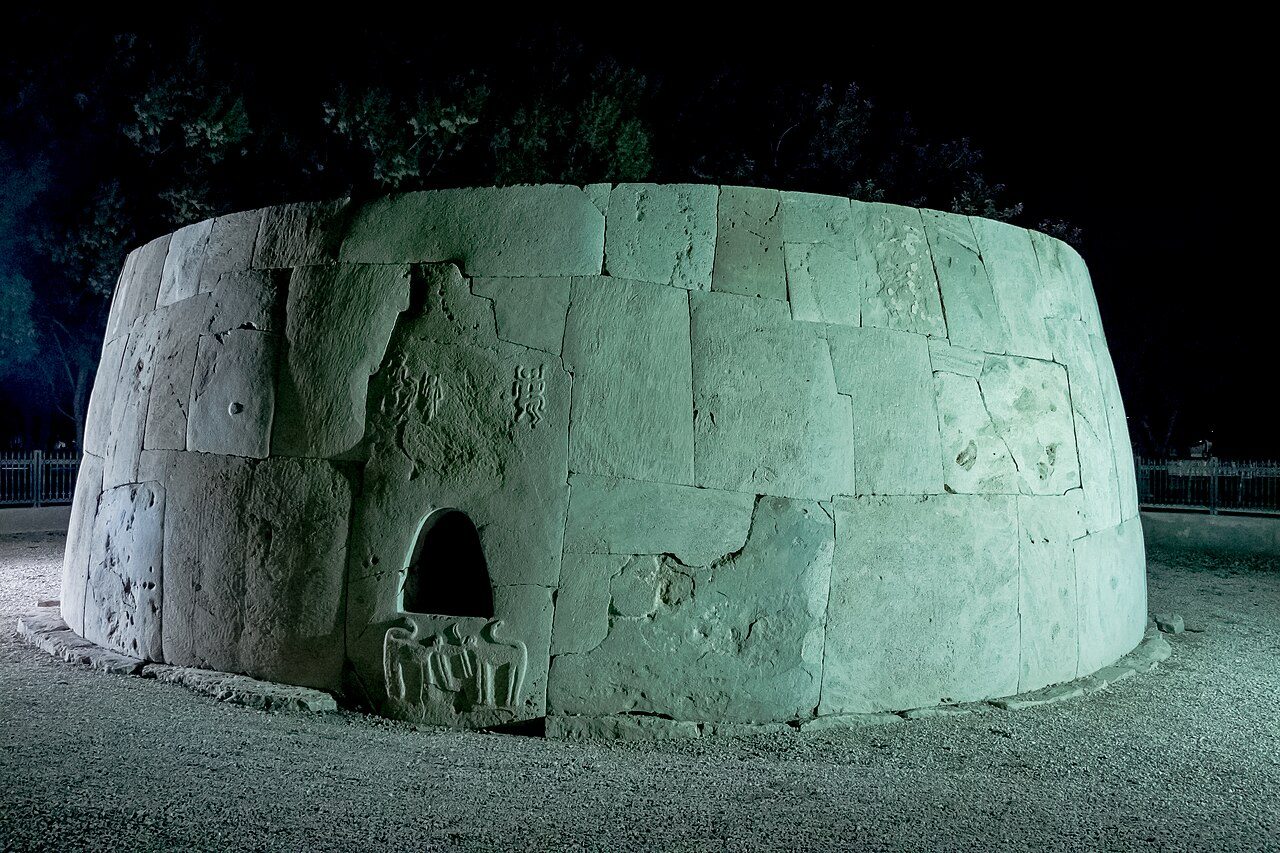
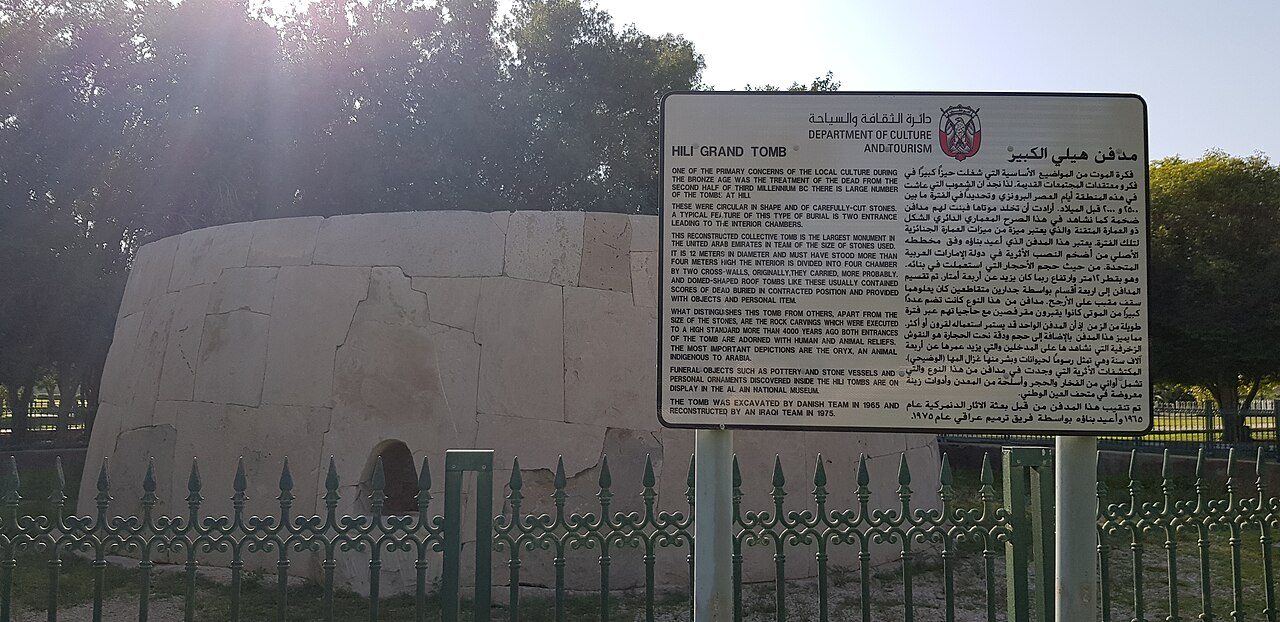
Hili Archaeological Park, on the northern edge of Al Ain, combines a public garden with Bronze Age remains about 4,000 years old. The best known is the Hili Grand Tomb, a round stone tomb about 12 metres across with carved figures of people and oryx above its entrances. The site is part of the Al Ain UNESCO World Heritage listing.
18
STOP 18 OF 18 · LAST STOP
Jebel Hafeet
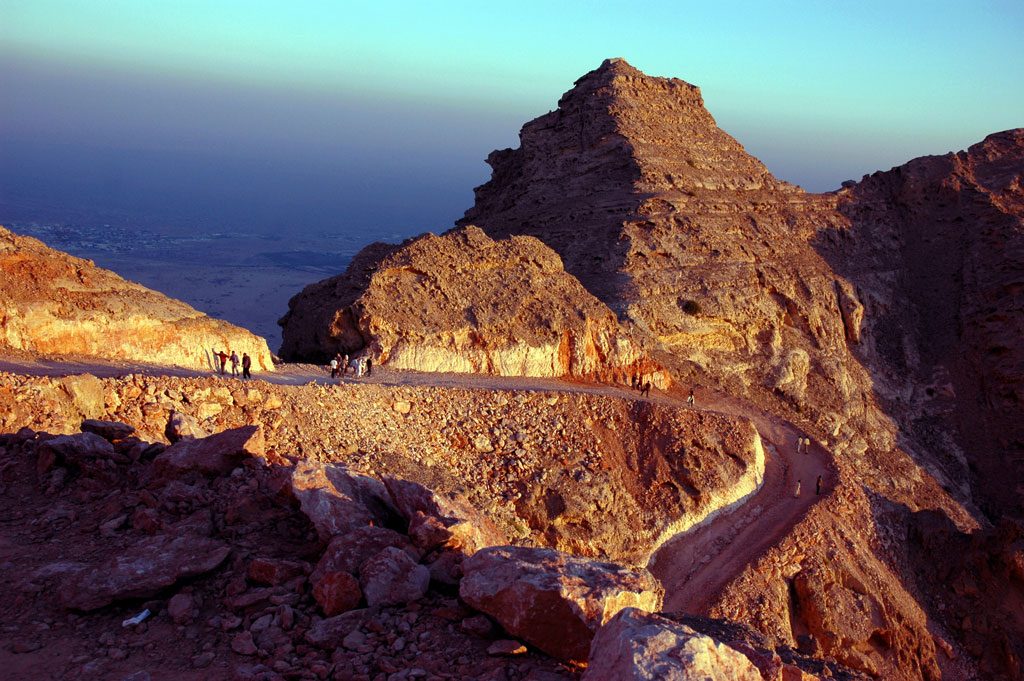
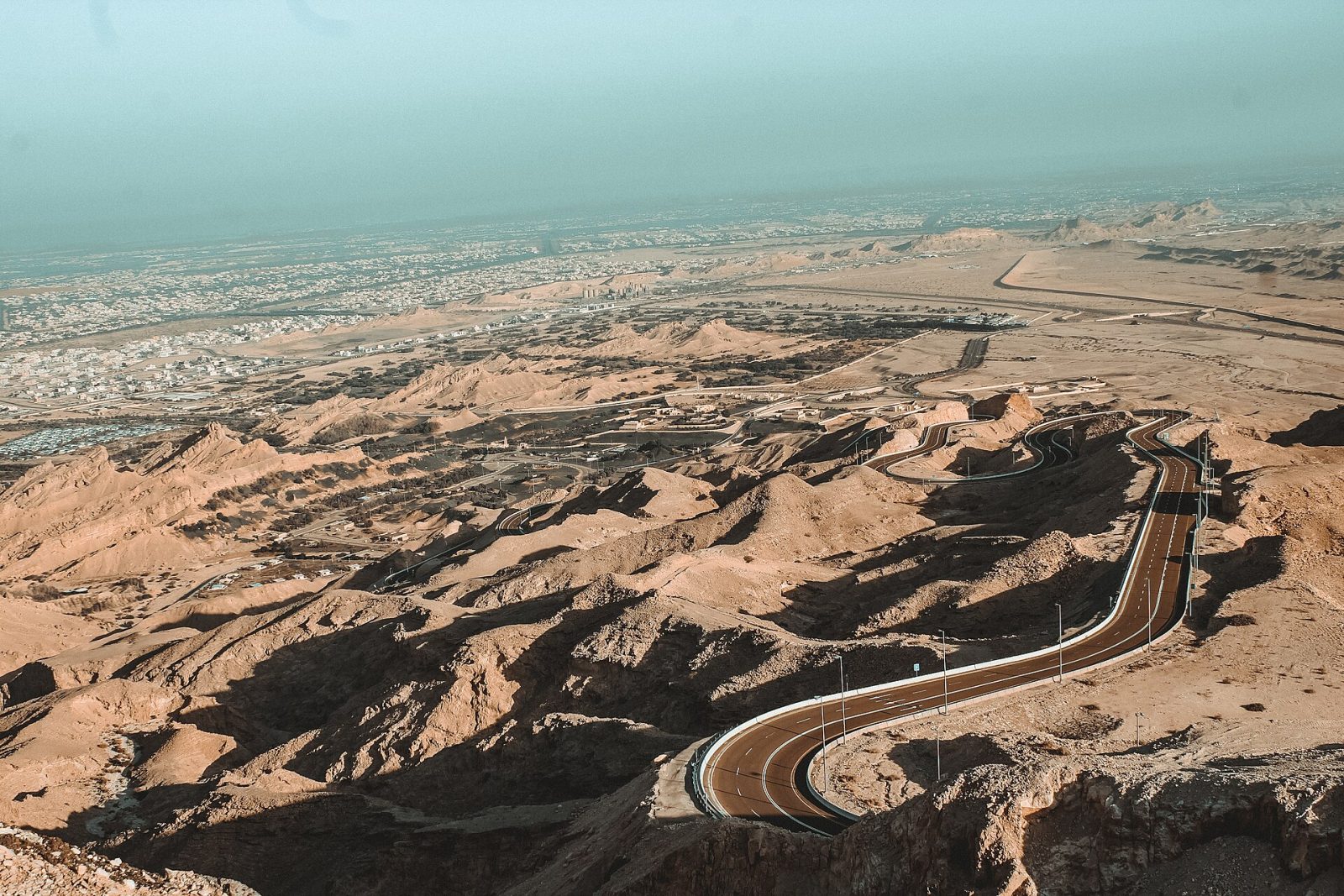
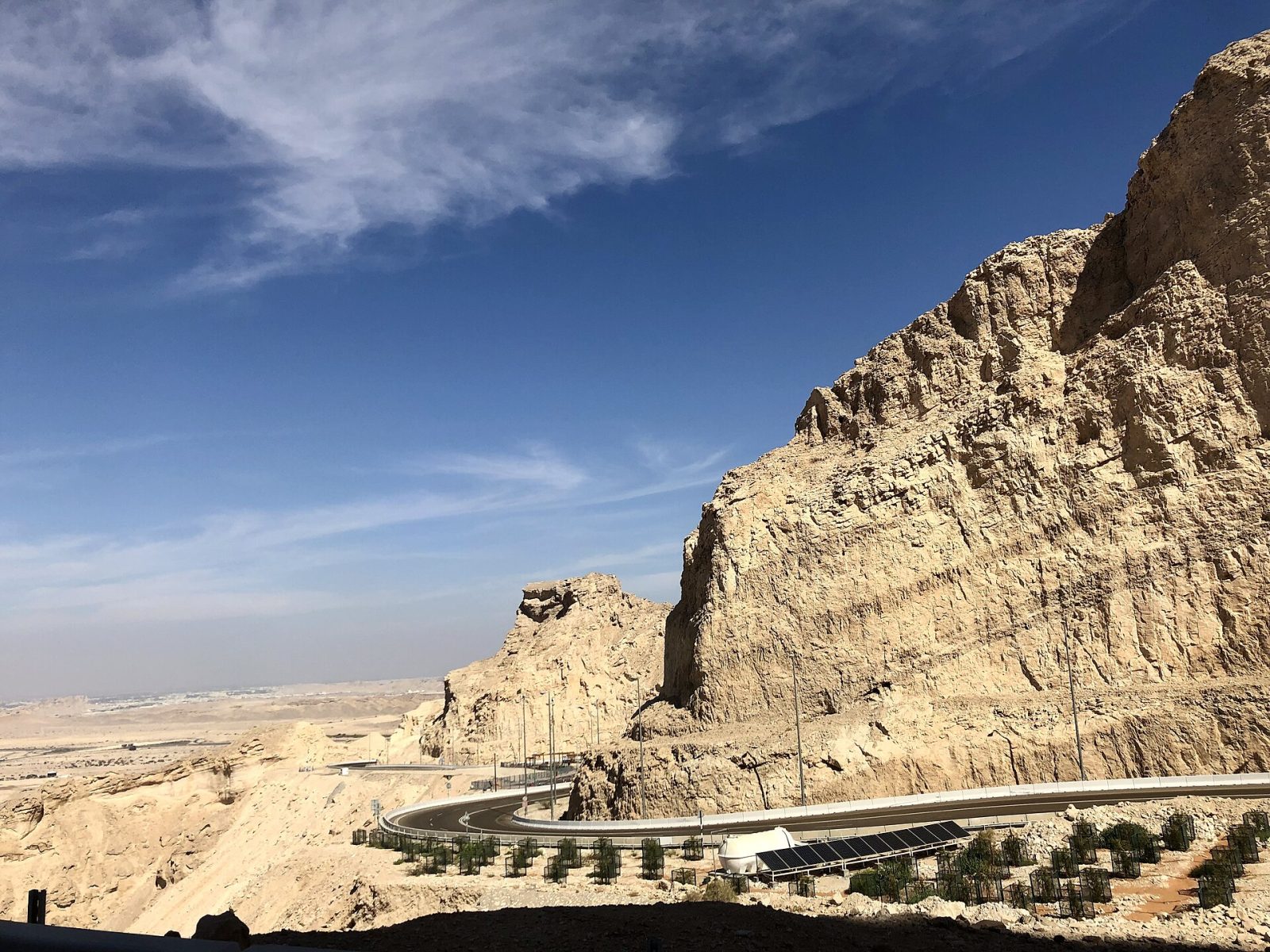
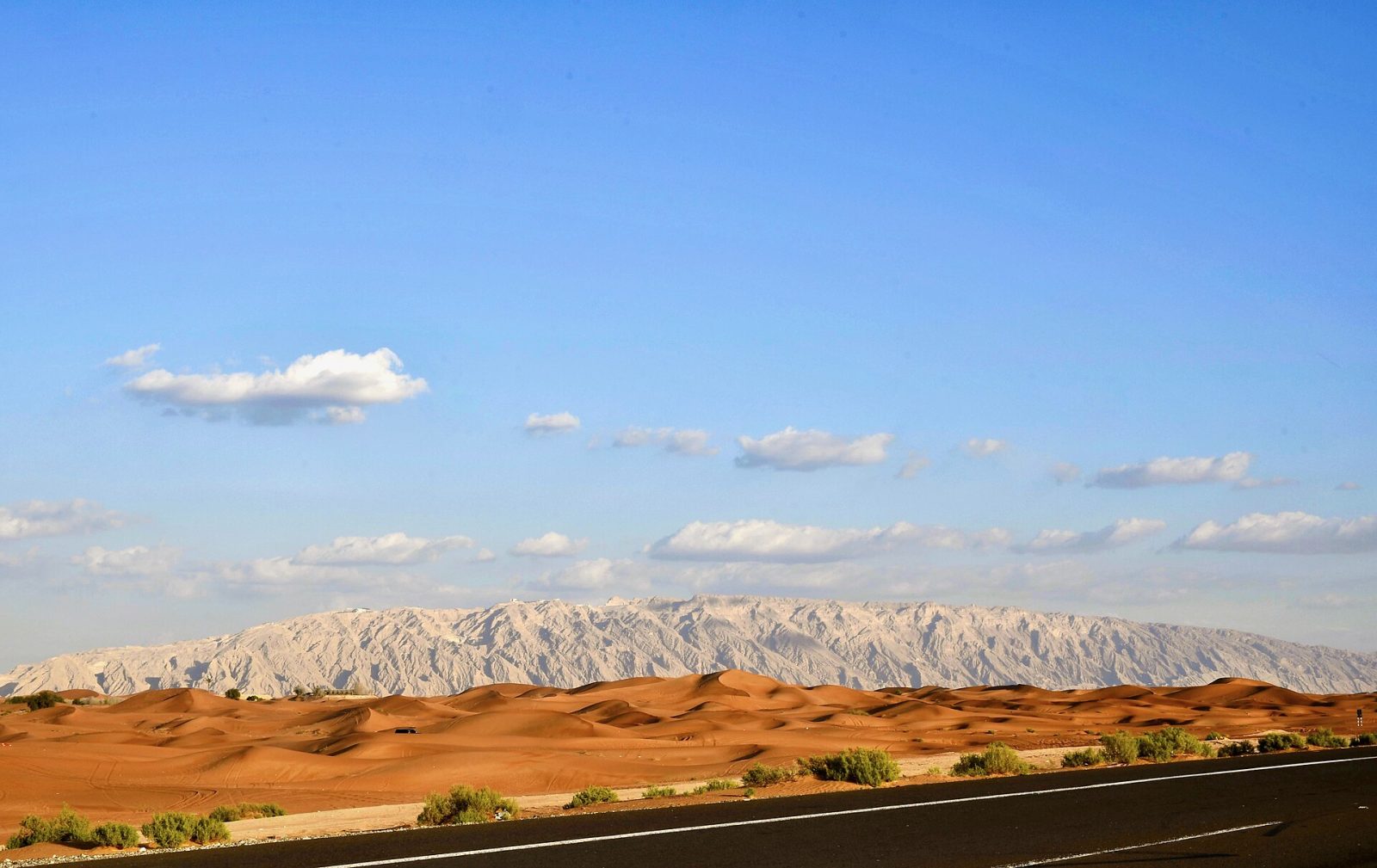
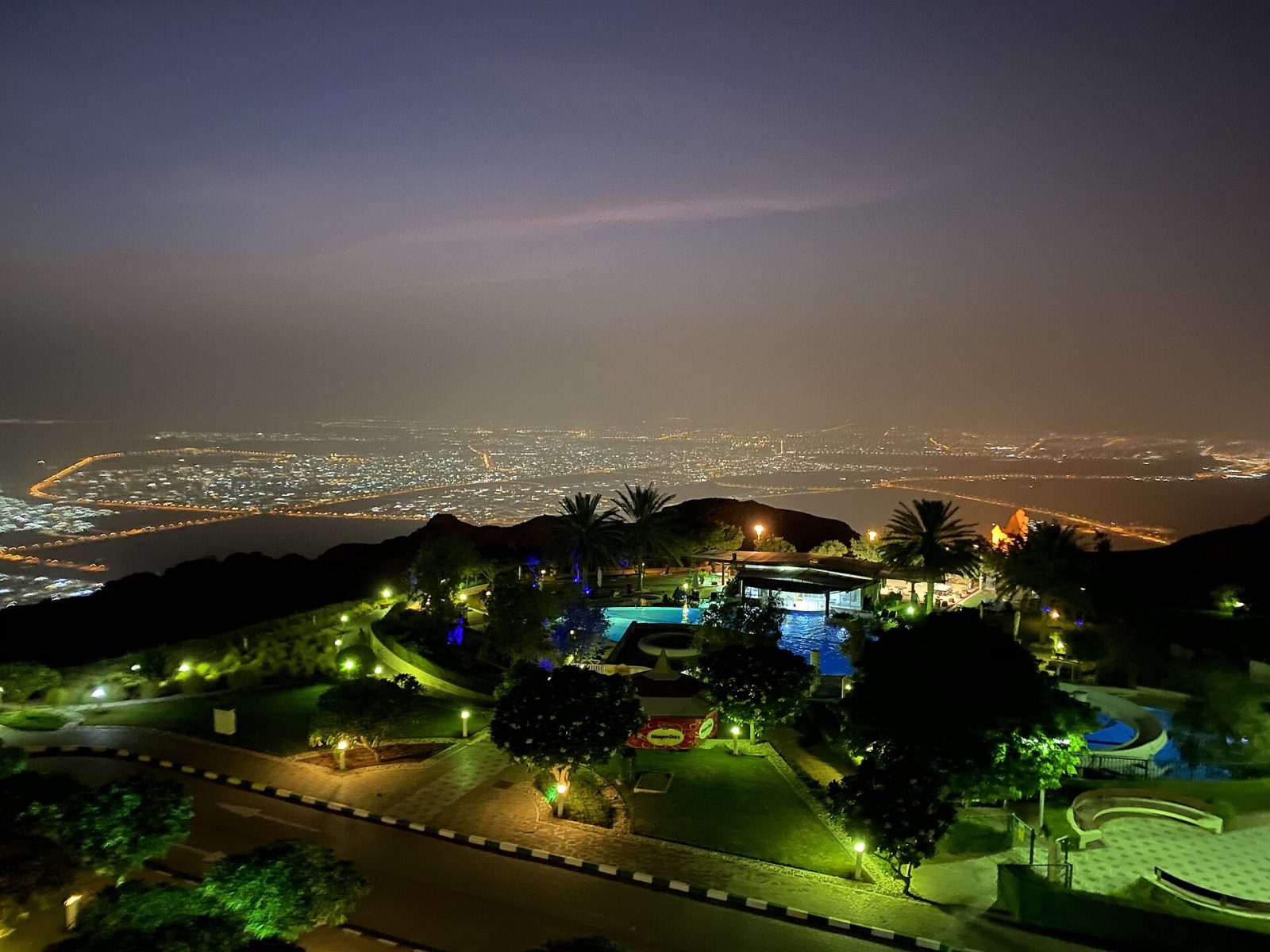
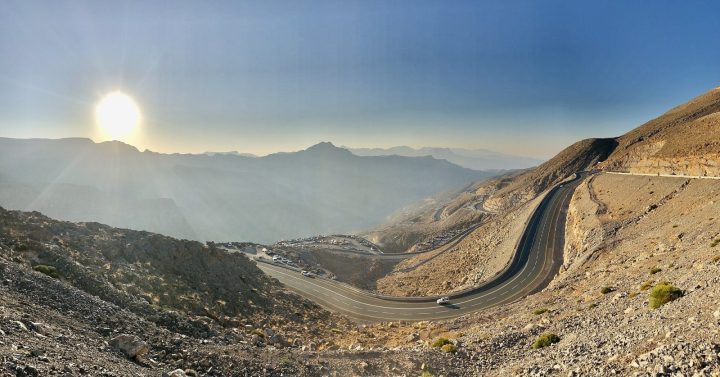
Jebel Hafeet rises about 1,240 metres above Al Ain on the border with Oman and is one of the highest points in the UAE. A twelve-kilometre road of sweeping curves climbs to the summit, often called one of the great driving roads in the world, ending at a viewpoint and hotel that look over the city and the desert. At the foot of the mountain are Bronze Age beehive tombs some 5,000 years old, part of the Al Ain UNESCO World Heritage listing, and the warm Green Mubazzarah springs with parks and chalets. Fossils in the limestone show the mountain was once under a shallow sea. Sunset from the top is the classic visit.
Seasons from 20 years of NASA POWER climate data.
 WaTrips