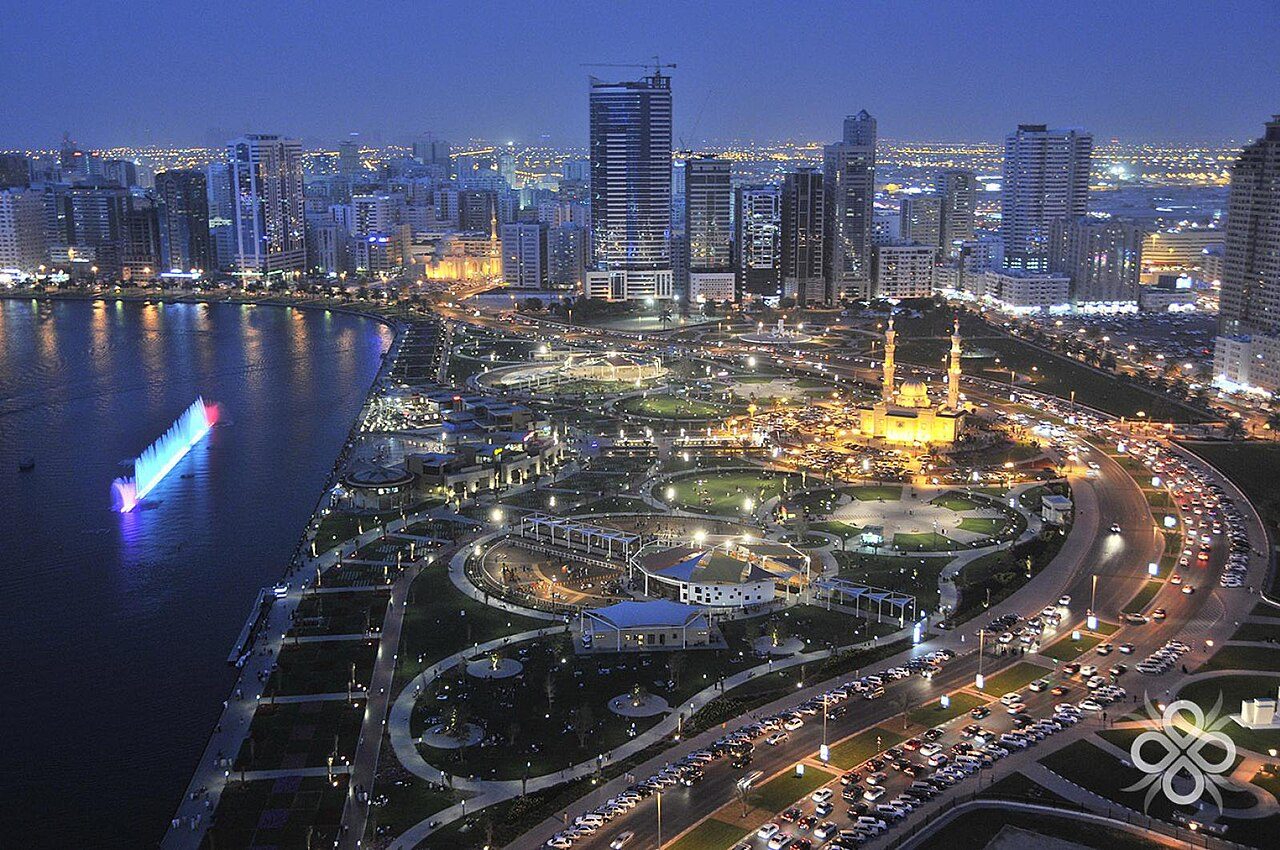
Sharjah's fort, museums, Blue Souk and King Faisal Mosque, Al Qasba and Al Majaz, then Ajman and Umm Al Quwain.
The northern emirates are quieter and more traditional. Day one is Sharjah, the UAE's cultural capital: the restored Al Hisn fort, the Museum of Islamic Civilization, the Blue Souk, the Sharjah Art Museum, King Faisal Mosque and the waterfronts of Al Qasba and Al Majaz. Day two visits Ajman's museum in its old fort and corniche, then Umm Al Quwain's fort and a kayak through the mangroves. Sharjah follows a modest dress code. November to March is best.
01
STOP 1 OF 11
Sharjah Fort (Al Hisn)
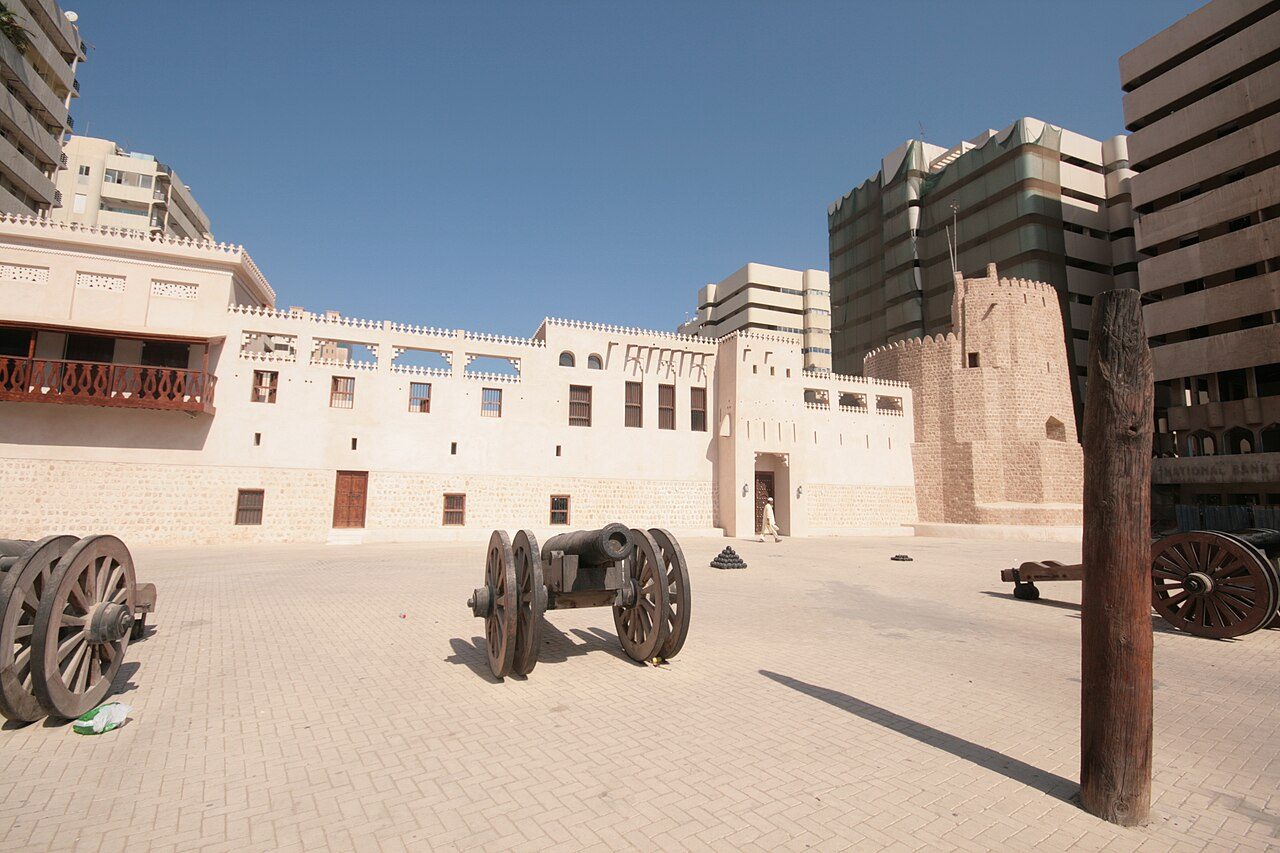
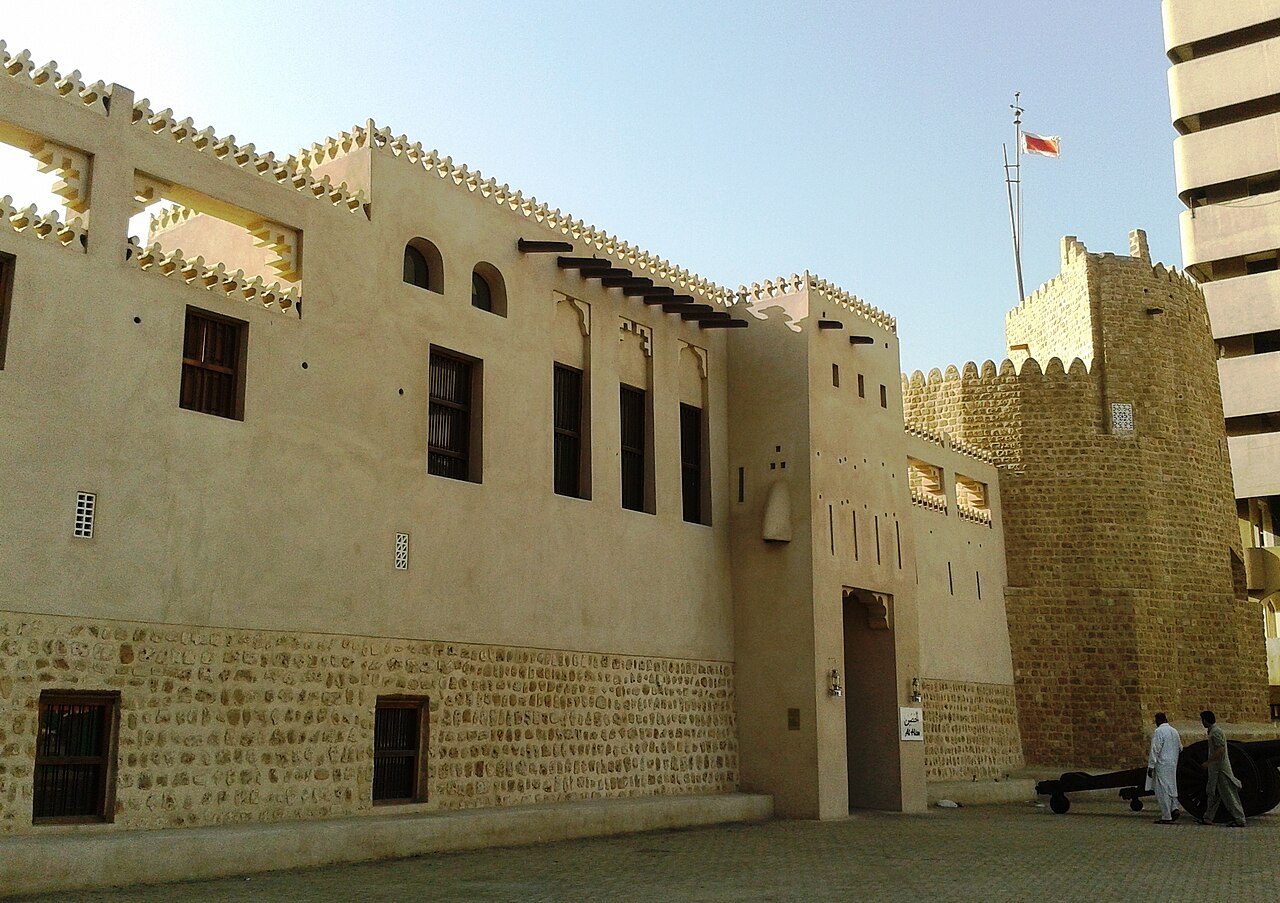
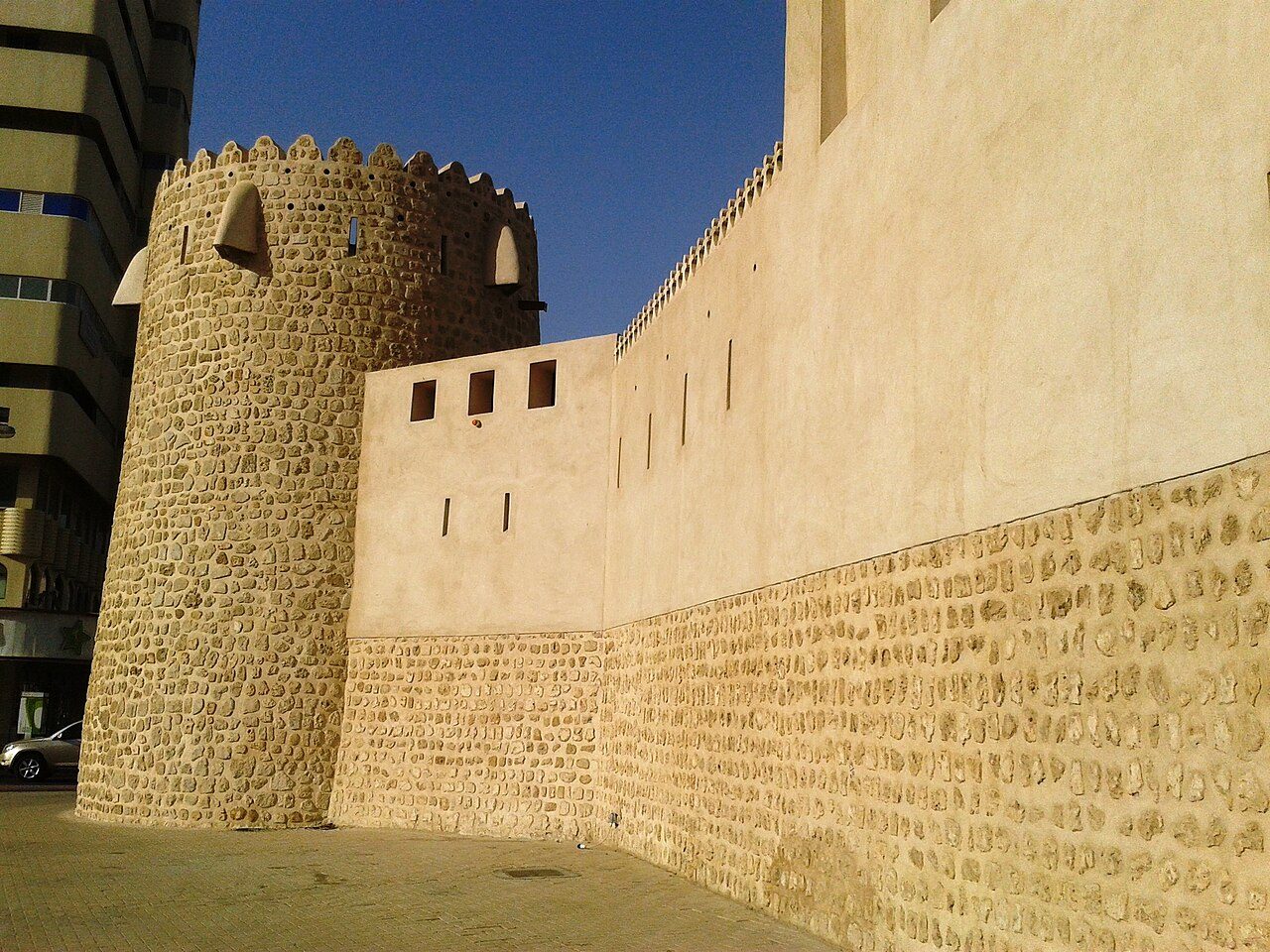
Sharjah Fort, Al Hisn, was built in 1823 as the seat of the ruling Al Qasimi family and the defence of the town. Most of it was pulled down in 1970, but one tower survived, and the fort was rebuilt on its old plan and reopened as a museum in 1997. Its rooms show weapons, photographs and the life of the rulers.
02
STOP 2 OF 11
Sharjah Museum of Islamic Civilization
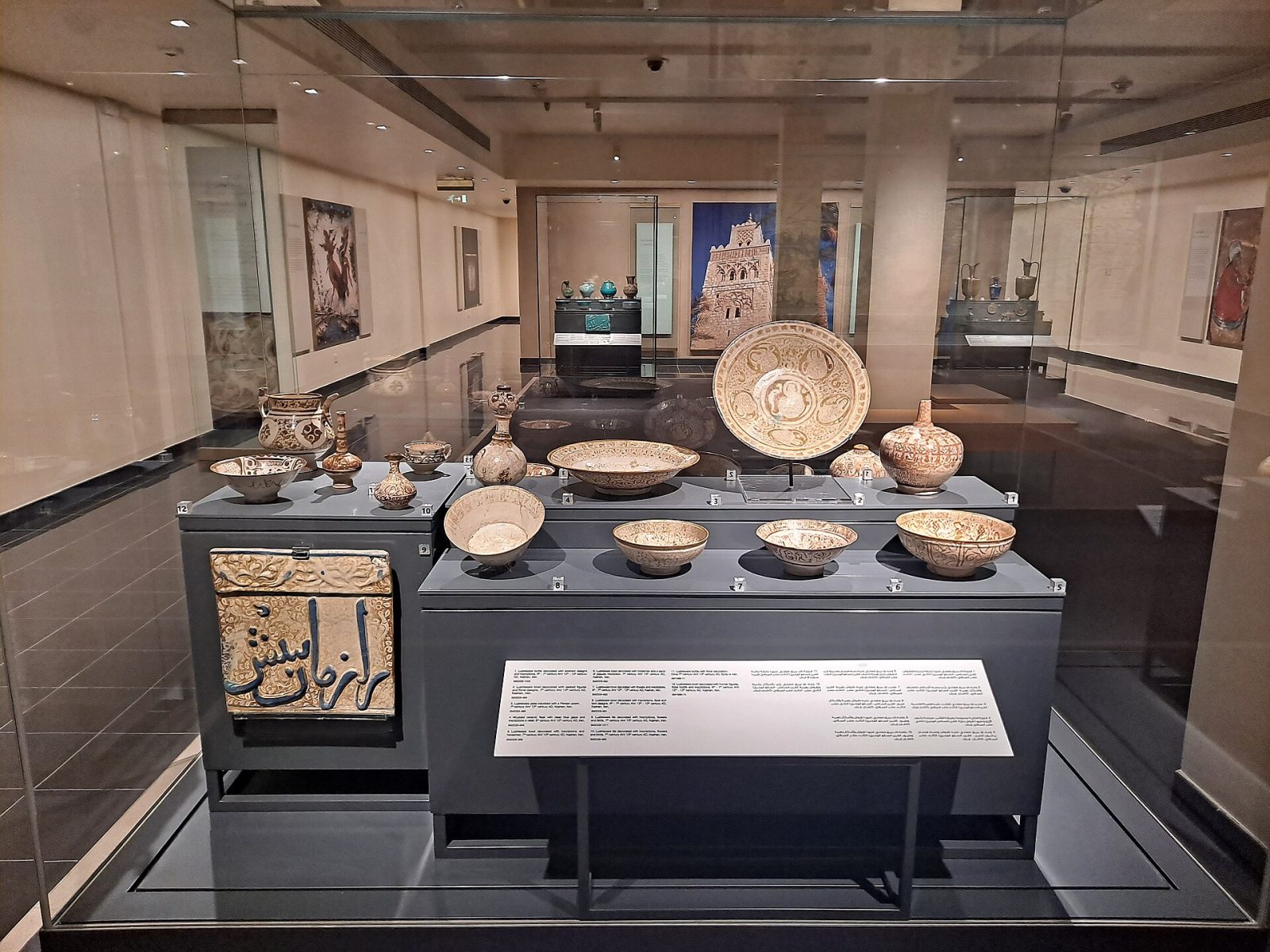
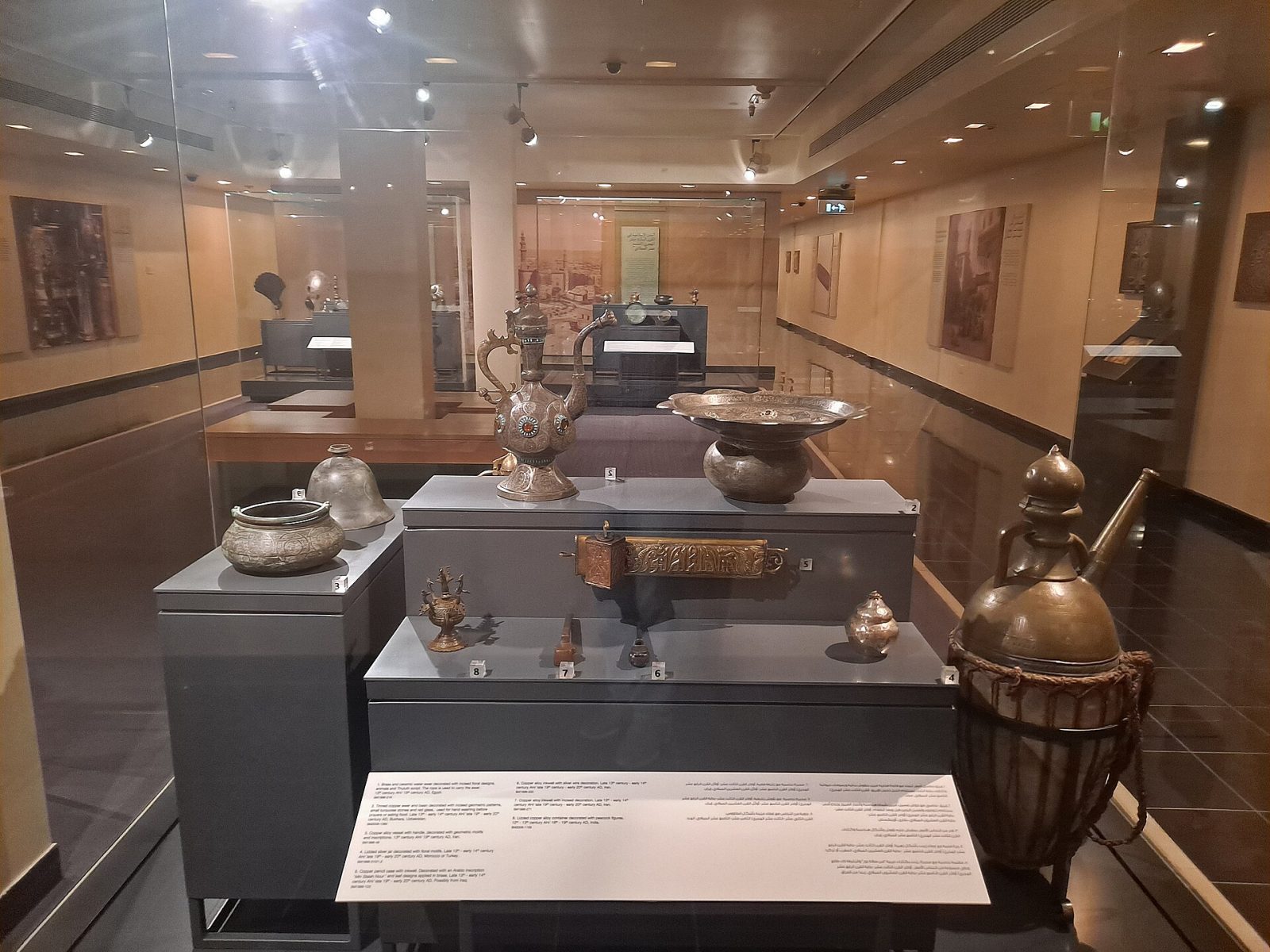
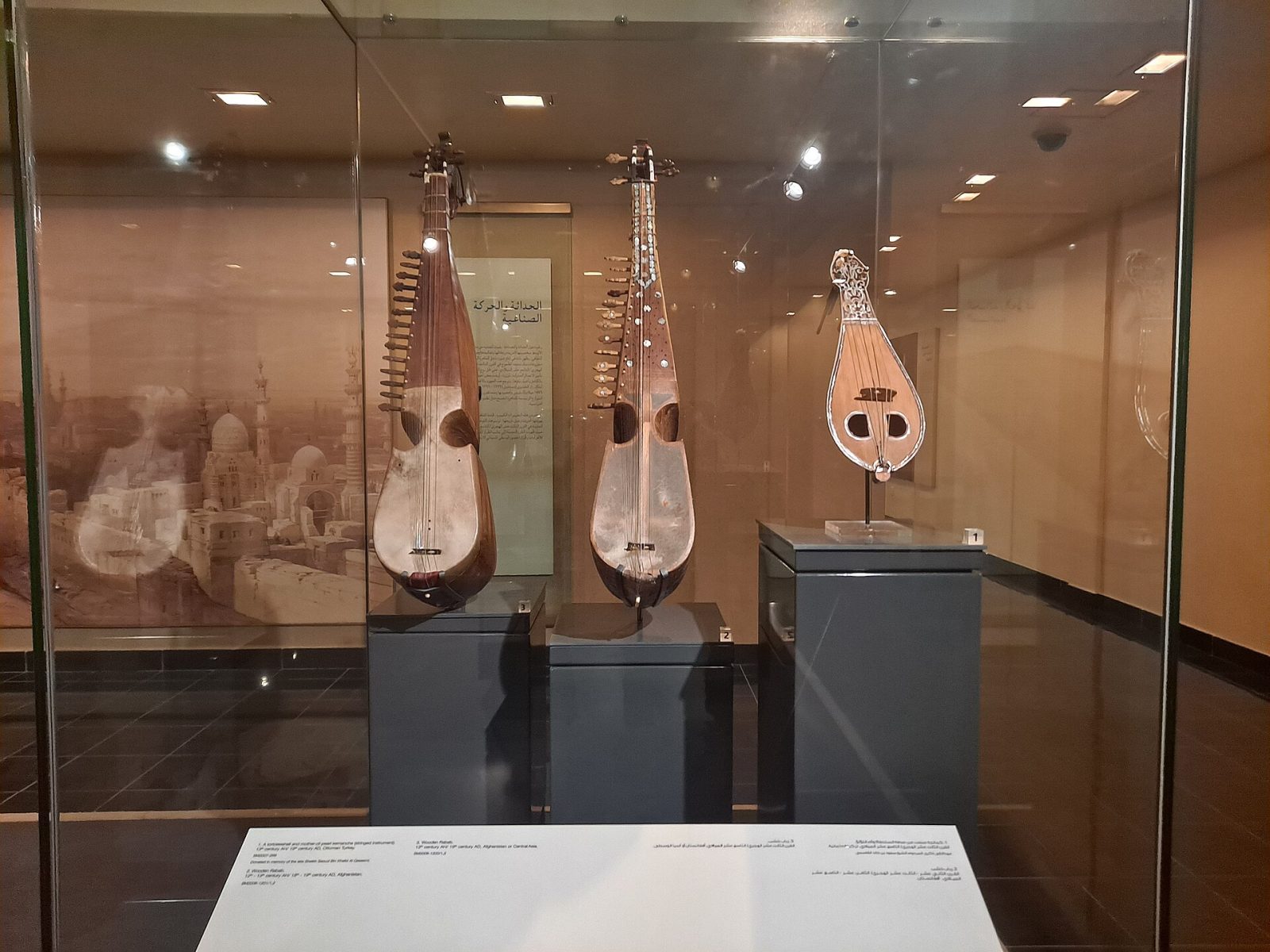
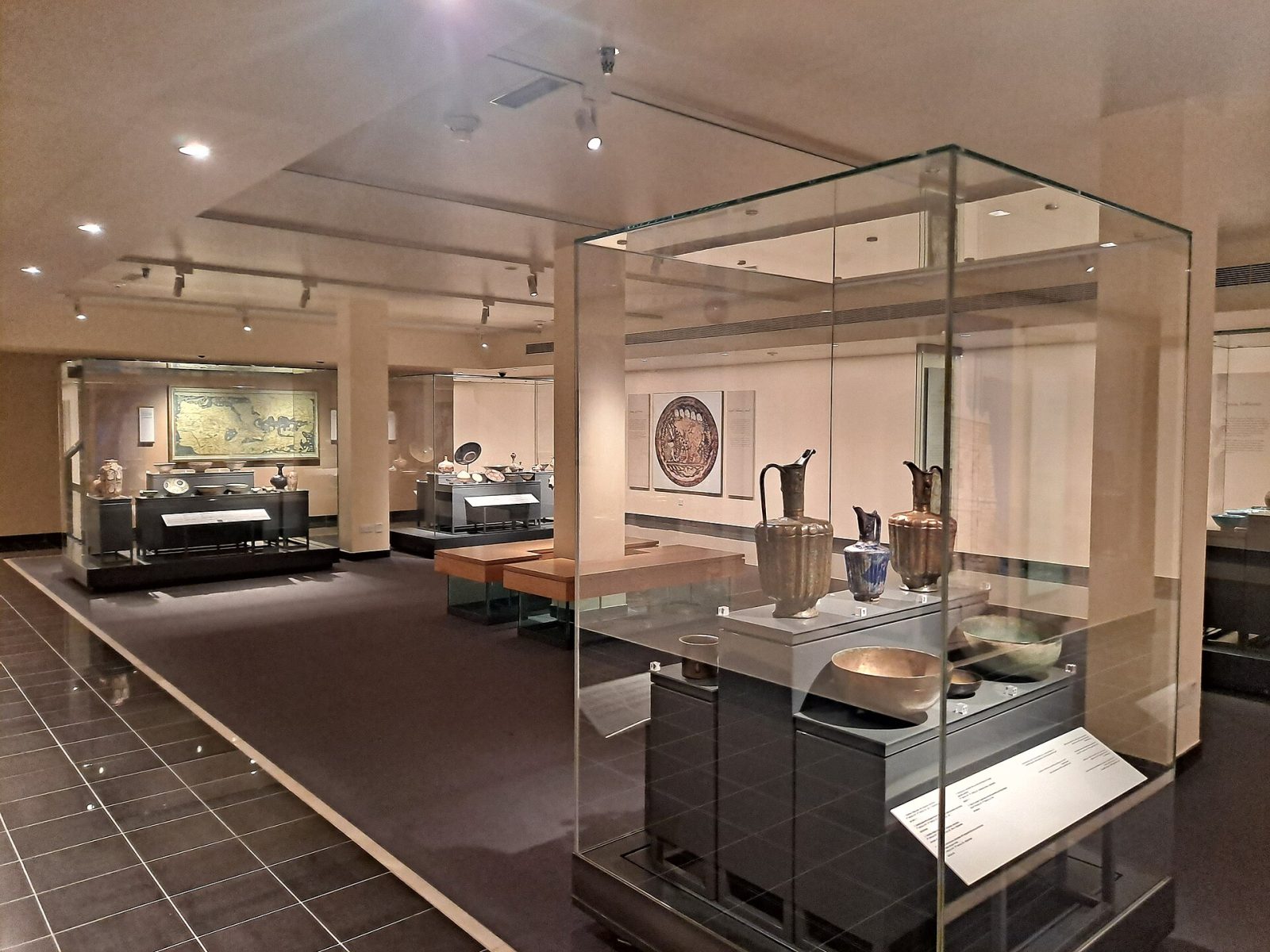
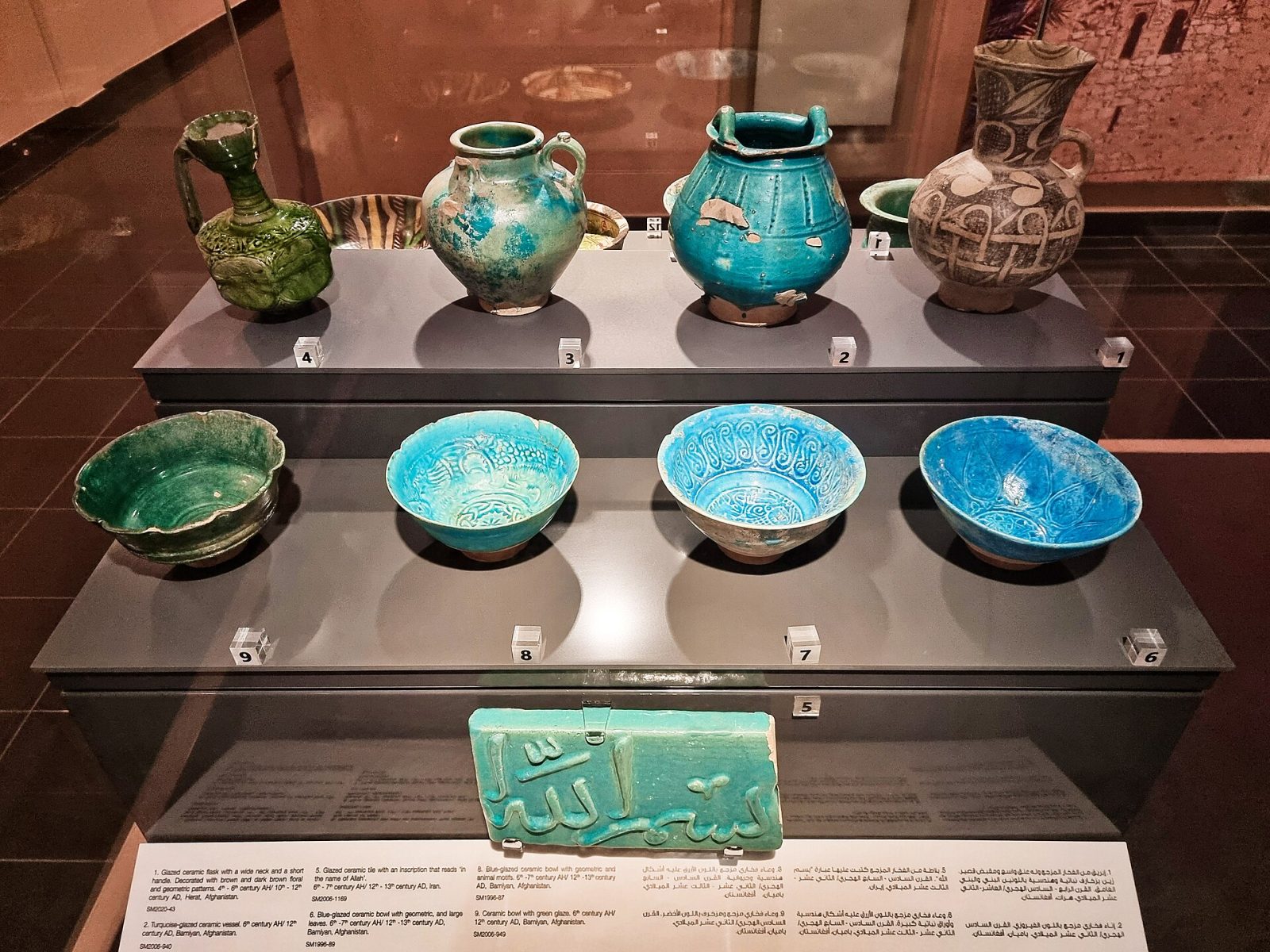
The Sharjah Museum of Islamic Civilization occupies a restored souq building on the Corniche, with a golden dome and a long arcaded front facing the creek. Its galleries hold more than five thousand objects: Quran manuscripts, astrolabes and scientific instruments from the Islamic golden age, ceramics, glass, coins, armour and textiles from across the Muslim world. One hall is devoted to Islamic faith and practice, others to art by century and region, and the dome is painted with the signs of the zodiac. Sharjah is the UAE's cultural capital and holds several museums, but this is the flagship. It closes on Monday mornings and dress is conservative.
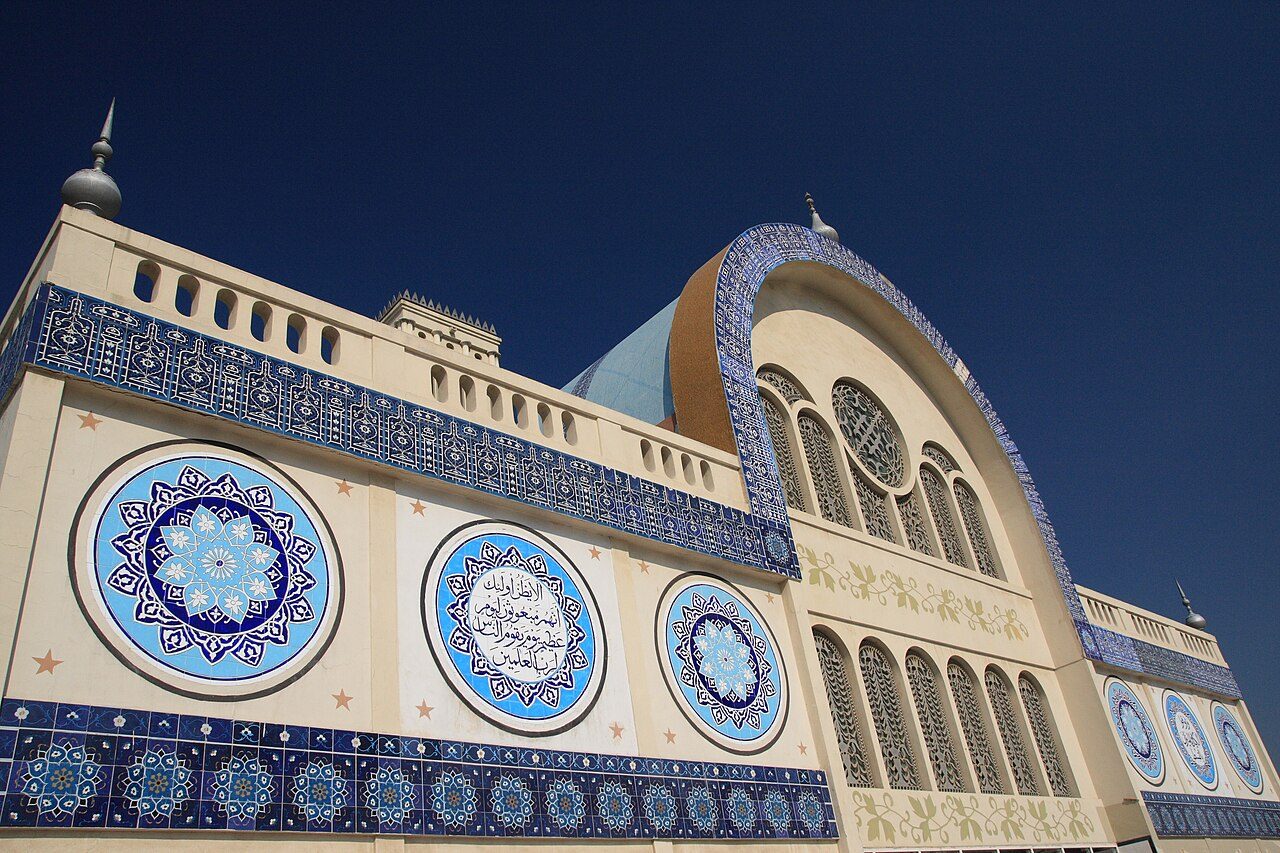
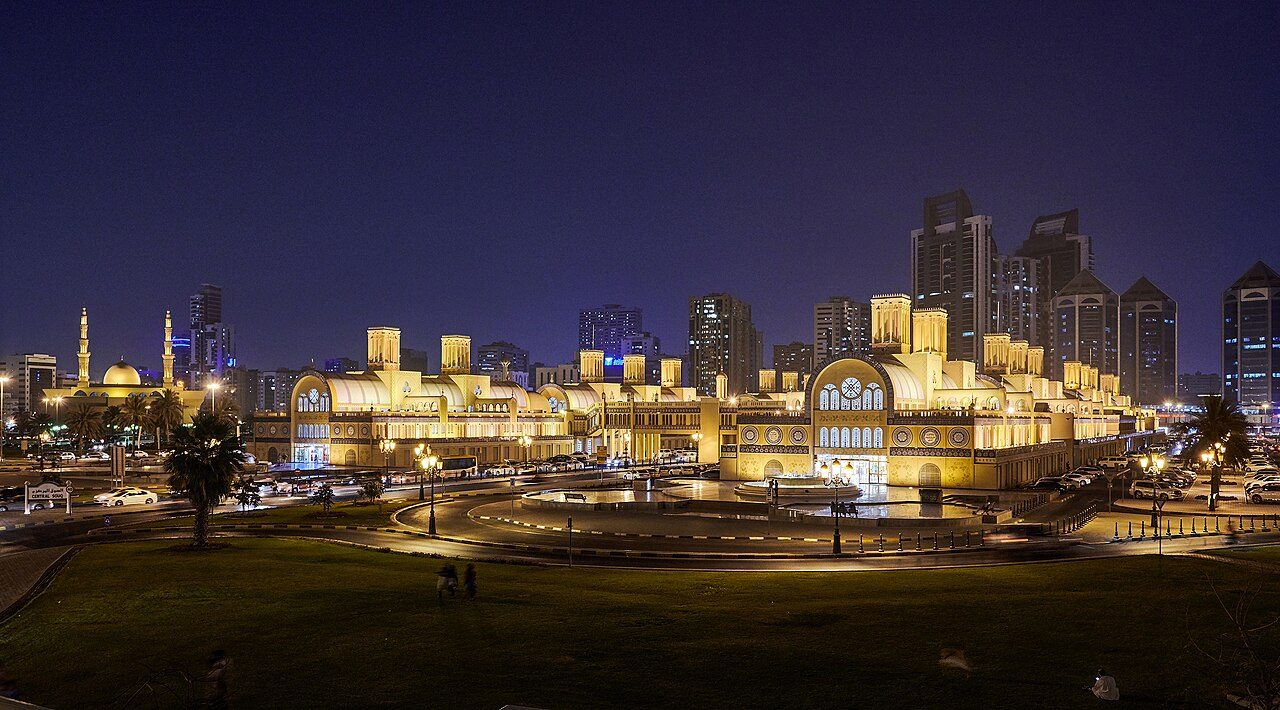
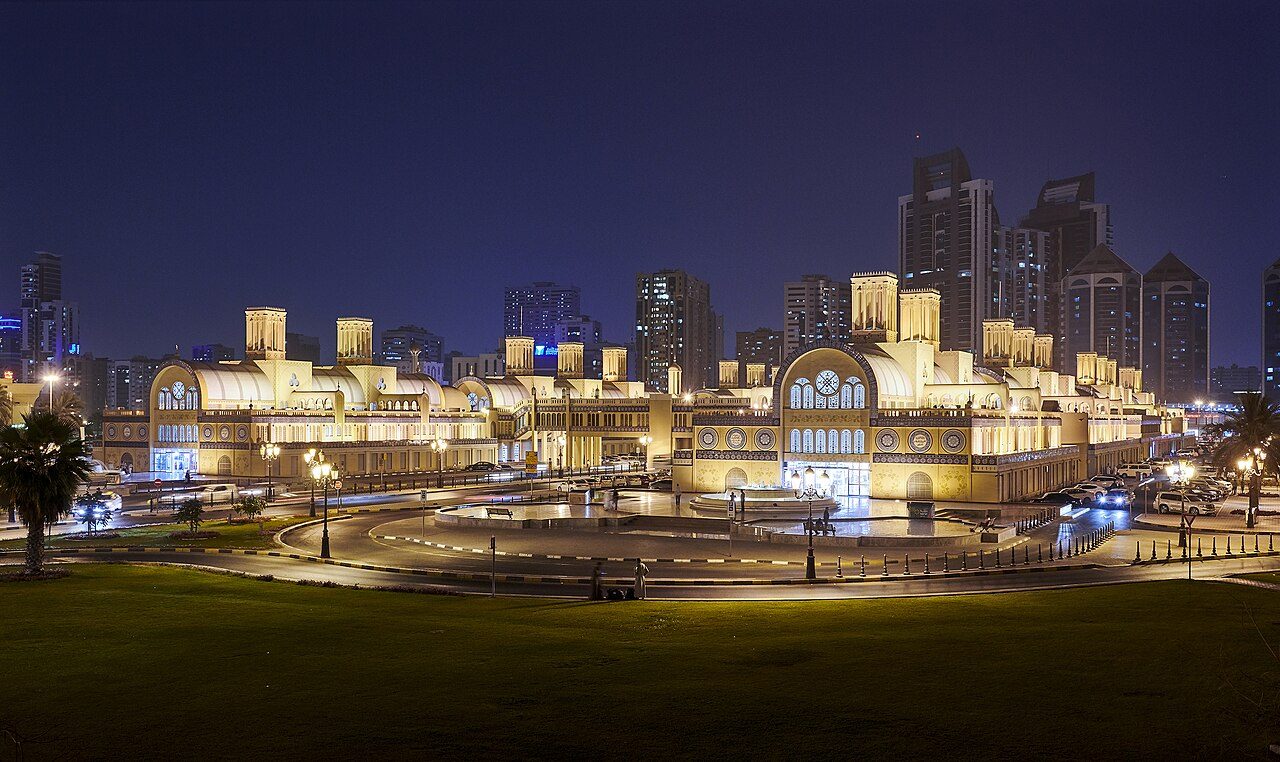
The Blue Souk, officially the Central Souq, stands beside Khalid Lagoon in Sharjah. Opened in 1978, its two long halls with barrel roofs and wind towers are covered in blue tiles. The ground floor is mostly gold and jewellery; upstairs are carpets, antiques, and crafts from across the region. Bargaining is expected.
04
STOP 4 OF 11
Sharjah Art Museum
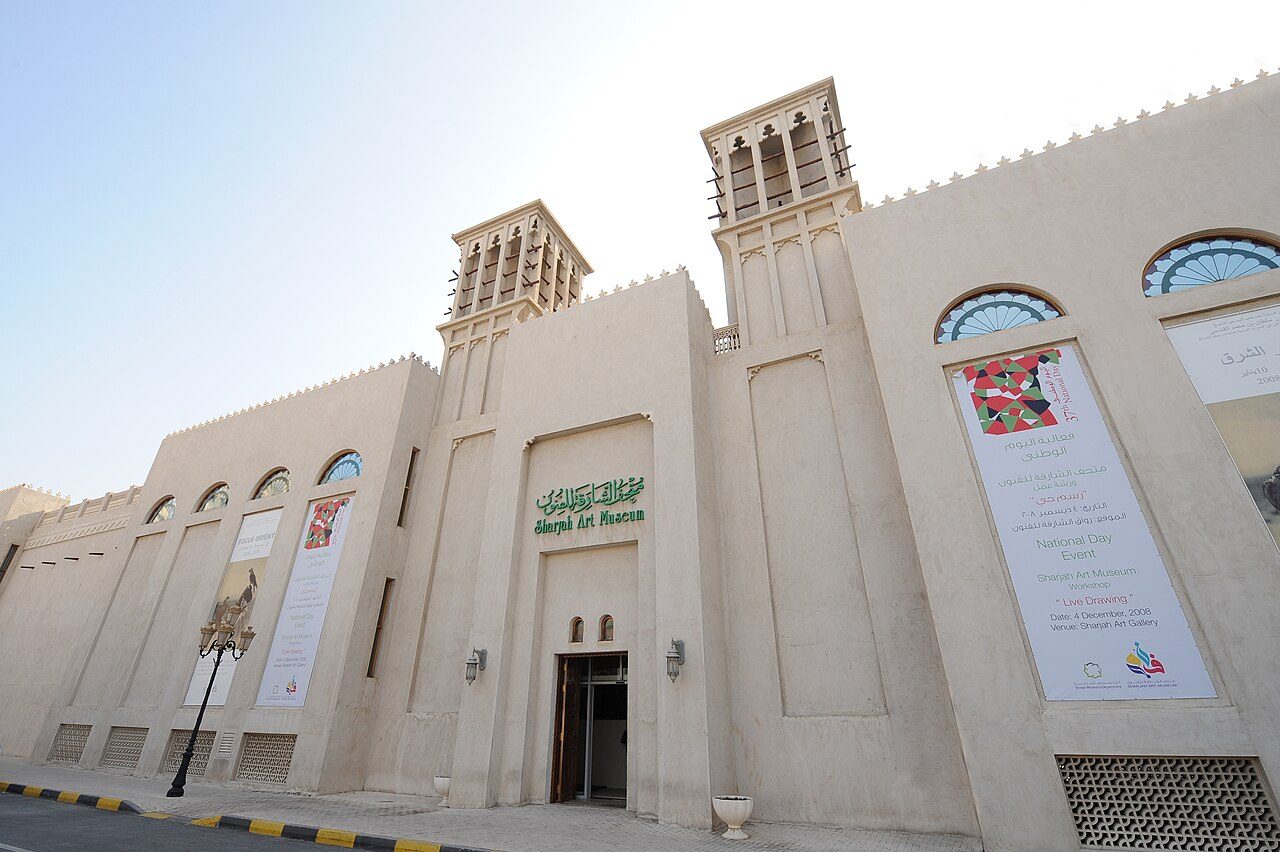
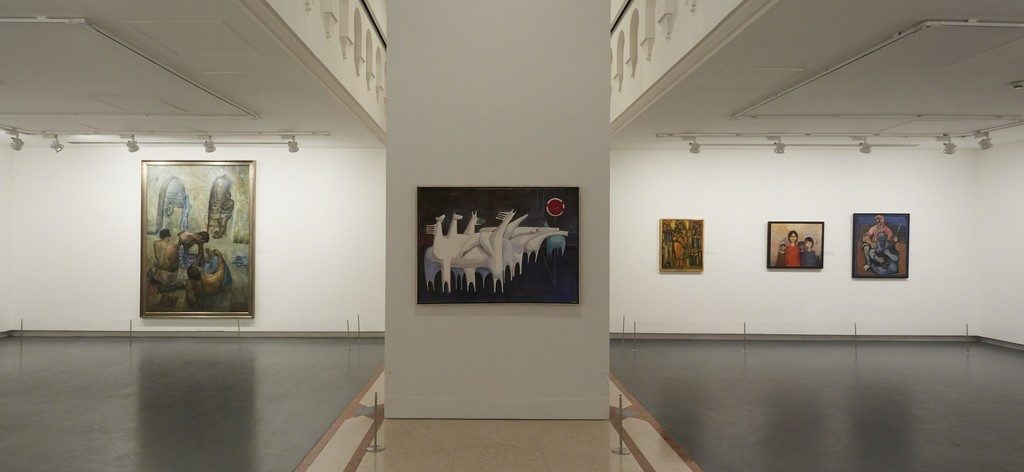
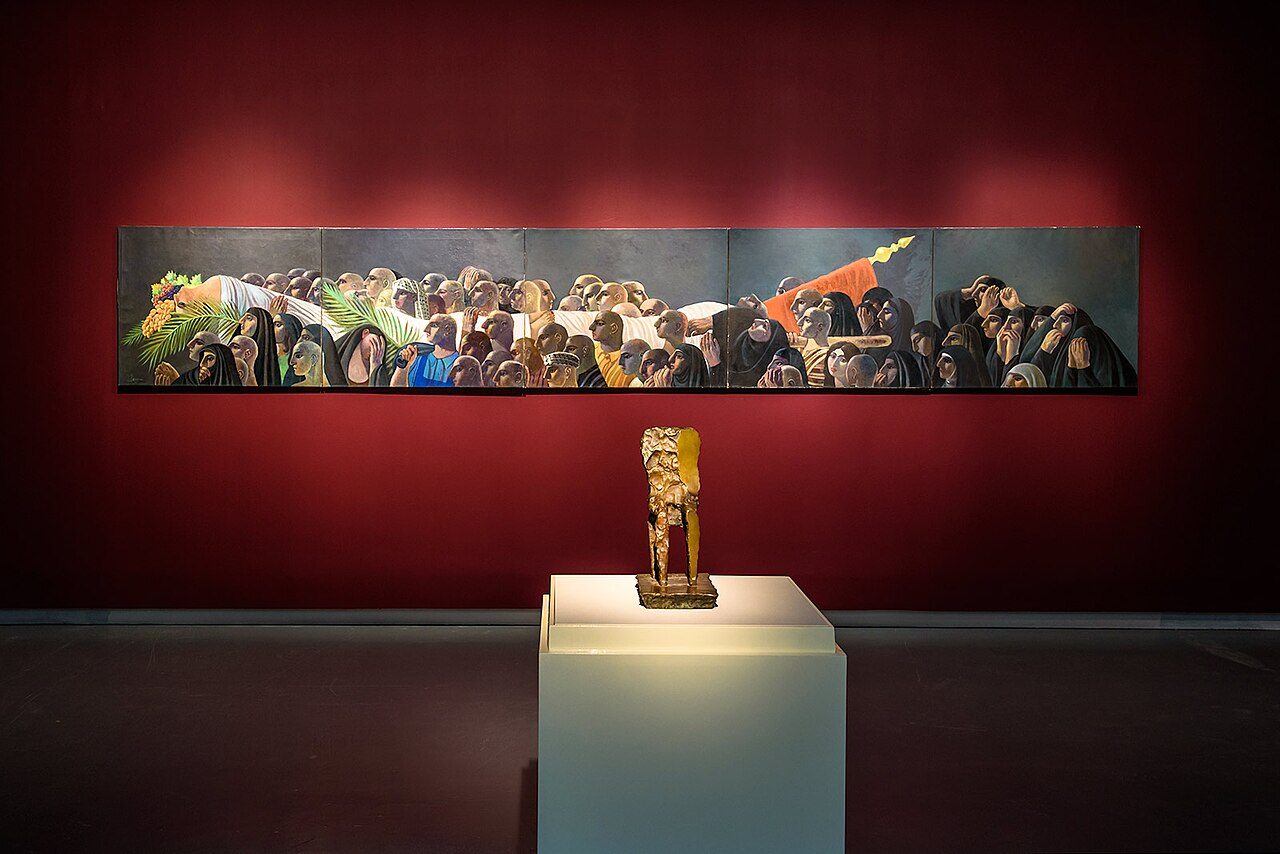
The Sharjah Art Museum opened in 1997 in the arts area of the old town and is one of the largest art museums in the Gulf. Its permanent collection covers modern and contemporary Arab art and includes 18th and 19th-century paintings of the region. It hosts part of the Sharjah Biennial. Entry is free.
05
STOP 5 OF 11
King Faisal Mosque Sharjah
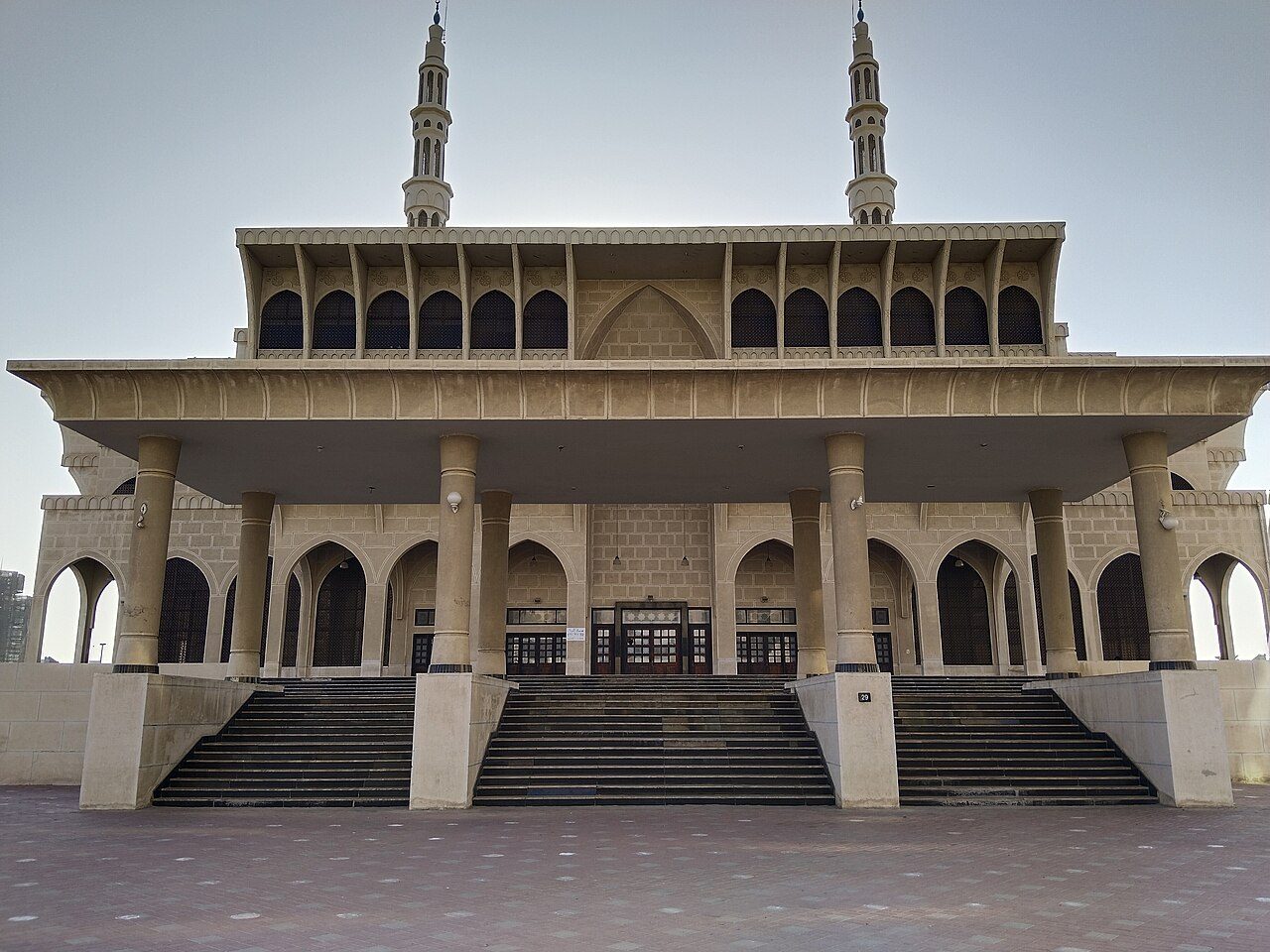
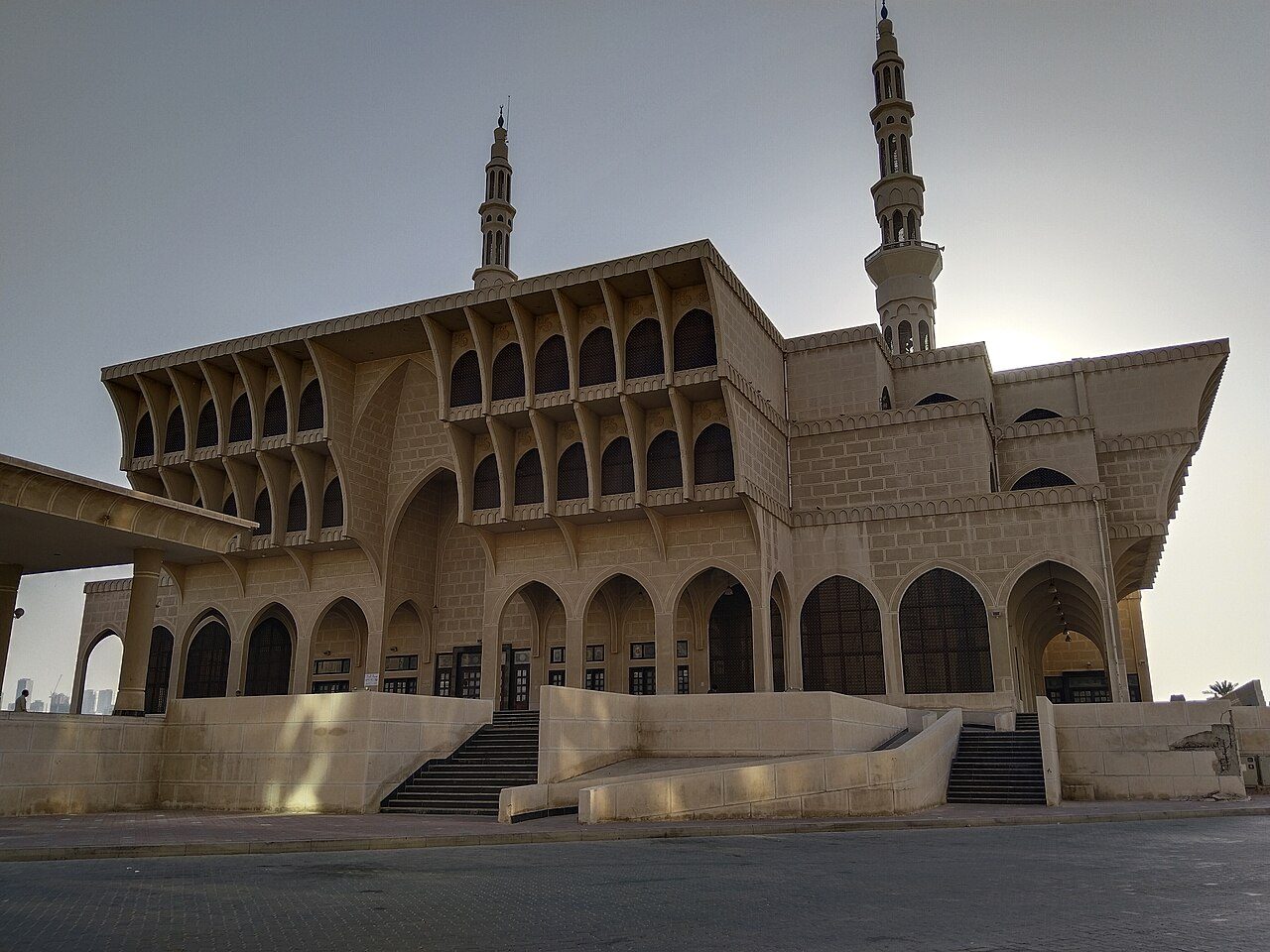
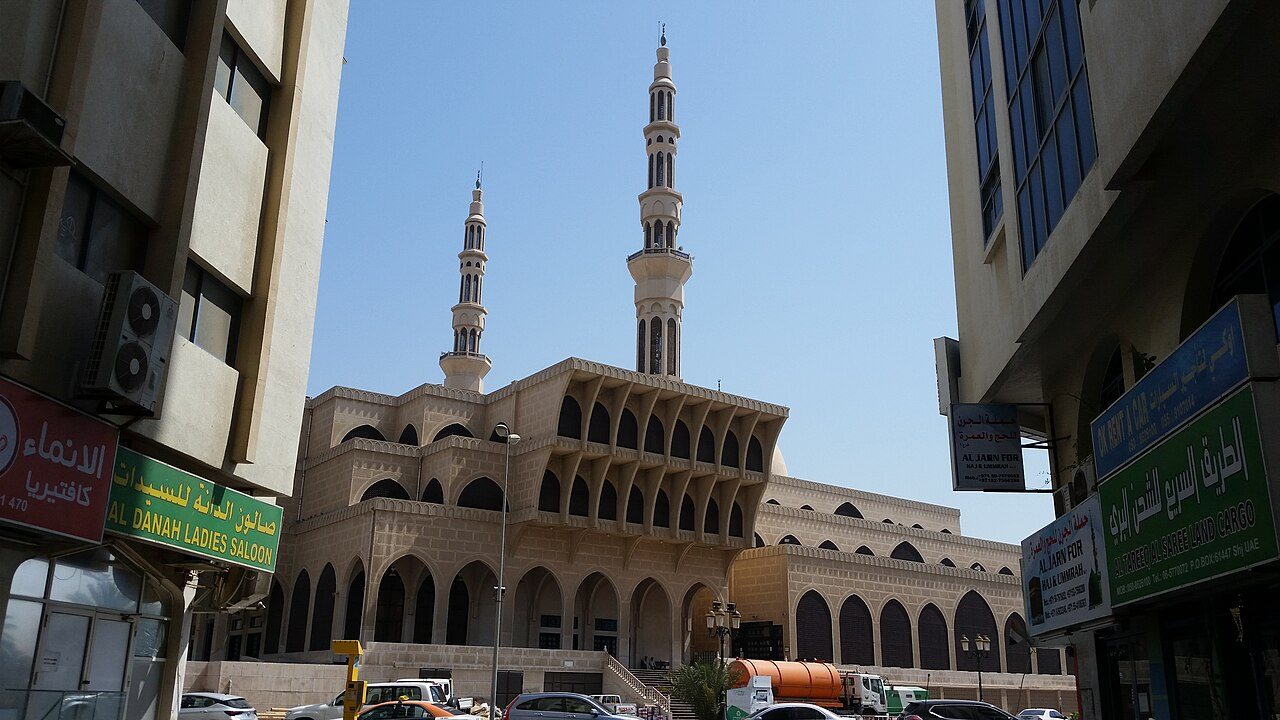
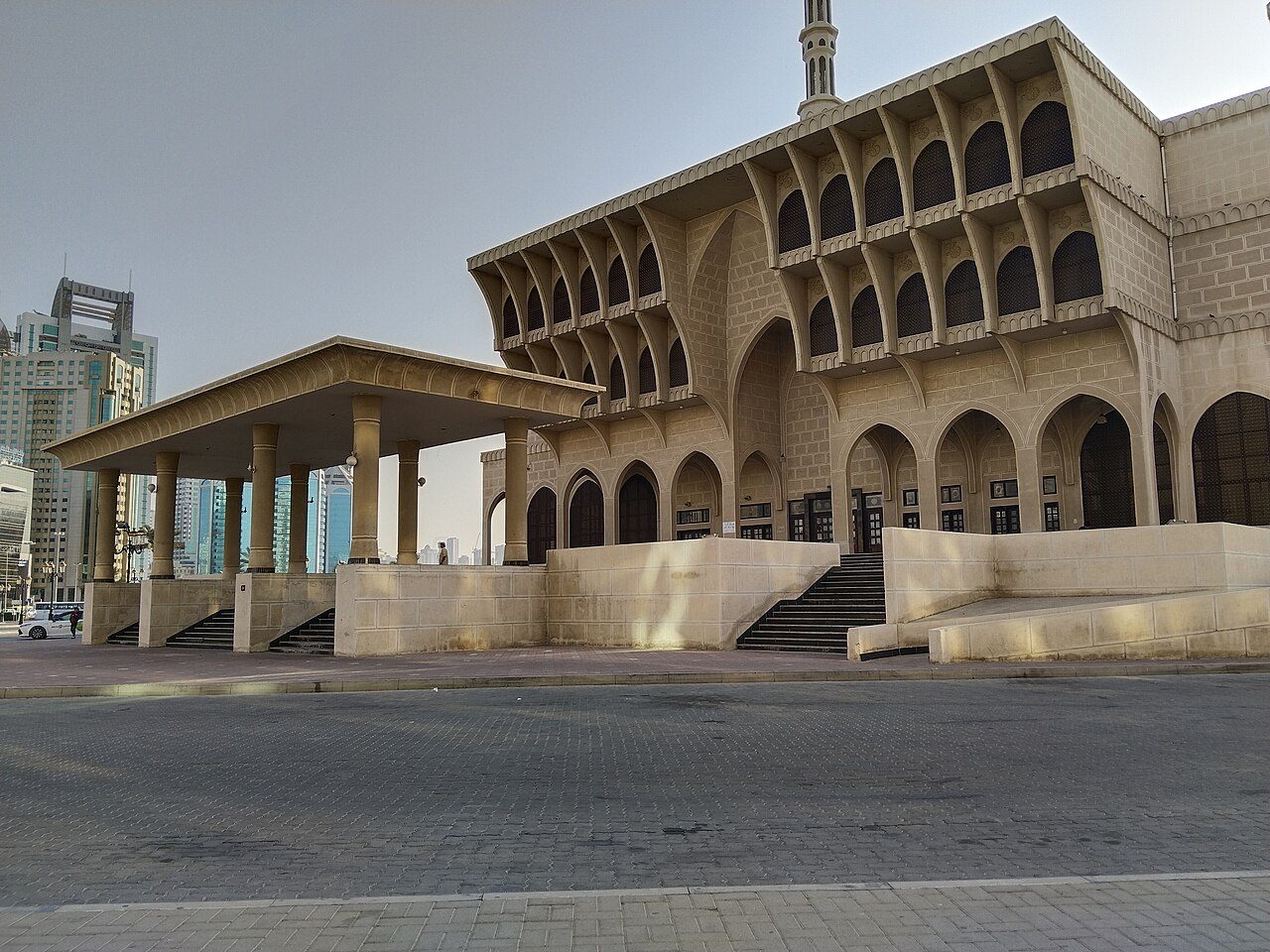
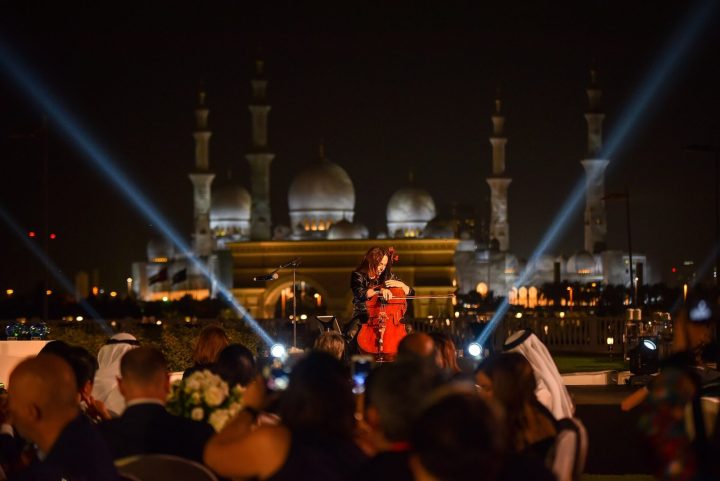
King Faisal Mosque in central Sharjah was opened in 1987 and named after King Faisal of Saudi Arabia, who gave it to the emirate. For many years it was the largest mosque in the UAE, with room for well over ten thousand worshippers. Its modern concrete design has two tall minarets, and it stands beside the Central Souq.
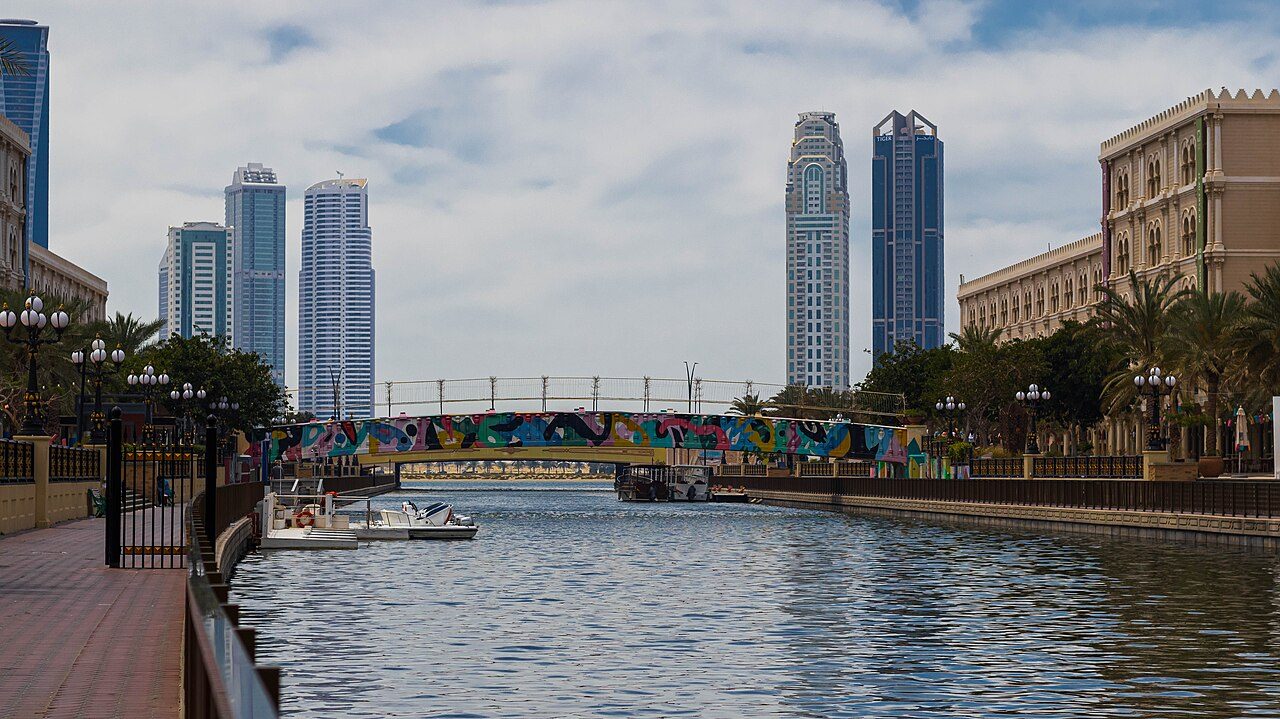
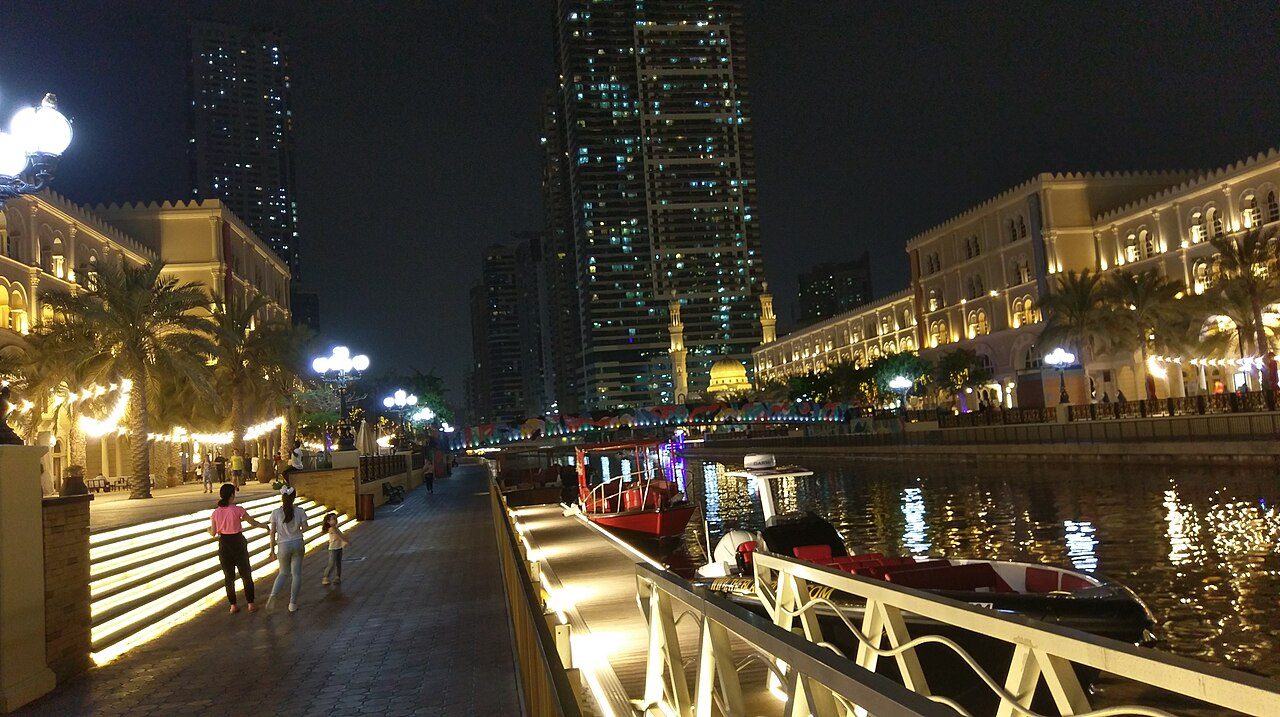
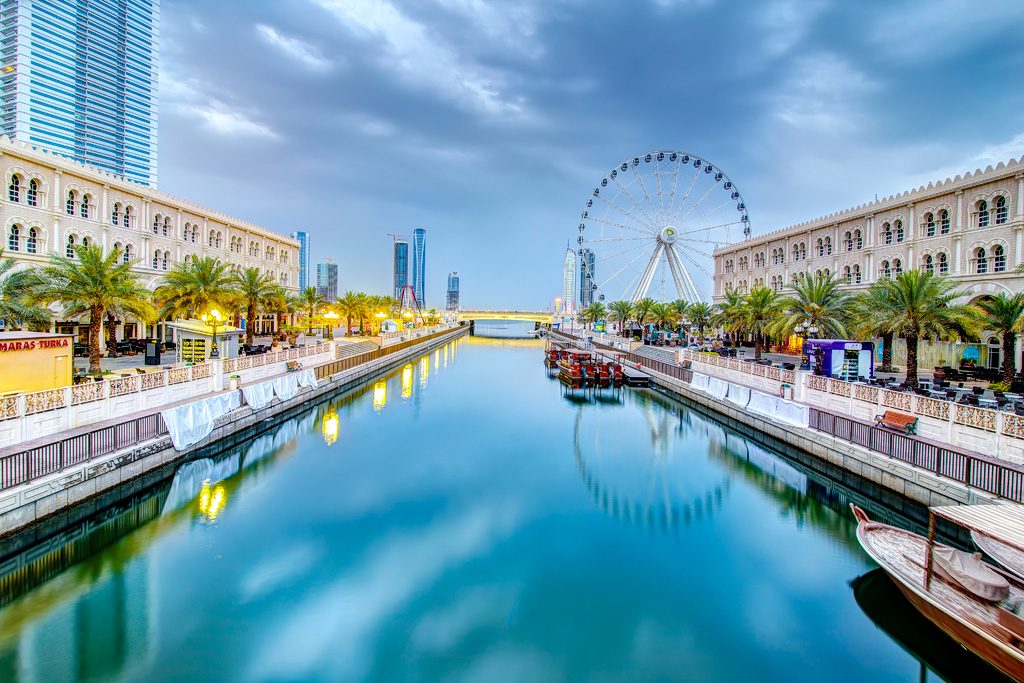
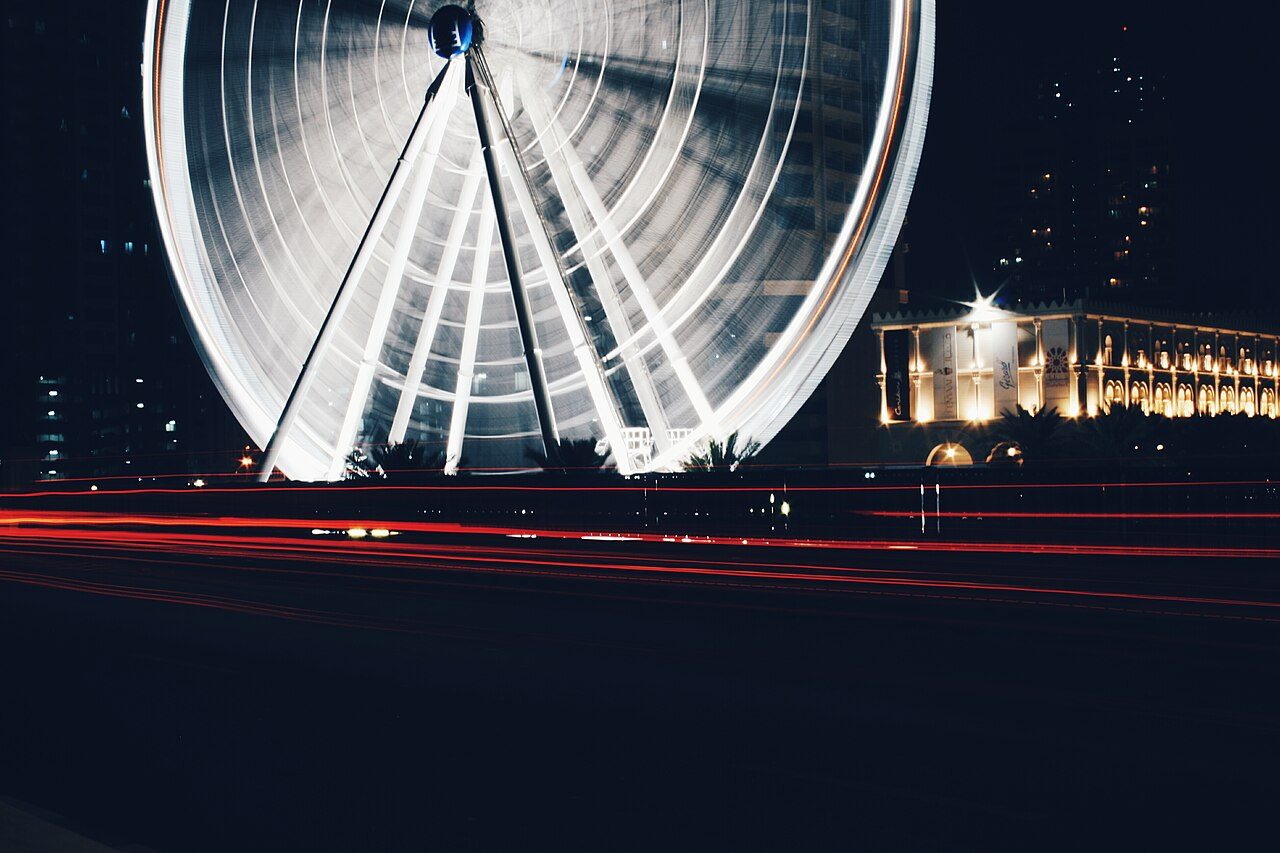
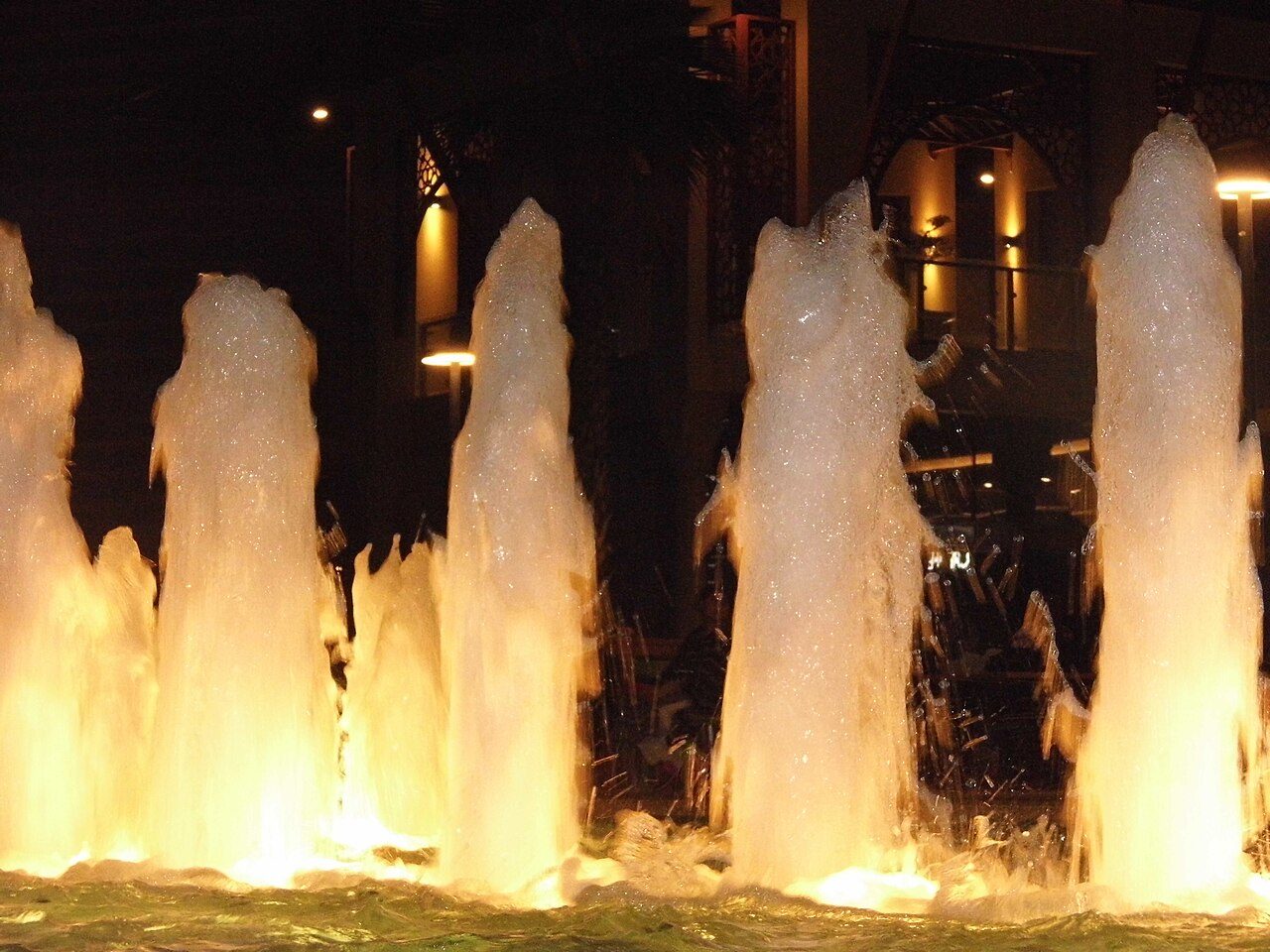
Al Qasba is a canal-side leisure district in Sharjah, built along a waterway about a kilometre long that links two lagoons. Cafes and restaurants line both banks, joined by footbridges, and small boats run along the canal. It has a musical fountain, a theatre, a contemporary art centre and play areas for children.
07
STOP 7 OF 11
Al Majaz Waterfront
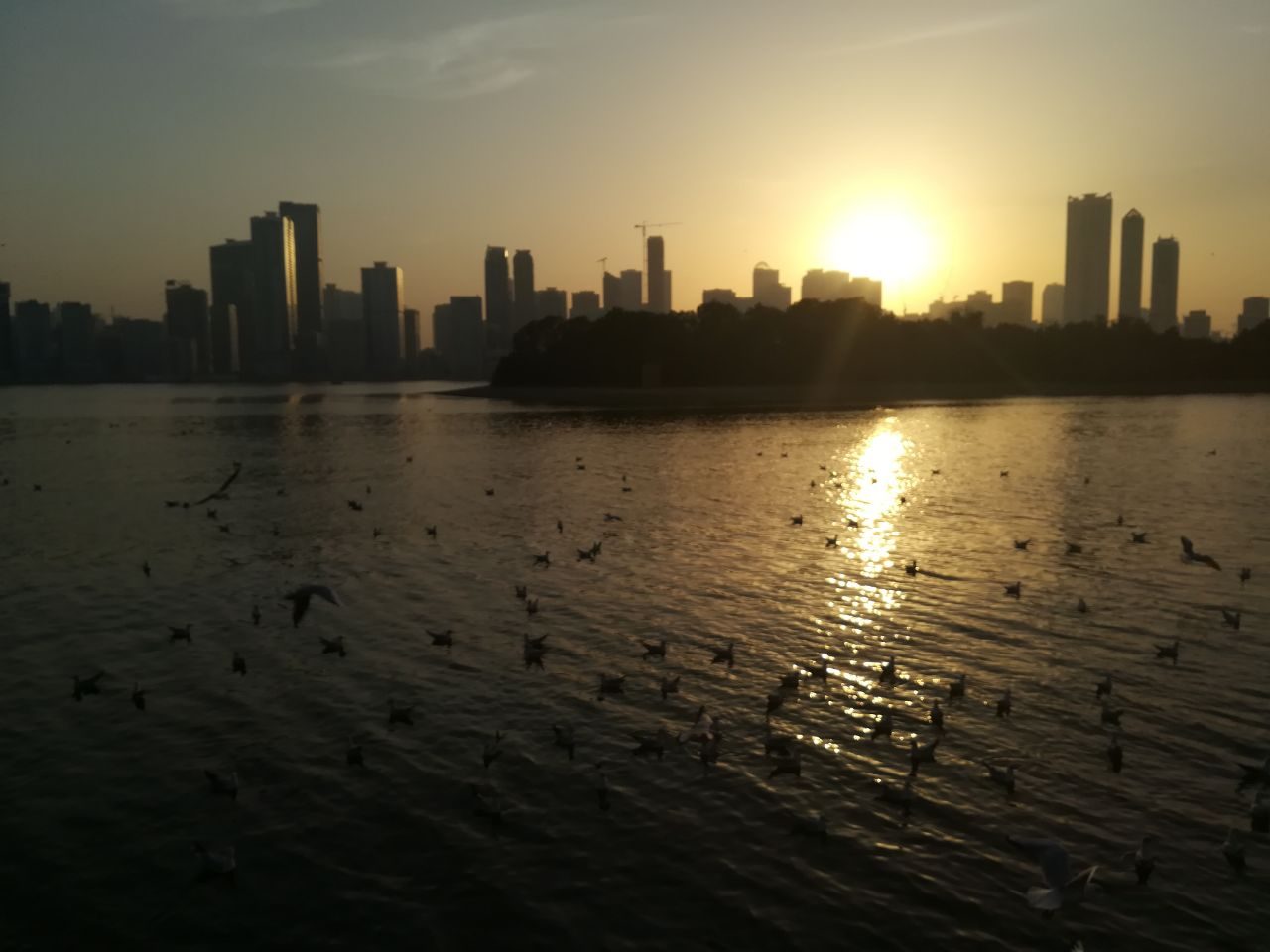
Al Majaz Waterfront is a park on the edge of Khalid Lagoon in central Sharjah. It has lawns, a splash park, mini golf, a jogging track and a row of restaurants facing the water. The Sharjah Fountain in the lagoon gives evening shows of water, light and music. Al Noor Mosque and the Blue Souk are nearby.
08
STOP 8 OF 11
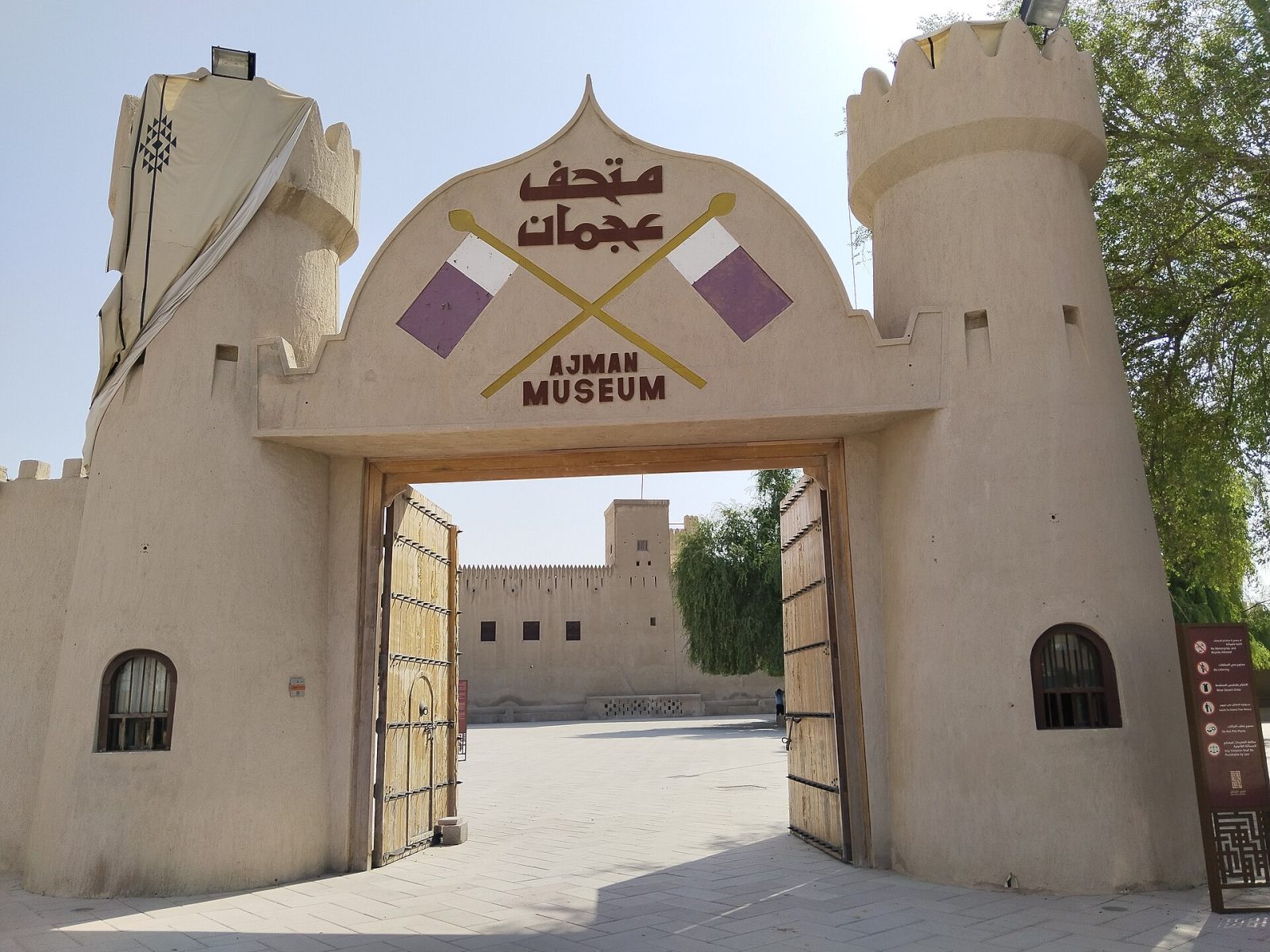
Ajman Museum (Ajman Fort)
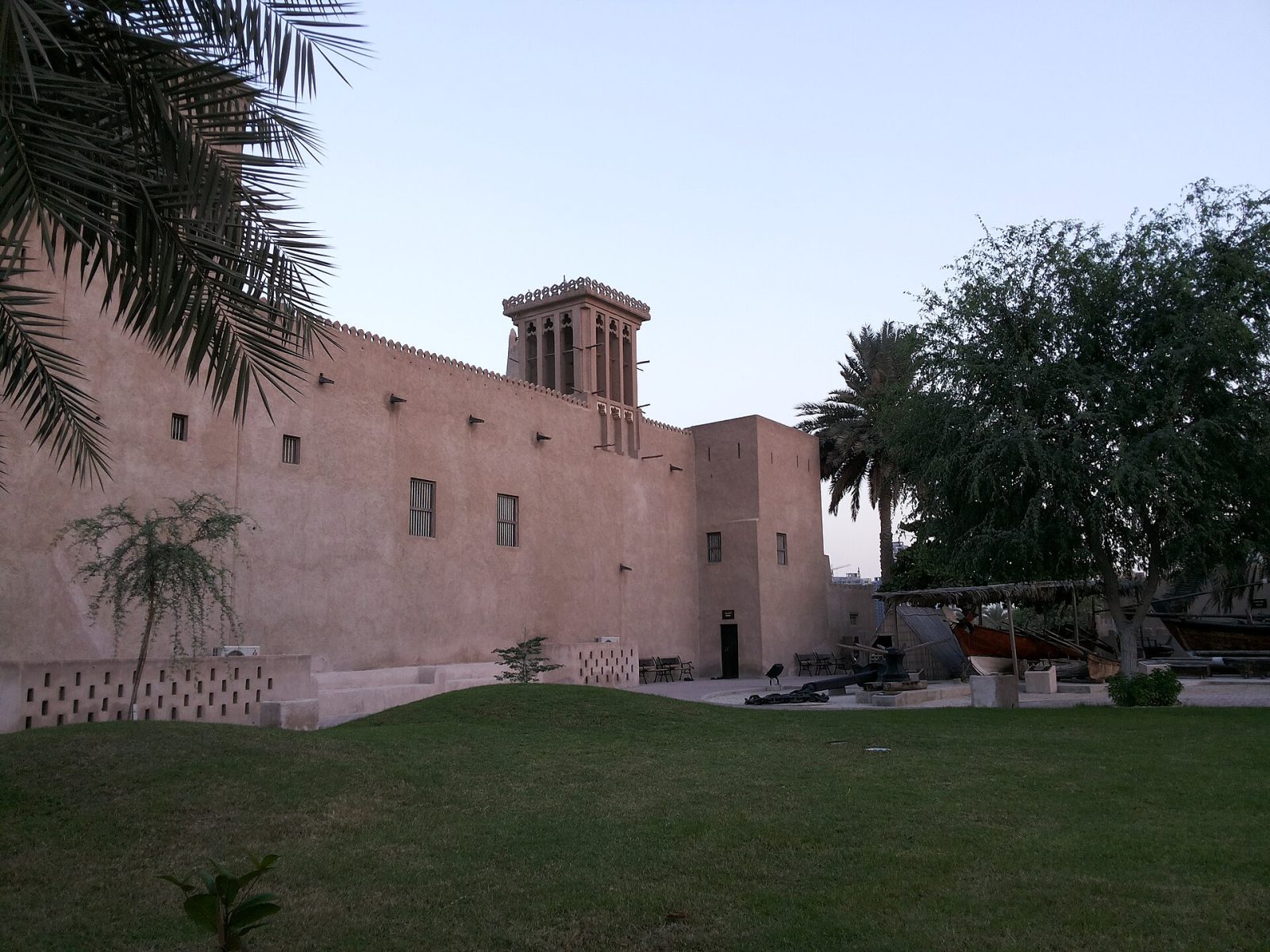
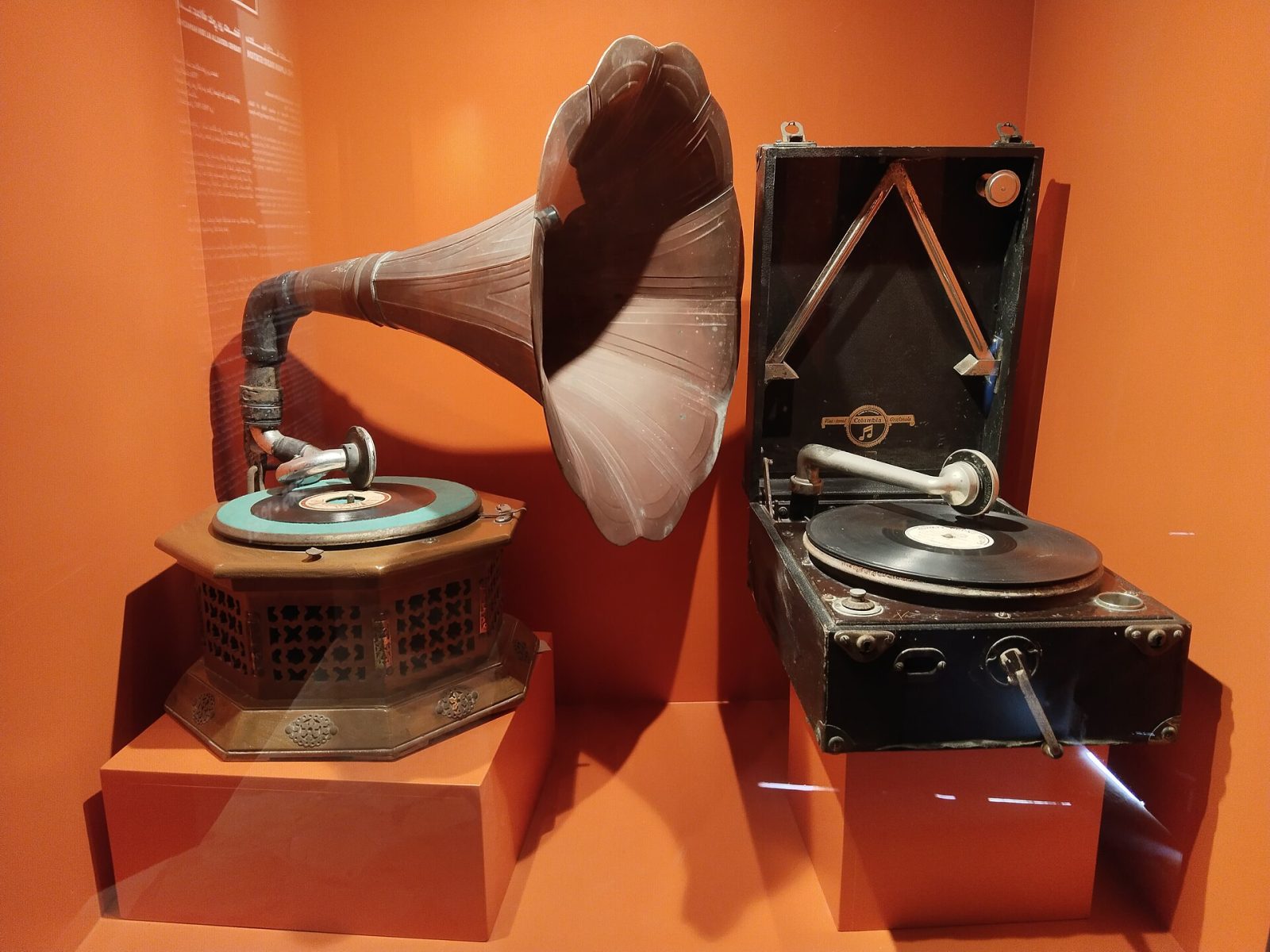
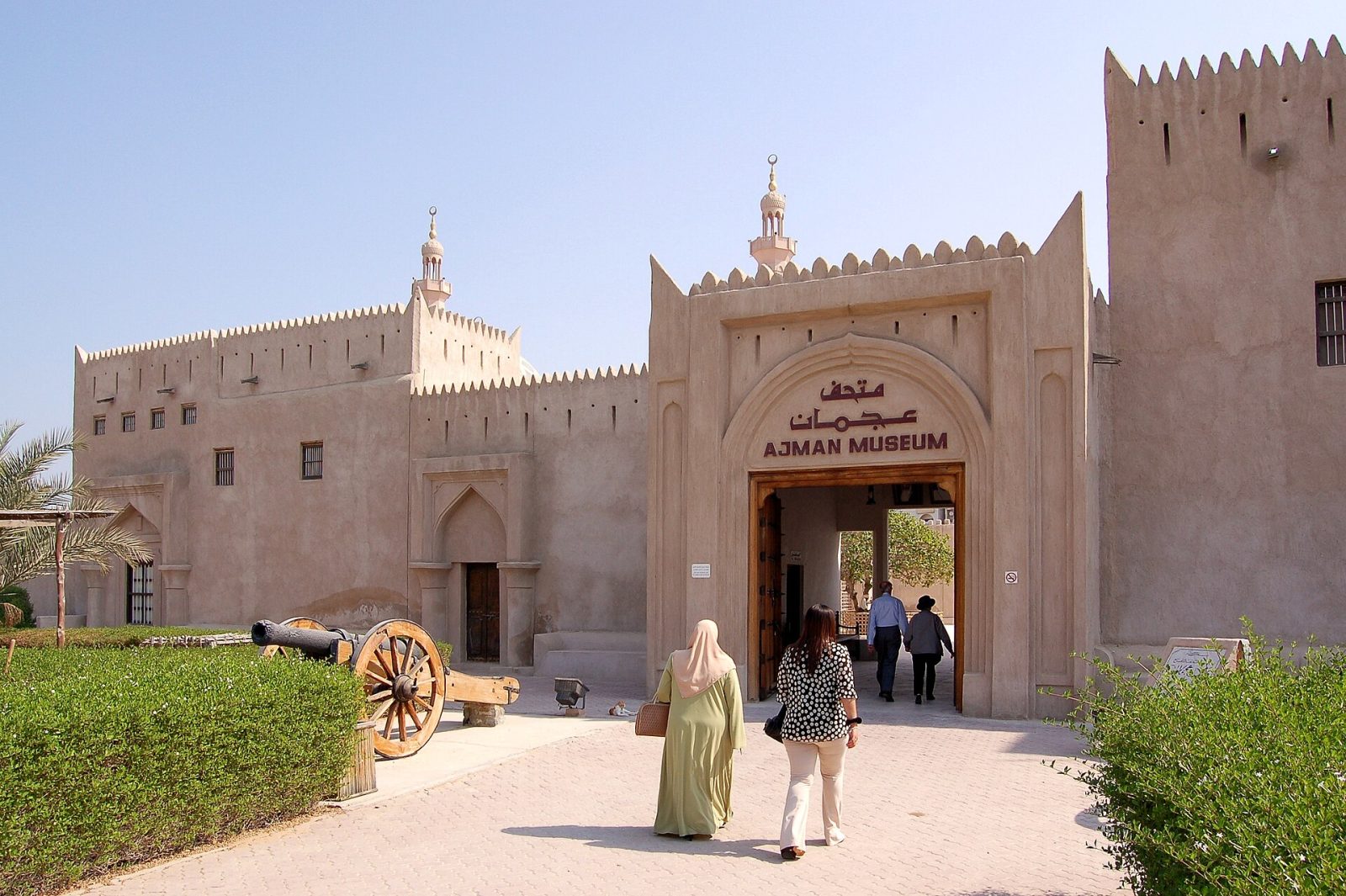
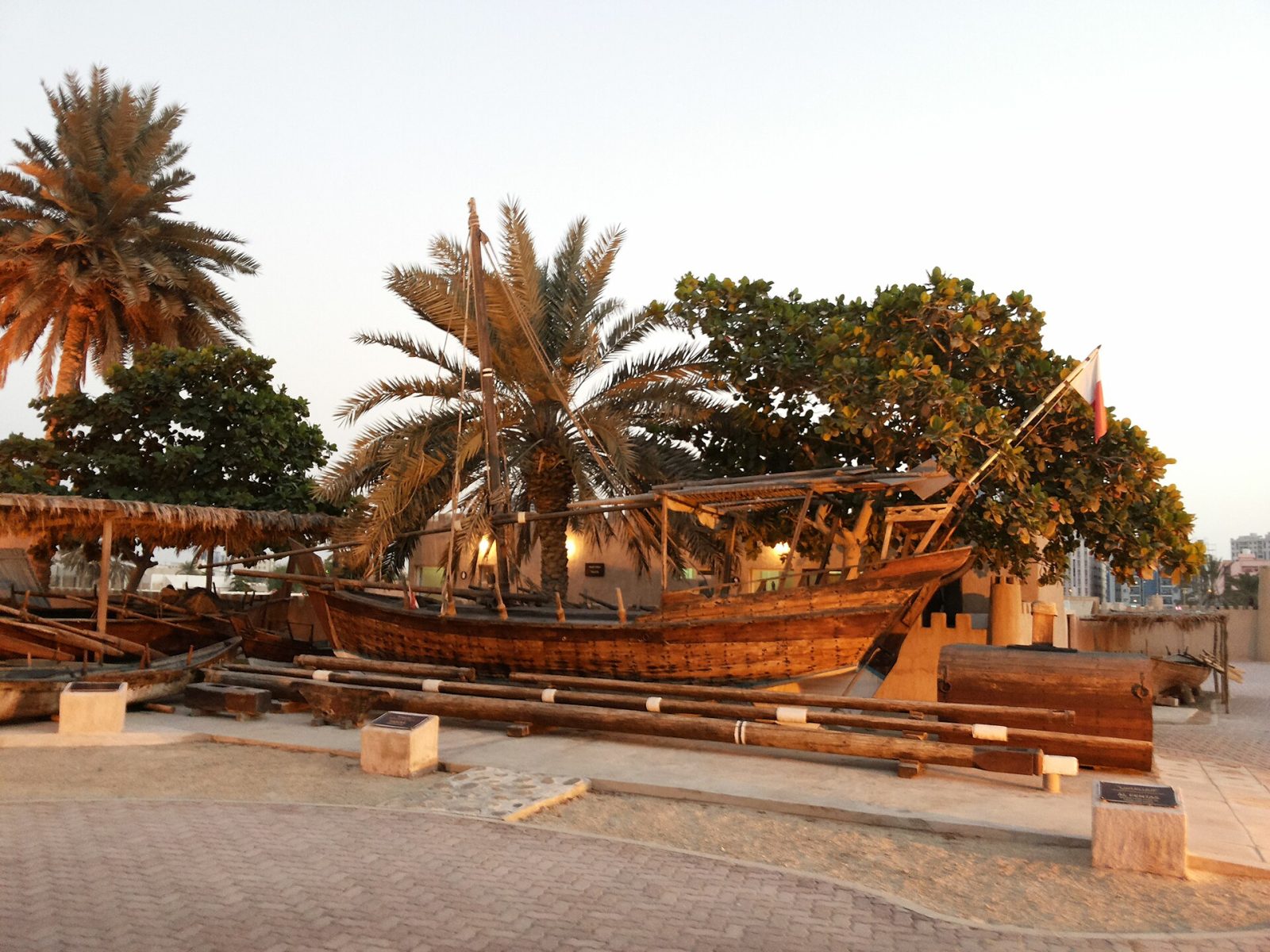
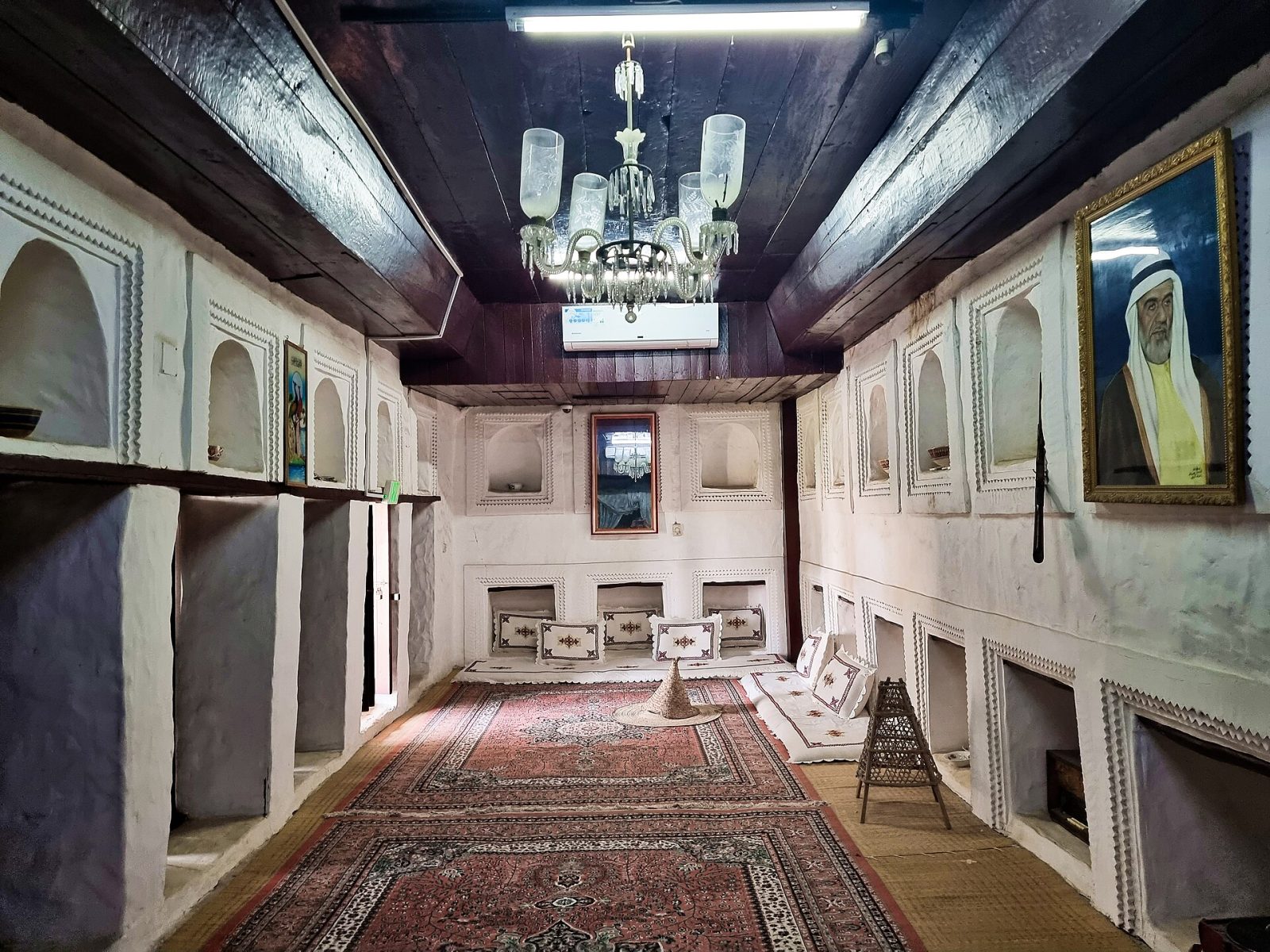
Ajman Museum is housed in the emirate's 18th-century fort, which served as the ruler's residence and later as the police headquarters until 1978. Its mud-brick and coral walls, round watchtowers and wind tower stand in the middle of the old town near the souq. Inside are rooms set out as they once were, along with weapons, manuscripts, archaeological finds from Mowaihat, old passports and the first Ajman police radio equipment. Displays of pearl diving and boat building explain how the town lived before oil. It is small, inexpensive and usually quiet, and closes on Mondays.
09
STOP 9 OF 11
Ajman Corniche Beach
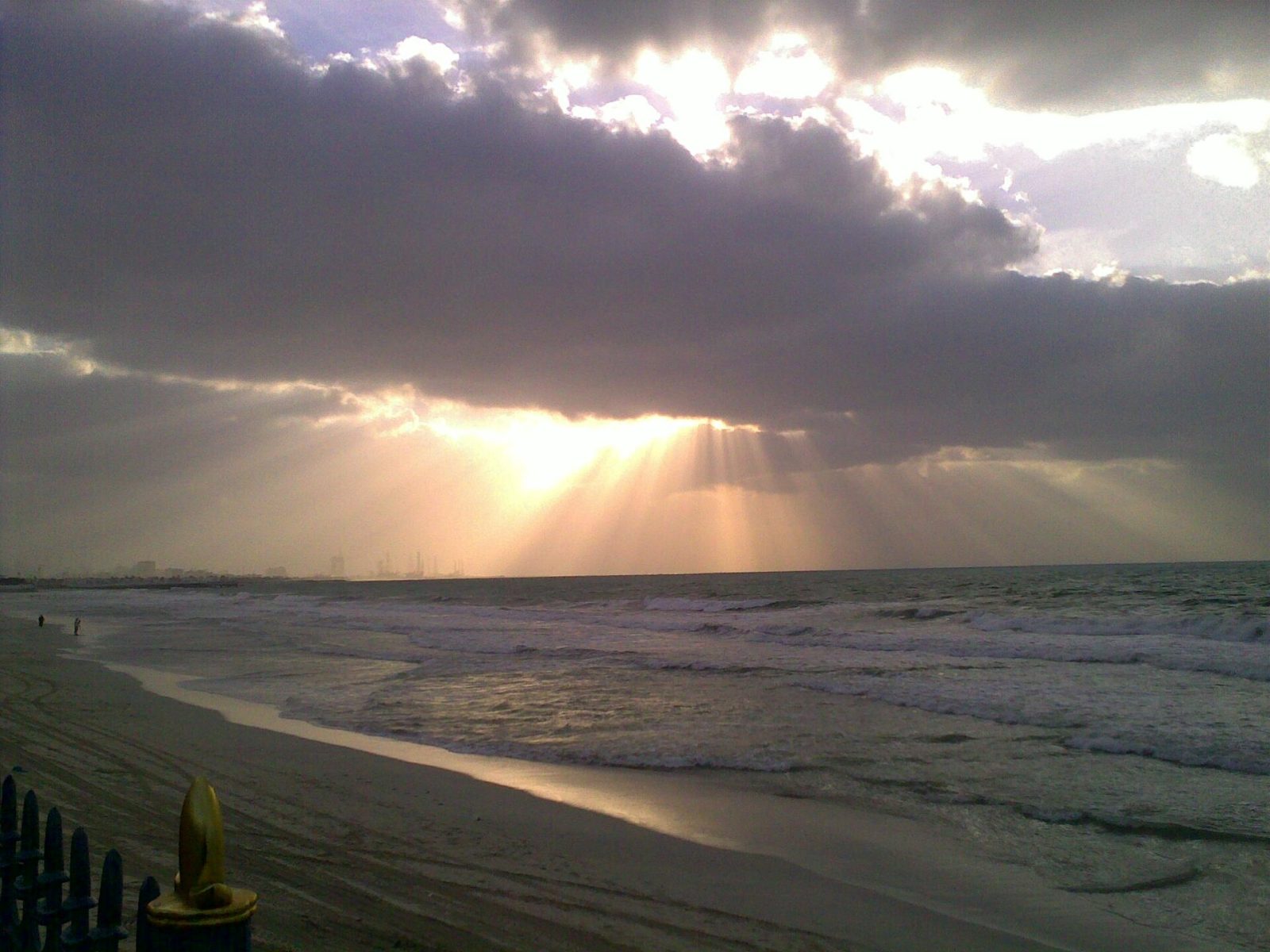
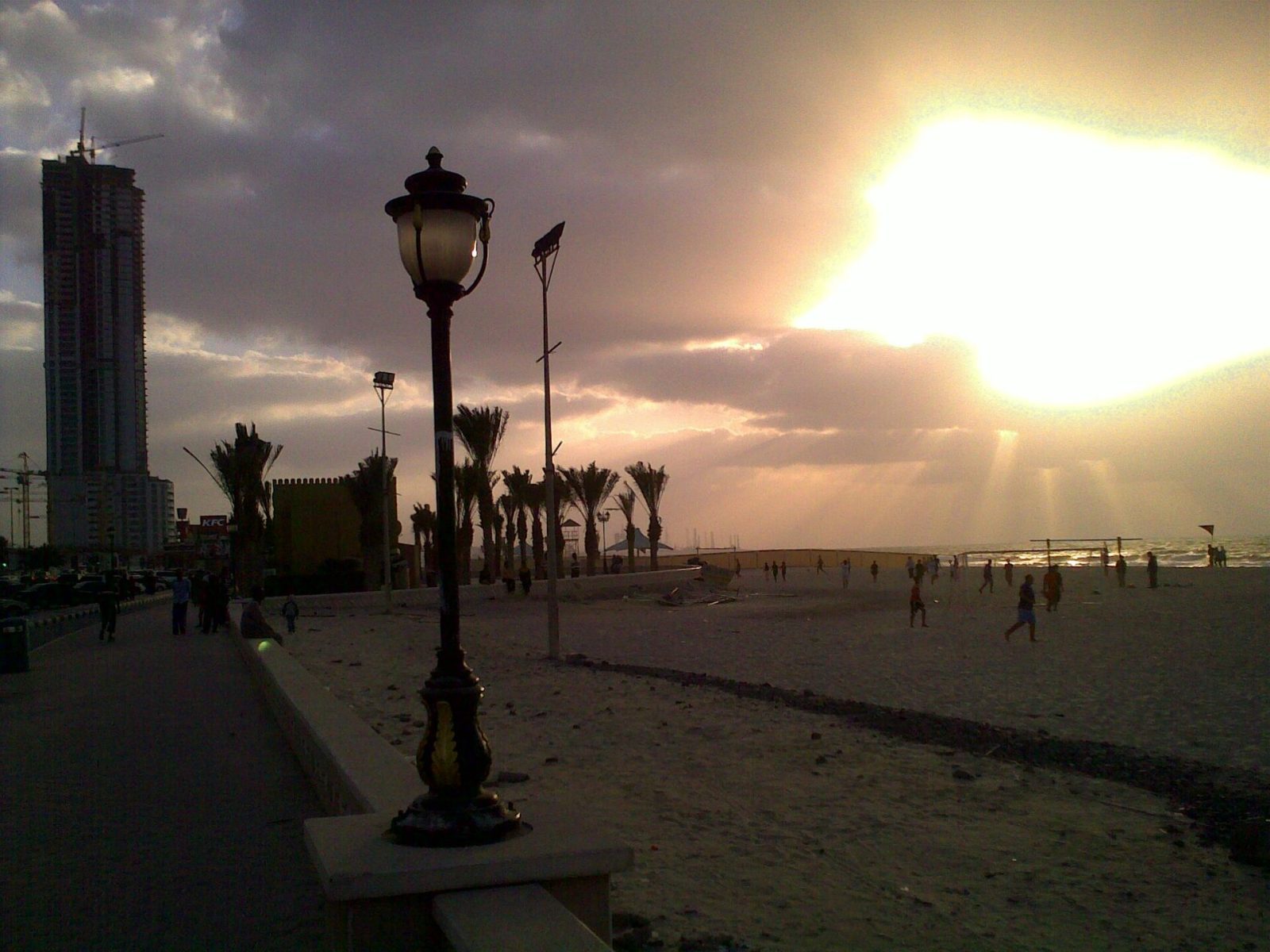
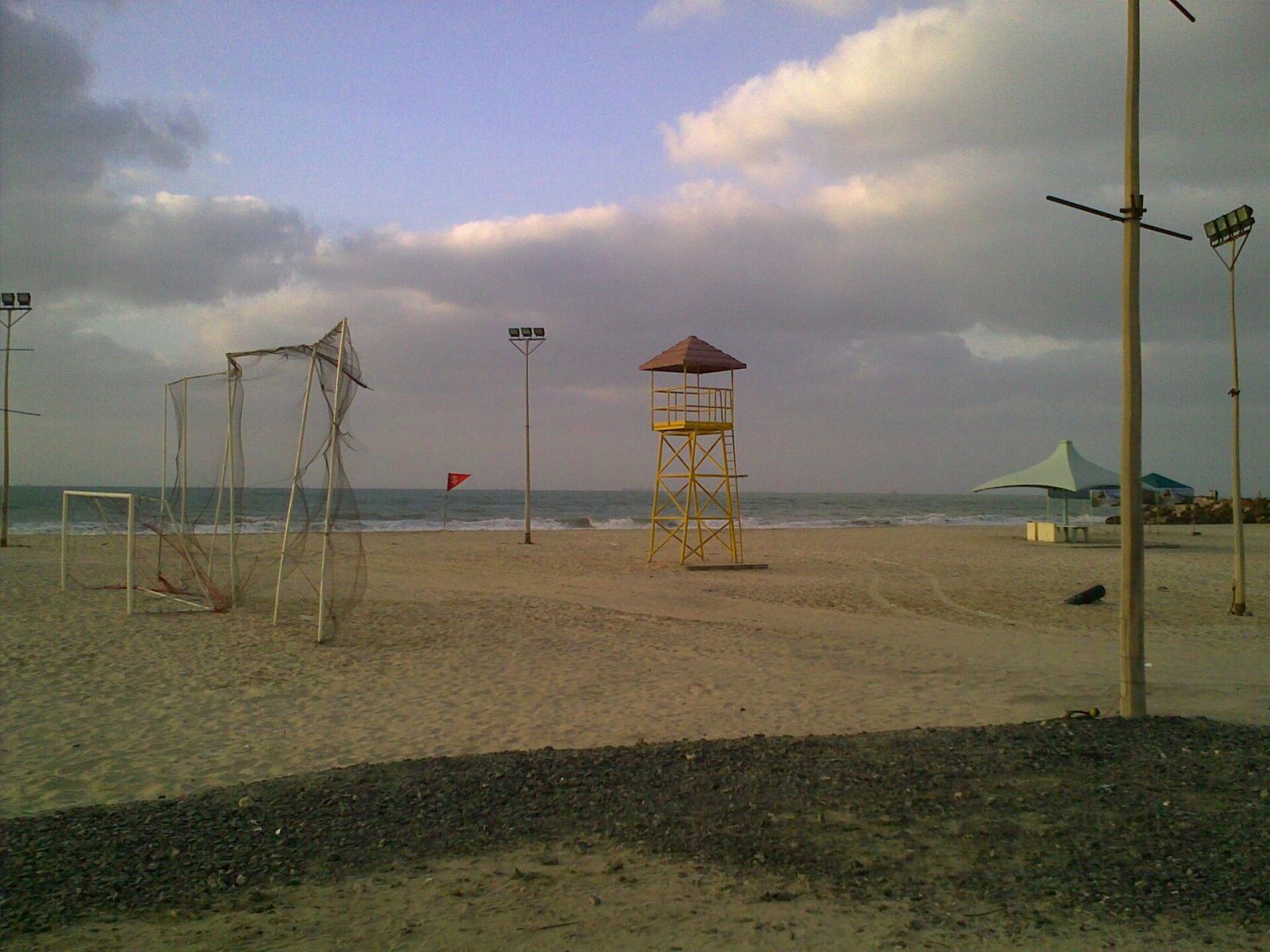
Ajman's Corniche runs along a clean white beach in the smallest emirate of the UAE, a short drive north of Sharjah and Dubai. It is a local favourite because it is free, rarely crowded and lined with a landscaped promenade, play areas and cafes. Fishing boats work from the creek at one end, where the dhow-building yard still makes wooden vessels by hand, one of the last in the region. Sunsets here face straight out over the Gulf. Weekday evenings are quiet; Fridays and public holidays bring big family crowds.
10
STOP 10 OF 11
Umm Al Quwain Fort
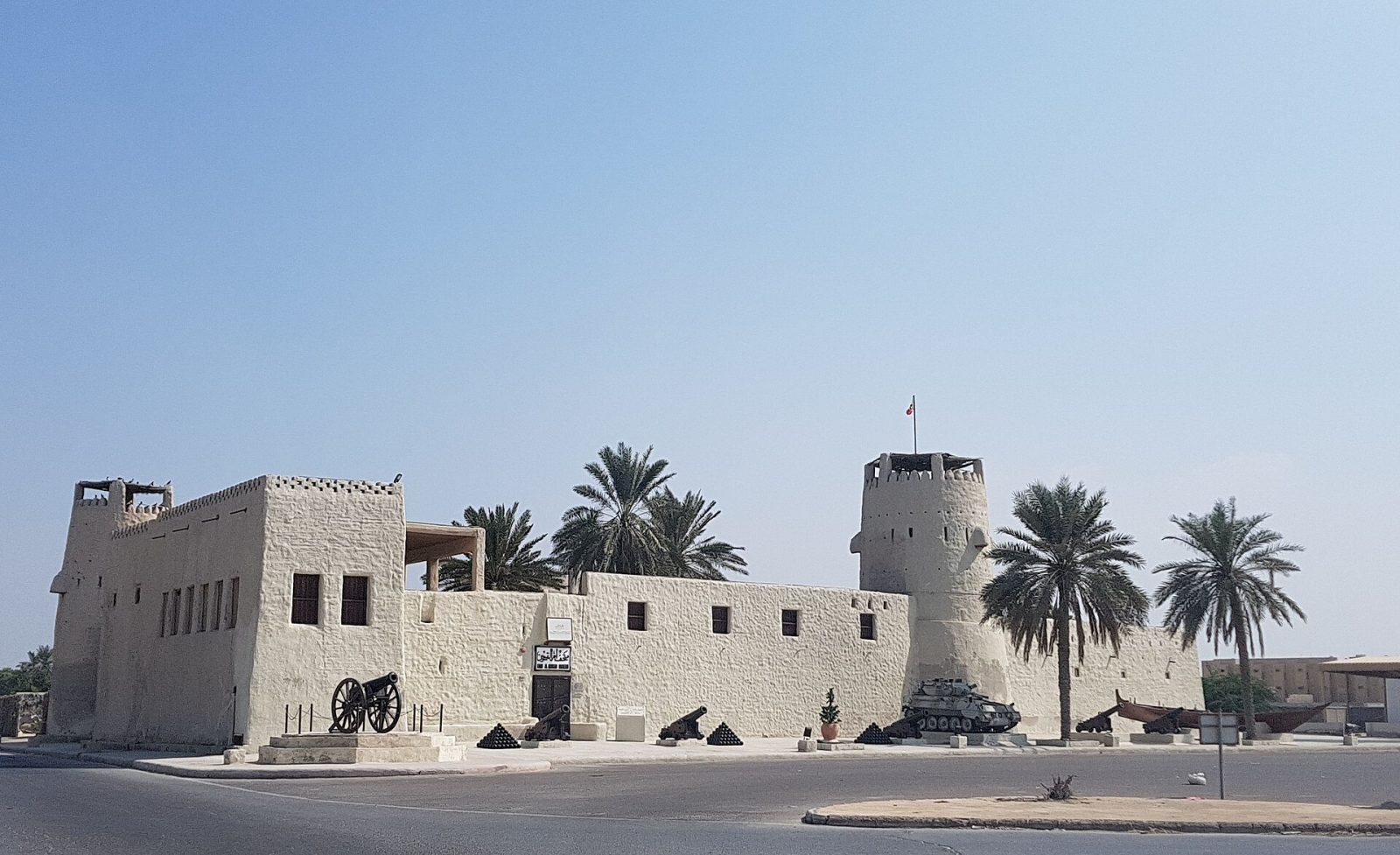
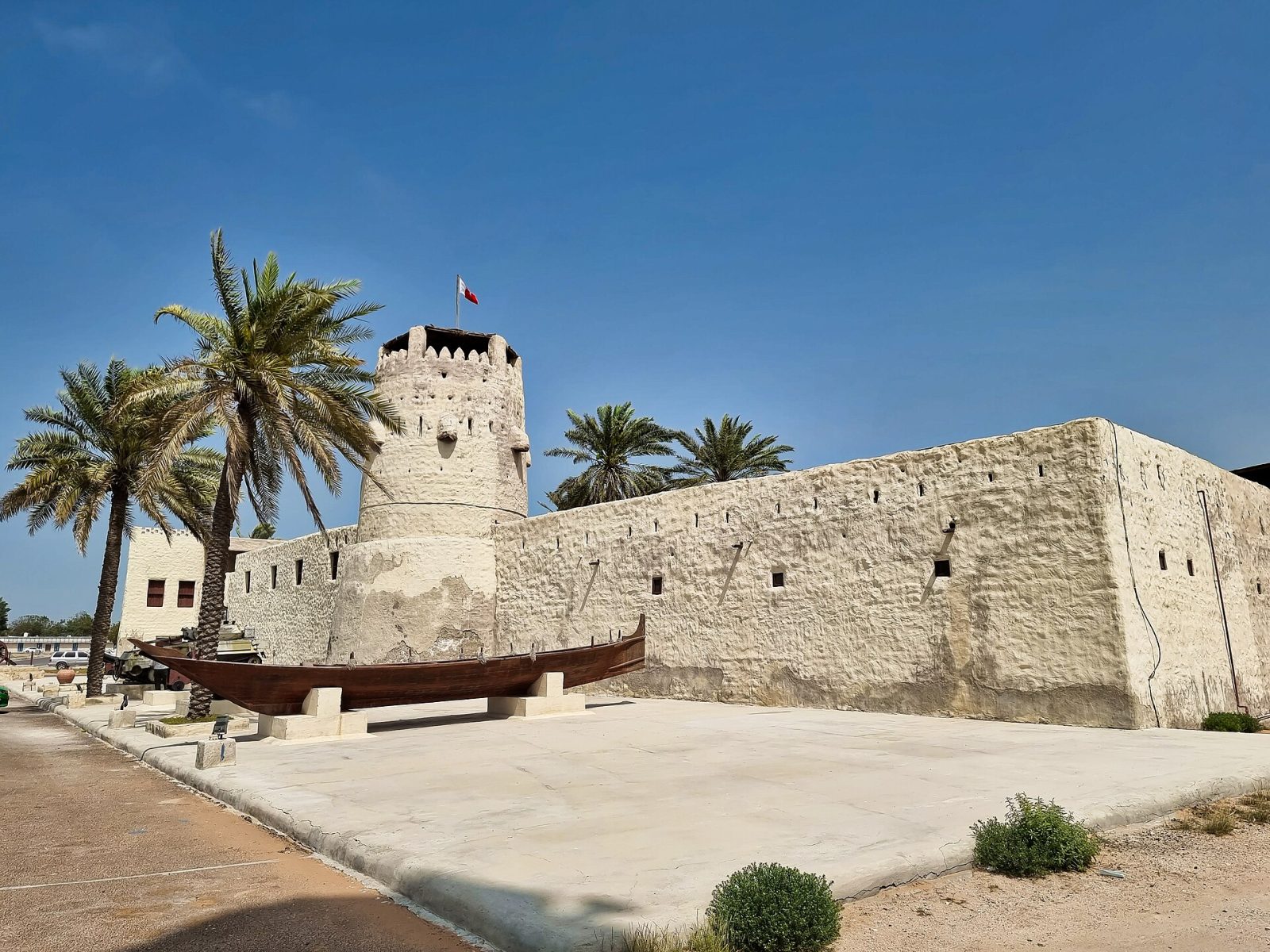
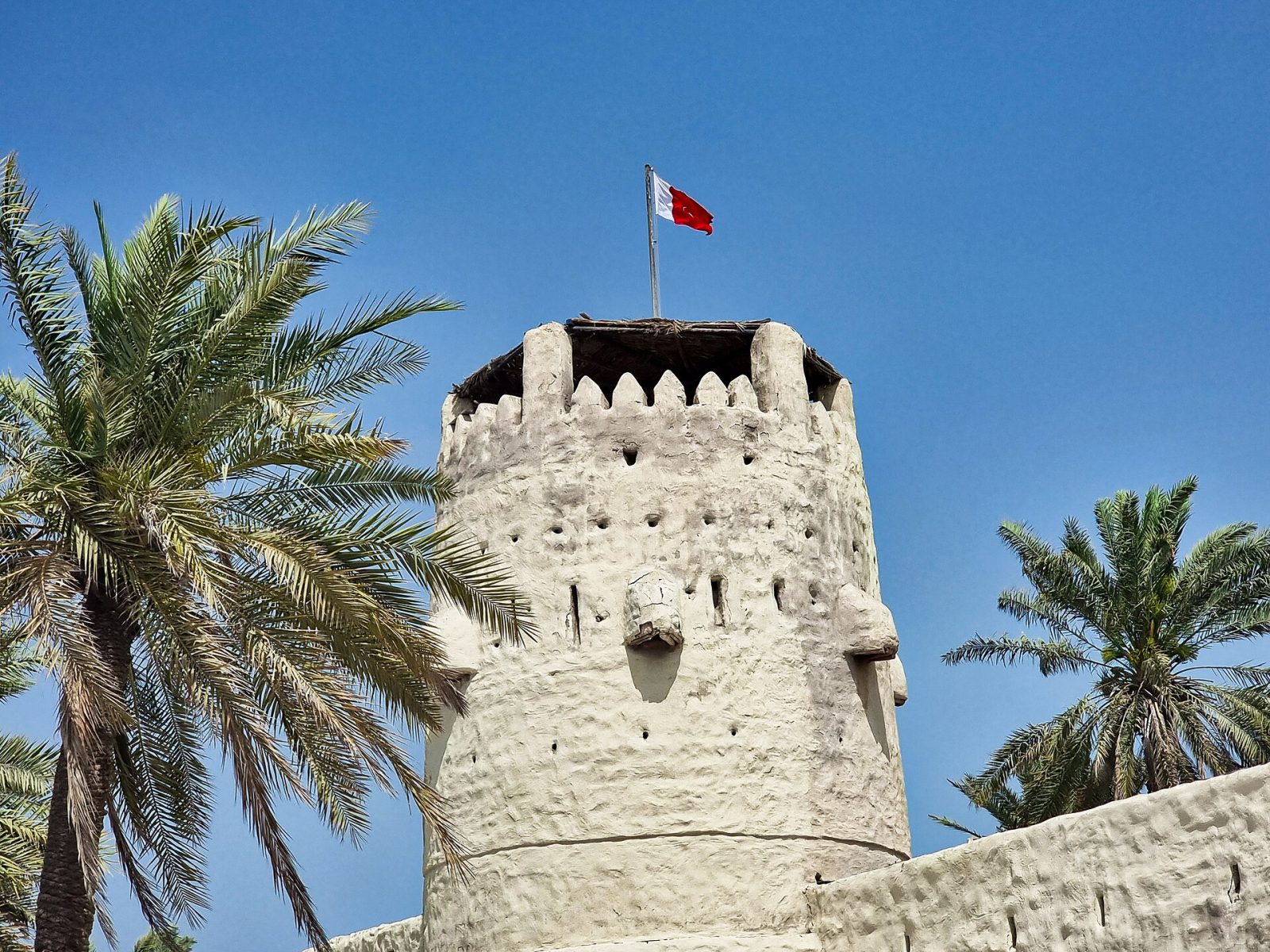
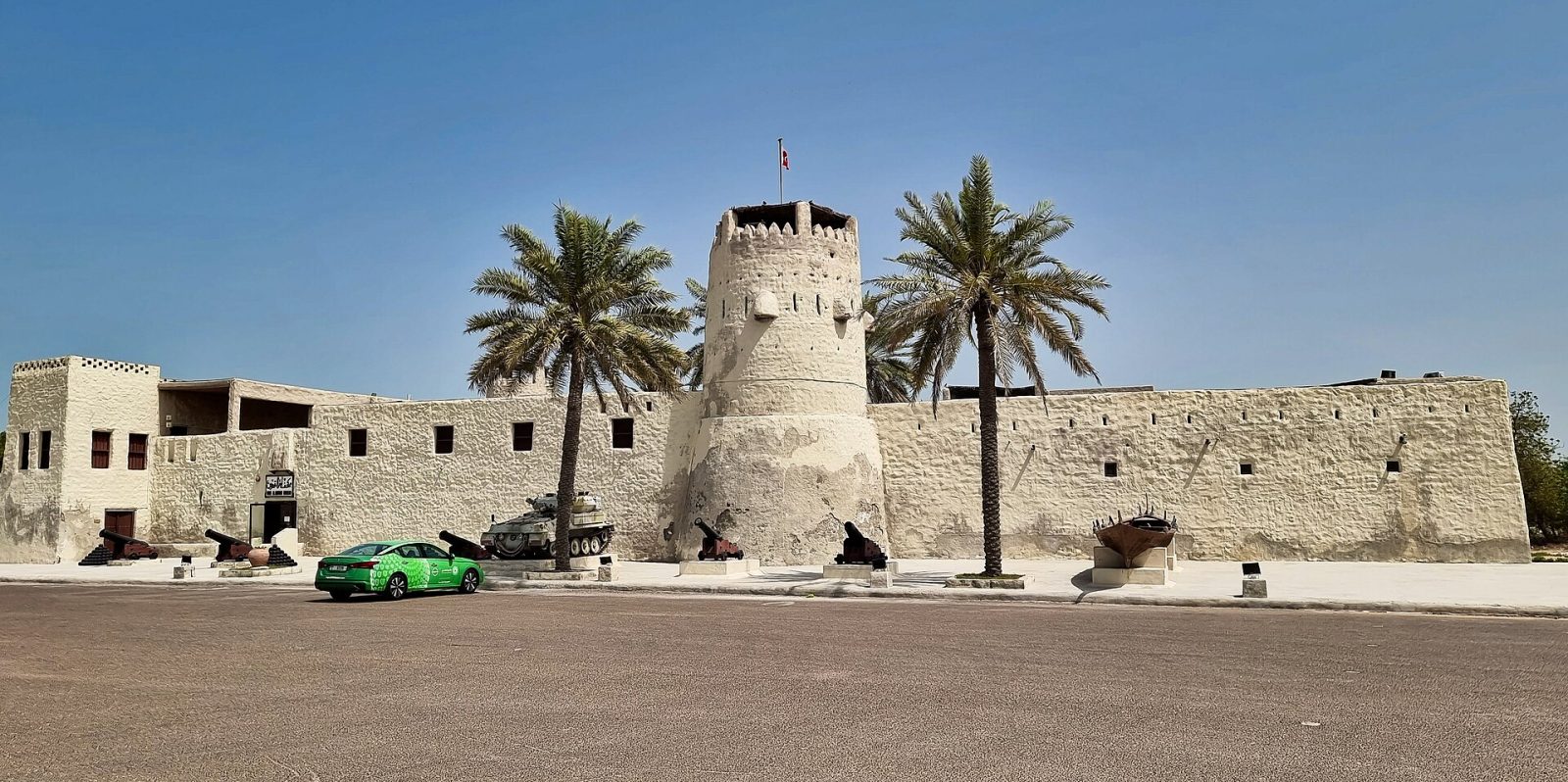
Umm Al Quwain Fort was built around 1768 at the entrance to the old town on the peninsula between the creek and the sea, and it was the residence of the ruling Al Mualla family until 1969. Its coral-stone and mud-brick walls, two round towers and one square tower guarded the harbour and the pearling fleet that supported the emirate. The building later served as a police station and was restored in the 1990s as the national museum of Umm Al Quwain. Inside are archaeological finds from Ed-Dur, one of the largest pre-Islamic sites in the Gulf, along with weapons, jewellery and pearling tools. The old town around it is quiet and easy to walk.
11
STOP 11 OF 11 · LAST STOP
Umm Al Quwain Mangroves
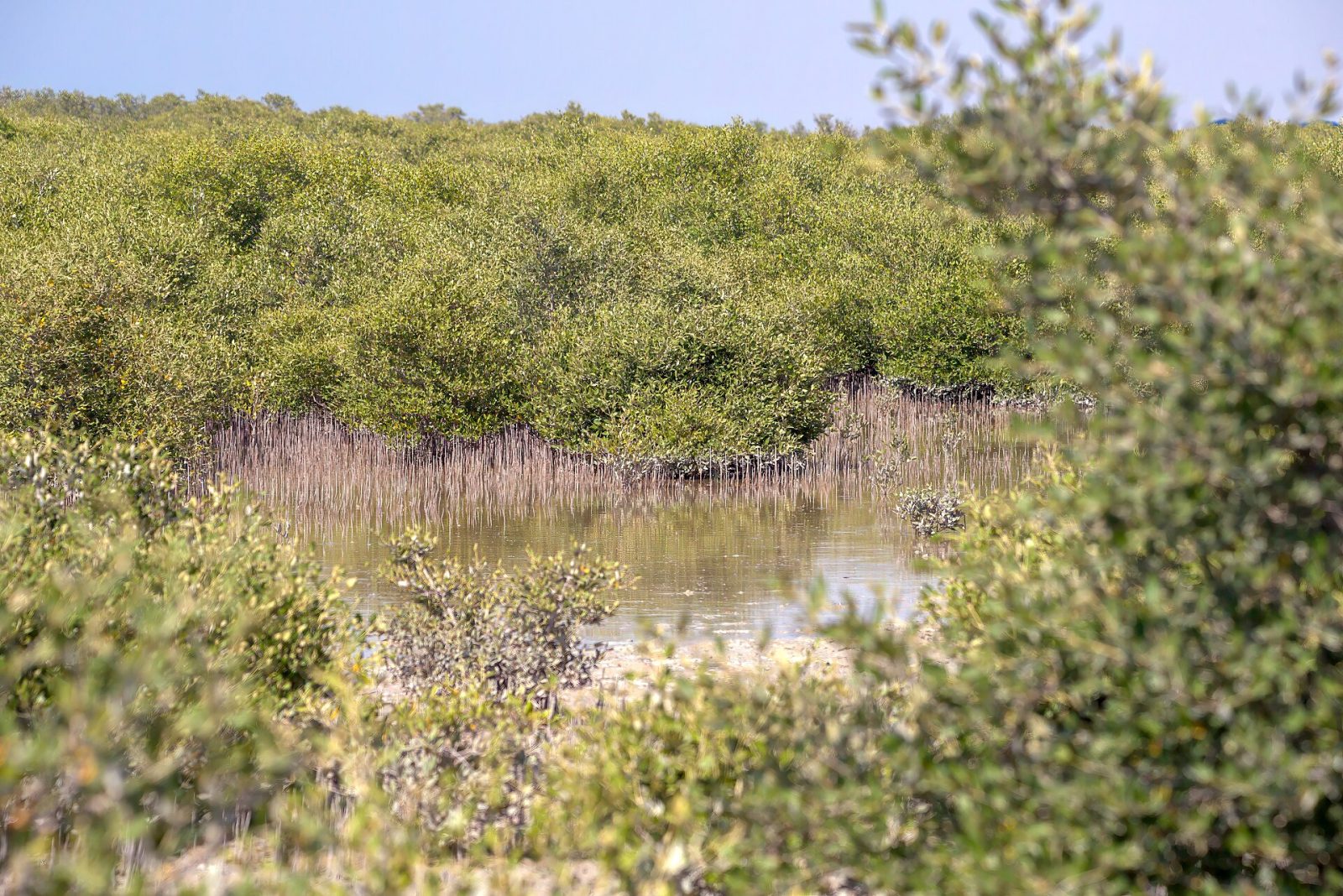
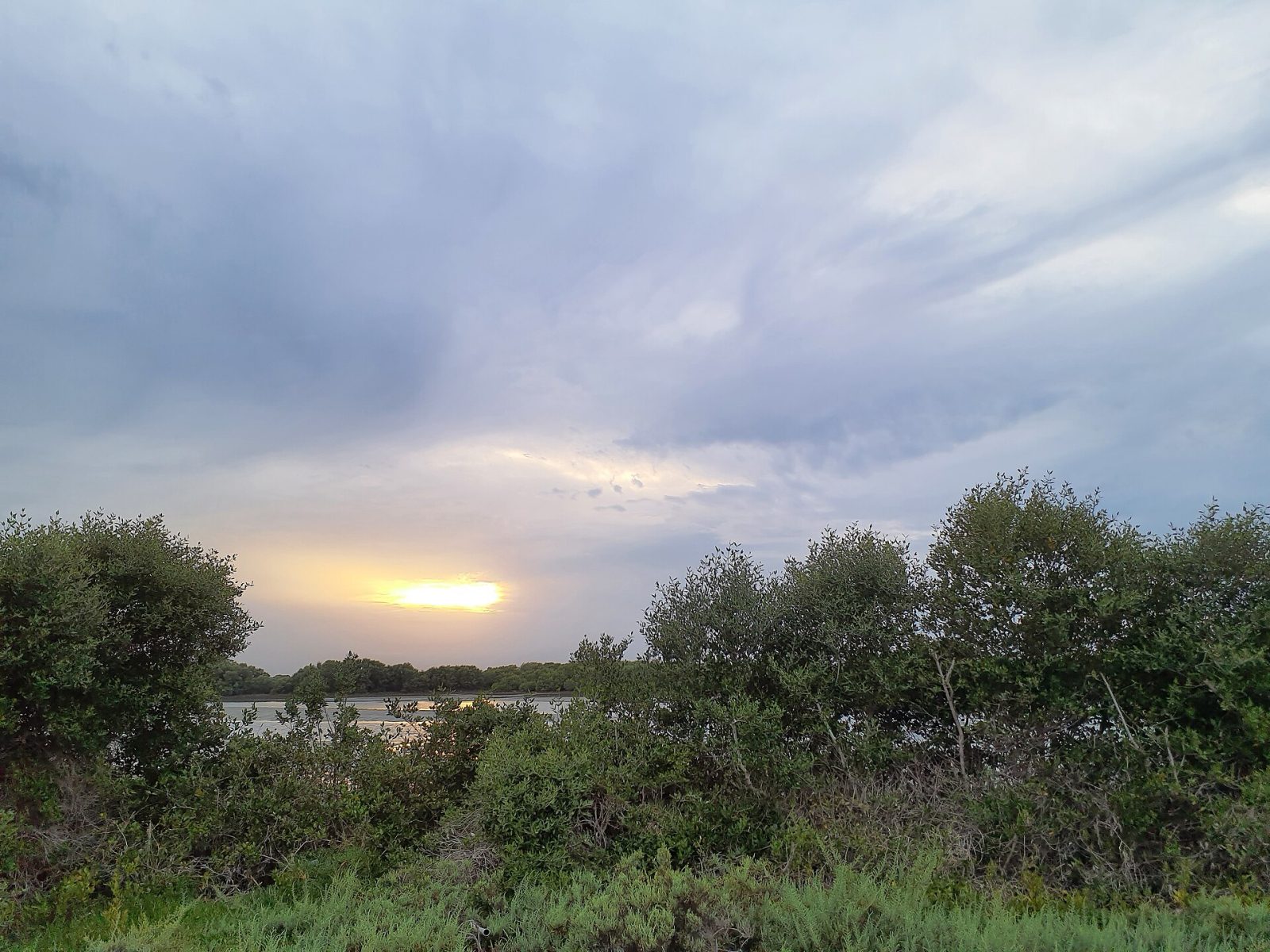
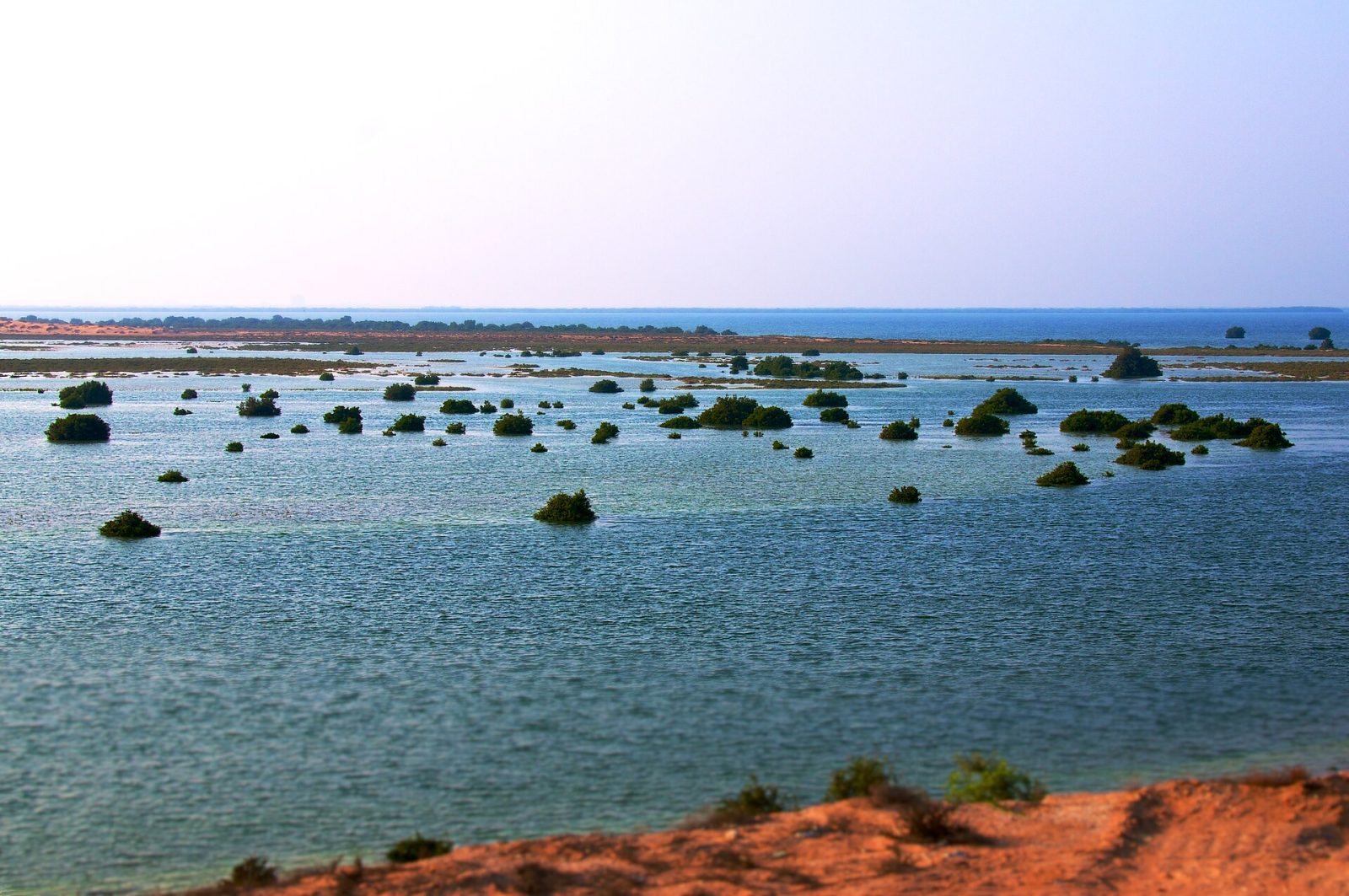
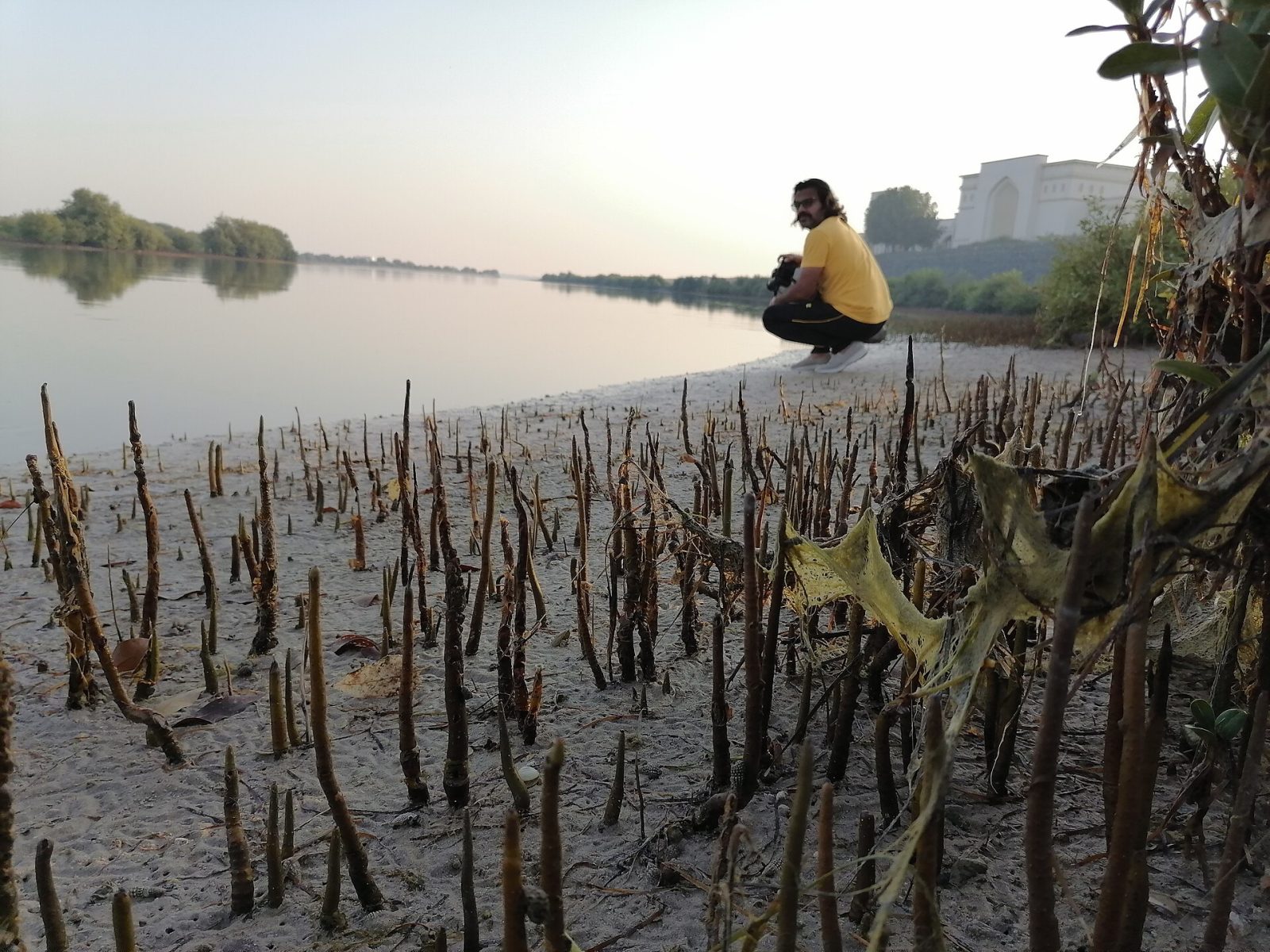
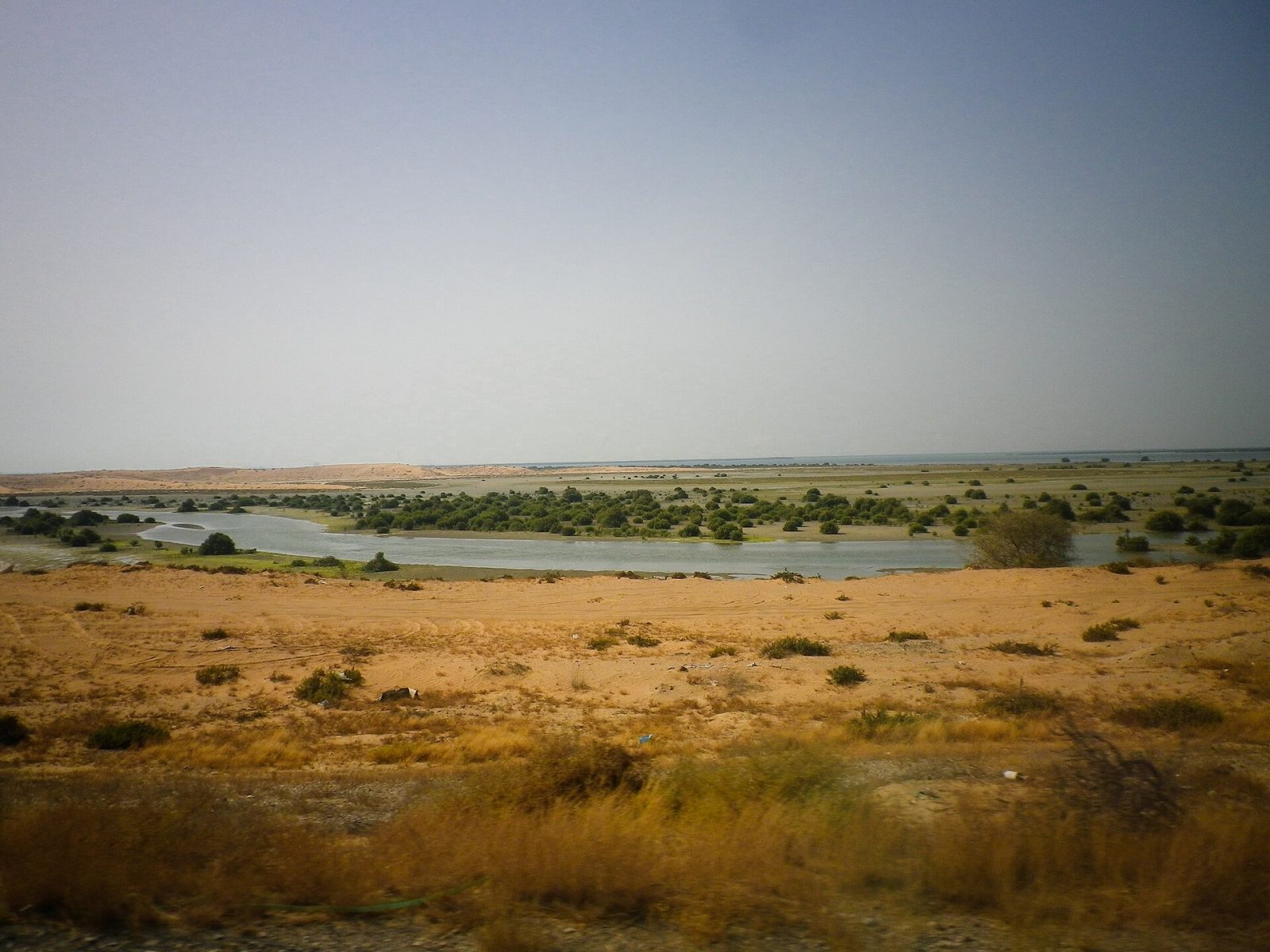
The mangrove lagoons of Umm Al Quwain, around Khor Al Beidah, form one of the largest and least disturbed wetlands in the UAE. Grey mangroves grow in the shallow creeks, holding the mud together and sheltering crabs, juvenile fish and shrimp, and flamingos, herons and the rare Socotra cormorant feed on the flats. Kayak trips thread the channels at high tide, the quietest way to see the birds, and a mangrove park on the edge of town has boardwalks. The old fishing harbour and the abandoned island settlement of Al Sinniyah lie within the same lagoon system. Early morning is best, especially between November and March.
Seasons from 20 years of NASA POWER climate data.
 WaTrips