Gyeongbokgung, Bukchon, Jongmyo, Jogyesa, Changdeokgung, Deoksugung, Myeongdong Cathedral, the National Museum, N Seoul Tower, Bongeunsa and Dongdaemun.
Seoul's five Joseon palaces sit beside glass towers and street food markets. Start at Gyeongbokgung (try a hanbok and enter free), walk the hanok alleys of Bukchon, and visit the royal shrine of Jongmyo and Jogyesa temple. See Changdeokgung's Secret Garden, Deoksugung and Myeongdong Cathedral. Spend a day at the superb National Museum and the War Memorial, then ride up to N Seoul Tower. Finish at Bongeunsa temple among Gangnam's towers, the Lotte World Tower and the curving Dongdaemun Design Plaza at night.
01
STOP 1 OF 14
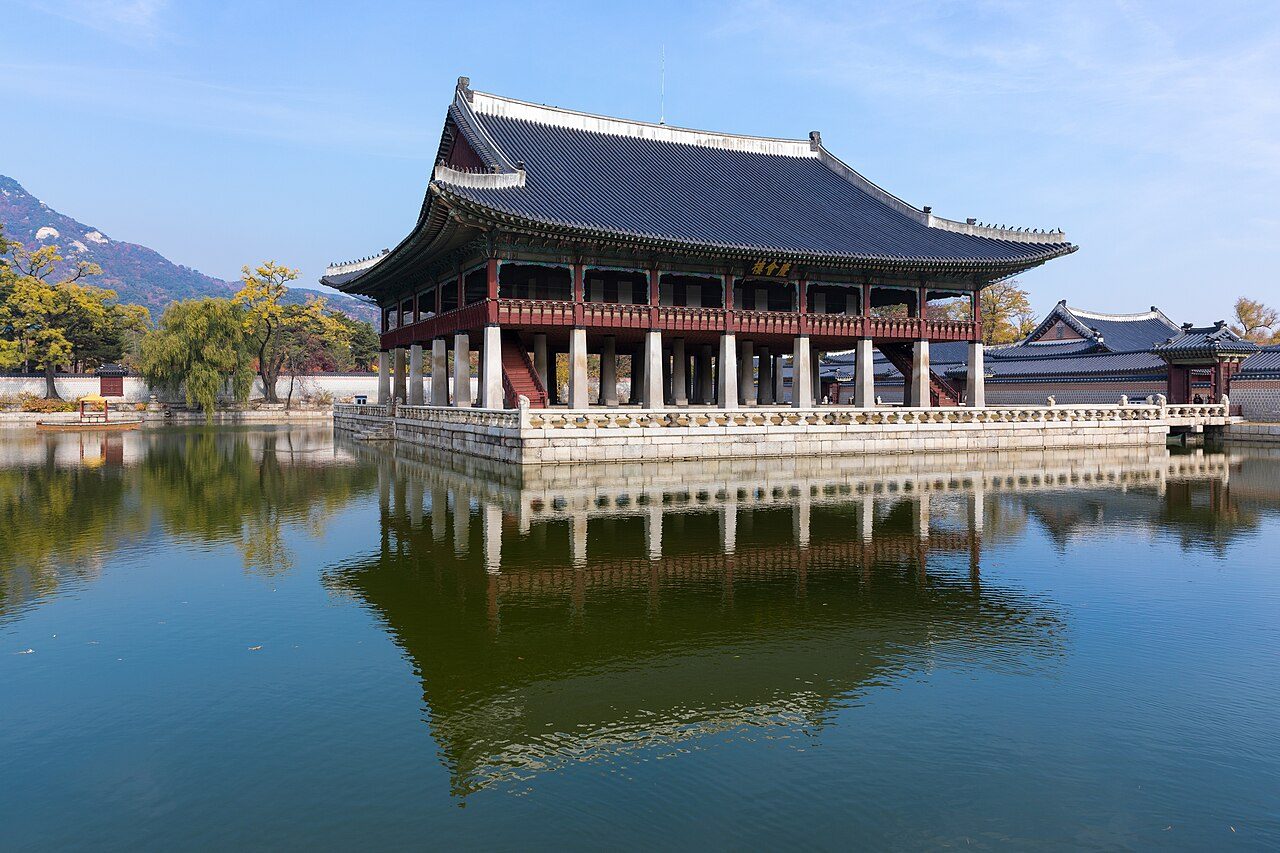
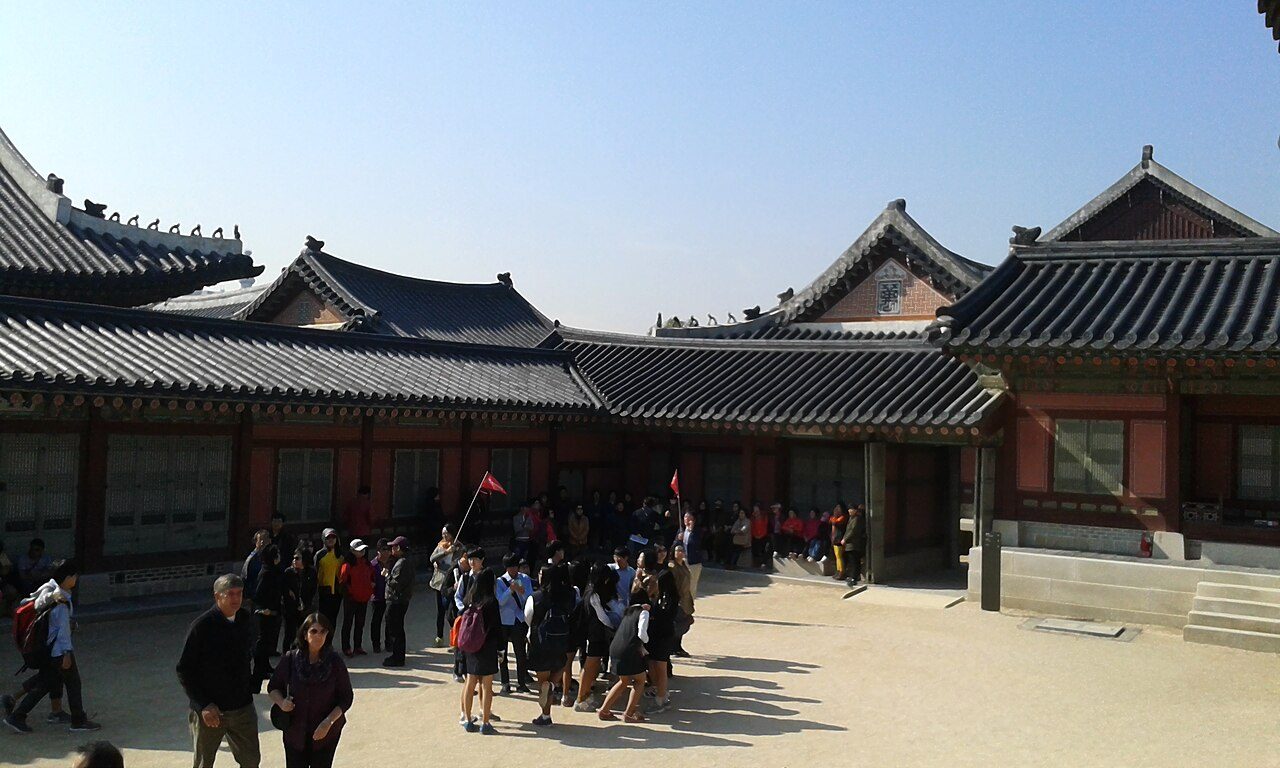
Gyeongbokgung Palace
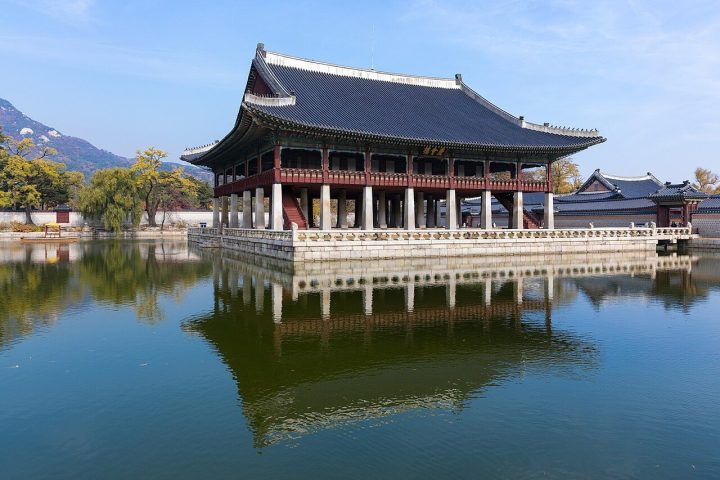
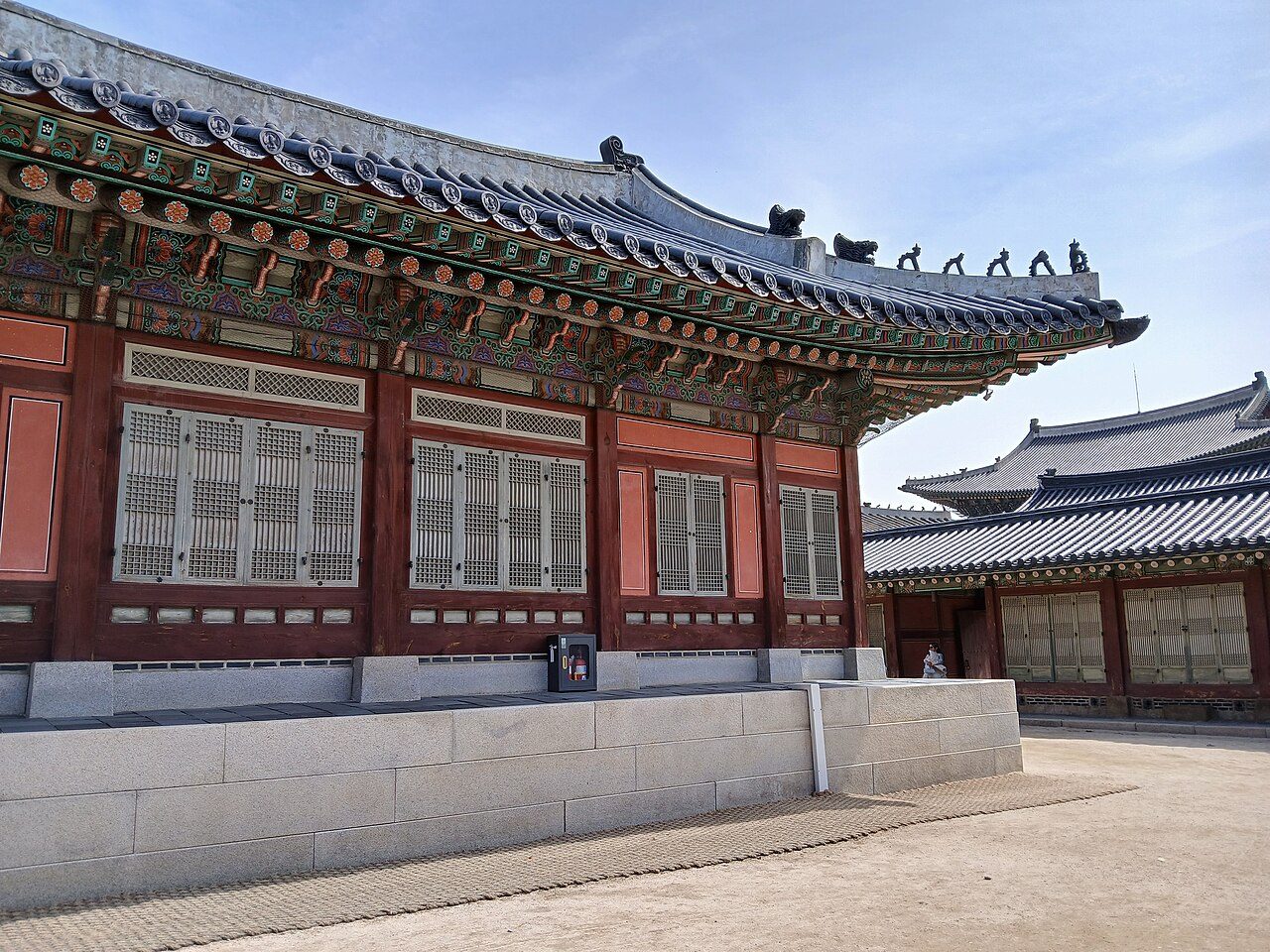
Gyeongbokgung Palace was the main royal palace of the Joseon dynasty, first built in 1395. Many buildings were destroyed during the Japanese occupation and have been carefully restored. Highlights include the throne hall Geunjeongjeon and the Gyeonghoeru pavilion on its pond. The changing of the guard takes place at Gwanghwamun gate, and visitors in hanbok enter free.
02
STOP 2 OF 14
Bukchon Hanok Village
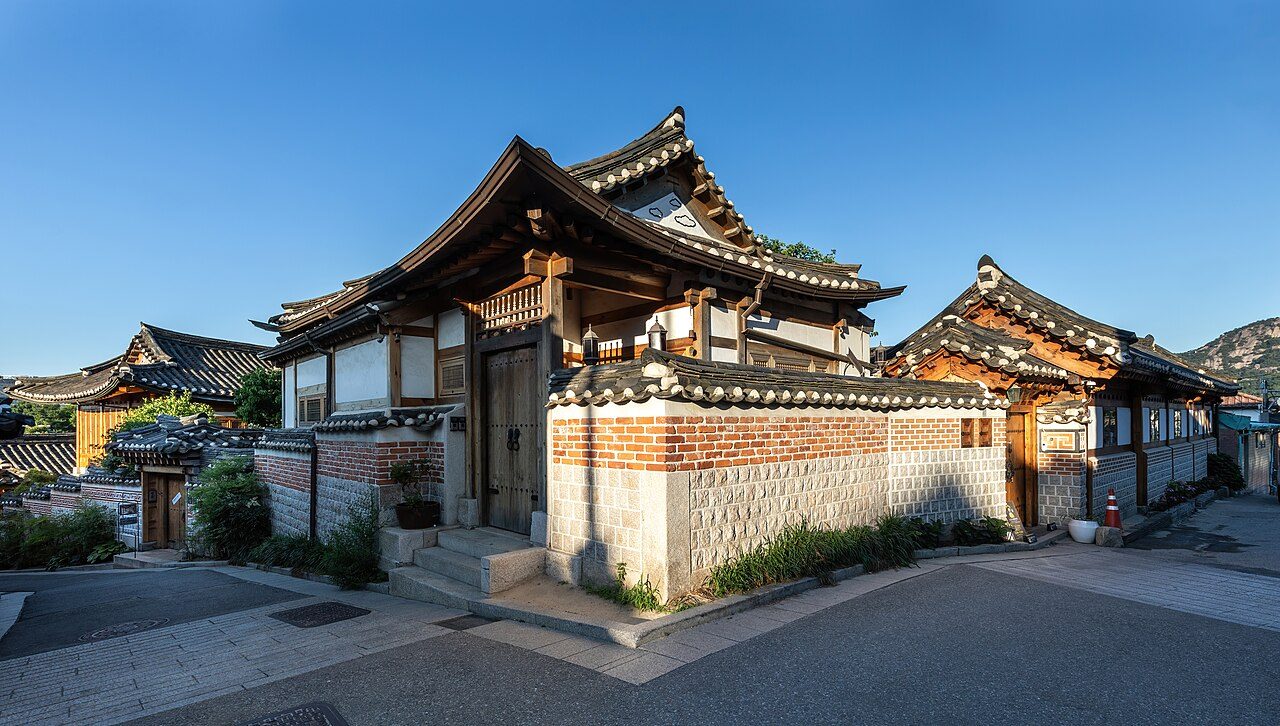
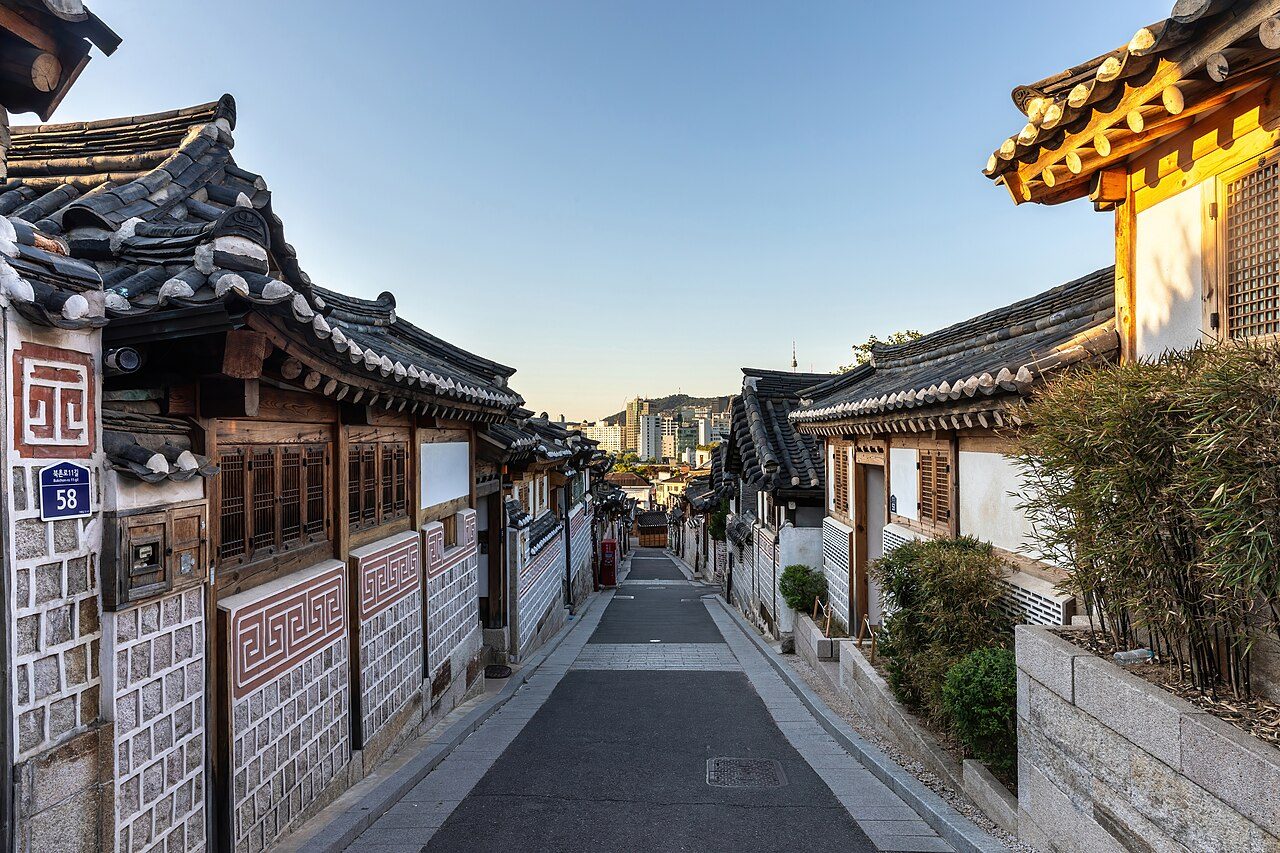
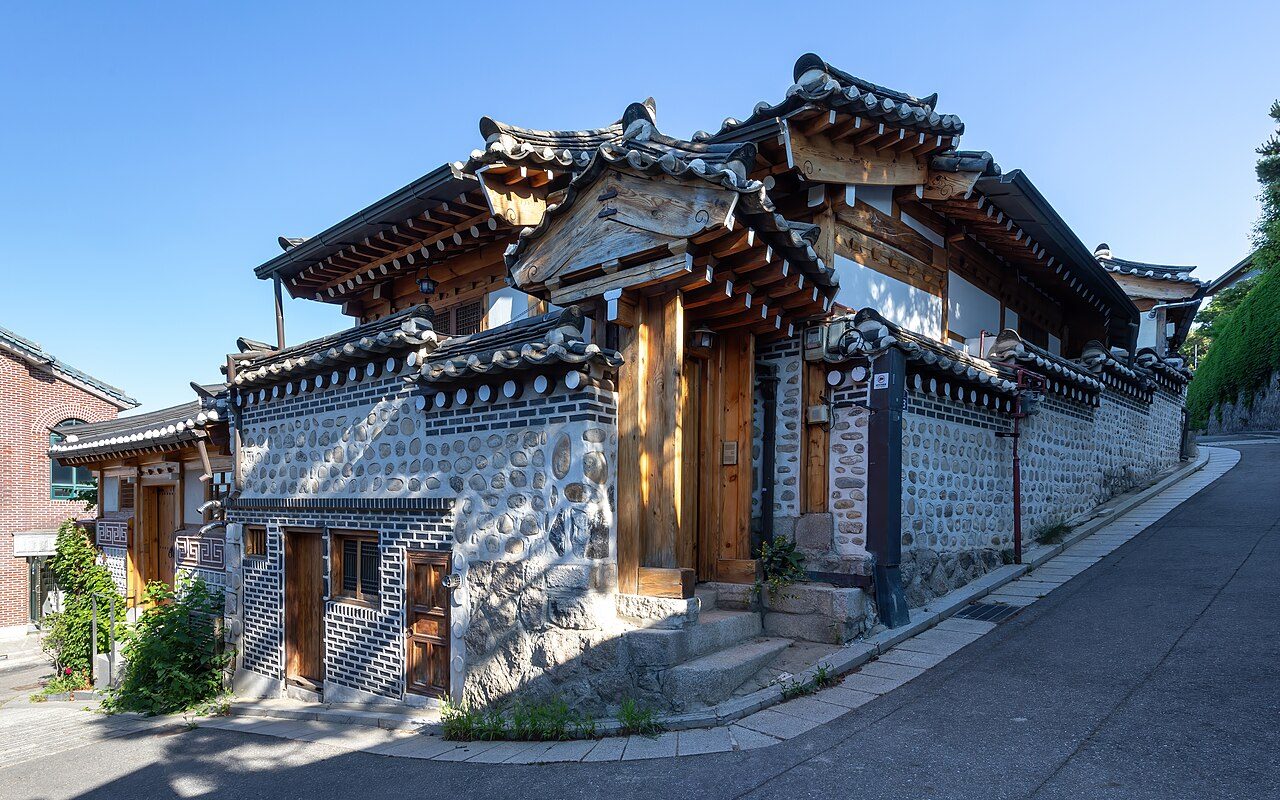
Bukchon Hanok Village is a residential neighbourhood between Gyeongbokgung and Changdeokgung filled with traditional Korean hanok houses. Its narrow, hilly lanes offer views of tiled roofs with the city skyline beyond. It was home to officials and nobles of the Joseon era. Since people still live here, visitors must keep noise down and respect posted visiting hours.
03
STOP 3 OF 14
Jongmyo Shrine
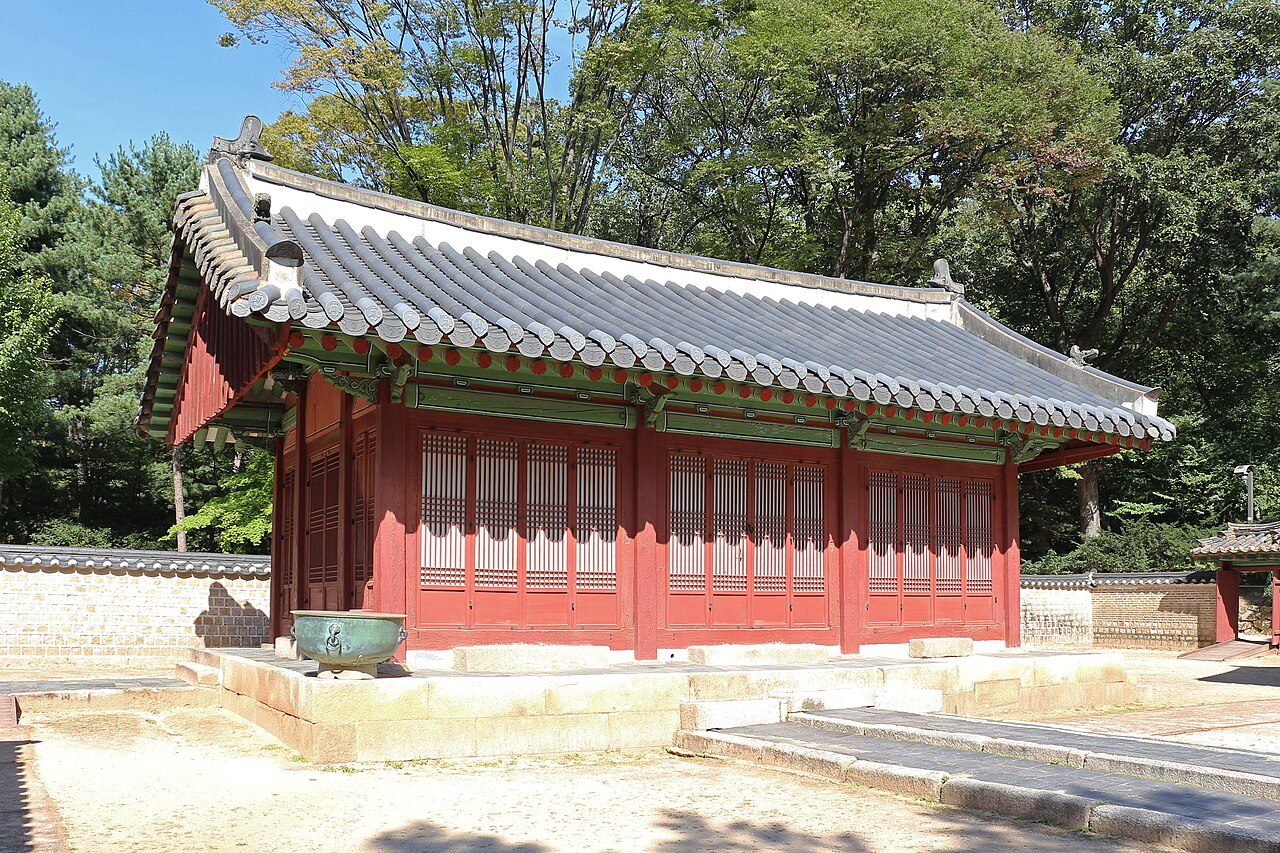
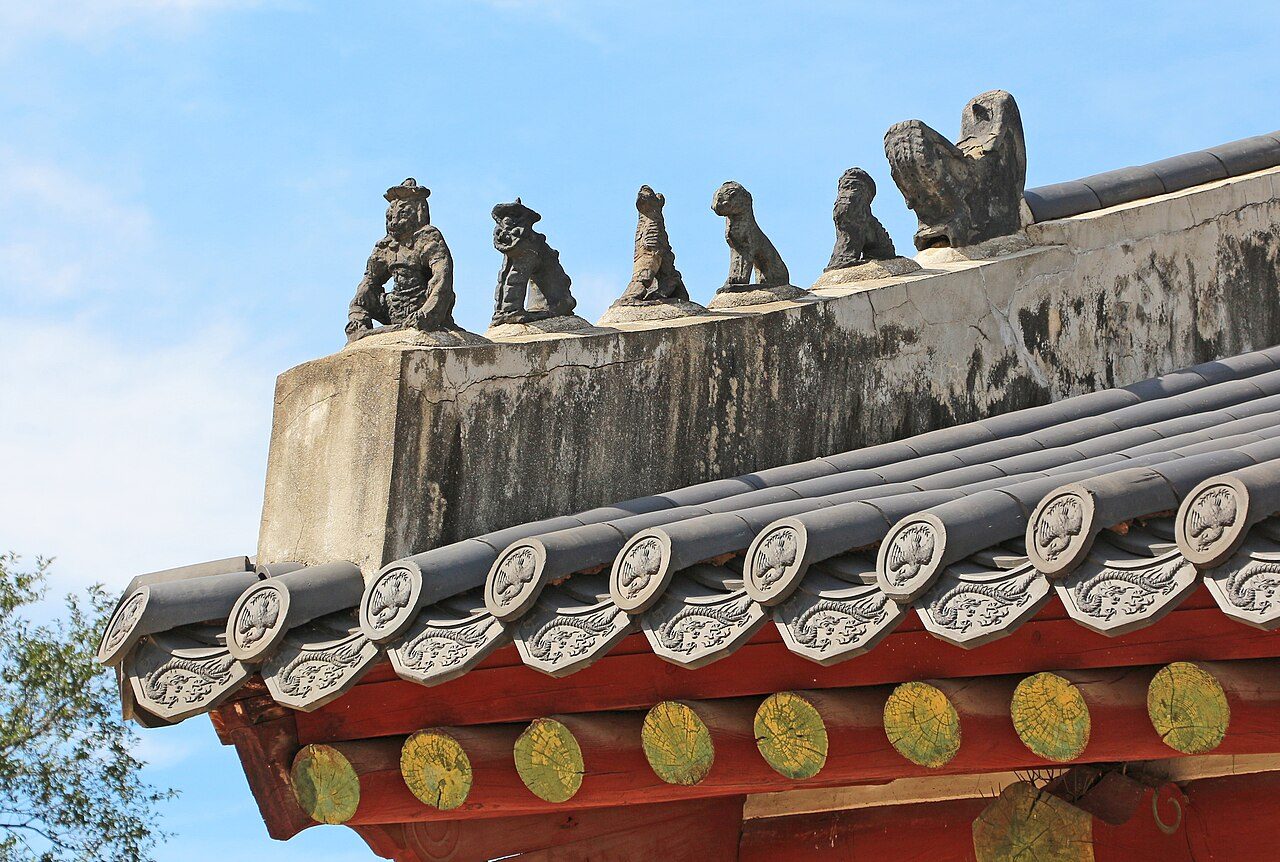
Jongmyo Shrine is the royal ancestral shrine of the Joseon dynasty, where spirit tablets of kings and queens are kept. Its main hall, Jeongjeon, is one of the longest wooden buildings in Korea and has a solemn, simple beauty. The shrine is a UNESCO World Heritage Site. The Jongmyo Jerye royal ritual, with court music and dance, is held each May.
04
STOP 4 OF 14
Jogyesa Temple
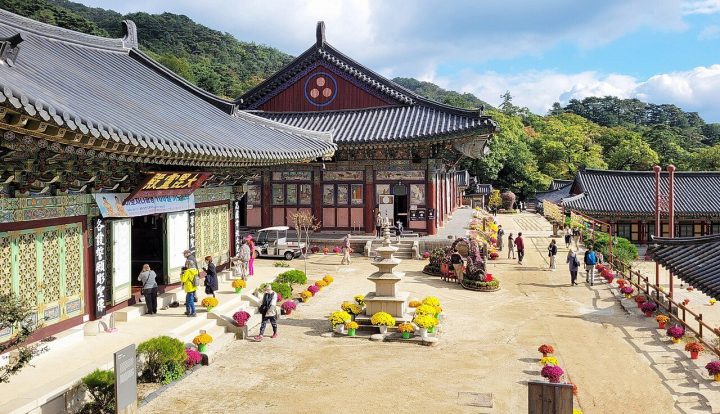
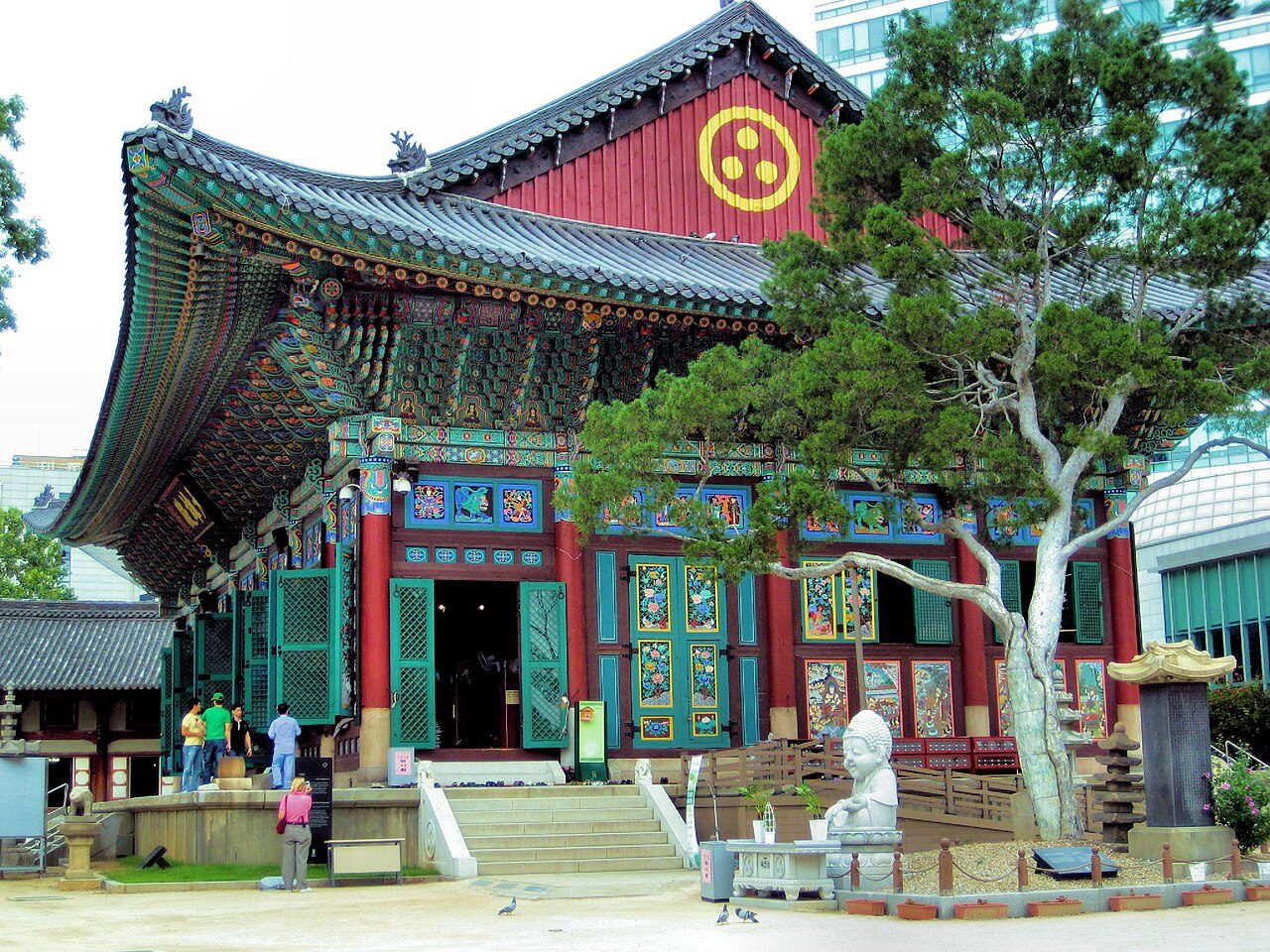
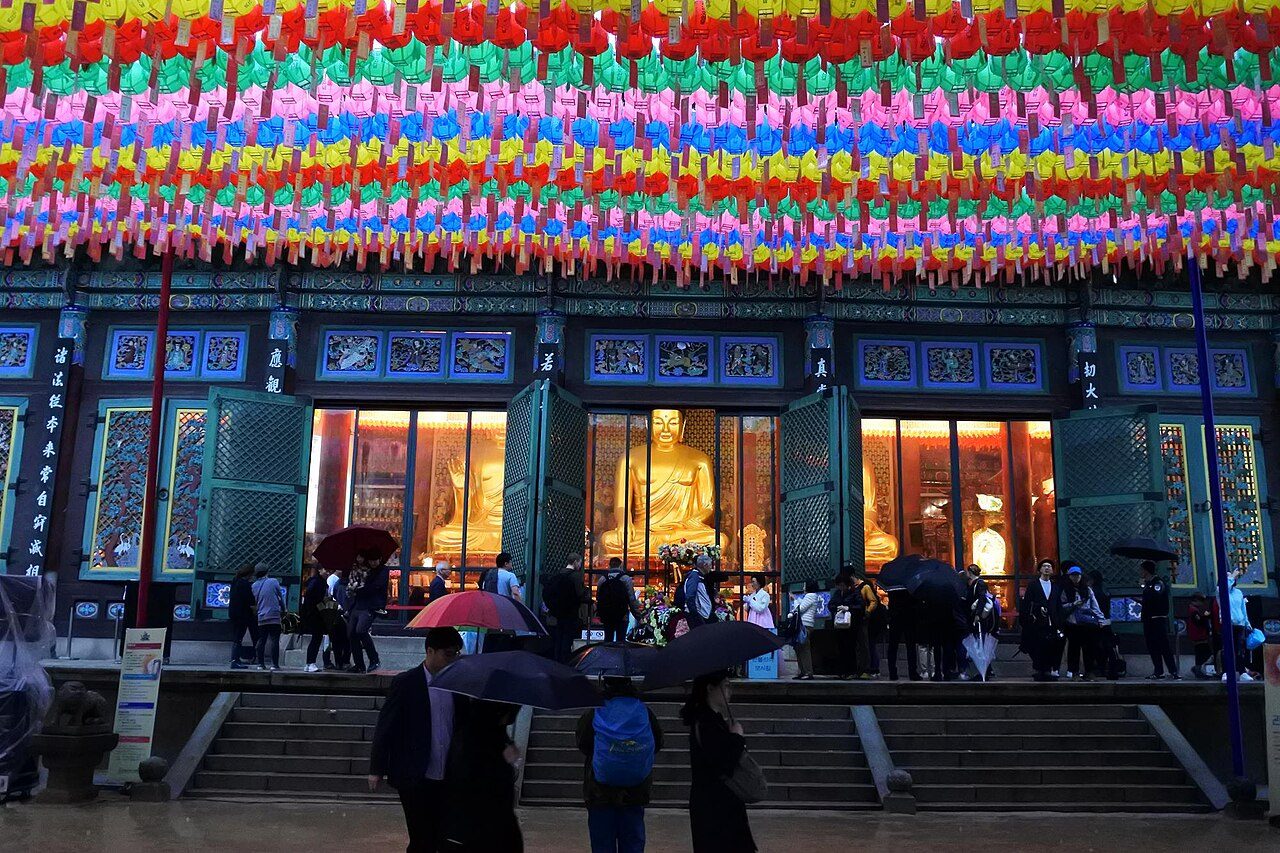
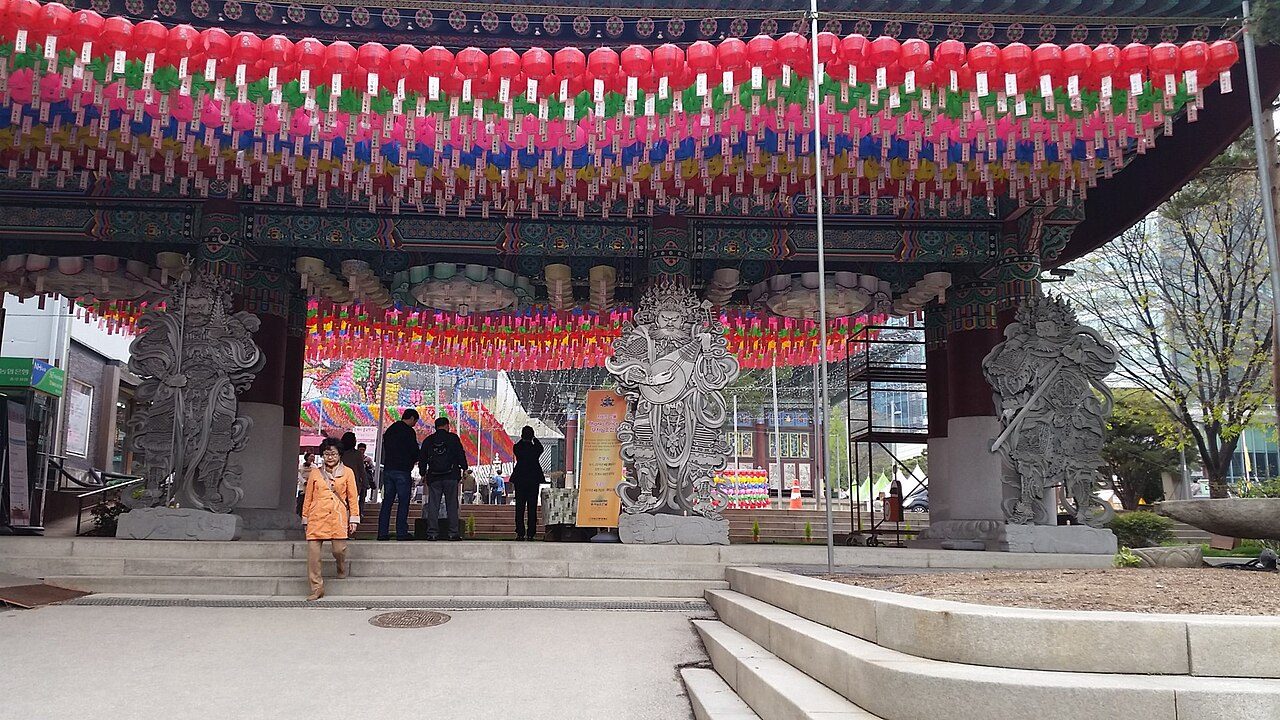
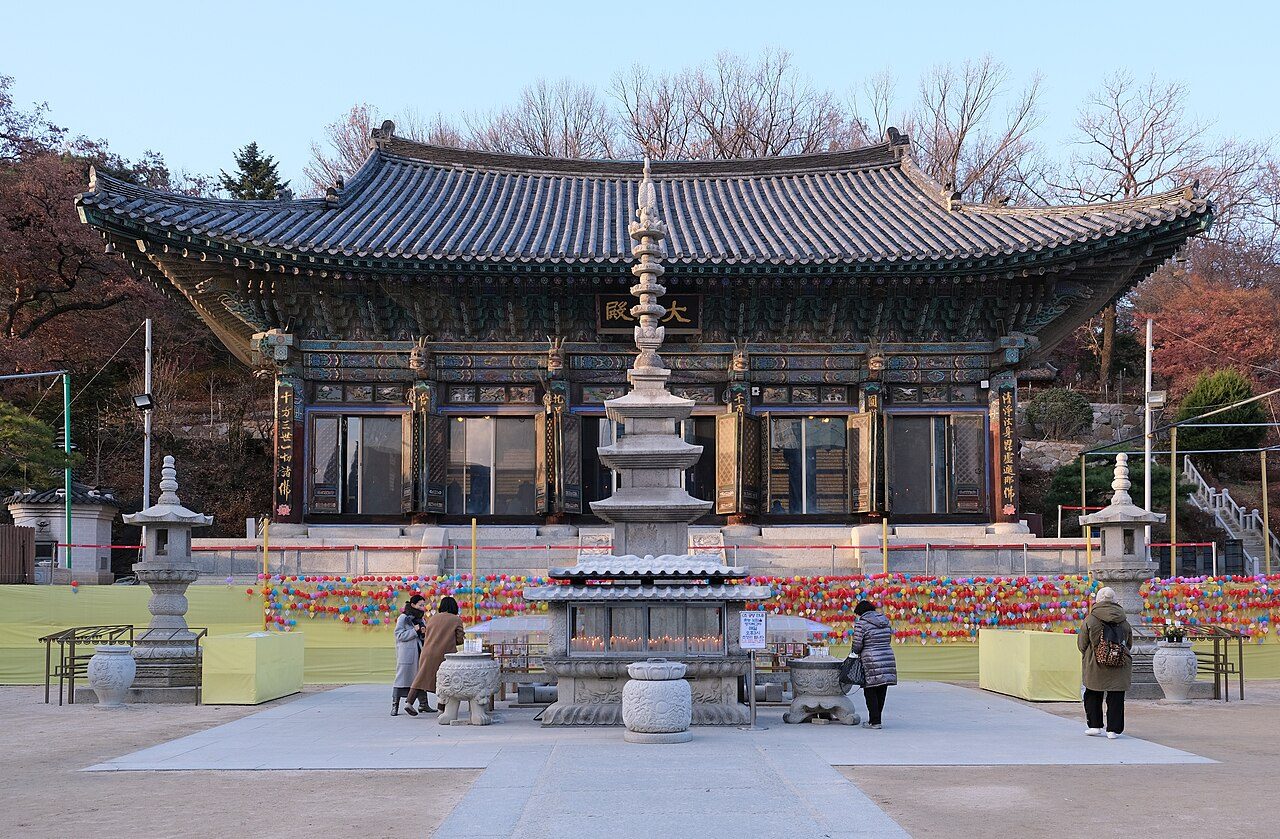
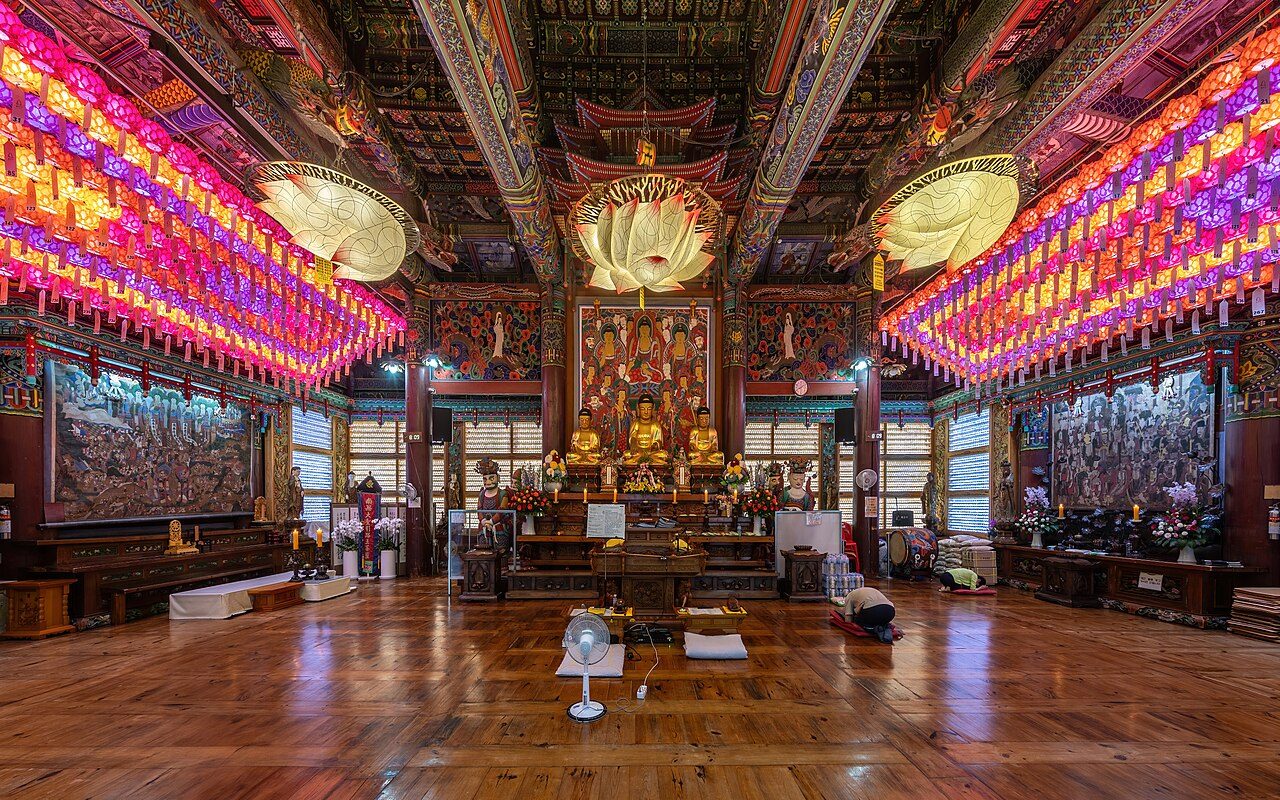
Jogyesa Temple is the chief temple of the Jogye Order, the largest branch of Korean Buddhism. It sits in central Seoul near Insadong, with an ornate main hall and ancient trees in its courtyard. During the Lotus Lantern Festival before Buddha's Birthday, thousands of colourful lanterns hang above the grounds. Visitors can join temple stay programmes and meditation sessions.
05
STOP 5 OF 14
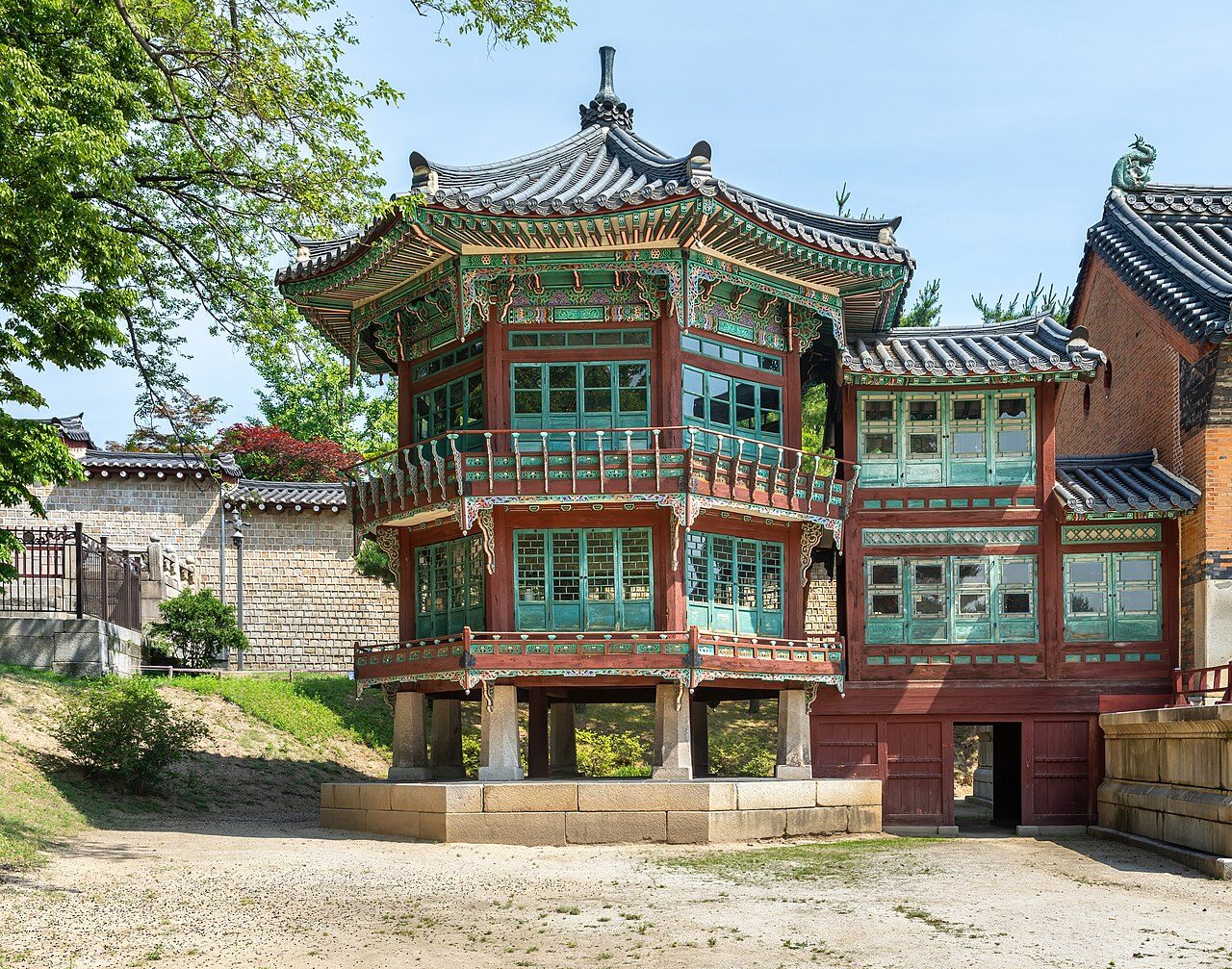
Changdeokgung Palace
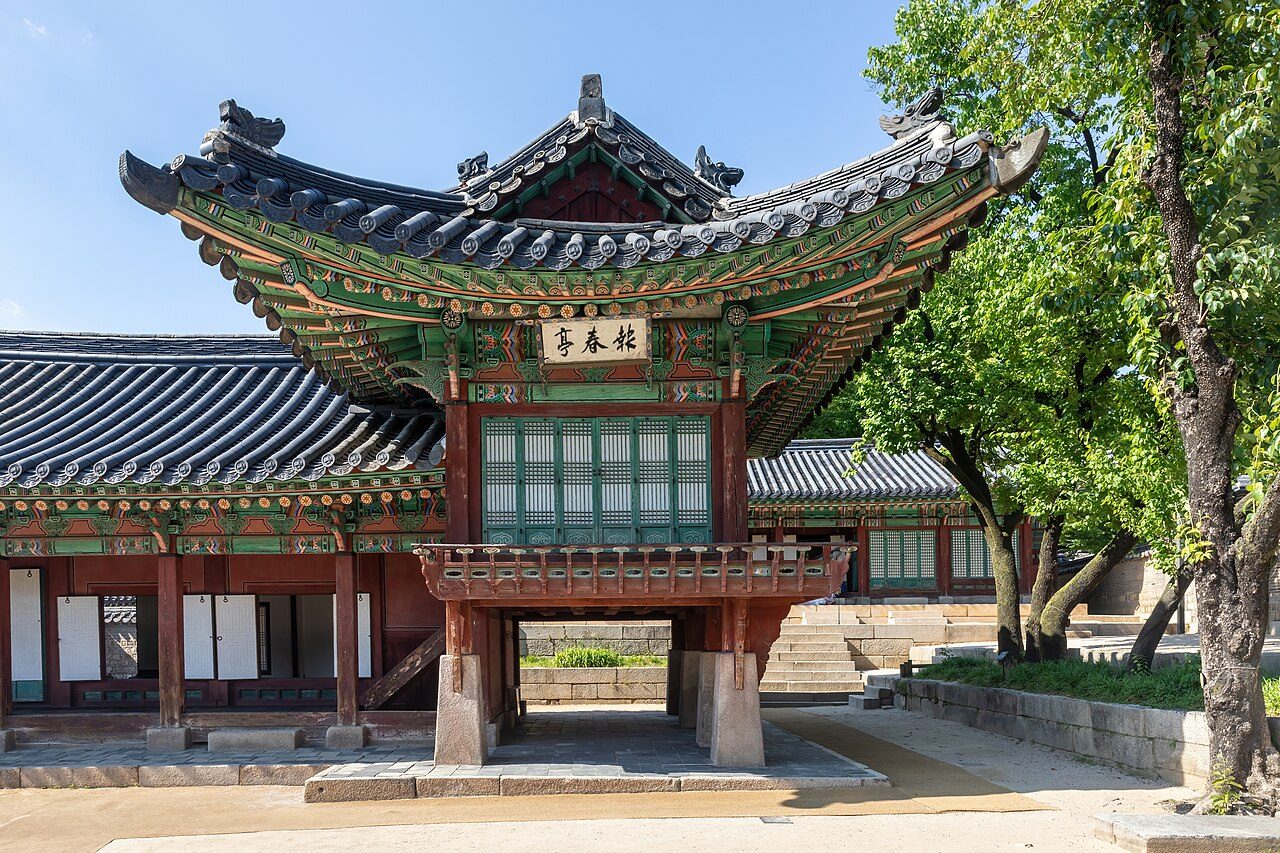
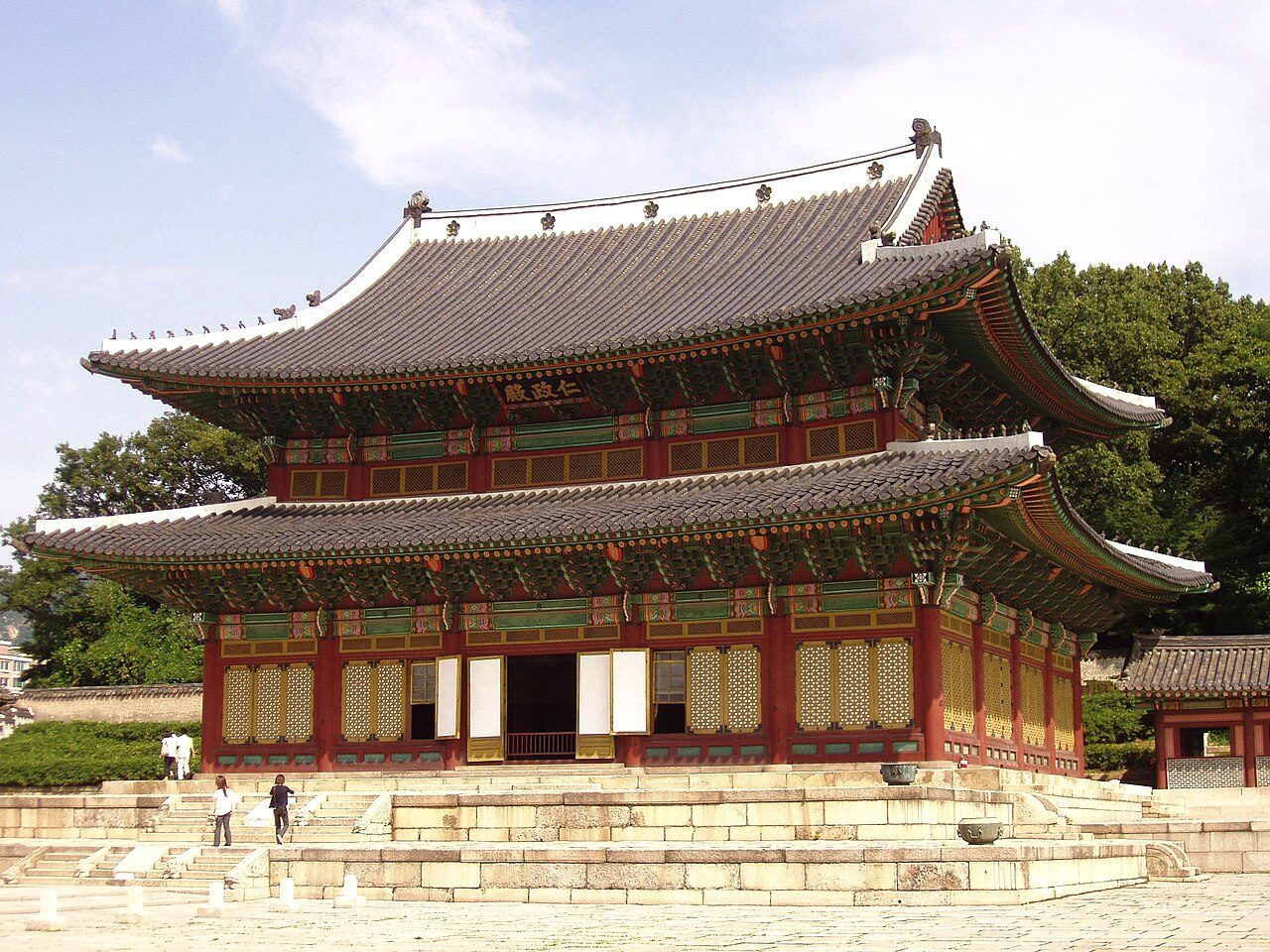
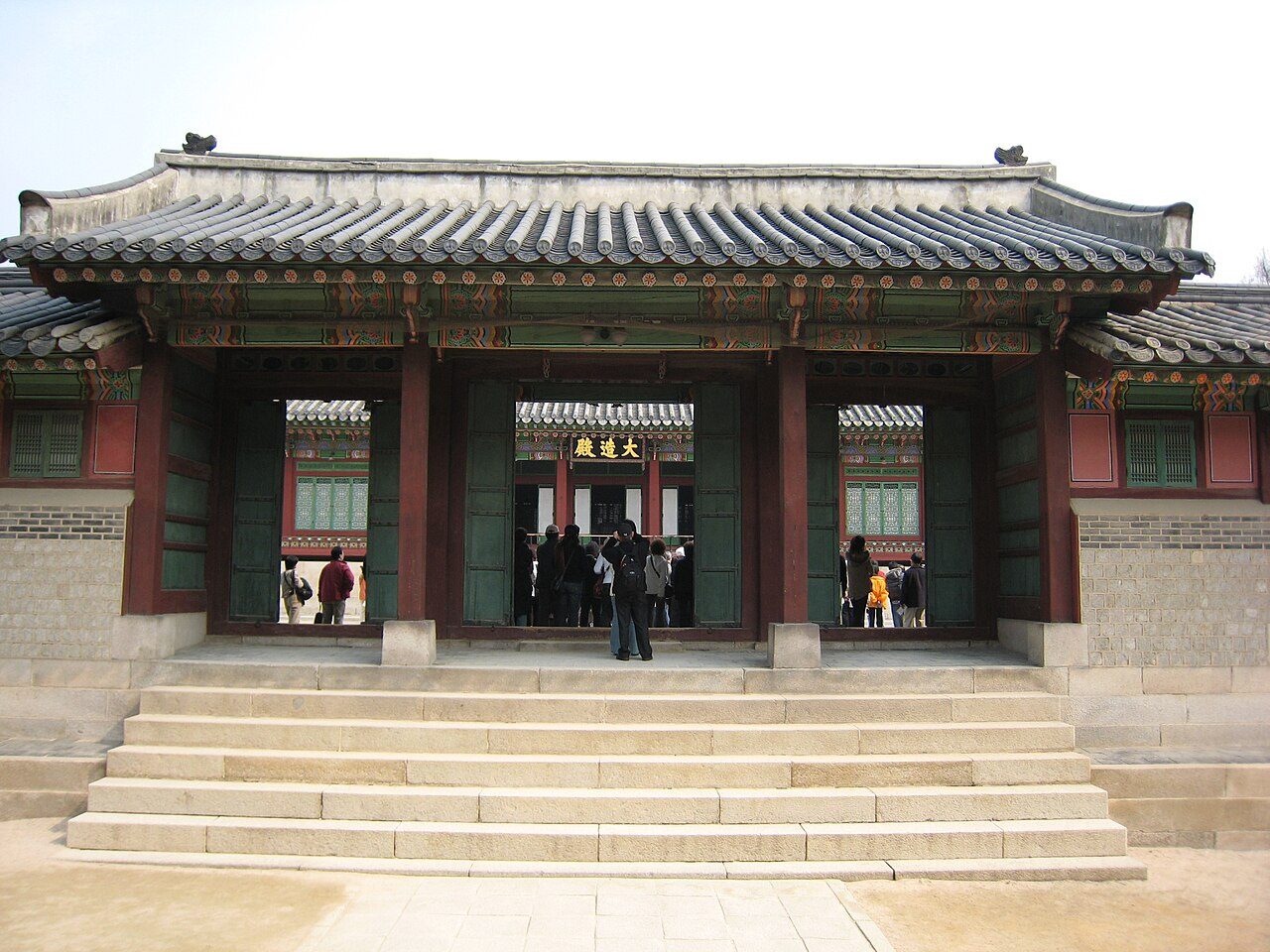
Changdeokgung Palace was built in the early 1400s as a secondary royal palace and became the favoured residence of many Joseon kings. It is a UNESCO World Heritage Site admired for buildings that follow the natural shape of the land. The highlight is the Huwon secret garden, with ponds and pavilions, visited only on a guided tour. Book the garden tour in advance.
06
STOP 6 OF 14
Deoksugung Palace
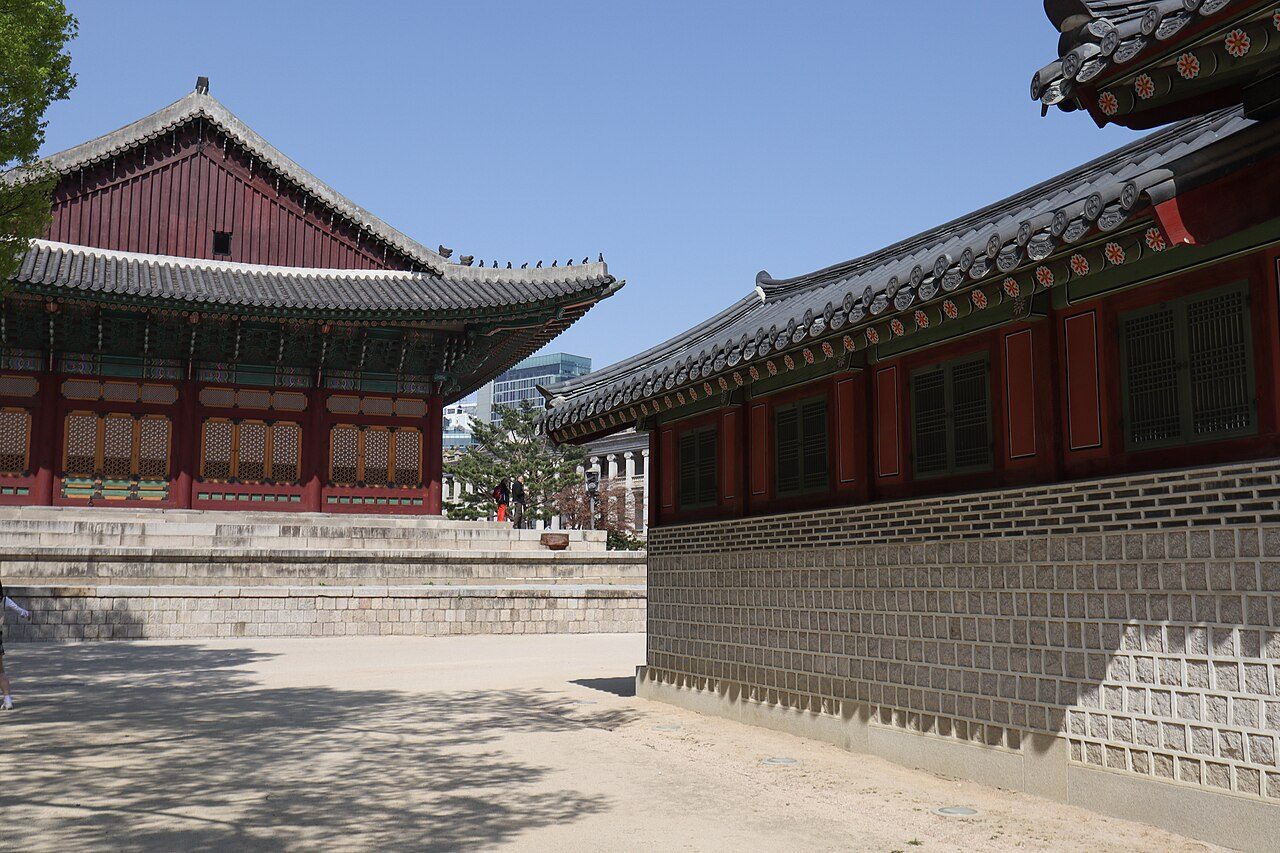
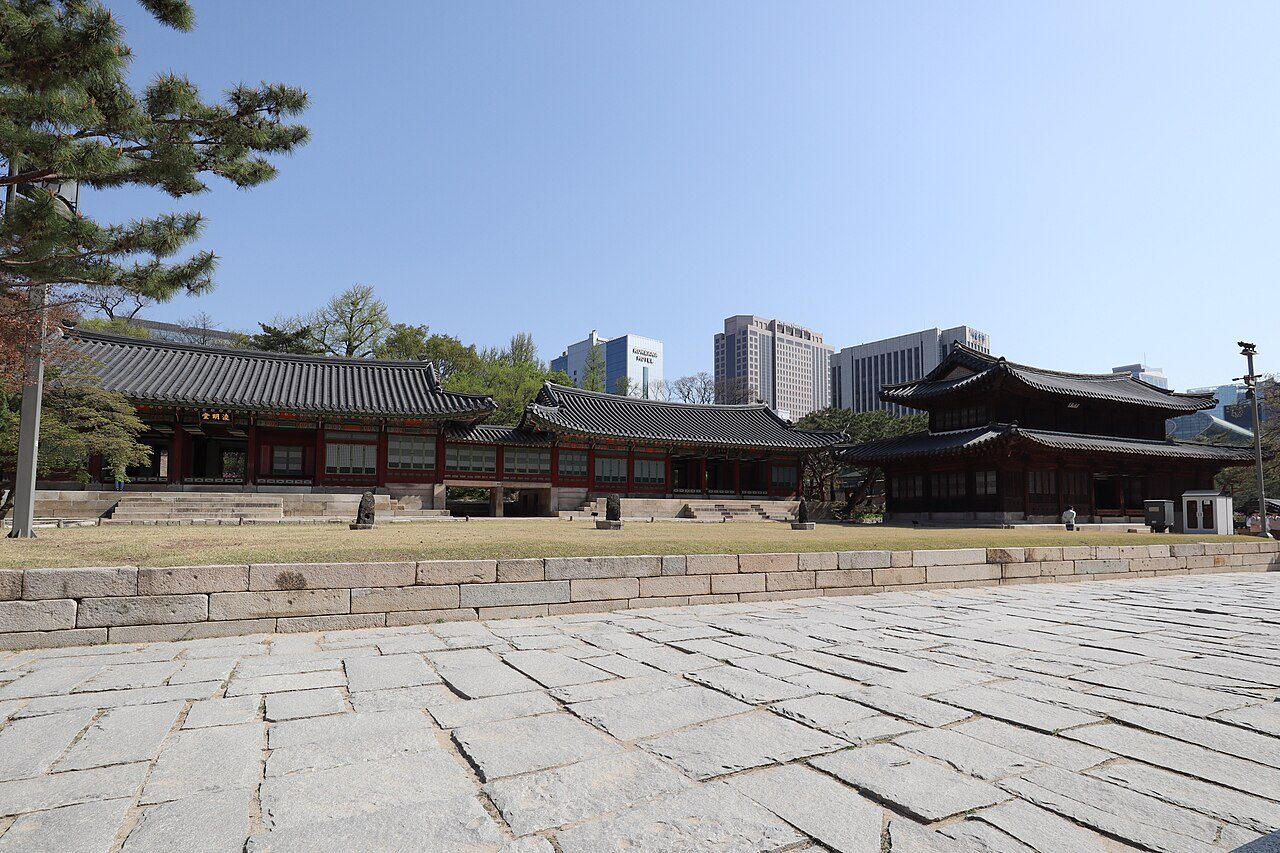
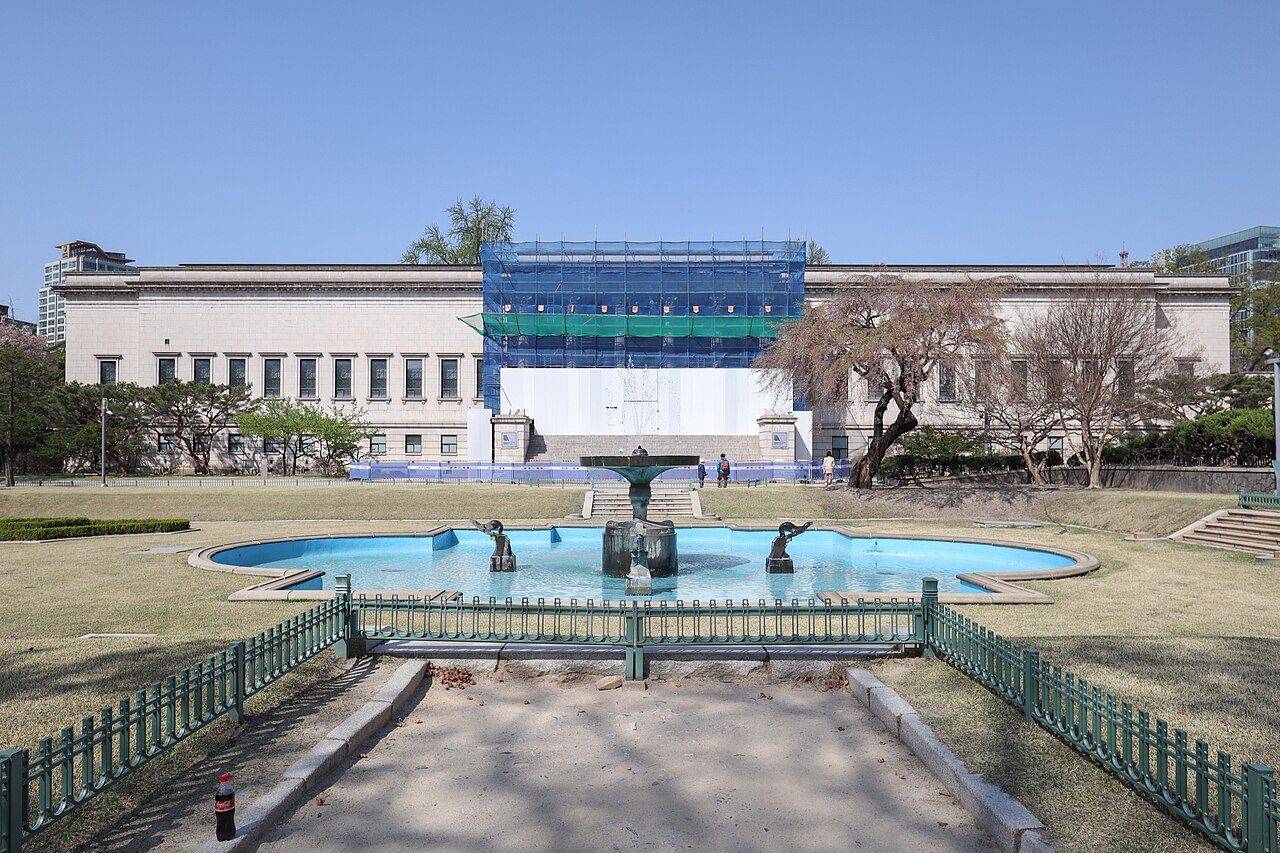
Deoksugung Palace stands in central Seoul and blends traditional Korean halls with Western-style stone buildings from the late Joseon and Korean Empire periods. Seokjojeon, a neoclassical hall, houses a museum. The changing of the royal guard takes place at Daehanmun gate several times a day. The stone-wall road beside the palace is a popular walk in autumn.
07
STOP 7 OF 14
Sungnyemun Gate
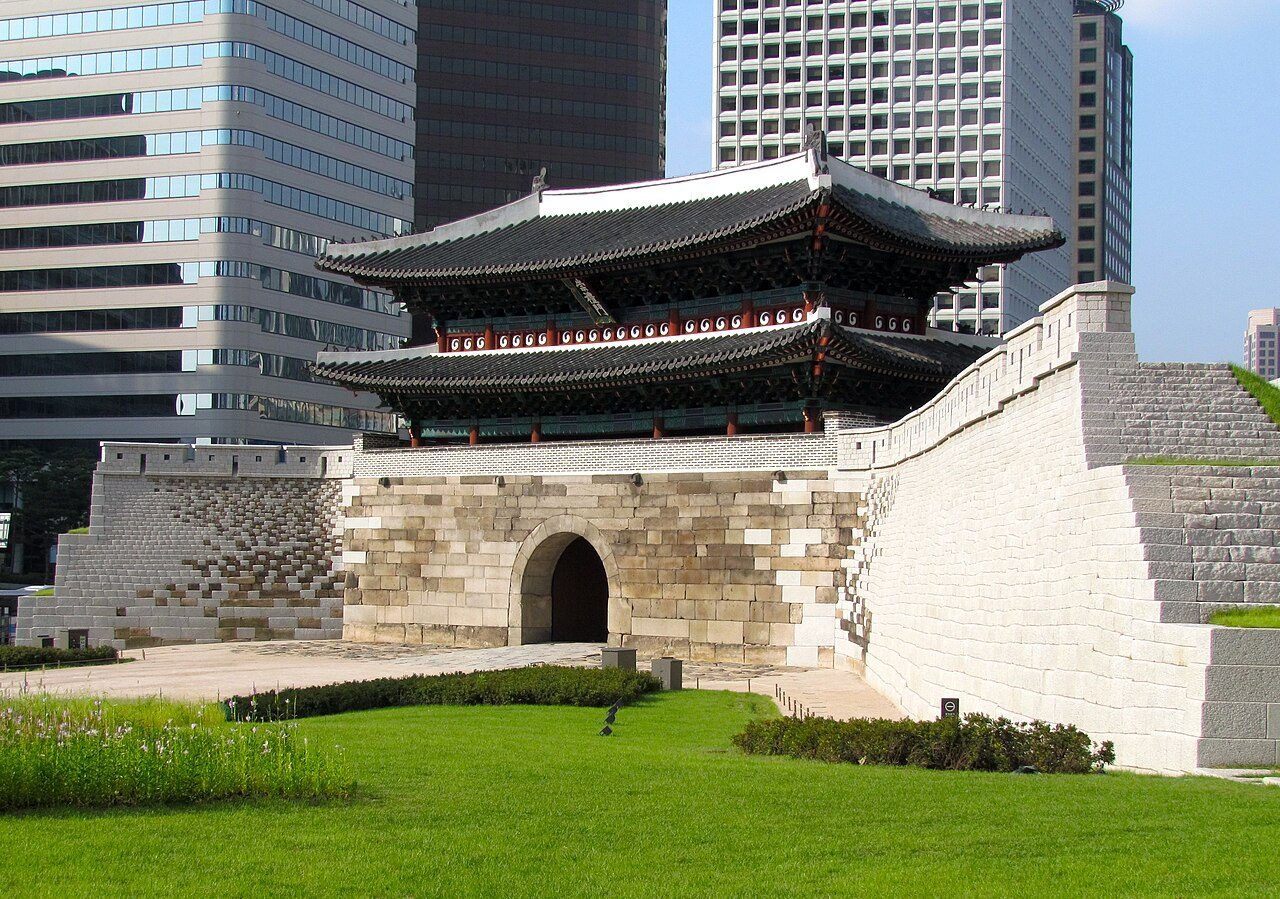
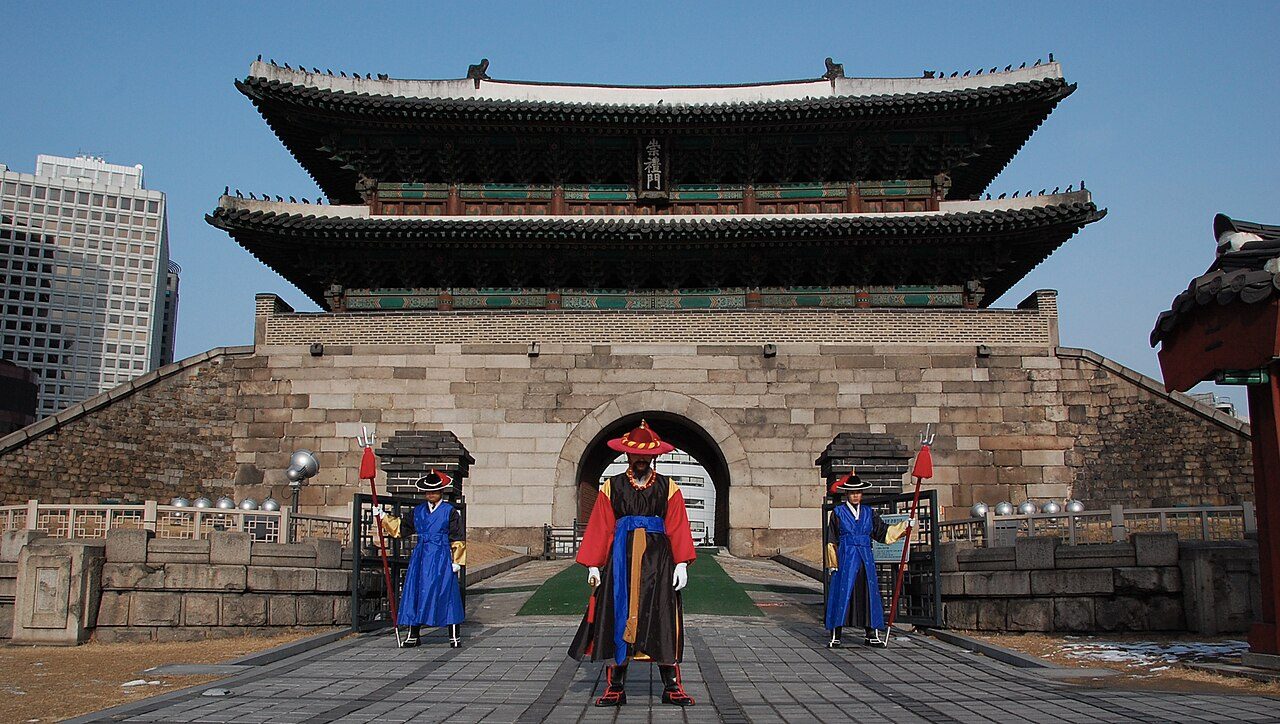
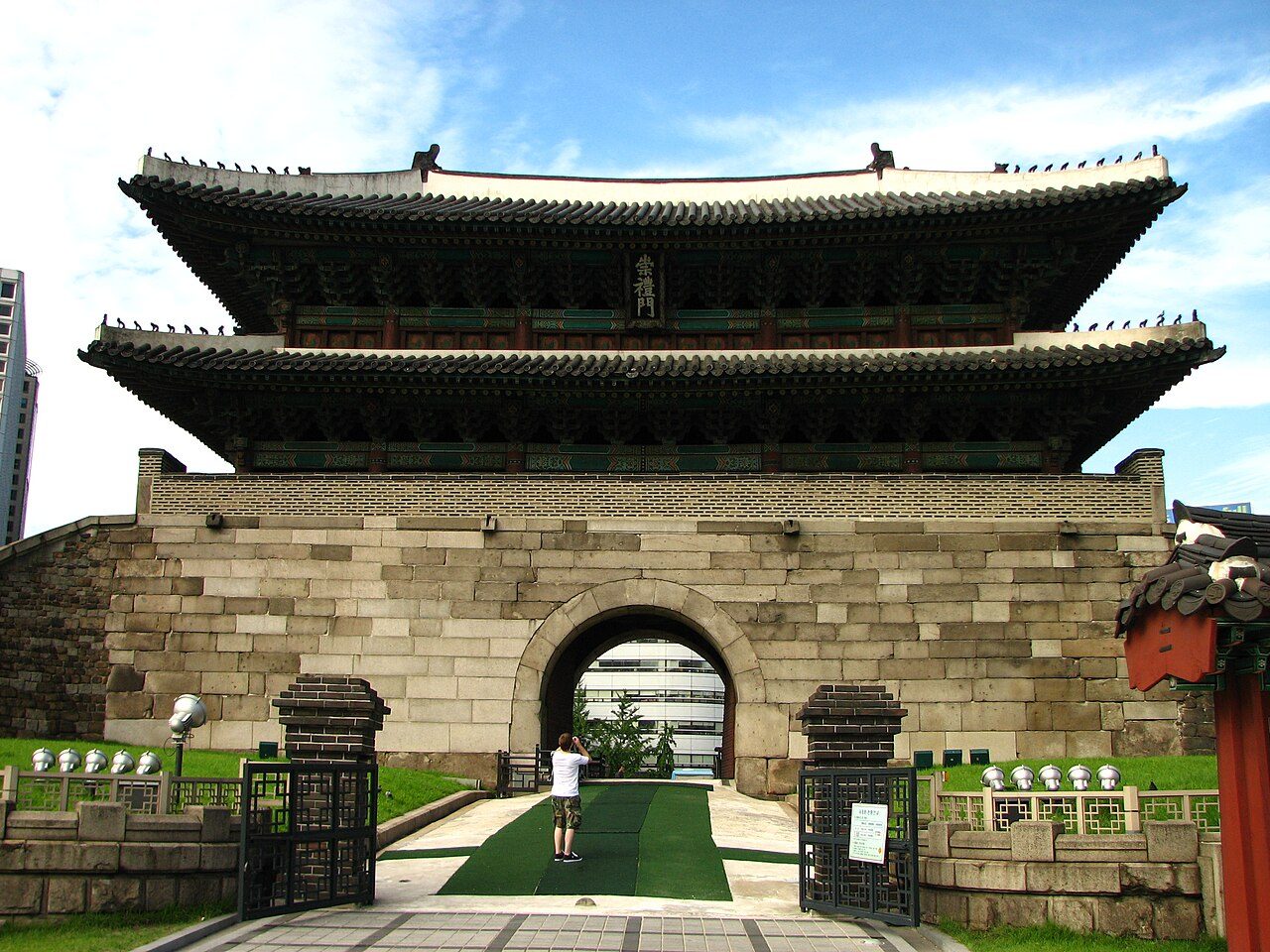
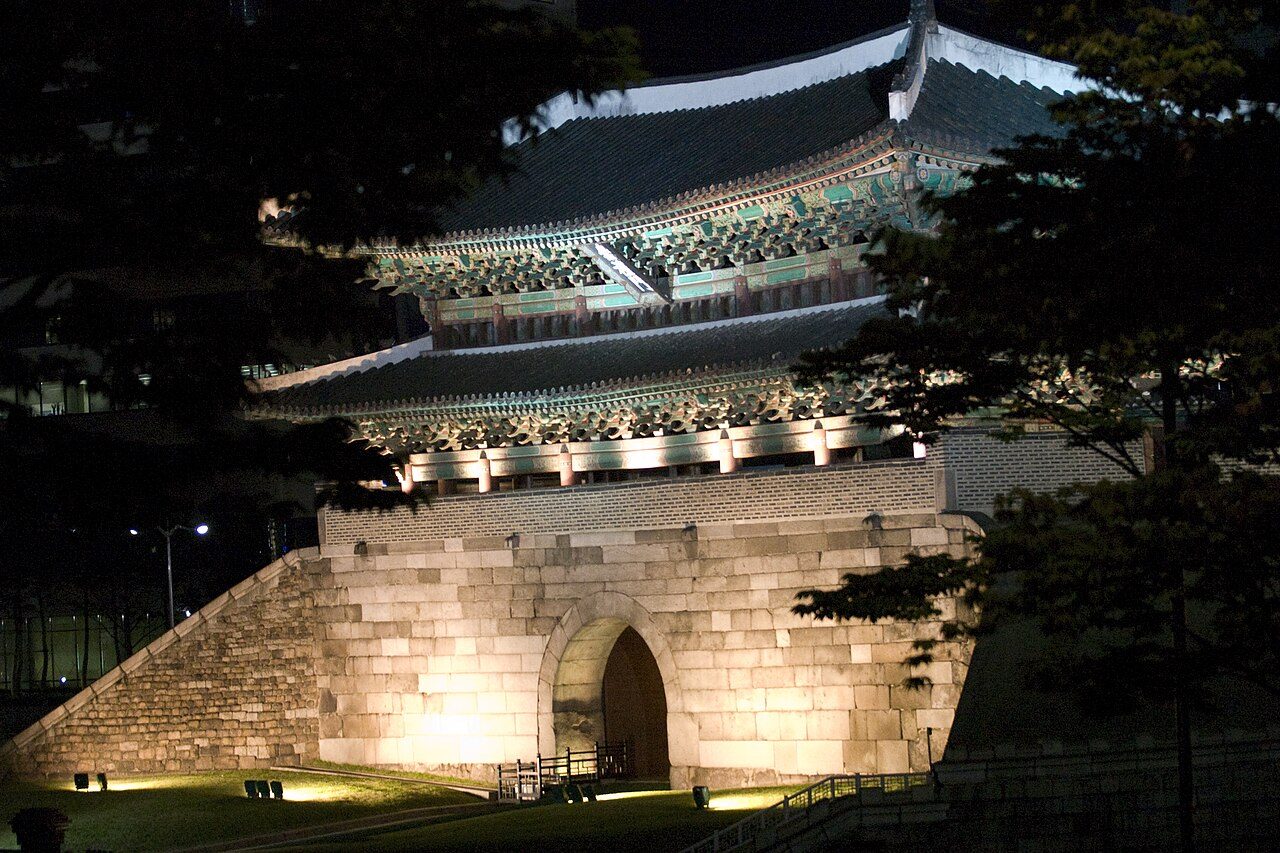
Sungnyemun, also called Namdaemun, was the great south gate of the old Seoul city walls and dates from the late 1300s. It was badly damaged by arson in 2008 and was restored with traditional techniques, reopening in 2013. The two-storey wooden pavilion stands on a stone base in the middle of a busy junction. Namdaemun Market is just next to it.
08
STOP 8 OF 14
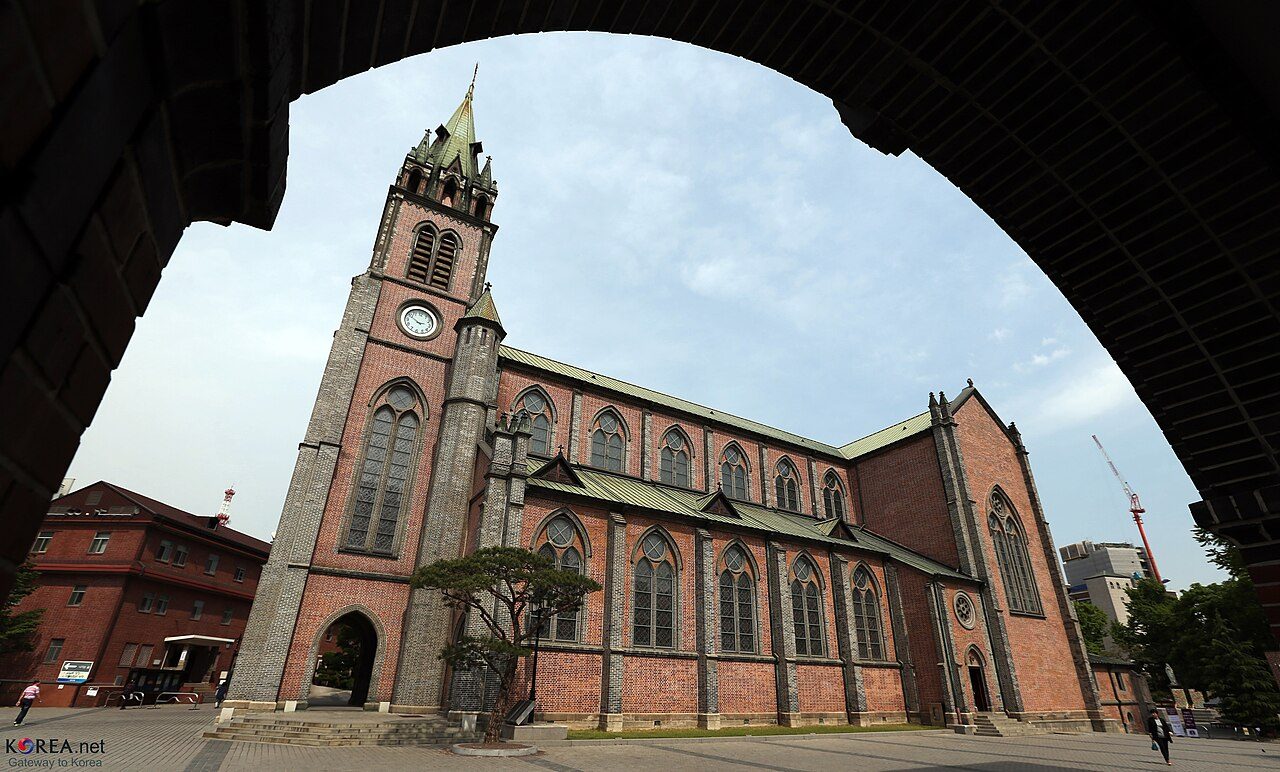
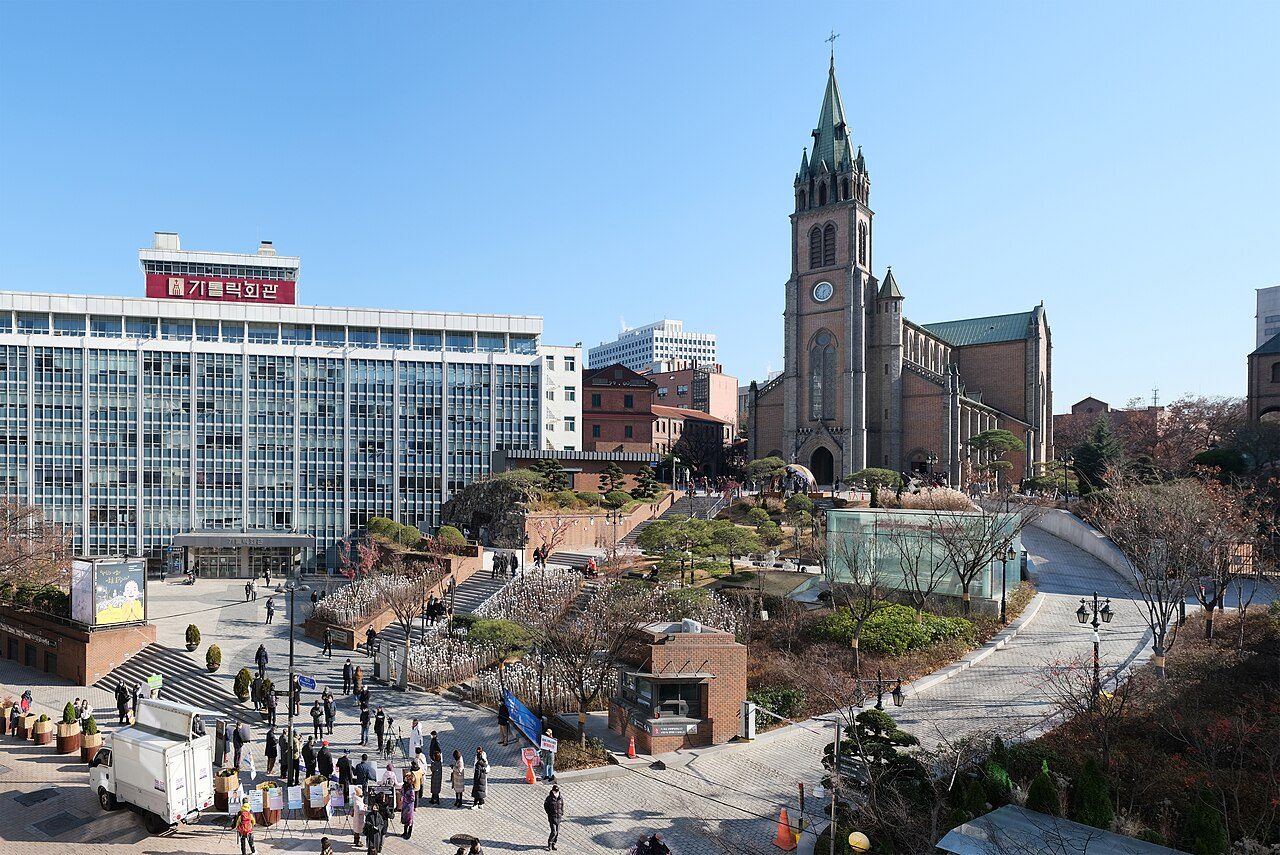
Myeongdong Cathedral
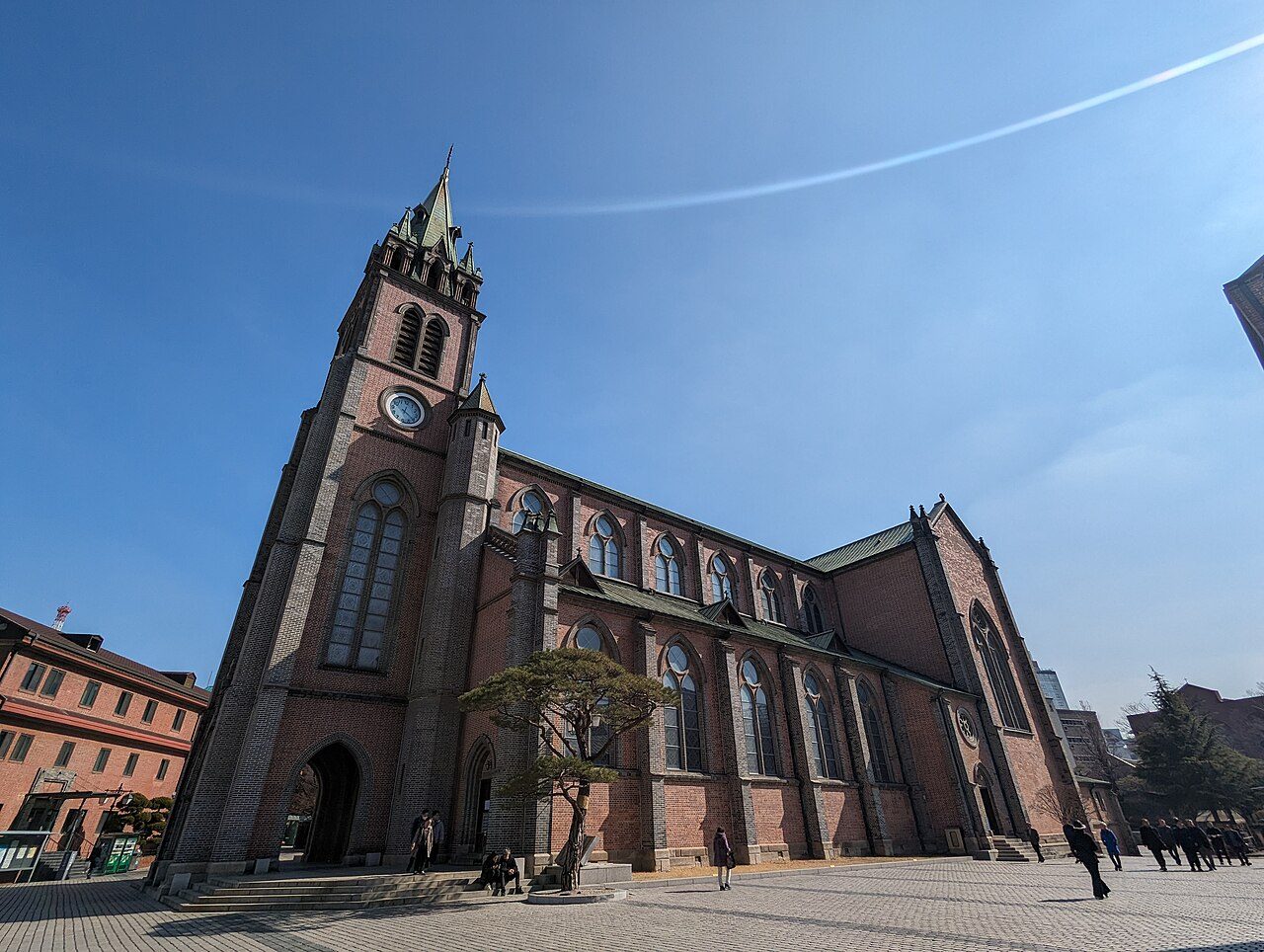
Myeongdong Cathedral is the seat of the Catholic Archdiocese of Seoul and one of the first brick Gothic churches in Korea, completed in 1898. It played an important role as a refuge during the democracy movement of the 1970s and 1980s. The red brick church stands on a hill above the busy Myeongdong shopping district. Visitors are welcome to sit quietly inside.
09
STOP 9 OF 14
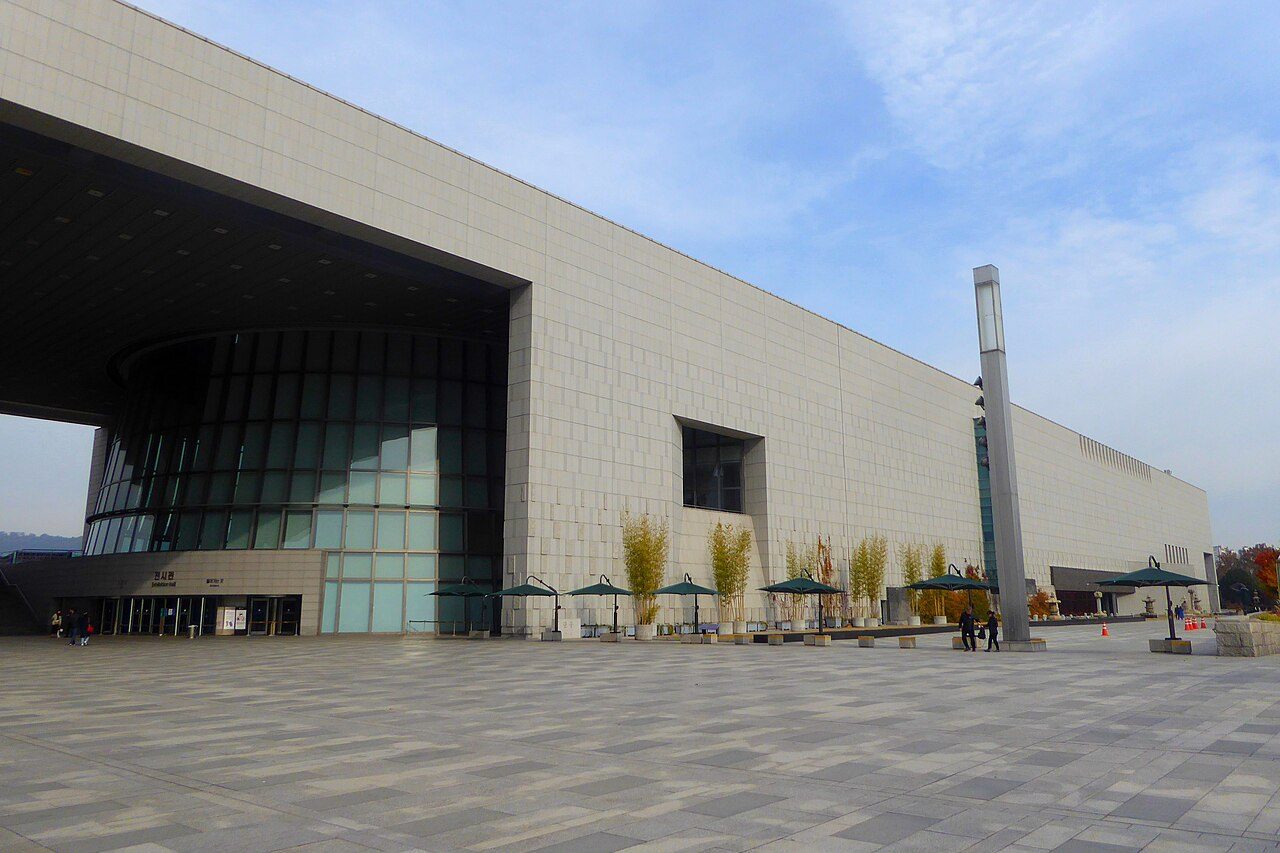
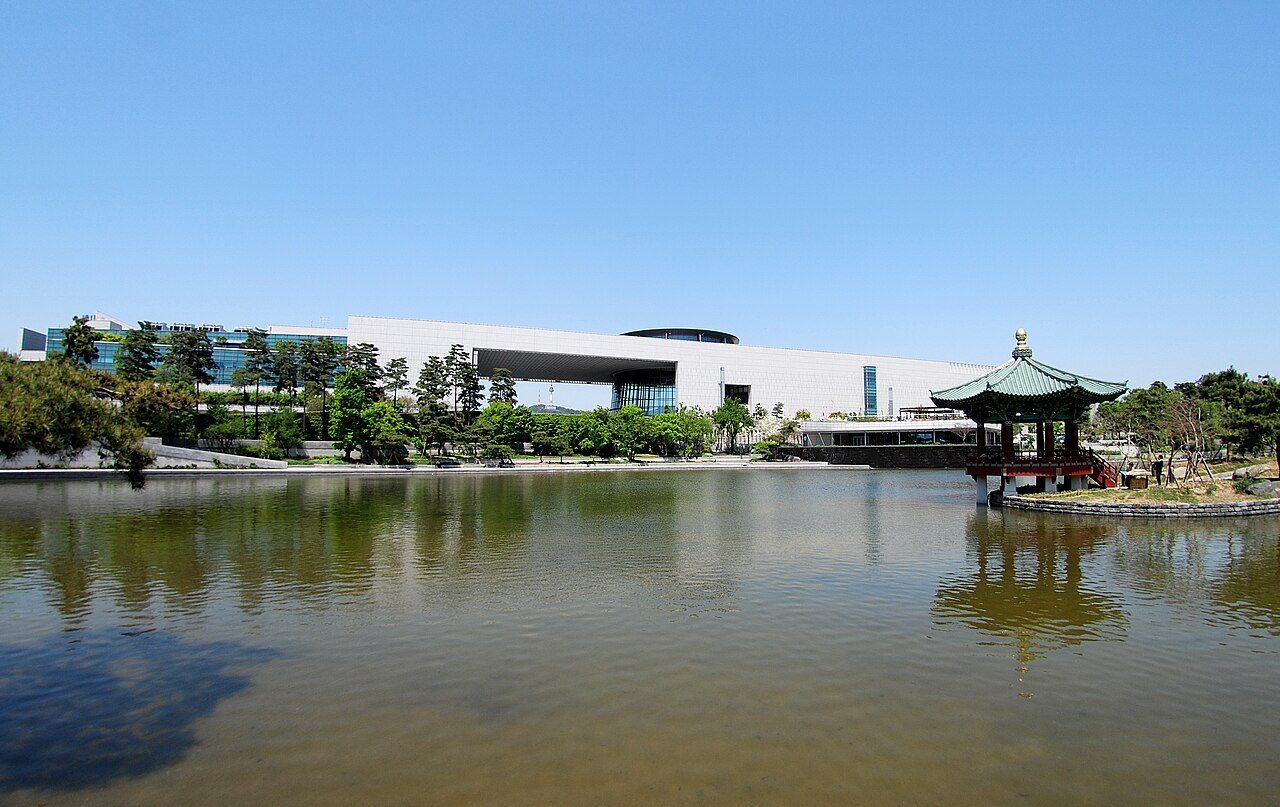
National Museum of Korea
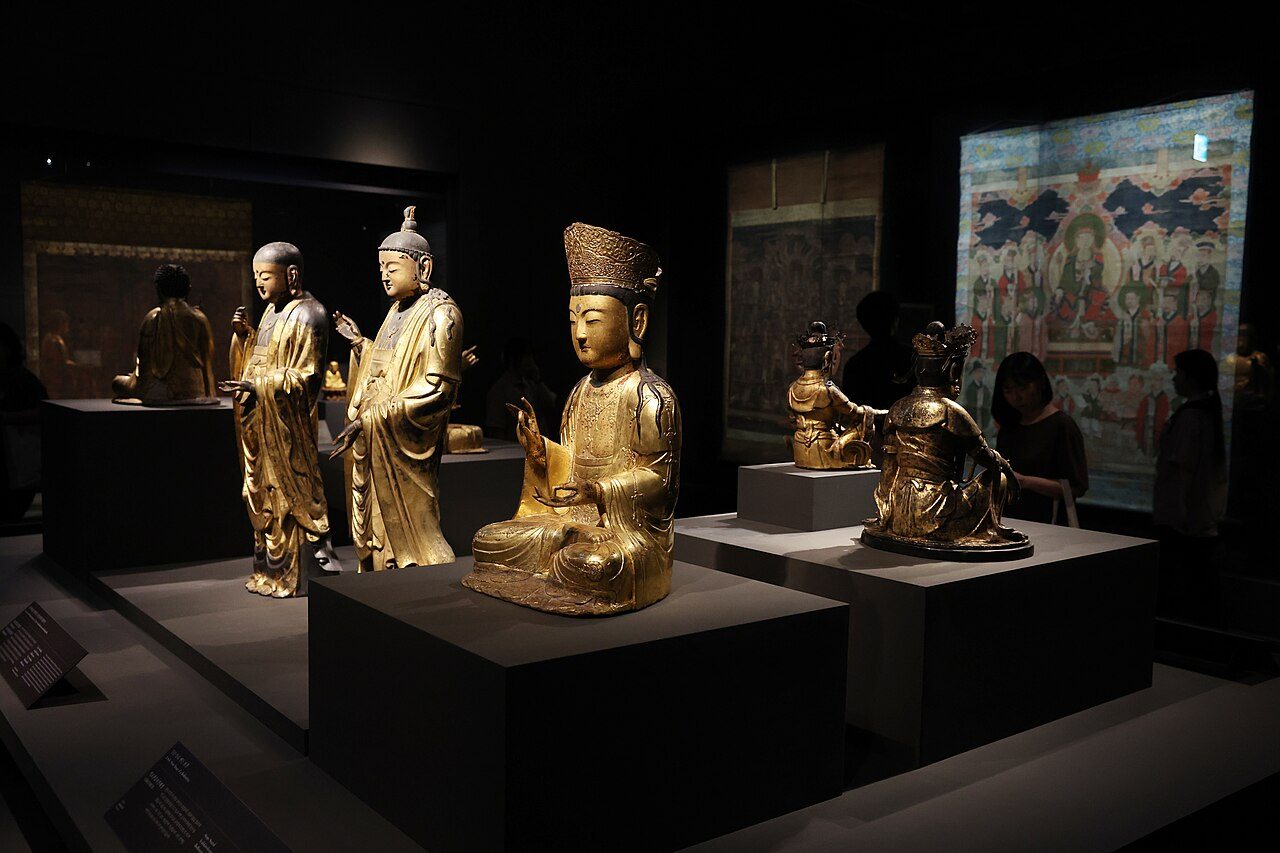
The National Museum of Korea is the country's largest museum, set in a large park in Yongsan. Its collection covers Korean history and art from prehistory to the Joseon dynasty, including gold crowns from Silla, Goryeo celadon and Buddhist sculptures. The pensive Bodhisattva statues in their own quiet gallery are a highlight. Admission to the permanent galleries is free.
10
STOP 10 OF 14
War Memorial of Korea
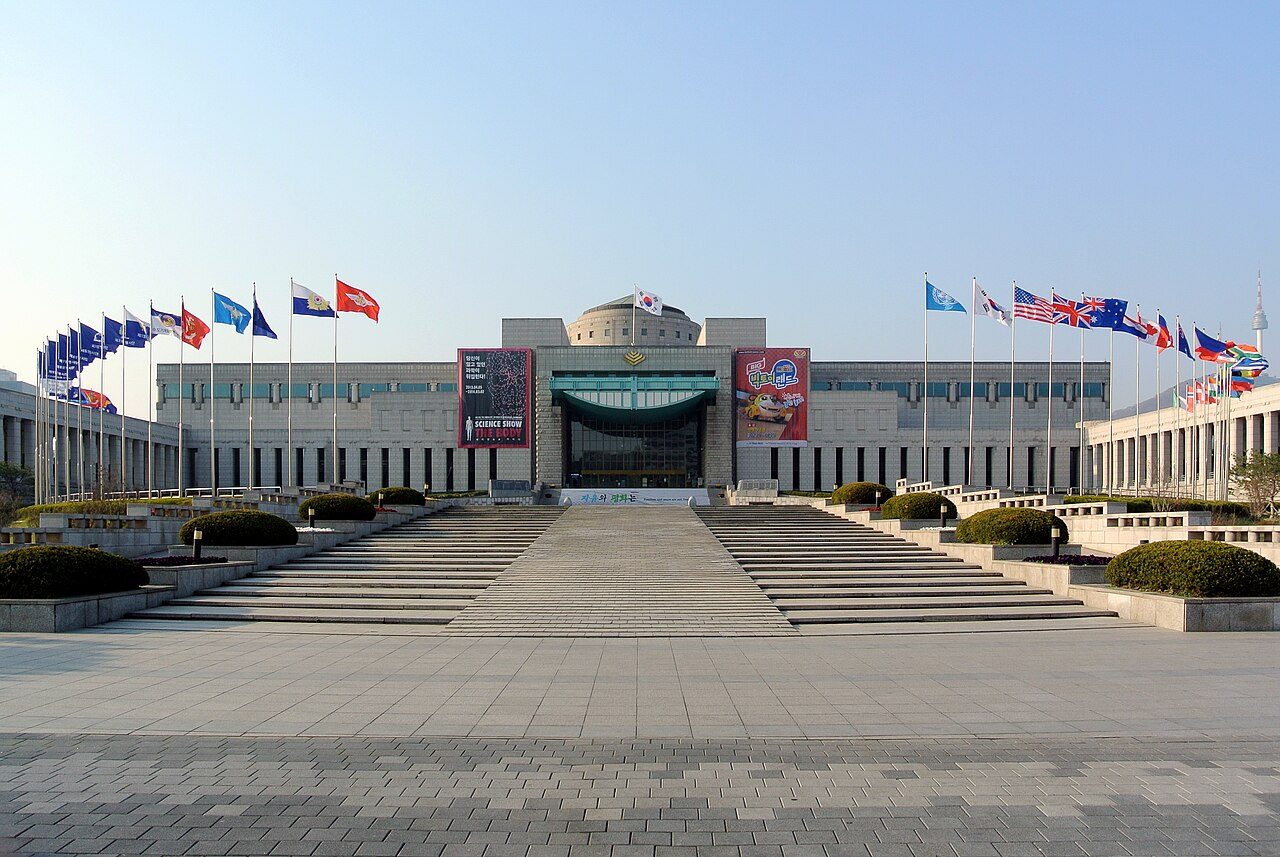
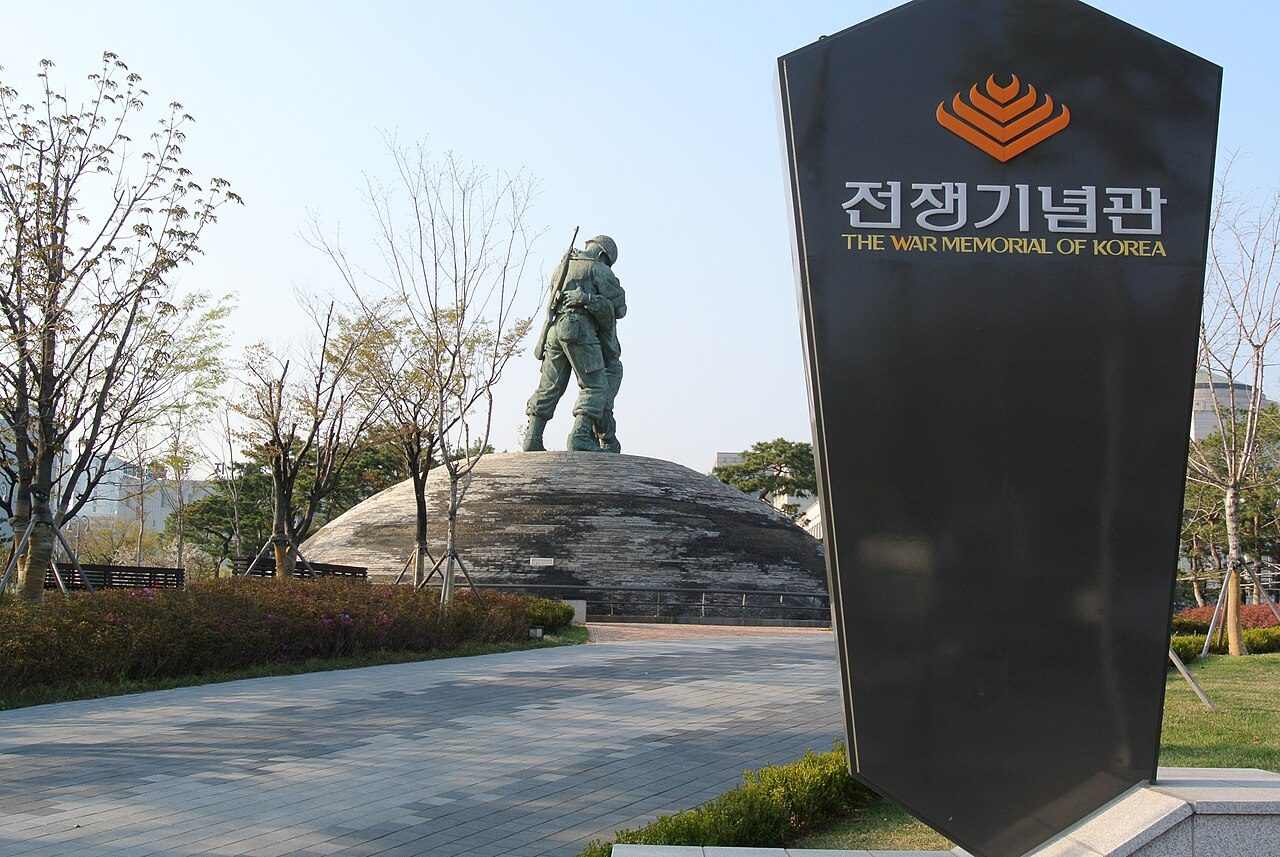
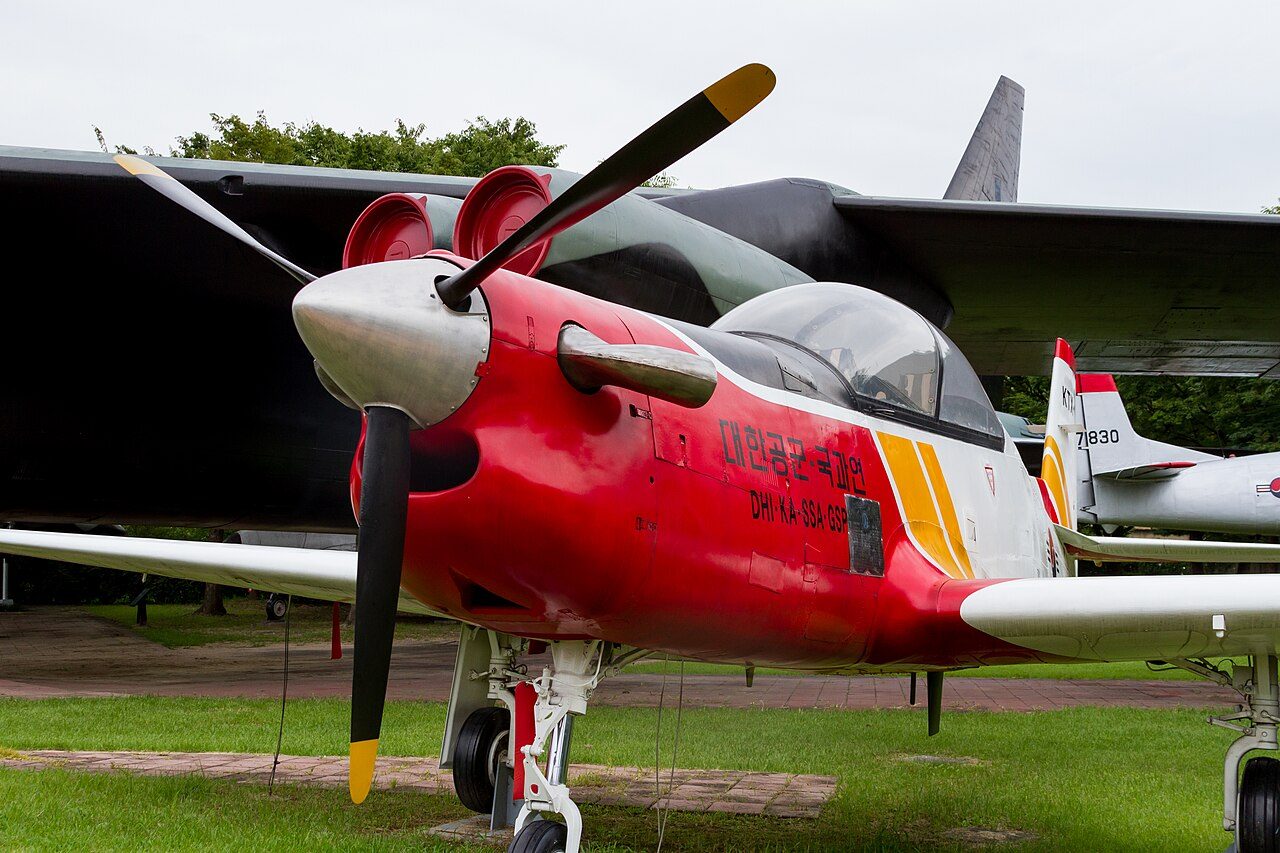
The War Memorial of Korea is a large museum on Korean military history, with a focus on the Korean War of 1950 to 1953. Its galleries hold documents, weapons and personal stories, and the outdoor area displays aircraft, tanks and naval vessels. Long corridors list the names of soldiers who died in the war. Admission is free, and you can easily spend half a day here.
11
STOP 11 OF 14
N Seoul Tower
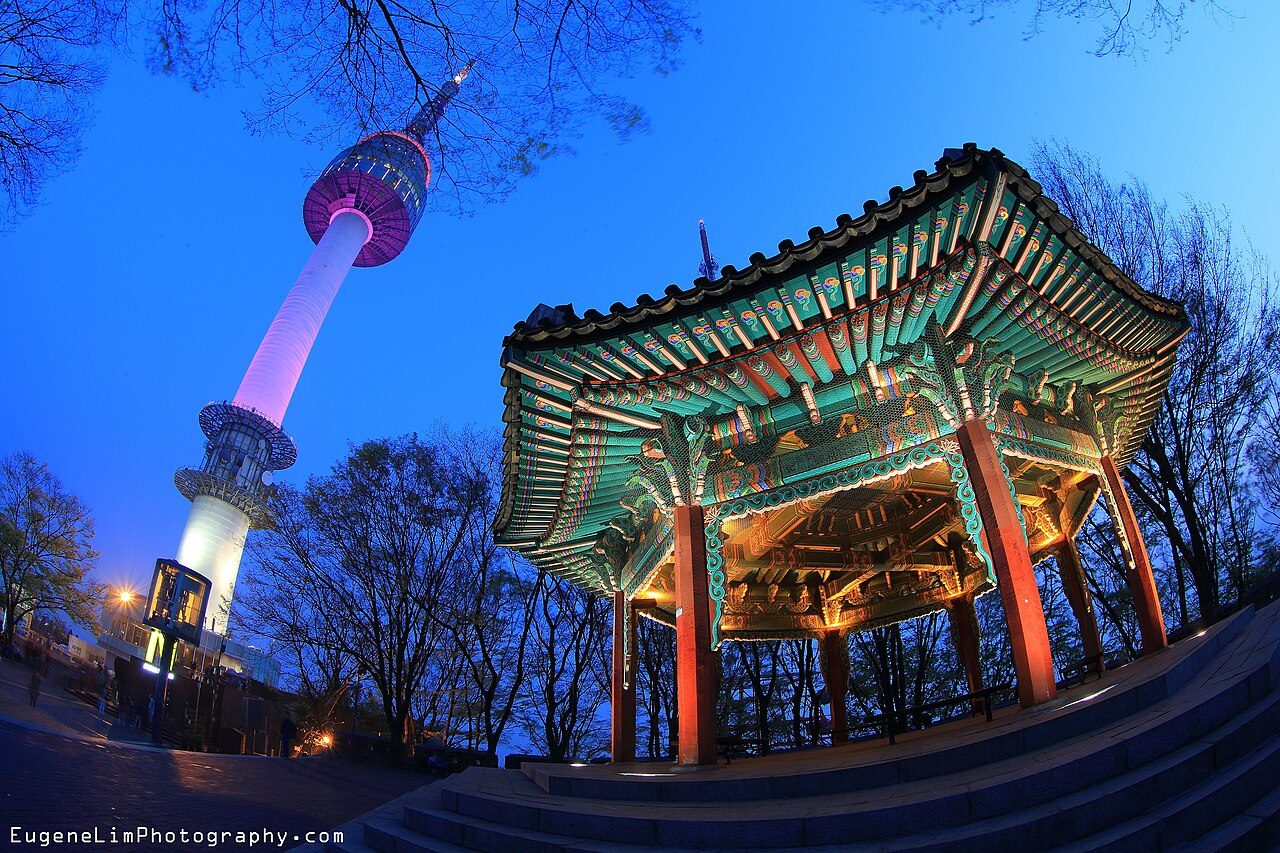
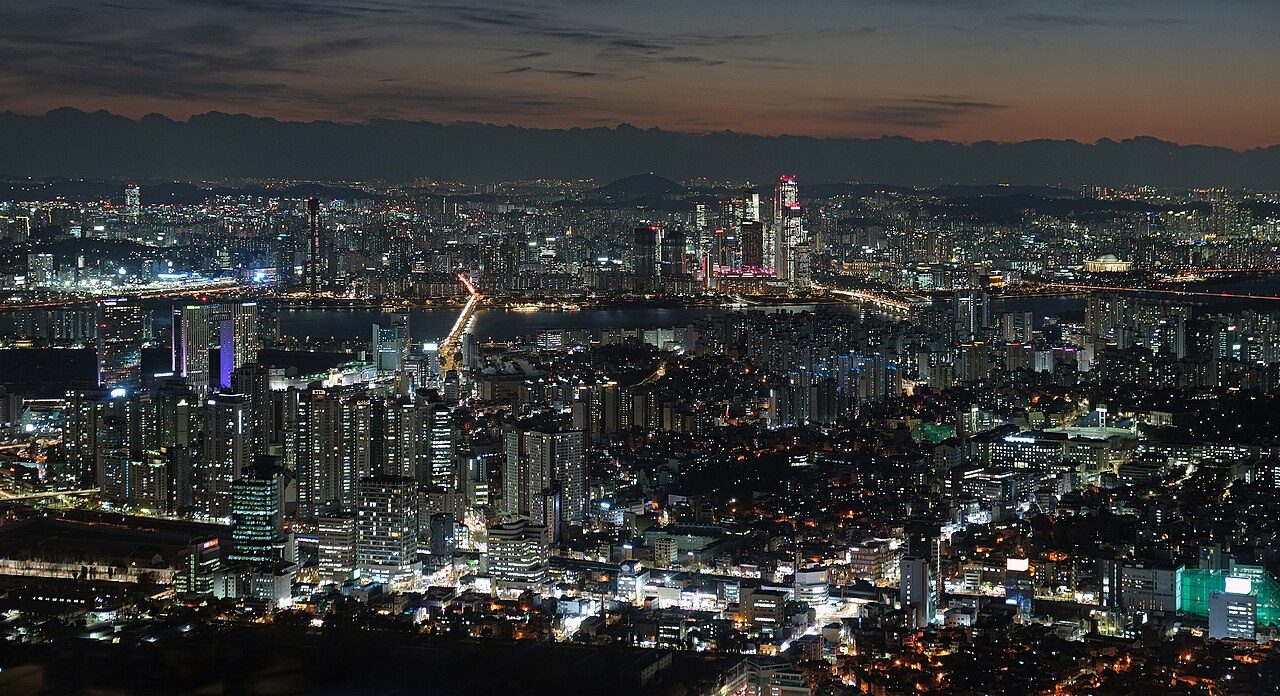
N Seoul Tower stands on top of Namsan Mountain in central Seoul and is one of the city's best-known landmarks. Its observation deck gives panoramic views across the city and surrounding mountains. The terraces around the base are famous for padlocks left by couples. Visitors can reach the top by cable car, bus or a walk up the forested slopes of Namsan.
12
STOP 12 OF 14
Bongeunsa Temple
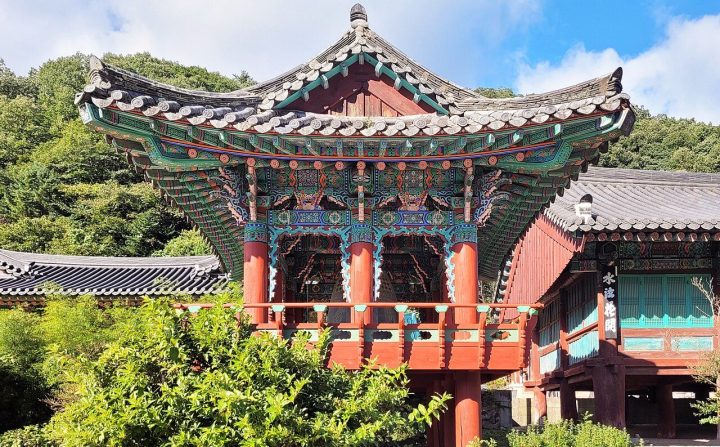
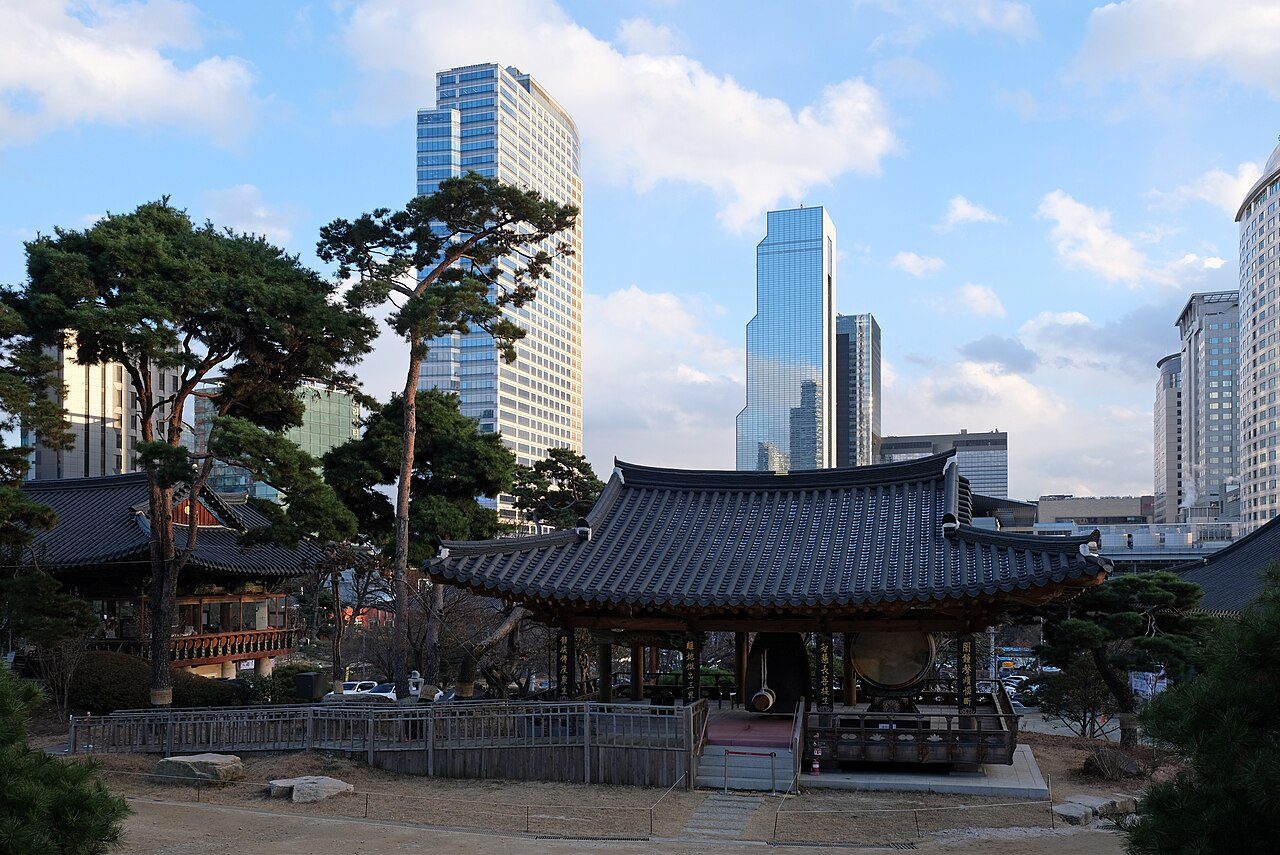
Bongeunsa is a Buddhist temple founded about 1,200 years ago, now surrounded by the skyscrapers of Gangnam. A huge standing statue of Maitreya Buddha looks over the grounds, and the halls hold old woodblocks of Buddhist scriptures. The temple offers temple stay programmes in English. It sits right across from the COEX Mall and is a calm escape from the city.
13
STOP 13 OF 14
Lotte World Tower
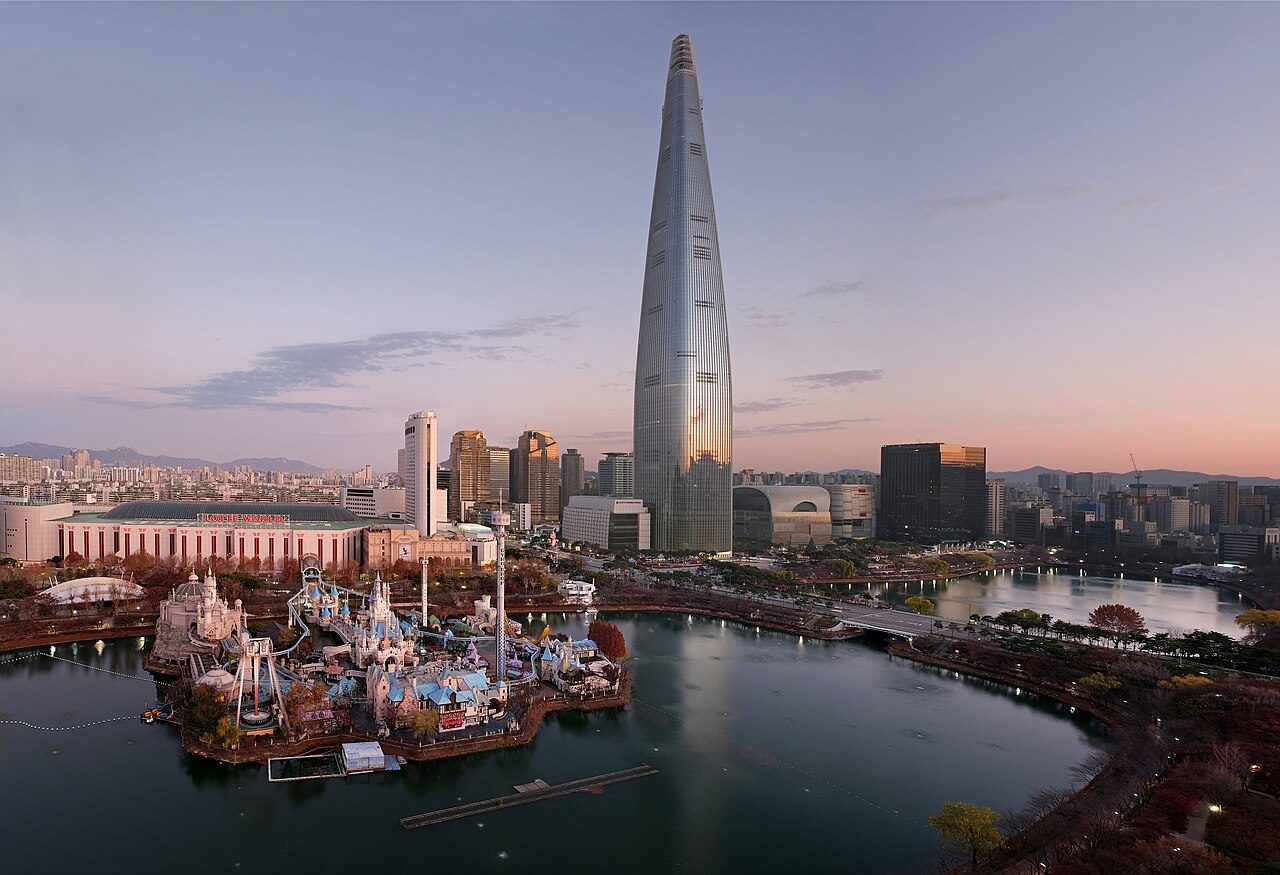
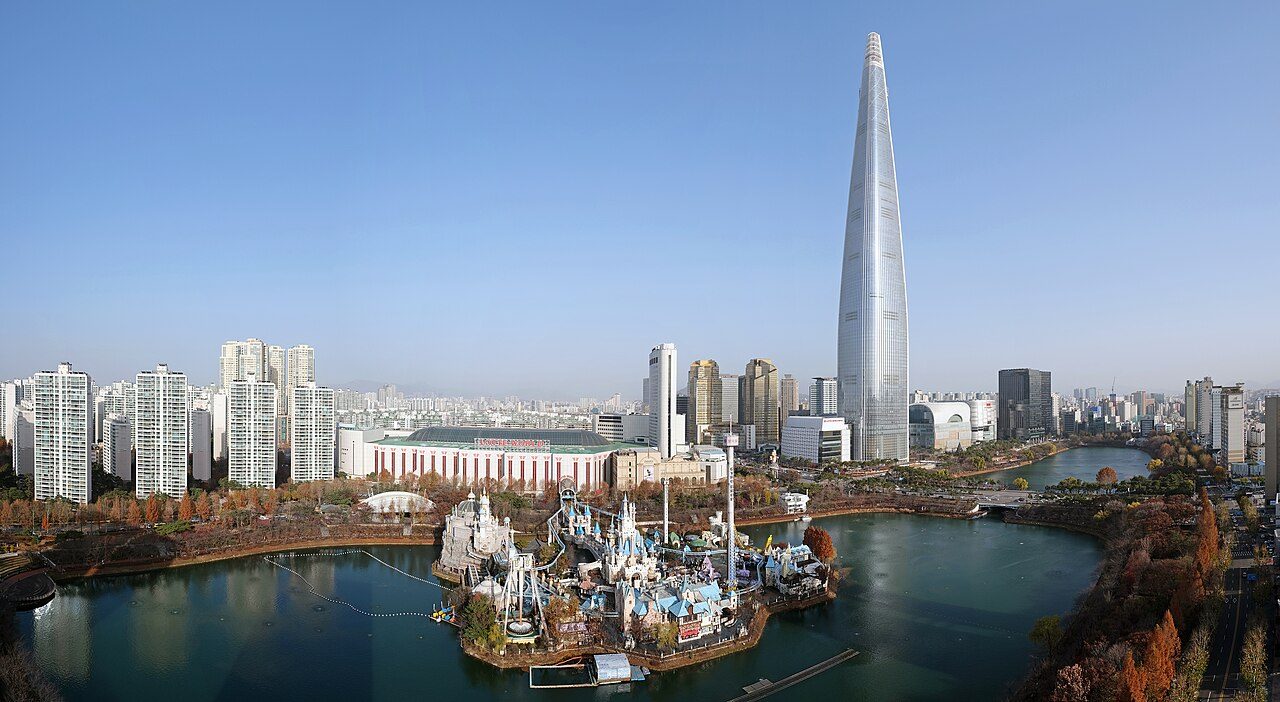
Lotte World Tower is the tallest building in South Korea, rising 555 metres over Songpa District. Completed in 2017, its Seoul Sky observation decks on the top floors include a glass floor with views straight down. The tower contains a mall, hotel and offices, and stands beside Seokchon Lake and the Lotte World theme park. Visit at sunset to see the city light up.
14
STOP 14 OF 14 · LAST STOP
Dongdaemun Design Plaza
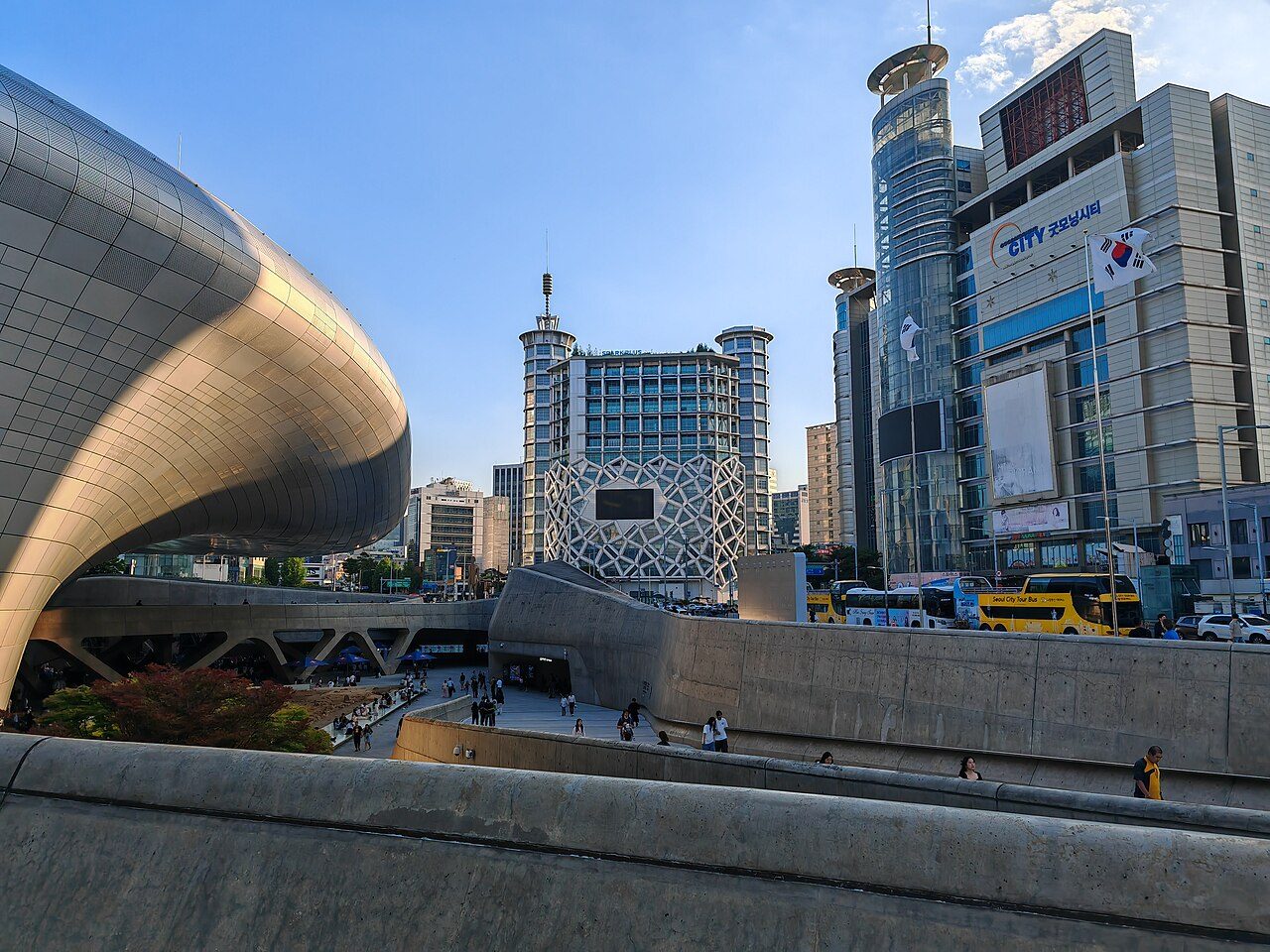
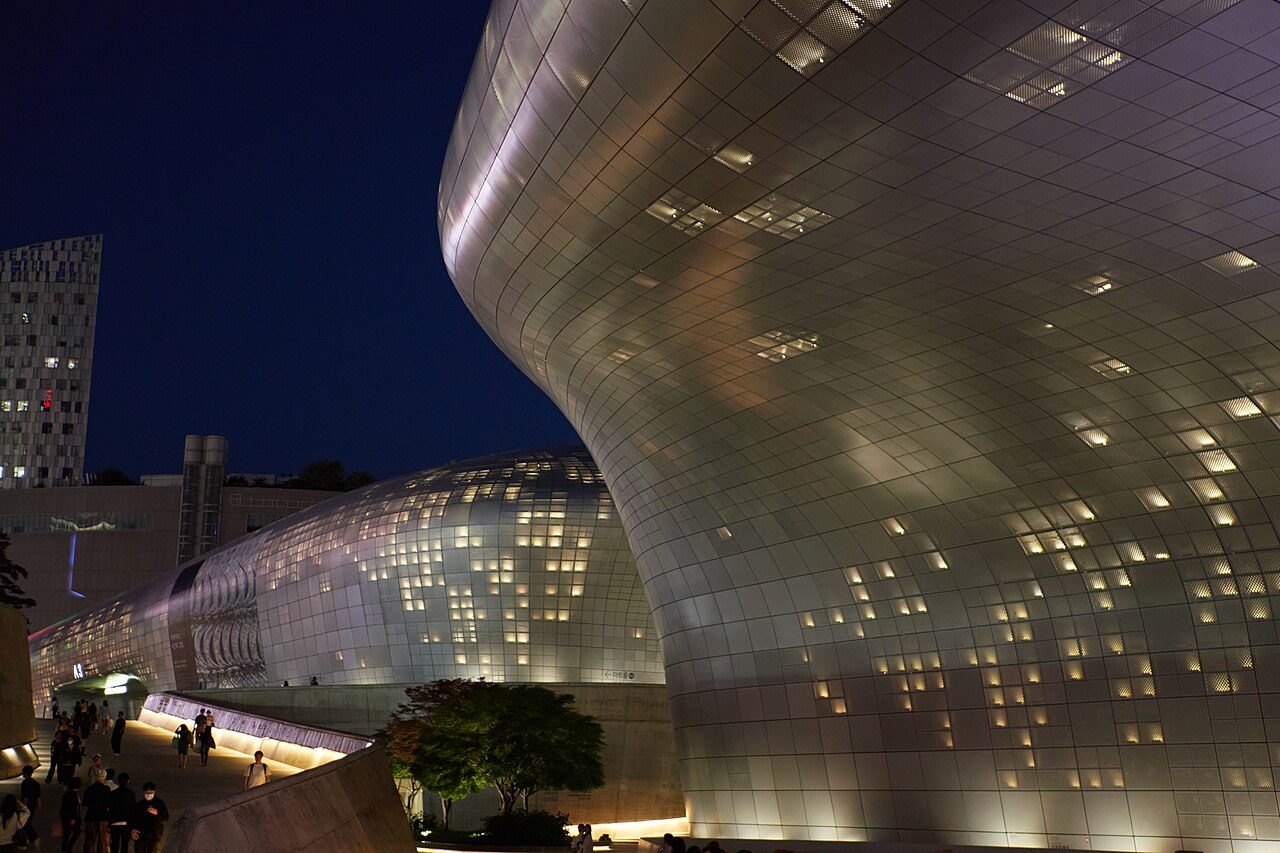
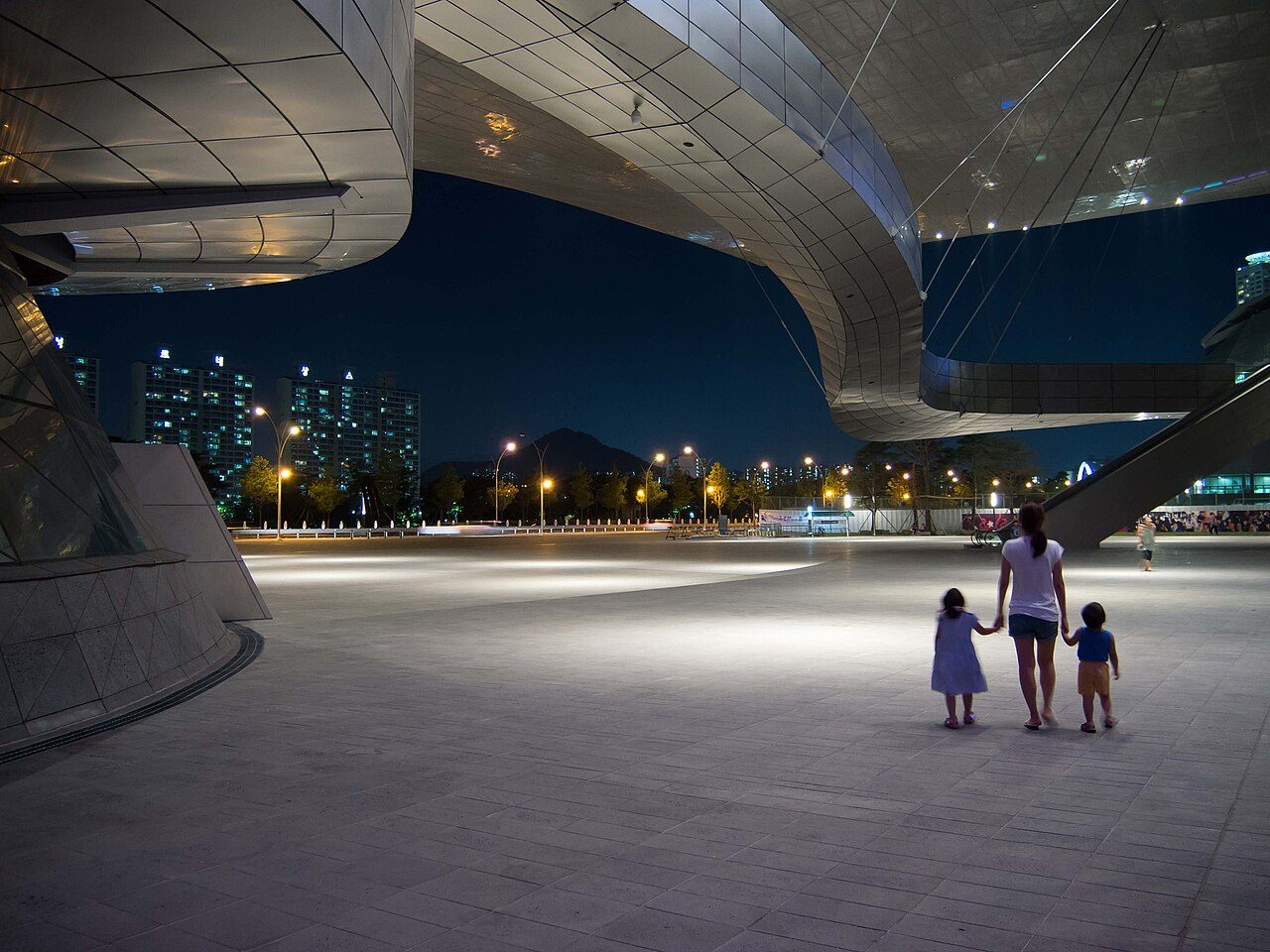
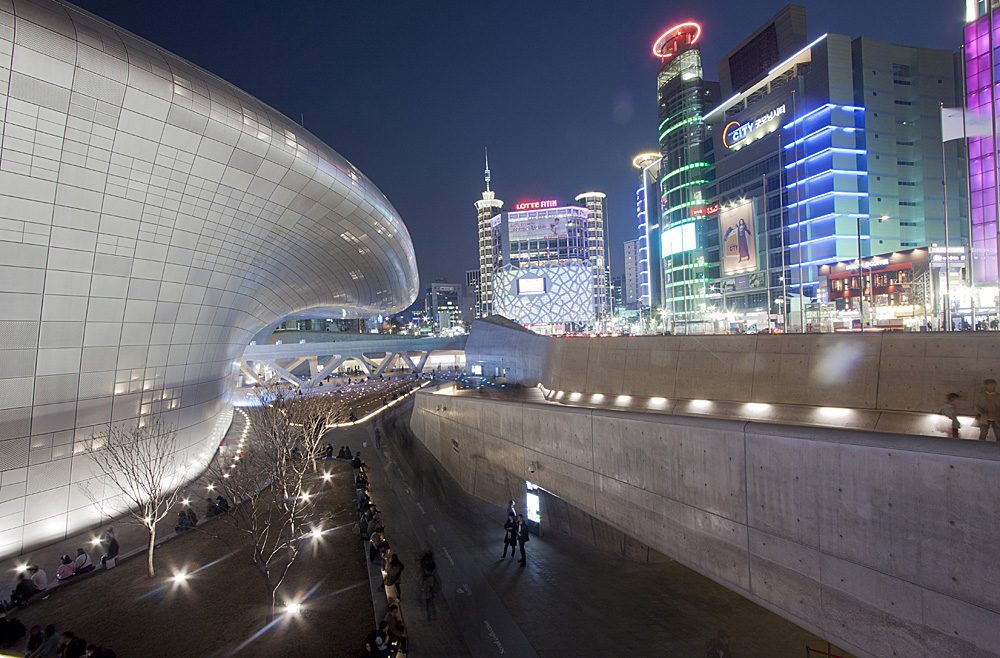
Dongdaemun Design Plaza is a futuristic landmark designed by architect Zaha Hadid and opened in 2014. Its curving silver panels and lack of straight lines make it one of Seoul's most striking buildings. It hosts exhibitions, fashion shows and markets, and parts of the old city wall were preserved on the site. In the evening the LED rose garden lights up nearby.
 WaTrips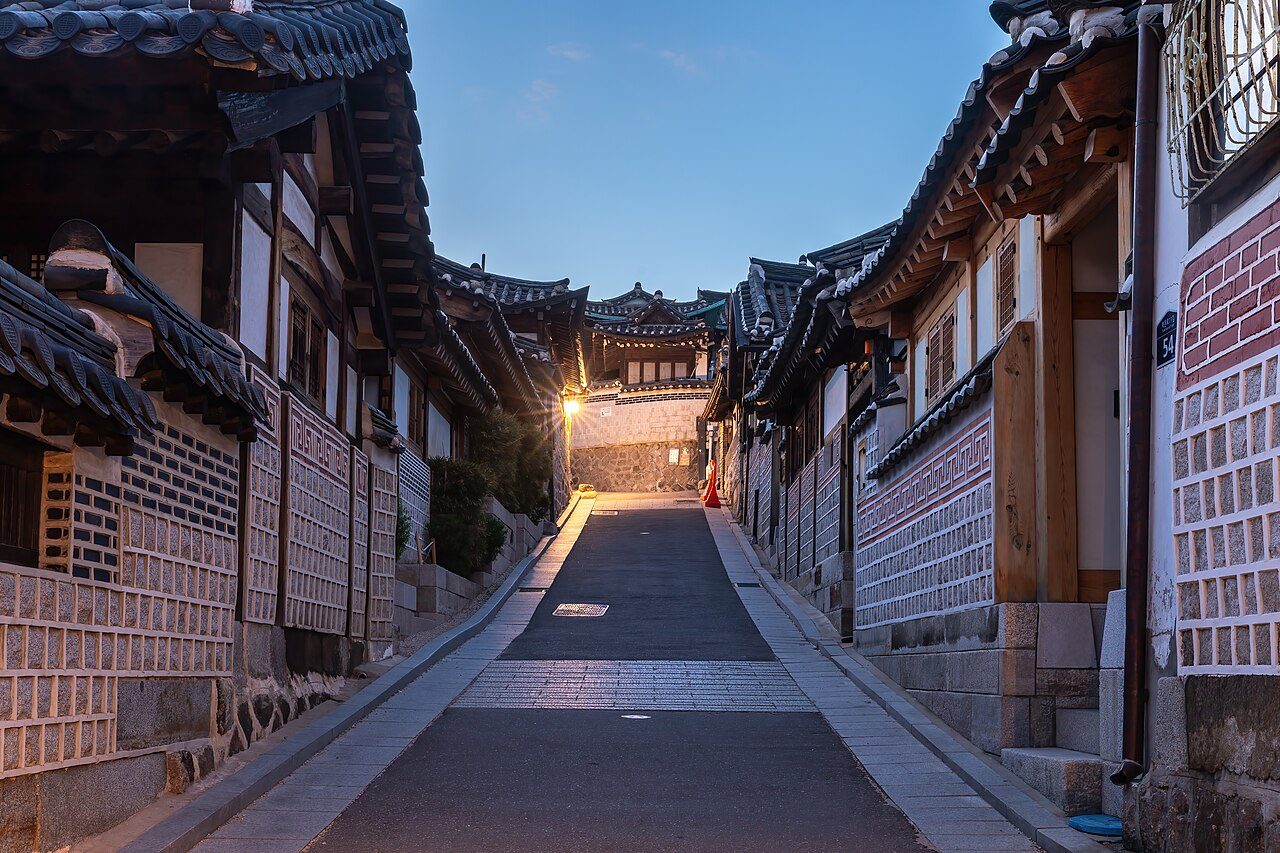



 BikesBooking
 Localrent
 Airalo
 Tiqets