Seoul's palaces and hanok village, the National Museum, Imjingak by the DMZ, Hwaseong Fortress, Gyeongju's temples and tombs, and Busan's beaches and temples.
Korea mixes ancient palaces and temples with some of the world's most modern cities. Spend three days in Seoul: Gyeongbokgung and Changdeokgung, Bukchon's hanok houses, Myeongdong, the National Museum and the view from N Seoul Tower. Visit Imjingak by the DMZ and Suwon's Hwaseong Fortress. Take the fast train to Gyeongju, the old Silla capital, for Bulguksa, the Seokguram Grotto and the royal tombs. End in Busan at the seaside Haedong Yonggungsa temple, Haeundae Beach and colourful Gamcheon. Spring and autumn are best.
01
STOP 1 OF 27
Gyeongbokgung Palace
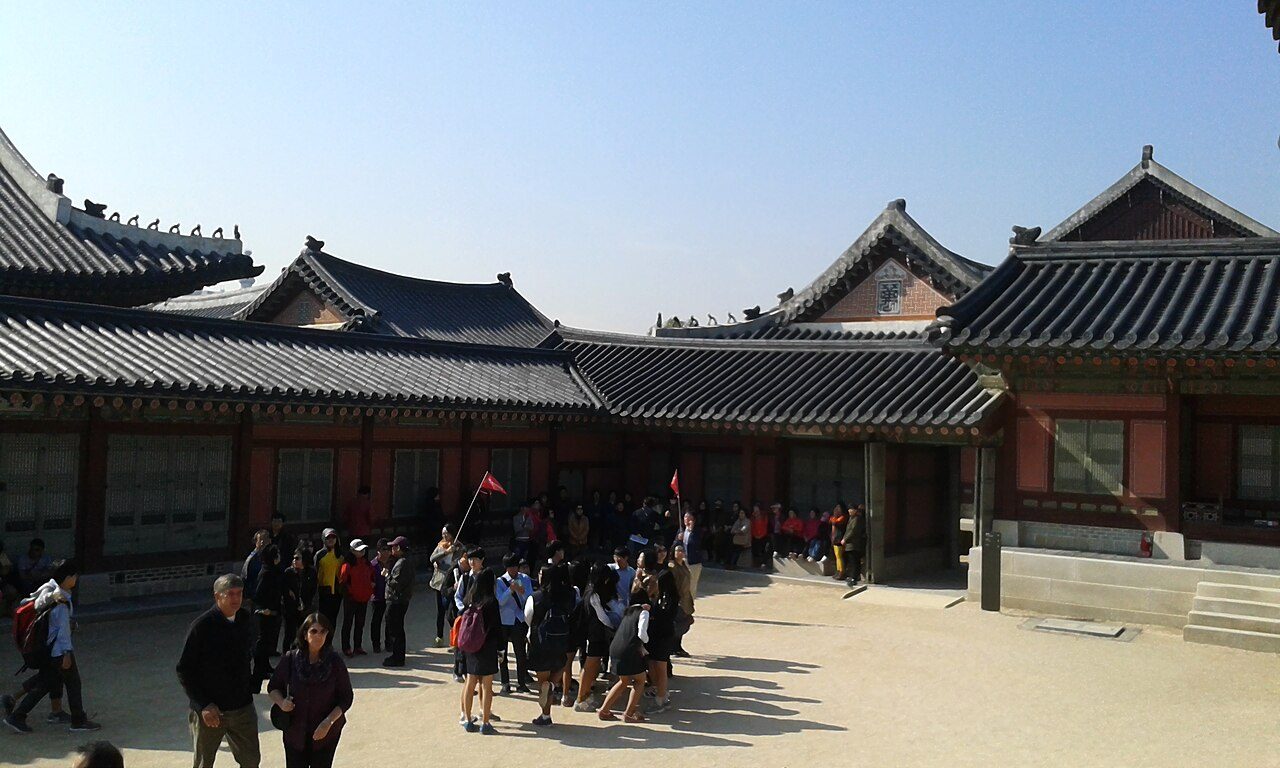
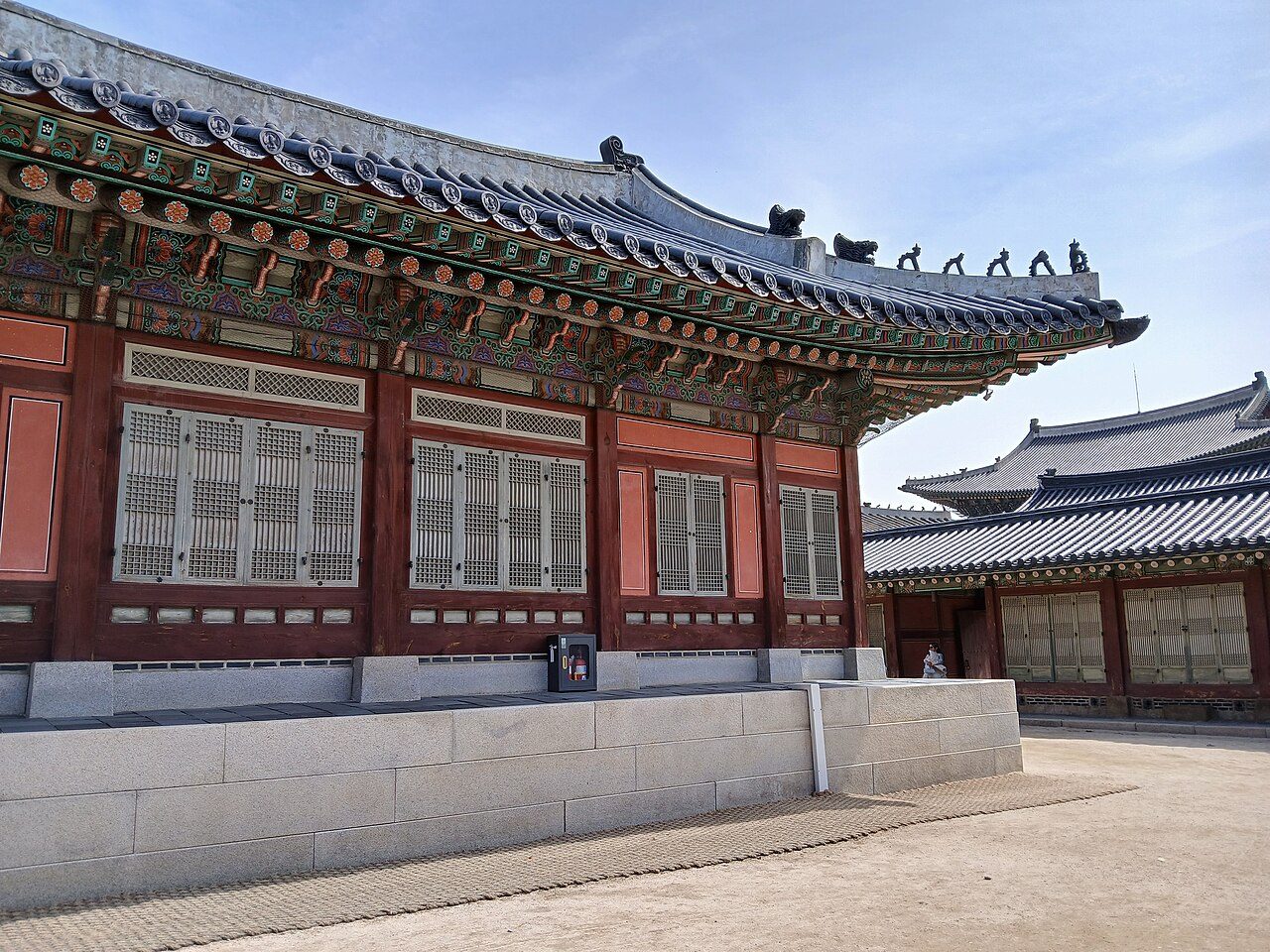
Gyeongbokgung Palace was the main royal palace of the Joseon dynasty, first built in 1395. Many buildings were destroyed during the Japanese occupation and have been carefully restored. Highlights include the throne hall Geunjeongjeon and the Gyeonghoeru pavilion on its pond. The changing of the guard takes place at Gwanghwamun gate, and visitors in hanbok enter free.
02
STOP 2 OF 27
Bukchon Hanok Village
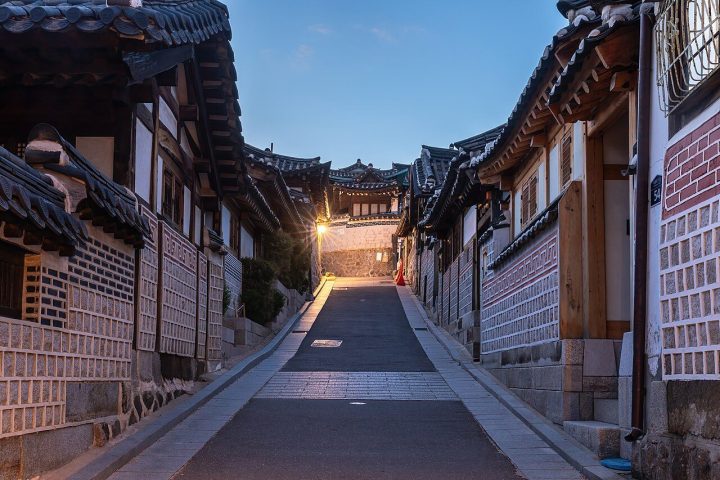
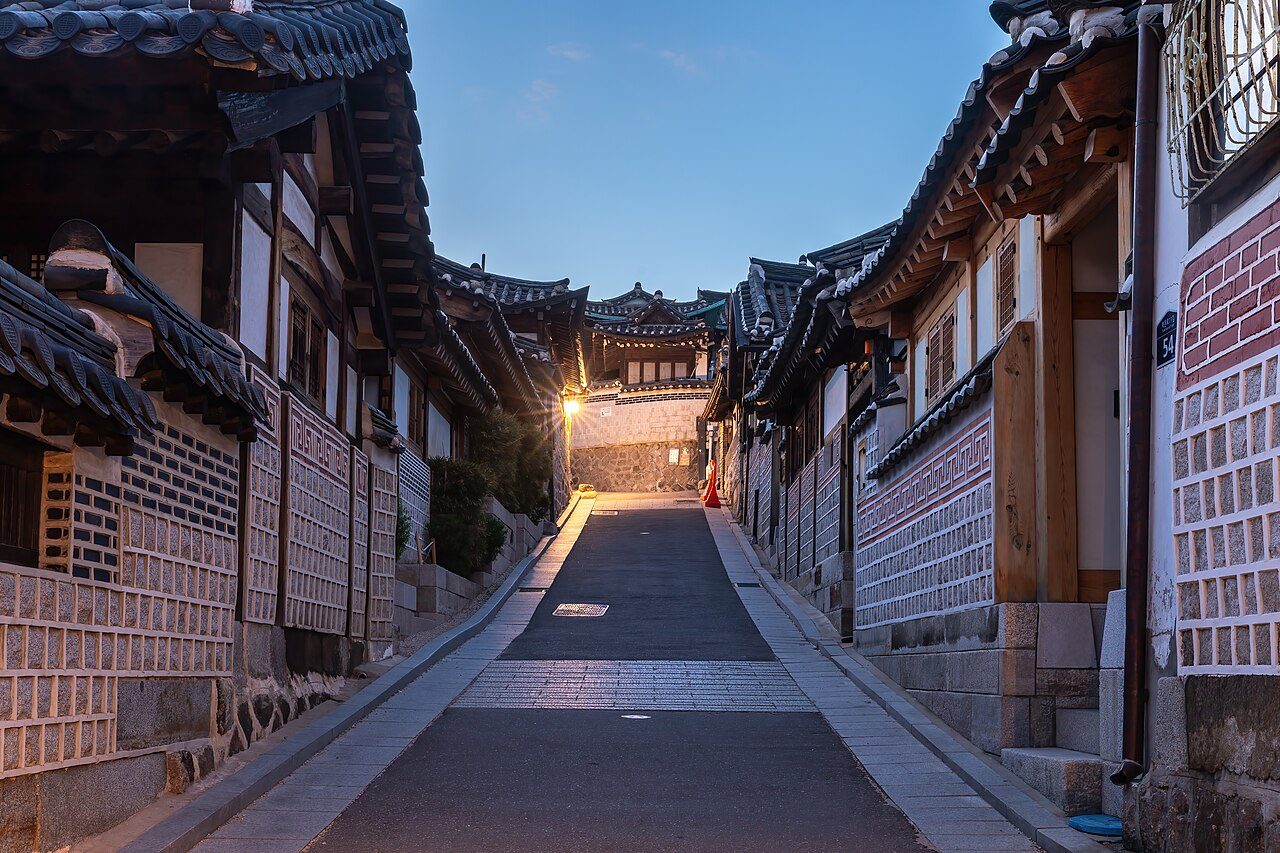
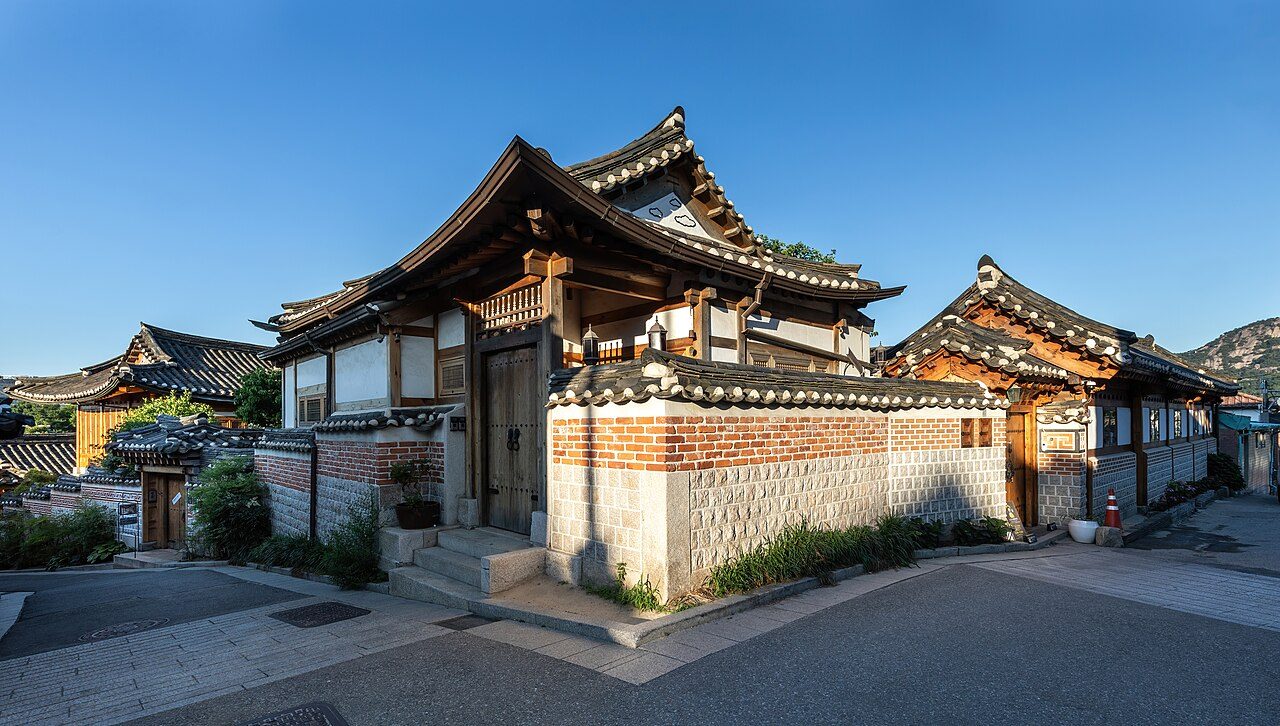
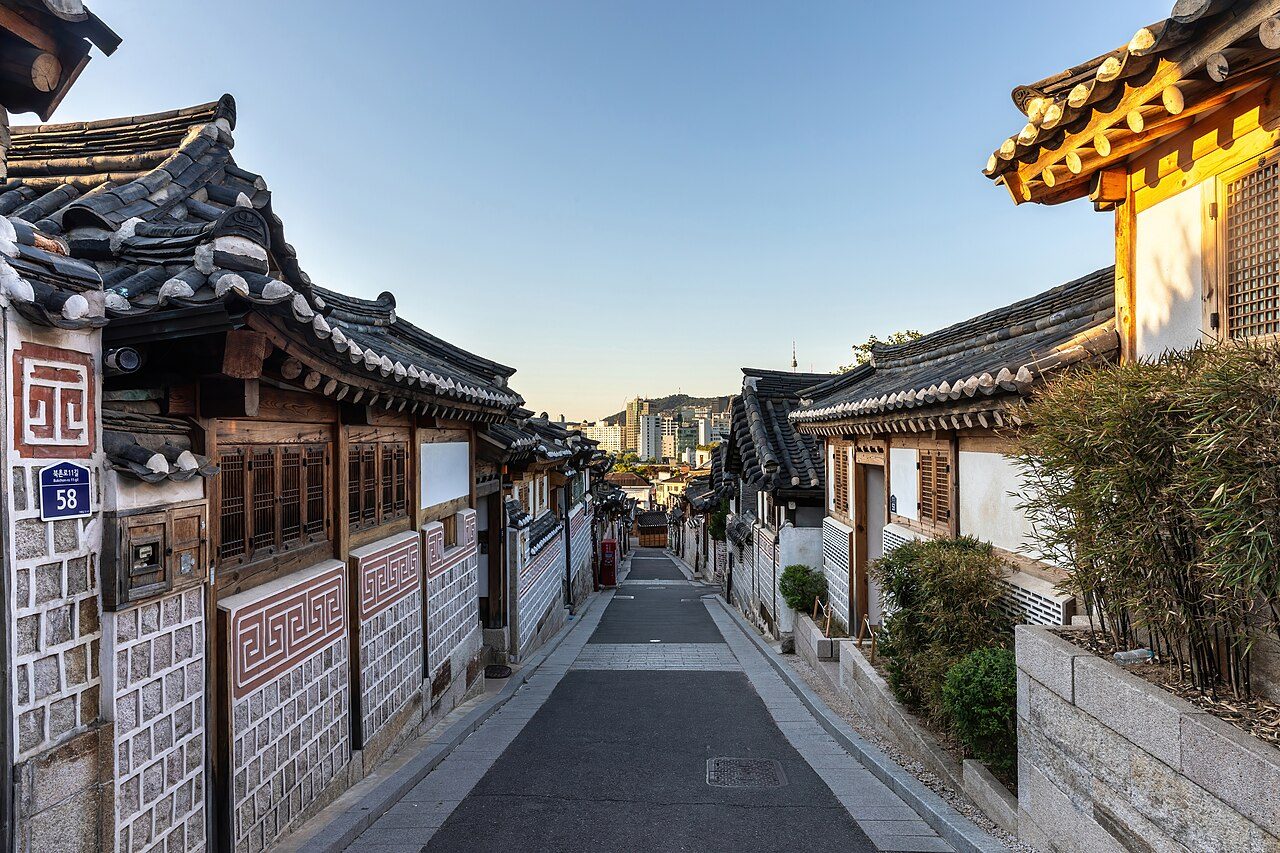
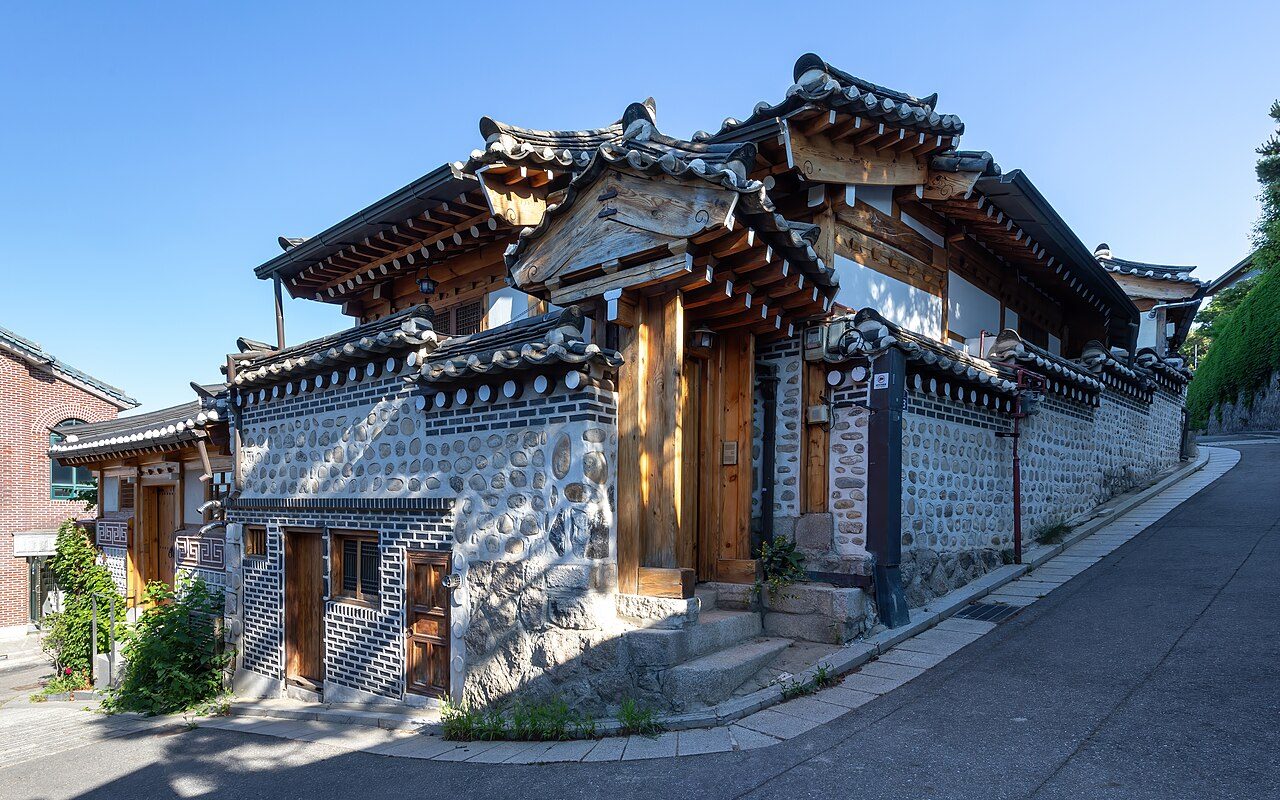
Bukchon Hanok Village is a residential neighbourhood between Gyeongbokgung and Changdeokgung filled with traditional Korean hanok houses. Its narrow, hilly lanes offer views of tiled roofs with the city skyline beyond. It was home to officials and nobles of the Joseon era. Since people still live here, visitors must keep noise down and respect posted visiting hours.
03
STOP 3 OF 27
Changdeokgung Palace
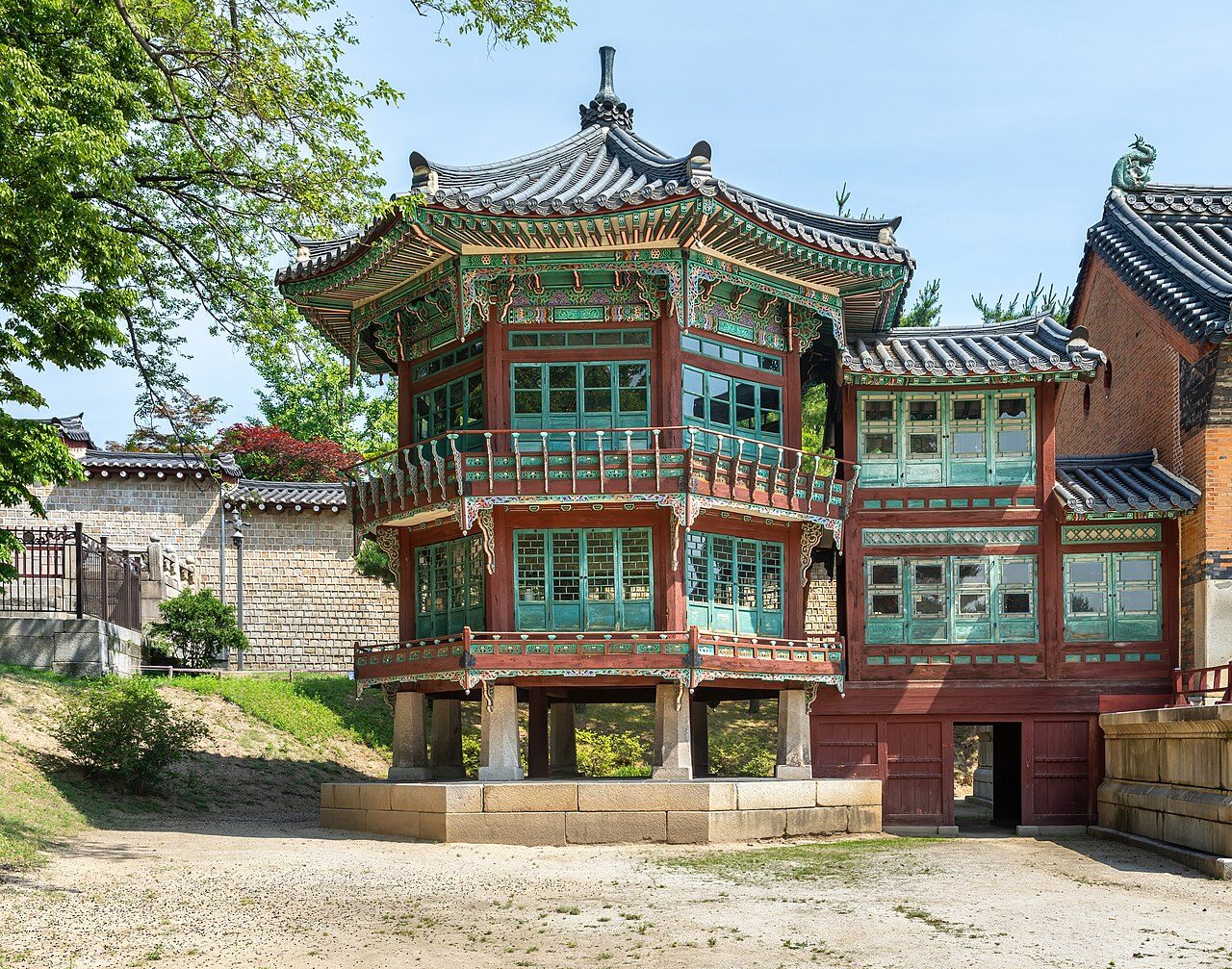
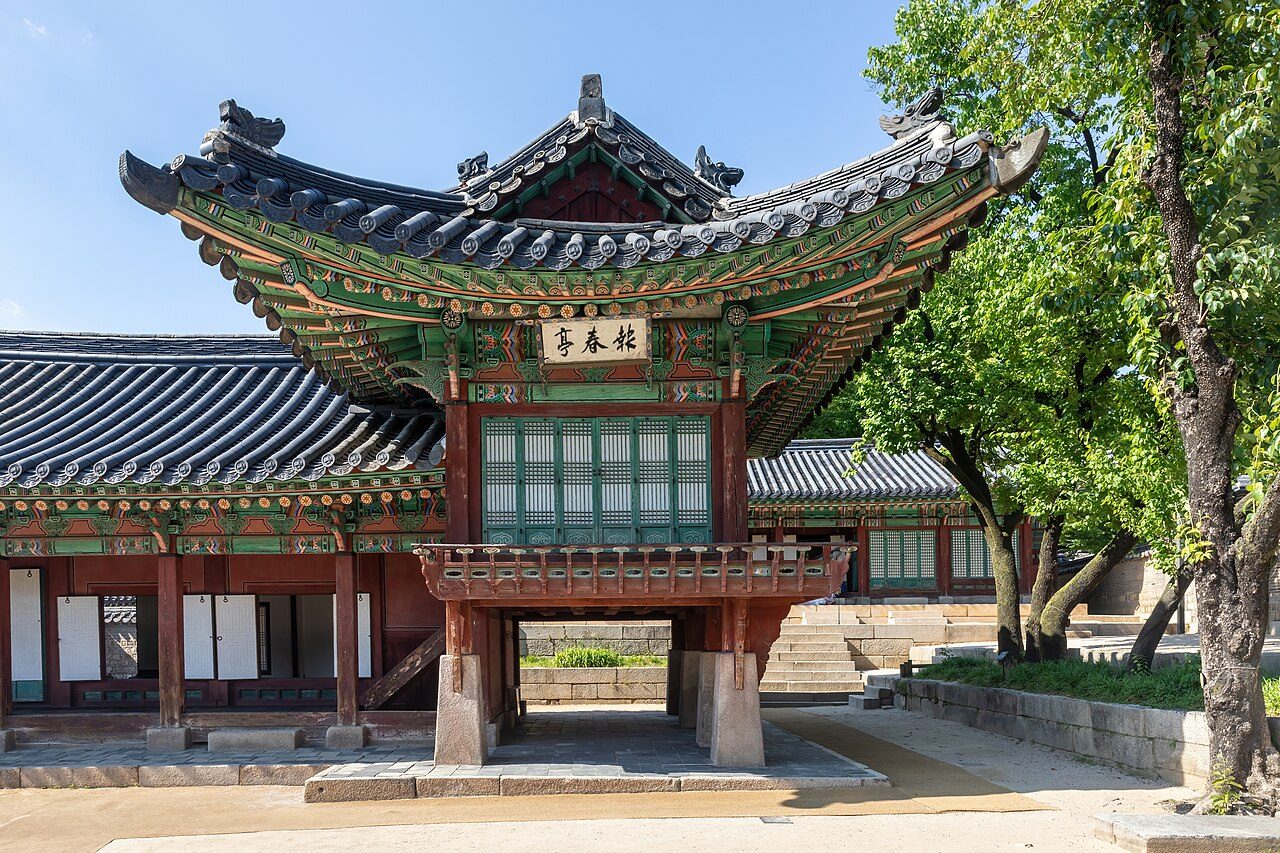
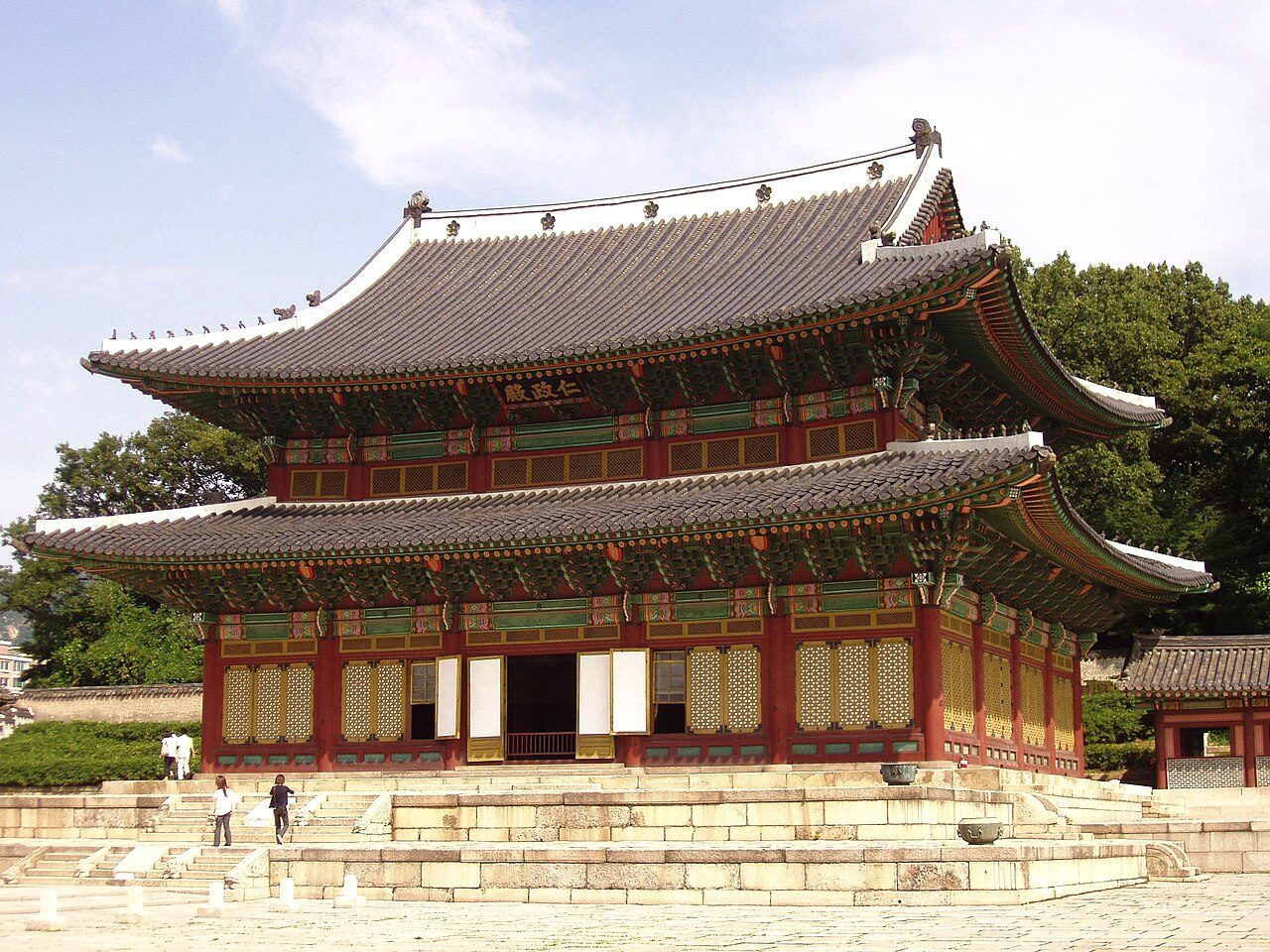
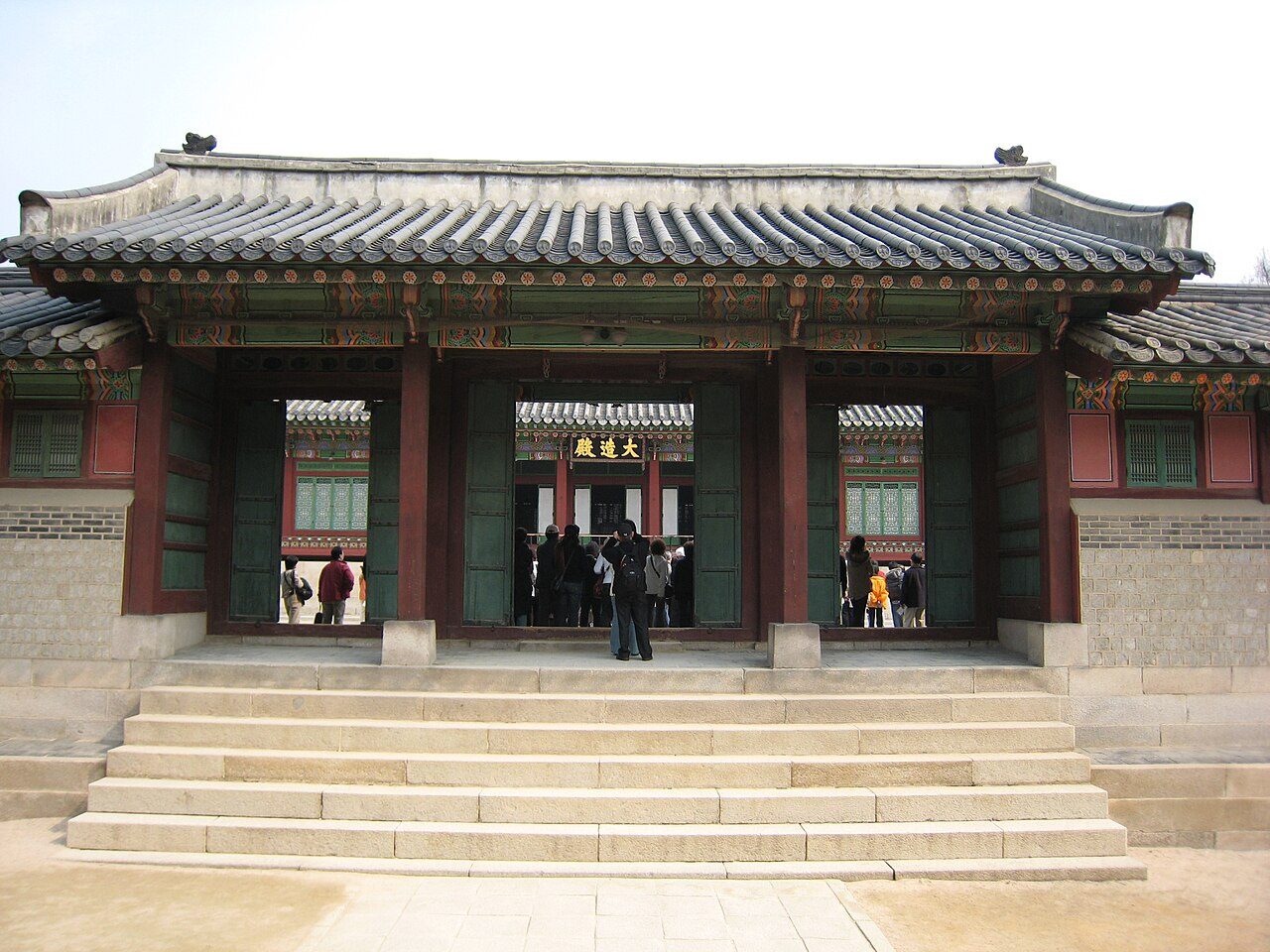
Changdeokgung Palace was built in the early 1400s as a secondary royal palace and became the favoured residence of many Joseon kings. It is a UNESCO World Heritage Site admired for buildings that follow the natural shape of the land. The highlight is the Huwon secret garden, with ponds and pavilions, visited only on a guided tour. Book the garden tour in advance.
04
STOP 4 OF 27
Jogyesa Temple
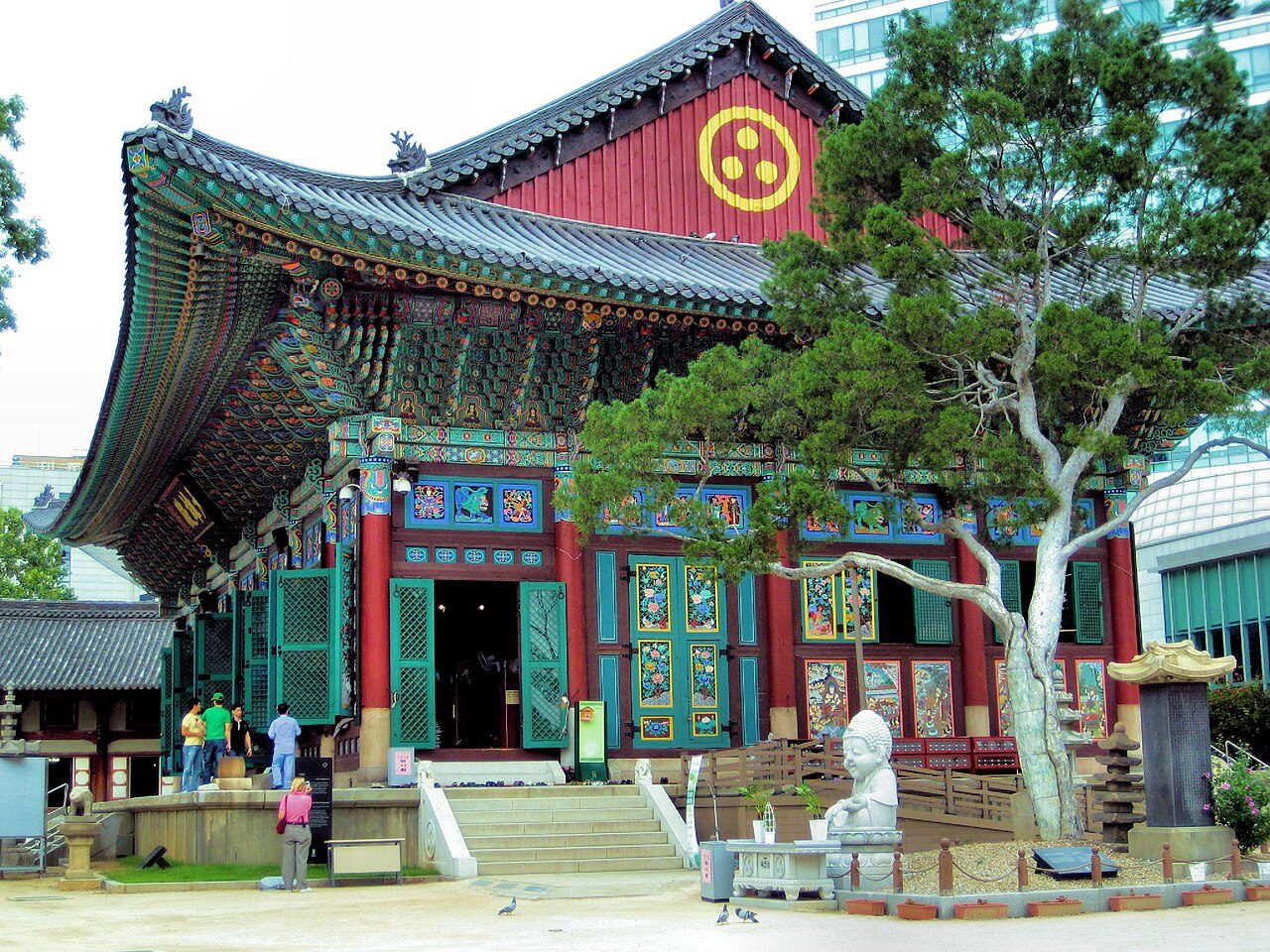
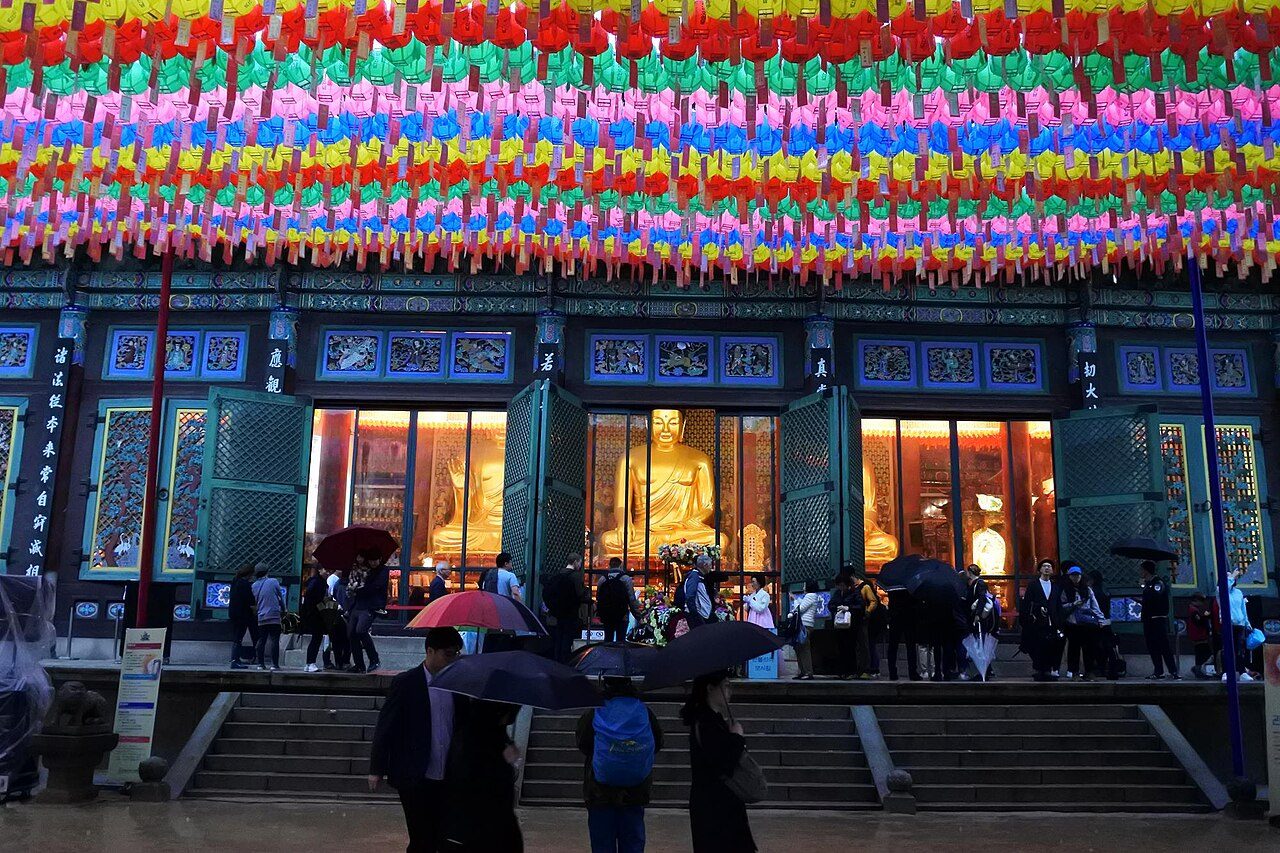
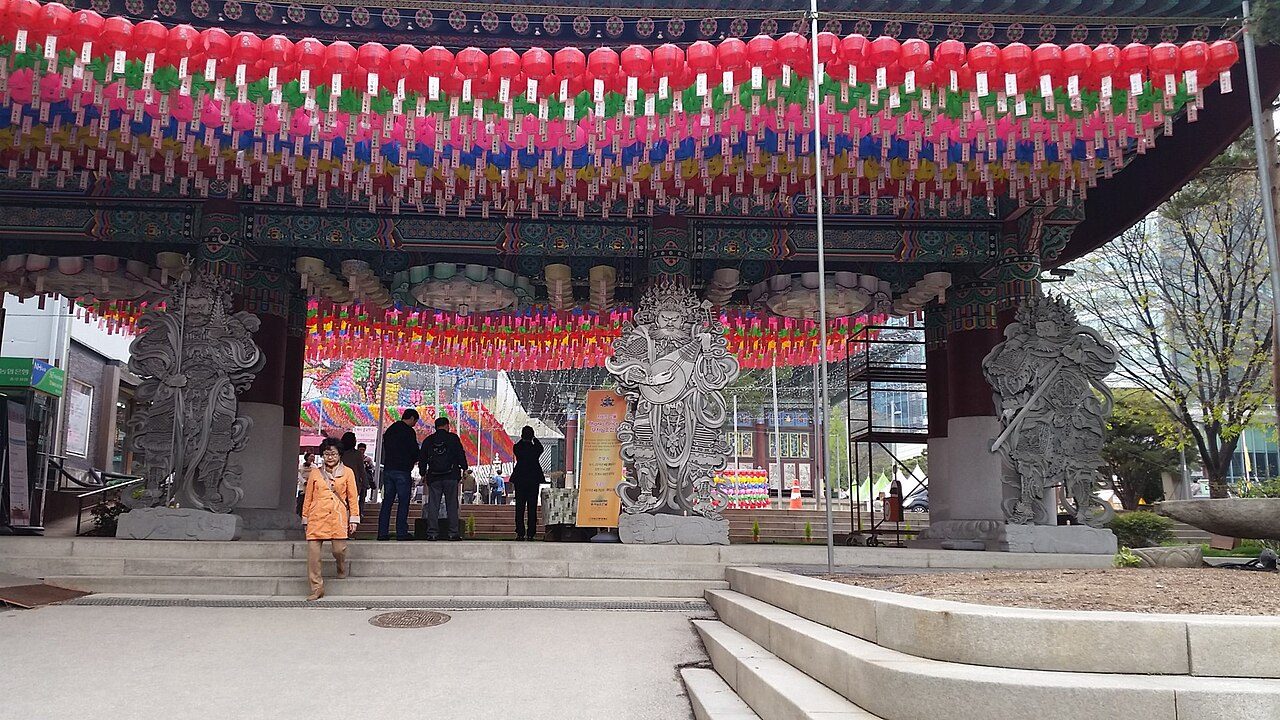
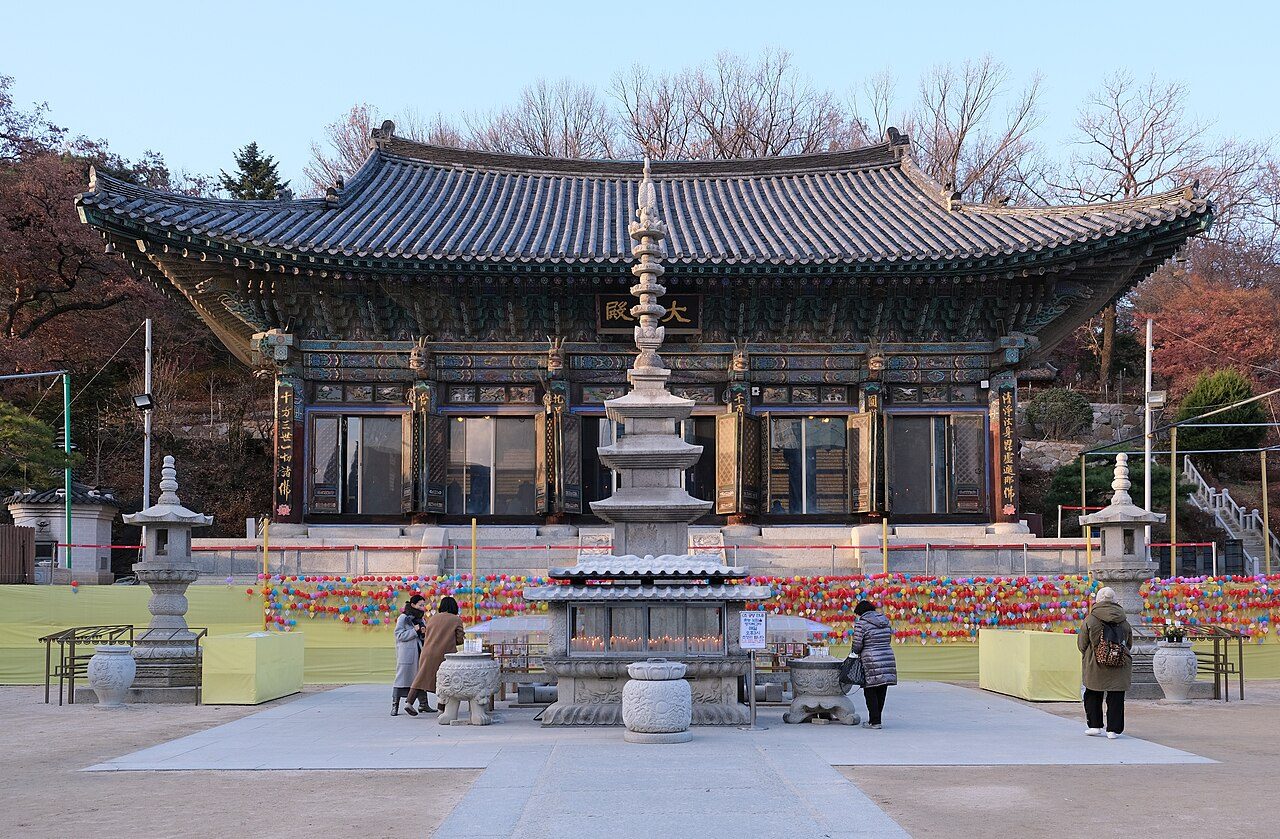
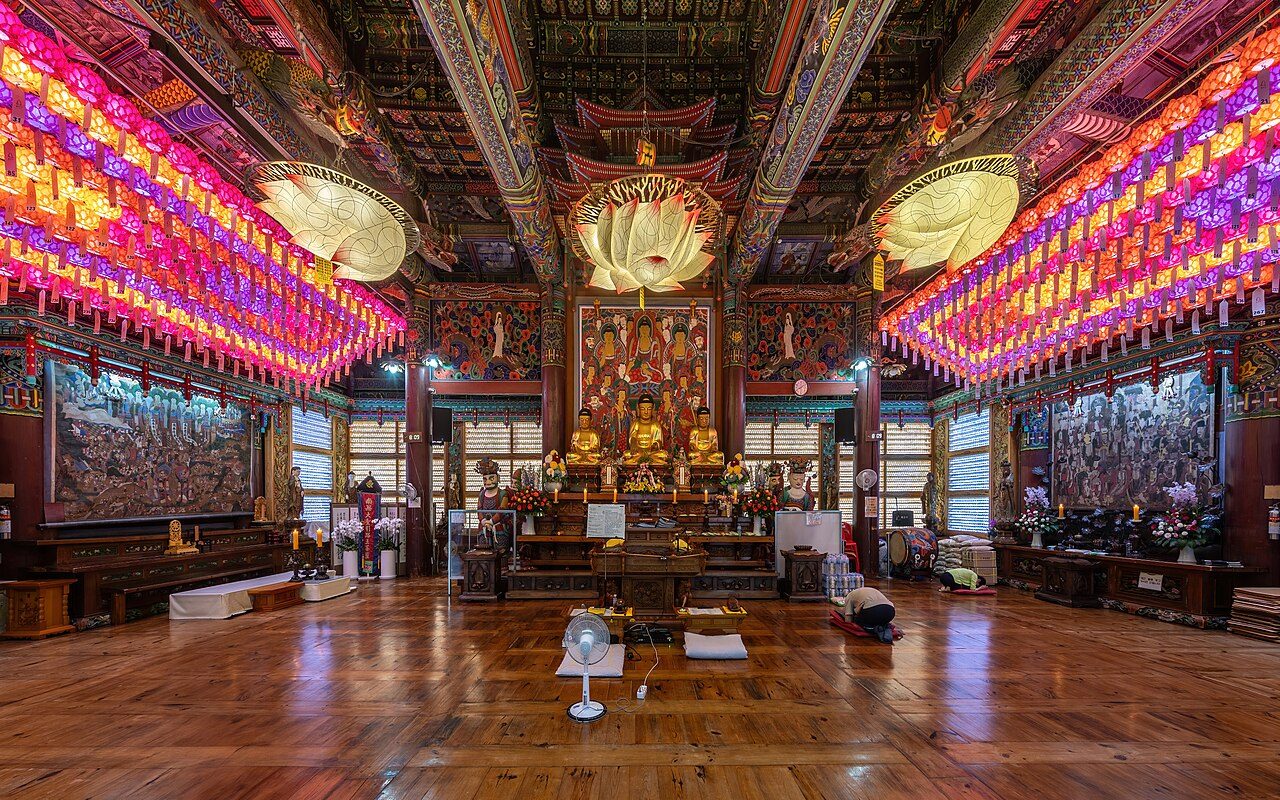
Jogyesa Temple is the chief temple of the Jogye Order, the largest branch of Korean Buddhism. It sits in central Seoul near Insadong, with an ornate main hall and ancient trees in its courtyard. During the Lotus Lantern Festival before Buddha's Birthday, thousands of colourful lanterns hang above the grounds. Visitors can join temple stay programmes and meditation sessions.
05
STOP 5 OF 27
Deoksugung Palace
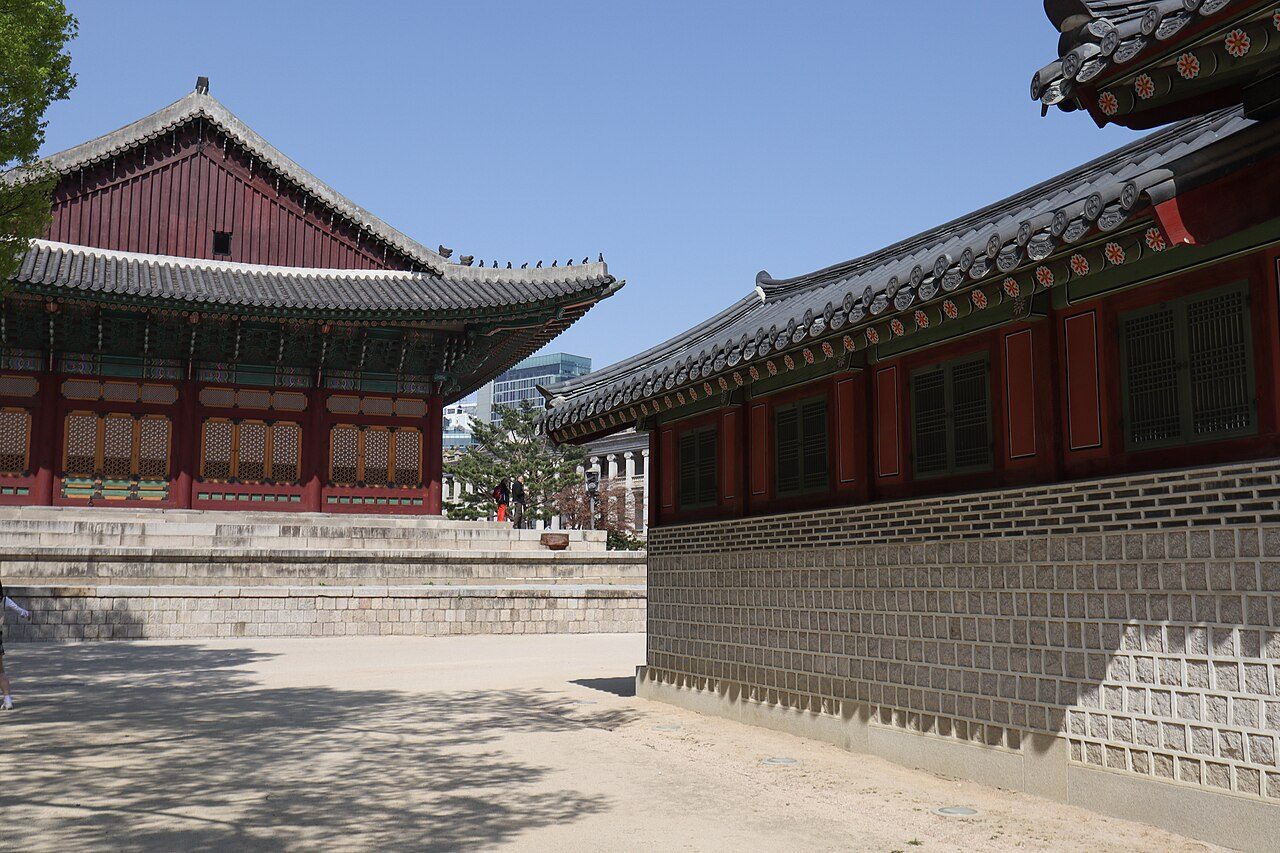
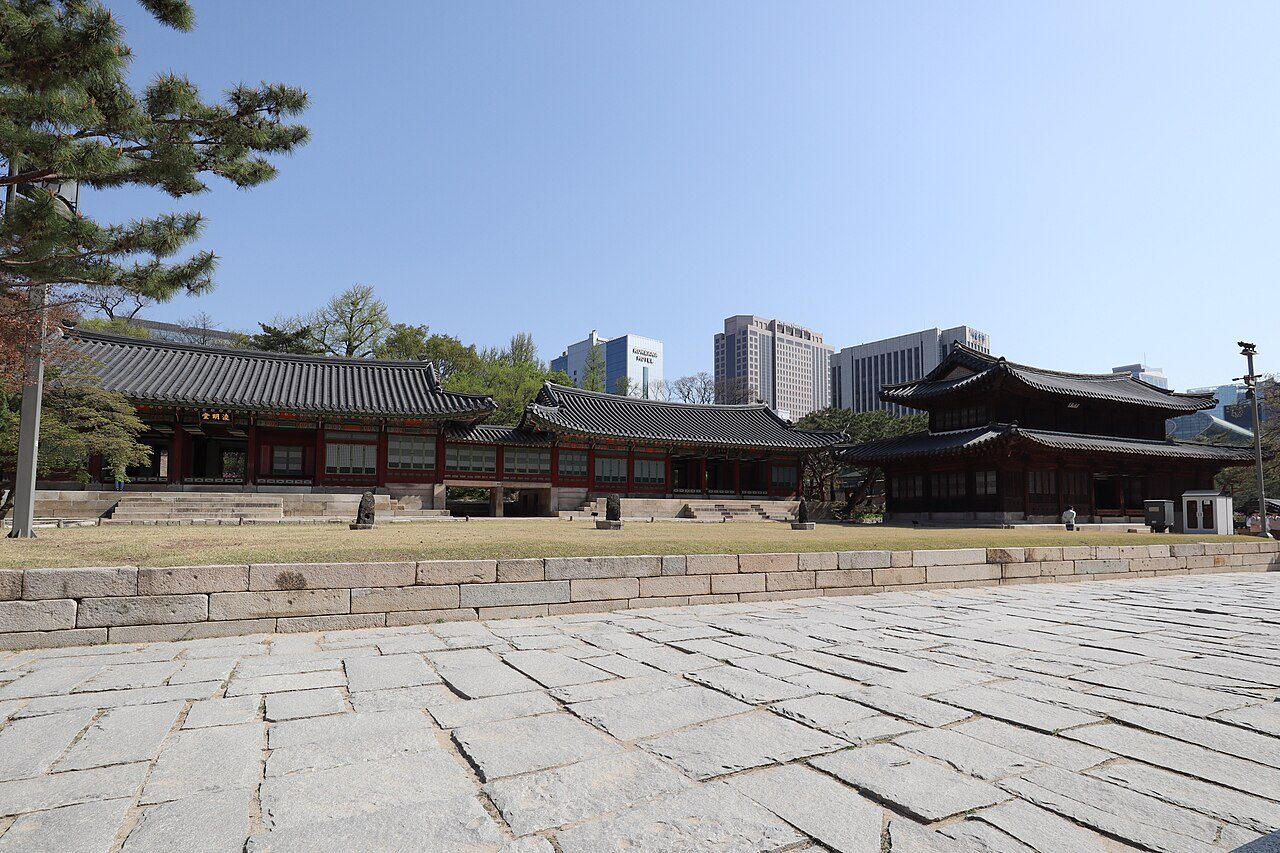
Deoksugung Palace stands in central Seoul and blends traditional Korean halls with Western-style stone buildings from the late Joseon and Korean Empire periods. Seokjojeon, a neoclassical hall, houses a museum. The changing of the royal guard takes place at Daehanmun gate several times a day. The stone-wall road beside the palace is a popular walk in autumn.
06
STOP 6 OF 27
Sungnyemun Gate
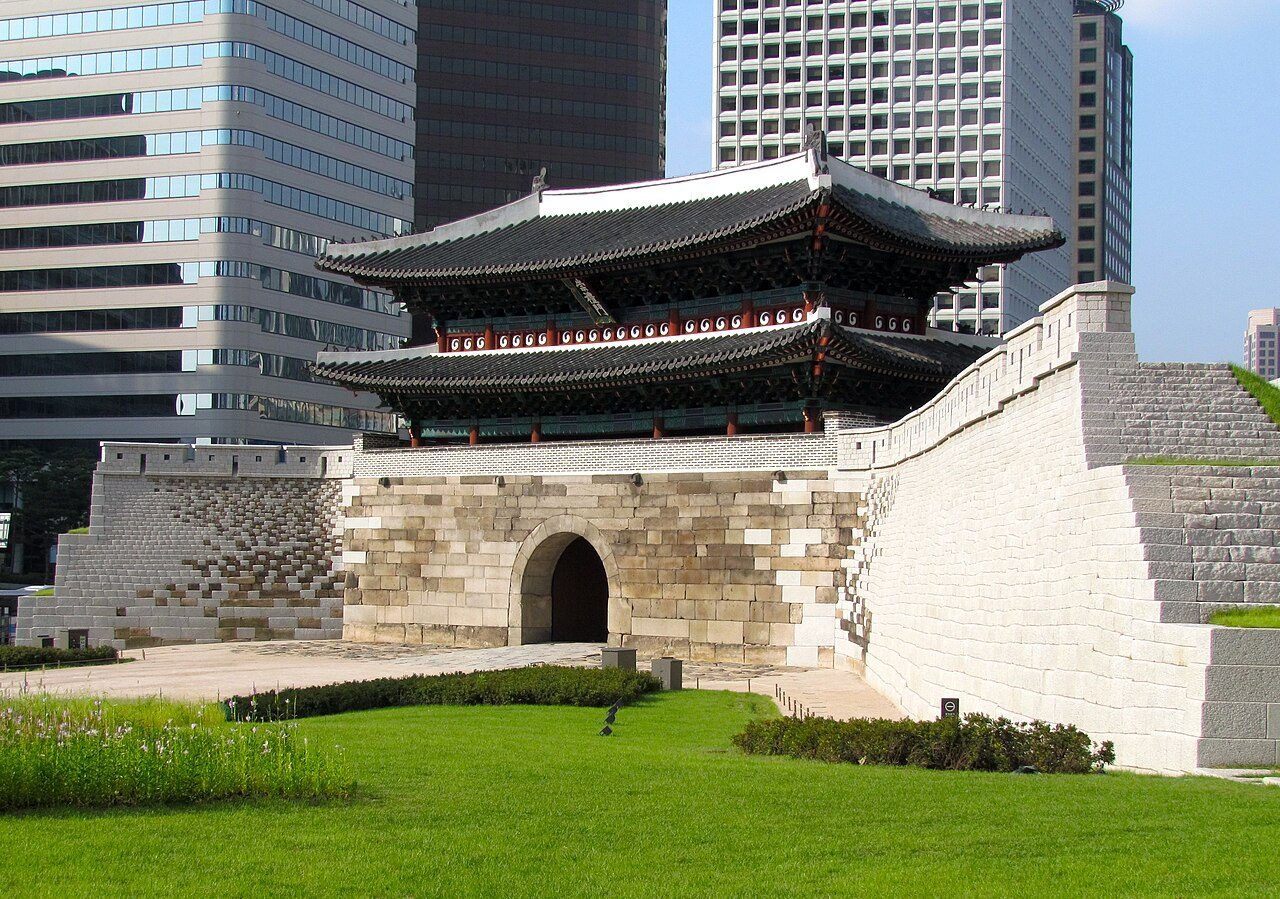
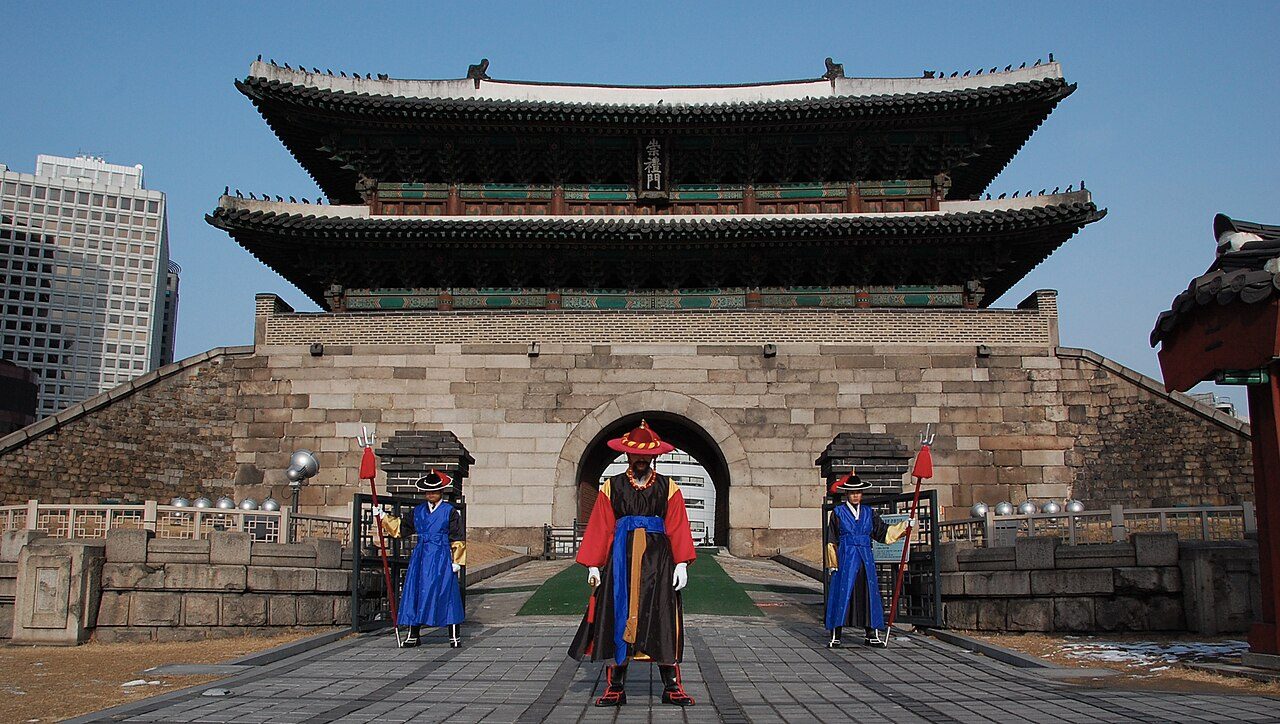
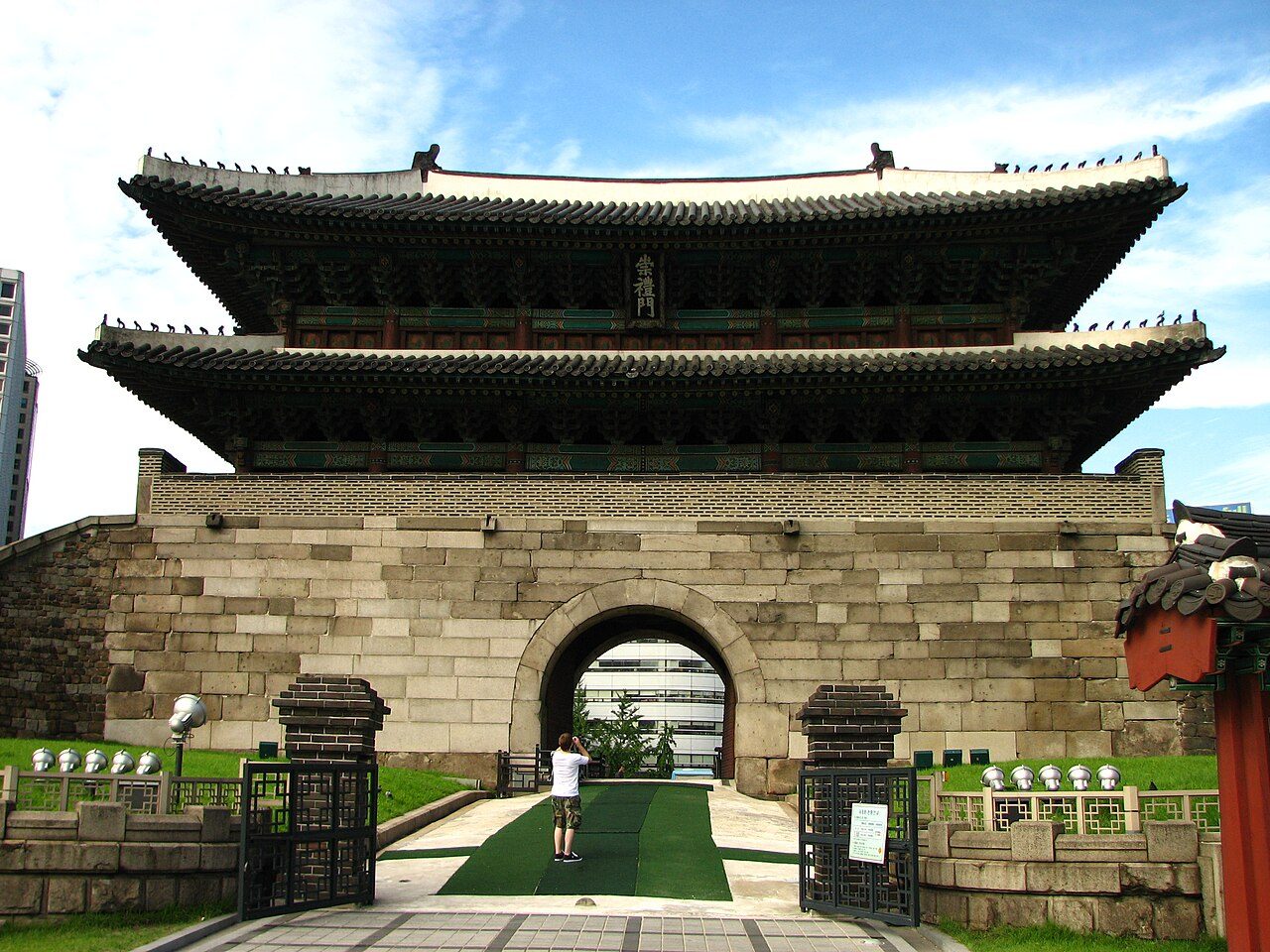
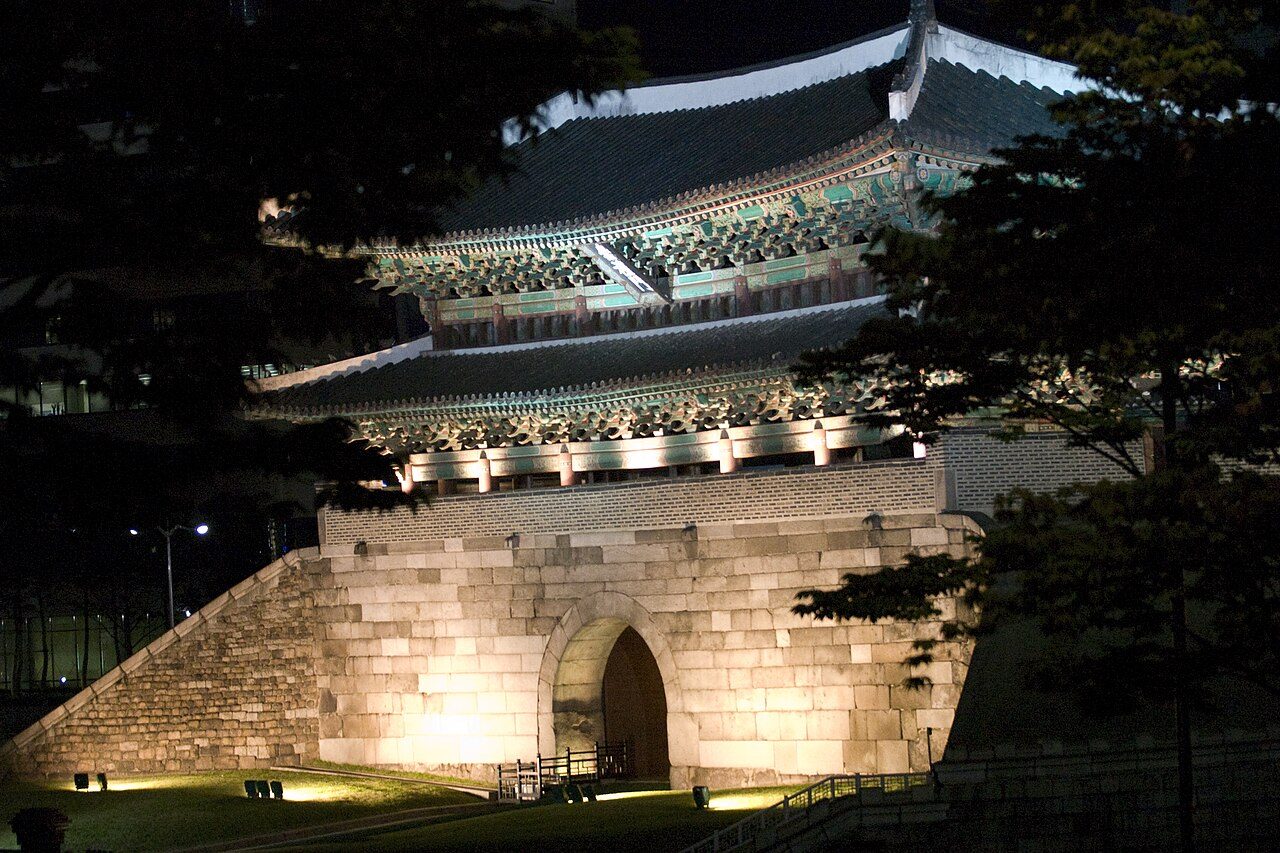
Sungnyemun, also called Namdaemun, was the great south gate of the old Seoul city walls and dates from the late 1300s. It was badly damaged by arson in 2008 and was restored with traditional techniques, reopening in 2013. The two-storey wooden pavilion stands on a stone base in the middle of a busy junction. Namdaemun Market is just next to it.
07
STOP 7 OF 27
Myeongdong Cathedral
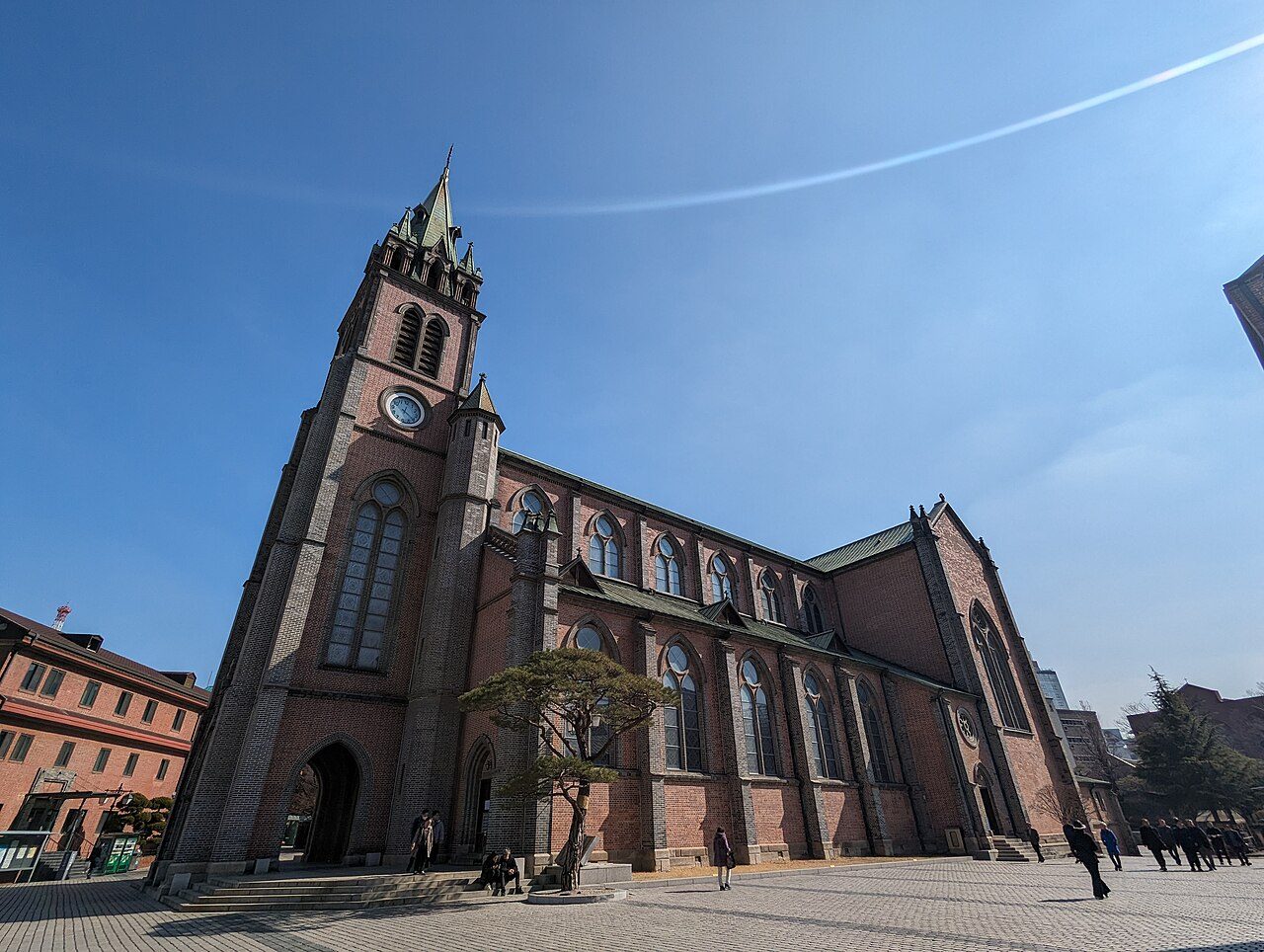
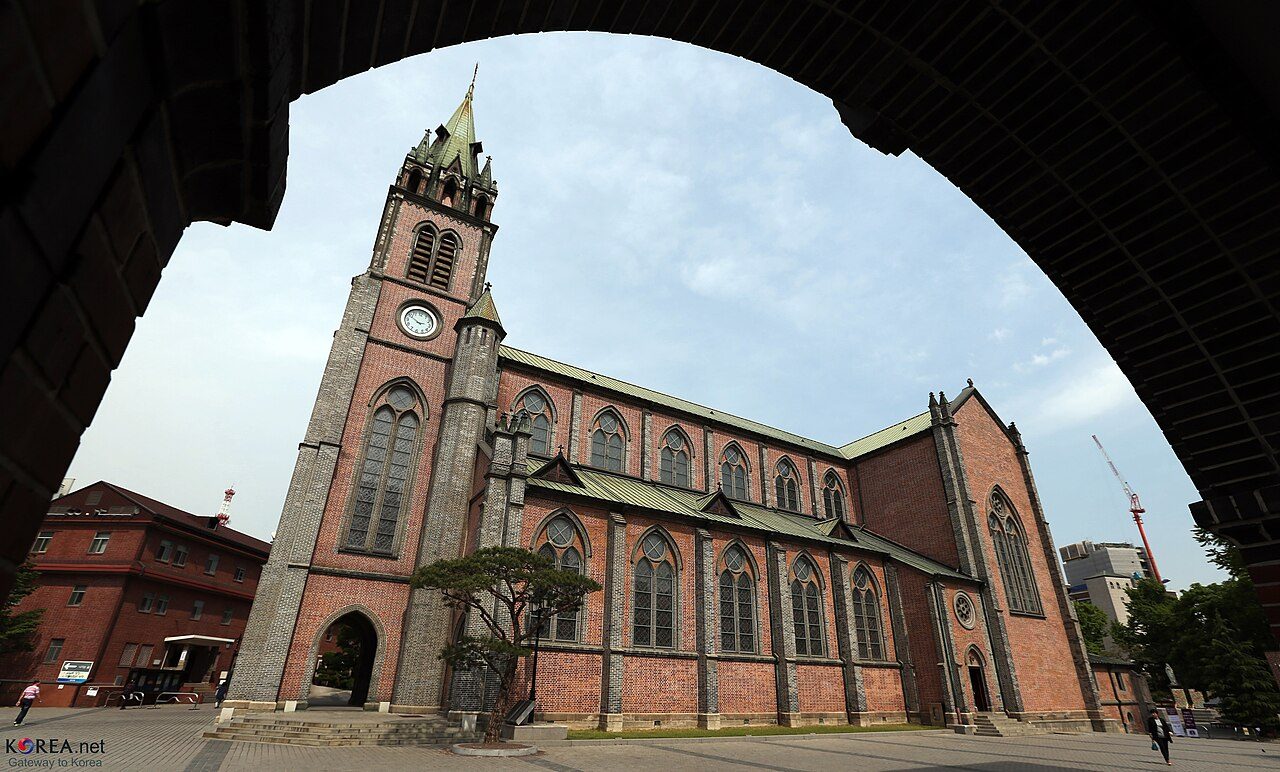
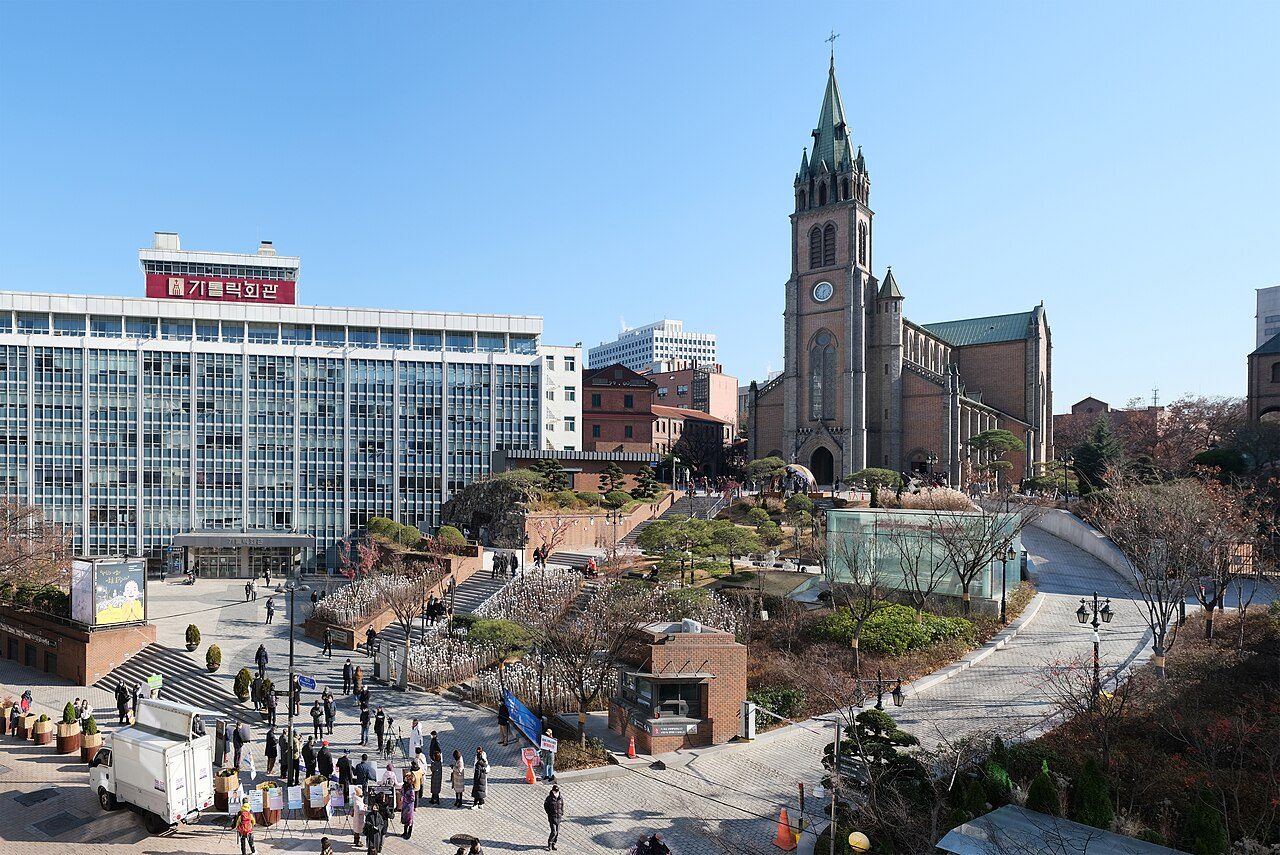
Myeongdong Cathedral is the seat of the Catholic Archdiocese of Seoul and one of the first brick Gothic churches in Korea, completed in 1898. It played an important role as a refuge during the democracy movement of the 1970s and 1980s. The red brick church stands on a hill above the busy Myeongdong shopping district. Visitors are welcome to sit quietly inside.
08
STOP 8 OF 27
Dongdaemun Design Plaza
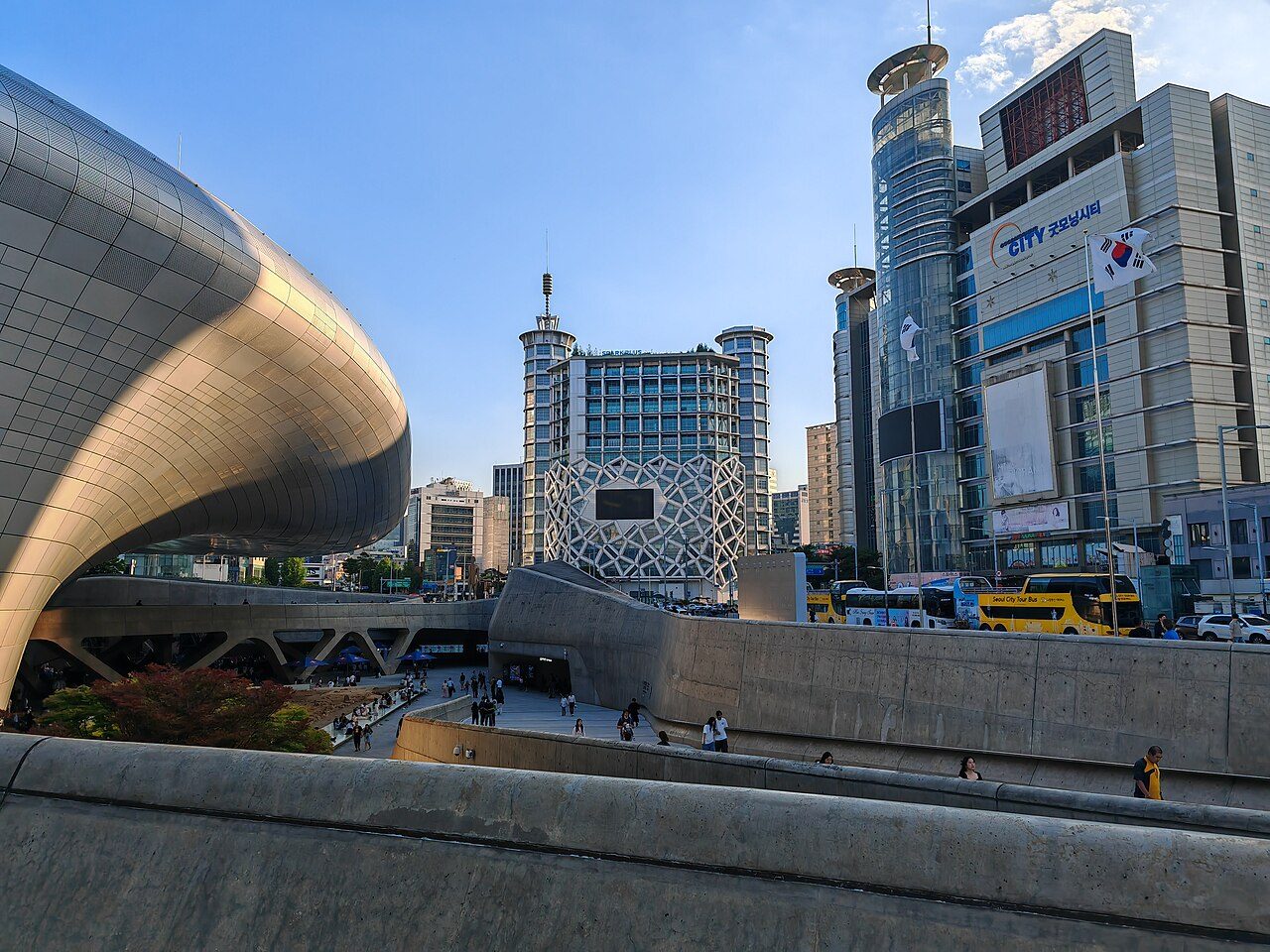
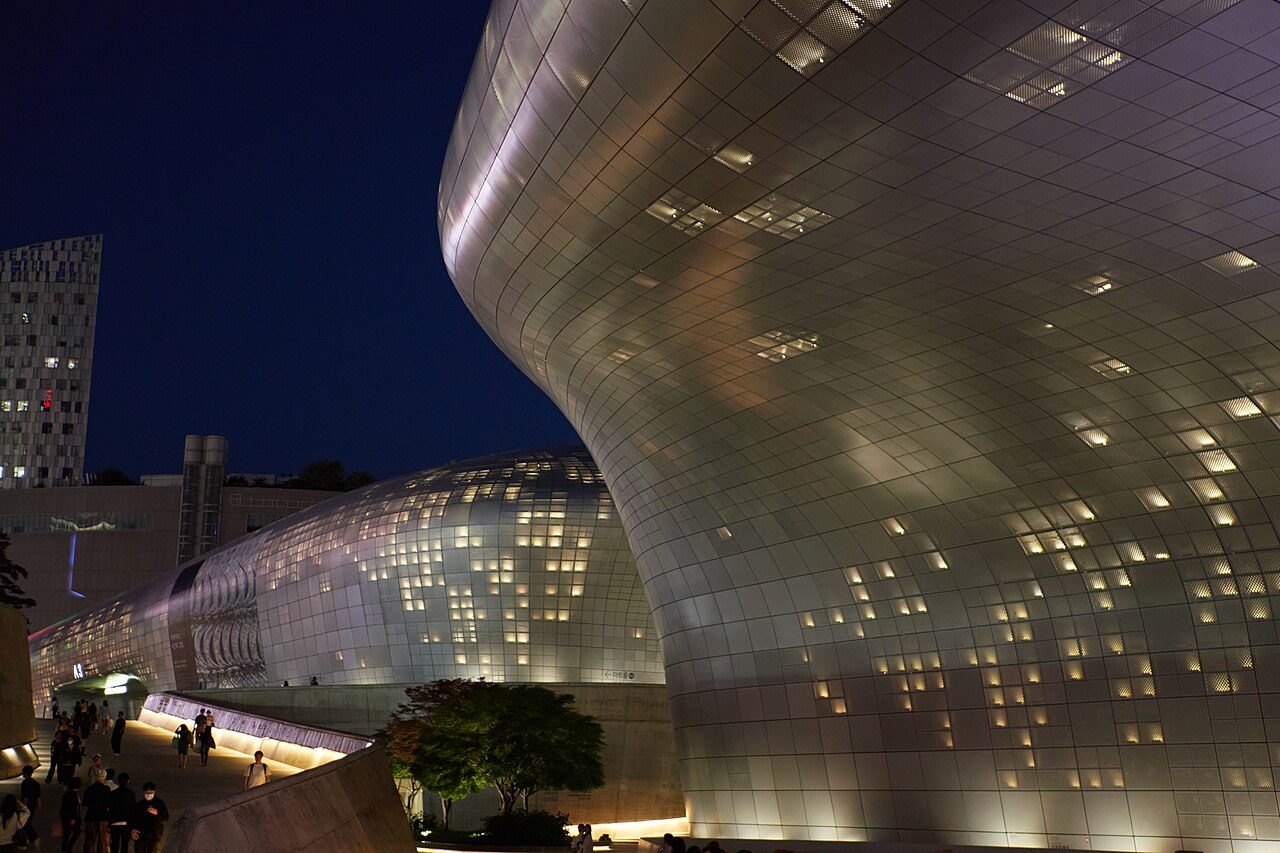
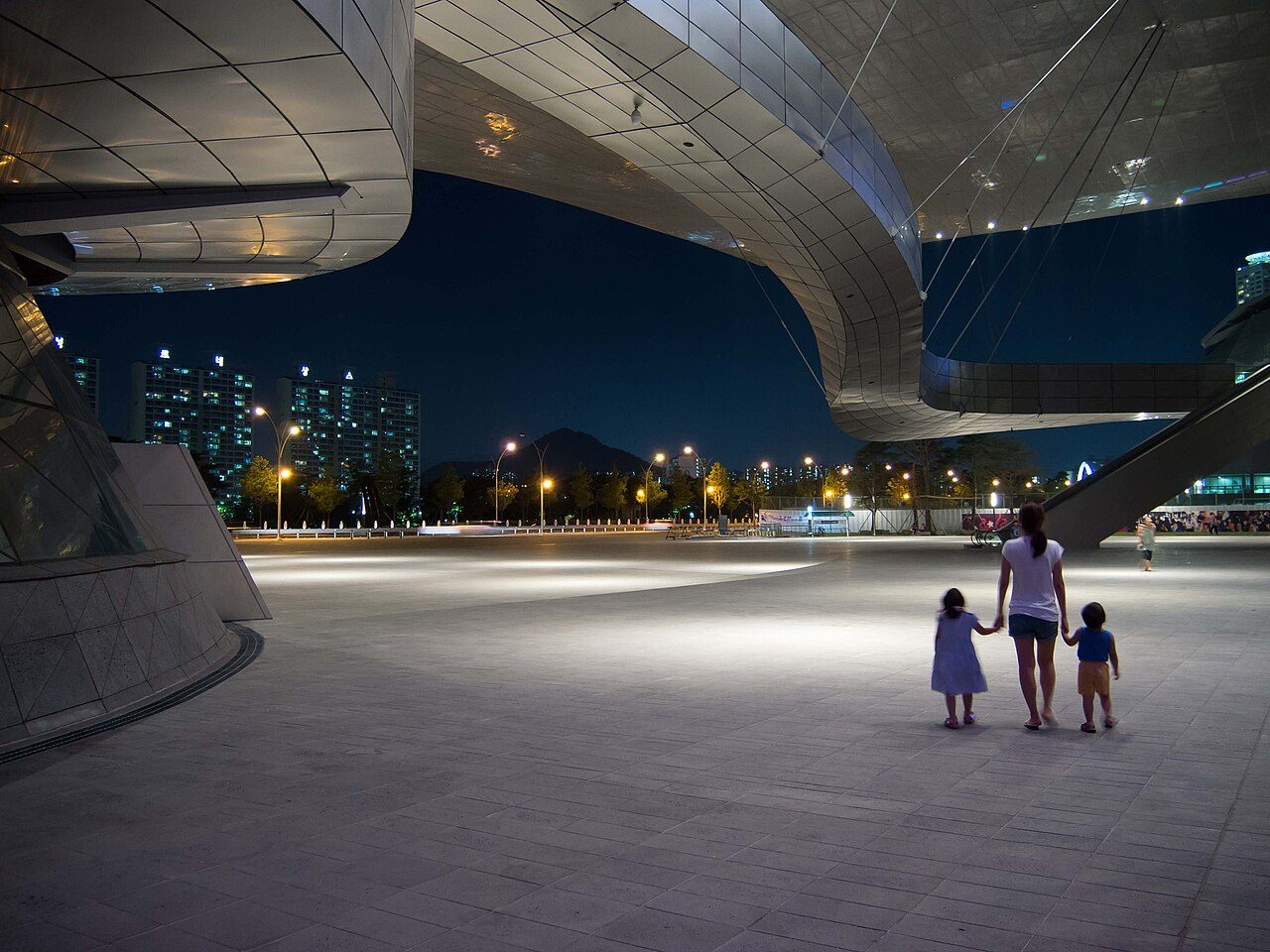
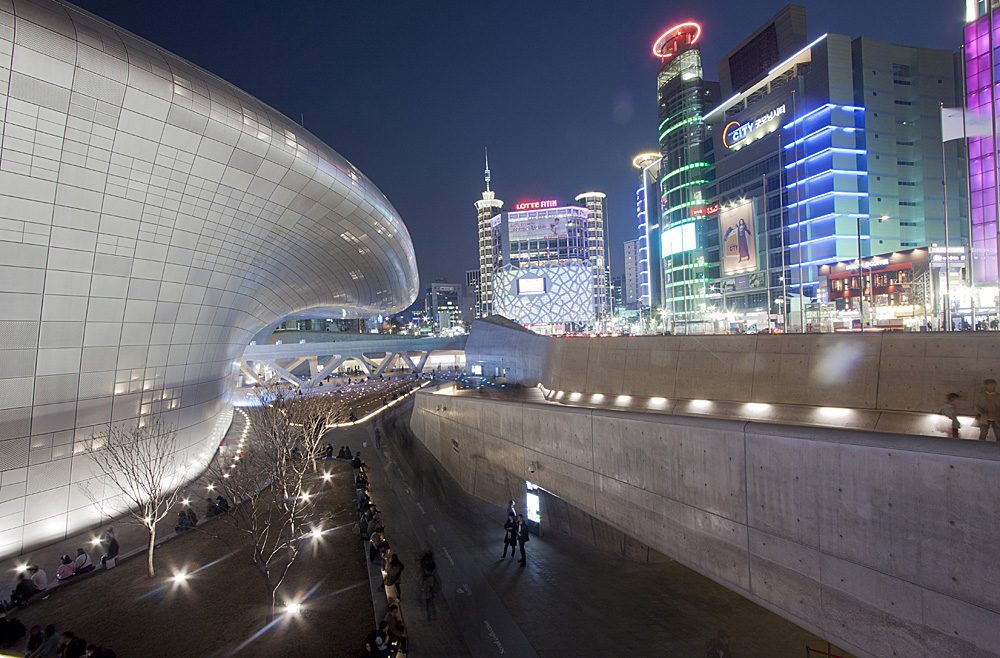
Dongdaemun Design Plaza is a futuristic landmark designed by architect Zaha Hadid and opened in 2014. Its curving silver panels and lack of straight lines make it one of Seoul's most striking buildings. It hosts exhibitions, fashion shows and markets, and parts of the old city wall were preserved on the site. In the evening the LED rose garden lights up nearby.
09
STOP 9 OF 27
N Seoul Tower
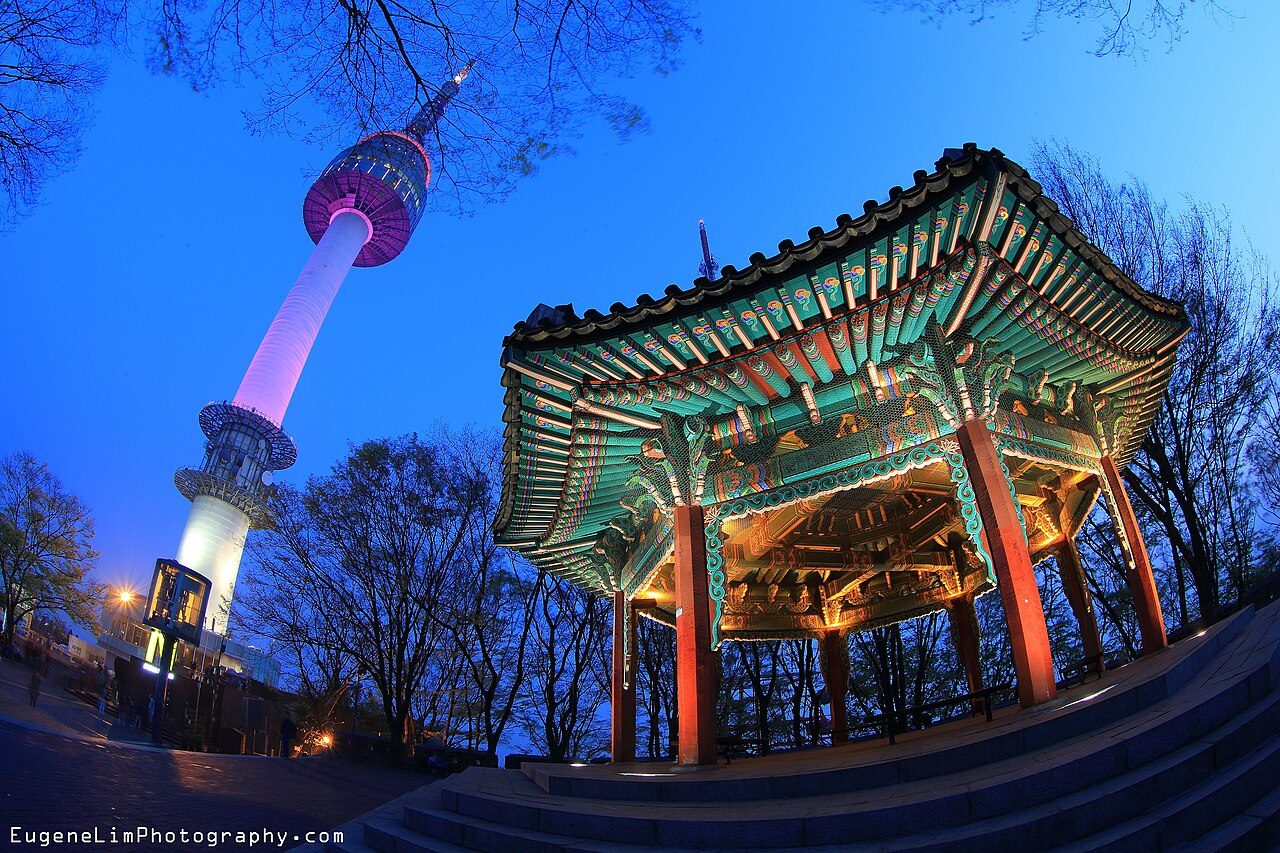
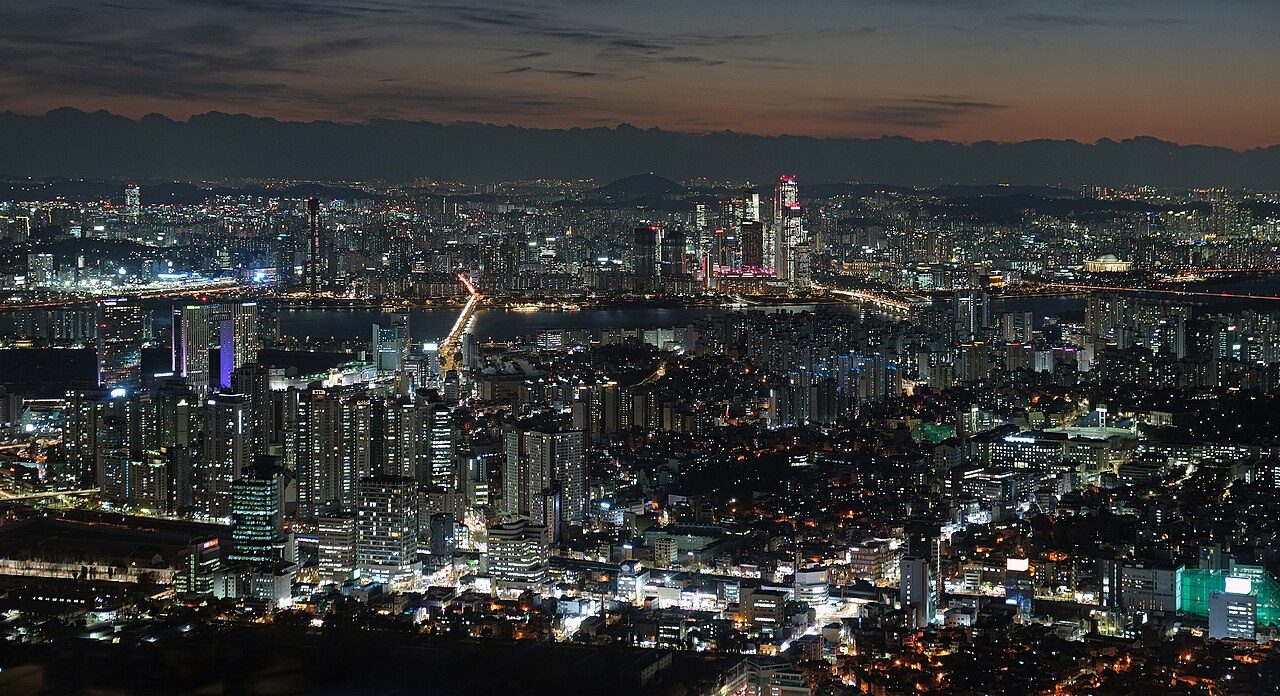
N Seoul Tower stands on top of Namsan Mountain in central Seoul and is one of the city's best-known landmarks. Its observation deck gives panoramic views across the city and surrounding mountains. The terraces around the base are famous for padlocks left by couples. Visitors can reach the top by cable car, bus or a walk up the forested slopes of Namsan.
10
STOP 10 OF 27
National Museum of Korea
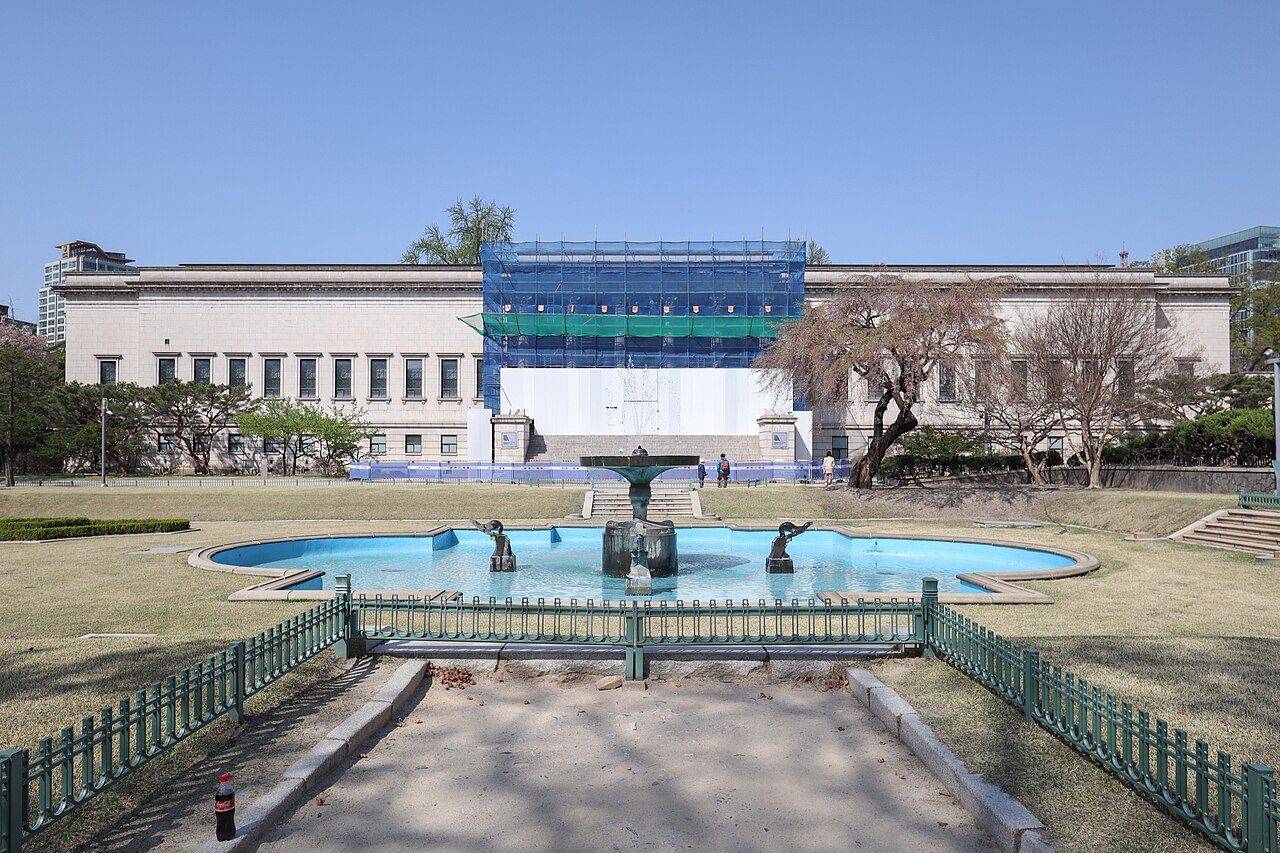
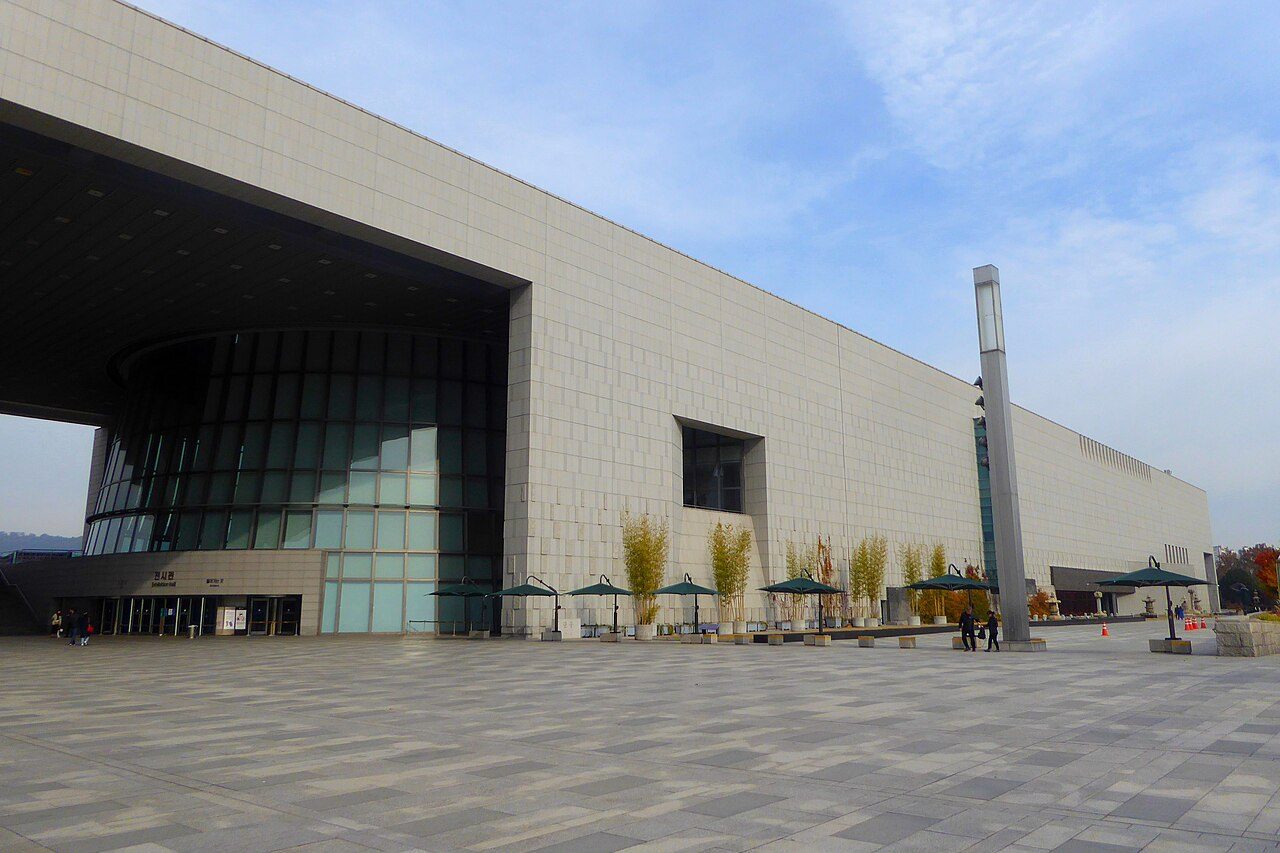
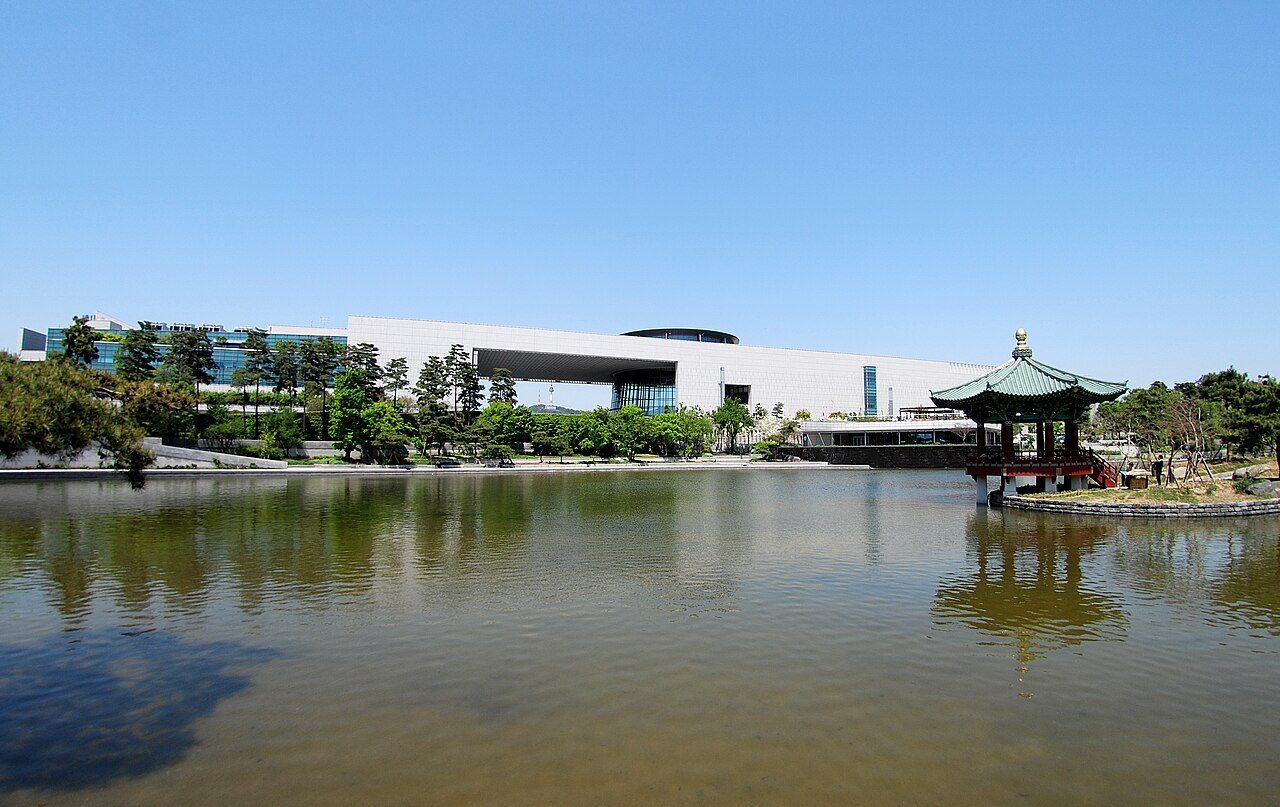
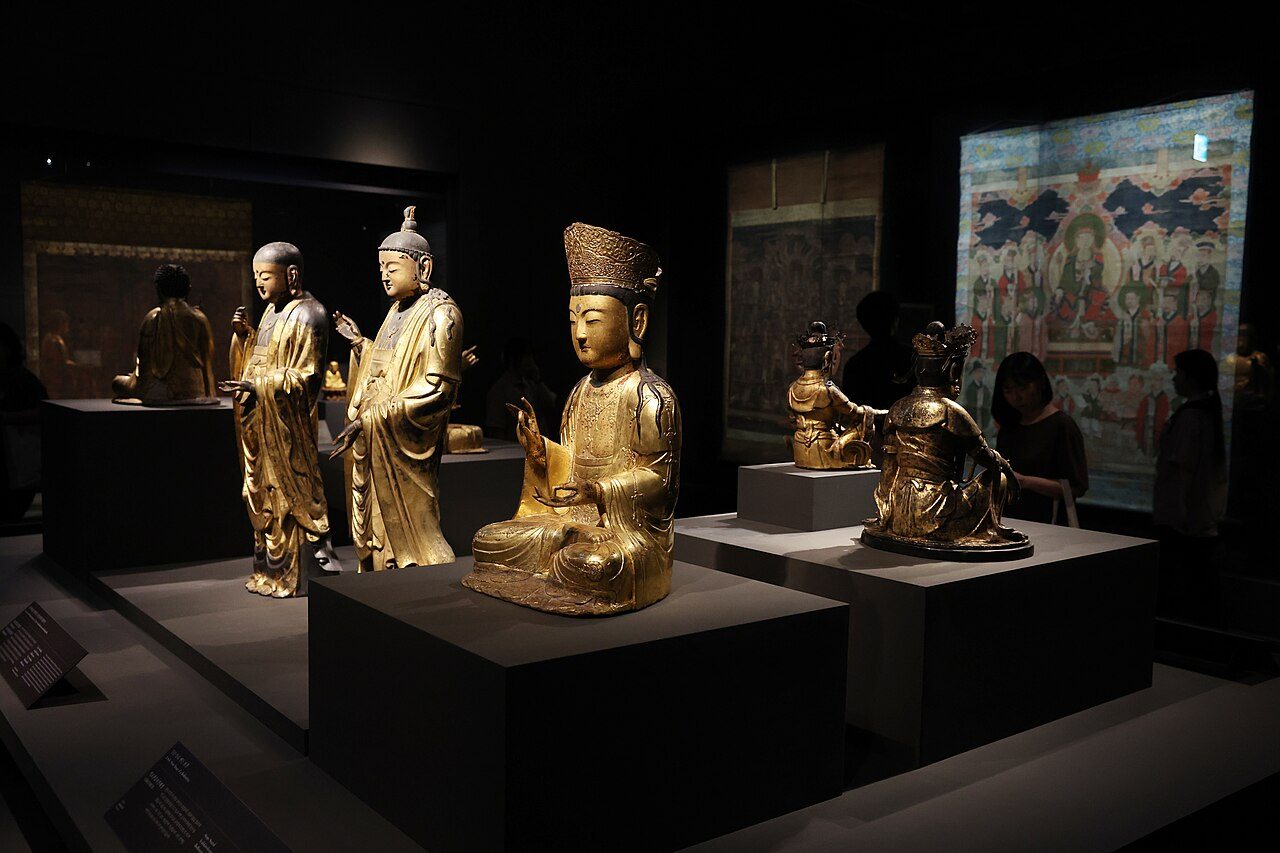
The National Museum of Korea is the country's largest museum, set in a large park in Yongsan. Its collection covers Korean history and art from prehistory to the Joseon dynasty, including gold crowns from Silla, Goryeo celadon and Buddhist sculptures. The pensive Bodhisattva statues in their own quiet gallery are a highlight. Admission to the permanent galleries is free.
11
STOP 11 OF 27
War Memorial of Korea
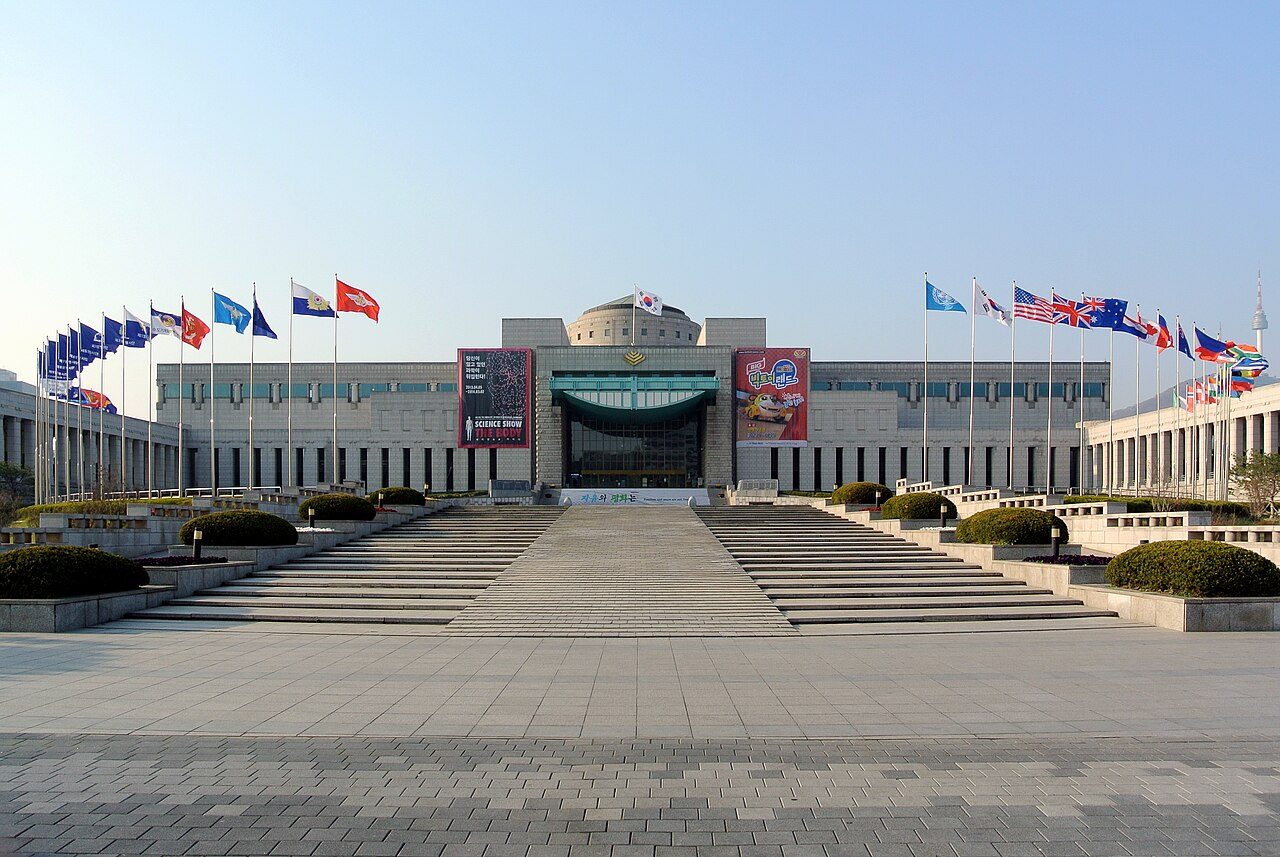
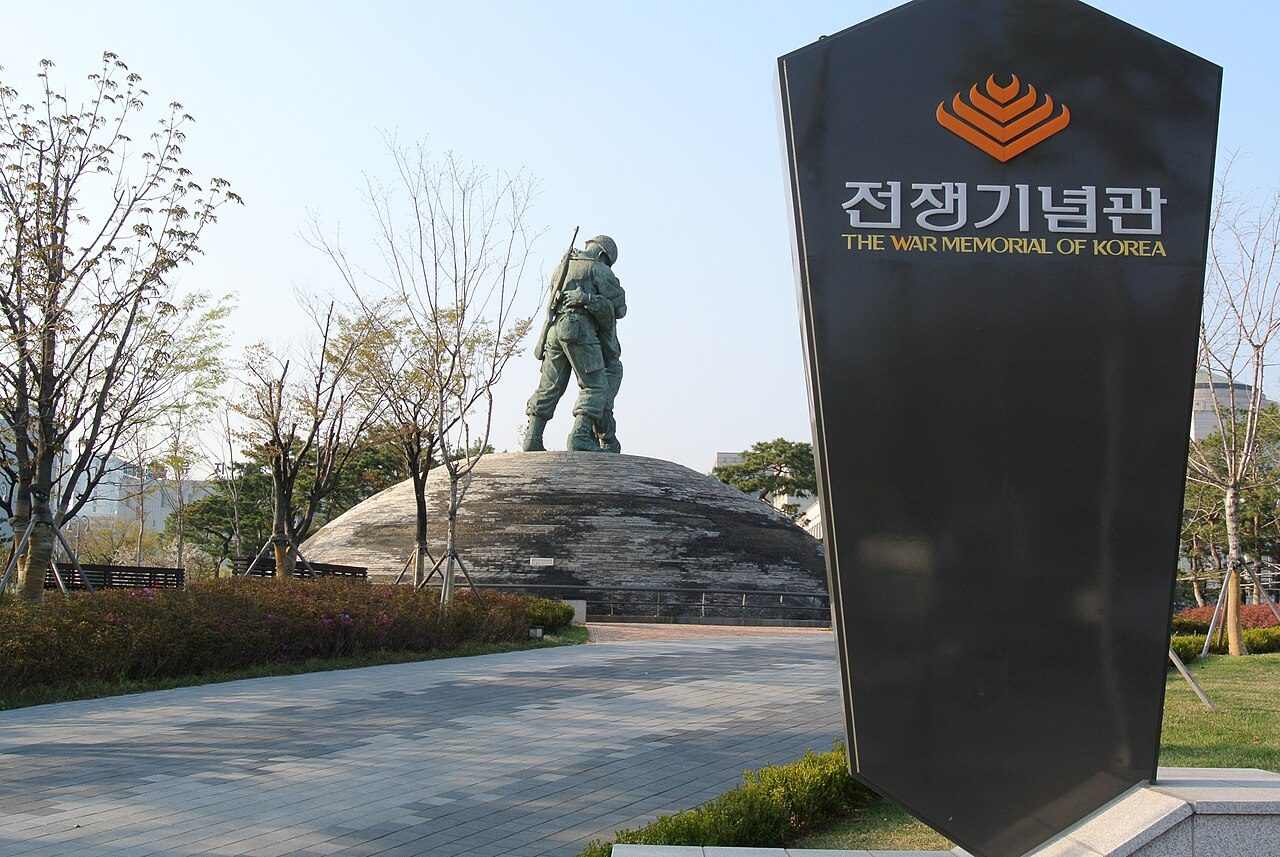
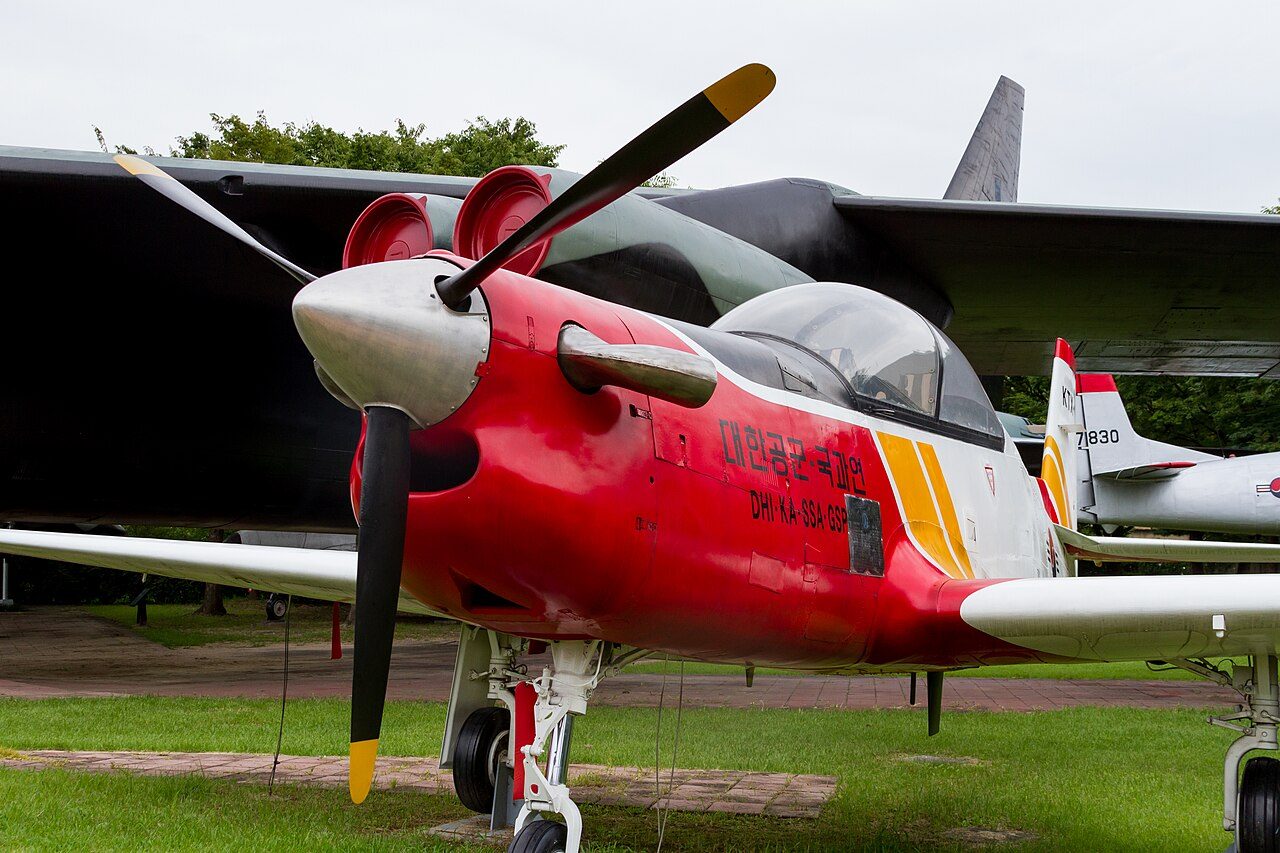
The War Memorial of Korea is a large museum on Korean military history, with a focus on the Korean War of 1950 to 1953. Its galleries hold documents, weapons and personal stories, and the outdoor area displays aircraft, tanks and naval vessels. Long corridors list the names of soldiers who died in the war. Admission is free, and you can easily spend half a day here.
12
STOP 12 OF 27
Bongeunsa Temple
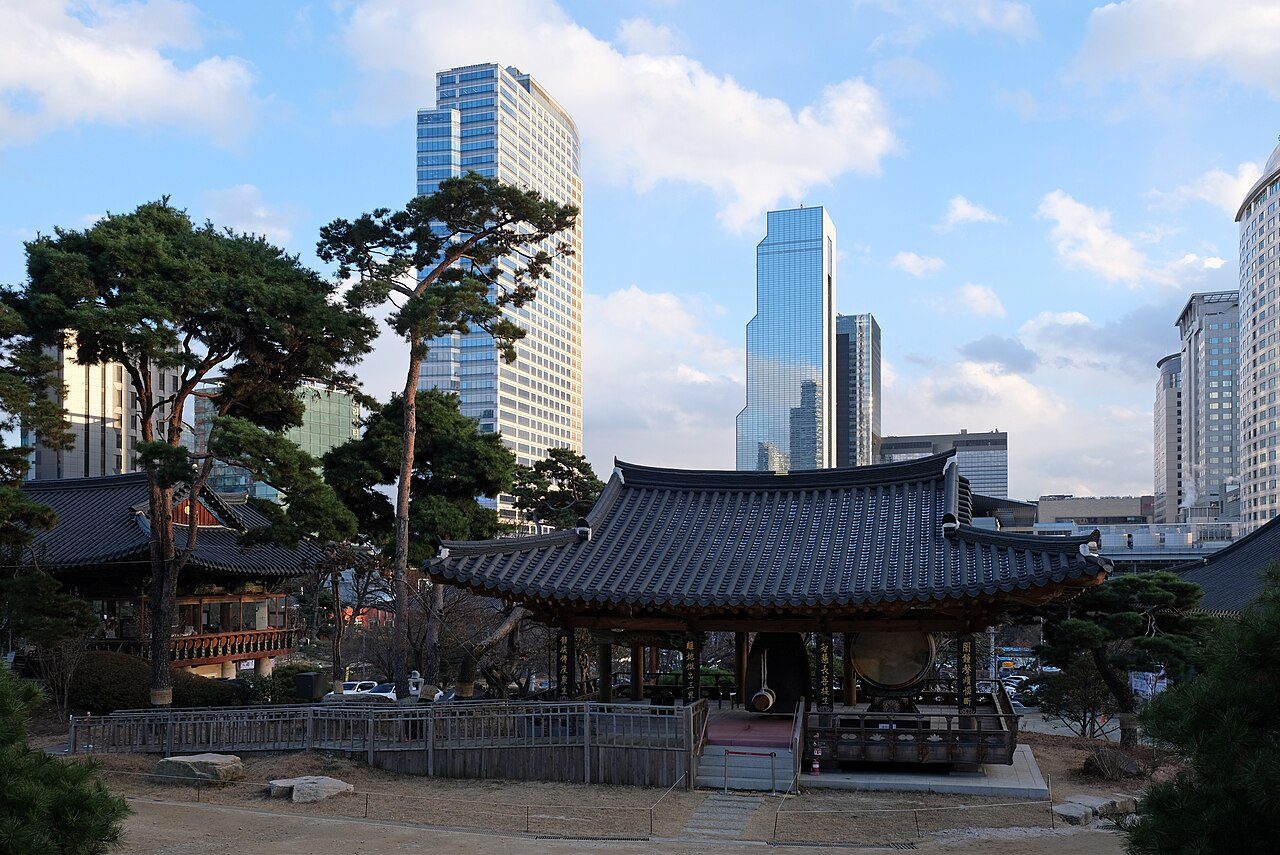
Bongeunsa is a Buddhist temple founded about 1,200 years ago, now surrounded by the skyscrapers of Gangnam. A huge standing statue of Maitreya Buddha looks over the grounds, and the halls hold old woodblocks of Buddhist scriptures. The temple offers temple stay programmes in English. It sits right across from the COEX Mall and is a calm escape from the city.
13
STOP 13 OF 27
Lotte World Tower
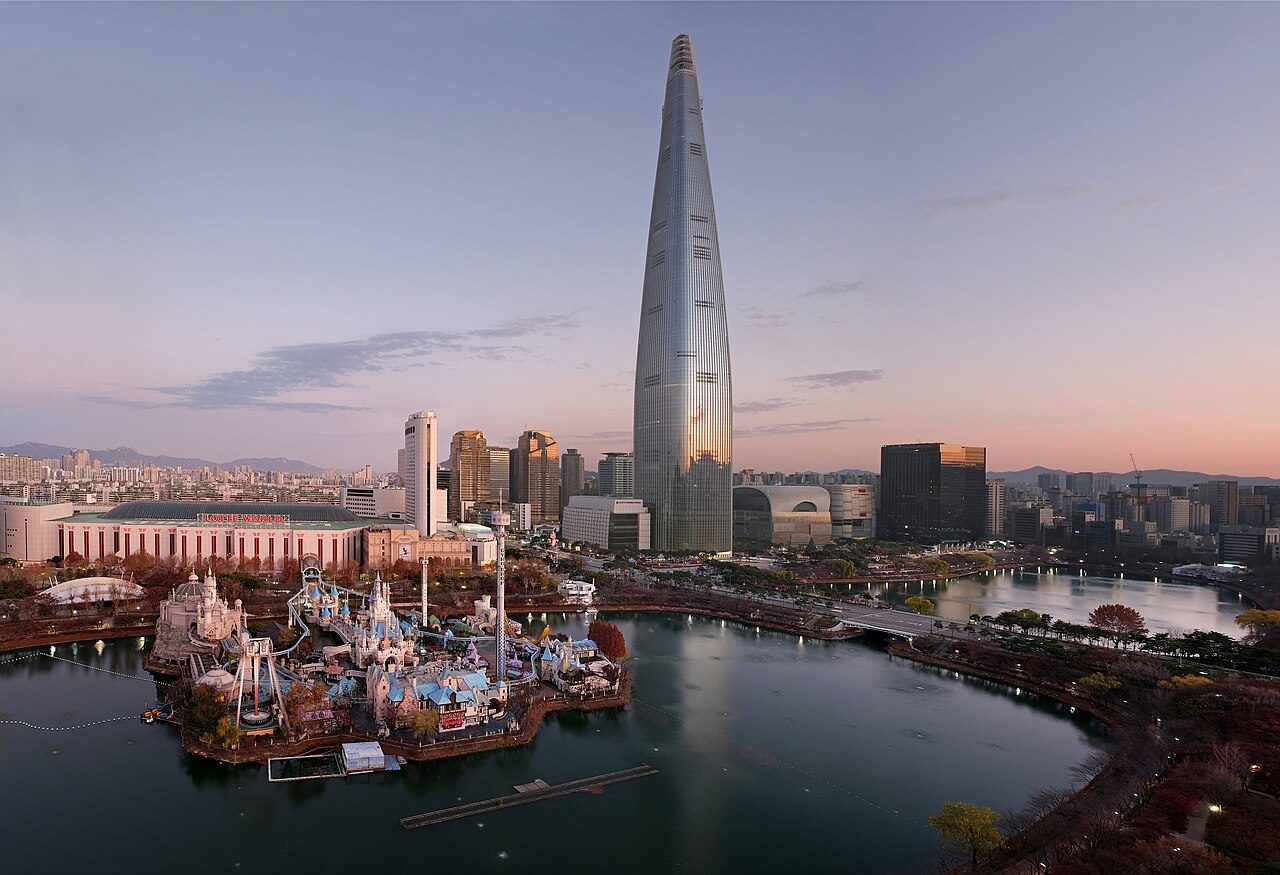
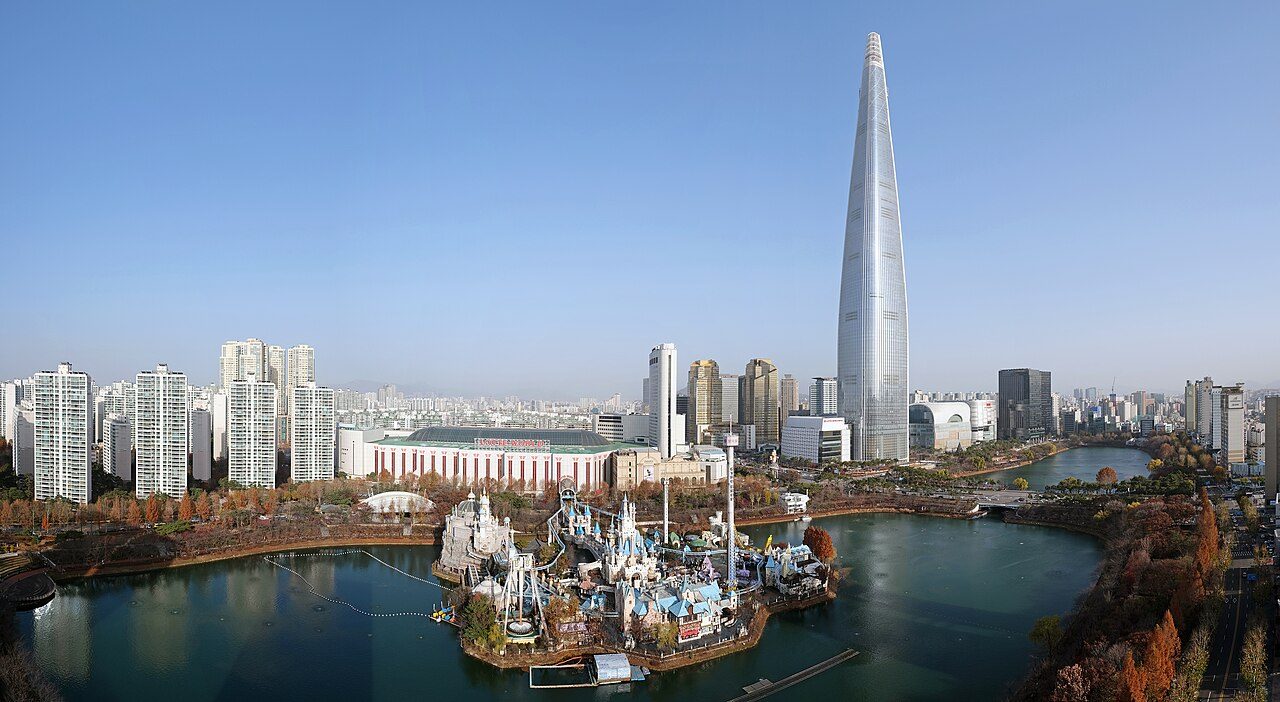
Lotte World Tower is the tallest building in South Korea, rising 555 metres over Songpa District. Completed in 2017, its Seoul Sky observation decks on the top floors include a glass floor with views straight down. The tower contains a mall, hotel and offices, and stands beside Seokchon Lake and the Lotte World theme park. Visit at sunset to see the city light up.
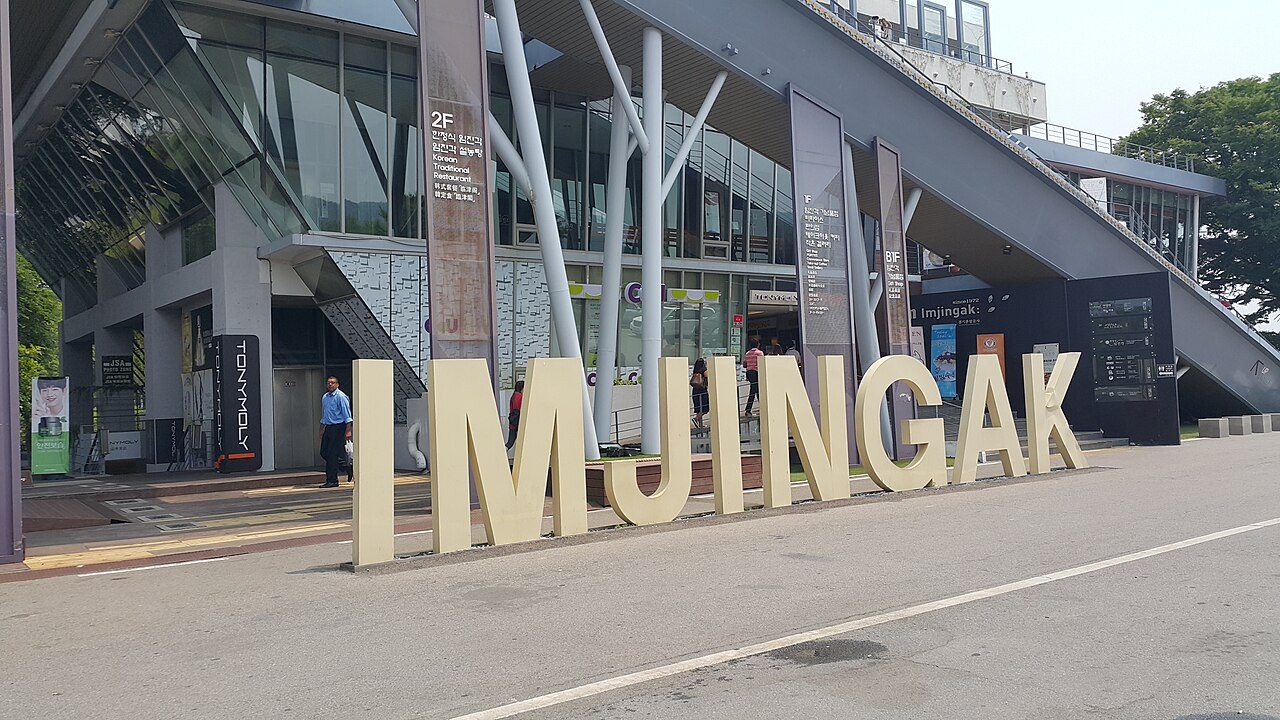
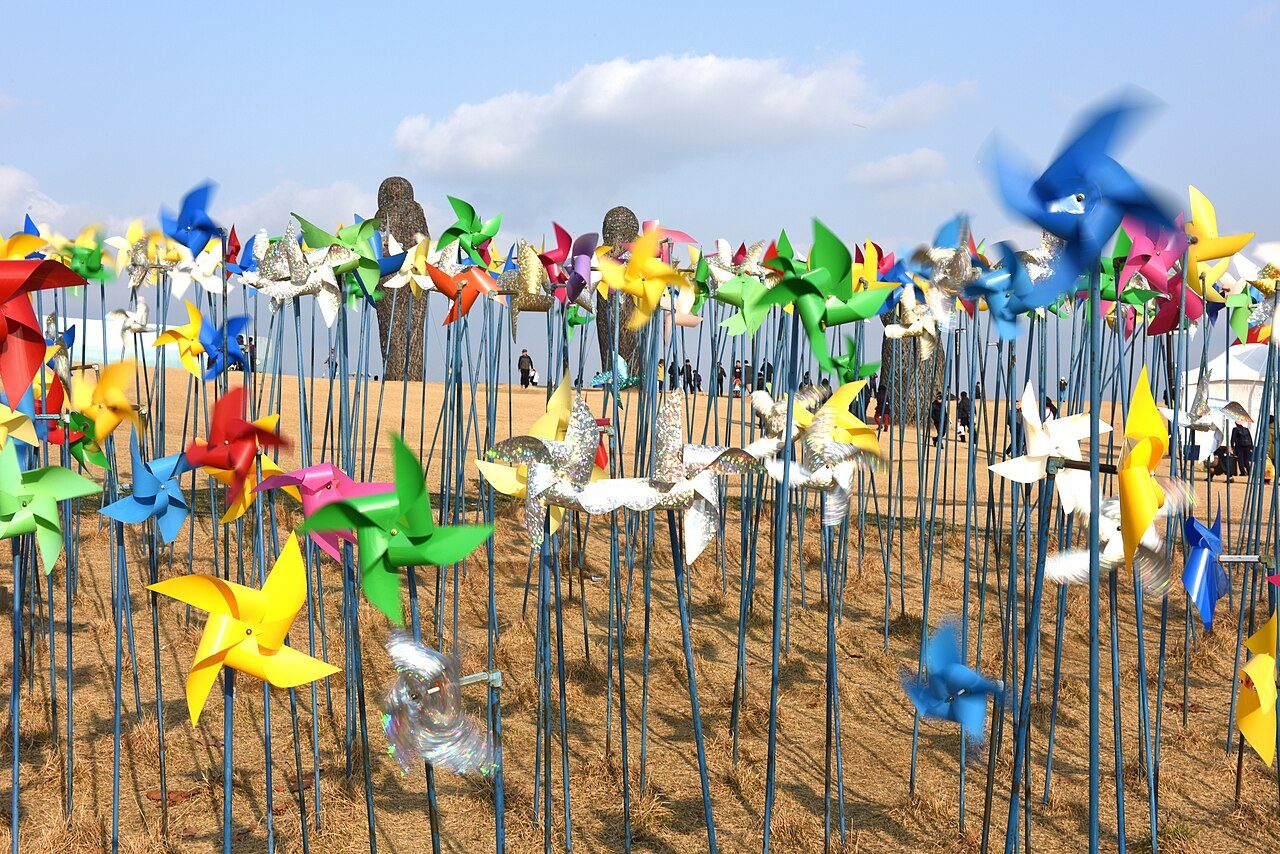
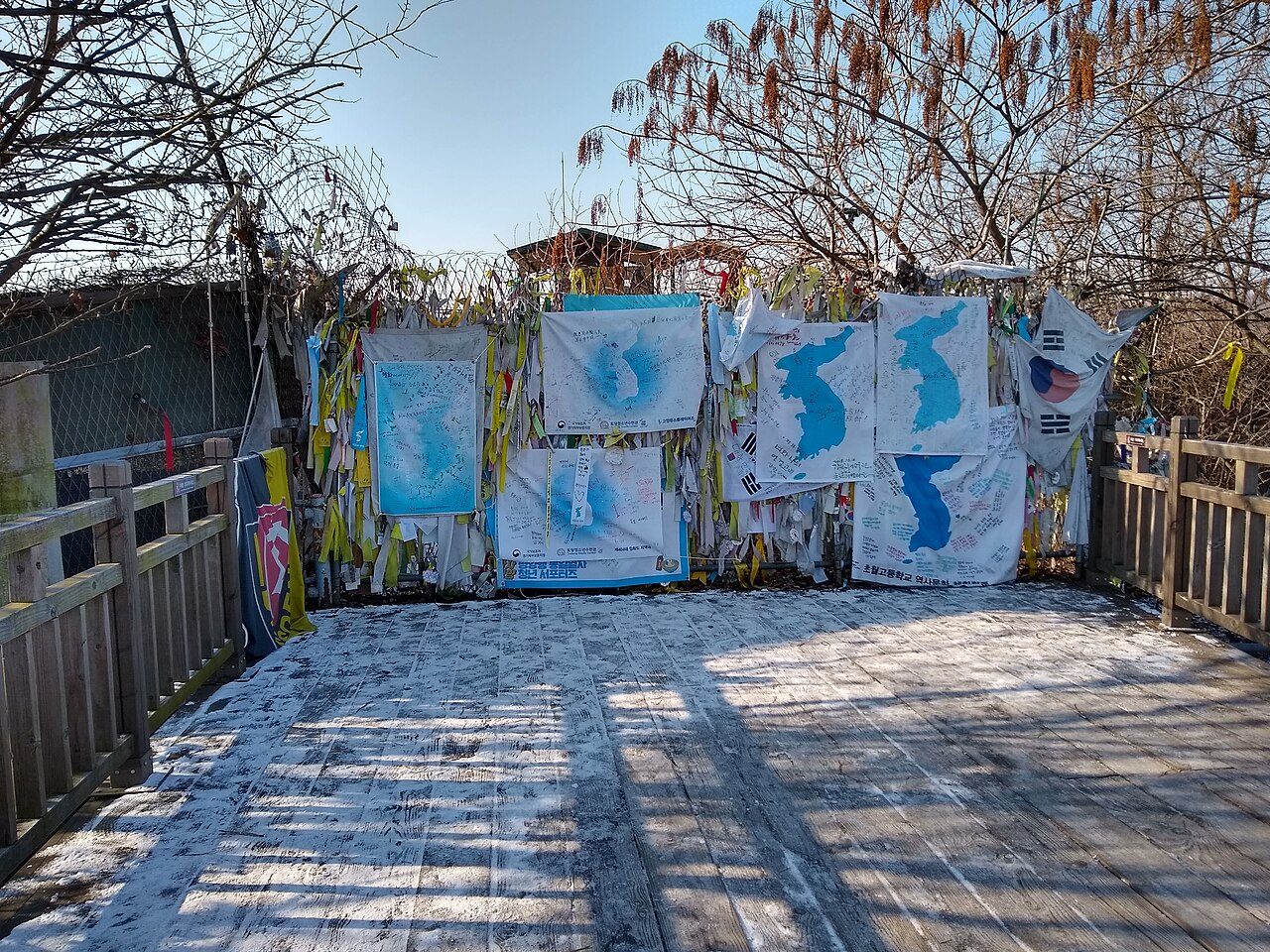
Imjingak is a park near the Demilitarised Zone dedicated to those separated by the Korean War. It includes the Freedom Bridge, the rusted remains of a steam train, memorials and a field of colourful pinwheels. Ribbons with messages of hope for reunification cover fences. Tours to other DMZ sites, including the Third Tunnel and Dora Observatory, start from here.
15
STOP 15 OF 27
Hwaseong Fortress
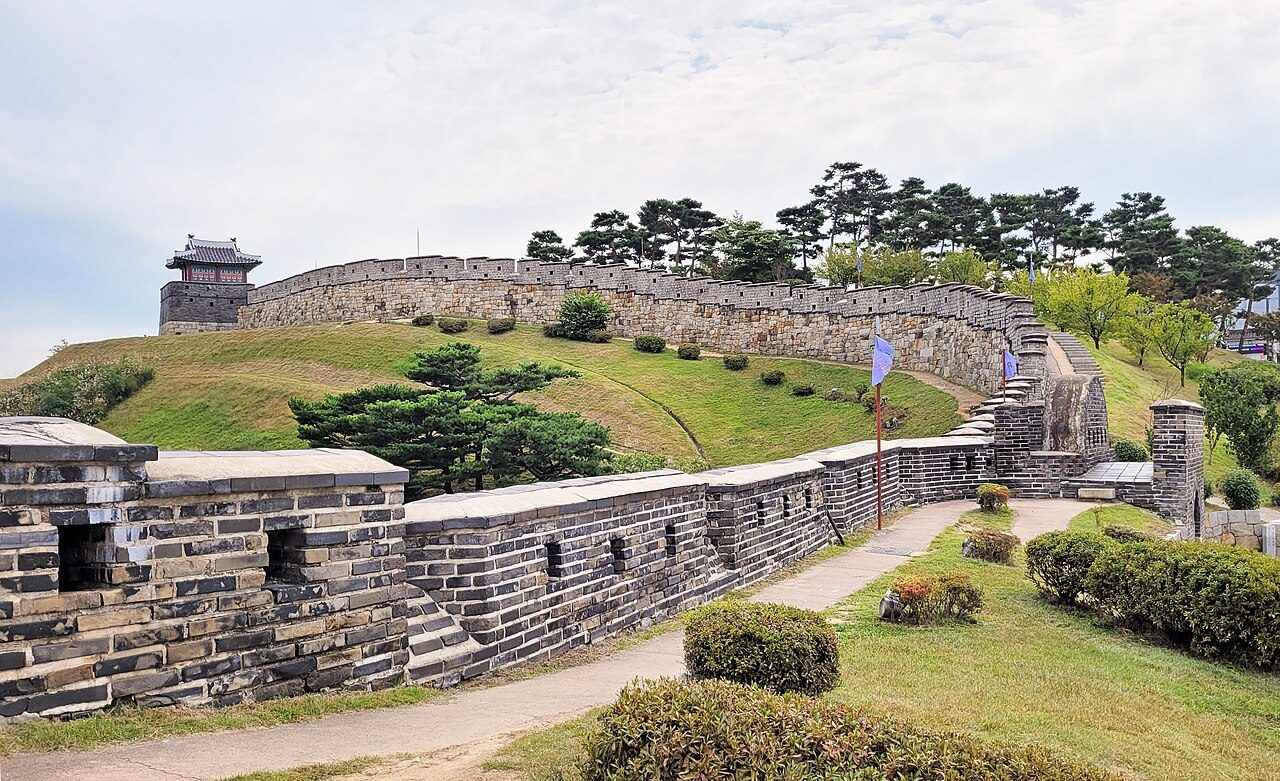
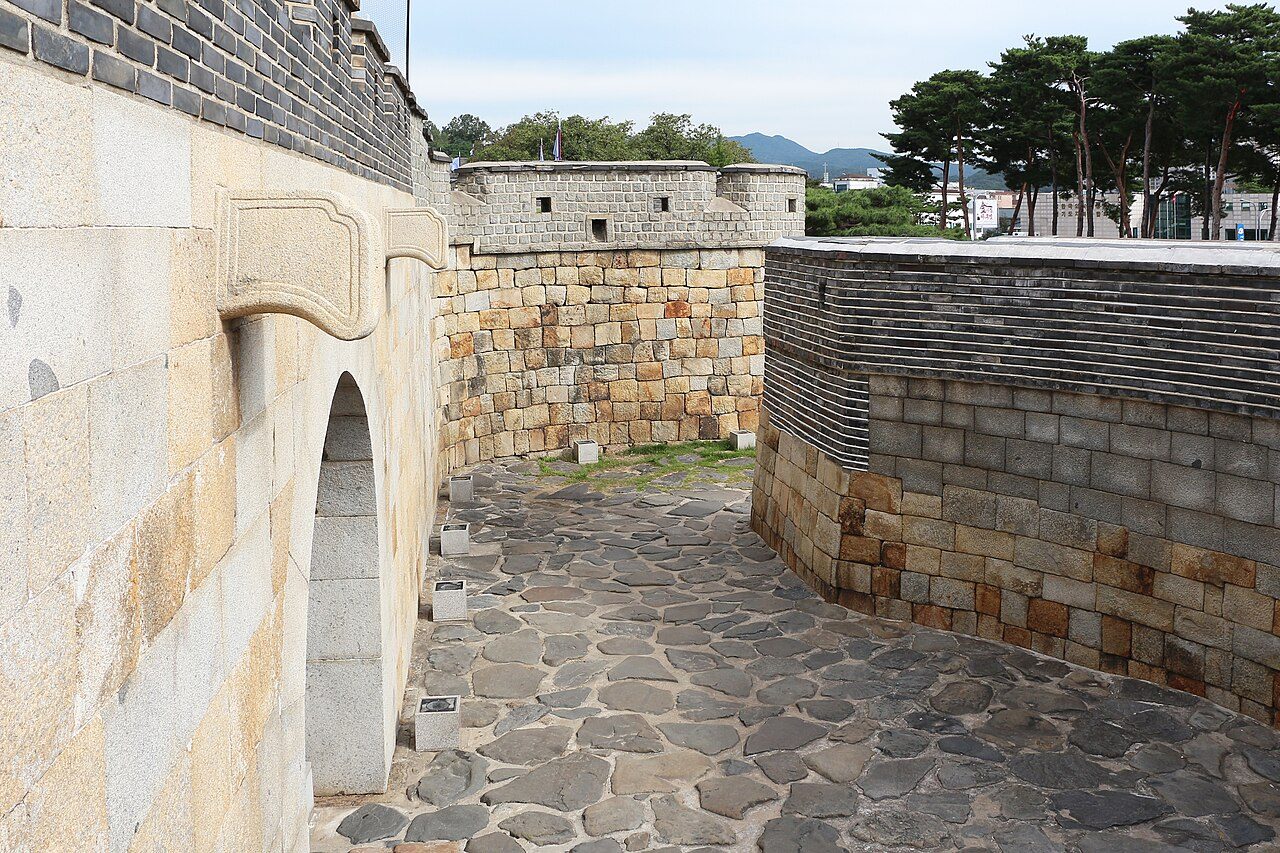
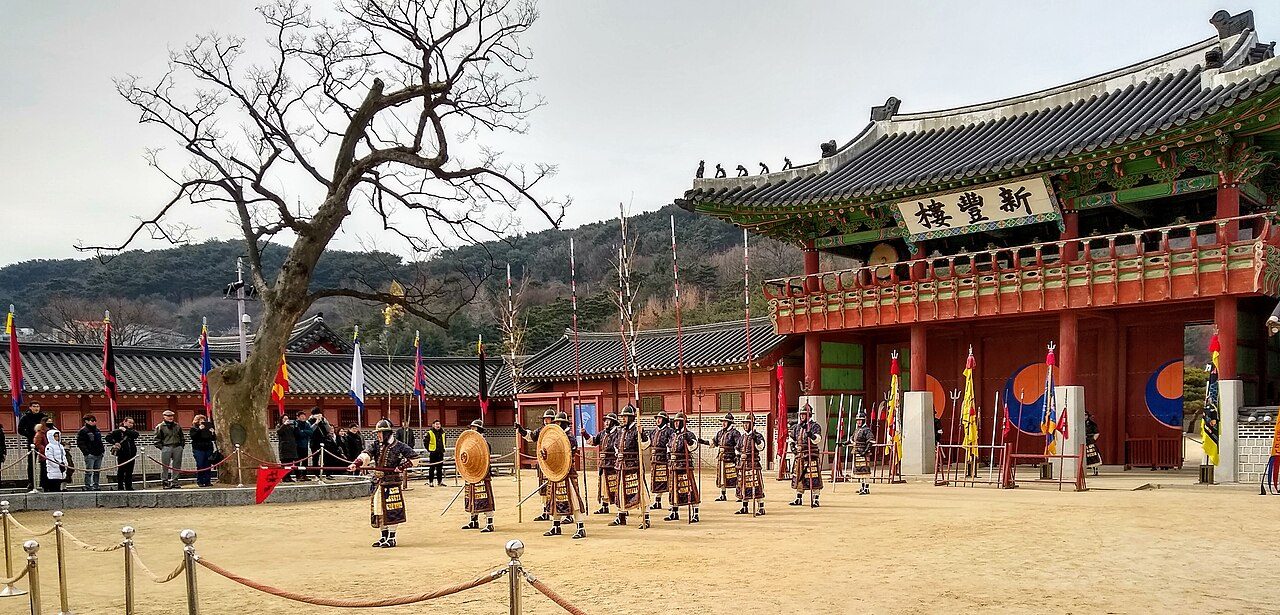
Hwaseong Fortress is a walled fortress built around Suwon in the 1790s by King Jeongjo of Joseon. Its walls stretch for nearly six kilometres, with gates, watchtowers, bastions and command posts that blend Korean and Western military ideas. It is a UNESCO World Heritage Site. Walk along the walls, see the Hwaseong Haenggung palace and watch the martial arts shows held there.
16
STOP 16 OF 27
Korean Folk Village
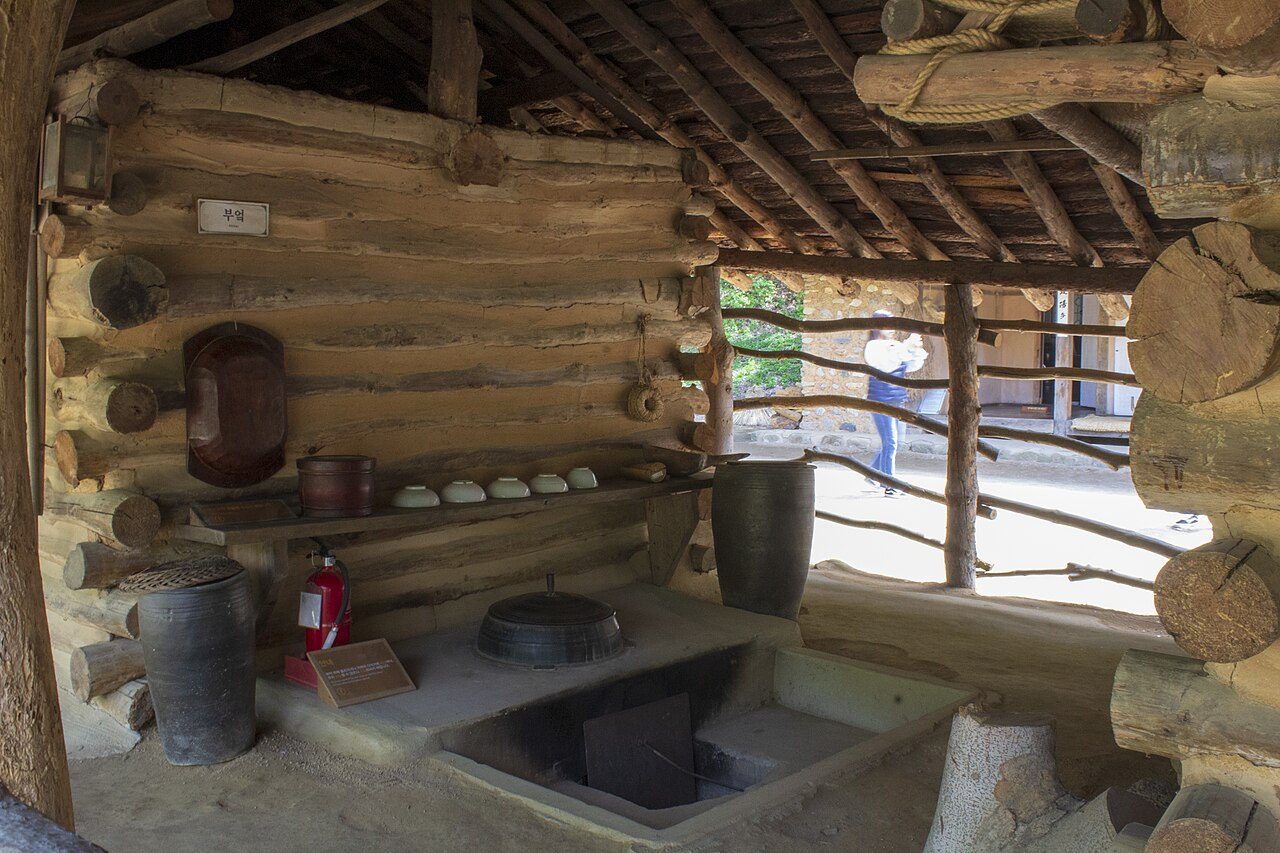
The Korean Folk Village in Yongin is an open-air museum recreating life in the late Joseon dynasty. It includes hundreds of traditional houses moved from across the country, from farmers' cottages to noble homes. Daily performances include farmers' music, tightrope walking and traditional wedding ceremonies. Many Korean historical dramas are filmed here, so allow a full day.
17
STOP 17 OF 27
Bulguksa Temple
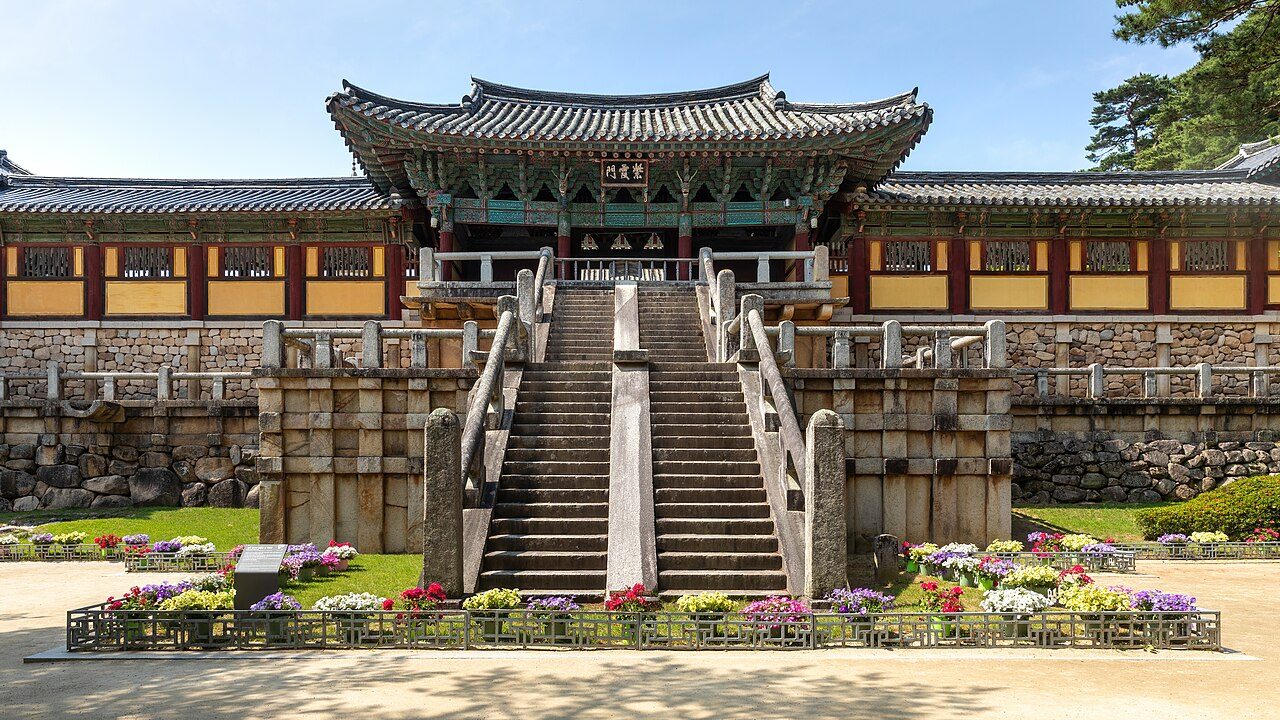
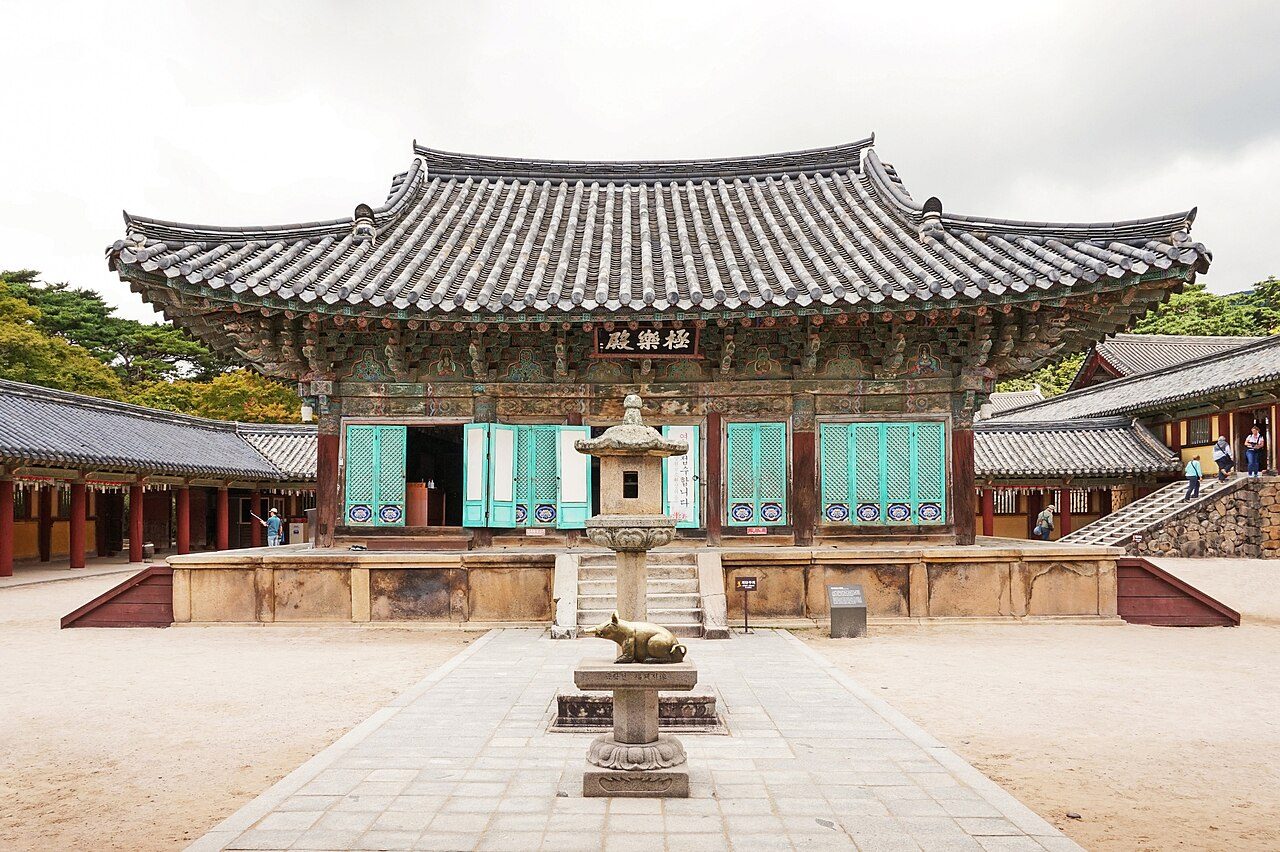
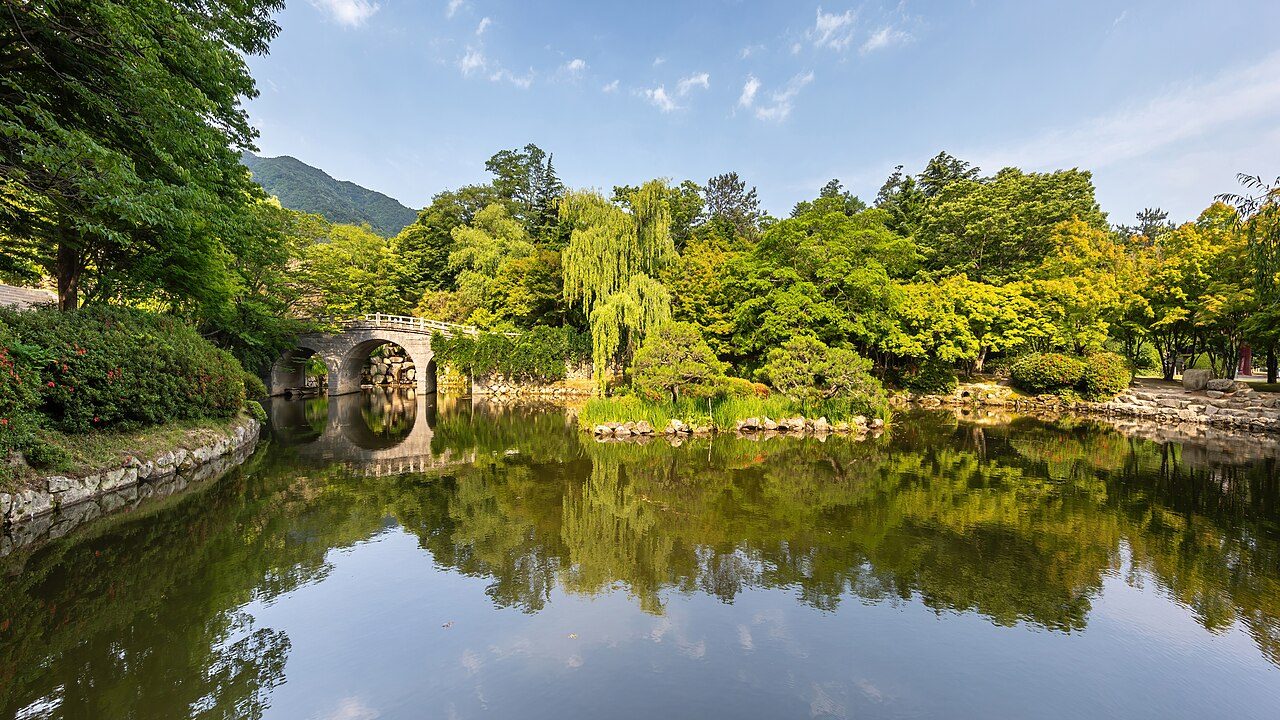
Bulguksa is one of the most important Buddhist temples in Korea, built in the 8th century during the Silla kingdom. Its stone terraces, bridges and the Dabotap and Seokgatap pagodas are masterpieces of Silla art. The temple is a UNESCO World Heritage Site together with nearby Seokguram Grotto. Autumn foliage and spring cherry blossoms make it especially beautiful.
18
STOP 18 OF 27
Seokguram Grotto
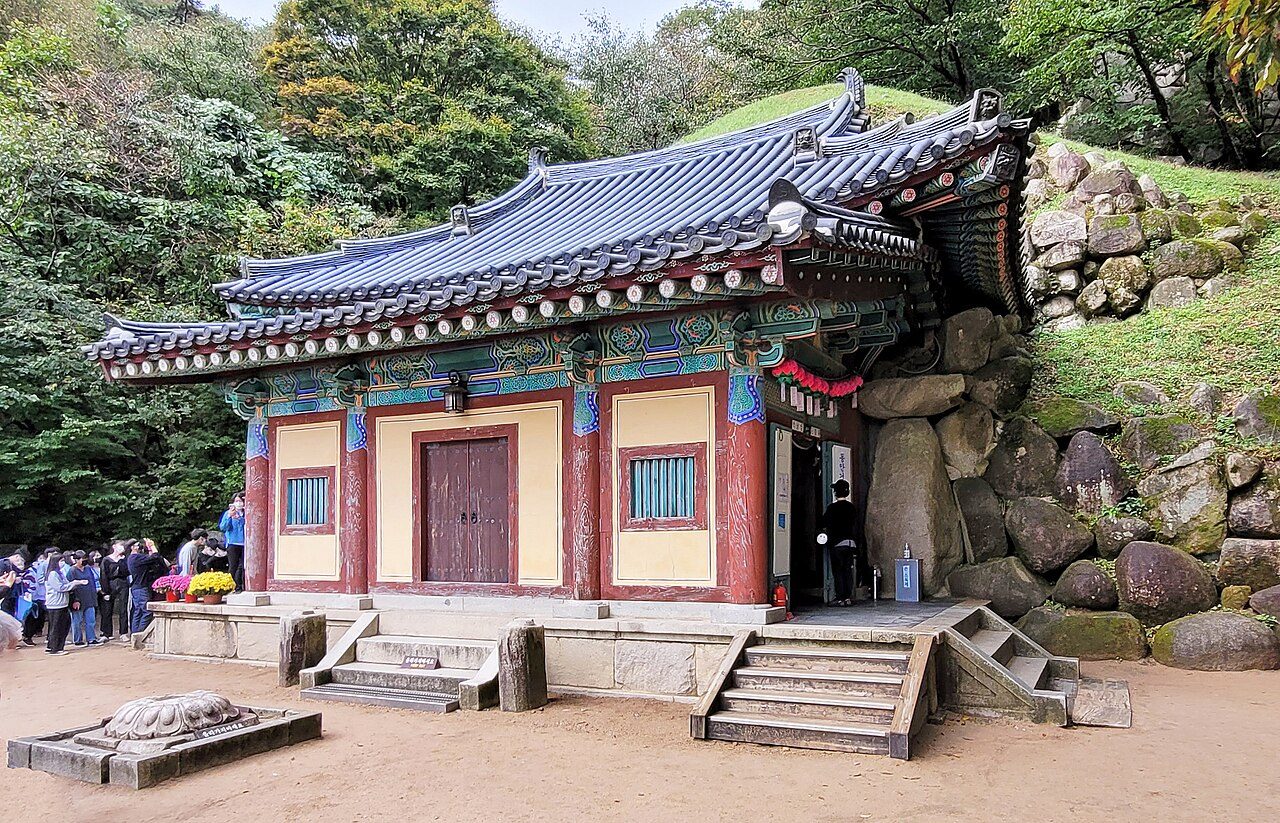
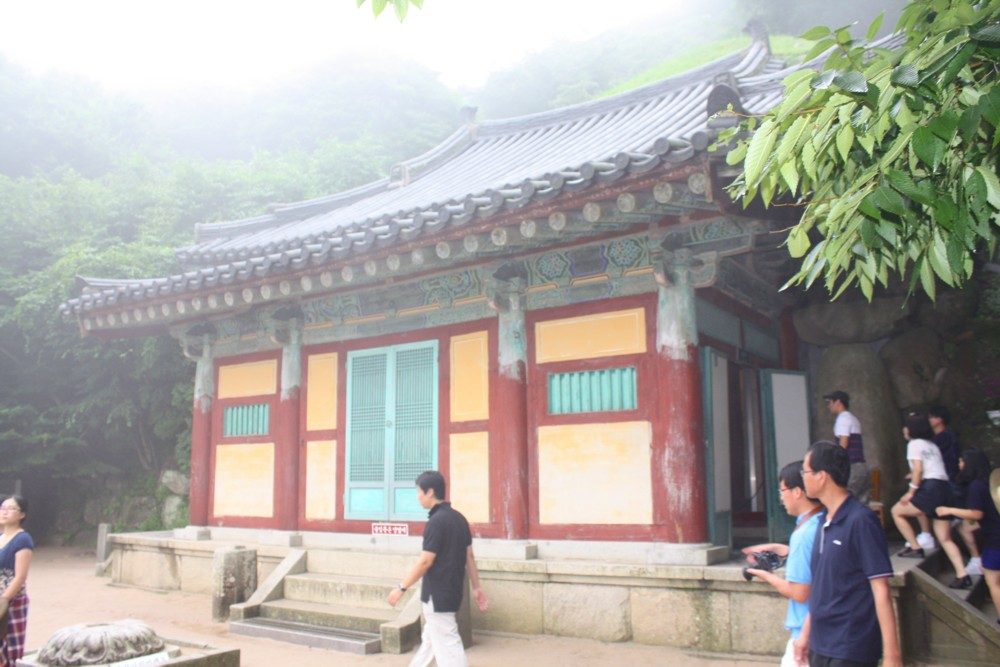
Seokguram Grotto is a man-made cave temple on Mount Toham above Bulguksa, built in the 8th century. Inside sits a serene granite Buddha surrounded by carved bodhisattvas and guardians, viewed through a glass screen to protect it. It is a UNESCO World Heritage Site. Many visitors come at sunrise, when the sun rises over the East Sea in front of the grotto.
19
STOP 19 OF 27
Daereungwon Tomb Complex
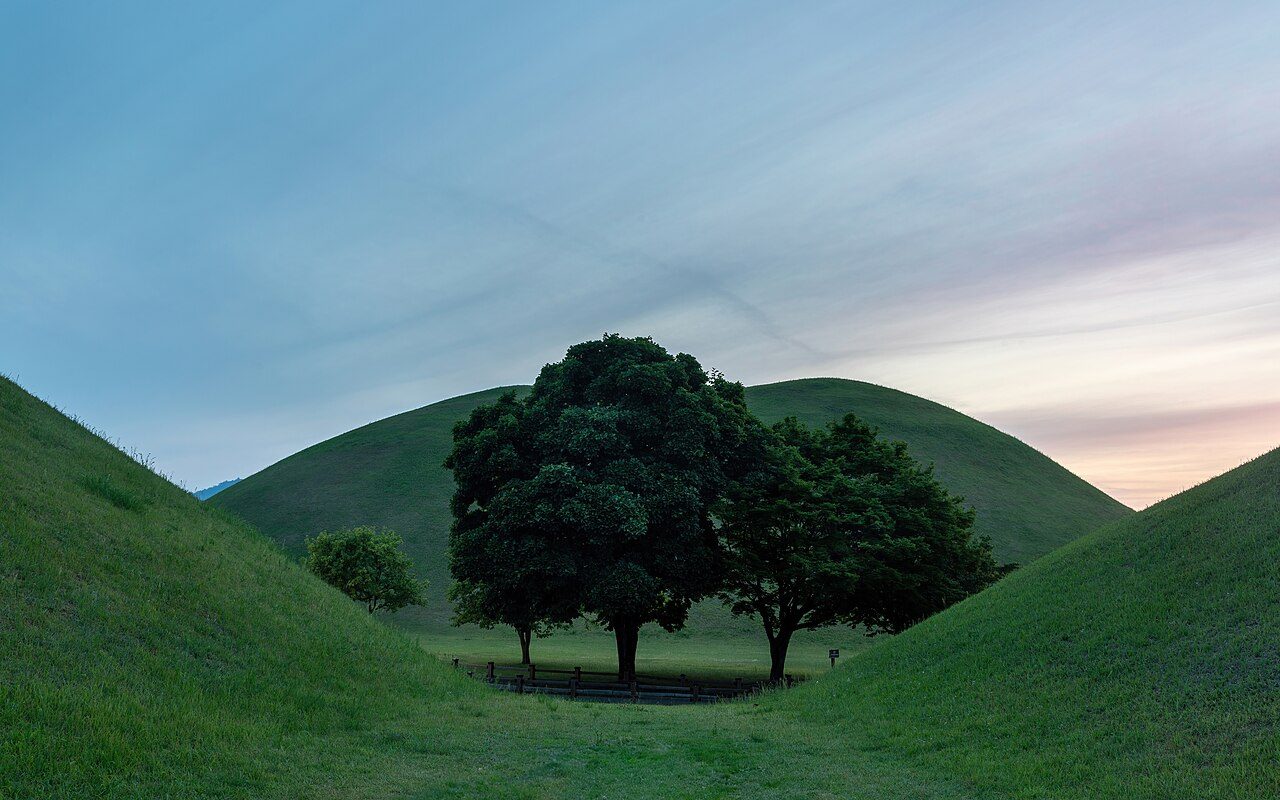
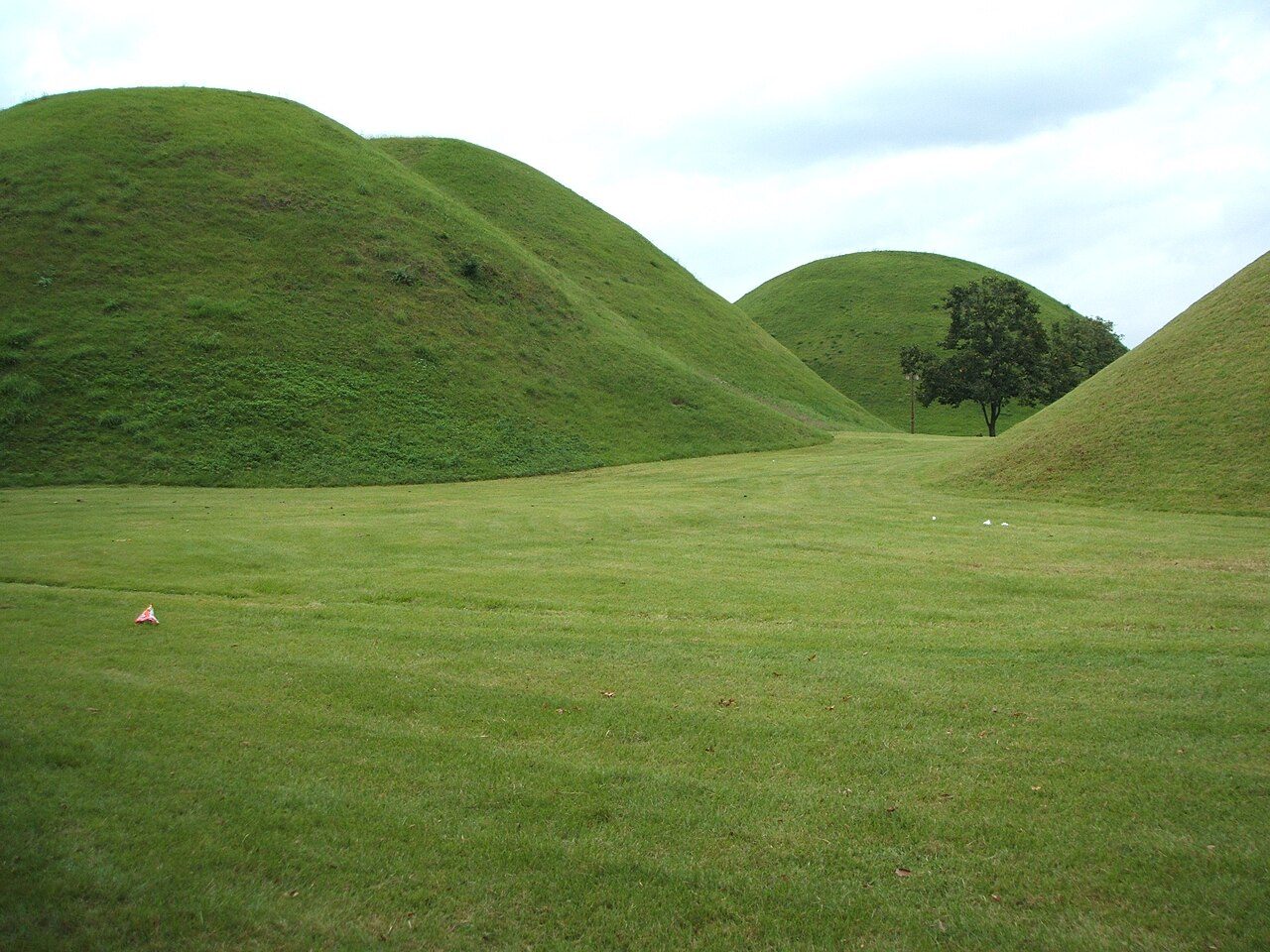
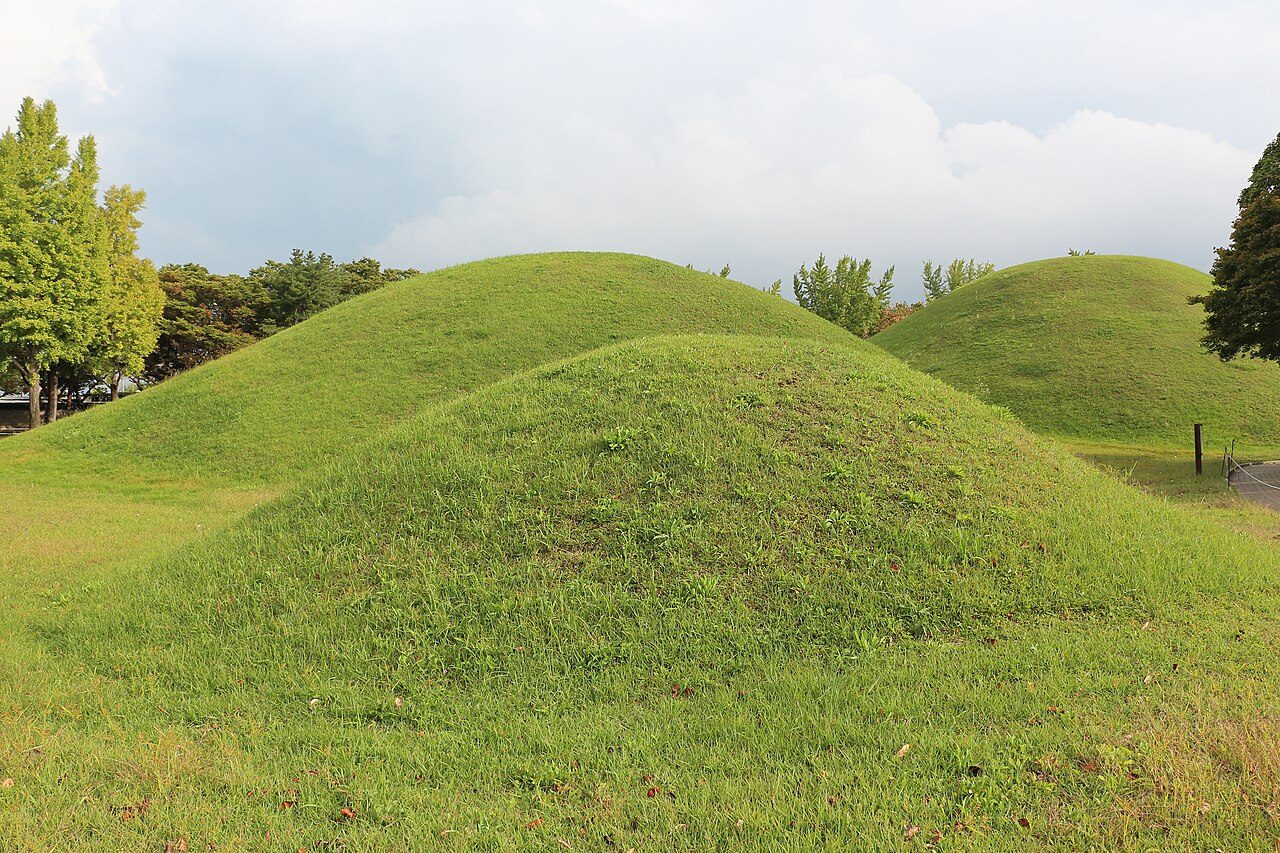
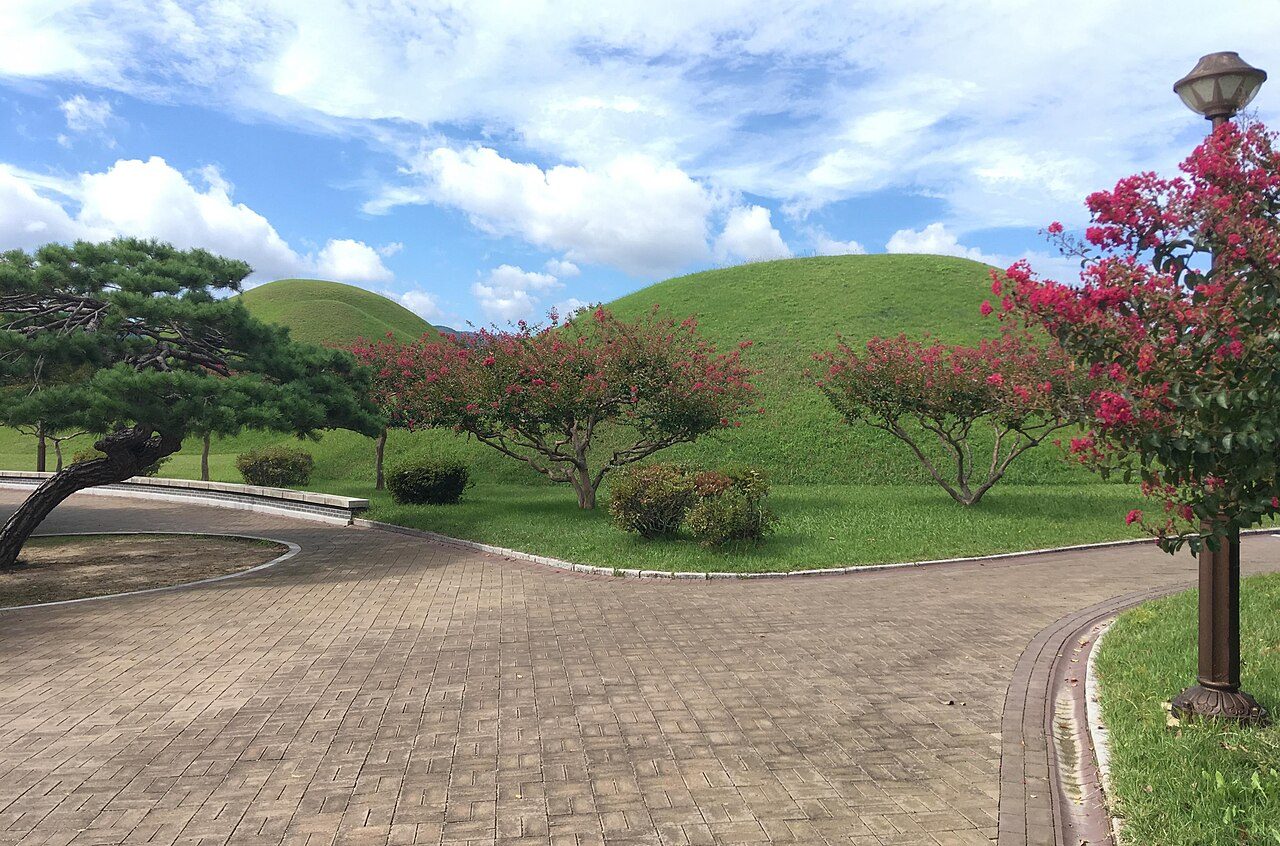
Daereungwon is a park in central Gyeongju with 23 large grassy burial mounds of Silla kings and nobles. Inside one tomb, Cheonmachong, visitors can see how the tombs were built and replicas of gold crowns and the famous painting of a flying horse. The green mounds and paths are lovely in every season, and the area is popular for evening walks.
20
STOP 20 OF 27
Cheomseongdae Observatory
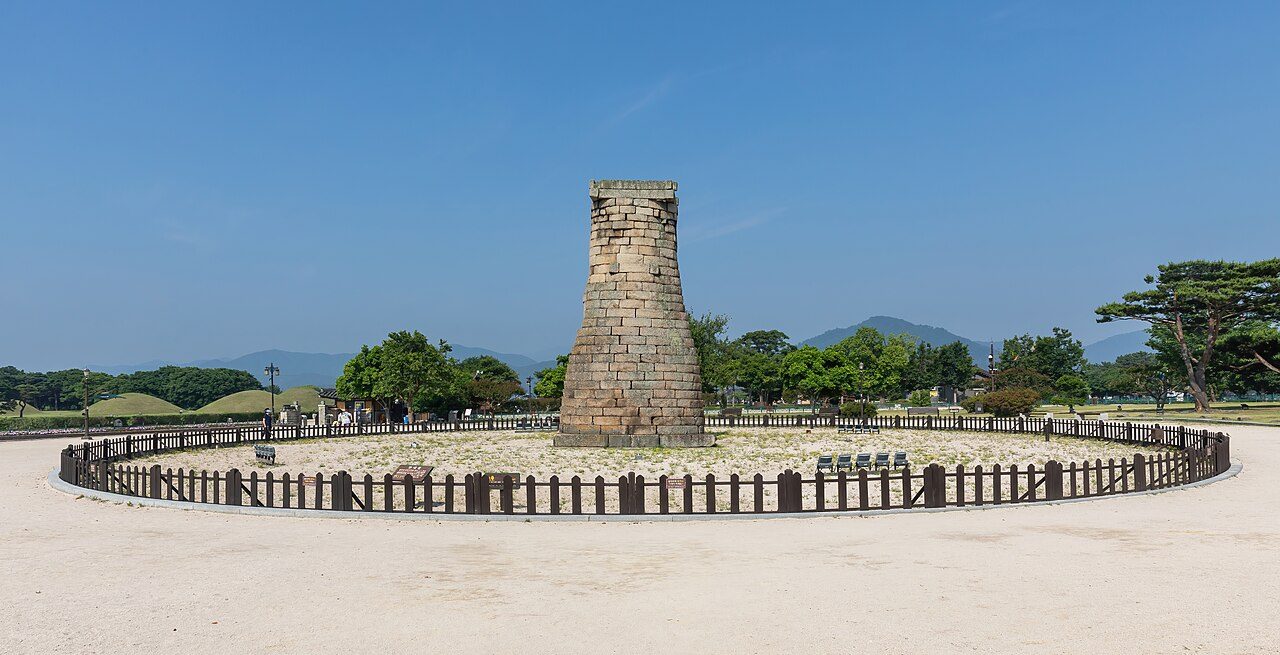
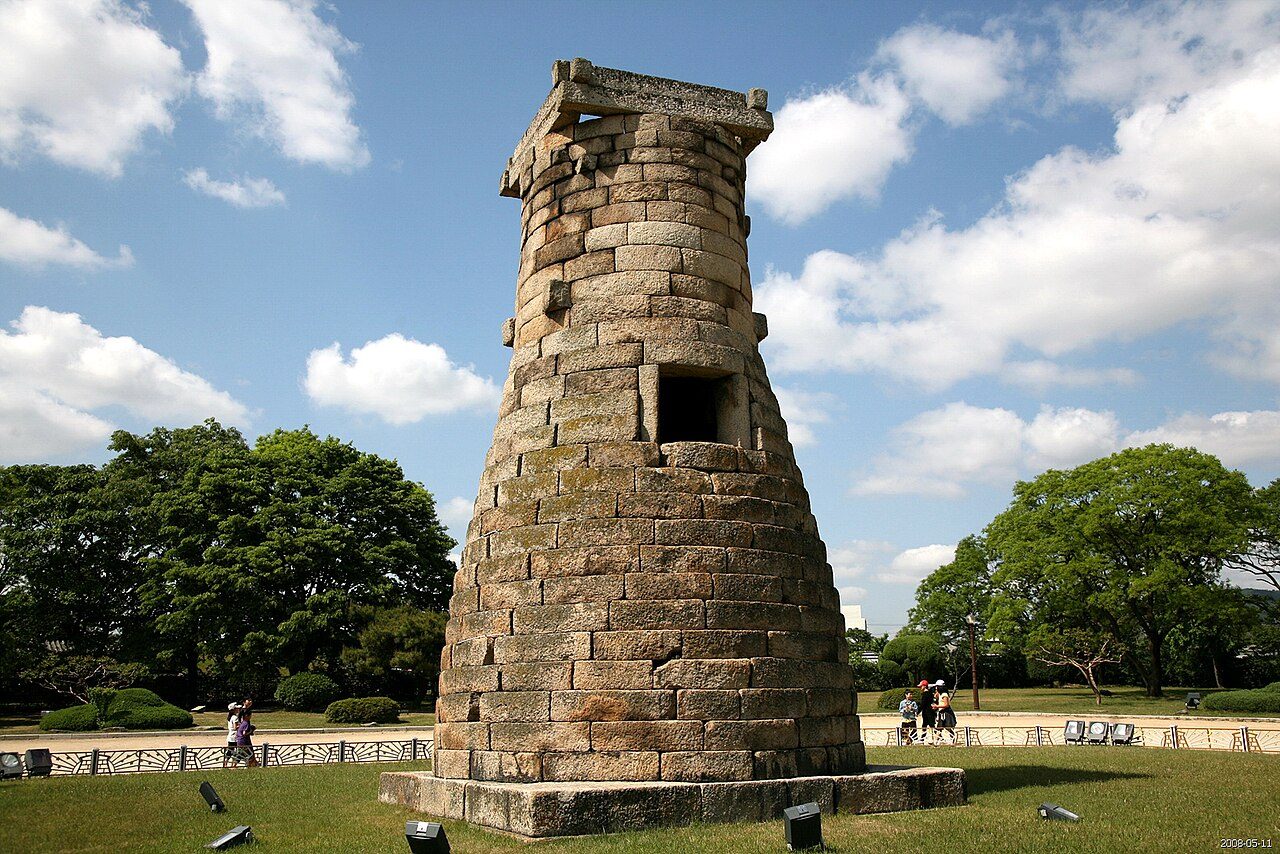
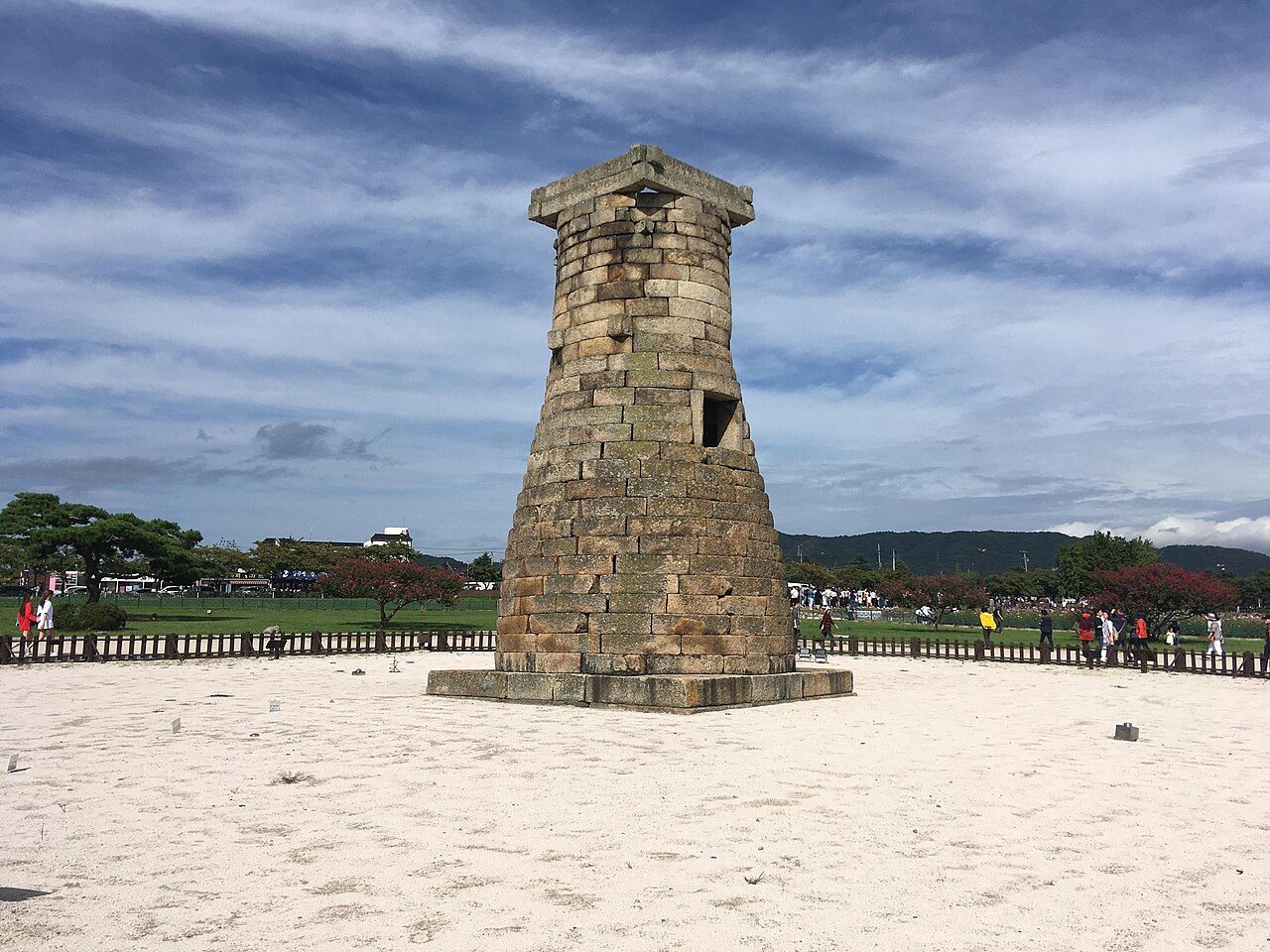
Cheomseongdae is one of the oldest surviving astronomical observatories in East Asia, built during the reign of Queen Seondeok of Silla in the 7th century. The bottle-shaped stone tower is made of hundreds of granite blocks. It stands in a park in central Gyeongju surrounded by seasonal flower fields. It is lit up at night and easy to visit with Daereungwon.
21
STOP 21 OF 27
Donggung Palace and Wolji Pond
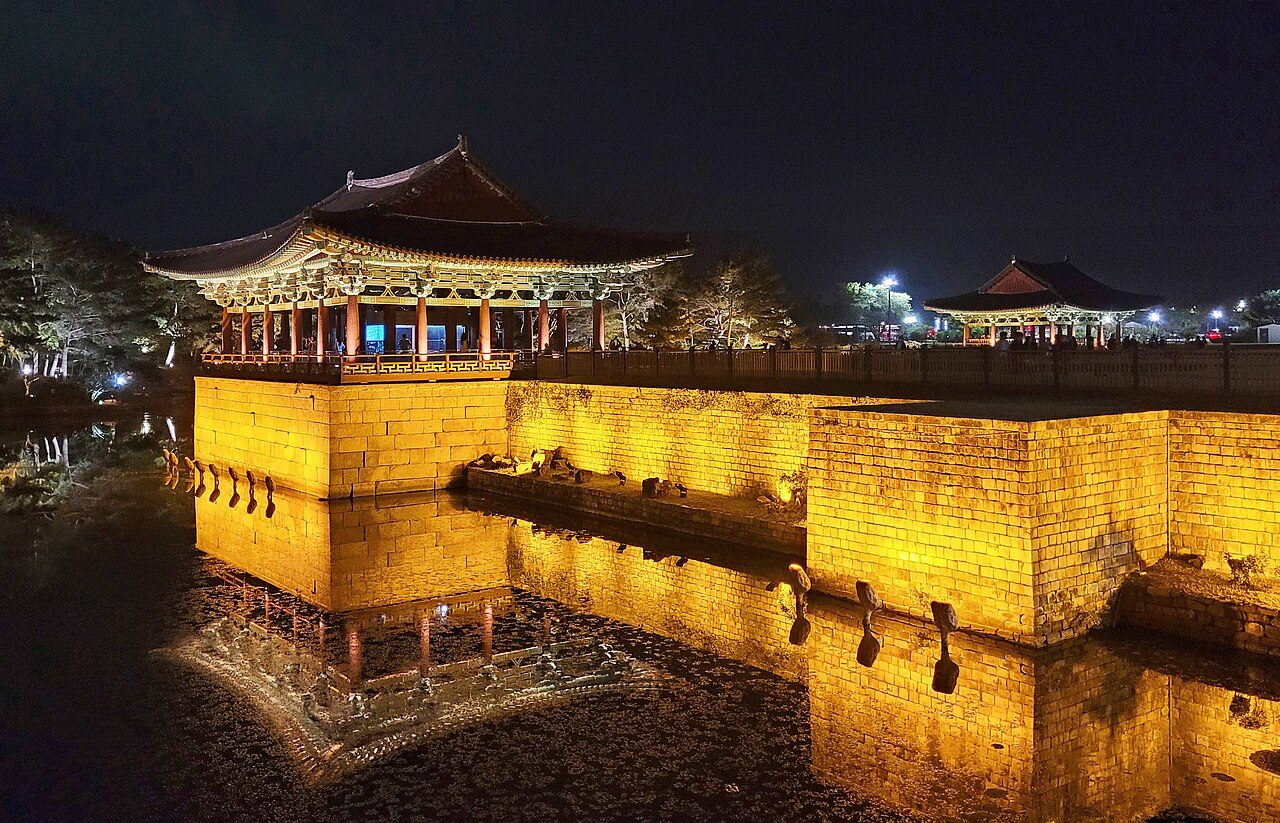
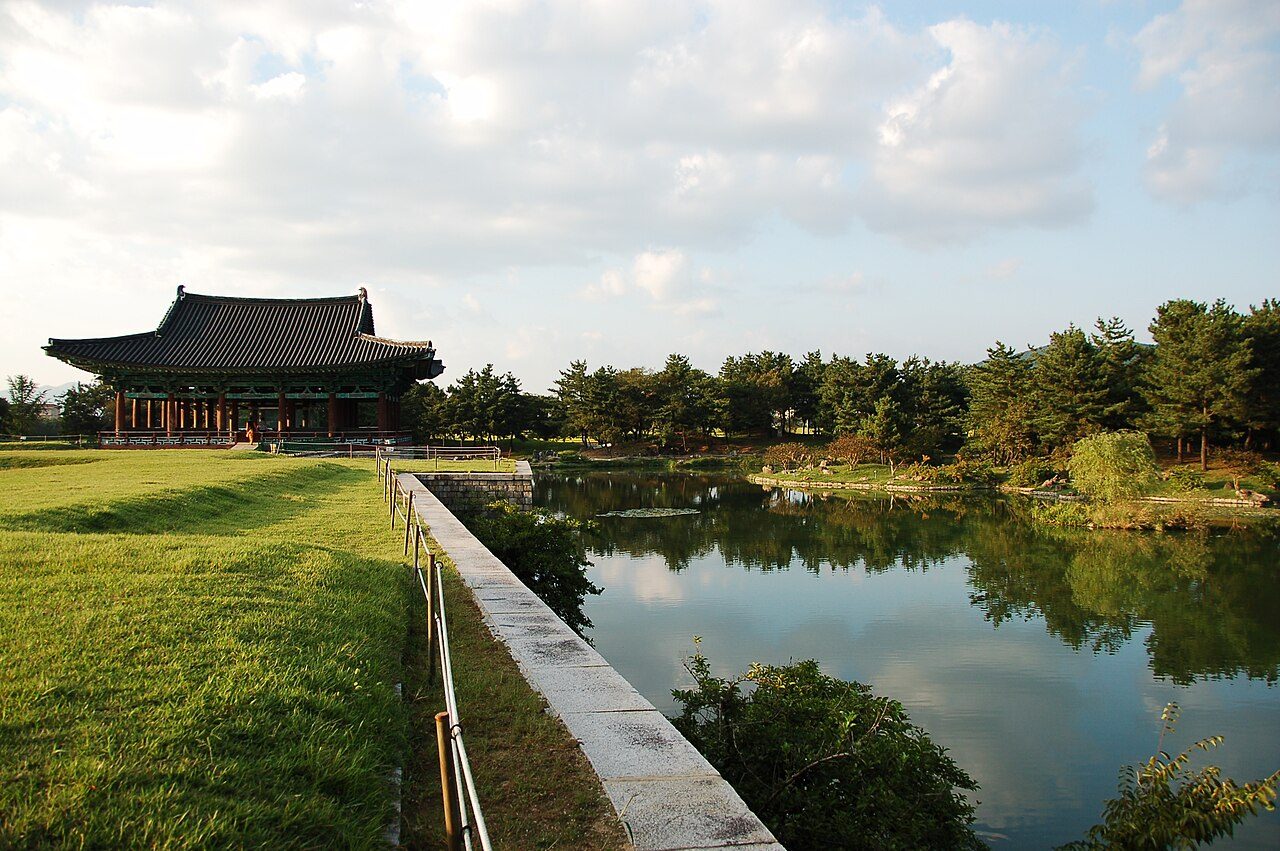
Donggung Palace and Wolji Pond were part of a Silla royal palace built in the 7th century and used for banquets. The pond, once called Anapji, was designed with islands and curved shores so that it never appears whole from any one place. Several pavilions have been reconstructed beside the water. The site is most beautiful after dark, when the buildings are reflected in the pond.
22
STOP 22 OF 27
Haedong Yonggungsa
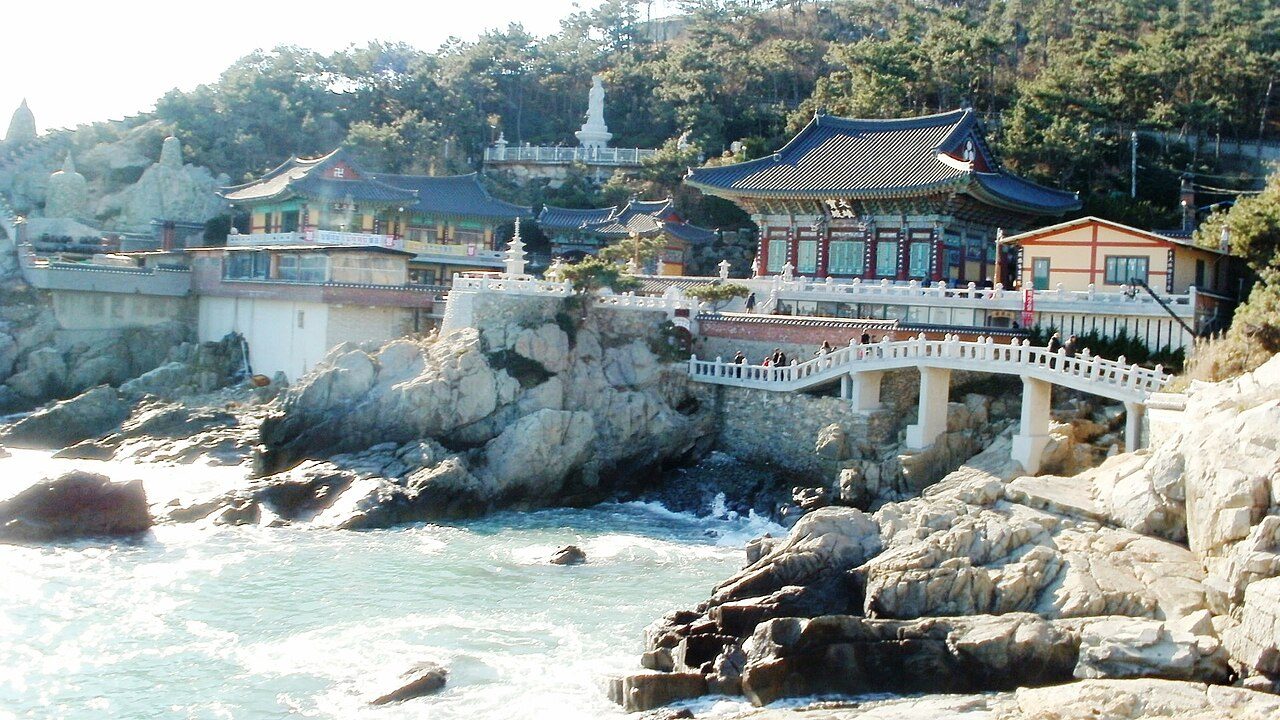
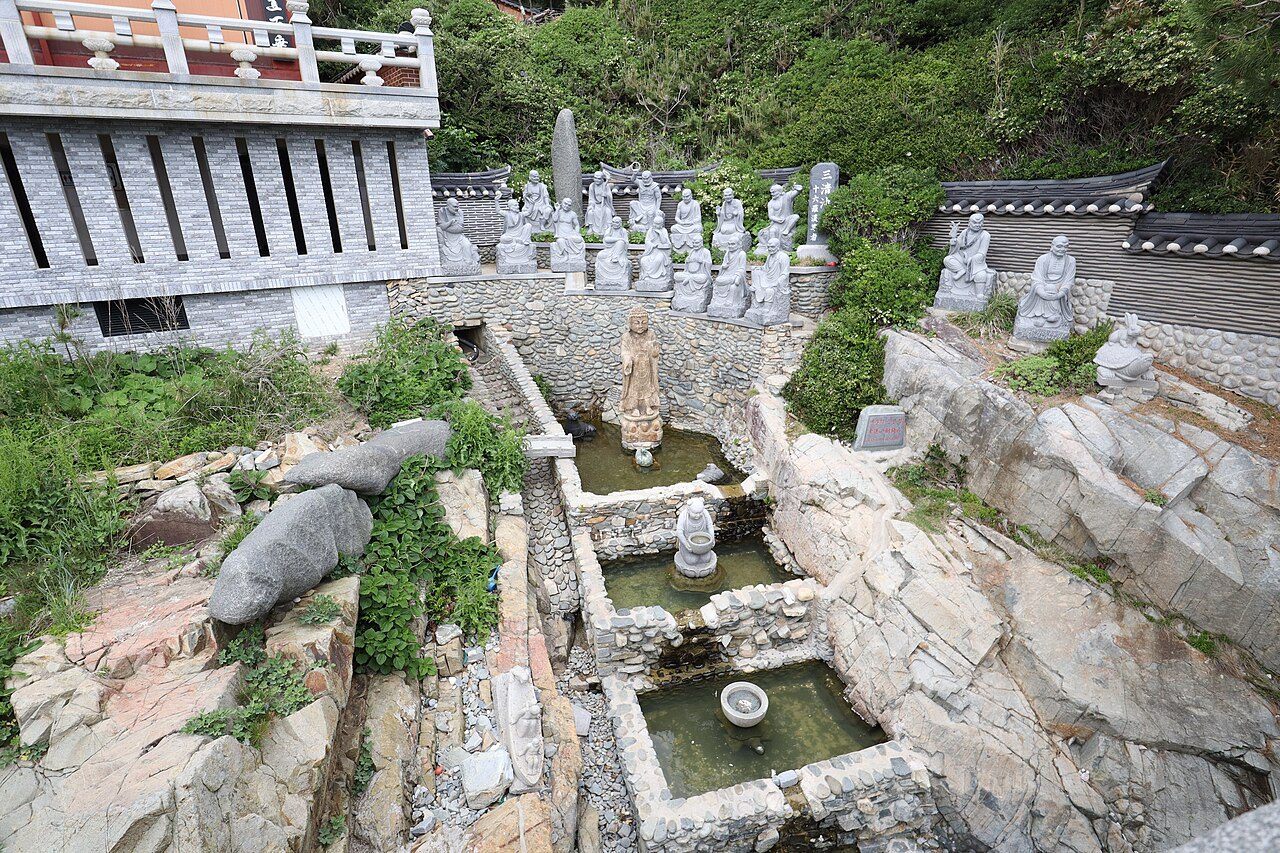
Haedong Yonggungsa is a Buddhist temple built on rocks beside the sea on Busan's east coast, first founded in the 14th century. Its halls, stairways and statues sit just above the crashing waves, unusual for Korean temples, which are usually in the mountains. It is a popular spot to watch the sunrise. The temple can be very busy on weekends and holidays.
23
STOP 23 OF 27
Haeundae Beach
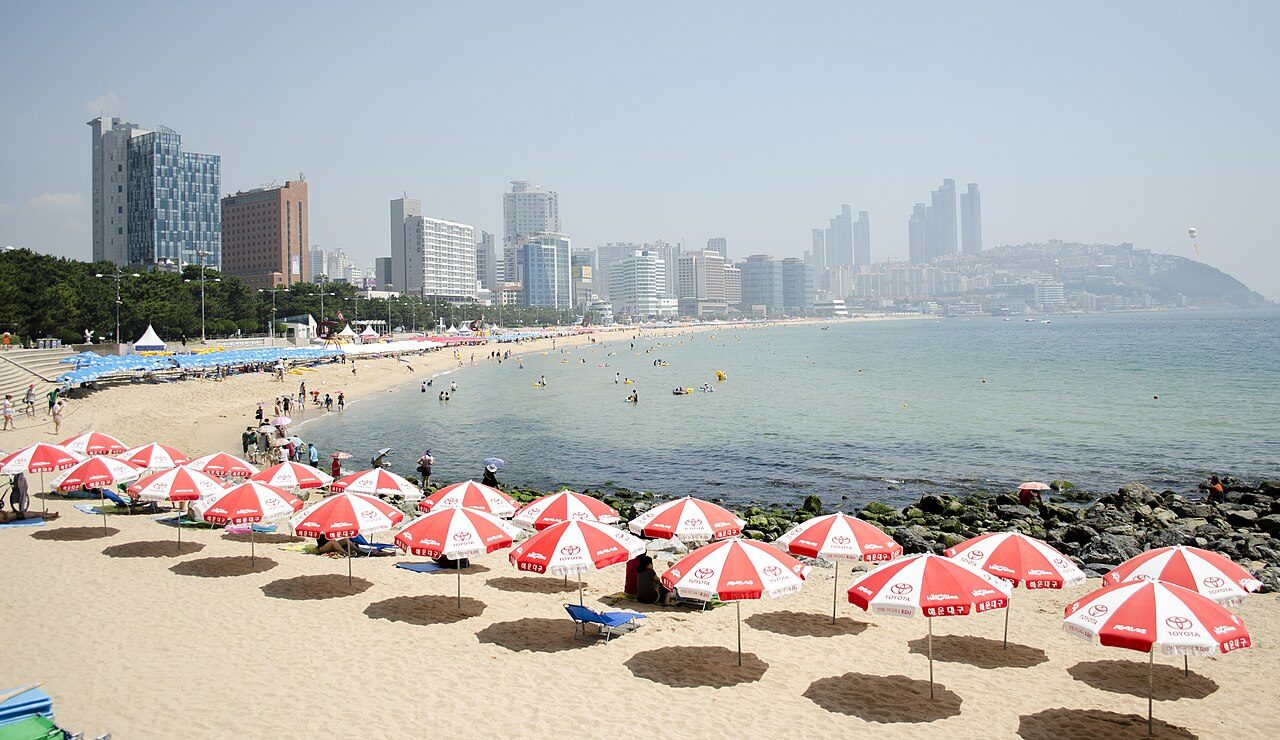
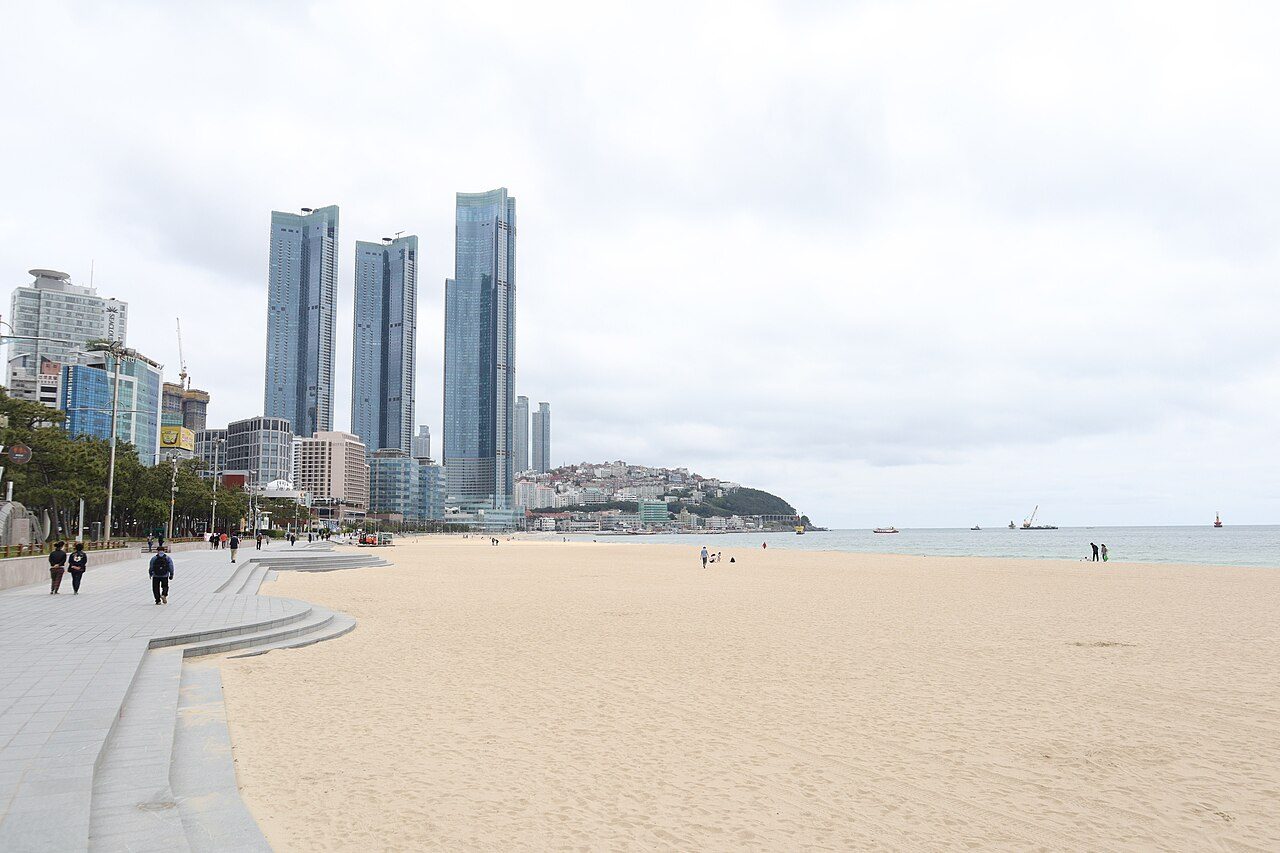
Haeundae Beach is Busan's most famous beach, a long curve of fine sand framed by high-rise hotels and apartments. In summer it is one of the busiest beaches in Korea, with festivals and events. Dongbaekseom island at its western end has a coastal walking path and the APEC House. The Haeundae Blueline Park beach train runs along the coast nearby.
24
STOP 24 OF 27
Gwangalli Beach
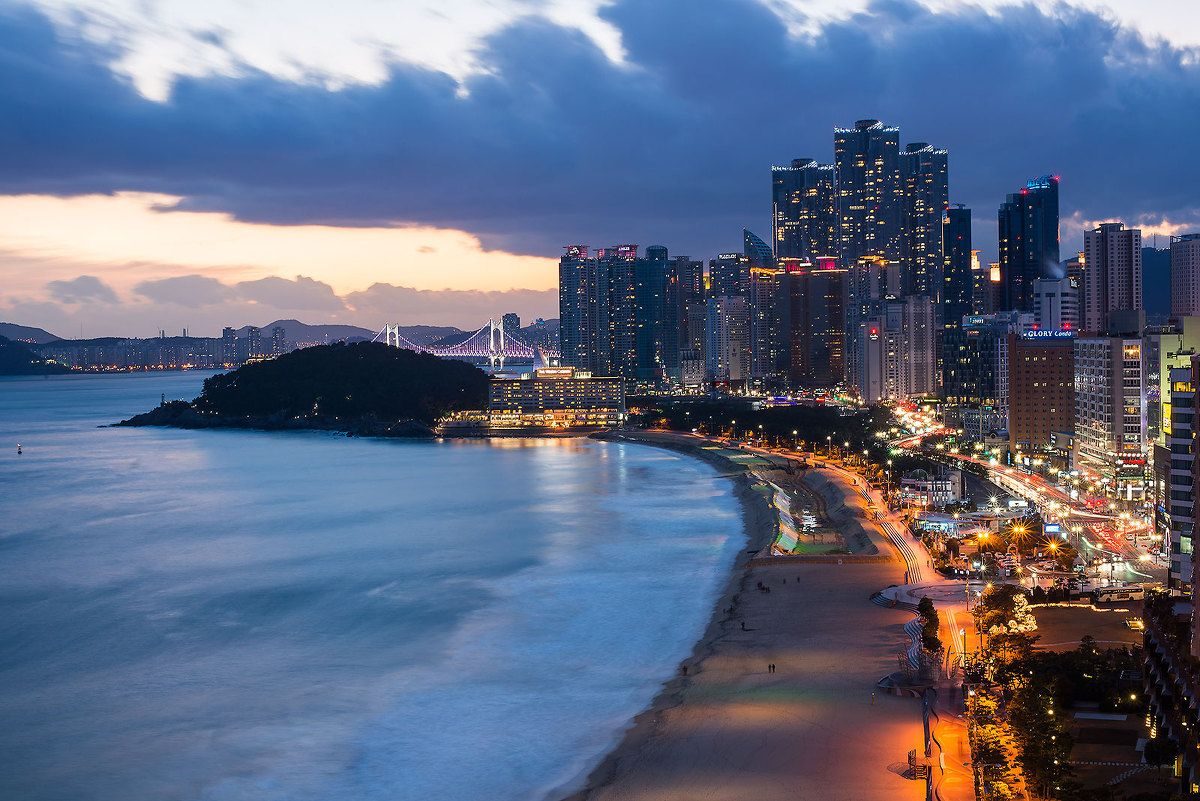
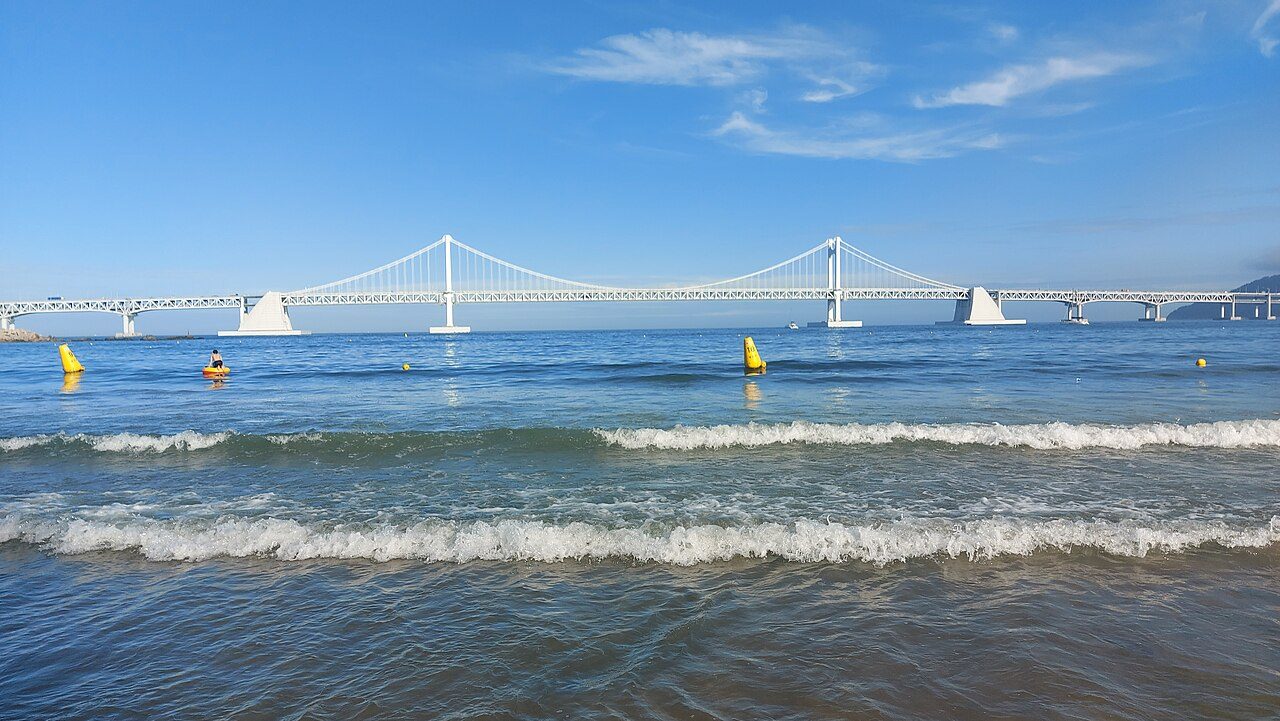
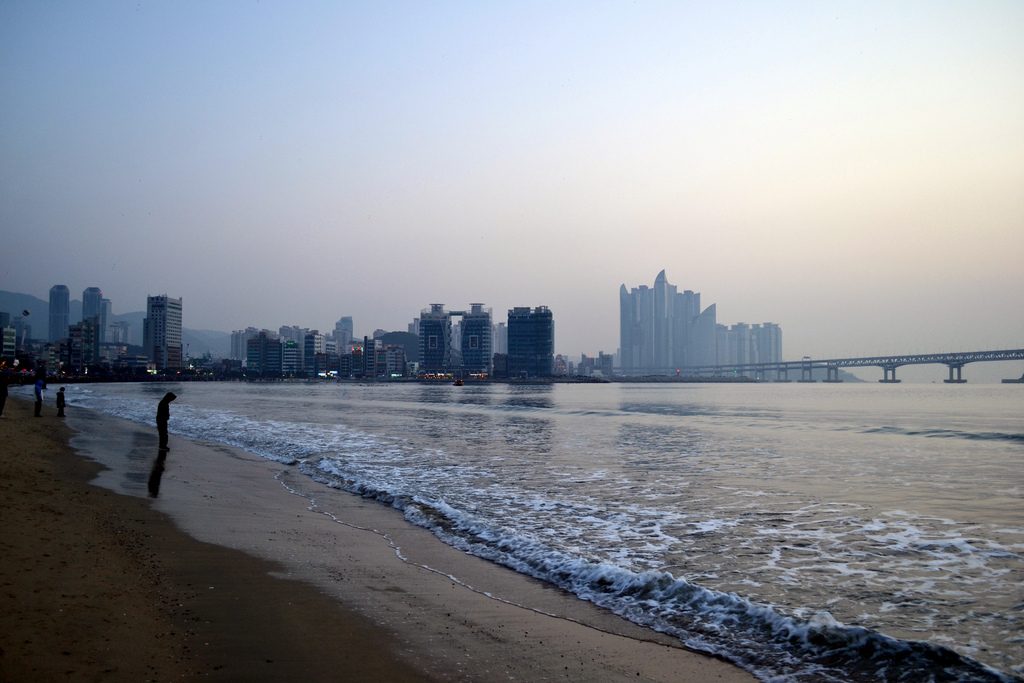
Gwangalli Beach is a lively beach in Busan facing the Gwangan Bridge, which lights up in changing colours at night. The beachfront is lined with cafés, bars and seafood restaurants. Drone light shows are held over the water on many weekend evenings. It is a great place to watch the city lights and the bridge from the sand after dark.
25
STOP 25 OF 27
Gamcheon Culture Village
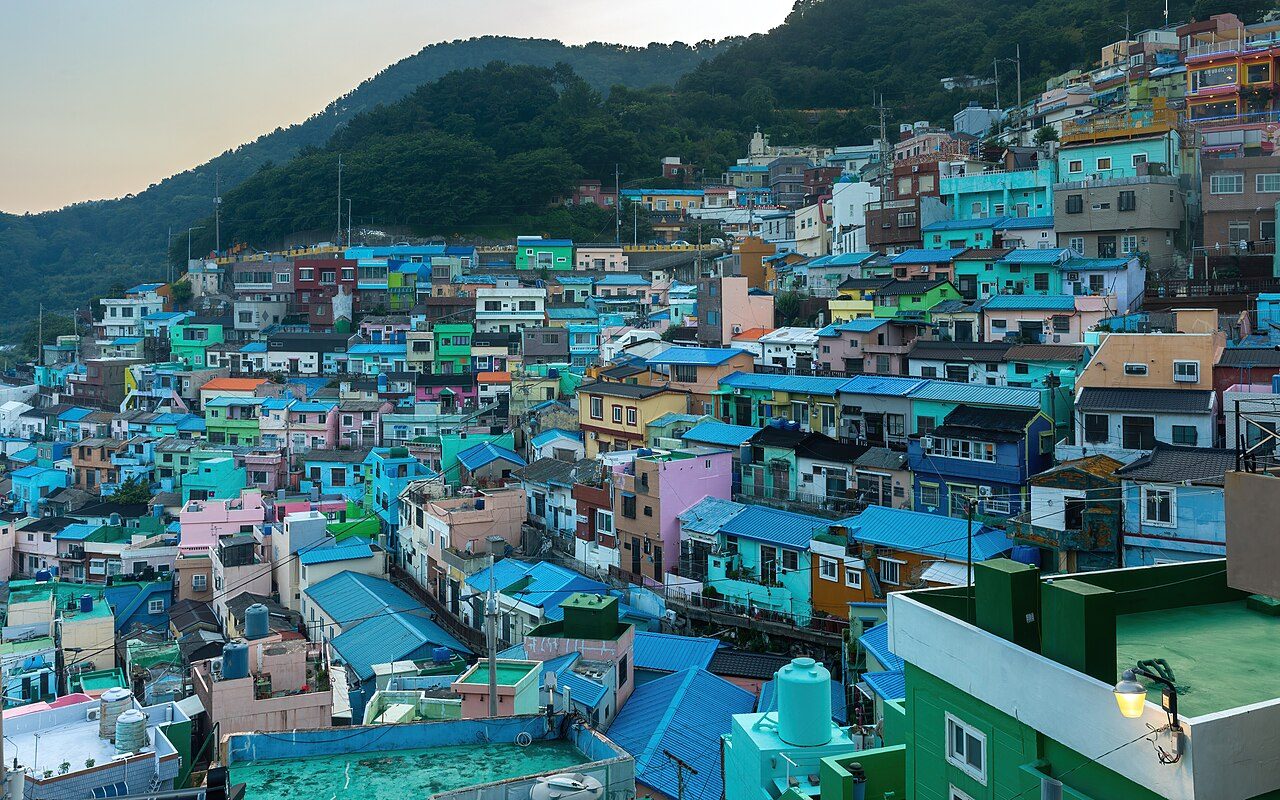
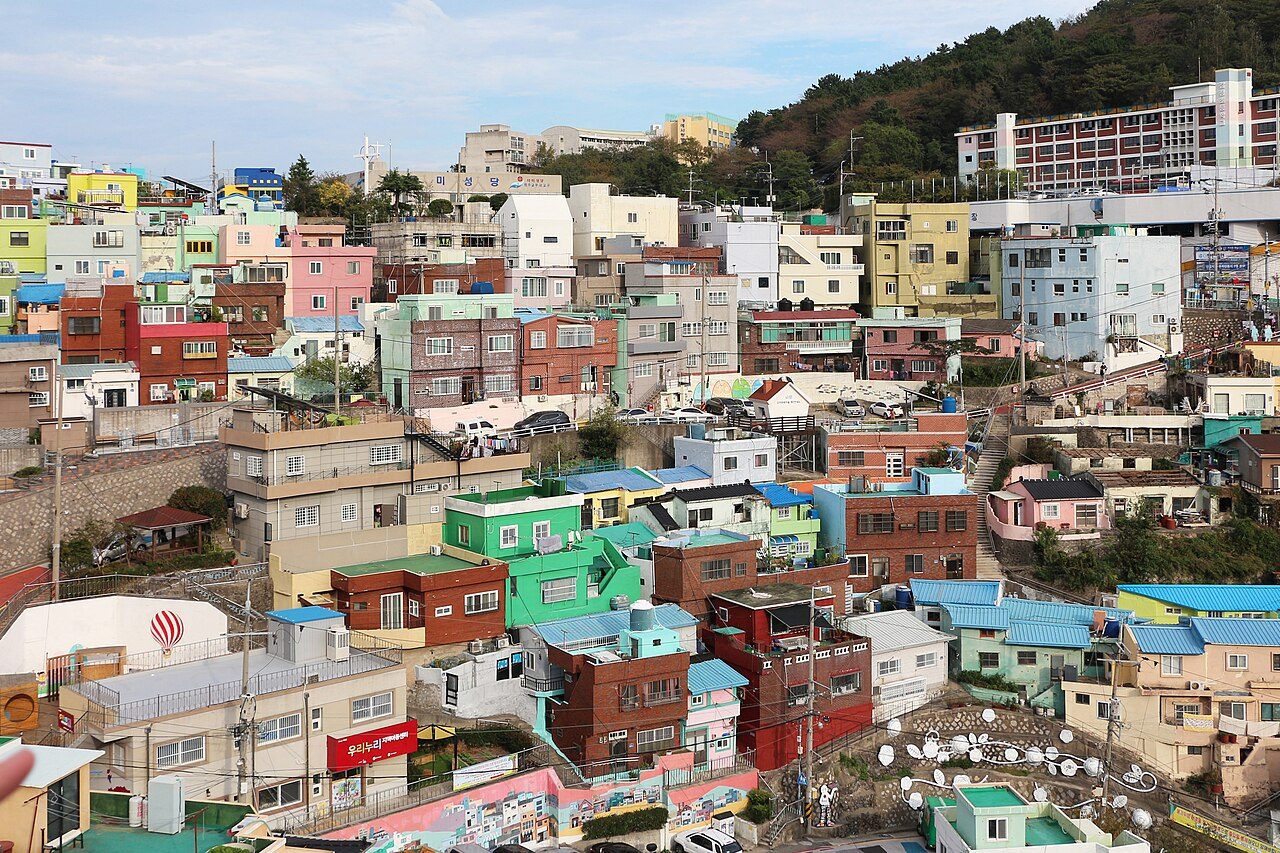
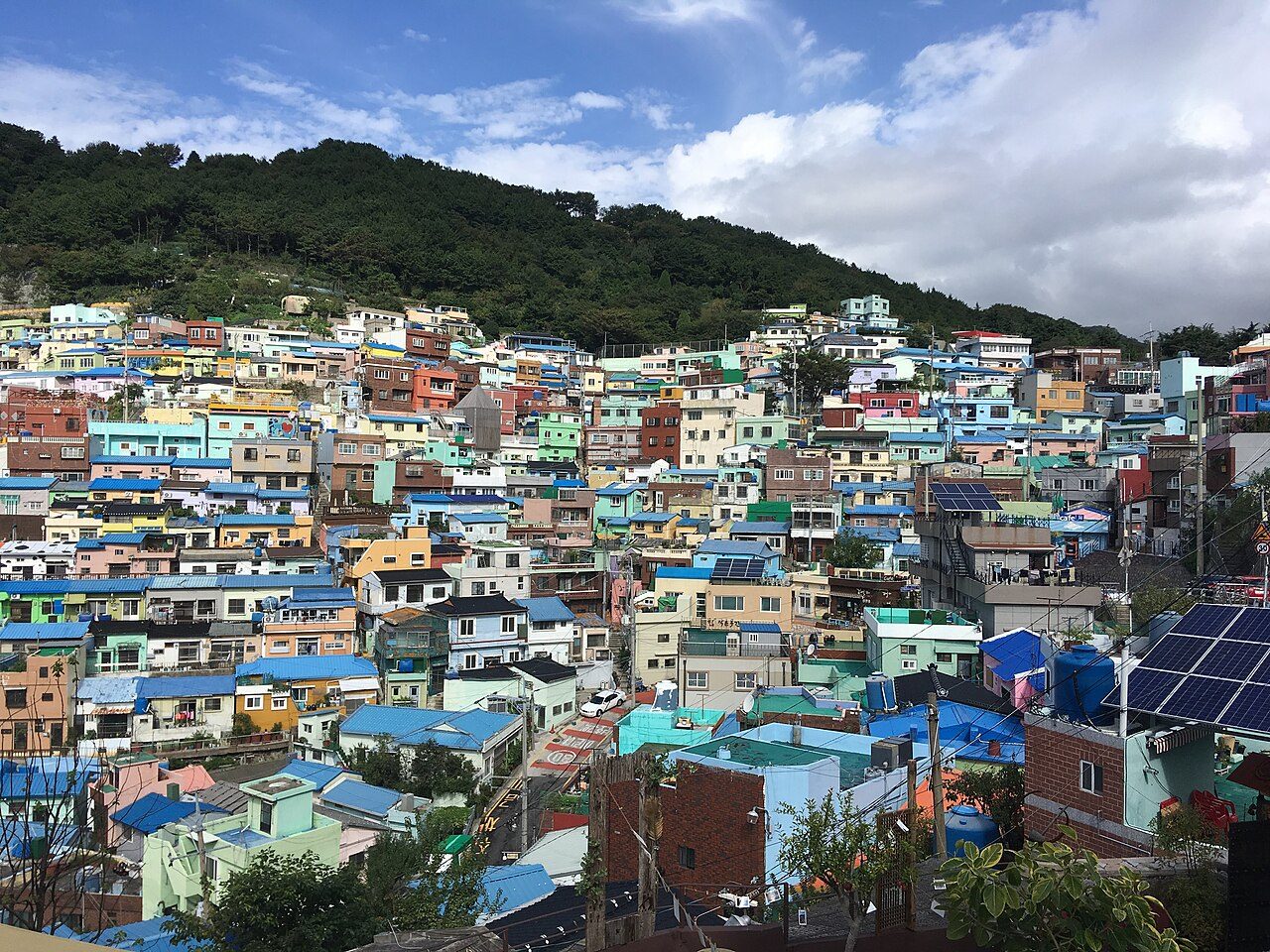
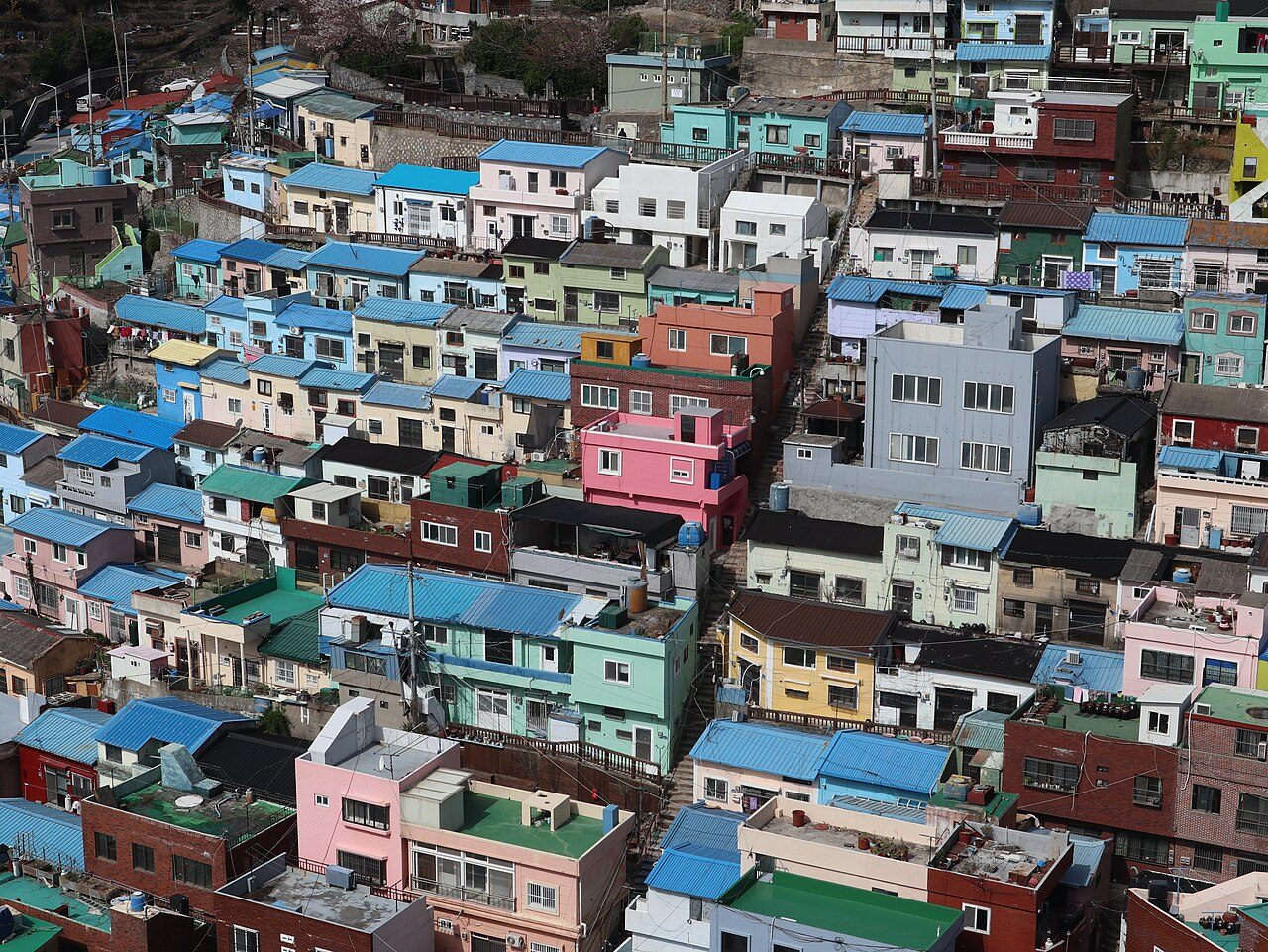
Gamcheon Culture Village is a hillside neighbourhood in Busan with brightly painted houses stacked up the slopes. It was founded by refugees during the Korean War and was later revived through art projects. Narrow alleys lead past murals, sculptures, galleries and cafés with views over the harbour. Buy a map at the information centre to follow the art trail.
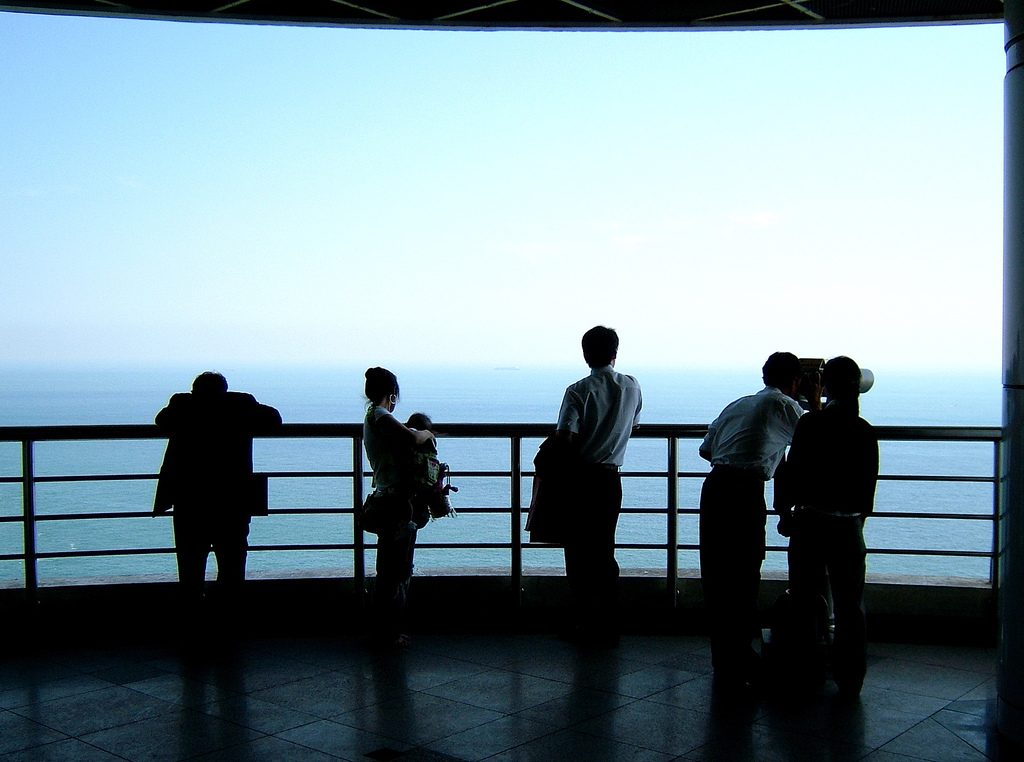
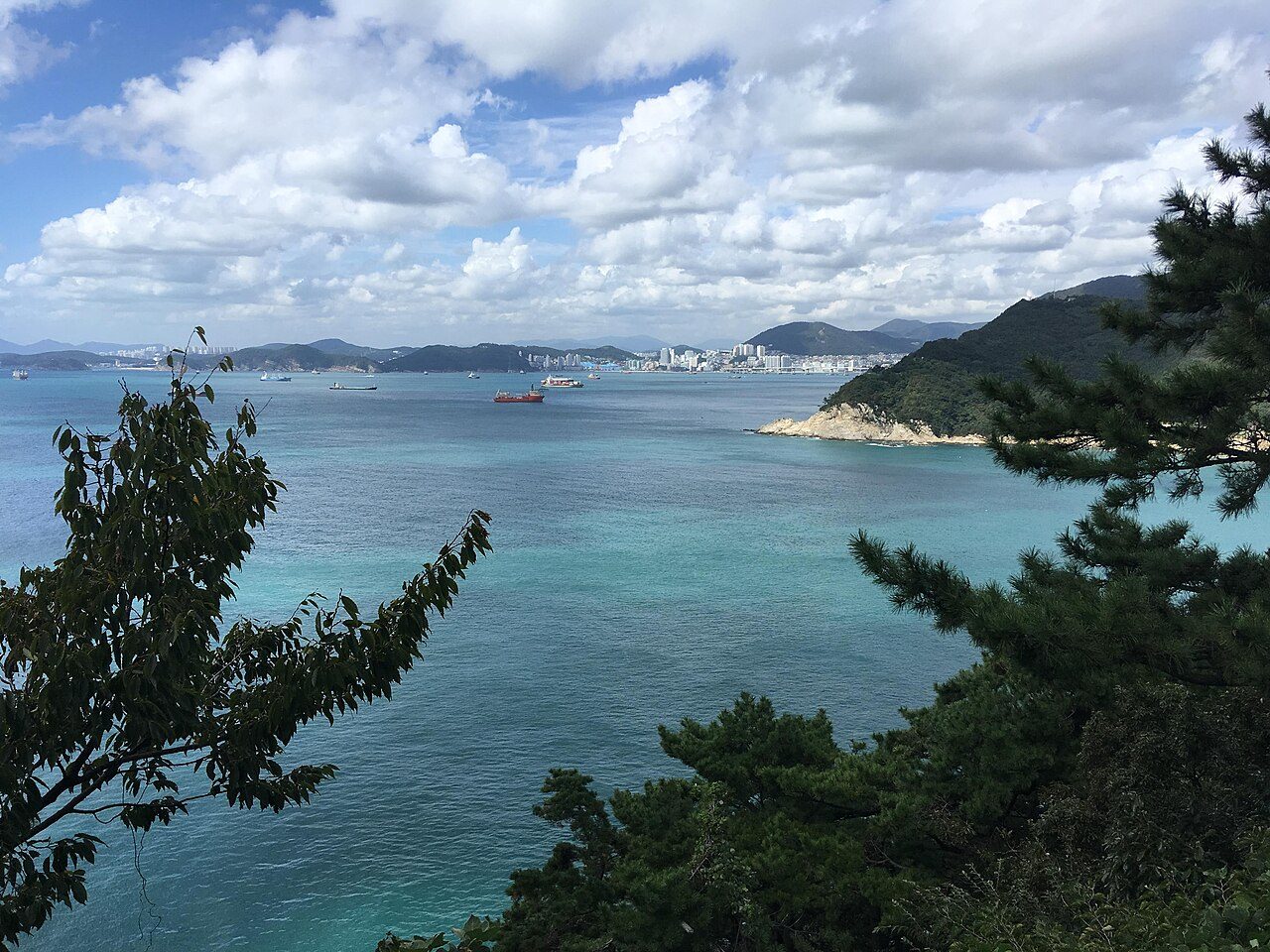
Taejongdae is a rocky headland on the southern tip of Yeongdo island in Busan, covered in pine forest above sheer cliffs. A road loop with a tourist train leads to an observatory, a lighthouse and the Sinseon rock, with views across to Japan's Tsushima on clear days. The cliffs are a dramatic place to watch waves breaking below.
27
STOP 27 OF 27 · LAST STOP
Beomeosa Temple
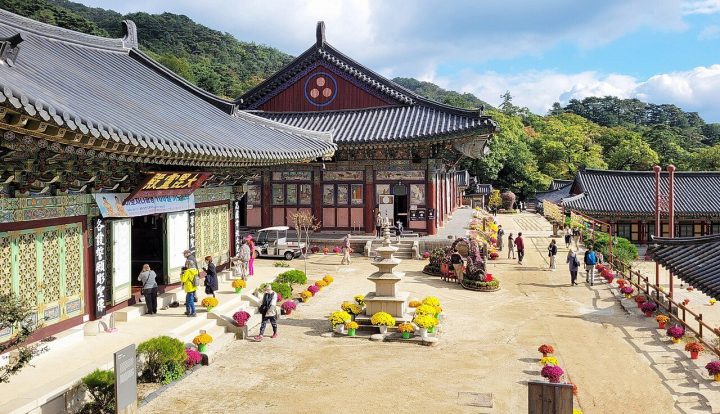
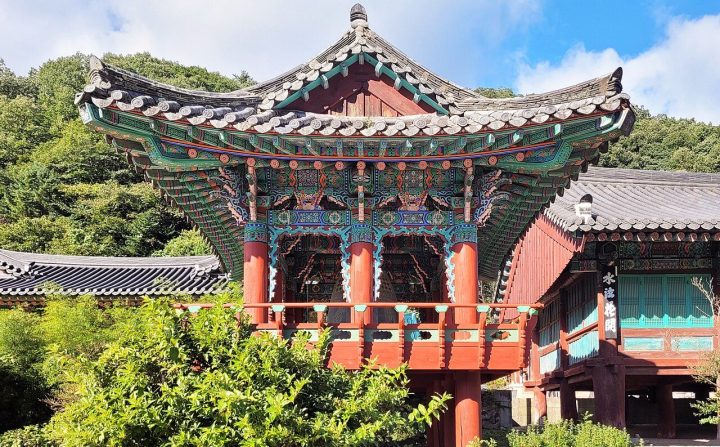
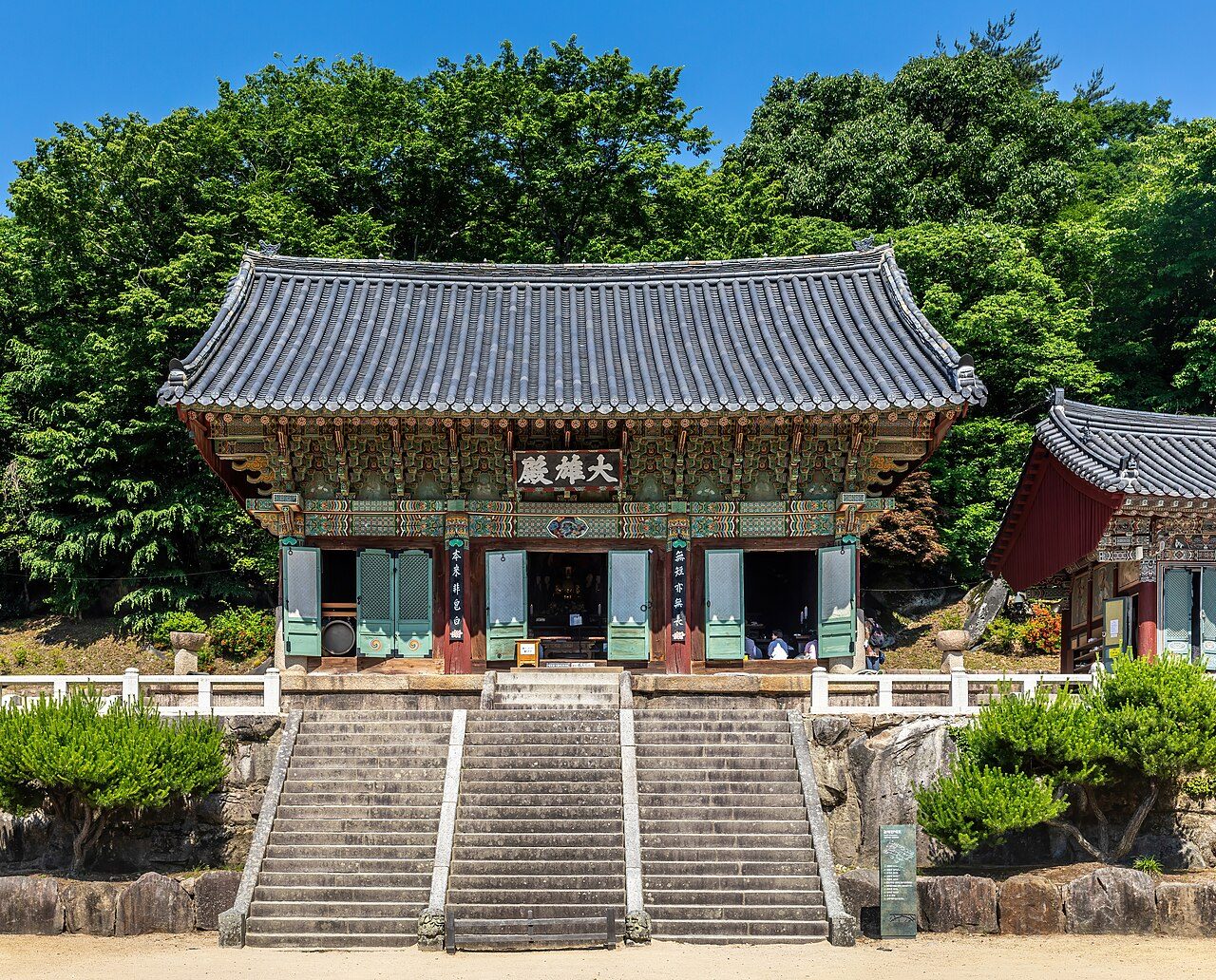
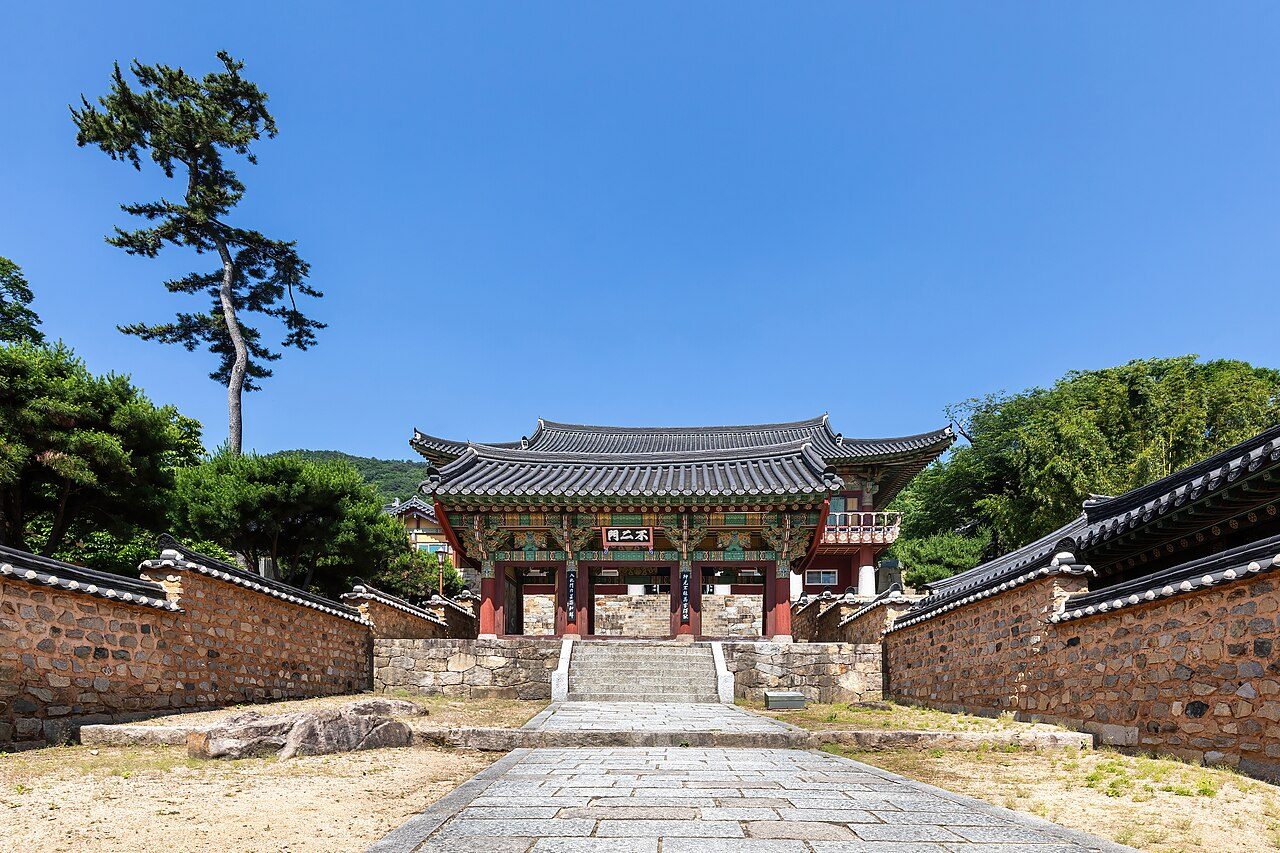
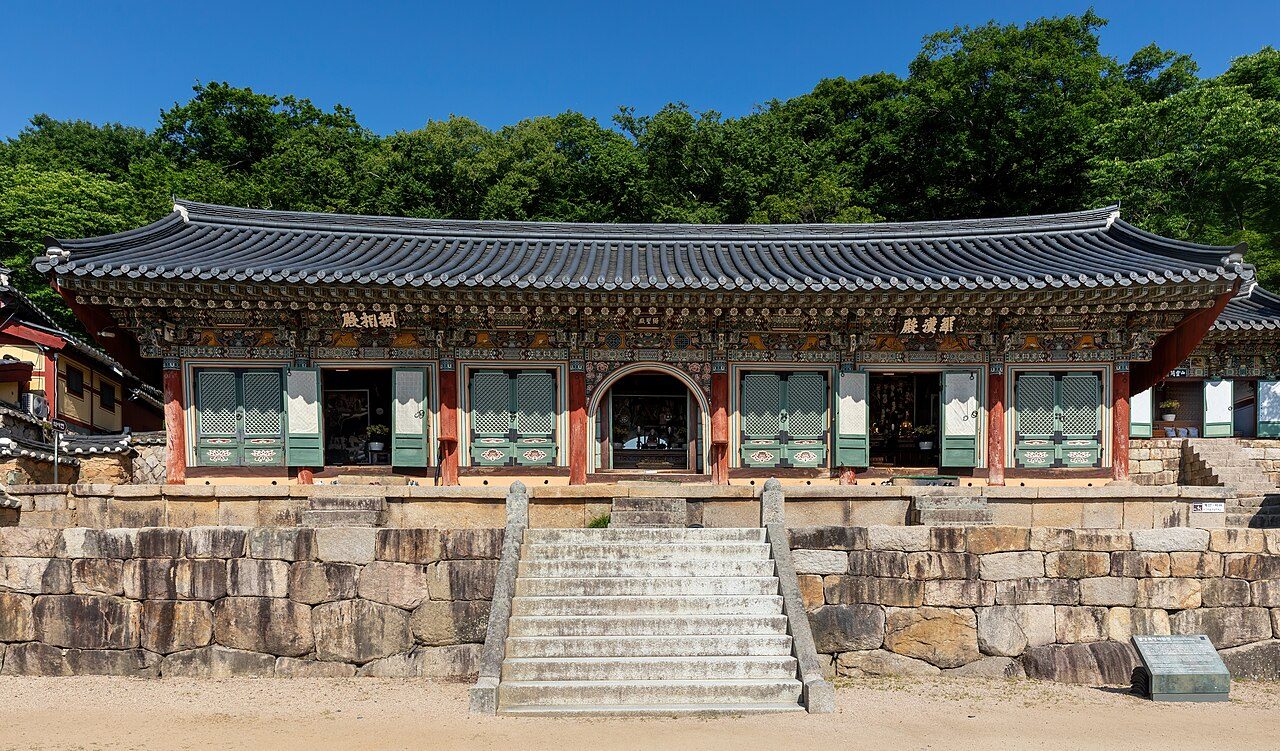
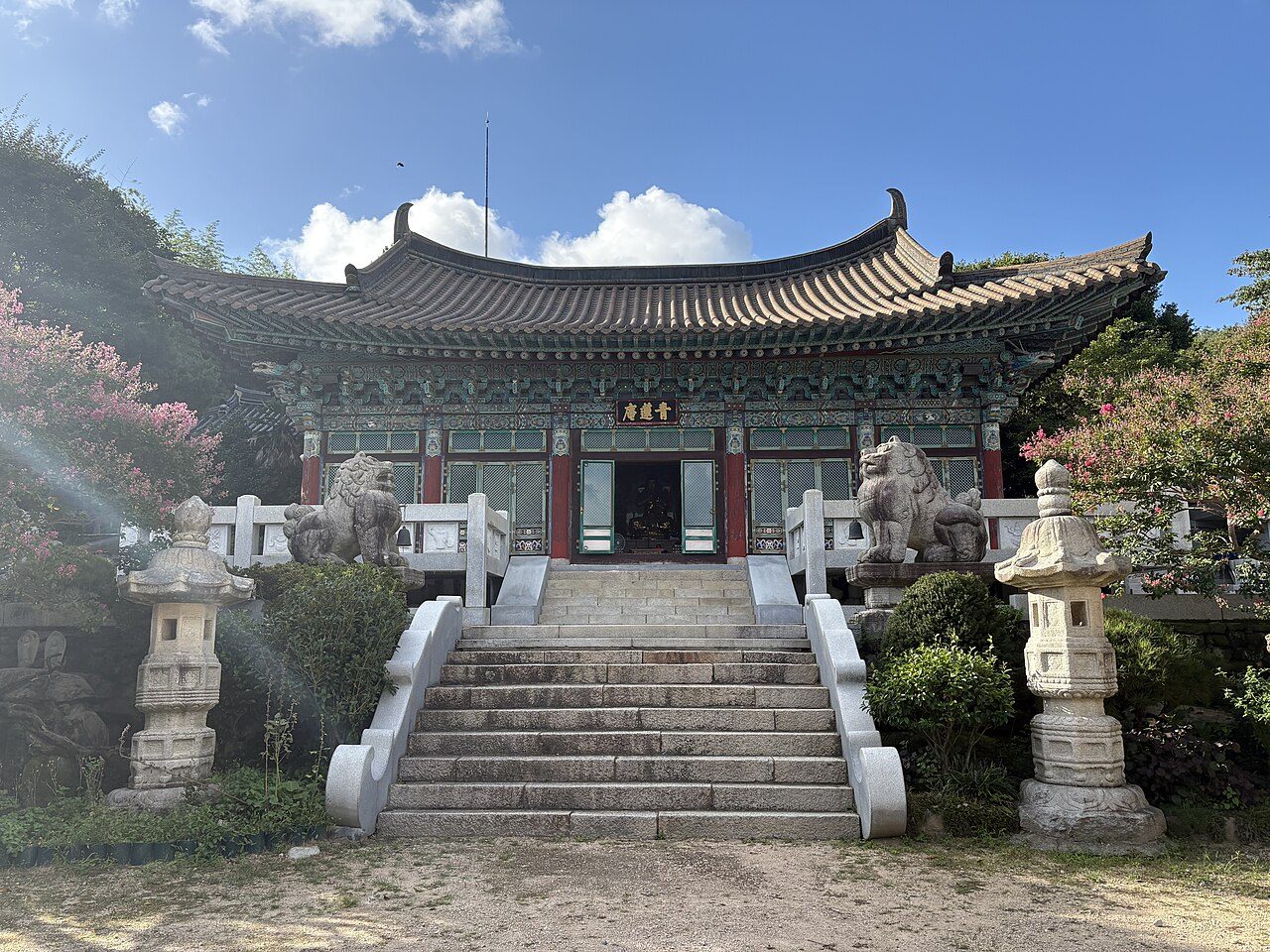
Beomeosa is one of the largest temples in southern Korea, founded in 678 on the slopes of Geumjeongsan in Busan. Its main hall and gateways sit among old trees, and the stream valley below is famous for wisteria in spring. Hiking trails lead from the temple to Geumjeong Fortress. The temple offers temple stay programmes for visitors who wish to stay overnight.
 WaTrips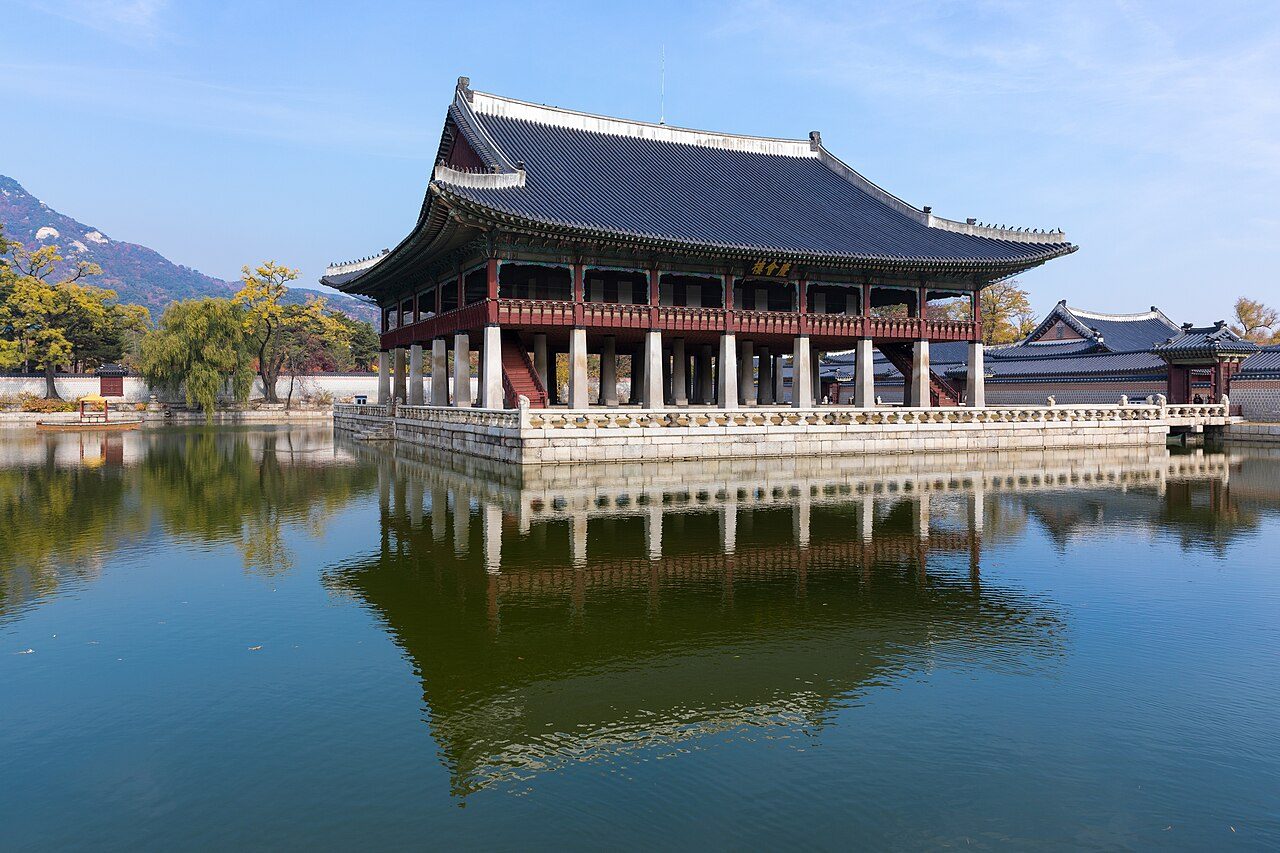








 BikesBooking
 Localrent
 Airalo
 Tiqets